window.__IS_SSR__=true
window.__INITIAL_STATE__={
"attachmentsReducer": {
"audio_0": {
"type": "attachments",
"id": "audio_0",
"imgSizes": {
"kqedFullSize": {
"file": "https://ww2.kqed.org/news/wp-content/themes/KQED-unified/img/audio_bgs/background0.jpg"
}
}
},
"audio_1": {
"type": "attachments",
"id": "audio_1",
"imgSizes": {
"kqedFullSize": {
"file": "https://ww2.kqed.org/news/wp-content/themes/KQED-unified/img/audio_bgs/background1.jpg"
}
}
},
"audio_2": {
"type": "attachments",
"id": "audio_2",
"imgSizes": {
"kqedFullSize": {
"file": "https://ww2.kqed.org/news/wp-content/themes/KQED-unified/img/audio_bgs/background2.jpg"
}
}
},
"audio_3": {
"type": "attachments",
"id": "audio_3",
"imgSizes": {
"kqedFullSize": {
"file": "https://ww2.kqed.org/news/wp-content/themes/KQED-unified/img/audio_bgs/background3.jpg"
}
}
},
"audio_4": {
"type": "attachments",
"id": "audio_4",
"imgSizes": {
"kqedFullSize": {
"file": "https://ww2.kqed.org/news/wp-content/themes/KQED-unified/img/audio_bgs/background4.jpg"
}
}
},
"placeholder": {
"type": "attachments",
"id": "placeholder",
"imgSizes": {
"thumbnail": {
"file": "https://cdn.kqed.org/wp-content/uploads/2024/12/KQED-Default-Image-816638274-2000x1333-1-160x107.jpg",
"width": 160,
"height": 107,
"mimeType": "image/jpeg"
},
"medium": {
"file": "https://cdn.kqed.org/wp-content/uploads/2024/12/KQED-Default-Image-816638274-2000x1333-1-800x533.jpg",
"width": 800,
"height": 533,
"mimeType": "image/jpeg"
},
"medium_large": {
"file": "https://cdn.kqed.org/wp-content/uploads/2024/12/KQED-Default-Image-816638274-2000x1333-1-768x512.jpg",
"width": 768,
"height": 512,
"mimeType": "image/jpeg"
},
"large": {
"file": "https://cdn.kqed.org/wp-content/uploads/2024/12/KQED-Default-Image-816638274-2000x1333-1-1020x680.jpg",
"width": 1020,
"height": 680,
"mimeType": "image/jpeg"
},
"1536x1536": {
"file": "https://cdn.kqed.org/wp-content/uploads/2024/12/KQED-Default-Image-816638274-2000x1333-1-1536x1024.jpg",
"width": 1536,
"height": 1024,
"mimeType": "image/jpeg"
},
"fd-lrg": {
"file": "https://cdn.kqed.org/wp-content/uploads/2024/12/KQED-Default-Image-816638274-2000x1333-1-1536x1024.jpg",
"width": 1536,
"height": 1024,
"mimeType": "image/jpeg"
},
"fd-med": {
"file": "https://cdn.kqed.org/wp-content/uploads/2024/12/KQED-Default-Image-816638274-2000x1333-1-1020x680.jpg",
"width": 1020,
"height": 680,
"mimeType": "image/jpeg"
},
"fd-sm": {
"file": "https://cdn.kqed.org/wp-content/uploads/2024/12/KQED-Default-Image-816638274-2000x1333-1-800x533.jpg",
"width": 800,
"height": 533,
"mimeType": "image/jpeg"
},
"post-thumbnail": {
"file": "https://cdn.kqed.org/wp-content/uploads/2024/12/KQED-Default-Image-816638274-2000x1333-1-672x372.jpg",
"width": 672,
"height": 372,
"mimeType": "image/jpeg"
},
"twentyfourteen-full-width": {
"file": "https://cdn.kqed.org/wp-content/uploads/2024/12/KQED-Default-Image-816638274-2000x1333-1-1038x576.jpg",
"width": 1038,
"height": 576,
"mimeType": "image/jpeg"
},
"xxsmall": {
"file": "https://cdn.kqed.org/wp-content/uploads/2024/12/KQED-Default-Image-816638274-2000x1333-1-160x107.jpg",
"width": 160,
"height": 107,
"mimeType": "image/jpeg"
},
"xsmall": {
"file": "https://cdn.kqed.org/wp-content/uploads/2024/12/KQED-Default-Image-816638274-2000x1333-1-672x372.jpg",
"width": 672,
"height": 372,
"mimeType": "image/jpeg"
},
"small": {
"file": "https://cdn.kqed.org/wp-content/uploads/2024/12/KQED-Default-Image-816638274-2000x1333-1-672x372.jpg",
"width": 672,
"height": 372,
"mimeType": "image/jpeg"
},
"xlarge": {
"file": "https://cdn.kqed.org/wp-content/uploads/2024/12/KQED-Default-Image-816638274-2000x1333-1-1020x680.jpg",
"width": 1020,
"height": 680,
"mimeType": "image/jpeg"
},
"full-width": {
"file": "https://cdn.kqed.org/wp-content/uploads/2024/12/KQED-Default-Image-816638274-2000x1333-1-1920x1280.jpg",
"width": 1920,
"height": 1280,
"mimeType": "image/jpeg"
},
"guest-author-32": {
"file": "https://cdn.kqed.org/wp-content/uploads/2025/01/KQED-Default-Image-816638274-1333x1333-1-160x160.jpg",
"width": 32,
"height": 32,
"mimeType": "image/jpeg"
},
"guest-author-50": {
"file": "https://cdn.kqed.org/wp-content/uploads/2025/01/KQED-Default-Image-816638274-1333x1333-1-160x160.jpg",
"width": 50,
"height": 50,
"mimeType": "image/jpeg"
},
"guest-author-64": {
"file": "https://cdn.kqed.org/wp-content/uploads/2025/01/KQED-Default-Image-816638274-1333x1333-1-160x160.jpg",
"width": 64,
"height": 64,
"mimeType": "image/jpeg"
},
"guest-author-96": {
"file": "https://cdn.kqed.org/wp-content/uploads/2025/01/KQED-Default-Image-816638274-1333x1333-1-160x160.jpg",
"width": 96,
"height": 96,
"mimeType": "image/jpeg"
},
"guest-author-128": {
"file": "https://cdn.kqed.org/wp-content/uploads/2025/01/KQED-Default-Image-816638274-1333x1333-1-160x160.jpg",
"width": 128,
"height": 128,
"mimeType": "image/jpeg"
},
"detail": {
"file": "https://cdn.kqed.org/wp-content/uploads/2025/01/KQED-Default-Image-816638274-1333x1333-1-160x160.jpg",
"width": 160,
"height": 160,
"mimeType": "image/jpeg"
},
"kqedFullSize": {
"file": "https://cdn.kqed.org/wp-content/uploads/2024/12/KQED-Default-Image-816638274-2000x1333-1.jpg",
"width": 2000,
"height": 1333
}
}
},
"news_11852189": {
"type": "attachments",
"id": "news_11852189",
"meta": {
"index": "attachments_1716263798",
"site": "news",
"id": "11852189",
"found": true
},
"parent": 11852162,
"imgSizes": {
"apple_news_ca_landscape_5_5": {
"file": "https://ww2.kqed.org/app/uploads/sites/10/2020/12/RS44173_GettyImages-1255121114-qut-1044x783.jpg",
"width": 1044,
"mimeType": "image/jpeg",
"height": 783
},
"apple_news_ca_square_4_0": {
"file": "https://ww2.kqed.org/app/uploads/sites/10/2020/12/RS44173_GettyImages-1255121114-qut-470x470.jpg",
"width": 470,
"mimeType": "image/jpeg",
"height": 470
},
"twentyfourteen-full-width": {
"file": "https://ww2.kqed.org/app/uploads/sites/10/2020/12/RS44173_GettyImages-1255121114-qut-1038x576.jpg",
"width": 1038,
"mimeType": "image/jpeg",
"height": 576
},
"thumbnail": {
"file": "https://ww2.kqed.org/app/uploads/sites/10/2020/12/RS44173_GettyImages-1255121114-qut-160x106.jpg",
"width": 160,
"mimeType": "image/jpeg",
"height": 106
},
"post-thumbnail": {
"file": "https://ww2.kqed.org/app/uploads/sites/10/2020/12/RS44173_GettyImages-1255121114-qut-672x372.jpg",
"width": 672,
"mimeType": "image/jpeg",
"height": 372
},
"kqedFullSize": {
"file": "https://ww2.kqed.org/app/uploads/sites/10/2020/12/RS44173_GettyImages-1255121114-qut.jpg",
"width": 1920,
"height": 1273
},
"apple_news_ca_landscape_4_7": {
"file": "https://ww2.kqed.org/app/uploads/sites/10/2020/12/RS44173_GettyImages-1255121114-qut-632x474.jpg",
"width": 632,
"mimeType": "image/jpeg",
"height": 474
},
"large": {
"file": "https://ww2.kqed.org/app/uploads/sites/10/2020/12/RS44173_GettyImages-1255121114-qut-1020x676.jpg",
"width": 1020,
"mimeType": "image/jpeg",
"height": 676
},
"apple_news_ca_landscape_4_0": {
"file": "https://ww2.kqed.org/app/uploads/sites/10/2020/12/RS44173_GettyImages-1255121114-qut-536x402.jpg",
"width": 536,
"mimeType": "image/jpeg",
"height": 402
},
"apple_news_ca_portrait_12_9": {
"file": "https://ww2.kqed.org/app/uploads/sites/10/2020/12/RS44173_GettyImages-1255121114-qut-1122x1273.jpg",
"width": 1122,
"mimeType": "image/jpeg",
"height": 1273
},
"medium": {
"file": "https://ww2.kqed.org/app/uploads/sites/10/2020/12/RS44173_GettyImages-1255121114-qut-800x530.jpg",
"width": 800,
"mimeType": "image/jpeg",
"height": 530
},
"apple_news_ca_portrait_4_0": {
"file": "https://ww2.kqed.org/app/uploads/sites/10/2020/12/RS44173_GettyImages-1255121114-qut-354x472.jpg",
"width": 354,
"mimeType": "image/jpeg",
"height": 472
},
"apple_news_ca_portrait_9_7": {
"file": "https://ww2.kqed.org/app/uploads/sites/10/2020/12/RS44173_GettyImages-1255121114-qut-840x1120.jpg",
"width": 840,
"mimeType": "image/jpeg",
"height": 1120
},
"apple_news_ca_landscape_12_9": {
"file": "https://ww2.kqed.org/app/uploads/sites/10/2020/12/RS44173_GettyImages-1255121114-qut-1832x1273.jpg",
"width": 1832,
"mimeType": "image/jpeg",
"height": 1273
},
"apple_news_ca_square_9_7": {
"file": "https://ww2.kqed.org/app/uploads/sites/10/2020/12/RS44173_GettyImages-1255121114-qut-1104x1104.jpg",
"width": 1104,
"mimeType": "image/jpeg",
"height": 1104
},
"1536x1536": {
"file": "https://ww2.kqed.org/app/uploads/sites/10/2020/12/RS44173_GettyImages-1255121114-qut-1536x1018.jpg",
"width": 1536,
"mimeType": "image/jpeg",
"height": 1018
},
"apple_news_ca_portrait_4_7": {
"file": "https://ww2.kqed.org/app/uploads/sites/10/2020/12/RS44173_GettyImages-1255121114-qut-414x552.jpg",
"width": 414,
"mimeType": "image/jpeg",
"height": 552
},
"apple_news_ca_square_12_9": {
"file": "https://ww2.kqed.org/app/uploads/sites/10/2020/12/RS44173_GettyImages-1255121114-qut-1472x1273.jpg",
"width": 1472,
"mimeType": "image/jpeg",
"height": 1273
},
"apple_news_ca_portrait_5_5": {
"file": "https://ww2.kqed.org/app/uploads/sites/10/2020/12/RS44173_GettyImages-1255121114-qut-687x916.jpg",
"width": 687,
"mimeType": "image/jpeg",
"height": 916
},
"apple_news_ca_square_4_7": {
"file": "https://ww2.kqed.org/app/uploads/sites/10/2020/12/RS44173_GettyImages-1255121114-qut-550x550.jpg",
"width": 550,
"mimeType": "image/jpeg",
"height": 550
},
"apple_news_ca_landscape_9_7": {
"file": "https://ww2.kqed.org/app/uploads/sites/10/2020/12/RS44173_GettyImages-1255121114-qut-1376x1032.jpg",
"width": 1376,
"mimeType": "image/jpeg",
"height": 1032
},
"apple_news_ca_square_5_5": {
"file": "https://ww2.kqed.org/app/uploads/sites/10/2020/12/RS44173_GettyImages-1255121114-qut-912x912.jpg",
"width": 912,
"mimeType": "image/jpeg",
"height": 912
}
},
"publishDate": 1608512809,
"modified": 1608572762,
"caption": "An emergency care facility at San Quentin State Prison on July 8, 2020, when over 1,400 incarcerated people and staff had been infected with the coronavirus. The number of active cases at San Quentin has since dropped, but COVID-19 illnesses are spiking at other state prisons.",
"description": "An emergency care facility at San Quentin State Prison on July 8, 2020, when over 1,400 incarcerated people and staff had been infected with the coronavirus. The number of active cases at San Quentin has since dropped, but COVID-19 illnesses are spiking at other state prisons.",
"title": "One-Third Of Prisoners At San Quentin Prison Have Coronavirus",
"credit": "Justin Sullivan/Getty Images",
"status": "inherit",
"altTag": "\"\"",
"isLoading": false,
"fetchFailed": false
},
"news_11852166": {
"type": "attachments",
"id": "news_11852166",
"meta": {
"index": "attachments_1716263798",
"site": "news",
"id": "11852166",
"found": true
},
"parent": 11852147,
"imgSizes": {
"apple_news_ca_landscape_5_5": {
"file": "https://ww2.kqed.org/app/uploads/sites/10/2020/12/Umoja-8-1044x783.jpg",
"width": 1044,
"mimeType": "image/jpeg",
"height": 783
},
"apple_news_ca_square_4_0": {
"file": "https://ww2.kqed.org/app/uploads/sites/10/2020/12/Umoja-8-470x470.jpg",
"width": 470,
"mimeType": "image/jpeg",
"height": 470
},
"twentyfourteen-full-width": {
"file": "https://ww2.kqed.org/app/uploads/sites/10/2020/12/Umoja-8-1038x576.jpg",
"width": 1038,
"mimeType": "image/jpeg",
"height": 576
},
"thumbnail": {
"file": "https://ww2.kqed.org/app/uploads/sites/10/2020/12/Umoja-8-160x107.jpg",
"width": 160,
"mimeType": "image/jpeg",
"height": 107
},
"post-thumbnail": {
"file": "https://ww2.kqed.org/app/uploads/sites/10/2020/12/Umoja-8-672x372.jpg",
"width": 672,
"mimeType": "image/jpeg",
"height": 372
},
"kqedFullSize": {
"file": "https://ww2.kqed.org/app/uploads/sites/10/2020/12/Umoja-8.jpg",
"width": 1920,
"height": 1280
},
"apple_news_ca_landscape_4_7": {
"file": "https://ww2.kqed.org/app/uploads/sites/10/2020/12/Umoja-8-632x474.jpg",
"width": 632,
"mimeType": "image/jpeg",
"height": 474
},
"large": {
"file": "https://ww2.kqed.org/app/uploads/sites/10/2020/12/Umoja-8-1020x680.jpg",
"width": 1020,
"mimeType": "image/jpeg",
"height": 680
},
"apple_news_ca_landscape_4_0": {
"file": "https://ww2.kqed.org/app/uploads/sites/10/2020/12/Umoja-8-536x402.jpg",
"width": 536,
"mimeType": "image/jpeg",
"height": 402
},
"apple_news_ca_portrait_12_9": {
"file": "https://ww2.kqed.org/app/uploads/sites/10/2020/12/Umoja-8-1122x1280.jpg",
"width": 1122,
"mimeType": "image/jpeg",
"height": 1280
},
"medium": {
"file": "https://ww2.kqed.org/app/uploads/sites/10/2020/12/Umoja-8-800x533.jpg",
"width": 800,
"mimeType": "image/jpeg",
"height": 533
},
"apple_news_ca_portrait_4_0": {
"file": "https://ww2.kqed.org/app/uploads/sites/10/2020/12/Umoja-8-354x472.jpg",
"width": 354,
"mimeType": "image/jpeg",
"height": 472
},
"apple_news_ca_portrait_9_7": {
"file": "https://ww2.kqed.org/app/uploads/sites/10/2020/12/Umoja-8-840x1120.jpg",
"width": 840,
"mimeType": "image/jpeg",
"height": 1120
},
"apple_news_ca_landscape_12_9": {
"file": "https://ww2.kqed.org/app/uploads/sites/10/2020/12/Umoja-8-1832x1280.jpg",
"width": 1832,
"mimeType": "image/jpeg",
"height": 1280
},
"apple_news_ca_square_9_7": {
"file": "https://ww2.kqed.org/app/uploads/sites/10/2020/12/Umoja-8-1104x1104.jpg",
"width": 1104,
"mimeType": "image/jpeg",
"height": 1104
},
"1536x1536": {
"file": "https://ww2.kqed.org/app/uploads/sites/10/2020/12/Umoja-8-1536x1024.jpg",
"width": 1536,
"mimeType": "image/jpeg",
"height": 1024
},
"apple_news_ca_portrait_4_7": {
"file": "https://ww2.kqed.org/app/uploads/sites/10/2020/12/Umoja-8-414x552.jpg",
"width": 414,
"mimeType": "image/jpeg",
"height": 552
},
"apple_news_ca_square_12_9": {
"file": "https://ww2.kqed.org/app/uploads/sites/10/2020/12/Umoja-8-1472x1280.jpg",
"width": 1472,
"mimeType": "image/jpeg",
"height": 1280
},
"apple_news_ca_portrait_5_5": {
"file": "https://ww2.kqed.org/app/uploads/sites/10/2020/12/Umoja-8-687x916.jpg",
"width": 687,
"mimeType": "image/jpeg",
"height": 916
},
"apple_news_ca_square_4_7": {
"file": "https://ww2.kqed.org/app/uploads/sites/10/2020/12/Umoja-8-550x550.jpg",
"width": 550,
"mimeType": "image/jpeg",
"height": 550
},
"apple_news_ca_landscape_9_7": {
"file": "https://ww2.kqed.org/app/uploads/sites/10/2020/12/Umoja-8-1376x1032.jpg",
"width": 1376,
"mimeType": "image/jpeg",
"height": 1032
},
"apple_news_ca_square_5_5": {
"file": "https://ww2.kqed.org/app/uploads/sites/10/2020/12/Umoja-8-912x912.jpg",
"width": 912,
"mimeType": "image/jpeg",
"height": 912
}
},
"publishDate": 1608494642,
"modified": 1608575024,
"caption": "Dr. Kim Rhoads is an epidemiologist and biostatistician at UCSF. She helped start a group called Umoja with a mission to get more African Americans to get tested for the coronavirus as well as to present a more accurate picture of positivity rates in the Black population. Rhoads is pictured wearing an Umoja T-shirt at the COVID-19 pop-up testing sites hosted by Acts Full Gospel Church in East Oakland on Oct. 31, 2020.",
"description": "Dr. Kim Rhoads is an epidemiologist and bio-statistician at UCSF. She helped start a group called Umoja with a mission to get more African Americans to get tested for the coronavirus as well as to present a more accurate picture of positivity rates in the Black population. Rhoads is pictured wearing an Umoja t-shirt at the COVID-19 pop-up testing sites hosted by Acts Full Gospel Church in East Oakland on Oct. 31, 2020.",
"title": "Umoja 8",
"credit": "Beth LaBerge/KQED",
"status": "inherit",
"altTag": "Dr. Kim Rhoads is an epidemiologist and bio-statistician at UCSF. She helped start a group called Umoja with a mission to get more African Americans to get tested for the coronavirus as well as to present a more accurate picture of positivity rates in the Black population. Rhoads is pictured wearing an Umoja t-shirt at the COVID-19 pop-up testing sites hosted by Acts Full Gospel Church in East Oakland on Oct. 31, 2020.",
"isLoading": false,
"fetchFailed": false
},
"news_11852137": {
"type": "attachments",
"id": "news_11852137",
"meta": {
"index": "attachments_1716263798",
"site": "news",
"id": "11852137",
"found": true
},
"parent": 11852133,
"imgSizes": {
"apple_news_ca_landscape_5_5": {
"file": "https://ww2.kqed.org/app/uploads/sites/10/2020/12/RS43051_001_KQED_SanFrancisco_FlowerMart_05062020-qut-1044x783.jpg",
"width": 1044,
"mimeType": "image/jpeg",
"height": 783
},
"apple_news_ca_square_4_0": {
"file": "https://ww2.kqed.org/app/uploads/sites/10/2020/12/RS43051_001_KQED_SanFrancisco_FlowerMart_05062020-qut-470x470.jpg",
"width": 470,
"mimeType": "image/jpeg",
"height": 470
},
"twentyfourteen-full-width": {
"file": "https://ww2.kqed.org/app/uploads/sites/10/2020/12/RS43051_001_KQED_SanFrancisco_FlowerMart_05062020-qut-1038x576.jpg",
"width": 1038,
"mimeType": "image/jpeg",
"height": 576
},
"thumbnail": {
"file": "https://ww2.kqed.org/app/uploads/sites/10/2020/12/RS43051_001_KQED_SanFrancisco_FlowerMart_05062020-qut-160x107.jpg",
"width": 160,
"mimeType": "image/jpeg",
"height": 107
},
"post-thumbnail": {
"file": "https://ww2.kqed.org/app/uploads/sites/10/2020/12/RS43051_001_KQED_SanFrancisco_FlowerMart_05062020-qut-672x372.jpg",
"width": 672,
"mimeType": "image/jpeg",
"height": 372
},
"kqedFullSize": {
"file": "https://ww2.kqed.org/app/uploads/sites/10/2020/12/RS43051_001_KQED_SanFrancisco_FlowerMart_05062020-qut.jpg",
"width": 1920,
"height": 1280
},
"apple_news_ca_landscape_4_7": {
"file": "https://ww2.kqed.org/app/uploads/sites/10/2020/12/RS43051_001_KQED_SanFrancisco_FlowerMart_05062020-qut-632x474.jpg",
"width": 632,
"mimeType": "image/jpeg",
"height": 474
},
"large": {
"file": "https://ww2.kqed.org/app/uploads/sites/10/2020/12/RS43051_001_KQED_SanFrancisco_FlowerMart_05062020-qut-1020x680.jpg",
"width": 1020,
"mimeType": "image/jpeg",
"height": 680
},
"apple_news_ca_landscape_4_0": {
"file": "https://ww2.kqed.org/app/uploads/sites/10/2020/12/RS43051_001_KQED_SanFrancisco_FlowerMart_05062020-qut-536x402.jpg",
"width": 536,
"mimeType": "image/jpeg",
"height": 402
},
"apple_news_ca_portrait_12_9": {
"file": "https://ww2.kqed.org/app/uploads/sites/10/2020/12/RS43051_001_KQED_SanFrancisco_FlowerMart_05062020-qut-1122x1280.jpg",
"width": 1122,
"mimeType": "image/jpeg",
"height": 1280
},
"medium": {
"file": "https://ww2.kqed.org/app/uploads/sites/10/2020/12/RS43051_001_KQED_SanFrancisco_FlowerMart_05062020-qut-800x533.jpg",
"width": 800,
"mimeType": "image/jpeg",
"height": 533
},
"apple_news_ca_portrait_4_0": {
"file": "https://ww2.kqed.org/app/uploads/sites/10/2020/12/RS43051_001_KQED_SanFrancisco_FlowerMart_05062020-qut-354x472.jpg",
"width": 354,
"mimeType": "image/jpeg",
"height": 472
},
"apple_news_ca_portrait_9_7": {
"file": "https://ww2.kqed.org/app/uploads/sites/10/2020/12/RS43051_001_KQED_SanFrancisco_FlowerMart_05062020-qut-840x1120.jpg",
"width": 840,
"mimeType": "image/jpeg",
"height": 1120
},
"apple_news_ca_landscape_12_9": {
"file": "https://ww2.kqed.org/app/uploads/sites/10/2020/12/RS43051_001_KQED_SanFrancisco_FlowerMart_05062020-qut-1832x1280.jpg",
"width": 1832,
"mimeType": "image/jpeg",
"height": 1280
},
"apple_news_ca_square_9_7": {
"file": "https://ww2.kqed.org/app/uploads/sites/10/2020/12/RS43051_001_KQED_SanFrancisco_FlowerMart_05062020-qut-1104x1104.jpg",
"width": 1104,
"mimeType": "image/jpeg",
"height": 1104
},
"1536x1536": {
"file": "https://ww2.kqed.org/app/uploads/sites/10/2020/12/RS43051_001_KQED_SanFrancisco_FlowerMart_05062020-qut-1536x1024.jpg",
"width": 1536,
"mimeType": "image/jpeg",
"height": 1024
},
"apple_news_ca_portrait_4_7": {
"file": "https://ww2.kqed.org/app/uploads/sites/10/2020/12/RS43051_001_KQED_SanFrancisco_FlowerMart_05062020-qut-414x552.jpg",
"width": 414,
"mimeType": "image/jpeg",
"height": 552
},
"apple_news_ca_square_12_9": {
"file": "https://ww2.kqed.org/app/uploads/sites/10/2020/12/RS43051_001_KQED_SanFrancisco_FlowerMart_05062020-qut-1472x1280.jpg",
"width": 1472,
"mimeType": "image/jpeg",
"height": 1280
},
"apple_news_ca_portrait_5_5": {
"file": "https://ww2.kqed.org/app/uploads/sites/10/2020/12/RS43051_001_KQED_SanFrancisco_FlowerMart_05062020-qut-687x916.jpg",
"width": 687,
"mimeType": "image/jpeg",
"height": 916
},
"apple_news_ca_square_4_7": {
"file": "https://ww2.kqed.org/app/uploads/sites/10/2020/12/RS43051_001_KQED_SanFrancisco_FlowerMart_05062020-qut-550x550.jpg",
"width": 550,
"mimeType": "image/jpeg",
"height": 550
},
"apple_news_ca_landscape_9_7": {
"file": "https://ww2.kqed.org/app/uploads/sites/10/2020/12/RS43051_001_KQED_SanFrancisco_FlowerMart_05062020-qut-1376x1032.jpg",
"width": 1376,
"mimeType": "image/jpeg",
"height": 1032
},
"apple_news_ca_square_5_5": {
"file": "https://ww2.kqed.org/app/uploads/sites/10/2020/12/RS43051_001_KQED_SanFrancisco_FlowerMart_05062020-qut-912x912.jpg",
"width": 912,
"mimeType": "image/jpeg",
"height": 912
}
},
"publishDate": 1608480959,
"modified": 1608481088,
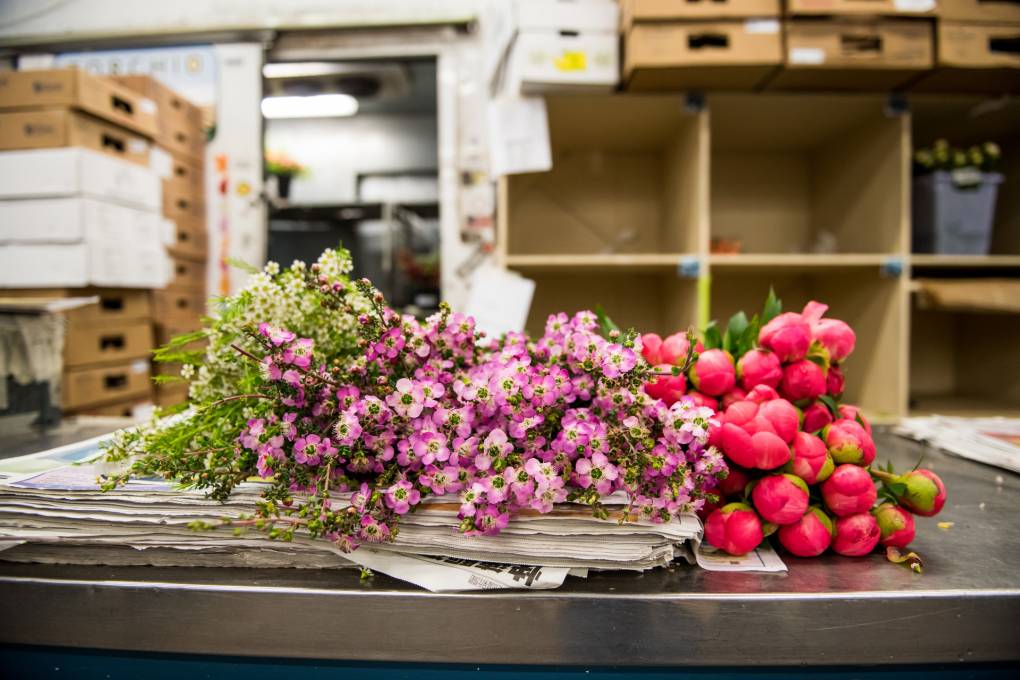
"caption": "Psychologist Christy Denckla says funerals and related rituals are 'fundamental to how we mourn, to how we grieve, to how we reinforce social ties.' \n\nCut flowers at Torchio Nursery in San Francisco's Flower Mart on April 6, 2020.",
"description": null,
"title": "Cut flowers at Torchio Nursery in San Francisco's Flower Mart on April 6, 2020.",
"credit": "Beth LaBerge/KQED",
"status": "inherit",
"altTag": null,
"isLoading": false,
"fetchFailed": false
},
"news_11851980": {
"type": "attachments",
"id": "news_11851980",
"meta": {
"index": "attachments_1716263798",
"site": "news",
"id": "11851980",
"found": true
},
"parent": 11851959,
"imgSizes": {
"apple_news_ca_landscape_5_5": {
"file": "https://ww2.kqed.org/app/uploads/sites/10/2020/12/Line-photo-declaration-exhibit-C-resized-1044x783.jpg",
"width": 1044,
"mimeType": "image/jpeg",
"height": 783
},
"apple_news_ca_square_4_0": {
"file": "https://ww2.kqed.org/app/uploads/sites/10/2020/12/Line-photo-declaration-exhibit-C-resized-470x470.jpg",
"width": 470,
"mimeType": "image/jpeg",
"height": 470
},
"twentyfourteen-full-width": {
"file": "https://ww2.kqed.org/app/uploads/sites/10/2020/12/Line-photo-declaration-exhibit-C-resized-1038x576.jpg",
"width": 1038,
"mimeType": "image/jpeg",
"height": 576
},
"thumbnail": {
"file": "https://ww2.kqed.org/app/uploads/sites/10/2020/12/Line-photo-declaration-exhibit-C-resized-160x90.jpg",
"width": 160,
"mimeType": "image/jpeg",
"height": 90
},
"post-thumbnail": {
"file": "https://ww2.kqed.org/app/uploads/sites/10/2020/12/Line-photo-declaration-exhibit-C-resized-672x372.jpg",
"width": 672,
"mimeType": "image/jpeg",
"height": 372
},
"kqedFullSize": {
"file": "https://ww2.kqed.org/app/uploads/sites/10/2020/12/Line-photo-declaration-exhibit-C-resized.jpg",
"width": 1920,
"height": 1080
},
"apple_news_ca_landscape_4_7": {
"file": "https://ww2.kqed.org/app/uploads/sites/10/2020/12/Line-photo-declaration-exhibit-C-resized-632x474.jpg",
"width": 632,
"mimeType": "image/jpeg",
"height": 474
},
"large": {
"file": "https://ww2.kqed.org/app/uploads/sites/10/2020/12/Line-photo-declaration-exhibit-C-resized-1020x574.jpg",
"width": 1020,
"mimeType": "image/jpeg",
"height": 574
},
"apple_news_ca_landscape_4_0": {
"file": "https://ww2.kqed.org/app/uploads/sites/10/2020/12/Line-photo-declaration-exhibit-C-resized-536x402.jpg",
"width": 536,
"mimeType": "image/jpeg",
"height": 402
},
"apple_news_ca_portrait_12_9": {
"file": "https://ww2.kqed.org/app/uploads/sites/10/2020/12/Line-photo-declaration-exhibit-C-resized-1122x1080.jpg",
"width": 1122,
"mimeType": "image/jpeg",
"height": 1080
},
"medium": {
"file": "https://ww2.kqed.org/app/uploads/sites/10/2020/12/Line-photo-declaration-exhibit-C-resized-800x450.jpg",
"width": 800,
"mimeType": "image/jpeg",
"height": 450
},
"apple_news_ca_portrait_4_0": {
"file": "https://ww2.kqed.org/app/uploads/sites/10/2020/12/Line-photo-declaration-exhibit-C-resized-354x472.jpg",
"width": 354,
"mimeType": "image/jpeg",
"height": 472
},
"apple_news_ca_portrait_9_7": {
"file": "https://ww2.kqed.org/app/uploads/sites/10/2020/12/Line-photo-declaration-exhibit-C-resized-840x1080.jpg",
"width": 840,
"mimeType": "image/jpeg",
"height": 1080
},
"apple_news_ca_landscape_12_9": {
"file": "https://ww2.kqed.org/app/uploads/sites/10/2020/12/Line-photo-declaration-exhibit-C-resized-1832x1080.jpg",
"width": 1832,
"mimeType": "image/jpeg",
"height": 1080
},
"apple_news_ca_square_9_7": {
"file": "https://ww2.kqed.org/app/uploads/sites/10/2020/12/Line-photo-declaration-exhibit-C-resized-1104x1080.jpg",
"width": 1104,
"mimeType": "image/jpeg",
"height": 1080
},
"1536x1536": {
"file": "https://ww2.kqed.org/app/uploads/sites/10/2020/12/Line-photo-declaration-exhibit-C-resized-1536x864.jpg",
"width": 1536,
"mimeType": "image/jpeg",
"height": 864
},
"apple_news_ca_portrait_4_7": {
"file": "https://ww2.kqed.org/app/uploads/sites/10/2020/12/Line-photo-declaration-exhibit-C-resized-414x552.jpg",
"width": 414,
"mimeType": "image/jpeg",
"height": 552
},
"apple_news_ca_square_12_9": {
"file": "https://ww2.kqed.org/app/uploads/sites/10/2020/12/Line-photo-declaration-exhibit-C-resized-1472x1080.jpg",
"width": 1472,
"mimeType": "image/jpeg",
"height": 1080
},
"apple_news_ca_portrait_5_5": {
"file": "https://ww2.kqed.org/app/uploads/sites/10/2020/12/Line-photo-declaration-exhibit-C-resized-687x916.jpg",
"width": 687,
"mimeType": "image/jpeg",
"height": 916
},
"apple_news_ca_square_4_7": {
"file": "https://ww2.kqed.org/app/uploads/sites/10/2020/12/Line-photo-declaration-exhibit-C-resized-550x550.jpg",
"width": 550,
"mimeType": "image/jpeg",
"height": 550
},
"apple_news_ca_landscape_9_7": {
"file": "https://ww2.kqed.org/app/uploads/sites/10/2020/12/Line-photo-declaration-exhibit-C-resized-1376x1032.jpg",
"width": 1376,
"mimeType": "image/jpeg",
"height": 1032
},
"apple_news_ca_square_5_5": {
"file": "https://ww2.kqed.org/app/uploads/sites/10/2020/12/Line-photo-declaration-exhibit-C-resized-912x912.jpg",
"width": 912,
"mimeType": "image/jpeg",
"height": 912
}
},
"publishDate": 1608326882,
"modified": 1608333630,
"caption": "A Sept. 16 photo taken by United Farm Workers organizer Oscar Mejia shows employees of Foster Farms' Livingston plant leaning past plastic dividers on the sorting line. Mejia added a large red arrow pointing to the workers, according to a declaration in a Dec. 17 lawsuit seeking to force the company to institute stronger COVID-19 safety protocols.",
"description": "A Sept. 16 photo taken by United Farm Workers organizer Oscar Mejia shows employees of Foster Farms' Livingston plant leaning past plastic dividers on the sorting line. Mejia added a large red arrow pointing to the workers, according to a declaration in a Dec. 17 lawsuit seeking to force the company to institute stronger COVID-19 safety protocols.",
"title": "Line photo declaration exhibit C resized",
"credit": "Oscar Mejia via court filings",
"status": "inherit",
"altTag": "\"\"",
"isLoading": false,
"fetchFailed": false
},
"news_11851753": {
"type": "attachments",
"id": "news_11851753",
"meta": {
"index": "attachments_1716263798",
"site": "news",
"id": "11851753",
"found": true
},
"parent": 11851592,
"imgSizes": {
"apple_news_ca_landscape_5_5": {
"file": "https://ww2.kqed.org/app/uploads/sites/10/2020/12/reading-1044x783.png",
"width": 1044,
"mimeType": "image/png",
"height": 783
},
"apple_news_ca_square_4_0": {
"file": "https://ww2.kqed.org/app/uploads/sites/10/2020/12/reading-470x470.png",
"width": 470,
"mimeType": "image/png",
"height": 470
},
"twentyfourteen-full-width": {
"file": "https://ww2.kqed.org/app/uploads/sites/10/2020/12/reading-1038x576.png",
"width": 1038,
"mimeType": "image/png",
"height": 576
},
"thumbnail": {
"file": "https://ww2.kqed.org/app/uploads/sites/10/2020/12/reading-160x108.png",
"width": 160,
"mimeType": "image/png",
"height": 108
},
"post-thumbnail": {
"file": "https://ww2.kqed.org/app/uploads/sites/10/2020/12/reading-672x372.png",
"width": 672,
"mimeType": "image/png",
"height": 372
},
"kqedFullSize": {
"file": "https://ww2.kqed.org/app/uploads/sites/10/2020/12/reading.png",
"width": 1900,
"height": 1280
},
"apple_news_ca_landscape_4_7": {
"file": "https://ww2.kqed.org/app/uploads/sites/10/2020/12/reading-632x474.png",
"width": 632,
"mimeType": "image/png",
"height": 474
},
"large": {
"file": "https://ww2.kqed.org/app/uploads/sites/10/2020/12/reading-1020x687.png",
"width": 1020,
"mimeType": "image/png",
"height": 687
},
"apple_news_ca_landscape_4_0": {
"file": "https://ww2.kqed.org/app/uploads/sites/10/2020/12/reading-536x402.png",
"width": 536,
"mimeType": "image/png",
"height": 402
},
"apple_news_ca_portrait_12_9": {
"file": "https://ww2.kqed.org/app/uploads/sites/10/2020/12/reading-1122x1280.png",
"width": 1122,
"mimeType": "image/png",
"height": 1280
},
"medium": {
"file": "https://ww2.kqed.org/app/uploads/sites/10/2020/12/reading-800x539.png",
"width": 800,
"mimeType": "image/png",
"height": 539
},
"apple_news_ca_portrait_4_0": {
"file": "https://ww2.kqed.org/app/uploads/sites/10/2020/12/reading-354x472.png",
"width": 354,
"mimeType": "image/png",
"height": 472
},
"apple_news_ca_portrait_9_7": {
"file": "https://ww2.kqed.org/app/uploads/sites/10/2020/12/reading-840x1120.png",
"width": 840,
"mimeType": "image/png",
"height": 1120
},
"apple_news_ca_landscape_12_9": {
"file": "https://ww2.kqed.org/app/uploads/sites/10/2020/12/reading-1832x1280.png",
"width": 1832,
"mimeType": "image/png",
"height": 1280
},
"apple_news_ca_square_9_7": {
"file": "https://ww2.kqed.org/app/uploads/sites/10/2020/12/reading-1104x1104.png",
"width": 1104,
"mimeType": "image/png",
"height": 1104
},
"1536x1536": {
"file": "https://ww2.kqed.org/app/uploads/sites/10/2020/12/reading-1536x1035.png",
"width": 1536,
"mimeType": "image/png",
"height": 1035
},
"apple_news_ca_portrait_4_7": {
"file": "https://ww2.kqed.org/app/uploads/sites/10/2020/12/reading-414x552.png",
"width": 414,
"mimeType": "image/png",
"height": 552
},
"apple_news_ca_square_12_9": {
"file": "https://ww2.kqed.org/app/uploads/sites/10/2020/12/reading-1472x1280.png",
"width": 1472,
"mimeType": "image/png",
"height": 1280
},
"apple_news_ca_portrait_5_5": {
"file": "https://ww2.kqed.org/app/uploads/sites/10/2020/12/reading-687x916.png",
"width": 687,
"mimeType": "image/png",
"height": 916
},
"apple_news_ca_square_4_7": {
"file": "https://ww2.kqed.org/app/uploads/sites/10/2020/12/reading-550x550.png",
"width": 550,
"mimeType": "image/png",
"height": 550
},
"apple_news_ca_landscape_9_7": {
"file": "https://ww2.kqed.org/app/uploads/sites/10/2020/12/reading-1376x1032.png",
"width": 1376,
"mimeType": "image/png",
"height": 1032
},
"apple_news_ca_square_5_5": {
"file": "https://ww2.kqed.org/app/uploads/sites/10/2020/12/reading-912x912.png",
"width": 912,
"mimeType": "image/png",
"height": 912
}
},
"publishDate": 1608250790,
"modified": 1608251274,
"caption": "Here are the stories you read most on kqed.org this year",
"description": "Here are the stories you read most on kqed.org this year",
"title": "reading",
"credit": "Ekaterina Bolovtsova/Pexels",
"status": "inherit",
"altTag": "A person sitting at a desk, looking at their laptop",
"isLoading": false,
"fetchFailed": false
},
"news_11851319": {
"type": "attachments",
"id": "news_11851319",
"meta": {
"index": "attachments_1716263798",
"site": "news",
"id": "11851319",
"found": true
},
"parent": 11851318,
"imgSizes": {
"apple_news_ca_landscape_5_5": {
"file": "https://ww2.kqed.org/app/uploads/sites/10/2020/12/illustration_VaccineShenanigans_V1-Spanish-Article-Use-Only-1044x783.jpg",
"width": 1044,
"mimeType": "image/jpeg",
"height": 783
},
"apple_news_ca_square_4_0": {
"file": "https://ww2.kqed.org/app/uploads/sites/10/2020/12/illustration_VaccineShenanigans_V1-Spanish-Article-Use-Only-470x470.jpg",
"width": 470,
"mimeType": "image/jpeg",
"height": 470
},
"twentyfourteen-full-width": {
"file": "https://ww2.kqed.org/app/uploads/sites/10/2020/12/illustration_VaccineShenanigans_V1-Spanish-Article-Use-Only-1038x576.jpg",
"width": 1038,
"mimeType": "image/jpeg",
"height": 576
},
"thumbnail": {
"file": "https://ww2.kqed.org/app/uploads/sites/10/2020/12/illustration_VaccineShenanigans_V1-Spanish-Article-Use-Only-160x106.jpg",
"width": 160,
"mimeType": "image/jpeg",
"height": 106
},
"post-thumbnail": {
"file": "https://ww2.kqed.org/app/uploads/sites/10/2020/12/illustration_VaccineShenanigans_V1-Spanish-Article-Use-Only-672x372.jpg",
"width": 672,
"mimeType": "image/jpeg",
"height": 372
},
"kqedFullSize": {
"file": "https://ww2.kqed.org/app/uploads/sites/10/2020/12/illustration_VaccineShenanigans_V1-Spanish-Article-Use-Only.jpg",
"width": 1200,
"height": 798
},
"apple_news_ca_landscape_4_7": {
"file": "https://ww2.kqed.org/app/uploads/sites/10/2020/12/illustration_VaccineShenanigans_V1-Spanish-Article-Use-Only-632x474.jpg",
"width": 632,
"mimeType": "image/jpeg",
"height": 474
},
"large": {
"file": "https://ww2.kqed.org/app/uploads/sites/10/2020/12/illustration_VaccineShenanigans_V1-Spanish-Article-Use-Only-1020x678.jpg",
"width": 1020,
"mimeType": "image/jpeg",
"height": 678
},
"apple_news_ca_landscape_4_0": {
"file": "https://ww2.kqed.org/app/uploads/sites/10/2020/12/illustration_VaccineShenanigans_V1-Spanish-Article-Use-Only-536x402.jpg",
"width": 536,
"mimeType": "image/jpeg",
"height": 402
},
"apple_news_ca_portrait_12_9": {
"file": "https://ww2.kqed.org/app/uploads/sites/10/2020/12/illustration_VaccineShenanigans_V1-Spanish-Article-Use-Only-1122x798.jpg",
"width": 1122,
"mimeType": "image/jpeg",
"height": 798
},
"medium": {
"file": "https://ww2.kqed.org/app/uploads/sites/10/2020/12/illustration_VaccineShenanigans_V1-Spanish-Article-Use-Only-800x532.jpg",
"width": 800,
"mimeType": "image/jpeg",
"height": 532
},
"apple_news_ca_portrait_4_0": {
"file": "https://ww2.kqed.org/app/uploads/sites/10/2020/12/illustration_VaccineShenanigans_V1-Spanish-Article-Use-Only-354x472.jpg",
"width": 354,
"mimeType": "image/jpeg",
"height": 472
},
"apple_news_ca_portrait_9_7": {
"file": "https://ww2.kqed.org/app/uploads/sites/10/2020/12/illustration_VaccineShenanigans_V1-Spanish-Article-Use-Only-840x798.jpg",
"width": 840,
"mimeType": "image/jpeg",
"height": 798
},
"apple_news_ca_square_9_7": {
"file": "https://ww2.kqed.org/app/uploads/sites/10/2020/12/illustration_VaccineShenanigans_V1-Spanish-Article-Use-Only-1104x798.jpg",
"width": 1104,
"mimeType": "image/jpeg",
"height": 798
},
"apple_news_ca_portrait_4_7": {
"file": "https://ww2.kqed.org/app/uploads/sites/10/2020/12/illustration_VaccineShenanigans_V1-Spanish-Article-Use-Only-414x552.jpg",
"width": 414,
"mimeType": "image/jpeg",
"height": 552
},
"apple_news_ca_portrait_5_5": {
"file": "https://ww2.kqed.org/app/uploads/sites/10/2020/12/illustration_VaccineShenanigans_V1-Spanish-Article-Use-Only-687x798.jpg",
"width": 687,
"mimeType": "image/jpeg",
"height": 798
},
"apple_news_ca_square_4_7": {
"file": "https://ww2.kqed.org/app/uploads/sites/10/2020/12/illustration_VaccineShenanigans_V1-Spanish-Article-Use-Only-550x550.jpg",
"width": 550,
"mimeType": "image/jpeg",
"height": 550
},
"apple_news_ca_square_5_5": {
"file": "https://ww2.kqed.org/app/uploads/sites/10/2020/12/illustration_VaccineShenanigans_V1-Spanish-Article-Use-Only-912x798.jpg",
"width": 912,
"mimeType": "image/jpeg",
"height": 798
}
},
"publishDate": 1608095802,
"modified": 1608141678,
"caption": "Ilustración de Anne Wernikoff para CalMatters",
"description": "Ilustración de Anne Wernikoff para CalMatters, iStock",
"title": "illustration_VaccineShenanigans_V1-Spanish-Article-Use-Only",
"credit": "iStock",
"status": "inherit",
"altTag": null,
"isLoading": false,
"fetchFailed": false
},
"news_11851370": {
"type": "attachments",
"id": "news_11851370",
"meta": {
"index": "attachments_1716263798",
"site": "news",
"id": "11851370",
"found": true
},
"parent": 11851365,
"imgSizes": {
"apple_news_ca_landscape_5_5": {
"file": "https://ww2.kqed.org/app/uploads/sites/10/2020/12/RS46403_007_KQED_Hayward_Daycare_12152020-qut-1044x783.jpg",
"width": 1044,
"mimeType": "image/jpeg",
"height": 783
},
"apple_news_ca_square_4_0": {
"file": "https://ww2.kqed.org/app/uploads/sites/10/2020/12/RS46403_007_KQED_Hayward_Daycare_12152020-qut-470x470.jpg",
"width": 470,
"mimeType": "image/jpeg",
"height": 470
},
"twentyfourteen-full-width": {
"file": "https://ww2.kqed.org/app/uploads/sites/10/2020/12/RS46403_007_KQED_Hayward_Daycare_12152020-qut-1038x576.jpg",
"width": 1038,
"mimeType": "image/jpeg",
"height": 576
},
"thumbnail": {
"file": "https://ww2.kqed.org/app/uploads/sites/10/2020/12/RS46403_007_KQED_Hayward_Daycare_12152020-qut-160x107.jpg",
"width": 160,
"mimeType": "image/jpeg",
"height": 107
},
"post-thumbnail": {
"file": "https://ww2.kqed.org/app/uploads/sites/10/2020/12/RS46403_007_KQED_Hayward_Daycare_12152020-qut-672x372.jpg",
"width": 672,
"mimeType": "image/jpeg",
"height": 372
},
"kqedFullSize": {
"file": "https://ww2.kqed.org/app/uploads/sites/10/2020/12/RS46403_007_KQED_Hayward_Daycare_12152020-qut.jpg",
"width": 1920,
"height": 1280
},
"apple_news_ca_landscape_4_7": {
"file": "https://ww2.kqed.org/app/uploads/sites/10/2020/12/RS46403_007_KQED_Hayward_Daycare_12152020-qut-632x474.jpg",
"width": 632,
"mimeType": "image/jpeg",
"height": 474
},
"large": {
"file": "https://ww2.kqed.org/app/uploads/sites/10/2020/12/RS46403_007_KQED_Hayward_Daycare_12152020-qut-1020x680.jpg",
"width": 1020,
"mimeType": "image/jpeg",
"height": 680
},
"apple_news_ca_landscape_4_0": {
"file": "https://ww2.kqed.org/app/uploads/sites/10/2020/12/RS46403_007_KQED_Hayward_Daycare_12152020-qut-536x402.jpg",
"width": 536,
"mimeType": "image/jpeg",
"height": 402
},
"apple_news_ca_portrait_12_9": {
"file": "https://ww2.kqed.org/app/uploads/sites/10/2020/12/RS46403_007_KQED_Hayward_Daycare_12152020-qut-1122x1280.jpg",
"width": 1122,
"mimeType": "image/jpeg",
"height": 1280
},
"medium": {
"file": "https://ww2.kqed.org/app/uploads/sites/10/2020/12/RS46403_007_KQED_Hayward_Daycare_12152020-qut-800x533.jpg",
"width": 800,
"mimeType": "image/jpeg",
"height": 533
},
"apple_news_ca_portrait_4_0": {
"file": "https://ww2.kqed.org/app/uploads/sites/10/2020/12/RS46403_007_KQED_Hayward_Daycare_12152020-qut-354x472.jpg",
"width": 354,
"mimeType": "image/jpeg",
"height": 472
},
"apple_news_ca_portrait_9_7": {
"file": "https://ww2.kqed.org/app/uploads/sites/10/2020/12/RS46403_007_KQED_Hayward_Daycare_12152020-qut-840x1120.jpg",
"width": 840,
"mimeType": "image/jpeg",
"height": 1120
},
"apple_news_ca_landscape_12_9": {
"file": "https://ww2.kqed.org/app/uploads/sites/10/2020/12/RS46403_007_KQED_Hayward_Daycare_12152020-qut-1832x1280.jpg",
"width": 1832,
"mimeType": "image/jpeg",
"height": 1280
},
"apple_news_ca_square_9_7": {
"file": "https://ww2.kqed.org/app/uploads/sites/10/2020/12/RS46403_007_KQED_Hayward_Daycare_12152020-qut-1104x1104.jpg",
"width": 1104,
"mimeType": "image/jpeg",
"height": 1104
},
"1536x1536": {
"file": "https://ww2.kqed.org/app/uploads/sites/10/2020/12/RS46403_007_KQED_Hayward_Daycare_12152020-qut-1536x1024.jpg",
"width": 1536,
"mimeType": "image/jpeg",
"height": 1024
},
"apple_news_ca_portrait_4_7": {
"file": "https://ww2.kqed.org/app/uploads/sites/10/2020/12/RS46403_007_KQED_Hayward_Daycare_12152020-qut-414x552.jpg",
"width": 414,
"mimeType": "image/jpeg",
"height": 552
},
"apple_news_ca_square_12_9": {
"file": "https://ww2.kqed.org/app/uploads/sites/10/2020/12/RS46403_007_KQED_Hayward_Daycare_12152020-qut-1472x1280.jpg",
"width": 1472,
"mimeType": "image/jpeg",
"height": 1280
},
"apple_news_ca_portrait_5_5": {
"file": "https://ww2.kqed.org/app/uploads/sites/10/2020/12/RS46403_007_KQED_Hayward_Daycare_12152020-qut-687x916.jpg",
"width": 687,
"mimeType": "image/jpeg",
"height": 916
},
"apple_news_ca_square_4_7": {
"file": "https://ww2.kqed.org/app/uploads/sites/10/2020/12/RS46403_007_KQED_Hayward_Daycare_12152020-qut-550x550.jpg",
"width": 550,
"mimeType": "image/jpeg",
"height": 550
},
"apple_news_ca_landscape_9_7": {
"file": "https://ww2.kqed.org/app/uploads/sites/10/2020/12/RS46403_007_KQED_Hayward_Daycare_12152020-qut-1376x1032.jpg",
"width": 1376,
"mimeType": "image/jpeg",
"height": 1032
},
"apple_news_ca_square_5_5": {
"file": "https://ww2.kqed.org/app/uploads/sites/10/2020/12/RS46403_007_KQED_Hayward_Daycare_12152020-qut-912x912.jpg",
"width": 912,
"mimeType": "image/jpeg",
"height": 912
}
},
"publishDate": 1608147317,
"modified": 1608320818,
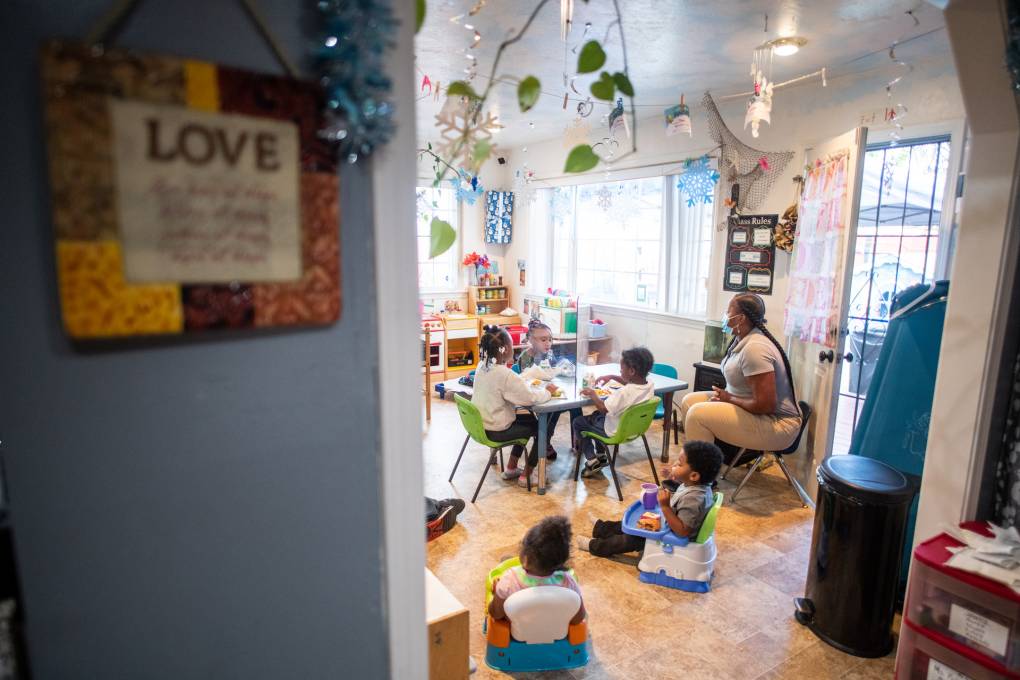
"caption": "Katina Richardson sits with the children in the day care that she runs in Hayward on Dec. 15, 2020.",
"description": "Katina Richardson sits with the children in the daycare that she runs in Hayward on Dec. 15, 2020.",
"title": "RS46403_007_KQED_Hayward_Daycare_12152020-qut",
"credit": "Beth LaBerge/KQED",
"status": "inherit",
"altTag": null,
"isLoading": false,
"fetchFailed": false
},
"news_11851504": {
"type": "attachments",
"id": "news_11851504",
"meta": {
"index": "attachments_1716263798",
"site": "news",
"id": "11851504",
"found": true
},
"parent": 11851193,
"imgSizes": {
"apple_news_ca_landscape_5_5": {
"file": "https://ww2.kqed.org/app/uploads/sites/10/2020/12/pumpkin-pie-1044x783.png",
"width": 1044,
"mimeType": "image/png",
"height": 783
},
"apple_news_ca_square_4_0": {
"file": "https://ww2.kqed.org/app/uploads/sites/10/2020/12/pumpkin-pie-470x470.png",
"width": 470,
"mimeType": "image/png",
"height": 470
},
"twentyfourteen-full-width": {
"file": "https://ww2.kqed.org/app/uploads/sites/10/2020/12/pumpkin-pie-1038x576.png",
"width": 1038,
"mimeType": "image/png",
"height": 576
},
"thumbnail": {
"file": "https://ww2.kqed.org/app/uploads/sites/10/2020/12/pumpkin-pie-160x108.png",
"width": 160,
"mimeType": "image/png",
"height": 108
},
"post-thumbnail": {
"file": "https://ww2.kqed.org/app/uploads/sites/10/2020/12/pumpkin-pie-672x372.png",
"width": 672,
"mimeType": "image/png",
"height": 372
},
"kqedFullSize": {
"file": "https://ww2.kqed.org/app/uploads/sites/10/2020/12/pumpkin-pie.png",
"width": 1900,
"height": 1280
},
"apple_news_ca_landscape_4_7": {
"file": "https://ww2.kqed.org/app/uploads/sites/10/2020/12/pumpkin-pie-632x474.png",
"width": 632,
"mimeType": "image/png",
"height": 474
},
"large": {
"file": "https://ww2.kqed.org/app/uploads/sites/10/2020/12/pumpkin-pie-1020x687.png",
"width": 1020,
"mimeType": "image/png",
"height": 687
},
"apple_news_ca_landscape_4_0": {
"file": "https://ww2.kqed.org/app/uploads/sites/10/2020/12/pumpkin-pie-536x402.png",
"width": 536,
"mimeType": "image/png",
"height": 402
},
"apple_news_ca_portrait_12_9": {
"file": "https://ww2.kqed.org/app/uploads/sites/10/2020/12/pumpkin-pie-1122x1280.png",
"width": 1122,
"mimeType": "image/png",
"height": 1280
},
"medium": {
"file": "https://ww2.kqed.org/app/uploads/sites/10/2020/12/pumpkin-pie-800x539.png",
"width": 800,
"mimeType": "image/png",
"height": 539
},
"apple_news_ca_portrait_4_0": {
"file": "https://ww2.kqed.org/app/uploads/sites/10/2020/12/pumpkin-pie-354x472.png",
"width": 354,
"mimeType": "image/png",
"height": 472
},
"apple_news_ca_portrait_9_7": {
"file": "https://ww2.kqed.org/app/uploads/sites/10/2020/12/pumpkin-pie-840x1120.png",
"width": 840,
"mimeType": "image/png",
"height": 1120
},
"apple_news_ca_landscape_12_9": {
"file": "https://ww2.kqed.org/app/uploads/sites/10/2020/12/pumpkin-pie-1832x1280.png",
"width": 1832,
"mimeType": "image/png",
"height": 1280
},
"apple_news_ca_square_9_7": {
"file": "https://ww2.kqed.org/app/uploads/sites/10/2020/12/pumpkin-pie-1104x1104.png",
"width": 1104,
"mimeType": "image/png",
"height": 1104
},
"1536x1536": {
"file": "https://ww2.kqed.org/app/uploads/sites/10/2020/12/pumpkin-pie-1536x1035.png",
"width": 1536,
"mimeType": "image/png",
"height": 1035
},
"apple_news_ca_portrait_4_7": {
"file": "https://ww2.kqed.org/app/uploads/sites/10/2020/12/pumpkin-pie-414x552.png",
"width": 414,
"mimeType": "image/png",
"height": 552
},
"apple_news_ca_square_12_9": {
"file": "https://ww2.kqed.org/app/uploads/sites/10/2020/12/pumpkin-pie-1472x1280.png",
"width": 1472,
"mimeType": "image/png",
"height": 1280
},
"apple_news_ca_portrait_5_5": {
"file": "https://ww2.kqed.org/app/uploads/sites/10/2020/12/pumpkin-pie-687x916.png",
"width": 687,
"mimeType": "image/png",
"height": 916
},
"apple_news_ca_square_4_7": {
"file": "https://ww2.kqed.org/app/uploads/sites/10/2020/12/pumpkin-pie-550x550.png",
"width": 550,
"mimeType": "image/png",
"height": 550
},
"apple_news_ca_landscape_9_7": {
"file": "https://ww2.kqed.org/app/uploads/sites/10/2020/12/pumpkin-pie-1376x1032.png",
"width": 1376,
"mimeType": "image/png",
"height": 1032
},
"apple_news_ca_square_5_5": {
"file": "https://ww2.kqed.org/app/uploads/sites/10/2020/12/pumpkin-pie-912x912.png",
"width": 912,
"mimeType": "image/png",
"height": 912
}
},
"publishDate": 1608158951,
"modified": 1608165126,
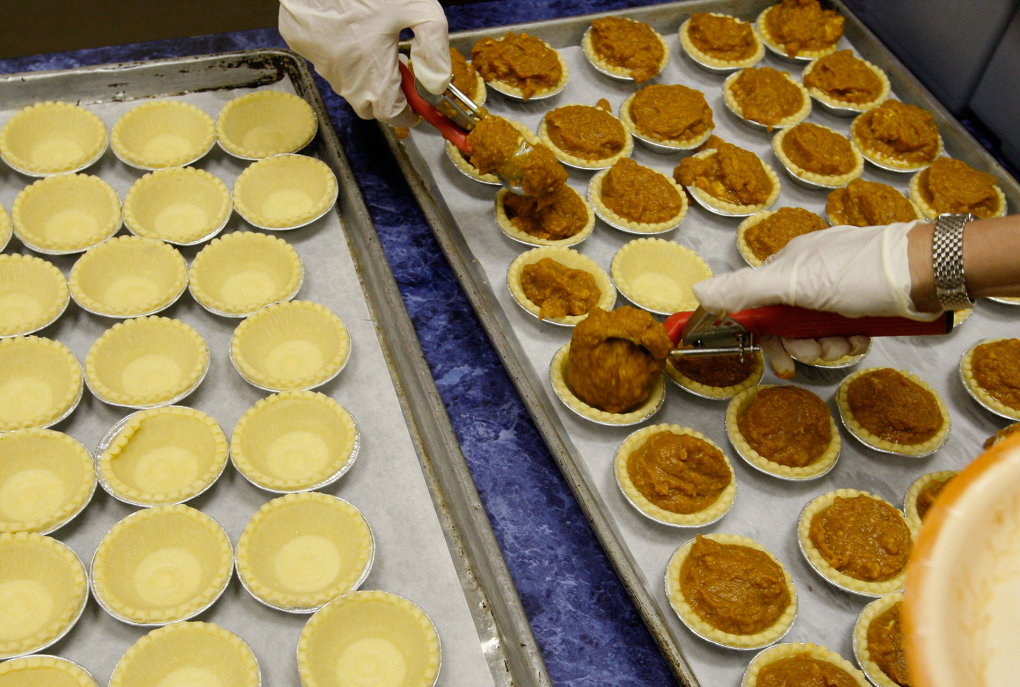
"caption": "Gloved hands prepare pumpkin pies at St. Anthony's Dining Room in San Francisco",
"description": null,
"title": "food-bank-volunteer",
"credit": "Justin Sullivan/Getty Images",
"status": "inherit",
"altTag": "Gloved hands prepare miniature pumpkin pies laid out on a sheet",
"isLoading": false,
"fetchFailed": false
},
"news_11851363": {
"type": "attachments",
"id": "news_11851363",
"meta": {
"index": "attachments_1716263798",
"site": "news",
"id": "11851363",
"found": true
},
"parent": 11851350,
"imgSizes": {
"apple_news_ca_landscape_5_5": {
"file": "https://ww2.kqed.org/app/uploads/sites/10/2020/12/iStock_lostgains_01-1044x773.jpg",
"width": 1044,
"mimeType": "image/jpeg",
"height": 773
},
"apple_news_ca_square_4_0": {
"file": "https://ww2.kqed.org/app/uploads/sites/10/2020/12/iStock_lostgains_01-470x470.jpg",
"width": 470,
"mimeType": "image/jpeg",
"height": 470
},
"twentyfourteen-full-width": {
"file": "https://ww2.kqed.org/app/uploads/sites/10/2020/12/iStock_lostgains_01-1038x576.jpg",
"width": 1038,
"mimeType": "image/jpeg",
"height": 576
},
"thumbnail": {
"file": "https://ww2.kqed.org/app/uploads/sites/10/2020/12/iStock_lostgains_01-160x103.jpg",
"width": 160,
"mimeType": "image/jpeg",
"height": 103
},
"post-thumbnail": {
"file": "https://ww2.kqed.org/app/uploads/sites/10/2020/12/iStock_lostgains_01-672x372.jpg",
"width": 672,
"mimeType": "image/jpeg",
"height": 372
},
"kqedFullSize": {
"file": "https://ww2.kqed.org/app/uploads/sites/10/2020/12/iStock_lostgains_01.jpg",
"width": 1200,
"height": 773
},
"apple_news_ca_landscape_4_7": {
"file": "https://ww2.kqed.org/app/uploads/sites/10/2020/12/iStock_lostgains_01-632x474.jpg",
"width": 632,
"mimeType": "image/jpeg",
"height": 474
},
"large": {
"file": "https://ww2.kqed.org/app/uploads/sites/10/2020/12/iStock_lostgains_01-1020x657.jpg",
"width": 1020,
"mimeType": "image/jpeg",
"height": 657
},
"apple_news_ca_landscape_4_0": {
"file": "https://ww2.kqed.org/app/uploads/sites/10/2020/12/iStock_lostgains_01-536x402.jpg",
"width": 536,
"mimeType": "image/jpeg",
"height": 402
},
"apple_news_ca_portrait_12_9": {
"file": "https://ww2.kqed.org/app/uploads/sites/10/2020/12/iStock_lostgains_01-1122x773.jpg",
"width": 1122,
"mimeType": "image/jpeg",
"height": 773
},
"medium": {
"file": "https://ww2.kqed.org/app/uploads/sites/10/2020/12/iStock_lostgains_01-800x515.jpg",
"width": 800,
"mimeType": "image/jpeg",
"height": 515
},
"apple_news_ca_portrait_4_0": {
"file": "https://ww2.kqed.org/app/uploads/sites/10/2020/12/iStock_lostgains_01-354x472.jpg",
"width": 354,
"mimeType": "image/jpeg",
"height": 472
},
"apple_news_ca_portrait_9_7": {
"file": "https://ww2.kqed.org/app/uploads/sites/10/2020/12/iStock_lostgains_01-840x773.jpg",
"width": 840,
"mimeType": "image/jpeg",
"height": 773
},
"apple_news_ca_square_9_7": {
"file": "https://ww2.kqed.org/app/uploads/sites/10/2020/12/iStock_lostgains_01-1104x773.jpg",
"width": 1104,
"mimeType": "image/jpeg",
"height": 773
},
"apple_news_ca_portrait_4_7": {
"file": "https://ww2.kqed.org/app/uploads/sites/10/2020/12/iStock_lostgains_01-414x552.jpg",
"width": 414,
"mimeType": "image/jpeg",
"height": 552
},
"apple_news_ca_portrait_5_5": {
"file": "https://ww2.kqed.org/app/uploads/sites/10/2020/12/iStock_lostgains_01-687x773.jpg",
"width": 687,
"mimeType": "image/jpeg",
"height": 773
},
"apple_news_ca_square_4_7": {
"file": "https://ww2.kqed.org/app/uploads/sites/10/2020/12/iStock_lostgains_01-550x550.jpg",
"width": 550,
"mimeType": "image/jpeg",
"height": 550
},
"apple_news_ca_square_5_5": {
"file": "https://ww2.kqed.org/app/uploads/sites/10/2020/12/iStock_lostgains_01-912x773.jpg",
"width": 912,
"mimeType": "image/jpeg",
"height": 773
}
},
"publishDate": 1608146945,
"modified": 1608147004,
"caption": null,
"description": null,
"title": "iStock_lostgains_01",
"credit": "iStock",
"status": "inherit",
"altTag": null,
"isLoading": false,
"fetchFailed": false
},
"news_11851177": {
"type": "attachments",
"id": "news_11851177",
"meta": {
"index": "attachments_1716263798",
"site": "news",
"id": "11851177",
"found": true
},
"parent": 11851167,
"imgSizes": {
"apple_news_ca_landscape_5_5": {
"file": "https://ww2.kqed.org/app/uploads/sites/10/2020/12/RS46109_017_KQED_SanFrancisco_COVIDTesting_11302020-qut-1-1044x783.jpg",
"width": 1044,
"mimeType": "image/jpeg",
"height": 783
},
"apple_news_ca_square_4_0": {
"file": "https://ww2.kqed.org/app/uploads/sites/10/2020/12/RS46109_017_KQED_SanFrancisco_COVIDTesting_11302020-qut-1-470x470.jpg",
"width": 470,
"mimeType": "image/jpeg",
"height": 470
},
"twentyfourteen-full-width": {
"file": "https://ww2.kqed.org/app/uploads/sites/10/2020/12/RS46109_017_KQED_SanFrancisco_COVIDTesting_11302020-qut-1-1038x576.jpg",
"width": 1038,
"mimeType": "image/jpeg",
"height": 576
},
"thumbnail": {
"file": "https://ww2.kqed.org/app/uploads/sites/10/2020/12/RS46109_017_KQED_SanFrancisco_COVIDTesting_11302020-qut-1-160x107.jpg",
"width": 160,
"mimeType": "image/jpeg",
"height": 107
},
"post-thumbnail": {
"file": "https://ww2.kqed.org/app/uploads/sites/10/2020/12/RS46109_017_KQED_SanFrancisco_COVIDTesting_11302020-qut-1-672x372.jpg",
"width": 672,
"mimeType": "image/jpeg",
"height": 372
},
"kqedFullSize": {
"file": "https://ww2.kqed.org/app/uploads/sites/10/2020/12/RS46109_017_KQED_SanFrancisco_COVIDTesting_11302020-qut-1.jpg",
"width": 1920,
"height": 1280
},
"apple_news_ca_landscape_4_7": {
"file": "https://ww2.kqed.org/app/uploads/sites/10/2020/12/RS46109_017_KQED_SanFrancisco_COVIDTesting_11302020-qut-1-632x474.jpg",
"width": 632,
"mimeType": "image/jpeg",
"height": 474
},
"large": {
"file": "https://ww2.kqed.org/app/uploads/sites/10/2020/12/RS46109_017_KQED_SanFrancisco_COVIDTesting_11302020-qut-1-1020x680.jpg",
"width": 1020,
"mimeType": "image/jpeg",
"height": 680
},
"apple_news_ca_landscape_4_0": {
"file": "https://ww2.kqed.org/app/uploads/sites/10/2020/12/RS46109_017_KQED_SanFrancisco_COVIDTesting_11302020-qut-1-536x402.jpg",
"width": 536,
"mimeType": "image/jpeg",
"height": 402
},
"apple_news_ca_portrait_12_9": {
"file": "https://ww2.kqed.org/app/uploads/sites/10/2020/12/RS46109_017_KQED_SanFrancisco_COVIDTesting_11302020-qut-1-1122x1280.jpg",
"width": 1122,
"mimeType": "image/jpeg",
"height": 1280
},
"medium": {
"file": "https://ww2.kqed.org/app/uploads/sites/10/2020/12/RS46109_017_KQED_SanFrancisco_COVIDTesting_11302020-qut-1-800x533.jpg",
"width": 800,
"mimeType": "image/jpeg",
"height": 533
},
"apple_news_ca_portrait_4_0": {
"file": "https://ww2.kqed.org/app/uploads/sites/10/2020/12/RS46109_017_KQED_SanFrancisco_COVIDTesting_11302020-qut-1-354x472.jpg",
"width": 354,
"mimeType": "image/jpeg",
"height": 472
},
"apple_news_ca_portrait_9_7": {
"file": "https://ww2.kqed.org/app/uploads/sites/10/2020/12/RS46109_017_KQED_SanFrancisco_COVIDTesting_11302020-qut-1-840x1120.jpg",
"width": 840,
"mimeType": "image/jpeg",
"height": 1120
},
"apple_news_ca_landscape_12_9": {
"file": "https://ww2.kqed.org/app/uploads/sites/10/2020/12/RS46109_017_KQED_SanFrancisco_COVIDTesting_11302020-qut-1-1832x1280.jpg",
"width": 1832,
"mimeType": "image/jpeg",
"height": 1280
},
"apple_news_ca_square_9_7": {
"file": "https://ww2.kqed.org/app/uploads/sites/10/2020/12/RS46109_017_KQED_SanFrancisco_COVIDTesting_11302020-qut-1-1104x1104.jpg",
"width": 1104,
"mimeType": "image/jpeg",
"height": 1104
},
"1536x1536": {
"file": "https://ww2.kqed.org/app/uploads/sites/10/2020/12/RS46109_017_KQED_SanFrancisco_COVIDTesting_11302020-qut-1-1536x1024.jpg",
"width": 1536,
"mimeType": "image/jpeg",
"height": 1024
},
"apple_news_ca_portrait_4_7": {
"file": "https://ww2.kqed.org/app/uploads/sites/10/2020/12/RS46109_017_KQED_SanFrancisco_COVIDTesting_11302020-qut-1-414x552.jpg",
"width": 414,
"mimeType": "image/jpeg",
"height": 552
},
"apple_news_ca_square_12_9": {
"file": "https://ww2.kqed.org/app/uploads/sites/10/2020/12/RS46109_017_KQED_SanFrancisco_COVIDTesting_11302020-qut-1-1472x1280.jpg",
"width": 1472,
"mimeType": "image/jpeg",
"height": 1280
},
"apple_news_ca_portrait_5_5": {
"file": "https://ww2.kqed.org/app/uploads/sites/10/2020/12/RS46109_017_KQED_SanFrancisco_COVIDTesting_11302020-qut-1-687x916.jpg",
"width": 687,
"mimeType": "image/jpeg",
"height": 916
},
"apple_news_ca_square_4_7": {
"file": "https://ww2.kqed.org/app/uploads/sites/10/2020/12/RS46109_017_KQED_SanFrancisco_COVIDTesting_11302020-qut-1-550x550.jpg",
"width": 550,
"mimeType": "image/jpeg",
"height": 550
},
"apple_news_ca_landscape_9_7": {
"file": "https://ww2.kqed.org/app/uploads/sites/10/2020/12/RS46109_017_KQED_SanFrancisco_COVIDTesting_11302020-qut-1-1376x1032.jpg",
"width": 1376,
"mimeType": "image/jpeg",
"height": 1032
},
"apple_news_ca_square_5_5": {
"file": "https://ww2.kqed.org/app/uploads/sites/10/2020/12/RS46109_017_KQED_SanFrancisco_COVIDTesting_11302020-qut-1-912x912.jpg",
"width": 912,
"mimeType": "image/jpeg",
"height": 912
}
},
"publishDate": 1608062222,
"modified": 1608071350,
"caption": "Health care worker Olga Duran tests a patient for COVID-19 at a Unidos En Salud testing site on 24th and Mission streets in San Francisco on Nov. 30, 2020. ",
"description": "Health care worker Olga Duran tests a patient for COVID-19 at a Unidos En Salud testing site on 24th and Mission Streets in San Francisco on Nov. 30, 2020. ",
"title": "RS46109_017_KQED_SanFrancisco_COVIDTesting_11302020-qut (1)",
"credit": "Beth LaBerge/KQED",
"status": "inherit",
"altTag": "\"\"",
"isLoading": false,
"fetchFailed": false
},
"news_11851084": {
"type": "attachments",
"id": "news_11851084",
"meta": {
"index": "attachments_1716263798",
"site": "news",
"id": "11851084",
"found": true
},
"title": "Amazon-Shipping-Container",
"publishDate": 1607989656,
"status": "inherit",
"parent": 11851063,
"modified": 1721163918,
"caption": "An Amazon shipping container rolls through the Port of Long Beach on April 22, 2020. Amazon's Prime Day sale will run from July 16 to 17, and the retailer has promised to offer its lowest prices so far this year.",
"credit": "Robyn Beck/AFP via Getty Images",
"altTag": "A shipping container with an arrow pointing to the word \"prime\" is seen on the street. One person in a safety vest stands to the right side of the container.",
"description": "An Amazon shipping container rolls through the Port of Long Beach on April 22, 2020.",
"imgSizes": {
"medium": {
"file": "https://cdn.kqed.org/wp-content/uploads/sites/10/2020/12/Amazon-Shipping-Container-800x598.jpg",
"width": 800,
"height": 598,
"mimeType": "image/jpeg"
},
"large": {
"file": "https://cdn.kqed.org/wp-content/uploads/sites/10/2020/12/Amazon-Shipping-Container-1020x762.jpg",
"width": 1020,
"height": 762,
"mimeType": "image/jpeg"
},
"thumbnail": {
"file": "https://cdn.kqed.org/wp-content/uploads/sites/10/2020/12/Amazon-Shipping-Container-160x120.jpg",
"width": 160,
"height": 120,
"mimeType": "image/jpeg"
},
"1536x1536": {
"file": "https://cdn.kqed.org/wp-content/uploads/sites/10/2020/12/Amazon-Shipping-Container-1536x1147.jpg",
"width": 1536,
"height": 1147,
"mimeType": "image/jpeg"
},
"post-thumbnail": {
"file": "https://cdn.kqed.org/wp-content/uploads/sites/10/2020/12/Amazon-Shipping-Container-672x372.jpg",
"width": 672,
"height": 372,
"mimeType": "image/jpeg"
},
"twentyfourteen-full-width": {
"file": "https://cdn.kqed.org/wp-content/uploads/sites/10/2020/12/Amazon-Shipping-Container-1038x576.jpg",
"width": 1038,
"height": 576,
"mimeType": "image/jpeg"
},
"apple_news_ca_landscape_12_9": {
"file": "https://cdn.kqed.org/wp-content/uploads/sites/10/2020/12/Amazon-Shipping-Container-1832x1374.jpg",
"width": 1832,
"height": 1374,
"mimeType": "image/jpeg"
},
"apple_news_ca_landscape_9_7": {
"file": "https://cdn.kqed.org/wp-content/uploads/sites/10/2020/12/Amazon-Shipping-Container-1376x1032.jpg",
"width": 1376,
"height": 1032,
"mimeType": "image/jpeg"
},
"apple_news_ca_landscape_5_5": {
"file": "https://cdn.kqed.org/wp-content/uploads/sites/10/2020/12/Amazon-Shipping-Container-1044x783.jpg",
"width": 1044,
"height": 783,
"mimeType": "image/jpeg"
},
"apple_news_ca_landscape_4_7": {
"file": "https://cdn.kqed.org/wp-content/uploads/sites/10/2020/12/Amazon-Shipping-Container-632x474.jpg",
"width": 632,
"height": 474,
"mimeType": "image/jpeg"
},
"apple_news_ca_landscape_4_0": {
"file": "https://cdn.kqed.org/wp-content/uploads/sites/10/2020/12/Amazon-Shipping-Container-536x402.jpg",
"width": 536,
"height": 402,
"mimeType": "image/jpeg"
},
"apple_news_ca_portrait_12_9": {
"file": "https://cdn.kqed.org/wp-content/uploads/sites/10/2020/12/Amazon-Shipping-Container-1122x1434.jpg",
"width": 1122,
"height": 1434,
"mimeType": "image/jpeg"
},
"apple_news_ca_portrait_9_7": {
"file": "https://cdn.kqed.org/wp-content/uploads/sites/10/2020/12/Amazon-Shipping-Container-840x1120.jpg",
"width": 840,
"height": 1120,
"mimeType": "image/jpeg"
},
"apple_news_ca_portrait_5_5": {
"file": "https://cdn.kqed.org/wp-content/uploads/sites/10/2020/12/Amazon-Shipping-Container-687x916.jpg",
"width": 687,
"height": 916,
"mimeType": "image/jpeg"
},
"apple_news_ca_portrait_4_7": {
"file": "https://cdn.kqed.org/wp-content/uploads/sites/10/2020/12/Amazon-Shipping-Container-414x552.jpg",
"width": 414,
"height": 552,
"mimeType": "image/jpeg"
},
"apple_news_ca_portrait_4_0": {
"file": "https://cdn.kqed.org/wp-content/uploads/sites/10/2020/12/Amazon-Shipping-Container-354x472.jpg",
"width": 354,
"height": 472,
"mimeType": "image/jpeg"
},
"apple_news_ca_square_12_9": {
"file": "https://cdn.kqed.org/wp-content/uploads/sites/10/2020/12/Amazon-Shipping-Container-1472x1434.jpg",
"width": 1472,
"height": 1434,
"mimeType": "image/jpeg"
},
"apple_news_ca_square_9_7": {
"file": "https://cdn.kqed.org/wp-content/uploads/sites/10/2020/12/Amazon-Shipping-Container-1104x1104.jpg",
"width": 1104,
"height": 1104,
"mimeType": "image/jpeg"
},
"apple_news_ca_square_5_5": {
"file": "https://cdn.kqed.org/wp-content/uploads/sites/10/2020/12/Amazon-Shipping-Container-912x912.jpg",
"width": 912,
"height": 912,
"mimeType": "image/jpeg"
},
"apple_news_ca_square_4_7": {
"file": "https://cdn.kqed.org/wp-content/uploads/sites/10/2020/12/Amazon-Shipping-Container-550x550.jpg",
"width": 550,
"height": 550,
"mimeType": "image/jpeg"
},
"apple_news_ca_square_4_0": {
"file": "https://cdn.kqed.org/wp-content/uploads/sites/10/2020/12/Amazon-Shipping-Container-470x470.jpg",
"width": 470,
"height": 470,
"mimeType": "image/jpeg"
},
"kqedFullSize": {
"file": "https://cdn.kqed.org/wp-content/uploads/sites/10/2020/12/Amazon-Shipping-Container.jpg",
"width": 1920,
"height": 1434
}
},
"isLoading": false,
"fetchFailed": false
},
"news_11850978": {
"type": "attachments",
"id": "news_11850978",
"meta": {
"index": "attachments_1716263798",
"site": "news",
"id": "11850978",
"found": true
},
"parent": 11850976,
"imgSizes": {
"apple_news_ca_landscape_5_5": {
"file": "https://ww2.kqed.org/app/uploads/sites/10/2020/12/GettyImages-1288858685-1-1044x783.jpg",
"width": 1044,
"mimeType": "image/jpeg",
"height": 783
},
"apple_news_ca_square_4_0": {
"file": "https://ww2.kqed.org/app/uploads/sites/10/2020/12/GettyImages-1288858685-1-470x470.jpg",
"width": 470,
"mimeType": "image/jpeg",
"height": 470
},
"twentyfourteen-full-width": {
"file": "https://ww2.kqed.org/app/uploads/sites/10/2020/12/GettyImages-1288858685-1-1038x576.jpg",
"width": 1038,
"mimeType": "image/jpeg",
"height": 576
},
"thumbnail": {
"file": "https://ww2.kqed.org/app/uploads/sites/10/2020/12/GettyImages-1288858685-1-160x107.jpg",
"width": 160,
"mimeType": "image/jpeg",
"height": 107
},
"post-thumbnail": {
"file": "https://ww2.kqed.org/app/uploads/sites/10/2020/12/GettyImages-1288858685-1-672x372.jpg",
"width": 672,
"mimeType": "image/jpeg",
"height": 372
},
"kqedFullSize": {
"file": "https://ww2.kqed.org/app/uploads/sites/10/2020/12/GettyImages-1288858685-1.jpg",
"width": 1900,
"height": 1267
},
"apple_news_ca_landscape_4_7": {
"file": "https://ww2.kqed.org/app/uploads/sites/10/2020/12/GettyImages-1288858685-1-632x474.jpg",
"width": 632,
"mimeType": "image/jpeg",
"height": 474
},
"large": {
"file": "https://ww2.kqed.org/app/uploads/sites/10/2020/12/GettyImages-1288858685-1-1020x680.jpg",
"width": 1020,
"mimeType": "image/jpeg",
"height": 680
},
"apple_news_ca_landscape_4_0": {
"file": "https://ww2.kqed.org/app/uploads/sites/10/2020/12/GettyImages-1288858685-1-536x402.jpg",
"width": 536,
"mimeType": "image/jpeg",
"height": 402
},
"apple_news_ca_portrait_12_9": {
"file": "https://ww2.kqed.org/app/uploads/sites/10/2020/12/GettyImages-1288858685-1-1122x1267.jpg",
"width": 1122,
"mimeType": "image/jpeg",
"height": 1267
},
"medium": {
"file": "https://ww2.kqed.org/app/uploads/sites/10/2020/12/GettyImages-1288858685-1-800x533.jpg",
"width": 800,
"mimeType": "image/jpeg",
"height": 533
},
"apple_news_ca_portrait_4_0": {
"file": "https://ww2.kqed.org/app/uploads/sites/10/2020/12/GettyImages-1288858685-1-354x472.jpg",
"width": 354,
"mimeType": "image/jpeg",
"height": 472
},
"apple_news_ca_portrait_9_7": {
"file": "https://ww2.kqed.org/app/uploads/sites/10/2020/12/GettyImages-1288858685-1-840x1120.jpg",
"width": 840,
"mimeType": "image/jpeg",
"height": 1120
},
"apple_news_ca_landscape_12_9": {
"file": "https://ww2.kqed.org/app/uploads/sites/10/2020/12/GettyImages-1288858685-1-1832x1267.jpg",
"width": 1832,
"mimeType": "image/jpeg",
"height": 1267
},
"apple_news_ca_square_9_7": {
"file": "https://ww2.kqed.org/app/uploads/sites/10/2020/12/GettyImages-1288858685-1-1104x1104.jpg",
"width": 1104,
"mimeType": "image/jpeg",
"height": 1104
},
"1536x1536": {
"file": "https://ww2.kqed.org/app/uploads/sites/10/2020/12/GettyImages-1288858685-1-1536x1024.jpg",
"width": 1536,
"mimeType": "image/jpeg",
"height": 1024
},
"apple_news_ca_portrait_4_7": {
"file": "https://ww2.kqed.org/app/uploads/sites/10/2020/12/GettyImages-1288858685-1-414x552.jpg",
"width": 414,
"mimeType": "image/jpeg",
"height": 552
},
"apple_news_ca_square_12_9": {
"file": "https://ww2.kqed.org/app/uploads/sites/10/2020/12/GettyImages-1288858685-1-1472x1267.jpg",
"width": 1472,
"mimeType": "image/jpeg",
"height": 1267
},
"apple_news_ca_portrait_5_5": {
"file": "https://ww2.kqed.org/app/uploads/sites/10/2020/12/GettyImages-1288858685-1-687x916.jpg",
"width": 687,
"mimeType": "image/jpeg",
"height": 916
},
"apple_news_ca_square_4_7": {
"file": "https://ww2.kqed.org/app/uploads/sites/10/2020/12/GettyImages-1288858685-1-550x550.jpg",
"width": 550,
"mimeType": "image/jpeg",
"height": 550
},
"apple_news_ca_landscape_9_7": {
"file": "https://ww2.kqed.org/app/uploads/sites/10/2020/12/GettyImages-1288858685-1-1376x1032.jpg",
"width": 1376,
"mimeType": "image/jpeg",
"height": 1032
},
"apple_news_ca_square_5_5": {
"file": "https://ww2.kqed.org/app/uploads/sites/10/2020/12/GettyImages-1288858685-1-912x912.jpg",
"width": 912,
"mimeType": "image/jpeg",
"height": 912
}
},
"publishDate": 1607893936,
"modified": 1607894000,
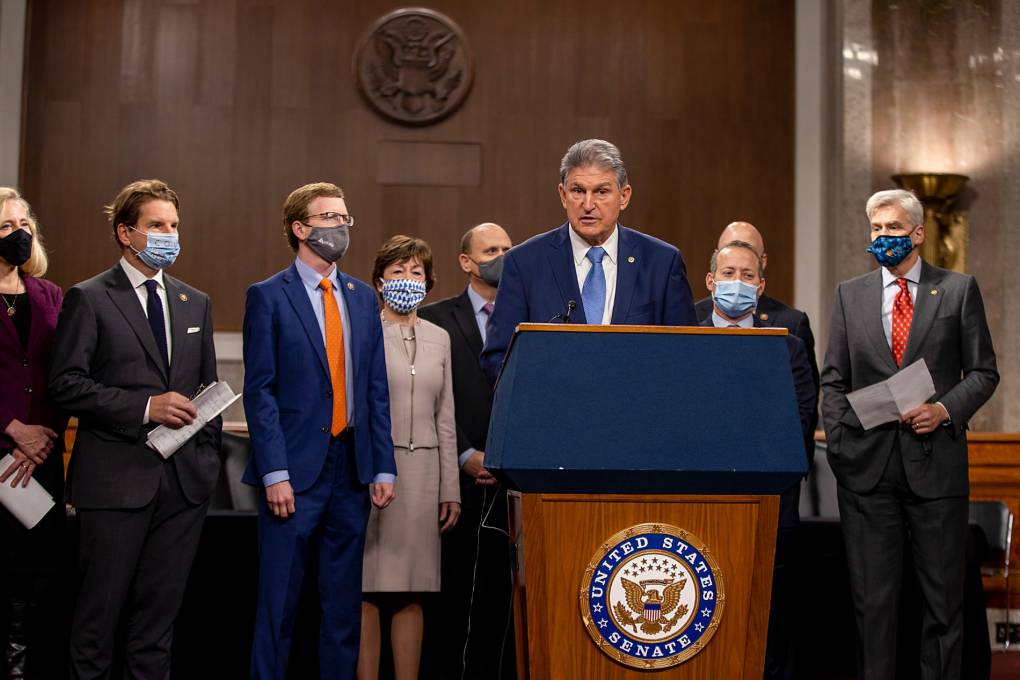
"caption": "Sen. Joe Manchin (D-WV) speaks alongside a bipartisan group of Democrat and Republican members of Congress as they announce a proposal for a Covid-19 relief bill on Capitol Hill on December 01, 2020 in Washington, DC. The roughly $908 billion proposal includes $288 billion in small business aid such as Paycheck Protection Program loans, $160 billion in state and local government relief and $180 billion to fund a $300 per week supplemental unemployment benefit through March, according to a draft framework. ",
"description": "Sen. Joe Manchin (D-WV) speaks alongside a bipartisan group of Democrat and Republican members of Congress as they announce a proposal for a Covid-19 relief bill on Capitol Hill on December 01, 2020 in Washington, DC. The roughly $908 billion proposal includes $288 billion in small business aid such as Paycheck Protection Program loans, $160 billion in state and local government relief and $180 billion to fund a $300 per week supplemental unemployment benefit through March, according to a draft framework. ",
"title": "GettyImages-1288858685 (1)",
"credit": "Tasos Katopodis/Getty Images",
"status": "inherit",
"altTag": null,
"isLoading": false,
"fetchFailed": false
}
},
"audioPlayerReducer": {
"postId": "stream_live",
"isPaused": true,
"isPlaying": false,
"pfsActive": false,
"pledgeModalIsOpen": true,
"playerDrawerIsOpen": false,
"liveAudioPlayStartedAt": 0,
"liveAudioPlayContext": ""
},
"authorsReducer": {
"byline_news_11852133": {
"type": "authors",
"id": "byline_news_11852133",
"meta": {
"override": true
},
"slug": "byline_news_11852133",
"name": "Mary Louise Kelly, James Doubek",
"isLoading": false
},
"byline_news_11851318": {
"type": "authors",
"id": "byline_news_11851318",
"meta": {
"override": true
},
"slug": "byline_news_11851318",
"name": "\u003ca href=\"https://calmatters.org/author/anaibarra/\">Ana B. Ibarra\u003c/a>",
"isLoading": false
},
"byline_news_11851350": {
"type": "authors",
"id": "byline_news_11851350",
"meta": {
"override": true
},
"slug": "byline_news_11851350",
"name": "Jackie Botts\u003cbr>CalMatters",
"isLoading": false
},
"byline_news_11851167": {
"type": "authors",
"id": "byline_news_11851167",
"meta": {
"override": true
},
"slug": "byline_news_11851167",
"name": "\u003ca href=\"https://khn.org/news/author/phillip-reese/\">Phillip Reese\u003c/a>",
"isLoading": false
},
"byline_news_11851063": {
"type": "authors",
"id": "byline_news_11851063",
"meta": {
"override": true
},
"slug": "byline_news_11851063",
"name": "The Associated Press",
"isLoading": false
},
"byline_news_11850976": {
"type": "authors",
"id": "byline_news_11850976",
"meta": {
"override": true
},
"slug": "byline_news_11850976",
"name": "Barbara Sprunt",
"isLoading": false
},
"carlysevern": {
"type": "authors",
"id": "3243",
"meta": {
"index": "authors_1716337520",
"id": "3243",
"found": true
},
"name": "Carly Severn",
"firstName": "Carly",
"lastName": "Severn",
"slug": "carlysevern",
"email": "csevern@kqed.org",
"display_author_email": false,
"staff_mastheads": [
"news"
],
"title": "Senior Editor, Audience News ",
"bio": "Carly is KQED's Senior Editor of Audience News on the Digital News team, and has reported for the California Report Magazine, Bay Curious and KQED Arts. She's formerly the host of \u003ca href=\"http://ww2.kqed.org/pop/category/the-cooler/\" rel=\"noopener noreferrer\">The Cooler\u003c/a> podcast.",
"avatar": "https://secure.gravatar.com/avatar/54037bf5c128fe678f0ef26cec97a93f2e7f220a22d7285703328f12c42c1b1d?s=600&d=blank&r=g",
"twitter": "teacupinthebay",
"bluesky": null,
"facebook": null,
"instagram": null,
"linkedin": null,
"sites": [
{
"site": "",
"roles": [
"editor"
]
},
{
"site": "arts",
"roles": [
"editor"
]
},
{
"site": "news",
"roles": [
"administrator"
]
},
{
"site": "pop",
"roles": [
"editor"
]
},
{
"site": "futureofyou",
"roles": [
"editor"
]
},
{
"site": "about",
"roles": [
"administrator"
]
},
{
"site": "mindshift",
"roles": [
"editor"
]
},
{
"site": "bayareabites",
"roles": [
"editor"
]
},
{
"site": "stateofhealth",
"roles": [
"editor"
]
},
{
"site": "science",
"roles": [
"editor"
]
},
{
"site": "food",
"roles": [
"contributor"
]
},
{
"site": "forum",
"roles": [
"editor"
]
},
{
"site": "perspectives",
"roles": [
"administrator"
]
},
{
"site": "liveblog",
"roles": [
"editor"
]
}
],
"headData": {
"title": "Carly Severn | KQED",
"description": "Senior Editor, Audience News ",
"ogImgSrc": "https://secure.gravatar.com/avatar/54037bf5c128fe678f0ef26cec97a93f2e7f220a22d7285703328f12c42c1b1d?s=600&d=blank&r=g",
"twImgSrc": "https://secure.gravatar.com/avatar/54037bf5c128fe678f0ef26cec97a93f2e7f220a22d7285703328f12c42c1b1d?s=600&d=blank&r=g"
},
"isLoading": false,
"link": "/author/carlysevern"
},
"jsmall": {
"type": "authors",
"id": "6625",
"meta": {
"index": "authors_1716337520",
"id": "6625",
"found": true
},
"name": "Julie Small",
"firstName": "Julie",
"lastName": "Small",
"slug": "jsmall",
"email": "jsmall@kqed.org",
"display_author_email": true,
"staff_mastheads": [
"news"
],
"title": "KQED Contributor",
"bio": "Julie Small reports on criminal justice and immigration.\r\n\r\nShe was part of a team at KQED awarded a regional 2019 Edward R. Murrow award for continuing coverage of the Trump Administration's family separation policy.\r\n\r\nThe Society for Professional Journalists recognized Julie's 2018 \u003ca href=\"https://www.kqed.org/news/11636262/the-officer-tased-him-31-times-the-sheriff-called-his-death-an-accident\">reporting\u003c/a> on the San Joaquin County Sheriff's \u003ca href=\"https://www.kqed.org/news/11634689/autopsy-doctors-sheriff-overrode-death-findings-to-protect-law-enforcement\">interference\u003c/a> in death investigations with an Excellence in Journalism Award for Ongoing Coverage.\r\n\r\nJulie's\u003ca href=\"https://www.kqed.org/news/11039666/two-mentally-ill-inmates-died-one-month-in-santa-clara\"> reporting\u003c/a> with Lisa Pickoff-White on the treatment of mentally ill offenders in California jails earned a 2017 regional Edward R. Murrow Award for news reporting and an investigative reporting award from the SPJ of Northern California.\r\n\r\nBefore joining KQED, Julie covered government and politics in Sacramento for Southern California Public Radio (SCPR). Her 2010 \u003ca href=\"https://www.scpr.org/specials/prisonmedical/\">series\u003c/a> on lapses in California’s prison medical care also won a regional Edward R. Murrow Award for investigative reporting and a Golden Mic Award from the RTNDA of Southern California.\r\n\r\nJulie began her career in journalism in 2000 as the deputy foreign editor for public radio's \u003cem>Marketplace, \u003c/em>while earning her master's degree in journalism from USC’s Annenberg School of Communication.",
"avatar": "https://secure.gravatar.com/avatar/4baedf201468df97be97c2a9dd7585d0?s=600&d=blank&r=g",
"twitter": "@SmallRadio2",
"facebook": null,
"instagram": null,
"linkedin": null,
"sites": [
{
"site": "news",
"roles": [
"editor"
]
},
{
"site": "stateofhealth",
"roles": [
"author"
]
},
{
"site": "science",
"roles": [
"author"
]
}
],
"headData": {
"title": "Julie Small | KQED",
"description": "KQED Contributor",
"ogImgSrc": "https://secure.gravatar.com/avatar/4baedf201468df97be97c2a9dd7585d0?s=600&d=blank&r=g",
"twImgSrc": "https://secure.gravatar.com/avatar/4baedf201468df97be97c2a9dd7585d0?s=600&d=blank&r=g"
},
"isLoading": false,
"link": "/author/jsmall"
},
"korr": {
"type": "authors",
"id": "11200",
"meta": {
"index": "authors_1716337520",
"id": "11200",
"found": true
},
"name": "Katie Orr",
"firstName": "Katie",
"lastName": "Orr",
"slug": "korr",
"email": "korr@kqed.org",
"display_author_email": false,
"staff_mastheads": [],
"title": "KQED Contributor",
"bio": "Katie Orr was a Sacramento-based reporter for KQED's Politics and Government Desk, covering the state Capitol and a variety of issues including women in politics, voting and elections and legislation. Prior to joining KQED in 2016, Katie was state government reporter for Capital Public Radio in Sacramento. She's also worked for KPBS in San Diego, where she covered City Hall.\r\n\r\nKatie received her masters degree in political science from San Diego State University and holds a Bachelors degree in broadcast journalism from Arizona State University.\r\n\r\nIn 2015 Katie won a national Clarion Award for a series of stories she did on women in California politics. She's been honored by the Society for Professional Journalists and, in 2013, was named by \u003cem>The Washington Post\u003c/em> as one of the country's top state Capitol reporters. She's also reported for the award-winning documentary series \u003cem>The View from Here \u003c/em>and was part of the team that won national PRNDI and Gabriel Awards in 2015. She lives in Sacramento with her husband. Twitter: @1KatieOrr",
"avatar": "https://secure.gravatar.com/avatar/41a40b25845adc78f50808670860449e?s=600&d=blank&r=g",
"twitter": "1katieorr",
"facebook": null,
"instagram": null,
"linkedin": null,
"sites": [
{
"site": "news",
"roles": [
"subscriber"
]
},
{
"site": "stateofhealth",
"roles": [
"author"
]
},
{
"site": "forum",
"roles": [
"author"
]
}
],
"headData": {
"title": "Katie Orr | KQED",
"description": "KQED Contributor",
"ogImgSrc": "https://secure.gravatar.com/avatar/41a40b25845adc78f50808670860449e?s=600&d=blank&r=g",
"twImgSrc": "https://secure.gravatar.com/avatar/41a40b25845adc78f50808670860449e?s=600&d=blank&r=g"
},
"isLoading": false,
"link": "/author/korr"
},
"ahall": {
"type": "authors",
"id": "11490",
"meta": {
"index": "authors_1716337520",
"id": "11490",
"found": true
},
"name": "Alex Hall",
"firstName": "Alex",
"lastName": "Hall",
"slug": "ahall",
"email": "ahall@kqed.org",
"display_author_email": false,
"staff_mastheads": [
"news"
],
"title": "KQED Enterprise & Accountability Reporter",
"bio": "Alex Hall is KQED's Enterprise and Accountability Reporter. She previously covered the Central Valley for five years from KQED's bureau in Fresno. Before joining KQED, Alex was an investigative reporting fellow at Wisconsin Public Radio and the Wisconsin Center for Investigative Journalism. She has also worked as a bilingual producer for NPR's investigative unit and freelance video producer for Reuters TV on the Latin America desk. She got her start in journalism in South America, where she worked as a radio producer and Spanish-English translator for CNN Chile. Her documentary and investigation into the series of deadly COVID-19 outbreaks at Foster Farms won a national Edward R. Murrow award and was named an Investigative Reporters & Editors award finalist. Alex's reporting for Reveal on the Wisconsin dairy industry's reliance on undocumented immigrant labor was made into a film, Los Lecheros, which won a regional Edward R. Murrow award for best news documentary.",
"avatar": "https://secure.gravatar.com/avatar/04c28ad4a7caa7ac2ef39c655c4030c993a3f331481d1da4799bb76ea85b9afa?s=600&d=blank&r=g",
"twitter": "@chalexhall",
"bluesky": null,
"facebook": null,
"instagram": null,
"linkedin": null,
"sites": [
{
"site": "news",
"roles": [
"editor"
]
},
{
"site": "liveblog",
"roles": [
"author"
]
}
],
"headData": {
"title": "Alex Hall | KQED",
"description": "KQED Enterprise & Accountability Reporter",
"ogImgSrc": "https://secure.gravatar.com/avatar/04c28ad4a7caa7ac2ef39c655c4030c993a3f331481d1da4799bb76ea85b9afa?s=600&d=blank&r=g",
"twImgSrc": "https://secure.gravatar.com/avatar/04c28ad4a7caa7ac2ef39c655c4030c993a3f331481d1da4799bb76ea85b9afa?s=600&d=blank&r=g"
},
"isLoading": false,
"link": "/author/ahall"
},
"jchang": {
"type": "authors",
"id": "11642",
"meta": {
"index": "authors_1716337520",
"id": "11642",
"found": true
},
"name": "Julie Chang",
"firstName": "Julie",
"lastName": "Chang",
"slug": "jchang",
"email": "jchang@kqed.org",
"display_author_email": false,
"staff_mastheads": [
"news"
],
"title": "KQED Contributor",
"bio": "Julie Chang is a reporter and producer (and occasional anchor) with the radio and digital teams at KQED. Before KQED, she worked at WAMU 88.5 in Washington D.C. and 89.3 KPCC in Los Angeles County. Her work has been featured on NPR’s Morning Edition and All Things Considered, Here & Now, the New York Times, and more. Julie graduated from UC Berkeley’s Graduate School of Journalism. She previously taught English at Pasadena City College, Fullerton College and Cal Poly Pomona. Julie earned her M.A. in English from Cal Poly Pomona and her B.A. in English from UCI with a minor in criminology.",
"avatar": "https://secure.gravatar.com/avatar/a7afce94ef127082c5475116b4a3b77d?s=600&d=blank&r=g",
"twitter": "BayAreaJulie",
"facebook": null,
"instagram": null,
"linkedin": "https://www.linkedin.com/in/julieyc/",
"sites": [
{
"site": "",
"roles": [
"editor"
]
},
{
"site": "news",
"roles": [
"author"
]
},
{
"site": "science",
"roles": [
"editor"
]
}
],
"headData": {
"title": "Julie Chang | KQED",
"description": "KQED Contributor",
"ogImgSrc": "https://secure.gravatar.com/avatar/a7afce94ef127082c5475116b4a3b77d?s=600&d=blank&r=g",
"twImgSrc": "https://secure.gravatar.com/avatar/a7afce94ef127082c5475116b4a3b77d?s=600&d=blank&r=g"
},
"isLoading": false,
"link": "/author/jchang"
},
"blaberge": {
"type": "authors",
"id": "11667",
"meta": {
"index": "authors_1716337520",
"id": "11667",
"found": true
},
"name": "Beth LaBerge",
"firstName": "Beth",
"lastName": "LaBerge",
"slug": "blaberge",
"email": "blaberge@KQED.org",
"display_author_email": true,
"staff_mastheads": [
"news"
],
"title": "Photographer, News",
"bio": "Beth LaBerge is a visual journalist for \u003ca href=\"https://www.kqed.org/news\">KQED News\u003c/a>.",
"avatar": "https://secure.gravatar.com/avatar/ce49ecd7a1306685637b45a1f6f5dedfc4ae9481966eb596fea5160466dd6319?s=600&d=blank&r=g",
"twitter": null,
"bluesky": null,
"facebook": null,
"instagram": "https://www.instagram.com/bethlaberge/",
"linkedin": null,
"sites": [
{
"site": "arts",
"roles": [
"editor",
"manage_categories"
]
},
{
"site": "news",
"roles": [
"editor",
"edit_plugins",
"manage_categories"
]
},
{
"site": "science",
"roles": [
"editor",
"contributor",
"author",
"manage_categories"
]
},
{
"site": "perspectives",
"roles": [
"editor"
]
},
{
"site": "liveblog",
"roles": [
"editor"
]
}
],
"headData": {
"title": "Beth LaBerge | KQED",
"description": "Photographer, News",
"ogImgSrc": "https://secure.gravatar.com/avatar/ce49ecd7a1306685637b45a1f6f5dedfc4ae9481966eb596fea5160466dd6319?s=600&d=blank&r=g",
"twImgSrc": "https://secure.gravatar.com/avatar/ce49ecd7a1306685637b45a1f6f5dedfc4ae9481966eb596fea5160466dd6319?s=600&d=blank&r=g"
},
"isLoading": false,
"link": "/author/blaberge"
}
},
"pagesReducer": {
"news_tag_covid-19": {
"type": "terms",
"id": "news_27504",
"meta": {
"index": "terms_1716263798",
"site": "news",
"id": "27504",
"score": 8.558557
},
"featImg": null,
"name": "covid-19",
"description": null,
"taxonomy": "tag",
"headData": {
"twImgId": null,
"twTitle": null,
"ogTitle": null,
"ogImgId": null,
"twDescription": null,
"description": null,
"title": "covid-19 Archives | KQED News",
"ogDescription": null
},
"ttid": 27521,
"slug": "covid-19",
"isLoading": false,
"title": "covid-19",
"pageMeta": {
"site": "news",
"WpPageTemplate": "page-topic-editorial",
"currentPage": 37
},
"blocks": [
{
"blockName": "kqed/post-list",
"attrs": {
"layout": "cardArticle2",
"query": "posts/news?tag=covid-19",
"seeMore": false,
"paginated": true,
"page": 37
}
},
{
"blockName": "kqed/ad"
}
]
}
},
"pfsSessionReducer": {},
"postsReducer": {
"stream_live": {
"type": "live",
"id": "stream_live",
"audioUrl": "https://streams.kqed.org/kqedradio",
"title": "Live Stream",
"excerpt": "Live Stream information currently unavailable.",
"link": "/radio",
"featImg": "",
"label": {
"name": "KQED Live",
"link": "/"
}
},
"stream_kqedNewscast": {
"type": "posts",
"id": "stream_kqedNewscast",
"audioUrl": "https://www.kqed.org/.stream/anon/radio/RDnews/newscast.mp3?_=1",
"title": "KQED Newscast",
"featImg": "",
"label": {
"name": "88.5 FM",
"link": "/"
}
},
"news_11852162": {
"type": "posts",
"id": "news_11852162",
"meta": {
"index": "posts_1716263798",
"site": "news",
"id": "11852162",
"score": null,
"sort": [
1608575397000
]
},
"parent": 0,
"labelTerm": {
"site": "news"
},
"blocks": [],
"publishDate": 1608575397,
"format": "audio",
"disqusTitle": "Hundreds of People at San Quentin Petition for Release as COVID-19 Surges",
"title": "Hundreds of People at San Quentin Petition for Release as COVID-19 Surges",
"headTitle": "KQED News",
"content": "\u003cp>A Marin County judge could begin ordering the release or transfer of hundreds of men incarcerated at San Quentin State Prison as early as Monday.\u003c/p>\n\u003cp>More than 400 elderly and medically vulnerable incarcerated people petitioned the superior court for release during and after a massive outbreak at the prison this summer that infected 2,200 people and resulted in the deaths of 28 men.[pullquote size=\"medium\" align=\"right\" citation=\"Christine O’Hanlon, Marin County deputy public defender\"]'They were rolling the dice with those people’s lives.'[/pullquote]\u003c/p>\n\u003cp>Many of the men who’ve asked the court for relief are age 60 and over, or have chronic medical conditions that the Centers for Disease Control and Prevention has determined put them at greater risk of becoming seriously ill or dying from COVID-19.\u003c/p>\n\u003cp>The incarcerated men allege in court filings that prison officials violated their Eighth Amendment right against cruel and unusual punishment by exposing them to the virus.\u003c/p>\n\u003cp>The Marin County public defender’s office represents 249 of the men who’ve petitioned for release. Deputy Public Defender Christine O’Hanlon says some of them were locked up with cellmates who had the virus.\u003c/p>\n\u003cp>“We had numerous pairs where one person was negative, one was positive and [the California Department of Corrections and Rehabilitation] did nothing to separate them, and then they end up getting sick,” O’Hanlon said. “They were rolling the dice with those people’s lives.”\u003c/p>\n\u003cp>Marin County Superior Court Judge Geoffrey Howard plans to soon start ruling on cases — according to a Dec. 9 \u003ca href=\"https://beta.documentcloud.org/documents/20433045-201209-marin-co-judge-order-re-habeus-petitions-case-management-order-no-12\" target=\"_blank\" rel=\"noopener noreferrer\">court order\u003c/a> — beginning with older and sicker incarcerated people.\u003c/p>\n\u003cp>But Howard made clear he won’t order release from prison as the only remedy for the risk and suffering to incarcerated people. Prison officials may also transfer at-risk people to prisons with safer housing, the judge ruled.\u003c/p>\n\u003cp>That came as a blow to the men's attorneys, who’ve warned that any transfer of medically vulnerable incarcerated people heightens the risk of transmission, especially with COVID-19 infections surging again in prisons across the state. [ad fullwidth]\u003c/p>\n\u003ch3>\u003cstrong>New Surge in COVID-19 Infections\u003c/strong>\u003c/h3>\n\u003cp>COVID-19 cases were in the low hundreds across the prison system in October, but they’ve since exploded. Nearly 9,000 people incarcerated in California state prisons have tested positive for the virus within the last two weeks, according to state data released Sunday, with triple-digit new coronavirus cases identified in 22 of the state’s 35 adult institutions.\u003c/p>\n\u003cp>Pleasant Valley State Prison in the Central Valley saw the biggest increase in infections over the last two weeks. Over 700 men incarcerated there have the virus.\u003c/p>\n\u003cp>Despite the rising number of infections, prison officials abruptly transferred 26 medically vulnerable people from San Quentin to another prison a week ago Monday.[aside postID=\"forum_2010101880985,news_11848497,news_11836868\" label=\"COVID-19 in California Prisons\"]\u003c/p>\n\u003cp>Liz Gransee, a spokeswoman for California Correctional Health Care Services, wrote in a Dec. 15 email that the men were moved to “safer housing” at California State Prison in Corcoran.\u003c/p>\n\u003cp>“It’s important to note that every safety precaution is taken on any patient movement,” Gransee wrote, “including testing before and after any moves, quarantining upon arrival at the new housing location, the use of N95 masks by all, and sanitation of all housing spaces prior to any movement.”\u003c/p>\n\u003cp>The public defender filed an emergency motion Wednesday to temporarily stop the transfers until Judge Howard can “fully consider” whether it’s safe.\u003c/p>\n\u003cp>California’s Department of Corrections and Rehabilitation suspended further COVID-19 related transfers last week.\u003c/p>\n\u003cp>“My clients are terrified of transferring,” Deputy Public Defender O’Hanlon said. “They know the transfer process involves being confined in small spaces with several people for several hours and then getting to a new place where they don't know what's there.”\u003c/p>\n\u003cp>The 26 men transferred from San Quentin last week went from a prison with four active cases at the time to one with 50.\u003c/p>\n\u003cp>Noting that most state prisons are at or over capacity, O’Hanlon doubted any institution could safely absorb transfers of medically vulnerable incarcerated people.\u003c/p>\n\u003cp>“You can't just pack them in like sardines somewhere else,” she said. “You have to put them in a place where they can be safely housed, practice social distancing and avoid dorm settings.”\u003c/p>\n\u003cp>San Quentin’s summer outbreak resulted from the botched May 31 transfer of 121 people from the California Institution for Men in Southern California. Ironically, the men — all at high risk for COVID-19 — were moved to San Quentin from Chino to protect them from getting infected as the virus raged at the Southern California facility.\u003c/p>\n\u003cp>At a state Senate hearing in June, Clark Kelso, the federal receiver in charge of prison medical care, took full responsibility for approving the transfer. Kelso said the transfer was conducted “too quickly” and was “a big mistake.”\u003c/p>\n\u003cp>At the time, people incarcerated in state prisons could only be transferred if they had tested negative for the virus beforehand, but as Kelso said he later learned, some men received those tests up to two weeks before their departure.\u003c/p>\n\u003cp>Kelso issued new protocols for transfers in August, including same-day testing for COVID-19, retesting and isolation upon arrival at the new prison.\u003c/p>\n\u003cp>Those new protocols were cited in a recent appellate ruling as the reason that transfers can be considered a safe alternative to releasing medically vulnerable people.\u003c/p>\n\u003ch3>\u003cstrong>Order to Halve San Quentin Population Appealed to California Supreme Court\u003c/strong>\u003c/h3>\n\u003cp>Ivan Von Staich, a 64-year-old at San Quentin with respiratory issues, petitioned for release before there was an outbreak of COVID-19. Von Staich argued in a successful appeal that the prison would not be able to protect people like him if the population became infected because there would be no way to be physically distant from others.\u003c/p>\n\u003cp>His attorneys disclosed that prison officials ignored a key recommendation by a group of university doctors and epidemiologists who toured San Quentin State Prison in June. The team of health experts from UCSF and UC Berkeley urged prison officials to reduce the incarcerated population at the prison by half to allow for social distancing and quarantine of those infected.\u003c/p>\n\u003cp>[pullquote size=\"medium\" align=\"right\" citation=\"State Attorney General's Petition to California Supreme Court\"]'CDCR has diligently worked to implement various significant mitigation efforts.'[/pullquote]\u003c/p>\n\u003cp>A three-judge state appeals court \u003ca href=\"https://beta.documentcloud.org/documents/20433046-201020-appellate-ruling-von-staich-a160122\" target=\"_blank\" rel=\"noopener noreferrer\">found on Oct. 20\u003c/a> that San Quentin officials acted with “deliberate indifference” to the health of all people held at the prison and ordered them to immediately cut the population by half.\u003c/p>\n\u003cp>“By all accounts, the COVID-19 outbreak at San Quentin has been the worst epidemiological disaster in California correctional history,” Presiding Judge Anthony Kline wrote in the decision. “And there is no assurance San Quentin will not experience a second or even third spike.”\u003c/p>\n\u003cp>California Attorney General Xavier Becerra has appealed that ruling to the California Supreme Court, which has asked for expedited briefing and will decide whether to review the case by Jan. 25.\u003c/p>\n\u003cp>“It cannot be that prison officials are deliberately indifferent to the risks COVID-19 poses to inmate health when there is no dispute CDCR has diligently worked to implement various significant mitigation efforts,” the attorney general argued in his \u003ca href=\"https://beta.documentcloud.org/documents/20433047-201116-ag-petition-for-cal-sup-ct-review-w-exhibit-final\" target=\"_blank\" rel=\"noopener noreferrer\">Nov. 16 petition\u003c/a> to the state Supreme Court.\u003c/p>\n\u003cp>Until then, Marin County Superior Court Judge Howard has said he’ll follow the appellate ruling in any order he issues on petitions from men at San Quentin.\u003c/p>\n\u003cp>[ad floatright]\u003c/p>\n",
"disqusIdentifier": "11852162 https://ww2.kqed.org/news/?p=11852162",
"disqusUrl": "https://ww2.kqed.org/news/2020/12/21/hundreds-of-people-at-san-quentin-petition-for-release-as-covid-19-surges/",
"stats": {
"hasVideo": false,
"hasChartOrMap": false,
"hasAudio": false,
"hasPolis": false,
"wordCount": 1306,
"hasGoogleForm": false,
"hasGallery": false,
"hasHearkenModule": false,
"iframeSrcs": [],
"paragraphCount": 34
},
"modified": 1608593012,
"excerpt": "With active COVID-19 cases throughout the state prison topping 10,000, a Marin County judge is expected to soon start ruling on release petitions from over 400 older and medically vulnerable people held at San Quentin State Prison.",
"headData": {
"twImgId": "",
"twTitle": "",
"ogTitle": "",
"ogImgId": "",
"twDescription": "",
"description": "With active COVID-19 cases throughout the state prison topping 10,000, a Marin County judge is expected to soon start ruling on release petitions from over 400 older and medically vulnerable people held at San Quentin State Prison.",
"title": "Hundreds of People at San Quentin Petition for Release as COVID-19 Surges | KQED",
"ogDescription": "",
"schema": {
"@context": "https://schema.org",
"@type": "NewsArticle",
"headline": "Hundreds of People at San Quentin Petition for Release as COVID-19 Surges",
"datePublished": "2020-12-21T10:29:57-08:00",
"dateModified": "2020-12-21T15:23:32-08:00",
"image": "https://cdn.kqed.org/wp-content/uploads/2020/02/KQED-OG-Image@1x.png",
"isAccessibleForFree": "True",
"publisher": {
"@type": "NewsMediaOrganization",
"@id": "https://www.kqed.org/#organization",
"name": "KQED",
"logo": "https://cdn.kqed.org/wp-content/uploads/2020/02/KQED-OG-Image@1x.png",
"url": "https://www.kqed.org",
"sameAs": [
"https://www.facebook.com/KQED",
"https://twitter.com/KQED",
"https://www.instagram.com/kqed/",
"https://www.tiktok.com/@kqedofficial",
"https://www.linkedin.com/company/kqed",
"https://www.youtube.com/channel/UCeC0IOo7i1P_61zVUWbJ4nw"
]
}
}
},
"guestAuthors": [],
"slug": "hundreds-of-people-at-san-quentin-petition-for-release-as-covid-19-surges",
"status": "publish",
"audioUrl": "https://traffic.omny.fm/d/clips/0af137ef-751e-4b19-a055-aaef00d2d578/ffca7e9f-6831-4[…]f-aaef00f5a073/f501416a-17d3-44b1-b5e6-ac9801356f77/audio.mp3",
"path": "/news/11852162/hundreds-of-people-at-san-quentin-petition-for-release-as-covid-19-surges",
"audioTrackLength": null,
"parsedContent": [
{
"type": "contentString",
"content": "\u003cdiv class=\"post-body\">\u003cp>\u003cp>A Marin County judge could begin ordering the release or transfer of hundreds of men incarcerated at San Quentin State Prison as early as Monday.\u003c/p>\n\u003cp>More than 400 elderly and medically vulnerable incarcerated people petitioned the superior court for release during and after a massive outbreak at the prison this summer that infected 2,200 people and resulted in the deaths of 28 men.\u003c/p>\u003c/div>",
"attributes": {
"named": {},
"numeric": []
}
},
{
"type": "component",
"content": "'They were rolling the dice with those people’s lives.'",
"name": "pullquote",
"attributes": {
"named": {
"size": "medium",
"align": "right",
"citation": "Christine O’Hanlon, Marin County deputy public defender",
"label": ""
},
"numeric": []
}
},
{
"type": "contentString",
"content": "\u003cdiv class=\"post-body\">\u003cp>\u003c/p>\n\u003cp>Many of the men who’ve asked the court for relief are age 60 and over, or have chronic medical conditions that the Centers for Disease Control and Prevention has determined put them at greater risk of becoming seriously ill or dying from COVID-19.\u003c/p>\n\u003cp>The incarcerated men allege in court filings that prison officials violated their Eighth Amendment right against cruel and unusual punishment by exposing them to the virus.\u003c/p>\n\u003cp>The Marin County public defender’s office represents 249 of the men who’ve petitioned for release. Deputy Public Defender Christine O’Hanlon says some of them were locked up with cellmates who had the virus.\u003c/p>\n\u003cp>“We had numerous pairs where one person was negative, one was positive and [the California Department of Corrections and Rehabilitation] did nothing to separate them, and then they end up getting sick,” O’Hanlon said. “They were rolling the dice with those people’s lives.”\u003c/p>\n\u003cp>Marin County Superior Court Judge Geoffrey Howard plans to soon start ruling on cases — according to a Dec. 9 \u003ca href=\"https://beta.documentcloud.org/documents/20433045-201209-marin-co-judge-order-re-habeus-petitions-case-management-order-no-12\" target=\"_blank\" rel=\"noopener noreferrer\">court order\u003c/a> — beginning with older and sicker incarcerated people.\u003c/p>\n\u003cp>But Howard made clear he won’t order release from prison as the only remedy for the risk and suffering to incarcerated people. Prison officials may also transfer at-risk people to prisons with safer housing, the judge ruled.\u003c/p>\n\u003cp>That came as a blow to the men's attorneys, who’ve warned that any transfer of medically vulnerable incarcerated people heightens the risk of transmission, especially with COVID-19 infections surging again in prisons across the state. \u003c/p>\u003c/div>",
"attributes": {
"named": {},
"numeric": []
}
},
{
"type": "component",
"content": "",
"name": "ad",
"attributes": {
"named": {
"label": "fullwidth"
},
"numeric": [
"fullwidth"
]
}
},
{
"type": "contentString",
"content": "\u003cdiv class=\"post-body\">\u003cp>\u003c/p>\n\u003ch3>\u003cstrong>New Surge in COVID-19 Infections\u003c/strong>\u003c/h3>\n\u003cp>COVID-19 cases were in the low hundreds across the prison system in October, but they’ve since exploded. Nearly 9,000 people incarcerated in California state prisons have tested positive for the virus within the last two weeks, according to state data released Sunday, with triple-digit new coronavirus cases identified in 22 of the state’s 35 adult institutions.\u003c/p>\n\u003cp>Pleasant Valley State Prison in the Central Valley saw the biggest increase in infections over the last two weeks. Over 700 men incarcerated there have the virus.\u003c/p>\n\u003cp>Despite the rising number of infections, prison officials abruptly transferred 26 medically vulnerable people from San Quentin to another prison a week ago Monday.\u003c/p>\u003c/div>",
"attributes": {
"named": {},
"numeric": []
}
},
{
"type": "component",
"content": "",
"name": "aside",
"attributes": {
"named": {
"postid": "forum_2010101880985,news_11848497,news_11836868",
"label": "COVID-19 in California Prisons "
},
"numeric": []
}
},
{
"type": "contentString",
"content": "\u003cdiv class=\"post-body\">\u003cp>\u003c/p>\n\u003cp>Liz Gransee, a spokeswoman for California Correctional Health Care Services, wrote in a Dec. 15 email that the men were moved to “safer housing” at California State Prison in Corcoran.\u003c/p>\n\u003cp>“It’s important to note that every safety precaution is taken on any patient movement,” Gransee wrote, “including testing before and after any moves, quarantining upon arrival at the new housing location, the use of N95 masks by all, and sanitation of all housing spaces prior to any movement.”\u003c/p>\n\u003cp>The public defender filed an emergency motion Wednesday to temporarily stop the transfers until Judge Howard can “fully consider” whether it’s safe.\u003c/p>\n\u003cp>California’s Department of Corrections and Rehabilitation suspended further COVID-19 related transfers last week.\u003c/p>\n\u003cp>“My clients are terrified of transferring,” Deputy Public Defender O’Hanlon said. “They know the transfer process involves being confined in small spaces with several people for several hours and then getting to a new place where they don't know what's there.”\u003c/p>\n\u003cp>The 26 men transferred from San Quentin last week went from a prison with four active cases at the time to one with 50.\u003c/p>\n\u003cp>Noting that most state prisons are at or over capacity, O’Hanlon doubted any institution could safely absorb transfers of medically vulnerable incarcerated people.\u003c/p>\n\u003cp>“You can't just pack them in like sardines somewhere else,” she said. “You have to put them in a place where they can be safely housed, practice social distancing and avoid dorm settings.”\u003c/p>\n\u003cp>San Quentin’s summer outbreak resulted from the botched May 31 transfer of 121 people from the California Institution for Men in Southern California. Ironically, the men — all at high risk for COVID-19 — were moved to San Quentin from Chino to protect them from getting infected as the virus raged at the Southern California facility.\u003c/p>\n\u003cp>At a state Senate hearing in June, Clark Kelso, the federal receiver in charge of prison medical care, took full responsibility for approving the transfer. Kelso said the transfer was conducted “too quickly” and was “a big mistake.”\u003c/p>\n\u003cp>At the time, people incarcerated in state prisons could only be transferred if they had tested negative for the virus beforehand, but as Kelso said he later learned, some men received those tests up to two weeks before their departure.\u003c/p>\n\u003cp>Kelso issued new protocols for transfers in August, including same-day testing for COVID-19, retesting and isolation upon arrival at the new prison.\u003c/p>\n\u003cp>Those new protocols were cited in a recent appellate ruling as the reason that transfers can be considered a safe alternative to releasing medically vulnerable people.\u003c/p>\n\u003ch3>\u003cstrong>Order to Halve San Quentin Population Appealed to California Supreme Court\u003c/strong>\u003c/h3>\n\u003cp>Ivan Von Staich, a 64-year-old at San Quentin with respiratory issues, petitioned for release before there was an outbreak of COVID-19. Von Staich argued in a successful appeal that the prison would not be able to protect people like him if the population became infected because there would be no way to be physically distant from others.\u003c/p>\n\u003cp>His attorneys disclosed that prison officials ignored a key recommendation by a group of university doctors and epidemiologists who toured San Quentin State Prison in June. The team of health experts from UCSF and UC Berkeley urged prison officials to reduce the incarcerated population at the prison by half to allow for social distancing and quarantine of those infected.\u003c/p>\n\u003cp>\u003c/p>\u003c/div>",
"attributes": {
"named": {},
"numeric": []
}
},
{
"type": "component",
"content": "'CDCR has diligently worked to implement various significant mitigation efforts.'",
"name": "pullquote",
"attributes": {
"named": {
"size": "medium",
"align": "right",
"citation": "State Attorney General's Petition to California Supreme Court",
"label": ""
},
"numeric": []
}
},
{
"type": "contentString",
"content": "\u003cdiv class=\"post-body\">\u003cp>\u003c/p>\n\u003cp>A three-judge state appeals court \u003ca href=\"https://beta.documentcloud.org/documents/20433046-201020-appellate-ruling-von-staich-a160122\" target=\"_blank\" rel=\"noopener noreferrer\">found on Oct. 20\u003c/a> that San Quentin officials acted with “deliberate indifference” to the health of all people held at the prison and ordered them to immediately cut the population by half.\u003c/p>\n\u003cp>“By all accounts, the COVID-19 outbreak at San Quentin has been the worst epidemiological disaster in California correctional history,” Presiding Judge Anthony Kline wrote in the decision. “And there is no assurance San Quentin will not experience a second or even third spike.”\u003c/p>\n\u003cp>California Attorney General Xavier Becerra has appealed that ruling to the California Supreme Court, which has asked for expedited briefing and will decide whether to review the case by Jan. 25.\u003c/p>\n\u003cp>“It cannot be that prison officials are deliberately indifferent to the risks COVID-19 poses to inmate health when there is no dispute CDCR has diligently worked to implement various significant mitigation efforts,” the attorney general argued in his \u003ca href=\"https://beta.documentcloud.org/documents/20433047-201116-ag-petition-for-cal-sup-ct-review-w-exhibit-final\" target=\"_blank\" rel=\"noopener noreferrer\">Nov. 16 petition\u003c/a> to the state Supreme Court.\u003c/p>\n\u003cp>Until then, Marin County Superior Court Judge Howard has said he’ll follow the appellate ruling in any order he issues on petitions from men at San Quentin.\u003c/p>\n\u003cp>\u003c/p>\u003c/div>",
"attributes": {
"named": {},
"numeric": []
}
},
{
"type": "component",
"content": "",
"name": "ad",
"attributes": {
"named": {
"label": "floatright"
},
"numeric": [
"floatright"
]
}
},
{
"type": "contentString",
"content": "\u003cdiv class=\"post-body\">\u003cp>\u003c/p>\n\u003c/div>\u003c/p>",
"attributes": {
"named": {},
"numeric": []
}
}
],
"link": "/news/11852162/hundreds-of-people-at-san-quentin-petition-for-release-as-covid-19-surges",
"authors": [
"6625"
],
"categories": [
"news_457",
"news_6188",
"news_8"
],
"tags": [
"news_1628",
"news_27350",
"news_27504",
"news_27626",
"news_23"
],
"featImg": "news_11852189",
"label": "news"
},
"news_11852147": {
"type": "posts",
"id": "news_11852147",
"meta": {
"index": "posts_1716263798",
"site": "news",
"id": "11852147",
"score": null,
"sort": [
1608559205000
]
},
"guestAuthors": [],
"slug": "ucsf-doctor-challenges-reports-of-high-covid-rates-in-black-community",
"title": "UCSF Doctor Challenges Reports of High COVID-19 Rates in Black Community",
"publishDate": 1608559205,
"format": "standard",
"headTitle": "UCSF Doctor Challenges Reports of High COVID-19 Rates in Black Community | KQED",
"labelTerm": {
"site": "news"
},
"content": "\u003cp>When UCSF wanted to look into COVID-19 disparities in the Black community, they tapped \u003ca href=\"http://cancer.ucsf.edu/people/profiles/rhoads_kim\" target=\"_blank\" rel=\"noopener noreferrer\">Dr. Kim Rhoads\u003c/a>. Rhoads is an epidemiologist and biostatistician at UCSF who has done extensive outreach in the Bay Area’s Black community.\u003c/p>\n\u003cp>Most current research points to higher COVID-19 infection rates among Black people in the U.S.\u003c/p>\n\u003cp>The Centers for Disease Control and Prevention says Black Americans are \u003ca href=\"https://www.cdc.gov/coronavirus/2019-ncov/covid-data/investigations-discovery/hospitalization-death-by-race-ethnicity.html\" target=\"_blank\" rel=\"noopener noreferrer\">1.4 times\u003c/a> more likely to catch the virus compared to their white counterparts. (That rate was at 2.6 times more likely when KQED checked on Nov. 21.) And according to the state public health department, Black people make up approximately \u003ca href=\"https://covid19.ca.gov/state-dashboard/\" target=\"_blank\" rel=\"noopener noreferrer\">4% \u003c/a>of positive cases in California but only 6% of the total population in the state.\u003c/p>\n\u003cp>But according to Rhoads, those statistics don’t tell the full story.\u003c/p>\n\u003cp>Looking into infection rates among Black Americans in Oakland, Rhoads discovered that virus positivity may be lower than is being reported by public health departments and the media because a large portion of the Black population is being missed.\u003c/p>\n\u003cp>[ad fullwidth]\u003c/p>\n\u003cp>A sizable number of people in the community, she said, are untested, unreached and uncounted.\u003c/p>\n\u003cp>She discovered that trend after her team tested 1,000 people across Oakland at eight separate pop-up testing events, and only two Black participants came back positive, leading to a positivity rate of less than 1%.\u003c/p>\n\u003cp>\u003cstrong>Starting Umoja\u003c/strong>\u003c/p>\n\u003cp>To begin examining disparities in Oakland, Rhoads knew she needed to put together a diverse team of stakeholders — so she brought in community groups, public health departments, and, of course, UCSF.\u003c/p>\n\u003cp>The team is called \u003ca href=\"https://unitedinhealthoakland.org/en/eastoakland\" target=\"_blank\" rel=\"noopener noreferrer\">Umoja Health\u003c/a>. Umoja in Swahili means “unity,” and it’s the first principle of \u003ca href=\"https://en.wikipedia.org/wiki/Kwanzaa\" target=\"_blank\" rel=\"noopener noreferrer\">Kwanzaa\u003c/a>.\u003c/p>\n\u003cp>When they started in September, Umoja aimed to get more Black and African American folks tested for the coronavirus and to use that data to present a more accurate picture of positivity rates in the community.\u003c/p>\n\u003cp>To do that, they set up eight pop-up testing sites throughout Oakland over two months in census tracts with greater than 40% African American population represented.\u003c/p>\n\u003cp>But the pop-ups were unlike other testing sites.\u003c/p>\n\u003cp>There was a live DJ playing music, volunteers wore T-shirts that said Umoja, and they handed out goody bags with resource sheets and masks. The overall mood was festive.\u003c/p>\n\u003cp>\u003cimg loading=\"lazy\" decoding=\"async\" class=\"alignnone size-medium wp-image-11852160\" src=\"https://ww2.kqed.org/app/uploads/sites/10/2020/12/Umoja-6-800x451.png\" alt=\"\" width=\"800\" height=\"451\" srcset=\"https://cdn.kqed.org/wp-content/uploads/sites/10/2020/12/Umoja-6-800x451.png 800w, https://cdn.kqed.org/wp-content/uploads/sites/10/2020/12/Umoja-6-1020x575.png 1020w, https://cdn.kqed.org/wp-content/uploads/sites/10/2020/12/Umoja-6-160x90.png 160w, https://cdn.kqed.org/wp-content/uploads/sites/10/2020/12/Umoja-6-1536x866.png 1536w, https://cdn.kqed.org/wp-content/uploads/sites/10/2020/12/Umoja-6.png 1920w\" sizes=\"auto, (max-width: 800px) 100vw, 800px\">\u003c/p>\n\u003cp>“What we’re trying to shift is the idea that if you’re going for testing, you’re not going into a clinical or medical environment where people don’t know you and maybe they don’t care,” said Rhoads on a Saturday in September at the \u003ca href=\"https://www.cohccministries.org/\" target=\"_blank\" rel=\"noopener noreferrer\">Center of Hope Community Church\u003c/a> parking lot, one of their pop-up sites where folks could walk or drive up to get swab and antibody tests for free.\u003c/p>\n\u003cp>Rhoads said their approach was to create testing sites with familiar faces.\u003c/p>\n\u003cp>“Instead of asking people to come to the clinic, we want to bring the clinic to the people. And when we bring the clinic to the people, we want it to look like the community is bringing it to the community,” she said.\u003c/p>\n\u003cp>They got rid of the UCSF logos, the Department of Public Health signs — making the site look more like a health fair.\u003c/p>\n\u003cp>Rhoads said Black people in San Francisco weren’t getting tested despite having testing available to them. Over the summer, she helped organize COVID-19 testing sites in the city’s neighborhoods with the largest African American population, \u003ca href=\"https://www.kqed.org/news/11822167/community-led-effort-brings-free-covid-19-testing-to-bayview-hunters-point\" target=\"_blank\" rel=\"noopener noreferrer\">San Francisco’s Bayview-Hunters Point\u003c/a> and Sunnydale.\u003c/p>\n\u003cp>She said at one clinic they were only serving a fifth of their capacity and swabs were just sitting there unused, largely due to the relationship between the community and the public health department.\u003c/p>\n\u003cfigure id=\"attachment_11852156\" class=\"wp-caption alignnone\" style=\"max-width: 800px\">\u003cimg loading=\"lazy\" decoding=\"async\" class=\"size-medium wp-image-11852156\" src=\"https://ww2.kqed.org/app/uploads/sites/10/2020/12/Umoja-1-800x533.jpg\" alt=\"Phlebotomy tech Brandon Tran administers a COVID-19 swab test to Herb Sanders in his car at a COVID-19 testing pop-up site by Umoja hosted by Acts Full Gospel Church in Oakland on Oct. 31, 2020. Umoja's mission was to get more African Americans in Oakland to get tested for the coronavirus as well as to present a more accurate picture of positivity rates in the Black population.\" width=\"800\" height=\"533\" srcset=\"https://cdn.kqed.org/wp-content/uploads/sites/10/2020/12/Umoja-1-800x533.jpg 800w, https://cdn.kqed.org/wp-content/uploads/sites/10/2020/12/Umoja-1-1020x680.jpg 1020w, https://cdn.kqed.org/wp-content/uploads/sites/10/2020/12/Umoja-1-160x107.jpg 160w, https://cdn.kqed.org/wp-content/uploads/sites/10/2020/12/Umoja-1-1536x1024.jpg 1536w, https://cdn.kqed.org/wp-content/uploads/sites/10/2020/12/Umoja-1.jpg 1920w\" sizes=\"auto, (max-width: 800px) 100vw, 800px\">\u003cfigcaption class=\"wp-caption-text\">Phlebotomy tech Brandon Tran administers a COVID-19 swab test to Herb Sanders in his car at a COVID-19 testing pop-up site by Umoja hosted by Acts Full Gospel Church in Oakland on Oct. 31, 2020. Umoja’s mission was to get more African Americans in Oakland to get tested for the coronavirus as well as to present a more accurate picture of positivity rates in the Black population. \u003ccite>(Beth LaBerge/KQED)\u003c/cite>\u003c/figcaption>\u003c/figure>\n\u003cp>Rhoads said the same thing was happening in Alameda County where testing sites located in predominantly Black neighborhoods weren’t being used by Black people. She says roughly four out five people getting tested were non-Black, like at \u003ca href=\"https://rootsclinic.org/\" target=\"_blank\" rel=\"noopener noreferrer\">Roots Community Health Center\u003c/a>, an East Oakland clinic that serves mostly African Americans.\u003c/p>\n\u003cp>Jamaica Sowell, director of programs and policy with Roots Community Health Center, said 20% of people getting tested at their clinic are Black or of African descent, but added that the percentage doesn’t include those of mixed race, which often include African Americans.\u003c/p>\n\u003cp>\u003cb>Becoming Credible Messengers\u003c/b>\u003c/p>\n\u003cp>Organizers said an initiative where Black people and allies work together to serve the Black community is significant because it can help fight misinformation that has been spreading within the community since the start of the pandemic.\u003c/p>\n\u003cp>Daryle Allums Sr., executive director of local anti-gun-violence group \u003ca href=\"https://adamikavillage.org/\" target=\"_blank\" rel=\"noopener noreferrer\">Adamika Village\u003c/a>, said there’s not enough COVID-19 education in East Oakland.\u003c/p>\n\u003cp>[aside tag=\"covid-19, pandemic\" label=\"More coronavirus coverage\"]\u003c/p>\n\u003cp>“We need credible messengers that our community can trust to give this information. If that’s from a Black doctor, if that’s from a community leader, a pastor — however that look. We need to right education,” Allums said.\u003c/p>\n\u003cp>Umoja popped up at churches, the West Oakland BART station, an outdoor market featuring Black small-business owners called Akoma Market, and more.\u003c/p>\n\u003cp>At their first pop-up in Akoma Market, Rhoads said they had zero positives out of 75 people tested. “But with the rate of infection that was being reported, we should have had at least one or two,” she said.\u003c/p>\n\u003cp>\u003cstrong>The Results\u003c/strong>\u003c/p>\n\u003cp>In the end, Umoja tested exactly 1,000 people (not including volunteers), over half of whom were Black. And only a total of two Black people tested positive.\u003c/p>\n\u003cp>A positivity rate of less than 1% contrasts starkly with other reports. So how could the results be so different?\u003c/p>\n\u003cp>Rhoads said the answer lies in their testing group.\u003c/p>\n\u003cp>“We found that we were really reaching a high percentage of folks who had never been tested before,” she said. Over half of the Black people they tested said they were first-time testers.\u003c/p>\n\u003cp>According to Rhoads, that means they were capturing a larger pool of the Black American population. These are people who may be living “on the edge,” as she put it, but are generally housed. They have jobs but might not have health care or just don’t trust the health care system due to a history of systemic racism. [pullquote size=\"medium\" align=\"right\" citation=\"Dr. Kim Rhoads, UCSF epidemiologist\"]“So we’re seeing the people who are not in the system. They’re not in the congregate living setting system, and they’re not in the prison system. They’re just not in the system.”[/pullquote]\u003c/p>\n\u003cp>“So we’re seeing the people who are not in the system. They’re not in the congregate living setting system, and they’re not in the prison system. They’re just not in the system,” Rhoads said.\u003c/p>\n\u003cp>She said these testers are the “regular folks” who public health officials and the media don’t always pay attention to.\u003c/p>\n\u003cp>And misreporting the percentages as higher than they actually are can create a narrative that all Black people are disproportionately getting infected by the coronavirus. She said the mortality rate \u003cem>is\u003c/em> higher, but when public health officials and the media portray the community as a monolith, they risk feeding some ugly assumptions.\u003c/p>\n\u003cp>Rhoads said what’s missed is the fact that Black folks are being responsible — they’re wearing masks, social distancing and following public health guidelines.\u003c/p>\n\u003cp>While Rhoads is confident in her data, this is one study, and researchers need to continue probing.\u003c/p>\n\u003cp>\u003cstrong>Pivoting to Vaccines\u003c/strong>\u003c/p>\n\u003cp>When talks of vaccines emerged, Rhoads knew they’d have to leverage the credibility and trust they’ve developed in the community in order to get the word out about vaccines, but in the tried-and-true Umoja way.\u003c/p>\n\u003cp>“We would be providing information and resources and opportunity to question the vaccine,” Rhoads said.\u003c/p>\n\u003cp>“To dictate to people what they should do is very not Umoja,” she said. “In fact, it’s the old way, which is the paternalistic health care system, telling people, particularly people of color in underserved communities, why the problems that they’re having are their own fault.”\u003c/p>\n\u003cp>While that “paternalistic” approach might be comforting to folks who haven’t been historically marginalized by the health care system — especially from an esteemed institution like UCSF — that’s not the case with many Black Americans.\u003c/p>\n\u003cp>“Going back \u003ca href=\"https://www.npr.org/sections/health-shots/2017/10/25/556673640/scientists-work-to-overcome-legacy-of-tuskegee-study-henrietta-lacks\">to the Tuskegee experiment\u003c/a>, you know, Henrietta Lacks. A lot of things have been done, unfortunately, against the Black community,” said Dr. Demisha Burns, an Umoja volunteer whose day-to-day job involves \u003ca href=\"http://womenhiv.org/\" target=\"_blank\" rel=\"noopener noreferrer\">helping women affected by HIV/AIDS in Oakland\u003c/a>.\u003c/p>\n\u003cfigure id=\"attachment_11852154\" class=\"wp-caption alignnone\" style=\"max-width: 800px\">\u003cimg loading=\"lazy\" decoding=\"async\" class=\"size-medium wp-image-11852154\" src=\"https://ww2.kqed.org/app/uploads/sites/10/2020/12/Umoja-3-800x533.jpg\" alt=\"Joy Kirkwood, an outreach specialist at LifeLong Medical, receives a COVID-19 test at a COVID-19 testing pop-up site by Umoja hosted by Acts Full Gospel Church in Oakland on Oct. 31, 2020. Umoja's mission was to get more African Americans in Oakland to get tested for the coronavirus as well as to present a more accurate picture of positivity rates in the Black population.\" width=\"800\" height=\"533\" srcset=\"https://cdn.kqed.org/wp-content/uploads/sites/10/2020/12/Umoja-3-800x533.jpg 800w, https://cdn.kqed.org/wp-content/uploads/sites/10/2020/12/Umoja-3-1020x680.jpg 1020w, https://cdn.kqed.org/wp-content/uploads/sites/10/2020/12/Umoja-3-160x107.jpg 160w, https://cdn.kqed.org/wp-content/uploads/sites/10/2020/12/Umoja-3-1536x1024.jpg 1536w, https://cdn.kqed.org/wp-content/uploads/sites/10/2020/12/Umoja-3.jpg 1920w\" sizes=\"auto, (max-width: 800px) 100vw, 800px\">\u003cfigcaption class=\"wp-caption-text\">Joy Kirkwood, an outreach specialist at LifeLong Medical Care, receives a COVID-19 test at a COVID-19 testing pop-up site by Umoja hosted by Acts Full Gospel Church in Oakland on Oct. 31, 2020. Umoja’s mission was to get more African Americans in Oakland to get tested for the coronavirus as well as to present a more accurate picture of positivity rates in the Black population. \u003ccite>(Beth LaBerge/KQED)\u003c/cite>\u003c/figcaption>\u003c/figure>\n\u003cp>Henrietta Lacks was an African American woman whose cancer cells were taken without her consent in the 1950s, and companies made money using them.\u003c/p>\n\u003cp>“So, of course, people are like, ‘I’m not going to go get tested. I’m not going to go do this. I’m not going to go get a vaccine,’ ” Burns said.\u003c/p>\n\u003cp>Based on survey data collected at their pop-ups, Rhoads knew they had their work cut out for them. At an Umoja meeting in November, Rhoads said of the thousand participants, when asked about whether or not they’d be willing to get the COVID-19 vaccine, survey results showed people were equally split across getting the vaccine and not.\u003c/p>\n\u003cp>And a willingness to get the vaccine among African Americans suffered a slight drop after their last pop-up, going from 43% down to 40%.\u003c/p>\n\u003cp>Michael Shaw, director of the \u003ca href=\"https://acphd.org/urban-male-health/\">Urban Male Health Initiative\u003c/a> with the Alameda County Public Health Department, chimed in at the meeting.\u003c/p>\n\u003cp>“As I talk to folks, mainly Black folks, they say I’d like other ethnicities to try it first because we don’t trust that it’s going to be good for us. I’ve heard that comment over and over,” Shaw said.\u003c/p>\n\u003cp>Looking for practical solutions, Rhoads said it’s important for trusted community members to get vaccinated and speak about their experience, telling folks whether they had side effects or not, and so forth.\u003c/p>\n\u003cp>[ad floatright]\u003c/p>\n\u003cp>Umoja, she said, empowers people with information so they can make their own decisions.\u003c/p>\n\n",
"blocks": [],
"excerpt": null,
"status": "publish",
"parent": 0,
"modified": 1740613680,
"stats": {
"hasAudio": false,
"hasVideo": false,
"hasChartOrMap": false,
"iframeSrcs": [],
"hasGoogleForm": false,
"hasGallery": false,
"hasHearkenModule": false,
"hasPolis": false,
"paragraphCount": 57,
"wordCount": 1915
},
"headData": {
"title": "UCSF Doctor Challenges Reports of High COVID-19 Rates in Black Community | KQED",
"description": "When UCSF wanted to look into COVID-19 disparities in the Black community, they tapped Dr. Kim Rhoads. Rhoads is an epidemiologist and biostatistician at UCSF who has done extensive outreach in the Bay Area’s Black community. Most current research points to higher COVID-19 infection rates among Black people in the U.S. The Centers for Disease Control and Prevention says Black Americans are 1.4 times more likely to catch the virus compared to their white counterparts. (That rate was at 2.6 times more likely when KQED checked on Nov. 21.) And according to the state public health department, Black people make",
"ogTitle": "",
"ogDescription": "",
"ogImgId": "",
"twTitle": "",
"twDescription": "",
"twImgId": "",
"schema": {
"@context": "https://schema.org",
"@type": "NewsArticle",
"headline": "UCSF Doctor Challenges Reports of High COVID-19 Rates in Black Community",
"datePublished": "2020-12-21T06:00:05-08:00",
"dateModified": "2025-02-26T15:48:00-08:00",
"image": "https://cdn.kqed.org/wp-content/uploads/2020/02/KQED-OG-Image@1x.png",
"isAccessibleForFree": "True",
"publisher": {
"@type": "NewsMediaOrganization",
"@id": "https://www.kqed.org/#organization",
"name": "KQED",
"logo": "https://cdn.kqed.org/wp-content/uploads/2020/02/KQED-OG-Image@1x.png",
"url": "https://www.kqed.org",
"sameAs": [
"https://www.facebook.com/KQED",
"https://twitter.com/KQED",
"https://www.instagram.com/kqed/",
"https://www.tiktok.com/@kqedofficial",
"https://www.linkedin.com/company/kqed",
"https://www.youtube.com/channel/UCeC0IOo7i1P_61zVUWbJ4nw"
]
}
}
},
"sticky": false,
"path": "/news/11852147/ucsf-doctor-challenges-reports-of-high-covid-rates-in-black-community",
"audioTrackLength": null,
"parsedContent": [
{
"type": "contentString",
"content": "\u003cdiv class=\"post-body\">\u003cp>\u003cp>When UCSF wanted to look into COVID-19 disparities in the Black community, they tapped \u003ca href=\"http://cancer.ucsf.edu/people/profiles/rhoads_kim\" target=\"_blank\" rel=\"noopener noreferrer\">Dr. Kim Rhoads\u003c/a>. Rhoads is an epidemiologist and biostatistician at UCSF who has done extensive outreach in the Bay Area’s Black community.\u003c/p>\n\u003cp>Most current research points to higher COVID-19 infection rates among Black people in the U.S.\u003c/p>\n\u003cp>The Centers for Disease Control and Prevention says Black Americans are \u003ca href=\"https://www.cdc.gov/coronavirus/2019-ncov/covid-data/investigations-discovery/hospitalization-death-by-race-ethnicity.html\" target=\"_blank\" rel=\"noopener noreferrer\">1.4 times\u003c/a> more likely to catch the virus compared to their white counterparts. (That rate was at 2.6 times more likely when KQED checked on Nov. 21.) And according to the state public health department, Black people make up approximately \u003ca href=\"https://covid19.ca.gov/state-dashboard/\" target=\"_blank\" rel=\"noopener noreferrer\">4% \u003c/a>of positive cases in California but only 6% of the total population in the state.\u003c/p>\n\u003cp>But according to Rhoads, those statistics don’t tell the full story.\u003c/p>\n\u003cp>Looking into infection rates among Black Americans in Oakland, Rhoads discovered that virus positivity may be lower than is being reported by public health departments and the media because a large portion of the Black population is being missed.\u003c/p>\n\u003cp>\u003c/p>\u003c/div>",
"attributes": {
"named": {},
"numeric": []
}
},
{
"type": "component",
"content": "",
"name": "ad",
"attributes": {
"named": {
"label": "fullwidth"
},
"numeric": [
"fullwidth"
]
}
},
{
"type": "contentString",
"content": "\u003cdiv class=\"post-body\">\u003cp>\u003c/p>\n\u003cp>A sizable number of people in the community, she said, are untested, unreached and uncounted.\u003c/p>\n\u003cp>She discovered that trend after her team tested 1,000 people across Oakland at eight separate pop-up testing events, and only two Black participants came back positive, leading to a positivity rate of less than 1%.\u003c/p>\n\u003cp>\u003cstrong>Starting Umoja\u003c/strong>\u003c/p>\n\u003cp>To begin examining disparities in Oakland, Rhoads knew she needed to put together a diverse team of stakeholders — so she brought in community groups, public health departments, and, of course, UCSF.\u003c/p>\n\u003cp>The team is called \u003ca href=\"https://unitedinhealthoakland.org/en/eastoakland\" target=\"_blank\" rel=\"noopener noreferrer\">Umoja Health\u003c/a>. Umoja in Swahili means “unity,” and it’s the first principle of \u003ca href=\"https://en.wikipedia.org/wiki/Kwanzaa\" target=\"_blank\" rel=\"noopener noreferrer\">Kwanzaa\u003c/a>.\u003c/p>\n\u003cp>When they started in September, Umoja aimed to get more Black and African American folks tested for the coronavirus and to use that data to present a more accurate picture of positivity rates in the community.\u003c/p>\n\u003cp>To do that, they set up eight pop-up testing sites throughout Oakland over two months in census tracts with greater than 40% African American population represented.\u003c/p>\n\u003cp>But the pop-ups were unlike other testing sites.\u003c/p>\n\u003cp>There was a live DJ playing music, volunteers wore T-shirts that said Umoja, and they handed out goody bags with resource sheets and masks. The overall mood was festive.\u003c/p>\n\u003cp>\u003cimg loading=\"lazy\" decoding=\"async\" class=\"alignnone size-medium wp-image-11852160\" src=\"https://ww2.kqed.org/app/uploads/sites/10/2020/12/Umoja-6-800x451.png\" alt=\"\" width=\"800\" height=\"451\" srcset=\"https://cdn.kqed.org/wp-content/uploads/sites/10/2020/12/Umoja-6-800x451.png 800w, https://cdn.kqed.org/wp-content/uploads/sites/10/2020/12/Umoja-6-1020x575.png 1020w, https://cdn.kqed.org/wp-content/uploads/sites/10/2020/12/Umoja-6-160x90.png 160w, https://cdn.kqed.org/wp-content/uploads/sites/10/2020/12/Umoja-6-1536x866.png 1536w, https://cdn.kqed.org/wp-content/uploads/sites/10/2020/12/Umoja-6.png 1920w\" sizes=\"auto, (max-width: 800px) 100vw, 800px\">\u003c/p>\n\u003cp>“What we’re trying to shift is the idea that if you’re going for testing, you’re not going into a clinical or medical environment where people don’t know you and maybe they don’t care,” said Rhoads on a Saturday in September at the \u003ca href=\"https://www.cohccministries.org/\" target=\"_blank\" rel=\"noopener noreferrer\">Center of Hope Community Church\u003c/a> parking lot, one of their pop-up sites where folks could walk or drive up to get swab and antibody tests for free.\u003c/p>\n\u003cp>Rhoads said their approach was to create testing sites with familiar faces.\u003c/p>\n\u003cp>“Instead of asking people to come to the clinic, we want to bring the clinic to the people. And when we bring the clinic to the people, we want it to look like the community is bringing it to the community,” she said.\u003c/p>\n\u003cp>They got rid of the UCSF logos, the Department of Public Health signs — making the site look more like a health fair.\u003c/p>\n\u003cp>Rhoads said Black people in San Francisco weren’t getting tested despite having testing available to them. Over the summer, she helped organize COVID-19 testing sites in the city’s neighborhoods with the largest African American population, \u003ca href=\"https://www.kqed.org/news/11822167/community-led-effort-brings-free-covid-19-testing-to-bayview-hunters-point\" target=\"_blank\" rel=\"noopener noreferrer\">San Francisco’s Bayview-Hunters Point\u003c/a> and Sunnydale.\u003c/p>\n\u003cp>She said at one clinic they were only serving a fifth of their capacity and swabs were just sitting there unused, largely due to the relationship between the community and the public health department.\u003c/p>\n\u003cfigure id=\"attachment_11852156\" class=\"wp-caption alignnone\" style=\"max-width: 800px\">\u003cimg loading=\"lazy\" decoding=\"async\" class=\"size-medium wp-image-11852156\" src=\"https://ww2.kqed.org/app/uploads/sites/10/2020/12/Umoja-1-800x533.jpg\" alt=\"Phlebotomy tech Brandon Tran administers a COVID-19 swab test to Herb Sanders in his car at a COVID-19 testing pop-up site by Umoja hosted by Acts Full Gospel Church in Oakland on Oct. 31, 2020. Umoja's mission was to get more African Americans in Oakland to get tested for the coronavirus as well as to present a more accurate picture of positivity rates in the Black population.\" width=\"800\" height=\"533\" srcset=\"https://cdn.kqed.org/wp-content/uploads/sites/10/2020/12/Umoja-1-800x533.jpg 800w, https://cdn.kqed.org/wp-content/uploads/sites/10/2020/12/Umoja-1-1020x680.jpg 1020w, https://cdn.kqed.org/wp-content/uploads/sites/10/2020/12/Umoja-1-160x107.jpg 160w, https://cdn.kqed.org/wp-content/uploads/sites/10/2020/12/Umoja-1-1536x1024.jpg 1536w, https://cdn.kqed.org/wp-content/uploads/sites/10/2020/12/Umoja-1.jpg 1920w\" sizes=\"auto, (max-width: 800px) 100vw, 800px\">\u003cfigcaption class=\"wp-caption-text\">Phlebotomy tech Brandon Tran administers a COVID-19 swab test to Herb Sanders in his car at a COVID-19 testing pop-up site by Umoja hosted by Acts Full Gospel Church in Oakland on Oct. 31, 2020. Umoja’s mission was to get more African Americans in Oakland to get tested for the coronavirus as well as to present a more accurate picture of positivity rates in the Black population. \u003ccite>(Beth LaBerge/KQED)\u003c/cite>\u003c/figcaption>\u003c/figure>\n\u003cp>Rhoads said the same thing was happening in Alameda County where testing sites located in predominantly Black neighborhoods weren’t being used by Black people. She says roughly four out five people getting tested were non-Black, like at \u003ca href=\"https://rootsclinic.org/\" target=\"_blank\" rel=\"noopener noreferrer\">Roots Community Health Center\u003c/a>, an East Oakland clinic that serves mostly African Americans.\u003c/p>\n\u003cp>Jamaica Sowell, director of programs and policy with Roots Community Health Center, said 20% of people getting tested at their clinic are Black or of African descent, but added that the percentage doesn’t include those of mixed race, which often include African Americans.\u003c/p>\n\u003cp>\u003cb>Becoming Credible Messengers\u003c/b>\u003c/p>\n\u003cp>Organizers said an initiative where Black people and allies work together to serve the Black community is significant because it can help fight misinformation that has been spreading within the community since the start of the pandemic.\u003c/p>\n\u003cp>Daryle Allums Sr., executive director of local anti-gun-violence group \u003ca href=\"https://adamikavillage.org/\" target=\"_blank\" rel=\"noopener noreferrer\">Adamika Village\u003c/a>, said there’s not enough COVID-19 education in East Oakland.\u003c/p>\n\u003cp>\u003c/p>\u003c/div>",
"attributes": {
"named": {},
"numeric": []
}
},
{
"type": "component",
"content": "",
"name": "aside",
"attributes": {
"named": {
"tag": "covid-19, pandemic",
"label": "More coronavirus coverage "
},
"numeric": []
}
},
{
"type": "contentString",
"content": "\u003cdiv class=\"post-body\">\u003cp>\u003c/p>\n\u003cp>“We need credible messengers that our community can trust to give this information. If that’s from a Black doctor, if that’s from a community leader, a pastor — however that look. We need to right education,” Allums said.\u003c/p>\n\u003cp>Umoja popped up at churches, the West Oakland BART station, an outdoor market featuring Black small-business owners called Akoma Market, and more.\u003c/p>\n\u003cp>At their first pop-up in Akoma Market, Rhoads said they had zero positives out of 75 people tested. “But with the rate of infection that was being reported, we should have had at least one or two,” she said.\u003c/p>\n\u003cp>\u003cstrong>The Results\u003c/strong>\u003c/p>\n\u003cp>In the end, Umoja tested exactly 1,000 people (not including volunteers), over half of whom were Black. And only a total of two Black people tested positive.\u003c/p>\n\u003cp>A positivity rate of less than 1% contrasts starkly with other reports. So how could the results be so different?\u003c/p>\n\u003cp>Rhoads said the answer lies in their testing group.\u003c/p>\n\u003cp>“We found that we were really reaching a high percentage of folks who had never been tested before,” she said. Over half of the Black people they tested said they were first-time testers.\u003c/p>\n\u003cp>According to Rhoads, that means they were capturing a larger pool of the Black American population. These are people who may be living “on the edge,” as she put it, but are generally housed. They have jobs but might not have health care or just don’t trust the health care system due to a history of systemic racism. \u003c/p>\u003c/div>",
"attributes": {
"named": {},
"numeric": []
}
},
{
"type": "component",
"content": "“So we’re seeing the people who are not in the system. They’re not in the congregate living setting system, and they’re not in the prison system. They’re just not in the system.”",
"name": "pullquote",
"attributes": {
"named": {
"size": "medium",
"align": "right",
"citation": "Dr. Kim Rhoads, UCSF epidemiologist",
"label": ""
},
"numeric": []
}
},
{
"type": "contentString",
"content": "\u003cdiv class=\"post-body\">\u003cp>\u003c/p>\n\u003cp>“So we’re seeing the people who are not in the system. They’re not in the congregate living setting system, and they’re not in the prison system. They’re just not in the system,” Rhoads said.\u003c/p>\n\u003cp>She said these testers are the “regular folks” who public health officials and the media don’t always pay attention to.\u003c/p>\n\u003cp>And misreporting the percentages as higher than they actually are can create a narrative that all Black people are disproportionately getting infected by the coronavirus. She said the mortality rate \u003cem>is\u003c/em> higher, but when public health officials and the media portray the community as a monolith, they risk feeding some ugly assumptions.\u003c/p>\n\u003cp>Rhoads said what’s missed is the fact that Black folks are being responsible — they’re wearing masks, social distancing and following public health guidelines.\u003c/p>\n\u003cp>While Rhoads is confident in her data, this is one study, and researchers need to continue probing.\u003c/p>\n\u003cp>\u003cstrong>Pivoting to Vaccines\u003c/strong>\u003c/p>\n\u003cp>When talks of vaccines emerged, Rhoads knew they’d have to leverage the credibility and trust they’ve developed in the community in order to get the word out about vaccines, but in the tried-and-true Umoja way.\u003c/p>\n\u003cp>“We would be providing information and resources and opportunity to question the vaccine,” Rhoads said.\u003c/p>\n\u003cp>“To dictate to people what they should do is very not Umoja,” she said. “In fact, it’s the old way, which is the paternalistic health care system, telling people, particularly people of color in underserved communities, why the problems that they’re having are their own fault.”\u003c/p>\n\u003cp>While that “paternalistic” approach might be comforting to folks who haven’t been historically marginalized by the health care system — especially from an esteemed institution like UCSF — that’s not the case with many Black Americans.\u003c/p>\n\u003cp>“Going back \u003ca href=\"https://www.npr.org/sections/health-shots/2017/10/25/556673640/scientists-work-to-overcome-legacy-of-tuskegee-study-henrietta-lacks\">to the Tuskegee experiment\u003c/a>, you know, Henrietta Lacks. A lot of things have been done, unfortunately, against the Black community,” said Dr. Demisha Burns, an Umoja volunteer whose day-to-day job involves \u003ca href=\"http://womenhiv.org/\" target=\"_blank\" rel=\"noopener noreferrer\">helping women affected by HIV/AIDS in Oakland\u003c/a>.\u003c/p>\n\u003cfigure id=\"attachment_11852154\" class=\"wp-caption alignnone\" style=\"max-width: 800px\">\u003cimg loading=\"lazy\" decoding=\"async\" class=\"size-medium wp-image-11852154\" src=\"https://ww2.kqed.org/app/uploads/sites/10/2020/12/Umoja-3-800x533.jpg\" alt=\"Joy Kirkwood, an outreach specialist at LifeLong Medical, receives a COVID-19 test at a COVID-19 testing pop-up site by Umoja hosted by Acts Full Gospel Church in Oakland on Oct. 31, 2020. Umoja's mission was to get more African Americans in Oakland to get tested for the coronavirus as well as to present a more accurate picture of positivity rates in the Black population.\" width=\"800\" height=\"533\" srcset=\"https://cdn.kqed.org/wp-content/uploads/sites/10/2020/12/Umoja-3-800x533.jpg 800w, https://cdn.kqed.org/wp-content/uploads/sites/10/2020/12/Umoja-3-1020x680.jpg 1020w, https://cdn.kqed.org/wp-content/uploads/sites/10/2020/12/Umoja-3-160x107.jpg 160w, https://cdn.kqed.org/wp-content/uploads/sites/10/2020/12/Umoja-3-1536x1024.jpg 1536w, https://cdn.kqed.org/wp-content/uploads/sites/10/2020/12/Umoja-3.jpg 1920w\" sizes=\"auto, (max-width: 800px) 100vw, 800px\">\u003cfigcaption class=\"wp-caption-text\">Joy Kirkwood, an outreach specialist at LifeLong Medical Care, receives a COVID-19 test at a COVID-19 testing pop-up site by Umoja hosted by Acts Full Gospel Church in Oakland on Oct. 31, 2020. Umoja’s mission was to get more African Americans in Oakland to get tested for the coronavirus as well as to present a more accurate picture of positivity rates in the Black population. \u003ccite>(Beth LaBerge/KQED)\u003c/cite>\u003c/figcaption>\u003c/figure>\n\u003cp>Henrietta Lacks was an African American woman whose cancer cells were taken without her consent in the 1950s, and companies made money using them.\u003c/p>\n\u003cp>“So, of course, people are like, ‘I’m not going to go get tested. I’m not going to go do this. I’m not going to go get a vaccine,’ ” Burns said.\u003c/p>\n\u003cp>Based on survey data collected at their pop-ups, Rhoads knew they had their work cut out for them. At an Umoja meeting in November, Rhoads said of the thousand participants, when asked about whether or not they’d be willing to get the COVID-19 vaccine, survey results showed people were equally split across getting the vaccine and not.\u003c/p>\n\u003cp>And a willingness to get the vaccine among African Americans suffered a slight drop after their last pop-up, going from 43% down to 40%.\u003c/p>\n\u003cp>Michael Shaw, director of the \u003ca href=\"https://acphd.org/urban-male-health/\">Urban Male Health Initiative\u003c/a> with the Alameda County Public Health Department, chimed in at the meeting.\u003c/p>\n\u003cp>“As I talk to folks, mainly Black folks, they say I’d like other ethnicities to try it first because we don’t trust that it’s going to be good for us. I’ve heard that comment over and over,” Shaw said.\u003c/p>\n\u003cp>Looking for practical solutions, Rhoads said it’s important for trusted community members to get vaccinated and speak about their experience, telling folks whether they had side effects or not, and so forth.\u003c/p>\n\u003cp>\u003c/p>\u003c/div>",
"attributes": {
"named": {},
"numeric": []
}
},
{
"type": "component",
"content": "",
"name": "ad",
"attributes": {
"named": {
"label": "floatright"
},
"numeric": [
"floatright"
]
}
},
{
"type": "contentString",
"content": "\u003cdiv class=\"post-body\">\u003cp>\u003c/p>\n\u003cp>Umoja, she said, empowers people with information so they can make their own decisions.\u003c/p>\n\n\u003c/div>\u003c/p>",
"attributes": {
"named": {},
"numeric": []
}
}
],
"link": "/news/11852147/ucsf-doctor-challenges-reports-of-high-covid-rates-in-black-community",
"authors": [
"11642"
],
"categories": [
"news_18540",
"news_457",
"news_28250",
"news_8",
"news_356"
],
"tags": [
"news_28801",
"news_27504",
"news_20013",
"news_922",
"news_981"
],
"featImg": "news_11852166",
"label": "news"
},
"news_11852133": {
"type": "posts",
"id": "news_11852133",
"meta": {
"index": "posts_1716263798",
"site": "news",
"id": "11852133",
"score": null,
"sort": [
1608481866000
]
},
"guestAuthors": [],
"slug": "psychologist-on-why-funerals-are-fundamental-to-processing-grief",
"title": "Psychologist on Why Funerals Are Fundamental to Processing Grief",
"publishDate": 1608481866,
"format": "standard",
"headTitle": "Psychologist on Why Funerals Are Fundamental to Processing Grief | KQED",
"labelTerm": {},
"content": "\u003cp>As the U.S. marks 300,000 dead, it’s impossible to capture the grief families around the country are experiencing.\u003c/p>\n\u003cp>Each person who dies of COVID-19 has a story. But many of those left behind no longer have access to the traditional ways of remembering the dead. Funerals are often happening over Zoom or as stripped-down, socially distant affairs.\u003c/p>\n\u003cp>Hugs aren’t safe anymore.\u003cbr>\n[pullquote size=\"medium\" align=\"right\" citation=\"Christy Denckla, clinical psychologist specializing in grief\"]‘Because it is ongoing, the scope of the loss is hard to appreciate in the moment. It will take time and there will be ripple effects for years after this as we grapple with the full scope of this loss.[/pullquote]\u003c/p>\n\u003cp>The lack of coming together to grieve will have long-term consequences even after the pandemic subsides, says Christy Denckla. She is a research associate at the Harvard T.H. Chan School of Public Health and a clinical psychologist specializing in grief.\u003c/p>\n\u003cp>“Because it is ongoing, the scope of the loss is hard to appreciate in the moment,” Denckla tells \u003cem>All Things Considered\u003c/em>. “It will take time and there will be ripple effects for years after this as we grapple with the full scope of this loss.”\u003c/p>\n\u003cp>[ad fullwidth]\u003c/p>\n\u003cp>Denckla talked about why funerals and coming together are important for people to process death. Here are excerpts from the interview:\u003c/p>\n\u003cp>\u003cstrong>What is it that we get from a funeral in more normal times, how do they help us grieve, how do they help us heal?\u003c/strong>\u003c/p>\n\u003cp>Funerals and the rituals that go along with mourning that loss are really fundamental to a number of processes. They’re fundamental to how we mourn, to how we grieve, to how we reinforce social ties, to how we expand the social safety net in times of vulnerability and loss. And more fundamentally, they reflect what it means for us to be human and for us to love and for us to connect.\u003c/p>\n\u003cp>And there are cultural practices for these that vary widely across the world. But in each of these, they share a common infrastructure of bonding and gathering collectively.\u003c/p>\n\u003cp>\u003cstrong>Can you give any specifics on the consequences of not being able to mourn as we usually are?\u003c/strong>\u003c/p>\n\u003cp>One of the things that we’re observing, or that we know about COVID so far, is that the typical ways that people begin to grapple with the death of loved ones is being lost. People can’t be at the bedside. People can’t say goodbye to their loved ones. And often the loss comes unexpectedly.\u003c/p>\n\u003cp>And so we do know that there are multiple steps involved in coming to terms with the loss of a loved one. And one of those is seeing the physical body. And people now cannot see the physical body because of the requirements of social distancing to prevent the spread.\u003c/p>\n\u003cp>This concerns me. This is a troubling consequence of COVID-19 loss, and we don’t know how that will play out over time. But we can expect that there will be potential difficulties, really grappling with the loss, as people mourn and grieve.\u003c/p>\n\u003cp>\u003cstrong>For those among us who are grieving right now and having to do so alone, do you have any advice?\u003c/strong>\u003c/p>\n\u003cp>My best advice would be to connect. There are aspects of grieving that are done alone, but there are also aspects of grieving that are done in community and groups. And we must connect. We must connect to friends. We must connect to social support. We must connect. And this can be done virtually. It can be done by phone calls. It can be done through social media. The bereavement community has mounted a formidable response to provide online support services for people who are facing grief.[aside tag=\"coronavirus\" label=\"More Related Stories\"]\u003c/p>\n\u003cp>\u003cstrong>And what about offline? I’m wondering if the value of a handwritten note of sympathy takes on even more meaning and comfort in this moment where we don’t have all of the other support structures in place?\u003c/strong>\u003c/p>\n\u003cp>Absolutely. Written notes, deliveries, offering tangible support, little things, going to the grocery store, helping to deal with the many things that are left undone in mourning and grieving loved ones. There are ways to offer tangible and emotional (support) to those who are bereaved right now.\u003c/p>\n\u003cp>\u003c/p>\n\u003cp>\u003cem>Meera Venkat and Courtney Dorning produced and edited the audio interview. \u003c/em>\u003c/p>\n\u003cdiv class=\"fullattribution\">Copyright 2020 NPR. To see more, visit https://www.npr.org.\u003cimg decoding=\"async\" src=\"https://www.google-analytics.com/__utm.gif?utmac=UA-5828686-4&utmdt=Psychologist+On+Why+Funerals+Are+Fundamental+To+Processing+Grief+&utme=8(APIKey)9(MDAxOTAwOTE4MDEyMTkxMDAzNjczZDljZA004)\">\u003c/div>\n\n",
"blocks": [],
"excerpt": "People being unable to gather or see the bodies of people who died of COVID-19 is having profound psychological effects that will last for years, says psychologist Christy Denckla of Harvard.",
"status": "publish",
"parent": 0,
"modified": 1721156623,
"stats": {
"hasAudio": false,
"hasVideo": false,
"hasChartOrMap": false,
"iframeSrcs": [],
"hasGoogleForm": false,
"hasGallery": false,
"hasHearkenModule": false,
"hasPolis": false,
"paragraphCount": 20,
"wordCount": 762
},
"headData": {
"title": "Psychologist on Why Funerals Are Fundamental to Processing Grief | KQED",
"description": "People being unable to gather or see the bodies of people who died of COVID-19 is having profound psychological effects that will last for years, says psychologist Christy Denckla of Harvard.",
"ogTitle": "",
"ogDescription": "",
"ogImgId": "",
"twTitle": "",
"twDescription": "",
"twImgId": "",
"schema": {
"@context": "https://schema.org",
"@type": "NewsArticle",
"headline": "Psychologist on Why Funerals Are Fundamental to Processing Grief",
"datePublished": "2020-12-20T08:31:06-08:00",
"dateModified": "2024-07-16T12:03:43-07:00",
"image": "https://cdn.kqed.org/wp-content/uploads/2020/02/KQED-OG-Image@1x.png",
"isAccessibleForFree": "True",
"publisher": {
"@type": "NewsMediaOrganization",
"@id": "https://www.kqed.org/#organization",
"name": "KQED",
"logo": "https://cdn.kqed.org/wp-content/uploads/2020/02/KQED-OG-Image@1x.png",
"url": "https://www.kqed.org",
"sameAs": [
"https://www.facebook.com/KQED",
"https://twitter.com/KQED",
"https://www.instagram.com/kqed/",
"https://www.tiktok.com/@kqedofficial",
"https://www.linkedin.com/company/kqed",
"https://www.youtube.com/channel/UCeC0IOo7i1P_61zVUWbJ4nw"
]
}
}
},
"source": "NPR",
"sourceUrl": "https://www.npr.org/",
"sticky": false,
"nprImageCredit": "Andrew Caballero-Reynolds",
"nprByline": "Mary Louise Kelly, James Doubek",
"nprImageAgency": "AFP via Getty Images",
"nprStoryId": "946402101",
"nprApiLink": "http://api.npr.org/query?id=946402101&apiKey=MDAxOTAwOTE4MDEyMTkxMDAzNjczZDljZA004",
"nprHtmlLink": "https://www.npr.org/sections/coronavirus-live-updates/2020/12/14/946402101/psychologist-on-why-funerals-are-fundamental-to-processing-grief?ft=nprml&f=946402101",
"nprRetrievedStory": "1",
"nprPubDate": "Mon, 14 Dec 2020 20:09:00 -0500",
"nprStoryDate": "Mon, 14 Dec 2020 18:30:00 -0500",
"nprLastModifiedDate": "Mon, 14 Dec 2020 20:01:59 -0500",
"nprAudio": "https://ondemand.npr.org/anon.npr-mp3/npr/atc/2020/12/20201214_atc_psychologist_on_the_need_to_grieve_as_a_community_during_the_pandemic.mp3?orgId=1&topicId=1128&aggIds=812054919&d=299&p=2&story=946402101&ft=nprml&f=946402101",
"nprAudioM3u": "http://api.npr.org/m3u/1946420839-766f84.m3u?orgId=1&topicId=1128&aggIds=812054919&d=299&p=2&story=946402101&ft=nprml&f=946402101",
"path": "/news/11852133/psychologist-on-why-funerals-are-fundamental-to-processing-grief",
"audioUrl": "https://ondemand.npr.org/anon.npr-mp3/npr/atc/2020/12/20201214_atc_psychologist_on_the_need_to_grieve_as_a_community_during_the_pandemic.mp3?orgId=1&topicId=1128&aggIds=812054919&d=299&p=2&story=946402101&ft=nprml&f=946402101",
"audioTrackLength": null,
"parsedContent": [
{
"type": "contentString",
"content": "\u003cdiv class=\"post-body\">\u003cp>\u003cp>As the U.S. marks 300,000 dead, it’s impossible to capture the grief families around the country are experiencing.\u003c/p>\n\u003cp>Each person who dies of COVID-19 has a story. But many of those left behind no longer have access to the traditional ways of remembering the dead. Funerals are often happening over Zoom or as stripped-down, socially distant affairs.\u003c/p>\n\u003cp>Hugs aren’t safe anymore.\u003cbr>\n\u003c/p>\u003c/div>",
"attributes": {
"named": {},
"numeric": []
}
},
{
"type": "component",
"content": "‘Because it is ongoing, the scope of the loss is hard to appreciate in the moment. It will take time and there will be ripple effects for years after this as we grapple with the full scope of this loss.",
"name": "pullquote",
"attributes": {
"named": {
"size": "medium",
"align": "right",
"citation": "Christy Denckla, clinical psychologist specializing in grief",
"label": ""
},
"numeric": []
}
},
{
"type": "contentString",
"content": "\u003cdiv class=\"post-body\">\u003cp>\u003c/p>\n\u003cp>The lack of coming together to grieve will have long-term consequences even after the pandemic subsides, says Christy Denckla. She is a research associate at the Harvard T.H. Chan School of Public Health and a clinical psychologist specializing in grief.\u003c/p>\n\u003cp>“Because it is ongoing, the scope of the loss is hard to appreciate in the moment,” Denckla tells \u003cem>All Things Considered\u003c/em>. “It will take time and there will be ripple effects for years after this as we grapple with the full scope of this loss.”\u003c/p>\n\u003cp>\u003c/p>\u003c/div>",
"attributes": {
"named": {},
"numeric": []
}
},
{
"type": "component",
"content": "",
"name": "ad",
"attributes": {
"named": {
"label": "fullwidth"
},
"numeric": [
"fullwidth"
]
}
},
{
"type": "contentString",
"content": "\u003cdiv class=\"post-body\">\u003cp>\u003c/p>\n\u003cp>Denckla talked about why funerals and coming together are important for people to process death. Here are excerpts from the interview:\u003c/p>\n\u003cp>\u003cstrong>What is it that we get from a funeral in more normal times, how do they help us grieve, how do they help us heal?\u003c/strong>\u003c/p>\n\u003cp>Funerals and the rituals that go along with mourning that loss are really fundamental to a number of processes. They’re fundamental to how we mourn, to how we grieve, to how we reinforce social ties, to how we expand the social safety net in times of vulnerability and loss. And more fundamentally, they reflect what it means for us to be human and for us to love and for us to connect.\u003c/p>\n\u003cp>And there are cultural practices for these that vary widely across the world. But in each of these, they share a common infrastructure of bonding and gathering collectively.\u003c/p>\n\u003cp>\u003cstrong>Can you give any specifics on the consequences of not being able to mourn as we usually are?\u003c/strong>\u003c/p>\n\u003cp>One of the things that we’re observing, or that we know about COVID so far, is that the typical ways that people begin to grapple with the death of loved ones is being lost. People can’t be at the bedside. People can’t say goodbye to their loved ones. And often the loss comes unexpectedly.\u003c/p>\n\u003cp>And so we do know that there are multiple steps involved in coming to terms with the loss of a loved one. And one of those is seeing the physical body. And people now cannot see the physical body because of the requirements of social distancing to prevent the spread.\u003c/p>\n\u003cp>This concerns me. This is a troubling consequence of COVID-19 loss, and we don’t know how that will play out over time. But we can expect that there will be potential difficulties, really grappling with the loss, as people mourn and grieve.\u003c/p>\n\u003cp>\u003cstrong>For those among us who are grieving right now and having to do so alone, do you have any advice?\u003c/strong>\u003c/p>\n\u003cp>My best advice would be to connect. There are aspects of grieving that are done alone, but there are also aspects of grieving that are done in community and groups. And we must connect. We must connect to friends. We must connect to social support. We must connect. And this can be done virtually. It can be done by phone calls. It can be done through social media. The bereavement community has mounted a formidable response to provide online support services for people who are facing grief.\u003c/p>\u003c/div>",
"attributes": {
"named": {},
"numeric": []
}
},
{
"type": "component",
"content": "",
"name": "aside",
"attributes": {
"named": {
"tag": "coronavirus",
"label": "More Related Stories "
},
"numeric": []
}
},
{
"type": "contentString",
"content": "\u003cdiv class=\"post-body\">\u003cp>\u003c/p>\n\u003cp>\u003cstrong>And what about offline? I’m wondering if the value of a handwritten note of sympathy takes on even more meaning and comfort in this moment where we don’t have all of the other support structures in place?\u003c/strong>\u003c/p>\n\u003cp>Absolutely. Written notes, deliveries, offering tangible support, little things, going to the grocery store, helping to deal with the many things that are left undone in mourning and grieving loved ones. There are ways to offer tangible and emotional (support) to those who are bereaved right now.\u003c/p>\n\u003cp>\u003c/p>\n\u003cp>\u003cem>Meera Venkat and Courtney Dorning produced and edited the audio interview. \u003c/em>\u003c/p>\n\u003cdiv class=\"fullattribution\">Copyright 2020 NPR. To see more, visit https://www.npr.org.\u003cimg decoding=\"async\" src=\"https://www.google-analytics.com/__utm.gif?utmac=UA-5828686-4&utmdt=Psychologist+On+Why+Funerals+Are+Fundamental+To+Processing+Grief+&utme=8(APIKey)9(MDAxOTAwOTE4MDEyMTkxMDAzNjczZDljZA004)\">\u003c/div>\n\n\u003c/div>\u003c/p>",
"attributes": {
"named": {},
"numeric": []
}
}
],
"link": "/news/11852133/psychologist-on-why-funerals-are-fundamental-to-processing-grief",
"authors": [
"byline_news_11852133"
],
"categories": [
"news_8"
],
"tags": [
"news_27350",
"news_29029",
"news_27504",
"news_22434",
"news_28952"
],
"featImg": "news_11852137",
"label": "source_news_11852133"
},
"news_11851959": {
"type": "posts",
"id": "news_11851959",
"meta": {
"index": "posts_1716263798",
"site": "news",
"id": "11851959",
"score": null,
"sort": [
1608334119000
]
},
"parent": 0,
"labelTerm": {
"site": "news",
"term": 72
},
"blocks": [],
"publishDate": 1608334119,
"format": "audio",
"disqusTitle": "Lawsuit: Foster Farms Plant Operating in 'Naked Disregard' of COVID-19 Safety Rules",
"title": "Lawsuit: Foster Farms Plant Operating in 'Naked Disregard' of COVID-19 Safety Rules",
"headTitle": "The California Report | KQED News",
"content": "\u003cp>United Farm Workers of America and two employees of a Foster Farms poultry processing plant in the Central Valley have filed a lawsuit against the company, seeking an emergency court order to force Foster Farms to improve safety protocols at its Livingston complex.\u003c/p>\n\u003cp>In a complaint filed in Merced County Superior Court Thursday, attorneys for the union and Livingston plant employees argue Foster Farms puts workers at the plant at an increased risk of contracting and dying from COVID-19, accusing the company of operating in “naked disregard of both national and local guidelines.”\u003c/p>\n\u003cp>“Foster Farms requires employees to work substantially less than six feet apart from each other for prolonged periods of time with no plastic divider or similar protection between them, fails to rigorously or effectively enforce social distancing or even to supply masks, and fails to keep its workforce adequately informed of safety and sick leave protocol, including access to COVID leave pay,” the complaint says.\u003c/p>\n\u003cp>The lawsuit asks the court to immediately force Foster Farms to operate its Livingston complex in accordance with a Merced County health order issued in August and \u003ca href=\"https://www.kqed.org/news/11848307/california-approves-new-emergency-covid-19-workplace-protections\" target=\"_blank\" rel=\"noopener noreferrer\">emergency rules\u003c/a> recently enacted by California’s Division of Occupational Safety and Health (Cal/OSHA). [pullquote size=\"medium\" align=\"right\" citation=\"Plaintiffs Attorney Monique Alonso\"]'Their compliance has been incomplete, it’s been inconsistent, and they obviously need something a little stronger than the county of Merced saying you need to do this.'[/pullquote]\u003c/p>\n\u003cp>It does not ask that the plant be closed.\u003c/p>\n\u003cp>The suit also argues that Foster Farms’ operation of the Livingston facility constitutes an “unfair and unlawful business practice that gives it a competitive edge at the expense of its employees’ safety,” and a public nuisance that impacts the greater community.\u003c/p>\n\u003cp>Foster Farms “continues to ignore baseline workplace safety protocols, inexorably leading to further spread and infection in the Plant and community at large,” attorneys for the plaintiffs wrote in the complaint.\u003c/p>\n\u003cp>Merced County Superior Court Judge Donald Proietti declined to make an emergency ruling on Friday, instead opting to schedule a second hearing for Dec. 23.\u003c/p>\n\u003cp>“There are very significant issues that the court needs to look at before I make any type of emergency rulings,” Proietti said, “in light of what are federal emergency orders, statewide emergency orders, and with regard to a private commercial business operation, which is under operation as an essential industry.”\u003c/p>\n\u003cp>Foster Farms responded in court filings Friday that the lawsuit offers “allegations based primarily on anecdotal declarations and news articles that grossly misrepresent the substantial safety measures that Foster Poultry has implemented.”\u003c/p>\n\u003cp>The company also argues that regulatory agencies, including Cal/OSHA and the county health department, have primary responsibility to oversee operations at its plants, and the court shouldn’t intervene.\u003c/p>\n\u003cp>\"Foster Farms does not comment on active litigation in detail,\" the company said in a written statement Friday. \"We believe the current United Farm Workers lawsuit is without merit and have confidence that judicial review will find accordingly.\"\u003c/p>\n\u003cp>The company said it screens employees for symptoms, and follows the Centers for Disease Control and Prevention guidance, including mandatory mask wearing and workstation partitions. The plant is continuously cleaned, according to the company, and employee breaks are staggered. It is also installing portable air filters. Employees are also tested for COVID-19 continuously, according to Foster Farms.\u003c/p>\n\u003cp>Ira Brill, the company’s vice president of communications, said the positivity rates at the Livingston plant and two other facilities in Fresno have dropped in recent weeks.\u003c/p>\n\u003cp>“We continue to test all workers twice weekly at the Livingston plant and the positivity continues to be less than 1%,” Brill said Thursday through a public relations representative.\u003c/p>\n\u003cp>Monique Alonso, one of the attorneys representing plaintiffs in the case, said Foster Farms has not complied with the Aug. 28 Merced County health order.\u003c/p>\n\u003cp>“Their compliance has been incomplete, it’s been inconsistent, and they obviously need something a little stronger than the county of Merced saying you need to do this,” Alonso said.\u003c/p>\n\u003cp>Alonso’s co-counsel, UFW General Counsel Mario Martinez, called the lawsuit “a last resort and about protecting workers’ lives.”\u003c/p>\n\u003ch3>\u003cstrong>Livingston Plant Facing New Outbreak\u003c/strong>\u003c/h3>\n\u003cp>By early December, Merced County health officials added the Livingston facility to its list of outbreaks in the county for a second time. The plant was shut down for six days in September after \u003ca href=\"https://www.kqed.org/news/11833224/3-deaths-more-than-200-infections-in-coronavirus-outbreak-at-foster-farms-plant-livingston\" target=\"_blank\" rel=\"noopener noreferrer\">an outbreak\u003c/a> resulted in at least 392 workers testing positive for the coronavirus. Nine people infected in that first major outbreak died.\u003c/p>\n\u003cp>As of Dec. 10, at least 48 workers had tested positive in connection to the more recent outbreak, according to a Foster Farms email obtained by KQED.\u003c/p>\n\u003cp>Since reopening the plant in September, attorneys write in the lawsuit, Foster Farms has not fully complied with the Merced County health order.\u003c/p>\n\u003cp>“While the company made certain alterations following the September shutdown, its compliance has been irregular, ineffective, inconsistent or nonexistent — all emblematic of a basic disregard of worker health and safety,” attorneys wrote in the suit.\u003c/p>\n\u003cp>The lawsuit also includes eight declarations from plant employees, who describe working within 2 or 3 feet of one another, sometimes separated by plastic dividers or curtains, other times not.\u003c/p>\n\u003cp>One employee said in a declaration that she went to work during the temporary shutdown, despite the health order requiring her area of the plant to be closed. [aside postID=\"news_11850332,news_11835677,news_11833224\" label=\"Outbreaks at Foster Farms\"]\u003c/p>\n\u003cp>Employees also say they have often been responsible for supplying their own masks, although some say they were provided face shields. Cal/OSHA \u003ca href=\"https://www.dir.ca.gov/oshsb/documents/COVID-19-Prevention-Emergency-apprvdtxt.pdf\" target=\"_blank\" rel=\"noopener noreferrer\">emergency regulations\u003c/a> that went into effect Nov. 30 require employers to provide employees with face coverings and ensure they are worn.\u003c/p>\n\u003cp>“Before the Company gave the workers the plastic shields, I recall my foreperson handing out a flyer to us workers that had instructions about how to make our own masks with a piece of cloth or bandana to bring to work,” employee Maria Trinidad Madrigal said in a declaration. “Shortly after this, I recall that some workers received yellow face bandanas, but I did not.”\u003c/p>\n\u003cp>One employee described feeling ill and discovering she was COVID-19-positive at the same time as her brother and another co-worker.\u003c/p>\n\u003cp>“After two months in the hospital with COVID, my brother Arnulfo passed away,” Maria Delgado, a 17-year employee of the plant, said in a declaration.\u003c/p>\n\u003cp>“People come and go in the hallway while people are punching in and out. There are a lot of people in a small area and there is no social distancing or being 6 feet apart,” Delgado said.\u003c/p>\n\u003cp>Delgado and other workers claim they have never received training about what to do if they are experiencing symptoms of COVID-19, and that a lack of information has created fear among employees.\u003c/p>\n\u003cp>“There has been no information-spreading, meetings, or training from supervision with regards to COVID, either before or after the shutdown,” Delgado said. “The workers just talk amongst themselves about people getting sick. I have read information in a flyer and have seen paperwork on bulletin boards in the hallway at the company that says the number of people that have tested positive but do not know how often it is updated.”\u003c/p>\n\u003ch3>\u003cstrong>Outbreaks Span Multiple Central Valley Facilities\u003c/strong>\u003c/h3>\n\u003cp>There are two \u003ca href=\"https://www.kqed.org/news/11850332/covid-19-again-sweeps-through-foster-farms-plants-in-central-valley\" target=\"_blank\" rel=\"noopener noreferrer\">other active outbreaks\u003c/a> at Foster Farms facilities in the Central Valley in addition to the one in Merced County. Three employees at the company’s plants in Fresno have died from complications related to COVID-19.\u003c/p>\n\u003cp>At least 193 workers had tested positive at the company’s Cherry facility as of Dec. 8, according to Fresno County health officials.\u003c/p>\n\u003cfigure id=\"attachment_11851990\" class=\"wp-caption alignnone\" style=\"max-width: 1920px\">\u003cimg class=\"wp-image-11851990 size-full\" src=\"https://ww2.kqed.org/app/uploads/sites/10/2020/12/IMG_7323.jpg\" alt=\"\" width=\"1920\" height=\"1280\" srcset=\"https://ww2.kqed.org/app/uploads/sites/10/2020/12/IMG_7323.jpg 1920w, https://ww2.kqed.org/app/uploads/sites/10/2020/12/IMG_7323-800x533.jpg 800w, https://ww2.kqed.org/app/uploads/sites/10/2020/12/IMG_7323-1020x680.jpg 1020w, https://ww2.kqed.org/app/uploads/sites/10/2020/12/IMG_7323-160x107.jpg 160w, https://ww2.kqed.org/app/uploads/sites/10/2020/12/IMG_7323-1536x1024.jpg 1536w\" sizes=\"(max-width: 1920px) 100vw, 1920px\">\u003cfigcaption class=\"wp-caption-text\">A truck rolls into Foster Farms' S. Cherry Avenue facility in Fresno on Dec. 9. \u003ccite>(Alex Hall/KQED)\u003c/cite>\u003c/figcaption>\u003c/figure>\n\u003cp>An unknown number of workers have tested positive at the Belgravia plant, although Fresno County's director of public health, Dave Pomaville, said the number was substantially lower at that facility.\u003c/p>\n\u003cp>Cal/OSHA spokesman Frank Polizzi confirmed the agency has been notified of two workers who have died in connection to the company’s Cherry plant. Polizzi said Cal/OSHA was notified of one death on Sept. 20 and another on Nov. 25.\u003c/p>\n\u003cp>Cal/OSHA has five open inspections at the Livingston plant, and four at the plants in Fresno.\u003c/p>\n\u003cp>Foster Farms spokesman Brill confirmed on Dec. 11 that a worker at the company’s Belgravia plant had died since the start of the pandemic, bringing the total number of confirmed COVID-19 deaths at the company’s facilities in Fresno to three. But neither Foster Farms nor county health officials have confirmed the date of that death.\u003c/p>\n\u003cp>Foster Farms and Fresno County health officials have reported that fewer workers have tested positive at the company’s plants in Fresno in recent days. [ad fullwidth]\u003c/p>\n\u003cp>On Dec. 15, Fresno County Interim Health Officer Dr. Rais Vohra said in an email the positivity rate among asymptomatic individuals tested at the Cherry plant had dropped from 22% to 6% from Dec. 1 to Dec. 11.\u003c/p>\n\u003cp>“COVID-19 represents an unprecedented challenge to all who live and work in California,” the company said in a statement. “Foster Farms is committed to this task and to the ongoing protection of its workforce.”\u003c/p>\n\u003cp>Deep Singh, executive director of the Jakara Movement, a nonprofit that works within the Sikh Punjabi community and advocates for Foster Farms employees, said the lawsuit’s allegations are not surprising.\u003c/p>\n\u003cp>“After reading the lawsuit, we’re disappointed but not surprised that continuous complaints from workers and community organizations at the Livingston plant and other Foster Farms plants have not been resolved despite months of bringing attention to these safety matters, and months of Mr. Brill’s denials, sidesteps, pussyfooting and evasions,” he said.\u003c/p>\n\u003cp>[ad floatright]\u003c/p>\n",
"disqusIdentifier": "11851959 https://ww2.kqed.org/news/?p=11851959",
"disqusUrl": "https://ww2.kqed.org/news/2020/12/18/lawsuit-foster-farms-plant-operating-in-naked-disregard-of-covid-19-safety-rules/",
"stats": {
"hasVideo": false,
"hasChartOrMap": false,
"hasAudio": false,
"hasPolis": false,
"wordCount": 1682,
"hasGoogleForm": false,
"hasGallery": false,
"hasHearkenModule": false,
"iframeSrcs": [],
"paragraphCount": 43
},
"modified": 1611103295,
"excerpt": "Foster Farms argues the suit is without merit and that it has taken major steps to stop the spread of the coronavirus. ",
"headData": {
"twImgId": "",
"twTitle": "",
"ogTitle": "",
"ogImgId": "",
"twDescription": "",
"description": "Foster Farms argues the suit is without merit and that it has taken major steps to stop the spread of the coronavirus. ",
"title": "Lawsuit: Foster Farms Plant Operating in 'Naked Disregard' of COVID-19 Safety Rules | KQED",
"ogDescription": "",
"schema": {
"@context": "https://schema.org",
"@type": "NewsArticle",
"headline": "Lawsuit: Foster Farms Plant Operating in 'Naked Disregard' of COVID-19 Safety Rules",
"datePublished": "2020-12-18T15:28:39-08:00",
"dateModified": "2021-01-19T16:41:35-08:00",
"image": "https://cdn.kqed.org/wp-content/uploads/2020/02/KQED-OG-Image@1x.png",
"isAccessibleForFree": "True",
"publisher": {
"@type": "NewsMediaOrganization",
"@id": "https://www.kqed.org/#organization",
"name": "KQED",
"logo": "https://cdn.kqed.org/wp-content/uploads/2020/02/KQED-OG-Image@1x.png",
"url": "https://www.kqed.org",
"sameAs": [
"https://www.facebook.com/KQED",
"https://twitter.com/KQED",
"https://www.instagram.com/kqed/",
"https://www.tiktok.com/@kqedofficial",
"https://www.linkedin.com/company/kqed",
"https://www.youtube.com/channel/UCeC0IOo7i1P_61zVUWbJ4nw"
]
}
}
},
"guestAuthors": [],
"slug": "lawsuit-foster-farms-plant-operating-in-naked-disregard-of-covid-19-safety-rules",
"status": "publish",
"audioUrl": "https://traffic.omny.fm/d/clips/0af137ef-751e-4b19-a055-aaef00d2d578/ffca7e9f-6831-4[…]f-aaef00f5a073/6fc7ea47-5ec3-4c6e-9aab-ac950178c2cc/audio.mp3",
"path": "/news/11851959/lawsuit-foster-farms-plant-operating-in-naked-disregard-of-covid-19-safety-rules",
"audioTrackLength": null,
"parsedContent": [
{
"type": "contentString",
"content": "\u003cdiv class=\"post-body\">\u003cp>\u003cp>United Farm Workers of America and two employees of a Foster Farms poultry processing plant in the Central Valley have filed a lawsuit against the company, seeking an emergency court order to force Foster Farms to improve safety protocols at its Livingston complex.\u003c/p>\n\u003cp>In a complaint filed in Merced County Superior Court Thursday, attorneys for the union and Livingston plant employees argue Foster Farms puts workers at the plant at an increased risk of contracting and dying from COVID-19, accusing the company of operating in “naked disregard of both national and local guidelines.”\u003c/p>\n\u003cp>“Foster Farms requires employees to work substantially less than six feet apart from each other for prolonged periods of time with no plastic divider or similar protection between them, fails to rigorously or effectively enforce social distancing or even to supply masks, and fails to keep its workforce adequately informed of safety and sick leave protocol, including access to COVID leave pay,” the complaint says.\u003c/p>\n\u003cp>The lawsuit asks the court to immediately force Foster Farms to operate its Livingston complex in accordance with a Merced County health order issued in August and \u003ca href=\"https://www.kqed.org/news/11848307/california-approves-new-emergency-covid-19-workplace-protections\" target=\"_blank\" rel=\"noopener noreferrer\">emergency rules\u003c/a> recently enacted by California’s Division of Occupational Safety and Health (Cal/OSHA). \u003c/p>\u003c/div>",
"attributes": {
"named": {},
"numeric": []
}
},
{
"type": "component",
"content": "'Their compliance has been incomplete, it’s been inconsistent, and they obviously need something a little stronger than the county of Merced saying you need to do this.'",
"name": "pullquote",
"attributes": {
"named": {
"size": "medium",
"align": "right",
"citation": "Plaintiffs Attorney Monique Alonso",
"label": ""
},
"numeric": []
}
},
{
"type": "contentString",
"content": "\u003cdiv class=\"post-body\">\u003cp>\u003c/p>\n\u003cp>It does not ask that the plant be closed.\u003c/p>\n\u003cp>The suit also argues that Foster Farms’ operation of the Livingston facility constitutes an “unfair and unlawful business practice that gives it a competitive edge at the expense of its employees’ safety,” and a public nuisance that impacts the greater community.\u003c/p>\n\u003cp>Foster Farms “continues to ignore baseline workplace safety protocols, inexorably leading to further spread and infection in the Plant and community at large,” attorneys for the plaintiffs wrote in the complaint.\u003c/p>\n\u003cp>Merced County Superior Court Judge Donald Proietti declined to make an emergency ruling on Friday, instead opting to schedule a second hearing for Dec. 23.\u003c/p>\n\u003cp>“There are very significant issues that the court needs to look at before I make any type of emergency rulings,” Proietti said, “in light of what are federal emergency orders, statewide emergency orders, and with regard to a private commercial business operation, which is under operation as an essential industry.”\u003c/p>\n\u003cp>Foster Farms responded in court filings Friday that the lawsuit offers “allegations based primarily on anecdotal declarations and news articles that grossly misrepresent the substantial safety measures that Foster Poultry has implemented.”\u003c/p>\n\u003cp>The company also argues that regulatory agencies, including Cal/OSHA and the county health department, have primary responsibility to oversee operations at its plants, and the court shouldn’t intervene.\u003c/p>\n\u003cp>\"Foster Farms does not comment on active litigation in detail,\" the company said in a written statement Friday. \"We believe the current United Farm Workers lawsuit is without merit and have confidence that judicial review will find accordingly.\"\u003c/p>\n\u003cp>The company said it screens employees for symptoms, and follows the Centers for Disease Control and Prevention guidance, including mandatory mask wearing and workstation partitions. The plant is continuously cleaned, according to the company, and employee breaks are staggered. It is also installing portable air filters. Employees are also tested for COVID-19 continuously, according to Foster Farms.\u003c/p>\n\u003cp>Ira Brill, the company’s vice president of communications, said the positivity rates at the Livingston plant and two other facilities in Fresno have dropped in recent weeks.\u003c/p>\n\u003cp>“We continue to test all workers twice weekly at the Livingston plant and the positivity continues to be less than 1%,” Brill said Thursday through a public relations representative.\u003c/p>\n\u003cp>Monique Alonso, one of the attorneys representing plaintiffs in the case, said Foster Farms has not complied with the Aug. 28 Merced County health order.\u003c/p>\n\u003cp>“Their compliance has been incomplete, it’s been inconsistent, and they obviously need something a little stronger than the county of Merced saying you need to do this,” Alonso said.\u003c/p>\n\u003cp>Alonso’s co-counsel, UFW General Counsel Mario Martinez, called the lawsuit “a last resort and about protecting workers’ lives.”\u003c/p>\n\u003ch3>\u003cstrong>Livingston Plant Facing New Outbreak\u003c/strong>\u003c/h3>\n\u003cp>By early December, Merced County health officials added the Livingston facility to its list of outbreaks in the county for a second time. The plant was shut down for six days in September after \u003ca href=\"https://www.kqed.org/news/11833224/3-deaths-more-than-200-infections-in-coronavirus-outbreak-at-foster-farms-plant-livingston\" target=\"_blank\" rel=\"noopener noreferrer\">an outbreak\u003c/a> resulted in at least 392 workers testing positive for the coronavirus. Nine people infected in that first major outbreak died.\u003c/p>\n\u003cp>As of Dec. 10, at least 48 workers had tested positive in connection to the more recent outbreak, according to a Foster Farms email obtained by KQED.\u003c/p>\n\u003cp>Since reopening the plant in September, attorneys write in the lawsuit, Foster Farms has not fully complied with the Merced County health order.\u003c/p>\n\u003cp>“While the company made certain alterations following the September shutdown, its compliance has been irregular, ineffective, inconsistent or nonexistent — all emblematic of a basic disregard of worker health and safety,” attorneys wrote in the suit.\u003c/p>\n\u003cp>The lawsuit also includes eight declarations from plant employees, who describe working within 2 or 3 feet of one another, sometimes separated by plastic dividers or curtains, other times not.\u003c/p>\n\u003cp>One employee said in a declaration that she went to work during the temporary shutdown, despite the health order requiring her area of the plant to be closed. \u003c/p>\u003c/div>",
"attributes": {
"named": {},
"numeric": []
}
},
{
"type": "component",
"content": "",
"name": "aside",
"attributes": {
"named": {
"postid": "news_11850332,news_11835677,news_11833224",
"label": "Outbreaks at Foster Farms "
},
"numeric": []
}
},
{
"type": "contentString",
"content": "\u003cdiv class=\"post-body\">\u003cp>\u003c/p>\n\u003cp>Employees also say they have often been responsible for supplying their own masks, although some say they were provided face shields. Cal/OSHA \u003ca href=\"https://www.dir.ca.gov/oshsb/documents/COVID-19-Prevention-Emergency-apprvdtxt.pdf\" target=\"_blank\" rel=\"noopener noreferrer\">emergency regulations\u003c/a> that went into effect Nov. 30 require employers to provide employees with face coverings and ensure they are worn.\u003c/p>\n\u003cp>“Before the Company gave the workers the plastic shields, I recall my foreperson handing out a flyer to us workers that had instructions about how to make our own masks with a piece of cloth or bandana to bring to work,” employee Maria Trinidad Madrigal said in a declaration. “Shortly after this, I recall that some workers received yellow face bandanas, but I did not.”\u003c/p>\n\u003cp>One employee described feeling ill and discovering she was COVID-19-positive at the same time as her brother and another co-worker.\u003c/p>\n\u003cp>“After two months in the hospital with COVID, my brother Arnulfo passed away,” Maria Delgado, a 17-year employee of the plant, said in a declaration.\u003c/p>\n\u003cp>“People come and go in the hallway while people are punching in and out. There are a lot of people in a small area and there is no social distancing or being 6 feet apart,” Delgado said.\u003c/p>\n\u003cp>Delgado and other workers claim they have never received training about what to do if they are experiencing symptoms of COVID-19, and that a lack of information has created fear among employees.\u003c/p>\n\u003cp>“There has been no information-spreading, meetings, or training from supervision with regards to COVID, either before or after the shutdown,” Delgado said. “The workers just talk amongst themselves about people getting sick. I have read information in a flyer and have seen paperwork on bulletin boards in the hallway at the company that says the number of people that have tested positive but do not know how often it is updated.”\u003c/p>\n\u003ch3>\u003cstrong>Outbreaks Span Multiple Central Valley Facilities\u003c/strong>\u003c/h3>\n\u003cp>There are two \u003ca href=\"https://www.kqed.org/news/11850332/covid-19-again-sweeps-through-foster-farms-plants-in-central-valley\" target=\"_blank\" rel=\"noopener noreferrer\">other active outbreaks\u003c/a> at Foster Farms facilities in the Central Valley in addition to the one in Merced County. Three employees at the company’s plants in Fresno have died from complications related to COVID-19.\u003c/p>\n\u003cp>At least 193 workers had tested positive at the company’s Cherry facility as of Dec. 8, according to Fresno County health officials.\u003c/p>\n\u003cfigure id=\"attachment_11851990\" class=\"wp-caption alignnone\" style=\"max-width: 1920px\">\u003cimg class=\"wp-image-11851990 size-full\" src=\"https://ww2.kqed.org/app/uploads/sites/10/2020/12/IMG_7323.jpg\" alt=\"\" width=\"1920\" height=\"1280\" srcset=\"https://ww2.kqed.org/app/uploads/sites/10/2020/12/IMG_7323.jpg 1920w, https://ww2.kqed.org/app/uploads/sites/10/2020/12/IMG_7323-800x533.jpg 800w, https://ww2.kqed.org/app/uploads/sites/10/2020/12/IMG_7323-1020x680.jpg 1020w, https://ww2.kqed.org/app/uploads/sites/10/2020/12/IMG_7323-160x107.jpg 160w, https://ww2.kqed.org/app/uploads/sites/10/2020/12/IMG_7323-1536x1024.jpg 1536w\" sizes=\"(max-width: 1920px) 100vw, 1920px\">\u003cfigcaption class=\"wp-caption-text\">A truck rolls into Foster Farms' S. Cherry Avenue facility in Fresno on Dec. 9. \u003ccite>(Alex Hall/KQED)\u003c/cite>\u003c/figcaption>\u003c/figure>\n\u003cp>An unknown number of workers have tested positive at the Belgravia plant, although Fresno County's director of public health, Dave Pomaville, said the number was substantially lower at that facility.\u003c/p>\n\u003cp>Cal/OSHA spokesman Frank Polizzi confirmed the agency has been notified of two workers who have died in connection to the company’s Cherry plant. Polizzi said Cal/OSHA was notified of one death on Sept. 20 and another on Nov. 25.\u003c/p>\n\u003cp>Cal/OSHA has five open inspections at the Livingston plant, and four at the plants in Fresno.\u003c/p>\n\u003cp>Foster Farms spokesman Brill confirmed on Dec. 11 that a worker at the company’s Belgravia plant had died since the start of the pandemic, bringing the total number of confirmed COVID-19 deaths at the company’s facilities in Fresno to three. But neither Foster Farms nor county health officials have confirmed the date of that death.\u003c/p>\n\u003cp>Foster Farms and Fresno County health officials have reported that fewer workers have tested positive at the company’s plants in Fresno in recent days. \u003c/p>\u003c/div>",
"attributes": {
"named": {},
"numeric": []
}
},
{
"type": "component",
"content": "",
"name": "ad",
"attributes": {
"named": {
"label": "fullwidth"
},
"numeric": [
"fullwidth"
]
}
},
{
"type": "contentString",
"content": "\u003cdiv class=\"post-body\">\u003cp>\u003c/p>\n\u003cp>On Dec. 15, Fresno County Interim Health Officer Dr. Rais Vohra said in an email the positivity rate among asymptomatic individuals tested at the Cherry plant had dropped from 22% to 6% from Dec. 1 to Dec. 11.\u003c/p>\n\u003cp>“COVID-19 represents an unprecedented challenge to all who live and work in California,” the company said in a statement. “Foster Farms is committed to this task and to the ongoing protection of its workforce.”\u003c/p>\n\u003cp>Deep Singh, executive director of the Jakara Movement, a nonprofit that works within the Sikh Punjabi community and advocates for Foster Farms employees, said the lawsuit’s allegations are not surprising.\u003c/p>\n\u003cp>“After reading the lawsuit, we’re disappointed but not surprised that continuous complaints from workers and community organizations at the Livingston plant and other Foster Farms plants have not been resolved despite months of bringing attention to these safety matters, and months of Mr. Brill’s denials, sidesteps, pussyfooting and evasions,” he said.\u003c/p>\n\u003cp>\u003c/p>\u003c/div>",
"attributes": {
"named": {},
"numeric": []
}
},
{
"type": "component",
"content": "",
"name": "ad",
"attributes": {
"named": {
"label": "floatright"
},
"numeric": [
"floatright"
]
}
},
{
"type": "contentString",
"content": "\u003cdiv class=\"post-body\">\u003cp>\u003c/p>\n\u003c/div>\u003c/p>",
"attributes": {
"named": {},
"numeric": []
}
}
],
"link": "/news/11851959/lawsuit-foster-farms-plant-operating-in-naked-disregard-of-covid-19-safety-rules",
"authors": [
"11490"
],
"programs": [
"news_72"
],
"categories": [
"news_24114",
"news_457",
"news_8"
],
"tags": [
"news_27350",
"news_27504",
"news_28400",
"news_37",
"news_21216",
"news_21328"
],
"featImg": "news_11851980",
"label": "news_72"
},
"news_11851592": {
"type": "posts",
"id": "news_11851592",
"meta": {
"index": "posts_1716263798",
"site": "news",
"id": "11851592",
"score": null,
"sort": [
1608253879000
]
},
"parent": 0,
"labelTerm": {
"site": "news"
},
"blocks": [],
"publishDate": 1608253879,
"format": "standard",
"disqusTitle": "Most Read: Your Top Stories of 2020",
"title": "Most Read: Your Top Stories of 2020",
"headTitle": "KQED News",
"content": "\u003cp>Every year, we take a look at what you've been most interested in reading on KQED. But in a year like no other, dominated by a world-altering pandemic, we really had \u003cem>no\u003c/em> \u003cem>idea\u003c/em> what this list would look like for 2020.\u003c/p>\n\u003cp>So what were the stories that drew the most readers online? There was COVID-19 news — the sheer amount of readers for our guide to claiming unemployment during the pandemic was striking. In another year scarred by wildfires, air quality was your top concern. And a recurrent theme in the stories that drew the most readership was inequity, and how this year has revealed it in our systems in countless ways.\u003c/p>\n\u003cp>Yet in between, you also found time to read about \"Karens,\" underground city secrets and ... Nostradamus. Here are the stories you read most on our site this year. You can also see our roundup of \u003ca href=\"https://www.kqed.org/news/11851450/20-photos-that-defined-the-bay-area-in-2020\">the Bay Area's year in photographs\u003c/a>.\u003c/p>\n\u003ch3 class=\"routes-Site-routes-Post-components-Post-components-PostTitle-___PostTitle__title\">\u003ca href=\"https://www.kqed.org/science/1930023/map-heres-your-daily-air-quality-report-for-the-bay-area\">An Air Quality Map for the Bay Area\u003c/a>\u003c/h3>\n\u003cp>\u003cimg class=\"alignnone size-full wp-image-11851612\" src=\"https://ww2.kqed.org/app/uploads/sites/10/2020/12/cur_aqi_sanfrancisco_ca.jpg\" alt=\"\" width=\"525\" height=\"400\" srcset=\"https://ww2.kqed.org/app/uploads/sites/10/2020/12/cur_aqi_sanfrancisco_ca.jpg 525w, https://ww2.kqed.org/app/uploads/sites/10/2020/12/cur_aqi_sanfrancisco_ca-160x122.jpg 160w\" sizes=\"(max-width: 525px) 100vw, 525px\">\u003c/p>\n\u003cp>2020 was yet another \u003ca href=\"https://www.kqed.org/wildfires\">devastating year for California wildfires\u003c/a>. And on top of the impact on lives and homes, the potentially dangerous consequences for the air you breathe was clearly a priority for you. Bookmark this webpage for the next time you need to check the air quality in your region.\u003c/p>\n\u003ch3 class=\"routes-Site-routes-Post-components-Post-components-PostTitle-___PostTitle__title\">\u003ca href=\"https://www.kqed.org/arts/13878154/perhaps-nostradamus-predicted-coronavirus-after-all\">Nostradamus and Coronavirus \u003c/a>\u003c/h3>\n\u003cp>\u003cimg class=\"alignnone size-full wp-image-11851622\" src=\"https://ww2.kqed.org/app/uploads/sites/10/2020/12/nostradamus-1020x599-1.jpg\" alt=\"\" width=\"1020\" height=\"599\" srcset=\"https://ww2.kqed.org/app/uploads/sites/10/2020/12/nostradamus-1020x599-1.jpg 1020w, https://ww2.kqed.org/app/uploads/sites/10/2020/12/nostradamus-1020x599-1-800x470.jpg 800w, https://ww2.kqed.org/app/uploads/sites/10/2020/12/nostradamus-1020x599-1-160x94.jpg 160w\" sizes=\"(max-width: 1020px) 100vw, 1020px\">\u003c/p>\n\u003cp>This KQED Arts story — published back in April 2020 — explores the surge of interest in the idea that 16th-century French astrologer Nostradamus had somehow predicted the coronavirus. (And in case you're wondering, readers are finding this story because they're Googling \"Nostradamus.\") Take a read to see if his writings on \"plague and captivity\" have you convinced.\u003c/p>\n\u003ch3>\u003ca href=\"https://www.kqed.org/coronavirusliveupdates\">Our Bay Area Coronavirus Site\u003c/a>\u003c/h3>\n\u003cfigure id=\"attachment_11850170\" class=\"wp-caption alignnone\" style=\"max-width: 1920px\">\u003cimg class=\"size-full wp-image-11850170\" src=\"https://ww2.kqed.org/app/uploads/sites/10/2020/12/CaliforniaCovidsurge-scaled-e1607391713224.jpg\" alt=\"\" width=\"1920\" height=\"1250\">\u003cfigcaption class=\"wp-caption-text\">A nurse makes a note on the window of a COVID-19 patient's room in the Intensive Care Unit (ICU) at El Centro Regional Medical Center in hard-hit Imperial County on July 28, 2020 in El Centro, California. \u003ccite>(Mario Tama/Getty Images)\u003c/cite>\u003c/figcaption>\u003c/figure>\n\u003cp>Given the all-encompassing enormity of how the COVID-19 pandemic defined 2020 — killing hundreds of thousands of people nationwide, exposing long-held social inequities and transforming daily life — it's no surprise our breaking news updates on the coronavirus situation in the Bay Area was endlessly consulted by readers. We will continue to update this blog throughout the pandemic, so you may wish to bookmark it.\u003c/p>\n\u003ch3 class=\"routes-Site-routes-Post-components-Post-components-PostTitle-___PostTitle__title\">\u003ca href=\"https://www.kqed.org/arts/13883979/empowerment-selfies-are-burying-a-turkish-womens-rights-campaign\">‘Empowerment’ Selfies and the Turkish Women’s Rights Campaign\u003c/a>\u003c/h3>\n\u003cp>\u003cimg class=\"alignnone size-full wp-image-11851666\" src=\"https://ww2.kqed.org/app/uploads/sites/10/2020/12/womensupportingwomen-1020x631-1.jpg\" alt=\"\" width=\"1020\" height=\"631\" srcset=\"https://ww2.kqed.org/app/uploads/sites/10/2020/12/womensupportingwomen-1020x631-1.jpg 1020w, https://ww2.kqed.org/app/uploads/sites/10/2020/12/womensupportingwomen-1020x631-1-800x495.jpg 800w, https://ww2.kqed.org/app/uploads/sites/10/2020/12/womensupportingwomen-1020x631-1-160x99.jpg 160w\" sizes=\"(max-width: 1020px) 100vw, 1020px\">\u003c/p>\n\u003cp>If you saw black-and-white selfies with the hashtag #ChallengeAccepted flooding your Instagram feed in July, you weren't alone. This story delved into how an expression of female solidarity by American users was originally, in Turkey, a campaign inspired by both the soaring rates of violence against women and the brutal murder of a 27-year-old student.\u003c/p>\n\u003ch3 class=\"routes-Site-routes-Post-components-Post-components-PostTitle-___PostTitle__title\">\u003ca href=\"https://www.kqed.org/news/11791667/what-are-those-grids-of-glass-in-the-sidewalk-and-why-are-they-purple\">What Are Those Purple Grids of Glass in the Sidewalk?\u003c/a>\u003c/h3>\n\u003cfigure id=\"attachment_11793400\" class=\"wp-caption alignnone\" style=\"max-width: 2048px\">\u003cimg class=\"size-full wp-image-11793400\" src=\"https://ww2.kqed.org/app/uploads/sites/10/2020/01/11915634055_97bb3a859d_k.jpg\" alt=\"\" width=\"2048\" height=\"1364\" srcset=\"https://ww2.kqed.org/app/uploads/sites/10/2020/01/11915634055_97bb3a859d_k.jpg 2048w, https://ww2.kqed.org/app/uploads/sites/10/2020/01/11915634055_97bb3a859d_k-160x107.jpg 160w, https://ww2.kqed.org/app/uploads/sites/10/2020/01/11915634055_97bb3a859d_k-800x533.jpg 800w, https://ww2.kqed.org/app/uploads/sites/10/2020/01/11915634055_97bb3a859d_k-1020x679.jpg 1020w, https://ww2.kqed.org/app/uploads/sites/10/2020/01/11915634055_97bb3a859d_k-1200x799.jpg 1200w, https://ww2.kqed.org/app/uploads/sites/10/2020/01/11915634055_97bb3a859d_k-1920x1279.jpg 1920w\" sizes=\"(max-width: 2048px) 100vw, 2048px\">\u003cfigcaption class=\"wp-caption-text\">Walking around San Francisco and Oakland, you're likely to come across a grid of vault lights on the sidewalk. \u003ccite>(\u003ca href=\"https://www.flickr.com/photos/squeakymarmot/11915634055/\">Mike\u003c/a>/flickr)\u003c/cite>\u003c/figcaption>\u003c/figure>\n\u003cp>This story from our Bay Curious podcast published on Jan. 2 this year, before many of us had heard the word coronavirus. Yet this story — about the origin of those grid-like glass squares and circles under your feet on the sidewalks of Oakland and San Francisco — remained a popular distraction all year long.\u003c/p>\n\u003ch3 class=\"routes-Site-routes-Post-components-Post-components-PostTitle-___PostTitle__title\">\u003ca href=\"https://www.kqed.org/news/11806938/how-to-file-for-unemployment-in-california-during-the-coronavirus-pandemic\">A Guide to Filing for Unemployment During the Pandemic\u003c/a>\u003c/h3>\n\u003cfigure id=\"attachment_11812025\" class=\"wp-caption alignnone\" style=\"max-width: 1920px\">\u003cimg class=\"size-full wp-image-11812025\" src=\"https://ww2.kqed.org/app/uploads/sites/10/2020/03/RS42106_004_KQED_EDD_UnemploymentApplication_03162020_8407-qut-1.jpg\" alt=\"\" width=\"1920\" height=\"1280\" srcset=\"https://ww2.kqed.org/app/uploads/sites/10/2020/03/RS42106_004_KQED_EDD_UnemploymentApplication_03162020_8407-qut-1.jpg 1920w, https://ww2.kqed.org/app/uploads/sites/10/2020/03/RS42106_004_KQED_EDD_UnemploymentApplication_03162020_8407-qut-1-160x107.jpg 160w, https://ww2.kqed.org/app/uploads/sites/10/2020/03/RS42106_004_KQED_EDD_UnemploymentApplication_03162020_8407-qut-1-800x533.jpg 800w, https://ww2.kqed.org/app/uploads/sites/10/2020/03/RS42106_004_KQED_EDD_UnemploymentApplication_03162020_8407-qut-1-1020x680.jpg 1020w\" sizes=\"(max-width: 1920px) 100vw, 1920px\">\u003cfigcaption class=\"wp-caption-text\">A woman looks at the Employment Development Department (EDD) website, where California residents can file for unemployment, on March 16, 2020. \u003ccite>(Beth LaBerge/KQED)\u003c/cite>\u003c/figcaption>\u003c/figure>\n\u003cp>Many Californians missing work because of the coronavirus can access benefits — including unemployment — and our step-by-step guide walked applicants through the process. The sheer amount of people who've consulted this guide, which was originally published in August, is a testament to the devastating economic impacts of the pandemic on individual lives and businesses.\u003c/p>\n\u003cp>[ad fullwidth]\u003c/p>\n\u003ch3 class=\"routes-Site-routes-Post-components-Post-components-PostTitle-___PostTitle__title\">\u003ca href=\"https://www.kqed.org/news/11824410/she-rode-that-bias-off-a-cliff-man-who-filmed-sf-viral-video-on-handling-karens\">She 'Rode That Bias Off a Cliff'\u003c/a>\u003c/h3>\n\u003cfigure id=\"attachment_11824438\" class=\"wp-caption alignnone\" style=\"max-width: 1920px\">\u003cimg class=\"size-full wp-image-11824438\" src=\"https://ww2.kqed.org/app/uploads/sites/10/2020/06/Jaime-Juanillo.jpg\" alt=\"Jaime Juanillo\" width=\"1920\" height=\"1280\" srcset=\"https://ww2.kqed.org/app/uploads/sites/10/2020/06/Jaime-Juanillo.jpg 1920w, https://ww2.kqed.org/app/uploads/sites/10/2020/06/Jaime-Juanillo-160x107.jpg 160w, https://ww2.kqed.org/app/uploads/sites/10/2020/06/Jaime-Juanillo-800x533.jpg 800w, https://ww2.kqed.org/app/uploads/sites/10/2020/06/Jaime-Juanillo-1020x680.jpg 1020w\" sizes=\"(max-width: 1920px) 100vw, 1920px\">\u003cfigcaption class=\"wp-caption-text\">Jaime Juanillo, who filmed the encounter outside his Pacific Heights home on Thursday \u003ccite>(Courtesy Jaime Juanillo)\u003c/cite>\u003c/figcaption>\u003c/figure>\n\u003cp>In June, as protests continued nationwide over the killing of George Floyd and other Black people at the hands of the police, a couple called law enforcement on a San Francisco man, Jaime Juanillo, for stenciling \"Black Lives Matter\" in chalk on his own home. The video he captured of the incident was viewed by millions. Juanillo said in the predominantly wealthy, predominantly white Pacific Heights neighborhood, “It’s not unusual at all for me to get a look like, ‘Do you belong here?’ ”\u003c/p>\n\u003ch3 class=\"routes-Site-routes-Post-components-Post-components-PostTitle-___PostTitle__title\">\u003ca href=\"https://www.kqed.org/arts/13875149/amie-harwicks-death-is-a-confirmation-of-womens-worst-fears\">Amie Harwick's Death is a Confirmation of Women's Worst Fears\u003c/a>\u003c/h3>\n\u003cfigure id=\"attachment_11851703\" class=\"wp-caption alignnone\" style=\"max-width: 1020px\">\u003cimg class=\"size-full wp-image-11851703\" src=\"https://ww2.kqed.org/app/uploads/sites/10/2020/12/Screen-Shot-2020-02-19-at-4.35.31-PM-1020x573-1.png\" alt=\"\" width=\"1020\" height=\"573\" srcset=\"https://ww2.kqed.org/app/uploads/sites/10/2020/12/Screen-Shot-2020-02-19-at-4.35.31-PM-1020x573-1.png 1020w, https://ww2.kqed.org/app/uploads/sites/10/2020/12/Screen-Shot-2020-02-19-at-4.35.31-PM-1020x573-1-800x449.png 800w, https://ww2.kqed.org/app/uploads/sites/10/2020/12/Screen-Shot-2020-02-19-at-4.35.31-PM-1020x573-1-160x90.png 160w\" sizes=\"(max-width: 1020px) 100vw, 1020px\">\u003cfigcaption class=\"wp-caption-text\">Amie Harwick being interviewed by Dr. Kayte Susse in January 2019. \u003ccite>(You Tube/Dr. Kayte Susse D.C)\u003c/cite>\u003c/figcaption>\u003c/figure>\n\u003cp>In February, California therapist Amie Harwick died from blunt force trauma after a violent encounter at her Hollywood home involving an ex-boyfriend against whom Harwick had previously taken out two restraining orders. In a story that explores the prevalence of murders of women by intimate partners, author Rae Alexandra writes: \"Amie Harwick's death is particularly hard to stomach precisely because of the abundance of caution she practiced while she was alive.\"\u003c/p>\n\u003ch3 class=\"routes-Site-routes-Post-components-Post-components-PostTitle-___PostTitle__title\">\u003ca href=\"https://www.kqed.org/arts/13881451/the-golden-gate-bridge-sounds-like-a-david-lynch-movie-now\">When the Golden Gate Bridge Became a Giant Wheezing Kazoo\u003c/a>\u003c/h3>\n\u003cfigure id=\"attachment_11851715\" class=\"wp-caption alignnone\" style=\"max-width: 1020px\">\u003cimg class=\"size-full wp-image-11851715\" src=\"https://ww2.kqed.org/app/uploads/sites/10/2020/12/GoldenGateBridge.Sound_-1020x614-1.jpg\" alt=\"\" width=\"1020\" height=\"614\" srcset=\"https://ww2.kqed.org/app/uploads/sites/10/2020/12/GoldenGateBridge.Sound_-1020x614-1.jpg 1020w, https://ww2.kqed.org/app/uploads/sites/10/2020/12/GoldenGateBridge.Sound_-1020x614-1-800x482.jpg 800w, https://ww2.kqed.org/app/uploads/sites/10/2020/12/GoldenGateBridge.Sound_-1020x614-1-160x96.jpg 160w\" sizes=\"(max-width: 1020px) 100vw, 1020px\">\u003cfigcaption class=\"wp-caption-text\">The Golden Gate Bridge has been turned into the world's largest reed instrument. \u003ccite>(Wiki Commons)\u003c/cite>\u003c/figcaption>\u003c/figure>\n\u003cp>Back in June, the Golden Gate Bridge began emitting an unearthly hum — and folks nearby racked their brains: What in the world was that sound? Perhaps “an enormous sigh from San Francisco’s greatest landmark, finally registering its dismay at the state of the world,” wondered Gabe Meline, KQED Arts senior editor. Spoiler: The eerie sound was actually the result of wind passing through the bridge’s new sidewalk railing slats. (Fun fact: as eagle-eyed readers will spot from this story's URL, the original headline for this story was 'The Golden Gate Bridge Sounds Like a David Lynch Movie Now.')\u003c/p>\n\u003ch3 class=\"routes-Site-routes-Post-components-Post-components-PostTitle-___PostTitle__title\">\u003ca href=\"https://www.kqed.org/mindshift/55941/how-to-develop-culturally-responsive-teaching-for-distance-learning\">How to Develop Culturally Responsive Teaching for Distance Learning\u003c/a>\u003c/h3>\n\u003cp>\u003cimg class=\"alignnone size-full wp-image-11851720\" src=\"https://ww2.kqed.org/app/uploads/sites/10/2020/12/iStock-1180818006-1020x874-1.jpg\" alt=\"\" width=\"1020\" height=\"874\" srcset=\"https://ww2.kqed.org/app/uploads/sites/10/2020/12/iStock-1180818006-1020x874-1.jpg 1020w, https://ww2.kqed.org/app/uploads/sites/10/2020/12/iStock-1180818006-1020x874-1-800x685.jpg 800w, https://ww2.kqed.org/app/uploads/sites/10/2020/12/iStock-1180818006-1020x874-1-160x137.jpg 160w\" sizes=\"(max-width: 1020px) 100vw, 1020px\">The coronavirus pandemic and school closures across the nation exposed deep inequities within education this year, from access to technology to lack of support for special education students. This popular story from KQED's Mindshift team delved into how educators can provide students with tools to help them be independent learners — in ways that acknowledge whose education has been historically marginalized — and build cognitive capacity and academic mindset by pushing back on dominant narratives about people of color.\u003c/p>\n\u003cp>[ad floatright]\u003c/p>\n",
"disqusIdentifier": "11851592 https://ww2.kqed.org/news/?p=11851592",
"disqusUrl": "https://ww2.kqed.org/news/2020/12/17/most-read-your-top-stories-of-2020/",
"stats": {
"hasVideo": false,
"hasChartOrMap": false,
"hasAudio": false,
"hasPolis": false,
"wordCount": 1096,
"hasGoogleForm": false,
"hasGallery": false,
"hasHearkenModule": false,
"iframeSrcs": [],
"paragraphCount": 18
},
"modified": 1608317053,
"excerpt": "From the coronavirus and wildfires, to 'Karens', underground secrets and Nostradamus, here are the stories you read most on kqed.org this year.",
"headData": {
"twImgId": "",
"twTitle": "",
"ogTitle": "",
"ogImgId": "",
"twDescription": "",
"description": "From coronavirus and wildfire to "Karens", underground secrets and Nostradamus, here are the stories you read most on kqed.org this year.",
"title": "Most Read: Your Top Stories of 2020 | KQED",
"ogDescription": "",
"schema": {
"@context": "https://schema.org",
"@type": "NewsArticle",
"headline": "Most Read: Your Top Stories of 2020",
"datePublished": "2020-12-17T17:11:19-08:00",
"dateModified": "2020-12-18T10:44:13-08:00",
"image": "https://cdn.kqed.org/wp-content/uploads/2020/02/KQED-OG-Image@1x.png",
"isAccessibleForFree": "True",
"publisher": {
"@type": "NewsMediaOrganization",
"@id": "https://www.kqed.org/#organization",
"name": "KQED",
"logo": "https://cdn.kqed.org/wp-content/uploads/2020/02/KQED-OG-Image@1x.png",
"url": "https://www.kqed.org",
"sameAs": [
"https://www.facebook.com/KQED",
"https://twitter.com/KQED",
"https://www.instagram.com/kqed/",
"https://www.tiktok.com/@kqedofficial",
"https://www.linkedin.com/company/kqed",
"https://www.youtube.com/channel/UCeC0IOo7i1P_61zVUWbJ4nw"
]
}
}
},
"guestAuthors": [],
"slug": "most-read-your-top-stories-of-2020",
"status": "publish",
"path": "/news/11851592/most-read-your-top-stories-of-2020",
"audioTrackLength": null,
"parsedContent": [
{
"type": "contentString",
"content": "\u003cdiv class=\"post-body\">\u003cp>\u003cp>Every year, we take a look at what you've been most interested in reading on KQED. But in a year like no other, dominated by a world-altering pandemic, we really had \u003cem>no\u003c/em> \u003cem>idea\u003c/em> what this list would look like for 2020.\u003c/p>\n\u003cp>So what were the stories that drew the most readers online? There was COVID-19 news — the sheer amount of readers for our guide to claiming unemployment during the pandemic was striking. In another year scarred by wildfires, air quality was your top concern. And a recurrent theme in the stories that drew the most readership was inequity, and how this year has revealed it in our systems in countless ways.\u003c/p>\n\u003cp>Yet in between, you also found time to read about \"Karens,\" underground city secrets and ... Nostradamus. Here are the stories you read most on our site this year. You can also see our roundup of \u003ca href=\"https://www.kqed.org/news/11851450/20-photos-that-defined-the-bay-area-in-2020\">the Bay Area's year in photographs\u003c/a>.\u003c/p>\n\u003ch3 class=\"routes-Site-routes-Post-components-Post-components-PostTitle-___PostTitle__title\">\u003ca href=\"https://www.kqed.org/science/1930023/map-heres-your-daily-air-quality-report-for-the-bay-area\">An Air Quality Map for the Bay Area\u003c/a>\u003c/h3>\n\u003cp>\u003cimg class=\"alignnone size-full wp-image-11851612\" src=\"https://ww2.kqed.org/app/uploads/sites/10/2020/12/cur_aqi_sanfrancisco_ca.jpg\" alt=\"\" width=\"525\" height=\"400\" srcset=\"https://ww2.kqed.org/app/uploads/sites/10/2020/12/cur_aqi_sanfrancisco_ca.jpg 525w, https://ww2.kqed.org/app/uploads/sites/10/2020/12/cur_aqi_sanfrancisco_ca-160x122.jpg 160w\" sizes=\"(max-width: 525px) 100vw, 525px\">\u003c/p>\n\u003cp>2020 was yet another \u003ca href=\"https://www.kqed.org/wildfires\">devastating year for California wildfires\u003c/a>. And on top of the impact on lives and homes, the potentially dangerous consequences for the air you breathe was clearly a priority for you. Bookmark this webpage for the next time you need to check the air quality in your region.\u003c/p>\n\u003ch3 class=\"routes-Site-routes-Post-components-Post-components-PostTitle-___PostTitle__title\">\u003ca href=\"https://www.kqed.org/arts/13878154/perhaps-nostradamus-predicted-coronavirus-after-all\">Nostradamus and Coronavirus \u003c/a>\u003c/h3>\n\u003cp>\u003cimg class=\"alignnone size-full wp-image-11851622\" src=\"https://ww2.kqed.org/app/uploads/sites/10/2020/12/nostradamus-1020x599-1.jpg\" alt=\"\" width=\"1020\" height=\"599\" srcset=\"https://ww2.kqed.org/app/uploads/sites/10/2020/12/nostradamus-1020x599-1.jpg 1020w, https://ww2.kqed.org/app/uploads/sites/10/2020/12/nostradamus-1020x599-1-800x470.jpg 800w, https://ww2.kqed.org/app/uploads/sites/10/2020/12/nostradamus-1020x599-1-160x94.jpg 160w\" sizes=\"(max-width: 1020px) 100vw, 1020px\">\u003c/p>\n\u003cp>This KQED Arts story — published back in April 2020 — explores the surge of interest in the idea that 16th-century French astrologer Nostradamus had somehow predicted the coronavirus. (And in case you're wondering, readers are finding this story because they're Googling \"Nostradamus.\") Take a read to see if his writings on \"plague and captivity\" have you convinced.\u003c/p>\n\u003ch3>\u003ca href=\"https://www.kqed.org/coronavirusliveupdates\">Our Bay Area Coronavirus Site\u003c/a>\u003c/h3>\n\u003cfigure id=\"attachment_11850170\" class=\"wp-caption alignnone\" style=\"max-width: 1920px\">\u003cimg class=\"size-full wp-image-11850170\" src=\"https://ww2.kqed.org/app/uploads/sites/10/2020/12/CaliforniaCovidsurge-scaled-e1607391713224.jpg\" alt=\"\" width=\"1920\" height=\"1250\">\u003cfigcaption class=\"wp-caption-text\">A nurse makes a note on the window of a COVID-19 patient's room in the Intensive Care Unit (ICU) at El Centro Regional Medical Center in hard-hit Imperial County on July 28, 2020 in El Centro, California. \u003ccite>(Mario Tama/Getty Images)\u003c/cite>\u003c/figcaption>\u003c/figure>\n\u003cp>Given the all-encompassing enormity of how the COVID-19 pandemic defined 2020 — killing hundreds of thousands of people nationwide, exposing long-held social inequities and transforming daily life — it's no surprise our breaking news updates on the coronavirus situation in the Bay Area was endlessly consulted by readers. We will continue to update this blog throughout the pandemic, so you may wish to bookmark it.\u003c/p>\n\u003ch3 class=\"routes-Site-routes-Post-components-Post-components-PostTitle-___PostTitle__title\">\u003ca href=\"https://www.kqed.org/arts/13883979/empowerment-selfies-are-burying-a-turkish-womens-rights-campaign\">‘Empowerment’ Selfies and the Turkish Women’s Rights Campaign\u003c/a>\u003c/h3>\n\u003cp>\u003cimg class=\"alignnone size-full wp-image-11851666\" src=\"https://ww2.kqed.org/app/uploads/sites/10/2020/12/womensupportingwomen-1020x631-1.jpg\" alt=\"\" width=\"1020\" height=\"631\" srcset=\"https://ww2.kqed.org/app/uploads/sites/10/2020/12/womensupportingwomen-1020x631-1.jpg 1020w, https://ww2.kqed.org/app/uploads/sites/10/2020/12/womensupportingwomen-1020x631-1-800x495.jpg 800w, https://ww2.kqed.org/app/uploads/sites/10/2020/12/womensupportingwomen-1020x631-1-160x99.jpg 160w\" sizes=\"(max-width: 1020px) 100vw, 1020px\">\u003c/p>\n\u003cp>If you saw black-and-white selfies with the hashtag #ChallengeAccepted flooding your Instagram feed in July, you weren't alone. This story delved into how an expression of female solidarity by American users was originally, in Turkey, a campaign inspired by both the soaring rates of violence against women and the brutal murder of a 27-year-old student.\u003c/p>\n\u003ch3 class=\"routes-Site-routes-Post-components-Post-components-PostTitle-___PostTitle__title\">\u003ca href=\"https://www.kqed.org/news/11791667/what-are-those-grids-of-glass-in-the-sidewalk-and-why-are-they-purple\">What Are Those Purple Grids of Glass in the Sidewalk?\u003c/a>\u003c/h3>\n\u003cfigure id=\"attachment_11793400\" class=\"wp-caption alignnone\" style=\"max-width: 2048px\">\u003cimg class=\"size-full wp-image-11793400\" src=\"https://ww2.kqed.org/app/uploads/sites/10/2020/01/11915634055_97bb3a859d_k.jpg\" alt=\"\" width=\"2048\" height=\"1364\" srcset=\"https://ww2.kqed.org/app/uploads/sites/10/2020/01/11915634055_97bb3a859d_k.jpg 2048w, https://ww2.kqed.org/app/uploads/sites/10/2020/01/11915634055_97bb3a859d_k-160x107.jpg 160w, https://ww2.kqed.org/app/uploads/sites/10/2020/01/11915634055_97bb3a859d_k-800x533.jpg 800w, https://ww2.kqed.org/app/uploads/sites/10/2020/01/11915634055_97bb3a859d_k-1020x679.jpg 1020w, https://ww2.kqed.org/app/uploads/sites/10/2020/01/11915634055_97bb3a859d_k-1200x799.jpg 1200w, https://ww2.kqed.org/app/uploads/sites/10/2020/01/11915634055_97bb3a859d_k-1920x1279.jpg 1920w\" sizes=\"(max-width: 2048px) 100vw, 2048px\">\u003cfigcaption class=\"wp-caption-text\">Walking around San Francisco and Oakland, you're likely to come across a grid of vault lights on the sidewalk. \u003ccite>(\u003ca href=\"https://www.flickr.com/photos/squeakymarmot/11915634055/\">Mike\u003c/a>/flickr)\u003c/cite>\u003c/figcaption>\u003c/figure>\n\u003cp>This story from our Bay Curious podcast published on Jan. 2 this year, before many of us had heard the word coronavirus. Yet this story — about the origin of those grid-like glass squares and circles under your feet on the sidewalks of Oakland and San Francisco — remained a popular distraction all year long.\u003c/p>\n\u003ch3 class=\"routes-Site-routes-Post-components-Post-components-PostTitle-___PostTitle__title\">\u003ca href=\"https://www.kqed.org/news/11806938/how-to-file-for-unemployment-in-california-during-the-coronavirus-pandemic\">A Guide to Filing for Unemployment During the Pandemic\u003c/a>\u003c/h3>\n\u003cfigure id=\"attachment_11812025\" class=\"wp-caption alignnone\" style=\"max-width: 1920px\">\u003cimg class=\"size-full wp-image-11812025\" src=\"https://ww2.kqed.org/app/uploads/sites/10/2020/03/RS42106_004_KQED_EDD_UnemploymentApplication_03162020_8407-qut-1.jpg\" alt=\"\" width=\"1920\" height=\"1280\" srcset=\"https://ww2.kqed.org/app/uploads/sites/10/2020/03/RS42106_004_KQED_EDD_UnemploymentApplication_03162020_8407-qut-1.jpg 1920w, https://ww2.kqed.org/app/uploads/sites/10/2020/03/RS42106_004_KQED_EDD_UnemploymentApplication_03162020_8407-qut-1-160x107.jpg 160w, https://ww2.kqed.org/app/uploads/sites/10/2020/03/RS42106_004_KQED_EDD_UnemploymentApplication_03162020_8407-qut-1-800x533.jpg 800w, https://ww2.kqed.org/app/uploads/sites/10/2020/03/RS42106_004_KQED_EDD_UnemploymentApplication_03162020_8407-qut-1-1020x680.jpg 1020w\" sizes=\"(max-width: 1920px) 100vw, 1920px\">\u003cfigcaption class=\"wp-caption-text\">A woman looks at the Employment Development Department (EDD) website, where California residents can file for unemployment, on March 16, 2020. \u003ccite>(Beth LaBerge/KQED)\u003c/cite>\u003c/figcaption>\u003c/figure>\n\u003cp>Many Californians missing work because of the coronavirus can access benefits — including unemployment — and our step-by-step guide walked applicants through the process. The sheer amount of people who've consulted this guide, which was originally published in August, is a testament to the devastating economic impacts of the pandemic on individual lives and businesses.\u003c/p>\n\u003cp>\u003c/p>\u003c/div>",
"attributes": {
"named": {},
"numeric": []
}
},
{
"type": "component",
"content": "",
"name": "ad",
"attributes": {
"named": {
"label": "fullwidth"
},
"numeric": [
"fullwidth"
]
}
},
{
"type": "contentString",
"content": "\u003cdiv class=\"post-body\">\u003cp>\u003c/p>\n\u003ch3 class=\"routes-Site-routes-Post-components-Post-components-PostTitle-___PostTitle__title\">\u003ca href=\"https://www.kqed.org/news/11824410/she-rode-that-bias-off-a-cliff-man-who-filmed-sf-viral-video-on-handling-karens\">She 'Rode That Bias Off a Cliff'\u003c/a>\u003c/h3>\n\u003cfigure id=\"attachment_11824438\" class=\"wp-caption alignnone\" style=\"max-width: 1920px\">\u003cimg class=\"size-full wp-image-11824438\" src=\"https://ww2.kqed.org/app/uploads/sites/10/2020/06/Jaime-Juanillo.jpg\" alt=\"Jaime Juanillo\" width=\"1920\" height=\"1280\" srcset=\"https://ww2.kqed.org/app/uploads/sites/10/2020/06/Jaime-Juanillo.jpg 1920w, https://ww2.kqed.org/app/uploads/sites/10/2020/06/Jaime-Juanillo-160x107.jpg 160w, https://ww2.kqed.org/app/uploads/sites/10/2020/06/Jaime-Juanillo-800x533.jpg 800w, https://ww2.kqed.org/app/uploads/sites/10/2020/06/Jaime-Juanillo-1020x680.jpg 1020w\" sizes=\"(max-width: 1920px) 100vw, 1920px\">\u003cfigcaption class=\"wp-caption-text\">Jaime Juanillo, who filmed the encounter outside his Pacific Heights home on Thursday \u003ccite>(Courtesy Jaime Juanillo)\u003c/cite>\u003c/figcaption>\u003c/figure>\n\u003cp>In June, as protests continued nationwide over the killing of George Floyd and other Black people at the hands of the police, a couple called law enforcement on a San Francisco man, Jaime Juanillo, for stenciling \"Black Lives Matter\" in chalk on his own home. The video he captured of the incident was viewed by millions. Juanillo said in the predominantly wealthy, predominantly white Pacific Heights neighborhood, “It’s not unusual at all for me to get a look like, ‘Do you belong here?’ ”\u003c/p>\n\u003ch3 class=\"routes-Site-routes-Post-components-Post-components-PostTitle-___PostTitle__title\">\u003ca href=\"https://www.kqed.org/arts/13875149/amie-harwicks-death-is-a-confirmation-of-womens-worst-fears\">Amie Harwick's Death is a Confirmation of Women's Worst Fears\u003c/a>\u003c/h3>\n\u003cfigure id=\"attachment_11851703\" class=\"wp-caption alignnone\" style=\"max-width: 1020px\">\u003cimg class=\"size-full wp-image-11851703\" src=\"https://ww2.kqed.org/app/uploads/sites/10/2020/12/Screen-Shot-2020-02-19-at-4.35.31-PM-1020x573-1.png\" alt=\"\" width=\"1020\" height=\"573\" srcset=\"https://ww2.kqed.org/app/uploads/sites/10/2020/12/Screen-Shot-2020-02-19-at-4.35.31-PM-1020x573-1.png 1020w, https://ww2.kqed.org/app/uploads/sites/10/2020/12/Screen-Shot-2020-02-19-at-4.35.31-PM-1020x573-1-800x449.png 800w, https://ww2.kqed.org/app/uploads/sites/10/2020/12/Screen-Shot-2020-02-19-at-4.35.31-PM-1020x573-1-160x90.png 160w\" sizes=\"(max-width: 1020px) 100vw, 1020px\">\u003cfigcaption class=\"wp-caption-text\">Amie Harwick being interviewed by Dr. Kayte Susse in January 2019. \u003ccite>(You Tube/Dr. Kayte Susse D.C)\u003c/cite>\u003c/figcaption>\u003c/figure>\n\u003cp>In February, California therapist Amie Harwick died from blunt force trauma after a violent encounter at her Hollywood home involving an ex-boyfriend against whom Harwick had previously taken out two restraining orders. In a story that explores the prevalence of murders of women by intimate partners, author Rae Alexandra writes: \"Amie Harwick's death is particularly hard to stomach precisely because of the abundance of caution she practiced while she was alive.\"\u003c/p>\n\u003ch3 class=\"routes-Site-routes-Post-components-Post-components-PostTitle-___PostTitle__title\">\u003ca href=\"https://www.kqed.org/arts/13881451/the-golden-gate-bridge-sounds-like-a-david-lynch-movie-now\">When the Golden Gate Bridge Became a Giant Wheezing Kazoo\u003c/a>\u003c/h3>\n\u003cfigure id=\"attachment_11851715\" class=\"wp-caption alignnone\" style=\"max-width: 1020px\">\u003cimg class=\"size-full wp-image-11851715\" src=\"https://ww2.kqed.org/app/uploads/sites/10/2020/12/GoldenGateBridge.Sound_-1020x614-1.jpg\" alt=\"\" width=\"1020\" height=\"614\" srcset=\"https://ww2.kqed.org/app/uploads/sites/10/2020/12/GoldenGateBridge.Sound_-1020x614-1.jpg 1020w, https://ww2.kqed.org/app/uploads/sites/10/2020/12/GoldenGateBridge.Sound_-1020x614-1-800x482.jpg 800w, https://ww2.kqed.org/app/uploads/sites/10/2020/12/GoldenGateBridge.Sound_-1020x614-1-160x96.jpg 160w\" sizes=\"(max-width: 1020px) 100vw, 1020px\">\u003cfigcaption class=\"wp-caption-text\">The Golden Gate Bridge has been turned into the world's largest reed instrument. \u003ccite>(Wiki Commons)\u003c/cite>\u003c/figcaption>\u003c/figure>\n\u003cp>Back in June, the Golden Gate Bridge began emitting an unearthly hum — and folks nearby racked their brains: What in the world was that sound? Perhaps “an enormous sigh from San Francisco’s greatest landmark, finally registering its dismay at the state of the world,” wondered Gabe Meline, KQED Arts senior editor. Spoiler: The eerie sound was actually the result of wind passing through the bridge’s new sidewalk railing slats. (Fun fact: as eagle-eyed readers will spot from this story's URL, the original headline for this story was 'The Golden Gate Bridge Sounds Like a David Lynch Movie Now.')\u003c/p>\n\u003ch3 class=\"routes-Site-routes-Post-components-Post-components-PostTitle-___PostTitle__title\">\u003ca href=\"https://www.kqed.org/mindshift/55941/how-to-develop-culturally-responsive-teaching-for-distance-learning\">How to Develop Culturally Responsive Teaching for Distance Learning\u003c/a>\u003c/h3>\n\u003cp>\u003cimg class=\"alignnone size-full wp-image-11851720\" src=\"https://ww2.kqed.org/app/uploads/sites/10/2020/12/iStock-1180818006-1020x874-1.jpg\" alt=\"\" width=\"1020\" height=\"874\" srcset=\"https://ww2.kqed.org/app/uploads/sites/10/2020/12/iStock-1180818006-1020x874-1.jpg 1020w, https://ww2.kqed.org/app/uploads/sites/10/2020/12/iStock-1180818006-1020x874-1-800x685.jpg 800w, https://ww2.kqed.org/app/uploads/sites/10/2020/12/iStock-1180818006-1020x874-1-160x137.jpg 160w\" sizes=\"(max-width: 1020px) 100vw, 1020px\">The coronavirus pandemic and school closures across the nation exposed deep inequities within education this year, from access to technology to lack of support for special education students. This popular story from KQED's Mindshift team delved into how educators can provide students with tools to help them be independent learners — in ways that acknowledge whose education has been historically marginalized — and build cognitive capacity and academic mindset by pushing back on dominant narratives about people of color.\u003c/p>\n\u003cp>\u003c/p>\u003c/div>",
"attributes": {
"named": {},
"numeric": []
}
},
{
"type": "component",
"content": "",
"name": "ad",
"attributes": {
"named": {
"label": "floatright"
},
"numeric": [
"floatright"
]
}
},
{
"type": "contentString",
"content": "\u003cdiv class=\"post-body\">\u003cp>\u003c/p>\n\u003c/div>\u003c/p>",
"attributes": {
"named": {},
"numeric": []
}
}
],
"link": "/news/11851592/most-read-your-top-stories-of-2020",
"authors": [
"3243"
],
"categories": [
"news_19906",
"news_457",
"news_8"
],
"tags": [
"news_27350",
"news_27504",
"news_27666",
"news_1276"
],
"featImg": "news_11851753",
"label": "news"
},
"news_11851318": {
"type": "posts",
"id": "news_11851318",
"meta": {
"index": "posts_1716263798",
"site": "news",
"id": "11851318",
"score": null,
"sort": [
1608232716000
]
},
"parent": 0,
"labelTerm": {},
"blocks": [],
"publishDate": 1608232716,
"format": "standard",
"disqusTitle": "¿Puede California proteger la vacuna contra covid-19 de los tramposos y estafadores?",
"title": "¿Puede California proteger la vacuna contra covid-19 de los tramposos y estafadores?",
"headTitle": "KQED News",
"content": "\u003cp>\u003ca href=\"https://calmatters.org/health/coronavirus/2020/12/california-cut-line-covid-vaccine/\">\u003cem>Read in English\u003c/em>\u003c/a>\u003c/p>\n\u003cp>Lo que parecía una tarea hercúlea hace apenas unos meses ya se logró: la vacuna contra covid-19.\u003c/p>\n\u003cp>A lo largo de las próximas semanas, las vacunas estarán disponibles en cantidades limitadas en California y en el resto del país, y sólo para personas de alto riesgo, y se espera que el suministro aumente en los próximos meses. Los expertos estiman que las vacunas estarán disponibles para el público en general durante la primavera.\u003c/p>\n\u003cp>Hasta entonces, metase en la fila.\u003c/p>\n\u003cp>Pero la pandemia ya ha mostrado profundas desigualdades, estafas, codicia, fraude y un sistema que favorece a los ricos y famosos. ¿Será lo mismo con la vacuna contra covid-19?\u003c/p>\n\u003cp>“Seremos muy agresivos para asegurar que aquellos con medios, aquellos con influencia, no desplacen a los que más merecen las vacunas”, dijo el gobernador Gavin Newsom en una reciente rueda de prensa.\u003c/p>\n\u003cp>El estado, dijo, monitoreará la distribución muy de cerca.\u003c/p>\n\u003cp>Sin embargo, sobran razones para preocuparse. Al comienzo de la pandemia, cuando las pruebas eran escasas y no estaban disponibles para la mayoría, los ricos estaban obteniendo pruebas a través de \u003ca href=\"https://www.reuters.com/article/us-health-coronavirus-testing-sollis/how-one-elite-new-york-medical-provider-got-its-patients-coronavirus-tests-idUSKBN2170GR\">servicios de consejería médica\u003c/a>, informó Reuters en marzo. Cuando el presidente Donald Trump y su abogado personal Rudy Giuliani contrajeron covid-19, tuvieron acceso a tratamientos únicos que incluían terapia de anticuerpos. Giuliani, \u003ca href=\"https://www.reuters.com/article/usa-trump-giuliani/rudy-giuliani-diagnosed-with-covid-19-says-will-leave-hospital-soon-idUKKBN28I358\">cuyos síntomas se reportaron como leves\u003c/a>, luego admitió que \u003ca href=\"https://www.nytimes.com/2020/12/09/us/politics/trump-coronavirus-treatments.html?searchResultPosition=1\">su estatus de “celebridad”\u003c/a> lo ayudó a acceder cuidado que posiblemente no estuviera disponible para otros.\u003c/p>\n\u003cp>[ad fullwidth]\u003c/p>\n\u003cp>El domingo, \u003ca href=\"https://www.nytimes.com/2020/12/13/world/trump-delays-a-plan-to-fast-track-vaccines-for-white-house-staff-members.html\">el New York Times informó\u003c/a> que la administración de Trump planeaba ofrecer la vacuna a los miembros superiores del personal de la Casa Blanca, a pesar de que estas primeras dosis están reservadas para centros de salud y hogares de ancianos. El presidente luego \u003ca href=\"https://twitter.com/realDonaldTrump/status/1338325735778476035?s=20\">negó esto en Twitter\u003c/a> y dijo que esperaba recibir una vacuna en el “momento apropiado”.\u003c/p>\n\u003cp>Incluso antes de que se autorizara el uso de la vacuna de Pfizer en los EE. UU., \u003ca href=\"https://www.hollywoodreporter.com/video/snl-recap-jason-bateman-jokes-about-vaccine-monkey-attack-more-thr-news\">celebridades bromearon\u003c/a> sobre haber recibido ya su oportunidad, un guiño al privilegio de Hollywood que permitió a celebridades como \u003ca href=\"https://www.vice.com/en/article/939mve/how-are-celebrities-getting-tested-for-covid-19\">Heidi Klum y Kris Jenner\u003c/a> hacerse la prueba al principio de la pandemia. Mientras tanto \u003ca href=\"https://sports.yahoo.com/report-nhl-planning-private-purchase-of-covid-19-vaccine-011408607.html\">la Liga Nacional de Hockey\u003c/a> había comenzado a planificar la compra privada de dosis poco después de que Canadá aprobara la vacuna Pfizer.\u003c/p>\n\u003cp>[pullquote align=\"right\" size=\"medium\" citation=\"Gavin Newsom, gobernador de California\"]'Seremos muy agresivos para asegurar que aquellos con medios, aquellos con influencia, no desplacen a los que más merecen las vacunas.'[/pullquote]\u003c/p>\n\u003cp>Aceptando que el sistema no siempre es justo, Newsom y otros líderes de California han prometido equidad en la distribución de lo que por fin está disponible.\u003c/p>\n\u003cp>El pasado lunes, en el Centro Médico de Los Ángeles de Kaiser Permanente, donde un grupo selecto de trabajadores de la salud fueron vacunados, Newsom dijo que confía en la eficacia y seguridad de la vacuna, pero no haría fila frente a aquellos que son “más merecedores”.\u003c/p>\n\u003cp>“Espero ser vacunado… pero no voy a interponerme en el camino de ninguno de los trabajadores esenciales”, dijo él.\u003c/p>\n\u003cp>\u003ca href=\"https://calmatters.org/health/coronavirus/2020/12/california-priorities-first-covid-vaccines/?\">El plan\u003c/a> es primero ofrecer las vacunas a los trabajadores de la salud y a los residentes de hogares para adultos mayores, luego a otros trabajadores esenciales y personas que corren mayor riesgo de enfermarse. Newsom formó un panel de expertos para redactar esos planes y también un grupo distinto de asesoría para ofrecer información sobre quién debería ir primero y por qué. Aún no se ha decidido quiénes seguirán después de este sector de trabajadores de salud.\u003c/p>\n\u003cp>En un correo electrónico, el Departamento de Salud Pública de California dijo que para hacer el proceso más transparente, publicará las cifras sobre la administración de la vacuna en un tablero público que se actualizará periódicamente.\u003c/p>\n\u003cp>“Daremos a conocer la mayor cantidad de datos posible sin dejar de cumplir plenamente con las leyes federales y estatales de privacidad del paciente”, dijo un portavoz del departamento.\u003c/p>\n\u003cp>La \u003ca href=\"https://www.unr.edu/public-health/faculty/trudy-larson\">doctora Trudy Larson\u003c/a>, decana de la facultad de ciencias de la salud de la comunidad de la Universidad de Nevada, Reno, cree que monitorear cercamente este proceso ayudará a prevenir cualquier fraude significativo, especialmente en los primeros meses. Cada dosis deberá tenerse en cuenta, ella agregó.\u003c/p>\n\u003cp>Los estados, por ejemplo, recopilarán información de las personas que reciben la vacuna. Esa información se ingresará en un registro estatal de vacunación.\u003c/p>\n\u003cp>“Siento que esto puede ser una manera para verificar las cifras para poder decir ‘Bien, estamos alcanzando a todas las personas asignadas al Nivel 1, ahora podemos pasar al Nivel 2’, lo que también podría disuadir para las personas que intenten llegar al frente de la fila ”, dijo Larson.\u003c/p>\n\u003cp>El Departamento de Salud Pública de California dijo que no compartirá nombres, direcciones ni detalles personales con el gobierno federal. El programa de vacunación de California no recopila números de seguro social.\u003c/p>\n\u003cp>Sin embargo, una vez que la distribución vaya más allá de la primera fase y las dosis comiencen a enviarse directamente a los médicos y farmacias locales, aumentará la posibilidad de que las personas intenten mover los hilos para obtener las valiosas inyecciones, dijeron los expertos.\u003c/p>\n\u003cp>Siempre habrá alguien que intente engañar al sistema. “Es imposible que eso no suceda”, dijo el doctor Belas Matyas, oficial de salud del Condado de Solano. La pregunta, dijo, es si sucederá lo suficiente como para interrumpir verdaderamente la distribución. Espera que no.\u003c/p>\n\u003cp>Pero tomar ventaja del sistema no se trata sólo de que las personas compren su camino al frente de la línea. También existe la posibilidad de robo de vacunas e inyecciones falsificadas. En 2004, durante una escasez de vacunas contra la influenza, los funcionarios federales \u003ca href=\"https://usatoday30.usatoday.com/news/nation/2004-11-23-flushots-seized_x.htm\">incautaron miles de dosis importadas ilegalmente\u003c/a> y se dirigieron al mercado negro. En 2009, durante la pandemia de gripe porcina, los Centros para el Control y la Prevención de Enfermedades de EE.UU. informaron sobre una serie de “irregularidades en la distribución y la comercialización” relacionadas con \u003ca href=\"https://www.cdc.gov/h1n1flu/vaccination/h1n1_fraud_abuse.htm\">la vacuna contra el virus H1N1\u003c/a>.\u003c/p>\n\u003cp>[aside label ='Historias Relacionadas' tag='kqed-en-espanol']A principios de este mes, la Organización Internacional de Policía Criminal (Interpol) emitió un “aviso naranja” a nivel mundial, advirtiendo a los países que las vacunas contra covid-19 probablemente podrían ser un objetivo principal del crimen organizado, tanto en línea como en persona. \u003ca href=\"https://www.interpol.int/en/News-and-Events/News/2020/INTERPOL-warns-of-organized-crime-threat-to-COVID-19-vaccines\">Advirtió\u003c/a> del robo y la posibilidad de que la gente anuncie, venda y administre vacunas falsas.\u003c/p>\n\u003cp>Los expertos afirman que el público debe recordar que las vacunas serán gratuitas y debe tener cuidado con cualquiera que ofrezca una dosis anticipada en cambio de dinero. Además, los anuncios que promocionan terapias, suplementos y otros productos como curas para covid-19 probablemente son estafas. Hasta el mes pasado, la Comisión Federal de Comercio había enviado \u003ca href=\"https://www.ftc.gov/news-events/press-releases/2020/11/ftc-sends-letters-warning-20-more-marketers-stop-making\">330 cartas para advertir a empresas\u003c/a> que hicieron afirmaciones sin proveer evidencia de que sus productos ayudan contra el virus.\u003c/p>\n\u003cp>Según la Fiscalía General de California, las preguntas sobre posibles fraudes relacionados con las vacunas serán dirigidas a la oficina del gobernador. La junta médica del estado, que supervisa las acciones disciplinarias de los médicos, dijo que revisará las quejas que reciba sobre posible administración inadecuada de vacunas, como lo hace con cualquier otra queja.\u003c/p>\n\u003cp>\u003cem>La cobertura de CalMatters COVID-19, traducción y distribución cuenta con el apoyo de generosas subvenciones de fundación Blue Shield of California, la fundación California Wellness y la fundación California Health Care.\u003c/em>\u003c/p>\n\u003cp>[ad floatright]\u003c/p>\n",
"disqusIdentifier": "11851318 https://ww2.kqed.org/news/?p=11851318",
"disqusUrl": "https://ww2.kqed.org/news/2020/12/17/puede-california-proteger-la-vacuna-contra-covid-19-de-los-tramposos-y-estafadores/",
"stats": {
"hasVideo": false,
"hasChartOrMap": false,
"hasAudio": false,
"hasPolis": false,
"wordCount": 1445,
"hasGoogleForm": false,
"hasGallery": false,
"hasHearkenModule": false,
"iframeSrcs": [],
"paragraphCount": 30
},
"modified": 1608232716,
"excerpt": "Con la llegada de la vacuna, existe la posibilidad que individuos intenten tomar ventaja del sistema y vacunarse antes de su turno. Sin embargo, el estado de California tiene un plan para prevenir posibles fraudes o estafas.",
"headData": {
"twImgId": "",
"twTitle": "",
"ogTitle": "",
"ogImgId": "",
"twDescription": "",
"description": "Con la llegada de la vacuna, existe la posibilidad que individuos intenten tomar ventaja del sistema y vacunarse antes de su turno. Sin embargo, el estado de California tiene un plan para prevenir posibles fraudes o estafas.",
"title": "¿Puede California proteger la vacuna contra covid-19 de los tramposos y estafadores? | KQED",
"ogDescription": "",
"schema": {
"@context": "https://schema.org",
"@type": "NewsArticle",
"headline": "¿Puede California proteger la vacuna contra covid-19 de los tramposos y estafadores?",
"datePublished": "2020-12-17T11:18:36-08:00",
"dateModified": "2020-12-17T11:18:36-08:00",
"image": "https://cdn.kqed.org/wp-content/uploads/2020/02/KQED-OG-Image@1x.png",
"isAccessibleForFree": "True",
"publisher": {
"@type": "NewsMediaOrganization",
"@id": "https://www.kqed.org/#organization",
"name": "KQED",
"logo": "https://cdn.kqed.org/wp-content/uploads/2020/02/KQED-OG-Image@1x.png",
"url": "https://www.kqed.org",
"sameAs": [
"https://www.facebook.com/KQED",
"https://twitter.com/KQED",
"https://www.instagram.com/kqed/",
"https://www.tiktok.com/@kqedofficial",
"https://www.linkedin.com/company/kqed",
"https://www.youtube.com/channel/UCeC0IOo7i1P_61zVUWbJ4nw"
]
}
}
},
"guestAuthors": [],
"slug": "puede-california-proteger-la-vacuna-contra-covid-19-de-los-tramposos-y-estafadores",
"status": "publish",
"sourceUrl": "https://calmatters.org/category/calmatters-en-espanol/",
"nprByline": "\u003ca href=\"https://calmatters.org/author/anaibarra/\">Ana B. Ibarra\u003c/a>",
"source": "CalMatters",
"path": "/news/11851318/puede-california-proteger-la-vacuna-contra-covid-19-de-los-tramposos-y-estafadores",
"audioTrackLength": null,
"parsedContent": [
{
"type": "contentString",
"content": "\u003cdiv class=\"post-body\">\u003cp>\u003cp>\u003ca href=\"https://calmatters.org/health/coronavirus/2020/12/california-cut-line-covid-vaccine/\">\u003cem>Read in English\u003c/em>\u003c/a>\u003c/p>\n\u003cp>Lo que parecía una tarea hercúlea hace apenas unos meses ya se logró: la vacuna contra covid-19.\u003c/p>\n\u003cp>A lo largo de las próximas semanas, las vacunas estarán disponibles en cantidades limitadas en California y en el resto del país, y sólo para personas de alto riesgo, y se espera que el suministro aumente en los próximos meses. Los expertos estiman que las vacunas estarán disponibles para el público en general durante la primavera.\u003c/p>\n\u003cp>Hasta entonces, metase en la fila.\u003c/p>\n\u003cp>Pero la pandemia ya ha mostrado profundas desigualdades, estafas, codicia, fraude y un sistema que favorece a los ricos y famosos. ¿Será lo mismo con la vacuna contra covid-19?\u003c/p>\n\u003cp>“Seremos muy agresivos para asegurar que aquellos con medios, aquellos con influencia, no desplacen a los que más merecen las vacunas”, dijo el gobernador Gavin Newsom en una reciente rueda de prensa.\u003c/p>\n\u003cp>El estado, dijo, monitoreará la distribución muy de cerca.\u003c/p>\n\u003cp>Sin embargo, sobran razones para preocuparse. Al comienzo de la pandemia, cuando las pruebas eran escasas y no estaban disponibles para la mayoría, los ricos estaban obteniendo pruebas a través de \u003ca href=\"https://www.reuters.com/article/us-health-coronavirus-testing-sollis/how-one-elite-new-york-medical-provider-got-its-patients-coronavirus-tests-idUSKBN2170GR\">servicios de consejería médica\u003c/a>, informó Reuters en marzo. Cuando el presidente Donald Trump y su abogado personal Rudy Giuliani contrajeron covid-19, tuvieron acceso a tratamientos únicos que incluían terapia de anticuerpos. Giuliani, \u003ca href=\"https://www.reuters.com/article/usa-trump-giuliani/rudy-giuliani-diagnosed-with-covid-19-says-will-leave-hospital-soon-idUKKBN28I358\">cuyos síntomas se reportaron como leves\u003c/a>, luego admitió que \u003ca href=\"https://www.nytimes.com/2020/12/09/us/politics/trump-coronavirus-treatments.html?searchResultPosition=1\">su estatus de “celebridad”\u003c/a> lo ayudó a acceder cuidado que posiblemente no estuviera disponible para otros.\u003c/p>\n\u003cp>\u003c/p>\u003c/div>",
"attributes": {
"named": {},
"numeric": []
}
},
{
"type": "component",
"content": "",
"name": "ad",
"attributes": {
"named": {
"label": "fullwidth"
},
"numeric": [
"fullwidth"
]
}
},
{
"type": "contentString",
"content": "\u003cdiv class=\"post-body\">\u003cp>\u003c/p>\n\u003cp>El domingo, \u003ca href=\"https://www.nytimes.com/2020/12/13/world/trump-delays-a-plan-to-fast-track-vaccines-for-white-house-staff-members.html\">el New York Times informó\u003c/a> que la administración de Trump planeaba ofrecer la vacuna a los miembros superiores del personal de la Casa Blanca, a pesar de que estas primeras dosis están reservadas para centros de salud y hogares de ancianos. El presidente luego \u003ca href=\"https://twitter.com/realDonaldTrump/status/1338325735778476035?s=20\">negó esto en Twitter\u003c/a> y dijo que esperaba recibir una vacuna en el “momento apropiado”.\u003c/p>\n\u003cp>Incluso antes de que se autorizara el uso de la vacuna de Pfizer en los EE. UU., \u003ca href=\"https://www.hollywoodreporter.com/video/snl-recap-jason-bateman-jokes-about-vaccine-monkey-attack-more-thr-news\">celebridades bromearon\u003c/a> sobre haber recibido ya su oportunidad, un guiño al privilegio de Hollywood que permitió a celebridades como \u003ca href=\"https://www.vice.com/en/article/939mve/how-are-celebrities-getting-tested-for-covid-19\">Heidi Klum y Kris Jenner\u003c/a> hacerse la prueba al principio de la pandemia. Mientras tanto \u003ca href=\"https://sports.yahoo.com/report-nhl-planning-private-purchase-of-covid-19-vaccine-011408607.html\">la Liga Nacional de Hockey\u003c/a> había comenzado a planificar la compra privada de dosis poco después de que Canadá aprobara la vacuna Pfizer.\u003c/p>\n\u003cp>\u003c/p>\u003c/div>",
"attributes": {
"named": {},
"numeric": []
}
},
{
"type": "component",
"content": "'Seremos muy agresivos para asegurar que aquellos con medios, aquellos con influencia, no desplacen a los que más merecen las vacunas.'",
"name": "pullquote",
"attributes": {
"named": {
"align": "right",
"size": "medium",
"citation": "Gavin Newsom, gobernador de California",
"label": ""
},
"numeric": []
}
},
{
"type": "contentString",
"content": "\u003cdiv class=\"post-body\">\u003cp>\u003c/p>\n\u003cp>Aceptando que el sistema no siempre es justo, Newsom y otros líderes de California han prometido equidad en la distribución de lo que por fin está disponible.\u003c/p>\n\u003cp>El pasado lunes, en el Centro Médico de Los Ángeles de Kaiser Permanente, donde un grupo selecto de trabajadores de la salud fueron vacunados, Newsom dijo que confía en la eficacia y seguridad de la vacuna, pero no haría fila frente a aquellos que son “más merecedores”.\u003c/p>\n\u003cp>“Espero ser vacunado… pero no voy a interponerme en el camino de ninguno de los trabajadores esenciales”, dijo él.\u003c/p>\n\u003cp>\u003ca href=\"https://calmatters.org/health/coronavirus/2020/12/california-priorities-first-covid-vaccines/?\">El plan\u003c/a> es primero ofrecer las vacunas a los trabajadores de la salud y a los residentes de hogares para adultos mayores, luego a otros trabajadores esenciales y personas que corren mayor riesgo de enfermarse. Newsom formó un panel de expertos para redactar esos planes y también un grupo distinto de asesoría para ofrecer información sobre quién debería ir primero y por qué. Aún no se ha decidido quiénes seguirán después de este sector de trabajadores de salud.\u003c/p>\n\u003cp>En un correo electrónico, el Departamento de Salud Pública de California dijo que para hacer el proceso más transparente, publicará las cifras sobre la administración de la vacuna en un tablero público que se actualizará periódicamente.\u003c/p>\n\u003cp>“Daremos a conocer la mayor cantidad de datos posible sin dejar de cumplir plenamente con las leyes federales y estatales de privacidad del paciente”, dijo un portavoz del departamento.\u003c/p>\n\u003cp>La \u003ca href=\"https://www.unr.edu/public-health/faculty/trudy-larson\">doctora Trudy Larson\u003c/a>, decana de la facultad de ciencias de la salud de la comunidad de la Universidad de Nevada, Reno, cree que monitorear cercamente este proceso ayudará a prevenir cualquier fraude significativo, especialmente en los primeros meses. Cada dosis deberá tenerse en cuenta, ella agregó.\u003c/p>\n\u003cp>Los estados, por ejemplo, recopilarán información de las personas que reciben la vacuna. Esa información se ingresará en un registro estatal de vacunación.\u003c/p>\n\u003cp>“Siento que esto puede ser una manera para verificar las cifras para poder decir ‘Bien, estamos alcanzando a todas las personas asignadas al Nivel 1, ahora podemos pasar al Nivel 2’, lo que también podría disuadir para las personas que intenten llegar al frente de la fila ”, dijo Larson.\u003c/p>\n\u003cp>El Departamento de Salud Pública de California dijo que no compartirá nombres, direcciones ni detalles personales con el gobierno federal. El programa de vacunación de California no recopila números de seguro social.\u003c/p>\n\u003cp>Sin embargo, una vez que la distribución vaya más allá de la primera fase y las dosis comiencen a enviarse directamente a los médicos y farmacias locales, aumentará la posibilidad de que las personas intenten mover los hilos para obtener las valiosas inyecciones, dijeron los expertos.\u003c/p>\n\u003cp>Siempre habrá alguien que intente engañar al sistema. “Es imposible que eso no suceda”, dijo el doctor Belas Matyas, oficial de salud del Condado de Solano. La pregunta, dijo, es si sucederá lo suficiente como para interrumpir verdaderamente la distribución. Espera que no.\u003c/p>\n\u003cp>Pero tomar ventaja del sistema no se trata sólo de que las personas compren su camino al frente de la línea. También existe la posibilidad de robo de vacunas e inyecciones falsificadas. En 2004, durante una escasez de vacunas contra la influenza, los funcionarios federales \u003ca href=\"https://usatoday30.usatoday.com/news/nation/2004-11-23-flushots-seized_x.htm\">incautaron miles de dosis importadas ilegalmente\u003c/a> y se dirigieron al mercado negro. En 2009, durante la pandemia de gripe porcina, los Centros para el Control y la Prevención de Enfermedades de EE.UU. informaron sobre una serie de “irregularidades en la distribución y la comercialización” relacionadas con \u003ca href=\"https://www.cdc.gov/h1n1flu/vaccination/h1n1_fraud_abuse.htm\">la vacuna contra el virus H1N1\u003c/a>.\u003c/p>\n\u003cp>\u003c/p>\u003c/div>",
"attributes": {
"named": {},
"numeric": []
}
},
{
"type": "component",
"content": "",
"name": "aside",
"attributes": {
"named": {
"label": "Historias Relacionadas ",
"tag": "kqed-en-espanol"
},
"numeric": []
}
},
{
"type": "contentString",
"content": "\u003cdiv class=\"post-body\">\u003cp>A principios de este mes, la Organización Internacional de Policía Criminal (Interpol) emitió un “aviso naranja” a nivel mundial, advirtiendo a los países que las vacunas contra covid-19 probablemente podrían ser un objetivo principal del crimen organizado, tanto en línea como en persona. \u003ca href=\"https://www.interpol.int/en/News-and-Events/News/2020/INTERPOL-warns-of-organized-crime-threat-to-COVID-19-vaccines\">Advirtió\u003c/a> del robo y la posibilidad de que la gente anuncie, venda y administre vacunas falsas.\u003c/p>\n\u003cp>Los expertos afirman que el público debe recordar que las vacunas serán gratuitas y debe tener cuidado con cualquiera que ofrezca una dosis anticipada en cambio de dinero. Además, los anuncios que promocionan terapias, suplementos y otros productos como curas para covid-19 probablemente son estafas. Hasta el mes pasado, la Comisión Federal de Comercio había enviado \u003ca href=\"https://www.ftc.gov/news-events/press-releases/2020/11/ftc-sends-letters-warning-20-more-marketers-stop-making\">330 cartas para advertir a empresas\u003c/a> que hicieron afirmaciones sin proveer evidencia de que sus productos ayudan contra el virus.\u003c/p>\n\u003cp>Según la Fiscalía General de California, las preguntas sobre posibles fraudes relacionados con las vacunas serán dirigidas a la oficina del gobernador. La junta médica del estado, que supervisa las acciones disciplinarias de los médicos, dijo que revisará las quejas que reciba sobre posible administración inadecuada de vacunas, como lo hace con cualquier otra queja.\u003c/p>\n\u003cp>\u003cem>La cobertura de CalMatters COVID-19, traducción y distribución cuenta con el apoyo de generosas subvenciones de fundación Blue Shield of California, la fundación California Wellness y la fundación California Health Care.\u003c/em>\u003c/p>\n\u003cp>\u003c/p>\u003c/div>",
"attributes": {
"named": {},
"numeric": []
}
},
{
"type": "component",
"content": "",
"name": "ad",
"attributes": {
"named": {
"label": "floatright"
},
"numeric": [
"floatright"
]
}
},
{
"type": "contentString",
"content": "\u003cdiv class=\"post-body\">\u003cp>\u003c/p>\n\u003c/div>\u003c/p>",
"attributes": {
"named": {},
"numeric": []
}
}
],
"link": "/news/11851318/puede-california-proteger-la-vacuna-contra-covid-19-de-los-tramposos-y-estafadores",
"authors": [
"byline_news_11851318"
],
"categories": [
"news_28523"
],
"tags": [
"news_18538",
"news_27504",
"news_27735",
"news_28586",
"news_27775",
"news_28444",
"news_28935",
"news_28584"
],
"featImg": "news_11851319",
"label": "source_news_11851318"
},
"news_11851365": {
"type": "posts",
"id": "news_11851365",
"meta": {
"index": "posts_1716263798",
"site": "news",
"id": "11851365",
"score": null,
"sort": [
1608161739000
]
},
"guestAuthors": [],
"slug": "californias-child-care-providers-largely-on-their-own-to-struggle-through-pandemic",
"title": "California's Child Care Providers Largely on Their Own to Struggle Through Pandemic",
"publishDate": 1608161739,
"format": "image",
"headTitle": "California’s Child Care Providers Largely on Their Own to Struggle Through Pandemic | KQED",
"labelTerm": {
"site": "news"
},
"content": "\u003cp>The COVID-19 pandemic has been tough for California’s child care providers. Some saw their enrollment numbers plummet — along with their revenue — as families decided to keep children home. Others decided they couldn’t risk exposing themselves or their families to the virus and decided to shut down. The California Department of Social Services estimates more than 2,400 providers have permanently closed. Thousands more have weathered temporary closures. [aside tag=\"child-care-providers\" label=\"more coverage\"]\u003c/p>\n\u003cp>For those that choose to remain open, it’s been rough going. Many saw their workloads increase as they opened their homes to kids who would normally be in school — more kids means more food and supplies. Providers are also required to take additional safety measures to protect against the virus. That all adds up to increased costs for providers, who get little, if any, help from the state.\u003c/p>\n\u003cp>Child care workers are considered essential. And in the beginning of the pandemic, the state initially allocated $100 million to expand child care, and pay for protective equipment and cleaning supplies for providers. But that money has been spent, and additional support from the federal government has not materialized.\u003c/p>\n\u003cp>The state’s newly formed Child Care Providers United union represents providers who watch kids that receive state subsidies for care. The union filed an \u003ca href=\"https://www.kqed.org/news/11847863/child-care-providers-say-californias-subsidized-system-is-collapsing-under-pandemic-pressure\">unfair labor practice complaint\u003c/a> against the state in November, accusing officials of failing to collaborate with providers on solutions to pandemic-related issues.\u003c/p>\n\u003cp>Katina Richardson owns and operates The Little’s Daycare out of her home in Hayward. She works with her assistant and friend Undrea Williams. They shared how they’re trying to make it work.\u003c/p>\n\u003cfigure id=\"attachment_11851375\" class=\"wp-caption aligncenter\" style=\"max-width: 1920px\">\u003cimg loading=\"lazy\" decoding=\"async\" class=\"size-full wp-image-11851375\" src=\"https://ww2.kqed.org/app/uploads/sites/10/2020/12/RS46420_024_KQED_Hayward_Daycare_12152020-qut.jpg\" alt=\"\" width=\"1920\" height=\"1280\" srcset=\"https://cdn.kqed.org/wp-content/uploads/sites/10/2020/12/RS46420_024_KQED_Hayward_Daycare_12152020-qut.jpg 1920w, https://cdn.kqed.org/wp-content/uploads/sites/10/2020/12/RS46420_024_KQED_Hayward_Daycare_12152020-qut-800x533.jpg 800w, https://cdn.kqed.org/wp-content/uploads/sites/10/2020/12/RS46420_024_KQED_Hayward_Daycare_12152020-qut-1020x680.jpg 1020w, https://cdn.kqed.org/wp-content/uploads/sites/10/2020/12/RS46420_024_KQED_Hayward_Daycare_12152020-qut-160x107.jpg 160w, https://cdn.kqed.org/wp-content/uploads/sites/10/2020/12/RS46420_024_KQED_Hayward_Daycare_12152020-qut-1536x1024.jpg 1536w\" sizes=\"(max-width: 1920px) 100vw, 1920px\">\u003cfigcaption class=\"wp-caption-text\">Katina Richardson sits outside of the day care that she runs in Hayward on Dec. 15, 2020. \u003ccite>(Beth LaBerge/KQED)\u003c/cite>\u003c/figcaption>\u003c/figure>\n\u003cp>During the pandemic, Richardson has been tasked with caring for more children and taking on responsibilities she didn’t have before. She’s managed to stay open, but says it’s a stressful time. And because of that, it’s important to follow all the rules so her kids have somewhere to go.\u003c/p>\n\u003cp>“The kids have really caught on,” she said. “I’m really proud of them for what they do, as little people.”\u003c/p>\n\u003cfigure id=\"attachment_11851369\" class=\"wp-caption aligncenter\" style=\"max-width: 1920px\">\u003cimg loading=\"lazy\" decoding=\"async\" class=\"size-full wp-image-11851369\" src=\"https://ww2.kqed.org/app/uploads/sites/10/2020/12/RS46402_006_KQED_Hayward_Daycare_12152020-qut.jpg\" alt=\"\" width=\"1920\" height=\"1280\" srcset=\"https://cdn.kqed.org/wp-content/uploads/sites/10/2020/12/RS46402_006_KQED_Hayward_Daycare_12152020-qut.jpg 1920w, https://cdn.kqed.org/wp-content/uploads/sites/10/2020/12/RS46402_006_KQED_Hayward_Daycare_12152020-qut-800x533.jpg 800w, https://cdn.kqed.org/wp-content/uploads/sites/10/2020/12/RS46402_006_KQED_Hayward_Daycare_12152020-qut-1020x680.jpg 1020w, https://cdn.kqed.org/wp-content/uploads/sites/10/2020/12/RS46402_006_KQED_Hayward_Daycare_12152020-qut-160x107.jpg 160w, https://cdn.kqed.org/wp-content/uploads/sites/10/2020/12/RS46402_006_KQED_Hayward_Daycare_12152020-qut-1536x1024.jpg 1536w\" sizes=\"(max-width: 1920px) 100vw, 1920px\">\u003cfigcaption class=\"wp-caption-text\">Undrea Williams talks to a child during lunchtime at a day care in Hayward on Dec. 15, 2020. \u003ccite>(Beth LaBerge/KQED)\u003c/cite>\u003c/figcaption>\u003c/figure>\n\u003cp>Williams said she’s had to leave her other job working with autistic kids because she’s trying to keep her social bubble smaller.\u003c/p>\n\u003cp>“I have a grandbaby that’s 3 years old at my home, and my daughter and my mom,” Williams said. “So I have to make sure that I’m safe at all times to make sure that they’re safe when I go home.”\u003c/p>\n\u003cfigure id=\"attachment_11851367\" class=\"wp-caption aligncenter\" style=\"max-width: 1920px\">\u003cimg loading=\"lazy\" decoding=\"async\" class=\"size-full wp-image-11851367\" src=\"https://ww2.kqed.org/app/uploads/sites/10/2020/12/RS46397_001_KQED_Hayward_Daycare_12152020-qut.jpg\" alt=\"\" width=\"1920\" height=\"1280\" srcset=\"https://cdn.kqed.org/wp-content/uploads/sites/10/2020/12/RS46397_001_KQED_Hayward_Daycare_12152020-qut.jpg 1920w, https://cdn.kqed.org/wp-content/uploads/sites/10/2020/12/RS46397_001_KQED_Hayward_Daycare_12152020-qut-800x533.jpg 800w, https://cdn.kqed.org/wp-content/uploads/sites/10/2020/12/RS46397_001_KQED_Hayward_Daycare_12152020-qut-1020x680.jpg 1020w, https://cdn.kqed.org/wp-content/uploads/sites/10/2020/12/RS46397_001_KQED_Hayward_Daycare_12152020-qut-160x107.jpg 160w, https://cdn.kqed.org/wp-content/uploads/sites/10/2020/12/RS46397_001_KQED_Hayward_Daycare_12152020-qut-1536x1024.jpg 1536w\" sizes=\"(max-width: 1920px) 100vw, 1920px\">\u003cfigcaption class=\"wp-caption-text\">Meyonna attends school through Zoom in the living room at Katina Richardson’s day care in Hayward on Dec. 15, 2020. \u003ccite>(Beth LaBerge/KQED)\u003c/cite>\u003c/figcaption>\u003c/figure>\n\u003cp>One of the biggest challenges of the pandemic has been accommodating school children that need to attend distance learning. Richardson has opened her home to older children she would normally only watch after school, but who now have nowhere else to go. She said they’re juggling three to four different teachers that Zoom with the children.\u003c/p>\n\u003cp>“We’re making sure they’re doing their work correctly. They’re submitting it, uploading it to the computers. Making sure that they get up and get on Zoom at that time,” she said. “We have so many different timers to go off here. All day you hear phones dinging because it’s reminding us to remind them to get on to the computers.”\u003c/p>\n\u003cfigure id=\"attachment_11851373\" class=\"wp-caption aligncenter\" style=\"max-width: 1920px\">\u003cimg loading=\"lazy\" decoding=\"async\" class=\"size-full wp-image-11851373\" src=\"https://ww2.kqed.org/app/uploads/sites/10/2020/12/RS46417_021_KQED_Hayward_Daycare_12152020-qut.jpg\" alt=\"\" width=\"1920\" height=\"1280\" srcset=\"https://cdn.kqed.org/wp-content/uploads/sites/10/2020/12/RS46417_021_KQED_Hayward_Daycare_12152020-qut.jpg 1920w, https://cdn.kqed.org/wp-content/uploads/sites/10/2020/12/RS46417_021_KQED_Hayward_Daycare_12152020-qut-800x533.jpg 800w, https://cdn.kqed.org/wp-content/uploads/sites/10/2020/12/RS46417_021_KQED_Hayward_Daycare_12152020-qut-1020x680.jpg 1020w, https://cdn.kqed.org/wp-content/uploads/sites/10/2020/12/RS46417_021_KQED_Hayward_Daycare_12152020-qut-160x107.jpg 160w, https://cdn.kqed.org/wp-content/uploads/sites/10/2020/12/RS46417_021_KQED_Hayward_Daycare_12152020-qut-1536x1024.jpg 1536w\" sizes=\"(max-width: 1920px) 100vw, 1920px\">\u003cfigcaption class=\"wp-caption-text\">Lauren reads a book behind a plexiglass divider at a day care run by Katina Richardson in Hayward on Dec. 15, 2020. \u003ccite>(Beth LaBerge/KQED)\u003c/cite>\u003c/figcaption>\u003c/figure>\n\u003cp>Safety is a top priority for both women. They wear masks and face shields and try to limit their physical contact with the kids, who also wear masks. There are also procedures in place for drop-off and pickup.\u003c/p>\n\u003cp>“All the kids have to put their coats into a tote so that they’re not touching,” Richardson said. “We have a thermometer. We’re taking their temperatures and logging it daily as they’re entering the day care.”\u003c/p>\n\u003cp>Richardson also bought plexiglass dividers she puts between the kids to help stop the spread of germs. She’s switched to paper plates and cups for meal times.\u003c/p>\n\u003cfigure id=\"attachment_11851372\" class=\"wp-caption aligncenter\" style=\"max-width: 1920px\">\u003cimg loading=\"lazy\" decoding=\"async\" class=\"size-full wp-image-11851372\" src=\"https://ww2.kqed.org/app/uploads/sites/10/2020/12/RS46411_015_KQED_Hayward_Daycare_12152020-qut.jpg\" alt=\"\" width=\"1920\" height=\"1280\" srcset=\"https://cdn.kqed.org/wp-content/uploads/sites/10/2020/12/RS46411_015_KQED_Hayward_Daycare_12152020-qut.jpg 1920w, https://cdn.kqed.org/wp-content/uploads/sites/10/2020/12/RS46411_015_KQED_Hayward_Daycare_12152020-qut-800x533.jpg 800w, https://cdn.kqed.org/wp-content/uploads/sites/10/2020/12/RS46411_015_KQED_Hayward_Daycare_12152020-qut-1020x680.jpg 1020w, https://cdn.kqed.org/wp-content/uploads/sites/10/2020/12/RS46411_015_KQED_Hayward_Daycare_12152020-qut-160x107.jpg 160w, https://cdn.kqed.org/wp-content/uploads/sites/10/2020/12/RS46411_015_KQED_Hayward_Daycare_12152020-qut-1536x1024.jpg 1536w\" sizes=\"(max-width: 1920px) 100vw, 1920px\">\u003cfigcaption class=\"wp-caption-text\">Katina Richardson cleans the table after one of the children finished lunch at the day care that she runs in Hayward on Dec. 15, 2020. \u003ccite>(Beth LaBerge/KQED)\u003c/cite>\u003c/figcaption>\u003c/figure>\n\u003cp>Richardson and Williams are constantly wiping down surfaces and toys. The cost of these safety measures and caring for more kids all day adds up. And while schools have budgets and staff and supply chains to help get them through, child care providers are largely on their own.\u003c/p>\n\u003cp>“And it’s hard for us because we can’t get our supplies,” Williams said. “If we work nine to five, it’s hard to get out to get supplies. By the time we go get them, they’re not there.”\u003c/p>\n\u003cfigure id=\"attachment_11851368\" class=\"wp-caption aligncenter\" style=\"max-width: 1920px\">\u003cimg loading=\"lazy\" decoding=\"async\" class=\"size-full wp-image-11851368\" src=\"https://ww2.kqed.org/app/uploads/sites/10/2020/12/RS46401_005_KQED_Hayward_Daycare_12152020-qut.jpg\" alt=\"\" width=\"1920\" height=\"1280\" srcset=\"https://cdn.kqed.org/wp-content/uploads/sites/10/2020/12/RS46401_005_KQED_Hayward_Daycare_12152020-qut.jpg 1920w, https://cdn.kqed.org/wp-content/uploads/sites/10/2020/12/RS46401_005_KQED_Hayward_Daycare_12152020-qut-800x533.jpg 800w, https://cdn.kqed.org/wp-content/uploads/sites/10/2020/12/RS46401_005_KQED_Hayward_Daycare_12152020-qut-1020x680.jpg 1020w, https://cdn.kqed.org/wp-content/uploads/sites/10/2020/12/RS46401_005_KQED_Hayward_Daycare_12152020-qut-160x107.jpg 160w, https://cdn.kqed.org/wp-content/uploads/sites/10/2020/12/RS46401_005_KQED_Hayward_Daycare_12152020-qut-1536x1024.jpg 1536w\" sizes=\"(max-width: 1920px) 100vw, 1920px\">\u003cfigcaption class=\"wp-caption-text\">Katina Richardson sits with the children in the day care that she runs in Hayward on Dec. 15, 2020. \u003ccite>(Beth LaBerge/KQED)\u003c/cite>\u003c/figcaption>\u003c/figure>\n\u003cp>Richardson is a member of the child care providers union. She said it’s frustrating that businesses like hers don’t get more support from the state. She said, as an essential worker, she should be receiving some assistance.\u003c/p>\n\u003cp>“We should have received some form of increase for extra supplies, extra food that we’re buying. Because now we’re buying food to feed kids that are normally not here for breakfast and lunch. They’re normally in school,” Richardson said. “And the state needs to understand that. That us as providers, I have not shut my door. Not one day.” [ad fullwidth]\u003c/p>\n\u003cp>\u003c/p>\n",
"blocks": [],
"excerpt": "Two child care providers share how they're holding on as thousands of others have closed.",
"status": "publish",
"parent": 0,
"modified": 1726598257,
"stats": {
"hasAudio": false,
"hasVideo": false,
"hasChartOrMap": false,
"iframeSrcs": [],
"hasGoogleForm": false,
"hasGallery": false,
"hasHearkenModule": false,
"hasPolis": false,
"paragraphCount": 19,
"wordCount": 1043
},
"headData": {
"title": "California's Child Care Providers Largely on Their Own to Struggle Through Pandemic | KQED",
"description": "Two child care providers share how they're holding on as thousands of others have closed.",
"ogTitle": "",
"ogDescription": "",
"ogImgId": "",
"twTitle": "",
"twDescription": "",
"twImgId": "",
"schema": {
"@context": "https://schema.org",
"@type": "NewsArticle",
"headline": "California's Child Care Providers Largely on Their Own to Struggle Through Pandemic",
"datePublished": "2020-12-16T15:35:39-08:00",
"dateModified": "2024-09-17T11:37:37-07:00",
"image": "https://cdn.kqed.org/wp-content/uploads/2020/02/KQED-OG-Image@1x.png",
"isAccessibleForFree": "True",
"publisher": {
"@type": "NewsMediaOrganization",
"@id": "https://www.kqed.org/#organization",
"name": "KQED",
"logo": "https://cdn.kqed.org/wp-content/uploads/2020/02/KQED-OG-Image@1x.png",
"url": "https://www.kqed.org",
"sameAs": [
"https://www.facebook.com/KQED",
"https://twitter.com/KQED",
"https://www.instagram.com/kqed/",
"https://www.tiktok.com/@kqedofficial",
"https://www.linkedin.com/company/kqed",
"https://www.youtube.com/channel/UCeC0IOo7i1P_61zVUWbJ4nw"
]
}
}
},
"sticky": false,
"excludeFromSiteSearch": "Include",
"articleAge": "0",
"path": "/news/11851365/californias-child-care-providers-largely-on-their-own-to-struggle-through-pandemic",
"audioTrackLength": null,
"parsedContent": [
{
"type": "contentString",
"content": "\u003cdiv class=\"post-body\">\u003cp>\u003cp>The COVID-19 pandemic has been tough for California’s child care providers. Some saw their enrollment numbers plummet — along with their revenue — as families decided to keep children home. Others decided they couldn’t risk exposing themselves or their families to the virus and decided to shut down. The California Department of Social Services estimates more than 2,400 providers have permanently closed. Thousands more have weathered temporary closures. \u003c/p>\u003c/div>",
"attributes": {
"named": {},
"numeric": []
}
},
{
"type": "component",
"content": "",
"name": "aside",
"attributes": {
"named": {
"tag": "child-care-providers",
"label": "more coverage "
},
"numeric": []
}
},
{
"type": "contentString",
"content": "\u003cdiv class=\"post-body\">\u003cp>\u003c/p>\n\u003cp>For those that choose to remain open, it’s been rough going. Many saw their workloads increase as they opened their homes to kids who would normally be in school — more kids means more food and supplies. Providers are also required to take additional safety measures to protect against the virus. That all adds up to increased costs for providers, who get little, if any, help from the state.\u003c/p>\n\u003cp>Child care workers are considered essential. And in the beginning of the pandemic, the state initially allocated $100 million to expand child care, and pay for protective equipment and cleaning supplies for providers. But that money has been spent, and additional support from the federal government has not materialized.\u003c/p>\n\u003cp>The state’s newly formed Child Care Providers United union represents providers who watch kids that receive state subsidies for care. The union filed an \u003ca href=\"https://www.kqed.org/news/11847863/child-care-providers-say-californias-subsidized-system-is-collapsing-under-pandemic-pressure\">unfair labor practice complaint\u003c/a> against the state in November, accusing officials of failing to collaborate with providers on solutions to pandemic-related issues.\u003c/p>\n\u003cp>Katina Richardson owns and operates The Little’s Daycare out of her home in Hayward. She works with her assistant and friend Undrea Williams. They shared how they’re trying to make it work.\u003c/p>\n\u003cfigure id=\"attachment_11851375\" class=\"wp-caption aligncenter\" style=\"max-width: 1920px\">\u003cimg loading=\"lazy\" decoding=\"async\" class=\"size-full wp-image-11851375\" src=\"https://ww2.kqed.org/app/uploads/sites/10/2020/12/RS46420_024_KQED_Hayward_Daycare_12152020-qut.jpg\" alt=\"\" width=\"1920\" height=\"1280\" srcset=\"https://cdn.kqed.org/wp-content/uploads/sites/10/2020/12/RS46420_024_KQED_Hayward_Daycare_12152020-qut.jpg 1920w, https://cdn.kqed.org/wp-content/uploads/sites/10/2020/12/RS46420_024_KQED_Hayward_Daycare_12152020-qut-800x533.jpg 800w, https://cdn.kqed.org/wp-content/uploads/sites/10/2020/12/RS46420_024_KQED_Hayward_Daycare_12152020-qut-1020x680.jpg 1020w, https://cdn.kqed.org/wp-content/uploads/sites/10/2020/12/RS46420_024_KQED_Hayward_Daycare_12152020-qut-160x107.jpg 160w, https://cdn.kqed.org/wp-content/uploads/sites/10/2020/12/RS46420_024_KQED_Hayward_Daycare_12152020-qut-1536x1024.jpg 1536w\" sizes=\"(max-width: 1920px) 100vw, 1920px\">\u003cfigcaption class=\"wp-caption-text\">Katina Richardson sits outside of the day care that she runs in Hayward on Dec. 15, 2020. \u003ccite>(Beth LaBerge/KQED)\u003c/cite>\u003c/figcaption>\u003c/figure>\n\u003cp>During the pandemic, Richardson has been tasked with caring for more children and taking on responsibilities she didn’t have before. She’s managed to stay open, but says it’s a stressful time. And because of that, it’s important to follow all the rules so her kids have somewhere to go.\u003c/p>\n\u003cp>“The kids have really caught on,” she said. “I’m really proud of them for what they do, as little people.”\u003c/p>\n\u003cfigure id=\"attachment_11851369\" class=\"wp-caption aligncenter\" style=\"max-width: 1920px\">\u003cimg loading=\"lazy\" decoding=\"async\" class=\"size-full wp-image-11851369\" src=\"https://ww2.kqed.org/app/uploads/sites/10/2020/12/RS46402_006_KQED_Hayward_Daycare_12152020-qut.jpg\" alt=\"\" width=\"1920\" height=\"1280\" srcset=\"https://cdn.kqed.org/wp-content/uploads/sites/10/2020/12/RS46402_006_KQED_Hayward_Daycare_12152020-qut.jpg 1920w, https://cdn.kqed.org/wp-content/uploads/sites/10/2020/12/RS46402_006_KQED_Hayward_Daycare_12152020-qut-800x533.jpg 800w, https://cdn.kqed.org/wp-content/uploads/sites/10/2020/12/RS46402_006_KQED_Hayward_Daycare_12152020-qut-1020x680.jpg 1020w, https://cdn.kqed.org/wp-content/uploads/sites/10/2020/12/RS46402_006_KQED_Hayward_Daycare_12152020-qut-160x107.jpg 160w, https://cdn.kqed.org/wp-content/uploads/sites/10/2020/12/RS46402_006_KQED_Hayward_Daycare_12152020-qut-1536x1024.jpg 1536w\" sizes=\"(max-width: 1920px) 100vw, 1920px\">\u003cfigcaption class=\"wp-caption-text\">Undrea Williams talks to a child during lunchtime at a day care in Hayward on Dec. 15, 2020. \u003ccite>(Beth LaBerge/KQED)\u003c/cite>\u003c/figcaption>\u003c/figure>\n\u003cp>Williams said she’s had to leave her other job working with autistic kids because she’s trying to keep her social bubble smaller.\u003c/p>\n\u003cp>“I have a grandbaby that’s 3 years old at my home, and my daughter and my mom,” Williams said. “So I have to make sure that I’m safe at all times to make sure that they’re safe when I go home.”\u003c/p>\n\u003cfigure id=\"attachment_11851367\" class=\"wp-caption aligncenter\" style=\"max-width: 1920px\">\u003cimg loading=\"lazy\" decoding=\"async\" class=\"size-full wp-image-11851367\" src=\"https://ww2.kqed.org/app/uploads/sites/10/2020/12/RS46397_001_KQED_Hayward_Daycare_12152020-qut.jpg\" alt=\"\" width=\"1920\" height=\"1280\" srcset=\"https://cdn.kqed.org/wp-content/uploads/sites/10/2020/12/RS46397_001_KQED_Hayward_Daycare_12152020-qut.jpg 1920w, https://cdn.kqed.org/wp-content/uploads/sites/10/2020/12/RS46397_001_KQED_Hayward_Daycare_12152020-qut-800x533.jpg 800w, https://cdn.kqed.org/wp-content/uploads/sites/10/2020/12/RS46397_001_KQED_Hayward_Daycare_12152020-qut-1020x680.jpg 1020w, https://cdn.kqed.org/wp-content/uploads/sites/10/2020/12/RS46397_001_KQED_Hayward_Daycare_12152020-qut-160x107.jpg 160w, https://cdn.kqed.org/wp-content/uploads/sites/10/2020/12/RS46397_001_KQED_Hayward_Daycare_12152020-qut-1536x1024.jpg 1536w\" sizes=\"(max-width: 1920px) 100vw, 1920px\">\u003cfigcaption class=\"wp-caption-text\">Meyonna attends school through Zoom in the living room at Katina Richardson’s day care in Hayward on Dec. 15, 2020. \u003ccite>(Beth LaBerge/KQED)\u003c/cite>\u003c/figcaption>\u003c/figure>\n\u003cp>One of the biggest challenges of the pandemic has been accommodating school children that need to attend distance learning. Richardson has opened her home to older children she would normally only watch after school, but who now have nowhere else to go. She said they’re juggling three to four different teachers that Zoom with the children.\u003c/p>\n\u003cp>“We’re making sure they’re doing their work correctly. They’re submitting it, uploading it to the computers. Making sure that they get up and get on Zoom at that time,” she said. “We have so many different timers to go off here. All day you hear phones dinging because it’s reminding us to remind them to get on to the computers.”\u003c/p>\n\u003cfigure id=\"attachment_11851373\" class=\"wp-caption aligncenter\" style=\"max-width: 1920px\">\u003cimg loading=\"lazy\" decoding=\"async\" class=\"size-full wp-image-11851373\" src=\"https://ww2.kqed.org/app/uploads/sites/10/2020/12/RS46417_021_KQED_Hayward_Daycare_12152020-qut.jpg\" alt=\"\" width=\"1920\" height=\"1280\" srcset=\"https://cdn.kqed.org/wp-content/uploads/sites/10/2020/12/RS46417_021_KQED_Hayward_Daycare_12152020-qut.jpg 1920w, https://cdn.kqed.org/wp-content/uploads/sites/10/2020/12/RS46417_021_KQED_Hayward_Daycare_12152020-qut-800x533.jpg 800w, https://cdn.kqed.org/wp-content/uploads/sites/10/2020/12/RS46417_021_KQED_Hayward_Daycare_12152020-qut-1020x680.jpg 1020w, https://cdn.kqed.org/wp-content/uploads/sites/10/2020/12/RS46417_021_KQED_Hayward_Daycare_12152020-qut-160x107.jpg 160w, https://cdn.kqed.org/wp-content/uploads/sites/10/2020/12/RS46417_021_KQED_Hayward_Daycare_12152020-qut-1536x1024.jpg 1536w\" sizes=\"(max-width: 1920px) 100vw, 1920px\">\u003cfigcaption class=\"wp-caption-text\">Lauren reads a book behind a plexiglass divider at a day care run by Katina Richardson in Hayward on Dec. 15, 2020. \u003ccite>(Beth LaBerge/KQED)\u003c/cite>\u003c/figcaption>\u003c/figure>\n\u003cp>Safety is a top priority for both women. They wear masks and face shields and try to limit their physical contact with the kids, who also wear masks. There are also procedures in place for drop-off and pickup.\u003c/p>\n\u003cp>“All the kids have to put their coats into a tote so that they’re not touching,” Richardson said. “We have a thermometer. We’re taking their temperatures and logging it daily as they’re entering the day care.”\u003c/p>\n\u003cp>Richardson also bought plexiglass dividers she puts between the kids to help stop the spread of germs. She’s switched to paper plates and cups for meal times.\u003c/p>\n\u003cfigure id=\"attachment_11851372\" class=\"wp-caption aligncenter\" style=\"max-width: 1920px\">\u003cimg loading=\"lazy\" decoding=\"async\" class=\"size-full wp-image-11851372\" src=\"https://ww2.kqed.org/app/uploads/sites/10/2020/12/RS46411_015_KQED_Hayward_Daycare_12152020-qut.jpg\" alt=\"\" width=\"1920\" height=\"1280\" srcset=\"https://cdn.kqed.org/wp-content/uploads/sites/10/2020/12/RS46411_015_KQED_Hayward_Daycare_12152020-qut.jpg 1920w, https://cdn.kqed.org/wp-content/uploads/sites/10/2020/12/RS46411_015_KQED_Hayward_Daycare_12152020-qut-800x533.jpg 800w, https://cdn.kqed.org/wp-content/uploads/sites/10/2020/12/RS46411_015_KQED_Hayward_Daycare_12152020-qut-1020x680.jpg 1020w, https://cdn.kqed.org/wp-content/uploads/sites/10/2020/12/RS46411_015_KQED_Hayward_Daycare_12152020-qut-160x107.jpg 160w, https://cdn.kqed.org/wp-content/uploads/sites/10/2020/12/RS46411_015_KQED_Hayward_Daycare_12152020-qut-1536x1024.jpg 1536w\" sizes=\"(max-width: 1920px) 100vw, 1920px\">\u003cfigcaption class=\"wp-caption-text\">Katina Richardson cleans the table after one of the children finished lunch at the day care that she runs in Hayward on Dec. 15, 2020. \u003ccite>(Beth LaBerge/KQED)\u003c/cite>\u003c/figcaption>\u003c/figure>\n\u003cp>Richardson and Williams are constantly wiping down surfaces and toys. The cost of these safety measures and caring for more kids all day adds up. And while schools have budgets and staff and supply chains to help get them through, child care providers are largely on their own.\u003c/p>\n\u003cp>“And it’s hard for us because we can’t get our supplies,” Williams said. “If we work nine to five, it’s hard to get out to get supplies. By the time we go get them, they’re not there.”\u003c/p>\n\u003cfigure id=\"attachment_11851368\" class=\"wp-caption aligncenter\" style=\"max-width: 1920px\">\u003cimg loading=\"lazy\" decoding=\"async\" class=\"size-full wp-image-11851368\" src=\"https://ww2.kqed.org/app/uploads/sites/10/2020/12/RS46401_005_KQED_Hayward_Daycare_12152020-qut.jpg\" alt=\"\" width=\"1920\" height=\"1280\" srcset=\"https://cdn.kqed.org/wp-content/uploads/sites/10/2020/12/RS46401_005_KQED_Hayward_Daycare_12152020-qut.jpg 1920w, https://cdn.kqed.org/wp-content/uploads/sites/10/2020/12/RS46401_005_KQED_Hayward_Daycare_12152020-qut-800x533.jpg 800w, https://cdn.kqed.org/wp-content/uploads/sites/10/2020/12/RS46401_005_KQED_Hayward_Daycare_12152020-qut-1020x680.jpg 1020w, https://cdn.kqed.org/wp-content/uploads/sites/10/2020/12/RS46401_005_KQED_Hayward_Daycare_12152020-qut-160x107.jpg 160w, https://cdn.kqed.org/wp-content/uploads/sites/10/2020/12/RS46401_005_KQED_Hayward_Daycare_12152020-qut-1536x1024.jpg 1536w\" sizes=\"(max-width: 1920px) 100vw, 1920px\">\u003cfigcaption class=\"wp-caption-text\">Katina Richardson sits with the children in the day care that she runs in Hayward on Dec. 15, 2020. \u003ccite>(Beth LaBerge/KQED)\u003c/cite>\u003c/figcaption>\u003c/figure>\n\u003cp>Richardson is a member of the child care providers union. She said it’s frustrating that businesses like hers don’t get more support from the state. She said, as an essential worker, she should be receiving some assistance.\u003c/p>\n\u003cp>“We should have received some form of increase for extra supplies, extra food that we’re buying. Because now we’re buying food to feed kids that are normally not here for breakfast and lunch. They’re normally in school,” Richardson said. “And the state needs to understand that. That us as providers, I have not shut my door. Not one day.” \u003c/p>\u003c/div>",
"attributes": {
"named": {},
"numeric": []
}
},
{
"type": "component",
"content": "",
"name": "ad",
"attributes": {
"named": {
"label": "fullwidth"
},
"numeric": [
"fullwidth"
]
}
},
{
"type": "contentString",
"content": "\u003cdiv class=\"post-body\">\u003cp>\u003c/p>\n\u003cp>\u003c/p>\n\u003c/div>\u003c/p>",
"attributes": {
"named": {},
"numeric": []
}
}
],
"link": "/news/11851365/californias-child-care-providers-largely-on-their-own-to-struggle-through-pandemic",
"authors": [
"11200",
"11667"
],
"categories": [
"news_18540",
"news_457",
"news_8"
],
"tags": [
"news_18538",
"news_25966",
"news_2043",
"news_27350",
"news_27504",
"news_32102",
"news_27626",
"news_2672"
],
"featImg": "news_11851370",
"label": "news"
},
"news_11851193": {
"type": "posts",
"id": "news_11851193",
"meta": {
"index": "posts_1716263798",
"site": "news",
"id": "11851193",
"score": null,
"sort": [
1608159191000
]
},
"guestAuthors": [],
"slug": "can-i-volunteer-at-a-food-bank-during-covid-19",
"title": "Can I Volunteer at a Food Bank During COVID-19?",
"publishDate": 1608159191,
"format": "image",
"headTitle": "Can I Volunteer at a Food Bank During COVID-19? | KQED",
"labelTerm": {
"site": "news"
},
"content": "\u003cul>\n\u003cli>\u003cstrong>Skip straight to: \u003ca href=\"#list\">Find volunteer opportunities near me at a food bank or dining hall\u003c/a>\u003c/strong>\u003c/li>\n\u003c/ul>\n\u003cp>Volunteer opportunities are one way that many folks aim to give back and help their community during the holiday season. If you’re one of them, you might be wondering: How does the COVID-19 pandemic change being a food bank volunteer this year?\u003c/p>\n\u003cp>[pullquote size='medium' align='right' citation=\"Mike Altfest, director of community engagement at the Alameda County Community Food Bank\"]‘The pandemic has brought levels of food insecurity — and the work that food banks are doing — to unprecedented levels before the holidays even hit’[/pullquote]\u003c/p>\n\u003cp>One thing’s for sure: \u003ca href=\"https://www.kqed.org/news/11847203/food-banks-in-the-bay-area-how-to-find-and-support-your-local-facility\">Demand for the support that food banks and dining halls offer has soared\u003c/a>. The holidays are consistently a busy period for food banks and dining halls anyway, often caused by the strain on people’s finances that winter bills for gas and heating bring — combined with school being out and kids not receiving meals there. But during the COVID-19 pandemic the need for these services has skyrocketed.\u003c/p>\n\u003cp>“The pandemic has brought levels of food insecurity — and the work that food banks are doing — to unprecedented levels before the holidays even hit,” says Mike Altfest, director of community engagement at the Alameda County Community Food Bank.\u003c/p>\n\u003cp>So whether or not you’ve supported your local food bank or dining hall with volunteer hours in previous years, how might things be different if you want to offer your time this holiday season? Read on for our tips — and\u003cstrong> \u003ca href=\"#list\">click here for a list of local organizations to support\u003c/a>\u003c/strong>.\u003c/p>\n\u003ch3>You Might Not Be Able to Volunteer in Person …\u003c/h3>\n\u003cp>If you associate in-person volunteering during the holidays with taking a shift serving meals in a dining hall, be prepared for those types of opportunities to be slim — or unavailable altogether.\u003c/p>\n\u003cp>As a dining hall, GLIDE has traditionally relied heavily on volunteers to come help serve its meals in person, says their Deputy Director of Programs Lillian Mark. But during the pandemic, she says, the organization’s ability to take on volunteers has been a true “ebb and flow”\u003c/p>\n\u003cp>GLIDE welcomed new volunteers for Thanksgiving, but isn’t doing so during the December holidays because of the \u003ca href=\"https://www.kqed.org/coronavirusliveupdates/news/11851396/entire-bay-area-region-now-subject-to-strict-stay-at-home-order\">new regional stay-at-home order\u003c/a> — and your local organization might be experiencing the same changing circumstances. The best way of finding out is by visiting their website or giving them a call directly. \u003cstrong>\u003ca href=\"#list\">Find our list of local food banks and dining halls here\u003c/a>\u003c/strong>.\u003c/p>\n\u003cp>And if you’re wondering if volunteering at a food bank is still permitted under the Bay Area’s \u003ca href=\"https://www.kqed.org/coronavirusliveupdates/news/11851396/entire-bay-area-region-now-subject-to-strict-stay-at-home-order\">regional stay-at-home order\u003c/a>, the answer is yes: these organizations are considered essential, “as are volunteers who support us,” says Alameda County Community Food Bank’s Altfest.\u003c/p>\n\u003ch3>… and if You Do, It’ll Look Different\u003c/h3>\n\u003cp>For one thing, there’ll probably be far fewer volunteers on-site at the organization. Alameda County Community Food Bank is welcoming “far fewer people” as volunteers this holiday season, Altfest says, to allow for COVID-19 social distancing and to enable all necessary health screenings for the facility. \u003cspan style=\"font-weight: 400;\">[aside postID=\"news_11847203\"]\u003c/span>\u003c/p>\n\u003cp>The tasks volunteers are asked to perform in person might also be very different from the ones you’d expect or are used to. For example, Alameda County Community Food Bank is not accepting food donations right now to be able to prioritize the physical space for emergency food bags — so instead of sorting through food donations, its volunteers are being asked to assemble those bags instead.\u003c/p>\n\u003cp>It goes without saying that if you volunteer in person, you should be prepared to be asked to take extra precautions to reduce this risks of contracting — or spreading — COVID-19, and to follow rules on wearing face coverings and gloves and maintaining social distance.\u003c/p>\n\u003ch3>Be Prepared to Take Your Volunteering Remote\u003c/h3>\n\u003cp>Just because you can’t work in a dining hall or warehouse this holiday season doesn’t mean you can’t get hands-on in different ways, and stay distanced.\u003c/p>\n\u003cp>GLIDE, for example, is seeking people to gather a group of friends or family for a virtual Care Item Drive, to collect new items for care packages. These items might include soaps and sanitizers for a Street Outreach Care Package, toys and diapers for a Shelter-In-Place Family Care Package or notebooks and pencils for a Distance Learning Care Package.\u003c/p>\n\u003cp>In addition to offering shifts at their warehouses in San Rafael and San Francisco packing senior boxes and building grocery bags, the San Francisco-Marin Food Bank’s remote \u003ca href=\"https://www.sfmfoodbank.org/volunteer/\">volunteer roles\u003c/a> include staffing pop-up pantries in the community, offering bilingual support (Spanish and Cantonese are their most urgent needs right now) and delivering fresh groceries by car.\u003c/p>\n\u003cfigure id=\"attachment_11707712\" class=\"wp-caption aligncenter\" style=\"max-width: 1920px\">\u003ca href=\"https://ww2.kqed.org/news/wp-content/uploads/sites/10/2018/11/RS33989_111918_AW_SoupKitchen_03-qut.jpg\">\u003cimg loading=\"lazy\" decoding=\"async\" class=\"size-full wp-image-11707712\" src=\"https://ww2.kqed.org/news/wp-content/uploads/sites/10/2018/11/RS33989_111918_AW_SoupKitchen_03-qut.jpg\" alt=\"\" width=\"1920\" height=\"1280\" srcset=\"https://cdn.kqed.org/wp-content/uploads/sites/10/2018/11/RS33989_111918_AW_SoupKitchen_03-qut.jpg 1920w, https://cdn.kqed.org/wp-content/uploads/sites/10/2018/11/RS33989_111918_AW_SoupKitchen_03-qut-160x107.jpg 160w, https://cdn.kqed.org/wp-content/uploads/sites/10/2018/11/RS33989_111918_AW_SoupKitchen_03-qut-800x533.jpg 800w, https://cdn.kqed.org/wp-content/uploads/sites/10/2018/11/RS33989_111918_AW_SoupKitchen_03-qut-1020x680.jpg 1020w, https://cdn.kqed.org/wp-content/uploads/sites/10/2018/11/RS33989_111918_AW_SoupKitchen_03-qut-1200x800.jpg 1200w\" sizes=\"auto, (max-width: 1920px) 100vw, 1920px\">\u003c/a>\u003cfigcaption class=\"wp-caption-text\">Volunteers pass trays down the cafeteria line at St. Anthony’s, pre-COVID-19. \u003ccite>(Anne Wernikoff/KQED)\u003c/cite>\u003c/figcaption>\u003c/figure>\n\u003ch3>Consider Donating Instead\u003c/h3>\n\u003cp>The pandemic has changed the way many food banks solicit and accept food donations, due to the risks of spreading COVID-19, which makes financial donations more necessary than ever.\u003c/p>\n\u003cp>Donating money rather than food gives places like food banks far more flexibility, as they’re able to negotiate special deals for the food they buy. Basically, these organizations know how to make your cash go a long way when it comes to buying food — and almost certainly further than you’d be able to if you buy it yourself.\u003c/p>\n\u003cp>You might also be able to designate your dollars for a specific purpose. St. Anthony Foundation, for example, has taken its annual Holiday Curbside donation drive online — meaning you can \u003ca href=\"https://www.stanthonysf.org/virtual-curbside/\">make a donation via their website\u003c/a> and use those dollars to “shop” for food and clothing for those who use St. Anthony’s services. You can also, of course, \u003ca href=\"https://www.stanthonysf.org/donate/\">donate straight-up cash\u003c/a>.\u003c/p>\n\u003cp>Your money will also help organizations like GLIDE continue to keep the people who use their services safe from COVID-19, Mark said, as well as support an organization’s staff. Put simply, endlessly adapting to a pandemic is an expensive task for a nonprofit: from purchasing new packaging and flatware to be able to serve meals to-go rather than in a dining hall, to acquiring rain wear for staff to be able to serve clients outside.\u003c/p>\n\u003cp>That said, some organizations \u003cem>are\u003c/em> still accepting drop-off food donations, like the San Francisco-Marin Food Bank. Consult their list of \u003ca href=\"https://www.sfmfoodbank.org/fundraise-faq/\">most-needed foods\u003c/a> first (think tuna, peanut butter and chili.)\u003c/p>\n\u003ch3>Be Flexible and Patient\u003c/h3>\n\u003cp>Mark advises that getting in touch with the organization of your choice to let them know you’re even \u003cem>available\u003c/em> to volunteer is a great way to get on their radar, especially at a time when some places — including GLIDE — are relying on a core of regular, known volunteers rather than a cycle of new ones during the pandemic. A dining hall or food bank might not be able to take advantage of your holiday availability straight away, but will be glad to do so in the coming weeks.\u003c/p>\n\u003cp>Mark also stresses the gratitude organizations like GLIDE feel toward people who wish they could volunteer, but don’t feel safe or able to do so in person during the pandemic. So if your heart is telling you to volunteer but your head knows that your personal circumstances or health don’t make that possible, these places will look forwarding to welcoming you in 2021. Speaking of which …\u003c/p>\n\u003cp>[ad fullwidth]\u003c/p>\n\u003ch2>Sustain Your Support Into 2021\u003c/h2>\n\u003cp>One thing both Mark and Altfest urge you to remember: Even if you’re not able to volunteer during the holidays, these organizations’ need for your time and support will only increase in the coming year.\u003c/p>\n\u003cp>“There’s going to be a very, very long and steep climb out of this for our community in general, but particularly the communities that have been hit hardest,” Altfest said.\u003c/p>\n\u003cp>So if you find you’re unable to secure a volunteering shift over the holidays, sustain that energy and momentum and make a commitment to support your community in the new year and beyond.\u003c/p>\n\u003cfigure id=\"attachment_11707668\" class=\"wp-caption alignnone\" style=\"max-width: 800px\">\u003cimg loading=\"lazy\" decoding=\"async\" class=\"size-medium wp-image-11707668\" src=\"https://ww2.kqed.org/news/wp-content/uploads/sites/10/2018/11/RS33999_111918_AW_SoupKitchen_13-qut-800x513.jpg\" alt=\"\" width=\"800\" height=\"513\" srcset=\"https://cdn.kqed.org/wp-content/uploads/sites/10/2018/11/RS33999_111918_AW_SoupKitchen_13-qut-800x513.jpg 800w, https://cdn.kqed.org/wp-content/uploads/sites/10/2018/11/RS33999_111918_AW_SoupKitchen_13-qut-160x103.jpg 160w, https://cdn.kqed.org/wp-content/uploads/sites/10/2018/11/RS33999_111918_AW_SoupKitchen_13-qut-1020x655.jpg 1020w, https://cdn.kqed.org/wp-content/uploads/sites/10/2018/11/RS33999_111918_AW_SoupKitchen_13-qut-1200x770.jpg 1200w, https://cdn.kqed.org/wp-content/uploads/sites/10/2018/11/RS33999_111918_AW_SoupKitchen_13-qut.jpg 1920w\" sizes=\"auto, (max-width: 800px) 100vw, 800px\">\u003cfigcaption class=\"wp-caption-text\">A food pantry with staples such as tuna, bread and canned beans available to guests at St. Anthony’s. The pantry began in 2008, but is a comparatively small program in terms of the dining room, which serves hundreds every day. \u003ccite>(Anne Wernikoff/KQED)\u003c/cite>\u003c/figcaption>\u003c/figure>\n\u003ch3>\u003ca id=\"list\">\u003c/a>Find a Food Bank or Dining Hall Near You\u003c/h3>\n\u003cp>\u003cem>San Francisco:\u003c/em>\u003c/p>\n\u003cul>\n\u003cli>\u003ca href=\"https://www.sfmfoodbank.org/\" target=\"_blank\" rel=\"noopener noreferrer\">San Francisco-Marin Food Bank\u003c/a>\u003c/li>\n\u003cli>\u003ca href=\"https://www.stanthonysf.org/\" target=\"_blank\" rel=\"noopener noreferrer\">St. Anthony Foundation\u003c/a>\u003c/li>\n\u003cli>\u003ca href=\"http://www.glide.org/\" target=\"_blank\" rel=\"noopener noreferrer\">GLIDE\u003c/a>\u003c/li>\n\u003c/ul>\n\u003cp>\u003cem>East Bay:\u003c/em>\u003c/p>\n\u003cul>\n\u003cli>\u003ca href=\"http://www.accfb.org/\" target=\"_blank\" rel=\"noopener noreferrer\">Alameda County Community Food Bank\u003c/a>\u003c/li>\n\u003cli>\u003ca href=\"http://www.foodbankccs.org/\" target=\"_blank\" rel=\"noopener noreferrer\">Food Bank of Contra Costa and Solano\u003c/a>\u003c/li>\n\u003cli>\u003ca href=\"http://www.loavesfishescc.org/\" target=\"_blank\" rel=\"noopener noreferrer\">Loaves and Fishes of Contra Costa\u003c/a>\u003c/li>\n\u003c/ul>\n\u003cp>\u003cem>North Bay:\u003c/em>\u003c/p>\n\u003cul>\n\u003cli>\u003ca href=\"http://www.vinnies.org/\" target=\"_blank\" rel=\"noopener noreferrer\">St. Vincent de Paul Society of Marin County\u003c/a>\u003c/li>\n\u003cli>\u003ca href=\"https://www.sfmfoodbank.org/\" target=\"_blank\" rel=\"noopener noreferrer\">San Francisco-Marin Food Bank\u003c/a>\u003c/li>\n\u003cli>\u003ca href=\"http://canv.org/\" target=\"_blank\" rel=\"noopener noreferrer\">Community Action of Napa County Food Bank\u003c/a>\u003c/li>\n\u003cli>\u003ca href=\"http://www.refb.org/\" target=\"_blank\" rel=\"noopener noreferrer\">Redwood Empire Food Bank\u003c/a>\u003c/li>\n\u003c/ul>\n\u003cp>\u003cem>South Bay:\u003c/em>\u003c/p>\n\u003cul>\n\u003cli>\u003ca href=\"https://www.shfb.org/\" target=\"_blank\" rel=\"noopener noreferrer\">Second Harvest of Silicon Valley\u003c/a>\u003c/li>\n\u003cli>\u003ca href=\"http://www.marthas-kitchen.org/\" target=\"_blank\" rel=\"noopener noreferrer\">Martha’s Kitchen\u003c/a>\u003c/li>\n\u003c/ul>\n\u003cp>Other smaller food banks and community fridges may be operating in your area.\u003c/p>\n\u003cp>[ad floatright]\u003c/p>\n",
"blocks": [],
"excerpt": "Looking for volunteer opportunities at food banks or dining halls near you this holiday season, but unsure how the pandemic affects things? We have answers.",
"status": "publish",
"parent": 0,
"modified": 1740181327,
"stats": {
"hasAudio": false,
"hasVideo": false,
"hasChartOrMap": false,
"iframeSrcs": [],
"hasGoogleForm": false,
"hasGallery": false,
"hasHearkenModule": false,
"hasPolis": false,
"paragraphCount": 32,
"wordCount": 1551
},
"headData": {
"title": "Can I Volunteer at a Food Bank During COVID-19? | KQED",
"description": "Looking for volunteer opportunities at food banks or dining halls near you this holiday season, but unsure how the pandemic affects things? We have answers.",
"ogTitle": "",
"ogDescription": "",
"ogImgId": "",
"twTitle": "",
"twDescription": "",
"twImgId": "",
"socialDescription": "Looking for volunteer opportunities at food banks or dining halls near you this holiday season, but unsure how the pandemic affects things? We have answers.",
"schema": {
"@context": "https://schema.org",
"@type": "NewsArticle",
"headline": "Can I Volunteer at a Food Bank During COVID-19?",
"datePublished": "2020-12-16T14:53:11-08:00",
"dateModified": "2025-02-21T15:42:07-08:00",
"image": "https://cdn.kqed.org/wp-content/uploads/2020/02/KQED-OG-Image@1x.png",
"isAccessibleForFree": "True",
"publisher": {
"@type": "NewsMediaOrganization",
"@id": "https://www.kqed.org/#organization",
"name": "KQED",
"logo": "https://cdn.kqed.org/wp-content/uploads/2020/02/KQED-OG-Image@1x.png",
"url": "https://www.kqed.org",
"sameAs": [
"https://www.facebook.com/KQED",
"https://twitter.com/KQED",
"https://www.instagram.com/kqed/",
"https://www.tiktok.com/@kqedofficial",
"https://www.linkedin.com/company/kqed",
"https://www.youtube.com/channel/UCeC0IOo7i1P_61zVUWbJ4nw"
]
}
}
},
"sticky": false,
"path": "/news/11851193/can-i-volunteer-at-a-food-bank-during-covid-19",
"audioTrackLength": null,
"parsedContent": [
{
"type": "contentString",
"content": "\u003cdiv class=\"post-body\">\u003cp>\u003cul>\n\u003cli>\u003cstrong>Skip straight to: \u003ca href=\"#list\">Find volunteer opportunities near me at a food bank or dining hall\u003c/a>\u003c/strong>\u003c/li>\n\u003c/ul>\n\u003cp>Volunteer opportunities are one way that many folks aim to give back and help their community during the holiday season. If you’re one of them, you might be wondering: How does the COVID-19 pandemic change being a food bank volunteer this year?\u003c/p>\n\u003cp>\u003c/p>\u003c/div>",
"attributes": {
"named": {},
"numeric": []
}
},
{
"type": "component",
"content": "‘The pandemic has brought levels of food insecurity — and the work that food banks are doing — to unprecedented levels before the holidays even hit’",
"name": "pullquote",
"attributes": {
"named": {
"size": "medium",
"align": "right",
"citation": "Mike Altfest, director of community engagement at the Alameda County Community Food Bank",
"label": ""
},
"numeric": []
}
},
{
"type": "contentString",
"content": "\u003cdiv class=\"post-body\">\u003cp>\u003c/p>\n\u003cp>One thing’s for sure: \u003ca href=\"https://www.kqed.org/news/11847203/food-banks-in-the-bay-area-how-to-find-and-support-your-local-facility\">Demand for the support that food banks and dining halls offer has soared\u003c/a>. The holidays are consistently a busy period for food banks and dining halls anyway, often caused by the strain on people’s finances that winter bills for gas and heating bring — combined with school being out and kids not receiving meals there. But during the COVID-19 pandemic the need for these services has skyrocketed.\u003c/p>\n\u003cp>“The pandemic has brought levels of food insecurity — and the work that food banks are doing — to unprecedented levels before the holidays even hit,” says Mike Altfest, director of community engagement at the Alameda County Community Food Bank.\u003c/p>\n\u003cp>So whether or not you’ve supported your local food bank or dining hall with volunteer hours in previous years, how might things be different if you want to offer your time this holiday season? Read on for our tips — and\u003cstrong> \u003ca href=\"#list\">click here for a list of local organizations to support\u003c/a>\u003c/strong>.\u003c/p>\n\u003ch3>You Might Not Be Able to Volunteer in Person …\u003c/h3>\n\u003cp>If you associate in-person volunteering during the holidays with taking a shift serving meals in a dining hall, be prepared for those types of opportunities to be slim — or unavailable altogether.\u003c/p>\n\u003cp>As a dining hall, GLIDE has traditionally relied heavily on volunteers to come help serve its meals in person, says their Deputy Director of Programs Lillian Mark. But during the pandemic, she says, the organization’s ability to take on volunteers has been a true “ebb and flow”\u003c/p>\n\u003cp>GLIDE welcomed new volunteers for Thanksgiving, but isn’t doing so during the December holidays because of the \u003ca href=\"https://www.kqed.org/coronavirusliveupdates/news/11851396/entire-bay-area-region-now-subject-to-strict-stay-at-home-order\">new regional stay-at-home order\u003c/a> — and your local organization might be experiencing the same changing circumstances. The best way of finding out is by visiting their website or giving them a call directly. \u003cstrong>\u003ca href=\"#list\">Find our list of local food banks and dining halls here\u003c/a>\u003c/strong>.\u003c/p>\n\u003cp>And if you’re wondering if volunteering at a food bank is still permitted under the Bay Area’s \u003ca href=\"https://www.kqed.org/coronavirusliveupdates/news/11851396/entire-bay-area-region-now-subject-to-strict-stay-at-home-order\">regional stay-at-home order\u003c/a>, the answer is yes: these organizations are considered essential, “as are volunteers who support us,” says Alameda County Community Food Bank’s Altfest.\u003c/p>\n\u003ch3>… and if You Do, It’ll Look Different\u003c/h3>\n\u003cp>For one thing, there’ll probably be far fewer volunteers on-site at the organization. Alameda County Community Food Bank is welcoming “far fewer people” as volunteers this holiday season, Altfest says, to allow for COVID-19 social distancing and to enable all necessary health screenings for the facility. \u003cspan style=\"font-weight: 400;\">\u003c/p>\u003c/div>",
"attributes": {
"named": {},
"numeric": []
}
},
{
"type": "component",
"content": "",
"name": "aside",
"attributes": {
"named": {
"postid": "news_11847203",
"label": ""
},
"numeric": []
}
},
{
"type": "contentString",
"content": "\u003cdiv class=\"post-body\">\u003cp>\u003c/span>\u003c/p>\n\u003cp>The tasks volunteers are asked to perform in person might also be very different from the ones you’d expect or are used to. For example, Alameda County Community Food Bank is not accepting food donations right now to be able to prioritize the physical space for emergency food bags — so instead of sorting through food donations, its volunteers are being asked to assemble those bags instead.\u003c/p>\n\u003cp>It goes without saying that if you volunteer in person, you should be prepared to be asked to take extra precautions to reduce this risks of contracting — or spreading — COVID-19, and to follow rules on wearing face coverings and gloves and maintaining social distance.\u003c/p>\n\u003ch3>Be Prepared to Take Your Volunteering Remote\u003c/h3>\n\u003cp>Just because you can’t work in a dining hall or warehouse this holiday season doesn’t mean you can’t get hands-on in different ways, and stay distanced.\u003c/p>\n\u003cp>GLIDE, for example, is seeking people to gather a group of friends or family for a virtual Care Item Drive, to collect new items for care packages. These items might include soaps and sanitizers for a Street Outreach Care Package, toys and diapers for a Shelter-In-Place Family Care Package or notebooks and pencils for a Distance Learning Care Package.\u003c/p>\n\u003cp>In addition to offering shifts at their warehouses in San Rafael and San Francisco packing senior boxes and building grocery bags, the San Francisco-Marin Food Bank’s remote \u003ca href=\"https://www.sfmfoodbank.org/volunteer/\">volunteer roles\u003c/a> include staffing pop-up pantries in the community, offering bilingual support (Spanish and Cantonese are their most urgent needs right now) and delivering fresh groceries by car.\u003c/p>\n\u003cfigure id=\"attachment_11707712\" class=\"wp-caption aligncenter\" style=\"max-width: 1920px\">\u003ca href=\"https://ww2.kqed.org/news/wp-content/uploads/sites/10/2018/11/RS33989_111918_AW_SoupKitchen_03-qut.jpg\">\u003cimg loading=\"lazy\" decoding=\"async\" class=\"size-full wp-image-11707712\" src=\"https://ww2.kqed.org/news/wp-content/uploads/sites/10/2018/11/RS33989_111918_AW_SoupKitchen_03-qut.jpg\" alt=\"\" width=\"1920\" height=\"1280\" srcset=\"https://cdn.kqed.org/wp-content/uploads/sites/10/2018/11/RS33989_111918_AW_SoupKitchen_03-qut.jpg 1920w, https://cdn.kqed.org/wp-content/uploads/sites/10/2018/11/RS33989_111918_AW_SoupKitchen_03-qut-160x107.jpg 160w, https://cdn.kqed.org/wp-content/uploads/sites/10/2018/11/RS33989_111918_AW_SoupKitchen_03-qut-800x533.jpg 800w, https://cdn.kqed.org/wp-content/uploads/sites/10/2018/11/RS33989_111918_AW_SoupKitchen_03-qut-1020x680.jpg 1020w, https://cdn.kqed.org/wp-content/uploads/sites/10/2018/11/RS33989_111918_AW_SoupKitchen_03-qut-1200x800.jpg 1200w\" sizes=\"auto, (max-width: 1920px) 100vw, 1920px\">\u003c/a>\u003cfigcaption class=\"wp-caption-text\">Volunteers pass trays down the cafeteria line at St. Anthony’s, pre-COVID-19. \u003ccite>(Anne Wernikoff/KQED)\u003c/cite>\u003c/figcaption>\u003c/figure>\n\u003ch3>Consider Donating Instead\u003c/h3>\n\u003cp>The pandemic has changed the way many food banks solicit and accept food donations, due to the risks of spreading COVID-19, which makes financial donations more necessary than ever.\u003c/p>\n\u003cp>Donating money rather than food gives places like food banks far more flexibility, as they’re able to negotiate special deals for the food they buy. Basically, these organizations know how to make your cash go a long way when it comes to buying food — and almost certainly further than you’d be able to if you buy it yourself.\u003c/p>\n\u003cp>You might also be able to designate your dollars for a specific purpose. St. Anthony Foundation, for example, has taken its annual Holiday Curbside donation drive online — meaning you can \u003ca href=\"https://www.stanthonysf.org/virtual-curbside/\">make a donation via their website\u003c/a> and use those dollars to “shop” for food and clothing for those who use St. Anthony’s services. You can also, of course, \u003ca href=\"https://www.stanthonysf.org/donate/\">donate straight-up cash\u003c/a>.\u003c/p>\n\u003cp>Your money will also help organizations like GLIDE continue to keep the people who use their services safe from COVID-19, Mark said, as well as support an organization’s staff. Put simply, endlessly adapting to a pandemic is an expensive task for a nonprofit: from purchasing new packaging and flatware to be able to serve meals to-go rather than in a dining hall, to acquiring rain wear for staff to be able to serve clients outside.\u003c/p>\n\u003cp>That said, some organizations \u003cem>are\u003c/em> still accepting drop-off food donations, like the San Francisco-Marin Food Bank. Consult their list of \u003ca href=\"https://www.sfmfoodbank.org/fundraise-faq/\">most-needed foods\u003c/a> first (think tuna, peanut butter and chili.)\u003c/p>\n\u003ch3>Be Flexible and Patient\u003c/h3>\n\u003cp>Mark advises that getting in touch with the organization of your choice to let them know you’re even \u003cem>available\u003c/em> to volunteer is a great way to get on their radar, especially at a time when some places — including GLIDE — are relying on a core of regular, known volunteers rather than a cycle of new ones during the pandemic. A dining hall or food bank might not be able to take advantage of your holiday availability straight away, but will be glad to do so in the coming weeks.\u003c/p>\n\u003cp>Mark also stresses the gratitude organizations like GLIDE feel toward people who wish they could volunteer, but don’t feel safe or able to do so in person during the pandemic. So if your heart is telling you to volunteer but your head knows that your personal circumstances or health don’t make that possible, these places will look forwarding to welcoming you in 2021. Speaking of which …\u003c/p>\n\u003cp>\u003c/p>\u003c/div>",
"attributes": {
"named": {},
"numeric": []
}
},
{
"type": "component",
"content": "",
"name": "ad",
"attributes": {
"named": {
"label": "fullwidth"
},
"numeric": [
"fullwidth"
]
}
},
{
"type": "contentString",
"content": "\u003cdiv class=\"post-body\">\u003cp>\u003c/p>\n\u003ch2>Sustain Your Support Into 2021\u003c/h2>\n\u003cp>One thing both Mark and Altfest urge you to remember: Even if you’re not able to volunteer during the holidays, these organizations’ need for your time and support will only increase in the coming year.\u003c/p>\n\u003cp>“There’s going to be a very, very long and steep climb out of this for our community in general, but particularly the communities that have been hit hardest,” Altfest said.\u003c/p>\n\u003cp>So if you find you’re unable to secure a volunteering shift over the holidays, sustain that energy and momentum and make a commitment to support your community in the new year and beyond.\u003c/p>\n\u003cfigure id=\"attachment_11707668\" class=\"wp-caption alignnone\" style=\"max-width: 800px\">\u003cimg loading=\"lazy\" decoding=\"async\" class=\"size-medium wp-image-11707668\" src=\"https://ww2.kqed.org/news/wp-content/uploads/sites/10/2018/11/RS33999_111918_AW_SoupKitchen_13-qut-800x513.jpg\" alt=\"\" width=\"800\" height=\"513\" srcset=\"https://cdn.kqed.org/wp-content/uploads/sites/10/2018/11/RS33999_111918_AW_SoupKitchen_13-qut-800x513.jpg 800w, https://cdn.kqed.org/wp-content/uploads/sites/10/2018/11/RS33999_111918_AW_SoupKitchen_13-qut-160x103.jpg 160w, https://cdn.kqed.org/wp-content/uploads/sites/10/2018/11/RS33999_111918_AW_SoupKitchen_13-qut-1020x655.jpg 1020w, https://cdn.kqed.org/wp-content/uploads/sites/10/2018/11/RS33999_111918_AW_SoupKitchen_13-qut-1200x770.jpg 1200w, https://cdn.kqed.org/wp-content/uploads/sites/10/2018/11/RS33999_111918_AW_SoupKitchen_13-qut.jpg 1920w\" sizes=\"auto, (max-width: 800px) 100vw, 800px\">\u003cfigcaption class=\"wp-caption-text\">A food pantry with staples such as tuna, bread and canned beans available to guests at St. Anthony’s. The pantry began in 2008, but is a comparatively small program in terms of the dining room, which serves hundreds every day. \u003ccite>(Anne Wernikoff/KQED)\u003c/cite>\u003c/figcaption>\u003c/figure>\n\u003ch3>\u003ca id=\"list\">\u003c/a>Find a Food Bank or Dining Hall Near You\u003c/h3>\n\u003cp>\u003cem>San Francisco:\u003c/em>\u003c/p>\n\u003cul>\n\u003cli>\u003ca href=\"https://www.sfmfoodbank.org/\" target=\"_blank\" rel=\"noopener noreferrer\">San Francisco-Marin Food Bank\u003c/a>\u003c/li>\n\u003cli>\u003ca href=\"https://www.stanthonysf.org/\" target=\"_blank\" rel=\"noopener noreferrer\">St. Anthony Foundation\u003c/a>\u003c/li>\n\u003cli>\u003ca href=\"http://www.glide.org/\" target=\"_blank\" rel=\"noopener noreferrer\">GLIDE\u003c/a>\u003c/li>\n\u003c/ul>\n\u003cp>\u003cem>East Bay:\u003c/em>\u003c/p>\n\u003cul>\n\u003cli>\u003ca href=\"http://www.accfb.org/\" target=\"_blank\" rel=\"noopener noreferrer\">Alameda County Community Food Bank\u003c/a>\u003c/li>\n\u003cli>\u003ca href=\"http://www.foodbankccs.org/\" target=\"_blank\" rel=\"noopener noreferrer\">Food Bank of Contra Costa and Solano\u003c/a>\u003c/li>\n\u003cli>\u003ca href=\"http://www.loavesfishescc.org/\" target=\"_blank\" rel=\"noopener noreferrer\">Loaves and Fishes of Contra Costa\u003c/a>\u003c/li>\n\u003c/ul>\n\u003cp>\u003cem>North Bay:\u003c/em>\u003c/p>\n\u003cul>\n\u003cli>\u003ca href=\"http://www.vinnies.org/\" target=\"_blank\" rel=\"noopener noreferrer\">St. Vincent de Paul Society of Marin County\u003c/a>\u003c/li>\n\u003cli>\u003ca href=\"https://www.sfmfoodbank.org/\" target=\"_blank\" rel=\"noopener noreferrer\">San Francisco-Marin Food Bank\u003c/a>\u003c/li>\n\u003cli>\u003ca href=\"http://canv.org/\" target=\"_blank\" rel=\"noopener noreferrer\">Community Action of Napa County Food Bank\u003c/a>\u003c/li>\n\u003cli>\u003ca href=\"http://www.refb.org/\" target=\"_blank\" rel=\"noopener noreferrer\">Redwood Empire Food Bank\u003c/a>\u003c/li>\n\u003c/ul>\n\u003cp>\u003cem>South Bay:\u003c/em>\u003c/p>\n\u003cul>\n\u003cli>\u003ca href=\"https://www.shfb.org/\" target=\"_blank\" rel=\"noopener noreferrer\">Second Harvest of Silicon Valley\u003c/a>\u003c/li>\n\u003cli>\u003ca href=\"http://www.marthas-kitchen.org/\" target=\"_blank\" rel=\"noopener noreferrer\">Martha’s Kitchen\u003c/a>\u003c/li>\n\u003c/ul>\n\u003cp>Other smaller food banks and community fridges may be operating in your area.\u003c/p>\n\u003cp>\u003c/p>\u003c/div>",
"attributes": {
"named": {},
"numeric": []
}
},
{
"type": "component",
"content": "",
"name": "ad",
"attributes": {
"named": {
"label": "floatright"
},
"numeric": [
"floatright"
]
}
},
{
"type": "contentString",
"content": "\u003cdiv class=\"post-body\">\u003cp>\u003c/p>\n\u003c/div>\u003c/p>",
"attributes": {
"named": {},
"numeric": []
}
}
],
"link": "/news/11851193/can-i-volunteer-at-a-food-bank-during-covid-19",
"authors": [
"3243"
],
"categories": [
"news_8"
],
"tags": [
"news_18909",
"news_27350",
"news_29029",
"news_27504",
"news_21777",
"news_19542",
"news_20337",
"news_20138",
"news_26702",
"news_293",
"news_21221"
],
"featImg": "news_11851504",
"label": "news"
},
"news_11851350": {
"type": "posts",
"id": "news_11851350",
"meta": {
"index": "posts_1716263798",
"site": "news",
"id": "11851350",
"score": null,
"sort": [
1608156201000
]
},
"guestAuthors": [],
"slug": "coronavirus-erases-recent-wage-gains-for-many-california-workers-report-finds",
"title": "Coronavirus Erases Recent Wage Gains for Many California Workers, Report Finds",
"publishDate": 1608156201,
"format": "standard",
"headTitle": "Coronavirus Erases Recent Wage Gains for Many California Workers, Report Finds | KQED",
"labelTerm": {
"site": "news"
},
"content": "\u003cp>In the five years before the COVID-19 pandemic, low-income Californians had begun to see substantial wage gains that were slowly chipping away at the long-growing income inequality gap between the state’s haves and have-nots. But the coronavirus pandemic is “likely stripping away many of these gains,” according to a \u003ca href=\"https://www.ppic.org/wp-content/uploads/incoming-inequality-and-economic-opportunity-in-california-december-2020.pdf\">new report\u003c/a> from the Public Policy Institute of California.\u003c/p>\n\u003cp>The current coronavirus-induced recession has hit low-income workers the hardest, while higher-income workers, largely able to work from home, have escaped relatively unscathed. And the extent of the job losses among low-wage workers — particularly African Americans, Latinos, workers without college degrees and women — has remained worryingly high through the fall, researchers found.\u003c/p>\n\u003cp>This could be “exacerbating that kind of pattern of recession and recovery that’s worse for low-income families,” said lead author Sarah Bohn, PPIC’s vice president of research. “In fact, these unemployment rate differences across income are a bit worse today than they were during the Great Recession.”\u003c/p>\n\u003cp>\u003c!-- iframe plugin v.4.3 wordpress.org/plugins/iframe/ -->\u003cbr>\n\u003ciframe loading=\"lazy\" src=\"https://flo.uri.sh/visualisation/4640148/embed?auto=1\" width=\"100%\" height=\"500\" scrolling=\"yes\" class=\"iframe-class\" frameborder=\"0\">\u003c/iframe>\u003c/p>\n\u003cp>The report’s findings are underscored by recent troubling new estimates of monthly poverty rates in the Golden State from a group of researchers at Columbia University’s Center on Poverty and Social Policy.\u003c/p>\n\u003cp>[ad fullwidth]\u003c/p>\n\u003cp>“The monthly poverty rate in October was actually higher than rates during April and May, despite the fact that the unemployment rate declined over that time,” Zachary Parolin, who led the research, said during a \u003ca href=\"https://www.youtube.com/watch?v=KpEDmPgDy34&t=1353s\">livestreamed data release\u003c/a>.\u003c/p>\n\u003cp>That’s because the federal CARES Act stimulus checks and expansion of unemployment benefits have mostly expired. With \u003ca href=\"http://cbrtcfj.createsend1.com/t/ViewEmail/j/EBA4E15BEBE2FE412540EF23F30FEDED\">unemployment ticking up\u003c/a> as California’s new regional shutdown orders go into effect, the picture is likely even worse now.\u003c/p>\n\u003cp>Parolin’s \u003ca href=\"https://www.povertycenter.columbia.edu/news-internal/2020/covid-projecting-monthly-poverty\">estimates\u003c/a> replicate the U.S. Census Bureau’s annual Supplemental Poverty Measure, which unlike the Official Poverty Measure, accounts for safety net benefits and the cost of living — a measure \u003ca href=\"https://www.sacbee.com/news/california/article234920662.html\">California consistently tops\u003c/a>.\u003c/p>\n\u003cp>Taken together, the two sets of research paint an alarming picture of deepening poverty and inequality that could take years, if not decades, for California to dig itself out of.\u003c/p>\n\u003cp>California lawmakers are already mulling solutions, although ambitious proposals made at this time of year often get reined in by fiscal realities later in the spring.\u003c/p>\n\u003cp>[aside label=\"related coverage\" tag=\"income-inequality\"]Last week, Assemblymember Phil Ting, a San Francisco Democrat who chairs the budget committee, announced \u003ca href=\"https://a19.asmdc.org/sites/a19.asmdc.org/files/pdf/2021-22-assembly-budget-blueprint.pdf\">his priorities\u003c/a> for the session. They included transitional kindergarten for all 4-year-olds, more financial aid for college students, more money for low-income families through the state’s earned income tax credit and making parents who don’t work eligible for the state’s young child tax credit of up to $1,000.\u003c/p>\n\u003cp>“Our major priority is making sure we do everything to get money into the pockets of the most vulnerable Californians,” Ting said. “So many Californians are struggling. They’re on the brink of homelessness.”\u003c/p>\n\u003cp>Toni Symonds, chief consultant for the Assembly Committee on Jobs, Economic Development, and the Economy, speaking on a panel about the new poverty data, said that lawmakers are considering expanding subsidized child care for essential workers, salary subsidies for part-time workers at businesses reopening after regional shutdowns and food assistance, such as the $365 the state offered to families with children last spring.\u003c/p>\n\u003cp>Matt Fleming, spokesperson for the Assembly Republican Caucus, said that Republican lawmakers, too, are focused on getting money into people’s pockets as quickly as possible. GOP lawmakers are considering bills to redirect funding from California’s floundering high-speed rail to education, fix the state’s beleaguered Employment Development Department and repeal Assembly Bill 5, which makes it harder to classify workers as contractors. Above all, he said, they’ll advocate to keep businesses open and schools in person as much as possible in the coming months.\u003c/p>\n\u003cp>“Governor Newsom’s COVID shutdowns have disproportionately targeted those industries that provide jobs to low-income families,” said Senate Republican Leader Shannon Grove of Bakersfield in a statement. “Democrat policies have left them with fewer jobs, more unpaid bills, and less opportunity for their children.”\u003c/p>\n\u003ch3 id=\"h-a-recent-history-of-economic-inequality\">\u003cstrong>Recent History of Economic Inequality\u003c/strong>\u003c/h3>\n\u003cp>The gap between California’s haves and have-nots has widened markedly since 1980, with the loss of manufacturing jobs, more automation, rising incomes for highly educated workers, declining collective bargaining power and rising numbers of less-educated immigrants, the PPIC report noted.\u003c/p>\n\u003cp>In 1980, wages for the 10% of families with the highest incomes were 7.4 times higher than for families in the bottom 10%. By 2019, that gap had widened to 9.8 times higher.\u003c/p>\n\u003cp>\u003c!-- iframe plugin v.4.3 wordpress.org/plugins/iframe/ -->\u003cbr>\n\u003ciframe loading=\"lazy\" src=\"https://flo.uri.sh/visualisation/4640254/embed?auto=1\" width=\"100%\" height=\"500\" scrolling=\"yes\" class=\"iframe-class\" frameborder=\"0\">\u003c/iframe>\u003c/p>\n\u003cp>Recessions have historically made inequality worse.\u003c/p>\n\u003cp>The highest-income families generally take a hit of up to 7% then recover within a few years. Meanwhile, the lowest-income families often face “much steeper and deeper declines,” of up to 20% in wages, PPIC’s Bohn explained. In three of the last four recessions, it has taken them a decade on average to recover their pre-recession wages.\u003c/p>\n\u003cp>But following the recovery from the Great Recession, things were looking up. A historically long period of economic growth had seen incomes for the poorest Californians rise from $20,000 in 2014 to $27,000 in 2019, a 34% increase that outpaced income growth for the highest earners.\u003c/p>\n\u003cp>Then the pandemic hit, putting entire low-wage sectors out of work, like restaurants, retail, entertainment, tourism and beauty and barber shops. In the spring, as many as 44% of workers in families with incomes below $30,000 were either unemployed, working part time though they preferred to work full time or had stopped looking for jobs, according to the report. By the fall, that percentage had only dropped slightly, to about 37%.\u003c/p>\n\u003ch3 id=\"h-are-solutions-on-the-horizon\">\u003cstrong>Solutions on the Horizon? \u003c/strong>\u003c/h3>\n\u003cp>The billions of dollars that the CARES Act pumped into California lifted an estimated 3.5 million residents out of poverty in April, Columbia’s Parolin said. But that number dropped to 600,000 in October as unemployment benefits dried up.\u003c/p>\n\u003cp>\u003c!-- iframe plugin v.4.3 wordpress.org/plugins/iframe/ -->\u003cbr>\n\u003ciframe loading=\"lazy\" src=\"https://flo.uri.sh/visualisation/4639899/embed?auto=1\" width=\"100%\" height=\"500\" scrolling=\"yes\" class=\"iframe-class\" frameborder=\"0\">\u003c/iframe>\u003c/p>\n\u003cp>Another \u003ca href=\"https://calmatters.org/california-divide/2020/11/californians-pandemic-aid-ends-unemployment-eviction/?\">750,000 Californians\u003c/a> stand to lose unemployment benefits on Dec. 26, so if Congress doesn’t agree on a new stimulus package soon, California will see rising poverty rates in January, Parolin said.\u003c/p>\n\u003cp>Whether California’s short-term poverty rates stay high will largely depend on how Congress and the incoming Biden administration negotiate future stimulus packages.\u003c/p>\n\u003cp>Parolin said the federal government could quickly reduce monthly poverty by increasing the maximum benefit for food stamps by at least 15%, which it did during the Great Recession.\u003c/p>\n\u003cp>“What is clear to me is we need another round of stimulus last month and the month before, if not right now,” said Amy Everitt, president of Golden State Opportunity, a nonprofit that has advocated for expanding the state’s earned income tax credit.\u003c/p>\n\u003cp>Bohn emphasized that the state has policy options, too, and that Californians are hungry to fight inequality. In a September survey, PPIC found that 59% of residents thought the state should do more to reduce the gap between rich and poor. The idea was especially popular among African Americans, Asian Americans and Latino residents.\u003c/p>\n\u003cp>The PPIC report included a list of short-term state policy suggestions: targeting relief to hard-hit businesses, expanding safety-net benefits including to undocumented workers, investing in job training for workers in sectors like leisure and hospitality that may not recover, and expanding subsidies for child care.\u003c/p>\n\u003cp>Bohn warned that “over the long term, getting jobs back is not sufficient for improving the score of inequality.” The report recommends that the state improve long-term economic mobility by investing in access to high-quality child care and higher education, and taking “corrective policy actions” to reverse long-standing underinvestment in low-income and communities of color.\u003c/p>\n\u003cp>Riverside County Supervisor V. Manuel Perez said more funding for child care is “essential” to getting families out of poverty, as is improving broadband access, which he called an “issue of civil rights” for children of color.\u003c/p>\n\u003cp>His largely Latino district, which encompasses the Coachella and Palo Verde valleys, is a microcosm of California’s persistent inequality, he said, even though “there’s a picture out there that the Coachella Valley is a playground.”\u003c/p>\n\u003cp>“Quite frankly, it is for those that have, and it’s not for those that don’t,” Perez said.\u003c/p>\n\u003cp>[ad floatright]\u003c/p>\n\u003cp>\u003cem>This article is part of the \u003ca href=\"https://calmatters.org/projects/california-divide/?\">California Divide,\u003c/a> a collaboration among newsrooms examining income inequality and economic survival in California.\u003c/em>\u003c/p>\n\n",
"blocks": [],
"excerpt": "New research finds the pandemic has likely stripped away most of the wage gains California’s lowest earners made after the Great Recession. State lawmakers from both parties are proposing various solutions, but experts warn jobs alone will not bridge growing inequality.",
"status": "publish",
"parent": 0,
"modified": 1721128181,
"stats": {
"hasAudio": false,
"hasVideo": false,
"hasChartOrMap": true,
"iframeSrcs": [
"https://flo.uri.sh/visualisation/4640148/embed",
"https://flo.uri.sh/visualisation/4640254/embed",
"https://flo.uri.sh/visualisation/4639899/embed"
],
"hasGoogleForm": false,
"hasGallery": false,
"hasHearkenModule": false,
"hasPolis": false,
"paragraphCount": 37,
"wordCount": 1475
},
"headData": {
"title": "Coronavirus Erases Recent Wage Gains for Many California Workers, Report Finds | KQED",
"description": "New research finds the pandemic has likely stripped away most of the wage gains California’s lowest earners made after the Great Recession. State lawmakers from both parties are proposing various solutions, but experts warn jobs alone will not bridge growing inequality.",
"ogTitle": "",
"ogDescription": "",
"ogImgId": "",
"twTitle": "",
"twDescription": "",
"twImgId": "",
"schema": {
"@context": "https://schema.org",
"@type": "NewsArticle",
"headline": "Coronavirus Erases Recent Wage Gains for Many California Workers, Report Finds",
"datePublished": "2020-12-16T14:03:21-08:00",
"dateModified": "2024-07-16T04:09:41-07:00",
"image": "https://cdn.kqed.org/wp-content/uploads/2020/02/KQED-OG-Image@1x.png",
"isAccessibleForFree": "True",
"publisher": {
"@type": "NewsMediaOrganization",
"@id": "https://www.kqed.org/#organization",
"name": "KQED",
"logo": "https://cdn.kqed.org/wp-content/uploads/2020/02/KQED-OG-Image@1x.png",
"url": "https://www.kqed.org",
"sameAs": [
"https://www.facebook.com/KQED",
"https://twitter.com/KQED",
"https://www.instagram.com/kqed/",
"https://www.tiktok.com/@kqedofficial",
"https://www.linkedin.com/company/kqed",
"https://www.youtube.com/channel/UCeC0IOo7i1P_61zVUWbJ4nw"
]
}
}
},
"sticky": false,
"nprByline": "Jackie Botts\u003cbr>CalMatters",
"path": "/news/11851350/coronavirus-erases-recent-wage-gains-for-many-california-workers-report-finds",
"audioTrackLength": null,
"parsedContent": [
{
"type": "contentString",
"content": "\u003cdiv class=\"post-body\">\u003cp>\u003cp>In the five years before the COVID-19 pandemic, low-income Californians had begun to see substantial wage gains that were slowly chipping away at the long-growing income inequality gap between the state’s haves and have-nots. But the coronavirus pandemic is “likely stripping away many of these gains,” according to a \u003ca href=\"https://www.ppic.org/wp-content/uploads/incoming-inequality-and-economic-opportunity-in-california-december-2020.pdf\">new report\u003c/a> from the Public Policy Institute of California.\u003c/p>\n\u003cp>The current coronavirus-induced recession has hit low-income workers the hardest, while higher-income workers, largely able to work from home, have escaped relatively unscathed. And the extent of the job losses among low-wage workers — particularly African Americans, Latinos, workers without college degrees and women — has remained worryingly high through the fall, researchers found.\u003c/p>\n\u003cp>This could be “exacerbating that kind of pattern of recession and recovery that’s worse for low-income families,” said lead author Sarah Bohn, PPIC’s vice president of research. “In fact, these unemployment rate differences across income are a bit worse today than they were during the Great Recession.”\u003c/p>\n\u003cp>\u003c!-- iframe plugin v.4.3 wordpress.org/plugins/iframe/ -->\u003cbr>\n\u003ciframe loading=\"lazy\" src=\"https://flo.uri.sh/visualisation/4640148/embed?auto=1\" width=\"100%\" height=\"500\" scrolling=\"yes\" class=\"iframe-class\" frameborder=\"0\">\u003c/iframe>\u003c/p>\n\u003cp>The report’s findings are underscored by recent troubling new estimates of monthly poverty rates in the Golden State from a group of researchers at Columbia University’s Center on Poverty and Social Policy.\u003c/p>\n\u003cp>\u003c/p>\u003c/div>",
"attributes": {
"named": {},
"numeric": []
}
},
{
"type": "component",
"content": "",
"name": "ad",
"attributes": {
"named": {
"label": "fullwidth"
},
"numeric": [
"fullwidth"
]
}
},
{
"type": "contentString",
"content": "\u003cdiv class=\"post-body\">\u003cp>\u003c/p>\n\u003cp>“The monthly poverty rate in October was actually higher than rates during April and May, despite the fact that the unemployment rate declined over that time,” Zachary Parolin, who led the research, said during a \u003ca href=\"https://www.youtube.com/watch?v=KpEDmPgDy34&t=1353s\">livestreamed data release\u003c/a>.\u003c/p>\n\u003cp>That’s because the federal CARES Act stimulus checks and expansion of unemployment benefits have mostly expired. With \u003ca href=\"http://cbrtcfj.createsend1.com/t/ViewEmail/j/EBA4E15BEBE2FE412540EF23F30FEDED\">unemployment ticking up\u003c/a> as California’s new regional shutdown orders go into effect, the picture is likely even worse now.\u003c/p>\n\u003cp>Parolin’s \u003ca href=\"https://www.povertycenter.columbia.edu/news-internal/2020/covid-projecting-monthly-poverty\">estimates\u003c/a> replicate the U.S. Census Bureau’s annual Supplemental Poverty Measure, which unlike the Official Poverty Measure, accounts for safety net benefits and the cost of living — a measure \u003ca href=\"https://www.sacbee.com/news/california/article234920662.html\">California consistently tops\u003c/a>.\u003c/p>\n\u003cp>Taken together, the two sets of research paint an alarming picture of deepening poverty and inequality that could take years, if not decades, for California to dig itself out of.\u003c/p>\n\u003cp>California lawmakers are already mulling solutions, although ambitious proposals made at this time of year often get reined in by fiscal realities later in the spring.\u003c/p>\n\u003cp>\u003c/p>\u003c/div>",
"attributes": {
"named": {},
"numeric": []
}
},
{
"type": "component",
"content": "",
"name": "aside",
"attributes": {
"named": {
"label": "related coverage ",
"tag": "income-inequality"
},
"numeric": []
}
},
{
"type": "contentString",
"content": "\u003cdiv class=\"post-body\">\u003cp>Last week, Assemblymember Phil Ting, a San Francisco Democrat who chairs the budget committee, announced \u003ca href=\"https://a19.asmdc.org/sites/a19.asmdc.org/files/pdf/2021-22-assembly-budget-blueprint.pdf\">his priorities\u003c/a> for the session. They included transitional kindergarten for all 4-year-olds, more financial aid for college students, more money for low-income families through the state’s earned income tax credit and making parents who don’t work eligible for the state’s young child tax credit of up to $1,000.\u003c/p>\n\u003cp>“Our major priority is making sure we do everything to get money into the pockets of the most vulnerable Californians,” Ting said. “So many Californians are struggling. They’re on the brink of homelessness.”\u003c/p>\n\u003cp>Toni Symonds, chief consultant for the Assembly Committee on Jobs, Economic Development, and the Economy, speaking on a panel about the new poverty data, said that lawmakers are considering expanding subsidized child care for essential workers, salary subsidies for part-time workers at businesses reopening after regional shutdowns and food assistance, such as the $365 the state offered to families with children last spring.\u003c/p>\n\u003cp>Matt Fleming, spokesperson for the Assembly Republican Caucus, said that Republican lawmakers, too, are focused on getting money into people’s pockets as quickly as possible. GOP lawmakers are considering bills to redirect funding from California’s floundering high-speed rail to education, fix the state’s beleaguered Employment Development Department and repeal Assembly Bill 5, which makes it harder to classify workers as contractors. Above all, he said, they’ll advocate to keep businesses open and schools in person as much as possible in the coming months.\u003c/p>\n\u003cp>“Governor Newsom’s COVID shutdowns have disproportionately targeted those industries that provide jobs to low-income families,” said Senate Republican Leader Shannon Grove of Bakersfield in a statement. “Democrat policies have left them with fewer jobs, more unpaid bills, and less opportunity for their children.”\u003c/p>\n\u003ch3 id=\"h-a-recent-history-of-economic-inequality\">\u003cstrong>Recent History of Economic Inequality\u003c/strong>\u003c/h3>\n\u003cp>The gap between California’s haves and have-nots has widened markedly since 1980, with the loss of manufacturing jobs, more automation, rising incomes for highly educated workers, declining collective bargaining power and rising numbers of less-educated immigrants, the PPIC report noted.\u003c/p>\n\u003cp>In 1980, wages for the 10% of families with the highest incomes were 7.4 times higher than for families in the bottom 10%. By 2019, that gap had widened to 9.8 times higher.\u003c/p>\n\u003cp>\u003c!-- iframe plugin v.4.3 wordpress.org/plugins/iframe/ -->\u003cbr>\n\u003ciframe loading=\"lazy\" src=\"https://flo.uri.sh/visualisation/4640254/embed?auto=1\" width=\"100%\" height=\"500\" scrolling=\"yes\" class=\"iframe-class\" frameborder=\"0\">\u003c/iframe>\u003c/p>\n\u003cp>Recessions have historically made inequality worse.\u003c/p>\n\u003cp>The highest-income families generally take a hit of up to 7% then recover within a few years. Meanwhile, the lowest-income families often face “much steeper and deeper declines,” of up to 20% in wages, PPIC’s Bohn explained. In three of the last four recessions, it has taken them a decade on average to recover their pre-recession wages.\u003c/p>\n\u003cp>But following the recovery from the Great Recession, things were looking up. A historically long period of economic growth had seen incomes for the poorest Californians rise from $20,000 in 2014 to $27,000 in 2019, a 34% increase that outpaced income growth for the highest earners.\u003c/p>\n\u003cp>Then the pandemic hit, putting entire low-wage sectors out of work, like restaurants, retail, entertainment, tourism and beauty and barber shops. In the spring, as many as 44% of workers in families with incomes below $30,000 were either unemployed, working part time though they preferred to work full time or had stopped looking for jobs, according to the report. By the fall, that percentage had only dropped slightly, to about 37%.\u003c/p>\n\u003ch3 id=\"h-are-solutions-on-the-horizon\">\u003cstrong>Solutions on the Horizon? \u003c/strong>\u003c/h3>\n\u003cp>The billions of dollars that the CARES Act pumped into California lifted an estimated 3.5 million residents out of poverty in April, Columbia’s Parolin said. But that number dropped to 600,000 in October as unemployment benefits dried up.\u003c/p>\n\u003cp>\u003c!-- iframe plugin v.4.3 wordpress.org/plugins/iframe/ -->\u003cbr>\n\u003ciframe loading=\"lazy\" src=\"https://flo.uri.sh/visualisation/4639899/embed?auto=1\" width=\"100%\" height=\"500\" scrolling=\"yes\" class=\"iframe-class\" frameborder=\"0\">\u003c/iframe>\u003c/p>\n\u003cp>Another \u003ca href=\"https://calmatters.org/california-divide/2020/11/californians-pandemic-aid-ends-unemployment-eviction/?\">750,000 Californians\u003c/a> stand to lose unemployment benefits on Dec. 26, so if Congress doesn’t agree on a new stimulus package soon, California will see rising poverty rates in January, Parolin said.\u003c/p>\n\u003cp>Whether California’s short-term poverty rates stay high will largely depend on how Congress and the incoming Biden administration negotiate future stimulus packages.\u003c/p>\n\u003cp>Parolin said the federal government could quickly reduce monthly poverty by increasing the maximum benefit for food stamps by at least 15%, which it did during the Great Recession.\u003c/p>\n\u003cp>“What is clear to me is we need another round of stimulus last month and the month before, if not right now,” said Amy Everitt, president of Golden State Opportunity, a nonprofit that has advocated for expanding the state’s earned income tax credit.\u003c/p>\n\u003cp>Bohn emphasized that the state has policy options, too, and that Californians are hungry to fight inequality. In a September survey, PPIC found that 59% of residents thought the state should do more to reduce the gap between rich and poor. The idea was especially popular among African Americans, Asian Americans and Latino residents.\u003c/p>\n\u003cp>The PPIC report included a list of short-term state policy suggestions: targeting relief to hard-hit businesses, expanding safety-net benefits including to undocumented workers, investing in job training for workers in sectors like leisure and hospitality that may not recover, and expanding subsidies for child care.\u003c/p>\n\u003cp>Bohn warned that “over the long term, getting jobs back is not sufficient for improving the score of inequality.” The report recommends that the state improve long-term economic mobility by investing in access to high-quality child care and higher education, and taking “corrective policy actions” to reverse long-standing underinvestment in low-income and communities of color.\u003c/p>\n\u003cp>Riverside County Supervisor V. Manuel Perez said more funding for child care is “essential” to getting families out of poverty, as is improving broadband access, which he called an “issue of civil rights” for children of color.\u003c/p>\n\u003cp>His largely Latino district, which encompasses the Coachella and Palo Verde valleys, is a microcosm of California’s persistent inequality, he said, even though “there’s a picture out there that the Coachella Valley is a playground.”\u003c/p>\n\u003cp>“Quite frankly, it is for those that have, and it’s not for those that don’t,” Perez said.\u003c/p>\n\u003cp>\u003c/p>\u003c/div>",
"attributes": {
"named": {},
"numeric": []
}
},
{
"type": "component",
"content": "",
"name": "ad",
"attributes": {
"named": {
"label": "floatright"
},
"numeric": [
"floatright"
]
}
},
{
"type": "contentString",
"content": "\u003cdiv class=\"post-body\">\u003cp>\u003c/p>\n\u003cp>\u003cem>This article is part of the \u003ca href=\"https://calmatters.org/projects/california-divide/?\">California Divide,\u003c/a> a collaboration among newsrooms examining income inequality and economic survival in California.\u003c/em>\u003c/p>\n\n\u003c/div>\u003c/p>",
"attributes": {
"named": {},
"numeric": []
}
}
],
"link": "/news/11851350/coronavirus-erases-recent-wage-gains-for-many-california-workers-report-finds",
"authors": [
"byline_news_11851350"
],
"categories": [
"news_1758",
"news_8"
],
"tags": [
"news_27350",
"news_27504",
"news_21405",
"news_19904",
"news_20219"
],
"featImg": "news_11851363",
"label": "news"
},
"news_11851167": {
"type": "posts",
"id": "news_11851167",
"meta": {
"index": "posts_1716263798",
"site": "news",
"id": "11851167",
"score": null,
"sort": [
1608062875000
]
},
"parent": 0,
"labelTerm": {},
"blocks": [],
"publishDate": 1608062875,
"format": "standard",
"disqusTitle": "High-Poverty Neighborhoods Bear the Brunt of COVID-19’s Scourge",
"title": "High-Poverty Neighborhoods Bear the Brunt of COVID-19’s Scourge",
"headTitle": "KQED News",
"content": "\u003cp>Over the course of the pandemic, COVID-19 infections have battered high-poverty neighborhoods in California on a staggeringly different scale than more affluent areas, a trend that underscores the heightened risks for low-wage workers as the state endures a deadly late-autumn surge.\u003c/p>\n\u003cp>A California Healthline review of local data from the state’s 12 most populous counties found that communities with relatively high poverty rates are experiencing confirmed COVID-19 infection rates two to three times as high as rates in wealthier areas. By late November, the analysis found, about 49 of every 1,000 residents in the state’s poorest urban areas — defined as communities with poverty rates higher than 30% — had tested positive for COVID-19. By comparison, about 16 of every 1,000 residents in comparatively affluent urban areas — communities with poverty rates lower than 10% — had tested positive.\u003c/p>\n\u003cp>\u003c!-- iframe plugin v.4.3 wordpress.org/plugins/iframe/ -->\u003cbr>\n\u003ciframe title=\"COVID-19 Disproportionately Affects the Poor\" aria-label=\"Bar Chart\" id=\"datawrapper-chart-UrmsB\" src=\"https://datawrapper.dwcdn.net/UrmsB/19/\" scrolling=\"no\" frameborder=\"0\" style=\"border: none;\" width=\"800\" height=\"380\" class=\"iframe-class\">\u003c/iframe>\u003c/p>\n\u003cp>Epidemiologists say the findings offer evidence of the outsize risk being shouldered by the millions of low-wage workers who live in those communities and do the jobs state and federal officials have deemed essential in the pandemic. These are the grocery store clerks, gas station cashiers, home health aides, warehouse packers, meat processors, hospital janitors and myriad other retail and service employees whose jobs keep the rest of us comfortable, clothed and fed. Those jobs cannot be done remotely.\u003c/p>\n\u003cp>“People are being forced to go to work, possibly not able to protect themselves adequately,” said \u003ca href=\"https://publichealth.sdsu.edu/people/christian-ramers/\">Dr. Christian Ramers\u003c/a>, an infectious disease specialist at \u003ca href=\"https://www.fhcsd.org/about-us/\">Family Health Centers of San Diego\u003c/a>. “If you are living paycheck to paycheck, it’s a very hard decision for some people, if they feel OK, to not go to work or to even quarantine if they know that they were exposed, because they need to pay rent and they need to pay the bills.”\u003c/p>\n\u003cp>To examine income and COVID-19 infection rates, California Healthline obtained data showing the number of cases for each ZIP code in nine of the state’s 12 most populous counties: \u003ca href=\"https://covid-19.acgov.org/data.page\">Alameda\u003c/a>, \u003ca href=\"https://www.arcgis.com/apps/MapSeries/index.html?appid=1f82e8eb24c0403c90e774202c5dafea\">Fresno\u003c/a>, \u003ca href=\"https://phweb.kerncounty.com/Html5Viewer/index.html?viewer=COVID19Info\">Kern\u003c/a>, \u003ca href=\"https://ochca.maps.arcgis.com/apps/opsdashboard/index.html#/2a169f85c2254dd7b43f95b095208356\">Orange\u003c/a>, \u003ca href=\"https://coronavirus-countyofriverside.hub.arcgis.com/\">Riverside\u003c/a>, \u003ca href=\"https://www.arcgis.com/apps/webappviewer/index.html?id=ad477bb955dc49e78d0a19b78bbd09dd\">Sacramento\u003c/a>, \u003ca href=\"https://www.sandiegocounty.gov/content/dam/sdc/hhsa/programs/phs/Epidemiology/COVID-19%20Summary%20of%20Cases%20by%20Zip%20Code.pdf\">San Diego\u003c/a>, \u003ca href=\"https://data.sfgov.org/COVID-19/COVID-19-Cases-and-Deaths-Summarized-by-Geography/tpyr-dvnc\">San Francisco\u003c/a> and \u003ca href=\"https://www.sccgov.org/sites/covid19/Pages/dashboard-cases-by-zip-code-and-city.aspx\">Santa Clara\u003c/a>. For three other counties that organize the data differently — \u003ca href=\"http://publichealth.lacounty.gov/media/coronavirus/locations.htm\">Los Angeles\u003c/a>, \u003ca href=\"https://www.coronavirus.cchealth.org/overview\">Contra Costa\u003c/a> and \u003ca href=\"https://sbcph.maps.arcgis.com/apps/opsdashboard/index.html#/44bb35c804c44c8281da6d82ee602dff\">San Bernardino\u003c/a> — we obtained infection rates at the neighborhood and city level. We then cross-referenced those infection figures with U.S. census data showing poverty levels by community. Federal regulations set the poverty line for the 48 contiguous states at $26,200 in annual income for a family of four.\u003c/p>\n\u003cp>\u003c!-- iframe plugin v.4.3 wordpress.org/plugins/iframe/ -->\u003cbr>\n\u003ciframe title=\"Disparities Are Stark in California's Largest Counties\" aria-label=\"Split Bars\" id=\"datawrapper-chart-jpb8M\" src=\"https://datawrapper.dwcdn.net/jpb8M/9/\" scrolling=\"no\" frameborder=\"0\" style=\"border: none;\" width=\"800\" height=\"560\" class=\"iframe-class\">\u003c/iframe>\u003c/p>\n\u003cp>The analysis revealed a common pattern of COVID-19 spread, in which neighborhoods within the same city, often just miles apart, had vastly different infection rates, with higher-poverty areas hit hardest.\u003c/p>\n\u003cp>For example, in the 94621 ZIP code in southern Oakland, where nearly 30% of residents live below the poverty line, there were about 54 confirmed infections per 1,000 people as of late November. Several miles north, in the 94618 ZIP code — the Rockridge and Upper Rockridge neighborhoods, where about 5% of residents live below the poverty line — there were about four confirmed infections per 1,000 people as of late November.\u003c/p>\n\u003cp>At Family Health Centers of San Diego, which operates dozens of primary care, dental and behavioral health clinics in San Diego County, more than 90% of patients qualify as low-income and nearly 30% don’t have insurance. Ramers said the recent surge in coronavirus cases has ripped through his patients’ communities at a quicker pace than in San Diego’s many affluent neighborhoods.\u003c/p>\n\u003cp>“It’s southeast San Diego, it’s El Cajon and it’s all of the South Bay communities right by the [Mexican] border,” Ramers said. “They have the lowest socioeconomic status amongst other indicators, and that is exactly where we’re seeing the hardest-hit communities with COVID.”\u003c/p>\n\u003cp>\u003c!-- iframe plugin v.4.3 wordpress.org/plugins/iframe/ -->\u003cbr>\n\u003ciframe title=\"A COVID Gap Between San Diego's Wealthiest and Poorest\" aria-label=\"Interactive line chart\" id=\"datawrapper-chart-IvBx9\" src=\"https://datawrapper.dwcdn.net/IvBx9/9/\" scrolling=\"no\" frameborder=\"0\" style=\"border: none;\" width=\"800\" height=\"550\" class=\"iframe-class\">\u003c/iframe>\u003c/p>\n\u003cp>Ramers said he recently treated a patient who works at a sandwich shop. She developed a fever and told her boss she had possible COVID-19 symptoms. “He said, ‘No, you have to get to work,’ ” Ramers said. “I started asking about what kind of PPE [personal protective equipment] does she get? She is in a crowded kitchen making sandwiches for hundreds of people, probably, and I think she got one mask every couple of days.”\u003c/p>\n\u003cp>Her employer ultimately gave her permission to miss work, but only after Ramers confirmed the COVID-19 diagnosis and issued a formal doctor’s note saying she needed to stay home.\u003c/p>\n\u003cp>Research indicates residents of low-income neighborhoods are curtailing outings and social gatherings as much as anyone else during the pandemic — with the key exception that, unlike many white-collar workers, they have to leave home to work. \u003ca href=\"https://www.bu.edu/sph/profile/jonathan-jay/\">Jonathan Jay\u003c/a>, assistant professor of community health sciences at Boston University, recently co-authored \u003ca href=\"https://www.nature.com/articles/s41562-020-00998-2\">a study\u003c/a> that used smartphone data to see whether people in low-income areas were maintaining physical distance as much as people in more affluent areas.\u003c/p>\n\u003cp>“We didn’t find anything that would confirm the idea that lower-income people were unaware or unmotivated,” Jay said. “What we found was suggestive of their having the same level of awareness, the same level of motivation and simply the only evidence we found to explain the difference in physical distancing was the work-related behaviors.”\u003c/p>\n\u003cp>\u003c!-- iframe plugin v.4.3 wordpress.org/plugins/iframe/ -->\u003cbr>\n\u003ciframe title=\"COVID Disparities Apparent in Los Angeles Neighborhoods\" aria-label=\"chart\" id=\"datawrapper-chart-VG0R7\" src=\"https://datawrapper.dwcdn.net/VG0R7/11/\" scrolling=\"no\" frameborder=\"0\" style=\"border: none;\" width=\"800\" height=\"525\" class=\"iframe-class\">\u003c/iframe>\u003c/p>\n\u003cp>\u003ca href=\"https://profiles.ucsf.edu/kirsten.bibbins-domingo\">Dr. Kirsten Bibbins-Domingo\u003c/a>, professor and chair of the Department of Epidemiology and Biostatistics at UCSF, noted that low-wage workers also tend to live in densely crowded households. In other words, she said, it is often hard to isolate yourself if you are poor.\u003c/p>\n\u003cp>“If somebody has a positive test, I advise them that they should not be living with other people in their household; or, if they have to stay in the same household, that they separate to a separate room, a separate bathroom, ideally, and that people wear masks in the house,” she said.\u003c/p>\n\u003cp>“You can see that if their normal living environment is doubled up, tripled up, quadrupled up, that those strategies won’t work.”\u003c/p>\n\u003cp>Bibbins-Domingo called on community and business leaders to embrace policies that ensure essential workers get paid time off if they contract COVID-19. Legislators at the \u003ca href=\"https://www.dol.gov/agencies/whd/pandemic/ffcra-employee-paid-leave\">federal\u003c/a> and \u003ca href=\"https://www.dir.ca.gov/dlse/FAQ-for-PSL.html\">state\u003c/a> level have passed laws intended to expand the ranks of employees guaranteed paid sick leave for COVID-19, but many small businesses are exempt. She said public agencies also should consider paying for hotel rooms so people who live in crowded households can quarantine.\u003c/p>\n\u003cp>She praised California’s decision to tie COVID-19-related restrictions on activities in each county to a “\u003ca href=\"https://www.chcf.org/blog/when-inequity-gets-measured-it-gets-managed/\">health equity metric\u003c/a>,” which ensures infection rates are low in all neighborhoods, not just wealthy ones.\u003c/p>\n\u003cp>“What the failure has been is to recognize that poor communities always have higher transmission during a pandemic; that we sort of expect to happen,” she said. “Knowing that is going to happen, it’s the responsibility of policymakers to actually put protections in place, to help the communities with the least resources to address the needs in the pandemic.”\u003c/p>\n\u003cp>\u003cem>Phillip Reese is a data reporting specialist and an assistant professor of journalism at California State University, Sacramento. \u003c/em>[ad fullwidth]\u003c/p>\n\u003cp>\u003cstrong>Methodology\u003c/strong>\u003c/p>\n\u003cp>Data for this article came from 12 county health departments and the U.S. Census Bureau’s five-year 2014-18 American Community Survey. The Census Bureau creates geographies called ZIP Code Tabulation Areas that are based on ZIP codes but may not exactly match ZIP code boundaries. For most counties, a ZIP code is the smallest geography available for infection data released online. Infection data was obtained from county websites on Nov. 23. All counties appear to update their ZIP code data frequently but some may lag more than others. When available, the analysis used confirmed infection rates and population data provided by counties; otherwise, census data was used to calculate infection rates. The analysis excluded ZIP codes, cities and neighborhoods with fewer than 5,000 residents.\u003c/p>\n\u003cp>\u003cem>This story was produced by \u003ca href=\"http://khn.org/\">KHN\u003c/a>, which publishes \u003ca href=\"http://www.californiahealthline.org/\">California Healthline\u003c/a>, an editorially independent service of the \u003ca href=\"http://www.chcf.org/\">California Health Care Foundation\u003c/a>.\u003c/em>\u003c/p>\n\u003cp>[ad floatright]\u003c/p>\n",
"disqusIdentifier": "11851167 https://ww2.kqed.org/news/?p=11851167",
"disqusUrl": "https://ww2.kqed.org/news/2020/12/15/high-poverty-neighborhoods-bear-the-brunt-of-covid-19s-scourge/",
"stats": {
"hasVideo": false,
"hasChartOrMap": true,
"hasAudio": false,
"hasPolis": false,
"wordCount": 1384,
"hasGoogleForm": false,
"hasGallery": false,
"hasHearkenModule": false,
"iframeSrcs": [
"https://datawrapper.dwcdn.net/UrmsB/19/",
"https://datawrapper.dwcdn.net/jpb8M/9/",
"https://datawrapper.dwcdn.net/IvBx9/9/",
"https://datawrapper.dwcdn.net/VG0R7/11/"
],
"paragraphCount": 28
},
"modified": 1608074539,
"excerpt": "A California Healthline review of local data from the state’s 12 most populous counties found that communities with relatively high poverty rates are experiencing confirmed COVID-19 infection rates two to three times as high as rates in wealthier areas.",
"headData": {
"twImgId": "",
"twTitle": "",
"ogTitle": "",
"ogImgId": "",
"twDescription": "",
"description": "A California Healthline review of local data from the state’s 12 most populous counties found that communities with relatively high poverty rates are experiencing confirmed COVID-19 infection rates two to three times as high as rates in wealthier areas.",
"title": "High-Poverty Neighborhoods Bear the Brunt of COVID-19’s Scourge | KQED",
"ogDescription": "",
"schema": {
"@context": "https://schema.org",
"@type": "NewsArticle",
"headline": "High-Poverty Neighborhoods Bear the Brunt of COVID-19’s Scourge",
"datePublished": "2020-12-15T12:07:55-08:00",
"dateModified": "2020-12-15T15:22:19-08:00",
"image": "https://cdn.kqed.org/wp-content/uploads/2020/02/KQED-OG-Image@1x.png",
"isAccessibleForFree": "True",
"publisher": {
"@type": "NewsMediaOrganization",
"@id": "https://www.kqed.org/#organization",
"name": "KQED",
"logo": "https://cdn.kqed.org/wp-content/uploads/2020/02/KQED-OG-Image@1x.png",
"url": "https://www.kqed.org",
"sameAs": [
"https://www.facebook.com/KQED",
"https://twitter.com/KQED",
"https://www.instagram.com/kqed/",
"https://www.tiktok.com/@kqedofficial",
"https://www.linkedin.com/company/kqed",
"https://www.youtube.com/channel/UCeC0IOo7i1P_61zVUWbJ4nw"
]
}
}
},
"guestAuthors": [],
"slug": "high-poverty-neighborhoods-bear-the-brunt-of-covid-19s-scourge",
"status": "publish",
"sourceUrl": "https://khn.org/",
"nprByline": "\u003ca href=\"https://khn.org/news/author/phillip-reese/\">Phillip Reese\u003c/a>",
"source": "Kaiser Health News",
"path": "/news/11851167/high-poverty-neighborhoods-bear-the-brunt-of-covid-19s-scourge",
"audioTrackLength": null,
"parsedContent": [
{
"type": "contentString",
"content": "\u003cdiv class=\"post-body\">\u003cp>\u003cp>Over the course of the pandemic, COVID-19 infections have battered high-poverty neighborhoods in California on a staggeringly different scale than more affluent areas, a trend that underscores the heightened risks for low-wage workers as the state endures a deadly late-autumn surge.\u003c/p>\n\u003cp>A California Healthline review of local data from the state’s 12 most populous counties found that communities with relatively high poverty rates are experiencing confirmed COVID-19 infection rates two to three times as high as rates in wealthier areas. By late November, the analysis found, about 49 of every 1,000 residents in the state’s poorest urban areas — defined as communities with poverty rates higher than 30% — had tested positive for COVID-19. By comparison, about 16 of every 1,000 residents in comparatively affluent urban areas — communities with poverty rates lower than 10% — had tested positive.\u003c/p>\n\u003cp>\u003c!-- iframe plugin v.4.3 wordpress.org/plugins/iframe/ -->\u003cbr>\n\u003ciframe title=\"COVID-19 Disproportionately Affects the Poor\" aria-label=\"Bar Chart\" id=\"datawrapper-chart-UrmsB\" src=\"https://datawrapper.dwcdn.net/UrmsB/19/\" scrolling=\"no\" frameborder=\"0\" style=\"border: none;\" width=\"800\" height=\"380\" class=\"iframe-class\">\u003c/iframe>\u003c/p>\n\u003cp>Epidemiologists say the findings offer evidence of the outsize risk being shouldered by the millions of low-wage workers who live in those communities and do the jobs state and federal officials have deemed essential in the pandemic. These are the grocery store clerks, gas station cashiers, home health aides, warehouse packers, meat processors, hospital janitors and myriad other retail and service employees whose jobs keep the rest of us comfortable, clothed and fed. Those jobs cannot be done remotely.\u003c/p>\n\u003cp>“People are being forced to go to work, possibly not able to protect themselves adequately,” said \u003ca href=\"https://publichealth.sdsu.edu/people/christian-ramers/\">Dr. Christian Ramers\u003c/a>, an infectious disease specialist at \u003ca href=\"https://www.fhcsd.org/about-us/\">Family Health Centers of San Diego\u003c/a>. “If you are living paycheck to paycheck, it’s a very hard decision for some people, if they feel OK, to not go to work or to even quarantine if they know that they were exposed, because they need to pay rent and they need to pay the bills.”\u003c/p>\n\u003cp>To examine income and COVID-19 infection rates, California Healthline obtained data showing the number of cases for each ZIP code in nine of the state’s 12 most populous counties: \u003ca href=\"https://covid-19.acgov.org/data.page\">Alameda\u003c/a>, \u003ca href=\"https://www.arcgis.com/apps/MapSeries/index.html?appid=1f82e8eb24c0403c90e774202c5dafea\">Fresno\u003c/a>, \u003ca href=\"https://phweb.kerncounty.com/Html5Viewer/index.html?viewer=COVID19Info\">Kern\u003c/a>, \u003ca href=\"https://ochca.maps.arcgis.com/apps/opsdashboard/index.html#/2a169f85c2254dd7b43f95b095208356\">Orange\u003c/a>, \u003ca href=\"https://coronavirus-countyofriverside.hub.arcgis.com/\">Riverside\u003c/a>, \u003ca href=\"https://www.arcgis.com/apps/webappviewer/index.html?id=ad477bb955dc49e78d0a19b78bbd09dd\">Sacramento\u003c/a>, \u003ca href=\"https://www.sandiegocounty.gov/content/dam/sdc/hhsa/programs/phs/Epidemiology/COVID-19%20Summary%20of%20Cases%20by%20Zip%20Code.pdf\">San Diego\u003c/a>, \u003ca href=\"https://data.sfgov.org/COVID-19/COVID-19-Cases-and-Deaths-Summarized-by-Geography/tpyr-dvnc\">San Francisco\u003c/a> and \u003ca href=\"https://www.sccgov.org/sites/covid19/Pages/dashboard-cases-by-zip-code-and-city.aspx\">Santa Clara\u003c/a>. For three other counties that organize the data differently — \u003ca href=\"http://publichealth.lacounty.gov/media/coronavirus/locations.htm\">Los Angeles\u003c/a>, \u003ca href=\"https://www.coronavirus.cchealth.org/overview\">Contra Costa\u003c/a> and \u003ca href=\"https://sbcph.maps.arcgis.com/apps/opsdashboard/index.html#/44bb35c804c44c8281da6d82ee602dff\">San Bernardino\u003c/a> — we obtained infection rates at the neighborhood and city level. We then cross-referenced those infection figures with U.S. census data showing poverty levels by community. Federal regulations set the poverty line for the 48 contiguous states at $26,200 in annual income for a family of four.\u003c/p>\n\u003cp>\u003c!-- iframe plugin v.4.3 wordpress.org/plugins/iframe/ -->\u003cbr>\n\u003ciframe title=\"Disparities Are Stark in California's Largest Counties\" aria-label=\"Split Bars\" id=\"datawrapper-chart-jpb8M\" src=\"https://datawrapper.dwcdn.net/jpb8M/9/\" scrolling=\"no\" frameborder=\"0\" style=\"border: none;\" width=\"800\" height=\"560\" class=\"iframe-class\">\u003c/iframe>\u003c/p>\n\u003cp>The analysis revealed a common pattern of COVID-19 spread, in which neighborhoods within the same city, often just miles apart, had vastly different infection rates, with higher-poverty areas hit hardest.\u003c/p>\n\u003cp>For example, in the 94621 ZIP code in southern Oakland, where nearly 30% of residents live below the poverty line, there were about 54 confirmed infections per 1,000 people as of late November. Several miles north, in the 94618 ZIP code — the Rockridge and Upper Rockridge neighborhoods, where about 5% of residents live below the poverty line — there were about four confirmed infections per 1,000 people as of late November.\u003c/p>\n\u003cp>At Family Health Centers of San Diego, which operates dozens of primary care, dental and behavioral health clinics in San Diego County, more than 90% of patients qualify as low-income and nearly 30% don’t have insurance. Ramers said the recent surge in coronavirus cases has ripped through his patients’ communities at a quicker pace than in San Diego’s many affluent neighborhoods.\u003c/p>\n\u003cp>“It’s southeast San Diego, it’s El Cajon and it’s all of the South Bay communities right by the [Mexican] border,” Ramers said. “They have the lowest socioeconomic status amongst other indicators, and that is exactly where we’re seeing the hardest-hit communities with COVID.”\u003c/p>\n\u003cp>\u003c!-- iframe plugin v.4.3 wordpress.org/plugins/iframe/ -->\u003cbr>\n\u003ciframe title=\"A COVID Gap Between San Diego's Wealthiest and Poorest\" aria-label=\"Interactive line chart\" id=\"datawrapper-chart-IvBx9\" src=\"https://datawrapper.dwcdn.net/IvBx9/9/\" scrolling=\"no\" frameborder=\"0\" style=\"border: none;\" width=\"800\" height=\"550\" class=\"iframe-class\">\u003c/iframe>\u003c/p>\n\u003cp>Ramers said he recently treated a patient who works at a sandwich shop. She developed a fever and told her boss she had possible COVID-19 symptoms. “He said, ‘No, you have to get to work,’ ” Ramers said. “I started asking about what kind of PPE [personal protective equipment] does she get? She is in a crowded kitchen making sandwiches for hundreds of people, probably, and I think she got one mask every couple of days.”\u003c/p>\n\u003cp>Her employer ultimately gave her permission to miss work, but only after Ramers confirmed the COVID-19 diagnosis and issued a formal doctor’s note saying she needed to stay home.\u003c/p>\n\u003cp>Research indicates residents of low-income neighborhoods are curtailing outings and social gatherings as much as anyone else during the pandemic — with the key exception that, unlike many white-collar workers, they have to leave home to work. \u003ca href=\"https://www.bu.edu/sph/profile/jonathan-jay/\">Jonathan Jay\u003c/a>, assistant professor of community health sciences at Boston University, recently co-authored \u003ca href=\"https://www.nature.com/articles/s41562-020-00998-2\">a study\u003c/a> that used smartphone data to see whether people in low-income areas were maintaining physical distance as much as people in more affluent areas.\u003c/p>\n\u003cp>“We didn’t find anything that would confirm the idea that lower-income people were unaware or unmotivated,” Jay said. “What we found was suggestive of their having the same level of awareness, the same level of motivation and simply the only evidence we found to explain the difference in physical distancing was the work-related behaviors.”\u003c/p>\n\u003cp>\u003c!-- iframe plugin v.4.3 wordpress.org/plugins/iframe/ -->\u003cbr>\n\u003ciframe title=\"COVID Disparities Apparent in Los Angeles Neighborhoods\" aria-label=\"chart\" id=\"datawrapper-chart-VG0R7\" src=\"https://datawrapper.dwcdn.net/VG0R7/11/\" scrolling=\"no\" frameborder=\"0\" style=\"border: none;\" width=\"800\" height=\"525\" class=\"iframe-class\">\u003c/iframe>\u003c/p>\n\u003cp>\u003ca href=\"https://profiles.ucsf.edu/kirsten.bibbins-domingo\">Dr. Kirsten Bibbins-Domingo\u003c/a>, professor and chair of the Department of Epidemiology and Biostatistics at UCSF, noted that low-wage workers also tend to live in densely crowded households. In other words, she said, it is often hard to isolate yourself if you are poor.\u003c/p>\n\u003cp>“If somebody has a positive test, I advise them that they should not be living with other people in their household; or, if they have to stay in the same household, that they separate to a separate room, a separate bathroom, ideally, and that people wear masks in the house,” she said.\u003c/p>\n\u003cp>“You can see that if their normal living environment is doubled up, tripled up, quadrupled up, that those strategies won’t work.”\u003c/p>\n\u003cp>Bibbins-Domingo called on community and business leaders to embrace policies that ensure essential workers get paid time off if they contract COVID-19. Legislators at the \u003ca href=\"https://www.dol.gov/agencies/whd/pandemic/ffcra-employee-paid-leave\">federal\u003c/a> and \u003ca href=\"https://www.dir.ca.gov/dlse/FAQ-for-PSL.html\">state\u003c/a> level have passed laws intended to expand the ranks of employees guaranteed paid sick leave for COVID-19, but many small businesses are exempt. She said public agencies also should consider paying for hotel rooms so people who live in crowded households can quarantine.\u003c/p>\n\u003cp>She praised California’s decision to tie COVID-19-related restrictions on activities in each county to a “\u003ca href=\"https://www.chcf.org/blog/when-inequity-gets-measured-it-gets-managed/\">health equity metric\u003c/a>,” which ensures infection rates are low in all neighborhoods, not just wealthy ones.\u003c/p>\n\u003cp>“What the failure has been is to recognize that poor communities always have higher transmission during a pandemic; that we sort of expect to happen,” she said. “Knowing that is going to happen, it’s the responsibility of policymakers to actually put protections in place, to help the communities with the least resources to address the needs in the pandemic.”\u003c/p>\n\u003cp>\u003cem>Phillip Reese is a data reporting specialist and an assistant professor of journalism at California State University, Sacramento. \u003c/em>\u003c/p>\u003c/div>",
"attributes": {
"named": {},
"numeric": []
}
},
{
"type": "component",
"content": "",
"name": "ad",
"attributes": {
"named": {
"label": "fullwidth"
},
"numeric": [
"fullwidth"
]
}
},
{
"type": "contentString",
"content": "\u003cdiv class=\"post-body\">\u003cp>\u003c/p>\n\u003cp>\u003cstrong>Methodology\u003c/strong>\u003c/p>\n\u003cp>Data for this article came from 12 county health departments and the U.S. Census Bureau’s five-year 2014-18 American Community Survey. The Census Bureau creates geographies called ZIP Code Tabulation Areas that are based on ZIP codes but may not exactly match ZIP code boundaries. For most counties, a ZIP code is the smallest geography available for infection data released online. Infection data was obtained from county websites on Nov. 23. All counties appear to update their ZIP code data frequently but some may lag more than others. When available, the analysis used confirmed infection rates and population data provided by counties; otherwise, census data was used to calculate infection rates. The analysis excluded ZIP codes, cities and neighborhoods with fewer than 5,000 residents.\u003c/p>\n\u003cp>\u003cem>This story was produced by \u003ca href=\"http://khn.org/\">KHN\u003c/a>, which publishes \u003ca href=\"http://www.californiahealthline.org/\">California Healthline\u003c/a>, an editorially independent service of the \u003ca href=\"http://www.chcf.org/\">California Health Care Foundation\u003c/a>.\u003c/em>\u003c/p>\n\u003cp>\u003c/p>\u003c/div>",
"attributes": {
"named": {},
"numeric": []
}
},
{
"type": "component",
"content": "",
"name": "ad",
"attributes": {
"named": {
"label": "floatright"
},
"numeric": [
"floatright"
]
}
},
{
"type": "contentString",
"content": "\u003cdiv class=\"post-body\">\u003cp>\u003c/p>\n\u003c/div>\u003c/p>",
"attributes": {
"named": {},
"numeric": []
}
}
],
"link": "/news/11851167/high-poverty-neighborhoods-bear-the-brunt-of-covid-19s-scourge",
"authors": [
"byline_news_11851167"
],
"categories": [
"news_457",
"news_8"
],
"tags": [
"news_27350",
"news_27504",
"news_922"
],
"featImg": "news_11851177",
"label": "source_news_11851167"
},
"news_11851063": {
"type": "posts",
"id": "news_11851063",
"meta": {
"index": "posts_1716263798",
"site": "news",
"id": "11851063",
"score": null,
"sort": [
1607990398000
]
},
"parent": 0,
"labelTerm": {
"site": "news"
},
"blocks": [],
"publishDate": 1607990398,
"format": "standard",
"disqusTitle": "California Demands Amazon Comply With Subpoenas Over COVID-19 Worker Safety",
"title": "California Demands Amazon Comply With Subpoenas Over COVID-19 Worker Safety",
"headTitle": "KQED News",
"content": "\u003cp>California Attorney General Xavier Becerra on Monday asked a judge to order Amazon to comply with subpoenas his office issued nearly four months ago as part of an investigation into how the company is protecting workers from the coronavirus at its facilities.\u003c/p>\n\u003cp>Becerra said the online sales giant hasn't provided enough information on its coronavirus safety steps and the status of infections and deaths at its shipping facilities across California. The attorney general \u003ca href=\"https://www.kqed.org/news/11850090/why-some-advocates-say-ag-becerra-makes-sense-as-bidens-health-secretary\">is President-elect Joe Biden's pick\u003c/a> to be the first Latino to lead the Health and Human Services Department.\u003c/p>\n\u003cp>[pullquote size=\"medium\" align=\"right\" citation=\"Attorney General Xavier Becerra\"]'While Amazon continues to operate profitably, it has been less than forthcoming about its operations and its practices to protect its workers.'[/pullquote]\"We're investigating because we got reports, information, complaints about conditions, incidents,\" Becerra said. While the investigation is ongoing, \"we believe that it merits looking into Amazon's protocols, practices, based on information that we have received.\" \u003c/p>\n\u003cp>The company did not immediately respond to a request for comment left through an email that the company provides for members of the media.\u003c/p>\n\u003cp>Becerra wants a Sacramento County Superior Court judge to find that the company hasn't given specific details on its coronavirus prevention efforts in response to subpoenas issued Aug. 19, including its sick leave policies and cleaning procedures. He also wants access to the company's raw data on the number of infections and deaths at its facilities in California.\u003c/p>\n\u003cp>\"We urgently need to know about complaints made by Amazon associates to the company about working conditions, potential retaliation taken against employees who raise these workplace safety concerns,\" he said. \"We don't have time to drag our feet ... our state finds itself in the thick of this pandemic.\" \u003c/p>\n\u003cp>His office wants to know which facilities have the highest infection rates, how the company defines which employees have been diagnosed with the virus, any contacts it has had with health officials, and documents related to any lawsuits or investigations by either individuals or other agencies. \u003c/p>\n\u003cp>[ad fullwidth]\u003c/p>\n\u003cp>Becerra routinely declines comment on ongoing investigations, but called a virtual news conference to criticize Amazon for making billions of dollars during the pandemic as consumers increasingly turn to online purchases over brick-and-mortar stores — profits that he said are built on the labor of employees who put themselves at risk.\u003c/p>\n\u003cp>The company projects sales will top $100 billion in the final quarter of 2020, and in the third quarter \"its revenues soared while its profits tripled compared to 2019,\" Becerra said. \u003c/p>\n\u003cp>\"While Amazon continues to operate profitably, it has been less than forthcoming about its operations and its practices to protect its workers.\"\u003c/p>\n\u003cp>He said the subpoenas followed months of informal communications with the company over its health and safety policies. \u003c/p>\n\u003cp>[aside label='Coronavirus Coverage' tag='coronavirus']The company has missed several chances to comply, he said, but he said the investigation is continuing and he has made no decision on whether its practices are adequate — in part because he has not received enough information from the company.\u003c/p>\n\u003cp>The probe began last spring, his office said in seeking the court order, and officials first sent Amazon a letter in May seeking information. \u003c/p>\n\u003cp>Becerra's court filing lists media reports about three Amazon workers' deaths, but said the company mentioned none of them in its responses.\u003c/p>\n\u003cp>Becerra's office first publicly disclosed the investigation in a court filing in July in a San Francisco Superior Court case in which an employee accused the company of not doing enough to safeguard staff, such as requiring social distancing and cleaning equipment.\u003c/p>\n\u003cp>Cal/OSHA, more formally the known as the state's Division of Occupational Safety and Health, and the San Francisco Department of Public Health have also launched investigations, according to that court filing. Officials in other states have also launched investigations into Amazon workers' complaints.\u003c/p>\n\u003cp>\u003c/p>\n",
"disqusIdentifier": "11851063 https://ww2.kqed.org/news/?p=11851063",
"disqusUrl": "https://ww2.kqed.org/news/2020/12/14/california-demands-amazon-comply-with-subpoenas-over-covid-19-worker-safety/",
"stats": {
"hasVideo": false,
"hasChartOrMap": false,
"hasAudio": false,
"hasPolis": false,
"wordCount": 652,
"hasGoogleForm": false,
"hasGallery": false,
"hasHearkenModule": false,
"iframeSrcs": [],
"paragraphCount": 18
},
"modified": 1607994128,
"excerpt": "Attorney General Xavier Becerra on Monday asked a judge to order Amazon to comply with subpoenas his office issued as part of an investigation into how Amazon is protecting workers.",
"headData": {
"twImgId": "",
"twTitle": "",
"ogTitle": "",
"ogImgId": "",
"twDescription": "",
"description": "Attorney General Xavier Becerra on Monday asked a judge to order Amazon to comply with subpoenas his office issued as part of an investigation into how Amazon is protecting workers.",
"title": "California Demands Amazon Comply With Subpoenas Over COVID-19 Worker Safety | KQED",
"ogDescription": "",
"schema": {
"@context": "https://schema.org",
"@type": "NewsArticle",
"headline": "California Demands Amazon Comply With Subpoenas Over COVID-19 Worker Safety",
"datePublished": "2020-12-14T15:59:58-08:00",
"dateModified": "2020-12-14T17:02:08-08:00",
"image": "https://cdn.kqed.org/wp-content/uploads/2020/02/KQED-OG-Image@1x.png",
"isAccessibleForFree": "True",
"publisher": {
"@type": "NewsMediaOrganization",
"@id": "https://www.kqed.org/#organization",
"name": "KQED",
"logo": "https://cdn.kqed.org/wp-content/uploads/2020/02/KQED-OG-Image@1x.png",
"url": "https://www.kqed.org",
"sameAs": [
"https://www.facebook.com/KQED",
"https://twitter.com/KQED",
"https://www.instagram.com/kqed/",
"https://www.tiktok.com/@kqedofficial",
"https://www.linkedin.com/company/kqed",
"https://www.youtube.com/channel/UCeC0IOo7i1P_61zVUWbJ4nw"
]
}
}
},
"guestAuthors": [],
"slug": "california-demands-amazon-comply-with-subpoenas-over-covid-19-worker-safety",
"status": "publish",
"nprByline": "The Associated Press",
"path": "/news/11851063/california-demands-amazon-comply-with-subpoenas-over-covid-19-worker-safety",
"audioTrackLength": null,
"parsedContent": [
{
"type": "contentString",
"content": "\u003cdiv class=\"post-body\">\u003cp>\u003cp>California Attorney General Xavier Becerra on Monday asked a judge to order Amazon to comply with subpoenas his office issued nearly four months ago as part of an investigation into how the company is protecting workers from the coronavirus at its facilities.\u003c/p>\n\u003cp>Becerra said the online sales giant hasn't provided enough information on its coronavirus safety steps and the status of infections and deaths at its shipping facilities across California. The attorney general \u003ca href=\"https://www.kqed.org/news/11850090/why-some-advocates-say-ag-becerra-makes-sense-as-bidens-health-secretary\">is President-elect Joe Biden's pick\u003c/a> to be the first Latino to lead the Health and Human Services Department.\u003c/p>\n\u003cp>\u003c/p>\u003c/div>",
"attributes": {
"named": {},
"numeric": []
}
},
{
"type": "component",
"content": "'While Amazon continues to operate profitably, it has been less than forthcoming about its operations and its practices to protect its workers.'",
"name": "pullquote",
"attributes": {
"named": {
"size": "medium",
"align": "right",
"citation": "Attorney General Xavier Becerra",
"label": ""
},
"numeric": []
}
},
{
"type": "contentString",
"content": "\u003cdiv class=\"post-body\">\u003cp>\"We're investigating because we got reports, information, complaints about conditions, incidents,\" Becerra said. While the investigation is ongoing, \"we believe that it merits looking into Amazon's protocols, practices, based on information that we have received.\" \u003c/p>\n\u003cp>The company did not immediately respond to a request for comment left through an email that the company provides for members of the media.\u003c/p>\n\u003cp>Becerra wants a Sacramento County Superior Court judge to find that the company hasn't given specific details on its coronavirus prevention efforts in response to subpoenas issued Aug. 19, including its sick leave policies and cleaning procedures. He also wants access to the company's raw data on the number of infections and deaths at its facilities in California.\u003c/p>\n\u003cp>\"We urgently need to know about complaints made by Amazon associates to the company about working conditions, potential retaliation taken against employees who raise these workplace safety concerns,\" he said. \"We don't have time to drag our feet ... our state finds itself in the thick of this pandemic.\" \u003c/p>\n\u003cp>His office wants to know which facilities have the highest infection rates, how the company defines which employees have been diagnosed with the virus, any contacts it has had with health officials, and documents related to any lawsuits or investigations by either individuals or other agencies. \u003c/p>\n\u003cp>\u003c/p>\u003c/div>",
"attributes": {
"named": {},
"numeric": []
}
},
{
"type": "component",
"content": "",
"name": "ad",
"attributes": {
"named": {
"label": "fullwidth"
},
"numeric": [
"fullwidth"
]
}
},
{
"type": "contentString",
"content": "\u003cdiv class=\"post-body\">\u003cp>\u003c/p>\n\u003cp>Becerra routinely declines comment on ongoing investigations, but called a virtual news conference to criticize Amazon for making billions of dollars during the pandemic as consumers increasingly turn to online purchases over brick-and-mortar stores — profits that he said are built on the labor of employees who put themselves at risk.\u003c/p>\n\u003cp>The company projects sales will top $100 billion in the final quarter of 2020, and in the third quarter \"its revenues soared while its profits tripled compared to 2019,\" Becerra said. \u003c/p>\n\u003cp>\"While Amazon continues to operate profitably, it has been less than forthcoming about its operations and its practices to protect its workers.\"\u003c/p>\n\u003cp>He said the subpoenas followed months of informal communications with the company over its health and safety policies. \u003c/p>\n\u003cp>\u003c/p>\u003c/div>",
"attributes": {
"named": {},
"numeric": []
}
},
{
"type": "component",
"content": "",
"name": "aside",
"attributes": {
"named": {
"label": "Coronavirus Coverage ",
"tag": "coronavirus"
},
"numeric": []
}
},
{
"type": "contentString",
"content": "\u003cdiv class=\"post-body\">\u003cp>The company has missed several chances to comply, he said, but he said the investigation is continuing and he has made no decision on whether its practices are adequate — in part because he has not received enough information from the company.\u003c/p>\n\u003cp>The probe began last spring, his office said in seeking the court order, and officials first sent Amazon a letter in May seeking information. \u003c/p>\n\u003cp>Becerra's court filing lists media reports about three Amazon workers' deaths, but said the company mentioned none of them in its responses.\u003c/p>\n\u003cp>Becerra's office first publicly disclosed the investigation in a court filing in July in a San Francisco Superior Court case in which an employee accused the company of not doing enough to safeguard staff, such as requiring social distancing and cleaning equipment.\u003c/p>\n\u003cp>Cal/OSHA, more formally the known as the state's Division of Occupational Safety and Health, and the San Francisco Department of Public Health have also launched investigations, according to that court filing. Officials in other states have also launched investigations into Amazon workers' complaints.\u003c/p>\n\u003cp>\u003c/p>\n\u003c/div>\u003c/p>",
"attributes": {
"named": {},
"numeric": []
}
}
],
"link": "/news/11851063/california-demands-amazon-comply-with-subpoenas-over-covid-19-worker-safety",
"authors": [
"byline_news_11851063"
],
"categories": [
"news_1758",
"news_457",
"news_6188",
"news_8"
],
"tags": [
"news_1611",
"news_18538",
"news_27350",
"news_27504",
"news_19904",
"news_23007",
"news_20378"
],
"featImg": "news_11851084",
"label": "news"
},
"news_11850976": {
"type": "posts",
"id": "news_11850976",
"meta": {
"index": "posts_1716263798",
"site": "news",
"id": "11850976",
"score": null,
"sort": [
1607894719000
]
},
"guestAuthors": [],
"slug": "as-year-end-looms-lawmakers-still-seek-deal-on-more-coronavirus-aid",
"title": "As Year-End Looms, Lawmakers Still Seek Deal on More Coronavirus Aid",
"publishDate": 1607894719,
"format": "standard",
"headTitle": "As Year-End Looms, Lawmakers Still Seek Deal on More Coronavirus Aid | KQED",
"labelTerm": {},
"content": "\u003cp>With lawmakers facing a mounting year-end to-do list, a deal on a new coronavirus relief package continues to be elusive for Congress.\u003c/p>\n\u003cp>But a key House Democrat on Sunday seemed to indicate some flexibility on one of his party’s priorities.\u003c/p>\n\u003cp>“[Democrats] are not going to get everything we want,” House Majority Leader Steny Hoyer, D-Md., said on CNN’s Inside Politics. “We think state and local [aid] is important. And if we can get that, we want to get it. But we want to get aid out to the people who are really, really struggling and are at grave risk.”\u003c/p>\n\u003cp>Several existing federal programs, including some unemployment benefits, are set to expire at the end of the month.\u003c/p>\n\u003cp>Hoyer, who said he’s spent the weekend negotiating with congressional leaders on the relief package, emphasized that legislators have to compromise in order to get a deal, saying, “life is a series of tradeoffs and give and takes.”\u003c/p>\n\u003cp>[ad fullwidth]\u003c/p>\n\u003cp>Hoyer added: “We need to get the essential done and we’ll have time to get stuff done that we didn’t include because we couldn’t get political agreement.”\u003c/p>\n\u003cp>Coronavirus aid could be passed along with a year-end spending bill. On Friday evening, President Trump signed a one-week temporary funding measure in order to avoid a government shutdown.\u003c/p>\n\u003cp>Sen. Bernie Sanders, I-Vt., who was seeking a vote on a measure that would send direct payments to Americans, said he will raise his demands again when the continuing resolution expires in one week.\u003c/p>\n\u003cp>“If I have anything to say about it, and I guess I do, we’re not going to go home for the Christmas holidays unless we make sure that we provide for the millions of families in this country who are suffering,” Sanders said on the Senate floor on Friday.\u003c/p>\n\u003cp>On Sunday, Sen. Chris Coons, D-Del., told NBC’s Meet The Press he is “frustrated and embarrassed” by the current absence of a new round of coronavirus relief.[pullquote size=\"medium\" align=\"right\" citation=\"Sen. Bernie Sanders\"]“If I have anything to say about it, and I guess I do, we’re not going to go home for the Christmas holidays unless we make sure that we provide for the millions of families in this country who are suffering.”[/pullquote]\u003c/p>\n\u003cp>“Bluntly, I will put a lot of that responsibility at the feet of the leader of the Senate Republican majority, Mitch McConnell, because over and over, as negotiations have tried to move forward over the last nine months, he’s had a key red line and sticking point,” Coons said.\u003c/p>\n\u003cp>Kentucky’s McConnell has sought a liability shield to protect businesses against coronavirus-related lawsuits and from some regulations. McConnell on Tuesday had suggested both sides leave off sought-after provisions from a final agreement.\u003c/p>\n\u003cp>Despite his frustration, Coons, an ally of President-elect Joe Biden, said he’s optimistic because of a bipartisan group of lawmakers who developed a $908 billion relief framework.\u003c/p>\n\u003cp>That group includes Coons’ Democratic colleague from West Virginia, Sen. Joe Manchin, who on Sunday said he believes the bill’s text will be finalized by Monday.\u003c/p>\n\u003cp>“It hasn’t fallen apart,” he said on Fox News Sunday. “We’ve been meeting day and night for the last month. We were on the call all day yesterday, we get on the call again this afternoon to finish things up. We’ll have a bill produced for the American people tomorrow, $908 billion.”\u003c/p>\n\u003cp>Manchin acknowledged that legislation that size will have areas on which not every lawmaker will agree. He cautioned: “You can’t let the perfect be the enemy of the good.”\u003c/p>\n\u003cp>He stressed the bill is an emergency measure that will only cover the first quarter of 2021.\u003c/p>\n\u003cp>“We’ve got people without nutrition, we have people without shelter, we have people without paychecks, they’re unemployed, we have hospitals that are being overburdened, we have health care workers, we have schools that need to be attended to — this covers all of that,” Manchin said.\u003c/p>\n\u003cp>https://twitter.com/realDonaldTrump/status/1338149139205550086?ref_src=twsrc%5Etfw%7Ctwcamp%5Etweetembed%7Ctwterm%5E1338149139205550086%7Ctwgr%5E%7Ctwcon%5Es1_&ref_url=https%3A%2F%2Fwww.npr.org%2F2020%2F12%2F13%2F946020034%2Fas-year-end-looms-lawmakers-still-seek-new-round-of-coronavirus-aid\u003c/p>\n\u003cp>Meanwhile, Trump has once again threatened to veto the annual defense bill.\u003c/p>\n\u003cp>“THE BIGGEST WINNER OF OUR NEW DEFENSE BILL IS CHINA!. I WILL VETO!” he wrote on Twitter Sunday morning.\u003c/p>\n\u003cp>As part of the massive annual legislation, the president has wanted Congress to repeal a liability shield for social media companies, known as Section 230.\u003c/p>\n\u003cp>\u003c/p>\n\u003cp>Despite Trump’s protestations, the House and Senate have passed the bill, without a Section 230 repeal, by veto-proof majorities. If Trump does indeed veto the legislation, the chambers could override it.\u003c/p>\n\n",
"blocks": [],
"excerpt": "With lawmakers facing a mounting year-end to-do list, a deal on a new coronavirus relief package continues to be elusive for Congress. But a key House Democrat on Sunday seemed to indicate some flexibility on one of his party's priorities.",
"status": "publish",
"parent": 0,
"modified": 1721156563,
"stats": {
"hasAudio": false,
"hasVideo": false,
"hasChartOrMap": false,
"iframeSrcs": [],
"hasGoogleForm": false,
"hasGallery": false,
"hasHearkenModule": false,
"hasPolis": false,
"paragraphCount": 24,
"wordCount": 858
},
"headData": {
"title": "As Year-End Looms, Lawmakers Still Seek Deal on More Coronavirus Aid | KQED",
"description": "With lawmakers facing a mounting year-end to-do list, a deal on a new coronavirus relief package continues to be elusive for Congress. But a key House Democrat on Sunday seemed to indicate some flexibility on one of his party's priorities.",
"ogTitle": "",
"ogDescription": "",
"ogImgId": "",
"twTitle": "",
"twDescription": "",
"twImgId": "",
"schema": {
"@context": "https://schema.org",
"@type": "NewsArticle",
"headline": "As Year-End Looms, Lawmakers Still Seek Deal on More Coronavirus Aid",
"datePublished": "2020-12-13T13:25:19-08:00",
"dateModified": "2024-07-16T12:02:43-07:00",
"image": "https://cdn.kqed.org/wp-content/uploads/2020/02/KQED-OG-Image@1x.png",
"isAccessibleForFree": "True",
"publisher": {
"@type": "NewsMediaOrganization",
"@id": "https://www.kqed.org/#organization",
"name": "KQED",
"logo": "https://cdn.kqed.org/wp-content/uploads/2020/02/KQED-OG-Image@1x.png",
"url": "https://www.kqed.org",
"sameAs": [
"https://www.facebook.com/KQED",
"https://twitter.com/KQED",
"https://www.instagram.com/kqed/",
"https://www.tiktok.com/@kqedofficial",
"https://www.linkedin.com/company/kqed",
"https://www.youtube.com/channel/UCeC0IOo7i1P_61zVUWbJ4nw"
]
}
}
},
"source": "NPR",
"sticky": false,
"nprByline": "Barbara Sprunt",
"path": "/news/11850976/as-year-end-looms-lawmakers-still-seek-deal-on-more-coronavirus-aid",
"audioTrackLength": null,
"parsedContent": [
{
"type": "contentString",
"content": "\u003cdiv class=\"post-body\">\u003cp>\u003cp>With lawmakers facing a mounting year-end to-do list, a deal on a new coronavirus relief package continues to be elusive for Congress.\u003c/p>\n\u003cp>But a key House Democrat on Sunday seemed to indicate some flexibility on one of his party’s priorities.\u003c/p>\n\u003cp>“[Democrats] are not going to get everything we want,” House Majority Leader Steny Hoyer, D-Md., said on CNN’s Inside Politics. “We think state and local [aid] is important. And if we can get that, we want to get it. But we want to get aid out to the people who are really, really struggling and are at grave risk.”\u003c/p>\n\u003cp>Several existing federal programs, including some unemployment benefits, are set to expire at the end of the month.\u003c/p>\n\u003cp>Hoyer, who said he’s spent the weekend negotiating with congressional leaders on the relief package, emphasized that legislators have to compromise in order to get a deal, saying, “life is a series of tradeoffs and give and takes.”\u003c/p>\n\u003cp>\u003c/p>\u003c/div>",
"attributes": {
"named": {},
"numeric": []
}
},
{
"type": "component",
"content": "",
"name": "ad",
"attributes": {
"named": {
"label": "fullwidth"
},
"numeric": [
"fullwidth"
]
}
},
{
"type": "contentString",
"content": "\u003cdiv class=\"post-body\">\u003cp>\u003c/p>\n\u003cp>Hoyer added: “We need to get the essential done and we’ll have time to get stuff done that we didn’t include because we couldn’t get political agreement.”\u003c/p>\n\u003cp>Coronavirus aid could be passed along with a year-end spending bill. On Friday evening, President Trump signed a one-week temporary funding measure in order to avoid a government shutdown.\u003c/p>\n\u003cp>Sen. Bernie Sanders, I-Vt., who was seeking a vote on a measure that would send direct payments to Americans, said he will raise his demands again when the continuing resolution expires in one week.\u003c/p>\n\u003cp>“If I have anything to say about it, and I guess I do, we’re not going to go home for the Christmas holidays unless we make sure that we provide for the millions of families in this country who are suffering,” Sanders said on the Senate floor on Friday.\u003c/p>\n\u003cp>On Sunday, Sen. Chris Coons, D-Del., told NBC’s Meet The Press he is “frustrated and embarrassed” by the current absence of a new round of coronavirus relief.\u003c/p>\u003c/div>",
"attributes": {
"named": {},
"numeric": []
}
},
{
"type": "component",
"content": "“If I have anything to say about it, and I guess I do, we’re not going to go home for the Christmas holidays unless we make sure that we provide for the millions of families in this country who are suffering.”",
"name": "pullquote",
"attributes": {
"named": {
"size": "medium",
"align": "right",
"citation": "Sen. Bernie Sanders",
"label": ""
},
"numeric": []
}
},
{
"type": "contentString",
"content": "\u003cdiv class=\"post-body\">\u003cp>\u003c/p>\n\u003cp>“Bluntly, I will put a lot of that responsibility at the feet of the leader of the Senate Republican majority, Mitch McConnell, because over and over, as negotiations have tried to move forward over the last nine months, he’s had a key red line and sticking point,” Coons said.\u003c/p>\n\u003cp>Kentucky’s McConnell has sought a liability shield to protect businesses against coronavirus-related lawsuits and from some regulations. McConnell on Tuesday had suggested both sides leave off sought-after provisions from a final agreement.\u003c/p>\n\u003cp>Despite his frustration, Coons, an ally of President-elect Joe Biden, said he’s optimistic because of a bipartisan group of lawmakers who developed a $908 billion relief framework.\u003c/p>\n\u003cp>That group includes Coons’ Democratic colleague from West Virginia, Sen. Joe Manchin, who on Sunday said he believes the bill’s text will be finalized by Monday.\u003c/p>\n\u003cp>“It hasn’t fallen apart,” he said on Fox News Sunday. “We’ve been meeting day and night for the last month. We were on the call all day yesterday, we get on the call again this afternoon to finish things up. We’ll have a bill produced for the American people tomorrow, $908 billion.”\u003c/p>\n\u003cp>Manchin acknowledged that legislation that size will have areas on which not every lawmaker will agree. He cautioned: “You can’t let the perfect be the enemy of the good.”\u003c/p>\n\u003cp>He stressed the bill is an emergency measure that will only cover the first quarter of 2021.\u003c/p>\n\u003cp>“We’ve got people without nutrition, we have people without shelter, we have people without paychecks, they’re unemployed, we have hospitals that are being overburdened, we have health care workers, we have schools that need to be attended to — this covers all of that,” Manchin said.\u003c/p>\u003c/p>\u003c/div>",
"attributes": {
"named": {},
"numeric": []
}
},
{
"type": "component",
"content": "",
"name": "singleTwitterStatus",
"attributes": {
"named": {
"id": "1338149139205550086"
},
"numeric": []
}
},
{
"type": "contentString",
"content": "\u003cdiv class=\"post-body\">\u003cp>\n\u003cp>Meanwhile, Trump has once again threatened to veto the annual defense bill.\u003c/p>\n\u003cp>“THE BIGGEST WINNER OF OUR NEW DEFENSE BILL IS CHINA!. I WILL VETO!” he wrote on Twitter Sunday morning.\u003c/p>\n\u003cp>As part of the massive annual legislation, the president has wanted Congress to repeal a liability shield for social media companies, known as Section 230.\u003c/p>\n\u003cp>\u003c/p>\n\u003cp>Despite Trump’s protestations, the House and Senate have passed the bill, without a Section 230 repeal, by veto-proof majorities. If Trump does indeed veto the legislation, the chambers could override it.\u003c/p>\n\n\u003c/div>\u003c/p>",
"attributes": {
"named": {},
"numeric": []
}
}
],
"link": "/news/11850976/as-year-end-looms-lawmakers-still-seek-deal-on-more-coronavirus-aid",
"authors": [
"byline_news_11850976"
],
"categories": [
"news_8"
],
"tags": [
"news_20149",
"news_27504",
"news_27626"
],
"featImg": "news_11850978",
"label": "source_news_11850976"
}
},
"podcastsReducer": {
"isFetching": false,
"fetchFailed": false,
"hasFetched": false,
"podcasts": {}
},
"radioProgramsReducer": {
"isFetching": false,
"fetchFailed": false,
"hasFetched": false,
"radioPrograms": {}
},
"radioSearchSegmentsReducer": {},
"programsReducer": {
"all-things-considered": {
"id": "all-things-considered",
"title": "All Things Considered",
"info": "Every weekday, \u003cem>All Things Considered\u003c/em> hosts Robert Siegel, Audie Cornish, Ari Shapiro, and Kelly McEvers present the program's trademark mix of news, interviews, commentaries, reviews, and offbeat features. Michel Martin hosts on the weekends.",
"airtime": "MON-FRI 1pm-2pm, 4:30pm-6:30pm\u003cbr />SAT-SUN 5pm-6pm",
"imageSrc": "https://cdn.kqed.org/wp-content/uploads/2024/04/All-Things-Considered-Podcast-Tile-360x360-1.jpg",
"officialWebsiteLink": "https://www.npr.org/programs/all-things-considered/",
"meta": {
"site": "news",
"source": "npr"
},
"link": "/radio/program/all-things-considered"
},
"american-suburb-podcast": {
"id": "american-suburb-podcast",
"title": "American Suburb: The Podcast",
"tagline": "The flip side of gentrification, told through one town",
"info": "Gentrification is changing cities across America, forcing people from neighborhoods they have long called home. Call them the displaced. Now those priced out of the Bay Area are looking for a better life in an unlikely place. American Suburb follows this migration to one California town along the Delta, 45 miles from San Francisco. But is this once sleepy suburb ready for them?",
"imageSrc": "https://cdn.kqed.org/wp-content/uploads/2024/04/American-Suburb-Podcast-Tile-703x703-1.jpg",
"officialWebsiteLink": "/news/series/american-suburb-podcast",
"meta": {
"site": "news",
"source": "kqed",
"order": 19
},
"link": "/news/series/american-suburb-podcast/",
"subscribe": {
"npr": "https://rpb3r.app.goo.gl/RBrW",
"apple": "https://itunes.apple.com/WebObjects/MZStore.woa/wa/viewPodcast?mt=2&id=1287748328",
"tuneIn": "https://tunein.com/radio/American-Suburb-p1086805/",
"rss": "https://ww2.kqed.org/news/series/american-suburb-podcast/feed/podcast",
"google": "https://podcasts.google.com/feed/aHR0cHM6Ly9mZWVkcy5tZWdhcGhvbmUuZm0vS1FJTkMzMDExODgxNjA5"
}
},
"baycurious": {
"id": "baycurious",
"title": "Bay Curious",
"tagline": "Exploring the Bay Area, one question at a time",
"info": "KQED’s new podcast, Bay Curious, gets to the bottom of the mysteries — both profound and peculiar — that give the Bay Area its unique identity. And we’ll do it with your help! You ask the questions. You decide what Bay Curious investigates. And you join us on the journey to find the answers.",
"imageSrc": "https://cdn.kqed.org/wp-content/uploads/2024/04/Bay-Curious-Podcast-Tile-703x703-1.jpg",
"imageAlt": "KQED Bay Curious",
"officialWebsiteLink": "/news/series/baycurious",
"meta": {
"site": "news",
"source": "kqed",
"order": 3
},
"link": "/podcasts/baycurious",
"subscribe": {
"apple": "https://podcasts.apple.com/us/podcast/bay-curious/id1172473406",
"npr": "https://www.npr.org/podcasts/500557090/bay-curious",
"rss": "https://ww2.kqed.org/news/category/bay-curious-podcast/feed/podcast",
"amazon": "https://music.amazon.com/podcasts/9a90d476-aa04-455d-9a4c-0871ed6216d4/bay-curious",
"stitcher": "https://www.stitcher.com/podcast/kqed/bay-curious",
"spotify": "https://open.spotify.com/show/6O76IdmhixfijmhTZLIJ8k"
}
},
"bbc-world-service": {
"id": "bbc-world-service",
"title": "BBC World Service",
"info": "The day's top stories from BBC News compiled twice daily in the week, once at weekends.",
"airtime": "MON-FRI 9pm-10pm, TUE-FRI 1am-2am",
"imageSrc": "https://cdn.kqed.org/wp-content/uploads/2024/04/BBC-World-Service-Podcast-Tile-360x360-1.jpg",
"officialWebsiteLink": "https://www.bbc.co.uk/sounds/play/live:bbc_world_service",
"meta": {
"site": "news",
"source": "BBC World Service"
},
"link": "/radio/program/bbc-world-service",
"subscribe": {
"apple": "https://itunes.apple.com/us/podcast/global-news-podcast/id135067274?mt=2",
"tuneIn": "https://tunein.com/radio/BBC-World-Service-p455581/",
"rss": "https://podcasts.files.bbci.co.uk/p02nq0gn.rss"
}
},
"californiareport": {
"id": "californiareport",
"title": "The California Report",
"tagline": "California, day by day",
"info": "KQED’s statewide radio news program providing daily coverage of issues, trends and public policy decisions.",
"imageSrc": "https://cdn.kqed.org/wp-content/uploads/2024/04/The-California-Report-Podcast-Tile-703x703-1.jpg",
"imageAlt": "KQED The California Report",
"officialWebsiteLink": "/californiareport",
"meta": {
"site": "news",
"source": "kqed",
"order": 8
},
"link": "/californiareport",
"subscribe": {
"apple": "https://podcasts.apple.com/us/podcast/kqeds-the-california-report/id79681292",
"amazon": "https://music.amazon.com/podcasts/26099305-72af-4542-9dde-ac1807fe36d5/kqed-s-the-california-report",
"npr": "https://www.npr.org/podcasts/432285393/the-california-report",
"stitcher": "https://www.stitcher.com/podcast/kqedfm-kqeds-the-california-report-podcast-8838",
"rss": "https://ww2.kqed.org/news/tag/tcram/feed/podcast"
}
},
"californiareportmagazine": {
"id": "californiareportmagazine",
"title": "The California Report Magazine",
"tagline": "Your state, your stories",
"info": "Every week, The California Report Magazine takes you on a road trip for the ears: to visit the places and meet the people who make California unique. The in-depth storytelling podcast from the California Report.",
"airtime": "FRI 4:30pm-5pm, 6:30pm-7pm, 11pm-11:30pm",
"imageSrc": "https://cdn.kqed.org/wp-content/uploads/2024/04/The-California-Report-Magazine-Podcast-Tile-703x703-1.jpg",
"imageAlt": "KQED The California Report Magazine",
"officialWebsiteLink": "/californiareportmagazine",
"meta": {
"site": "news",
"source": "kqed",
"order": 10
},
"link": "/californiareportmagazine",
"subscribe": {
"apple": "https://podcasts.apple.com/us/podcast/the-california-report-magazine/id1314750545",
"google": "https://podcasts.google.com/feed/aHR0cHM6Ly9mZWVkcy5tZWdhcGhvbmUuZm0vS1FJTkM3NjkwNjk1OTAz",
"npr": "https://www.npr.org/podcasts/564733126/the-california-report-magazine",
"stitcher": "https://www.stitcher.com/podcast/kqed/the-california-report-magazine",
"rss": "https://ww2.kqed.org/news/tag/tcrmag/feed/podcast"
}
},
"city-arts": {
"id": "city-arts",
"title": "City Arts & Lectures",
"info": "A one-hour radio program to hear celebrated writers, artists and thinkers address contemporary ideas and values, often discussing the creative process. Please note: tapes or transcripts are not available",
"imageSrc": "https://ww2.kqed.org/radio/wp-content/uploads/sites/50/2018/05/cityartsandlecture-300x300.jpg",
"officialWebsiteLink": "https://www.cityarts.net/",
"airtime": "SUN 1pm-2pm, TUE 10pm, WED 1am",
"meta": {
"site": "news",
"source": "City Arts & Lectures"
},
"link": "https://www.cityarts.net",
"subscribe": {
"tuneIn": "https://tunein.com/radio/City-Arts-and-Lectures-p692/",
"rss": "https://www.cityarts.net/feed/"
}
},
"closealltabs": {
"id": "closealltabs",
"title": "Close All Tabs",
"tagline": "Your irreverent guide to the trends redefining our world",
"info": "Close All Tabs breaks down how digital culture shapes our world through thoughtful insights and irreverent humor.",
"imageSrc": "https://cdn.kqed.org/wp-content/uploads/2025/02/CAT_2_Tile-scaled.jpg",
"imageAlt": "KQED Close All Tabs",
"officialWebsiteLink": "/podcasts/closealltabs",
"meta": {
"site": "news",
"source": "kqed",
"order": 1
},
"link": "/podcasts/closealltabs",
"subscribe": {
"apple": "https://podcasts.apple.com/us/podcast/close-all-tabs/id214663465",
"rss": "https://feeds.megaphone.fm/KQINC6993880386",
"amazon": "https://music.amazon.com/podcasts/92d9d4ac-67a3-4eed-b10a-fb45d45b1ef2/close-all-tabs",
"spotify": "https://open.spotify.com/show/6LAJFHnGK1pYXYzv6SIol6?si=deb0cae19813417c"
}
},
"code-switch-life-kit": {
"id": "code-switch-life-kit",
"title": "Code Switch / Life Kit",
"info": "\u003cem>Code Switch\u003c/em>, which listeners will hear in the first part of the hour, has fearless and much-needed conversations about race. Hosted by journalists of color, the show tackles the subject of race head-on, exploring how it impacts every part of society — from politics and pop culture to history, sports and more.\u003cbr />\u003cbr />\u003cem>Life Kit\u003c/em>, which will be in the second part of the hour, guides you through spaces and feelings no one prepares you for — from finances to mental health, from workplace microaggressions to imposter syndrome, from relationships to parenting. The show features experts with real world experience and shares their knowledge. Because everyone needs a little help being human.\u003cbr />\u003cbr />\u003ca href=\"https://www.npr.org/podcasts/510312/codeswitch\">\u003cem>Code Switch\u003c/em> offical site and podcast\u003c/a>\u003cbr />\u003ca href=\"https://www.npr.org/lifekit\">\u003cem>Life Kit\u003c/em> offical site and podcast\u003c/a>\u003cbr />",
"airtime": "SUN 9pm-10pm",
"imageSrc": "https://cdn.kqed.org/wp-content/uploads/2024/04/Code-Switch-Life-Kit-Podcast-Tile-360x360-1.jpg",
"meta": {
"site": "radio",
"source": "npr"
},
"link": "/radio/program/code-switch-life-kit",
"subscribe": {
"apple": "https://podcasts.apple.com/podcast/1112190608?mt=2&at=11l79Y&ct=nprdirectory",
"google": "https://podcasts.google.com/feed/aHR0cHM6Ly93d3cubnByLm9yZy9yc3MvcG9kY2FzdC5waHA_aWQ9NTEwMzEy",
"spotify": "https://open.spotify.com/show/3bExJ9JQpkwNhoHvaIIuyV",
"rss": "https://feeds.npr.org/510312/podcast.xml"
}
},
"commonwealth-club": {
"id": "commonwealth-club",
"title": "Commonwealth Club of California Podcast",
"info": "The Commonwealth Club of California is the nation's oldest and largest public affairs forum. As a non-partisan forum, The Club brings to the public airwaves diverse viewpoints on important topics. The Club's weekly radio broadcast - the oldest in the U.S., dating back to 1924 - is carried across the nation on public radio stations and is now podcasting. Our website archive features audio of our recent programs, as well as selected speeches from our long and distinguished history. This podcast feed is usually updated twice a week and is always un-edited.",
"airtime": "THU 10pm, FRI 1am",
"imageSrc": "https://cdn.kqed.org/wp-content/uploads/2024/04/Commonwealth-Club-Podcast-Tile-360x360-1.jpg",
"officialWebsiteLink": "https://www.commonwealthclub.org/podcasts",
"meta": {
"site": "news",
"source": "Commonwealth Club of California"
},
"link": "/radio/program/commonwealth-club",
"subscribe": {
"apple": "https://itunes.apple.com/us/podcast/commonwealth-club-of-california-podcast/id976334034?mt=2",
"google": "https://podcasts.google.com/feed/aHR0cDovL3d3dy5jb21tb253ZWFsdGhjbHViLm9yZy9hdWRpby9wb2RjYXN0L3dlZWtseS54bWw",
"tuneIn": "https://tunein.com/radio/Commonwealth-Club-of-California-p1060/"
}
},
"forum": {
"id": "forum",
"title": "Forum",
"tagline": "The conversation starts here",
"info": "KQED’s live call-in program discussing local, state, national and international issues, as well as in-depth interviews.",
"airtime": "MON-FRI 9am-11am, 10pm-11pm",
"imageSrc": "https://cdn.kqed.org/wp-content/uploads/2024/04/Forum-Podcast-Tile-703x703-1.jpg",
"imageAlt": "KQED Forum with Mina Kim and Alexis Madrigal",
"officialWebsiteLink": "/forum",
"meta": {
"site": "news",
"source": "kqed",
"order": 9
},
"link": "/forum",
"subscribe": {
"apple": "https://podcasts.apple.com/us/podcast/kqeds-forum/id73329719",
"google": "https://podcasts.google.com/feed/aHR0cHM6Ly9mZWVkcy5tZWdhcGhvbmUuZm0vS1FJTkM5NTU3MzgxNjMz",
"npr": "https://www.npr.org/podcasts/432307980/forum",
"stitcher": "https://www.stitcher.com/podcast/kqedfm-kqeds-forum-podcast",
"rss": "https://feeds.megaphone.fm/KQINC9557381633"
}
},
"freakonomics-radio": {
"id": "freakonomics-radio",
"title": "Freakonomics Radio",
"info": "Freakonomics Radio is a one-hour award-winning podcast and public-radio project hosted by Stephen Dubner, with co-author Steve Levitt as a regular guest. It is produced in partnership with WNYC.",
"imageSrc": "https://ww2.kqed.org/news/wp-content/uploads/sites/10/2018/05/freakonomicsRadio.png",
"officialWebsiteLink": "http://freakonomics.com/",
"airtime": "SUN 1am-2am, SAT 3pm-4pm",
"meta": {
"site": "radio",
"source": "WNYC"
},
"link": "/radio/program/freakonomics-radio",
"subscribe": {
"npr": "https://rpb3r.app.goo.gl/4s8b",
"apple": "https://itunes.apple.com/us/podcast/freakonomics-radio/id354668519",
"tuneIn": "https://tunein.com/podcasts/WNYC-Podcasts/Freakonomics-Radio-p272293/",
"rss": "https://feeds.feedburner.com/freakonomicsradio"
}
},
"fresh-air": {
"id": "fresh-air",
"title": "Fresh Air",
"info": "Hosted by Terry Gross, \u003cem>Fresh Air from WHYY\u003c/em> is the Peabody Award-winning weekday magazine of contemporary arts and issues. One of public radio's most popular programs, Fresh Air features intimate conversations with today's biggest luminaries.",
"airtime": "MON-FRI 7pm-8pm",
"imageSrc": "https://cdn.kqed.org/wp-content/uploads/2024/04/Fresh-Air-Podcast-Tile-360x360-1.jpg",
"officialWebsiteLink": "https://www.npr.org/programs/fresh-air/",
"meta": {
"site": "radio",
"source": "npr"
},
"link": "/radio/program/fresh-air",
"subscribe": {
"npr": "https://rpb3r.app.goo.gl/4s8b",
"apple": "https://itunes.apple.com/WebObjects/MZStore.woa/wa/viewPodcast?s=143441&mt=2&id=214089682&at=11l79Y&ct=nprdirectory",
"tuneIn": "https://tunein.com/radio/Fresh-Air-p17/",
"rss": "https://feeds.npr.org/381444908/podcast.xml"
}
},
"here-and-now": {
"id": "here-and-now",
"title": "Here & Now",
"info": "A live production of NPR and WBUR Boston, in collaboration with stations across the country, Here & Now reflects the fluid world of news as it's happening in the middle of the day, with timely, in-depth news, interviews and conversation. Hosted by Robin Young, Jeremy Hobson and Tonya Mosley.",
"airtime": "MON-THU 11am-12pm",
"imageSrc": "https://cdn.kqed.org/wp-content/uploads/2024/04/Here-And-Now-Podcast-Tile-360x360-1.jpg",
"officialWebsiteLink": "http://www.wbur.org/hereandnow",
"meta": {
"site": "news",
"source": "npr"
},
"link": "/radio/program/here-and-now",
"subsdcribe": {
"apple": "https://itunes.apple.com/WebObjects/MZStore.woa/wa/viewPodcast?mt=2&id=426698661",
"tuneIn": "https://tunein.com/radio/Here--Now-p211/",
"rss": "https://feeds.npr.org/510051/podcast.xml"
}
},
"hidden-brain": {
"id": "hidden-brain",
"title": "Hidden Brain",
"info": "Shankar Vedantam uses science and storytelling to reveal the unconscious patterns that drive human behavior, shape our choices and direct our relationships.",
"imageSrc": "https://ww2.kqed.org/radio/wp-content/uploads/sites/50/2018/05/hiddenbrain.jpg",
"officialWebsiteLink": "https://www.npr.org/series/423302056/hidden-brain",
"airtime": "SUN 7pm-8pm",
"meta": {
"site": "news",
"source": "NPR"
},
"link": "/radio/program/hidden-brain",
"subscribe": {
"apple": "https://itunes.apple.com/us/podcast/hidden-brain/id1028908750?mt=2",
"tuneIn": "https://tunein.com/podcasts/Science-Podcasts/Hidden-Brain-p787503/",
"rss": "https://feeds.npr.org/510308/podcast.xml"
}
},
"how-i-built-this": {
"id": "how-i-built-this",
"title": "How I Built This with Guy Raz",
"info": "Guy Raz dives into the stories behind some of the world's best known companies. How I Built This weaves a narrative journey about innovators, entrepreneurs and idealists—and the movements they built.",
"imageSrc": "https://ww2.kqed.org/news/wp-content/uploads/sites/10/2018/05/howIBuiltThis.png",
"officialWebsiteLink": "https://www.npr.org/podcasts/510313/how-i-built-this",
"airtime": "SUN 7:30pm-8pm",
"meta": {
"site": "news",
"source": "npr"
},
"link": "/radio/program/how-i-built-this",
"subscribe": {
"npr": "https://rpb3r.app.goo.gl/3zxy",
"apple": "https://itunes.apple.com/us/podcast/how-i-built-this-with-guy-raz/id1150510297?mt=2",
"tuneIn": "https://tunein.com/podcasts/Arts--Culture-Podcasts/How-I-Built-This-p910896/",
"rss": "https://feeds.npr.org/510313/podcast.xml"
}
},
"hyphenacion": {
"id": "hyphenacion",
"title": "Hyphenación",
"tagline": "Where conversation and cultura meet",
"info": "What kind of no sabo word is Hyphenación? For us, it’s about living within a hyphenation. Like being a third-gen Mexican-American from the Texas border now living that Bay Area Chicano life. Like Xorje! Each week we bring together a couple of hyphenated Latinos to talk all about personal life choices: family, careers, relationships, belonging … everything is on the table. ",
"imageSrc": "https://cdn.kqed.org/wp-content/uploads/2025/03/Hyphenacion_FinalAssets_PodcastTile.png",
"imageAlt": "KQED Hyphenación",
"officialWebsiteLink": "/podcasts/hyphenacion",
"meta": {
"site": "news",
"source": "kqed",
"order": 15
},
"link": "/podcasts/hyphenacion",
"subscribe": {
"apple": "https://podcasts.apple.com/us/podcast/hyphenaci%C3%B3n/id1191591838",
"spotify": "https://open.spotify.com/show/2p3Fifq96nw9BPcmFdIq0o?si=39209f7b25774f38",
"youtube": "https://www.youtube.com/c/kqedarts",
"amazon": "https://music.amazon.com/podcasts/6c3dd23c-93fb-4aab-97ba-1725fa6315f1/hyphenaci%C3%B3n",
"rss": "https://feeds.megaphone.fm/KQINC2275451163"
}
},
"jerrybrown": {
"id": "jerrybrown",
"title": "The Political Mind of Jerry Brown",
"tagline": "Lessons from a lifetime in politics",
"info": "The Political Mind of Jerry Brown brings listeners the wisdom of the former Governor, Mayor, and presidential candidate. Scott Shafer interviewed Brown for more than 40 hours, covering the former governor's life and half-century in the political game – and Brown has some lessons he'd like to share. ",
"imageSrc": "https://cdn.kqed.org/wp-content/uploads/2024/04/The-Political-Mind-of-Jerry-Brown-Podcast-Tile-703x703-1.jpg",
"imageAlt": "KQED The Political Mind of Jerry Brown",
"officialWebsiteLink": "/podcasts/jerrybrown",
"meta": {
"site": "news",
"source": "kqed",
"order": 18
},
"link": "/podcasts/jerrybrown",
"subscribe": {
"npr": "https://www.npr.org/podcasts/790253322/the-political-mind-of-jerry-brown",
"apple": "https://itunes.apple.com/us/podcast/id1492194549",
"rss": "https://ww2.kqed.org/news/series/jerrybrown/feed/podcast/",
"tuneIn": "http://tun.in/pjGcK",
"stitcher": "https://www.stitcher.com/podcast/kqed/the-political-mind-of-jerry-brown",
"spotify": "https://open.spotify.com/show/54C1dmuyFyKMFttY6X2j6r?si=K8SgRCoISNK6ZbjpXrX5-w",
"amazon": "https://music.amazon.com/podcasts/44420f75-3b0e-4301-ab3b-16da6b09e543/the-political-mind-of-jerry-brown"
}
},
"latino-usa": {
"id": "latino-usa",
"title": "Latino USA",
"airtime": "MON 1am-2am, SUN 6pm-7pm",
"info": "Latino USA, the radio journal of news and culture, is the only national, English-language radio program produced from a Latino perspective.",
"imageSrc": "https://ww2.kqed.org/radio/wp-content/uploads/sites/50/2018/04/latinoUsa.jpg",
"officialWebsiteLink": "http://latinousa.org/",
"meta": {
"site": "news",
"source": "npr"
},
"link": "/radio/program/latino-usa",
"subscribe": {
"npr": "https://rpb3r.app.goo.gl/xtTd",
"apple": "https://itunes.apple.com/WebObjects/MZStore.woa/wa/viewPodcast?s=143441&mt=2&id=79681317&at=11l79Y&ct=nprdirectory",
"tuneIn": "https://tunein.com/radio/Latino-USA-p621/",
"rss": "https://feeds.npr.org/510016/podcast.xml"
}
},
"marketplace": {
"id": "marketplace",
"title": "Marketplace",
"info": "Our flagship program, helmed by Kai Ryssdal, examines what the day in money delivered, through stories, conversations, newsworthy numbers and more. Updated Monday through Friday at about 3:30 p.m. PT.",
"airtime": "MON-FRI 4pm-4:30pm, MON-WED 6:30pm-7pm",
"imageSrc": "https://cdn.kqed.org/wp-content/uploads/2024/04/Marketplace-Podcast-Tile-360x360-1.jpg",
"officialWebsiteLink": "https://www.marketplace.org/",
"meta": {
"site": "news",
"source": "American Public Media"
},
"link": "/radio/program/marketplace",
"subscribe": {
"apple": "https://itunes.apple.com/WebObjects/MZStore.woa/wa/viewPodcast?s=143441&mt=2&id=201853034&at=11l79Y&ct=nprdirectory",
"tuneIn": "https://tunein.com/radio/APM-Marketplace-p88/",
"rss": "https://feeds.publicradio.org/public_feeds/marketplace-pm/rss/rss"
}
},
"masters-of-scale": {
"id": "masters-of-scale",
"title": "Masters of Scale",
"info": "Masters of Scale is an original podcast in which LinkedIn co-founder and Greylock Partner Reid Hoffman sets out to describe and prove theories that explain how great entrepreneurs take their companies from zero to a gazillion in ingenious fashion.",
"airtime": "Every other Wednesday June 12 through October 16 at 8pm (repeats Thursdays at 2am)",
"imageSrc": "https://cdn.kqed.org/wp-content/uploads/2024/04/Masters-of-Scale-Podcast-Tile-360x360-1.jpg",
"officialWebsiteLink": "https://mastersofscale.com/",
"meta": {
"site": "radio",
"source": "WaitWhat"
},
"link": "/radio/program/masters-of-scale",
"subscribe": {
"apple": "http://mastersofscale.app.link/",
"rss": "https://rss.art19.com/masters-of-scale"
}
},
"mindshift": {
"id": "mindshift",
"title": "MindShift",
"tagline": "A podcast about the future of learning and how we raise our kids",
"info": "The MindShift podcast explores the innovations in education that are shaping how kids learn. Hosts Ki Sung and Katrina Schwartz introduce listeners to educators, researchers, parents and students who are developing effective ways to improve how kids learn. We cover topics like how fed-up administrators are developing surprising tactics to deal with classroom disruptions; how listening to podcasts are helping kids develop reading skills; the consequences of overparenting; and why interdisciplinary learning can engage students on all ends of the traditional achievement spectrum. This podcast is part of the MindShift education site, a division of KQED News. KQED is an NPR/PBS member station based in San Francisco. You can also visit the MindShift website for episodes and supplemental blog posts or tweet us \u003ca href=\"https://twitter.com/MindShiftKQED\">@MindShiftKQED\u003c/a> or visit us at \u003ca href=\"/mindshift\">MindShift.KQED.org\u003c/a>",
"imageSrc": "https://cdn.kqed.org/wp-content/uploads/2024/04/Mindshift-Podcast-Tile-703x703-1.jpg",
"imageAlt": "KQED MindShift: How We Will Learn",
"officialWebsiteLink": "/mindshift/",
"meta": {
"site": "news",
"source": "kqed",
"order": 12
},
"link": "/podcasts/mindshift",
"subscribe": {
"apple": "https://podcasts.apple.com/us/podcast/mindshift-podcast/id1078765985",
"google": "https://podcasts.google.com/feed/aHR0cHM6Ly9mZWVkcy5tZWdhcGhvbmUuZm0vS1FJTkM1NzY0NjAwNDI5",
"npr": "https://www.npr.org/podcasts/464615685/mind-shift-podcast",
"stitcher": "https://www.stitcher.com/podcast/kqed/stories-teachers-share",
"spotify": "https://open.spotify.com/show/0MxSpNYZKNprFLCl7eEtyx"
}
},
"morning-edition": {
"id": "morning-edition",
"title": "Morning Edition",
"info": "\u003cem>Morning Edition\u003c/em> takes listeners around the country and the world with multi-faceted stories and commentaries every weekday. Hosts Steve Inskeep, David Greene and Rachel Martin bring you the latest breaking news and features to prepare you for the day.",
"airtime": "MON-FRI 3am-9am",
"imageSrc": "https://cdn.kqed.org/wp-content/uploads/2024/04/Morning-Edition-Podcast-Tile-360x360-1.jpg",
"officialWebsiteLink": "https://www.npr.org/programs/morning-edition/",
"meta": {
"site": "news",
"source": "npr"
},
"link": "/radio/program/morning-edition"
},
"onourwatch": {
"id": "onourwatch",
"title": "On Our Watch",
"tagline": "Deeply-reported investigative journalism",
"info": "For decades, the process for how police police themselves has been inconsistent – if not opaque. In some states, like California, these proceedings were completely hidden. After a new police transparency law unsealed scores of internal affairs files, our reporters set out to examine these cases and the shadow world of police discipline. On Our Watch brings listeners into the rooms where officers are questioned and witnesses are interrogated to find out who this system is really protecting. Is it the officers, or the public they've sworn to serve?",
"imageSrc": "https://cdn.kqed.org/wp-content/uploads/2024/04/On-Our-Watch-Podcast-Tile-703x703-1.jpg",
"imageAlt": "On Our Watch from NPR and KQED",
"officialWebsiteLink": "/podcasts/onourwatch",
"meta": {
"site": "news",
"source": "kqed",
"order": 11
},
"link": "/podcasts/onourwatch",
"subscribe": {
"apple": "https://podcasts.apple.com/podcast/id1567098962",
"google": "https://podcasts.google.com/feed/aHR0cHM6Ly9mZWVkcy5ucHIub3JnLzUxMDM2MC9wb2RjYXN0LnhtbD9zYz1nb29nbGVwb2RjYXN0cw",
"npr": "https://rpb3r.app.goo.gl/onourwatch",
"spotify": "https://open.spotify.com/show/0OLWoyizopu6tY1XiuX70x",
"tuneIn": "https://tunein.com/radio/On-Our-Watch-p1436229/",
"stitcher": "https://www.stitcher.com/show/on-our-watch",
"rss": "https://feeds.npr.org/510360/podcast.xml"
}
},
"on-the-media": {
"id": "on-the-media",
"title": "On The Media",
"info": "Our weekly podcast explores how the media 'sausage' is made, casts an incisive eye on fluctuations in the marketplace of ideas, and examines threats to the freedom of information and expression in America and abroad. For one hour a week, the show tries to lift the veil from the process of \"making media,\" especially news media, because it's through that lens that we see the world and the world sees us",
"airtime": "SUN 2pm-3pm, MON 12am-1am",
"imageSrc": "https://ww2.kqed.org/radio/wp-content/uploads/sites/50/2018/04/onTheMedia.png",
"officialWebsiteLink": "https://www.wnycstudios.org/shows/otm",
"meta": {
"site": "news",
"source": "wnyc"
},
"link": "/radio/program/on-the-media",
"subscribe": {
"apple": "https://itunes.apple.com/us/podcast/on-the-media/id73330715?mt=2",
"tuneIn": "https://tunein.com/radio/On-the-Media-p69/",
"rss": "http://feeds.wnyc.org/onthemedia"
}
},
"pbs-newshour": {
"id": "pbs-newshour",
"title": "PBS NewsHour",
"info": "Analysis, background reports and updates from the PBS NewsHour putting today's news in context.",
"airtime": "MON-FRI 3pm-4pm",
"imageSrc": "https://cdn.kqed.org/wp-content/uploads/2024/04/PBS-News-Hour-Podcast-Tile-360x360-1.jpg",
"officialWebsiteLink": "https://www.pbs.org/newshour/",
"meta": {
"site": "news",
"source": "pbs"
},
"link": "/radio/program/pbs-newshour",
"subscribe": {
"apple": "https://itunes.apple.com/us/podcast/pbs-newshour-full-show/id394432287?mt=2",
"tuneIn": "https://tunein.com/radio/PBS-NewsHour---Full-Show-p425698/",
"rss": "https://www.pbs.org/newshour/feeds/rss/podcasts/show"
}
},
"perspectives": {
"id": "perspectives",
"title": "Perspectives",
"tagline": "KQED's series of daily listener commentaries since 1991",
"info": "KQED's series of daily listener commentaries since 1991.",
"imageSrc": "https://cdn.kqed.org/wp-content/uploads/2025/01/Perspectives_Tile_Final.jpg",
"imageAlt": "KQED Perspectives",
"officialWebsiteLink": "/perspectives/",
"meta": {
"site": "radio",
"source": "kqed",
"order": 14
},
"link": "/perspectives",
"subscribe": {
"apple": "https://podcasts.apple.com/us/podcast/id73801135",
"npr": "https://www.npr.org/podcasts/432309616/perspectives",
"rss": "https://ww2.kqed.org/perspectives/category/perspectives/feed/",
"google": "https://podcasts.google.com/feed/aHR0cHM6Ly93dzIua3FlZC5vcmcvcGVyc3BlY3RpdmVzL2NhdGVnb3J5L3BlcnNwZWN0aXZlcy9mZWVkLw"
}
},
"planet-money": {
"id": "planet-money",
"title": "Planet Money",
"info": "The economy explained. Imagine you could call up a friend and say, Meet me at the bar and tell me what's going on with the economy. Now imagine that's actually a fun evening.",
"airtime": "SUN 3pm-4pm",
"imageSrc": "https://ww2.kqed.org/radio/wp-content/uploads/sites/50/2018/04/planetmoney.jpg",
"officialWebsiteLink": "https://www.npr.org/sections/money/",
"meta": {
"site": "news",
"source": "npr"
},
"link": "/radio/program/planet-money",
"subscribe": {
"npr": "https://rpb3r.app.goo.gl/M4f5",
"apple": "https://itunes.apple.com/us/podcast/planet-money/id290783428?mt=2",
"tuneIn": "https://tunein.com/podcasts/Business--Economics-Podcasts/Planet-Money-p164680/",
"rss": "https://feeds.npr.org/510289/podcast.xml"
}
},
"politicalbreakdown": {
"id": "politicalbreakdown",
"title": "Political Breakdown",
"tagline": "Politics from a personal perspective",
"info": "Political Breakdown is a new series that explores the political intersection of California and the nation. Each week hosts Scott Shafer and Marisa Lagos are joined with a new special guest to unpack politics -- with personality — and offer an insider’s glimpse at how politics happens.",
"airtime": "THU 6:30pm-7pm",
"imageSrc": "https://cdn.kqed.org/wp-content/uploads/2024/04/Political-Breakdown-2024-Podcast-Tile-703x703-1.jpg",
"imageAlt": "KQED Political Breakdown",
"officialWebsiteLink": "/podcasts/politicalbreakdown",
"meta": {
"site": "radio",
"source": "kqed",
"order": 5
},
"link": "/podcasts/politicalbreakdown",
"subscribe": {
"apple": "https://podcasts.apple.com/us/podcast/political-breakdown/id1327641087",
"amazon": "https://music.amazon.com/podcasts/e0c2d153-ad36-4c8d-901d-f1da6a724824/political-breakdown",
"npr": "https://www.npr.org/podcasts/572155894/political-breakdown",
"stitcher": "https://www.stitcher.com/podcast/kqed/political-breakdown",
"spotify": "https://open.spotify.com/show/07RVyIjIdk2WDuVehvBMoN",
"rss": "https://ww2.kqed.org/news/tag/political-breakdown/feed/podcast"
}
},
"possible": {
"id": "possible",
"title": "Possible",
"info": "Possible is hosted by entrepreneur Reid Hoffman and writer Aria Finger. Together in Possible, Hoffman and Finger lead enlightening discussions about building a brighter collective future. The show features interviews with visionary guests like Trevor Noah, Sam Altman and Janette Sadik-Khan. Possible paints an optimistic portrait of the world we can create through science, policy, business, art and our shared humanity. It asks: What if everything goes right for once? How can we get there? Each episode also includes a short fiction story generated by advanced AI GPT-4, serving as a thought-provoking springboard to speculate how humanity could leverage technology for good.",
"airtime": "SUN 2pm",
"imageSrc": "https://cdn.kqed.org/wp-content/uploads/2024/04/Possible-Podcast-Tile-360x360-1.jpg",
"officialWebsiteLink": "https://www.possible.fm/",
"meta": {
"site": "news",
"source": "Possible"
},
"link": "/radio/program/possible",
"subscribe": {
"apple": "https://podcasts.apple.com/us/podcast/possible/id1677184070",
"spotify": "https://open.spotify.com/show/730YpdUSNlMyPQwNnyjp4k"
}
},
"pri-the-world": {
"id": "pri-the-world",
"title": "PRI's The World: Latest Edition",
"info": "Each weekday, host Marco Werman and his team of producers bring you the world's most interesting stories in an hour of radio that reminds us just how small our planet really is.",
"airtime": "MON-FRI 2pm-3pm",
"imageSrc": "https://cdn.kqed.org/wp-content/uploads/2024/04/The-World-Podcast-Tile-360x360-1.jpg",
"officialWebsiteLink": "https://www.pri.org/programs/the-world",
"meta": {
"site": "news",
"source": "PRI"
},
"link": "/radio/program/pri-the-world",
"subscribe": {
"apple": "https://itunes.apple.com/us/podcast/pris-the-world-latest-edition/id278196007?mt=2",
"tuneIn": "https://tunein.com/podcasts/News--Politics-Podcasts/PRIs-The-World-p24/",
"rss": "http://feeds.feedburner.com/pri/theworld"
}
},
"radiolab": {
"id": "radiolab",
"title": "Radiolab",
"info": "A two-time Peabody Award-winner, Radiolab is an investigation told through sounds and stories, and centered around one big idea. In the Radiolab world, information sounds like music and science and culture collide. Hosted by Jad Abumrad and Robert Krulwich, the show is designed for listeners who demand skepticism, but appreciate wonder. WNYC Studios is the producer of other leading podcasts including Freakonomics Radio, Death, Sex & Money, On the Media and many more.",
"airtime": "SUN 12am-1am, SAT 2pm-3pm",
"imageSrc": "https://ww2.kqed.org/radio/wp-content/uploads/sites/50/2018/04/radiolab1400.png",
"officialWebsiteLink": "https://www.wnycstudios.org/shows/radiolab/",
"meta": {
"site": "science",
"source": "WNYC"
},
"link": "/radio/program/radiolab",
"subscribe": {
"apple": "https://itunes.apple.com/us/podcast/radiolab/id152249110?mt=2",
"tuneIn": "https://tunein.com/radio/RadioLab-p68032/",
"rss": "https://feeds.wnyc.org/radiolab"
}
},
"reveal": {
"id": "reveal",
"title": "Reveal",
"info": "Created by The Center for Investigative Reporting and PRX, Reveal is public radios first one-hour weekly radio show and podcast dedicated to investigative reporting. Credible, fact based and without a partisan agenda, Reveal combines the power and artistry of driveway moment storytelling with data-rich reporting on critically important issues. The result is stories that inform and inspire, arming our listeners with information to right injustices, hold the powerful accountable and improve lives.Reveal is hosted by Al Letson and showcases the award-winning work of CIR and newsrooms large and small across the nation. In a radio and podcast market crowded with choices, Reveal focuses on important and often surprising stories that illuminate the world for our listeners.",
"airtime": "SAT 4pm-5pm",
"imageSrc": "https://ww2.kqed.org/radio/wp-content/uploads/sites/50/2018/04/reveal300px.png",
"officialWebsiteLink": "https://www.revealnews.org/episodes/",
"meta": {
"site": "news",
"source": "npr"
},
"link": "/radio/program/reveal",
"subscribe": {
"apple": "https://itunes.apple.com/us/podcast/reveal/id886009669",
"tuneIn": "https://tunein.com/radio/Reveal-p679597/",
"rss": "http://feeds.revealradio.org/revealpodcast"
}
},
"rightnowish": {
"id": "rightnowish",
"title": "Rightnowish",
"tagline": "Art is where you find it",
"info": "Rightnowish digs into life in the Bay Area right now… ish. Journalist Pendarvis Harshaw takes us to galleries painted on the sides of liquor stores in West Oakland. We'll dance in warehouses in the Bayview, make smoothies with kids in South Berkeley, and listen to classical music in a 1984 Cutlass Supreme in Richmond. Every week, Pen talks to movers and shakers about how the Bay Area shapes what they create, and how they shape the place we call home.",
"imageSrc": "https://cdn.kqed.org/wp-content/uploads/2024/04/Rightnowish-Podcast-Tile-500x500-1.jpg",
"imageAlt": "KQED Rightnowish with Pendarvis Harshaw",
"officialWebsiteLink": "/podcasts/rightnowish",
"meta": {
"site": "arts",
"source": "kqed",
"order": 16
},
"link": "/podcasts/rightnowish",
"subscribe": {
"npr": "https://www.npr.org/podcasts/721590300/rightnowish",
"rss": "https://ww2.kqed.org/arts/programs/rightnowish/feed/podcast",
"apple": "https://podcasts.apple.com/us/podcast/rightnowish/id1482187648",
"stitcher": "https://www.stitcher.com/podcast/kqed/rightnowish",
"google": "https://podcasts.google.com/feed/aHR0cHM6Ly9mZWVkcy5tZWdhcGhvbmUuZm0vS1FJTkMxMjU5MTY3NDc4",
"spotify": "https://open.spotify.com/show/7kEJuafTzTVan7B78ttz1I"
}
},
"science-friday": {
"id": "science-friday",
"title": "Science Friday",
"info": "Science Friday is a weekly science talk show, broadcast live over public radio stations nationwide. Each week, the show focuses on science topics that are in the news and tries to bring an educated, balanced discussion to bear on the scientific issues at hand. Panels of expert guests join host Ira Flatow, a veteran science journalist, to discuss science and to take questions from listeners during the call-in portion of the program.",
"airtime": "FRI 11am-1pm",
"imageSrc": "https://cdn.kqed.org/wp-content/uploads/2024/04/Science-Friday-Podcast-Tile-360x360-1.jpg",
"officialWebsiteLink": "https://www.wnycstudios.org/shows/science-friday",
"meta": {
"site": "news",
"source": "npr"
},
"link": "/radio/program/science-friday",
"subscribe": {
"apple": "https://itunes.apple.com/WebObjects/MZStore.woa/wa/viewPodcast?s=143441&mt=2&id=73329284&at=11l79Y&ct=nprdirectory",
"tuneIn": "https://tunein.com/radio/Science-Friday-p394/",
"rss": "http://feeds.wnyc.org/science-friday"
}
},
"snap-judgment": {
"id": "snap-judgment",
"title": "Snap Judgment",
"tagline": "Real stories with killer beats",
"info": "The Snap Judgment radio show and podcast mixes real stories with killer beats to produce cinematic, dramatic radio. Snap's musical brand of storytelling dares listeners to see the world through the eyes of another. This is storytelling... with a BEAT!! Snap first aired on public radio stations nationwide in July 2010. Today, Snap Judgment airs on over 450 public radio stations and is brought to the airwaves by KQED & PRX.",
"airtime": "SAT 1pm-2pm, 9pm-10pm",
"imageSrc": "https://cdn.kqed.org/wp-content/uploads/2024/05/Snap-Judgment-Podcast-Tile-703x703-1.jpg",
"imageAlt": "KQED Snap Judgment",
"officialWebsiteLink": "https://snapjudgment.org",
"meta": {
"site": "arts",
"source": "kqed",
"order": 4
},
"link": "https://snapjudgment.org",
"subscribe": {
"apple": "https://podcasts.apple.com/us/podcast/snap-judgment/id283657561",
"npr": "https://www.npr.org/podcasts/449018144/snap-judgment",
"stitcher": "https://www.pandora.com/podcast/snap-judgment/PC:241?source=stitcher-sunset",
"spotify": "https://open.spotify.com/show/3Cct7ZWmxHNAtLgBTqjC5v",
"rss": "https://snap.feed.snapjudgment.org/"
}
},
"soldout": {
"id": "soldout",
"title": "SOLD OUT: Rethinking Housing in America",
"tagline": "A new future for housing",
"info": "Sold Out: Rethinking Housing in America",
"imageSrc": "https://cdn.kqed.org/wp-content/uploads/2024/04/Sold-Out-Podcast-Tile-703x703-1.jpg",
"imageAlt": "KQED Sold Out: Rethinking Housing in America",
"officialWebsiteLink": "/podcasts/soldout",
"meta": {
"site": "news",
"source": "kqed",
"order": 13
},
"link": "/podcasts/soldout",
"subscribe": {
"npr": "https://www.npr.org/podcasts/911586047/s-o-l-d-o-u-t-a-new-future-for-housing",
"apple": "https://podcasts.apple.com/us/podcast/introducing-sold-out-rethinking-housing-in-america/id1531354937",
"rss": "https://feeds.megaphone.fm/soldout",
"spotify": "https://open.spotify.com/show/38dTBSk2ISFoPiyYNoKn1X",
"stitcher": "https://www.stitcher.com/podcast/kqed/sold-out-rethinking-housing-in-america",
"tunein": "https://tunein.com/radio/SOLD-OUT-Rethinking-Housing-in-America-p1365871/"
}
},
"spooked": {
"id": "spooked",
"title": "Spooked",
"tagline": "True-life supernatural stories",
"info": "",
"imageSrc": "https://cdn.kqed.org/wp-content/uploads/2024/10/Spooked-Podcast-Tile-703x703-1.jpg",
"imageAlt": "KQED Spooked",
"officialWebsiteLink": "https://spookedpodcast.org/",
"meta": {
"site": "news",
"source": "kqed",
"order": 7
},
"link": "https://spookedpodcast.org/",
"subscribe": {
"apple": "https://podcasts.apple.com/us/podcast/spooked/id1279361017",
"npr": "https://www.npr.org/podcasts/549547848/snap-judgment-presents-spooked",
"spotify": "https://open.spotify.com/show/76571Rfl3m7PLJQZKQIGCT",
"rss": "https://feeds.simplecast.com/TBotaapn"
}
},
"tech-nation": {
"id": "tech-nation",
"title": "Tech Nation Radio Podcast",
"info": "Tech Nation is a weekly public radio program, hosted by Dr. Moira Gunn. Founded in 1993, it has grown from a simple interview show to a multi-faceted production, featuring conversations with noted technology and science leaders, and a weekly science and technology-related commentary.",
"airtime": "FRI 10pm",
"imageSrc": "https://cdn.kqed.org/wp-content/uploads/2024/04/Tech-Nation-Radio-Podcast-Tile-360x360-1.jpg",
"officialWebsiteLink": "http://technation.podomatic.com/",
"meta": {
"site": "science",
"source": "Tech Nation Media"
},
"link": "/radio/program/tech-nation",
"subscribe": {
"rss": "https://technation.podomatic.com/rss2.xml"
}
},
"ted-radio-hour": {
"id": "ted-radio-hour",
"title": "TED Radio Hour",
"info": "The TED Radio Hour is a journey through fascinating ideas, astonishing inventions, fresh approaches to old problems, and new ways to think and create.",
"airtime": "SUN 3pm-4pm, SAT 10pm-11pm",
"imageSrc": "https://ww2.kqed.org/radio/wp-content/uploads/sites/50/2018/04/tedRadioHour.jpg",
"officialWebsiteLink": "https://www.npr.org/programs/ted-radio-hour/?showDate=2018-06-22",
"meta": {
"site": "news",
"source": "npr"
},
"link": "/radio/program/ted-radio-hour",
"subscribe": {
"npr": "https://rpb3r.app.goo.gl/8vsS",
"apple": "https://itunes.apple.com/WebObjects/MZStore.woa/wa/viewPodcast?s=143441&mt=2&id=523121474&at=11l79Y&ct=nprdirectory",
"tuneIn": "https://tunein.com/radio/TED-Radio-Hour-p418021/",
"rss": "https://feeds.npr.org/510298/podcast.xml"
}
},
"thebay": {
"id": "thebay",
"title": "The Bay",
"tagline": "Local news to keep you rooted",
"info": "Host Devin Katayama walks you through the biggest story of the day with reporters and newsmakers.",
"imageSrc": "https://cdn.kqed.org/wp-content/uploads/2024/04/The-Bay-Podcast-Tile-703x703-1.jpg",
"imageAlt": "KQED The Bay",
"officialWebsiteLink": "/podcasts/thebay",
"meta": {
"site": "radio",
"source": "kqed",
"order": 2
},
"link": "/podcasts/thebay",
"subscribe": {
"apple": "https://podcasts.apple.com/us/podcast/the-bay/id1350043452",
"amazon": "https://music.amazon.com/podcasts/d800ea4c-7a2c-42f2-b861-edaf78a5db0b/the-bay",
"npr": "https://www.npr.org/podcasts/586725995/the-bay",
"stitcher": "https://www.stitcher.com/podcast/kqed/the-bay",
"spotify": "https://open.spotify.com/show/4BIKBKIujizLHlIlBNaAqQ",
"rss": "https://feeds.megaphone.fm/KQINC8259786327"
}
},
"thelatest": {
"id": "thelatest",
"title": "The Latest",
"tagline": "Trusted local news in real time",
"info": "",
"imageSrc": "https://cdn.kqed.org/wp-content/uploads/2025/05/The-Latest-2025-Podcast-Tile-703x703-1.jpg",
"imageAlt": "KQED The Latest",
"officialWebsiteLink": "/thelatest",
"meta": {
"site": "news",
"source": "kqed",
"order": 6
},
"link": "/thelatest",
"subscribe": {
"apple": "https://podcasts.apple.com/us/podcast/the-latest-from-kqed/id1197721799",
"npr": "https://www.npr.org/podcasts/1257949365/the-latest-from-k-q-e-d",
"spotify": "https://open.spotify.com/show/5KIIXMgM9GTi5AepwOYvIZ?si=bd3053fec7244dba",
"rss": "https://feeds.megaphone.fm/KQINC9137121918"
}
},
"theleap": {
"id": "theleap",
"title": "The Leap",
"tagline": "What if you closed your eyes, and jumped?",
"info": "Stories about people making dramatic, risky changes, told by award-winning public radio reporter Judy Campbell.",
"imageSrc": "https://cdn.kqed.org/wp-content/uploads/2024/04/The-Leap-Podcast-Tile-703x703-1.jpg",
"imageAlt": "KQED The Leap",
"officialWebsiteLink": "/podcasts/theleap",
"meta": {
"site": "news",
"source": "kqed",
"order": 17
},
"link": "/podcasts/theleap",
"subscribe": {
"apple": "https://podcasts.apple.com/us/podcast/the-leap/id1046668171",
"npr": "https://www.npr.org/podcasts/447248267/the-leap",
"stitcher": "https://www.stitcher.com/podcast/kqed/the-leap",
"spotify": "https://open.spotify.com/show/3sSlVHHzU0ytLwuGs1SD1U",
"rss": "https://ww2.kqed.org/news/programs/the-leap/feed/podcast"
}
},
"the-moth-radio-hour": {
"id": "the-moth-radio-hour",
"title": "The Moth Radio Hour",
"info": "Since its launch in 1997, The Moth has presented thousands of true stories, told live and without notes, to standing-room-only crowds worldwide. Moth storytellers stand alone, under a spotlight, with only a microphone and a roomful of strangers. The storyteller and the audience embark on a high-wire act of shared experience which is both terrifying and exhilarating. Since 2008, The Moth podcast has featured many of our favorite stories told live on Moth stages around the country. For information on all of our programs and live events, visit themoth.org.",
"airtime": "SAT 8pm-9pm and SUN 11am-12pm",
"imageSrc": "https://ww2.kqed.org/radio/wp-content/uploads/sites/50/2018/04/theMoth.jpg",
"officialWebsiteLink": "https://themoth.org/",
"meta": {
"site": "arts",
"source": "prx"
},
"link": "/radio/program/the-moth-radio-hour",
"subscribe": {
"apple": "https://itunes.apple.com/us/podcast/the-moth-podcast/id275699983?mt=2",
"tuneIn": "https://tunein.com/radio/The-Moth-p273888/",
"rss": "http://feeds.themoth.org/themothpodcast"
}
},
"the-new-yorker-radio-hour": {
"id": "the-new-yorker-radio-hour",
"title": "The New Yorker Radio Hour",
"info": "The New Yorker Radio Hour is a weekly program presented by the magazine's editor, David Remnick, and produced by WNYC Studios and The New Yorker. Each episode features a diverse mix of interviews, profiles, storytelling, and an occasional burst of humor inspired by the magazine, and shaped by its writers, artists, and editors. This isn't a radio version of a magazine, but something all its own, reflecting the rich possibilities of audio storytelling and conversation. Theme music for the show was composed and performed by Merrill Garbus of tUnE-YArDs.",
"airtime": "SAT 10am-11am",
"imageSrc": "https://cdn.kqed.org/wp-content/uploads/2024/04/The-New-Yorker-Podcast-Tile-360x360-1.jpg",
"officialWebsiteLink": "https://www.wnycstudios.org/shows/tnyradiohour",
"meta": {
"site": "arts",
"source": "WNYC"
},
"link": "/radio/program/the-new-yorker-radio-hour",
"subscribe": {
"apple": "https://itunes.apple.com/us/podcast/id1050430296",
"tuneIn": "https://tunein.com/podcasts/WNYC-Podcasts/New-Yorker-Radio-Hour-p803804/",
"rss": "https://feeds.feedburner.com/newyorkerradiohour"
}
},
"the-sam-sanders-show": {
"id": "the-sam-sanders-show",
"title": "The Sam Sanders Show",
"info": "One of public radio's most dynamic voices, Sam Sanders helped launch The NPR Politics Podcast and hosted NPR's hit show It's Been A Minute. Now, the award-winning host returns with something brand new, The Sam Sanders Show. Every week, Sam Sanders and friends dig into the culture that shapes our lives: what's driving the biggest trends, how artists really think, and even the memes you can't stop scrolling past. Sam is beloved for his way of unpacking the world and bringing you up close to fresh currents and engaging conversations. The Sam Sanders Show is smart, funny and always a good time.",
"airtime": "FRI 12-1pm AND SAT 11am-12pm",
"imageSrc": "https://cdn.kqed.org/wp-content/uploads/2025/11/The-Sam-Sanders-Show-Podcast-Tile-400x400-1.jpg",
"officialWebsiteLink": "https://www.kcrw.com/shows/the-sam-sanders-show/latest",
"meta": {
"site": "arts",
"source": "KCRW"
},
"link": "https://www.kcrw.com/shows/the-sam-sanders-show/latest",
"subscribe": {
"rss": "https://feed.cdnstream1.com/zjb/feed/download/ac/28/59/ac28594c-e1d0-4231-8728-61865cdc80e8.xml"
}
},
"the-splendid-table": {
"id": "the-splendid-table",
"title": "The Splendid Table",
"info": "\u003cem>The Splendid Table\u003c/em> hosts our nation's conversations about cooking, sustainability and food culture.",
"imageSrc": "https://cdn.kqed.org/wp-content/uploads/2024/04/The-Splendid-Table-Podcast-Tile-360x360-1.jpg",
"officialWebsiteLink": "https://www.splendidtable.org/",
"airtime": "SUN 10-11 pm",
"meta": {
"site": "radio",
"source": "npr"
},
"link": "/radio/program/the-splendid-table"
},
"this-american-life": {
"id": "this-american-life",
"title": "This American Life",
"info": "This American Life is a weekly public radio show, heard by 2.2 million people on more than 500 stations. Another 2.5 million people download the weekly podcast. It is hosted by Ira Glass, produced in collaboration with Chicago Public Media, delivered to stations by PRX The Public Radio Exchange, and has won all of the major broadcasting awards.",
"airtime": "SAT 12pm-1pm, 7pm-8pm",
"imageSrc": "https://ww2.kqed.org/radio/wp-content/uploads/sites/50/2018/04/thisAmericanLife.png",
"officialWebsiteLink": "https://www.thisamericanlife.org/",
"meta": {
"site": "news",
"source": "wbez"
},
"link": "/radio/program/this-american-life",
"subscribe": {
"apple": "https://itunes.apple.com/WebObjects/MZStore.woa/wa/viewPodcast?s=143441&mt=2&id=201671138&at=11l79Y&ct=nprdirectory",
"rss": "https://www.thisamericanlife.org/podcast/rss.xml"
}
},
"tinydeskradio": {
"id": "tinydeskradio",
"title": "Tiny Desk Radio",
"info": "We're bringing the best of Tiny Desk to the airwaves, only on public radio.",
"airtime": "SUN 8pm and SAT 9pm",
"imageSrc": "https://cdn.kqed.org/wp-content/uploads/2025/04/300x300-For-Member-Station-Logo-Tiny-Desk-Radio-@2x.png",
"officialWebsiteLink": "https://www.npr.org/series/g-s1-52030/tiny-desk-radio",
"meta": {
"site": "news",
"source": "npr"
},
"link": "/radio/program/tinydeskradio",
"subscribe": {
"rss": "https://feeds.npr.org/g-s1-52030/rss.xml"
}
},
"wait-wait-dont-tell-me": {
"id": "wait-wait-dont-tell-me",
"title": "Wait Wait... Don't Tell Me!",
"info": "Peter Sagal and Bill Kurtis host the weekly NPR News quiz show alongside some of the best and brightest news and entertainment personalities.",
"airtime": "SUN 10am-11am, SAT 11am-12pm, SAT 6pm-7pm",
"imageSrc": "https://cdn.kqed.org/wp-content/uploads/2024/04/Wait-Wait-Podcast-Tile-300x300-1.jpg",
"officialWebsiteLink": "https://www.npr.org/programs/wait-wait-dont-tell-me/",
"meta": {
"site": "news",
"source": "npr"
},
"link": "/radio/program/wait-wait-dont-tell-me",
"subscribe": {
"npr": "https://rpb3r.app.goo.gl/Xogv",
"apple": "https://itunes.apple.com/WebObjects/MZStore.woa/wa/viewPodcast?s=143441&mt=2&id=121493804&at=11l79Y&ct=nprdirectory",
"tuneIn": "https://tunein.com/radio/Wait-Wait-Dont-Tell-Me-p46/",
"rss": "https://feeds.npr.org/344098539/podcast.xml"
}
},
"weekend-edition-saturday": {
"id": "weekend-edition-saturday",
"title": "Weekend Edition Saturday",
"info": "Weekend Edition Saturday wraps up the week's news and offers a mix of analysis and features on a wide range of topics, including arts, sports, entertainment, and human interest stories. The two-hour program is hosted by NPR's Peabody Award-winning Scott Simon.",
"airtime": "SAT 5am-10am",
"imageSrc": "https://cdn.kqed.org/wp-content/uploads/2024/04/Weekend-Edition-Podcast-Tile-360x360-1.jpg",
"officialWebsiteLink": "https://www.npr.org/programs/weekend-edition-saturday/",
"meta": {
"site": "news",
"source": "npr"
},
"link": "/radio/program/weekend-edition-saturday"
},
"weekend-edition-sunday": {
"id": "weekend-edition-sunday",
"title": "Weekend Edition Sunday",
"info": "Weekend Edition Sunday features interviews with newsmakers, artists, scientists, politicians, musicians, writers, theologians and historians. The program has covered news events from Nelson Mandela's 1990 release from a South African prison to the capture of Saddam Hussein.",
"airtime": "SUN 5am-10am",
"imageSrc": "https://cdn.kqed.org/wp-content/uploads/2024/04/Weekend-Edition-Podcast-Tile-360x360-1.jpg",
"officialWebsiteLink": "https://www.npr.org/programs/weekend-edition-sunday/",
"meta": {
"site": "news",
"source": "npr"
},
"link": "/radio/program/weekend-edition-sunday"
}
},
"racesReducer": {},
"racesGenElectionReducer": {},
"racesGenElection2026Reducer": {},
"racesGenElection2026PresidentialReducer": {},
"radioSchedulesReducer": {},
"listsReducer": {
"posts/news?tag=covid-19": {
"isFetching": false,
"latestQuery": {
"from": 432,
"size": 12
},
"vitalsOnly": false,
"totalRequested": 12,
"isLoading": false,
"isLoadingMore": true,
"total": {
"value": 1100,
"relation": "eq"
},
"items": [
"news_11852162",
"news_11852147",
"news_11852133",
"news_11851959",
"news_11851592",
"news_11851318",
"news_11851365",
"news_11851193",
"news_11851350",
"news_11851167",
"news_11851063",
"news_11850976"
],
"complete": true
}
},
"recallGuideReducer": {
"intros": {},
"policy": {},
"candidates": {}
},
"savedArticleReducer": {
"articles": [],
"status": {}
},
"newslettersReducer": {
"isFetching": false,
"fetchFailed": false,
"hasFetched": false,
"newsletters": {},
"isSubscribing": false,
"isUnsubscribing": false,
"subscribedNewsletters": {}
},
"termsReducer": {
"about": {
"name": "About",
"type": "terms",
"id": "about",
"slug": "about",
"link": "/about",
"taxonomy": "site"
},
"arts": {
"name": "Arts & Culture",
"grouping": [
"arts",
"pop",
"trulyca"
],
"description": "KQED Arts provides daily in-depth coverage of the Bay Area's music, art, film, performing arts, literature and arts news, as well as cultural commentary and criticism.",
"type": "terms",
"id": "arts",
"slug": "arts",
"link": "/arts",
"taxonomy": "site"
},
"artschool": {
"name": "Art School",
"parent": "arts",
"type": "terms",
"id": "artschool",
"slug": "artschool",
"link": "/artschool",
"taxonomy": "site"
},
"bayareabites": {
"name": "KQED food",
"grouping": [
"food",
"bayareabites",
"checkplease"
],
"parent": "food",
"type": "terms",
"id": "bayareabites",
"slug": "bayareabites",
"link": "/food",
"taxonomy": "site"
},
"bayareahiphop": {
"name": "Bay Area Hiphop",
"type": "terms",
"id": "bayareahiphop",
"slug": "bayareahiphop",
"link": "/bayareahiphop",
"taxonomy": "site"
},
"campaign21": {
"name": "Campaign 21",
"type": "terms",
"id": "campaign21",
"slug": "campaign21",
"link": "/campaign21",
"taxonomy": "site"
},
"careers": {
"name": "Careers",
"type": "terms",
"id": "careers",
"slug": "careers",
"link": "/careers",
"taxonomy": "site"
},
"checkplease": {
"name": "KQED food",
"grouping": [
"food",
"bayareabites",
"checkplease"
],
"parent": "food",
"type": "terms",
"id": "checkplease",
"slug": "checkplease",
"link": "/food",
"taxonomy": "site"
},
"education": {
"name": "Education",
"grouping": [
"education"
],
"type": "terms",
"id": "education",
"slug": "education",
"link": "/education",
"taxonomy": "site"
},
"elections": {
"name": "Elections",
"type": "terms",
"id": "elections",
"slug": "elections",
"link": "/elections",
"taxonomy": "site"
},
"events": {
"name": "Events",
"type": "terms",
"id": "events",
"slug": "events",
"link": "/events",
"taxonomy": "site"
},
"event": {
"name": "Event",
"alias": "events",
"type": "terms",
"id": "event",
"slug": "event",
"link": "/event",
"taxonomy": "site"
},
"filmschoolshorts": {
"name": "Film School Shorts",
"type": "terms",
"id": "filmschoolshorts",
"slug": "filmschoolshorts",
"link": "/filmschoolshorts",
"taxonomy": "site"
},
"food": {
"name": "KQED food",
"grouping": [
"food",
"bayareabites",
"checkplease"
],
"type": "terms",
"id": "food",
"slug": "food",
"link": "/food",
"taxonomy": "site"
},
"forum": {
"name": "Forum",
"relatedContentQuery": "posts/forum?",
"parent": "news",
"type": "terms",
"id": "forum",
"slug": "forum",
"link": "/forum",
"taxonomy": "site"
},
"futureofyou": {
"name": "Future of You",
"grouping": [
"science",
"futureofyou"
],
"parent": "science",
"type": "terms",
"id": "futureofyou",
"slug": "futureofyou",
"link": "/futureofyou",
"taxonomy": "site"
},
"jpepinheart": {
"name": "KQED food",
"relatedContentQuery": "posts/food,bayareabites,checkplease",
"parent": "food",
"type": "terms",
"id": "jpepinheart",
"slug": "jpepinheart",
"link": "/food",
"taxonomy": "site"
},
"liveblog": {
"name": "Live Blog",
"type": "terms",
"id": "liveblog",
"slug": "liveblog",
"link": "/liveblog",
"taxonomy": "site"
},
"livetv": {
"name": "Live TV",
"parent": "tv",
"type": "terms",
"id": "livetv",
"slug": "livetv",
"link": "/livetv",
"taxonomy": "site"
},
"lowdown": {
"name": "The Lowdown",
"relatedContentQuery": "posts/lowdown?",
"parent": "news",
"type": "terms",
"id": "lowdown",
"slug": "lowdown",
"link": "/lowdown",
"taxonomy": "site"
},
"mindshift": {
"name": "Mindshift",
"parent": "news",
"description": "MindShift explores the future of education by highlighting the innovative – and sometimes counterintuitive – ways educators and parents are helping all children succeed.",
"type": "terms",
"id": "mindshift",
"slug": "mindshift",
"link": "/mindshift",
"taxonomy": "site"
},
"news": {
"name": "News",
"grouping": [
"news",
"forum"
],
"type": "terms",
"id": "news",
"slug": "news",
"link": "/news",
"taxonomy": "site"
},
"newsletters": {
"name": "newsletters",
"type": "terms",
"id": "newsletters",
"slug": "newsletters",
"link": "/newsletters",
"taxonomy": "site"
},
"perspectives": {
"name": "Perspectives",
"parent": "radio",
"type": "terms",
"id": "perspectives",
"slug": "perspectives",
"link": "/perspectives",
"taxonomy": "site"
},
"podcasts": {
"name": "Podcasts",
"type": "terms",
"id": "podcasts",
"slug": "podcasts",
"link": "/podcasts",
"taxonomy": "site"
},
"pop": {
"name": "Pop",
"parent": "arts",
"type": "terms",
"id": "pop",
"slug": "pop",
"link": "/pop",
"taxonomy": "site"
},
"pressroom": {
"name": "Pressroom",
"type": "terms",
"id": "pressroom",
"slug": "pressroom",
"link": "/pressroom",
"taxonomy": "site"
},
"quest": {
"name": "Quest",
"parent": "science",
"type": "terms",
"id": "quest",
"slug": "quest",
"link": "/quest",
"taxonomy": "site"
},
"radio": {
"name": "Radio",
"grouping": [
"forum",
"perspectives"
],
"description": "Listen to KQED Public Radio – home of Forum and The California Report – on 88.5 FM in San Francisco, 89.3 FM in Sacramento, 88.3 FM in Santa Rosa and 88.1 FM in Martinez.",
"type": "terms",
"id": "radio",
"slug": "radio",
"link": "/radio",
"taxonomy": "site"
},
"root": {
"name": "KQED",
"image": "https://ww2.kqed.org/app/uploads/2020/02/KQED-OG-Image@1x.png",
"imageWidth": 1200,
"imageHeight": 630,
"headData": {
"title": "KQED | News, Radio, Podcasts, TV | Public Media for Northern California",
"description": "KQED provides public radio, television, and independent reporting on issues that matter to the Bay Area. We’re the NPR and PBS member station for Northern California."
},
"type": "terms",
"id": "root",
"slug": "root",
"link": "/root",
"taxonomy": "site"
},
"science": {
"name": "Science",
"grouping": [
"science",
"futureofyou"
],
"description": "KQED Science brings you award-winning science and environment coverage from the Bay Area and beyond.",
"type": "terms",
"id": "science",
"slug": "science",
"link": "/science",
"taxonomy": "site"
},
"stateofhealth": {
"name": "State of Health",
"parent": "science",
"type": "terms",
"id": "stateofhealth",
"slug": "stateofhealth",
"link": "/stateofhealth",
"taxonomy": "site"
},
"support": {
"name": "Support",
"type": "terms",
"id": "support",
"slug": "support",
"link": "/support",
"taxonomy": "site"
},
"thedolist": {
"name": "The Do List",
"parent": "arts",
"type": "terms",
"id": "thedolist",
"slug": "thedolist",
"link": "/thedolist",
"taxonomy": "site"
},
"trulyca": {
"name": "Truly CA",
"grouping": [
"arts",
"pop",
"trulyca"
],
"parent": "arts",
"type": "terms",
"id": "trulyca",
"slug": "trulyca",
"link": "/trulyca",
"taxonomy": "site"
},
"tv": {
"name": "TV",
"type": "terms",
"id": "tv",
"slug": "tv",
"link": "/tv",
"taxonomy": "site"
},
"voterguide": {
"name": "Voter Guide",
"parent": "elections",
"alias": "elections",
"type": "terms",
"id": "voterguide",
"slug": "voterguide",
"link": "/voterguide",
"taxonomy": "site"
},
"guiaelectoral": {
"name": "Guia Electoral",
"parent": "elections",
"alias": "elections",
"type": "terms",
"id": "guiaelectoral",
"slug": "guiaelectoral",
"link": "/guiaelectoral",
"taxonomy": "site"
},
"news_tag_covid-19": {
"isLoading": true
},
"news_27504": {
"type": "terms",
"id": "news_27504",
"meta": {
"index": "terms_1716263798",
"site": "news",
"id": "27504",
"found": true
},
"relationships": {},
"featImg": null,
"name": "covid-19",
"description": null,
"taxonomy": "tag",
"headData": {
"twImgId": null,
"twTitle": null,
"ogTitle": null,
"ogImgId": null,
"twDescription": null,
"description": null,
"title": "covid-19 Archives | KQED News",
"ogDescription": null
},
"ttid": 27521,
"slug": "covid-19",
"isLoading": false,
"link": "/news/tag/covid-19"
},
"source_news_11852133": {
"type": "terms",
"id": "source_news_11852133",
"meta": {
"override": true
},
"name": "NPR",
"link": "https://www.npr.org/",
"isLoading": false
},
"source_news_11851318": {
"type": "terms",
"id": "source_news_11851318",
"meta": {
"override": true
},
"name": "CalMatters",
"link": "https://calmatters.org/category/calmatters-en-espanol/",
"isLoading": false
},
"source_news_11851167": {
"type": "terms",
"id": "source_news_11851167",
"meta": {
"override": true
},
"name": "Kaiser Health News",
"link": "https://khn.org/",
"isLoading": false
},
"source_news_11850976": {
"type": "terms",
"id": "source_news_11850976",
"meta": {
"override": true
},
"name": "NPR",
"isLoading": false
},
"news_457": {
"type": "terms",
"id": "news_457",
"meta": {
"index": "terms_1716263798",
"site": "news",
"id": "457",
"found": true
},
"relationships": {},
"featImg": null,
"name": "Health",
"description": null,
"taxonomy": "category",
"headData": {
"twImgId": null,
"twTitle": null,
"ogTitle": null,
"ogImgId": null,
"twDescription": null,
"description": null,
"title": "Health Archives | KQED News",
"ogDescription": null
},
"ttid": 16998,
"slug": "health",
"isLoading": false,
"link": "/news/category/health"
},
"news_6188": {
"type": "terms",
"id": "news_6188",
"meta": {
"index": "terms_1716263798",
"site": "news",
"id": "6188",
"found": true
},
"relationships": {},
"featImg": null,
"name": "Law and Justice",
"description": null,
"taxonomy": "category",
"headData": {
"twImgId": null,
"twTitle": null,
"ogTitle": null,
"ogImgId": null,
"twDescription": null,
"description": null,
"title": "Law and Justice Archives | KQED News",
"ogDescription": null
},
"ttid": 6212,
"slug": "law-and-justice",
"isLoading": false,
"link": "/news/category/law-and-justice"
},
"news_8": {
"type": "terms",
"id": "news_8",
"meta": {
"index": "terms_1716263798",
"site": "news",
"id": "8",
"found": true
},
"relationships": {},
"featImg": null,
"name": "News",
"description": null,
"taxonomy": "category",
"headData": {
"twImgId": null,
"twTitle": null,
"ogTitle": null,
"ogImgId": null,
"twDescription": null,
"description": null,
"title": "News Archives | KQED News",
"ogDescription": null
},
"ttid": 8,
"slug": "news",
"isLoading": false,
"link": "/news/category/news"
},
"news_1628": {
"type": "terms",
"id": "news_1628",
"meta": {
"index": "terms_1716263798",
"site": "news",
"id": "1628",
"found": true
},
"relationships": {},
"featImg": null,
"name": "California Department of Corrections and Rehabilitation",
"description": null,
"taxonomy": "tag",
"headData": {
"twImgId": null,
"twTitle": null,
"ogTitle": null,
"ogImgId": null,
"twDescription": null,
"description": null,
"title": "California Department of Corrections and Rehabilitation Archives | KQED News",
"ogDescription": null
},
"ttid": 1640,
"slug": "california-department-of-corrections-and-rehabilitation",
"isLoading": false,
"link": "/news/tag/california-department-of-corrections-and-rehabilitation"
},
"news_27350": {
"type": "terms",
"id": "news_27350",
"meta": {
"index": "terms_1716263798",
"site": "news",
"id": "27350",
"found": true
},
"relationships": {},
"featImg": null,
"name": "coronavirus",
"description": null,
"taxonomy": "tag",
"headData": {
"twImgId": null,
"twTitle": null,
"ogTitle": null,
"ogImgId": null,
"twDescription": null,
"description": null,
"title": "coronavirus Archives | KQED News",
"ogDescription": null
},
"ttid": 27367,
"slug": "coronavirus",
"isLoading": false,
"link": "/news/tag/coronavirus"
},
"news_27626": {
"type": "terms",
"id": "news_27626",
"meta": {
"index": "terms_1716263798",
"site": "news",
"id": "27626",
"found": true
},
"relationships": {},
"featImg": null,
"name": "featured-news",
"description": null,
"taxonomy": "tag",
"headData": {
"twImgId": null,
"twTitle": null,
"ogTitle": null,
"ogImgId": null,
"twDescription": null,
"description": null,
"title": "featured-news Archives | KQED News",
"ogDescription": null
},
"ttid": 27643,
"slug": "featured-news",
"isLoading": false,
"link": "/news/tag/featured-news"
},
"news_23": {
"type": "terms",
"id": "news_23",
"meta": {
"index": "terms_1716263798",
"site": "news",
"id": "23",
"found": true
},
"relationships": {},
"featImg": null,
"name": "San Quentin State Prison",
"description": null,
"taxonomy": "tag",
"headData": {
"twImgId": null,
"twTitle": null,
"ogTitle": null,
"ogImgId": null,
"twDescription": null,
"description": null,
"title": "San Quentin State Prison Archives | KQED News",
"ogDescription": null
},
"ttid": 23,
"slug": "san-quentin-state-prison",
"isLoading": false,
"link": "/news/tag/san-quentin-state-prison"
},
"news_18540": {
"type": "terms",
"id": "news_18540",
"meta": {
"index": "terms_1716263798",
"site": "news",
"id": "18540",
"found": true
},
"relationships": {},
"featImg": null,
"name": "Education",
"description": null,
"taxonomy": "category",
"headData": {
"twImgId": null,
"twTitle": null,
"ogTitle": null,
"ogImgId": null,
"twDescription": null,
"description": null,
"title": "Education Archives | KQED News",
"ogDescription": null
},
"ttid": 2595,
"slug": "education",
"isLoading": false,
"link": "/news/category/education"
},
"news_28250": {
"type": "terms",
"id": "news_28250",
"meta": {
"index": "terms_1716263798",
"site": "news",
"id": "28250",
"found": true
},
"relationships": {},
"featImg": null,
"name": "Local",
"description": null,
"taxonomy": "category",
"headData": {
"twImgId": null,
"twTitle": null,
"ogTitle": null,
"ogImgId": null,
"twDescription": null,
"description": null,
"title": "Local Archives | KQED News",
"ogDescription": null
},
"ttid": 28267,
"slug": "local",
"isLoading": false,
"link": "/news/category/local"
},
"news_356": {
"type": "terms",
"id": "news_356",
"meta": {
"index": "terms_1716263798",
"site": "news",
"id": "356",
"found": true
},
"relationships": {},
"featImg": null,
"name": "Science",
"description": null,
"taxonomy": "category",
"headData": {
"twImgId": null,
"twTitle": null,
"ogTitle": null,
"ogImgId": null,
"twDescription": null,
"description": null,
"title": "Science Archives | KQED News",
"ogDescription": null
},
"ttid": 364,
"slug": "science",
"isLoading": false,
"link": "/news/category/science"
},
"news_28801": {
"type": "terms",
"id": "news_28801",
"meta": {
"index": "terms_1716263798",
"site": "news",
"id": "28801",
"found": true
},
"relationships": {},
"name": "COVID vaccines",
"slug": "covid-vaccines",
"taxonomy": "tag",
"description": null,
"featImg": null,
"headData": {
"title": "COVID vaccines | KQED News",
"description": null,
"ogTitle": null,
"ogDescription": null,
"ogImgId": null,
"twTitle": null,
"twDescription": null,
"twImgId": null
},
"ttid": 28818,
"isLoading": false,
"link": "/news/tag/covid-vaccines"
},
"news_20013": {
"type": "terms",
"id": "news_20013",
"meta": {
"index": "terms_1716263798",
"site": "news",
"id": "20013",
"found": true
},
"relationships": {},
"featImg": null,
"name": "education",
"description": null,
"taxonomy": "tag",
"headData": {
"twImgId": null,
"twTitle": null,
"ogTitle": null,
"ogImgId": null,
"twDescription": null,
"description": null,
"title": "education Archives | KQED News",
"ogDescription": null
},
"ttid": 20030,
"slug": "education",
"isLoading": false,
"link": "/news/tag/education"
},
"news_922": {
"type": "terms",
"id": "news_922",
"meta": {
"index": "terms_1716263798",
"site": "news",
"id": "922",
"found": true
},
"relationships": {},
"featImg": null,
"name": "ucsf",
"description": null,
"taxonomy": "tag",
"headData": {
"twImgId": null,
"twTitle": null,
"ogTitle": null,
"ogImgId": null,
"twDescription": null,
"description": null,
"title": "ucsf Archives | KQED News",
"ogDescription": null
},
"ttid": 932,
"slug": "ucsf",
"isLoading": false,
"link": "/news/tag/ucsf"
},
"news_981": {
"type": "terms",
"id": "news_981",
"meta": {
"index": "terms_1716263798",
"site": "news",
"id": "981",
"found": true
},
"relationships": {},
"name": "Vaccines",
"slug": "vaccines",
"taxonomy": "tag",
"description": null,
"featImg": null,
"headData": {
"title": "Vaccines | KQED News",
"description": null,
"ogTitle": null,
"ogDescription": null,
"ogImgId": null,
"twTitle": null,
"twDescription": null,
"twImgId": null
},
"ttid": 991,
"isLoading": false,
"link": "/news/tag/vaccines"
},
"news_29029": {
"type": "terms",
"id": "news_29029",
"meta": {
"index": "terms_1716263798",
"site": "news",
"id": "29029",
"found": true
},
"relationships": {},
"featImg": null,
"name": "Coronavirus Resources and Explainers",
"description": null,
"taxonomy": "tag",
"headData": {
"twImgId": null,
"twTitle": null,
"ogTitle": null,
"ogImgId": null,
"twDescription": null,
"description": null,
"title": "Coronavirus Resources and Explainers Archives | KQED News",
"ogDescription": null
},
"ttid": 29046,
"slug": "coronavirus-resources-and-explainers",
"isLoading": false,
"link": "/news/tag/coronavirus-resources-and-explainers"
},
"news_22434": {
"type": "terms",
"id": "news_22434",
"meta": {
"index": "terms_1716263798",
"site": "news",
"id": "22434",
"found": true
},
"relationships": {},
"featImg": null,
"name": "death",
"description": null,
"taxonomy": "tag",
"headData": {
"twImgId": null,
"twTitle": null,
"ogTitle": null,
"ogImgId": null,
"twDescription": null,
"description": null,
"title": "death Archives | KQED News",
"ogDescription": null
},
"ttid": 22451,
"slug": "death",
"isLoading": false,
"link": "/news/tag/death"
},
"news_28952": {
"type": "terms",
"id": "news_28952",
"meta": {
"index": "terms_1716263798",
"site": "news",
"id": "28952",
"found": true
},
"relationships": {},
"featImg": null,
"name": "mourning",
"description": null,
"taxonomy": "tag",
"headData": {
"twImgId": null,
"twTitle": null,
"ogTitle": null,
"ogImgId": null,
"twDescription": null,
"description": null,
"title": "mourning Archives | KQED News",
"ogDescription": null
},
"ttid": 28969,
"slug": "mourning",
"isLoading": false,
"link": "/news/tag/mourning"
},
"news_72": {
"type": "terms",
"id": "news_72",
"meta": {
"index": "terms_1716263798",
"site": "news",
"id": "72",
"found": true
},
"relationships": {},
"featImg": "https://ww2.kqed.org/app/uploads/sites/10/2014/10/TCR-2-Logo-Web-Banners-03.png",
"name": "The California Report",
"description": null,
"taxonomy": "program",
"headData": {
"twImgId": null,
"twTitle": null,
"ogTitle": null,
"ogImgId": null,
"twDescription": null,
"description": null,
"title": "The California Report Archives | KQED News",
"ogDescription": null
},
"ttid": 6969,
"slug": "the-california-report",
"isLoading": false,
"link": "/news/program/the-california-report"
},
"news_24114": {
"type": "terms",
"id": "news_24114",
"meta": {
"index": "terms_1716263798",
"site": "news",
"id": "24114",
"found": true
},
"relationships": {},
"featImg": null,
"name": "Food",
"description": null,
"taxonomy": "category",
"headData": {
"twImgId": null,
"twTitle": null,
"ogTitle": null,
"ogImgId": null,
"twDescription": null,
"description": null,
"title": "Food Archives | KQED News",
"ogDescription": null
},
"ttid": 24131,
"slug": "food",
"isLoading": false,
"link": "/news/category/food"
},
"news_28400": {
"type": "terms",
"id": "news_28400",
"meta": {
"index": "terms_1716263798",
"site": "news",
"id": "28400",
"found": true
},
"relationships": {},
"featImg": null,
"name": "Foster Farms",
"description": null,
"taxonomy": "tag",
"headData": {
"twImgId": null,
"twTitle": null,
"ogTitle": null,
"ogImgId": null,
"twDescription": null,
"description": null,
"title": "Foster Farms Archives | KQED News",
"ogDescription": null
},
"ttid": 28417,
"slug": "foster-farms",
"isLoading": false,
"link": "/news/tag/foster-farms"
},
"news_37": {
"type": "terms",
"id": "news_37",
"meta": {
"index": "terms_1716263798",
"site": "news",
"id": "37",
"found": true
},
"relationships": {},
"featImg": null,
"name": "Fresno",
"description": null,
"taxonomy": "tag",
"headData": {
"twImgId": null,
"twTitle": null,
"ogTitle": null,
"ogImgId": null,
"twDescription": null,
"description": null,
"title": "Fresno Archives | KQED News",
"ogDescription": null
},
"ttid": 37,
"slug": "fresno",
"isLoading": false,
"link": "/news/tag/fresno"
},
"news_21216": {
"type": "terms",
"id": "news_21216",
"meta": {
"index": "terms_1716263798",
"site": "news",
"id": "21216",
"found": true
},
"relationships": {},
"featImg": null,
"name": "Fresno County",
"description": null,
"taxonomy": "tag",
"headData": {
"twImgId": null,
"twTitle": null,
"ogTitle": null,
"ogImgId": null,
"twDescription": null,
"description": null,
"title": "Fresno County Archives | KQED News",
"ogDescription": null
},
"ttid": 21233,
"slug": "fresno-county",
"isLoading": false,
"link": "/news/tag/fresno-county"
},
"news_21328": {
"type": "terms",
"id": "news_21328",
"meta": {
"index": "terms_1716263798",
"site": "news",
"id": "21328",
"found": true
},
"relationships": {},
"featImg": null,
"name": "Merced County",
"description": null,
"taxonomy": "tag",
"headData": {
"twImgId": null,
"twTitle": null,
"ogTitle": null,
"ogImgId": null,
"twDescription": null,
"description": null,
"title": "Merced County Archives | KQED News",
"ogDescription": null
},
"ttid": 21345,
"slug": "merced-county",
"isLoading": false,
"link": "/news/tag/merced-county"
},
"news_19906": {
"type": "terms",
"id": "news_19906",
"meta": {
"index": "terms_1716263798",
"site": "news",
"id": "19906",
"found": true
},
"relationships": {},
"featImg": null,
"name": "Environment",
"description": null,
"taxonomy": "category",
"headData": {
"twImgId": null,
"twTitle": null,
"ogTitle": null,
"ogImgId": null,
"twDescription": null,
"description": null,
"title": "Environment Archives | KQED News",
"ogDescription": null
},
"ttid": 19923,
"slug": "environment",
"isLoading": false,
"link": "/news/category/environment"
},
"news_27666": {
"type": "terms",
"id": "news_27666",
"meta": {
"index": "terms_1716263798",
"site": "news",
"id": "27666",
"found": true
},
"relationships": {},
"featImg": null,
"name": "distance learning",
"description": null,
"taxonomy": "tag",
"headData": {
"twImgId": null,
"twTitle": null,
"ogTitle": null,
"ogImgId": null,
"twDescription": null,
"description": null,
"title": "distance learning Archives | KQED News",
"ogDescription": null
},
"ttid": 27683,
"slug": "distance-learning",
"isLoading": false,
"link": "/news/tag/distance-learning"
},
"news_1276": {
"type": "terms",
"id": "news_1276",
"meta": {
"index": "terms_1716263798",
"site": "news",
"id": "1276",
"found": true
},
"relationships": {},
"featImg": null,
"name": "Golden Gate Bridge",
"description": null,
"taxonomy": "tag",
"headData": {
"twImgId": null,
"twTitle": null,
"ogTitle": null,
"ogImgId": null,
"twDescription": null,
"description": null,
"title": "Golden Gate Bridge Archives | KQED News",
"ogDescription": null
},
"ttid": 1288,
"slug": "golden-gate-bridge",
"isLoading": false,
"link": "/news/tag/golden-gate-bridge"
},
"news_28523": {
"type": "terms",
"id": "news_28523",
"meta": {
"index": "terms_1716263798",
"site": "news",
"id": "28523",
"found": true
},
"relationships": {},
"featImg": null,
"name": "KQED en Español",
"description": null,
"taxonomy": "category",
"headData": {
"twImgId": null,
"twTitle": null,
"ogTitle": null,
"ogImgId": null,
"twDescription": null,
"description": null,
"title": "KQED en Español Archives | KQED News",
"ogDescription": null
},
"ttid": 28540,
"slug": "kqed-en-espanol",
"isLoading": false,
"link": "/news/category/kqed-en-espanol"
},
"news_18538": {
"type": "terms",
"id": "news_18538",
"meta": {
"index": "terms_1716263798",
"site": "news",
"id": "18538",
"found": true
},
"relationships": {},
"featImg": null,
"name": "California",
"description": null,
"taxonomy": "tag",
"headData": {
"twImgId": null,
"twTitle": null,
"ogTitle": null,
"ogImgId": null,
"twDescription": null,
"description": null,
"title": "California Archives | KQED News",
"ogDescription": null
},
"ttid": 31,
"slug": "california",
"isLoading": false,
"link": "/news/tag/california"
},
"news_27735": {
"type": "terms",
"id": "news_27735",
"meta": {
"index": "terms_1716263798",
"site": "news",
"id": "27735",
"found": true
},
"relationships": {},
"featImg": null,
"name": "elcoronavirus",
"description": null,
"taxonomy": "tag",
"headData": {
"twImgId": null,
"twTitle": null,
"ogTitle": null,
"ogImgId": null,
"twDescription": null,
"description": null,
"title": "elcoronavirus Archives | KQED News",
"ogDescription": null
},
"ttid": 27752,
"slug": "elcoronavirus",
"isLoading": false,
"link": "/news/tag/elcoronavirus"
},
"news_28586": {
"type": "terms",
"id": "news_28586",
"meta": {
"index": "terms_1716263798",
"site": "news",
"id": "28586",
"found": true
},
"relationships": {},
"featImg": null,
"name": "en español",
"description": null,
"taxonomy": "tag",
"headData": {
"twImgId": null,
"twTitle": null,
"ogTitle": null,
"ogImgId": null,
"twDescription": null,
"description": null,
"title": "en español Archives | KQED News",
"ogDescription": null
},
"ttid": 28603,
"slug": "en-espanol",
"isLoading": false,
"link": "/news/tag/en-espanol"
},
"news_27775": {
"type": "terms",
"id": "news_27775",
"meta": {
"index": "terms_1716263798",
"site": "news",
"id": "27775",
"found": true
},
"relationships": {},
"featImg": null,
"name": "kqed en español",
"description": null,
"taxonomy": "tag",
"headData": {
"twImgId": null,
"twTitle": null,
"ogTitle": null,
"ogImgId": null,
"twDescription": null,
"description": null,
"title": "kqed en español Archives | KQED News",
"ogDescription": null
},
"ttid": 27792,
"slug": "kqed-en-espanol",
"isLoading": false,
"link": "/news/tag/kqed-en-espanol"
},
"news_28444": {
"type": "terms",
"id": "news_28444",
"meta": {
"index": "terms_1716263798",
"site": "news",
"id": "28444",
"found": true
},
"relationships": {},
"featImg": null,
"name": "kqedenespanol",
"description": null,
"taxonomy": "tag",
"headData": {
"twImgId": null,
"twTitle": null,
"ogTitle": null,
"ogImgId": null,
"twDescription": null,
"description": null,
"title": "kqedenespanol Archives | KQED News",
"ogDescription": null
},
"ttid": 28461,
"slug": "kqedenespanol",
"isLoading": false,
"link": "/news/tag/kqedenespanol"
},
"news_28935": {
"type": "terms",
"id": "news_28935",
"meta": {
"index": "terms_1716263798",
"site": "news",
"id": "28935",
"found": true
},
"relationships": {},
"featImg": null,
"name": "vacuna contra covid-19",
"description": null,
"taxonomy": "tag",
"headData": {
"twImgId": null,
"twTitle": null,
"ogTitle": null,
"ogImgId": null,
"twDescription": null,
"description": null,
"title": "vacuna contra covid-19 Archives | KQED News",
"ogDescription": null
},
"ttid": 28952,
"slug": "vacuna-contra-covid-19",
"isLoading": false,
"link": "/news/tag/vacuna-contra-covid-19"
},
"news_28584": {
"type": "terms",
"id": "news_28584",
"meta": {
"index": "terms_1716263798",
"site": "news",
"id": "28584",
"found": true
},
"relationships": {},
"featImg": null,
"name": "vacunas",
"description": null,
"taxonomy": "tag",
"headData": {
"twImgId": null,
"twTitle": null,
"ogTitle": null,
"ogImgId": null,
"twDescription": null,
"description": null,
"title": "vacunas Archives | KQED News",
"ogDescription": null
},
"ttid": 28601,
"slug": "vacunas",
"isLoading": false,
"link": "/news/tag/vacunas"
},
"news_25966": {
"type": "terms",
"id": "news_25966",
"meta": {
"index": "terms_1716263798",
"site": "news",
"id": "25966",
"found": true
},
"relationships": {},
"featImg": null,
"name": "child care providers",
"description": null,
"taxonomy": "tag",
"headData": {
"twImgId": null,
"twTitle": null,
"ogTitle": null,
"ogImgId": null,
"twDescription": null,
"description": null,
"title": "child care providers Archives | KQED News",
"ogDescription": null
},
"ttid": 25983,
"slug": "child-care-providers",
"isLoading": false,
"link": "/news/tag/child-care-providers"
},
"news_2043": {
"type": "terms",
"id": "news_2043",
"meta": {
"index": "terms_1716263798",
"site": "news",
"id": "2043",
"found": true
},
"relationships": {},
"featImg": null,
"name": "children",
"description": null,
"taxonomy": "tag",
"headData": {
"twImgId": null,
"twTitle": null,
"ogTitle": null,
"ogImgId": null,
"twDescription": null,
"description": null,
"title": "children Archives | KQED News",
"ogDescription": null
},
"ttid": 2058,
"slug": "children",
"isLoading": false,
"link": "/news/tag/children"
},
"news_32102": {
"type": "terms",
"id": "news_32102",
"meta": {
"index": "terms_1716263798",
"site": "news",
"id": "32102",
"found": true
},
"relationships": {},
"featImg": null,
"name": "early childhood education and care",
"description": null,
"taxonomy": "tag",
"headData": {
"twImgId": null,
"twTitle": null,
"ogTitle": null,
"ogImgId": null,
"twDescription": null,
"description": null,
"title": "early childhood education and care Archives | KQED News",
"ogDescription": null
},
"ttid": 32119,
"slug": "early-childhood-education-and-care",
"isLoading": false,
"link": "/news/tag/early-childhood-education-and-care"
},
"news_2672": {
"type": "terms",
"id": "news_2672",
"meta": {
"index": "terms_1716263798",
"site": "news",
"id": "2672",
"found": true
},
"relationships": {},
"featImg": null,
"name": "Photography",
"description": "Witness the Bay Area through captivating images and compelling narratives. Explore the latest visually-driven storytelling by KQED and immerse yourself in the heart of our community.",
"taxonomy": "tag",
"headData": {
"twImgId": null,
"twTitle": null,
"ogTitle": null,
"ogImgId": null,
"twDescription": null,
"description": "Witness the Bay Area through captivating images and compelling narratives. Explore the latest visually-driven storytelling by KQED and immerse yourself in the heart of our community.",
"title": "Photography Archives | KQED News",
"ogDescription": null
},
"ttid": 2689,
"slug": "photography",
"isLoading": false,
"link": "/news/tag/photography"
},
"news_18909": {
"type": "terms",
"id": "news_18909",
"meta": {
"index": "terms_1716263798",
"site": "news",
"id": "18909",
"found": true
},
"relationships": {},
"featImg": null,
"name": "Christmas",
"description": null,
"taxonomy": "tag",
"headData": {
"twImgId": null,
"twTitle": null,
"ogTitle": null,
"ogImgId": null,
"twDescription": null,
"description": null,
"title": "Christmas Archives | KQED News",
"ogDescription": null
},
"ttid": 18926,
"slug": "christmas",
"isLoading": false,
"link": "/news/tag/christmas"
},
"news_21777": {
"type": "terms",
"id": "news_21777",
"meta": {
"index": "terms_1716263798",
"site": "news",
"id": "21777",
"found": true
},
"relationships": {},
"featImg": null,
"name": "donations",
"description": null,
"taxonomy": "tag",
"headData": {
"twImgId": null,
"twTitle": null,
"ogTitle": null,
"ogImgId": null,
"twDescription": null,
"description": null,
"title": "donations Archives | KQED News",
"ogDescription": null
},
"ttid": 21794,
"slug": "donations",
"isLoading": false,
"link": "/news/tag/donations"
},
"news_19542": {
"type": "terms",
"id": "news_19542",
"meta": {
"index": "terms_1716263798",
"site": "news",
"id": "19542",
"found": true
},
"relationships": {},
"featImg": null,
"name": "featured",
"description": null,
"taxonomy": "tag",
"headData": {
"twImgId": null,
"twTitle": null,
"ogTitle": null,
"ogImgId": null,
"twDescription": null,
"description": null,
"title": "featured Archives | KQED News",
"ogDescription": null
},
"ttid": 19559,
"slug": "featured",
"isLoading": false,
"link": "/news/tag/featured"
},
"news_20337": {
"type": "terms",
"id": "news_20337",
"meta": {
"index": "terms_1716263798",
"site": "news",
"id": "20337",
"found": true
},
"relationships": {},
"featImg": null,
"name": "food banks",
"description": null,
"taxonomy": "tag",
"headData": {
"twImgId": null,
"twTitle": null,
"ogTitle": null,
"ogImgId": null,
"twDescription": null,
"description": null,
"title": "food banks Archives | KQED News",
"ogDescription": null
},
"ttid": 20354,
"slug": "food-banks",
"isLoading": false,
"link": "/news/tag/food-banks"
},
"news_20138": {
"type": "terms",
"id": "news_20138",
"meta": {
"index": "terms_1716263798",
"site": "news",
"id": "20138",
"found": true
},
"relationships": {},
"featImg": null,
"name": "holidays",
"description": null,
"taxonomy": "tag",
"headData": {
"twImgId": null,
"twTitle": null,
"ogTitle": null,
"ogImgId": null,
"twDescription": null,
"description": null,
"title": "holidays Archives | KQED News",
"ogDescription": null
},
"ttid": 20155,
"slug": "holidays",
"isLoading": false,
"link": "/news/tag/holidays"
},
"news_26702": {
"type": "terms",
"id": "news_26702",
"meta": {
"index": "terms_1716263798",
"site": "news",
"id": "26702",
"found": true
},
"relationships": {},
"featImg": null,
"name": "KQED guides",
"description": null,
"taxonomy": "tag",
"headData": {
"twImgId": null,
"twTitle": null,
"ogTitle": null,
"ogImgId": null,
"twDescription": null,
"description": null,
"title": "KQED guides Archives | KQED News",
"ogDescription": null
},
"ttid": 26719,
"slug": "kqed-guides",
"isLoading": false,
"link": "/news/tag/kqed-guides"
},
"news_293": {
"type": "terms",
"id": "news_293",
"meta": {
"index": "terms_1716263798",
"site": "news",
"id": "293",
"found": true
},
"relationships": {},
"featImg": null,
"name": "Thanksgiving",
"description": null,
"taxonomy": "tag",
"headData": {
"twImgId": null,
"twTitle": null,
"ogTitle": null,
"ogImgId": null,
"twDescription": null,
"description": null,
"title": "Thanksgiving Archives | KQED News",
"ogDescription": null
},
"ttid": 301,
"slug": "thanksgiving",
"isLoading": false,
"link": "/news/tag/thanksgiving"
},
"news_21221": {
"type": "terms",
"id": "news_21221",
"meta": {
"index": "terms_1716263798",
"site": "news",
"id": "21221",
"found": true
},
"relationships": {},
"featImg": null,
"name": "volunteers",
"description": null,
"taxonomy": "tag",
"headData": {
"twImgId": null,
"twTitle": null,
"ogTitle": null,
"ogImgId": null,
"twDescription": null,
"description": null,
"title": "volunteers Archives | KQED News",
"ogDescription": null
},
"ttid": 21238,
"slug": "volunteers",
"isLoading": false,
"link": "/news/tag/volunteers"
},
"news_1758": {
"type": "terms",
"id": "news_1758",
"meta": {
"index": "terms_1716263798",
"site": "news",
"id": "1758",
"found": true
},
"relationships": {},
"featImg": null,
"name": "Economy",
"description": null,
"taxonomy": "category",
"headData": {
"twImgId": null,
"twTitle": null,
"ogTitle": null,
"ogImgId": null,
"twDescription": null,
"description": "Full coverage of the economy",
"title": "Economy Archives | KQED News",
"ogDescription": null
},
"ttid": 2648,
"slug": "economy",
"isLoading": false,
"link": "/news/category/economy"
},
"news_21405": {
"type": "terms",
"id": "news_21405",
"meta": {
"index": "terms_1716263798",
"site": "news",
"id": "21405",
"found": true
},
"relationships": {},
"featImg": null,
"name": "equity",
"description": null,
"taxonomy": "tag",
"headData": {
"twImgId": null,
"twTitle": null,
"ogTitle": null,
"ogImgId": null,
"twDescription": null,
"description": null,
"title": "equity Archives | KQED News",
"ogDescription": null
},
"ttid": 21422,
"slug": "equity",
"isLoading": false,
"link": "/news/tag/equity"
},
"news_19904": {
"type": "terms",
"id": "news_19904",
"meta": {
"index": "terms_1716263798",
"site": "news",
"id": "19904",
"found": true
},
"relationships": {},
"name": "Labor",
"slug": "labor",
"taxonomy": "tag",
"description": null,
"featImg": null,
"headData": {
"title": "Labor | KQED News",
"description": null,
"ogTitle": null,
"ogDescription": null,
"ogImgId": null,
"twTitle": null,
"twDescription": null,
"twImgId": null
},
"ttid": 19921,
"isLoading": false,
"link": "/news/tag/labor"
},
"news_20219": {
"type": "terms",
"id": "news_20219",
"meta": {
"index": "terms_1716263798",
"site": "news",
"id": "20219",
"found": true
},
"relationships": {},
"featImg": null,
"name": "race",
"description": null,
"taxonomy": "tag",
"headData": {
"twImgId": null,
"twTitle": null,
"ogTitle": null,
"ogImgId": null,
"twDescription": null,
"description": null,
"title": "race Archives | KQED News",
"ogDescription": null
},
"ttid": 20236,
"slug": "race",
"isLoading": false,
"link": "/news/tag/race"
},
"news_1611": {
"type": "terms",
"id": "news_1611",
"meta": {
"index": "terms_1716263798",
"site": "news",
"id": "1611",
"found": true
},
"relationships": {},
"featImg": null,
"name": "Amazon",
"description": null,
"taxonomy": "tag",
"headData": {
"twImgId": null,
"twTitle": null,
"ogTitle": null,
"ogImgId": null,
"twDescription": null,
"description": null,
"title": "Amazon Archives | KQED News",
"ogDescription": null
},
"ttid": 1623,
"slug": "amazon",
"isLoading": false,
"link": "/news/tag/amazon"
},
"news_23007": {
"type": "terms",
"id": "news_23007",
"meta": {
"index": "terms_1716263798",
"site": "news",
"id": "23007",
"found": true
},
"relationships": {},
"featImg": null,
"name": "worker safety",
"description": null,
"taxonomy": "tag",
"headData": {
"twImgId": null,
"twTitle": null,
"ogTitle": null,
"ogImgId": null,
"twDescription": null,
"description": null,
"title": "worker safety Archives | KQED News",
"ogDescription": null
},
"ttid": 23024,
"slug": "worker-safety",
"isLoading": false,
"link": "/news/tag/worker-safety"
},
"news_20378": {
"type": "terms",
"id": "news_20378",
"meta": {
"index": "terms_1716263798",
"site": "news",
"id": "20378",
"found": true
},
"relationships": {},
"featImg": null,
"name": "Xavier Becerra",
"description": null,
"taxonomy": "tag",
"headData": {
"twImgId": null,
"twTitle": null,
"ogTitle": null,
"ogImgId": null,
"twDescription": null,
"description": null,
"title": "Xavier Becerra Archives | KQED News",
"ogDescription": null
},
"ttid": 20395,
"slug": "xavier-becerra",
"isLoading": false,
"link": "/news/tag/xavier-becerra"
},
"news_20149": {
"type": "terms",
"id": "news_20149",
"meta": {
"index": "terms_1716263798",
"site": "news",
"id": "20149",
"found": true
},
"relationships": {},
"featImg": null,
"name": "Congress",
"description": null,
"taxonomy": "tag",
"headData": {
"twImgId": null,
"twTitle": null,
"ogTitle": null,
"ogImgId": null,
"twDescription": null,
"description": null,
"title": "Congress Archives | KQED News",
"ogDescription": null
},
"ttid": 20166,
"slug": "congress",
"isLoading": false,
"link": "/news/tag/congress"
}
},
"userPermissionsReducer": {
"wpLoggedIn": false
},
"eventsReducer": {},
"fssReducer": {},
"tvDailyScheduleReducer": {},
"tvWeeklyScheduleReducer": {},
"tvPrimetimeScheduleReducer": {},
"tvMonthlyScheduleReducer": {},
"userAccountReducer": {
"user": {
"email": null,
"emailStatus": "EMAIL_UNVALIDATED",
"loggedStatus": "LOGGED_OUT",
"loggingChecked": false,
"articles": [],
"firstName": null,
"lastName": null,
"phoneNumber": null,
"fetchingMembership": false,
"membershipError": false,
"memberships": [
{
"id": null,
"startDate": null,
"firstName": null,
"lastName": null,
"familyNumber": null,
"memberNumber": null,
"memberSince": null,
"expirationDate": null,
"pfsEligible": false,
"isSustaining": false,
"membershipLevel": "Prospect",
"membershipStatus": "Non Member",
"lastGiftDate": null,
"renewalDate": null,
"lastDonationAmount": null
}
]
},
"authModal": {
"isOpen": false,
"view": "LANDING_VIEW"
},
"error": null
},
"youthMediaReducer": {},
"checkPleaseReducer": {
"filterData": {
"region": {
"key": "Restaurant Region",
"filters": [
"Any Region"
]
},
"cuisine": {
"key": "Restaurant Cuisine",
"filters": [
"Any Cuisine"
]
}
},
"restaurantDataById": {},
"restaurantIdsSorted": [],
"error": null
},
"userAgentReducer": {
"userAgent": "Mozilla/5.0 AppleWebKit/537.36 (KHTML, like Gecko; compatible; ClaudeBot/1.0; +claudebot@anthropic.com)",
"isBot": true
},
"requestOutcomesReducer": {
"notFound": []
}
}