window.__IS_SSR__=true
window.__INITIAL_STATE__={
"attachmentsReducer": {
"audio_0": {
"type": "attachments",
"id": "audio_0",
"imgSizes": {
"kqedFullSize": {
"file": "https://ww2.kqed.org/news/wp-content/themes/KQED-unified/img/audio_bgs/background0.jpg"
}
}
},
"audio_1": {
"type": "attachments",
"id": "audio_1",
"imgSizes": {
"kqedFullSize": {
"file": "https://ww2.kqed.org/news/wp-content/themes/KQED-unified/img/audio_bgs/background1.jpg"
}
}
},
"audio_2": {
"type": "attachments",
"id": "audio_2",
"imgSizes": {
"kqedFullSize": {
"file": "https://ww2.kqed.org/news/wp-content/themes/KQED-unified/img/audio_bgs/background2.jpg"
}
}
},
"audio_3": {
"type": "attachments",
"id": "audio_3",
"imgSizes": {
"kqedFullSize": {
"file": "https://ww2.kqed.org/news/wp-content/themes/KQED-unified/img/audio_bgs/background3.jpg"
}
}
},
"audio_4": {
"type": "attachments",
"id": "audio_4",
"imgSizes": {
"kqedFullSize": {
"file": "https://ww2.kqed.org/news/wp-content/themes/KQED-unified/img/audio_bgs/background4.jpg"
}
}
},
"placeholder": {
"type": "attachments",
"id": "placeholder",
"imgSizes": {
"thumbnail": {
"file": "https://cdn.kqed.org/wp-content/uploads/2024/12/KQED-Default-Image-816638274-2000x1333-1-160x107.jpg",
"width": 160,
"height": 107,
"mimeType": "image/jpeg"
},
"medium": {
"file": "https://cdn.kqed.org/wp-content/uploads/2024/12/KQED-Default-Image-816638274-2000x1333-1-800x533.jpg",
"width": 800,
"height": 533,
"mimeType": "image/jpeg"
},
"medium_large": {
"file": "https://cdn.kqed.org/wp-content/uploads/2024/12/KQED-Default-Image-816638274-2000x1333-1-768x512.jpg",
"width": 768,
"height": 512,
"mimeType": "image/jpeg"
},
"large": {
"file": "https://cdn.kqed.org/wp-content/uploads/2024/12/KQED-Default-Image-816638274-2000x1333-1-1020x680.jpg",
"width": 1020,
"height": 680,
"mimeType": "image/jpeg"
},
"1536x1536": {
"file": "https://cdn.kqed.org/wp-content/uploads/2024/12/KQED-Default-Image-816638274-2000x1333-1-1536x1024.jpg",
"width": 1536,
"height": 1024,
"mimeType": "image/jpeg"
},
"fd-lrg": {
"file": "https://cdn.kqed.org/wp-content/uploads/2024/12/KQED-Default-Image-816638274-2000x1333-1-1536x1024.jpg",
"width": 1536,
"height": 1024,
"mimeType": "image/jpeg"
},
"fd-med": {
"file": "https://cdn.kqed.org/wp-content/uploads/2024/12/KQED-Default-Image-816638274-2000x1333-1-1020x680.jpg",
"width": 1020,
"height": 680,
"mimeType": "image/jpeg"
},
"fd-sm": {
"file": "https://cdn.kqed.org/wp-content/uploads/2024/12/KQED-Default-Image-816638274-2000x1333-1-800x533.jpg",
"width": 800,
"height": 533,
"mimeType": "image/jpeg"
},
"post-thumbnail": {
"file": "https://cdn.kqed.org/wp-content/uploads/2024/12/KQED-Default-Image-816638274-2000x1333-1-672x372.jpg",
"width": 672,
"height": 372,
"mimeType": "image/jpeg"
},
"twentyfourteen-full-width": {
"file": "https://cdn.kqed.org/wp-content/uploads/2024/12/KQED-Default-Image-816638274-2000x1333-1-1038x576.jpg",
"width": 1038,
"height": 576,
"mimeType": "image/jpeg"
},
"xxsmall": {
"file": "https://cdn.kqed.org/wp-content/uploads/2024/12/KQED-Default-Image-816638274-2000x1333-1-160x107.jpg",
"width": 160,
"height": 107,
"mimeType": "image/jpeg"
},
"xsmall": {
"file": "https://cdn.kqed.org/wp-content/uploads/2024/12/KQED-Default-Image-816638274-2000x1333-1-672x372.jpg",
"width": 672,
"height": 372,
"mimeType": "image/jpeg"
},
"small": {
"file": "https://cdn.kqed.org/wp-content/uploads/2024/12/KQED-Default-Image-816638274-2000x1333-1-672x372.jpg",
"width": 672,
"height": 372,
"mimeType": "image/jpeg"
},
"xlarge": {
"file": "https://cdn.kqed.org/wp-content/uploads/2024/12/KQED-Default-Image-816638274-2000x1333-1-1020x680.jpg",
"width": 1020,
"height": 680,
"mimeType": "image/jpeg"
},
"full-width": {
"file": "https://cdn.kqed.org/wp-content/uploads/2024/12/KQED-Default-Image-816638274-2000x1333-1-1920x1280.jpg",
"width": 1920,
"height": 1280,
"mimeType": "image/jpeg"
},
"guest-author-32": {
"file": "https://cdn.kqed.org/wp-content/uploads/2025/01/KQED-Default-Image-816638274-1333x1333-1-160x160.jpg",
"width": 32,
"height": 32,
"mimeType": "image/jpeg"
},
"guest-author-50": {
"file": "https://cdn.kqed.org/wp-content/uploads/2025/01/KQED-Default-Image-816638274-1333x1333-1-160x160.jpg",
"width": 50,
"height": 50,
"mimeType": "image/jpeg"
},
"guest-author-64": {
"file": "https://cdn.kqed.org/wp-content/uploads/2025/01/KQED-Default-Image-816638274-1333x1333-1-160x160.jpg",
"width": 64,
"height": 64,
"mimeType": "image/jpeg"
},
"guest-author-96": {
"file": "https://cdn.kqed.org/wp-content/uploads/2025/01/KQED-Default-Image-816638274-1333x1333-1-160x160.jpg",
"width": 96,
"height": 96,
"mimeType": "image/jpeg"
},
"guest-author-128": {
"file": "https://cdn.kqed.org/wp-content/uploads/2025/01/KQED-Default-Image-816638274-1333x1333-1-160x160.jpg",
"width": 128,
"height": 128,
"mimeType": "image/jpeg"
},
"detail": {
"file": "https://cdn.kqed.org/wp-content/uploads/2025/01/KQED-Default-Image-816638274-1333x1333-1-160x160.jpg",
"width": 160,
"height": 160,
"mimeType": "image/jpeg"
},
"kqedFullSize": {
"file": "https://cdn.kqed.org/wp-content/uploads/2024/12/KQED-Default-Image-816638274-2000x1333-1.jpg",
"width": 2000,
"height": 1333
}
}
},
"news_11877911": {
"type": "attachments",
"id": "news_11877911",
"meta": {
"index": "attachments_1716263798",
"site": "news",
"id": "11877911",
"found": true
},
"parent": 11877885,
"imgSizes": {
"twentyfourteen-full-width": {
"file": "https://ww2.kqed.org/app/uploads/sites/10/2021/06/GettyImages-1233142034-1-1038x576.jpg",
"width": 1038,
"mimeType": "image/jpeg",
"height": 576
},
"thumbnail": {
"file": "https://ww2.kqed.org/app/uploads/sites/10/2021/06/GettyImages-1233142034-1-160x107.jpg",
"width": 160,
"mimeType": "image/jpeg",
"height": 107
},
"post-thumbnail": {
"file": "https://ww2.kqed.org/app/uploads/sites/10/2021/06/GettyImages-1233142034-1-672x372.jpg",
"width": 672,
"mimeType": "image/jpeg",
"height": 372
},
"kqedFullSize": {
"file": "https://ww2.kqed.org/app/uploads/sites/10/2021/06/GettyImages-1233142034-1-scaled.jpg",
"width": 2560,
"height": 1706
},
"2048x2048": {
"file": "https://ww2.kqed.org/app/uploads/sites/10/2021/06/GettyImages-1233142034-1-2048x1365.jpg",
"width": 2048,
"mimeType": "image/jpeg",
"height": 1365
},
"large": {
"file": "https://ww2.kqed.org/app/uploads/sites/10/2021/06/GettyImages-1233142034-1-1020x680.jpg",
"width": 1020,
"mimeType": "image/jpeg",
"height": 680
},
"1536x1536": {
"file": "https://ww2.kqed.org/app/uploads/sites/10/2021/06/GettyImages-1233142034-1-1536x1024.jpg",
"width": 1536,
"mimeType": "image/jpeg",
"height": 1024
},
"full-width": {
"file": "https://ww2.kqed.org/app/uploads/sites/10/2021/06/GettyImages-1233142034-1-1920x1279.jpg",
"width": 1920,
"mimeType": "image/jpeg",
"height": 1279
},
"medium": {
"file": "https://ww2.kqed.org/app/uploads/sites/10/2021/06/GettyImages-1233142034-1-800x533.jpg",
"width": 800,
"mimeType": "image/jpeg",
"height": 533
}
},
"publishDate": 1623702901,
"modified": 1623712943,
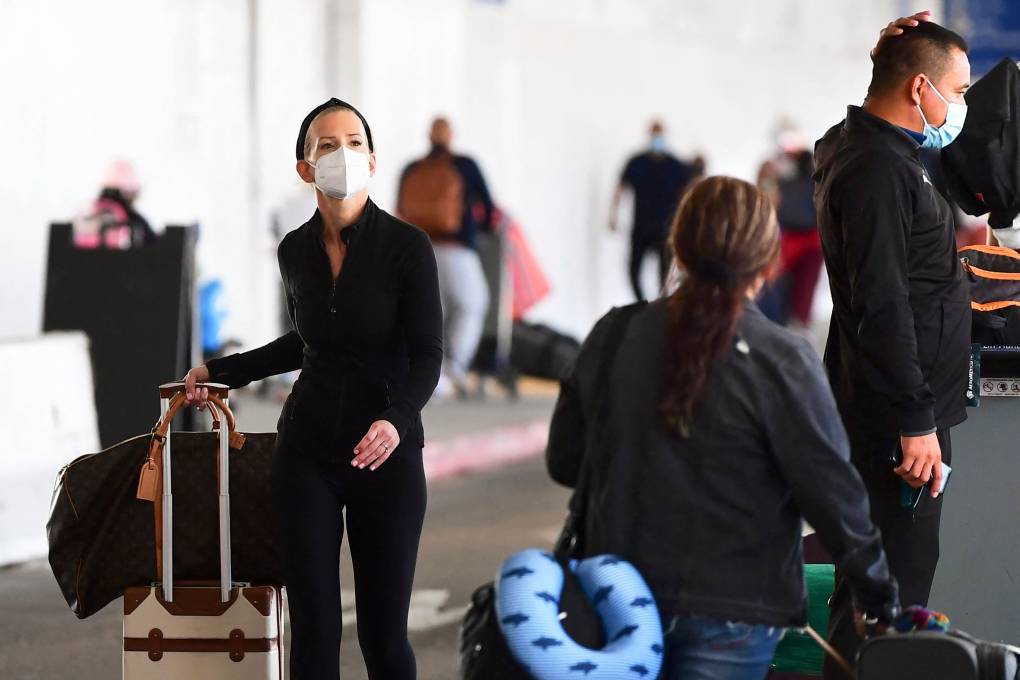
"caption": "Travelers await ground transport on arrival at Los Angeles International Airport (LAX) on May 27, 2021 in Los Angeles. Airports will be one of the spaces in California where the use of face masks will still be required after June 15.",
"description": "Travelers await ground transport on arrival at Los Angeles International Airport (LAX) on May 27, 2021 in Los Angeles. Airports will be one of the spaces in California where the use of facemasks will still be required after June 15.",
"title": "US-TRAVEL-HOLIDAYS-MEMORIAL",
"credit": "Frederic J. Brown/AFP via Getty Images",
"status": "inherit",
"altTag": "A person wearing a facemask walks through an airport.",
"isLoading": false,
"fetchFailed": false
},
"news_11877890": {
"type": "attachments",
"id": "news_11877890",
"meta": {
"index": "attachments_1716263798",
"site": "news",
"id": "11877890",
"found": true
},
"parent": 11877874,
"imgSizes": {
"twentyfourteen-full-width": {
"file": "https://ww2.kqed.org/app/uploads/sites/10/2021/06/grand_061421_final-1038x576.png",
"width": 1038,
"mimeType": "image/png",
"height": 576
},
"thumbnail": {
"file": "https://ww2.kqed.org/app/uploads/sites/10/2021/06/grand_061421_final-160x108.png",
"width": 160,
"mimeType": "image/png",
"height": 108
},
"post-thumbnail": {
"file": "https://ww2.kqed.org/app/uploads/sites/10/2021/06/grand_061421_final-672x372.png",
"width": 672,
"mimeType": "image/png",
"height": 372
},
"kqedFullSize": {
"file": "https://ww2.kqed.org/app/uploads/sites/10/2021/06/grand_061421_final.png",
"width": 1920,
"height": 1301
},
"large": {
"file": "https://ww2.kqed.org/app/uploads/sites/10/2021/06/grand_061421_final-1020x691.png",
"width": 1020,
"mimeType": "image/png",
"height": 691
},
"1536x1536": {
"file": "https://ww2.kqed.org/app/uploads/sites/10/2021/06/grand_061421_final-1536x1041.png",
"width": 1536,
"mimeType": "image/png",
"height": 1041
},
"medium": {
"file": "https://ww2.kqed.org/app/uploads/sites/10/2021/06/grand_061421_final-800x542.png",
"width": 800,
"mimeType": "image/png",
"height": 542
}
},
"publishDate": 1623698008,
"modified": 1623698065,
"caption": null,
"description": null,
"title": "grand_061421_final",
"credit": null,
"status": "inherit",
"altTag": "A Mark Fiore cartoon that show festive, colorful face masks hanging to spell out \"grand reopening\" as people (two who are masked) celebrate below.",
"isLoading": false,
"fetchFailed": false
},
"news_11877415": {
"type": "attachments",
"id": "news_11877415",
"meta": {
"index": "attachments_1716263798",
"site": "news",
"id": "11877415",
"found": true
},
"parent": 11877048,
"imgSizes": {
"twentyfourteen-full-width": {
"file": "https://ww2.kqed.org/app/uploads/sites/10/2021/06/GettyImages-1210618045-1-1038x576.jpg",
"width": 1038,
"mimeType": "image/jpeg",
"height": 576
},
"thumbnail": {
"file": "https://ww2.kqed.org/app/uploads/sites/10/2021/06/GettyImages-1210618045-1-160x107.jpg",
"width": 160,
"mimeType": "image/jpeg",
"height": 107
},
"post-thumbnail": {
"file": "https://ww2.kqed.org/app/uploads/sites/10/2021/06/GettyImages-1210618045-1-672x372.jpg",
"width": 672,
"mimeType": "image/jpeg",
"height": 372
},
"kqedFullSize": {
"file": "https://ww2.kqed.org/app/uploads/sites/10/2021/06/GettyImages-1210618045-1.jpg",
"width": 1920,
"height": 1280
},
"large": {
"file": "https://ww2.kqed.org/app/uploads/sites/10/2021/06/GettyImages-1210618045-1-1020x680.jpg",
"width": 1020,
"mimeType": "image/jpeg",
"height": 680
},
"1536x1536": {
"file": "https://ww2.kqed.org/app/uploads/sites/10/2021/06/GettyImages-1210618045-1-1536x1024.jpg",
"width": 1536,
"mimeType": "image/jpeg",
"height": 1024
},
"medium": {
"file": "https://ww2.kqed.org/app/uploads/sites/10/2021/06/GettyImages-1210618045-1-800x533.jpg",
"width": 800,
"mimeType": "image/jpeg",
"height": 533
}
},
"publishDate": 1623267223,
"modified": 1623274773,
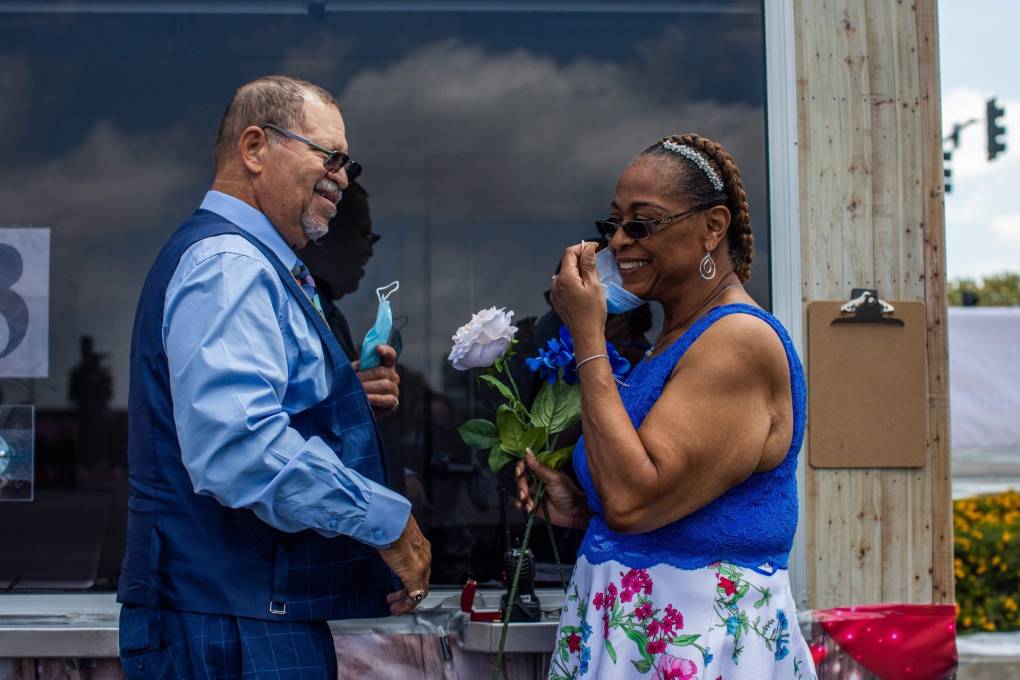
"caption": "Natasha (R) and Michael Davis remove their face masks to kiss after their wedding ceremony officiated by a clerk recorder at the Honda Center parking lot on April 21, 2020 in Anaheim, California. ",
"description": null,
"title": "mask-mandate-california",
"credit": "Apu Gomes/AFP via Getty Images",
"status": "inherit",
"altTag": "Natasha (R) and Michael Davis remove their face masks to kiss after their wedding ceremony.",
"isLoading": false,
"fetchFailed": false
},
"news_11877775": {
"type": "attachments",
"id": "news_11877775",
"meta": {
"index": "attachments_1716263798",
"site": "news",
"id": "11877775",
"found": true
},
"parent": 11877103,
"imgSizes": {
"twentyfourteen-full-width": {
"file": "https://ww2.kqed.org/app/uploads/sites/10/2021/06/RS49780_023_Oakland_MaribelVillanueva_06102021-qut-1038x576.jpg",
"width": 1038,
"mimeType": "image/jpeg",
"height": 576
},
"thumbnail": {
"file": "https://ww2.kqed.org/app/uploads/sites/10/2021/06/RS49780_023_Oakland_MaribelVillanueva_06102021-qut-160x107.jpg",
"width": 160,
"mimeType": "image/jpeg",
"height": 107
},
"post-thumbnail": {
"file": "https://ww2.kqed.org/app/uploads/sites/10/2021/06/RS49780_023_Oakland_MaribelVillanueva_06102021-qut-672x372.jpg",
"width": 672,
"mimeType": "image/jpeg",
"height": 372
},
"kqedFullSize": {
"file": "https://ww2.kqed.org/app/uploads/sites/10/2021/06/RS49780_023_Oakland_MaribelVillanueva_06102021-qut.jpg",
"width": 1920,
"height": 1278
},
"large": {
"file": "https://ww2.kqed.org/app/uploads/sites/10/2021/06/RS49780_023_Oakland_MaribelVillanueva_06102021-qut-1020x679.jpg",
"width": 1020,
"mimeType": "image/jpeg",
"height": 679
},
"1536x1536": {
"file": "https://ww2.kqed.org/app/uploads/sites/10/2021/06/RS49780_023_Oakland_MaribelVillanueva_06102021-qut-1536x1022.jpg",
"width": 1536,
"mimeType": "image/jpeg",
"height": 1022
},
"medium": {
"file": "https://ww2.kqed.org/app/uploads/sites/10/2021/06/RS49780_023_Oakland_MaribelVillanueva_06102021-qut-800x533.jpg",
"width": 800,
"mimeType": "image/jpeg",
"height": 533
}
},
"publishDate": 1623444740,
"modified": 1623456258,
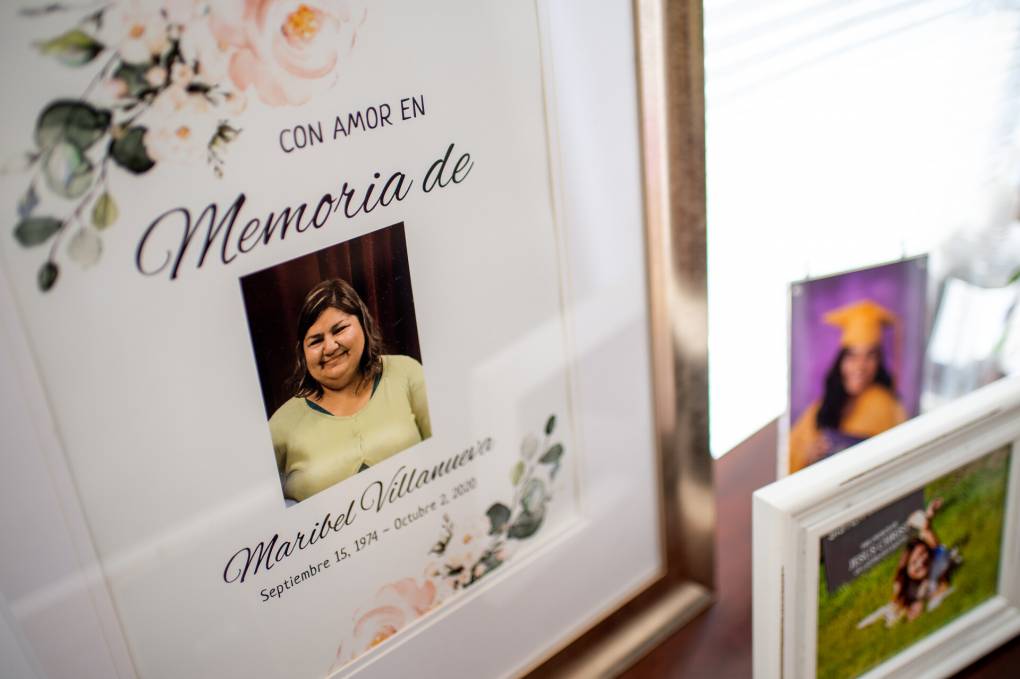
"caption": "A framed memorial for Maribel Villanueva sits among family photos at her sister Susana Villanueva Torres' home in Oakland on June 10, 2021.",
"description": "A framed memorial for Maribel Villanueva sits amongst family photos at her sister Susana Villanueva Torres' home in Oakland on June 10, 2021.",
"title": "RS49780_023_Oakland_MaribelVillanueva_06102021-qut",
"credit": "Beth LaBerge/KQED",
"status": "inherit",
"altTag": null,
"isLoading": false,
"fetchFailed": false
},
"news_11877701": {
"type": "attachments",
"id": "news_11877701",
"meta": {
"index": "attachments_1716263798",
"site": "news",
"id": "11877701",
"found": true
},
"parent": 11877688,
"imgSizes": {
"twentyfourteen-full-width": {
"file": "https://ww2.kqed.org/app/uploads/sites/10/2021/06/employeesmust_061121_final-1038x576.png",
"width": 1038,
"mimeType": "image/png",
"height": 576
},
"thumbnail": {
"file": "https://ww2.kqed.org/app/uploads/sites/10/2021/06/employeesmust_061121_final-160x122.png",
"width": 160,
"mimeType": "image/png",
"height": 122
},
"post-thumbnail": {
"file": "https://ww2.kqed.org/app/uploads/sites/10/2021/06/employeesmust_061121_final-672x372.png",
"width": 672,
"mimeType": "image/png",
"height": 372
},
"kqedFullSize": {
"file": "https://ww2.kqed.org/app/uploads/sites/10/2021/06/employeesmust_061121_final.png",
"width": 1920,
"height": 1464
},
"large": {
"file": "https://ww2.kqed.org/app/uploads/sites/10/2021/06/employeesmust_061121_final-1020x778.png",
"width": 1020,
"mimeType": "image/png",
"height": 778
},
"1536x1536": {
"file": "https://ww2.kqed.org/app/uploads/sites/10/2021/06/employeesmust_061121_final-1536x1171.png",
"width": 1536,
"mimeType": "image/png",
"height": 1171
},
"medium": {
"file": "https://ww2.kqed.org/app/uploads/sites/10/2021/06/employeesmust_061121_final-800x610.png",
"width": 800,
"mimeType": "image/png",
"height": 610
}
},
"publishDate": 1623418184,
"modified": 1623418279,
"caption": null,
"description": null,
"title": "employeesmust_061121_final",
"credit": null,
"status": "inherit",
"altTag": "A Mark Fiore cartoon that looks like a sign, that reads: Notice, by order of Cal/OSHA, all employees must wear a face mask (which is crossed out), can unmask if all are vaccinated (crossed out), await further instructions, hang tight. There is a yellow sticky note next to the last bullet point that says \"wear a mask.\"",
"isLoading": false,
"fetchFailed": false
},
"news_11877348": {
"type": "attachments",
"id": "news_11877348",
"meta": {
"index": "attachments_1716263798",
"site": "news",
"id": "11877348",
"found": true
},
"parent": 11877339,
"imgSizes": {
"twentyfourteen-full-width": {
"file": "https://ww2.kqed.org/app/uploads/sites/10/2021/06/trustscience_060921_final-1038x576.png",
"width": 1038,
"mimeType": "image/png",
"height": 576
},
"thumbnail": {
"file": "https://ww2.kqed.org/app/uploads/sites/10/2021/06/trustscience_060921_final-160x108.png",
"width": 160,
"mimeType": "image/png",
"height": 108
},
"post-thumbnail": {
"file": "https://ww2.kqed.org/app/uploads/sites/10/2021/06/trustscience_060921_final-672x372.png",
"width": 672,
"mimeType": "image/png",
"height": 372
},
"kqedFullSize": {
"file": "https://ww2.kqed.org/app/uploads/sites/10/2021/06/trustscience_060921_final.png",
"width": 1920,
"height": 1293
},
"large": {
"file": "https://ww2.kqed.org/app/uploads/sites/10/2021/06/trustscience_060921_final-1020x687.png",
"width": 1020,
"mimeType": "image/png",
"height": 687
},
"1536x1536": {
"file": "https://ww2.kqed.org/app/uploads/sites/10/2021/06/trustscience_060921_final-1536x1034.png",
"width": 1536,
"mimeType": "image/png",
"height": 1034
},
"medium": {
"file": "https://ww2.kqed.org/app/uploads/sites/10/2021/06/trustscience_060921_final-800x539.png",
"width": 800,
"mimeType": "image/png",
"height": 539
}
},
"publishDate": 1623253234,
"modified": 1623253300,
"caption": null,
"description": null,
"title": "trustscience_060921_final",
"credit": null,
"status": "inherit",
"altTag": "A Mark Fiore cartoon about wearing face masks, with the main character who is holding a face mask saying, \"I take my mask off to show I trust science and am vaccinated... but I keep it handy in case I need to show I'm anti-Trump.\"",
"isLoading": false,
"fetchFailed": false
},
"news_11876884": {
"type": "attachments",
"id": "news_11876884",
"meta": {
"index": "attachments_1716263798",
"site": "news",
"id": "11876884",
"found": true
},
"parent": 11876874,
"imgSizes": {
"twentyfourteen-full-width": {
"file": "https://ww2.kqed.org/app/uploads/sites/10/2021/06/20210601_184012-copy-1038x576.jpg",
"width": 1038,
"mimeType": "image/jpeg",
"height": 576
},
"thumbnail": {
"file": "https://ww2.kqed.org/app/uploads/sites/10/2021/06/20210601_184012-copy-160x120.jpg",
"width": 160,
"mimeType": "image/jpeg",
"height": 120
},
"post-thumbnail": {
"file": "https://ww2.kqed.org/app/uploads/sites/10/2021/06/20210601_184012-copy-672x372.jpg",
"width": 672,
"mimeType": "image/jpeg",
"height": 372
},
"kqedFullSize": {
"file": "https://ww2.kqed.org/app/uploads/sites/10/2021/06/20210601_184012-copy.jpg",
"width": 1920,
"height": 1440
},
"large": {
"file": "https://ww2.kqed.org/app/uploads/sites/10/2021/06/20210601_184012-copy-1020x765.jpg",
"width": 1020,
"mimeType": "image/jpeg",
"height": 765
},
"1536x1536": {
"file": "https://ww2.kqed.org/app/uploads/sites/10/2021/06/20210601_184012-copy-1536x1152.jpg",
"width": 1536,
"mimeType": "image/jpeg",
"height": 1152
},
"medium": {
"file": "https://ww2.kqed.org/app/uploads/sites/10/2021/06/20210601_184012-copy-800x600.jpg",
"width": 800,
"mimeType": "image/jpeg",
"height": 600
}
},
"publishDate": 1622994174,
"modified": 1623088706,
"caption": "Rev. Fr. Rusty Smith pictured (right) with his partner, Scott, participating in the Pink Torch Procession, kicking off Pride Month on June 1, 2021.",
"description": "Reverend Father Rusty Smith pictured (right) with his partner, Scott, participating in the Pink Torch Procession, kicking off Pride Month on June 1, 2021.",
"title": "20210601_184012 copy",
"credit": "Courtesy of Maitri",
"status": "inherit",
"altTag": null,
"isLoading": false,
"fetchFailed": false
},
"news_11864612": {
"type": "attachments",
"id": "news_11864612",
"meta": {
"index": "attachments_1716263798",
"site": "news",
"id": "11864612",
"found": true
},
"parent": 11864577,
"imgSizes": {
"twentyfourteen-full-width": {
"file": "https://ww2.kqed.org/app/uploads/sites/10/2021/03/GettyImages-1306399364-1024x576.jpg",
"width": 1024,
"mimeType": "image/jpeg",
"height": 576
},
"thumbnail": {
"file": "https://ww2.kqed.org/app/uploads/sites/10/2021/03/GettyImages-1306399364-160x118.jpg",
"width": 160,
"mimeType": "image/jpeg",
"height": 118
},
"post-thumbnail": {
"file": "https://ww2.kqed.org/app/uploads/sites/10/2021/03/GettyImages-1306399364-672x372.jpg",
"width": 672,
"mimeType": "image/jpeg",
"height": 372
},
"kqedFullSize": {
"file": "https://ww2.kqed.org/app/uploads/sites/10/2021/03/GettyImages-1306399364.jpg",
"width": 1024,
"height": 758
},
"large": {
"file": "https://ww2.kqed.org/app/uploads/sites/10/2021/03/GettyImages-1306399364-1020x755.jpg",
"width": 1020,
"mimeType": "image/jpeg",
"height": 755
},
"medium": {
"file": "https://ww2.kqed.org/app/uploads/sites/10/2021/03/GettyImages-1306399364-800x592.jpg",
"width": 800,
"mimeType": "image/jpeg",
"height": 592
}
},
"publishDate": 1615597698,
"modified": 1623090334,
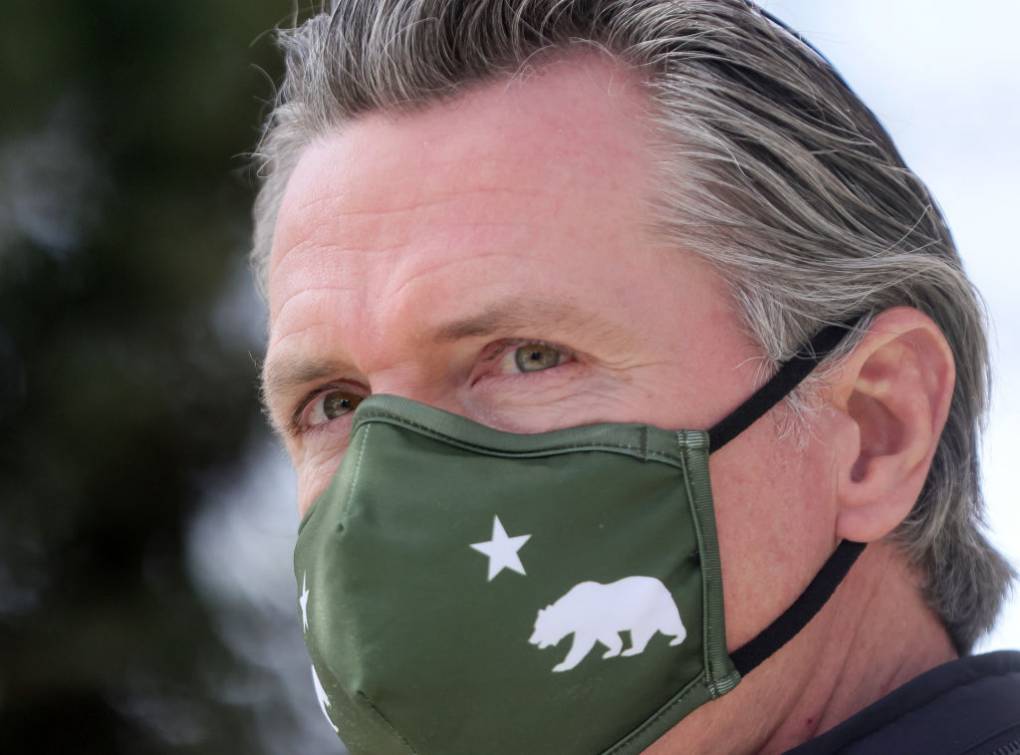
"caption": "Gov. Gavin Newsom on March 10, 2021, while visiting a mobile COVID-19 vaccination center in South Gate, California.",
"description": null,
"title": "California Governor Newsom Delivers Remarks At Southern California Vaccination Site",
"credit": "Mario Tama/Getty Images",
"status": "inherit",
"altTag": null,
"isLoading": false,
"fetchFailed": false
},
"news_11876313": {
"type": "attachments",
"id": "news_11876313",
"meta": {
"index": "attachments_1716263798",
"site": "news",
"id": "11876313",
"found": true
},
"parent": 11876312,
"imgSizes": {
"twentyfourteen-full-width": {
"file": "https://ww2.kqed.org/app/uploads/sites/10/2021/06/IMG_1938-1038x576.jpeg",
"width": 1038,
"mimeType": "image/jpeg",
"height": 576
},
"thumbnail": {
"file": "https://ww2.kqed.org/app/uploads/sites/10/2021/06/IMG_1938-160x107.jpeg",
"width": 160,
"mimeType": "image/jpeg",
"height": 107
},
"post-thumbnail": {
"file": "https://ww2.kqed.org/app/uploads/sites/10/2021/06/IMG_1938-672x372.jpeg",
"width": 672,
"mimeType": "image/jpeg",
"height": 372
},
"kqedFullSize": {
"file": "https://ww2.kqed.org/app/uploads/sites/10/2021/06/IMG_1938.jpeg",
"width": 1620,
"height": 1080
},
"large": {
"file": "https://ww2.kqed.org/app/uploads/sites/10/2021/06/IMG_1938-1020x680.jpeg",
"width": 1020,
"mimeType": "image/jpeg",
"height": 680
},
"1536x1536": {
"file": "https://ww2.kqed.org/app/uploads/sites/10/2021/06/IMG_1938-1536x1024.jpeg",
"width": 1536,
"mimeType": "image/jpeg",
"height": 1024
},
"medium": {
"file": "https://ww2.kqed.org/app/uploads/sites/10/2021/06/IMG_1938-800x533.jpeg",
"width": 800,
"mimeType": "image/jpeg",
"height": 533
}
},
"publishDate": 1622658997,
"modified": 1622659296,
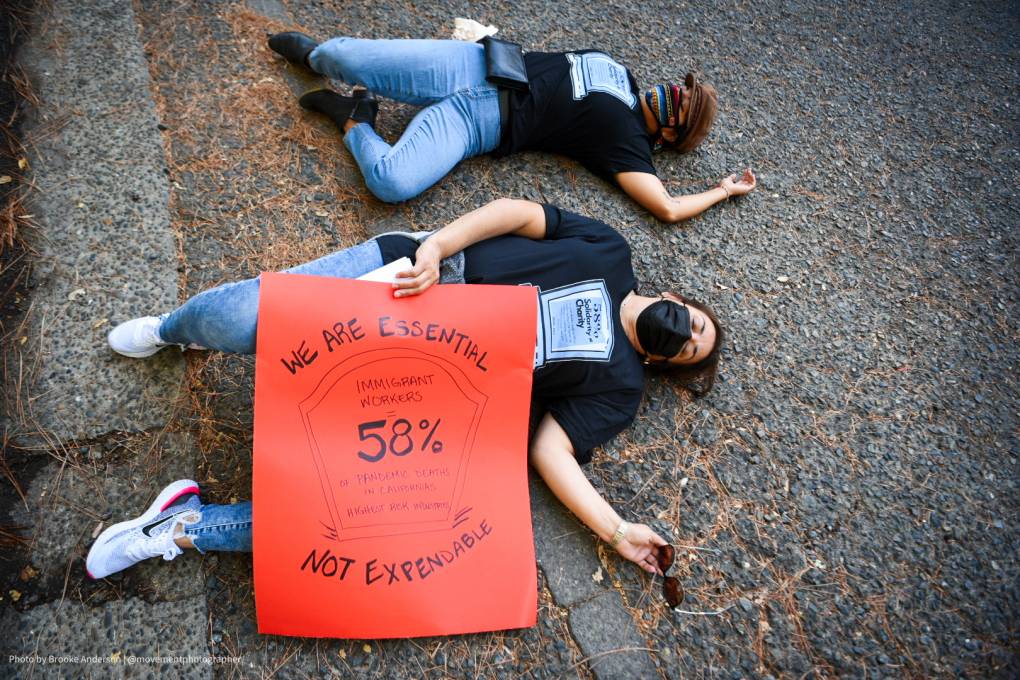
"caption": "Activists from across California staged a 'die-in' at Gov. Gavin Newsom's home to bring attention to what they see as a lack of equitable COVID-19 relief for immigrant workers.",
"description": null,
"title": "IMG_1938",
"credit": "Courtesy of Brooke Anderson (@MovementPhotographer)",
"status": "inherit",
"altTag": null,
"isLoading": false,
"fetchFailed": false
},
"news_11874736": {
"type": "attachments",
"id": "news_11874736",
"meta": {
"index": "attachments_1716263798",
"site": "news",
"id": "11874736",
"found": true
},
"parent": 11874651,
"imgSizes": {
"thumbnail": {
"file": "https://ww2.kqed.org/app/uploads/sites/10/2021/05/M30-1-160x120.jpg",
"width": 160,
"mimeType": "image/jpeg",
"height": 120
},
"post-thumbnail": {
"file": "https://ww2.kqed.org/app/uploads/sites/10/2021/05/M30-1-640x372.jpg",
"width": 640,
"mimeType": "image/jpeg",
"height": 372
},
"kqedFullSize": {
"file": "https://ww2.kqed.org/app/uploads/sites/10/2021/05/M30-1.jpg",
"width": 640,
"height": 480
}
},
"publishDate": 1621625706,
"modified": 1622600170,
"caption": "Fentanyl can be found laced into other drugs in pill form. Santa Clara County officials say that many people who die from fentanyl thought they were taking far less potent drugs.",
"description": "picture of a pill with the letter M on one side and number 30 on the other",
"title": "M30 (1)",
"credit": "Courtesy Santa Clara County",
"status": "inherit",
"altTag": null,
"isLoading": false,
"fetchFailed": false
},
"news_11876185": {
"type": "attachments",
"id": "news_11876185",
"meta": {
"index": "attachments_1716263798",
"site": "news",
"id": "11876185",
"found": true
},
"parent": 11876169,
"imgSizes": {
"twentyfourteen-full-width": {
"file": "https://ww2.kqed.org/app/uploads/sites/10/2021/06/exhibitc_060121_finalA-1038x576.png",
"width": 1038,
"mimeType": "image/png",
"height": 576
},
"thumbnail": {
"file": "https://ww2.kqed.org/app/uploads/sites/10/2021/06/exhibitc_060121_finalA-160x115.png",
"width": 160,
"mimeType": "image/png",
"height": 115
},
"post-thumbnail": {
"file": "https://ww2.kqed.org/app/uploads/sites/10/2021/06/exhibitc_060121_finalA-672x372.png",
"width": 672,
"mimeType": "image/png",
"height": 372
},
"kqedFullSize": {
"file": "https://ww2.kqed.org/app/uploads/sites/10/2021/06/exhibitc_060121_finalA.png",
"width": 1920,
"height": 1375
},
"large": {
"file": "https://ww2.kqed.org/app/uploads/sites/10/2021/06/exhibitc_060121_finalA-1020x730.png",
"width": 1020,
"mimeType": "image/png",
"height": 730
},
"1536x1536": {
"file": "https://ww2.kqed.org/app/uploads/sites/10/2021/06/exhibitc_060121_finalA-1536x1100.png",
"width": 1536,
"mimeType": "image/png",
"height": 1100
},
"medium": {
"file": "https://ww2.kqed.org/app/uploads/sites/10/2021/06/exhibitc_060121_finalA-800x573.png",
"width": 800,
"mimeType": "image/png",
"height": 573
}
},
"publishDate": 1622581084,
"modified": 1622581100,
"caption": null,
"description": null,
"title": "exhibitc_060121_finalA",
"credit": null,
"status": "inherit",
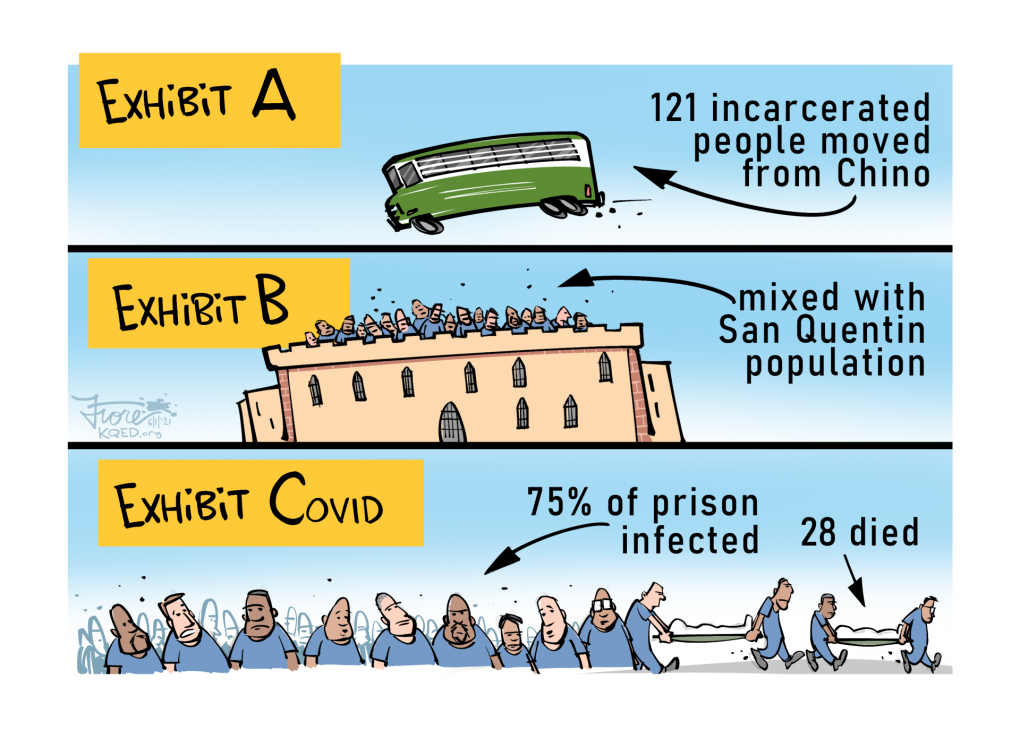
"altTag": "A Mark Fiore cartoon showing \"exhibit A,\" inmates being moved to San Quentin from Chino even though they were infected with COVID-19, then, \"exhibit B,\" inmates mixed with the San Quentin population, then \"exhibit COVID,\" and 75% of prison population infected and 28 deaths.",
"isLoading": false,
"fetchFailed": false
},
"news_11875982": {
"type": "attachments",
"id": "news_11875982",
"meta": {
"index": "attachments_1716263798",
"site": "news",
"id": "11875982",
"found": true
},
"parent": 11875968,
"imgSizes": {
"twentyfourteen-full-width": {
"file": "https://ww2.kqed.org/app/uploads/sites/10/2021/05/20210501_SanQuentin_JulieSmall_3450-1038x576.jpg",
"width": 1038,
"mimeType": "image/jpeg",
"height": 576
},
"thumbnail": {
"file": "https://ww2.kqed.org/app/uploads/sites/10/2021/05/20210501_SanQuentin_JulieSmall_3450-160x120.jpg",
"width": 160,
"mimeType": "image/jpeg",
"height": 120
},
"post-thumbnail": {
"file": "https://ww2.kqed.org/app/uploads/sites/10/2021/05/20210501_SanQuentin_JulieSmall_3450-672x372.jpg",
"width": 672,
"mimeType": "image/jpeg",
"height": 372
},
"kqedFullSize": {
"file": "https://ww2.kqed.org/app/uploads/sites/10/2021/05/20210501_SanQuentin_JulieSmall_3450-scaled.jpg",
"width": 2560,
"height": 1920
},
"2048x2048": {
"file": "https://ww2.kqed.org/app/uploads/sites/10/2021/05/20210501_SanQuentin_JulieSmall_3450-2048x1536.jpg",
"width": 2048,
"mimeType": "image/jpeg",
"height": 1536
},
"large": {
"file": "https://ww2.kqed.org/app/uploads/sites/10/2021/05/20210501_SanQuentin_JulieSmall_3450-1020x765.jpg",
"width": 1020,
"mimeType": "image/jpeg",
"height": 765
},
"1536x1536": {
"file": "https://ww2.kqed.org/app/uploads/sites/10/2021/05/20210501_SanQuentin_JulieSmall_3450-1536x1152.jpg",
"width": 1536,
"mimeType": "image/jpeg",
"height": 1152
},
"full-width": {
"file": "https://ww2.kqed.org/app/uploads/sites/10/2021/05/20210501_SanQuentin_JulieSmall_3450-1920x1440.jpg",
"width": 1920,
"mimeType": "image/jpeg",
"height": 1440
},
"medium": {
"file": "https://ww2.kqed.org/app/uploads/sites/10/2021/05/20210501_SanQuentin_JulieSmall_3450-800x600.jpg",
"width": 800,
"mimeType": "image/jpeg",
"height": 600
}
},
"publishDate": 1622244303,
"modified": 1622244424,
"caption": "San Quentin State Prison, which overlooks the San Francisco Bay, was the site of a massive COVID-19 outbreak which infected about 75% of the incarcerated population and led to 28 deaths.",
"description": "San Quentin State Prison, which overlooks the San Francisco Bay, was the site of a massive COVID-19 outbreak which infected about 75% of the incarcerated population and led to 28 deaths.",
"title": "20210501_SanQuentin_JulieSmall_3450",
"credit": "Julie Small/KQED",
"status": "inherit",
"altTag": "San Quentin seen from the San Francisco bay",
"isLoading": false,
"fetchFailed": false
}
},
"audioPlayerReducer": {
"postId": "stream_live",
"isPaused": true,
"isPlaying": false,
"pfsActive": false,
"pledgeModalIsOpen": true,
"playerDrawerIsOpen": false,
"liveAudioPlayStartedAt": 0,
"liveAudioPlayContext": ""
},
"authorsReducer": {
"byline_news_11877885": {
"type": "authors",
"id": "byline_news_11877885",
"meta": {
"override": true
},
"slug": "byline_news_11877885",
"name": "Fran Kritz",
"isLoading": false
},
"jmcevoy": {
"type": "authors",
"id": "231",
"meta": {
"index": "authors_1716337520",
"id": "231",
"found": true
},
"name": "Julia McEvoy",
"firstName": "Julia",
"lastName": "McEvoy",
"slug": "jmcevoy",
"email": "jmcevoy@KQED.org",
"display_author_email": true,
"staff_mastheads": [
"news"
],
"title": "KQED Senior Editor",
"bio": "Julia McEvoy is KQED's Senior Editor, Education Equity.\r\n\r\nJulia heads KQED’s education coverage examining inequities students face in Bay Area and California schools, and reports on what it will take to educate the next generation.\r\n\r\nJulia's editorial work has received a Peabody Award, a Casey Medal for Coverage of Children and Families, several Edward R. Murrow awards, as well as awards from the Public Radio News Directors Inc. and the Society for Professional Journalists.",
"avatar": "https://secure.gravatar.com/avatar/aec3ce21abe02b302fd33638abd56a22?s=600&d=blank&r=g",
"twitter": "juliamcevoy1",
"facebook": null,
"instagram": null,
"linkedin": null,
"sites": [
{
"site": "news",
"roles": []
},
{
"site": "stateofhealth",
"roles": [
"author"
]
}
],
"headData": {
"title": "Julia McEvoy | KQED",
"description": "KQED Senior Editor",
"ogImgSrc": "https://secure.gravatar.com/avatar/aec3ce21abe02b302fd33638abd56a22?s=600&d=blank&r=g",
"twImgSrc": "https://secure.gravatar.com/avatar/aec3ce21abe02b302fd33638abd56a22?s=600&d=blank&r=g"
},
"isLoading": false,
"link": "/author/jmcevoy"
},
"mlam": {
"type": "authors",
"id": "244",
"meta": {
"index": "authors_1716337520",
"id": "244",
"found": true
},
"name": "Monica Lam",
"firstName": "Monica Z.",
"lastName": "Lam",
"slug": "mlam",
"email": "mlam@kqed.org",
"display_author_email": true,
"staff_mastheads": [
"news"
],
"title": "KQED Senior Producer",
"bio": "Monica is senior producer of the weekly current affairs program, \"KQED Newsroom.\" She's also served as senior editor of digital content at KQED. She likes to report and edit as well as produce video and take photos.\r\n\r\nBefore joining KQED, Monica worked at the Center for Investigative Reporting, where she examined conditions inside \u003cspan style=\"font-weight: 400;\">maximum security \u003c/span>prisons and abuse in state-run institutions for the developmentally disabled. Prior to that, she produced and directed \u003cem>Journey of the Bonesetter's Daughter,\u003c/em> a documentary that follows novelist Amy Tan as she creates an opera based on her family history.\r\n\r\nMonica's work has been honored with a duPont Award, five Emmys, regional and national Murrow Awards, and has been recognized by Investigative Reporters and Editors, the Society of Professional Journalists, Religion Newswriters Association and the San Francisco Peninsula Press Club. Monica studied urban studies at Stanford University and earned a master's in journalism at University of California at Berkeley. Follow her on twitter: @monicazlam",
"avatar": "https://secure.gravatar.com/avatar/018c474b2b71f43e0e6ca9b15a0ad36f?s=600&d=blank&r=g",
"twitter": "@monicazlam",
"facebook": null,
"instagram": null,
"linkedin": null,
"sites": [
{
"site": "arts",
"roles": [
"administrator"
]
},
{
"site": "news",
"roles": [
"editor"
]
},
{
"site": "trulyca",
"roles": [
"editor"
]
},
{
"site": "science",
"roles": [
"editor"
]
},
{
"site": "breakingnews",
"roles": [
"editor"
]
}
],
"headData": {
"title": "Monica Lam | KQED",
"description": "KQED Senior Producer",
"ogImgSrc": "https://secure.gravatar.com/avatar/018c474b2b71f43e0e6ca9b15a0ad36f?s=600&d=blank&r=g",
"twImgSrc": "https://secure.gravatar.com/avatar/018c474b2b71f43e0e6ca9b15a0ad36f?s=600&d=blank&r=g"
},
"isLoading": false,
"link": "/author/mlam"
},
"markfiore": {
"type": "authors",
"id": "3236",
"meta": {
"index": "authors_1716337520",
"id": "3236",
"found": true
},
"name": "Mark Fiore",
"firstName": "Mark",
"lastName": "Fiore",
"slug": "markfiore",
"email": "mark@markfiore.com",
"display_author_email": false,
"staff_mastheads": [
"news"
],
"title": "KQED News Cartoonist",
"bio": "\u003ca href=\"http://www.MarkFiore.com\">MarkFiore.com\u003c/a> | \u003ca href=\"https://twitter.com/markfiore\">Follow on Twitter\u003c/a> | \u003ca href=\"https://www.facebook.com/pages/Mark-Fiore-Animated-Political-Cartoons/94451707396?ref=bookmarks\">Facebook\u003c/a> | \u003ca href=\"mailto:mark@markfiore.com\">email\u003c/a>\r\n\r\nPulitzer Prize-winner, Mark Fiore, who the Wall Street Journal has called “the undisputed guru of the form,” creates animated political cartoons in San Francisco, where his work has been featured regularly on the San Francisco Chronicle’s web site, SFGate.com. His work has appeared on Newsweek.com, Slate.com, CBSNews.com, MotherJones.com, DailyKos.com and NPR’s web site. Fiore’s political animation has appeared on CNN, Frontline, Bill Moyers Journal, Salon.com and cable and broadcast outlets across the globe.\r\n\r\nBeginning his professional life by drawing traditional political cartoons for newspapers, Fiore’s work appeared in publications ranging from the Washington Post to the Los Angeles Times. In the late 1990s, he began to experiment with animating political cartoons and, after a short stint at the San Jose Mercury News as their staff cartoonist, Fiore devoted all his energies to animation.\r\nGrowing up in California, Fiore also spent a good portion of his life in the backwoods of Idaho. It was this combination that shaped him politically. Mark majored in political science at Colorado College, where, in a perfect send-off for a cartoonist, he received his diploma in 1991 as commencement speaker Dick Cheney smiled approvingly.\r\nMark Fiore was awarded the Pulitzer Prize for political cartooning in 2010, a Robert F. Kennedy Journalism Award in 2004 and has twice received an Online Journalism Award for commentary from the Online News Association (2002, 2008). Fiore has received two awards for his work in new media from the National Cartoonists Society (2001, 2002), and in 2006 received The James Madison Freedom of Information Award from The Society of Professional Journalists.",
"avatar": "https://secure.gravatar.com/avatar/fc4e2a612b15b67bad0c6f0e1db4ca9b?s=600&d=blank&r=g",
"twitter": "MarkFiore",
"facebook": null,
"instagram": "https://www.instagram.com/markfiore/?hl=en",
"linkedin": null,
"sites": [
{
"site": "arts",
"roles": [
"contributor"
]
},
{
"site": "news",
"roles": [
"editor"
]
},
{
"site": "futureofyou",
"roles": [
"editor"
]
},
{
"site": "science",
"roles": [
"editor"
]
}
],
"headData": {
"title": "Mark Fiore | KQED",
"description": "KQED News Cartoonist",
"ogImgSrc": "https://secure.gravatar.com/avatar/fc4e2a612b15b67bad0c6f0e1db4ca9b?s=600&d=blank&r=g",
"twImgSrc": "https://secure.gravatar.com/avatar/fc4e2a612b15b67bad0c6f0e1db4ca9b?s=600&d=blank&r=g"
},
"isLoading": false,
"link": "/author/markfiore"
},
"carlysevern": {
"type": "authors",
"id": "3243",
"meta": {
"index": "authors_1716337520",
"id": "3243",
"found": true
},
"name": "Carly Severn",
"firstName": "Carly",
"lastName": "Severn",
"slug": "carlysevern",
"email": "csevern@kqed.org",
"display_author_email": false,
"staff_mastheads": [
"news"
],
"title": "Senior Editor, Audience News ",
"bio": "Carly is KQED's Senior Editor of Audience News on the Digital News team, and has reported for the California Report Magazine, Bay Curious and KQED Arts. She's formerly the host of \u003ca href=\"http://ww2.kqed.org/pop/category/the-cooler/\" rel=\"noopener noreferrer\">The Cooler\u003c/a> podcast.",
"avatar": "https://secure.gravatar.com/avatar/54037bf5c128fe678f0ef26cec97a93f2e7f220a22d7285703328f12c42c1b1d?s=600&d=blank&r=g",
"twitter": "teacupinthebay",
"bluesky": null,
"facebook": null,
"instagram": null,
"linkedin": null,
"sites": [
{
"site": "",
"roles": [
"editor"
]
},
{
"site": "arts",
"roles": [
"editor"
]
},
{
"site": "news",
"roles": [
"administrator"
]
},
{
"site": "pop",
"roles": [
"editor"
]
},
{
"site": "futureofyou",
"roles": [
"editor"
]
},
{
"site": "about",
"roles": [
"administrator"
]
},
{
"site": "mindshift",
"roles": [
"editor"
]
},
{
"site": "bayareabites",
"roles": [
"editor"
]
},
{
"site": "stateofhealth",
"roles": [
"editor"
]
},
{
"site": "science",
"roles": [
"editor"
]
},
{
"site": "food",
"roles": [
"contributor"
]
},
{
"site": "forum",
"roles": [
"editor"
]
},
{
"site": "perspectives",
"roles": [
"administrator"
]
},
{
"site": "liveblog",
"roles": [
"editor"
]
}
],
"headData": {
"title": "Carly Severn | KQED",
"description": "Senior Editor, Audience News ",
"ogImgSrc": "https://secure.gravatar.com/avatar/54037bf5c128fe678f0ef26cec97a93f2e7f220a22d7285703328f12c42c1b1d?s=600&d=blank&r=g",
"twImgSrc": "https://secure.gravatar.com/avatar/54037bf5c128fe678f0ef26cec97a93f2e7f220a22d7285703328f12c42c1b1d?s=600&d=blank&r=g"
},
"isLoading": false,
"link": "/author/carlysevern"
},
"jsmall": {
"type": "authors",
"id": "6625",
"meta": {
"index": "authors_1716337520",
"id": "6625",
"found": true
},
"name": "Julie Small",
"firstName": "Julie",
"lastName": "Small",
"slug": "jsmall",
"email": "jsmall@kqed.org",
"display_author_email": true,
"staff_mastheads": [
"news"
],
"title": "KQED Contributor",
"bio": "Julie Small reports on criminal justice and immigration.\r\n\r\nShe was part of a team at KQED awarded a regional 2019 Edward R. Murrow award for continuing coverage of the Trump Administration's family separation policy.\r\n\r\nThe Society for Professional Journalists recognized Julie's 2018 \u003ca href=\"https://www.kqed.org/news/11636262/the-officer-tased-him-31-times-the-sheriff-called-his-death-an-accident\">reporting\u003c/a> on the San Joaquin County Sheriff's \u003ca href=\"https://www.kqed.org/news/11634689/autopsy-doctors-sheriff-overrode-death-findings-to-protect-law-enforcement\">interference\u003c/a> in death investigations with an Excellence in Journalism Award for Ongoing Coverage.\r\n\r\nJulie's\u003ca href=\"https://www.kqed.org/news/11039666/two-mentally-ill-inmates-died-one-month-in-santa-clara\"> reporting\u003c/a> with Lisa Pickoff-White on the treatment of mentally ill offenders in California jails earned a 2017 regional Edward R. Murrow Award for news reporting and an investigative reporting award from the SPJ of Northern California.\r\n\r\nBefore joining KQED, Julie covered government and politics in Sacramento for Southern California Public Radio (SCPR). Her 2010 \u003ca href=\"https://www.scpr.org/specials/prisonmedical/\">series\u003c/a> on lapses in California’s prison medical care also won a regional Edward R. Murrow Award for investigative reporting and a Golden Mic Award from the RTNDA of Southern California.\r\n\r\nJulie began her career in journalism in 2000 as the deputy foreign editor for public radio's \u003cem>Marketplace, \u003c/em>while earning her master's degree in journalism from USC’s Annenberg School of Communication.",
"avatar": "https://secure.gravatar.com/avatar/4baedf201468df97be97c2a9dd7585d0?s=600&d=blank&r=g",
"twitter": "@SmallRadio2",
"facebook": null,
"instagram": null,
"linkedin": null,
"sites": [
{
"site": "news",
"roles": [
"editor"
]
},
{
"site": "stateofhealth",
"roles": [
"author"
]
},
{
"site": "science",
"roles": [
"author"
]
}
],
"headData": {
"title": "Julie Small | KQED",
"description": "KQED Contributor",
"ogImgSrc": "https://secure.gravatar.com/avatar/4baedf201468df97be97c2a9dd7585d0?s=600&d=blank&r=g",
"twImgSrc": "https://secure.gravatar.com/avatar/4baedf201468df97be97c2a9dd7585d0?s=600&d=blank&r=g"
},
"isLoading": false,
"link": "/author/jsmall"
},
"dkatayama": {
"type": "authors",
"id": "7240",
"meta": {
"index": "authors_1716337520",
"id": "7240",
"found": true
},
"name": "Devin Katayama",
"firstName": "Devin",
"lastName": "Katayama",
"slug": "dkatayama",
"email": "dkatayama@kqed.org",
"display_author_email": true,
"staff_mastheads": [
"news"
],
"title": "Editor of Talent and Development",
"bio": "Devin Katayama is former Editor of Talent and Development for KQED. He supported our internship program and on-call staff by looking for equitable opportunities to improve the newsroom.\r\n\r\nHe previously hosted The Bay and American Suburb podcasts from KQED News. Prior to returning to the Bay Area in 2015, Devin was the education reporter for WFPL in Louisville and worked as a producer with radio stations in Chicago and Portland, OR. His work has appeared on NPR’s \u003cem>Morning Edition, All Things Considered, The Takeaway\u003c/em> and \u003cem>Here and Now.\u003c/em>\r\n\r\nDevin earned his MA in Journalism from Columbia College Chicago, where he was a Follett Fellow and the recipient of the 2011 Studs Terkel Community Media Workshop Scholarship for his story on Chicago's homeless youth. He won WBUR's 2014 Daniel Schorr award and a regional RTNDA Edward R. Murrow Award for his documentary \"At Risk\" that looked at issues facing some of Louisville's students. Devin has also received numerous local awards from the Associated Press and the Society of Professional Journalists.",
"avatar": "https://secure.gravatar.com/avatar/d0d2978a31002fb2de107921a8e18405?s=600&d=blank&r=g",
"twitter": "RadioDevin",
"facebook": null,
"instagram": null,
"linkedin": null,
"sites": [
{
"site": "arts",
"roles": []
},
{
"site": "news",
"roles": [
"author"
]
},
{
"site": "stateofhealth",
"roles": [
"author"
]
},
{
"site": "forum",
"roles": [
"editor"
]
},
{
"site": "perspectives",
"roles": [
"editor"
]
}
],
"headData": {
"title": "Devin Katayama | KQED",
"description": "Editor of Talent and Development",
"ogImgSrc": "https://secure.gravatar.com/avatar/d0d2978a31002fb2de107921a8e18405?s=600&d=blank&r=g",
"twImgSrc": "https://secure.gravatar.com/avatar/d0d2978a31002fb2de107921a8e18405?s=600&d=blank&r=g"
},
"isLoading": false,
"link": "/author/dkatayama"
},
"ecruzguevarra": {
"type": "authors",
"id": "8654",
"meta": {
"index": "authors_1716337520",
"id": "8654",
"found": true
},
"name": "Ericka Cruz Guevarra",
"firstName": "Ericka",
"lastName": "Cruz Guevarra",
"slug": "ecruzguevarra",
"email": "ecruzguevarra@kqed.org",
"display_author_email": true,
"staff_mastheads": [
"news"
],
"title": "Producer, The Bay Podcast",
"bio": "Ericka Cruz Guevarra is host of \u003ca href=\"https://www.kqed.org/podcasts/thebay\">\u003cem>The Bay\u003c/em>\u003c/a> podcast at KQED. Before host, she was the show’s producer. Her work in that capacity includes a three-part reported series on policing in Vallejo, which won a 2020 excellence in journalism award from the Society of Professional Journalists. Ericka has worked as a breaking news reporter at Oregon Public Broadcasting, helped produce the Code Switch podcast, and was KQED’s inaugural Raul Ramirez Diversity Fund intern. She’s also an alumna of NPR’s Next Generation Radio program. Send her an email if you have strong feelings about whether Fairfield and Suisun City are the Bay. Ericka is represented by SAG-AFTRA.",
"avatar": "https://secure.gravatar.com/avatar/accefc1de4bafc7e234b69bcb9b6f6536c130fd84709bc3069ef11a78787e1bb?s=600&d=blank&r=g",
"twitter": "NotoriousECG",
"bluesky": null,
"facebook": null,
"instagram": null,
"linkedin": null,
"sites": [
{
"site": "arts",
"roles": [
"subscriber"
]
},
{
"site": "news",
"roles": [
"editor",
"manage_categories"
]
},
{
"site": "futureofyou",
"roles": [
"subscriber"
]
},
{
"site": "stateofhealth",
"roles": [
"subscriber"
]
},
{
"site": "science",
"roles": [
"editor"
]
},
{
"site": "forum",
"roles": [
"subscriber"
]
}
],
"headData": {
"title": "Ericka Cruz Guevarra | KQED",
"description": "Producer, The Bay Podcast",
"ogImgSrc": "https://secure.gravatar.com/avatar/accefc1de4bafc7e234b69bcb9b6f6536c130fd84709bc3069ef11a78787e1bb?s=600&d=blank&r=g",
"twImgSrc": "https://secure.gravatar.com/avatar/accefc1de4bafc7e234b69bcb9b6f6536c130fd84709bc3069ef11a78787e1bb?s=600&d=blank&r=g"
},
"isLoading": false,
"link": "/author/ecruzguevarra"
},
"korr": {
"type": "authors",
"id": "11200",
"meta": {
"index": "authors_1716337520",
"id": "11200",
"found": true
},
"name": "Katie Orr",
"firstName": "Katie",
"lastName": "Orr",
"slug": "korr",
"email": "korr@kqed.org",
"display_author_email": false,
"staff_mastheads": [],
"title": "KQED Contributor",
"bio": "Katie Orr was a Sacramento-based reporter for KQED's Politics and Government Desk, covering the state Capitol and a variety of issues including women in politics, voting and elections and legislation. Prior to joining KQED in 2016, Katie was state government reporter for Capital Public Radio in Sacramento. She's also worked for KPBS in San Diego, where she covered City Hall.\r\n\r\nKatie received her masters degree in political science from San Diego State University and holds a Bachelors degree in broadcast journalism from Arizona State University.\r\n\r\nIn 2015 Katie won a national Clarion Award for a series of stories she did on women in California politics. She's been honored by the Society for Professional Journalists and, in 2013, was named by \u003cem>The Washington Post\u003c/em> as one of the country's top state Capitol reporters. She's also reported for the award-winning documentary series \u003cem>The View from Here \u003c/em>and was part of the team that won national PRNDI and Gabriel Awards in 2015. She lives in Sacramento with her husband. Twitter: @1KatieOrr",
"avatar": "https://secure.gravatar.com/avatar/41a40b25845adc78f50808670860449e?s=600&d=blank&r=g",
"twitter": "1katieorr",
"facebook": null,
"instagram": null,
"linkedin": null,
"sites": [
{
"site": "news",
"roles": [
"subscriber"
]
},
{
"site": "stateofhealth",
"roles": [
"author"
]
},
{
"site": "forum",
"roles": [
"author"
]
}
],
"headData": {
"title": "Katie Orr | KQED",
"description": "KQED Contributor",
"ogImgSrc": "https://secure.gravatar.com/avatar/41a40b25845adc78f50808670860449e?s=600&d=blank&r=g",
"twImgSrc": "https://secure.gravatar.com/avatar/41a40b25845adc78f50808670860449e?s=600&d=blank&r=g"
},
"isLoading": false,
"link": "/author/korr"
},
"lsarah": {
"type": "authors",
"id": "11626",
"meta": {
"index": "authors_1716337520",
"id": "11626",
"found": true
},
"name": "Lakshmi Sarah",
"firstName": "Lakshmi",
"lastName": "Sarah",
"slug": "lsarah",
"email": "lsarah@kqed.org",
"display_author_email": false,
"staff_mastheads": [],
"title": "Digital Producer",
"bio": "Lakshmi Sarah is an educator, author and journalist with a focus on innovative storytelling. She has worked with newspapers, radio and magazines from Ahmedabad, India to Los Angeles, California. She has written and produced for Die Zeit, Global Voices, AJ+, KQED, Fusion Media Group and the New York Times.",
"avatar": "https://secure.gravatar.com/avatar/652dcaecd8b28826fc17a8b2d6bb4e93?s=600&d=blank&r=g",
"twitter": "lakitalki",
"facebook": null,
"instagram": "https://www.instagram.com/laki.talki/",
"linkedin": "https://www.linkedin.com/in/lakisarah/",
"sites": [
{
"site": "arts",
"roles": []
},
{
"site": "news",
"roles": []
},
{
"site": "bayareabites",
"roles": []
},
{
"site": "science",
"roles": []
}
],
"headData": {
"title": "Lakshmi Sarah | KQED",
"description": "Digital Producer",
"ogImgSrc": "https://secure.gravatar.com/avatar/652dcaecd8b28826fc17a8b2d6bb4e93?s=600&d=blank&r=g",
"twImgSrc": "https://secure.gravatar.com/avatar/652dcaecd8b28826fc17a8b2d6bb4e93?s=600&d=blank&r=g"
},
"isLoading": false,
"link": "/author/lsarah"
},
"jchang": {
"type": "authors",
"id": "11642",
"meta": {
"index": "authors_1716337520",
"id": "11642",
"found": true
},
"name": "Julie Chang",
"firstName": "Julie",
"lastName": "Chang",
"slug": "jchang",
"email": "jchang@kqed.org",
"display_author_email": false,
"staff_mastheads": [
"news"
],
"title": "KQED Contributor",
"bio": "Julie Chang is a reporter and producer (and occasional anchor) with the radio and digital teams at KQED. Before KQED, she worked at WAMU 88.5 in Washington D.C. and 89.3 KPCC in Los Angeles County. Her work has been featured on NPR’s Morning Edition and All Things Considered, Here & Now, the New York Times, and more. Julie graduated from UC Berkeley’s Graduate School of Journalism. She previously taught English at Pasadena City College, Fullerton College and Cal Poly Pomona. Julie earned her M.A. in English from Cal Poly Pomona and her B.A. in English from UCI with a minor in criminology.",
"avatar": "https://secure.gravatar.com/avatar/a7afce94ef127082c5475116b4a3b77d?s=600&d=blank&r=g",
"twitter": "BayAreaJulie",
"facebook": null,
"instagram": null,
"linkedin": "https://www.linkedin.com/in/julieyc/",
"sites": [
{
"site": "",
"roles": [
"editor"
]
},
{
"site": "news",
"roles": [
"author"
]
},
{
"site": "science",
"roles": [
"editor"
]
}
],
"headData": {
"title": "Julie Chang | KQED",
"description": "KQED Contributor",
"ogImgSrc": "https://secure.gravatar.com/avatar/a7afce94ef127082c5475116b4a3b77d?s=600&d=blank&r=g",
"twImgSrc": "https://secure.gravatar.com/avatar/a7afce94ef127082c5475116b4a3b77d?s=600&d=blank&r=g"
},
"isLoading": false,
"link": "/author/jchang"
},
"amontecillo": {
"type": "authors",
"id": "11649",
"meta": {
"index": "authors_1716337520",
"id": "11649",
"found": true
},
"name": "Alan Montecillo",
"firstName": "Alan",
"lastName": "Montecillo",
"slug": "amontecillo",
"email": "amontecillo@kqed.org",
"display_author_email": false,
"staff_mastheads": [
"news"
],
"title": "KQED Contributor",
"bio": "Alan Montecillo is the senior editor of \u003cem>\u003ca href=\"http://kqed.org/thebay\">The Bay\u003c/a>, \u003c/em> KQED's local news podcast. Before moving to the Bay Area, he worked as a senior talk show producer for WILL in Champaign-Urbana, Illinois and at Oregon Public Broadcasting in Portland, Oregon. He has won journalism awards from the Society of Professional Journalists Northern California, the Public Media Journalists Association, The Signal Awards, and has also received a regional Edward R. Murrow award. Alan is a Filipino American from Hong Kong and a graduate of Reed College.",
"avatar": "https://secure.gravatar.com/avatar/268f53a2066899ea9efdd8a5900218b17c822d9862cbc9326cccec53ef41d349?s=600&d=blank&r=g",
"twitter": "alanmontecillo",
"bluesky": null,
"facebook": null,
"instagram": null,
"linkedin": null,
"sites": [
{
"site": "",
"roles": [
"editor"
]
},
{
"site": "news",
"roles": [
"editor",
"manage_categories"
]
}
],
"headData": {
"title": "Alan Montecillo | KQED",
"description": "KQED Contributor",
"ogImgSrc": "https://secure.gravatar.com/avatar/268f53a2066899ea9efdd8a5900218b17c822d9862cbc9326cccec53ef41d349?s=600&d=blank&r=g",
"twImgSrc": "https://secure.gravatar.com/avatar/268f53a2066899ea9efdd8a5900218b17c822d9862cbc9326cccec53ef41d349?s=600&d=blank&r=g"
},
"isLoading": false,
"link": "/author/amontecillo"
},
"ccabreralomeli": {
"type": "authors",
"id": "11708",
"meta": {
"index": "authors_1716337520",
"id": "11708",
"found": true
},
"name": "Carlos Cabrera-Lomelí",
"firstName": "Carlos",
"lastName": "Cabrera-Lomelí",
"slug": "ccabreralomeli",
"email": "ccabreralomeli@KQED.org",
"display_author_email": true,
"staff_mastheads": [
"news"
],
"title": "Community Reporter",
"bio": "Carlos Cabrera-Lomelí is a community reporter with KQED's digital engagement team. He also reports and co-produces for KQED's bilingual news hub KQED en Español. He grew up in San Francisco's Mission District and has previously worked with Univision, 48 Hills and REFORMA in Mexico City.",
"avatar": "https://secure.gravatar.com/avatar/c309be9665e484f887b818c89e273ecc673004f426f36b24d00a4d813a2e0518?s=600&d=blank&r=g",
"twitter": "@LomeliCabrera",
"bluesky": null,
"facebook": null,
"instagram": null,
"linkedin": null,
"sites": [
{
"site": "arts",
"roles": [
"editor"
]
},
{
"site": "news",
"roles": [
"editor"
]
},
{
"site": "about",
"roles": [
"editor"
]
},
{
"site": "science",
"roles": [
"editor"
]
},
{
"site": "perspectives",
"roles": [
"editor"
]
},
{
"site": "elections",
"roles": [
"editor"
]
},
{
"site": "liveblog",
"roles": [
"contributor"
]
}
],
"headData": {
"title": "Carlos Cabrera-Lomelí | KQED",
"description": "Community Reporter",
"ogImgSrc": "https://secure.gravatar.com/avatar/c309be9665e484f887b818c89e273ecc673004f426f36b24d00a4d813a2e0518?s=600&d=blank&r=g",
"twImgSrc": "https://secure.gravatar.com/avatar/c309be9665e484f887b818c89e273ecc673004f426f36b24d00a4d813a2e0518?s=600&d=blank&r=g"
},
"isLoading": false,
"link": "/author/ccabreralomeli"
},
"smartos": {
"type": "authors",
"id": "11741",
"meta": {
"index": "authors_1716337520",
"id": "11741",
"found": true
},
"name": "Shaylyn Martos",
"firstName": "Shaylyn",
"lastName": "Martos",
"slug": "smartos",
"email": "smartos@kqed.org",
"display_author_email": false,
"staff_mastheads": [],
"title": "KQED Contributor",
"bio": null,
"avatar": "https://secure.gravatar.com/avatar/ca566efb61a864c9a7fff48e77d45f31?s=600&d=blank&r=g",
"twitter": "@shaylynmartos",
"facebook": null,
"instagram": null,
"linkedin": null,
"sites": [
{
"site": "news",
"roles": [
"author"
]
}
],
"headData": {
"title": "Shaylyn Martos | KQED",
"description": "KQED Contributor",
"ogImgSrc": "https://secure.gravatar.com/avatar/ca566efb61a864c9a7fff48e77d45f31?s=600&d=blank&r=g",
"twImgSrc": "https://secure.gravatar.com/avatar/ca566efb61a864c9a7fff48e77d45f31?s=600&d=blank&r=g"
},
"isLoading": false,
"link": "/author/smartos"
}
},
"pagesReducer": {
"news_tag_covid-19": {
"type": "terms",
"id": "news_27504",
"meta": {
"index": "terms_1716263798",
"site": "news",
"id": "27504",
"score": 8.558313
},
"featImg": null,
"name": "covid-19",
"description": null,
"taxonomy": "tag",
"headData": {
"twImgId": null,
"twTitle": null,
"ogTitle": null,
"ogImgId": null,
"twDescription": null,
"description": null,
"title": "covid-19 Archives | KQED News",
"ogDescription": null
},
"ttid": 27521,
"slug": "covid-19",
"isLoading": false,
"title": "covid-19",
"pageMeta": {
"site": "news",
"WpPageTemplate": "page-topic-editorial",
"currentPage": 20
},
"blocks": [
{
"blockName": "kqed/post-list",
"attrs": {
"layout": "cardArticle2",
"query": "posts/news?tag=covid-19",
"seeMore": false,
"paginated": true,
"page": 20
}
},
{
"blockName": "kqed/ad"
}
]
}
},
"pfsSessionReducer": {},
"postsReducer": {
"stream_live": {
"type": "live",
"id": "stream_live",
"audioUrl": "https://streams.kqed.org/kqedradio",
"title": "Live Stream",
"excerpt": "Live Stream information currently unavailable.",
"link": "/radio",
"featImg": "",
"label": {
"name": "KQED Live",
"link": "/"
}
},
"stream_kqedNewscast": {
"type": "posts",
"id": "stream_kqedNewscast",
"audioUrl": "https://www.kqed.org/.stream/anon/radio/RDnews/newscast.mp3?_=1",
"title": "KQED Newscast",
"featImg": "",
"label": {
"name": "88.5 FM",
"link": "/"
}
},
"news_11877885": {
"type": "posts",
"id": "news_11877885",
"meta": {
"index": "posts_1716263798",
"site": "news",
"id": "11877885",
"score": null,
"sort": [
1623709811000
]
},
"guestAuthors": [],
"slug": "traveling-internationally-what-to-know-about-flying-abroad-with-covid-19-in-mind-this-summer",
"title": "Traveling Internationally? What to Know About Flying Abroad With COVID-19 in Mind This Summer",
"publishDate": 1623709811,
"format": "standard",
"headTitle": "Traveling Internationally? What to Know About Flying Abroad With COVID-19 in Mind This Summer | KQED",
"labelTerm": {
"site": "news"
},
"content": "\u003cp>This Tuesday, California will scrap its social distancing requirements and allow businesses to operate at full capacity. The mask mandate will also end as well, but there are a few exceptions. If you’re planning to travel soon, keep in mind that COVID-19 health restrictions change depending on how you travel, where and when.\u003c/p>\n\u003cfigure id=\"attachment_11877910\" class=\"wp-caption alignnone\" style=\"max-width: 1024px\">\u003cimg loading=\"lazy\" decoding=\"async\" class=\"size-full wp-image-11877910\" src=\"https://ww2.kqed.org/app/uploads/sites/10/2021/06/233791-full.jpg\" alt=\"Cartoon versions of some of the restrictions one can expect when traveling to either Sierra Leone, Peru, the United States, Egypt, Samoa or Thailand.\" width=\"1024\" height=\"576\" srcset=\"https://cdn.kqed.org/wp-content/uploads/sites/10/2021/06/233791-full.jpg 1024w, https://cdn.kqed.org/wp-content/uploads/sites/10/2021/06/233791-full-800x450.jpg 800w, https://cdn.kqed.org/wp-content/uploads/sites/10/2021/06/233791-full-1020x574.jpg 1020w, https://cdn.kqed.org/wp-content/uploads/sites/10/2021/06/233791-full-160x90.jpg 160w\" sizes=\"(max-width: 1024px) 100vw, 1024px\">\u003cfigcaption class=\"wp-caption-text\">While most health restrictions will soon be lifted in California, it’s important to remember when planning to travel that each country has a distinct approach to controlling the pandemic. \u003ccite>(Malaka Gharib/NPR)\u003c/cite>\u003c/figcaption>\u003c/figure>\n\u003ch3>What do I need to know about international air travel at this stage of pandemic?\u003c/h3>\n\u003cp>First of all, you have plenty of company. International air travel is expected to surge this summer. Americans are thinking of European vacations again. “We’ve had people asking a lot about Europe,” says Chicago-area travel adviser Kendra Thornton of Royal Travel & Tours. “Not necessarily booking but wanting to keep tabs on it.”\u003c/p>\n\u003cp>In addition, residents of the U.S. with family members in other countries are eager for a reunion after pandemic-enforced separations. People may be traveling abroad for work as well.\u003c/p>\n\u003cp>They’ll run into quite a range of travel restrictions and entry requirements.\u003c/p>\n\u003cp>NPR correspondent Jason Beaubien was surprised to see his face on a giant screen in an airport in Sierra Leone, where thermal scanners take the temperature of everyone in the crowd simultaneously. Airport personnel take aside anyone who registers a fever for evaluation.\u003c/p>\n\u003cp>Travelers headed to Peru should pack a face shield. You have to wear it \u003ca href=\"https://pe.usembassy.gov/health-alert-government-of-peru-announces-new-business-hours-and-face-shield-requirements-april-19-2021/\">in crowded spaces such as an airport\u003c/a>.\u003c/p>\n\u003cp>What’s more, the protocols may change as new variants, such as the \u003ca href=\"https://www.npr.org/sections/coronavirus-live-updates/2021/06/08/1004597294/the-highly-contagious-delta-variant-of-covid-is-on-the-rise-in-the-u-s\">highly contagious Delta variant\u003c/a>, spread and take hold in different countries.\u003c/p>\n\u003cp>So if you’re itching to travel abroad or have already booked a trip, you probably have a lot of questions. Here are some guidelines that might help you deal with the new rules of international flight:\u003c/p>\n\u003cp>\u003cstrong>The Centers for Disease Control and Prevention says to get vaccinated before you go.\u003c/strong>\u003c/p>\n\u003cp>Air travelers should be fully vaccinated regardless of the risk level in the country you’re visiting, according to the health agency. There’s still a lot of virus circulating.\u003c/p>\n\u003cp>\u003cstrong>Keep track of the ever-changing guidelines and restrictions for your destination.\u003c/strong>\u003c/p>\n\u003cp>You can check specific travel requirements through the \u003ca href=\"https://travel.state.gov/content/travel/en/traveladvisories/COVID-19-Country-Specific-Information.html\">U.S. State Department website\u003c/a> or your destination’s Office of Foreign Affairs or Ministry of Health.\u003c/p>\n\u003cp>In addition, the CDC provides \u003ca href=\"https://www.cdc.gov/coronavirus/2019-ncov/travelers/map-and-travel-notices.html\">guidance on travel to other countries\u003c/a>, which are ranked from “very high” risk of COVID-19 transmission to “low” (among them China, Iceland and Rwanda).\u003c/p>\n\u003cp>\u003cstrong>Avoid countries in the “very high” category unless it is essential travel.\u003c/strong>\u003c/p>\n\u003cp>There are 60 countries on this list, ranging from Argentina to Yemen.\u003c/p>\n\u003cp>\u003cstrong>Some countries are closed to visitors but make exceptions.\u003c/strong>\u003c/p>\n\u003cp>Belgium, Canada, the United Kingdom and Uruguay are a few examples. But some of these “no visitor” countries may make exceptions for the death or serious illness of a family member. If those are your circumstances, you may be able to visit. But the authorities might not/will not take your word for it. Expect to have to show proof of the reason for the visit, such as a death certificate or a doctor’s note about a family member’s illness. You can inquire about rules in your destination by contacting the American Embassy or Consulate there, or the country’s embassy in the United States.\u003c/p>\n\u003cp>And changes occur almost daily in this matter, so it’s good to keep an eye on the State Department’s or the country’s official website for updates.\u003c/p>\n\u003cfigure id=\"attachment_11877917\" class=\"wp-caption alignnone\" style=\"max-width: 2560px\">\u003cimg loading=\"lazy\" decoding=\"async\" class=\"size-full wp-image-11877917\" src=\"https://ww2.kqed.org/app/uploads/sites/10/2021/06/GettyImages-1232312321-scaled.jpg\" alt=\"Photo of a COVID-19 vaccination card\" width=\"2560\" height=\"1707\" srcset=\"https://cdn.kqed.org/wp-content/uploads/sites/10/2021/06/GettyImages-1232312321-scaled.jpg 2560w, https://cdn.kqed.org/wp-content/uploads/sites/10/2021/06/GettyImages-1232312321-800x533.jpg 800w, https://cdn.kqed.org/wp-content/uploads/sites/10/2021/06/GettyImages-1232312321-1020x680.jpg 1020w, https://cdn.kqed.org/wp-content/uploads/sites/10/2021/06/GettyImages-1232312321-160x107.jpg 160w, https://cdn.kqed.org/wp-content/uploads/sites/10/2021/06/GettyImages-1232312321-1536x1024.jpg 1536w, https://cdn.kqed.org/wp-content/uploads/sites/10/2021/06/GettyImages-1232312321-2048x1365.jpg 2048w, https://cdn.kqed.org/wp-content/uploads/sites/10/2021/06/GettyImages-1232312321-1920x1280.jpg 1920w\" sizes=\"(max-width: 2560px) 100vw, 2560px\">\u003cfigcaption class=\"wp-caption-text\">Some travel advisers suggest to make a copy of your COVID-19 vaccination card or have a photo on your phone as backup when traveling. \u003ccite>(Chandan Khanna/AFP via Getty Images)\u003c/cite>\u003c/figcaption>\u003c/figure>\n\u003cp>\u003cstrong>Bring your vaccination card.\u003c/strong>\u003c/p>\n\u003cp>Some countries want to see your vaccination card, so make sure your official CDC vaccination card is filled out with the date of your dose or doses (if you received a two-dose vaccine). It’s a good idea to make a copy of the card or have a photo on your phone as backup, suggests Thornton, the travel adviser.\u003c/p>\n\u003cp>\u003cstrong>Lost your card?\u003c/strong>\u003c/p>\n\u003cp>Reach out to your vaccination provider or contact your state health department’s immunization information system.\u003c/p>\n\u003cp>You can also present the World Health Organization international certificate of vaccination, also known as a yellow card. You can ask your vaccine provider to add your COVID-19 vaccination info if you already have a card. Or if you need one, you can purchase it through the U.S. Government Bookstore, which tells NPR it has seen a 55% increase in sales in the last six months.\u003c/p>\n\u003cp>Cards are on back order but should be available by the end of June. Or you can purchase one from the WHO, which means waiting at least a week for shipment from Switzerland.\u003c/p>\n\u003cfigure id=\"attachment_11877918\" class=\"wp-caption alignnone\" style=\"max-width: 2560px\">\u003cimg loading=\"lazy\" decoding=\"async\" class=\"size-full wp-image-11877918\" src=\"https://ww2.kqed.org/app/uploads/sites/10/2021/06/GettyImages-1323218766-scaled.jpg\" alt=\"A photo of the WHO international certificate of vaccination.\" width=\"2560\" height=\"1785\" srcset=\"https://cdn.kqed.org/wp-content/uploads/sites/10/2021/06/GettyImages-1323218766-scaled.jpg 2560w, https://cdn.kqed.org/wp-content/uploads/sites/10/2021/06/GettyImages-1323218766-800x558.jpg 800w, https://cdn.kqed.org/wp-content/uploads/sites/10/2021/06/GettyImages-1323218766-1020x711.jpg 1020w, https://cdn.kqed.org/wp-content/uploads/sites/10/2021/06/GettyImages-1323218766-160x112.jpg 160w, https://cdn.kqed.org/wp-content/uploads/sites/10/2021/06/GettyImages-1323218766-1536x1071.jpg 1536w, https://cdn.kqed.org/wp-content/uploads/sites/10/2021/06/GettyImages-1323218766-2048x1428.jpg 2048w, https://cdn.kqed.org/wp-content/uploads/sites/10/2021/06/GettyImages-1323218766-1920x1338.jpg 1920w\" sizes=\"(max-width: 2560px) 100vw, 2560px\">\u003cfigcaption class=\"wp-caption-text\">The WHO international certificate of vaccination, also known as a yellow card, is another way to verify that you received the COVID-19 vaccine. You can ask your vaccine provider to add your COVID-19 vaccination info if you already have a card. \u003ccite>(Sean Gallup/Getty Images)\u003c/cite>\u003c/figcaption>\u003c/figure>\n\u003ch3>What about vaccine apps?\u003c/h3>\n\u003cp>Vaccine apps that show your record could be accepted as well, but there’s no guarantee that border control will accept these as proof, so bringing a paper record is a good idea.\u003c/p>\n\u003cp>Citizens of the European Union will soon have a Digital COVID Certificate system that provides a scannable QR code to verify vaccination status and coronavirus test results. This should smooth travel between member states but won’t help a vaccinated tourist from outside the EU.\u003c/p>\n\u003cp>Airlines are trying to help their customers meet the vaccination and testing requirements of various countries by developing their own apps. The International Air Transport Association has rolled out its own IATA Travel Pass, which many major airlines around the world will use.\u003c/p>\n\u003cp>But officials say calling it a vaccine passport, as many people are, is a bit of a misnomer.\u003c/p>\n\u003cp>“It’s more of a digital credential associated with your vaccination or testing profile,” the IATA’s Nick Careen says. “So the consumer can use that to help them through their passenger journey.”\u003c/p>\n\u003cp>British Airways, Japan Airlines, Qatar Airways and Emirates are among the global airlines running trials of IATA’s travel pass app, which is expected to go live soon.\u003c/p>\n\u003cp>Other airlines, including American, will be using an app called VeriFly.\u003c/p>\n\u003cp>American’s Preston Peterson told NPR that “because the requirements for entry differ by almost every single country and, in some cases, by the region within a country,” the app will give the customer “the peace of mind to know that they comply with those different regulations.”\u003c/p>\n\u003cp>“A customer can submit their documentation, have it verified and then they receive a green check mark, or effectively, an OK to travel status, that we as the airline trust, the customer can trust and then they know they’re ready to go,” Peterson says, adding that the app will update in real time as entry requirements for various destinations change.\u003c/p>\n\u003cfigure id=\"attachment_11877919\" class=\"wp-caption alignnone\" style=\"max-width: 2560px\">\u003cimg loading=\"lazy\" decoding=\"async\" class=\"size-full wp-image-11877919\" src=\"https://ww2.kqed.org/app/uploads/sites/10/2021/06/GettyImages-1230974343-scaled.jpg\" alt=\"A coronavirus testing sign at Los Angeles International Airport (LAX) on February 4, 2021 in Los Angeles.\" width=\"2560\" height=\"1707\" srcset=\"https://cdn.kqed.org/wp-content/uploads/sites/10/2021/06/GettyImages-1230974343-scaled.jpg 2560w, https://cdn.kqed.org/wp-content/uploads/sites/10/2021/06/GettyImages-1230974343-800x533.jpg 800w, https://cdn.kqed.org/wp-content/uploads/sites/10/2021/06/GettyImages-1230974343-1020x680.jpg 1020w, https://cdn.kqed.org/wp-content/uploads/sites/10/2021/06/GettyImages-1230974343-160x107.jpg 160w, https://cdn.kqed.org/wp-content/uploads/sites/10/2021/06/GettyImages-1230974343-1536x1024.jpg 1536w, https://cdn.kqed.org/wp-content/uploads/sites/10/2021/06/GettyImages-1230974343-2048x1365.jpg 2048w, https://cdn.kqed.org/wp-content/uploads/sites/10/2021/06/GettyImages-1230974343-1920x1280.jpg 1920w\" sizes=\"(max-width: 2560px) 100vw, 2560px\">\u003cfigcaption class=\"wp-caption-text\">A coronavirus testing sign at Los Angeles International Airport (LAX) on Feb. 4, 2021 in Los Angeles. \u003ccite>(Patrick Fallon/AFP via Getty Images)\u003c/cite>\u003c/figcaption>\u003c/figure>\n\u003ch3>But even proof of vaccination may not be sufficient to ease your entry.\u003c/h3>\n\u003cp>Some countries don’t care if you have a vaccine card, as they can be easily faked or forged, or a digital vaccine pass on an app. They’ll still insist on a PCR test to determine if you’re infected several days before flying into and out of their airports. Most countries are asking airline personnel to verify the test. A positive result means the trip is off. That’s the case in Egypt, some European countries and Israel. And you can’t leave Ben Gurion Airport in Tel Aviv, Israel, after arrival in the country without taking a coronavirus test; airport personnel usher everyone to the clinic tent right after baggage claim.\u003c/p>\n\u003cp>Even if you’re vaccinated and tested negative for the coronavirus, you may have to quarantine. Samoa, for example, requires a minimum 21-day quarantine for all incoming passengers.\u003c/p>\n\u003cp>[aside postID=\"news_11874128\" hero=\"https://ww2.kqed.org/app/uploads/sites/10/2021/05/RS49056_GettyImages-1218880487-qut-1020x680.jpg\"]Keep up on testing requirements before your departure. They definitely change. Because of the high rate of cases, Namibia on June 1 changed its visitor entry rules from a simple self-test for the coronavirus to a typically more expensive laboratory test conducted before leaving your home country and not older than seven days before your arrival.\u003c/p>\n\u003cp>The State Department site dates its updates so you can see when a change was made, and it also provides links to specific country guidelines provided by U.S. consulates and embassies.\u003c/p>\n\u003cp>Check the latest requirements three days before your flight just to make sure. In the Bay Area, all three major airports offer COVID-19 testing on-site. Oakland International Airport is the only one that \u003ca href=\"https://www.oaklandairport.com/oakland-airport-offering-free-rapid-result-covid-19-airport-testing-program/\">provides free testing\u003c/a>, conducted by CityHealth. And airport testing sites might have limited hours, so check before you head to the airport.\u003c/p>\n\u003cp>\u003cstrong>Get alerted.\u003c/strong>\u003c/p>\n\u003cp>It’s a good idea to sign up for notices on international travel from the State Department, says Zane Kerby, president of the American Society of Travel Advisors. In Portugal, for example, increased cases of the COVID-19 variant known as Delta, identified as likely more transmissible and causing more severe disease, has put the country at a higher risk level.\u003c/p>\n\u003cp>Bring proof of health insurance. Even if you’re a veteran traveler who knows that your insurance carrier covers you overseas, be sure to check on COVID-19 coverage before you leave. Some countries, such as Argentina, require that you have a notice from your health insurer that specifically mentions COVID-19 coverage as proof that you are covered for the virus. Cambodia requires all foreigners to purchase insurance from the government on arrival: $90 for 20 days of coverage. Also check to see if your policy covers medical evacuation insurance, or consider buying a separate policy if not. Travel specialists say it’s a wise investment during a pandemic.\u003c/p>\n\u003cp>The CDC offers great background information on health insurance and foreign travel on its site. If you buy a supplemental plan, the State Department site recommends looking for one that will pay for care directly rather than reimburse you so out-of-pocket expenses are limited.\u003c/p>\n\u003cfigure id=\"attachment_11877921\" class=\"wp-caption alignnone\" style=\"max-width: 2560px\">\u003cimg loading=\"lazy\" decoding=\"async\" class=\"size-full wp-image-11877921\" src=\"https://ww2.kqed.org/app/uploads/sites/10/2021/06/GettyImages-1229672390-1-scaled.jpg\" alt=\"A traveler receives an in-airport Covid-19 nasal swab test a day before his flight to Hawaii at Los Angeles International Airport (LAX) in Los Angeles on Nov. 18, 2020.\" width=\"2560\" height=\"1707\" srcset=\"https://cdn.kqed.org/wp-content/uploads/sites/10/2021/06/GettyImages-1229672390-1-scaled.jpg 2560w, https://cdn.kqed.org/wp-content/uploads/sites/10/2021/06/GettyImages-1229672390-1-800x533.jpg 800w, https://cdn.kqed.org/wp-content/uploads/sites/10/2021/06/GettyImages-1229672390-1-1020x680.jpg 1020w, https://cdn.kqed.org/wp-content/uploads/sites/10/2021/06/GettyImages-1229672390-1-160x107.jpg 160w, https://cdn.kqed.org/wp-content/uploads/sites/10/2021/06/GettyImages-1229672390-1-1536x1024.jpg 1536w, https://cdn.kqed.org/wp-content/uploads/sites/10/2021/06/GettyImages-1229672390-1-2048x1365.jpg 2048w, https://cdn.kqed.org/wp-content/uploads/sites/10/2021/06/GettyImages-1229672390-1-1920x1280.jpg 1920w\" sizes=\"(max-width: 2560px) 100vw, 2560px\">\u003cfigcaption class=\"wp-caption-text\">A traveler receives an in-airport COVID-19 nasal swab test a day before his flight to Hawaii at Los Angeles International Airport (LAX) in Los Angeles on Nov. 18, 2020. \u003ccite>(Patrick Fallon/AFP via Getty Images)\u003c/cite>\u003c/figcaption>\u003c/figure>\n\u003ch3>Brush up on testing requirements.\u003c/h3>\n\u003cp>All air passengers coming to the United States — residents who have traveled abroad and visitors as well — are required to have a negative coronavirus viral test no more than three days before travel or documentation of recovery from COVID-19 in the past three months before they will be allowed to board a flight to the United States.\u003c/p>\n\u003cp>That test can be either a so-called molecular test done at a laboratory that can detect specific genetic material from the virus and is the most precise test, or an antigen test — which can be done as a self-test — which detects proteins on the surface of the virus if you were infected.\u003c/p>\n\u003cp>[aside label ='Related Coverage' tag='coronavirus']Embassy and consular notes on the State Department’s travel website offer detailed information on locations for a molecular test in each country if available. In some countries, the test is free. Or it could cost up to $200. Check the State Department travel site, which offers frequently updated, detailed testing requirements and resources for many countries.\u003c/p>\n\u003cp>Self-tests are a limited option. Right now, only two airlines are making self-tests easily available: United and American – and you need to be able to perform the self-test while conducting a telehealth visit with a designated clinic. For more information, contact United or American if you will be returning home on either carrier, or eMed.com, a telehealth company handling the testing to see if you qualify for the self-test, even if you’re on another carrier.\u003c/p>\n\u003cp>If you’re not vaccinated, though, you may want to choose a lab test rather than the self-test for reentry, “especially if you’re returning from a country experiencing high rates of COVID-19,” says Matthew Binnicker, vice chair of practice in the Department of Laboratory Medicine and Pathology at the Mayo Clinic. That’s because the lab test can be more accurate than the self-test, according to guidelines published by the Infectious Diseases Society of America.\u003c/p>\n\u003cp>Don’t forget your mask. While some jurisdictions around the world are beginning to loosen COVID-19 restrictions, the Transportation Security Administration in late April extended its mask requirement to Sept. 13 (and could extend it further) for U.S. airports and on board U.S. airlines. Many foreign carriers have the same rule.\u003c/p>\n\u003chr>\n\u003cp>\u003cem>\u003ca href=\"https://twitter.com/fkritz\">Fran Kritz\u003c/a> is a health policy reporter based in Washington, D.C., who has contributed to The Washington Post and Kaiser Health News.\u003c/em>\u003c/p>\n\u003cp>Each week, NPR answers frequently asked questions about life during the coronavirus crisis. If you have a question you’d like NPR to consider for a future post, email goatsandsoda@npr.org with the subject line: “Weekly Coronavirus Questions.” See an archive of \u003ca href=\"https://www.npr.org/tags/926361810/coronavirus-faqs\">past FAQs here\u003c/a>.\u003cbr>\n[ad fullwidth]\u003c/p>\n\u003cp>[ad floatright]\u003c/p>\n",
"blocks": [],
"excerpt": "Traveling abroad during the pandemic changes depending on the country you travel to. If you are traveling from California, keep in mind that you still have to follow some health restrictions even after June 15.",
"status": "publish",
"parent": 0,
"modified": 1721156368,
"stats": {
"hasAudio": false,
"hasVideo": false,
"hasChartOrMap": false,
"iframeSrcs": [],
"hasGoogleForm": false,
"hasGallery": false,
"hasHearkenModule": false,
"hasPolis": false,
"paragraphCount": 51,
"wordCount": 2330
},
"headData": {
"title": "Traveling Internationally? What to Know About Flying Abroad With COVID-19 in Mind This Summer | KQED",
"description": "Traveling abroad during the pandemic changes depending on the country you travel to. If you are traveling from California, keep in mind that you still have to follow some health restrictions even after June 15.",
"ogTitle": "",
"ogDescription": "",
"ogImgId": "",
"twTitle": "",
"twDescription": "",
"twImgId": "",
"schema": {
"@context": "https://schema.org",
"@type": "NewsArticle",
"headline": "Traveling Internationally? What to Know About Flying Abroad With COVID-19 in Mind This Summer",
"datePublished": "2021-06-14T15:30:11-07:00",
"dateModified": "2024-07-16T11:59:28-07:00",
"image": "https://cdn.kqed.org/wp-content/uploads/2020/02/KQED-OG-Image@1x.png",
"isAccessibleForFree": "True",
"publisher": {
"@type": "NewsMediaOrganization",
"@id": "https://www.kqed.org/#organization",
"name": "KQED",
"logo": "https://cdn.kqed.org/wp-content/uploads/2020/02/KQED-OG-Image@1x.png",
"url": "https://www.kqed.org",
"sameAs": [
"https://www.facebook.com/KQED",
"https://twitter.com/KQED",
"https://www.instagram.com/kqed/",
"https://www.tiktok.com/@kqedofficial",
"https://www.linkedin.com/company/kqed",
"https://www.youtube.com/channel/UCeC0IOo7i1P_61zVUWbJ4nw"
]
}
}
},
"sticky": false,
"nprByline": "Fran Kritz",
"path": "/news/11877885/traveling-internationally-what-to-know-about-flying-abroad-with-covid-19-in-mind-this-summer",
"audioTrackLength": null,
"parsedContent": [
{
"type": "contentString",
"content": "\u003cdiv class=\"post-body\">\u003cp>\u003cp>This Tuesday, California will scrap its social distancing requirements and allow businesses to operate at full capacity. The mask mandate will also end as well, but there are a few exceptions. If you’re planning to travel soon, keep in mind that COVID-19 health restrictions change depending on how you travel, where and when.\u003c/p>\n\u003cfigure id=\"attachment_11877910\" class=\"wp-caption alignnone\" style=\"max-width: 1024px\">\u003cimg loading=\"lazy\" decoding=\"async\" class=\"size-full wp-image-11877910\" src=\"https://ww2.kqed.org/app/uploads/sites/10/2021/06/233791-full.jpg\" alt=\"Cartoon versions of some of the restrictions one can expect when traveling to either Sierra Leone, Peru, the United States, Egypt, Samoa or Thailand.\" width=\"1024\" height=\"576\" srcset=\"https://cdn.kqed.org/wp-content/uploads/sites/10/2021/06/233791-full.jpg 1024w, https://cdn.kqed.org/wp-content/uploads/sites/10/2021/06/233791-full-800x450.jpg 800w, https://cdn.kqed.org/wp-content/uploads/sites/10/2021/06/233791-full-1020x574.jpg 1020w, https://cdn.kqed.org/wp-content/uploads/sites/10/2021/06/233791-full-160x90.jpg 160w\" sizes=\"(max-width: 1024px) 100vw, 1024px\">\u003cfigcaption class=\"wp-caption-text\">While most health restrictions will soon be lifted in California, it’s important to remember when planning to travel that each country has a distinct approach to controlling the pandemic. \u003ccite>(Malaka Gharib/NPR)\u003c/cite>\u003c/figcaption>\u003c/figure>\n\u003ch3>What do I need to know about international air travel at this stage of pandemic?\u003c/h3>\n\u003cp>First of all, you have plenty of company. International air travel is expected to surge this summer. Americans are thinking of European vacations again. “We’ve had people asking a lot about Europe,” says Chicago-area travel adviser Kendra Thornton of Royal Travel & Tours. “Not necessarily booking but wanting to keep tabs on it.”\u003c/p>\n\u003cp>In addition, residents of the U.S. with family members in other countries are eager for a reunion after pandemic-enforced separations. People may be traveling abroad for work as well.\u003c/p>\n\u003cp>They’ll run into quite a range of travel restrictions and entry requirements.\u003c/p>\n\u003cp>NPR correspondent Jason Beaubien was surprised to see his face on a giant screen in an airport in Sierra Leone, where thermal scanners take the temperature of everyone in the crowd simultaneously. Airport personnel take aside anyone who registers a fever for evaluation.\u003c/p>\n\u003cp>Travelers headed to Peru should pack a face shield. You have to wear it \u003ca href=\"https://pe.usembassy.gov/health-alert-government-of-peru-announces-new-business-hours-and-face-shield-requirements-april-19-2021/\">in crowded spaces such as an airport\u003c/a>.\u003c/p>\n\u003cp>What’s more, the protocols may change as new variants, such as the \u003ca href=\"https://www.npr.org/sections/coronavirus-live-updates/2021/06/08/1004597294/the-highly-contagious-delta-variant-of-covid-is-on-the-rise-in-the-u-s\">highly contagious Delta variant\u003c/a>, spread and take hold in different countries.\u003c/p>\n\u003cp>So if you’re itching to travel abroad or have already booked a trip, you probably have a lot of questions. Here are some guidelines that might help you deal with the new rules of international flight:\u003c/p>\n\u003cp>\u003cstrong>The Centers for Disease Control and Prevention says to get vaccinated before you go.\u003c/strong>\u003c/p>\n\u003cp>Air travelers should be fully vaccinated regardless of the risk level in the country you’re visiting, according to the health agency. There’s still a lot of virus circulating.\u003c/p>\n\u003cp>\u003cstrong>Keep track of the ever-changing guidelines and restrictions for your destination.\u003c/strong>\u003c/p>\n\u003cp>You can check specific travel requirements through the \u003ca href=\"https://travel.state.gov/content/travel/en/traveladvisories/COVID-19-Country-Specific-Information.html\">U.S. State Department website\u003c/a> or your destination’s Office of Foreign Affairs or Ministry of Health.\u003c/p>\n\u003cp>In addition, the CDC provides \u003ca href=\"https://www.cdc.gov/coronavirus/2019-ncov/travelers/map-and-travel-notices.html\">guidance on travel to other countries\u003c/a>, which are ranked from “very high” risk of COVID-19 transmission to “low” (among them China, Iceland and Rwanda).\u003c/p>\n\u003cp>\u003cstrong>Avoid countries in the “very high” category unless it is essential travel.\u003c/strong>\u003c/p>\n\u003cp>There are 60 countries on this list, ranging from Argentina to Yemen.\u003c/p>\n\u003cp>\u003cstrong>Some countries are closed to visitors but make exceptions.\u003c/strong>\u003c/p>\n\u003cp>Belgium, Canada, the United Kingdom and Uruguay are a few examples. But some of these “no visitor” countries may make exceptions for the death or serious illness of a family member. If those are your circumstances, you may be able to visit. But the authorities might not/will not take your word for it. Expect to have to show proof of the reason for the visit, such as a death certificate or a doctor’s note about a family member’s illness. You can inquire about rules in your destination by contacting the American Embassy or Consulate there, or the country’s embassy in the United States.\u003c/p>\n\u003cp>And changes occur almost daily in this matter, so it’s good to keep an eye on the State Department’s or the country’s official website for updates.\u003c/p>\n\u003cfigure id=\"attachment_11877917\" class=\"wp-caption alignnone\" style=\"max-width: 2560px\">\u003cimg loading=\"lazy\" decoding=\"async\" class=\"size-full wp-image-11877917\" src=\"https://ww2.kqed.org/app/uploads/sites/10/2021/06/GettyImages-1232312321-scaled.jpg\" alt=\"Photo of a COVID-19 vaccination card\" width=\"2560\" height=\"1707\" srcset=\"https://cdn.kqed.org/wp-content/uploads/sites/10/2021/06/GettyImages-1232312321-scaled.jpg 2560w, https://cdn.kqed.org/wp-content/uploads/sites/10/2021/06/GettyImages-1232312321-800x533.jpg 800w, https://cdn.kqed.org/wp-content/uploads/sites/10/2021/06/GettyImages-1232312321-1020x680.jpg 1020w, https://cdn.kqed.org/wp-content/uploads/sites/10/2021/06/GettyImages-1232312321-160x107.jpg 160w, https://cdn.kqed.org/wp-content/uploads/sites/10/2021/06/GettyImages-1232312321-1536x1024.jpg 1536w, https://cdn.kqed.org/wp-content/uploads/sites/10/2021/06/GettyImages-1232312321-2048x1365.jpg 2048w, https://cdn.kqed.org/wp-content/uploads/sites/10/2021/06/GettyImages-1232312321-1920x1280.jpg 1920w\" sizes=\"(max-width: 2560px) 100vw, 2560px\">\u003cfigcaption class=\"wp-caption-text\">Some travel advisers suggest to make a copy of your COVID-19 vaccination card or have a photo on your phone as backup when traveling. \u003ccite>(Chandan Khanna/AFP via Getty Images)\u003c/cite>\u003c/figcaption>\u003c/figure>\n\u003cp>\u003cstrong>Bring your vaccination card.\u003c/strong>\u003c/p>\n\u003cp>Some countries want to see your vaccination card, so make sure your official CDC vaccination card is filled out with the date of your dose or doses (if you received a two-dose vaccine). It’s a good idea to make a copy of the card or have a photo on your phone as backup, suggests Thornton, the travel adviser.\u003c/p>\n\u003cp>\u003cstrong>Lost your card?\u003c/strong>\u003c/p>\n\u003cp>Reach out to your vaccination provider or contact your state health department’s immunization information system.\u003c/p>\n\u003cp>You can also present the World Health Organization international certificate of vaccination, also known as a yellow card. You can ask your vaccine provider to add your COVID-19 vaccination info if you already have a card. Or if you need one, you can purchase it through the U.S. Government Bookstore, which tells NPR it has seen a 55% increase in sales in the last six months.\u003c/p>\n\u003cp>Cards are on back order but should be available by the end of June. Or you can purchase one from the WHO, which means waiting at least a week for shipment from Switzerland.\u003c/p>\n\u003cfigure id=\"attachment_11877918\" class=\"wp-caption alignnone\" style=\"max-width: 2560px\">\u003cimg loading=\"lazy\" decoding=\"async\" class=\"size-full wp-image-11877918\" src=\"https://ww2.kqed.org/app/uploads/sites/10/2021/06/GettyImages-1323218766-scaled.jpg\" alt=\"A photo of the WHO international certificate of vaccination.\" width=\"2560\" height=\"1785\" srcset=\"https://cdn.kqed.org/wp-content/uploads/sites/10/2021/06/GettyImages-1323218766-scaled.jpg 2560w, https://cdn.kqed.org/wp-content/uploads/sites/10/2021/06/GettyImages-1323218766-800x558.jpg 800w, https://cdn.kqed.org/wp-content/uploads/sites/10/2021/06/GettyImages-1323218766-1020x711.jpg 1020w, https://cdn.kqed.org/wp-content/uploads/sites/10/2021/06/GettyImages-1323218766-160x112.jpg 160w, https://cdn.kqed.org/wp-content/uploads/sites/10/2021/06/GettyImages-1323218766-1536x1071.jpg 1536w, https://cdn.kqed.org/wp-content/uploads/sites/10/2021/06/GettyImages-1323218766-2048x1428.jpg 2048w, https://cdn.kqed.org/wp-content/uploads/sites/10/2021/06/GettyImages-1323218766-1920x1338.jpg 1920w\" sizes=\"(max-width: 2560px) 100vw, 2560px\">\u003cfigcaption class=\"wp-caption-text\">The WHO international certificate of vaccination, also known as a yellow card, is another way to verify that you received the COVID-19 vaccine. You can ask your vaccine provider to add your COVID-19 vaccination info if you already have a card. \u003ccite>(Sean Gallup/Getty Images)\u003c/cite>\u003c/figcaption>\u003c/figure>\n\u003ch3>What about vaccine apps?\u003c/h3>\n\u003cp>Vaccine apps that show your record could be accepted as well, but there’s no guarantee that border control will accept these as proof, so bringing a paper record is a good idea.\u003c/p>\n\u003cp>Citizens of the European Union will soon have a Digital COVID Certificate system that provides a scannable QR code to verify vaccination status and coronavirus test results. This should smooth travel between member states but won’t help a vaccinated tourist from outside the EU.\u003c/p>\n\u003cp>Airlines are trying to help their customers meet the vaccination and testing requirements of various countries by developing their own apps. The International Air Transport Association has rolled out its own IATA Travel Pass, which many major airlines around the world will use.\u003c/p>\n\u003cp>But officials say calling it a vaccine passport, as many people are, is a bit of a misnomer.\u003c/p>\n\u003cp>“It’s more of a digital credential associated with your vaccination or testing profile,” the IATA’s Nick Careen says. “So the consumer can use that to help them through their passenger journey.”\u003c/p>\n\u003cp>British Airways, Japan Airlines, Qatar Airways and Emirates are among the global airlines running trials of IATA’s travel pass app, which is expected to go live soon.\u003c/p>\n\u003cp>Other airlines, including American, will be using an app called VeriFly.\u003c/p>\n\u003cp>American’s Preston Peterson told NPR that “because the requirements for entry differ by almost every single country and, in some cases, by the region within a country,” the app will give the customer “the peace of mind to know that they comply with those different regulations.”\u003c/p>\n\u003cp>“A customer can submit their documentation, have it verified and then they receive a green check mark, or effectively, an OK to travel status, that we as the airline trust, the customer can trust and then they know they’re ready to go,” Peterson says, adding that the app will update in real time as entry requirements for various destinations change.\u003c/p>\n\u003cfigure id=\"attachment_11877919\" class=\"wp-caption alignnone\" style=\"max-width: 2560px\">\u003cimg loading=\"lazy\" decoding=\"async\" class=\"size-full wp-image-11877919\" src=\"https://ww2.kqed.org/app/uploads/sites/10/2021/06/GettyImages-1230974343-scaled.jpg\" alt=\"A coronavirus testing sign at Los Angeles International Airport (LAX) on February 4, 2021 in Los Angeles.\" width=\"2560\" height=\"1707\" srcset=\"https://cdn.kqed.org/wp-content/uploads/sites/10/2021/06/GettyImages-1230974343-scaled.jpg 2560w, https://cdn.kqed.org/wp-content/uploads/sites/10/2021/06/GettyImages-1230974343-800x533.jpg 800w, https://cdn.kqed.org/wp-content/uploads/sites/10/2021/06/GettyImages-1230974343-1020x680.jpg 1020w, https://cdn.kqed.org/wp-content/uploads/sites/10/2021/06/GettyImages-1230974343-160x107.jpg 160w, https://cdn.kqed.org/wp-content/uploads/sites/10/2021/06/GettyImages-1230974343-1536x1024.jpg 1536w, https://cdn.kqed.org/wp-content/uploads/sites/10/2021/06/GettyImages-1230974343-2048x1365.jpg 2048w, https://cdn.kqed.org/wp-content/uploads/sites/10/2021/06/GettyImages-1230974343-1920x1280.jpg 1920w\" sizes=\"(max-width: 2560px) 100vw, 2560px\">\u003cfigcaption class=\"wp-caption-text\">A coronavirus testing sign at Los Angeles International Airport (LAX) on Feb. 4, 2021 in Los Angeles. \u003ccite>(Patrick Fallon/AFP via Getty Images)\u003c/cite>\u003c/figcaption>\u003c/figure>\n\u003ch3>But even proof of vaccination may not be sufficient to ease your entry.\u003c/h3>\n\u003cp>Some countries don’t care if you have a vaccine card, as they can be easily faked or forged, or a digital vaccine pass on an app. They’ll still insist on a PCR test to determine if you’re infected several days before flying into and out of their airports. Most countries are asking airline personnel to verify the test. A positive result means the trip is off. That’s the case in Egypt, some European countries and Israel. And you can’t leave Ben Gurion Airport in Tel Aviv, Israel, after arrival in the country without taking a coronavirus test; airport personnel usher everyone to the clinic tent right after baggage claim.\u003c/p>\n\u003cp>Even if you’re vaccinated and tested negative for the coronavirus, you may have to quarantine. Samoa, for example, requires a minimum 21-day quarantine for all incoming passengers.\u003c/p>\n\u003cp>\u003c/p>\u003c/div>",
"attributes": {
"named": {},
"numeric": []
}
},
{
"type": "component",
"content": "",
"name": "aside",
"attributes": {
"named": {
"postid": "news_11874128",
"hero": "https://ww2.kqed.org/app/uploads/sites/10/2021/05/RS49056_GettyImages-1218880487-qut-1020x680.jpg",
"label": ""
},
"numeric": []
}
},
{
"type": "contentString",
"content": "\u003cdiv class=\"post-body\">\u003cp>Keep up on testing requirements before your departure. They definitely change. Because of the high rate of cases, Namibia on June 1 changed its visitor entry rules from a simple self-test for the coronavirus to a typically more expensive laboratory test conducted before leaving your home country and not older than seven days before your arrival.\u003c/p>\n\u003cp>The State Department site dates its updates so you can see when a change was made, and it also provides links to specific country guidelines provided by U.S. consulates and embassies.\u003c/p>\n\u003cp>Check the latest requirements three days before your flight just to make sure. In the Bay Area, all three major airports offer COVID-19 testing on-site. Oakland International Airport is the only one that \u003ca href=\"https://www.oaklandairport.com/oakland-airport-offering-free-rapid-result-covid-19-airport-testing-program/\">provides free testing\u003c/a>, conducted by CityHealth. And airport testing sites might have limited hours, so check before you head to the airport.\u003c/p>\n\u003cp>\u003cstrong>Get alerted.\u003c/strong>\u003c/p>\n\u003cp>It’s a good idea to sign up for notices on international travel from the State Department, says Zane Kerby, president of the American Society of Travel Advisors. In Portugal, for example, increased cases of the COVID-19 variant known as Delta, identified as likely more transmissible and causing more severe disease, has put the country at a higher risk level.\u003c/p>\n\u003cp>Bring proof of health insurance. Even if you’re a veteran traveler who knows that your insurance carrier covers you overseas, be sure to check on COVID-19 coverage before you leave. Some countries, such as Argentina, require that you have a notice from your health insurer that specifically mentions COVID-19 coverage as proof that you are covered for the virus. Cambodia requires all foreigners to purchase insurance from the government on arrival: $90 for 20 days of coverage. Also check to see if your policy covers medical evacuation insurance, or consider buying a separate policy if not. Travel specialists say it’s a wise investment during a pandemic.\u003c/p>\n\u003cp>The CDC offers great background information on health insurance and foreign travel on its site. If you buy a supplemental plan, the State Department site recommends looking for one that will pay for care directly rather than reimburse you so out-of-pocket expenses are limited.\u003c/p>\n\u003cfigure id=\"attachment_11877921\" class=\"wp-caption alignnone\" style=\"max-width: 2560px\">\u003cimg loading=\"lazy\" decoding=\"async\" class=\"size-full wp-image-11877921\" src=\"https://ww2.kqed.org/app/uploads/sites/10/2021/06/GettyImages-1229672390-1-scaled.jpg\" alt=\"A traveler receives an in-airport Covid-19 nasal swab test a day before his flight to Hawaii at Los Angeles International Airport (LAX) in Los Angeles on Nov. 18, 2020.\" width=\"2560\" height=\"1707\" srcset=\"https://cdn.kqed.org/wp-content/uploads/sites/10/2021/06/GettyImages-1229672390-1-scaled.jpg 2560w, https://cdn.kqed.org/wp-content/uploads/sites/10/2021/06/GettyImages-1229672390-1-800x533.jpg 800w, https://cdn.kqed.org/wp-content/uploads/sites/10/2021/06/GettyImages-1229672390-1-1020x680.jpg 1020w, https://cdn.kqed.org/wp-content/uploads/sites/10/2021/06/GettyImages-1229672390-1-160x107.jpg 160w, https://cdn.kqed.org/wp-content/uploads/sites/10/2021/06/GettyImages-1229672390-1-1536x1024.jpg 1536w, https://cdn.kqed.org/wp-content/uploads/sites/10/2021/06/GettyImages-1229672390-1-2048x1365.jpg 2048w, https://cdn.kqed.org/wp-content/uploads/sites/10/2021/06/GettyImages-1229672390-1-1920x1280.jpg 1920w\" sizes=\"(max-width: 2560px) 100vw, 2560px\">\u003cfigcaption class=\"wp-caption-text\">A traveler receives an in-airport COVID-19 nasal swab test a day before his flight to Hawaii at Los Angeles International Airport (LAX) in Los Angeles on Nov. 18, 2020. \u003ccite>(Patrick Fallon/AFP via Getty Images)\u003c/cite>\u003c/figcaption>\u003c/figure>\n\u003ch3>Brush up on testing requirements.\u003c/h3>\n\u003cp>All air passengers coming to the United States — residents who have traveled abroad and visitors as well — are required to have a negative coronavirus viral test no more than three days before travel or documentation of recovery from COVID-19 in the past three months before they will be allowed to board a flight to the United States.\u003c/p>\n\u003cp>That test can be either a so-called molecular test done at a laboratory that can detect specific genetic material from the virus and is the most precise test, or an antigen test — which can be done as a self-test — which detects proteins on the surface of the virus if you were infected.\u003c/p>\n\u003cp>\u003c/p>\u003c/div>",
"attributes": {
"named": {},
"numeric": []
}
},
{
"type": "component",
"content": "",
"name": "aside",
"attributes": {
"named": {
"label": "Related Coverage ",
"tag": "coronavirus"
},
"numeric": []
}
},
{
"type": "contentString",
"content": "\u003cdiv class=\"post-body\">\u003cp>Embassy and consular notes on the State Department’s travel website offer detailed information on locations for a molecular test in each country if available. In some countries, the test is free. Or it could cost up to $200. Check the State Department travel site, which offers frequently updated, detailed testing requirements and resources for many countries.\u003c/p>\n\u003cp>Self-tests are a limited option. Right now, only two airlines are making self-tests easily available: United and American – and you need to be able to perform the self-test while conducting a telehealth visit with a designated clinic. For more information, contact United or American if you will be returning home on either carrier, or eMed.com, a telehealth company handling the testing to see if you qualify for the self-test, even if you’re on another carrier.\u003c/p>\n\u003cp>If you’re not vaccinated, though, you may want to choose a lab test rather than the self-test for reentry, “especially if you’re returning from a country experiencing high rates of COVID-19,” says Matthew Binnicker, vice chair of practice in the Department of Laboratory Medicine and Pathology at the Mayo Clinic. That’s because the lab test can be more accurate than the self-test, according to guidelines published by the Infectious Diseases Society of America.\u003c/p>\n\u003cp>Don’t forget your mask. While some jurisdictions around the world are beginning to loosen COVID-19 restrictions, the Transportation Security Administration in late April extended its mask requirement to Sept. 13 (and could extend it further) for U.S. airports and on board U.S. airlines. Many foreign carriers have the same rule.\u003c/p>\n\u003chr>\n\u003cp>\u003cem>\u003ca href=\"https://twitter.com/fkritz\">Fran Kritz\u003c/a> is a health policy reporter based in Washington, D.C., who has contributed to The Washington Post and Kaiser Health News.\u003c/em>\u003c/p>\n\u003cp>Each week, NPR answers frequently asked questions about life during the coronavirus crisis. If you have a question you’d like NPR to consider for a future post, email goatsandsoda@npr.org with the subject line: “Weekly Coronavirus Questions.” See an archive of \u003ca href=\"https://www.npr.org/tags/926361810/coronavirus-faqs\">past FAQs here\u003c/a>.\u003cbr>\n\u003c/p>\u003c/div>",
"attributes": {
"named": {},
"numeric": []
}
},
{
"type": "component",
"content": "",
"name": "ad",
"attributes": {
"named": {
"label": "fullwidth"
},
"numeric": [
"fullwidth"
]
}
},
{
"type": "contentString",
"content": "\u003cdiv class=\"post-body\">\u003cp>\u003c/p>\n\u003cp>\u003c/p>\u003c/div>",
"attributes": {
"named": {},
"numeric": []
}
},
{
"type": "component",
"content": "",
"name": "ad",
"attributes": {
"named": {
"label": "floatright"
},
"numeric": [
"floatright"
]
}
},
{
"type": "contentString",
"content": "\u003cdiv class=\"post-body\">\u003cp>\u003c/p>\n\u003c/div>\u003c/p>",
"attributes": {
"named": {},
"numeric": []
}
}
],
"link": "/news/11877885/traveling-internationally-what-to-know-about-flying-abroad-with-covid-19-in-mind-this-summer",
"authors": [
"byline_news_11877885"
],
"categories": [
"news_8"
],
"tags": [
"news_20281",
"news_27350",
"news_27504",
"news_508",
"news_2767",
"news_20112",
"news_1855"
],
"featImg": "news_11877911",
"label": "news"
},
"news_11877874": {
"type": "posts",
"id": "news_11877874",
"meta": {
"index": "posts_1716263798",
"site": "news",
"id": "11877874",
"score": null,
"sort": [
1623698781000
]
},
"guestAuthors": [],
"slug": "the-reopening-day-weve-all-been-waiting-for",
"title": "The Reopening Day We've All Been Waiting For",
"publishDate": 1623698781,
"format": "aside",
"headTitle": "The Reopening Day We’ve All Been Waiting For | KQED",
"labelTerm": {
"term": 18515,
"site": "news"
},
"content": "\u003cp>\u003ca href=\"https://ww2.kqed.org/app/uploads/sites/10/2021/06/grand_061421_final.png\">\u003cimg loading=\"lazy\" decoding=\"async\" class=\"alignnone size-full wp-image-11877890\" src=\"https://ww2.kqed.org/app/uploads/sites/10/2021/06/grand_061421_final.png\" alt='A Mark Fiore cartoon that show festive, colorful face masks hanging to spell out \"grand reopening\" as people (two who are masked) celebrate below.' width=\"1920\" height=\"1301\" srcset=\"https://cdn.kqed.org/wp-content/uploads/sites/10/2021/06/grand_061421_final.png 1920w, https://cdn.kqed.org/wp-content/uploads/sites/10/2021/06/grand_061421_final-800x542.png 800w, https://cdn.kqed.org/wp-content/uploads/sites/10/2021/06/grand_061421_final-1020x691.png 1020w, https://cdn.kqed.org/wp-content/uploads/sites/10/2021/06/grand_061421_final-160x108.png 160w, https://cdn.kqed.org/wp-content/uploads/sites/10/2021/06/grand_061421_final-1536x1041.png 1536w\" sizes=\"auto, (max-width: 1920px) 100vw, 1920px\">\u003c/a>\u003c/p>\n\u003cp>California’s official reopening happens Tuesday, and even though it will be the end of the state’s mask mandate, you’ll likely still see \u003ca href=\"https://bit.ly/fioremaskmandateends\">some people wearing face masks\u003c/a>.\u003c/p>\n\u003cp>It has been a long, awful road for California and the world as the pandemic ravaged the globe, but it feels like good times really are nearly here again.\u003c/p>\n\u003cp>Gov. Gavin Newsom and health officials are still pushing for more people to get vaccinated by June 15, with cash giveaways and, um, free cheese at Chipotle?\u003c/p>\n\u003cp>https://twitter.com/GavinNewsom/status/1403498452890406916\u003c/p>\n\u003cp>I hope the COVID-19 vaccines are also effective against gloopy cheese-in-a-bag.\u003c/p>\n\u003cp>[ad fullwidth]\u003c/p>\n\u003cp>\u003c/p>\n",
"blocks": [],
"excerpt": "California's official reopening happens Tuesday, and even though it will be the end of the state's mask mandate, you'll likely still see some people wearing face masks. ",
"status": "publish",
"parent": 0,
"modified": 1740615526,
"stats": {
"hasAudio": false,
"hasVideo": false,
"hasChartOrMap": false,
"iframeSrcs": [],
"hasGoogleForm": false,
"hasGallery": false,
"hasHearkenModule": false,
"hasPolis": false,
"paragraphCount": 7,
"wordCount": 112
},
"headData": {
"title": "The Reopening Day We've All Been Waiting For | KQED",
"description": "California's official reopening happens Tuesday, and even though it will be the end of the state's mask mandate, you'll likely still see some people wearing face masks. ",
"ogTitle": "",
"ogDescription": "",
"ogImgId": "",
"twTitle": "",
"twDescription": "",
"twImgId": "",
"schema": {
"@context": "https://schema.org",
"@type": "NewsArticle",
"headline": "The Reopening Day We've All Been Waiting For",
"datePublished": "2021-06-14T12:26:21-07:00",
"dateModified": "2025-02-26T16:18:46-08:00",
"image": "https://cdn.kqed.org/wp-content/uploads/2020/02/KQED-OG-Image@1x.png",
"isAccessibleForFree": "True",
"publisher": {
"@type": "NewsMediaOrganization",
"@id": "https://www.kqed.org/#organization",
"name": "KQED",
"logo": "https://cdn.kqed.org/wp-content/uploads/2020/02/KQED-OG-Image@1x.png",
"url": "https://www.kqed.org",
"sameAs": [
"https://www.facebook.com/KQED",
"https://twitter.com/KQED",
"https://www.instagram.com/kqed/",
"https://www.tiktok.com/@kqedofficial",
"https://www.linkedin.com/company/kqed",
"https://www.youtube.com/channel/UCeC0IOo7i1P_61zVUWbJ4nw"
]
}
}
},
"sticky": false,
"path": "/news/11877874/the-reopening-day-weve-all-been-waiting-for",
"audioTrackLength": null,
"parsedContent": [
{
"type": "contentString",
"content": "\u003cdiv class=\"post-body\">\u003cp>\u003cp>\u003ca href=\"https://ww2.kqed.org/app/uploads/sites/10/2021/06/grand_061421_final.png\">\u003cimg loading=\"lazy\" decoding=\"async\" class=\"alignnone size-full wp-image-11877890\" src=\"https://ww2.kqed.org/app/uploads/sites/10/2021/06/grand_061421_final.png\" alt='A Mark Fiore cartoon that show festive, colorful face masks hanging to spell out \"grand reopening\" as people (two who are masked) celebrate below.' width=\"1920\" height=\"1301\" srcset=\"https://cdn.kqed.org/wp-content/uploads/sites/10/2021/06/grand_061421_final.png 1920w, https://cdn.kqed.org/wp-content/uploads/sites/10/2021/06/grand_061421_final-800x542.png 800w, https://cdn.kqed.org/wp-content/uploads/sites/10/2021/06/grand_061421_final-1020x691.png 1020w, https://cdn.kqed.org/wp-content/uploads/sites/10/2021/06/grand_061421_final-160x108.png 160w, https://cdn.kqed.org/wp-content/uploads/sites/10/2021/06/grand_061421_final-1536x1041.png 1536w\" sizes=\"auto, (max-width: 1920px) 100vw, 1920px\">\u003c/a>\u003c/p>\n\u003cp>California’s official reopening happens Tuesday, and even though it will be the end of the state’s mask mandate, you’ll likely still see \u003ca href=\"https://bit.ly/fioremaskmandateends\">some people wearing face masks\u003c/a>.\u003c/p>\n\u003cp>It has been a long, awful road for California and the world as the pandemic ravaged the globe, but it feels like good times really are nearly here again.\u003c/p>\n\u003cp>Gov. Gavin Newsom and health officials are still pushing for more people to get vaccinated by June 15, with cash giveaways and, um, free cheese at Chipotle?\u003c/p>\u003c/p>\u003c/div>",
"attributes": {
"named": {},
"numeric": []
}
},
{
"type": "component",
"content": "",
"name": "singleTwitterStatus",
"attributes": {
"named": {
"id": "1403498452890406916"
},
"numeric": []
}
},
{
"type": "contentString",
"content": "\u003cdiv class=\"post-body\">\u003cp>\n\u003cp>I hope the COVID-19 vaccines are also effective against gloopy cheese-in-a-bag.\u003c/p>\n\u003cp>\u003c/p>\u003c/div>",
"attributes": {
"named": {},
"numeric": []
}
},
{
"type": "component",
"content": "",
"name": "ad",
"attributes": {
"named": {
"label": "fullwidth"
},
"numeric": [
"fullwidth"
]
}
},
{
"type": "contentString",
"content": "\u003cdiv class=\"post-body\">\u003cp>\u003c/p>\n\u003cp>\u003c/p>\n\u003c/div>\u003c/p>",
"attributes": {
"named": {},
"numeric": []
}
}
],
"link": "/news/11877874/the-reopening-day-weve-all-been-waiting-for",
"authors": [
"3236"
],
"series": [
"news_18515"
],
"categories": [
"news_457",
"news_13"
],
"tags": [
"news_29495",
"news_27350",
"news_28801",
"news_27504",
"news_16",
"news_20949",
"news_27660",
"news_27881",
"news_981"
],
"featImg": "news_11877890",
"label": "news_18515"
},
"news_11877048": {
"type": "posts",
"id": "news_11877048",
"meta": {
"index": "posts_1716263798",
"site": "news",
"id": "11877048",
"score": null,
"sort": [
1623686494000
]
},
"parent": 0,
"labelTerm": {
"site": "news"
},
"blocks": [],
"publishDate": 1623686494,
"format": "standard",
"disqusTitle": "California's Mask Mandate Ends June 15. Here's Why Some Fully Vaccinated People Will Keep Wearing Them",
"title": "California's Mask Mandate Ends June 15. Here's Why Some Fully Vaccinated People Will Keep Wearing Them",
"headTitle": "KQED News",
"content": "\u003cul>\n\u003cli>\u003cstrong>Skip to: \u003ca href=\"#advice\">Advice on handling \"mask challenges\"\u003c/a>\u003c/strong>\u003c/li>\n\u003c/ul>\n\u003cp>On June 15, California will fully reopen for \"business as usual.\" The state will officially adopt the \u003ca href=\"https://www.kqed.org/news/11873527/cdc-says-no-masks-needed-indoors-for-fully-vaccinated-with-a-few-caveats\">Centers for Disease Control and Prevention's guidance that fully vaccinated people can ditch their masks\u003c/a> in most indoor and outdoor settings.\u003c/p>\n\u003cp>From that date onward, \u003ca href=\"https://www.cdph.ca.gov/Programs/CID/DCDC/Pages/COVID-19/guidance-for-face-coverings.aspx#June15guidance\">the only places that vaccinated Californians will be required to wear masks\u003c/a> are: on and around public transit (e.g. BART, Muni, ferries and airplanes), indoors in K-12 schools and child care settings, health care settings, homeless shelters, emergency shelters and cooling centers.\u003c/p>\n\u003cp>This update on mask guidance — which the state has waited almost a month to implement after the CDC first announced their new guidelines back in May — will no doubt have many vaccinated Californians delighted to finally stop wearing masks.\u003c/p>\n\u003cp>But what if you're not ready to scrap your face covering just yet?\u003c/p>\n\u003cp>We asked KQED's social media audiences if they would in fact keep wearing a mask in certain situations after June 15, despite being fully vaccinated. And while many people told us they were looking forward to dispensing with masks, others gave multiple reasons that they wanted to keep wearing theirs a little longer.\u003c/p>\n\u003cp>We consulted Dr. Peter Chin-Hong, a professor of medicine and infectious disease specialist at UCSF, on the reasons we'd heard for mask-wearing beyond June 15, asking how justified these concerns might be from a medical and social perspective. Read on for the full list — or skip to a particular one:\u003c/p>\n\u003cul>\n\u003cli>\u003ca href=\"#habit\">Familiarity, habit and control\u003c/a>\u003c/li>\n\u003cli>\u003ca href=\"#kids\">Concern for unvaccinated kids\u003c/a>\u003c/li>\n\u003cli>\u003ca href=\"#colds\">Wanting to avoid colds and other viruses\u003c/a>\u003c/li>\n\u003cli>\u003ca href=\"#health\">Concern for others with health conditions\u003c/a>\u003c/li>\n\u003cli>\u003ca href=\"#trust\">Trust issues over who isn't really vaccinated\u003c/a>\u003c/li>\n\u003cli>\u003ca href=\"#pressure\">Social pressure to mask up\u003c/a>\u003c/li>\n\u003cli>\u003ca href=\"#privacy\">Privacy and convenience\u003c/a>\u003c/li>\n\u003c/ul>\n\u003cp>(And if you're more in the mood for listening, you can \u003ca href=\"https://www.kqed.org/news/11877720/if-youre-vaccinated-you-can-choose-the-unmasked-life-on-june-15-but-will-you\">hear this story explained on The Bay podcast\u003c/a>.)\u003c/p>\n\u003ch3>\u003ca id=\"habit\">\u003c/a>Familiarity, Habit and Control\u003c/h3>\n\u003cfigure id=\"attachment_11836826\" class=\"wp-caption alignnone\" style=\"max-width: 2560px\">\u003cimg class=\"wp-image-11836826 size-full\" src=\"https://ww2.kqed.org/app/uploads/sites/10/2020/09/GettyImages-1228061500-scaled.jpg\" alt=\"\" width=\"2560\" height=\"1707\" srcset=\"https://ww2.kqed.org/app/uploads/sites/10/2020/09/GettyImages-1228061500-scaled.jpg 2560w, https://ww2.kqed.org/app/uploads/sites/10/2020/09/GettyImages-1228061500-800x533.jpg 800w, https://ww2.kqed.org/app/uploads/sites/10/2020/09/GettyImages-1228061500-1020x680.jpg 1020w, https://ww2.kqed.org/app/uploads/sites/10/2020/09/GettyImages-1228061500-160x107.jpg 160w, https://ww2.kqed.org/app/uploads/sites/10/2020/09/GettyImages-1228061500-1536x1024.jpg 1536w, https://ww2.kqed.org/app/uploads/sites/10/2020/09/GettyImages-1228061500-2048x1365.jpg 2048w, https://ww2.kqed.org/app/uploads/sites/10/2020/09/GettyImages-1228061500-1920x1280.jpg 1920w\" sizes=\"(max-width: 2560px) 100vw, 2560px\">\u003cfigcaption class=\"wp-caption-text\">A couple wearing face masks walk in the boardwalk in Venice, California. (Photo by Apu Gomes/AFP)\u003c/figcaption>\u003c/figure>\n\u003cp>Perhaps one of the simplest reasons for continuing to wear masks: We've been collectively wearing them for over a year. We're now used to grabbing one before we leave the house, and accustomed to our jacket pockets being stuffed with face coverings from previous outings. After a year of public health messaging, many of us now automatically associate masks with safety.\u003c/p>\n\u003cp>While Chin-Hong said June 15 feels to him like \"about the right time\" for California to adopt the CDC's guidance, he also stressed that continuing to cover your face, for whatever reason, is virtually without drawbacks.\u003c/p>\n\u003cp>\"If people want to wear the masks, it's not going to \u003cem>harm\u003c/em> them,\" he said. \"Nobody ever dies from wearing a mask.\"\u003cspan style=\"font-weight: 400;\">[aside postID=\"news_11877720\"]\u003c/span>\u003c/p>\n\u003cp>If you're feeling attached to your mask, you may not even be alone for the first few weeks after June 15. Chin-Hong notes that just because California is formally adopting these latest CDC guidelines on masks doesn't mean a ton of people \u003cem>will\u003c/em> immediately start observing them. The state officially aligned with the CDC's previous set of guidelines — the update that \u003ca href=\"https://www.kqed.org/news/11871317/stop-and-smell-the-roses-cdc-says-many-americans-can-now-go-outside-safely-without-a-mask\">both vaccinated and unvaccinated people could mostly ditch their masks outdoors\u003c/a> — back in April, but many in the Bay Area have chosen to keep wearing face coverings outside anyway.\u003c/p>\n\u003cp>\"I think it's kind of reflecting, at least regionally, [some] people's hesitancy to sort of dispense with the masks altogether,\" said Chin-Hong. It could also be an indication that we might not see a great collective unmasking after June 15 just yet.\u003c/p>\n\u003ch3>\u003ca id=\"kids\">\u003c/a>Concern For Unvaccinated Kids\u003c/h3>\n\u003cfigure id=\"attachment_11862602\" class=\"wp-caption alignnone\" style=\"max-width: 2560px\">\u003cimg class=\"size-full wp-image-11862602\" src=\"https://ww2.kqed.org/app/uploads/sites/10/2021/03/GettyImages-1231222911-scaled.jpg\" alt=\"\" width=\"2560\" height=\"1707\" srcset=\"https://ww2.kqed.org/app/uploads/sites/10/2021/03/GettyImages-1231222911-scaled.jpg 2560w, https://ww2.kqed.org/app/uploads/sites/10/2021/03/GettyImages-1231222911-800x533.jpg 800w, https://ww2.kqed.org/app/uploads/sites/10/2021/03/GettyImages-1231222911-1020x680.jpg 1020w, https://ww2.kqed.org/app/uploads/sites/10/2021/03/GettyImages-1231222911-160x107.jpg 160w, https://ww2.kqed.org/app/uploads/sites/10/2021/03/GettyImages-1231222911-1536x1024.jpg 1536w, https://ww2.kqed.org/app/uploads/sites/10/2021/03/GettyImages-1231222911-2048x1365.jpg 2048w, https://ww2.kqed.org/app/uploads/sites/10/2021/03/GettyImages-1231222911-1920x1280.jpg 1920w\" sizes=\"(max-width: 2560px) 100vw, 2560px\">\u003cfigcaption class=\"wp-caption-text\">Children attend online classes at a learning hub inside the Crenshaw Family YMCA on Feb. 17, 2021 in Los Angeles. \u003ccite>(Patrick T. Fallon/AFP via Getty Images)\u003c/cite>\u003c/figcaption>\u003c/figure>\n\u003cp>Right now, children younger than 12 years old can't get vaccinated (yet) in the United States. And some parents and caregivers are naturally concerned about keeping those kids safe from COVID, even as fully vaccinated adults around them are taking their masks off.\u003c/p>\n\u003cp>While Chin-Hong understands families' fears around this, he said this concern is \"only sensible if you think about context — and I think that's where much of the guidance is probably not comprehensive enough.\" This means it's all about assessing risk.\u003c/p>\n\u003cp>Evidence shows that children under 12 are far less likely to contract and transmit COVID than older kids and adults, Chin-Hong said. But he thinks that even when they're armed with these facts, many parents and caregivers are still \"probably just uncomfortable about the idea of not having zero risk, even though everything in life is not zero risk.\"\u003c/p>\n\u003cp>His ultimate advice? If you're feeling worried about the kids in your life, masking is \"a very mild intervention,\" meaning that continuing to do it has very few downsides. What's more, for caregivers, continuing to mask up might bring an element of control and agency that can feel highly comforting at this stage of the pandemic.\u003c/p>\n\u003cp>Another reason parents and caregivers might want to keep wearing masks after June 15? They may want to model mask-wearing for their kids to show it's important to keep your family and community safe.\u003c/p>\n\u003cp>\"You can't tell your kid, for example, to wear a bicycle helmet when you don't wear one yourself,\" Chin-Hong reminded us, calling it \"kind of Parenting 101.\"\u003c/p>\n\u003ch3>\u003ca id=\"colds\">\u003c/a>Wanting to Avoid Colds and Other Viruses\u003c/h3>\n\u003cfigure id=\"attachment_11877357\" class=\"wp-caption alignnone\" style=\"max-width: 1920px\">\u003cimg class=\"size-full wp-image-11877357\" src=\"https://ww2.kqed.org/app/uploads/sites/10/2021/06/pexels-andrea-piacquadio-3960031.jpg\" alt=\"Woman on a couch wrapped in a blanket, sneezing\" width=\"1920\" height=\"1307\" srcset=\"https://ww2.kqed.org/app/uploads/sites/10/2021/06/pexels-andrea-piacquadio-3960031.jpg 1920w, https://ww2.kqed.org/app/uploads/sites/10/2021/06/pexels-andrea-piacquadio-3960031-800x545.jpg 800w, https://ww2.kqed.org/app/uploads/sites/10/2021/06/pexels-andrea-piacquadio-3960031-1020x694.jpg 1020w, https://ww2.kqed.org/app/uploads/sites/10/2021/06/pexels-andrea-piacquadio-3960031-160x109.jpg 160w, https://ww2.kqed.org/app/uploads/sites/10/2021/06/pexels-andrea-piacquadio-3960031-1536x1046.jpg 1536w\" sizes=\"(max-width: 1920px) 100vw, 1920px\">\u003cfigcaption class=\"wp-caption-text\">If you've managed to avoid getting the common cold during the pandemic, you're not the only one. \u003ccite>(Andrea Piacquadio/Pexels)\u003c/cite>\u003c/figcaption>\u003c/figure>\n\u003cp>\"I haven't had a single cold during the entire pandemic because of my mask\" is the essence of many comments we received from our audience. Several of you said it's your reason for wanting to wear masks in certain settings beyond June 15.\u003c/p>\n\u003cp>We heard from many audience members who told us they would definitely keep masking on public transit, like BART, which will actually be required for several months anyway. That's because \u003ca href=\"https://www.tsa.gov/news/press/releases/2021/04/30/tsa-extends-face-mask-requirement-airports-and-throughout\">the Transportation Security Administration has extended mask requirements\u003c/a> across all United States transportation networks, including on buses, trains, planes and at airports, through Sept. 13.\u003c/p>\n\u003cp>Your mask — along with social distancing, and increased hygiene like hand-washing — has probably very well protected you against the usual common colds you'd otherwise have picked up in settings like BART. Unlike COVID, many colds also spread from infection-carrying surfaces (called fomites), and Chin-Hong said that this is where masks really help protect you against colds: because they reduce your ability to touch your nose and mouth.\u003c/p>\n\u003cp>On the flip side, if you've heard people talking about how having less exposure to viruses like colds is actually \u003cem>bad\u003c/em> for your immune systems, Chin-Hong is happy to clarify: That's \"completely wrong.\"\u003c/p>\n\u003cp>\"That theory about your immune system not being 'trained enough' is kind of bonkers, because there are 200 different viruses that cause the common cold, at least,\" he said. So in other words, being exposed to one cold virus doesn't reduce your chances of getting another type of cold the next month.\u003c/p>\n\u003cp>That said, Chin-Hong said the true power of the mask is its ability to protect others from \u003cem>your\u003c/em> infectious droplets. It's the reason that many people have worn masks in crowded places for years when they're sick, and why he hopes we'll see this practice continue beyond the COVID pandemic. If more people do that, he said, \"I think we'll all probably have fewer colds in general in the population.\"\u003c/p>\n\u003cp>In short: Keeping your mask on in crowed spaces where you're likely to touch surfaces during cold and flu season is a good idea — especially if you're not feeling great yourself.\u003c/p>\n\u003ch3>\u003ca id=\"health\">\u003c/a>Concern for Others With Health Conditions\u003c/h3>\n\u003cfigure id=\"attachment_11848580\" class=\"wp-caption alignnone\" style=\"max-width: 1258px\">\u003cimg class=\"size-full wp-image-11848580\" src=\"https://ww2.kqed.org/app/uploads/sites/10/2020/11/iStock-1265223254.jpg\" alt=\"\" width=\"1258\" height=\"833\" srcset=\"https://ww2.kqed.org/app/uploads/sites/10/2020/11/iStock-1265223254.jpg 1258w, https://ww2.kqed.org/app/uploads/sites/10/2020/11/iStock-1265223254-800x530.jpg 800w, https://ww2.kqed.org/app/uploads/sites/10/2020/11/iStock-1265223254-1020x675.jpg 1020w, https://ww2.kqed.org/app/uploads/sites/10/2020/11/iStock-1265223254-160x106.jpg 160w\" sizes=\"(max-width: 1258px) 100vw, 1258px\">\u003cfigcaption class=\"wp-caption-text\">A caregiver and her client. \u003ccite>(verbaska_studio)\u003c/cite>\u003c/figcaption>\u003c/figure>\n\u003cp>Many fully vaccinated audience members told us that they would continue to wear masks out of concern for friends and family who are immunocompromised, or who have other health conditions that mean the vaccine might not offer them full protection against the coronavirus. Some audience members told us this concern also extended to wearing masks in public beyond June 15 out of consideration for strangers in the crowd who might also have these health issues.\u003c/p>\n\u003cp>Wanting to protect others in this way is a very valid thought, said Chin-Hong. And even though the science tells that fully vaccinated individuals are unlikely to spread COVID, if masking up around an immunocompromised person makes everyone involved feel safe and more comfortable, Chin-Hong said go for it. \"Certainly there's no harm in it,\" he said.\u003c/p>\n\u003cp>If you're immunocompromised yourself, Chin-Hong said the science is even more straightforward: Continuing to wear a mask in higher-risk settings, like crowds or indoors, is a good idea.\u003c/p>\n\u003cp>[ad fullwidth]\u003c/p>\n\u003ch3>\u003ca id=\"trust\">\u003c/a>Trust Issues Over Who Isn't Really Vaccinated\u003c/h3>\n\u003cfigure id=\"attachment_11850544\" class=\"wp-caption alignnone\" style=\"max-width: 1920px\">\u003cimg class=\"size-full wp-image-11850544\" src=\"https://ww2.kqed.org/app/uploads/sites/10/2020/12/MuniBusMaskRequired.jpg\" alt=\"Pedestrian walks in North Beach, bus in the background\" width=\"1920\" height=\"1280\" srcset=\"https://ww2.kqed.org/app/uploads/sites/10/2020/12/MuniBusMaskRequired.jpg 1920w, https://ww2.kqed.org/app/uploads/sites/10/2020/12/MuniBusMaskRequired-800x533.jpg 800w, https://ww2.kqed.org/app/uploads/sites/10/2020/12/MuniBusMaskRequired-1020x680.jpg 1020w, https://ww2.kqed.org/app/uploads/sites/10/2020/12/MuniBusMaskRequired-160x107.jpg 160w, https://ww2.kqed.org/app/uploads/sites/10/2020/12/MuniBusMaskRequired-1536x1024.jpg 1536w\" sizes=\"(max-width: 1920px) 100vw, 1920px\">\u003cfigcaption class=\"wp-caption-text\">A pedestrian walks near a Muni bus with a marquee reading 'Masks Required' in San Francisco on Dec. 4, 2020. \u003ccite>(Beth LaBerge/KQED)\u003c/cite>\u003c/figcaption>\u003c/figure>\n\u003cp>The CDC's guidance that California will adopt on June 15 said that fully vaccinated people can ditch their masks in most places. But how can you know if someone who's not wearing a mask in your vicinity really \u003cem>is\u003c/em> fully vaccinated?\u003c/p>\n\u003cp>This conundrum — the issue of trust and deceit, especially in public — was a recurrent theme in why our audiences told us they'd keep masking after June 15. And it's natural, given how the politicization of masks and the COVID vaccine has been a dangerous, depressing hallmark of the pandemic.\u003c/p>\n\u003cp>But it's important to consider context in this equation, said Chin-Hong. Even if you're concerned that someone is lying about being fully vaccinated so they can go unmasked, he said that Northern California's high vaccination rates and low coronavirus case counts mean that person's chances of having COVID are much lower than they would have been months ago.\u003c/p>\n\u003cp>\"Even if you don't trust someone,\" said Chin-Hong, \"the chances of you getting it right now in the Bay Area are still relatively small.\"\u003c/p>\n\u003cp>Of course, if you're planning to travel to other parts of the state or the country this summer, bear in mind that it's all about the vaccination rates and COVID case count of the region you're in. In certain places, the chances that an unvaccinated person might be carrying the coronavirus are higher than they'd be in the Bay Area. If you're in one of these areas, wearing your mask again even if \u003cem>you're\u003c/em> fully vaccinated might well be a decision you want to take.\u003c/p>\n\u003ch3>\u003ca id=\"pressure\">\u003c/a>Social Pressure to Mask Up\u003c/h3>\n\u003cfigure id=\"attachment_11827410\" class=\"wp-caption alignnone\" style=\"max-width: 2560px\">\u003cimg class=\"size-full wp-image-11827410\" src=\"https://ww2.kqed.org/app/uploads/sites/10/2020/07/1920_GettyImages-1223036039-scaled.jpg\" alt=\"\" width=\"2560\" height=\"1440\" srcset=\"https://ww2.kqed.org/app/uploads/sites/10/2020/07/1920_GettyImages-1223036039-scaled.jpg 2560w, https://ww2.kqed.org/app/uploads/sites/10/2020/07/1920_GettyImages-1223036039-800x450.jpg 800w, https://ww2.kqed.org/app/uploads/sites/10/2020/07/1920_GettyImages-1223036039-1020x574.jpg 1020w, https://ww2.kqed.org/app/uploads/sites/10/2020/07/1920_GettyImages-1223036039-160x90.jpg 160w, https://ww2.kqed.org/app/uploads/sites/10/2020/07/1920_GettyImages-1223036039-1536x864.jpg 1536w, https://ww2.kqed.org/app/uploads/sites/10/2020/07/1920_GettyImages-1223036039-2048x1152.jpg 2048w, https://ww2.kqed.org/app/uploads/sites/10/2020/07/1920_GettyImages-1223036039-1920x1080.jpg 1920w\" sizes=\"(max-width: 2560px) 100vw, 2560px\">\u003cfigcaption class=\"wp-caption-text\">People wearing face masks walk past a health and safety guideline board and an open restaurant on Santa Monica Pier. \u003ccite>(Frederic J. Brown/AFP via Getty Images)\u003c/cite>\u003c/figcaption>\u003c/figure>\n\u003cp>If you've felt uncomfortable not wearing your mask outdoors when everyone else is — even though, \u003cem>yes,\u003c/em> what you're doing aligns with the CDC outdoor guidance California adopted weeks ago — you're not alone.\u003c/p>\n\u003cp>Many people told us they'd felt similar social pressure to mask up again in certain places even though they were fully vaccinated. Some told us they didn't want to be mistaken for someone who doesn't believe in science, or for someone who is anti-vaccine.\u003c/p>\n\u003cp>But others told us that it wasn't so much that they felt pressured, but that they actively \u003cem>wanted\u003c/em> to telegraph their courtesy and care for others by keeping their mask on, even when they knew they posed no COVID risk to anyone else.\u003c/p>\n\u003cp>We're social creatures, and these kinds of considerations are \"completely legitimate,\" said Chin-Hong — especially because as discussed above, wearing a mask can reduce the spread of other viruses like the common cold.\u003c/p>\n\u003cp>\"I'd love it if it becomes part of our culture,\" said Chin-Hong.\u003c/p>\n\u003ch3>\u003ca id=\"privacy\">\u003c/a>Privacy and Convenience\u003c/h3>\n\u003cfigure id=\"attachment_11817960\" class=\"wp-caption alignnone\" style=\"max-width: 1920px\">\u003cimg class=\"size-full wp-image-11817960\" src=\"https://ww2.kqed.org/app/uploads/sites/10/2020/04/RS42580_005_KQED_SanFrancisco_Masks_04072020-qut.jpg\" alt=\"Bertha Flores usando una mascarilla que hizo con su hija.\" width=\"1920\" height=\"1280\" srcset=\"https://ww2.kqed.org/app/uploads/sites/10/2020/04/RS42580_005_KQED_SanFrancisco_Masks_04072020-qut.jpg 1920w, https://ww2.kqed.org/app/uploads/sites/10/2020/04/RS42580_005_KQED_SanFrancisco_Masks_04072020-qut-160x107.jpg 160w, https://ww2.kqed.org/app/uploads/sites/10/2020/04/RS42580_005_KQED_SanFrancisco_Masks_04072020-qut-800x533.jpg 800w, https://ww2.kqed.org/app/uploads/sites/10/2020/04/RS42580_005_KQED_SanFrancisco_Masks_04072020-qut-1020x680.jpg 1020w\" sizes=\"(max-width: 1920px) 100vw, 1920px\">\u003cfigcaption class=\"wp-caption-text\">\u003cspan class=\"highlight\">Bertha\u003c/span> \u003cspan class=\"highlight\">Flores\u003c/span> wears a mask that she made with her daughter on 24th Street in San Francisco. \u003ccite>(Beth LaBerge/KQED)\u003c/cite>\u003c/figcaption>\u003c/figure>\n\u003cp>Another reason given by our audience for appreciating mask-wearing: the privacy it afforded in public settings. As Chin-Hong said, \"What better way to stay incognito than wearing a mask?\"\u003c/p>\n\u003cp>We especially heard from several women commenters who told us that a mask reduced the amount of times random men told them to smile, or catcalled them. (Or \u003ca href=\"https://www.reddit.com/r/bayarea/comments/nr0dm0/yn_are_you_planning_to_continue_wearing_a_mask/\">as Reddit user scarlet_tanager told us\u003c/a>, \"Strange men leave me the hell alone when I'm masked, which has been an absolute dream.\")\u003c/p>\n\u003cp>Other commenters told us they appreciated the sheer practicality of a mask when it came to covering their face, and how it allowed them to cut down on wearing makeup, or maintaining personal grooming they'd previously felt necessary.\u003c/p>\n\u003cp>A mask can also help shield your face from the Bay Area's notoriously fickle weather, offering more protection from bone-chilling fog and wind.\u003c/p>\n\u003cp>This one's all down to personal preferences around appearance, comfort and convenience. Although it goes without saying that no person should ever feel they have to cover up their face to avoid being the target of street harassment.\u003c/p>\n\u003ch3>\u003ca id=\"advice\">\u003c/a>OK, So What If I Get Challenged About Wearing My Mask?\u003c/h3>\n\u003cfigure id=\"attachment_11873530\" class=\"wp-caption alignnone\" style=\"max-width: 1920px\">\u003cimg class=\"size-full wp-image-11873530\" src=\"https://ww2.kqed.org/app/uploads/sites/10/2021/05/RS42579_004_KQED_SanFrancisco_Masks_04072020-qut-1.jpg\" alt=\"\" width=\"1920\" height=\"1280\" srcset=\"https://ww2.kqed.org/app/uploads/sites/10/2021/05/RS42579_004_KQED_SanFrancisco_Masks_04072020-qut-1.jpg 1920w, https://ww2.kqed.org/app/uploads/sites/10/2021/05/RS42579_004_KQED_SanFrancisco_Masks_04072020-qut-1-800x533.jpg 800w, https://ww2.kqed.org/app/uploads/sites/10/2021/05/RS42579_004_KQED_SanFrancisco_Masks_04072020-qut-1-1020x680.jpg 1020w, https://ww2.kqed.org/app/uploads/sites/10/2021/05/RS42579_004_KQED_SanFrancisco_Masks_04072020-qut-1-160x107.jpg 160w, https://ww2.kqed.org/app/uploads/sites/10/2021/05/RS42579_004_KQED_SanFrancisco_Masks_04072020-qut-1-1536x1024.jpg 1536w\" sizes=\"(max-width: 1920px) 100vw, 1920px\">\u003cfigcaption class=\"wp-caption-text\">Alicia and Mai Gonzalez wear masks on 24th Street in San Francisco on April 7, 2020. Alicia's mask is from a Halloween store and Mai was given her mask by her physical therapist. \u003ccite>(Beth LaBerge/KQED)\u003c/cite>\u003c/figcaption>\u003c/figure>\n\u003cp>Even though many audience members told us they were planning to keep wearing their masks beyond June 15, a \u003cem>lot \u003c/em>of people also told us they couldn't wait for California to adopt the CDC's latest guidance, and dispense with mask-wearing. And several of those people expressed frustration that other fully vaccinated people wouldn't also feel this way, and similarly jump at the chance to take off their masks.\u003c/p>\n\u003cp>Add this burgeoning contrast to the existing politicization of mask-wearing, and you might find that choosing to keep your mask on after June 15 could well provoke comments, or see you being challenged on your decision, either in private or in public.\u003c/p>\n\u003cp>If that happens, what should you do?\u003c/p>\n\u003cp>Your first impulse might be to feel defensive, but Chin-Hong advises against this approach, for how it might escalate such a conversation. He suggests you consider assuming good faith, and that these kinds of comments, as unsolicited or unwanted as they might actually be coming from a place of concern that \u003cem>you\u003c/em> don't feel safe or secure with that person without your mask.\u003c/p>\n\u003cp>Chin-Hong's advice is to initially approach these situations with gratitude and curiosity. You might begin by thanking someone for their concern, then following up by expressing your curiosity for the reason they're making their comment: \"I'm just really curious — why are you saying that?\" This approach, he said, can deescalate a situation much faster than automatically assuming bad intent.\u003c/p>\n\u003cp>And if you don't necessarily wish to engage someone in a dialogue by asking them to explain their comment, you can also just thank them for their concern and either change the subject or leave the situation entirely.\u003c/p>\n\u003cp>Chin-Hong hopes we don't see more instances of people being challenged about their preferences \u003cem>for\u003c/em> masks — especially because of the potential for this disproportionate impacting certain communities through prejudice. \"You can imagine lots of permutations with anti-Asian violence, because Asian populations have always worn a mask even before COVID,\" he said. \"These are things that I think we'll have to watch out for.\"\u003c/p>\n\u003cp>\"And be kind to each other, at the end of the day,\" he said.\u003c/p>\n\u003cp>\u003cem>This story was originally published on June 9.\u003c/em>\u003c/p>\n\u003cp>[ad floatright]\u003c/p>\n",
"disqusIdentifier": "11877048 https://ww2.kqed.org/news/?p=11877048",
"disqusUrl": "https://ww2.kqed.org/news/2021/06/14/californias-mask-mandate-ends-june-15-heres-why-some-fully-vaccinated-people-will-keep-wearing-them/",
"stats": {
"hasVideo": false,
"hasChartOrMap": false,
"hasAudio": false,
"hasPolis": false,
"wordCount": 2646,
"hasGoogleForm": false,
"hasGallery": false,
"hasHearkenModule": false,
"iframeSrcs": [],
"paragraphCount": 54
},
"modified": 1623694056,
"excerpt": "Do we still have to wear masks in California if fully vaccinated? Not after June 15 — but here's why some say they'll keep wearing theirs.",
"headData": {
"twImgId": "",
"twTitle": "",
"ogTitle": "",
"ogImgId": "",
"twDescription": "",
"description": "Do we still have to wear masks in California if fully vaccinated? Not after June 15 — but here's why some say they'll keep wearing theirs.",
"title": "California's Mask Mandate Ends June 15. Here's Why Some Fully Vaccinated People Will Keep Wearing Them | KQED",
"ogDescription": "",
"schema": {
"@context": "https://schema.org",
"@type": "NewsArticle",
"headline": "California's Mask Mandate Ends June 15. Here's Why Some Fully Vaccinated People Will Keep Wearing Them",
"datePublished": "2021-06-14T09:01:34-07:00",
"dateModified": "2021-06-14T11:07:36-07:00",
"image": "https://cdn.kqed.org/wp-content/uploads/2020/02/KQED-OG-Image@1x.png",
"isAccessibleForFree": "True",
"publisher": {
"@type": "NewsMediaOrganization",
"@id": "https://www.kqed.org/#organization",
"name": "KQED",
"logo": "https://cdn.kqed.org/wp-content/uploads/2020/02/KQED-OG-Image@1x.png",
"url": "https://www.kqed.org",
"sameAs": [
"https://www.facebook.com/KQED",
"https://twitter.com/KQED",
"https://www.instagram.com/kqed/",
"https://www.tiktok.com/@kqedofficial",
"https://www.linkedin.com/company/kqed",
"https://www.youtube.com/channel/UCeC0IOo7i1P_61zVUWbJ4nw"
]
}
}
},
"guestAuthors": [],
"slug": "californias-mask-mandate-ends-june-15-heres-why-some-fully-vaccinated-people-will-keep-wearing-them",
"status": "publish",
"path": "/news/11877048/californias-mask-mandate-ends-june-15-heres-why-some-fully-vaccinated-people-will-keep-wearing-them",
"audioTrackLength": null,
"parsedContent": [
{
"type": "contentString",
"content": "\u003cdiv class=\"post-body\">\u003cp>\u003cul>\n\u003cli>\u003cstrong>Skip to: \u003ca href=\"#advice\">Advice on handling \"mask challenges\"\u003c/a>\u003c/strong>\u003c/li>\n\u003c/ul>\n\u003cp>On June 15, California will fully reopen for \"business as usual.\" The state will officially adopt the \u003ca href=\"https://www.kqed.org/news/11873527/cdc-says-no-masks-needed-indoors-for-fully-vaccinated-with-a-few-caveats\">Centers for Disease Control and Prevention's guidance that fully vaccinated people can ditch their masks\u003c/a> in most indoor and outdoor settings.\u003c/p>\n\u003cp>From that date onward, \u003ca href=\"https://www.cdph.ca.gov/Programs/CID/DCDC/Pages/COVID-19/guidance-for-face-coverings.aspx#June15guidance\">the only places that vaccinated Californians will be required to wear masks\u003c/a> are: on and around public transit (e.g. BART, Muni, ferries and airplanes), indoors in K-12 schools and child care settings, health care settings, homeless shelters, emergency shelters and cooling centers.\u003c/p>\n\u003cp>This update on mask guidance — which the state has waited almost a month to implement after the CDC first announced their new guidelines back in May — will no doubt have many vaccinated Californians delighted to finally stop wearing masks.\u003c/p>\n\u003cp>But what if you're not ready to scrap your face covering just yet?\u003c/p>\n\u003cp>We asked KQED's social media audiences if they would in fact keep wearing a mask in certain situations after June 15, despite being fully vaccinated. And while many people told us they were looking forward to dispensing with masks, others gave multiple reasons that they wanted to keep wearing theirs a little longer.\u003c/p>\n\u003cp>We consulted Dr. Peter Chin-Hong, a professor of medicine and infectious disease specialist at UCSF, on the reasons we'd heard for mask-wearing beyond June 15, asking how justified these concerns might be from a medical and social perspective. Read on for the full list — or skip to a particular one:\u003c/p>\n\u003cul>\n\u003cli>\u003ca href=\"#habit\">Familiarity, habit and control\u003c/a>\u003c/li>\n\u003cli>\u003ca href=\"#kids\">Concern for unvaccinated kids\u003c/a>\u003c/li>\n\u003cli>\u003ca href=\"#colds\">Wanting to avoid colds and other viruses\u003c/a>\u003c/li>\n\u003cli>\u003ca href=\"#health\">Concern for others with health conditions\u003c/a>\u003c/li>\n\u003cli>\u003ca href=\"#trust\">Trust issues over who isn't really vaccinated\u003c/a>\u003c/li>\n\u003cli>\u003ca href=\"#pressure\">Social pressure to mask up\u003c/a>\u003c/li>\n\u003cli>\u003ca href=\"#privacy\">Privacy and convenience\u003c/a>\u003c/li>\n\u003c/ul>\n\u003cp>(And if you're more in the mood for listening, you can \u003ca href=\"https://www.kqed.org/news/11877720/if-youre-vaccinated-you-can-choose-the-unmasked-life-on-june-15-but-will-you\">hear this story explained on The Bay podcast\u003c/a>.)\u003c/p>\n\u003ch3>\u003ca id=\"habit\">\u003c/a>Familiarity, Habit and Control\u003c/h3>\n\u003cfigure id=\"attachment_11836826\" class=\"wp-caption alignnone\" style=\"max-width: 2560px\">\u003cimg class=\"wp-image-11836826 size-full\" src=\"https://ww2.kqed.org/app/uploads/sites/10/2020/09/GettyImages-1228061500-scaled.jpg\" alt=\"\" width=\"2560\" height=\"1707\" srcset=\"https://ww2.kqed.org/app/uploads/sites/10/2020/09/GettyImages-1228061500-scaled.jpg 2560w, https://ww2.kqed.org/app/uploads/sites/10/2020/09/GettyImages-1228061500-800x533.jpg 800w, https://ww2.kqed.org/app/uploads/sites/10/2020/09/GettyImages-1228061500-1020x680.jpg 1020w, https://ww2.kqed.org/app/uploads/sites/10/2020/09/GettyImages-1228061500-160x107.jpg 160w, https://ww2.kqed.org/app/uploads/sites/10/2020/09/GettyImages-1228061500-1536x1024.jpg 1536w, https://ww2.kqed.org/app/uploads/sites/10/2020/09/GettyImages-1228061500-2048x1365.jpg 2048w, https://ww2.kqed.org/app/uploads/sites/10/2020/09/GettyImages-1228061500-1920x1280.jpg 1920w\" sizes=\"(max-width: 2560px) 100vw, 2560px\">\u003cfigcaption class=\"wp-caption-text\">A couple wearing face masks walk in the boardwalk in Venice, California. (Photo by Apu Gomes/AFP)\u003c/figcaption>\u003c/figure>\n\u003cp>Perhaps one of the simplest reasons for continuing to wear masks: We've been collectively wearing them for over a year. We're now used to grabbing one before we leave the house, and accustomed to our jacket pockets being stuffed with face coverings from previous outings. After a year of public health messaging, many of us now automatically associate masks with safety.\u003c/p>\n\u003cp>While Chin-Hong said June 15 feels to him like \"about the right time\" for California to adopt the CDC's guidance, he also stressed that continuing to cover your face, for whatever reason, is virtually without drawbacks.\u003c/p>\n\u003cp>\"If people want to wear the masks, it's not going to \u003cem>harm\u003c/em> them,\" he said. \"Nobody ever dies from wearing a mask.\"\u003cspan style=\"font-weight: 400;\">\u003c/p>\u003c/div>",
"attributes": {
"named": {},
"numeric": []
}
},
{
"type": "component",
"content": "",
"name": "aside",
"attributes": {
"named": {
"postid": "news_11877720",
"label": ""
},
"numeric": []
}
},
{
"type": "contentString",
"content": "\u003cdiv class=\"post-body\">\u003cp>\u003c/span>\u003c/p>\n\u003cp>If you're feeling attached to your mask, you may not even be alone for the first few weeks after June 15. Chin-Hong notes that just because California is formally adopting these latest CDC guidelines on masks doesn't mean a ton of people \u003cem>will\u003c/em> immediately start observing them. The state officially aligned with the CDC's previous set of guidelines — the update that \u003ca href=\"https://www.kqed.org/news/11871317/stop-and-smell-the-roses-cdc-says-many-americans-can-now-go-outside-safely-without-a-mask\">both vaccinated and unvaccinated people could mostly ditch their masks outdoors\u003c/a> — back in April, but many in the Bay Area have chosen to keep wearing face coverings outside anyway.\u003c/p>\n\u003cp>\"I think it's kind of reflecting, at least regionally, [some] people's hesitancy to sort of dispense with the masks altogether,\" said Chin-Hong. It could also be an indication that we might not see a great collective unmasking after June 15 just yet.\u003c/p>\n\u003ch3>\u003ca id=\"kids\">\u003c/a>Concern For Unvaccinated Kids\u003c/h3>\n\u003cfigure id=\"attachment_11862602\" class=\"wp-caption alignnone\" style=\"max-width: 2560px\">\u003cimg class=\"size-full wp-image-11862602\" src=\"https://ww2.kqed.org/app/uploads/sites/10/2021/03/GettyImages-1231222911-scaled.jpg\" alt=\"\" width=\"2560\" height=\"1707\" srcset=\"https://ww2.kqed.org/app/uploads/sites/10/2021/03/GettyImages-1231222911-scaled.jpg 2560w, https://ww2.kqed.org/app/uploads/sites/10/2021/03/GettyImages-1231222911-800x533.jpg 800w, https://ww2.kqed.org/app/uploads/sites/10/2021/03/GettyImages-1231222911-1020x680.jpg 1020w, https://ww2.kqed.org/app/uploads/sites/10/2021/03/GettyImages-1231222911-160x107.jpg 160w, https://ww2.kqed.org/app/uploads/sites/10/2021/03/GettyImages-1231222911-1536x1024.jpg 1536w, https://ww2.kqed.org/app/uploads/sites/10/2021/03/GettyImages-1231222911-2048x1365.jpg 2048w, https://ww2.kqed.org/app/uploads/sites/10/2021/03/GettyImages-1231222911-1920x1280.jpg 1920w\" sizes=\"(max-width: 2560px) 100vw, 2560px\">\u003cfigcaption class=\"wp-caption-text\">Children attend online classes at a learning hub inside the Crenshaw Family YMCA on Feb. 17, 2021 in Los Angeles. \u003ccite>(Patrick T. Fallon/AFP via Getty Images)\u003c/cite>\u003c/figcaption>\u003c/figure>\n\u003cp>Right now, children younger than 12 years old can't get vaccinated (yet) in the United States. And some parents and caregivers are naturally concerned about keeping those kids safe from COVID, even as fully vaccinated adults around them are taking their masks off.\u003c/p>\n\u003cp>While Chin-Hong understands families' fears around this, he said this concern is \"only sensible if you think about context — and I think that's where much of the guidance is probably not comprehensive enough.\" This means it's all about assessing risk.\u003c/p>\n\u003cp>Evidence shows that children under 12 are far less likely to contract and transmit COVID than older kids and adults, Chin-Hong said. But he thinks that even when they're armed with these facts, many parents and caregivers are still \"probably just uncomfortable about the idea of not having zero risk, even though everything in life is not zero risk.\"\u003c/p>\n\u003cp>His ultimate advice? If you're feeling worried about the kids in your life, masking is \"a very mild intervention,\" meaning that continuing to do it has very few downsides. What's more, for caregivers, continuing to mask up might bring an element of control and agency that can feel highly comforting at this stage of the pandemic.\u003c/p>\n\u003cp>Another reason parents and caregivers might want to keep wearing masks after June 15? They may want to model mask-wearing for their kids to show it's important to keep your family and community safe.\u003c/p>\n\u003cp>\"You can't tell your kid, for example, to wear a bicycle helmet when you don't wear one yourself,\" Chin-Hong reminded us, calling it \"kind of Parenting 101.\"\u003c/p>\n\u003ch3>\u003ca id=\"colds\">\u003c/a>Wanting to Avoid Colds and Other Viruses\u003c/h3>\n\u003cfigure id=\"attachment_11877357\" class=\"wp-caption alignnone\" style=\"max-width: 1920px\">\u003cimg class=\"size-full wp-image-11877357\" src=\"https://ww2.kqed.org/app/uploads/sites/10/2021/06/pexels-andrea-piacquadio-3960031.jpg\" alt=\"Woman on a couch wrapped in a blanket, sneezing\" width=\"1920\" height=\"1307\" srcset=\"https://ww2.kqed.org/app/uploads/sites/10/2021/06/pexels-andrea-piacquadio-3960031.jpg 1920w, https://ww2.kqed.org/app/uploads/sites/10/2021/06/pexels-andrea-piacquadio-3960031-800x545.jpg 800w, https://ww2.kqed.org/app/uploads/sites/10/2021/06/pexels-andrea-piacquadio-3960031-1020x694.jpg 1020w, https://ww2.kqed.org/app/uploads/sites/10/2021/06/pexels-andrea-piacquadio-3960031-160x109.jpg 160w, https://ww2.kqed.org/app/uploads/sites/10/2021/06/pexels-andrea-piacquadio-3960031-1536x1046.jpg 1536w\" sizes=\"(max-width: 1920px) 100vw, 1920px\">\u003cfigcaption class=\"wp-caption-text\">If you've managed to avoid getting the common cold during the pandemic, you're not the only one. \u003ccite>(Andrea Piacquadio/Pexels)\u003c/cite>\u003c/figcaption>\u003c/figure>\n\u003cp>\"I haven't had a single cold during the entire pandemic because of my mask\" is the essence of many comments we received from our audience. Several of you said it's your reason for wanting to wear masks in certain settings beyond June 15.\u003c/p>\n\u003cp>We heard from many audience members who told us they would definitely keep masking on public transit, like BART, which will actually be required for several months anyway. That's because \u003ca href=\"https://www.tsa.gov/news/press/releases/2021/04/30/tsa-extends-face-mask-requirement-airports-and-throughout\">the Transportation Security Administration has extended mask requirements\u003c/a> across all United States transportation networks, including on buses, trains, planes and at airports, through Sept. 13.\u003c/p>\n\u003cp>Your mask — along with social distancing, and increased hygiene like hand-washing — has probably very well protected you against the usual common colds you'd otherwise have picked up in settings like BART. Unlike COVID, many colds also spread from infection-carrying surfaces (called fomites), and Chin-Hong said that this is where masks really help protect you against colds: because they reduce your ability to touch your nose and mouth.\u003c/p>\n\u003cp>On the flip side, if you've heard people talking about how having less exposure to viruses like colds is actually \u003cem>bad\u003c/em> for your immune systems, Chin-Hong is happy to clarify: That's \"completely wrong.\"\u003c/p>\n\u003cp>\"That theory about your immune system not being 'trained enough' is kind of bonkers, because there are 200 different viruses that cause the common cold, at least,\" he said. So in other words, being exposed to one cold virus doesn't reduce your chances of getting another type of cold the next month.\u003c/p>\n\u003cp>That said, Chin-Hong said the true power of the mask is its ability to protect others from \u003cem>your\u003c/em> infectious droplets. It's the reason that many people have worn masks in crowded places for years when they're sick, and why he hopes we'll see this practice continue beyond the COVID pandemic. If more people do that, he said, \"I think we'll all probably have fewer colds in general in the population.\"\u003c/p>\n\u003cp>In short: Keeping your mask on in crowed spaces where you're likely to touch surfaces during cold and flu season is a good idea — especially if you're not feeling great yourself.\u003c/p>\n\u003ch3>\u003ca id=\"health\">\u003c/a>Concern for Others With Health Conditions\u003c/h3>\n\u003cfigure id=\"attachment_11848580\" class=\"wp-caption alignnone\" style=\"max-width: 1258px\">\u003cimg class=\"size-full wp-image-11848580\" src=\"https://ww2.kqed.org/app/uploads/sites/10/2020/11/iStock-1265223254.jpg\" alt=\"\" width=\"1258\" height=\"833\" srcset=\"https://ww2.kqed.org/app/uploads/sites/10/2020/11/iStock-1265223254.jpg 1258w, https://ww2.kqed.org/app/uploads/sites/10/2020/11/iStock-1265223254-800x530.jpg 800w, https://ww2.kqed.org/app/uploads/sites/10/2020/11/iStock-1265223254-1020x675.jpg 1020w, https://ww2.kqed.org/app/uploads/sites/10/2020/11/iStock-1265223254-160x106.jpg 160w\" sizes=\"(max-width: 1258px) 100vw, 1258px\">\u003cfigcaption class=\"wp-caption-text\">A caregiver and her client. \u003ccite>(verbaska_studio)\u003c/cite>\u003c/figcaption>\u003c/figure>\n\u003cp>Many fully vaccinated audience members told us that they would continue to wear masks out of concern for friends and family who are immunocompromised, or who have other health conditions that mean the vaccine might not offer them full protection against the coronavirus. Some audience members told us this concern also extended to wearing masks in public beyond June 15 out of consideration for strangers in the crowd who might also have these health issues.\u003c/p>\n\u003cp>Wanting to protect others in this way is a very valid thought, said Chin-Hong. And even though the science tells that fully vaccinated individuals are unlikely to spread COVID, if masking up around an immunocompromised person makes everyone involved feel safe and more comfortable, Chin-Hong said go for it. \"Certainly there's no harm in it,\" he said.\u003c/p>\n\u003cp>If you're immunocompromised yourself, Chin-Hong said the science is even more straightforward: Continuing to wear a mask in higher-risk settings, like crowds or indoors, is a good idea.\u003c/p>\n\u003cp>\u003c/p>\u003c/div>",
"attributes": {
"named": {},
"numeric": []
}
},
{
"type": "component",
"content": "",
"name": "ad",
"attributes": {
"named": {
"label": "fullwidth"
},
"numeric": [
"fullwidth"
]
}
},
{
"type": "contentString",
"content": "\u003cdiv class=\"post-body\">\u003cp>\u003c/p>\n\u003ch3>\u003ca id=\"trust\">\u003c/a>Trust Issues Over Who Isn't Really Vaccinated\u003c/h3>\n\u003cfigure id=\"attachment_11850544\" class=\"wp-caption alignnone\" style=\"max-width: 1920px\">\u003cimg class=\"size-full wp-image-11850544\" src=\"https://ww2.kqed.org/app/uploads/sites/10/2020/12/MuniBusMaskRequired.jpg\" alt=\"Pedestrian walks in North Beach, bus in the background\" width=\"1920\" height=\"1280\" srcset=\"https://ww2.kqed.org/app/uploads/sites/10/2020/12/MuniBusMaskRequired.jpg 1920w, https://ww2.kqed.org/app/uploads/sites/10/2020/12/MuniBusMaskRequired-800x533.jpg 800w, https://ww2.kqed.org/app/uploads/sites/10/2020/12/MuniBusMaskRequired-1020x680.jpg 1020w, https://ww2.kqed.org/app/uploads/sites/10/2020/12/MuniBusMaskRequired-160x107.jpg 160w, https://ww2.kqed.org/app/uploads/sites/10/2020/12/MuniBusMaskRequired-1536x1024.jpg 1536w\" sizes=\"(max-width: 1920px) 100vw, 1920px\">\u003cfigcaption class=\"wp-caption-text\">A pedestrian walks near a Muni bus with a marquee reading 'Masks Required' in San Francisco on Dec. 4, 2020. \u003ccite>(Beth LaBerge/KQED)\u003c/cite>\u003c/figcaption>\u003c/figure>\n\u003cp>The CDC's guidance that California will adopt on June 15 said that fully vaccinated people can ditch their masks in most places. But how can you know if someone who's not wearing a mask in your vicinity really \u003cem>is\u003c/em> fully vaccinated?\u003c/p>\n\u003cp>This conundrum — the issue of trust and deceit, especially in public — was a recurrent theme in why our audiences told us they'd keep masking after June 15. And it's natural, given how the politicization of masks and the COVID vaccine has been a dangerous, depressing hallmark of the pandemic.\u003c/p>\n\u003cp>But it's important to consider context in this equation, said Chin-Hong. Even if you're concerned that someone is lying about being fully vaccinated so they can go unmasked, he said that Northern California's high vaccination rates and low coronavirus case counts mean that person's chances of having COVID are much lower than they would have been months ago.\u003c/p>\n\u003cp>\"Even if you don't trust someone,\" said Chin-Hong, \"the chances of you getting it right now in the Bay Area are still relatively small.\"\u003c/p>\n\u003cp>Of course, if you're planning to travel to other parts of the state or the country this summer, bear in mind that it's all about the vaccination rates and COVID case count of the region you're in. In certain places, the chances that an unvaccinated person might be carrying the coronavirus are higher than they'd be in the Bay Area. If you're in one of these areas, wearing your mask again even if \u003cem>you're\u003c/em> fully vaccinated might well be a decision you want to take.\u003c/p>\n\u003ch3>\u003ca id=\"pressure\">\u003c/a>Social Pressure to Mask Up\u003c/h3>\n\u003cfigure id=\"attachment_11827410\" class=\"wp-caption alignnone\" style=\"max-width: 2560px\">\u003cimg class=\"size-full wp-image-11827410\" src=\"https://ww2.kqed.org/app/uploads/sites/10/2020/07/1920_GettyImages-1223036039-scaled.jpg\" alt=\"\" width=\"2560\" height=\"1440\" srcset=\"https://ww2.kqed.org/app/uploads/sites/10/2020/07/1920_GettyImages-1223036039-scaled.jpg 2560w, https://ww2.kqed.org/app/uploads/sites/10/2020/07/1920_GettyImages-1223036039-800x450.jpg 800w, https://ww2.kqed.org/app/uploads/sites/10/2020/07/1920_GettyImages-1223036039-1020x574.jpg 1020w, https://ww2.kqed.org/app/uploads/sites/10/2020/07/1920_GettyImages-1223036039-160x90.jpg 160w, https://ww2.kqed.org/app/uploads/sites/10/2020/07/1920_GettyImages-1223036039-1536x864.jpg 1536w, https://ww2.kqed.org/app/uploads/sites/10/2020/07/1920_GettyImages-1223036039-2048x1152.jpg 2048w, https://ww2.kqed.org/app/uploads/sites/10/2020/07/1920_GettyImages-1223036039-1920x1080.jpg 1920w\" sizes=\"(max-width: 2560px) 100vw, 2560px\">\u003cfigcaption class=\"wp-caption-text\">People wearing face masks walk past a health and safety guideline board and an open restaurant on Santa Monica Pier. \u003ccite>(Frederic J. Brown/AFP via Getty Images)\u003c/cite>\u003c/figcaption>\u003c/figure>\n\u003cp>If you've felt uncomfortable not wearing your mask outdoors when everyone else is — even though, \u003cem>yes,\u003c/em> what you're doing aligns with the CDC outdoor guidance California adopted weeks ago — you're not alone.\u003c/p>\n\u003cp>Many people told us they'd felt similar social pressure to mask up again in certain places even though they were fully vaccinated. Some told us they didn't want to be mistaken for someone who doesn't believe in science, or for someone who is anti-vaccine.\u003c/p>\n\u003cp>But others told us that it wasn't so much that they felt pressured, but that they actively \u003cem>wanted\u003c/em> to telegraph their courtesy and care for others by keeping their mask on, even when they knew they posed no COVID risk to anyone else.\u003c/p>\n\u003cp>We're social creatures, and these kinds of considerations are \"completely legitimate,\" said Chin-Hong — especially because as discussed above, wearing a mask can reduce the spread of other viruses like the common cold.\u003c/p>\n\u003cp>\"I'd love it if it becomes part of our culture,\" said Chin-Hong.\u003c/p>\n\u003ch3>\u003ca id=\"privacy\">\u003c/a>Privacy and Convenience\u003c/h3>\n\u003cfigure id=\"attachment_11817960\" class=\"wp-caption alignnone\" style=\"max-width: 1920px\">\u003cimg class=\"size-full wp-image-11817960\" src=\"https://ww2.kqed.org/app/uploads/sites/10/2020/04/RS42580_005_KQED_SanFrancisco_Masks_04072020-qut.jpg\" alt=\"Bertha Flores usando una mascarilla que hizo con su hija.\" width=\"1920\" height=\"1280\" srcset=\"https://ww2.kqed.org/app/uploads/sites/10/2020/04/RS42580_005_KQED_SanFrancisco_Masks_04072020-qut.jpg 1920w, https://ww2.kqed.org/app/uploads/sites/10/2020/04/RS42580_005_KQED_SanFrancisco_Masks_04072020-qut-160x107.jpg 160w, https://ww2.kqed.org/app/uploads/sites/10/2020/04/RS42580_005_KQED_SanFrancisco_Masks_04072020-qut-800x533.jpg 800w, https://ww2.kqed.org/app/uploads/sites/10/2020/04/RS42580_005_KQED_SanFrancisco_Masks_04072020-qut-1020x680.jpg 1020w\" sizes=\"(max-width: 1920px) 100vw, 1920px\">\u003cfigcaption class=\"wp-caption-text\">\u003cspan class=\"highlight\">Bertha\u003c/span> \u003cspan class=\"highlight\">Flores\u003c/span> wears a mask that she made with her daughter on 24th Street in San Francisco. \u003ccite>(Beth LaBerge/KQED)\u003c/cite>\u003c/figcaption>\u003c/figure>\n\u003cp>Another reason given by our audience for appreciating mask-wearing: the privacy it afforded in public settings. As Chin-Hong said, \"What better way to stay incognito than wearing a mask?\"\u003c/p>\n\u003cp>We especially heard from several women commenters who told us that a mask reduced the amount of times random men told them to smile, or catcalled them. (Or \u003ca href=\"https://www.reddit.com/r/bayarea/comments/nr0dm0/yn_are_you_planning_to_continue_wearing_a_mask/\">as Reddit user scarlet_tanager told us\u003c/a>, \"Strange men leave me the hell alone when I'm masked, which has been an absolute dream.\")\u003c/p>\n\u003cp>Other commenters told us they appreciated the sheer practicality of a mask when it came to covering their face, and how it allowed them to cut down on wearing makeup, or maintaining personal grooming they'd previously felt necessary.\u003c/p>\n\u003cp>A mask can also help shield your face from the Bay Area's notoriously fickle weather, offering more protection from bone-chilling fog and wind.\u003c/p>\n\u003cp>This one's all down to personal preferences around appearance, comfort and convenience. Although it goes without saying that no person should ever feel they have to cover up their face to avoid being the target of street harassment.\u003c/p>\n\u003ch3>\u003ca id=\"advice\">\u003c/a>OK, So What If I Get Challenged About Wearing My Mask?\u003c/h3>\n\u003cfigure id=\"attachment_11873530\" class=\"wp-caption alignnone\" style=\"max-width: 1920px\">\u003cimg class=\"size-full wp-image-11873530\" src=\"https://ww2.kqed.org/app/uploads/sites/10/2021/05/RS42579_004_KQED_SanFrancisco_Masks_04072020-qut-1.jpg\" alt=\"\" width=\"1920\" height=\"1280\" srcset=\"https://ww2.kqed.org/app/uploads/sites/10/2021/05/RS42579_004_KQED_SanFrancisco_Masks_04072020-qut-1.jpg 1920w, https://ww2.kqed.org/app/uploads/sites/10/2021/05/RS42579_004_KQED_SanFrancisco_Masks_04072020-qut-1-800x533.jpg 800w, https://ww2.kqed.org/app/uploads/sites/10/2021/05/RS42579_004_KQED_SanFrancisco_Masks_04072020-qut-1-1020x680.jpg 1020w, https://ww2.kqed.org/app/uploads/sites/10/2021/05/RS42579_004_KQED_SanFrancisco_Masks_04072020-qut-1-160x107.jpg 160w, https://ww2.kqed.org/app/uploads/sites/10/2021/05/RS42579_004_KQED_SanFrancisco_Masks_04072020-qut-1-1536x1024.jpg 1536w\" sizes=\"(max-width: 1920px) 100vw, 1920px\">\u003cfigcaption class=\"wp-caption-text\">Alicia and Mai Gonzalez wear masks on 24th Street in San Francisco on April 7, 2020. Alicia's mask is from a Halloween store and Mai was given her mask by her physical therapist. \u003ccite>(Beth LaBerge/KQED)\u003c/cite>\u003c/figcaption>\u003c/figure>\n\u003cp>Even though many audience members told us they were planning to keep wearing their masks beyond June 15, a \u003cem>lot \u003c/em>of people also told us they couldn't wait for California to adopt the CDC's latest guidance, and dispense with mask-wearing. And several of those people expressed frustration that other fully vaccinated people wouldn't also feel this way, and similarly jump at the chance to take off their masks.\u003c/p>\n\u003cp>Add this burgeoning contrast to the existing politicization of mask-wearing, and you might find that choosing to keep your mask on after June 15 could well provoke comments, or see you being challenged on your decision, either in private or in public.\u003c/p>\n\u003cp>If that happens, what should you do?\u003c/p>\n\u003cp>Your first impulse might be to feel defensive, but Chin-Hong advises against this approach, for how it might escalate such a conversation. He suggests you consider assuming good faith, and that these kinds of comments, as unsolicited or unwanted as they might actually be coming from a place of concern that \u003cem>you\u003c/em> don't feel safe or secure with that person without your mask.\u003c/p>\n\u003cp>Chin-Hong's advice is to initially approach these situations with gratitude and curiosity. You might begin by thanking someone for their concern, then following up by expressing your curiosity for the reason they're making their comment: \"I'm just really curious — why are you saying that?\" This approach, he said, can deescalate a situation much faster than automatically assuming bad intent.\u003c/p>\n\u003cp>And if you don't necessarily wish to engage someone in a dialogue by asking them to explain their comment, you can also just thank them for their concern and either change the subject or leave the situation entirely.\u003c/p>\n\u003cp>Chin-Hong hopes we don't see more instances of people being challenged about their preferences \u003cem>for\u003c/em> masks — especially because of the potential for this disproportionate impacting certain communities through prejudice. \"You can imagine lots of permutations with anti-Asian violence, because Asian populations have always worn a mask even before COVID,\" he said. \"These are things that I think we'll have to watch out for.\"\u003c/p>\n\u003cp>\"And be kind to each other, at the end of the day,\" he said.\u003c/p>\n\u003cp>\u003cem>This story was originally published on June 9.\u003c/em>\u003c/p>\n\u003cp>\u003c/p>\u003c/div>",
"attributes": {
"named": {},
"numeric": []
}
},
{
"type": "component",
"content": "",
"name": "ad",
"attributes": {
"named": {
"label": "floatright"
},
"numeric": [
"floatright"
]
}
},
{
"type": "contentString",
"content": "\u003cdiv class=\"post-body\">\u003cp>\u003c/p>\n\u003c/div>\u003c/p>",
"attributes": {
"named": {},
"numeric": []
}
}
],
"link": "/news/11877048/californias-mask-mandate-ends-june-15-heres-why-some-fully-vaccinated-people-will-keep-wearing-them",
"authors": [
"3243"
],
"categories": [
"news_457",
"news_8"
],
"tags": [
"news_18538",
"news_27350",
"news_29029",
"news_27504",
"news_27804",
"news_27626",
"news_29535",
"news_27651"
],
"featImg": "news_11877415",
"label": "news"
},
"news_11877103": {
"type": "posts",
"id": "news_11877103",
"meta": {
"index": "posts_1716263798",
"site": "news",
"id": "11877103",
"score": null,
"sort": [
1623452527000
]
},
"guestAuthors": [],
"slug": "an-oakland-moms-death-from-covid-how-two-women-are-trying-to-fill-her-shoes",
"title": "An Oakland Mom's Death from COVID: How Two Women are Trying to Fill Her Shoes",
"publishDate": 1623452527,
"format": "standard",
"headTitle": "An Oakland Mom’s Death from COVID: How Two Women are Trying to Fill Her Shoes | KQED",
"labelTerm": {
"term": 26731,
"site": "news"
},
"content": "\u003cp>\u003cem>More than 60,000 Californians have died from COVID-19, and \u003ca href=\"https://podcasts.apple.com/us/podcast/the-california-report-magazine/id1314750545?mt=2\">The California Report Magazine\u003c/a> has launched a series to remember some of them. This week’s tribute honors Maribel Villanueva, who died last October at 46, leaving behind her 10-year-old son, David. David’s aunt, Susana Villanueva Torres, and his teacher, Mayra Alvarado, say Maribel’s death called each of them to take on roles they never imagined.\u003c/em>\u003c/p>\n\u003cfigure id=\"attachment_11877112\" class=\"wp-caption alignright\" style=\"max-width: 332px\">\u003cimg loading=\"lazy\" decoding=\"async\" class=\" wp-image-11877112\" src=\"https://ww2.kqed.org/app/uploads/sites/10/2021/06/IMG_1002-800x1401.jpeg\" alt=\"\" width=\"332\" height=\"581\" srcset=\"https://cdn.kqed.org/wp-content/uploads/sites/10/2021/06/IMG_1002-800x1401.jpeg 800w, https://cdn.kqed.org/wp-content/uploads/sites/10/2021/06/IMG_1002-160x280.jpeg 160w, https://cdn.kqed.org/wp-content/uploads/sites/10/2021/06/IMG_1002.jpeg 828w\" sizes=\"(max-width: 332px) 100vw, 332px\">\u003cfigcaption class=\"wp-caption-text\">David Lara and his mom Maribel Villanueva celebrating his 10th birthday. \u003ccite>(Courtesy of Susana Villanueva Torres)\u003c/cite>\u003c/figcaption>\u003c/figure>\n\u003cp>“It’s hard to lose your mom at 10 years old, especially when you didn’t have a chance to say goodbye,” said Susana Villanueva Torres, David’s aunt. Her sister, Maribel Villanueva, was a single mom. After her death, Torres and her husband took custody of David.\u003c/p>\n\u003cp>In a way, David’s elementary school teacher also became a sort of surrogate mom when he eventually returned to class, though Mayra Alvarado recalls not being prepared whatsoever to handle the death of a school parent. “I was just in shock. I was like, no, this can’t be happening. I know [COVID deaths] happen especially in our communities. But I still was in disbelief.”\u003c/p>\n\u003cp>It’s been painful to lose so many of our elderly to COVID-19. But there are also many families, especially Latino families, grieving the deaths of those who are younger. Maribel Villanueva was one of \u003ca href=\"https://www.cdph.ca.gov/Programs/CID/DCDC/Pages/COVID-19/Race-Ethnicity.aspx\" target=\"_blank\" rel=\"noopener noreferrer\">2,389 Latino residents\u003c/a> between the ages of 34 and 49 in the state who died; by comparison 333 whites in that age group died. The ripple effect of death in those families has been life altering.\u003c/p>\n\u003ch3>Being the Best Mom Despite Hardships\u003c/h3>\n\u003cp>Torres had always thought of her older sister as resilient. Maribel — everyone called her Mari — was the middle child. “She fought the good fight when she was here,” Torres said. “Like everybody else she had moments of hardship.”\u003c/p>\n\u003cp>Sitting on the front porch of her two-story home in Oakland, Torres said that hardship was one reason she and her husband welcomed Mari, her son and his grandmother to live under their wing, in a downstairs apartment, for little rent. “We grew up in a domestic violence, alcohol kind of environment. It was hard. I was able to cope in a different way than she did. She was very sensitive. David’s dad not being around … it was hard.”\u003c/p>\n\u003cfigure id=\"attachment_11877771\" class=\"wp-caption alignnone\" style=\"max-width: 800px\">\u003cimg loading=\"lazy\" decoding=\"async\" class=\"size-medium wp-image-11877771\" src=\"https://ww2.kqed.org/app/uploads/sites/10/2021/06/RS49761_001_Oakland_MaribelVillanueva_06102021-qut-800x533.jpg\" alt=\"\" width=\"800\" height=\"533\" srcset=\"https://cdn.kqed.org/wp-content/uploads/sites/10/2021/06/RS49761_001_Oakland_MaribelVillanueva_06102021-qut-800x533.jpg 800w, https://cdn.kqed.org/wp-content/uploads/sites/10/2021/06/RS49761_001_Oakland_MaribelVillanueva_06102021-qut-1020x679.jpg 1020w, https://cdn.kqed.org/wp-content/uploads/sites/10/2021/06/RS49761_001_Oakland_MaribelVillanueva_06102021-qut-160x107.jpg 160w, https://cdn.kqed.org/wp-content/uploads/sites/10/2021/06/RS49761_001_Oakland_MaribelVillanueva_06102021-qut-1536x1022.jpg 1536w, https://cdn.kqed.org/wp-content/uploads/sites/10/2021/06/RS49761_001_Oakland_MaribelVillanueva_06102021-qut.jpg 1920w\" sizes=\"(max-width: 800px) 100vw, 800px\">\u003cfigcaption class=\"wp-caption-text\">Susana Villanueva Torres and her nephew David Lara sit in a hammock in the family’s backyard in Oakland on June 10, 2021. \u003ccite>(Beth LaBerge/KQED)\u003c/cite>\u003c/figcaption>\u003c/figure>\n\u003cp>Torres said her sister was a terrific cook, and loved children, always babysitting her niece and nephew when they were young. Mari found work in a child care center and also cleaned homes. What Mari earned she spent on instilling in her son, David, a sense of possibility, Torres added.\u003c/p>\n\u003cp>On one occasion, David’s mom saved up to take him to the Monterey Bay Aquarium. Not having access to a car made the trip less convenient, but they managed with public transit. Tickets alone would have cost her almost $90. “And they stayed there for a weekend. Her plan was to take him to Disneyland for one of his birthdays,” Torres said.\u003c/p>\n\u003cp>When Mari got sick, Torres was the one who drove her to the community clinic and then to the hospital, and connected with her via Zoom. She recalled telling her sister, “Stay strong, keep fighting. David, it’s fine. He’s here with us, don’t worry about him.”\u003c/p>\n\u003cfigure id=\"attachment_11877772\" class=\"wp-caption alignnone\" style=\"max-width: 800px\">\u003cimg loading=\"lazy\" decoding=\"async\" class=\"size-medium wp-image-11877772\" src=\"https://ww2.kqed.org/app/uploads/sites/10/2021/06/RS49766_006_Oakland_MaribelVillanueva_06102021-qut-800x533.jpg\" alt=\"\" width=\"800\" height=\"533\" srcset=\"https://cdn.kqed.org/wp-content/uploads/sites/10/2021/06/RS49766_006_Oakland_MaribelVillanueva_06102021-qut-800x533.jpg 800w, https://cdn.kqed.org/wp-content/uploads/sites/10/2021/06/RS49766_006_Oakland_MaribelVillanueva_06102021-qut-1020x679.jpg 1020w, https://cdn.kqed.org/wp-content/uploads/sites/10/2021/06/RS49766_006_Oakland_MaribelVillanueva_06102021-qut-160x107.jpg 160w, https://cdn.kqed.org/wp-content/uploads/sites/10/2021/06/RS49766_006_Oakland_MaribelVillanueva_06102021-qut-1536x1022.jpg 1536w, https://cdn.kqed.org/wp-content/uploads/sites/10/2021/06/RS49766_006_Oakland_MaribelVillanueva_06102021-qut.jpg 1920w\" sizes=\"(max-width: 800px) 100vw, 800px\">\u003cfigcaption class=\"wp-caption-text\">David Lara playing basketball in the family’s backyard in Oakland on June 10, 2021. David said he’s excited about playing basketball and soccer this summer. He’ll also be taking swimming lessons, he said. \u003ccite>(Beth LaBerge/KQED)\u003c/cite>\u003c/figcaption>\u003c/figure>\n\u003cp>It fell on Torres to set up the last virtual visit with Mari and her son. She was also the one who had to make the hard decisions when the doctors said there was nothing more to be done.\u003c/p>\n\u003cp>“It just happened really quick,” she said. “You don’t have time to say goodbyes, [don’t] have time to be there with them in their hardest moments.”\u003c/p>\n\u003cp>[aside postID=news_11859088 hero='https://ww2.kqed.org/app/uploads/sites/10/2021/02/GettyImages-1230373813-copy-1020x574.jpg']After Mari died on Oct. 2, Torres found herself trying to figure out the cost of the funeral. “You’re in the middle of making all the decisions and you’re in the middle of so much pressure, so it was hard to grieve.”\u003c/p>\n\u003cp>Church members brought them food and flowers. And another community, David’s school, stepped up to help raise money for his mom’s funeral.\u003c/p>\n\u003ch3>Lessons on Empathy\u003c/h3>\n\u003cp>David attends Manzanita SEED Dual Language Immersion Elementary School in Oakland where there was also grief and confusion upon learning one of the school’s parents had died of COVID-19.\u003c/p>\n\u003cp>Manzanita SEED draws students from the city’s Fruitvale neighborhood, which is majority Latino and has been hard hit by the virus. When word spread that a parent from her school had died of COVID, David’s fifth grade teacher, Mayra Alvarado grew worried about how she could help her students process the news.\u003c/p>\n\u003cp>“I was just in shock,” she said. “I was like, no, this can’t be happening.” Then, she learned it was David’s mom.\u003c/p>\n\u003cp>Alvarado wondered what role she should take on to help David, so she kept checking in with Torres. “If he needs time, let him take time to catch up,” she told Torres. “He’s a very engaged student whenever he’s in classes. He’s a really funny kid. He’s just a pleasure to have in class.”\u003c/p>\n\u003cfigure id=\"attachment_11877774\" class=\"wp-caption alignnone\" style=\"max-width: 800px\">\u003cimg loading=\"lazy\" decoding=\"async\" class=\"size-medium wp-image-11877774\" src=\"https://ww2.kqed.org/app/uploads/sites/10/2021/06/RS49778_021_Oakland_MaribelVillanueva_06102021-qut-800x533.jpg\" alt=\"\" width=\"800\" height=\"533\" srcset=\"https://cdn.kqed.org/wp-content/uploads/sites/10/2021/06/RS49778_021_Oakland_MaribelVillanueva_06102021-qut-800x533.jpg 800w, https://cdn.kqed.org/wp-content/uploads/sites/10/2021/06/RS49778_021_Oakland_MaribelVillanueva_06102021-qut-1020x679.jpg 1020w, https://cdn.kqed.org/wp-content/uploads/sites/10/2021/06/RS49778_021_Oakland_MaribelVillanueva_06102021-qut-160x107.jpg 160w, https://cdn.kqed.org/wp-content/uploads/sites/10/2021/06/RS49778_021_Oakland_MaribelVillanueva_06102021-qut-1536x1022.jpg 1536w, https://cdn.kqed.org/wp-content/uploads/sites/10/2021/06/RS49778_021_Oakland_MaribelVillanueva_06102021-qut.jpg 1920w\" sizes=\"(max-width: 800px) 100vw, 800px\">\u003cfigcaption class=\"wp-caption-text\">Mayra Alvarado and David Lara hug in the family’s backyard in Oakland on June 10, 2021. \u003ccite>(Beth LaBerge/KQED)\u003c/cite>\u003c/figcaption>\u003c/figure>\n\u003cp>Alvarado knew how much Mari cared about David’s education. “I see a lot of the drive in David [because his mom] had this high expectation of him and just always wanted him to be on top of it.”\u003c/p>\n\u003cp>Both women decided it would be best for David to get back on Zoom with the class. But that raised more questions for Alvarado about how she should support the rest of the kids through the trauma of a classmate losing a parent.\u003c/p>\n\u003cp>[aside label=\"COVID-19 obituaries\" postID=news_11870867,news_11869618,science_1975078]Alvarado met first with David before he came back to class to see how he was feeling. They talked about how he would feel if some of his classmates wanted to reach out to him and talk about his mom. “He said no,” recalled Alvarado. “Unless he brings it up, he doesn’t want [to talk about] it. I was like, ‘OK, I respect that. And thank you for letting me know. I’ll let your classmates know.’ ”\u003c/p>\n\u003cp>Alvarado then worked with the school’s behavioral therapist to create a space in her Zoom class for kids to discuss how they felt before David’s return. When questions came up about the virus, Alvarado had to negotiate these sensitive discussions remotely, like when students shared in the chat that one of their family members had COVID-19. Fortunately no one else in the class lost a parent, but they could feel David’s pain and fear.\u003c/p>\n\u003cp>“The empathy, right? Of knowing what it felt like to feel scared. Some kids were expressing in the chat, ‘We are young, I can’t imagine losing my parent at this age.’ There was a lot of empathy for David’s feelings,” Alvarado said.\u003c/p>\n\u003cp>[ad fullwidth]\u003c/p>\n\u003ch3>Moving Forward From a Life-Altering Year\u003c/h3>\n\u003cp>As David was returning to school, Torres and her husband decided it would be best for David to live with them. They moved him upstairs, where he could stay in the same home with them and his cousin. Torres found herself starting to make Mari’s green enchiladas, David’s favorite.\u003c/p>\n\u003cfigure id=\"attachment_11877108\" class=\"wp-caption alignleft\" style=\"max-width: 327px\">\u003cimg loading=\"lazy\" decoding=\"async\" class=\" wp-image-11877108\" src=\"https://ww2.kqed.org/app/uploads/sites/10/2021/06/IMG-20210603-WA0001-800x1067.jpg\" alt=\"\" width=\"327\" height=\"436\" srcset=\"https://cdn.kqed.org/wp-content/uploads/sites/10/2021/06/IMG-20210603-WA0001-800x1067.jpg 800w, https://cdn.kqed.org/wp-content/uploads/sites/10/2021/06/IMG-20210603-WA0001-1020x1360.jpg 1020w, https://cdn.kqed.org/wp-content/uploads/sites/10/2021/06/IMG-20210603-WA0001-160x213.jpg 160w, https://cdn.kqed.org/wp-content/uploads/sites/10/2021/06/IMG-20210603-WA0001-1152x1536.jpg 1152w, https://cdn.kqed.org/wp-content/uploads/sites/10/2021/06/IMG-20210603-WA0001.jpg 1200w\" sizes=\"(max-width: 327px) 100vw, 327px\">\u003cfigcaption class=\"wp-caption-text\">David Lara and his teacher Mayra Alvarado at the end of school party. \u003ccite>(Courtesy of Susana Villanueva Torres)\u003c/cite>\u003c/figcaption>\u003c/figure>\n\u003cp>“I think he’s coping well. I think at the beginning it was just like everybody, did this really happen? He was in denial,” said Torres. “He came downstairs one day and we talked and I said, ‘Do you miss your mom?’ He started crying. And I said, ‘It’s going to take a while. You know, years pass by and we are still going to miss her. And that’s OK. If you need to cry, cry, if you need to scream, scream. Whatever you need to do. I’m always here if you want to talk about anything.’ ”\u003c/p>\n\u003cp>Alvarado, the teacher, reminded David how much his mom cared about his learning. “I know how proud she would be of you and how proud she is of all the work that you’re doing,” she said. “How awesome [that] you’re participating in class.”\u003c/p>\n\u003cp>At the end of the school year, Alvarado’s fifth grade class met up in person, masks on, at a nearby park. Torres was there, taking photos. She said David hugged everyone and then he hugged the air. He told her later he was hugging his mom.\u003c/p>\n\u003cp>In a photo from that day, David and his teacher Alvarado are both smiling widely at the camera. David did great, Alvarado said — as great as can be expected in a life-altering year.\u003c/p>\n\u003cp>[ad floatright]\u003c/p>\n",
"blocks": [],
"excerpt": "After a single mom died from COVID, a teacher and an aunt filled the void for her 10-year-old son. ",
"status": "publish",
"parent": 0,
"modified": 1721132275,
"stats": {
"hasAudio": false,
"hasVideo": false,
"hasChartOrMap": false,
"iframeSrcs": [],
"hasGoogleForm": false,
"hasGallery": false,
"hasHearkenModule": false,
"hasPolis": false,
"paragraphCount": 29,
"wordCount": 1677
},
"headData": {
"title": "An Oakland Mom's Death from COVID: How Two Women are Trying to Fill Her Shoes | KQED",
"description": "After a single mom died from COVID, a teacher and an aunt filled the void for her 10-year-old son. ",
"ogTitle": "",
"ogDescription": "",
"ogImgId": "",
"twTitle": "",
"twDescription": "",
"twImgId": "",
"schema": {
"@context": "https://schema.org",
"@type": "NewsArticle",
"headline": "An Oakland Mom's Death from COVID: How Two Women are Trying to Fill Her Shoes",
"datePublished": "2021-06-11T16:02:07-07:00",
"dateModified": "2024-07-16T05:17:55-07:00",
"image": "https://cdn.kqed.org/wp-content/uploads/2020/02/KQED-OG-Image@1x.png",
"isAccessibleForFree": "True",
"publisher": {
"@type": "NewsMediaOrganization",
"@id": "https://www.kqed.org/#organization",
"name": "KQED",
"logo": "https://cdn.kqed.org/wp-content/uploads/2020/02/KQED-OG-Image@1x.png",
"url": "https://www.kqed.org",
"sameAs": [
"https://www.facebook.com/KQED",
"https://twitter.com/KQED",
"https://www.instagram.com/kqed/",
"https://www.tiktok.com/@kqedofficial",
"https://www.linkedin.com/company/kqed",
"https://www.youtube.com/channel/UCeC0IOo7i1P_61zVUWbJ4nw"
]
}
}
},
"audioUrl": "https://traffic.omny.fm/d/clips/0af137ef-751e-4b19-a055-aaef00d2d578/ffca7e9f-6831-4[…]f-aaef00f5a073/225d75a2-413d-4fc9-877e-ad440175f02f/audio.mp3",
"sticky": false,
"excludeFromSiteSearch": "Include",
"path": "/news/11877103/an-oakland-moms-death-from-covid-how-two-women-are-trying-to-fill-her-shoes",
"audioTrackLength": null,
"parsedContent": [
{
"type": "contentString",
"content": "\u003cdiv class=\"post-body\">\u003cp>\u003cp>\u003cem>More than 60,000 Californians have died from COVID-19, and \u003ca href=\"https://podcasts.apple.com/us/podcast/the-california-report-magazine/id1314750545?mt=2\">The California Report Magazine\u003c/a> has launched a series to remember some of them. This week’s tribute honors Maribel Villanueva, who died last October at 46, leaving behind her 10-year-old son, David. David’s aunt, Susana Villanueva Torres, and his teacher, Mayra Alvarado, say Maribel’s death called each of them to take on roles they never imagined.\u003c/em>\u003c/p>\n\u003cfigure id=\"attachment_11877112\" class=\"wp-caption alignright\" style=\"max-width: 332px\">\u003cimg loading=\"lazy\" decoding=\"async\" class=\" wp-image-11877112\" src=\"https://ww2.kqed.org/app/uploads/sites/10/2021/06/IMG_1002-800x1401.jpeg\" alt=\"\" width=\"332\" height=\"581\" srcset=\"https://cdn.kqed.org/wp-content/uploads/sites/10/2021/06/IMG_1002-800x1401.jpeg 800w, https://cdn.kqed.org/wp-content/uploads/sites/10/2021/06/IMG_1002-160x280.jpeg 160w, https://cdn.kqed.org/wp-content/uploads/sites/10/2021/06/IMG_1002.jpeg 828w\" sizes=\"(max-width: 332px) 100vw, 332px\">\u003cfigcaption class=\"wp-caption-text\">David Lara and his mom Maribel Villanueva celebrating his 10th birthday. \u003ccite>(Courtesy of Susana Villanueva Torres)\u003c/cite>\u003c/figcaption>\u003c/figure>\n\u003cp>“It’s hard to lose your mom at 10 years old, especially when you didn’t have a chance to say goodbye,” said Susana Villanueva Torres, David’s aunt. Her sister, Maribel Villanueva, was a single mom. After her death, Torres and her husband took custody of David.\u003c/p>\n\u003cp>In a way, David’s elementary school teacher also became a sort of surrogate mom when he eventually returned to class, though Mayra Alvarado recalls not being prepared whatsoever to handle the death of a school parent. “I was just in shock. I was like, no, this can’t be happening. I know [COVID deaths] happen especially in our communities. But I still was in disbelief.”\u003c/p>\n\u003cp>It’s been painful to lose so many of our elderly to COVID-19. But there are also many families, especially Latino families, grieving the deaths of those who are younger. Maribel Villanueva was one of \u003ca href=\"https://www.cdph.ca.gov/Programs/CID/DCDC/Pages/COVID-19/Race-Ethnicity.aspx\" target=\"_blank\" rel=\"noopener noreferrer\">2,389 Latino residents\u003c/a> between the ages of 34 and 49 in the state who died; by comparison 333 whites in that age group died. The ripple effect of death in those families has been life altering.\u003c/p>\n\u003ch3>Being the Best Mom Despite Hardships\u003c/h3>\n\u003cp>Torres had always thought of her older sister as resilient. Maribel — everyone called her Mari — was the middle child. “She fought the good fight when she was here,” Torres said. “Like everybody else she had moments of hardship.”\u003c/p>\n\u003cp>Sitting on the front porch of her two-story home in Oakland, Torres said that hardship was one reason she and her husband welcomed Mari, her son and his grandmother to live under their wing, in a downstairs apartment, for little rent. “We grew up in a domestic violence, alcohol kind of environment. It was hard. I was able to cope in a different way than she did. She was very sensitive. David’s dad not being around … it was hard.”\u003c/p>\n\u003cfigure id=\"attachment_11877771\" class=\"wp-caption alignnone\" style=\"max-width: 800px\">\u003cimg loading=\"lazy\" decoding=\"async\" class=\"size-medium wp-image-11877771\" src=\"https://ww2.kqed.org/app/uploads/sites/10/2021/06/RS49761_001_Oakland_MaribelVillanueva_06102021-qut-800x533.jpg\" alt=\"\" width=\"800\" height=\"533\" srcset=\"https://cdn.kqed.org/wp-content/uploads/sites/10/2021/06/RS49761_001_Oakland_MaribelVillanueva_06102021-qut-800x533.jpg 800w, https://cdn.kqed.org/wp-content/uploads/sites/10/2021/06/RS49761_001_Oakland_MaribelVillanueva_06102021-qut-1020x679.jpg 1020w, https://cdn.kqed.org/wp-content/uploads/sites/10/2021/06/RS49761_001_Oakland_MaribelVillanueva_06102021-qut-160x107.jpg 160w, https://cdn.kqed.org/wp-content/uploads/sites/10/2021/06/RS49761_001_Oakland_MaribelVillanueva_06102021-qut-1536x1022.jpg 1536w, https://cdn.kqed.org/wp-content/uploads/sites/10/2021/06/RS49761_001_Oakland_MaribelVillanueva_06102021-qut.jpg 1920w\" sizes=\"(max-width: 800px) 100vw, 800px\">\u003cfigcaption class=\"wp-caption-text\">Susana Villanueva Torres and her nephew David Lara sit in a hammock in the family’s backyard in Oakland on June 10, 2021. \u003ccite>(Beth LaBerge/KQED)\u003c/cite>\u003c/figcaption>\u003c/figure>\n\u003cp>Torres said her sister was a terrific cook, and loved children, always babysitting her niece and nephew when they were young. Mari found work in a child care center and also cleaned homes. What Mari earned she spent on instilling in her son, David, a sense of possibility, Torres added.\u003c/p>\n\u003cp>On one occasion, David’s mom saved up to take him to the Monterey Bay Aquarium. Not having access to a car made the trip less convenient, but they managed with public transit. Tickets alone would have cost her almost $90. “And they stayed there for a weekend. Her plan was to take him to Disneyland for one of his birthdays,” Torres said.\u003c/p>\n\u003cp>When Mari got sick, Torres was the one who drove her to the community clinic and then to the hospital, and connected with her via Zoom. She recalled telling her sister, “Stay strong, keep fighting. David, it’s fine. He’s here with us, don’t worry about him.”\u003c/p>\n\u003cfigure id=\"attachment_11877772\" class=\"wp-caption alignnone\" style=\"max-width: 800px\">\u003cimg loading=\"lazy\" decoding=\"async\" class=\"size-medium wp-image-11877772\" src=\"https://ww2.kqed.org/app/uploads/sites/10/2021/06/RS49766_006_Oakland_MaribelVillanueva_06102021-qut-800x533.jpg\" alt=\"\" width=\"800\" height=\"533\" srcset=\"https://cdn.kqed.org/wp-content/uploads/sites/10/2021/06/RS49766_006_Oakland_MaribelVillanueva_06102021-qut-800x533.jpg 800w, https://cdn.kqed.org/wp-content/uploads/sites/10/2021/06/RS49766_006_Oakland_MaribelVillanueva_06102021-qut-1020x679.jpg 1020w, https://cdn.kqed.org/wp-content/uploads/sites/10/2021/06/RS49766_006_Oakland_MaribelVillanueva_06102021-qut-160x107.jpg 160w, https://cdn.kqed.org/wp-content/uploads/sites/10/2021/06/RS49766_006_Oakland_MaribelVillanueva_06102021-qut-1536x1022.jpg 1536w, https://cdn.kqed.org/wp-content/uploads/sites/10/2021/06/RS49766_006_Oakland_MaribelVillanueva_06102021-qut.jpg 1920w\" sizes=\"(max-width: 800px) 100vw, 800px\">\u003cfigcaption class=\"wp-caption-text\">David Lara playing basketball in the family’s backyard in Oakland on June 10, 2021. David said he’s excited about playing basketball and soccer this summer. He’ll also be taking swimming lessons, he said. \u003ccite>(Beth LaBerge/KQED)\u003c/cite>\u003c/figcaption>\u003c/figure>\n\u003cp>It fell on Torres to set up the last virtual visit with Mari and her son. She was also the one who had to make the hard decisions when the doctors said there was nothing more to be done.\u003c/p>\n\u003cp>“It just happened really quick,” she said. “You don’t have time to say goodbyes, [don’t] have time to be there with them in their hardest moments.”\u003c/p>\n\u003cp>\u003c/p>\u003c/div>",
"attributes": {
"named": {},
"numeric": []
}
},
{
"type": "component",
"content": "",
"name": "aside",
"attributes": {
"named": {
"postid": "news_11859088",
"hero": "https://ww2.kqed.org/app/uploads/sites/10/2021/02/GettyImages-1230373813-copy-1020x574.jpg",
"label": ""
},
"numeric": []
}
},
{
"type": "contentString",
"content": "\u003cdiv class=\"post-body\">\u003cp>After Mari died on Oct. 2, Torres found herself trying to figure out the cost of the funeral. “You’re in the middle of making all the decisions and you’re in the middle of so much pressure, so it was hard to grieve.”\u003c/p>\n\u003cp>Church members brought them food and flowers. And another community, David’s school, stepped up to help raise money for his mom’s funeral.\u003c/p>\n\u003ch3>Lessons on Empathy\u003c/h3>\n\u003cp>David attends Manzanita SEED Dual Language Immersion Elementary School in Oakland where there was also grief and confusion upon learning one of the school’s parents had died of COVID-19.\u003c/p>\n\u003cp>Manzanita SEED draws students from the city’s Fruitvale neighborhood, which is majority Latino and has been hard hit by the virus. When word spread that a parent from her school had died of COVID, David’s fifth grade teacher, Mayra Alvarado grew worried about how she could help her students process the news.\u003c/p>\n\u003cp>“I was just in shock,” she said. “I was like, no, this can’t be happening.” Then, she learned it was David’s mom.\u003c/p>\n\u003cp>Alvarado wondered what role she should take on to help David, so she kept checking in with Torres. “If he needs time, let him take time to catch up,” she told Torres. “He’s a very engaged student whenever he’s in classes. He’s a really funny kid. He’s just a pleasure to have in class.”\u003c/p>\n\u003cfigure id=\"attachment_11877774\" class=\"wp-caption alignnone\" style=\"max-width: 800px\">\u003cimg loading=\"lazy\" decoding=\"async\" class=\"size-medium wp-image-11877774\" src=\"https://ww2.kqed.org/app/uploads/sites/10/2021/06/RS49778_021_Oakland_MaribelVillanueva_06102021-qut-800x533.jpg\" alt=\"\" width=\"800\" height=\"533\" srcset=\"https://cdn.kqed.org/wp-content/uploads/sites/10/2021/06/RS49778_021_Oakland_MaribelVillanueva_06102021-qut-800x533.jpg 800w, https://cdn.kqed.org/wp-content/uploads/sites/10/2021/06/RS49778_021_Oakland_MaribelVillanueva_06102021-qut-1020x679.jpg 1020w, https://cdn.kqed.org/wp-content/uploads/sites/10/2021/06/RS49778_021_Oakland_MaribelVillanueva_06102021-qut-160x107.jpg 160w, https://cdn.kqed.org/wp-content/uploads/sites/10/2021/06/RS49778_021_Oakland_MaribelVillanueva_06102021-qut-1536x1022.jpg 1536w, https://cdn.kqed.org/wp-content/uploads/sites/10/2021/06/RS49778_021_Oakland_MaribelVillanueva_06102021-qut.jpg 1920w\" sizes=\"(max-width: 800px) 100vw, 800px\">\u003cfigcaption class=\"wp-caption-text\">Mayra Alvarado and David Lara hug in the family’s backyard in Oakland on June 10, 2021. \u003ccite>(Beth LaBerge/KQED)\u003c/cite>\u003c/figcaption>\u003c/figure>\n\u003cp>Alvarado knew how much Mari cared about David’s education. “I see a lot of the drive in David [because his mom] had this high expectation of him and just always wanted him to be on top of it.”\u003c/p>\n\u003cp>Both women decided it would be best for David to get back on Zoom with the class. But that raised more questions for Alvarado about how she should support the rest of the kids through the trauma of a classmate losing a parent.\u003c/p>\n\u003cp>\u003c/p>\u003c/div>",
"attributes": {
"named": {},
"numeric": []
}
},
{
"type": "component",
"content": "",
"name": "aside",
"attributes": {
"named": {
"label": "COVID-19 obituaries ",
"postid": "news_11870867,news_11869618,science_1975078"
},
"numeric": []
}
},
{
"type": "contentString",
"content": "\u003cdiv class=\"post-body\">\u003cp>Alvarado met first with David before he came back to class to see how he was feeling. They talked about how he would feel if some of his classmates wanted to reach out to him and talk about his mom. “He said no,” recalled Alvarado. “Unless he brings it up, he doesn’t want [to talk about] it. I was like, ‘OK, I respect that. And thank you for letting me know. I’ll let your classmates know.’ ”\u003c/p>\n\u003cp>Alvarado then worked with the school’s behavioral therapist to create a space in her Zoom class for kids to discuss how they felt before David’s return. When questions came up about the virus, Alvarado had to negotiate these sensitive discussions remotely, like when students shared in the chat that one of their family members had COVID-19. Fortunately no one else in the class lost a parent, but they could feel David’s pain and fear.\u003c/p>\n\u003cp>“The empathy, right? Of knowing what it felt like to feel scared. Some kids were expressing in the chat, ‘We are young, I can’t imagine losing my parent at this age.’ There was a lot of empathy for David’s feelings,” Alvarado said.\u003c/p>\n\u003cp>\u003c/p>\u003c/div>",
"attributes": {
"named": {},
"numeric": []
}
},
{
"type": "component",
"content": "",
"name": "ad",
"attributes": {
"named": {
"label": "fullwidth"
},
"numeric": [
"fullwidth"
]
}
},
{
"type": "contentString",
"content": "\u003cdiv class=\"post-body\">\u003cp>\u003c/p>\n\u003ch3>Moving Forward From a Life-Altering Year\u003c/h3>\n\u003cp>As David was returning to school, Torres and her husband decided it would be best for David to live with them. They moved him upstairs, where he could stay in the same home with them and his cousin. Torres found herself starting to make Mari’s green enchiladas, David’s favorite.\u003c/p>\n\u003cfigure id=\"attachment_11877108\" class=\"wp-caption alignleft\" style=\"max-width: 327px\">\u003cimg loading=\"lazy\" decoding=\"async\" class=\" wp-image-11877108\" src=\"https://ww2.kqed.org/app/uploads/sites/10/2021/06/IMG-20210603-WA0001-800x1067.jpg\" alt=\"\" width=\"327\" height=\"436\" srcset=\"https://cdn.kqed.org/wp-content/uploads/sites/10/2021/06/IMG-20210603-WA0001-800x1067.jpg 800w, https://cdn.kqed.org/wp-content/uploads/sites/10/2021/06/IMG-20210603-WA0001-1020x1360.jpg 1020w, https://cdn.kqed.org/wp-content/uploads/sites/10/2021/06/IMG-20210603-WA0001-160x213.jpg 160w, https://cdn.kqed.org/wp-content/uploads/sites/10/2021/06/IMG-20210603-WA0001-1152x1536.jpg 1152w, https://cdn.kqed.org/wp-content/uploads/sites/10/2021/06/IMG-20210603-WA0001.jpg 1200w\" sizes=\"(max-width: 327px) 100vw, 327px\">\u003cfigcaption class=\"wp-caption-text\">David Lara and his teacher Mayra Alvarado at the end of school party. \u003ccite>(Courtesy of Susana Villanueva Torres)\u003c/cite>\u003c/figcaption>\u003c/figure>\n\u003cp>“I think he’s coping well. I think at the beginning it was just like everybody, did this really happen? He was in denial,” said Torres. “He came downstairs one day and we talked and I said, ‘Do you miss your mom?’ He started crying. And I said, ‘It’s going to take a while. You know, years pass by and we are still going to miss her. And that’s OK. If you need to cry, cry, if you need to scream, scream. Whatever you need to do. I’m always here if you want to talk about anything.’ ”\u003c/p>\n\u003cp>Alvarado, the teacher, reminded David how much his mom cared about his learning. “I know how proud she would be of you and how proud she is of all the work that you’re doing,” she said. “How awesome [that] you’re participating in class.”\u003c/p>\n\u003cp>At the end of the school year, Alvarado’s fifth grade class met up in person, masks on, at a nearby park. Torres was there, taking photos. She said David hugged everyone and then he hugged the air. He told her later he was hugging his mom.\u003c/p>\n\u003cp>In a photo from that day, David and his teacher Alvarado are both smiling widely at the camera. David did great, Alvarado said — as great as can be expected in a life-altering year.\u003c/p>\n\u003cp>\u003c/p>\u003c/div>",
"attributes": {
"named": {},
"numeric": []
}
},
{
"type": "component",
"content": "",
"name": "ad",
"attributes": {
"named": {
"label": "floatright"
},
"numeric": [
"floatright"
]
}
},
{
"type": "contentString",
"content": "\u003cdiv class=\"post-body\">\u003cp>\u003c/p>\n\u003c/div>\u003c/p>",
"attributes": {
"named": {},
"numeric": []
}
}
],
"link": "/news/11877103/an-oakland-moms-death-from-covid-how-two-women-are-trying-to-fill-her-shoes",
"authors": [
"231"
],
"programs": [
"news_26731"
],
"categories": [
"news_457",
"news_8"
],
"tags": [
"news_29216",
"news_29546",
"news_29566",
"news_27504",
"news_20013",
"news_85",
"news_28373",
"news_2998"
],
"featImg": "news_11877775",
"label": "news_26731"
},
"news_11877688": {
"type": "posts",
"id": "news_11877688",
"meta": {
"index": "posts_1716263798",
"site": "news",
"id": "11877688",
"score": null,
"sort": [
1623427725000
]
},
"parent": 0,
"labelTerm": {
"site": "news",
"term": 18515
},
"blocks": [],
"publishDate": 1623427725,
"format": "aside",
"disqusTitle": "We'll Get Back to You",
"title": "We'll Get Back to You",
"headTitle": "Mark Fiore: Drawn to the Bay | KQED News",
"content": "\u003cp>\u003ca href=\"https://ww2.kqed.org/app/uploads/sites/10/2021/06/employeesmust_061121_final.png\">\u003cimg class=\"alignnone size-full wp-image-11877701\" src=\"https://ww2.kqed.org/app/uploads/sites/10/2021/06/employeesmust_061121_final.png\" alt='A Mark Fiore cartoon that looks like a sign, that reads: Notice, by order of Cal/OSHA, all employees must wear a face mask (which is crossed out), can unmask if all are vaccinated (crossed out), await further instructions, hang tight. There is a yellow sticky note next to the last bullet point that says \"wear a mask.\"' width=\"1920\" height=\"1464\" srcset=\"https://ww2.kqed.org/app/uploads/sites/10/2021/06/employeesmust_061121_final.png 1920w, https://ww2.kqed.org/app/uploads/sites/10/2021/06/employeesmust_061121_final-800x610.png 800w, https://ww2.kqed.org/app/uploads/sites/10/2021/06/employeesmust_061121_final-1020x778.png 1020w, https://ww2.kqed.org/app/uploads/sites/10/2021/06/employeesmust_061121_final-160x122.png 160w, https://ww2.kqed.org/app/uploads/sites/10/2021/06/employeesmust_061121_final-1536x1171.png 1536w\" sizes=\"(max-width: 1920px) 100vw, 1920px\">\u003c/a>\u003c/p>\n\u003cp>With California's official reopening just around the corner, state workplace regulators are \u003ca href=\"http://bit.ly/fiorecaloshamask\">still considering\u003c/a> what masking rules workers will be required to follow.\u003c/p>\n\u003cp>Cal/OSHA proposed a much maligned rule that would have allowed workers to ditch their face masks only if every employee was vaccinated, but regulators have now gone back to the drawing board.\u003c/p>\n\u003cp>California's highly anticipated grand reopening is scheduled for June 15 and Cal/OSHA is set to take up workplace mask rules on June 17, with changes probably not taking effect until the end of the month.\u003c/p>\n\u003cp>That timeline means it's very likely that, at least for a while, there will be a different set of masking regulations for customers than for workers.\u003c/p>\n\u003cp>Mark this down as reason number 4,178 to get vaccinated if you haven't already.\u003c/p>\n\u003cp>[ad fullwidth]\u003c/p>\n\u003cp>\u003c/p>\n",
"disqusIdentifier": "11877688 https://ww2.kqed.org/news/?p=11877688",
"disqusUrl": "https://ww2.kqed.org/news/2021/06/11/well-get-back-to-you/",
"stats": {
"hasVideo": false,
"hasChartOrMap": false,
"hasAudio": false,
"hasPolis": false,
"wordCount": 139,
"hasGoogleForm": false,
"hasGallery": false,
"hasHearkenModule": false,
"iframeSrcs": [],
"paragraphCount": 8
},
"modified": 1623431469,
"excerpt": "With California's official reopening just around the corner, state workplace regulators are still considering what masking rules workers will be required to follow.",
"headData": {
"twImgId": "",
"twTitle": "",
"ogTitle": "",
"ogImgId": "",
"twDescription": "",
"description": "With California's official reopening just around the corner, state workplace regulators are still considering what masking rules workers will be required to follow.",
"title": "We'll Get Back to You | KQED",
"ogDescription": "",
"schema": {
"@context": "https://schema.org",
"@type": "NewsArticle",
"headline": "We'll Get Back to You",
"datePublished": "2021-06-11T09:08:45-07:00",
"dateModified": "2021-06-11T10:11:09-07:00",
"image": "https://cdn.kqed.org/wp-content/uploads/2020/02/KQED-OG-Image@1x.png",
"isAccessibleForFree": "True",
"publisher": {
"@type": "NewsMediaOrganization",
"@id": "https://www.kqed.org/#organization",
"name": "KQED",
"logo": "https://cdn.kqed.org/wp-content/uploads/2020/02/KQED-OG-Image@1x.png",
"url": "https://www.kqed.org",
"sameAs": [
"https://www.facebook.com/KQED",
"https://twitter.com/KQED",
"https://www.instagram.com/kqed/",
"https://www.tiktok.com/@kqedofficial",
"https://www.linkedin.com/company/kqed",
"https://www.youtube.com/channel/UCeC0IOo7i1P_61zVUWbJ4nw"
]
}
}
},
"guestAuthors": [],
"slug": "well-get-back-to-you",
"status": "publish",
"path": "/news/11877688/well-get-back-to-you",
"audioTrackLength": null,
"parsedContent": [
{
"type": "contentString",
"content": "\u003cdiv class=\"post-body\">\u003cp>\u003cp>\u003ca href=\"https://ww2.kqed.org/app/uploads/sites/10/2021/06/employeesmust_061121_final.png\">\u003cimg class=\"alignnone size-full wp-image-11877701\" src=\"https://ww2.kqed.org/app/uploads/sites/10/2021/06/employeesmust_061121_final.png\" alt='A Mark Fiore cartoon that looks like a sign, that reads: Notice, by order of Cal/OSHA, all employees must wear a face mask (which is crossed out), can unmask if all are vaccinated (crossed out), await further instructions, hang tight. There is a yellow sticky note next to the last bullet point that says \"wear a mask.\"' width=\"1920\" height=\"1464\" srcset=\"https://ww2.kqed.org/app/uploads/sites/10/2021/06/employeesmust_061121_final.png 1920w, https://ww2.kqed.org/app/uploads/sites/10/2021/06/employeesmust_061121_final-800x610.png 800w, https://ww2.kqed.org/app/uploads/sites/10/2021/06/employeesmust_061121_final-1020x778.png 1020w, https://ww2.kqed.org/app/uploads/sites/10/2021/06/employeesmust_061121_final-160x122.png 160w, https://ww2.kqed.org/app/uploads/sites/10/2021/06/employeesmust_061121_final-1536x1171.png 1536w\" sizes=\"(max-width: 1920px) 100vw, 1920px\">\u003c/a>\u003c/p>\n\u003cp>With California's official reopening just around the corner, state workplace regulators are \u003ca href=\"http://bit.ly/fiorecaloshamask\">still considering\u003c/a> what masking rules workers will be required to follow.\u003c/p>\n\u003cp>Cal/OSHA proposed a much maligned rule that would have allowed workers to ditch their face masks only if every employee was vaccinated, but regulators have now gone back to the drawing board.\u003c/p>\n\u003cp>California's highly anticipated grand reopening is scheduled for June 15 and Cal/OSHA is set to take up workplace mask rules on June 17, with changes probably not taking effect until the end of the month.\u003c/p>\n\u003cp>That timeline means it's very likely that, at least for a while, there will be a different set of masking regulations for customers than for workers.\u003c/p>\n\u003cp>Mark this down as reason number 4,178 to get vaccinated if you haven't already.\u003c/p>\n\u003cp>\u003c/p>\u003c/div>",
"attributes": {
"named": {},
"numeric": []
}
},
{
"type": "component",
"content": "",
"name": "ad",
"attributes": {
"named": {
"label": "fullwidth"
},
"numeric": [
"fullwidth"
]
}
},
{
"type": "contentString",
"content": "\u003cdiv class=\"post-body\">\u003cp>\u003c/p>\n\u003cp>\u003c/p>\n\u003c/div>\u003c/p>",
"attributes": {
"named": {},
"numeric": []
}
}
],
"link": "/news/11877688/well-get-back-to-you",
"authors": [
"3236"
],
"series": [
"news_18515"
],
"categories": [
"news_457",
"news_13"
],
"tags": [
"news_6145",
"news_29495",
"news_5043",
"news_27350",
"news_27504",
"news_27804",
"news_20949",
"news_27651",
"news_27660",
"news_27881"
],
"featImg": "news_11877701",
"label": "news_18515"
},
"news_11877339": {
"type": "posts",
"id": "news_11877339",
"meta": {
"index": "posts_1716263798",
"site": "news",
"id": "11877339",
"score": null,
"sort": [
1623276779000
]
},
"parent": 0,
"labelTerm": {
"site": "news",
"term": 18515
},
"blocks": [],
"publishDate": 1623276779,
"format": "aside",
"disqusTitle": "The Great Unmasking ...",
"title": "The Great Unmasking ...",
"headTitle": "Mark Fiore: Drawn to the Bay | KQED News",
"content": "\u003cp>\u003ca href=\"https://ww2.kqed.org/app/uploads/sites/10/2021/06/trustscience_060921_final.png\">\u003cimg class=\"alignnone size-full wp-image-11877348\" src=\"https://ww2.kqed.org/app/uploads/sites/10/2021/06/trustscience_060921_final.png\" alt=\"A Mark Fiore cartoon about wearing face masks, with the main character who is holding a face mask saying, "I take my mask off to show I trust science and am vaccinated... but I keep it handy in case I need to show I'm anti-Trump."\" width=\"1920\" height=\"1293\" srcset=\"https://ww2.kqed.org/app/uploads/sites/10/2021/06/trustscience_060921_final.png 1920w, https://ww2.kqed.org/app/uploads/sites/10/2021/06/trustscience_060921_final-800x539.png 800w, https://ww2.kqed.org/app/uploads/sites/10/2021/06/trustscience_060921_final-1020x687.png 1020w, https://ww2.kqed.org/app/uploads/sites/10/2021/06/trustscience_060921_final-160x108.png 160w, https://ww2.kqed.org/app/uploads/sites/10/2021/06/trustscience_060921_final-1536x1034.png 1536w\" sizes=\"(max-width: 1920px) 100vw, 1920px\">\u003c/a>\u003c/p>\n\u003cp>California's official unmasking is coming soon, but there \u003ca href=\"http://bit.ly/fioremaskmandateends\">may be some situations\u003c/a> where you still want to wear a face mask.\u003c/p>\n\u003cp>Personally, I want to go without a face mask as much as possible – if for no other reason than to show unvaccinated people that you get to do normal things once you're vaccinated.\u003c/p>\n\u003cp>Vaccines make life better, and not wearing a mask may be one of the best ways to demonstrate that.\u003c/p>\n\u003cp>Unfortunately, early in the pandemic, then-President Trump politicized public health and turned face masks into a tribal symbol for his supporters and opponents.\u003c/p>\n\u003cp>There are, of course, plenty of caveats and reasons people may want to continue wearing masks even after restrictions are lifted, like if they are immunocompromised.\u003c/p>\n\u003cp>And though many people may keep wearing their face masks after California's June 15 unmasking date, not wearing a mask is one of the easiest incentives we can offer to people who are still hesitant to get their shot.\u003c/p>\n\u003cp>[ad fullwidth]\u003c/p>\n\u003cp>\u003c/p>\n",
"disqusIdentifier": "11877339 https://ww2.kqed.org/news/?p=11877339",
"disqusUrl": "https://ww2.kqed.org/news/2021/06/09/the-great-unmasking/",
"stats": {
"hasVideo": false,
"hasChartOrMap": false,
"hasAudio": false,
"hasPolis": false,
"wordCount": 169,
"hasGoogleForm": false,
"hasGallery": false,
"hasHearkenModule": false,
"iframeSrcs": [],
"paragraphCount": 9
},
"modified": 1623280701,
"excerpt": "California's official unmasking is coming soon, but there may be some situations where you still want to wear a face mask.",
"headData": {
"twImgId": "",
"twTitle": "",
"ogTitle": "",
"ogImgId": "",
"twDescription": "",
"description": "California's official unmasking is coming soon, but there may be some situations where you still want to wear a face mask.",
"title": "The Great Unmasking ... | KQED",
"ogDescription": "",
"schema": {
"@context": "https://schema.org",
"@type": "NewsArticle",
"headline": "The Great Unmasking ...",
"datePublished": "2021-06-09T15:12:59-07:00",
"dateModified": "2021-06-09T16:18:21-07:00",
"image": "https://cdn.kqed.org/wp-content/uploads/2020/02/KQED-OG-Image@1x.png",
"isAccessibleForFree": "True",
"publisher": {
"@type": "NewsMediaOrganization",
"@id": "https://www.kqed.org/#organization",
"name": "KQED",
"logo": "https://cdn.kqed.org/wp-content/uploads/2020/02/KQED-OG-Image@1x.png",
"url": "https://www.kqed.org",
"sameAs": [
"https://www.facebook.com/KQED",
"https://twitter.com/KQED",
"https://www.instagram.com/kqed/",
"https://www.tiktok.com/@kqedofficial",
"https://www.linkedin.com/company/kqed",
"https://www.youtube.com/channel/UCeC0IOo7i1P_61zVUWbJ4nw"
]
}
}
},
"guestAuthors": [],
"slug": "the-great-unmasking",
"status": "publish",
"path": "/news/11877339/the-great-unmasking",
"audioTrackLength": null,
"parsedContent": [
{
"type": "contentString",
"content": "\u003cdiv class=\"post-body\">\u003cp>\u003cp>\u003ca href=\"https://ww2.kqed.org/app/uploads/sites/10/2021/06/trustscience_060921_final.png\">\u003cimg class=\"alignnone size-full wp-image-11877348\" src=\"https://ww2.kqed.org/app/uploads/sites/10/2021/06/trustscience_060921_final.png\" alt=\"A Mark Fiore cartoon about wearing face masks, with the main character who is holding a face mask saying, "I take my mask off to show I trust science and am vaccinated... but I keep it handy in case I need to show I'm anti-Trump."\" width=\"1920\" height=\"1293\" srcset=\"https://ww2.kqed.org/app/uploads/sites/10/2021/06/trustscience_060921_final.png 1920w, https://ww2.kqed.org/app/uploads/sites/10/2021/06/trustscience_060921_final-800x539.png 800w, https://ww2.kqed.org/app/uploads/sites/10/2021/06/trustscience_060921_final-1020x687.png 1020w, https://ww2.kqed.org/app/uploads/sites/10/2021/06/trustscience_060921_final-160x108.png 160w, https://ww2.kqed.org/app/uploads/sites/10/2021/06/trustscience_060921_final-1536x1034.png 1536w\" sizes=\"(max-width: 1920px) 100vw, 1920px\">\u003c/a>\u003c/p>\n\u003cp>California's official unmasking is coming soon, but there \u003ca href=\"http://bit.ly/fioremaskmandateends\">may be some situations\u003c/a> where you still want to wear a face mask.\u003c/p>\n\u003cp>Personally, I want to go without a face mask as much as possible – if for no other reason than to show unvaccinated people that you get to do normal things once you're vaccinated.\u003c/p>\n\u003cp>Vaccines make life better, and not wearing a mask may be one of the best ways to demonstrate that.\u003c/p>\n\u003cp>Unfortunately, early in the pandemic, then-President Trump politicized public health and turned face masks into a tribal symbol for his supporters and opponents.\u003c/p>\n\u003cp>There are, of course, plenty of caveats and reasons people may want to continue wearing masks even after restrictions are lifted, like if they are immunocompromised.\u003c/p>\n\u003cp>And though many people may keep wearing their face masks after California's June 15 unmasking date, not wearing a mask is one of the easiest incentives we can offer to people who are still hesitant to get their shot.\u003c/p>\n\u003cp>\u003c/p>\u003c/div>",
"attributes": {
"named": {},
"numeric": []
}
},
{
"type": "component",
"content": "",
"name": "ad",
"attributes": {
"named": {
"label": "fullwidth"
},
"numeric": [
"fullwidth"
]
}
},
{
"type": "contentString",
"content": "\u003cdiv class=\"post-body\">\u003cp>\u003c/p>\n\u003cp>\u003c/p>\n\u003c/div>\u003c/p>",
"attributes": {
"named": {},
"numeric": []
}
}
],
"link": "/news/11877339/the-great-unmasking",
"authors": [
"3236"
],
"series": [
"news_18515"
],
"categories": [
"news_457",
"news_13"
],
"tags": [
"news_29495",
"news_27350",
"news_27504",
"news_27804",
"news_20949",
"news_27651",
"news_27660",
"news_27881"
],
"featImg": "news_11877348",
"label": "news_18515"
},
"news_11876874": {
"type": "posts",
"id": "news_11876874",
"meta": {
"index": "posts_1716263798",
"site": "news",
"id": "11876874",
"score": null,
"sort": [
1623014632000
]
},
"guestAuthors": [],
"slug": "we-still-need-a-cure-maitris-executive-director-on-the-changing-face-of-hiv-aids-and-lessons-from-the-80s",
"title": "'We Still Need a Cure': Maitri's Executive Director on the Changing Face of HIV/AIDS and Lessons From the '80s",
"publishDate": 1623014632,
"format": "standard",
"headTitle": "‘We Still Need a Cure’: Maitri’s Executive Director on the Changing Face of HIV/AIDS and Lessons From the ’80s | KQED",
"labelTerm": {
"site": "news"
},
"content": "\u003cp>It’s been 40 years since the first AIDS cases were reported by the federal government. The decades have brought pain, death and community trauma, but also life-saving medical breakthroughs, perseverance and hope.\u003c/p>\n\u003cp>That journey was honored at Golden Gate Park at the National AIDS Memorial Grove on June 5, as Dr. Anthony Fauci, House Speaker Nancy Pelosi and AIDS activists recalled another pandemic, another struggle, in another time.\u003c/p>\n\u003cp>Rev. Fr. Rusty Smith, executive director of \u003ca href=\"https://www.maitrisf.org/\" target=\"_blank\" rel=\"noopener noreferrer\">Maitri Compassionate Care\u003c/a> spoke to KQED about his work in hospice. Maitri, located in San Francisco’s Duboce Triangle neighborhood, provides hospice care for low-income and homeless people living with AIDS, as well as people who need 24-hour respite care or recovery support after gender affirmation surgery. [pullquote size=\"medium\" align=\"right\" citation=\"Rev. Rusty Smith, executive director of Maitri Compassionate Care\"]‘They actually don’t even need our wisdom about how they got there and what happened to them. What they actually need is care and partnership.’[/pullquote]\u003c/p>\n\u003cp>Smith has been doing this work for over three decades. In the early 1980s during the AIDS crisis, he served as a Catholic seminarian and then became a priest. At the same time, he was the case manager and hospice caregiver at several hospices where people were dying from AIDS. As he sat beside those dying alone, he promised to never forget them.\u003c/p>\n\u003cp>In the following interview, Smith reflects on his past experience and shares how things have changed over the years.\u003c/p>\n\u003cp>[ad fullwidth]\u003c/p>\n\u003cp>\u003cem>The following has been edited for length and clarity.\u003c/em>\u003c/p>\n\u003cp>\u003cstrong>You were working 40 years ago when AIDS was first discovered. What was that like?\u003c/strong>\u003c/p>\n\u003cp>Everyone died. I was a young person, and everyone I worked with, they were people like me. They were people that were in their 20s. And I saw them die within six months. No one I worked with during that time period survived AIDS. Everyone died.\u003c/p>\n\u003cp>Back in that time, in the early ’80s, everyone was afraid to touch and be close and hold people who had AIDS. And there were no or few religious leaders or clergy that allowed themselves to be present for people as they died, so many people died completely by themselves because of the shame involved. And even when I would go and do hospital visitation, we would have to completely gown up.\u003c/p>\n\u003cp>The promises I made were to people who had nobody left. And all of us that were activists, we all said to each other — and to the people that we loved and cared for — that we will never forget you, that we will say the story of your passing. And we made promises to them that we would not stop until there was a cure and until the stigma was gone. And that’s what that entire world was like. There were often weeks and months where I would go to four or five funerals, of men that were young — it wasn’t their time to die.\u003c/p>\n\u003cp>\u003cstrong>How have things changed over the years?\u003c/strong>\u003c/p>\n\u003cp>The face of AIDS has just completely changed. In the early ’80s, everyone within my community — the gay and queer community — primarily gay Caucasian men were dying. Now, it is a vast diversity of all different colors of people, and very strong components of that is poverty and a lack of stable housing, and access to care and services.\u003c/p>\n\u003cp>The other large part of this population that has changed is our \u003ca href=\"https://www.cdc.gov/media/releases/2021/p0414-trans-HIV.html\" target=\"_blank\" rel=\"noopener noreferrer\">transgender women of color \u003c/a>\u003ca href=\"https://www.cdc.gov/media/releases/2021/p0414-trans-HIV.html\" target=\"_blank\" rel=\"noopener noreferrer\">community\u003c/a>. They are being dramatically impacted by HIV and AIDS, and we are seeing that reoccurrence explode when at the very same time in other communities HIV/AIDS is being reduced. But within these communities it’s growing and it’s becoming more difficult to deal with.\u003c/p>\n\u003cp>\u003cstrong>Can you elaborate on why it’s becoming more difficult to deal with?\u003c/strong>\u003c/p>\n\u003cp>I am a white, privileged gay man. It’s not hard for me to go to the doctor and get my needs met. [But] in the early ’80s, it was horrible for me to go to the doctor. It was horrible for me to have to ask for the services I needed because doctors then judged me and shamed me about being openly gay and having gay sex.\u003c/p>\n\u003cp>Today, people who self-identify as being transgender are experiencing those same kinds of oppressive characteristics of medical care, health care, access to care and services, and additionally, access to safe and clean and affordable housing.\u003c/p>\n\u003cp>For many of us who have been through this journey a long time, are things better for people living with HIV/AIDS? Yes, they are. Can you have better access to better medications? Yes, you can. But for those that live on the margins, the same stigmas and obstacles exist that existed actually in the early ’80s. It’s just a different population group.\u003c/p>\n\u003cp>\u003cstrong>A \u003ca href=\"https://www.sfdph.org/dph/files/reports/RptsHIVAIDS/AnnualReport2019_Indigo_20200908_Web.pdf\" target=\"_blank\" rel=\"noopener noreferrer\">2019 report\u003c/a> by the San Francisco Department of Public Health found that the HIV/AIDS population is also getting older. Specifically, it states that as of Dec. 31, 2019, 69% of persons living with HIV were aged 50 years and older. What are your thoughts on this aging population?\u003c/strong>\u003c/p>\n\u003cp>I know this may feel like a mixed celebration, but that is the most amazing news you could imagine — the fact that we as a population are aging, and HIV and AIDS has not killed us.\u003c/p>\n\u003cp>But there’s also that scary news of how do we take care of people when we’ve spent so many years just trying to preserve life? Now that we see an aging population, we have to, I think, reconstruct ourselves into what is long-term care.\u003c/p>\n\u003cp>\u003cstrong>What are some lessons we learned from 40 years ago that we can use today for those living with HIV/AIDS?\u003c/strong>\u003c/p>\n\u003cp>We’re good at [giving care]. We actually know how to do this. The people who come to Maitri, they don’t receive fair care, they receive remarkable care.\u003c/p>\n\u003cp>In the early 1980s, my clients would go to a clinic that was dirty, that often had people working there that disliked and hated them and that treated them badly. Right now, people who come for care and services here find extraordinary care, best practice care, staff that are highly trained and that are kind and gentle. [aside tag=\"aids, hiv\" label=\"More Related Stories\"]\u003c/p>\n\u003cp>The lessons we learned when people are in those circumstances is they don’t need our judgment. They actually don’t even need our wisdom about how they got there and what happened to them. What they actually need is care and partnership.\u003c/p>\n\u003cp>\u003cstrong>You’ve been doing this for over 30 years. What keeps you going?\u003c/strong>\u003c/p>\n\u003cp>One of our residents was getting ready to be discharged into housing, who came here amazingly sick and was resistant to being loved, but we would not allow him not to be.\u003c/p>\n\u003cp>That’s what keeps me here — every staff member here. We do this for the people who are living and struggling with that disease.\u003c/p>\n\u003cp>\u003cstrong>For those living with long-term COVID, any lessons that can be taken from people living with long-term HIV/AIDS?\u003c/strong>\u003c/p>\n\u003cp>I think the instruction here is follow the science, do what the doctors tell you to do, ask questions, do advocacy, but recognize that you’re not by yourself. That actually is what all of us in the ’80s discovered.\u003c/p>\n\u003cp>Being by yourself and dying and struggling with the disease is horrific. COVID-19, I personally feel, has allowed us and invited us to be closer together. And I think that’s the lesson of this disease.\u003c/p>\n\u003cp>\u003cstrong>Any final thoughts?\u003c/strong>\u003c/p>\n\u003cp>[ad floatright]\u003c/p>\n\u003cp>There is a belief that HIV/AIDS has actually gone away. So much work within the service provider HIV/AIDS community is about prevention and helping people function at the highest level of autonomy possible, even if they do have AIDS. But the promise we made in the early ’80s that still hasn’t happened: We promised that we will work until we found a cure, and we still do not have a cure. We found a vaccine for COVID in a year. [For HIV/AIDs] it’s been 40 years. We still need a cure.\u003c/p>\n\n",
"blocks": [],
"excerpt": "Reverend Father Rusty Smith, executive director of Maitri Compassionate Care spoke to KQED about his work in hospice, how things have changed over the years and what keeps him going. ",
"status": "publish",
"parent": 0,
"modified": 1726006336,
"stats": {
"hasAudio": false,
"hasVideo": false,
"hasChartOrMap": false,
"iframeSrcs": [],
"hasGoogleForm": false,
"hasGallery": false,
"hasHearkenModule": false,
"hasPolis": false,
"paragraphCount": 34,
"wordCount": 1407
},
"headData": {
"title": "'We Still Need a Cure': Maitri's Executive Director on the Changing Face of HIV/AIDS and Lessons From the '80s | KQED",
"description": "Reverend Father Rusty Smith, executive director of Maitri Compassionate Care spoke to KQED about his work in hospice, how things have changed over the years and what keeps him going. ",
"ogTitle": "",
"ogDescription": "",
"ogImgId": "",
"twTitle": "",
"twDescription": "",
"twImgId": "",
"schema": {
"@context": "https://schema.org",
"@type": "NewsArticle",
"headline": "'We Still Need a Cure': Maitri's Executive Director on the Changing Face of HIV/AIDS and Lessons From the '80s",
"datePublished": "2021-06-06T14:23:52-07:00",
"dateModified": "2024-09-10T15:12:16-07:00",
"image": "https://cdn.kqed.org/wp-content/uploads/2020/02/KQED-OG-Image@1x.png",
"isAccessibleForFree": "True",
"publisher": {
"@type": "NewsMediaOrganization",
"@id": "https://www.kqed.org/#organization",
"name": "KQED",
"logo": "https://cdn.kqed.org/wp-content/uploads/2020/02/KQED-OG-Image@1x.png",
"url": "https://www.kqed.org",
"sameAs": [
"https://www.facebook.com/KQED",
"https://twitter.com/KQED",
"https://www.instagram.com/kqed/",
"https://www.tiktok.com/@kqedofficial",
"https://www.linkedin.com/company/kqed",
"https://www.youtube.com/channel/UCeC0IOo7i1P_61zVUWbJ4nw"
]
}
}
},
"sticky": false,
"path": "/news/11876874/we-still-need-a-cure-maitris-executive-director-on-the-changing-face-of-hiv-aids-and-lessons-from-the-80s",
"audioTrackLength": null,
"parsedContent": [
{
"type": "contentString",
"content": "\u003cdiv class=\"post-body\">\u003cp>\u003cp>It’s been 40 years since the first AIDS cases were reported by the federal government. The decades have brought pain, death and community trauma, but also life-saving medical breakthroughs, perseverance and hope.\u003c/p>\n\u003cp>That journey was honored at Golden Gate Park at the National AIDS Memorial Grove on June 5, as Dr. Anthony Fauci, House Speaker Nancy Pelosi and AIDS activists recalled another pandemic, another struggle, in another time.\u003c/p>\n\u003cp>Rev. Fr. Rusty Smith, executive director of \u003ca href=\"https://www.maitrisf.org/\" target=\"_blank\" rel=\"noopener noreferrer\">Maitri Compassionate Care\u003c/a> spoke to KQED about his work in hospice. Maitri, located in San Francisco’s Duboce Triangle neighborhood, provides hospice care for low-income and homeless people living with AIDS, as well as people who need 24-hour respite care or recovery support after gender affirmation surgery. \u003c/p>\u003c/div>",
"attributes": {
"named": {},
"numeric": []
}
},
{
"type": "component",
"content": "‘They actually don’t even need our wisdom about how they got there and what happened to them. What they actually need is care and partnership.’",
"name": "pullquote",
"attributes": {
"named": {
"size": "medium",
"align": "right",
"citation": "Rev. Rusty Smith, executive director of Maitri Compassionate Care",
"label": ""
},
"numeric": []
}
},
{
"type": "contentString",
"content": "\u003cdiv class=\"post-body\">\u003cp>\u003c/p>\n\u003cp>Smith has been doing this work for over three decades. In the early 1980s during the AIDS crisis, he served as a Catholic seminarian and then became a priest. At the same time, he was the case manager and hospice caregiver at several hospices where people were dying from AIDS. As he sat beside those dying alone, he promised to never forget them.\u003c/p>\n\u003cp>In the following interview, Smith reflects on his past experience and shares how things have changed over the years.\u003c/p>\n\u003cp>\u003c/p>\u003c/div>",
"attributes": {
"named": {},
"numeric": []
}
},
{
"type": "component",
"content": "",
"name": "ad",
"attributes": {
"named": {
"label": "fullwidth"
},
"numeric": [
"fullwidth"
]
}
},
{
"type": "contentString",
"content": "\u003cdiv class=\"post-body\">\u003cp>\u003c/p>\n\u003cp>\u003cem>The following has been edited for length and clarity.\u003c/em>\u003c/p>\n\u003cp>\u003cstrong>You were working 40 years ago when AIDS was first discovered. What was that like?\u003c/strong>\u003c/p>\n\u003cp>Everyone died. I was a young person, and everyone I worked with, they were people like me. They were people that were in their 20s. And I saw them die within six months. No one I worked with during that time period survived AIDS. Everyone died.\u003c/p>\n\u003cp>Back in that time, in the early ’80s, everyone was afraid to touch and be close and hold people who had AIDS. And there were no or few religious leaders or clergy that allowed themselves to be present for people as they died, so many people died completely by themselves because of the shame involved. And even when I would go and do hospital visitation, we would have to completely gown up.\u003c/p>\n\u003cp>The promises I made were to people who had nobody left. And all of us that were activists, we all said to each other — and to the people that we loved and cared for — that we will never forget you, that we will say the story of your passing. And we made promises to them that we would not stop until there was a cure and until the stigma was gone. And that’s what that entire world was like. There were often weeks and months where I would go to four or five funerals, of men that were young — it wasn’t their time to die.\u003c/p>\n\u003cp>\u003cstrong>How have things changed over the years?\u003c/strong>\u003c/p>\n\u003cp>The face of AIDS has just completely changed. In the early ’80s, everyone within my community — the gay and queer community — primarily gay Caucasian men were dying. Now, it is a vast diversity of all different colors of people, and very strong components of that is poverty and a lack of stable housing, and access to care and services.\u003c/p>\n\u003cp>The other large part of this population that has changed is our \u003ca href=\"https://www.cdc.gov/media/releases/2021/p0414-trans-HIV.html\" target=\"_blank\" rel=\"noopener noreferrer\">transgender women of color \u003c/a>\u003ca href=\"https://www.cdc.gov/media/releases/2021/p0414-trans-HIV.html\" target=\"_blank\" rel=\"noopener noreferrer\">community\u003c/a>. They are being dramatically impacted by HIV and AIDS, and we are seeing that reoccurrence explode when at the very same time in other communities HIV/AIDS is being reduced. But within these communities it’s growing and it’s becoming more difficult to deal with.\u003c/p>\n\u003cp>\u003cstrong>Can you elaborate on why it’s becoming more difficult to deal with?\u003c/strong>\u003c/p>\n\u003cp>I am a white, privileged gay man. It’s not hard for me to go to the doctor and get my needs met. [But] in the early ’80s, it was horrible for me to go to the doctor. It was horrible for me to have to ask for the services I needed because doctors then judged me and shamed me about being openly gay and having gay sex.\u003c/p>\n\u003cp>Today, people who self-identify as being transgender are experiencing those same kinds of oppressive characteristics of medical care, health care, access to care and services, and additionally, access to safe and clean and affordable housing.\u003c/p>\n\u003cp>For many of us who have been through this journey a long time, are things better for people living with HIV/AIDS? Yes, they are. Can you have better access to better medications? Yes, you can. But for those that live on the margins, the same stigmas and obstacles exist that existed actually in the early ’80s. It’s just a different population group.\u003c/p>\n\u003cp>\u003cstrong>A \u003ca href=\"https://www.sfdph.org/dph/files/reports/RptsHIVAIDS/AnnualReport2019_Indigo_20200908_Web.pdf\" target=\"_blank\" rel=\"noopener noreferrer\">2019 report\u003c/a> by the San Francisco Department of Public Health found that the HIV/AIDS population is also getting older. Specifically, it states that as of Dec. 31, 2019, 69% of persons living with HIV were aged 50 years and older. What are your thoughts on this aging population?\u003c/strong>\u003c/p>\n\u003cp>I know this may feel like a mixed celebration, but that is the most amazing news you could imagine — the fact that we as a population are aging, and HIV and AIDS has not killed us.\u003c/p>\n\u003cp>But there’s also that scary news of how do we take care of people when we’ve spent so many years just trying to preserve life? Now that we see an aging population, we have to, I think, reconstruct ourselves into what is long-term care.\u003c/p>\n\u003cp>\u003cstrong>What are some lessons we learned from 40 years ago that we can use today for those living with HIV/AIDS?\u003c/strong>\u003c/p>\n\u003cp>We’re good at [giving care]. We actually know how to do this. The people who come to Maitri, they don’t receive fair care, they receive remarkable care.\u003c/p>\n\u003cp>In the early 1980s, my clients would go to a clinic that was dirty, that often had people working there that disliked and hated them and that treated them badly. Right now, people who come for care and services here find extraordinary care, best practice care, staff that are highly trained and that are kind and gentle. \u003c/p>\u003c/div>",
"attributes": {
"named": {},
"numeric": []
}
},
{
"type": "component",
"content": "",
"name": "aside",
"attributes": {
"named": {
"tag": "aids, hiv",
"label": "More Related Stories "
},
"numeric": []
}
},
{
"type": "contentString",
"content": "\u003cdiv class=\"post-body\">\u003cp>\u003c/p>\n\u003cp>The lessons we learned when people are in those circumstances is they don’t need our judgment. They actually don’t even need our wisdom about how they got there and what happened to them. What they actually need is care and partnership.\u003c/p>\n\u003cp>\u003cstrong>You’ve been doing this for over 30 years. What keeps you going?\u003c/strong>\u003c/p>\n\u003cp>One of our residents was getting ready to be discharged into housing, who came here amazingly sick and was resistant to being loved, but we would not allow him not to be.\u003c/p>\n\u003cp>That’s what keeps me here — every staff member here. We do this for the people who are living and struggling with that disease.\u003c/p>\n\u003cp>\u003cstrong>For those living with long-term COVID, any lessons that can be taken from people living with long-term HIV/AIDS?\u003c/strong>\u003c/p>\n\u003cp>I think the instruction here is follow the science, do what the doctors tell you to do, ask questions, do advocacy, but recognize that you’re not by yourself. That actually is what all of us in the ’80s discovered.\u003c/p>\n\u003cp>Being by yourself and dying and struggling with the disease is horrific. COVID-19, I personally feel, has allowed us and invited us to be closer together. And I think that’s the lesson of this disease.\u003c/p>\n\u003cp>\u003cstrong>Any final thoughts?\u003c/strong>\u003c/p>\n\u003cp>\u003c/p>\u003c/div>",
"attributes": {
"named": {},
"numeric": []
}
},
{
"type": "component",
"content": "",
"name": "ad",
"attributes": {
"named": {
"label": "floatright"
},
"numeric": [
"floatright"
]
}
},
{
"type": "contentString",
"content": "\u003cdiv class=\"post-body\">\u003cp>\u003c/p>\n\u003cp>There is a belief that HIV/AIDS has actually gone away. So much work within the service provider HIV/AIDS community is about prevention and helping people function at the highest level of autonomy possible, even if they do have AIDS. But the promise we made in the early ’80s that still hasn’t happened: We promised that we will work until we found a cure, and we still do not have a cure. We found a vaccine for COVID in a year. [For HIV/AIDs] it’s been 40 years. We still need a cure.\u003c/p>\n\n\u003c/div>\u003c/p>",
"attributes": {
"named": {},
"numeric": []
}
}
],
"link": "/news/11876874/we-still-need-a-cure-maitris-executive-director-on-the-changing-face-of-hiv-aids-and-lessons-from-the-80s",
"authors": [
"11642"
],
"categories": [
"news_457",
"news_8"
],
"tags": [
"news_27504",
"news_18543",
"news_18509"
],
"featImg": "news_11876884",
"label": "news"
},
"news_11876747": {
"type": "posts",
"id": "news_11876747",
"meta": {
"index": "posts_1716263798",
"site": "news",
"id": "11876747",
"score": null,
"sort": [
1623006606000
]
},
"guestAuthors": [],
"slug": "as-the-pandemic-wains-newsoms-emergency-powers-remain-in-place",
"title": "As the Pandemic Wanes, Newsom's Emergency Powers Remain in Place",
"publishDate": 1623006606,
"format": "audio",
"headTitle": "As the Pandemic Wanes, Newsom’s Emergency Powers Remain in Place | KQED",
"labelTerm": {
"term": 72,
"site": "news"
},
"content": "\u003cp>There have been vanishingly few upsides to the COVID-19 pandemic, but take-out cocktails might be one of them. Last week in San Francisco, Gov. Gavin Newsom announced his decision to allow restaurants to keep offering cocktails to-go and be able to maintain expanded outdoor seating through the end of the year.\u003c/p>\n\u003cp>“To allow these businesses to expand their footprint and expand their opportunity to recover from this pandemic,” Newsom said. “And, moreover, to create new business opportunities in the future.”\u003c/p>\n\u003cp>The move is just one of dozens Newsom has taken on his own, without legislative approval, since the beginning of the pandemic.\u003c/p>\n\u003cp>The governor \u003ca href=\"https://www.kqed.org/forum/2010101876241/california-governor-newsom-declares-state-of-emergency-for-coronavirus\">declared a state of emergency\u003c/a> in California on March 4, 2020, which gave him wide latitude to act alone on issues he believed would help protect the state and its residents during the crisis. For instance, Newsom implemented a statewide \u003ca href=\"https://www.kqed.org/science/1959566/california-gov-gavin-newsom-orders-state-to-shelter-in-place\">stay-at-home order\u003c/a>, \u003ca href=\"https://www.kqed.org/news/11807102/newsom-authorizes-california-cities-to-stop-evictions-tenant-advocates-say-more-is-needed\">urged cities to halt the eviction of renters\u003c/a> affected by COVID-19 and spent hundreds of millions of dollars with \u003ca href=\"https://www.kqed.org/news/11813179/state-lawmakers-want-more-say-in-californias-covid-19-response\">limited legislative oversight\u003c/a>. Newsom has issued 58 executive orders to alter or suspend hundreds of laws because of the virus.\u003c/p>\n\u003cp>Loyola Law School professor Jessica Levinson said Newsom was appropriately aggressive as the virus spread.\u003c/p>\n\u003cp>[ad fullwidth]\u003c/p>\n\u003cp>“You can’t say when we have exponential growth in a pandemic, I think we should all convene and talk about it and go through the committee process and vote,” she said.\u003c/p>\n\u003cp>But the state will reopen on June 15. Capacity restrictions, physical distancing and mask mandates for the fully vaccinated will largely be lifted. Levinson said it may be time for Newsom’s emergency powers to be lifted along with them.\u003c/p>\n\u003cp>“The whole idea behind separation of powers is we don’t trust anyone that much, that we don’t want to give the so-called sovereign, the governor, too much power because they’ll just keep taking and taking and taking,” Levinson said. “Are we there? No. But are we at the place where we have to say if we can resume life as normal, then we can resume our government as normal? Yes.”\u003c/p>\n\u003cp>Republicans in California have long thought Newsom should give up his emergency powers. Gubernatorial candidates Kevin Faulconer and John Cox, both hoping to replace Newsom in the upcoming recall election, each criticized him for keeping the state of emergency in place. State Sen. Melissa Melendez, R-Lake Elsinore, told San Diego television station \u003ca href=\"https://www.kusi.com/sen-melendezs-bill-may-end-state-of-emergency-and-gov-newsoms-emergency-powers/\">KUSI\u003c/a> last February that while some safety protocols should remain, it was time for the state of emergency to end. She introduced \u003ca href=\"https://leginfo.legislature.ca.gov/faces/billTextClient.xhtml?bill_id=202120220SCR5\">legislation\u003c/a> at the end of 2020 to do just that.\u003c/p>\n\u003cp>“Take away this kind of one-man rule over the state and allow counties to determine what is best for their county,” Melendez said, “whether that is opening schools or opening businesses.”\u003c/p>\n\u003cp>Melendez’s measure quickly stalled in the Democratic-controlled Senate. Newsom has largely \u003ca href=\"https://www.bgdailynews.com/news/state/court-upholds-california-governors-use-of-emergency-powers/article_28fadf7d-5f2b-58b8-a30a-9762d6ad795e.html\">beaten any legal challenges\u003c/a> to his authority, with the exception of limits placed on indoor religious services. And legislative Democrats have not been in any hurry to reclaim their power. \u003ca href=\"https://www.kqed.org/news/11873575/anthony-rendon-on-the-state-budget-and-newsoms-executive-powers\">Assembly Speaker Anthony Rendon\u003c/a>, D-Lakewood, told KQED he thinks things will soon go back to normal.\u003c/p>\n\u003cp>“When the state reopens on June 15, we anticipate that a lot of that stuff will recede. We, the Assembly and the Legislature more generally, obviously, we think we have a role in governance. And, yeah, if the emergency goes away, it’s time for the emergency powers to go away.”\u003c/p>\n\u003cp>However, there’s currently no vote scheduled in either the Assembly or the Senate to end the state of emergency.\u003c/p>\n\u003cp>Newsom could end it himself. In fact, the \u003ca href=\"https://leginfo.legislature.ca.gov/faces/codes_displaySection.xhtml?sectionNum=8629&lawCode=GOV\">law requires him\u003c/a> to “at the earliest possible date that conditions warrant.” However, at a \u003ca href=\"https://www.youtube.com/watch?v=QDiNAF0ISrM\">news conference\u003c/a> last week, Newsom said variants of the virus are still spreading that, combined with varying vaccination rates in other states and countries, could require him to issue new restrictions in the future. His office further asserts the state of emergency gives the state access to federal money needed to continue critical COVID-related services, like vaccinations, testing and contact tracing.\u003c/p>\n\u003cp>So for now, at least, he will keep the state of emergency in place past June 15. And that means his emergency powers will stay in place, too.\u003c/p>\n\u003cp>\u003c/p>\n\u003cp>\u003cem>Reporting from the Associated Press was used in this report.\u003c/em>\u003c/p>\n\n",
"blocks": [],
"excerpt": "Gov. Gavin Newsom has had almost total authority during the pandemic. But is it time to hand back some control?",
"status": "publish",
"parent": 0,
"modified": 1721157315,
"stats": {
"hasAudio": false,
"hasVideo": false,
"hasChartOrMap": false,
"iframeSrcs": [],
"hasGoogleForm": false,
"hasGallery": false,
"hasHearkenModule": false,
"hasPolis": false,
"paragraphCount": 18,
"wordCount": 754
},
"headData": {
"title": "As the Pandemic Wanes, Newsom's Emergency Powers Remain in Place | KQED",
"description": "Gov. Gavin Newsom has had almost total authority during the pandemic. But is it time to hand back some control?",
"ogTitle": "",
"ogDescription": "",
"ogImgId": "",
"twTitle": "",
"twDescription": "",
"twImgId": "",
"schema": {
"@context": "https://schema.org",
"@type": "NewsArticle",
"headline": "As the Pandemic Wanes, Newsom's Emergency Powers Remain in Place",
"datePublished": "2021-06-06T12:10:06-07:00",
"dateModified": "2024-07-16T12:15:15-07:00",
"image": "https://cdn.kqed.org/wp-content/uploads/2020/02/KQED-OG-Image@1x.png",
"isAccessibleForFree": "True",
"publisher": {
"@type": "NewsMediaOrganization",
"@id": "https://www.kqed.org/#organization",
"name": "KQED",
"logo": "https://cdn.kqed.org/wp-content/uploads/2020/02/KQED-OG-Image@1x.png",
"url": "https://www.kqed.org",
"sameAs": [
"https://www.facebook.com/KQED",
"https://twitter.com/KQED",
"https://www.instagram.com/kqed/",
"https://www.tiktok.com/@kqedofficial",
"https://www.linkedin.com/company/kqed",
"https://www.youtube.com/channel/UCeC0IOo7i1P_61zVUWbJ4nw"
]
}
}
},
"audioUrl": "https://traffic.omny.fm/d/clips/0af137ef-751e-4b19-a055-aaef00d2d578/ffca7e9f-6831-41c5-bcaf-aaef00f5a073/df6afad3-fd30-4196-a7ef-ad400102c643/audio.mp3",
"sticky": false,
"path": "/news/11876747/as-the-pandemic-wains-newsoms-emergency-powers-remain-in-place",
"audioDuration": 245000,
"audioTrackLength": null,
"parsedContent": [
{
"type": "contentString",
"content": "\u003cdiv class=\"post-body\">\u003cp>\u003cp>There have been vanishingly few upsides to the COVID-19 pandemic, but take-out cocktails might be one of them. Last week in San Francisco, Gov. Gavin Newsom announced his decision to allow restaurants to keep offering cocktails to-go and be able to maintain expanded outdoor seating through the end of the year.\u003c/p>\n\u003cp>“To allow these businesses to expand their footprint and expand their opportunity to recover from this pandemic,” Newsom said. “And, moreover, to create new business opportunities in the future.”\u003c/p>\n\u003cp>The move is just one of dozens Newsom has taken on his own, without legislative approval, since the beginning of the pandemic.\u003c/p>\n\u003cp>The governor \u003ca href=\"https://www.kqed.org/forum/2010101876241/california-governor-newsom-declares-state-of-emergency-for-coronavirus\">declared a state of emergency\u003c/a> in California on March 4, 2020, which gave him wide latitude to act alone on issues he believed would help protect the state and its residents during the crisis. For instance, Newsom implemented a statewide \u003ca href=\"https://www.kqed.org/science/1959566/california-gov-gavin-newsom-orders-state-to-shelter-in-place\">stay-at-home order\u003c/a>, \u003ca href=\"https://www.kqed.org/news/11807102/newsom-authorizes-california-cities-to-stop-evictions-tenant-advocates-say-more-is-needed\">urged cities to halt the eviction of renters\u003c/a> affected by COVID-19 and spent hundreds of millions of dollars with \u003ca href=\"https://www.kqed.org/news/11813179/state-lawmakers-want-more-say-in-californias-covid-19-response\">limited legislative oversight\u003c/a>. Newsom has issued 58 executive orders to alter or suspend hundreds of laws because of the virus.\u003c/p>\n\u003cp>Loyola Law School professor Jessica Levinson said Newsom was appropriately aggressive as the virus spread.\u003c/p>\n\u003cp>\u003c/p>\u003c/div>",
"attributes": {
"named": {},
"numeric": []
}
},
{
"type": "component",
"content": "",
"name": "ad",
"attributes": {
"named": {
"label": "fullwidth"
},
"numeric": [
"fullwidth"
]
}
},
{
"type": "contentString",
"content": "\u003cdiv class=\"post-body\">\u003cp>\u003c/p>\n\u003cp>“You can’t say when we have exponential growth in a pandemic, I think we should all convene and talk about it and go through the committee process and vote,” she said.\u003c/p>\n\u003cp>But the state will reopen on June 15. Capacity restrictions, physical distancing and mask mandates for the fully vaccinated will largely be lifted. Levinson said it may be time for Newsom’s emergency powers to be lifted along with them.\u003c/p>\n\u003cp>“The whole idea behind separation of powers is we don’t trust anyone that much, that we don’t want to give the so-called sovereign, the governor, too much power because they’ll just keep taking and taking and taking,” Levinson said. “Are we there? No. But are we at the place where we have to say if we can resume life as normal, then we can resume our government as normal? Yes.”\u003c/p>\n\u003cp>Republicans in California have long thought Newsom should give up his emergency powers. Gubernatorial candidates Kevin Faulconer and John Cox, both hoping to replace Newsom in the upcoming recall election, each criticized him for keeping the state of emergency in place. State Sen. Melissa Melendez, R-Lake Elsinore, told San Diego television station \u003ca href=\"https://www.kusi.com/sen-melendezs-bill-may-end-state-of-emergency-and-gov-newsoms-emergency-powers/\">KUSI\u003c/a> last February that while some safety protocols should remain, it was time for the state of emergency to end. She introduced \u003ca href=\"https://leginfo.legislature.ca.gov/faces/billTextClient.xhtml?bill_id=202120220SCR5\">legislation\u003c/a> at the end of 2020 to do just that.\u003c/p>\n\u003cp>“Take away this kind of one-man rule over the state and allow counties to determine what is best for their county,” Melendez said, “whether that is opening schools or opening businesses.”\u003c/p>\n\u003cp>Melendez’s measure quickly stalled in the Democratic-controlled Senate. Newsom has largely \u003ca href=\"https://www.bgdailynews.com/news/state/court-upholds-california-governors-use-of-emergency-powers/article_28fadf7d-5f2b-58b8-a30a-9762d6ad795e.html\">beaten any legal challenges\u003c/a> to his authority, with the exception of limits placed on indoor religious services. And legislative Democrats have not been in any hurry to reclaim their power. \u003ca href=\"https://www.kqed.org/news/11873575/anthony-rendon-on-the-state-budget-and-newsoms-executive-powers\">Assembly Speaker Anthony Rendon\u003c/a>, D-Lakewood, told KQED he thinks things will soon go back to normal.\u003c/p>\n\u003cp>“When the state reopens on June 15, we anticipate that a lot of that stuff will recede. We, the Assembly and the Legislature more generally, obviously, we think we have a role in governance. And, yeah, if the emergency goes away, it’s time for the emergency powers to go away.”\u003c/p>\n\u003cp>However, there’s currently no vote scheduled in either the Assembly or the Senate to end the state of emergency.\u003c/p>\n\u003cp>Newsom could end it himself. In fact, the \u003ca href=\"https://leginfo.legislature.ca.gov/faces/codes_displaySection.xhtml?sectionNum=8629&lawCode=GOV\">law requires him\u003c/a> to “at the earliest possible date that conditions warrant.” However, at a \u003ca href=\"https://www.youtube.com/watch?v=QDiNAF0ISrM\">news conference\u003c/a> last week, Newsom said variants of the virus are still spreading that, combined with varying vaccination rates in other states and countries, could require him to issue new restrictions in the future. His office further asserts the state of emergency gives the state access to federal money needed to continue critical COVID-related services, like vaccinations, testing and contact tracing.\u003c/p>\n\u003cp>So for now, at least, he will keep the state of emergency in place past June 15. And that means his emergency powers will stay in place, too.\u003c/p>\n\u003cp>\u003c/p>\n\u003cp>\u003cem>Reporting from the Associated Press was used in this report.\u003c/em>\u003c/p>\n\n\u003c/div>\u003c/p>",
"attributes": {
"named": {},
"numeric": []
}
}
],
"link": "/news/11876747/as-the-pandemic-wains-newsoms-emergency-powers-remain-in-place",
"authors": [
"11200"
],
"programs": [
"news_72"
],
"categories": [
"news_8",
"news_13"
],
"tags": [
"news_27350",
"news_27504",
"news_27626",
"news_16",
"news_28988",
"news_21509"
],
"featImg": "news_11864612",
"label": "news_72"
},
"news_11876312": {
"type": "posts",
"id": "news_11876312",
"meta": {
"index": "posts_1716263798",
"site": "news",
"id": "11876312",
"score": null,
"sort": [
1622679459000
]
},
"guestAuthors": [],
"slug": "activists-stage-die-in-at-newsom-residence-to-demand-more-relief-for-immigrant-workers",
"title": "Activists Stage 'Die-in' at Newsom Residence to Demand More Relief for Immigrant Workers",
"publishDate": 1622679459,
"format": "standard",
"headTitle": "Activists Stage ‘Die-in’ at Newsom Residence to Demand More Relief for Immigrant Workers | KQED",
"labelTerm": {
"site": "news"
},
"content": "\u003cp>Activists held a die-in on the street in front of Gov. Gavin Newsom’s Sacramento home early Wednesday to demand COVID-19 relief for undocumented workers who they say are largely excluded from unemployment benefits.\u003c/p>\n\u003cp>Fifty-eight people, mostly immigrant workers and activists from across California, laid down in the street to bring attention to the disproportionate share of pandemic-related deaths borne by workers and their families in sectors the state identified as the most high-risk for COVID-19 spread, including agriculture, warehouses and restaurants.\u003c/p>\n\u003cp>In 10 industries in California, the first 10 months of the pandemic \u003ca href=\"https://clc.ucmerced.edu/sites/clc.ucmerced.edu/files/page/documents/fact_sheet_-_the_pandemics_toll_on_california_workers_in_high_risk_industries.pdf\">saw a 30% increase in deaths\u003c/a> of essential workers in those industries compared to the previous year, according to a study from the UC Merced Community and Labor Center.\u003c/p>\n\u003cp>[pullquote size=\"medium\" align=\"right\" citation=\"Mirna Bueso, undocumented worker\"]‘We are not asking for charity, we are asking to get back what we have given to this state.’[/pullquote]\u003c/p>\n\u003cp>“As an immigrant, I’ve seen how we’ve been excluded from all the benefits the government has provided to workers,” said Mirna Bueso, 45, who worked two part-time jobs, one at a warehouse and one at a restaurant before losing both jobs during the pandemic. Bueso, who lives in San Francisco, was unemployed for eight months but did not qualify for assistance because she is undocumented. Through an employment agency she was eventually able to find work a couple of days a week, but work is still unstable.\u003c/p>\n\u003cp>Bueso said she is not afraid of identifying herself as undocumented, because she contributes to the state and federal governments by paying her taxes.\u003c/p>\n\u003cp>“We are also part of this state. We pay taxes. We pay them in each of our paychecks,” she said. “Even if they don’t let us qualify for certain benefits.”\u003c/p>\n\u003cp>“Every week, charges are taxed on our income for unemployment, disability benefits and social security … but we don’t get to see that. We are not asking for charity, we are asking to get back what we have given to this state.”\u003c/p>\n\u003cp>[ad fullwidth]\u003c/p>\n\u003cp>Bueso has been volunteering at food banks as a way to feed her family. Last year, she received $1,000 from a nonprofit organization providing assistance to undocumented immigrant workers, but given the cost of living in San Francisco, the money hasn’t gone far.\u003c/p>\n\u003cp>“We [essential immigrant workers] should not be feeling so unprotected as we are now. We don’t have a guarantee … if we lose our employment, we are practically left with nothing, in the streets, because many of us have been evicted from the places we live because we owe more than eight months in rent,” Bueso said.\u003c/p>\n\u003cp>The state Legislature is currently in the final stages of deciding how to spend a $75 billion budget surplus. Some believe the surplus should include more support for immigrant workers.\u003c/p>\n\u003cp>“The issue of political will is always a question, but financially it’s viable,” said Lucas Zucker, policy and communications director for Central Coast Alliance United for a Sustainable Economy, which organized the protest. “The rich have gotten richer in this pandemic.”\u003c/p>\n\u003cp>[aside postID=news_11862122]Zucker said the state of New York has shown leadership on the issue with its establishment of an \u003ca href=\"https://access.nyc.gov/programs/excluded-workers-fund/\" target=\"_blank\" rel=\"noopener noreferrer\">excluded workers fund\u003c/a>, which is a direct payment for low-income workers who don’t qualify for other benefits. Zucker said he’d like to see that same kind of leadership in California.\u003c/p>\n\u003cp>“In terms of the recovery, California’s recovery won’t be complete if families are still left behind,” he said.\u003c/p>\n\u003cp>Bueso said that through today’s action, she would like to see the inclusion of immigrant workers in the state budget “because we are essential parts in the state’s economy.” The current plan doesn’t include workers like Bueso, she said, even though “we are a fundamental part of the state’s economy.”\u003c/p>\n\u003cp>Gov. Gavin Newsom’s office did not respond to a request for comment.\u003c/p>\n\u003cp>This year, undocumented workers were for the first time eligible for the California Earned Income Tax Credit, a tax credit for Californians who earn up to $30,000 and which may provide as much as $3,027 depending on the number of dependents in a family. But since those benefits are dependent on an undocumented worker filing taxes with an Individual Taxpayer Identification Number (ITIN), and since getting one \u003ca href=\"https://www.kqed.org/news/11874637/the-stimulus-gap-why-many-undocumented-immigrants-arent-getting-the-golden-state-stimulus-theyre-entitled-to\">can itself be an ordeal\u003c/a>, advocates say this means an unknown number of undocumented workers are still left out of California’s current stimulus plan.\u003c/p>\n\u003cp>“Too many of our families lost our entire life savings, went thousands of dollars in debt, or risked our lives in deadly jobs to make ends meet, while the rich continued to get richer,” said Jennifer Alejo of Trabajadores Unidos Workers United, who helped lead the die-in.\u003c/p>\n\u003cp>\u003c/p>\n",
"blocks": [],
"excerpt": "'We pay taxes ... We are not asking for charity, we are asking to get back what we have given to this state,' said one undocumented worker.",
"status": "publish",
"parent": 0,
"modified": 1739493729,
"stats": {
"hasAudio": false,
"hasVideo": false,
"hasChartOrMap": false,
"iframeSrcs": [],
"hasGoogleForm": false,
"hasGallery": false,
"hasHearkenModule": false,
"hasPolis": false,
"paragraphCount": 20,
"wordCount": 849
},
"headData": {
"title": "Activists Stage 'Die-in' at Newsom Residence to Demand More Relief for Immigrant Workers | KQED",
"description": "'We pay taxes ... We are not asking for charity, we are asking to get back what we have given to this state,' said one undocumented worker.",
"ogTitle": "",
"ogDescription": "",
"ogImgId": "",
"twTitle": "",
"twDescription": "",
"twImgId": "",
"schema": {
"@context": "https://schema.org",
"@type": "NewsArticle",
"headline": "Activists Stage 'Die-in' at Newsom Residence to Demand More Relief for Immigrant Workers",
"datePublished": "2021-06-02T17:17:39-07:00",
"dateModified": "2025-02-13T16:42:09-08:00",
"image": "https://cdn.kqed.org/wp-content/uploads/2020/02/KQED-OG-Image@1x.png",
"isAccessibleForFree": "True",
"publisher": {
"@type": "NewsMediaOrganization",
"@id": "https://www.kqed.org/#organization",
"name": "KQED",
"logo": "https://cdn.kqed.org/wp-content/uploads/2020/02/KQED-OG-Image@1x.png",
"url": "https://www.kqed.org",
"sameAs": [
"https://www.facebook.com/KQED",
"https://twitter.com/KQED",
"https://www.instagram.com/kqed/",
"https://www.tiktok.com/@kqedofficial",
"https://www.linkedin.com/company/kqed",
"https://www.youtube.com/channel/UCeC0IOo7i1P_61zVUWbJ4nw"
]
}
}
},
"sticky": false,
"path": "/news/11876312/activists-stage-die-in-at-newsom-residence-to-demand-more-relief-for-immigrant-workers",
"audioTrackLength": null,
"parsedContent": [
{
"type": "contentString",
"content": "\u003cdiv class=\"post-body\">\u003cp>\u003cp>Activists held a die-in on the street in front of Gov. Gavin Newsom’s Sacramento home early Wednesday to demand COVID-19 relief for undocumented workers who they say are largely excluded from unemployment benefits.\u003c/p>\n\u003cp>Fifty-eight people, mostly immigrant workers and activists from across California, laid down in the street to bring attention to the disproportionate share of pandemic-related deaths borne by workers and their families in sectors the state identified as the most high-risk for COVID-19 spread, including agriculture, warehouses and restaurants.\u003c/p>\n\u003cp>In 10 industries in California, the first 10 months of the pandemic \u003ca href=\"https://clc.ucmerced.edu/sites/clc.ucmerced.edu/files/page/documents/fact_sheet_-_the_pandemics_toll_on_california_workers_in_high_risk_industries.pdf\">saw a 30% increase in deaths\u003c/a> of essential workers in those industries compared to the previous year, according to a study from the UC Merced Community and Labor Center.\u003c/p>\n\u003cp>\u003c/p>\u003c/div>",
"attributes": {
"named": {},
"numeric": []
}
},
{
"type": "component",
"content": "‘We are not asking for charity, we are asking to get back what we have given to this state.’",
"name": "pullquote",
"attributes": {
"named": {
"size": "medium",
"align": "right",
"citation": "Mirna Bueso, undocumented worker",
"label": ""
},
"numeric": []
}
},
{
"type": "contentString",
"content": "\u003cdiv class=\"post-body\">\u003cp>\u003c/p>\n\u003cp>“As an immigrant, I’ve seen how we’ve been excluded from all the benefits the government has provided to workers,” said Mirna Bueso, 45, who worked two part-time jobs, one at a warehouse and one at a restaurant before losing both jobs during the pandemic. Bueso, who lives in San Francisco, was unemployed for eight months but did not qualify for assistance because she is undocumented. Through an employment agency she was eventually able to find work a couple of days a week, but work is still unstable.\u003c/p>\n\u003cp>Bueso said she is not afraid of identifying herself as undocumented, because she contributes to the state and federal governments by paying her taxes.\u003c/p>\n\u003cp>“We are also part of this state. We pay taxes. We pay them in each of our paychecks,” she said. “Even if they don’t let us qualify for certain benefits.”\u003c/p>\n\u003cp>“Every week, charges are taxed on our income for unemployment, disability benefits and social security … but we don’t get to see that. We are not asking for charity, we are asking to get back what we have given to this state.”\u003c/p>\n\u003cp>\u003c/p>\u003c/div>",
"attributes": {
"named": {},
"numeric": []
}
},
{
"type": "component",
"content": "",
"name": "ad",
"attributes": {
"named": {
"label": "fullwidth"
},
"numeric": [
"fullwidth"
]
}
},
{
"type": "contentString",
"content": "\u003cdiv class=\"post-body\">\u003cp>\u003c/p>\n\u003cp>Bueso has been volunteering at food banks as a way to feed her family. Last year, she received $1,000 from a nonprofit organization providing assistance to undocumented immigrant workers, but given the cost of living in San Francisco, the money hasn’t gone far.\u003c/p>\n\u003cp>“We [essential immigrant workers] should not be feeling so unprotected as we are now. We don’t have a guarantee … if we lose our employment, we are practically left with nothing, in the streets, because many of us have been evicted from the places we live because we owe more than eight months in rent,” Bueso said.\u003c/p>\n\u003cp>The state Legislature is currently in the final stages of deciding how to spend a $75 billion budget surplus. Some believe the surplus should include more support for immigrant workers.\u003c/p>\n\u003cp>“The issue of political will is always a question, but financially it’s viable,” said Lucas Zucker, policy and communications director for Central Coast Alliance United for a Sustainable Economy, which organized the protest. “The rich have gotten richer in this pandemic.”\u003c/p>\n\u003cp>\u003c/p>\u003c/div>",
"attributes": {
"named": {},
"numeric": []
}
},
{
"type": "component",
"content": "",
"name": "aside",
"attributes": {
"named": {
"postid": "news_11862122",
"label": ""
},
"numeric": []
}
},
{
"type": "contentString",
"content": "\u003cdiv class=\"post-body\">\u003cp>Zucker said the state of New York has shown leadership on the issue with its establishment of an \u003ca href=\"https://access.nyc.gov/programs/excluded-workers-fund/\" target=\"_blank\" rel=\"noopener noreferrer\">excluded workers fund\u003c/a>, which is a direct payment for low-income workers who don’t qualify for other benefits. Zucker said he’d like to see that same kind of leadership in California.\u003c/p>\n\u003cp>“In terms of the recovery, California’s recovery won’t be complete if families are still left behind,” he said.\u003c/p>\n\u003cp>Bueso said that through today’s action, she would like to see the inclusion of immigrant workers in the state budget “because we are essential parts in the state’s economy.” The current plan doesn’t include workers like Bueso, she said, even though “we are a fundamental part of the state’s economy.”\u003c/p>\n\u003cp>Gov. Gavin Newsom’s office did not respond to a request for comment.\u003c/p>\n\u003cp>This year, undocumented workers were for the first time eligible for the California Earned Income Tax Credit, a tax credit for Californians who earn up to $30,000 and which may provide as much as $3,027 depending on the number of dependents in a family. But since those benefits are dependent on an undocumented worker filing taxes with an Individual Taxpayer Identification Number (ITIN), and since getting one \u003ca href=\"https://www.kqed.org/news/11874637/the-stimulus-gap-why-many-undocumented-immigrants-arent-getting-the-golden-state-stimulus-theyre-entitled-to\">can itself be an ordeal\u003c/a>, advocates say this means an unknown number of undocumented workers are still left out of California’s current stimulus plan.\u003c/p>\n\u003cp>“Too many of our families lost our entire life savings, went thousands of dollars in debt, or risked our lives in deadly jobs to make ends meet, while the rich continued to get richer,” said Jennifer Alejo of Trabajadores Unidos Workers United, who helped lead the die-in.\u003c/p>\n\u003cp>\u003c/p>\n\u003c/div>\u003c/p>",
"attributes": {
"named": {},
"numeric": []
}
}
],
"link": "/news/11876312/activists-stage-die-in-at-newsom-residence-to-demand-more-relief-for-immigrant-workers",
"authors": [
"11626",
"11708"
],
"categories": [
"news_1758",
"news_457",
"news_1169",
"news_34551",
"news_8",
"news_13"
],
"tags": [
"news_18538",
"news_27350",
"news_27504",
"news_16",
"news_20611",
"news_20202",
"news_19904",
"news_17968",
"news_244",
"news_631"
],
"featImg": "news_11876313",
"label": "news"
},
"news_11876183": {
"type": "posts",
"id": "news_11876183",
"meta": {
"index": "posts_1716263798",
"site": "news",
"id": "11876183",
"score": null,
"sort": [
1622628055000
]
},
"guestAuthors": [],
"slug": "fentanyl-overdoses-are-claiming-younger-peoples-lives-in-santa-clara-county",
"title": "Fentanyl Overdoses are Claiming Younger People’s Lives in Santa Clara County",
"publishDate": 1622628055,
"format": "audio",
"headTitle": "Fentanyl Overdoses are Claiming Younger People’s Lives in Santa Clara County | KQED",
"labelTerm": {},
"content": "\u003cp>Deaths from fentanyl overdoses have been on the rise during the pandemic. In Santa Clara County, the ages of the victims are trending younger, according to an analysis by KQED and the \u003ca class=\"c-link\" href=\"https://documentingcovid19.io/home\" target=\"_blank\" rel=\"noopener noreferrer\" data-stringify-link=\"https://documentingcovid19.io/home\" data-sk=\"tooltip_parent\">Documenting COVID-19 project\u003c/a> at Columbia University’s Brown Institute for Media Innovation.\u003c/p>\n\u003cp>Fentanyl can be laced into pills that look like common painkillers — and thanks in part to COVID-19, buying these drugs online has become even more convenient. Now, parents and officials alike are trying to educate kids and community members about how much more lethal this synthetic opioid really is.\u003c/p>\n\u003cp>\u003cstrong>Guest\u003c/strong>: \u003ca href=\"https://twitter.com/SmallRadio2\" target=\"_blank\" rel=\"noopener noreferrer\">Julie Small\u003c/a>, KQED criminal justice & immigration reporter\u003c/p>\n\u003cp>\u003cem>Columbia University students Mohar Chatterjee and Kyra Sense contributed to this story.\u003c/em>\u003c/p>\n\u003cp>\u003cstrong>Here Are Resources for Opioid Addiction in the Bay Area:\u003c/strong>\u003c/p>\n\u003cp>[ad fullwidth]\u003c/p>\n\u003cp>More information about opioid addiction and fentanyl can be found on the \u003ca href=\"http://choosechangeca.org/\" target=\"_blank\" rel=\"noopener noreferrer\">Choose Change California website\u003c/a>. \u003ca href=\"https://bhsd.sccgov.org/information-resources/substance-use-resources-information\" target=\"_blank\" rel=\"noopener noreferrer\">Santa Clara County Behavioral Health Services\u003c/a> treats people struggling with stress and substance use issues, including fentanyl use, through a program called \u003ca href=\"https://bhsd.sccgov.org/get-help\" target=\"_blank\" rel=\"noopener noreferrer\">Gateway\u003c/a>, and the phone number is 1-800-488-9919.\u003c/p>\n\u003cp>Elsewhere in the Bay Area, \u003ca href=\"https://sf-goso.org/health-treatment/health-care/san-francisco-behavioral-health-access-center-bhac-health-treatment/\" target=\"_blank\" rel=\"noopener noreferrer\">San Francisco County offers behavioral health care\u003c/a> and \u003ca href=\"https://www.sfdph.org/dph/comupg/oservices/mentalHlth/SubstanceAbuse/default.asp\" target=\"_blank\" rel=\"noopener noreferrer\">services for addiction and substance abuse treatment\u003c/a>. \u003ca href=\"http://www.acbhcs.org/substance-use-treatment/\" target=\"_blank\" rel=\"noopener noreferrer\">Alameda County offers similar services\u003c/a> to people struggling with addiction.\u003c/p>\n\u003cp>Episode transcript \u003ca href=\"https://bit.ly/3wQx8hx\">here\u003c/a>. \u003cem>Subscribe to our newsletter \u003c/em>\u003ca href=\"https://docs.google.com/forms/d/e/1FAIpQLSfeiQTfCnzwvOkxyTf8kUNPHsaoishgMkbMpQ25W5UpHOn9bw/viewform\" target=\"_blank\" rel=\"noopener noreferrer\">\u003cem>here\u003c/em>\u003c/a>\u003cem>.\u003c/em>\u003c/p>\n\u003cp>\u003c/p>\n\u003cp>\u003ci>Follow \u003c/i>\u003ca href=\"https://www.kqed.org/news/tag/the-bay\">\u003ci>The Bay\u003c/i>\u003c/a>\u003ci> to hear more local Bay Area stories like this one. New episodes are released Monday, Wednesday and Friday at 3 a.m. Find The Bay on \u003c/i>\u003ca href=\"https://podcasts.apple.com/us/podcast/the-bay/id1350043452?mt=2\">\u003ci>Apple Podcasts\u003c/i>\u003c/a>\u003ci>, \u003c/i>\u003ca href=\"https://open.spotify.com/show/4BIKBKIujizLHlIlBNaAqQ\">\u003ci>Spotify\u003c/i>\u003c/a>\u003ci>, \u003c/i>\u003ca href=\"https://www.stitcher.com/podcast/kqed/the-bay\">\u003ci>Stitcher\u003c/i>\u003c/a>\u003ci>, NPR One or via \u003c/i>\u003ca href=\"https://www.amazon.com/KQED-The-Bay-Flash-Briefing/dp/B07H6YYV23\">\u003ci>Alexa\u003c/i>\u003c/a>.\u003c/p>\n\n",
"blocks": [],
"excerpt": null,
"status": "publish",
"parent": 0,
"modified": 1738095755,
"stats": {
"hasAudio": false,
"hasVideo": false,
"hasChartOrMap": false,
"iframeSrcs": [],
"hasGoogleForm": false,
"hasGallery": false,
"hasHearkenModule": false,
"hasPolis": false,
"paragraphCount": 11,
"wordCount": 268
},
"headData": {
"title": "Fentanyl Overdoses are Claiming Younger People’s Lives in Santa Clara County | KQED",
"description": "Deaths from fentanyl overdoses have been on the rise during the pandemic. In Santa Clara County, the ages of the victims are trending younger, according to an analysis by KQED and the Documenting COVID-19 project at Columbia University’s Brown Institute for Media Innovation. Fentanyl can be laced into pills that look like common painkillers — and thanks in part to COVID-19, buying these drugs online has become even more convenient. Now, parents and officials alike are trying to educate kids and community members about how much more lethal this synthetic opioid really is. Guest: Julie Small, KQED criminal justice & immigration reporter Columbia",
"ogTitle": "",
"ogDescription": "",
"ogImgId": "",
"twTitle": "",
"twDescription": "",
"twImgId": "",
"schema": {
"@context": "https://schema.org",
"@type": "NewsArticle",
"headline": "Fentanyl Overdoses are Claiming Younger People’s Lives in Santa Clara County",
"datePublished": "2021-06-02T03:00:55-07:00",
"dateModified": "2025-01-28T12:22:35-08:00",
"image": "https://cdn.kqed.org/wp-content/uploads/2020/02/KQED-OG-Image@1x.png",
"isAccessibleForFree": "True",
"publisher": {
"@type": "NewsMediaOrganization",
"@id": "https://www.kqed.org/#organization",
"name": "KQED",
"logo": "https://cdn.kqed.org/wp-content/uploads/2020/02/KQED-OG-Image@1x.png",
"url": "https://www.kqed.org",
"sameAs": [
"https://www.facebook.com/KQED",
"https://twitter.com/KQED",
"https://www.instagram.com/kqed/",
"https://www.tiktok.com/@kqedofficial",
"https://www.linkedin.com/company/kqed",
"https://www.youtube.com/channel/UCeC0IOo7i1P_61zVUWbJ4nw"
]
}
}
},
"source": "The Bay",
"sourceUrl": "https://www.kqed.org/podcasts/thebay",
"audioUrl": "https://www.podtrac.com/pts/redirect.mp3/traffic.megaphone.fm/KQINC1604983576.mp3?updated=1622601847",
"sticky": false,
"path": "/news/11876183/fentanyl-overdoses-are-claiming-younger-peoples-lives-in-santa-clara-county",
"audioTrackLength": null,
"parsedContent": [
{
"type": "contentString",
"content": "\u003cdiv class=\"post-body\">\u003cp>\u003cp>Deaths from fentanyl overdoses have been on the rise during the pandemic. In Santa Clara County, the ages of the victims are trending younger, according to an analysis by KQED and the \u003ca class=\"c-link\" href=\"https://documentingcovid19.io/home\" target=\"_blank\" rel=\"noopener noreferrer\" data-stringify-link=\"https://documentingcovid19.io/home\" data-sk=\"tooltip_parent\">Documenting COVID-19 project\u003c/a> at Columbia University’s Brown Institute for Media Innovation.\u003c/p>\n\u003cp>Fentanyl can be laced into pills that look like common painkillers — and thanks in part to COVID-19, buying these drugs online has become even more convenient. Now, parents and officials alike are trying to educate kids and community members about how much more lethal this synthetic opioid really is.\u003c/p>\n\u003cp>\u003cstrong>Guest\u003c/strong>: \u003ca href=\"https://twitter.com/SmallRadio2\" target=\"_blank\" rel=\"noopener noreferrer\">Julie Small\u003c/a>, KQED criminal justice & immigration reporter\u003c/p>\n\u003cp>\u003cem>Columbia University students Mohar Chatterjee and Kyra Sense contributed to this story.\u003c/em>\u003c/p>\n\u003cp>\u003cstrong>Here Are Resources for Opioid Addiction in the Bay Area:\u003c/strong>\u003c/p>\n\u003cp>\u003c/p>\u003c/div>",
"attributes": {
"named": {},
"numeric": []
}
},
{
"type": "component",
"content": "",
"name": "ad",
"attributes": {
"named": {
"label": "fullwidth"
},
"numeric": [
"fullwidth"
]
}
},
{
"type": "contentString",
"content": "\u003cdiv class=\"post-body\">\u003cp>\u003c/p>\n\u003cp>More information about opioid addiction and fentanyl can be found on the \u003ca href=\"http://choosechangeca.org/\" target=\"_blank\" rel=\"noopener noreferrer\">Choose Change California website\u003c/a>. \u003ca href=\"https://bhsd.sccgov.org/information-resources/substance-use-resources-information\" target=\"_blank\" rel=\"noopener noreferrer\">Santa Clara County Behavioral Health Services\u003c/a> treats people struggling with stress and substance use issues, including fentanyl use, through a program called \u003ca href=\"https://bhsd.sccgov.org/get-help\" target=\"_blank\" rel=\"noopener noreferrer\">Gateway\u003c/a>, and the phone number is 1-800-488-9919.\u003c/p>\n\u003cp>Elsewhere in the Bay Area, \u003ca href=\"https://sf-goso.org/health-treatment/health-care/san-francisco-behavioral-health-access-center-bhac-health-treatment/\" target=\"_blank\" rel=\"noopener noreferrer\">San Francisco County offers behavioral health care\u003c/a> and \u003ca href=\"https://www.sfdph.org/dph/comupg/oservices/mentalHlth/SubstanceAbuse/default.asp\" target=\"_blank\" rel=\"noopener noreferrer\">services for addiction and substance abuse treatment\u003c/a>. \u003ca href=\"http://www.acbhcs.org/substance-use-treatment/\" target=\"_blank\" rel=\"noopener noreferrer\">Alameda County offers similar services\u003c/a> to people struggling with addiction.\u003c/p>\n\u003cp>Episode transcript \u003ca href=\"https://bit.ly/3wQx8hx\">here\u003c/a>. \u003cem>Subscribe to our newsletter \u003c/em>\u003ca href=\"https://docs.google.com/forms/d/e/1FAIpQLSfeiQTfCnzwvOkxyTf8kUNPHsaoishgMkbMpQ25W5UpHOn9bw/viewform\" target=\"_blank\" rel=\"noopener noreferrer\">\u003cem>here\u003c/em>\u003c/a>\u003cem>.\u003c/em>\u003c/p>\n\u003cp>\u003c/p>\n\u003cp>\u003ci>Follow \u003c/i>\u003ca href=\"https://www.kqed.org/news/tag/the-bay\">\u003ci>The Bay\u003c/i>\u003c/a>\u003ci> to hear more local Bay Area stories like this one. New episodes are released Monday, Wednesday and Friday at 3 a.m. Find The Bay on \u003c/i>\u003ca href=\"https://podcasts.apple.com/us/podcast/the-bay/id1350043452?mt=2\">\u003ci>Apple Podcasts\u003c/i>\u003c/a>\u003ci>, \u003c/i>\u003ca href=\"https://open.spotify.com/show/4BIKBKIujizLHlIlBNaAqQ\">\u003ci>Spotify\u003c/i>\u003c/a>\u003ci>, \u003c/i>\u003ca href=\"https://www.stitcher.com/podcast/kqed/the-bay\">\u003ci>Stitcher\u003c/i>\u003c/a>\u003ci>, NPR One or via \u003c/i>\u003ca href=\"https://www.amazon.com/KQED-The-Bay-Flash-Briefing/dp/B07H6YYV23\">\u003ci>Alexa\u003c/i>\u003c/a>.\u003c/p>\n\n\u003c/div>\u003c/p>",
"attributes": {
"named": {},
"numeric": []
}
}
],
"link": "/news/11876183/fentanyl-overdoses-are-claiming-younger-peoples-lives-in-santa-clara-county",
"authors": [
"7240",
"6625",
"8654",
"11741",
"11649"
],
"programs": [
"news_28779"
],
"categories": [
"news_8",
"news_33520"
],
"tags": [
"news_27504",
"news_29524",
"news_22774",
"news_18188",
"news_22598"
],
"featImg": "news_11874736",
"label": "source_news_11876183"
},
"news_11876169": {
"type": "posts",
"id": "news_11876169",
"meta": {
"index": "posts_1716263798",
"site": "news",
"id": "11876169",
"score": null,
"sort": [
1622583573000
]
},
"parent": 0,
"labelTerm": {
"site": "news",
"term": 18515
},
"blocks": [],
"publishDate": 1622583573,
"format": "aside",
"disqusTitle": "Cruel and Unusual and Coronavirus",
"title": "Cruel and Unusual and Coronavirus",
"headTitle": "Mark Fiore: Drawn to the Bay | KQED News",
"content": "\u003cp>\u003ca href=\"https://ww2.kqed.org/app/uploads/sites/10/2021/06/exhibitc_060121_finalA.png\">\u003cimg class=\"alignnone size-full wp-image-11876185\" src=\"https://ww2.kqed.org/app/uploads/sites/10/2021/06/exhibitc_060121_finalA.png\" alt='A Mark Fiore cartoon showing \"exhibit A,\" inmates being moved to San Quentin from Chino even though they were infected with COVID-19, then, \"exhibit B,\" inmates mixed with the San Quentin population, then \"exhibit COVID,\" and 75% of prison population infected and 28 deaths.' width=\"1920\" height=\"1375\" srcset=\"https://ww2.kqed.org/app/uploads/sites/10/2021/06/exhibitc_060121_finalA.png 1920w, https://ww2.kqed.org/app/uploads/sites/10/2021/06/exhibitc_060121_finalA-800x573.png 800w, https://ww2.kqed.org/app/uploads/sites/10/2021/06/exhibitc_060121_finalA-1020x730.png 1020w, https://ww2.kqed.org/app/uploads/sites/10/2021/06/exhibitc_060121_finalA-160x115.png 160w, https://ww2.kqed.org/app/uploads/sites/10/2021/06/exhibitc_060121_finalA-1536x1100.png 1536w\" sizes=\"(max-width: 1920px) 100vw, 1920px\">\u003c/a>\u003c/p>\n\u003cp>A panel of judges called what happened in San Quentin State Prison during the pandemic, \"\u003ca href=\"https://www.kqed.org/news/11865491/after-a-year-of-covid-19-outbreaks-california-prisons-reckon-with-mistakes\">the worst epidemiological disaster in California correctional history\u003c/a>.\"\u003c/p>\n\u003cp>Now hundreds of incarcerated people are \u003ca href=\"http://bit.ly/sanquentincovidlawsuit\">having their day in court\u003c/a>.\u003c/p>\n\u003cp>The California Department of Corrections and Rehabilitation and officials at San Quentin were much more than just inept, they were downright cruel ... which is where the \u003ca href=\"https://www.govinfo.gov/content/pkg/GPO-CONAN-2002/pdf/GPO-CONAN-2002-9-9.pdf\">Eighth Amendment\u003c/a>, which bars cruel and unusual punishment, comes in.\u003c/p>\n\u003cp>Even though the pandemic appears to be winding down in our corner of the world, here's hoping people behind bars whose lives were recklessly put at risk during the height of the pandemic will see some measure of justice.\u003c/p>\n\u003cp>[ad fullwidth]\u003c/p>\n\u003cp>\u003c/p>\n",
"disqusIdentifier": "11876169 https://ww2.kqed.org/news/?p=11876169",
"disqusUrl": "https://ww2.kqed.org/news/2021/06/01/cruel-and-unusual-and-coronavirus/",
"stats": {
"hasVideo": false,
"hasChartOrMap": false,
"hasAudio": false,
"hasPolis": false,
"wordCount": 112,
"hasGoogleForm": false,
"hasGallery": false,
"hasHearkenModule": false,
"iframeSrcs": [],
"paragraphCount": 7
},
"modified": 1623091978,
"excerpt": "A panel of judges called what happened in San Quentin during the pandemic, 'the worst epidemiological disaster in California correctional history.' Now, hundreds of incarcerated people are having their day in court.",
"headData": {
"twImgId": "",
"twTitle": "",
"ogTitle": "",
"ogImgId": "",
"twDescription": "",
"description": "A panel of judges called what happened in San Quentin during the pandemic, 'the worst epidemiological disaster in California correctional history.' Now, hundreds of incarcerated people are having their day in court.",
"title": "Cruel and Unusual and Coronavirus | KQED",
"ogDescription": "",
"schema": {
"@context": "https://schema.org",
"@type": "NewsArticle",
"headline": "Cruel and Unusual and Coronavirus",
"datePublished": "2021-06-01T14:39:33-07:00",
"dateModified": "2021-06-07T11:52:58-07:00",
"image": "https://cdn.kqed.org/wp-content/uploads/2020/02/KQED-OG-Image@1x.png",
"isAccessibleForFree": "True",
"publisher": {
"@type": "NewsMediaOrganization",
"@id": "https://www.kqed.org/#organization",
"name": "KQED",
"logo": "https://cdn.kqed.org/wp-content/uploads/2020/02/KQED-OG-Image@1x.png",
"url": "https://www.kqed.org",
"sameAs": [
"https://www.facebook.com/KQED",
"https://twitter.com/KQED",
"https://www.instagram.com/kqed/",
"https://www.tiktok.com/@kqedofficial",
"https://www.linkedin.com/company/kqed",
"https://www.youtube.com/channel/UCeC0IOo7i1P_61zVUWbJ4nw"
]
}
}
},
"guestAuthors": [],
"slug": "cruel-and-unusual-and-coronavirus",
"status": "publish",
"path": "/news/11876169/cruel-and-unusual-and-coronavirus",
"audioTrackLength": null,
"parsedContent": [
{
"type": "contentString",
"content": "\u003cdiv class=\"post-body\">\u003cp>\u003cp>\u003ca href=\"https://ww2.kqed.org/app/uploads/sites/10/2021/06/exhibitc_060121_finalA.png\">\u003cimg class=\"alignnone size-full wp-image-11876185\" src=\"https://ww2.kqed.org/app/uploads/sites/10/2021/06/exhibitc_060121_finalA.png\" alt='A Mark Fiore cartoon showing \"exhibit A,\" inmates being moved to San Quentin from Chino even though they were infected with COVID-19, then, \"exhibit B,\" inmates mixed with the San Quentin population, then \"exhibit COVID,\" and 75% of prison population infected and 28 deaths.' width=\"1920\" height=\"1375\" srcset=\"https://ww2.kqed.org/app/uploads/sites/10/2021/06/exhibitc_060121_finalA.png 1920w, https://ww2.kqed.org/app/uploads/sites/10/2021/06/exhibitc_060121_finalA-800x573.png 800w, https://ww2.kqed.org/app/uploads/sites/10/2021/06/exhibitc_060121_finalA-1020x730.png 1020w, https://ww2.kqed.org/app/uploads/sites/10/2021/06/exhibitc_060121_finalA-160x115.png 160w, https://ww2.kqed.org/app/uploads/sites/10/2021/06/exhibitc_060121_finalA-1536x1100.png 1536w\" sizes=\"(max-width: 1920px) 100vw, 1920px\">\u003c/a>\u003c/p>\n\u003cp>A panel of judges called what happened in San Quentin State Prison during the pandemic, \"\u003ca href=\"https://www.kqed.org/news/11865491/after-a-year-of-covid-19-outbreaks-california-prisons-reckon-with-mistakes\">the worst epidemiological disaster in California correctional history\u003c/a>.\"\u003c/p>\n\u003cp>Now hundreds of incarcerated people are \u003ca href=\"http://bit.ly/sanquentincovidlawsuit\">having their day in court\u003c/a>.\u003c/p>\n\u003cp>The California Department of Corrections and Rehabilitation and officials at San Quentin were much more than just inept, they were downright cruel ... which is where the \u003ca href=\"https://www.govinfo.gov/content/pkg/GPO-CONAN-2002/pdf/GPO-CONAN-2002-9-9.pdf\">Eighth Amendment\u003c/a>, which bars cruel and unusual punishment, comes in.\u003c/p>\n\u003cp>Even though the pandemic appears to be winding down in our corner of the world, here's hoping people behind bars whose lives were recklessly put at risk during the height of the pandemic will see some measure of justice.\u003c/p>\n\u003cp>\u003c/p>\u003c/div>",
"attributes": {
"named": {},
"numeric": []
}
},
{
"type": "component",
"content": "",
"name": "ad",
"attributes": {
"named": {
"label": "fullwidth"
},
"numeric": [
"fullwidth"
]
}
},
{
"type": "contentString",
"content": "\u003cdiv class=\"post-body\">\u003cp>\u003c/p>\n\u003cp>\u003c/p>\n\u003c/div>\u003c/p>",
"attributes": {
"named": {},
"numeric": []
}
}
],
"link": "/news/11876169/cruel-and-unusual-and-coronavirus",
"authors": [
"3236"
],
"series": [
"news_18515"
],
"categories": [
"news_457",
"news_6188",
"news_13"
],
"tags": [
"news_1628",
"news_1629",
"news_27350",
"news_27504",
"news_20199",
"news_20949",
"news_27660",
"news_486",
"news_23"
],
"featImg": "news_11876185",
"label": "news_18515"
},
"news_11875968": {
"type": "posts",
"id": "news_11875968",
"meta": {
"index": "posts_1716263798",
"site": "news",
"id": "11875968",
"score": null,
"sort": [
1622483110000
]
},
"guestAuthors": [],
"slug": "court-hearing-examines-whether-san-quentins-deadly-covid-19-outbreak-could-have-been-prevented",
"title": "Court Hearing Examines Whether San Quentin’s Deadly COVID-19 Outbreak Could Have Been Prevented",
"publishDate": 1622483110,
"format": "audio",
"headTitle": "Court Hearing Examines Whether San Quentin’s Deadly COVID-19 Outbreak Could Have Been Prevented | KQED",
"labelTerm": {},
"content": "\u003cp>“I feared for my life,” said Ellis Hollis, who testified from inside San Quentin State Prison, where he is currently incarcerated. “Our lives was in jeopardy.”\u003c/p>\n\u003cp>Hollis is one of hundreds of men who are \u003ca href=\"https://www.kqed.org/news/11865491/after-a-year-of-covid-19-outbreaks-california-prisons-reckon-with-mistakes\">suing over the conditions inside San Quentin\u003c/a> during the height of the COVID-19 outbreak there last summer and afterward. About 75% of the prison’s population caught the virus and 28 prisoners and one staff member died.\u003c/p>\n\u003cp>At issue is whether prison officials did enough to protect the health of people incarcerated there.\u003c/p>\n\u003cp>The men incarcerated at the prison say that the crowded conditions and lack of adequate isolation and quarantining, among other prison health care policies, amounted to cruel and unusual punishment — a violation of the Eighth Amendment.\u003c/p>\n\u003cp>In a hearing in Marin County Superior Court that began in late May, a roster of witnesses were called to the stand by attorneys representing the incarcerated petitioners. Hollis and other men testified to feelings of fear and anxiety and a deep sense of helplessness.\u003c/p>\n\u003cp>[ad fullwidth]\u003c/p>\n\u003cp>One prisoner, Demetris McGee, talked about being locked up in the same cell as a man who had tested positive for COVID-19.\u003c/p>\n\u003cp>“You guys are cellies, so you have to stay together,” McGee said he was told, using a common nickname for cellmates.\u003c/p>\n\u003cp>Attorneys representing McGee demonstrated through photos and other exhibits just how small many of the cells are at San Quentin: 11 feet, 1 inch deep by 4 feet, 5 inches wide, with a distance of 3 feet, 2 inches between the upper and lower bunk beds. That’s about the size of a walk-in closet.\u003c/p>\n\u003cp>When McGee asked to be moved out of his cell so he wouldn’t get infected by his cellmate, he said he was told, “no can do.”\u003c/p>\n\u003cp>Several other prisoners also testified to being confined in the same cell as sick people while they were still healthy.\u003c/p>\n\u003cp>[pullquote size=\"medium\" align=\"right\" citation=\"Jesse Johnson, who was incarcerated at San Quentin State Prison during a COVID-19 outbreak\"]‘Eventually people just started dropping like flies. You heard, ‘Man down! Man down!’ ‘[/pullquote]\u003c/p>\n\u003cp>The testimony comes after a year \u003ca href=\"https://www.kqed.org/news/11852162/hundreds-of-people-at-san-quentin-petition-for-release-as-covid-19-surges\">of ongoing litigation involving hundreds of medically vulnerable men\u003c/a> incarcerated at San Quentin, who began petitioning for release when the COVID-19 pandemic began sweeping through California’s state prison system.\u003c/p>\n\u003cp>The judge denied KQED’s request to record video, audio or images of the proceedings, but the \u003ca href=\"https://zoom.us/j/96558384473?pwd=YlBBbEJFS0grSXVoVmdFNmcyZ0NUdz09\">hearing is accessible to the public\u003c/a>. The inmates participating in the case both testified and watched the hearing over Zoom, from inside the prison chapel.\u003c/p>\n\u003cp>Many men described harrowing COVID-19 symptoms. For Jesse Johnson, the illness was made worse by the condition of his cell. He said he experienced diarrhea, but had a toilet that didn’t work.\u003c/p>\n\u003cp>“I put a towel over the toilet to cover my excrement, you know, because the toilet wouldn’t flush,” Johnson said. “It was just terrible.”\u003c/p>\n\u003cp>When asked whether he received medical care, Johnson said, “Not a single cough drop.”\u003c/p>\n\u003cp>“Eventually people just started dropping like flies,” Johnson said. “You heard, ‘Man down! Man down!’ ”\u003c/p>\n\u003cp>One person incarcerated at San Quentin, Michael France, became visibly distressed when he described watching another prisoner die.\u003c/p>\n\u003cp>“He sounded critical,” France said. “He couldn’t breathe. He belonged in the hospital for sure.”\u003c/p>\n\u003cp>France sobbed for several minutes, asking the court to “hold on” so he could compose himself.\u003c/p>\n\u003cp>When asked how the treatment his friend received made him feel, France replied, “Like trash. Cattle. Definitely not human.”\u003c/p>\n\u003cp>As he described watching correctional staff try to revive his friend, he said he could see everything that was happening through the bars of his cell door.\u003c/p>\n\u003cp>France’s testimony was a reminder of one way in which San Quentin’s design contributed to the rapid spread of the virus. Many have said the lack of solid cell doors at the prison, which is the oldest in the state, allowed respiratory droplets to drift freely — not just between cells, but also to different floors of the prison.\u003c/p>\n\u003cfigure id=\"attachment_11875997\" class=\"wp-caption alignnone\" style=\"max-width: 800px\">\u003cimg loading=\"lazy\" decoding=\"async\" class=\"size-medium wp-image-11875997\" src=\"https://ww2.kqed.org/app/uploads/sites/10/2021/05/1235_01-open-bars-800x449.png\" alt=\"San Quentin tiers with open bars\" width=\"800\" height=\"449\" srcset=\"https://cdn.kqed.org/wp-content/uploads/sites/10/2021/05/1235_01-open-bars-800x449.png 800w, https://cdn.kqed.org/wp-content/uploads/sites/10/2021/05/1235_01-open-bars-1020x573.png 1020w, https://cdn.kqed.org/wp-content/uploads/sites/10/2021/05/1235_01-open-bars-160x90.png 160w, https://cdn.kqed.org/wp-content/uploads/sites/10/2021/05/1235_01-open-bars-1536x863.png 1536w, https://cdn.kqed.org/wp-content/uploads/sites/10/2021/05/1235_01-open-bars.png 1674w\" sizes=\"(max-width: 800px) 100vw, 800px\">\u003cfigcaption class=\"wp-caption-text\">San Quentin is the oldest state prison in California. In some parts of the prison, cell doors are bars, not solid, and five floors share an open atrium. \u003ccite>(Monica Lam/KQED)\u003c/cite>\u003c/figcaption>\u003c/figure>\n\u003cp>“Right from the very beginning, when COVID-19 hit, as an epidemiologist and a physician, I had my eyes on San Quentin, knowing that it was a high-risk setting,” said Dr. Matt Willis, public health officer of Marin County, where San Quentin is located. “A prison, like San Quentin, where you have large numbers of individuals gathered close together, it’s very challenging to manage when an outbreak occurs.”\u003c/p>\n\u003cp>Willis, who testified during the second day of the hearing, said he reached out to San Quentin officials to offer public health guidance and to help them manage their response to the pandemic. But he said his recommendations — which included putting in place a mask-wearing mandate, halting all transfers of prisoners between different housing units and weekly testing of staff for COVID-19 — were not followed.\u003c/p>\n\u003cp>Willis also said he strongly urged the prison to reduce its inmate population, because there was not enough room to adequately isolate and quarantine individuals.\u003c/p>\n\u003cp>“We were told that [the California Department of Corrections and Rehabilitation] had made a ruling that … local health officers’ orders don’t apply,” Willis said.\u003c/p>\n\u003ch2>Through the Eyes of the Warden\u003c/h2>\n\u003cp>Some of the most revealing testimony came from acting San Quentin Warden Ron Broomfield, who took the stand on the fourth day of the hearing and talked in frank and simple terms about events at the prison, which ignited the outbreak.\u003c/p>\n\u003cp>On May 30 of last year, San Quentin had recorded zero cases of COVID-19 among the incarcerated population. It was on that day, however, that a busload of prisoners were transferred from a Southern California prison with an active outbreak. At least two passengers already showed symptoms of the virus, according to the warden’s testimony and a \u003ca href=\"https://www.oig.ca.gov/wp-content/uploads/2021/02/OIG-COVID-19-Review-Series-Part-3-%E2%80%93-Transfer-of-Patients-from-CIM.pdf\" target=\"_blank\" rel=\"noopener noreferrer\">report by the Office of the Inspector General\u003c/a>.\u003c/p>\n\u003cp>During his testimony, Broomfield said he had not inquired when — or whether — the passengers on that bus had been tested for the coronavirus. He also said he did not inquire about what kind of social distancing was practiced on the bus.\u003c/p>\n\u003cp>“I had no participation in the scheduling, cohorting or transferring of those inmates,” Broomfield said.\u003c/p>\n\u003cp>While the symptomatic transferees were isolated right away, he said, their fellow passengers were not immediately quarantined. Instead, they were allowed to move about and use showers and other facilities shared by the rest of the housing unit for several days.\u003c/p>\n\u003cp>It was only after tests confirmed that some passengers were indeed infected with COVID-19 that the group was moved into isolation, Broomfield said. But by then, the virus had had the opportunity to spread within the prison.\u003c/p>\n\u003cp>Broomfield said he was “focused on keeping San Quentin safe,” but added that he could not have refused the additional prisoners.\u003c/p>\n\u003cp>“It is obvious to me that the population at San Quentin was horribly impacted by this pandemic. I’m also aware that the neighboring communities were horribly impacted by this pandemic,” Broomfield said towards the end of his testimony. “So my opinion is that anywhere in the world where there’s dense populations, there’s an increased risk of the spread of this pandemic.”\u003c/p>\n\u003ch2>Doctors Disagree\u003c/h2>\n\u003cp>The director of health care for the California prison system, Dr. Joseph Bick, testified that prison policies on social distancing, mask-wearing and quarantining not only met but exceeded public health and other state guidelines. Lawyers for the prison system have also pointed out that early in the pandemic, much less was known about how the virus is transmitted and about best practices.\u003c/p>\n\u003cp>In these portions of the hearing, all the witnesses, including the warden and representatives of prison medical services, have been called to the stand by attorneys representing the incarcerated petitioners. In the coming days, the attorney general’s office will call their experts and witnesses to build their side of the case.\u003c/p>\n\u003cp>Doctors and nurses who toured the prison during the outbreak or assisted with its medical response said they saw inconsistent mask-wearing and noted that in many situations, people did not maintain a 6-foot distance from others. UCSF infectious disease physician Dr. David Sears toured the prison last June and said he was concerned about the level of sanitation.\u003c/p>\n\u003cp>” ‘Clean’ is not the word that I would use,” Sears said. “I had a sense of foreboding for both the residents and the staff of the prison.”\u003c/p>\n\u003cp>Sears was one of several authors of a \u003ca href=\"https://amend.us/wp-content/uploads/2020/06/COVID19-Outbreak-SQ-Prison-6.15.2020.pdf\" target=\"_blank\" rel=\"noopener noreferrer\">June 2020 memo\u003c/a> addressed to San Quentin officials urging several changes, including improving testing turnaround times, expanding space for quarantine and isolation — and probably most controversially, reducing the prisoner population by “50% of current capacity.”\u003c/p>\n\u003cp>Other public health experts said their offers of assistance also went unheeded. In April of last year, when access to COVID-19 testing was in high demand but difficult to obtain, one UC Berkeley professor who ran a lab with specialized testing capability, Fyodor Urnov, reached out to the prison’s chief medical executive, Dr. Alison Pachynski.\u003c/p>\n\u003cp>“We immediately, as far as the leadership of the lab, made the executive decision that we will make available our nonprofit [testing] capacity to San Quentin,” Urnov said.\u003c/p>\n\u003cp>Urnov said Pachynski thanked him, but did not follow up to take advantage of his offer. Later, in June, when news of the outbreak at the prison began breaking, he said he renewed his offer of assistance, but did not hear back.\u003c/p>\n\u003cp>[aside label=\"RELATED COVERAGE\" postID=news_11865491,news_11852162,news_11825930]\u003c/p>\n\u003cp>UCSF epidemiology professor Meghan Morris called the actions of prison officials “reckless.”\u003c/p>\n\u003cp>“There was enough evidence within the scientific community — and policies being implemented in non-custodial settings — that we knew how transmission occurred,” Morris said. “And we also knew how to implement policies to prevent the transmission within a custodial setting.”\u003c/p>\n\u003cp>Morris also said that one of the most powerful tools for combating the spread of COVID-19 is to “reduce population density,” which remains at the heart of the current court case.\u003c/p>\n\u003cp>During cross-examination, attorneys for the prison system suggested that many of the experts who testified were not necessarily qualified to offer their expert opinion on prison policies. Prison officials have also argued that they face the unique challenge of juggling the health of inmates with the demands of maintaining public safety.\u003c/p>\n\u003cp>[pullquote size=\"medium\" align=\"right\" citation=\"Meghan Morris, USCF professor of epidemiology and biostatistics\"]‘San Quentin demonstrated a lack of value for the lives of those who are incarcerated within San Quentin. And I believe that the lack of value for the lives of people incarcerated still remains.’[/pullquote]\u003c/p>\n\u003cp>“The court failed to give ‘due regard for prison officials’ unenviable task of keeping dangerous men in safe custody under humane conditions,’ ” attorneys for the prison system wrote in a November court filing.\u003c/p>\n\u003ch2>Early Petition for Release\u003c/h2>\n\u003cp>The first person to petition the court for release from San Quentin, Ivan Von Staich, submitted his plea before there were any known cases of COVID-19 at that lockup. Von Staich said his medical conditions put him at higher risk of dying from the coronavirus, and he contended that prison officials would not be able to prevent the spread of the virus when it hit San Quentin. Von Staich’s initial request was rejected, but he won on appeal.\u003c/p>\n\u003cp>The case had gone up to the California Supreme Court and is now back in the Marin County Superior Court, where Judge Geoffrey Howard convened an evidentiary hearing that began on May 20.\u003c/p>\n\u003cp>The state’s attorneys have argued that the current hearing is altogether unnecessary because the outbreak is over. They say that conditions at San Quentin are greatly improved — about 70% of those incarcerated there have been vaccinated, and about 53% of the staff as well.\u003c/p>\n\u003cp>Additionally, corrections officials say the population at San Quentin has already been reduced significantly — it’s now down to 2,411 people as of late May, compared to 3,508 a year ago.\u003c/p>\n\u003cp>But the petitioners say the treatment they experienced during the height of the COVID-19 outbreak reflects an overall indifference to their health and welfare that continues.\u003c/p>\n\u003cp>“San Quentin demonstrated a lack of value for the lives of those who are incarcerated within San Quentin,” said Morris, the UCSF epidemiologist. “And I believe that the lack of value for the lives of people incarcerated still remains.”\u003c/p>\n\u003cp>The hearing is expected to wrap up this week or early next week.\u003c/p>\n\u003cp>[ad floatright]\u003c/p>\n\u003cp>\u003cem>KQED’s Julie Small contributed to this story.\u003c/em>\u003c/p>\n\n",
"blocks": [],
"excerpt": "Testifying from inside prison, incarcerated men described the conditions they experienced at the height of a massive coronavirus surge last summer that led to 28 deaths. ",
"status": "publish",
"parent": 0,
"modified": 1721128857,
"stats": {
"hasAudio": false,
"hasVideo": false,
"hasChartOrMap": false,
"iframeSrcs": [],
"hasGoogleForm": false,
"hasGallery": false,
"hasHearkenModule": false,
"hasPolis": false,
"paragraphCount": 60,
"wordCount": 2223
},
"headData": {
"title": "Court Hearing Examines Whether San Quentin’s Deadly COVID-19 Outbreak Could Have Been Prevented | KQED",
"description": "Testifying from inside prison, incarcerated men described the conditions they experienced at the height of a massive coronavirus surge last summer that led to 28 deaths. ",
"ogTitle": "",
"ogDescription": "",
"ogImgId": "",
"twTitle": "",
"twDescription": "",
"twImgId": "",
"schema": {
"@context": "https://schema.org",
"@type": "NewsArticle",
"headline": "Court Hearing Examines Whether San Quentin’s Deadly COVID-19 Outbreak Could Have Been Prevented",
"datePublished": "2021-05-31T10:45:10-07:00",
"dateModified": "2024-07-16T04:20:57-07:00",
"image": "https://cdn.kqed.org/wp-content/uploads/2020/02/KQED-OG-Image@1x.png",
"isAccessibleForFree": "True",
"publisher": {
"@type": "NewsMediaOrganization",
"@id": "https://www.kqed.org/#organization",
"name": "KQED",
"logo": "https://cdn.kqed.org/wp-content/uploads/2020/02/KQED-OG-Image@1x.png",
"url": "https://www.kqed.org",
"sameAs": [
"https://www.facebook.com/KQED",
"https://twitter.com/KQED",
"https://www.instagram.com/kqed/",
"https://www.tiktok.com/@kqedofficial",
"https://www.linkedin.com/company/kqed",
"https://www.youtube.com/channel/UCeC0IOo7i1P_61zVUWbJ4nw"
]
}
}
},
"source": "coronavirus",
"sourceUrl": "https://www.kqed.org/coronavirus",
"audioUrl": "https://traffic.omny.fm/d/clips/0af137ef-751e-4b19-a055-aaef00d2d578/ffca7e9f-6831-4[…]f-aaef00f5a073/2c2f3d64-1fef-48e1-ac62-ad350123850a/audio.mp3",
"sticky": false,
"path": "/news/11875968/court-hearing-examines-whether-san-quentins-deadly-covid-19-outbreak-could-have-been-prevented",
"audioTrackLength": null,
"parsedContent": [
{
"type": "contentString",
"content": "\u003cdiv class=\"post-body\">\u003cp>\u003cp>“I feared for my life,” said Ellis Hollis, who testified from inside San Quentin State Prison, where he is currently incarcerated. “Our lives was in jeopardy.”\u003c/p>\n\u003cp>Hollis is one of hundreds of men who are \u003ca href=\"https://www.kqed.org/news/11865491/after-a-year-of-covid-19-outbreaks-california-prisons-reckon-with-mistakes\">suing over the conditions inside San Quentin\u003c/a> during the height of the COVID-19 outbreak there last summer and afterward. About 75% of the prison’s population caught the virus and 28 prisoners and one staff member died.\u003c/p>\n\u003cp>At issue is whether prison officials did enough to protect the health of people incarcerated there.\u003c/p>\n\u003cp>The men incarcerated at the prison say that the crowded conditions and lack of adequate isolation and quarantining, among other prison health care policies, amounted to cruel and unusual punishment — a violation of the Eighth Amendment.\u003c/p>\n\u003cp>In a hearing in Marin County Superior Court that began in late May, a roster of witnesses were called to the stand by attorneys representing the incarcerated petitioners. Hollis and other men testified to feelings of fear and anxiety and a deep sense of helplessness.\u003c/p>\n\u003cp>\u003c/p>\u003c/div>",
"attributes": {
"named": {},
"numeric": []
}
},
{
"type": "component",
"content": "",
"name": "ad",
"attributes": {
"named": {
"label": "fullwidth"
},
"numeric": [
"fullwidth"
]
}
},
{
"type": "contentString",
"content": "\u003cdiv class=\"post-body\">\u003cp>\u003c/p>\n\u003cp>One prisoner, Demetris McGee, talked about being locked up in the same cell as a man who had tested positive for COVID-19.\u003c/p>\n\u003cp>“You guys are cellies, so you have to stay together,” McGee said he was told, using a common nickname for cellmates.\u003c/p>\n\u003cp>Attorneys representing McGee demonstrated through photos and other exhibits just how small many of the cells are at San Quentin: 11 feet, 1 inch deep by 4 feet, 5 inches wide, with a distance of 3 feet, 2 inches between the upper and lower bunk beds. That’s about the size of a walk-in closet.\u003c/p>\n\u003cp>When McGee asked to be moved out of his cell so he wouldn’t get infected by his cellmate, he said he was told, “no can do.”\u003c/p>\n\u003cp>Several other prisoners also testified to being confined in the same cell as sick people while they were still healthy.\u003c/p>\n\u003cp>\u003c/p>\u003c/div>",
"attributes": {
"named": {},
"numeric": []
}
},
{
"type": "component",
"content": "‘Eventually people just started dropping like flies. You heard, ‘Man down! Man down!’ ‘",
"name": "pullquote",
"attributes": {
"named": {
"size": "medium",
"align": "right",
"citation": "Jesse Johnson, who was incarcerated at San Quentin State Prison during a COVID-19 outbreak",
"label": ""
},
"numeric": []
}
},
{
"type": "contentString",
"content": "\u003cdiv class=\"post-body\">\u003cp>\u003c/p>\n\u003cp>The testimony comes after a year \u003ca href=\"https://www.kqed.org/news/11852162/hundreds-of-people-at-san-quentin-petition-for-release-as-covid-19-surges\">of ongoing litigation involving hundreds of medically vulnerable men\u003c/a> incarcerated at San Quentin, who began petitioning for release when the COVID-19 pandemic began sweeping through California’s state prison system.\u003c/p>\n\u003cp>The judge denied KQED’s request to record video, audio or images of the proceedings, but the \u003ca href=\"https://zoom.us/j/96558384473?pwd=YlBBbEJFS0grSXVoVmdFNmcyZ0NUdz09\">hearing is accessible to the public\u003c/a>. The inmates participating in the case both testified and watched the hearing over Zoom, from inside the prison chapel.\u003c/p>\n\u003cp>Many men described harrowing COVID-19 symptoms. For Jesse Johnson, the illness was made worse by the condition of his cell. He said he experienced diarrhea, but had a toilet that didn’t work.\u003c/p>\n\u003cp>“I put a towel over the toilet to cover my excrement, you know, because the toilet wouldn’t flush,” Johnson said. “It was just terrible.”\u003c/p>\n\u003cp>When asked whether he received medical care, Johnson said, “Not a single cough drop.”\u003c/p>\n\u003cp>“Eventually people just started dropping like flies,” Johnson said. “You heard, ‘Man down! Man down!’ ”\u003c/p>\n\u003cp>One person incarcerated at San Quentin, Michael France, became visibly distressed when he described watching another prisoner die.\u003c/p>\n\u003cp>“He sounded critical,” France said. “He couldn’t breathe. He belonged in the hospital for sure.”\u003c/p>\n\u003cp>France sobbed for several minutes, asking the court to “hold on” so he could compose himself.\u003c/p>\n\u003cp>When asked how the treatment his friend received made him feel, France replied, “Like trash. Cattle. Definitely not human.”\u003c/p>\n\u003cp>As he described watching correctional staff try to revive his friend, he said he could see everything that was happening through the bars of his cell door.\u003c/p>\n\u003cp>France’s testimony was a reminder of one way in which San Quentin’s design contributed to the rapid spread of the virus. Many have said the lack of solid cell doors at the prison, which is the oldest in the state, allowed respiratory droplets to drift freely — not just between cells, but also to different floors of the prison.\u003c/p>\n\u003cfigure id=\"attachment_11875997\" class=\"wp-caption alignnone\" style=\"max-width: 800px\">\u003cimg loading=\"lazy\" decoding=\"async\" class=\"size-medium wp-image-11875997\" src=\"https://ww2.kqed.org/app/uploads/sites/10/2021/05/1235_01-open-bars-800x449.png\" alt=\"San Quentin tiers with open bars\" width=\"800\" height=\"449\" srcset=\"https://cdn.kqed.org/wp-content/uploads/sites/10/2021/05/1235_01-open-bars-800x449.png 800w, https://cdn.kqed.org/wp-content/uploads/sites/10/2021/05/1235_01-open-bars-1020x573.png 1020w, https://cdn.kqed.org/wp-content/uploads/sites/10/2021/05/1235_01-open-bars-160x90.png 160w, https://cdn.kqed.org/wp-content/uploads/sites/10/2021/05/1235_01-open-bars-1536x863.png 1536w, https://cdn.kqed.org/wp-content/uploads/sites/10/2021/05/1235_01-open-bars.png 1674w\" sizes=\"(max-width: 800px) 100vw, 800px\">\u003cfigcaption class=\"wp-caption-text\">San Quentin is the oldest state prison in California. In some parts of the prison, cell doors are bars, not solid, and five floors share an open atrium. \u003ccite>(Monica Lam/KQED)\u003c/cite>\u003c/figcaption>\u003c/figure>\n\u003cp>“Right from the very beginning, when COVID-19 hit, as an epidemiologist and a physician, I had my eyes on San Quentin, knowing that it was a high-risk setting,” said Dr. Matt Willis, public health officer of Marin County, where San Quentin is located. “A prison, like San Quentin, where you have large numbers of individuals gathered close together, it’s very challenging to manage when an outbreak occurs.”\u003c/p>\n\u003cp>Willis, who testified during the second day of the hearing, said he reached out to San Quentin officials to offer public health guidance and to help them manage their response to the pandemic. But he said his recommendations — which included putting in place a mask-wearing mandate, halting all transfers of prisoners between different housing units and weekly testing of staff for COVID-19 — were not followed.\u003c/p>\n\u003cp>Willis also said he strongly urged the prison to reduce its inmate population, because there was not enough room to adequately isolate and quarantine individuals.\u003c/p>\n\u003cp>“We were told that [the California Department of Corrections and Rehabilitation] had made a ruling that … local health officers’ orders don’t apply,” Willis said.\u003c/p>\n\u003ch2>Through the Eyes of the Warden\u003c/h2>\n\u003cp>Some of the most revealing testimony came from acting San Quentin Warden Ron Broomfield, who took the stand on the fourth day of the hearing and talked in frank and simple terms about events at the prison, which ignited the outbreak.\u003c/p>\n\u003cp>On May 30 of last year, San Quentin had recorded zero cases of COVID-19 among the incarcerated population. It was on that day, however, that a busload of prisoners were transferred from a Southern California prison with an active outbreak. At least two passengers already showed symptoms of the virus, according to the warden’s testimony and a \u003ca href=\"https://www.oig.ca.gov/wp-content/uploads/2021/02/OIG-COVID-19-Review-Series-Part-3-%E2%80%93-Transfer-of-Patients-from-CIM.pdf\" target=\"_blank\" rel=\"noopener noreferrer\">report by the Office of the Inspector General\u003c/a>.\u003c/p>\n\u003cp>During his testimony, Broomfield said he had not inquired when — or whether — the passengers on that bus had been tested for the coronavirus. He also said he did not inquire about what kind of social distancing was practiced on the bus.\u003c/p>\n\u003cp>“I had no participation in the scheduling, cohorting or transferring of those inmates,” Broomfield said.\u003c/p>\n\u003cp>While the symptomatic transferees were isolated right away, he said, their fellow passengers were not immediately quarantined. Instead, they were allowed to move about and use showers and other facilities shared by the rest of the housing unit for several days.\u003c/p>\n\u003cp>It was only after tests confirmed that some passengers were indeed infected with COVID-19 that the group was moved into isolation, Broomfield said. But by then, the virus had had the opportunity to spread within the prison.\u003c/p>\n\u003cp>Broomfield said he was “focused on keeping San Quentin safe,” but added that he could not have refused the additional prisoners.\u003c/p>\n\u003cp>“It is obvious to me that the population at San Quentin was horribly impacted by this pandemic. I’m also aware that the neighboring communities were horribly impacted by this pandemic,” Broomfield said towards the end of his testimony. “So my opinion is that anywhere in the world where there’s dense populations, there’s an increased risk of the spread of this pandemic.”\u003c/p>\n\u003ch2>Doctors Disagree\u003c/h2>\n\u003cp>The director of health care for the California prison system, Dr. Joseph Bick, testified that prison policies on social distancing, mask-wearing and quarantining not only met but exceeded public health and other state guidelines. Lawyers for the prison system have also pointed out that early in the pandemic, much less was known about how the virus is transmitted and about best practices.\u003c/p>\n\u003cp>In these portions of the hearing, all the witnesses, including the warden and representatives of prison medical services, have been called to the stand by attorneys representing the incarcerated petitioners. In the coming days, the attorney general’s office will call their experts and witnesses to build their side of the case.\u003c/p>\n\u003cp>Doctors and nurses who toured the prison during the outbreak or assisted with its medical response said they saw inconsistent mask-wearing and noted that in many situations, people did not maintain a 6-foot distance from others. UCSF infectious disease physician Dr. David Sears toured the prison last June and said he was concerned about the level of sanitation.\u003c/p>\n\u003cp>” ‘Clean’ is not the word that I would use,” Sears said. “I had a sense of foreboding for both the residents and the staff of the prison.”\u003c/p>\n\u003cp>Sears was one of several authors of a \u003ca href=\"https://amend.us/wp-content/uploads/2020/06/COVID19-Outbreak-SQ-Prison-6.15.2020.pdf\" target=\"_blank\" rel=\"noopener noreferrer\">June 2020 memo\u003c/a> addressed to San Quentin officials urging several changes, including improving testing turnaround times, expanding space for quarantine and isolation — and probably most controversially, reducing the prisoner population by “50% of current capacity.”\u003c/p>\n\u003cp>Other public health experts said their offers of assistance also went unheeded. In April of last year, when access to COVID-19 testing was in high demand but difficult to obtain, one UC Berkeley professor who ran a lab with specialized testing capability, Fyodor Urnov, reached out to the prison’s chief medical executive, Dr. Alison Pachynski.\u003c/p>\n\u003cp>“We immediately, as far as the leadership of the lab, made the executive decision that we will make available our nonprofit [testing] capacity to San Quentin,” Urnov said.\u003c/p>\n\u003cp>Urnov said Pachynski thanked him, but did not follow up to take advantage of his offer. Later, in June, when news of the outbreak at the prison began breaking, he said he renewed his offer of assistance, but did not hear back.\u003c/p>\n\u003cp>\u003c/p>\u003c/div>",
"attributes": {
"named": {},
"numeric": []
}
},
{
"type": "component",
"content": "",
"name": "aside",
"attributes": {
"named": {
"label": "RELATED COVERAGE ",
"postid": "news_11865491,news_11852162,news_11825930"
},
"numeric": []
}
},
{
"type": "contentString",
"content": "\u003cdiv class=\"post-body\">\u003cp>\u003c/p>\n\u003cp>UCSF epidemiology professor Meghan Morris called the actions of prison officials “reckless.”\u003c/p>\n\u003cp>“There was enough evidence within the scientific community — and policies being implemented in non-custodial settings — that we knew how transmission occurred,” Morris said. “And we also knew how to implement policies to prevent the transmission within a custodial setting.”\u003c/p>\n\u003cp>Morris also said that one of the most powerful tools for combating the spread of COVID-19 is to “reduce population density,” which remains at the heart of the current court case.\u003c/p>\n\u003cp>During cross-examination, attorneys for the prison system suggested that many of the experts who testified were not necessarily qualified to offer their expert opinion on prison policies. Prison officials have also argued that they face the unique challenge of juggling the health of inmates with the demands of maintaining public safety.\u003c/p>\n\u003cp>\u003c/p>\u003c/div>",
"attributes": {
"named": {},
"numeric": []
}
},
{
"type": "component",
"content": "‘San Quentin demonstrated a lack of value for the lives of those who are incarcerated within San Quentin. And I believe that the lack of value for the lives of people incarcerated still remains.’",
"name": "pullquote",
"attributes": {
"named": {
"size": "medium",
"align": "right",
"citation": "Meghan Morris, USCF professor of epidemiology and biostatistics",
"label": ""
},
"numeric": []
}
},
{
"type": "contentString",
"content": "\u003cdiv class=\"post-body\">\u003cp>\u003c/p>\n\u003cp>“The court failed to give ‘due regard for prison officials’ unenviable task of keeping dangerous men in safe custody under humane conditions,’ ” attorneys for the prison system wrote in a November court filing.\u003c/p>\n\u003ch2>Early Petition for Release\u003c/h2>\n\u003cp>The first person to petition the court for release from San Quentin, Ivan Von Staich, submitted his plea before there were any known cases of COVID-19 at that lockup. Von Staich said his medical conditions put him at higher risk of dying from the coronavirus, and he contended that prison officials would not be able to prevent the spread of the virus when it hit San Quentin. Von Staich’s initial request was rejected, but he won on appeal.\u003c/p>\n\u003cp>The case had gone up to the California Supreme Court and is now back in the Marin County Superior Court, where Judge Geoffrey Howard convened an evidentiary hearing that began on May 20.\u003c/p>\n\u003cp>The state’s attorneys have argued that the current hearing is altogether unnecessary because the outbreak is over. They say that conditions at San Quentin are greatly improved — about 70% of those incarcerated there have been vaccinated, and about 53% of the staff as well.\u003c/p>\n\u003cp>Additionally, corrections officials say the population at San Quentin has already been reduced significantly — it’s now down to 2,411 people as of late May, compared to 3,508 a year ago.\u003c/p>\n\u003cp>But the petitioners say the treatment they experienced during the height of the COVID-19 outbreak reflects an overall indifference to their health and welfare that continues.\u003c/p>\n\u003cp>“San Quentin demonstrated a lack of value for the lives of those who are incarcerated within San Quentin,” said Morris, the UCSF epidemiologist. “And I believe that the lack of value for the lives of people incarcerated still remains.”\u003c/p>\n\u003cp>The hearing is expected to wrap up this week or early next week.\u003c/p>\n\u003cp>\u003c/p>\u003c/div>",
"attributes": {
"named": {},
"numeric": []
}
},
{
"type": "component",
"content": "",
"name": "ad",
"attributes": {
"named": {
"label": "floatright"
},
"numeric": [
"floatright"
]
}
},
{
"type": "contentString",
"content": "\u003cdiv class=\"post-body\">\u003cp>\u003c/p>\n\u003cp>\u003cem>KQED’s Julie Small contributed to this story.\u003c/em>\u003c/p>\n\n\u003c/div>\u003c/p>",
"attributes": {
"named": {},
"numeric": []
}
}
],
"link": "/news/11875968/court-hearing-examines-whether-san-quentins-deadly-covid-19-outbreak-could-have-been-prevented",
"authors": [
"244"
],
"categories": [
"news_457",
"news_6188",
"news_8"
],
"tags": [
"news_1628",
"news_1629",
"news_27350",
"news_27504",
"news_28005",
"news_27626",
"news_486",
"news_23"
],
"featImg": "news_11875982",
"label": "source_news_11875968"
}
},
"podcastsReducer": {
"isFetching": false,
"fetchFailed": false,
"hasFetched": false,
"podcasts": {}
},
"radioProgramsReducer": {
"isFetching": false,
"fetchFailed": false,
"hasFetched": false,
"radioPrograms": {}
},
"radioSearchSegmentsReducer": {},
"programsReducer": {
"all-things-considered": {
"id": "all-things-considered",
"title": "All Things Considered",
"info": "Every weekday, \u003cem>All Things Considered\u003c/em> hosts Robert Siegel, Audie Cornish, Ari Shapiro, and Kelly McEvers present the program's trademark mix of news, interviews, commentaries, reviews, and offbeat features. Michel Martin hosts on the weekends.",
"airtime": "MON-FRI 1pm-2pm, 4:30pm-6:30pm\u003cbr />SAT-SUN 5pm-6pm",
"imageSrc": "https://cdn.kqed.org/wp-content/uploads/2024/04/All-Things-Considered-Podcast-Tile-360x360-1.jpg",
"officialWebsiteLink": "https://www.npr.org/programs/all-things-considered/",
"meta": {
"site": "news",
"source": "npr"
},
"link": "/radio/program/all-things-considered"
},
"american-suburb-podcast": {
"id": "american-suburb-podcast",
"title": "American Suburb: The Podcast",
"tagline": "The flip side of gentrification, told through one town",
"info": "Gentrification is changing cities across America, forcing people from neighborhoods they have long called home. Call them the displaced. Now those priced out of the Bay Area are looking for a better life in an unlikely place. American Suburb follows this migration to one California town along the Delta, 45 miles from San Francisco. But is this once sleepy suburb ready for them?",
"imageSrc": "https://cdn.kqed.org/wp-content/uploads/2024/04/American-Suburb-Podcast-Tile-703x703-1.jpg",
"officialWebsiteLink": "/news/series/american-suburb-podcast",
"meta": {
"site": "news",
"source": "kqed",
"order": 19
},
"link": "/news/series/american-suburb-podcast/",
"subscribe": {
"npr": "https://rpb3r.app.goo.gl/RBrW",
"apple": "https://itunes.apple.com/WebObjects/MZStore.woa/wa/viewPodcast?mt=2&id=1287748328",
"tuneIn": "https://tunein.com/radio/American-Suburb-p1086805/",
"rss": "https://ww2.kqed.org/news/series/american-suburb-podcast/feed/podcast",
"google": "https://podcasts.google.com/feed/aHR0cHM6Ly9mZWVkcy5tZWdhcGhvbmUuZm0vS1FJTkMzMDExODgxNjA5"
}
},
"baycurious": {
"id": "baycurious",
"title": "Bay Curious",
"tagline": "Exploring the Bay Area, one question at a time",
"info": "KQED’s new podcast, Bay Curious, gets to the bottom of the mysteries — both profound and peculiar — that give the Bay Area its unique identity. And we’ll do it with your help! You ask the questions. You decide what Bay Curious investigates. And you join us on the journey to find the answers.",
"imageSrc": "https://cdn.kqed.org/wp-content/uploads/2024/04/Bay-Curious-Podcast-Tile-703x703-1.jpg",
"imageAlt": "KQED Bay Curious",
"officialWebsiteLink": "/news/series/baycurious",
"meta": {
"site": "news",
"source": "kqed",
"order": 3
},
"link": "/podcasts/baycurious",
"subscribe": {
"apple": "https://podcasts.apple.com/us/podcast/bay-curious/id1172473406",
"npr": "https://www.npr.org/podcasts/500557090/bay-curious",
"rss": "https://ww2.kqed.org/news/category/bay-curious-podcast/feed/podcast",
"amazon": "https://music.amazon.com/podcasts/9a90d476-aa04-455d-9a4c-0871ed6216d4/bay-curious",
"stitcher": "https://www.stitcher.com/podcast/kqed/bay-curious",
"spotify": "https://open.spotify.com/show/6O76IdmhixfijmhTZLIJ8k"
}
},
"bbc-world-service": {
"id": "bbc-world-service",
"title": "BBC World Service",
"info": "The day's top stories from BBC News compiled twice daily in the week, once at weekends.",
"airtime": "MON-FRI 9pm-10pm, TUE-FRI 1am-2am",
"imageSrc": "https://cdn.kqed.org/wp-content/uploads/2024/04/BBC-World-Service-Podcast-Tile-360x360-1.jpg",
"officialWebsiteLink": "https://www.bbc.co.uk/sounds/play/live:bbc_world_service",
"meta": {
"site": "news",
"source": "BBC World Service"
},
"link": "/radio/program/bbc-world-service",
"subscribe": {
"apple": "https://itunes.apple.com/us/podcast/global-news-podcast/id135067274?mt=2",
"tuneIn": "https://tunein.com/radio/BBC-World-Service-p455581/",
"rss": "https://podcasts.files.bbci.co.uk/p02nq0gn.rss"
}
},
"californiareport": {
"id": "californiareport",
"title": "The California Report",
"tagline": "California, day by day",
"info": "KQED’s statewide radio news program providing daily coverage of issues, trends and public policy decisions.",
"imageSrc": "https://cdn.kqed.org/wp-content/uploads/2024/04/The-California-Report-Podcast-Tile-703x703-1.jpg",
"imageAlt": "KQED The California Report",
"officialWebsiteLink": "/californiareport",
"meta": {
"site": "news",
"source": "kqed",
"order": 8
},
"link": "/californiareport",
"subscribe": {
"apple": "https://podcasts.apple.com/us/podcast/kqeds-the-california-report/id79681292",
"amazon": "https://music.amazon.com/podcasts/26099305-72af-4542-9dde-ac1807fe36d5/kqed-s-the-california-report",
"npr": "https://www.npr.org/podcasts/432285393/the-california-report",
"stitcher": "https://www.stitcher.com/podcast/kqedfm-kqeds-the-california-report-podcast-8838",
"rss": "https://ww2.kqed.org/news/tag/tcram/feed/podcast"
}
},
"californiareportmagazine": {
"id": "californiareportmagazine",
"title": "The California Report Magazine",
"tagline": "Your state, your stories",
"info": "Every week, The California Report Magazine takes you on a road trip for the ears: to visit the places and meet the people who make California unique. The in-depth storytelling podcast from the California Report.",
"airtime": "FRI 4:30pm-5pm, 6:30pm-7pm, 11pm-11:30pm",
"imageSrc": "https://cdn.kqed.org/wp-content/uploads/2024/04/The-California-Report-Magazine-Podcast-Tile-703x703-1.jpg",
"imageAlt": "KQED The California Report Magazine",
"officialWebsiteLink": "/californiareportmagazine",
"meta": {
"site": "news",
"source": "kqed",
"order": 10
},
"link": "/californiareportmagazine",
"subscribe": {
"apple": "https://podcasts.apple.com/us/podcast/the-california-report-magazine/id1314750545",
"google": "https://podcasts.google.com/feed/aHR0cHM6Ly9mZWVkcy5tZWdhcGhvbmUuZm0vS1FJTkM3NjkwNjk1OTAz",
"npr": "https://www.npr.org/podcasts/564733126/the-california-report-magazine",
"stitcher": "https://www.stitcher.com/podcast/kqed/the-california-report-magazine",
"rss": "https://ww2.kqed.org/news/tag/tcrmag/feed/podcast"
}
},
"city-arts": {
"id": "city-arts",
"title": "City Arts & Lectures",
"info": "A one-hour radio program to hear celebrated writers, artists and thinkers address contemporary ideas and values, often discussing the creative process. Please note: tapes or transcripts are not available",
"imageSrc": "https://ww2.kqed.org/radio/wp-content/uploads/sites/50/2018/05/cityartsandlecture-300x300.jpg",
"officialWebsiteLink": "https://www.cityarts.net/",
"airtime": "SUN 1pm-2pm, TUE 10pm, WED 1am",
"meta": {
"site": "news",
"source": "City Arts & Lectures"
},
"link": "https://www.cityarts.net",
"subscribe": {
"tuneIn": "https://tunein.com/radio/City-Arts-and-Lectures-p692/",
"rss": "https://www.cityarts.net/feed/"
}
},
"closealltabs": {
"id": "closealltabs",
"title": "Close All Tabs",
"tagline": "Your irreverent guide to the trends redefining our world",
"info": "Close All Tabs breaks down how digital culture shapes our world through thoughtful insights and irreverent humor.",
"imageSrc": "https://cdn.kqed.org/wp-content/uploads/2025/02/CAT_2_Tile-scaled.jpg",
"imageAlt": "KQED Close All Tabs",
"officialWebsiteLink": "/podcasts/closealltabs",
"meta": {
"site": "news",
"source": "kqed",
"order": 1
},
"link": "/podcasts/closealltabs",
"subscribe": {
"apple": "https://podcasts.apple.com/us/podcast/close-all-tabs/id214663465",
"rss": "https://feeds.megaphone.fm/KQINC6993880386",
"amazon": "https://music.amazon.com/podcasts/92d9d4ac-67a3-4eed-b10a-fb45d45b1ef2/close-all-tabs",
"spotify": "https://open.spotify.com/show/6LAJFHnGK1pYXYzv6SIol6?si=deb0cae19813417c"
}
},
"code-switch-life-kit": {
"id": "code-switch-life-kit",
"title": "Code Switch / Life Kit",
"info": "\u003cem>Code Switch\u003c/em>, which listeners will hear in the first part of the hour, has fearless and much-needed conversations about race. Hosted by journalists of color, the show tackles the subject of race head-on, exploring how it impacts every part of society — from politics and pop culture to history, sports and more.\u003cbr />\u003cbr />\u003cem>Life Kit\u003c/em>, which will be in the second part of the hour, guides you through spaces and feelings no one prepares you for — from finances to mental health, from workplace microaggressions to imposter syndrome, from relationships to parenting. The show features experts with real world experience and shares their knowledge. Because everyone needs a little help being human.\u003cbr />\u003cbr />\u003ca href=\"https://www.npr.org/podcasts/510312/codeswitch\">\u003cem>Code Switch\u003c/em> offical site and podcast\u003c/a>\u003cbr />\u003ca href=\"https://www.npr.org/lifekit\">\u003cem>Life Kit\u003c/em> offical site and podcast\u003c/a>\u003cbr />",
"airtime": "SUN 9pm-10pm",
"imageSrc": "https://cdn.kqed.org/wp-content/uploads/2024/04/Code-Switch-Life-Kit-Podcast-Tile-360x360-1.jpg",
"meta": {
"site": "radio",
"source": "npr"
},
"link": "/radio/program/code-switch-life-kit",
"subscribe": {
"apple": "https://podcasts.apple.com/podcast/1112190608?mt=2&at=11l79Y&ct=nprdirectory",
"google": "https://podcasts.google.com/feed/aHR0cHM6Ly93d3cubnByLm9yZy9yc3MvcG9kY2FzdC5waHA_aWQ9NTEwMzEy",
"spotify": "https://open.spotify.com/show/3bExJ9JQpkwNhoHvaIIuyV",
"rss": "https://feeds.npr.org/510312/podcast.xml"
}
},
"commonwealth-club": {
"id": "commonwealth-club",
"title": "Commonwealth Club of California Podcast",
"info": "The Commonwealth Club of California is the nation's oldest and largest public affairs forum. As a non-partisan forum, The Club brings to the public airwaves diverse viewpoints on important topics. The Club's weekly radio broadcast - the oldest in the U.S., dating back to 1924 - is carried across the nation on public radio stations and is now podcasting. Our website archive features audio of our recent programs, as well as selected speeches from our long and distinguished history. This podcast feed is usually updated twice a week and is always un-edited.",
"airtime": "THU 10pm, FRI 1am",
"imageSrc": "https://cdn.kqed.org/wp-content/uploads/2024/04/Commonwealth-Club-Podcast-Tile-360x360-1.jpg",
"officialWebsiteLink": "https://www.commonwealthclub.org/podcasts",
"meta": {
"site": "news",
"source": "Commonwealth Club of California"
},
"link": "/radio/program/commonwealth-club",
"subscribe": {
"apple": "https://itunes.apple.com/us/podcast/commonwealth-club-of-california-podcast/id976334034?mt=2",
"google": "https://podcasts.google.com/feed/aHR0cDovL3d3dy5jb21tb253ZWFsdGhjbHViLm9yZy9hdWRpby9wb2RjYXN0L3dlZWtseS54bWw",
"tuneIn": "https://tunein.com/radio/Commonwealth-Club-of-California-p1060/"
}
},
"forum": {
"id": "forum",
"title": "Forum",
"tagline": "The conversation starts here",
"info": "KQED’s live call-in program discussing local, state, national and international issues, as well as in-depth interviews.",
"airtime": "MON-FRI 9am-11am, 10pm-11pm",
"imageSrc": "https://cdn.kqed.org/wp-content/uploads/2024/04/Forum-Podcast-Tile-703x703-1.jpg",
"imageAlt": "KQED Forum with Mina Kim and Alexis Madrigal",
"officialWebsiteLink": "/forum",
"meta": {
"site": "news",
"source": "kqed",
"order": 9
},
"link": "/forum",
"subscribe": {
"apple": "https://podcasts.apple.com/us/podcast/kqeds-forum/id73329719",
"google": "https://podcasts.google.com/feed/aHR0cHM6Ly9mZWVkcy5tZWdhcGhvbmUuZm0vS1FJTkM5NTU3MzgxNjMz",
"npr": "https://www.npr.org/podcasts/432307980/forum",
"stitcher": "https://www.stitcher.com/podcast/kqedfm-kqeds-forum-podcast",
"rss": "https://feeds.megaphone.fm/KQINC9557381633"
}
},
"freakonomics-radio": {
"id": "freakonomics-radio",
"title": "Freakonomics Radio",
"info": "Freakonomics Radio is a one-hour award-winning podcast and public-radio project hosted by Stephen Dubner, with co-author Steve Levitt as a regular guest. It is produced in partnership with WNYC.",
"imageSrc": "https://ww2.kqed.org/news/wp-content/uploads/sites/10/2018/05/freakonomicsRadio.png",
"officialWebsiteLink": "http://freakonomics.com/",
"airtime": "SUN 1am-2am, SAT 3pm-4pm",
"meta": {
"site": "radio",
"source": "WNYC"
},
"link": "/radio/program/freakonomics-radio",
"subscribe": {
"npr": "https://rpb3r.app.goo.gl/4s8b",
"apple": "https://itunes.apple.com/us/podcast/freakonomics-radio/id354668519",
"tuneIn": "https://tunein.com/podcasts/WNYC-Podcasts/Freakonomics-Radio-p272293/",
"rss": "https://feeds.feedburner.com/freakonomicsradio"
}
},
"fresh-air": {
"id": "fresh-air",
"title": "Fresh Air",
"info": "Hosted by Terry Gross, \u003cem>Fresh Air from WHYY\u003c/em> is the Peabody Award-winning weekday magazine of contemporary arts and issues. One of public radio's most popular programs, Fresh Air features intimate conversations with today's biggest luminaries.",
"airtime": "MON-FRI 7pm-8pm",
"imageSrc": "https://cdn.kqed.org/wp-content/uploads/2024/04/Fresh-Air-Podcast-Tile-360x360-1.jpg",
"officialWebsiteLink": "https://www.npr.org/programs/fresh-air/",
"meta": {
"site": "radio",
"source": "npr"
},
"link": "/radio/program/fresh-air",
"subscribe": {
"npr": "https://rpb3r.app.goo.gl/4s8b",
"apple": "https://itunes.apple.com/WebObjects/MZStore.woa/wa/viewPodcast?s=143441&mt=2&id=214089682&at=11l79Y&ct=nprdirectory",
"tuneIn": "https://tunein.com/radio/Fresh-Air-p17/",
"rss": "https://feeds.npr.org/381444908/podcast.xml"
}
},
"here-and-now": {
"id": "here-and-now",
"title": "Here & Now",
"info": "A live production of NPR and WBUR Boston, in collaboration with stations across the country, Here & Now reflects the fluid world of news as it's happening in the middle of the day, with timely, in-depth news, interviews and conversation. Hosted by Robin Young, Jeremy Hobson and Tonya Mosley.",
"airtime": "MON-THU 11am-12pm",
"imageSrc": "https://cdn.kqed.org/wp-content/uploads/2024/04/Here-And-Now-Podcast-Tile-360x360-1.jpg",
"officialWebsiteLink": "http://www.wbur.org/hereandnow",
"meta": {
"site": "news",
"source": "npr"
},
"link": "/radio/program/here-and-now",
"subsdcribe": {
"apple": "https://itunes.apple.com/WebObjects/MZStore.woa/wa/viewPodcast?mt=2&id=426698661",
"tuneIn": "https://tunein.com/radio/Here--Now-p211/",
"rss": "https://feeds.npr.org/510051/podcast.xml"
}
},
"hidden-brain": {
"id": "hidden-brain",
"title": "Hidden Brain",
"info": "Shankar Vedantam uses science and storytelling to reveal the unconscious patterns that drive human behavior, shape our choices and direct our relationships.",
"imageSrc": "https://ww2.kqed.org/radio/wp-content/uploads/sites/50/2018/05/hiddenbrain.jpg",
"officialWebsiteLink": "https://www.npr.org/series/423302056/hidden-brain",
"airtime": "SUN 7pm-8pm",
"meta": {
"site": "news",
"source": "NPR"
},
"link": "/radio/program/hidden-brain",
"subscribe": {
"apple": "https://itunes.apple.com/us/podcast/hidden-brain/id1028908750?mt=2",
"tuneIn": "https://tunein.com/podcasts/Science-Podcasts/Hidden-Brain-p787503/",
"rss": "https://feeds.npr.org/510308/podcast.xml"
}
},
"how-i-built-this": {
"id": "how-i-built-this",
"title": "How I Built This with Guy Raz",
"info": "Guy Raz dives into the stories behind some of the world's best known companies. How I Built This weaves a narrative journey about innovators, entrepreneurs and idealists—and the movements they built.",
"imageSrc": "https://ww2.kqed.org/news/wp-content/uploads/sites/10/2018/05/howIBuiltThis.png",
"officialWebsiteLink": "https://www.npr.org/podcasts/510313/how-i-built-this",
"airtime": "SUN 7:30pm-8pm",
"meta": {
"site": "news",
"source": "npr"
},
"link": "/radio/program/how-i-built-this",
"subscribe": {
"npr": "https://rpb3r.app.goo.gl/3zxy",
"apple": "https://itunes.apple.com/us/podcast/how-i-built-this-with-guy-raz/id1150510297?mt=2",
"tuneIn": "https://tunein.com/podcasts/Arts--Culture-Podcasts/How-I-Built-This-p910896/",
"rss": "https://feeds.npr.org/510313/podcast.xml"
}
},
"hyphenacion": {
"id": "hyphenacion",
"title": "Hyphenación",
"tagline": "Where conversation and cultura meet",
"info": "What kind of no sabo word is Hyphenación? For us, it’s about living within a hyphenation. Like being a third-gen Mexican-American from the Texas border now living that Bay Area Chicano life. Like Xorje! Each week we bring together a couple of hyphenated Latinos to talk all about personal life choices: family, careers, relationships, belonging … everything is on the table. ",
"imageSrc": "https://cdn.kqed.org/wp-content/uploads/2025/03/Hyphenacion_FinalAssets_PodcastTile.png",
"imageAlt": "KQED Hyphenación",
"officialWebsiteLink": "/podcasts/hyphenacion",
"meta": {
"site": "news",
"source": "kqed",
"order": 15
},
"link": "/podcasts/hyphenacion",
"subscribe": {
"apple": "https://podcasts.apple.com/us/podcast/hyphenaci%C3%B3n/id1191591838",
"spotify": "https://open.spotify.com/show/2p3Fifq96nw9BPcmFdIq0o?si=39209f7b25774f38",
"youtube": "https://www.youtube.com/c/kqedarts",
"amazon": "https://music.amazon.com/podcasts/6c3dd23c-93fb-4aab-97ba-1725fa6315f1/hyphenaci%C3%B3n",
"rss": "https://feeds.megaphone.fm/KQINC2275451163"
}
},
"jerrybrown": {
"id": "jerrybrown",
"title": "The Political Mind of Jerry Brown",
"tagline": "Lessons from a lifetime in politics",
"info": "The Political Mind of Jerry Brown brings listeners the wisdom of the former Governor, Mayor, and presidential candidate. Scott Shafer interviewed Brown for more than 40 hours, covering the former governor's life and half-century in the political game – and Brown has some lessons he'd like to share. ",
"imageSrc": "https://cdn.kqed.org/wp-content/uploads/2024/04/The-Political-Mind-of-Jerry-Brown-Podcast-Tile-703x703-1.jpg",
"imageAlt": "KQED The Political Mind of Jerry Brown",
"officialWebsiteLink": "/podcasts/jerrybrown",
"meta": {
"site": "news",
"source": "kqed",
"order": 18
},
"link": "/podcasts/jerrybrown",
"subscribe": {
"npr": "https://www.npr.org/podcasts/790253322/the-political-mind-of-jerry-brown",
"apple": "https://itunes.apple.com/us/podcast/id1492194549",
"rss": "https://ww2.kqed.org/news/series/jerrybrown/feed/podcast/",
"tuneIn": "http://tun.in/pjGcK",
"stitcher": "https://www.stitcher.com/podcast/kqed/the-political-mind-of-jerry-brown",
"spotify": "https://open.spotify.com/show/54C1dmuyFyKMFttY6X2j6r?si=K8SgRCoISNK6ZbjpXrX5-w",
"amazon": "https://music.amazon.com/podcasts/44420f75-3b0e-4301-ab3b-16da6b09e543/the-political-mind-of-jerry-brown"
}
},
"latino-usa": {
"id": "latino-usa",
"title": "Latino USA",
"airtime": "MON 1am-2am, SUN 6pm-7pm",
"info": "Latino USA, the radio journal of news and culture, is the only national, English-language radio program produced from a Latino perspective.",
"imageSrc": "https://ww2.kqed.org/radio/wp-content/uploads/sites/50/2018/04/latinoUsa.jpg",
"officialWebsiteLink": "http://latinousa.org/",
"meta": {
"site": "news",
"source": "npr"
},
"link": "/radio/program/latino-usa",
"subscribe": {
"npr": "https://rpb3r.app.goo.gl/xtTd",
"apple": "https://itunes.apple.com/WebObjects/MZStore.woa/wa/viewPodcast?s=143441&mt=2&id=79681317&at=11l79Y&ct=nprdirectory",
"tuneIn": "https://tunein.com/radio/Latino-USA-p621/",
"rss": "https://feeds.npr.org/510016/podcast.xml"
}
},
"marketplace": {
"id": "marketplace",
"title": "Marketplace",
"info": "Our flagship program, helmed by Kai Ryssdal, examines what the day in money delivered, through stories, conversations, newsworthy numbers and more. Updated Monday through Friday at about 3:30 p.m. PT.",
"airtime": "MON-FRI 4pm-4:30pm, MON-WED 6:30pm-7pm",
"imageSrc": "https://cdn.kqed.org/wp-content/uploads/2024/04/Marketplace-Podcast-Tile-360x360-1.jpg",
"officialWebsiteLink": "https://www.marketplace.org/",
"meta": {
"site": "news",
"source": "American Public Media"
},
"link": "/radio/program/marketplace",
"subscribe": {
"apple": "https://itunes.apple.com/WebObjects/MZStore.woa/wa/viewPodcast?s=143441&mt=2&id=201853034&at=11l79Y&ct=nprdirectory",
"tuneIn": "https://tunein.com/radio/APM-Marketplace-p88/",
"rss": "https://feeds.publicradio.org/public_feeds/marketplace-pm/rss/rss"
}
},
"masters-of-scale": {
"id": "masters-of-scale",
"title": "Masters of Scale",
"info": "Masters of Scale is an original podcast in which LinkedIn co-founder and Greylock Partner Reid Hoffman sets out to describe and prove theories that explain how great entrepreneurs take their companies from zero to a gazillion in ingenious fashion.",
"airtime": "Every other Wednesday June 12 through October 16 at 8pm (repeats Thursdays at 2am)",
"imageSrc": "https://cdn.kqed.org/wp-content/uploads/2024/04/Masters-of-Scale-Podcast-Tile-360x360-1.jpg",
"officialWebsiteLink": "https://mastersofscale.com/",
"meta": {
"site": "radio",
"source": "WaitWhat"
},
"link": "/radio/program/masters-of-scale",
"subscribe": {
"apple": "http://mastersofscale.app.link/",
"rss": "https://rss.art19.com/masters-of-scale"
}
},
"mindshift": {
"id": "mindshift",
"title": "MindShift",
"tagline": "A podcast about the future of learning and how we raise our kids",
"info": "The MindShift podcast explores the innovations in education that are shaping how kids learn. Hosts Ki Sung and Katrina Schwartz introduce listeners to educators, researchers, parents and students who are developing effective ways to improve how kids learn. We cover topics like how fed-up administrators are developing surprising tactics to deal with classroom disruptions; how listening to podcasts are helping kids develop reading skills; the consequences of overparenting; and why interdisciplinary learning can engage students on all ends of the traditional achievement spectrum. This podcast is part of the MindShift education site, a division of KQED News. KQED is an NPR/PBS member station based in San Francisco. You can also visit the MindShift website for episodes and supplemental blog posts or tweet us \u003ca href=\"https://twitter.com/MindShiftKQED\">@MindShiftKQED\u003c/a> or visit us at \u003ca href=\"/mindshift\">MindShift.KQED.org\u003c/a>",
"imageSrc": "https://cdn.kqed.org/wp-content/uploads/2024/04/Mindshift-Podcast-Tile-703x703-1.jpg",
"imageAlt": "KQED MindShift: How We Will Learn",
"officialWebsiteLink": "/mindshift/",
"meta": {
"site": "news",
"source": "kqed",
"order": 12
},
"link": "/podcasts/mindshift",
"subscribe": {
"apple": "https://podcasts.apple.com/us/podcast/mindshift-podcast/id1078765985",
"google": "https://podcasts.google.com/feed/aHR0cHM6Ly9mZWVkcy5tZWdhcGhvbmUuZm0vS1FJTkM1NzY0NjAwNDI5",
"npr": "https://www.npr.org/podcasts/464615685/mind-shift-podcast",
"stitcher": "https://www.stitcher.com/podcast/kqed/stories-teachers-share",
"spotify": "https://open.spotify.com/show/0MxSpNYZKNprFLCl7eEtyx"
}
},
"morning-edition": {
"id": "morning-edition",
"title": "Morning Edition",
"info": "\u003cem>Morning Edition\u003c/em> takes listeners around the country and the world with multi-faceted stories and commentaries every weekday. Hosts Steve Inskeep, David Greene and Rachel Martin bring you the latest breaking news and features to prepare you for the day.",
"airtime": "MON-FRI 3am-9am",
"imageSrc": "https://cdn.kqed.org/wp-content/uploads/2024/04/Morning-Edition-Podcast-Tile-360x360-1.jpg",
"officialWebsiteLink": "https://www.npr.org/programs/morning-edition/",
"meta": {
"site": "news",
"source": "npr"
},
"link": "/radio/program/morning-edition"
},
"onourwatch": {
"id": "onourwatch",
"title": "On Our Watch",
"tagline": "Deeply-reported investigative journalism",
"info": "For decades, the process for how police police themselves has been inconsistent – if not opaque. In some states, like California, these proceedings were completely hidden. After a new police transparency law unsealed scores of internal affairs files, our reporters set out to examine these cases and the shadow world of police discipline. On Our Watch brings listeners into the rooms where officers are questioned and witnesses are interrogated to find out who this system is really protecting. Is it the officers, or the public they've sworn to serve?",
"imageSrc": "https://cdn.kqed.org/wp-content/uploads/2024/04/On-Our-Watch-Podcast-Tile-703x703-1.jpg",
"imageAlt": "On Our Watch from NPR and KQED",
"officialWebsiteLink": "/podcasts/onourwatch",
"meta": {
"site": "news",
"source": "kqed",
"order": 11
},
"link": "/podcasts/onourwatch",
"subscribe": {
"apple": "https://podcasts.apple.com/podcast/id1567098962",
"google": "https://podcasts.google.com/feed/aHR0cHM6Ly9mZWVkcy5ucHIub3JnLzUxMDM2MC9wb2RjYXN0LnhtbD9zYz1nb29nbGVwb2RjYXN0cw",
"npr": "https://rpb3r.app.goo.gl/onourwatch",
"spotify": "https://open.spotify.com/show/0OLWoyizopu6tY1XiuX70x",
"tuneIn": "https://tunein.com/radio/On-Our-Watch-p1436229/",
"stitcher": "https://www.stitcher.com/show/on-our-watch",
"rss": "https://feeds.npr.org/510360/podcast.xml"
}
},
"on-the-media": {
"id": "on-the-media",
"title": "On The Media",
"info": "Our weekly podcast explores how the media 'sausage' is made, casts an incisive eye on fluctuations in the marketplace of ideas, and examines threats to the freedom of information and expression in America and abroad. For one hour a week, the show tries to lift the veil from the process of \"making media,\" especially news media, because it's through that lens that we see the world and the world sees us",
"airtime": "SUN 2pm-3pm, MON 12am-1am",
"imageSrc": "https://ww2.kqed.org/radio/wp-content/uploads/sites/50/2018/04/onTheMedia.png",
"officialWebsiteLink": "https://www.wnycstudios.org/shows/otm",
"meta": {
"site": "news",
"source": "wnyc"
},
"link": "/radio/program/on-the-media",
"subscribe": {
"apple": "https://itunes.apple.com/us/podcast/on-the-media/id73330715?mt=2",
"tuneIn": "https://tunein.com/radio/On-the-Media-p69/",
"rss": "http://feeds.wnyc.org/onthemedia"
}
},
"pbs-newshour": {
"id": "pbs-newshour",
"title": "PBS NewsHour",
"info": "Analysis, background reports and updates from the PBS NewsHour putting today's news in context.",
"airtime": "MON-FRI 3pm-4pm",
"imageSrc": "https://cdn.kqed.org/wp-content/uploads/2024/04/PBS-News-Hour-Podcast-Tile-360x360-1.jpg",
"officialWebsiteLink": "https://www.pbs.org/newshour/",
"meta": {
"site": "news",
"source": "pbs"
},
"link": "/radio/program/pbs-newshour",
"subscribe": {
"apple": "https://itunes.apple.com/us/podcast/pbs-newshour-full-show/id394432287?mt=2",
"tuneIn": "https://tunein.com/radio/PBS-NewsHour---Full-Show-p425698/",
"rss": "https://www.pbs.org/newshour/feeds/rss/podcasts/show"
}
},
"perspectives": {
"id": "perspectives",
"title": "Perspectives",
"tagline": "KQED's series of daily listener commentaries since 1991",
"info": "KQED's series of daily listener commentaries since 1991.",
"imageSrc": "https://cdn.kqed.org/wp-content/uploads/2025/01/Perspectives_Tile_Final.jpg",
"imageAlt": "KQED Perspectives",
"officialWebsiteLink": "/perspectives/",
"meta": {
"site": "radio",
"source": "kqed",
"order": 14
},
"link": "/perspectives",
"subscribe": {
"apple": "https://podcasts.apple.com/us/podcast/id73801135",
"npr": "https://www.npr.org/podcasts/432309616/perspectives",
"rss": "https://ww2.kqed.org/perspectives/category/perspectives/feed/",
"google": "https://podcasts.google.com/feed/aHR0cHM6Ly93dzIua3FlZC5vcmcvcGVyc3BlY3RpdmVzL2NhdGVnb3J5L3BlcnNwZWN0aXZlcy9mZWVkLw"
}
},
"planet-money": {
"id": "planet-money",
"title": "Planet Money",
"info": "The economy explained. Imagine you could call up a friend and say, Meet me at the bar and tell me what's going on with the economy. Now imagine that's actually a fun evening.",
"airtime": "SUN 3pm-4pm",
"imageSrc": "https://ww2.kqed.org/radio/wp-content/uploads/sites/50/2018/04/planetmoney.jpg",
"officialWebsiteLink": "https://www.npr.org/sections/money/",
"meta": {
"site": "news",
"source": "npr"
},
"link": "/radio/program/planet-money",
"subscribe": {
"npr": "https://rpb3r.app.goo.gl/M4f5",
"apple": "https://itunes.apple.com/us/podcast/planet-money/id290783428?mt=2",
"tuneIn": "https://tunein.com/podcasts/Business--Economics-Podcasts/Planet-Money-p164680/",
"rss": "https://feeds.npr.org/510289/podcast.xml"
}
},
"politicalbreakdown": {
"id": "politicalbreakdown",
"title": "Political Breakdown",
"tagline": "Politics from a personal perspective",
"info": "Political Breakdown is a new series that explores the political intersection of California and the nation. Each week hosts Scott Shafer and Marisa Lagos are joined with a new special guest to unpack politics -- with personality — and offer an insider’s glimpse at how politics happens.",
"airtime": "THU 6:30pm-7pm",
"imageSrc": "https://cdn.kqed.org/wp-content/uploads/2024/04/Political-Breakdown-2024-Podcast-Tile-703x703-1.jpg",
"imageAlt": "KQED Political Breakdown",
"officialWebsiteLink": "/podcasts/politicalbreakdown",
"meta": {
"site": "radio",
"source": "kqed",
"order": 5
},
"link": "/podcasts/politicalbreakdown",
"subscribe": {
"apple": "https://podcasts.apple.com/us/podcast/political-breakdown/id1327641087",
"amazon": "https://music.amazon.com/podcasts/e0c2d153-ad36-4c8d-901d-f1da6a724824/political-breakdown",
"npr": "https://www.npr.org/podcasts/572155894/political-breakdown",
"stitcher": "https://www.stitcher.com/podcast/kqed/political-breakdown",
"spotify": "https://open.spotify.com/show/07RVyIjIdk2WDuVehvBMoN",
"rss": "https://ww2.kqed.org/news/tag/political-breakdown/feed/podcast"
}
},
"possible": {
"id": "possible",
"title": "Possible",
"info": "Possible is hosted by entrepreneur Reid Hoffman and writer Aria Finger. Together in Possible, Hoffman and Finger lead enlightening discussions about building a brighter collective future. The show features interviews with visionary guests like Trevor Noah, Sam Altman and Janette Sadik-Khan. Possible paints an optimistic portrait of the world we can create through science, policy, business, art and our shared humanity. It asks: What if everything goes right for once? How can we get there? Each episode also includes a short fiction story generated by advanced AI GPT-4, serving as a thought-provoking springboard to speculate how humanity could leverage technology for good.",
"airtime": "SUN 2pm",
"imageSrc": "https://cdn.kqed.org/wp-content/uploads/2024/04/Possible-Podcast-Tile-360x360-1.jpg",
"officialWebsiteLink": "https://www.possible.fm/",
"meta": {
"site": "news",
"source": "Possible"
},
"link": "/radio/program/possible",
"subscribe": {
"apple": "https://podcasts.apple.com/us/podcast/possible/id1677184070",
"spotify": "https://open.spotify.com/show/730YpdUSNlMyPQwNnyjp4k"
}
},
"pri-the-world": {
"id": "pri-the-world",
"title": "PRI's The World: Latest Edition",
"info": "Each weekday, host Marco Werman and his team of producers bring you the world's most interesting stories in an hour of radio that reminds us just how small our planet really is.",
"airtime": "MON-FRI 2pm-3pm",
"imageSrc": "https://cdn.kqed.org/wp-content/uploads/2024/04/The-World-Podcast-Tile-360x360-1.jpg",
"officialWebsiteLink": "https://www.pri.org/programs/the-world",
"meta": {
"site": "news",
"source": "PRI"
},
"link": "/radio/program/pri-the-world",
"subscribe": {
"apple": "https://itunes.apple.com/us/podcast/pris-the-world-latest-edition/id278196007?mt=2",
"tuneIn": "https://tunein.com/podcasts/News--Politics-Podcasts/PRIs-The-World-p24/",
"rss": "http://feeds.feedburner.com/pri/theworld"
}
},
"radiolab": {
"id": "radiolab",
"title": "Radiolab",
"info": "A two-time Peabody Award-winner, Radiolab is an investigation told through sounds and stories, and centered around one big idea. In the Radiolab world, information sounds like music and science and culture collide. Hosted by Jad Abumrad and Robert Krulwich, the show is designed for listeners who demand skepticism, but appreciate wonder. WNYC Studios is the producer of other leading podcasts including Freakonomics Radio, Death, Sex & Money, On the Media and many more.",
"airtime": "SUN 12am-1am, SAT 2pm-3pm",
"imageSrc": "https://ww2.kqed.org/radio/wp-content/uploads/sites/50/2018/04/radiolab1400.png",
"officialWebsiteLink": "https://www.wnycstudios.org/shows/radiolab/",
"meta": {
"site": "science",
"source": "WNYC"
},
"link": "/radio/program/radiolab",
"subscribe": {
"apple": "https://itunes.apple.com/us/podcast/radiolab/id152249110?mt=2",
"tuneIn": "https://tunein.com/radio/RadioLab-p68032/",
"rss": "https://feeds.wnyc.org/radiolab"
}
},
"reveal": {
"id": "reveal",
"title": "Reveal",
"info": "Created by The Center for Investigative Reporting and PRX, Reveal is public radios first one-hour weekly radio show and podcast dedicated to investigative reporting. Credible, fact based and without a partisan agenda, Reveal combines the power and artistry of driveway moment storytelling with data-rich reporting on critically important issues. The result is stories that inform and inspire, arming our listeners with information to right injustices, hold the powerful accountable and improve lives.Reveal is hosted by Al Letson and showcases the award-winning work of CIR and newsrooms large and small across the nation. In a radio and podcast market crowded with choices, Reveal focuses on important and often surprising stories that illuminate the world for our listeners.",
"airtime": "SAT 4pm-5pm",
"imageSrc": "https://ww2.kqed.org/radio/wp-content/uploads/sites/50/2018/04/reveal300px.png",
"officialWebsiteLink": "https://www.revealnews.org/episodes/",
"meta": {
"site": "news",
"source": "npr"
},
"link": "/radio/program/reveal",
"subscribe": {
"apple": "https://itunes.apple.com/us/podcast/reveal/id886009669",
"tuneIn": "https://tunein.com/radio/Reveal-p679597/",
"rss": "http://feeds.revealradio.org/revealpodcast"
}
},
"rightnowish": {
"id": "rightnowish",
"title": "Rightnowish",
"tagline": "Art is where you find it",
"info": "Rightnowish digs into life in the Bay Area right now… ish. Journalist Pendarvis Harshaw takes us to galleries painted on the sides of liquor stores in West Oakland. We'll dance in warehouses in the Bayview, make smoothies with kids in South Berkeley, and listen to classical music in a 1984 Cutlass Supreme in Richmond. Every week, Pen talks to movers and shakers about how the Bay Area shapes what they create, and how they shape the place we call home.",
"imageSrc": "https://cdn.kqed.org/wp-content/uploads/2024/04/Rightnowish-Podcast-Tile-500x500-1.jpg",
"imageAlt": "KQED Rightnowish with Pendarvis Harshaw",
"officialWebsiteLink": "/podcasts/rightnowish",
"meta": {
"site": "arts",
"source": "kqed",
"order": 16
},
"link": "/podcasts/rightnowish",
"subscribe": {
"npr": "https://www.npr.org/podcasts/721590300/rightnowish",
"rss": "https://ww2.kqed.org/arts/programs/rightnowish/feed/podcast",
"apple": "https://podcasts.apple.com/us/podcast/rightnowish/id1482187648",
"stitcher": "https://www.stitcher.com/podcast/kqed/rightnowish",
"google": "https://podcasts.google.com/feed/aHR0cHM6Ly9mZWVkcy5tZWdhcGhvbmUuZm0vS1FJTkMxMjU5MTY3NDc4",
"spotify": "https://open.spotify.com/show/7kEJuafTzTVan7B78ttz1I"
}
},
"science-friday": {
"id": "science-friday",
"title": "Science Friday",
"info": "Science Friday is a weekly science talk show, broadcast live over public radio stations nationwide. Each week, the show focuses on science topics that are in the news and tries to bring an educated, balanced discussion to bear on the scientific issues at hand. Panels of expert guests join host Ira Flatow, a veteran science journalist, to discuss science and to take questions from listeners during the call-in portion of the program.",
"airtime": "FRI 11am-1pm",
"imageSrc": "https://cdn.kqed.org/wp-content/uploads/2024/04/Science-Friday-Podcast-Tile-360x360-1.jpg",
"officialWebsiteLink": "https://www.wnycstudios.org/shows/science-friday",
"meta": {
"site": "news",
"source": "npr"
},
"link": "/radio/program/science-friday",
"subscribe": {
"apple": "https://itunes.apple.com/WebObjects/MZStore.woa/wa/viewPodcast?s=143441&mt=2&id=73329284&at=11l79Y&ct=nprdirectory",
"tuneIn": "https://tunein.com/radio/Science-Friday-p394/",
"rss": "http://feeds.wnyc.org/science-friday"
}
},
"snap-judgment": {
"id": "snap-judgment",
"title": "Snap Judgment",
"tagline": "Real stories with killer beats",
"info": "The Snap Judgment radio show and podcast mixes real stories with killer beats to produce cinematic, dramatic radio. Snap's musical brand of storytelling dares listeners to see the world through the eyes of another. This is storytelling... with a BEAT!! Snap first aired on public radio stations nationwide in July 2010. Today, Snap Judgment airs on over 450 public radio stations and is brought to the airwaves by KQED & PRX.",
"airtime": "SAT 1pm-2pm, 9pm-10pm",
"imageSrc": "https://cdn.kqed.org/wp-content/uploads/2024/05/Snap-Judgment-Podcast-Tile-703x703-1.jpg",
"imageAlt": "KQED Snap Judgment",
"officialWebsiteLink": "https://snapjudgment.org",
"meta": {
"site": "arts",
"source": "kqed",
"order": 4
},
"link": "https://snapjudgment.org",
"subscribe": {
"apple": "https://podcasts.apple.com/us/podcast/snap-judgment/id283657561",
"npr": "https://www.npr.org/podcasts/449018144/snap-judgment",
"stitcher": "https://www.pandora.com/podcast/snap-judgment/PC:241?source=stitcher-sunset",
"spotify": "https://open.spotify.com/show/3Cct7ZWmxHNAtLgBTqjC5v",
"rss": "https://snap.feed.snapjudgment.org/"
}
},
"soldout": {
"id": "soldout",
"title": "SOLD OUT: Rethinking Housing in America",
"tagline": "A new future for housing",
"info": "Sold Out: Rethinking Housing in America",
"imageSrc": "https://cdn.kqed.org/wp-content/uploads/2024/04/Sold-Out-Podcast-Tile-703x703-1.jpg",
"imageAlt": "KQED Sold Out: Rethinking Housing in America",
"officialWebsiteLink": "/podcasts/soldout",
"meta": {
"site": "news",
"source": "kqed",
"order": 13
},
"link": "/podcasts/soldout",
"subscribe": {
"npr": "https://www.npr.org/podcasts/911586047/s-o-l-d-o-u-t-a-new-future-for-housing",
"apple": "https://podcasts.apple.com/us/podcast/introducing-sold-out-rethinking-housing-in-america/id1531354937",
"rss": "https://feeds.megaphone.fm/soldout",
"spotify": "https://open.spotify.com/show/38dTBSk2ISFoPiyYNoKn1X",
"stitcher": "https://www.stitcher.com/podcast/kqed/sold-out-rethinking-housing-in-america",
"tunein": "https://tunein.com/radio/SOLD-OUT-Rethinking-Housing-in-America-p1365871/"
}
},
"spooked": {
"id": "spooked",
"title": "Spooked",
"tagline": "True-life supernatural stories",
"info": "",
"imageSrc": "https://cdn.kqed.org/wp-content/uploads/2024/10/Spooked-Podcast-Tile-703x703-1.jpg",
"imageAlt": "KQED Spooked",
"officialWebsiteLink": "https://spookedpodcast.org/",
"meta": {
"site": "news",
"source": "kqed",
"order": 7
},
"link": "https://spookedpodcast.org/",
"subscribe": {
"apple": "https://podcasts.apple.com/us/podcast/spooked/id1279361017",
"npr": "https://www.npr.org/podcasts/549547848/snap-judgment-presents-spooked",
"spotify": "https://open.spotify.com/show/76571Rfl3m7PLJQZKQIGCT",
"rss": "https://feeds.simplecast.com/TBotaapn"
}
},
"tech-nation": {
"id": "tech-nation",
"title": "Tech Nation Radio Podcast",
"info": "Tech Nation is a weekly public radio program, hosted by Dr. Moira Gunn. Founded in 1993, it has grown from a simple interview show to a multi-faceted production, featuring conversations with noted technology and science leaders, and a weekly science and technology-related commentary.",
"airtime": "FRI 10pm",
"imageSrc": "https://cdn.kqed.org/wp-content/uploads/2024/04/Tech-Nation-Radio-Podcast-Tile-360x360-1.jpg",
"officialWebsiteLink": "http://technation.podomatic.com/",
"meta": {
"site": "science",
"source": "Tech Nation Media"
},
"link": "/radio/program/tech-nation",
"subscribe": {
"rss": "https://technation.podomatic.com/rss2.xml"
}
},
"ted-radio-hour": {
"id": "ted-radio-hour",
"title": "TED Radio Hour",
"info": "The TED Radio Hour is a journey through fascinating ideas, astonishing inventions, fresh approaches to old problems, and new ways to think and create.",
"airtime": "SUN 3pm-4pm, SAT 10pm-11pm",
"imageSrc": "https://ww2.kqed.org/radio/wp-content/uploads/sites/50/2018/04/tedRadioHour.jpg",
"officialWebsiteLink": "https://www.npr.org/programs/ted-radio-hour/?showDate=2018-06-22",
"meta": {
"site": "news",
"source": "npr"
},
"link": "/radio/program/ted-radio-hour",
"subscribe": {
"npr": "https://rpb3r.app.goo.gl/8vsS",
"apple": "https://itunes.apple.com/WebObjects/MZStore.woa/wa/viewPodcast?s=143441&mt=2&id=523121474&at=11l79Y&ct=nprdirectory",
"tuneIn": "https://tunein.com/radio/TED-Radio-Hour-p418021/",
"rss": "https://feeds.npr.org/510298/podcast.xml"
}
},
"thebay": {
"id": "thebay",
"title": "The Bay",
"tagline": "Local news to keep you rooted",
"info": "Host Devin Katayama walks you through the biggest story of the day with reporters and newsmakers.",
"imageSrc": "https://cdn.kqed.org/wp-content/uploads/2024/04/The-Bay-Podcast-Tile-703x703-1.jpg",
"imageAlt": "KQED The Bay",
"officialWebsiteLink": "/podcasts/thebay",
"meta": {
"site": "radio",
"source": "kqed",
"order": 2
},
"link": "/podcasts/thebay",
"subscribe": {
"apple": "https://podcasts.apple.com/us/podcast/the-bay/id1350043452",
"amazon": "https://music.amazon.com/podcasts/d800ea4c-7a2c-42f2-b861-edaf78a5db0b/the-bay",
"npr": "https://www.npr.org/podcasts/586725995/the-bay",
"stitcher": "https://www.stitcher.com/podcast/kqed/the-bay",
"spotify": "https://open.spotify.com/show/4BIKBKIujizLHlIlBNaAqQ",
"rss": "https://feeds.megaphone.fm/KQINC8259786327"
}
},
"thelatest": {
"id": "thelatest",
"title": "The Latest",
"tagline": "Trusted local news in real time",
"info": "",
"imageSrc": "https://cdn.kqed.org/wp-content/uploads/2025/05/The-Latest-2025-Podcast-Tile-703x703-1.jpg",
"imageAlt": "KQED The Latest",
"officialWebsiteLink": "/thelatest",
"meta": {
"site": "news",
"source": "kqed",
"order": 6
},
"link": "/thelatest",
"subscribe": {
"apple": "https://podcasts.apple.com/us/podcast/the-latest-from-kqed/id1197721799",
"npr": "https://www.npr.org/podcasts/1257949365/the-latest-from-k-q-e-d",
"spotify": "https://open.spotify.com/show/5KIIXMgM9GTi5AepwOYvIZ?si=bd3053fec7244dba",
"rss": "https://feeds.megaphone.fm/KQINC9137121918"
}
},
"theleap": {
"id": "theleap",
"title": "The Leap",
"tagline": "What if you closed your eyes, and jumped?",
"info": "Stories about people making dramatic, risky changes, told by award-winning public radio reporter Judy Campbell.",
"imageSrc": "https://cdn.kqed.org/wp-content/uploads/2024/04/The-Leap-Podcast-Tile-703x703-1.jpg",
"imageAlt": "KQED The Leap",
"officialWebsiteLink": "/podcasts/theleap",
"meta": {
"site": "news",
"source": "kqed",
"order": 17
},
"link": "/podcasts/theleap",
"subscribe": {
"apple": "https://podcasts.apple.com/us/podcast/the-leap/id1046668171",
"npr": "https://www.npr.org/podcasts/447248267/the-leap",
"stitcher": "https://www.stitcher.com/podcast/kqed/the-leap",
"spotify": "https://open.spotify.com/show/3sSlVHHzU0ytLwuGs1SD1U",
"rss": "https://ww2.kqed.org/news/programs/the-leap/feed/podcast"
}
},
"the-moth-radio-hour": {
"id": "the-moth-radio-hour",
"title": "The Moth Radio Hour",
"info": "Since its launch in 1997, The Moth has presented thousands of true stories, told live and without notes, to standing-room-only crowds worldwide. Moth storytellers stand alone, under a spotlight, with only a microphone and a roomful of strangers. The storyteller and the audience embark on a high-wire act of shared experience which is both terrifying and exhilarating. Since 2008, The Moth podcast has featured many of our favorite stories told live on Moth stages around the country. For information on all of our programs and live events, visit themoth.org.",
"airtime": "SAT 8pm-9pm and SUN 11am-12pm",
"imageSrc": "https://ww2.kqed.org/radio/wp-content/uploads/sites/50/2018/04/theMoth.jpg",
"officialWebsiteLink": "https://themoth.org/",
"meta": {
"site": "arts",
"source": "prx"
},
"link": "/radio/program/the-moth-radio-hour",
"subscribe": {
"apple": "https://itunes.apple.com/us/podcast/the-moth-podcast/id275699983?mt=2",
"tuneIn": "https://tunein.com/radio/The-Moth-p273888/",
"rss": "http://feeds.themoth.org/themothpodcast"
}
},
"the-new-yorker-radio-hour": {
"id": "the-new-yorker-radio-hour",
"title": "The New Yorker Radio Hour",
"info": "The New Yorker Radio Hour is a weekly program presented by the magazine's editor, David Remnick, and produced by WNYC Studios and The New Yorker. Each episode features a diverse mix of interviews, profiles, storytelling, and an occasional burst of humor inspired by the magazine, and shaped by its writers, artists, and editors. This isn't a radio version of a magazine, but something all its own, reflecting the rich possibilities of audio storytelling and conversation. Theme music for the show was composed and performed by Merrill Garbus of tUnE-YArDs.",
"airtime": "SAT 10am-11am",
"imageSrc": "https://cdn.kqed.org/wp-content/uploads/2024/04/The-New-Yorker-Podcast-Tile-360x360-1.jpg",
"officialWebsiteLink": "https://www.wnycstudios.org/shows/tnyradiohour",
"meta": {
"site": "arts",
"source": "WNYC"
},
"link": "/radio/program/the-new-yorker-radio-hour",
"subscribe": {
"apple": "https://itunes.apple.com/us/podcast/id1050430296",
"tuneIn": "https://tunein.com/podcasts/WNYC-Podcasts/New-Yorker-Radio-Hour-p803804/",
"rss": "https://feeds.feedburner.com/newyorkerradiohour"
}
},
"the-sam-sanders-show": {
"id": "the-sam-sanders-show",
"title": "The Sam Sanders Show",
"info": "One of public radio's most dynamic voices, Sam Sanders helped launch The NPR Politics Podcast and hosted NPR's hit show It's Been A Minute. Now, the award-winning host returns with something brand new, The Sam Sanders Show. Every week, Sam Sanders and friends dig into the culture that shapes our lives: what's driving the biggest trends, how artists really think, and even the memes you can't stop scrolling past. Sam is beloved for his way of unpacking the world and bringing you up close to fresh currents and engaging conversations. The Sam Sanders Show is smart, funny and always a good time.",
"airtime": "FRI 12-1pm AND SAT 11am-12pm",
"imageSrc": "https://cdn.kqed.org/wp-content/uploads/2025/11/The-Sam-Sanders-Show-Podcast-Tile-400x400-1.jpg",
"officialWebsiteLink": "https://www.kcrw.com/shows/the-sam-sanders-show/latest",
"meta": {
"site": "arts",
"source": "KCRW"
},
"link": "https://www.kcrw.com/shows/the-sam-sanders-show/latest",
"subscribe": {
"rss": "https://feed.cdnstream1.com/zjb/feed/download/ac/28/59/ac28594c-e1d0-4231-8728-61865cdc80e8.xml"
}
},
"the-splendid-table": {
"id": "the-splendid-table",
"title": "The Splendid Table",
"info": "\u003cem>The Splendid Table\u003c/em> hosts our nation's conversations about cooking, sustainability and food culture.",
"imageSrc": "https://cdn.kqed.org/wp-content/uploads/2024/04/The-Splendid-Table-Podcast-Tile-360x360-1.jpg",
"officialWebsiteLink": "https://www.splendidtable.org/",
"airtime": "SUN 10-11 pm",
"meta": {
"site": "radio",
"source": "npr"
},
"link": "/radio/program/the-splendid-table"
},
"this-american-life": {
"id": "this-american-life",
"title": "This American Life",
"info": "This American Life is a weekly public radio show, heard by 2.2 million people on more than 500 stations. Another 2.5 million people download the weekly podcast. It is hosted by Ira Glass, produced in collaboration with Chicago Public Media, delivered to stations by PRX The Public Radio Exchange, and has won all of the major broadcasting awards.",
"airtime": "SAT 12pm-1pm, 7pm-8pm",
"imageSrc": "https://ww2.kqed.org/radio/wp-content/uploads/sites/50/2018/04/thisAmericanLife.png",
"officialWebsiteLink": "https://www.thisamericanlife.org/",
"meta": {
"site": "news",
"source": "wbez"
},
"link": "/radio/program/this-american-life",
"subscribe": {
"apple": "https://itunes.apple.com/WebObjects/MZStore.woa/wa/viewPodcast?s=143441&mt=2&id=201671138&at=11l79Y&ct=nprdirectory",
"rss": "https://www.thisamericanlife.org/podcast/rss.xml"
}
},
"tinydeskradio": {
"id": "tinydeskradio",
"title": "Tiny Desk Radio",
"info": "We're bringing the best of Tiny Desk to the airwaves, only on public radio.",
"airtime": "SUN 8pm and SAT 9pm",
"imageSrc": "https://cdn.kqed.org/wp-content/uploads/2025/04/300x300-For-Member-Station-Logo-Tiny-Desk-Radio-@2x.png",
"officialWebsiteLink": "https://www.npr.org/series/g-s1-52030/tiny-desk-radio",
"meta": {
"site": "news",
"source": "npr"
},
"link": "/radio/program/tinydeskradio",
"subscribe": {
"rss": "https://feeds.npr.org/g-s1-52030/rss.xml"
}
},
"wait-wait-dont-tell-me": {
"id": "wait-wait-dont-tell-me",
"title": "Wait Wait... Don't Tell Me!",
"info": "Peter Sagal and Bill Kurtis host the weekly NPR News quiz show alongside some of the best and brightest news and entertainment personalities.",
"airtime": "SUN 10am-11am, SAT 11am-12pm, SAT 6pm-7pm",
"imageSrc": "https://cdn.kqed.org/wp-content/uploads/2024/04/Wait-Wait-Podcast-Tile-300x300-1.jpg",
"officialWebsiteLink": "https://www.npr.org/programs/wait-wait-dont-tell-me/",
"meta": {
"site": "news",
"source": "npr"
},
"link": "/radio/program/wait-wait-dont-tell-me",
"subscribe": {
"npr": "https://rpb3r.app.goo.gl/Xogv",
"apple": "https://itunes.apple.com/WebObjects/MZStore.woa/wa/viewPodcast?s=143441&mt=2&id=121493804&at=11l79Y&ct=nprdirectory",
"tuneIn": "https://tunein.com/radio/Wait-Wait-Dont-Tell-Me-p46/",
"rss": "https://feeds.npr.org/344098539/podcast.xml"
}
},
"weekend-edition-saturday": {
"id": "weekend-edition-saturday",
"title": "Weekend Edition Saturday",
"info": "Weekend Edition Saturday wraps up the week's news and offers a mix of analysis and features on a wide range of topics, including arts, sports, entertainment, and human interest stories. The two-hour program is hosted by NPR's Peabody Award-winning Scott Simon.",
"airtime": "SAT 5am-10am",
"imageSrc": "https://cdn.kqed.org/wp-content/uploads/2024/04/Weekend-Edition-Podcast-Tile-360x360-1.jpg",
"officialWebsiteLink": "https://www.npr.org/programs/weekend-edition-saturday/",
"meta": {
"site": "news",
"source": "npr"
},
"link": "/radio/program/weekend-edition-saturday"
},
"weekend-edition-sunday": {
"id": "weekend-edition-sunday",
"title": "Weekend Edition Sunday",
"info": "Weekend Edition Sunday features interviews with newsmakers, artists, scientists, politicians, musicians, writers, theologians and historians. The program has covered news events from Nelson Mandela's 1990 release from a South African prison to the capture of Saddam Hussein.",
"airtime": "SUN 5am-10am",
"imageSrc": "https://cdn.kqed.org/wp-content/uploads/2024/04/Weekend-Edition-Podcast-Tile-360x360-1.jpg",
"officialWebsiteLink": "https://www.npr.org/programs/weekend-edition-sunday/",
"meta": {
"site": "news",
"source": "npr"
},
"link": "/radio/program/weekend-edition-sunday"
}
},
"racesReducer": {},
"racesGenElectionReducer": {},
"racesGenElection2026Reducer": {},
"racesGenElection2026PresidentialReducer": {},
"radioSchedulesReducer": {},
"listsReducer": {
"posts/news?tag=covid-19": {
"isFetching": false,
"latestQuery": {
"from": 228,
"size": 12
},
"vitalsOnly": false,
"totalRequested": 12,
"isLoading": false,
"isLoadingMore": true,
"total": {
"value": 1100,
"relation": "eq"
},
"items": [
"news_11877885",
"news_11877874",
"news_11877048",
"news_11877103",
"news_11877688",
"news_11877339",
"news_11876874",
"news_11876747",
"news_11876312",
"news_11876183",
"news_11876169",
"news_11875968"
],
"complete": true
}
},
"recallGuideReducer": {
"intros": {},
"policy": {},
"candidates": {}
},
"savedArticleReducer": {
"articles": [],
"status": {}
},
"newslettersReducer": {
"isFetching": false,
"fetchFailed": false,
"hasFetched": false,
"newsletters": {},
"isSubscribing": false,
"isUnsubscribing": false,
"subscribedNewsletters": {}
},
"termsReducer": {
"about": {
"name": "About",
"type": "terms",
"id": "about",
"slug": "about",
"link": "/about",
"taxonomy": "site"
},
"arts": {
"name": "Arts & Culture",
"grouping": [
"arts",
"pop",
"trulyca"
],
"description": "KQED Arts provides daily in-depth coverage of the Bay Area's music, art, film, performing arts, literature and arts news, as well as cultural commentary and criticism.",
"type": "terms",
"id": "arts",
"slug": "arts",
"link": "/arts",
"taxonomy": "site"
},
"artschool": {
"name": "Art School",
"parent": "arts",
"type": "terms",
"id": "artschool",
"slug": "artschool",
"link": "/artschool",
"taxonomy": "site"
},
"bayareabites": {
"name": "KQED food",
"grouping": [
"food",
"bayareabites",
"checkplease"
],
"parent": "food",
"type": "terms",
"id": "bayareabites",
"slug": "bayareabites",
"link": "/food",
"taxonomy": "site"
},
"bayareahiphop": {
"name": "Bay Area Hiphop",
"type": "terms",
"id": "bayareahiphop",
"slug": "bayareahiphop",
"link": "/bayareahiphop",
"taxonomy": "site"
},
"campaign21": {
"name": "Campaign 21",
"type": "terms",
"id": "campaign21",
"slug": "campaign21",
"link": "/campaign21",
"taxonomy": "site"
},
"careers": {
"name": "Careers",
"type": "terms",
"id": "careers",
"slug": "careers",
"link": "/careers",
"taxonomy": "site"
},
"checkplease": {
"name": "KQED food",
"grouping": [
"food",
"bayareabites",
"checkplease"
],
"parent": "food",
"type": "terms",
"id": "checkplease",
"slug": "checkplease",
"link": "/food",
"taxonomy": "site"
},
"education": {
"name": "Education",
"grouping": [
"education"
],
"type": "terms",
"id": "education",
"slug": "education",
"link": "/education",
"taxonomy": "site"
},
"elections": {
"name": "Elections",
"type": "terms",
"id": "elections",
"slug": "elections",
"link": "/elections",
"taxonomy": "site"
},
"events": {
"name": "Events",
"type": "terms",
"id": "events",
"slug": "events",
"link": "/events",
"taxonomy": "site"
},
"event": {
"name": "Event",
"alias": "events",
"type": "terms",
"id": "event",
"slug": "event",
"link": "/event",
"taxonomy": "site"
},
"filmschoolshorts": {
"name": "Film School Shorts",
"type": "terms",
"id": "filmschoolshorts",
"slug": "filmschoolshorts",
"link": "/filmschoolshorts",
"taxonomy": "site"
},
"food": {
"name": "KQED food",
"grouping": [
"food",
"bayareabites",
"checkplease"
],
"type": "terms",
"id": "food",
"slug": "food",
"link": "/food",
"taxonomy": "site"
},
"forum": {
"name": "Forum",
"relatedContentQuery": "posts/forum?",
"parent": "news",
"type": "terms",
"id": "forum",
"slug": "forum",
"link": "/forum",
"taxonomy": "site"
},
"futureofyou": {
"name": "Future of You",
"grouping": [
"science",
"futureofyou"
],
"parent": "science",
"type": "terms",
"id": "futureofyou",
"slug": "futureofyou",
"link": "/futureofyou",
"taxonomy": "site"
},
"jpepinheart": {
"name": "KQED food",
"relatedContentQuery": "posts/food,bayareabites,checkplease",
"parent": "food",
"type": "terms",
"id": "jpepinheart",
"slug": "jpepinheart",
"link": "/food",
"taxonomy": "site"
},
"liveblog": {
"name": "Live Blog",
"type": "terms",
"id": "liveblog",
"slug": "liveblog",
"link": "/liveblog",
"taxonomy": "site"
},
"livetv": {
"name": "Live TV",
"parent": "tv",
"type": "terms",
"id": "livetv",
"slug": "livetv",
"link": "/livetv",
"taxonomy": "site"
},
"lowdown": {
"name": "The Lowdown",
"relatedContentQuery": "posts/lowdown?",
"parent": "news",
"type": "terms",
"id": "lowdown",
"slug": "lowdown",
"link": "/lowdown",
"taxonomy": "site"
},
"mindshift": {
"name": "Mindshift",
"parent": "news",
"description": "MindShift explores the future of education by highlighting the innovative – and sometimes counterintuitive – ways educators and parents are helping all children succeed.",
"type": "terms",
"id": "mindshift",
"slug": "mindshift",
"link": "/mindshift",
"taxonomy": "site"
},
"news": {
"name": "News",
"grouping": [
"news",
"forum"
],
"type": "terms",
"id": "news",
"slug": "news",
"link": "/news",
"taxonomy": "site"
},
"newsletters": {
"name": "newsletters",
"type": "terms",
"id": "newsletters",
"slug": "newsletters",
"link": "/newsletters",
"taxonomy": "site"
},
"perspectives": {
"name": "Perspectives",
"parent": "radio",
"type": "terms",
"id": "perspectives",
"slug": "perspectives",
"link": "/perspectives",
"taxonomy": "site"
},
"podcasts": {
"name": "Podcasts",
"type": "terms",
"id": "podcasts",
"slug": "podcasts",
"link": "/podcasts",
"taxonomy": "site"
},
"pop": {
"name": "Pop",
"parent": "arts",
"type": "terms",
"id": "pop",
"slug": "pop",
"link": "/pop",
"taxonomy": "site"
},
"pressroom": {
"name": "Pressroom",
"type": "terms",
"id": "pressroom",
"slug": "pressroom",
"link": "/pressroom",
"taxonomy": "site"
},
"quest": {
"name": "Quest",
"parent": "science",
"type": "terms",
"id": "quest",
"slug": "quest",
"link": "/quest",
"taxonomy": "site"
},
"radio": {
"name": "Radio",
"grouping": [
"forum",
"perspectives"
],
"description": "Listen to KQED Public Radio – home of Forum and The California Report – on 88.5 FM in San Francisco, 89.3 FM in Sacramento, 88.3 FM in Santa Rosa and 88.1 FM in Martinez.",
"type": "terms",
"id": "radio",
"slug": "radio",
"link": "/radio",
"taxonomy": "site"
},
"root": {
"name": "KQED",
"image": "https://ww2.kqed.org/app/uploads/2020/02/KQED-OG-Image@1x.png",
"imageWidth": 1200,
"imageHeight": 630,
"headData": {
"title": "KQED | News, Radio, Podcasts, TV | Public Media for Northern California",
"description": "KQED provides public radio, television, and independent reporting on issues that matter to the Bay Area. We’re the NPR and PBS member station for Northern California."
},
"type": "terms",
"id": "root",
"slug": "root",
"link": "/root",
"taxonomy": "site"
},
"science": {
"name": "Science",
"grouping": [
"science",
"futureofyou"
],
"description": "KQED Science brings you award-winning science and environment coverage from the Bay Area and beyond.",
"type": "terms",
"id": "science",
"slug": "science",
"link": "/science",
"taxonomy": "site"
},
"stateofhealth": {
"name": "State of Health",
"parent": "science",
"type": "terms",
"id": "stateofhealth",
"slug": "stateofhealth",
"link": "/stateofhealth",
"taxonomy": "site"
},
"support": {
"name": "Support",
"type": "terms",
"id": "support",
"slug": "support",
"link": "/support",
"taxonomy": "site"
},
"thedolist": {
"name": "The Do List",
"parent": "arts",
"type": "terms",
"id": "thedolist",
"slug": "thedolist",
"link": "/thedolist",
"taxonomy": "site"
},
"trulyca": {
"name": "Truly CA",
"grouping": [
"arts",
"pop",
"trulyca"
],
"parent": "arts",
"type": "terms",
"id": "trulyca",
"slug": "trulyca",
"link": "/trulyca",
"taxonomy": "site"
},
"tv": {
"name": "TV",
"type": "terms",
"id": "tv",
"slug": "tv",
"link": "/tv",
"taxonomy": "site"
},
"voterguide": {
"name": "Voter Guide",
"parent": "elections",
"alias": "elections",
"type": "terms",
"id": "voterguide",
"slug": "voterguide",
"link": "/voterguide",
"taxonomy": "site"
},
"guiaelectoral": {
"name": "Guia Electoral",
"parent": "elections",
"alias": "elections",
"type": "terms",
"id": "guiaelectoral",
"slug": "guiaelectoral",
"link": "/guiaelectoral",
"taxonomy": "site"
},
"news_tag_covid-19": {
"isLoading": true
},
"news_27504": {
"type": "terms",
"id": "news_27504",
"meta": {
"index": "terms_1716263798",
"site": "news",
"id": "27504",
"found": true
},
"relationships": {},
"featImg": null,
"name": "covid-19",
"description": null,
"taxonomy": "tag",
"headData": {
"twImgId": null,
"twTitle": null,
"ogTitle": null,
"ogImgId": null,
"twDescription": null,
"description": null,
"title": "covid-19 Archives | KQED News",
"ogDescription": null
},
"ttid": 27521,
"slug": "covid-19",
"isLoading": false,
"link": "/news/tag/covid-19"
},
"source_news_11876183": {
"type": "terms",
"id": "source_news_11876183",
"meta": {
"override": true
},
"name": "The Bay",
"link": "https://www.kqed.org/podcasts/thebay",
"isLoading": false
},
"source_news_11875968": {
"type": "terms",
"id": "source_news_11875968",
"meta": {
"override": true
},
"name": "coronavirus",
"link": "https://www.kqed.org/coronavirus",
"isLoading": false
},
"news_8": {
"type": "terms",
"id": "news_8",
"meta": {
"index": "terms_1716263798",
"site": "news",
"id": "8",
"found": true
},
"relationships": {},
"featImg": null,
"name": "News",
"description": null,
"taxonomy": "category",
"headData": {
"twImgId": null,
"twTitle": null,
"ogTitle": null,
"ogImgId": null,
"twDescription": null,
"description": null,
"title": "News Archives | KQED News",
"ogDescription": null
},
"ttid": 8,
"slug": "news",
"isLoading": false,
"link": "/news/category/news"
},
"news_20281": {
"type": "terms",
"id": "news_20281",
"meta": {
"index": "terms_1716263798",
"site": "news",
"id": "20281",
"found": true
},
"relationships": {},
"featImg": null,
"name": "air travel",
"description": null,
"taxonomy": "tag",
"headData": {
"twImgId": null,
"twTitle": null,
"ogTitle": null,
"ogImgId": null,
"twDescription": null,
"description": null,
"title": "air travel Archives | KQED News",
"ogDescription": null
},
"ttid": 20298,
"slug": "air-travel",
"isLoading": false,
"link": "/news/tag/air-travel"
},
"news_27350": {
"type": "terms",
"id": "news_27350",
"meta": {
"index": "terms_1716263798",
"site": "news",
"id": "27350",
"found": true
},
"relationships": {},
"featImg": null,
"name": "coronavirus",
"description": null,
"taxonomy": "tag",
"headData": {
"twImgId": null,
"twTitle": null,
"ogTitle": null,
"ogImgId": null,
"twDescription": null,
"description": null,
"title": "coronavirus Archives | KQED News",
"ogDescription": null
},
"ttid": 27367,
"slug": "coronavirus",
"isLoading": false,
"link": "/news/tag/coronavirus"
},
"news_508": {
"type": "terms",
"id": "news_508",
"meta": {
"index": "terms_1716263798",
"site": "news",
"id": "508",
"found": true
},
"relationships": {},
"featImg": null,
"name": "San Francisco Airport",
"description": null,
"taxonomy": "tag",
"headData": {
"twImgId": null,
"twTitle": null,
"ogTitle": null,
"ogImgId": null,
"twDescription": null,
"description": null,
"title": "San Francisco Airport Archives | KQED News",
"ogDescription": null
},
"ttid": 517,
"slug": "san-francisco-airport",
"isLoading": false,
"link": "/news/tag/san-francisco-airport"
},
"news_2767": {
"type": "terms",
"id": "news_2767",
"meta": {
"index": "terms_1716263798",
"site": "news",
"id": "2767",
"found": true
},
"relationships": {},
"featImg": null,
"name": "San Francisco international Airport",
"description": null,
"taxonomy": "tag",
"headData": {
"twImgId": null,
"twTitle": null,
"ogTitle": null,
"ogImgId": null,
"twDescription": null,
"description": null,
"title": "San Francisco international Airport Archives | KQED News",
"ogDescription": null
},
"ttid": 2785,
"slug": "san-francisco-international-airport",
"isLoading": false,
"link": "/news/tag/san-francisco-international-airport"
},
"news_20112": {
"type": "terms",
"id": "news_20112",
"meta": {
"index": "terms_1716263798",
"site": "news",
"id": "20112",
"found": true
},
"relationships": {},
"name": "San Jose International Airport",
"slug": "san-jose-international-airport",
"taxonomy": "tag",
"description": null,
"featImg": null,
"headData": {
"title": "San Jose International Airport | KQED News",
"description": null,
"ogTitle": null,
"ogDescription": null,
"ogImgId": null,
"twTitle": null,
"twDescription": null,
"twImgId": null,
"metaRobotsNoIndex": "noindex"
},
"ttid": 20129,
"isLoading": false,
"link": "/news/tag/san-jose-international-airport"
},
"news_1855": {
"type": "terms",
"id": "news_1855",
"meta": {
"index": "terms_1716263798",
"site": "news",
"id": "1855",
"found": true
},
"relationships": {},
"featImg": null,
"name": "travel",
"description": null,
"taxonomy": "tag",
"headData": {
"twImgId": null,
"twTitle": null,
"ogTitle": null,
"ogImgId": null,
"twDescription": null,
"description": null,
"title": "travel Archives | KQED News",
"ogDescription": null
},
"ttid": 1870,
"slug": "travel",
"isLoading": false,
"link": "/news/tag/travel"
},
"news_18515": {
"type": "terms",
"id": "news_18515",
"meta": {
"index": "terms_1716263798",
"site": "news",
"id": "18515",
"found": true
},
"relationships": {},
"featImg": "https://ww2.kqed.org/app/uploads/sites/10/2015/09/DrawnBayHeader.jpg",
"name": "Mark Fiore: Drawn to the Bay",
"description": "\"Mark Fiore: Drawn to the Bay\" is a look at the Bay Area through the eyes of a longtime local cartoonist. Sometimes current, sometimes quirky, always interesting and engaging, you can find Drawn to the Bay here and on KQED’s Facebook, Twitter and Instagram feeds Monday through Friday. Mark Fiore is a Pulitzer Prize-winning political animator and cartoonist who hatched in California before the Intertubes were even invented.\r\n",
"taxonomy": "series",
"headData": {
"twImgId": null,
"twTitle": null,
"ogTitle": null,
"ogImgId": null,
"twDescription": null,
"description": "\"Mark Fiore: Drawn to the Bay\" is a look at the Bay Area through the eyes of a longtime local cartoonist. Sometimes current, sometimes quirky, always interesting and engaging, you can find Drawn to the Bay here and on KQED’s Facebook, Twitter and Instagram feeds Monday through Friday. Mark Fiore is a Pulitzer Prize-winning political animator and cartoonist who hatched in California before the Intertubes were even invented.",
"title": "Mark Fiore: Drawn to the Bay Archives | KQED News",
"ogDescription": null
},
"ttid": 18549,
"slug": "mark-fiore-drawn-to-the-bay",
"isLoading": false,
"link": "/news/series/mark-fiore-drawn-to-the-bay"
},
"news_457": {
"type": "terms",
"id": "news_457",
"meta": {
"index": "terms_1716263798",
"site": "news",
"id": "457",
"found": true
},
"relationships": {},
"featImg": null,
"name": "Health",
"description": null,
"taxonomy": "category",
"headData": {
"twImgId": null,
"twTitle": null,
"ogTitle": null,
"ogImgId": null,
"twDescription": null,
"description": null,
"title": "Health Archives | KQED News",
"ogDescription": null
},
"ttid": 16998,
"slug": "health",
"isLoading": false,
"link": "/news/category/health"
},
"news_13": {
"type": "terms",
"id": "news_13",
"meta": {
"index": "terms_1716263798",
"site": "news",
"id": "13",
"found": true
},
"relationships": {},
"name": "Politics",
"slug": "politics",
"taxonomy": "category",
"description": null,
"featImg": null,
"headData": {
"title": "Politics | KQED News",
"description": null,
"ogTitle": null,
"ogDescription": null,
"ogImgId": null,
"twTitle": null,
"twDescription": null,
"twImgId": null
},
"ttid": 13,
"isLoading": false,
"link": "/news/category/politics"
},
"news_29495": {
"type": "terms",
"id": "news_29495",
"meta": {
"index": "terms_1716263798",
"site": "news",
"id": "29495",
"found": true
},
"relationships": {},
"featImg": null,
"name": "california reopening",
"description": null,
"taxonomy": "tag",
"headData": {
"twImgId": null,
"twTitle": null,
"ogTitle": null,
"ogImgId": null,
"twDescription": null,
"description": null,
"title": "california reopening Archives | KQED News",
"ogDescription": null
},
"ttid": 29512,
"slug": "california-reopening",
"isLoading": false,
"link": "/news/tag/california-reopening"
},
"news_28801": {
"type": "terms",
"id": "news_28801",
"meta": {
"index": "terms_1716263798",
"site": "news",
"id": "28801",
"found": true
},
"relationships": {},
"name": "COVID vaccines",
"slug": "covid-vaccines",
"taxonomy": "tag",
"description": null,
"featImg": null,
"headData": {
"title": "COVID vaccines | KQED News",
"description": null,
"ogTitle": null,
"ogDescription": null,
"ogImgId": null,
"twTitle": null,
"twDescription": null,
"twImgId": null
},
"ttid": 28818,
"isLoading": false,
"link": "/news/tag/covid-vaccines"
},
"news_16": {
"type": "terms",
"id": "news_16",
"meta": {
"index": "terms_1716263798",
"site": "news",
"id": "16",
"found": true
},
"relationships": {},
"featImg": null,
"name": "Gavin Newsom",
"description": null,
"taxonomy": "tag",
"headData": {
"twImgId": null,
"twTitle": null,
"ogTitle": null,
"ogImgId": null,
"twDescription": null,
"description": null,
"title": "Gavin Newsom Archives | KQED News",
"ogDescription": null
},
"ttid": 16,
"slug": "gavin-newsom",
"isLoading": false,
"link": "/news/tag/gavin-newsom"
},
"news_20949": {
"type": "terms",
"id": "news_20949",
"meta": {
"index": "terms_1716263798",
"site": "news",
"id": "20949",
"found": true
},
"relationships": {},
"featImg": null,
"name": "mark-fiore-drawn-to-the-bay-featured",
"description": null,
"taxonomy": "tag",
"headData": {
"twImgId": null,
"twTitle": null,
"ogTitle": null,
"ogImgId": null,
"twDescription": null,
"description": null,
"title": "mark-fiore-drawn-to-the-bay-featured Archives | KQED News",
"ogDescription": null
},
"ttid": 20966,
"slug": "mark-fiore-drawn-to-the-bay-featured",
"isLoading": false,
"link": "/news/tag/mark-fiore-drawn-to-the-bay-featured"
},
"news_27660": {
"type": "terms",
"id": "news_27660",
"meta": {
"index": "terms_1716263798",
"site": "news",
"id": "27660",
"found": true
},
"relationships": {},
"featImg": null,
"name": "pandemic",
"description": null,
"taxonomy": "tag",
"headData": {
"twImgId": null,
"twTitle": null,
"ogTitle": null,
"ogImgId": null,
"twDescription": null,
"description": null,
"title": "pandemic Archives | KQED News",
"ogDescription": null
},
"ttid": 27677,
"slug": "pandemic",
"isLoading": false,
"link": "/news/tag/pandemic"
},
"news_27881": {
"type": "terms",
"id": "news_27881",
"meta": {
"index": "terms_1716263798",
"site": "news",
"id": "27881",
"found": true
},
"relationships": {},
"featImg": null,
"name": "reopening",
"description": null,
"taxonomy": "tag",
"headData": {
"twImgId": null,
"twTitle": null,
"ogTitle": null,
"ogImgId": null,
"twDescription": null,
"description": null,
"title": "reopening Archives | KQED News",
"ogDescription": null
},
"ttid": 27898,
"slug": "reopening",
"isLoading": false,
"link": "/news/tag/reopening"
},
"news_981": {
"type": "terms",
"id": "news_981",
"meta": {
"index": "terms_1716263798",
"site": "news",
"id": "981",
"found": true
},
"relationships": {},
"name": "Vaccines",
"slug": "vaccines",
"taxonomy": "tag",
"description": null,
"featImg": null,
"headData": {
"title": "Vaccines | KQED News",
"description": null,
"ogTitle": null,
"ogDescription": null,
"ogImgId": null,
"twTitle": null,
"twDescription": null,
"twImgId": null
},
"ttid": 991,
"isLoading": false,
"link": "/news/tag/vaccines"
},
"news_18538": {
"type": "terms",
"id": "news_18538",
"meta": {
"index": "terms_1716263798",
"site": "news",
"id": "18538",
"found": true
},
"relationships": {},
"featImg": null,
"name": "California",
"description": null,
"taxonomy": "tag",
"headData": {
"twImgId": null,
"twTitle": null,
"ogTitle": null,
"ogImgId": null,
"twDescription": null,
"description": null,
"title": "California Archives | KQED News",
"ogDescription": null
},
"ttid": 31,
"slug": "california",
"isLoading": false,
"link": "/news/tag/california"
},
"news_29029": {
"type": "terms",
"id": "news_29029",
"meta": {
"index": "terms_1716263798",
"site": "news",
"id": "29029",
"found": true
},
"relationships": {},
"featImg": null,
"name": "Coronavirus Resources and Explainers",
"description": null,
"taxonomy": "tag",
"headData": {
"twImgId": null,
"twTitle": null,
"ogTitle": null,
"ogImgId": null,
"twDescription": null,
"description": null,
"title": "Coronavirus Resources and Explainers Archives | KQED News",
"ogDescription": null
},
"ttid": 29046,
"slug": "coronavirus-resources-and-explainers",
"isLoading": false,
"link": "/news/tag/coronavirus-resources-and-explainers"
},
"news_27804": {
"type": "terms",
"id": "news_27804",
"meta": {
"index": "terms_1716263798",
"site": "news",
"id": "27804",
"found": true
},
"relationships": {},
"featImg": null,
"name": "face masks",
"description": null,
"taxonomy": "tag",
"headData": {
"twImgId": null,
"twTitle": null,
"ogTitle": null,
"ogImgId": null,
"twDescription": null,
"description": null,
"title": "face masks Archives | KQED News",
"ogDescription": null
},
"ttid": 27821,
"slug": "face-masks",
"isLoading": false,
"link": "/news/tag/face-masks"
},
"news_27626": {
"type": "terms",
"id": "news_27626",
"meta": {
"index": "terms_1716263798",
"site": "news",
"id": "27626",
"found": true
},
"relationships": {},
"featImg": null,
"name": "featured-news",
"description": null,
"taxonomy": "tag",
"headData": {
"twImgId": null,
"twTitle": null,
"ogTitle": null,
"ogImgId": null,
"twDescription": null,
"description": null,
"title": "featured-news Archives | KQED News",
"ogDescription": null
},
"ttid": 27643,
"slug": "featured-news",
"isLoading": false,
"link": "/news/tag/featured-news"
},
"news_29535": {
"type": "terms",
"id": "news_29535",
"meta": {
"index": "terms_1716263798",
"site": "news",
"id": "29535",
"found": true
},
"relationships": {},
"featImg": null,
"name": "mask mandate",
"description": null,
"taxonomy": "tag",
"headData": {
"twImgId": null,
"twTitle": null,
"ogTitle": null,
"ogImgId": null,
"twDescription": null,
"description": null,
"title": "mask mandate Archives | KQED News",
"ogDescription": null
},
"ttid": 29552,
"slug": "mask-mandate",
"isLoading": false,
"link": "/news/tag/mask-mandate"
},
"news_27651": {
"type": "terms",
"id": "news_27651",
"meta": {
"index": "terms_1716263798",
"site": "news",
"id": "27651",
"found": true
},
"relationships": {},
"featImg": null,
"name": "masks",
"description": null,
"taxonomy": "tag",
"headData": {
"twImgId": null,
"twTitle": null,
"ogTitle": null,
"ogImgId": null,
"twDescription": null,
"description": null,
"title": "masks Archives | KQED News",
"ogDescription": null
},
"ttid": 27668,
"slug": "masks",
"isLoading": false,
"link": "/news/tag/masks"
},
"news_26731": {
"type": "terms",
"id": "news_26731",
"meta": {
"index": "terms_1716263798",
"site": "news",
"id": "26731",
"found": true
},
"relationships": {},
"featImg": null,
"name": "The California Report Magazine",
"description": null,
"taxonomy": "program",
"headData": {
"twImgId": null,
"twTitle": null,
"ogTitle": null,
"ogImgId": null,
"twDescription": null,
"description": null,
"title": "The California Report Magazine Archives | KQED News",
"ogDescription": null
},
"ttid": 26748,
"slug": "the-california-report-magazine",
"isLoading": false,
"link": "/news/program/the-california-report-magazine"
},
"news_29216": {
"type": "terms",
"id": "news_29216",
"meta": {
"index": "terms_1716263798",
"site": "news",
"id": "29216",
"found": true
},
"relationships": {},
"name": "A Year of COVID",
"slug": "a-year-of-covid",
"taxonomy": "tag",
"description": null,
"featImg": null,
"headData": {
"title": "A Year of COVID | KQED News",
"description": null,
"ogTitle": null,
"ogDescription": null,
"ogImgId": null,
"twTitle": null,
"twDescription": null,
"twImgId": null,
"metaRobotsNoIndex": "noindex"
},
"ttid": 29233,
"isLoading": false,
"link": "/news/tag/a-year-of-covid"
},
"news_29546": {
"type": "terms",
"id": "news_29546",
"meta": {
"index": "terms_1716263798",
"site": "news",
"id": "29546",
"found": true
},
"relationships": {},
"featImg": null,
"name": "Covid 19 Pandemic",
"description": null,
"taxonomy": "tag",
"headData": {
"twImgId": null,
"twTitle": null,
"ogTitle": null,
"ogImgId": null,
"twDescription": null,
"description": null,
"title": "Covid 19 Pandemic Archives | KQED News",
"ogDescription": null
},
"ttid": 29563,
"slug": "covid-19-pandemic",
"isLoading": false,
"link": "/news/tag/covid-19-pandemic"
},
"news_29566": {
"type": "terms",
"id": "news_29566",
"meta": {
"index": "terms_1716263798",
"site": "news",
"id": "29566",
"found": true
},
"relationships": {},
"featImg": null,
"name": "COVID Deaths",
"description": null,
"taxonomy": "tag",
"headData": {
"twImgId": null,
"twTitle": null,
"ogTitle": null,
"ogImgId": null,
"twDescription": null,
"description": null,
"title": "COVID Deaths Archives | KQED News",
"ogDescription": null
},
"ttid": 29583,
"slug": "covid-deaths",
"isLoading": false,
"link": "/news/tag/covid-deaths"
},
"news_20013": {
"type": "terms",
"id": "news_20013",
"meta": {
"index": "terms_1716263798",
"site": "news",
"id": "20013",
"found": true
},
"relationships": {},
"featImg": null,
"name": "education",
"description": null,
"taxonomy": "tag",
"headData": {
"twImgId": null,
"twTitle": null,
"ogTitle": null,
"ogImgId": null,
"twDescription": null,
"description": null,
"title": "education Archives | KQED News",
"ogDescription": null
},
"ttid": 20030,
"slug": "education",
"isLoading": false,
"link": "/news/tag/education"
},
"news_85": {
"type": "terms",
"id": "news_85",
"meta": {
"index": "terms_1716263798",
"site": "news",
"id": "85",
"found": true
},
"relationships": {},
"featImg": null,
"name": "Fruitvale",
"description": null,
"taxonomy": "tag",
"headData": {
"twImgId": null,
"twTitle": null,
"ogTitle": null,
"ogImgId": null,
"twDescription": null,
"description": null,
"title": "Fruitvale Archives | KQED News",
"ogDescription": null
},
"ttid": 87,
"slug": "fruitvale",
"isLoading": false,
"link": "/news/tag/fruitvale"
},
"news_28373": {
"type": "terms",
"id": "news_28373",
"meta": {
"index": "terms_1716263798",
"site": "news",
"id": "28373",
"found": true
},
"relationships": {},
"featImg": null,
"name": "parents",
"description": null,
"taxonomy": "tag",
"headData": {
"twImgId": null,
"twTitle": null,
"ogTitle": null,
"ogImgId": null,
"twDescription": null,
"description": null,
"title": "parents Archives | KQED News",
"ogDescription": null
},
"ttid": 28390,
"slug": "parents",
"isLoading": false,
"link": "/news/tag/parents"
},
"news_2998": {
"type": "terms",
"id": "news_2998",
"meta": {
"index": "terms_1716263798",
"site": "news",
"id": "2998",
"found": true
},
"relationships": {},
"featImg": null,
"name": "schools",
"description": null,
"taxonomy": "tag",
"headData": {
"twImgId": null,
"twTitle": null,
"ogTitle": null,
"ogImgId": null,
"twDescription": null,
"description": null,
"title": "schools Archives | KQED News",
"ogDescription": null
},
"ttid": 3016,
"slug": "schools",
"isLoading": false,
"link": "/news/tag/schools"
},
"news_6145": {
"type": "terms",
"id": "news_6145",
"meta": {
"index": "terms_1716263798",
"site": "news",
"id": "6145",
"found": true
},
"relationships": {},
"featImg": null,
"name": "Cal-OSHA",
"description": null,
"taxonomy": "tag",
"headData": {
"twImgId": null,
"twTitle": null,
"ogTitle": null,
"ogImgId": null,
"twDescription": null,
"description": null,
"title": "Cal-OSHA Archives | KQED News",
"ogDescription": null
},
"ttid": 6169,
"slug": "cal-osha",
"isLoading": false,
"link": "/news/tag/cal-osha"
},
"news_5043": {
"type": "terms",
"id": "news_5043",
"meta": {
"index": "terms_1716263798",
"site": "news",
"id": "5043",
"found": true
},
"relationships": {},
"featImg": null,
"name": "CalOSHA",
"description": null,
"taxonomy": "tag",
"headData": {
"twImgId": null,
"twTitle": null,
"ogTitle": null,
"ogImgId": null,
"twDescription": null,
"description": null,
"title": "CalOSHA Archives | KQED News",
"ogDescription": null
},
"ttid": 5063,
"slug": "calosha",
"isLoading": false,
"link": "/news/tag/calosha"
},
"news_18543": {
"type": "terms",
"id": "news_18543",
"meta": {
"index": "terms_1716263798",
"site": "news",
"id": "18543",
"found": true
},
"relationships": {},
"featImg": null,
"name": "Health",
"description": null,
"taxonomy": "tag",
"headData": {
"twImgId": null,
"twTitle": null,
"ogTitle": null,
"ogImgId": null,
"twDescription": null,
"description": null,
"title": "Health Archives | KQED News",
"ogDescription": null
},
"ttid": 466,
"slug": "health",
"isLoading": false,
"link": "/news/tag/health"
},
"news_18509": {
"type": "terms",
"id": "news_18509",
"meta": {
"index": "terms_1716263798",
"site": "news",
"id": "18509",
"found": true
},
"relationships": {},
"featImg": null,
"name": "Hospice",
"description": null,
"taxonomy": "tag",
"headData": {
"twImgId": null,
"twTitle": null,
"ogTitle": null,
"ogImgId": null,
"twDescription": null,
"description": null,
"title": "Hospice Archives | KQED News",
"ogDescription": null
},
"ttid": 18543,
"slug": "hospice",
"isLoading": false,
"link": "/news/tag/hospice"
},
"news_72": {
"type": "terms",
"id": "news_72",
"meta": {
"index": "terms_1716263798",
"site": "news",
"id": "72",
"found": true
},
"relationships": {},
"featImg": "https://ww2.kqed.org/app/uploads/sites/10/2014/10/TCR-2-Logo-Web-Banners-03.png",
"name": "The California Report",
"description": null,
"taxonomy": "program",
"headData": {
"twImgId": null,
"twTitle": null,
"ogTitle": null,
"ogImgId": null,
"twDescription": null,
"description": null,
"title": "The California Report Archives | KQED News",
"ogDescription": null
},
"ttid": 6969,
"slug": "the-california-report",
"isLoading": false,
"link": "/news/program/the-california-report"
},
"news_28988": {
"type": "terms",
"id": "news_28988",
"meta": {
"index": "terms_1716263798",
"site": "news",
"id": "28988",
"found": true
},
"relationships": {},
"featImg": null,
"name": "Newsom Recall",
"description": "KQED's coverage of the 2021 recall election.",
"taxonomy": "tag",
"headData": {
"twImgId": null,
"twTitle": null,
"ogTitle": null,
"ogImgId": null,
"twDescription": null,
"description": "KQED's coverage of the 2021 recall election.",
"title": "Newsom Recall Archives | KQED News",
"ogDescription": null
},
"ttid": 29005,
"slug": "newsom-recall",
"isLoading": false,
"link": "/news/tag/newsom-recall"
},
"news_21509": {
"type": "terms",
"id": "news_21509",
"meta": {
"index": "terms_1716263798",
"site": "news",
"id": "21509",
"found": true
},
"relationships": {},
"featImg": null,
"name": "recall",
"description": null,
"taxonomy": "tag",
"headData": {
"twImgId": null,
"twTitle": null,
"ogTitle": null,
"ogImgId": null,
"twDescription": null,
"description": null,
"title": "recall Archives | KQED News",
"ogDescription": null
},
"ttid": 21526,
"slug": "recall",
"isLoading": false,
"link": "/news/tag/recall"
},
"news_1758": {
"type": "terms",
"id": "news_1758",
"meta": {
"index": "terms_1716263798",
"site": "news",
"id": "1758",
"found": true
},
"relationships": {},
"featImg": null,
"name": "Economy",
"description": null,
"taxonomy": "category",
"headData": {
"twImgId": null,
"twTitle": null,
"ogTitle": null,
"ogImgId": null,
"twDescription": null,
"description": "Full coverage of the economy",
"title": "Economy Archives | KQED News",
"ogDescription": null
},
"ttid": 2648,
"slug": "economy",
"isLoading": false,
"link": "/news/category/economy"
},
"news_1169": {
"type": "terms",
"id": "news_1169",
"meta": {
"index": "terms_1716263798",
"site": "news",
"id": "1169",
"found": true
},
"relationships": {},
"featImg": null,
"name": "Immigration",
"description": null,
"taxonomy": "category",
"headData": {
"twImgId": null,
"twTitle": null,
"ogTitle": null,
"ogImgId": null,
"twDescription": null,
"description": null,
"title": "Immigration Archives | KQED News",
"ogDescription": null
},
"ttid": 1180,
"slug": "immigration",
"isLoading": false,
"link": "/news/category/immigration"
},
"news_34551": {
"type": "terms",
"id": "news_34551",
"meta": {
"index": "terms_1716263798",
"site": "news",
"id": "34551",
"found": true
},
"relationships": {},
"name": "Labor",
"slug": "labor",
"taxonomy": "category",
"description": "We examine worker safety, workplace regulation, employment trends and union organizing.",
"featImg": null,
"headData": {
"title": "Labor | KQED News",
"description": "We examine worker safety, workplace regulation, employment trends and union organizing.",
"ogTitle": null,
"ogDescription": null,
"ogImgId": null,
"twTitle": null,
"twDescription": null,
"twImgId": null
},
"ttid": 34568,
"isLoading": false,
"link": "/news/category/labor"
},
"news_20611": {
"type": "terms",
"id": "news_20611",
"meta": {
"index": "terms_1716263798",
"site": "news",
"id": "20611",
"found": true
},
"relationships": {},
"featImg": null,
"name": "immigrant",
"description": null,
"taxonomy": "tag",
"headData": {
"twImgId": null,
"twTitle": null,
"ogTitle": null,
"ogImgId": null,
"twDescription": null,
"description": null,
"title": "immigrant Archives | KQED News",
"ogDescription": null
},
"ttid": 20628,
"slug": "immigrant",
"isLoading": false,
"link": "/news/tag/immigrant"
},
"news_20202": {
"type": "terms",
"id": "news_20202",
"meta": {
"index": "terms_1716263798",
"site": "news",
"id": "20202",
"found": true
},
"relationships": {},
"featImg": null,
"name": "immigration",
"description": null,
"taxonomy": "tag",
"headData": {
"twImgId": null,
"twTitle": null,
"ogTitle": null,
"ogImgId": null,
"twDescription": null,
"description": null,
"title": "immigration Archives | KQED News",
"ogDescription": null
},
"ttid": 20219,
"slug": "immigration",
"isLoading": false,
"link": "/news/tag/immigration"
},
"news_19904": {
"type": "terms",
"id": "news_19904",
"meta": {
"index": "terms_1716263798",
"site": "news",
"id": "19904",
"found": true
},
"relationships": {},
"name": "Labor",
"slug": "labor",
"taxonomy": "tag",
"description": null,
"featImg": null,
"headData": {
"title": "Labor | KQED News",
"description": null,
"ogTitle": null,
"ogDescription": null,
"ogImgId": null,
"twTitle": null,
"twDescription": null,
"twImgId": null
},
"ttid": 19921,
"isLoading": false,
"link": "/news/tag/labor"
},
"news_17968": {
"type": "terms",
"id": "news_17968",
"meta": {
"index": "terms_1716263798",
"site": "news",
"id": "17968",
"found": true
},
"relationships": {},
"name": "Politics",
"slug": "politics",
"taxonomy": "tag",
"description": null,
"featImg": null,
"headData": {
"title": "Politics | KQED News",
"description": null,
"ogTitle": null,
"ogDescription": null,
"ogImgId": null,
"twTitle": null,
"twDescription": null,
"twImgId": null
},
"ttid": 18002,
"isLoading": false,
"link": "/news/tag/politics"
},
"news_244": {
"type": "terms",
"id": "news_244",
"meta": {
"index": "terms_1716263798",
"site": "news",
"id": "244",
"found": true
},
"relationships": {},
"featImg": null,
"name": "undocumented immigrants",
"description": null,
"taxonomy": "tag",
"headData": {
"twImgId": null,
"twTitle": null,
"ogTitle": null,
"ogImgId": null,
"twDescription": null,
"description": null,
"title": "undocumented immigrants Archives | KQED News",
"ogDescription": null
},
"ttid": 252,
"slug": "undocumented-immigrants",
"isLoading": false,
"link": "/news/tag/undocumented-immigrants"
},
"news_631": {
"type": "terms",
"id": "news_631",
"meta": {
"index": "terms_1716263798",
"site": "news",
"id": "631",
"found": true
},
"relationships": {},
"featImg": null,
"name": "unemployment",
"description": null,
"taxonomy": "tag",
"headData": {
"twImgId": null,
"twTitle": null,
"ogTitle": null,
"ogImgId": null,
"twDescription": null,
"description": null,
"title": "unemployment Archives | KQED News",
"ogDescription": null
},
"ttid": 640,
"slug": "unemployment",
"isLoading": false,
"link": "/news/tag/unemployment"
},
"news_28779": {
"type": "terms",
"id": "news_28779",
"meta": {
"index": "terms_1716263798",
"site": "news",
"id": "28779",
"found": true
},
"relationships": {},
"featImg": null,
"name": "The Bay",
"description": null,
"taxonomy": "program",
"headData": {
"twImgId": null,
"twTitle": null,
"ogTitle": null,
"ogImgId": null,
"twDescription": null,
"description": "The Bay is a daily news and culture program from KQED that covers the latest headlines, trends, and stories that matter to the Bay Area.",
"title": "The Bay Area Archives | KQED",
"ogDescription": null
},
"ttid": 28796,
"slug": "the-bay",
"isLoading": false,
"link": "/news/program/the-bay"
},
"news_33520": {
"type": "terms",
"id": "news_33520",
"meta": {
"index": "terms_1716263798",
"site": "news",
"id": "33520",
"found": true
},
"relationships": {},
"featImg": null,
"name": "Podcast",
"description": null,
"taxonomy": "category",
"headData": {
"twImgId": null,
"twTitle": null,
"ogTitle": null,
"ogImgId": null,
"twDescription": null,
"description": null,
"title": "Podcast Archives | KQED News",
"ogDescription": null
},
"ttid": 33537,
"slug": "podcast",
"isLoading": false,
"link": "/news/category/podcast"
},
"news_29524": {
"type": "terms",
"id": "news_29524",
"meta": {
"index": "terms_1716263798",
"site": "news",
"id": "29524",
"found": true
},
"relationships": {},
"featImg": null,
"name": "Fentanyl overdoses",
"description": null,
"taxonomy": "tag",
"headData": {
"twImgId": null,
"twTitle": null,
"ogTitle": null,
"ogImgId": null,
"twDescription": null,
"description": null,
"title": "Fentanyl overdoses Archives | KQED News",
"ogDescription": null
},
"ttid": 29541,
"slug": "fentanyl-overdoses",
"isLoading": false,
"link": "/news/tag/fentanyl-overdoses"
},
"news_22774": {
"type": "terms",
"id": "news_22774",
"meta": {
"index": "terms_1716263798",
"site": "news",
"id": "22774",
"found": true
},
"relationships": {},
"featImg": null,
"name": "opioids",
"description": null,
"taxonomy": "tag",
"headData": {
"twImgId": null,
"twTitle": null,
"ogTitle": null,
"ogImgId": null,
"twDescription": null,
"description": null,
"title": "opioids Archives | KQED News",
"ogDescription": null
},
"ttid": 22791,
"slug": "opioids",
"isLoading": false,
"link": "/news/tag/opioids"
},
"news_18188": {
"type": "terms",
"id": "news_18188",
"meta": {
"index": "terms_1716263798",
"site": "news",
"id": "18188",
"found": true
},
"relationships": {},
"featImg": null,
"name": "Santa Clara County",
"description": null,
"taxonomy": "tag",
"headData": {
"twImgId": null,
"twTitle": null,
"ogTitle": null,
"ogImgId": null,
"twDescription": null,
"description": null,
"title": "Santa Clara County Archives | KQED News",
"ogDescription": null
},
"ttid": 18222,
"slug": "santa-clara-county",
"isLoading": false,
"link": "/news/tag/santa-clara-county"
},
"news_22598": {
"type": "terms",
"id": "news_22598",
"meta": {
"index": "terms_1716263798",
"site": "news",
"id": "22598",
"found": true
},
"relationships": {},
"featImg": null,
"name": "The Bay",
"description": "\u003cimg class=\"alignnone size-medium wp-image-11638190\" src=\"https://ww2.kqed.org/news/wp-content/uploads/sites/10/2018/02/TheBay_1200x6301.png\" alt=\"\" />\r\n\u003cbr/>\r\n\r\nEvery good story starts local. So that’s where we start. \u003ci>The Bay\u003c/i> is storytelling for daily news. KQED host Devin Katayama talks with reporters to help us make sense of what’s happening in the Bay Area. One story. One conversation. One idea.\r\n\r\n\u003cstrong>Subscribe to The Bay:\u003c/strong>\r\n\r\n\u003ca href=\"https://itunes.apple.com/us/podcast/the-bay/id1350043452?mt=2\">\u003cimg src=\"https://ww2.kqed.org/news/wp-content/uploads/sites/10/2018/01/Listen_on_Apple_Podcasts_sRGB_US-e1515635079510.png\" />\u003c/a>",
"taxonomy": "tag",
"headData": {
"twImgId": null,
"twTitle": null,
"ogTitle": null,
"ogImgId": null,
"twDescription": null,
"description": "Every good story starts local. So that’s where we start. The Bay is storytelling for daily news. KQED host Devin Katayama talks with reporters to help us make sense of what’s happening in the Bay Area. One story. One conversation. One idea. Subscribe to The Bay:",
"title": "The Bay Archives | KQED News",
"ogDescription": null
},
"ttid": 22615,
"slug": "the-bay",
"isLoading": false,
"link": "/news/tag/the-bay"
},
"news_6188": {
"type": "terms",
"id": "news_6188",
"meta": {
"index": "terms_1716263798",
"site": "news",
"id": "6188",
"found": true
},
"relationships": {},
"featImg": null,
"name": "Law and Justice",
"description": null,
"taxonomy": "category",
"headData": {
"twImgId": null,
"twTitle": null,
"ogTitle": null,
"ogImgId": null,
"twDescription": null,
"description": null,
"title": "Law and Justice Archives | KQED News",
"ogDescription": null
},
"ttid": 6212,
"slug": "law-and-justice",
"isLoading": false,
"link": "/news/category/law-and-justice"
},
"news_1628": {
"type": "terms",
"id": "news_1628",
"meta": {
"index": "terms_1716263798",
"site": "news",
"id": "1628",
"found": true
},
"relationships": {},
"featImg": null,
"name": "California Department of Corrections and Rehabilitation",
"description": null,
"taxonomy": "tag",
"headData": {
"twImgId": null,
"twTitle": null,
"ogTitle": null,
"ogImgId": null,
"twDescription": null,
"description": null,
"title": "California Department of Corrections and Rehabilitation Archives | KQED News",
"ogDescription": null
},
"ttid": 1640,
"slug": "california-department-of-corrections-and-rehabilitation",
"isLoading": false,
"link": "/news/tag/california-department-of-corrections-and-rehabilitation"
},
"news_1629": {
"type": "terms",
"id": "news_1629",
"meta": {
"index": "terms_1716263798",
"site": "news",
"id": "1629",
"found": true
},
"relationships": {},
"featImg": null,
"name": "CDCR",
"description": null,
"taxonomy": "tag",
"headData": {
"twImgId": null,
"twTitle": null,
"ogTitle": null,
"ogImgId": null,
"twDescription": null,
"description": null,
"title": "CDCR Archives | KQED News",
"ogDescription": null
},
"ttid": 1641,
"slug": "cdcr",
"isLoading": false,
"link": "/news/tag/cdcr"
},
"news_20199": {
"type": "terms",
"id": "news_20199",
"meta": {
"index": "terms_1716263798",
"site": "news",
"id": "20199",
"found": true
},
"relationships": {},
"featImg": null,
"name": "lawsuit",
"description": null,
"taxonomy": "tag",
"headData": {
"twImgId": null,
"twTitle": null,
"ogTitle": null,
"ogImgId": null,
"twDescription": null,
"description": null,
"title": "lawsuit Archives | KQED News",
"ogDescription": null
},
"ttid": 20216,
"slug": "lawsuit",
"isLoading": false,
"link": "/news/tag/lawsuit"
},
"news_486": {
"type": "terms",
"id": "news_486",
"meta": {
"index": "terms_1716263798",
"site": "news",
"id": "486",
"found": true
},
"relationships": {},
"featImg": null,
"name": "San Quentin",
"description": null,
"taxonomy": "tag",
"headData": {
"twImgId": null,
"twTitle": null,
"ogTitle": null,
"ogImgId": null,
"twDescription": null,
"description": null,
"title": "San Quentin Archives | KQED News",
"ogDescription": null
},
"ttid": 495,
"slug": "san-quentin",
"isLoading": false,
"link": "/news/tag/san-quentin"
},
"news_23": {
"type": "terms",
"id": "news_23",
"meta": {
"index": "terms_1716263798",
"site": "news",
"id": "23",
"found": true
},
"relationships": {},
"featImg": null,
"name": "San Quentin State Prison",
"description": null,
"taxonomy": "tag",
"headData": {
"twImgId": null,
"twTitle": null,
"ogTitle": null,
"ogImgId": null,
"twDescription": null,
"description": null,
"title": "San Quentin State Prison Archives | KQED News",
"ogDescription": null
},
"ttid": 23,
"slug": "san-quentin-state-prison",
"isLoading": false,
"link": "/news/tag/san-quentin-state-prison"
},
"news_28005": {
"type": "terms",
"id": "news_28005",
"meta": {
"index": "terms_1716263798",
"site": "news",
"id": "28005",
"found": true
},
"relationships": {},
"featImg": null,
"name": "covid-19 deaths",
"description": null,
"taxonomy": "tag",
"headData": {
"twImgId": null,
"twTitle": null,
"ogTitle": null,
"ogImgId": null,
"twDescription": null,
"description": null,
"title": "covid-19 deaths Archives | KQED News",
"ogDescription": null
},
"ttid": 28022,
"slug": "covid-19-deaths",
"isLoading": false,
"link": "/news/tag/covid-19-deaths"
}
},
"userPermissionsReducer": {
"wpLoggedIn": false
},
"eventsReducer": {},
"fssReducer": {},
"tvDailyScheduleReducer": {},
"tvWeeklyScheduleReducer": {},
"tvPrimetimeScheduleReducer": {},
"tvMonthlyScheduleReducer": {},
"userAccountReducer": {
"user": {
"email": null,
"emailStatus": "EMAIL_UNVALIDATED",
"loggedStatus": "LOGGED_OUT",
"loggingChecked": false,
"articles": [],
"firstName": null,
"lastName": null,
"phoneNumber": null,
"fetchingMembership": false,
"membershipError": false,
"memberships": [
{
"id": null,
"startDate": null,
"firstName": null,
"lastName": null,
"familyNumber": null,
"memberNumber": null,
"memberSince": null,
"expirationDate": null,
"pfsEligible": false,
"isSustaining": false,
"membershipLevel": "Prospect",
"membershipStatus": "Non Member",
"lastGiftDate": null,
"renewalDate": null,
"lastDonationAmount": null
}
]
},
"authModal": {
"isOpen": false,
"view": "LANDING_VIEW"
},
"error": null
},
"youthMediaReducer": {},
"checkPleaseReducer": {
"filterData": {
"region": {
"key": "Restaurant Region",
"filters": [
"Any Region"
]
},
"cuisine": {
"key": "Restaurant Cuisine",
"filters": [
"Any Cuisine"
]
}
},
"restaurantDataById": {},
"restaurantIdsSorted": [],
"error": null
},
"userAgentReducer": {
"userAgent": "Mozilla/5.0 AppleWebKit/537.36 (KHTML, like Gecko; compatible; ClaudeBot/1.0; +claudebot@anthropic.com)",
"isBot": true
},
"requestOutcomesReducer": {
"notFound": []
}
}