window.__IS_SSR__=true
window.__INITIAL_STATE__={
"attachmentsReducer": {
"audio_0": {
"type": "attachments",
"id": "audio_0",
"imgSizes": {
"kqedFullSize": {
"file": "https://ww2.kqed.org/news/wp-content/themes/KQED-unified/img/audio_bgs/background0.jpg"
}
}
},
"audio_1": {
"type": "attachments",
"id": "audio_1",
"imgSizes": {
"kqedFullSize": {
"file": "https://ww2.kqed.org/news/wp-content/themes/KQED-unified/img/audio_bgs/background1.jpg"
}
}
},
"audio_2": {
"type": "attachments",
"id": "audio_2",
"imgSizes": {
"kqedFullSize": {
"file": "https://ww2.kqed.org/news/wp-content/themes/KQED-unified/img/audio_bgs/background2.jpg"
}
}
},
"audio_3": {
"type": "attachments",
"id": "audio_3",
"imgSizes": {
"kqedFullSize": {
"file": "https://ww2.kqed.org/news/wp-content/themes/KQED-unified/img/audio_bgs/background3.jpg"
}
}
},
"audio_4": {
"type": "attachments",
"id": "audio_4",
"imgSizes": {
"kqedFullSize": {
"file": "https://ww2.kqed.org/news/wp-content/themes/KQED-unified/img/audio_bgs/background4.jpg"
}
}
},
"placeholder": {
"type": "attachments",
"id": "placeholder",
"imgSizes": {
"thumbnail": {
"file": "https://cdn.kqed.org/wp-content/uploads/2024/12/KQED-Default-Image-816638274-2000x1333-1-160x107.jpg",
"width": 160,
"height": 107,
"mimeType": "image/jpeg"
},
"medium": {
"file": "https://cdn.kqed.org/wp-content/uploads/2024/12/KQED-Default-Image-816638274-2000x1333-1-800x533.jpg",
"width": 800,
"height": 533,
"mimeType": "image/jpeg"
},
"medium_large": {
"file": "https://cdn.kqed.org/wp-content/uploads/2024/12/KQED-Default-Image-816638274-2000x1333-1-768x512.jpg",
"width": 768,
"height": 512,
"mimeType": "image/jpeg"
},
"large": {
"file": "https://cdn.kqed.org/wp-content/uploads/2024/12/KQED-Default-Image-816638274-2000x1333-1-1020x680.jpg",
"width": 1020,
"height": 680,
"mimeType": "image/jpeg"
},
"1536x1536": {
"file": "https://cdn.kqed.org/wp-content/uploads/2024/12/KQED-Default-Image-816638274-2000x1333-1-1536x1024.jpg",
"width": 1536,
"height": 1024,
"mimeType": "image/jpeg"
},
"fd-lrg": {
"file": "https://cdn.kqed.org/wp-content/uploads/2024/12/KQED-Default-Image-816638274-2000x1333-1-1536x1024.jpg",
"width": 1536,
"height": 1024,
"mimeType": "image/jpeg"
},
"fd-med": {
"file": "https://cdn.kqed.org/wp-content/uploads/2024/12/KQED-Default-Image-816638274-2000x1333-1-1020x680.jpg",
"width": 1020,
"height": 680,
"mimeType": "image/jpeg"
},
"fd-sm": {
"file": "https://cdn.kqed.org/wp-content/uploads/2024/12/KQED-Default-Image-816638274-2000x1333-1-800x533.jpg",
"width": 800,
"height": 533,
"mimeType": "image/jpeg"
},
"post-thumbnail": {
"file": "https://cdn.kqed.org/wp-content/uploads/2024/12/KQED-Default-Image-816638274-2000x1333-1-672x372.jpg",
"width": 672,
"height": 372,
"mimeType": "image/jpeg"
},
"twentyfourteen-full-width": {
"file": "https://cdn.kqed.org/wp-content/uploads/2024/12/KQED-Default-Image-816638274-2000x1333-1-1038x576.jpg",
"width": 1038,
"height": 576,
"mimeType": "image/jpeg"
},
"xxsmall": {
"file": "https://cdn.kqed.org/wp-content/uploads/2024/12/KQED-Default-Image-816638274-2000x1333-1-160x107.jpg",
"width": 160,
"height": 107,
"mimeType": "image/jpeg"
},
"xsmall": {
"file": "https://cdn.kqed.org/wp-content/uploads/2024/12/KQED-Default-Image-816638274-2000x1333-1-672x372.jpg",
"width": 672,
"height": 372,
"mimeType": "image/jpeg"
},
"small": {
"file": "https://cdn.kqed.org/wp-content/uploads/2024/12/KQED-Default-Image-816638274-2000x1333-1-672x372.jpg",
"width": 672,
"height": 372,
"mimeType": "image/jpeg"
},
"xlarge": {
"file": "https://cdn.kqed.org/wp-content/uploads/2024/12/KQED-Default-Image-816638274-2000x1333-1-1020x680.jpg",
"width": 1020,
"height": 680,
"mimeType": "image/jpeg"
},
"full-width": {
"file": "https://cdn.kqed.org/wp-content/uploads/2024/12/KQED-Default-Image-816638274-2000x1333-1-1920x1280.jpg",
"width": 1920,
"height": 1280,
"mimeType": "image/jpeg"
},
"guest-author-32": {
"file": "https://cdn.kqed.org/wp-content/uploads/2025/01/KQED-Default-Image-816638274-1333x1333-1-160x160.jpg",
"width": 32,
"height": 32,
"mimeType": "image/jpeg"
},
"guest-author-50": {
"file": "https://cdn.kqed.org/wp-content/uploads/2025/01/KQED-Default-Image-816638274-1333x1333-1-160x160.jpg",
"width": 50,
"height": 50,
"mimeType": "image/jpeg"
},
"guest-author-64": {
"file": "https://cdn.kqed.org/wp-content/uploads/2025/01/KQED-Default-Image-816638274-1333x1333-1-160x160.jpg",
"width": 64,
"height": 64,
"mimeType": "image/jpeg"
},
"guest-author-96": {
"file": "https://cdn.kqed.org/wp-content/uploads/2025/01/KQED-Default-Image-816638274-1333x1333-1-160x160.jpg",
"width": 96,
"height": 96,
"mimeType": "image/jpeg"
},
"guest-author-128": {
"file": "https://cdn.kqed.org/wp-content/uploads/2025/01/KQED-Default-Image-816638274-1333x1333-1-160x160.jpg",
"width": 128,
"height": 128,
"mimeType": "image/jpeg"
},
"detail": {
"file": "https://cdn.kqed.org/wp-content/uploads/2025/01/KQED-Default-Image-816638274-1333x1333-1-160x160.jpg",
"width": 160,
"height": 160,
"mimeType": "image/jpeg"
},
"kqedFullSize": {
"file": "https://cdn.kqed.org/wp-content/uploads/2024/12/KQED-Default-Image-816638274-2000x1333-1.jpg",
"width": 2000,
"height": 1333
}
}
},
"news_11947868": {
"type": "attachments",
"id": "news_11947868",
"meta": {
"index": "attachments_1716263798",
"site": "news",
"id": "11947868",
"found": true
},
"parent": 11947732,
"imgSizes": {
"twentyfourteen-full-width": {
"file": "https://ww2.kqed.org/app/uploads/sites/10/2023/04/collage_horizontal-sm-1038x576.jpg",
"width": 1038,
"mimeType": "image/jpeg",
"height": 576
},
"thumbnail": {
"file": "https://ww2.kqed.org/app/uploads/sites/10/2023/04/collage_horizontal-sm-160x105.jpg",
"width": 160,
"mimeType": "image/jpeg",
"height": 105
},
"post-thumbnail": {
"file": "https://ww2.kqed.org/app/uploads/sites/10/2023/04/collage_horizontal-sm-672x372.jpg",
"width": 672,
"mimeType": "image/jpeg",
"height": 372
},
"kqedFullSize": {
"file": "https://ww2.kqed.org/app/uploads/sites/10/2023/04/collage_horizontal-sm.jpg",
"width": 1920,
"height": 1255
},
"large": {
"file": "https://ww2.kqed.org/app/uploads/sites/10/2023/04/collage_horizontal-sm-1020x667.jpg",
"width": 1020,
"mimeType": "image/jpeg",
"height": 667
},
"1536x1536": {
"file": "https://ww2.kqed.org/app/uploads/sites/10/2023/04/collage_horizontal-sm-1536x1004.jpg",
"width": 1536,
"mimeType": "image/jpeg",
"height": 1004
},
"medium": {
"file": "https://ww2.kqed.org/app/uploads/sites/10/2023/04/collage_horizontal-sm-800x523.jpg",
"width": 800,
"mimeType": "image/jpeg",
"height": 523
}
},
"publishDate": 1682614153,
"modified": 1682637187,
"caption": "Listeners from around California sent in photos of themselves with their families to show off their particular brand of mixed-race identity.",
"description": null,
"title": "collage_horizontal-sm",
"credit": "Graphic by Kelly Ma/KQED",
"status": "inherit",
"altTag": "A collage of family photos showing mixed race families has a rainbow tint over it. At the top reads: \"Mixed! Stories of Mixed Race Californians.\"",
"isLoading": false,
"fetchFailed": false
},
"news_11945586": {
"type": "attachments",
"id": "news_11945586",
"meta": {
"index": "attachments_1716263798",
"site": "news",
"id": "11945586",
"found": true
},
"parent": 11945498,
"imgSizes": {
"twentyfourteen-full-width": {
"file": "https://ww2.kqed.org/app/uploads/sites/10/2023/04/RS64178_GettyImages-1322494493-qut-1038x576.jpg",
"width": 1038,
"mimeType": "image/jpeg",
"height": 576
},
"thumbnail": {
"file": "https://ww2.kqed.org/app/uploads/sites/10/2023/04/RS64178_GettyImages-1322494493-qut-160x107.jpg",
"width": 160,
"mimeType": "image/jpeg",
"height": 107
},
"post-thumbnail": {
"file": "https://ww2.kqed.org/app/uploads/sites/10/2023/04/RS64178_GettyImages-1322494493-qut-672x372.jpg",
"width": 672,
"mimeType": "image/jpeg",
"height": 372
},
"kqedFullSize": {
"file": "https://ww2.kqed.org/app/uploads/sites/10/2023/04/RS64178_GettyImages-1322494493-qut.jpg",
"width": 1920,
"height": 1281
},
"large": {
"file": "https://ww2.kqed.org/app/uploads/sites/10/2023/04/RS64178_GettyImages-1322494493-qut-1020x681.jpg",
"width": 1020,
"mimeType": "image/jpeg",
"height": 681
},
"1536x1536": {
"file": "https://ww2.kqed.org/app/uploads/sites/10/2023/04/RS64178_GettyImages-1322494493-qut-1536x1025.jpg",
"width": 1536,
"mimeType": "image/jpeg",
"height": 1025
},
"medium": {
"file": "https://ww2.kqed.org/app/uploads/sites/10/2023/04/RS64178_GettyImages-1322494493-qut-800x534.jpg",
"width": 800,
"mimeType": "image/jpeg",
"height": 534
}
},
"publishDate": 1680568206,
"modified": 1680630988,
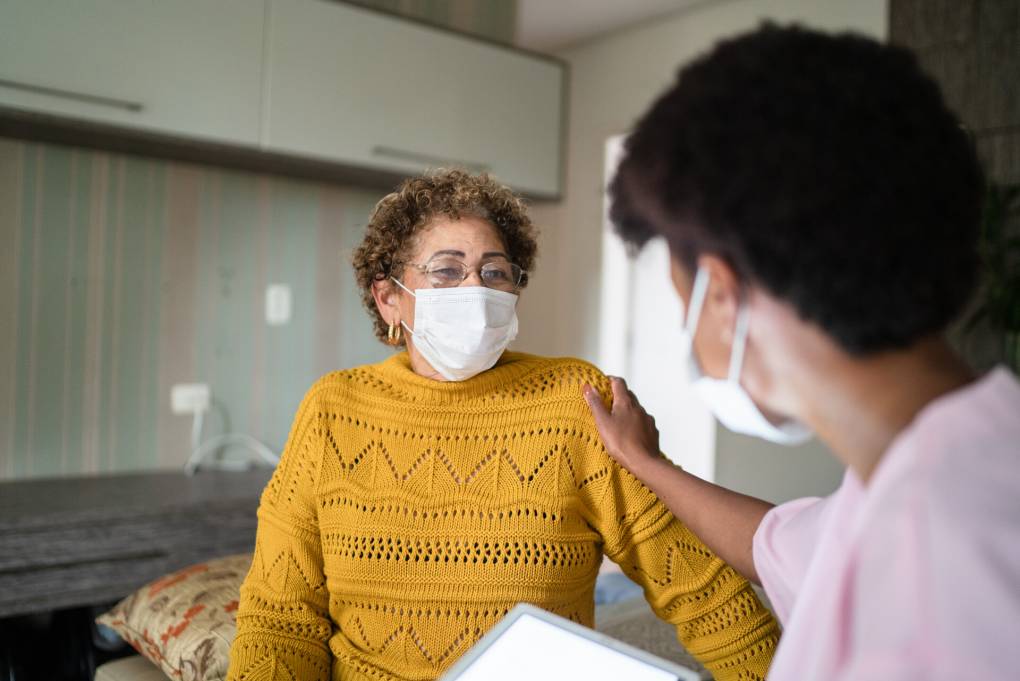
"caption": "California no longer requires face masks to be worn in health care facilities and other high-risk settings. But Alameda and Contra Costa counties have chosen to keep that requirement in place for skilled nursing facilities.",
"description": null,
"title": "Doctor consoling senior patient at home - wearing facial mask",
"credit": "Getty Images",
"status": "inherit",
"altTag": "Two Black women, one older with smiling eyes and one apparently younger, face each other wearing face masks in what could be a skilled nursing facility setting",
"isLoading": false,
"fetchFailed": false
},
"news_11934911": {
"type": "attachments",
"id": "news_11934911",
"meta": {
"index": "attachments_1716263798",
"site": "news",
"id": "11934911",
"found": true
},
"parent": 11934868,
"imgSizes": {
"twentyfourteen-full-width": {
"file": "https://ww2.kqed.org/app/uploads/sites/10/2022/12/RS50433_006_Emeryville_COVIDMasks_07282021-qut-1038x576.jpg",
"width": 1038,
"mimeType": "image/jpeg",
"height": 576
},
"thumbnail": {
"file": "https://ww2.kqed.org/app/uploads/sites/10/2022/12/RS50433_006_Emeryville_COVIDMasks_07282021-qut-160x107.jpg",
"width": 160,
"mimeType": "image/jpeg",
"height": 107
},
"post-thumbnail": {
"file": "https://ww2.kqed.org/app/uploads/sites/10/2022/12/RS50433_006_Emeryville_COVIDMasks_07282021-qut-672x372.jpg",
"width": 672,
"mimeType": "image/jpeg",
"height": 372
},
"kqedFullSize": {
"file": "https://ww2.kqed.org/app/uploads/sites/10/2022/12/RS50433_006_Emeryville_COVIDMasks_07282021-qut.jpg",
"width": 1920,
"height": 1280
},
"large": {
"file": "https://ww2.kqed.org/app/uploads/sites/10/2022/12/RS50433_006_Emeryville_COVIDMasks_07282021-qut-1020x680.jpg",
"width": 1020,
"mimeType": "image/jpeg",
"height": 680
},
"1536x1536": {
"file": "https://ww2.kqed.org/app/uploads/sites/10/2022/12/RS50433_006_Emeryville_COVIDMasks_07282021-qut-1536x1024.jpg",
"width": 1536,
"mimeType": "image/jpeg",
"height": 1024
},
"medium": {
"file": "https://ww2.kqed.org/app/uploads/sites/10/2022/12/RS50433_006_Emeryville_COVIDMasks_07282021-qut-800x533.jpg",
"width": 800,
"mimeType": "image/jpeg",
"height": 533
}
},
"publishDate": 1670634672,
"modified": 1670636148,
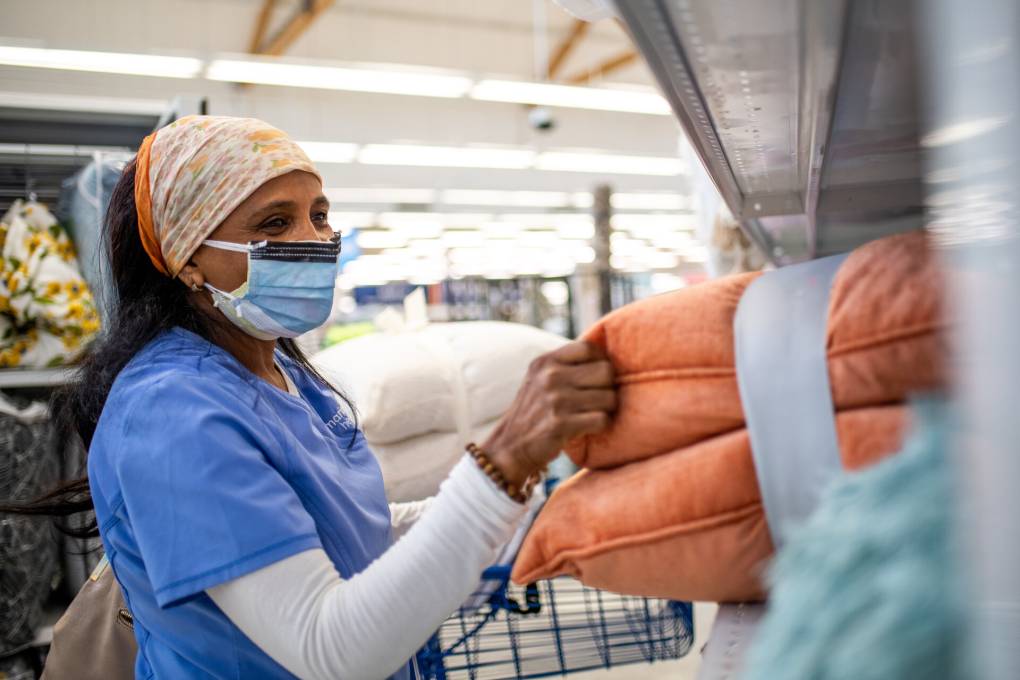
"caption": "A woman wearing a mask shops at Ross in Emeryville in July 2021. As COVID hospitalization rates tick upward, officials in some Bay Area counties are again requiring masking in certain high-risk settings — while also recommending masking in public settings such as crowded stores.",
"description": null,
"title": "Teberh Gebreslassie shops at Ross in Emeryville on July 28, 2021.",
"credit": "Beth LaBerge/KQED",
"status": "inherit",
"altTag": "a woman with smiling eyes wearing a mask and blue short sleeve shirt with long sleeve white shirt underneath examines some bedding on the shelf of a department store",
"isLoading": false,
"fetchFailed": false
},
"news_11930798": {
"type": "attachments",
"id": "news_11930798",
"meta": {
"index": "attachments_1716263798",
"site": "news",
"id": "11930798",
"found": true
},
"parent": 11930792,
"imgSizes": {
"twentyfourteen-full-width": {
"file": "https://ww2.kqed.org/app/uploads/sites/10/2022/11/RS59690_004_KQED_EmilyRossRichmond_10272022-qut-1038x576.jpg",
"width": 1038,
"mimeType": "image/jpeg",
"height": 576
},
"thumbnail": {
"file": "https://ww2.kqed.org/app/uploads/sites/10/2022/11/RS59690_004_KQED_EmilyRossRichmond_10272022-qut-160x107.jpg",
"width": 160,
"mimeType": "image/jpeg",
"height": 107
},
"post-thumbnail": {
"file": "https://ww2.kqed.org/app/uploads/sites/10/2022/11/RS59690_004_KQED_EmilyRossRichmond_10272022-qut-672x372.jpg",
"width": 672,
"mimeType": "image/jpeg",
"height": 372
},
"kqedFullSize": {
"file": "https://ww2.kqed.org/app/uploads/sites/10/2022/11/RS59690_004_KQED_EmilyRossRichmond_10272022-qut.jpg",
"width": 1920,
"height": 1280
},
"large": {
"file": "https://ww2.kqed.org/app/uploads/sites/10/2022/11/RS59690_004_KQED_EmilyRossRichmond_10272022-qut-1020x680.jpg",
"width": 1020,
"mimeType": "image/jpeg",
"height": 680
},
"1536x1536": {
"file": "https://ww2.kqed.org/app/uploads/sites/10/2022/11/RS59690_004_KQED_EmilyRossRichmond_10272022-qut-1536x1024.jpg",
"width": 1536,
"mimeType": "image/jpeg",
"height": 1024
},
"medium": {
"file": "https://ww2.kqed.org/app/uploads/sites/10/2022/11/RS59690_004_KQED_EmilyRossRichmond_10272022-qut-800x533.jpg",
"width": 800,
"mimeType": "image/jpeg",
"height": 533
}
},
"publishDate": 1667328529,
"modified": 1667335418,
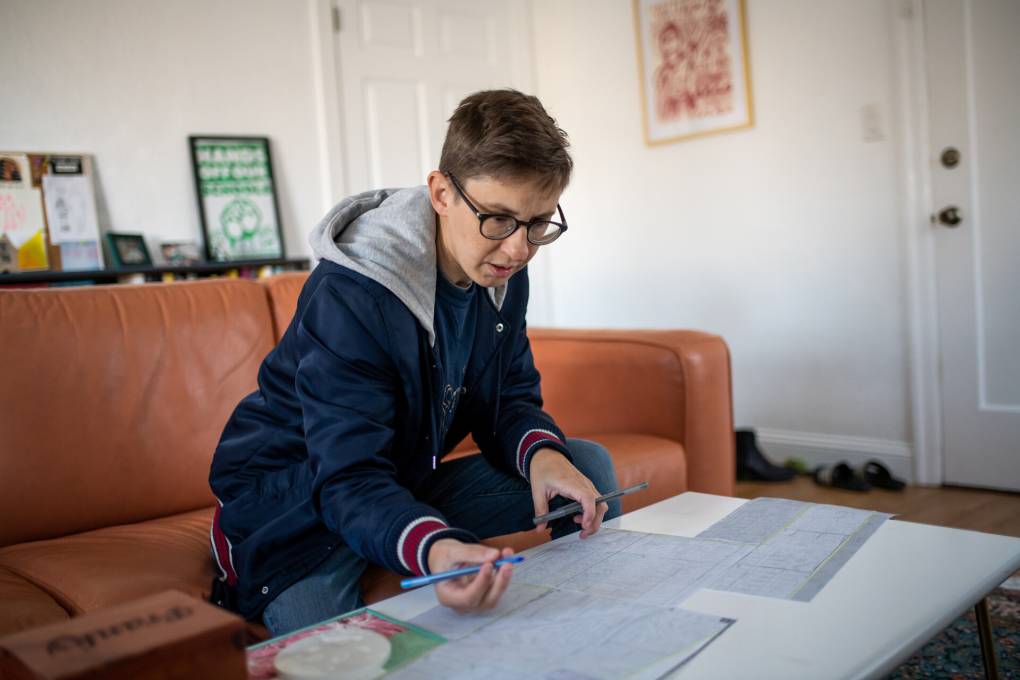
"caption": "Emily Ross has never seen her rent so high in the decade she's lived in Richmond. She initially moved to the city to escape the high rents of the surrounding Bay Area cities. This November, she's voting for Measure P, which would cap rent increases at 3% a year.",
"description": null,
"title": "RS59690_004_KQED_EmilyRossRichmond_10272022-qut",
"credit": "Beth LaBerge/KQED",
"status": "inherit",
"altTag": "a woman sits on a couch working on election canvassing maps",
"isLoading": false,
"fetchFailed": false
},
"news_11916051": {
"type": "attachments",
"id": "news_11916051",
"meta": {
"index": "attachments_1716263798",
"site": "news",
"id": "11916051",
"found": true
},
"parent": 11916048,
"imgSizes": {
"twentyfourteen-full-width": {
"file": "https://ww2.kqed.org/app/uploads/sites/10/2022/06/SteveKerr-GettyImages-1400490248-1024x576.jpg",
"width": 1024,
"mimeType": "image/jpeg",
"height": 576
},
"thumbnail": {
"file": "https://ww2.kqed.org/app/uploads/sites/10/2022/06/SteveKerr-GettyImages-1400490248-160x107.jpg",
"width": 160,
"mimeType": "image/jpeg",
"height": 107
},
"post-thumbnail": {
"file": "https://ww2.kqed.org/app/uploads/sites/10/2022/06/SteveKerr-GettyImages-1400490248-672x372.jpg",
"width": 672,
"mimeType": "image/jpeg",
"height": 372
},
"kqedFullSize": {
"file": "https://ww2.kqed.org/app/uploads/sites/10/2022/06/SteveKerr-GettyImages-1400490248.jpg",
"width": 1024,
"height": 683
},
"large": {
"file": "https://ww2.kqed.org/app/uploads/sites/10/2022/06/SteveKerr-GettyImages-1400490248-1020x680.jpg",
"width": 1020,
"mimeType": "image/jpeg",
"height": 680
},
"medium": {
"file": "https://ww2.kqed.org/app/uploads/sites/10/2022/06/SteveKerr-GettyImages-1400490248-800x534.jpg",
"width": 800,
"mimeType": "image/jpeg",
"height": 534
}
},
"publishDate": 1654297356,
"modified": 1654297356,
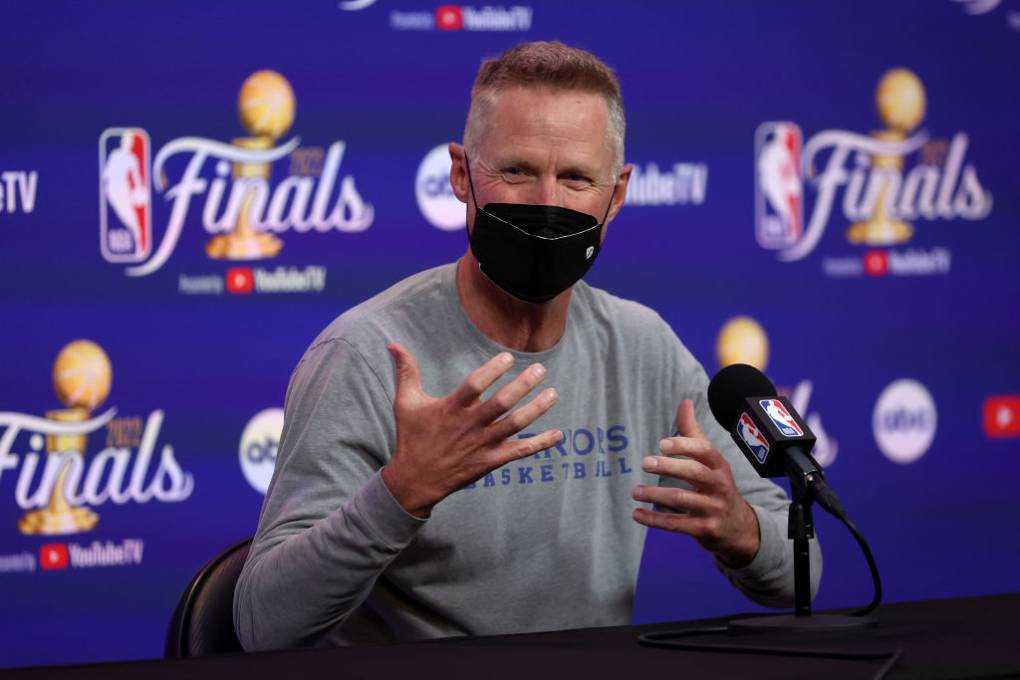
"caption": "SAN FRANCISCO, CALIFORNIA - JUNE 01: Head coach Steve Kerr of the Golden State Warriors speaks at a press conference during media day prior to the start of the NBA Finals at Chase Center on June 01, 2022 in San Francisco, California. The Golden State Warriors will play the Boston Celtics in Game 1 of the NBA Finals on June 2, 2022. NOTE TO USER: User expressly acknowledges and agrees that, by downloading and/or using this photograph, User is consenting to the terms and conditions of the Getty Images License Agreement. (Photo by Ezra Shaw/Getty Images)",
"description": null,
"title": "2022 NBA Finals - Media Day",
"credit": null,
"status": "inherit",
"altTag": null,
"isLoading": false,
"fetchFailed": false
},
"news_11907225": {
"type": "attachments",
"id": "news_11907225",
"meta": {
"index": "attachments_1716263798",
"site": "news",
"id": "11907225",
"found": true
},
"parent": 11907219,
"imgSizes": {
"thumbnail": {
"file": "https://ww2.kqed.org/app/uploads/sites/10/2022/03/BurrisArboledaHallPresser-160x108.jpg",
"width": 160,
"mimeType": "image/jpeg",
"height": 108
},
"post-thumbnail": {
"file": "https://ww2.kqed.org/app/uploads/sites/10/2022/03/BurrisArboledaHallPresser-672x372.jpg",
"width": 672,
"mimeType": "image/jpeg",
"height": 372
},
"kqedFullSize": {
"file": "https://ww2.kqed.org/app/uploads/sites/10/2022/03/BurrisArboledaHallPresser.jpg",
"width": 800,
"height": 539
}
},
"publishDate": 1646425021,
"modified": 1646431620,
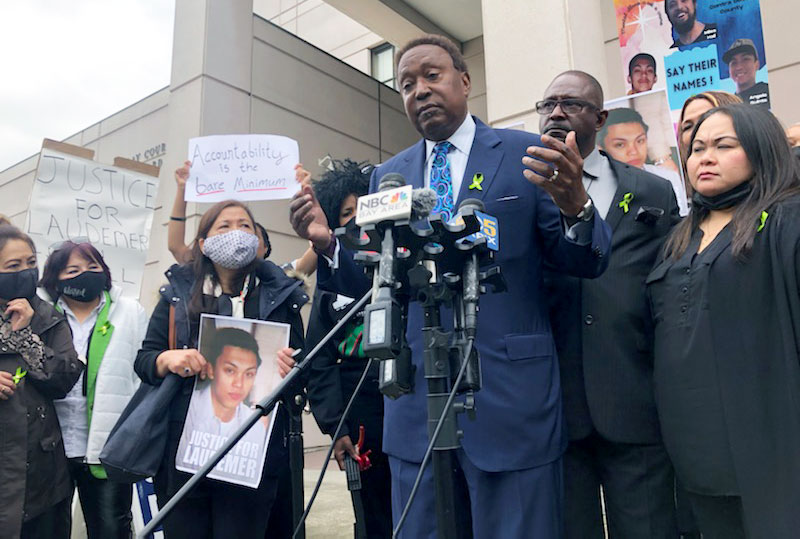
"caption": "Attorney John Burris, flanked by family members of Laudemer Arboleda, speaks at a press conference following the sentencing of former Contra Costa County sheriff's deputy Andrew Hall on March 4, 2022. Hall was sentenced to six years in prison for fatally shooting Arboleda in 2018. Burris represented Arboleda's family.",
"description": null,
"title": "BurrisArboledaHallPresser",
"credit": "María Fernanda Bernal/KQED",
"status": "inherit",
"altTag": null,
"isLoading": false,
"fetchFailed": false
},
"news_11905187": {
"type": "attachments",
"id": "news_11905187",
"meta": {
"index": "attachments_1716263798",
"site": "news",
"id": "11905187",
"found": true
},
"parent": 11905181,
"imgSizes": {
"twentyfourteen-full-width": {
"file": "https://ww2.kqed.org/app/uploads/sites/10/2022/02/020922-CALAIM-MHN-16-CM-1024x576.jpg",
"width": 1024,
"mimeType": "image/jpeg",
"height": 576
},
"thumbnail": {
"file": "https://ww2.kqed.org/app/uploads/sites/10/2022/02/020922-CALAIM-MHN-16-CM-160x107.jpg",
"width": 160,
"mimeType": "image/jpeg",
"height": 107
},
"post-thumbnail": {
"file": "https://ww2.kqed.org/app/uploads/sites/10/2022/02/020922-CALAIM-MHN-16-CM-672x372.jpg",
"width": 672,
"mimeType": "image/jpeg",
"height": 372
},
"kqedFullSize": {
"file": "https://ww2.kqed.org/app/uploads/sites/10/2022/02/020922-CALAIM-MHN-16-CM.jpg",
"width": 1024,
"height": 682
},
"large": {
"file": "https://ww2.kqed.org/app/uploads/sites/10/2022/02/020922-CALAIM-MHN-16-CM-1020x679.jpg",
"width": 1020,
"mimeType": "image/jpeg",
"height": 679
},
"medium": {
"file": "https://ww2.kqed.org/app/uploads/sites/10/2022/02/020922-CALAIM-MHN-16-CM-800x533.jpg",
"width": 800,
"mimeType": "image/jpeg",
"height": 533
}
},
"publishDate": 1644894131,
"modified": 1644966301,
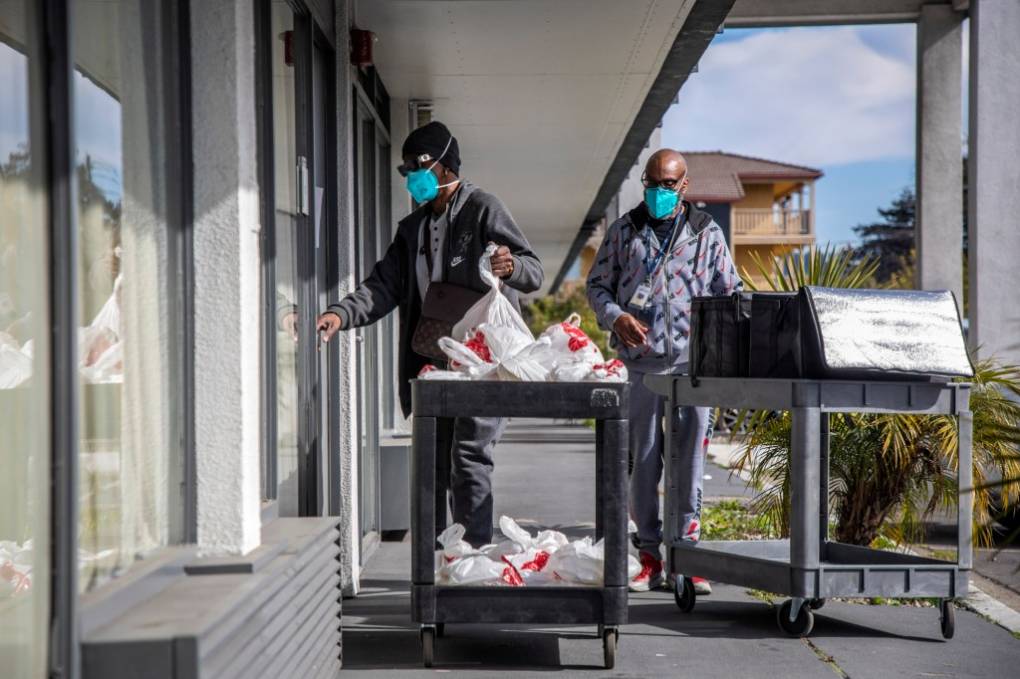
"caption": "Terry Harper (left) and Frank Scott deliver meals to occupants at the Radisson Hotel in Oakland. Edward El has stayed at this hotel as part of a Project Roomkey shelter but will soon be moving into his own apartment after spending much of the past 16 years unhoused.",
"description": "Terry Harper (left) and Frank Scott deliver meals to occupants at the Radisson Hotel in Oakland.",
"title": "020922-CALAIM-MHN-16-CM",
"credit": "Martin do Nascimento/CalMatters",
"status": "inherit",
"altTag": "Two people push carts down a hotel hallway. The carts are full of food and bags and the people pushing the carts are wearing masks.",
"isLoading": false,
"fetchFailed": false
},
"news_11903874": {
"type": "attachments",
"id": "news_11903874",
"meta": {
"index": "attachments_1716263798",
"site": "news",
"id": "11903874",
"found": true
},
"parent": 11901875,
"imgSizes": {
"twentyfourteen-full-width": {
"file": "https://ww2.kqed.org/app/uploads/sites/10/2022/02/RS53159_013_Richmond_ChevronRefinery_01132022-qut-1038x576.jpg",
"width": 1038,
"mimeType": "image/jpeg",
"height": 576
},
"thumbnail": {
"file": "https://ww2.kqed.org/app/uploads/sites/10/2022/02/RS53159_013_Richmond_ChevronRefinery_01132022-qut-160x107.jpg",
"width": 160,
"mimeType": "image/jpeg",
"height": 107
},
"post-thumbnail": {
"file": "https://ww2.kqed.org/app/uploads/sites/10/2022/02/RS53159_013_Richmond_ChevronRefinery_01132022-qut-672x372.jpg",
"width": 672,
"mimeType": "image/jpeg",
"height": 372
},
"kqedFullSize": {
"file": "https://ww2.kqed.org/app/uploads/sites/10/2022/02/RS53159_013_Richmond_ChevronRefinery_01132022-qut.jpg",
"width": 1920,
"height": 1280
},
"large": {
"file": "https://ww2.kqed.org/app/uploads/sites/10/2022/02/RS53159_013_Richmond_ChevronRefinery_01132022-qut-1020x680.jpg",
"width": 1020,
"mimeType": "image/jpeg",
"height": 680
},
"1536x1536": {
"file": "https://ww2.kqed.org/app/uploads/sites/10/2022/02/RS53159_013_Richmond_ChevronRefinery_01132022-qut-1536x1024.jpg",
"width": 1536,
"mimeType": "image/jpeg",
"height": 1024
},
"medium": {
"file": "https://ww2.kqed.org/app/uploads/sites/10/2022/02/RS53159_013_Richmond_ChevronRefinery_01132022-qut-800x533.jpg",
"width": 800,
"mimeType": "image/jpeg",
"height": 533
}
},
"publishDate": 1643916781,
"modified": 1644000020,
"caption": "Chevron's Richmond refinery viewed from Point Richmond in January 2022.",
"description": null,
"title": "Chevron Richmond Refinery",
"credit": "Beth LaBerge/KQED",
"status": "inherit",
"altTag": "Steam rises from Chevron's oil refinery in Richmond, California.",
"isLoading": false,
"fetchFailed": false
},
"news_11899168": {
"type": "attachments",
"id": "news_11899168",
"meta": {
"index": "attachments_1716263798",
"site": "news",
"id": "11899168",
"found": true
},
"parent": 11899150,
"imgSizes": {
"twentyfourteen-full-width": {
"file": "https://ww2.kqed.org/app/uploads/sites/10/2021/12/GettyImages-1346760464-1038x576.jpg",
"width": 1038,
"mimeType": "image/jpeg",
"height": 576
},
"thumbnail": {
"file": "https://ww2.kqed.org/app/uploads/sites/10/2021/12/GettyImages-1346760464-160x107.jpg",
"width": 160,
"mimeType": "image/jpeg",
"height": 107
},
"post-thumbnail": {
"file": "https://ww2.kqed.org/app/uploads/sites/10/2021/12/GettyImages-1346760464-672x372.jpg",
"width": 672,
"mimeType": "image/jpeg",
"height": 372
},
"kqedFullSize": {
"file": "https://ww2.kqed.org/app/uploads/sites/10/2021/12/GettyImages-1346760464-scaled.jpg",
"width": 2560,
"height": 1707
},
"2048x2048": {
"file": "https://ww2.kqed.org/app/uploads/sites/10/2021/12/GettyImages-1346760464-2048x1365.jpg",
"width": 2048,
"mimeType": "image/jpeg",
"height": 1365
},
"large": {
"file": "https://ww2.kqed.org/app/uploads/sites/10/2021/12/GettyImages-1346760464-1020x680.jpg",
"width": 1020,
"mimeType": "image/jpeg",
"height": 680
},
"1536x1536": {
"file": "https://ww2.kqed.org/app/uploads/sites/10/2021/12/GettyImages-1346760464-1536x1024.jpg",
"width": 1536,
"mimeType": "image/jpeg",
"height": 1024
},
"full-width": {
"file": "https://ww2.kqed.org/app/uploads/sites/10/2021/12/GettyImages-1346760464-1920x1280.jpg",
"width": 1920,
"mimeType": "image/jpeg",
"height": 1280
},
"medium": {
"file": "https://ww2.kqed.org/app/uploads/sites/10/2021/12/GettyImages-1346760464-800x533.jpg",
"width": 800,
"mimeType": "image/jpeg",
"height": 533
}
},
"publishDate": 1639598883,
"modified": 1639623967,
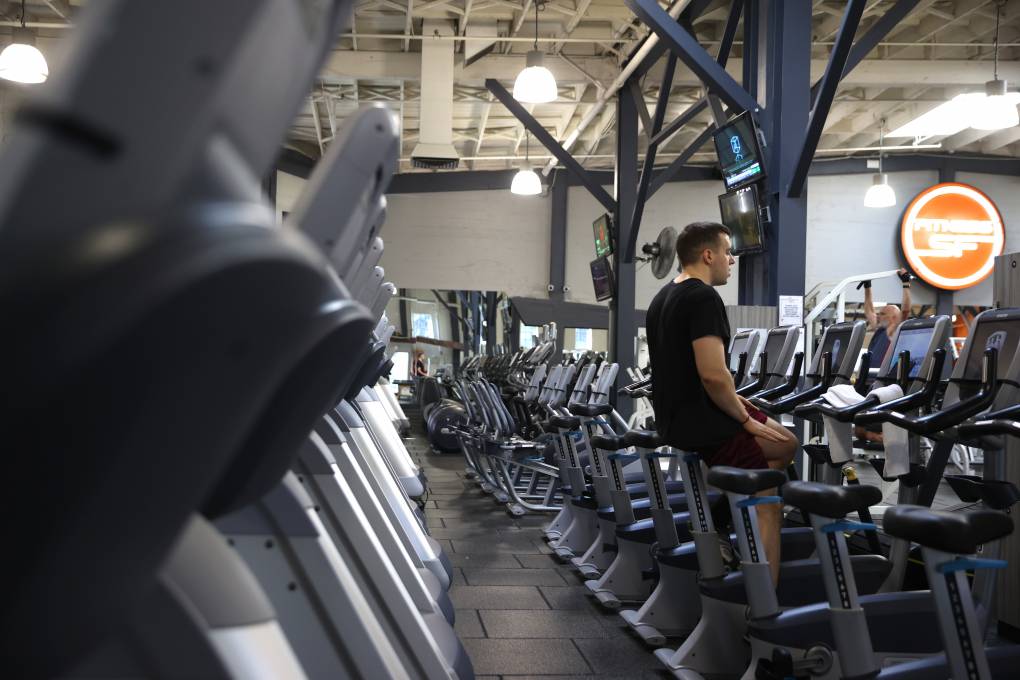
"caption": "A man without a face mask rides a stationary bike in a Fitness SF gym on Oct. 15, 2021. San Francisco is among a handful of Bay Area counties — including Marin and Contra Costa — made exempt from some of the new statewide indoor mask-mandate requirements that go into effect today.",
"description": "A person rides a stationary bike without a face mask in a Fitness SF gym on October 15, 2021, in San Francisco.",
"title": "San Francisco Eases Indoor Mask Requirements",
"credit": "Justin Sullivan/Getty Images",
"status": "inherit",
"altTag": "A man rides a stationary bike in a gym.",
"isLoading": false,
"fetchFailed": false
},
"news_11885672": {
"type": "attachments",
"id": "news_11885672",
"meta": {
"index": "attachments_1716263798",
"site": "news",
"id": "11885672",
"found": true
},
"parent": 11885647,
"imgSizes": {
"twentyfourteen-full-width": {
"file": "https://ww2.kqed.org/app/uploads/sites/10/2021/08/RS50631_007_Alameda_ChildrenCOVID_08172021-qut-1038x576.jpg",
"width": 1038,
"mimeType": "image/jpeg",
"height": 576
},
"thumbnail": {
"file": "https://ww2.kqed.org/app/uploads/sites/10/2021/08/RS50631_007_Alameda_ChildrenCOVID_08172021-qut-160x107.jpg",
"width": 160,
"mimeType": "image/jpeg",
"height": 107
},
"post-thumbnail": {
"file": "https://ww2.kqed.org/app/uploads/sites/10/2021/08/RS50631_007_Alameda_ChildrenCOVID_08172021-qut-672x372.jpg",
"width": 672,
"mimeType": "image/jpeg",
"height": 372
},
"kqedFullSize": {
"file": "https://ww2.kqed.org/app/uploads/sites/10/2021/08/RS50631_007_Alameda_ChildrenCOVID_08172021-qut.jpg",
"width": 1920,
"height": 1280
},
"large": {
"file": "https://ww2.kqed.org/app/uploads/sites/10/2021/08/RS50631_007_Alameda_ChildrenCOVID_08172021-qut-1020x680.jpg",
"width": 1020,
"mimeType": "image/jpeg",
"height": 680
},
"1536x1536": {
"file": "https://ww2.kqed.org/app/uploads/sites/10/2021/08/RS50631_007_Alameda_ChildrenCOVID_08172021-qut-1536x1024.jpg",
"width": 1536,
"mimeType": "image/jpeg",
"height": 1024
},
"medium": {
"file": "https://ww2.kqed.org/app/uploads/sites/10/2021/08/RS50631_007_Alameda_ChildrenCOVID_08172021-qut-800x533.jpg",
"width": 800,
"mimeType": "image/jpeg",
"height": 533
}
},
"publishDate": 1629399597,
"modified": 1629418495,
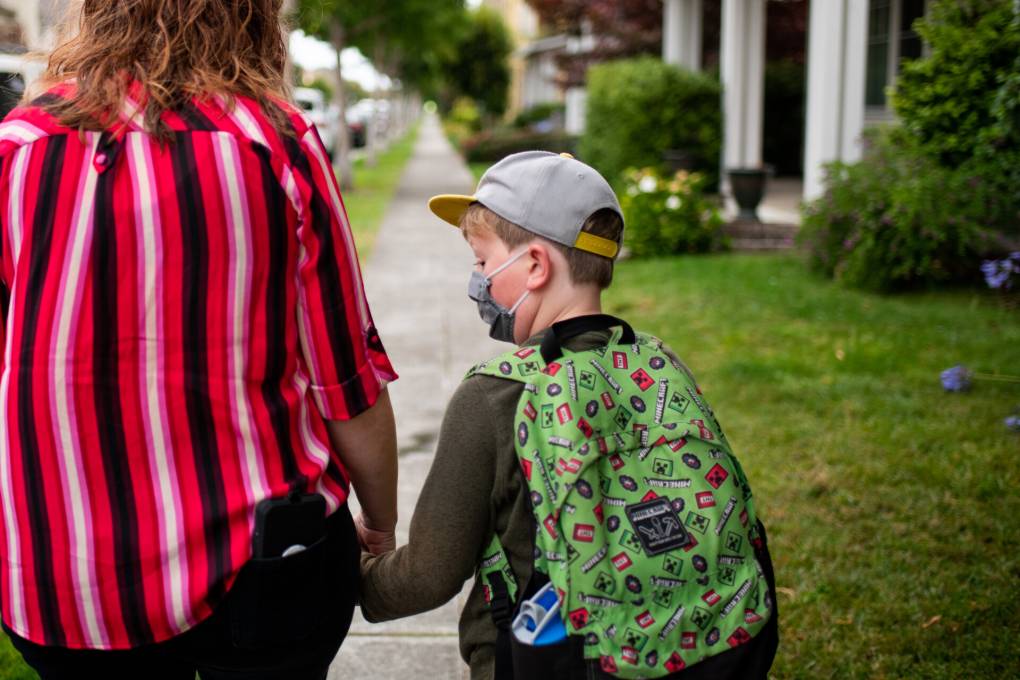
"caption": "Stephanie Chenard holds hands with her son Desmond, 8, as they walk to his school in Alameda on Aug. 17, 2021. Chenard shared with KQED how she felt when she heard earlier this month that four COVID-19 cases were reported in four different schools of the Oakland Unified School District. “It’s already started,” she said through a text message.",
"description": "Stephanie Chenard holds hands with her son Desmond, 8, as they walk to his school in Alameda on August 17, 2021.",
"title": "RS50631_007_Alameda_ChildrenCOVID_08172021-qut",
"credit": "Beth LaBerge/KQED",
"status": "inherit",
"altTag": "A parent and a child walk on a sidewalk, facing away from the camera. The parent is wearing a red blouse with black and white stripes and the child is wearing a baseball cap and carries a green backpack.",
"isLoading": false,
"fetchFailed": false
},
"news_11849588": {
"type": "attachments",
"id": "news_11849588",
"meta": {
"index": "attachments_1716263798",
"site": "news",
"id": "11849588",
"found": true
},
"parent": 11849585,
"imgSizes": {
"apple_news_ca_landscape_5_5": {
"file": "https://ww2.kqed.org/app/uploads/sites/10/2020/12/RS16165_JV0A7516-qut-1044x783.jpg",
"width": 1044,
"mimeType": "image/jpeg",
"height": 783
},
"apple_news_ca_square_4_0": {
"file": "https://ww2.kqed.org/app/uploads/sites/10/2020/12/RS16165_JV0A7516-qut-470x470.jpg",
"width": 470,
"mimeType": "image/jpeg",
"height": 470
},
"twentyfourteen-full-width": {
"file": "https://ww2.kqed.org/app/uploads/sites/10/2020/12/RS16165_JV0A7516-qut-1038x576.jpg",
"width": 1038,
"mimeType": "image/jpeg",
"height": 576
},
"thumbnail": {
"file": "https://ww2.kqed.org/app/uploads/sites/10/2020/12/RS16165_JV0A7516-qut-160x107.jpg",
"width": 160,
"mimeType": "image/jpeg",
"height": 107
},
"post-thumbnail": {
"file": "https://ww2.kqed.org/app/uploads/sites/10/2020/12/RS16165_JV0A7516-qut-672x372.jpg",
"width": 672,
"mimeType": "image/jpeg",
"height": 372
},
"kqedFullSize": {
"file": "https://ww2.kqed.org/app/uploads/sites/10/2020/12/RS16165_JV0A7516-qut.jpg",
"width": 1920,
"height": 1280
},
"apple_news_ca_landscape_4_7": {
"file": "https://ww2.kqed.org/app/uploads/sites/10/2020/12/RS16165_JV0A7516-qut-632x474.jpg",
"width": 632,
"mimeType": "image/jpeg",
"height": 474
},
"large": {
"file": "https://ww2.kqed.org/app/uploads/sites/10/2020/12/RS16165_JV0A7516-qut-1020x680.jpg",
"width": 1020,
"mimeType": "image/jpeg",
"height": 680
},
"apple_news_ca_landscape_4_0": {
"file": "https://ww2.kqed.org/app/uploads/sites/10/2020/12/RS16165_JV0A7516-qut-536x402.jpg",
"width": 536,
"mimeType": "image/jpeg",
"height": 402
},
"apple_news_ca_portrait_12_9": {
"file": "https://ww2.kqed.org/app/uploads/sites/10/2020/12/RS16165_JV0A7516-qut-1122x1280.jpg",
"width": 1122,
"mimeType": "image/jpeg",
"height": 1280
},
"medium": {
"file": "https://ww2.kqed.org/app/uploads/sites/10/2020/12/RS16165_JV0A7516-qut-800x533.jpg",
"width": 800,
"mimeType": "image/jpeg",
"height": 533
},
"apple_news_ca_portrait_4_0": {
"file": "https://ww2.kqed.org/app/uploads/sites/10/2020/12/RS16165_JV0A7516-qut-354x472.jpg",
"width": 354,
"mimeType": "image/jpeg",
"height": 472
},
"apple_news_ca_portrait_9_7": {
"file": "https://ww2.kqed.org/app/uploads/sites/10/2020/12/RS16165_JV0A7516-qut-840x1120.jpg",
"width": 840,
"mimeType": "image/jpeg",
"height": 1120
},
"apple_news_ca_landscape_12_9": {
"file": "https://ww2.kqed.org/app/uploads/sites/10/2020/12/RS16165_JV0A7516-qut-1832x1280.jpg",
"width": 1832,
"mimeType": "image/jpeg",
"height": 1280
},
"apple_news_ca_square_9_7": {
"file": "https://ww2.kqed.org/app/uploads/sites/10/2020/12/RS16165_JV0A7516-qut-1104x1104.jpg",
"width": 1104,
"mimeType": "image/jpeg",
"height": 1104
},
"1536x1536": {
"file": "https://ww2.kqed.org/app/uploads/sites/10/2020/12/RS16165_JV0A7516-qut-1536x1024.jpg",
"width": 1536,
"mimeType": "image/jpeg",
"height": 1024
},
"apple_news_ca_portrait_4_7": {
"file": "https://ww2.kqed.org/app/uploads/sites/10/2020/12/RS16165_JV0A7516-qut-414x552.jpg",
"width": 414,
"mimeType": "image/jpeg",
"height": 552
},
"apple_news_ca_square_12_9": {
"file": "https://ww2.kqed.org/app/uploads/sites/10/2020/12/RS16165_JV0A7516-qut-1472x1280.jpg",
"width": 1472,
"mimeType": "image/jpeg",
"height": 1280
},
"apple_news_ca_portrait_5_5": {
"file": "https://ww2.kqed.org/app/uploads/sites/10/2020/12/RS16165_JV0A7516-qut-687x916.jpg",
"width": 687,
"mimeType": "image/jpeg",
"height": 916
},
"apple_news_ca_square_4_7": {
"file": "https://ww2.kqed.org/app/uploads/sites/10/2020/12/RS16165_JV0A7516-qut-550x550.jpg",
"width": 550,
"mimeType": "image/jpeg",
"height": 550
},
"apple_news_ca_landscape_9_7": {
"file": "https://ww2.kqed.org/app/uploads/sites/10/2020/12/RS16165_JV0A7516-qut-1376x1032.jpg",
"width": 1376,
"mimeType": "image/jpeg",
"height": 1032
},
"apple_news_ca_square_5_5": {
"file": "https://ww2.kqed.org/app/uploads/sites/10/2020/12/RS16165_JV0A7516-qut-912x912.jpg",
"width": 912,
"mimeType": "image/jpeg",
"height": 912
}
},
"publishDate": 1607041970,
"modified": 1626996401,
"caption": "Etzel Rubio at Berkeley Pediatrics fills a syringe in preparation to administer a vaccine.",
"description": "Etzel Rubio at Berkeley Pediatrics fills a syringe in preparation to administer a vaccine.",
"title": "RS16165_JV0A7516-qut",
"credit": "Jeremy Raff/KQED",
"status": "inherit",
"altTag": null,
"isLoading": false,
"fetchFailed": false
},
"news_11875813": {
"type": "attachments",
"id": "news_11875813",
"meta": {
"index": "attachments_1716263798",
"site": "news",
"id": "11875813",
"found": true
},
"parent": 11875511,
"imgSizes": {
"twentyfourteen-full-width": {
"file": "https://ww2.kqed.org/app/uploads/sites/10/2021/05/Fuel-Tank-Husk-Detail-1038x576.jpg",
"width": 1038,
"mimeType": "image/jpeg",
"height": 576
},
"thumbnail": {
"file": "https://ww2.kqed.org/app/uploads/sites/10/2021/05/Fuel-Tank-Husk-Detail-160x126.jpg",
"width": 160,
"mimeType": "image/jpeg",
"height": 126
},
"post-thumbnail": {
"file": "https://ww2.kqed.org/app/uploads/sites/10/2021/05/Fuel-Tank-Husk-Detail-672x372.jpg",
"width": 672,
"mimeType": "image/jpeg",
"height": 372
},
"kqedFullSize": {
"file": "https://ww2.kqed.org/app/uploads/sites/10/2021/05/Fuel-Tank-Husk-Detail.jpg",
"width": 1920,
"height": 1512
},
"large": {
"file": "https://ww2.kqed.org/app/uploads/sites/10/2021/05/Fuel-Tank-Husk-Detail-1020x803.jpg",
"width": 1020,
"mimeType": "image/jpeg",
"height": 803
},
"1536x1536": {
"file": "https://ww2.kqed.org/app/uploads/sites/10/2021/05/Fuel-Tank-Husk-Detail-1536x1210.jpg",
"width": 1536,
"mimeType": "image/jpeg",
"height": 1210
},
"medium": {
"file": "https://ww2.kqed.org/app/uploads/sites/10/2021/05/Fuel-Tank-Husk-Detail-800x630.jpg",
"width": 800,
"mimeType": "image/jpeg",
"height": 630
}
},
"publishDate": 1622220595,
"modified": 1622220791,
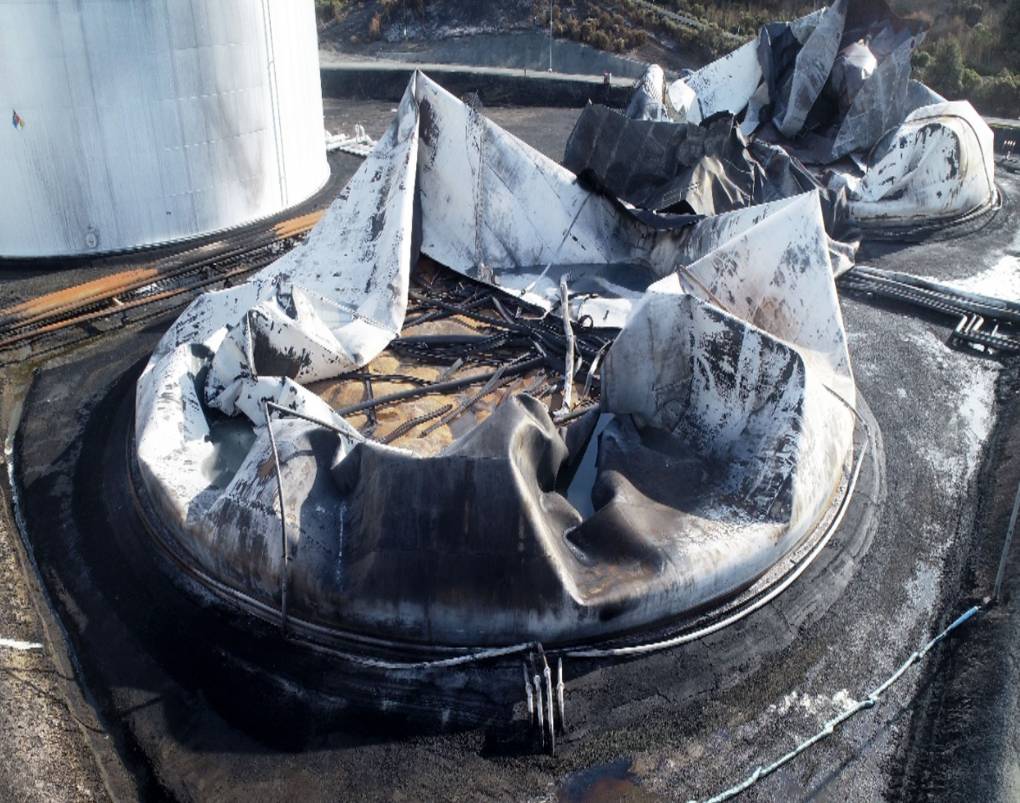
"caption": "Two massive fuel storage tanks were destroyed in a 2019 explosion at the NuStar Energy tank farm near Crockett.",
"description": "Two massive fuel storage tanks were destroyed in a 2019 explosion at the NuStar Energy tank farm near Crockett.",
"title": "Fuel-Tank-Husk-Detail",
"credit": "Contra Costa County Fire Protection District",
"status": "inherit",
"altTag": "Crushed and burned remnants of two huge fuel storage tanks",
"isLoading": false,
"fetchFailed": false
}
},
"audioPlayerReducer": {
"postId": "stream_live",
"isPaused": true,
"isPlaying": false,
"pfsActive": false,
"pledgeModalIsOpen": true,
"playerDrawerIsOpen": false,
"liveAudioPlayStartedAt": 0,
"liveAudioPlayContext": ""
},
"authorsReducer": {
"byline_news_11905181": {
"type": "authors",
"id": "byline_news_11905181",
"meta": {
"override": true
},
"slug": "byline_news_11905181",
"name": "\u003ca href=\"https://calmatters.org/author/kristen-hwang/\">Kristen Hwang\u003c/a>",
"isLoading": false
},
"kqed": {
"type": "authors",
"id": "236",
"meta": {
"index": "authors_1716337520",
"id": "236",
"found": true
},
"name": "KQED News Staff",
"firstName": "KQED News Staff",
"lastName": null,
"slug": "kqed",
"email": "faq@kqed.org",
"display_author_email": false,
"staff_mastheads": [],
"title": null,
"bio": null,
"avatar": "https://secure.gravatar.com/avatar/ef0e801a68c4c54afa9180db14084167?s=600&d=blank&r=g",
"twitter": null,
"facebook": null,
"instagram": null,
"linkedin": null,
"sites": [
{
"site": "arts",
"roles": [
"contributor"
]
},
{
"site": "news",
"roles": [
"editor"
]
},
{
"site": "futureofyou",
"roles": [
"author"
]
}
],
"headData": {
"title": "KQED News Staff | KQED",
"description": null,
"ogImgSrc": "https://secure.gravatar.com/avatar/ef0e801a68c4c54afa9180db14084167?s=600&d=blank&r=g",
"twImgSrc": "https://secure.gravatar.com/avatar/ef0e801a68c4c54afa9180db14084167?s=600&d=blank&r=g"
},
"isLoading": false,
"link": "/author/kqed"
},
"kqednewsstaffandwires": {
"type": "authors",
"id": "237",
"meta": {
"index": "authors_1716337520",
"id": "237",
"found": true
},
"name": "KQED News Staff and Wires",
"firstName": "KQED News Staff and Wires",
"lastName": null,
"slug": "kqednewsstaffandwires",
"email": "onlinenewsstaff@kqed.org",
"display_author_email": false,
"staff_mastheads": [],
"title": null,
"bio": null,
"avatar": "https://secure.gravatar.com/avatar/72295af8ebbfbd19a4948f5271285664?s=600&d=blank&r=g",
"twitter": null,
"facebook": null,
"instagram": null,
"linkedin": null,
"sites": [
{
"site": "arts",
"roles": [
"contributor"
]
},
{
"site": "news",
"roles": [
"contributor"
]
},
{
"site": "lowdown",
"roles": [
"author"
]
},
{
"site": "stateofhealth",
"roles": [
"contributor"
]
},
{
"site": "food",
"roles": [
"author"
]
}
],
"headData": {
"title": "KQED News Staff and Wires | KQED",
"description": null,
"ogImgSrc": "https://secure.gravatar.com/avatar/72295af8ebbfbd19a4948f5271285664?s=600&d=blank&r=g",
"twImgSrc": "https://secure.gravatar.com/avatar/72295af8ebbfbd19a4948f5271285664?s=600&d=blank&r=g"
},
"isLoading": false,
"link": "/author/kqednewsstaffandwires"
},
"tgoldberg": {
"type": "authors",
"id": "258",
"meta": {
"index": "authors_1716337520",
"id": "258",
"found": true
},
"name": "Ted Goldberg",
"firstName": "Ted",
"lastName": "Goldberg",
"slug": "tgoldberg",
"email": "tgoldberg@kqed.org",
"display_author_email": true,
"staff_mastheads": [
"news"
],
"title": "KQED Managing Editor, News and Newscasts",
"bio": "Ted Goldberg is Managing Editor of News and Newscasts at KQED. His main reporting beat is the Bay Area's oil refining industry.\r\n\r\nPrior to joining KQED in 2014, Ted worked at CBS News and WCBS AM in New York and Bay City News and KCBS Radio in San Francisco. He graduated from Oberlin College in Ohio in 1998.",
"avatar": "https://secure.gravatar.com/avatar/30ce2e4fe89135e104f89be2394d16225b9d36c121b5b3cb7651ce642978b96f?s=600&d=blank&r=g",
"twitter": "TedrickG",
"bluesky": null,
"facebook": null,
"instagram": null,
"linkedin": null,
"sites": [
{
"site": "news",
"roles": [
"editor"
]
},
{
"site": "science",
"roles": [
"editor"
]
}
],
"headData": {
"title": "Ted Goldberg | KQED",
"description": "KQED Managing Editor, News and Newscasts",
"ogImgSrc": "https://secure.gravatar.com/avatar/30ce2e4fe89135e104f89be2394d16225b9d36c121b5b3cb7651ce642978b96f?s=600&d=blank&r=g",
"twImgSrc": "https://secure.gravatar.com/avatar/30ce2e4fe89135e104f89be2394d16225b9d36c121b5b3cb7651ce642978b96f?s=600&d=blank&r=g"
},
"isLoading": false,
"link": "/author/tgoldberg"
},
"slewis": {
"type": "authors",
"id": "8676",
"meta": {
"index": "authors_1716337520",
"id": "8676",
"found": true
},
"name": "Sukey Lewis",
"firstName": "Sukey",
"lastName": "Lewis",
"slug": "slewis",
"email": "slewis@kqed.org",
"display_author_email": true,
"staff_mastheads": [
"news"
],
"title": "KQED Contributor",
"bio": "Sukey Lewis is a criminal justice reporter and host of \u003cem>On Our Watch\u003c/em>, a new podcast from NPR and KQED about the shadow world of police discipline. In 2018, she co-founded the California Reporting Project, a coalition of newsrooms across the state focused on obtaining previously sealed internal affairs records from law enforcement. In addition to her reporting on police accountability, Sukey has investigated the bail bonds industry, California's wildfires and the high cost of prison phone calls. Sukey earned a master's degree in journalism from the University of California at Berkeley. Send news tips to slewis@kqed.org.",
"avatar": "https://secure.gravatar.com/avatar/03fd6b21024f99d8b0a1966654586de7?s=600&d=blank&r=g",
"twitter": "SukeyLewis",
"facebook": null,
"instagram": null,
"linkedin": null,
"sites": [
{
"site": "news",
"roles": [
"author",
"edit_others_posts"
]
}
],
"headData": {
"title": "Sukey Lewis | KQED",
"description": "KQED Contributor",
"ogImgSrc": "https://secure.gravatar.com/avatar/03fd6b21024f99d8b0a1966654586de7?s=600&d=blank&r=g",
"twImgSrc": "https://secure.gravatar.com/avatar/03fd6b21024f99d8b0a1966654586de7?s=600&d=blank&r=g"
},
"isLoading": false,
"link": "/author/slewis"
},
"lesleymcclurg": {
"type": "authors",
"id": "11229",
"meta": {
"index": "authors_1716337520",
"id": "11229",
"found": true
},
"name": "Lesley McClurg",
"firstName": "Lesley",
"lastName": "McClurg",
"slug": "lesleymcclurg",
"email": "lmcclurg@KQED.org",
"display_author_email": false,
"staff_mastheads": [
"news",
"science"
],
"title": "KQED Health Correspondent",
"bio": "Lesley McClurg is a health correspondent and fill-in host whose work is regularly rebroadcast on NPR and PBS programs. She’s earned multiple regional Emmy awards, a national and a regional Edward R. Murrow award, and was named Best Beat Reporter by the Association of Health Care Journalists. The Society of Professional Journalists has recognized her work several times, and the Society of Environmental Journalists spotlighted her coverage of California’s historic drought.\r\n\r\nBefore joining KQED in 2016, Lesley covered food and sustainability for Capital Public Radio, environmental issues for Colorado Public Radio, and reported for KUOW and KCTS 9 in Seattle. Away from the newsroom, she loves skiing with her daughter, mountain biking with her partner, and playing with Ollie, the family’s goldendoodle. On deadline, she runs almost entirely on chocolate chips.\r\n\r\n ",
"avatar": "https://secure.gravatar.com/avatar/bab49e972ea10c774fe0f5e29dba1722b158f7c0d58a360923d1389d380b2978?s=600&d=blank&r=g",
"twitter": "lesleywmcclurg",
"bluesky": null,
"facebook": null,
"instagram": null,
"linkedin": null,
"sites": [
{
"site": "arts",
"roles": [
"author"
]
},
{
"site": "news",
"roles": [
"editor"
]
},
{
"site": "futureofyou",
"roles": [
"editor"
]
},
{
"site": "stateofhealth",
"roles": [
"author"
]
},
{
"site": "science",
"roles": [
"editor"
]
},
{
"site": "quest",
"roles": [
"subscriber"
]
},
{
"site": "forum",
"roles": [
"administrator"
]
},
{
"site": "liveblog",
"roles": [
"author"
]
}
],
"headData": {
"title": "Lesley McClurg | KQED",
"description": "KQED Health Correspondent",
"ogImgSrc": "https://secure.gravatar.com/avatar/bab49e972ea10c774fe0f5e29dba1722b158f7c0d58a360923d1389d380b2978?s=600&d=blank&r=g",
"twImgSrc": "https://secure.gravatar.com/avatar/bab49e972ea10c774fe0f5e29dba1722b158f7c0d58a360923d1389d380b2978?s=600&d=blank&r=g"
},
"isLoading": false,
"link": "/author/lesleymcclurg"
},
"awoelfle": {
"type": "authors",
"id": "11630",
"meta": {
"index": "authors_1716337520",
"id": "11630",
"found": true
},
"name": "Alice Woelfle",
"firstName": "Alice",
"lastName": "Woelfle",
"slug": "awoelfle",
"email": "awoelfle@KQED.org",
"display_author_email": false,
"staff_mastheads": [],
"title": null,
"bio": null,
"avatar": "https://secure.gravatar.com/avatar/00e46668235dc71f4a7513cf5eb31df3?s=600&d=blank&r=g",
"twitter": null,
"facebook": null,
"instagram": null,
"linkedin": null,
"sites": [
{
"site": "news",
"roles": [
"subscriber"
]
}
],
"headData": {
"title": "Alice Woelfle | KQED",
"description": null,
"ogImgSrc": "https://secure.gravatar.com/avatar/00e46668235dc71f4a7513cf5eb31df3?s=600&d=blank&r=g",
"twImgSrc": "https://secure.gravatar.com/avatar/00e46668235dc71f4a7513cf5eb31df3?s=600&d=blank&r=g"
},
"isLoading": false,
"link": "/author/awoelfle"
},
"nsparling": {
"type": "authors",
"id": "11655",
"meta": {
"index": "authors_1716337520",
"id": "11655",
"found": true
},
"name": "Nina Sparling",
"firstName": "Nina",
"lastName": "Sparling",
"slug": "nsparling",
"email": "nsparling@kqed.org",
"display_author_email": false,
"staff_mastheads": [],
"title": "KQED Contributor",
"bio": null,
"avatar": "https://secure.gravatar.com/avatar/4f605141f48bfba20520677de109f9bc?s=600&d=blank&r=g",
"twitter": null,
"facebook": null,
"instagram": null,
"linkedin": null,
"sites": [
{
"site": "",
"roles": [
"editor"
]
},
{
"site": "news",
"roles": [
"author"
]
},
{
"site": "forum",
"roles": [
"editor"
]
},
{
"site": "perspectives",
"roles": [
"editor"
]
}
],
"headData": {
"title": "Nina Sparling | KQED",
"description": "KQED Contributor",
"ogImgSrc": "https://secure.gravatar.com/avatar/4f605141f48bfba20520677de109f9bc?s=600&d=blank&r=g",
"twImgSrc": "https://secure.gravatar.com/avatar/4f605141f48bfba20520677de109f9bc?s=600&d=blank&r=g"
},
"isLoading": false,
"link": "/author/nsparling"
},
"abandlamudi": {
"type": "authors",
"id": "11672",
"meta": {
"index": "authors_1716337520",
"id": "11672",
"found": true
},
"name": "Adhiti Bandlamudi",
"firstName": "Adhiti",
"lastName": "Bandlamudi",
"slug": "abandlamudi",
"email": "abandlamudi@kqed.org",
"display_author_email": false,
"staff_mastheads": [
"news"
],
"title": "KQED Housing Reporter",
"bio": "Adhiti Bandlamudi reports for KQED's Housing desk. She focuses on how housing gets built across the Bay Area. Before joining KQED in 2020, she reported for WUNC in Durham, North Carolina, WABE in Atlanta, Georgia and Capital Public Radio in Sacramento. In 2017, she was awarded a Kroc Fellowship at NPR where she reported on everything from sprinkles to the Golden State Killer's arrest. When she's not reporting, she's baking new recipes in her kitchen or watching movies with friends and family. She's originally from Georgia and has strong opinions about Great British Bake Off.",
"avatar": "https://secure.gravatar.com/avatar/868129c8b257bb99a3500e2c86a65400?s=600&d=mm&r=g",
"twitter": "oddity_adhiti",
"facebook": null,
"instagram": null,
"linkedin": null,
"sites": [
{
"site": "arts",
"roles": [
"author"
]
},
{
"site": "news",
"roles": [
"editor"
]
},
{
"site": "liveblog",
"roles": [
"author"
]
}
],
"headData": {
"title": "Adhiti Bandlamudi | KQED",
"description": "KQED Housing Reporter",
"ogImgSrc": "https://secure.gravatar.com/avatar/868129c8b257bb99a3500e2c86a65400?s=600&d=mm&r=g",
"twImgSrc": "https://secure.gravatar.com/avatar/868129c8b257bb99a3500e2c86a65400?s=600&d=mm&r=g"
},
"isLoading": false,
"link": "/author/abandlamudi"
},
"ccabreralomeli": {
"type": "authors",
"id": "11708",
"meta": {
"index": "authors_1716337520",
"id": "11708",
"found": true
},
"name": "Carlos Cabrera-Lomelí",
"firstName": "Carlos",
"lastName": "Cabrera-Lomelí",
"slug": "ccabreralomeli",
"email": "ccabreralomeli@KQED.org",
"display_author_email": true,
"staff_mastheads": [
"news"
],
"title": "Community Reporter",
"bio": "Carlos Cabrera-Lomelí is a community reporter with KQED's digital engagement team. He also reports and co-produces for KQED's bilingual news hub KQED en Español. He grew up in San Francisco's Mission District and has previously worked with Univision, 48 Hills and REFORMA in Mexico City.",
"avatar": "https://secure.gravatar.com/avatar/c309be9665e484f887b818c89e273ecc673004f426f36b24d00a4d813a2e0518?s=600&d=blank&r=g",
"twitter": "@LomeliCabrera",
"bluesky": null,
"facebook": null,
"instagram": null,
"linkedin": null,
"sites": [
{
"site": "arts",
"roles": [
"editor"
]
},
{
"site": "news",
"roles": [
"editor"
]
},
{
"site": "about",
"roles": [
"editor"
]
},
{
"site": "science",
"roles": [
"editor"
]
},
{
"site": "perspectives",
"roles": [
"editor"
]
},
{
"site": "elections",
"roles": [
"editor"
]
},
{
"site": "liveblog",
"roles": [
"contributor"
]
}
],
"headData": {
"title": "Carlos Cabrera-Lomelí | KQED",
"description": "Community Reporter",
"ogImgSrc": "https://secure.gravatar.com/avatar/c309be9665e484f887b818c89e273ecc673004f426f36b24d00a4d813a2e0518?s=600&d=blank&r=g",
"twImgSrc": "https://secure.gravatar.com/avatar/c309be9665e484f887b818c89e273ecc673004f426f36b24d00a4d813a2e0518?s=600&d=blank&r=g"
},
"isLoading": false,
"link": "/author/ccabreralomeli"
},
"kshok": {
"type": "authors",
"id": "11780",
"meta": {
"index": "authors_1716337520",
"id": "11780",
"found": true
},
"name": "kshok",
"firstName": "Katherine",
"lastName": "Shok",
"slug": "kshok",
"email": "kshok@kqed.org",
"display_author_email": false,
"staff_mastheads": [],
"title": "KQED Contributor",
"bio": null,
"avatar": "https://secure.gravatar.com/avatar/0fb8e2683a3c1aff18900bf1ca9b76a13b8f18d3ab519d3ee1c6f515e89b8fb7?s=600&d=blank&r=g",
"twitter": null,
"bluesky": null,
"facebook": null,
"instagram": null,
"linkedin": null,
"sites": [
{
"site": "news",
"roles": [
"subscriber"
]
}
],
"headData": {
"title": "kshok | KQED",
"description": "KQED Contributor",
"ogImgSrc": "https://secure.gravatar.com/avatar/0fb8e2683a3c1aff18900bf1ca9b76a13b8f18d3ab519d3ee1c6f515e89b8fb7?s=600&d=blank&r=g",
"twImgSrc": "https://secure.gravatar.com/avatar/0fb8e2683a3c1aff18900bf1ca9b76a13b8f18d3ab519d3ee1c6f515e89b8fb7?s=600&d=blank&r=g"
},
"isLoading": false,
"link": "/author/kshok"
},
"apelit": {
"type": "authors",
"id": "11812",
"meta": {
"index": "authors_1716337520",
"id": "11812",
"found": true
},
"name": "Attila Pelit",
"firstName": "Attila",
"lastName": "Pelit",
"slug": "apelit",
"email": "apelit@kqed.org",
"display_author_email": false,
"staff_mastheads": [],
"title": "KQED Contributor",
"bio": null,
"avatar": "https://secure.gravatar.com/avatar/9b7b8a9e595d58a1f4d853f8608ae584?s=600&d=mm&r=g",
"twitter": null,
"facebook": null,
"instagram": null,
"linkedin": null,
"sites": [
{
"site": "news",
"roles": [
"editor"
]
},
{
"site": "science",
"roles": [
"editor"
]
},
{
"site": "elections",
"roles": [
"editor"
]
},
{
"site": "liveblog",
"roles": [
"editor"
]
}
],
"headData": {
"title": "Attila Pelit | KQED",
"description": "KQED Contributor",
"ogImgSrc": "https://secure.gravatar.com/avatar/9b7b8a9e595d58a1f4d853f8608ae584?s=600&d=mm&r=g",
"twImgSrc": "https://secure.gravatar.com/avatar/9b7b8a9e595d58a1f4d853f8608ae584?s=600&d=mm&r=g"
},
"isLoading": false,
"link": "/author/apelit"
},
"daisynguyen": {
"type": "authors",
"id": "11829",
"meta": {
"index": "authors_1716337520",
"id": "11829",
"found": true
},
"name": "Daisy Nguyen",
"firstName": "Daisy",
"lastName": "Nguyen",
"slug": "daisynguyen",
"email": "daisynguyen@kqed.org",
"display_author_email": true,
"staff_mastheads": [
"news"
],
"title": "KQED Contributor",
"bio": "I have covered early childhood education and child care for KQED since 2022. I focus on policies aimed at increasing access to early care and education and how they shape individual lives. I've been a journalist for more than two decades, with most of that time devoted to covering breaking news throughout California for The Associated Press. I grew up in San Francisco and studied at UC Davis and Columbia University's Graduate School of Journalism. I live in Oakland with my husband and two kids.",
"avatar": "https://secure.gravatar.com/avatar/2da2127c27f7143b53ebd419800fd55f?s=600&d=blank&r=g",
"twitter": null,
"facebook": null,
"instagram": null,
"linkedin": "https://www.linkedin.com/in/daisynguyen/",
"sites": [
{
"site": "news",
"roles": [
"author"
]
},
{
"site": "liveblog",
"roles": [
"author"
]
}
],
"headData": {
"title": "Daisy Nguyen | KQED",
"description": "KQED Contributor",
"ogImgSrc": "https://secure.gravatar.com/avatar/2da2127c27f7143b53ebd419800fd55f?s=600&d=blank&r=g",
"twImgSrc": "https://secure.gravatar.com/avatar/2da2127c27f7143b53ebd419800fd55f?s=600&d=blank&r=g"
},
"isLoading": false,
"link": "/author/daisynguyen"
}
},
"pagesReducer": {
"news_tag_contra-costa-county": {
"type": "terms",
"id": "news_1467",
"meta": {
"index": "terms_1716263798",
"site": "news",
"id": "1467",
"score": 9.893882
},
"featImg": null,
"name": "Contra Costa County",
"description": null,
"taxonomy": "tag",
"headData": {
"twImgId": null,
"twTitle": null,
"ogTitle": null,
"ogImgId": null,
"twDescription": null,
"description": null,
"title": "Contra Costa County Archives | KQED News",
"ogDescription": null
},
"ttid": 1479,
"slug": "contra-costa-county",
"isLoading": false,
"title": "Contra Costa County",
"pageMeta": {
"site": "news",
"WpPageTemplate": "page-topic-editorial",
"currentPage": 5
},
"blocks": [
{
"blockName": "kqed/post-list",
"attrs": {
"layout": "cardArticle2",
"query": "posts/news?tag=contra-costa-county",
"seeMore": false,
"paginated": true,
"page": 5
}
},
{
"blockName": "kqed/ad"
}
]
}
},
"pfsSessionReducer": {},
"postsReducer": {
"stream_live": {
"type": "live",
"id": "stream_live",
"audioUrl": "https://streams.kqed.org/kqedradio",
"title": "Live Stream",
"excerpt": "Live Stream information currently unavailable.",
"link": "/radio",
"featImg": "",
"label": {
"name": "KQED Live",
"link": "/"
}
},
"stream_kqedNewscast": {
"type": "posts",
"id": "stream_kqedNewscast",
"audioUrl": "https://www.kqed.org/.stream/anon/radio/RDnews/newscast.mp3?_=1",
"title": "KQED Newscast",
"featImg": "",
"label": {
"name": "88.5 FM",
"link": "/"
}
},
"news_11947732": {
"type": "posts",
"id": "news_11947732",
"meta": {
"index": "posts_1716263798",
"site": "news",
"id": "11947732",
"score": null,
"sort": [
1682703355000
]
},
"guestAuthors": [],
"slug": "kqed-asked-about-your-experiences-growing-up-mixed-race-heres-what-you-told-us",
"title": "KQED Asked About Your Experiences Growing Up Mixed Race. Here's What You Told Us",
"publishDate": 1682703355,
"format": "standard",
"headTitle": "KQED Asked About Your Experiences Growing Up Mixed Race. Here’s What You Told Us | KQED",
"labelTerm": {
"term": 26731,
"site": "news"
},
"content": "\u003cp>For the past eight weeks, the California Report Magazine has \u003ca href=\"https://www.kqed.org/mixedrace\">featured the voices of a diverse array of mixed-race Californians\u003c/a>. Musicians, teachers, activists, parents and teenagers described the joy of belonging to multiple ethnic groups and their ability to bridge divides because of their identities. But, they also shared feelings of loneliness and isolation, of not “being enough.” Now, we hear from members of KQED’s audience about their experiences, focusing on the question: “What’s something only fellow mixed folks understand about growing up mixed?”\u003c/p>\n\u003ch2>Katie Andresen, San Francisco\u003c/h2>\n\u003cp>I tend to start my story of being multiracial with my hair. Growing up, it was the thing that defined me. In contrast to my classmates, who possessed a mostly straight assortment of blonds, browns and black, my hair sprung from the base of my head outwards and had a mind of its own. It was difficult to manage and never really sat the same way (many tears were shed as my mother combed my hair), despite the exact same methodology of styling. Multiple friends told me that they could pick me out from across the playground by recognizing my halo of curls that stood out in the sea of straight hair. Still, as I would learn later, my hair was considered the “good” type of hair — not overly kinky or coily.\u003c/p>\n\u003cfigure id=\"attachment_11947741\" class=\"wp-caption aligncenter\" style=\"max-width: 1920px\">\u003cimg loading=\"lazy\" decoding=\"async\" class=\"size-full wp-image-11947741\" src=\"https://ww2.kqed.org/app/uploads/sites/10/2023/04/TCRMAGKatieAndresen.jpg\" alt=\"A woman smiles from a gray sofa. She has long, curly brown hair and a friendly face. She wears a gold necklace and a black, sleeveless dress. A happy, green house plant is positioned behind her and the light shines brightly on her face.\" width=\"1920\" height=\"2400\" srcset=\"https://cdn.kqed.org/wp-content/uploads/sites/10/2023/04/TCRMAGKatieAndresen.jpg 1920w, https://cdn.kqed.org/wp-content/uploads/sites/10/2023/04/TCRMAGKatieAndresen-800x1000.jpg 800w, https://cdn.kqed.org/wp-content/uploads/sites/10/2023/04/TCRMAGKatieAndresen-1020x1275.jpg 1020w, https://cdn.kqed.org/wp-content/uploads/sites/10/2023/04/TCRMAGKatieAndresen-160x200.jpg 160w, https://cdn.kqed.org/wp-content/uploads/sites/10/2023/04/TCRMAGKatieAndresen-1229x1536.jpg 1229w, https://cdn.kqed.org/wp-content/uploads/sites/10/2023/04/TCRMAGKatieAndresen-1638x2048.jpg 1638w\" sizes=\"(max-width: 1920px) 100vw, 1920px\">\u003cfigcaption class=\"wp-caption-text\">Katie Andresen is the host of the podcast Mixed Kid Chronicles. \u003ccite>(Courtesy Israel Alemu)\u003c/cite>\u003c/figcaption>\u003c/figure>\n\u003cp>It would take many years later to realize that my combination of curly hair and light skin was confounding to many. I learned how to navigate the question of “What are you?” as a lesson in geography. Most people in California hadn’t heard of the small island country my mom was from called Cabo Verde. My dad, a white Californian, had a less exciting origin story, but was still an important factor for people getting an answer to their initial question. Years later, I would realize that question wasn’t about me. It was a reflection of how race in the U.S. is constructed as a binary — you are this or that. There is no in between.\u003c/p>\n\u003cp>I was too white for the Black folks and too Black for the white folks. Or rather — it took too much explanation to both groups with whom I was supposed to be part of that I did, indeed, belong. It didn’t help that I routinely got mistaken as Latina. A series of conversations with both multiracial friends and strangers got me thinking; we all had similar salient experiences.\u003c/p>\n\u003cfigure id=\"attachment_11947742\" class=\"wp-caption aligncenter\" style=\"max-width: 1152px\">\u003cimg loading=\"lazy\" decoding=\"async\" class=\"size-full wp-image-11947742\" src=\"https://ww2.kqed.org/app/uploads/sites/10/2023/04/TCRMAGKatieAndresen02.jpg\" alt=\"A family portrait of a father, mother and their two children: a son and a daughter, posing in front of a body of water. The photo looks old with a tan patina to it.\" width=\"1152\" height=\"1152\" srcset=\"https://cdn.kqed.org/wp-content/uploads/sites/10/2023/04/TCRMAGKatieAndresen02.jpg 1152w, https://cdn.kqed.org/wp-content/uploads/sites/10/2023/04/TCRMAGKatieAndresen02-800x800.jpg 800w, https://cdn.kqed.org/wp-content/uploads/sites/10/2023/04/TCRMAGKatieAndresen02-1020x1020.jpg 1020w, https://cdn.kqed.org/wp-content/uploads/sites/10/2023/04/TCRMAGKatieAndresen02-160x160.jpg 160w\" sizes=\"(max-width: 1152px) 100vw, 1152px\">\u003cfigcaption class=\"wp-caption-text\">Katie Andresen (far right) with her parents and brother. \u003ccite>(Courtesy Katie Andresen)\u003c/cite>\u003c/figcaption>\u003c/figure>\n\u003cp>We all had answered the question “What are you?” a million times. We all had people approach us, speaking another language because they assumed we had a different racial affiliation. Outside of these one-on-one conversations, I didn’t see a place for a wider discussion of these topics. I also didn’t see a place to have an honest conversation about how structures of race and racism shaped these perceptions. I started \u003ca href=\"https://www.mixedkidchronicles.com/\">Mixed Kid Chronicles\u003c/a> to create that space for conversation.\u003c/p>\n\u003cp>[pullquote size=\"medium\" align=\"right\" citation=\"Katie Andresen, San Francisco\"]‘I don’t want to be put in a box. I am multiracial. I am Black. I am a woman. I am from California. I am proud to be a product of the people and communities that have raised me.’[/pullquote]\u003c/p>\n\u003cp>Through this dialogue, I’ve learned that white people are generally very uncomfortable discussing race, while people of color can’t escape it. I’ve learned in discussing race, you have to be comfortable making mistakes and learning from those mistakes. I’ve learned that race is different depending on which country you’re in. I’ve learned my power in bridging gaps because of my dual heritage. I also know I’ll never experience racism like my darker-skinned family members and individuals. Most of all, I’ve learned that no one’s experience is quite the same, and despite points of salience, we should allow room for those points of divergence.\u003c/p>\n\u003cp>Ultimately, I enjoy unpacking the messy, complex world of race. It is a construct built by structures of power to enforce a certain world order. Questioning it, stretching it and testing it is the only way to find yourself in this world. I don’t want to be put in a box. I am multiracial. I am Black. I am a woman. I am from California. I am proud to be a product of the people and communities that have raised me.\u003c/p>\n\u003cp>[ad fullwidth]\u003c/p>\n\u003ch2>Andrew Jabara, Tustin\u003c/h2>\n\u003cp>I’m Chinese and Lebanese, born and raised in Orange County, California. I’m fond of saying that “my Chinese side is my American side” because we’ve been in California since the 1800s, making me a fifth-generation Chinese American (Mom, Grandpa and Great-Grandma were all born in California). My Lebanese side is my “immigrant” side — Baba moved from Beirut to California to finish med school and seek opportunity.\u003c/p>\n\u003cfigure id=\"attachment_11947739\" class=\"wp-caption aligncenter\" style=\"max-width: 1920px\">\u003cimg loading=\"lazy\" decoding=\"async\" class=\"size-full wp-image-11947739\" src=\"https://ww2.kqed.org/app/uploads/sites/10/2023/04/TCRMAGAndrewJabara01.jpg\" alt=\"A cute baby is seen sitting barefoot on a white, leather sofa. He wears black and gold, traditional Lebanese garb.\" width=\"1920\" height=\"2560\" srcset=\"https://cdn.kqed.org/wp-content/uploads/sites/10/2023/04/TCRMAGAndrewJabara01.jpg 1920w, https://cdn.kqed.org/wp-content/uploads/sites/10/2023/04/TCRMAGAndrewJabara01-800x1067.jpg 800w, https://cdn.kqed.org/wp-content/uploads/sites/10/2023/04/TCRMAGAndrewJabara01-1020x1360.jpg 1020w, https://cdn.kqed.org/wp-content/uploads/sites/10/2023/04/TCRMAGAndrewJabara01-160x213.jpg 160w, https://cdn.kqed.org/wp-content/uploads/sites/10/2023/04/TCRMAGAndrewJabara01-1152x1536.jpg 1152w, https://cdn.kqed.org/wp-content/uploads/sites/10/2023/04/TCRMAGAndrewJabara01-1536x2048.jpg 1536w\" sizes=\"(max-width: 1920px) 100vw, 1920px\">\u003cfigcaption class=\"wp-caption-text\">Andrew Jabara as a baby in traditional Lebanese garb in 1997. \u003ccite>(Courtesy Andrew Jabara)\u003c/cite>\u003c/figcaption>\u003c/figure>\n\u003cp>Beside my younger brother, I didn’t know anyone quite like me growing up. Sure, I knew other Chinese American kids, but their parents emigrated from China in the 1990s, not the 1890s. Arab American identity at the turn of the 21st century meant defending pride in my heritage against a barrage of slurs and threats. English was my first language; I never learned Cantonese, and I barely knew any Levantine Arabic. At home, we made a variety of American staple dishes, but also folded pot stickers and wontons, cooked coosa rice and tabbouleh, turned leftover Thanksgiving turkey bones into jook, or packed a pita and lebni sandwich for lunch. We celebrated Chinese New Year and played Lebanese egg games on Easter. From a young age, even if I didn’t have the words to express it, my background made me aware of the wealth of cultures beyond homogeneous suburbia, how they were interwoven within me, and how they could intersect in the world at large.\u003c/p>\n\u003ch2>Sonia Dholakia, Atherton\u003c/h2>\n\u003cp>I’m Indian on my dad’s side and white on my mom’s. I remember going to Benihana’s with my mom when I was in elementary school and starting a conversation with the woman sitting adjacent to us. She turned to my mom and asked, “And your husband is … ,” trailing off and waiting for her to complete the sentence. In that moment, I realized that being mixed was not the norm.\u003c/p>\n\u003cfigure id=\"attachment_11947743\" class=\"wp-caption aligncenter\" style=\"max-width: 1920px\">\u003cimg loading=\"lazy\" decoding=\"async\" class=\"size-full wp-image-11947743\" src=\"https://ww2.kqed.org/app/uploads/sites/10/2023/04/TCRMAGSoniaDholakia01.jpg\" alt=\"A smiling family of five sit on an outdoor planter with chubby, green bushes behind them. From left to right: A bald dad with glasses sits next to his daughter with long, brown hair and jeans. She, sits next to her brother who smiles holding a happy tan dog with floppy ears. He is seated next to his mother with blond hair and a gray, scoop-neck blouse.\" width=\"1920\" height=\"1280\" srcset=\"https://cdn.kqed.org/wp-content/uploads/sites/10/2023/04/TCRMAGSoniaDholakia01.jpg 1920w, https://cdn.kqed.org/wp-content/uploads/sites/10/2023/04/TCRMAGSoniaDholakia01-800x533.jpg 800w, https://cdn.kqed.org/wp-content/uploads/sites/10/2023/04/TCRMAGSoniaDholakia01-1020x680.jpg 1020w, https://cdn.kqed.org/wp-content/uploads/sites/10/2023/04/TCRMAGSoniaDholakia01-160x107.jpg 160w, https://cdn.kqed.org/wp-content/uploads/sites/10/2023/04/TCRMAGSoniaDholakia01-1536x1024.jpg 1536w\" sizes=\"(max-width: 1920px) 100vw, 1920px\">\u003cfigcaption class=\"wp-caption-text\">Sonia Dholakia (center left) is a student at Menlo School in Atherton. \u003ccite>(Courtesy Sonia Dholakia)\u003c/cite>\u003c/figcaption>\u003c/figure>\n\u003cp>Since then, being mixed has become a crucial part of my identity. I’ve been able to celebrate two very different cultures, enjoying both Diwali and Christmas traditions, but I also faced rejection from both sides of my identity. I often feel too white for my Indian friends, but too Indian for my white friends. I used to feel like I didn’t belong anywhere, like I was living in the middle.[pullquote size=\"medium\" align=\"right\" citation=\"Sonia Dholakia, Atherton\"]‘I often feel too white for my Indian friends, but too Indian for my white friends. I used to feel like I didn’t belong anywhere, like I was living in the middle.’[/pullquote]I knew there were other mixed kids at my school, but I didn’t have a place to share my experience and to learn from theirs. This upset me, and I created an affinity group for mixed students like myself. It has been so rewarding to have a place where I know I can be my true self and others can be theirs. At our first meeting, we all answered the question, “When did you first realize you were mixed?” Hearing everyone’s honest, vulnerable answers, I knew we had created that safe community I sought.\u003c/p>\n\u003ch2>Chanda Stacker-Chung, Oakland\u003c/h2>\n\u003cp>As a mixed kid, you can always feel the stares. Eyes would travel from me to my mom, to my dad, and then back down to me when I’d walk alongside my mom and dad. To this day, “What are you?” remains the most popular question I receive from strangers and acquaintances alike.\u003c/p>\n\u003cfigure id=\"attachment_11947740\" class=\"wp-caption aligncenter\" style=\"max-width: 1884px\">\u003cimg loading=\"lazy\" decoding=\"async\" class=\"size-full wp-image-11947740\" src=\"https://ww2.kqed.org/app/uploads/sites/10/2023/04/TCRMAGChandaStackerChung01.jpg\" alt=\"A family is pictured sitting inside a restaurant setting. A grandmother, two parental figures, and their young daughter all smile for the camera. The daughter wears a royal blue college graduation sash around her shoulders.\" width=\"1884\" height=\"1250\" srcset=\"https://cdn.kqed.org/wp-content/uploads/sites/10/2023/04/TCRMAGChandaStackerChung01.jpg 1884w, https://cdn.kqed.org/wp-content/uploads/sites/10/2023/04/TCRMAGChandaStackerChung01-800x531.jpg 800w, https://cdn.kqed.org/wp-content/uploads/sites/10/2023/04/TCRMAGChandaStackerChung01-1020x677.jpg 1020w, https://cdn.kqed.org/wp-content/uploads/sites/10/2023/04/TCRMAGChandaStackerChung01-160x106.jpg 160w, https://cdn.kqed.org/wp-content/uploads/sites/10/2023/04/TCRMAGChandaStackerChung01-1536x1019.jpg 1536w\" sizes=\"(max-width: 1884px) 100vw, 1884px\">\u003cfigcaption class=\"wp-caption-text\">Chanda Stacker-Chung (far right) with her grandmother and parents celebrating her college graduation. \u003ccite>(Courtesy Chanda Stacker-Chung)\u003c/cite>\u003c/figcaption>\u003c/figure>\n\u003cp>When I was a child, I always answered by telling people that I was Black and Filipino. Somewhere down the line, I started answering that I was half Black and half Filipino. I never realized how my language in identifying myself (from saying I was Black and Filipino to saying I was half Black and half Filipino) was influenced by others around me. Perhaps it was an attempt to preemptively answer the clarifying questions that always seemed to follow: “Oh, so you’re half-and-half?”[pullquote size=\"medium\" align=\"right\" citation=\"Chanda Stacker-Chung, Oakland\"]‘To this day, ‘What are you?’ remains the most popular question I receive from strangers and acquaintances alike.’[/pullquote]At my father’s funeral in 2020, the hearse driver observed my blended family and was curious who he had the honor of driving to the service. “My dad,” I said. He followed up wanting to know more about my background. So I shared that I was half Black and half Filipino. He stopped me and said, “Now, wait a minute, you’re not half of anything.” I’ve been conscious of my language ever since.\u003c/p>\n\u003ch2>Leo Bersamina, North Bay\u003c/h2>\n\u003cp>I grew up with a German/French mother and a Mexican/Filipino dad in the ’60s and ’70s. After my father left when I was 4 years old, my mom raised us kids on her own until the age of 8. Even growing up in liberal San Francisco, we would get a lot of looks as a family with my mom being white with five brown kids. This continued when my white stepdad married my mother, but as I got older, it mattered less to me. Eventually, a few other mixed-race families moved into our community, which made me feel more connected and confident.\u003c/p>\n\u003cfigure id=\"attachment_11947764\" class=\"wp-caption aligncenter\" style=\"max-width: 768px\">\u003cimg loading=\"lazy\" decoding=\"async\" class=\"size-full wp-image-11947764\" src=\"https://ww2.kqed.org/app/uploads/sites/10/2023/04/TCRMAGLeoBersamina01.jpg\" alt=\"A man with a bright, yellow, long-sleeved shirt smiles in front of a multicolored, funky-patterned mural. He stands with his hands on his hips.\" width=\"768\" height=\"1024\" srcset=\"https://cdn.kqed.org/wp-content/uploads/sites/10/2023/04/TCRMAGLeoBersamina01.jpg 768w, https://cdn.kqed.org/wp-content/uploads/sites/10/2023/04/TCRMAGLeoBersamina01-160x213.jpg 160w\" sizes=\"(max-width: 768px) 100vw, 768px\">\u003cfigcaption class=\"wp-caption-text\">Artist Leo Bersamina in front of his mural on the side of the Adobe Founders Tower in downtown San José. \u003ccite>(Courtesy Leo Bersamina)\u003c/cite>\u003c/figcaption>\u003c/figure>\n\u003cp>While it continues to be a confusing issue for me to choose an identity, I try to work through it in my art practice by celebrating all of my ancestral influences through the ideas I process visually.\u003c/p>\n\u003cp>I recently created \u003ca href=\"https://blog.adobe.com/en/publish/2022/09/29/behind-the-brush-celebrating-art-community-leo-bersamina\">a large mural in San José for Adobe Inc.\u003c/a> that relates to the idea of being mixed. This project was a great way for me to convey what I have been feeling my whole life: that being mixed has been a rich experience.[pullquote size=\"medium\" align=\"right\" citation=\"Leo Bersamina, North Bay\"]‘Even growing up in liberal San Francisco, we would get a lot of looks as a family with my mom being white with five brown kids.’[/pullquote]One aggravating aspect of being mixed is that most of the government forms are too limiting. While some have gotten a little better in regard to me choosing an identity, it is still a pretty difficult issue for me, as the questions about identity are mostly heavy-handed with not enough nuance. I often find myself having to choose “other” as an answer, which doesn’t feel right.\u003c/p>\n\u003cp>As a college professor, being mixed has helped me make connections with many of my students, connections that may not have been available to me if I had not been of a mixed race. It has allowed me to have multidimensional perspectives that I can share with many students, creating a rich learning environment in my classes. Overall, it has been a blessing for me to have a mixed background. I feel comfortable with many types of people, and can relate to many types of perspectives. A bonus is that I often find myself at home whenever I travel to Latin America, Asia, Polynesia and Europe.\u003c/p>\n\u003ch2>Maya Sisneros, Oakland\u003c/h2>\n\u003cp>I’m of Chinese and Mexican descent. I believe the mixed-race category is often romanticized and rendered unique, even though mixed-race people have been around since the early days of colonialism. It’s a complicated identity that, in pop discourse, we’ve often conflated with a fantasy of racial progress and multicultural harmony.\u003c/p>\n\u003cfigure id=\"attachment_11947766\" class=\"wp-caption aligncenter\" style=\"max-width: 1920px\">\u003cimg loading=\"lazy\" decoding=\"async\" class=\"size-full wp-image-11947766\" src=\"https://ww2.kqed.org/app/uploads/sites/10/2023/04/TCRMAGMayaSisneros01.jpg\" alt=\"Two sisters wear large, straw sun hats and smile for the camera.\" width=\"1920\" height=\"1440\" srcset=\"https://cdn.kqed.org/wp-content/uploads/sites/10/2023/04/TCRMAGMayaSisneros01.jpg 1920w, https://cdn.kqed.org/wp-content/uploads/sites/10/2023/04/TCRMAGMayaSisneros01-800x600.jpg 800w, https://cdn.kqed.org/wp-content/uploads/sites/10/2023/04/TCRMAGMayaSisneros01-1020x765.jpg 1020w, https://cdn.kqed.org/wp-content/uploads/sites/10/2023/04/TCRMAGMayaSisneros01-160x120.jpg 160w, https://cdn.kqed.org/wp-content/uploads/sites/10/2023/04/TCRMAGMayaSisneros01-1536x1152.jpg 1536w\" sizes=\"(max-width: 1920px) 100vw, 1920px\">\u003cfigcaption class=\"wp-caption-text\">Maya Sisneros (left) with her sister. \u003ccite>(Courtesy Maya Sisneros)\u003c/cite>\u003c/figcaption>\u003c/figure>\n\u003cp>One thing we don’t talk about enough that complicates the mixed-race umbrella is white privilege. Mixed-race people with a white parent get a significant amount of privilege because of their whiteness. Even if they don’t look white, they still benefit from other aspects of white privilege. People who are mixed minorities don’t have that same access to white privilege, and tend to have a very different lived experience.[pullquote size=\"medium\" align=\"right\" citation=\"Maya Sisneros, Oakland\"]‘I believe the mixed-race category is often romanticized and rendered unique, even though mixed-race people have been around since the early days of colonialism.’[/pullquote]What many mixed-race people do share are questions of belonging, and not being “x” enough. But are these shared experiences of “not belonging” or “belonging to both” substantial enough to characterize a unified identity? Maybe instead of an identity, it’s a shared orientation, a unique position to make more choices around your relationship to your racial and ethnic identity. I’m always interested in reforming the question “Who are you?” to asking instead, “What choices are you making around your identity?”\u003c/p>\n\u003cp>I’d love to see KQED complicate the narrative around mixed-race people as unique, by exploring the limits of today’s pop discourse around mixed people or by exploring the history of how the mixed-race identity became popularized and how this affects the distribution of race-based resources.\u003c/p>\n\u003ch2>Alexa Senter, Contra Costa County\u003c/h2>\n\u003cp>One thing that sticks out from growing up mixed is that look from random elders. I grew up with a lot of narratives about my family’s identities. On my mom’s side, I heard about her maternal grandmother’s hidden Native American roots and my grandpa’s strict German uncles who didn’t approve of children playing when they could be working. On my dad’s side, the narrative was always “somos españoles” because one distant grandfather arrived in California with the first wave of colonizers and missionaries.\u003c/p>\n\u003cp>While my grandma, who quietly claimed “Indian” heritage, looked much different than the rest of our family, I came to believe that she likely appropriated Native identity to establish some kind of belonging and ownership in the American West after migrating to Washington from Tennessee during WWI.\u003c/p>\n\u003cfigure id=\"attachment_11947762\" class=\"wp-caption aligncenter\" style=\"max-width: 1920px\">\u003cimg loading=\"lazy\" decoding=\"async\" class=\"size-full wp-image-11947762\" src=\"https://ww2.kqed.org/app/uploads/sites/10/2023/04/TCRMAGAlexaSenter01.jpg\" alt=\"A family of three is pictured inside a clothing store with T-shirts hanging in the background. To the left, a father wears a black bicycle helmet with tropical shirt. In the center, an older daughter wears an army green hat with blue tank top as she smiles. To her right, her mother wears a black tank top and smiles hugging her daughter.\" width=\"1920\" height=\"1445\" srcset=\"https://cdn.kqed.org/wp-content/uploads/sites/10/2023/04/TCRMAGAlexaSenter01.jpg 1920w, https://cdn.kqed.org/wp-content/uploads/sites/10/2023/04/TCRMAGAlexaSenter01-800x602.jpg 800w, https://cdn.kqed.org/wp-content/uploads/sites/10/2023/04/TCRMAGAlexaSenter01-1020x768.jpg 1020w, https://cdn.kqed.org/wp-content/uploads/sites/10/2023/04/TCRMAGAlexaSenter01-160x120.jpg 160w, https://cdn.kqed.org/wp-content/uploads/sites/10/2023/04/TCRMAGAlexaSenter01-1536x1156.jpg 1536w\" sizes=\"(max-width: 1920px) 100vw, 1920px\">\u003cfigcaption class=\"wp-caption-text\">Alexa Senter with her parents, Art and Carol. \u003ccite>(Courtesy Alexa Senter)\u003c/cite>\u003c/figcaption>\u003c/figure>\n\u003cp>Since my family is small and most of my elders have passed, I have always gotten so excited when strangers (usually older women) share a sly smile and speak to me in Spanish. And, while that excitement is usually quickly replaced by panic about my mediocre language skills, the joy of being seen helps balance out the “What are you?” and “Why do you talk like a white girl?” questions that I generally got from my peers. My first job here in the Bay Area had me doing a lot of promotional events in the South Bay. On multiple occasions, older South Asian aunties would approach me with incredible warmth and sometimes even ask me about my Indian heritage. I’d respond with happiness from just feeling included and say something along the lines of, “Oh, I am kind of a mutt but I am not South Asian, as far as I know.”[pullquote size=\"medium\" align=\"right\" citation=\"Alexa Senter, Contra Costa County\"]‘Since my family is small and most of my elders have passed, I have always gotten so excited when strangers (usually older women) share a sly smile and speak to me in Spanish.’[/pullquote]Since losing both my parents, I have spent a lot of my 30s digging deeper into the family archives and even exploring genetic testing to fill in the gaps in my knowledge. Family trees and genetic testing confirmed that my dad’s Spanish identity was, in reality, mostly Indigenous Mexican heritage. I also now know that those aunties I met in San José were on to something that none of my family realized. That grandma who claimed to be Indian? It turns out she was indeed Indian … just not the American kind. The aunties always know.\u003c/p>\n\u003ch2>Ariane Li, San Francisco\u003c/h2>\n\u003cp>Being mixed gives you the benefit of being able to engage with multiple cultures as part of your heritage. I’m Karen on my mom’s side (ethnic group from Myanmar) and Chinese/white on my dad’s side. I get to celebrate all the Western holidays like Christmas, Easter, etc., as well as Eastern holidays like Lunar New Year. I feel particularly lucky because all sides of my family like each other and enjoy celebrating with each other.\u003c/p>\n\u003cfigure id=\"attachment_11947763\" class=\"wp-caption aligncenter\" style=\"max-width: 1440px\">\u003cimg loading=\"lazy\" decoding=\"async\" class=\"size-full wp-image-11947763\" src=\"https://ww2.kqed.org/app/uploads/sites/10/2023/04/TCRMAGArianeLi01.jpg\" alt=\"A family of eight stand smiling outside of a house. There are two males and six females pictured.\" width=\"1440\" height=\"1080\" srcset=\"https://cdn.kqed.org/wp-content/uploads/sites/10/2023/04/TCRMAGArianeLi01.jpg 1440w, https://cdn.kqed.org/wp-content/uploads/sites/10/2023/04/TCRMAGArianeLi01-800x600.jpg 800w, https://cdn.kqed.org/wp-content/uploads/sites/10/2023/04/TCRMAGArianeLi01-1020x765.jpg 1020w, https://cdn.kqed.org/wp-content/uploads/sites/10/2023/04/TCRMAGArianeLi01-160x120.jpg 160w\" sizes=\"(max-width: 1440px) 100vw, 1440px\">\u003cfigcaption class=\"wp-caption-text\">Ariane Li (far right) and her cousins at Thanksgiving. \u003ccite>(Courtesy Ariane Li)\u003c/cite>\u003c/figcaption>\u003c/figure>\n\u003cp>Nobody can tell you what you are or are not. If and when you do get bullied or put down by other people for being mixed, it’s not just white people who do this, other people of color will absolutely put you down for being mixed, probably because it makes them feel better and more secure about their own identities. But people will judge you for engaging in a culture you’re part of if you don’t look (Asian, Latino, Black, etc.) enough to belong. Mixed people tend to get caught in the crossfire of calling out cultural appropriation, especially if they’re white passing. I think most mixed people have learned to give others the benefit of the doubt before calling out cultural appropriation because that other person wearing a kimono or using cultural slang might also be mixed.[pullquote size=\"medium\" align=\"right\" citation=\"Ariane Li, San Francisco\"]‘Talking about growing up mixed is an easy way for mixed people to relate to each other, especially when they know the other person isn’t going to judge them for it.’[/pullquote]You also learn to recognize other mixed people really quickly. Talking about growing up mixed is an easy way for mixed people to relate to each other, especially when they know the other person isn’t going to judge them for it. I’ve been able to turn my mixed-ness into a fun guessing game when meeting new people because they always want to know what you are, but, being part of a minority ethnic group from a semi-obscure country in Southeast Asia, most people don’t know to guess “Karen.” I think if some people grow up with more connection to one culture early in life, they’ll try to reconnect with other parts of their identity when they’re older. For me, personally, I grew up surrounded mostly by the white side of my family. Now that I’m an adult, I try to connect more with the Chinese/Southeast Asian side by incorporating things from those cultures into my creative projects.\u003c/p>\n\u003ch2>Maria T. Allocco, Oakland\u003c/h2>\n\u003cp>I never saw myself reflected in the world: this is something mixed-race people know. To never read a children’s book written for someone like you. To never see yourself in any school material. To never watch a film with actors who look like you. I never saw myself reflected in the collective reality. As a mixed-race Korean and Italian writer, I learned to trust and represent my own experience.\u003c/p>\n\u003cfigure id=\"attachment_11947765\" class=\"wp-caption aligncenter\" style=\"max-width: 1920px\">\u003cimg loading=\"lazy\" decoding=\"async\" class=\"size-full wp-image-11947765\" src=\"https://ww2.kqed.org/app/uploads/sites/10/2023/04/TCRMAGMariaAllocco01.jpg\" alt=\"Two grandparents stand with their young granddaughter amid green trees and a pond of water. A ceramic statue of a saint is also in the background. The photo is old and has a classic patina to it.\" width=\"1920\" height=\"2560\" srcset=\"https://cdn.kqed.org/wp-content/uploads/sites/10/2023/04/TCRMAGMariaAllocco01.jpg 1920w, https://cdn.kqed.org/wp-content/uploads/sites/10/2023/04/TCRMAGMariaAllocco01-800x1067.jpg 800w, https://cdn.kqed.org/wp-content/uploads/sites/10/2023/04/TCRMAGMariaAllocco01-1020x1360.jpg 1020w, https://cdn.kqed.org/wp-content/uploads/sites/10/2023/04/TCRMAGMariaAllocco01-160x213.jpg 160w, https://cdn.kqed.org/wp-content/uploads/sites/10/2023/04/TCRMAGMariaAllocco01-1152x1536.jpg 1152w, https://cdn.kqed.org/wp-content/uploads/sites/10/2023/04/TCRMAGMariaAllocco01-1536x2048.jpg 1536w\" sizes=\"(max-width: 1920px) 100vw, 1920px\">\u003cfigcaption class=\"wp-caption-text\">Maria Allocco with her grandparents. \u003ccite>(Courtesy Maria Allocco)\u003c/cite>\u003c/figcaption>\u003c/figure>\n\u003cp>The first time I felt what I imagine monoracial people may feel in the presence of other monoracial people like themselves was in a room full of only other mixed-race people at Oakland’s East Bay Meditation Center. In 2012, Michele Benzamin-Miki facilitated an all mixed-race meditation workshop.[pullquote size=\"medium\" align=\"right\" citation=\"Maria Allocco, Oakland\"]‘The love mixed-race people have for our parents and extended families inspires and often requires multiple understandings. We carry them with us throughout our lives.’[/pullquote]My body received a mutual understanding. We shared a foundation of experiences and affirmed them for one another. Afterwards, I co-founded a mixed-race meditation group at the EBMC with four other mixed-race people. My wish was for others to also experience conscious community.\u003c/p>\n\u003cp>The love mixed-race people have for our parents and extended families inspires and often requires multiple understandings. We carry them with us throughout our lives.\u003c/p>\n\u003cp>[ad floatright]\u003c/p>\n",
"blocks": [],
"excerpt": "Listeners throughout California reflect on their personal experiences growing up mixed race.",
"status": "publish",
"parent": 0,
"modified": 1721158277,
"stats": {
"hasAudio": false,
"hasVideo": false,
"hasChartOrMap": false,
"iframeSrcs": [],
"hasGoogleForm": false,
"hasGallery": false,
"hasHearkenModule": false,
"hasPolis": false,
"paragraphCount": 31,
"wordCount": 3616
},
"headData": {
"title": "KQED Asked About Your Experiences Growing Up Mixed Race. Here's What You Told Us | KQED",
"description": "Listeners throughout California reflect on their personal experiences growing up mixed race.",
"ogTitle": "",
"ogDescription": "",
"ogImgId": "",
"twTitle": "",
"twDescription": "",
"twImgId": "",
"schema": {
"@context": "https://schema.org",
"@type": "NewsArticle",
"headline": "KQED Asked About Your Experiences Growing Up Mixed Race. Here's What You Told Us",
"datePublished": "2023-04-28T10:35:55-07:00",
"dateModified": "2024-07-16T12:31:17-07:00",
"image": "https://cdn.kqed.org/wp-content/uploads/2020/02/KQED-OG-Image@1x.png",
"isAccessibleForFree": "True",
"publisher": {
"@type": "NewsMediaOrganization",
"@id": "https://www.kqed.org/#organization",
"name": "KQED",
"logo": "https://cdn.kqed.org/wp-content/uploads/2020/02/KQED-OG-Image@1x.png",
"url": "https://www.kqed.org",
"sameAs": [
"https://www.facebook.com/KQED",
"https://twitter.com/KQED",
"https://www.instagram.com/kqed/",
"https://www.tiktok.com/@kqedofficial",
"https://www.linkedin.com/company/kqed",
"https://www.youtube.com/channel/UCeC0IOo7i1P_61zVUWbJ4nw"
]
}
}
},
"sticky": false,
"excludeFromSiteSearch": "Include",
"articleAge": "0",
"path": "/news/11947732/kqed-asked-about-your-experiences-growing-up-mixed-race-heres-what-you-told-us",
"audioTrackLength": null,
"parsedContent": [
{
"type": "contentString",
"content": "\u003cdiv class=\"post-body\">\u003cp>\u003cp>For the past eight weeks, the California Report Magazine has \u003ca href=\"https://www.kqed.org/mixedrace\">featured the voices of a diverse array of mixed-race Californians\u003c/a>. Musicians, teachers, activists, parents and teenagers described the joy of belonging to multiple ethnic groups and their ability to bridge divides because of their identities. But, they also shared feelings of loneliness and isolation, of not “being enough.” Now, we hear from members of KQED’s audience about their experiences, focusing on the question: “What’s something only fellow mixed folks understand about growing up mixed?”\u003c/p>\n\u003ch2>Katie Andresen, San Francisco\u003c/h2>\n\u003cp>I tend to start my story of being multiracial with my hair. Growing up, it was the thing that defined me. In contrast to my classmates, who possessed a mostly straight assortment of blonds, browns and black, my hair sprung from the base of my head outwards and had a mind of its own. It was difficult to manage and never really sat the same way (many tears were shed as my mother combed my hair), despite the exact same methodology of styling. Multiple friends told me that they could pick me out from across the playground by recognizing my halo of curls that stood out in the sea of straight hair. Still, as I would learn later, my hair was considered the “good” type of hair — not overly kinky or coily.\u003c/p>\n\u003cfigure id=\"attachment_11947741\" class=\"wp-caption aligncenter\" style=\"max-width: 1920px\">\u003cimg loading=\"lazy\" decoding=\"async\" class=\"size-full wp-image-11947741\" src=\"https://ww2.kqed.org/app/uploads/sites/10/2023/04/TCRMAGKatieAndresen.jpg\" alt=\"A woman smiles from a gray sofa. She has long, curly brown hair and a friendly face. She wears a gold necklace and a black, sleeveless dress. A happy, green house plant is positioned behind her and the light shines brightly on her face.\" width=\"1920\" height=\"2400\" srcset=\"https://cdn.kqed.org/wp-content/uploads/sites/10/2023/04/TCRMAGKatieAndresen.jpg 1920w, https://cdn.kqed.org/wp-content/uploads/sites/10/2023/04/TCRMAGKatieAndresen-800x1000.jpg 800w, https://cdn.kqed.org/wp-content/uploads/sites/10/2023/04/TCRMAGKatieAndresen-1020x1275.jpg 1020w, https://cdn.kqed.org/wp-content/uploads/sites/10/2023/04/TCRMAGKatieAndresen-160x200.jpg 160w, https://cdn.kqed.org/wp-content/uploads/sites/10/2023/04/TCRMAGKatieAndresen-1229x1536.jpg 1229w, https://cdn.kqed.org/wp-content/uploads/sites/10/2023/04/TCRMAGKatieAndresen-1638x2048.jpg 1638w\" sizes=\"(max-width: 1920px) 100vw, 1920px\">\u003cfigcaption class=\"wp-caption-text\">Katie Andresen is the host of the podcast Mixed Kid Chronicles. \u003ccite>(Courtesy Israel Alemu)\u003c/cite>\u003c/figcaption>\u003c/figure>\n\u003cp>It would take many years later to realize that my combination of curly hair and light skin was confounding to many. I learned how to navigate the question of “What are you?” as a lesson in geography. Most people in California hadn’t heard of the small island country my mom was from called Cabo Verde. My dad, a white Californian, had a less exciting origin story, but was still an important factor for people getting an answer to their initial question. Years later, I would realize that question wasn’t about me. It was a reflection of how race in the U.S. is constructed as a binary — you are this or that. There is no in between.\u003c/p>\n\u003cp>I was too white for the Black folks and too Black for the white folks. Or rather — it took too much explanation to both groups with whom I was supposed to be part of that I did, indeed, belong. It didn’t help that I routinely got mistaken as Latina. A series of conversations with both multiracial friends and strangers got me thinking; we all had similar salient experiences.\u003c/p>\n\u003cfigure id=\"attachment_11947742\" class=\"wp-caption aligncenter\" style=\"max-width: 1152px\">\u003cimg loading=\"lazy\" decoding=\"async\" class=\"size-full wp-image-11947742\" src=\"https://ww2.kqed.org/app/uploads/sites/10/2023/04/TCRMAGKatieAndresen02.jpg\" alt=\"A family portrait of a father, mother and their two children: a son and a daughter, posing in front of a body of water. The photo looks old with a tan patina to it.\" width=\"1152\" height=\"1152\" srcset=\"https://cdn.kqed.org/wp-content/uploads/sites/10/2023/04/TCRMAGKatieAndresen02.jpg 1152w, https://cdn.kqed.org/wp-content/uploads/sites/10/2023/04/TCRMAGKatieAndresen02-800x800.jpg 800w, https://cdn.kqed.org/wp-content/uploads/sites/10/2023/04/TCRMAGKatieAndresen02-1020x1020.jpg 1020w, https://cdn.kqed.org/wp-content/uploads/sites/10/2023/04/TCRMAGKatieAndresen02-160x160.jpg 160w\" sizes=\"(max-width: 1152px) 100vw, 1152px\">\u003cfigcaption class=\"wp-caption-text\">Katie Andresen (far right) with her parents and brother. \u003ccite>(Courtesy Katie Andresen)\u003c/cite>\u003c/figcaption>\u003c/figure>\n\u003cp>We all had answered the question “What are you?” a million times. We all had people approach us, speaking another language because they assumed we had a different racial affiliation. Outside of these one-on-one conversations, I didn’t see a place for a wider discussion of these topics. I also didn’t see a place to have an honest conversation about how structures of race and racism shaped these perceptions. I started \u003ca href=\"https://www.mixedkidchronicles.com/\">Mixed Kid Chronicles\u003c/a> to create that space for conversation.\u003c/p>\n\u003cp>\u003c/p>\u003c/div>",
"attributes": {
"named": {},
"numeric": []
}
},
{
"type": "component",
"content": "‘I don’t want to be put in a box. I am multiracial. I am Black. I am a woman. I am from California. I am proud to be a product of the people and communities that have raised me.’",
"name": "pullquote",
"attributes": {
"named": {
"size": "medium",
"align": "right",
"citation": "Katie Andresen, San Francisco",
"label": ""
},
"numeric": []
}
},
{
"type": "contentString",
"content": "\u003cdiv class=\"post-body\">\u003cp>\u003c/p>\n\u003cp>Through this dialogue, I’ve learned that white people are generally very uncomfortable discussing race, while people of color can’t escape it. I’ve learned in discussing race, you have to be comfortable making mistakes and learning from those mistakes. I’ve learned that race is different depending on which country you’re in. I’ve learned my power in bridging gaps because of my dual heritage. I also know I’ll never experience racism like my darker-skinned family members and individuals. Most of all, I’ve learned that no one’s experience is quite the same, and despite points of salience, we should allow room for those points of divergence.\u003c/p>\n\u003cp>Ultimately, I enjoy unpacking the messy, complex world of race. It is a construct built by structures of power to enforce a certain world order. Questioning it, stretching it and testing it is the only way to find yourself in this world. I don’t want to be put in a box. I am multiracial. I am Black. I am a woman. I am from California. I am proud to be a product of the people and communities that have raised me.\u003c/p>\n\u003cp>\u003c/p>\u003c/div>",
"attributes": {
"named": {},
"numeric": []
}
},
{
"type": "component",
"content": "",
"name": "ad",
"attributes": {
"named": {
"label": "fullwidth"
},
"numeric": [
"fullwidth"
]
}
},
{
"type": "contentString",
"content": "\u003cdiv class=\"post-body\">\u003cp>\u003c/p>\n\u003ch2>Andrew Jabara, Tustin\u003c/h2>\n\u003cp>I’m Chinese and Lebanese, born and raised in Orange County, California. I’m fond of saying that “my Chinese side is my American side” because we’ve been in California since the 1800s, making me a fifth-generation Chinese American (Mom, Grandpa and Great-Grandma were all born in California). My Lebanese side is my “immigrant” side — Baba moved from Beirut to California to finish med school and seek opportunity.\u003c/p>\n\u003cfigure id=\"attachment_11947739\" class=\"wp-caption aligncenter\" style=\"max-width: 1920px\">\u003cimg loading=\"lazy\" decoding=\"async\" class=\"size-full wp-image-11947739\" src=\"https://ww2.kqed.org/app/uploads/sites/10/2023/04/TCRMAGAndrewJabara01.jpg\" alt=\"A cute baby is seen sitting barefoot on a white, leather sofa. He wears black and gold, traditional Lebanese garb.\" width=\"1920\" height=\"2560\" srcset=\"https://cdn.kqed.org/wp-content/uploads/sites/10/2023/04/TCRMAGAndrewJabara01.jpg 1920w, https://cdn.kqed.org/wp-content/uploads/sites/10/2023/04/TCRMAGAndrewJabara01-800x1067.jpg 800w, https://cdn.kqed.org/wp-content/uploads/sites/10/2023/04/TCRMAGAndrewJabara01-1020x1360.jpg 1020w, https://cdn.kqed.org/wp-content/uploads/sites/10/2023/04/TCRMAGAndrewJabara01-160x213.jpg 160w, https://cdn.kqed.org/wp-content/uploads/sites/10/2023/04/TCRMAGAndrewJabara01-1152x1536.jpg 1152w, https://cdn.kqed.org/wp-content/uploads/sites/10/2023/04/TCRMAGAndrewJabara01-1536x2048.jpg 1536w\" sizes=\"(max-width: 1920px) 100vw, 1920px\">\u003cfigcaption class=\"wp-caption-text\">Andrew Jabara as a baby in traditional Lebanese garb in 1997. \u003ccite>(Courtesy Andrew Jabara)\u003c/cite>\u003c/figcaption>\u003c/figure>\n\u003cp>Beside my younger brother, I didn’t know anyone quite like me growing up. Sure, I knew other Chinese American kids, but their parents emigrated from China in the 1990s, not the 1890s. Arab American identity at the turn of the 21st century meant defending pride in my heritage against a barrage of slurs and threats. English was my first language; I never learned Cantonese, and I barely knew any Levantine Arabic. At home, we made a variety of American staple dishes, but also folded pot stickers and wontons, cooked coosa rice and tabbouleh, turned leftover Thanksgiving turkey bones into jook, or packed a pita and lebni sandwich for lunch. We celebrated Chinese New Year and played Lebanese egg games on Easter. From a young age, even if I didn’t have the words to express it, my background made me aware of the wealth of cultures beyond homogeneous suburbia, how they were interwoven within me, and how they could intersect in the world at large.\u003c/p>\n\u003ch2>Sonia Dholakia, Atherton\u003c/h2>\n\u003cp>I’m Indian on my dad’s side and white on my mom’s. I remember going to Benihana’s with my mom when I was in elementary school and starting a conversation with the woman sitting adjacent to us. She turned to my mom and asked, “And your husband is … ,” trailing off and waiting for her to complete the sentence. In that moment, I realized that being mixed was not the norm.\u003c/p>\n\u003cfigure id=\"attachment_11947743\" class=\"wp-caption aligncenter\" style=\"max-width: 1920px\">\u003cimg loading=\"lazy\" decoding=\"async\" class=\"size-full wp-image-11947743\" src=\"https://ww2.kqed.org/app/uploads/sites/10/2023/04/TCRMAGSoniaDholakia01.jpg\" alt=\"A smiling family of five sit on an outdoor planter with chubby, green bushes behind them. From left to right: A bald dad with glasses sits next to his daughter with long, brown hair and jeans. She, sits next to her brother who smiles holding a happy tan dog with floppy ears. He is seated next to his mother with blond hair and a gray, scoop-neck blouse.\" width=\"1920\" height=\"1280\" srcset=\"https://cdn.kqed.org/wp-content/uploads/sites/10/2023/04/TCRMAGSoniaDholakia01.jpg 1920w, https://cdn.kqed.org/wp-content/uploads/sites/10/2023/04/TCRMAGSoniaDholakia01-800x533.jpg 800w, https://cdn.kqed.org/wp-content/uploads/sites/10/2023/04/TCRMAGSoniaDholakia01-1020x680.jpg 1020w, https://cdn.kqed.org/wp-content/uploads/sites/10/2023/04/TCRMAGSoniaDholakia01-160x107.jpg 160w, https://cdn.kqed.org/wp-content/uploads/sites/10/2023/04/TCRMAGSoniaDholakia01-1536x1024.jpg 1536w\" sizes=\"(max-width: 1920px) 100vw, 1920px\">\u003cfigcaption class=\"wp-caption-text\">Sonia Dholakia (center left) is a student at Menlo School in Atherton. \u003ccite>(Courtesy Sonia Dholakia)\u003c/cite>\u003c/figcaption>\u003c/figure>\n\u003cp>Since then, being mixed has become a crucial part of my identity. I’ve been able to celebrate two very different cultures, enjoying both Diwali and Christmas traditions, but I also faced rejection from both sides of my identity. I often feel too white for my Indian friends, but too Indian for my white friends. I used to feel like I didn’t belong anywhere, like I was living in the middle.\u003c/p>\u003c/div>",
"attributes": {
"named": {},
"numeric": []
}
},
{
"type": "component",
"content": "‘I often feel too white for my Indian friends, but too Indian for my white friends. I used to feel like I didn’t belong anywhere, like I was living in the middle.’",
"name": "pullquote",
"attributes": {
"named": {
"size": "medium",
"align": "right",
"citation": "Sonia Dholakia, Atherton",
"label": ""
},
"numeric": []
}
},
{
"type": "contentString",
"content": "\u003cdiv class=\"post-body\">\u003cp>I knew there were other mixed kids at my school, but I didn’t have a place to share my experience and to learn from theirs. This upset me, and I created an affinity group for mixed students like myself. It has been so rewarding to have a place where I know I can be my true self and others can be theirs. At our first meeting, we all answered the question, “When did you first realize you were mixed?” Hearing everyone’s honest, vulnerable answers, I knew we had created that safe community I sought.\u003c/p>\n\u003ch2>Chanda Stacker-Chung, Oakland\u003c/h2>\n\u003cp>As a mixed kid, you can always feel the stares. Eyes would travel from me to my mom, to my dad, and then back down to me when I’d walk alongside my mom and dad. To this day, “What are you?” remains the most popular question I receive from strangers and acquaintances alike.\u003c/p>\n\u003cfigure id=\"attachment_11947740\" class=\"wp-caption aligncenter\" style=\"max-width: 1884px\">\u003cimg loading=\"lazy\" decoding=\"async\" class=\"size-full wp-image-11947740\" src=\"https://ww2.kqed.org/app/uploads/sites/10/2023/04/TCRMAGChandaStackerChung01.jpg\" alt=\"A family is pictured sitting inside a restaurant setting. A grandmother, two parental figures, and their young daughter all smile for the camera. The daughter wears a royal blue college graduation sash around her shoulders.\" width=\"1884\" height=\"1250\" srcset=\"https://cdn.kqed.org/wp-content/uploads/sites/10/2023/04/TCRMAGChandaStackerChung01.jpg 1884w, https://cdn.kqed.org/wp-content/uploads/sites/10/2023/04/TCRMAGChandaStackerChung01-800x531.jpg 800w, https://cdn.kqed.org/wp-content/uploads/sites/10/2023/04/TCRMAGChandaStackerChung01-1020x677.jpg 1020w, https://cdn.kqed.org/wp-content/uploads/sites/10/2023/04/TCRMAGChandaStackerChung01-160x106.jpg 160w, https://cdn.kqed.org/wp-content/uploads/sites/10/2023/04/TCRMAGChandaStackerChung01-1536x1019.jpg 1536w\" sizes=\"(max-width: 1884px) 100vw, 1884px\">\u003cfigcaption class=\"wp-caption-text\">Chanda Stacker-Chung (far right) with her grandmother and parents celebrating her college graduation. \u003ccite>(Courtesy Chanda Stacker-Chung)\u003c/cite>\u003c/figcaption>\u003c/figure>\n\u003cp>When I was a child, I always answered by telling people that I was Black and Filipino. Somewhere down the line, I started answering that I was half Black and half Filipino. I never realized how my language in identifying myself (from saying I was Black and Filipino to saying I was half Black and half Filipino) was influenced by others around me. Perhaps it was an attempt to preemptively answer the clarifying questions that always seemed to follow: “Oh, so you’re half-and-half?”\u003c/p>\u003c/div>",
"attributes": {
"named": {},
"numeric": []
}
},
{
"type": "component",
"content": "‘To this day, ‘What are you?’ remains the most popular question I receive from strangers and acquaintances alike.’",
"name": "pullquote",
"attributes": {
"named": {
"size": "medium",
"align": "right",
"citation": "Chanda Stacker-Chung, Oakland",
"label": ""
},
"numeric": []
}
},
{
"type": "contentString",
"content": "\u003cdiv class=\"post-body\">\u003cp>At my father’s funeral in 2020, the hearse driver observed my blended family and was curious who he had the honor of driving to the service. “My dad,” I said. He followed up wanting to know more about my background. So I shared that I was half Black and half Filipino. He stopped me and said, “Now, wait a minute, you’re not half of anything.” I’ve been conscious of my language ever since.\u003c/p>\n\u003ch2>Leo Bersamina, North Bay\u003c/h2>\n\u003cp>I grew up with a German/French mother and a Mexican/Filipino dad in the ’60s and ’70s. After my father left when I was 4 years old, my mom raised us kids on her own until the age of 8. Even growing up in liberal San Francisco, we would get a lot of looks as a family with my mom being white with five brown kids. This continued when my white stepdad married my mother, but as I got older, it mattered less to me. Eventually, a few other mixed-race families moved into our community, which made me feel more connected and confident.\u003c/p>\n\u003cfigure id=\"attachment_11947764\" class=\"wp-caption aligncenter\" style=\"max-width: 768px\">\u003cimg loading=\"lazy\" decoding=\"async\" class=\"size-full wp-image-11947764\" src=\"https://ww2.kqed.org/app/uploads/sites/10/2023/04/TCRMAGLeoBersamina01.jpg\" alt=\"A man with a bright, yellow, long-sleeved shirt smiles in front of a multicolored, funky-patterned mural. He stands with his hands on his hips.\" width=\"768\" height=\"1024\" srcset=\"https://cdn.kqed.org/wp-content/uploads/sites/10/2023/04/TCRMAGLeoBersamina01.jpg 768w, https://cdn.kqed.org/wp-content/uploads/sites/10/2023/04/TCRMAGLeoBersamina01-160x213.jpg 160w\" sizes=\"(max-width: 768px) 100vw, 768px\">\u003cfigcaption class=\"wp-caption-text\">Artist Leo Bersamina in front of his mural on the side of the Adobe Founders Tower in downtown San José. \u003ccite>(Courtesy Leo Bersamina)\u003c/cite>\u003c/figcaption>\u003c/figure>\n\u003cp>While it continues to be a confusing issue for me to choose an identity, I try to work through it in my art practice by celebrating all of my ancestral influences through the ideas I process visually.\u003c/p>\n\u003cp>I recently created \u003ca href=\"https://blog.adobe.com/en/publish/2022/09/29/behind-the-brush-celebrating-art-community-leo-bersamina\">a large mural in San José for Adobe Inc.\u003c/a> that relates to the idea of being mixed. This project was a great way for me to convey what I have been feeling my whole life: that being mixed has been a rich experience.\u003c/p>\u003c/div>",
"attributes": {
"named": {},
"numeric": []
}
},
{
"type": "component",
"content": "‘Even growing up in liberal San Francisco, we would get a lot of looks as a family with my mom being white with five brown kids.’",
"name": "pullquote",
"attributes": {
"named": {
"size": "medium",
"align": "right",
"citation": "Leo Bersamina, North Bay",
"label": ""
},
"numeric": []
}
},
{
"type": "contentString",
"content": "\u003cdiv class=\"post-body\">\u003cp>One aggravating aspect of being mixed is that most of the government forms are too limiting. While some have gotten a little better in regard to me choosing an identity, it is still a pretty difficult issue for me, as the questions about identity are mostly heavy-handed with not enough nuance. I often find myself having to choose “other” as an answer, which doesn’t feel right.\u003c/p>\n\u003cp>As a college professor, being mixed has helped me make connections with many of my students, connections that may not have been available to me if I had not been of a mixed race. It has allowed me to have multidimensional perspectives that I can share with many students, creating a rich learning environment in my classes. Overall, it has been a blessing for me to have a mixed background. I feel comfortable with many types of people, and can relate to many types of perspectives. A bonus is that I often find myself at home whenever I travel to Latin America, Asia, Polynesia and Europe.\u003c/p>\n\u003ch2>Maya Sisneros, Oakland\u003c/h2>\n\u003cp>I’m of Chinese and Mexican descent. I believe the mixed-race category is often romanticized and rendered unique, even though mixed-race people have been around since the early days of colonialism. It’s a complicated identity that, in pop discourse, we’ve often conflated with a fantasy of racial progress and multicultural harmony.\u003c/p>\n\u003cfigure id=\"attachment_11947766\" class=\"wp-caption aligncenter\" style=\"max-width: 1920px\">\u003cimg loading=\"lazy\" decoding=\"async\" class=\"size-full wp-image-11947766\" src=\"https://ww2.kqed.org/app/uploads/sites/10/2023/04/TCRMAGMayaSisneros01.jpg\" alt=\"Two sisters wear large, straw sun hats and smile for the camera.\" width=\"1920\" height=\"1440\" srcset=\"https://cdn.kqed.org/wp-content/uploads/sites/10/2023/04/TCRMAGMayaSisneros01.jpg 1920w, https://cdn.kqed.org/wp-content/uploads/sites/10/2023/04/TCRMAGMayaSisneros01-800x600.jpg 800w, https://cdn.kqed.org/wp-content/uploads/sites/10/2023/04/TCRMAGMayaSisneros01-1020x765.jpg 1020w, https://cdn.kqed.org/wp-content/uploads/sites/10/2023/04/TCRMAGMayaSisneros01-160x120.jpg 160w, https://cdn.kqed.org/wp-content/uploads/sites/10/2023/04/TCRMAGMayaSisneros01-1536x1152.jpg 1536w\" sizes=\"(max-width: 1920px) 100vw, 1920px\">\u003cfigcaption class=\"wp-caption-text\">Maya Sisneros (left) with her sister. \u003ccite>(Courtesy Maya Sisneros)\u003c/cite>\u003c/figcaption>\u003c/figure>\n\u003cp>One thing we don’t talk about enough that complicates the mixed-race umbrella is white privilege. Mixed-race people with a white parent get a significant amount of privilege because of their whiteness. Even if they don’t look white, they still benefit from other aspects of white privilege. People who are mixed minorities don’t have that same access to white privilege, and tend to have a very different lived experience.\u003c/p>\u003c/div>",
"attributes": {
"named": {},
"numeric": []
}
},
{
"type": "component",
"content": "‘I believe the mixed-race category is often romanticized and rendered unique, even though mixed-race people have been around since the early days of colonialism.’",
"name": "pullquote",
"attributes": {
"named": {
"size": "medium",
"align": "right",
"citation": "Maya Sisneros, Oakland",
"label": ""
},
"numeric": []
}
},
{
"type": "contentString",
"content": "\u003cdiv class=\"post-body\">\u003cp>What many mixed-race people do share are questions of belonging, and not being “x” enough. But are these shared experiences of “not belonging” or “belonging to both” substantial enough to characterize a unified identity? Maybe instead of an identity, it’s a shared orientation, a unique position to make more choices around your relationship to your racial and ethnic identity. I’m always interested in reforming the question “Who are you?” to asking instead, “What choices are you making around your identity?”\u003c/p>\n\u003cp>I’d love to see KQED complicate the narrative around mixed-race people as unique, by exploring the limits of today’s pop discourse around mixed people or by exploring the history of how the mixed-race identity became popularized and how this affects the distribution of race-based resources.\u003c/p>\n\u003ch2>Alexa Senter, Contra Costa County\u003c/h2>\n\u003cp>One thing that sticks out from growing up mixed is that look from random elders. I grew up with a lot of narratives about my family’s identities. On my mom’s side, I heard about her maternal grandmother’s hidden Native American roots and my grandpa’s strict German uncles who didn’t approve of children playing when they could be working. On my dad’s side, the narrative was always “somos españoles” because one distant grandfather arrived in California with the first wave of colonizers and missionaries.\u003c/p>\n\u003cp>While my grandma, who quietly claimed “Indian” heritage, looked much different than the rest of our family, I came to believe that she likely appropriated Native identity to establish some kind of belonging and ownership in the American West after migrating to Washington from Tennessee during WWI.\u003c/p>\n\u003cfigure id=\"attachment_11947762\" class=\"wp-caption aligncenter\" style=\"max-width: 1920px\">\u003cimg loading=\"lazy\" decoding=\"async\" class=\"size-full wp-image-11947762\" src=\"https://ww2.kqed.org/app/uploads/sites/10/2023/04/TCRMAGAlexaSenter01.jpg\" alt=\"A family of three is pictured inside a clothing store with T-shirts hanging in the background. To the left, a father wears a black bicycle helmet with tropical shirt. In the center, an older daughter wears an army green hat with blue tank top as she smiles. To her right, her mother wears a black tank top and smiles hugging her daughter.\" width=\"1920\" height=\"1445\" srcset=\"https://cdn.kqed.org/wp-content/uploads/sites/10/2023/04/TCRMAGAlexaSenter01.jpg 1920w, https://cdn.kqed.org/wp-content/uploads/sites/10/2023/04/TCRMAGAlexaSenter01-800x602.jpg 800w, https://cdn.kqed.org/wp-content/uploads/sites/10/2023/04/TCRMAGAlexaSenter01-1020x768.jpg 1020w, https://cdn.kqed.org/wp-content/uploads/sites/10/2023/04/TCRMAGAlexaSenter01-160x120.jpg 160w, https://cdn.kqed.org/wp-content/uploads/sites/10/2023/04/TCRMAGAlexaSenter01-1536x1156.jpg 1536w\" sizes=\"(max-width: 1920px) 100vw, 1920px\">\u003cfigcaption class=\"wp-caption-text\">Alexa Senter with her parents, Art and Carol. \u003ccite>(Courtesy Alexa Senter)\u003c/cite>\u003c/figcaption>\u003c/figure>\n\u003cp>Since my family is small and most of my elders have passed, I have always gotten so excited when strangers (usually older women) share a sly smile and speak to me in Spanish. And, while that excitement is usually quickly replaced by panic about my mediocre language skills, the joy of being seen helps balance out the “What are you?” and “Why do you talk like a white girl?” questions that I generally got from my peers. My first job here in the Bay Area had me doing a lot of promotional events in the South Bay. On multiple occasions, older South Asian aunties would approach me with incredible warmth and sometimes even ask me about my Indian heritage. I’d respond with happiness from just feeling included and say something along the lines of, “Oh, I am kind of a mutt but I am not South Asian, as far as I know.”\u003c/p>\u003c/div>",
"attributes": {
"named": {},
"numeric": []
}
},
{
"type": "component",
"content": "‘Since my family is small and most of my elders have passed, I have always gotten so excited when strangers (usually older women) share a sly smile and speak to me in Spanish.’",
"name": "pullquote",
"attributes": {
"named": {
"size": "medium",
"align": "right",
"citation": "Alexa Senter, Contra Costa County",
"label": ""
},
"numeric": []
}
},
{
"type": "contentString",
"content": "\u003cdiv class=\"post-body\">\u003cp>Since losing both my parents, I have spent a lot of my 30s digging deeper into the family archives and even exploring genetic testing to fill in the gaps in my knowledge. Family trees and genetic testing confirmed that my dad’s Spanish identity was, in reality, mostly Indigenous Mexican heritage. I also now know that those aunties I met in San José were on to something that none of my family realized. That grandma who claimed to be Indian? It turns out she was indeed Indian … just not the American kind. The aunties always know.\u003c/p>\n\u003ch2>Ariane Li, San Francisco\u003c/h2>\n\u003cp>Being mixed gives you the benefit of being able to engage with multiple cultures as part of your heritage. I’m Karen on my mom’s side (ethnic group from Myanmar) and Chinese/white on my dad’s side. I get to celebrate all the Western holidays like Christmas, Easter, etc., as well as Eastern holidays like Lunar New Year. I feel particularly lucky because all sides of my family like each other and enjoy celebrating with each other.\u003c/p>\n\u003cfigure id=\"attachment_11947763\" class=\"wp-caption aligncenter\" style=\"max-width: 1440px\">\u003cimg loading=\"lazy\" decoding=\"async\" class=\"size-full wp-image-11947763\" src=\"https://ww2.kqed.org/app/uploads/sites/10/2023/04/TCRMAGArianeLi01.jpg\" alt=\"A family of eight stand smiling outside of a house. There are two males and six females pictured.\" width=\"1440\" height=\"1080\" srcset=\"https://cdn.kqed.org/wp-content/uploads/sites/10/2023/04/TCRMAGArianeLi01.jpg 1440w, https://cdn.kqed.org/wp-content/uploads/sites/10/2023/04/TCRMAGArianeLi01-800x600.jpg 800w, https://cdn.kqed.org/wp-content/uploads/sites/10/2023/04/TCRMAGArianeLi01-1020x765.jpg 1020w, https://cdn.kqed.org/wp-content/uploads/sites/10/2023/04/TCRMAGArianeLi01-160x120.jpg 160w\" sizes=\"(max-width: 1440px) 100vw, 1440px\">\u003cfigcaption class=\"wp-caption-text\">Ariane Li (far right) and her cousins at Thanksgiving. \u003ccite>(Courtesy Ariane Li)\u003c/cite>\u003c/figcaption>\u003c/figure>\n\u003cp>Nobody can tell you what you are or are not. If and when you do get bullied or put down by other people for being mixed, it’s not just white people who do this, other people of color will absolutely put you down for being mixed, probably because it makes them feel better and more secure about their own identities. But people will judge you for engaging in a culture you’re part of if you don’t look (Asian, Latino, Black, etc.) enough to belong. Mixed people tend to get caught in the crossfire of calling out cultural appropriation, especially if they’re white passing. I think most mixed people have learned to give others the benefit of the doubt before calling out cultural appropriation because that other person wearing a kimono or using cultural slang might also be mixed.\u003c/p>\u003c/div>",
"attributes": {
"named": {},
"numeric": []
}
},
{
"type": "component",
"content": "‘Talking about growing up mixed is an easy way for mixed people to relate to each other, especially when they know the other person isn’t going to judge them for it.’",
"name": "pullquote",
"attributes": {
"named": {
"size": "medium",
"align": "right",
"citation": "Ariane Li, San Francisco",
"label": ""
},
"numeric": []
}
},
{
"type": "contentString",
"content": "\u003cdiv class=\"post-body\">\u003cp>You also learn to recognize other mixed people really quickly. Talking about growing up mixed is an easy way for mixed people to relate to each other, especially when they know the other person isn’t going to judge them for it. I’ve been able to turn my mixed-ness into a fun guessing game when meeting new people because they always want to know what you are, but, being part of a minority ethnic group from a semi-obscure country in Southeast Asia, most people don’t know to guess “Karen.” I think if some people grow up with more connection to one culture early in life, they’ll try to reconnect with other parts of their identity when they’re older. For me, personally, I grew up surrounded mostly by the white side of my family. Now that I’m an adult, I try to connect more with the Chinese/Southeast Asian side by incorporating things from those cultures into my creative projects.\u003c/p>\n\u003ch2>Maria T. Allocco, Oakland\u003c/h2>\n\u003cp>I never saw myself reflected in the world: this is something mixed-race people know. To never read a children’s book written for someone like you. To never see yourself in any school material. To never watch a film with actors who look like you. I never saw myself reflected in the collective reality. As a mixed-race Korean and Italian writer, I learned to trust and represent my own experience.\u003c/p>\n\u003cfigure id=\"attachment_11947765\" class=\"wp-caption aligncenter\" style=\"max-width: 1920px\">\u003cimg loading=\"lazy\" decoding=\"async\" class=\"size-full wp-image-11947765\" src=\"https://ww2.kqed.org/app/uploads/sites/10/2023/04/TCRMAGMariaAllocco01.jpg\" alt=\"Two grandparents stand with their young granddaughter amid green trees and a pond of water. A ceramic statue of a saint is also in the background. The photo is old and has a classic patina to it.\" width=\"1920\" height=\"2560\" srcset=\"https://cdn.kqed.org/wp-content/uploads/sites/10/2023/04/TCRMAGMariaAllocco01.jpg 1920w, https://cdn.kqed.org/wp-content/uploads/sites/10/2023/04/TCRMAGMariaAllocco01-800x1067.jpg 800w, https://cdn.kqed.org/wp-content/uploads/sites/10/2023/04/TCRMAGMariaAllocco01-1020x1360.jpg 1020w, https://cdn.kqed.org/wp-content/uploads/sites/10/2023/04/TCRMAGMariaAllocco01-160x213.jpg 160w, https://cdn.kqed.org/wp-content/uploads/sites/10/2023/04/TCRMAGMariaAllocco01-1152x1536.jpg 1152w, https://cdn.kqed.org/wp-content/uploads/sites/10/2023/04/TCRMAGMariaAllocco01-1536x2048.jpg 1536w\" sizes=\"(max-width: 1920px) 100vw, 1920px\">\u003cfigcaption class=\"wp-caption-text\">Maria Allocco with her grandparents. \u003ccite>(Courtesy Maria Allocco)\u003c/cite>\u003c/figcaption>\u003c/figure>\n\u003cp>The first time I felt what I imagine monoracial people may feel in the presence of other monoracial people like themselves was in a room full of only other mixed-race people at Oakland’s East Bay Meditation Center. In 2012, Michele Benzamin-Miki facilitated an all mixed-race meditation workshop.\u003c/p>\u003c/div>",
"attributes": {
"named": {},
"numeric": []
}
},
{
"type": "component",
"content": "‘The love mixed-race people have for our parents and extended families inspires and often requires multiple understandings. We carry them with us throughout our lives.’",
"name": "pullquote",
"attributes": {
"named": {
"size": "medium",
"align": "right",
"citation": "Maria Allocco, Oakland",
"label": ""
},
"numeric": []
}
},
{
"type": "contentString",
"content": "\u003cdiv class=\"post-body\">\u003cp>My body received a mutual understanding. We shared a foundation of experiences and affirmed them for one another. Afterwards, I co-founded a mixed-race meditation group at the EBMC with four other mixed-race people. My wish was for others to also experience conscious community.\u003c/p>\n\u003cp>The love mixed-race people have for our parents and extended families inspires and often requires multiple understandings. We carry them with us throughout our lives.\u003c/p>\n\u003cp>\u003c/p>\u003c/div>",
"attributes": {
"named": {},
"numeric": []
}
},
{
"type": "component",
"content": "",
"name": "ad",
"attributes": {
"named": {
"label": "floatright"
},
"numeric": [
"floatright"
]
}
},
{
"type": "contentString",
"content": "\u003cdiv class=\"post-body\">\u003cp>\u003c/p>\n\u003c/div>\u003c/p>",
"attributes": {
"named": {},
"numeric": []
}
}
],
"link": "/news/11947732/kqed-asked-about-your-experiences-growing-up-mixed-race-heres-what-you-told-us",
"authors": [
"236"
],
"programs": [
"news_72",
"news_26731"
],
"categories": [
"news_8"
],
"tags": [
"news_19133",
"news_18538",
"news_1467",
"news_22973",
"news_17687",
"news_20013",
"news_21405",
"news_28093",
"news_28092",
"news_6615",
"news_18371",
"news_20219",
"news_38"
],
"featImg": "news_11947868",
"label": "news_26731"
},
"news_11945498": {
"type": "posts",
"id": "news_11945498",
"meta": {
"index": "posts_1716263798",
"site": "news",
"id": "11945498",
"score": null,
"sort": [
1680570027000
]
},
"guestAuthors": [],
"slug": "as-california-drops-more-masking-rules-these-bay-area-counties-keep-theirs",
"title": "As California Drops More Masking Rules, These Bay Area Counties Keep Theirs",
"publishDate": 1680570027,
"format": "standard",
"headTitle": "As California Drops More Masking Rules, These Bay Area Counties Keep Theirs | KQED",
"labelTerm": {
"site": "news"
},
"content": "\u003cp>As of today, California no longer requires face masks to be worn in health care facilities and other high-risk settings.\u003c/p>\n\u003cp>Since 2020, the state has required everyone to wear masks in places like hospitals, clinics, correctional facilities and centers for people experiencing homelessness. Even as public health officials removed other COVID-19 restrictions, this rule remained in place through the multiple surges and drops in cases California saw in the past three years.\u003c/p>\n\u003cp>Additionally, health care workers are no longer required to get the COVID-19 vaccine. This change includes direct care workers and those who work in adult care facilities, as well as in correctional and detention centers.\u003c/p>\n\u003cul>\n\u003cli>\u003cstrong>Jump straight to your county’s new masking rules: \u003c/strong>\u003cstrong>\u003ca href=\"#alamedamaskmandate\">Alameda\u003c/a> | \u003ca href=\"#sanfranciscomaskmandate\">San Francisco\u003c/a> | \u003ca href=\"#contracostamaskmandate\">Contra Costa\u003c/a> | \u003ca href=\"#marinmaskmandate\">Marin\u003c/a> | \u003ca href=\"#napamaskmandate\">Napa\u003c/a> | \u003ca href=\"#sanmateomaskmandate\">San Mateo\u003c/a> | \u003ca href=\"#santaclaramaskmandate\">Santa Clara\u003c/a> | \u003ca href=\"#sonomamaskmandate\">Sonoma\u003c/a> | \u003ca href=\"#solanomaskmandate\">Solano\u003c/a>\u003c/strong>\u003c/li>\n\u003c/ul>\n\u003cp>Despite calls from physicians and disability advocates to keep these rules in place to protect people especially vulnerable to COVID-19, state officials say that California is in a strong enough position to loosen these restrictions.\u003c/p>\n\u003cp>“Our communities did a lot of the hard work by getting vaccinated and boosted, staying home and testing when sick, requesting treatments when positive, and masking to slow the spread,” said Dr. Tomás Aragón, the state’s public health officer, \u003ca href=\"https://www.cdph.ca.gov/Programs/OPA/Pages/NR23-014.aspx\">in a press release on March 3 announcing the change\u003c/a>.\u003c/p>\n\u003cul>\n\u003cli>\u003cstrong>\u003ca href=\"#tellus\">Tell us: What else do you need information about right now?\u003c/a>\u003c/strong>\u003c/li>\n\u003c/ul>\n\u003cp>However, individual counties retain the authority to enforce their own additional public health restrictions separate from the state’s. So if your county has a mask mandate that’s more restrictive than state rules, that’s the one you have to follow. Some Bay Area counties, like Contra Costa and Alameda, will continue to require face masks in certain high-risk settings, like nursing facilities, after April 3.\u003c/p>\n\u003cp>Keep reading to find the mask rules for high-risk settings in the county you live, work or study in.\u003c/p>\n\u003ch2>\u003ca id=\"alamedamaskmandate\">\u003c/a>\u003cstrong>Alameda\u003c/strong>\u003c/h2>\n\u003cp>All staff working in Alameda County’s 66 skilled nursing facilities are still required to wear face masks, even after April 3. County health officials released \u003ca href=\"https://covid-19.acgov.org/covid19-assets/docs/press/press-release-2023.03.27.pdf\">a statement last week clarifying that this order will only apply to staff\u003c/a> and that visitors will only be \u003cem>encouraged\u003c/em> to wear masks.\u003c/p>\n\u003cp>“Alameda County is moving cautiously with our skilled nursing facilities because they serve a large and highly vulnerable population of generally older adults with complex medical conditions,” said Alameda County Health Officer Dr. Nicholas Moss in a March 27 statement.\u003c/p>\n\u003cp>The order applies only to those working at nursing facilities and will be reviewed monthly by county health officials. The county will align with state masking rules for all other settings.\u003c/p>\n\u003ch2>\u003ca id=\"contracostamaskmandate\">\u003c/a>\u003cstrong>Contra Costa\u003c/strong>\u003c/h2>\n\u003cp>All staff in the county’s nursing facilities will still be required to wear face masks, even after April 3. According to \u003ca href=\"https://cchealth.org/press-releases/2023/0327-Health-Order-to-Require-Staff-in-Skilled-Nursing-Facilities-to-Wear-Masks.php\">a press release from Contra Costa health officials\u003c/a>, wearing a mask will be required for employees working directly with patients, and also for paramedics, emergency medical technicians, contractors and vendors when they enter these facilities.\u003c/p>\n\u003cp>“When the state announced the change in their rules, we began to think, ‘Does it make sense to continue masking anywhere?'” Dr. Ori Tzvieli, the county’s health officer, told KQED. “We decided that one of the highest-risk settings was skilled nursing facilities … these nursing homes basically have some of the higher-risk patients. They have older patients. They have patients with medical co-morbidities.”\u003c/p>\n\u003cp>Visitors, however, will not be required to wear masks when inside these facilities. Patients also are not required to wear masks. The county will review its masking policy on a monthly basis.\u003c/p>\n\u003ch2>\u003ca id=\"napamaskmandate\">\u003c/a>Napa\u003c/h2>\n\u003cp>Napa County does not require the use of face masks in high-risk settings. County officials told KQED that masks will continue to be made available for residents and staff in these places, clarifying that “masking is strongly recommended in high-risk settings” when community transmission rates are high.\u003c/p>\n\u003ch2>\u003ca id=\"sanfranciscomaskmandate\">\u003c/a>\u003cstrong>San Francisco\u003c/strong>\u003c/h2>\n\u003cp>The San Francisco Department of Public Health told KQED that those working in health care, which includes skilled nursing facilities and jail settings, are still “required to wear a well-fitted mask when they are working in the same room as patients, clients, residents or people who are incarcerated.”\u003c/p>\n\u003cp>However, everyone else, which can include patients, clients, residents or people who are incarcerated and their visitors, are only \u003cem>encouraged\u003c/em> to wear a mask when inside these settings. Individual facilities do, however, have the authority to implement more restrictive guidelines.\u003c/p>\n\u003ch2>\u003ca id=\"marinmaskmandate\">\u003c/a>\u003cstrong>Marin\u003c/strong>\u003c/h2>\n\u003cp>Marin County does not require the use of face masks in high-risk settings. County officials told KQED that health care facilities can enforce their own mask rules individually.\u003cbr>\n[ad fullwidth]\u003c/p>\n\u003ch2>\u003cstrong>\u003ca id=\"sanmateomaskmandate\">\u003c/a>San Mateo\u003c/strong>\u003c/h2>\n\u003cp>County officials told KQED that San Mateo follows the state’s guidelines and has not implemented any additional mask rules for high-risk settings. Individual health care facilities can still make their own decisions as to whether they want to require the use of masks indoors.\u003c/p>\n\u003ch2>\u003ca id=\"santaclaramaskmandate\">\u003c/a>\u003cstrong>Santa Clara\u003c/strong>\u003c/h2>\n\u003cp>Santa Clara County will require face masks in health care facilities only during the “designated winter respiratory virus period,” which lasts from November 1 to March 31 of each year.\u003c/p>\n\u003cp>For the rest of the year, however, it is up to individual health care facilities to set their own masking rules.\u003c/p>\n\u003ch2>\u003ca id=\"solanomaskmandate\">\u003c/a>\u003cstrong>Solano\u003c/strong>\u003c/h2>\n\u003cp>County officials confirmed with KQED that Solano County will follow the state’s guidelines and has not implemented its own additional mask rules. Face masks will no longer be required in any of Solano County’s health care, long-term care or correctional facilities as well as homeless, emergency and warming and cooling centers.\u003c/p>\n\u003ch2>\u003ca id=\"sonomamaskmandate\">\u003c/a>\u003cstrong>Sonoma\u003c/strong>\u003c/h2>\n\u003cp>Officials told KQED that Sonoma County will follow the state’s guidelines and has not implemented its own additional mask rules. Individual health care facilities can make their own decisions on whether they want to require the use of masks indoors.\u003c/p>\n\u003ch2>\u003ca id=\"tellus\">\u003c/a>Tell us: What else do you need information about?\u003c/h2>\n\u003cp>At KQED News, we know that it can sometimes be hard to track down the answers to navigate life in the Bay Area in 2023. We’ve published \u003ca href=\"https://www.kqed.org/news/tag/coronavirus-resources-and-explainers\">clear, practical explainers and guides about COVID\u003c/a>, \u003ca href=\"https://www.kqed.org/news/11936674/how-to-prepare-for-this-weeks-atmospheric-river-storm-sandbags-emergency-kits-and-more\">how to cope with intense winter weather\u003c/a> and \u003ca href=\"https://www.kqed.org/news/11821950/how-to-safely-attend-a-protest-in-the-bay-area\">how to exercise your right to protest safely\u003c/a>.\u003c/p>\n\u003cp>So tell us: What do you need to know more about? Tell us, and you could see your question answered online or on social media. What you submit will make our reporting stronger, and help us decide what to cover here on our site, and on KQED Public Radio, too.\u003c/p>\n\u003cp>[hearken id=\"10483\" src=\"https://modules.wearehearken.com/kqed/embed/10483.js\"]\u003c/p>\n\u003cp>\u003cem>This story includes reporting from KQED’s Brian Watt and Alex Gonzalez.\u003c/em>\u003c/p>\n\u003cp>[ad floatright]\u003c/p>\n",
"blocks": [],
"excerpt": "California no longer requires face masks to be worn in health care facilities and other high-risk settings. But two Bay Area counties have chosen to keep a version of that requirement in place.",
"status": "publish",
"parent": 0,
"modified": 1726005005,
"stats": {
"hasAudio": false,
"hasVideo": false,
"hasChartOrMap": false,
"iframeSrcs": [],
"hasGoogleForm": false,
"hasGallery": false,
"hasHearkenModule": true,
"hasPolis": false,
"paragraphCount": 27,
"wordCount": 1139
},
"headData": {
"title": "As California Drops More Masking Rules, These Bay Area Counties Keep Theirs | KQED",
"description": "California no longer requires face masks to be worn in health care facilities and other high-risk settings. But two Bay Area counties have chosen to keep a version of that requirement in place.",
"ogTitle": "",
"ogDescription": "",
"ogImgId": "",
"twTitle": "",
"twDescription": "",
"twImgId": "",
"schema": {
"@context": "https://schema.org",
"@type": "NewsArticle",
"headline": "As California Drops More Masking Rules, These Bay Area Counties Keep Theirs",
"datePublished": "2023-04-03T18:00:27-07:00",
"dateModified": "2024-09-10T14:50:05-07:00",
"image": "https://cdn.kqed.org/wp-content/uploads/2020/02/KQED-OG-Image@1x.png",
"isAccessibleForFree": "True",
"publisher": {
"@type": "NewsMediaOrganization",
"@id": "https://www.kqed.org/#organization",
"name": "KQED",
"logo": "https://cdn.kqed.org/wp-content/uploads/2020/02/KQED-OG-Image@1x.png",
"url": "https://www.kqed.org",
"sameAs": [
"https://www.facebook.com/KQED",
"https://twitter.com/KQED",
"https://www.instagram.com/kqed/",
"https://www.tiktok.com/@kqedofficial",
"https://www.linkedin.com/company/kqed",
"https://www.youtube.com/channel/UCeC0IOo7i1P_61zVUWbJ4nw"
]
}
}
},
"audioUrl": "https://traffic.omny.fm/d/clips/0af137ef-751e-4b19-a055-aaef00d2d578/ffca7e9f-6831-41c5-bcaf-aaef00f5a073/08c99a43-c676-40cb-8ccf-afd9012b0ad4/audio.mp3",
"sticky": false,
"excludeFromSiteSearch": "Include",
"articleAge": "0",
"path": "/news/11945498/as-california-drops-more-masking-rules-these-bay-area-counties-keep-theirs",
"audioTrackLength": null,
"parsedContent": [
{
"type": "contentString",
"content": "\u003cdiv class=\"post-body\">\u003cp>\u003cp>As of today, California no longer requires face masks to be worn in health care facilities and other high-risk settings.\u003c/p>\n\u003cp>Since 2020, the state has required everyone to wear masks in places like hospitals, clinics, correctional facilities and centers for people experiencing homelessness. Even as public health officials removed other COVID-19 restrictions, this rule remained in place through the multiple surges and drops in cases California saw in the past three years.\u003c/p>\n\u003cp>Additionally, health care workers are no longer required to get the COVID-19 vaccine. This change includes direct care workers and those who work in adult care facilities, as well as in correctional and detention centers.\u003c/p>\n\u003cul>\n\u003cli>\u003cstrong>Jump straight to your county’s new masking rules: \u003c/strong>\u003cstrong>\u003ca href=\"#alamedamaskmandate\">Alameda\u003c/a> | \u003ca href=\"#sanfranciscomaskmandate\">San Francisco\u003c/a> | \u003ca href=\"#contracostamaskmandate\">Contra Costa\u003c/a> | \u003ca href=\"#marinmaskmandate\">Marin\u003c/a> | \u003ca href=\"#napamaskmandate\">Napa\u003c/a> | \u003ca href=\"#sanmateomaskmandate\">San Mateo\u003c/a> | \u003ca href=\"#santaclaramaskmandate\">Santa Clara\u003c/a> | \u003ca href=\"#sonomamaskmandate\">Sonoma\u003c/a> | \u003ca href=\"#solanomaskmandate\">Solano\u003c/a>\u003c/strong>\u003c/li>\n\u003c/ul>\n\u003cp>Despite calls from physicians and disability advocates to keep these rules in place to protect people especially vulnerable to COVID-19, state officials say that California is in a strong enough position to loosen these restrictions.\u003c/p>\n\u003cp>“Our communities did a lot of the hard work by getting vaccinated and boosted, staying home and testing when sick, requesting treatments when positive, and masking to slow the spread,” said Dr. Tomás Aragón, the state’s public health officer, \u003ca href=\"https://www.cdph.ca.gov/Programs/OPA/Pages/NR23-014.aspx\">in a press release on March 3 announcing the change\u003c/a>.\u003c/p>\n\u003cul>\n\u003cli>\u003cstrong>\u003ca href=\"#tellus\">Tell us: What else do you need information about right now?\u003c/a>\u003c/strong>\u003c/li>\n\u003c/ul>\n\u003cp>However, individual counties retain the authority to enforce their own additional public health restrictions separate from the state’s. So if your county has a mask mandate that’s more restrictive than state rules, that’s the one you have to follow. Some Bay Area counties, like Contra Costa and Alameda, will continue to require face masks in certain high-risk settings, like nursing facilities, after April 3.\u003c/p>\n\u003cp>Keep reading to find the mask rules for high-risk settings in the county you live, work or study in.\u003c/p>\n\u003ch2>\u003ca id=\"alamedamaskmandate\">\u003c/a>\u003cstrong>Alameda\u003c/strong>\u003c/h2>\n\u003cp>All staff working in Alameda County’s 66 skilled nursing facilities are still required to wear face masks, even after April 3. County health officials released \u003ca href=\"https://covid-19.acgov.org/covid19-assets/docs/press/press-release-2023.03.27.pdf\">a statement last week clarifying that this order will only apply to staff\u003c/a> and that visitors will only be \u003cem>encouraged\u003c/em> to wear masks.\u003c/p>\n\u003cp>“Alameda County is moving cautiously with our skilled nursing facilities because they serve a large and highly vulnerable population of generally older adults with complex medical conditions,” said Alameda County Health Officer Dr. Nicholas Moss in a March 27 statement.\u003c/p>\n\u003cp>The order applies only to those working at nursing facilities and will be reviewed monthly by county health officials. The county will align with state masking rules for all other settings.\u003c/p>\n\u003ch2>\u003ca id=\"contracostamaskmandate\">\u003c/a>\u003cstrong>Contra Costa\u003c/strong>\u003c/h2>\n\u003cp>All staff in the county’s nursing facilities will still be required to wear face masks, even after April 3. According to \u003ca href=\"https://cchealth.org/press-releases/2023/0327-Health-Order-to-Require-Staff-in-Skilled-Nursing-Facilities-to-Wear-Masks.php\">a press release from Contra Costa health officials\u003c/a>, wearing a mask will be required for employees working directly with patients, and also for paramedics, emergency medical technicians, contractors and vendors when they enter these facilities.\u003c/p>\n\u003cp>“When the state announced the change in their rules, we began to think, ‘Does it make sense to continue masking anywhere?'” Dr. Ori Tzvieli, the county’s health officer, told KQED. “We decided that one of the highest-risk settings was skilled nursing facilities … these nursing homes basically have some of the higher-risk patients. They have older patients. They have patients with medical co-morbidities.”\u003c/p>\n\u003cp>Visitors, however, will not be required to wear masks when inside these facilities. Patients also are not required to wear masks. The county will review its masking policy on a monthly basis.\u003c/p>\n\u003ch2>\u003ca id=\"napamaskmandate\">\u003c/a>Napa\u003c/h2>\n\u003cp>Napa County does not require the use of face masks in high-risk settings. County officials told KQED that masks will continue to be made available for residents and staff in these places, clarifying that “masking is strongly recommended in high-risk settings” when community transmission rates are high.\u003c/p>\n\u003ch2>\u003ca id=\"sanfranciscomaskmandate\">\u003c/a>\u003cstrong>San Francisco\u003c/strong>\u003c/h2>\n\u003cp>The San Francisco Department of Public Health told KQED that those working in health care, which includes skilled nursing facilities and jail settings, are still “required to wear a well-fitted mask when they are working in the same room as patients, clients, residents or people who are incarcerated.”\u003c/p>\n\u003cp>However, everyone else, which can include patients, clients, residents or people who are incarcerated and their visitors, are only \u003cem>encouraged\u003c/em> to wear a mask when inside these settings. Individual facilities do, however, have the authority to implement more restrictive guidelines.\u003c/p>\n\u003ch2>\u003ca id=\"marinmaskmandate\">\u003c/a>\u003cstrong>Marin\u003c/strong>\u003c/h2>\n\u003cp>Marin County does not require the use of face masks in high-risk settings. County officials told KQED that health care facilities can enforce their own mask rules individually.\u003cbr>\n\u003c/p>\u003c/div>",
"attributes": {
"named": {},
"numeric": []
}
},
{
"type": "component",
"content": "",
"name": "ad",
"attributes": {
"named": {
"label": "fullwidth"
},
"numeric": [
"fullwidth"
]
}
},
{
"type": "contentString",
"content": "\u003cdiv class=\"post-body\">\u003cp>\u003c/p>\n\u003ch2>\u003cstrong>\u003ca id=\"sanmateomaskmandate\">\u003c/a>San Mateo\u003c/strong>\u003c/h2>\n\u003cp>County officials told KQED that San Mateo follows the state’s guidelines and has not implemented any additional mask rules for high-risk settings. Individual health care facilities can still make their own decisions as to whether they want to require the use of masks indoors.\u003c/p>\n\u003ch2>\u003ca id=\"santaclaramaskmandate\">\u003c/a>\u003cstrong>Santa Clara\u003c/strong>\u003c/h2>\n\u003cp>Santa Clara County will require face masks in health care facilities only during the “designated winter respiratory virus period,” which lasts from November 1 to March 31 of each year.\u003c/p>\n\u003cp>For the rest of the year, however, it is up to individual health care facilities to set their own masking rules.\u003c/p>\n\u003ch2>\u003ca id=\"solanomaskmandate\">\u003c/a>\u003cstrong>Solano\u003c/strong>\u003c/h2>\n\u003cp>County officials confirmed with KQED that Solano County will follow the state’s guidelines and has not implemented its own additional mask rules. Face masks will no longer be required in any of Solano County’s health care, long-term care or correctional facilities as well as homeless, emergency and warming and cooling centers.\u003c/p>\n\u003ch2>\u003ca id=\"sonomamaskmandate\">\u003c/a>\u003cstrong>Sonoma\u003c/strong>\u003c/h2>\n\u003cp>Officials told KQED that Sonoma County will follow the state’s guidelines and has not implemented its own additional mask rules. Individual health care facilities can make their own decisions on whether they want to require the use of masks indoors.\u003c/p>\n\u003ch2>\u003ca id=\"tellus\">\u003c/a>Tell us: What else do you need information about?\u003c/h2>\n\u003cp>At KQED News, we know that it can sometimes be hard to track down the answers to navigate life in the Bay Area in 2023. We’ve published \u003ca href=\"https://www.kqed.org/news/tag/coronavirus-resources-and-explainers\">clear, practical explainers and guides about COVID\u003c/a>, \u003ca href=\"https://www.kqed.org/news/11936674/how-to-prepare-for-this-weeks-atmospheric-river-storm-sandbags-emergency-kits-and-more\">how to cope with intense winter weather\u003c/a> and \u003ca href=\"https://www.kqed.org/news/11821950/how-to-safely-attend-a-protest-in-the-bay-area\">how to exercise your right to protest safely\u003c/a>.\u003c/p>\n\u003cp>So tell us: What do you need to know more about? Tell us, and you could see your question answered online or on social media. What you submit will make our reporting stronger, and help us decide what to cover here on our site, and on KQED Public Radio, too.\u003c/p>\n\u003cp>\u003c/p>\u003c/div>",
"attributes": {
"named": {},
"numeric": []
}
},
{
"type": "component",
"content": "",
"name": "hearken",
"attributes": {
"named": {
"id": "10483",
"src": "https://modules.wearehearken.com/kqed/embed/10483.js",
"label": ""
},
"numeric": []
}
},
{
"type": "contentString",
"content": "\u003cdiv class=\"post-body\">\u003cp>\u003c/p>\n\u003cp>\u003cem>This story includes reporting from KQED’s Brian Watt and Alex Gonzalez.\u003c/em>\u003c/p>\n\u003cp>\u003c/p>\u003c/div>",
"attributes": {
"named": {},
"numeric": []
}
},
{
"type": "component",
"content": "",
"name": "ad",
"attributes": {
"named": {
"label": "floatright"
},
"numeric": [
"floatright"
]
}
},
{
"type": "contentString",
"content": "\u003cdiv class=\"post-body\">\u003cp>\u003c/p>\n\u003c/div>\u003c/p>",
"attributes": {
"named": {},
"numeric": []
}
}
],
"link": "/news/11945498/as-california-drops-more-masking-rules-these-bay-area-counties-keep-theirs",
"authors": [
"11708"
],
"categories": [
"news_457",
"news_8"
],
"tags": [
"news_260",
"news_32707",
"news_18538",
"news_6456",
"news_1467",
"news_27350",
"news_29029",
"news_29660",
"news_27804",
"news_18543",
"news_19960"
],
"featImg": "news_11945586",
"label": "news"
},
"news_11934868": {
"type": "posts",
"id": "news_11934868",
"meta": {
"index": "posts_1716263798",
"site": "news",
"id": "11934868",
"score": null,
"sort": [
1670636324000
]
},
"guestAuthors": [],
"slug": "masking-required-again-in-high-risk-settings-in-3-bay-area-counties",
"title": "Santa Clara County Moves Into High COVID Tier After Sewer System Tests",
"publishDate": 1670636324,
"format": "standard",
"headTitle": "Santa Clara County Moves Into High COVID Tier After Sewer System Tests | KQED",
"labelTerm": {
"site": "news"
},
"content": "\u003cp>\u003cstrong>Update, 5:30 p.m. Sunday:\u003c/strong> Santa Clara County officials are warning that the upcoming holiday season is expected to coincide with a spike in COVID-19, nearly as severe as the omicron surge last year. The county moved into the high-risk designation over the weekend, prompting the federal Centers for Disease Control and Prevention to recommend people wear high-quality masks in public spaces. Dr. Sara Cody, the county’s health officer, says levels of the virus in San José’s sewer system — which draws from three quarters of the county’s population — are already at about 84% of the omicron peak.\u003c/p>\n\u003cp>“We not only have COVID as we’ve had the last two winters, but we have flu and RSV and other viruses circulating as well,” said Cody. “So it’s like a winter of viral soup. There’s a ton of virus circulating and if you want to be healthy for the holidays, you need to take action and you need to do it now.”\u003c/p>\n\u003cp>RSV refers to respiratory syncytial virus, a respiratory infection common in childhood, that can potentially cause pneumonia and other serious lung ailments. Cody said the flu and RSV seasons also began early this year, though RSV is beginning to plateau.\u003c/p>\n\u003cp>\u003cstrong>Original story, 5:30 p.m. Friday:\u003c/strong> More stringent masking rules have been reinstated for certain high-risk settings in Alameda, Contra Costa and Napa counties to protect against the spread of COVID-19, health officials said Friday.\u003c/p>\n\u003cp>Universal masking is now required for staff and residents in homeless shelters, emergency shelters and cooling and heating centers. It’s also now required in county correctional and detention centers.\u003c/p>\n\u003cp>Per \u003ca href=\"https://www.cdph.ca.gov/Programs/CID/DCDC/Pages/COVID-19/guidance-for-face-coverings.aspx\">state guidance\u003c/a>, masking in these settings becomes required after the level of community spread of COVID-19, as defined by the federal Centers for Disease Control and Prevention, shifts from low to medium. Alameda and Contra Costa county officials said community spread moved from low to medium on Thursday, and that they will require high-risk settings to abide by the state’s guidance. Napa County officials on Friday said they also now are at medium, and will likewise require masking per state guidance.\u003c/p>\n\u003cp>Masking continues to be required in health care and long-term care facilities.\u003c/p>\n\u003cp>[pullquote align=\"right\" size=\"medium\" citation=\"Dr. Joanna Locke, COVID guidance lead, Alameda County Public Health Department\"]‘I don’t think we anticipate getting up to the peak of last winter, but I definitely don’t think we’ve peaked.’[/pullquote]\u003c/p>\n\u003cp>“We moved into medium [level] because we reached over 10 new COVID hospital admissions per 100,000 persons,” said Joanna Locke, COVID guidance lead for Alameda County’s public health department, on Friday. As of Thursday, 149 county residents were hospitalized with COVID-19, she said.\u003c/p>\n\u003cp>“Right now we’re averaging a little over 20 cases per day per 100,000,” said Locke. “The peak of our spring-summer wave was around 50, and our winter peak last year was obviously much higher … I don’t think we anticipate getting up to the peak of last winter, but I definitely don’t think we’ve peaked.”\u003c/p>\n\u003cp>Locke said with the high level of winter respiratory viruses circulating in addition to COVID-19, she thinks everyone should consider wearing a mask in indoor public settings.\u003c/p>\n\u003cp>“I definitely am masking up now when I go into the grocery store. I took a little break earlier in the year and now I’m sending my kids back to school in masks. Really, we all have these masks in our house now and I think [we’re] shifting our culture to the way that some other countries have been for a long time where, when there’s high levels of any virus, you put on your mask.”\u003c/p>\n\u003cp>Alameda County Health Officer Dr. Nicholas Moss reaffirmed the importance of masking as numbers continue to rise in Alameda and Contra Costa.\u003c/p>\n\u003cp>“We have observed worsening increases in COVID-19 case reports and hospitalizations since October,” Moss said in a statement. “Taking actions like masking and staying home when sick can prevent spreading illnesses like COVID-19, flu, and RSV and help protect our health care system from strain.”\u003c/p>\n\u003cp>Solano County also is now at the medium level of community spread, according to the CDC, but the county has not indicated whether it’s reinstating masking rules in those high-risk settings where it’s required by state guidelines. A message to the county’s public health administrator was not returned.\u003c/p>\n\u003cp>\u003cem>This story includes reporting from Bay City News.\u003c/em>\u003c/p>\n\u003cp>[ad fullwidth]\u003c/p>\n\u003cp>\u003c/p>\n",
"blocks": [],
"excerpt": "Santa Clara County officials are warning that the upcoming holiday season is expected to coincide with a spike in COVID-19, nearly as severe as the omicron surge last year. As case rates and hospitalizations tick upward, officials recommend masking in crowded public settings.",
"status": "publish",
"parent": 0,
"modified": 1726005098,
"stats": {
"hasAudio": false,
"hasVideo": false,
"hasChartOrMap": false,
"iframeSrcs": [],
"hasGoogleForm": false,
"hasGallery": false,
"hasHearkenModule": false,
"hasPolis": false,
"paragraphCount": 18,
"wordCount": 804
},
"headData": {
"title": "Santa Clara County Moves Into High COVID Tier After Sewer System Tests | KQED",
"description": "Santa Clara County officials are warning that the upcoming holiday season is expected to coincide with a spike in COVID-19, nearly as severe as the omicron surge last year. As case rates and hospitalizations tick upward, officials recommend masking in crowded public settings.",
"ogTitle": "",
"ogDescription": "",
"ogImgId": "",
"twTitle": "",
"twDescription": "",
"twImgId": "",
"schema": {
"@context": "https://schema.org",
"@type": "NewsArticle",
"headline": "Santa Clara County Moves Into High COVID Tier After Sewer System Tests",
"datePublished": "2022-12-09T17:38:44-08:00",
"dateModified": "2024-09-10T14:51:38-07:00",
"image": "https://cdn.kqed.org/wp-content/uploads/2020/02/KQED-OG-Image@1x.png",
"isAccessibleForFree": "True",
"publisher": {
"@type": "NewsMediaOrganization",
"@id": "https://www.kqed.org/#organization",
"name": "KQED",
"logo": "https://cdn.kqed.org/wp-content/uploads/2020/02/KQED-OG-Image@1x.png",
"url": "https://www.kqed.org",
"sameAs": [
"https://www.facebook.com/KQED",
"https://twitter.com/KQED",
"https://www.instagram.com/kqed/",
"https://www.tiktok.com/@kqedofficial",
"https://www.linkedin.com/company/kqed",
"https://www.youtube.com/channel/UCeC0IOo7i1P_61zVUWbJ4nw"
]
}
}
},
"sticky": false,
"excludeFromSiteSearch": "Include",
"path": "/news/11934868/masking-required-again-in-high-risk-settings-in-3-bay-area-counties",
"audioTrackLength": null,
"parsedContent": [
{
"type": "contentString",
"content": "\u003cdiv class=\"post-body\">\u003cp>\u003cp>\u003cstrong>Update, 5:30 p.m. Sunday:\u003c/strong> Santa Clara County officials are warning that the upcoming holiday season is expected to coincide with a spike in COVID-19, nearly as severe as the omicron surge last year. The county moved into the high-risk designation over the weekend, prompting the federal Centers for Disease Control and Prevention to recommend people wear high-quality masks in public spaces. Dr. Sara Cody, the county’s health officer, says levels of the virus in San José’s sewer system — which draws from three quarters of the county’s population — are already at about 84% of the omicron peak.\u003c/p>\n\u003cp>“We not only have COVID as we’ve had the last two winters, but we have flu and RSV and other viruses circulating as well,” said Cody. “So it’s like a winter of viral soup. There’s a ton of virus circulating and if you want to be healthy for the holidays, you need to take action and you need to do it now.”\u003c/p>\n\u003cp>RSV refers to respiratory syncytial virus, a respiratory infection common in childhood, that can potentially cause pneumonia and other serious lung ailments. Cody said the flu and RSV seasons also began early this year, though RSV is beginning to plateau.\u003c/p>\n\u003cp>\u003cstrong>Original story, 5:30 p.m. Friday:\u003c/strong> More stringent masking rules have been reinstated for certain high-risk settings in Alameda, Contra Costa and Napa counties to protect against the spread of COVID-19, health officials said Friday.\u003c/p>\n\u003cp>Universal masking is now required for staff and residents in homeless shelters, emergency shelters and cooling and heating centers. It’s also now required in county correctional and detention centers.\u003c/p>\n\u003cp>Per \u003ca href=\"https://www.cdph.ca.gov/Programs/CID/DCDC/Pages/COVID-19/guidance-for-face-coverings.aspx\">state guidance\u003c/a>, masking in these settings becomes required after the level of community spread of COVID-19, as defined by the federal Centers for Disease Control and Prevention, shifts from low to medium. Alameda and Contra Costa county officials said community spread moved from low to medium on Thursday, and that they will require high-risk settings to abide by the state’s guidance. Napa County officials on Friday said they also now are at medium, and will likewise require masking per state guidance.\u003c/p>\n\u003cp>Masking continues to be required in health care and long-term care facilities.\u003c/p>\n\u003cp>\u003c/p>\u003c/div>",
"attributes": {
"named": {},
"numeric": []
}
},
{
"type": "component",
"content": "‘I don’t think we anticipate getting up to the peak of last winter, but I definitely don’t think we’ve peaked.’",
"name": "pullquote",
"attributes": {
"named": {
"align": "right",
"size": "medium",
"citation": "Dr. Joanna Locke, COVID guidance lead, Alameda County Public Health Department",
"label": ""
},
"numeric": []
}
},
{
"type": "contentString",
"content": "\u003cdiv class=\"post-body\">\u003cp>\u003c/p>\n\u003cp>“We moved into medium [level] because we reached over 10 new COVID hospital admissions per 100,000 persons,” said Joanna Locke, COVID guidance lead for Alameda County’s public health department, on Friday. As of Thursday, 149 county residents were hospitalized with COVID-19, she said.\u003c/p>\n\u003cp>“Right now we’re averaging a little over 20 cases per day per 100,000,” said Locke. “The peak of our spring-summer wave was around 50, and our winter peak last year was obviously much higher … I don’t think we anticipate getting up to the peak of last winter, but I definitely don’t think we’ve peaked.”\u003c/p>\n\u003cp>Locke said with the high level of winter respiratory viruses circulating in addition to COVID-19, she thinks everyone should consider wearing a mask in indoor public settings.\u003c/p>\n\u003cp>“I definitely am masking up now when I go into the grocery store. I took a little break earlier in the year and now I’m sending my kids back to school in masks. Really, we all have these masks in our house now and I think [we’re] shifting our culture to the way that some other countries have been for a long time where, when there’s high levels of any virus, you put on your mask.”\u003c/p>\n\u003cp>Alameda County Health Officer Dr. Nicholas Moss reaffirmed the importance of masking as numbers continue to rise in Alameda and Contra Costa.\u003c/p>\n\u003cp>“We have observed worsening increases in COVID-19 case reports and hospitalizations since October,” Moss said in a statement. “Taking actions like masking and staying home when sick can prevent spreading illnesses like COVID-19, flu, and RSV and help protect our health care system from strain.”\u003c/p>\n\u003cp>Solano County also is now at the medium level of community spread, according to the CDC, but the county has not indicated whether it’s reinstating masking rules in those high-risk settings where it’s required by state guidelines. A message to the county’s public health administrator was not returned.\u003c/p>\n\u003cp>\u003cem>This story includes reporting from Bay City News.\u003c/em>\u003c/p>\n\u003cp>\u003c/p>\u003c/div>",
"attributes": {
"named": {},
"numeric": []
}
},
{
"type": "component",
"content": "",
"name": "ad",
"attributes": {
"named": {
"label": "fullwidth"
},
"numeric": [
"fullwidth"
]
}
},
{
"type": "contentString",
"content": "\u003cdiv class=\"post-body\">\u003cp>\u003c/p>\n\u003cp>\u003c/p>\n\u003c/div>\u003c/p>",
"attributes": {
"named": {},
"numeric": []
}
}
],
"link": "/news/11934868/masking-required-again-in-high-risk-settings-in-3-bay-area-counties",
"authors": [
"11812",
"11829"
],
"categories": [
"news_457",
"news_8"
],
"tags": [
"news_260",
"news_6456",
"news_1467",
"news_27350",
"news_27804",
"news_27626",
"news_18543",
"news_6565",
"news_23938"
],
"featImg": "news_11934911",
"label": "news"
},
"news_11930792": {
"type": "posts",
"id": "news_11930792",
"meta": {
"index": "posts_1716263798",
"site": "news",
"id": "11930792",
"score": null,
"sort": [
1667335993000
]
},
"guestAuthors": [],
"slug": "richmond-considers-stronger-rent-caps-as-inflation-soars",
"title": "Richmond Considers Stronger Rent Caps as Inflation Soars",
"publishDate": 1667335993,
"format": "standard",
"headTitle": "Richmond Considers Stronger Rent Caps as Inflation Soars | KQED",
"labelTerm": {
"site": "news"
},
"content": "\u003cp>Emily Ross and her partner moved to Richmond together a decade ago. She was working in Napa, her partner was working in San Francisco and they couldn’t find an affordable place to live in either city.\u003c/p>\n\u003cp>“We looked all over the Bay and we wound up getting offered a place in Richmond,” Ross said. “We’d been looking for so long and it was the perfect halfway point.”\u003c/p>\n\u003cp>Ross, 36, fell in love with Richmond as she got involved with local activism centered around racial justice and tenants rights. She worked for an education nonprofit in West Contra Costa County and Oakland schools, but when the pandemic hit, her position was eliminated. Her income dropped as she became an independent contractor, managing political campaigns. Then she and her partner split up, and she had to get her own place. Money got even tighter.[aside label=\"Related Stories\" postID=\"forum_2010101889929,education_535942,forum_2010101890989\"]\u003c/p>\n\u003cp>“Rent is my No. 1 concern when I think about my personal finances. Every time I need a car repair or some unexpected expense comes up, it’s a stressor, you know,” she said. “It’s one of those weird things where I recognize how close I am to the brink of economic disaster.”\u003c/p>\n\u003cp>In August, she received an email from her landlord saying that her rent would increase by 5% to $1472 a month. Ross lives in a rent-controlled apartment, but under Richmond’s existing \u003ca href=\"https://www.ci.richmond.ca.us/DocumentCenter/View/41144/Richmond-Fair-Rent-Just-Cause-for-Eviction-and-Homeowner-Protection-Ordinance\">rent stabilization ordinance (PDF)\u003c/a>, landlords can increase their rents along with the Consumer Price Index, or roughly the rate of inflation. But in years like this one, when \u003ca href=\"https://www.whitehouse.gov/cea/written-materials/2021/07/06/historical-parallels-to-todays-inflationary-episode/\">inflation is soaring to historic levels\u003c/a>, some rents are, too.\u003c/p>\n\u003cp>[ad fullwidth]\u003c/p>\n\u003cp>On this year’s ballot, Richmond voters will get a chance to change that. \u003ca href=\"https://www.ci.richmond.ca.us/DocumentCenter/View/62288/MEASURE-P---RENT-CONTROL---NOVEMBER-2022-ELECTION?bidId=\">Measure P (PDF)\u003c/a> would limit the rent increases landlords can charge tenants to 3% a year.\u003c/p>\n\u003cp>“It would be scary if the measure doesn’t pass,” Ross said. “I think, within a couple years, I would either need a significantly different line of work or I would need to live in a different city and I don’t love any of those options, so I’m going to hope it passes.”\u003c/p>\n\u003cfigure id=\"attachment_11930801\" class=\"wp-caption aligncenter\" style=\"max-width: 800px\">\u003ca href=\"https://ww2.kqed.org/app/uploads/sites/10/2022/11/RS59686_001_KQED_EmilyRossRichmond_10272022-qut.jpg\">\u003cimg loading=\"lazy\" decoding=\"async\" class=\"size-medium wp-image-11930801\" src=\"https://ww2.kqed.org/app/uploads/sites/10/2022/11/RS59686_001_KQED_EmilyRossRichmond_10272022-qut-800x533.jpg\" alt=\"a woman with short hair and glasses stands drinking from a mug by the sink in her apartment kitchen\" width=\"800\" height=\"533\" srcset=\"https://cdn.kqed.org/wp-content/uploads/sites/10/2022/11/RS59686_001_KQED_EmilyRossRichmond_10272022-qut-800x533.jpg 800w, https://cdn.kqed.org/wp-content/uploads/sites/10/2022/11/RS59686_001_KQED_EmilyRossRichmond_10272022-qut-1020x680.jpg 1020w, https://cdn.kqed.org/wp-content/uploads/sites/10/2022/11/RS59686_001_KQED_EmilyRossRichmond_10272022-qut-160x107.jpg 160w, https://cdn.kqed.org/wp-content/uploads/sites/10/2022/11/RS59686_001_KQED_EmilyRossRichmond_10272022-qut-1536x1024.jpg 1536w, https://cdn.kqed.org/wp-content/uploads/sites/10/2022/11/RS59686_001_KQED_EmilyRossRichmond_10272022-qut.jpg 1920w\" sizes=\"auto, (max-width: 800px) 100vw, 800px\">\u003c/a>\u003cfigcaption class=\"wp-caption-text\">Because her rent has increased, Ross forgoes doctor’s appointments and car repairs so she doesn’t get behind on rent. She has built a community here and doesn’t want to get pushed out by the high cost of living. \u003ccite>(Beth LaBerge/KQED)\u003c/cite>\u003c/figcaption>\u003c/figure>\n\u003ch2>Richmond’s years-old fight over rent control\u003c/h2>\n\u003cp>About half of Richmond’s 118,000 residents rent their homes, according to figures from the Richmond Rent Program.\u003c/p>\n\u003cp>“I’m all for homeownership, but some residents are going to rent their whole lives,” said City Councilmember Gayle McLaughlin, who has been fighting for tenants’ rights since joining the council. “I see myself as likely being one of those renters.”\u003c/p>\n\u003cp>Soon after getting elected to Richmond’s City Council in 2005, she introduced the idea of rent control, but was the only vote in favor of it. A decade later, things had changed and the council approved a renter protection measure that included a rent cap and a just-cause eviction ordinance that set rules on when landlords can evict their tenants. Despite opposition from the California Apartment Association and other property owners, Richmond voters approved the measure in 2016. Measure P promises to amend that ordinance to deal with inflation.\u003c/p>\n\u003cp>“I consider Measure P a way to avoid displacement, a way to prevent homelessness, and a way to help our struggling families in Richmond stay in their homes,” said McLaughlin.\u003c/p>\n\u003cp>James Daniels and his wife are among those who have been priced out of Richmond by rising rents. They had been living in a senior living community in Richmond since 2005 and were paying $950 for a two-bedroom apartment. By the time they left Richmond this year, their rent had risen to $1,435.\u003c/p>\n\u003cp>[pullquote align=\"right\" size=\"medium\" citation=\"Gayle McLaughlin, Richmond City Councilmember \"]‘I consider Measure P a way to avoid displacement, a way to prevent homelessness, and a way to help our struggling families in Richmond stay in their homes.’[/pullquote]“The only people that can afford to pay rent there are people who are still working,” said Daniels. “If you’re in retirement and you’re not getting much money from Social Security, you can’t afford to pay it.”\u003c/p>\n\u003cp>They searched for another rental in Richmond, but couldn’t find anything within their price range. So Daniels and his wife joined a waitlist for an apartment in Pinole. When they were finally accepted after four years of waiting, they jumped at the opportunity. Now they pay $993 a month for their two-bedroom apartment, which is bigger than their place in Richmond was.\u003c/p>\n\u003cp>“We love [our apartment in Pinole] — it’s quiet, the people are friendly,” Daniels said. “My wife already adopted some pets, and a lot of birds and butterflies come around here.”\u003c/p>\n\u003cp>He said that some of his friends from Richmond have asked him for an application to live in his apartment complex in Pinole.\u003c/p>\n\u003ch2>Landlords affected by inflation, too\u003c/h2>\n\u003cp>Mike Vasilas owns two buildings in Richmond, one with four units and another with three. His father immigrated from Greece in the early 1970s and worked as a contractor, building homes throughout Richmond. Seventeen years ago, Vasilas inherited the business from his father and also works as a general contractor.\u003c/p>\n\u003cp>“It’s really hands-on, especially for the small guy, small-business style,” said Vasilas. “If someone calls you in the middle of the night, [saying] the water heater blew up, you’re the one going down there and taking care of it.”\u003c/p>\n\u003cp>Like many small landlords, Vasilas, 40, tries to do most of the upkeep for his buildings himself, but the cost of maintenance has risen. According to the \u003ca href=\"https://www.nahb.org/blog/2022/04/building-materials-prices-start-2022-with-8-percent-increase\">National Association of Home Builders\u003c/a>, one of the largest trade associations for contractors and developers, the price of building materials has increased by 33% since the start of the pandemic. Vasilas doesn’t have access to the same resources that large corporate landlords do and worries that more rent restrictions could put smaller landlords out of business.\u003c/p>\n\u003cp>“The market has gone through the roof for construction,” he said. “You can’t get materials, you can’t get a contractor to come out. It costs — all that has just gone through the roof.”\u003c/p>\n\u003cp>Vasilas opposes Measure P because he feels it pinches small landlords the hardest. He’s in favor of capping the rent for a couple years while inflation is high, but he believes landlords should eventually be able to charge their tenants rates that align with inflation so they can make a reasonable profit from their properties.\u003c/p>\n\u003cp>“The costs [to maintain a building] are going to continue to go up, whether or not we have high [inflation],” he said. “The costs are going up but [the amount that] you’re allowed to increase the rent is basically nothing. It makes you feel hopeless.”\u003c/p>\n\u003ch2>Renter protections gain momentum across the state\u003c/h2>\n\u003cp>Richmond is one of many cities throughout the state to consider renter protections this year. \u003ca href=\"https://oaklandside.org/2022/06/01/oakland-rent-control-increases-3/\">Oakland passed a similar rent cap\u003c/a> earlier this year, and this November, voters there \u003ca href=\"https://www.acgov.org/rov_app/measures\">will decide whether to set stricter rules\u003c/a> on why a landlord can evict their tenants. Fairfax, \u003ca href=\"https://www.petaluma360.com/article/news/petaluma-approves-just-cause-ordinance-with-4-2-vote-amid-split-support/\">Petaluma\u003c/a> and \u003ca href=\"https://www.mercurynews.com/2022/09/28/antioch-approves-rent-stabilization-with-rollback-date-new-tenant-protections/\">Antioch\u003c/a> all passed renter protection measures through their city councils. \u003ca href=\"https://laist.com/news/housing-homelessness/rent-control-pasadena-measure-h-november-2022-election-pomona-bell-gardens-california-housing-landlords-tenants-ab1482\">Residents in Pasadena\u003c/a> are getting ready to vote on their own rent control measure.\u003c/p>\n\u003cfigure id=\"attachment_11930813\" class=\"wp-caption aligncenter\" style=\"max-width: 800px\">\u003ca href=\"https://ww2.kqed.org/app/uploads/sites/10/2022/11/GettyImages-1172506414.jpg\">\u003cimg loading=\"lazy\" decoding=\"async\" class=\"size-medium wp-image-11930813\" src=\"https://ww2.kqed.org/app/uploads/sites/10/2022/11/GettyImages-1172506414-800x549.jpg\" alt=\"a woman in a striped shirt speaks at a rally while a person holds a sign that says 'no rent hikes'\" width=\"800\" height=\"549\" srcset=\"https://cdn.kqed.org/wp-content/uploads/sites/10/2022/11/GettyImages-1172506414-800x549.jpg 800w, https://cdn.kqed.org/wp-content/uploads/sites/10/2022/11/GettyImages-1172506414-1020x700.jpg 1020w, https://cdn.kqed.org/wp-content/uploads/sites/10/2022/11/GettyImages-1172506414-160x110.jpg 160w, https://cdn.kqed.org/wp-content/uploads/sites/10/2022/11/GettyImages-1172506414.jpg 1024w\" sizes=\"auto, (max-width: 800px) 100vw, 800px\">\u003c/a>\u003cfigcaption class=\"wp-caption-text\">Leah Simon-Weisberg, now legal director for tenants rights group the Alliance of Californians for Community Empowerment, speaks during a rally in Oakland in 2017. \u003ccite>(Anda Chu/Bay Area News Group/Getty Images)\u003c/cite>\u003c/figcaption>\u003c/figure>\n\u003cp>“Everyone feels anxiety about housing, whether you’re wealthy or not, because your kids can’t move back to your community even if you’re upper-middle-class and your teachers don’t have housing,” said Leah Simon-Weisberg, legal director for the tenants’ rights group the Alliance of Californians for Community Empowerment.\u003c/p>\n\u003cp>Simon-Weisberg said this movement has been gaining momentum since the Great Recession and the pandemic made things worse for most renters. Now as tenants face steep rent hikes along with inflation, they are starting to push back.\u003c/p>\n\u003cp>[ad floatright]\u003c/p>\n\u003cp>“One of the ways you push back is you have to regulate the market, and so rent control, just-cause ordinances and anti-harassment ordinances, those are all ways of basically fighting back,” she said.\u003c/p>\n\n",
"blocks": [],
"excerpt": "With Bay Area tenants facing astronomical rent increases, housing advocates are pushing for more protections to help struggling renters — but landlords say they're struggling, too. Here's how the fight is playing out in one East Bay city.",
"status": "publish",
"parent": 0,
"modified": 1738784553,
"stats": {
"hasAudio": false,
"hasVideo": false,
"hasChartOrMap": false,
"iframeSrcs": [],
"hasGoogleForm": false,
"hasGallery": false,
"hasHearkenModule": false,
"hasPolis": false,
"paragraphCount": 28,
"wordCount": 1488
},
"headData": {
"title": "Richmond Considers Stronger Rent Caps as Inflation Soars | KQED",
"description": "With Bay Area tenants facing astronomical rent increases, housing advocates are pushing for more protections to help struggling renters — but landlords say they're struggling, too. Here's how the fight is playing out in one East Bay city.",
"ogTitle": "",
"ogDescription": "",
"ogImgId": "",
"twTitle": "",
"twDescription": "",
"twImgId": "",
"schema": {
"@context": "https://schema.org",
"@type": "NewsArticle",
"headline": "Richmond Considers Stronger Rent Caps as Inflation Soars",
"datePublished": "2022-11-01T13:53:13-07:00",
"dateModified": "2025-02-05T11:42:33-08:00",
"image": "https://cdn.kqed.org/wp-content/uploads/2020/02/KQED-OG-Image@1x.png",
"isAccessibleForFree": "True",
"publisher": {
"@type": "NewsMediaOrganization",
"@id": "https://www.kqed.org/#organization",
"name": "KQED",
"logo": "https://cdn.kqed.org/wp-content/uploads/2020/02/KQED-OG-Image@1x.png",
"url": "https://www.kqed.org",
"sameAs": [
"https://www.facebook.com/KQED",
"https://twitter.com/KQED",
"https://www.instagram.com/kqed/",
"https://www.tiktok.com/@kqedofficial",
"https://www.linkedin.com/company/kqed",
"https://www.youtube.com/channel/UCeC0IOo7i1P_61zVUWbJ4nw"
]
}
}
},
"audioUrl": "https://traffic.omny.fm/d/clips/0af137ef-751e-4b19-a055-aaef00d2d578/ffca7e9f-6831-41c5-bcaf-aaef00f5a073/d85566b7-03ae-4a20-86b4-af3f012df6bd/audio.mp3?download=true",
"sticky": false,
"excludeFromSiteSearch": "Include",
"path": "/news/11930792/richmond-considers-stronger-rent-caps-as-inflation-soars",
"audioTrackLength": null,
"parsedContent": [
{
"type": "contentString",
"content": "\u003cdiv class=\"post-body\">\u003cp>\u003cp>Emily Ross and her partner moved to Richmond together a decade ago. She was working in Napa, her partner was working in San Francisco and they couldn’t find an affordable place to live in either city.\u003c/p>\n\u003cp>“We looked all over the Bay and we wound up getting offered a place in Richmond,” Ross said. “We’d been looking for so long and it was the perfect halfway point.”\u003c/p>\n\u003cp>Ross, 36, fell in love with Richmond as she got involved with local activism centered around racial justice and tenants rights. She worked for an education nonprofit in West Contra Costa County and Oakland schools, but when the pandemic hit, her position was eliminated. Her income dropped as she became an independent contractor, managing political campaigns. Then she and her partner split up, and she had to get her own place. Money got even tighter.\u003c/p>\u003c/div>",
"attributes": {
"named": {},
"numeric": []
}
},
{
"type": "component",
"content": "",
"name": "aside",
"attributes": {
"named": {
"label": "Related Stories ",
"postid": "forum_2010101889929,education_535942,forum_2010101890989"
},
"numeric": []
}
},
{
"type": "contentString",
"content": "\u003cdiv class=\"post-body\">\u003cp>\u003c/p>\n\u003cp>“Rent is my No. 1 concern when I think about my personal finances. Every time I need a car repair or some unexpected expense comes up, it’s a stressor, you know,” she said. “It’s one of those weird things where I recognize how close I am to the brink of economic disaster.”\u003c/p>\n\u003cp>In August, she received an email from her landlord saying that her rent would increase by 5% to $1472 a month. Ross lives in a rent-controlled apartment, but under Richmond’s existing \u003ca href=\"https://www.ci.richmond.ca.us/DocumentCenter/View/41144/Richmond-Fair-Rent-Just-Cause-for-Eviction-and-Homeowner-Protection-Ordinance\">rent stabilization ordinance (PDF)\u003c/a>, landlords can increase their rents along with the Consumer Price Index, or roughly the rate of inflation. But in years like this one, when \u003ca href=\"https://www.whitehouse.gov/cea/written-materials/2021/07/06/historical-parallels-to-todays-inflationary-episode/\">inflation is soaring to historic levels\u003c/a>, some rents are, too.\u003c/p>\n\u003cp>\u003c/p>\u003c/div>",
"attributes": {
"named": {},
"numeric": []
}
},
{
"type": "component",
"content": "",
"name": "ad",
"attributes": {
"named": {
"label": "fullwidth"
},
"numeric": [
"fullwidth"
]
}
},
{
"type": "contentString",
"content": "\u003cdiv class=\"post-body\">\u003cp>\u003c/p>\n\u003cp>On this year’s ballot, Richmond voters will get a chance to change that. \u003ca href=\"https://www.ci.richmond.ca.us/DocumentCenter/View/62288/MEASURE-P---RENT-CONTROL---NOVEMBER-2022-ELECTION?bidId=\">Measure P (PDF)\u003c/a> would limit the rent increases landlords can charge tenants to 3% a year.\u003c/p>\n\u003cp>“It would be scary if the measure doesn’t pass,” Ross said. “I think, within a couple years, I would either need a significantly different line of work or I would need to live in a different city and I don’t love any of those options, so I’m going to hope it passes.”\u003c/p>\n\u003cfigure id=\"attachment_11930801\" class=\"wp-caption aligncenter\" style=\"max-width: 800px\">\u003ca href=\"https://ww2.kqed.org/app/uploads/sites/10/2022/11/RS59686_001_KQED_EmilyRossRichmond_10272022-qut.jpg\">\u003cimg loading=\"lazy\" decoding=\"async\" class=\"size-medium wp-image-11930801\" src=\"https://ww2.kqed.org/app/uploads/sites/10/2022/11/RS59686_001_KQED_EmilyRossRichmond_10272022-qut-800x533.jpg\" alt=\"a woman with short hair and glasses stands drinking from a mug by the sink in her apartment kitchen\" width=\"800\" height=\"533\" srcset=\"https://cdn.kqed.org/wp-content/uploads/sites/10/2022/11/RS59686_001_KQED_EmilyRossRichmond_10272022-qut-800x533.jpg 800w, https://cdn.kqed.org/wp-content/uploads/sites/10/2022/11/RS59686_001_KQED_EmilyRossRichmond_10272022-qut-1020x680.jpg 1020w, https://cdn.kqed.org/wp-content/uploads/sites/10/2022/11/RS59686_001_KQED_EmilyRossRichmond_10272022-qut-160x107.jpg 160w, https://cdn.kqed.org/wp-content/uploads/sites/10/2022/11/RS59686_001_KQED_EmilyRossRichmond_10272022-qut-1536x1024.jpg 1536w, https://cdn.kqed.org/wp-content/uploads/sites/10/2022/11/RS59686_001_KQED_EmilyRossRichmond_10272022-qut.jpg 1920w\" sizes=\"auto, (max-width: 800px) 100vw, 800px\">\u003c/a>\u003cfigcaption class=\"wp-caption-text\">Because her rent has increased, Ross forgoes doctor’s appointments and car repairs so she doesn’t get behind on rent. She has built a community here and doesn’t want to get pushed out by the high cost of living. \u003ccite>(Beth LaBerge/KQED)\u003c/cite>\u003c/figcaption>\u003c/figure>\n\u003ch2>Richmond’s years-old fight over rent control\u003c/h2>\n\u003cp>About half of Richmond’s 118,000 residents rent their homes, according to figures from the Richmond Rent Program.\u003c/p>\n\u003cp>“I’m all for homeownership, but some residents are going to rent their whole lives,” said City Councilmember Gayle McLaughlin, who has been fighting for tenants’ rights since joining the council. “I see myself as likely being one of those renters.”\u003c/p>\n\u003cp>Soon after getting elected to Richmond’s City Council in 2005, she introduced the idea of rent control, but was the only vote in favor of it. A decade later, things had changed and the council approved a renter protection measure that included a rent cap and a just-cause eviction ordinance that set rules on when landlords can evict their tenants. Despite opposition from the California Apartment Association and other property owners, Richmond voters approved the measure in 2016. Measure P promises to amend that ordinance to deal with inflation.\u003c/p>\n\u003cp>“I consider Measure P a way to avoid displacement, a way to prevent homelessness, and a way to help our struggling families in Richmond stay in their homes,” said McLaughlin.\u003c/p>\n\u003cp>James Daniels and his wife are among those who have been priced out of Richmond by rising rents. They had been living in a senior living community in Richmond since 2005 and were paying $950 for a two-bedroom apartment. By the time they left Richmond this year, their rent had risen to $1,435.\u003c/p>\n\u003cp>\u003c/p>\u003c/div>",
"attributes": {
"named": {},
"numeric": []
}
},
{
"type": "component",
"content": "‘I consider Measure P a way to avoid displacement, a way to prevent homelessness, and a way to help our struggling families in Richmond stay in their homes.’",
"name": "pullquote",
"attributes": {
"named": {
"align": "right",
"size": "medium",
"citation": "Gayle McLaughlin, Richmond City Councilmember ",
"label": ""
},
"numeric": []
}
},
{
"type": "contentString",
"content": "\u003cdiv class=\"post-body\">\u003cp>“The only people that can afford to pay rent there are people who are still working,” said Daniels. “If you’re in retirement and you’re not getting much money from Social Security, you can’t afford to pay it.”\u003c/p>\n\u003cp>They searched for another rental in Richmond, but couldn’t find anything within their price range. So Daniels and his wife joined a waitlist for an apartment in Pinole. When they were finally accepted after four years of waiting, they jumped at the opportunity. Now they pay $993 a month for their two-bedroom apartment, which is bigger than their place in Richmond was.\u003c/p>\n\u003cp>“We love [our apartment in Pinole] — it’s quiet, the people are friendly,” Daniels said. “My wife already adopted some pets, and a lot of birds and butterflies come around here.”\u003c/p>\n\u003cp>He said that some of his friends from Richmond have asked him for an application to live in his apartment complex in Pinole.\u003c/p>\n\u003ch2>Landlords affected by inflation, too\u003c/h2>\n\u003cp>Mike Vasilas owns two buildings in Richmond, one with four units and another with three. His father immigrated from Greece in the early 1970s and worked as a contractor, building homes throughout Richmond. Seventeen years ago, Vasilas inherited the business from his father and also works as a general contractor.\u003c/p>\n\u003cp>“It’s really hands-on, especially for the small guy, small-business style,” said Vasilas. “If someone calls you in the middle of the night, [saying] the water heater blew up, you’re the one going down there and taking care of it.”\u003c/p>\n\u003cp>Like many small landlords, Vasilas, 40, tries to do most of the upkeep for his buildings himself, but the cost of maintenance has risen. According to the \u003ca href=\"https://www.nahb.org/blog/2022/04/building-materials-prices-start-2022-with-8-percent-increase\">National Association of Home Builders\u003c/a>, one of the largest trade associations for contractors and developers, the price of building materials has increased by 33% since the start of the pandemic. Vasilas doesn’t have access to the same resources that large corporate landlords do and worries that more rent restrictions could put smaller landlords out of business.\u003c/p>\n\u003cp>“The market has gone through the roof for construction,” he said. “You can’t get materials, you can’t get a contractor to come out. It costs — all that has just gone through the roof.”\u003c/p>\n\u003cp>Vasilas opposes Measure P because he feels it pinches small landlords the hardest. He’s in favor of capping the rent for a couple years while inflation is high, but he believes landlords should eventually be able to charge their tenants rates that align with inflation so they can make a reasonable profit from their properties.\u003c/p>\n\u003cp>“The costs [to maintain a building] are going to continue to go up, whether or not we have high [inflation],” he said. “The costs are going up but [the amount that] you’re allowed to increase the rent is basically nothing. It makes you feel hopeless.”\u003c/p>\n\u003ch2>Renter protections gain momentum across the state\u003c/h2>\n\u003cp>Richmond is one of many cities throughout the state to consider renter protections this year. \u003ca href=\"https://oaklandside.org/2022/06/01/oakland-rent-control-increases-3/\">Oakland passed a similar rent cap\u003c/a> earlier this year, and this November, voters there \u003ca href=\"https://www.acgov.org/rov_app/measures\">will decide whether to set stricter rules\u003c/a> on why a landlord can evict their tenants. Fairfax, \u003ca href=\"https://www.petaluma360.com/article/news/petaluma-approves-just-cause-ordinance-with-4-2-vote-amid-split-support/\">Petaluma\u003c/a> and \u003ca href=\"https://www.mercurynews.com/2022/09/28/antioch-approves-rent-stabilization-with-rollback-date-new-tenant-protections/\">Antioch\u003c/a> all passed renter protection measures through their city councils. \u003ca href=\"https://laist.com/news/housing-homelessness/rent-control-pasadena-measure-h-november-2022-election-pomona-bell-gardens-california-housing-landlords-tenants-ab1482\">Residents in Pasadena\u003c/a> are getting ready to vote on their own rent control measure.\u003c/p>\n\u003cfigure id=\"attachment_11930813\" class=\"wp-caption aligncenter\" style=\"max-width: 800px\">\u003ca href=\"https://ww2.kqed.org/app/uploads/sites/10/2022/11/GettyImages-1172506414.jpg\">\u003cimg loading=\"lazy\" decoding=\"async\" class=\"size-medium wp-image-11930813\" src=\"https://ww2.kqed.org/app/uploads/sites/10/2022/11/GettyImages-1172506414-800x549.jpg\" alt=\"a woman in a striped shirt speaks at a rally while a person holds a sign that says 'no rent hikes'\" width=\"800\" height=\"549\" srcset=\"https://cdn.kqed.org/wp-content/uploads/sites/10/2022/11/GettyImages-1172506414-800x549.jpg 800w, https://cdn.kqed.org/wp-content/uploads/sites/10/2022/11/GettyImages-1172506414-1020x700.jpg 1020w, https://cdn.kqed.org/wp-content/uploads/sites/10/2022/11/GettyImages-1172506414-160x110.jpg 160w, https://cdn.kqed.org/wp-content/uploads/sites/10/2022/11/GettyImages-1172506414.jpg 1024w\" sizes=\"auto, (max-width: 800px) 100vw, 800px\">\u003c/a>\u003cfigcaption class=\"wp-caption-text\">Leah Simon-Weisberg, now legal director for tenants rights group the Alliance of Californians for Community Empowerment, speaks during a rally in Oakland in 2017. \u003ccite>(Anda Chu/Bay Area News Group/Getty Images)\u003c/cite>\u003c/figcaption>\u003c/figure>\n\u003cp>“Everyone feels anxiety about housing, whether you’re wealthy or not, because your kids can’t move back to your community even if you’re upper-middle-class and your teachers don’t have housing,” said Leah Simon-Weisberg, legal director for the tenants’ rights group the Alliance of Californians for Community Empowerment.\u003c/p>\n\u003cp>Simon-Weisberg said this movement has been gaining momentum since the Great Recession and the pandemic made things worse for most renters. Now as tenants face steep rent hikes along with inflation, they are starting to push back.\u003c/p>\n\u003cp>\u003c/p>\u003c/div>",
"attributes": {
"named": {},
"numeric": []
}
},
{
"type": "component",
"content": "",
"name": "ad",
"attributes": {
"named": {
"label": "floatright"
},
"numeric": [
"floatright"
]
}
},
{
"type": "contentString",
"content": "\u003cdiv class=\"post-body\">\u003cp>\u003c/p>\n\u003cp>“One of the ways you push back is you have to regulate the market, and so rent control, just-cause ordinances and anti-harassment ordinances, those are all ways of basically fighting back,” she said.\u003c/p>\n\n\u003c/div>\u003c/p>",
"attributes": {
"named": {},
"numeric": []
}
}
],
"link": "/news/11930792/richmond-considers-stronger-rent-caps-as-inflation-soars",
"authors": [
"11672"
],
"categories": [
"news_6266",
"news_8"
],
"tags": [
"news_3921",
"news_1467",
"news_30879",
"news_1775",
"news_28957",
"news_23361",
"news_579",
"news_27707"
],
"featImg": "news_11930798",
"label": "news"
},
"news_11916048": {
"type": "posts",
"id": "news_11916048",
"meta": {
"index": "posts_1716263798",
"site": "news",
"id": "11916048",
"score": null,
"sort": [
1654303337000
]
},
"guestAuthors": [],
"slug": "activism-in-sports-california-2022-primary-election",
"title": "Activism in Sports | California 2022 Primary Election",
"publishDate": 1654303337,
"format": "video",
"headTitle": "Activism in Sports | California 2022 Primary Election | KQED",
"labelTerm": {
"term": 7052,
"site": "news"
},
"content": "\u003cp>\u003cb>Activism in Sports\u003cbr>\n\u003c/b>\u003cspan style=\"font-weight: 400\">Funerals began in Uvalde this week for the 19 children and two adults killed in the mass shooting at Robb Elementary School.\u003c/span> \u003cspan style=\"font-weight: 400\">As we mourn those painful deaths here in California, professional athletes and coaches have also weighed in to express anger and dismay about the state of gun control laws — including San Francisco Giants manager Gabe Kapler and Golden State Warriors coach Steve Kerr. \u003c/span>\u003c/p>\n\u003cp>\u003cspan style=\"font-weight: 400\">Guest: \u003c/span>\u003c/p>\n\u003cul>\n\u003cli style=\"font-weight: 400\">\u003cspan style=\"font-weight: 400\">Janie McCauley, Associated Press sports writer\u003c/span>\u003c/li>\n\u003c/ul>\n\u003cp>\u003cb>California Primary Election\u003cbr>\n\u003c/b>\u003cspan style=\"font-weight: 400\">As voting wraps up on Tuesday, June 7, what are the key races to watch? From San Francisco to Contra Costa County to Solano County, public safety concerns have made this cycle particularly interesting to track. Key issues have also included inflation and abortion rights. Our KQED politics and government team shares their insights.\u003c/span>\u003c/p>\n\u003cp>\u003cspan style=\"font-weight: 400\">Guests: \u003c/span>\u003c/p>\n\u003cul>\n\u003cli style=\"font-weight: 400\">\u003cspan style=\"font-weight: 400\">Scott Shafer, KQED politics and government senior editor\u003c/span>\u003c/li>\n\u003cli style=\"font-weight: 400\">\u003cspan style=\"font-weight: 400\">Marisa Lagos, KQED politics and government correspondent\u003c/span>\u003c/li>\n\u003cli style=\"font-weight: 400\">\u003cspan style=\"font-weight: 400\">Guy Marzorati, KQED politics and government reporter\u003c/span>\u003c/li>\n\u003c/ul>\n\u003cp>\u003cb>Something Beautiful: Voting\u003cbr>\n\u003c/b>\u003cspan style=\"font-weight: 400\">We bring back a previous Something Beautiful with this look at democracy in action. Scanners and other machines have automated aspects of our voting, while adding a whole new element of visual interest.\u003c/span>\u003c/p>\n\u003cp>[ad fullwidth]\u003c/p>\u003cp>\u003c/p>\n",
"blocks": [],
"excerpt": null,
"status": "publish",
"parent": 0,
"modified": 1727130492,
"stats": {
"hasAudio": false,
"hasVideo": false,
"hasChartOrMap": false,
"iframeSrcs": [],
"hasGoogleForm": false,
"hasGallery": false,
"hasHearkenModule": false,
"hasPolis": false,
"paragraphCount": 7,
"wordCount": 198
},
"headData": {
"title": "Activism in Sports | California 2022 Primary Election | KQED",
"description": "Activism in Sports Funerals began in Uvalde this week for the 19 children and two adults killed in the mass shooting at Robb Elementary School. As we mourn those painful deaths here in California, professional athletes and coaches have also weighed in to express anger and dismay about the state of gun control laws — including San Francisco Giants manager Gabe Kapler and Golden State Warriors coach Steve Kerr. Guest: Janie McCauley, Associated Press sports writer California Primary Election As voting wraps up on Tuesday, June 7, what are the key races to watch? From San Francisco to Contra Costa",
"ogTitle": "",
"ogDescription": "",
"ogImgId": "",
"twTitle": "",
"twDescription": "",
"twImgId": "",
"schema": {
"@context": "https://schema.org",
"@type": "NewsArticle",
"headline": "Activism in Sports | California 2022 Primary Election",
"datePublished": "2022-06-03T17:42:17-07:00",
"dateModified": "2024-09-23T15:28:12-07:00",
"image": "https://cdn.kqed.org/wp-content/uploads/2020/02/KQED-OG-Image@1x.png",
"isAccessibleForFree": "True",
"publisher": {
"@type": "NewsMediaOrganization",
"@id": "https://www.kqed.org/#organization",
"name": "KQED",
"logo": "https://cdn.kqed.org/wp-content/uploads/2020/02/KQED-OG-Image@1x.png",
"url": "https://www.kqed.org",
"sameAs": [
"https://www.facebook.com/KQED",
"https://twitter.com/KQED",
"https://www.instagram.com/kqed/",
"https://www.tiktok.com/@kqedofficial",
"https://www.linkedin.com/company/kqed",
"https://www.youtube.com/channel/UCeC0IOo7i1P_61zVUWbJ4nw"
]
}
}
},
"videoEmbed": "https://youtu.be/F3IA_wG-wDA",
"sticky": false,
"excludeFromSiteSearch": "Include",
"path": "/news/11916048/activism-in-sports-california-2022-primary-election",
"audioTrackLength": null,
"parsedContent": [
{
"type": "contentString",
"content": "\u003cdiv class=\"post-body\">\u003cp>\u003cp>\u003cb>Activism in Sports\u003cbr>\n\u003c/b>\u003cspan style=\"font-weight: 400\">Funerals began in Uvalde this week for the 19 children and two adults killed in the mass shooting at Robb Elementary School.\u003c/span> \u003cspan style=\"font-weight: 400\">As we mourn those painful deaths here in California, professional athletes and coaches have also weighed in to express anger and dismay about the state of gun control laws — including San Francisco Giants manager Gabe Kapler and Golden State Warriors coach Steve Kerr. \u003c/span>\u003c/p>\n\u003cp>\u003cspan style=\"font-weight: 400\">Guest: \u003c/span>\u003c/p>\n\u003cul>\n\u003cli style=\"font-weight: 400\">\u003cspan style=\"font-weight: 400\">Janie McCauley, Associated Press sports writer\u003c/span>\u003c/li>\n\u003c/ul>\n\u003cp>\u003cb>California Primary Election\u003cbr>\n\u003c/b>\u003cspan style=\"font-weight: 400\">As voting wraps up on Tuesday, June 7, what are the key races to watch? From San Francisco to Contra Costa County to Solano County, public safety concerns have made this cycle particularly interesting to track. Key issues have also included inflation and abortion rights. Our KQED politics and government team shares their insights.\u003c/span>\u003c/p>\n\u003cp>\u003cspan style=\"font-weight: 400\">Guests: \u003c/span>\u003c/p>\n\u003cul>\n\u003cli style=\"font-weight: 400\">\u003cspan style=\"font-weight: 400\">Scott Shafer, KQED politics and government senior editor\u003c/span>\u003c/li>\n\u003cli style=\"font-weight: 400\">\u003cspan style=\"font-weight: 400\">Marisa Lagos, KQED politics and government correspondent\u003c/span>\u003c/li>\n\u003cli style=\"font-weight: 400\">\u003cspan style=\"font-weight: 400\">Guy Marzorati, KQED politics and government reporter\u003c/span>\u003c/li>\n\u003c/ul>\n\u003cp>\u003cb>Something Beautiful: Voting\u003cbr>\n\u003c/b>\u003cspan style=\"font-weight: 400\">We bring back a previous Something Beautiful with this look at democracy in action. Scanners and other machines have automated aspects of our voting, while adding a whole new element of visual interest.\u003c/span>\u003c/p>\n\u003cp>\u003c/p>\u003c/div>",
"attributes": {
"named": {},
"numeric": []
}
},
{
"type": "component",
"content": "",
"name": "ad",
"attributes": {
"named": {
"label": "fullwidth"
},
"numeric": [
"fullwidth"
]
}
},
{
"type": "contentString",
"content": "\u003cdiv class=\"post-body\">\u003cp>\u003c/p>\u003cp>\u003c/p>\n\u003c/div>\u003c/p>",
"attributes": {
"named": {},
"numeric": []
}
}
],
"link": "/news/11916048/activism-in-sports-california-2022-primary-election",
"authors": [
"11780"
],
"programs": [
"news_7052"
],
"categories": [
"news_223",
"news_13"
],
"tags": [
"news_18538",
"news_1467",
"news_935",
"news_23289",
"news_9",
"news_20297",
"news_19177",
"news_20562",
"news_30740",
"news_38",
"news_17152",
"news_163",
"news_23938",
"news_30632",
"news_34078",
"news_6315",
"news_31135"
],
"featImg": "news_11916051",
"label": "news_7052"
},
"news_11907219": {
"type": "posts",
"id": "news_11907219",
"meta": {
"index": "posts_1716263798",
"site": "news",
"id": "11907219",
"score": null,
"sort": [
1646431266000
]
},
"guestAuthors": [],
"slug": "we-prayed-he-would-get-jail-time-ex-contra-costa-cop-gets-6-years-in-prison-for-killing-man-with-mental-illness",
"title": "'We Prayed He Would Get Jail Time': Ex-Contra Costa Cop Gets 6 Years in Prison for Killing Man With Mental Illness",
"publishDate": 1646431266,
"format": "standard",
"headTitle": "‘We Prayed He Would Get Jail Time’: Ex-Contra Costa Cop Gets 6 Years in Prison for Killing Man With Mental Illness | KQED",
"labelTerm": {
"site": "news"
},
"content": "\u003cp>Andrew Hall, a former Contra Costa County Sheriff’s deputy, was sentenced to six years in prison on Friday for a fatal shooting in 2018. Hall was immediately taken into custody by his previous employer, the county sheriff.\u003c/p>\n\u003cp>A jury \u003ca href=\"https://www.kqed.org/news/11893915/jury-convicts-police-officer-of-assault-in-2018-on-duty-shooting\">convicted Hall of assault in October\u003c/a> for fatally shooting Laudemer Arboleda, a 33-year-old Filipino man who suffered from paranoia and mental health issues. Hall was initially charged with assault with a deadly weapon and voluntary manslaughter, but the jury deadlocked on the more serious manslaughter charge. \u003c/p>\n\u003cp>Diana Becton, the Contra Costa County district attorney, declined to retry Hall on that charge. Hall, who also served as a Danville police officer, is the first officer \u003ca href=\"https://www.kqed.org/news/11905820/more-bay-area-officers-are-being-prosecuted-for-killing-people-does-this-really-signal-a-shift-in-police-accountability\">amid a wave of recent police prosecutions in the Bay Area\u003c/a> to be found guilty and sentenced. Six years is one of the longest sentences a California officer has received for an on-duty shooting.\u003c/p>\n\u003cp>[pullquote size=\"medium\" align=\"right\" citation=\"Jennie Atienza, mother of Laudemer Arboleda\"]‘The emptiness is still here … I would never be the same again. And one half of my life died with my son.’[/pullquote]“We prayed he would get jail time and he did, although it’s just six years,” Arboleda’s sister Jennifer Leong said at a press conference following the sentencing. When asked how she was feeling, Leong said, “it’s been hell. It’s baby steps right now. It’s baby steps for our family. This is something.”\u003c/p>\n\u003cp>“[Arboleda] did not deserve to die for evading a police officer,” Contra Costa County Superior Court Judge Terri Mockler said. “That is really the crux of this.” \u003c/p>\n\u003cp>[ad fullwidth]\u003c/p>\n\u003cp>The \u003ca href=\"https://www.kqed.org/news/11789945/video-of-fatal-danville-police-shooting-shows-officer-firing-at-slow-moving-vehicle\">on-duty shooting Hall was convicted for took place on Nov. 3, 2018\u003c/a>, when police, responding to calls of a suspicious person, attempted a traffic stop in the town of Danville. Arboleda led police on a nine-minute car chase toward downtown Danville. Dashcam video showed him pulling over multiple times, and then driving off when officers got out of their patrol cars. \u003c/p>\n\u003cp>Hall arrived on the scene and tried to block Arboleda’s car at an intersection. Police video showed Hall get out of his car and step into the path of Arboleda’s vehicle, firing into the windshield and window.\u003c/p>\n\u003cp>To convict Hall of assault, the jury must have found that his decision to shoot Arboleda nine times as he drove slowly forward was unjustified and therefore amounted to an excessive and unnecessary use of force.\u003c/p>\n\u003cp>Arboleda’s mother, Jennie Atienza, spoke at Friday’s hearing and urged the judge to provide justice for her son.\u003c/p>\n\u003cp>“The emptiness is still here,” Atienza told Mockler. “It’s there and it won’t go away. I would never be the same again. And one half of my life died with my son.” \u003c/p>\n\u003cfigure id=\"attachment_11907240\" class=\"wp-caption aligncenter\" style=\"max-width: 800px\">\u003cimg loading=\"lazy\" decoding=\"async\" src=\"https://ww2.kqed.org/app/uploads/sites/10/2022/03/BurrisArboledaFamily.jpg\" alt=\"\" width=\"800\" height=\"529\" class=\"size-full wp-image-11907240\" srcset=\"https://cdn.kqed.org/wp-content/uploads/sites/10/2022/03/BurrisArboledaFamily.jpg 800w, https://cdn.kqed.org/wp-content/uploads/sites/10/2022/03/BurrisArboledaFamily-160x106.jpg 160w\" sizes=\"(max-width: 800px) 100vw, 800px\">\u003cfigcaption class=\"wp-caption-text\">Attorney John Burris (center) stands with family members of Laudemer Arboleda following the sentencing of former Contra Costa County sheriff’s deputy Andrew Hall on March 4, 2022. Hall was sentenced to six years in prison for fatally shooting Arboleda in 2018. \u003ccite>(María Fernanda Bernal/KQED)\u003c/cite>\u003c/figcaption>\u003c/figure>\n\u003cp>Mockler was highly critical of a probation report submitted to the court for Hall, and found that it relied on evidence that was not included at trial and ignored key evidence that the jury relied on to reach a guilty verdict. \u003c/p>\n\u003cp>Mockler said she had a lot of empathy for Hall who, according to the probation report, “had a very unstable, chaotic childhood and he raised himself up by the bootstraps to become something better.” But she said the same thing could be said for many of the defendants who come through her courtroom. Ultimately, she found probation was not appropriate. \u003c/p>\n\u003cp>She sentenced Hall to three years for the assault conviction and an additional three years for causing great bodily injury. She dismissed a second enhancement that could have added more time. Because Hall was convicted of a violent felony, Mockler said he will have to serve 85% of his sentence. \u003c/p>\n\u003cp>The Contra Costa County district attorney’s office wrote in a statement that the six-year sentence reflected the seriousness of Hall’s crime and the need for accountability. \u003c/p>\n\u003cp>Charges against Hall for the 2018 shooting were announced in April 2021, \u003ca href=\"https://www.kqed.org/news/11870567/video-footage-of-tyrell-wilson-killing-released-as-same-danville-officer-charged-in-another-death\">about a month after Hall fatally shot Tyrell Wilson\u003c/a>, an unhoused Black man who was allegedly throwing rocks on the freeway. Bodycam video of the incident shows Hall pursued Wilson across an intersection. Wilson pulled out a knife and Hall shot him.\u003c/p>\n\u003cp>[aside postID=news_11870567 hero='https://ww2.kqed.org/app/uploads/sites/10/2021/04/StreetCam-1020x612.jpg']Civil rights attorney John Burris, who represented Arboleda’s family in their civil lawsuit against the county, spoke after the sentencing laying blame on the Contra Costa County Sheriff for failing to find that Hall broke policy during the 2018 shooting of Arboleda. \u003c/p>\n\u003cp>If they had, they could have removed him from the police force, Burris said, and “we would not have a second dead young man,” he said, referring to Wilson. “That’s the tragedy of it all.” \u003c/p>\n\u003cp>The county settled with Arboleda’s family for $4.9 million last year.\u003c/p>\n\u003cp>Becton’s office said the investigation into the Tyrell Wilson shooting is ongoing. Wilson’s parents were at Friday’s hearing and said they would continue to fight for justice for their son.\u003c/p>\n\u003cp>Hall has 60 days to file an appeal.\u003c/p>\n\u003cp>\u003c/p>\n\u003cp>\u003cem>KQED’s María Fernanda Bernal contributed to this story.\u003c/em>\u003c/p>\n\n",
"blocks": [],
"excerpt": "The family of Laudemer Arboleda expressed measured relief at the sentencing of Andrew Hall, a former sheriff's deputy and ex-Danville police officer who fatally shot Arboleda nine times in 2018.",
"status": "publish",
"parent": 0,
"modified": 1721129133,
"stats": {
"hasAudio": false,
"hasVideo": false,
"hasChartOrMap": false,
"iframeSrcs": [],
"hasGoogleForm": false,
"hasGallery": false,
"hasHearkenModule": false,
"hasPolis": false,
"paragraphCount": 23,
"wordCount": 951
},
"headData": {
"title": "'We Prayed He Would Get Jail Time': Ex-Contra Costa Cop Gets 6 Years in Prison for Killing Man With Mental Illness | KQED",
"description": "The family of Laudemer Arboleda expressed measured relief at the sentencing of Andrew Hall, a former sheriff's deputy and ex-Danville police officer who fatally shot Arboleda nine times in 2018.",
"ogTitle": "",
"ogDescription": "",
"ogImgId": "",
"twTitle": "",
"twDescription": "",
"twImgId": "",
"schema": {
"@context": "https://schema.org",
"@type": "NewsArticle",
"headline": "'We Prayed He Would Get Jail Time': Ex-Contra Costa Cop Gets 6 Years in Prison for Killing Man With Mental Illness",
"datePublished": "2022-03-04T14:01:06-08:00",
"dateModified": "2024-07-16T04:25:33-07:00",
"image": "https://cdn.kqed.org/wp-content/uploads/2020/02/KQED-OG-Image@1x.png",
"isAccessibleForFree": "True",
"publisher": {
"@type": "NewsMediaOrganization",
"@id": "https://www.kqed.org/#organization",
"name": "KQED",
"logo": "https://cdn.kqed.org/wp-content/uploads/2020/02/KQED-OG-Image@1x.png",
"url": "https://www.kqed.org",
"sameAs": [
"https://www.facebook.com/KQED",
"https://twitter.com/KQED",
"https://www.instagram.com/kqed/",
"https://www.tiktok.com/@kqedofficial",
"https://www.linkedin.com/company/kqed",
"https://www.youtube.com/channel/UCeC0IOo7i1P_61zVUWbJ4nw"
]
}
}
},
"sticky": false,
"excludeFromSiteSearch": "Include",
"path": "/news/11907219/we-prayed-he-would-get-jail-time-ex-contra-costa-cop-gets-6-years-in-prison-for-killing-man-with-mental-illness",
"audioTrackLength": null,
"parsedContent": [
{
"type": "contentString",
"content": "\u003cdiv class=\"post-body\">\u003cp>\u003cp>Andrew Hall, a former Contra Costa County Sheriff’s deputy, was sentenced to six years in prison on Friday for a fatal shooting in 2018. Hall was immediately taken into custody by his previous employer, the county sheriff.\u003c/p>\n\u003cp>A jury \u003ca href=\"https://www.kqed.org/news/11893915/jury-convicts-police-officer-of-assault-in-2018-on-duty-shooting\">convicted Hall of assault in October\u003c/a> for fatally shooting Laudemer Arboleda, a 33-year-old Filipino man who suffered from paranoia and mental health issues. Hall was initially charged with assault with a deadly weapon and voluntary manslaughter, but the jury deadlocked on the more serious manslaughter charge. \u003c/p>\n\u003cp>Diana Becton, the Contra Costa County district attorney, declined to retry Hall on that charge. Hall, who also served as a Danville police officer, is the first officer \u003ca href=\"https://www.kqed.org/news/11905820/more-bay-area-officers-are-being-prosecuted-for-killing-people-does-this-really-signal-a-shift-in-police-accountability\">amid a wave of recent police prosecutions in the Bay Area\u003c/a> to be found guilty and sentenced. Six years is one of the longest sentences a California officer has received for an on-duty shooting.\u003c/p>\n\u003cp>\u003c/p>\u003c/div>",
"attributes": {
"named": {},
"numeric": []
}
},
{
"type": "component",
"content": "‘The emptiness is still here … I would never be the same again. And one half of my life died with my son.’",
"name": "pullquote",
"attributes": {
"named": {
"size": "medium",
"align": "right",
"citation": "Jennie Atienza, mother of Laudemer Arboleda",
"label": ""
},
"numeric": []
}
},
{
"type": "contentString",
"content": "\u003cdiv class=\"post-body\">\u003cp>“We prayed he would get jail time and he did, although it’s just six years,” Arboleda’s sister Jennifer Leong said at a press conference following the sentencing. When asked how she was feeling, Leong said, “it’s been hell. It’s baby steps right now. It’s baby steps for our family. This is something.”\u003c/p>\n\u003cp>“[Arboleda] did not deserve to die for evading a police officer,” Contra Costa County Superior Court Judge Terri Mockler said. “That is really the crux of this.” \u003c/p>\n\u003cp>\u003c/p>\u003c/div>",
"attributes": {
"named": {},
"numeric": []
}
},
{
"type": "component",
"content": "",
"name": "ad",
"attributes": {
"named": {
"label": "fullwidth"
},
"numeric": [
"fullwidth"
]
}
},
{
"type": "contentString",
"content": "\u003cdiv class=\"post-body\">\u003cp>\u003c/p>\n\u003cp>The \u003ca href=\"https://www.kqed.org/news/11789945/video-of-fatal-danville-police-shooting-shows-officer-firing-at-slow-moving-vehicle\">on-duty shooting Hall was convicted for took place on Nov. 3, 2018\u003c/a>, when police, responding to calls of a suspicious person, attempted a traffic stop in the town of Danville. Arboleda led police on a nine-minute car chase toward downtown Danville. Dashcam video showed him pulling over multiple times, and then driving off when officers got out of their patrol cars. \u003c/p>\n\u003cp>Hall arrived on the scene and tried to block Arboleda’s car at an intersection. Police video showed Hall get out of his car and step into the path of Arboleda’s vehicle, firing into the windshield and window.\u003c/p>\n\u003cp>To convict Hall of assault, the jury must have found that his decision to shoot Arboleda nine times as he drove slowly forward was unjustified and therefore amounted to an excessive and unnecessary use of force.\u003c/p>\n\u003cp>Arboleda’s mother, Jennie Atienza, spoke at Friday’s hearing and urged the judge to provide justice for her son.\u003c/p>\n\u003cp>“The emptiness is still here,” Atienza told Mockler. “It’s there and it won’t go away. I would never be the same again. And one half of my life died with my son.” \u003c/p>\n\u003cfigure id=\"attachment_11907240\" class=\"wp-caption aligncenter\" style=\"max-width: 800px\">\u003cimg loading=\"lazy\" decoding=\"async\" src=\"https://ww2.kqed.org/app/uploads/sites/10/2022/03/BurrisArboledaFamily.jpg\" alt=\"\" width=\"800\" height=\"529\" class=\"size-full wp-image-11907240\" srcset=\"https://cdn.kqed.org/wp-content/uploads/sites/10/2022/03/BurrisArboledaFamily.jpg 800w, https://cdn.kqed.org/wp-content/uploads/sites/10/2022/03/BurrisArboledaFamily-160x106.jpg 160w\" sizes=\"(max-width: 800px) 100vw, 800px\">\u003cfigcaption class=\"wp-caption-text\">Attorney John Burris (center) stands with family members of Laudemer Arboleda following the sentencing of former Contra Costa County sheriff’s deputy Andrew Hall on March 4, 2022. Hall was sentenced to six years in prison for fatally shooting Arboleda in 2018. \u003ccite>(María Fernanda Bernal/KQED)\u003c/cite>\u003c/figcaption>\u003c/figure>\n\u003cp>Mockler was highly critical of a probation report submitted to the court for Hall, and found that it relied on evidence that was not included at trial and ignored key evidence that the jury relied on to reach a guilty verdict. \u003c/p>\n\u003cp>Mockler said she had a lot of empathy for Hall who, according to the probation report, “had a very unstable, chaotic childhood and he raised himself up by the bootstraps to become something better.” But she said the same thing could be said for many of the defendants who come through her courtroom. Ultimately, she found probation was not appropriate. \u003c/p>\n\u003cp>She sentenced Hall to three years for the assault conviction and an additional three years for causing great bodily injury. She dismissed a second enhancement that could have added more time. Because Hall was convicted of a violent felony, Mockler said he will have to serve 85% of his sentence. \u003c/p>\n\u003cp>The Contra Costa County district attorney’s office wrote in a statement that the six-year sentence reflected the seriousness of Hall’s crime and the need for accountability. \u003c/p>\n\u003cp>Charges against Hall for the 2018 shooting were announced in April 2021, \u003ca href=\"https://www.kqed.org/news/11870567/video-footage-of-tyrell-wilson-killing-released-as-same-danville-officer-charged-in-another-death\">about a month after Hall fatally shot Tyrell Wilson\u003c/a>, an unhoused Black man who was allegedly throwing rocks on the freeway. Bodycam video of the incident shows Hall pursued Wilson across an intersection. Wilson pulled out a knife and Hall shot him.\u003c/p>\n\u003cp>\u003c/p>\u003c/div>",
"attributes": {
"named": {},
"numeric": []
}
},
{
"type": "component",
"content": "",
"name": "aside",
"attributes": {
"named": {
"postid": "news_11870567",
"hero": "https://ww2.kqed.org/app/uploads/sites/10/2021/04/StreetCam-1020x612.jpg",
"label": ""
},
"numeric": []
}
},
{
"type": "contentString",
"content": "\u003cdiv class=\"post-body\">\u003cp>Civil rights attorney John Burris, who represented Arboleda’s family in their civil lawsuit against the county, spoke after the sentencing laying blame on the Contra Costa County Sheriff for failing to find that Hall broke policy during the 2018 shooting of Arboleda. \u003c/p>\n\u003cp>If they had, they could have removed him from the police force, Burris said, and “we would not have a second dead young man,” he said, referring to Wilson. “That’s the tragedy of it all.” \u003c/p>\n\u003cp>The county settled with Arboleda’s family for $4.9 million last year.\u003c/p>\n\u003cp>Becton’s office said the investigation into the Tyrell Wilson shooting is ongoing. Wilson’s parents were at Friday’s hearing and said they would continue to fight for justice for their son.\u003c/p>\n\u003cp>Hall has 60 days to file an appeal.\u003c/p>\n\u003cp>\u003c/p>\n\u003cp>\u003cem>KQED’s María Fernanda Bernal contributed to this story.\u003c/em>\u003c/p>\n\n\u003c/div>\u003c/p>",
"attributes": {
"named": {},
"numeric": []
}
}
],
"link": "/news/11907219/we-prayed-he-would-get-jail-time-ex-contra-costa-cop-gets-6-years-in-prison-for-killing-man-with-mental-illness",
"authors": [
"8676"
],
"categories": [
"news_6188",
"news_8"
],
"tags": [
"news_29378",
"news_1467",
"news_27626",
"news_29377",
"news_116",
"news_28089"
],
"featImg": "news_11907225",
"label": "news"
},
"news_11905181": {
"type": "posts",
"id": "news_11905181",
"meta": {
"index": "posts_1716263798",
"site": "news",
"id": "11905181",
"score": null,
"sort": [
1644955258000
]
},
"guestAuthors": [],
"slug": "california-reformed-medi-cal-to-include-whole-person-care-is-it-working",
"title": "California Reformed Medi-Cal to Include 'Whole Person Care' — Is It Working?",
"publishDate": 1644955258,
"format": "standard",
"headTitle": "California Reformed Medi-Cal to Include ‘Whole Person Care’ — Is It Working? | KQED",
"labelTerm": {
"term": 18481,
"site": "news"
},
"content": "\u003cp>At 66, Edward El has a new lease on life — literally. In two weeks, he’ll move into his own apartment in Berkeley after spending the better part of the past 16 years unhoused.\u003c/p>\n\u003cp>Years ago, a back injury and pinched nerves in his legs made standing and walking painful, and he was laid off from his construction job. He ended up in “shelter after shelter after shelter.”\u003c/p>\n\u003cp>But nine months ago, El moved into one of 12 Project Roomkey shelters in Alameda County designed to reduce COVID-19 among the unhoused population. He was connected with a housing navigator, a counselor and medical staff. They helped El apply for affordable housing and rental assistance vouchers, and coordinated with landlords who would give unhoused renters a chance.\u003c/p>\n\u003cfigure id=\"attachment_11905186\" class=\"wp-caption alignnone\" style=\"max-width: 1536px\">\u003cimg loading=\"lazy\" decoding=\"async\" class=\"size-full wp-image-11905186\" src=\"https://ww2.kqed.org/app/uploads/sites/10/2022/02/020922-CALAIM-MHN-14-CM.jpg\" alt=\"A man, wearing a hoodie, beanie and a face mask, sits on a chair in an indoor space. He looks to the side, a bit away from the camera.\" width=\"1536\" height=\"1025\" srcset=\"https://cdn.kqed.org/wp-content/uploads/sites/10/2022/02/020922-CALAIM-MHN-14-CM.jpg 1536w, https://cdn.kqed.org/wp-content/uploads/sites/10/2022/02/020922-CALAIM-MHN-14-CM-800x534.jpg 800w, https://cdn.kqed.org/wp-content/uploads/sites/10/2022/02/020922-CALAIM-MHN-14-CM-1020x681.jpg 1020w, https://cdn.kqed.org/wp-content/uploads/sites/10/2022/02/020922-CALAIM-MHN-14-CM-160x107.jpg 160w\" sizes=\"auto, (max-width: 1536px) 100vw, 1536px\">\u003cfigcaption class=\"wp-caption-text\">As Edward El prepares to move to a permanent home, he has enrolled in Medi-Cal. He said he couldn’t have navigated the array of complex systems if it weren’t for his new case management team. ‘I’m happy. They knew about programs that I didn’t know about that allowed me to get a place,’ he said. \u003ccite>(Martin do Nascimento/CalMatters)\u003c/cite>\u003c/figcaption>\u003c/figure>\n\u003cp>Now El will pay a fraction of the cost to live in an area where one-bedroom apartments often exceed $3,000 per month.\u003c/p>\n\u003cp>The team also made sure that El was enrolled in Medi-Cal and had transportation to his doctor’s appointments. He said he couldn’t have navigated the array of complex systems if it weren’t for his new case management team. “I’m happy. They knew about programs that I didn’t know about that allowed me to get a place,” he said.\u003c/p>\n\u003cp>Intensive case management like this is an example of the ambitious, sweeping changes California made to Medi-Cal beginning in January under an initiative it’s calling CalAIM, or California Advancing and Innovating Medi-Cal.\u003c/p>\n\u003cp>Medi-Cal \u003ca href=\"https://www.chcf.org/publication/2021-edition-medi-cal-facts-figures/\">offers medical insurance to lower-income Californians\u003c/a>, serving as a lifeline for nearly half the state’s children, 1 in 5 adults and 2 million seniors and people with disabilities. But the program is inefficient: More than half of Medi-Cal’s \u003ca href=\"https://calmatters.org/health/coronavirus/2021/07/medi-cal-covid-vaccinations/\">roughly $133 billion annual budget is spent on just 5% of the program’s highest-needs individuals\u003c/a> — people with multiple complex health problems compounded by homelessness, poverty, substance abuse, mental illness or incarceration, \u003ca href=\"https://www.dhcs.ca.gov/CalAIM/Documents/CalAIM-ECM-a11y.pdf\">according the Department of Health Care Services\u003c/a>.\u003c/p>\n\u003cp>[pullquote align=\"right\" size=\"medium\" citation=\"Edward El, CalAIM beneficiary\"]‘I’m happy. They knew about programs that I didn’t know about that allowed me to get a place.’[/pullquote]Over the next five years, CalAIM will seek to address the upstream drivers of deteriorating health — things like food insecurity and housing instability — in an effort to reduce costly emergency department visits, hospitalizations and nursing home stays. The program redesign is based on “whole person care” principles, which help people avoid situations that worsen their physical and mental health.\u003c/p>\n\u003cp>“This was designed at the county level to identify very high-risk populations — oftentimes people who were coming to the emergency room five to 10 times a month.” said Erica Murray, president and CEO of the California Association of Public Hospitals and Health Systems.\u003c/p>\n\u003cp>In his January budget, \u003ca href=\"https://www.ebudget.ca.gov/2022-23/pdf/GovernorsBudget/4000.pdf\">Gov. Gavin Newsom proposed $8 billion over five years to implement the program\u003c/a>, about 6% of Medi-Cal’s total budget. Included are temporary payments to managed care plans to offer enhanced case management and other services.\u003c/p>\n\u003cp>These so-called social determinants of health have not been historically covered by health insurance like Medi-Cal. Yet they have an outsized impact on people who often struggle with economic instability, poor nutrition, discrimination, violence and disproportionate exposure to polluted air and water.\u003c/p>\n\u003cp>“One of my patients calls it social deterrents to health,” said Alameda County Medical Director Dr. Kathleen Clanon.\u003c/p>\n\u003cp>No other state has mounted such a comprehensive program that wraps in so many elements. The scale is unprecedented, too: Medi-Cal provides health insurance for more than 13 million people.\u003c/p>\n\u003cp>[aside postID=\"news_11887815\" hero=\"https://ww2.kqed.org/app/uploads/sites/10/2021/09/GettyImages-1233456190-1020x680.jpg\"]“This is a big deal. Not only is California taking the lead but also setting a precedent for potentially other states to follow it,” said Anthony Wright, executive director of Health Access California, a consumer advocate group.\u003c/p>\n\u003cp>Pilot programs in 25 counties helped get CalAIM off the ground. Roughly \u003ca href=\"https://healthpolicy.ucla.edu/publications/Documents/PDF/2020/wholepersoncare-report-jan2020.pdf\">108,000 Medi-Cal patients were enrolled in county pilots\u003c/a> and \u003ca href=\"https://healthpolicy.ucla.edu/publications/Documents/PDF/2020/First-Interim-Evaluation-CA-HHP-Report-sep2020.pdf\">15,000 in managed care pilots during a two-year period\u003c/a>, according to an early analysis by UCLA researchers. As a result of the success, federal officials granted a waiver allowing CalAIM to move forward for the next five years.\u003c/p>\n\u003cp>In Placer County, David Norris, 67, was one of the patients who benefited from the experimental programs.\u003c/p>\n\u003cp>Norris ended up in a homeless shelter after his mother, for whom he was a long-term caregiver, died. He earns $900 a month in Social Security and retirement, but it’s not enough for rent and living expenses. In April, an infected foot wound spread to the bone and cost Norris his left leg. Another infection resulted in more trips to the ER and subsequent surgeries. Several months later, a fight at the shelter ended in a shove, a fall and a broken right leg.\u003c/p>\n\u003cp>His caseworker, Todd Perbetsky, helped him enroll in Medi-Cal, find a nursing home where he could recuperate and apply for a housing voucher. He’s now helping Norris find permanent housing after leaving the nursing home.\u003c/p>\n\u003cp>“These are definitely people that are falling through the cracks,” Perbetsky said. “They may not meet the criteria of some programs. They may need linkage to services. They can have tons of barriers to even getting their CalFresh turned on or other benefits they qualify for.”\u003c/p>\n\u003cp>Norris called Perbetsky a “hell of a godsend. If you don’t know the ins and outs, you just get spit out. You get absolutely no help at all. That’s where Todd … helps me and people like me navigate the waters and get all squared away.”\u003c/p>\n\u003cp>[ad fullwidth]\u003c/p>\n\u003ch2>\u003cstrong>Creating a one-stop shop\u003c/strong>\u003c/h2>\n\u003cp>Wraparound services aren’t new, but they haven’t always been easy to access, nor have they been directly connected to medical care. Walk through the wrong door and you might not get any help at all.\u003c/p>\n\u003cp>An unhoused patient who suffers from addiction and mental health issues and has diabetes would have to approach three different county departments and a doctor to get all their needs addressed, and even then they’re likely to get lost in the system.\u003c/p>\n\u003cp>“It’s a little bit like if you needed to get ingredients for a meal and instead of just going to the supermarket, you had to go to different stores to get your proteins and your fruits and your grains and your vegetables. And at those stores, you had to pay with different cards and navigate different rules about what you could buy,” said Melora Simon, a senior strategist at the California Health Care Foundation.\u003c/p>\n\u003cp>[aside postID=\"news_11894981\" hero=\"https://ww2.kqed.org/app/uploads/sites/10/2021/11/NPR-fentanyl-1-1020x766.jpg\"]This fragmentation frequently causes barriers to health care and is one of the primary reasons the Department of Health Care Services is focused on reforming Medi-Cal under CalAIM.\u003c/p>\n\u003cp>One such barrier is making sure patients don’t get lost between systems that don’t traditionally talk to one another.\u003c/p>\n\u003cp>Clanon, who also works as a physician in Alameda County, said a few years ago a pregnant, HIV-positive patient needed to begin HIV treatment but had left the usual encampment she stayed in and couldn’t be found. A nurse spent more than an hour calling local emergency departments, homeless shelters and case managers to see whether anyone had seen the patient, with no luck.\u003c/p>\n\u003cp>Had the system been integrated, Clanon’s patient would have been flagged as needing critical medical care any time she entered a homeless shelter, emergency department, substance abuse center or mental health facility.\u003c/p>\n\u003cp>“CalAIM is trying to fix the problem of disparate systems of care both among and between different counties and among and between different parts of the health care system,” said Diana Douglas, a health policy expert with Health Access California.\u003c/p>\n\u003ch2>\u003cstrong>Accountability and missing pieces\u003c/strong>\u003c/h2>\n\u003cp>Since 2016, California has dedicated more than $3 billion in state and federal funds to experiment with doing just that.\u003c/p>\n\u003cp>Four years after launch, the pilots demonstrated “substantial evidence” of improved follow-up after hospitalization for mental illness, increased participation in substance abuse treatment and decreased use of emergency services, among other metrics, \u003ca href=\"https://healthpolicy.ucla.edu/publications/Documents/PDF/2020/First-Interim-Evaluation-CA-HHP-Report-sep2020.pdf\">according to the UCLA analysis\u003c/a>.\u003c/p>\n\u003cp>In Contra Costa County, more than 12,000 patients were enrolled in the pilot annually, and the county health department hired more than 100 public health nurses, mental health specialists, community health workers, homeless service specialists, substance abuse specialists and social workers to provide coordinated case management.\u003c/p>\n\u003cp>“Most of them were types of positions that existed in the county before, but they were very siloed,” said Emily Parmenter, the pilot’s program manager at Contra Costa County Health Services. “So we brought them all together in these multidisciplinary teams where they had a wealth of experience … and were able to provide case consultations across divisions.”\u003c/p>\n\u003cp>Medi-Cal patients who enrolled in the Contra Costa pilot experienced medical emergencies less frequently than nonenrolled patients.\u003c/p>\n\u003cp>“We found that after being involved in the program for a year, our hospital admission rates decreased by 25% … and our [emergency department] rates were 14% lower compared to the control group,” Parmenter said.\u003c/p>\n\u003cp>[pullquote align=\"right\" size=\"medium\" citation=\"Emily Parmenter, Contra Costa Health Services\"]‘We found that after being involved in the program for a year, our hospital admission rates decreased by 25%.’[/pullquote]UCLA researcher Nadereh Pourat, who conducted the pilot evaluation, said her team has just begun to analyze the impact on specific health conditions, such as blood pressure and congestive heart failure, as well as cost-effectiveness.\u003c/p>\n\u003cp>Despite their promise — or perhaps because of it — advocates say the transition from pilot programs to CalAIM will need to be watched carefully.\u003c/p>\n\u003cp>Responsibility has now shifted from county health departments to health care plans, which don’t always meet quality benchmarks. And health care plans in the 33 counties that did not have pilots are starting from scratch.\u003c/p>\n\u003cp>“There are serious concerns about Medi-Cal [health care] plans on the ground being able to implement some of the work necessary for CalAIM to really be effective and live up to its potential,” health policy expert Douglas said.\u003c/p>\n\u003cp>“In some cases, plans struggle to deliver quality care across what we think of as very basic measures: childhood immunizations, are people getting mammograms on time, just very basic preventive care and chronic disease management,” she said.\u003c/p>\n\u003cfigure id=\"attachment_11905185\" class=\"wp-caption alignnone\" style=\"max-width: 1024px\">\u003cimg loading=\"lazy\" decoding=\"async\" class=\"size-full wp-image-11905185\" src=\"https://ww2.kqed.org/app/uploads/sites/10/2022/02/020922-CALAIM-MHN-10-CM_11.jpg\" alt=\"Two people sit at a table, handling paperwork. One person has their backed to the camera, the other one sits across from them.\" width=\"1024\" height=\"682\" srcset=\"https://cdn.kqed.org/wp-content/uploads/sites/10/2022/02/020922-CALAIM-MHN-10-CM_11.jpg 1024w, https://cdn.kqed.org/wp-content/uploads/sites/10/2022/02/020922-CALAIM-MHN-10-CM_11-800x533.jpg 800w, https://cdn.kqed.org/wp-content/uploads/sites/10/2022/02/020922-CALAIM-MHN-10-CM_11-1020x679.jpg 1020w, https://cdn.kqed.org/wp-content/uploads/sites/10/2022/02/020922-CALAIM-MHN-10-CM_11-160x107.jpg 160w\" sizes=\"auto, (max-width: 1024px) 100vw, 1024px\">\u003cfigcaption class=\"wp-caption-text\">Alameda County intake specialist Annie Wyley meets with a Medi-Cal patient in the repurposed dining room at the Radisson Hotel in Oakland. \u003ccite>(Martin do Nascimento/CalMatters)\u003c/cite>\u003c/figcaption>\u003c/figure>\n\u003cp>Accountability is especially important for improving equity among communities of color, advocates say.\u003c/p>\n\u003cp>“Communities of color are disproportionately impacted by these same factors: lack of housing, lack of income, lack of food security,” said Cary Sanders, senior policy director for the California Pan-Ethnic Health Network.\u003c/p>\n\u003cp>Health plans need to provide services that are “linguistically and culturally appropriate,” Sanders said.\u003c/p>\n\u003cp>One critical piece of the pilot programs that was left out of CalAIM is legal aid. In counties that funded legal aid during the pilot programs, lawyers and paralegals were stationed in medical clinics to assist patients who needed help with benefit denials, eviction notices, immigration issues or domestic abuse cases.\u003c/p>\n\u003cp>Frequently patients and even their doctors don’t realize that their issue could use the help of a lawyer, said Daniel Nesbit, managing attorney for medical legal partnerships with California Rural Legal Assistance. Nesbit said that during the pilot program in Monterey County his team helped 700 clients with more than 1,000 cases.\u003c/p>\n\u003cp>“A really good example is someone struggling with some sort of medical condition, and it’s making it hard for them to go to work every day and do their job to the full extent,” Nesbit said. “They might not know, for example, that they have a possible right to a reasonable accommodation under the Americans with Disabilities Act.”\u003c/p>\n\u003cp>Alameda and Contra Costa counties, which contracted with Bay Area Legal Aid to participate in the pilot, hired five additional attorneys dedicated to assisting Medi-Cal patients. The partnership helped reach people who ordinarily wouldn’t be able to access legal aid because their disability prevented them from attending an appointment or they didn’t have a phone number or an address. Case managers were able to link people to the attorneys, accounting for 300 referrals a year.\u003c/p>\n\u003cp>But when the pilot ended in December and state funding dried up, attorneys were reassigned and are no longer able to focus on Medi-Cal patients.\u003c/p>\n\u003cp>[pullquote align=\"right\" size=\"medium\" citation=\"Diana Douglas, Health Access California\"]‘There are serious concerns about Medi-Cal [health care] … being able to implement some of the work necessary for CalAIM to really be effective.’[/pullquote]“I’m still getting emails and phone calls from the case managers I worked with who I think are now kind of scrambling to figure out how to help,” said Abby Khodayari, an attorney who worked in Contra Costa County’s program. “Case managers are hoping to get help analyzing eviction notices and figuring out the validity of them. It’s hard not having dedicated time to be able to spend working on those issues.”\u003c/p>\n\u003cp>While legal services aren’t explicitly named as one of 14 preapproved services under CalAIM, the Department of Health Care Services said health care plans could integrate them as part of supportive housing services, which are covered.\u003c/p>\n\u003cp>But attorneys say it’s unlikely to happen unless plans get specific guarantees that CalAIM will cover the cost. They hope that subsequent phases of CalAIM will include legal aid.\u003c/p>\n\u003cp>“There hasn’t been a health plan here in LA who’s come forward and said we want to offer these legal services,” said Gerson Sorto, a managing attorney with Neighborhood Legal Services of Los Angeles County.\u003c/p>\n\u003cp>Los Angeles County has continued funding their partnership through the summer, but there’s no permanent money in sight. “As of today, there is no funding secured or confirmed beyond June 30,” Sorto said.\u003c/p>\n\u003ch2>\u003cstrong>Life under ‘whole person care’\u003c/strong>\u003c/h2>\n\u003cp>Back at the Radisson Hotel in Oakland, the shelter where El is waiting patiently to move into his new apartment, he watches a home renovation show on the television. He likes to see how the hosts redesign the interior and gets ideas for his own future home.\u003c/p>\n\u003cp>Before losing his job, El lived in an apartment near Lake Merritt but hasn’t had a place to call his own in years. After he enrolled in Alameda County’s pilot program, things started turning around for him.\u003c/p>\n\u003cp>“These people really respect you and help if you ask for it,” El said.\u003c/p>\n\u003cp>Part of the program is connecting Medi-Cal patients to peers with similar backgrounds.\u003c/p>\n\u003cp>[aside label='More Housing Coverage' tag='housing']“You can’t tell them ‘do this and do that.’ You walk alongside someone and support whatever they’ve got going on,” said Michael Webb, a CalAIM peer support navigator who experienced addiction and homelessness. “Most importantly,” he said, “[is] someone to listen. I might not have any answer at all but there’s power in listening.”\u003c/p>\n\u003cp>Down the hall from El’s room, shelter monitors are delivering lunch to residents who can’t make it to the dining room. Lunch is a chicken sandwich, banana, salad and a soda, but those with dietary restrictions or certain medical conditions like diabetes get tailored meals.\u003c/p>\n\u003cp>As part of the CalAIM program, caretakers perform wellness checks on shelter residents with disabilities, helping them clean, bathe and use the restroom.\u003c/p>\n\u003cp>In the lobby, an intake worker asks a new guest about his seizure disorder and works to link him to his CalAIM team of health care providers, case workers and housing navigators. As the program grows, millions more Californians may benefit. On this day alone, the Oakland team expects to sign up eight new people.\u003cbr>\n[ad fullwidth]\u003c/p>\n\u003cp>[ad floatright]\u003c/p>\n",
"blocks": [],
"excerpt": "California's first-of-its-kind Medi-Cal reform aims to help lower-income patients navigate problems like homelessness, poverty and substance abuse that can harm health.",
"status": "publish",
"parent": 0,
"modified": 1740521061,
"stats": {
"hasAudio": false,
"hasVideo": false,
"hasChartOrMap": false,
"iframeSrcs": [],
"hasGoogleForm": false,
"hasGallery": false,
"hasHearkenModule": false,
"hasPolis": false,
"paragraphCount": 62,
"wordCount": 2856
},
"headData": {
"title": "California Reformed Medi-Cal to Include 'Whole Person Care' — Is It Working? | KQED",
"description": "California's first-of-its-kind Medi-Cal reform aims to help lower-income patients navigate problems like homelessness, poverty and substance abuse that can harm health.",
"ogTitle": "",
"ogDescription": "",
"ogImgId": "",
"twTitle": "",
"twDescription": "",
"twImgId": "",
"schema": {
"@context": "https://schema.org",
"@type": "NewsArticle",
"headline": "California Reformed Medi-Cal to Include 'Whole Person Care' — Is It Working?",
"datePublished": "2022-02-15T12:00:58-08:00",
"dateModified": "2025-02-25T14:04:21-08:00",
"image": "https://cdn.kqed.org/wp-content/uploads/2020/02/KQED-OG-Image@1x.png",
"isAccessibleForFree": "True",
"publisher": {
"@type": "NewsMediaOrganization",
"@id": "https://www.kqed.org/#organization",
"name": "KQED",
"logo": "https://cdn.kqed.org/wp-content/uploads/2020/02/KQED-OG-Image@1x.png",
"url": "https://www.kqed.org",
"sameAs": [
"https://www.facebook.com/KQED",
"https://twitter.com/KQED",
"https://www.instagram.com/kqed/",
"https://www.tiktok.com/@kqedofficial",
"https://www.linkedin.com/company/kqed",
"https://www.youtube.com/channel/UCeC0IOo7i1P_61zVUWbJ4nw"
]
}
}
},
"sticky": false,
"nprByline": "\u003ca href=\"https://calmatters.org/author/kristen-hwang/\">Kristen Hwang\u003c/a>",
"excludeFromSiteSearch": "Include",
"showOnAuthorArchivePages": "No",
"path": "/news/11905181/california-reformed-medi-cal-to-include-whole-person-care-is-it-working",
"audioTrackLength": null,
"parsedContent": [
{
"type": "contentString",
"content": "\u003cdiv class=\"post-body\">\u003cp>\u003cp>At 66, Edward El has a new lease on life — literally. In two weeks, he’ll move into his own apartment in Berkeley after spending the better part of the past 16 years unhoused.\u003c/p>\n\u003cp>Years ago, a back injury and pinched nerves in his legs made standing and walking painful, and he was laid off from his construction job. He ended up in “shelter after shelter after shelter.”\u003c/p>\n\u003cp>But nine months ago, El moved into one of 12 Project Roomkey shelters in Alameda County designed to reduce COVID-19 among the unhoused population. He was connected with a housing navigator, a counselor and medical staff. They helped El apply for affordable housing and rental assistance vouchers, and coordinated with landlords who would give unhoused renters a chance.\u003c/p>\n\u003cfigure id=\"attachment_11905186\" class=\"wp-caption alignnone\" style=\"max-width: 1536px\">\u003cimg loading=\"lazy\" decoding=\"async\" class=\"size-full wp-image-11905186\" src=\"https://ww2.kqed.org/app/uploads/sites/10/2022/02/020922-CALAIM-MHN-14-CM.jpg\" alt=\"A man, wearing a hoodie, beanie and a face mask, sits on a chair in an indoor space. He looks to the side, a bit away from the camera.\" width=\"1536\" height=\"1025\" srcset=\"https://cdn.kqed.org/wp-content/uploads/sites/10/2022/02/020922-CALAIM-MHN-14-CM.jpg 1536w, https://cdn.kqed.org/wp-content/uploads/sites/10/2022/02/020922-CALAIM-MHN-14-CM-800x534.jpg 800w, https://cdn.kqed.org/wp-content/uploads/sites/10/2022/02/020922-CALAIM-MHN-14-CM-1020x681.jpg 1020w, https://cdn.kqed.org/wp-content/uploads/sites/10/2022/02/020922-CALAIM-MHN-14-CM-160x107.jpg 160w\" sizes=\"auto, (max-width: 1536px) 100vw, 1536px\">\u003cfigcaption class=\"wp-caption-text\">As Edward El prepares to move to a permanent home, he has enrolled in Medi-Cal. He said he couldn’t have navigated the array of complex systems if it weren’t for his new case management team. ‘I’m happy. They knew about programs that I didn’t know about that allowed me to get a place,’ he said. \u003ccite>(Martin do Nascimento/CalMatters)\u003c/cite>\u003c/figcaption>\u003c/figure>\n\u003cp>Now El will pay a fraction of the cost to live in an area where one-bedroom apartments often exceed $3,000 per month.\u003c/p>\n\u003cp>The team also made sure that El was enrolled in Medi-Cal and had transportation to his doctor’s appointments. He said he couldn’t have navigated the array of complex systems if it weren’t for his new case management team. “I’m happy. They knew about programs that I didn’t know about that allowed me to get a place,” he said.\u003c/p>\n\u003cp>Intensive case management like this is an example of the ambitious, sweeping changes California made to Medi-Cal beginning in January under an initiative it’s calling CalAIM, or California Advancing and Innovating Medi-Cal.\u003c/p>\n\u003cp>Medi-Cal \u003ca href=\"https://www.chcf.org/publication/2021-edition-medi-cal-facts-figures/\">offers medical insurance to lower-income Californians\u003c/a>, serving as a lifeline for nearly half the state’s children, 1 in 5 adults and 2 million seniors and people with disabilities. But the program is inefficient: More than half of Medi-Cal’s \u003ca href=\"https://calmatters.org/health/coronavirus/2021/07/medi-cal-covid-vaccinations/\">roughly $133 billion annual budget is spent on just 5% of the program’s highest-needs individuals\u003c/a> — people with multiple complex health problems compounded by homelessness, poverty, substance abuse, mental illness or incarceration, \u003ca href=\"https://www.dhcs.ca.gov/CalAIM/Documents/CalAIM-ECM-a11y.pdf\">according the Department of Health Care Services\u003c/a>.\u003c/p>\n\u003cp>\u003c/p>\u003c/div>",
"attributes": {
"named": {},
"numeric": []
}
},
{
"type": "component",
"content": "‘I’m happy. They knew about programs that I didn’t know about that allowed me to get a place.’",
"name": "pullquote",
"attributes": {
"named": {
"align": "right",
"size": "medium",
"citation": "Edward El, CalAIM beneficiary",
"label": ""
},
"numeric": []
}
},
{
"type": "contentString",
"content": "\u003cdiv class=\"post-body\">\u003cp>Over the next five years, CalAIM will seek to address the upstream drivers of deteriorating health — things like food insecurity and housing instability — in an effort to reduce costly emergency department visits, hospitalizations and nursing home stays. The program redesign is based on “whole person care” principles, which help people avoid situations that worsen their physical and mental health.\u003c/p>\n\u003cp>“This was designed at the county level to identify very high-risk populations — oftentimes people who were coming to the emergency room five to 10 times a month.” said Erica Murray, president and CEO of the California Association of Public Hospitals and Health Systems.\u003c/p>\n\u003cp>In his January budget, \u003ca href=\"https://www.ebudget.ca.gov/2022-23/pdf/GovernorsBudget/4000.pdf\">Gov. Gavin Newsom proposed $8 billion over five years to implement the program\u003c/a>, about 6% of Medi-Cal’s total budget. Included are temporary payments to managed care plans to offer enhanced case management and other services.\u003c/p>\n\u003cp>These so-called social determinants of health have not been historically covered by health insurance like Medi-Cal. Yet they have an outsized impact on people who often struggle with economic instability, poor nutrition, discrimination, violence and disproportionate exposure to polluted air and water.\u003c/p>\n\u003cp>“One of my patients calls it social deterrents to health,” said Alameda County Medical Director Dr. Kathleen Clanon.\u003c/p>\n\u003cp>No other state has mounted such a comprehensive program that wraps in so many elements. The scale is unprecedented, too: Medi-Cal provides health insurance for more than 13 million people.\u003c/p>\n\u003cp>\u003c/p>\u003c/div>",
"attributes": {
"named": {},
"numeric": []
}
},
{
"type": "component",
"content": "",
"name": "aside",
"attributes": {
"named": {
"postid": "news_11887815",
"hero": "https://ww2.kqed.org/app/uploads/sites/10/2021/09/GettyImages-1233456190-1020x680.jpg",
"label": ""
},
"numeric": []
}
},
{
"type": "contentString",
"content": "\u003cdiv class=\"post-body\">\u003cp>“This is a big deal. Not only is California taking the lead but also setting a precedent for potentially other states to follow it,” said Anthony Wright, executive director of Health Access California, a consumer advocate group.\u003c/p>\n\u003cp>Pilot programs in 25 counties helped get CalAIM off the ground. Roughly \u003ca href=\"https://healthpolicy.ucla.edu/publications/Documents/PDF/2020/wholepersoncare-report-jan2020.pdf\">108,000 Medi-Cal patients were enrolled in county pilots\u003c/a> and \u003ca href=\"https://healthpolicy.ucla.edu/publications/Documents/PDF/2020/First-Interim-Evaluation-CA-HHP-Report-sep2020.pdf\">15,000 in managed care pilots during a two-year period\u003c/a>, according to an early analysis by UCLA researchers. As a result of the success, federal officials granted a waiver allowing CalAIM to move forward for the next five years.\u003c/p>\n\u003cp>In Placer County, David Norris, 67, was one of the patients who benefited from the experimental programs.\u003c/p>\n\u003cp>Norris ended up in a homeless shelter after his mother, for whom he was a long-term caregiver, died. He earns $900 a month in Social Security and retirement, but it’s not enough for rent and living expenses. In April, an infected foot wound spread to the bone and cost Norris his left leg. Another infection resulted in more trips to the ER and subsequent surgeries. Several months later, a fight at the shelter ended in a shove, a fall and a broken right leg.\u003c/p>\n\u003cp>His caseworker, Todd Perbetsky, helped him enroll in Medi-Cal, find a nursing home where he could recuperate and apply for a housing voucher. He’s now helping Norris find permanent housing after leaving the nursing home.\u003c/p>\n\u003cp>“These are definitely people that are falling through the cracks,” Perbetsky said. “They may not meet the criteria of some programs. They may need linkage to services. They can have tons of barriers to even getting their CalFresh turned on or other benefits they qualify for.”\u003c/p>\n\u003cp>Norris called Perbetsky a “hell of a godsend. If you don’t know the ins and outs, you just get spit out. You get absolutely no help at all. That’s where Todd … helps me and people like me navigate the waters and get all squared away.”\u003c/p>\n\u003cp>\u003c/p>\u003c/div>",
"attributes": {
"named": {},
"numeric": []
}
},
{
"type": "component",
"content": "",
"name": "ad",
"attributes": {
"named": {
"label": "fullwidth"
},
"numeric": [
"fullwidth"
]
}
},
{
"type": "contentString",
"content": "\u003cdiv class=\"post-body\">\u003cp>\u003c/p>\n\u003ch2>\u003cstrong>Creating a one-stop shop\u003c/strong>\u003c/h2>\n\u003cp>Wraparound services aren’t new, but they haven’t always been easy to access, nor have they been directly connected to medical care. Walk through the wrong door and you might not get any help at all.\u003c/p>\n\u003cp>An unhoused patient who suffers from addiction and mental health issues and has diabetes would have to approach three different county departments and a doctor to get all their needs addressed, and even then they’re likely to get lost in the system.\u003c/p>\n\u003cp>“It’s a little bit like if you needed to get ingredients for a meal and instead of just going to the supermarket, you had to go to different stores to get your proteins and your fruits and your grains and your vegetables. And at those stores, you had to pay with different cards and navigate different rules about what you could buy,” said Melora Simon, a senior strategist at the California Health Care Foundation.\u003c/p>\n\u003cp>\u003c/p>\u003c/div>",
"attributes": {
"named": {},
"numeric": []
}
},
{
"type": "component",
"content": "",
"name": "aside",
"attributes": {
"named": {
"postid": "news_11894981",
"hero": "https://ww2.kqed.org/app/uploads/sites/10/2021/11/NPR-fentanyl-1-1020x766.jpg",
"label": ""
},
"numeric": []
}
},
{
"type": "contentString",
"content": "\u003cdiv class=\"post-body\">\u003cp>This fragmentation frequently causes barriers to health care and is one of the primary reasons the Department of Health Care Services is focused on reforming Medi-Cal under CalAIM.\u003c/p>\n\u003cp>One such barrier is making sure patients don’t get lost between systems that don’t traditionally talk to one another.\u003c/p>\n\u003cp>Clanon, who also works as a physician in Alameda County, said a few years ago a pregnant, HIV-positive patient needed to begin HIV treatment but had left the usual encampment she stayed in and couldn’t be found. A nurse spent more than an hour calling local emergency departments, homeless shelters and case managers to see whether anyone had seen the patient, with no luck.\u003c/p>\n\u003cp>Had the system been integrated, Clanon’s patient would have been flagged as needing critical medical care any time she entered a homeless shelter, emergency department, substance abuse center or mental health facility.\u003c/p>\n\u003cp>“CalAIM is trying to fix the problem of disparate systems of care both among and between different counties and among and between different parts of the health care system,” said Diana Douglas, a health policy expert with Health Access California.\u003c/p>\n\u003ch2>\u003cstrong>Accountability and missing pieces\u003c/strong>\u003c/h2>\n\u003cp>Since 2016, California has dedicated more than $3 billion in state and federal funds to experiment with doing just that.\u003c/p>\n\u003cp>Four years after launch, the pilots demonstrated “substantial evidence” of improved follow-up after hospitalization for mental illness, increased participation in substance abuse treatment and decreased use of emergency services, among other metrics, \u003ca href=\"https://healthpolicy.ucla.edu/publications/Documents/PDF/2020/First-Interim-Evaluation-CA-HHP-Report-sep2020.pdf\">according to the UCLA analysis\u003c/a>.\u003c/p>\n\u003cp>In Contra Costa County, more than 12,000 patients were enrolled in the pilot annually, and the county health department hired more than 100 public health nurses, mental health specialists, community health workers, homeless service specialists, substance abuse specialists and social workers to provide coordinated case management.\u003c/p>\n\u003cp>“Most of them were types of positions that existed in the county before, but they were very siloed,” said Emily Parmenter, the pilot’s program manager at Contra Costa County Health Services. “So we brought them all together in these multidisciplinary teams where they had a wealth of experience … and were able to provide case consultations across divisions.”\u003c/p>\n\u003cp>Medi-Cal patients who enrolled in the Contra Costa pilot experienced medical emergencies less frequently than nonenrolled patients.\u003c/p>\n\u003cp>“We found that after being involved in the program for a year, our hospital admission rates decreased by 25% … and our [emergency department] rates were 14% lower compared to the control group,” Parmenter said.\u003c/p>\n\u003cp>\u003c/p>\u003c/div>",
"attributes": {
"named": {},
"numeric": []
}
},
{
"type": "component",
"content": "‘We found that after being involved in the program for a year, our hospital admission rates decreased by 25%.’",
"name": "pullquote",
"attributes": {
"named": {
"align": "right",
"size": "medium",
"citation": "Emily Parmenter, Contra Costa Health Services",
"label": ""
},
"numeric": []
}
},
{
"type": "contentString",
"content": "\u003cdiv class=\"post-body\">\u003cp>UCLA researcher Nadereh Pourat, who conducted the pilot evaluation, said her team has just begun to analyze the impact on specific health conditions, such as blood pressure and congestive heart failure, as well as cost-effectiveness.\u003c/p>\n\u003cp>Despite their promise — or perhaps because of it — advocates say the transition from pilot programs to CalAIM will need to be watched carefully.\u003c/p>\n\u003cp>Responsibility has now shifted from county health departments to health care plans, which don’t always meet quality benchmarks. And health care plans in the 33 counties that did not have pilots are starting from scratch.\u003c/p>\n\u003cp>“There are serious concerns about Medi-Cal [health care] plans on the ground being able to implement some of the work necessary for CalAIM to really be effective and live up to its potential,” health policy expert Douglas said.\u003c/p>\n\u003cp>“In some cases, plans struggle to deliver quality care across what we think of as very basic measures: childhood immunizations, are people getting mammograms on time, just very basic preventive care and chronic disease management,” she said.\u003c/p>\n\u003cfigure id=\"attachment_11905185\" class=\"wp-caption alignnone\" style=\"max-width: 1024px\">\u003cimg loading=\"lazy\" decoding=\"async\" class=\"size-full wp-image-11905185\" src=\"https://ww2.kqed.org/app/uploads/sites/10/2022/02/020922-CALAIM-MHN-10-CM_11.jpg\" alt=\"Two people sit at a table, handling paperwork. One person has their backed to the camera, the other one sits across from them.\" width=\"1024\" height=\"682\" srcset=\"https://cdn.kqed.org/wp-content/uploads/sites/10/2022/02/020922-CALAIM-MHN-10-CM_11.jpg 1024w, https://cdn.kqed.org/wp-content/uploads/sites/10/2022/02/020922-CALAIM-MHN-10-CM_11-800x533.jpg 800w, https://cdn.kqed.org/wp-content/uploads/sites/10/2022/02/020922-CALAIM-MHN-10-CM_11-1020x679.jpg 1020w, https://cdn.kqed.org/wp-content/uploads/sites/10/2022/02/020922-CALAIM-MHN-10-CM_11-160x107.jpg 160w\" sizes=\"auto, (max-width: 1024px) 100vw, 1024px\">\u003cfigcaption class=\"wp-caption-text\">Alameda County intake specialist Annie Wyley meets with a Medi-Cal patient in the repurposed dining room at the Radisson Hotel in Oakland. \u003ccite>(Martin do Nascimento/CalMatters)\u003c/cite>\u003c/figcaption>\u003c/figure>\n\u003cp>Accountability is especially important for improving equity among communities of color, advocates say.\u003c/p>\n\u003cp>“Communities of color are disproportionately impacted by these same factors: lack of housing, lack of income, lack of food security,” said Cary Sanders, senior policy director for the California Pan-Ethnic Health Network.\u003c/p>\n\u003cp>Health plans need to provide services that are “linguistically and culturally appropriate,” Sanders said.\u003c/p>\n\u003cp>One critical piece of the pilot programs that was left out of CalAIM is legal aid. In counties that funded legal aid during the pilot programs, lawyers and paralegals were stationed in medical clinics to assist patients who needed help with benefit denials, eviction notices, immigration issues or domestic abuse cases.\u003c/p>\n\u003cp>Frequently patients and even their doctors don’t realize that their issue could use the help of a lawyer, said Daniel Nesbit, managing attorney for medical legal partnerships with California Rural Legal Assistance. Nesbit said that during the pilot program in Monterey County his team helped 700 clients with more than 1,000 cases.\u003c/p>\n\u003cp>“A really good example is someone struggling with some sort of medical condition, and it’s making it hard for them to go to work every day and do their job to the full extent,” Nesbit said. “They might not know, for example, that they have a possible right to a reasonable accommodation under the Americans with Disabilities Act.”\u003c/p>\n\u003cp>Alameda and Contra Costa counties, which contracted with Bay Area Legal Aid to participate in the pilot, hired five additional attorneys dedicated to assisting Medi-Cal patients. The partnership helped reach people who ordinarily wouldn’t be able to access legal aid because their disability prevented them from attending an appointment or they didn’t have a phone number or an address. Case managers were able to link people to the attorneys, accounting for 300 referrals a year.\u003c/p>\n\u003cp>But when the pilot ended in December and state funding dried up, attorneys were reassigned and are no longer able to focus on Medi-Cal patients.\u003c/p>\n\u003cp>\u003c/p>\u003c/div>",
"attributes": {
"named": {},
"numeric": []
}
},
{
"type": "component",
"content": "‘There are serious concerns about Medi-Cal [health care] … being able to implement some of the work necessary for CalAIM to really be effective.’",
"name": "pullquote",
"attributes": {
"named": {
"align": "right",
"size": "medium",
"citation": "Diana Douglas, Health Access California",
"label": ""
},
"numeric": []
}
},
{
"type": "contentString",
"content": "\u003cdiv class=\"post-body\">\u003cp>“I’m still getting emails and phone calls from the case managers I worked with who I think are now kind of scrambling to figure out how to help,” said Abby Khodayari, an attorney who worked in Contra Costa County’s program. “Case managers are hoping to get help analyzing eviction notices and figuring out the validity of them. It’s hard not having dedicated time to be able to spend working on those issues.”\u003c/p>\n\u003cp>While legal services aren’t explicitly named as one of 14 preapproved services under CalAIM, the Department of Health Care Services said health care plans could integrate them as part of supportive housing services, which are covered.\u003c/p>\n\u003cp>But attorneys say it’s unlikely to happen unless plans get specific guarantees that CalAIM will cover the cost. They hope that subsequent phases of CalAIM will include legal aid.\u003c/p>\n\u003cp>“There hasn’t been a health plan here in LA who’s come forward and said we want to offer these legal services,” said Gerson Sorto, a managing attorney with Neighborhood Legal Services of Los Angeles County.\u003c/p>\n\u003cp>Los Angeles County has continued funding their partnership through the summer, but there’s no permanent money in sight. “As of today, there is no funding secured or confirmed beyond June 30,” Sorto said.\u003c/p>\n\u003ch2>\u003cstrong>Life under ‘whole person care’\u003c/strong>\u003c/h2>\n\u003cp>Back at the Radisson Hotel in Oakland, the shelter where El is waiting patiently to move into his new apartment, he watches a home renovation show on the television. He likes to see how the hosts redesign the interior and gets ideas for his own future home.\u003c/p>\n\u003cp>Before losing his job, El lived in an apartment near Lake Merritt but hasn’t had a place to call his own in years. After he enrolled in Alameda County’s pilot program, things started turning around for him.\u003c/p>\n\u003cp>“These people really respect you and help if you ask for it,” El said.\u003c/p>\n\u003cp>Part of the program is connecting Medi-Cal patients to peers with similar backgrounds.\u003c/p>\n\u003cp>\u003c/p>\u003c/div>",
"attributes": {
"named": {},
"numeric": []
}
},
{
"type": "component",
"content": "",
"name": "aside",
"attributes": {
"named": {
"label": "More Housing Coverage ",
"tag": "housing"
},
"numeric": []
}
},
{
"type": "contentString",
"content": "\u003cdiv class=\"post-body\">\u003cp>“You can’t tell them ‘do this and do that.’ You walk alongside someone and support whatever they’ve got going on,” said Michael Webb, a CalAIM peer support navigator who experienced addiction and homelessness. “Most importantly,” he said, “[is] someone to listen. I might not have any answer at all but there’s power in listening.”\u003c/p>\n\u003cp>Down the hall from El’s room, shelter monitors are delivering lunch to residents who can’t make it to the dining room. Lunch is a chicken sandwich, banana, salad and a soda, but those with dietary restrictions or certain medical conditions like diabetes get tailored meals.\u003c/p>\n\u003cp>As part of the CalAIM program, caretakers perform wellness checks on shelter residents with disabilities, helping them clean, bathe and use the restroom.\u003c/p>\n\u003cp>In the lobby, an intake worker asks a new guest about his seizure disorder and works to link him to his CalAIM team of health care providers, case workers and housing navigators. As the program grows, millions more Californians may benefit. On this day alone, the Oakland team expects to sign up eight new people.\u003cbr>\n\u003c/p>\u003c/div>",
"attributes": {
"named": {},
"numeric": []
}
},
{
"type": "component",
"content": "",
"name": "ad",
"attributes": {
"named": {
"label": "fullwidth"
},
"numeric": [
"fullwidth"
]
}
},
{
"type": "contentString",
"content": "\u003cdiv class=\"post-body\">\u003cp>\u003c/p>\n\u003cp>\u003c/p>\u003c/div>",
"attributes": {
"named": {},
"numeric": []
}
},
{
"type": "component",
"content": "",
"name": "ad",
"attributes": {
"named": {
"label": "floatright"
},
"numeric": [
"floatright"
]
}
},
{
"type": "contentString",
"content": "\u003cdiv class=\"post-body\">\u003cp>\u003c/p>\n\u003c/div>\u003c/p>",
"attributes": {
"named": {},
"numeric": []
}
}
],
"link": "/news/11905181/california-reformed-medi-cal-to-include-whole-person-care-is-it-working",
"authors": [
"byline_news_11905181"
],
"categories": [
"news_457",
"news_6266",
"news_8"
],
"tags": [
"news_260",
"news_1467",
"news_16",
"news_18543",
"news_4020",
"news_1775",
"news_2605",
"news_28146"
],
"affiliates": [
"news_18481"
],
"featImg": "news_11905187",
"label": "news_18481"
},
"news_11901875": {
"type": "posts",
"id": "news_11901875",
"meta": {
"index": "posts_1716263798",
"site": "news",
"id": "11901875",
"score": null,
"sort": [
1643983222000
]
},
"parent": 0,
"labelTerm": {
"site": "news"
},
"blocks": [],
"publishDate": 1643983222,
"format": "standard",
"disqusTitle": "A Leaking Roof During October Deluge Triggered Shutdowns at Chevron's Richmond Refinery",
"title": "A Leaking Roof During October Deluge Triggered Shutdowns at Chevron's Richmond Refinery",
"headTitle": "KQED News",
"content": "\u003cp>Last October's prolonged heavy rain leaked through a roof into a key part of Chevron's Richmond refinery, leading to several days of pollution releases, according to reports the company recently filed with local regulators.\u003c/p>\n\u003cp>Water pouring through the leaky roof triggered a series of problems at the plant, including the sudden shutdown of an on-site unit that generates electricity and steam and the loss of a backup power supply. Those malfunctions knocked half a dozen of the facility's petroleum processing units offline. That in turn led to a small fire and prompted the refinery to flare off gases for three days.\u003c/p>\n\u003cp>Chevron says it plans to look into building a stronger roof and improving its backup power supply, but the incident has raised concerns with a leading refinery safety expert and a top climate scientist, as well as the county agency tasked with regulating the refinery.\u003c/p>\n\u003cp>The failures led the Contra Costa Hazardous Materials Program to send letters to more than 30 industrial facilities in the county asking them to outline how their plants would run if they lost power during significant weather events.\u003c/p>\n\u003cp>Chevron should have been able to better protect the Richmond refinery from the storm, according to Bill Hoyle, a retired senior investigator at the U.S. Chemical Safety Board.\u003c/p>\n\u003cp>[ad fullwidth]\u003c/p>\n\u003cp>\"Chevron is a major corporation with extensive experience, with lessons that should have been learned over many years regarding heavy rain events, in particular at their Pascagoula refinery in Mississippi,\" Hoyle said in an email.\u003c/p>\n\u003cp>Daniel Swain, a climate scientist at UCLA, said the roof failure is worrisome given the future potential for stronger storms.\u003c/p>\n\u003cp>\"It is somewhat alarming that basic infrastructural components of a facility like this are not designed to handle heavy precipitation just slightly beyond historical bounds, especially since we're going to see events like this, and larger, in the coming years,\" Swain said in an email.\u003c/p>\n\u003cp>\"This is a common thread across petrochemical facilities all around the world,\" Swain said. \"They both facilitate our fossil fuel-dependent economy but also appear to be quite vulnerable to the increasingly extreme weather and climate conditions brought about by global warming.\"\u003c/p>\n\u003cp>Word of the cause of the October power failure comes amid a \u003ca href=\"https://twitter.com/TedrickG/status/1488620221682253826?s=20&t=JSghp-Ju87k57e04qdtnAA\">labor dispute between Chevron management and the union\u003c/a> representing its employees, in which worker safety is one of the key issues.\u003c/p>\n\u003ch2>\u003cstrong>Chevron: 'Robust efforts' to prepare for storm \u003c/strong>\u003c/h2>\n\u003cp>The \u003ca href=\"https://www.kqed.org/news/11893553/historic-rain-drenches-bay-area-amid-evacuations-and-power-outages\">storm that slammed into the Bay Area in October\u003c/a> toppled trees and caused power outages affecting hundreds of thousands of local residents. Some locations experienced their rainiest day on record on Oct. 24.[aside label=\"related coverage\" tag=\"chevron\"]Chevron says it made \"robust efforts\" to prepare for the storm but the rain that fell on Oct. 24 — a refinery weather station recorded 4.2 inches of rain that day — was too much for a key part of the complex.\u003c/p>\n\u003cp>\"The roof on the building housing critical electrical components for the [cogeneration plant] was not able to handle the severe weather that occurred,\" \u003ca href=\"https://cchealth.org/hazmat/pdf/chevron-incident-2021-1024-30day-followup-2022-0114.pdf\">Chevron said in its report\u003c/a> to the county's hazardous materials program.\u003c/p>\n\u003cp>Shortly after 8 a.m. that day, water from the leaking roof caused an electrical ground fault, which led to the shutdown of several parts of one of the cogeneration plants. Those plants are designed to consume gases produced during refinery operations and generate steam and electricity for the facility.\u003c/p>\n\u003cp>The loss of power and steam from the cogeneration plants triggered more problems.\u003c/p>\n\u003cp>Eric Smith, associate director of Tulane University's Energy Institute, said the sudden loss of electricity and steam \"has drastic negative effects on the downstream process units.\"\u003c/p>\n\u003cp>Several parts of the refinery shut down. Then a backup power system for the cogeneration plants failed, too.\u003c/p>\n\u003cp>The \u003ca href=\"https://www.baaqmd.gov/~/media/files/compliance-and-enforcement/flares/causal-reports/2021_1024_a0010_s6013_01-pdf.pdf?la=en&rev=c52b590f82d84a7a9841a8676d1bd04c\" target=\"_blank\" rel=\"noopener noreferrer\">refinery then routed gases to six refinery flares\u003c/a> on and off for more than 48 hours. The flames and smoke bursting from the facility could be seen for miles.\u003c/p>\n\u003cp>\u003ca href=\"https://www.baaqmd.gov/plans-and-climate/emission-tracking-and-monitoring/flare-minimization-plans\" target=\"_blank\" rel=\"noopener noreferrer\">Flaring\u003c/a> is a measure refineries use to stabilize operations when they suffer malfunctions. Flaring can help prevent catastrophic failures in refinery units, but major incidents like the one in October release large volumes of toxic material into the air.\u003c/p>\n\u003cp>Oil companies and refinery experts have emphasized that flaring is a necessary safety feature.\u003c/p>\n\u003cp>\"Without the ability to flare hot, high-pressure gases, the whole site would have become a smoldering ruin\" during the October incident, Tulane's Smith said.\u003c/p>\n\u003cp>Chevron reported months after the incident that the Richmond refinery's flares released at least 23,800 pounds of sulfur dioxide during the three-day incident.\u003c/p>\n\u003cp>Air district officials said they were investigating to determine whether Chevron's flaring created a strong fuel-like odor that prompted the West Contra Costa Unified School District to close three schools the day after the storm.\u003c/p>\n\u003cp>Refinery officials have said their testing did not suggest the releases led to violations of air quality standards. County officials have said they did not detect any problems either.\u003c/p>\n\u003cp>The company told county hazardous materials regulators that it repaired the roof on the cogeneration plant that leaked and over the next year it will look into potential design changes for the roof so it can withstand future storms and see whether it needs to adjust its roof inspections, among other improvements.\u003c/p>\n\u003cp>A Chevron representative said the refinery conducts regular building inspections and that it has safety controls in place — and emphasized the October storm was an extreme event.\u003c/p>\n\u003cp>\"The October 24 event was a rare convergence of two storms and the first significant winter storm, which resulted in historic, rapid rainfall. Chevron Richmond has robust operating plans in place to safely run the facility during power disruptions,\" Linsi Crain, a refinery spokesperson, said in an emailed statement.\u003c/p>\n\u003cp>\"These operating plans prioritize critical equipment in an effort to minimize any potential impact, and if necessary, direct process streams to safety flares,\" Crain said.\u003c/p>\n\u003cp>\"Maintaining a reliable facility is a top focus item and we have dedicated teams that work to ensure the reliability of our operations under various circumstances.\"\u003c/p>\n\u003ch2>\u003cstrong>Air district flaring data\u003c/strong>\u003c/h2>\n\u003cp>Chevron's October releases renewed focus on the Chevron facility's flaring. Weeks after the storm, \u003ca href=\"https://www.kqed.org/news/11895438/richmond-to-chevron-listen-to-our-residents-concerns-about-your-problems\" target=\"_blank\" rel=\"noopener noreferrer\">the Richmond City Council sent Chevron a video\u003c/a> of a meeting in which residents complained that the company was not providing enough information about the plant's problems.\u003c/p>\n\u003cp>Recently published data from the Bay Area Air Quality Management District shows the \u003ca href=\"https://www.baaqmd.gov/~/media/files/board-of-directors/2021/sscic_presentations_122021_op-pdf.pdf?la=en&rev=3e743e562a434c52b56e4e3968b9e191\">Chevron refinery experienced 93 flaring events\u003c/a> from 2016 through late 2021, compared to 122 for the other four local refineries combined. Last year, Chevron Richmond recorded 25 flaring incidents, one every two weeks on average. The other four refineries had a combined total of five.\u003c/p>\n\u003cp>October's storm came nearly a year after \u003ca href=\"https://www.kqed.org/news/11860389/chevron-says-flawed-electrical-diagram-triggered-major-flaring-incident\">another power problem at Chevron\u003c/a> triggered a series of flaring incidents. The refinery blamed an incorrectly labeled electrical diagram for causing an outage in November 2020 that led to the release of 100,000 pounds of toxic gases.\u003c/p>\n\u003cp>[ad floatright]\u003c/p>\n\u003cp>Many residents, environmentalists and public health advocates have expressed concern about refinery flaring and have called on Chevron, air district officials and industrial regulators to provide more timely and detailed information about refinery problems that lead to the pollution releases.\u003c/p>\n\n",
"disqusIdentifier": "11901875 https://ww2.kqed.org/news/?p=11901875",
"disqusUrl": "https://ww2.kqed.org/news/2022/02/04/chevron-richmond-refinery-roof-leak-october-2021-flaring-incident/",
"stats": {
"hasVideo": false,
"hasChartOrMap": false,
"hasAudio": false,
"hasPolis": false,
"wordCount": 1205,
"hasGoogleForm": false,
"hasGallery": false,
"hasHearkenModule": false,
"iframeSrcs": [],
"paragraphCount": 34
},
"modified": 1644000552,
"excerpt": "Experts say the facility should have been ready for heavy rain and that better preparations are necessary given the likelihood that climate change will produce bigger storms in the future.",
"headData": {
"twImgId": "",
"twTitle": "",
"ogTitle": "",
"ogImgId": "",
"twDescription": "",
"description": "Experts say the facility should have been ready for heavy rain and that better preparations are necessary given the likelihood that climate change will produce bigger storms in the future.",
"title": "A Leaking Roof During October Deluge Triggered Shutdowns at Chevron's Richmond Refinery | KQED",
"ogDescription": "",
"schema": {
"@context": "https://schema.org",
"@type": "NewsArticle",
"headline": "A Leaking Roof During October Deluge Triggered Shutdowns at Chevron's Richmond Refinery",
"datePublished": "2022-02-04T06:00:22-08:00",
"dateModified": "2022-02-04T10:49:12-08:00",
"image": "https://cdn.kqed.org/wp-content/uploads/2020/02/KQED-OG-Image@1x.png",
"isAccessibleForFree": "True",
"publisher": {
"@type": "NewsMediaOrganization",
"@id": "https://www.kqed.org/#organization",
"name": "KQED",
"logo": "https://cdn.kqed.org/wp-content/uploads/2020/02/KQED-OG-Image@1x.png",
"url": "https://www.kqed.org",
"sameAs": [
"https://www.facebook.com/KQED",
"https://twitter.com/KQED",
"https://www.instagram.com/kqed/",
"https://www.tiktok.com/@kqedofficial",
"https://www.linkedin.com/company/kqed",
"https://www.youtube.com/channel/UCeC0IOo7i1P_61zVUWbJ4nw"
]
}
}
},
"guestAuthors": [],
"slug": "chevron-richmond-refinery-roof-leak-october-2021-flaring-incident",
"status": "publish",
"excludeFromSiteSearch": "Include",
"path": "/news/11901875/chevron-richmond-refinery-roof-leak-october-2021-flaring-incident",
"audioTrackLength": null,
"parsedContent": [
{
"type": "contentString",
"content": "\u003cdiv class=\"post-body\">\u003cp>\u003cp>Last October's prolonged heavy rain leaked through a roof into a key part of Chevron's Richmond refinery, leading to several days of pollution releases, according to reports the company recently filed with local regulators.\u003c/p>\n\u003cp>Water pouring through the leaky roof triggered a series of problems at the plant, including the sudden shutdown of an on-site unit that generates electricity and steam and the loss of a backup power supply. Those malfunctions knocked half a dozen of the facility's petroleum processing units offline. That in turn led to a small fire and prompted the refinery to flare off gases for three days.\u003c/p>\n\u003cp>Chevron says it plans to look into building a stronger roof and improving its backup power supply, but the incident has raised concerns with a leading refinery safety expert and a top climate scientist, as well as the county agency tasked with regulating the refinery.\u003c/p>\n\u003cp>The failures led the Contra Costa Hazardous Materials Program to send letters to more than 30 industrial facilities in the county asking them to outline how their plants would run if they lost power during significant weather events.\u003c/p>\n\u003cp>Chevron should have been able to better protect the Richmond refinery from the storm, according to Bill Hoyle, a retired senior investigator at the U.S. Chemical Safety Board.\u003c/p>\n\u003cp>\u003c/p>\u003c/div>",
"attributes": {
"named": {},
"numeric": []
}
},
{
"type": "component",
"content": "",
"name": "ad",
"attributes": {
"named": {
"label": "fullwidth"
},
"numeric": [
"fullwidth"
]
}
},
{
"type": "contentString",
"content": "\u003cdiv class=\"post-body\">\u003cp>\u003c/p>\n\u003cp>\"Chevron is a major corporation with extensive experience, with lessons that should have been learned over many years regarding heavy rain events, in particular at their Pascagoula refinery in Mississippi,\" Hoyle said in an email.\u003c/p>\n\u003cp>Daniel Swain, a climate scientist at UCLA, said the roof failure is worrisome given the future potential for stronger storms.\u003c/p>\n\u003cp>\"It is somewhat alarming that basic infrastructural components of a facility like this are not designed to handle heavy precipitation just slightly beyond historical bounds, especially since we're going to see events like this, and larger, in the coming years,\" Swain said in an email.\u003c/p>\n\u003cp>\"This is a common thread across petrochemical facilities all around the world,\" Swain said. \"They both facilitate our fossil fuel-dependent economy but also appear to be quite vulnerable to the increasingly extreme weather and climate conditions brought about by global warming.\"\u003c/p>\n\u003cp>Word of the cause of the October power failure comes amid a \u003ca href=\"https://twitter.com/TedrickG/status/1488620221682253826?s=20&t=JSghp-Ju87k57e04qdtnAA\">labor dispute between Chevron management and the union\u003c/a> representing its employees, in which worker safety is one of the key issues.\u003c/p>\n\u003ch2>\u003cstrong>Chevron: 'Robust efforts' to prepare for storm \u003c/strong>\u003c/h2>\n\u003cp>The \u003ca href=\"https://www.kqed.org/news/11893553/historic-rain-drenches-bay-area-amid-evacuations-and-power-outages\">storm that slammed into the Bay Area in October\u003c/a> toppled trees and caused power outages affecting hundreds of thousands of local residents. Some locations experienced their rainiest day on record on Oct. 24.\u003c/p>\u003c/div>",
"attributes": {
"named": {},
"numeric": []
}
},
{
"type": "component",
"content": "",
"name": "aside",
"attributes": {
"named": {
"label": "related coverage ",
"tag": "chevron"
},
"numeric": []
}
},
{
"type": "contentString",
"content": "\u003cdiv class=\"post-body\">\u003cp>Chevron says it made \"robust efforts\" to prepare for the storm but the rain that fell on Oct. 24 — a refinery weather station recorded 4.2 inches of rain that day — was too much for a key part of the complex.\u003c/p>\n\u003cp>\"The roof on the building housing critical electrical components for the [cogeneration plant] was not able to handle the severe weather that occurred,\" \u003ca href=\"https://cchealth.org/hazmat/pdf/chevron-incident-2021-1024-30day-followup-2022-0114.pdf\">Chevron said in its report\u003c/a> to the county's hazardous materials program.\u003c/p>\n\u003cp>Shortly after 8 a.m. that day, water from the leaking roof caused an electrical ground fault, which led to the shutdown of several parts of one of the cogeneration plants. Those plants are designed to consume gases produced during refinery operations and generate steam and electricity for the facility.\u003c/p>\n\u003cp>The loss of power and steam from the cogeneration plants triggered more problems.\u003c/p>\n\u003cp>Eric Smith, associate director of Tulane University's Energy Institute, said the sudden loss of electricity and steam \"has drastic negative effects on the downstream process units.\"\u003c/p>\n\u003cp>Several parts of the refinery shut down. Then a backup power system for the cogeneration plants failed, too.\u003c/p>\n\u003cp>The \u003ca href=\"https://www.baaqmd.gov/~/media/files/compliance-and-enforcement/flares/causal-reports/2021_1024_a0010_s6013_01-pdf.pdf?la=en&rev=c52b590f82d84a7a9841a8676d1bd04c\" target=\"_blank\" rel=\"noopener noreferrer\">refinery then routed gases to six refinery flares\u003c/a> on and off for more than 48 hours. The flames and smoke bursting from the facility could be seen for miles.\u003c/p>\n\u003cp>\u003ca href=\"https://www.baaqmd.gov/plans-and-climate/emission-tracking-and-monitoring/flare-minimization-plans\" target=\"_blank\" rel=\"noopener noreferrer\">Flaring\u003c/a> is a measure refineries use to stabilize operations when they suffer malfunctions. Flaring can help prevent catastrophic failures in refinery units, but major incidents like the one in October release large volumes of toxic material into the air.\u003c/p>\n\u003cp>Oil companies and refinery experts have emphasized that flaring is a necessary safety feature.\u003c/p>\n\u003cp>\"Without the ability to flare hot, high-pressure gases, the whole site would have become a smoldering ruin\" during the October incident, Tulane's Smith said.\u003c/p>\n\u003cp>Chevron reported months after the incident that the Richmond refinery's flares released at least 23,800 pounds of sulfur dioxide during the three-day incident.\u003c/p>\n\u003cp>Air district officials said they were investigating to determine whether Chevron's flaring created a strong fuel-like odor that prompted the West Contra Costa Unified School District to close three schools the day after the storm.\u003c/p>\n\u003cp>Refinery officials have said their testing did not suggest the releases led to violations of air quality standards. County officials have said they did not detect any problems either.\u003c/p>\n\u003cp>The company told county hazardous materials regulators that it repaired the roof on the cogeneration plant that leaked and over the next year it will look into potential design changes for the roof so it can withstand future storms and see whether it needs to adjust its roof inspections, among other improvements.\u003c/p>\n\u003cp>A Chevron representative said the refinery conducts regular building inspections and that it has safety controls in place — and emphasized the October storm was an extreme event.\u003c/p>\n\u003cp>\"The October 24 event was a rare convergence of two storms and the first significant winter storm, which resulted in historic, rapid rainfall. Chevron Richmond has robust operating plans in place to safely run the facility during power disruptions,\" Linsi Crain, a refinery spokesperson, said in an emailed statement.\u003c/p>\n\u003cp>\"These operating plans prioritize critical equipment in an effort to minimize any potential impact, and if necessary, direct process streams to safety flares,\" Crain said.\u003c/p>\n\u003cp>\"Maintaining a reliable facility is a top focus item and we have dedicated teams that work to ensure the reliability of our operations under various circumstances.\"\u003c/p>\n\u003ch2>\u003cstrong>Air district flaring data\u003c/strong>\u003c/h2>\n\u003cp>Chevron's October releases renewed focus on the Chevron facility's flaring. Weeks after the storm, \u003ca href=\"https://www.kqed.org/news/11895438/richmond-to-chevron-listen-to-our-residents-concerns-about-your-problems\" target=\"_blank\" rel=\"noopener noreferrer\">the Richmond City Council sent Chevron a video\u003c/a> of a meeting in which residents complained that the company was not providing enough information about the plant's problems.\u003c/p>\n\u003cp>Recently published data from the Bay Area Air Quality Management District shows the \u003ca href=\"https://www.baaqmd.gov/~/media/files/board-of-directors/2021/sscic_presentations_122021_op-pdf.pdf?la=en&rev=3e743e562a434c52b56e4e3968b9e191\">Chevron refinery experienced 93 flaring events\u003c/a> from 2016 through late 2021, compared to 122 for the other four local refineries combined. Last year, Chevron Richmond recorded 25 flaring incidents, one every two weeks on average. The other four refineries had a combined total of five.\u003c/p>\n\u003cp>October's storm came nearly a year after \u003ca href=\"https://www.kqed.org/news/11860389/chevron-says-flawed-electrical-diagram-triggered-major-flaring-incident\">another power problem at Chevron\u003c/a> triggered a series of flaring incidents. The refinery blamed an incorrectly labeled electrical diagram for causing an outage in November 2020 that led to the release of 100,000 pounds of toxic gases.\u003c/p>\n\u003cp>\u003c/p>\u003c/div>",
"attributes": {
"named": {},
"numeric": []
}
},
{
"type": "component",
"content": "",
"name": "ad",
"attributes": {
"named": {
"label": "floatright"
},
"numeric": [
"floatright"
]
}
},
{
"type": "contentString",
"content": "\u003cdiv class=\"post-body\">\u003cp>\u003c/p>\n\u003cp>Many residents, environmentalists and public health advocates have expressed concern about refinery flaring and have called on Chevron, air district officials and industrial regulators to provide more timely and detailed information about refinery problems that lead to the pollution releases.\u003c/p>\n\n\u003c/div>\u003c/p>",
"attributes": {
"named": {},
"numeric": []
}
}
],
"link": "/news/11901875/chevron-richmond-refinery-roof-leak-october-2021-flaring-incident",
"authors": [
"258"
],
"categories": [
"news_19906",
"news_28250",
"news_8",
"news_356"
],
"tags": [
"news_424",
"news_29152",
"news_1467",
"news_579"
],
"featImg": "news_11903874",
"label": "news"
},
"news_11899150": {
"type": "posts",
"id": "news_11899150",
"meta": {
"index": "posts_1716263798",
"site": "news",
"id": "11899150",
"score": null,
"sort": [
1639599590000
]
},
"parent": 0,
"labelTerm": {
"site": "news"
},
"blocks": [],
"publishDate": 1639599590,
"format": "standard",
"disqusTitle": "These Bay Area Counties Are Exempt From Some of California's New Indoor Mask Mandate Rules",
"title": "These Bay Area Counties Are Exempt From Some of California's New Indoor Mask Mandate Rules",
"headTitle": "KQED News",
"content": "\u003cp>Confused? You're not alone!\u003c/p>\n\u003cp>In a sudden, surprise move that's left thousands of residents uncertain of how to show their faces, California is now exempting San Francisco and a handful of other Bay Area counties from having to follow several requirements of its new statewide indoor mask mandate that started Wednesday.\u003c/p>\n\u003cp>San Francisco residents can still remove their masks in gyms, workplaces and classes and at religious gatherings if everyone in those settings is vaccinated, the city's Department of Public Health announced just hours before the mandate took effect.\u003c/p>\n\u003cp>In many instances, office workers spent the morning with masks on — unaware of the exemption — only to show their faces in the afternoon, once the news had circulated. \u003c/p>\n\u003cp>Similar exemptions also apply to Alameda, Contra Costa, Sonoma and Marin counties — all of which have their own mask mandates.\u003c/p>\n\u003cp>“It’s a recognition of all of the thought and care that San Francisco residents have been putting into staying as safe as possible,” said Dr. Susan Philip, San Francisco’s health officer.\u003c/p>\n\u003cp>About 86% of eligible San Francisco residents have received at least one vaccine dose, according to the city's public health department.\u003c/p>\n\u003cp>In Contra Costa County, 81.1% of eligible residents are fully vaccinated. County health officials pointed out Wednesday morning that these numbers are higher than the state's average and that the county would keep in place its own mask mandate, which allows for some exceptions.\u003c/p>\n\u003cp>“The limited exceptions we made are for very low-risk scenarios where everyone is vaccinated,” said county health officer Dr. Chris Farnitano in a statement. “Our community already understands and is following these rules and it would be confusing to change them for just one month.”\u003c/p>\n\u003cp>Gym owners in the five select counties were relieved that fully vaccinated customers can continue going maskless in select indoor locations.\u003c/p>\n\u003cp>\"Everybody was very upset because we have worked so hard in San Francisco to knock this thing down. And to have the state come back and say, 'You know what, because of San Joaquin Valley and because of Orange County, we're going to penalize you,'\" said Dave Karraker, co-owner of MX3 Fitness gym.\u003c/p>\n\u003cp>Requiring patrons to wear masks at the gym through the start of January could make it harder to encourage potential customers to fulfill a New Year's fitness resolution.\u003c/p>\n\u003cp>\"That can be up to 25% of the gym's annual revenue that shows up in the first two months of the year,\" he said. \"It was just one more punch in the gut after two really, really hard years for any small business.\"\u003c/p>\n\u003cp>California lifted its statewide mask mandate on June 15 for people who were vaccinated, a date that Gov. Gavin Newsom heralded as the state’s grand reopening.\u003c/p>\n\u003cp>[aside label=\"related stories\" tag=\"mask-mandate\"]But the spread of the new omicron variant has worried health officials, who believe that this strain can spread more easily than the delta variant, particularly among those who are unvaccinated.\u003c/p>\n\u003cp>Officials have yet to specify how the mask rule will be enforced and acknowledged that much will depend on voluntary public compliance.\u003c/p>\n\u003cp>After California lifted its statewide indoor mask mandate this summer, county governments covering about half of the state’s population imposed their own mandates as case rates surged with new variants.\u003c/p>\n\u003cp>The new order comes as the statewide seven-day average rate of new coronavirus cases has jumped 47% since Thanksgiving and hospitalizations have risen by 14%, according to the state Department of Public Health.\u003c/p>\n\u003cp>That’s still far below last winter's surge — before vaccines were available — when the state averaged more than 100 cases per 100,000 people, and nearly 20,000 people died during an eight-week period.\u003c/p>\n\u003cp>Although more than 70% of eligible Californians are fully vaccinated, state public health officials are concerned about a large swath of the state where those rates remain strikingly low, putting millions of residents at greater risk of contracting the virus and suffering more severe health effects from it.\u003c/p>\n\u003cp>“Given the current hospital census, which is at or over capacity, even a moderate surge in cases and hospitalizations could materially impact California’s health care delivery system within certain regions of the state,” CDPH said in a statement.\u003c/p>\n\u003cp>California also is tightening existing testing requirements by ordering unvaccinated people attending indoor events of 1,000 people or more to have a negative test within the last one or two days, depending on the type of test. The state also is recommending travelers who visit or return to California to get tested within five days of their arrival.\u003c/p>\n\u003cp>California joins other left-leaning states that currently have similar indoor mask mandates in place, including Washington, Oregon, Illinois, New Mexico, Nevada, Hawaii and New York.\u003c/p>\n\u003cp>\u003cem>This post includes reporting from The Associated Press, Bay City News and KQED's April Dembosky, Carlos Cabrera-Lomelí and Matthew Green.\u003c/em>\u003c/p>\n\u003cp>[ad fullwidth]\u003c/p>\n\u003cp>\u003c/p>\n",
"disqusIdentifier": "11899150 https://ww2.kqed.org/news/?p=11899150",
"disqusUrl": "https://ww2.kqed.org/news/2021/12/15/california-mask-mandate-update-these-bay-area-counties-are-exempt-state-now-says/",
"stats": {
"hasVideo": false,
"hasChartOrMap": false,
"hasAudio": false,
"hasPolis": false,
"wordCount": 842,
"hasGoogleForm": false,
"hasGallery": false,
"hasHearkenModule": false,
"iframeSrcs": [],
"paragraphCount": 26
},
"modified": 1639682911,
"excerpt": "Just hours before a statewide temporary mask mandate for indoor public settings went into effect, San Francisco, Alameda, Sonoma, Marin and Contra Costa counties announced they were exempt from following certain requirements.",
"headData": {
"twImgId": "",
"twTitle": "",
"ogTitle": "",
"ogImgId": "",
"twDescription": "",
"description": "Just hours before a statewide temporary mask mandate for indoor public settings went into effect, San Francisco, Alameda, Sonoma, Marin and Contra Costa counties announced they were exempt from following certain requirements.",
"title": "These Bay Area Counties Are Exempt From Some of California's New Indoor Mask Mandate Rules | KQED",
"ogDescription": "",
"schema": {
"@context": "https://schema.org",
"@type": "NewsArticle",
"headline": "These Bay Area Counties Are Exempt From Some of California's New Indoor Mask Mandate Rules",
"datePublished": "2021-12-15T12:19:50-08:00",
"dateModified": "2021-12-16T11:28:31-08:00",
"image": "https://cdn.kqed.org/wp-content/uploads/2020/02/KQED-OG-Image@1x.png",
"isAccessibleForFree": "True",
"publisher": {
"@type": "NewsMediaOrganization",
"@id": "https://www.kqed.org/#organization",
"name": "KQED",
"logo": "https://cdn.kqed.org/wp-content/uploads/2020/02/KQED-OG-Image@1x.png",
"url": "https://www.kqed.org",
"sameAs": [
"https://www.facebook.com/KQED",
"https://twitter.com/KQED",
"https://www.instagram.com/kqed/",
"https://www.tiktok.com/@kqedofficial",
"https://www.linkedin.com/company/kqed",
"https://www.youtube.com/channel/UCeC0IOo7i1P_61zVUWbJ4nw"
]
}
}
},
"guestAuthors": [],
"slug": "california-mask-mandate-update-these-bay-area-counties-are-exempt-state-now-says",
"status": "publish",
"excludeFromSiteSearch": "Include",
"path": "/news/11899150/california-mask-mandate-update-these-bay-area-counties-are-exempt-state-now-says",
"audioTrackLength": null,
"parsedContent": [
{
"type": "contentString",
"content": "\u003cdiv class=\"post-body\">\u003cp>\u003cp>Confused? You're not alone!\u003c/p>\n\u003cp>In a sudden, surprise move that's left thousands of residents uncertain of how to show their faces, California is now exempting San Francisco and a handful of other Bay Area counties from having to follow several requirements of its new statewide indoor mask mandate that started Wednesday.\u003c/p>\n\u003cp>San Francisco residents can still remove their masks in gyms, workplaces and classes and at religious gatherings if everyone in those settings is vaccinated, the city's Department of Public Health announced just hours before the mandate took effect.\u003c/p>\n\u003cp>In many instances, office workers spent the morning with masks on — unaware of the exemption — only to show their faces in the afternoon, once the news had circulated. \u003c/p>\n\u003cp>Similar exemptions also apply to Alameda, Contra Costa, Sonoma and Marin counties — all of which have their own mask mandates.\u003c/p>\n\u003cp>“It’s a recognition of all of the thought and care that San Francisco residents have been putting into staying as safe as possible,” said Dr. Susan Philip, San Francisco’s health officer.\u003c/p>\n\u003cp>About 86% of eligible San Francisco residents have received at least one vaccine dose, according to the city's public health department.\u003c/p>\n\u003cp>In Contra Costa County, 81.1% of eligible residents are fully vaccinated. County health officials pointed out Wednesday morning that these numbers are higher than the state's average and that the county would keep in place its own mask mandate, which allows for some exceptions.\u003c/p>\n\u003cp>“The limited exceptions we made are for very low-risk scenarios where everyone is vaccinated,” said county health officer Dr. Chris Farnitano in a statement. “Our community already understands and is following these rules and it would be confusing to change them for just one month.”\u003c/p>\n\u003cp>Gym owners in the five select counties were relieved that fully vaccinated customers can continue going maskless in select indoor locations.\u003c/p>\n\u003cp>\"Everybody was very upset because we have worked so hard in San Francisco to knock this thing down. And to have the state come back and say, 'You know what, because of San Joaquin Valley and because of Orange County, we're going to penalize you,'\" said Dave Karraker, co-owner of MX3 Fitness gym.\u003c/p>\n\u003cp>Requiring patrons to wear masks at the gym through the start of January could make it harder to encourage potential customers to fulfill a New Year's fitness resolution.\u003c/p>\n\u003cp>\"That can be up to 25% of the gym's annual revenue that shows up in the first two months of the year,\" he said. \"It was just one more punch in the gut after two really, really hard years for any small business.\"\u003c/p>\n\u003cp>California lifted its statewide mask mandate on June 15 for people who were vaccinated, a date that Gov. Gavin Newsom heralded as the state’s grand reopening.\u003c/p>\n\u003cp>\u003c/p>\u003c/div>",
"attributes": {
"named": {},
"numeric": []
}
},
{
"type": "component",
"content": "",
"name": "aside",
"attributes": {
"named": {
"label": "related stories ",
"tag": "mask-mandate"
},
"numeric": []
}
},
{
"type": "contentString",
"content": "\u003cdiv class=\"post-body\">\u003cp>But the spread of the new omicron variant has worried health officials, who believe that this strain can spread more easily than the delta variant, particularly among those who are unvaccinated.\u003c/p>\n\u003cp>Officials have yet to specify how the mask rule will be enforced and acknowledged that much will depend on voluntary public compliance.\u003c/p>\n\u003cp>After California lifted its statewide indoor mask mandate this summer, county governments covering about half of the state’s population imposed their own mandates as case rates surged with new variants.\u003c/p>\n\u003cp>The new order comes as the statewide seven-day average rate of new coronavirus cases has jumped 47% since Thanksgiving and hospitalizations have risen by 14%, according to the state Department of Public Health.\u003c/p>\n\u003cp>That’s still far below last winter's surge — before vaccines were available — when the state averaged more than 100 cases per 100,000 people, and nearly 20,000 people died during an eight-week period.\u003c/p>\n\u003cp>Although more than 70% of eligible Californians are fully vaccinated, state public health officials are concerned about a large swath of the state where those rates remain strikingly low, putting millions of residents at greater risk of contracting the virus and suffering more severe health effects from it.\u003c/p>\n\u003cp>“Given the current hospital census, which is at or over capacity, even a moderate surge in cases and hospitalizations could materially impact California’s health care delivery system within certain regions of the state,” CDPH said in a statement.\u003c/p>\n\u003cp>California also is tightening existing testing requirements by ordering unvaccinated people attending indoor events of 1,000 people or more to have a negative test within the last one or two days, depending on the type of test. The state also is recommending travelers who visit or return to California to get tested within five days of their arrival.\u003c/p>\n\u003cp>California joins other left-leaning states that currently have similar indoor mask mandates in place, including Washington, Oregon, Illinois, New Mexico, Nevada, Hawaii and New York.\u003c/p>\n\u003cp>\u003cem>This post includes reporting from The Associated Press, Bay City News and KQED's April Dembosky, Carlos Cabrera-Lomelí and Matthew Green.\u003c/em>\u003c/p>\n\u003cp>\u003c/p>\u003c/div>",
"attributes": {
"named": {},
"numeric": []
}
},
{
"type": "component",
"content": "",
"name": "ad",
"attributes": {
"named": {
"label": "fullwidth"
},
"numeric": [
"fullwidth"
]
}
},
{
"type": "contentString",
"content": "\u003cdiv class=\"post-body\">\u003cp>\u003c/p>\n\u003cp>\u003c/p>\n\u003c/div>\u003c/p>",
"attributes": {
"named": {},
"numeric": []
}
}
],
"link": "/news/11899150/california-mask-mandate-update-these-bay-area-counties-are-exempt-state-now-says",
"authors": [
"237"
],
"categories": [
"news_457",
"news_8"
],
"tags": [
"news_18538",
"news_1467",
"news_27718",
"news_29660",
"news_27626",
"news_16",
"news_3729",
"news_29535",
"news_29575",
"news_38"
],
"featImg": "news_11899168",
"label": "news"
},
"news_11885647": {
"type": "posts",
"id": "news_11885647",
"meta": {
"index": "posts_1716263798",
"site": "news",
"id": "11885647",
"score": null,
"sort": [
1629408900000
]
},
"guestAuthors": [],
"slug": "what-if-your-kid-brings-covid-19-home-heres-how-these-families-dealt-with-it",
"title": "What If Your Kid Brings COVID-19 Home? Here's How These Families Dealt With It",
"publishDate": 1629408900,
"format": "standard",
"headTitle": "What If Your Kid Brings COVID-19 Home? Here’s How These Families Dealt With It | KQED",
"labelTerm": {
"site": "news"
},
"content": "\u003cp>\u003cem>This story has been updated.\u003c/em>\u003c/p>\n\u003cp>“We were so careful,” said Alysha Johnson, a resident of Discovery Bay in Contra Costa County. “I’m a germaphobe. When this whole thing happened, we didn’t leave the house for six months.”\u003c/p>\n\u003cp>Johnson was crushed when her toddler, River, caught COVID-19 at a summer play group in late July.\u003c/p>\n\u003cp>“It was a pretty big deal how sick he got,” said Johnson. “It wasn’t just a little sniffle.”\u003c/p>\n\u003cp>Her 2-year-old suffered a sore throat, a cough and a fever of 104 degrees. The bout lasted more than a week and sickened Johnson, her sister and her boyfriend — all of whom were vaccinated.\u003c/p>\n\u003cfigure id=\"attachment_11885701\" class=\"wp-caption alignnone\" style=\"max-width: 1920px\">\u003cimg loading=\"lazy\" decoding=\"async\" class=\"size-full wp-image-11885701\" src=\"https://ww2.kqed.org/app/uploads/sites/10/2021/08/RS50667_024_DiscoveryBay_ChildrenCOVID_08162021-qut.jpg\" alt=\"A parent carries a baby in one hand and a baby bottle in the other. The parent is sitting on a big, brown couch in the living room of their house.\" width=\"1920\" height=\"1280\" srcset=\"https://cdn.kqed.org/wp-content/uploads/sites/10/2021/08/RS50667_024_DiscoveryBay_ChildrenCOVID_08162021-qut.jpg 1920w, https://cdn.kqed.org/wp-content/uploads/sites/10/2021/08/RS50667_024_DiscoveryBay_ChildrenCOVID_08162021-qut-800x533.jpg 800w, https://cdn.kqed.org/wp-content/uploads/sites/10/2021/08/RS50667_024_DiscoveryBay_ChildrenCOVID_08162021-qut-1020x680.jpg 1020w, https://cdn.kqed.org/wp-content/uploads/sites/10/2021/08/RS50667_024_DiscoveryBay_ChildrenCOVID_08162021-qut-160x107.jpg 160w, https://cdn.kqed.org/wp-content/uploads/sites/10/2021/08/RS50667_024_DiscoveryBay_ChildrenCOVID_08162021-qut-1536x1024.jpg 1536w\" sizes=\"(max-width: 1920px) 100vw, 1920px\">\u003cfigcaption class=\"wp-caption-text\">Alysha Johnson holds her son River while giving him a bottle in the family’s home in Discovery Bay in Contra Costa County on Aug. 16, 2021. When they and their family tested positive for COVID-19, they quarantined together in the house. \u003ccite>(Beth LaBerge/KQED)\u003c/cite>\u003c/figcaption>\u003c/figure>\n\u003cp>“It felt like a really bad sinus cold,” Johnson said. “I felt exhausted. I lost my sense of taste and smell. That was the most bizarre sensation.”\u003c/p>\n\u003cp>Johnson is relieved she had her shots protecting her against a more severe case of COVID-19. But the fact that kids are transmitting the coronavirus to family members is unnerving many parents as children head back to school, especially as a coronavirus vaccine for kids under 12 is not yet available.\u003c/p>\n\u003cp>During the first week of school, 58 students and 10 staff members tested positive in Oakland Unified School District schools. The tallies are much higher in other parts of the country. Last week, more than 3,000 students and staff had to quarantine in\u003ca href=\"https://www.brevardschools.org/cms/lib/FL02201431/Centricity/Domain/10805/Dashboard%20-%2008.13.21%20to%2008.16.21.pdf\"> Florida’s Brevard Public Schools\u003c/a>. And in Hawaii, many schools are pulling the plug and \u003ca href=\"https://www.civilbeat.org/2021/08/facing-new-covid-cases-waianae-school-returns-to-distance-learning/\">returning to remote learning\u003c/a>.\u003c/p>\n\u003cfigure id=\"attachment_11885705\" class=\"wp-caption alignnone\" style=\"max-width: 1920px\">\u003cimg loading=\"lazy\" decoding=\"async\" class=\"size-full wp-image-11885705\" src=\"https://ww2.kqed.org/app/uploads/sites/10/2021/08/RS50653_010_DiscoveryBay_ChildrenCOVID_08162021-qut.jpg\" alt=\"A parent carries their small child in their arms. Both have their bathing suits on and the child wears inflatable lifesavers as both are in the pool. Both are looking up at the sky. Behind them is a backyard and palm trees.\" width=\"1920\" height=\"1280\" srcset=\"https://cdn.kqed.org/wp-content/uploads/sites/10/2021/08/RS50653_010_DiscoveryBay_ChildrenCOVID_08162021-qut.jpg 1920w, https://cdn.kqed.org/wp-content/uploads/sites/10/2021/08/RS50653_010_DiscoveryBay_ChildrenCOVID_08162021-qut-800x533.jpg 800w, https://cdn.kqed.org/wp-content/uploads/sites/10/2021/08/RS50653_010_DiscoveryBay_ChildrenCOVID_08162021-qut-1020x680.jpg 1020w, https://cdn.kqed.org/wp-content/uploads/sites/10/2021/08/RS50653_010_DiscoveryBay_ChildrenCOVID_08162021-qut-160x107.jpg 160w, https://cdn.kqed.org/wp-content/uploads/sites/10/2021/08/RS50653_010_DiscoveryBay_ChildrenCOVID_08162021-qut-1536x1024.jpg 1536w\" sizes=\"(max-width: 1920px) 100vw, 1920px\">\u003cfigcaption class=\"wp-caption-text\">Alysha Johnson holds her son River on Aug. 16, 2021, at their home in Discovery Bay. When River contracted COVID-19 during the summer, his body temperature rose to 104 degrees. “It was a pretty big deal how sick he got,” said Johnson. “It wasn’t just a little sniffle.” \u003ccite>(Beth LaBerge/KQED)\u003c/cite>\u003c/figcaption>\u003c/figure>\n\u003cp>Nationwide about 121,000 children tested positive for the virus from August 5 to 12, \u003ca href=\"https://www.aap.org/en/pages/2019-novel-coronavirus-covid-19-infections/children-and-covid-19-state-level-data-report/\">according to the American Academy of Pediatrics and the Children’s Hospital Association\u003c/a>. That’s a 23% increase over the prior week.\u003c/p>\n\u003cp>“Time and time again we’re seeing kids return to school and then come home either after an exposure or sick themselves,” said Dr. Nicole Braxley, an emergency medicine physician at Mercy San Juan Medical Center in Carmichael. “The virus sheds for a couple of days before the patient has symptoms. Entire families are suddenly exposed.”\u003c/p>\n\u003cfigure id=\"attachment_11885711\" class=\"wp-caption alignnone\" style=\"max-width: 1920px\">\u003cimg loading=\"lazy\" decoding=\"async\" class=\"size-full wp-image-11885711\" src=\"https://ww2.kqed.org/app/uploads/sites/10/2021/08/RS50638_014_Alameda_ChildrenCOVID_08172021-qut.jpg\" alt=\"\" width=\"1920\" height=\"1280\" srcset=\"https://cdn.kqed.org/wp-content/uploads/sites/10/2021/08/RS50638_014_Alameda_ChildrenCOVID_08172021-qut.jpg 1920w, https://cdn.kqed.org/wp-content/uploads/sites/10/2021/08/RS50638_014_Alameda_ChildrenCOVID_08172021-qut-800x533.jpg 800w, https://cdn.kqed.org/wp-content/uploads/sites/10/2021/08/RS50638_014_Alameda_ChildrenCOVID_08172021-qut-1020x680.jpg 1020w, https://cdn.kqed.org/wp-content/uploads/sites/10/2021/08/RS50638_014_Alameda_ChildrenCOVID_08172021-qut-160x107.jpg 160w, https://cdn.kqed.org/wp-content/uploads/sites/10/2021/08/RS50638_014_Alameda_ChildrenCOVID_08172021-qut-1536x1024.jpg 1536w\" sizes=\"(max-width: 1920px) 100vw, 1920px\">\u003cfigcaption class=\"wp-caption-text\">Stephanie Chenard says goodbye to her son, Desmond, before he goes into his school in Alameda on Aug. 17, 2021. In July, Desmond tested positive for COVID-19. While Desmond’s case was mild and he quickly recovered, this experience has left the family wary of possible infections at school. \u003ccite>(Beth LaBerge/KQED)\u003c/cite>\u003c/figcaption>\u003c/figure>\n\u003ch3>‘The longest few days of my life’\u003c/h3>\n\u003cp>Stephanie Chenard’s 8-year-old son Desmond started third grade in Alameda this Tuesday. That evening after her son returned from his first day of classes, she received an email. The district reported \u003ca href=\"https://www.alameda.k12.ca.us/cvdashboard\">four positive COVID-19 cases\u003c/a> in four different schools.\u003c/p>\n\u003cp>“It’s already started,” Chenard texted KQED after receiving the email, including a tearful emoji in her message.\u003c/p>\n\u003cp>She knows firsthand how much a mild pediatric case can upend family life. About a month ago Desmond started to lose his appetite. He quickly developed a fever. Chenard grimaced when he tested positive for COVID-19. The news devastated her son.\u003c/p>\n\u003cp>“He just burst out into tears,” she said.\u003c/p>\n\u003cp>The family canceled a long-awaited summer trip to Lake Tahoe. Instead they quarantined at home.\u003c/p>\n\u003cp>[pullquote align=\"right\" size=\"medium\" citation=\"Stephanie Chenard, Mother of Desmond, 8\"]‘The exposure felt like a moral failing.’[/pullquote]Chenard, a 49-year-old college administrator, started making calls. She notified her son’s summer camp. They suspended all activity. She alerted the public swimming pool. She fretted about whether to notify the organizers of a summer music festival. The hardest call was to a friend who had just had an organ transplant.\u003c/p>\n\u003cp>“The exposure felt like a moral failing,” said Chenard.\u003c/p>\n\u003cp>Fortunately Chenard’s son’s case was mild. His fever broke the same day it started.\u003c/p>\n\u003cp>“Desmond was only sick for eight hours, but I spent 45 hours on notifications alone,” she said.\u003c/p>\n\u003cp>The family’s quarantine also required both parents to juggle work and child care. Fortunately neither parent caught the virus. Chenard feels grateful she and her husband are vaccinated.\u003c/p>\n\u003cp>Some families are not so lucky.\u003c/p>\n\u003cp>Jace Garcia caught COVID-19 playing soccer with a friend in Sacramento earlier this month. The virus struck the 11-year-old in the middle of the night. Jace woke up vomiting.\u003c/p>\n\u003cp>He curled up in the bathroom around the toilet. Body aches racked his slim calves, feet, chest and head.\u003c/p>\n\u003cp>“Everything was just squeezing that part of the body towards the bone,” said Jace.\u003c/p>\n\u003cfigure id=\"attachment_11885715\" class=\"wp-caption alignnone\" style=\"max-width: 1238px\">\u003cimg loading=\"lazy\" decoding=\"async\" class=\"size-full wp-image-11885715\" src=\"https://ww2.kqed.org/app/uploads/sites/10/2021/08/ricojace1.png\" alt=\"A parent and a child take a selfie. Both are smiling and wear Oakland A's gear.\" width=\"1238\" height=\"826\" srcset=\"https://cdn.kqed.org/wp-content/uploads/sites/10/2021/08/ricojace1.png 1238w, https://cdn.kqed.org/wp-content/uploads/sites/10/2021/08/ricojace1-800x534.png 800w, https://cdn.kqed.org/wp-content/uploads/sites/10/2021/08/ricojace1-1020x681.png 1020w, https://cdn.kqed.org/wp-content/uploads/sites/10/2021/08/ricojace1-160x107.png 160w\" sizes=\"(max-width: 1238px) 100vw, 1238px\">\u003cfigcaption class=\"wp-caption-text\">Rico Garcia, left, and Jace Garcia attend an Oakland A’s game before the start of the pandemic. In August of this year, both father and son contracted COVID-19. “As a parent, you feel helpless,” said Garcia. \u003ccite>(Courtesy of Rico Garcia)\u003c/cite>\u003c/figcaption>\u003c/figure>\n\u003cp>His fever spiked around 104 degrees. He shivered under a pile of blankets. Even playing video games did not offer relief.\u003c/p>\n\u003cp>“Every time I would click down, I would get a tingling sensation in my hand,” said Jace. He tossed the controllers aside. “I felt dizzy.”\u003cbr>\nThe only advice doctors offered was to try to stay hydrated.\u003c/p>\n\u003cp>“As a parent, you feel helpless,” said Rico Garcia, Jace’s dad. “It was like the longest few days of my life.”\u003c/p>\n\u003cp>He worried he might contract the virus. Each morning he anxiously took a rapid test. He hoped his vaccine would offer protection, but on the fourth morning Rico tested positive. Within 24 hours the symptoms set in.\u003c/p>\n\u003cp>“It felt like a terrible head cold,” said Garcia. “My brain was foggy. I couldn’t think straight.”\u003c/p>\n\u003cp>[aside postID=\"news_11855623\" hero=\"https://ww2.kqed.org/app/uploads/sites/10/2021/02/Vaccination-Prep-1020x680.jpg\"]Then he lost his voice. He called in sick to the radio station where he’s a DJ. Then one morning at breakfast, things got weird.\u003c/p>\n\u003cp>“My first sip of coffee was amazing,” Garcia said. “My ninth and tenth sip tasted like hot water. In the snap of a finger my sense of taste and smell was gone. I went as far as to cut a lime open and bite into it and tasted nothing.”\u003c/p>\n\u003cp>Eventually Garcia’s ex-wife also caught the virus from their son. A teacher, she is currently quarantining. Jace is still fighting a lingering cough and congestion. He’s also missing the first 10 days of sixth grade.\u003c/p>\n\u003cp>Epidemiologists say \u003ca href=\"https://www.cdc.gov/vaccines/covid-19/health-departments/breakthrough-cases.html\">breakthrough cases\u003c/a> are on the rise all around the U.S., though estimates vary widely because tallies depend on community masking, testing availability and the level of virus circulating regionally.\u003c/p>\n\u003cp>“Symptoms can be absent or so mild in the vaccinated, many dismiss this as a cold or seasonal allergies,” \u003ca href=\"https://profiles.ucsf.edu/peter.chin-hong\">Dr. Peter Chin-Hong\u003c/a>, a UCSF professor and infectious disease specialist explains in an email. “In other words, you don’t know what you don’t know.”\u003c/p>\n\u003cp>An \u003ca href=\"https://www.kqed.org/news/11883110/the-war-has-changed-a-cdc-document-gives-new-details-on-the-dangers-of-the-delta-variant\">internal presentation\u003c/a> from the Centers of Disease Control and Prevention estimates about 35,000 people a week contract a symptomatic breakthrough infection in the U.S. In the week leading up to July 24, about 384,000 people across the country tested positive for COVID-19, which indicates about 9% of new cases were breakthrough infections.\u003c/p>\n\u003cp>Chin-Hong says this is likely an underestimate of the true total, but shouldn’t undermine the vaccines’ effectiveness in peoples’ minds.\u003c/p>\n\u003cp>“At the end of the day, one can say why focus on breakthrough infections, as the vaccines are really meant to prevent people getting serious disease and dying — which they are still spectacular at,” he says.\u003c/p>\n\u003cp>[ad fullwidth]\u003c/p>\n\u003ch3>Weighing the risks\u003c/h3>\n\u003cp>[pullquote align=\"right\" size=\"medium\" citation=\"Saun-Toy Trotter, Psychotherapist, UCSF Benioff Children's Hospital\"]‘Young people experienced more depression and anxiety because of the level of isolation … One element of their well-being is being with peers, learning, stretching, struggling, growing and connecting.’[/pullquote]Until this summer, doctors said it was unusual for kids to pass the virus to a parent, especially someone who was vaccinated. But that’s changing as the delta variant takes hold. The new strain appears to be twice as contagious as the original.\u003c/p>\n\u003cp>It’s still rare for a child to experience a severe case or hospitalization or to die from the coronavirus. In states where \u003ca href=\"https://www.aap.org/en/pages/2019-novel-coronavirus-covid-19-infections/children-and-covid-19-state-level-data-report/\">data is available\u003c/a>, fewer than 2% of all pediatric COVID-19 cases required hospitalization and fewer than 0.03% are fatal.\u003c/p>\n\u003cp>Yet, as schools open and more students test positive, parents and teachers find themselves trying to weigh the risks. Mental health experts learned the lockdown was hard on all of us, especially children — a fact underscored by the \u003ca href=\"https://www.cdc.gov/mmwr/volumes/69/wr/mm6945a3.htm\">spike in emergency room visits\u003c/a> among kids for mental health issues last year.\u003c/p>\n\u003cp>“Young people experienced more depression and anxiety because of the level of isolation,” said Saun-Toy Trotter, a psychotherapist and a program manager at UCSF Benioff Children’s Hospital in Oakland. She stresses screens cannot replace in-person interaction.\u003c/p>\n\u003cp>[aside label ='Related Coverage' tag='coronavirus']“One element of their well-being is being with peers, learning, stretching, struggling, growing and connecting.”\u003c/p>\n\u003cp>Trotter recommends parents ask doctors and teachers lots of questions to weigh the risks. Schools can mitigate transmission through masks, vaccines and ventilation. Sometimes it’s as easy as opening both a window and a door to create a cross-breeze.\u003c/p>\n\u003cp>Before her son started middle school last week, Trotter sent a few emails to school administrators. The responses helped ease her mind. She says in-person learning is the right place for her son, at least for now. She’s watching the data closely.\u003cbr>\n[ad fullwidth]\u003c/p>\n\u003cp>[ad floatright]\u003c/p>\n",
"blocks": [],
"excerpt": "Three families shared their experiences after finding out their kids had contracted COVID-19 — and how that informed their decisions to return to in-person learning.",
"status": "publish",
"parent": 0,
"modified": 1721128954,
"stats": {
"hasAudio": false,
"hasVideo": false,
"hasChartOrMap": false,
"iframeSrcs": [],
"hasGoogleForm": false,
"hasGallery": false,
"hasHearkenModule": false,
"hasPolis": false,
"paragraphCount": 46,
"wordCount": 1788
},
"headData": {
"title": "What If Your Kid Brings COVID-19 Home? Here's How These Families Dealt With It | KQED",
"description": "Three families shared their experiences after finding out their kids had contracted COVID-19 — and how that informed their decisions to return to in-person learning.",
"ogTitle": "",
"ogDescription": "",
"ogImgId": "",
"twTitle": "",
"twDescription": "",
"twImgId": "",
"schema": {
"@context": "https://schema.org",
"@type": "NewsArticle",
"headline": "What If Your Kid Brings COVID-19 Home? Here's How These Families Dealt With It",
"datePublished": "2021-08-19T14:35:00-07:00",
"dateModified": "2024-07-16T04:22:34-07:00",
"image": "https://cdn.kqed.org/wp-content/uploads/2020/02/KQED-OG-Image@1x.png",
"isAccessibleForFree": "True",
"publisher": {
"@type": "NewsMediaOrganization",
"@id": "https://www.kqed.org/#organization",
"name": "KQED",
"logo": "https://cdn.kqed.org/wp-content/uploads/2020/02/KQED-OG-Image@1x.png",
"url": "https://www.kqed.org",
"sameAs": [
"https://www.facebook.com/KQED",
"https://twitter.com/KQED",
"https://www.instagram.com/kqed/",
"https://www.tiktok.com/@kqedofficial",
"https://www.linkedin.com/company/kqed",
"https://www.youtube.com/channel/UCeC0IOo7i1P_61zVUWbJ4nw"
]
}
}
},
"audioUrl": "https://traffic.omny.fm/d/clips/0af137ef-751e-4b19-a055-aaef00d2d578/ffca7e9f-6831-41c5-bcaf-aaef00f5a073/4c5d8c87-0e20-4432-86b0-ad8a0122aa07/audio.mp3",
"sticky": false,
"path": "/news/11885647/what-if-your-kid-brings-covid-19-home-heres-how-these-families-dealt-with-it",
"audioTrackLength": null,
"parsedContent": [
{
"type": "contentString",
"content": "\u003cdiv class=\"post-body\">\u003cp>\u003cp>\u003cem>This story has been updated.\u003c/em>\u003c/p>\n\u003cp>“We were so careful,” said Alysha Johnson, a resident of Discovery Bay in Contra Costa County. “I’m a germaphobe. When this whole thing happened, we didn’t leave the house for six months.”\u003c/p>\n\u003cp>Johnson was crushed when her toddler, River, caught COVID-19 at a summer play group in late July.\u003c/p>\n\u003cp>“It was a pretty big deal how sick he got,” said Johnson. “It wasn’t just a little sniffle.”\u003c/p>\n\u003cp>Her 2-year-old suffered a sore throat, a cough and a fever of 104 degrees. The bout lasted more than a week and sickened Johnson, her sister and her boyfriend — all of whom were vaccinated.\u003c/p>\n\u003cfigure id=\"attachment_11885701\" class=\"wp-caption alignnone\" style=\"max-width: 1920px\">\u003cimg loading=\"lazy\" decoding=\"async\" class=\"size-full wp-image-11885701\" src=\"https://ww2.kqed.org/app/uploads/sites/10/2021/08/RS50667_024_DiscoveryBay_ChildrenCOVID_08162021-qut.jpg\" alt=\"A parent carries a baby in one hand and a baby bottle in the other. The parent is sitting on a big, brown couch in the living room of their house.\" width=\"1920\" height=\"1280\" srcset=\"https://cdn.kqed.org/wp-content/uploads/sites/10/2021/08/RS50667_024_DiscoveryBay_ChildrenCOVID_08162021-qut.jpg 1920w, https://cdn.kqed.org/wp-content/uploads/sites/10/2021/08/RS50667_024_DiscoveryBay_ChildrenCOVID_08162021-qut-800x533.jpg 800w, https://cdn.kqed.org/wp-content/uploads/sites/10/2021/08/RS50667_024_DiscoveryBay_ChildrenCOVID_08162021-qut-1020x680.jpg 1020w, https://cdn.kqed.org/wp-content/uploads/sites/10/2021/08/RS50667_024_DiscoveryBay_ChildrenCOVID_08162021-qut-160x107.jpg 160w, https://cdn.kqed.org/wp-content/uploads/sites/10/2021/08/RS50667_024_DiscoveryBay_ChildrenCOVID_08162021-qut-1536x1024.jpg 1536w\" sizes=\"(max-width: 1920px) 100vw, 1920px\">\u003cfigcaption class=\"wp-caption-text\">Alysha Johnson holds her son River while giving him a bottle in the family’s home in Discovery Bay in Contra Costa County on Aug. 16, 2021. When they and their family tested positive for COVID-19, they quarantined together in the house. \u003ccite>(Beth LaBerge/KQED)\u003c/cite>\u003c/figcaption>\u003c/figure>\n\u003cp>“It felt like a really bad sinus cold,” Johnson said. “I felt exhausted. I lost my sense of taste and smell. That was the most bizarre sensation.”\u003c/p>\n\u003cp>Johnson is relieved she had her shots protecting her against a more severe case of COVID-19. But the fact that kids are transmitting the coronavirus to family members is unnerving many parents as children head back to school, especially as a coronavirus vaccine for kids under 12 is not yet available.\u003c/p>\n\u003cp>During the first week of school, 58 students and 10 staff members tested positive in Oakland Unified School District schools. The tallies are much higher in other parts of the country. Last week, more than 3,000 students and staff had to quarantine in\u003ca href=\"https://www.brevardschools.org/cms/lib/FL02201431/Centricity/Domain/10805/Dashboard%20-%2008.13.21%20to%2008.16.21.pdf\"> Florida’s Brevard Public Schools\u003c/a>. And in Hawaii, many schools are pulling the plug and \u003ca href=\"https://www.civilbeat.org/2021/08/facing-new-covid-cases-waianae-school-returns-to-distance-learning/\">returning to remote learning\u003c/a>.\u003c/p>\n\u003cfigure id=\"attachment_11885705\" class=\"wp-caption alignnone\" style=\"max-width: 1920px\">\u003cimg loading=\"lazy\" decoding=\"async\" class=\"size-full wp-image-11885705\" src=\"https://ww2.kqed.org/app/uploads/sites/10/2021/08/RS50653_010_DiscoveryBay_ChildrenCOVID_08162021-qut.jpg\" alt=\"A parent carries their small child in their arms. Both have their bathing suits on and the child wears inflatable lifesavers as both are in the pool. Both are looking up at the sky. Behind them is a backyard and palm trees.\" width=\"1920\" height=\"1280\" srcset=\"https://cdn.kqed.org/wp-content/uploads/sites/10/2021/08/RS50653_010_DiscoveryBay_ChildrenCOVID_08162021-qut.jpg 1920w, https://cdn.kqed.org/wp-content/uploads/sites/10/2021/08/RS50653_010_DiscoveryBay_ChildrenCOVID_08162021-qut-800x533.jpg 800w, https://cdn.kqed.org/wp-content/uploads/sites/10/2021/08/RS50653_010_DiscoveryBay_ChildrenCOVID_08162021-qut-1020x680.jpg 1020w, https://cdn.kqed.org/wp-content/uploads/sites/10/2021/08/RS50653_010_DiscoveryBay_ChildrenCOVID_08162021-qut-160x107.jpg 160w, https://cdn.kqed.org/wp-content/uploads/sites/10/2021/08/RS50653_010_DiscoveryBay_ChildrenCOVID_08162021-qut-1536x1024.jpg 1536w\" sizes=\"(max-width: 1920px) 100vw, 1920px\">\u003cfigcaption class=\"wp-caption-text\">Alysha Johnson holds her son River on Aug. 16, 2021, at their home in Discovery Bay. When River contracted COVID-19 during the summer, his body temperature rose to 104 degrees. “It was a pretty big deal how sick he got,” said Johnson. “It wasn’t just a little sniffle.” \u003ccite>(Beth LaBerge/KQED)\u003c/cite>\u003c/figcaption>\u003c/figure>\n\u003cp>Nationwide about 121,000 children tested positive for the virus from August 5 to 12, \u003ca href=\"https://www.aap.org/en/pages/2019-novel-coronavirus-covid-19-infections/children-and-covid-19-state-level-data-report/\">according to the American Academy of Pediatrics and the Children’s Hospital Association\u003c/a>. That’s a 23% increase over the prior week.\u003c/p>\n\u003cp>“Time and time again we’re seeing kids return to school and then come home either after an exposure or sick themselves,” said Dr. Nicole Braxley, an emergency medicine physician at Mercy San Juan Medical Center in Carmichael. “The virus sheds for a couple of days before the patient has symptoms. Entire families are suddenly exposed.”\u003c/p>\n\u003cfigure id=\"attachment_11885711\" class=\"wp-caption alignnone\" style=\"max-width: 1920px\">\u003cimg loading=\"lazy\" decoding=\"async\" class=\"size-full wp-image-11885711\" src=\"https://ww2.kqed.org/app/uploads/sites/10/2021/08/RS50638_014_Alameda_ChildrenCOVID_08172021-qut.jpg\" alt=\"\" width=\"1920\" height=\"1280\" srcset=\"https://cdn.kqed.org/wp-content/uploads/sites/10/2021/08/RS50638_014_Alameda_ChildrenCOVID_08172021-qut.jpg 1920w, https://cdn.kqed.org/wp-content/uploads/sites/10/2021/08/RS50638_014_Alameda_ChildrenCOVID_08172021-qut-800x533.jpg 800w, https://cdn.kqed.org/wp-content/uploads/sites/10/2021/08/RS50638_014_Alameda_ChildrenCOVID_08172021-qut-1020x680.jpg 1020w, https://cdn.kqed.org/wp-content/uploads/sites/10/2021/08/RS50638_014_Alameda_ChildrenCOVID_08172021-qut-160x107.jpg 160w, https://cdn.kqed.org/wp-content/uploads/sites/10/2021/08/RS50638_014_Alameda_ChildrenCOVID_08172021-qut-1536x1024.jpg 1536w\" sizes=\"(max-width: 1920px) 100vw, 1920px\">\u003cfigcaption class=\"wp-caption-text\">Stephanie Chenard says goodbye to her son, Desmond, before he goes into his school in Alameda on Aug. 17, 2021. In July, Desmond tested positive for COVID-19. While Desmond’s case was mild and he quickly recovered, this experience has left the family wary of possible infections at school. \u003ccite>(Beth LaBerge/KQED)\u003c/cite>\u003c/figcaption>\u003c/figure>\n\u003ch3>‘The longest few days of my life’\u003c/h3>\n\u003cp>Stephanie Chenard’s 8-year-old son Desmond started third grade in Alameda this Tuesday. That evening after her son returned from his first day of classes, she received an email. The district reported \u003ca href=\"https://www.alameda.k12.ca.us/cvdashboard\">four positive COVID-19 cases\u003c/a> in four different schools.\u003c/p>\n\u003cp>“It’s already started,” Chenard texted KQED after receiving the email, including a tearful emoji in her message.\u003c/p>\n\u003cp>She knows firsthand how much a mild pediatric case can upend family life. About a month ago Desmond started to lose his appetite. He quickly developed a fever. Chenard grimaced when he tested positive for COVID-19. The news devastated her son.\u003c/p>\n\u003cp>“He just burst out into tears,” she said.\u003c/p>\n\u003cp>The family canceled a long-awaited summer trip to Lake Tahoe. Instead they quarantined at home.\u003c/p>\n\u003cp>\u003c/p>\u003c/div>",
"attributes": {
"named": {},
"numeric": []
}
},
{
"type": "component",
"content": "‘The exposure felt like a moral failing.’",
"name": "pullquote",
"attributes": {
"named": {
"align": "right",
"size": "medium",
"citation": "Stephanie Chenard, Mother of Desmond, 8",
"label": ""
},
"numeric": []
}
},
{
"type": "contentString",
"content": "\u003cdiv class=\"post-body\">\u003cp>Chenard, a 49-year-old college administrator, started making calls. She notified her son’s summer camp. They suspended all activity. She alerted the public swimming pool. She fretted about whether to notify the organizers of a summer music festival. The hardest call was to a friend who had just had an organ transplant.\u003c/p>\n\u003cp>“The exposure felt like a moral failing,” said Chenard.\u003c/p>\n\u003cp>Fortunately Chenard’s son’s case was mild. His fever broke the same day it started.\u003c/p>\n\u003cp>“Desmond was only sick for eight hours, but I spent 45 hours on notifications alone,” she said.\u003c/p>\n\u003cp>The family’s quarantine also required both parents to juggle work and child care. Fortunately neither parent caught the virus. Chenard feels grateful she and her husband are vaccinated.\u003c/p>\n\u003cp>Some families are not so lucky.\u003c/p>\n\u003cp>Jace Garcia caught COVID-19 playing soccer with a friend in Sacramento earlier this month. The virus struck the 11-year-old in the middle of the night. Jace woke up vomiting.\u003c/p>\n\u003cp>He curled up in the bathroom around the toilet. Body aches racked his slim calves, feet, chest and head.\u003c/p>\n\u003cp>“Everything was just squeezing that part of the body towards the bone,” said Jace.\u003c/p>\n\u003cfigure id=\"attachment_11885715\" class=\"wp-caption alignnone\" style=\"max-width: 1238px\">\u003cimg loading=\"lazy\" decoding=\"async\" class=\"size-full wp-image-11885715\" src=\"https://ww2.kqed.org/app/uploads/sites/10/2021/08/ricojace1.png\" alt=\"A parent and a child take a selfie. Both are smiling and wear Oakland A's gear.\" width=\"1238\" height=\"826\" srcset=\"https://cdn.kqed.org/wp-content/uploads/sites/10/2021/08/ricojace1.png 1238w, https://cdn.kqed.org/wp-content/uploads/sites/10/2021/08/ricojace1-800x534.png 800w, https://cdn.kqed.org/wp-content/uploads/sites/10/2021/08/ricojace1-1020x681.png 1020w, https://cdn.kqed.org/wp-content/uploads/sites/10/2021/08/ricojace1-160x107.png 160w\" sizes=\"(max-width: 1238px) 100vw, 1238px\">\u003cfigcaption class=\"wp-caption-text\">Rico Garcia, left, and Jace Garcia attend an Oakland A’s game before the start of the pandemic. In August of this year, both father and son contracted COVID-19. “As a parent, you feel helpless,” said Garcia. \u003ccite>(Courtesy of Rico Garcia)\u003c/cite>\u003c/figcaption>\u003c/figure>\n\u003cp>His fever spiked around 104 degrees. He shivered under a pile of blankets. Even playing video games did not offer relief.\u003c/p>\n\u003cp>“Every time I would click down, I would get a tingling sensation in my hand,” said Jace. He tossed the controllers aside. “I felt dizzy.”\u003cbr>\nThe only advice doctors offered was to try to stay hydrated.\u003c/p>\n\u003cp>“As a parent, you feel helpless,” said Rico Garcia, Jace’s dad. “It was like the longest few days of my life.”\u003c/p>\n\u003cp>He worried he might contract the virus. Each morning he anxiously took a rapid test. He hoped his vaccine would offer protection, but on the fourth morning Rico tested positive. Within 24 hours the symptoms set in.\u003c/p>\n\u003cp>“It felt like a terrible head cold,” said Garcia. “My brain was foggy. I couldn’t think straight.”\u003c/p>\n\u003cp>\u003c/p>\u003c/div>",
"attributes": {
"named": {},
"numeric": []
}
},
{
"type": "component",
"content": "",
"name": "aside",
"attributes": {
"named": {
"postid": "news_11855623",
"hero": "https://ww2.kqed.org/app/uploads/sites/10/2021/02/Vaccination-Prep-1020x680.jpg",
"label": ""
},
"numeric": []
}
},
{
"type": "contentString",
"content": "\u003cdiv class=\"post-body\">\u003cp>Then he lost his voice. He called in sick to the radio station where he’s a DJ. Then one morning at breakfast, things got weird.\u003c/p>\n\u003cp>“My first sip of coffee was amazing,” Garcia said. “My ninth and tenth sip tasted like hot water. In the snap of a finger my sense of taste and smell was gone. I went as far as to cut a lime open and bite into it and tasted nothing.”\u003c/p>\n\u003cp>Eventually Garcia’s ex-wife also caught the virus from their son. A teacher, she is currently quarantining. Jace is still fighting a lingering cough and congestion. He’s also missing the first 10 days of sixth grade.\u003c/p>\n\u003cp>Epidemiologists say \u003ca href=\"https://www.cdc.gov/vaccines/covid-19/health-departments/breakthrough-cases.html\">breakthrough cases\u003c/a> are on the rise all around the U.S., though estimates vary widely because tallies depend on community masking, testing availability and the level of virus circulating regionally.\u003c/p>\n\u003cp>“Symptoms can be absent or so mild in the vaccinated, many dismiss this as a cold or seasonal allergies,” \u003ca href=\"https://profiles.ucsf.edu/peter.chin-hong\">Dr. Peter Chin-Hong\u003c/a>, a UCSF professor and infectious disease specialist explains in an email. “In other words, you don’t know what you don’t know.”\u003c/p>\n\u003cp>An \u003ca href=\"https://www.kqed.org/news/11883110/the-war-has-changed-a-cdc-document-gives-new-details-on-the-dangers-of-the-delta-variant\">internal presentation\u003c/a> from the Centers of Disease Control and Prevention estimates about 35,000 people a week contract a symptomatic breakthrough infection in the U.S. In the week leading up to July 24, about 384,000 people across the country tested positive for COVID-19, which indicates about 9% of new cases were breakthrough infections.\u003c/p>\n\u003cp>Chin-Hong says this is likely an underestimate of the true total, but shouldn’t undermine the vaccines’ effectiveness in peoples’ minds.\u003c/p>\n\u003cp>“At the end of the day, one can say why focus on breakthrough infections, as the vaccines are really meant to prevent people getting serious disease and dying — which they are still spectacular at,” he says.\u003c/p>\n\u003cp>\u003c/p>\u003c/div>",
"attributes": {
"named": {},
"numeric": []
}
},
{
"type": "component",
"content": "",
"name": "ad",
"attributes": {
"named": {
"label": "fullwidth"
},
"numeric": [
"fullwidth"
]
}
},
{
"type": "contentString",
"content": "\u003cdiv class=\"post-body\">\u003cp>\u003c/p>\n\u003ch3>Weighing the risks\u003c/h3>\n\u003cp>\u003c/p>\u003c/div>",
"attributes": {
"named": {},
"numeric": []
}
},
{
"type": "component",
"content": "‘Young people experienced more depression and anxiety because of the level of isolation … One element of their well-being is being with peers, learning, stretching, struggling, growing and connecting.’",
"name": "pullquote",
"attributes": {
"named": {
"align": "right",
"size": "medium",
"citation": "Saun-Toy Trotter, Psychotherapist, UCSF Benioff Children's Hospital",
"label": ""
},
"numeric": []
}
},
{
"type": "contentString",
"content": "\u003cdiv class=\"post-body\">\u003cp>Until this summer, doctors said it was unusual for kids to pass the virus to a parent, especially someone who was vaccinated. But that’s changing as the delta variant takes hold. The new strain appears to be twice as contagious as the original.\u003c/p>\n\u003cp>It’s still rare for a child to experience a severe case or hospitalization or to die from the coronavirus. In states where \u003ca href=\"https://www.aap.org/en/pages/2019-novel-coronavirus-covid-19-infections/children-and-covid-19-state-level-data-report/\">data is available\u003c/a>, fewer than 2% of all pediatric COVID-19 cases required hospitalization and fewer than 0.03% are fatal.\u003c/p>\n\u003cp>Yet, as schools open and more students test positive, parents and teachers find themselves trying to weigh the risks. Mental health experts learned the lockdown was hard on all of us, especially children — a fact underscored by the \u003ca href=\"https://www.cdc.gov/mmwr/volumes/69/wr/mm6945a3.htm\">spike in emergency room visits\u003c/a> among kids for mental health issues last year.\u003c/p>\n\u003cp>“Young people experienced more depression and anxiety because of the level of isolation,” said Saun-Toy Trotter, a psychotherapist and a program manager at UCSF Benioff Children’s Hospital in Oakland. She stresses screens cannot replace in-person interaction.\u003c/p>\n\u003cp>\u003c/p>\u003c/div>",
"attributes": {
"named": {},
"numeric": []
}
},
{
"type": "component",
"content": "",
"name": "aside",
"attributes": {
"named": {
"label": "Related Coverage ",
"tag": "coronavirus"
},
"numeric": []
}
},
{
"type": "contentString",
"content": "\u003cdiv class=\"post-body\">\u003cp>“One element of their well-being is being with peers, learning, stretching, struggling, growing and connecting.”\u003c/p>\n\u003cp>Trotter recommends parents ask doctors and teachers lots of questions to weigh the risks. Schools can mitigate transmission through masks, vaccines and ventilation. Sometimes it’s as easy as opening both a window and a door to create a cross-breeze.\u003c/p>\n\u003cp>Before her son started middle school last week, Trotter sent a few emails to school administrators. The responses helped ease her mind. She says in-person learning is the right place for her son, at least for now. She’s watching the data closely.\u003cbr>\n\u003c/p>\u003c/div>",
"attributes": {
"named": {},
"numeric": []
}
},
{
"type": "component",
"content": "",
"name": "ad",
"attributes": {
"named": {
"label": "fullwidth"
},
"numeric": [
"fullwidth"
]
}
},
{
"type": "contentString",
"content": "\u003cdiv class=\"post-body\">\u003cp>\u003c/p>\n\u003cp>\u003c/p>\u003c/div>",
"attributes": {
"named": {},
"numeric": []
}
},
{
"type": "component",
"content": "",
"name": "ad",
"attributes": {
"named": {
"label": "floatright"
},
"numeric": [
"floatright"
]
}
},
{
"type": "contentString",
"content": "\u003cdiv class=\"post-body\">\u003cp>\u003c/p>\n\u003c/div>\u003c/p>",
"attributes": {
"named": {},
"numeric": []
}
}
],
"link": "/news/11885647/what-if-your-kid-brings-covid-19-home-heres-how-these-families-dealt-with-it",
"authors": [
"11229"
],
"categories": [
"news_18540",
"news_457",
"news_8"
],
"tags": [
"news_260",
"news_1467",
"news_27350",
"news_27504",
"news_29122",
"news_27666",
"news_20013",
"news_23333",
"news_27626",
"news_17762",
"news_3366",
"news_28515",
"news_98"
],
"featImg": "news_11885672",
"label": "news"
},
"news_11882150": {
"type": "posts",
"id": "news_11882150",
"meta": {
"index": "posts_1716263798",
"site": "news",
"id": "11882150",
"score": null,
"sort": [
1627001412000
]
},
"guestAuthors": [],
"slug": "contra-costa-santa-clara-san-francisco-counties-urging-employers-to-require-vaccines",
"title": "Contra Costa, Santa Clara, San Francisco Counties Urging Employers to Require Vaccines",
"publishDate": 1627001412,
"format": "standard",
"headTitle": "Contra Costa, Santa Clara, San Francisco Counties Urging Employers to Require Vaccines | KQED",
"labelTerm": {
"site": "news"
},
"content": "\u003cp>Public health officials in Contra Costa, Santa Clara and San Francisco counties are now recommending that businesses require their employees to get vaccinated. The guidance comes as the delta variant continues to spread across the Bay Area, sparking stark increases in case numbers and hospitalizations.\u003c/p>\n\u003cp>“What we really want to do is empower businesses and say that public health is fully behind these types of requirements,” said Dr. Naveena Bobba, the deputy health director for San Francisco.\u003c/p>\n\u003cp>The recommendations announced by health officials on Thursday fell short of making vaccines a work requirement, but health officials strongly urged businesses to push their employees to get the shot.\u003c/p>\n\u003cp>“We know COVID isn’t going away,” said Dr. Chris Farnitano, Contra Costa County’s health officer. “The choice now is to get vaccinated or get COVID.”\u003c/p>\n\u003cp>[ad fullwidth]\u003c/p>\n\u003cp>Two major employers in San Francisco have already issued vaccine requirements: the city and county as well as the University of California, San Francisco. City workers who refused vaccination could lose their jobs. Labor unions and advocacy groups criticized the city for not discussing the mandate with them prior. Some argued \u003ca href=\"https://www.google.com/url?q=https://www.sfchronicle.com/health/article/Advocates-for-Black-employees-call-S-F-vaccine-16272432.php&sa=D&source=editors&ust=1626998012700000&usg=AOvVaw3DHIOvJt_OFHSfRpR7UeWh\">the requirement would have an outsized impact on Black workers\u003c/a>.\u003c/p>\n\u003cp>Contra Costa and San Francisco counties previously issued health orders specific to high-risk workplaces like nursing homes, jails, residential care facilities and homeless shelters. Those orders require that workers either show proof of vaccination or wear more protective face coverings like surgical masks, and get weekly COVID tests.\u003c/p>\n\u003cp>“This is a tool that we’re encouraging all employers to consider,” Farnitano said.\u003c/p>\n\u003cp>[pullquote size='medium' align='right' citation=\"Dr. Chris Farnitano, Contra Costa County health officer\"]‘This is a tool that we’re encouraging all employers to consider.’[/pullquote]Santa Clara County has not issued any vaccination requirements specific to high-risk environments.\u003c/p>\n\u003cp>“We are monitoring those high-risk settings closely to see what their disease rates are and their vaccination rates are,” said Dr. George Han, deputy health officer of Santa Clara County.\u003c/p>\n\u003cp>Han also specified that people who work in public-facing businesses should continue to wear masks whether vaccinated or not.\u003c/p>\n\u003cp>“They’re interacting with members of the public who may or may not be vaccinated,” he said.\u003c/p>\n\u003cp>Walnut Creek Chamber of Commerce President and CEO Bob Linscheid said the business community supported employers requiring their employees to get vaccinated and argued it’s crucial to businesses remaining open and keeping both workers and customers safe.\u003c/p>\n\u003cp>[aside label=\"Related Stories\" tag=\"coronavirus-vaccine\"]“We’ve been very involved in business reopening here in Walnut Creek and this entire region,” Linscheid said. “The only thing that’s really impacted us negatively is the unvaccinated, so it’s incumbent upon us, if we’re going to be healthy and stay open, to get vaccinated.”\u003c/p>\n\u003cp>Other business groups have said they support the new guidance.\u003c/p>\n\u003cp>“They’re doing their job and as a business community we appreciate that,” said Christian D. Malesic, President and CEO of the Silicon Valley Central Chamber of Commerce, referring to the health officials.\u003c/p>\n\u003cp>Thursday’s encouragement from the three counties came less than a week after health officers in eight of the nine Bay Area counties encouraged their residents, regardless of their vaccination status, to resume wearing a mask in indoor shared spaces like grocery and retail stores and movie theaters.\u003c/p>\n\u003cp>The only Bay Area county that has yet to formally encourage residents to resume masking indoors is Solano County, which neighbors Contra Costa County.\u003c/p>\n\u003cp>Dr. Scott Morrow, health officer of San Mateo County, said in a written statement that the county feels strongly that businesses “are in the best position to determine how to encourage vaccination among their employees.”\u003c/p>\n\u003cp>While the new recommendations from Contra Costa, Santa Clara and San Francisco strongly urge employers to implement vaccination requirements, businesses will not face penalties if they don’t require their workers to get vaccinated.\u003c/p>\n\u003cp>[pullquote size='medium' align='right' citation=\"Bob Linscheid, Walnut Creek Chamber of Commerce\"]‘The only thing that’s really impacted us negatively is the unvaccinated, so it’s incumbent upon us, if we’re going to be healthy and stay open, to get vaccinated.’[/pullquote]Health officers said that if case rates and hospitalizations continue to increase, a mandate isn’t off the table.\u003c/p>\n\u003cp>“We’re not ruling out further requirements,” said Farnitano of Contra Costa County. “But we’re really hoping that some of these strong recommendations will be effective in once more flattening that curve.”\u003c/p>\n\u003cp>The U.S. Equal Employment Opportunity Commission and Department of Fair Employment and Housing both determined that employers can require vaccinations.\u003c/p>\n\u003cp>“I think this is really in the businesses’ interest and showing our business community that we support them,” said Bobba.\u003c/p>\n\u003cp>Dr. Matt Willis, Marin County’s public health officer, said the county already has a high vaccination rate.\u003c/p>\n\u003cp>“With 93 percent of our eligible residents vaccinated with at least one dose — the highest in the state — we’re confident in our approach thus far,” Willis said. “Our employers know they’re allowed to require vaccination, and we support any who take this step.”\u003c/p>\n\u003cp>\u003cem>Bay City News contributed to this report.\u003c/em>\u003c/p>\n\u003cp>\u003c/p>\n",
"blocks": [],
"excerpt": "While the new recommendations from the three counties strongly urge employers to implement vaccination requirements, businesses will not face penalties if they fail to do so. ",
"status": "publish",
"parent": 0,
"modified": 1740614824,
"stats": {
"hasAudio": false,
"hasVideo": false,
"hasChartOrMap": false,
"iframeSrcs": [],
"hasGoogleForm": false,
"hasGallery": false,
"hasHearkenModule": false,
"hasPolis": false,
"paragraphCount": 28,
"wordCount": 914
},
"headData": {
"title": "Contra Costa, Santa Clara, San Francisco Counties Urging Employers to Require Vaccines | KQED",
"description": "While the new recommendations from the three counties strongly urge employers to implement vaccination requirements, businesses will not face penalties if they fail to do so. ",
"ogTitle": "",
"ogDescription": "",
"ogImgId": "",
"twTitle": "",
"twDescription": "",
"twImgId": "",
"schema": {
"@context": "https://schema.org",
"@type": "NewsArticle",
"headline": "Contra Costa, Santa Clara, San Francisco Counties Urging Employers to Require Vaccines",
"datePublished": "2021-07-22T17:50:12-07:00",
"dateModified": "2025-02-26T16:07:04-08:00",
"image": "https://cdn.kqed.org/wp-content/uploads/2020/02/KQED-OG-Image@1x.png",
"isAccessibleForFree": "True",
"publisher": {
"@type": "NewsMediaOrganization",
"@id": "https://www.kqed.org/#organization",
"name": "KQED",
"logo": "https://cdn.kqed.org/wp-content/uploads/2020/02/KQED-OG-Image@1x.png",
"url": "https://www.kqed.org",
"sameAs": [
"https://www.facebook.com/KQED",
"https://twitter.com/KQED",
"https://www.instagram.com/kqed/",
"https://www.tiktok.com/@kqedofficial",
"https://www.linkedin.com/company/kqed",
"https://www.youtube.com/channel/UCeC0IOo7i1P_61zVUWbJ4nw"
]
}
}
},
"sticky": false,
"path": "/news/11882150/contra-costa-santa-clara-san-francisco-counties-urging-employers-to-require-vaccines",
"audioTrackLength": null,
"parsedContent": [
{
"type": "contentString",
"content": "\u003cdiv class=\"post-body\">\u003cp>\u003cp>Public health officials in Contra Costa, Santa Clara and San Francisco counties are now recommending that businesses require their employees to get vaccinated. The guidance comes as the delta variant continues to spread across the Bay Area, sparking stark increases in case numbers and hospitalizations.\u003c/p>\n\u003cp>“What we really want to do is empower businesses and say that public health is fully behind these types of requirements,” said Dr. Naveena Bobba, the deputy health director for San Francisco.\u003c/p>\n\u003cp>The recommendations announced by health officials on Thursday fell short of making vaccines a work requirement, but health officials strongly urged businesses to push their employees to get the shot.\u003c/p>\n\u003cp>“We know COVID isn’t going away,” said Dr. Chris Farnitano, Contra Costa County’s health officer. “The choice now is to get vaccinated or get COVID.”\u003c/p>\n\u003cp>\u003c/p>\u003c/div>",
"attributes": {
"named": {},
"numeric": []
}
},
{
"type": "component",
"content": "",
"name": "ad",
"attributes": {
"named": {
"label": "fullwidth"
},
"numeric": [
"fullwidth"
]
}
},
{
"type": "contentString",
"content": "\u003cdiv class=\"post-body\">\u003cp>\u003c/p>\n\u003cp>Two major employers in San Francisco have already issued vaccine requirements: the city and county as well as the University of California, San Francisco. City workers who refused vaccination could lose their jobs. Labor unions and advocacy groups criticized the city for not discussing the mandate with them prior. Some argued \u003ca href=\"https://www.google.com/url?q=https://www.sfchronicle.com/health/article/Advocates-for-Black-employees-call-S-F-vaccine-16272432.php&sa=D&source=editors&ust=1626998012700000&usg=AOvVaw3DHIOvJt_OFHSfRpR7UeWh\">the requirement would have an outsized impact on Black workers\u003c/a>.\u003c/p>\n\u003cp>Contra Costa and San Francisco counties previously issued health orders specific to high-risk workplaces like nursing homes, jails, residential care facilities and homeless shelters. Those orders require that workers either show proof of vaccination or wear more protective face coverings like surgical masks, and get weekly COVID tests.\u003c/p>\n\u003cp>“This is a tool that we’re encouraging all employers to consider,” Farnitano said.\u003c/p>\n\u003cp>\u003c/p>\u003c/div>",
"attributes": {
"named": {},
"numeric": []
}
},
{
"type": "component",
"content": "‘This is a tool that we’re encouraging all employers to consider.’",
"name": "pullquote",
"attributes": {
"named": {
"size": "medium",
"align": "right",
"citation": "Dr. Chris Farnitano, Contra Costa County health officer",
"label": ""
},
"numeric": []
}
},
{
"type": "contentString",
"content": "\u003cdiv class=\"post-body\">\u003cp>Santa Clara County has not issued any vaccination requirements specific to high-risk environments.\u003c/p>\n\u003cp>“We are monitoring those high-risk settings closely to see what their disease rates are and their vaccination rates are,” said Dr. George Han, deputy health officer of Santa Clara County.\u003c/p>\n\u003cp>Han also specified that people who work in public-facing businesses should continue to wear masks whether vaccinated or not.\u003c/p>\n\u003cp>“They’re interacting with members of the public who may or may not be vaccinated,” he said.\u003c/p>\n\u003cp>Walnut Creek Chamber of Commerce President and CEO Bob Linscheid said the business community supported employers requiring their employees to get vaccinated and argued it’s crucial to businesses remaining open and keeping both workers and customers safe.\u003c/p>\n\u003cp>\u003c/p>\u003c/div>",
"attributes": {
"named": {},
"numeric": []
}
},
{
"type": "component",
"content": "",
"name": "aside",
"attributes": {
"named": {
"label": "Related Stories ",
"tag": "coronavirus-vaccine"
},
"numeric": []
}
},
{
"type": "contentString",
"content": "\u003cdiv class=\"post-body\">\u003cp>“We’ve been very involved in business reopening here in Walnut Creek and this entire region,” Linscheid said. “The only thing that’s really impacted us negatively is the unvaccinated, so it’s incumbent upon us, if we’re going to be healthy and stay open, to get vaccinated.”\u003c/p>\n\u003cp>Other business groups have said they support the new guidance.\u003c/p>\n\u003cp>“They’re doing their job and as a business community we appreciate that,” said Christian D. Malesic, President and CEO of the Silicon Valley Central Chamber of Commerce, referring to the health officials.\u003c/p>\n\u003cp>Thursday’s encouragement from the three counties came less than a week after health officers in eight of the nine Bay Area counties encouraged their residents, regardless of their vaccination status, to resume wearing a mask in indoor shared spaces like grocery and retail stores and movie theaters.\u003c/p>\n\u003cp>The only Bay Area county that has yet to formally encourage residents to resume masking indoors is Solano County, which neighbors Contra Costa County.\u003c/p>\n\u003cp>Dr. Scott Morrow, health officer of San Mateo County, said in a written statement that the county feels strongly that businesses “are in the best position to determine how to encourage vaccination among their employees.”\u003c/p>\n\u003cp>While the new recommendations from Contra Costa, Santa Clara and San Francisco strongly urge employers to implement vaccination requirements, businesses will not face penalties if they don’t require their workers to get vaccinated.\u003c/p>\n\u003cp>\u003c/p>\u003c/div>",
"attributes": {
"named": {},
"numeric": []
}
},
{
"type": "component",
"content": "‘The only thing that’s really impacted us negatively is the unvaccinated, so it’s incumbent upon us, if we’re going to be healthy and stay open, to get vaccinated.’",
"name": "pullquote",
"attributes": {
"named": {
"size": "medium",
"align": "right",
"citation": "Bob Linscheid, Walnut Creek Chamber of Commerce",
"label": ""
},
"numeric": []
}
},
{
"type": "contentString",
"content": "\u003cdiv class=\"post-body\">\u003cp>Health officers said that if case rates and hospitalizations continue to increase, a mandate isn’t off the table.\u003c/p>\n\u003cp>“We’re not ruling out further requirements,” said Farnitano of Contra Costa County. “But we’re really hoping that some of these strong recommendations will be effective in once more flattening that curve.”\u003c/p>\n\u003cp>The U.S. Equal Employment Opportunity Commission and Department of Fair Employment and Housing both determined that employers can require vaccinations.\u003c/p>\n\u003cp>“I think this is really in the businesses’ interest and showing our business community that we support them,” said Bobba.\u003c/p>\n\u003cp>Dr. Matt Willis, Marin County’s public health officer, said the county already has a high vaccination rate.\u003c/p>\n\u003cp>“With 93 percent of our eligible residents vaccinated with at least one dose — the highest in the state — we’re confident in our approach thus far,” Willis said. “Our employers know they’re allowed to require vaccination, and we support any who take this step.”\u003c/p>\n\u003cp>\u003cem>Bay City News contributed to this report.\u003c/em>\u003c/p>\n\u003cp>\u003c/p>\n\u003c/div>\u003c/p>",
"attributes": {
"named": {},
"numeric": []
}
}
],
"link": "/news/11882150/contra-costa-santa-clara-san-francisco-counties-urging-employers-to-require-vaccines",
"authors": [
"11655"
],
"categories": [
"news_1758",
"news_457",
"news_8"
],
"tags": [
"news_1467",
"news_27350",
"news_28801",
"news_38",
"news_18188",
"news_922",
"news_23063"
],
"featImg": "news_11849588",
"label": "news"
},
"news_11875511": {
"type": "posts",
"id": "news_11875511",
"meta": {
"index": "posts_1716263798",
"site": "news",
"id": "11875511",
"score": null,
"sort": [
1622225641000
]
},
"guestAuthors": [],
"slug": "contra-costa-officials-call-for-improved-safety-oversight-in-wake-of-2019-fuel-tank-blast",
"title": "Contra Costa Officials Call for Improved Safety Oversight in Wake of 2019 Fuel Tank Blast",
"publishDate": 1622225641,
"format": "standard",
"headTitle": "Contra Costa Officials Call for Improved Safety Oversight in Wake of 2019 Fuel Tank Blast | KQED",
"labelTerm": {
"site": "news"
},
"content": "\u003cp>Contra Costa County fire investigators and elected officials say that a \u003ca href=\"https://www.kqed.org/news/11780224/shelter-in-place-order-issued-for-rodeo-crockett-following-fire-at-nustar-energy-facility\">massive 2019 explosion and blaze\u003c/a> at a fuel storage facility near Crockett shows the need for tighter safety regulations and improved inspections of such sites.\u003c/p>\n\u003cp>A \u003ca href=\"https://assets.documentcloud.org/documents/20792658/1853_industrial-safety-ord-cws-hazmat-commission-5252021-mtg-agenda-packet.pdf\">report\u003c/a> from Contra Costa County Fire Protection District investigators made public Tuesday found the Oct. 15, 2019, blast at the NuStar Energy tank farm was most likely caused by an electrical spark that touched off ethanol vapors in a huge storage tank.\u003c/p>\n\u003cp>The 18-month investigation also said improper ventilation in the tank also played a role in the incident. The initial explosion destroyed one tank, and the force of that blast demolished an adjacent tank and sparked a fire that burned for several hours and shut down nearby Interstate 80.\u003c/p>\n\u003cp>[pullquote size=\"medium\" align=\"right\" citation=\"John Gioia, member of the Contra Costa County Board of Supervisors\"]‘There’s a reason that we require electrical permits on the construction of property. It should be no different with a highly explosive tank.’[/pullquote]Each tank could hold 8.4 million gallons of fuel, but at the time of the blast they were both at 1% capacity, holding about 84,000 gallons of ethanol each.\u003c/p>\n\u003cp>No injuries of employees, firefighters or residents were reported. One contractor working at the site was \u003ca href=\"https://www.kqed.org/news/11780972/lone-worker-found-inside-nustar-plant-during-massive-blaze-was-a-contractor\">briefly trapped by the fire\u003c/a>, but escaped unharmed. \u003c/p>\n\u003cp>The explosion of the second tank can be seen at the 12-second mark in a video tweeted by Vallejo Fire:\u003c/p>\n\u003cp>https://twitter.com/VallejoFire/status/1184253063185358848?s=20\u003c/p>\n\u003cp>The report estimated the incident caused $25 million in damage. Workplace safety regulator Cal/OSHA fined NuStar $225 for failing to identify unsafe working conditions.\u003c/p>\n\u003cp>Inspections prior to the fire and the investigation following the incident both found that measurement equipment inside the tank where the incident started was not properly grounded. Investigators also found the tank’s floor was coated with material that inhibited grounding and contributed to a build-up of static electricity.\u003c/p>\n\u003cp>[ad fullwidth]\u003c/p>\n\u003cp>The NuStar facility passed an inspection less than a year before the fire occurred, and recommended repairs were completed. But Contra Costa fire investigators said that such fuel storage facilities, often called tank farms, operate without the relatively strict safety regulations governing oil refineries.\u003c/p>\n\u003cp>Capt. Ryan Graham of the Contra Costa Fire District Investigation Unit said most inspections at fuel storage facilities like NuStar’s lack comprehensive safety oversight.\u003c/p>\n\u003cp>For instance, Graham said, most tank farm inspections are conducted by an industry body, the American Petroleum Institute. But there’s no central authority that oversees safety at storage facilities.\u003c/p>\n\u003cp>“There is no single agency that oversees everything, there are several agencies that look at their part, but no one that brings it all together,” Graham said.\u003c/p>\n\u003cfigure id=\"attachment_11780515\" class=\"wp-caption aligncenter\" style=\"max-width: 1920px\">\u003cimg loading=\"lazy\" decoding=\"async\" src=\"https://ww2.kqed.org/app/uploads/sites/10/2019/10/NuStar-Flareup-Fire-Crockett.jpg\" alt=\"Firefighters work to protect adjacent storage tanks after a flare-up at NuStar Energy's facility in Crockett on Tuesday evening.\" width=\"1920\" height=\"1379\" class=\"size-full wp-image-11780515\" srcset=\"https://cdn.kqed.org/wp-content/uploads/sites/10/2019/10/NuStar-Flareup-Fire-Crockett.jpg 1920w, https://cdn.kqed.org/wp-content/uploads/sites/10/2019/10/NuStar-Flareup-Fire-Crockett-160x115.jpg 160w, https://cdn.kqed.org/wp-content/uploads/sites/10/2019/10/NuStar-Flareup-Fire-Crockett-800x575.jpg 800w, https://cdn.kqed.org/wp-content/uploads/sites/10/2019/10/NuStar-Flareup-Fire-Crockett-1020x733.jpg 1020w, https://cdn.kqed.org/wp-content/uploads/sites/10/2019/10/NuStar-Flareup-Fire-Crockett-1200x862.jpg 1200w\" sizes=\"(max-width: 1920px) 100vw, 1920px\">\u003cfigcaption class=\"wp-caption-text\">Firefighters work to protect adjacent storage tanks after an explosion touched off a blaze at the NuStar Energy fuel facility near Crockett. \u003ccite>(Contra Costa County Fire Dept./Twitter)\u003c/cite>\u003c/figcaption>\u003c/figure>\n\u003cp>Crockett-Carquinez Fire Chief Dean Colombo said the storage industry’s current safety standards are inadequate.\u003c/p>\n\u003cp>“This facility has been inspected a number of times and it had an excellent rating,” despite potential electrical hazards, Colombo said. “The industry needs to accept that in their current configuration, the grounding is not safe or adequate.”\u003c/p>\n\u003cp>Since the incident, the Contra Costa County Fire Protection District has appointed an inspector to begin investigating tank farms for code compliance and to determine where industry standards are lacking.\u003c/p>\n\u003cp>County officials are beginning to explore what steps are necessary to increase oversight to make fuel storage facilities safer.\u003c/p>\n\u003cp>“It comes down to fire inspectors, code developers and other industry representatives coming together and deciding what that standard is going to be, and who ultimately is going to be the authority,” said Randy Sawyer, the county’s chief environmental health and hazardous materials officer.\u003c/p>\n\u003cp>[aside label='Related Coverage' tag='nustar']Officials were also concerned with the apparent lack of building plans and permits for several tanks at the site, including the two that were destroyed.\u003c/p>\n\u003cp>The Contra Costa County Conservation and Development Department said it found no records of plans or permits for an expansion of the site that was completed in 1991.\u003c/p>\n\u003cp>John Gioia, a member of the Contra Costa County Board of Supervisors, said homeowners in the county face a tougher permit and inspection process than the one in place for fuel storage facilities.\u003c/p>\n\u003cp>“There’s a reason that we require electrical permits on the construction of property,” Gioia said. “It should be no different with a highly explosive tank. To have an industry self-certify grounding, when we require homeowners get an inspector to make sure they’ve met all the electrical code, seems incongruous. For anyone out there that says, ‘let’s have industry tell us what to do …’ No. We don’t have homeowners tell us how to ground. We inspect. How can we do otherwise in a large tank facility like this?”\u003c/p>\n\u003cp>Supervisor Federal Glover echoed his concern.\u003c/p>\n\u003cp>“There needs to be a regulatory body looking at this,” he said. “To not have regulatory guidance in a tank farm, we’re really missing the boat on that.”\u003c/p>\n\u003cp>County officials said further analysis of the report will take several months, and that another public meeting will be held to discuss further action.\u003c/p>\n\u003cp>\u003c/p>\n",
"blocks": [],
"excerpt": "Fire investigators say that an electrical fault touched off an October 2019 explosion near Crockett that shut down Interstate 80 for several hours.",
"status": "publish",
"parent": 0,
"modified": 1721148060,
"stats": {
"hasAudio": false,
"hasVideo": false,
"hasChartOrMap": false,
"iframeSrcs": [],
"hasGoogleForm": false,
"hasGallery": false,
"hasHearkenModule": false,
"hasPolis": false,
"paragraphCount": 26,
"wordCount": 908
},
"headData": {
"title": "Contra Costa Officials Call for Improved Safety Oversight in Wake of 2019 Fuel Tank Blast | KQED",
"description": "Fire investigators say that an electrical fault touched off an October 2019 explosion near Crockett that shut down Interstate 80 for several hours.",
"ogTitle": "",
"ogDescription": "",
"ogImgId": "",
"twTitle": "",
"twDescription": "",
"twImgId": "",
"schema": {
"@context": "https://schema.org",
"@type": "NewsArticle",
"headline": "Contra Costa Officials Call for Improved Safety Oversight in Wake of 2019 Fuel Tank Blast",
"datePublished": "2021-05-28T11:14:01-07:00",
"dateModified": "2024-07-16T09:41:00-07:00",
"image": "https://cdn.kqed.org/wp-content/uploads/2020/02/KQED-OG-Image@1x.png",
"isAccessibleForFree": "True",
"publisher": {
"@type": "NewsMediaOrganization",
"@id": "https://www.kqed.org/#organization",
"name": "KQED",
"logo": "https://cdn.kqed.org/wp-content/uploads/2020/02/KQED-OG-Image@1x.png",
"url": "https://www.kqed.org",
"sameAs": [
"https://www.facebook.com/KQED",
"https://twitter.com/KQED",
"https://www.instagram.com/kqed/",
"https://www.tiktok.com/@kqedofficial",
"https://www.linkedin.com/company/kqed",
"https://www.youtube.com/channel/UCeC0IOo7i1P_61zVUWbJ4nw"
]
}
}
},
"sticky": false,
"path": "/news/11875511/contra-costa-officials-call-for-improved-safety-oversight-in-wake-of-2019-fuel-tank-blast",
"audioTrackLength": null,
"parsedContent": [
{
"type": "contentString",
"content": "\u003cdiv class=\"post-body\">\u003cp>\u003cp>Contra Costa County fire investigators and elected officials say that a \u003ca href=\"https://www.kqed.org/news/11780224/shelter-in-place-order-issued-for-rodeo-crockett-following-fire-at-nustar-energy-facility\">massive 2019 explosion and blaze\u003c/a> at a fuel storage facility near Crockett shows the need for tighter safety regulations and improved inspections of such sites.\u003c/p>\n\u003cp>A \u003ca href=\"https://assets.documentcloud.org/documents/20792658/1853_industrial-safety-ord-cws-hazmat-commission-5252021-mtg-agenda-packet.pdf\">report\u003c/a> from Contra Costa County Fire Protection District investigators made public Tuesday found the Oct. 15, 2019, blast at the NuStar Energy tank farm was most likely caused by an electrical spark that touched off ethanol vapors in a huge storage tank.\u003c/p>\n\u003cp>The 18-month investigation also said improper ventilation in the tank also played a role in the incident. The initial explosion destroyed one tank, and the force of that blast demolished an adjacent tank and sparked a fire that burned for several hours and shut down nearby Interstate 80.\u003c/p>\n\u003cp>\u003c/p>\u003c/div>",
"attributes": {
"named": {},
"numeric": []
}
},
{
"type": "component",
"content": "‘There’s a reason that we require electrical permits on the construction of property. It should be no different with a highly explosive tank.’",
"name": "pullquote",
"attributes": {
"named": {
"size": "medium",
"align": "right",
"citation": "John Gioia, member of the Contra Costa County Board of Supervisors",
"label": ""
},
"numeric": []
}
},
{
"type": "contentString",
"content": "\u003cdiv class=\"post-body\">\u003cp>Each tank could hold 8.4 million gallons of fuel, but at the time of the blast they were both at 1% capacity, holding about 84,000 gallons of ethanol each.\u003c/p>\n\u003cp>No injuries of employees, firefighters or residents were reported. One contractor working at the site was \u003ca href=\"https://www.kqed.org/news/11780972/lone-worker-found-inside-nustar-plant-during-massive-blaze-was-a-contractor\">briefly trapped by the fire\u003c/a>, but escaped unharmed. \u003c/p>\n\u003cp>The explosion of the second tank can be seen at the 12-second mark in a video tweeted by Vallejo Fire:\u003c/p>\u003c/p>\u003c/div>",
"attributes": {
"named": {},
"numeric": []
}
},
{
"type": "component",
"content": "",
"name": "singleTwitterStatus",
"attributes": {
"named": {
"id": "1184253063185358848"
},
"numeric": []
}
},
{
"type": "contentString",
"content": "\u003cdiv class=\"post-body\">\u003cp>\n\u003cp>The report estimated the incident caused $25 million in damage. Workplace safety regulator Cal/OSHA fined NuStar $225 for failing to identify unsafe working conditions.\u003c/p>\n\u003cp>Inspections prior to the fire and the investigation following the incident both found that measurement equipment inside the tank where the incident started was not properly grounded. Investigators also found the tank’s floor was coated with material that inhibited grounding and contributed to a build-up of static electricity.\u003c/p>\n\u003cp>\u003c/p>\u003c/div>",
"attributes": {
"named": {},
"numeric": []
}
},
{
"type": "component",
"content": "",
"name": "ad",
"attributes": {
"named": {
"label": "fullwidth"
},
"numeric": [
"fullwidth"
]
}
},
{
"type": "contentString",
"content": "\u003cdiv class=\"post-body\">\u003cp>\u003c/p>\n\u003cp>The NuStar facility passed an inspection less than a year before the fire occurred, and recommended repairs were completed. But Contra Costa fire investigators said that such fuel storage facilities, often called tank farms, operate without the relatively strict safety regulations governing oil refineries.\u003c/p>\n\u003cp>Capt. Ryan Graham of the Contra Costa Fire District Investigation Unit said most inspections at fuel storage facilities like NuStar’s lack comprehensive safety oversight.\u003c/p>\n\u003cp>For instance, Graham said, most tank farm inspections are conducted by an industry body, the American Petroleum Institute. But there’s no central authority that oversees safety at storage facilities.\u003c/p>\n\u003cp>“There is no single agency that oversees everything, there are several agencies that look at their part, but no one that brings it all together,” Graham said.\u003c/p>\n\u003cfigure id=\"attachment_11780515\" class=\"wp-caption aligncenter\" style=\"max-width: 1920px\">\u003cimg loading=\"lazy\" decoding=\"async\" src=\"https://ww2.kqed.org/app/uploads/sites/10/2019/10/NuStar-Flareup-Fire-Crockett.jpg\" alt=\"Firefighters work to protect adjacent storage tanks after a flare-up at NuStar Energy's facility in Crockett on Tuesday evening.\" width=\"1920\" height=\"1379\" class=\"size-full wp-image-11780515\" srcset=\"https://cdn.kqed.org/wp-content/uploads/sites/10/2019/10/NuStar-Flareup-Fire-Crockett.jpg 1920w, https://cdn.kqed.org/wp-content/uploads/sites/10/2019/10/NuStar-Flareup-Fire-Crockett-160x115.jpg 160w, https://cdn.kqed.org/wp-content/uploads/sites/10/2019/10/NuStar-Flareup-Fire-Crockett-800x575.jpg 800w, https://cdn.kqed.org/wp-content/uploads/sites/10/2019/10/NuStar-Flareup-Fire-Crockett-1020x733.jpg 1020w, https://cdn.kqed.org/wp-content/uploads/sites/10/2019/10/NuStar-Flareup-Fire-Crockett-1200x862.jpg 1200w\" sizes=\"(max-width: 1920px) 100vw, 1920px\">\u003cfigcaption class=\"wp-caption-text\">Firefighters work to protect adjacent storage tanks after an explosion touched off a blaze at the NuStar Energy fuel facility near Crockett. \u003ccite>(Contra Costa County Fire Dept./Twitter)\u003c/cite>\u003c/figcaption>\u003c/figure>\n\u003cp>Crockett-Carquinez Fire Chief Dean Colombo said the storage industry’s current safety standards are inadequate.\u003c/p>\n\u003cp>“This facility has been inspected a number of times and it had an excellent rating,” despite potential electrical hazards, Colombo said. “The industry needs to accept that in their current configuration, the grounding is not safe or adequate.”\u003c/p>\n\u003cp>Since the incident, the Contra Costa County Fire Protection District has appointed an inspector to begin investigating tank farms for code compliance and to determine where industry standards are lacking.\u003c/p>\n\u003cp>County officials are beginning to explore what steps are necessary to increase oversight to make fuel storage facilities safer.\u003c/p>\n\u003cp>“It comes down to fire inspectors, code developers and other industry representatives coming together and deciding what that standard is going to be, and who ultimately is going to be the authority,” said Randy Sawyer, the county’s chief environmental health and hazardous materials officer.\u003c/p>\n\u003cp>\u003c/p>\u003c/div>",
"attributes": {
"named": {},
"numeric": []
}
},
{
"type": "component",
"content": "",
"name": "aside",
"attributes": {
"named": {
"label": "Related Coverage ",
"tag": "nustar"
},
"numeric": []
}
},
{
"type": "contentString",
"content": "\u003cdiv class=\"post-body\">\u003cp>Officials were also concerned with the apparent lack of building plans and permits for several tanks at the site, including the two that were destroyed.\u003c/p>\n\u003cp>The Contra Costa County Conservation and Development Department said it found no records of plans or permits for an expansion of the site that was completed in 1991.\u003c/p>\n\u003cp>John Gioia, a member of the Contra Costa County Board of Supervisors, said homeowners in the county face a tougher permit and inspection process than the one in place for fuel storage facilities.\u003c/p>\n\u003cp>“There’s a reason that we require electrical permits on the construction of property,” Gioia said. “It should be no different with a highly explosive tank. To have an industry self-certify grounding, when we require homeowners get an inspector to make sure they’ve met all the electrical code, seems incongruous. For anyone out there that says, ‘let’s have industry tell us what to do …’ No. We don’t have homeowners tell us how to ground. We inspect. How can we do otherwise in a large tank facility like this?”\u003c/p>\n\u003cp>Supervisor Federal Glover echoed his concern.\u003c/p>\n\u003cp>“There needs to be a regulatory body looking at this,” he said. “To not have regulatory guidance in a tank farm, we’re really missing the boat on that.”\u003c/p>\n\u003cp>County officials said further analysis of the report will take several months, and that another public meeting will be held to discuss further action.\u003c/p>\n\u003cp>\u003c/p>\n\u003c/div>\u003c/p>",
"attributes": {
"named": {},
"numeric": []
}
}
],
"link": "/news/11875511/contra-costa-officials-call-for-improved-safety-oversight-in-wake-of-2019-fuel-tank-blast",
"authors": [
"11630"
],
"categories": [
"news_19906",
"news_8"
],
"tags": [
"news_6145",
"news_5043",
"news_1467"
],
"featImg": "news_11875813",
"label": "news"
}
},
"podcastsReducer": {
"isFetching": false,
"fetchFailed": false,
"hasFetched": false,
"podcasts": {}
},
"radioProgramsReducer": {
"isFetching": false,
"fetchFailed": false,
"hasFetched": false,
"radioPrograms": {}
},
"radioSearchSegmentsReducer": {},
"programsReducer": {
"all-things-considered": {
"id": "all-things-considered",
"title": "All Things Considered",
"info": "Every weekday, \u003cem>All Things Considered\u003c/em> hosts Robert Siegel, Audie Cornish, Ari Shapiro, and Kelly McEvers present the program's trademark mix of news, interviews, commentaries, reviews, and offbeat features. Michel Martin hosts on the weekends.",
"airtime": "MON-FRI 1pm-2pm, 4:30pm-6:30pm\u003cbr />SAT-SUN 5pm-6pm",
"imageSrc": "https://cdn.kqed.org/wp-content/uploads/2024/04/All-Things-Considered-Podcast-Tile-360x360-1.jpg",
"officialWebsiteLink": "https://www.npr.org/programs/all-things-considered/",
"meta": {
"site": "news",
"source": "npr"
},
"link": "/radio/program/all-things-considered"
},
"american-suburb-podcast": {
"id": "american-suburb-podcast",
"title": "American Suburb: The Podcast",
"tagline": "The flip side of gentrification, told through one town",
"info": "Gentrification is changing cities across America, forcing people from neighborhoods they have long called home. Call them the displaced. Now those priced out of the Bay Area are looking for a better life in an unlikely place. American Suburb follows this migration to one California town along the Delta, 45 miles from San Francisco. But is this once sleepy suburb ready for them?",
"imageSrc": "https://cdn.kqed.org/wp-content/uploads/2024/04/American-Suburb-Podcast-Tile-703x703-1.jpg",
"officialWebsiteLink": "/news/series/american-suburb-podcast",
"meta": {
"site": "news",
"source": "kqed",
"order": 19
},
"link": "/news/series/american-suburb-podcast/",
"subscribe": {
"npr": "https://rpb3r.app.goo.gl/RBrW",
"apple": "https://itunes.apple.com/WebObjects/MZStore.woa/wa/viewPodcast?mt=2&id=1287748328",
"tuneIn": "https://tunein.com/radio/American-Suburb-p1086805/",
"rss": "https://ww2.kqed.org/news/series/american-suburb-podcast/feed/podcast",
"google": "https://podcasts.google.com/feed/aHR0cHM6Ly9mZWVkcy5tZWdhcGhvbmUuZm0vS1FJTkMzMDExODgxNjA5"
}
},
"baycurious": {
"id": "baycurious",
"title": "Bay Curious",
"tagline": "Exploring the Bay Area, one question at a time",
"info": "KQED’s new podcast, Bay Curious, gets to the bottom of the mysteries — both profound and peculiar — that give the Bay Area its unique identity. And we’ll do it with your help! You ask the questions. You decide what Bay Curious investigates. And you join us on the journey to find the answers.",
"imageSrc": "https://cdn.kqed.org/wp-content/uploads/2024/04/Bay-Curious-Podcast-Tile-703x703-1.jpg",
"imageAlt": "KQED Bay Curious",
"officialWebsiteLink": "/news/series/baycurious",
"meta": {
"site": "news",
"source": "kqed",
"order": 3
},
"link": "/podcasts/baycurious",
"subscribe": {
"apple": "https://podcasts.apple.com/us/podcast/bay-curious/id1172473406",
"npr": "https://www.npr.org/podcasts/500557090/bay-curious",
"rss": "https://ww2.kqed.org/news/category/bay-curious-podcast/feed/podcast",
"amazon": "https://music.amazon.com/podcasts/9a90d476-aa04-455d-9a4c-0871ed6216d4/bay-curious",
"stitcher": "https://www.stitcher.com/podcast/kqed/bay-curious",
"spotify": "https://open.spotify.com/show/6O76IdmhixfijmhTZLIJ8k"
}
},
"bbc-world-service": {
"id": "bbc-world-service",
"title": "BBC World Service",
"info": "The day's top stories from BBC News compiled twice daily in the week, once at weekends.",
"airtime": "MON-FRI 9pm-10pm, TUE-FRI 1am-2am",
"imageSrc": "https://cdn.kqed.org/wp-content/uploads/2024/04/BBC-World-Service-Podcast-Tile-360x360-1.jpg",
"officialWebsiteLink": "https://www.bbc.co.uk/sounds/play/live:bbc_world_service",
"meta": {
"site": "news",
"source": "BBC World Service"
},
"link": "/radio/program/bbc-world-service",
"subscribe": {
"apple": "https://itunes.apple.com/us/podcast/global-news-podcast/id135067274?mt=2",
"tuneIn": "https://tunein.com/radio/BBC-World-Service-p455581/",
"rss": "https://podcasts.files.bbci.co.uk/p02nq0gn.rss"
}
},
"californiareport": {
"id": "californiareport",
"title": "The California Report",
"tagline": "California, day by day",
"info": "KQED’s statewide radio news program providing daily coverage of issues, trends and public policy decisions.",
"imageSrc": "https://cdn.kqed.org/wp-content/uploads/2024/04/The-California-Report-Podcast-Tile-703x703-1.jpg",
"imageAlt": "KQED The California Report",
"officialWebsiteLink": "/californiareport",
"meta": {
"site": "news",
"source": "kqed",
"order": 8
},
"link": "/californiareport",
"subscribe": {
"apple": "https://podcasts.apple.com/us/podcast/kqeds-the-california-report/id79681292",
"amazon": "https://music.amazon.com/podcasts/26099305-72af-4542-9dde-ac1807fe36d5/kqed-s-the-california-report",
"npr": "https://www.npr.org/podcasts/432285393/the-california-report",
"stitcher": "https://www.stitcher.com/podcast/kqedfm-kqeds-the-california-report-podcast-8838",
"rss": "https://ww2.kqed.org/news/tag/tcram/feed/podcast"
}
},
"californiareportmagazine": {
"id": "californiareportmagazine",
"title": "The California Report Magazine",
"tagline": "Your state, your stories",
"info": "Every week, The California Report Magazine takes you on a road trip for the ears: to visit the places and meet the people who make California unique. The in-depth storytelling podcast from the California Report.",
"airtime": "FRI 4:30pm-5pm, 6:30pm-7pm, 11pm-11:30pm",
"imageSrc": "https://cdn.kqed.org/wp-content/uploads/2024/04/The-California-Report-Magazine-Podcast-Tile-703x703-1.jpg",
"imageAlt": "KQED The California Report Magazine",
"officialWebsiteLink": "/californiareportmagazine",
"meta": {
"site": "news",
"source": "kqed",
"order": 10
},
"link": "/californiareportmagazine",
"subscribe": {
"apple": "https://podcasts.apple.com/us/podcast/the-california-report-magazine/id1314750545",
"google": "https://podcasts.google.com/feed/aHR0cHM6Ly9mZWVkcy5tZWdhcGhvbmUuZm0vS1FJTkM3NjkwNjk1OTAz",
"npr": "https://www.npr.org/podcasts/564733126/the-california-report-magazine",
"stitcher": "https://www.stitcher.com/podcast/kqed/the-california-report-magazine",
"rss": "https://ww2.kqed.org/news/tag/tcrmag/feed/podcast"
}
},
"city-arts": {
"id": "city-arts",
"title": "City Arts & Lectures",
"info": "A one-hour radio program to hear celebrated writers, artists and thinkers address contemporary ideas and values, often discussing the creative process. Please note: tapes or transcripts are not available",
"imageSrc": "https://ww2.kqed.org/radio/wp-content/uploads/sites/50/2018/05/cityartsandlecture-300x300.jpg",
"officialWebsiteLink": "https://www.cityarts.net/",
"airtime": "SUN 1pm-2pm, TUE 10pm, WED 1am",
"meta": {
"site": "news",
"source": "City Arts & Lectures"
},
"link": "https://www.cityarts.net",
"subscribe": {
"tuneIn": "https://tunein.com/radio/City-Arts-and-Lectures-p692/",
"rss": "https://www.cityarts.net/feed/"
}
},
"closealltabs": {
"id": "closealltabs",
"title": "Close All Tabs",
"tagline": "Your irreverent guide to the trends redefining our world",
"info": "Close All Tabs breaks down how digital culture shapes our world through thoughtful insights and irreverent humor.",
"imageSrc": "https://cdn.kqed.org/wp-content/uploads/2025/02/CAT_2_Tile-scaled.jpg",
"imageAlt": "KQED Close All Tabs",
"officialWebsiteLink": "/podcasts/closealltabs",
"meta": {
"site": "news",
"source": "kqed",
"order": 1
},
"link": "/podcasts/closealltabs",
"subscribe": {
"apple": "https://podcasts.apple.com/us/podcast/close-all-tabs/id214663465",
"rss": "https://feeds.megaphone.fm/KQINC6993880386",
"amazon": "https://music.amazon.com/podcasts/92d9d4ac-67a3-4eed-b10a-fb45d45b1ef2/close-all-tabs",
"spotify": "https://open.spotify.com/show/6LAJFHnGK1pYXYzv6SIol6?si=deb0cae19813417c"
}
},
"code-switch-life-kit": {
"id": "code-switch-life-kit",
"title": "Code Switch / Life Kit",
"info": "\u003cem>Code Switch\u003c/em>, which listeners will hear in the first part of the hour, has fearless and much-needed conversations about race. Hosted by journalists of color, the show tackles the subject of race head-on, exploring how it impacts every part of society — from politics and pop culture to history, sports and more.\u003cbr />\u003cbr />\u003cem>Life Kit\u003c/em>, which will be in the second part of the hour, guides you through spaces and feelings no one prepares you for — from finances to mental health, from workplace microaggressions to imposter syndrome, from relationships to parenting. The show features experts with real world experience and shares their knowledge. Because everyone needs a little help being human.\u003cbr />\u003cbr />\u003ca href=\"https://www.npr.org/podcasts/510312/codeswitch\">\u003cem>Code Switch\u003c/em> offical site and podcast\u003c/a>\u003cbr />\u003ca href=\"https://www.npr.org/lifekit\">\u003cem>Life Kit\u003c/em> offical site and podcast\u003c/a>\u003cbr />",
"airtime": "SUN 9pm-10pm",
"imageSrc": "https://cdn.kqed.org/wp-content/uploads/2024/04/Code-Switch-Life-Kit-Podcast-Tile-360x360-1.jpg",
"meta": {
"site": "radio",
"source": "npr"
},
"link": "/radio/program/code-switch-life-kit",
"subscribe": {
"apple": "https://podcasts.apple.com/podcast/1112190608?mt=2&at=11l79Y&ct=nprdirectory",
"google": "https://podcasts.google.com/feed/aHR0cHM6Ly93d3cubnByLm9yZy9yc3MvcG9kY2FzdC5waHA_aWQ9NTEwMzEy",
"spotify": "https://open.spotify.com/show/3bExJ9JQpkwNhoHvaIIuyV",
"rss": "https://feeds.npr.org/510312/podcast.xml"
}
},
"commonwealth-club": {
"id": "commonwealth-club",
"title": "Commonwealth Club of California Podcast",
"info": "The Commonwealth Club of California is the nation's oldest and largest public affairs forum. As a non-partisan forum, The Club brings to the public airwaves diverse viewpoints on important topics. The Club's weekly radio broadcast - the oldest in the U.S., dating back to 1924 - is carried across the nation on public radio stations and is now podcasting. Our website archive features audio of our recent programs, as well as selected speeches from our long and distinguished history. This podcast feed is usually updated twice a week and is always un-edited.",
"airtime": "THU 10pm, FRI 1am",
"imageSrc": "https://cdn.kqed.org/wp-content/uploads/2024/04/Commonwealth-Club-Podcast-Tile-360x360-1.jpg",
"officialWebsiteLink": "https://www.commonwealthclub.org/podcasts",
"meta": {
"site": "news",
"source": "Commonwealth Club of California"
},
"link": "/radio/program/commonwealth-club",
"subscribe": {
"apple": "https://itunes.apple.com/us/podcast/commonwealth-club-of-california-podcast/id976334034?mt=2",
"google": "https://podcasts.google.com/feed/aHR0cDovL3d3dy5jb21tb253ZWFsdGhjbHViLm9yZy9hdWRpby9wb2RjYXN0L3dlZWtseS54bWw",
"tuneIn": "https://tunein.com/radio/Commonwealth-Club-of-California-p1060/"
}
},
"forum": {
"id": "forum",
"title": "Forum",
"tagline": "The conversation starts here",
"info": "KQED’s live call-in program discussing local, state, national and international issues, as well as in-depth interviews.",
"airtime": "MON-FRI 9am-11am, 10pm-11pm",
"imageSrc": "https://cdn.kqed.org/wp-content/uploads/2024/04/Forum-Podcast-Tile-703x703-1.jpg",
"imageAlt": "KQED Forum with Mina Kim and Alexis Madrigal",
"officialWebsiteLink": "/forum",
"meta": {
"site": "news",
"source": "kqed",
"order": 9
},
"link": "/forum",
"subscribe": {
"apple": "https://podcasts.apple.com/us/podcast/kqeds-forum/id73329719",
"google": "https://podcasts.google.com/feed/aHR0cHM6Ly9mZWVkcy5tZWdhcGhvbmUuZm0vS1FJTkM5NTU3MzgxNjMz",
"npr": "https://www.npr.org/podcasts/432307980/forum",
"stitcher": "https://www.stitcher.com/podcast/kqedfm-kqeds-forum-podcast",
"rss": "https://feeds.megaphone.fm/KQINC9557381633"
}
},
"freakonomics-radio": {
"id": "freakonomics-radio",
"title": "Freakonomics Radio",
"info": "Freakonomics Radio is a one-hour award-winning podcast and public-radio project hosted by Stephen Dubner, with co-author Steve Levitt as a regular guest. It is produced in partnership with WNYC.",
"imageSrc": "https://ww2.kqed.org/news/wp-content/uploads/sites/10/2018/05/freakonomicsRadio.png",
"officialWebsiteLink": "http://freakonomics.com/",
"airtime": "SUN 1am-2am, SAT 3pm-4pm",
"meta": {
"site": "radio",
"source": "WNYC"
},
"link": "/radio/program/freakonomics-radio",
"subscribe": {
"npr": "https://rpb3r.app.goo.gl/4s8b",
"apple": "https://itunes.apple.com/us/podcast/freakonomics-radio/id354668519",
"tuneIn": "https://tunein.com/podcasts/WNYC-Podcasts/Freakonomics-Radio-p272293/",
"rss": "https://feeds.feedburner.com/freakonomicsradio"
}
},
"fresh-air": {
"id": "fresh-air",
"title": "Fresh Air",
"info": "Hosted by Terry Gross, \u003cem>Fresh Air from WHYY\u003c/em> is the Peabody Award-winning weekday magazine of contemporary arts and issues. One of public radio's most popular programs, Fresh Air features intimate conversations with today's biggest luminaries.",
"airtime": "MON-FRI 7pm-8pm",
"imageSrc": "https://cdn.kqed.org/wp-content/uploads/2024/04/Fresh-Air-Podcast-Tile-360x360-1.jpg",
"officialWebsiteLink": "https://www.npr.org/programs/fresh-air/",
"meta": {
"site": "radio",
"source": "npr"
},
"link": "/radio/program/fresh-air",
"subscribe": {
"npr": "https://rpb3r.app.goo.gl/4s8b",
"apple": "https://itunes.apple.com/WebObjects/MZStore.woa/wa/viewPodcast?s=143441&mt=2&id=214089682&at=11l79Y&ct=nprdirectory",
"tuneIn": "https://tunein.com/radio/Fresh-Air-p17/",
"rss": "https://feeds.npr.org/381444908/podcast.xml"
}
},
"here-and-now": {
"id": "here-and-now",
"title": "Here & Now",
"info": "A live production of NPR and WBUR Boston, in collaboration with stations across the country, Here & Now reflects the fluid world of news as it's happening in the middle of the day, with timely, in-depth news, interviews and conversation. Hosted by Robin Young, Jeremy Hobson and Tonya Mosley.",
"airtime": "MON-THU 11am-12pm",
"imageSrc": "https://cdn.kqed.org/wp-content/uploads/2024/04/Here-And-Now-Podcast-Tile-360x360-1.jpg",
"officialWebsiteLink": "http://www.wbur.org/hereandnow",
"meta": {
"site": "news",
"source": "npr"
},
"link": "/radio/program/here-and-now",
"subsdcribe": {
"apple": "https://itunes.apple.com/WebObjects/MZStore.woa/wa/viewPodcast?mt=2&id=426698661",
"tuneIn": "https://tunein.com/radio/Here--Now-p211/",
"rss": "https://feeds.npr.org/510051/podcast.xml"
}
},
"hidden-brain": {
"id": "hidden-brain",
"title": "Hidden Brain",
"info": "Shankar Vedantam uses science and storytelling to reveal the unconscious patterns that drive human behavior, shape our choices and direct our relationships.",
"imageSrc": "https://ww2.kqed.org/radio/wp-content/uploads/sites/50/2018/05/hiddenbrain.jpg",
"officialWebsiteLink": "https://www.npr.org/series/423302056/hidden-brain",
"airtime": "SUN 7pm-8pm",
"meta": {
"site": "news",
"source": "NPR"
},
"link": "/radio/program/hidden-brain",
"subscribe": {
"apple": "https://itunes.apple.com/us/podcast/hidden-brain/id1028908750?mt=2",
"tuneIn": "https://tunein.com/podcasts/Science-Podcasts/Hidden-Brain-p787503/",
"rss": "https://feeds.npr.org/510308/podcast.xml"
}
},
"how-i-built-this": {
"id": "how-i-built-this",
"title": "How I Built This with Guy Raz",
"info": "Guy Raz dives into the stories behind some of the world's best known companies. How I Built This weaves a narrative journey about innovators, entrepreneurs and idealists—and the movements they built.",
"imageSrc": "https://ww2.kqed.org/news/wp-content/uploads/sites/10/2018/05/howIBuiltThis.png",
"officialWebsiteLink": "https://www.npr.org/podcasts/510313/how-i-built-this",
"airtime": "SUN 7:30pm-8pm",
"meta": {
"site": "news",
"source": "npr"
},
"link": "/radio/program/how-i-built-this",
"subscribe": {
"npr": "https://rpb3r.app.goo.gl/3zxy",
"apple": "https://itunes.apple.com/us/podcast/how-i-built-this-with-guy-raz/id1150510297?mt=2",
"tuneIn": "https://tunein.com/podcasts/Arts--Culture-Podcasts/How-I-Built-This-p910896/",
"rss": "https://feeds.npr.org/510313/podcast.xml"
}
},
"hyphenacion": {
"id": "hyphenacion",
"title": "Hyphenación",
"tagline": "Where conversation and cultura meet",
"info": "What kind of no sabo word is Hyphenación? For us, it’s about living within a hyphenation. Like being a third-gen Mexican-American from the Texas border now living that Bay Area Chicano life. Like Xorje! Each week we bring together a couple of hyphenated Latinos to talk all about personal life choices: family, careers, relationships, belonging … everything is on the table. ",
"imageSrc": "https://cdn.kqed.org/wp-content/uploads/2025/03/Hyphenacion_FinalAssets_PodcastTile.png",
"imageAlt": "KQED Hyphenación",
"officialWebsiteLink": "/podcasts/hyphenacion",
"meta": {
"site": "news",
"source": "kqed",
"order": 15
},
"link": "/podcasts/hyphenacion",
"subscribe": {
"apple": "https://podcasts.apple.com/us/podcast/hyphenaci%C3%B3n/id1191591838",
"spotify": "https://open.spotify.com/show/2p3Fifq96nw9BPcmFdIq0o?si=39209f7b25774f38",
"youtube": "https://www.youtube.com/c/kqedarts",
"amazon": "https://music.amazon.com/podcasts/6c3dd23c-93fb-4aab-97ba-1725fa6315f1/hyphenaci%C3%B3n",
"rss": "https://feeds.megaphone.fm/KQINC2275451163"
}
},
"jerrybrown": {
"id": "jerrybrown",
"title": "The Political Mind of Jerry Brown",
"tagline": "Lessons from a lifetime in politics",
"info": "The Political Mind of Jerry Brown brings listeners the wisdom of the former Governor, Mayor, and presidential candidate. Scott Shafer interviewed Brown for more than 40 hours, covering the former governor's life and half-century in the political game – and Brown has some lessons he'd like to share. ",
"imageSrc": "https://cdn.kqed.org/wp-content/uploads/2024/04/The-Political-Mind-of-Jerry-Brown-Podcast-Tile-703x703-1.jpg",
"imageAlt": "KQED The Political Mind of Jerry Brown",
"officialWebsiteLink": "/podcasts/jerrybrown",
"meta": {
"site": "news",
"source": "kqed",
"order": 18
},
"link": "/podcasts/jerrybrown",
"subscribe": {
"npr": "https://www.npr.org/podcasts/790253322/the-political-mind-of-jerry-brown",
"apple": "https://itunes.apple.com/us/podcast/id1492194549",
"rss": "https://ww2.kqed.org/news/series/jerrybrown/feed/podcast/",
"tuneIn": "http://tun.in/pjGcK",
"stitcher": "https://www.stitcher.com/podcast/kqed/the-political-mind-of-jerry-brown",
"spotify": "https://open.spotify.com/show/54C1dmuyFyKMFttY6X2j6r?si=K8SgRCoISNK6ZbjpXrX5-w",
"amazon": "https://music.amazon.com/podcasts/44420f75-3b0e-4301-ab3b-16da6b09e543/the-political-mind-of-jerry-brown"
}
},
"latino-usa": {
"id": "latino-usa",
"title": "Latino USA",
"airtime": "MON 1am-2am, SUN 6pm-7pm",
"info": "Latino USA, the radio journal of news and culture, is the only national, English-language radio program produced from a Latino perspective.",
"imageSrc": "https://ww2.kqed.org/radio/wp-content/uploads/sites/50/2018/04/latinoUsa.jpg",
"officialWebsiteLink": "http://latinousa.org/",
"meta": {
"site": "news",
"source": "npr"
},
"link": "/radio/program/latino-usa",
"subscribe": {
"npr": "https://rpb3r.app.goo.gl/xtTd",
"apple": "https://itunes.apple.com/WebObjects/MZStore.woa/wa/viewPodcast?s=143441&mt=2&id=79681317&at=11l79Y&ct=nprdirectory",
"tuneIn": "https://tunein.com/radio/Latino-USA-p621/",
"rss": "https://feeds.npr.org/510016/podcast.xml"
}
},
"marketplace": {
"id": "marketplace",
"title": "Marketplace",
"info": "Our flagship program, helmed by Kai Ryssdal, examines what the day in money delivered, through stories, conversations, newsworthy numbers and more. Updated Monday through Friday at about 3:30 p.m. PT.",
"airtime": "MON-FRI 4pm-4:30pm, MON-WED 6:30pm-7pm",
"imageSrc": "https://cdn.kqed.org/wp-content/uploads/2024/04/Marketplace-Podcast-Tile-360x360-1.jpg",
"officialWebsiteLink": "https://www.marketplace.org/",
"meta": {
"site": "news",
"source": "American Public Media"
},
"link": "/radio/program/marketplace",
"subscribe": {
"apple": "https://itunes.apple.com/WebObjects/MZStore.woa/wa/viewPodcast?s=143441&mt=2&id=201853034&at=11l79Y&ct=nprdirectory",
"tuneIn": "https://tunein.com/radio/APM-Marketplace-p88/",
"rss": "https://feeds.publicradio.org/public_feeds/marketplace-pm/rss/rss"
}
},
"masters-of-scale": {
"id": "masters-of-scale",
"title": "Masters of Scale",
"info": "Masters of Scale is an original podcast in which LinkedIn co-founder and Greylock Partner Reid Hoffman sets out to describe and prove theories that explain how great entrepreneurs take their companies from zero to a gazillion in ingenious fashion.",
"airtime": "Every other Wednesday June 12 through October 16 at 8pm (repeats Thursdays at 2am)",
"imageSrc": "https://cdn.kqed.org/wp-content/uploads/2024/04/Masters-of-Scale-Podcast-Tile-360x360-1.jpg",
"officialWebsiteLink": "https://mastersofscale.com/",
"meta": {
"site": "radio",
"source": "WaitWhat"
},
"link": "/radio/program/masters-of-scale",
"subscribe": {
"apple": "http://mastersofscale.app.link/",
"rss": "https://rss.art19.com/masters-of-scale"
}
},
"mindshift": {
"id": "mindshift",
"title": "MindShift",
"tagline": "A podcast about the future of learning and how we raise our kids",
"info": "The MindShift podcast explores the innovations in education that are shaping how kids learn. Hosts Ki Sung and Katrina Schwartz introduce listeners to educators, researchers, parents and students who are developing effective ways to improve how kids learn. We cover topics like how fed-up administrators are developing surprising tactics to deal with classroom disruptions; how listening to podcasts are helping kids develop reading skills; the consequences of overparenting; and why interdisciplinary learning can engage students on all ends of the traditional achievement spectrum. This podcast is part of the MindShift education site, a division of KQED News. KQED is an NPR/PBS member station based in San Francisco. You can also visit the MindShift website for episodes and supplemental blog posts or tweet us \u003ca href=\"https://twitter.com/MindShiftKQED\">@MindShiftKQED\u003c/a> or visit us at \u003ca href=\"/mindshift\">MindShift.KQED.org\u003c/a>",
"imageSrc": "https://cdn.kqed.org/wp-content/uploads/2024/04/Mindshift-Podcast-Tile-703x703-1.jpg",
"imageAlt": "KQED MindShift: How We Will Learn",
"officialWebsiteLink": "/mindshift/",
"meta": {
"site": "news",
"source": "kqed",
"order": 12
},
"link": "/podcasts/mindshift",
"subscribe": {
"apple": "https://podcasts.apple.com/us/podcast/mindshift-podcast/id1078765985",
"google": "https://podcasts.google.com/feed/aHR0cHM6Ly9mZWVkcy5tZWdhcGhvbmUuZm0vS1FJTkM1NzY0NjAwNDI5",
"npr": "https://www.npr.org/podcasts/464615685/mind-shift-podcast",
"stitcher": "https://www.stitcher.com/podcast/kqed/stories-teachers-share",
"spotify": "https://open.spotify.com/show/0MxSpNYZKNprFLCl7eEtyx"
}
},
"morning-edition": {
"id": "morning-edition",
"title": "Morning Edition",
"info": "\u003cem>Morning Edition\u003c/em> takes listeners around the country and the world with multi-faceted stories and commentaries every weekday. Hosts Steve Inskeep, David Greene and Rachel Martin bring you the latest breaking news and features to prepare you for the day.",
"airtime": "MON-FRI 3am-9am",
"imageSrc": "https://cdn.kqed.org/wp-content/uploads/2024/04/Morning-Edition-Podcast-Tile-360x360-1.jpg",
"officialWebsiteLink": "https://www.npr.org/programs/morning-edition/",
"meta": {
"site": "news",
"source": "npr"
},
"link": "/radio/program/morning-edition"
},
"onourwatch": {
"id": "onourwatch",
"title": "On Our Watch",
"tagline": "Deeply-reported investigative journalism",
"info": "For decades, the process for how police police themselves has been inconsistent – if not opaque. In some states, like California, these proceedings were completely hidden. After a new police transparency law unsealed scores of internal affairs files, our reporters set out to examine these cases and the shadow world of police discipline. On Our Watch brings listeners into the rooms where officers are questioned and witnesses are interrogated to find out who this system is really protecting. Is it the officers, or the public they've sworn to serve?",
"imageSrc": "https://cdn.kqed.org/wp-content/uploads/2024/04/On-Our-Watch-Podcast-Tile-703x703-1.jpg",
"imageAlt": "On Our Watch from NPR and KQED",
"officialWebsiteLink": "/podcasts/onourwatch",
"meta": {
"site": "news",
"source": "kqed",
"order": 11
},
"link": "/podcasts/onourwatch",
"subscribe": {
"apple": "https://podcasts.apple.com/podcast/id1567098962",
"google": "https://podcasts.google.com/feed/aHR0cHM6Ly9mZWVkcy5ucHIub3JnLzUxMDM2MC9wb2RjYXN0LnhtbD9zYz1nb29nbGVwb2RjYXN0cw",
"npr": "https://rpb3r.app.goo.gl/onourwatch",
"spotify": "https://open.spotify.com/show/0OLWoyizopu6tY1XiuX70x",
"tuneIn": "https://tunein.com/radio/On-Our-Watch-p1436229/",
"stitcher": "https://www.stitcher.com/show/on-our-watch",
"rss": "https://feeds.npr.org/510360/podcast.xml"
}
},
"on-the-media": {
"id": "on-the-media",
"title": "On The Media",
"info": "Our weekly podcast explores how the media 'sausage' is made, casts an incisive eye on fluctuations in the marketplace of ideas, and examines threats to the freedom of information and expression in America and abroad. For one hour a week, the show tries to lift the veil from the process of \"making media,\" especially news media, because it's through that lens that we see the world and the world sees us",
"airtime": "SUN 2pm-3pm, MON 12am-1am",
"imageSrc": "https://ww2.kqed.org/radio/wp-content/uploads/sites/50/2018/04/onTheMedia.png",
"officialWebsiteLink": "https://www.wnycstudios.org/shows/otm",
"meta": {
"site": "news",
"source": "wnyc"
},
"link": "/radio/program/on-the-media",
"subscribe": {
"apple": "https://itunes.apple.com/us/podcast/on-the-media/id73330715?mt=2",
"tuneIn": "https://tunein.com/radio/On-the-Media-p69/",
"rss": "http://feeds.wnyc.org/onthemedia"
}
},
"pbs-newshour": {
"id": "pbs-newshour",
"title": "PBS NewsHour",
"info": "Analysis, background reports and updates from the PBS NewsHour putting today's news in context.",
"airtime": "MON-FRI 3pm-4pm",
"imageSrc": "https://cdn.kqed.org/wp-content/uploads/2024/04/PBS-News-Hour-Podcast-Tile-360x360-1.jpg",
"officialWebsiteLink": "https://www.pbs.org/newshour/",
"meta": {
"site": "news",
"source": "pbs"
},
"link": "/radio/program/pbs-newshour",
"subscribe": {
"apple": "https://itunes.apple.com/us/podcast/pbs-newshour-full-show/id394432287?mt=2",
"tuneIn": "https://tunein.com/radio/PBS-NewsHour---Full-Show-p425698/",
"rss": "https://www.pbs.org/newshour/feeds/rss/podcasts/show"
}
},
"perspectives": {
"id": "perspectives",
"title": "Perspectives",
"tagline": "KQED's series of daily listener commentaries since 1991",
"info": "KQED's series of daily listener commentaries since 1991.",
"imageSrc": "https://cdn.kqed.org/wp-content/uploads/2025/01/Perspectives_Tile_Final.jpg",
"imageAlt": "KQED Perspectives",
"officialWebsiteLink": "/perspectives/",
"meta": {
"site": "radio",
"source": "kqed",
"order": 14
},
"link": "/perspectives",
"subscribe": {
"apple": "https://podcasts.apple.com/us/podcast/id73801135",
"npr": "https://www.npr.org/podcasts/432309616/perspectives",
"rss": "https://ww2.kqed.org/perspectives/category/perspectives/feed/",
"google": "https://podcasts.google.com/feed/aHR0cHM6Ly93dzIua3FlZC5vcmcvcGVyc3BlY3RpdmVzL2NhdGVnb3J5L3BlcnNwZWN0aXZlcy9mZWVkLw"
}
},
"planet-money": {
"id": "planet-money",
"title": "Planet Money",
"info": "The economy explained. Imagine you could call up a friend and say, Meet me at the bar and tell me what's going on with the economy. Now imagine that's actually a fun evening.",
"airtime": "SUN 3pm-4pm",
"imageSrc": "https://ww2.kqed.org/radio/wp-content/uploads/sites/50/2018/04/planetmoney.jpg",
"officialWebsiteLink": "https://www.npr.org/sections/money/",
"meta": {
"site": "news",
"source": "npr"
},
"link": "/radio/program/planet-money",
"subscribe": {
"npr": "https://rpb3r.app.goo.gl/M4f5",
"apple": "https://itunes.apple.com/us/podcast/planet-money/id290783428?mt=2",
"tuneIn": "https://tunein.com/podcasts/Business--Economics-Podcasts/Planet-Money-p164680/",
"rss": "https://feeds.npr.org/510289/podcast.xml"
}
},
"politicalbreakdown": {
"id": "politicalbreakdown",
"title": "Political Breakdown",
"tagline": "Politics from a personal perspective",
"info": "Political Breakdown is a new series that explores the political intersection of California and the nation. Each week hosts Scott Shafer and Marisa Lagos are joined with a new special guest to unpack politics -- with personality — and offer an insider’s glimpse at how politics happens.",
"airtime": "THU 6:30pm-7pm",
"imageSrc": "https://cdn.kqed.org/wp-content/uploads/2024/04/Political-Breakdown-2024-Podcast-Tile-703x703-1.jpg",
"imageAlt": "KQED Political Breakdown",
"officialWebsiteLink": "/podcasts/politicalbreakdown",
"meta": {
"site": "radio",
"source": "kqed",
"order": 5
},
"link": "/podcasts/politicalbreakdown",
"subscribe": {
"apple": "https://podcasts.apple.com/us/podcast/political-breakdown/id1327641087",
"amazon": "https://music.amazon.com/podcasts/e0c2d153-ad36-4c8d-901d-f1da6a724824/political-breakdown",
"npr": "https://www.npr.org/podcasts/572155894/political-breakdown",
"stitcher": "https://www.stitcher.com/podcast/kqed/political-breakdown",
"spotify": "https://open.spotify.com/show/07RVyIjIdk2WDuVehvBMoN",
"rss": "https://ww2.kqed.org/news/tag/political-breakdown/feed/podcast"
}
},
"possible": {
"id": "possible",
"title": "Possible",
"info": "Possible is hosted by entrepreneur Reid Hoffman and writer Aria Finger. Together in Possible, Hoffman and Finger lead enlightening discussions about building a brighter collective future. The show features interviews with visionary guests like Trevor Noah, Sam Altman and Janette Sadik-Khan. Possible paints an optimistic portrait of the world we can create through science, policy, business, art and our shared humanity. It asks: What if everything goes right for once? How can we get there? Each episode also includes a short fiction story generated by advanced AI GPT-4, serving as a thought-provoking springboard to speculate how humanity could leverage technology for good.",
"airtime": "SUN 2pm",
"imageSrc": "https://cdn.kqed.org/wp-content/uploads/2024/04/Possible-Podcast-Tile-360x360-1.jpg",
"officialWebsiteLink": "https://www.possible.fm/",
"meta": {
"site": "news",
"source": "Possible"
},
"link": "/radio/program/possible",
"subscribe": {
"apple": "https://podcasts.apple.com/us/podcast/possible/id1677184070",
"spotify": "https://open.spotify.com/show/730YpdUSNlMyPQwNnyjp4k"
}
},
"pri-the-world": {
"id": "pri-the-world",
"title": "PRI's The World: Latest Edition",
"info": "Each weekday, host Marco Werman and his team of producers bring you the world's most interesting stories in an hour of radio that reminds us just how small our planet really is.",
"airtime": "MON-FRI 2pm-3pm",
"imageSrc": "https://cdn.kqed.org/wp-content/uploads/2024/04/The-World-Podcast-Tile-360x360-1.jpg",
"officialWebsiteLink": "https://www.pri.org/programs/the-world",
"meta": {
"site": "news",
"source": "PRI"
},
"link": "/radio/program/pri-the-world",
"subscribe": {
"apple": "https://itunes.apple.com/us/podcast/pris-the-world-latest-edition/id278196007?mt=2",
"tuneIn": "https://tunein.com/podcasts/News--Politics-Podcasts/PRIs-The-World-p24/",
"rss": "http://feeds.feedburner.com/pri/theworld"
}
},
"radiolab": {
"id": "radiolab",
"title": "Radiolab",
"info": "A two-time Peabody Award-winner, Radiolab is an investigation told through sounds and stories, and centered around one big idea. In the Radiolab world, information sounds like music and science and culture collide. Hosted by Jad Abumrad and Robert Krulwich, the show is designed for listeners who demand skepticism, but appreciate wonder. WNYC Studios is the producer of other leading podcasts including Freakonomics Radio, Death, Sex & Money, On the Media and many more.",
"airtime": "SUN 12am-1am, SAT 2pm-3pm",
"imageSrc": "https://ww2.kqed.org/radio/wp-content/uploads/sites/50/2018/04/radiolab1400.png",
"officialWebsiteLink": "https://www.wnycstudios.org/shows/radiolab/",
"meta": {
"site": "science",
"source": "WNYC"
},
"link": "/radio/program/radiolab",
"subscribe": {
"apple": "https://itunes.apple.com/us/podcast/radiolab/id152249110?mt=2",
"tuneIn": "https://tunein.com/radio/RadioLab-p68032/",
"rss": "https://feeds.wnyc.org/radiolab"
}
},
"reveal": {
"id": "reveal",
"title": "Reveal",
"info": "Created by The Center for Investigative Reporting and PRX, Reveal is public radios first one-hour weekly radio show and podcast dedicated to investigative reporting. Credible, fact based and without a partisan agenda, Reveal combines the power and artistry of driveway moment storytelling with data-rich reporting on critically important issues. The result is stories that inform and inspire, arming our listeners with information to right injustices, hold the powerful accountable and improve lives.Reveal is hosted by Al Letson and showcases the award-winning work of CIR and newsrooms large and small across the nation. In a radio and podcast market crowded with choices, Reveal focuses on important and often surprising stories that illuminate the world for our listeners.",
"airtime": "SAT 4pm-5pm",
"imageSrc": "https://ww2.kqed.org/radio/wp-content/uploads/sites/50/2018/04/reveal300px.png",
"officialWebsiteLink": "https://www.revealnews.org/episodes/",
"meta": {
"site": "news",
"source": "npr"
},
"link": "/radio/program/reveal",
"subscribe": {
"apple": "https://itunes.apple.com/us/podcast/reveal/id886009669",
"tuneIn": "https://tunein.com/radio/Reveal-p679597/",
"rss": "http://feeds.revealradio.org/revealpodcast"
}
},
"rightnowish": {
"id": "rightnowish",
"title": "Rightnowish",
"tagline": "Art is where you find it",
"info": "Rightnowish digs into life in the Bay Area right now… ish. Journalist Pendarvis Harshaw takes us to galleries painted on the sides of liquor stores in West Oakland. We'll dance in warehouses in the Bayview, make smoothies with kids in South Berkeley, and listen to classical music in a 1984 Cutlass Supreme in Richmond. Every week, Pen talks to movers and shakers about how the Bay Area shapes what they create, and how they shape the place we call home.",
"imageSrc": "https://cdn.kqed.org/wp-content/uploads/2024/04/Rightnowish-Podcast-Tile-500x500-1.jpg",
"imageAlt": "KQED Rightnowish with Pendarvis Harshaw",
"officialWebsiteLink": "/podcasts/rightnowish",
"meta": {
"site": "arts",
"source": "kqed",
"order": 16
},
"link": "/podcasts/rightnowish",
"subscribe": {
"npr": "https://www.npr.org/podcasts/721590300/rightnowish",
"rss": "https://ww2.kqed.org/arts/programs/rightnowish/feed/podcast",
"apple": "https://podcasts.apple.com/us/podcast/rightnowish/id1482187648",
"stitcher": "https://www.stitcher.com/podcast/kqed/rightnowish",
"google": "https://podcasts.google.com/feed/aHR0cHM6Ly9mZWVkcy5tZWdhcGhvbmUuZm0vS1FJTkMxMjU5MTY3NDc4",
"spotify": "https://open.spotify.com/show/7kEJuafTzTVan7B78ttz1I"
}
},
"science-friday": {
"id": "science-friday",
"title": "Science Friday",
"info": "Science Friday is a weekly science talk show, broadcast live over public radio stations nationwide. Each week, the show focuses on science topics that are in the news and tries to bring an educated, balanced discussion to bear on the scientific issues at hand. Panels of expert guests join host Ira Flatow, a veteran science journalist, to discuss science and to take questions from listeners during the call-in portion of the program.",
"airtime": "FRI 11am-1pm",
"imageSrc": "https://cdn.kqed.org/wp-content/uploads/2024/04/Science-Friday-Podcast-Tile-360x360-1.jpg",
"officialWebsiteLink": "https://www.wnycstudios.org/shows/science-friday",
"meta": {
"site": "news",
"source": "npr"
},
"link": "/radio/program/science-friday",
"subscribe": {
"apple": "https://itunes.apple.com/WebObjects/MZStore.woa/wa/viewPodcast?s=143441&mt=2&id=73329284&at=11l79Y&ct=nprdirectory",
"tuneIn": "https://tunein.com/radio/Science-Friday-p394/",
"rss": "http://feeds.wnyc.org/science-friday"
}
},
"snap-judgment": {
"id": "snap-judgment",
"title": "Snap Judgment",
"tagline": "Real stories with killer beats",
"info": "The Snap Judgment radio show and podcast mixes real stories with killer beats to produce cinematic, dramatic radio. Snap's musical brand of storytelling dares listeners to see the world through the eyes of another. This is storytelling... with a BEAT!! Snap first aired on public radio stations nationwide in July 2010. Today, Snap Judgment airs on over 450 public radio stations and is brought to the airwaves by KQED & PRX.",
"airtime": "SAT 1pm-2pm, 9pm-10pm",
"imageSrc": "https://cdn.kqed.org/wp-content/uploads/2024/05/Snap-Judgment-Podcast-Tile-703x703-1.jpg",
"imageAlt": "KQED Snap Judgment",
"officialWebsiteLink": "https://snapjudgment.org",
"meta": {
"site": "arts",
"source": "kqed",
"order": 4
},
"link": "https://snapjudgment.org",
"subscribe": {
"apple": "https://podcasts.apple.com/us/podcast/snap-judgment/id283657561",
"npr": "https://www.npr.org/podcasts/449018144/snap-judgment",
"stitcher": "https://www.pandora.com/podcast/snap-judgment/PC:241?source=stitcher-sunset",
"spotify": "https://open.spotify.com/show/3Cct7ZWmxHNAtLgBTqjC5v",
"rss": "https://snap.feed.snapjudgment.org/"
}
},
"soldout": {
"id": "soldout",
"title": "SOLD OUT: Rethinking Housing in America",
"tagline": "A new future for housing",
"info": "Sold Out: Rethinking Housing in America",
"imageSrc": "https://cdn.kqed.org/wp-content/uploads/2024/04/Sold-Out-Podcast-Tile-703x703-1.jpg",
"imageAlt": "KQED Sold Out: Rethinking Housing in America",
"officialWebsiteLink": "/podcasts/soldout",
"meta": {
"site": "news",
"source": "kqed",
"order": 13
},
"link": "/podcasts/soldout",
"subscribe": {
"npr": "https://www.npr.org/podcasts/911586047/s-o-l-d-o-u-t-a-new-future-for-housing",
"apple": "https://podcasts.apple.com/us/podcast/introducing-sold-out-rethinking-housing-in-america/id1531354937",
"rss": "https://feeds.megaphone.fm/soldout",
"spotify": "https://open.spotify.com/show/38dTBSk2ISFoPiyYNoKn1X",
"stitcher": "https://www.stitcher.com/podcast/kqed/sold-out-rethinking-housing-in-america",
"tunein": "https://tunein.com/radio/SOLD-OUT-Rethinking-Housing-in-America-p1365871/"
}
},
"spooked": {
"id": "spooked",
"title": "Spooked",
"tagline": "True-life supernatural stories",
"info": "",
"imageSrc": "https://cdn.kqed.org/wp-content/uploads/2024/10/Spooked-Podcast-Tile-703x703-1.jpg",
"imageAlt": "KQED Spooked",
"officialWebsiteLink": "https://spookedpodcast.org/",
"meta": {
"site": "news",
"source": "kqed",
"order": 7
},
"link": "https://spookedpodcast.org/",
"subscribe": {
"apple": "https://podcasts.apple.com/us/podcast/spooked/id1279361017",
"npr": "https://www.npr.org/podcasts/549547848/snap-judgment-presents-spooked",
"spotify": "https://open.spotify.com/show/76571Rfl3m7PLJQZKQIGCT",
"rss": "https://feeds.simplecast.com/TBotaapn"
}
},
"tech-nation": {
"id": "tech-nation",
"title": "Tech Nation Radio Podcast",
"info": "Tech Nation is a weekly public radio program, hosted by Dr. Moira Gunn. Founded in 1993, it has grown from a simple interview show to a multi-faceted production, featuring conversations with noted technology and science leaders, and a weekly science and technology-related commentary.",
"airtime": "FRI 10pm",
"imageSrc": "https://cdn.kqed.org/wp-content/uploads/2024/04/Tech-Nation-Radio-Podcast-Tile-360x360-1.jpg",
"officialWebsiteLink": "http://technation.podomatic.com/",
"meta": {
"site": "science",
"source": "Tech Nation Media"
},
"link": "/radio/program/tech-nation",
"subscribe": {
"rss": "https://technation.podomatic.com/rss2.xml"
}
},
"ted-radio-hour": {
"id": "ted-radio-hour",
"title": "TED Radio Hour",
"info": "The TED Radio Hour is a journey through fascinating ideas, astonishing inventions, fresh approaches to old problems, and new ways to think and create.",
"airtime": "SUN 3pm-4pm, SAT 10pm-11pm",
"imageSrc": "https://ww2.kqed.org/radio/wp-content/uploads/sites/50/2018/04/tedRadioHour.jpg",
"officialWebsiteLink": "https://www.npr.org/programs/ted-radio-hour/?showDate=2018-06-22",
"meta": {
"site": "news",
"source": "npr"
},
"link": "/radio/program/ted-radio-hour",
"subscribe": {
"npr": "https://rpb3r.app.goo.gl/8vsS",
"apple": "https://itunes.apple.com/WebObjects/MZStore.woa/wa/viewPodcast?s=143441&mt=2&id=523121474&at=11l79Y&ct=nprdirectory",
"tuneIn": "https://tunein.com/radio/TED-Radio-Hour-p418021/",
"rss": "https://feeds.npr.org/510298/podcast.xml"
}
},
"thebay": {
"id": "thebay",
"title": "The Bay",
"tagline": "Local news to keep you rooted",
"info": "Host Devin Katayama walks you through the biggest story of the day with reporters and newsmakers.",
"imageSrc": "https://cdn.kqed.org/wp-content/uploads/2024/04/The-Bay-Podcast-Tile-703x703-1.jpg",
"imageAlt": "KQED The Bay",
"officialWebsiteLink": "/podcasts/thebay",
"meta": {
"site": "radio",
"source": "kqed",
"order": 2
},
"link": "/podcasts/thebay",
"subscribe": {
"apple": "https://podcasts.apple.com/us/podcast/the-bay/id1350043452",
"amazon": "https://music.amazon.com/podcasts/d800ea4c-7a2c-42f2-b861-edaf78a5db0b/the-bay",
"npr": "https://www.npr.org/podcasts/586725995/the-bay",
"stitcher": "https://www.stitcher.com/podcast/kqed/the-bay",
"spotify": "https://open.spotify.com/show/4BIKBKIujizLHlIlBNaAqQ",
"rss": "https://feeds.megaphone.fm/KQINC8259786327"
}
},
"thelatest": {
"id": "thelatest",
"title": "The Latest",
"tagline": "Trusted local news in real time",
"info": "",
"imageSrc": "https://cdn.kqed.org/wp-content/uploads/2025/05/The-Latest-2025-Podcast-Tile-703x703-1.jpg",
"imageAlt": "KQED The Latest",
"officialWebsiteLink": "/thelatest",
"meta": {
"site": "news",
"source": "kqed",
"order": 6
},
"link": "/thelatest",
"subscribe": {
"apple": "https://podcasts.apple.com/us/podcast/the-latest-from-kqed/id1197721799",
"npr": "https://www.npr.org/podcasts/1257949365/the-latest-from-k-q-e-d",
"spotify": "https://open.spotify.com/show/5KIIXMgM9GTi5AepwOYvIZ?si=bd3053fec7244dba",
"rss": "https://feeds.megaphone.fm/KQINC9137121918"
}
},
"theleap": {
"id": "theleap",
"title": "The Leap",
"tagline": "What if you closed your eyes, and jumped?",
"info": "Stories about people making dramatic, risky changes, told by award-winning public radio reporter Judy Campbell.",
"imageSrc": "https://cdn.kqed.org/wp-content/uploads/2024/04/The-Leap-Podcast-Tile-703x703-1.jpg",
"imageAlt": "KQED The Leap",
"officialWebsiteLink": "/podcasts/theleap",
"meta": {
"site": "news",
"source": "kqed",
"order": 17
},
"link": "/podcasts/theleap",
"subscribe": {
"apple": "https://podcasts.apple.com/us/podcast/the-leap/id1046668171",
"npr": "https://www.npr.org/podcasts/447248267/the-leap",
"stitcher": "https://www.stitcher.com/podcast/kqed/the-leap",
"spotify": "https://open.spotify.com/show/3sSlVHHzU0ytLwuGs1SD1U",
"rss": "https://ww2.kqed.org/news/programs/the-leap/feed/podcast"
}
},
"the-moth-radio-hour": {
"id": "the-moth-radio-hour",
"title": "The Moth Radio Hour",
"info": "Since its launch in 1997, The Moth has presented thousands of true stories, told live and without notes, to standing-room-only crowds worldwide. Moth storytellers stand alone, under a spotlight, with only a microphone and a roomful of strangers. The storyteller and the audience embark on a high-wire act of shared experience which is both terrifying and exhilarating. Since 2008, The Moth podcast has featured many of our favorite stories told live on Moth stages around the country. For information on all of our programs and live events, visit themoth.org.",
"airtime": "SAT 8pm-9pm and SUN 11am-12pm",
"imageSrc": "https://ww2.kqed.org/radio/wp-content/uploads/sites/50/2018/04/theMoth.jpg",
"officialWebsiteLink": "https://themoth.org/",
"meta": {
"site": "arts",
"source": "prx"
},
"link": "/radio/program/the-moth-radio-hour",
"subscribe": {
"apple": "https://itunes.apple.com/us/podcast/the-moth-podcast/id275699983?mt=2",
"tuneIn": "https://tunein.com/radio/The-Moth-p273888/",
"rss": "http://feeds.themoth.org/themothpodcast"
}
},
"the-new-yorker-radio-hour": {
"id": "the-new-yorker-radio-hour",
"title": "The New Yorker Radio Hour",
"info": "The New Yorker Radio Hour is a weekly program presented by the magazine's editor, David Remnick, and produced by WNYC Studios and The New Yorker. Each episode features a diverse mix of interviews, profiles, storytelling, and an occasional burst of humor inspired by the magazine, and shaped by its writers, artists, and editors. This isn't a radio version of a magazine, but something all its own, reflecting the rich possibilities of audio storytelling and conversation. Theme music for the show was composed and performed by Merrill Garbus of tUnE-YArDs.",
"airtime": "SAT 10am-11am",
"imageSrc": "https://cdn.kqed.org/wp-content/uploads/2024/04/The-New-Yorker-Podcast-Tile-360x360-1.jpg",
"officialWebsiteLink": "https://www.wnycstudios.org/shows/tnyradiohour",
"meta": {
"site": "arts",
"source": "WNYC"
},
"link": "/radio/program/the-new-yorker-radio-hour",
"subscribe": {
"apple": "https://itunes.apple.com/us/podcast/id1050430296",
"tuneIn": "https://tunein.com/podcasts/WNYC-Podcasts/New-Yorker-Radio-Hour-p803804/",
"rss": "https://feeds.feedburner.com/newyorkerradiohour"
}
},
"the-sam-sanders-show": {
"id": "the-sam-sanders-show",
"title": "The Sam Sanders Show",
"info": "One of public radio's most dynamic voices, Sam Sanders helped launch The NPR Politics Podcast and hosted NPR's hit show It's Been A Minute. Now, the award-winning host returns with something brand new, The Sam Sanders Show. Every week, Sam Sanders and friends dig into the culture that shapes our lives: what's driving the biggest trends, how artists really think, and even the memes you can't stop scrolling past. Sam is beloved for his way of unpacking the world and bringing you up close to fresh currents and engaging conversations. The Sam Sanders Show is smart, funny and always a good time.",
"airtime": "FRI 12-1pm AND SAT 11am-12pm",
"imageSrc": "https://cdn.kqed.org/wp-content/uploads/2025/11/The-Sam-Sanders-Show-Podcast-Tile-400x400-1.jpg",
"officialWebsiteLink": "https://www.kcrw.com/shows/the-sam-sanders-show/latest",
"meta": {
"site": "arts",
"source": "KCRW"
},
"link": "https://www.kcrw.com/shows/the-sam-sanders-show/latest",
"subscribe": {
"rss": "https://feed.cdnstream1.com/zjb/feed/download/ac/28/59/ac28594c-e1d0-4231-8728-61865cdc80e8.xml"
}
},
"the-splendid-table": {
"id": "the-splendid-table",
"title": "The Splendid Table",
"info": "\u003cem>The Splendid Table\u003c/em> hosts our nation's conversations about cooking, sustainability and food culture.",
"imageSrc": "https://cdn.kqed.org/wp-content/uploads/2024/04/The-Splendid-Table-Podcast-Tile-360x360-1.jpg",
"officialWebsiteLink": "https://www.splendidtable.org/",
"airtime": "SUN 10-11 pm",
"meta": {
"site": "radio",
"source": "npr"
},
"link": "/radio/program/the-splendid-table"
},
"this-american-life": {
"id": "this-american-life",
"title": "This American Life",
"info": "This American Life is a weekly public radio show, heard by 2.2 million people on more than 500 stations. Another 2.5 million people download the weekly podcast. It is hosted by Ira Glass, produced in collaboration with Chicago Public Media, delivered to stations by PRX The Public Radio Exchange, and has won all of the major broadcasting awards.",
"airtime": "SAT 12pm-1pm, 7pm-8pm",
"imageSrc": "https://ww2.kqed.org/radio/wp-content/uploads/sites/50/2018/04/thisAmericanLife.png",
"officialWebsiteLink": "https://www.thisamericanlife.org/",
"meta": {
"site": "news",
"source": "wbez"
},
"link": "/radio/program/this-american-life",
"subscribe": {
"apple": "https://itunes.apple.com/WebObjects/MZStore.woa/wa/viewPodcast?s=143441&mt=2&id=201671138&at=11l79Y&ct=nprdirectory",
"rss": "https://www.thisamericanlife.org/podcast/rss.xml"
}
},
"tinydeskradio": {
"id": "tinydeskradio",
"title": "Tiny Desk Radio",
"info": "We're bringing the best of Tiny Desk to the airwaves, only on public radio.",
"airtime": "SUN 8pm and SAT 9pm",
"imageSrc": "https://cdn.kqed.org/wp-content/uploads/2025/04/300x300-For-Member-Station-Logo-Tiny-Desk-Radio-@2x.png",
"officialWebsiteLink": "https://www.npr.org/series/g-s1-52030/tiny-desk-radio",
"meta": {
"site": "news",
"source": "npr"
},
"link": "/radio/program/tinydeskradio",
"subscribe": {
"rss": "https://feeds.npr.org/g-s1-52030/rss.xml"
}
},
"wait-wait-dont-tell-me": {
"id": "wait-wait-dont-tell-me",
"title": "Wait Wait... Don't Tell Me!",
"info": "Peter Sagal and Bill Kurtis host the weekly NPR News quiz show alongside some of the best and brightest news and entertainment personalities.",
"airtime": "SUN 10am-11am, SAT 11am-12pm, SAT 6pm-7pm",
"imageSrc": "https://cdn.kqed.org/wp-content/uploads/2024/04/Wait-Wait-Podcast-Tile-300x300-1.jpg",
"officialWebsiteLink": "https://www.npr.org/programs/wait-wait-dont-tell-me/",
"meta": {
"site": "news",
"source": "npr"
},
"link": "/radio/program/wait-wait-dont-tell-me",
"subscribe": {
"npr": "https://rpb3r.app.goo.gl/Xogv",
"apple": "https://itunes.apple.com/WebObjects/MZStore.woa/wa/viewPodcast?s=143441&mt=2&id=121493804&at=11l79Y&ct=nprdirectory",
"tuneIn": "https://tunein.com/radio/Wait-Wait-Dont-Tell-Me-p46/",
"rss": "https://feeds.npr.org/344098539/podcast.xml"
}
},
"weekend-edition-saturday": {
"id": "weekend-edition-saturday",
"title": "Weekend Edition Saturday",
"info": "Weekend Edition Saturday wraps up the week's news and offers a mix of analysis and features on a wide range of topics, including arts, sports, entertainment, and human interest stories. The two-hour program is hosted by NPR's Peabody Award-winning Scott Simon.",
"airtime": "SAT 5am-10am",
"imageSrc": "https://cdn.kqed.org/wp-content/uploads/2024/04/Weekend-Edition-Podcast-Tile-360x360-1.jpg",
"officialWebsiteLink": "https://www.npr.org/programs/weekend-edition-saturday/",
"meta": {
"site": "news",
"source": "npr"
},
"link": "/radio/program/weekend-edition-saturday"
},
"weekend-edition-sunday": {
"id": "weekend-edition-sunday",
"title": "Weekend Edition Sunday",
"info": "Weekend Edition Sunday features interviews with newsmakers, artists, scientists, politicians, musicians, writers, theologians and historians. The program has covered news events from Nelson Mandela's 1990 release from a South African prison to the capture of Saddam Hussein.",
"airtime": "SUN 5am-10am",
"imageSrc": "https://cdn.kqed.org/wp-content/uploads/2024/04/Weekend-Edition-Podcast-Tile-360x360-1.jpg",
"officialWebsiteLink": "https://www.npr.org/programs/weekend-edition-sunday/",
"meta": {
"site": "news",
"source": "npr"
},
"link": "/radio/program/weekend-edition-sunday"
}
},
"racesReducer": {},
"racesGenElectionReducer": {},
"racesGenElection2026Reducer": {},
"racesGenElection2026PresidentialReducer": {},
"radioSchedulesReducer": {},
"listsReducer": {
"posts/news?tag=contra-costa-county": {
"isFetching": false,
"latestQuery": {
"from": 48,
"size": 12
},
"vitalsOnly": false,
"totalRequested": 12,
"isLoading": false,
"isLoadingMore": true,
"total": {
"value": 125,
"relation": "eq"
},
"items": [
"news_11947732",
"news_11945498",
"news_11934868",
"news_11930792",
"news_11916048",
"news_11907219",
"news_11905181",
"news_11901875",
"news_11899150",
"news_11885647",
"news_11882150",
"news_11875511"
],
"complete": true
}
},
"recallGuideReducer": {
"intros": {},
"policy": {},
"candidates": {}
},
"savedArticleReducer": {
"articles": [],
"status": {}
},
"newslettersReducer": {
"isFetching": false,
"fetchFailed": false,
"hasFetched": false,
"newsletters": {},
"isSubscribing": false,
"isUnsubscribing": false,
"subscribedNewsletters": {}
},
"termsReducer": {
"about": {
"name": "About",
"type": "terms",
"id": "about",
"slug": "about",
"link": "/about",
"taxonomy": "site"
},
"arts": {
"name": "Arts & Culture",
"grouping": [
"arts",
"pop",
"trulyca"
],
"description": "KQED Arts provides daily in-depth coverage of the Bay Area's music, art, film, performing arts, literature and arts news, as well as cultural commentary and criticism.",
"type": "terms",
"id": "arts",
"slug": "arts",
"link": "/arts",
"taxonomy": "site"
},
"artschool": {
"name": "Art School",
"parent": "arts",
"type": "terms",
"id": "artschool",
"slug": "artschool",
"link": "/artschool",
"taxonomy": "site"
},
"bayareabites": {
"name": "KQED food",
"grouping": [
"food",
"bayareabites",
"checkplease"
],
"parent": "food",
"type": "terms",
"id": "bayareabites",
"slug": "bayareabites",
"link": "/food",
"taxonomy": "site"
},
"bayareahiphop": {
"name": "Bay Area Hiphop",
"type": "terms",
"id": "bayareahiphop",
"slug": "bayareahiphop",
"link": "/bayareahiphop",
"taxonomy": "site"
},
"campaign21": {
"name": "Campaign 21",
"type": "terms",
"id": "campaign21",
"slug": "campaign21",
"link": "/campaign21",
"taxonomy": "site"
},
"careers": {
"name": "Careers",
"type": "terms",
"id": "careers",
"slug": "careers",
"link": "/careers",
"taxonomy": "site"
},
"checkplease": {
"name": "KQED food",
"grouping": [
"food",
"bayareabites",
"checkplease"
],
"parent": "food",
"type": "terms",
"id": "checkplease",
"slug": "checkplease",
"link": "/food",
"taxonomy": "site"
},
"education": {
"name": "Education",
"grouping": [
"education"
],
"type": "terms",
"id": "education",
"slug": "education",
"link": "/education",
"taxonomy": "site"
},
"elections": {
"name": "Elections",
"type": "terms",
"id": "elections",
"slug": "elections",
"link": "/elections",
"taxonomy": "site"
},
"events": {
"name": "Events",
"type": "terms",
"id": "events",
"slug": "events",
"link": "/events",
"taxonomy": "site"
},
"event": {
"name": "Event",
"alias": "events",
"type": "terms",
"id": "event",
"slug": "event",
"link": "/event",
"taxonomy": "site"
},
"filmschoolshorts": {
"name": "Film School Shorts",
"type": "terms",
"id": "filmschoolshorts",
"slug": "filmschoolshorts",
"link": "/filmschoolshorts",
"taxonomy": "site"
},
"food": {
"name": "KQED food",
"grouping": [
"food",
"bayareabites",
"checkplease"
],
"type": "terms",
"id": "food",
"slug": "food",
"link": "/food",
"taxonomy": "site"
},
"forum": {
"name": "Forum",
"relatedContentQuery": "posts/forum?",
"parent": "news",
"type": "terms",
"id": "forum",
"slug": "forum",
"link": "/forum",
"taxonomy": "site"
},
"futureofyou": {
"name": "Future of You",
"grouping": [
"science",
"futureofyou"
],
"parent": "science",
"type": "terms",
"id": "futureofyou",
"slug": "futureofyou",
"link": "/futureofyou",
"taxonomy": "site"
},
"jpepinheart": {
"name": "KQED food",
"relatedContentQuery": "posts/food,bayareabites,checkplease",
"parent": "food",
"type": "terms",
"id": "jpepinheart",
"slug": "jpepinheart",
"link": "/food",
"taxonomy": "site"
},
"liveblog": {
"name": "Live Blog",
"type": "terms",
"id": "liveblog",
"slug": "liveblog",
"link": "/liveblog",
"taxonomy": "site"
},
"livetv": {
"name": "Live TV",
"parent": "tv",
"type": "terms",
"id": "livetv",
"slug": "livetv",
"link": "/livetv",
"taxonomy": "site"
},
"lowdown": {
"name": "The Lowdown",
"relatedContentQuery": "posts/lowdown?",
"parent": "news",
"type": "terms",
"id": "lowdown",
"slug": "lowdown",
"link": "/lowdown",
"taxonomy": "site"
},
"mindshift": {
"name": "Mindshift",
"parent": "news",
"description": "MindShift explores the future of education by highlighting the innovative – and sometimes counterintuitive – ways educators and parents are helping all children succeed.",
"type": "terms",
"id": "mindshift",
"slug": "mindshift",
"link": "/mindshift",
"taxonomy": "site"
},
"news": {
"name": "News",
"grouping": [
"news",
"forum"
],
"type": "terms",
"id": "news",
"slug": "news",
"link": "/news",
"taxonomy": "site"
},
"newsletters": {
"name": "newsletters",
"type": "terms",
"id": "newsletters",
"slug": "newsletters",
"link": "/newsletters",
"taxonomy": "site"
},
"perspectives": {
"name": "Perspectives",
"parent": "radio",
"type": "terms",
"id": "perspectives",
"slug": "perspectives",
"link": "/perspectives",
"taxonomy": "site"
},
"podcasts": {
"name": "Podcasts",
"type": "terms",
"id": "podcasts",
"slug": "podcasts",
"link": "/podcasts",
"taxonomy": "site"
},
"pop": {
"name": "Pop",
"parent": "arts",
"type": "terms",
"id": "pop",
"slug": "pop",
"link": "/pop",
"taxonomy": "site"
},
"pressroom": {
"name": "Pressroom",
"type": "terms",
"id": "pressroom",
"slug": "pressroom",
"link": "/pressroom",
"taxonomy": "site"
},
"quest": {
"name": "Quest",
"parent": "science",
"type": "terms",
"id": "quest",
"slug": "quest",
"link": "/quest",
"taxonomy": "site"
},
"radio": {
"name": "Radio",
"grouping": [
"forum",
"perspectives"
],
"description": "Listen to KQED Public Radio – home of Forum and The California Report – on 88.5 FM in San Francisco, 89.3 FM in Sacramento, 88.3 FM in Santa Rosa and 88.1 FM in Martinez.",
"type": "terms",
"id": "radio",
"slug": "radio",
"link": "/radio",
"taxonomy": "site"
},
"root": {
"name": "KQED",
"image": "https://ww2.kqed.org/app/uploads/2020/02/KQED-OG-Image@1x.png",
"imageWidth": 1200,
"imageHeight": 630,
"headData": {
"title": "KQED | News, Radio, Podcasts, TV | Public Media for Northern California",
"description": "KQED provides public radio, television, and independent reporting on issues that matter to the Bay Area. We’re the NPR and PBS member station for Northern California."
},
"type": "terms",
"id": "root",
"slug": "root",
"link": "/root",
"taxonomy": "site"
},
"science": {
"name": "Science",
"grouping": [
"science",
"futureofyou"
],
"description": "KQED Science brings you award-winning science and environment coverage from the Bay Area and beyond.",
"type": "terms",
"id": "science",
"slug": "science",
"link": "/science",
"taxonomy": "site"
},
"stateofhealth": {
"name": "State of Health",
"parent": "science",
"type": "terms",
"id": "stateofhealth",
"slug": "stateofhealth",
"link": "/stateofhealth",
"taxonomy": "site"
},
"support": {
"name": "Support",
"type": "terms",
"id": "support",
"slug": "support",
"link": "/support",
"taxonomy": "site"
},
"thedolist": {
"name": "The Do List",
"parent": "arts",
"type": "terms",
"id": "thedolist",
"slug": "thedolist",
"link": "/thedolist",
"taxonomy": "site"
},
"trulyca": {
"name": "Truly CA",
"grouping": [
"arts",
"pop",
"trulyca"
],
"parent": "arts",
"type": "terms",
"id": "trulyca",
"slug": "trulyca",
"link": "/trulyca",
"taxonomy": "site"
},
"tv": {
"name": "TV",
"type": "terms",
"id": "tv",
"slug": "tv",
"link": "/tv",
"taxonomy": "site"
},
"voterguide": {
"name": "Voter Guide",
"parent": "elections",
"alias": "elections",
"type": "terms",
"id": "voterguide",
"slug": "voterguide",
"link": "/voterguide",
"taxonomy": "site"
},
"guiaelectoral": {
"name": "Guia Electoral",
"parent": "elections",
"alias": "elections",
"type": "terms",
"id": "guiaelectoral",
"slug": "guiaelectoral",
"link": "/guiaelectoral",
"taxonomy": "site"
},
"news_tag_contra-costa-county": {
"isLoading": true
},
"news_1467": {
"type": "terms",
"id": "news_1467",
"meta": {
"index": "terms_1716263798",
"site": "news",
"id": "1467",
"found": true
},
"relationships": {},
"featImg": null,
"name": "Contra Costa County",
"description": null,
"taxonomy": "tag",
"headData": {
"twImgId": null,
"twTitle": null,
"ogTitle": null,
"ogImgId": null,
"twDescription": null,
"description": null,
"title": "Contra Costa County Archives | KQED News",
"ogDescription": null
},
"ttid": 1479,
"slug": "contra-costa-county",
"isLoading": false,
"link": "/news/tag/contra-costa-county"
},
"news_72": {
"type": "terms",
"id": "news_72",
"meta": {
"index": "terms_1716263798",
"site": "news",
"id": "72",
"found": true
},
"relationships": {},
"featImg": "https://ww2.kqed.org/app/uploads/sites/10/2014/10/TCR-2-Logo-Web-Banners-03.png",
"name": "The California Report",
"description": null,
"taxonomy": "program",
"headData": {
"twImgId": null,
"twTitle": null,
"ogTitle": null,
"ogImgId": null,
"twDescription": null,
"description": null,
"title": "The California Report Archives | KQED News",
"ogDescription": null
},
"ttid": 6969,
"slug": "the-california-report",
"isLoading": false,
"link": "/news/program/the-california-report"
},
"news_26731": {
"type": "terms",
"id": "news_26731",
"meta": {
"index": "terms_1716263798",
"site": "news",
"id": "26731",
"found": true
},
"relationships": {},
"featImg": null,
"name": "The California Report Magazine",
"description": null,
"taxonomy": "program",
"headData": {
"twImgId": null,
"twTitle": null,
"ogTitle": null,
"ogImgId": null,
"twDescription": null,
"description": null,
"title": "The California Report Magazine Archives | KQED News",
"ogDescription": null
},
"ttid": 26748,
"slug": "the-california-report-magazine",
"isLoading": false,
"link": "/news/program/the-california-report-magazine"
},
"news_8": {
"type": "terms",
"id": "news_8",
"meta": {
"index": "terms_1716263798",
"site": "news",
"id": "8",
"found": true
},
"relationships": {},
"featImg": null,
"name": "News",
"description": null,
"taxonomy": "category",
"headData": {
"twImgId": null,
"twTitle": null,
"ogTitle": null,
"ogImgId": null,
"twDescription": null,
"description": null,
"title": "News Archives | KQED News",
"ogDescription": null
},
"ttid": 8,
"slug": "news",
"isLoading": false,
"link": "/news/category/news"
},
"news_19133": {
"type": "terms",
"id": "news_19133",
"meta": {
"index": "terms_1716263798",
"site": "news",
"id": "19133",
"found": true
},
"relationships": {},
"featImg": null,
"name": "Arts",
"description": null,
"taxonomy": "tag",
"headData": {
"twImgId": null,
"twTitle": null,
"ogTitle": null,
"ogImgId": null,
"twDescription": null,
"description": null,
"title": "Arts Archives | KQED News",
"ogDescription": null
},
"ttid": 19150,
"slug": "arts",
"isLoading": false,
"link": "/news/tag/arts"
},
"news_18538": {
"type": "terms",
"id": "news_18538",
"meta": {
"index": "terms_1716263798",
"site": "news",
"id": "18538",
"found": true
},
"relationships": {},
"featImg": null,
"name": "California",
"description": null,
"taxonomy": "tag",
"headData": {
"twImgId": null,
"twTitle": null,
"ogTitle": null,
"ogImgId": null,
"twDescription": null,
"description": null,
"title": "California Archives | KQED News",
"ogDescription": null
},
"ttid": 31,
"slug": "california",
"isLoading": false,
"link": "/news/tag/california"
},
"news_22973": {
"type": "terms",
"id": "news_22973",
"meta": {
"index": "terms_1716263798",
"site": "news",
"id": "22973",
"found": true
},
"relationships": {},
"featImg": null,
"name": "culture",
"description": null,
"taxonomy": "tag",
"headData": {
"twImgId": null,
"twTitle": null,
"ogTitle": null,
"ogImgId": null,
"twDescription": null,
"description": null,
"title": "culture Archives | KQED News",
"ogDescription": null
},
"ttid": 22990,
"slug": "culture",
"isLoading": false,
"link": "/news/tag/culture"
},
"news_17687": {
"type": "terms",
"id": "news_17687",
"meta": {
"index": "terms_1716263798",
"site": "news",
"id": "17687",
"found": true
},
"relationships": {},
"featImg": null,
"name": "diversity",
"description": null,
"taxonomy": "tag",
"headData": {
"twImgId": null,
"twTitle": null,
"ogTitle": null,
"ogImgId": null,
"twDescription": null,
"description": null,
"title": "diversity Archives | KQED News",
"ogDescription": null
},
"ttid": 17721,
"slug": "diversity",
"isLoading": false,
"link": "/news/tag/diversity"
},
"news_20013": {
"type": "terms",
"id": "news_20013",
"meta": {
"index": "terms_1716263798",
"site": "news",
"id": "20013",
"found": true
},
"relationships": {},
"featImg": null,
"name": "education",
"description": null,
"taxonomy": "tag",
"headData": {
"twImgId": null,
"twTitle": null,
"ogTitle": null,
"ogImgId": null,
"twDescription": null,
"description": null,
"title": "education Archives | KQED News",
"ogDescription": null
},
"ttid": 20030,
"slug": "education",
"isLoading": false,
"link": "/news/tag/education"
},
"news_21405": {
"type": "terms",
"id": "news_21405",
"meta": {
"index": "terms_1716263798",
"site": "news",
"id": "21405",
"found": true
},
"relationships": {},
"featImg": null,
"name": "equity",
"description": null,
"taxonomy": "tag",
"headData": {
"twImgId": null,
"twTitle": null,
"ogTitle": null,
"ogImgId": null,
"twDescription": null,
"description": null,
"title": "equity Archives | KQED News",
"ogDescription": null
},
"ttid": 21422,
"slug": "equity",
"isLoading": false,
"link": "/news/tag/equity"
},
"news_28093": {
"type": "terms",
"id": "news_28093",
"meta": {
"index": "terms_1716263798",
"site": "news",
"id": "28093",
"found": true
},
"relationships": {},
"featImg": null,
"name": "mixed race",
"description": null,
"taxonomy": "tag",
"headData": {
"twImgId": null,
"twTitle": null,
"ogTitle": null,
"ogImgId": null,
"twDescription": null,
"description": null,
"title": "mixed race Archives | KQED News",
"ogDescription": null
},
"ttid": 28110,
"slug": "mixed-race",
"isLoading": false,
"link": "/news/tag/mixed-race"
},
"news_28092": {
"type": "terms",
"id": "news_28092",
"meta": {
"index": "terms_1716263798",
"site": "news",
"id": "28092",
"found": true
},
"relationships": {},
"name": "multiracial",
"slug": "multiracial",
"taxonomy": "tag",
"description": null,
"featImg": null,
"headData": {
"title": "multiracial | KQED News",
"description": null,
"ogTitle": null,
"ogDescription": null,
"ogImgId": null,
"twTitle": null,
"twDescription": null,
"twImgId": null,
"metaRobotsNoIndex": "noindex"
},
"ttid": 28109,
"isLoading": false,
"link": "/news/tag/multiracial"
},
"news_6615": {
"type": "terms",
"id": "news_6615",
"meta": {
"index": "terms_1716263798",
"site": "news",
"id": "6615",
"found": true
},
"relationships": {},
"featImg": null,
"name": "North Bay",
"description": null,
"taxonomy": "tag",
"headData": {
"twImgId": null,
"twTitle": null,
"ogTitle": null,
"ogImgId": null,
"twDescription": null,
"description": null,
"title": "North Bay Archives | KQED News",
"ogDescription": null
},
"ttid": 6639,
"slug": "north-bay",
"isLoading": false,
"link": "/news/tag/north-bay"
},
"news_18371": {
"type": "terms",
"id": "news_18371",
"meta": {
"index": "terms_1716263798",
"site": "news",
"id": "18371",
"found": true
},
"relationships": {},
"featImg": null,
"name": "orange county",
"description": null,
"taxonomy": "tag",
"headData": {
"twImgId": null,
"twTitle": null,
"ogTitle": null,
"ogImgId": null,
"twDescription": null,
"description": null,
"title": "orange county Archives | KQED News",
"ogDescription": null
},
"ttid": 18405,
"slug": "orange-county",
"isLoading": false,
"link": "/news/tag/orange-county"
},
"news_20219": {
"type": "terms",
"id": "news_20219",
"meta": {
"index": "terms_1716263798",
"site": "news",
"id": "20219",
"found": true
},
"relationships": {},
"featImg": null,
"name": "race",
"description": null,
"taxonomy": "tag",
"headData": {
"twImgId": null,
"twTitle": null,
"ogTitle": null,
"ogImgId": null,
"twDescription": null,
"description": null,
"title": "race Archives | KQED News",
"ogDescription": null
},
"ttid": 20236,
"slug": "race",
"isLoading": false,
"link": "/news/tag/race"
},
"news_38": {
"type": "terms",
"id": "news_38",
"meta": {
"index": "terms_1716263798",
"site": "news",
"id": "38",
"found": true
},
"relationships": {},
"featImg": null,
"name": "San Francisco",
"description": null,
"taxonomy": "tag",
"headData": {
"twImgId": null,
"twTitle": null,
"ogTitle": null,
"ogImgId": null,
"twDescription": null,
"description": null,
"title": "San Francisco Archives | KQED News",
"ogDescription": null
},
"ttid": 58,
"slug": "san-francisco",
"isLoading": false,
"link": "/news/tag/san-francisco"
},
"news_457": {
"type": "terms",
"id": "news_457",
"meta": {
"index": "terms_1716263798",
"site": "news",
"id": "457",
"found": true
},
"relationships": {},
"featImg": null,
"name": "Health",
"description": null,
"taxonomy": "category",
"headData": {
"twImgId": null,
"twTitle": null,
"ogTitle": null,
"ogImgId": null,
"twDescription": null,
"description": null,
"title": "Health Archives | KQED News",
"ogDescription": null
},
"ttid": 16998,
"slug": "health",
"isLoading": false,
"link": "/news/category/health"
},
"news_260": {
"type": "terms",
"id": "news_260",
"meta": {
"index": "terms_1716263798",
"site": "news",
"id": "260",
"found": true
},
"relationships": {},
"featImg": null,
"name": "Alameda County",
"description": null,
"taxonomy": "tag",
"headData": {
"twImgId": null,
"twTitle": null,
"ogTitle": null,
"ogImgId": null,
"twDescription": null,
"description": null,
"title": "Alameda County Archives | KQED News",
"ogDescription": null
},
"ttid": 268,
"slug": "alameda-county",
"isLoading": false,
"link": "/news/tag/alameda-county"
},
"news_32707": {
"type": "terms",
"id": "news_32707",
"meta": {
"index": "terms_1716263798",
"site": "news",
"id": "32707",
"found": true
},
"relationships": {},
"featImg": null,
"name": "audience-news",
"description": null,
"taxonomy": "tag",
"headData": {
"twImgId": null,
"twTitle": null,
"ogTitle": null,
"ogImgId": null,
"twDescription": null,
"description": null,
"title": "audience-news Archives | KQED News",
"ogDescription": null
},
"ttid": 32724,
"slug": "audience-news",
"isLoading": false,
"link": "/news/tag/audience-news"
},
"news_6456": {
"type": "terms",
"id": "news_6456",
"meta": {
"index": "terms_1716263798",
"site": "news",
"id": "6456",
"found": true
},
"relationships": {},
"featImg": null,
"name": "CDPH",
"description": null,
"taxonomy": "tag",
"headData": {
"twImgId": null,
"twTitle": null,
"ogTitle": null,
"ogImgId": null,
"twDescription": null,
"description": null,
"title": "CDPH Archives | KQED News",
"ogDescription": null
},
"ttid": 6480,
"slug": "cdph",
"isLoading": false,
"link": "/news/tag/cdph"
},
"news_27350": {
"type": "terms",
"id": "news_27350",
"meta": {
"index": "terms_1716263798",
"site": "news",
"id": "27350",
"found": true
},
"relationships": {},
"featImg": null,
"name": "coronavirus",
"description": null,
"taxonomy": "tag",
"headData": {
"twImgId": null,
"twTitle": null,
"ogTitle": null,
"ogImgId": null,
"twDescription": null,
"description": null,
"title": "coronavirus Archives | KQED News",
"ogDescription": null
},
"ttid": 27367,
"slug": "coronavirus",
"isLoading": false,
"link": "/news/tag/coronavirus"
},
"news_29029": {
"type": "terms",
"id": "news_29029",
"meta": {
"index": "terms_1716263798",
"site": "news",
"id": "29029",
"found": true
},
"relationships": {},
"featImg": null,
"name": "Coronavirus Resources and Explainers",
"description": null,
"taxonomy": "tag",
"headData": {
"twImgId": null,
"twTitle": null,
"ogTitle": null,
"ogImgId": null,
"twDescription": null,
"description": null,
"title": "Coronavirus Resources and Explainers Archives | KQED News",
"ogDescription": null
},
"ttid": 29046,
"slug": "coronavirus-resources-and-explainers",
"isLoading": false,
"link": "/news/tag/coronavirus-resources-and-explainers"
},
"news_29660": {
"type": "terms",
"id": "news_29660",
"meta": {
"index": "terms_1716263798",
"site": "news",
"id": "29660",
"found": true
},
"relationships": {},
"featImg": null,
"name": "face mask",
"description": null,
"taxonomy": "tag",
"headData": {
"twImgId": null,
"twTitle": null,
"ogTitle": null,
"ogImgId": null,
"twDescription": null,
"description": null,
"title": "face mask Archives | KQED News",
"ogDescription": null
},
"ttid": 29677,
"slug": "face-mask",
"isLoading": false,
"link": "/news/tag/face-mask"
},
"news_27804": {
"type": "terms",
"id": "news_27804",
"meta": {
"index": "terms_1716263798",
"site": "news",
"id": "27804",
"found": true
},
"relationships": {},
"featImg": null,
"name": "face masks",
"description": null,
"taxonomy": "tag",
"headData": {
"twImgId": null,
"twTitle": null,
"ogTitle": null,
"ogImgId": null,
"twDescription": null,
"description": null,
"title": "face masks Archives | KQED News",
"ogDescription": null
},
"ttid": 27821,
"slug": "face-masks",
"isLoading": false,
"link": "/news/tag/face-masks"
},
"news_18543": {
"type": "terms",
"id": "news_18543",
"meta": {
"index": "terms_1716263798",
"site": "news",
"id": "18543",
"found": true
},
"relationships": {},
"featImg": null,
"name": "Health",
"description": null,
"taxonomy": "tag",
"headData": {
"twImgId": null,
"twTitle": null,
"ogTitle": null,
"ogImgId": null,
"twDescription": null,
"description": null,
"title": "Health Archives | KQED News",
"ogDescription": null
},
"ttid": 466,
"slug": "health",
"isLoading": false,
"link": "/news/tag/health"
},
"news_19960": {
"type": "terms",
"id": "news_19960",
"meta": {
"index": "terms_1716263798",
"site": "news",
"id": "19960",
"found": true
},
"relationships": {},
"featImg": null,
"name": "public health",
"description": null,
"taxonomy": "tag",
"headData": {
"twImgId": null,
"twTitle": null,
"ogTitle": null,
"ogImgId": null,
"twDescription": null,
"description": null,
"title": "public health Archives | KQED News",
"ogDescription": null
},
"ttid": 19977,
"slug": "public-health",
"isLoading": false,
"link": "/news/tag/public-health"
},
"news_27626": {
"type": "terms",
"id": "news_27626",
"meta": {
"index": "terms_1716263798",
"site": "news",
"id": "27626",
"found": true
},
"relationships": {},
"featImg": null,
"name": "featured-news",
"description": null,
"taxonomy": "tag",
"headData": {
"twImgId": null,
"twTitle": null,
"ogTitle": null,
"ogImgId": null,
"twDescription": null,
"description": null,
"title": "featured-news Archives | KQED News",
"ogDescription": null
},
"ttid": 27643,
"slug": "featured-news",
"isLoading": false,
"link": "/news/tag/featured-news"
},
"news_6565": {
"type": "terms",
"id": "news_6565",
"meta": {
"index": "terms_1716263798",
"site": "news",
"id": "6565",
"found": true
},
"relationships": {},
"featImg": null,
"name": "Napa County",
"description": null,
"taxonomy": "tag",
"headData": {
"twImgId": null,
"twTitle": null,
"ogTitle": null,
"ogImgId": null,
"twDescription": null,
"description": null,
"title": "Napa County Archives | KQED News",
"ogDescription": null
},
"ttid": 6589,
"slug": "napa-county",
"isLoading": false,
"link": "/news/tag/napa-county"
},
"news_23938": {
"type": "terms",
"id": "news_23938",
"meta": {
"index": "terms_1716263798",
"site": "news",
"id": "23938",
"found": true
},
"relationships": {},
"featImg": null,
"name": "Solano County",
"description": null,
"taxonomy": "tag",
"headData": {
"twImgId": null,
"twTitle": null,
"ogTitle": null,
"ogImgId": null,
"twDescription": null,
"description": null,
"title": "Solano County Archives | KQED News",
"ogDescription": null
},
"ttid": 23955,
"slug": "solano-county",
"isLoading": false,
"link": "/news/tag/solano-county"
},
"news_6266": {
"type": "terms",
"id": "news_6266",
"meta": {
"index": "terms_1716263798",
"site": "news",
"id": "6266",
"found": true
},
"relationships": {},
"featImg": null,
"name": "Housing",
"description": null,
"taxonomy": "category",
"headData": {
"twImgId": null,
"twTitle": null,
"ogTitle": null,
"ogImgId": null,
"twDescription": null,
"description": null,
"title": "Housing Archives | KQED News",
"ogDescription": null
},
"ttid": 6290,
"slug": "housing",
"isLoading": false,
"link": "/news/category/housing"
},
"news_3921": {
"type": "terms",
"id": "news_3921",
"meta": {
"index": "terms_1716263798",
"site": "news",
"id": "3921",
"found": true
},
"relationships": {},
"featImg": null,
"name": "affordable housing",
"description": null,
"taxonomy": "tag",
"headData": {
"twImgId": null,
"twTitle": null,
"ogTitle": null,
"ogImgId": null,
"twDescription": null,
"description": null,
"title": "affordable housing Archives | KQED News",
"ogDescription": null
},
"ttid": 3940,
"slug": "affordable-housing",
"isLoading": false,
"link": "/news/tag/affordable-housing"
},
"news_30879": {
"type": "terms",
"id": "news_30879",
"meta": {
"index": "terms_1716263798",
"site": "news",
"id": "30879",
"found": true
},
"relationships": {},
"name": "Election 2022",
"slug": "election-2022",
"taxonomy": "tag",
"description": null,
"featImg": null,
"headData": {
"title": "Election 2022 | KQED News",
"description": null,
"ogTitle": null,
"ogDescription": null,
"ogImgId": null,
"twTitle": null,
"twDescription": null,
"twImgId": null
},
"ttid": 30896,
"isLoading": false,
"link": "/news/tag/election-2022"
},
"news_1775": {
"type": "terms",
"id": "news_1775",
"meta": {
"index": "terms_1716263798",
"site": "news",
"id": "1775",
"found": true
},
"relationships": {},
"featImg": null,
"name": "housing",
"description": null,
"taxonomy": "tag",
"headData": {
"twImgId": null,
"twTitle": null,
"ogTitle": null,
"ogImgId": null,
"twDescription": null,
"description": null,
"title": "housing Archives | KQED News",
"ogDescription": null
},
"ttid": 1790,
"slug": "housing",
"isLoading": false,
"link": "/news/tag/housing"
},
"news_28957": {
"type": "terms",
"id": "news_28957",
"meta": {
"index": "terms_1716263798",
"site": "news",
"id": "28957",
"found": true
},
"relationships": {},
"featImg": null,
"name": "landlords",
"description": null,
"taxonomy": "tag",
"headData": {
"twImgId": null,
"twTitle": null,
"ogTitle": null,
"ogImgId": null,
"twDescription": null,
"description": null,
"title": "landlords Archives | KQED News",
"ogDescription": null
},
"ttid": 28974,
"slug": "landlords",
"isLoading": false,
"link": "/news/tag/landlords"
},
"news_23361": {
"type": "terms",
"id": "news_23361",
"meta": {
"index": "terms_1716263798",
"site": "news",
"id": "23361",
"found": true
},
"relationships": {},
"featImg": null,
"name": "measure p",
"description": null,
"taxonomy": "tag",
"headData": {
"twImgId": null,
"twTitle": null,
"ogTitle": null,
"ogImgId": null,
"twDescription": null,
"description": null,
"title": "measure p Archives | KQED News",
"ogDescription": null
},
"ttid": 23378,
"slug": "measure-p",
"isLoading": false,
"link": "/news/tag/measure-p"
},
"news_579": {
"type": "terms",
"id": "news_579",
"meta": {
"index": "terms_1716263798",
"site": "news",
"id": "579",
"found": true
},
"relationships": {},
"featImg": null,
"name": "Richmond",
"description": null,
"taxonomy": "tag",
"headData": {
"twImgId": null,
"twTitle": null,
"ogTitle": null,
"ogImgId": null,
"twDescription": null,
"description": null,
"title": "Richmond Archives | KQED News",
"ogDescription": null
},
"ttid": 2717,
"slug": "richmond",
"isLoading": false,
"link": "/news/tag/richmond"
},
"news_27707": {
"type": "terms",
"id": "news_27707",
"meta": {
"index": "terms_1716263798",
"site": "news",
"id": "27707",
"found": true
},
"relationships": {},
"featImg": null,
"name": "tenants",
"description": null,
"taxonomy": "tag",
"headData": {
"twImgId": null,
"twTitle": null,
"ogTitle": null,
"ogImgId": null,
"twDescription": null,
"description": null,
"title": "tenants Archives | KQED News",
"ogDescription": null
},
"ttid": 27724,
"slug": "tenants",
"isLoading": false,
"link": "/news/tag/tenants"
},
"news_7052": {
"type": "terms",
"id": "news_7052",
"meta": {
"index": "terms_1716263798",
"site": "news",
"id": "7052",
"found": true
},
"relationships": {
"ogImgId": {
"data": {
"type": "attachments",
"id": "news_117396"
}
}
},
"featImg": "https://ww2.kqed.org/app/uploads/sites/10/2014/10/KQED-Newsroom-Logo-Web-Banners-051.png",
"name": "KQED Newsroom",
"description": null,
"taxonomy": "program",
"headData": {
"twImgId": null,
"twTitle": null,
"ogTitle": "KQED Newsroom",
"ogImgId": "news_117396",
"twDescription": null,
"description": "KQED Newsroom airs every Friday on KQED-9",
"title": "KQED Newsroom | KQED Arts",
"ogDescription": "KQED Newsroom is our weekly show highlighting the issues that matter most to the people of Northern California."
},
"ttid": 7078,
"slug": "kqed-newsroom",
"isLoading": false,
"link": "/news/program/kqed-newsroom"
},
"news_223": {
"type": "terms",
"id": "news_223",
"meta": {
"index": "terms_1716263798",
"site": "news",
"id": "223",
"found": true
},
"relationships": {},
"featImg": null,
"name": "Arts and Culture",
"description": null,
"taxonomy": "category",
"headData": {
"twImgId": null,
"twTitle": null,
"ogTitle": null,
"ogImgId": null,
"twDescription": null,
"description": null,
"title": "Arts and Culture Archives | KQED News",
"ogDescription": null
},
"ttid": 231,
"slug": "arts-and-culture",
"isLoading": false,
"link": "/news/category/arts-and-culture"
},
"news_13": {
"type": "terms",
"id": "news_13",
"meta": {
"index": "terms_1716263798",
"site": "news",
"id": "13",
"found": true
},
"relationships": {},
"name": "Politics",
"slug": "politics",
"taxonomy": "category",
"description": null,
"featImg": null,
"headData": {
"title": "Politics | KQED News",
"description": null,
"ogTitle": null,
"ogDescription": null,
"ogImgId": null,
"twTitle": null,
"twDescription": null,
"twImgId": null
},
"ttid": 13,
"isLoading": false,
"link": "/news/category/politics"
},
"news_935": {
"type": "terms",
"id": "news_935",
"meta": {
"index": "terms_1716263798",
"site": "news",
"id": "935",
"found": true
},
"relationships": {},
"featImg": null,
"name": "golden state warriors",
"description": null,
"taxonomy": "tag",
"headData": {
"twImgId": null,
"twTitle": null,
"ogTitle": null,
"ogImgId": null,
"twDescription": null,
"description": null,
"title": "golden state warriors Archives | KQED News",
"ogDescription": null
},
"ttid": 945,
"slug": "golden-state-warriors",
"isLoading": false,
"link": "/news/tag/golden-state-warriors"
},
"news_23289": {
"type": "terms",
"id": "news_23289",
"meta": {
"index": "terms_1716263798",
"site": "news",
"id": "23289",
"found": true
},
"relationships": {},
"featImg": null,
"name": "Guy Marzorati",
"description": null,
"taxonomy": "tag",
"headData": {
"twImgId": null,
"twTitle": null,
"ogTitle": null,
"ogImgId": null,
"twDescription": null,
"description": null,
"title": "Guy Marzorati Archives | KQED News",
"ogDescription": null
},
"ttid": 23306,
"slug": "guy-marzorati",
"isLoading": false,
"link": "/news/tag/guy-marzorati"
},
"news_9": {
"type": "terms",
"id": "news_9",
"meta": {
"index": "terms_1716263798",
"site": "news",
"id": "9",
"found": true
},
"relationships": {},
"featImg": null,
"name": "KQED",
"description": null,
"taxonomy": "tag",
"headData": {
"twImgId": null,
"twTitle": null,
"ogTitle": null,
"ogImgId": null,
"twDescription": null,
"description": null,
"title": "KQED Archives | KQED News",
"ogDescription": null
},
"ttid": 150,
"slug": "kqed",
"isLoading": false,
"link": "/news/tag/kqed"
},
"news_20297": {
"type": "terms",
"id": "news_20297",
"meta": {
"index": "terms_1716263798",
"site": "news",
"id": "20297",
"found": true
},
"relationships": {},
"featImg": "https://ww2.kqed.org/app/uploads/sites/10/2014/10/KQED-Newsroom-Logo-Web-Banners-051.png",
"name": "KQED Newsroom Full Episodes",
"description": null,
"taxonomy": "tag",
"headData": {
"twImgId": null,
"twTitle": null,
"ogTitle": null,
"ogImgId": null,
"twDescription": null,
"description": null,
"title": "KQED Newsroom Full Episodes Archives | KQED News",
"ogDescription": null
},
"ttid": 20314,
"slug": "kqed-newsroom-episode",
"isLoading": false,
"link": "/news/tag/kqed-newsroom-episode"
},
"news_19177": {
"type": "terms",
"id": "news_19177",
"meta": {
"index": "terms_1716263798",
"site": "news",
"id": "19177",
"found": true
},
"relationships": {},
"featImg": null,
"name": "kqed-newsroom-featured",
"description": null,
"taxonomy": "tag",
"headData": {
"twImgId": null,
"twTitle": null,
"ogTitle": null,
"ogImgId": null,
"twDescription": null,
"description": null,
"title": "kqed-newsroom-featured Archives | KQED News",
"ogDescription": null
},
"ttid": 19194,
"slug": "kqed-newsroom-featured",
"isLoading": false,
"link": "/news/tag/kqed-newsroom-featured"
},
"news_20562": {
"type": "terms",
"id": "news_20562",
"meta": {
"index": "terms_1716263798",
"site": "news",
"id": "20562",
"found": true
},
"relationships": {},
"featImg": null,
"name": "Marisa Lagos",
"description": null,
"taxonomy": "tag",
"headData": {
"twImgId": null,
"twTitle": null,
"ogTitle": null,
"ogImgId": null,
"twDescription": null,
"description": null,
"title": "Marisa Lagos Archives | KQED News",
"ogDescription": null
},
"ttid": 20579,
"slug": "marisa-lagos",
"isLoading": false,
"link": "/news/tag/marisa-lagos"
},
"news_30740": {
"type": "terms",
"id": "news_30740",
"meta": {
"index": "terms_1716263798",
"site": "news",
"id": "30740",
"found": true
},
"relationships": {},
"featImg": null,
"name": "Priya David Clemens",
"description": null,
"taxonomy": "tag",
"headData": {
"twImgId": null,
"twTitle": null,
"ogTitle": null,
"ogImgId": null,
"twDescription": null,
"description": null,
"title": "Priya David Clemens Archives | KQED News",
"ogDescription": null
},
"ttid": 30757,
"slug": "priya-david-clemens",
"isLoading": false,
"link": "/news/tag/priya-david-clemens"
},
"news_17152": {
"type": "terms",
"id": "news_17152",
"meta": {
"index": "terms_1716263798",
"site": "news",
"id": "17152",
"found": true
},
"relationships": {},
"featImg": null,
"name": "San Francisco Giants",
"description": null,
"taxonomy": "tag",
"headData": {
"twImgId": null,
"twTitle": null,
"ogTitle": null,
"ogImgId": null,
"twDescription": null,
"description": null,
"title": "San Francisco Giants Archives | KQED News",
"ogDescription": null
},
"ttid": 17182,
"slug": "san-francisco-giants",
"isLoading": false,
"link": "/news/tag/san-francisco-giants"
},
"news_163": {
"type": "terms",
"id": "news_163",
"meta": {
"index": "terms_1716263798",
"site": "news",
"id": "163",
"found": true
},
"relationships": {},
"featImg": null,
"name": "Scott Shafer",
"description": null,
"taxonomy": "tag",
"headData": {
"twImgId": null,
"twTitle": null,
"ogTitle": null,
"ogImgId": null,
"twDescription": null,
"description": null,
"title": "Scott Shafer Archives | KQED News",
"ogDescription": null
},
"ttid": 170,
"slug": "scott-shafer",
"isLoading": false,
"link": "/news/tag/scott-shafer"
},
"news_30632": {
"type": "terms",
"id": "news_30632",
"meta": {
"index": "terms_1716263798",
"site": "news",
"id": "30632",
"found": true
},
"relationships": {},
"featImg": null,
"name": "Something Beautiful",
"description": null,
"taxonomy": "tag",
"headData": {
"twImgId": null,
"twTitle": null,
"ogTitle": null,
"ogImgId": null,
"twDescription": null,
"description": null,
"title": "Something Beautiful Archives | KQED News",
"ogDescription": null
},
"ttid": 30649,
"slug": "something-beautiful",
"isLoading": false,
"link": "/news/tag/something-beautiful"
},
"news_34078": {
"type": "terms",
"id": "news_34078",
"meta": {
"index": "terms_1716263798",
"site": "news",
"id": "34078",
"found": true
},
"relationships": {},
"featImg": null,
"name": "sports",
"description": null,
"taxonomy": "tag",
"headData": {
"twImgId": null,
"twTitle": null,
"ogTitle": null,
"ogImgId": null,
"twDescription": null,
"description": null,
"title": "sports Archives | KQED News",
"ogDescription": null
},
"ttid": 34095,
"slug": "sports",
"isLoading": false,
"link": "/news/tag/sports"
},
"news_6315": {
"type": "terms",
"id": "news_6315",
"meta": {
"index": "terms_1716263798",
"site": "news",
"id": "6315",
"found": true
},
"relationships": {},
"featImg": null,
"name": "steve kerr",
"description": null,
"taxonomy": "tag",
"headData": {
"twImgId": null,
"twTitle": null,
"ogTitle": null,
"ogImgId": null,
"twDescription": null,
"description": null,
"title": "steve kerr Archives | KQED News",
"ogDescription": null
},
"ttid": 6339,
"slug": "steve-kerr",
"isLoading": false,
"link": "/news/tag/steve-kerr"
},
"news_31135": {
"type": "terms",
"id": "news_31135",
"meta": {
"index": "terms_1716263798",
"site": "news",
"id": "31135",
"found": true
},
"relationships": {},
"featImg": null,
"name": "uvalde",
"description": null,
"taxonomy": "tag",
"headData": {
"twImgId": null,
"twTitle": null,
"ogTitle": null,
"ogImgId": null,
"twDescription": null,
"description": null,
"title": "uvalde Archives | KQED News",
"ogDescription": null
},
"ttid": 31152,
"slug": "uvalde",
"isLoading": false,
"link": "/news/tag/uvalde"
},
"news_6188": {
"type": "terms",
"id": "news_6188",
"meta": {
"index": "terms_1716263798",
"site": "news",
"id": "6188",
"found": true
},
"relationships": {},
"featImg": null,
"name": "Law and Justice",
"description": null,
"taxonomy": "category",
"headData": {
"twImgId": null,
"twTitle": null,
"ogTitle": null,
"ogImgId": null,
"twDescription": null,
"description": null,
"title": "Law and Justice Archives | KQED News",
"ogDescription": null
},
"ttid": 6212,
"slug": "law-and-justice",
"isLoading": false,
"link": "/news/category/law-and-justice"
},
"news_29378": {
"type": "terms",
"id": "news_29378",
"meta": {
"index": "terms_1716263798",
"site": "news",
"id": "29378",
"found": true
},
"relationships": {},
"featImg": null,
"name": "andrew hall",
"description": null,
"taxonomy": "tag",
"headData": {
"twImgId": null,
"twTitle": null,
"ogTitle": null,
"ogImgId": null,
"twDescription": null,
"description": null,
"title": "andrew hall Archives | KQED News",
"ogDescription": null
},
"ttid": 29395,
"slug": "andrew-hall",
"isLoading": false,
"link": "/news/tag/andrew-hall"
},
"news_29377": {
"type": "terms",
"id": "news_29377",
"meta": {
"index": "terms_1716263798",
"site": "news",
"id": "29377",
"found": true
},
"relationships": {},
"name": "Laudemer Arboleda",
"slug": "laudemer-arboleda",
"taxonomy": "tag",
"description": null,
"featImg": null,
"headData": {
"title": "Laudemer Arboleda | KQED News",
"description": null,
"ogTitle": null,
"ogDescription": null,
"ogImgId": null,
"twTitle": null,
"twDescription": null,
"twImgId": null,
"metaRobotsNoIndex": "noindex"
},
"ttid": 29394,
"isLoading": false,
"link": "/news/tag/laudemer-arboleda"
},
"news_116": {
"type": "terms",
"id": "news_116",
"meta": {
"index": "terms_1716263798",
"site": "news",
"id": "116",
"found": true
},
"relationships": {},
"featImg": null,
"name": "police",
"description": null,
"taxonomy": "tag",
"headData": {
"twImgId": null,
"twTitle": null,
"ogTitle": null,
"ogImgId": null,
"twDescription": null,
"description": null,
"title": "police Archives | KQED News",
"ogDescription": null
},
"ttid": 120,
"slug": "police",
"isLoading": false,
"link": "/news/tag/police"
},
"news_28089": {
"type": "terms",
"id": "news_28089",
"meta": {
"index": "terms_1716263798",
"site": "news",
"id": "28089",
"found": true
},
"relationships": {},
"featImg": null,
"name": "police killings",
"description": null,
"taxonomy": "tag",
"headData": {
"twImgId": null,
"twTitle": null,
"ogTitle": null,
"ogImgId": null,
"twDescription": null,
"description": null,
"title": "police killings Archives | KQED News",
"ogDescription": null
},
"ttid": 28106,
"slug": "police-killings",
"isLoading": false,
"link": "/news/tag/police-killings"
},
"news_16": {
"type": "terms",
"id": "news_16",
"meta": {
"index": "terms_1716263798",
"site": "news",
"id": "16",
"found": true
},
"relationships": {},
"featImg": null,
"name": "Gavin Newsom",
"description": null,
"taxonomy": "tag",
"headData": {
"twImgId": null,
"twTitle": null,
"ogTitle": null,
"ogImgId": null,
"twDescription": null,
"description": null,
"title": "Gavin Newsom Archives | KQED News",
"ogDescription": null
},
"ttid": 16,
"slug": "gavin-newsom",
"isLoading": false,
"link": "/news/tag/gavin-newsom"
},
"news_4020": {
"type": "terms",
"id": "news_4020",
"meta": {
"index": "terms_1716263798",
"site": "news",
"id": "4020",
"found": true
},
"relationships": {},
"name": "Homelessness",
"slug": "homelessness",
"taxonomy": "tag",
"description": null,
"featImg": null,
"headData": {
"title": "Homelessness | KQED News",
"description": null,
"ogTitle": null,
"ogDescription": null,
"ogImgId": null,
"twTitle": null,
"twDescription": null,
"twImgId": null,
"metaRobotsNoIndex": "index"
},
"ttid": 4039,
"isLoading": false,
"link": "/news/tag/homelessness"
},
"news_2605": {
"type": "terms",
"id": "news_2605",
"meta": {
"index": "terms_1716263798",
"site": "news",
"id": "2605",
"found": true
},
"relationships": {},
"featImg": null,
"name": "Medi-Cal",
"description": null,
"taxonomy": "tag",
"headData": {
"twImgId": null,
"twTitle": null,
"ogTitle": null,
"ogImgId": null,
"twDescription": null,
"description": null,
"title": "Medi-Cal Archives | KQED News",
"ogDescription": null
},
"ttid": 2621,
"slug": "medi-cal",
"isLoading": false,
"link": "/news/tag/medi-cal"
},
"news_28146": {
"type": "terms",
"id": "news_28146",
"meta": {
"index": "terms_1716263798",
"site": "news",
"id": "28146",
"found": true
},
"relationships": {},
"featImg": null,
"name": "project roomkey",
"description": null,
"taxonomy": "tag",
"headData": {
"twImgId": null,
"twTitle": null,
"ogTitle": null,
"ogImgId": null,
"twDescription": null,
"description": null,
"title": "project roomkey Archives | KQED News",
"ogDescription": null
},
"ttid": 28163,
"slug": "project-roomkey",
"isLoading": false,
"link": "/news/tag/project-roomkey"
},
"news_18481": {
"type": "terms",
"id": "news_18481",
"meta": {
"index": "terms_1716263798",
"site": "news",
"id": "18481",
"found": true
},
"relationships": {},
"featImg": null,
"name": "CALmatters",
"description": null,
"taxonomy": "affiliate",
"headData": {
"twImgId": null,
"twTitle": null,
"ogTitle": null,
"ogImgId": null,
"twDescription": null,
"description": null,
"title": "CALmatters Archives | KQED Arts",
"ogDescription": null
},
"ttid": 18515,
"slug": "calmatters",
"isLoading": false,
"link": "/news/affiliate/calmatters"
},
"news_19906": {
"type": "terms",
"id": "news_19906",
"meta": {
"index": "terms_1716263798",
"site": "news",
"id": "19906",
"found": true
},
"relationships": {},
"featImg": null,
"name": "Environment",
"description": null,
"taxonomy": "category",
"headData": {
"twImgId": null,
"twTitle": null,
"ogTitle": null,
"ogImgId": null,
"twDescription": null,
"description": null,
"title": "Environment Archives | KQED News",
"ogDescription": null
},
"ttid": 19923,
"slug": "environment",
"isLoading": false,
"link": "/news/category/environment"
},
"news_28250": {
"type": "terms",
"id": "news_28250",
"meta": {
"index": "terms_1716263798",
"site": "news",
"id": "28250",
"found": true
},
"relationships": {},
"featImg": null,
"name": "Local",
"description": null,
"taxonomy": "category",
"headData": {
"twImgId": null,
"twTitle": null,
"ogTitle": null,
"ogImgId": null,
"twDescription": null,
"description": null,
"title": "Local Archives | KQED News",
"ogDescription": null
},
"ttid": 28267,
"slug": "local",
"isLoading": false,
"link": "/news/category/local"
},
"news_356": {
"type": "terms",
"id": "news_356",
"meta": {
"index": "terms_1716263798",
"site": "news",
"id": "356",
"found": true
},
"relationships": {},
"featImg": null,
"name": "Science",
"description": null,
"taxonomy": "category",
"headData": {
"twImgId": null,
"twTitle": null,
"ogTitle": null,
"ogImgId": null,
"twDescription": null,
"description": null,
"title": "Science Archives | KQED News",
"ogDescription": null
},
"ttid": 364,
"slug": "science",
"isLoading": false,
"link": "/news/category/science"
},
"news_424": {
"type": "terms",
"id": "news_424",
"meta": {
"index": "terms_1716263798",
"site": "news",
"id": "424",
"found": true
},
"relationships": {},
"featImg": null,
"name": "Chevron",
"description": null,
"taxonomy": "tag",
"headData": {
"twImgId": null,
"twTitle": null,
"ogTitle": null,
"ogImgId": null,
"twDescription": null,
"description": null,
"title": "Chevron Archives | KQED News",
"ogDescription": null
},
"ttid": 433,
"slug": "chevron",
"isLoading": false,
"link": "/news/tag/chevron"
},
"news_29152": {
"type": "terms",
"id": "news_29152",
"meta": {
"index": "terms_1716263798",
"site": "news",
"id": "29152",
"found": true
},
"relationships": {},
"featImg": null,
"name": "Chevron Richmond refinery",
"description": null,
"taxonomy": "tag",
"headData": {
"twImgId": null,
"twTitle": null,
"ogTitle": null,
"ogImgId": null,
"twDescription": null,
"description": null,
"title": "Chevron Richmond refinery Archives | KQED News",
"ogDescription": null
},
"ttid": 29169,
"slug": "chevron-richmond-refinery",
"isLoading": false,
"link": "/news/tag/chevron-richmond-refinery"
},
"news_27718": {
"type": "terms",
"id": "news_27718",
"meta": {
"index": "terms_1716263798",
"site": "news",
"id": "27718",
"found": true
},
"relationships": {},
"featImg": null,
"name": "face covering",
"description": null,
"taxonomy": "tag",
"headData": {
"twImgId": null,
"twTitle": null,
"ogTitle": null,
"ogImgId": null,
"twDescription": null,
"description": null,
"title": "face covering Archives | KQED News",
"ogDescription": null
},
"ttid": 27735,
"slug": "face-covering",
"isLoading": false,
"link": "/news/tag/face-covering"
},
"news_3729": {
"type": "terms",
"id": "news_3729",
"meta": {
"index": "terms_1716263798",
"site": "news",
"id": "3729",
"found": true
},
"relationships": {},
"featImg": null,
"name": "Marin County",
"description": null,
"taxonomy": "tag",
"headData": {
"twImgId": null,
"twTitle": null,
"ogTitle": null,
"ogImgId": null,
"twDescription": null,
"description": null,
"title": "Marin County Archives | KQED News",
"ogDescription": null
},
"ttid": 3747,
"slug": "marin-county",
"isLoading": false,
"link": "/news/tag/marin-county"
},
"news_29535": {
"type": "terms",
"id": "news_29535",
"meta": {
"index": "terms_1716263798",
"site": "news",
"id": "29535",
"found": true
},
"relationships": {},
"featImg": null,
"name": "mask mandate",
"description": null,
"taxonomy": "tag",
"headData": {
"twImgId": null,
"twTitle": null,
"ogTitle": null,
"ogImgId": null,
"twDescription": null,
"description": null,
"title": "mask mandate Archives | KQED News",
"ogDescription": null
},
"ttid": 29552,
"slug": "mask-mandate",
"isLoading": false,
"link": "/news/tag/mask-mandate"
},
"news_29575": {
"type": "terms",
"id": "news_29575",
"meta": {
"index": "terms_1716263798",
"site": "news",
"id": "29575",
"found": true
},
"relationships": {},
"featImg": null,
"name": "mask mandates",
"description": null,
"taxonomy": "tag",
"headData": {
"twImgId": null,
"twTitle": null,
"ogTitle": null,
"ogImgId": null,
"twDescription": null,
"description": null,
"title": "mask mandates Archives | KQED News",
"ogDescription": null
},
"ttid": 29592,
"slug": "mask-mandates",
"isLoading": false,
"link": "/news/tag/mask-mandates"
},
"news_18540": {
"type": "terms",
"id": "news_18540",
"meta": {
"index": "terms_1716263798",
"site": "news",
"id": "18540",
"found": true
},
"relationships": {},
"featImg": null,
"name": "Education",
"description": null,
"taxonomy": "category",
"headData": {
"twImgId": null,
"twTitle": null,
"ogTitle": null,
"ogImgId": null,
"twDescription": null,
"description": null,
"title": "Education Archives | KQED News",
"ogDescription": null
},
"ttid": 2595,
"slug": "education",
"isLoading": false,
"link": "/news/category/education"
},
"news_27504": {
"type": "terms",
"id": "news_27504",
"meta": {
"index": "terms_1716263798",
"site": "news",
"id": "27504",
"found": true
},
"relationships": {},
"featImg": null,
"name": "covid-19",
"description": null,
"taxonomy": "tag",
"headData": {
"twImgId": null,
"twTitle": null,
"ogTitle": null,
"ogImgId": null,
"twDescription": null,
"description": null,
"title": "covid-19 Archives | KQED News",
"ogDescription": null
},
"ttid": 27521,
"slug": "covid-19",
"isLoading": false,
"link": "/news/tag/covid-19"
},
"news_29122": {
"type": "terms",
"id": "news_29122",
"meta": {
"index": "terms_1716263798",
"site": "news",
"id": "29122",
"found": true
},
"relationships": {},
"featImg": null,
"name": "COVID-19 testing",
"description": null,
"taxonomy": "tag",
"headData": {
"twImgId": null,
"twTitle": null,
"ogTitle": null,
"ogImgId": null,
"twDescription": null,
"description": null,
"title": "COVID-19 testing Archives | KQED News",
"ogDescription": null
},
"ttid": 29139,
"slug": "covid-19-testing",
"isLoading": false,
"link": "/news/tag/covid-19-testing"
},
"news_27666": {
"type": "terms",
"id": "news_27666",
"meta": {
"index": "terms_1716263798",
"site": "news",
"id": "27666",
"found": true
},
"relationships": {},
"featImg": null,
"name": "distance learning",
"description": null,
"taxonomy": "tag",
"headData": {
"twImgId": null,
"twTitle": null,
"ogTitle": null,
"ogImgId": null,
"twDescription": null,
"description": null,
"title": "distance learning Archives | KQED News",
"ogDescription": null
},
"ttid": 27683,
"slug": "distance-learning",
"isLoading": false,
"link": "/news/tag/distance-learning"
},
"news_23333": {
"type": "terms",
"id": "news_23333",
"meta": {
"index": "terms_1716263798",
"site": "news",
"id": "23333",
"found": true
},
"relationships": {},
"featImg": null,
"name": "families",
"description": null,
"taxonomy": "tag",
"headData": {
"twImgId": null,
"twTitle": null,
"ogTitle": null,
"ogImgId": null,
"twDescription": null,
"description": null,
"title": "families Archives | KQED News",
"ogDescription": null
},
"ttid": 23350,
"slug": "families",
"isLoading": false,
"link": "/news/tag/families"
},
"news_17762": {
"type": "terms",
"id": "news_17762",
"meta": {
"index": "terms_1716263798",
"site": "news",
"id": "17762",
"found": true
},
"relationships": {},
"featImg": null,
"name": "kids",
"description": null,
"taxonomy": "tag",
"headData": {
"twImgId": null,
"twTitle": null,
"ogTitle": null,
"ogImgId": null,
"twDescription": null,
"description": null,
"title": "kids Archives | KQED News",
"ogDescription": null
},
"ttid": 17796,
"slug": "kids",
"isLoading": false,
"link": "/news/tag/kids"
},
"news_3366": {
"type": "terms",
"id": "news_3366",
"meta": {
"index": "terms_1716263798",
"site": "news",
"id": "3366",
"found": true
},
"relationships": {},
"featImg": null,
"name": "OUSD",
"description": null,
"taxonomy": "tag",
"headData": {
"twImgId": null,
"twTitle": null,
"ogTitle": null,
"ogImgId": null,
"twDescription": null,
"description": null,
"title": "OUSD Archives | KQED News",
"ogDescription": null
},
"ttid": 3384,
"slug": "ousd",
"isLoading": false,
"link": "/news/tag/ousd"
},
"news_28515": {
"type": "terms",
"id": "news_28515",
"meta": {
"index": "terms_1716263798",
"site": "news",
"id": "28515",
"found": true
},
"relationships": {},
"featImg": null,
"name": "remote learning",
"description": null,
"taxonomy": "tag",
"headData": {
"twImgId": null,
"twTitle": null,
"ogTitle": null,
"ogImgId": null,
"twDescription": null,
"description": null,
"title": "remote learning Archives | KQED News",
"ogDescription": null
},
"ttid": 28532,
"slug": "remote-learning",
"isLoading": false,
"link": "/news/tag/remote-learning"
},
"news_98": {
"type": "terms",
"id": "news_98",
"meta": {
"index": "terms_1716263798",
"site": "news",
"id": "98",
"found": true
},
"relationships": {},
"featImg": null,
"name": "Youth",
"description": null,
"taxonomy": "tag",
"headData": {
"twImgId": null,
"twTitle": null,
"ogTitle": null,
"ogImgId": null,
"twDescription": null,
"description": null,
"title": "Youth Archives | KQED News",
"ogDescription": null
},
"ttid": 101,
"slug": "youth",
"isLoading": false,
"link": "/news/tag/youth"
},
"news_1758": {
"type": "terms",
"id": "news_1758",
"meta": {
"index": "terms_1716263798",
"site": "news",
"id": "1758",
"found": true
},
"relationships": {},
"featImg": null,
"name": "Economy",
"description": null,
"taxonomy": "category",
"headData": {
"twImgId": null,
"twTitle": null,
"ogTitle": null,
"ogImgId": null,
"twDescription": null,
"description": "Full coverage of the economy",
"title": "Economy Archives | KQED News",
"ogDescription": null
},
"ttid": 2648,
"slug": "economy",
"isLoading": false,
"link": "/news/category/economy"
},
"news_28801": {
"type": "terms",
"id": "news_28801",
"meta": {
"index": "terms_1716263798",
"site": "news",
"id": "28801",
"found": true
},
"relationships": {},
"name": "COVID vaccines",
"slug": "covid-vaccines",
"taxonomy": "tag",
"description": null,
"featImg": null,
"headData": {
"title": "COVID vaccines | KQED News",
"description": null,
"ogTitle": null,
"ogDescription": null,
"ogImgId": null,
"twTitle": null,
"twDescription": null,
"twImgId": null
},
"ttid": 28818,
"isLoading": false,
"link": "/news/tag/covid-vaccines"
},
"news_18188": {
"type": "terms",
"id": "news_18188",
"meta": {
"index": "terms_1716263798",
"site": "news",
"id": "18188",
"found": true
},
"relationships": {},
"featImg": null,
"name": "Santa Clara County",
"description": null,
"taxonomy": "tag",
"headData": {
"twImgId": null,
"twTitle": null,
"ogTitle": null,
"ogImgId": null,
"twDescription": null,
"description": null,
"title": "Santa Clara County Archives | KQED News",
"ogDescription": null
},
"ttid": 18222,
"slug": "santa-clara-county",
"isLoading": false,
"link": "/news/tag/santa-clara-county"
},
"news_922": {
"type": "terms",
"id": "news_922",
"meta": {
"index": "terms_1716263798",
"site": "news",
"id": "922",
"found": true
},
"relationships": {},
"featImg": null,
"name": "ucsf",
"description": null,
"taxonomy": "tag",
"headData": {
"twImgId": null,
"twTitle": null,
"ogTitle": null,
"ogImgId": null,
"twDescription": null,
"description": null,
"title": "ucsf Archives | KQED News",
"ogDescription": null
},
"ttid": 932,
"slug": "ucsf",
"isLoading": false,
"link": "/news/tag/ucsf"
},
"news_23063": {
"type": "terms",
"id": "news_23063",
"meta": {
"index": "terms_1716263798",
"site": "news",
"id": "23063",
"found": true
},
"relationships": {},
"featImg": null,
"name": "workplace safety",
"description": null,
"taxonomy": "tag",
"headData": {
"twImgId": null,
"twTitle": null,
"ogTitle": null,
"ogImgId": null,
"twDescription": null,
"description": null,
"title": "workplace safety Archives | KQED News",
"ogDescription": null
},
"ttid": 23080,
"slug": "workplace-safety",
"isLoading": false,
"link": "/news/tag/workplace-safety"
},
"news_6145": {
"type": "terms",
"id": "news_6145",
"meta": {
"index": "terms_1716263798",
"site": "news",
"id": "6145",
"found": true
},
"relationships": {},
"featImg": null,
"name": "Cal-OSHA",
"description": null,
"taxonomy": "tag",
"headData": {
"twImgId": null,
"twTitle": null,
"ogTitle": null,
"ogImgId": null,
"twDescription": null,
"description": null,
"title": "Cal-OSHA Archives | KQED News",
"ogDescription": null
},
"ttid": 6169,
"slug": "cal-osha",
"isLoading": false,
"link": "/news/tag/cal-osha"
},
"news_5043": {
"type": "terms",
"id": "news_5043",
"meta": {
"index": "terms_1716263798",
"site": "news",
"id": "5043",
"found": true
},
"relationships": {},
"featImg": null,
"name": "CalOSHA",
"description": null,
"taxonomy": "tag",
"headData": {
"twImgId": null,
"twTitle": null,
"ogTitle": null,
"ogImgId": null,
"twDescription": null,
"description": null,
"title": "CalOSHA Archives | KQED News",
"ogDescription": null
},
"ttid": 5063,
"slug": "calosha",
"isLoading": false,
"link": "/news/tag/calosha"
}
},
"userPermissionsReducer": {
"wpLoggedIn": false
},
"eventsReducer": {},
"fssReducer": {},
"tvDailyScheduleReducer": {},
"tvWeeklyScheduleReducer": {},
"tvPrimetimeScheduleReducer": {},
"tvMonthlyScheduleReducer": {},
"userAccountReducer": {
"user": {
"email": null,
"emailStatus": "EMAIL_UNVALIDATED",
"loggedStatus": "LOGGED_OUT",
"loggingChecked": false,
"articles": [],
"firstName": null,
"lastName": null,
"phoneNumber": null,
"fetchingMembership": false,
"membershipError": false,
"memberships": [
{
"id": null,
"startDate": null,
"firstName": null,
"lastName": null,
"familyNumber": null,
"memberNumber": null,
"memberSince": null,
"expirationDate": null,
"pfsEligible": false,
"isSustaining": false,
"membershipLevel": "Prospect",
"membershipStatus": "Non Member",
"lastGiftDate": null,
"renewalDate": null,
"lastDonationAmount": null
}
]
},
"authModal": {
"isOpen": false,
"view": "LANDING_VIEW"
},
"error": null
},
"youthMediaReducer": {},
"checkPleaseReducer": {
"filterData": {
"region": {
"key": "Restaurant Region",
"filters": [
"Any Region"
]
},
"cuisine": {
"key": "Restaurant Cuisine",
"filters": [
"Any Cuisine"
]
}
},
"restaurantDataById": {},
"restaurantIdsSorted": [],
"error": null
},
"userAgentReducer": {
"userAgent": "Mozilla/5.0 AppleWebKit/537.36 (KHTML, like Gecko; compatible; ClaudeBot/1.0; +claudebot@anthropic.com)",
"isBot": true
},
"requestOutcomesReducer": {
"notFound": []
}
}