window.__IS_SSR__=true
window.__INITIAL_STATE__={
"attachmentsReducer": {
"audio_0": {
"type": "attachments",
"id": "audio_0",
"imgSizes": {
"kqedFullSize": {
"file": "https://ww2.kqed.org/news/wp-content/themes/KQED-unified/img/audio_bgs/background0.jpg"
}
}
},
"audio_1": {
"type": "attachments",
"id": "audio_1",
"imgSizes": {
"kqedFullSize": {
"file": "https://ww2.kqed.org/news/wp-content/themes/KQED-unified/img/audio_bgs/background1.jpg"
}
}
},
"audio_2": {
"type": "attachments",
"id": "audio_2",
"imgSizes": {
"kqedFullSize": {
"file": "https://ww2.kqed.org/news/wp-content/themes/KQED-unified/img/audio_bgs/background2.jpg"
}
}
},
"audio_3": {
"type": "attachments",
"id": "audio_3",
"imgSizes": {
"kqedFullSize": {
"file": "https://ww2.kqed.org/news/wp-content/themes/KQED-unified/img/audio_bgs/background3.jpg"
}
}
},
"audio_4": {
"type": "attachments",
"id": "audio_4",
"imgSizes": {
"kqedFullSize": {
"file": "https://ww2.kqed.org/news/wp-content/themes/KQED-unified/img/audio_bgs/background4.jpg"
}
}
},
"placeholder": {
"type": "attachments",
"id": "placeholder",
"imgSizes": {
"thumbnail": {
"file": "https://cdn.kqed.org/wp-content/uploads/2024/12/KQED-Default-Image-816638274-2000x1333-1-160x107.jpg",
"width": 160,
"height": 107,
"mimeType": "image/jpeg"
},
"medium": {
"file": "https://cdn.kqed.org/wp-content/uploads/2024/12/KQED-Default-Image-816638274-2000x1333-1-800x533.jpg",
"width": 800,
"height": 533,
"mimeType": "image/jpeg"
},
"medium_large": {
"file": "https://cdn.kqed.org/wp-content/uploads/2024/12/KQED-Default-Image-816638274-2000x1333-1-768x512.jpg",
"width": 768,
"height": 512,
"mimeType": "image/jpeg"
},
"large": {
"file": "https://cdn.kqed.org/wp-content/uploads/2024/12/KQED-Default-Image-816638274-2000x1333-1-1020x680.jpg",
"width": 1020,
"height": 680,
"mimeType": "image/jpeg"
},
"1536x1536": {
"file": "https://cdn.kqed.org/wp-content/uploads/2024/12/KQED-Default-Image-816638274-2000x1333-1-1536x1024.jpg",
"width": 1536,
"height": 1024,
"mimeType": "image/jpeg"
},
"fd-lrg": {
"file": "https://cdn.kqed.org/wp-content/uploads/2024/12/KQED-Default-Image-816638274-2000x1333-1-1536x1024.jpg",
"width": 1536,
"height": 1024,
"mimeType": "image/jpeg"
},
"fd-med": {
"file": "https://cdn.kqed.org/wp-content/uploads/2024/12/KQED-Default-Image-816638274-2000x1333-1-1020x680.jpg",
"width": 1020,
"height": 680,
"mimeType": "image/jpeg"
},
"fd-sm": {
"file": "https://cdn.kqed.org/wp-content/uploads/2024/12/KQED-Default-Image-816638274-2000x1333-1-800x533.jpg",
"width": 800,
"height": 533,
"mimeType": "image/jpeg"
},
"post-thumbnail": {
"file": "https://cdn.kqed.org/wp-content/uploads/2024/12/KQED-Default-Image-816638274-2000x1333-1-672x372.jpg",
"width": 672,
"height": 372,
"mimeType": "image/jpeg"
},
"twentyfourteen-full-width": {
"file": "https://cdn.kqed.org/wp-content/uploads/2024/12/KQED-Default-Image-816638274-2000x1333-1-1038x576.jpg",
"width": 1038,
"height": 576,
"mimeType": "image/jpeg"
},
"xxsmall": {
"file": "https://cdn.kqed.org/wp-content/uploads/2024/12/KQED-Default-Image-816638274-2000x1333-1-160x107.jpg",
"width": 160,
"height": 107,
"mimeType": "image/jpeg"
},
"xsmall": {
"file": "https://cdn.kqed.org/wp-content/uploads/2024/12/KQED-Default-Image-816638274-2000x1333-1-672x372.jpg",
"width": 672,
"height": 372,
"mimeType": "image/jpeg"
},
"small": {
"file": "https://cdn.kqed.org/wp-content/uploads/2024/12/KQED-Default-Image-816638274-2000x1333-1-672x372.jpg",
"width": 672,
"height": 372,
"mimeType": "image/jpeg"
},
"xlarge": {
"file": "https://cdn.kqed.org/wp-content/uploads/2024/12/KQED-Default-Image-816638274-2000x1333-1-1020x680.jpg",
"width": 1020,
"height": 680,
"mimeType": "image/jpeg"
},
"full-width": {
"file": "https://cdn.kqed.org/wp-content/uploads/2024/12/KQED-Default-Image-816638274-2000x1333-1-1920x1280.jpg",
"width": 1920,
"height": 1280,
"mimeType": "image/jpeg"
},
"guest-author-32": {
"file": "https://cdn.kqed.org/wp-content/uploads/2025/01/KQED-Default-Image-816638274-1333x1333-1-160x160.jpg",
"width": 32,
"height": 32,
"mimeType": "image/jpeg"
},
"guest-author-50": {
"file": "https://cdn.kqed.org/wp-content/uploads/2025/01/KQED-Default-Image-816638274-1333x1333-1-160x160.jpg",
"width": 50,
"height": 50,
"mimeType": "image/jpeg"
},
"guest-author-64": {
"file": "https://cdn.kqed.org/wp-content/uploads/2025/01/KQED-Default-Image-816638274-1333x1333-1-160x160.jpg",
"width": 64,
"height": 64,
"mimeType": "image/jpeg"
},
"guest-author-96": {
"file": "https://cdn.kqed.org/wp-content/uploads/2025/01/KQED-Default-Image-816638274-1333x1333-1-160x160.jpg",
"width": 96,
"height": 96,
"mimeType": "image/jpeg"
},
"guest-author-128": {
"file": "https://cdn.kqed.org/wp-content/uploads/2025/01/KQED-Default-Image-816638274-1333x1333-1-160x160.jpg",
"width": 128,
"height": 128,
"mimeType": "image/jpeg"
},
"detail": {
"file": "https://cdn.kqed.org/wp-content/uploads/2025/01/KQED-Default-Image-816638274-1333x1333-1-160x160.jpg",
"width": 160,
"height": 160,
"mimeType": "image/jpeg"
},
"kqedFullSize": {
"file": "https://cdn.kqed.org/wp-content/uploads/2024/12/KQED-Default-Image-816638274-2000x1333-1.jpg",
"width": 2000,
"height": 1333
}
}
},
"news_11967810": {
"type": "attachments",
"id": "news_11967810",
"meta": {
"index": "attachments_1716263798",
"site": "news",
"id": "11967810",
"found": true
},
"parent": 11967796,
"imgSizes": {
"twentyfourteen-full-width": {
"file": "https://ww2.kqed.org/app/uploads/sites/10/2023/11/GettyImages-1248283975-1024x576.jpg",
"width": 1024,
"mimeType": "image/jpeg",
"height": 576
},
"thumbnail": {
"file": "https://ww2.kqed.org/app/uploads/sites/10/2023/11/GettyImages-1248283975-160x107.jpg",
"width": 160,
"mimeType": "image/jpeg",
"height": 107
},
"post-thumbnail": {
"file": "https://ww2.kqed.org/app/uploads/sites/10/2023/11/GettyImages-1248283975-672x372.jpg",
"width": 672,
"mimeType": "image/jpeg",
"height": 372
},
"kqedFullSize": {
"file": "https://ww2.kqed.org/app/uploads/sites/10/2023/11/GettyImages-1248283975.jpg",
"width": 1024,
"height": 683
},
"large": {
"file": "https://ww2.kqed.org/app/uploads/sites/10/2023/11/GettyImages-1248283975-1020x680.jpg",
"width": 1020,
"mimeType": "image/jpeg",
"height": 680
},
"medium": {
"file": "https://ww2.kqed.org/app/uploads/sites/10/2023/11/GettyImages-1248283975-800x534.jpg",
"width": 800,
"mimeType": "image/jpeg",
"height": 534
}
},
"publishDate": 1700265933,
"modified": 1700270573,
"caption": "A teaching aid passes out markers at a Head Start classroom in the Carl and Norma Miller Children's Center on March 13, 2023, in Frederick, Maryland.",
"description": null,
"title": "Head Start is forging partnerships with community colleges",
"credit": "Maansi Srivastava for The Washington Post via Getty Images",
"status": "inherit",
"altTag": "A young Latina woman working with kids in a classroom.",
"isLoading": false,
"fetchFailed": false
},
"news_11963695": {
"type": "attachments",
"id": "news_11963695",
"meta": {
"index": "attachments_1716263798",
"site": "news",
"id": "11963695",
"found": true
},
"parent": 0,
"imgSizes": {
"twentyfourteen-full-width": {
"file": "https://ww2.kqed.org/app/uploads/sites/10/2023/10/231004-ChildCareLaborMovement-005-KQED-1038x576.jpg",
"width": 1038,
"mimeType": "image/jpeg",
"height": 576
},
"thumbnail": {
"file": "https://ww2.kqed.org/app/uploads/sites/10/2023/10/231004-ChildCareLaborMovement-005-KQED-160x107.jpg",
"width": 160,
"mimeType": "image/jpeg",
"height": 107
},
"post-thumbnail": {
"file": "https://ww2.kqed.org/app/uploads/sites/10/2023/10/231004-ChildCareLaborMovement-005-KQED-672x372.jpg",
"width": 672,
"mimeType": "image/jpeg",
"height": 372
},
"kqedFullSize": {
"file": "https://ww2.kqed.org/app/uploads/sites/10/2023/10/231004-ChildCareLaborMovement-005-KQED.jpg",
"width": 2000,
"height": 1333
},
"large": {
"file": "https://ww2.kqed.org/app/uploads/sites/10/2023/10/231004-ChildCareLaborMovement-005-KQED-1020x680.jpg",
"width": 1020,
"mimeType": "image/jpeg",
"height": 680
},
"1536x1536": {
"file": "https://ww2.kqed.org/app/uploads/sites/10/2023/10/231004-ChildCareLaborMovement-005-KQED-1536x1024.jpg",
"width": 1536,
"mimeType": "image/jpeg",
"height": 1024
},
"full-width": {
"file": "https://ww2.kqed.org/app/uploads/sites/10/2023/10/231004-ChildCareLaborMovement-005-KQED-1920x1280.jpg",
"width": 1920,
"mimeType": "image/jpeg",
"height": 1280
},
"medium": {
"file": "https://ww2.kqed.org/app/uploads/sites/10/2023/10/231004-ChildCareLaborMovement-005-KQED-800x533.jpg",
"width": 800,
"mimeType": "image/jpeg",
"height": 533
}
},
"publishDate": 1696612069,
"modified": 1696612374,
"caption": "Nancy Harvey stands outside of her childcare and early childhood education center, L’il Nancy’s Primary Schoolhouse, in Oakland on Oct. 4, 2023.",
"description": null,
"title": "231004-ChildCareLaborMovement-005-KQED",
"credit": "Beth LaBerge/KQED",
"status": "inherit",
"altTag": "A person with long hair smiles and leans against a wall.",
"isLoading": false,
"fetchFailed": false
},
"news_11961420": {
"type": "attachments",
"id": "news_11961420",
"meta": {
"index": "attachments_1716263798",
"site": "news",
"id": "11961420",
"found": true
},
"parent": 0,
"imgSizes": {
"twentyfourteen-full-width": {
"file": "https://ww2.kqed.org/app/uploads/sites/10/2023/09/230913-ChildCareCenterEviction-036-BL-KQED-1038x576.jpg",
"width": 1038,
"mimeType": "image/jpeg",
"height": 576
},
"thumbnail": {
"file": "https://ww2.kqed.org/app/uploads/sites/10/2023/09/230913-ChildCareCenterEviction-036-BL-KQED-160x107.jpg",
"width": 160,
"mimeType": "image/jpeg",
"height": 107
},
"post-thumbnail": {
"file": "https://ww2.kqed.org/app/uploads/sites/10/2023/09/230913-ChildCareCenterEviction-036-BL-KQED-672x372.jpg",
"width": 672,
"mimeType": "image/jpeg",
"height": 372
},
"kqedFullSize": {
"file": "https://ww2.kqed.org/app/uploads/sites/10/2023/09/230913-ChildCareCenterEviction-036-BL-KQED.jpg",
"width": 2000,
"height": 1333
},
"large": {
"file": "https://ww2.kqed.org/app/uploads/sites/10/2023/09/230913-ChildCareCenterEviction-036-BL-KQED-1020x680.jpg",
"width": 1020,
"mimeType": "image/jpeg",
"height": 680
},
"1536x1536": {
"file": "https://ww2.kqed.org/app/uploads/sites/10/2023/09/230913-ChildCareCenterEviction-036-BL-KQED-1536x1024.jpg",
"width": 1536,
"mimeType": "image/jpeg",
"height": 1024
},
"full-width": {
"file": "https://ww2.kqed.org/app/uploads/sites/10/2023/09/230913-ChildCareCenterEviction-036-BL-KQED-1920x1280.jpg",
"width": 1920,
"mimeType": "image/jpeg",
"height": 1280
},
"medium": {
"file": "https://ww2.kqed.org/app/uploads/sites/10/2023/09/230913-ChildCareCenterEviction-036-BL-KQED-800x533.jpg",
"width": 800,
"mimeType": "image/jpeg",
"height": 533
}
},
"publishDate": 1694810731,
"modified": 1694810922,
"caption": "Socorro Rivera hugs her daughter Kimberly while her son Jesse plays a game with her daughter Olivia at the Fairfax-San Anselmo Children's Center on Sept. 13, 2023.",
"description": null,
"title": "230913-ChildCareCenterEviction-036-BL-KQED",
"credit": "Beth LaBerge/KQED",
"status": "inherit",
"altTag": "An adult hugs and kisses a child while two other young people do a puzzle in an outdoor setting.",
"isLoading": false,
"fetchFailed": false
},
"news_11960371": {
"type": "attachments",
"id": "news_11960371",
"meta": {
"index": "attachments_1716263798",
"site": "news",
"id": "11960371",
"found": true
},
"parent": 11959904,
"imgSizes": {
"twentyfourteen-full-width": {
"file": "https://ww2.kqed.org/app/uploads/sites/10/2023/09/RS68797_iStock-684059604-qut-1038x576.jpg",
"width": 1038,
"mimeType": "image/jpeg",
"height": 576
},
"thumbnail": {
"file": "https://ww2.kqed.org/app/uploads/sites/10/2023/09/RS68797_iStock-684059604-qut-160x107.jpg",
"width": 160,
"mimeType": "image/jpeg",
"height": 107
},
"post-thumbnail": {
"file": "https://ww2.kqed.org/app/uploads/sites/10/2023/09/RS68797_iStock-684059604-qut-672x372.jpg",
"width": 672,
"mimeType": "image/jpeg",
"height": 372
},
"kqedFullSize": {
"file": "https://ww2.kqed.org/app/uploads/sites/10/2023/09/RS68797_iStock-684059604-qut.jpg",
"width": 1920,
"height": 1280
},
"large": {
"file": "https://ww2.kqed.org/app/uploads/sites/10/2023/09/RS68797_iStock-684059604-qut-1020x680.jpg",
"width": 1020,
"mimeType": "image/jpeg",
"height": 680
},
"1536x1536": {
"file": "https://ww2.kqed.org/app/uploads/sites/10/2023/09/RS68797_iStock-684059604-qut-1536x1024.jpg",
"width": 1536,
"mimeType": "image/jpeg",
"height": 1024
},
"medium": {
"file": "https://ww2.kqed.org/app/uploads/sites/10/2023/09/RS68797_iStock-684059604-qut-800x533.jpg",
"width": 800,
"mimeType": "image/jpeg",
"height": 533
}
},
"publishDate": 1694125719,
"modified": 1694125850,
"caption": "With child care becoming increasingly harder to access, California parents are having to navigate kindergarten readiness on their own. Here’s a guide to help.",
"description": null,
"title": "Teacher And Pupils Using Wooden Shapes In Montessori School",
"credit": "Getty Images",
"status": "inherit",
"altTag": "A young Black woman teacher sits at a classroom table smiling at kindergarten-aged children of various races",
"isLoading": false,
"fetchFailed": false
},
"news_11955857": {
"type": "attachments",
"id": "news_11955857",
"meta": {
"index": "attachments_1716263798",
"site": "news",
"id": "11955857",
"found": true
},
"parent": 0,
"imgSizes": {
"twentyfourteen-full-width": {
"file": "https://ww2.kqed.org/app/uploads/sites/10/2023/07/RS67026_230714-EducatorGraduation-04-BL-KQED-1038x576.jpg",
"width": 1038,
"mimeType": "image/jpeg",
"height": 576
},
"thumbnail": {
"file": "https://ww2.kqed.org/app/uploads/sites/10/2023/07/RS67026_230714-EducatorGraduation-04-BL-KQED-160x107.jpg",
"width": 160,
"mimeType": "image/jpeg",
"height": 107
},
"post-thumbnail": {
"file": "https://ww2.kqed.org/app/uploads/sites/10/2023/07/RS67026_230714-EducatorGraduation-04-BL-KQED-672x372.jpg",
"width": 672,
"mimeType": "image/jpeg",
"height": 372
},
"kqedFullSize": {
"file": "https://ww2.kqed.org/app/uploads/sites/10/2023/07/RS67026_230714-EducatorGraduation-04-BL-KQED.jpg",
"width": 2000,
"height": 1333
},
"large": {
"file": "https://ww2.kqed.org/app/uploads/sites/10/2023/07/RS67026_230714-EducatorGraduation-04-BL-KQED-1020x680.jpg",
"width": 1020,
"mimeType": "image/jpeg",
"height": 680
},
"1536x1536": {
"file": "https://ww2.kqed.org/app/uploads/sites/10/2023/07/RS67026_230714-EducatorGraduation-04-BL-KQED-1536x1024.jpg",
"width": 1536,
"mimeType": "image/jpeg",
"height": 1024
},
"full-width": {
"file": "https://ww2.kqed.org/app/uploads/sites/10/2023/07/RS67026_230714-EducatorGraduation-04-BL-KQED-1920x1280.jpg",
"width": 1920,
"mimeType": "image/jpeg",
"height": 1280
},
"medium": {
"file": "https://ww2.kqed.org/app/uploads/sites/10/2023/07/RS67026_230714-EducatorGraduation-04-BL-KQED-800x533.jpg",
"width": 800,
"mimeType": "image/jpeg",
"height": 533
}
},
"publishDate": 1689614206,
"modified": 1691972665,
"caption": "Graduate Djimon Asberry poses for a photo outside of the Bayview Opera House in San Francisco on July 14, 2023, before a graduation ceremony for the Black Early Childhood Educator Career Pipeline.",
"description": null,
"title": "RS67026_230714-EducatorGraduation-04-BL-KQED",
"credit": "Beth LaBerge/KQED",
"status": "inherit",
"altTag": "A person holds out a black, green, yellow and red striped graduation stole with the words \"Class of 2023\" written on it.",
"isLoading": false,
"fetchFailed": false
},
"news_11957185": {
"type": "attachments",
"id": "news_11957185",
"meta": {
"index": "attachments_1716263798",
"site": "news",
"id": "11957185",
"found": true
},
"parent": 0,
"imgSizes": {
"twentyfourteen-full-width": {
"file": "https://ww2.kqed.org/app/uploads/sites/10/2023/08/RS64826_009_KQED_AnnetteNicholsonDaycare_04272023-qut-1-1038x576.jpg",
"width": 1038,
"mimeType": "image/jpeg",
"height": 576
},
"thumbnail": {
"file": "https://ww2.kqed.org/app/uploads/sites/10/2023/08/RS64826_009_KQED_AnnetteNicholsonDaycare_04272023-qut-1-160x107.jpg",
"width": 160,
"mimeType": "image/jpeg",
"height": 107
},
"post-thumbnail": {
"file": "https://ww2.kqed.org/app/uploads/sites/10/2023/08/RS64826_009_KQED_AnnetteNicholsonDaycare_04272023-qut-1-672x372.jpg",
"width": 672,
"mimeType": "image/jpeg",
"height": 372
},
"kqedFullSize": {
"file": "https://ww2.kqed.org/app/uploads/sites/10/2023/08/RS64826_009_KQED_AnnetteNicholsonDaycare_04272023-qut-1.jpg",
"width": 1920,
"height": 1280
},
"large": {
"file": "https://ww2.kqed.org/app/uploads/sites/10/2023/08/RS64826_009_KQED_AnnetteNicholsonDaycare_04272023-qut-1-1020x680.jpg",
"width": 1020,
"mimeType": "image/jpeg",
"height": 680
},
"1536x1536": {
"file": "https://ww2.kqed.org/app/uploads/sites/10/2023/08/RS64826_009_KQED_AnnetteNicholsonDaycare_04272023-qut-1-1536x1024.jpg",
"width": 1536,
"mimeType": "image/jpeg",
"height": 1024
},
"medium": {
"file": "https://ww2.kqed.org/app/uploads/sites/10/2023/08/RS64826_009_KQED_AnnetteNicholsonDaycare_04272023-qut-1-800x533.jpg",
"width": 800,
"mimeType": "image/jpeg",
"height": 533
}
},
"publishDate": 1691000739,
"modified": 1691001837,
"caption": "If the plan is approved by the Legislature and signed by Gov. Gavin Newsom later this summer, it would provide an $80 million retirement fund for an underpaid workforce that is dominated by women of color. ",
"description": null,
"title": "RS64826_009_KQED_AnnetteNicholsonDaycare_04272023-qut (1)",
"credit": "Beth LaBerge/KQED",
"status": "inherit",
"altTag": "An older woman with gray and brown braids and a rainbow, tie-dye T-shirt reads to a group of children in her living room. Many colorful bins are in the background filled to the brim with toys.",
"isLoading": false,
"fetchFailed": false
},
"news_11955883": {
"type": "attachments",
"id": "news_11955883",
"meta": {
"index": "attachments_1716263798",
"site": "news",
"id": "11955883",
"found": true
},
"parent": 11955866,
"imgSizes": {
"twentyfourteen-full-width": {
"file": "https://ww2.kqed.org/app/uploads/sites/10/2023/07/GettyImages-1221065123-1024x576.jpg",
"width": 1024,
"mimeType": "image/jpeg",
"height": 576
},
"thumbnail": {
"file": "https://ww2.kqed.org/app/uploads/sites/10/2023/07/GettyImages-1221065123-160x102.jpg",
"width": 160,
"mimeType": "image/jpeg",
"height": 102
},
"post-thumbnail": {
"file": "https://ww2.kqed.org/app/uploads/sites/10/2023/07/GettyImages-1221065123-672x372.jpg",
"width": 672,
"mimeType": "image/jpeg",
"height": 372
},
"kqedFullSize": {
"file": "https://ww2.kqed.org/app/uploads/sites/10/2023/07/GettyImages-1221065123.jpg",
"width": 1024,
"height": 654
},
"large": {
"file": "https://ww2.kqed.org/app/uploads/sites/10/2023/07/GettyImages-1221065123-1020x651.jpg",
"width": 1020,
"mimeType": "image/jpeg",
"height": 651
},
"medium": {
"file": "https://ww2.kqed.org/app/uploads/sites/10/2023/07/GettyImages-1221065123-800x511.jpg",
"width": 800,
"mimeType": "image/jpeg",
"height": 511
}
},
"publishDate": 1689625612,
"modified": 1689632752,
"caption": "Staff and volunteers with the Los Angeles Dodgers Foundation hand a baseball cap to a little girl as they distribute food and other goods during its second Dodger Day Drive-Thru food bank for people facing economic hardship in Huntington Park, on June 18, 2020.",
"description": null,
"title": "US-HEALTH-VIRUS-AID-FOOD",
"credit": "Mark Ralston/AFP via Getty Images",
"status": "inherit",
"altTag": "A young girl wearing a pink and turquoise face mask sits in the back of a car next to two cardboard boxes while she looks toward two people wearing masks outside of the car. A woman wearing a mask sits in the drivers seat.",
"isLoading": false,
"fetchFailed": false
},
"news_11953746": {
"type": "attachments",
"id": "news_11953746",
"meta": {
"index": "attachments_1716263798",
"site": "news",
"id": "11953746",
"found": true
},
"parent": 11953736,
"imgSizes": {
"twentyfourteen-full-width": {
"file": "https://ww2.kqed.org/app/uploads/sites/10/2023/06/061523-child-care-rally-jah-cm-019-1038x576.jpg",
"width": 1038,
"mimeType": "image/jpeg",
"height": 576
},
"thumbnail": {
"file": "https://ww2.kqed.org/app/uploads/sites/10/2023/06/061523-child-care-rally-jah-cm-019-160x107.jpg",
"width": 160,
"mimeType": "image/jpeg",
"height": 107
},
"post-thumbnail": {
"file": "https://ww2.kqed.org/app/uploads/sites/10/2023/06/061523-child-care-rally-jah-cm-019-672x372.jpg",
"width": 672,
"mimeType": "image/jpeg",
"height": 372
},
"kqedFullSize": {
"file": "https://ww2.kqed.org/app/uploads/sites/10/2023/06/061523-child-care-rally-jah-cm-019.jpg",
"width": 2000,
"height": 1333
},
"large": {
"file": "https://ww2.kqed.org/app/uploads/sites/10/2023/06/061523-child-care-rally-jah-cm-019-1020x680.jpg",
"width": 1020,
"mimeType": "image/jpeg",
"height": 680
},
"1536x1536": {
"file": "https://ww2.kqed.org/app/uploads/sites/10/2023/06/061523-child-care-rally-jah-cm-019-1536x1024.jpg",
"width": 1536,
"mimeType": "image/jpeg",
"height": 1024
},
"full-width": {
"file": "https://ww2.kqed.org/app/uploads/sites/10/2023/06/061523-child-care-rally-jah-cm-019-1920x1280.jpg",
"width": 1920,
"mimeType": "image/jpeg",
"height": 1280
},
"medium": {
"file": "https://ww2.kqed.org/app/uploads/sites/10/2023/06/061523-child-care-rally-jah-cm-019-800x533.jpg",
"width": 800,
"mimeType": "image/jpeg",
"height": 533
}
},
"publishDate": 1687455626,
"modified": 1687469291,
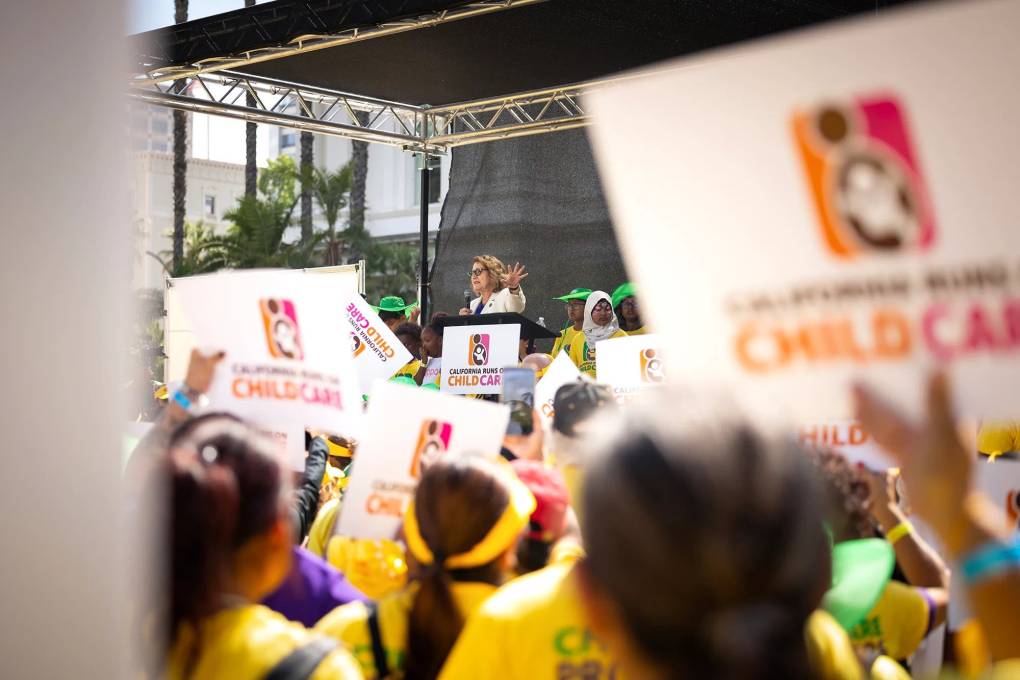
"caption": "Assemblymember Eloise Gómez Reyes speaks to the crowd gathered for the Child Care Providers United rally at the state Capitol in Sacramento on June 15, 2023.",
"description": null,
"title": "061523-child-care-rally-jah-cm-019",
"credit": "Julie A Hotz/CalMatters",
"status": "inherit",
"altTag": "A woman stands in front of a podium on a stage. She addresses a crowd of people who are holding up signs.",
"isLoading": false,
"fetchFailed": false
},
"news_11948803": {
"type": "attachments",
"id": "news_11948803",
"meta": {
"index": "attachments_1716263798",
"site": "news",
"id": "11948803",
"found": true
},
"parent": 11948773,
"imgSizes": {
"twentyfourteen-full-width": {
"file": "https://ww2.kqed.org/app/uploads/sites/10/2023/05/day-care-kids-at-are-table-1020x576.jpg",
"width": 1020,
"mimeType": "image/jpeg",
"height": 576
},
"thumbnail": {
"file": "https://ww2.kqed.org/app/uploads/sites/10/2023/05/day-care-kids-at-are-table-160x107.jpg",
"width": 160,
"mimeType": "image/jpeg",
"height": 107
},
"post-thumbnail": {
"file": "https://ww2.kqed.org/app/uploads/sites/10/2023/05/day-care-kids-at-are-table-672x372.jpg",
"width": 672,
"mimeType": "image/jpeg",
"height": 372
},
"kqedFullSize": {
"file": "https://ww2.kqed.org/app/uploads/sites/10/2023/05/day-care-kids-at-are-table.jpg",
"width": 1020,
"height": 680
},
"medium": {
"file": "https://ww2.kqed.org/app/uploads/sites/10/2023/05/day-care-kids-at-are-table-800x533.jpg",
"width": 800,
"mimeType": "image/jpeg",
"height": 533
}
},
"publishDate": 1683573072,
"modified": 1683573092,
"caption": "Yolanda Thomas trabaja en un proyecto de arte con los niños de su guardería en su casa de Pittsburg el 14 de diciembre de 2022. A partir del 1 de julio de 2023, muchos padres que dependen de guarderías subvencionadas podrían tener que empezar a pagar cuotas por primera vez desde 2020.",
"description": null,
"title": "day care kids at are table",
"credit": "Beth LaBerge/KQED",
"status": "inherit",
"altTag": null,
"isLoading": false,
"fetchFailed": false
},
"news_11948785": {
"type": "attachments",
"id": "news_11948785",
"meta": {
"index": "attachments_1716263798",
"site": "news",
"id": "11948785",
"found": true
},
"parent": 11948690,
"imgSizes": {
"twentyfourteen-full-width": {
"file": "https://ww2.kqed.org/app/uploads/sites/10/2030/05/RS64791_015_KQED_LaBombaPreschool_04202023-1-1038x576.jpg",
"width": 1038,
"mimeType": "image/jpeg",
"height": 576
},
"thumbnail": {
"file": "https://ww2.kqed.org/app/uploads/sites/10/2030/05/RS64791_015_KQED_LaBombaPreschool_04202023-1-160x107.jpg",
"width": 160,
"mimeType": "image/jpeg",
"height": 107
},
"post-thumbnail": {
"file": "https://ww2.kqed.org/app/uploads/sites/10/2030/05/RS64791_015_KQED_LaBombaPreschool_04202023-1-672x372.jpg",
"width": 672,
"mimeType": "image/jpeg",
"height": 372
},
"kqedFullSize": {
"file": "https://ww2.kqed.org/app/uploads/sites/10/2030/05/RS64791_015_KQED_LaBombaPreschool_04202023-1-scaled.jpg",
"width": 2560,
"height": 1707
},
"2048x2048": {
"file": "https://ww2.kqed.org/app/uploads/sites/10/2030/05/RS64791_015_KQED_LaBombaPreschool_04202023-1-2048x1365.jpg",
"width": 2048,
"mimeType": "image/jpeg",
"height": 1365
},
"large": {
"file": "https://ww2.kqed.org/app/uploads/sites/10/2030/05/RS64791_015_KQED_LaBombaPreschool_04202023-1-1020x680.jpg",
"width": 1020,
"mimeType": "image/jpeg",
"height": 680
},
"1536x1536": {
"file": "https://ww2.kqed.org/app/uploads/sites/10/2030/05/RS64791_015_KQED_LaBombaPreschool_04202023-1-1536x1024.jpg",
"width": 1536,
"mimeType": "image/jpeg",
"height": 1024
},
"full-width": {
"file": "https://ww2.kqed.org/app/uploads/sites/10/2030/05/RS64791_015_KQED_LaBombaPreschool_04202023-1-1920x1280.jpg",
"width": 1920,
"mimeType": "image/jpeg",
"height": 1280
},
"medium": {
"file": "https://ww2.kqed.org/app/uploads/sites/10/2030/05/RS64791_015_KQED_LaBombaPreschool_04202023-1-800x533.jpg",
"width": 800,
"mimeType": "image/jpeg",
"height": 533
}
},
"publishDate": 1683570862,
"modified": 1683570951,
"caption": "Teacher Martha Guarnizo reads a book with her students in the backyard at La Bamba daycare in San Francisco on April 20, 2023.",
"description": null,
"title": "RS64791_015_KQED_LaBombaPreschool_04202023 (1)",
"credit": "Beth LaBerge/KQED",
"status": "inherit",
"altTag": "A teacher reads to children gathered around her.",
"isLoading": false,
"fetchFailed": false
},
"news_11947674": {
"type": "attachments",
"id": "news_11947674",
"meta": {
"index": "attachments_1716263798",
"site": "news",
"id": "11947674",
"found": true
},
"parent": 11947586,
"imgSizes": {
"twentyfourteen-full-width": {
"file": "https://ww2.kqed.org/app/uploads/sites/10/2023/04/RS61650_006_KQED_DaycareYolandaThomas_12142022-qut-1020x680-1-1020x576.jpg",
"width": 1020,
"mimeType": "image/jpeg",
"height": 576
},
"thumbnail": {
"file": "https://ww2.kqed.org/app/uploads/sites/10/2023/04/RS61650_006_KQED_DaycareYolandaThomas_12142022-qut-1020x680-1-160x107.jpg",
"width": 160,
"mimeType": "image/jpeg",
"height": 107
},
"post-thumbnail": {
"file": "https://ww2.kqed.org/app/uploads/sites/10/2023/04/RS61650_006_KQED_DaycareYolandaThomas_12142022-qut-1020x680-1-672x372.jpg",
"width": 672,
"mimeType": "image/jpeg",
"height": 372
},
"kqedFullSize": {
"file": "https://ww2.kqed.org/app/uploads/sites/10/2023/04/RS61650_006_KQED_DaycareYolandaThomas_12142022-qut-1020x680-1.jpg",
"width": 1020,
"height": 680
},
"medium": {
"file": "https://ww2.kqed.org/app/uploads/sites/10/2023/04/RS61650_006_KQED_DaycareYolandaThomas_12142022-qut-1020x680-1-800x533.jpg",
"width": 800,
"mimeType": "image/jpeg",
"height": 533
}
},
"publishDate": 1682461649,
"modified": 1682480132,
"caption": "Yolanda Thomas works on an art project with the children at her day care at her home in Pittsburg on Dec. 14, 2022. Starting July 1, 2023, many parents who depend on subsidized child care may have to start paying fees for the first time since 2020.",
"description": "Yolanda Thomas works on an art project with the children at her daycare at her home in Pittsburg on Dec. 14, 2022.",
"title": "RS61650_006_KQED_DaycareYolandaThomas_12142022-qut-1020x680",
"credit": "Beth LaBerge/KQED",
"status": "inherit",
"altTag": "A group of small children sit around a table in a child care center. Two are playing a game with colorful, plastic toys and another one is drawing on a piece of paper, with the help of an adult instructor who is sitting next to her and is wearing a face mask.",
"isLoading": false,
"fetchFailed": false
},
"news_11948546": {
"type": "attachments",
"id": "news_11948546",
"meta": {
"index": "attachments_1716263798",
"site": "news",
"id": "11948546",
"found": true
},
"parent": 0,
"imgSizes": {
"twentyfourteen-full-width": {
"file": "https://ww2.kqed.org/app/uploads/sites/10/2023/05/RS64845_026_KQED_AnnetteNicholsonDaycare_04272023-qut-1038x576.jpg",
"width": 1038,
"mimeType": "image/jpeg",
"height": 576
},
"thumbnail": {
"file": "https://ww2.kqed.org/app/uploads/sites/10/2023/05/RS64845_026_KQED_AnnetteNicholsonDaycare_04272023-qut-160x107.jpg",
"width": 160,
"mimeType": "image/jpeg",
"height": 107
},
"post-thumbnail": {
"file": "https://ww2.kqed.org/app/uploads/sites/10/2023/05/RS64845_026_KQED_AnnetteNicholsonDaycare_04272023-qut-672x372.jpg",
"width": 672,
"mimeType": "image/jpeg",
"height": 372
},
"kqedFullSize": {
"file": "https://ww2.kqed.org/app/uploads/sites/10/2023/05/RS64845_026_KQED_AnnetteNicholsonDaycare_04272023-qut.jpg",
"width": 1920,
"height": 1280
},
"large": {
"file": "https://ww2.kqed.org/app/uploads/sites/10/2023/05/RS64845_026_KQED_AnnetteNicholsonDaycare_04272023-qut-1020x680.jpg",
"width": 1020,
"mimeType": "image/jpeg",
"height": 680
},
"1536x1536": {
"file": "https://ww2.kqed.org/app/uploads/sites/10/2023/05/RS64845_026_KQED_AnnetteNicholsonDaycare_04272023-qut-1536x1024.jpg",
"width": 1536,
"mimeType": "image/jpeg",
"height": 1024
},
"medium": {
"file": "https://ww2.kqed.org/app/uploads/sites/10/2023/05/RS64845_026_KQED_AnnetteNicholsonDaycare_04272023-qut-800x533.jpg",
"width": 800,
"mimeType": "image/jpeg",
"height": 533
}
},
"publishDate": 1683225384,
"modified": 1683241635,
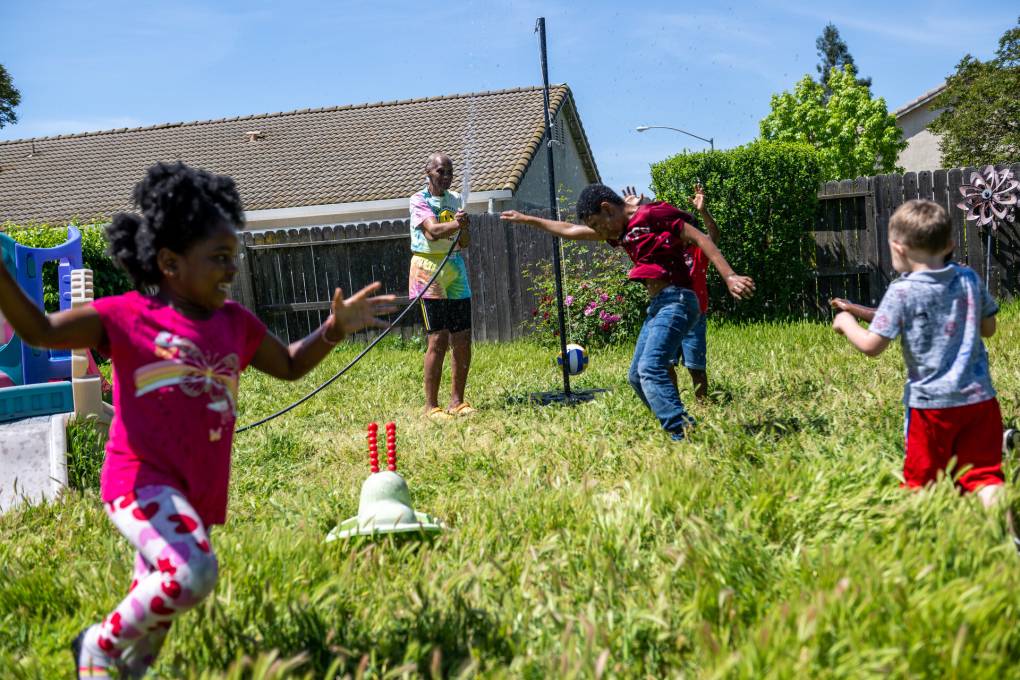
"caption": "Annette Nicholson, also known as Gaga, sprays water from a hose while the children at her day care run through it on a hot day in Stockton on April 27, 2023.",
"description": null,
"title": "RS64845_026_KQED_AnnetteNicholsonDaycare_04272023-qut",
"credit": "Beth LaBerge/KQED",
"status": "inherit",
"altTag": "Children run around a tether ball pole amid long blade of green grass. Daycare aides are seen smiling nd playing along.",
"isLoading": false,
"fetchFailed": false
}
},
"audioPlayerReducer": {
"postId": "stream_live",
"isPaused": true,
"isPlaying": false,
"pfsActive": false,
"pledgeModalIsOpen": true,
"playerDrawerIsOpen": false,
"liveAudioPlayStartedAt": 0,
"liveAudioPlayContext": ""
},
"authorsReducer": {
"byline_news_11955866": {
"type": "authors",
"id": "byline_news_11955866",
"meta": {
"override": true
},
"slug": "byline_news_11955866",
"name": "\u003ca href=\"https://edsource.org/author/zstavely\">Zaidee Stavely\u003c/a>",
"isLoading": false
},
"byline_news_11953736": {
"type": "authors",
"id": "byline_news_11953736",
"meta": {
"override": true
},
"slug": "byline_news_11953736",
"name": "\u003ca href=\"https://calmatters.org/author/jeanne-kuang/\">Jeanne Kuang\u003c/a>",
"isLoading": false
},
"astupi": {
"type": "authors",
"id": "70",
"meta": {
"index": "authors_1716337520",
"id": "70",
"found": true
},
"name": "Amanda Stupi",
"firstName": "Amanda",
"lastName": "Stupi",
"slug": "astupi",
"email": "astupi@kqed.org",
"display_author_email": false,
"staff_mastheads": [],
"title": "Senior Engagement Producer",
"bio": "Amanda joined KQED Science’s engagement team as a Senior Audience Engagement Strategist in the spring of 2019. She has helped craft messaging around wildfires, the coronavirus pandemic, climate change and many other stories. She has also brought KQED Science to new platforms such as Reddit’s Ask Me Anything series. Prior to joining KQED Science, Amanda spent seven years as an engagement producer with Forum, KQED’s daily live call-in show. She got her start in radio at KALW's weekly call in show, City Visions, before going on to an internship and stint at NPR's Talk of the Nation.\r\n\r\nPrior to journalism, Amanda taught English at Lowell High School. She's a native of Petaluma and currently lives under the \"South San Francisco the Industrial City\" sign in South City. She believes that engagement is vital to news’s future and that good journalism listens as much as it asks questions.",
"avatar": "https://secure.gravatar.com/avatar/e981c503e5c162da701dcaccfbf87e35?s=600&d=blank&r=g",
"twitter": null,
"facebook": null,
"instagram": null,
"linkedin": null,
"sites": [
{
"site": "arts",
"roles": [
"Contributor"
]
},
{
"site": "news",
"roles": [
"editor"
]
},
{
"site": "pop",
"roles": [
"contributor"
]
},
{
"site": "stateofhealth",
"roles": [
"editor"
]
},
{
"site": "science",
"roles": []
},
{
"site": "perspectives",
"roles": [
"editor"
]
}
],
"headData": {
"title": "Amanda Stupi | KQED",
"description": "Senior Engagement Producer",
"ogImgSrc": "https://secure.gravatar.com/avatar/e981c503e5c162da701dcaccfbf87e35?s=600&d=blank&r=g",
"twImgSrc": "https://secure.gravatar.com/avatar/e981c503e5c162da701dcaccfbf87e35?s=600&d=blank&r=g"
},
"isLoading": false,
"link": "/author/astupi"
},
"carlysevern": {
"type": "authors",
"id": "3243",
"meta": {
"index": "authors_1716337520",
"id": "3243",
"found": true
},
"name": "Carly Severn",
"firstName": "Carly",
"lastName": "Severn",
"slug": "carlysevern",
"email": "csevern@kqed.org",
"display_author_email": false,
"staff_mastheads": [
"news"
],
"title": "Senior Editor, Audience News ",
"bio": "Carly is KQED's Senior Editor of Audience News on the Digital News team, and has reported for the California Report Magazine, Bay Curious and KQED Arts. She's formerly the host of \u003ca href=\"http://ww2.kqed.org/pop/category/the-cooler/\" rel=\"noopener noreferrer\">The Cooler\u003c/a> podcast.",
"avatar": "https://secure.gravatar.com/avatar/54037bf5c128fe678f0ef26cec97a93f2e7f220a22d7285703328f12c42c1b1d?s=600&d=blank&r=g",
"twitter": "teacupinthebay",
"bluesky": null,
"facebook": null,
"instagram": null,
"linkedin": null,
"sites": [
{
"site": "",
"roles": [
"editor"
]
},
{
"site": "arts",
"roles": [
"editor"
]
},
{
"site": "news",
"roles": [
"administrator"
]
},
{
"site": "pop",
"roles": [
"editor"
]
},
{
"site": "futureofyou",
"roles": [
"editor"
]
},
{
"site": "about",
"roles": [
"administrator"
]
},
{
"site": "mindshift",
"roles": [
"editor"
]
},
{
"site": "bayareabites",
"roles": [
"editor"
]
},
{
"site": "stateofhealth",
"roles": [
"editor"
]
},
{
"site": "science",
"roles": [
"editor"
]
},
{
"site": "food",
"roles": [
"contributor"
]
},
{
"site": "forum",
"roles": [
"editor"
]
},
{
"site": "perspectives",
"roles": [
"administrator"
]
},
{
"site": "liveblog",
"roles": [
"editor"
]
}
],
"headData": {
"title": "Carly Severn | KQED",
"description": "Senior Editor, Audience News ",
"ogImgSrc": "https://secure.gravatar.com/avatar/54037bf5c128fe678f0ef26cec97a93f2e7f220a22d7285703328f12c42c1b1d?s=600&d=blank&r=g",
"twImgSrc": "https://secure.gravatar.com/avatar/54037bf5c128fe678f0ef26cec97a93f2e7f220a22d7285703328f12c42c1b1d?s=600&d=blank&r=g"
},
"isLoading": false,
"link": "/author/carlysevern"
},
"ecruzguevarra": {
"type": "authors",
"id": "8654",
"meta": {
"index": "authors_1716337520",
"id": "8654",
"found": true
},
"name": "Ericka Cruz Guevarra",
"firstName": "Ericka",
"lastName": "Cruz Guevarra",
"slug": "ecruzguevarra",
"email": "ecruzguevarra@kqed.org",
"display_author_email": true,
"staff_mastheads": [
"news"
],
"title": "Producer, The Bay Podcast",
"bio": "Ericka Cruz Guevarra is host of \u003ca href=\"https://www.kqed.org/podcasts/thebay\">\u003cem>The Bay\u003c/em>\u003c/a> podcast at KQED. Before host, she was the show’s producer. Her work in that capacity includes a three-part reported series on policing in Vallejo, which won a 2020 excellence in journalism award from the Society of Professional Journalists. Ericka has worked as a breaking news reporter at Oregon Public Broadcasting, helped produce the Code Switch podcast, and was KQED’s inaugural Raul Ramirez Diversity Fund intern. She’s also an alumna of NPR’s Next Generation Radio program. Send her an email if you have strong feelings about whether Fairfield and Suisun City are the Bay. Ericka is represented by SAG-AFTRA.",
"avatar": "https://secure.gravatar.com/avatar/accefc1de4bafc7e234b69bcb9b6f6536c130fd84709bc3069ef11a78787e1bb?s=600&d=blank&r=g",
"twitter": "NotoriousECG",
"bluesky": null,
"facebook": null,
"instagram": null,
"linkedin": null,
"sites": [
{
"site": "arts",
"roles": [
"subscriber"
]
},
{
"site": "news",
"roles": [
"editor",
"manage_categories"
]
},
{
"site": "futureofyou",
"roles": [
"subscriber"
]
},
{
"site": "stateofhealth",
"roles": [
"subscriber"
]
},
{
"site": "science",
"roles": [
"editor"
]
},
{
"site": "forum",
"roles": [
"subscriber"
]
}
],
"headData": {
"title": "Ericka Cruz Guevarra | KQED",
"description": "Producer, The Bay Podcast",
"ogImgSrc": "https://secure.gravatar.com/avatar/accefc1de4bafc7e234b69bcb9b6f6536c130fd84709bc3069ef11a78787e1bb?s=600&d=blank&r=g",
"twImgSrc": "https://secure.gravatar.com/avatar/accefc1de4bafc7e234b69bcb9b6f6536c130fd84709bc3069ef11a78787e1bb?s=600&d=blank&r=g"
},
"isLoading": false,
"link": "/author/ecruzguevarra"
},
"amontecillo": {
"type": "authors",
"id": "11649",
"meta": {
"index": "authors_1716337520",
"id": "11649",
"found": true
},
"name": "Alan Montecillo",
"firstName": "Alan",
"lastName": "Montecillo",
"slug": "amontecillo",
"email": "amontecillo@kqed.org",
"display_author_email": false,
"staff_mastheads": [
"news"
],
"title": "KQED Contributor",
"bio": "Alan Montecillo is the senior editor of \u003cem>\u003ca href=\"http://kqed.org/thebay\">The Bay\u003c/a>, \u003c/em> KQED's local news podcast. Before moving to the Bay Area, he worked as a senior talk show producer for WILL in Champaign-Urbana, Illinois and at Oregon Public Broadcasting in Portland, Oregon. He has won journalism awards from the Society of Professional Journalists Northern California, the Public Media Journalists Association, The Signal Awards, and has also received a regional Edward R. Murrow award. Alan is a Filipino American from Hong Kong and a graduate of Reed College.",
"avatar": "https://secure.gravatar.com/avatar/268f53a2066899ea9efdd8a5900218b17c822d9862cbc9326cccec53ef41d349?s=600&d=blank&r=g",
"twitter": "alanmontecillo",
"bluesky": null,
"facebook": null,
"instagram": null,
"linkedin": null,
"sites": [
{
"site": "",
"roles": [
"editor"
]
},
{
"site": "news",
"roles": [
"editor",
"manage_categories"
]
}
],
"headData": {
"title": "Alan Montecillo | KQED",
"description": "KQED Contributor",
"ogImgSrc": "https://secure.gravatar.com/avatar/268f53a2066899ea9efdd8a5900218b17c822d9862cbc9326cccec53ef41d349?s=600&d=blank&r=g",
"twImgSrc": "https://secure.gravatar.com/avatar/268f53a2066899ea9efdd8a5900218b17c822d9862cbc9326cccec53ef41d349?s=600&d=blank&r=g"
},
"isLoading": false,
"link": "/author/amontecillo"
},
"mesquinca": {
"type": "authors",
"id": "11802",
"meta": {
"index": "authors_1716337520",
"id": "11802",
"found": true
},
"name": "Maria Esquinca",
"firstName": "Maria",
"lastName": "Esquinca",
"slug": "mesquinca",
"email": "mesquinca@kqed.org",
"display_author_email": false,
"staff_mastheads": [],
"title": "Producer, The Bay",
"bio": "María Esquinca is a producer of The Bay. Before that, she was a New York Women’s Foundation IGNITE Fellow at Latino USA. She worked at Radio Bilingue where she covered the San Joaquin Valley. Maria has interned at WLRN, News 21, The New York Times Student Journalism Institute and at Crain’s Detroit Business as a Dow Jones News Fund Business Reporting Intern. She is an MFA graduate from the University of Miami. In 2017, she graduated from the Walter Cronkite School of Journalism and Mass Communication with a Master of Mass Communication. A fronteriza, she was born in Ciudad Juárez, Chihuahua, Mexico and grew up in El Paso, Texas.",
"avatar": "https://secure.gravatar.com/avatar/77cedba18aae91da775038ba06dcd8d0?s=600&d=blank&r=g",
"twitter": "@m_esquinca",
"facebook": null,
"instagram": null,
"linkedin": null,
"sites": [
{
"site": "news",
"roles": []
}
],
"headData": {
"title": "Maria Esquinca | KQED",
"description": "Producer, The Bay",
"ogImgSrc": "https://secure.gravatar.com/avatar/77cedba18aae91da775038ba06dcd8d0?s=600&d=blank&r=g",
"twImgSrc": "https://secure.gravatar.com/avatar/77cedba18aae91da775038ba06dcd8d0?s=600&d=blank&r=g"
},
"isLoading": false,
"link": "/author/mesquinca"
},
"daisynguyen": {
"type": "authors",
"id": "11829",
"meta": {
"index": "authors_1716337520",
"id": "11829",
"found": true
},
"name": "Daisy Nguyen",
"firstName": "Daisy",
"lastName": "Nguyen",
"slug": "daisynguyen",
"email": "daisynguyen@kqed.org",
"display_author_email": true,
"staff_mastheads": [
"news"
],
"title": "KQED Contributor",
"bio": "I have covered early childhood education and child care for KQED since 2022. I focus on policies aimed at increasing access to early care and education and how they shape individual lives. I've been a journalist for more than two decades, with most of that time devoted to covering breaking news throughout California for The Associated Press. I grew up in San Francisco and studied at UC Davis and Columbia University's Graduate School of Journalism. I live in Oakland with my husband and two kids.",
"avatar": "https://secure.gravatar.com/avatar/2da2127c27f7143b53ebd419800fd55f?s=600&d=blank&r=g",
"twitter": null,
"facebook": null,
"instagram": null,
"linkedin": "https://www.linkedin.com/in/daisynguyen/",
"sites": [
{
"site": "news",
"roles": [
"author"
]
},
{
"site": "liveblog",
"roles": [
"author"
]
}
],
"headData": {
"title": "Daisy Nguyen | KQED",
"description": "KQED Contributor",
"ogImgSrc": "https://secure.gravatar.com/avatar/2da2127c27f7143b53ebd419800fd55f?s=600&d=blank&r=g",
"twImgSrc": "https://secure.gravatar.com/avatar/2da2127c27f7143b53ebd419800fd55f?s=600&d=blank&r=g"
},
"isLoading": false,
"link": "/author/daisynguyen"
}
},
"pagesReducer": {
"news_tag_child-care": {
"type": "terms",
"id": "news_20754",
"meta": {
"index": "terms_1716263798",
"site": "news",
"id": "20754",
"score": 9.893822
},
"featImg": null,
"name": "child care",
"description": null,
"taxonomy": "tag",
"headData": {
"twImgId": null,
"twTitle": null,
"ogTitle": null,
"ogImgId": null,
"twDescription": null,
"description": null,
"title": "child care Archives | KQED News",
"ogDescription": null
},
"ttid": 20771,
"slug": "child-care",
"isLoading": false,
"title": "child care",
"pageMeta": {
"site": "news",
"WpPageTemplate": "page-topic-editorial",
"currentPage": 5
},
"blocks": [
{
"blockName": "kqed/post-list",
"attrs": {
"layout": "cardArticle2",
"query": "posts/news?tag=child-care",
"seeMore": false,
"paginated": true,
"page": 5
}
},
{
"blockName": "kqed/ad"
}
]
}
},
"pfsSessionReducer": {},
"postsReducer": {
"stream_live": {
"type": "live",
"id": "stream_live",
"audioUrl": "https://streams.kqed.org/kqedradio",
"title": "Live Stream",
"excerpt": "Live Stream information currently unavailable.",
"link": "/radio",
"featImg": "",
"label": {
"name": "KQED Live",
"link": "/"
}
},
"stream_kqedNewscast": {
"type": "posts",
"id": "stream_kqedNewscast",
"audioUrl": "https://www.kqed.org/.stream/anon/radio/RDnews/newscast.mp3?_=1",
"title": "KQED Newscast",
"featImg": "",
"label": {
"name": "88.5 FM",
"link": "/"
}
},
"news_11967796": {
"type": "posts",
"id": "news_11967796",
"meta": {
"index": "posts_1716263798",
"site": "news",
"id": "11967796",
"score": null,
"sort": [
1700479463000
]
},
"parent": 0,
"labelTerm": {
"site": "news"
},
"blocks": [],
"publishDate": 1700479463,
"format": "standard",
"title": "Feds Plan Higher Pay for Head Start Teachers Amid Severe Staff Shortage",
"headTitle": "Feds Plan Higher Pay for Head Start Teachers Amid Severe Staff Shortage | KQED",
"content": "\u003cp>The Biden administration wants to significantly raise the salaries of Head Start teachers to reverse the staffing shortage that it says is threatening the future of the early education program for children from lower-income families.\u003c/p>\n\u003cp>Under a proposed rule change \u003ca href=\"https://public-inspection.federalregister.gov/2023-25038.pdf\">published Monday on the Federal Register (PDF)\u003c/a>, Head Start teachers would have to be paid as much as preschool teachers in their local school district. That could mean an average increase of $10,000 per year for more than 27,500 Head Start staffers in California.\u003c/p>\n\u003cp>“For too long, our skilled and passionate Head Start workforce has been underpaid, which has impacted the program’s ability to retain and recruit qualified teachers,” Xavier Becerra, the secretary of the U.S. Department of Health and Human Services, said in a statement.\u003c/p>\n\u003cp>[ad fullwidth]\u003c/p>\n\u003cp>The change is necessary to ensure young children get reliable care and equal access to high-quality early education, advocates told KQED.\u003c/p>\n\u003cp>Head Start has been plagued by understaffing and high turnover rates since classrooms reopened after the pandemic shutdowns. A survey conducted by the National Head Start Association last month found that 15% of classrooms were closed due to high vacancy rates.\u003c/p>\n\u003cp>Members who responded to the survey cited low compensation as the main reason Head Start teachers — most of whom have at least a bachelor’s degree — were leaving for better-paying jobs at public schools or other sectors.\u003c/p>\n\u003cp>The national average salary for Head Start teachers was $39,096 per year, while the average pay for preschool teachers in a public school setting was $53,200 and $65,210 for kindergarten teachers, according to U.S. Bureau of Labor statistics.\u003c/p>\n\u003cp>[pullquote align=\"right\" size=\"medium\" citation=\"Xavier Becerra, secretary, U.S. Department of Health and Human Services\"]‘For too long, our skilled and passionate Head Start workforce has been underpaid, which has impacted the program’s ability to retain and recruit qualified teachers.’[/pullquote]The pay gap goes as far as 25% in Stanislaus County in the Central Valley, according to a comparison of school district and Head Start salaries conducted by the county’s Office of Education.\u003c/p>\n\u003cp>“There’s a stark difference, and that’s without going into the fact that Head Start teachers work year-round while K–12 teachers get winter, spring and summer breaks,” said Tony Jordan, executive director of the office’s Child & Family Services Division.\u003c/p>\n\u003cp>Wu Yee Children’s Services, the largest provider of Head Start programs in San Francisco, has a 17% vacancy rate and a low pool of substitute teachers, even though salaries range between $28 to $40 per hour thanks to additional funding from the city, said the center’s executive director, Monica Walters.\u003c/p>\n\u003cp>“With those wages, we’re still not attracting the people that we need, and they’re not staying because of all the other costs of living [in San Francisco],” she said.\u003c/p>\n\u003cp>The low pay, combined with the physically and emotionally demanding work, is driving high turnover rates, which affects the quality of care for young children.\u003c/p>\n\u003cp>“We all know that when kids don’t have the same teacher day after day or year over year, they don’t know what to expect,” Walters said. “Parents don’t know who they’re going to be talking to in the classroom, and that really affects outcomes for the kids.”\u003c/p>\n\u003cp>The lack of staffing is leading to longer wait lists. This year, California received funding to cover nearly 95,000 slots, but only about 85,000 children are enrolled, according to Melanee Cottrill, executive director of Head Start California.\u003c/p>\n\u003cp>Besides poor pay, she said many families don’t meet the income requirements to enroll in Head Start because the federal poverty guidelines are “unrealistically low” in California. For example, a family of four must have an annual income of $30,000 to qualify for Head Start.\u003c/p>\n\u003cp>[aside label=\"Related Stories\" postID=\"news_11965328,news_11964236,news_11959904\"]That’s why many early education programs combine funding from the California State Preschool Program, which provides subsidized early care and education for 3- to 5-year-old children. The income limit to qualify for the program — $96,000 for families of four — is higher than Head Start’s.\u003c/p>\n\u003cp>Higher reimbursement rates from the state program have helped programs like Izzi Early Education, the largest Head Start provider in San Mateo County, to increase their teachers’ salaries to about $38 per hour — which is about $5 less than what kindergarten teachers in the region earn hourly, said the program’s director, Angel Barrios.\u003cbr>\nShe applauds the proposed rule change that would put Head Start teachers on the same pay scale as elementary school teachers.\u003c/p>\n\u003cp>“That is our goal. We’re getting very close to it, but we’re not there yet,” Barrios said.\u003c/p>\n\u003cp>She said that since the pandemic, some of her teachers have moved as far away as Sacramento — and still commute back for work — because they couldn’t afford to live in San Mateo County.\u003c/p>\n\u003cp>To develop a pipeline of new teachers, her program offered Head Start parents and those interested in entering the profession a stipend to take child development classes and obtain permits to work in classrooms. Apprentices who want to continue their education receive free tuition from local colleges.\u003c/p>\n\u003cp>So far, 37 people have received their entry-level credentials, allowing Izzi to fill vacancies and open all of its classrooms this year, Barrios said.\u003c/p>\n\u003cp>“You have to be creative, innovative and … one of the ways that we were able to do that was to create this pipeline and include parents in our program,” she added.\u003c/p>\n\u003cp>The proposed rules also include important changes to improve mental health support and benefits such as paid leave, as well as support services for families enrolled in Head Start. The public has 60 days to submit comments on the proposed rules.\u003c/p>\n\u003cp>\u003c/p>\n",
"stats": {
"hasVideo": false,
"hasChartOrMap": false,
"hasAudio": false,
"hasPolis": false,
"wordCount": 1022,
"hasGoogleForm": false,
"hasGallery": false,
"hasHearkenModule": false,
"iframeSrcs": [],
"paragraphCount": 25
},
"modified": 1700522597,
"excerpt": "Plagued by high turnover rates and understaffing, the Head Start early child education program for lower-income families may get a boost from the Biden administration.",
"headData": {
"twImgId": "",
"twTitle": "",
"ogTitle": "",
"ogImgId": "",
"twDescription": "",
"description": "Plagued by high turnover rates and understaffing, the Head Start early child education program for lower-income families may get a boost from the Biden administration.",
"title": "Feds Plan Higher Pay for Head Start Teachers Amid Severe Staff Shortage | KQED",
"ogDescription": "",
"schema": {
"@context": "https://schema.org",
"@type": "NewsArticle",
"headline": "Feds Plan Higher Pay for Head Start Teachers Amid Severe Staff Shortage",
"datePublished": "2023-11-20T03:24:23-08:00",
"dateModified": "2023-11-20T15:23:17-08:00",
"image": "https://cdn.kqed.org/wp-content/uploads/2020/02/KQED-OG-Image@1x.png",
"isAccessibleForFree": "True",
"publisher": {
"@type": "NewsMediaOrganization",
"@id": "https://www.kqed.org/#organization",
"name": "KQED",
"logo": "https://cdn.kqed.org/wp-content/uploads/2020/02/KQED-OG-Image@1x.png",
"url": "https://www.kqed.org",
"sameAs": [
"https://www.facebook.com/KQED",
"https://twitter.com/KQED",
"https://www.instagram.com/kqed/",
"https://www.tiktok.com/@kqedofficial",
"https://www.linkedin.com/company/kqed",
"https://www.youtube.com/channel/UCeC0IOo7i1P_61zVUWbJ4nw"
]
}
}
},
"guestAuthors": [],
"slug": "feds-plan-higher-pay-for-head-start-teachers-amid-severe-staff-shortage",
"status": "publish",
"excludeFromSiteSearch": "Include",
"articleAge": "0",
"path": "/news/11967796/feds-plan-higher-pay-for-head-start-teachers-amid-severe-staff-shortage",
"audioTrackLength": null,
"parsedContent": [
{
"type": "contentString",
"content": "\u003cdiv class=\"post-body\">\u003cp>\u003cp>The Biden administration wants to significantly raise the salaries of Head Start teachers to reverse the staffing shortage that it says is threatening the future of the early education program for children from lower-income families.\u003c/p>\n\u003cp>Under a proposed rule change \u003ca href=\"https://public-inspection.federalregister.gov/2023-25038.pdf\">published Monday on the Federal Register (PDF)\u003c/a>, Head Start teachers would have to be paid as much as preschool teachers in their local school district. That could mean an average increase of $10,000 per year for more than 27,500 Head Start staffers in California.\u003c/p>\n\u003cp>“For too long, our skilled and passionate Head Start workforce has been underpaid, which has impacted the program’s ability to retain and recruit qualified teachers,” Xavier Becerra, the secretary of the U.S. Department of Health and Human Services, said in a statement.\u003c/p>\n\u003cp>\u003c/p>\u003c/div>",
"attributes": {
"named": {},
"numeric": []
}
},
{
"type": "component",
"content": "",
"name": "ad",
"attributes": {
"named": {
"label": "fullwidth"
},
"numeric": [
"fullwidth"
]
}
},
{
"type": "contentString",
"content": "\u003cdiv class=\"post-body\">\u003cp>\u003c/p>\n\u003cp>The change is necessary to ensure young children get reliable care and equal access to high-quality early education, advocates told KQED.\u003c/p>\n\u003cp>Head Start has been plagued by understaffing and high turnover rates since classrooms reopened after the pandemic shutdowns. A survey conducted by the National Head Start Association last month found that 15% of classrooms were closed due to high vacancy rates.\u003c/p>\n\u003cp>Members who responded to the survey cited low compensation as the main reason Head Start teachers — most of whom have at least a bachelor’s degree — were leaving for better-paying jobs at public schools or other sectors.\u003c/p>\n\u003cp>The national average salary for Head Start teachers was $39,096 per year, while the average pay for preschool teachers in a public school setting was $53,200 and $65,210 for kindergarten teachers, according to U.S. Bureau of Labor statistics.\u003c/p>\n\u003cp>\u003c/p>\u003c/div>",
"attributes": {
"named": {},
"numeric": []
}
},
{
"type": "component",
"content": "‘For too long, our skilled and passionate Head Start workforce has been underpaid, which has impacted the program’s ability to retain and recruit qualified teachers.’",
"name": "pullquote",
"attributes": {
"named": {
"align": "right",
"size": "medium",
"citation": "Xavier Becerra, secretary, U.S. Department of Health and Human Services",
"label": ""
},
"numeric": []
}
},
{
"type": "contentString",
"content": "\u003cdiv class=\"post-body\">\u003cp>The pay gap goes as far as 25% in Stanislaus County in the Central Valley, according to a comparison of school district and Head Start salaries conducted by the county’s Office of Education.\u003c/p>\n\u003cp>“There’s a stark difference, and that’s without going into the fact that Head Start teachers work year-round while K–12 teachers get winter, spring and summer breaks,” said Tony Jordan, executive director of the office’s Child & Family Services Division.\u003c/p>\n\u003cp>Wu Yee Children’s Services, the largest provider of Head Start programs in San Francisco, has a 17% vacancy rate and a low pool of substitute teachers, even though salaries range between $28 to $40 per hour thanks to additional funding from the city, said the center’s executive director, Monica Walters.\u003c/p>\n\u003cp>“With those wages, we’re still not attracting the people that we need, and they’re not staying because of all the other costs of living [in San Francisco],” she said.\u003c/p>\n\u003cp>The low pay, combined with the physically and emotionally demanding work, is driving high turnover rates, which affects the quality of care for young children.\u003c/p>\n\u003cp>“We all know that when kids don’t have the same teacher day after day or year over year, they don’t know what to expect,” Walters said. “Parents don’t know who they’re going to be talking to in the classroom, and that really affects outcomes for the kids.”\u003c/p>\n\u003cp>The lack of staffing is leading to longer wait lists. This year, California received funding to cover nearly 95,000 slots, but only about 85,000 children are enrolled, according to Melanee Cottrill, executive director of Head Start California.\u003c/p>\n\u003cp>Besides poor pay, she said many families don’t meet the income requirements to enroll in Head Start because the federal poverty guidelines are “unrealistically low” in California. For example, a family of four must have an annual income of $30,000 to qualify for Head Start.\u003c/p>\n\u003cp>\u003c/p>\u003c/div>",
"attributes": {
"named": {},
"numeric": []
}
},
{
"type": "component",
"content": "",
"name": "aside",
"attributes": {
"named": {
"label": "Related Stories ",
"postid": "news_11965328,news_11964236,news_11959904"
},
"numeric": []
}
},
{
"type": "contentString",
"content": "\u003cdiv class=\"post-body\">\u003cp>That’s why many early education programs combine funding from the California State Preschool Program, which provides subsidized early care and education for 3- to 5-year-old children. The income limit to qualify for the program — $96,000 for families of four — is higher than Head Start’s.\u003c/p>\n\u003cp>Higher reimbursement rates from the state program have helped programs like Izzi Early Education, the largest Head Start provider in San Mateo County, to increase their teachers’ salaries to about $38 per hour — which is about $5 less than what kindergarten teachers in the region earn hourly, said the program’s director, Angel Barrios.\u003cbr>\nShe applauds the proposed rule change that would put Head Start teachers on the same pay scale as elementary school teachers.\u003c/p>\n\u003cp>“That is our goal. We’re getting very close to it, but we’re not there yet,” Barrios said.\u003c/p>\n\u003cp>She said that since the pandemic, some of her teachers have moved as far away as Sacramento — and still commute back for work — because they couldn’t afford to live in San Mateo County.\u003c/p>\n\u003cp>To develop a pipeline of new teachers, her program offered Head Start parents and those interested in entering the profession a stipend to take child development classes and obtain permits to work in classrooms. Apprentices who want to continue their education receive free tuition from local colleges.\u003c/p>\n\u003cp>So far, 37 people have received their entry-level credentials, allowing Izzi to fill vacancies and open all of its classrooms this year, Barrios said.\u003c/p>\n\u003cp>“You have to be creative, innovative and … one of the ways that we were able to do that was to create this pipeline and include parents in our program,” she added.\u003c/p>\n\u003cp>The proposed rules also include important changes to improve mental health support and benefits such as paid leave, as well as support services for families enrolled in Head Start. The public has 60 days to submit comments on the proposed rules.\u003c/p>\n\u003cp>\u003c/p>\n\u003c/div>\u003c/p>",
"attributes": {
"named": {},
"numeric": []
}
}
],
"link": "/news/11967796/feds-plan-higher-pay-for-head-start-teachers-amid-severe-staff-shortage",
"authors": [
"11829"
],
"categories": [
"news_31795",
"news_18540",
"news_8"
],
"tags": [
"news_20754",
"news_32102",
"news_29460",
"news_27626",
"news_33388",
"news_22350",
"news_17763"
],
"featImg": "news_11967810",
"label": "news"
},
"news_11964236": {
"type": "posts",
"id": "news_11964236",
"meta": {
"index": "posts_1716263798",
"site": "news",
"id": "11964236",
"score": null,
"sort": [
1697205619000
]
},
"guestAuthors": [],
"slug": "how-a-california-child-care-workers-union-fought-for-living-wages-and-won",
"title": "How a California Child Care Workers' Union Fought for Living Wages — and Won",
"publishDate": 1697205619,
"format": "standard",
"headTitle": "How a California Child Care Workers’ Union Fought for Living Wages — and Won | KQED",
"labelTerm": {},
"content": "\u003cp>When Nancy Harvey opened a daycare out of her West Oakland home nearly two decades ago, she wanted to give kids in her neighborhood a high-quality preschool.\u003c/p>\n\u003cp>She was up for the challenge, but what she wasn’t prepared for was the low pay and lack of benefits: two things she took for granted when she worked in marketing and taught in private schools.\u003c/p>\n\u003cp>“A retirement plan was essential for anyone that worked a job and I couldn’t understand how this very valuable industry did not have that,” Harvey said.\u003c/p>\n\u003cp>[ad fullwidth]\u003c/p>\n\u003cp>As workers across occupations walked off the job during this \u003ca href=\"https://www.kqed.org/news/11963717/amid-kaiser-strike-a-look-at-the-biggest-union-walkouts-in-california-recently\">remarkable year of strikes\u003c/a>, a union representing 40,000 home-based child care providers like Harvey approved a landmark deal, which included a roughly 20% pay increase and unprecedented benefits. It was a big moment for a labor movement largely led by immigrants and women of color — two groups whose domestic work has \u003ca href=\"https://www.epi.org/blog/black-womens-labor-market-history-reveals-deep-seated-race-and-gender-discrimination/\">historically been undervalued and excluded \u003c/a>from labor protection laws.\u003c/p>\n\u003cp>Since child care in the United States is largely privatized, home-based providers are considered self-employed small business owners. But those who serve lower-income families have long argued they should be classified as public employees since their salaries depend on reimbursements from the state. In California, two-thirds of families who receive child care subsidies send their kids to home-based daycares.\u003c/p>\n\u003cp>For years, these providers complained \u003ca href=\"https://cscce.berkeley.edu/workforce-index-2020/the-early-educator-workforce/early-educator-pay-economic-insecurity-across-the-states/\">they were paid so little that they \u003cem>themselves\u003c/em> qualify for public assistance\u003c/a>.\u003c/p>\n\u003cp>“It spoke pretty loudly as to what folks really thought of child care providers, that we were just folks that they could use and not necessarily think about our well-being and our future,” Harvey said.\u003c/p>\n\u003cp>For Harvey, her involvement started with a knock on her door not long after she started her daycare. A union rep came in the middle of the children’s nap time and pitched unionizing as a strategy to improve pay and gain benefits. She said she didn’t hesitate to sign up.\u003c/p>\n\u003cp>[pullquote size=\"medium\" align=\"right\" citation=\"Nancy Harvey, child care provider, West Oakland\"]‘We have set them aside long enough and we can’t do that.’[/pullquote]Organizing isn’t easy for home-based workers because they work independently, but Harvey said she felt a duty to speak up for her industry because many providers were in the same situation she was in, but were too busy to effect change.\u003c/p>\n\u003cp>It took two decades of organizing — a lot of it done during nap time — before Child Care Providers United \u003ca href=\"https://www.gov.ca.gov/2019/09/30/governor-newsom-signs-legislation-allowing-child-care-providers-the-right-to-unionize/\">won the right in 2019 to collectively bargain\u003c/a>. The union represents 40,000 home-based child care providers. It is a partnership between two chapters of the Service Employees International Union locals and the American Federation of State, County and Municipal Employees.\u003c/p>\n\u003cp>But just as Harvey and other providers got ready to negotiate their first contract with the state, the pandemic hit, greatly intensifying their economic insecurity. As essential workers, many home-based providers kept their doors open, but still struggled to pay their bills. They said they were seeing lower revenues due to enrollment declines and higher costs due to inflation.\u003c/p>\n\u003cfigure id=\"attachment_11963691\" class=\"wp-caption aligncenter\" style=\"max-width: 800px\">\u003cimg loading=\"lazy\" decoding=\"async\" class=\"size-medium wp-image-11963691\" src=\"https://ww2.kqed.org/app/uploads/sites/10/2023/10/230810-FeltonInstituteRally-21-BL-KQED-800x533.jpg\" alt=\"A person speaks into a megaphone in front of a group of people.\" width=\"800\" height=\"533\" srcset=\"https://cdn.kqed.org/wp-content/uploads/sites/10/2023/10/230810-FeltonInstituteRally-21-BL-KQED-800x533.jpg 800w, https://cdn.kqed.org/wp-content/uploads/sites/10/2023/10/230810-FeltonInstituteRally-21-BL-KQED-1020x680.jpg 1020w, https://cdn.kqed.org/wp-content/uploads/sites/10/2023/10/230810-FeltonInstituteRally-21-BL-KQED-160x107.jpg 160w, https://cdn.kqed.org/wp-content/uploads/sites/10/2023/10/230810-FeltonInstituteRally-21-BL-KQED-1536x1024.jpg 1536w, https://cdn.kqed.org/wp-content/uploads/sites/10/2023/10/230810-FeltonInstituteRally-21-BL-KQED-1920x1280.jpg 1920w, https://cdn.kqed.org/wp-content/uploads/sites/10/2023/10/230810-FeltonInstituteRally-21-BL-KQED.jpg 2000w\" sizes=\"(max-width: 800px) 100vw, 800px\">\u003cfigcaption class=\"wp-caption-text\">Nancy Harvey speaks during a rally to bring attention to a gas leak Felton Institute employees say went unaddressed for more than a year outside of Felton’s Sunshine Community Center in San Francisco’s Mission District on Aug. 10, 2023. Felton Institute is a nonprofit serving children and families in the Bay Area. \u003ccite>(Beth LaBerge/KQED)\u003c/cite>\u003c/figcaption>\u003c/figure>\n\u003cp>“It was at that point that people really recognized the fact that, hey, this industry is important,” Harvey recalled. “We have set them aside long enough and we can’t do that.”\u003c/p>\n\u003cp>The union reached its first contract in 2021, securing $100 million for health care, plus funding for training and pandemic relief. \u003ca href=\"https://laborcenter.berkeley.edu/many-california-family-child-care-providers-will-now-be-better-able-to-afford-health-care/\">In one survey\u003c/a>, many home-based providers reported delaying or not getting needed health care because they couldn’t afford out-of-pocket costs.\u003c/p>\n\u003cp>Gaining the health care fund was bittersweet for Patricia Moran, a daycare owner in San José. She said a fellow provider and member of the negotiation team was diagnosed with lung cancer during the talks and didn’t live long enough to see it.\u003c/p>\n\u003cp>“I knew providers who were going to Mexico, crossing the border for cheaper medical care and going so fast and coming back so fast they would sometimes get into car accidents,” she said.\u003c/p>\n\u003cp>Moran, Harvey and dozens of providers bargained for the second contract this past year. They spent nights and weekends negotiating and held union demonstrations, including rallies outside the Capitol and the governor’s mansion.\u003c/p>\n\u003cfigure id=\"attachment_11963692\" class=\"wp-caption aligncenter\" style=\"max-width: 800px\">\u003cimg loading=\"lazy\" decoding=\"async\" class=\"size-medium wp-image-11963692\" src=\"https://ww2.kqed.org/app/uploads/sites/10/2023/10/231002-ChildCareLaborMovement-003-BL-KQED-800x533.jpg\" alt=\"A person stands by a window and looks at the camera.\" width=\"800\" height=\"533\" srcset=\"https://cdn.kqed.org/wp-content/uploads/sites/10/2023/10/231002-ChildCareLaborMovement-003-BL-KQED-800x533.jpg 800w, https://cdn.kqed.org/wp-content/uploads/sites/10/2023/10/231002-ChildCareLaborMovement-003-BL-KQED-1020x680.jpg 1020w, https://cdn.kqed.org/wp-content/uploads/sites/10/2023/10/231002-ChildCareLaborMovement-003-BL-KQED-160x107.jpg 160w, https://cdn.kqed.org/wp-content/uploads/sites/10/2023/10/231002-ChildCareLaborMovement-003-BL-KQED-1536x1024.jpg 1536w, https://cdn.kqed.org/wp-content/uploads/sites/10/2023/10/231002-ChildCareLaborMovement-003-BL-KQED-1920x1280.jpg 1920w, https://cdn.kqed.org/wp-content/uploads/sites/10/2023/10/231002-ChildCareLaborMovement-003-BL-KQED.jpg 2000w\" sizes=\"(max-width: 800px) 100vw, 800px\">\u003cfigcaption class=\"wp-caption-text\">Patricia Moran stands in her child care facility in San José on Oct. 2, 2023. \u003ccite>(Beth LaBerge/KQED)\u003c/cite>\u003c/figcaption>\u003c/figure>\n\u003cp>“I remember I slept like two hours because, in my daycare, some parents are bringing children at 5 o’clock in the morning,” Moran said. “I was like, OK, I’m going to sleep. Maybe, maybe not. No, I’m going to stay awake.”\u003c/p>\n\u003cp>The organizing paid off. Last month, the state finalized \u003ca href=\"https://www.kqed.org/news/11961256/newsom-signs-bills-boosting-child-care-for-struggling-californians-and-providers\">a landmark $2 billion deal \u003c/a>to give them their largest pay raise to date and launch the nation’s first retirement fund for unionized child care workers. The $80 million fund made California the first of \u003ca href=\"https://www.clasp.org/wp-content/uploads/2023/04/4.3.2023_Unionizing-Home-Based-Providers-to-Address-the-Child-Care-Crisis.pdf\">11 states with home-based child care worker unions (PDF) \u003c/a>to offer this benefit.\u003c/p>\n\u003cp>[pullquote size=\"medium\" align=\"right\" citation=\"Patricia Moran, child care provider, San José\"]‘I knew providers who were going to Mexico, crossing the border for cheaper medical care and going so fast and coming back so fast they would sometimes get into car accidents.’[/pullquote]Overall, the push to unionize child care workers has had more success in some states than others. Seven other states, for example, had granted that right to home-based child care providers before backing out, \u003ca href=\"https://www.clasp.org/wp-content/uploads/2023/04/4.3.2023_Unionizing-Home-Based-Providers-to-Address-the-Child-Care-Crisis.pdf\">according to the Center for Law and Social Policy (PDF)\u003c/a>.\u003c/p>\n\u003cp>It helped that in California, a record number of women in the state Legislature made \u003ca href=\"https://womenscaucus.legislature.ca.gov/news/2023-03-30-ca-legislative-women%E2%80%99s-caucus-announces-2023-priority-bill-package\">child care funding a priority in the 2023–24 budget year. \u003c/a>\u003c/p>\n\u003cp>State Sen. Nancy Skinner, an East Bay Democrat who chairs the Legislative Women’s Caucus, said funding was urgently needed because many child care programs permanently closed after the pandemic.\u003c/p>\n\u003cp>“So we just saw this collapse that affected not only families, obviously, and the little kids that really deserve good child care, but also affected California’s employers and our economy,” she said.\u003c/p>\n\u003cp>But perhaps the biggest victory is that they got the state to \u003ca href=\"https://calbudgetcenter.org/resources/californias-subsidized-child-care-providers-are-overdue-for-pay-raise/\">fundamentally change the way it pays\u003c/a> providers of subsidized child care programs so that they’ll get closer to earning a fair wage, whether they’re in the union or not.\u003c/p>\n\u003cp>That means, the benefit will extend to larger state-funded child care centers.\u003c/p>\n\u003cp>“They fought for the entire system … which is incredibly tremendous for all of us,” said Nina Buthee, executive director of the advocacy group EveryChild California.\u003c/p>\n\u003cp>Buthee said she hopes better pay will encourage more private daycares to serve families who qualify for child care subsidies.\u003c/p>\n\u003cp>[aside label='More on Affordable Child Care' tag='child-care']“It’s really a huge step forward in terms of equity when you think about who our workforce is,” said Brandy Jones Lawrence, a senior analyst at the Center for the Study of Child Care Employment at the University of California, Berkeley.\u003c/p>\n\u003cp>“It’s also a huge step forward in our commitment to systemic reform,” she added\u003cem>.\u003c/em>\u003c/p>\n\u003cp>Harvey said these gains were long overdue. She’s ecstatic about the changes and hopes child care workers in other states will follow in her union’s footsteps.\u003c/p>\n\u003cp>At 61 years old, she said she feels more secure about retiring in a few years.\u003c/p>\n\u003cp>“We think of a retirement plan as a pot of money that’s going to help you survive. And if you don’t have that, then how are you going to survive?” she said. “I’m glad that the state of California heard our cry.”\u003c/p>\n\u003cp>[ad floatright]\u003c/p>\n",
"blocks": [],
"excerpt": "A union of 40,000 home-based child care providers, largely led by immigrants and women of color, secured a 20% raise and new benefits, a win for labor rights.",
"status": "publish",
"parent": 0,
"modified": 1726004827,
"stats": {
"hasAudio": false,
"hasVideo": false,
"hasChartOrMap": false,
"iframeSrcs": [],
"hasGoogleForm": false,
"hasGallery": false,
"hasHearkenModule": false,
"hasPolis": false,
"paragraphCount": 33,
"wordCount": 1396
},
"headData": {
"title": "How a California Child Care Workers' Union Fought for Living Wages — and Won | KQED",
"description": "A union of 40,000 home-based child care providers, largely led by immigrants and women of color, secured a 20% raise and new benefits, a win for labor rights.",
"ogTitle": "",
"ogDescription": "",
"ogImgId": "",
"twTitle": "",
"twDescription": "",
"twImgId": "",
"schema": {
"@context": "https://schema.org",
"@type": "NewsArticle",
"headline": "How a California Child Care Workers' Union Fought for Living Wages — and Won",
"datePublished": "2023-10-13T07:00:19-07:00",
"dateModified": "2024-09-10T14:47:07-07:00",
"image": "https://cdn.kqed.org/wp-content/uploads/2020/02/KQED-OG-Image@1x.png",
"isAccessibleForFree": "True",
"publisher": {
"@type": "NewsMediaOrganization",
"@id": "https://www.kqed.org/#organization",
"name": "KQED",
"logo": "https://cdn.kqed.org/wp-content/uploads/2020/02/KQED-OG-Image@1x.png",
"url": "https://www.kqed.org",
"sameAs": [
"https://www.facebook.com/KQED",
"https://twitter.com/KQED",
"https://www.instagram.com/kqed/",
"https://www.tiktok.com/@kqedofficial",
"https://www.linkedin.com/company/kqed",
"https://www.youtube.com/channel/UCeC0IOo7i1P_61zVUWbJ4nw"
]
}
}
},
"source": "Early Childhood Education and Care",
"sourceUrl": "https://www.kqed.org/early-childhood-education-and-care",
"audioUrl": "https://traffic.omny.fm/d/clips/0af137ef-751e-4b19-a055-aaef00d2d578/ffca7e9f-6831-41c5-bcaf-aaef00f5a073/aecc4a92-1c62-4ae1-b927-b0960100d28d/audio.mp3",
"sticky": false,
"templateType": "standard",
"featuredImageType": "standard",
"excludeFromSiteSearch": "Include",
"articleAge": "0",
"path": "/news/11964236/how-a-california-child-care-workers-union-fought-for-living-wages-and-won",
"audioTrackLength": null,
"parsedContent": [
{
"type": "contentString",
"content": "\u003cdiv class=\"post-body\">\u003cp>\u003cp>When Nancy Harvey opened a daycare out of her West Oakland home nearly two decades ago, she wanted to give kids in her neighborhood a high-quality preschool.\u003c/p>\n\u003cp>She was up for the challenge, but what she wasn’t prepared for was the low pay and lack of benefits: two things she took for granted when she worked in marketing and taught in private schools.\u003c/p>\n\u003cp>“A retirement plan was essential for anyone that worked a job and I couldn’t understand how this very valuable industry did not have that,” Harvey said.\u003c/p>\n\u003cp>\u003c/p>\u003c/div>",
"attributes": {
"named": {},
"numeric": []
}
},
{
"type": "component",
"content": "",
"name": "ad",
"attributes": {
"named": {
"label": "fullwidth"
},
"numeric": [
"fullwidth"
]
}
},
{
"type": "contentString",
"content": "\u003cdiv class=\"post-body\">\u003cp>\u003c/p>\n\u003cp>As workers across occupations walked off the job during this \u003ca href=\"https://www.kqed.org/news/11963717/amid-kaiser-strike-a-look-at-the-biggest-union-walkouts-in-california-recently\">remarkable year of strikes\u003c/a>, a union representing 40,000 home-based child care providers like Harvey approved a landmark deal, which included a roughly 20% pay increase and unprecedented benefits. It was a big moment for a labor movement largely led by immigrants and women of color — two groups whose domestic work has \u003ca href=\"https://www.epi.org/blog/black-womens-labor-market-history-reveals-deep-seated-race-and-gender-discrimination/\">historically been undervalued and excluded \u003c/a>from labor protection laws.\u003c/p>\n\u003cp>Since child care in the United States is largely privatized, home-based providers are considered self-employed small business owners. But those who serve lower-income families have long argued they should be classified as public employees since their salaries depend on reimbursements from the state. In California, two-thirds of families who receive child care subsidies send their kids to home-based daycares.\u003c/p>\n\u003cp>For years, these providers complained \u003ca href=\"https://cscce.berkeley.edu/workforce-index-2020/the-early-educator-workforce/early-educator-pay-economic-insecurity-across-the-states/\">they were paid so little that they \u003cem>themselves\u003c/em> qualify for public assistance\u003c/a>.\u003c/p>\n\u003cp>“It spoke pretty loudly as to what folks really thought of child care providers, that we were just folks that they could use and not necessarily think about our well-being and our future,” Harvey said.\u003c/p>\n\u003cp>For Harvey, her involvement started with a knock on her door not long after she started her daycare. A union rep came in the middle of the children’s nap time and pitched unionizing as a strategy to improve pay and gain benefits. She said she didn’t hesitate to sign up.\u003c/p>\n\u003cp>\u003c/p>\u003c/div>",
"attributes": {
"named": {},
"numeric": []
}
},
{
"type": "component",
"content": "‘We have set them aside long enough and we can’t do that.’",
"name": "pullquote",
"attributes": {
"named": {
"size": "medium",
"align": "right",
"citation": "Nancy Harvey, child care provider, West Oakland",
"label": ""
},
"numeric": []
}
},
{
"type": "contentString",
"content": "\u003cdiv class=\"post-body\">\u003cp>Organizing isn’t easy for home-based workers because they work independently, but Harvey said she felt a duty to speak up for her industry because many providers were in the same situation she was in, but were too busy to effect change.\u003c/p>\n\u003cp>It took two decades of organizing — a lot of it done during nap time — before Child Care Providers United \u003ca href=\"https://www.gov.ca.gov/2019/09/30/governor-newsom-signs-legislation-allowing-child-care-providers-the-right-to-unionize/\">won the right in 2019 to collectively bargain\u003c/a>. The union represents 40,000 home-based child care providers. It is a partnership between two chapters of the Service Employees International Union locals and the American Federation of State, County and Municipal Employees.\u003c/p>\n\u003cp>But just as Harvey and other providers got ready to negotiate their first contract with the state, the pandemic hit, greatly intensifying their economic insecurity. As essential workers, many home-based providers kept their doors open, but still struggled to pay their bills. They said they were seeing lower revenues due to enrollment declines and higher costs due to inflation.\u003c/p>\n\u003cfigure id=\"attachment_11963691\" class=\"wp-caption aligncenter\" style=\"max-width: 800px\">\u003cimg loading=\"lazy\" decoding=\"async\" class=\"size-medium wp-image-11963691\" src=\"https://ww2.kqed.org/app/uploads/sites/10/2023/10/230810-FeltonInstituteRally-21-BL-KQED-800x533.jpg\" alt=\"A person speaks into a megaphone in front of a group of people.\" width=\"800\" height=\"533\" srcset=\"https://cdn.kqed.org/wp-content/uploads/sites/10/2023/10/230810-FeltonInstituteRally-21-BL-KQED-800x533.jpg 800w, https://cdn.kqed.org/wp-content/uploads/sites/10/2023/10/230810-FeltonInstituteRally-21-BL-KQED-1020x680.jpg 1020w, https://cdn.kqed.org/wp-content/uploads/sites/10/2023/10/230810-FeltonInstituteRally-21-BL-KQED-160x107.jpg 160w, https://cdn.kqed.org/wp-content/uploads/sites/10/2023/10/230810-FeltonInstituteRally-21-BL-KQED-1536x1024.jpg 1536w, https://cdn.kqed.org/wp-content/uploads/sites/10/2023/10/230810-FeltonInstituteRally-21-BL-KQED-1920x1280.jpg 1920w, https://cdn.kqed.org/wp-content/uploads/sites/10/2023/10/230810-FeltonInstituteRally-21-BL-KQED.jpg 2000w\" sizes=\"(max-width: 800px) 100vw, 800px\">\u003cfigcaption class=\"wp-caption-text\">Nancy Harvey speaks during a rally to bring attention to a gas leak Felton Institute employees say went unaddressed for more than a year outside of Felton’s Sunshine Community Center in San Francisco’s Mission District on Aug. 10, 2023. Felton Institute is a nonprofit serving children and families in the Bay Area. \u003ccite>(Beth LaBerge/KQED)\u003c/cite>\u003c/figcaption>\u003c/figure>\n\u003cp>“It was at that point that people really recognized the fact that, hey, this industry is important,” Harvey recalled. “We have set them aside long enough and we can’t do that.”\u003c/p>\n\u003cp>The union reached its first contract in 2021, securing $100 million for health care, plus funding for training and pandemic relief. \u003ca href=\"https://laborcenter.berkeley.edu/many-california-family-child-care-providers-will-now-be-better-able-to-afford-health-care/\">In one survey\u003c/a>, many home-based providers reported delaying or not getting needed health care because they couldn’t afford out-of-pocket costs.\u003c/p>\n\u003cp>Gaining the health care fund was bittersweet for Patricia Moran, a daycare owner in San José. She said a fellow provider and member of the negotiation team was diagnosed with lung cancer during the talks and didn’t live long enough to see it.\u003c/p>\n\u003cp>“I knew providers who were going to Mexico, crossing the border for cheaper medical care and going so fast and coming back so fast they would sometimes get into car accidents,” she said.\u003c/p>\n\u003cp>Moran, Harvey and dozens of providers bargained for the second contract this past year. They spent nights and weekends negotiating and held union demonstrations, including rallies outside the Capitol and the governor’s mansion.\u003c/p>\n\u003cfigure id=\"attachment_11963692\" class=\"wp-caption aligncenter\" style=\"max-width: 800px\">\u003cimg loading=\"lazy\" decoding=\"async\" class=\"size-medium wp-image-11963692\" src=\"https://ww2.kqed.org/app/uploads/sites/10/2023/10/231002-ChildCareLaborMovement-003-BL-KQED-800x533.jpg\" alt=\"A person stands by a window and looks at the camera.\" width=\"800\" height=\"533\" srcset=\"https://cdn.kqed.org/wp-content/uploads/sites/10/2023/10/231002-ChildCareLaborMovement-003-BL-KQED-800x533.jpg 800w, https://cdn.kqed.org/wp-content/uploads/sites/10/2023/10/231002-ChildCareLaborMovement-003-BL-KQED-1020x680.jpg 1020w, https://cdn.kqed.org/wp-content/uploads/sites/10/2023/10/231002-ChildCareLaborMovement-003-BL-KQED-160x107.jpg 160w, https://cdn.kqed.org/wp-content/uploads/sites/10/2023/10/231002-ChildCareLaborMovement-003-BL-KQED-1536x1024.jpg 1536w, https://cdn.kqed.org/wp-content/uploads/sites/10/2023/10/231002-ChildCareLaborMovement-003-BL-KQED-1920x1280.jpg 1920w, https://cdn.kqed.org/wp-content/uploads/sites/10/2023/10/231002-ChildCareLaborMovement-003-BL-KQED.jpg 2000w\" sizes=\"(max-width: 800px) 100vw, 800px\">\u003cfigcaption class=\"wp-caption-text\">Patricia Moran stands in her child care facility in San José on Oct. 2, 2023. \u003ccite>(Beth LaBerge/KQED)\u003c/cite>\u003c/figcaption>\u003c/figure>\n\u003cp>“I remember I slept like two hours because, in my daycare, some parents are bringing children at 5 o’clock in the morning,” Moran said. “I was like, OK, I’m going to sleep. Maybe, maybe not. No, I’m going to stay awake.”\u003c/p>\n\u003cp>The organizing paid off. Last month, the state finalized \u003ca href=\"https://www.kqed.org/news/11961256/newsom-signs-bills-boosting-child-care-for-struggling-californians-and-providers\">a landmark $2 billion deal \u003c/a>to give them their largest pay raise to date and launch the nation’s first retirement fund for unionized child care workers. The $80 million fund made California the first of \u003ca href=\"https://www.clasp.org/wp-content/uploads/2023/04/4.3.2023_Unionizing-Home-Based-Providers-to-Address-the-Child-Care-Crisis.pdf\">11 states with home-based child care worker unions (PDF) \u003c/a>to offer this benefit.\u003c/p>\n\u003cp>\u003c/p>\u003c/div>",
"attributes": {
"named": {},
"numeric": []
}
},
{
"type": "component",
"content": "‘I knew providers who were going to Mexico, crossing the border for cheaper medical care and going so fast and coming back so fast they would sometimes get into car accidents.’",
"name": "pullquote",
"attributes": {
"named": {
"size": "medium",
"align": "right",
"citation": "Patricia Moran, child care provider, San José",
"label": ""
},
"numeric": []
}
},
{
"type": "contentString",
"content": "\u003cdiv class=\"post-body\">\u003cp>Overall, the push to unionize child care workers has had more success in some states than others. Seven other states, for example, had granted that right to home-based child care providers before backing out, \u003ca href=\"https://www.clasp.org/wp-content/uploads/2023/04/4.3.2023_Unionizing-Home-Based-Providers-to-Address-the-Child-Care-Crisis.pdf\">according to the Center for Law and Social Policy (PDF)\u003c/a>.\u003c/p>\n\u003cp>It helped that in California, a record number of women in the state Legislature made \u003ca href=\"https://womenscaucus.legislature.ca.gov/news/2023-03-30-ca-legislative-women%E2%80%99s-caucus-announces-2023-priority-bill-package\">child care funding a priority in the 2023–24 budget year. \u003c/a>\u003c/p>\n\u003cp>State Sen. Nancy Skinner, an East Bay Democrat who chairs the Legislative Women’s Caucus, said funding was urgently needed because many child care programs permanently closed after the pandemic.\u003c/p>\n\u003cp>“So we just saw this collapse that affected not only families, obviously, and the little kids that really deserve good child care, but also affected California’s employers and our economy,” she said.\u003c/p>\n\u003cp>But perhaps the biggest victory is that they got the state to \u003ca href=\"https://calbudgetcenter.org/resources/californias-subsidized-child-care-providers-are-overdue-for-pay-raise/\">fundamentally change the way it pays\u003c/a> providers of subsidized child care programs so that they’ll get closer to earning a fair wage, whether they’re in the union or not.\u003c/p>\n\u003cp>That means, the benefit will extend to larger state-funded child care centers.\u003c/p>\n\u003cp>“They fought for the entire system … which is incredibly tremendous for all of us,” said Nina Buthee, executive director of the advocacy group EveryChild California.\u003c/p>\n\u003cp>Buthee said she hopes better pay will encourage more private daycares to serve families who qualify for child care subsidies.\u003c/p>\n\u003cp>\u003c/p>\u003c/div>",
"attributes": {
"named": {},
"numeric": []
}
},
{
"type": "component",
"content": "",
"name": "aside",
"attributes": {
"named": {
"label": "More on Affordable Child Care ",
"tag": "child-care"
},
"numeric": []
}
},
{
"type": "contentString",
"content": "\u003cdiv class=\"post-body\">\u003cp>“It’s really a huge step forward in terms of equity when you think about who our workforce is,” said Brandy Jones Lawrence, a senior analyst at the Center for the Study of Child Care Employment at the University of California, Berkeley.\u003c/p>\n\u003cp>“It’s also a huge step forward in our commitment to systemic reform,” she added\u003cem>.\u003c/em>\u003c/p>\n\u003cp>Harvey said these gains were long overdue. She’s ecstatic about the changes and hopes child care workers in other states will follow in her union’s footsteps.\u003c/p>\n\u003cp>At 61 years old, she said she feels more secure about retiring in a few years.\u003c/p>\n\u003cp>“We think of a retirement plan as a pot of money that’s going to help you survive. And if you don’t have that, then how are you going to survive?” she said. “I’m glad that the state of California heard our cry.”\u003c/p>\n\u003cp>\u003c/p>\u003c/div>",
"attributes": {
"named": {},
"numeric": []
}
},
{
"type": "component",
"content": "",
"name": "ad",
"attributes": {
"named": {
"label": "floatright"
},
"numeric": [
"floatright"
]
}
},
{
"type": "contentString",
"content": "\u003cdiv class=\"post-body\">\u003cp>\u003c/p>\n\u003c/div>\u003c/p>",
"attributes": {
"named": {},
"numeric": []
}
}
],
"link": "/news/11964236/how-a-california-child-care-workers-union-fought-for-living-wages-and-won",
"authors": [
"11829"
],
"programs": [
"news_72"
],
"categories": [
"news_31795",
"news_457",
"news_8"
],
"tags": [
"news_25647",
"news_18538",
"news_32887",
"news_20754",
"news_25966",
"news_32102",
"news_18543",
"news_20851",
"news_2318"
],
"featImg": "news_11963695",
"label": "source_news_11964236"
},
"news_11962162": {
"type": "posts",
"id": "news_11962162",
"meta": {
"index": "posts_1716263798",
"site": "news",
"id": "11962162",
"score": null,
"sort": [
1695639649000
]
},
"guestAuthors": [],
"slug": "bay-area-child-care-center-at-risk-of-closure-could-strain-working-families",
"title": "A Child Care Center's Possible Closure Shows Dire Shortage in Marin County",
"publishDate": 1695639649,
"format": "standard",
"headTitle": "A Child Care Center’s Possible Closure Shows Dire Shortage in Marin County | KQED",
"labelTerm": {
"site": "news"
},
"content": "\u003cp>As a social worker connecting residents to public assistance programs in Marin County, Amy Gramajo frequently helps families apply for free or low-cost child care.\u003c/p>\n\u003cp>Those families typically qualify for subsidized child care, but they wind up waiting for months, or even years before they land an open spot at a child care program.\u003c/p>\n\u003cp>[pullquote size=\"medium\" align=\"right\" citation=\"Amy Gramajo, social worker, Marin County\"]‘I don’t have any close family nearby to help me. If the center closes I don’t think I can maintain a full-time job or continue paying for an apartment here.’[/pullquote]The shortage of affordable child care in one of the most expensive counties in the Bay Area is weighing heavily on Gramajo. A center where she sends her 5- and 8-year-old daughters for child care is at risk of closing after losing its lease last month, putting dozens of working parents like her on edge about whether they’ll be able to find alternative care.\u003c/p>\n\u003cp>“I don’t have any close family nearby to help me. If the center closes I don’t think I can maintain a full-time job or continue paying for an apartment here,” she said.\u003c/p>\n\u003cp>For five decades, the Fairfax-San Anselmo Children’s Center has played a vital role in the lives of hundreds of lower-income families who rely on its early education and after-school programs. It’s one of just a few subsidized child care centers in Marin. Parents and students cherish the close-knit community and the fact that it’s located in a county park at the foot of Mount Tamalpais, giving children ample space to play outside.\u003c/p>\n\u003cp>[ad fullwidth]\u003c/p>\n\u003cp>“We’re surrounded by all these amazing trees and hiking trails, just being so close to nature is such an important part of any human’s development,” said Vesta Torres, 29, one of several teachers who started coming to the center as babies and who now work there to raise the next generation of kids.\u003c/p>\n\u003cp>For single or working parents with school-age kids, the center crucially fills in the gap during the afternoon hours or periods when school is out. Eva Polony said the center helped her get through the pandemic by providing a place for her teenage sons to go. The center also supervised her sons’ online learning while she was at work.\u003c/p>\n\u003cfigure id=\"attachment_11961419\" class=\"wp-caption aligncenter\" style=\"max-width: 2000px\">\u003cimg loading=\"lazy\" decoding=\"async\" class=\"wp-image-11961419 size-full\" src=\"https://ww2.kqed.org/app/uploads/sites/10/2023/09/230913-ChildCareCenterEviction-020-BL-KQED.jpg\" alt=\"A group of children on mats watch an adult in front of them.\" width=\"2000\" height=\"1333\" srcset=\"https://cdn.kqed.org/wp-content/uploads/sites/10/2023/09/230913-ChildCareCenterEviction-020-BL-KQED.jpg 2000w, https://cdn.kqed.org/wp-content/uploads/sites/10/2023/09/230913-ChildCareCenterEviction-020-BL-KQED-800x533.jpg 800w, https://cdn.kqed.org/wp-content/uploads/sites/10/2023/09/230913-ChildCareCenterEviction-020-BL-KQED-1020x680.jpg 1020w, https://cdn.kqed.org/wp-content/uploads/sites/10/2023/09/230913-ChildCareCenterEviction-020-BL-KQED-160x107.jpg 160w, https://cdn.kqed.org/wp-content/uploads/sites/10/2023/09/230913-ChildCareCenterEviction-020-BL-KQED-1536x1024.jpg 1536w, https://cdn.kqed.org/wp-content/uploads/sites/10/2023/09/230913-ChildCareCenterEviction-020-BL-KQED-1920x1280.jpg 1920w\" sizes=\"(max-width: 2000px) 100vw, 2000px\">\u003cfigcaption class=\"wp-caption-text\">Annie Hanna teaches a yoga class for children at the Fairfax San Anselmo Children’s Center. \u003ccite>(Beth LaBerge/KQED)\u003c/cite>\u003c/figcaption>\u003c/figure>\n\u003cp>“They are here for the essential workers and then some,” she said. “They’re just the foundation for families to keep working and to be able to feel secure. You know your kids’ needs are gonna be met.”\u003c/p>\n\u003cp>But the center’s future is uncertain.\u003c/p>\n\u003cp>[pullquote size=\"medium\" align=\"right\" citation=\"Eva Polony, resident, Marin County\"]‘They are here for the essential workers and then some. They’re just the foundation for families to keep working and to be able to feel secure. You know your kids’ needs are gonna be met.’[/pullquote]Its aging buildings have structural issues that led the Ross Valley School District, which owns the campus, to terminate the center’s lease on Aug. 31. The school board president, Shelley Hamilton, said \u003ca href=\"https://www.youtube.com/watch?v=B2mxmguLyVw&t=1457s\">at a recent hearing\u003c/a> that there were no immediate plans to evict the nonprofit organization that runs the center, but by operating without a lease, the group was exposing itself to increased safety and liability risks.\u003c/p>\n\u003cp>The center was holding out hope that the county Office of Education would buy the property and lease it back to the center. The office scrapped its plan, however, after a building inspection report concluded it might cost at least $14 million to bring the property up to current safety standards — an amount that John Carroll, the superintendent of Marin County schools, said his office doesn’t have.\u003c/p>\n\u003cp>Heidi Tomsky, the center’s executive director, disputes the findings of the report. She said inspectors were holding the buildings to more stringent standards reserved for schools, rather than for a licensed child care program like the Fairfax-San Anselmo Children’s Center.\u003c/p>\n\u003cfigure id=\"attachment_11961416\" class=\"wp-caption aligncenter\" style=\"max-width: 2000px\">\u003cimg loading=\"lazy\" decoding=\"async\" class=\"wp-image-11961416 size-full\" src=\"https://ww2.kqed.org/app/uploads/sites/10/2023/09/230913-ChildCareCenterEviction-005-BL-KQED.jpg\" alt=\"A person with long hair interacts with two children in an outdoor setting.\" width=\"2000\" height=\"1333\" srcset=\"https://cdn.kqed.org/wp-content/uploads/sites/10/2023/09/230913-ChildCareCenterEviction-005-BL-KQED.jpg 2000w, https://cdn.kqed.org/wp-content/uploads/sites/10/2023/09/230913-ChildCareCenterEviction-005-BL-KQED-800x533.jpg 800w, https://cdn.kqed.org/wp-content/uploads/sites/10/2023/09/230913-ChildCareCenterEviction-005-BL-KQED-1020x680.jpg 1020w, https://cdn.kqed.org/wp-content/uploads/sites/10/2023/09/230913-ChildCareCenterEviction-005-BL-KQED-160x107.jpg 160w, https://cdn.kqed.org/wp-content/uploads/sites/10/2023/09/230913-ChildCareCenterEviction-005-BL-KQED-1536x1024.jpg 1536w, https://cdn.kqed.org/wp-content/uploads/sites/10/2023/09/230913-ChildCareCenterEviction-005-BL-KQED-1920x1280.jpg 1920w\" sizes=\"(max-width: 2000px) 100vw, 2000px\">\u003cfigcaption class=\"wp-caption-text\">Executive Director Heidi Tomsky works with children on an art project at the Fairfax-San Anselmo Children’s Center. The center is one of the few to offer low-cost, subsidized child care in Marin County and is facing eviction after losing its lease on Aug. 31. \u003ccite>(Beth LaBerge/KQED)\u003c/cite>\u003c/figcaption>\u003c/figure>\n\u003cp>Under state law, child care centers undergo random inspections by the Department of Social Services’ Community Care Licensing division to ensure they meet all health and safety requirements.\u003c/p>\n\u003cp>“We know that the buildings need renovations. I’m not quite sure or convinced yet that they’re unsafe to the standard that some people believe they are,” Tomsky said.\u003c/p>\n\u003cp>She added that closing the center would create a ripple effect for the parents who send their kids there, many of whom are gardeners, house cleaners and restaurant and grocery store workers in the area.\u003c/p>\n\u003cp>[pullquote size=\"medium\" align=\"right\" citation=\"Heidi Tomsky, executive director, Fairfax-San Anselmo Children’s Center\"]‘Losing child care means likely that a family will lose their job, which will impact their housing, which will impact their food, which will impact their … whole entire economic security.’[/pullquote]“Losing child care means likely that a family will lose their job, which will impact their housing, which will impact their food, which will impact their … whole entire economic security,” Tomsky said.\u003c/p>\n\u003cp>Marin County is already one of the most expensive places to live in California, so the cost of child care is just as high.\u003c/p>\n\u003cp>\u003ca href=\"https://unitedwaysca.org/realcost/\">A recent report by the United Ways of California\u003c/a> found that nearly a quarter of households in Marin don’t earn enough to meet basic needs, including housing, food, transportation and child care.\u003c/p>\n\u003cp>Over the last five years, the average price for preschool in Marin has gone up nearly 40% to $2,315 a month, and up to $2,600 per month for infant care, according to Aideen Gaidmore, executive director of the Marin Child Care Council.\u003c/p>\n\u003cp>The high cost of child care is why more than 900 children are on a waitlist her agency maintains for subsidized child care, Gaidmore said. That means they qualify for low-cost or free child care, but there’s no guarantee they’ll get it because of insufficient funding, staffing or facilities to serve them.\u003c/p>\n\u003cfigure id=\"attachment_11961417\" class=\"wp-caption aligncenter\" style=\"max-width: 2000px\">\u003cimg loading=\"lazy\" decoding=\"async\" class=\"size-full wp-image-11961417\" src=\"https://ww2.kqed.org/app/uploads/sites/10/2023/09/230913-ChildCareCenterEviction-011-BL-KQED.jpg\" alt=\"A building and play area with children and adults in it.\" width=\"2000\" height=\"1333\" srcset=\"https://cdn.kqed.org/wp-content/uploads/sites/10/2023/09/230913-ChildCareCenterEviction-011-BL-KQED.jpg 2000w, https://cdn.kqed.org/wp-content/uploads/sites/10/2023/09/230913-ChildCareCenterEviction-011-BL-KQED-800x533.jpg 800w, https://cdn.kqed.org/wp-content/uploads/sites/10/2023/09/230913-ChildCareCenterEviction-011-BL-KQED-1020x680.jpg 1020w, https://cdn.kqed.org/wp-content/uploads/sites/10/2023/09/230913-ChildCareCenterEviction-011-BL-KQED-160x107.jpg 160w, https://cdn.kqed.org/wp-content/uploads/sites/10/2023/09/230913-ChildCareCenterEviction-011-BL-KQED-1536x1024.jpg 1536w, https://cdn.kqed.org/wp-content/uploads/sites/10/2023/09/230913-ChildCareCenterEviction-011-BL-KQED-1920x1280.jpg 1920w\" sizes=\"(max-width: 2000px) 100vw, 2000px\">\u003cfigcaption class=\"wp-caption-text\">Children play at the Fairfax San Anselmo Children’s Center in the Deer Park area of Fairfax. \u003ccite>(Beth LaBerge/KQED)\u003c/cite>\u003c/figcaption>\u003c/figure>\n\u003cp>“There are families who are eligible, but will never be pulled off that list for whatever reason,” she said.\u003c/p>\n\u003cp>Increased state funding and federal pandemic aid for child care have helped her agency to serve hundreds more families in the last two years, Gaidmore said, but the number of available slots hasn’t kept pace with demand.\u003c/p>\n\u003cp>[pullquote size=\"medium\" align=\"right\" citation=\"Aideen Gaidmore, executive director, Marin Child Care Council\"]‘There are families who are eligible, but will never be pulled off that list for whatever reason.’[/pullquote]There have been attempts locally to boost access to early education for Marin’s underserved children.\u003c/p>\n\u003cp>In 2016, a proposal \u003ca href=\"https://www.marincounty.org/depts/rv/election-info/past-elections/page-data/tabs-collection/past2016/nov-8/measure/measurea\">to raise the local sales tax by a \u003c/a>quarter-cent to raise about $12 million per year for the cause received 63% of votes, falling short of the two-thirds majority needed to pass. (A local taxpayer group \u003ca href=\"https://www.marincounty.org/depts/rv/election-info/past-elections/page-data/tabs-collection/past2016/nov-8/measure/measurea\">argued in voters’ pamphlets \u003c/a>that if the measure passed “many will flock to Marin for free child care.”)\u003c/p>\n\u003cp>Left with limited resources, local nonprofits such as the Marin Community Foundation instead focused on \u003ca href=\"https://www.marincf.org/buck-family-fund-grants/economic-opportunity/access-to-quality-child-care\">funding $1.5 million each year on financial assistance, particularly for single, working parents and training early educators\u003c/a> in subsidized programs. The philanthropic organization will phase out the program so it can develop and implement a strategic plan to expand access to child care in Marin.\u003c/p>\n\u003cp>[aside label='More on Bay Area Child Care' tag='child-care']Gaidmore said her agency used \u003ca href=\"https://www.whitehouse.gov/briefing-room/statements-releases/2022/10/21/fact-sheet-american-rescue-plan-funds-provided-a-critical-lifeline-to-200000-child-care-providers-helping-millions-of-families-to-work/\">federal pandemic aid\u003c/a> to help family child care homes get properly licensed to increase the kind of facilities set up for infant care. It’s also administering a guaranteed income program for 21 entry-level early educators, giving them $8,000 in stipends per year over a three-year period.\u003c/p>\n\u003cp>“We wanted to focus on teachers who were just coming into the field and how we could encourage them to stay there,” Gaidmore said. “We know that they’re the lowest paid. So it made more sense to bring that in.”\u003c/p>\n\u003cp>As for the nearly 90 families enrolled at the Fairfax-San Anselmo Children’s Center, Gaidmore said she’s trying to secure funding to minimize potential child care disruption for them.\u003c/p>\n\u003cp>“Our concern is really supporting those families in any way we can, and obviously the teachers and staff of the center,” she said.\u003c/p>\n\u003cp>[ad floatright]\u003c/p>\n",
"blocks": [],
"excerpt": "One of few subsidized options in Marin County, the Fairfax-San Anselmo Children’s Center faces closure from lease loss, worsening the child care shortage in this Bay Area county.",
"status": "publish",
"parent": 0,
"modified": 1721121769,
"stats": {
"hasAudio": false,
"hasVideo": false,
"hasChartOrMap": false,
"iframeSrcs": [],
"hasGoogleForm": false,
"hasGallery": false,
"hasHearkenModule": false,
"hasPolis": false,
"paragraphCount": 31,
"wordCount": 1548
},
"headData": {
"title": "A Child Care Center's Possible Closure Shows Dire Shortage in Marin County | KQED",
"description": "One of few subsidized options in Marin County, the Fairfax-San Anselmo Children’s Center faces closure from lease loss, worsening the child care shortage in this Bay Area county.",
"ogTitle": "",
"ogDescription": "",
"ogImgId": "",
"twTitle": "",
"twDescription": "",
"twImgId": "",
"schema": {
"@context": "https://schema.org",
"@type": "NewsArticle",
"headline": "A Child Care Center's Possible Closure Shows Dire Shortage in Marin County",
"datePublished": "2023-09-25T04:00:49-07:00",
"dateModified": "2024-07-16T02:22:49-07:00",
"image": "https://cdn.kqed.org/wp-content/uploads/2020/02/KQED-OG-Image@1x.png",
"isAccessibleForFree": "True",
"publisher": {
"@type": "NewsMediaOrganization",
"@id": "https://www.kqed.org/#organization",
"name": "KQED",
"logo": "https://cdn.kqed.org/wp-content/uploads/2020/02/KQED-OG-Image@1x.png",
"url": "https://www.kqed.org",
"sameAs": [
"https://www.facebook.com/KQED",
"https://twitter.com/KQED",
"https://www.instagram.com/kqed/",
"https://www.tiktok.com/@kqedofficial",
"https://www.linkedin.com/company/kqed",
"https://www.youtube.com/channel/UCeC0IOo7i1P_61zVUWbJ4nw"
]
}
}
},
"audioUrl": "https://traffic.omny.fm/d/clips/0af137ef-751e-4b19-a055-aaef00d2d578/ffca7e9f-6831-41c5-bcaf-aaef00f5a073/77424ce6-e841-444f-9033-b08100e40de8/audio.mp3",
"sticky": false,
"excludeFromSiteSearch": "Include",
"articleAge": "0",
"path": "/news/11962162/bay-area-child-care-center-at-risk-of-closure-could-strain-working-families",
"audioTrackLength": null,
"parsedContent": [
{
"type": "contentString",
"content": "\u003cdiv class=\"post-body\">\u003cp>\u003cp>As a social worker connecting residents to public assistance programs in Marin County, Amy Gramajo frequently helps families apply for free or low-cost child care.\u003c/p>\n\u003cp>Those families typically qualify for subsidized child care, but they wind up waiting for months, or even years before they land an open spot at a child care program.\u003c/p>\n\u003cp>\u003c/p>\u003c/div>",
"attributes": {
"named": {},
"numeric": []
}
},
{
"type": "component",
"content": "‘I don’t have any close family nearby to help me. If the center closes I don’t think I can maintain a full-time job or continue paying for an apartment here.’",
"name": "pullquote",
"attributes": {
"named": {
"size": "medium",
"align": "right",
"citation": "Amy Gramajo, social worker, Marin County",
"label": ""
},
"numeric": []
}
},
{
"type": "contentString",
"content": "\u003cdiv class=\"post-body\">\u003cp>The shortage of affordable child care in one of the most expensive counties in the Bay Area is weighing heavily on Gramajo. A center where she sends her 5- and 8-year-old daughters for child care is at risk of closing after losing its lease last month, putting dozens of working parents like her on edge about whether they’ll be able to find alternative care.\u003c/p>\n\u003cp>“I don’t have any close family nearby to help me. If the center closes I don’t think I can maintain a full-time job or continue paying for an apartment here,” she said.\u003c/p>\n\u003cp>For five decades, the Fairfax-San Anselmo Children’s Center has played a vital role in the lives of hundreds of lower-income families who rely on its early education and after-school programs. It’s one of just a few subsidized child care centers in Marin. Parents and students cherish the close-knit community and the fact that it’s located in a county park at the foot of Mount Tamalpais, giving children ample space to play outside.\u003c/p>\n\u003cp>\u003c/p>\u003c/div>",
"attributes": {
"named": {},
"numeric": []
}
},
{
"type": "component",
"content": "",
"name": "ad",
"attributes": {
"named": {
"label": "fullwidth"
},
"numeric": [
"fullwidth"
]
}
},
{
"type": "contentString",
"content": "\u003cdiv class=\"post-body\">\u003cp>\u003c/p>\n\u003cp>“We’re surrounded by all these amazing trees and hiking trails, just being so close to nature is such an important part of any human’s development,” said Vesta Torres, 29, one of several teachers who started coming to the center as babies and who now work there to raise the next generation of kids.\u003c/p>\n\u003cp>For single or working parents with school-age kids, the center crucially fills in the gap during the afternoon hours or periods when school is out. Eva Polony said the center helped her get through the pandemic by providing a place for her teenage sons to go. The center also supervised her sons’ online learning while she was at work.\u003c/p>\n\u003cfigure id=\"attachment_11961419\" class=\"wp-caption aligncenter\" style=\"max-width: 2000px\">\u003cimg loading=\"lazy\" decoding=\"async\" class=\"wp-image-11961419 size-full\" src=\"https://ww2.kqed.org/app/uploads/sites/10/2023/09/230913-ChildCareCenterEviction-020-BL-KQED.jpg\" alt=\"A group of children on mats watch an adult in front of them.\" width=\"2000\" height=\"1333\" srcset=\"https://cdn.kqed.org/wp-content/uploads/sites/10/2023/09/230913-ChildCareCenterEviction-020-BL-KQED.jpg 2000w, https://cdn.kqed.org/wp-content/uploads/sites/10/2023/09/230913-ChildCareCenterEviction-020-BL-KQED-800x533.jpg 800w, https://cdn.kqed.org/wp-content/uploads/sites/10/2023/09/230913-ChildCareCenterEviction-020-BL-KQED-1020x680.jpg 1020w, https://cdn.kqed.org/wp-content/uploads/sites/10/2023/09/230913-ChildCareCenterEviction-020-BL-KQED-160x107.jpg 160w, https://cdn.kqed.org/wp-content/uploads/sites/10/2023/09/230913-ChildCareCenterEviction-020-BL-KQED-1536x1024.jpg 1536w, https://cdn.kqed.org/wp-content/uploads/sites/10/2023/09/230913-ChildCareCenterEviction-020-BL-KQED-1920x1280.jpg 1920w\" sizes=\"(max-width: 2000px) 100vw, 2000px\">\u003cfigcaption class=\"wp-caption-text\">Annie Hanna teaches a yoga class for children at the Fairfax San Anselmo Children’s Center. \u003ccite>(Beth LaBerge/KQED)\u003c/cite>\u003c/figcaption>\u003c/figure>\n\u003cp>“They are here for the essential workers and then some,” she said. “They’re just the foundation for families to keep working and to be able to feel secure. You know your kids’ needs are gonna be met.”\u003c/p>\n\u003cp>But the center’s future is uncertain.\u003c/p>\n\u003cp>\u003c/p>\u003c/div>",
"attributes": {
"named": {},
"numeric": []
}
},
{
"type": "component",
"content": "‘They are here for the essential workers and then some. They’re just the foundation for families to keep working and to be able to feel secure. You know your kids’ needs are gonna be met.’",
"name": "pullquote",
"attributes": {
"named": {
"size": "medium",
"align": "right",
"citation": "Eva Polony, resident, Marin County",
"label": ""
},
"numeric": []
}
},
{
"type": "contentString",
"content": "\u003cdiv class=\"post-body\">\u003cp>Its aging buildings have structural issues that led the Ross Valley School District, which owns the campus, to terminate the center’s lease on Aug. 31. The school board president, Shelley Hamilton, said \u003ca href=\"https://www.youtube.com/watch?v=B2mxmguLyVw&t=1457s\">at a recent hearing\u003c/a> that there were no immediate plans to evict the nonprofit organization that runs the center, but by operating without a lease, the group was exposing itself to increased safety and liability risks.\u003c/p>\n\u003cp>The center was holding out hope that the county Office of Education would buy the property and lease it back to the center. The office scrapped its plan, however, after a building inspection report concluded it might cost at least $14 million to bring the property up to current safety standards — an amount that John Carroll, the superintendent of Marin County schools, said his office doesn’t have.\u003c/p>\n\u003cp>Heidi Tomsky, the center’s executive director, disputes the findings of the report. She said inspectors were holding the buildings to more stringent standards reserved for schools, rather than for a licensed child care program like the Fairfax-San Anselmo Children’s Center.\u003c/p>\n\u003cfigure id=\"attachment_11961416\" class=\"wp-caption aligncenter\" style=\"max-width: 2000px\">\u003cimg loading=\"lazy\" decoding=\"async\" class=\"wp-image-11961416 size-full\" src=\"https://ww2.kqed.org/app/uploads/sites/10/2023/09/230913-ChildCareCenterEviction-005-BL-KQED.jpg\" alt=\"A person with long hair interacts with two children in an outdoor setting.\" width=\"2000\" height=\"1333\" srcset=\"https://cdn.kqed.org/wp-content/uploads/sites/10/2023/09/230913-ChildCareCenterEviction-005-BL-KQED.jpg 2000w, https://cdn.kqed.org/wp-content/uploads/sites/10/2023/09/230913-ChildCareCenterEviction-005-BL-KQED-800x533.jpg 800w, https://cdn.kqed.org/wp-content/uploads/sites/10/2023/09/230913-ChildCareCenterEviction-005-BL-KQED-1020x680.jpg 1020w, https://cdn.kqed.org/wp-content/uploads/sites/10/2023/09/230913-ChildCareCenterEviction-005-BL-KQED-160x107.jpg 160w, https://cdn.kqed.org/wp-content/uploads/sites/10/2023/09/230913-ChildCareCenterEviction-005-BL-KQED-1536x1024.jpg 1536w, https://cdn.kqed.org/wp-content/uploads/sites/10/2023/09/230913-ChildCareCenterEviction-005-BL-KQED-1920x1280.jpg 1920w\" sizes=\"(max-width: 2000px) 100vw, 2000px\">\u003cfigcaption class=\"wp-caption-text\">Executive Director Heidi Tomsky works with children on an art project at the Fairfax-San Anselmo Children’s Center. The center is one of the few to offer low-cost, subsidized child care in Marin County and is facing eviction after losing its lease on Aug. 31. \u003ccite>(Beth LaBerge/KQED)\u003c/cite>\u003c/figcaption>\u003c/figure>\n\u003cp>Under state law, child care centers undergo random inspections by the Department of Social Services’ Community Care Licensing division to ensure they meet all health and safety requirements.\u003c/p>\n\u003cp>“We know that the buildings need renovations. I’m not quite sure or convinced yet that they’re unsafe to the standard that some people believe they are,” Tomsky said.\u003c/p>\n\u003cp>She added that closing the center would create a ripple effect for the parents who send their kids there, many of whom are gardeners, house cleaners and restaurant and grocery store workers in the area.\u003c/p>\n\u003cp>\u003c/p>\u003c/div>",
"attributes": {
"named": {},
"numeric": []
}
},
{
"type": "component",
"content": "‘Losing child care means likely that a family will lose their job, which will impact their housing, which will impact their food, which will impact their … whole entire economic security.’",
"name": "pullquote",
"attributes": {
"named": {
"size": "medium",
"align": "right",
"citation": "Heidi Tomsky, executive director, Fairfax-San Anselmo Children’s Center",
"label": ""
},
"numeric": []
}
},
{
"type": "contentString",
"content": "\u003cdiv class=\"post-body\">\u003cp>“Losing child care means likely that a family will lose their job, which will impact their housing, which will impact their food, which will impact their … whole entire economic security,” Tomsky said.\u003c/p>\n\u003cp>Marin County is already one of the most expensive places to live in California, so the cost of child care is just as high.\u003c/p>\n\u003cp>\u003ca href=\"https://unitedwaysca.org/realcost/\">A recent report by the United Ways of California\u003c/a> found that nearly a quarter of households in Marin don’t earn enough to meet basic needs, including housing, food, transportation and child care.\u003c/p>\n\u003cp>Over the last five years, the average price for preschool in Marin has gone up nearly 40% to $2,315 a month, and up to $2,600 per month for infant care, according to Aideen Gaidmore, executive director of the Marin Child Care Council.\u003c/p>\n\u003cp>The high cost of child care is why more than 900 children are on a waitlist her agency maintains for subsidized child care, Gaidmore said. That means they qualify for low-cost or free child care, but there’s no guarantee they’ll get it because of insufficient funding, staffing or facilities to serve them.\u003c/p>\n\u003cfigure id=\"attachment_11961417\" class=\"wp-caption aligncenter\" style=\"max-width: 2000px\">\u003cimg loading=\"lazy\" decoding=\"async\" class=\"size-full wp-image-11961417\" src=\"https://ww2.kqed.org/app/uploads/sites/10/2023/09/230913-ChildCareCenterEviction-011-BL-KQED.jpg\" alt=\"A building and play area with children and adults in it.\" width=\"2000\" height=\"1333\" srcset=\"https://cdn.kqed.org/wp-content/uploads/sites/10/2023/09/230913-ChildCareCenterEviction-011-BL-KQED.jpg 2000w, https://cdn.kqed.org/wp-content/uploads/sites/10/2023/09/230913-ChildCareCenterEviction-011-BL-KQED-800x533.jpg 800w, https://cdn.kqed.org/wp-content/uploads/sites/10/2023/09/230913-ChildCareCenterEviction-011-BL-KQED-1020x680.jpg 1020w, https://cdn.kqed.org/wp-content/uploads/sites/10/2023/09/230913-ChildCareCenterEviction-011-BL-KQED-160x107.jpg 160w, https://cdn.kqed.org/wp-content/uploads/sites/10/2023/09/230913-ChildCareCenterEviction-011-BL-KQED-1536x1024.jpg 1536w, https://cdn.kqed.org/wp-content/uploads/sites/10/2023/09/230913-ChildCareCenterEviction-011-BL-KQED-1920x1280.jpg 1920w\" sizes=\"(max-width: 2000px) 100vw, 2000px\">\u003cfigcaption class=\"wp-caption-text\">Children play at the Fairfax San Anselmo Children’s Center in the Deer Park area of Fairfax. \u003ccite>(Beth LaBerge/KQED)\u003c/cite>\u003c/figcaption>\u003c/figure>\n\u003cp>“There are families who are eligible, but will never be pulled off that list for whatever reason,” she said.\u003c/p>\n\u003cp>Increased state funding and federal pandemic aid for child care have helped her agency to serve hundreds more families in the last two years, Gaidmore said, but the number of available slots hasn’t kept pace with demand.\u003c/p>\n\u003cp>\u003c/p>\u003c/div>",
"attributes": {
"named": {},
"numeric": []
}
},
{
"type": "component",
"content": "‘There are families who are eligible, but will never be pulled off that list for whatever reason.’",
"name": "pullquote",
"attributes": {
"named": {
"size": "medium",
"align": "right",
"citation": "Aideen Gaidmore, executive director, Marin Child Care Council",
"label": ""
},
"numeric": []
}
},
{
"type": "contentString",
"content": "\u003cdiv class=\"post-body\">\u003cp>There have been attempts locally to boost access to early education for Marin’s underserved children.\u003c/p>\n\u003cp>In 2016, a proposal \u003ca href=\"https://www.marincounty.org/depts/rv/election-info/past-elections/page-data/tabs-collection/past2016/nov-8/measure/measurea\">to raise the local sales tax by a \u003c/a>quarter-cent to raise about $12 million per year for the cause received 63% of votes, falling short of the two-thirds majority needed to pass. (A local taxpayer group \u003ca href=\"https://www.marincounty.org/depts/rv/election-info/past-elections/page-data/tabs-collection/past2016/nov-8/measure/measurea\">argued in voters’ pamphlets \u003c/a>that if the measure passed “many will flock to Marin for free child care.”)\u003c/p>\n\u003cp>Left with limited resources, local nonprofits such as the Marin Community Foundation instead focused on \u003ca href=\"https://www.marincf.org/buck-family-fund-grants/economic-opportunity/access-to-quality-child-care\">funding $1.5 million each year on financial assistance, particularly for single, working parents and training early educators\u003c/a> in subsidized programs. The philanthropic organization will phase out the program so it can develop and implement a strategic plan to expand access to child care in Marin.\u003c/p>\n\u003cp>\u003c/p>\u003c/div>",
"attributes": {
"named": {},
"numeric": []
}
},
{
"type": "component",
"content": "",
"name": "aside",
"attributes": {
"named": {
"label": "More on Bay Area Child Care ",
"tag": "child-care"
},
"numeric": []
}
},
{
"type": "contentString",
"content": "\u003cdiv class=\"post-body\">\u003cp>Gaidmore said her agency used \u003ca href=\"https://www.whitehouse.gov/briefing-room/statements-releases/2022/10/21/fact-sheet-american-rescue-plan-funds-provided-a-critical-lifeline-to-200000-child-care-providers-helping-millions-of-families-to-work/\">federal pandemic aid\u003c/a> to help family child care homes get properly licensed to increase the kind of facilities set up for infant care. It’s also administering a guaranteed income program for 21 entry-level early educators, giving them $8,000 in stipends per year over a three-year period.\u003c/p>\n\u003cp>“We wanted to focus on teachers who were just coming into the field and how we could encourage them to stay there,” Gaidmore said. “We know that they’re the lowest paid. So it made more sense to bring that in.”\u003c/p>\n\u003cp>As for the nearly 90 families enrolled at the Fairfax-San Anselmo Children’s Center, Gaidmore said she’s trying to secure funding to minimize potential child care disruption for them.\u003c/p>\n\u003cp>“Our concern is really supporting those families in any way we can, and obviously the teachers and staff of the center,” she said.\u003c/p>\n\u003cp>\u003c/p>\u003c/div>",
"attributes": {
"named": {},
"numeric": []
}
},
{
"type": "component",
"content": "",
"name": "ad",
"attributes": {
"named": {
"label": "floatright"
},
"numeric": [
"floatright"
]
}
},
{
"type": "contentString",
"content": "\u003cdiv class=\"post-body\">\u003cp>\u003c/p>\n\u003c/div>\u003c/p>",
"attributes": {
"named": {},
"numeric": []
}
}
],
"link": "/news/11962162/bay-area-child-care-center-at-risk-of-closure-could-strain-working-families",
"authors": [
"11829"
],
"categories": [
"news_31795",
"news_8"
],
"tags": [
"news_25647",
"news_20754",
"news_32768",
"news_32102",
"news_27626",
"news_3729"
],
"featImg": "news_11961420",
"label": "news"
},
"news_11959904": {
"type": "posts",
"id": "news_11959904",
"meta": {
"index": "posts_1716263798",
"site": "news",
"id": "11959904",
"score": null,
"sort": [
1694430092000
]
},
"guestAuthors": [],
"slug": "how-to-prep-your-kid-for-kindergarten-if-they-havent-been-to-preschool",
"title": "Kindergarten Readiness: A Guide for Parents Without Preschool Access",
"publishDate": 1694430092,
"format": "image",
"headTitle": "Kindergarten Readiness: A Guide for Parents Without Preschool Access | KQED",
"labelTerm": {
"site": "news"
},
"content": "\u003cp>[dropcap]I[/dropcap]t’s a harsh reality that the first few years of being a parent, when you’re operating on little sleep and learning a completely new set of skills, are some of \u003ca href=\"https://www.zerotothree.org/\">the most important years in a child’s brain development\u003c/a>.\u003c/p>\n\u003cp>America’s child care shortage makes the first few years even trickier for parents to navigate. \u003ca href=\"https://strongnation.s3.amazonaws.com/documents/1596/4db2b14c-a85b-4b49-9390-c6b90935e3de.pdf\">Seventy-four percent of parents who responded to a nationwide survey in 2022 (PDF)\u003c/a> reported that child care was difficult to access. In 2018, The Center for American Progress found that \u003ca href=\"https://childcaredeserts.org/2018/index.html?state=CA&split=true\">about 51% of Americans and 60% of Californians lived in a “child care desert,”\u003c/a> where the supply of licensed child care is not enough to meet the demand.\u003c/p>\n\u003cp>Finding child care could get even harder \u003ca href=\"https://tcf.org/content/report/child-care-cliff/\">when stabilization funding from the federal American Recovery Plan Act (ARPA) ends \u003c/a>Sept. 30. One estimate found that \u003ca href=\"https://tcf.org/content/report/child-care-cliff/#\">funding loss could cause more than 13,000 child care programs in California to close\u003c/a> and more than 84,000 kids to lose child care.\u003c/p>\n\u003cp>That loss in care will likely affect elementary classrooms down the line because \u003ca href=\"https://publications.aap.org/pediatrics/article/146/6/e20200978/77108/Kindergarten-Readiness-Later-Health-and-Social?autolog\">child care programs, including preschool, play a huge role in preparing children for kindergarten\u003c/a>, and influence kids’ academic performance throughout elementary school.\u003c/p>\n\u003cp>Many parents want to place their kids in child care, but don’t qualify for state-subsidized care and can’t afford private care. Others either don’t have care close by or the available care doesn’t match up with their work schedules.\u003c/p>\n\u003cp>So how can parents be sure that their children are growing and learning at a healthy pace without the help of early childhood educators?\u003c/p>\n\u003cp>No matter the situation, there are still lots of things California parents can do to prepare their children for kindergarten, even if child care and preschool are not viable options. We created this guide with those parents in mind, to help connect them to resources so that they don’t have to face the school readiness challenge alone.\u003c/p>\n\u003cp>Keep reading to learn why preparing a child for kindergarten is so important, and\u003cspan style=\"font-weight: 400;\"> about the tools available to help California families\u003c/span>. Or jump straight to:\u003c/p>\n\u003cul>\n\u003cli>\u003cstrong>\u003ca href=\"#milestones\">What are my child’s developmental milestones to know?\u003c/a>\u003c/strong>\u003c/li>\n\u003cli>\u003cstrong>\u003ca href=\"#readiness\">How can I improve my kid’s “kindergarten readiness”?\u003c/a>\u003c/strong>\u003c/li>\n\u003cli>\u003cstrong>\u003ca href=\"#statewide\">What early learning and development resources does the state offer?\u003c/a>\u003c/strong>\u003c/li>\n\u003cli>\u003cstrong>\u003ca href=\"#local\">What early learning and development resources does my Bay Area county offer?\u003c/a>\u003c/strong>\u003c/li>\n\u003c/ul>\n\u003cp>[ad fullwidth]\u003c/p>\n\u003ch2>Preparing for kindergarten without child care\u003c/h2>\n\u003cp>\u003ca href=\"https://www.kqed.org/news/11922708/californias-2-7-billion-plan-to-expand-transitional-kindergarten-is-off-to-an-uneven-start\">California is in the process of expanding transitional kindergarten\u003c/a> to include all 4-year-olds, which will help close the school readiness gap for children who don’t have access to private preschool. \u003ca href=\"https://www.childcarelaw.org/content/quick-guide-to-affordable-child-care-programs-in-california/\">There are state and federal no-cost or subsidized child care programs\u003c/a> for families that receive CalWORKS benefits, for children experiencing homelessness and abuse, some foster children, and for families who meet low-income requirements.\u003c/p>\n\u003cul>\n\u003cli>\u003cstrong>\u003ca href=\"#tellus\">Tell us: What else do you need a guide on right now?\u003c/a>\u003c/strong>\u003c/li>\n\u003c/ul>\n\u003cp>But for the many Californians who don’t qualify for public programs and who cannot find or afford early childhood care on their own, there are some parenting resources and support systems in place.\u003c/p>\n\u003cp>\u003ca href=\"#statewide\">Statewide initiatives like Early Start and First 5 California\u003c/a> offer developmental assessments and tools to help build early literacy and numeracy skills at home. And state programs often contract with local nonprofit organizations to provide culturally-relevant programming. These resources can help parents navigate the first few years when child care is hardest to find and when kids’ neural networks are developing at a rapid rate.\u003c/p>\n\u003cp>One example of a culturally-relevant resource is the \u003ca href=\"https://www.capsonoma.org/pasitos-playgroups/\">Pasitos program\u003c/a>, started by Community Action Partnership of Sonoma County in 2006 to help boost school readiness for the county’s Latinx communities. Resources like Pasitos are especially crucial in Sonoma County, where the supply of licensed care has been decimated by repeated natural disasters — the devastating \u003ca href=\"https://www.kqed.org/news/11715439/pge-says-unlicensed-electrical-work-may-have-sparked-tubbs-fire-disaster\">Tubbs Fire\u003c/a> in 2017 \u003ca href=\"https://www.santarosametrochamber.com/programs/employer-supported-child-care/\">resulted in the loss of 15 programs, displacing 444 children practically overnight\u003c/a>.\u003c/p>\n\u003cp>At Pasitos, parents and their kids attend weekly classes, taught in Spanish, at numerous sites throughout the county.[pullquote size=\"medium\" align=\"right\" citation=\"Samantha Carranza, Pasitos parent\"]‘Even a small program like this, when we come for a few hours a week, it’s made a huge difference in my children.’[/pullquote]“We are celebrating the ending of the first school year for these children,” said Ingrid Arceo as she looked around at the toddlers swarming the play structure at a neighborhood park in Santa Rosa. “They are in our Primero Pasitos, that’s when they’re 16 months to two years. For some of them, this is their very first time they’re attending a playgroup for any social setting.”\u003c/p>\n\u003cp>One way that Pasitos prepares students for school is by getting them familiar with routine and structure.\u003c/p>\n\u003cp>“They have free play at the beginning of their class and then they gather for a circle with the teacher where they sing and read books,” said Arceo. “They talk about different themes every week, like weather, or animals. And then they have an activity that the teacher plans.”\u003c/p>\n\u003cp>Kids also get a chance to play and work through conflict with other children. That’s especially important because social and emotional regulation is a large component of kindergarten readiness.\u003c/p>\n\u003ch2>A link to early intervention\u003c/h2>\n\u003cp>When Samantha Carranza and her husband calculated what child care would cost, they decided it made more sense for Samantha to stay at home full-time rather than return to work. Carranza and her husband are now celebrating their daughter’s graduation from Primero Pasitos, something they wish they knew about when they were first-time parents.\u003c/p>\n\u003cp>“My daughter has the advantage of coming to this program and it’s night and day,” said Carranza. “Even a small program like this, when we come for a few hours a week, it’s made a huge difference in my children.”\u003c/p>\n\u003cfigure id=\"attachment_11960470\" class=\"wp-caption aligncenter\" style=\"max-width: 2000px\">\u003cimg loading=\"lazy\" decoding=\"async\" class=\"size-full wp-image-11960470\" src=\"https://ww2.kqed.org/app/uploads/sites/10/2023/09/Certificates-and-gifts.jpg-LJ-KQED.jpg\" alt='A table top with with a blue table cloth and cardboard graduation caps and paperwork reading \"Primeros Pasitos: Congratulations.\"' width=\"2000\" height=\"1500\" srcset=\"https://cdn.kqed.org/wp-content/uploads/sites/10/2023/09/Certificates-and-gifts.jpg-LJ-KQED.jpg 2000w, https://cdn.kqed.org/wp-content/uploads/sites/10/2023/09/Certificates-and-gifts.jpg-LJ-KQED-800x600.jpg 800w, https://cdn.kqed.org/wp-content/uploads/sites/10/2023/09/Certificates-and-gifts.jpg-LJ-KQED-1020x765.jpg 1020w, https://cdn.kqed.org/wp-content/uploads/sites/10/2023/09/Certificates-and-gifts.jpg-LJ-KQED-160x120.jpg 160w, https://cdn.kqed.org/wp-content/uploads/sites/10/2023/09/Certificates-and-gifts.jpg-LJ-KQED-1536x1152.jpg 1536w, https://cdn.kqed.org/wp-content/uploads/sites/10/2023/09/Certificates-and-gifts.jpg-LJ-KQED-1920x1440.jpg 1920w\" sizes=\"auto, (max-width: 2000px) 100vw, 2000px\">\u003cfigcaption class=\"wp-caption-text\">Graduation gifts and certificates ready to be handed out to participants of the Primero Pasitos program in Santa Rosa on May 17. 2023. \u003ccite>(Amanda Stupi/KQED)\u003c/cite>\u003c/figcaption>\u003c/figure>\n\u003cp>Carranza’s son has a speech delay. She said if she had enrolled in Pasitos when he was younger, she would have sought help for his delay earlier because the program taught her about developmental timelines.\u003c/p>\n\u003cp>“I knew that it wasn’t normal for a 2-year-old to have no words,” said Carranza. “When I brought it up to his pediatrician, she said, ‘Well, it’s the middle of the pandemic and he’s a boy. Boys talk a lot later.’ In a way, dismissing me. But at the time it was kind of what I wanted to hear.”\u003c/p>\n\u003cp>After learning about speech therapy from another parent, Carranza connected with the North Bay Regional Center, part of California’s Early Start Program that offers evaluations and services to kids under the age of 3 who are at risk of having developmental or intellectual disabilities.\u003c/p>\n\u003cp>“I didn’t really know how serious it is to really make sure that your children are hitting certain milestones,” said Carranza. “And I think a lot of us, we don’t know.”\u003c/p>\n\u003ch2>The advantage of a peer group\u003c/h2>\n\u003cp>Amy Westling, executive director of the Association of Regional Center Agencies, said parents with kids in child care or preschool have an advantage when it comes to identifying developmental differences in their kids.\u003c/p>\n\u003cp>“When you see children who are about the same age as your child, doing things that your child hasn’t done, it sometimes triggers families to think through perhaps there could be a challenge that their child needs some additional support with,” said Westling.\u003c/p>\n\u003cp>Similarly, a preschool teacher or caregiver can offer a second opinion when a doctor raises or dismisses concerns.\u003c/p>\n\u003ch2>When doctor visits fall short\u003c/h2>\n\u003cp>\u003ca href=\"https://www.healthychildren.org/English/family-life/health-management/Pages/Well-Child-Care-A-Check-Up-for-Success.aspx\">The American Association of Pediatrics (AAP) recommends that children have preventative check-ins\u003c/a>, often called “well visits,” at 12 different times between birth and 3 years of age. These visits should continue once a year after a child turns 3.\u003c/p>\n\u003cp>AAP recommends that kids receive developmental and behavioral screenings during the 9-, 18- and 30-month well visits, and that kids be screened for autism spectrum disorder (ASD) at their 18- and 24-month visits.\u003c/p>\n\u003cp>But studies indicate that \u003ca href=\"https://www.zerotothree.org/resource/whats-the-most-compelling-data-or-statistic-in-the-early-childhood-field-youve-seen-lately/\">many kids are not being assessed\u003c/a> and that \u003ca href=\"https://publications.aap.org/pediatrics/article-abstract/129/6/1027/32022/Missed-Opportunities-in-the-Referral-of-High-Risk\">developmental delays are being missed\u003c/a>. Research shows that \u003ca href=\"https://ectacenter.org/~pdfs/topics/racialequity/factsheet-racialequity-2023.pdf\">white children and children of wealthier and more educated parents are more likely to be screened (PDF)\u003c/a>.\u003c/p>\n\u003cp>[aside label='Early Childhood Education and Care' tag='early-childhood-education-and-care']Westling says that pediatricians and other healthcare providers often don’t have enough time with patients to complete an adequate assessment.\u003c/p>\n\u003cp>“They often see them for 10 or 15 minutes every three months or so,” said Westling. “They may rely upon families’ identification of concerns to really trigger a more in-depth exploration. But their families don’t have the awareness that the child may be falling behind same-age peers. They may not flag that.”\u003c/p>\n\u003cp>Families on \u003ca href=\"https://www.kqed.org/news/11944543/on-medi-cal-eligibility-changes-starting-in-april-could-mean-you-lose-coverage-heres-what-to-do\">Medi-Cal\u003c/a> should be especially concerned about short visits, says Westling.\u003c/p>\n\u003cp>“Pediatricians who accept various types of insurance, particularly Medi-Cal, have to make their practices financially viable, oftentimes through high volume.” said Westling. “So it may be that children who have Medi-Cal as their primary insurance may find that their appointment times are shorter than children who have private commercial insurance.”\u003c/p>\n\u003cp>Sometimes even if a pediatrician takes the time to conduct an assessment, a child may behave differently in a clinical setting, making it harder to discern between a developmental delay and a scared child acting timid.\u003c/p>\n\u003cfigure id=\"attachment_11960375\" class=\"wp-caption aligncenter\" style=\"max-width: 1920px\">\u003cimg loading=\"lazy\" decoding=\"async\" class=\"size-full wp-image-11960375\" src=\"https://ww2.kqed.org/app/uploads/sites/10/2023/09/RS68798_iStock-1408303916-qut.jpg\" alt=\"A kindergarten-age white child high-fives a young Black woman teacher in a classroom\" width=\"1920\" height=\"1280\" srcset=\"https://cdn.kqed.org/wp-content/uploads/sites/10/2023/09/RS68798_iStock-1408303916-qut.jpg 1920w, https://cdn.kqed.org/wp-content/uploads/sites/10/2023/09/RS68798_iStock-1408303916-qut-800x533.jpg 800w, https://cdn.kqed.org/wp-content/uploads/sites/10/2023/09/RS68798_iStock-1408303916-qut-1020x680.jpg 1020w, https://cdn.kqed.org/wp-content/uploads/sites/10/2023/09/RS68798_iStock-1408303916-qut-160x107.jpg 160w, https://cdn.kqed.org/wp-content/uploads/sites/10/2023/09/RS68798_iStock-1408303916-qut-1536x1024.jpg 1536w\" sizes=\"auto, (max-width: 1920px) 100vw, 1920px\">\u003cfigcaption class=\"wp-caption-text\">Developmental milestones are important to track because the earlier a child receives help, the more likely they are to overcome a challenge. \u003ccite>(Getty Images)\u003c/cite>\u003c/figcaption>\u003c/figure>\n\u003ch2>\u003ca id=\"milestones\">\u003c/a>Resources to learn about developmental milestones\u003c/h2>\n\u003cp>\u003ca href=\"https://www.cdc.gov/ncbddd/actearly/milestones/milestones-2mo.html\">The Centers for Disease Control and Prevention (CDC) defines a developmental milestone\u003c/a> as something that 75% or more children can do by a certain age.\u003c/p>\n\u003cp>The milestones help parents and doctors track children’s growth across physical, cognitive, language and social-emotional areas. Examples of milestones include a child’s ability to hold their head up, to point or to string a certain number of words together in a sentence. If a child misses a milestone it could be an indication that they need extra help to fully develop in one area or that they face a more serious disability or health problem.\u003c/p>\n\u003cp>Milestones are important to track because the earlier a child receives help, the more likely they are to overcome a delay or challenge.\u003c/p>\n\u003cp>“The most important thing for people to realize is that children can make incredible progress,” said Westling. “And they make the best progress the earlier we can intervene in their lives and in their development. Their little minds are like sponges.”\u003c/p>\n\u003cul>\n\u003cli>\u003ca href=\"https://www.cdc.gov/ncbddd/actearly/index.html\">The CDC has lots of great information on developmental milestones\u003c/a>, including \u003ca href=\"https://www.cdc.gov/ncbddd/actearly/milestones/milestones-in-action.html\">videos of milestones in action\u003c/a> as well as a \u003ca href=\"https://www.cdc.gov/ncbddd/actearly/milestones-app.html\">milestone-tracking app\u003c/a>, available in English and Spanish, to help you keep track of your child’s development.\u003c/li>\n\u003cli>The \u003ca href=\"https://www.healthychildren.org/English/Pages/default.aspx\">American Academy of Pediatrics’ website organizes milestones and skills by age, making it fairly easy to find information quickly\u003c/a>.\u003c/li>\n\u003cli>The Ages & Stages Questionnaires (ASQ) is a common screening tool. \u003ca href=\"https://agesandstages.com/about-asq/for-parents/\">Read answers to commonly-asked questions about this questionnaire.\u003c/a>\u003c/li>\n\u003cli>California’s Early Start operates a toll-free “babyline” at 800–515–BABY (800–515–2229). You can also email \u003ca href=\"mailto:earlystart@dds.ca.gov\">earlystart@dds.ca.gov\u003c/a>.\u003c/li>\n\u003c/ul>\n\u003ch2>\u003ca id=\"readiness\">\u003c/a>Resources to learn about kindergarten readiness\u003c/h2>\n\u003cp>There’s no single, standardized checklist for kindergarten readiness skills, largely because there is no state or federal requirement for schools to assess them.\u003c/p>\n\u003cp>Among the school districts that do track kindergarten readiness, several different assessment tools are used. Sarah Crow, managing director of the \u003ca href=\"https://first5center.org/publications/readying-our-state-how-kindergarten-readiness-inventories-can-benefit-california\">First 5 Center for Children’s Policy\u003c/a>, says 35 states are in the process of implementing assessments and that 25 counties in California currently track kindergarten readiness.\u003c/p>\n\u003cp>Most experts agree that kids entering kindergarten should have some exposure to language and reading, numbers and counting, logic and sorting, and some practice regulating emotions and playing with other children their age.\u003c/p>\n\u003cp>“Readiness, as it’s sort of been defined and studied, is about literacy and numeracy knowledge,” said Crow. “But it also refers to things like the ability to listen and ask questions, express your thoughts and communicate and demonstrate some self regulation, like sit on a rug in a kindergarten classroom.”\u003c/p>\n\u003cp>Child care providers trained in early childhood development incorporate these skills into daily activities. Similarly, parents may already be teaching these skills without even realizing it — \u003ca href=\"https://www.naeyc.org/sites/default/files/globally-shared/downloads/PDFs/resources/pubs/pi2e-first-look.pdf\">every interaction has potential to be educational for babies and infants (PDF)\u003c/a>. Still, intention goes a long way and experts have tips for how to incorporate numeracy and literacy into your day-to-day.\u003c/p>\n\u003cul>\n\u003cli>\u003ca href=\"https://www.healthychildren.org/English/ages-stages/preschool/Pages/Is-Your-Child-Ready-for-School.aspx\">The American Academy of Pediatrics offers a good overview of kindergarten readiness\u003c/a>, including addressing misconceptions about “redshirting,” the parental practice of starting kids in kindergarten late in an attempt to give them a better chance at success.\u003c/li>\n\u003cli>\u003ca href=\"https://www.cocokids.org/beginning-kindergarten-skills/\">Explore an exhaustive list of actions kindergartners may be expected to have the ability to do\u003c/a> via CocoKids, a nonprofit that champions quality child care and early education in Contra Costa County.\u003c/li>\n\u003cli>The National Association for the Education of Young Children (NAEYC) \u003ca href=\"https://www.naeyc.org/our-work/families/math\">offers lots of resources to help you incorporate math concepts at home\u003c/a>.\u003c/li>\n\u003cli>First 5’s parenting site \u003ca href=\"https://www.first5california.com/en-us/articles/everyday-opportunities-for-speech-language-and-literacy-development-newborn-baby-toddler-preschooler/\">features a list of ways to encourage language skills in your child\u003c/a>.\u003c/li>\n\u003cli>The \u003ca href=\"https://talkingisteaching.org/\">Talking Is Teaching public awareness campaign\u003c/a> has great advice for how to have verbal interactions with someone who can’t talk back to you yet — their \u003ca href=\"https://talkingisteaching.org/big-feelings\">videos about developing social-emotional skills are helpful too\u003c/a>.\u003c/li>\n\u003cli>Here’s a \u003ca href=\"https://d4804za1f1gw.cloudfront.net/wp-content/uploads/sites/72/2019/10/28103533/HelpChildRead.pdf\">helpful quick-reference PDF from Contra Costa County Library (PDF)\u003c/a> with guidance on how to have everyday educational interactions with your child, from talking to reading and playing. (You may want to paste this one to the fridge.)\u003c/li>\n\u003c/ul>\n\u003ch2>\u003ca id=\"statewide\">\u003c/a>Statewide resources for early learning and development\u003c/h2>\n\u003cp>When it comes to finding resources related to child care and child development, three California programs will be key: the California Child Care Resource and Referral Network, First 5 California and Early Start.\u003c/p>\n\u003cp>\u003cstrong>\u003ca href=\"https://rrnetwork.org/family-services/find-child-care\">California Child Care Resource and Referral Network\u003c/a> \u003c/strong>\u003c/p>\n\u003cp>Each county in California \u003ca href=\"https://www.cde.ca.gov/sp/cd/re/rragencylist.asp\">has at least one agency that’s part of the California Child Care Resource and Referral Network\u003c/a>. These offices focus on helping parents find child care and recruiting and training more family child care providers: people who care for small groups of kids in their homes. Even if you’re not looking for child care specifically, these agencies can be a good place to contact.\u003c/p>\n\u003cp>Sometimes the organizations that have resource and referral (R&R) contracts provide other services as well — think play groups, parenting classes and financial assistance. Each agency varies, but chances are the people working at your local R&R center know about many of the resources in your community.\u003c/p>\n\u003cp>\u003ca href=\"https://rrnetwork.org/\">Look up your local resource and referral agency within the California Child Care Resource and Referral Network\u003c/a>.\u003c/p>\n\u003cp>\u003cstrong>\u003ca href=\"https://www.ccfc.ca.gov/index.html\">First 5 California\u003c/a>\u003c/strong>\u003c/p>\n\u003cp>First 5 California is a statewide organization with a presence in each county. First 5 was established in 1998 when voters approved \u003ca href=\"https://www.ccfc.ca.gov/about/prop_10.html\">Proposition 10\u003c/a>, which imposed a tax on tobacco products. The collected funds are divided between First 5 at the state level and a First 5 commission in each county. At a statewide level, First 5 advocates for policies that support children up to 5 years of age and their families. \u003ca href=\"https://www.first5california.com/en-us/\">First 5 operates a resource website for parents that’s worth checking out\u003c/a>.\u003c/p>\n\u003cp>Like R&R agencies, each First 5 county commission varies in focus, depending on what challenges families in the region face. Local efforts range from parenting groups to child development classes to tracking kindergarten readiness. Again, if your local First 5 office doesn’t offer a service directly, the people working there likely know who does.\u003c/p>\n\u003cp>\u003ca href=\"https://www.ccfc.ca.gov/family/family.html#find\">Find your local First 5 office\u003c/a>.\u003c/p>\n\u003cp>\u003cstrong>\u003ca href=\"https://www.dds.ca.gov/services/early-start/\">Early Start\u003c/a>\u003c/strong>\u003c/p>\n\u003cp>Early Start is California’s early intervention program for infants and toddlers with developmental delays or those at risk for having a developmental disability. Most people interact with Early Start through one of 21 regional centers throughout the state. Regional centers are agencies contracted by the state to manage services for families with children under 3 years old who have or are at risk of having a developmental disability or delay. Some families are referred to regional centers immediately after birth by a neonatal intensive care unit. Other families may be referred later on by a pediatrician, and still other parents call on their own.\u003c/p>\n\u003cp>There is no cost for an evaluation, and one is supposed to be conducted within 45 days of when a parent first contacts the center. \u003ca href=\"https://www.dds.ca.gov/wp-content/uploads/2023/02/EarlyStart_FAQ_01262023-.pdf\">This FAQ by the California Dept. of Developmental Services is straightforward and may answer many of the questions you have about calling a center \u003c/a>\u003ca href=\"https://www.dds.ca.gov/wp-content/uploads/2023/02/EarlyStart_FAQ_01262023-.pdf\">(PDF)\u003c/a>.\u003c/p>\n\u003cp>\u003ca href=\"https://www.dds.ca.gov/rc/lookup-rcs-by-county/\">Look up an Early Start regional center near you\u003c/a>.\u003c/p>\n\u003ch2>\u003ca id=\"local\">\u003c/a>Bay Area resources by county for early learning and development\u003c/h2>\n\u003cp>Scroll down to find your Bay Area county below. This guide focuses on programs that can help parents without access to child care make sure their young children are kindergarten-ready. The classes and playgroups here do not require the time or financial commitment of more traditional child care or preschool.\u003c/p>\n\u003cp>In addition to the local outposts of the larger statewide organizations mentioned above, parents looking to bolster their kids’ school readiness should check out their local libraries and recreation departments.\u003c/p>\n\u003cp>Bay Area libraries offer much more than traditional storytimes. Kids can dial a number and have a story read to them in English or Spanish — another library has worked to place books in barbershops — and several libraries have project kits that kids can check out.\u003c/p>\n\u003cp>Most recreation departments offer some kind of financial assistance for classes, but that information is often not easy to find. If cost is preventing you from registering for a class, call your county’s recreation and parks department and ask about scholarships.\u003c/p>\n\u003cp>\u003cstrong>Alameda County\u003c/strong>\u003c/p>\n\u003cul>\n\u003cli>\u003ca href=\"https://alamedakids.org/resource-directory/early-childhood-resource-directory.php\">Explore First 5 Alameda County’s parenting resources.\u003c/a>\u003c/li>\n\u003cli>\u003ca href=\"https://4calameda.org/\">Alameda County 4Cs\u003c/a> offers a play group for children ages 3-5. Find more information on their \u003ca href=\"https://4calameda.org/events-trainings/\">events calendar\u003c/a>.\u003c/li>\n\u003cli>Find \u003ca href=\"https://alamedakids.org/resource-directory/view-program.php?id=782\">free playgroups offered by Oakland Parks and Recreation\u003c/a>.\u003c/li>\n\u003cli>Kids attending kindergarten the next year can enroll in a \u003ca href=\"https://alamedakids.org/summer-pre-kindergarten\">free 5–6 week crash course called Summer Pre-Kindergarten\u003c/a>.\u003c/li>\n\u003cli>\u003ca href=\"https://bananasbunch.org/\">Bananas Bunch\u003c/a> in Oakland offers \u003ca href=\"https://bananasbunch.org/bananas-workshops-trainings/\">workshops for parents and caregivers\u003c/a> at multiple locations, \u003ca href=\"https://bananasbunch.org/east-oakland-office-resources/\">including one in East Oakland\u003c/a>.\u003c/li>\n\u003cli>510 Families features a \u003ca href=\"https://www.510families.com/free-storytimes-east-bay/\">helpful listing of free storytimes in the East Bay\u003c/a>.\u003c/li>\n\u003cli>\u003ca href=\"https://berkeleyca.gov/community-recreation/parks-recreation\">Berkeley’s Parks and Rec Dept.\u003c/a> offers \u003ca href=\"https://rec.berkeleyca.gov/CA/berkeley-ca/catalog/index/1b0541170dcfdbf827582958f16afda6?filter=c2VhcmNoPXdlZSUyMHBsYXk=\">Together Wee Play\u003c/a>, a drop-in playgroup for parents and their kids. Staff offer ideas for play and skill building. Some scholarships available. There’s \u003ca href=\"https://berkeleyca.gov/sites/default/files/documents/Fall-Winter-Activity-Guide_2023-08-15.pdf\">much more in their fall and winter activity guide (PDF)\u003c/a>.\u003c/li>\n\u003cli>Explore the \u003ca href=\"https://aclibrary.bibliocommons.com/v2/events\">Alameda County Library’s Event Calendar here\u003c/a>, including make and play labs, storytimes and more.\u003c/li>\n\u003cli>\u003ca href=\"https://www.alamedafree.org/PROGRAMS-SERVICES/Childrens-Services/Childrens-Activities\">Find storytimes at the city of Alameda’s Free Library\u003c/a>.\u003c/li>\n\u003cli>\u003ca href=\"https://behively.org/\">Hively\u003c/a> operates five family resource centers throughout the county and offers child care resource and referral services.\u003c/li>\n\u003c/ul>\n\u003cp>\u003cstrong>Contra Costa County\u003c/strong>\u003c/p>\n\u003cul>\n\u003cli>\u003ca href=\"https://www.first5coco.org/who-we-are/\">First 5 Contra Costa\u003c/a> operates \u003ca href=\"https://www.first5coco.org/strengthening-families/first-5-centers/first-5-centers/\">five centers throughout the county, each with a downloadable event calendar available in English and Spanish\u003c/a>.\u003c/li>\n\u003cli>\u003ca href=\"https://www.cocokids.org/\">Coco Kids offers child care resource and referral services\u003c/a> and other family supportive services.\u003c/li>\n\u003cli>\u003ca href=\"https://www.ci.richmond.ca.us/106/Recreation\">Richmond’s recreation department\u003c/a> offers a drop-in play group at two locations. Cost is $5. \u003ca href=\"https://www.ci.richmond.ca.us/DocumentCenter/View/66240/2023-Fall-Activity-Guide---Eng-PDF\">Find more information on page 6 of the Fall Activity Guide (PDF)\u003c/a>.\u003c/li>\n\u003cli>\u003ca href=\"https://pram.net/playgroups-1\">Pram (Parents, Resources and More) operates volunteer-led playgroups in and around Richmond\u003c/a>.\u003c/li>\n\u003cli>Contra Costa County libraries offer \u003ca href=\"https://ccclib.org/earlylit/\">storytimes\u003c/a> and \u003ca href=\"https://ccclib.org/kids/#story-walk\">story walks\u003c/a>. They also offer \u003ca href=\"https://ccclib.org/kindergarten-countdown/\">Kindergarten Countdown activity kits\u003c/a>, with some also available in Spanish.\u003c/li>\n\u003cli>\u003ca href=\"https://www.antiochca.gov/recreation/\">Antioch’s\u003c/a> Recreation Department \u003ca href=\"https://www.antiochca.gov/fc/recreation/RecGuide.pdf\">offers tumbling and dance classes, some on Saturdays, for young kids (PDF)\u003c/a>. Scholarships are available.\u003c/li>\n\u003cli>Pittsburg’s recreation department \u003ca href=\"https://secure.rec1.com/CA/city-of-pittsburg/catalog\">offers a Mommy and Me Yoga class and more\u003c/a>.\u003c/li>\n\u003c/ul>\n\u003cp>\u003cstrong>Marin County\u003c/strong>\u003c/p>\n\u003cul>\n\u003cli>Explore \u003ca href=\"https://www.first5marin.org/parenting/\">First 5 Marin’s parenting resources\u003c/a>.\u003c/li>\n\u003cli>Marin Child Care Council \u003ca href=\"https://www.mc3.org/\">offers child care referrals and training for parents and providers\u003c/a>. They also run \u003ca href=\"https://www.mc3.org/playgroups\">Kaleidoscope Play and Learn\u003c/a>, a playgroup for children ages 0–5.\u003c/li>\n\u003cli>Help Me Grow Marin \u003ca href=\"https://helpmegrowmarin.org/\">helps parents find developmental and behavioral screenings\u003c/a>.\u003c/li>\n\u003cli>The Parent Services Project \u003ca href=\"https://parentservices.org/program/literacy-child-development-supports/\">offers a Raising a Reader program where participants access a rotating selection of books\u003c/a>. They also offer playgroups in San Rafael’s Canal neighborhood and in Point Reyes.\u003c/li>\n\u003cli>North Marin Community Services operates out of Novato and offers lots of services \u003ca href=\"https://www.northmarincs.org/education-programs/developmental-playgroup/\">including a developmental playgroup for ages 2–5\u003c/a>. They also \u003ca href=\"https://www.northmarincs.org/pathways-to-programs/\">offer individual peer emotional support\u003c/a> for Spanish speakers.\u003c/li>\n\u003cli>The Marin County Free Library \u003ca href=\"https://marinlibrary.org/kids-0-5/\">offers multiple story times throughout the week and also has online story playlists\u003c/a>. There’s also a \u003ca href=\"https://marinlibrary.org/learning-bus/\">learning bus\u003c/a> that brings free, bilingual activities to locations throughout the county. In West Marin, they \u003ca href=\"https://marinlibrary.org/west-marin-literacy-services/\">offer a yearly Día de los Niños/Día de los Libros (Children’s Day/Book Day) program and a summertime Reading on the Ranches program\u003c/a>.\u003c/li>\n\u003c/ul>\n\u003cp>\u003cstrong>Napa County\u003c/strong>\u003c/p>\n\u003cul>\n\u003cli>\u003ca href=\"https://www.first5napa.org/\">Explore First 5 Napa’s parenting resources\u003c/a>.\u003c/li>\n\u003cli>\u003ca href=\"https://crcnapa.org/family-friend-and-neighbor/\">Community Resources for Children\u003c/a> offers bilingual resources with a focus on informal caregivers like family, friends, and neighbors. They also offer \u003ca href=\"https://crcnapa.org/portfolio-item/active-minds/\">Active Minds, a six-week program for parents and their children designed to promote school readiness skills through play\u003c/a>. Space is limited.\u003c/li>\n\u003cli>The \u003ca href=\"https://www.countyofnapa.org/911/Storytimes\">Napa County Library offers storytimes at four locations\u003c/a>. The Napa branch offers a Spanish-language storytime. That branch also hosts \u003ca href=\"https://www.countyofnapa.org/236/Parenting-Classes\">Triple P positive parenting classes\u003c/a>, which provide parenting information and support.\u003c/li>\n\u003cli>Cope Family Center \u003ca href=\"https://www.copefamilycenter.org/about-parenting-classes\">offers Triple P positive parenting classes for parents of kids 2 years and older\u003c/a>. The classes are free and most are offered in Spanish and English.\u003c/li>\n\u003cli>UpValley Family Resource Center \u003ca href=\"https://upvalleyfamilycenters.org/events/\">offers playgroups in St. Helena and Calistoga\u003c/a>. It also offers books through the Raising a Reader program and a \u003ca href=\"https://upvalleyfamilycenters.org/children-youth-schools/\">summer bridge program for incoming kindergartners\u003c/a>.\u003c/li>\n\u003c/ul>\n\u003cp>\u003cstrong>San Mateo County\u003c/strong>\u003c/p>\n\u003cul>\n\u003cli>\u003ca href=\"https://first5sanmateo.org/\">Explore First 5 San Mateo’s parenting resources\u003c/a>.\u003c/li>\n\u003cli>\u003ca href=\"https://sanmateo4cs.org/families/child-care-referrals/\">San Mateo 4Cs\u003c/a> offers child care referrals and training and support for providers.\u003c/li>\n\u003cli>\u003ca href=\"https://helpmegrowsmc.org/\">Help Me Grow\u003c/a> connects parents, caregivers and providers with information and resources about early childhood development.\u003c/li>\n\u003cli>The \u003ca href=\"https://web2.myvscloud.com/wbwsc/casanmateowt.wsc/\">city of San Mateo Parks and Recreation Department\u003c/a> offers several child care programs and a variety of Adult and Child classes. Kids can participate in some activities like ballet and soccer by themselves starting at age 4. There are class fees but the city activity guide says that financial assistance may be available if requested at least 10 business days before a class starts.\u003c/li>\n\u003cli>\u003ca href=\"https://www.burlingame.org/library/services/kids/storytimecorner.php\">Burlingame City Library\u003c/a> hosts four different storytimes throughout the week.\u003c/li>\n\u003cli>\u003ca href=\"https://ccy.jfcs.org/workshops/\">Center for Children and Youth, part of Jewish Family and Children’s Services\u003c/a>, puts on playgroups throughout the Bay Area. The most regular offerings appear to be on the Peninsula. Playgroups cost $10 each.\u003c/li>\n\u003cli>\u003ca href=\"https://www.dalycity.org/845/About-Us\">Daly City’s\u003c/a> recreation department \u003ca href=\"https://anc.apm.activecommunities.com/dalycity/daycare/program/185?onlineSiteId=0&locale=en-US&from_original_cui=true&online=true\">hosts a Tiny Tot Playtime\u003c/a>. Cost is $5 for residents, $6.50 for nonresidents. The department \u003ca href=\"https://www.dalycity.org/DocumentCenter/View/769/Scholarship-Policy-and-Application-PDF?bidId=\">does have some scholarships available (PDF)\u003c/a>.\u003c/li>\n\u003cli>\u003ca href=\"https://www.dalycity.org/289/Kids\">Daly City Library\u003c/a> offers numerous storytimes at its branches, including two that start at 6 p.m.\u003c/li>\n\u003cli>\u003ca href=\"https://smcl.bibliocommons.com/v2/events?_gl=1*rq44ly*_ga*NTIwNTgxMzAxLjE2OTI2NzkzMjA.*_ga_G99DMMNG39*MTY5MjY3OTMyMS4xLjAuMTY5MjY3OTMyMS4wLjAuMA..*_ga_C65HB4ZH63*MTY5MjY3OTMyMS4xLjAuMTY5MjY3OTMyMS4wLjAuMA..&locations=1E\">The San Mateo County Library\u003c/a> hosts a weekly bilingual story time at the East Palo Alto branch.\u003c/li>\n\u003cli>\u003ca href=\"https://www.redwoodcity.org/departments/library/events/storytimes-calendar-events\">Redwood City Public Library’s offerings\u003c/a> include evening “pajama” storytimes in Spanish and English.\u003c/li>\n\u003cli>\u003ca href=\"https://www.redwoodcity.org/departments/parks-recreation-and-community-services/activities-programs/activity-guide\">Redwood City Parks and Recreation offers several different preschool options\u003c/a> including Spanish and Persian immersion programs. \u003ca href=\"https://www.redwoodcity.org/departments/parks-recreation-and-community-services/early-learning\">Various Adult and Child classes are offered\u003c/a>.\u003c/li>\n\u003cli>\u003ca href=\"https://www.ssf.net/departments/parks-recreation/\">South San Francisco\u003c/a> Parks and Recreation Department \u003ca href=\"https://www.ssf.net/home/showpublisheddocument/30344/638263894278470000\">offers some preschool programming and classes (PDF)\u003c/a>, including a PE-style class called “Gym Daddy.” Scholarships are available for city residents.\u003c/li>\n\u003cli>\u003ca href=\"https://www.ssf.net/departments/library/kids\">The South San Francisco Public Library offers storytimes\u003c/a> in Cantonese and Tagalog, as well as a storytime that takes place outside.\u003c/li>\n\u003c/ul>\n\u003cp>\u003cstrong>San Francisco\u003c/strong>\u003c/p>\n\u003cul>\n\u003cli>\u003ca href=\"https://sfdec.org/\">San Francisco’s Department of Early Childhood\u003c/a> operates 26 family resource centers throughout the city. Offerings at each vary, but span from playgroups to Triple P positive parenting classes. \u003ca href=\"https://sfdec.org/family-event-calendar/\">Explore the department’s family event calendar\u003c/a>.\u003c/li>\n\u003cli>\u003ca href=\"https://sfrecpark.org/\">San Francisco’s Department of Recreation and Parks\u003c/a> offers free, drop-in “kinder gyms” for kids 4 years and younger and their caregivers \u003ca href=\"https://sfrecpark.org/406/Recreation-Programs\">at various sites throughout the city\u003c/a>. Some classes are also geared for kids ages 3–5.\u003c/li>\n\u003cli>\u003ca href=\"https://sfpl.org/kids\">San Francisco Public Library\u003c/a> offers storytimes for different age groups in multiple languages at branches across the city.\u003c/li>\n\u003cli>The \u003ca href=\"https://www.ymcasf.org/family-resource-centers\">YMCA of San Francisco\u003c/a> operates a handful of family resource centers across the city.\u003c/li>\n\u003c/ul>\n\u003cp>\u003cstrong>Santa Clara County\u003c/strong>\u003c/p>\n\u003cul>\n\u003cli>\u003ca href=\"https://www.first5kids.org/\">First 5 Santa Clara\u003c/a> operates 20 Family Resource Centers throughout the county that \u003ca href=\"https://www.first5kids.org/what-we-fund/family-strengthening-initiative/family-resource-center/\">offer parenting classes and a wide range of resources\u003c/a>, including bridge libraries with books available in English, Spanish, Vietnamese and other languages.\u003c/li>\n\u003cli>\u003ca href=\"https://www.childcarescc.org/\">Santa Clara County Childcare Resource and Referral agencies\u003c/a> help families locate child care, offer training for child care providers and help with locating developmental screenings.\u003c/li>\n\u003cli>\u003ca href=\"http://www.inclusioncollaborative.org/warmline.aspx\">Inclusion Support WarmLine\u003c/a> offers support for parents and caregivers of children with disabilities and other challenges. They can also be reached at (408) 453-6651 or by email at \u003ca href=\"mailto:inclusionwarmline@sccoe.org\">inclusionwarmline@sccoe.org\u003c/a>.\u003c/li>\n\u003cli>\u003ca href=\"https://sccld.org/kids/\">The Santa Clara County Library District\u003c/a> offers storytimes for different age groups at multiple branches including bilingual options and one geared toward kids with special needs. There’s also a “Play and Learn” offering that incorporates 30 minutes of free play for kids 1–5 years old.\u003c/li>\n\u003cli>The district also offers members free access to \u003ca href=\"https://sccld.org/ready-rosie/\">Ready Rosie, an online subscription tool that provides videos and tips for early literacy\u003c/a>. Ready Rosie is available in English and Spanish. The district’s website also includes a page \u003ca href=\"https://sccld.org/kinderreadiness/\">dedicated to kindergarten readiness\u003c/a>, which includes resources for developing literacy and information on registering for kindergarten.\u003c/li>\n\u003cli>\u003ca href=\"https://www.cupertino.org/our-city/departments/parks-recreation\">Cupertino Parks and Recreation\u003c/a> offers dance, sport and music classes starting as young as 2 years old, but most start at age 4. There are class fees but limited scholarships are available. Search by activities \u003ca href=\"https://anc.apm.activecommunities.com/cupertino/activity/search?onlineSiteId=0&locale=en-US&activity_select_param=2&max_age=4&viewMode=list\">here\u003c/a>.\u003c/li>\n\u003cli>\u003ca href=\"https://www.cityofgilroy.org/340/Recreation-Division\">Gilroy Recreation’s classes for kids\u003c/a> include dance, soccer and science classes. \u003ca href=\"https://secure.rec1.com/CA/gilroy-ca/catalog\">Some of Gilroy Recreation’s classes start as early as age 2\u003c/a>.\u003c/li>\n\u003cli>\u003ca href=\"https://www.lasmadres.org/content.aspx?page_id=22&club_id=177487&module_id=9888\">Las Madres playgroups\u003c/a> offers memberships at $85 annually.\u003c/li>\n\u003cli>\u003ca href=\"https://www.sjpl.org/early-education\">San José Public Library events for kids\u003c/a> include storytimes, play groups, art activities. Library members also get free access to Ready4K, a service that texts early learning strategies once a week. The library also has \u003ca href=\"https://www.youtube.com/playlist?list=PLC29BE8C245D07700\">70 recorded story times on YouTube\u003c/a>.\u003c/li>\n\u003cli>\u003ca href=\"https://www.sclibrary.org/kids-teens/kids/resources-for-little-ones-kindergarten-under\">The Santa Clara City Library\u003c/a> offers storytimes, including bilingual and “Stay and Play” options. They also \u003ca href=\"https://www.sclibrary.org/kids-teens/kids/dial-a-story\">offer a Dial-a-Story service\u003c/a> in English and Spanish and \u003ca href=\"https://www.sclibrary.org/kids-teens/kids/early-literacy-kits\">early literacy kits that you can check out\u003c/a> and use while at the library.\u003c/li>\n\u003c/ul>\n\u003cp>\u003cstrong>Solano County\u003c/strong>\u003c/p>\n\u003cul>\n\u003cli>\u003ca href=\"https://www.solanocounty.com/depts/first5/default.asp\">First 5 Solano County\u003c/a> operates a family center in Vallejo which offers parenting classes, developmental assessments, car seat fittings and drop-in play groups and \u003ca href=\"https://solanotriplep.com/\">offers Triple P positive parenting classes\u003c/a>.\u003c/li>\n\u003cli>\u003ca href=\"https://solanofamily.org/\">Solano Family and Children’s Services\u003c/a> offers child care referrals and trainings for providers.\u003c/li>\n\u003cli>The Solano County Library \u003ca href=\"https://solanolibrary.com/services/storytimes/\">offers storytimes for three different age groups under 5\u003c/a> and \u003ca href=\"https://solanolibrary.evanced.info/signup\">events\u003c/a> like Coloring Book Week and Read to a Dog. They also \u003ca href=\"https://solanolibrary.com/kids/storytime-kits/\">offer thematic online literacy kits\u003c/a> for young children and operate \u003ca href=\"https://solanolibrary.com/kids/reading-at-the-barbershop/\">Reading at the Barbershop,\u003c/a> which places books at barbershops around the county.\u003c/li>\n\u003cli>Explore programs \u003ca href=\"https://www.gvrd.org/teacher-kay-s-mini-alphapals\">from the Greater Vallejo Recreation District\u003c/a>.\u003c/li>\n\u003cli>\u003ca href=\"https://www.solanocounty.com/depts/fvp/community_resources/family_resource_center_(frc).asp\">Nine family resource centers\u003c/a> are located throughout the county, offering a myriad of services and supports.\u003c/li>\n\u003c/ul>\n\u003cp>\u003cstrong>Sonoma County\u003c/strong>\u003c/p>\n\u003cul>\n\u003cli>\u003ca href=\"https://first5sonomacounty.org/resources-for-parents/parents-resource-guide/child-activities-safety-and-clubs-for-families/\">Explore offerings from First 5 Sonoma County\u003c/a>.\u003c/li>\n\u003cli>4Cs of Sonoma County \u003ca href=\"https://www.sonoma4cs.org/families/\">offers child care referrals and training and support of child care providers\u003c/a>.\u003c/li>\n\u003cli>\u003ca href=\"https://www.earlylearninginstitute.com/playgroup\">The Early Learning Institute offers multiple playgroups\u003c/a> including one for children with special needs.\u003c/li>\n\u003cli>Children’s Museum of Sonoma County \u003ca href=\"https://www.cmosc.org/visit/membership/access-program/\">offers Family Access Programs with reduced membership rates\u003c/a> as low as $18 a year.\u003c/li>\n\u003cli>\u003ca href=\"https://www.capsonoma.org/education/\">Community Action Partnership\u003c/a> offers parenting classes and support groups in English and Spanish, \u003ca href=\"https://www.capsonoma.org/pasitos-playgroups/\">including the Pasitos and Primeros program\u003c/a>. They also operate \u003ca href=\"https://www.capsonoma.org/padres-unidos/\">FUERZA\u003c/a>, a parent and youth support center.\u003c/li>\n\u003cli>\u003ca href=\"https://www.corazonhealdsburg.org/\">Corazón Healdsburg\u003c/a> runs a bilingual family resource center, offering case management services and classes for a variety of age groups.\u003c/li>\n\u003cli>\u003ca href=\"https://www.rpcity.org/cms/One.aspx?portalId=3037873&pageId=3360871\">Rohnert Park’s Community Services Department\u003c/a> runs a preschool program for kids ages 3–5 and offers a variety of youth classes.\u003c/li>\n\u003cli>\u003ca href=\"https://rccservices.org/\">River to Coast Children’s Services\u003c/a> serves Western Sonoma County. They offer services ranging from child care referral, trainings for providers and a \u003ca href=\"https://rccservices.org/kindergym.html\">weekly kindergym playgroup\u003c/a> in Forestville.\u003c/li>\n\u003cli>The City of Santa Rosa Parks offers a variety classes for kids which cost money — \u003ca href=\"https://www.srcity.org/1235/Apply-for-a-Scholarship\">but you can apply for scholarships\u003c/a>.\u003c/li>\n\u003cli>Sonoma County Library \u003ca href=\"https://legacy.sonomalibrary.org/kids/early-literacy/storytimes\">offers storytimes geared for different age groups at branches throughout the county\u003c/a>.\u003c/li>\n\u003c/ul>\n\u003ch2>\u003ca id=\"tellus\">\u003c/a>Tell us: What else do you need information about?\u003c/h2>\n\u003cp>At KQED News, we know that it can sometimes be hard to track down the answers to navigate life in the Bay Area. We’ve published \u003ca href=\"https://www.kqed.org/news/tag/coronavirus-resources-and-explainers\">clear, practical explainers and guides about COVID\u003c/a>, \u003ca href=\"https://www.kqed.org/news/11936674/how-to-prepare-for-this-weeks-atmospheric-river-storm-sandbags-emergency-kits-and-more\">how to cope with intense winter weather\u003c/a> and \u003ca href=\"https://www.kqed.org/news/11821950/how-to-safely-attend-a-protest-in-the-bay-area\">how to exercise your right to protest safely\u003c/a>.\u003c/p>\n\u003cp>So tell us: What do you need to know more about? Tell us, and you could see your question answered online or on social media. What you submit will make our reporting stronger, and help us decide what to cover here on our site, and on KQED Public Radio, too.\u003c/p>\n\u003cp>[hearken id=\"10483\" src=\"https://modules.wearehearken.com/kqed/embed/10483.js\"]\u003c/p>\n\u003cp>[ad floatright]\u003c/p>\n",
"blocks": [],
"excerpt": "With child care becoming increasingly harder to access, parents are having to navigate kindergarten readiness on their own. Here’s a guide to help them do that.",
"status": "publish",
"parent": 0,
"modified": 1746621939,
"stats": {
"hasAudio": false,
"hasVideo": false,
"hasChartOrMap": false,
"iframeSrcs": [],
"hasGoogleForm": false,
"hasGallery": false,
"hasHearkenModule": true,
"hasPolis": false,
"paragraphCount": 73,
"wordCount": 4957
},
"headData": {
"title": "Preparing Child for Kindergarten Without Preschool | KQED",
"description": "Help your child succeed in kindergarten without preschool experience. Discover practical strategies to develop social, emotional & academic skills at home.",
"ogTitle": "",
"ogDescription": "",
"ogImgId": "",
"twTitle": "",
"twDescription": "",
"twImgId": "",
"socialTitle": "Preparing Child for Kindergarten Without Preschool | KQED",
"socialDescription": "Help your child succeed in kindergarten without preschool experience. Discover practical strategies to develop social, emotional & academic skills at home.",
"schema": {
"@context": "https://schema.org",
"@type": "NewsArticle",
"headline": "Kindergarten Readiness: A Guide for Parents Without Preschool Access",
"datePublished": "2023-09-11T04:01:32-07:00",
"dateModified": "2025-05-07T05:45:39-07:00",
"image": "https://cdn.kqed.org/wp-content/uploads/2020/02/KQED-OG-Image@1x.png",
"isAccessibleForFree": "True",
"publisher": {
"@type": "NewsMediaOrganization",
"@id": "https://www.kqed.org/#organization",
"name": "KQED",
"logo": "https://cdn.kqed.org/wp-content/uploads/2020/02/KQED-OG-Image@1x.png",
"url": "https://www.kqed.org",
"sameAs": [
"https://www.facebook.com/KQED",
"https://twitter.com/KQED",
"https://www.instagram.com/kqed/",
"https://www.tiktok.com/@kqedofficial",
"https://www.linkedin.com/company/kqed",
"https://www.youtube.com/channel/UCeC0IOo7i1P_61zVUWbJ4nw"
]
}
}
},
"audioUrl": "https://traffic.omny.fm/d/clips/0af137ef-751e-4b19-a055-aaef00d2d578/ffca7e9f-6831-41c5-bcaf-aaef00f5a073/bea73393-44fd-4cbc-adc2-b07a0112166b/audio.mp3",
"sticky": false,
"templateType": "standard",
"featuredImageType": "standard",
"excludeFromSiteSearch": "Include",
"articleAge": "0",
"path": "/news/11959904/how-to-prep-your-kid-for-kindergarten-if-they-havent-been-to-preschool",
"audioTrackLength": null,
"parsedContent": [
{
"type": "contentString",
"content": "\u003cdiv class=\"post-body\">\u003cp>\u003cp>\u003c/p>\u003cp>\u003cspan class=\"utils-parseShortcode-shortcodes-__dropcapShortcode__dropcap\">I\u003c/span>\u003c/p>\u003cp>t’s a harsh reality that the first few years of being a parent, when you’re operating on little sleep and learning a completely new set of skills, are some of \u003ca href=\"https://www.zerotothree.org/\">the most important years in a child’s brain development\u003c/a>.\u003c/p>\n\u003cp>America’s child care shortage makes the first few years even trickier for parents to navigate. \u003ca href=\"https://strongnation.s3.amazonaws.com/documents/1596/4db2b14c-a85b-4b49-9390-c6b90935e3de.pdf\">Seventy-four percent of parents who responded to a nationwide survey in 2022 (PDF)\u003c/a> reported that child care was difficult to access. In 2018, The Center for American Progress found that \u003ca href=\"https://childcaredeserts.org/2018/index.html?state=CA&split=true\">about 51% of Americans and 60% of Californians lived in a “child care desert,”\u003c/a> where the supply of licensed child care is not enough to meet the demand.\u003c/p>\n\u003cp>Finding child care could get even harder \u003ca href=\"https://tcf.org/content/report/child-care-cliff/\">when stabilization funding from the federal American Recovery Plan Act (ARPA) ends \u003c/a>Sept. 30. One estimate found that \u003ca href=\"https://tcf.org/content/report/child-care-cliff/#\">funding loss could cause more than 13,000 child care programs in California to close\u003c/a> and more than 84,000 kids to lose child care.\u003c/p>\n\u003cp>That loss in care will likely affect elementary classrooms down the line because \u003ca href=\"https://publications.aap.org/pediatrics/article/146/6/e20200978/77108/Kindergarten-Readiness-Later-Health-and-Social?autolog\">child care programs, including preschool, play a huge role in preparing children for kindergarten\u003c/a>, and influence kids’ academic performance throughout elementary school.\u003c/p>\n\u003cp>Many parents want to place their kids in child care, but don’t qualify for state-subsidized care and can’t afford private care. Others either don’t have care close by or the available care doesn’t match up with their work schedules.\u003c/p>\n\u003cp>So how can parents be sure that their children are growing and learning at a healthy pace without the help of early childhood educators?\u003c/p>\n\u003cp>No matter the situation, there are still lots of things California parents can do to prepare their children for kindergarten, even if child care and preschool are not viable options. We created this guide with those parents in mind, to help connect them to resources so that they don’t have to face the school readiness challenge alone.\u003c/p>\n\u003cp>Keep reading to learn why preparing a child for kindergarten is so important, and\u003cspan style=\"font-weight: 400;\"> about the tools available to help California families\u003c/span>. Or jump straight to:\u003c/p>\n\u003cul>\n\u003cli>\u003cstrong>\u003ca href=\"#milestones\">What are my child’s developmental milestones to know?\u003c/a>\u003c/strong>\u003c/li>\n\u003cli>\u003cstrong>\u003ca href=\"#readiness\">How can I improve my kid’s “kindergarten readiness”?\u003c/a>\u003c/strong>\u003c/li>\n\u003cli>\u003cstrong>\u003ca href=\"#statewide\">What early learning and development resources does the state offer?\u003c/a>\u003c/strong>\u003c/li>\n\u003cli>\u003cstrong>\u003ca href=\"#local\">What early learning and development resources does my Bay Area county offer?\u003c/a>\u003c/strong>\u003c/li>\n\u003c/ul>\n\u003cp>\u003c/p>\u003c/div>",
"attributes": {
"named": {},
"numeric": []
}
},
{
"type": "component",
"content": "",
"name": "ad",
"attributes": {
"named": {
"label": "fullwidth"
},
"numeric": [
"fullwidth"
]
}
},
{
"type": "contentString",
"content": "\u003cdiv class=\"post-body\">\u003cp>\u003c/p>\n\u003ch2>Preparing for kindergarten without child care\u003c/h2>\n\u003cp>\u003ca href=\"https://www.kqed.org/news/11922708/californias-2-7-billion-plan-to-expand-transitional-kindergarten-is-off-to-an-uneven-start\">California is in the process of expanding transitional kindergarten\u003c/a> to include all 4-year-olds, which will help close the school readiness gap for children who don’t have access to private preschool. \u003ca href=\"https://www.childcarelaw.org/content/quick-guide-to-affordable-child-care-programs-in-california/\">There are state and federal no-cost or subsidized child care programs\u003c/a> for families that receive CalWORKS benefits, for children experiencing homelessness and abuse, some foster children, and for families who meet low-income requirements.\u003c/p>\n\u003cul>\n\u003cli>\u003cstrong>\u003ca href=\"#tellus\">Tell us: What else do you need a guide on right now?\u003c/a>\u003c/strong>\u003c/li>\n\u003c/ul>\n\u003cp>But for the many Californians who don’t qualify for public programs and who cannot find or afford early childhood care on their own, there are some parenting resources and support systems in place.\u003c/p>\n\u003cp>\u003ca href=\"#statewide\">Statewide initiatives like Early Start and First 5 California\u003c/a> offer developmental assessments and tools to help build early literacy and numeracy skills at home. And state programs often contract with local nonprofit organizations to provide culturally-relevant programming. These resources can help parents navigate the first few years when child care is hardest to find and when kids’ neural networks are developing at a rapid rate.\u003c/p>\n\u003cp>One example of a culturally-relevant resource is the \u003ca href=\"https://www.capsonoma.org/pasitos-playgroups/\">Pasitos program\u003c/a>, started by Community Action Partnership of Sonoma County in 2006 to help boost school readiness for the county’s Latinx communities. Resources like Pasitos are especially crucial in Sonoma County, where the supply of licensed care has been decimated by repeated natural disasters — the devastating \u003ca href=\"https://www.kqed.org/news/11715439/pge-says-unlicensed-electrical-work-may-have-sparked-tubbs-fire-disaster\">Tubbs Fire\u003c/a> in 2017 \u003ca href=\"https://www.santarosametrochamber.com/programs/employer-supported-child-care/\">resulted in the loss of 15 programs, displacing 444 children practically overnight\u003c/a>.\u003c/p>\n\u003cp>At Pasitos, parents and their kids attend weekly classes, taught in Spanish, at numerous sites throughout the county.\u003c/p>\u003c/div>",
"attributes": {
"named": {},
"numeric": []
}
},
{
"type": "component",
"content": "‘Even a small program like this, when we come for a few hours a week, it’s made a huge difference in my children.’",
"name": "pullquote",
"attributes": {
"named": {
"size": "medium",
"align": "right",
"citation": "Samantha Carranza, Pasitos parent",
"label": ""
},
"numeric": []
}
},
{
"type": "contentString",
"content": "\u003cdiv class=\"post-body\">\u003cp>“We are celebrating the ending of the first school year for these children,” said Ingrid Arceo as she looked around at the toddlers swarming the play structure at a neighborhood park in Santa Rosa. “They are in our Primero Pasitos, that’s when they’re 16 months to two years. For some of them, this is their very first time they’re attending a playgroup for any social setting.”\u003c/p>\n\u003cp>One way that Pasitos prepares students for school is by getting them familiar with routine and structure.\u003c/p>\n\u003cp>“They have free play at the beginning of their class and then they gather for a circle with the teacher where they sing and read books,” said Arceo. “They talk about different themes every week, like weather, or animals. And then they have an activity that the teacher plans.”\u003c/p>\n\u003cp>Kids also get a chance to play and work through conflict with other children. That’s especially important because social and emotional regulation is a large component of kindergarten readiness.\u003c/p>\n\u003ch2>A link to early intervention\u003c/h2>\n\u003cp>When Samantha Carranza and her husband calculated what child care would cost, they decided it made more sense for Samantha to stay at home full-time rather than return to work. Carranza and her husband are now celebrating their daughter’s graduation from Primero Pasitos, something they wish they knew about when they were first-time parents.\u003c/p>\n\u003cp>“My daughter has the advantage of coming to this program and it’s night and day,” said Carranza. “Even a small program like this, when we come for a few hours a week, it’s made a huge difference in my children.”\u003c/p>\n\u003cfigure id=\"attachment_11960470\" class=\"wp-caption aligncenter\" style=\"max-width: 2000px\">\u003cimg loading=\"lazy\" decoding=\"async\" class=\"size-full wp-image-11960470\" src=\"https://ww2.kqed.org/app/uploads/sites/10/2023/09/Certificates-and-gifts.jpg-LJ-KQED.jpg\" alt='A table top with with a blue table cloth and cardboard graduation caps and paperwork reading \"Primeros Pasitos: Congratulations.\"' width=\"2000\" height=\"1500\" srcset=\"https://cdn.kqed.org/wp-content/uploads/sites/10/2023/09/Certificates-and-gifts.jpg-LJ-KQED.jpg 2000w, https://cdn.kqed.org/wp-content/uploads/sites/10/2023/09/Certificates-and-gifts.jpg-LJ-KQED-800x600.jpg 800w, https://cdn.kqed.org/wp-content/uploads/sites/10/2023/09/Certificates-and-gifts.jpg-LJ-KQED-1020x765.jpg 1020w, https://cdn.kqed.org/wp-content/uploads/sites/10/2023/09/Certificates-and-gifts.jpg-LJ-KQED-160x120.jpg 160w, https://cdn.kqed.org/wp-content/uploads/sites/10/2023/09/Certificates-and-gifts.jpg-LJ-KQED-1536x1152.jpg 1536w, https://cdn.kqed.org/wp-content/uploads/sites/10/2023/09/Certificates-and-gifts.jpg-LJ-KQED-1920x1440.jpg 1920w\" sizes=\"auto, (max-width: 2000px) 100vw, 2000px\">\u003cfigcaption class=\"wp-caption-text\">Graduation gifts and certificates ready to be handed out to participants of the Primero Pasitos program in Santa Rosa on May 17. 2023. \u003ccite>(Amanda Stupi/KQED)\u003c/cite>\u003c/figcaption>\u003c/figure>\n\u003cp>Carranza’s son has a speech delay. She said if she had enrolled in Pasitos when he was younger, she would have sought help for his delay earlier because the program taught her about developmental timelines.\u003c/p>\n\u003cp>“I knew that it wasn’t normal for a 2-year-old to have no words,” said Carranza. “When I brought it up to his pediatrician, she said, ‘Well, it’s the middle of the pandemic and he’s a boy. Boys talk a lot later.’ In a way, dismissing me. But at the time it was kind of what I wanted to hear.”\u003c/p>\n\u003cp>After learning about speech therapy from another parent, Carranza connected with the North Bay Regional Center, part of California’s Early Start Program that offers evaluations and services to kids under the age of 3 who are at risk of having developmental or intellectual disabilities.\u003c/p>\n\u003cp>“I didn’t really know how serious it is to really make sure that your children are hitting certain milestones,” said Carranza. “And I think a lot of us, we don’t know.”\u003c/p>\n\u003ch2>The advantage of a peer group\u003c/h2>\n\u003cp>Amy Westling, executive director of the Association of Regional Center Agencies, said parents with kids in child care or preschool have an advantage when it comes to identifying developmental differences in their kids.\u003c/p>\n\u003cp>“When you see children who are about the same age as your child, doing things that your child hasn’t done, it sometimes triggers families to think through perhaps there could be a challenge that their child needs some additional support with,” said Westling.\u003c/p>\n\u003cp>Similarly, a preschool teacher or caregiver can offer a second opinion when a doctor raises or dismisses concerns.\u003c/p>\n\u003ch2>When doctor visits fall short\u003c/h2>\n\u003cp>\u003ca href=\"https://www.healthychildren.org/English/family-life/health-management/Pages/Well-Child-Care-A-Check-Up-for-Success.aspx\">The American Association of Pediatrics (AAP) recommends that children have preventative check-ins\u003c/a>, often called “well visits,” at 12 different times between birth and 3 years of age. These visits should continue once a year after a child turns 3.\u003c/p>\n\u003cp>AAP recommends that kids receive developmental and behavioral screenings during the 9-, 18- and 30-month well visits, and that kids be screened for autism spectrum disorder (ASD) at their 18- and 24-month visits.\u003c/p>\n\u003cp>But studies indicate that \u003ca href=\"https://www.zerotothree.org/resource/whats-the-most-compelling-data-or-statistic-in-the-early-childhood-field-youve-seen-lately/\">many kids are not being assessed\u003c/a> and that \u003ca href=\"https://publications.aap.org/pediatrics/article-abstract/129/6/1027/32022/Missed-Opportunities-in-the-Referral-of-High-Risk\">developmental delays are being missed\u003c/a>. Research shows that \u003ca href=\"https://ectacenter.org/~pdfs/topics/racialequity/factsheet-racialequity-2023.pdf\">white children and children of wealthier and more educated parents are more likely to be screened (PDF)\u003c/a>.\u003c/p>\n\u003cp>\u003c/p>\u003c/div>",
"attributes": {
"named": {},
"numeric": []
}
},
{
"type": "component",
"content": "",
"name": "aside",
"attributes": {
"named": {
"label": "Early Childhood Education and Care ",
"tag": "early-childhood-education-and-care"
},
"numeric": []
}
},
{
"type": "contentString",
"content": "\u003cdiv class=\"post-body\">\u003cp>Westling says that pediatricians and other healthcare providers often don’t have enough time with patients to complete an adequate assessment.\u003c/p>\n\u003cp>“They often see them for 10 or 15 minutes every three months or so,” said Westling. “They may rely upon families’ identification of concerns to really trigger a more in-depth exploration. But their families don’t have the awareness that the child may be falling behind same-age peers. They may not flag that.”\u003c/p>\n\u003cp>Families on \u003ca href=\"https://www.kqed.org/news/11944543/on-medi-cal-eligibility-changes-starting-in-april-could-mean-you-lose-coverage-heres-what-to-do\">Medi-Cal\u003c/a> should be especially concerned about short visits, says Westling.\u003c/p>\n\u003cp>“Pediatricians who accept various types of insurance, particularly Medi-Cal, have to make their practices financially viable, oftentimes through high volume.” said Westling. “So it may be that children who have Medi-Cal as their primary insurance may find that their appointment times are shorter than children who have private commercial insurance.”\u003c/p>\n\u003cp>Sometimes even if a pediatrician takes the time to conduct an assessment, a child may behave differently in a clinical setting, making it harder to discern between a developmental delay and a scared child acting timid.\u003c/p>\n\u003cfigure id=\"attachment_11960375\" class=\"wp-caption aligncenter\" style=\"max-width: 1920px\">\u003cimg loading=\"lazy\" decoding=\"async\" class=\"size-full wp-image-11960375\" src=\"https://ww2.kqed.org/app/uploads/sites/10/2023/09/RS68798_iStock-1408303916-qut.jpg\" alt=\"A kindergarten-age white child high-fives a young Black woman teacher in a classroom\" width=\"1920\" height=\"1280\" srcset=\"https://cdn.kqed.org/wp-content/uploads/sites/10/2023/09/RS68798_iStock-1408303916-qut.jpg 1920w, https://cdn.kqed.org/wp-content/uploads/sites/10/2023/09/RS68798_iStock-1408303916-qut-800x533.jpg 800w, https://cdn.kqed.org/wp-content/uploads/sites/10/2023/09/RS68798_iStock-1408303916-qut-1020x680.jpg 1020w, https://cdn.kqed.org/wp-content/uploads/sites/10/2023/09/RS68798_iStock-1408303916-qut-160x107.jpg 160w, https://cdn.kqed.org/wp-content/uploads/sites/10/2023/09/RS68798_iStock-1408303916-qut-1536x1024.jpg 1536w\" sizes=\"auto, (max-width: 1920px) 100vw, 1920px\">\u003cfigcaption class=\"wp-caption-text\">Developmental milestones are important to track because the earlier a child receives help, the more likely they are to overcome a challenge. \u003ccite>(Getty Images)\u003c/cite>\u003c/figcaption>\u003c/figure>\n\u003ch2>\u003ca id=\"milestones\">\u003c/a>Resources to learn about developmental milestones\u003c/h2>\n\u003cp>\u003ca href=\"https://www.cdc.gov/ncbddd/actearly/milestones/milestones-2mo.html\">The Centers for Disease Control and Prevention (CDC) defines a developmental milestone\u003c/a> as something that 75% or more children can do by a certain age.\u003c/p>\n\u003cp>The milestones help parents and doctors track children’s growth across physical, cognitive, language and social-emotional areas. Examples of milestones include a child’s ability to hold their head up, to point or to string a certain number of words together in a sentence. If a child misses a milestone it could be an indication that they need extra help to fully develop in one area or that they face a more serious disability or health problem.\u003c/p>\n\u003cp>Milestones are important to track because the earlier a child receives help, the more likely they are to overcome a delay or challenge.\u003c/p>\n\u003cp>“The most important thing for people to realize is that children can make incredible progress,” said Westling. “And they make the best progress the earlier we can intervene in their lives and in their development. Their little minds are like sponges.”\u003c/p>\n\u003cul>\n\u003cli>\u003ca href=\"https://www.cdc.gov/ncbddd/actearly/index.html\">The CDC has lots of great information on developmental milestones\u003c/a>, including \u003ca href=\"https://www.cdc.gov/ncbddd/actearly/milestones/milestones-in-action.html\">videos of milestones in action\u003c/a> as well as a \u003ca href=\"https://www.cdc.gov/ncbddd/actearly/milestones-app.html\">milestone-tracking app\u003c/a>, available in English and Spanish, to help you keep track of your child’s development.\u003c/li>\n\u003cli>The \u003ca href=\"https://www.healthychildren.org/English/Pages/default.aspx\">American Academy of Pediatrics’ website organizes milestones and skills by age, making it fairly easy to find information quickly\u003c/a>.\u003c/li>\n\u003cli>The Ages & Stages Questionnaires (ASQ) is a common screening tool. \u003ca href=\"https://agesandstages.com/about-asq/for-parents/\">Read answers to commonly-asked questions about this questionnaire.\u003c/a>\u003c/li>\n\u003cli>California’s Early Start operates a toll-free “babyline” at 800–515–BABY (800–515–2229). You can also email \u003ca href=\"mailto:earlystart@dds.ca.gov\">earlystart@dds.ca.gov\u003c/a>.\u003c/li>\n\u003c/ul>\n\u003ch2>\u003ca id=\"readiness\">\u003c/a>Resources to learn about kindergarten readiness\u003c/h2>\n\u003cp>There’s no single, standardized checklist for kindergarten readiness skills, largely because there is no state or federal requirement for schools to assess them.\u003c/p>\n\u003cp>Among the school districts that do track kindergarten readiness, several different assessment tools are used. Sarah Crow, managing director of the \u003ca href=\"https://first5center.org/publications/readying-our-state-how-kindergarten-readiness-inventories-can-benefit-california\">First 5 Center for Children’s Policy\u003c/a>, says 35 states are in the process of implementing assessments and that 25 counties in California currently track kindergarten readiness.\u003c/p>\n\u003cp>Most experts agree that kids entering kindergarten should have some exposure to language and reading, numbers and counting, logic and sorting, and some practice regulating emotions and playing with other children their age.\u003c/p>\n\u003cp>“Readiness, as it’s sort of been defined and studied, is about literacy and numeracy knowledge,” said Crow. “But it also refers to things like the ability to listen and ask questions, express your thoughts and communicate and demonstrate some self regulation, like sit on a rug in a kindergarten classroom.”\u003c/p>\n\u003cp>Child care providers trained in early childhood development incorporate these skills into daily activities. Similarly, parents may already be teaching these skills without even realizing it — \u003ca href=\"https://www.naeyc.org/sites/default/files/globally-shared/downloads/PDFs/resources/pubs/pi2e-first-look.pdf\">every interaction has potential to be educational for babies and infants (PDF)\u003c/a>. Still, intention goes a long way and experts have tips for how to incorporate numeracy and literacy into your day-to-day.\u003c/p>\n\u003cul>\n\u003cli>\u003ca href=\"https://www.healthychildren.org/English/ages-stages/preschool/Pages/Is-Your-Child-Ready-for-School.aspx\">The American Academy of Pediatrics offers a good overview of kindergarten readiness\u003c/a>, including addressing misconceptions about “redshirting,” the parental practice of starting kids in kindergarten late in an attempt to give them a better chance at success.\u003c/li>\n\u003cli>\u003ca href=\"https://www.cocokids.org/beginning-kindergarten-skills/\">Explore an exhaustive list of actions kindergartners may be expected to have the ability to do\u003c/a> via CocoKids, a nonprofit that champions quality child care and early education in Contra Costa County.\u003c/li>\n\u003cli>The National Association for the Education of Young Children (NAEYC) \u003ca href=\"https://www.naeyc.org/our-work/families/math\">offers lots of resources to help you incorporate math concepts at home\u003c/a>.\u003c/li>\n\u003cli>First 5’s parenting site \u003ca href=\"https://www.first5california.com/en-us/articles/everyday-opportunities-for-speech-language-and-literacy-development-newborn-baby-toddler-preschooler/\">features a list of ways to encourage language skills in your child\u003c/a>.\u003c/li>\n\u003cli>The \u003ca href=\"https://talkingisteaching.org/\">Talking Is Teaching public awareness campaign\u003c/a> has great advice for how to have verbal interactions with someone who can’t talk back to you yet — their \u003ca href=\"https://talkingisteaching.org/big-feelings\">videos about developing social-emotional skills are helpful too\u003c/a>.\u003c/li>\n\u003cli>Here’s a \u003ca href=\"https://d4804za1f1gw.cloudfront.net/wp-content/uploads/sites/72/2019/10/28103533/HelpChildRead.pdf\">helpful quick-reference PDF from Contra Costa County Library (PDF)\u003c/a> with guidance on how to have everyday educational interactions with your child, from talking to reading and playing. (You may want to paste this one to the fridge.)\u003c/li>\n\u003c/ul>\n\u003ch2>\u003ca id=\"statewide\">\u003c/a>Statewide resources for early learning and development\u003c/h2>\n\u003cp>When it comes to finding resources related to child care and child development, three California programs will be key: the California Child Care Resource and Referral Network, First 5 California and Early Start.\u003c/p>\n\u003cp>\u003cstrong>\u003ca href=\"https://rrnetwork.org/family-services/find-child-care\">California Child Care Resource and Referral Network\u003c/a> \u003c/strong>\u003c/p>\n\u003cp>Each county in California \u003ca href=\"https://www.cde.ca.gov/sp/cd/re/rragencylist.asp\">has at least one agency that’s part of the California Child Care Resource and Referral Network\u003c/a>. These offices focus on helping parents find child care and recruiting and training more family child care providers: people who care for small groups of kids in their homes. Even if you’re not looking for child care specifically, these agencies can be a good place to contact.\u003c/p>\n\u003cp>Sometimes the organizations that have resource and referral (R&R) contracts provide other services as well — think play groups, parenting classes and financial assistance. Each agency varies, but chances are the people working at your local R&R center know about many of the resources in your community.\u003c/p>\n\u003cp>\u003ca href=\"https://rrnetwork.org/\">Look up your local resource and referral agency within the California Child Care Resource and Referral Network\u003c/a>.\u003c/p>\n\u003cp>\u003cstrong>\u003ca href=\"https://www.ccfc.ca.gov/index.html\">First 5 California\u003c/a>\u003c/strong>\u003c/p>\n\u003cp>First 5 California is a statewide organization with a presence in each county. First 5 was established in 1998 when voters approved \u003ca href=\"https://www.ccfc.ca.gov/about/prop_10.html\">Proposition 10\u003c/a>, which imposed a tax on tobacco products. The collected funds are divided between First 5 at the state level and a First 5 commission in each county. At a statewide level, First 5 advocates for policies that support children up to 5 years of age and their families. \u003ca href=\"https://www.first5california.com/en-us/\">First 5 operates a resource website for parents that’s worth checking out\u003c/a>.\u003c/p>\n\u003cp>Like R&R agencies, each First 5 county commission varies in focus, depending on what challenges families in the region face. Local efforts range from parenting groups to child development classes to tracking kindergarten readiness. Again, if your local First 5 office doesn’t offer a service directly, the people working there likely know who does.\u003c/p>\n\u003cp>\u003ca href=\"https://www.ccfc.ca.gov/family/family.html#find\">Find your local First 5 office\u003c/a>.\u003c/p>\n\u003cp>\u003cstrong>\u003ca href=\"https://www.dds.ca.gov/services/early-start/\">Early Start\u003c/a>\u003c/strong>\u003c/p>\n\u003cp>Early Start is California’s early intervention program for infants and toddlers with developmental delays or those at risk for having a developmental disability. Most people interact with Early Start through one of 21 regional centers throughout the state. Regional centers are agencies contracted by the state to manage services for families with children under 3 years old who have or are at risk of having a developmental disability or delay. Some families are referred to regional centers immediately after birth by a neonatal intensive care unit. Other families may be referred later on by a pediatrician, and still other parents call on their own.\u003c/p>\n\u003cp>There is no cost for an evaluation, and one is supposed to be conducted within 45 days of when a parent first contacts the center. \u003ca href=\"https://www.dds.ca.gov/wp-content/uploads/2023/02/EarlyStart_FAQ_01262023-.pdf\">This FAQ by the California Dept. of Developmental Services is straightforward and may answer many of the questions you have about calling a center \u003c/a>\u003ca href=\"https://www.dds.ca.gov/wp-content/uploads/2023/02/EarlyStart_FAQ_01262023-.pdf\">(PDF)\u003c/a>.\u003c/p>\n\u003cp>\u003ca href=\"https://www.dds.ca.gov/rc/lookup-rcs-by-county/\">Look up an Early Start regional center near you\u003c/a>.\u003c/p>\n\u003ch2>\u003ca id=\"local\">\u003c/a>Bay Area resources by county for early learning and development\u003c/h2>\n\u003cp>Scroll down to find your Bay Area county below. This guide focuses on programs that can help parents without access to child care make sure their young children are kindergarten-ready. The classes and playgroups here do not require the time or financial commitment of more traditional child care or preschool.\u003c/p>\n\u003cp>In addition to the local outposts of the larger statewide organizations mentioned above, parents looking to bolster their kids’ school readiness should check out their local libraries and recreation departments.\u003c/p>\n\u003cp>Bay Area libraries offer much more than traditional storytimes. Kids can dial a number and have a story read to them in English or Spanish — another library has worked to place books in barbershops — and several libraries have project kits that kids can check out.\u003c/p>\n\u003cp>Most recreation departments offer some kind of financial assistance for classes, but that information is often not easy to find. If cost is preventing you from registering for a class, call your county’s recreation and parks department and ask about scholarships.\u003c/p>\n\u003cp>\u003cstrong>Alameda County\u003c/strong>\u003c/p>\n\u003cul>\n\u003cli>\u003ca href=\"https://alamedakids.org/resource-directory/early-childhood-resource-directory.php\">Explore First 5 Alameda County’s parenting resources.\u003c/a>\u003c/li>\n\u003cli>\u003ca href=\"https://4calameda.org/\">Alameda County 4Cs\u003c/a> offers a play group for children ages 3-5. Find more information on their \u003ca href=\"https://4calameda.org/events-trainings/\">events calendar\u003c/a>.\u003c/li>\n\u003cli>Find \u003ca href=\"https://alamedakids.org/resource-directory/view-program.php?id=782\">free playgroups offered by Oakland Parks and Recreation\u003c/a>.\u003c/li>\n\u003cli>Kids attending kindergarten the next year can enroll in a \u003ca href=\"https://alamedakids.org/summer-pre-kindergarten\">free 5–6 week crash course called Summer Pre-Kindergarten\u003c/a>.\u003c/li>\n\u003cli>\u003ca href=\"https://bananasbunch.org/\">Bananas Bunch\u003c/a> in Oakland offers \u003ca href=\"https://bananasbunch.org/bananas-workshops-trainings/\">workshops for parents and caregivers\u003c/a> at multiple locations, \u003ca href=\"https://bananasbunch.org/east-oakland-office-resources/\">including one in East Oakland\u003c/a>.\u003c/li>\n\u003cli>510 Families features a \u003ca href=\"https://www.510families.com/free-storytimes-east-bay/\">helpful listing of free storytimes in the East Bay\u003c/a>.\u003c/li>\n\u003cli>\u003ca href=\"https://berkeleyca.gov/community-recreation/parks-recreation\">Berkeley’s Parks and Rec Dept.\u003c/a> offers \u003ca href=\"https://rec.berkeleyca.gov/CA/berkeley-ca/catalog/index/1b0541170dcfdbf827582958f16afda6?filter=c2VhcmNoPXdlZSUyMHBsYXk=\">Together Wee Play\u003c/a>, a drop-in playgroup for parents and their kids. Staff offer ideas for play and skill building. Some scholarships available. There’s \u003ca href=\"https://berkeleyca.gov/sites/default/files/documents/Fall-Winter-Activity-Guide_2023-08-15.pdf\">much more in their fall and winter activity guide (PDF)\u003c/a>.\u003c/li>\n\u003cli>Explore the \u003ca href=\"https://aclibrary.bibliocommons.com/v2/events\">Alameda County Library’s Event Calendar here\u003c/a>, including make and play labs, storytimes and more.\u003c/li>\n\u003cli>\u003ca href=\"https://www.alamedafree.org/PROGRAMS-SERVICES/Childrens-Services/Childrens-Activities\">Find storytimes at the city of Alameda’s Free Library\u003c/a>.\u003c/li>\n\u003cli>\u003ca href=\"https://behively.org/\">Hively\u003c/a> operates five family resource centers throughout the county and offers child care resource and referral services.\u003c/li>\n\u003c/ul>\n\u003cp>\u003cstrong>Contra Costa County\u003c/strong>\u003c/p>\n\u003cul>\n\u003cli>\u003ca href=\"https://www.first5coco.org/who-we-are/\">First 5 Contra Costa\u003c/a> operates \u003ca href=\"https://www.first5coco.org/strengthening-families/first-5-centers/first-5-centers/\">five centers throughout the county, each with a downloadable event calendar available in English and Spanish\u003c/a>.\u003c/li>\n\u003cli>\u003ca href=\"https://www.cocokids.org/\">Coco Kids offers child care resource and referral services\u003c/a> and other family supportive services.\u003c/li>\n\u003cli>\u003ca href=\"https://www.ci.richmond.ca.us/106/Recreation\">Richmond’s recreation department\u003c/a> offers a drop-in play group at two locations. Cost is $5. \u003ca href=\"https://www.ci.richmond.ca.us/DocumentCenter/View/66240/2023-Fall-Activity-Guide---Eng-PDF\">Find more information on page 6 of the Fall Activity Guide (PDF)\u003c/a>.\u003c/li>\n\u003cli>\u003ca href=\"https://pram.net/playgroups-1\">Pram (Parents, Resources and More) operates volunteer-led playgroups in and around Richmond\u003c/a>.\u003c/li>\n\u003cli>Contra Costa County libraries offer \u003ca href=\"https://ccclib.org/earlylit/\">storytimes\u003c/a> and \u003ca href=\"https://ccclib.org/kids/#story-walk\">story walks\u003c/a>. They also offer \u003ca href=\"https://ccclib.org/kindergarten-countdown/\">Kindergarten Countdown activity kits\u003c/a>, with some also available in Spanish.\u003c/li>\n\u003cli>\u003ca href=\"https://www.antiochca.gov/recreation/\">Antioch’s\u003c/a> Recreation Department \u003ca href=\"https://www.antiochca.gov/fc/recreation/RecGuide.pdf\">offers tumbling and dance classes, some on Saturdays, for young kids (PDF)\u003c/a>. Scholarships are available.\u003c/li>\n\u003cli>Pittsburg’s recreation department \u003ca href=\"https://secure.rec1.com/CA/city-of-pittsburg/catalog\">offers a Mommy and Me Yoga class and more\u003c/a>.\u003c/li>\n\u003c/ul>\n\u003cp>\u003cstrong>Marin County\u003c/strong>\u003c/p>\n\u003cul>\n\u003cli>Explore \u003ca href=\"https://www.first5marin.org/parenting/\">First 5 Marin’s parenting resources\u003c/a>.\u003c/li>\n\u003cli>Marin Child Care Council \u003ca href=\"https://www.mc3.org/\">offers child care referrals and training for parents and providers\u003c/a>. They also run \u003ca href=\"https://www.mc3.org/playgroups\">Kaleidoscope Play and Learn\u003c/a>, a playgroup for children ages 0–5.\u003c/li>\n\u003cli>Help Me Grow Marin \u003ca href=\"https://helpmegrowmarin.org/\">helps parents find developmental and behavioral screenings\u003c/a>.\u003c/li>\n\u003cli>The Parent Services Project \u003ca href=\"https://parentservices.org/program/literacy-child-development-supports/\">offers a Raising a Reader program where participants access a rotating selection of books\u003c/a>. They also offer playgroups in San Rafael’s Canal neighborhood and in Point Reyes.\u003c/li>\n\u003cli>North Marin Community Services operates out of Novato and offers lots of services \u003ca href=\"https://www.northmarincs.org/education-programs/developmental-playgroup/\">including a developmental playgroup for ages 2–5\u003c/a>. They also \u003ca href=\"https://www.northmarincs.org/pathways-to-programs/\">offer individual peer emotional support\u003c/a> for Spanish speakers.\u003c/li>\n\u003cli>The Marin County Free Library \u003ca href=\"https://marinlibrary.org/kids-0-5/\">offers multiple story times throughout the week and also has online story playlists\u003c/a>. There’s also a \u003ca href=\"https://marinlibrary.org/learning-bus/\">learning bus\u003c/a> that brings free, bilingual activities to locations throughout the county. In West Marin, they \u003ca href=\"https://marinlibrary.org/west-marin-literacy-services/\">offer a yearly Día de los Niños/Día de los Libros (Children’s Day/Book Day) program and a summertime Reading on the Ranches program\u003c/a>.\u003c/li>\n\u003c/ul>\n\u003cp>\u003cstrong>Napa County\u003c/strong>\u003c/p>\n\u003cul>\n\u003cli>\u003ca href=\"https://www.first5napa.org/\">Explore First 5 Napa’s parenting resources\u003c/a>.\u003c/li>\n\u003cli>\u003ca href=\"https://crcnapa.org/family-friend-and-neighbor/\">Community Resources for Children\u003c/a> offers bilingual resources with a focus on informal caregivers like family, friends, and neighbors. They also offer \u003ca href=\"https://crcnapa.org/portfolio-item/active-minds/\">Active Minds, a six-week program for parents and their children designed to promote school readiness skills through play\u003c/a>. Space is limited.\u003c/li>\n\u003cli>The \u003ca href=\"https://www.countyofnapa.org/911/Storytimes\">Napa County Library offers storytimes at four locations\u003c/a>. The Napa branch offers a Spanish-language storytime. That branch also hosts \u003ca href=\"https://www.countyofnapa.org/236/Parenting-Classes\">Triple P positive parenting classes\u003c/a>, which provide parenting information and support.\u003c/li>\n\u003cli>Cope Family Center \u003ca href=\"https://www.copefamilycenter.org/about-parenting-classes\">offers Triple P positive parenting classes for parents of kids 2 years and older\u003c/a>. The classes are free and most are offered in Spanish and English.\u003c/li>\n\u003cli>UpValley Family Resource Center \u003ca href=\"https://upvalleyfamilycenters.org/events/\">offers playgroups in St. Helena and Calistoga\u003c/a>. It also offers books through the Raising a Reader program and a \u003ca href=\"https://upvalleyfamilycenters.org/children-youth-schools/\">summer bridge program for incoming kindergartners\u003c/a>.\u003c/li>\n\u003c/ul>\n\u003cp>\u003cstrong>San Mateo County\u003c/strong>\u003c/p>\n\u003cul>\n\u003cli>\u003ca href=\"https://first5sanmateo.org/\">Explore First 5 San Mateo’s parenting resources\u003c/a>.\u003c/li>\n\u003cli>\u003ca href=\"https://sanmateo4cs.org/families/child-care-referrals/\">San Mateo 4Cs\u003c/a> offers child care referrals and training and support for providers.\u003c/li>\n\u003cli>\u003ca href=\"https://helpmegrowsmc.org/\">Help Me Grow\u003c/a> connects parents, caregivers and providers with information and resources about early childhood development.\u003c/li>\n\u003cli>The \u003ca href=\"https://web2.myvscloud.com/wbwsc/casanmateowt.wsc/\">city of San Mateo Parks and Recreation Department\u003c/a> offers several child care programs and a variety of Adult and Child classes. Kids can participate in some activities like ballet and soccer by themselves starting at age 4. There are class fees but the city activity guide says that financial assistance may be available if requested at least 10 business days before a class starts.\u003c/li>\n\u003cli>\u003ca href=\"https://www.burlingame.org/library/services/kids/storytimecorner.php\">Burlingame City Library\u003c/a> hosts four different storytimes throughout the week.\u003c/li>\n\u003cli>\u003ca href=\"https://ccy.jfcs.org/workshops/\">Center for Children and Youth, part of Jewish Family and Children’s Services\u003c/a>, puts on playgroups throughout the Bay Area. The most regular offerings appear to be on the Peninsula. Playgroups cost $10 each.\u003c/li>\n\u003cli>\u003ca href=\"https://www.dalycity.org/845/About-Us\">Daly City’s\u003c/a> recreation department \u003ca href=\"https://anc.apm.activecommunities.com/dalycity/daycare/program/185?onlineSiteId=0&locale=en-US&from_original_cui=true&online=true\">hosts a Tiny Tot Playtime\u003c/a>. Cost is $5 for residents, $6.50 for nonresidents. The department \u003ca href=\"https://www.dalycity.org/DocumentCenter/View/769/Scholarship-Policy-and-Application-PDF?bidId=\">does have some scholarships available (PDF)\u003c/a>.\u003c/li>\n\u003cli>\u003ca href=\"https://www.dalycity.org/289/Kids\">Daly City Library\u003c/a> offers numerous storytimes at its branches, including two that start at 6 p.m.\u003c/li>\n\u003cli>\u003ca href=\"https://smcl.bibliocommons.com/v2/events?_gl=1*rq44ly*_ga*NTIwNTgxMzAxLjE2OTI2NzkzMjA.*_ga_G99DMMNG39*MTY5MjY3OTMyMS4xLjAuMTY5MjY3OTMyMS4wLjAuMA..*_ga_C65HB4ZH63*MTY5MjY3OTMyMS4xLjAuMTY5MjY3OTMyMS4wLjAuMA..&locations=1E\">The San Mateo County Library\u003c/a> hosts a weekly bilingual story time at the East Palo Alto branch.\u003c/li>\n\u003cli>\u003ca href=\"https://www.redwoodcity.org/departments/library/events/storytimes-calendar-events\">Redwood City Public Library’s offerings\u003c/a> include evening “pajama” storytimes in Spanish and English.\u003c/li>\n\u003cli>\u003ca href=\"https://www.redwoodcity.org/departments/parks-recreation-and-community-services/activities-programs/activity-guide\">Redwood City Parks and Recreation offers several different preschool options\u003c/a> including Spanish and Persian immersion programs. \u003ca href=\"https://www.redwoodcity.org/departments/parks-recreation-and-community-services/early-learning\">Various Adult and Child classes are offered\u003c/a>.\u003c/li>\n\u003cli>\u003ca href=\"https://www.ssf.net/departments/parks-recreation/\">South San Francisco\u003c/a> Parks and Recreation Department \u003ca href=\"https://www.ssf.net/home/showpublisheddocument/30344/638263894278470000\">offers some preschool programming and classes (PDF)\u003c/a>, including a PE-style class called “Gym Daddy.” Scholarships are available for city residents.\u003c/li>\n\u003cli>\u003ca href=\"https://www.ssf.net/departments/library/kids\">The South San Francisco Public Library offers storytimes\u003c/a> in Cantonese and Tagalog, as well as a storytime that takes place outside.\u003c/li>\n\u003c/ul>\n\u003cp>\u003cstrong>San Francisco\u003c/strong>\u003c/p>\n\u003cul>\n\u003cli>\u003ca href=\"https://sfdec.org/\">San Francisco’s Department of Early Childhood\u003c/a> operates 26 family resource centers throughout the city. Offerings at each vary, but span from playgroups to Triple P positive parenting classes. \u003ca href=\"https://sfdec.org/family-event-calendar/\">Explore the department’s family event calendar\u003c/a>.\u003c/li>\n\u003cli>\u003ca href=\"https://sfrecpark.org/\">San Francisco’s Department of Recreation and Parks\u003c/a> offers free, drop-in “kinder gyms” for kids 4 years and younger and their caregivers \u003ca href=\"https://sfrecpark.org/406/Recreation-Programs\">at various sites throughout the city\u003c/a>. Some classes are also geared for kids ages 3–5.\u003c/li>\n\u003cli>\u003ca href=\"https://sfpl.org/kids\">San Francisco Public Library\u003c/a> offers storytimes for different age groups in multiple languages at branches across the city.\u003c/li>\n\u003cli>The \u003ca href=\"https://www.ymcasf.org/family-resource-centers\">YMCA of San Francisco\u003c/a> operates a handful of family resource centers across the city.\u003c/li>\n\u003c/ul>\n\u003cp>\u003cstrong>Santa Clara County\u003c/strong>\u003c/p>\n\u003cul>\n\u003cli>\u003ca href=\"https://www.first5kids.org/\">First 5 Santa Clara\u003c/a> operates 20 Family Resource Centers throughout the county that \u003ca href=\"https://www.first5kids.org/what-we-fund/family-strengthening-initiative/family-resource-center/\">offer parenting classes and a wide range of resources\u003c/a>, including bridge libraries with books available in English, Spanish, Vietnamese and other languages.\u003c/li>\n\u003cli>\u003ca href=\"https://www.childcarescc.org/\">Santa Clara County Childcare Resource and Referral agencies\u003c/a> help families locate child care, offer training for child care providers and help with locating developmental screenings.\u003c/li>\n\u003cli>\u003ca href=\"http://www.inclusioncollaborative.org/warmline.aspx\">Inclusion Support WarmLine\u003c/a> offers support for parents and caregivers of children with disabilities and other challenges. They can also be reached at (408) 453-6651 or by email at \u003ca href=\"mailto:inclusionwarmline@sccoe.org\">inclusionwarmline@sccoe.org\u003c/a>.\u003c/li>\n\u003cli>\u003ca href=\"https://sccld.org/kids/\">The Santa Clara County Library District\u003c/a> offers storytimes for different age groups at multiple branches including bilingual options and one geared toward kids with special needs. There’s also a “Play and Learn” offering that incorporates 30 minutes of free play for kids 1–5 years old.\u003c/li>\n\u003cli>The district also offers members free access to \u003ca href=\"https://sccld.org/ready-rosie/\">Ready Rosie, an online subscription tool that provides videos and tips for early literacy\u003c/a>. Ready Rosie is available in English and Spanish. The district’s website also includes a page \u003ca href=\"https://sccld.org/kinderreadiness/\">dedicated to kindergarten readiness\u003c/a>, which includes resources for developing literacy and information on registering for kindergarten.\u003c/li>\n\u003cli>\u003ca href=\"https://www.cupertino.org/our-city/departments/parks-recreation\">Cupertino Parks and Recreation\u003c/a> offers dance, sport and music classes starting as young as 2 years old, but most start at age 4. There are class fees but limited scholarships are available. Search by activities \u003ca href=\"https://anc.apm.activecommunities.com/cupertino/activity/search?onlineSiteId=0&locale=en-US&activity_select_param=2&max_age=4&viewMode=list\">here\u003c/a>.\u003c/li>\n\u003cli>\u003ca href=\"https://www.cityofgilroy.org/340/Recreation-Division\">Gilroy Recreation’s classes for kids\u003c/a> include dance, soccer and science classes. \u003ca href=\"https://secure.rec1.com/CA/gilroy-ca/catalog\">Some of Gilroy Recreation’s classes start as early as age 2\u003c/a>.\u003c/li>\n\u003cli>\u003ca href=\"https://www.lasmadres.org/content.aspx?page_id=22&club_id=177487&module_id=9888\">Las Madres playgroups\u003c/a> offers memberships at $85 annually.\u003c/li>\n\u003cli>\u003ca href=\"https://www.sjpl.org/early-education\">San José Public Library events for kids\u003c/a> include storytimes, play groups, art activities. Library members also get free access to Ready4K, a service that texts early learning strategies once a week. The library also has \u003ca href=\"https://www.youtube.com/playlist?list=PLC29BE8C245D07700\">70 recorded story times on YouTube\u003c/a>.\u003c/li>\n\u003cli>\u003ca href=\"https://www.sclibrary.org/kids-teens/kids/resources-for-little-ones-kindergarten-under\">The Santa Clara City Library\u003c/a> offers storytimes, including bilingual and “Stay and Play” options. They also \u003ca href=\"https://www.sclibrary.org/kids-teens/kids/dial-a-story\">offer a Dial-a-Story service\u003c/a> in English and Spanish and \u003ca href=\"https://www.sclibrary.org/kids-teens/kids/early-literacy-kits\">early literacy kits that you can check out\u003c/a> and use while at the library.\u003c/li>\n\u003c/ul>\n\u003cp>\u003cstrong>Solano County\u003c/strong>\u003c/p>\n\u003cul>\n\u003cli>\u003ca href=\"https://www.solanocounty.com/depts/first5/default.asp\">First 5 Solano County\u003c/a> operates a family center in Vallejo which offers parenting classes, developmental assessments, car seat fittings and drop-in play groups and \u003ca href=\"https://solanotriplep.com/\">offers Triple P positive parenting classes\u003c/a>.\u003c/li>\n\u003cli>\u003ca href=\"https://solanofamily.org/\">Solano Family and Children’s Services\u003c/a> offers child care referrals and trainings for providers.\u003c/li>\n\u003cli>The Solano County Library \u003ca href=\"https://solanolibrary.com/services/storytimes/\">offers storytimes for three different age groups under 5\u003c/a> and \u003ca href=\"https://solanolibrary.evanced.info/signup\">events\u003c/a> like Coloring Book Week and Read to a Dog. They also \u003ca href=\"https://solanolibrary.com/kids/storytime-kits/\">offer thematic online literacy kits\u003c/a> for young children and operate \u003ca href=\"https://solanolibrary.com/kids/reading-at-the-barbershop/\">Reading at the Barbershop,\u003c/a> which places books at barbershops around the county.\u003c/li>\n\u003cli>Explore programs \u003ca href=\"https://www.gvrd.org/teacher-kay-s-mini-alphapals\">from the Greater Vallejo Recreation District\u003c/a>.\u003c/li>\n\u003cli>\u003ca href=\"https://www.solanocounty.com/depts/fvp/community_resources/family_resource_center_(frc).asp\">Nine family resource centers\u003c/a> are located throughout the county, offering a myriad of services and supports.\u003c/li>\n\u003c/ul>\n\u003cp>\u003cstrong>Sonoma County\u003c/strong>\u003c/p>\n\u003cul>\n\u003cli>\u003ca href=\"https://first5sonomacounty.org/resources-for-parents/parents-resource-guide/child-activities-safety-and-clubs-for-families/\">Explore offerings from First 5 Sonoma County\u003c/a>.\u003c/li>\n\u003cli>4Cs of Sonoma County \u003ca href=\"https://www.sonoma4cs.org/families/\">offers child care referrals and training and support of child care providers\u003c/a>.\u003c/li>\n\u003cli>\u003ca href=\"https://www.earlylearninginstitute.com/playgroup\">The Early Learning Institute offers multiple playgroups\u003c/a> including one for children with special needs.\u003c/li>\n\u003cli>Children’s Museum of Sonoma County \u003ca href=\"https://www.cmosc.org/visit/membership/access-program/\">offers Family Access Programs with reduced membership rates\u003c/a> as low as $18 a year.\u003c/li>\n\u003cli>\u003ca href=\"https://www.capsonoma.org/education/\">Community Action Partnership\u003c/a> offers parenting classes and support groups in English and Spanish, \u003ca href=\"https://www.capsonoma.org/pasitos-playgroups/\">including the Pasitos and Primeros program\u003c/a>. They also operate \u003ca href=\"https://www.capsonoma.org/padres-unidos/\">FUERZA\u003c/a>, a parent and youth support center.\u003c/li>\n\u003cli>\u003ca href=\"https://www.corazonhealdsburg.org/\">Corazón Healdsburg\u003c/a> runs a bilingual family resource center, offering case management services and classes for a variety of age groups.\u003c/li>\n\u003cli>\u003ca href=\"https://www.rpcity.org/cms/One.aspx?portalId=3037873&pageId=3360871\">Rohnert Park’s Community Services Department\u003c/a> runs a preschool program for kids ages 3–5 and offers a variety of youth classes.\u003c/li>\n\u003cli>\u003ca href=\"https://rccservices.org/\">River to Coast Children’s Services\u003c/a> serves Western Sonoma County. They offer services ranging from child care referral, trainings for providers and a \u003ca href=\"https://rccservices.org/kindergym.html\">weekly kindergym playgroup\u003c/a> in Forestville.\u003c/li>\n\u003cli>The City of Santa Rosa Parks offers a variety classes for kids which cost money — \u003ca href=\"https://www.srcity.org/1235/Apply-for-a-Scholarship\">but you can apply for scholarships\u003c/a>.\u003c/li>\n\u003cli>Sonoma County Library \u003ca href=\"https://legacy.sonomalibrary.org/kids/early-literacy/storytimes\">offers storytimes geared for different age groups at branches throughout the county\u003c/a>.\u003c/li>\n\u003c/ul>\n\u003ch2>\u003ca id=\"tellus\">\u003c/a>Tell us: What else do you need information about?\u003c/h2>\n\u003cp>At KQED News, we know that it can sometimes be hard to track down the answers to navigate life in the Bay Area. We’ve published \u003ca href=\"https://www.kqed.org/news/tag/coronavirus-resources-and-explainers\">clear, practical explainers and guides about COVID\u003c/a>, \u003ca href=\"https://www.kqed.org/news/11936674/how-to-prepare-for-this-weeks-atmospheric-river-storm-sandbags-emergency-kits-and-more\">how to cope with intense winter weather\u003c/a> and \u003ca href=\"https://www.kqed.org/news/11821950/how-to-safely-attend-a-protest-in-the-bay-area\">how to exercise your right to protest safely\u003c/a>.\u003c/p>\n\u003cp>So tell us: What do you need to know more about? Tell us, and you could see your question answered online or on social media. What you submit will make our reporting stronger, and help us decide what to cover here on our site, and on KQED Public Radio, too.\u003c/p>\n\u003cp>\u003c/p>\u003c/div>",
"attributes": {
"named": {},
"numeric": []
}
},
{
"type": "component",
"content": "",
"name": "hearken",
"attributes": {
"named": {
"id": "10483",
"src": "https://modules.wearehearken.com/kqed/embed/10483.js",
"label": ""
},
"numeric": []
}
},
{
"type": "contentString",
"content": "\u003cdiv class=\"post-body\">\u003cp>\u003c/p>\n\u003cp>\u003c/p>\u003c/div>",
"attributes": {
"named": {},
"numeric": []
}
},
{
"type": "component",
"content": "",
"name": "ad",
"attributes": {
"named": {
"label": "floatright"
},
"numeric": [
"floatright"
]
}
},
{
"type": "contentString",
"content": "\u003cdiv class=\"post-body\">\u003cp>\u003c/p>\n\u003c/div>\u003c/p>",
"attributes": {
"named": {},
"numeric": []
}
}
],
"link": "/news/11959904/how-to-prep-your-kid-for-kindergarten-if-they-havent-been-to-preschool",
"authors": [
"70"
],
"categories": [
"news_18540",
"news_8"
],
"tags": [
"news_32707",
"news_18538",
"news_20754",
"news_20013",
"news_27626",
"news_22350",
"news_689",
"news_2252"
],
"featImg": "news_11960371",
"label": "news"
},
"news_11958048": {
"type": "posts",
"id": "news_11958048",
"meta": {
"index": "posts_1716263798",
"site": "news",
"id": "11958048",
"score": null,
"sort": [
1692010874000
]
},
"parent": 0,
"labelTerm": {},
"blocks": [],
"publishDate": 1692010874,
"format": "standard",
"title": "How San Francisco Is Graduating More Black Early Educators — and Why It Matters",
"headTitle": "How San Francisco Is Graduating More Black Early Educators — and Why It Matters | KQED",
"content": "\u003cp>One sunny morning in mid-July, dozens of people filled the Bayview Opera House, in the heart of San Francisco’s historically Black neighborhood, to celebrate the 39 women and men who graduated from a training program for Black early childhood educators. The audience sang “Lift Every Voice and Sing,” watched Mayor London Breed deliver the commencement address, and cheered as the graduates walked across the stage to receive their certificate of completion — each one wearing graduation stoles with the words “Black Grads Matter.”\u003c/p>\n\u003cp>Their achievements were a cause for celebration because of the high expectations riding on this city-funded program: to increase the number of Black early educators in San Francisco so they can help Black infants, toddlers and preschoolers gain the skills necessary to succeed in kindergarten and beyond.\u003c/p>\n\u003cp>“This is about changing lives, this is about changing the future of African Americans in San Francisco,” the mayor said at the graduation ceremony, hailing the program as an effective investment of her signature \u003ca href=\"https://www.dreamkeepersf.org/\">Dream Keeper Initiative\u003c/a>.\u003c/p>\n\u003cfigure id=\"attachment_11955861\" class=\"wp-caption aligncenter\" style=\"max-width: 2000px\">\u003ca href=\"https://ww2.kqed.org/news/rs67037_230714-educatorgraduation-19-bl-kqed/\">\u003cimg decoding=\"async\" loading=\"lazy\" class=\"size-full wp-image-11955861\" src=\"https://ww2.kqed.org/app/uploads/sites/10/2023/07/RS67037_230714-EducatorGraduation-19-BL-KQED.jpg\" alt=\"A person stands on stage and speaks at a podium with their hand raised.\" width=\"2000\" height=\"1333\" srcset=\"https://ww2.kqed.org/app/uploads/sites/10/2023/07/RS67037_230714-EducatorGraduation-19-BL-KQED.jpg 2000w, https://ww2.kqed.org/app/uploads/sites/10/2023/07/RS67037_230714-EducatorGraduation-19-BL-KQED-800x533.jpg 800w, https://ww2.kqed.org/app/uploads/sites/10/2023/07/RS67037_230714-EducatorGraduation-19-BL-KQED-1020x680.jpg 1020w, https://ww2.kqed.org/app/uploads/sites/10/2023/07/RS67037_230714-EducatorGraduation-19-BL-KQED-160x107.jpg 160w, https://ww2.kqed.org/app/uploads/sites/10/2023/07/RS67037_230714-EducatorGraduation-19-BL-KQED-1536x1024.jpg 1536w, https://ww2.kqed.org/app/uploads/sites/10/2023/07/RS67037_230714-EducatorGraduation-19-BL-KQED-1920x1280.jpg 1920w\" sizes=\"(max-width: 2000px) 100vw, 2000px\">\u003c/a>\u003cfigcaption class=\"wp-caption-text\">Josiane Stokes sings ‘Lift Every Voice and Sing’ during a graduation ceremony for the Black Early Childhood Educator Career Pipeline at the Bayview Opera House in San Francisco on July 14, 2023. \u003ccite>(Beth LaBerge/KQED)\u003c/cite>\u003c/figcaption>\u003c/figure>\n\u003ch2>Creating a Black early childhood educator pipeline\u003c/h2>\n\u003cp>Breed and Supervisor Shamann Walton co-founded the initiative in 2021 after the police killing of George Floyd sparked demands for police reform and a rethinking of policies that \u003ca href=\"https://sf.gov/sites/default/files/2023-07/AARAC%20Reparations%20Final%20Report%20July%207%2C%202023.pdf\">contributed to decades of inequities (PDF)\u003c/a> and the decline of San Francisco’s Black population. They began by \u003ca href=\"https://www.kqed.org/news/11862094/sf-mayor-breed-unveils-plan-for-reinvesting-120-million-from-police-into-black-communities\">steering $60 million annually in Police Department funding\u003c/a> toward helping Black residents start businesses and take out loans to buy homes. At the time, Walton called the initiative “a first step towards true reparations for the Black community here in San Francisco.”\u003c/p>\n\u003cp>About $1.6 million from that fund was also set aside to support \u003ca href=\"https://www.childrenscouncil.org/support-us/key-initiatives/apprenticeship-program-pipeline-for-black-early-childhood-educator-career-development/\">the Pipeline for Black Early Childhood Educator pilot program\u003c/a>. Je Ton Carey, who oversees the program for the nonprofit Children’s Council San Francisco, said it’s already showing promising results. Over the past two years, 62 out of about 80 participating students obtained associate teaching permits in early childhood education from City College of San Francisco and have gone on to work in classrooms, start their own family child care business or pursue higher degrees. Recently, the city approved an additional two years of funding for the program.[aside postID=news_11935433,news_11929082,news_11948690,news_11948419 label='Child Care Costs']“This is huge, and why that’s important is because when you look at the data, when you look at the research, you see the decline of folks entering this field,” Carey said.\u003c/p>\n\u003cp>Even though there’s high demand for well-trained early childhood educators,\u003ca href=\"https://www.kqed.org/news/11948419/care-cant-wait-californias-child-care-workers-demand-better-funding-for-essential-services\"> low pay can make it hard to attract or retain people in the profession\u003c/a>. Fewer students are enrolling in early childhood education programs, \u003ca href=\"https://www.naeyc.org/sites/default/files/globally-shared/downloads/PDFs/accreditation/higher-ed/brief_-_covid_higher_ed_survey_results_fall_2021.pdf\">according to a 2021 survey of 400 colleges (PDF)\u003c/a> conducted by the National Association for the Education of Young Children, and \u003ca href=\"https://www.edsurge.com/news/2022-02-23-why-are-colleges-hesitant-to-train-more-early-childhood-educators\">some colleges stopped offering early education certification programs\u003c/a> because they don’t want to steer their students into careers that don’t pay a living wage.\u003c/p>\n\u003cp>To bring more Black students into the profession, San Francisco’s pipeline program covers tuition, provides $10,000 in stipends, laptops, a flexible class schedule, regular check-ins with a case manager and other forms of support over the course of 10 months.\u003c/p>\n\u003cp>For some of the program’s participants, however, the stipend and free classes they received through the training wasn’t enough to offset the high cost of living in San Francisco. Twenty-three out of 40 students in the first cohort dropped out of the pipeline program, many of them citing financial reasons.\u003c/p>\n\u003cp>“These are folks who’ve been impacted by the housing crisis, impacted by economic conditions that have pushed them out of San Francisco and they’re hoping that this opportunity will stabilize them,” Carey said.\u003c/p>\n\u003cp>In the second year, 39 out of 40 students stuck it out. Carey thinks more students succeeded because the program provided more help, such as transportation and child care during classes. One student, for example, was experiencing homelessness. Carey said her staff helped the woman find temporary housing until she was able to graduate and find work at a child care center.\u003c/p>\n\u003cp>[ad fullwidth]\u003c/p>\n\u003ch2>Why ‘Black Grads Matter’\u003c/h2>\n\u003cp>San Francisco is trying to fix the broader early education workforce issue \u003ca href=\"https://www.kqed.org/news/11948690/business-tax-provides-crucial-funding-for-early-childhood-education-and-care-in-san-francisco\">by using a local business tax\u003c/a> to both pay teachers higher salaries and to lower child care costs for families. But in order to see that pay bump, teachers have to meet certain criteria: They must be trained to offer high-quality care and teaching to young kids, and agree to serve lower-income families.\u003c/p>\n\u003cp>The problem is only 10 out of 287 family child care businesses that meet those requirements are Black-owned, according to the city’s Department of Early Childhood.\u003c/p>\n\u003cp>“That number is too low,” Carey said.\u003c/p>\n\u003cp>The disparity underscores the need to diversify the workforce, she said, because all children, and especially Black children, benefit from having Black role models in the classroom.\u003c/p>\n\u003cp>Research shows that Black students who have even one Black teacher during elementary school are \u003ca href=\"https://www.nber.org/papers/w25254\">more likely to graduate high school\u003c/a> and enroll in college and less likely to be \u003ca href=\"https://www.educationnext.org/teacher-race-and-school-discipline-suspensions-research/\">removed from the classroom as a form of discipline\u003c/a>.\u003c/p>\n\u003cp>“There’s something about affirming a child’s culture when there is a teacher that represents them in a classroom … that understands their experiences, their family … there’s something around that that has impacted Black children’s success,” Carey said.\u003c/p>\n\u003cfigure id=\"attachment_11955858\" class=\"wp-caption aligncenter\" style=\"max-width: 2000px\">\u003ca href=\"https://ww2.kqed.org/news/rs67029_230714-educatorgraduation-03-bl-kqed/\">\u003cimg decoding=\"async\" loading=\"lazy\" class=\"size-full wp-image-11955858\" src=\"https://ww2.kqed.org/app/uploads/sites/10/2023/07/RS67029_230714-EducatorGraduation-03-BL-KQED.jpg\" alt='A black, green, yellow and red striped graduation stole with the words \"Class of 2023\" and \"Black Grads Matter\" written on it.' width=\"2000\" height=\"1333\" srcset=\"https://ww2.kqed.org/app/uploads/sites/10/2023/07/RS67029_230714-EducatorGraduation-03-BL-KQED.jpg 2000w, https://ww2.kqed.org/app/uploads/sites/10/2023/07/RS67029_230714-EducatorGraduation-03-BL-KQED-800x533.jpg 800w, https://ww2.kqed.org/app/uploads/sites/10/2023/07/RS67029_230714-EducatorGraduation-03-BL-KQED-1020x680.jpg 1020w, https://ww2.kqed.org/app/uploads/sites/10/2023/07/RS67029_230714-EducatorGraduation-03-BL-KQED-160x107.jpg 160w, https://ww2.kqed.org/app/uploads/sites/10/2023/07/RS67029_230714-EducatorGraduation-03-BL-KQED-1536x1024.jpg 1536w, https://ww2.kqed.org/app/uploads/sites/10/2023/07/RS67029_230714-EducatorGraduation-03-BL-KQED-1920x1280.jpg 1920w\" sizes=\"(max-width: 2000px) 100vw, 2000px\">\u003c/a>\u003cfigcaption class=\"wp-caption-text\">Graduate Maryetta Jefferson, 60, poses for a photo outside of the Bayview Opera House in San Francisco on July 14, 2023, before a graduation ceremony for the Black Early Childhood Educator Career Pipeline. \u003ccite>(Beth LaBerge/KQED)\u003c/cite>\u003c/figcaption>\u003c/figure>\n\u003cp>The hope is that having more Black early educators will help narrow persistent educational disparities in San Francisco. The \u003ca href=\"https://go.boarddocs.com/ca/sfusd/Board.nsf/files/CG5V977F8741/%24file/6_28_22%20-%20SFUSD%20Student%20Performance%20Analysis.pdf\">most recent data from San Francisco Unified School District (PDF)\u003c/a> shows only 43.8% of Black children were deemed ready for kindergarten, compared to nearly 70% of white and 67.6% of Asian American children.\u003c/p>\n\u003cp>Kindergarten readiness is a major concern among education advocates and policymakers because research shows children who enter kindergarten behind \u003ca href=\"https://bipartisanpolicy.org/download/?file=/wp-content/uploads/2019/09/Early-Childhood-Report_36-years-later_September-2019.pdf\">are likely to stay behind throughout their educational careers (PDF)\u003c/a>. At SFUSD, Black students graduate high school and attend college at lower rates than the district’s Asian American and white students.\u003c/p>\n\u003cp>A panel of early education experts formed by the Children’s Council concluded \u003ca href=\"https://www.childrenscouncil.org/wp-content/uploads/2023/02/Childrens-Council-SF-AAECEP-White-Paper-Nov-2022-final.pdf\">in a 2021 report (PDF)\u003c/a> that the city’s early education systems weren’t supporting Black children enough.\u003c/p>\n\u003cp>Because 90% of a child’s brain develops during the first five years of life, the report said, Black children need high-quality early education and care because it “can serve as a positive intervention that allows a child’s brain to overcome the stresses of poverty, hunger, violence, housing instability and economic racism.”\u003c/p>\n\u003cp>The onus falls on Black early educators, then, to nurture these children and chart their social-emotional, cognitive and physical development to ensure they have the foundational skills for kindergarten, said Dr. Patricia Sullivan, who taught most of the classes to this year’s program cohort.\u003c/p>\n\u003ch2>‘I found a passion that I didn’t know I had’\u003c/h2>\n\u003cp>Like some of the students in the cohort, Sullivan started out providing child care out of her home before she went back to school to obtain degrees in developmental psychology and early childhood education.\u003c/p>\n\u003cp>The importance of being a Black teacher in the classroom, and being the first in her family to graduate to college, isn’t lost on Sullivan.[pullquote size=\"medium\" align=\"right\" citation=\"Matthew Sullivan\"]‘I get to see them grow. I get to see them go from being little sprouts to tall giants that can actually change the world.’[/pullquote]“For some students in classes that I teach at [San Francisco State University and City College], I’m the first Black professor they’ve ever seen,” she said. “For this group, it was really important to not only show them that someone could be in higher education and be Black, but that, you know, this stuff is not as hard as you think.”\u003c/p>\n\u003cp>Besides teaching 12 core units of child growth and development to the cohort, Sullivan facilitated discussions about the Black experience and how to respond to and care for children who have experienced neglect, abuse, violence, family separation, racism and other traumas. \u003ca href=\"https://www.first5california.com/en-us/articles/how-toxic-stress-can-affect-childrens-development/\">Emerging research\u003c/a> has found that toxic stress from these types of trauma can disrupt children’s brain development and undermine their ability to learn.\u003c/p>\n\u003cp>“First, we talked about how we got this way. And then, how do we find a way to make sure that when we’re helping kids grow, that we are avoiding some of these dangerous pitfalls, barriers and situations that could cause trauma and how could we get around them? And then if we can’t get around them, how do we help people get past them?”\u003c/p>\n\u003cp>Among this year’s cohort is Djimon Asberry. The 25-year-old said those lessons validated her decision to become an early educator. Asberry had plans to become a nurse after graduating from a historically Black college in east Texas two years ago, but a summer job caring for babies and toddlers at a daycare made her realize that she could make a difference in a child’s life.\u003c/p>\n\u003cp>“I found a passion that I didn’t know I had,” she said.\u003c/p>\n\u003cp>In the pipeline program, Asberry said, having a Black professor and an all-Black cohort created a supportive environment where everyone pushed each other to do their best.\u003c/p>\n\u003cp>“It’s not ‘no, you’re not going to finish,’ you’re going to finish, you’re going to be successful,” she said. “Because they understand everybody has a life, everybody goes through things but they still push and encourage you and check on you every month to make sure your mind and mental [health] is correct so you’re able to finish.”\u003c/p>\n\u003cp>Asberry recently got a job as a substitute teacher at a Head Start program, but she’s thinking of taking more classes so she can one day open her own daycare.\u003c/p>\n\u003cfigure id=\"attachment_11956701\" class=\"wp-caption aligncenter\" style=\"max-width: 1100px\">\u003ca href=\"https://ww2.kqed.org/news/230727-educator-graduation-01-kqed/\">\u003cimg decoding=\"async\" loading=\"lazy\" class=\"size-full wp-image-11956701\" src=\"https://ww2.kqed.org/app/uploads/sites/10/2023/07/230727-Educator-Graduation-01-KQED.jpg\" alt=\"A group of African-American women pose for a photo in a large indoor space.\" width=\"1100\" height=\"733\" srcset=\"https://ww2.kqed.org/app/uploads/sites/10/2023/07/230727-Educator-Graduation-01-KQED.jpg 1100w, https://ww2.kqed.org/app/uploads/sites/10/2023/07/230727-Educator-Graduation-01-KQED-800x533.jpg 800w, https://ww2.kqed.org/app/uploads/sites/10/2023/07/230727-Educator-Graduation-01-KQED-1020x680.jpg 1020w, https://ww2.kqed.org/app/uploads/sites/10/2023/07/230727-Educator-Graduation-01-KQED-160x107.jpg 160w\" sizes=\"(max-width: 1100px) 100vw, 1100px\">\u003c/a>\u003cfigcaption class=\"wp-caption-text\">The graduating class and San Francisco Mayor London Breed at a graduation ceremony for the Black Early Childhood Educator Career Pipeline at the Bayview Opera House in San Francisco on July 14, 2023. \u003ccite>(Courtesy of Children's Council of San Francisco)\u003c/cite>\u003c/figcaption>\u003c/figure>\n\u003cp>Another student was Sullivan’s own 35-year-old son, Matthew, who had been helping out at his mother’s daycare, Baby Steps Nature School, for years before enrolling in the pipeline program. He said although he went to art school and has a bachelor’s degree in Recreation, Parks and Tourism Administration, he wants to one day run the family business.\u003c/p>\n\u003cp>“I just think that there’s value in doing this kind of work,” he said.\u003c/p>\n\u003cp>The infants under his care “make this worthwhile because I get to see them grow. I get to see them go from being little sprouts to tall giants that can actually change the world.”\u003c/p>\n\u003cp>[ad floatright]\u003c/p>\n",
"stats": {
"hasVideo": false,
"hasChartOrMap": false,
"hasAudio": false,
"hasPolis": false,
"wordCount": 1956,
"hasGoogleForm": false,
"hasGallery": false,
"hasHearkenModule": false,
"iframeSrcs": [],
"paragraphCount": 35
},
"modified": 1692214023,
"excerpt": "A city-funded program that provides training and financial support for Black students pursuing degrees in early childhood education hopes to solve a teacher shortage and improve outcomes for Black children.",
"headData": {
"twImgId": "",
"twTitle": "",
"ogTitle": "",
"ogImgId": "",
"twDescription": "",
"description": "A city-funded program that provides training and financial support for Black students pursuing degrees in early childhood education hopes to solve a teacher shortage and improve outcomes for Black children.",
"title": "How San Francisco Is Graduating More Black Early Educators — and Why It Matters | KQED",
"ogDescription": "",
"schema": {
"@context": "https://schema.org",
"@type": "NewsArticle",
"headline": "How San Francisco Is Graduating More Black Early Educators — and Why It Matters",
"datePublished": "2023-08-14T04:01:14-07:00",
"dateModified": "2023-08-16T12:27:03-07:00",
"image": "https://cdn.kqed.org/wp-content/uploads/2020/02/KQED-OG-Image@1x.png",
"isAccessibleForFree": "True",
"publisher": {
"@type": "NewsMediaOrganization",
"@id": "https://www.kqed.org/#organization",
"name": "KQED",
"logo": "https://cdn.kqed.org/wp-content/uploads/2020/02/KQED-OG-Image@1x.png",
"url": "https://www.kqed.org",
"sameAs": [
"https://www.facebook.com/KQED",
"https://twitter.com/KQED",
"https://www.instagram.com/kqed/",
"https://www.tiktok.com/@kqedofficial",
"https://www.linkedin.com/company/kqed",
"https://www.youtube.com/channel/UCeC0IOo7i1P_61zVUWbJ4nw"
]
}
}
},
"guestAuthors": [],
"slug": "how-san-francisco-is-getting-more-black-early-educators-into-the-classroom-and-why-it-matters",
"status": "publish",
"sourceUrl": "https://www.kqed.org/early-childhood-education-and-care",
"audioUrl": "https://traffic.omny.fm/d/clips/0af137ef-751e-4b19-a055-aaef00d2d578/ffca7e9f-6831-41c5-bcaf-aaef00f5a073/7210d0e5-9c43-40cf-ac51-b0600102f1a6/audio.mp3",
"excludeFromSiteSearch": "Include",
"source": "Early Childhood Education and Care",
"articleAge": "0",
"path": "/news/11958048/how-san-francisco-is-getting-more-black-early-educators-into-the-classroom-and-why-it-matters",
"audioTrackLength": null,
"parsedContent": [
{
"type": "contentString",
"content": "\u003cdiv class=\"post-body\">\u003cp>\u003cp>One sunny morning in mid-July, dozens of people filled the Bayview Opera House, in the heart of San Francisco’s historically Black neighborhood, to celebrate the 39 women and men who graduated from a training program for Black early childhood educators. The audience sang “Lift Every Voice and Sing,” watched Mayor London Breed deliver the commencement address, and cheered as the graduates walked across the stage to receive their certificate of completion — each one wearing graduation stoles with the words “Black Grads Matter.”\u003c/p>\n\u003cp>Their achievements were a cause for celebration because of the high expectations riding on this city-funded program: to increase the number of Black early educators in San Francisco so they can help Black infants, toddlers and preschoolers gain the skills necessary to succeed in kindergarten and beyond.\u003c/p>\n\u003cp>“This is about changing lives, this is about changing the future of African Americans in San Francisco,” the mayor said at the graduation ceremony, hailing the program as an effective investment of her signature \u003ca href=\"https://www.dreamkeepersf.org/\">Dream Keeper Initiative\u003c/a>.\u003c/p>\n\u003cfigure id=\"attachment_11955861\" class=\"wp-caption aligncenter\" style=\"max-width: 2000px\">\u003ca href=\"https://ww2.kqed.org/news/rs67037_230714-educatorgraduation-19-bl-kqed/\">\u003cimg decoding=\"async\" loading=\"lazy\" class=\"size-full wp-image-11955861\" src=\"https://ww2.kqed.org/app/uploads/sites/10/2023/07/RS67037_230714-EducatorGraduation-19-BL-KQED.jpg\" alt=\"A person stands on stage and speaks at a podium with their hand raised.\" width=\"2000\" height=\"1333\" srcset=\"https://ww2.kqed.org/app/uploads/sites/10/2023/07/RS67037_230714-EducatorGraduation-19-BL-KQED.jpg 2000w, https://ww2.kqed.org/app/uploads/sites/10/2023/07/RS67037_230714-EducatorGraduation-19-BL-KQED-800x533.jpg 800w, https://ww2.kqed.org/app/uploads/sites/10/2023/07/RS67037_230714-EducatorGraduation-19-BL-KQED-1020x680.jpg 1020w, https://ww2.kqed.org/app/uploads/sites/10/2023/07/RS67037_230714-EducatorGraduation-19-BL-KQED-160x107.jpg 160w, https://ww2.kqed.org/app/uploads/sites/10/2023/07/RS67037_230714-EducatorGraduation-19-BL-KQED-1536x1024.jpg 1536w, https://ww2.kqed.org/app/uploads/sites/10/2023/07/RS67037_230714-EducatorGraduation-19-BL-KQED-1920x1280.jpg 1920w\" sizes=\"(max-width: 2000px) 100vw, 2000px\">\u003c/a>\u003cfigcaption class=\"wp-caption-text\">Josiane Stokes sings ‘Lift Every Voice and Sing’ during a graduation ceremony for the Black Early Childhood Educator Career Pipeline at the Bayview Opera House in San Francisco on July 14, 2023. \u003ccite>(Beth LaBerge/KQED)\u003c/cite>\u003c/figcaption>\u003c/figure>\n\u003ch2>Creating a Black early childhood educator pipeline\u003c/h2>\n\u003cp>Breed and Supervisor Shamann Walton co-founded the initiative in 2021 after the police killing of George Floyd sparked demands for police reform and a rethinking of policies that \u003ca href=\"https://sf.gov/sites/default/files/2023-07/AARAC%20Reparations%20Final%20Report%20July%207%2C%202023.pdf\">contributed to decades of inequities (PDF)\u003c/a> and the decline of San Francisco’s Black population. They began by \u003ca href=\"https://www.kqed.org/news/11862094/sf-mayor-breed-unveils-plan-for-reinvesting-120-million-from-police-into-black-communities\">steering $60 million annually in Police Department funding\u003c/a> toward helping Black residents start businesses and take out loans to buy homes. At the time, Walton called the initiative “a first step towards true reparations for the Black community here in San Francisco.”\u003c/p>\n\u003cp>About $1.6 million from that fund was also set aside to support \u003ca href=\"https://www.childrenscouncil.org/support-us/key-initiatives/apprenticeship-program-pipeline-for-black-early-childhood-educator-career-development/\">the Pipeline for Black Early Childhood Educator pilot program\u003c/a>. Je Ton Carey, who oversees the program for the nonprofit Children’s Council San Francisco, said it’s already showing promising results. Over the past two years, 62 out of about 80 participating students obtained associate teaching permits in early childhood education from City College of San Francisco and have gone on to work in classrooms, start their own family child care business or pursue higher degrees. Recently, the city approved an additional two years of funding for the program.\u003c/p>\u003c/div>",
"attributes": {
"named": {},
"numeric": []
}
},
{
"type": "component",
"content": "",
"name": "aside",
"attributes": {
"named": {
"postid": "news_11935433,news_11929082,news_11948690,news_11948419",
"label": "Child Care Costs "
},
"numeric": []
}
},
{
"type": "contentString",
"content": "\u003cdiv class=\"post-body\">\u003cp>“This is huge, and why that’s important is because when you look at the data, when you look at the research, you see the decline of folks entering this field,” Carey said.\u003c/p>\n\u003cp>Even though there’s high demand for well-trained early childhood educators,\u003ca href=\"https://www.kqed.org/news/11948419/care-cant-wait-californias-child-care-workers-demand-better-funding-for-essential-services\"> low pay can make it hard to attract or retain people in the profession\u003c/a>. Fewer students are enrolling in early childhood education programs, \u003ca href=\"https://www.naeyc.org/sites/default/files/globally-shared/downloads/PDFs/accreditation/higher-ed/brief_-_covid_higher_ed_survey_results_fall_2021.pdf\">according to a 2021 survey of 400 colleges (PDF)\u003c/a> conducted by the National Association for the Education of Young Children, and \u003ca href=\"https://www.edsurge.com/news/2022-02-23-why-are-colleges-hesitant-to-train-more-early-childhood-educators\">some colleges stopped offering early education certification programs\u003c/a> because they don’t want to steer their students into careers that don’t pay a living wage.\u003c/p>\n\u003cp>To bring more Black students into the profession, San Francisco’s pipeline program covers tuition, provides $10,000 in stipends, laptops, a flexible class schedule, regular check-ins with a case manager and other forms of support over the course of 10 months.\u003c/p>\n\u003cp>For some of the program’s participants, however, the stipend and free classes they received through the training wasn’t enough to offset the high cost of living in San Francisco. Twenty-three out of 40 students in the first cohort dropped out of the pipeline program, many of them citing financial reasons.\u003c/p>\n\u003cp>“These are folks who’ve been impacted by the housing crisis, impacted by economic conditions that have pushed them out of San Francisco and they’re hoping that this opportunity will stabilize them,” Carey said.\u003c/p>\n\u003cp>In the second year, 39 out of 40 students stuck it out. Carey thinks more students succeeded because the program provided more help, such as transportation and child care during classes. One student, for example, was experiencing homelessness. Carey said her staff helped the woman find temporary housing until she was able to graduate and find work at a child care center.\u003c/p>\n\u003cp>\u003c/p>\u003c/div>",
"attributes": {
"named": {},
"numeric": []
}
},
{
"type": "component",
"content": "",
"name": "ad",
"attributes": {
"named": {
"label": "fullwidth"
},
"numeric": [
"fullwidth"
]
}
},
{
"type": "contentString",
"content": "\u003cdiv class=\"post-body\">\u003cp>\u003c/p>\n\u003ch2>Why ‘Black Grads Matter’\u003c/h2>\n\u003cp>San Francisco is trying to fix the broader early education workforce issue \u003ca href=\"https://www.kqed.org/news/11948690/business-tax-provides-crucial-funding-for-early-childhood-education-and-care-in-san-francisco\">by using a local business tax\u003c/a> to both pay teachers higher salaries and to lower child care costs for families. But in order to see that pay bump, teachers have to meet certain criteria: They must be trained to offer high-quality care and teaching to young kids, and agree to serve lower-income families.\u003c/p>\n\u003cp>The problem is only 10 out of 287 family child care businesses that meet those requirements are Black-owned, according to the city’s Department of Early Childhood.\u003c/p>\n\u003cp>“That number is too low,” Carey said.\u003c/p>\n\u003cp>The disparity underscores the need to diversify the workforce, she said, because all children, and especially Black children, benefit from having Black role models in the classroom.\u003c/p>\n\u003cp>Research shows that Black students who have even one Black teacher during elementary school are \u003ca href=\"https://www.nber.org/papers/w25254\">more likely to graduate high school\u003c/a> and enroll in college and less likely to be \u003ca href=\"https://www.educationnext.org/teacher-race-and-school-discipline-suspensions-research/\">removed from the classroom as a form of discipline\u003c/a>.\u003c/p>\n\u003cp>“There’s something about affirming a child’s culture when there is a teacher that represents them in a classroom … that understands their experiences, their family … there’s something around that that has impacted Black children’s success,” Carey said.\u003c/p>\n\u003cfigure id=\"attachment_11955858\" class=\"wp-caption aligncenter\" style=\"max-width: 2000px\">\u003ca href=\"https://ww2.kqed.org/news/rs67029_230714-educatorgraduation-03-bl-kqed/\">\u003cimg decoding=\"async\" loading=\"lazy\" class=\"size-full wp-image-11955858\" src=\"https://ww2.kqed.org/app/uploads/sites/10/2023/07/RS67029_230714-EducatorGraduation-03-BL-KQED.jpg\" alt='A black, green, yellow and red striped graduation stole with the words \"Class of 2023\" and \"Black Grads Matter\" written on it.' width=\"2000\" height=\"1333\" srcset=\"https://ww2.kqed.org/app/uploads/sites/10/2023/07/RS67029_230714-EducatorGraduation-03-BL-KQED.jpg 2000w, https://ww2.kqed.org/app/uploads/sites/10/2023/07/RS67029_230714-EducatorGraduation-03-BL-KQED-800x533.jpg 800w, https://ww2.kqed.org/app/uploads/sites/10/2023/07/RS67029_230714-EducatorGraduation-03-BL-KQED-1020x680.jpg 1020w, https://ww2.kqed.org/app/uploads/sites/10/2023/07/RS67029_230714-EducatorGraduation-03-BL-KQED-160x107.jpg 160w, https://ww2.kqed.org/app/uploads/sites/10/2023/07/RS67029_230714-EducatorGraduation-03-BL-KQED-1536x1024.jpg 1536w, https://ww2.kqed.org/app/uploads/sites/10/2023/07/RS67029_230714-EducatorGraduation-03-BL-KQED-1920x1280.jpg 1920w\" sizes=\"(max-width: 2000px) 100vw, 2000px\">\u003c/a>\u003cfigcaption class=\"wp-caption-text\">Graduate Maryetta Jefferson, 60, poses for a photo outside of the Bayview Opera House in San Francisco on July 14, 2023, before a graduation ceremony for the Black Early Childhood Educator Career Pipeline. \u003ccite>(Beth LaBerge/KQED)\u003c/cite>\u003c/figcaption>\u003c/figure>\n\u003cp>The hope is that having more Black early educators will help narrow persistent educational disparities in San Francisco. The \u003ca href=\"https://go.boarddocs.com/ca/sfusd/Board.nsf/files/CG5V977F8741/%24file/6_28_22%20-%20SFUSD%20Student%20Performance%20Analysis.pdf\">most recent data from San Francisco Unified School District (PDF)\u003c/a> shows only 43.8% of Black children were deemed ready for kindergarten, compared to nearly 70% of white and 67.6% of Asian American children.\u003c/p>\n\u003cp>Kindergarten readiness is a major concern among education advocates and policymakers because research shows children who enter kindergarten behind \u003ca href=\"https://bipartisanpolicy.org/download/?file=/wp-content/uploads/2019/09/Early-Childhood-Report_36-years-later_September-2019.pdf\">are likely to stay behind throughout their educational careers (PDF)\u003c/a>. At SFUSD, Black students graduate high school and attend college at lower rates than the district’s Asian American and white students.\u003c/p>\n\u003cp>A panel of early education experts formed by the Children’s Council concluded \u003ca href=\"https://www.childrenscouncil.org/wp-content/uploads/2023/02/Childrens-Council-SF-AAECEP-White-Paper-Nov-2022-final.pdf\">in a 2021 report (PDF)\u003c/a> that the city’s early education systems weren’t supporting Black children enough.\u003c/p>\n\u003cp>Because 90% of a child’s brain develops during the first five years of life, the report said, Black children need high-quality early education and care because it “can serve as a positive intervention that allows a child’s brain to overcome the stresses of poverty, hunger, violence, housing instability and economic racism.”\u003c/p>\n\u003cp>The onus falls on Black early educators, then, to nurture these children and chart their social-emotional, cognitive and physical development to ensure they have the foundational skills for kindergarten, said Dr. Patricia Sullivan, who taught most of the classes to this year’s program cohort.\u003c/p>\n\u003ch2>‘I found a passion that I didn’t know I had’\u003c/h2>\n\u003cp>Like some of the students in the cohort, Sullivan started out providing child care out of her home before she went back to school to obtain degrees in developmental psychology and early childhood education.\u003c/p>\n\u003cp>The importance of being a Black teacher in the classroom, and being the first in her family to graduate to college, isn’t lost on Sullivan.\u003c/p>\u003c/div>",
"attributes": {
"named": {},
"numeric": []
}
},
{
"type": "component",
"content": "‘I get to see them grow. I get to see them go from being little sprouts to tall giants that can actually change the world.’",
"name": "pullquote",
"attributes": {
"named": {
"size": "medium",
"align": "right",
"citation": "Matthew Sullivan",
"label": ""
},
"numeric": []
}
},
{
"type": "contentString",
"content": "\u003cdiv class=\"post-body\">\u003cp>“For some students in classes that I teach at [San Francisco State University and City College], I’m the first Black professor they’ve ever seen,” she said. “For this group, it was really important to not only show them that someone could be in higher education and be Black, but that, you know, this stuff is not as hard as you think.”\u003c/p>\n\u003cp>Besides teaching 12 core units of child growth and development to the cohort, Sullivan facilitated discussions about the Black experience and how to respond to and care for children who have experienced neglect, abuse, violence, family separation, racism and other traumas. \u003ca href=\"https://www.first5california.com/en-us/articles/how-toxic-stress-can-affect-childrens-development/\">Emerging research\u003c/a> has found that toxic stress from these types of trauma can disrupt children’s brain development and undermine their ability to learn.\u003c/p>\n\u003cp>“First, we talked about how we got this way. And then, how do we find a way to make sure that when we’re helping kids grow, that we are avoiding some of these dangerous pitfalls, barriers and situations that could cause trauma and how could we get around them? And then if we can’t get around them, how do we help people get past them?”\u003c/p>\n\u003cp>Among this year’s cohort is Djimon Asberry. The 25-year-old said those lessons validated her decision to become an early educator. Asberry had plans to become a nurse after graduating from a historically Black college in east Texas two years ago, but a summer job caring for babies and toddlers at a daycare made her realize that she could make a difference in a child’s life.\u003c/p>\n\u003cp>“I found a passion that I didn’t know I had,” she said.\u003c/p>\n\u003cp>In the pipeline program, Asberry said, having a Black professor and an all-Black cohort created a supportive environment where everyone pushed each other to do their best.\u003c/p>\n\u003cp>“It’s not ‘no, you’re not going to finish,’ you’re going to finish, you’re going to be successful,” she said. “Because they understand everybody has a life, everybody goes through things but they still push and encourage you and check on you every month to make sure your mind and mental [health] is correct so you’re able to finish.”\u003c/p>\n\u003cp>Asberry recently got a job as a substitute teacher at a Head Start program, but she’s thinking of taking more classes so she can one day open her own daycare.\u003c/p>\n\u003cfigure id=\"attachment_11956701\" class=\"wp-caption aligncenter\" style=\"max-width: 1100px\">\u003ca href=\"https://ww2.kqed.org/news/230727-educator-graduation-01-kqed/\">\u003cimg decoding=\"async\" loading=\"lazy\" class=\"size-full wp-image-11956701\" src=\"https://ww2.kqed.org/app/uploads/sites/10/2023/07/230727-Educator-Graduation-01-KQED.jpg\" alt=\"A group of African-American women pose for a photo in a large indoor space.\" width=\"1100\" height=\"733\" srcset=\"https://ww2.kqed.org/app/uploads/sites/10/2023/07/230727-Educator-Graduation-01-KQED.jpg 1100w, https://ww2.kqed.org/app/uploads/sites/10/2023/07/230727-Educator-Graduation-01-KQED-800x533.jpg 800w, https://ww2.kqed.org/app/uploads/sites/10/2023/07/230727-Educator-Graduation-01-KQED-1020x680.jpg 1020w, https://ww2.kqed.org/app/uploads/sites/10/2023/07/230727-Educator-Graduation-01-KQED-160x107.jpg 160w\" sizes=\"(max-width: 1100px) 100vw, 1100px\">\u003c/a>\u003cfigcaption class=\"wp-caption-text\">The graduating class and San Francisco Mayor London Breed at a graduation ceremony for the Black Early Childhood Educator Career Pipeline at the Bayview Opera House in San Francisco on July 14, 2023. \u003ccite>(Courtesy of Children's Council of San Francisco)\u003c/cite>\u003c/figcaption>\u003c/figure>\n\u003cp>Another student was Sullivan’s own 35-year-old son, Matthew, who had been helping out at his mother’s daycare, Baby Steps Nature School, for years before enrolling in the pipeline program. He said although he went to art school and has a bachelor’s degree in Recreation, Parks and Tourism Administration, he wants to one day run the family business.\u003c/p>\n\u003cp>“I just think that there’s value in doing this kind of work,” he said.\u003c/p>\n\u003cp>The infants under his care “make this worthwhile because I get to see them grow. I get to see them go from being little sprouts to tall giants that can actually change the world.”\u003c/p>\n\u003cp>\u003c/p>\u003c/div>",
"attributes": {
"named": {},
"numeric": []
}
},
{
"type": "component",
"content": "",
"name": "ad",
"attributes": {
"named": {
"label": "floatright"
},
"numeric": [
"floatright"
]
}
},
{
"type": "contentString",
"content": "\u003cdiv class=\"post-body\">\u003cp>\u003c/p>\n\u003c/div>\u003c/p>",
"attributes": {
"named": {},
"numeric": []
}
}
],
"link": "/news/11958048/how-san-francisco-is-getting-more-black-early-educators-into-the-classroom-and-why-it-matters",
"authors": [
"11829"
],
"categories": [
"news_18540",
"news_8"
],
"tags": [
"news_20754",
"news_25966",
"news_32102",
"news_27626",
"news_38"
],
"featImg": "news_11955857",
"label": "source_news_11958048"
},
"news_11957166": {
"type": "posts",
"id": "news_11957166",
"meta": {
"index": "posts_1716263798",
"site": "news",
"id": "11957166",
"score": null,
"sort": [
1691005092000
]
},
"parent": 0,
"labelTerm": {},
"blocks": [],
"publishDate": 1691005092,
"format": "standard",
"title": "California Close to Launching $80 Million Child Care Worker Retirement Fund",
"headTitle": "California Close to Launching $80 Million Child Care Worker Retirement Fund | KQED",
"content": "\u003cp>California is one step closer to creating the nation’s first retirement fund for family child care providers after they overwhelmingly approved a new contract with the state, Child Care Providers United, \u003ca href=\"https://childcareprovidersunited.org/\">the union representing 40,000 of these workers\u003c/a>, announced late Monday.\u003c/p>\n\u003cp>The deal, which still needs to be approved by the Legislature and signed by Gov. Gavin Newsom this summer, would provide an $80 million retirement fund for an underpaid workforce that is dominated by women of color. This would make California the first of 11 states with family child care unions to offer such a plan.\u003c/p>\n\u003cp>“We’re exceedingly happy,” said Nancy Harvey, a 61-year-old family child care provider in West Oakland who helped negotiate the deal. “This is a historic moment for child care providers, not only here in California, but throughout the nation.”\u003c/p>\n\u003cp>[ad fullwidth]\u003c/p>\n\u003cp>A little over 50% of family child care providers in California are 50 years old or older, yet less than a quarter of them have any retirement savings, \u003ca href=\"https://cscce.berkeley.edu/publications/report/early-educator-compensation/\">according to research\u003c/a> from the Center for the Study of Child Care Employment at UC Berkeley.[pullquote size=\"medium\" align=\"right\" citation=\"Nancy Harvey, family child care provider\"]‘We’re exceedingly happy. This is a historic moment for child care providers, not only here in California, but throughout the nation.’[/pullquote]“It’s really a huge step forward in terms of equity when you think about who the workforce is,” said Brandy Jones Lawrence, a senior analyst at the UC Berkeley center.\u003c/p>\n\u003cp>She said improving work conditions will raise the quality of care for California’s youngest residents.\u003c/p>\n\u003cp>\u003cstrong>“\u003c/strong>If an educator is worrying about whether or not they’re going to be able to put food on the table or if they’re going to get their lights turned back on, they’re not going to be able to bring their whole self and all that they know and need to be for children at this age. … when [they’re] feeling much more professionally supported I think that they can show up the way they need to be.”\u003c/p>\n\u003cp>Family child care providers are small-business owners who care for children out of their homes. There are \u003ca href=\"https://cscce.berkeley.edu/wp-content/uploads/2022/10/CSCCE-California-ECE-Profiles-FCCs.pdf\">more than 24,700 (PDF)\u003c/a> licensed family child care providers in the state. When license-exempt carers are added (family members, friends or neighbors who care for children), that number rises to about 40,000, according to the union.\u003c/p>\n\u003cfigure id=\"attachment_11957186\" class=\"wp-caption aligncenter\" style=\"max-width: 1920px\">\u003cimg loading=\"lazy\" decoding=\"async\" class=\"size-full wp-image-11957186\" src=\"https://ww2.kqed.org/app/uploads/sites/10/2023/08/RS64819_015_KQED_EachOneTeachOneChildCare_04262023-qut.jpg\" alt=\"A woman with long, black braids and a brown hoodie plays with a baby in a sunhat in the backyard on a sunny day.\" width=\"1920\" height=\"1280\" srcset=\"https://cdn.kqed.org/wp-content/uploads/sites/10/2023/08/RS64819_015_KQED_EachOneTeachOneChildCare_04262023-qut.jpg 1920w, https://cdn.kqed.org/wp-content/uploads/sites/10/2023/08/RS64819_015_KQED_EachOneTeachOneChildCare_04262023-qut-800x533.jpg 800w, https://cdn.kqed.org/wp-content/uploads/sites/10/2023/08/RS64819_015_KQED_EachOneTeachOneChildCare_04262023-qut-1020x680.jpg 1020w, https://cdn.kqed.org/wp-content/uploads/sites/10/2023/08/RS64819_015_KQED_EachOneTeachOneChildCare_04262023-qut-160x107.jpg 160w, https://cdn.kqed.org/wp-content/uploads/sites/10/2023/08/RS64819_015_KQED_EachOneTeachOneChildCare_04262023-qut-1536x1024.jpg 1536w\" sizes=\"(max-width: 1920px) 100vw, 1920px\">\u003cfigcaption class=\"wp-caption-text\">A little over 50% of family child care providers in California are 50 years old or older, yet less than a quarter of them have any retirement savings, according to research from the Center for the Study of Child Care Employment at UC Berkeley. \u003ccite>(Beth LaBerge/KQED)\u003c/cite>\u003c/figcaption>\u003c/figure>\n\u003cp>For 16 years, family child care workers sought to form a union to improve their pay and obtain benefits such as health care, a retirement plan and access to professional development training.\u003c/p>\n\u003cp>In 2019, they won the right to collectively bargain by successfully arguing that they’re employees of the state because they receive public funding for serving lower-income families who qualify for subsidized care.[pullquote size=\"medium\" align=\"right\" citation=\"Shannon Benjamin, family child care provider\"]‘To finally set a plan to reimburse us for the entirety of our costs each month, means I can keep my doors open with the confidence that I can make ends meet and feel the dignity of my work.’[/pullquote]The contract deal addresses one of their biggest demands: a promise and a timeline from the state to overhaul the way providers get paid for subsidized child care.\u003c/p>\n\u003cp>\u003ca href=\"https://www.kqed.org/news/11948419/care-cant-wait-californias-child-care-workers-demand-better-funding-for-essential-services\">Family child care workers have long complained\u003c/a> that the state calculates reimbursement rates for subsidized child care based on outdated market prices. They’re currently paid based on rates from at least five years ago. The rates neither reflect the true cost of care nor keep pace with current costs of living, making it hard for these workers to stay financially afloat, according to an \u003ca href=\"https://calbudgetcenter.org/resources/californias-child-care-providers-need-a-substantial-pay-raise/\">analysis by the California Budget and Policy Center\u003c/a>.\u003c/p>\n\u003cp>Providers frequently set their prices below their true costs to fill the gap between what parents can afford — and what the government pays for subsidized care.\u003c/p>\n\u003cp>Under the new contract, the state will provide $600 million in temporary rate increases over two years until a new payment system takes effect. The increases represent a 20% average rate increase, but vary slightly by region. A family child care provider in the Bay Area, for example, will receive an additional $211 a month per child, while a license-exempt provider will get an extra $148.[aside label='More on Child Care' tag='child-care']“This rate increase, and most importantly, the state’s commitment to finally set a plan to reimburse us for the entirety of our costs each month, means I can keep my doors open with the confidence that I can make ends meet and feel the dignity of my work,” said Shannon Benjamin, a provider from Carson in Southern California and a member of the union’s bargaining committee, said in a statement.\u003c/p>\n\u003cp>While the new contract represents major progress, more sweeping changes are needed to ensure that all early childhood educators are making a living wage and can afford to stay in the profession, industry observers like Lawrence said.\u003c/p>\n\u003cp>She estimates that less than a quarter of the family child care workforce is represented by the union, while the larger majority of workers are not because they don’t receive public funding.\u003c/p>\n\u003cp>Once union-represented providers are paid for the true cost of care, she asked, “How then are we going to reproduce or recreate a system that actually gets to all of the educators … and treat [early childhood education] like the public good that it is, like elementary education, where everyone has access and it’s based on the costs of the care?”\u003c/p>\n\u003cp>\u003c/p>\n",
"stats": {
"hasVideo": false,
"hasChartOrMap": false,
"hasAudio": false,
"hasPolis": false,
"wordCount": 1011,
"hasGoogleForm": false,
"hasGallery": false,
"hasHearkenModule": false,
"iframeSrcs": [],
"paragraphCount": 17
},
"modified": 1706899911,
"excerpt": "If approved by the Legislature and Newsom, California could be the first of 11 states with family child care unions to offer a retirement fund for child care providers.",
"headData": {
"twImgId": "",
"twTitle": "",
"ogTitle": "",
"ogImgId": "",
"twDescription": "",
"description": "If approved by the Legislature and Newsom, California could be the first of 11 states with family child care unions to offer a retirement fund for child care providers.",
"title": "California Close to Launching $80 Million Child Care Worker Retirement Fund | KQED",
"ogDescription": "",
"schema": {
"@context": "https://schema.org",
"@type": "NewsArticle",
"headline": "California Close to Launching $80 Million Child Care Worker Retirement Fund",
"datePublished": "2023-08-02T12:38:12-07:00",
"dateModified": "2024-02-02T10:51:51-08:00",
"image": "https://cdn.kqed.org/wp-content/uploads/2020/02/KQED-OG-Image@1x.png",
"isAccessibleForFree": "True",
"publisher": {
"@type": "NewsMediaOrganization",
"@id": "https://www.kqed.org/#organization",
"name": "KQED",
"logo": "https://cdn.kqed.org/wp-content/uploads/2020/02/KQED-OG-Image@1x.png",
"url": "https://www.kqed.org",
"sameAs": [
"https://www.facebook.com/KQED",
"https://twitter.com/KQED",
"https://www.instagram.com/kqed/",
"https://www.tiktok.com/@kqedofficial",
"https://www.linkedin.com/company/kqed",
"https://www.youtube.com/channel/UCeC0IOo7i1P_61zVUWbJ4nw"
]
}
}
},
"guestAuthors": [],
"slug": "california-close-to-launch-80-billion-dollar-child-care-worker-retirement-plan",
"status": "publish",
"sourceUrl": "https://www.kqed.org/early-childhood-education-and-care",
"audioUrl": "https://traffic.omny.fm/d/clips/0af137ef-751e-4b19-a055-aaef00d2d578/ffca7e9f-6831-41c5-bcaf-aaef00f5a073/4f4ae689-ace7-4d2f-93fa-b05100fd8643/audio.mp3",
"excludeFromSiteSearch": "Include",
"sticky": false,
"source": "Early Childhood Education and Care",
"WpOldSlug": "californias-family-child-care-workers-closer-to-monumental-retirement-plan",
"articleAge": "0",
"path": "/news/11957166/california-close-to-launch-80-billion-dollar-child-care-worker-retirement-plan",
"audioTrackLength": null,
"parsedContent": [
{
"type": "contentString",
"content": "\u003cdiv class=\"post-body\">\u003cp>\u003cp>California is one step closer to creating the nation’s first retirement fund for family child care providers after they overwhelmingly approved a new contract with the state, Child Care Providers United, \u003ca href=\"https://childcareprovidersunited.org/\">the union representing 40,000 of these workers\u003c/a>, announced late Monday.\u003c/p>\n\u003cp>The deal, which still needs to be approved by the Legislature and signed by Gov. Gavin Newsom this summer, would provide an $80 million retirement fund for an underpaid workforce that is dominated by women of color. This would make California the first of 11 states with family child care unions to offer such a plan.\u003c/p>\n\u003cp>“We’re exceedingly happy,” said Nancy Harvey, a 61-year-old family child care provider in West Oakland who helped negotiate the deal. “This is a historic moment for child care providers, not only here in California, but throughout the nation.”\u003c/p>\n\u003cp>\u003c/p>\u003c/div>",
"attributes": {
"named": {},
"numeric": []
}
},
{
"type": "component",
"content": "",
"name": "ad",
"attributes": {
"named": {
"label": "fullwidth"
},
"numeric": [
"fullwidth"
]
}
},
{
"type": "contentString",
"content": "\u003cdiv class=\"post-body\">\u003cp>\u003c/p>\n\u003cp>A little over 50% of family child care providers in California are 50 years old or older, yet less than a quarter of them have any retirement savings, \u003ca href=\"https://cscce.berkeley.edu/publications/report/early-educator-compensation/\">according to research\u003c/a> from the Center for the Study of Child Care Employment at UC Berkeley.\u003c/p>\u003c/div>",
"attributes": {
"named": {},
"numeric": []
}
},
{
"type": "component",
"content": "‘We’re exceedingly happy. This is a historic moment for child care providers, not only here in California, but throughout the nation.’",
"name": "pullquote",
"attributes": {
"named": {
"size": "medium",
"align": "right",
"citation": "Nancy Harvey, family child care provider",
"label": ""
},
"numeric": []
}
},
{
"type": "contentString",
"content": "\u003cdiv class=\"post-body\">\u003cp>“It’s really a huge step forward in terms of equity when you think about who the workforce is,” said Brandy Jones Lawrence, a senior analyst at the UC Berkeley center.\u003c/p>\n\u003cp>She said improving work conditions will raise the quality of care for California’s youngest residents.\u003c/p>\n\u003cp>\u003cstrong>“\u003c/strong>If an educator is worrying about whether or not they’re going to be able to put food on the table or if they’re going to get their lights turned back on, they’re not going to be able to bring their whole self and all that they know and need to be for children at this age. … when [they’re] feeling much more professionally supported I think that they can show up the way they need to be.”\u003c/p>\n\u003cp>Family child care providers are small-business owners who care for children out of their homes. There are \u003ca href=\"https://cscce.berkeley.edu/wp-content/uploads/2022/10/CSCCE-California-ECE-Profiles-FCCs.pdf\">more than 24,700 (PDF)\u003c/a> licensed family child care providers in the state. When license-exempt carers are added (family members, friends or neighbors who care for children), that number rises to about 40,000, according to the union.\u003c/p>\n\u003cfigure id=\"attachment_11957186\" class=\"wp-caption aligncenter\" style=\"max-width: 1920px\">\u003cimg loading=\"lazy\" decoding=\"async\" class=\"size-full wp-image-11957186\" src=\"https://ww2.kqed.org/app/uploads/sites/10/2023/08/RS64819_015_KQED_EachOneTeachOneChildCare_04262023-qut.jpg\" alt=\"A woman with long, black braids and a brown hoodie plays with a baby in a sunhat in the backyard on a sunny day.\" width=\"1920\" height=\"1280\" srcset=\"https://cdn.kqed.org/wp-content/uploads/sites/10/2023/08/RS64819_015_KQED_EachOneTeachOneChildCare_04262023-qut.jpg 1920w, https://cdn.kqed.org/wp-content/uploads/sites/10/2023/08/RS64819_015_KQED_EachOneTeachOneChildCare_04262023-qut-800x533.jpg 800w, https://cdn.kqed.org/wp-content/uploads/sites/10/2023/08/RS64819_015_KQED_EachOneTeachOneChildCare_04262023-qut-1020x680.jpg 1020w, https://cdn.kqed.org/wp-content/uploads/sites/10/2023/08/RS64819_015_KQED_EachOneTeachOneChildCare_04262023-qut-160x107.jpg 160w, https://cdn.kqed.org/wp-content/uploads/sites/10/2023/08/RS64819_015_KQED_EachOneTeachOneChildCare_04262023-qut-1536x1024.jpg 1536w\" sizes=\"(max-width: 1920px) 100vw, 1920px\">\u003cfigcaption class=\"wp-caption-text\">A little over 50% of family child care providers in California are 50 years old or older, yet less than a quarter of them have any retirement savings, according to research from the Center for the Study of Child Care Employment at UC Berkeley. \u003ccite>(Beth LaBerge/KQED)\u003c/cite>\u003c/figcaption>\u003c/figure>\n\u003cp>For 16 years, family child care workers sought to form a union to improve their pay and obtain benefits such as health care, a retirement plan and access to professional development training.\u003c/p>\n\u003cp>In 2019, they won the right to collectively bargain by successfully arguing that they’re employees of the state because they receive public funding for serving lower-income families who qualify for subsidized care.\u003c/p>\u003c/div>",
"attributes": {
"named": {},
"numeric": []
}
},
{
"type": "component",
"content": "‘To finally set a plan to reimburse us for the entirety of our costs each month, means I can keep my doors open with the confidence that I can make ends meet and feel the dignity of my work.’",
"name": "pullquote",
"attributes": {
"named": {
"size": "medium",
"align": "right",
"citation": "Shannon Benjamin, family child care provider",
"label": ""
},
"numeric": []
}
},
{
"type": "contentString",
"content": "\u003cdiv class=\"post-body\">\u003cp>The contract deal addresses one of their biggest demands: a promise and a timeline from the state to overhaul the way providers get paid for subsidized child care.\u003c/p>\n\u003cp>\u003ca href=\"https://www.kqed.org/news/11948419/care-cant-wait-californias-child-care-workers-demand-better-funding-for-essential-services\">Family child care workers have long complained\u003c/a> that the state calculates reimbursement rates for subsidized child care based on outdated market prices. They’re currently paid based on rates from at least five years ago. The rates neither reflect the true cost of care nor keep pace with current costs of living, making it hard for these workers to stay financially afloat, according to an \u003ca href=\"https://calbudgetcenter.org/resources/californias-child-care-providers-need-a-substantial-pay-raise/\">analysis by the California Budget and Policy Center\u003c/a>.\u003c/p>\n\u003cp>Providers frequently set their prices below their true costs to fill the gap between what parents can afford — and what the government pays for subsidized care.\u003c/p>\n\u003cp>Under the new contract, the state will provide $600 million in temporary rate increases over two years until a new payment system takes effect. The increases represent a 20% average rate increase, but vary slightly by region. A family child care provider in the Bay Area, for example, will receive an additional $211 a month per child, while a license-exempt provider will get an extra $148.\u003c/p>\u003c/div>",
"attributes": {
"named": {},
"numeric": []
}
},
{
"type": "component",
"content": "",
"name": "aside",
"attributes": {
"named": {
"label": "More on Child Care ",
"tag": "child-care"
},
"numeric": []
}
},
{
"type": "contentString",
"content": "\u003cdiv class=\"post-body\">\u003cp>“This rate increase, and most importantly, the state’s commitment to finally set a plan to reimburse us for the entirety of our costs each month, means I can keep my doors open with the confidence that I can make ends meet and feel the dignity of my work,” said Shannon Benjamin, a provider from Carson in Southern California and a member of the union’s bargaining committee, said in a statement.\u003c/p>\n\u003cp>While the new contract represents major progress, more sweeping changes are needed to ensure that all early childhood educators are making a living wage and can afford to stay in the profession, industry observers like Lawrence said.\u003c/p>\n\u003cp>She estimates that less than a quarter of the family child care workforce is represented by the union, while the larger majority of workers are not because they don’t receive public funding.\u003c/p>\n\u003cp>Once union-represented providers are paid for the true cost of care, she asked, “How then are we going to reproduce or recreate a system that actually gets to all of the educators … and treat [early childhood education] like the public good that it is, like elementary education, where everyone has access and it’s based on the costs of the care?”\u003c/p>\n\u003cp>\u003c/p>\n\u003c/div>\u003c/p>",
"attributes": {
"named": {},
"numeric": []
}
}
],
"link": "/news/11957166/california-close-to-launch-80-billion-dollar-child-care-worker-retirement-plan",
"authors": [
"11829"
],
"categories": [
"news_31795",
"news_8"
],
"tags": [
"news_18538",
"news_20754",
"news_25966",
"news_32884",
"news_32102",
"news_16",
"news_2318"
],
"featImg": "news_11957185",
"label": "source_news_11957166"
},
"news_11955866": {
"type": "posts",
"id": "news_11955866",
"meta": {
"index": "posts_1716263798",
"site": "news",
"id": "11955866",
"score": null,
"sort": [
1689632766000
]
},
"guestAuthors": [],
"slug": "families-with-young-children-face-increased-hardship-after-pandemic-relief-policies-end",
"title": "Families With Young Children Face Increased Hardship After Pandemic Relief Policies End",
"publishDate": 1689632766,
"format": "standard",
"headTitle": "Families With Young Children Face Increased Hardship After Pandemic Relief Policies End | KQED",
"labelTerm": {},
"content": "\u003cp>Pandemic-era policies like eviction moratoriums, the expanded child tax credit, increased food stamp benefits and free school meals helped decrease hardship for families with young children.\u003c/p>\n\u003cp>Yet when many of those programs were discontinued, these same families saw an increase in hardship.\u003c/p>\n\u003cp>These are the latest findings from the RAPID survey, a national survey of parents and guardians with children from birth to 5 years old, conducted by researchers at the Stanford Center for Early Childhood. The group has collected answers to survey questions from 14,357 parents of young children nationwide every month between April 2020 and April 2023. Questions asked included whether parents could pay for food, child care and housing.\u003c/p>\n\u003cp>[pullquote size=\"medium\" align=\"right\" citation=\"Philip Fisher, director, Stanford Center on Early Childhood\"]‘If we’re concerned about the well-being of kids, we should be concerned about the well-being of adults in the lives of children.’[/pullquote]“The combination, where you have higher prices to pay for basic things like food and gas and you have these tax credits and other payments that went away, that’s where you see people really falling over the edge,” said Philip Fisher, director of the Stanford Center on Early Childhood.\u003c/p>\n\u003cp>\u003ca href=\"https://ww2.kqed.org/app/uploads/sites/10/2023/07/Screenshot-2023-07-17-at-1.14.52-PM.png\">\u003cimg loading=\"lazy\" decoding=\"async\" class=\"aligncenter size-medium wp-image-11955877\" src=\"https://ww2.kqed.org/app/uploads/sites/10/2023/07/Screenshot-2023-07-17-at-1.14.52-PM-800x478.png\" alt=\"A graph from the RAPID survey showing families reporting hardship over time.\" width=\"800\" height=\"478\" srcset=\"https://cdn.kqed.org/wp-content/uploads/sites/10/2023/07/Screenshot-2023-07-17-at-1.14.52-PM-800x478.png 800w, https://cdn.kqed.org/wp-content/uploads/sites/10/2023/07/Screenshot-2023-07-17-at-1.14.52-PM-1020x609.png 1020w, https://cdn.kqed.org/wp-content/uploads/sites/10/2023/07/Screenshot-2023-07-17-at-1.14.52-PM-160x96.png 160w, https://cdn.kqed.org/wp-content/uploads/sites/10/2023/07/Screenshot-2023-07-17-at-1.14.52-PM.png 1196w\" sizes=\"(max-width: 800px) 100vw, 800px\">\u003c/a>\u003c/p>\n\u003cp>[ad fullwidth]\u003c/p>\n\u003cp>Fisher said researchers found what he calls a “chain reaction to hardship” — when parents can’t afford to pay for child care or food in a given week, that causes them higher levels of distress, and then their children begin struggling.\u003c/p>\n\u003cp>[aside postID=\"news_11947683,news_11952349,news_11949679\" label=\"Related Posts\"]“If we’re concerned about the well-being of kids, we should be concerned about the well-being of adults in the lives of children,” Fisher said. “Policies that support families’ economic stability and sufficiency are critical for supporting children’s early learning, and when we see those policies go away, we’re placing additional burden on the education system to make up for the ground that’s lost for families having this kind of hardship.”\u003c/p>\n\u003cp>Advocates for families with young children in California said that though the survey is nationwide, California policymakers can learn from it and put in place more policies to help children from an early age.\u003c/p>\n\u003cp>“Families with infants and toddlers have largely been told, ‘You’re on your own,’” said Stacy Lee, chief learning officer and senior managing director for early childhood at the advocacy organization Children Now. “The more we can do earlier on to support families, we know that that results in good outcomes for our children.”\u003c/p>\n\u003cp>Lee said she applauds California legislators and the governor for funding or expanding several programs in this year’s budget that will help low-income families, such as increasing subsidies for child care and capping the amount families have to pay for subsidized child care to 1% of their income. In addition, she mentioned that a budgeted increase for CalWORKs, a public assistance program that provides cash aid to low-income families with children, and CalFresh, the state’s food stamp program, and expanding free school meals to summertime will all help the lowest-income families.\u003c/p>\n\u003cp>“But there are still a large number of families out there who may not fit that criteria and will see continuing challenges to navigate life in the coming year,” Lee said.\u003c/p>\n\u003cp>Lee said programs that help alleviate poverty for families have a clear effect on children’s education.\u003c/p>\n\u003cp>“We all know that it makes it harder for children to concentrate at school if they’re hungry,” she said.\u003c/p>\n\u003cp>“I believe that this data makes clear that poverty is a policy choice,” said Mayra Alvarez, president of The Children’s Partnership, a nonprofit children’s advocacy organization based in Los Angeles. “During the pandemic, rules were put in place to make accessing services and programs easier for families. We have to ask ourselves, why can’t it always be this way?”\u003c/p>\n\u003cp>Alvarez said it is urgent for California to do something to help young children keep health insurance now that pandemic-era requirements to keep continuous Medi-Cal coverage have ended. She said an estimated 2 million to 3 million Californians could lose coverage, including between 800,000 and 1 million children. A law passed last year will allow children to keep Medi-Cal coverage from birth to age 5, but it won’t be implemented until 2025.\u003c/p>\n\u003cp>“This delay in implementation places thousands of children at risk of losing coverage unnecessarily, and it’s why we, alongside many partners, are asking the administration to move forward with implementation as quickly as possible,” Alvarez said.\u003c/p>\n\u003cp>\u003c/p>\n\u003cp>\u003cem>\u003ca href=\"https://edsource.org/2023/families-with-young-children-face-increased-hardship-after-pandemic-relief-policies-end/693962\">This story originally appeared in EdSource.\u003c/a>\u003c/em>\u003c/p>\n\n",
"blocks": [],
"excerpt": "Pandemic-era policies like eviction moratoriums and free school meals helped decrease hardship for families with young children. Yet when those programs were discontinued, these same families suffered.",
"status": "publish",
"parent": 0,
"modified": 1721146600,
"stats": {
"hasAudio": false,
"hasVideo": false,
"hasChartOrMap": false,
"iframeSrcs": [],
"hasGoogleForm": false,
"hasGallery": false,
"hasHearkenModule": false,
"hasPolis": false,
"paragraphCount": 19,
"wordCount": 810
},
"headData": {
"title": "Families With Young Children Face Increased Hardship After Pandemic Relief Policies End | KQED",
"description": "Pandemic-era policies like eviction moratoriums and free school meals helped decrease hardship for families with young children. Yet when those programs were discontinued, these same families suffered.",
"ogTitle": "",
"ogDescription": "",
"ogImgId": "",
"twTitle": "",
"twDescription": "",
"twImgId": "",
"schema": {
"@context": "https://schema.org",
"@type": "NewsArticle",
"headline": "Families With Young Children Face Increased Hardship After Pandemic Relief Policies End",
"datePublished": "2023-07-17T15:26:06-07:00",
"dateModified": "2024-07-16T09:16:40-07:00",
"image": "https://cdn.kqed.org/wp-content/uploads/2020/02/KQED-OG-Image@1x.png",
"isAccessibleForFree": "True",
"publisher": {
"@type": "NewsMediaOrganization",
"@id": "https://www.kqed.org/#organization",
"name": "KQED",
"logo": "https://cdn.kqed.org/wp-content/uploads/2020/02/KQED-OG-Image@1x.png",
"url": "https://www.kqed.org",
"sameAs": [
"https://www.facebook.com/KQED",
"https://twitter.com/KQED",
"https://www.instagram.com/kqed/",
"https://www.tiktok.com/@kqedofficial",
"https://www.linkedin.com/company/kqed",
"https://www.youtube.com/channel/UCeC0IOo7i1P_61zVUWbJ4nw"
]
}
}
},
"source": "EdSource",
"sourceUrl": "https://edsource.org/",
"sticky": false,
"nprByline": "\u003ca href=\"https://edsource.org/author/zstavely\">Zaidee Stavely\u003c/a>",
"excludeFromSiteSearch": "Include",
"showOnAuthorArchivePages": "No",
"articleAge": "0",
"path": "/news/11955866/families-with-young-children-face-increased-hardship-after-pandemic-relief-policies-end",
"audioTrackLength": null,
"parsedContent": [
{
"type": "contentString",
"content": "\u003cdiv class=\"post-body\">\u003cp>\u003cp>Pandemic-era policies like eviction moratoriums, the expanded child tax credit, increased food stamp benefits and free school meals helped decrease hardship for families with young children.\u003c/p>\n\u003cp>Yet when many of those programs were discontinued, these same families saw an increase in hardship.\u003c/p>\n\u003cp>These are the latest findings from the RAPID survey, a national survey of parents and guardians with children from birth to 5 years old, conducted by researchers at the Stanford Center for Early Childhood. The group has collected answers to survey questions from 14,357 parents of young children nationwide every month between April 2020 and April 2023. Questions asked included whether parents could pay for food, child care and housing.\u003c/p>\n\u003cp>\u003c/p>\u003c/div>",
"attributes": {
"named": {},
"numeric": []
}
},
{
"type": "component",
"content": "‘If we’re concerned about the well-being of kids, we should be concerned about the well-being of adults in the lives of children.’",
"name": "pullquote",
"attributes": {
"named": {
"size": "medium",
"align": "right",
"citation": "Philip Fisher, director, Stanford Center on Early Childhood",
"label": ""
},
"numeric": []
}
},
{
"type": "contentString",
"content": "\u003cdiv class=\"post-body\">\u003cp>“The combination, where you have higher prices to pay for basic things like food and gas and you have these tax credits and other payments that went away, that’s where you see people really falling over the edge,” said Philip Fisher, director of the Stanford Center on Early Childhood.\u003c/p>\n\u003cp>\u003ca href=\"https://ww2.kqed.org/app/uploads/sites/10/2023/07/Screenshot-2023-07-17-at-1.14.52-PM.png\">\u003cimg loading=\"lazy\" decoding=\"async\" class=\"aligncenter size-medium wp-image-11955877\" src=\"https://ww2.kqed.org/app/uploads/sites/10/2023/07/Screenshot-2023-07-17-at-1.14.52-PM-800x478.png\" alt=\"A graph from the RAPID survey showing families reporting hardship over time.\" width=\"800\" height=\"478\" srcset=\"https://cdn.kqed.org/wp-content/uploads/sites/10/2023/07/Screenshot-2023-07-17-at-1.14.52-PM-800x478.png 800w, https://cdn.kqed.org/wp-content/uploads/sites/10/2023/07/Screenshot-2023-07-17-at-1.14.52-PM-1020x609.png 1020w, https://cdn.kqed.org/wp-content/uploads/sites/10/2023/07/Screenshot-2023-07-17-at-1.14.52-PM-160x96.png 160w, https://cdn.kqed.org/wp-content/uploads/sites/10/2023/07/Screenshot-2023-07-17-at-1.14.52-PM.png 1196w\" sizes=\"(max-width: 800px) 100vw, 800px\">\u003c/a>\u003c/p>\n\u003cp>\u003c/p>\u003c/div>",
"attributes": {
"named": {},
"numeric": []
}
},
{
"type": "component",
"content": "",
"name": "ad",
"attributes": {
"named": {
"label": "fullwidth"
},
"numeric": [
"fullwidth"
]
}
},
{
"type": "contentString",
"content": "\u003cdiv class=\"post-body\">\u003cp>\u003c/p>\n\u003cp>Fisher said researchers found what he calls a “chain reaction to hardship” — when parents can’t afford to pay for child care or food in a given week, that causes them higher levels of distress, and then their children begin struggling.\u003c/p>\n\u003cp>\u003c/p>\u003c/div>",
"attributes": {
"named": {},
"numeric": []
}
},
{
"type": "component",
"content": "",
"name": "aside",
"attributes": {
"named": {
"postid": "news_11947683,news_11952349,news_11949679",
"label": "Related Posts "
},
"numeric": []
}
},
{
"type": "contentString",
"content": "\u003cdiv class=\"post-body\">\u003cp>“If we’re concerned about the well-being of kids, we should be concerned about the well-being of adults in the lives of children,” Fisher said. “Policies that support families’ economic stability and sufficiency are critical for supporting children’s early learning, and when we see those policies go away, we’re placing additional burden on the education system to make up for the ground that’s lost for families having this kind of hardship.”\u003c/p>\n\u003cp>Advocates for families with young children in California said that though the survey is nationwide, California policymakers can learn from it and put in place more policies to help children from an early age.\u003c/p>\n\u003cp>“Families with infants and toddlers have largely been told, ‘You’re on your own,’” said Stacy Lee, chief learning officer and senior managing director for early childhood at the advocacy organization Children Now. “The more we can do earlier on to support families, we know that that results in good outcomes for our children.”\u003c/p>\n\u003cp>Lee said she applauds California legislators and the governor for funding or expanding several programs in this year’s budget that will help low-income families, such as increasing subsidies for child care and capping the amount families have to pay for subsidized child care to 1% of their income. In addition, she mentioned that a budgeted increase for CalWORKs, a public assistance program that provides cash aid to low-income families with children, and CalFresh, the state’s food stamp program, and expanding free school meals to summertime will all help the lowest-income families.\u003c/p>\n\u003cp>“But there are still a large number of families out there who may not fit that criteria and will see continuing challenges to navigate life in the coming year,” Lee said.\u003c/p>\n\u003cp>Lee said programs that help alleviate poverty for families have a clear effect on children’s education.\u003c/p>\n\u003cp>“We all know that it makes it harder for children to concentrate at school if they’re hungry,” she said.\u003c/p>\n\u003cp>“I believe that this data makes clear that poverty is a policy choice,” said Mayra Alvarez, president of The Children’s Partnership, a nonprofit children’s advocacy organization based in Los Angeles. “During the pandemic, rules were put in place to make accessing services and programs easier for families. We have to ask ourselves, why can’t it always be this way?”\u003c/p>\n\u003cp>Alvarez said it is urgent for California to do something to help young children keep health insurance now that pandemic-era requirements to keep continuous Medi-Cal coverage have ended. She said an estimated 2 million to 3 million Californians could lose coverage, including between 800,000 and 1 million children. A law passed last year will allow children to keep Medi-Cal coverage from birth to age 5, but it won’t be implemented until 2025.\u003c/p>\n\u003cp>“This delay in implementation places thousands of children at risk of losing coverage unnecessarily, and it’s why we, alongside many partners, are asking the administration to move forward with implementation as quickly as possible,” Alvarez said.\u003c/p>\n\u003cp>\u003c/p>\n\u003cp>\u003cem>\u003ca href=\"https://edsource.org/2023/families-with-young-children-face-increased-hardship-after-pandemic-relief-policies-end/693962\">This story originally appeared in EdSource.\u003c/a>\u003c/em>\u003c/p>\n\n\u003c/div>\u003c/p>",
"attributes": {
"named": {},
"numeric": []
}
}
],
"link": "/news/11955866/families-with-young-children-face-increased-hardship-after-pandemic-relief-policies-end",
"authors": [
"byline_news_11955866"
],
"categories": [
"news_8"
],
"tags": [
"news_20754",
"news_27504",
"news_32102",
"news_20013",
"news_21602"
],
"featImg": "news_11955883",
"label": "source_news_11955866"
},
"news_11953736": {
"type": "posts",
"id": "news_11953736",
"meta": {
"index": "posts_1716263798",
"site": "news",
"id": "11953736",
"score": null,
"sort": [
1687469374000
]
},
"parent": 0,
"labelTerm": {},
"blocks": [],
"publishDate": 1687469374,
"format": "standard",
"title": "California Child Care Providers Call for Higher Pay Amid Budget Talks",
"headTitle": "California Child Care Providers Call for Higher Pay Amid Budget Talks | KQED",
"content": "\u003cp>Gabriela Guerrero’s children are all grown and have moved out, but the former stay-at-home mom never stopped raising kids.\u003c/p>\n\u003cp>The children who attend her home day care in El Centro, in Imperial County near the Mexico border, are as young as 3 months old. Some are the children of farmworkers who drop them off at Guerrero’s house before their shifts in the predawn hours. Nearly all are from families poor enough to qualify for state subsidies.\u003c/p>\n\u003cp>Many of the families can’t afford basic needs, Guerrero said, so the 57-year-old makes sure to provide their children with milk, diapers and sometimes clothes.\u003c/p>\n\u003cp>“I want the families to go to work knowing that (their children are) well taken care of, and they’re being loved and fed correctly,” she said.\u003c/p>\n\u003cp>Guerrero’s labor of love barely earns her a living. After paying two assistants and other costs, she figures she takes home about $3 or $4 an hour. She takes on credit card debt to keep her business going.\u003c/p>\n\u003cp>[ad fullwidth]\u003c/p>\n\u003cp>For years \u003ca href=\"https://cscce.berkeley.edu/publications/fact-sheet/profiles-of-the-california-early-care-and-education-workforce-2020/\">family child care providers — the vast majority of them women of color\u003c/a> — have said they don’t get paid enough by the state of California to cover the costs of their businesses. Their fight for better pay and benefits, a two-decades-old effort, is reaching a fever pitch in California’s capital this year.\u003c/p>\n\u003cp>They’re pressing Gov. Gavin Newsom to raise their pay, and they have the Legislature on their side. Lawmakers put $1 billion for raises in their \u003ca href=\"https://calmatters.org/politics/2023/06/california-budget-legislature-2/\">version of a state budget\u003c/a> that they passed last week. That funding remains one of the key differences between Newsom and the Legislature as they hammer out a budget deal before July 1 that accounts for an estimated $32 billion deficit.\u003c/p>\n\u003ch2>The full cost of California child care\u003c/h2>\n\u003cp>Newsom deemed the child care industry critical to getting parents back to work and recovering the state’s economy from the pandemic. He signed legislation in 2019 allowing home child care providers like Guerrero \u003ca href=\"https://calmatters.org/politics/2019/03/unionizing-child-care-workers-california-legislation/\">to unionize and bargain with the state over subsidized child care reimbursement rates\u003c/a>. And the state has issued multiple rounds of \u003ca href=\"https://calmatters.org/children-and-youth/2021/02/child-care-union-secures-covid-19-relief-funding-approval/\">temporary stipends\u003c/a> to providers who lost revenue during the pandemic.\u003c/p>\n\u003cp>But the 40,000-member union representing the home-based providers says Newsom’s administration isn’t offering providers enough to keep them in business long term. The union’s current contract expires in less than two weeks, at the end of June.\u003c/p>\n\u003cp>Bargaining for a new one this year, the union has called for a 25% bump in reimbursement rates the state pays to providers who care for low-income families’ kids — and state funding for the union to set up a trust to issue retirement benefits.\u003c/p>\n\u003cfigure id=\"attachment_11953745\" class=\"wp-caption aligncenter\" style=\"max-width: 1568px\">\u003cimg decoding=\"async\" loading=\"lazy\" class=\"wp-image-11953745 size-full\" src=\"https://ww2.kqed.org/app/uploads/sites/10/2023/06/061523-child-care-rally-jah-cm-28.jpg\" alt=\"A Latina woman holding a microphone and wearing glasses stands in front of a crowd. She's wearing a yellow shirt.\" width=\"1568\" height=\"1045\" srcset=\"https://ww2.kqed.org/app/uploads/sites/10/2023/06/061523-child-care-rally-jah-cm-28.jpg 1568w, https://ww2.kqed.org/app/uploads/sites/10/2023/06/061523-child-care-rally-jah-cm-28-800x533.jpg 800w, https://ww2.kqed.org/app/uploads/sites/10/2023/06/061523-child-care-rally-jah-cm-28-1020x680.jpg 1020w, https://ww2.kqed.org/app/uploads/sites/10/2023/06/061523-child-care-rally-jah-cm-28-160x107.jpg 160w, https://ww2.kqed.org/app/uploads/sites/10/2023/06/061523-child-care-rally-jah-cm-28-1536x1024.jpg 1536w\" sizes=\"(max-width: 1568px) 100vw, 1568px\">\u003cfigcaption class=\"wp-caption-text\">Gabriela Guerrero, a family child care provider, speaks to the crowd gathered for the Child Care Providers United rally at the state Capitol in Sacramento on June 15, 2023. \u003ccite>(Julie A Hotz/CalMatters)\u003c/cite>\u003c/figcaption>\u003c/figure>\n\u003cp>Providers staged a rally with about 2,000 members and supporters at the Capitol last week and plan to set up camp outside the governor’s mansion this week.\u003c/p>\n\u003cp>“As a direct result of their action, providers are gaining ground in negotiations towards pay increases and basic benefits — but we have yet to see a fair and just contract offer from the state,” said Max Arias, chair of the Child Care Providers’ Union, in a statement. “There appears to be no interest in committing to ongoing rate increases or covering the full cost of care.”\u003c/p>\n\u003cp>Family or home-based providers care for 28% of children who attend licensed facilities in California. Parents also send children to day care centers or state-funded preschools, or pay a family member or friend.\u003c/p>\n\u003ch2>A stopgap measure\u003c/h2>\n\u003cp>To some advocates and members of the Legislative Women’s Caucus, even winning the raises would be only a stopgap measure to keep providers in business. The child care industry has \u003ca href=\"https://cscce.berkeley.edu/publications/brief/child-care-sector-jobs-bls-analysis/\">experienced a slow recovery\u003c/a> the past three years and still employs 5% fewer people than it did before the COVID-19 pandemic, according to a recent study by the UC Berkeley Center for the Study of Child Care Employment.[aside label=\"More Coverage\" tag=\"child-care-providers\"]They’re pushing the state to move faster to fundamentally overhaul the way it calculates reimbursement rates. Sen. \u003ca href=\"https://calmatters.org/legislator-tracker/monique-limon-1979/\">Monique Limón\u003c/a>, a Democrat from Santa Barbara, authored a bill this year directing the state to overhaul the rates and provide the $1 billion raise in the meantime.\u003c/p>\n\u003cp>The $1 billion in the Legislature’s budget “solves an immediate problem,” she said. “It doesn’t solve the full, 10-year problem.”\u003c/p>\n\u003cp>The \u003ca href=\"https://calmatters.org/economy/2021/10/california-child-care-worker-shortage/\">state’s reimbursement rates are generally tied to how much providers charge\u003c/a> in the private market — but because many child care providers lower their prices to meet what parents can afford, the rates have ended up artificially low, in \u003ca href=\"https://cdss.ca.gov/Portals/9/CalWORKs/CCT/CCDD/Rate%20and%20Quality%20Stakeholder%20Workgroup%20Report_August%202022_FINAL%20ADA%20(2).pdf?ver=2022-08-24-081240-333\">a system that a state-commissioned report last year described as a “market failure” (PDF)\u003c/a>. That in turn results in chronic shortages of child care for parents.\u003c/p>\n\u003cp>That report, on child care funding in California, was commissioned by a working group the state convened as part of its current contract with the child care union. In the report the national firm Prenatal to Five Fiscal Strategies, found \u003ca href=\"https://www.prenatal5fiscal.org/_files/ugd/8fd549_831af20bfb4142b59fda11194bb908fd.pdf\">California pays some day care owners as little as a quarter of what the service costs (PDF)\u003c/a>.\u003c/p>\n\u003ch2>A new model\u003c/h2>\n\u003cp>In the southern region of the state, where Guerrero lives, the firm estimated it costs a home-based provider like hers more than $39,000 a year to provide quality care for one infant or toddler. The state reimburses about $12,000.\u003c/p>\n\u003cp>The same report recommended the state adopt a new method for calculating reimbursement rates that is based on real costs like the ones the firm calculated, rather than surveys of day care rates. It has drawn support from both business and labor: \u003ca href=\"https://www.childrennow.org/blog/rate-reform/\">a letter by the advocacy group Children Now\u003c/a> urging the state to implement the recommendations was signed this year by the Service Employees International Union and the California Chamber of Commerce.[pullquote size='medium' align='right' citation=\"Eric Peterson, director of client services and policy, Bananas\"]‘Everybody knows … we can’t pay the true cost of care in a year. The intent is to acknowledge the true cost and find a schedule to get there.’[/pullquote]Asked to comment on the overhaul plan, both the state Department of Finance and the Department of Social Services said the issue is being negotiated with the child care union.\u003c/p>\n\u003cp>No new payment method has been developed yet, though the state this year restarted the working group to advise on overhauling rates. Because the current rates are so low, a new model could be dramatically more expensive for the state. In some cases, providers may have to be paid three or four times what the state currently covers.\u003c/p>\n\u003cp>Advocates say it’s possible the state could come up with a new payment method that gradually, over several years, gets the pay closer to providers’ real costs.\u003c/p>\n\u003cp>Eric Peterson, director of client services and policy at Bananas, an Oakland agency that helps families find child care and subsidies to pay for it, sat on the working group that commissioned the cost report.\u003c/p>\n\u003cp>In nearly three decades in the field, Peterson said, pay for providers “has never been adequate.”\u003c/p>\n\u003cp>[ad floatright]\u003c/p>\n\u003cp>“Everybody knows … we can’t pay the true cost of care in a year,” he said. “The intent is to acknowledge the true cost and find a schedule to get there.”\u003c/p>\n\n",
"stats": {
"hasVideo": false,
"hasChartOrMap": false,
"hasAudio": false,
"hasPolis": false,
"wordCount": 1330,
"hasGoogleForm": false,
"hasGallery": false,
"hasHearkenModule": false,
"iframeSrcs": [],
"paragraphCount": 26
},
"modified": 1687469374,
"excerpt": "Providers say home day care businesses may need to close if the state continues paying too little in child care subsidies.",
"headData": {
"twImgId": "",
"twTitle": "",
"ogTitle": "",
"ogImgId": "",
"twDescription": "",
"description": "Providers say home day care businesses may need to close if the state continues paying too little in child care subsidies.",
"title": "California Child Care Providers Call for Higher Pay Amid Budget Talks | KQED",
"ogDescription": "",
"schema": {
"@context": "https://schema.org",
"@type": "NewsArticle",
"headline": "California Child Care Providers Call for Higher Pay Amid Budget Talks",
"datePublished": "2023-06-22T14:29:34-07:00",
"dateModified": "2023-06-22T14:29:34-07:00",
"image": "https://cdn.kqed.org/wp-content/uploads/2020/02/KQED-OG-Image@1x.png",
"isAccessibleForFree": "True",
"publisher": {
"@type": "NewsMediaOrganization",
"@id": "https://www.kqed.org/#organization",
"name": "KQED",
"logo": "https://cdn.kqed.org/wp-content/uploads/2020/02/KQED-OG-Image@1x.png",
"url": "https://www.kqed.org",
"sameAs": [
"https://www.facebook.com/KQED",
"https://twitter.com/KQED",
"https://www.instagram.com/kqed/",
"https://www.tiktok.com/@kqedofficial",
"https://www.linkedin.com/company/kqed",
"https://www.youtube.com/channel/UCeC0IOo7i1P_61zVUWbJ4nw"
]
}
}
},
"guestAuthors": [],
"slug": "california-child-care-providers-call-for-higher-pay-amid-budget-talks",
"status": "publish",
"sourceUrl": "https://calmatters.org/",
"nprByline": "\u003ca href=\"https://calmatters.org/author/jeanne-kuang/\">Jeanne Kuang\u003c/a>",
"excludeFromSiteSearch": "Include",
"source": "CalMatters",
"showOnAuthorArchivePages": "No",
"articleAge": "0",
"path": "/news/11953736/california-child-care-providers-call-for-higher-pay-amid-budget-talks",
"audioTrackLength": null,
"parsedContent": [
{
"type": "contentString",
"content": "\u003cdiv class=\"post-body\">\u003cp>\u003cp>Gabriela Guerrero’s children are all grown and have moved out, but the former stay-at-home mom never stopped raising kids.\u003c/p>\n\u003cp>The children who attend her home day care in El Centro, in Imperial County near the Mexico border, are as young as 3 months old. Some are the children of farmworkers who drop them off at Guerrero’s house before their shifts in the predawn hours. Nearly all are from families poor enough to qualify for state subsidies.\u003c/p>\n\u003cp>Many of the families can’t afford basic needs, Guerrero said, so the 57-year-old makes sure to provide their children with milk, diapers and sometimes clothes.\u003c/p>\n\u003cp>“I want the families to go to work knowing that (their children are) well taken care of, and they’re being loved and fed correctly,” she said.\u003c/p>\n\u003cp>Guerrero’s labor of love barely earns her a living. After paying two assistants and other costs, she figures she takes home about $3 or $4 an hour. She takes on credit card debt to keep her business going.\u003c/p>\n\u003cp>\u003c/p>\u003c/div>",
"attributes": {
"named": {},
"numeric": []
}
},
{
"type": "component",
"content": "",
"name": "ad",
"attributes": {
"named": {
"label": "fullwidth"
},
"numeric": [
"fullwidth"
]
}
},
{
"type": "contentString",
"content": "\u003cdiv class=\"post-body\">\u003cp>\u003c/p>\n\u003cp>For years \u003ca href=\"https://cscce.berkeley.edu/publications/fact-sheet/profiles-of-the-california-early-care-and-education-workforce-2020/\">family child care providers — the vast majority of them women of color\u003c/a> — have said they don’t get paid enough by the state of California to cover the costs of their businesses. Their fight for better pay and benefits, a two-decades-old effort, is reaching a fever pitch in California’s capital this year.\u003c/p>\n\u003cp>They’re pressing Gov. Gavin Newsom to raise their pay, and they have the Legislature on their side. Lawmakers put $1 billion for raises in their \u003ca href=\"https://calmatters.org/politics/2023/06/california-budget-legislature-2/\">version of a state budget\u003c/a> that they passed last week. That funding remains one of the key differences between Newsom and the Legislature as they hammer out a budget deal before July 1 that accounts for an estimated $32 billion deficit.\u003c/p>\n\u003ch2>The full cost of California child care\u003c/h2>\n\u003cp>Newsom deemed the child care industry critical to getting parents back to work and recovering the state’s economy from the pandemic. He signed legislation in 2019 allowing home child care providers like Guerrero \u003ca href=\"https://calmatters.org/politics/2019/03/unionizing-child-care-workers-california-legislation/\">to unionize and bargain with the state over subsidized child care reimbursement rates\u003c/a>. And the state has issued multiple rounds of \u003ca href=\"https://calmatters.org/children-and-youth/2021/02/child-care-union-secures-covid-19-relief-funding-approval/\">temporary stipends\u003c/a> to providers who lost revenue during the pandemic.\u003c/p>\n\u003cp>But the 40,000-member union representing the home-based providers says Newsom’s administration isn’t offering providers enough to keep them in business long term. The union’s current contract expires in less than two weeks, at the end of June.\u003c/p>\n\u003cp>Bargaining for a new one this year, the union has called for a 25% bump in reimbursement rates the state pays to providers who care for low-income families’ kids — and state funding for the union to set up a trust to issue retirement benefits.\u003c/p>\n\u003cfigure id=\"attachment_11953745\" class=\"wp-caption aligncenter\" style=\"max-width: 1568px\">\u003cimg decoding=\"async\" loading=\"lazy\" class=\"wp-image-11953745 size-full\" src=\"https://ww2.kqed.org/app/uploads/sites/10/2023/06/061523-child-care-rally-jah-cm-28.jpg\" alt=\"A Latina woman holding a microphone and wearing glasses stands in front of a crowd. She's wearing a yellow shirt.\" width=\"1568\" height=\"1045\" srcset=\"https://ww2.kqed.org/app/uploads/sites/10/2023/06/061523-child-care-rally-jah-cm-28.jpg 1568w, https://ww2.kqed.org/app/uploads/sites/10/2023/06/061523-child-care-rally-jah-cm-28-800x533.jpg 800w, https://ww2.kqed.org/app/uploads/sites/10/2023/06/061523-child-care-rally-jah-cm-28-1020x680.jpg 1020w, https://ww2.kqed.org/app/uploads/sites/10/2023/06/061523-child-care-rally-jah-cm-28-160x107.jpg 160w, https://ww2.kqed.org/app/uploads/sites/10/2023/06/061523-child-care-rally-jah-cm-28-1536x1024.jpg 1536w\" sizes=\"(max-width: 1568px) 100vw, 1568px\">\u003cfigcaption class=\"wp-caption-text\">Gabriela Guerrero, a family child care provider, speaks to the crowd gathered for the Child Care Providers United rally at the state Capitol in Sacramento on June 15, 2023. \u003ccite>(Julie A Hotz/CalMatters)\u003c/cite>\u003c/figcaption>\u003c/figure>\n\u003cp>Providers staged a rally with about 2,000 members and supporters at the Capitol last week and plan to set up camp outside the governor’s mansion this week.\u003c/p>\n\u003cp>“As a direct result of their action, providers are gaining ground in negotiations towards pay increases and basic benefits — but we have yet to see a fair and just contract offer from the state,” said Max Arias, chair of the Child Care Providers’ Union, in a statement. “There appears to be no interest in committing to ongoing rate increases or covering the full cost of care.”\u003c/p>\n\u003cp>Family or home-based providers care for 28% of children who attend licensed facilities in California. Parents also send children to day care centers or state-funded preschools, or pay a family member or friend.\u003c/p>\n\u003ch2>A stopgap measure\u003c/h2>\n\u003cp>To some advocates and members of the Legislative Women’s Caucus, even winning the raises would be only a stopgap measure to keep providers in business. The child care industry has \u003ca href=\"https://cscce.berkeley.edu/publications/brief/child-care-sector-jobs-bls-analysis/\">experienced a slow recovery\u003c/a> the past three years and still employs 5% fewer people than it did before the COVID-19 pandemic, according to a recent study by the UC Berkeley Center for the Study of Child Care Employment.\u003c/p>\u003c/div>",
"attributes": {
"named": {},
"numeric": []
}
},
{
"type": "component",
"content": "",
"name": "aside",
"attributes": {
"named": {
"label": "More Coverage ",
"tag": "child-care-providers"
},
"numeric": []
}
},
{
"type": "contentString",
"content": "\u003cdiv class=\"post-body\">\u003cp>They’re pushing the state to move faster to fundamentally overhaul the way it calculates reimbursement rates. Sen. \u003ca href=\"https://calmatters.org/legislator-tracker/monique-limon-1979/\">Monique Limón\u003c/a>, a Democrat from Santa Barbara, authored a bill this year directing the state to overhaul the rates and provide the $1 billion raise in the meantime.\u003c/p>\n\u003cp>The $1 billion in the Legislature’s budget “solves an immediate problem,” she said. “It doesn’t solve the full, 10-year problem.”\u003c/p>\n\u003cp>The \u003ca href=\"https://calmatters.org/economy/2021/10/california-child-care-worker-shortage/\">state’s reimbursement rates are generally tied to how much providers charge\u003c/a> in the private market — but because many child care providers lower their prices to meet what parents can afford, the rates have ended up artificially low, in \u003ca href=\"https://cdss.ca.gov/Portals/9/CalWORKs/CCT/CCDD/Rate%20and%20Quality%20Stakeholder%20Workgroup%20Report_August%202022_FINAL%20ADA%20(2).pdf?ver=2022-08-24-081240-333\">a system that a state-commissioned report last year described as a “market failure” (PDF)\u003c/a>. That in turn results in chronic shortages of child care for parents.\u003c/p>\n\u003cp>That report, on child care funding in California, was commissioned by a working group the state convened as part of its current contract with the child care union. In the report the national firm Prenatal to Five Fiscal Strategies, found \u003ca href=\"https://www.prenatal5fiscal.org/_files/ugd/8fd549_831af20bfb4142b59fda11194bb908fd.pdf\">California pays some day care owners as little as a quarter of what the service costs (PDF)\u003c/a>.\u003c/p>\n\u003ch2>A new model\u003c/h2>\n\u003cp>In the southern region of the state, where Guerrero lives, the firm estimated it costs a home-based provider like hers more than $39,000 a year to provide quality care for one infant or toddler. The state reimburses about $12,000.\u003c/p>\n\u003cp>The same report recommended the state adopt a new method for calculating reimbursement rates that is based on real costs like the ones the firm calculated, rather than surveys of day care rates. It has drawn support from both business and labor: \u003ca href=\"https://www.childrennow.org/blog/rate-reform/\">a letter by the advocacy group Children Now\u003c/a> urging the state to implement the recommendations was signed this year by the Service Employees International Union and the California Chamber of Commerce.\u003c/p>\u003c/div>",
"attributes": {
"named": {},
"numeric": []
}
},
{
"type": "component",
"content": "‘Everybody knows … we can’t pay the true cost of care in a year. The intent is to acknowledge the true cost and find a schedule to get there.’",
"name": "pullquote",
"attributes": {
"named": {
"size": "medium",
"align": "right",
"citation": "Eric Peterson, director of client services and policy, Bananas",
"label": ""
},
"numeric": []
}
},
{
"type": "contentString",
"content": "\u003cdiv class=\"post-body\">\u003cp>Asked to comment on the overhaul plan, both the state Department of Finance and the Department of Social Services said the issue is being negotiated with the child care union.\u003c/p>\n\u003cp>No new payment method has been developed yet, though the state this year restarted the working group to advise on overhauling rates. Because the current rates are so low, a new model could be dramatically more expensive for the state. In some cases, providers may have to be paid three or four times what the state currently covers.\u003c/p>\n\u003cp>Advocates say it’s possible the state could come up with a new payment method that gradually, over several years, gets the pay closer to providers’ real costs.\u003c/p>\n\u003cp>Eric Peterson, director of client services and policy at Bananas, an Oakland agency that helps families find child care and subsidies to pay for it, sat on the working group that commissioned the cost report.\u003c/p>\n\u003cp>In nearly three decades in the field, Peterson said, pay for providers “has never been adequate.”\u003c/p>\n\u003cp>\u003c/p>\u003c/div>",
"attributes": {
"named": {},
"numeric": []
}
},
{
"type": "component",
"content": "",
"name": "ad",
"attributes": {
"named": {
"label": "floatright"
},
"numeric": [
"floatright"
]
}
},
{
"type": "contentString",
"content": "\u003cdiv class=\"post-body\">\u003cp>\u003c/p>\n\u003cp>“Everybody knows … we can’t pay the true cost of care in a year,” he said. “The intent is to acknowledge the true cost and find a schedule to get there.”\u003c/p>\n\n\u003c/div>\u003c/p>",
"attributes": {
"named": {},
"numeric": []
}
}
],
"link": "/news/11953736/california-child-care-providers-call-for-higher-pay-amid-budget-talks",
"authors": [
"byline_news_11953736"
],
"categories": [
"news_31795",
"news_8"
],
"tags": [
"news_25647",
"news_2704",
"news_20754",
"news_25966"
],
"featImg": "news_11953746",
"label": "source_news_11953736"
},
"news_11948773": {
"type": "posts",
"id": "news_11948773",
"meta": {
"index": "posts_1716263798",
"site": "news",
"id": "11948773",
"score": null,
"sort": [
1684760433000
]
},
"guestAuthors": [],
"slug": "guarderias-en-california-cuotas-familiares",
"title": "Alzas de cuotas de guarderías en California",
"publishDate": 1684760433,
"format": "standard",
"headTitle": "Alzas de cuotas de guarderías en California | KQED",
"labelTerm": {},
"content": "\u003cp>\u003ca href=\"https://www.kqed.org/news/11947683/subsidized-child-care-fees-could-be-going-up-in-july-heres-what-to-know\">\u003cem>Read in English\u003c/em>\u003c/a>\u003c/p>\n\u003cp>Durante la pandemia, California dejó de cobrar las cuotas mensuales de varios programas para el cuidado de niños, con el próposito de ayudar a las familias con menos ingresos acceder al cuidado infantil.\u003c/p>\n\u003cp>Pero a partir del 30 de septiembre, estos subsidios estatales desaparecerán, lo que significa que estas familias tendrán que pagar mucho más para porder seguir llevando a sus pequeños a la guardería.\u003c/p>\n\u003cp>Anteriormente, las cuotas para las guarderías subvencionadas por el estado iban a regresar el 30 de junio, pero el gobernador Gavin Newsom llegó a un acuerdo la semana pasada para extender hasta el 30 de septiembre el programa de ayuda financiera que ha congelado estas tarifas. Newsom anunció que el estado usará 29.4 millones de dólares para extender esta ayuda a familias de bajos ingresos que necesitan cuidado infantil, pero todavía se desconoce qué pasará después del 30 de septiembre.\u003c/p>\n\u003cp>Esta es una situación complicada y cambiante, y para complicarla aún más, estos cambios podrían verse frenados por una o varias medidas legales en curso.\u003c/p>\n\u003cp>Así que si usted o alguien que conoce depende del cuidado infantil subsidiado por el estado, siga leyendo para saber cómo podría verse afectado, qué puede hacer ahora para prepararse para un posible aumento de los costos, y qué están haciendo las autoridades en respuesta a esta situación. Seguiremos actualizando esta guía a medida que sepamos más.\u003c/p>\n\u003cp>Ir directamente a:\u003c/p>\n\u003cul>\n\u003cli>\u003ca href=\"#familias\">\u003cstrong>¿Qué pueden hacer ahora las familias si regresan estas cuotas?\u003c/strong>\u003c/a>\u003c/li>\n\u003c/ul>\n\u003ch3>\u003cstrong>¿Por qué está subiendo el costo de las guarderías subvencionadas en California?\u003c/strong>\u003c/h3>\n\u003cp>Desde 1998, las familias que participan en programas de asistencia para el cuidado de niños en California \u003ca href=\"https://www.cdss.ca.gov/inforesources/calworks-child-care/program-eligibility\">tienen que pagar una cuota mensual\u003c/a>, también llamada copago, la cual es determinada por su nivel de ingresos. Estas cuotas mensuales se conocen como “cuotas familiares”, y van desde $36 a $600 dólares al mes.\u003c/p>\n\u003cp>[pullquote size='medium' align='right']Las ‘cuotas familiares’ son tarifas mensuales que familias tienen que pagar cada mes si es que tienen a sus niños en programas de cuidado infantil subvencionados por el estado de California.[/pullquote]Al inicio de la pandemia, California recibió permiso del gobierno federal para no cobrar las cuotas familiares y dejó de cobrarlas temporalmente a las familias que ya recibían subsidios para las guarderías a tiempo parcial o completo.\u003c/p>\n\u003cp>California pudo detener la recolección de estas cuotas gracias a fondos federales asignados durante la pandemia. Pero esta ayuda del gobierno federal se está agotando. Esto significa que, a partir del 1 de octubre, las familias volverán a tener que aportar las cuotas familiares, a menos que las autoridades estatales tomen acción.\u003cbr>\n[ad fullwidth]\u003c/p>\n\u003ch3>\u003cstrong>Si regresan las cuotas familiares a partir del 1 de octubre, ¿cuáles familias son las que tendrían que pagar por la guardería?\u003c/strong>\u003c/h3>\n\u003cp>Las normas federales permiten a los estados \u003ca href=\"https://childcareta.acf.hhs.gov/sites/default/files/family_co-payment_brief_0.pdf#:~:text=While%20the%20definition%20did%20not%20change%2C%20the%20Administration,access%20section%20of%20the%20CCDF%20Final%203%20Rule.\">fijar sus propias cuotas familiares, en función del tamaño de la familia y sus ingresos\u003c/a>, siempre y cuando estas sean asequibles y no se conviertan en un obstáculo para que las familias reciban asistencia.\u003c/p>\n\u003cp>En la actualidad, para tener derecho a una guardería subvencionada por el estado, una familia debe ganar el 85 por ciento o menos del ingreso promedio del estado. En California, esa cantidad sería de 82 mil 102 dólares anuales para una familia de tres miembros, y de 95 mil 289 dólares para una familia de cuatro.\u003c/p>\n\u003cp>Quienes ganan menos del 40 por ciento de esa cantidad no pagan nada por la guardería. Las familias que ganan \u003ca href=\"https://calmatters.org/wp-content/uploads/2022/06/CDSS_Famfeeschedule_SubChildCare_FY2022-23.pdf\">entre el 40 por ciento y el 85 por ciento de los ingresos promedios del estado pagan una cuota a la guardería que se calcula según una escala variable\u003c/a>. Esta tarifa puede llegar a ser hasta al 10 por ciento de los ingresos de una familia.\u003c/p>\n\u003cp>Sin embargo, el Departamento de Servicios Sociales de California ha reiterado que las familias que ganan el 39 por ciento o menos de los ingresos medios del estado, y las familias que reciben ayuda CalWORKS, no tendrán que pagar cuotas después del 1 de octubre. Además, las familias que reciben ayuda de los Servicios de Protección Infantil pueden quedar exentas de las cuotas familiares durante otros 12 meses.[pullquote align=\"right\" size=\"medium\"]Las familias que ganan el 39 por ciento o menos del ingreso promedio estatal, y las familias que reciben ayuda de CalWORKS, no tendrán que pagar cuotas después del 1 de octubre, según funcionarios estatales.[/pullquote]Usted puede utilizar la \u003cstrong>\u003ca href=\"https://ccffrc.ccdd.dss.ca.gov/\">Calculadora de Cuotas Familiares de Cuidado Infantil\u003c/a>\u003c/strong> (enlace disponible sólo en inglés) del Departamento de Servicios Sociales de California para ver cuánto tendría que pagar por cuidado infantil subvencionado, en función del número de personas de su familia y de sus ingresos mensuales.\u003c/p>\n\u003cp>¿Tiene problemas para calcular los ingresos mensuales de su familia? Puede utilizar \u003ca href=\"https://ccffrc.ccdd.dss.ca.gov/FeeRate2021/CalculationWorksheet\">\u003cstrong>esta hoja de cálculo\u003c/strong>\u003c/a> (enlace disponible sólo en inglés), que también proporciona instrucciones sobre cómo sumar con exactitud los ingresos procedentes de trabajos irregulares o estacionales. También encontrará instrucciones sobre cómo incluir otras fuentes de ingresos mensuales, incluidas las ayudas públicas, las prestaciones por discapacidad o desempleo y la manutención por parte de su pareja.\u003c/p>\n\u003cfigure id=\"attachment_11948805\" class=\"wp-caption aligncenter\" style=\"max-width: 1536px\">\u003cimg loading=\"lazy\" decoding=\"async\" class=\"size-full wp-image-11948805\" src=\"https://ww2.kqed.org/app/uploads/sites/10/2023/05/dad-with-daughter-on-dark-couch.jpg\" alt=\"\" width=\"1536\" height=\"1025\" srcset=\"https://cdn.kqed.org/wp-content/uploads/sites/10/2023/05/dad-with-daughter-on-dark-couch.jpg 1536w, https://cdn.kqed.org/wp-content/uploads/sites/10/2023/05/dad-with-daughter-on-dark-couch-800x534.jpg 800w, https://cdn.kqed.org/wp-content/uploads/sites/10/2023/05/dad-with-daughter-on-dark-couch-1020x681.jpg 1020w, https://cdn.kqed.org/wp-content/uploads/sites/10/2023/05/dad-with-daughter-on-dark-couch-160x107.jpg 160w\" sizes=\"auto, (max-width: 1536px) 100vw, 1536px\">\u003cfigcaption class=\"wp-caption-text\">Los defensores de los programas de educación infantil y guardería recomiendan a los padres que empiecen a ahorrar dinero, si pueden, para prepararse para el posible regreso de las cuotas familiares el 1 de julio. \u003ccite>(Cavan Images/Getty Images)\u003c/cite>\u003c/figcaption>\u003c/figure>\n\u003ch3>\u003ca id=\"familias\">\u003c/a>¿Qué pueden hacer ahora las familias en medio de esta incertidumbre?\u003c/h3>\n\u003cp>\u003cstrong>No haga cambios grandes en el cuidado de su hijo\u003c/strong>\u003c/p>\n\u003cp>Nina Buthee, directora ejecutiva de la organización sin fines de lucro \u003ca href=\"https://www.everychildca.org/\">EveryChild California\u003c/a>, dice que su mensaje a las familias en este momento es mantenerse firmes en estos momentos, aunque las cosas puedan parecer inciertas.\u003c/p>\n\u003cp>“No se precipite ni saque a su hijo de ningún programa, independientemente de lo que diga este papel en términos de cuotas”, afirma Buthee, cuya organización defiende los programas de atención y educación infantil.\u003c/p>\n\u003cp>Buthee también cree que es muy probable que el estado reduzca las cuotas, incluso sin el apoyo del gobierno federal, algo por lo que EveryChild California, junto con otros, está abogando. Vea a continuación más información sobre las medidas legales que podrían cambiar la situación de las cuotas familiares en los próximos meses.\u003c/p>\n\u003cp>\u003cstrong>Ahorre lo que pueda ante el posible retorno de las cuotas familiares\u003c/strong>\u003c/p>\n\u003cp>Buthee recomienda que si su familia puede “ahorrar algo de dinero”, lo haga.\u003c/p>\n\u003cp>Y mientras ahorra, si es que puede, “sepa que hay activistas y legisladores que están trabajando muy, muy duro para asegurarse de que las cuotas familiares queden exentas al menos hasta el 1 de octubre, y además, esperamos conseguir que se reduzcan durante el resto del año”, dijo Buthee.[aside postID=\"news_11941448\" hero=\"https://ww2.kqed.org/app/uploads/sites/10/2023/02/FARMWORKETS-SHOVELING-DIRT-YELLOW-RAINGEAR.jpg\"]\u003c/p>\n\u003cp>\u003cstrong>Asegúrese de que su familia está recibiendo todas las prestaciones a las que califica\u003c/strong>\u003c/p>\n\u003cp>Si su hogar \u003ca href=\"https://www.kqed.org/news/11943420/your-calfresh-benefits-will-drop-in-april-heres-what-you-can-do\">califica para recibir estampillas de comida de CalFresh\u003c/a>, asegúrese de que está recibiendo los fondos a los que tiene derecho. Si sus ingresos han disminuido o sus gastos han aumentado este año, puede solicitar más fondos. Si esta es su situación, \u003ca href=\"https://www.cdss.ca.gov/county-offices\">póngase en contacto con su oficina local de servicios sociales\u003c/a>. \u003ca href=\"https://www.cdss.ca.gov/Portals/9/CalFreshOutreach/Brochures/Income_Inserts_FFY2023-English.pdf?ver=2022-09-27-105231-437\">Consulte los requisitos de ingresos y las asignaciones mensuales máximas de CalFresh\u003c/a> vigentes hasta el 30 de septiembre de 2023.\u003c/p>\n\u003cp>Si está recibiendo su asignación completa de CalFresh y tiene problemas para conseguir alimentos, \u003ca href=\"https://www.kqed.org/news/11943420/your-calfresh-benefits-will-drop-in-april-heres-what-you-can-do#foodsupport\">consulte nuestra lista de fuentes alternativas de asistencia alimentaria, incluidos bancos de alimentos \u003c/a>(enlace disponible sólo en inglés).\u003c/p>\n\u003cp>También tenga en cuenta que si su familia utiliza Medi-Cal, \u003ca href=\"https://www.kqed.org/news/11944543/on-medi-cal-eligibility-changes-starting-in-april-could-mean-you-lose-coverage-heres-what-to-do\">a partir de abril tendrá que volver a certificar su elegibilidad para mantener su cobertura de Medi-Cal\u003c/a>, lo cual ocurre por primera vez desde que comenzó la pandemia. Asegúrese de que su oficina local de servicios sociales tenga su información de contacto más actualizada, especialmente si se ha mudado durante la pandemia.\u003c/p>\n\u003ch3>\u003cstrong>¿Qué podría cambiar la situación con las cuotas familiares?\u003c/strong>\u003c/h3>\n\u003cp>De momento, el gobernador Gavin Newsom no ha incluido una propuesta para mantener las cuota familiar congeladas en su presupuesto para 2023-2024. Pero hay dos medidas legales en marcha que podrían cambiar esta situación.\u003c/p>\n\u003cp>La primera es a nivel estatal: La líder de la Asamblea de California, Eloise Gómez Reyes, \u003ca href=\"https://a50.asmdc.org/press-releases/20230209-assembly-majority-leader-reyes-and-senator-senator-limon-introduce-child\">propone suspender el cobro de estas cuotas hasta que el estado implemente un nuevo sistema de tarifas más equitativo\u003c/a>. Su legislación también abordaría la forma en que se reembolsa a los trabajadores de guarderías por proporcionar cuidados subvencionados.\u003c/p>\n\u003cp>[aside label='Más en español' tag='kqed-en-espanol']En cuanto a la situación actual de esta legislación, fue aprobada por unanimidad por la Comisión de Servicios Humanos de la Asamblea el mes pasado y ahora se está estudiando en la Comisión de Educación.\u003c/p>\n\u003cp>Reyes dijo a KQED que las familias de California están pagando “hasta el 25 por ciento de sus ingresos” en estas cuotas y afirma que estas familias ya han demostrado que cumplen con los requisitos para recibir cuidado infantil subsidiado. “Y sin embargo estamos diciendo, sí, usted tiene que pagar casi $600 dólares al mes para el cuidado de su niño”, dijo Reyes.\u003c/p>\n\u003cp>El año pasado, Newsom vetó un proyecto de ley de Reyes \u003ca href=\"https://leginfo.legislature.ca.gov/faces/billTextClient.xhtml?bill_id=202120220AB92\">para reducir las cuotas a partir del 1 de julio\u003c/a>.\u003c/p>\n\u003cp>La segunda gran novedad que podría afectar a las cuotas familiares es que el 18 de abril, el Presidente Joe Biden firmó \u003ca href=\"https://www.whitehouse.gov/briefing-room/statements-releases/2023/04/18/fact-sheet-biden-harris-administration-announces-most-sweeping-set-of-executive-actions-to-improve-care-in-history/\">una serie de órdenes ejecutivas destinadas a mejorar el acceso a la cuidado infantil\u003c/a>.\u003c/p>\n\u003cp>Una de las órdenes de Biden dirige al Departamento de Salud y Servicios Humanos de EE.UU. que estudie medidas para reducir o eliminar las cuotas para las familias que ya reciben ayuda financiera del programa federal ‘Child Care and Development Block Grant’ (CCDBG, por sus siglas en inglés).\u003c/p>\n\u003cp>Buthee, de EveryChild California, dijo que la orden ejecutiva de Biden anima a los estados a no imponer cuotas a quienes ganan el 75 por ciento o menos de la renta familiar media del estado. En el caso de las familias que ganen más del 75 por ciento, seguirán pagando las cuotas según una escala variable, pero la orden de Biden establece que las cuotas no superen el 7 por ciento de los ingresos familiares. Esto se debe a que el gobierno federal ha determinado que las guarderías que cuestan más del 7 por ciento del presupuesto familiar no son asequibles.\u003c/p>\n\u003cp>[aside postID=\"news_11947683\" label=\"Read this story in English\" hero=\"https://ww2.kqed.org/app/uploads/sites/10/2023/04/RS61650_006_KQED_DaycareYolandaThomas_12142022-qut-1020x680-1.jpg\"]El motivo por el que la orden ejecutiva de Biden es tan importante es que el reloj sigue corriendo en California: a fines de abril, el Departamento de Servicios Sociales y el Departamento de Educación del estado enviaron a los proveedores la nueva tabla de cuotas familiares que entraría en vigor a partir del 1 de julio (cuando comienza el nuevo año fiscal en California) porque las familias necesitan al menos un preaviso de 60 días. Dicho esto, aún no está claro cuándo podría cambiar el gobierno federal las normas relativas a estas cuotas.\u003c/p>\n\u003cp>Mientras tanto, los defensores del cuidado infantil en California y legisladores como Reyes han instado al estado a solicitar una prórroga federal para continuar eximiendo las cuotas hasta el 30 de septiembre, utilizando los fondos no gastados de la Ley de Asignaciones Suplementarias de Respuesta y Alivio del Coronavirus, que originalmente permitió la exención de tarifas familiares. Esto daría al estado más tiempo hasta que comience el año fiscal federal el 1 de octubre, cuando se espera que el gobierno federal cambie las regulaciones de los programas de cuidado de niños como el CCDBG.\u003c/p>\n\u003cp>El 25 de abril, un portavoz del Departamento de Servicios Sociales de California dijo a KQED en un correo electrónico que “actualmente, California no tiene una propuesta o solicitud pendiente con el gobierno federal en relación con las cuotas familiares.”\u003c/p>\n\u003cp>En resumen, es cuestión de esperar.\u003c/p>\n\u003cp>\u003cstrong>Una actualización:\u003c/strong> El 26 de abril, el Senado estatal señaló su apoyo al proyecto de Reyes al incluir en su propuesta la financiación del \u003ca href=\"https://sbud.senate.ca.gov/sites/sbud.senate.ca.gov/files/Protect%20Our%20Progress%20Senate%20Budget%20Plan.pdf\">presupuesto 2023-24\u003c/a> para revisar la estructura de cuotas familiares “para evitar que las familias de bajos ingresos pierdan el acceso al cuidado infantil porque no pueden pagar las cuotas”.\u003c/p>\n\u003ch3>\u003cstrong>Si regresan las cuotas familiares, ¿cómo se verían afectadas las familias californianas?\u003c/strong>\u003c/h3>\n\u003cp>El portavoz del Departamento de Servicios Sociales de California, Scott Murray, dijo a CalMatters \u003ca href=\"https://calmatters.org/children-and-youth/2022/10/subsidized-child-care/\">que más de 26 mil familias en varios programas de asistencia de cuidado infantil pueden haberse beneficiado de las exenciones de cuotas familiares en el año fiscal 2021-22\u003c/a>.\u003c/p>\n\u003cp>En una encuesta realizada en 2023 por EveryChild California a padres y tutores con hijos en guarderías subvencionadas por el estado, el 56 por ciento de los encuestados afirmó que no podrían mantener a sus hijos en su programa actual si se llegaran a restablecer las cuotas familiares.\u003c/p>\n\u003cp>Rachel Church, madre soltera de San Francisco que trabaja en el sector de atención al cliente, dice que depende de una guardería subvencionada para poder cuidar a su hijo de 6 años. Antes de la pandemia, pagaba 200 dólares al mes por las cuotas familiares de la guardería. “Tengo estampillas de comida y trabajo tiempo completo, y sólo tengo lo suficiente para llegar a fin de mes, vivo de cheque en cheque, la cuota familiar sería una carga”, dijo Church.\u003c/p>\n\u003cp>“Cuando he tenido que pagar, es todo un reto tener que hacer ese pago, incluso con un horario a tiempo completo”, dijo.\u003c/p>\n\u003cp>Tener que volver a pagar las cuotas “nos dejaría definitivamente, yo creo, sin comida”, dijo Church. “Es lo primero que se me viene a la mente”.\u003c/p>\n\u003chr>\n\u003cp>\u003cem>Este artículo fue traducido por la periodista \u003ca href=\"https://www.kqed.org/author/mpena/\">María Peña\u003c/a> y editado por el periodista \u003ca href=\"https://www.kqed.org/author/ccabreralomeli\">Carlos Cabrera-Lomelí\u003c/a>.\u003c/em>\u003c/p>\n\u003cp>[ad fullwidth]\u003c/p>\n\u003cp>[ad floatright]\u003c/p>\n",
"blocks": [],
"excerpt": "¿Tiene a sus hijos en una guardería subsidiada por el estado de California? Durante la pandemia, las tarifas por estas guarderías fueron congeladas, pero es posible que padres tengan que pagarlas de nuevo este año.",
"status": "publish",
"parent": 0,
"modified": 1746531370,
"stats": {
"hasAudio": false,
"hasVideo": false,
"hasChartOrMap": false,
"iframeSrcs": [],
"hasGoogleForm": false,
"hasGallery": false,
"hasHearkenModule": false,
"hasPolis": false,
"paragraphCount": 47,
"wordCount": 2680
},
"headData": {
"title": "Alzas en cuotas de guarderías en California | KQED",
"description": "Averigua sobre el alza de las cuotas de las guarderías en California. Descubre consejos y recomendaciones para mantener el cuidado de tus hijos.",
"ogTitle": "",
"ogDescription": "",
"ogImgId": "",
"twTitle": "",
"twDescription": "",
"twImgId": "",
"socialTitle": "Alzas en cuotas de guarderías en California | KQED",
"socialDescription": "Averigua sobre el alza de las cuotas de las guarderías en California. Descubre consejos y recomendaciones para mantener el cuidado de tus hijos.",
"schema": {
"@context": "https://schema.org",
"@type": "NewsArticle",
"headline": "Alzas de cuotas de guarderías en California",
"datePublished": "2023-05-22T06:00:33-07:00",
"dateModified": "2025-05-06T04:36:10-07:00",
"image": "https://cdn.kqed.org/wp-content/uploads/2020/02/KQED-OG-Image@1x.png",
"isAccessibleForFree": "True",
"publisher": {
"@type": "NewsMediaOrganization",
"@id": "https://www.kqed.org/#organization",
"name": "KQED",
"logo": "https://cdn.kqed.org/wp-content/uploads/2020/02/KQED-OG-Image@1x.png",
"url": "https://www.kqed.org",
"sameAs": [
"https://www.facebook.com/KQED",
"https://twitter.com/KQED",
"https://www.instagram.com/kqed/",
"https://www.tiktok.com/@kqedofficial",
"https://www.linkedin.com/company/kqed",
"https://www.youtube.com/channel/UCeC0IOo7i1P_61zVUWbJ4nw"
]
}
}
},
"source": "KQED en Español",
"sourceUrl": "https://www.kqed.org/kqedenespanol",
"sticky": false,
"templateType": "standard",
"featuredImageType": "standard",
"excludeFromSiteSearch": "Include",
"articleAge": "0",
"path": "/news/11948773/guarderias-en-california-cuotas-familiares",
"audioTrackLength": null,
"parsedContent": [
{
"type": "contentString",
"content": "\u003cdiv class=\"post-body\">\u003cp>\u003cp>\u003ca href=\"https://www.kqed.org/news/11947683/subsidized-child-care-fees-could-be-going-up-in-july-heres-what-to-know\">\u003cem>Read in English\u003c/em>\u003c/a>\u003c/p>\n\u003cp>Durante la pandemia, California dejó de cobrar las cuotas mensuales de varios programas para el cuidado de niños, con el próposito de ayudar a las familias con menos ingresos acceder al cuidado infantil.\u003c/p>\n\u003cp>Pero a partir del 30 de septiembre, estos subsidios estatales desaparecerán, lo que significa que estas familias tendrán que pagar mucho más para porder seguir llevando a sus pequeños a la guardería.\u003c/p>\n\u003cp>Anteriormente, las cuotas para las guarderías subvencionadas por el estado iban a regresar el 30 de junio, pero el gobernador Gavin Newsom llegó a un acuerdo la semana pasada para extender hasta el 30 de septiembre el programa de ayuda financiera que ha congelado estas tarifas. Newsom anunció que el estado usará 29.4 millones de dólares para extender esta ayuda a familias de bajos ingresos que necesitan cuidado infantil, pero todavía se desconoce qué pasará después del 30 de septiembre.\u003c/p>\n\u003cp>Esta es una situación complicada y cambiante, y para complicarla aún más, estos cambios podrían verse frenados por una o varias medidas legales en curso.\u003c/p>\n\u003cp>Así que si usted o alguien que conoce depende del cuidado infantil subsidiado por el estado, siga leyendo para saber cómo podría verse afectado, qué puede hacer ahora para prepararse para un posible aumento de los costos, y qué están haciendo las autoridades en respuesta a esta situación. Seguiremos actualizando esta guía a medida que sepamos más.\u003c/p>\n\u003cp>Ir directamente a:\u003c/p>\n\u003cul>\n\u003cli>\u003ca href=\"#familias\">\u003cstrong>¿Qué pueden hacer ahora las familias si regresan estas cuotas?\u003c/strong>\u003c/a>\u003c/li>\n\u003c/ul>\n\u003ch3>\u003cstrong>¿Por qué está subiendo el costo de las guarderías subvencionadas en California?\u003c/strong>\u003c/h3>\n\u003cp>Desde 1998, las familias que participan en programas de asistencia para el cuidado de niños en California \u003ca href=\"https://www.cdss.ca.gov/inforesources/calworks-child-care/program-eligibility\">tienen que pagar una cuota mensual\u003c/a>, también llamada copago, la cual es determinada por su nivel de ingresos. Estas cuotas mensuales se conocen como “cuotas familiares”, y van desde $36 a $600 dólares al mes.\u003c/p>\n\u003cp>\u003c/p>\u003c/div>",
"attributes": {
"named": {},
"numeric": []
}
},
{
"type": "component",
"content": "Las ‘cuotas familiares’ son tarifas mensuales que familias tienen que pagar cada mes si es que tienen a sus niños en programas de cuidado infantil subvencionados por el estado de California.",
"name": "pullquote",
"attributes": {
"named": {
"size": "medium",
"align": "right",
"label": ""
},
"numeric": []
}
},
{
"type": "contentString",
"content": "\u003cdiv class=\"post-body\">\u003cp>Al inicio de la pandemia, California recibió permiso del gobierno federal para no cobrar las cuotas familiares y dejó de cobrarlas temporalmente a las familias que ya recibían subsidios para las guarderías a tiempo parcial o completo.\u003c/p>\n\u003cp>California pudo detener la recolección de estas cuotas gracias a fondos federales asignados durante la pandemia. Pero esta ayuda del gobierno federal se está agotando. Esto significa que, a partir del 1 de octubre, las familias volverán a tener que aportar las cuotas familiares, a menos que las autoridades estatales tomen acción.\u003cbr>\n\u003c/p>\u003c/div>",
"attributes": {
"named": {},
"numeric": []
}
},
{
"type": "component",
"content": "",
"name": "ad",
"attributes": {
"named": {
"label": "fullwidth"
},
"numeric": [
"fullwidth"
]
}
},
{
"type": "contentString",
"content": "\u003cdiv class=\"post-body\">\u003cp>\u003c/p>\n\u003ch3>\u003cstrong>Si regresan las cuotas familiares a partir del 1 de octubre, ¿cuáles familias son las que tendrían que pagar por la guardería?\u003c/strong>\u003c/h3>\n\u003cp>Las normas federales permiten a los estados \u003ca href=\"https://childcareta.acf.hhs.gov/sites/default/files/family_co-payment_brief_0.pdf#:~:text=While%20the%20definition%20did%20not%20change%2C%20the%20Administration,access%20section%20of%20the%20CCDF%20Final%203%20Rule.\">fijar sus propias cuotas familiares, en función del tamaño de la familia y sus ingresos\u003c/a>, siempre y cuando estas sean asequibles y no se conviertan en un obstáculo para que las familias reciban asistencia.\u003c/p>\n\u003cp>En la actualidad, para tener derecho a una guardería subvencionada por el estado, una familia debe ganar el 85 por ciento o menos del ingreso promedio del estado. En California, esa cantidad sería de 82 mil 102 dólares anuales para una familia de tres miembros, y de 95 mil 289 dólares para una familia de cuatro.\u003c/p>\n\u003cp>Quienes ganan menos del 40 por ciento de esa cantidad no pagan nada por la guardería. Las familias que ganan \u003ca href=\"https://calmatters.org/wp-content/uploads/2022/06/CDSS_Famfeeschedule_SubChildCare_FY2022-23.pdf\">entre el 40 por ciento y el 85 por ciento de los ingresos promedios del estado pagan una cuota a la guardería que se calcula según una escala variable\u003c/a>. Esta tarifa puede llegar a ser hasta al 10 por ciento de los ingresos de una familia.\u003c/p>\n\u003cp>Sin embargo, el Departamento de Servicios Sociales de California ha reiterado que las familias que ganan el 39 por ciento o menos de los ingresos medios del estado, y las familias que reciben ayuda CalWORKS, no tendrán que pagar cuotas después del 1 de octubre. Además, las familias que reciben ayuda de los Servicios de Protección Infantil pueden quedar exentas de las cuotas familiares durante otros 12 meses.\u003c/p>\u003c/div>",
"attributes": {
"named": {},
"numeric": []
}
},
{
"type": "component",
"content": "Las familias que ganan el 39 por ciento o menos del ingreso promedio estatal, y las familias que reciben ayuda de CalWORKS, no tendrán que pagar cuotas después del 1 de octubre, según funcionarios estatales.",
"name": "pullquote",
"attributes": {
"named": {
"align": "right",
"size": "medium",
"label": ""
},
"numeric": []
}
},
{
"type": "contentString",
"content": "\u003cdiv class=\"post-body\">\u003cp>Usted puede utilizar la \u003cstrong>\u003ca href=\"https://ccffrc.ccdd.dss.ca.gov/\">Calculadora de Cuotas Familiares de Cuidado Infantil\u003c/a>\u003c/strong> (enlace disponible sólo en inglés) del Departamento de Servicios Sociales de California para ver cuánto tendría que pagar por cuidado infantil subvencionado, en función del número de personas de su familia y de sus ingresos mensuales.\u003c/p>\n\u003cp>¿Tiene problemas para calcular los ingresos mensuales de su familia? Puede utilizar \u003ca href=\"https://ccffrc.ccdd.dss.ca.gov/FeeRate2021/CalculationWorksheet\">\u003cstrong>esta hoja de cálculo\u003c/strong>\u003c/a> (enlace disponible sólo en inglés), que también proporciona instrucciones sobre cómo sumar con exactitud los ingresos procedentes de trabajos irregulares o estacionales. También encontrará instrucciones sobre cómo incluir otras fuentes de ingresos mensuales, incluidas las ayudas públicas, las prestaciones por discapacidad o desempleo y la manutención por parte de su pareja.\u003c/p>\n\u003cfigure id=\"attachment_11948805\" class=\"wp-caption aligncenter\" style=\"max-width: 1536px\">\u003cimg loading=\"lazy\" decoding=\"async\" class=\"size-full wp-image-11948805\" src=\"https://ww2.kqed.org/app/uploads/sites/10/2023/05/dad-with-daughter-on-dark-couch.jpg\" alt=\"\" width=\"1536\" height=\"1025\" srcset=\"https://cdn.kqed.org/wp-content/uploads/sites/10/2023/05/dad-with-daughter-on-dark-couch.jpg 1536w, https://cdn.kqed.org/wp-content/uploads/sites/10/2023/05/dad-with-daughter-on-dark-couch-800x534.jpg 800w, https://cdn.kqed.org/wp-content/uploads/sites/10/2023/05/dad-with-daughter-on-dark-couch-1020x681.jpg 1020w, https://cdn.kqed.org/wp-content/uploads/sites/10/2023/05/dad-with-daughter-on-dark-couch-160x107.jpg 160w\" sizes=\"auto, (max-width: 1536px) 100vw, 1536px\">\u003cfigcaption class=\"wp-caption-text\">Los defensores de los programas de educación infantil y guardería recomiendan a los padres que empiecen a ahorrar dinero, si pueden, para prepararse para el posible regreso de las cuotas familiares el 1 de julio. \u003ccite>(Cavan Images/Getty Images)\u003c/cite>\u003c/figcaption>\u003c/figure>\n\u003ch3>\u003ca id=\"familias\">\u003c/a>¿Qué pueden hacer ahora las familias en medio de esta incertidumbre?\u003c/h3>\n\u003cp>\u003cstrong>No haga cambios grandes en el cuidado de su hijo\u003c/strong>\u003c/p>\n\u003cp>Nina Buthee, directora ejecutiva de la organización sin fines de lucro \u003ca href=\"https://www.everychildca.org/\">EveryChild California\u003c/a>, dice que su mensaje a las familias en este momento es mantenerse firmes en estos momentos, aunque las cosas puedan parecer inciertas.\u003c/p>\n\u003cp>“No se precipite ni saque a su hijo de ningún programa, independientemente de lo que diga este papel en términos de cuotas”, afirma Buthee, cuya organización defiende los programas de atención y educación infantil.\u003c/p>\n\u003cp>Buthee también cree que es muy probable que el estado reduzca las cuotas, incluso sin el apoyo del gobierno federal, algo por lo que EveryChild California, junto con otros, está abogando. Vea a continuación más información sobre las medidas legales que podrían cambiar la situación de las cuotas familiares en los próximos meses.\u003c/p>\n\u003cp>\u003cstrong>Ahorre lo que pueda ante el posible retorno de las cuotas familiares\u003c/strong>\u003c/p>\n\u003cp>Buthee recomienda que si su familia puede “ahorrar algo de dinero”, lo haga.\u003c/p>\n\u003cp>Y mientras ahorra, si es que puede, “sepa que hay activistas y legisladores que están trabajando muy, muy duro para asegurarse de que las cuotas familiares queden exentas al menos hasta el 1 de octubre, y además, esperamos conseguir que se reduzcan durante el resto del año”, dijo Buthee.\u003c/p>\u003c/div>",
"attributes": {
"named": {},
"numeric": []
}
},
{
"type": "component",
"content": "",
"name": "aside",
"attributes": {
"named": {
"postid": "news_11941448",
"hero": "https://ww2.kqed.org/app/uploads/sites/10/2023/02/FARMWORKETS-SHOVELING-DIRT-YELLOW-RAINGEAR.jpg",
"label": ""
},
"numeric": []
}
},
{
"type": "contentString",
"content": "\u003cdiv class=\"post-body\">\u003cp>\u003c/p>\n\u003cp>\u003cstrong>Asegúrese de que su familia está recibiendo todas las prestaciones a las que califica\u003c/strong>\u003c/p>\n\u003cp>Si su hogar \u003ca href=\"https://www.kqed.org/news/11943420/your-calfresh-benefits-will-drop-in-april-heres-what-you-can-do\">califica para recibir estampillas de comida de CalFresh\u003c/a>, asegúrese de que está recibiendo los fondos a los que tiene derecho. Si sus ingresos han disminuido o sus gastos han aumentado este año, puede solicitar más fondos. Si esta es su situación, \u003ca href=\"https://www.cdss.ca.gov/county-offices\">póngase en contacto con su oficina local de servicios sociales\u003c/a>. \u003ca href=\"https://www.cdss.ca.gov/Portals/9/CalFreshOutreach/Brochures/Income_Inserts_FFY2023-English.pdf?ver=2022-09-27-105231-437\">Consulte los requisitos de ingresos y las asignaciones mensuales máximas de CalFresh\u003c/a> vigentes hasta el 30 de septiembre de 2023.\u003c/p>\n\u003cp>Si está recibiendo su asignación completa de CalFresh y tiene problemas para conseguir alimentos, \u003ca href=\"https://www.kqed.org/news/11943420/your-calfresh-benefits-will-drop-in-april-heres-what-you-can-do#foodsupport\">consulte nuestra lista de fuentes alternativas de asistencia alimentaria, incluidos bancos de alimentos \u003c/a>(enlace disponible sólo en inglés).\u003c/p>\n\u003cp>También tenga en cuenta que si su familia utiliza Medi-Cal, \u003ca href=\"https://www.kqed.org/news/11944543/on-medi-cal-eligibility-changes-starting-in-april-could-mean-you-lose-coverage-heres-what-to-do\">a partir de abril tendrá que volver a certificar su elegibilidad para mantener su cobertura de Medi-Cal\u003c/a>, lo cual ocurre por primera vez desde que comenzó la pandemia. Asegúrese de que su oficina local de servicios sociales tenga su información de contacto más actualizada, especialmente si se ha mudado durante la pandemia.\u003c/p>\n\u003ch3>\u003cstrong>¿Qué podría cambiar la situación con las cuotas familiares?\u003c/strong>\u003c/h3>\n\u003cp>De momento, el gobernador Gavin Newsom no ha incluido una propuesta para mantener las cuota familiar congeladas en su presupuesto para 2023-2024. Pero hay dos medidas legales en marcha que podrían cambiar esta situación.\u003c/p>\n\u003cp>La primera es a nivel estatal: La líder de la Asamblea de California, Eloise Gómez Reyes, \u003ca href=\"https://a50.asmdc.org/press-releases/20230209-assembly-majority-leader-reyes-and-senator-senator-limon-introduce-child\">propone suspender el cobro de estas cuotas hasta que el estado implemente un nuevo sistema de tarifas más equitativo\u003c/a>. Su legislación también abordaría la forma en que se reembolsa a los trabajadores de guarderías por proporcionar cuidados subvencionados.\u003c/p>\n\u003cp>\u003c/p>\u003c/div>",
"attributes": {
"named": {},
"numeric": []
}
},
{
"type": "component",
"content": "",
"name": "aside",
"attributes": {
"named": {
"label": "Más en español ",
"tag": "kqed-en-espanol"
},
"numeric": []
}
},
{
"type": "contentString",
"content": "\u003cdiv class=\"post-body\">\u003cp>En cuanto a la situación actual de esta legislación, fue aprobada por unanimidad por la Comisión de Servicios Humanos de la Asamblea el mes pasado y ahora se está estudiando en la Comisión de Educación.\u003c/p>\n\u003cp>Reyes dijo a KQED que las familias de California están pagando “hasta el 25 por ciento de sus ingresos” en estas cuotas y afirma que estas familias ya han demostrado que cumplen con los requisitos para recibir cuidado infantil subsidiado. “Y sin embargo estamos diciendo, sí, usted tiene que pagar casi $600 dólares al mes para el cuidado de su niño”, dijo Reyes.\u003c/p>\n\u003cp>El año pasado, Newsom vetó un proyecto de ley de Reyes \u003ca href=\"https://leginfo.legislature.ca.gov/faces/billTextClient.xhtml?bill_id=202120220AB92\">para reducir las cuotas a partir del 1 de julio\u003c/a>.\u003c/p>\n\u003cp>La segunda gran novedad que podría afectar a las cuotas familiares es que el 18 de abril, el Presidente Joe Biden firmó \u003ca href=\"https://www.whitehouse.gov/briefing-room/statements-releases/2023/04/18/fact-sheet-biden-harris-administration-announces-most-sweeping-set-of-executive-actions-to-improve-care-in-history/\">una serie de órdenes ejecutivas destinadas a mejorar el acceso a la cuidado infantil\u003c/a>.\u003c/p>\n\u003cp>Una de las órdenes de Biden dirige al Departamento de Salud y Servicios Humanos de EE.UU. que estudie medidas para reducir o eliminar las cuotas para las familias que ya reciben ayuda financiera del programa federal ‘Child Care and Development Block Grant’ (CCDBG, por sus siglas en inglés).\u003c/p>\n\u003cp>Buthee, de EveryChild California, dijo que la orden ejecutiva de Biden anima a los estados a no imponer cuotas a quienes ganan el 75 por ciento o menos de la renta familiar media del estado. En el caso de las familias que ganen más del 75 por ciento, seguirán pagando las cuotas según una escala variable, pero la orden de Biden establece que las cuotas no superen el 7 por ciento de los ingresos familiares. Esto se debe a que el gobierno federal ha determinado que las guarderías que cuestan más del 7 por ciento del presupuesto familiar no son asequibles.\u003c/p>\n\u003cp>\u003c/p>\u003c/div>",
"attributes": {
"named": {},
"numeric": []
}
},
{
"type": "component",
"content": "",
"name": "aside",
"attributes": {
"named": {
"postid": "news_11947683",
"label": "Read this story in English ",
"hero": "https://ww2.kqed.org/app/uploads/sites/10/2023/04/RS61650_006_KQED_DaycareYolandaThomas_12142022-qut-1020x680-1.jpg"
},
"numeric": []
}
},
{
"type": "contentString",
"content": "\u003cdiv class=\"post-body\">\u003cp>El motivo por el que la orden ejecutiva de Biden es tan importante es que el reloj sigue corriendo en California: a fines de abril, el Departamento de Servicios Sociales y el Departamento de Educación del estado enviaron a los proveedores la nueva tabla de cuotas familiares que entraría en vigor a partir del 1 de julio (cuando comienza el nuevo año fiscal en California) porque las familias necesitan al menos un preaviso de 60 días. Dicho esto, aún no está claro cuándo podría cambiar el gobierno federal las normas relativas a estas cuotas.\u003c/p>\n\u003cp>Mientras tanto, los defensores del cuidado infantil en California y legisladores como Reyes han instado al estado a solicitar una prórroga federal para continuar eximiendo las cuotas hasta el 30 de septiembre, utilizando los fondos no gastados de la Ley de Asignaciones Suplementarias de Respuesta y Alivio del Coronavirus, que originalmente permitió la exención de tarifas familiares. Esto daría al estado más tiempo hasta que comience el año fiscal federal el 1 de octubre, cuando se espera que el gobierno federal cambie las regulaciones de los programas de cuidado de niños como el CCDBG.\u003c/p>\n\u003cp>El 25 de abril, un portavoz del Departamento de Servicios Sociales de California dijo a KQED en un correo electrónico que “actualmente, California no tiene una propuesta o solicitud pendiente con el gobierno federal en relación con las cuotas familiares.”\u003c/p>\n\u003cp>En resumen, es cuestión de esperar.\u003c/p>\n\u003cp>\u003cstrong>Una actualización:\u003c/strong> El 26 de abril, el Senado estatal señaló su apoyo al proyecto de Reyes al incluir en su propuesta la financiación del \u003ca href=\"https://sbud.senate.ca.gov/sites/sbud.senate.ca.gov/files/Protect%20Our%20Progress%20Senate%20Budget%20Plan.pdf\">presupuesto 2023-24\u003c/a> para revisar la estructura de cuotas familiares “para evitar que las familias de bajos ingresos pierdan el acceso al cuidado infantil porque no pueden pagar las cuotas”.\u003c/p>\n\u003ch3>\u003cstrong>Si regresan las cuotas familiares, ¿cómo se verían afectadas las familias californianas?\u003c/strong>\u003c/h3>\n\u003cp>El portavoz del Departamento de Servicios Sociales de California, Scott Murray, dijo a CalMatters \u003ca href=\"https://calmatters.org/children-and-youth/2022/10/subsidized-child-care/\">que más de 26 mil familias en varios programas de asistencia de cuidado infantil pueden haberse beneficiado de las exenciones de cuotas familiares en el año fiscal 2021-22\u003c/a>.\u003c/p>\n\u003cp>En una encuesta realizada en 2023 por EveryChild California a padres y tutores con hijos en guarderías subvencionadas por el estado, el 56 por ciento de los encuestados afirmó que no podrían mantener a sus hijos en su programa actual si se llegaran a restablecer las cuotas familiares.\u003c/p>\n\u003cp>Rachel Church, madre soltera de San Francisco que trabaja en el sector de atención al cliente, dice que depende de una guardería subvencionada para poder cuidar a su hijo de 6 años. Antes de la pandemia, pagaba 200 dólares al mes por las cuotas familiares de la guardería. “Tengo estampillas de comida y trabajo tiempo completo, y sólo tengo lo suficiente para llegar a fin de mes, vivo de cheque en cheque, la cuota familiar sería una carga”, dijo Church.\u003c/p>\n\u003cp>“Cuando he tenido que pagar, es todo un reto tener que hacer ese pago, incluso con un horario a tiempo completo”, dijo.\u003c/p>\n\u003cp>Tener que volver a pagar las cuotas “nos dejaría definitivamente, yo creo, sin comida”, dijo Church. “Es lo primero que se me viene a la mente”.\u003c/p>\n\u003chr>\n\u003cp>\u003cem>Este artículo fue traducido por la periodista \u003ca href=\"https://www.kqed.org/author/mpena/\">María Peña\u003c/a> y editado por el periodista \u003ca href=\"https://www.kqed.org/author/ccabreralomeli\">Carlos Cabrera-Lomelí\u003c/a>.\u003c/em>\u003c/p>\n\u003cp>\u003c/p>\u003c/div>",
"attributes": {
"named": {},
"numeric": []
}
},
{
"type": "component",
"content": "",
"name": "ad",
"attributes": {
"named": {
"label": "fullwidth"
},
"numeric": [
"fullwidth"
]
}
},
{
"type": "contentString",
"content": "\u003cdiv class=\"post-body\">\u003cp>\u003c/p>\n\u003cp>\u003c/p>\u003c/div>",
"attributes": {
"named": {},
"numeric": []
}
},
{
"type": "component",
"content": "",
"name": "ad",
"attributes": {
"named": {
"label": "floatright"
},
"numeric": [
"floatright"
]
}
},
{
"type": "contentString",
"content": "\u003cdiv class=\"post-body\">\u003cp>\u003c/p>\n\u003c/div>\u003c/p>",
"attributes": {
"named": {},
"numeric": []
}
}
],
"link": "/news/11948773/guarderias-en-california-cuotas-familiares",
"authors": [
"11829",
"3243"
],
"categories": [
"news_18540",
"news_28523",
"news_8"
],
"tags": [
"news_32707",
"news_20754",
"news_27735",
"news_28586",
"news_21405",
"news_16",
"news_30152",
"news_26702",
"news_28444"
],
"featImg": "news_11948803",
"label": "source_news_11948773"
},
"news_11949357": {
"type": "posts",
"id": "news_11949357",
"meta": {
"index": "posts_1716263798",
"site": "news",
"id": "11949357",
"score": null,
"sort": [
1684144829000
]
},
"parent": 0,
"labelTerm": {},
"blocks": [],
"publishDate": 1684144829,
"format": "audio",
"title": "Child Care is Getting More Affordable in S.F.",
"headTitle": "Child Care is Getting More Affordable in S.F. | KQED",
"content": "\u003cp>\u003cspan style=\"font-weight: 400\">Child care is too expensive and inaccessible for kids and families. \u003c/span>\u003cspan style=\"font-weight: 400\">That’s why in 2018, San Francisco voters approved Baby Prop. C, a tax on commercial landlords that would be used to \u003c/span>\u003cspan style=\"font-weight: 400\">expand access to child care, particularly for lower and middle-income families, and to help pay early educators a living wage.\u003c/span>\u003c/p>\n\u003cp>\u003cspan style=\"font-weight: 400\">After being held up in court battles spearheaded by taxpayer and business groups, money from the tax finally began trickling down to families and providers last year. And while there are still challenges to making child care accessible, this investment appears to be paying off.\u003c/span>\u003c/p>\n\u003cp>\u003ca href=\"https://drive.google.com/file/d/1zw47TENpaA9I55kmqKoC4euQ_GpY2GdL/view?usp=share_link\">\u003cem>Episode transcript\u003c/em>\u003c/a>\u003c/p>\n\u003cp>\u003cspan style=\"font-weight: 400\">\u003cstrong>Guest\u003c/strong>: Daisy Nguyen, reporter covering early childhood education and care for KQED\u003c/span>\u003c/p>\n\u003cdiv class=\"card card--enclosed grey\">\n\u003cp id=\"embed-code\" class=\"inconsolata\">\n\u003c!-- iframe plugin v.4.3 wordpress.org/plugins/iframe/ -->\u003cbr>\n\u003ciframe loading=\"lazy\" frameborder=\"0\" height=\"200\" scrolling=\"no\" src=\"https://playlist.megaphone.fm/?e=KQINC4619541485&light=true\" width=\"100%\" class=\"iframe-class\">\u003c/iframe>\n\u003c/p>\n\u003c/div>\n\u003cp>[ad fullwidth]\u003c/p>\u003cp>\u003c/p>\n",
"stats": {
"hasVideo": false,
"hasChartOrMap": false,
"hasAudio": true,
"hasPolis": false,
"wordCount": 117,
"hasGoogleForm": false,
"hasGallery": false,
"hasHearkenModule": false,
"iframeSrcs": [],
"paragraphCount": 6
},
"modified": 1700682618,
"excerpt": "A 2018 ballot measure to fund child care in S.F. appears to be paying off so far.",
"headData": {
"twImgId": "",
"twTitle": "",
"ogTitle": "",
"ogImgId": "",
"twDescription": "",
"description": "A 2018 ballot measure to fund child care in S.F. appears to be paying off so far.",
"title": "Child Care is Getting More Affordable in S.F. | KQED",
"ogDescription": "",
"schema": {
"@context": "https://schema.org",
"@type": "NewsArticle",
"headline": "Child Care is Getting More Affordable in S.F.",
"datePublished": "2023-05-15T03:00:29-07:00",
"dateModified": "2023-11-22T11:50:18-08:00",
"image": "https://cdn.kqed.org/wp-content/uploads/2020/02/KQED-OG-Image@1x.png",
"isAccessibleForFree": "True",
"publisher": {
"@type": "NewsMediaOrganization",
"@id": "https://www.kqed.org/#organization",
"name": "KQED",
"logo": "https://cdn.kqed.org/wp-content/uploads/2020/02/KQED-OG-Image@1x.png",
"url": "https://www.kqed.org",
"sameAs": [
"https://www.facebook.com/KQED",
"https://twitter.com/KQED",
"https://www.instagram.com/kqed/",
"https://www.tiktok.com/@kqedofficial",
"https://www.linkedin.com/company/kqed",
"https://www.youtube.com/channel/UCeC0IOo7i1P_61zVUWbJ4nw"
]
}
}
},
"guestAuthors": [],
"slug": "child-care-accessibility-is-improving-in-s-f-thanks-to-a-local-tax",
"status": "publish",
"sourceUrl": "https://www.kqed.org/podcasts/thebay",
"audioUrl": "https://www.podtrac.com/pts/redirect.mp3/chrt.fm/track/A511B8/traffic.megaphone.fm/KQINC4619541485.mp3?updated=1683927869",
"excludeFromSiteSearch": "Include",
"source": "The Bay",
"articleAge": "0",
"path": "/news/11949357/child-care-accessibility-is-improving-in-s-f-thanks-to-a-local-tax",
"audioTrackLength": null,
"parsedContent": [
{
"type": "contentString",
"content": "\u003cdiv class=\"post-body\">\u003cp>\u003cp>\u003cspan style=\"font-weight: 400\">Child care is too expensive and inaccessible for kids and families. \u003c/span>\u003cspan style=\"font-weight: 400\">That’s why in 2018, San Francisco voters approved Baby Prop. C, a tax on commercial landlords that would be used to \u003c/span>\u003cspan style=\"font-weight: 400\">expand access to child care, particularly for lower and middle-income families, and to help pay early educators a living wage.\u003c/span>\u003c/p>\n\u003cp>\u003cspan style=\"font-weight: 400\">After being held up in court battles spearheaded by taxpayer and business groups, money from the tax finally began trickling down to families and providers last year. And while there are still challenges to making child care accessible, this investment appears to be paying off.\u003c/span>\u003c/p>\n\u003cp>\u003ca href=\"https://drive.google.com/file/d/1zw47TENpaA9I55kmqKoC4euQ_GpY2GdL/view?usp=share_link\">\u003cem>Episode transcript\u003c/em>\u003c/a>\u003c/p>\n\u003cp>\u003cspan style=\"font-weight: 400\">\u003cstrong>Guest\u003c/strong>: Daisy Nguyen, reporter covering early childhood education and care for KQED\u003c/span>\u003c/p>\n\u003cdiv class=\"card card--enclosed grey\">\n\u003cp id=\"embed-code\" class=\"inconsolata\">\n\u003c!-- iframe plugin v.4.3 wordpress.org/plugins/iframe/ -->\u003cbr>\n\u003ciframe loading=\"lazy\" frameborder=\"0\" height=\"200\" scrolling=\"no\" src=\"https://playlist.megaphone.fm/?e=KQINC4619541485&light=true\" width=\"100%\" class=\"iframe-class\">\u003c/iframe>\n\u003c/p>\n\u003c/div>\n\u003cp>\u003c/p>\u003c/div>",
"attributes": {
"named": {},
"numeric": []
}
},
{
"type": "component",
"content": "",
"name": "ad",
"attributes": {
"named": {
"label": "fullwidth"
},
"numeric": [
"fullwidth"
]
}
},
{
"type": "contentString",
"content": "\u003cdiv class=\"post-body\">\u003cp>\u003c/p>\u003cp>\u003c/p>\n\u003c/div>\u003c/p>",
"attributes": {
"named": {},
"numeric": []
}
}
],
"link": "/news/11949357/child-care-accessibility-is-improving-in-s-f-thanks-to-a-local-tax",
"authors": [
"8654",
"11829",
"11802",
"11649"
],
"programs": [
"news_28779"
],
"categories": [
"news_8",
"news_33520"
],
"tags": [
"news_20754",
"news_38",
"news_22598"
],
"featImg": "news_11948785",
"label": "source_news_11949357"
},
"news_11947683": {
"type": "posts",
"id": "news_11947683",
"meta": {
"index": "posts_1716263798",
"site": "news",
"id": "11947683",
"score": null,
"sort": [
1683917086000
]
},
"guestAuthors": [],
"slug": "subsidized-child-care-fees-could-be-going-up-in-july-heres-what-to-know",
"title": "Pandemic Aid for Child Care 'Family Fees' Extended for 3 Months",
"publishDate": 1683917086,
"format": "standard",
"headTitle": "Pandemic Aid for Child Care ‘Family Fees’ Extended for 3 Months | KQED",
"labelTerm": {
"site": "news"
},
"content": "\u003cp>\u003ca href=\"https://www.kqed.org/news/11948773/guarderias-en-california-cuotas-familiares\">\u003cem>Leer en español\u003c/em>\u003c/a>\u003c/p>\n\u003cp>\u003cstrong>Update 11:20 a.m., Friday: \u003c/strong>If you’re a parent or caregiver who’s had your monthly fees for child care assistance programs waived during the pandemic, those fees will now continue to be waived until Sept. 30.\u003c/p>\n\u003cp>Gov. Gavin Newsom has agreed to extend financial aid for lower-income families who receive subsidies for child care for at least another three months. As federal pandemic aid for these programs begins to expire, that relief was originally scheduled to go away starting July 1.\u003c/p>\n\u003cp>However, Gov. Newsom announced Thursday in his revised budget proposal for 2023–24 that the state will use $29.4 million in available federal funds to continue waiving these “family fees ” through September.\u003c/p>\n\u003cp>Legislators have sent the governor two bills that propose to establish a new sliding-scale fee structure, and Newsom has until May 19 to sign them.\u003c/p>\n\u003cp>\u003cstrong>Original story, \u003cb>April 26, 2023\u003c/b>:\u003c/strong> During the pandemic, California made it easier for lower-income families to access child care by waiving monthly fees for numerous child care assistance programs. But starting July 1, that relief is scheduled to go away — which means these families may have to pay a lot more to keep their child care.\u003c/p>\n\u003cp>This is a complicated, evolving situation — and to make it even more complex, \u003ca href=\"#familyfeespossiblechange\">these changes could be halted by one or more legal measures in the works\u003c/a>.\u003c/p>\n\u003cp>So if you or someone you know depends on state-subsidized child care, keep reading for how you could be affected, what you can do now to prepare for a potential increase in costs and what officials are doing in response to this situation. We’ll keep updating this guide as we know more.\u003c/p>\n\u003cul>\n\u003cli>\u003ca href=\"#prepare\">\u003cstrong>Jump straight to: What you can do if you’d be affected by the return of these fees\u003c/strong>\u003c/a>\u003c/li>\n\u003c/ul>\n\u003ch2>Why is the cost of state-subsidized child care going up in California?\u003c/h2>\n\u003cp>Since 1998, families who participate in various child care assistance programs in California \u003ca href=\"https://www.cdss.ca.gov/inforesources/calworks-child-care/program-eligibility\">have had to chip in a monthly fee\u003c/a> — also called a co-payment — that is determined by their income level. These monthly fees are known as “family fees,” and they range from $36 per month to almost $600 per month.\u003c/p>\n\u003cp>At the start of the pandemic, California received permission from the federal government to waive family fees and temporarily stopped collecting them from families who already received subsidies for part-time or full-time child care.\u003c/p>\n\u003cp>California was able to waive these fees thanks to funds from the Coronavirus Response and Relief Supplemental Appropriations Act. That aid, however, is running out and the fee waiver is set to expire on June 30.\u003c/p>\n\u003cp>This means that starting July 1, families will once again have to pay this co-payment — \u003ca href=\"#familyfeespossiblechange\">unless the state extends the fee waiver, or changes the law around family fees\u003c/a>.\u003cbr>\n[ad fullwidth]\u003c/p>\n\u003ch2>If child care fees return on July 1, which families would have to pay?\u003c/h2>\n\u003cp>Federal rules allow states to \u003ca href=\"https://childcareta.acf.hhs.gov/sites/default/files/family_co-payment_brief_0.pdf#:~:text=While%20the%20definition%20did%20not%20change%2C%20the%20Administration,access%20section%20of%20the%20CCDF%20Final%203%20Rule.\">set their own fees based on family size and income (PDF)\u003c/a>, so long as they’re affordable and don’t become a barrier to families receiving assistance.\u003c/p>\n\u003cp>Currently, to qualify for state-subsidized child care, a family must earn 85% or less of the state median household income. That’s an annual income of $82,102 for a family of three, and a $95,289 annual income for a family of four.\u003c/p>\n\u003cp>Those who earn less than 40% of that amount pay nothing for child care. Families earning \u003ca href=\"https://calmatters.org/wp-content/uploads/2022/06/CDSS_Famfeeschedule_SubChildCare_FY2022-23.pdf\">between 40% and 85% of the state median income pay child care fees on a sliding scale (PDF)\u003c/a> that could be as much as 10% of their household income.[pullquote size='medium' align='right']Families who earn 39% or below of the state median income, and families who receive CalWORKS cash aid, will not be required to pay fees after July 1, according to state officials.[/pullquote]The California Department of Social Services has reiterated, however, that families who earn 39% or below of the state median income, and families who receive CalWORKS cash aid, will not be required to pay fees after July 1. Families that are involved in Child Protective Services can have their family fees waived for another 12 months.\u003c/p>\n\u003cp>You can use the California Department of Social Service’s \u003ca href=\"https://ccffrc.ccdd.dss.ca.gov/\">Child Care Family Fee Rate Calculator\u003c/a> to see how much the monthly co-payment for state-subsidized child care would be, based on the number of people in your family and your monthly income.\u003c/p>\n\u003cp>Having trouble calculating your family’s monthly income? You can use \u003ca href=\"https://ccffrc.ccdd.dss.ca.gov/FeeRate2021/CalculationWorksheet\">this calculation worksheet\u003c/a>, which also provides instructions for how to accurately add up income from irregular or seasonal work. You’ll also find instructions on how to include other sources of monthly income, including public assistance, disability or unemployment benefits and spousal support.\u003c/p>\n\u003cfigure id=\"attachment_11947673\" class=\"wp-caption aligncenter\" style=\"max-width: 2560px\">\u003cimg loading=\"lazy\" decoding=\"async\" class=\"wp-image-11947673 size-full\" src=\"https://ww2.kqed.org/app/uploads/sites/10/2023/04/GettyImages-1202273101-1-scaled.jpg\" alt=\"A father sits with his infant daughter on a couch. The father kisses his daughter on the forehead and the daughter smiles at the camera.\" width=\"2560\" height=\"1709\" srcset=\"https://cdn.kqed.org/wp-content/uploads/sites/10/2023/04/GettyImages-1202273101-1-scaled.jpg 2560w, https://cdn.kqed.org/wp-content/uploads/sites/10/2023/04/GettyImages-1202273101-1-800x534.jpg 800w, https://cdn.kqed.org/wp-content/uploads/sites/10/2023/04/GettyImages-1202273101-1-1020x681.jpg 1020w, https://cdn.kqed.org/wp-content/uploads/sites/10/2023/04/GettyImages-1202273101-1-160x107.jpg 160w, https://cdn.kqed.org/wp-content/uploads/sites/10/2023/04/GettyImages-1202273101-1-1536x1025.jpg 1536w, https://cdn.kqed.org/wp-content/uploads/sites/10/2023/04/GettyImages-1202273101-1-2048x1367.jpg 2048w, https://cdn.kqed.org/wp-content/uploads/sites/10/2023/04/GettyImages-1202273101-1-1920x1282.jpg 1920w\" sizes=\"(max-width: 2560px) 100vw, 2560px\">\u003cfigcaption class=\"wp-caption-text\">Advocates for child care and early education programs are recommending that parents start saving money, if they can, to prepare for the potential return of family fees on July 1. \u003ccite>(Cavan Images/Getty Images)\u003c/cite>\u003c/figcaption>\u003c/figure>\n\u003ch2>\u003ca id=\"prepare\">\u003c/a>What can families do right now amid this uncertainty?\u003c/h2>\n\u003cp>\u003cstrong>Don’t make any big changes regarding your child’s care\u003c/strong>\u003c/p>\n\u003cp>Nina Buthee, executive director of nonprofit organization \u003ca href=\"https://www.everychildca.org/\">EveryChild California\u003c/a>, says her message to families right now is “definitely hang in there” and sit tight — even though things may feel insecure.\u003c/p>\n\u003cp>“Don’t make any rash movement or move your child out of any program whatsoever, regardless of what this piece of paper says in terms of fees,” said Buthee, whose organization advocates for early care and education programs.\u003c/p>\n\u003cp>Buthee also believes it is very likely the state will reduce the fees, even without the support from the federal government — something EveryChild California, with others, is advocating for. See below for \u003ca href=\"#familyfeespossiblechange\">more information on the legal measures that could change the family fee situation in the next few months\u003c/a>.\u003c/p>\n\u003cp>\u003cstrong>Consider saving what money you can to prepare for the potential return of family fees\u003c/strong>\u003c/p>\n\u003cp>Buthee recommends that if your family is able to “save some money,” you should do so.\u003c/p>\n\u003cp>And while you’re saving — if you’re able — “know that advocates and the Legislature are working very, very hard to make sure that family fees are waived at least until October 1 — and in addition, we’re hoping to get those reduced for the rest of the year,” said Buthee.\u003c/p>\n\u003cp>\u003cstrong>Make sure your family is getting all the benefits you’re entitled to\u003c/strong>\u003c/p>\n\u003cp>If your household \u003ca href=\"https://www.kqed.org/news/11943420/your-calfresh-benefits-will-drop-in-april-heres-what-you-can-do\">is eligible to receive CalFresh food benefits\u003c/a>, make sure you’re getting the funds you’re entitled to. You could qualify for more funds, especially if your income has gone down or your expenses have gone up. If this is your situation, \u003ca href=\"https://www.cdss.ca.gov/county-offices\">contact your local social services office\u003c/a>. \u003ca href=\"https://www.cdss.ca.gov/Portals/9/CalFreshOutreach/Brochures/Income_Inserts_FFY2023-English.pdf?ver=2022-09-27-105231-437\">See the income thresholds and maximum CalFresh monthly allotments (PDF)\u003c/a> currently in effect through Sept. 30, 2023.\u003c/p>\n\u003cp>[aside postID=\"news_11943420\" hero=\"https://ww2.kqed.org/app/uploads/sites/10/2023/03/GettyImages-1144627849-1020x680.jpg\"]If you’re getting your full CalFresh allotment and are having problems securing food for your family now that the extra monthly pandemic payments have gone away, \u003ca href=\"https://www.kqed.org/news/11943420/your-calfresh-benefits-will-drop-in-april-heres-what-you-can-do#foodsupport\">consult our list of alternative food assistance sources, including food banks and grocery box options\u003c/a>.\u003c/p>\n\u003cp>Also be aware that if your family uses Medi-Cal, \u003ca href=\"https://www.kqed.org/news/11944543/on-medi-cal-eligibility-changes-starting-in-april-could-mean-you-lose-coverage-heres-what-to-do\">as of April you’ll need to recertify your eligibility to keep your Medi-Cal coverage\u003c/a> for the first time since the pandemic began. Make sure your local social services office has your most up-to-date contact information, especially if you’ve moved during the pandemic. \u003ca href=\"https://www.kqed.org/news/11944543/on-medi-cal-eligibility-changes-starting-in-april-could-mean-you-lose-coverage-heres-what-to-do\">Read more about how to make sure you keep your Medi-Cal coverage.\u003c/a>\u003c/p>\n\u003ch2>\u003ca id=\"familyfeespossiblechange\">\u003c/a>What might change the situation with family fees?\u003c/h2>\n\u003cp>Right now, Gov. Gavin Newsom has not included a proposal to continue waiving the family fee in his 2023–2024 budget. But there are two legal measures in the works that could change this situation.\u003c/p>\n\u003cp>The first is at the state level: California Assembly Leader Eloise Gómez Reyes \u003ca href=\"https://a50.asmdc.org/press-releases/20230209-assembly-majority-leader-reyes-and-senator-senator-limon-introduce-child\">proposes to suspend collecting these fees until the state implements an equitable sliding scale\u003c/a>. This legislation would also address the way child care workers get reimbursed for providing subsidized care.\u003c/p>\n\u003cp>As for where this legislation currently stands, it was passed unanimously by the Assembly Committee on Human Services last month and is now being considered in the Committee on Education.\u003c/p>\n\u003cp>[aside postID=\"news_11941863\" hero=\"https://ww2.kqed.org/app/uploads/sites/10/2023/02/RS63080_02172023_ksuzuki_tkprogress-121-qut-1-1020x678.jpg\"]Reyes told KQED that California families are paying “up to 25% of their income” on these co-payments — families that have proven they meet the income thresholds to receive subsidized child care in the first place. “And yet we’re saying, yes, but you have to pay almost $600 a month per child to have your child taken care of,” said Reyes.\u003c/p>\n\u003cp>A previous bill by Reyes \u003ca href=\"https://leginfo.legislature.ca.gov/faces/billTextClient.xhtml?bill_id=202120220AB92\">to lower the fees outright starting July 1\u003c/a> was vetoed by Newsom last year.\u003c/p>\n\u003cp>The second big development that could affect family fees is that on April 18, President Joe Biden signed \u003ca href=\"https://www.whitehouse.gov/briefing-room/statements-releases/2023/04/18/fact-sheet-biden-harris-administration-announces-most-sweeping-set-of-executive-actions-to-improve-care-in-history/\">a series of executive orders aimed at improving access to child care\u003c/a> — and they include directing the U.S. Department of Health and Human Services to consider actions to reduce or eliminate co-payments for families benefiting from the federal Child Care and Development Block Grant (CCDBG) program.\u003c/p>\n\u003cp>Buthee of EveryChild California said the executive order is encouraging states to not impose fees upon those who earn 75% or less of the state median household income. For families who are above the 75th percentile, family fees would still be paid on a sliding scale — but Biden’s order states that the fees cannot exceed 7% of their household income. That’s because the federal government determined that child care that costs more than 7% of a household budget is considered unaffordable.[aside label='More Explainers from KQED' tag='kqed-guides']The reason Biden’s executive order is so significant is that the clock is ticking in California: Last week, the state Department of Social Services and the Department of Education issued to providers the new family fee schedule that would go into effect starting July 1 (when California’s new fiscal year begins) because families need at least a 60-day notice. That said, it’s still unclear when the federal government could change the rules regarding these co-payments.\u003c/p>\n\u003cp>In the meantime, California child care advocates and lawmakers like Reyes have urged the state to request a federal extension to continue waiving the fees until Sept. 30, using any unspent funding from the Coronavirus Response and Relief Supplemental Appropriations Act, which originally enabled the family fee waiver. This would buy the state more time until the federal fiscal year begins on October 1, when the U.S. government may change the regulation regarding fees associated with child care programs such as the CCDBG.\u003c/p>\n\u003cp>On April 25, a spokesperson for the California Department of Social Services told KQED in an email that “[c]urrently, California does not have a pending proposal or request with the federal government regarding family fees.”\u003c/p>\n\u003cp>In short, it’s a waiting game. One update: On Wednesday, the state Senate signaled its support for Reyes’ bill by including in its\u003ca href=\"https://sbud.senate.ca.gov/sites/sbud.senate.ca.gov/files/Protect%20Our%20Progress%20Senate%20Budget%20Plan.pdf\"> 2023-24 budget proposal\u003c/a> funding to overhaul the family fee structure “to prevent low-income families from losing access to child care because they cannot afford fees”.\u003c/p>\n\u003ch2>If these fees return, how would California families be affected?\u003c/h2>\n\u003cp>California Department of Social Services spokesperson Scott Murray told CalMatters that \u003ca href=\"https://calmatters.org/children-and-youth/2022/10/subsidized-child-care/\">more than 26,000 families in various child care assistance programs “may have benefited from family fee waivers in the 2021-22 fiscal year.”\u003c/a>\u003c/p>\n\u003cp>In a 2023 survey from EveryChild California of parents and guardians with children enrolled in state-subsidized child care, 56% of respondents said they would not be able to keep their child in their current program if family fees were reinstated.\u003c/p>\n\u003cp>Rachel Church, a single parent in San Francisco who works in customer service, depends on state-subsidized child care for her 6-year-old. She shared that before the pandemic, she was paying $200 a month on child care family fees. “I have food stamps and I work full time, and just making ends meet and living paycheck to paycheck, the family fee does become a burden,” said Church.\u003c/p>\n\u003cp>“When I have had to pay, it’s really, really challenging, even with a full-time schedule, having to make that payment,” she said.\u003c/p>\n\u003cp>Having to pay fees again “would definitely leave us without, I would think, food,” said Church. “Like, that’s the first thing that comes to mind.”\u003c/p>\n\u003ch2>\u003ca id=\"tellus\">\u003c/a>Tell us: What else do you need information about?\u003c/h2>\n\u003cp>At KQED News, we know that it can sometimes be hard to track down the answers to navigate life in the Bay Area in 2023. We’ve published \u003ca href=\"https://www.kqed.org/news/tag/coronavirus-resources-and-explainers\">clear, helpful explainers and guides about issues like COVID\u003c/a>, \u003ca href=\"https://www.kqed.org/news/11936674/how-to-prepare-for-this-weeks-atmospheric-river-storm-sandbags-emergency-kits-and-more\">how to cope with intense winter weather\u003c/a> and \u003ca href=\"https://www.kqed.org/news/11821950/how-to-safely-attend-a-protest-in-the-bay-area\">how to exercise your right to protest safely\u003c/a>.\u003c/p>\n\u003cp>So tell us: What do you need to know more about? Tell us, and you could see your question answered online or on social media. What you submit will make our reporting stronger, and help us decide what to cover here on our site, and on KQED Public Radio, too\u003c/p>\n\u003cp>[hearken id=\"10483\" src=\"https://modules.wearehearken.com/kqed/embed/10483.js\"]\u003c/p>\n\u003cp>[ad fullwidth]\u003c/p>\n\u003cp>[ad floatright]\u003c/p>\n",
"blocks": [],
"excerpt": "If you’re a parent or caregiver who’s had your monthly 'family fees' waived during the pandemic, those fees will now continue to be waived until Sept. 30.",
"status": "publish",
"parent": 0,
"modified": 1721133008,
"stats": {
"hasAudio": false,
"hasVideo": false,
"hasChartOrMap": false,
"iframeSrcs": [],
"hasGoogleForm": false,
"hasGallery": false,
"hasHearkenModule": true,
"hasPolis": false,
"paragraphCount": 48,
"wordCount": 2314
},
"headData": {
"title": "Pandemic Aid for Child Care 'Family Fees' Extended for 3 Months | KQED",
"description": "If you’re a parent or caregiver who’s had your monthly 'family fees' waived during the pandemic, those fees will now continue to be waived until Sept. 30.",
"ogTitle": "",
"ogDescription": "",
"ogImgId": "",
"twTitle": "",
"twDescription": "",
"twImgId": "",
"schema": {
"@context": "https://schema.org",
"@type": "NewsArticle",
"headline": "Pandemic Aid for Child Care 'Family Fees' Extended for 3 Months",
"datePublished": "2023-05-12T11:44:46-07:00",
"dateModified": "2024-07-16T05:30:08-07:00",
"image": "https://cdn.kqed.org/wp-content/uploads/2020/02/KQED-OG-Image@1x.png",
"isAccessibleForFree": "True",
"publisher": {
"@type": "NewsMediaOrganization",
"@id": "https://www.kqed.org/#organization",
"name": "KQED",
"logo": "https://cdn.kqed.org/wp-content/uploads/2020/02/KQED-OG-Image@1x.png",
"url": "https://www.kqed.org",
"sameAs": [
"https://www.facebook.com/KQED",
"https://twitter.com/KQED",
"https://www.instagram.com/kqed/",
"https://www.tiktok.com/@kqedofficial",
"https://www.linkedin.com/company/kqed",
"https://www.youtube.com/channel/UCeC0IOo7i1P_61zVUWbJ4nw"
]
}
}
},
"sticky": false,
"excludeFromSiteSearch": "Include",
"articleAge": "0",
"path": "/news/11947683/subsidized-child-care-fees-could-be-going-up-in-july-heres-what-to-know",
"audioTrackLength": null,
"parsedContent": [
{
"type": "contentString",
"content": "\u003cdiv class=\"post-body\">\u003cp>\u003cp>\u003ca href=\"https://www.kqed.org/news/11948773/guarderias-en-california-cuotas-familiares\">\u003cem>Leer en español\u003c/em>\u003c/a>\u003c/p>\n\u003cp>\u003cstrong>Update 11:20 a.m., Friday: \u003c/strong>If you’re a parent or caregiver who’s had your monthly fees for child care assistance programs waived during the pandemic, those fees will now continue to be waived until Sept. 30.\u003c/p>\n\u003cp>Gov. Gavin Newsom has agreed to extend financial aid for lower-income families who receive subsidies for child care for at least another three months. As federal pandemic aid for these programs begins to expire, that relief was originally scheduled to go away starting July 1.\u003c/p>\n\u003cp>However, Gov. Newsom announced Thursday in his revised budget proposal for 2023–24 that the state will use $29.4 million in available federal funds to continue waiving these “family fees ” through September.\u003c/p>\n\u003cp>Legislators have sent the governor two bills that propose to establish a new sliding-scale fee structure, and Newsom has until May 19 to sign them.\u003c/p>\n\u003cp>\u003cstrong>Original story, \u003cb>April 26, 2023\u003c/b>:\u003c/strong> During the pandemic, California made it easier for lower-income families to access child care by waiving monthly fees for numerous child care assistance programs. But starting July 1, that relief is scheduled to go away — which means these families may have to pay a lot more to keep their child care.\u003c/p>\n\u003cp>This is a complicated, evolving situation — and to make it even more complex, \u003ca href=\"#familyfeespossiblechange\">these changes could be halted by one or more legal measures in the works\u003c/a>.\u003c/p>\n\u003cp>So if you or someone you know depends on state-subsidized child care, keep reading for how you could be affected, what you can do now to prepare for a potential increase in costs and what officials are doing in response to this situation. We’ll keep updating this guide as we know more.\u003c/p>\n\u003cul>\n\u003cli>\u003ca href=\"#prepare\">\u003cstrong>Jump straight to: What you can do if you’d be affected by the return of these fees\u003c/strong>\u003c/a>\u003c/li>\n\u003c/ul>\n\u003ch2>Why is the cost of state-subsidized child care going up in California?\u003c/h2>\n\u003cp>Since 1998, families who participate in various child care assistance programs in California \u003ca href=\"https://www.cdss.ca.gov/inforesources/calworks-child-care/program-eligibility\">have had to chip in a monthly fee\u003c/a> — also called a co-payment — that is determined by their income level. These monthly fees are known as “family fees,” and they range from $36 per month to almost $600 per month.\u003c/p>\n\u003cp>At the start of the pandemic, California received permission from the federal government to waive family fees and temporarily stopped collecting them from families who already received subsidies for part-time or full-time child care.\u003c/p>\n\u003cp>California was able to waive these fees thanks to funds from the Coronavirus Response and Relief Supplemental Appropriations Act. That aid, however, is running out and the fee waiver is set to expire on June 30.\u003c/p>\n\u003cp>This means that starting July 1, families will once again have to pay this co-payment — \u003ca href=\"#familyfeespossiblechange\">unless the state extends the fee waiver, or changes the law around family fees\u003c/a>.\u003cbr>\n\u003c/p>\u003c/div>",
"attributes": {
"named": {},
"numeric": []
}
},
{
"type": "component",
"content": "",
"name": "ad",
"attributes": {
"named": {
"label": "fullwidth"
},
"numeric": [
"fullwidth"
]
}
},
{
"type": "contentString",
"content": "\u003cdiv class=\"post-body\">\u003cp>\u003c/p>\n\u003ch2>If child care fees return on July 1, which families would have to pay?\u003c/h2>\n\u003cp>Federal rules allow states to \u003ca href=\"https://childcareta.acf.hhs.gov/sites/default/files/family_co-payment_brief_0.pdf#:~:text=While%20the%20definition%20did%20not%20change%2C%20the%20Administration,access%20section%20of%20the%20CCDF%20Final%203%20Rule.\">set their own fees based on family size and income (PDF)\u003c/a>, so long as they’re affordable and don’t become a barrier to families receiving assistance.\u003c/p>\n\u003cp>Currently, to qualify for state-subsidized child care, a family must earn 85% or less of the state median household income. That’s an annual income of $82,102 for a family of three, and a $95,289 annual income for a family of four.\u003c/p>\n\u003cp>Those who earn less than 40% of that amount pay nothing for child care. Families earning \u003ca href=\"https://calmatters.org/wp-content/uploads/2022/06/CDSS_Famfeeschedule_SubChildCare_FY2022-23.pdf\">between 40% and 85% of the state median income pay child care fees on a sliding scale (PDF)\u003c/a> that could be as much as 10% of their household income.\u003c/p>\u003c/div>",
"attributes": {
"named": {},
"numeric": []
}
},
{
"type": "component",
"content": "Families who earn 39% or below of the state median income, and families who receive CalWORKS cash aid, will not be required to pay fees after July 1, according to state officials.",
"name": "pullquote",
"attributes": {
"named": {
"size": "medium",
"align": "right",
"label": ""
},
"numeric": []
}
},
{
"type": "contentString",
"content": "\u003cdiv class=\"post-body\">\u003cp>The California Department of Social Services has reiterated, however, that families who earn 39% or below of the state median income, and families who receive CalWORKS cash aid, will not be required to pay fees after July 1. Families that are involved in Child Protective Services can have their family fees waived for another 12 months.\u003c/p>\n\u003cp>You can use the California Department of Social Service’s \u003ca href=\"https://ccffrc.ccdd.dss.ca.gov/\">Child Care Family Fee Rate Calculator\u003c/a> to see how much the monthly co-payment for state-subsidized child care would be, based on the number of people in your family and your monthly income.\u003c/p>\n\u003cp>Having trouble calculating your family’s monthly income? You can use \u003ca href=\"https://ccffrc.ccdd.dss.ca.gov/FeeRate2021/CalculationWorksheet\">this calculation worksheet\u003c/a>, which also provides instructions for how to accurately add up income from irregular or seasonal work. You’ll also find instructions on how to include other sources of monthly income, including public assistance, disability or unemployment benefits and spousal support.\u003c/p>\n\u003cfigure id=\"attachment_11947673\" class=\"wp-caption aligncenter\" style=\"max-width: 2560px\">\u003cimg loading=\"lazy\" decoding=\"async\" class=\"wp-image-11947673 size-full\" src=\"https://ww2.kqed.org/app/uploads/sites/10/2023/04/GettyImages-1202273101-1-scaled.jpg\" alt=\"A father sits with his infant daughter on a couch. The father kisses his daughter on the forehead and the daughter smiles at the camera.\" width=\"2560\" height=\"1709\" srcset=\"https://cdn.kqed.org/wp-content/uploads/sites/10/2023/04/GettyImages-1202273101-1-scaled.jpg 2560w, https://cdn.kqed.org/wp-content/uploads/sites/10/2023/04/GettyImages-1202273101-1-800x534.jpg 800w, https://cdn.kqed.org/wp-content/uploads/sites/10/2023/04/GettyImages-1202273101-1-1020x681.jpg 1020w, https://cdn.kqed.org/wp-content/uploads/sites/10/2023/04/GettyImages-1202273101-1-160x107.jpg 160w, https://cdn.kqed.org/wp-content/uploads/sites/10/2023/04/GettyImages-1202273101-1-1536x1025.jpg 1536w, https://cdn.kqed.org/wp-content/uploads/sites/10/2023/04/GettyImages-1202273101-1-2048x1367.jpg 2048w, https://cdn.kqed.org/wp-content/uploads/sites/10/2023/04/GettyImages-1202273101-1-1920x1282.jpg 1920w\" sizes=\"(max-width: 2560px) 100vw, 2560px\">\u003cfigcaption class=\"wp-caption-text\">Advocates for child care and early education programs are recommending that parents start saving money, if they can, to prepare for the potential return of family fees on July 1. \u003ccite>(Cavan Images/Getty Images)\u003c/cite>\u003c/figcaption>\u003c/figure>\n\u003ch2>\u003ca id=\"prepare\">\u003c/a>What can families do right now amid this uncertainty?\u003c/h2>\n\u003cp>\u003cstrong>Don’t make any big changes regarding your child’s care\u003c/strong>\u003c/p>\n\u003cp>Nina Buthee, executive director of nonprofit organization \u003ca href=\"https://www.everychildca.org/\">EveryChild California\u003c/a>, says her message to families right now is “definitely hang in there” and sit tight — even though things may feel insecure.\u003c/p>\n\u003cp>“Don’t make any rash movement or move your child out of any program whatsoever, regardless of what this piece of paper says in terms of fees,” said Buthee, whose organization advocates for early care and education programs.\u003c/p>\n\u003cp>Buthee also believes it is very likely the state will reduce the fees, even without the support from the federal government — something EveryChild California, with others, is advocating for. See below for \u003ca href=\"#familyfeespossiblechange\">more information on the legal measures that could change the family fee situation in the next few months\u003c/a>.\u003c/p>\n\u003cp>\u003cstrong>Consider saving what money you can to prepare for the potential return of family fees\u003c/strong>\u003c/p>\n\u003cp>Buthee recommends that if your family is able to “save some money,” you should do so.\u003c/p>\n\u003cp>And while you’re saving — if you’re able — “know that advocates and the Legislature are working very, very hard to make sure that family fees are waived at least until October 1 — and in addition, we’re hoping to get those reduced for the rest of the year,” said Buthee.\u003c/p>\n\u003cp>\u003cstrong>Make sure your family is getting all the benefits you’re entitled to\u003c/strong>\u003c/p>\n\u003cp>If your household \u003ca href=\"https://www.kqed.org/news/11943420/your-calfresh-benefits-will-drop-in-april-heres-what-you-can-do\">is eligible to receive CalFresh food benefits\u003c/a>, make sure you’re getting the funds you’re entitled to. You could qualify for more funds, especially if your income has gone down or your expenses have gone up. If this is your situation, \u003ca href=\"https://www.cdss.ca.gov/county-offices\">contact your local social services office\u003c/a>. \u003ca href=\"https://www.cdss.ca.gov/Portals/9/CalFreshOutreach/Brochures/Income_Inserts_FFY2023-English.pdf?ver=2022-09-27-105231-437\">See the income thresholds and maximum CalFresh monthly allotments (PDF)\u003c/a> currently in effect through Sept. 30, 2023.\u003c/p>\n\u003cp>\u003c/p>\u003c/div>",
"attributes": {
"named": {},
"numeric": []
}
},
{
"type": "component",
"content": "",
"name": "aside",
"attributes": {
"named": {
"postid": "news_11943420",
"hero": "https://ww2.kqed.org/app/uploads/sites/10/2023/03/GettyImages-1144627849-1020x680.jpg",
"label": ""
},
"numeric": []
}
},
{
"type": "contentString",
"content": "\u003cdiv class=\"post-body\">\u003cp>If you’re getting your full CalFresh allotment and are having problems securing food for your family now that the extra monthly pandemic payments have gone away, \u003ca href=\"https://www.kqed.org/news/11943420/your-calfresh-benefits-will-drop-in-april-heres-what-you-can-do#foodsupport\">consult our list of alternative food assistance sources, including food banks and grocery box options\u003c/a>.\u003c/p>\n\u003cp>Also be aware that if your family uses Medi-Cal, \u003ca href=\"https://www.kqed.org/news/11944543/on-medi-cal-eligibility-changes-starting-in-april-could-mean-you-lose-coverage-heres-what-to-do\">as of April you’ll need to recertify your eligibility to keep your Medi-Cal coverage\u003c/a> for the first time since the pandemic began. Make sure your local social services office has your most up-to-date contact information, especially if you’ve moved during the pandemic. \u003ca href=\"https://www.kqed.org/news/11944543/on-medi-cal-eligibility-changes-starting-in-april-could-mean-you-lose-coverage-heres-what-to-do\">Read more about how to make sure you keep your Medi-Cal coverage.\u003c/a>\u003c/p>\n\u003ch2>\u003ca id=\"familyfeespossiblechange\">\u003c/a>What might change the situation with family fees?\u003c/h2>\n\u003cp>Right now, Gov. Gavin Newsom has not included a proposal to continue waiving the family fee in his 2023–2024 budget. But there are two legal measures in the works that could change this situation.\u003c/p>\n\u003cp>The first is at the state level: California Assembly Leader Eloise Gómez Reyes \u003ca href=\"https://a50.asmdc.org/press-releases/20230209-assembly-majority-leader-reyes-and-senator-senator-limon-introduce-child\">proposes to suspend collecting these fees until the state implements an equitable sliding scale\u003c/a>. This legislation would also address the way child care workers get reimbursed for providing subsidized care.\u003c/p>\n\u003cp>As for where this legislation currently stands, it was passed unanimously by the Assembly Committee on Human Services last month and is now being considered in the Committee on Education.\u003c/p>\n\u003cp>\u003c/p>\u003c/div>",
"attributes": {
"named": {},
"numeric": []
}
},
{
"type": "component",
"content": "",
"name": "aside",
"attributes": {
"named": {
"postid": "news_11941863",
"hero": "https://ww2.kqed.org/app/uploads/sites/10/2023/02/RS63080_02172023_ksuzuki_tkprogress-121-qut-1-1020x678.jpg",
"label": ""
},
"numeric": []
}
},
{
"type": "contentString",
"content": "\u003cdiv class=\"post-body\">\u003cp>Reyes told KQED that California families are paying “up to 25% of their income” on these co-payments — families that have proven they meet the income thresholds to receive subsidized child care in the first place. “And yet we’re saying, yes, but you have to pay almost $600 a month per child to have your child taken care of,” said Reyes.\u003c/p>\n\u003cp>A previous bill by Reyes \u003ca href=\"https://leginfo.legislature.ca.gov/faces/billTextClient.xhtml?bill_id=202120220AB92\">to lower the fees outright starting July 1\u003c/a> was vetoed by Newsom last year.\u003c/p>\n\u003cp>The second big development that could affect family fees is that on April 18, President Joe Biden signed \u003ca href=\"https://www.whitehouse.gov/briefing-room/statements-releases/2023/04/18/fact-sheet-biden-harris-administration-announces-most-sweeping-set-of-executive-actions-to-improve-care-in-history/\">a series of executive orders aimed at improving access to child care\u003c/a> — and they include directing the U.S. Department of Health and Human Services to consider actions to reduce or eliminate co-payments for families benefiting from the federal Child Care and Development Block Grant (CCDBG) program.\u003c/p>\n\u003cp>Buthee of EveryChild California said the executive order is encouraging states to not impose fees upon those who earn 75% or less of the state median household income. For families who are above the 75th percentile, family fees would still be paid on a sliding scale — but Biden’s order states that the fees cannot exceed 7% of their household income. That’s because the federal government determined that child care that costs more than 7% of a household budget is considered unaffordable.\u003c/p>\u003c/div>",
"attributes": {
"named": {},
"numeric": []
}
},
{
"type": "component",
"content": "",
"name": "aside",
"attributes": {
"named": {
"label": "More Explainers from KQED ",
"tag": "kqed-guides"
},
"numeric": []
}
},
{
"type": "contentString",
"content": "\u003cdiv class=\"post-body\">\u003cp>The reason Biden’s executive order is so significant is that the clock is ticking in California: Last week, the state Department of Social Services and the Department of Education issued to providers the new family fee schedule that would go into effect starting July 1 (when California’s new fiscal year begins) because families need at least a 60-day notice. That said, it’s still unclear when the federal government could change the rules regarding these co-payments.\u003c/p>\n\u003cp>In the meantime, California child care advocates and lawmakers like Reyes have urged the state to request a federal extension to continue waiving the fees until Sept. 30, using any unspent funding from the Coronavirus Response and Relief Supplemental Appropriations Act, which originally enabled the family fee waiver. This would buy the state more time until the federal fiscal year begins on October 1, when the U.S. government may change the regulation regarding fees associated with child care programs such as the CCDBG.\u003c/p>\n\u003cp>On April 25, a spokesperson for the California Department of Social Services told KQED in an email that “[c]urrently, California does not have a pending proposal or request with the federal government regarding family fees.”\u003c/p>\n\u003cp>In short, it’s a waiting game. One update: On Wednesday, the state Senate signaled its support for Reyes’ bill by including in its\u003ca href=\"https://sbud.senate.ca.gov/sites/sbud.senate.ca.gov/files/Protect%20Our%20Progress%20Senate%20Budget%20Plan.pdf\"> 2023-24 budget proposal\u003c/a> funding to overhaul the family fee structure “to prevent low-income families from losing access to child care because they cannot afford fees”.\u003c/p>\n\u003ch2>If these fees return, how would California families be affected?\u003c/h2>\n\u003cp>California Department of Social Services spokesperson Scott Murray told CalMatters that \u003ca href=\"https://calmatters.org/children-and-youth/2022/10/subsidized-child-care/\">more than 26,000 families in various child care assistance programs “may have benefited from family fee waivers in the 2021-22 fiscal year.”\u003c/a>\u003c/p>\n\u003cp>In a 2023 survey from EveryChild California of parents and guardians with children enrolled in state-subsidized child care, 56% of respondents said they would not be able to keep their child in their current program if family fees were reinstated.\u003c/p>\n\u003cp>Rachel Church, a single parent in San Francisco who works in customer service, depends on state-subsidized child care for her 6-year-old. She shared that before the pandemic, she was paying $200 a month on child care family fees. “I have food stamps and I work full time, and just making ends meet and living paycheck to paycheck, the family fee does become a burden,” said Church.\u003c/p>\n\u003cp>“When I have had to pay, it’s really, really challenging, even with a full-time schedule, having to make that payment,” she said.\u003c/p>\n\u003cp>Having to pay fees again “would definitely leave us without, I would think, food,” said Church. “Like, that’s the first thing that comes to mind.”\u003c/p>\n\u003ch2>\u003ca id=\"tellus\">\u003c/a>Tell us: What else do you need information about?\u003c/h2>\n\u003cp>At KQED News, we know that it can sometimes be hard to track down the answers to navigate life in the Bay Area in 2023. We’ve published \u003ca href=\"https://www.kqed.org/news/tag/coronavirus-resources-and-explainers\">clear, helpful explainers and guides about issues like COVID\u003c/a>, \u003ca href=\"https://www.kqed.org/news/11936674/how-to-prepare-for-this-weeks-atmospheric-river-storm-sandbags-emergency-kits-and-more\">how to cope with intense winter weather\u003c/a> and \u003ca href=\"https://www.kqed.org/news/11821950/how-to-safely-attend-a-protest-in-the-bay-area\">how to exercise your right to protest safely\u003c/a>.\u003c/p>\n\u003cp>So tell us: What do you need to know more about? Tell us, and you could see your question answered online or on social media. What you submit will make our reporting stronger, and help us decide what to cover here on our site, and on KQED Public Radio, too\u003c/p>\n\u003cp>\u003c/p>\u003c/div>",
"attributes": {
"named": {},
"numeric": []
}
},
{
"type": "component",
"content": "",
"name": "hearken",
"attributes": {
"named": {
"id": "10483",
"src": "https://modules.wearehearken.com/kqed/embed/10483.js",
"label": ""
},
"numeric": []
}
},
{
"type": "contentString",
"content": "\u003cdiv class=\"post-body\">\u003cp>\u003c/p>\n\u003cp>\u003c/p>\u003c/div>",
"attributes": {
"named": {},
"numeric": []
}
},
{
"type": "component",
"content": "",
"name": "ad",
"attributes": {
"named": {
"label": "fullwidth"
},
"numeric": [
"fullwidth"
]
}
},
{
"type": "contentString",
"content": "\u003cdiv class=\"post-body\">\u003cp>\u003c/p>\n\u003cp>\u003c/p>\u003c/div>",
"attributes": {
"named": {},
"numeric": []
}
},
{
"type": "component",
"content": "",
"name": "ad",
"attributes": {
"named": {
"label": "floatright"
},
"numeric": [
"floatright"
]
}
},
{
"type": "contentString",
"content": "\u003cdiv class=\"post-body\">\u003cp>\u003c/p>\n\u003c/div>\u003c/p>",
"attributes": {
"named": {},
"numeric": []
}
}
],
"link": "/news/11947683/subsidized-child-care-fees-could-be-going-up-in-july-heres-what-to-know",
"authors": [
"11829",
"3243"
],
"categories": [
"news_8"
],
"tags": [
"news_25647",
"news_32707",
"news_18538",
"news_20754",
"news_25966",
"news_20013",
"news_23333",
"news_27626",
"news_26702"
],
"featImg": "news_11947674",
"label": "news"
},
"news_11948419": {
"type": "posts",
"id": "news_11948419",
"meta": {
"index": "posts_1716263798",
"site": "news",
"id": "11948419",
"score": null,
"sort": [
1683238210000
]
},
"guestAuthors": [],
"slug": "care-cant-wait-californias-child-care-workers-demand-better-funding-for-essential-services",
"title": "'Care Can't Wait': California's Child Care Workers Demand Better Funding for Essential Services",
"publishDate": 1683238210,
"format": "standard",
"headTitle": "‘Care Can’t Wait’: California’s Child Care Workers Demand Better Funding for Essential Services | KQED",
"labelTerm": {},
"content": "\u003cp>Every day, Annette Nicholson opens her door as early as 6 a.m. to welcome 10 kids into the child care business she runs out of her home in Stockton.\u003c/p>\n\u003cp>Nicholson lives on the north edge of town, where child care options are slim for working families. The parents who rely on her mostly work irregular hours, or need to drop off their kids early to commute long distances to the Bay Area.\u003c/p>\n\u003cp>Some leave babies as young as 6 weeks old with her. Some have even called her in tears, pleading with her to take care of a sick child because they can’t afford to miss work.\u003c/p>\n\u003cp>Throughout the day, Nicholson reads to the preschool-age children, plays with them, watches over their naps and cooks eggs, oatmeal and other hot meals for everyone until the last child gets picked up around 8 p.m.\u003c/p>\n\u003cp>[ad fullwidth]\u003c/p>\n\u003cp>She works long hours, yet barely gets by. At 62, Nicholson doesn’t have enough savings to retire because she has been underpaid.\u003c/p>\n\u003cp>“People still kind of see us as, I’ll say, babysitters, that’s really how people look at us,” Nicholson said. “We are actually the ones that are developing our next generation.”\u003c/p>\n\u003cp>Child care is a labor-intensive and essential service, yet people in the child care industry are some of the lowest-paid workers. The Center for the Study of Child Care Employment at UC Berkeley found that \u003ca href=\"https://cscce.berkeley.edu/wp-content/uploads/2022/12/CSCCE-Early-Educator-Compensation-California.pdf\">home-based providers make as little as $16,200 per year (PDF)\u003c/a> — that’s less than what\u003ca href=\"https://www.bls.gov/ooh/personal-care-and-service/animal-care-and-service-workers.htm\"> a dog trainer makes\u003c/a>. Like Nicholson, nearly all are women of color and many are immigrants, the study found.\u003c/p>\n\u003cfigure id=\"attachment_11948547\" class=\"wp-caption aligncenter\" style=\"max-width: 1920px\">\u003cimg loading=\"lazy\" decoding=\"async\" class=\"size-full wp-image-11948547\" src=\"https://ww2.kqed.org/app/uploads/sites/10/2023/05/RS64832_017_KQED_AnnetteNicholsonDaycare_04272023-qut.jpg\" alt=\"An at-home child care worker in a rainbow T-shirt helps a little boy in a red T-shirt untie a knot in his black sneaker laces.\" width=\"1920\" height=\"1280\" srcset=\"https://cdn.kqed.org/wp-content/uploads/sites/10/2023/05/RS64832_017_KQED_AnnetteNicholsonDaycare_04272023-qut.jpg 1920w, https://cdn.kqed.org/wp-content/uploads/sites/10/2023/05/RS64832_017_KQED_AnnetteNicholsonDaycare_04272023-qut-800x533.jpg 800w, https://cdn.kqed.org/wp-content/uploads/sites/10/2023/05/RS64832_017_KQED_AnnetteNicholsonDaycare_04272023-qut-1020x680.jpg 1020w, https://cdn.kqed.org/wp-content/uploads/sites/10/2023/05/RS64832_017_KQED_AnnetteNicholsonDaycare_04272023-qut-160x107.jpg 160w, https://cdn.kqed.org/wp-content/uploads/sites/10/2023/05/RS64832_017_KQED_AnnetteNicholsonDaycare_04272023-qut-1536x1024.jpg 1536w\" sizes=\"(max-width: 1920px) 100vw, 1920px\">\u003cfigcaption class=\"wp-caption-text\">Annette Nicholson, also known as Gaga, helps a child with a knot in his shoe at the day care Nicholson operates from her home in Stockton on April 27, 2023. \u003ccite>(Beth LaBerge/KQED)\u003c/cite>\u003c/figcaption>\u003c/figure>\n\u003cp>Nicholson follows a strict set of licensing requirements, such as meeting appropriate adult-to-child ratios in addition to meeting fire safety codes, sanitary food preparation standards and other requirements.\u003c/p>\n\u003cp>She also serves a wide demographic of families who pay private tuition, as well as lower-income families who receive public subsidies for child care. Still, those subsidies don’t adequately cover the cost of operating a licensed child care business, according to Nicholson.\u003c/p>\n\u003cp>“We provide all the meals, the location, toys, the assistant, the education piece, the tools to go with that,” she said.\u003c/p>\n\u003cp>The providers who care for the most marginalized children in California are paid at reimbursement rates based on \u003ca href=\"https://calbudgetcenter.org/resources/californias-child-care-providers-need-a-substantial-pay-raise/\">outdated prices\u003c/a> from at least five years ago that neither reflect the true cost of care nor keep pace with the cost of sustaining a business, according to an analysis by the California Budget and Policy Center.\u003c/p>\n\u003cp>An independent study commissioned by the state found \u003ca href=\"https://www.prenatal5fiscal.org/californiacostmodelreport2022\">the rates meet only 25% to 30% of the current costs to provide child care\u003c/a>. Yet, U.S. Department of Labor data shows parents are paying between \u003ca href=\"https://www.dol.gov/newsroom/releases/wb/wb20230124\">8% and 19%\u003c/a> of their median income for child care either at a home-based program or a center.\u003c/p>\n\u003cfigure id=\"attachment_11948554\" class=\"wp-caption aligncenter\" style=\"max-width: 1920px\">\u003cimg loading=\"lazy\" decoding=\"async\" class=\"size-full wp-image-11948554\" src=\"https://ww2.kqed.org/app/uploads/sites/10/2023/05/030_KQED_AnnetteNicholsonDaycare_04272023.jpg\" alt=\"A residential neighborhood with track homes and a cul-de-sac is pictured. Cars are parked in driveways and it's a sunny day.\" width=\"1920\" height=\"1280\" srcset=\"https://cdn.kqed.org/wp-content/uploads/sites/10/2023/05/030_KQED_AnnetteNicholsonDaycare_04272023.jpg 1920w, https://cdn.kqed.org/wp-content/uploads/sites/10/2023/05/030_KQED_AnnetteNicholsonDaycare_04272023-800x533.jpg 800w, https://cdn.kqed.org/wp-content/uploads/sites/10/2023/05/030_KQED_AnnetteNicholsonDaycare_04272023-1020x680.jpg 1020w, https://cdn.kqed.org/wp-content/uploads/sites/10/2023/05/030_KQED_AnnetteNicholsonDaycare_04272023-160x107.jpg 160w, https://cdn.kqed.org/wp-content/uploads/sites/10/2023/05/030_KQED_AnnetteNicholsonDaycare_04272023-1536x1024.jpg 1536w\" sizes=\"(max-width: 1920px) 100vw, 1920px\">\u003cfigcaption class=\"wp-caption-text\">Gaga’s House, a day care run by Annette Nicholson at her home at the end of a cul-de-sac in Stockton, on April 27, 2023. \u003ccite>(Beth LaBerge/KQED)\u003c/cite>\u003c/figcaption>\u003c/figure>\n\u003cp>The lack of available and affordable child care leads many parents of young children to leave their jobs. Economists call the \u003ca href=\"https://home.treasury.gov/system/files/136/The-Economics-of-Childcare-Supply-09-14-final.pdf\">untenable situation a market failure\u003c/a>.\u003c/p>\n\u003cp>Providers like Nicholson find themselves filling the gap between what parents can afford — and what the government pays for child care. Oftentimes, parents will take on credit card debt to make ends meet. Nicholson said she’s even dipped into her own savings to fix a fence that was damaged by a storm, so the children can play safely in her backyard.\u003c/p>\n\u003cp>Stagnant, meager wages are driving a \u003ca href=\"https://cscce.berkeley.edu/publications/brief/child-care-sector-jobs-bls-analysis/\">shortage of early educators\u003c/a>, causing child care centers to sometimes \u003ca href=\"https://www.kqed.org/news/11928111/teacher-shortages-force-dozens-of-california-preschools-to-close-classrooms\">close classrooms\u003c/a> when they don’t have enough staff to meet the adult-to-child ratio. For example, a study in Contra Costa County found that \u003ca href=\"https://www.first5coco.org/wp-content/uploads/2023/04/Contra-Costa-County-Opportunity-Gap-For-Children-3-30-2023-FINAL.pdf\">90 child care sites permanently closed\u003c/a> during the pandemic, leading to even longer waitlists for subsidized care.\u003c/p>\n\u003cp>[aside postID=news_11948316 hero='https://ww2.kqed.org/app/uploads/sites/10/2023/05/040_KQED_CarpentryTraining_03302023-1020x680.jpg']\u003c/p>\n\u003cp>The state tried to respond to the demand for child care by adding 200,000 new slots for lower-income families by 2025–26 — more than doubling what had been previously available. So far, the state has only filled about 146,000 of them. The situation prompted Gov. Gavin Newsom to propose \u003ca href=\"https://lao.ca.gov/Publications/Report/4672\">delaying funding for 20,000 additional slots\u003c/a> to help balance the budget.\u003c/p>\n\u003cp>Child advocates said the problem isn’t because families don’t need public assistance for child care. It’s because there aren’t enough workers or licensed facilities to fill the slots.\u003c/p>\n\u003cp>“It’s urgent that we take care of this now because, as many of our advocates have said, care can’t wait,” Assembly Majority Leader Eloise Gómez Reyes told KQED. Reyes is asking lawmakers to bump up the reimbursement rate for providers of subsidized child care — essentially giving them a raise.\u003c/p>\n\u003cp>“They’re taking care of the most precious people in our lives, and yet we are not paying them enough to keep their doors open,” she added.\u003c/p>\n\u003cp>Reyes said the increase will at least keep pace with the cost of living and stabilize the workforce, especially as federal pandemic aid dries up. Democrats in the state Senate agree and have proposed hiking certain business taxes to pay child care providers. A spokesperson for Newsom, however, told KQED that he won’t support the tax increases.[pullquote size=\"medium\" align=\"right\" citation=\"Assembly Majority Leader Eloise Gómez Reyes\"]‘They’re taking care of the most precious people in our lives, and yet we are not paying them enough to keep their doors open.’[/pullquote]Child Care Providers United, the union representing some 40,000 home-based child care workers in California, is going one step further. It wants an overhaul of the rate reimbursement system, to more accurately reflect the true cost of providing quality care and offer early educators a living wage.\u003c/p>\n\u003cp>Last year, a work group convened by the state to assess that system concluded “the chronic undervaluing of ‘women’s work’ and racial bias against women of color” contributed to the low rates for early educators. Their \u003ca href=\"https://cdss.ca.gov/Portals/9/CalWORKs/CCT/CCDD/Rate%20and%20Quality%20Stakeholder%20Workgroup%20Report_August%202022_FINAL%20ADA%20(2).pdf?ver=2022-08-24-081240-333\">report traces the pay inequities to America’s slavery past (PDF)\u003c/a>, when Black domestic servants cared for the children of white families for little or no pay.\u003c/p>\n\u003cfigure id=\"attachment_11948548\" class=\"wp-caption aligncenter\" style=\"max-width: 1920px\">\u003cimg loading=\"lazy\" decoding=\"async\" class=\"size-full wp-image-11948548\" src=\"https://ww2.kqed.org/app/uploads/sites/10/2023/05/RS64826_009_KQED_AnnetteNicholsonDaycare_04272023-qut.jpg\" alt=\"An at-home child care worker sits on a chair with children surrounding her who sit on a brown carpet. The worker is reading a story from a blue-colored story book about dinosaurs.\" width=\"1920\" height=\"1280\" srcset=\"https://cdn.kqed.org/wp-content/uploads/sites/10/2023/05/RS64826_009_KQED_AnnetteNicholsonDaycare_04272023-qut.jpg 1920w, https://cdn.kqed.org/wp-content/uploads/sites/10/2023/05/RS64826_009_KQED_AnnetteNicholsonDaycare_04272023-qut-800x533.jpg 800w, https://cdn.kqed.org/wp-content/uploads/sites/10/2023/05/RS64826_009_KQED_AnnetteNicholsonDaycare_04272023-qut-1020x680.jpg 1020w, https://cdn.kqed.org/wp-content/uploads/sites/10/2023/05/RS64826_009_KQED_AnnetteNicholsonDaycare_04272023-qut-160x107.jpg 160w, https://cdn.kqed.org/wp-content/uploads/sites/10/2023/05/RS64826_009_KQED_AnnetteNicholsonDaycare_04272023-qut-1536x1024.jpg 1536w\" sizes=\"(max-width: 1920px) 100vw, 1920px\">\u003cfigcaption class=\"wp-caption-text\">Annette Nicholson, also known as Gaga, reads a book to the children at the day care she operates from her home in Stockton, on April 27, 2023. \u003ccite>(Beth LaBerge/KQED)\u003c/cite>\u003c/figcaption>\u003c/figure>\n\u003cp>“If we were a male-dominated workforce, you wouldn’t even try to be this disrespectful with giving us a livable wage,” said LaWanda Wesley, a former early educator and advocate with Black Californians United for Early Care and Education.\u003c/p>\n\u003cp>“So these women of color … some of them are 67 years old, don’t have health benefits and have to work year-round. So now you won’t pay them well … you’re getting free labor almost (from them),” she said.\u003c/p>\n\u003cp>Nicholson said she hopes to see potential reform that recognizes her important role in nurturing young children during the most critical period of their brain development.\u003c/p>\n\u003cfigure id=\"attachment_11948549\" class=\"wp-caption aligncenter\" style=\"max-width: 1920px\">\u003cimg loading=\"lazy\" decoding=\"async\" class=\"size-full wp-image-11948549\" src=\"https://ww2.kqed.org/app/uploads/sites/10/2023/05/RS64827_014_KQED_AnnetteNicholsonDaycare_04272023-qut.jpg\" alt='An at-home child care worker hugs a little kid next to the book, \"Danny and the Dinosaur.\" A shelf filled with baskets of colorful toys are to the left.' width=\"1920\" height=\"1280\" srcset=\"https://cdn.kqed.org/wp-content/uploads/sites/10/2023/05/RS64827_014_KQED_AnnetteNicholsonDaycare_04272023-qut.jpg 1920w, https://cdn.kqed.org/wp-content/uploads/sites/10/2023/05/RS64827_014_KQED_AnnetteNicholsonDaycare_04272023-qut-800x533.jpg 800w, https://cdn.kqed.org/wp-content/uploads/sites/10/2023/05/RS64827_014_KQED_AnnetteNicholsonDaycare_04272023-qut-1020x680.jpg 1020w, https://cdn.kqed.org/wp-content/uploads/sites/10/2023/05/RS64827_014_KQED_AnnetteNicholsonDaycare_04272023-qut-160x107.jpg 160w, https://cdn.kqed.org/wp-content/uploads/sites/10/2023/05/RS64827_014_KQED_AnnetteNicholsonDaycare_04272023-qut-1536x1024.jpg 1536w\" sizes=\"(max-width: 1920px) 100vw, 1920px\">\u003cfigcaption class=\"wp-caption-text\">Annette Nicholson, also known as Gaga, hugs one of the children at the day care that she operates from her home in Stockton, on April 27, 2023. \u003ccite>(Beth LaBerge/KQED)\u003c/cite>\u003c/figcaption>\u003c/figure>\n\u003cp>She used to work as an administrator for Kaiser Permanente before deciding some 16 years ago to apply for a license and care for children inside her suburban tract home. She said her hospital job wasn’t fulfilling, and she wanted to return to her roots — helping her mother with her home-based child care business.\u003c/p>\n\u003cp>Nicholson said she has reached a stage where she’s caring for the children of people she helped raise many years ago.\u003c/p>\n\u003cp>“You have to not only take good care of kids, you’ve got to love kids ’cause kids can wear you down,” she said. “You have to love them even more, to know that you’re not going to get what you deserve at doing this job.”\u003c/p>\n\u003cp>[ad floatright]\u003c/p>\n",
"blocks": [],
"excerpt": "California’s early educators who care for the state’s most marginalized families are paid a fraction of what it costs to provide services. Now, providers are demanding that the state reform the way it funds child care.",
"status": "publish",
"parent": 0,
"modified": 1726004963,
"stats": {
"hasAudio": false,
"hasVideo": false,
"hasChartOrMap": false,
"iframeSrcs": [],
"hasGoogleForm": false,
"hasGallery": false,
"hasHearkenModule": false,
"hasPolis": false,
"paragraphCount": 30,
"wordCount": 1450
},
"headData": {
"title": "'Care Can't Wait': California's Child Care Workers Demand Better Funding for Essential Services | KQED",
"description": "California’s early educators who care for the state’s most marginalized families are paid a fraction of what it costs to provide services. Now, providers are demanding that the state reform the way it funds child care.",
"ogTitle": "",
"ogDescription": "",
"ogImgId": "",
"twTitle": "",
"twDescription": "",
"twImgId": "",
"schema": {
"@context": "https://schema.org",
"@type": "NewsArticle",
"headline": "'Care Can't Wait': California's Child Care Workers Demand Better Funding for Essential Services",
"datePublished": "2023-05-04T15:10:10-07:00",
"dateModified": "2024-09-10T14:49:23-07:00",
"image": "https://cdn.kqed.org/wp-content/uploads/2020/02/KQED-OG-Image@1x.png",
"isAccessibleForFree": "True",
"publisher": {
"@type": "NewsMediaOrganization",
"@id": "https://www.kqed.org/#organization",
"name": "KQED",
"logo": "https://cdn.kqed.org/wp-content/uploads/2020/02/KQED-OG-Image@1x.png",
"url": "https://www.kqed.org",
"sameAs": [
"https://www.facebook.com/KQED",
"https://twitter.com/KQED",
"https://www.instagram.com/kqed/",
"https://www.tiktok.com/@kqedofficial",
"https://www.linkedin.com/company/kqed",
"https://www.youtube.com/channel/UCeC0IOo7i1P_61zVUWbJ4nw"
]
}
}
},
"source": "The True Cost of Child Care",
"audioUrl": "https://traffic.omny.fm/d/clips/0af137ef-751e-4b19-a055-aaef00d2d578/ffca7e9f-6831-4[…]f-aaef00f5a073/f8df4ccd-dbfe-4885-9617-aff70100dd25/audio.mp3",
"sticky": false,
"excludeFromSiteSearch": "Include",
"articleAge": "0",
"path": "/news/11948419/care-cant-wait-californias-child-care-workers-demand-better-funding-for-essential-services",
"audioTrackLength": null,
"parsedContent": [
{
"type": "contentString",
"content": "\u003cdiv class=\"post-body\">\u003cp>\u003cp>Every day, Annette Nicholson opens her door as early as 6 a.m. to welcome 10 kids into the child care business she runs out of her home in Stockton.\u003c/p>\n\u003cp>Nicholson lives on the north edge of town, where child care options are slim for working families. The parents who rely on her mostly work irregular hours, or need to drop off their kids early to commute long distances to the Bay Area.\u003c/p>\n\u003cp>Some leave babies as young as 6 weeks old with her. Some have even called her in tears, pleading with her to take care of a sick child because they can’t afford to miss work.\u003c/p>\n\u003cp>Throughout the day, Nicholson reads to the preschool-age children, plays with them, watches over their naps and cooks eggs, oatmeal and other hot meals for everyone until the last child gets picked up around 8 p.m.\u003c/p>\n\u003cp>\u003c/p>\u003c/div>",
"attributes": {
"named": {},
"numeric": []
}
},
{
"type": "component",
"content": "",
"name": "ad",
"attributes": {
"named": {
"label": "fullwidth"
},
"numeric": [
"fullwidth"
]
}
},
{
"type": "contentString",
"content": "\u003cdiv class=\"post-body\">\u003cp>\u003c/p>\n\u003cp>She works long hours, yet barely gets by. At 62, Nicholson doesn’t have enough savings to retire because she has been underpaid.\u003c/p>\n\u003cp>“People still kind of see us as, I’ll say, babysitters, that’s really how people look at us,” Nicholson said. “We are actually the ones that are developing our next generation.”\u003c/p>\n\u003cp>Child care is a labor-intensive and essential service, yet people in the child care industry are some of the lowest-paid workers. The Center for the Study of Child Care Employment at UC Berkeley found that \u003ca href=\"https://cscce.berkeley.edu/wp-content/uploads/2022/12/CSCCE-Early-Educator-Compensation-California.pdf\">home-based providers make as little as $16,200 per year (PDF)\u003c/a> — that’s less than what\u003ca href=\"https://www.bls.gov/ooh/personal-care-and-service/animal-care-and-service-workers.htm\"> a dog trainer makes\u003c/a>. Like Nicholson, nearly all are women of color and many are immigrants, the study found.\u003c/p>\n\u003cfigure id=\"attachment_11948547\" class=\"wp-caption aligncenter\" style=\"max-width: 1920px\">\u003cimg loading=\"lazy\" decoding=\"async\" class=\"size-full wp-image-11948547\" src=\"https://ww2.kqed.org/app/uploads/sites/10/2023/05/RS64832_017_KQED_AnnetteNicholsonDaycare_04272023-qut.jpg\" alt=\"An at-home child care worker in a rainbow T-shirt helps a little boy in a red T-shirt untie a knot in his black sneaker laces.\" width=\"1920\" height=\"1280\" srcset=\"https://cdn.kqed.org/wp-content/uploads/sites/10/2023/05/RS64832_017_KQED_AnnetteNicholsonDaycare_04272023-qut.jpg 1920w, https://cdn.kqed.org/wp-content/uploads/sites/10/2023/05/RS64832_017_KQED_AnnetteNicholsonDaycare_04272023-qut-800x533.jpg 800w, https://cdn.kqed.org/wp-content/uploads/sites/10/2023/05/RS64832_017_KQED_AnnetteNicholsonDaycare_04272023-qut-1020x680.jpg 1020w, https://cdn.kqed.org/wp-content/uploads/sites/10/2023/05/RS64832_017_KQED_AnnetteNicholsonDaycare_04272023-qut-160x107.jpg 160w, https://cdn.kqed.org/wp-content/uploads/sites/10/2023/05/RS64832_017_KQED_AnnetteNicholsonDaycare_04272023-qut-1536x1024.jpg 1536w\" sizes=\"(max-width: 1920px) 100vw, 1920px\">\u003cfigcaption class=\"wp-caption-text\">Annette Nicholson, also known as Gaga, helps a child with a knot in his shoe at the day care Nicholson operates from her home in Stockton on April 27, 2023. \u003ccite>(Beth LaBerge/KQED)\u003c/cite>\u003c/figcaption>\u003c/figure>\n\u003cp>Nicholson follows a strict set of licensing requirements, such as meeting appropriate adult-to-child ratios in addition to meeting fire safety codes, sanitary food preparation standards and other requirements.\u003c/p>\n\u003cp>She also serves a wide demographic of families who pay private tuition, as well as lower-income families who receive public subsidies for child care. Still, those subsidies don’t adequately cover the cost of operating a licensed child care business, according to Nicholson.\u003c/p>\n\u003cp>“We provide all the meals, the location, toys, the assistant, the education piece, the tools to go with that,” she said.\u003c/p>\n\u003cp>The providers who care for the most marginalized children in California are paid at reimbursement rates based on \u003ca href=\"https://calbudgetcenter.org/resources/californias-child-care-providers-need-a-substantial-pay-raise/\">outdated prices\u003c/a> from at least five years ago that neither reflect the true cost of care nor keep pace with the cost of sustaining a business, according to an analysis by the California Budget and Policy Center.\u003c/p>\n\u003cp>An independent study commissioned by the state found \u003ca href=\"https://www.prenatal5fiscal.org/californiacostmodelreport2022\">the rates meet only 25% to 30% of the current costs to provide child care\u003c/a>. Yet, U.S. Department of Labor data shows parents are paying between \u003ca href=\"https://www.dol.gov/newsroom/releases/wb/wb20230124\">8% and 19%\u003c/a> of their median income for child care either at a home-based program or a center.\u003c/p>\n\u003cfigure id=\"attachment_11948554\" class=\"wp-caption aligncenter\" style=\"max-width: 1920px\">\u003cimg loading=\"lazy\" decoding=\"async\" class=\"size-full wp-image-11948554\" src=\"https://ww2.kqed.org/app/uploads/sites/10/2023/05/030_KQED_AnnetteNicholsonDaycare_04272023.jpg\" alt=\"A residential neighborhood with track homes and a cul-de-sac is pictured. Cars are parked in driveways and it's a sunny day.\" width=\"1920\" height=\"1280\" srcset=\"https://cdn.kqed.org/wp-content/uploads/sites/10/2023/05/030_KQED_AnnetteNicholsonDaycare_04272023.jpg 1920w, https://cdn.kqed.org/wp-content/uploads/sites/10/2023/05/030_KQED_AnnetteNicholsonDaycare_04272023-800x533.jpg 800w, https://cdn.kqed.org/wp-content/uploads/sites/10/2023/05/030_KQED_AnnetteNicholsonDaycare_04272023-1020x680.jpg 1020w, https://cdn.kqed.org/wp-content/uploads/sites/10/2023/05/030_KQED_AnnetteNicholsonDaycare_04272023-160x107.jpg 160w, https://cdn.kqed.org/wp-content/uploads/sites/10/2023/05/030_KQED_AnnetteNicholsonDaycare_04272023-1536x1024.jpg 1536w\" sizes=\"(max-width: 1920px) 100vw, 1920px\">\u003cfigcaption class=\"wp-caption-text\">Gaga’s House, a day care run by Annette Nicholson at her home at the end of a cul-de-sac in Stockton, on April 27, 2023. \u003ccite>(Beth LaBerge/KQED)\u003c/cite>\u003c/figcaption>\u003c/figure>\n\u003cp>The lack of available and affordable child care leads many parents of young children to leave their jobs. Economists call the \u003ca href=\"https://home.treasury.gov/system/files/136/The-Economics-of-Childcare-Supply-09-14-final.pdf\">untenable situation a market failure\u003c/a>.\u003c/p>\n\u003cp>Providers like Nicholson find themselves filling the gap between what parents can afford — and what the government pays for child care. Oftentimes, parents will take on credit card debt to make ends meet. Nicholson said she’s even dipped into her own savings to fix a fence that was damaged by a storm, so the children can play safely in her backyard.\u003c/p>\n\u003cp>Stagnant, meager wages are driving a \u003ca href=\"https://cscce.berkeley.edu/publications/brief/child-care-sector-jobs-bls-analysis/\">shortage of early educators\u003c/a>, causing child care centers to sometimes \u003ca href=\"https://www.kqed.org/news/11928111/teacher-shortages-force-dozens-of-california-preschools-to-close-classrooms\">close classrooms\u003c/a> when they don’t have enough staff to meet the adult-to-child ratio. For example, a study in Contra Costa County found that \u003ca href=\"https://www.first5coco.org/wp-content/uploads/2023/04/Contra-Costa-County-Opportunity-Gap-For-Children-3-30-2023-FINAL.pdf\">90 child care sites permanently closed\u003c/a> during the pandemic, leading to even longer waitlists for subsidized care.\u003c/p>\n\u003cp>\u003c/p>\u003c/div>",
"attributes": {
"named": {},
"numeric": []
}
},
{
"type": "component",
"content": "",
"name": "aside",
"attributes": {
"named": {
"postid": "news_11948316",
"hero": "https://ww2.kqed.org/app/uploads/sites/10/2023/05/040_KQED_CarpentryTraining_03302023-1020x680.jpg",
"label": ""
},
"numeric": []
}
},
{
"type": "contentString",
"content": "\u003cdiv class=\"post-body\">\u003cp>\u003c/p>\n\u003cp>The state tried to respond to the demand for child care by adding 200,000 new slots for lower-income families by 2025–26 — more than doubling what had been previously available. So far, the state has only filled about 146,000 of them. The situation prompted Gov. Gavin Newsom to propose \u003ca href=\"https://lao.ca.gov/Publications/Report/4672\">delaying funding for 20,000 additional slots\u003c/a> to help balance the budget.\u003c/p>\n\u003cp>Child advocates said the problem isn’t because families don’t need public assistance for child care. It’s because there aren’t enough workers or licensed facilities to fill the slots.\u003c/p>\n\u003cp>“It’s urgent that we take care of this now because, as many of our advocates have said, care can’t wait,” Assembly Majority Leader Eloise Gómez Reyes told KQED. Reyes is asking lawmakers to bump up the reimbursement rate for providers of subsidized child care — essentially giving them a raise.\u003c/p>\n\u003cp>“They’re taking care of the most precious people in our lives, and yet we are not paying them enough to keep their doors open,” she added.\u003c/p>\n\u003cp>Reyes said the increase will at least keep pace with the cost of living and stabilize the workforce, especially as federal pandemic aid dries up. Democrats in the state Senate agree and have proposed hiking certain business taxes to pay child care providers. A spokesperson for Newsom, however, told KQED that he won’t support the tax increases.\u003c/p>\u003c/div>",
"attributes": {
"named": {},
"numeric": []
}
},
{
"type": "component",
"content": "‘They’re taking care of the most precious people in our lives, and yet we are not paying them enough to keep their doors open.’",
"name": "pullquote",
"attributes": {
"named": {
"size": "medium",
"align": "right",
"citation": "Assembly Majority Leader Eloise Gómez Reyes",
"label": ""
},
"numeric": []
}
},
{
"type": "contentString",
"content": "\u003cdiv class=\"post-body\">\u003cp>Child Care Providers United, the union representing some 40,000 home-based child care workers in California, is going one step further. It wants an overhaul of the rate reimbursement system, to more accurately reflect the true cost of providing quality care and offer early educators a living wage.\u003c/p>\n\u003cp>Last year, a work group convened by the state to assess that system concluded “the chronic undervaluing of ‘women’s work’ and racial bias against women of color” contributed to the low rates for early educators. Their \u003ca href=\"https://cdss.ca.gov/Portals/9/CalWORKs/CCT/CCDD/Rate%20and%20Quality%20Stakeholder%20Workgroup%20Report_August%202022_FINAL%20ADA%20(2).pdf?ver=2022-08-24-081240-333\">report traces the pay inequities to America’s slavery past (PDF)\u003c/a>, when Black domestic servants cared for the children of white families for little or no pay.\u003c/p>\n\u003cfigure id=\"attachment_11948548\" class=\"wp-caption aligncenter\" style=\"max-width: 1920px\">\u003cimg loading=\"lazy\" decoding=\"async\" class=\"size-full wp-image-11948548\" src=\"https://ww2.kqed.org/app/uploads/sites/10/2023/05/RS64826_009_KQED_AnnetteNicholsonDaycare_04272023-qut.jpg\" alt=\"An at-home child care worker sits on a chair with children surrounding her who sit on a brown carpet. The worker is reading a story from a blue-colored story book about dinosaurs.\" width=\"1920\" height=\"1280\" srcset=\"https://cdn.kqed.org/wp-content/uploads/sites/10/2023/05/RS64826_009_KQED_AnnetteNicholsonDaycare_04272023-qut.jpg 1920w, https://cdn.kqed.org/wp-content/uploads/sites/10/2023/05/RS64826_009_KQED_AnnetteNicholsonDaycare_04272023-qut-800x533.jpg 800w, https://cdn.kqed.org/wp-content/uploads/sites/10/2023/05/RS64826_009_KQED_AnnetteNicholsonDaycare_04272023-qut-1020x680.jpg 1020w, https://cdn.kqed.org/wp-content/uploads/sites/10/2023/05/RS64826_009_KQED_AnnetteNicholsonDaycare_04272023-qut-160x107.jpg 160w, https://cdn.kqed.org/wp-content/uploads/sites/10/2023/05/RS64826_009_KQED_AnnetteNicholsonDaycare_04272023-qut-1536x1024.jpg 1536w\" sizes=\"(max-width: 1920px) 100vw, 1920px\">\u003cfigcaption class=\"wp-caption-text\">Annette Nicholson, also known as Gaga, reads a book to the children at the day care she operates from her home in Stockton, on April 27, 2023. \u003ccite>(Beth LaBerge/KQED)\u003c/cite>\u003c/figcaption>\u003c/figure>\n\u003cp>“If we were a male-dominated workforce, you wouldn’t even try to be this disrespectful with giving us a livable wage,” said LaWanda Wesley, a former early educator and advocate with Black Californians United for Early Care and Education.\u003c/p>\n\u003cp>“So these women of color … some of them are 67 years old, don’t have health benefits and have to work year-round. So now you won’t pay them well … you’re getting free labor almost (from them),” she said.\u003c/p>\n\u003cp>Nicholson said she hopes to see potential reform that recognizes her important role in nurturing young children during the most critical period of their brain development.\u003c/p>\n\u003cfigure id=\"attachment_11948549\" class=\"wp-caption aligncenter\" style=\"max-width: 1920px\">\u003cimg loading=\"lazy\" decoding=\"async\" class=\"size-full wp-image-11948549\" src=\"https://ww2.kqed.org/app/uploads/sites/10/2023/05/RS64827_014_KQED_AnnetteNicholsonDaycare_04272023-qut.jpg\" alt='An at-home child care worker hugs a little kid next to the book, \"Danny and the Dinosaur.\" A shelf filled with baskets of colorful toys are to the left.' width=\"1920\" height=\"1280\" srcset=\"https://cdn.kqed.org/wp-content/uploads/sites/10/2023/05/RS64827_014_KQED_AnnetteNicholsonDaycare_04272023-qut.jpg 1920w, https://cdn.kqed.org/wp-content/uploads/sites/10/2023/05/RS64827_014_KQED_AnnetteNicholsonDaycare_04272023-qut-800x533.jpg 800w, https://cdn.kqed.org/wp-content/uploads/sites/10/2023/05/RS64827_014_KQED_AnnetteNicholsonDaycare_04272023-qut-1020x680.jpg 1020w, https://cdn.kqed.org/wp-content/uploads/sites/10/2023/05/RS64827_014_KQED_AnnetteNicholsonDaycare_04272023-qut-160x107.jpg 160w, https://cdn.kqed.org/wp-content/uploads/sites/10/2023/05/RS64827_014_KQED_AnnetteNicholsonDaycare_04272023-qut-1536x1024.jpg 1536w\" sizes=\"(max-width: 1920px) 100vw, 1920px\">\u003cfigcaption class=\"wp-caption-text\">Annette Nicholson, also known as Gaga, hugs one of the children at the day care that she operates from her home in Stockton, on April 27, 2023. \u003ccite>(Beth LaBerge/KQED)\u003c/cite>\u003c/figcaption>\u003c/figure>\n\u003cp>She used to work as an administrator for Kaiser Permanente before deciding some 16 years ago to apply for a license and care for children inside her suburban tract home. She said her hospital job wasn’t fulfilling, and she wanted to return to her roots — helping her mother with her home-based child care business.\u003c/p>\n\u003cp>Nicholson said she has reached a stage where she’s caring for the children of people she helped raise many years ago.\u003c/p>\n\u003cp>“You have to not only take good care of kids, you’ve got to love kids ’cause kids can wear you down,” she said. “You have to love them even more, to know that you’re not going to get what you deserve at doing this job.”\u003c/p>\n\u003cp>\u003c/p>\u003c/div>",
"attributes": {
"named": {},
"numeric": []
}
},
{
"type": "component",
"content": "",
"name": "ad",
"attributes": {
"named": {
"label": "floatright"
},
"numeric": [
"floatright"
]
}
},
{
"type": "contentString",
"content": "\u003cdiv class=\"post-body\">\u003cp>\u003c/p>\n\u003c/div>\u003c/p>",
"attributes": {
"named": {},
"numeric": []
}
}
],
"link": "/news/11948419/care-cant-wait-californias-child-care-workers-demand-better-funding-for-essential-services",
"authors": [
"11829"
],
"programs": [
"news_72"
],
"categories": [
"news_457",
"news_8"
],
"tags": [
"news_25647",
"news_18538",
"news_20754",
"news_25966",
"news_16",
"news_18543",
"news_784",
"news_32697"
],
"featImg": "news_11948546",
"label": "source_news_11948419"
}
},
"podcastsReducer": {
"isFetching": false,
"fetchFailed": false,
"hasFetched": false,
"podcasts": {}
},
"radioProgramsReducer": {
"isFetching": false,
"fetchFailed": false,
"hasFetched": false,
"radioPrograms": {}
},
"radioSearchSegmentsReducer": {},
"programsReducer": {
"all-things-considered": {
"id": "all-things-considered",
"title": "All Things Considered",
"info": "Every weekday, \u003cem>All Things Considered\u003c/em> hosts Robert Siegel, Audie Cornish, Ari Shapiro, and Kelly McEvers present the program's trademark mix of news, interviews, commentaries, reviews, and offbeat features. Michel Martin hosts on the weekends.",
"airtime": "MON-FRI 1pm-2pm, 4:30pm-6:30pm\u003cbr />SAT-SUN 5pm-6pm",
"imageSrc": "https://cdn.kqed.org/wp-content/uploads/2024/04/All-Things-Considered-Podcast-Tile-360x360-1.jpg",
"officialWebsiteLink": "https://www.npr.org/programs/all-things-considered/",
"meta": {
"site": "news",
"source": "npr"
},
"link": "/radio/program/all-things-considered"
},
"american-suburb-podcast": {
"id": "american-suburb-podcast",
"title": "American Suburb: The Podcast",
"tagline": "The flip side of gentrification, told through one town",
"info": "Gentrification is changing cities across America, forcing people from neighborhoods they have long called home. Call them the displaced. Now those priced out of the Bay Area are looking for a better life in an unlikely place. American Suburb follows this migration to one California town along the Delta, 45 miles from San Francisco. But is this once sleepy suburb ready for them?",
"imageSrc": "https://cdn.kqed.org/wp-content/uploads/2024/04/American-Suburb-Podcast-Tile-703x703-1.jpg",
"officialWebsiteLink": "/news/series/american-suburb-podcast",
"meta": {
"site": "news",
"source": "kqed",
"order": 19
},
"link": "/news/series/american-suburb-podcast/",
"subscribe": {
"npr": "https://rpb3r.app.goo.gl/RBrW",
"apple": "https://itunes.apple.com/WebObjects/MZStore.woa/wa/viewPodcast?mt=2&id=1287748328",
"tuneIn": "https://tunein.com/radio/American-Suburb-p1086805/",
"rss": "https://ww2.kqed.org/news/series/american-suburb-podcast/feed/podcast",
"google": "https://podcasts.google.com/feed/aHR0cHM6Ly9mZWVkcy5tZWdhcGhvbmUuZm0vS1FJTkMzMDExODgxNjA5"
}
},
"baycurious": {
"id": "baycurious",
"title": "Bay Curious",
"tagline": "Exploring the Bay Area, one question at a time",
"info": "KQED’s new podcast, Bay Curious, gets to the bottom of the mysteries — both profound and peculiar — that give the Bay Area its unique identity. And we’ll do it with your help! You ask the questions. You decide what Bay Curious investigates. And you join us on the journey to find the answers.",
"imageSrc": "https://cdn.kqed.org/wp-content/uploads/2024/04/Bay-Curious-Podcast-Tile-703x703-1.jpg",
"imageAlt": "KQED Bay Curious",
"officialWebsiteLink": "/news/series/baycurious",
"meta": {
"site": "news",
"source": "kqed",
"order": 3
},
"link": "/podcasts/baycurious",
"subscribe": {
"apple": "https://podcasts.apple.com/us/podcast/bay-curious/id1172473406",
"npr": "https://www.npr.org/podcasts/500557090/bay-curious",
"rss": "https://ww2.kqed.org/news/category/bay-curious-podcast/feed/podcast",
"amazon": "https://music.amazon.com/podcasts/9a90d476-aa04-455d-9a4c-0871ed6216d4/bay-curious",
"stitcher": "https://www.stitcher.com/podcast/kqed/bay-curious",
"spotify": "https://open.spotify.com/show/6O76IdmhixfijmhTZLIJ8k"
}
},
"bbc-world-service": {
"id": "bbc-world-service",
"title": "BBC World Service",
"info": "The day's top stories from BBC News compiled twice daily in the week, once at weekends.",
"airtime": "MON-FRI 9pm-10pm, TUE-FRI 1am-2am",
"imageSrc": "https://cdn.kqed.org/wp-content/uploads/2024/04/BBC-World-Service-Podcast-Tile-360x360-1.jpg",
"officialWebsiteLink": "https://www.bbc.co.uk/sounds/play/live:bbc_world_service",
"meta": {
"site": "news",
"source": "BBC World Service"
},
"link": "/radio/program/bbc-world-service",
"subscribe": {
"apple": "https://itunes.apple.com/us/podcast/global-news-podcast/id135067274?mt=2",
"tuneIn": "https://tunein.com/radio/BBC-World-Service-p455581/",
"rss": "https://podcasts.files.bbci.co.uk/p02nq0gn.rss"
}
},
"californiareport": {
"id": "californiareport",
"title": "The California Report",
"tagline": "California, day by day",
"info": "KQED’s statewide radio news program providing daily coverage of issues, trends and public policy decisions.",
"imageSrc": "https://cdn.kqed.org/wp-content/uploads/2024/04/The-California-Report-Podcast-Tile-703x703-1.jpg",
"imageAlt": "KQED The California Report",
"officialWebsiteLink": "/californiareport",
"meta": {
"site": "news",
"source": "kqed",
"order": 8
},
"link": "/californiareport",
"subscribe": {
"apple": "https://podcasts.apple.com/us/podcast/kqeds-the-california-report/id79681292",
"amazon": "https://music.amazon.com/podcasts/26099305-72af-4542-9dde-ac1807fe36d5/kqed-s-the-california-report",
"npr": "https://www.npr.org/podcasts/432285393/the-california-report",
"stitcher": "https://www.stitcher.com/podcast/kqedfm-kqeds-the-california-report-podcast-8838",
"rss": "https://ww2.kqed.org/news/tag/tcram/feed/podcast"
}
},
"californiareportmagazine": {
"id": "californiareportmagazine",
"title": "The California Report Magazine",
"tagline": "Your state, your stories",
"info": "Every week, The California Report Magazine takes you on a road trip for the ears: to visit the places and meet the people who make California unique. The in-depth storytelling podcast from the California Report.",
"airtime": "FRI 4:30pm-5pm, 6:30pm-7pm, 11pm-11:30pm",
"imageSrc": "https://cdn.kqed.org/wp-content/uploads/2024/04/The-California-Report-Magazine-Podcast-Tile-703x703-1.jpg",
"imageAlt": "KQED The California Report Magazine",
"officialWebsiteLink": "/californiareportmagazine",
"meta": {
"site": "news",
"source": "kqed",
"order": 10
},
"link": "/californiareportmagazine",
"subscribe": {
"apple": "https://podcasts.apple.com/us/podcast/the-california-report-magazine/id1314750545",
"google": "https://podcasts.google.com/feed/aHR0cHM6Ly9mZWVkcy5tZWdhcGhvbmUuZm0vS1FJTkM3NjkwNjk1OTAz",
"npr": "https://www.npr.org/podcasts/564733126/the-california-report-magazine",
"stitcher": "https://www.stitcher.com/podcast/kqed/the-california-report-magazine",
"rss": "https://ww2.kqed.org/news/tag/tcrmag/feed/podcast"
}
},
"city-arts": {
"id": "city-arts",
"title": "City Arts & Lectures",
"info": "A one-hour radio program to hear celebrated writers, artists and thinkers address contemporary ideas and values, often discussing the creative process. Please note: tapes or transcripts are not available",
"imageSrc": "https://ww2.kqed.org/radio/wp-content/uploads/sites/50/2018/05/cityartsandlecture-300x300.jpg",
"officialWebsiteLink": "https://www.cityarts.net/",
"airtime": "SUN 1pm-2pm, TUE 10pm, WED 1am",
"meta": {
"site": "news",
"source": "City Arts & Lectures"
},
"link": "https://www.cityarts.net",
"subscribe": {
"tuneIn": "https://tunein.com/radio/City-Arts-and-Lectures-p692/",
"rss": "https://www.cityarts.net/feed/"
}
},
"closealltabs": {
"id": "closealltabs",
"title": "Close All Tabs",
"tagline": "Your irreverent guide to the trends redefining our world",
"info": "Close All Tabs breaks down how digital culture shapes our world through thoughtful insights and irreverent humor.",
"imageSrc": "https://cdn.kqed.org/wp-content/uploads/2025/02/CAT_2_Tile-scaled.jpg",
"imageAlt": "KQED Close All Tabs",
"officialWebsiteLink": "/podcasts/closealltabs",
"meta": {
"site": "news",
"source": "kqed",
"order": 1
},
"link": "/podcasts/closealltabs",
"subscribe": {
"apple": "https://podcasts.apple.com/us/podcast/close-all-tabs/id214663465",
"rss": "https://feeds.megaphone.fm/KQINC6993880386",
"amazon": "https://music.amazon.com/podcasts/92d9d4ac-67a3-4eed-b10a-fb45d45b1ef2/close-all-tabs",
"spotify": "https://open.spotify.com/show/6LAJFHnGK1pYXYzv6SIol6?si=deb0cae19813417c"
}
},
"code-switch-life-kit": {
"id": "code-switch-life-kit",
"title": "Code Switch / Life Kit",
"info": "\u003cem>Code Switch\u003c/em>, which listeners will hear in the first part of the hour, has fearless and much-needed conversations about race. Hosted by journalists of color, the show tackles the subject of race head-on, exploring how it impacts every part of society — from politics and pop culture to history, sports and more.\u003cbr />\u003cbr />\u003cem>Life Kit\u003c/em>, which will be in the second part of the hour, guides you through spaces and feelings no one prepares you for — from finances to mental health, from workplace microaggressions to imposter syndrome, from relationships to parenting. The show features experts with real world experience and shares their knowledge. Because everyone needs a little help being human.\u003cbr />\u003cbr />\u003ca href=\"https://www.npr.org/podcasts/510312/codeswitch\">\u003cem>Code Switch\u003c/em> offical site and podcast\u003c/a>\u003cbr />\u003ca href=\"https://www.npr.org/lifekit\">\u003cem>Life Kit\u003c/em> offical site and podcast\u003c/a>\u003cbr />",
"airtime": "SUN 9pm-10pm",
"imageSrc": "https://cdn.kqed.org/wp-content/uploads/2024/04/Code-Switch-Life-Kit-Podcast-Tile-360x360-1.jpg",
"meta": {
"site": "radio",
"source": "npr"
},
"link": "/radio/program/code-switch-life-kit",
"subscribe": {
"apple": "https://podcasts.apple.com/podcast/1112190608?mt=2&at=11l79Y&ct=nprdirectory",
"google": "https://podcasts.google.com/feed/aHR0cHM6Ly93d3cubnByLm9yZy9yc3MvcG9kY2FzdC5waHA_aWQ9NTEwMzEy",
"spotify": "https://open.spotify.com/show/3bExJ9JQpkwNhoHvaIIuyV",
"rss": "https://feeds.npr.org/510312/podcast.xml"
}
},
"commonwealth-club": {
"id": "commonwealth-club",
"title": "Commonwealth Club of California Podcast",
"info": "The Commonwealth Club of California is the nation's oldest and largest public affairs forum. As a non-partisan forum, The Club brings to the public airwaves diverse viewpoints on important topics. The Club's weekly radio broadcast - the oldest in the U.S., dating back to 1924 - is carried across the nation on public radio stations and is now podcasting. Our website archive features audio of our recent programs, as well as selected speeches from our long and distinguished history. This podcast feed is usually updated twice a week and is always un-edited.",
"airtime": "THU 10pm, FRI 1am",
"imageSrc": "https://cdn.kqed.org/wp-content/uploads/2024/04/Commonwealth-Club-Podcast-Tile-360x360-1.jpg",
"officialWebsiteLink": "https://www.commonwealthclub.org/podcasts",
"meta": {
"site": "news",
"source": "Commonwealth Club of California"
},
"link": "/radio/program/commonwealth-club",
"subscribe": {
"apple": "https://itunes.apple.com/us/podcast/commonwealth-club-of-california-podcast/id976334034?mt=2",
"google": "https://podcasts.google.com/feed/aHR0cDovL3d3dy5jb21tb253ZWFsdGhjbHViLm9yZy9hdWRpby9wb2RjYXN0L3dlZWtseS54bWw",
"tuneIn": "https://tunein.com/radio/Commonwealth-Club-of-California-p1060/"
}
},
"forum": {
"id": "forum",
"title": "Forum",
"tagline": "The conversation starts here",
"info": "KQED’s live call-in program discussing local, state, national and international issues, as well as in-depth interviews.",
"airtime": "MON-FRI 9am-11am, 10pm-11pm",
"imageSrc": "https://cdn.kqed.org/wp-content/uploads/2024/04/Forum-Podcast-Tile-703x703-1.jpg",
"imageAlt": "KQED Forum with Mina Kim and Alexis Madrigal",
"officialWebsiteLink": "/forum",
"meta": {
"site": "news",
"source": "kqed",
"order": 9
},
"link": "/forum",
"subscribe": {
"apple": "https://podcasts.apple.com/us/podcast/kqeds-forum/id73329719",
"google": "https://podcasts.google.com/feed/aHR0cHM6Ly9mZWVkcy5tZWdhcGhvbmUuZm0vS1FJTkM5NTU3MzgxNjMz",
"npr": "https://www.npr.org/podcasts/432307980/forum",
"stitcher": "https://www.stitcher.com/podcast/kqedfm-kqeds-forum-podcast",
"rss": "https://feeds.megaphone.fm/KQINC9557381633"
}
},
"freakonomics-radio": {
"id": "freakonomics-radio",
"title": "Freakonomics Radio",
"info": "Freakonomics Radio is a one-hour award-winning podcast and public-radio project hosted by Stephen Dubner, with co-author Steve Levitt as a regular guest. It is produced in partnership with WNYC.",
"imageSrc": "https://ww2.kqed.org/news/wp-content/uploads/sites/10/2018/05/freakonomicsRadio.png",
"officialWebsiteLink": "http://freakonomics.com/",
"airtime": "SUN 1am-2am, SAT 3pm-4pm",
"meta": {
"site": "radio",
"source": "WNYC"
},
"link": "/radio/program/freakonomics-radio",
"subscribe": {
"npr": "https://rpb3r.app.goo.gl/4s8b",
"apple": "https://itunes.apple.com/us/podcast/freakonomics-radio/id354668519",
"tuneIn": "https://tunein.com/podcasts/WNYC-Podcasts/Freakonomics-Radio-p272293/",
"rss": "https://feeds.feedburner.com/freakonomicsradio"
}
},
"fresh-air": {
"id": "fresh-air",
"title": "Fresh Air",
"info": "Hosted by Terry Gross, \u003cem>Fresh Air from WHYY\u003c/em> is the Peabody Award-winning weekday magazine of contemporary arts and issues. One of public radio's most popular programs, Fresh Air features intimate conversations with today's biggest luminaries.",
"airtime": "MON-FRI 7pm-8pm",
"imageSrc": "https://cdn.kqed.org/wp-content/uploads/2024/04/Fresh-Air-Podcast-Tile-360x360-1.jpg",
"officialWebsiteLink": "https://www.npr.org/programs/fresh-air/",
"meta": {
"site": "radio",
"source": "npr"
},
"link": "/radio/program/fresh-air",
"subscribe": {
"npr": "https://rpb3r.app.goo.gl/4s8b",
"apple": "https://itunes.apple.com/WebObjects/MZStore.woa/wa/viewPodcast?s=143441&mt=2&id=214089682&at=11l79Y&ct=nprdirectory",
"tuneIn": "https://tunein.com/radio/Fresh-Air-p17/",
"rss": "https://feeds.npr.org/381444908/podcast.xml"
}
},
"here-and-now": {
"id": "here-and-now",
"title": "Here & Now",
"info": "A live production of NPR and WBUR Boston, in collaboration with stations across the country, Here & Now reflects the fluid world of news as it's happening in the middle of the day, with timely, in-depth news, interviews and conversation. Hosted by Robin Young, Jeremy Hobson and Tonya Mosley.",
"airtime": "MON-THU 11am-12pm",
"imageSrc": "https://cdn.kqed.org/wp-content/uploads/2024/04/Here-And-Now-Podcast-Tile-360x360-1.jpg",
"officialWebsiteLink": "http://www.wbur.org/hereandnow",
"meta": {
"site": "news",
"source": "npr"
},
"link": "/radio/program/here-and-now",
"subsdcribe": {
"apple": "https://itunes.apple.com/WebObjects/MZStore.woa/wa/viewPodcast?mt=2&id=426698661",
"tuneIn": "https://tunein.com/radio/Here--Now-p211/",
"rss": "https://feeds.npr.org/510051/podcast.xml"
}
},
"hidden-brain": {
"id": "hidden-brain",
"title": "Hidden Brain",
"info": "Shankar Vedantam uses science and storytelling to reveal the unconscious patterns that drive human behavior, shape our choices and direct our relationships.",
"imageSrc": "https://ww2.kqed.org/radio/wp-content/uploads/sites/50/2018/05/hiddenbrain.jpg",
"officialWebsiteLink": "https://www.npr.org/series/423302056/hidden-brain",
"airtime": "SUN 7pm-8pm",
"meta": {
"site": "news",
"source": "NPR"
},
"link": "/radio/program/hidden-brain",
"subscribe": {
"apple": "https://itunes.apple.com/us/podcast/hidden-brain/id1028908750?mt=2",
"tuneIn": "https://tunein.com/podcasts/Science-Podcasts/Hidden-Brain-p787503/",
"rss": "https://feeds.npr.org/510308/podcast.xml"
}
},
"how-i-built-this": {
"id": "how-i-built-this",
"title": "How I Built This with Guy Raz",
"info": "Guy Raz dives into the stories behind some of the world's best known companies. How I Built This weaves a narrative journey about innovators, entrepreneurs and idealists—and the movements they built.",
"imageSrc": "https://ww2.kqed.org/news/wp-content/uploads/sites/10/2018/05/howIBuiltThis.png",
"officialWebsiteLink": "https://www.npr.org/podcasts/510313/how-i-built-this",
"airtime": "SUN 7:30pm-8pm",
"meta": {
"site": "news",
"source": "npr"
},
"link": "/radio/program/how-i-built-this",
"subscribe": {
"npr": "https://rpb3r.app.goo.gl/3zxy",
"apple": "https://itunes.apple.com/us/podcast/how-i-built-this-with-guy-raz/id1150510297?mt=2",
"tuneIn": "https://tunein.com/podcasts/Arts--Culture-Podcasts/How-I-Built-This-p910896/",
"rss": "https://feeds.npr.org/510313/podcast.xml"
}
},
"hyphenacion": {
"id": "hyphenacion",
"title": "Hyphenación",
"tagline": "Where conversation and cultura meet",
"info": "What kind of no sabo word is Hyphenación? For us, it’s about living within a hyphenation. Like being a third-gen Mexican-American from the Texas border now living that Bay Area Chicano life. Like Xorje! Each week we bring together a couple of hyphenated Latinos to talk all about personal life choices: family, careers, relationships, belonging … everything is on the table. ",
"imageSrc": "https://cdn.kqed.org/wp-content/uploads/2025/03/Hyphenacion_FinalAssets_PodcastTile.png",
"imageAlt": "KQED Hyphenación",
"officialWebsiteLink": "/podcasts/hyphenacion",
"meta": {
"site": "news",
"source": "kqed",
"order": 15
},
"link": "/podcasts/hyphenacion",
"subscribe": {
"apple": "https://podcasts.apple.com/us/podcast/hyphenaci%C3%B3n/id1191591838",
"spotify": "https://open.spotify.com/show/2p3Fifq96nw9BPcmFdIq0o?si=39209f7b25774f38",
"youtube": "https://www.youtube.com/c/kqedarts",
"amazon": "https://music.amazon.com/podcasts/6c3dd23c-93fb-4aab-97ba-1725fa6315f1/hyphenaci%C3%B3n",
"rss": "https://feeds.megaphone.fm/KQINC2275451163"
}
},
"jerrybrown": {
"id": "jerrybrown",
"title": "The Political Mind of Jerry Brown",
"tagline": "Lessons from a lifetime in politics",
"info": "The Political Mind of Jerry Brown brings listeners the wisdom of the former Governor, Mayor, and presidential candidate. Scott Shafer interviewed Brown for more than 40 hours, covering the former governor's life and half-century in the political game – and Brown has some lessons he'd like to share. ",
"imageSrc": "https://cdn.kqed.org/wp-content/uploads/2024/04/The-Political-Mind-of-Jerry-Brown-Podcast-Tile-703x703-1.jpg",
"imageAlt": "KQED The Political Mind of Jerry Brown",
"officialWebsiteLink": "/podcasts/jerrybrown",
"meta": {
"site": "news",
"source": "kqed",
"order": 18
},
"link": "/podcasts/jerrybrown",
"subscribe": {
"npr": "https://www.npr.org/podcasts/790253322/the-political-mind-of-jerry-brown",
"apple": "https://itunes.apple.com/us/podcast/id1492194549",
"rss": "https://ww2.kqed.org/news/series/jerrybrown/feed/podcast/",
"tuneIn": "http://tun.in/pjGcK",
"stitcher": "https://www.stitcher.com/podcast/kqed/the-political-mind-of-jerry-brown",
"spotify": "https://open.spotify.com/show/54C1dmuyFyKMFttY6X2j6r?si=K8SgRCoISNK6ZbjpXrX5-w",
"amazon": "https://music.amazon.com/podcasts/44420f75-3b0e-4301-ab3b-16da6b09e543/the-political-mind-of-jerry-brown"
}
},
"latino-usa": {
"id": "latino-usa",
"title": "Latino USA",
"airtime": "MON 1am-2am, SUN 6pm-7pm",
"info": "Latino USA, the radio journal of news and culture, is the only national, English-language radio program produced from a Latino perspective.",
"imageSrc": "https://ww2.kqed.org/radio/wp-content/uploads/sites/50/2018/04/latinoUsa.jpg",
"officialWebsiteLink": "http://latinousa.org/",
"meta": {
"site": "news",
"source": "npr"
},
"link": "/radio/program/latino-usa",
"subscribe": {
"npr": "https://rpb3r.app.goo.gl/xtTd",
"apple": "https://itunes.apple.com/WebObjects/MZStore.woa/wa/viewPodcast?s=143441&mt=2&id=79681317&at=11l79Y&ct=nprdirectory",
"tuneIn": "https://tunein.com/radio/Latino-USA-p621/",
"rss": "https://feeds.npr.org/510016/podcast.xml"
}
},
"marketplace": {
"id": "marketplace",
"title": "Marketplace",
"info": "Our flagship program, helmed by Kai Ryssdal, examines what the day in money delivered, through stories, conversations, newsworthy numbers and more. Updated Monday through Friday at about 3:30 p.m. PT.",
"airtime": "MON-FRI 4pm-4:30pm, MON-WED 6:30pm-7pm",
"imageSrc": "https://cdn.kqed.org/wp-content/uploads/2024/04/Marketplace-Podcast-Tile-360x360-1.jpg",
"officialWebsiteLink": "https://www.marketplace.org/",
"meta": {
"site": "news",
"source": "American Public Media"
},
"link": "/radio/program/marketplace",
"subscribe": {
"apple": "https://itunes.apple.com/WebObjects/MZStore.woa/wa/viewPodcast?s=143441&mt=2&id=201853034&at=11l79Y&ct=nprdirectory",
"tuneIn": "https://tunein.com/radio/APM-Marketplace-p88/",
"rss": "https://feeds.publicradio.org/public_feeds/marketplace-pm/rss/rss"
}
},
"masters-of-scale": {
"id": "masters-of-scale",
"title": "Masters of Scale",
"info": "Masters of Scale is an original podcast in which LinkedIn co-founder and Greylock Partner Reid Hoffman sets out to describe and prove theories that explain how great entrepreneurs take their companies from zero to a gazillion in ingenious fashion.",
"airtime": "Every other Wednesday June 12 through October 16 at 8pm (repeats Thursdays at 2am)",
"imageSrc": "https://cdn.kqed.org/wp-content/uploads/2024/04/Masters-of-Scale-Podcast-Tile-360x360-1.jpg",
"officialWebsiteLink": "https://mastersofscale.com/",
"meta": {
"site": "radio",
"source": "WaitWhat"
},
"link": "/radio/program/masters-of-scale",
"subscribe": {
"apple": "http://mastersofscale.app.link/",
"rss": "https://rss.art19.com/masters-of-scale"
}
},
"mindshift": {
"id": "mindshift",
"title": "MindShift",
"tagline": "A podcast about the future of learning and how we raise our kids",
"info": "The MindShift podcast explores the innovations in education that are shaping how kids learn. Hosts Ki Sung and Katrina Schwartz introduce listeners to educators, researchers, parents and students who are developing effective ways to improve how kids learn. We cover topics like how fed-up administrators are developing surprising tactics to deal with classroom disruptions; how listening to podcasts are helping kids develop reading skills; the consequences of overparenting; and why interdisciplinary learning can engage students on all ends of the traditional achievement spectrum. This podcast is part of the MindShift education site, a division of KQED News. KQED is an NPR/PBS member station based in San Francisco. You can also visit the MindShift website for episodes and supplemental blog posts or tweet us \u003ca href=\"https://twitter.com/MindShiftKQED\">@MindShiftKQED\u003c/a> or visit us at \u003ca href=\"/mindshift\">MindShift.KQED.org\u003c/a>",
"imageSrc": "https://cdn.kqed.org/wp-content/uploads/2024/04/Mindshift-Podcast-Tile-703x703-1.jpg",
"imageAlt": "KQED MindShift: How We Will Learn",
"officialWebsiteLink": "/mindshift/",
"meta": {
"site": "news",
"source": "kqed",
"order": 12
},
"link": "/podcasts/mindshift",
"subscribe": {
"apple": "https://podcasts.apple.com/us/podcast/mindshift-podcast/id1078765985",
"google": "https://podcasts.google.com/feed/aHR0cHM6Ly9mZWVkcy5tZWdhcGhvbmUuZm0vS1FJTkM1NzY0NjAwNDI5",
"npr": "https://www.npr.org/podcasts/464615685/mind-shift-podcast",
"stitcher": "https://www.stitcher.com/podcast/kqed/stories-teachers-share",
"spotify": "https://open.spotify.com/show/0MxSpNYZKNprFLCl7eEtyx"
}
},
"morning-edition": {
"id": "morning-edition",
"title": "Morning Edition",
"info": "\u003cem>Morning Edition\u003c/em> takes listeners around the country and the world with multi-faceted stories and commentaries every weekday. Hosts Steve Inskeep, David Greene and Rachel Martin bring you the latest breaking news and features to prepare you for the day.",
"airtime": "MON-FRI 3am-9am",
"imageSrc": "https://cdn.kqed.org/wp-content/uploads/2024/04/Morning-Edition-Podcast-Tile-360x360-1.jpg",
"officialWebsiteLink": "https://www.npr.org/programs/morning-edition/",
"meta": {
"site": "news",
"source": "npr"
},
"link": "/radio/program/morning-edition"
},
"onourwatch": {
"id": "onourwatch",
"title": "On Our Watch",
"tagline": "Deeply-reported investigative journalism",
"info": "For decades, the process for how police police themselves has been inconsistent – if not opaque. In some states, like California, these proceedings were completely hidden. After a new police transparency law unsealed scores of internal affairs files, our reporters set out to examine these cases and the shadow world of police discipline. On Our Watch brings listeners into the rooms where officers are questioned and witnesses are interrogated to find out who this system is really protecting. Is it the officers, or the public they've sworn to serve?",
"imageSrc": "https://cdn.kqed.org/wp-content/uploads/2024/04/On-Our-Watch-Podcast-Tile-703x703-1.jpg",
"imageAlt": "On Our Watch from NPR and KQED",
"officialWebsiteLink": "/podcasts/onourwatch",
"meta": {
"site": "news",
"source": "kqed",
"order": 11
},
"link": "/podcasts/onourwatch",
"subscribe": {
"apple": "https://podcasts.apple.com/podcast/id1567098962",
"google": "https://podcasts.google.com/feed/aHR0cHM6Ly9mZWVkcy5ucHIub3JnLzUxMDM2MC9wb2RjYXN0LnhtbD9zYz1nb29nbGVwb2RjYXN0cw",
"npr": "https://rpb3r.app.goo.gl/onourwatch",
"spotify": "https://open.spotify.com/show/0OLWoyizopu6tY1XiuX70x",
"tuneIn": "https://tunein.com/radio/On-Our-Watch-p1436229/",
"stitcher": "https://www.stitcher.com/show/on-our-watch",
"rss": "https://feeds.npr.org/510360/podcast.xml"
}
},
"on-the-media": {
"id": "on-the-media",
"title": "On The Media",
"info": "Our weekly podcast explores how the media 'sausage' is made, casts an incisive eye on fluctuations in the marketplace of ideas, and examines threats to the freedom of information and expression in America and abroad. For one hour a week, the show tries to lift the veil from the process of \"making media,\" especially news media, because it's through that lens that we see the world and the world sees us",
"airtime": "SUN 2pm-3pm, MON 12am-1am",
"imageSrc": "https://ww2.kqed.org/radio/wp-content/uploads/sites/50/2018/04/onTheMedia.png",
"officialWebsiteLink": "https://www.wnycstudios.org/shows/otm",
"meta": {
"site": "news",
"source": "wnyc"
},
"link": "/radio/program/on-the-media",
"subscribe": {
"apple": "https://itunes.apple.com/us/podcast/on-the-media/id73330715?mt=2",
"tuneIn": "https://tunein.com/radio/On-the-Media-p69/",
"rss": "http://feeds.wnyc.org/onthemedia"
}
},
"pbs-newshour": {
"id": "pbs-newshour",
"title": "PBS NewsHour",
"info": "Analysis, background reports and updates from the PBS NewsHour putting today's news in context.",
"airtime": "MON-FRI 3pm-4pm",
"imageSrc": "https://cdn.kqed.org/wp-content/uploads/2024/04/PBS-News-Hour-Podcast-Tile-360x360-1.jpg",
"officialWebsiteLink": "https://www.pbs.org/newshour/",
"meta": {
"site": "news",
"source": "pbs"
},
"link": "/radio/program/pbs-newshour",
"subscribe": {
"apple": "https://itunes.apple.com/us/podcast/pbs-newshour-full-show/id394432287?mt=2",
"tuneIn": "https://tunein.com/radio/PBS-NewsHour---Full-Show-p425698/",
"rss": "https://www.pbs.org/newshour/feeds/rss/podcasts/show"
}
},
"perspectives": {
"id": "perspectives",
"title": "Perspectives",
"tagline": "KQED's series of daily listener commentaries since 1991",
"info": "KQED's series of daily listener commentaries since 1991.",
"imageSrc": "https://cdn.kqed.org/wp-content/uploads/2025/01/Perspectives_Tile_Final.jpg",
"imageAlt": "KQED Perspectives",
"officialWebsiteLink": "/perspectives/",
"meta": {
"site": "radio",
"source": "kqed",
"order": 14
},
"link": "/perspectives",
"subscribe": {
"apple": "https://podcasts.apple.com/us/podcast/id73801135",
"npr": "https://www.npr.org/podcasts/432309616/perspectives",
"rss": "https://ww2.kqed.org/perspectives/category/perspectives/feed/",
"google": "https://podcasts.google.com/feed/aHR0cHM6Ly93dzIua3FlZC5vcmcvcGVyc3BlY3RpdmVzL2NhdGVnb3J5L3BlcnNwZWN0aXZlcy9mZWVkLw"
}
},
"planet-money": {
"id": "planet-money",
"title": "Planet Money",
"info": "The economy explained. Imagine you could call up a friend and say, Meet me at the bar and tell me what's going on with the economy. Now imagine that's actually a fun evening.",
"airtime": "SUN 3pm-4pm",
"imageSrc": "https://ww2.kqed.org/radio/wp-content/uploads/sites/50/2018/04/planetmoney.jpg",
"officialWebsiteLink": "https://www.npr.org/sections/money/",
"meta": {
"site": "news",
"source": "npr"
},
"link": "/radio/program/planet-money",
"subscribe": {
"npr": "https://rpb3r.app.goo.gl/M4f5",
"apple": "https://itunes.apple.com/us/podcast/planet-money/id290783428?mt=2",
"tuneIn": "https://tunein.com/podcasts/Business--Economics-Podcasts/Planet-Money-p164680/",
"rss": "https://feeds.npr.org/510289/podcast.xml"
}
},
"politicalbreakdown": {
"id": "politicalbreakdown",
"title": "Political Breakdown",
"tagline": "Politics from a personal perspective",
"info": "Political Breakdown is a new series that explores the political intersection of California and the nation. Each week hosts Scott Shafer and Marisa Lagos are joined with a new special guest to unpack politics -- with personality — and offer an insider’s glimpse at how politics happens.",
"airtime": "THU 6:30pm-7pm",
"imageSrc": "https://cdn.kqed.org/wp-content/uploads/2024/04/Political-Breakdown-2024-Podcast-Tile-703x703-1.jpg",
"imageAlt": "KQED Political Breakdown",
"officialWebsiteLink": "/podcasts/politicalbreakdown",
"meta": {
"site": "radio",
"source": "kqed",
"order": 5
},
"link": "/podcasts/politicalbreakdown",
"subscribe": {
"apple": "https://podcasts.apple.com/us/podcast/political-breakdown/id1327641087",
"amazon": "https://music.amazon.com/podcasts/e0c2d153-ad36-4c8d-901d-f1da6a724824/political-breakdown",
"npr": "https://www.npr.org/podcasts/572155894/political-breakdown",
"stitcher": "https://www.stitcher.com/podcast/kqed/political-breakdown",
"spotify": "https://open.spotify.com/show/07RVyIjIdk2WDuVehvBMoN",
"rss": "https://ww2.kqed.org/news/tag/political-breakdown/feed/podcast"
}
},
"possible": {
"id": "possible",
"title": "Possible",
"info": "Possible is hosted by entrepreneur Reid Hoffman and writer Aria Finger. Together in Possible, Hoffman and Finger lead enlightening discussions about building a brighter collective future. The show features interviews with visionary guests like Trevor Noah, Sam Altman and Janette Sadik-Khan. Possible paints an optimistic portrait of the world we can create through science, policy, business, art and our shared humanity. It asks: What if everything goes right for once? How can we get there? Each episode also includes a short fiction story generated by advanced AI GPT-4, serving as a thought-provoking springboard to speculate how humanity could leverage technology for good.",
"airtime": "SUN 2pm",
"imageSrc": "https://cdn.kqed.org/wp-content/uploads/2024/04/Possible-Podcast-Tile-360x360-1.jpg",
"officialWebsiteLink": "https://www.possible.fm/",
"meta": {
"site": "news",
"source": "Possible"
},
"link": "/radio/program/possible",
"subscribe": {
"apple": "https://podcasts.apple.com/us/podcast/possible/id1677184070",
"spotify": "https://open.spotify.com/show/730YpdUSNlMyPQwNnyjp4k"
}
},
"pri-the-world": {
"id": "pri-the-world",
"title": "PRI's The World: Latest Edition",
"info": "Each weekday, host Marco Werman and his team of producers bring you the world's most interesting stories in an hour of radio that reminds us just how small our planet really is.",
"airtime": "MON-FRI 2pm-3pm",
"imageSrc": "https://cdn.kqed.org/wp-content/uploads/2024/04/The-World-Podcast-Tile-360x360-1.jpg",
"officialWebsiteLink": "https://www.pri.org/programs/the-world",
"meta": {
"site": "news",
"source": "PRI"
},
"link": "/radio/program/pri-the-world",
"subscribe": {
"apple": "https://itunes.apple.com/us/podcast/pris-the-world-latest-edition/id278196007?mt=2",
"tuneIn": "https://tunein.com/podcasts/News--Politics-Podcasts/PRIs-The-World-p24/",
"rss": "http://feeds.feedburner.com/pri/theworld"
}
},
"radiolab": {
"id": "radiolab",
"title": "Radiolab",
"info": "A two-time Peabody Award-winner, Radiolab is an investigation told through sounds and stories, and centered around one big idea. In the Radiolab world, information sounds like music and science and culture collide. Hosted by Jad Abumrad and Robert Krulwich, the show is designed for listeners who demand skepticism, but appreciate wonder. WNYC Studios is the producer of other leading podcasts including Freakonomics Radio, Death, Sex & Money, On the Media and many more.",
"airtime": "SUN 12am-1am, SAT 2pm-3pm",
"imageSrc": "https://ww2.kqed.org/radio/wp-content/uploads/sites/50/2018/04/radiolab1400.png",
"officialWebsiteLink": "https://www.wnycstudios.org/shows/radiolab/",
"meta": {
"site": "science",
"source": "WNYC"
},
"link": "/radio/program/radiolab",
"subscribe": {
"apple": "https://itunes.apple.com/us/podcast/radiolab/id152249110?mt=2",
"tuneIn": "https://tunein.com/radio/RadioLab-p68032/",
"rss": "https://feeds.wnyc.org/radiolab"
}
},
"reveal": {
"id": "reveal",
"title": "Reveal",
"info": "Created by The Center for Investigative Reporting and PRX, Reveal is public radios first one-hour weekly radio show and podcast dedicated to investigative reporting. Credible, fact based and without a partisan agenda, Reveal combines the power and artistry of driveway moment storytelling with data-rich reporting on critically important issues. The result is stories that inform and inspire, arming our listeners with information to right injustices, hold the powerful accountable and improve lives.Reveal is hosted by Al Letson and showcases the award-winning work of CIR and newsrooms large and small across the nation. In a radio and podcast market crowded with choices, Reveal focuses on important and often surprising stories that illuminate the world for our listeners.",
"airtime": "SAT 4pm-5pm",
"imageSrc": "https://ww2.kqed.org/radio/wp-content/uploads/sites/50/2018/04/reveal300px.png",
"officialWebsiteLink": "https://www.revealnews.org/episodes/",
"meta": {
"site": "news",
"source": "npr"
},
"link": "/radio/program/reveal",
"subscribe": {
"apple": "https://itunes.apple.com/us/podcast/reveal/id886009669",
"tuneIn": "https://tunein.com/radio/Reveal-p679597/",
"rss": "http://feeds.revealradio.org/revealpodcast"
}
},
"rightnowish": {
"id": "rightnowish",
"title": "Rightnowish",
"tagline": "Art is where you find it",
"info": "Rightnowish digs into life in the Bay Area right now… ish. Journalist Pendarvis Harshaw takes us to galleries painted on the sides of liquor stores in West Oakland. We'll dance in warehouses in the Bayview, make smoothies with kids in South Berkeley, and listen to classical music in a 1984 Cutlass Supreme in Richmond. Every week, Pen talks to movers and shakers about how the Bay Area shapes what they create, and how they shape the place we call home.",
"imageSrc": "https://cdn.kqed.org/wp-content/uploads/2024/04/Rightnowish-Podcast-Tile-500x500-1.jpg",
"imageAlt": "KQED Rightnowish with Pendarvis Harshaw",
"officialWebsiteLink": "/podcasts/rightnowish",
"meta": {
"site": "arts",
"source": "kqed",
"order": 16
},
"link": "/podcasts/rightnowish",
"subscribe": {
"npr": "https://www.npr.org/podcasts/721590300/rightnowish",
"rss": "https://ww2.kqed.org/arts/programs/rightnowish/feed/podcast",
"apple": "https://podcasts.apple.com/us/podcast/rightnowish/id1482187648",
"stitcher": "https://www.stitcher.com/podcast/kqed/rightnowish",
"google": "https://podcasts.google.com/feed/aHR0cHM6Ly9mZWVkcy5tZWdhcGhvbmUuZm0vS1FJTkMxMjU5MTY3NDc4",
"spotify": "https://open.spotify.com/show/7kEJuafTzTVan7B78ttz1I"
}
},
"science-friday": {
"id": "science-friday",
"title": "Science Friday",
"info": "Science Friday is a weekly science talk show, broadcast live over public radio stations nationwide. Each week, the show focuses on science topics that are in the news and tries to bring an educated, balanced discussion to bear on the scientific issues at hand. Panels of expert guests join host Ira Flatow, a veteran science journalist, to discuss science and to take questions from listeners during the call-in portion of the program.",
"airtime": "FRI 11am-1pm",
"imageSrc": "https://cdn.kqed.org/wp-content/uploads/2024/04/Science-Friday-Podcast-Tile-360x360-1.jpg",
"officialWebsiteLink": "https://www.wnycstudios.org/shows/science-friday",
"meta": {
"site": "news",
"source": "npr"
},
"link": "/radio/program/science-friday",
"subscribe": {
"apple": "https://itunes.apple.com/WebObjects/MZStore.woa/wa/viewPodcast?s=143441&mt=2&id=73329284&at=11l79Y&ct=nprdirectory",
"tuneIn": "https://tunein.com/radio/Science-Friday-p394/",
"rss": "http://feeds.wnyc.org/science-friday"
}
},
"snap-judgment": {
"id": "snap-judgment",
"title": "Snap Judgment",
"tagline": "Real stories with killer beats",
"info": "The Snap Judgment radio show and podcast mixes real stories with killer beats to produce cinematic, dramatic radio. Snap's musical brand of storytelling dares listeners to see the world through the eyes of another. This is storytelling... with a BEAT!! Snap first aired on public radio stations nationwide in July 2010. Today, Snap Judgment airs on over 450 public radio stations and is brought to the airwaves by KQED & PRX.",
"airtime": "SAT 1pm-2pm, 9pm-10pm",
"imageSrc": "https://cdn.kqed.org/wp-content/uploads/2024/05/Snap-Judgment-Podcast-Tile-703x703-1.jpg",
"imageAlt": "KQED Snap Judgment",
"officialWebsiteLink": "https://snapjudgment.org",
"meta": {
"site": "arts",
"source": "kqed",
"order": 4
},
"link": "https://snapjudgment.org",
"subscribe": {
"apple": "https://podcasts.apple.com/us/podcast/snap-judgment/id283657561",
"npr": "https://www.npr.org/podcasts/449018144/snap-judgment",
"stitcher": "https://www.pandora.com/podcast/snap-judgment/PC:241?source=stitcher-sunset",
"spotify": "https://open.spotify.com/show/3Cct7ZWmxHNAtLgBTqjC5v",
"rss": "https://snap.feed.snapjudgment.org/"
}
},
"soldout": {
"id": "soldout",
"title": "SOLD OUT: Rethinking Housing in America",
"tagline": "A new future for housing",
"info": "Sold Out: Rethinking Housing in America",
"imageSrc": "https://cdn.kqed.org/wp-content/uploads/2024/04/Sold-Out-Podcast-Tile-703x703-1.jpg",
"imageAlt": "KQED Sold Out: Rethinking Housing in America",
"officialWebsiteLink": "/podcasts/soldout",
"meta": {
"site": "news",
"source": "kqed",
"order": 13
},
"link": "/podcasts/soldout",
"subscribe": {
"npr": "https://www.npr.org/podcasts/911586047/s-o-l-d-o-u-t-a-new-future-for-housing",
"apple": "https://podcasts.apple.com/us/podcast/introducing-sold-out-rethinking-housing-in-america/id1531354937",
"rss": "https://feeds.megaphone.fm/soldout",
"spotify": "https://open.spotify.com/show/38dTBSk2ISFoPiyYNoKn1X",
"stitcher": "https://www.stitcher.com/podcast/kqed/sold-out-rethinking-housing-in-america",
"tunein": "https://tunein.com/radio/SOLD-OUT-Rethinking-Housing-in-America-p1365871/"
}
},
"spooked": {
"id": "spooked",
"title": "Spooked",
"tagline": "True-life supernatural stories",
"info": "",
"imageSrc": "https://cdn.kqed.org/wp-content/uploads/2024/10/Spooked-Podcast-Tile-703x703-1.jpg",
"imageAlt": "KQED Spooked",
"officialWebsiteLink": "https://spookedpodcast.org/",
"meta": {
"site": "news",
"source": "kqed",
"order": 7
},
"link": "https://spookedpodcast.org/",
"subscribe": {
"apple": "https://podcasts.apple.com/us/podcast/spooked/id1279361017",
"npr": "https://www.npr.org/podcasts/549547848/snap-judgment-presents-spooked",
"spotify": "https://open.spotify.com/show/76571Rfl3m7PLJQZKQIGCT",
"rss": "https://feeds.simplecast.com/TBotaapn"
}
},
"tech-nation": {
"id": "tech-nation",
"title": "Tech Nation Radio Podcast",
"info": "Tech Nation is a weekly public radio program, hosted by Dr. Moira Gunn. Founded in 1993, it has grown from a simple interview show to a multi-faceted production, featuring conversations with noted technology and science leaders, and a weekly science and technology-related commentary.",
"airtime": "FRI 10pm",
"imageSrc": "https://cdn.kqed.org/wp-content/uploads/2024/04/Tech-Nation-Radio-Podcast-Tile-360x360-1.jpg",
"officialWebsiteLink": "http://technation.podomatic.com/",
"meta": {
"site": "science",
"source": "Tech Nation Media"
},
"link": "/radio/program/tech-nation",
"subscribe": {
"rss": "https://technation.podomatic.com/rss2.xml"
}
},
"ted-radio-hour": {
"id": "ted-radio-hour",
"title": "TED Radio Hour",
"info": "The TED Radio Hour is a journey through fascinating ideas, astonishing inventions, fresh approaches to old problems, and new ways to think and create.",
"airtime": "SUN 3pm-4pm, SAT 10pm-11pm",
"imageSrc": "https://ww2.kqed.org/radio/wp-content/uploads/sites/50/2018/04/tedRadioHour.jpg",
"officialWebsiteLink": "https://www.npr.org/programs/ted-radio-hour/?showDate=2018-06-22",
"meta": {
"site": "news",
"source": "npr"
},
"link": "/radio/program/ted-radio-hour",
"subscribe": {
"npr": "https://rpb3r.app.goo.gl/8vsS",
"apple": "https://itunes.apple.com/WebObjects/MZStore.woa/wa/viewPodcast?s=143441&mt=2&id=523121474&at=11l79Y&ct=nprdirectory",
"tuneIn": "https://tunein.com/radio/TED-Radio-Hour-p418021/",
"rss": "https://feeds.npr.org/510298/podcast.xml"
}
},
"thebay": {
"id": "thebay",
"title": "The Bay",
"tagline": "Local news to keep you rooted",
"info": "Host Devin Katayama walks you through the biggest story of the day with reporters and newsmakers.",
"imageSrc": "https://cdn.kqed.org/wp-content/uploads/2024/04/The-Bay-Podcast-Tile-703x703-1.jpg",
"imageAlt": "KQED The Bay",
"officialWebsiteLink": "/podcasts/thebay",
"meta": {
"site": "radio",
"source": "kqed",
"order": 2
},
"link": "/podcasts/thebay",
"subscribe": {
"apple": "https://podcasts.apple.com/us/podcast/the-bay/id1350043452",
"amazon": "https://music.amazon.com/podcasts/d800ea4c-7a2c-42f2-b861-edaf78a5db0b/the-bay",
"npr": "https://www.npr.org/podcasts/586725995/the-bay",
"stitcher": "https://www.stitcher.com/podcast/kqed/the-bay",
"spotify": "https://open.spotify.com/show/4BIKBKIujizLHlIlBNaAqQ",
"rss": "https://feeds.megaphone.fm/KQINC8259786327"
}
},
"thelatest": {
"id": "thelatest",
"title": "The Latest",
"tagline": "Trusted local news in real time",
"info": "",
"imageSrc": "https://cdn.kqed.org/wp-content/uploads/2025/05/The-Latest-2025-Podcast-Tile-703x703-1.jpg",
"imageAlt": "KQED The Latest",
"officialWebsiteLink": "/thelatest",
"meta": {
"site": "news",
"source": "kqed",
"order": 6
},
"link": "/thelatest",
"subscribe": {
"apple": "https://podcasts.apple.com/us/podcast/the-latest-from-kqed/id1197721799",
"npr": "https://www.npr.org/podcasts/1257949365/the-latest-from-k-q-e-d",
"spotify": "https://open.spotify.com/show/5KIIXMgM9GTi5AepwOYvIZ?si=bd3053fec7244dba",
"rss": "https://feeds.megaphone.fm/KQINC9137121918"
}
},
"theleap": {
"id": "theleap",
"title": "The Leap",
"tagline": "What if you closed your eyes, and jumped?",
"info": "Stories about people making dramatic, risky changes, told by award-winning public radio reporter Judy Campbell.",
"imageSrc": "https://cdn.kqed.org/wp-content/uploads/2024/04/The-Leap-Podcast-Tile-703x703-1.jpg",
"imageAlt": "KQED The Leap",
"officialWebsiteLink": "/podcasts/theleap",
"meta": {
"site": "news",
"source": "kqed",
"order": 17
},
"link": "/podcasts/theleap",
"subscribe": {
"apple": "https://podcasts.apple.com/us/podcast/the-leap/id1046668171",
"npr": "https://www.npr.org/podcasts/447248267/the-leap",
"stitcher": "https://www.stitcher.com/podcast/kqed/the-leap",
"spotify": "https://open.spotify.com/show/3sSlVHHzU0ytLwuGs1SD1U",
"rss": "https://ww2.kqed.org/news/programs/the-leap/feed/podcast"
}
},
"the-moth-radio-hour": {
"id": "the-moth-radio-hour",
"title": "The Moth Radio Hour",
"info": "Since its launch in 1997, The Moth has presented thousands of true stories, told live and without notes, to standing-room-only crowds worldwide. Moth storytellers stand alone, under a spotlight, with only a microphone and a roomful of strangers. The storyteller and the audience embark on a high-wire act of shared experience which is both terrifying and exhilarating. Since 2008, The Moth podcast has featured many of our favorite stories told live on Moth stages around the country. For information on all of our programs and live events, visit themoth.org.",
"airtime": "SAT 8pm-9pm and SUN 11am-12pm",
"imageSrc": "https://ww2.kqed.org/radio/wp-content/uploads/sites/50/2018/04/theMoth.jpg",
"officialWebsiteLink": "https://themoth.org/",
"meta": {
"site": "arts",
"source": "prx"
},
"link": "/radio/program/the-moth-radio-hour",
"subscribe": {
"apple": "https://itunes.apple.com/us/podcast/the-moth-podcast/id275699983?mt=2",
"tuneIn": "https://tunein.com/radio/The-Moth-p273888/",
"rss": "http://feeds.themoth.org/themothpodcast"
}
},
"the-new-yorker-radio-hour": {
"id": "the-new-yorker-radio-hour",
"title": "The New Yorker Radio Hour",
"info": "The New Yorker Radio Hour is a weekly program presented by the magazine's editor, David Remnick, and produced by WNYC Studios and The New Yorker. Each episode features a diverse mix of interviews, profiles, storytelling, and an occasional burst of humor inspired by the magazine, and shaped by its writers, artists, and editors. This isn't a radio version of a magazine, but something all its own, reflecting the rich possibilities of audio storytelling and conversation. Theme music for the show was composed and performed by Merrill Garbus of tUnE-YArDs.",
"airtime": "SAT 10am-11am",
"imageSrc": "https://cdn.kqed.org/wp-content/uploads/2024/04/The-New-Yorker-Podcast-Tile-360x360-1.jpg",
"officialWebsiteLink": "https://www.wnycstudios.org/shows/tnyradiohour",
"meta": {
"site": "arts",
"source": "WNYC"
},
"link": "/radio/program/the-new-yorker-radio-hour",
"subscribe": {
"apple": "https://itunes.apple.com/us/podcast/id1050430296",
"tuneIn": "https://tunein.com/podcasts/WNYC-Podcasts/New-Yorker-Radio-Hour-p803804/",
"rss": "https://feeds.feedburner.com/newyorkerradiohour"
}
},
"the-sam-sanders-show": {
"id": "the-sam-sanders-show",
"title": "The Sam Sanders Show",
"info": "One of public radio's most dynamic voices, Sam Sanders helped launch The NPR Politics Podcast and hosted NPR's hit show It's Been A Minute. Now, the award-winning host returns with something brand new, The Sam Sanders Show. Every week, Sam Sanders and friends dig into the culture that shapes our lives: what's driving the biggest trends, how artists really think, and even the memes you can't stop scrolling past. Sam is beloved for his way of unpacking the world and bringing you up close to fresh currents and engaging conversations. The Sam Sanders Show is smart, funny and always a good time.",
"airtime": "FRI 12-1pm AND SAT 11am-12pm",
"imageSrc": "https://cdn.kqed.org/wp-content/uploads/2025/11/The-Sam-Sanders-Show-Podcast-Tile-400x400-1.jpg",
"officialWebsiteLink": "https://www.kcrw.com/shows/the-sam-sanders-show/latest",
"meta": {
"site": "arts",
"source": "KCRW"
},
"link": "https://www.kcrw.com/shows/the-sam-sanders-show/latest",
"subscribe": {
"rss": "https://feed.cdnstream1.com/zjb/feed/download/ac/28/59/ac28594c-e1d0-4231-8728-61865cdc80e8.xml"
}
},
"the-splendid-table": {
"id": "the-splendid-table",
"title": "The Splendid Table",
"info": "\u003cem>The Splendid Table\u003c/em> hosts our nation's conversations about cooking, sustainability and food culture.",
"imageSrc": "https://cdn.kqed.org/wp-content/uploads/2024/04/The-Splendid-Table-Podcast-Tile-360x360-1.jpg",
"officialWebsiteLink": "https://www.splendidtable.org/",
"airtime": "SUN 10-11 pm",
"meta": {
"site": "radio",
"source": "npr"
},
"link": "/radio/program/the-splendid-table"
},
"this-american-life": {
"id": "this-american-life",
"title": "This American Life",
"info": "This American Life is a weekly public radio show, heard by 2.2 million people on more than 500 stations. Another 2.5 million people download the weekly podcast. It is hosted by Ira Glass, produced in collaboration with Chicago Public Media, delivered to stations by PRX The Public Radio Exchange, and has won all of the major broadcasting awards.",
"airtime": "SAT 12pm-1pm, 7pm-8pm",
"imageSrc": "https://ww2.kqed.org/radio/wp-content/uploads/sites/50/2018/04/thisAmericanLife.png",
"officialWebsiteLink": "https://www.thisamericanlife.org/",
"meta": {
"site": "news",
"source": "wbez"
},
"link": "/radio/program/this-american-life",
"subscribe": {
"apple": "https://itunes.apple.com/WebObjects/MZStore.woa/wa/viewPodcast?s=143441&mt=2&id=201671138&at=11l79Y&ct=nprdirectory",
"rss": "https://www.thisamericanlife.org/podcast/rss.xml"
}
},
"tinydeskradio": {
"id": "tinydeskradio",
"title": "Tiny Desk Radio",
"info": "We're bringing the best of Tiny Desk to the airwaves, only on public radio.",
"airtime": "SUN 8pm and SAT 9pm",
"imageSrc": "https://cdn.kqed.org/wp-content/uploads/2025/04/300x300-For-Member-Station-Logo-Tiny-Desk-Radio-@2x.png",
"officialWebsiteLink": "https://www.npr.org/series/g-s1-52030/tiny-desk-radio",
"meta": {
"site": "news",
"source": "npr"
},
"link": "/radio/program/tinydeskradio",
"subscribe": {
"rss": "https://feeds.npr.org/g-s1-52030/rss.xml"
}
},
"wait-wait-dont-tell-me": {
"id": "wait-wait-dont-tell-me",
"title": "Wait Wait... Don't Tell Me!",
"info": "Peter Sagal and Bill Kurtis host the weekly NPR News quiz show alongside some of the best and brightest news and entertainment personalities.",
"airtime": "SUN 10am-11am, SAT 11am-12pm, SAT 6pm-7pm",
"imageSrc": "https://cdn.kqed.org/wp-content/uploads/2024/04/Wait-Wait-Podcast-Tile-300x300-1.jpg",
"officialWebsiteLink": "https://www.npr.org/programs/wait-wait-dont-tell-me/",
"meta": {
"site": "news",
"source": "npr"
},
"link": "/radio/program/wait-wait-dont-tell-me",
"subscribe": {
"npr": "https://rpb3r.app.goo.gl/Xogv",
"apple": "https://itunes.apple.com/WebObjects/MZStore.woa/wa/viewPodcast?s=143441&mt=2&id=121493804&at=11l79Y&ct=nprdirectory",
"tuneIn": "https://tunein.com/radio/Wait-Wait-Dont-Tell-Me-p46/",
"rss": "https://feeds.npr.org/344098539/podcast.xml"
}
},
"weekend-edition-saturday": {
"id": "weekend-edition-saturday",
"title": "Weekend Edition Saturday",
"info": "Weekend Edition Saturday wraps up the week's news and offers a mix of analysis and features on a wide range of topics, including arts, sports, entertainment, and human interest stories. The two-hour program is hosted by NPR's Peabody Award-winning Scott Simon.",
"airtime": "SAT 5am-10am",
"imageSrc": "https://cdn.kqed.org/wp-content/uploads/2024/04/Weekend-Edition-Podcast-Tile-360x360-1.jpg",
"officialWebsiteLink": "https://www.npr.org/programs/weekend-edition-saturday/",
"meta": {
"site": "news",
"source": "npr"
},
"link": "/radio/program/weekend-edition-saturday"
},
"weekend-edition-sunday": {
"id": "weekend-edition-sunday",
"title": "Weekend Edition Sunday",
"info": "Weekend Edition Sunday features interviews with newsmakers, artists, scientists, politicians, musicians, writers, theologians and historians. The program has covered news events from Nelson Mandela's 1990 release from a South African prison to the capture of Saddam Hussein.",
"airtime": "SUN 5am-10am",
"imageSrc": "https://cdn.kqed.org/wp-content/uploads/2024/04/Weekend-Edition-Podcast-Tile-360x360-1.jpg",
"officialWebsiteLink": "https://www.npr.org/programs/weekend-edition-sunday/",
"meta": {
"site": "news",
"source": "npr"
},
"link": "/radio/program/weekend-edition-sunday"
}
},
"racesReducer": {},
"racesGenElectionReducer": {},
"racesGenElection2026Reducer": {},
"racesGenElection2026PresidentialReducer": {},
"radioSchedulesReducer": {},
"listsReducer": {
"posts/news?tag=child-care": {
"isFetching": false,
"latestQuery": {
"from": 48,
"size": 12
},
"vitalsOnly": false,
"totalRequested": 12,
"isLoading": false,
"isLoadingMore": true,
"total": {
"value": 85,
"relation": "eq"
},
"items": [
"news_11967796",
"news_11964236",
"news_11962162",
"news_11959904",
"news_11958048",
"news_11957166",
"news_11955866",
"news_11953736",
"news_11948773",
"news_11949357",
"news_11947683",
"news_11948419"
],
"complete": true
}
},
"recallGuideReducer": {
"intros": {},
"policy": {},
"candidates": {}
},
"savedArticleReducer": {
"articles": [],
"status": {}
},
"newslettersReducer": {
"isFetching": false,
"fetchFailed": false,
"hasFetched": false,
"newsletters": {},
"isSubscribing": false,
"isUnsubscribing": false,
"subscribedNewsletters": {}
},
"termsReducer": {
"about": {
"name": "About",
"type": "terms",
"id": "about",
"slug": "about",
"link": "/about",
"taxonomy": "site"
},
"arts": {
"name": "Arts & Culture",
"grouping": [
"arts",
"pop",
"trulyca"
],
"description": "KQED Arts provides daily in-depth coverage of the Bay Area's music, art, film, performing arts, literature and arts news, as well as cultural commentary and criticism.",
"type": "terms",
"id": "arts",
"slug": "arts",
"link": "/arts",
"taxonomy": "site"
},
"artschool": {
"name": "Art School",
"parent": "arts",
"type": "terms",
"id": "artschool",
"slug": "artschool",
"link": "/artschool",
"taxonomy": "site"
},
"bayareabites": {
"name": "KQED food",
"grouping": [
"food",
"bayareabites",
"checkplease"
],
"parent": "food",
"type": "terms",
"id": "bayareabites",
"slug": "bayareabites",
"link": "/food",
"taxonomy": "site"
},
"bayareahiphop": {
"name": "Bay Area Hiphop",
"type": "terms",
"id": "bayareahiphop",
"slug": "bayareahiphop",
"link": "/bayareahiphop",
"taxonomy": "site"
},
"campaign21": {
"name": "Campaign 21",
"type": "terms",
"id": "campaign21",
"slug": "campaign21",
"link": "/campaign21",
"taxonomy": "site"
},
"careers": {
"name": "Careers",
"type": "terms",
"id": "careers",
"slug": "careers",
"link": "/careers",
"taxonomy": "site"
},
"checkplease": {
"name": "KQED food",
"grouping": [
"food",
"bayareabites",
"checkplease"
],
"parent": "food",
"type": "terms",
"id": "checkplease",
"slug": "checkplease",
"link": "/food",
"taxonomy": "site"
},
"education": {
"name": "Education",
"grouping": [
"education"
],
"type": "terms",
"id": "education",
"slug": "education",
"link": "/education",
"taxonomy": "site"
},
"elections": {
"name": "Elections",
"type": "terms",
"id": "elections",
"slug": "elections",
"link": "/elections",
"taxonomy": "site"
},
"events": {
"name": "Events",
"type": "terms",
"id": "events",
"slug": "events",
"link": "/events",
"taxonomy": "site"
},
"event": {
"name": "Event",
"alias": "events",
"type": "terms",
"id": "event",
"slug": "event",
"link": "/event",
"taxonomy": "site"
},
"filmschoolshorts": {
"name": "Film School Shorts",
"type": "terms",
"id": "filmschoolshorts",
"slug": "filmschoolshorts",
"link": "/filmschoolshorts",
"taxonomy": "site"
},
"food": {
"name": "KQED food",
"grouping": [
"food",
"bayareabites",
"checkplease"
],
"type": "terms",
"id": "food",
"slug": "food",
"link": "/food",
"taxonomy": "site"
},
"forum": {
"name": "Forum",
"relatedContentQuery": "posts/forum?",
"parent": "news",
"type": "terms",
"id": "forum",
"slug": "forum",
"link": "/forum",
"taxonomy": "site"
},
"futureofyou": {
"name": "Future of You",
"grouping": [
"science",
"futureofyou"
],
"parent": "science",
"type": "terms",
"id": "futureofyou",
"slug": "futureofyou",
"link": "/futureofyou",
"taxonomy": "site"
},
"jpepinheart": {
"name": "KQED food",
"relatedContentQuery": "posts/food,bayareabites,checkplease",
"parent": "food",
"type": "terms",
"id": "jpepinheart",
"slug": "jpepinheart",
"link": "/food",
"taxonomy": "site"
},
"liveblog": {
"name": "Live Blog",
"type": "terms",
"id": "liveblog",
"slug": "liveblog",
"link": "/liveblog",
"taxonomy": "site"
},
"livetv": {
"name": "Live TV",
"parent": "tv",
"type": "terms",
"id": "livetv",
"slug": "livetv",
"link": "/livetv",
"taxonomy": "site"
},
"lowdown": {
"name": "The Lowdown",
"relatedContentQuery": "posts/lowdown?",
"parent": "news",
"type": "terms",
"id": "lowdown",
"slug": "lowdown",
"link": "/lowdown",
"taxonomy": "site"
},
"mindshift": {
"name": "Mindshift",
"parent": "news",
"description": "MindShift explores the future of education by highlighting the innovative – and sometimes counterintuitive – ways educators and parents are helping all children succeed.",
"type": "terms",
"id": "mindshift",
"slug": "mindshift",
"link": "/mindshift",
"taxonomy": "site"
},
"news": {
"name": "News",
"grouping": [
"news",
"forum"
],
"type": "terms",
"id": "news",
"slug": "news",
"link": "/news",
"taxonomy": "site"
},
"newsletters": {
"name": "newsletters",
"type": "terms",
"id": "newsletters",
"slug": "newsletters",
"link": "/newsletters",
"taxonomy": "site"
},
"perspectives": {
"name": "Perspectives",
"parent": "radio",
"type": "terms",
"id": "perspectives",
"slug": "perspectives",
"link": "/perspectives",
"taxonomy": "site"
},
"podcasts": {
"name": "Podcasts",
"type": "terms",
"id": "podcasts",
"slug": "podcasts",
"link": "/podcasts",
"taxonomy": "site"
},
"pop": {
"name": "Pop",
"parent": "arts",
"type": "terms",
"id": "pop",
"slug": "pop",
"link": "/pop",
"taxonomy": "site"
},
"pressroom": {
"name": "Pressroom",
"type": "terms",
"id": "pressroom",
"slug": "pressroom",
"link": "/pressroom",
"taxonomy": "site"
},
"quest": {
"name": "Quest",
"parent": "science",
"type": "terms",
"id": "quest",
"slug": "quest",
"link": "/quest",
"taxonomy": "site"
},
"radio": {
"name": "Radio",
"grouping": [
"forum",
"perspectives"
],
"description": "Listen to KQED Public Radio – home of Forum and The California Report – on 88.5 FM in San Francisco, 89.3 FM in Sacramento, 88.3 FM in Santa Rosa and 88.1 FM in Martinez.",
"type": "terms",
"id": "radio",
"slug": "radio",
"link": "/radio",
"taxonomy": "site"
},
"root": {
"name": "KQED",
"image": "https://ww2.kqed.org/app/uploads/2020/02/KQED-OG-Image@1x.png",
"imageWidth": 1200,
"imageHeight": 630,
"headData": {
"title": "KQED | News, Radio, Podcasts, TV | Public Media for Northern California",
"description": "KQED provides public radio, television, and independent reporting on issues that matter to the Bay Area. We’re the NPR and PBS member station for Northern California."
},
"type": "terms",
"id": "root",
"slug": "root",
"link": "/root",
"taxonomy": "site"
},
"science": {
"name": "Science",
"grouping": [
"science",
"futureofyou"
],
"description": "KQED Science brings you award-winning science and environment coverage from the Bay Area and beyond.",
"type": "terms",
"id": "science",
"slug": "science",
"link": "/science",
"taxonomy": "site"
},
"stateofhealth": {
"name": "State of Health",
"parent": "science",
"type": "terms",
"id": "stateofhealth",
"slug": "stateofhealth",
"link": "/stateofhealth",
"taxonomy": "site"
},
"support": {
"name": "Support",
"type": "terms",
"id": "support",
"slug": "support",
"link": "/support",
"taxonomy": "site"
},
"thedolist": {
"name": "The Do List",
"parent": "arts",
"type": "terms",
"id": "thedolist",
"slug": "thedolist",
"link": "/thedolist",
"taxonomy": "site"
},
"trulyca": {
"name": "Truly CA",
"grouping": [
"arts",
"pop",
"trulyca"
],
"parent": "arts",
"type": "terms",
"id": "trulyca",
"slug": "trulyca",
"link": "/trulyca",
"taxonomy": "site"
},
"tv": {
"name": "TV",
"type": "terms",
"id": "tv",
"slug": "tv",
"link": "/tv",
"taxonomy": "site"
},
"voterguide": {
"name": "Voter Guide",
"parent": "elections",
"alias": "elections",
"type": "terms",
"id": "voterguide",
"slug": "voterguide",
"link": "/voterguide",
"taxonomy": "site"
},
"guiaelectoral": {
"name": "Guia Electoral",
"parent": "elections",
"alias": "elections",
"type": "terms",
"id": "guiaelectoral",
"slug": "guiaelectoral",
"link": "/guiaelectoral",
"taxonomy": "site"
},
"news_tag_child-care": {
"isLoading": true
},
"news_20754": {
"type": "terms",
"id": "news_20754",
"meta": {
"index": "terms_1716263798",
"site": "news",
"id": "20754",
"found": true
},
"relationships": {},
"featImg": null,
"name": "child care",
"description": null,
"taxonomy": "tag",
"headData": {
"twImgId": null,
"twTitle": null,
"ogTitle": null,
"ogImgId": null,
"twDescription": null,
"description": null,
"title": "child care Archives | KQED News",
"ogDescription": null
},
"ttid": 20771,
"slug": "child-care",
"isLoading": false,
"link": "/news/tag/child-care"
},
"source_news_11964236": {
"type": "terms",
"id": "source_news_11964236",
"meta": {
"override": true
},
"name": "Early Childhood Education and Care",
"link": "https://www.kqed.org/early-childhood-education-and-care",
"isLoading": false
},
"source_news_11958048": {
"type": "terms",
"id": "source_news_11958048",
"meta": {
"override": true
},
"name": "Early Childhood Education and Care",
"link": "https://www.kqed.org/early-childhood-education-and-care",
"isLoading": false
},
"source_news_11957166": {
"type": "terms",
"id": "source_news_11957166",
"meta": {
"override": true
},
"name": "Early Childhood Education and Care",
"link": "https://www.kqed.org/early-childhood-education-and-care",
"isLoading": false
},
"source_news_11955866": {
"type": "terms",
"id": "source_news_11955866",
"meta": {
"override": true
},
"name": "EdSource",
"link": "https://edsource.org/",
"isLoading": false
},
"source_news_11953736": {
"type": "terms",
"id": "source_news_11953736",
"meta": {
"override": true
},
"name": "CalMatters",
"link": "https://calmatters.org/",
"isLoading": false
},
"source_news_11948773": {
"type": "terms",
"id": "source_news_11948773",
"meta": {
"override": true
},
"name": "KQED en Español",
"link": "https://www.kqed.org/kqedenespanol",
"isLoading": false
},
"source_news_11949357": {
"type": "terms",
"id": "source_news_11949357",
"meta": {
"override": true
},
"name": "The Bay",
"link": "https://www.kqed.org/podcasts/thebay",
"isLoading": false
},
"source_news_11948419": {
"type": "terms",
"id": "source_news_11948419",
"meta": {
"override": true
},
"name": "The True Cost of Child Care",
"isLoading": false
},
"news_31795": {
"type": "terms",
"id": "news_31795",
"meta": {
"index": "terms_1716263798",
"site": "news",
"id": "31795",
"found": true
},
"relationships": {},
"featImg": null,
"name": "California",
"description": null,
"taxonomy": "category",
"headData": {
"twImgId": null,
"twTitle": null,
"ogTitle": null,
"ogImgId": null,
"twDescription": null,
"description": null,
"title": "California Archives | KQED News",
"ogDescription": null
},
"ttid": 31812,
"slug": "california",
"isLoading": false,
"link": "/news/category/california"
},
"news_18540": {
"type": "terms",
"id": "news_18540",
"meta": {
"index": "terms_1716263798",
"site": "news",
"id": "18540",
"found": true
},
"relationships": {},
"featImg": null,
"name": "Education",
"description": null,
"taxonomy": "category",
"headData": {
"twImgId": null,
"twTitle": null,
"ogTitle": null,
"ogImgId": null,
"twDescription": null,
"description": null,
"title": "Education Archives | KQED News",
"ogDescription": null
},
"ttid": 2595,
"slug": "education",
"isLoading": false,
"link": "/news/category/education"
},
"news_8": {
"type": "terms",
"id": "news_8",
"meta": {
"index": "terms_1716263798",
"site": "news",
"id": "8",
"found": true
},
"relationships": {},
"featImg": null,
"name": "News",
"description": null,
"taxonomy": "category",
"headData": {
"twImgId": null,
"twTitle": null,
"ogTitle": null,
"ogImgId": null,
"twDescription": null,
"description": null,
"title": "News Archives | KQED News",
"ogDescription": null
},
"ttid": 8,
"slug": "news",
"isLoading": false,
"link": "/news/category/news"
},
"news_32102": {
"type": "terms",
"id": "news_32102",
"meta": {
"index": "terms_1716263798",
"site": "news",
"id": "32102",
"found": true
},
"relationships": {},
"featImg": null,
"name": "early childhood education and care",
"description": null,
"taxonomy": "tag",
"headData": {
"twImgId": null,
"twTitle": null,
"ogTitle": null,
"ogImgId": null,
"twDescription": null,
"description": null,
"title": "early childhood education and care Archives | KQED News",
"ogDescription": null
},
"ttid": 32119,
"slug": "early-childhood-education-and-care",
"isLoading": false,
"link": "/news/tag/early-childhood-education-and-care"
},
"news_29460": {
"type": "terms",
"id": "news_29460",
"meta": {
"index": "terms_1716263798",
"site": "news",
"id": "29460",
"found": true
},
"relationships": {},
"featImg": null,
"name": "early education",
"description": null,
"taxonomy": "tag",
"headData": {
"twImgId": null,
"twTitle": null,
"ogTitle": null,
"ogImgId": null,
"twDescription": null,
"description": null,
"title": "early education Archives | KQED News",
"ogDescription": null
},
"ttid": 29477,
"slug": "early-education",
"isLoading": false,
"link": "/news/tag/early-education"
},
"news_27626": {
"type": "terms",
"id": "news_27626",
"meta": {
"index": "terms_1716263798",
"site": "news",
"id": "27626",
"found": true
},
"relationships": {},
"featImg": null,
"name": "featured-news",
"description": null,
"taxonomy": "tag",
"headData": {
"twImgId": null,
"twTitle": null,
"ogTitle": null,
"ogImgId": null,
"twDescription": null,
"description": null,
"title": "featured-news Archives | KQED News",
"ogDescription": null
},
"ttid": 27643,
"slug": "featured-news",
"isLoading": false,
"link": "/news/tag/featured-news"
},
"news_33388": {
"type": "terms",
"id": "news_33388",
"meta": {
"index": "terms_1716263798",
"site": "news",
"id": "33388",
"found": true
},
"relationships": {},
"featImg": null,
"name": "Head Start",
"description": null,
"taxonomy": "tag",
"headData": {
"twImgId": null,
"twTitle": null,
"ogTitle": null,
"ogImgId": null,
"twDescription": null,
"description": null,
"title": "Head Start Archives | KQED News",
"ogDescription": null
},
"ttid": 33405,
"slug": "head-start",
"isLoading": false,
"link": "/news/tag/head-start"
},
"news_22350": {
"type": "terms",
"id": "news_22350",
"meta": {
"index": "terms_1716263798",
"site": "news",
"id": "22350",
"found": true
},
"relationships": {},
"featImg": null,
"name": "kindergarten",
"description": null,
"taxonomy": "tag",
"headData": {
"twImgId": null,
"twTitle": null,
"ogTitle": null,
"ogImgId": null,
"twDescription": null,
"description": null,
"title": "kindergarten Archives | KQED News",
"ogDescription": null
},
"ttid": 22367,
"slug": "kindergarten",
"isLoading": false,
"link": "/news/tag/kindergarten"
},
"news_17763": {
"type": "terms",
"id": "news_17763",
"meta": {
"index": "terms_1716263798",
"site": "news",
"id": "17763",
"found": true
},
"relationships": {},
"featImg": null,
"name": "preschool",
"description": null,
"taxonomy": "tag",
"headData": {
"twImgId": null,
"twTitle": null,
"ogTitle": null,
"ogImgId": null,
"twDescription": null,
"description": null,
"title": "preschool Archives | KQED News",
"ogDescription": null
},
"ttid": 17797,
"slug": "preschool",
"isLoading": false,
"link": "/news/tag/preschool"
},
"news_72": {
"type": "terms",
"id": "news_72",
"meta": {
"index": "terms_1716263798",
"site": "news",
"id": "72",
"found": true
},
"relationships": {},
"featImg": "https://ww2.kqed.org/app/uploads/sites/10/2014/10/TCR-2-Logo-Web-Banners-03.png",
"name": "The California Report",
"description": null,
"taxonomy": "program",
"headData": {
"twImgId": null,
"twTitle": null,
"ogTitle": null,
"ogImgId": null,
"twDescription": null,
"description": null,
"title": "The California Report Archives | KQED News",
"ogDescription": null
},
"ttid": 6969,
"slug": "the-california-report",
"isLoading": false,
"link": "/news/program/the-california-report"
},
"news_457": {
"type": "terms",
"id": "news_457",
"meta": {
"index": "terms_1716263798",
"site": "news",
"id": "457",
"found": true
},
"relationships": {},
"featImg": null,
"name": "Health",
"description": null,
"taxonomy": "category",
"headData": {
"twImgId": null,
"twTitle": null,
"ogTitle": null,
"ogImgId": null,
"twDescription": null,
"description": null,
"title": "Health Archives | KQED News",
"ogDescription": null
},
"ttid": 16998,
"slug": "health",
"isLoading": false,
"link": "/news/category/health"
},
"news_25647": {
"type": "terms",
"id": "news_25647",
"meta": {
"index": "terms_1716263798",
"site": "news",
"id": "25647",
"found": true
},
"relationships": {},
"name": "affordable child care",
"slug": "affordable-child-care",
"taxonomy": "tag",
"description": null,
"featImg": null,
"headData": {
"title": "affordable child care | KQED News",
"description": null,
"ogTitle": null,
"ogDescription": null,
"ogImgId": null,
"twTitle": null,
"twDescription": null,
"twImgId": null,
"metaRobotsNoIndex": "noindex"
},
"ttid": 25664,
"isLoading": false,
"link": "/news/tag/affordable-child-care"
},
"news_18538": {
"type": "terms",
"id": "news_18538",
"meta": {
"index": "terms_1716263798",
"site": "news",
"id": "18538",
"found": true
},
"relationships": {},
"featImg": null,
"name": "California",
"description": null,
"taxonomy": "tag",
"headData": {
"twImgId": null,
"twTitle": null,
"ogTitle": null,
"ogImgId": null,
"twDescription": null,
"description": null,
"title": "California Archives | KQED News",
"ogDescription": null
},
"ttid": 31,
"slug": "california",
"isLoading": false,
"link": "/news/tag/california"
},
"news_32887": {
"type": "terms",
"id": "news_32887",
"meta": {
"index": "terms_1716263798",
"site": "news",
"id": "32887",
"found": true
},
"relationships": {},
"featImg": null,
"name": "California child care workers",
"description": null,
"taxonomy": "tag",
"headData": {
"twImgId": null,
"twTitle": null,
"ogTitle": null,
"ogImgId": null,
"twDescription": null,
"description": null,
"title": "California child care workers Archives | KQED News",
"ogDescription": null
},
"ttid": 32904,
"slug": "california-child-care-workers",
"isLoading": false,
"link": "/news/tag/california-child-care-workers"
},
"news_25966": {
"type": "terms",
"id": "news_25966",
"meta": {
"index": "terms_1716263798",
"site": "news",
"id": "25966",
"found": true
},
"relationships": {},
"featImg": null,
"name": "child care providers",
"description": null,
"taxonomy": "tag",
"headData": {
"twImgId": null,
"twTitle": null,
"ogTitle": null,
"ogImgId": null,
"twDescription": null,
"description": null,
"title": "child care providers Archives | KQED News",
"ogDescription": null
},
"ttid": 25983,
"slug": "child-care-providers",
"isLoading": false,
"link": "/news/tag/child-care-providers"
},
"news_18543": {
"type": "terms",
"id": "news_18543",
"meta": {
"index": "terms_1716263798",
"site": "news",
"id": "18543",
"found": true
},
"relationships": {},
"featImg": null,
"name": "Health",
"description": null,
"taxonomy": "tag",
"headData": {
"twImgId": null,
"twTitle": null,
"ogTitle": null,
"ogImgId": null,
"twDescription": null,
"description": null,
"title": "Health Archives | KQED News",
"ogDescription": null
},
"ttid": 466,
"slug": "health",
"isLoading": false,
"link": "/news/tag/health"
},
"news_20851": {
"type": "terms",
"id": "news_20851",
"meta": {
"index": "terms_1716263798",
"site": "news",
"id": "20851",
"found": true
},
"relationships": {},
"featImg": null,
"name": "The California Report",
"description": null,
"taxonomy": "tag",
"headData": {
"twImgId": null,
"twTitle": null,
"ogTitle": null,
"ogImgId": null,
"twDescription": null,
"description": null,
"title": "The California Report Archives | KQED News",
"ogDescription": null
},
"ttid": 20868,
"slug": "the-california-report",
"isLoading": false,
"link": "/news/tag/the-california-report"
},
"news_2318": {
"type": "terms",
"id": "news_2318",
"meta": {
"index": "terms_1716263798",
"site": "news",
"id": "2318",
"found": true
},
"relationships": {},
"featImg": null,
"name": "West Oakland",
"description": null,
"taxonomy": "tag",
"headData": {
"twImgId": null,
"twTitle": null,
"ogTitle": null,
"ogImgId": null,
"twDescription": null,
"description": null,
"title": "West Oakland Archives | KQED News",
"ogDescription": null
},
"ttid": 2333,
"slug": "west-oakland",
"isLoading": false,
"link": "/news/tag/west-oakland"
},
"news_32768": {
"type": "terms",
"id": "news_32768",
"meta": {
"index": "terms_1716263798",
"site": "news",
"id": "32768",
"found": true
},
"relationships": {},
"featImg": null,
"name": "child care centers",
"description": null,
"taxonomy": "tag",
"headData": {
"twImgId": null,
"twTitle": null,
"ogTitle": null,
"ogImgId": null,
"twDescription": null,
"description": null,
"title": "child care centers Archives | KQED News",
"ogDescription": null
},
"ttid": 32785,
"slug": "child-care-centers",
"isLoading": false,
"link": "/news/tag/child-care-centers"
},
"news_3729": {
"type": "terms",
"id": "news_3729",
"meta": {
"index": "terms_1716263798",
"site": "news",
"id": "3729",
"found": true
},
"relationships": {},
"featImg": null,
"name": "Marin County",
"description": null,
"taxonomy": "tag",
"headData": {
"twImgId": null,
"twTitle": null,
"ogTitle": null,
"ogImgId": null,
"twDescription": null,
"description": null,
"title": "Marin County Archives | KQED News",
"ogDescription": null
},
"ttid": 3747,
"slug": "marin-county",
"isLoading": false,
"link": "/news/tag/marin-county"
},
"news_32707": {
"type": "terms",
"id": "news_32707",
"meta": {
"index": "terms_1716263798",
"site": "news",
"id": "32707",
"found": true
},
"relationships": {},
"featImg": null,
"name": "audience-news",
"description": null,
"taxonomy": "tag",
"headData": {
"twImgId": null,
"twTitle": null,
"ogTitle": null,
"ogImgId": null,
"twDescription": null,
"description": null,
"title": "audience-news Archives | KQED News",
"ogDescription": null
},
"ttid": 32724,
"slug": "audience-news",
"isLoading": false,
"link": "/news/tag/audience-news"
},
"news_20013": {
"type": "terms",
"id": "news_20013",
"meta": {
"index": "terms_1716263798",
"site": "news",
"id": "20013",
"found": true
},
"relationships": {},
"featImg": null,
"name": "education",
"description": null,
"taxonomy": "tag",
"headData": {
"twImgId": null,
"twTitle": null,
"ogTitle": null,
"ogImgId": null,
"twDescription": null,
"description": null,
"title": "education Archives | KQED News",
"ogDescription": null
},
"ttid": 20030,
"slug": "education",
"isLoading": false,
"link": "/news/tag/education"
},
"news_689": {
"type": "terms",
"id": "news_689",
"meta": {
"index": "terms_1716263798",
"site": "news",
"id": "689",
"found": true
},
"relationships": {},
"featImg": null,
"name": "Parenting",
"description": null,
"taxonomy": "tag",
"headData": {
"twImgId": null,
"twTitle": null,
"ogTitle": null,
"ogImgId": null,
"twDescription": null,
"description": null,
"title": "Parenting Archives | KQED News",
"ogDescription": null
},
"ttid": 698,
"slug": "parenting",
"isLoading": false,
"link": "/news/tag/parenting"
},
"news_2252": {
"type": "terms",
"id": "news_2252",
"meta": {
"index": "terms_1716263798",
"site": "news",
"id": "2252",
"found": true
},
"relationships": {},
"featImg": null,
"name": "transitional kindergarten",
"description": null,
"taxonomy": "tag",
"headData": {
"twImgId": null,
"twTitle": null,
"ogTitle": null,
"ogImgId": null,
"twDescription": null,
"description": null,
"title": "transitional kindergarten Archives | KQED News",
"ogDescription": null
},
"ttid": 2267,
"slug": "transitional-kindergarten",
"isLoading": false,
"link": "/news/tag/transitional-kindergarten"
},
"news_38": {
"type": "terms",
"id": "news_38",
"meta": {
"index": "terms_1716263798",
"site": "news",
"id": "38",
"found": true
},
"relationships": {},
"featImg": null,
"name": "San Francisco",
"description": null,
"taxonomy": "tag",
"headData": {
"twImgId": null,
"twTitle": null,
"ogTitle": null,
"ogImgId": null,
"twDescription": null,
"description": null,
"title": "San Francisco Archives | KQED News",
"ogDescription": null
},
"ttid": 58,
"slug": "san-francisco",
"isLoading": false,
"link": "/news/tag/san-francisco"
},
"news_32884": {
"type": "terms",
"id": "news_32884",
"meta": {
"index": "terms_1716263798",
"site": "news",
"id": "32884",
"found": true
},
"relationships": {},
"name": "Child Care Providers United",
"slug": "child-care-providers-united",
"taxonomy": "tag",
"description": null,
"featImg": null,
"headData": {
"title": "Child Care Providers United | KQED News",
"description": null,
"ogTitle": null,
"ogDescription": null,
"ogImgId": null,
"twTitle": null,
"twDescription": null,
"twImgId": null,
"metaRobotsNoIndex": "noindex"
},
"ttid": 32901,
"isLoading": false,
"link": "/news/tag/child-care-providers-united"
},
"news_16": {
"type": "terms",
"id": "news_16",
"meta": {
"index": "terms_1716263798",
"site": "news",
"id": "16",
"found": true
},
"relationships": {},
"featImg": null,
"name": "Gavin Newsom",
"description": null,
"taxonomy": "tag",
"headData": {
"twImgId": null,
"twTitle": null,
"ogTitle": null,
"ogImgId": null,
"twDescription": null,
"description": null,
"title": "Gavin Newsom Archives | KQED News",
"ogDescription": null
},
"ttid": 16,
"slug": "gavin-newsom",
"isLoading": false,
"link": "/news/tag/gavin-newsom"
},
"news_27504": {
"type": "terms",
"id": "news_27504",
"meta": {
"index": "terms_1716263798",
"site": "news",
"id": "27504",
"found": true
},
"relationships": {},
"featImg": null,
"name": "covid-19",
"description": null,
"taxonomy": "tag",
"headData": {
"twImgId": null,
"twTitle": null,
"ogTitle": null,
"ogImgId": null,
"twDescription": null,
"description": null,
"title": "covid-19 Archives | KQED News",
"ogDescription": null
},
"ttid": 27521,
"slug": "covid-19",
"isLoading": false,
"link": "/news/tag/covid-19"
},
"news_21602": {
"type": "terms",
"id": "news_21602",
"meta": {
"index": "terms_1716263798",
"site": "news",
"id": "21602",
"found": true
},
"relationships": {},
"featImg": null,
"name": "food insecurity",
"description": null,
"taxonomy": "tag",
"headData": {
"twImgId": null,
"twTitle": null,
"ogTitle": null,
"ogImgId": null,
"twDescription": null,
"description": null,
"title": "food insecurity Archives | KQED News",
"ogDescription": null
},
"ttid": 21619,
"slug": "food-insecurity",
"isLoading": false,
"link": "/news/tag/food-insecurity"
},
"news_2704": {
"type": "terms",
"id": "news_2704",
"meta": {
"index": "terms_1716263798",
"site": "news",
"id": "2704",
"found": true
},
"relationships": {},
"featImg": null,
"name": "California Legislature",
"description": null,
"taxonomy": "tag",
"headData": {
"twImgId": null,
"twTitle": null,
"ogTitle": null,
"ogImgId": null,
"twDescription": null,
"description": null,
"title": "California Legislature Archives | KQED News",
"ogDescription": null
},
"ttid": 2722,
"slug": "california-legislature",
"isLoading": false,
"link": "/news/tag/california-legislature"
},
"news_28523": {
"type": "terms",
"id": "news_28523",
"meta": {
"index": "terms_1716263798",
"site": "news",
"id": "28523",
"found": true
},
"relationships": {},
"featImg": null,
"name": "KQED en Español",
"description": null,
"taxonomy": "category",
"headData": {
"twImgId": null,
"twTitle": null,
"ogTitle": null,
"ogImgId": null,
"twDescription": null,
"description": null,
"title": "KQED en Español Archives | KQED News",
"ogDescription": null
},
"ttid": 28540,
"slug": "kqed-en-espanol",
"isLoading": false,
"link": "/news/category/kqed-en-espanol"
},
"news_27735": {
"type": "terms",
"id": "news_27735",
"meta": {
"index": "terms_1716263798",
"site": "news",
"id": "27735",
"found": true
},
"relationships": {},
"featImg": null,
"name": "elcoronavirus",
"description": null,
"taxonomy": "tag",
"headData": {
"twImgId": null,
"twTitle": null,
"ogTitle": null,
"ogImgId": null,
"twDescription": null,
"description": null,
"title": "elcoronavirus Archives | KQED News",
"ogDescription": null
},
"ttid": 27752,
"slug": "elcoronavirus",
"isLoading": false,
"link": "/news/tag/elcoronavirus"
},
"news_28586": {
"type": "terms",
"id": "news_28586",
"meta": {
"index": "terms_1716263798",
"site": "news",
"id": "28586",
"found": true
},
"relationships": {},
"featImg": null,
"name": "en español",
"description": null,
"taxonomy": "tag",
"headData": {
"twImgId": null,
"twTitle": null,
"ogTitle": null,
"ogImgId": null,
"twDescription": null,
"description": null,
"title": "en español Archives | KQED News",
"ogDescription": null
},
"ttid": 28603,
"slug": "en-espanol",
"isLoading": false,
"link": "/news/tag/en-espanol"
},
"news_21405": {
"type": "terms",
"id": "news_21405",
"meta": {
"index": "terms_1716263798",
"site": "news",
"id": "21405",
"found": true
},
"relationships": {},
"featImg": null,
"name": "equity",
"description": null,
"taxonomy": "tag",
"headData": {
"twImgId": null,
"twTitle": null,
"ogTitle": null,
"ogImgId": null,
"twDescription": null,
"description": null,
"title": "equity Archives | KQED News",
"ogDescription": null
},
"ttid": 21422,
"slug": "equity",
"isLoading": false,
"link": "/news/tag/equity"
},
"news_30152": {
"type": "terms",
"id": "news_30152",
"meta": {
"index": "terms_1716263798",
"site": "news",
"id": "30152",
"found": true
},
"relationships": {},
"featImg": null,
"name": "guías de KQED",
"description": null,
"taxonomy": "tag",
"headData": {
"twImgId": null,
"twTitle": null,
"ogTitle": null,
"ogImgId": null,
"twDescription": null,
"description": null,
"title": "guías de KQED Archives | KQED News",
"ogDescription": null
},
"ttid": 30169,
"slug": "guias-de-kqed",
"isLoading": false,
"link": "/news/tag/guias-de-kqed"
},
"news_26702": {
"type": "terms",
"id": "news_26702",
"meta": {
"index": "terms_1716263798",
"site": "news",
"id": "26702",
"found": true
},
"relationships": {},
"featImg": null,
"name": "KQED guides",
"description": null,
"taxonomy": "tag",
"headData": {
"twImgId": null,
"twTitle": null,
"ogTitle": null,
"ogImgId": null,
"twDescription": null,
"description": null,
"title": "KQED guides Archives | KQED News",
"ogDescription": null
},
"ttid": 26719,
"slug": "kqed-guides",
"isLoading": false,
"link": "/news/tag/kqed-guides"
},
"news_28444": {
"type": "terms",
"id": "news_28444",
"meta": {
"index": "terms_1716263798",
"site": "news",
"id": "28444",
"found": true
},
"relationships": {},
"featImg": null,
"name": "kqedenespanol",
"description": null,
"taxonomy": "tag",
"headData": {
"twImgId": null,
"twTitle": null,
"ogTitle": null,
"ogImgId": null,
"twDescription": null,
"description": null,
"title": "kqedenespanol Archives | KQED News",
"ogDescription": null
},
"ttid": 28461,
"slug": "kqedenespanol",
"isLoading": false,
"link": "/news/tag/kqedenespanol"
},
"news_28779": {
"type": "terms",
"id": "news_28779",
"meta": {
"index": "terms_1716263798",
"site": "news",
"id": "28779",
"found": true
},
"relationships": {},
"featImg": null,
"name": "The Bay",
"description": null,
"taxonomy": "program",
"headData": {
"twImgId": null,
"twTitle": null,
"ogTitle": null,
"ogImgId": null,
"twDescription": null,
"description": "The Bay is a daily news and culture program from KQED that covers the latest headlines, trends, and stories that matter to the Bay Area.",
"title": "The Bay Area Archives | KQED",
"ogDescription": null
},
"ttid": 28796,
"slug": "the-bay",
"isLoading": false,
"link": "/news/program/the-bay"
},
"news_33520": {
"type": "terms",
"id": "news_33520",
"meta": {
"index": "terms_1716263798",
"site": "news",
"id": "33520",
"found": true
},
"relationships": {},
"featImg": null,
"name": "Podcast",
"description": null,
"taxonomy": "category",
"headData": {
"twImgId": null,
"twTitle": null,
"ogTitle": null,
"ogImgId": null,
"twDescription": null,
"description": null,
"title": "Podcast Archives | KQED News",
"ogDescription": null
},
"ttid": 33537,
"slug": "podcast",
"isLoading": false,
"link": "/news/category/podcast"
},
"news_22598": {
"type": "terms",
"id": "news_22598",
"meta": {
"index": "terms_1716263798",
"site": "news",
"id": "22598",
"found": true
},
"relationships": {},
"featImg": null,
"name": "The Bay",
"description": "\u003cimg class=\"alignnone size-medium wp-image-11638190\" src=\"https://ww2.kqed.org/news/wp-content/uploads/sites/10/2018/02/TheBay_1200x6301.png\" alt=\"\" />\r\n\u003cbr/>\r\n\r\nEvery good story starts local. So that’s where we start. \u003ci>The Bay\u003c/i> is storytelling for daily news. KQED host Devin Katayama talks with reporters to help us make sense of what’s happening in the Bay Area. One story. One conversation. One idea.\r\n\r\n\u003cstrong>Subscribe to The Bay:\u003c/strong>\r\n\r\n\u003ca href=\"https://itunes.apple.com/us/podcast/the-bay/id1350043452?mt=2\">\u003cimg src=\"https://ww2.kqed.org/news/wp-content/uploads/sites/10/2018/01/Listen_on_Apple_Podcasts_sRGB_US-e1515635079510.png\" />\u003c/a>",
"taxonomy": "tag",
"headData": {
"twImgId": null,
"twTitle": null,
"ogTitle": null,
"ogImgId": null,
"twDescription": null,
"description": "Every good story starts local. So that’s where we start. The Bay is storytelling for daily news. KQED host Devin Katayama talks with reporters to help us make sense of what’s happening in the Bay Area. One story. One conversation. One idea. Subscribe to The Bay:",
"title": "The Bay Archives | KQED News",
"ogDescription": null
},
"ttid": 22615,
"slug": "the-bay",
"isLoading": false,
"link": "/news/tag/the-bay"
},
"news_23333": {
"type": "terms",
"id": "news_23333",
"meta": {
"index": "terms_1716263798",
"site": "news",
"id": "23333",
"found": true
},
"relationships": {},
"featImg": null,
"name": "families",
"description": null,
"taxonomy": "tag",
"headData": {
"twImgId": null,
"twTitle": null,
"ogTitle": null,
"ogImgId": null,
"twDescription": null,
"description": null,
"title": "families Archives | KQED News",
"ogDescription": null
},
"ttid": 23350,
"slug": "families",
"isLoading": false,
"link": "/news/tag/families"
},
"news_784": {
"type": "terms",
"id": "news_784",
"meta": {
"index": "terms_1716263798",
"site": "news",
"id": "784",
"found": true
},
"relationships": {},
"featImg": null,
"name": "Stockton",
"description": null,
"taxonomy": "tag",
"headData": {
"twImgId": null,
"twTitle": null,
"ogTitle": null,
"ogImgId": null,
"twDescription": null,
"description": null,
"title": "Stockton Archives | KQED News",
"ogDescription": null
},
"ttid": 794,
"slug": "stockton",
"isLoading": false,
"link": "/news/tag/stockton"
},
"news_32697": {
"type": "terms",
"id": "news_32697",
"meta": {
"index": "terms_1716263798",
"site": "news",
"id": "32697",
"found": true
},
"relationships": {},
"name": "True Cost of Child Care",
"slug": "true-cost-of-child-care",
"taxonomy": "tag",
"description": null,
"featImg": null,
"headData": {
"title": "True Cost of Child Care | KQED News",
"description": null,
"ogTitle": null,
"ogDescription": null,
"ogImgId": null,
"twTitle": null,
"twDescription": null,
"twImgId": null,
"metaRobotsNoIndex": "noindex"
},
"ttid": 32714,
"isLoading": false,
"link": "/news/tag/true-cost-of-child-care"
}
},
"userPermissionsReducer": {
"wpLoggedIn": false
},
"eventsReducer": {},
"fssReducer": {},
"tvDailyScheduleReducer": {},
"tvWeeklyScheduleReducer": {},
"tvPrimetimeScheduleReducer": {},
"tvMonthlyScheduleReducer": {},
"userAccountReducer": {
"user": {
"email": null,
"emailStatus": "EMAIL_UNVALIDATED",
"loggedStatus": "LOGGED_OUT",
"loggingChecked": false,
"articles": [],
"firstName": null,
"lastName": null,
"phoneNumber": null,
"fetchingMembership": false,
"membershipError": false,
"memberships": [
{
"id": null,
"startDate": null,
"firstName": null,
"lastName": null,
"familyNumber": null,
"memberNumber": null,
"memberSince": null,
"expirationDate": null,
"pfsEligible": false,
"isSustaining": false,
"membershipLevel": "Prospect",
"membershipStatus": "Non Member",
"lastGiftDate": null,
"renewalDate": null,
"lastDonationAmount": null
}
]
},
"authModal": {
"isOpen": false,
"view": "LANDING_VIEW"
},
"error": null
},
"youthMediaReducer": {},
"checkPleaseReducer": {
"filterData": {
"region": {
"key": "Restaurant Region",
"filters": [
"Any Region"
]
},
"cuisine": {
"key": "Restaurant Cuisine",
"filters": [
"Any Cuisine"
]
}
},
"restaurantDataById": {},
"restaurantIdsSorted": [],
"error": null
},
"userAgentReducer": {
"userAgent": "Mozilla/5.0 AppleWebKit/537.36 (KHTML, like Gecko; compatible; ClaudeBot/1.0; +claudebot@anthropic.com)",
"isBot": true
},
"requestOutcomesReducer": {
"notFound": []
}
}