window.__IS_SSR__=true
window.__INITIAL_STATE__={
"attachmentsReducer": {
"audio_0": {
"type": "attachments",
"id": "audio_0",
"imgSizes": {
"kqedFullSize": {
"file": "https://ww2.kqed.org/news/wp-content/themes/KQED-unified/img/audio_bgs/background0.jpg"
}
}
},
"audio_1": {
"type": "attachments",
"id": "audio_1",
"imgSizes": {
"kqedFullSize": {
"file": "https://ww2.kqed.org/news/wp-content/themes/KQED-unified/img/audio_bgs/background1.jpg"
}
}
},
"audio_2": {
"type": "attachments",
"id": "audio_2",
"imgSizes": {
"kqedFullSize": {
"file": "https://ww2.kqed.org/news/wp-content/themes/KQED-unified/img/audio_bgs/background2.jpg"
}
}
},
"audio_3": {
"type": "attachments",
"id": "audio_3",
"imgSizes": {
"kqedFullSize": {
"file": "https://ww2.kqed.org/news/wp-content/themes/KQED-unified/img/audio_bgs/background3.jpg"
}
}
},
"audio_4": {
"type": "attachments",
"id": "audio_4",
"imgSizes": {
"kqedFullSize": {
"file": "https://ww2.kqed.org/news/wp-content/themes/KQED-unified/img/audio_bgs/background4.jpg"
}
}
},
"placeholder": {
"type": "attachments",
"id": "placeholder",
"imgSizes": {
"thumbnail": {
"file": "https://cdn.kqed.org/wp-content/uploads/2024/12/KQED-Default-Image-816638274-2000x1333-1-160x107.jpg",
"width": 160,
"height": 107,
"mimeType": "image/jpeg"
},
"medium": {
"file": "https://cdn.kqed.org/wp-content/uploads/2024/12/KQED-Default-Image-816638274-2000x1333-1-800x533.jpg",
"width": 800,
"height": 533,
"mimeType": "image/jpeg"
},
"medium_large": {
"file": "https://cdn.kqed.org/wp-content/uploads/2024/12/KQED-Default-Image-816638274-2000x1333-1-768x512.jpg",
"width": 768,
"height": 512,
"mimeType": "image/jpeg"
},
"large": {
"file": "https://cdn.kqed.org/wp-content/uploads/2024/12/KQED-Default-Image-816638274-2000x1333-1-1020x680.jpg",
"width": 1020,
"height": 680,
"mimeType": "image/jpeg"
},
"1536x1536": {
"file": "https://cdn.kqed.org/wp-content/uploads/2024/12/KQED-Default-Image-816638274-2000x1333-1-1536x1024.jpg",
"width": 1536,
"height": 1024,
"mimeType": "image/jpeg"
},
"fd-lrg": {
"file": "https://cdn.kqed.org/wp-content/uploads/2024/12/KQED-Default-Image-816638274-2000x1333-1-1536x1024.jpg",
"width": 1536,
"height": 1024,
"mimeType": "image/jpeg"
},
"fd-med": {
"file": "https://cdn.kqed.org/wp-content/uploads/2024/12/KQED-Default-Image-816638274-2000x1333-1-1020x680.jpg",
"width": 1020,
"height": 680,
"mimeType": "image/jpeg"
},
"fd-sm": {
"file": "https://cdn.kqed.org/wp-content/uploads/2024/12/KQED-Default-Image-816638274-2000x1333-1-800x533.jpg",
"width": 800,
"height": 533,
"mimeType": "image/jpeg"
},
"post-thumbnail": {
"file": "https://cdn.kqed.org/wp-content/uploads/2024/12/KQED-Default-Image-816638274-2000x1333-1-672x372.jpg",
"width": 672,
"height": 372,
"mimeType": "image/jpeg"
},
"twentyfourteen-full-width": {
"file": "https://cdn.kqed.org/wp-content/uploads/2024/12/KQED-Default-Image-816638274-2000x1333-1-1038x576.jpg",
"width": 1038,
"height": 576,
"mimeType": "image/jpeg"
},
"xxsmall": {
"file": "https://cdn.kqed.org/wp-content/uploads/2024/12/KQED-Default-Image-816638274-2000x1333-1-160x107.jpg",
"width": 160,
"height": 107,
"mimeType": "image/jpeg"
},
"xsmall": {
"file": "https://cdn.kqed.org/wp-content/uploads/2024/12/KQED-Default-Image-816638274-2000x1333-1-672x372.jpg",
"width": 672,
"height": 372,
"mimeType": "image/jpeg"
},
"small": {
"file": "https://cdn.kqed.org/wp-content/uploads/2024/12/KQED-Default-Image-816638274-2000x1333-1-672x372.jpg",
"width": 672,
"height": 372,
"mimeType": "image/jpeg"
},
"xlarge": {
"file": "https://cdn.kqed.org/wp-content/uploads/2024/12/KQED-Default-Image-816638274-2000x1333-1-1020x680.jpg",
"width": 1020,
"height": 680,
"mimeType": "image/jpeg"
},
"full-width": {
"file": "https://cdn.kqed.org/wp-content/uploads/2024/12/KQED-Default-Image-816638274-2000x1333-1-1920x1280.jpg",
"width": 1920,
"height": 1280,
"mimeType": "image/jpeg"
},
"guest-author-32": {
"file": "https://cdn.kqed.org/wp-content/uploads/2025/01/KQED-Default-Image-816638274-1333x1333-1-160x160.jpg",
"width": 32,
"height": 32,
"mimeType": "image/jpeg"
},
"guest-author-50": {
"file": "https://cdn.kqed.org/wp-content/uploads/2025/01/KQED-Default-Image-816638274-1333x1333-1-160x160.jpg",
"width": 50,
"height": 50,
"mimeType": "image/jpeg"
},
"guest-author-64": {
"file": "https://cdn.kqed.org/wp-content/uploads/2025/01/KQED-Default-Image-816638274-1333x1333-1-160x160.jpg",
"width": 64,
"height": 64,
"mimeType": "image/jpeg"
},
"guest-author-96": {
"file": "https://cdn.kqed.org/wp-content/uploads/2025/01/KQED-Default-Image-816638274-1333x1333-1-160x160.jpg",
"width": 96,
"height": 96,
"mimeType": "image/jpeg"
},
"guest-author-128": {
"file": "https://cdn.kqed.org/wp-content/uploads/2025/01/KQED-Default-Image-816638274-1333x1333-1-160x160.jpg",
"width": 128,
"height": 128,
"mimeType": "image/jpeg"
},
"detail": {
"file": "https://cdn.kqed.org/wp-content/uploads/2025/01/KQED-Default-Image-816638274-1333x1333-1-160x160.jpg",
"width": 160,
"height": 160,
"mimeType": "image/jpeg"
},
"kqedFullSize": {
"file": "https://cdn.kqed.org/wp-content/uploads/2024/12/KQED-Default-Image-816638274-2000x1333-1.jpg",
"width": 2000,
"height": 1333
}
}
},
"news_11698969": {
"type": "attachments",
"id": "news_11698969",
"meta": {
"index": "attachments_1716263798",
"site": "news",
"id": "11698969",
"found": true
},
"parent": 11698960,
"imgSizes": {
"small": {
"file": "https://ww2.kqed.org/app/uploads/sites/10/2018/10/saladdressing-520x347.jpg",
"width": 520,
"mimeType": "image/jpeg",
"height": 347
},
"twentyfourteen-full-width": {
"file": "https://ww2.kqed.org/app/uploads/sites/10/2018/10/saladdressing-1038x576.jpg",
"width": 1038,
"mimeType": "image/jpeg",
"height": 576
},
"thumbnail": {
"file": "https://ww2.kqed.org/app/uploads/sites/10/2018/10/saladdressing-160x107.jpg",
"width": 160,
"mimeType": "image/jpeg",
"height": 107
},
"fd-sm": {
"file": "https://ww2.kqed.org/app/uploads/sites/10/2018/10/saladdressing-960x640.jpg",
"width": 960,
"mimeType": "image/jpeg",
"height": 640
},
"post-thumbnail": {
"file": "https://ww2.kqed.org/app/uploads/sites/10/2018/10/saladdressing-672x372.jpg",
"width": 672,
"mimeType": "image/jpeg",
"height": 372
},
"xsmall": {
"file": "https://ww2.kqed.org/app/uploads/sites/10/2018/10/saladdressing-375x250.jpg",
"width": 375,
"mimeType": "image/jpeg",
"height": 250
},
"kqedFullSize": {
"file": "https://ww2.kqed.org/app/uploads/sites/10/2018/10/saladdressing.jpg",
"width": 1200,
"height": 800
},
"large": {
"file": "https://ww2.kqed.org/app/uploads/sites/10/2018/10/saladdressing-1020x680.jpg",
"width": 1020,
"mimeType": "image/jpeg",
"height": 680
},
"xlarge": {
"file": "https://ww2.kqed.org/app/uploads/sites/10/2018/10/saladdressing-1180x787.jpg",
"width": 1180,
"mimeType": "image/jpeg",
"height": 787
},
"complete_open_graph": {
"file": "https://ww2.kqed.org/app/uploads/sites/10/2018/10/saladdressing-1200x800.jpg",
"width": 1200,
"mimeType": "image/jpeg",
"height": 800
},
"guest-author-50": {
"file": "https://ww2.kqed.org/app/uploads/sites/10/2018/10/saladdressing-50x50.jpg",
"width": 50,
"mimeType": "image/jpeg",
"height": 50
},
"guest-author-96": {
"file": "https://ww2.kqed.org/app/uploads/sites/10/2018/10/saladdressing-96x96.jpg",
"width": 96,
"mimeType": "image/jpeg",
"height": 96
},
"medium": {
"file": "https://ww2.kqed.org/app/uploads/sites/10/2018/10/saladdressing-800x533.jpg",
"width": 800,
"mimeType": "image/jpeg",
"height": 533
},
"guest-author-64": {
"file": "https://ww2.kqed.org/app/uploads/sites/10/2018/10/saladdressing-64x64.jpg",
"width": 64,
"mimeType": "image/jpeg",
"height": 64
},
"guest-author-32": {
"file": "https://ww2.kqed.org/app/uploads/sites/10/2018/10/saladdressing-32x32.jpg",
"width": 32,
"mimeType": "image/jpeg",
"height": 32
},
"fd-med": {
"file": "https://ww2.kqed.org/app/uploads/sites/10/2018/10/saladdressing-1180x787.jpg",
"width": 1180,
"mimeType": "image/jpeg",
"height": 787
},
"detail": {
"file": "https://ww2.kqed.org/app/uploads/sites/10/2018/10/saladdressing-150x150.jpg",
"width": 150,
"mimeType": "image/jpeg",
"height": 150
},
"guest-author-128": {
"file": "https://ww2.kqed.org/app/uploads/sites/10/2018/10/saladdressing-128x128.jpg",
"width": 128,
"mimeType": "image/jpeg",
"height": 128
},
"xxsmall": {
"file": "https://ww2.kqed.org/app/uploads/sites/10/2018/10/saladdressing-240x160.jpg",
"width": 240,
"mimeType": "image/jpeg",
"height": 160
}
},
"publishDate": 1539618077,
"modified": 1539899915,
"caption": "Green Goddess Dressing as it is served today at the Palace Hotel's Garden Court.",
"description": "Green Goddess Dressing as it is served today at the Palace Hotel's Garden Court.",
"title": "saladdressing",
"credit": "Courtesy of Renee Roberts",
"status": "inherit",
"isLoading": false,
"fetchFailed": false
},
"news_11696041": {
"type": "attachments",
"id": "news_11696041",
"meta": {
"index": "attachments_1716263798",
"site": "news",
"id": "11696041",
"found": true
},
"parent": 11695998,
"imgSizes": {
"small": {
"file": "https://ww2.kqed.org/app/uploads/sites/10/2018/10/GettyImages-453561243-520x347.jpg",
"width": 520,
"mimeType": "image/jpeg",
"height": 347
},
"twentyfourteen-full-width": {
"file": "https://ww2.kqed.org/app/uploads/sites/10/2018/10/GettyImages-453561243-1038x576.jpg",
"width": 1038,
"mimeType": "image/jpeg",
"height": 576
},
"thumbnail": {
"file": "https://ww2.kqed.org/app/uploads/sites/10/2018/10/GettyImages-453561243-160x107.jpg",
"width": 160,
"mimeType": "image/jpeg",
"height": 107
},
"fd-sm": {
"file": "https://ww2.kqed.org/app/uploads/sites/10/2018/10/GettyImages-453561243-960x640.jpg",
"width": 960,
"mimeType": "image/jpeg",
"height": 640
},
"post-thumbnail": {
"file": "https://ww2.kqed.org/app/uploads/sites/10/2018/10/GettyImages-453561243-672x372.jpg",
"width": 672,
"mimeType": "image/jpeg",
"height": 372
},
"xsmall": {
"file": "https://ww2.kqed.org/app/uploads/sites/10/2018/10/GettyImages-453561243-375x250.jpg",
"width": 375,
"mimeType": "image/jpeg",
"height": 250
},
"kqedFullSize": {
"file": "https://ww2.kqed.org/app/uploads/sites/10/2018/10/GettyImages-453561243-e1578690419580.jpg",
"width": 1920,
"height": 1281
},
"large": {
"file": "https://ww2.kqed.org/app/uploads/sites/10/2018/10/GettyImages-453561243-1020x680.jpg",
"width": 1020,
"mimeType": "image/jpeg",
"height": 680
},
"xlarge": {
"file": "https://ww2.kqed.org/app/uploads/sites/10/2018/10/GettyImages-453561243-1180x787.jpg",
"width": 1180,
"mimeType": "image/jpeg",
"height": 787
},
"complete_open_graph": {
"file": "https://ww2.kqed.org/app/uploads/sites/10/2018/10/GettyImages-453561243-1200x800.jpg",
"width": 1200,
"mimeType": "image/jpeg",
"height": 800
},
"guest-author-50": {
"file": "https://ww2.kqed.org/app/uploads/sites/10/2018/10/GettyImages-453561243-50x50.jpg",
"width": 50,
"mimeType": "image/jpeg",
"height": 50
},
"guest-author-96": {
"file": "https://ww2.kqed.org/app/uploads/sites/10/2018/10/GettyImages-453561243-96x96.jpg",
"width": 96,
"mimeType": "image/jpeg",
"height": 96
},
"medium": {
"file": "https://ww2.kqed.org/app/uploads/sites/10/2018/10/GettyImages-453561243-800x534.jpg",
"width": 800,
"mimeType": "image/jpeg",
"height": 534
},
"guest-author-64": {
"file": "https://ww2.kqed.org/app/uploads/sites/10/2018/10/GettyImages-453561243-64x64.jpg",
"width": 64,
"mimeType": "image/jpeg",
"height": 64
},
"guest-author-32": {
"file": "https://ww2.kqed.org/app/uploads/sites/10/2018/10/GettyImages-453561243-32x32.jpg",
"width": 32,
"mimeType": "image/jpeg",
"height": 32
},
"fd-lrg": {
"file": "https://ww2.kqed.org/app/uploads/sites/10/2018/10/GettyImages-453561243-1920x1281.jpg",
"width": 1920,
"mimeType": "image/jpeg",
"height": 1281
},
"fd-med": {
"file": "https://ww2.kqed.org/app/uploads/sites/10/2018/10/GettyImages-453561243-1180x787.jpg",
"width": 1180,
"mimeType": "image/jpeg",
"height": 787
},
"full-width": {
"file": "https://ww2.kqed.org/app/uploads/sites/10/2018/10/GettyImages-453561243-1920x1281.jpg",
"width": 1920,
"mimeType": "image/jpeg",
"height": 1281
},
"detail": {
"file": "https://ww2.kqed.org/app/uploads/sites/10/2018/10/GettyImages-453561243-150x150.jpg",
"width": 150,
"mimeType": "image/jpeg",
"height": 150
},
"guest-author-128": {
"file": "https://ww2.kqed.org/app/uploads/sites/10/2018/10/GettyImages-453561243-128x128.jpg",
"width": 128,
"mimeType": "image/jpeg",
"height": 128
},
"xxsmall": {
"file": "https://ww2.kqed.org/app/uploads/sites/10/2018/10/GettyImages-453561243-240x160.jpg",
"width": 240,
"mimeType": "image/jpeg",
"height": 160
}
},
"publishDate": 1538508157,
"modified": 1578690410,
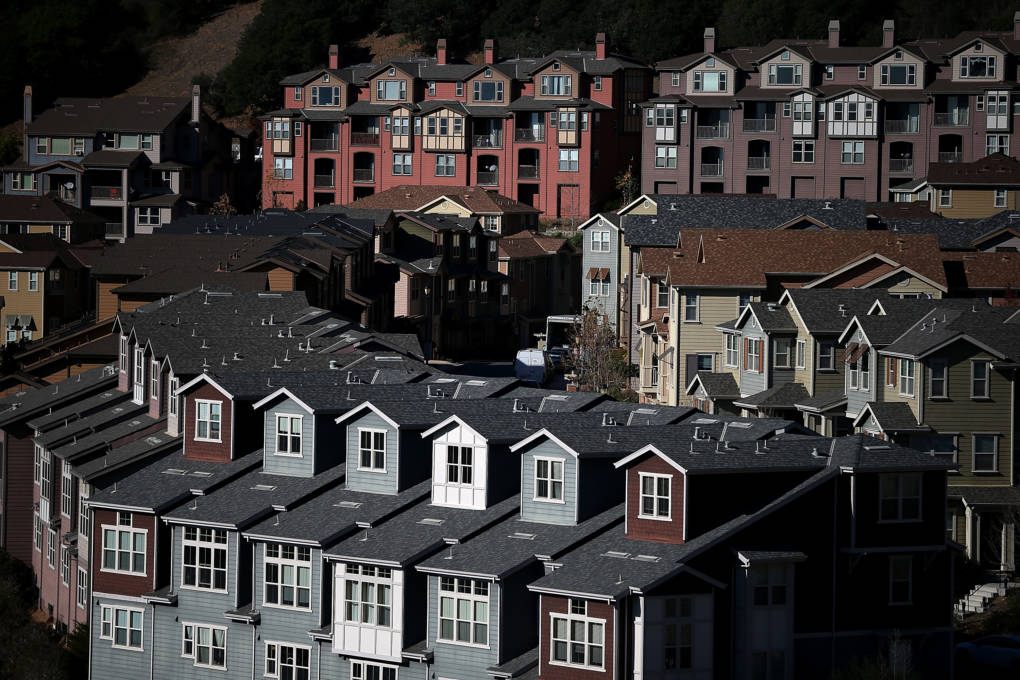
"caption": "Rows of homes line a street in a housing development in Oakland.",
"description": "Rows of homes line a street in a housing development in Oakland, California. Across California, homes constructed after 1995 and most single family homes are barred from having rent control. But if prop 10 passes, local cities could decide to allow these units to be covered by rent control. ",
"title": "Rows of homes line a street in a housing development in Oakland, California. Across California, homes constructed after 1995 and most single family homes are barred from having rent control. But if prop 10 passes, local cities could decide to allow these units to be covered by rent control.",
"credit": "Justin Sullivan/Getty Images",
"status": "inherit",
"isLoading": false,
"fetchFailed": false
},
"news_11696942": {
"type": "attachments",
"id": "news_11696942",
"meta": {
"index": "attachments_1716263798",
"site": "news",
"id": "11696942",
"found": true
},
"parent": 11696844,
"imgSizes": {
"small": {
"file": "https://ww2.kqed.org/app/uploads/sites/10/2018/10/RS33061_GettyImages-83205846-qut-520x347.jpg",
"width": 520,
"mimeType": "image/jpeg",
"height": 347
},
"twentyfourteen-full-width": {
"file": "https://ww2.kqed.org/app/uploads/sites/10/2018/10/RS33061_GettyImages-83205846-qut-1038x576.jpg",
"width": 1038,
"mimeType": "image/jpeg",
"height": 576
},
"thumbnail": {
"file": "https://ww2.kqed.org/app/uploads/sites/10/2018/10/RS33061_GettyImages-83205846-qut-160x107.jpg",
"width": 160,
"mimeType": "image/jpeg",
"height": 107
},
"fd-sm": {
"file": "https://ww2.kqed.org/app/uploads/sites/10/2018/10/RS33061_GettyImages-83205846-qut-960x640.jpg",
"width": 960,
"mimeType": "image/jpeg",
"height": 640
},
"post-thumbnail": {
"file": "https://ww2.kqed.org/app/uploads/sites/10/2018/10/RS33061_GettyImages-83205846-qut-672x372.jpg",
"width": 672,
"mimeType": "image/jpeg",
"height": 372
},
"xsmall": {
"file": "https://ww2.kqed.org/app/uploads/sites/10/2018/10/RS33061_GettyImages-83205846-qut-375x250.jpg",
"width": 375,
"mimeType": "image/jpeg",
"height": 250
},
"kqedFullSize": {
"file": "https://ww2.kqed.org/app/uploads/sites/10/2018/10/RS33061_GettyImages-83205846-qut.jpg",
"width": 1920,
"height": 1280
},
"large": {
"file": "https://ww2.kqed.org/app/uploads/sites/10/2018/10/RS33061_GettyImages-83205846-qut-1020x680.jpg",
"width": 1020,
"mimeType": "image/jpeg",
"height": 680
},
"xlarge": {
"file": "https://ww2.kqed.org/app/uploads/sites/10/2018/10/RS33061_GettyImages-83205846-qut-1180x787.jpg",
"width": 1180,
"mimeType": "image/jpeg",
"height": 787
},
"complete_open_graph": {
"file": "https://ww2.kqed.org/app/uploads/sites/10/2018/10/RS33061_GettyImages-83205846-qut-1200x800.jpg",
"width": 1200,
"mimeType": "image/jpeg",
"height": 800
},
"guest-author-50": {
"file": "https://ww2.kqed.org/app/uploads/sites/10/2018/10/RS33061_GettyImages-83205846-qut-50x50.jpg",
"width": 50,
"mimeType": "image/jpeg",
"height": 50
},
"guest-author-96": {
"file": "https://ww2.kqed.org/app/uploads/sites/10/2018/10/RS33061_GettyImages-83205846-qut-96x96.jpg",
"width": 96,
"mimeType": "image/jpeg",
"height": 96
},
"medium": {
"file": "https://ww2.kqed.org/app/uploads/sites/10/2018/10/RS33061_GettyImages-83205846-qut-800x533.jpg",
"width": 800,
"mimeType": "image/jpeg",
"height": 533
},
"guest-author-64": {
"file": "https://ww2.kqed.org/app/uploads/sites/10/2018/10/RS33061_GettyImages-83205846-qut-64x64.jpg",
"width": 64,
"mimeType": "image/jpeg",
"height": 64
},
"guest-author-32": {
"file": "https://ww2.kqed.org/app/uploads/sites/10/2018/10/RS33061_GettyImages-83205846-qut-32x32.jpg",
"width": 32,
"mimeType": "image/jpeg",
"height": 32
},
"fd-lrg": {
"file": "https://ww2.kqed.org/app/uploads/sites/10/2018/10/RS33061_GettyImages-83205846-qut-1920x1280.jpg",
"width": 1920,
"mimeType": "image/jpeg",
"height": 1280
},
"fd-med": {
"file": "https://ww2.kqed.org/app/uploads/sites/10/2018/10/RS33061_GettyImages-83205846-qut-1180x787.jpg",
"width": 1180,
"mimeType": "image/jpeg",
"height": 787
},
"full-width": {
"file": "https://ww2.kqed.org/app/uploads/sites/10/2018/10/RS33061_GettyImages-83205846-qut-1920x1280.jpg",
"width": 1920,
"mimeType": "image/jpeg",
"height": 1280
},
"detail": {
"file": "https://ww2.kqed.org/app/uploads/sites/10/2018/10/RS33061_GettyImages-83205846-qut-150x150.jpg",
"width": 150,
"mimeType": "image/jpeg",
"height": 150
},
"guest-author-128": {
"file": "https://ww2.kqed.org/app/uploads/sites/10/2018/10/RS33061_GettyImages-83205846-qut-128x128.jpg",
"width": 128,
"mimeType": "image/jpeg",
"height": 128
},
"xxsmall": {
"file": "https://ww2.kqed.org/app/uploads/sites/10/2018/10/RS33061_GettyImages-83205846-qut-240x160.jpg",
"width": 240,
"mimeType": "image/jpeg",
"height": 160
}
},
"publishDate": 1538779644,
"modified": 1538780021,
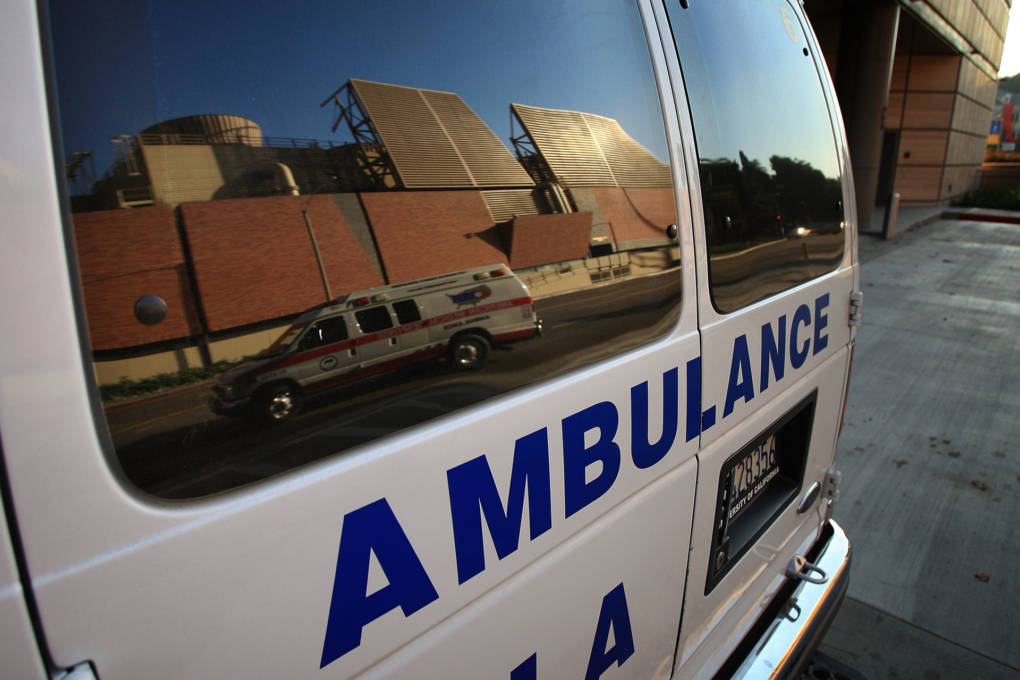
"caption": "Should EMT and ambulance workers be able to take uninterrupted off-duty breaks? That's one of three health-related propositions Californians are voting on this November. ",
"description": "Should EMT and ambulance workers be able to take uninterrupted off-duty breaks? That's one of three health-related propositions Californians are voting on this November. ",
"title": "California Budget Crisis Threatens Basic Services",
"credit": "David McNew/Getty Images",
"status": "inherit",
"isLoading": false,
"fetchFailed": false
},
"news_11697284": {
"type": "attachments",
"id": "news_11697284",
"meta": {
"index": "attachments_1716263798",
"site": "news",
"id": "11697284",
"found": true
},
"parent": 11696966,
"imgSizes": {
"small": {
"file": "https://ww2.kqed.org/app/uploads/sites/10/2018/10/RS16247_GettyImages-150582090-qut-520x345.jpg",
"width": 520,
"mimeType": "image/jpeg",
"height": 345
},
"twentyfourteen-full-width": {
"file": "https://ww2.kqed.org/app/uploads/sites/10/2018/10/RS16247_GettyImages-150582090-qut-1038x576.jpg",
"width": 1038,
"mimeType": "image/jpeg",
"height": 576
},
"thumbnail": {
"file": "https://ww2.kqed.org/app/uploads/sites/10/2018/10/RS16247_GettyImages-150582090-qut-160x106.jpg",
"width": 160,
"mimeType": "image/jpeg",
"height": 106
},
"fd-sm": {
"file": "https://ww2.kqed.org/app/uploads/sites/10/2018/10/RS16247_GettyImages-150582090-qut-960x636.jpg",
"width": 960,
"mimeType": "image/jpeg",
"height": 636
},
"post-thumbnail": {
"file": "https://ww2.kqed.org/app/uploads/sites/10/2018/10/RS16247_GettyImages-150582090-qut-672x372.jpg",
"width": 672,
"mimeType": "image/jpeg",
"height": 372
},
"xsmall": {
"file": "https://ww2.kqed.org/app/uploads/sites/10/2018/10/RS16247_GettyImages-150582090-qut-375x248.jpg",
"width": 375,
"mimeType": "image/jpeg",
"height": 248
},
"kqedFullSize": {
"file": "https://ww2.kqed.org/app/uploads/sites/10/2018/10/RS16247_GettyImages-150582090-qut.jpg",
"width": 1920,
"height": 1272
},
"large": {
"file": "https://ww2.kqed.org/app/uploads/sites/10/2018/10/RS16247_GettyImages-150582090-qut-1020x676.jpg",
"width": 1020,
"mimeType": "image/jpeg",
"height": 676
},
"xlarge": {
"file": "https://ww2.kqed.org/app/uploads/sites/10/2018/10/RS16247_GettyImages-150582090-qut-1180x782.jpg",
"width": 1180,
"mimeType": "image/jpeg",
"height": 782
},
"complete_open_graph": {
"file": "https://ww2.kqed.org/app/uploads/sites/10/2018/10/RS16247_GettyImages-150582090-qut-1200x795.jpg",
"width": 1200,
"mimeType": "image/jpeg",
"height": 795
},
"guest-author-50": {
"file": "https://ww2.kqed.org/app/uploads/sites/10/2018/10/RS16247_GettyImages-150582090-qut-50x50.jpg",
"width": 50,
"mimeType": "image/jpeg",
"height": 50
},
"guest-author-96": {
"file": "https://ww2.kqed.org/app/uploads/sites/10/2018/10/RS16247_GettyImages-150582090-qut-96x96.jpg",
"width": 96,
"mimeType": "image/jpeg",
"height": 96
},
"medium": {
"file": "https://ww2.kqed.org/app/uploads/sites/10/2018/10/RS16247_GettyImages-150582090-qut-800x530.jpg",
"width": 800,
"mimeType": "image/jpeg",
"height": 530
},
"guest-author-64": {
"file": "https://ww2.kqed.org/app/uploads/sites/10/2018/10/RS16247_GettyImages-150582090-qut-64x64.jpg",
"width": 64,
"mimeType": "image/jpeg",
"height": 64
},
"guest-author-32": {
"file": "https://ww2.kqed.org/app/uploads/sites/10/2018/10/RS16247_GettyImages-150582090-qut-32x32.jpg",
"width": 32,
"mimeType": "image/jpeg",
"height": 32
},
"fd-lrg": {
"file": "https://ww2.kqed.org/app/uploads/sites/10/2018/10/RS16247_GettyImages-150582090-qut-1920x1272.jpg",
"width": 1920,
"mimeType": "image/jpeg",
"height": 1272
},
"fd-med": {
"file": "https://ww2.kqed.org/app/uploads/sites/10/2018/10/RS16247_GettyImages-150582090-qut-1180x782.jpg",
"width": 1180,
"mimeType": "image/jpeg",
"height": 782
},
"full-width": {
"file": "https://ww2.kqed.org/app/uploads/sites/10/2018/10/RS16247_GettyImages-150582090-qut-1920x1272.jpg",
"width": 1920,
"mimeType": "image/jpeg",
"height": 1272
},
"detail": {
"file": "https://ww2.kqed.org/app/uploads/sites/10/2018/10/RS16247_GettyImages-150582090-qut-150x150.jpg",
"width": 150,
"mimeType": "image/jpeg",
"height": 150
},
"guest-author-128": {
"file": "https://ww2.kqed.org/app/uploads/sites/10/2018/10/RS16247_GettyImages-150582090-qut-128x128.jpg",
"width": 128,
"mimeType": "image/jpeg",
"height": 128
},
"xxsmall": {
"file": "https://ww2.kqed.org/app/uploads/sites/10/2018/10/RS16247_GettyImages-150582090-qut-240x159.jpg",
"width": 240,
"mimeType": "image/jpeg",
"height": 159
}
},
"publishDate": 1538950776,
"modified": 1538950825,
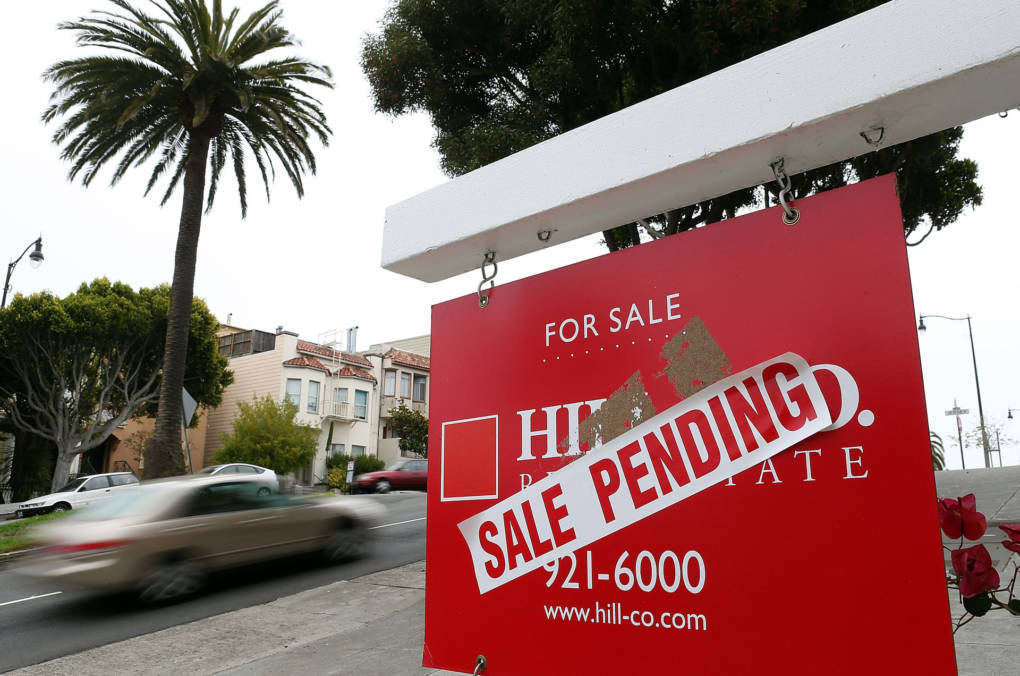
"caption": "Proposition 5 would allow homeowners to carry their Proposition 13 property tax benefits with them to any new property, anywhere in the state.",
"description": "Proposition 5 would allow homeowners to carry their Proposition 13 property tax benefits with them to any new property, anywhere in the state.",
"title": "RS16247_GettyImages-150582090-qut",
"credit": "Justin Sullivan/Getty Images",
"status": "inherit",
"isLoading": false,
"fetchFailed": false
},
"news_11697541": {
"type": "attachments",
"id": "news_11697541",
"meta": {
"index": "attachments_1716263798",
"site": "news",
"id": "11697541",
"found": true
},
"parent": 11697391,
"imgSizes": {
"small": {
"file": "https://ww2.kqed.org/app/uploads/sites/10/2018/10/Saving-Daylight-520x352.jpg",
"width": 520,
"mimeType": "image/jpeg",
"height": 352
},
"twentyfourteen-full-width": {
"file": "https://ww2.kqed.org/app/uploads/sites/10/2018/10/Saving-Daylight-1038x576.jpg",
"width": 1038,
"mimeType": "image/jpeg",
"height": 576
},
"thumbnail": {
"file": "https://ww2.kqed.org/app/uploads/sites/10/2018/10/Saving-Daylight-160x108.jpg",
"width": 160,
"mimeType": "image/jpeg",
"height": 108
},
"fd-sm": {
"file": "https://ww2.kqed.org/app/uploads/sites/10/2018/10/Saving-Daylight-960x650.jpg",
"width": 960,
"mimeType": "image/jpeg",
"height": 650
},
"post-thumbnail": {
"file": "https://ww2.kqed.org/app/uploads/sites/10/2018/10/Saving-Daylight-672x372.jpg",
"width": 672,
"mimeType": "image/jpeg",
"height": 372
},
"xsmall": {
"file": "https://ww2.kqed.org/app/uploads/sites/10/2018/10/Saving-Daylight-375x254.jpg",
"width": 375,
"mimeType": "image/jpeg",
"height": 254
},
"kqedFullSize": {
"file": "https://ww2.kqed.org/app/uploads/sites/10/2018/10/Saving-Daylight.jpg",
"width": 1600,
"height": 1083
},
"large": {
"file": "https://ww2.kqed.org/app/uploads/sites/10/2018/10/Saving-Daylight-1020x690.jpg",
"width": 1020,
"mimeType": "image/jpeg",
"height": 690
},
"xlarge": {
"file": "https://ww2.kqed.org/app/uploads/sites/10/2018/10/Saving-Daylight-1180x799.jpg",
"width": 1180,
"mimeType": "image/jpeg",
"height": 799
},
"complete_open_graph": {
"file": "https://ww2.kqed.org/app/uploads/sites/10/2018/10/Saving-Daylight-1200x812.jpg",
"width": 1200,
"mimeType": "image/jpeg",
"height": 812
},
"guest-author-50": {
"file": "https://ww2.kqed.org/app/uploads/sites/10/2018/10/Saving-Daylight-50x50.jpg",
"width": 50,
"mimeType": "image/jpeg",
"height": 50
},
"guest-author-96": {
"file": "https://ww2.kqed.org/app/uploads/sites/10/2018/10/Saving-Daylight-96x96.jpg",
"width": 96,
"mimeType": "image/jpeg",
"height": 96
},
"medium": {
"file": "https://ww2.kqed.org/app/uploads/sites/10/2018/10/Saving-Daylight-800x542.jpg",
"width": 800,
"mimeType": "image/jpeg",
"height": 542
},
"guest-author-64": {
"file": "https://ww2.kqed.org/app/uploads/sites/10/2018/10/Saving-Daylight-64x64.jpg",
"width": 64,
"mimeType": "image/jpeg",
"height": 64
},
"guest-author-32": {
"file": "https://ww2.kqed.org/app/uploads/sites/10/2018/10/Saving-Daylight-32x32.jpg",
"width": 32,
"mimeType": "image/jpeg",
"height": 32
},
"fd-med": {
"file": "https://ww2.kqed.org/app/uploads/sites/10/2018/10/Saving-Daylight-1180x799.jpg",
"width": 1180,
"mimeType": "image/jpeg",
"height": 799
},
"detail": {
"file": "https://ww2.kqed.org/app/uploads/sites/10/2018/10/Saving-Daylight-150x150.jpg",
"width": 150,
"mimeType": "image/jpeg",
"height": 150
},
"guest-author-128": {
"file": "https://ww2.kqed.org/app/uploads/sites/10/2018/10/Saving-Daylight-128x128.jpg",
"width": 128,
"mimeType": "image/jpeg",
"height": 128
},
"xxsmall": {
"file": "https://ww2.kqed.org/app/uploads/sites/10/2018/10/Saving-Daylight-240x162.jpg",
"width": 240,
"mimeType": "image/jpeg",
"height": 162
}
},
"publishDate": 1539038545,
"modified": 1539038624,
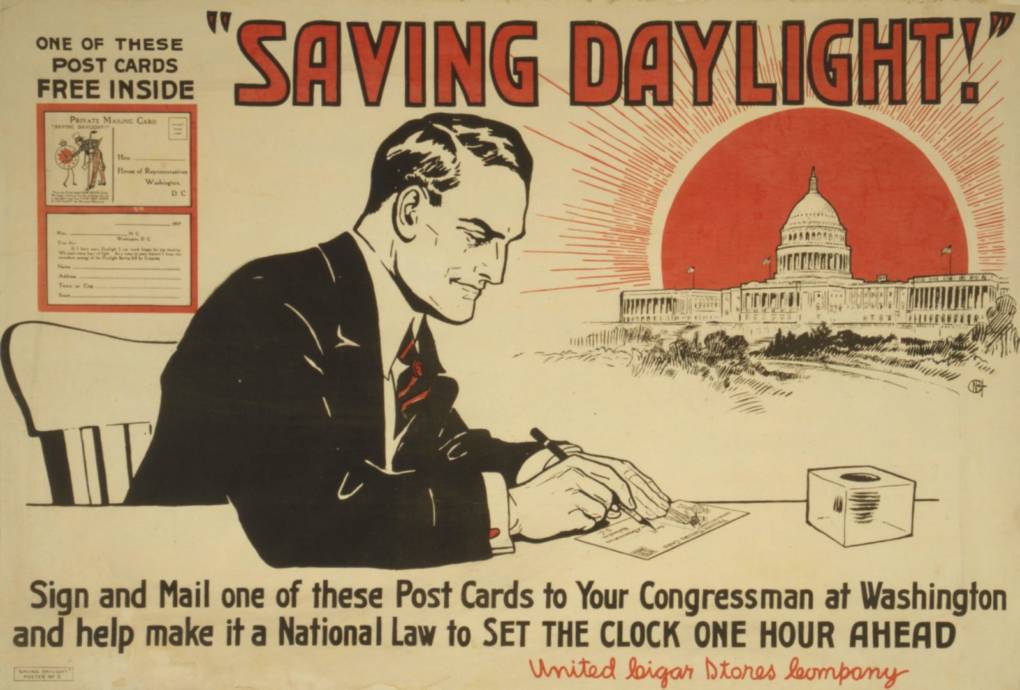
"caption": "Changing the clock was thought to save energy, thus helping the war effort. ",
"description": "Changing the clock was thought to save energy, thus helping the war effort. ",
"title": "Saving-Daylight",
"credit": "Library of Congress, Prints and Photographs Division",
"status": "inherit",
"isLoading": false,
"fetchFailed": false
},
"news_11696820": {
"type": "attachments",
"id": "news_11696820",
"meta": {
"index": "attachments_1716263798",
"site": "news",
"id": "11696820",
"found": true
},
"parent": 11696663,
"imgSizes": {
"small": {
"file": "https://ww2.kqed.org/app/uploads/sites/10/2018/10/RS33060_GettyImages-465175876-qut-520x339.jpg",
"width": 520,
"mimeType": "image/jpeg",
"height": 339
},
"twentyfourteen-full-width": {
"file": "https://ww2.kqed.org/app/uploads/sites/10/2018/10/RS33060_GettyImages-465175876-qut-1038x576.jpg",
"width": 1038,
"mimeType": "image/jpeg",
"height": 576
},
"thumbnail": {
"file": "https://ww2.kqed.org/app/uploads/sites/10/2018/10/RS33060_GettyImages-465175876-qut-160x104.jpg",
"width": 160,
"mimeType": "image/jpeg",
"height": 104
},
"fd-sm": {
"file": "https://ww2.kqed.org/app/uploads/sites/10/2018/10/RS33060_GettyImages-465175876-qut-960x627.jpg",
"width": 960,
"mimeType": "image/jpeg",
"height": 627
},
"post-thumbnail": {
"file": "https://ww2.kqed.org/app/uploads/sites/10/2018/10/RS33060_GettyImages-465175876-qut-672x372.jpg",
"width": 672,
"mimeType": "image/jpeg",
"height": 372
},
"xsmall": {
"file": "https://ww2.kqed.org/app/uploads/sites/10/2018/10/RS33060_GettyImages-465175876-qut-375x245.jpg",
"width": 375,
"mimeType": "image/jpeg",
"height": 245
},
"kqedFullSize": {
"file": "https://ww2.kqed.org/app/uploads/sites/10/2018/10/RS33060_GettyImages-465175876-qut.jpg",
"width": 1920,
"height": 1253
},
"large": {
"file": "https://ww2.kqed.org/app/uploads/sites/10/2018/10/RS33060_GettyImages-465175876-qut-1020x666.jpg",
"width": 1020,
"mimeType": "image/jpeg",
"height": 666
},
"xlarge": {
"file": "https://ww2.kqed.org/app/uploads/sites/10/2018/10/RS33060_GettyImages-465175876-qut-1180x770.jpg",
"width": 1180,
"mimeType": "image/jpeg",
"height": 770
},
"complete_open_graph": {
"file": "https://ww2.kqed.org/app/uploads/sites/10/2018/10/RS33060_GettyImages-465175876-qut-1200x783.jpg",
"width": 1200,
"mimeType": "image/jpeg",
"height": 783
},
"guest-author-50": {
"file": "https://ww2.kqed.org/app/uploads/sites/10/2018/10/RS33060_GettyImages-465175876-qut-50x50.jpg",
"width": 50,
"mimeType": "image/jpeg",
"height": 50
},
"guest-author-96": {
"file": "https://ww2.kqed.org/app/uploads/sites/10/2018/10/RS33060_GettyImages-465175876-qut-96x96.jpg",
"width": 96,
"mimeType": "image/jpeg",
"height": 96
},
"medium": {
"file": "https://ww2.kqed.org/app/uploads/sites/10/2018/10/RS33060_GettyImages-465175876-qut-800x522.jpg",
"width": 800,
"mimeType": "image/jpeg",
"height": 522
},
"guest-author-64": {
"file": "https://ww2.kqed.org/app/uploads/sites/10/2018/10/RS33060_GettyImages-465175876-qut-64x64.jpg",
"width": 64,
"mimeType": "image/jpeg",
"height": 64
},
"guest-author-32": {
"file": "https://ww2.kqed.org/app/uploads/sites/10/2018/10/RS33060_GettyImages-465175876-qut-32x32.jpg",
"width": 32,
"mimeType": "image/jpeg",
"height": 32
},
"fd-lrg": {
"file": "https://ww2.kqed.org/app/uploads/sites/10/2018/10/RS33060_GettyImages-465175876-qut-1920x1253.jpg",
"width": 1920,
"mimeType": "image/jpeg",
"height": 1253
},
"fd-med": {
"file": "https://ww2.kqed.org/app/uploads/sites/10/2018/10/RS33060_GettyImages-465175876-qut-1180x770.jpg",
"width": 1180,
"mimeType": "image/jpeg",
"height": 770
},
"full-width": {
"file": "https://ww2.kqed.org/app/uploads/sites/10/2018/10/RS33060_GettyImages-465175876-qut-1920x1253.jpg",
"width": 1920,
"mimeType": "image/jpeg",
"height": 1253
},
"detail": {
"file": "https://ww2.kqed.org/app/uploads/sites/10/2018/10/RS33060_GettyImages-465175876-qut-150x150.jpg",
"width": 150,
"mimeType": "image/jpeg",
"height": 150
},
"guest-author-128": {
"file": "https://ww2.kqed.org/app/uploads/sites/10/2018/10/RS33060_GettyImages-465175876-qut-128x128.jpg",
"width": 128,
"mimeType": "image/jpeg",
"height": 128
},
"xxsmall": {
"file": "https://ww2.kqed.org/app/uploads/sites/10/2018/10/RS33060_GettyImages-465175876-qut-240x157.jpg",
"width": 240,
"mimeType": "image/jpeg",
"height": 157
}
},
"publishDate": 1538768223,
"modified": 1539756247,
"caption": "It will be up to California voters next month to decide whether to repeal increased gas tax and vehicle fees passed last year by the state Legislature.",
"description": "It will be up to California voters this November to decide whether to repeal increased gas tax and vehicle fees passed by the state Legislature.",
"title": "Gas Tax Repeal",
"credit": "Justin Sullivan/Getty Images",
"status": "inherit",
"isLoading": false,
"fetchFailed": false
},
"news_11696207": {
"type": "attachments",
"id": "news_11696207",
"meta": {
"index": "attachments_1716263798",
"site": "news",
"id": "11696207",
"found": true
},
"parent": 11696153,
"imgSizes": {
"small": {
"file": "https://ww2.kqed.org/app/uploads/sites/10/2018/10/RS33025_10022018_AW_WarningSiren_05-qut-520x377.jpg",
"width": 520,
"mimeType": "image/jpeg",
"height": 377
},
"twentyfourteen-full-width": {
"file": "https://ww2.kqed.org/app/uploads/sites/10/2018/10/RS33025_10022018_AW_WarningSiren_05-qut-1038x576.jpg",
"width": 1038,
"mimeType": "image/jpeg",
"height": 576
},
"thumbnail": {
"file": "https://ww2.kqed.org/app/uploads/sites/10/2018/10/RS33025_10022018_AW_WarningSiren_05-qut-160x116.jpg",
"width": 160,
"mimeType": "image/jpeg",
"height": 116
},
"fd-sm": {
"file": "https://ww2.kqed.org/app/uploads/sites/10/2018/10/RS33025_10022018_AW_WarningSiren_05-qut-960x696.jpg",
"width": 960,
"mimeType": "image/jpeg",
"height": 696
},
"post-thumbnail": {
"file": "https://ww2.kqed.org/app/uploads/sites/10/2018/10/RS33025_10022018_AW_WarningSiren_05-qut-672x372.jpg",
"width": 672,
"mimeType": "image/jpeg",
"height": 372
},
"xsmall": {
"file": "https://ww2.kqed.org/app/uploads/sites/10/2018/10/RS33025_10022018_AW_WarningSiren_05-qut-375x272.jpg",
"width": 375,
"mimeType": "image/jpeg",
"height": 272
},
"kqedFullSize": {
"file": "https://ww2.kqed.org/app/uploads/sites/10/2018/10/RS33025_10022018_AW_WarningSiren_05-qut.jpg",
"width": 1920,
"height": 1391
},
"large": {
"file": "https://ww2.kqed.org/app/uploads/sites/10/2018/10/RS33025_10022018_AW_WarningSiren_05-qut-1020x739.jpg",
"width": 1020,
"mimeType": "image/jpeg",
"height": 739
},
"xlarge": {
"file": "https://ww2.kqed.org/app/uploads/sites/10/2018/10/RS33025_10022018_AW_WarningSiren_05-qut-1180x855.jpg",
"width": 1180,
"mimeType": "image/jpeg",
"height": 855
},
"complete_open_graph": {
"file": "https://ww2.kqed.org/app/uploads/sites/10/2018/10/RS33025_10022018_AW_WarningSiren_05-qut-1200x869.jpg",
"width": 1200,
"mimeType": "image/jpeg",
"height": 869
},
"guest-author-50": {
"file": "https://ww2.kqed.org/app/uploads/sites/10/2018/10/RS33025_10022018_AW_WarningSiren_05-qut-50x50.jpg",
"width": 50,
"mimeType": "image/jpeg",
"height": 50
},
"guest-author-96": {
"file": "https://ww2.kqed.org/app/uploads/sites/10/2018/10/RS33025_10022018_AW_WarningSiren_05-qut-96x96.jpg",
"width": 96,
"mimeType": "image/jpeg",
"height": 96
},
"medium": {
"file": "https://ww2.kqed.org/app/uploads/sites/10/2018/10/RS33025_10022018_AW_WarningSiren_05-qut-800x580.jpg",
"width": 800,
"mimeType": "image/jpeg",
"height": 580
},
"guest-author-64": {
"file": "https://ww2.kqed.org/app/uploads/sites/10/2018/10/RS33025_10022018_AW_WarningSiren_05-qut-64x64.jpg",
"width": 64,
"mimeType": "image/jpeg",
"height": 64
},
"guest-author-32": {
"file": "https://ww2.kqed.org/app/uploads/sites/10/2018/10/RS33025_10022018_AW_WarningSiren_05-qut-32x32.jpg",
"width": 32,
"mimeType": "image/jpeg",
"height": 32
},
"fd-lrg": {
"file": "https://ww2.kqed.org/app/uploads/sites/10/2018/10/RS33025_10022018_AW_WarningSiren_05-qut-1920x1391.jpg",
"width": 1920,
"mimeType": "image/jpeg",
"height": 1391
},
"fd-med": {
"file": "https://ww2.kqed.org/app/uploads/sites/10/2018/10/RS33025_10022018_AW_WarningSiren_05-qut-1180x855.jpg",
"width": 1180,
"mimeType": "image/jpeg",
"height": 855
},
"full-width": {
"file": "https://ww2.kqed.org/app/uploads/sites/10/2018/10/RS33025_10022018_AW_WarningSiren_05-qut-1920x1391.jpg",
"width": 1920,
"mimeType": "image/jpeg",
"height": 1391
},
"detail": {
"file": "https://ww2.kqed.org/app/uploads/sites/10/2018/10/RS33025_10022018_AW_WarningSiren_05-qut-150x150.jpg",
"width": 150,
"mimeType": "image/jpeg",
"height": 150
},
"guest-author-128": {
"file": "https://ww2.kqed.org/app/uploads/sites/10/2018/10/RS33025_10022018_AW_WarningSiren_05-qut-128x128.jpg",
"width": 128,
"mimeType": "image/jpeg",
"height": 128
},
"xxsmall": {
"file": "https://ww2.kqed.org/app/uploads/sites/10/2018/10/RS33025_10022018_AW_WarningSiren_05-qut-240x174.jpg",
"width": 240,
"mimeType": "image/jpeg",
"height": 174
}
},
"publishDate": 1538522788,
"modified": 1538522894,
"caption": "Visitors are sometimes alarmed by the weekly siren test. ",
"description": "Visitors are sometimes alarmed by the weekly siren test. ",
"title": "RS33025_10022018_AW_WarningSiren_05-qut",
"credit": "Anne Wernikoff/KQED",
"status": "inherit",
"isLoading": false,
"fetchFailed": false
},
"news_11693231": {
"type": "attachments",
"id": "news_11693231",
"meta": {
"index": "attachments_1716263798",
"site": "news",
"id": "11693231",
"found": true
},
"parent": 11693132,
"imgSizes": {
"small": {
"file": "https://ww2.kqed.org/app/uploads/sites/10/2018/09/RS32895_P1060143-qut-520x390.jpg",
"width": 520,
"mimeType": "image/jpeg",
"height": 390
},
"twentyfourteen-full-width": {
"file": "https://ww2.kqed.org/app/uploads/sites/10/2018/09/RS32895_P1060143-qut-1038x576.jpg",
"width": 1038,
"mimeType": "image/jpeg",
"height": 576
},
"thumbnail": {
"file": "https://ww2.kqed.org/app/uploads/sites/10/2018/09/RS32895_P1060143-qut-160x120.jpg",
"width": 160,
"mimeType": "image/jpeg",
"height": 120
},
"fd-sm": {
"file": "https://ww2.kqed.org/app/uploads/sites/10/2018/09/RS32895_P1060143-qut-960x720.jpg",
"width": 960,
"mimeType": "image/jpeg",
"height": 720
},
"post-thumbnail": {
"file": "https://ww2.kqed.org/app/uploads/sites/10/2018/09/RS32895_P1060143-qut-672x372.jpg",
"width": 672,
"mimeType": "image/jpeg",
"height": 372
},
"xsmall": {
"file": "https://ww2.kqed.org/app/uploads/sites/10/2018/09/RS32895_P1060143-qut-375x281.jpg",
"width": 375,
"mimeType": "image/jpeg",
"height": 281
},
"kqedFullSize": {
"file": "https://ww2.kqed.org/app/uploads/sites/10/2018/09/RS32895_P1060143-qut.jpg",
"width": 1920,
"height": 1440
},
"large": {
"file": "https://ww2.kqed.org/app/uploads/sites/10/2018/09/RS32895_P1060143-qut-1020x765.jpg",
"width": 1020,
"mimeType": "image/jpeg",
"height": 765
},
"xlarge": {
"file": "https://ww2.kqed.org/app/uploads/sites/10/2018/09/RS32895_P1060143-qut-1180x885.jpg",
"width": 1180,
"mimeType": "image/jpeg",
"height": 885
},
"complete_open_graph": {
"file": "https://ww2.kqed.org/app/uploads/sites/10/2018/09/RS32895_P1060143-qut-1200x900.jpg",
"width": 1200,
"mimeType": "image/jpeg",
"height": 900
},
"guest-author-50": {
"file": "https://ww2.kqed.org/app/uploads/sites/10/2018/09/RS32895_P1060143-qut-50x50.jpg",
"width": 50,
"mimeType": "image/jpeg",
"height": 50
},
"guest-author-96": {
"file": "https://ww2.kqed.org/app/uploads/sites/10/2018/09/RS32895_P1060143-qut-96x96.jpg",
"width": 96,
"mimeType": "image/jpeg",
"height": 96
},
"medium": {
"file": "https://ww2.kqed.org/app/uploads/sites/10/2018/09/RS32895_P1060143-qut-800x600.jpg",
"width": 800,
"mimeType": "image/jpeg",
"height": 600
},
"guest-author-64": {
"file": "https://ww2.kqed.org/app/uploads/sites/10/2018/09/RS32895_P1060143-qut-64x64.jpg",
"width": 64,
"mimeType": "image/jpeg",
"height": 64
},
"guest-author-32": {
"file": "https://ww2.kqed.org/app/uploads/sites/10/2018/09/RS32895_P1060143-qut-32x32.jpg",
"width": 32,
"mimeType": "image/jpeg",
"height": 32
},
"fd-lrg": {
"file": "https://ww2.kqed.org/app/uploads/sites/10/2018/09/RS32895_P1060143-qut-1920x1440.jpg",
"width": 1920,
"mimeType": "image/jpeg",
"height": 1440
},
"fd-med": {
"file": "https://ww2.kqed.org/app/uploads/sites/10/2018/09/RS32895_P1060143-qut-1180x885.jpg",
"width": 1180,
"mimeType": "image/jpeg",
"height": 885
},
"full-width": {
"file": "https://ww2.kqed.org/app/uploads/sites/10/2018/09/RS32895_P1060143-qut-1920x1440.jpg",
"width": 1920,
"mimeType": "image/jpeg",
"height": 1440
},
"detail": {
"file": "https://ww2.kqed.org/app/uploads/sites/10/2018/09/RS32895_P1060143-qut-150x150.jpg",
"width": 150,
"mimeType": "image/jpeg",
"height": 150
},
"guest-author-128": {
"file": "https://ww2.kqed.org/app/uploads/sites/10/2018/09/RS32895_P1060143-qut-128x128.jpg",
"width": 128,
"mimeType": "image/jpeg",
"height": 128
},
"xxsmall": {
"file": "https://ww2.kqed.org/app/uploads/sites/10/2018/09/RS32895_P1060143-qut-240x180.jpg",
"width": 240,
"mimeType": "image/jpeg",
"height": 180
}
},
"publishDate": 1537302367,
"modified": 1537307146,
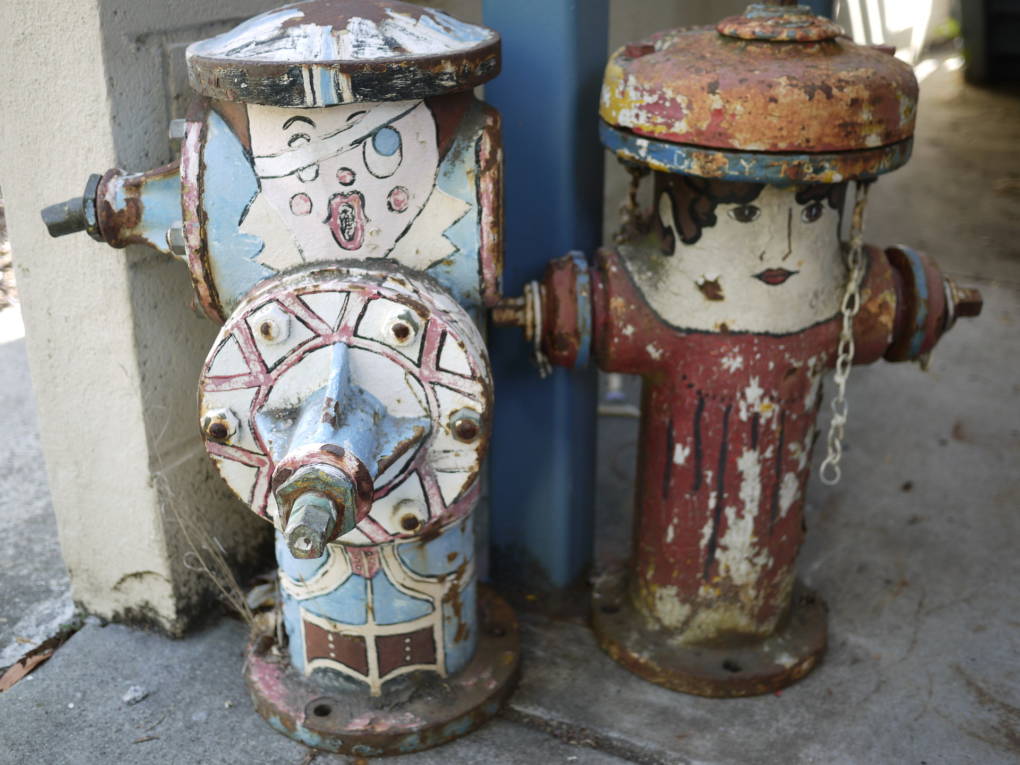
"caption": "Two of Belmont's decommissioned 'Happy Hydrants.'",
"description": "Two of Belmont's decommissioned 'Happy Hydrants.'",
"title": "RS32895_P1060143-qut",
"credit": "Suzie Racho/KQED",
"status": "inherit",
"isLoading": false,
"fetchFailed": false
},
"news_11691517": {
"type": "attachments",
"id": "news_11691517",
"meta": {
"index": "attachments_1716263798",
"site": "news",
"id": "11691517",
"found": true
},
"parent": 11691500,
"imgSizes": {
"small": {
"file": "https://ww2.kqed.org/app/uploads/sites/10/2018/09/GettyImages-492064780-520x351.jpg",
"width": 520,
"mimeType": "image/jpeg",
"height": 351
},
"twentyfourteen-full-width": {
"file": "https://ww2.kqed.org/app/uploads/sites/10/2018/09/GettyImages-492064780-1038x576.jpg",
"width": 1038,
"mimeType": "image/jpeg",
"height": 576
},
"thumbnail": {
"file": "https://ww2.kqed.org/app/uploads/sites/10/2018/09/GettyImages-492064780-160x108.jpg",
"width": 160,
"mimeType": "image/jpeg",
"height": 108
},
"fd-sm": {
"file": "https://ww2.kqed.org/app/uploads/sites/10/2018/09/GettyImages-492064780-960x648.jpg",
"width": 960,
"mimeType": "image/jpeg",
"height": 648
},
"post-thumbnail": {
"file": "https://ww2.kqed.org/app/uploads/sites/10/2018/09/GettyImages-492064780-672x372.jpg",
"width": 672,
"mimeType": "image/jpeg",
"height": 372
},
"xsmall": {
"file": "https://ww2.kqed.org/app/uploads/sites/10/2018/09/GettyImages-492064780-375x253.jpg",
"width": 375,
"mimeType": "image/jpeg",
"height": 253
},
"kqedFullSize": {
"file": "https://ww2.kqed.org/app/uploads/sites/10/2018/09/GettyImages-492064780-e1536605131668.jpg",
"width": 1920,
"height": 1295
},
"large": {
"file": "https://ww2.kqed.org/app/uploads/sites/10/2018/09/GettyImages-492064780-1020x688.jpg",
"width": 1020,
"mimeType": "image/jpeg",
"height": 688
},
"xlarge": {
"file": "https://ww2.kqed.org/app/uploads/sites/10/2018/09/GettyImages-492064780-1180x796.jpg",
"width": 1180,
"mimeType": "image/jpeg",
"height": 796
},
"complete_open_graph": {
"file": "https://ww2.kqed.org/app/uploads/sites/10/2018/09/GettyImages-492064780-1200x810.jpg",
"width": 1200,
"mimeType": "image/jpeg",
"height": 810
},
"guest-author-50": {
"file": "https://ww2.kqed.org/app/uploads/sites/10/2018/09/GettyImages-492064780-50x50.jpg",
"width": 50,
"mimeType": "image/jpeg",
"height": 50
},
"guest-author-96": {
"file": "https://ww2.kqed.org/app/uploads/sites/10/2018/09/GettyImages-492064780-96x96.jpg",
"width": 96,
"mimeType": "image/jpeg",
"height": 96
},
"medium": {
"file": "https://ww2.kqed.org/app/uploads/sites/10/2018/09/GettyImages-492064780-800x540.jpg",
"width": 800,
"mimeType": "image/jpeg",
"height": 540
},
"guest-author-64": {
"file": "https://ww2.kqed.org/app/uploads/sites/10/2018/09/GettyImages-492064780-64x64.jpg",
"width": 64,
"mimeType": "image/jpeg",
"height": 64
},
"guest-author-32": {
"file": "https://ww2.kqed.org/app/uploads/sites/10/2018/09/GettyImages-492064780-32x32.jpg",
"width": 32,
"mimeType": "image/jpeg",
"height": 32
},
"fd-lrg": {
"file": "https://ww2.kqed.org/app/uploads/sites/10/2018/09/GettyImages-492064780-1920x1295.jpg",
"width": 1920,
"mimeType": "image/jpeg",
"height": 1295
},
"fd-med": {
"file": "https://ww2.kqed.org/app/uploads/sites/10/2018/09/GettyImages-492064780-1180x796.jpg",
"width": 1180,
"mimeType": "image/jpeg",
"height": 796
},
"full-width": {
"file": "https://ww2.kqed.org/app/uploads/sites/10/2018/09/GettyImages-492064780-1920x1295.jpg",
"width": 1920,
"mimeType": "image/jpeg",
"height": 1295
},
"detail": {
"file": "https://ww2.kqed.org/app/uploads/sites/10/2018/09/GettyImages-492064780-150x150.jpg",
"width": 150,
"mimeType": "image/jpeg",
"height": 150
},
"guest-author-128": {
"file": "https://ww2.kqed.org/app/uploads/sites/10/2018/09/GettyImages-492064780-128x128.jpg",
"width": 128,
"mimeType": "image/jpeg",
"height": 128
},
"xxsmall": {
"file": "https://ww2.kqed.org/app/uploads/sites/10/2018/09/GettyImages-492064780-240x162.jpg",
"width": 240,
"mimeType": "image/jpeg",
"height": 162
}
},
"publishDate": 1536605072,
"modified": 1536792342,
"caption": "The Golden Gate Bridge and San Francisco Bay are seen from above in San Francisco, California. ",
"description": "The Golden Gate Bridge and the San Francisco Bay are seen from above in San Francisco, California. ",
"title": "GettyImages-492064780",
"credit": "Josh Edelson/AFP/Getty Images",
"status": "inherit",
"isLoading": false,
"fetchFailed": false
},
"news_11690690": {
"type": "attachments",
"id": "news_11690690",
"meta": {
"index": "attachments_1716263798",
"site": "news",
"id": "11690690",
"found": true
},
"parent": 11689315,
"imgSizes": {
"small": {
"file": "https://ww2.kqed.org/app/uploads/sites/10/2018/09/bayfromspace-520x346.jpg",
"width": 520,
"mimeType": "image/jpeg",
"height": 346
},
"twentyfourteen-full-width": {
"file": "https://ww2.kqed.org/app/uploads/sites/10/2018/09/bayfromspace-1023x576.jpg",
"width": 1023,
"mimeType": "image/jpeg",
"height": 576
},
"thumbnail": {
"file": "https://ww2.kqed.org/app/uploads/sites/10/2018/09/bayfromspace-160x107.jpg",
"width": 160,
"mimeType": "image/jpeg",
"height": 107
},
"fd-sm": {
"file": "https://ww2.kqed.org/app/uploads/sites/10/2018/09/bayfromspace-960x639.jpg",
"width": 960,
"mimeType": "image/jpeg",
"height": 639
},
"post-thumbnail": {
"file": "https://ww2.kqed.org/app/uploads/sites/10/2018/09/bayfromspace-672x372.jpg",
"width": 672,
"mimeType": "image/jpeg",
"height": 372
},
"xsmall": {
"file": "https://ww2.kqed.org/app/uploads/sites/10/2018/09/bayfromspace-375x250.jpg",
"width": 375,
"mimeType": "image/jpeg",
"height": 250
},
"kqedFullSize": {
"file": "https://ww2.kqed.org/app/uploads/sites/10/2018/09/bayfromspace.jpg",
"width": 1023,
"height": 681
},
"large": {
"file": "https://ww2.kqed.org/app/uploads/sites/10/2018/09/bayfromspace-1020x679.jpg",
"width": 1020,
"mimeType": "image/jpeg",
"height": 679
},
"guest-author-50": {
"file": "https://ww2.kqed.org/app/uploads/sites/10/2018/09/bayfromspace-50x50.jpg",
"width": 50,
"mimeType": "image/jpeg",
"height": 50
},
"guest-author-96": {
"file": "https://ww2.kqed.org/app/uploads/sites/10/2018/09/bayfromspace-96x96.jpg",
"width": 96,
"mimeType": "image/jpeg",
"height": 96
},
"medium": {
"file": "https://ww2.kqed.org/app/uploads/sites/10/2018/09/bayfromspace-800x533.jpg",
"width": 800,
"mimeType": "image/jpeg",
"height": 533
},
"guest-author-64": {
"file": "https://ww2.kqed.org/app/uploads/sites/10/2018/09/bayfromspace-64x64.jpg",
"width": 64,
"mimeType": "image/jpeg",
"height": 64
},
"guest-author-32": {
"file": "https://ww2.kqed.org/app/uploads/sites/10/2018/09/bayfromspace-32x32.jpg",
"width": 32,
"mimeType": "image/jpeg",
"height": 32
},
"detail": {
"file": "https://ww2.kqed.org/app/uploads/sites/10/2018/09/bayfromspace-150x150.jpg",
"width": 150,
"mimeType": "image/jpeg",
"height": 150
},
"guest-author-128": {
"file": "https://ww2.kqed.org/app/uploads/sites/10/2018/09/bayfromspace-128x128.jpg",
"width": 128,
"mimeType": "image/jpeg",
"height": 128
},
"xxsmall": {
"file": "https://ww2.kqed.org/app/uploads/sites/10/2018/09/bayfromspace-240x160.jpg",
"width": 240,
"mimeType": "image/jpeg",
"height": 160
}
},
"publishDate": 1536192332,
"modified": 1536192375,
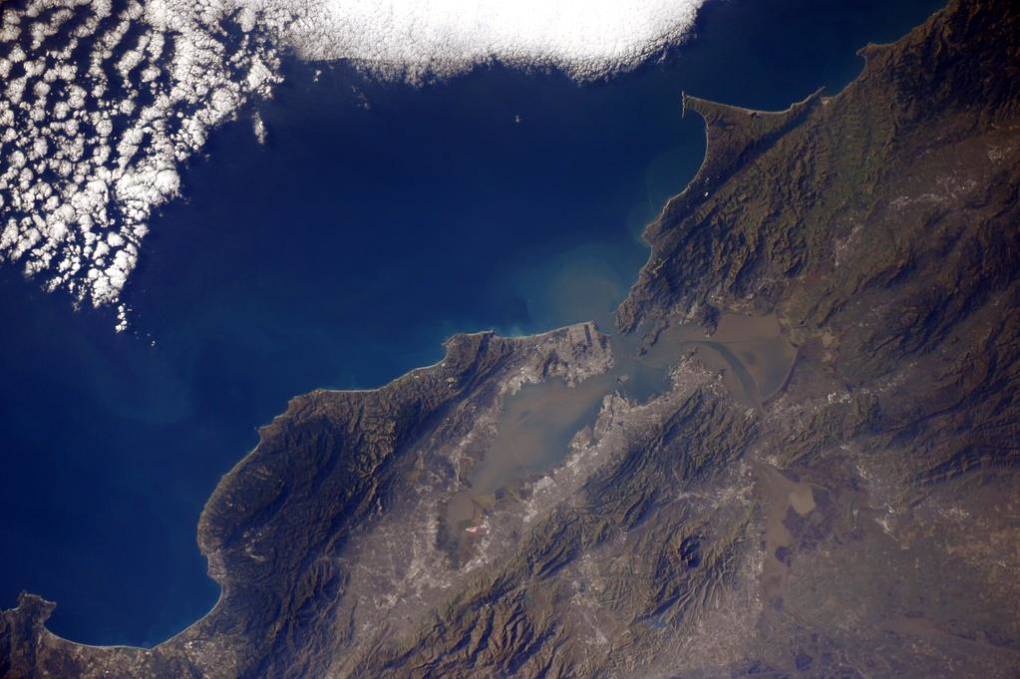
"caption": "An image of the San Francisco Bay Area taken by Samantha Cristoforetti, an Italian crew member aboard the International Space Station. ",
"description": "An image of the San Francisco Bay Area taken by Samantha Cristoforetti, an Italian crew member aboard the International Space Station. ",
"title": "An image of the San Francisco Bay Area taken by Samantha Cristoforetti, an Italian crew member aboard the International Space Station.",
"credit": "\u003ca href=\"https://twitter.com/AstroSamantha\" target=\"_blank\">Samantha Cristoforetti\u003c/a> via Twitter",
"status": "inherit",
"isLoading": false,
"fetchFailed": false
},
"news_11688138": {
"type": "attachments",
"id": "news_11688138",
"meta": {
"index": "attachments_1716263798",
"site": "news",
"id": "11688138",
"found": true
},
"parent": 11688020,
"imgSizes": {
"small": {
"file": "https://ww2.kqed.org/app/uploads/sites/10/2018/08/RS32512_photo-sep-08-3-52-53-pm-520x390.jpg",
"width": 520,
"mimeType": "image/jpeg",
"height": 390
},
"twentyfourteen-full-width": {
"file": "https://ww2.kqed.org/app/uploads/sites/10/2018/08/RS32512_photo-sep-08-3-52-53-pm-1000x576.jpg",
"width": 1000,
"mimeType": "image/jpeg",
"height": 576
},
"thumbnail": {
"file": "https://ww2.kqed.org/app/uploads/sites/10/2018/08/RS32512_photo-sep-08-3-52-53-pm-160x120.jpg",
"width": 160,
"mimeType": "image/jpeg",
"height": 120
},
"fd-sm": {
"file": "https://ww2.kqed.org/app/uploads/sites/10/2018/08/RS32512_photo-sep-08-3-52-53-pm-960x720.jpg",
"width": 960,
"mimeType": "image/jpeg",
"height": 720
},
"post-thumbnail": {
"file": "https://ww2.kqed.org/app/uploads/sites/10/2018/08/RS32512_photo-sep-08-3-52-53-pm-672x372.jpg",
"width": 672,
"mimeType": "image/jpeg",
"height": 372
},
"xsmall": {
"file": "https://ww2.kqed.org/app/uploads/sites/10/2018/08/RS32512_photo-sep-08-3-52-53-pm-375x281.jpg",
"width": 375,
"mimeType": "image/jpeg",
"height": 281
},
"kqedFullSize": {
"file": "https://ww2.kqed.org/app/uploads/sites/10/2018/08/RS32512_photo-sep-08-3-52-53-pm.jpg",
"width": 1000,
"height": 750
},
"guest-author-50": {
"file": "https://ww2.kqed.org/app/uploads/sites/10/2018/08/RS32512_photo-sep-08-3-52-53-pm-50x50.jpg",
"width": 50,
"mimeType": "image/jpeg",
"height": 50
},
"guest-author-96": {
"file": "https://ww2.kqed.org/app/uploads/sites/10/2018/08/RS32512_photo-sep-08-3-52-53-pm-96x96.jpg",
"width": 96,
"mimeType": "image/jpeg",
"height": 96
},
"medium": {
"file": "https://ww2.kqed.org/app/uploads/sites/10/2018/08/RS32512_photo-sep-08-3-52-53-pm-800x600.jpg",
"width": 800,
"mimeType": "image/jpeg",
"height": 600
},
"guest-author-64": {
"file": "https://ww2.kqed.org/app/uploads/sites/10/2018/08/RS32512_photo-sep-08-3-52-53-pm-64x64.jpg",
"width": 64,
"mimeType": "image/jpeg",
"height": 64
},
"guest-author-32": {
"file": "https://ww2.kqed.org/app/uploads/sites/10/2018/08/RS32512_photo-sep-08-3-52-53-pm-32x32.jpg",
"width": 32,
"mimeType": "image/jpeg",
"height": 32
},
"detail": {
"file": "https://ww2.kqed.org/app/uploads/sites/10/2018/08/RS32512_photo-sep-08-3-52-53-pm-150x150.jpg",
"width": 150,
"mimeType": "image/jpeg",
"height": 150
},
"guest-author-128": {
"file": "https://ww2.kqed.org/app/uploads/sites/10/2018/08/RS32512_photo-sep-08-3-52-53-pm-128x128.jpg",
"width": 128,
"mimeType": "image/jpeg",
"height": 128
},
"xxsmall": {
"file": "https://ww2.kqed.org/app/uploads/sites/10/2018/08/RS32512_photo-sep-08-3-52-53-pm-240x180.jpg",
"width": 240,
"mimeType": "image/jpeg",
"height": 180
}
},
"publishDate": 1534899363,
"modified": 1534982788,
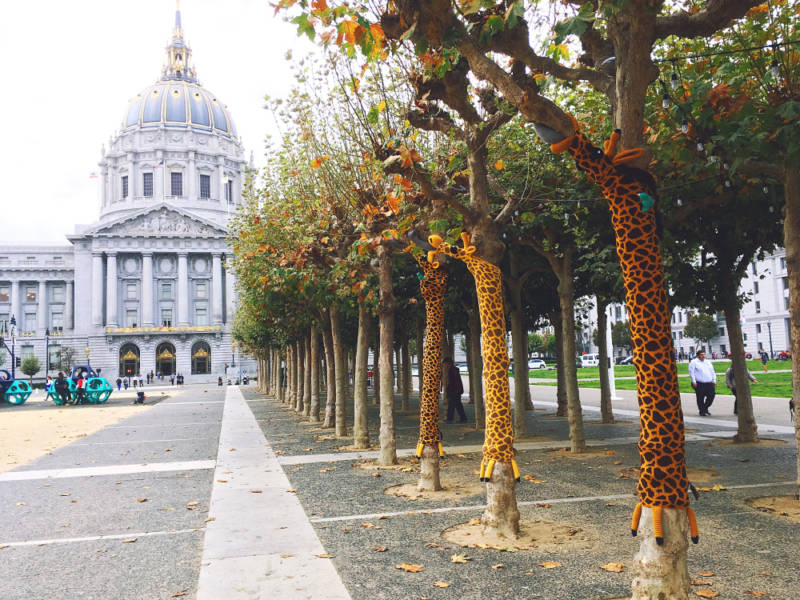
"caption": "Knitted giraffes keep watch over Civic Center. (",
"description": "Knitted giraffes keep watch over Civic Center. (Photo Courtesy: Knits For Life)",
"title": "RS32512_photo-sep-08-3-52-53-pm",
"credit": "Courtesy of Knits for Life",
"status": "inherit",
"isLoading": false,
"fetchFailed": false
},
"news_11685466": {
"type": "attachments",
"id": "news_11685466",
"meta": {
"index": "attachments_1716263798",
"site": "news",
"id": "11685466",
"found": true
},
"parent": 11685360,
"imgSizes": {
"small": {
"file": "https://ww2.kqed.org/app/uploads/sites/10/2018/08/Sign-Holly-520x347.png",
"width": 520,
"mimeType": "image/png",
"height": 347
},
"twentyfourteen-full-width": {
"file": "https://ww2.kqed.org/app/uploads/sites/10/2018/08/Sign-Holly-1038x576.png",
"width": 1038,
"mimeType": "image/png",
"height": 576
},
"thumbnail": {
"file": "https://ww2.kqed.org/app/uploads/sites/10/2018/08/Sign-Holly-160x107.png",
"width": 160,
"mimeType": "image/png",
"height": 107
},
"fd-sm": {
"file": "https://ww2.kqed.org/app/uploads/sites/10/2018/08/Sign-Holly-960x640.png",
"width": 960,
"mimeType": "image/png",
"height": 640
},
"post-thumbnail": {
"file": "https://ww2.kqed.org/app/uploads/sites/10/2018/08/Sign-Holly-672x372.png",
"width": 672,
"mimeType": "image/png",
"height": 372
},
"xsmall": {
"file": "https://ww2.kqed.org/app/uploads/sites/10/2018/08/Sign-Holly-375x250.png",
"width": 375,
"mimeType": "image/png",
"height": 250
},
"kqedFullSize": {
"file": "https://ww2.kqed.org/app/uploads/sites/10/2018/08/Sign-Holly.png",
"width": 1920,
"height": 1280
},
"large": {
"file": "https://ww2.kqed.org/app/uploads/sites/10/2018/08/Sign-Holly-1020x680.png",
"width": 1020,
"mimeType": "image/png",
"height": 680
},
"xlarge": {
"file": "https://ww2.kqed.org/app/uploads/sites/10/2018/08/Sign-Holly-1180x787.png",
"width": 1180,
"mimeType": "image/png",
"height": 787
},
"complete_open_graph": {
"file": "https://ww2.kqed.org/app/uploads/sites/10/2018/08/Sign-Holly-1200x800.png",
"width": 1200,
"mimeType": "image/png",
"height": 800
},
"guest-author-50": {
"file": "https://ww2.kqed.org/app/uploads/sites/10/2018/08/Sign-Holly-50x50.png",
"width": 50,
"mimeType": "image/png",
"height": 50
},
"guest-author-96": {
"file": "https://ww2.kqed.org/app/uploads/sites/10/2018/08/Sign-Holly-96x96.png",
"width": 96,
"mimeType": "image/png",
"height": 96
},
"medium": {
"file": "https://ww2.kqed.org/app/uploads/sites/10/2018/08/Sign-Holly-800x533.png",
"width": 800,
"mimeType": "image/png",
"height": 533
},
"guest-author-64": {
"file": "https://ww2.kqed.org/app/uploads/sites/10/2018/08/Sign-Holly-64x64.png",
"width": 64,
"mimeType": "image/png",
"height": 64
},
"guest-author-32": {
"file": "https://ww2.kqed.org/app/uploads/sites/10/2018/08/Sign-Holly-32x32.png",
"width": 32,
"mimeType": "image/png",
"height": 32
},
"fd-lrg": {
"file": "https://ww2.kqed.org/app/uploads/sites/10/2018/08/Sign-Holly-1920x1280.png",
"width": 1920,
"mimeType": "image/png",
"height": 1280
},
"fd-med": {
"file": "https://ww2.kqed.org/app/uploads/sites/10/2018/08/Sign-Holly-1180x787.png",
"width": 1180,
"mimeType": "image/png",
"height": 787
},
"full-width": {
"file": "https://ww2.kqed.org/app/uploads/sites/10/2018/08/Sign-Holly-1920x1280.png",
"width": 1920,
"mimeType": "image/png",
"height": 1280
},
"detail": {
"file": "https://ww2.kqed.org/app/uploads/sites/10/2018/08/Sign-Holly-150x150.png",
"width": 150,
"mimeType": "image/png",
"height": 150
},
"guest-author-128": {
"file": "https://ww2.kqed.org/app/uploads/sites/10/2018/08/Sign-Holly-128x128.png",
"width": 128,
"mimeType": "image/png",
"height": 128
},
"xxsmall": {
"file": "https://ww2.kqed.org/app/uploads/sites/10/2018/08/Sign-Holly-240x160.png",
"width": 240,
"mimeType": "image/png",
"height": 160
}
},
"publishDate": 1533674437,
"modified": 1533685115,
"caption": "A sign advertises fortunetelling services in San Francisco",
"description": null,
"title": "Sign Holly",
"credit": "Carly Severn/KQED",
"status": "inherit",
"isLoading": false,
"fetchFailed": false
}
},
"audioPlayerReducer": {
"postId": "stream_live",
"isPaused": true,
"isPlaying": false,
"pfsActive": false,
"pledgeModalIsOpen": true,
"playerDrawerIsOpen": false,
"liveAudioPlayStartedAt": 0,
"liveAudioPlayContext": ""
},
"authorsReducer": {
"byline_news_11696153": {
"type": "authors",
"id": "byline_news_11696153",
"meta": {
"override": true
},
"slug": "byline_news_11696153",
"name": "\u003cstrong>Julie Caine\u003c/strong>",
"isLoading": false
},
"ohubertallen": {
"type": "authors",
"id": "102",
"meta": {
"index": "authors_1716337520",
"id": "102",
"found": true
},
"name": "Olivia Allen-Price",
"firstName": "Olivia",
"lastName": "Allen-Price",
"slug": "ohubertallen",
"email": "oallenprice@kqed.org",
"display_author_email": false,
"staff_mastheads": [
"news"
],
"title": "Senior Editor",
"bio": "Olivia Allen-Price is senior editor and host of the award-winning Bay Curious podcast. Prior to joining KQED in 2013, Olivia worked at The Baltimore Sun and The Virginian-Pilot in Norfolk, Va. She holds degrees in journalism and political science from Elon University. Her work has earned awards from the Society of Professional Journalists, the Hearst Foundation and Hearken. She loves to talk about running and curly hair.\r\n\r\nFollow: \u003ca href=\"https://twitter.com/oallenprice\">@oallenprice\u003c/a>\r\nEmail: \u003ca href=\"mailto:oallenprice@kqed.org\">oallenprice@kqed.org\u003c/a>",
"avatar": "https://secure.gravatar.com/avatar/07f7803c1f6be56f3be58ef276dfa64dce898502e0554408ef4858451a8294f7?s=600&d=blank&r=g",
"twitter": "oallenprice",
"bluesky": null,
"facebook": null,
"instagram": null,
"linkedin": null,
"sites": [
{
"site": "",
"roles": [
"editor"
]
},
{
"site": "arts",
"roles": [
"subscriber"
]
},
{
"site": "news",
"roles": [
"administrator"
]
},
{
"site": "pop",
"roles": [
"administrator"
]
},
{
"site": "bayareabites",
"roles": [
"contributor"
]
},
{
"site": "stateofhealth",
"roles": [
"administrator"
]
},
{
"site": "science",
"roles": [
"editor"
]
}
],
"headData": {
"title": "Olivia Allen-Price | KQED",
"description": "Senior Editor",
"ogImgSrc": "https://secure.gravatar.com/avatar/07f7803c1f6be56f3be58ef276dfa64dce898502e0554408ef4858451a8294f7?s=600&d=blank&r=g",
"twImgSrc": "https://secure.gravatar.com/avatar/07f7803c1f6be56f3be58ef276dfa64dce898502e0554408ef4858451a8294f7?s=600&d=blank&r=g"
},
"isLoading": false,
"link": "/author/ohubertallen"
},
"sracho": {
"type": "authors",
"id": "107",
"meta": {
"index": "authors_1716337520",
"id": "107",
"found": true
},
"name": "Suzie Racho",
"firstName": "Suzie",
"lastName": "Racho",
"slug": "sracho",
"email": "SRacho@KQED.org",
"display_author_email": false,
"staff_mastheads": [
"news"
],
"title": "KQED Contributor",
"bio": "Suzie Racho is a correspondent-producer with \u003cem>The California Report Magazine\u003c/em>\u003cem>. S\u003c/em>he has also worked with several other KQED productions, including Bay Curious, Truth Be Told, The Do List and KQED News.\r\n\r\nSuzie came to KQED in 1996 after receiving a BA in journalism from San Francisco State University and spending several years working in the music industry. As part of \u003cem>The California Report\u003c/em> team, her work has been recognized by the Society for Professional Journalists, National Federation of Community Broadcasters and Public Radio News Directors Incorporated, among others. She was recognized with a national Gracie Award in 2019. She spends her free time baking, listening to K-pop and rooting for the Giants and Valkyries.",
"avatar": "https://secure.gravatar.com/avatar/842e457a9830b0f3c1ce3ab70ed3518d616d1e25e315c6292eab8cd611d98601?s=600&d=blank&r=g",
"twitter": null,
"bluesky": null,
"facebook": null,
"instagram": null,
"linkedin": null,
"sites": [
{
"site": "arts",
"roles": [
"editor"
]
},
{
"site": "news",
"roles": [
"editor"
]
}
],
"headData": {
"title": "Suzie Racho | KQED",
"description": "KQED Contributor",
"ogImgSrc": "https://secure.gravatar.com/avatar/842e457a9830b0f3c1ce3ab70ed3518d616d1e25e315c6292eab8cd611d98601?s=600&d=blank&r=g",
"twImgSrc": "https://secure.gravatar.com/avatar/842e457a9830b0f3c1ce3ab70ed3518d616d1e25e315c6292eab8cd611d98601?s=600&d=blank&r=g"
},
"isLoading": false,
"link": "/author/sracho"
},
"danbrekke": {
"type": "authors",
"id": "222",
"meta": {
"index": "authors_1716337520",
"id": "222",
"found": true
},
"name": "Dan Brekke",
"firstName": "Dan",
"lastName": "Brekke",
"slug": "danbrekke",
"email": "dbrekke@kqed.org",
"display_author_email": true,
"staff_mastheads": [
"news",
"science"
],
"title": "KQED Editor and Reporter",
"bio": "Dan Brekke is a reporter and editor for KQED News, responsible for coverage of topics ranging from California water issues to the Bay Area's transportation challenges. In a newsroom career that began in Chicago in 1972, Dan has worked for \u003cem>The San Francisco Examiner,\u003c/em> Wired and TechTV and has been published in The New York Times, The New York Times Magazine, Business 2.0, Salon and elsewhere.\r\n\r\nSince joining KQED in 2007, Dan has reported, edited and produced both radio and online features and breaking news pieces. He has shared as both editor and reporter in four Society of Professional Journalists Norcal Excellence in Journalism awards and one Edward R. Murrow regional award. He was chosen for a spring 2017 residency at the Mesa Refuge to advance his research on California salmon.\r\n\r\nEmail Dan at: \u003ca href=\"mailto:dbrekke@kqed.org\">dbrekke@kqed.org\u003c/a>\r\n\r\n\u003cstrong>Twitter:\u003c/strong> \u003ca href=\"https://twitter.com/danbrekke\" rel=\"noopener noreferrer\">twitter.com/danbrekke\u003c/a>\r\n\u003cstrong>Facebook:\u003c/strong> \u003ca href=\"https://www.facebook.com/danbrekke\" rel=\"noopener noreferrer\">www.facebook.com/danbrekke\u003c/a>\r\n\u003cstrong>LinkedIn:\u003c/strong> \u003ca href=\"https://www.linkedin.com/in/danbrekke\" rel=\"noopener noreferrer\">www.linkedin.com/in/danbrekke\u003c/a>",
"avatar": "https://secure.gravatar.com/avatar/c8126230345efca3f7aa89b1a402be45?s=600&d=mm&r=g",
"twitter": "danbrekke",
"facebook": null,
"instagram": "https://www.instagram.com/dan.brekke/",
"linkedin": "https://www.linkedin.com/in/danbrekke/",
"sites": [
{
"site": "news",
"roles": [
"administrator",
"create_posts"
]
},
{
"site": "stateofhealth",
"roles": [
"editor"
]
},
{
"site": "science",
"roles": [
"editor"
]
},
{
"site": "quest",
"roles": [
"contributor"
]
},
{
"site": "food",
"roles": [
"contributor"
]
},
{
"site": "forum",
"roles": [
"contributor"
]
},
{
"site": "liveblog",
"roles": [
"editor"
]
}
],
"headData": {
"title": "Dan Brekke | KQED",
"description": "KQED Editor and Reporter",
"ogImgSrc": "https://secure.gravatar.com/avatar/c8126230345efca3f7aa89b1a402be45?s=600&d=mm&r=g",
"twImgSrc": "https://secure.gravatar.com/avatar/c8126230345efca3f7aa89b1a402be45?s=600&d=mm&r=g"
},
"isLoading": false,
"link": "/author/danbrekke"
},
"gmarzorati": {
"type": "authors",
"id": "227",
"meta": {
"index": "authors_1716337520",
"id": "227",
"found": true
},
"name": "Guy Marzorati",
"firstName": "Guy",
"lastName": "Marzorati",
"slug": "gmarzorati",
"email": "gmarzorati@KQED.org",
"display_author_email": true,
"staff_mastheads": [
"news"
],
"title": "Correspondent",
"bio": "Guy Marzorati is a correspondent on KQED's California Politics and Government Desk, based in San Jose. A graduate of Santa Clara University, Guy joined KQED in 2013. He reports on state and local politics and produces KQED's digital voter guide.",
"avatar": "https://secure.gravatar.com/avatar/e7038b8dbfd55b104369b76b1cd0b9de?s=600&d=blank&r=g",
"twitter": "guymarzorati",
"facebook": null,
"instagram": null,
"linkedin": null,
"sites": [
{
"site": "",
"roles": [
"editor"
]
},
{
"site": "news",
"roles": [
"editor"
]
},
{
"site": "science",
"roles": [
"editor"
]
},
{
"site": "forum",
"roles": [
"editor"
]
},
{
"site": "elections",
"roles": [
"editor"
]
},
{
"site": "liveblog",
"roles": [
"editor"
]
}
],
"headData": {
"title": "Guy Marzorati | KQED",
"description": "Correspondent",
"ogImgSrc": "https://secure.gravatar.com/avatar/e7038b8dbfd55b104369b76b1cd0b9de?s=600&d=blank&r=g",
"twImgSrc": "https://secure.gravatar.com/avatar/e7038b8dbfd55b104369b76b1cd0b9de?s=600&d=blank&r=g"
},
"isLoading": false,
"link": "/author/gmarzorati"
},
"sasha-khokha": {
"type": "authors",
"id": "254",
"meta": {
"index": "authors_1716337520",
"id": "254",
"found": true
},
"name": "Sasha Khokha",
"firstName": "Sasha",
"lastName": "Khokha",
"slug": "sasha-khokha",
"email": "skhokha@kqed.org",
"display_author_email": true,
"staff_mastheads": [
"news"
],
"title": "Host, The California Report Magazine",
"bio": "Sasha Khokha is the host of \u003cem>The California Report's \u003c/em> weekly magazine program, which takes listeners on sound-rich excursions to meet the people that make the Golden State unique -- through audio documentaries and long-form stories. As \u003cem>The California Report's\u003c/em> Central Valley Bureau Chief based in Fresno for nearly a dozen years, Sasha brought the lives and concerns of rural Californians to listeners around the state. Her reporting helped expose the hidden price immigrant women janitors and farmworkers may pay to keep their jobs: sexual assault at work. It inspired two new California laws to protect them from sexual harassment. She was a key member of the reporting team for the Frontline film \u003cem>Rape on the Night Shift, \u003c/em>which was nominated for two national Emmys. Sasha has also won a national Edward R. Murrow and a national PRNDI award for investigative reporting, as well as multiple prizes from the Society for Professional Journalists. Sasha is a proud alum of the UC Berkeley Graduate School of Journalism and Brown University and a member of the South Asian Journalists Association.",
"avatar": "https://secure.gravatar.com/avatar/e4b5e1541aaeea2aa356aa1fb2a68950?s=600&d=blank&r=g",
"twitter": "KQEDSashaKhokha",
"facebook": null,
"instagram": null,
"linkedin": null,
"sites": [
{
"site": "news",
"roles": [
"editor"
]
},
{
"site": "stateofhealth",
"roles": [
"author"
]
},
{
"site": "science",
"roles": [
"author"
]
},
{
"site": "quest",
"roles": [
"subscriber"
]
}
],
"headData": {
"title": "Sasha Khokha | KQED",
"description": "Host, The California Report Magazine",
"ogImgSrc": "https://secure.gravatar.com/avatar/e4b5e1541aaeea2aa356aa1fb2a68950?s=600&d=blank&r=g",
"twImgSrc": "https://secure.gravatar.com/avatar/e4b5e1541aaeea2aa356aa1fb2a68950?s=600&d=blank&r=g"
},
"isLoading": false,
"link": "/author/sasha-khokha"
},
"scottshafer": {
"type": "authors",
"id": "255",
"meta": {
"index": "authors_1716337520",
"id": "255",
"found": true
},
"name": "Scott Shafer",
"firstName": "Scott",
"lastName": "Shafer",
"slug": "scottshafer",
"email": "sshafer@kqed.org",
"display_author_email": false,
"staff_mastheads": [
"news"
],
"title": "KQED Contributor",
"bio": "Scott Shafer is a senior editor with the KQED Politics and Government desk. He is co-host of Political Breakdown, the award-winning radio show and podcast with a personal take on the world of politics. Scott came to KQED in 1998 to host the statewide\u003cem> California Report\u003c/em>. Prior to that he had extended stints in politics and government\u003cem>.\u003c/em> He uses that inside experience at KQED in his, reporting, hosting and analysis for the politics desk. Scott collaborated \u003cem>Political Breakdown a\u003c/em>nd on \u003cem>The Political Mind of Jerry Brown, \u003c/em>an eight-part series about the life and extraordinary political career of the former governor. For fun, he plays water polo with the San Francisco Tsunami.",
"avatar": "https://secure.gravatar.com/avatar/a62ebae45b79d7aed1a39a0e3bf68104?s=600&d=blank&r=g",
"twitter": "scottshafer",
"bluesky": null,
"facebook": null,
"instagram": null,
"linkedin": null,
"sites": [
{
"site": "news",
"roles": [
"editor"
]
},
{
"site": "stateofhealth",
"roles": [
"author"
]
},
{
"site": "science",
"roles": [
"author"
]
},
{
"site": "forum",
"roles": [
"subscriber"
]
},
{
"site": "liveblog",
"roles": [
"author"
]
}
],
"headData": {
"title": "Scott Shafer | KQED",
"description": "KQED Contributor",
"ogImgSrc": "https://secure.gravatar.com/avatar/a62ebae45b79d7aed1a39a0e3bf68104?s=600&d=blank&r=g",
"twImgSrc": "https://secure.gravatar.com/avatar/a62ebae45b79d7aed1a39a0e3bf68104?s=600&d=blank&r=g"
},
"isLoading": false,
"link": "/author/scottshafer"
},
"adembosky": {
"type": "authors",
"id": "3205",
"meta": {
"index": "authors_1716337520",
"id": "3205",
"found": true
},
"name": "April Dembosky",
"firstName": "April",
"lastName": "Dembosky",
"slug": "adembosky",
"email": "adembosky@kqed.org",
"display_author_email": false,
"staff_mastheads": [
"news",
"science"
],
"title": "KQED Health Correspondent",
"bio": "April Dembosky is the health correspondent for KQED News and a regular contributor to NPR. She specializes in covering altered states of mind, from postpartum depression to methamphetamine-induced psychosis to the insanity defense. Her investigative series on insurance companies sidestepping mental health laws won multiple awards, including first place in beat reporting from the national Association of Health Care Journalists. She is the recipient of numerous other prizes and fellowships, including a national Edward R. Murrow award for investigative reporting, a Society of Professional Journalists award for long-form storytelling, and a Carter Center Fellowship for Mental Health Journalism.\r\n\r\nDembosky reported and produced \u003cem>Soundtrack of Silence\u003c/em>, an audio documentary about music and memory that is currently being made into a feature film by Paramount Pictures.\r\n\r\nBefore joining KQED in 2013, Dembosky covered technology and Silicon Valley for \u003cem>The Financial Times of London,\u003c/em> and contributed business and arts stories to \u003cem>Marketplace \u003c/em>and \u003cem>The New York Times.\u003c/em> She got her undergraduate degree in philosophy from Smith College and her master's in journalism from the University of California, Berkeley. She is a classically trained violinist and proud alum of the first symphony orchestra at Burning Man.",
"avatar": "https://secure.gravatar.com/avatar/ef92999be4ceb9ea60701e7dc276f813?s=600&d=blank&r=g",
"twitter": "adembosky",
"facebook": null,
"instagram": null,
"linkedin": null,
"sites": [
{
"site": "arts",
"roles": [
"author"
]
},
{
"site": "news",
"roles": [
"editor"
]
},
{
"site": "futureofyou",
"roles": [
"author"
]
},
{
"site": "stateofhealth",
"roles": [
"editor"
]
},
{
"site": "science",
"roles": [
"editor"
]
},
{
"site": "forum",
"roles": [
"editor"
]
}
],
"headData": {
"title": "April Dembosky | KQED",
"description": "KQED Health Correspondent",
"ogImgSrc": "https://secure.gravatar.com/avatar/ef92999be4ceb9ea60701e7dc276f813?s=600&d=blank&r=g",
"twImgSrc": "https://secure.gravatar.com/avatar/ef92999be4ceb9ea60701e7dc276f813?s=600&d=blank&r=g"
},
"isLoading": false,
"link": "/author/adembosky"
},
"carlysevern": {
"type": "authors",
"id": "3243",
"meta": {
"index": "authors_1716337520",
"id": "3243",
"found": true
},
"name": "Carly Severn",
"firstName": "Carly",
"lastName": "Severn",
"slug": "carlysevern",
"email": "csevern@kqed.org",
"display_author_email": false,
"staff_mastheads": [
"news"
],
"title": "Senior Editor, Audience News ",
"bio": "Carly is KQED's Senior Editor of Audience News on the Digital News team, and has reported for the California Report Magazine, Bay Curious and KQED Arts. She's formerly the host of \u003ca href=\"http://ww2.kqed.org/pop/category/the-cooler/\" rel=\"noopener noreferrer\">The Cooler\u003c/a> podcast.",
"avatar": "https://secure.gravatar.com/avatar/54037bf5c128fe678f0ef26cec97a93f2e7f220a22d7285703328f12c42c1b1d?s=600&d=blank&r=g",
"twitter": "teacupinthebay",
"bluesky": null,
"facebook": null,
"instagram": null,
"linkedin": null,
"sites": [
{
"site": "",
"roles": [
"editor"
]
},
{
"site": "arts",
"roles": [
"editor"
]
},
{
"site": "news",
"roles": [
"administrator"
]
},
{
"site": "pop",
"roles": [
"editor"
]
},
{
"site": "futureofyou",
"roles": [
"editor"
]
},
{
"site": "about",
"roles": [
"administrator"
]
},
{
"site": "mindshift",
"roles": [
"editor"
]
},
{
"site": "bayareabites",
"roles": [
"editor"
]
},
{
"site": "stateofhealth",
"roles": [
"editor"
]
},
{
"site": "science",
"roles": [
"editor"
]
},
{
"site": "food",
"roles": [
"contributor"
]
},
{
"site": "forum",
"roles": [
"editor"
]
},
{
"site": "perspectives",
"roles": [
"administrator"
]
},
{
"site": "liveblog",
"roles": [
"editor"
]
}
],
"headData": {
"title": "Carly Severn | KQED",
"description": "Senior Editor, Audience News ",
"ogImgSrc": "https://secure.gravatar.com/avatar/54037bf5c128fe678f0ef26cec97a93f2e7f220a22d7285703328f12c42c1b1d?s=600&d=blank&r=g",
"twImgSrc": "https://secure.gravatar.com/avatar/54037bf5c128fe678f0ef26cec97a93f2e7f220a22d7285703328f12c42c1b1d?s=600&d=blank&r=g"
},
"isLoading": false,
"link": "/author/carlysevern"
},
"jplaczek": {
"type": "authors",
"id": "8606",
"meta": {
"index": "authors_1716337520",
"id": "8606",
"found": true
},
"name": "Jessica Placzek",
"firstName": "Jessica",
"lastName": "Placzek",
"slug": "jplaczek",
"email": "jessicalplaczek@gmail.com",
"display_author_email": false,
"staff_mastheads": [
"news"
],
"title": "KQED Contributor",
"bio": "Jessica Placzek is a former senior editor of podcasts at KQED where she served as the editorial lead of the podcast department. She worked with shows like MindShift, Rightnowish, Consider This, SOLD OUT, Bay Curious and The Bay. She’s also been a reporter and audio producer at KQED, KPFA, and KALW. She taught audio production to men incarcerated at California State Prison Solano and edited pieces they produced for the Uncuffed podcast through KALW. In 2018 she co-hosted and produced the third season of Raw Material for SFMOMA. In New Orleans she wrote for the Nola Defender. Her work has also appeared on Marketplace, All Things Considered, The California Report, and Vice. You can find more at jessicaplaczek.com",
"avatar": "https://secure.gravatar.com/avatar/5ead103b5880f672eceb84ce75eecd1b4b6f74a47edc457684a73ad5b8b158e9?s=600&d=blank&r=g",
"twitter": null,
"bluesky": null,
"facebook": null,
"instagram": null,
"linkedin": null,
"sites": [
{
"site": "arts",
"roles": [
"subscriber"
]
},
{
"site": "news",
"roles": [
"subscriber"
]
},
{
"site": "stateofhealth",
"roles": [
"editor"
]
},
{
"site": "forum",
"roles": [
"editor"
]
}
],
"headData": {
"title": "Jessica Placzek | KQED",
"description": "KQED Contributor",
"ogImgSrc": "https://secure.gravatar.com/avatar/5ead103b5880f672eceb84ce75eecd1b4b6f74a47edc457684a73ad5b8b158e9?s=600&d=blank&r=g",
"twImgSrc": "https://secure.gravatar.com/avatar/5ead103b5880f672eceb84ce75eecd1b4b6f74a47edc457684a73ad5b8b158e9?s=600&d=blank&r=g"
},
"isLoading": false,
"link": "/author/jplaczek"
},
"lklivans": {
"type": "authors",
"id": "8648",
"meta": {
"index": "authors_1716337520",
"id": "8648",
"found": true
},
"name": "Laura Klivans",
"firstName": "Laura",
"lastName": "Klivans",
"slug": "lklivans",
"email": "lklivans@kqed.org",
"display_author_email": true,
"staff_mastheads": [
"news",
"science"
],
"title": "Reporter",
"bio": "Laura Klivans is an award-winning science reporter for KQED News, where she covers climate change with an eye on both groundbreaking progress and gaps in action. She is the former host of KQED's blockbuster video series about tiny, amazing animals, \u003cem>Deep Look\u003c/em>. Her work reaches national audiences through NPR, \u003cem>Here & Now, \u003c/em>PRI, and other major outlets. \r\n\r\nLaura’s won five Northern California Area Emmy Awards for Deep Look and First Place in the Greater Bay Area Journalism Awards for a podcast exploring how one Oakland neighborhood teamed up to reduce planet-heating pollution.\r\n\r\nBeyond her reporting, she hosts and moderates events. In the past, she taught audio storytelling at the UC Berkeley Graduate School of Journalism, led international education programs, worked with immigrants and refugees along the Thai-Burmese border, taught high schoolers sex ed, and was an actress. \r\n\r\nShe's a former UC Berkeley Human Rights Fellow, USC Center for Health Journalism's California Fellow and Coro Fellow in Public Affairs. Laura has a master’s in journalism from UC Berkeley, a master’s in education from Harvard, and an undergraduate degree from Northwestern University.\r\n\r\nShe loves trying to riddle the meaning out of vanity license plates.",
"avatar": "https://secure.gravatar.com/avatar/2d2ecd1550a494cc10ad4a503406965585902124739e775a9b3817eebf1d88be?s=600&d=blank&r=g",
"twitter": "lauraklivans",
"bluesky": null,
"facebook": null,
"instagram": null,
"linkedin": null,
"sites": [
{
"site": "news",
"roles": [
"editor"
]
},
{
"site": "stateofhealth",
"roles": [
"contributor",
"editor"
]
},
{
"site": "science",
"roles": [
"editor"
]
},
{
"site": "forum",
"roles": [
"editor"
]
}
],
"headData": {
"title": "Laura Klivans | KQED",
"description": "Reporter",
"ogImgSrc": "https://secure.gravatar.com/avatar/2d2ecd1550a494cc10ad4a503406965585902124739e775a9b3817eebf1d88be?s=600&d=blank&r=g",
"twImgSrc": "https://secure.gravatar.com/avatar/2d2ecd1550a494cc10ad4a503406965585902124739e775a9b3817eebf1d88be?s=600&d=blank&r=g"
},
"isLoading": false,
"link": "/author/lklivans"
},
"dventon": {
"type": "authors",
"id": "11088",
"meta": {
"index": "authors_1716337520",
"id": "11088",
"found": true
},
"name": "Danielle Venton",
"firstName": "Danielle",
"lastName": "Venton",
"slug": "dventon",
"email": "dventon@kqed.org",
"display_author_email": true,
"staff_mastheads": [
"science"
],
"title": "Science reporter",
"bio": "Danielle Venton is a reporter for KQED Science. She covers wildfires, space and oceans (though she is prone to sea sickness).\r\n\r\nBefore joining KQED in 2015, Danielle was a staff reporter at KRCB in Sonoma County and a freelancer. She studied science communication at UC Santa Cruz and formerly worked at CERN in Geneva, Switzerland where she wrote about computing. She lives in Sonoma County and enjoys backpacking.",
"avatar": "https://secure.gravatar.com/avatar/37b292b5c40c8d93959c4f48d73b5286f41b7abd8588277e941905a3ed4c801c?s=600&d=blank&r=g",
"twitter": "DanielleVenton",
"bluesky": null,
"facebook": null,
"instagram": null,
"linkedin": null,
"sites": [
{
"site": "arts",
"roles": [
"contributor"
]
},
{
"site": "news",
"roles": [
"editor"
]
},
{
"site": "futureofyou",
"roles": [
"editor"
]
},
{
"site": "science",
"roles": [
"editor"
]
},
{
"site": "liveblog",
"roles": [
"contributor"
]
}
],
"headData": {
"title": "Danielle Venton | KQED",
"description": "Science reporter",
"ogImgSrc": "https://secure.gravatar.com/avatar/37b292b5c40c8d93959c4f48d73b5286f41b7abd8588277e941905a3ed4c801c?s=600&d=blank&r=g",
"twImgSrc": "https://secure.gravatar.com/avatar/37b292b5c40c8d93959c4f48d73b5286f41b7abd8588277e941905a3ed4c801c?s=600&d=blank&r=g"
},
"isLoading": false,
"link": "/author/dventon"
},
"korr": {
"type": "authors",
"id": "11200",
"meta": {
"index": "authors_1716337520",
"id": "11200",
"found": true
},
"name": "Katie Orr",
"firstName": "Katie",
"lastName": "Orr",
"slug": "korr",
"email": "korr@kqed.org",
"display_author_email": false,
"staff_mastheads": [],
"title": "KQED Contributor",
"bio": "Katie Orr was a Sacramento-based reporter for KQED's Politics and Government Desk, covering the state Capitol and a variety of issues including women in politics, voting and elections and legislation. Prior to joining KQED in 2016, Katie was state government reporter for Capital Public Radio in Sacramento. She's also worked for KPBS in San Diego, where she covered City Hall.\r\n\r\nKatie received her masters degree in political science from San Diego State University and holds a Bachelors degree in broadcast journalism from Arizona State University.\r\n\r\nIn 2015 Katie won a national Clarion Award for a series of stories she did on women in California politics. She's been honored by the Society for Professional Journalists and, in 2013, was named by \u003cem>The Washington Post\u003c/em> as one of the country's top state Capitol reporters. She's also reported for the award-winning documentary series \u003cem>The View from Here \u003c/em>and was part of the team that won national PRNDI and Gabriel Awards in 2015. She lives in Sacramento with her husband. Twitter: @1KatieOrr",
"avatar": "https://secure.gravatar.com/avatar/41a40b25845adc78f50808670860449e?s=600&d=blank&r=g",
"twitter": "1katieorr",
"facebook": null,
"instagram": null,
"linkedin": null,
"sites": [
{
"site": "news",
"roles": [
"subscriber"
]
},
{
"site": "stateofhealth",
"roles": [
"author"
]
},
{
"site": "forum",
"roles": [
"author"
]
}
],
"headData": {
"title": "Katie Orr | KQED",
"description": "KQED Contributor",
"ogImgSrc": "https://secure.gravatar.com/avatar/41a40b25845adc78f50808670860449e?s=600&d=blank&r=g",
"twImgSrc": "https://secure.gravatar.com/avatar/41a40b25845adc78f50808670860449e?s=600&d=blank&r=g"
},
"isLoading": false,
"link": "/author/korr"
},
"lesleymcclurg": {
"type": "authors",
"id": "11229",
"meta": {
"index": "authors_1716337520",
"id": "11229",
"found": true
},
"name": "Lesley McClurg",
"firstName": "Lesley",
"lastName": "McClurg",
"slug": "lesleymcclurg",
"email": "lmcclurg@KQED.org",
"display_author_email": false,
"staff_mastheads": [
"news",
"science"
],
"title": "KQED Health Correspondent",
"bio": "Lesley McClurg is a health correspondent and fill-in host whose work is regularly rebroadcast on NPR and PBS programs. She’s earned multiple regional Emmy awards, a national and a regional Edward R. Murrow award, and was named Best Beat Reporter by the Association of Health Care Journalists. The Society of Professional Journalists has recognized her work several times, and the Society of Environmental Journalists spotlighted her coverage of California’s historic drought.\r\n\r\nBefore joining KQED in 2016, Lesley covered food and sustainability for Capital Public Radio, environmental issues for Colorado Public Radio, and reported for KUOW and KCTS 9 in Seattle. Away from the newsroom, she loves skiing with her daughter, mountain biking with her partner, and playing with Ollie, the family’s goldendoodle. On deadline, she runs almost entirely on chocolate chips.\r\n\r\n ",
"avatar": "https://secure.gravatar.com/avatar/bab49e972ea10c774fe0f5e29dba1722b158f7c0d58a360923d1389d380b2978?s=600&d=blank&r=g",
"twitter": "lesleywmcclurg",
"bluesky": null,
"facebook": null,
"instagram": null,
"linkedin": null,
"sites": [
{
"site": "arts",
"roles": [
"author"
]
},
{
"site": "news",
"roles": [
"editor"
]
},
{
"site": "futureofyou",
"roles": [
"editor"
]
},
{
"site": "stateofhealth",
"roles": [
"author"
]
},
{
"site": "science",
"roles": [
"editor"
]
},
{
"site": "quest",
"roles": [
"subscriber"
]
},
{
"site": "forum",
"roles": [
"administrator"
]
},
{
"site": "liveblog",
"roles": [
"author"
]
}
],
"headData": {
"title": "Lesley McClurg | KQED",
"description": "KQED Health Correspondent",
"ogImgSrc": "https://secure.gravatar.com/avatar/bab49e972ea10c774fe0f5e29dba1722b158f7c0d58a360923d1389d380b2978?s=600&d=blank&r=g",
"twImgSrc": "https://secure.gravatar.com/avatar/bab49e972ea10c774fe0f5e29dba1722b158f7c0d58a360923d1389d380b2978?s=600&d=blank&r=g"
},
"isLoading": false,
"link": "/author/lesleymcclurg"
},
"rlevi": {
"type": "authors",
"id": "11260",
"meta": {
"index": "authors_1716337520",
"id": "11260",
"found": true
},
"name": "Ryan Levi",
"firstName": "Ryan",
"lastName": "Levi",
"slug": "rlevi",
"email": "rlevi@KQED.org",
"display_author_email": false,
"staff_mastheads": [],
"title": "KQED Contributor",
"bio": "Ryan Levi was a reporter and podcast producer at KQED News from 2016-2019. He worked on \u003ca href=\"https://www.kqed.org/news/series/baycurious\">Bay Curious\u003c/a>, \u003ca href=\"https://www.kqed.org/news/tag/the-bay/\">The Bay, \u003c/a>and \u003ca href=\"https://podcasts.apple.com/us/podcast/the-california-report-magazine/id1314750545\">The California Report Magazine\u003c/a>, as well as hosting and producing the weekly \u003ca href=\"https://www.kqed.org/news/program/qedup/\">Q'ed Up podcast. \u003c/a>He also helped inaugurate KQED's weekend news coverage in 2017 as one of two original digital producers. Ryan holds degrees in multimedia journalism and Spanish from the University of Missouri.",
"avatar": "https://secure.gravatar.com/avatar/4cb2ddd028ac8807d1adf09609c5555d?s=600&d=blank&r=g",
"twitter": "ryan_levi",
"facebook": null,
"instagram": null,
"linkedin": null,
"sites": [
{
"site": "arts",
"roles": [
"editor"
]
},
{
"site": "news",
"roles": [
"subscriber"
]
},
{
"site": "stateofhealth",
"roles": [
"editor"
]
},
{
"site": "science",
"roles": [
"editor"
]
},
{
"site": "forum",
"roles": [
"administrator"
]
},
{
"site": "perspectives",
"roles": [
"administrator"
]
}
],
"headData": {
"title": "Ryan Levi | KQED",
"description": "KQED Contributor",
"ogImgSrc": "https://secure.gravatar.com/avatar/4cb2ddd028ac8807d1adf09609c5555d?s=600&d=blank&r=g",
"twImgSrc": "https://secure.gravatar.com/avatar/4cb2ddd028ac8807d1adf09609c5555d?s=600&d=blank&r=g"
},
"isLoading": false,
"link": "/author/rlevi"
},
"cfeibel": {
"type": "authors",
"id": "11314",
"meta": {
"index": "authors_1716337520",
"id": "11314",
"found": true
},
"name": "Carrie Feibel",
"firstName": "Carrie",
"lastName": "Feibel",
"slug": "cfeibel",
"email": "cfeibel@KQED.org",
"display_author_email": false,
"staff_mastheads": [],
"title": "KQED Contributor",
"bio": "Carrie Feibel is a former health editor at KQED, where she has also reported for radio and online. Her stories have appeared on the national NPR shows \u003cem>Morning Edition\u003c/em>, \u003cem>All Things Considered\u003c/em>, and \u003cem>Here & Now\u003c/em>, and on the national website, Kaiser Health News. Her print career included stints at the \u003cem>Houston Chronicle\u003c/em>, \u003cem>The (Bergen) Record,\u003c/em> and the Associated Press in New York City. A native of St. Louis, Feibel attended Cornell University, and earned a master's in journalism from Columbia University.",
"avatar": "https://secure.gravatar.com/avatar/c64a7e3c9a910e1bffd4ad32a5264aa9?s=600&d=blank&r=g",
"twitter": "KQEDHealth",
"facebook": null,
"instagram": null,
"linkedin": null,
"sites": [
{
"site": "news",
"roles": [
"subscriber"
]
},
{
"site": "stateofhealth",
"roles": [
"administrator"
]
}
],
"headData": {
"title": "Carrie Feibel | KQED",
"description": "KQED Contributor",
"ogImgSrc": "https://secure.gravatar.com/avatar/c64a7e3c9a910e1bffd4ad32a5264aa9?s=600&d=blank&r=g",
"twImgSrc": "https://secure.gravatar.com/avatar/c64a7e3c9a910e1bffd4ad32a5264aa9?s=600&d=blank&r=g"
},
"isLoading": false,
"link": "/author/cfeibel"
},
"eaguilar": {
"type": "authors",
"id": "11382",
"meta": {
"index": "authors_1716337520",
"id": "11382",
"found": true
},
"name": "Erika Aguilar",
"firstName": "Erika",
"lastName": "Aguilar",
"slug": "eaguilar",
"email": "eaa712@gmail.com",
"display_author_email": false,
"staff_mastheads": [],
"title": "KQED Contributor",
"bio": "Erika Aguilar was the director of podcasts at KQED. She was in charge of KQED's portfolio of original podcasts and teams, and sets strategic plans for production and engagement.\r\n\r\nErika helped establish KQED's new housing affordability desk as senior editor. She was also a producer and editor for KQED's local news podcast called \u003cem>The Bay, \u003c/em>and wrote stories about housing in the Bay Area as a reporter for KQED News.\r\n\r\nErika joined KQED in 2017 after producing independent audio projects and podcasts in Southern California. She spent more than a dozen years reporting stories about law enforcement, breaking news, homelessness, government and the environment for KPCC in Los Angeles and KUT in Austin. She also volunteers as an editor and mentor for various journalism training programs.\r\n\r\nErika Aguilar is a proud Tejana from San Antonio. She believes in compromise, optimism and Selena.",
"avatar": "https://secure.gravatar.com/avatar/85bf7bb8dd9af4136525d94cef00f026?s=600&d=blank&r=g",
"twitter": "erikaaaguilar",
"facebook": null,
"instagram": null,
"linkedin": null,
"sites": [
{
"site": "",
"roles": [
"editor"
]
},
{
"site": "news",
"roles": [
"subscriber"
]
},
{
"site": "podcasts",
"roles": [
"editor"
]
}
],
"headData": {
"title": "Erika Aguilar | KQED",
"description": "KQED Contributor",
"ogImgSrc": "https://secure.gravatar.com/avatar/85bf7bb8dd9af4136525d94cef00f026?s=600&d=blank&r=g",
"twImgSrc": "https://secure.gravatar.com/avatar/85bf7bb8dd9af4136525d94cef00f026?s=600&d=blank&r=g"
},
"isLoading": false,
"link": "/author/eaguilar"
}
},
"pagesReducer": {
"news_tag_bay-curious": {
"type": "terms",
"id": "news_18426",
"meta": {
"index": "terms_1716263798",
"site": "news",
"id": "18426",
"score": 9.104131
},
"featImg": null,
"name": "Bay Curious",
"description": null,
"taxonomy": "tag",
"headData": {
"twImgId": null,
"twTitle": null,
"ogTitle": null,
"ogImgId": null,
"twDescription": null,
"description": null,
"title": "Bay Curious Archives | KQED News",
"ogDescription": null
},
"ttid": 18460,
"slug": "bay-curious",
"isLoading": false,
"title": "Bay Curious",
"pageMeta": {
"site": "news",
"WpPageTemplate": "page-topic-editorial",
"currentPage": 14
},
"blocks": [
{
"blockName": "kqed/post-list",
"attrs": {
"layout": "cardArticle2",
"query": "posts/news?tag=bay-curious",
"seeMore": false,
"paginated": true,
"page": 14
}
},
{
"blockName": "kqed/ad"
}
]
}
},
"pfsSessionReducer": {},
"postsReducer": {
"stream_live": {
"type": "live",
"id": "stream_live",
"audioUrl": "https://streams.kqed.org/kqedradio",
"title": "Live Stream",
"excerpt": "Live Stream information currently unavailable.",
"link": "/radio",
"featImg": "",
"label": {
"name": "KQED Live",
"link": "/"
}
},
"stream_kqedNewscast": {
"type": "posts",
"id": "stream_kqedNewscast",
"audioUrl": "https://www.kqed.org/.stream/anon/radio/RDnews/newscast.mp3?_=1",
"title": "KQED Newscast",
"featImg": "",
"label": {
"name": "88.5 FM",
"link": "/"
}
},
"news_11698960": {
"type": "posts",
"id": "news_11698960",
"meta": {
"index": "posts_1716263798",
"site": "news",
"id": "11698960",
"score": null,
"sort": [
1539856815000
]
},
"guestAuthors": [],
"slug": "the-san-francisco-origins-of-green-goddess-dressing",
"title": "The San Francisco Origins of Green Goddess Dressing",
"publishDate": 1539856815,
"format": "audio",
"headTitle": "The San Francisco Origins of Green Goddess Dressing | KQED",
"labelTerm": {},
"content": "\u003cp>Brent Silver is a self-described foodie who has lived in San Francisco for 15 years. Over the years, he’s heard people claim all sorts of different foods were invented here: fortune cookies, chicken tetrazzini, the California roll and cioppino to name a few.\u003c/p>\n\u003cp>He came to Bay Curious looking for some facts.\u003c/p>\n\u003cp>“I wanted to know which foods originated in San Francisco?” he says.\u003c/p>\n\u003cp>[baycuriouspodcastinfo]\u003c/p>\n\u003cp>This is one question with \u003cem>many\u003c/em> answers. So we’re starting a new series called “Golden State Plate,” to learn the true stories behind our iconic foods. We’re doing it in partnership with our friends at \u003ca href=\"https://www.kqed.org/news/program/the-california-report\" target=\"_blank\" rel=\"noopener\">The California Report Magazine.\u003c/a>\u003c/p>\n\u003cp>[ad fullwidth]\u003c/p>\n\u003cp>Silver didn’t come asking this question without a few foods in mind.\u003c/p>\n\u003cp>“I was watching one of those Food Network TV shows, and they were talking about green goddess dressing. It was like this vibrant green dressing that you would put on salad or chicken or meats of different kinds. What is green goddess dressing and is it from San Francisco?”\u003c/p>\n\u003ch2>The Green Goddess Story\u003c/h2>\n\u003cp>[dropcap]T[/dropcap]he Palace Hotel in downtown San Francisco is historically notable in a number of ways, including as a place where a \u003ca href=\"https://www.kqed.org/news/105407/death-of-a-president-san-francisco-style\" target=\"_blank\" rel=\"noopener\">sitting president of the United States died\u003c/a>. It’s also the birthplace of a famous California recipe: green goddess dressing.\u003c/p>\n\u003cp>You’ve likely seen the dressing on the shelves at the grocery store, but you may not know the story behind the condiment.\u003c/p>\n\u003cp>Two people who \u003cem>do\u003c/em> know a lot about green goddess dressing are Renee Roberts, who’s worked with the Palace Hotel for more than 20 years, and Laura Borrman, author of the new book \u003ca href=\"https://www.arcadiapublishing.com/Products/9781625859587\" target=\"_blank\" rel=\"noopener\">“Iconic San Francisco Dishes, Drinks & Desserts.”\u003c/a>\u003c/p>\n\u003cp>I met Roberts and Borrman at the palace’s Garden Court restaurant to try some of the famous dressing at its birthplace.\u003c/p>\n\u003cfigure id=\"attachment_11691796\" class=\"wp-caption aligncenter\" style=\"max-width: 800px\">\u003cimg loading=\"lazy\" decoding=\"async\" class=\"size-medium wp-image-11691796\" src=\"https://ww2.kqed.org/news/wp-content/uploads/sites/10/2018/09/RS32620_0E324908-3861-4EE3-AABF-2CF8D737D239-qut-800x600.jpg\" alt=\"\" width=\"800\" height=\"600\" srcset=\"https://cdn.kqed.org/wp-content/uploads/sites/10/2018/09/RS32620_0E324908-3861-4EE3-AABF-2CF8D737D239-qut-800x600.jpg 800w, https://cdn.kqed.org/wp-content/uploads/sites/10/2018/09/RS32620_0E324908-3861-4EE3-AABF-2CF8D737D239-qut-160x120.jpg 160w, https://cdn.kqed.org/wp-content/uploads/sites/10/2018/09/RS32620_0E324908-3861-4EE3-AABF-2CF8D737D239-qut-1020x765.jpg 1020w, https://cdn.kqed.org/wp-content/uploads/sites/10/2018/09/RS32620_0E324908-3861-4EE3-AABF-2CF8D737D239-qut-1200x900.jpg 1200w, https://cdn.kqed.org/wp-content/uploads/sites/10/2018/09/RS32620_0E324908-3861-4EE3-AABF-2CF8D737D239-qut.jpg 1920w, https://cdn.kqed.org/wp-content/uploads/sites/10/2018/09/RS32620_0E324908-3861-4EE3-AABF-2CF8D737D239-qut-1180x885.jpg 1180w, https://cdn.kqed.org/wp-content/uploads/sites/10/2018/09/RS32620_0E324908-3861-4EE3-AABF-2CF8D737D239-qut-960x720.jpg 960w, https://cdn.kqed.org/wp-content/uploads/sites/10/2018/09/RS32620_0E324908-3861-4EE3-AABF-2CF8D737D239-qut-240x180.jpg 240w, https://cdn.kqed.org/wp-content/uploads/sites/10/2018/09/RS32620_0E324908-3861-4EE3-AABF-2CF8D737D239-qut-375x281.jpg 375w, https://cdn.kqed.org/wp-content/uploads/sites/10/2018/09/RS32620_0E324908-3861-4EE3-AABF-2CF8D737D239-qut-520x390.jpg 520w\" sizes=\"(max-width: 800px) 100vw, 800px\">\u003cfigcaption class=\"wp-caption-text\">The Garden Court at the Palace Hotel. \u003ccite>(Sasha Khokha/KQED)\u003c/cite>\u003c/figcaption>\u003c/figure>\n\u003cp>“Sitting here makes you feel sort of automatically connected to history,” says Borrman. “I think about all of the other people who have sat at these tables.”\u003c/p>\n\u003cp>Roberts agrees: “There’s a lot of history here… A lot of people have been through these doors.”\u003c/p>\n\u003cp>This hotel, back in its day, was a place where lots of well-known and wealthy people stayed, like opera star \u003ca href=\"https://www.britannica.com/biography/Luisa-Tetrazzini\" target=\"_blank\" rel=\"noopener\">Luisa Tetrazzini\u003c/a>. The hotel claims to have invented \u003ca href=\"https://www.allrecipes.com/recipe/37784/easy-turkey-tetrazzini/\" target=\"_blank\" rel=\"noopener\">turkey tetrazzini\u003c/a>, named after her.\u003c/p>\n\u003cfigure id=\"attachment_11691797\" class=\"wp-caption alignright\" style=\"max-width: 800px\">\u003cimg loading=\"lazy\" decoding=\"async\" class=\"size-medium wp-image-11691797\" src=\"https://ww2.kqed.org/news/wp-content/uploads/sites/10/2018/09/RS32761_Luisa_Tetrazzini_1910-1915-qut-800x1002.jpg\" alt=\"\" width=\"800\" height=\"1002\" srcset=\"https://cdn.kqed.org/wp-content/uploads/sites/10/2018/09/RS32761_Luisa_Tetrazzini_1910-1915-qut-800x1002.jpg 800w, https://cdn.kqed.org/wp-content/uploads/sites/10/2018/09/RS32761_Luisa_Tetrazzini_1910-1915-qut-160x200.jpg 160w, https://cdn.kqed.org/wp-content/uploads/sites/10/2018/09/RS32761_Luisa_Tetrazzini_1910-1915-qut-1020x1278.jpg 1020w, https://cdn.kqed.org/wp-content/uploads/sites/10/2018/09/RS32761_Luisa_Tetrazzini_1910-1915-qut-958x1200.jpg 958w, https://cdn.kqed.org/wp-content/uploads/sites/10/2018/09/RS32761_Luisa_Tetrazzini_1910-1915-qut.jpg 1920w, https://cdn.kqed.org/wp-content/uploads/sites/10/2018/09/RS32761_Luisa_Tetrazzini_1910-1915-qut-1180x1478.jpg 1180w, https://cdn.kqed.org/wp-content/uploads/sites/10/2018/09/RS32761_Luisa_Tetrazzini_1910-1915-qut-960x1203.jpg 960w, https://cdn.kqed.org/wp-content/uploads/sites/10/2018/09/RS32761_Luisa_Tetrazzini_1910-1915-qut-240x301.jpg 240w, https://cdn.kqed.org/wp-content/uploads/sites/10/2018/09/RS32761_Luisa_Tetrazzini_1910-1915-qut-375x470.jpg 375w, https://cdn.kqed.org/wp-content/uploads/sites/10/2018/09/RS32761_Luisa_Tetrazzini_1910-1915-qut-520x651.jpg 520w\" sizes=\"(max-width: 800px) 100vw, 800px\">\u003cfigcaption class=\"wp-caption-text\">Luisa Tetrazzini was a famous opera singer who stayed at the Palace Hotel. \u003ccite>(Wikimedia Commons: Bain News Service, publisher Library of Congress)\u003c/cite>\u003c/figcaption>\u003c/figure>\n\u003cp>Likewise, green goddess dressing was inspired by another star guest: George Arliss.\u003c/p>\n\u003cp>Arliss was the lead actor in the 1920s play, “The Green Goddess.” While he was staying at the Palace Hotel for a performance, Head Chef Phillip Roemer created the special dressing to be served on the starter salad — and the rest is history.\u003c/p>\n\u003cp>“It is a favorite,” Roberts says. “There was a point when someone thought they could change it and took it off the menu. It lasted for like a day.”\u003c/p>\n\u003cp>“We can’t ignore how there’s something really enchanting about the phrase ‘The Green Goddess,'” says Bormann, who loves the dressing so much, she served it at her wedding.\u003c/p>\n\u003cp>“If you wear a green dress to work, everybody’s calling you the green goddess,” Roberts laughs. “It’s just kind of a thing around here.”\u003c/p>\n\u003cp>So how do you make green goddess dressing?\u003c/p>\n\u003cp>In the kitchen, Executive Banquet Chef Juan Rojas throws all the ingredients in a blender: ice, pasteurized eggs, whole grain mustard, shallots, capers, chives, spinach, fresh tarragon, chopped parsley, tarragon vinaigrette, salt and pepper, some olive oil and lemon juice.\u003c/p>\n\u003cp>The result is a tangy, bright green dressing that is a far cry from the original invented in this kitchen almost 100 years ago.\u003c/p>\n\u003cfigure id=\"attachment_11691763\" class=\"wp-caption aligncenter\" style=\"max-width: 800px\">\u003cimg loading=\"lazy\" decoding=\"async\" class=\"size-medium wp-image-11691763\" src=\"https://ww2.kqed.org/news/wp-content/uploads/sites/10/2018/09/RS32607_alt_780-800x1067.jpg\" alt=\"\" width=\"800\" height=\"1067\" srcset=\"https://cdn.kqed.org/wp-content/uploads/sites/10/2018/09/RS32607_alt_780-800x1067.jpg 800w, https://cdn.kqed.org/wp-content/uploads/sites/10/2018/09/RS32607_alt_780-160x213.jpg 160w, https://cdn.kqed.org/wp-content/uploads/sites/10/2018/09/RS32607_alt_780-1020x1360.jpg 1020w, https://cdn.kqed.org/wp-content/uploads/sites/10/2018/09/RS32607_alt_780-900x1200.jpg 900w, https://cdn.kqed.org/wp-content/uploads/sites/10/2018/09/RS32607_alt_780-1920x2560.jpg 1920w, https://cdn.kqed.org/wp-content/uploads/sites/10/2018/09/RS32607_alt_780-1180x1573.jpg 1180w, https://cdn.kqed.org/wp-content/uploads/sites/10/2018/09/RS32607_alt_780-960x1280.jpg 960w, https://cdn.kqed.org/wp-content/uploads/sites/10/2018/09/RS32607_alt_780-240x320.jpg 240w, https://cdn.kqed.org/wp-content/uploads/sites/10/2018/09/RS32607_alt_780-375x500.jpg 375w, https://cdn.kqed.org/wp-content/uploads/sites/10/2018/09/RS32607_alt_780-520x693.jpg 520w\" sizes=\"(max-width: 800px) 100vw, 800px\">\u003cfigcaption class=\"wp-caption-text\">Executive Banquet Chef at the Palace Hotel, Juan Rojas, with freshly made green goddess dressing. \u003ccite>(Sasha Khokha/KQED)\u003c/cite>\u003c/figcaption>\u003c/figure>\n\u003cp>According to Roberts, the original recipe was heavy on the mayonnaise, and was served on a canned artichoke, considered a luxury in those days.\u003c/p>\n\u003cfigure id=\"attachment_11691764\" class=\"wp-caption aligncenter\" style=\"max-width: 800px\">\u003cimg loading=\"lazy\" decoding=\"async\" class=\"size-medium wp-image-11691764\" src=\"https://ww2.kqed.org/news/wp-content/uploads/sites/10/2018/09/RS32760_GreenGoddessSalad-qut-800x620.jpg\" alt=\"\" width=\"800\" height=\"620\" srcset=\"https://cdn.kqed.org/wp-content/uploads/sites/10/2018/09/RS32760_GreenGoddessSalad-qut-800x620.jpg 800w, https://cdn.kqed.org/wp-content/uploads/sites/10/2018/09/RS32760_GreenGoddessSalad-qut-160x124.jpg 160w, https://cdn.kqed.org/wp-content/uploads/sites/10/2018/09/RS32760_GreenGoddessSalad-qut-1020x791.jpg 1020w, https://cdn.kqed.org/wp-content/uploads/sites/10/2018/09/RS32760_GreenGoddessSalad-qut-1200x930.jpg 1200w, https://cdn.kqed.org/wp-content/uploads/sites/10/2018/09/RS32760_GreenGoddessSalad-qut-1180x915.jpg 1180w, https://cdn.kqed.org/wp-content/uploads/sites/10/2018/09/RS32760_GreenGoddessSalad-qut-960x744.jpg 960w, https://cdn.kqed.org/wp-content/uploads/sites/10/2018/09/RS32760_GreenGoddessSalad-qut-240x186.jpg 240w, https://cdn.kqed.org/wp-content/uploads/sites/10/2018/09/RS32760_GreenGoddessSalad-qut-375x291.jpg 375w, https://cdn.kqed.org/wp-content/uploads/sites/10/2018/09/RS32760_GreenGoddessSalad-qut-520x403.jpg 520w, https://cdn.kqed.org/wp-content/uploads/sites/10/2018/09/RS32760_GreenGoddessSalad-qut.jpg 1433w\" sizes=\"(max-width: 800px) 100vw, 800px\">\u003cfigcaption class=\"wp-caption-text\">Green goddess dressing was invented at the Palace Hotel in 1923. \u003ccite>(Courtesy of Renee Roberts)\u003c/cite>\u003c/figcaption>\u003c/figure>\n\u003cp>Today, the Palace Hotel has lightened the dressing with olive oil. And there are no canned vegetables in sight.\u003c/p>\n\u003cfigure id=\"attachment_11691772\" class=\"wp-caption aligncenter\" style=\"max-width: 800px\">\u003cimg loading=\"lazy\" decoding=\"async\" class=\"size-medium wp-image-11691772\" src=\"https://ww2.kqed.org/news/wp-content/uploads/sites/10/2018/09/RS32759_Palace-Green-Goddess-Dressing-2-qut-800x533.jpg\" alt=\"\" width=\"800\" height=\"533\" srcset=\"https://cdn.kqed.org/wp-content/uploads/sites/10/2018/09/RS32759_Palace-Green-Goddess-Dressing-2-qut-800x533.jpg 800w, https://cdn.kqed.org/wp-content/uploads/sites/10/2018/09/RS32759_Palace-Green-Goddess-Dressing-2-qut-160x107.jpg 160w, https://cdn.kqed.org/wp-content/uploads/sites/10/2018/09/RS32759_Palace-Green-Goddess-Dressing-2-qut-1020x680.jpg 1020w, https://cdn.kqed.org/wp-content/uploads/sites/10/2018/09/RS32759_Palace-Green-Goddess-Dressing-2-qut-1200x800.jpg 1200w, https://cdn.kqed.org/wp-content/uploads/sites/10/2018/09/RS32759_Palace-Green-Goddess-Dressing-2-qut.jpg 1920w, https://cdn.kqed.org/wp-content/uploads/sites/10/2018/09/RS32759_Palace-Green-Goddess-Dressing-2-qut-1180x787.jpg 1180w, https://cdn.kqed.org/wp-content/uploads/sites/10/2018/09/RS32759_Palace-Green-Goddess-Dressing-2-qut-960x640.jpg 960w, https://cdn.kqed.org/wp-content/uploads/sites/10/2018/09/RS32759_Palace-Green-Goddess-Dressing-2-qut-240x160.jpg 240w, https://cdn.kqed.org/wp-content/uploads/sites/10/2018/09/RS32759_Palace-Green-Goddess-Dressing-2-qut-375x250.jpg 375w, https://cdn.kqed.org/wp-content/uploads/sites/10/2018/09/RS32759_Palace-Green-Goddess-Dressing-2-qut-520x347.jpg 520w\" sizes=\"(max-width: 800px) 100vw, 800px\">\u003cfigcaption class=\"wp-caption-text\">Green Goddess Dressing as it is served today at the Palace Hotel’s Garden Court. \u003ccite>(Courtesy of Renee Roberts)\u003c/cite>\u003c/figcaption>\u003c/figure>\n\u003cp>So what about the dressing’s namesake? What exactly was the green goddess?\u003c/p>\n\u003cp>This is where things get complicated.\u003c/p>\n\u003cp>After the play finished, two film versions of “The Green Goddess” were made. And in them, Arliss — a white British actor — starred as an Indian maharajah.\u003c/p>\n\u003cfigure id=\"attachment_11691806\" class=\"wp-caption aligncenter\" style=\"max-width: 800px\">\u003cimg loading=\"lazy\" decoding=\"async\" class=\"size-medium wp-image-11691806\" src=\"https://ww2.kqed.org/news/wp-content/uploads/sites/10/2018/09/RS32764_Screening_at_a_country_town_1931_6297430030-qut-800x672.jpg\" alt=\"British actor George Arliss starred in the play and film versions of 'The Green Goddess.'\" width=\"800\" height=\"672\" srcset=\"https://cdn.kqed.org/wp-content/uploads/sites/10/2018/09/RS32764_Screening_at_a_country_town_1931_6297430030-qut-800x672.jpg 800w, https://cdn.kqed.org/wp-content/uploads/sites/10/2018/09/RS32764_Screening_at_a_country_town_1931_6297430030-qut-160x134.jpg 160w, https://cdn.kqed.org/wp-content/uploads/sites/10/2018/09/RS32764_Screening_at_a_country_town_1931_6297430030-qut-1020x857.jpg 1020w, https://cdn.kqed.org/wp-content/uploads/sites/10/2018/09/RS32764_Screening_at_a_country_town_1931_6297430030-qut-1200x1008.jpg 1200w, https://cdn.kqed.org/wp-content/uploads/sites/10/2018/09/RS32764_Screening_at_a_country_town_1931_6297430030-qut.jpg 1920w, https://cdn.kqed.org/wp-content/uploads/sites/10/2018/09/RS32764_Screening_at_a_country_town_1931_6297430030-qut-1180x991.jpg 1180w, https://cdn.kqed.org/wp-content/uploads/sites/10/2018/09/RS32764_Screening_at_a_country_town_1931_6297430030-qut-960x807.jpg 960w, https://cdn.kqed.org/wp-content/uploads/sites/10/2018/09/RS32764_Screening_at_a_country_town_1931_6297430030-qut-240x202.jpg 240w, https://cdn.kqed.org/wp-content/uploads/sites/10/2018/09/RS32764_Screening_at_a_country_town_1931_6297430030-qut-375x315.jpg 375w, https://cdn.kqed.org/wp-content/uploads/sites/10/2018/09/RS32764_Screening_at_a_country_town_1931_6297430030-qut-520x437.jpg 520w\" sizes=\"(max-width: 800px) 100vw, 800px\">\u003cfigcaption class=\"wp-caption-text\">British actor George Arliss starred in the play and film versions of ‘The Green Goddess.’ \u003ccite>(Flickr: National Library NZ on The Commons)\u003c/cite>\u003c/figcaption>\u003c/figure>\n\u003cp>All of the other actors were white too. They faked horrendous Indian accents. The film portrayed some of them as savages running around in afros, waving swords.\u003c/p>\n\u003cp>And the green goddess? She was a made-up deity in a bad Hollywood version of a Hindu temple.\u003c/p>\n\u003cp>https://www.youtube.com/watch?v=2hldKQSUpgg\u003c/p>\n\u003cp>It’s honestly kind of a blow to me.\u003c/p>\n\u003cp>I love this dressing. I grew up thinking of it as hippie salad dressing, seeing it in the health food store, throwing it on my salads with sunflower seeds and carrots.\u003c/p>\n\u003cp>But my family is Hindu, my dad is from India. And this racist movie from nearly 100 years ago is straight-up worse than Apu on the Simpsons.\u003c/p>\n\u003cp>Sometimes digging into California food history isn’t so savory.\u003c/p>\n\u003cp>But green goddess is a California classic because of the things that make it so Californian: the fresh herbs, an obsession with a Hollywood celebrity, and simply how good it is.\u003c/p>\n\u003cp>I’m still trying to work through the fact that something so seemingly innocent as salad dressing can carry baggage when my salad arrives: a big mountain of crab on a bed of shaved zucchini on one side of the plate, some greens on the other and a gravy boat full of electric green dressing.\u003c/p>\n\u003cfigure id=\"attachment_11691773\" class=\"wp-caption aligncenter\" style=\"max-width: 800px\">\u003cimg loading=\"lazy\" decoding=\"async\" class=\"size-medium wp-image-11691773\" src=\"https://ww2.kqed.org/news/wp-content/uploads/sites/10/2018/09/RS32615_93004DA1-C92F-48DF-8742-F5D599410B79-qut-800x600.jpg\" alt=\"\" width=\"800\" height=\"600\" srcset=\"https://cdn.kqed.org/wp-content/uploads/sites/10/2018/09/RS32615_93004DA1-C92F-48DF-8742-F5D599410B79-qut-800x600.jpg 800w, https://cdn.kqed.org/wp-content/uploads/sites/10/2018/09/RS32615_93004DA1-C92F-48DF-8742-F5D599410B79-qut-160x120.jpg 160w, https://cdn.kqed.org/wp-content/uploads/sites/10/2018/09/RS32615_93004DA1-C92F-48DF-8742-F5D599410B79-qut-1020x765.jpg 1020w, https://cdn.kqed.org/wp-content/uploads/sites/10/2018/09/RS32615_93004DA1-C92F-48DF-8742-F5D599410B79-qut-1200x900.jpg 1200w, https://cdn.kqed.org/wp-content/uploads/sites/10/2018/09/RS32615_93004DA1-C92F-48DF-8742-F5D599410B79-qut.jpg 1920w, https://cdn.kqed.org/wp-content/uploads/sites/10/2018/09/RS32615_93004DA1-C92F-48DF-8742-F5D599410B79-qut-1180x885.jpg 1180w, https://cdn.kqed.org/wp-content/uploads/sites/10/2018/09/RS32615_93004DA1-C92F-48DF-8742-F5D599410B79-qut-960x720.jpg 960w, https://cdn.kqed.org/wp-content/uploads/sites/10/2018/09/RS32615_93004DA1-C92F-48DF-8742-F5D599410B79-qut-240x180.jpg 240w, https://cdn.kqed.org/wp-content/uploads/sites/10/2018/09/RS32615_93004DA1-C92F-48DF-8742-F5D599410B79-qut-375x281.jpg 375w, https://cdn.kqed.org/wp-content/uploads/sites/10/2018/09/RS32615_93004DA1-C92F-48DF-8742-F5D599410B79-qut-520x390.jpg 520w\" sizes=\"(max-width: 800px) 100vw, 800px\">\u003cfigcaption class=\"wp-caption-text\">The Palace Signature Salad comes with crab and green goddess dressing on the side. \u003ccite>(Sasha Khokha/KQED)\u003c/cite>\u003c/figcaption>\u003c/figure>\n\u003cp>It’s hard to deny: the dressing is really good, despite the problematic origins of its name.\u003c/p>\n\u003cp>Both Borrman and Roberts describe it is as being “so Californian.” And they’re right: the dressing is clean and bright. It’s herbaceous and tangy.\u003c/p>\n\u003cp>But you don’t need to spend $40 on a salad at the Palace Hotel to try Green Goddess Dressing. You can find it pretty much anywhere at any supermarket, or make it yourself:\u003c/p>\n\u003cp>\u003cstrong>The Palace Green Goddess Dressing:\u003c/strong>\u003c/p>\n\u003cul>\n\u003cli>2 bunches of Italian flat leaf parsley (finely chopped)\u003c/li>\n\u003cli>2 bunches fresh chervil (finely chopped)\u003c/li>\n\u003cli>5 bunches tarragon (finely chopped)\u003c/li>\n\u003cli>5 cups fresh spinach\u003c/li>\n\u003cli>1/2 bottle chopped capers\u003c/li>\n\u003cli>1/4 bottle Worcestershire sauce\u003c/li>\n\u003cli>1/2 cup chopped garlic\u003c/li>\n\u003cli>1/4 cup shopped shallots\u003c/li>\n\u003cli>1 tbsp. sugar\u003c/li>\n\u003cli>6 anchovies\u003c/li>\n\u003cli>3 cups tarragon vinegar\u003c/li>\n\u003cli>1/2 cup Dijon mustard\u003c/li>\n\u003cli>3 egg yolks\u003c/li>\n\u003cli>6 cups corn oil\u003c/li>\n\u003c/ul>\n\u003cp>\u003cstrong>Preparation:\u003c/strong>\u003cbr>\nCombine all ingredients (except oil) in a blender or in a container using an immersion blender. Blend on high until smooth. While blending, slowly drizzle oil into mixture. Keep drizzling until oil is gone, then season with salt and pepper to taste. This recipe is for a one gallon batch of dressing. Can be stored in refrigerator for up to 10 days.\u003c/p>\n\u003cp>[ad floatright]\u003c/p>\n\u003cp>[baycuriousquestion]\u003c/p>\n\n",
"blocks": [],
"excerpt": "California's iconic Green Goddess Dressing may be herbal and delicious — but its name has a not-so-savory history.",
"status": "publish",
"parent": 0,
"modified": 1721118001,
"stats": {
"hasAudio": false,
"hasVideo": true,
"hasChartOrMap": false,
"iframeSrcs": [],
"hasGoogleForm": false,
"hasGallery": false,
"hasHearkenModule": true,
"hasPolis": false,
"paragraphCount": 43,
"wordCount": 1304
},
"headData": {
"title": "The San Francisco Origins of Green Goddess Dressing | KQED",
"description": "California's iconic Green Goddess Dressing may be herbal and delicious — but its name has a not-so-savory history.",
"ogTitle": "",
"ogDescription": "",
"ogImgId": "",
"twTitle": "",
"twDescription": "",
"twImgId": "",
"schema": {
"@context": "https://schema.org",
"@type": "NewsArticle",
"headline": "The San Francisco Origins of Green Goddess Dressing",
"datePublished": "2018-10-18T03:00:15-07:00",
"dateModified": "2024-07-16T01:20:01-07:00",
"image": "https://cdn.kqed.org/wp-content/uploads/2020/02/KQED-OG-Image@1x.png",
"isAccessibleForFree": "True",
"publisher": {
"@type": "NewsMediaOrganization",
"@id": "https://www.kqed.org/#organization",
"name": "KQED",
"logo": "https://cdn.kqed.org/wp-content/uploads/2020/02/KQED-OG-Image@1x.png",
"url": "https://www.kqed.org",
"sameAs": [
"https://www.facebook.com/KQED",
"https://twitter.com/KQED",
"https://www.instagram.com/kqed/",
"https://www.tiktok.com/@kqedofficial",
"https://www.linkedin.com/company/kqed",
"https://www.youtube.com/channel/UCeC0IOo7i1P_61zVUWbJ4nw"
]
}
}
},
"source": "Bay Curious",
"sourceUrl": "https://www.kqed.org/news/series/baycurious",
"audioUrl": "https://www.kqed.org/.stream/anon/radio/new-bay-curious/2018/10/GreenGoddess.mp3",
"sticky": false,
"audioTrackLength": 527,
"path": "/news/11698960/the-san-francisco-origins-of-green-goddess-dressing",
"audioDuration": 544000,
"parsedContent": [
{
"type": "contentString",
"content": "\u003cdiv class=\"post-body\">\u003cp>\u003cp>Brent Silver is a self-described foodie who has lived in San Francisco for 15 years. Over the years, he’s heard people claim all sorts of different foods were invented here: fortune cookies, chicken tetrazzini, the California roll and cioppino to name a few.\u003c/p>\n\u003cp>He came to Bay Curious looking for some facts.\u003c/p>\n\u003cp>“I wanted to know which foods originated in San Francisco?” he says.\u003c/p>\n\u003cp>\u003c/p>\u003cp>\u003caside class=\"alignleft utils-parseShortcode-shortcodes-__bayCuriousPodcastShortcode__bayCurious\">\u003cimg src=https://cdn.kqed.org/wp-content/uploads/2023/02/bayCuriousLogo.png alt=\"Bay Curious Podcast\" loading=\"lazy\" />\n \u003ca href=\"/news/series/baycurious\">Bay Curious\u003c/a> is a podcast that answers your questions about the Bay Area.\n Subscribe on \u003ca href=\"https://itunes.apple.com/us/podcast/bay-curious/id1172473406\" target=\"_blank\" rel=\"noopener noreferrer\">Apple Podcasts\u003c/a>,\n \u003ca href=\"http://www.npr.org/podcasts/500557090/bay-curious\" target=\"_blank\" rel=\"noopener noreferrer\">NPR One\u003c/a> or your favorite podcast platform.\u003c/aside>\u003c/p>\u003cp>\u003c/p>\n\u003cp>This is one question with \u003cem>many\u003c/em> answers. So we’re starting a new series called “Golden State Plate,” to learn the true stories behind our iconic foods. We’re doing it in partnership with our friends at \u003ca href=\"https://www.kqed.org/news/program/the-california-report\" target=\"_blank\" rel=\"noopener\">The California Report Magazine.\u003c/a>\u003c/p>\n\u003cp>\u003c/p>\u003c/div>",
"attributes": {
"named": {},
"numeric": []
}
},
{
"type": "component",
"content": "",
"name": "ad",
"attributes": {
"named": {
"label": "fullwidth"
},
"numeric": [
"fullwidth"
]
}
},
{
"type": "contentString",
"content": "\u003cdiv class=\"post-body\">\u003cp>\u003c/p>\n\u003cp>Silver didn’t come asking this question without a few foods in mind.\u003c/p>\n\u003cp>“I was watching one of those Food Network TV shows, and they were talking about green goddess dressing. It was like this vibrant green dressing that you would put on salad or chicken or meats of different kinds. What is green goddess dressing and is it from San Francisco?”\u003c/p>\n\u003ch2>The Green Goddess Story\u003c/h2>\n\u003cp>\u003c/p>\u003cp>\u003cspan class=\"utils-parseShortcode-shortcodes-__dropcapShortcode__dropcap\">T\u003c/span>\u003c/p>\u003cp>he Palace Hotel in downtown San Francisco is historically notable in a number of ways, including as a place where a \u003ca href=\"https://www.kqed.org/news/105407/death-of-a-president-san-francisco-style\" target=\"_blank\" rel=\"noopener\">sitting president of the United States died\u003c/a>. It’s also the birthplace of a famous California recipe: green goddess dressing.\u003c/p>\n\u003cp>You’ve likely seen the dressing on the shelves at the grocery store, but you may not know the story behind the condiment.\u003c/p>\n\u003cp>Two people who \u003cem>do\u003c/em> know a lot about green goddess dressing are Renee Roberts, who’s worked with the Palace Hotel for more than 20 years, and Laura Borrman, author of the new book \u003ca href=\"https://www.arcadiapublishing.com/Products/9781625859587\" target=\"_blank\" rel=\"noopener\">“Iconic San Francisco Dishes, Drinks & Desserts.”\u003c/a>\u003c/p>\n\u003cp>I met Roberts and Borrman at the palace’s Garden Court restaurant to try some of the famous dressing at its birthplace.\u003c/p>\n\u003cfigure id=\"attachment_11691796\" class=\"wp-caption aligncenter\" style=\"max-width: 800px\">\u003cimg loading=\"lazy\" decoding=\"async\" class=\"size-medium wp-image-11691796\" src=\"https://ww2.kqed.org/news/wp-content/uploads/sites/10/2018/09/RS32620_0E324908-3861-4EE3-AABF-2CF8D737D239-qut-800x600.jpg\" alt=\"\" width=\"800\" height=\"600\" srcset=\"https://cdn.kqed.org/wp-content/uploads/sites/10/2018/09/RS32620_0E324908-3861-4EE3-AABF-2CF8D737D239-qut-800x600.jpg 800w, https://cdn.kqed.org/wp-content/uploads/sites/10/2018/09/RS32620_0E324908-3861-4EE3-AABF-2CF8D737D239-qut-160x120.jpg 160w, https://cdn.kqed.org/wp-content/uploads/sites/10/2018/09/RS32620_0E324908-3861-4EE3-AABF-2CF8D737D239-qut-1020x765.jpg 1020w, https://cdn.kqed.org/wp-content/uploads/sites/10/2018/09/RS32620_0E324908-3861-4EE3-AABF-2CF8D737D239-qut-1200x900.jpg 1200w, https://cdn.kqed.org/wp-content/uploads/sites/10/2018/09/RS32620_0E324908-3861-4EE3-AABF-2CF8D737D239-qut.jpg 1920w, https://cdn.kqed.org/wp-content/uploads/sites/10/2018/09/RS32620_0E324908-3861-4EE3-AABF-2CF8D737D239-qut-1180x885.jpg 1180w, https://cdn.kqed.org/wp-content/uploads/sites/10/2018/09/RS32620_0E324908-3861-4EE3-AABF-2CF8D737D239-qut-960x720.jpg 960w, https://cdn.kqed.org/wp-content/uploads/sites/10/2018/09/RS32620_0E324908-3861-4EE3-AABF-2CF8D737D239-qut-240x180.jpg 240w, https://cdn.kqed.org/wp-content/uploads/sites/10/2018/09/RS32620_0E324908-3861-4EE3-AABF-2CF8D737D239-qut-375x281.jpg 375w, https://cdn.kqed.org/wp-content/uploads/sites/10/2018/09/RS32620_0E324908-3861-4EE3-AABF-2CF8D737D239-qut-520x390.jpg 520w\" sizes=\"(max-width: 800px) 100vw, 800px\">\u003cfigcaption class=\"wp-caption-text\">The Garden Court at the Palace Hotel. \u003ccite>(Sasha Khokha/KQED)\u003c/cite>\u003c/figcaption>\u003c/figure>\n\u003cp>“Sitting here makes you feel sort of automatically connected to history,” says Borrman. “I think about all of the other people who have sat at these tables.”\u003c/p>\n\u003cp>Roberts agrees: “There’s a lot of history here… A lot of people have been through these doors.”\u003c/p>\n\u003cp>This hotel, back in its day, was a place where lots of well-known and wealthy people stayed, like opera star \u003ca href=\"https://www.britannica.com/biography/Luisa-Tetrazzini\" target=\"_blank\" rel=\"noopener\">Luisa Tetrazzini\u003c/a>. The hotel claims to have invented \u003ca href=\"https://www.allrecipes.com/recipe/37784/easy-turkey-tetrazzini/\" target=\"_blank\" rel=\"noopener\">turkey tetrazzini\u003c/a>, named after her.\u003c/p>\n\u003cfigure id=\"attachment_11691797\" class=\"wp-caption alignright\" style=\"max-width: 800px\">\u003cimg loading=\"lazy\" decoding=\"async\" class=\"size-medium wp-image-11691797\" src=\"https://ww2.kqed.org/news/wp-content/uploads/sites/10/2018/09/RS32761_Luisa_Tetrazzini_1910-1915-qut-800x1002.jpg\" alt=\"\" width=\"800\" height=\"1002\" srcset=\"https://cdn.kqed.org/wp-content/uploads/sites/10/2018/09/RS32761_Luisa_Tetrazzini_1910-1915-qut-800x1002.jpg 800w, https://cdn.kqed.org/wp-content/uploads/sites/10/2018/09/RS32761_Luisa_Tetrazzini_1910-1915-qut-160x200.jpg 160w, https://cdn.kqed.org/wp-content/uploads/sites/10/2018/09/RS32761_Luisa_Tetrazzini_1910-1915-qut-1020x1278.jpg 1020w, https://cdn.kqed.org/wp-content/uploads/sites/10/2018/09/RS32761_Luisa_Tetrazzini_1910-1915-qut-958x1200.jpg 958w, https://cdn.kqed.org/wp-content/uploads/sites/10/2018/09/RS32761_Luisa_Tetrazzini_1910-1915-qut.jpg 1920w, https://cdn.kqed.org/wp-content/uploads/sites/10/2018/09/RS32761_Luisa_Tetrazzini_1910-1915-qut-1180x1478.jpg 1180w, https://cdn.kqed.org/wp-content/uploads/sites/10/2018/09/RS32761_Luisa_Tetrazzini_1910-1915-qut-960x1203.jpg 960w, https://cdn.kqed.org/wp-content/uploads/sites/10/2018/09/RS32761_Luisa_Tetrazzini_1910-1915-qut-240x301.jpg 240w, https://cdn.kqed.org/wp-content/uploads/sites/10/2018/09/RS32761_Luisa_Tetrazzini_1910-1915-qut-375x470.jpg 375w, https://cdn.kqed.org/wp-content/uploads/sites/10/2018/09/RS32761_Luisa_Tetrazzini_1910-1915-qut-520x651.jpg 520w\" sizes=\"(max-width: 800px) 100vw, 800px\">\u003cfigcaption class=\"wp-caption-text\">Luisa Tetrazzini was a famous opera singer who stayed at the Palace Hotel. \u003ccite>(Wikimedia Commons: Bain News Service, publisher Library of Congress)\u003c/cite>\u003c/figcaption>\u003c/figure>\n\u003cp>Likewise, green goddess dressing was inspired by another star guest: George Arliss.\u003c/p>\n\u003cp>Arliss was the lead actor in the 1920s play, “The Green Goddess.” While he was staying at the Palace Hotel for a performance, Head Chef Phillip Roemer created the special dressing to be served on the starter salad — and the rest is history.\u003c/p>\n\u003cp>“It is a favorite,” Roberts says. “There was a point when someone thought they could change it and took it off the menu. It lasted for like a day.”\u003c/p>\n\u003cp>“We can’t ignore how there’s something really enchanting about the phrase ‘The Green Goddess,'” says Bormann, who loves the dressing so much, she served it at her wedding.\u003c/p>\n\u003cp>“If you wear a green dress to work, everybody’s calling you the green goddess,” Roberts laughs. “It’s just kind of a thing around here.”\u003c/p>\n\u003cp>So how do you make green goddess dressing?\u003c/p>\n\u003cp>In the kitchen, Executive Banquet Chef Juan Rojas throws all the ingredients in a blender: ice, pasteurized eggs, whole grain mustard, shallots, capers, chives, spinach, fresh tarragon, chopped parsley, tarragon vinaigrette, salt and pepper, some olive oil and lemon juice.\u003c/p>\n\u003cp>The result is a tangy, bright green dressing that is a far cry from the original invented in this kitchen almost 100 years ago.\u003c/p>\n\u003cfigure id=\"attachment_11691763\" class=\"wp-caption aligncenter\" style=\"max-width: 800px\">\u003cimg loading=\"lazy\" decoding=\"async\" class=\"size-medium wp-image-11691763\" src=\"https://ww2.kqed.org/news/wp-content/uploads/sites/10/2018/09/RS32607_alt_780-800x1067.jpg\" alt=\"\" width=\"800\" height=\"1067\" srcset=\"https://cdn.kqed.org/wp-content/uploads/sites/10/2018/09/RS32607_alt_780-800x1067.jpg 800w, https://cdn.kqed.org/wp-content/uploads/sites/10/2018/09/RS32607_alt_780-160x213.jpg 160w, https://cdn.kqed.org/wp-content/uploads/sites/10/2018/09/RS32607_alt_780-1020x1360.jpg 1020w, https://cdn.kqed.org/wp-content/uploads/sites/10/2018/09/RS32607_alt_780-900x1200.jpg 900w, https://cdn.kqed.org/wp-content/uploads/sites/10/2018/09/RS32607_alt_780-1920x2560.jpg 1920w, https://cdn.kqed.org/wp-content/uploads/sites/10/2018/09/RS32607_alt_780-1180x1573.jpg 1180w, https://cdn.kqed.org/wp-content/uploads/sites/10/2018/09/RS32607_alt_780-960x1280.jpg 960w, https://cdn.kqed.org/wp-content/uploads/sites/10/2018/09/RS32607_alt_780-240x320.jpg 240w, https://cdn.kqed.org/wp-content/uploads/sites/10/2018/09/RS32607_alt_780-375x500.jpg 375w, https://cdn.kqed.org/wp-content/uploads/sites/10/2018/09/RS32607_alt_780-520x693.jpg 520w\" sizes=\"(max-width: 800px) 100vw, 800px\">\u003cfigcaption class=\"wp-caption-text\">Executive Banquet Chef at the Palace Hotel, Juan Rojas, with freshly made green goddess dressing. \u003ccite>(Sasha Khokha/KQED)\u003c/cite>\u003c/figcaption>\u003c/figure>\n\u003cp>According to Roberts, the original recipe was heavy on the mayonnaise, and was served on a canned artichoke, considered a luxury in those days.\u003c/p>\n\u003cfigure id=\"attachment_11691764\" class=\"wp-caption aligncenter\" style=\"max-width: 800px\">\u003cimg loading=\"lazy\" decoding=\"async\" class=\"size-medium wp-image-11691764\" src=\"https://ww2.kqed.org/news/wp-content/uploads/sites/10/2018/09/RS32760_GreenGoddessSalad-qut-800x620.jpg\" alt=\"\" width=\"800\" height=\"620\" srcset=\"https://cdn.kqed.org/wp-content/uploads/sites/10/2018/09/RS32760_GreenGoddessSalad-qut-800x620.jpg 800w, https://cdn.kqed.org/wp-content/uploads/sites/10/2018/09/RS32760_GreenGoddessSalad-qut-160x124.jpg 160w, https://cdn.kqed.org/wp-content/uploads/sites/10/2018/09/RS32760_GreenGoddessSalad-qut-1020x791.jpg 1020w, https://cdn.kqed.org/wp-content/uploads/sites/10/2018/09/RS32760_GreenGoddessSalad-qut-1200x930.jpg 1200w, https://cdn.kqed.org/wp-content/uploads/sites/10/2018/09/RS32760_GreenGoddessSalad-qut-1180x915.jpg 1180w, https://cdn.kqed.org/wp-content/uploads/sites/10/2018/09/RS32760_GreenGoddessSalad-qut-960x744.jpg 960w, https://cdn.kqed.org/wp-content/uploads/sites/10/2018/09/RS32760_GreenGoddessSalad-qut-240x186.jpg 240w, https://cdn.kqed.org/wp-content/uploads/sites/10/2018/09/RS32760_GreenGoddessSalad-qut-375x291.jpg 375w, https://cdn.kqed.org/wp-content/uploads/sites/10/2018/09/RS32760_GreenGoddessSalad-qut-520x403.jpg 520w, https://cdn.kqed.org/wp-content/uploads/sites/10/2018/09/RS32760_GreenGoddessSalad-qut.jpg 1433w\" sizes=\"(max-width: 800px) 100vw, 800px\">\u003cfigcaption class=\"wp-caption-text\">Green goddess dressing was invented at the Palace Hotel in 1923. \u003ccite>(Courtesy of Renee Roberts)\u003c/cite>\u003c/figcaption>\u003c/figure>\n\u003cp>Today, the Palace Hotel has lightened the dressing with olive oil. And there are no canned vegetables in sight.\u003c/p>\n\u003cfigure id=\"attachment_11691772\" class=\"wp-caption aligncenter\" style=\"max-width: 800px\">\u003cimg loading=\"lazy\" decoding=\"async\" class=\"size-medium wp-image-11691772\" src=\"https://ww2.kqed.org/news/wp-content/uploads/sites/10/2018/09/RS32759_Palace-Green-Goddess-Dressing-2-qut-800x533.jpg\" alt=\"\" width=\"800\" height=\"533\" srcset=\"https://cdn.kqed.org/wp-content/uploads/sites/10/2018/09/RS32759_Palace-Green-Goddess-Dressing-2-qut-800x533.jpg 800w, https://cdn.kqed.org/wp-content/uploads/sites/10/2018/09/RS32759_Palace-Green-Goddess-Dressing-2-qut-160x107.jpg 160w, https://cdn.kqed.org/wp-content/uploads/sites/10/2018/09/RS32759_Palace-Green-Goddess-Dressing-2-qut-1020x680.jpg 1020w, https://cdn.kqed.org/wp-content/uploads/sites/10/2018/09/RS32759_Palace-Green-Goddess-Dressing-2-qut-1200x800.jpg 1200w, https://cdn.kqed.org/wp-content/uploads/sites/10/2018/09/RS32759_Palace-Green-Goddess-Dressing-2-qut.jpg 1920w, https://cdn.kqed.org/wp-content/uploads/sites/10/2018/09/RS32759_Palace-Green-Goddess-Dressing-2-qut-1180x787.jpg 1180w, https://cdn.kqed.org/wp-content/uploads/sites/10/2018/09/RS32759_Palace-Green-Goddess-Dressing-2-qut-960x640.jpg 960w, https://cdn.kqed.org/wp-content/uploads/sites/10/2018/09/RS32759_Palace-Green-Goddess-Dressing-2-qut-240x160.jpg 240w, https://cdn.kqed.org/wp-content/uploads/sites/10/2018/09/RS32759_Palace-Green-Goddess-Dressing-2-qut-375x250.jpg 375w, https://cdn.kqed.org/wp-content/uploads/sites/10/2018/09/RS32759_Palace-Green-Goddess-Dressing-2-qut-520x347.jpg 520w\" sizes=\"(max-width: 800px) 100vw, 800px\">\u003cfigcaption class=\"wp-caption-text\">Green Goddess Dressing as it is served today at the Palace Hotel’s Garden Court. \u003ccite>(Courtesy of Renee Roberts)\u003c/cite>\u003c/figcaption>\u003c/figure>\n\u003cp>So what about the dressing’s namesake? What exactly was the green goddess?\u003c/p>\n\u003cp>This is where things get complicated.\u003c/p>\n\u003cp>After the play finished, two film versions of “The Green Goddess” were made. And in them, Arliss — a white British actor — starred as an Indian maharajah.\u003c/p>\n\u003cfigure id=\"attachment_11691806\" class=\"wp-caption aligncenter\" style=\"max-width: 800px\">\u003cimg loading=\"lazy\" decoding=\"async\" class=\"size-medium wp-image-11691806\" src=\"https://ww2.kqed.org/news/wp-content/uploads/sites/10/2018/09/RS32764_Screening_at_a_country_town_1931_6297430030-qut-800x672.jpg\" alt=\"British actor George Arliss starred in the play and film versions of 'The Green Goddess.'\" width=\"800\" height=\"672\" srcset=\"https://cdn.kqed.org/wp-content/uploads/sites/10/2018/09/RS32764_Screening_at_a_country_town_1931_6297430030-qut-800x672.jpg 800w, https://cdn.kqed.org/wp-content/uploads/sites/10/2018/09/RS32764_Screening_at_a_country_town_1931_6297430030-qut-160x134.jpg 160w, https://cdn.kqed.org/wp-content/uploads/sites/10/2018/09/RS32764_Screening_at_a_country_town_1931_6297430030-qut-1020x857.jpg 1020w, https://cdn.kqed.org/wp-content/uploads/sites/10/2018/09/RS32764_Screening_at_a_country_town_1931_6297430030-qut-1200x1008.jpg 1200w, https://cdn.kqed.org/wp-content/uploads/sites/10/2018/09/RS32764_Screening_at_a_country_town_1931_6297430030-qut.jpg 1920w, https://cdn.kqed.org/wp-content/uploads/sites/10/2018/09/RS32764_Screening_at_a_country_town_1931_6297430030-qut-1180x991.jpg 1180w, https://cdn.kqed.org/wp-content/uploads/sites/10/2018/09/RS32764_Screening_at_a_country_town_1931_6297430030-qut-960x807.jpg 960w, https://cdn.kqed.org/wp-content/uploads/sites/10/2018/09/RS32764_Screening_at_a_country_town_1931_6297430030-qut-240x202.jpg 240w, https://cdn.kqed.org/wp-content/uploads/sites/10/2018/09/RS32764_Screening_at_a_country_town_1931_6297430030-qut-375x315.jpg 375w, https://cdn.kqed.org/wp-content/uploads/sites/10/2018/09/RS32764_Screening_at_a_country_town_1931_6297430030-qut-520x437.jpg 520w\" sizes=\"(max-width: 800px) 100vw, 800px\">\u003cfigcaption class=\"wp-caption-text\">British actor George Arliss starred in the play and film versions of ‘The Green Goddess.’ \u003ccite>(Flickr: National Library NZ on The Commons)\u003c/cite>\u003c/figcaption>\u003c/figure>\n\u003cp>All of the other actors were white too. They faked horrendous Indian accents. The film portrayed some of them as savages running around in afros, waving swords.\u003c/p>\n\u003cp>And the green goddess? She was a made-up deity in a bad Hollywood version of a Hindu temple.\u003c/p>\u003c/p>\u003cp>\u003cspan class='utils-parseShortcode-shortcodes-__youtubeShortcode__embedYoutube'>\n \u003cspan class='utils-parseShortcode-shortcodes-__youtubeShortcode__embedYoutubeInside'>\n \u003ciframe\n loading='lazy'\n class='utils-parseShortcode-shortcodes-__youtubeShortcode__youtubePlayer'\n type='text/html'\n src='//www.youtube.com/embed/2hldKQSUpgg'\n title='//www.youtube.com/embed/2hldKQSUpgg'\n allowfullscreen='true'\n style='border:0;'>\u003c/iframe>\n \u003c/span>\n \u003c/span>\u003c/p>\u003cp>\u003cp>It’s honestly kind of a blow to me.\u003c/p>\n\u003cp>I love this dressing. I grew up thinking of it as hippie salad dressing, seeing it in the health food store, throwing it on my salads with sunflower seeds and carrots.\u003c/p>\n\u003cp>But my family is Hindu, my dad is from India. And this racist movie from nearly 100 years ago is straight-up worse than Apu on the Simpsons.\u003c/p>\n\u003cp>Sometimes digging into California food history isn’t so savory.\u003c/p>\n\u003cp>But green goddess is a California classic because of the things that make it so Californian: the fresh herbs, an obsession with a Hollywood celebrity, and simply how good it is.\u003c/p>\n\u003cp>I’m still trying to work through the fact that something so seemingly innocent as salad dressing can carry baggage when my salad arrives: a big mountain of crab on a bed of shaved zucchini on one side of the plate, some greens on the other and a gravy boat full of electric green dressing.\u003c/p>\n\u003cfigure id=\"attachment_11691773\" class=\"wp-caption aligncenter\" style=\"max-width: 800px\">\u003cimg loading=\"lazy\" decoding=\"async\" class=\"size-medium wp-image-11691773\" src=\"https://ww2.kqed.org/news/wp-content/uploads/sites/10/2018/09/RS32615_93004DA1-C92F-48DF-8742-F5D599410B79-qut-800x600.jpg\" alt=\"\" width=\"800\" height=\"600\" srcset=\"https://cdn.kqed.org/wp-content/uploads/sites/10/2018/09/RS32615_93004DA1-C92F-48DF-8742-F5D599410B79-qut-800x600.jpg 800w, https://cdn.kqed.org/wp-content/uploads/sites/10/2018/09/RS32615_93004DA1-C92F-48DF-8742-F5D599410B79-qut-160x120.jpg 160w, https://cdn.kqed.org/wp-content/uploads/sites/10/2018/09/RS32615_93004DA1-C92F-48DF-8742-F5D599410B79-qut-1020x765.jpg 1020w, https://cdn.kqed.org/wp-content/uploads/sites/10/2018/09/RS32615_93004DA1-C92F-48DF-8742-F5D599410B79-qut-1200x900.jpg 1200w, https://cdn.kqed.org/wp-content/uploads/sites/10/2018/09/RS32615_93004DA1-C92F-48DF-8742-F5D599410B79-qut.jpg 1920w, https://cdn.kqed.org/wp-content/uploads/sites/10/2018/09/RS32615_93004DA1-C92F-48DF-8742-F5D599410B79-qut-1180x885.jpg 1180w, https://cdn.kqed.org/wp-content/uploads/sites/10/2018/09/RS32615_93004DA1-C92F-48DF-8742-F5D599410B79-qut-960x720.jpg 960w, https://cdn.kqed.org/wp-content/uploads/sites/10/2018/09/RS32615_93004DA1-C92F-48DF-8742-F5D599410B79-qut-240x180.jpg 240w, https://cdn.kqed.org/wp-content/uploads/sites/10/2018/09/RS32615_93004DA1-C92F-48DF-8742-F5D599410B79-qut-375x281.jpg 375w, https://cdn.kqed.org/wp-content/uploads/sites/10/2018/09/RS32615_93004DA1-C92F-48DF-8742-F5D599410B79-qut-520x390.jpg 520w\" sizes=\"(max-width: 800px) 100vw, 800px\">\u003cfigcaption class=\"wp-caption-text\">The Palace Signature Salad comes with crab and green goddess dressing on the side. \u003ccite>(Sasha Khokha/KQED)\u003c/cite>\u003c/figcaption>\u003c/figure>\n\u003cp>It’s hard to deny: the dressing is really good, despite the problematic origins of its name.\u003c/p>\n\u003cp>Both Borrman and Roberts describe it is as being “so Californian.” And they’re right: the dressing is clean and bright. It’s herbaceous and tangy.\u003c/p>\n\u003cp>But you don’t need to spend $40 on a salad at the Palace Hotel to try Green Goddess Dressing. You can find it pretty much anywhere at any supermarket, or make it yourself:\u003c/p>\n\u003cp>\u003cstrong>The Palace Green Goddess Dressing:\u003c/strong>\u003c/p>\n\u003cul>\n\u003cli>2 bunches of Italian flat leaf parsley (finely chopped)\u003c/li>\n\u003cli>2 bunches fresh chervil (finely chopped)\u003c/li>\n\u003cli>5 bunches tarragon (finely chopped)\u003c/li>\n\u003cli>5 cups fresh spinach\u003c/li>\n\u003cli>1/2 bottle chopped capers\u003c/li>\n\u003cli>1/4 bottle Worcestershire sauce\u003c/li>\n\u003cli>1/2 cup chopped garlic\u003c/li>\n\u003cli>1/4 cup shopped shallots\u003c/li>\n\u003cli>1 tbsp. sugar\u003c/li>\n\u003cli>6 anchovies\u003c/li>\n\u003cli>3 cups tarragon vinegar\u003c/li>\n\u003cli>1/2 cup Dijon mustard\u003c/li>\n\u003cli>3 egg yolks\u003c/li>\n\u003cli>6 cups corn oil\u003c/li>\n\u003c/ul>\n\u003cp>\u003cstrong>Preparation:\u003c/strong>\u003cbr>\nCombine all ingredients (except oil) in a blender or in a container using an immersion blender. Blend on high until smooth. While blending, slowly drizzle oil into mixture. Keep drizzling until oil is gone, then season with salt and pepper to taste. This recipe is for a one gallon batch of dressing. Can be stored in refrigerator for up to 10 days.\u003c/p>\n\u003cp>\u003c/p>\u003c/div>",
"attributes": {
"named": {},
"numeric": []
}
},
{
"type": "component",
"content": "",
"name": "ad",
"attributes": {
"named": {
"label": "floatright"
},
"numeric": [
"floatright"
]
}
},
{
"type": "contentString",
"content": "\u003cdiv class=\"post-body\">\u003cp>\u003c/p>\n\u003cp>\u003c/p>\u003c/div>",
"attributes": {
"named": {},
"numeric": []
}
},
{
"type": "component",
"content": "",
"name": "baycuriousquestion",
"attributes": {
"named": {
"label": ""
},
"numeric": []
}
},
{
"type": "contentString",
"content": "\u003cdiv class=\"post-body\">\u003cp>\u003c/p>\n\n\u003c/div>\u003c/p>",
"attributes": {
"named": {},
"numeric": []
}
}
],
"link": "/news/11698960/the-san-francisco-origins-of-green-goddess-dressing",
"authors": [
"254"
],
"programs": [
"news_33523"
],
"series": [
"news_17986"
],
"categories": [
"news_24114",
"news_8",
"news_33520"
],
"tags": [
"news_24312",
"news_18426",
"news_333"
],
"featImg": "news_11698969",
"label": "source_news_11698960"
},
"news_11695998": {
"type": "posts",
"id": "news_11695998",
"meta": {
"index": "posts_1716263798",
"site": "news",
"id": "11695998",
"score": null,
"sort": [
1539338411000
]
},
"guestAuthors": [],
"slug": "should-californians-allow-rent-control-to-expand-prop-10-explained",
"title": "Should Californians Allow Rent Control to Expand? Proposition 10, Explained",
"publishDate": 1539338411,
"format": "audio",
"headTitle": "Should Californians Allow Rent Control to Expand? Proposition 10, Explained | KQED",
"labelTerm": {},
"content": "\u003cp>\u003cem>This whole week, Bay Curious is exploring the 11 statewide propositions on the California ballot for a mini-series we’re calling “Bay Curious Prop Week.” Each day, we’re dropping episodes looking at what the propositions are and how they came to be on the ballot in the first place. If you want to learn more about what’s on your California ballot, check out KQED’s \u003ca href=\"http://kqed.org/elections\" target=\"_blank\" rel=\"noopener\">2018 Voter Guide\u003c/a>.\u003c/em>\u003c/p>\n\u003cp>We’ll also be hosting a series of Facebook Live Q&As.\u003cbr />\n\u003ca href=\"https://www.facebook.com/events/146244569661530/\">Prop 5, Property Tax Transfer – 12 p.m., Oct. 17\u003c/a>\u003cbr />\n\u003ca href=\"https://www.facebook.com/events/1889420071352971/\">Prop 10, Rent Control – 12 p.m., Oct. 24\u003c/a>\u003c/p>\n\u003cp>You can replay our Q&A on \u003ca href=\"https://www.facebook.com/events/331161234107297/\"> Proposition 6, the gas tax repeal.\u003c/a>\u003c/p>\n\u003cp>Below is a lightly edited transcript of our episode on Proposition 10. If passed, it would repeal the Costa-Hawkins Rental Housing Act, which limits rent control across California.\u003c/p>\n\u003chr />\n\u003cp>OLIVIA ALLEN-PRICE: It might be the single biggest issue facing Californians…\u003c/p>\n\u003cp>\u003cem>Montage of news on cost of housing\u003c/em>\u003c/p>\n\u003cp>ALLEN-PRICE: I’m Olivia Allen-Price. In this episode for the Bay Curious Prop Week, we’re going to be hearing about rent control, the Costa-Hawkins Rental Housing Act and Prop 10. Here’s reporter Jessica Placzek\u003c/p>\n\u003cp>JESSICA PLACZEK: Prop 10 wants to overturn Costa-Hawkins. But what is Costa-Hawkins? To understand that, we need to go back to 1995. It was the year that Brad Pitt won sexiest man alive, Amazon sold its first book and one of my favorite Mariah Carey songs topped the charts…\u003c/p>\n\u003cp>\u003cem>“Fantasy” by Mariah Carey plays\u003c/em>\u003c/p>\n\u003cp>PLACZEK: But we’re here to talk about housing.\u003c/p>\n\u003cp>PLACZEK: At the time, the state was recovering from a housing slump and construction of new housing had slowed down. That’s when two politicians decided to try to curb rent control. The politicians were Democratic Senator Jim Costa and Republican Assembly Member Phil Hawkins. Together they drafted the Costa-Hawkins Rental Housing Act.\u003c/p>\n\u003cp>[baycuriouspodcastinfo]\u003c/p>\n\u003cp>MATT LEVIN: And it passed by one vote. That shapes rent control policy across California.\u003c/p>\n\u003cp>PLACZEK: This is Matt Levin, a data reporter for CalMatters and co-host of the housing podcast, “Gimme Shelter.”\u003c/p>\n\u003cp>PLACZEK: Now, Costa-Hawkins limits rent control in a few big ways. For example, it barred rent control on most single family homes and condos. So most of the suburbs can’t have rent control. It also barred rent control on new buildings. So if a building was constructed after the law took effect, that building cannot have rent control on it.\u003c/p>\n\u003cp>LEVIN: You can’t impose rent control on properties that were built after 1995.\u003c/p>\n\u003cp>PLACZEK: The thing is, before Costa-Hawkins was passed, about a dozen cities already had rent control laws. And some had their own cutoff dates that had been established earlier. Those dates were frozen by Costa-Hawkins. So in Oakland, the cutoff is in 1983. Berkeley in 1980. While in San Jose and San Francisco, nothing built after 1979 can have rent control.\u003c/p>\n\u003cp>LEVIN: And so anything new and nice looking in San Francisco is not going to have rent control on it.\u003c/p>\n\u003cp>PLACZEK: Another thing Costa-Hawkins changed: it eliminated vacancy control, which ties rent control to the apartment instead of the tenant. With Costa-Hawkins, we have vacancy decontrol, which means if a tenant moves out of a rent controlled apartment, landlords can raise the rent as high as they please.\u003c/p>\n\u003cp>LEVIN: I see old apartments all the time. They’re total pieces of crap, and they’re charging like a bazillion dollars, right? But once you get into that apartment, they’re limited in how much more they can raise it.\u003c/p>\n\u003cp>PLACZEK: Today, only 15 cities have rent control in California.\u003c/p>\n\u003cp>LEVIN: It’s really the bigger cities, so L.A., San Francisco, Oakland, San Jose…\u003c/p>\n\u003cp>PLACZEK: But because of Costa-Hawkins, many units in those cities are barred from having rent control.\u003c/p>\n\u003cp>PLACZEK: In California, more than one in five households pays over half its income on housing. People are looking for ways to ease housing costs and some are looking toward rent control. This actually won’t be the first attempt to overturn Costa-Hawkins. Earlier this year, a bill went before state legislators.\u003c/p>\n\u003cp>ASSEMBLYMAN DAVID CHIU: This bill required 4 votes to get out of this committee, at this time there are 3, so AB 1506 fails passage today.\u003c/p>\n\u003cp>PLACZEK: It didn’t get too far.\u003c/p>\n\u003cp>\u003cem>Audience boos\u003c/em>\u003c/p>\n\u003cp>[2018-prop prop=10]\u003c/p>\n\u003cp>ALLEN-PRICE: Ok, so now that you understand Costa-Hawkins, we can talk about Prop 10, which would upend that legislation. Here to talk about it with me is Guy Marzorati of the KQED Politics and Government Desk. Hey, Guy.\u003c/p>\n\u003cp>GUY MARZORATI: Hey!\u003c/p>\n\u003cp>ALLEN-PRICE: So walk us through Prop 10, what are we voting on?\u003c/p>\n\u003cp>MARZORATI: I think it’s easy to look at this as a measure all about rent control. I think it’s largely about local control. This is taking something, rent control, that’s been dominated by state laws over the last couple of decades, and it would turn it over to individual cities and counties in California and say, “if Proposition 10 passes, what do you want to do about rent control? How would you like to govern the prices of rent within your city or within your county?”\u003c/p>\n\u003cp>ALLEN-PRICE: So what does the prop actually say?\u003c/p>\n\u003cp>MARZORATI: It’s repealing Costa-Hawkins and taking us back to the time before that law when cities could implement their own rent control laws on an individual basis. And so you had some places like San Francisco, Berkeley, Oakland that already had rent control on the books before Costa-Hawkins. But you had the vast majority of California cities without any rent control laws.\u003c/p>\n\u003cp>ALLEN-PRICE: So if this passes and Costa-Hawkins is overturned, what does it actually mean? Like what happens the next day? Do we suddenly have rent control everywhere?\u003c/p>\n\u003cp>MARZORATI: No, you don’t. There would be some cities that had certain pieces of their rent control that were explicitly outlawed by Costa-Hawkins. If Costa-Hawkins goes away, they can have vacancy control once again. But for the vast majority of cities nothing would change the day after the election or once the elections are certified.\u003c/p>\n\u003cp>ALLEN-PRICE: So it’s not like we’re going to have a flood of rent control laws suddenly coming.\u003c/p>\n\u003cp>MARZORATI: Absolutely not. I think here in the Bay Area there’s really just been one city, Berkeley, that’s put forward a measure saying if Proposition 10 passes here’s exactly how we would change or how we would expand our rent control laws. They want to introduce rent control on a rolling basis for buildings. So as buildings hit their 20th birthday, they age into rent control. But for most cities they haven’t figured that out. And I think what you’re going to see is a lot of long public comment lines at local supervisor committees, city council committees, as cities possibly take rent control up after a possible post-Prop 10 future.\u003c/p>\n\u003cp>ALLEN-PRICE: And, in a nutshell, what would this mean for renters in California and what would this mean for landlords?\u003c/p>\n\u003cp>MARZORATI: So I think there’s limited actual research on what rent control does. And like every housing thing, it doesn’t happen in a vacuum. You have all of these other housing laws intersecting with it. I think broadly speaking, the research has shown that if you are a current renter, rent control helps you stay in your unit.\u003c/p>\n\u003cp>ALLEN-PRICE: If you have rent control.\u003c/p>\n\u003cp>MARZORATI: If you have rent control. And that’s particularly true if you’re a senior citizen and you may be on a fixed income. Rent control can help stabilize the amount that you’re paying out for rent and it can help you remain in a unit. On the flip side, the evidence shows that it is a disincentive to actually build housing. If a developer is limited in the amount that they can make off of a rental unit, well, maybe they’re not going to build rental units, maybe they’ll just build condominiums or apartments for sale. And as we know, California has a huge shortage of actual housing units. So that’s the fear. If you take away this incentive for development then we’re going to worsen our shortage of units.\u003c/p>\n\u003cp>ALLEN-PRICE: There have been a lot of rent control measures that have been on the ballots, on local ballots around the Bay Area, and I think predominantly those have not passed. Why is that and do you think that trend will hold for this statewide prop?\u003c/p>\n\u003cp>MARZORATI: Well I think the political reality is that landlords are well organized in the state. The Apartment Association has well funded campaigns. They’re very politically active. And so in the past you’ve seen some mixed success on local ballots in terms of rent control. Although there have also been recent rent control victories in Mountain View and other places.\u003c/p>\n\u003cp>MARZORATI: So it’s hard to say local measures haven’t done as well and predicate failure for this measure. I think there’s just a groundswell of energy around this idea of rent control because it’s really easy to sell, to just say “the rent is too darn high.”\u003c/p>\n\u003cp>ALLEN-PRICE: You can say damn, it’s a podcast.\u003c/p>\n\u003cp>[baycuriousbug]\u003c/p>\n\u003cp>MARZORATI: Too damn high! We need some kind of solution. All that said, the political reality is California is at an all time low of home-ownership rates. We know homeowners are usually more politically active, and renters by nature are more transient. So I think that’s a harder demographic to capture politically.\u003c/p>\n\u003cp>ALLEN-PRICE: So you mentioned who is supporting this prop. Who is against it?\u003c/p>\n\u003cp>MARZORATI: As you’d expect, developers are against it. They see this as a huge cut into their business. If local jurisdictions start to limit the amount that they can charge on rents, well then how are they going to finance these rental buildings? And maybe they’re just going to go and build market rate units and condos. Developers also fear that this would create a patchwork of different rules. I think one thing they like about Costa-Hawkins is that it’s a state mandate. It governs this huge market that they develop in. If all of a sudden every individual city has their own rent control laws, that can make business harder for them. So developers have been financially the biggest opponents of Prop 10.\u003c/p>\n\u003cp>ALLEN-PRICE: All right, well it’s going to be interesting to see how voters respond to this one.\u003c/p>\n\u003cp>MARZORATI: Yes, will be interesting to see.\u003c/p>\n\u003cp>ALLEN-PRICE: Guy Mazorati with the KQED Politics and Government Desk. Thank you.\u003c/p>\n\u003cp>MARZORATI: Thank you.\u003c/p>\n\u003cp>\u003cem>Theme music\u003c/em>\u003c/p>\n\u003cp>ALLEN-PRICE: If you want to know more about the Costa-Hawkins Rental Housing Act, or Proposition 10, Guy will be taking your questions in a Facebook Live on Oct. 24. You can go ahead and RSVP ahead of time so you’ll get a handy reminder when it rolls around. Get all the details at BayCurious.org.\u003c/p>\n\u003cp>ALLEN-PRICE: This episode was produced by Jessica Placzek.\u003c/p>\n\u003cp>ALLEN-PRICE: That’s it for Bay Curious Prop Week! Thanks so much for listening along. We hope this has been helpful and that you’ve learned a lot — I know I have. If you want to dig deeper into any of these propositions, you should check out KQED’s Voter Guide at kqed.org/elections. Next week we’ll be back to our regular schedule — dropping a new episode every Thursday. Prop Week was produced by Paul Lancour, Ryan Levi, Jessica Placzek, Vinnee Tong, Devin Katayama, Erika Aguliar and me, Olivia Allen-Price. Special thanks to Julie Caine and Guy Marzorati for their support. Bay Curious is made in San Francisco at KQED.\u003c/p>\n\u003cp>[baycuriousquestion]\u003c/p>\n",
"blocks": [],
"excerpt": "Proposition 10 aims to overturn the Costa-Hawkins Rental Housing act, which limits rent control throughout the state.",
"status": "publish",
"parent": 0,
"modified": 1721118409,
"stats": {
"hasAudio": false,
"hasVideo": false,
"hasChartOrMap": false,
"iframeSrcs": [],
"hasGoogleForm": false,
"hasGallery": false,
"hasHearkenModule": true,
"hasPolis": false,
"paragraphCount": 59,
"wordCount": 2060
},
"headData": {
"title": "Should Californians Allow Rent Control to Expand? Proposition 10, Explained | KQED",
"description": "Proposition 10 aims to overturn the Costa-Hawkins Rental Housing act, which limits rent control throughout the state.",
"ogTitle": "",
"ogDescription": "",
"ogImgId": "",
"twTitle": "",
"twDescription": "",
"twImgId": "",
"schema": {
"@context": "https://schema.org",
"@type": "NewsArticle",
"headline": "Should Californians Allow Rent Control to Expand? Proposition 10, Explained",
"datePublished": "2018-10-12T03:00:11-07:00",
"dateModified": "2024-07-16T01:26:49-07:00",
"image": "https://cdn.kqed.org/wp-content/uploads/2020/02/KQED-OG-Image@1x.png",
"isAccessibleForFree": "True",
"publisher": {
"@type": "NewsMediaOrganization",
"@id": "https://www.kqed.org/#organization",
"name": "KQED",
"logo": "https://cdn.kqed.org/wp-content/uploads/2020/02/KQED-OG-Image@1x.png",
"url": "https://www.kqed.org",
"sameAs": [
"https://www.facebook.com/KQED",
"https://twitter.com/KQED",
"https://www.instagram.com/kqed/",
"https://www.tiktok.com/@kqedofficial",
"https://www.linkedin.com/company/kqed",
"https://www.youtube.com/channel/UCeC0IOo7i1P_61zVUWbJ4nw"
]
}
}
},
"source": "Food",
"sourceUrl": "/food/",
"audioUrl": "https://www.kqed.org/.stream/anon/radio/new-bay-curious/2018/10/Prop10.mp3",
"sticky": false,
"audioTrackLength": 638,
"path": "/news/11695998/should-californians-allow-rent-control-to-expand-prop-10-explained",
"audioDuration": 655000,
"parsedContent": [
{
"type": "contentString",
"content": "\u003cdiv class=\"post-body\">\u003cp>\u003cp>\u003cem>This whole week, Bay Curious is exploring the 11 statewide propositions on the California ballot for a mini-series we’re calling “Bay Curious Prop Week.” Each day, we’re dropping episodes looking at what the propositions are and how they came to be on the ballot in the first place. If you want to learn more about what’s on your California ballot, check out KQED’s \u003ca href=\"http://kqed.org/elections\" target=\"_blank\" rel=\"noopener\">2018 Voter Guide\u003c/a>.\u003c/em>\u003c/p>\n\u003cp>We’ll also be hosting a series of Facebook Live Q&As.\u003cbr />\n\u003ca href=\"https://www.facebook.com/events/146244569661530/\">Prop 5, Property Tax Transfer – 12 p.m., Oct. 17\u003c/a>\u003cbr />\n\u003ca href=\"https://www.facebook.com/events/1889420071352971/\">Prop 10, Rent Control – 12 p.m., Oct. 24\u003c/a>\u003c/p>\n\u003cp>You can replay our Q&A on \u003ca href=\"https://www.facebook.com/events/331161234107297/\"> Proposition 6, the gas tax repeal.\u003c/a>\u003c/p>\n\u003cp>Below is a lightly edited transcript of our episode on Proposition 10. If passed, it would repeal the Costa-Hawkins Rental Housing Act, which limits rent control across California.\u003c/p>\n\u003chr />\n\u003cp>OLIVIA ALLEN-PRICE: It might be the single biggest issue facing Californians…\u003c/p>\n\u003cp>\u003cem>Montage of news on cost of housing\u003c/em>\u003c/p>\n\u003cp>ALLEN-PRICE: I’m Olivia Allen-Price. In this episode for the Bay Curious Prop Week, we’re going to be hearing about rent control, the Costa-Hawkins Rental Housing Act and Prop 10. Here’s reporter Jessica Placzek\u003c/p>\n\u003cp>JESSICA PLACZEK: Prop 10 wants to overturn Costa-Hawkins. But what is Costa-Hawkins? To understand that, we need to go back to 1995. It was the year that Brad Pitt won sexiest man alive, Amazon sold its first book and one of my favorite Mariah Carey songs topped the charts…\u003c/p>\n\u003cp>\u003cem>“Fantasy” by Mariah Carey plays\u003c/em>\u003c/p>\n\u003cp>PLACZEK: But we’re here to talk about housing.\u003c/p>\n\u003cp>PLACZEK: At the time, the state was recovering from a housing slump and construction of new housing had slowed down. That’s when two politicians decided to try to curb rent control. The politicians were Democratic Senator Jim Costa and Republican Assembly Member Phil Hawkins. Together they drafted the Costa-Hawkins Rental Housing Act.\u003c/p>\n\u003cp>\u003c/p>\u003cp>\u003caside class=\"alignleft utils-parseShortcode-shortcodes-__bayCuriousPodcastShortcode__bayCurious\">\u003cimg src=https://cdn.kqed.org/wp-content/uploads/2023/02/bayCuriousLogo.png alt=\"Bay Curious Podcast\" loading=\"lazy\" />\n \u003ca href=\"/news/series/baycurious\">Bay Curious\u003c/a> is a podcast that answers your questions about the Bay Area.\n Subscribe on \u003ca href=\"https://itunes.apple.com/us/podcast/bay-curious/id1172473406\" target=\"_blank\" rel=\"noopener noreferrer\">Apple Podcasts\u003c/a>,\n \u003ca href=\"http://www.npr.org/podcasts/500557090/bay-curious\" target=\"_blank\" rel=\"noopener noreferrer\">NPR One\u003c/a> or your favorite podcast platform.\u003c/aside>\u003c/p>\u003cp>\u003c/p>\n\u003cp>MATT LEVIN: And it passed by one vote. That shapes rent control policy across California.\u003c/p>\n\u003cp>PLACZEK: This is Matt Levin, a data reporter for CalMatters and co-host of the housing podcast, “Gimme Shelter.”\u003c/p>\n\u003cp>PLACZEK: Now, Costa-Hawkins limits rent control in a few big ways. For example, it barred rent control on most single family homes and condos. So most of the suburbs can’t have rent control. It also barred rent control on new buildings. So if a building was constructed after the law took effect, that building cannot have rent control on it.\u003c/p>\n\u003cp>LEVIN: You can’t impose rent control on properties that were built after 1995.\u003c/p>\n\u003cp>PLACZEK: The thing is, before Costa-Hawkins was passed, about a dozen cities already had rent control laws. And some had their own cutoff dates that had been established earlier. Those dates were frozen by Costa-Hawkins. So in Oakland, the cutoff is in 1983. Berkeley in 1980. While in San Jose and San Francisco, nothing built after 1979 can have rent control.\u003c/p>\n\u003cp>LEVIN: And so anything new and nice looking in San Francisco is not going to have rent control on it.\u003c/p>\n\u003cp>PLACZEK: Another thing Costa-Hawkins changed: it eliminated vacancy control, which ties rent control to the apartment instead of the tenant. With Costa-Hawkins, we have vacancy decontrol, which means if a tenant moves out of a rent controlled apartment, landlords can raise the rent as high as they please.\u003c/p>\n\u003cp>LEVIN: I see old apartments all the time. They’re total pieces of crap, and they’re charging like a bazillion dollars, right? But once you get into that apartment, they’re limited in how much more they can raise it.\u003c/p>\n\u003cp>PLACZEK: Today, only 15 cities have rent control in California.\u003c/p>\n\u003cp>LEVIN: It’s really the bigger cities, so L.A., San Francisco, Oakland, San Jose…\u003c/p>\n\u003cp>PLACZEK: But because of Costa-Hawkins, many units in those cities are barred from having rent control.\u003c/p>\n\u003cp>PLACZEK: In California, more than one in five households pays over half its income on housing. People are looking for ways to ease housing costs and some are looking toward rent control. This actually won’t be the first attempt to overturn Costa-Hawkins. Earlier this year, a bill went before state legislators.\u003c/p>\n\u003cp>ASSEMBLYMAN DAVID CHIU: This bill required 4 votes to get out of this committee, at this time there are 3, so AB 1506 fails passage today.\u003c/p>\n\u003cp>PLACZEK: It didn’t get too far.\u003c/p>\n\u003cp>\u003cem>Audience boos\u003c/em>\u003c/p>\n\u003cp>\u003c/p>\u003cp>\u003c/p>\u003cp>\u003c/p>\n\u003cp>ALLEN-PRICE: Ok, so now that you understand Costa-Hawkins, we can talk about Prop 10, which would upend that legislation. Here to talk about it with me is Guy Marzorati of the KQED Politics and Government Desk. Hey, Guy.\u003c/p>\n\u003cp>GUY MARZORATI: Hey!\u003c/p>\n\u003cp>ALLEN-PRICE: So walk us through Prop 10, what are we voting on?\u003c/p>\n\u003cp>MARZORATI: I think it’s easy to look at this as a measure all about rent control. I think it’s largely about local control. This is taking something, rent control, that’s been dominated by state laws over the last couple of decades, and it would turn it over to individual cities and counties in California and say, “if Proposition 10 passes, what do you want to do about rent control? How would you like to govern the prices of rent within your city or within your county?”\u003c/p>\n\u003cp>ALLEN-PRICE: So what does the prop actually say?\u003c/p>\n\u003cp>MARZORATI: It’s repealing Costa-Hawkins and taking us back to the time before that law when cities could implement their own rent control laws on an individual basis. And so you had some places like San Francisco, Berkeley, Oakland that already had rent control on the books before Costa-Hawkins. But you had the vast majority of California cities without any rent control laws.\u003c/p>\n\u003cp>ALLEN-PRICE: So if this passes and Costa-Hawkins is overturned, what does it actually mean? Like what happens the next day? Do we suddenly have rent control everywhere?\u003c/p>\n\u003cp>MARZORATI: No, you don’t. There would be some cities that had certain pieces of their rent control that were explicitly outlawed by Costa-Hawkins. If Costa-Hawkins goes away, they can have vacancy control once again. But for the vast majority of cities nothing would change the day after the election or once the elections are certified.\u003c/p>\n\u003cp>ALLEN-PRICE: So it’s not like we’re going to have a flood of rent control laws suddenly coming.\u003c/p>\n\u003cp>MARZORATI: Absolutely not. I think here in the Bay Area there’s really just been one city, Berkeley, that’s put forward a measure saying if Proposition 10 passes here’s exactly how we would change or how we would expand our rent control laws. They want to introduce rent control on a rolling basis for buildings. So as buildings hit their 20th birthday, they age into rent control. But for most cities they haven’t figured that out. And I think what you’re going to see is a lot of long public comment lines at local supervisor committees, city council committees, as cities possibly take rent control up after a possible post-Prop 10 future.\u003c/p>\n\u003cp>ALLEN-PRICE: And, in a nutshell, what would this mean for renters in California and what would this mean for landlords?\u003c/p>\n\u003cp>MARZORATI: So I think there’s limited actual research on what rent control does. And like every housing thing, it doesn’t happen in a vacuum. You have all of these other housing laws intersecting with it. I think broadly speaking, the research has shown that if you are a current renter, rent control helps you stay in your unit.\u003c/p>\n\u003cp>ALLEN-PRICE: If you have rent control.\u003c/p>\n\u003cp>MARZORATI: If you have rent control. And that’s particularly true if you’re a senior citizen and you may be on a fixed income. Rent control can help stabilize the amount that you’re paying out for rent and it can help you remain in a unit. On the flip side, the evidence shows that it is a disincentive to actually build housing. If a developer is limited in the amount that they can make off of a rental unit, well, maybe they’re not going to build rental units, maybe they’ll just build condominiums or apartments for sale. And as we know, California has a huge shortage of actual housing units. So that’s the fear. If you take away this incentive for development then we’re going to worsen our shortage of units.\u003c/p>\n\u003cp>ALLEN-PRICE: There have been a lot of rent control measures that have been on the ballots, on local ballots around the Bay Area, and I think predominantly those have not passed. Why is that and do you think that trend will hold for this statewide prop?\u003c/p>\n\u003cp>MARZORATI: Well I think the political reality is that landlords are well organized in the state. The Apartment Association has well funded campaigns. They’re very politically active. And so in the past you’ve seen some mixed success on local ballots in terms of rent control. Although there have also been recent rent control victories in Mountain View and other places.\u003c/p>\n\u003cp>MARZORATI: So it’s hard to say local measures haven’t done as well and predicate failure for this measure. I think there’s just a groundswell of energy around this idea of rent control because it’s really easy to sell, to just say “the rent is too darn high.”\u003c/p>\n\u003cp>ALLEN-PRICE: You can say damn, it’s a podcast.\u003c/p>\n\u003cp>\u003c/p>\u003cp>\u003caside class=\"alignleft utils-parseShortcode-shortcodes-__bayCuriousPodcastShortcode__bayCurious\">\u003cimg src=https://cdn.kqed.org/wp-content/uploads/2023/02/bayCuriousLogo.png alt=\"Bay Curious Podcast\" loading=\"lazy\" />\n What do you wonder about the Bay Area, its culture or people that you want KQED to investigate?\n \u003ca href=\"/news/series/baycurious\">Ask Bay Curious.\u003c/a>\u003c/aside>\u003c/p>\u003cp>\u003c/p>\n\u003cp>MARZORATI: Too damn high! We need some kind of solution. All that said, the political reality is California is at an all time low of home-ownership rates. We know homeowners are usually more politically active, and renters by nature are more transient. So I think that’s a harder demographic to capture politically.\u003c/p>\n\u003cp>ALLEN-PRICE: So you mentioned who is supporting this prop. Who is against it?\u003c/p>\n\u003cp>MARZORATI: As you’d expect, developers are against it. They see this as a huge cut into their business. If local jurisdictions start to limit the amount that they can charge on rents, well then how are they going to finance these rental buildings? And maybe they’re just going to go and build market rate units and condos. Developers also fear that this would create a patchwork of different rules. I think one thing they like about Costa-Hawkins is that it’s a state mandate. It governs this huge market that they develop in. If all of a sudden every individual city has their own rent control laws, that can make business harder for them. So developers have been financially the biggest opponents of Prop 10.\u003c/p>\n\u003cp>ALLEN-PRICE: All right, well it’s going to be interesting to see how voters respond to this one.\u003c/p>\n\u003cp>MARZORATI: Yes, will be interesting to see.\u003c/p>\n\u003cp>ALLEN-PRICE: Guy Mazorati with the KQED Politics and Government Desk. Thank you.\u003c/p>\n\u003cp>MARZORATI: Thank you.\u003c/p>\n\u003cp>\u003cem>Theme music\u003c/em>\u003c/p>\n\u003cp>ALLEN-PRICE: If you want to know more about the Costa-Hawkins Rental Housing Act, or Proposition 10, Guy will be taking your questions in a Facebook Live on Oct. 24. You can go ahead and RSVP ahead of time so you’ll get a handy reminder when it rolls around. Get all the details at BayCurious.org.\u003c/p>\n\u003cp>ALLEN-PRICE: This episode was produced by Jessica Placzek.\u003c/p>\n\u003cp>ALLEN-PRICE: That’s it for Bay Curious Prop Week! Thanks so much for listening along. We hope this has been helpful and that you’ve learned a lot — I know I have. If you want to dig deeper into any of these propositions, you should check out KQED’s Voter Guide at kqed.org/elections. Next week we’ll be back to our regular schedule — dropping a new episode every Thursday. Prop Week was produced by Paul Lancour, Ryan Levi, Jessica Placzek, Vinnee Tong, Devin Katayama, Erika Aguliar and me, Olivia Allen-Price. Special thanks to Julie Caine and Guy Marzorati for their support. Bay Curious is made in San Francisco at KQED.\u003c/p>\n\u003cp>\u003c/p>\u003c/div>",
"attributes": {
"named": {},
"numeric": []
}
},
{
"type": "component",
"content": "",
"name": "baycuriousquestion",
"attributes": {
"named": {
"label": ""
},
"numeric": []
}
},
{
"type": "contentString",
"content": "\u003cdiv class=\"post-body\">\u003cp>\u003c/p>\n\u003c/div>\u003c/p>",
"attributes": {
"named": {},
"numeric": []
}
}
],
"link": "/news/11695998/should-californians-allow-rent-control-to-expand-prop-10-explained",
"authors": [
"8606",
"102",
"227"
],
"programs": [
"news_33523"
],
"series": [
"news_17986"
],
"categories": [
"news_8",
"news_33520",
"news_13"
],
"tags": [
"news_18426",
"news_28606",
"news_23068",
"news_23547",
"news_20191",
"news_23394",
"news_17968",
"news_24455",
"news_23724",
"news_3924"
],
"featImg": "news_11696041",
"label": "source_news_11695998"
},
"news_11696844": {
"type": "posts",
"id": "news_11696844",
"meta": {
"index": "posts_1716263798",
"site": "news",
"id": "11696844",
"score": null,
"sort": [
1539252028000
]
},
"guestAuthors": [],
"slug": "voting-on-emt-breaks-childrens-hospitals-and-dialysis-props-4-8-and-11-explained",
"title": "Voting on EMT Breaks, Children's Hospitals and Dialysis Profits. Propositions 4, 8 and 11 Explained",
"publishDate": 1539252028,
"format": "audio",
"headTitle": "Voting on EMT Breaks, Children’s Hospitals and Dialysis Profits. Propositions 4, 8 and 11 Explained | KQED",
"labelTerm": {},
"content": "\u003cp>\u003cem>This whole week, Bay Curious is exploring the 11 statewide propositions on the California ballot for a mini-series we’re calling “Bay Curious Prop Week.” Each day, we’re dropping episodes looking at what the propositions are and how they came to be on the ballot in the first place. If you want to learn more about what’s on your California ballot, check out KQED’s \u003ca href=\"http://kqed.org/elections\" target=\"_blank\" rel=\"noopener\">2018 Voter Guide\u003c/a>.\u003c/em>\u003c/p>\n\u003cp>We’ll also be hosting a series of Facebook Live Q&As.\u003cbr>\n\u003ca href=\"https://www.facebook.com/events/146244569661530/\">Prop 5, Property Tax Transfer – 12 p.m., Oct. 17\u003c/a>\u003cbr>\n\u003ca href=\"https://www.facebook.com/events/1889420071352971/\">Prop 10, Rent Control – 12 p.m., Oct. 24\u003c/a>\u003c/p>\n\u003cp>You can replay our Q&A on \u003ca href=\"https://www.facebook.com/events/331161234107297/\"> Proposition 6, the gas tax repeal.\u003c/a>\u003c/p>\n\u003cp>Below is a transcript of our episode on Propositions 4, 8 and 11 — the three health-related propositions on the November ballot.\u003c/p>\n\u003chr>\n\u003cp>OLIVIA ALLEN-PRICE: Hey guys! Here we are, day four of Bay Curious Prop Week. I’m Olivia Allen-Price. If you’re just tuning in, all week we’ve been breaking down the 11 statewide initiatives on this November’s ballot. Today, we’ll look at the three health-related props. They’re easy to overlook but could have a big impact on you or someone you love. Stick around.\u003c/p>\n\u003cp>[ad fullwidth]\u003c/p>\n\u003cp>\u003cem>Theme music \u003c/em>\u003c/p>\n\u003cp>ALLEN-PRICE: All righty. Let’s dive in. The three props we’ll get to today are Proposition 11…\u003c/p>\n\u003cp>VOICE OVER: Should EMTs and paramedics be allowed to take off-duty breaks?\u003c/p>\n\u003cp>ALLEN-PRICE: Proposition 4…\u003c/p>\n\u003cp>VOICE OVER: Should California issue bonds to help with improvements at children’s hospitals?\u003cbr>\n[baycuriouspodcastinfo]\u003cbr>\nALLEN-PRICE: And Proposition 8…\u003c/p>\n\u003cp>VOICE OVER: Should the state cap how much profit dialysis clinics can make?\u003c/p>\n\u003cp>ALLEN-PRICE: First up on today’s tour is Prop 11. I headed to the newsroom and asked health reporter April Dembosky to let us know what it’s all about.\u003c/p>\n\u003cp>APRIL DEMBOSKY: Prop 11 asks voters to decide if EMTs and paramedics — the people who work on ambulances — should be allowed to take uninterrupted off-duty breaks. So when they take a rest break or go out on their lunch break, are they allowed to turn off their pagers and radios so they can get a true break.\u003c/p>\n\u003cp>[2018-prop prop=11]\u003c/p>\n\u003cp>ALLEN-PRICE: Now this is one of those props that is so specific and kind of in the weeds that it makes me think that there must be a story behind it.\u003c/p>\n\u003cp>DEMBOSKY: You are absolutely right. So here’s the status quo of how it works for ambulance drivers. They are on a 12-hour shift. You know, they’re responding to emergencies. Maybe they have a lull. They drive up to McDonald’s or Starbucks to take a break.\u003c/p>\n\u003cp>JASON BROLLINI: If I’m lucky, I can sit for 30 minutes and get a meal.\u003c/p>\n\u003cp>ALLEN-PRICE: This is Jason Brollini. He leads one of the main ambulance drivers unions.\u003c/p>\n\u003cp>BROLLINI: What a more common experience is, we order our food, and we’re interrupted at some point. Sometimes those interruptions are for true emergencies, but sometimes they’re not. Sometimes they’re non-emergency calls where there isn’t a life-threatening incident that needs to be mitigated.\u003c/p>\n\u003cp>DEMBOSKY: This is the way it’s been working in California for many, many years. But in 2016, there was a court case in California, and it was actually on behalf of security guards. Security guards also have to be on duty while they take breaks. And they said, “Hey, if I have to be on duty, I’m not actually on break.” And the Supreme Court agreed with them, said yep, when you look at California’s labor code, if you want to have a break, you have to actually be off duty. And so the ambulance industry looked at this and they thought, “Oh no, this is going to apply to us, too.” And so they said we don’t want to do that. We’re going to have this proposition instead to try to carve out a law that is specifically for paramedics and EMTs to just continue doing their job the way they always have.\u003c/p>\n\u003cp>ALLEN-PRICE: So this is really a preemptive proposition.\u003c/p>\n\u003cp>DEMBOSKY: Sort of because there were actually negotiations in the Legislature between ambulance companies and the unions who represent EMTs and paramedics. They tried to address this head on, and negotiations between those two parties broke down, and that’s why the ambulance industry then put Proposition 11 on the ballot.\u003c/p>\n\u003cp>ALLEN-PRICE: So ambulance drivers and workers, what’s their take on this?\u003c/p>\n\u003cp>DEMBOSKY: The ambulance staff, for the most part, says totally, we don’t want anybody getting hurt. If I’m on my lunch break and there’s a kid choking a couple blocks down the street…\u003c/p>\n\u003cp>BROLLINI: We are going to go to that call. 100 percent of the time.\u003c/p>\n\u003cp>DEMBOSKY: But at the same time, they’re saying we work these 12-hour shifts. Sometimes work is so busy that it’s six or seven hours before I get to take a lunch break.\u003c/p>\n\u003cp>BROLLINI: Starting to get dizzy and lightheaded because my blood sugar is low.\u003c/p>\n\u003cp>DEMBOSKY: Not only that, I just responded to this really stressful call, like, I could really use a few minutes to just decompress, get back to my baseline, eat some food. And so they want the workers to be at the top of their game.\u003c/p>\n\u003cp>ALLEN-PRICE: You know, why is the ambulance industry different from any other industry where people are entitled to a break? What makes them kind of unique here?\u003c/p>\n\u003cp>DEMBOSKY: Well it’s definitely the public safety issue, you know.\u003c/p>\n\u003cp>ALLEN-PRICE: While it is \u003cem>public\u003c/em> safety, about 75 percent of California’s 911 calls are answered by \u003cem>private\u003c/em> companies. Carol Meyer works for McCormick Ambulance Service.\u003c/p>\n\u003cp>CAROL MEYER: There is an individual who has a heart attack, and we can’t call that vehicle, we have to call the next vehicle that is available and not on a break. And minutes make a big difference when it’s life and death.\u003c/p>\n\u003cp>DEMBOSKY: Most ambulance companies have contracts with the counties where they work. You know, part of what they’re concerned about is that if you have one or two ambulances from your fleet that are just totally out of service, that could compromise how well and how quickly you can respond to those calls.\u003c/p>\n\u003cp>MEYER: Having those vehicles available so that if something happens they can be called is critical.\u003c/p>\n\u003cp>DEMBOSKY: So there’s a serious public safety issue, but it really does come down to money, and the Legislative Analyst’s Office estimated costs could go up 25 percent in order to have just enough extra ambulances on the road to cover people. And so when you start looking at cutting into those profit margins, you have these companies deciding whether or not it’s worth it for them to continue providing this service.\u003c/p>\n\u003cp>ALLEN-PRICE: So in a nutshell, a yes vote on Prop 11 would mean you think EMTs and paramedics should stay on call during their breaks. A no vote means in your eyes, ambulance companies should follow the same labor laws as everybody else. Next up is Proposition 4, one of the four bonds on the ballot this year. Now a bond is basically an IOU. The state sells a piece of paper that says if you give us the money we need now, we promise to pay you back later with interest. It’s a quick way for governments to get cash for big projects, and it’s a pretty safe investment for the people buying the bonds, too. Health reporter Laura Klivans explains what this bond, Proposition 4, would do.\u003c/p>\n\u003cp>[2018-prop prop=4]\u003c/p>\n\u003cp>LAURA KLIVANS: So this proposition is about the state being able to sell $1.5 billion in bonds so that they can use that to fund infrastructure improvements for children’s hospitals.\u003c/p>\n\u003cp>ALLEN-PRICE: The money from this bond will be used for capital improvements — essentially fixing up hospital buildings. Right now, a lot of hospitals are in the process of making seismic updates. These are required by the state to make their buildings safer in the event of an earthquake.\u003c/p>\n\u003cp>KLIVANS: The majority of the money will go to private nonprofit children’s hospitals. About 70 percent of it will. And then a good portion of it, about 18 percent, goes to the UC children’s hospitals and then other hospitals will get some of it too. And those are hospitals that will have, like, a children’s wing or a specific children’s program.\u003c/p>\n\u003cp>ALLEN-PRICE: Laura talked to Ann-Louise Kuhns, the president of the California Children’s Hospital Association. She says for an example of where this money could go locally, look to Children’s Hospital Oakland.\u003c/p>\n\u003cp>ANN-LOUISE KUHNS: You know, they provide some of the most specialized care for some of the most medically fragile kids in the state.\u003c/p>\n\u003cp>KLIVANS: They have a sickle cell program, and it’s one of two in the state. And they see about 700 patients a year.\u003c/p>\n\u003cp>KUHNS: And most of those patients are covered by Medi-Cal.\u003c/p>\n\u003cp>KLIVANS: Which is a program for low-income families.\u003c/p>\n\u003cp>KUHNS: Just the operational costs of running that center… just to run it the hospital loses about $3.5 million every year because what they receive from Medi-Cal isn’t sufficient to cover their costs.\u003c/p>\n\u003cp>KLIVANS: And part of the space that they use for that program is using buildings and facilities that are over 100 years old.\u003c/p>\n\u003cp>KUHNS: So they need to make infrastructure improvements. They need to modernize their pediatric intensive care unit and as well as their neonatal intensive care unit.\u003c/p>\n\u003cp>KLIVANS: So that’s what this bond would do. It would upgrade, like, the sickle cell wing at Children’s Hospital Oakland.\u003c/p>\n\u003cp>ALLEN-PRICE: So this is not exactly like a new bond initiative. We’ve seen similar bonds in 2004 and 2008 for children’s hospitals. Why is this a thing that just keeps coming onto our ballot?\u003c/p>\n\u003cp>KLIVANS: Great question. I also was curious about that, so I asked the folks behind the proposition, and they think that, no, we’re going to meet seismic requirements and then it’s going to be a while before we need any kind of money for infrastructure again like this.\u003cbr>\n[baycuriousbug]\u003cbr>\nALLEN-PRICE: Is anyone against this?\u003c/p>\n\u003cp>KLIVANS: I think people who would be against this are folks that realize that bonds come from somewhere. It’s not just free money. They need to be repaid. They need to be repaid with interest. And how is this money held accountable?\u003c/p>\n\u003cp>ALLEN-PRICE: You are a yes on Prop 4 if you think the state should use bonds to help to fund improvements at children’s hospitals. And you’re a no if you think they should find that money some other way.\u003c/p>\n\u003cp>\u003cem>Music\u003c/em>\u003c/p>\n\u003cp>ALLEN-PRICE: All righty. Last up we arrive at Proposition 8. It’s about reimbursement payouts from dialysis clinics. If that sounds super wonky to you, it’s because it is. But if passed, it would be groundbreaking regulation in the health care industry. People across the country are watching this one. I dropped in on health editor Carrie Feibel to learn more about it.\u003c/p>\n\u003cp>[2018-prop prop=8]\u003c/p>\n\u003cp>CARRIE FEIBEL: Hi, Olivia.\u003c/p>\n\u003cp>ALLEN-PRICE: How’s it going?\u003c/p>\n\u003cp>FEIBEL: Well, thanks.\u003c/p>\n\u003cp>ALLEN-PRICE: Could you start by telling us what is dialysis and who uses it?\u003c/p>\n\u003cp>FEIBEL: So dialysis is basically a machine that replaces your kidney, and for people who have failing kidneys — and many of them are waiting for a kidney transplant that hopefully they’ll get but some of them don’t — but they can live many, many years getting dialysis. It just cleans their blood of all the toxins and other things that our kidneys are usually doing. But you need to get it three times a week, three-to-four hours each. Which means that there has to be dialysis clinics near where people live, and there’s almost 600 clinics across California. So it’s a big industry.\u003c/p>\n\u003cp>ALLEN-PRICE: And these are all private clinics for the most part? Or…\u003c/p>\n\u003cp>FEIBEL: There’s a few that are owned by county hospitals and such. But for the most part they’re private clinics owned by for-profit companies, and there’s been more scrutiny lately on, you know, what the dialysis industry is up to and how much profit they’re making and that’s what brings us to this proposition.\u003c/p>\n\u003cp>ALLEN-PRICE: All right, so let’s get to this Prop 8. What are voters being asked to weigh in on here?\u003c/p>\n\u003cp>FEIBEL: Well this is a big deal at least in health care because basically California, if this passes, would be able to cap the amount of revenue a dialysis clinic company could get per patient and that would therefore indirectly cap how much profit and overhead they could take out of that clinic.\u003c/p>\n\u003cp>ALLEN-PRICE: This wouldn’t directly tell dialysis clinics what they can charge patients. Instead it would tell them they can only take in 15 percent more money than they spend on patient treatment. If they go over that 15 percent cap…\u003c/p>\n\u003cp>FEIBEL: Then they would have to rebate whoever paid for the dialysis, maybe the patient but more likely their insurance company.\u003c/p>\n\u003cp>ALLEN-PRICE: So who’s on which side of the story? Who’s for and against?\u003c/p>\n\u003cp>FEIBEL: The main sponsor of this is a union that has been trying to unionize dialysis clinic workers for a long time, and their hope is that this revenue cap would force the companies to reinvest in the clinic — put it into higher wages or better training for the workers or more drugs and tubing and supplies for the machines, which ultimately, the hope is, that would make a safer, more stable experience getting dialysis.\u003c/p>\n\u003cp>ALLEN-PRICE: So this would, in effect, force these companies to reinvest more of the funds than perhaps they’re reinvesting now. At least that’s what the unions think.\u003c/p>\n\u003cp>FEIBEL: That’s what the unions think, and that’s the whole thrust of it. And the dialysis companies say no that’s not what’s going to happen. What you’re actually going to do is really get into our business sheets and force us to close clinics. So it’s really unclear what the business ripple effect will be of this. And I think that the dialysis industry across the country is definitely watching this. If this happens here, they are afraid of a domino effect in all the states that could sort of potentially impact their bottom lines.\u003c/p>\n\u003cp>ALLEN-PRICE: So it’s a pretty radical ballot initiative really.\u003c/p>\n\u003cp>FEIBEL: It’s an experiment, for sure, pushing a big lever on an industry that’s important to a lot of Californians health.\u003c/p>\n\u003cp>ALLEN-PRICE: A vote for Prop 8 says you think this experiment is worth trying to get dialysis clinics to invest more in patient care. A no vote says this is too risky and could actually hurt patients by forcing clinics to shut down. That’s 10 props down and one more to go for Prop week. Today’s show was produced by Ryan Levi. Tomorrow we take on Prop 10 and the topic of rent control. Bay Curious is made in San Francisco at KQED. I’m Olivia Allen-Price.\u003c/p>\n\u003cp>[ad floatright]\u003c/p>\n\u003cp>[baycuriousquestion]\u003c/p>\n\n",
"blocks": [],
"excerpt": "Wonky and easy to overlook, these health-related propositions could have a big impact on Californians and the rest of the country.",
"status": "publish",
"parent": 0,
"modified": 1721118415,
"stats": {
"hasAudio": false,
"hasVideo": false,
"hasChartOrMap": false,
"iframeSrcs": [],
"hasGoogleForm": false,
"hasGallery": false,
"hasHearkenModule": true,
"hasPolis": false,
"paragraphCount": 77,
"wordCount": 2723
},
"headData": {
"title": "Voting on EMT Breaks, Children's Hospitals and Dialysis Profits. Propositions 4, 8 and 11 Explained | KQED",
"description": "Wonky and easy to overlook, these health-related propositions could have a big impact on Californians and the rest of the country.",
"ogTitle": "",
"ogDescription": "",
"ogImgId": "",
"twTitle": "",
"twDescription": "",
"twImgId": "",
"schema": {
"@context": "https://schema.org",
"@type": "NewsArticle",
"headline": "Voting on EMT Breaks, Children's Hospitals and Dialysis Profits. Propositions 4, 8 and 11 Explained",
"datePublished": "2018-10-11T03:00:28-07:00",
"dateModified": "2024-07-16T01:26:55-07:00",
"image": "https://cdn.kqed.org/wp-content/uploads/2020/02/KQED-OG-Image@1x.png",
"isAccessibleForFree": "True",
"publisher": {
"@type": "NewsMediaOrganization",
"@id": "https://www.kqed.org/#organization",
"name": "KQED",
"logo": "https://cdn.kqed.org/wp-content/uploads/2020/02/KQED-OG-Image@1x.png",
"url": "https://www.kqed.org",
"sameAs": [
"https://www.facebook.com/KQED",
"https://twitter.com/KQED",
"https://www.instagram.com/kqed/",
"https://www.tiktok.com/@kqedofficial",
"https://www.linkedin.com/company/kqed",
"https://www.youtube.com/channel/UCeC0IOo7i1P_61zVUWbJ4nw"
]
}
}
},
"source": "Bay Curious",
"sourceUrl": "https://www.kqed.org/news/series/baycurious",
"audioUrl": "https://www.kqed.org/.stream/anon/radio/new-bay-curious/2018/10/HealthProps.mp3",
"sticky": false,
"audioTrackLength": 803,
"path": "/news/11696844/voting-on-emt-breaks-childrens-hospitals-and-dialysis-props-4-8-and-11-explained",
"audioDuration": 820000,
"parsedContent": [
{
"type": "contentString",
"content": "\u003cdiv class=\"post-body\">\u003cp>\u003cp>\u003cem>This whole week, Bay Curious is exploring the 11 statewide propositions on the California ballot for a mini-series we’re calling “Bay Curious Prop Week.” Each day, we’re dropping episodes looking at what the propositions are and how they came to be on the ballot in the first place. If you want to learn more about what’s on your California ballot, check out KQED’s \u003ca href=\"http://kqed.org/elections\" target=\"_blank\" rel=\"noopener\">2018 Voter Guide\u003c/a>.\u003c/em>\u003c/p>\n\u003cp>We’ll also be hosting a series of Facebook Live Q&As.\u003cbr>\n\u003ca href=\"https://www.facebook.com/events/146244569661530/\">Prop 5, Property Tax Transfer – 12 p.m., Oct. 17\u003c/a>\u003cbr>\n\u003ca href=\"https://www.facebook.com/events/1889420071352971/\">Prop 10, Rent Control – 12 p.m., Oct. 24\u003c/a>\u003c/p>\n\u003cp>You can replay our Q&A on \u003ca href=\"https://www.facebook.com/events/331161234107297/\"> Proposition 6, the gas tax repeal.\u003c/a>\u003c/p>\n\u003cp>Below is a transcript of our episode on Propositions 4, 8 and 11 — the three health-related propositions on the November ballot.\u003c/p>\n\u003chr>\n\u003cp>OLIVIA ALLEN-PRICE: Hey guys! Here we are, day four of Bay Curious Prop Week. I’m Olivia Allen-Price. If you’re just tuning in, all week we’ve been breaking down the 11 statewide initiatives on this November’s ballot. Today, we’ll look at the three health-related props. They’re easy to overlook but could have a big impact on you or someone you love. Stick around.\u003c/p>\n\u003cp>\u003c/p>\u003c/div>",
"attributes": {
"named": {},
"numeric": []
}
},
{
"type": "component",
"content": "",
"name": "ad",
"attributes": {
"named": {
"label": "fullwidth"
},
"numeric": [
"fullwidth"
]
}
},
{
"type": "contentString",
"content": "\u003cdiv class=\"post-body\">\u003cp>\u003c/p>\n\u003cp>\u003cem>Theme music \u003c/em>\u003c/p>\n\u003cp>ALLEN-PRICE: All righty. Let’s dive in. The three props we’ll get to today are Proposition 11…\u003c/p>\n\u003cp>VOICE OVER: Should EMTs and paramedics be allowed to take off-duty breaks?\u003c/p>\n\u003cp>ALLEN-PRICE: Proposition 4…\u003c/p>\n\u003cp>VOICE OVER: Should California issue bonds to help with improvements at children’s hospitals?\u003cbr>\n\u003c/p>\u003cp>\u003caside class=\"alignleft utils-parseShortcode-shortcodes-__bayCuriousPodcastShortcode__bayCurious\">\u003cimg src=https://cdn.kqed.org/wp-content/uploads/2023/02/bayCuriousLogo.png alt=\"Bay Curious Podcast\" loading=\"lazy\" />\n \u003ca href=\"/news/series/baycurious\">Bay Curious\u003c/a> is a podcast that answers your questions about the Bay Area.\n Subscribe on \u003ca href=\"https://itunes.apple.com/us/podcast/bay-curious/id1172473406\" target=\"_blank\" rel=\"noopener noreferrer\">Apple Podcasts\u003c/a>,\n \u003ca href=\"http://www.npr.org/podcasts/500557090/bay-curious\" target=\"_blank\" rel=\"noopener noreferrer\">NPR One\u003c/a> or your favorite podcast platform.\u003c/aside>\u003c/p>\u003cp>\u003cbr>\nALLEN-PRICE: And Proposition 8…\u003c/p>\n\u003cp>VOICE OVER: Should the state cap how much profit dialysis clinics can make?\u003c/p>\n\u003cp>ALLEN-PRICE: First up on today’s tour is Prop 11. I headed to the newsroom and asked health reporter April Dembosky to let us know what it’s all about.\u003c/p>\n\u003cp>APRIL DEMBOSKY: Prop 11 asks voters to decide if EMTs and paramedics — the people who work on ambulances — should be allowed to take uninterrupted off-duty breaks. So when they take a rest break or go out on their lunch break, are they allowed to turn off their pagers and radios so they can get a true break.\u003c/p>\n\u003cp>\u003c/p>\u003cp>\u003c/p>\u003cp>\u003c/p>\n\u003cp>ALLEN-PRICE: Now this is one of those props that is so specific and kind of in the weeds that it makes me think that there must be a story behind it.\u003c/p>\n\u003cp>DEMBOSKY: You are absolutely right. So here’s the status quo of how it works for ambulance drivers. They are on a 12-hour shift. You know, they’re responding to emergencies. Maybe they have a lull. They drive up to McDonald’s or Starbucks to take a break.\u003c/p>\n\u003cp>JASON BROLLINI: If I’m lucky, I can sit for 30 minutes and get a meal.\u003c/p>\n\u003cp>ALLEN-PRICE: This is Jason Brollini. He leads one of the main ambulance drivers unions.\u003c/p>\n\u003cp>BROLLINI: What a more common experience is, we order our food, and we’re interrupted at some point. Sometimes those interruptions are for true emergencies, but sometimes they’re not. Sometimes they’re non-emergency calls where there isn’t a life-threatening incident that needs to be mitigated.\u003c/p>\n\u003cp>DEMBOSKY: This is the way it’s been working in California for many, many years. But in 2016, there was a court case in California, and it was actually on behalf of security guards. Security guards also have to be on duty while they take breaks. And they said, “Hey, if I have to be on duty, I’m not actually on break.” And the Supreme Court agreed with them, said yep, when you look at California’s labor code, if you want to have a break, you have to actually be off duty. And so the ambulance industry looked at this and they thought, “Oh no, this is going to apply to us, too.” And so they said we don’t want to do that. We’re going to have this proposition instead to try to carve out a law that is specifically for paramedics and EMTs to just continue doing their job the way they always have.\u003c/p>\n\u003cp>ALLEN-PRICE: So this is really a preemptive proposition.\u003c/p>\n\u003cp>DEMBOSKY: Sort of because there were actually negotiations in the Legislature between ambulance companies and the unions who represent EMTs and paramedics. They tried to address this head on, and negotiations between those two parties broke down, and that’s why the ambulance industry then put Proposition 11 on the ballot.\u003c/p>\n\u003cp>ALLEN-PRICE: So ambulance drivers and workers, what’s their take on this?\u003c/p>\n\u003cp>DEMBOSKY: The ambulance staff, for the most part, says totally, we don’t want anybody getting hurt. If I’m on my lunch break and there’s a kid choking a couple blocks down the street…\u003c/p>\n\u003cp>BROLLINI: We are going to go to that call. 100 percent of the time.\u003c/p>\n\u003cp>DEMBOSKY: But at the same time, they’re saying we work these 12-hour shifts. Sometimes work is so busy that it’s six or seven hours before I get to take a lunch break.\u003c/p>\n\u003cp>BROLLINI: Starting to get dizzy and lightheaded because my blood sugar is low.\u003c/p>\n\u003cp>DEMBOSKY: Not only that, I just responded to this really stressful call, like, I could really use a few minutes to just decompress, get back to my baseline, eat some food. And so they want the workers to be at the top of their game.\u003c/p>\n\u003cp>ALLEN-PRICE: You know, why is the ambulance industry different from any other industry where people are entitled to a break? What makes them kind of unique here?\u003c/p>\n\u003cp>DEMBOSKY: Well it’s definitely the public safety issue, you know.\u003c/p>\n\u003cp>ALLEN-PRICE: While it is \u003cem>public\u003c/em> safety, about 75 percent of California’s 911 calls are answered by \u003cem>private\u003c/em> companies. Carol Meyer works for McCormick Ambulance Service.\u003c/p>\n\u003cp>CAROL MEYER: There is an individual who has a heart attack, and we can’t call that vehicle, we have to call the next vehicle that is available and not on a break. And minutes make a big difference when it’s life and death.\u003c/p>\n\u003cp>DEMBOSKY: Most ambulance companies have contracts with the counties where they work. You know, part of what they’re concerned about is that if you have one or two ambulances from your fleet that are just totally out of service, that could compromise how well and how quickly you can respond to those calls.\u003c/p>\n\u003cp>MEYER: Having those vehicles available so that if something happens they can be called is critical.\u003c/p>\n\u003cp>DEMBOSKY: So there’s a serious public safety issue, but it really does come down to money, and the Legislative Analyst’s Office estimated costs could go up 25 percent in order to have just enough extra ambulances on the road to cover people. And so when you start looking at cutting into those profit margins, you have these companies deciding whether or not it’s worth it for them to continue providing this service.\u003c/p>\n\u003cp>ALLEN-PRICE: So in a nutshell, a yes vote on Prop 11 would mean you think EMTs and paramedics should stay on call during their breaks. A no vote means in your eyes, ambulance companies should follow the same labor laws as everybody else. Next up is Proposition 4, one of the four bonds on the ballot this year. Now a bond is basically an IOU. The state sells a piece of paper that says if you give us the money we need now, we promise to pay you back later with interest. It’s a quick way for governments to get cash for big projects, and it’s a pretty safe investment for the people buying the bonds, too. Health reporter Laura Klivans explains what this bond, Proposition 4, would do.\u003c/p>\n\u003cp>\u003c/p>\u003cp>\u003c/p>\u003cp>\u003c/p>\n\u003cp>LAURA KLIVANS: So this proposition is about the state being able to sell $1.5 billion in bonds so that they can use that to fund infrastructure improvements for children’s hospitals.\u003c/p>\n\u003cp>ALLEN-PRICE: The money from this bond will be used for capital improvements — essentially fixing up hospital buildings. Right now, a lot of hospitals are in the process of making seismic updates. These are required by the state to make their buildings safer in the event of an earthquake.\u003c/p>\n\u003cp>KLIVANS: The majority of the money will go to private nonprofit children’s hospitals. About 70 percent of it will. And then a good portion of it, about 18 percent, goes to the UC children’s hospitals and then other hospitals will get some of it too. And those are hospitals that will have, like, a children’s wing or a specific children’s program.\u003c/p>\n\u003cp>ALLEN-PRICE: Laura talked to Ann-Louise Kuhns, the president of the California Children’s Hospital Association. She says for an example of where this money could go locally, look to Children’s Hospital Oakland.\u003c/p>\n\u003cp>ANN-LOUISE KUHNS: You know, they provide some of the most specialized care for some of the most medically fragile kids in the state.\u003c/p>\n\u003cp>KLIVANS: They have a sickle cell program, and it’s one of two in the state. And they see about 700 patients a year.\u003c/p>\n\u003cp>KUHNS: And most of those patients are covered by Medi-Cal.\u003c/p>\n\u003cp>KLIVANS: Which is a program for low-income families.\u003c/p>\n\u003cp>KUHNS: Just the operational costs of running that center… just to run it the hospital loses about $3.5 million every year because what they receive from Medi-Cal isn’t sufficient to cover their costs.\u003c/p>\n\u003cp>KLIVANS: And part of the space that they use for that program is using buildings and facilities that are over 100 years old.\u003c/p>\n\u003cp>KUHNS: So they need to make infrastructure improvements. They need to modernize their pediatric intensive care unit and as well as their neonatal intensive care unit.\u003c/p>\n\u003cp>KLIVANS: So that’s what this bond would do. It would upgrade, like, the sickle cell wing at Children’s Hospital Oakland.\u003c/p>\n\u003cp>ALLEN-PRICE: So this is not exactly like a new bond initiative. We’ve seen similar bonds in 2004 and 2008 for children’s hospitals. Why is this a thing that just keeps coming onto our ballot?\u003c/p>\n\u003cp>KLIVANS: Great question. I also was curious about that, so I asked the folks behind the proposition, and they think that, no, we’re going to meet seismic requirements and then it’s going to be a while before we need any kind of money for infrastructure again like this.\u003cbr>\n\u003c/p>\u003cp>\u003caside class=\"alignleft utils-parseShortcode-shortcodes-__bayCuriousPodcastShortcode__bayCurious\">\u003cimg src=https://cdn.kqed.org/wp-content/uploads/2023/02/bayCuriousLogo.png alt=\"Bay Curious Podcast\" loading=\"lazy\" />\n What do you wonder about the Bay Area, its culture or people that you want KQED to investigate?\n \u003ca href=\"/news/series/baycurious\">Ask Bay Curious.\u003c/a>\u003c/aside>\u003c/p>\u003cp>\u003cbr>\nALLEN-PRICE: Is anyone against this?\u003c/p>\n\u003cp>KLIVANS: I think people who would be against this are folks that realize that bonds come from somewhere. It’s not just free money. They need to be repaid. They need to be repaid with interest. And how is this money held accountable?\u003c/p>\n\u003cp>ALLEN-PRICE: You are a yes on Prop 4 if you think the state should use bonds to help to fund improvements at children’s hospitals. And you’re a no if you think they should find that money some other way.\u003c/p>\n\u003cp>\u003cem>Music\u003c/em>\u003c/p>\n\u003cp>ALLEN-PRICE: All righty. Last up we arrive at Proposition 8. It’s about reimbursement payouts from dialysis clinics. If that sounds super wonky to you, it’s because it is. But if passed, it would be groundbreaking regulation in the health care industry. People across the country are watching this one. I dropped in on health editor Carrie Feibel to learn more about it.\u003c/p>\n\u003cp>\u003c/p>\u003cp>\u003c/p>\u003cp>\u003c/p>\n\u003cp>CARRIE FEIBEL: Hi, Olivia.\u003c/p>\n\u003cp>ALLEN-PRICE: How’s it going?\u003c/p>\n\u003cp>FEIBEL: Well, thanks.\u003c/p>\n\u003cp>ALLEN-PRICE: Could you start by telling us what is dialysis and who uses it?\u003c/p>\n\u003cp>FEIBEL: So dialysis is basically a machine that replaces your kidney, and for people who have failing kidneys — and many of them are waiting for a kidney transplant that hopefully they’ll get but some of them don’t — but they can live many, many years getting dialysis. It just cleans their blood of all the toxins and other things that our kidneys are usually doing. But you need to get it three times a week, three-to-four hours each. Which means that there has to be dialysis clinics near where people live, and there’s almost 600 clinics across California. So it’s a big industry.\u003c/p>\n\u003cp>ALLEN-PRICE: And these are all private clinics for the most part? Or…\u003c/p>\n\u003cp>FEIBEL: There’s a few that are owned by county hospitals and such. But for the most part they’re private clinics owned by for-profit companies, and there’s been more scrutiny lately on, you know, what the dialysis industry is up to and how much profit they’re making and that’s what brings us to this proposition.\u003c/p>\n\u003cp>ALLEN-PRICE: All right, so let’s get to this Prop 8. What are voters being asked to weigh in on here?\u003c/p>\n\u003cp>FEIBEL: Well this is a big deal at least in health care because basically California, if this passes, would be able to cap the amount of revenue a dialysis clinic company could get per patient and that would therefore indirectly cap how much profit and overhead they could take out of that clinic.\u003c/p>\n\u003cp>ALLEN-PRICE: This wouldn’t directly tell dialysis clinics what they can charge patients. Instead it would tell them they can only take in 15 percent more money than they spend on patient treatment. If they go over that 15 percent cap…\u003c/p>\n\u003cp>FEIBEL: Then they would have to rebate whoever paid for the dialysis, maybe the patient but more likely their insurance company.\u003c/p>\n\u003cp>ALLEN-PRICE: So who’s on which side of the story? Who’s for and against?\u003c/p>\n\u003cp>FEIBEL: The main sponsor of this is a union that has been trying to unionize dialysis clinic workers for a long time, and their hope is that this revenue cap would force the companies to reinvest in the clinic — put it into higher wages or better training for the workers or more drugs and tubing and supplies for the machines, which ultimately, the hope is, that would make a safer, more stable experience getting dialysis.\u003c/p>\n\u003cp>ALLEN-PRICE: So this would, in effect, force these companies to reinvest more of the funds than perhaps they’re reinvesting now. At least that’s what the unions think.\u003c/p>\n\u003cp>FEIBEL: That’s what the unions think, and that’s the whole thrust of it. And the dialysis companies say no that’s not what’s going to happen. What you’re actually going to do is really get into our business sheets and force us to close clinics. So it’s really unclear what the business ripple effect will be of this. And I think that the dialysis industry across the country is definitely watching this. If this happens here, they are afraid of a domino effect in all the states that could sort of potentially impact their bottom lines.\u003c/p>\n\u003cp>ALLEN-PRICE: So it’s a pretty radical ballot initiative really.\u003c/p>\n\u003cp>FEIBEL: It’s an experiment, for sure, pushing a big lever on an industry that’s important to a lot of Californians health.\u003c/p>\n\u003cp>ALLEN-PRICE: A vote for Prop 8 says you think this experiment is worth trying to get dialysis clinics to invest more in patient care. A no vote says this is too risky and could actually hurt patients by forcing clinics to shut down. That’s 10 props down and one more to go for Prop week. Today’s show was produced by Ryan Levi. Tomorrow we take on Prop 10 and the topic of rent control. Bay Curious is made in San Francisco at KQED. I’m Olivia Allen-Price.\u003c/p>\n\u003cp>\u003c/p>\u003c/div>",
"attributes": {
"named": {},
"numeric": []
}
},
{
"type": "component",
"content": "",
"name": "ad",
"attributes": {
"named": {
"label": "floatright"
},
"numeric": [
"floatright"
]
}
},
{
"type": "contentString",
"content": "\u003cdiv class=\"post-body\">\u003cp>\u003c/p>\n\u003cp>\u003c/p>\u003c/div>",
"attributes": {
"named": {},
"numeric": []
}
},
{
"type": "component",
"content": "",
"name": "baycuriousquestion",
"attributes": {
"named": {
"label": ""
},
"numeric": []
}
},
{
"type": "contentString",
"content": "\u003cdiv class=\"post-body\">\u003cp>\u003c/p>\n\n\u003c/div>\u003c/p>",
"attributes": {
"named": {},
"numeric": []
}
}
],
"link": "/news/11696844/voting-on-emt-breaks-childrens-hospitals-and-dialysis-props-4-8-and-11-explained",
"authors": [
"11260",
"102",
"3205",
"8648",
"11314"
],
"programs": [
"news_72",
"news_33523"
],
"series": [
"news_17986"
],
"categories": [
"news_457",
"news_8",
"news_33520",
"news_13"
],
"tags": [
"news_18426",
"news_28606",
"news_23591",
"news_20191",
"news_24504",
"news_19542",
"news_17968",
"news_24455",
"news_126"
],
"featImg": "news_11696942",
"label": "source_news_11696844"
},
"news_11696966": {
"type": "posts",
"id": "news_11696966",
"meta": {
"index": "posts_1716263798",
"site": "news",
"id": "11696966",
"score": null,
"sort": [
1539165606000
]
},
"guestAuthors": [],
"slug": "should-california-expand-tax-breaks-for-older-homeowners-proposition-5-1-and-2-explained",
"title": "Should California Expand Tax Breaks for Older Homeowners? Propositions 5, 1 and 2, Explained",
"publishDate": 1539165606,
"format": "audio",
"headTitle": "Should California Expand Tax Breaks for Older Homeowners? Propositions 5, 1 and 2, Explained | KQED",
"labelTerm": {},
"content": "\u003cp>\u003cem>This whole week, Bay Curious is exploring the 11 statewide propositions on the California ballot for a mini-series we’re calling “Bay Curious Prop Week.” Each day, we’re dropping episodes looking at what the propositions are and how they came to be on the ballot in the first place. If you want to learn more about what’s on your California ballot, check out KQED’s \u003ca href=\"http://kqed.org/elections\" target=\"_blank\" rel=\"noopener\">2018 Voter Guide\u003c/a>.\u003c/em>\u003c/p>\n\u003cp>We’ll also be hosting a series of Facebook Live Q&As.\u003cbr>\n\u003ca href=\"https://www.facebook.com/events/331161234107297/\">Prop 6, Gas Tax – 12 p.m., Oct. 10 \u003c/a>\u003cbr>\n\u003ca href=\"https://www.facebook.com/events/146244569661530/\">Prop 5, Property Tax Transfer – 12 p.m., Oct. 17\u003c/a>\u003cbr>\n\u003ca href=\"https://www.facebook.com/events/1889420071352971/\">Prop 10, Rent Control – 12 p.m., Oct. 24\u003c/a>\u003c/p>\n\u003cp>Below is a lightly edited transcript of our episode on Proposition 5, which would give homeowners over 55, and a few others, the ability to take their low property tax rates with them to a new house. It is essentially an extension of Proposition 13, which was put into place 40 years ago.\u003c/p>\n\u003chr>\n\u003cp>OLIVIA ALLEN-PRICE: I’m Olivia Allen-Price, and we’re on day three of Bay Curious Prop Week. Today, we’re digging in on Proposition 5.\u003c/p>\n\u003cp>SCOTT SHAFER: Proposition 5 would basically expand Prop 13.\u003c/p>\n\u003cp>[ad fullwidth]\u003c/p>\n\u003cp>ALLEN-PRICE: Prop 13 passed 40 years ago and gives property owners low, low property tax rates with only tiny increases. And now with the state — and especially the Bay Area — in the middle of a housing crisis, voters are being asked to double down on Prop 13.\u003c/p>\n\u003cp>SHAFER: Problem is, it doesn’t really increase the housing stock.\u003c/p>\n\u003cp>ALLEN-PRICE: Today, Erika Aguilar and the team at “The Bay” podcast will dig into the pros and cons of Prop 5. Stick around.\u003c/p>\n\u003cp>SHAFER: So let’s start at the beginning. First of all tell me your name and a little bit about yourself.\u003c/p>\n\u003cp>KENNETH WILKINS: Oh god.\u003c/p>\n\u003cp>SHAFER: Kenneth Wilkins is a longtime resident of North Oakland.\u003c/p>\n\u003cp>AGUILAR: Scott Shafer is senior editor of the California Politics and Government Desk at KQED.\u003c/p>\n\u003cp>SHAFER: Just spell your name for me.\u003c/p>\n\u003cp>WILKINS: Kenneth. K-E-N-N-E-T-H.\u003c/p>\n\u003cp>SHAFER: He’s been there… He was born basically in the area.\u003c/p>\n\u003cp>SHAFER: And so you moved here, you said ’86?\u003c/p>\n\u003cp>WILKINS: 1976.\u003c/p>\n\u003cp>SHAFER: It’s a beautiful neighborhood. It’s very quiet… tree-lined streets, mostly single-family homes, a few larger apartment buildings. There’s a lot of construction going on.\u003c/p>\n\u003cp>WILKINS: It seems like everyone who purchased a house, they are refurbishing it.\u003c/p>\n\u003cp>SHAFER: He was walking me down the street.\u003c/p>\n\u003cp>WILKINS: This house was the Dickson’s here. And they were here when I came in 1976. And this one here, Mr. Armstrong — he helped us with some plumbing.\u003c/p>\n\u003cp>AGUILAR: So he’s been on the block for 40 some years. How much was that house when he first bought it?\u003c/p>\n\u003cp>SHAFER: Well, it was very funny. He pointed to a car, his car that was parked in front of the house. And he said…\u003c/p>\n\u003cp>WILKINS: Actually it cost less than this car.\u003c/p>\n\u003cp>SHAFER: Is that right?\u003c/p>\n\u003cp>WILKINS: This car cost $21,000 I think. And it was less than that.\u003c/p>\n\u003cp>SHAFER: It was like a Toyota. But it wasn’t a Tesla. It was like a beat up Toyota.\u003c/p>\n\u003cp>AGUILAR: Wow. So that’s just representative of what the housing market looked like back then.\u003c/p>\n\u003cp>SHAFER: It’s not something he could find in the cushions of his couch. He had to get a loan. But nonetheless you get a sense of how much it’s gone up. Those houses now sell for three quarters of a million or more.\u003c/p>\n\u003cp>WILKINS: I never dreamed that a house would be sold for over a million in this neighborhood.\u003c/p>\n\u003cp>SHAFER: But they do.\u003c/p>\n\u003cp>WILKINS: But they do.\u003cbr>\n[2018-prop prop=5]\u003cbr>\nAGUILAR: I want to get into Proposition 5, but before we do that, I feel like we have to talk about Proposition 13. So can you tell me the story of how Proposition 13 became a California law?\u003c/p>\n\u003cp>SHAFER: Yeah, you have to go back to the late-to-mid-1970s. Jerry Brown was governor.\u003c/p>\n\u003cp>NEWS CLIP: After two terms of Ronald Reagan’s conservatism, California voters, who elected Jerry Brown as governor last year, were expecting several changes in state policy.\u003c/p>\n\u003cp>SHAFER: The cost of everything was going up quickly because inflation was high, and back then, local governments could raise the property taxes whenever they wanted to. And so if they needed to pay for something, they raised property taxes a little bit, and so people’s tax bills were going up as the value of their homes went up.\u003c/p>\n\u003cp>NEWS CLIP: Inflation’s hit the standard of living particularly hard here and soaring property taxes have been a major factor.\u003c/p>\n\u003cp>SHAFER: People, especially seniors, on fixed incomes were having a hard time staying in their homes. And at the same time the state had a pretty big budget surplus. And so there was all this talk in Sacramento about, “Well gee, why don’t we give people a tax rebate?”\u003c/p>\n\u003cp>SHAFER: But that didn’t happen. So there was this frustration building.\u003c/p>\n\u003cp>HOWARD JARVIS: I am forming the American Tax Reduction Movement for the United States.\u003c/p>\n\u003cp>SHAFER: There were two guys, Howard Jarvis and Paul Gann, who became the spokespeople for this tax revolution.\u003c/p>\n\u003cp>NEWS CLIP: And the purpose of this amendment is, number one, to reduce the amount of money that government takes in in taxes because we think the only way you can cut spending is to not give them the money in the first place.\u003c/p>\n\u003cp>AGUILAR: What was the reaction to it? How popular was it back then?\u003c/p>\n\u003cp>SHAFER: It was really popular.\u003c/p>\n\u003cp>NEWS CLIP: Proposition 13 caused what may be a record voter turnout.\u003c/p>\n\u003cp>SHAFER: I mean this was a really overwhelming passage. It probably got about 65 percent of the vote in 1978.\u003c/p>\n\u003cp>JARVIS: We have proven that here in California, that we the people, not the politicians, are still the boss.\u003c/p>\n\u003cp>REPORTER: A thunderous response from Howard Jarvis…\u003c/p>\n\u003cp>AGUILAR: Proposition 13 did a few things. First, it taxed homes based on their 1976 values. Then for anyone buying a house after that, Prop 13 set the property tax rate at just 1 percent of home sales price. And it can only be increased by a maximum of 2 percent each year until the house is sold again.\u003c/p>\n\u003cp>SHAFER: It has taken a lot of money away from schools. Those local property taxes are used to fund programs including education. I think when Prop 13 passed, California was near the top in per pupil spending. Now we’re more toward the bottom.\u003c/p>\n\u003cp>AGUILAR: Back to Ken. What does Proposition 13 mean for him? Like how does it affect him considering that there’s a lot of movement along his block?\u003c/p>\n\u003cp>SHAFER: Well, he’s clearly benefited from it.\u003c/p>\n\u003cp>SHAFER: And do you remember if you voted for it?\u003c/p>\n\u003cp>WILKINS: I think I did.\u003c/p>\n\u003cp>SHAFER: His tax bill is, I don’t know exactly what it is, but it’s a lot less than somebody who lives next door and just bought the house and is paying taxes based on the market rate assessment.\u003c/p>\n\u003cp>AGUILAR: Can people move their low property tax rates around right now? Or does it just stick to the house or property that you own?\u003c/p>\n\u003cp>SHAFER: If you’re 55 years or older or severely disabled, you can buy a home of the same or less value and take that with you to another county… if that county has agreed to accept that lower value.\u003c/p>\n\u003cp>AGUILAR: So not all counties are in on this.\u003c/p>\n\u003cp>SHAFER: Not all counties. In fact, most counties are not, so just about 10 of the 58 counties in California have agreed to accept this lower tax rate.\u003c/p>\n\u003cp>AGUILAR: So what problem is Proposition 5 trying to solve?\u003c/p>\n\u003cp>SHAFER: If you talk to realtors or if you talk to seniors…\u003c/p>\n\u003cp>CLIP: California realtors have an important chance to protect California’s homeowners and extend much needed property tax protection to seniors.\u003c/p>\n\u003cp>SHAFER: They have these big homes that they’re rattling around in, and they really would like to downsize. The problem is they’ve got this great deal on their property tax because they’ve been there so long and so they know if they move and buy a market value home, their tax rate is going to go way up.\u003c/p>\n\u003cp>CLIP: It will remove an unfair move-in penalty or property tax spike that prevents many seniors from selling their single family home in order to downsize or move closer to their children.\u003c/p>\n\u003cp>SHAFER: The argument here is that they will sell their big house, move to a smaller house and free up their bigger house for young families that want a three- or four-bedroom place. The problem of course is can a young family afford to buy that house?\u003c/p>\n\u003cp>AGUILAR: Who has introduced Proposition 5? Like who backs it?\u003c/p>\n\u003cp>LYNDA EISENMANN: Hi, my name is Lynda Eisenmann. I’m a broker, real estate broker in California.\u003c/p>\n\u003cp>SHAFER: The California Association of Realtors — and their national association as well — have kicked in at least $7 million to collect the signatures to get it on the ballot and then presumably to spend some of that money to help get it passed. They have an interest in it. You know, if you sell a house you get a commission, so they like that.\u003c/p>\n\u003cp>EISENMANN: It’s when people stay put that we have a more stagnant market in general.\u003c/p>\n\u003cp>AGUILAR: OK. Who’s on the other side? Like who is against Proposition 5?\u003c/p>\n\u003cp>SHAFER: Local governments are opposed to it.\u003c/p>\n\u003cp>AGUILAR: Tenants rights groups?\u003c/p>\n\u003cp>SHAFER: Tenants groups. Yeah. I mean all these groups, including education advocates, they’re afraid that schools are going to get less money. David Chiu is an assemblyman from San Francisco. He is a big opponent of Prop 5. He thinks it’s a big tax giveaway to people who don’t really need it.\u003c/p>\n\u003cp>CHIU: Prop 5 is an enormous tax break for longtime wealthy property owners who get to pile on more tax breaks on top of what they already have. While renters and first-time home buyers continue to face higher home prices it does nothing to actually address the housing crisis, and it continues to exacerbate the income inequality that is unfortunately the story all over the state of California.\u003c/p>\n\u003cp>SHAFER: And the legislative analysts who analyzed this said it’s going to ultimately cost local governments about a billion dollars in lost revenue in the coming years if Prop 5 passes.\u003c/p>\n\u003cp>AGUILAR: Wow. So what does Ken think about Proposition 5? Does he think he’s going to vote for Proposition 5?\u003c/p>\n\u003cp>SHAFER: You know he’s really thinking about it. He’s not sure. He clearly would benefit himself. On the other hand, he’s not in a big hurry to sell his house and move. In fact, he said “I’d like to be here till I’m 99 years old.”\u003c/p>\n\u003cp>WILKINS: In our case, I don’t think we will sell the property. We’ll pass it on to our grandkids and the grandkids’ kids and so forth. My daughter said, “No don’t sell it. Don’t sell it. When we get old enough, we won’t be able to buy a house.” Which pretty much came true, right?\u003c/p>\n\u003cp>SHAFER: She was right. That said, I think he likes the idea of Prop 5, but also he’s very thoughtful.\u003c/p>\n\u003cp>WILKINS: I think it might affect the tax base for those other counties or cities.\u003c/p>\n\u003cp>SHAFER: You’re right. And what would that mean?\u003c/p>\n\u003cp>WILKINS: Actually it would be something, I mean, to really think about before you voted against it or for it.\u003c/p>\n\u003cp>ALLEN-PRICE: Now Prop 5 is not the only housing-related prop on the ballot. The one getting the most attention is about expanding rent control, Prop 10. We’ll have a whole episode about that one on Friday. But there are a couple of other housing props we want to flag for you. First, Prop 1.\u003cbr>\n[2018-prop prop=1]\u003cbr>\nVOICE OVER: Should the state issue $4 billion in bonds to fund the construction of affordable housing?\u003c/p>\n\u003cp>ALLEN-PRICE: Money from Prop 1 would be used to give out low-interest loans for multi-family housing projects. It would also be used to help veterans buy homes. This would give California more housing, but some people say the real barrier to building is bureaucratic red tape and this wouldn’t address that. The $4 billion bond would ultimately cost California taxpayers just short of $6 billion over the next 35 years. And then there’s Prop 2.\u003cbr>\n[2018-prop prop=2]\u003cbr>\nVOICE OVER: Should the state be allowed to use money intended for mental health services to pay for housing for homeless Californians?\u003c/p>\n\u003cp>ALLEN-PRICE: Back in 2004, voters passed Prop 63 which raised taxes on millionaires to fund mental health services. Lawmakers want to use some of that money to pay for housing for people with mental illness. But it’s not clear if they can legally do that. Prop 2 clears everything up. It would allow the state to issue $2 billion in bonds to fund housing projects for people who are homeless and have mental illness. And it would let those bonds be paid back using tax revenues from Prop 63. The so-called housing first method has worked to curb homelessness elsewhere, but putting this money toward housing would mean there would be less going toward treatment and other services.\u003c/p>\n\u003cp>\u003cem>Theme music\u003c/em>\u003c/p>\n\u003cp>ALLEN-PRICE: I know we’ve thrown a lot at you today, so if you have more questions about any of this — especially Prop 5 — we’re having a Facebook Live where we can dig in even more. That’ll be on Wednesday, Oct. 17 at noon. You can RSVP ahead of time so you won’t miss it. Details at BayCurious.org. You can also check out KQED’s Voter Guide at kqed.org/elections.\u003c/p>\n\u003cp>ALLEN-PRICE: Thanks to producer Jessica Placzek, politics editor Scott Shafer, and our friends at “The Bay” podcast: Erika Aguilar, Vinnee Tong and Devin Katayama. Love you guys.\u003c/p>\n\u003cp>[ad floatright]\u003c/p>\n\u003cp>ALLEN-PRICE: Tomorrow we’re talking about the props that could impact our health care in California — and potentially the entire country. Bay Curious is made in San Francisco at KQED. I’m Olivia Allen-Price.\u003c/p>\n\n",
"blocks": [],
"excerpt": "Propositions 5 would expand the ability of older Californians to take advantage of property tax breaks put into place 40 years ago by Proposition 13.",
"status": "publish",
"parent": 0,
"modified": 1721118423,
"stats": {
"hasAudio": false,
"hasVideo": false,
"hasChartOrMap": false,
"iframeSrcs": [],
"hasGoogleForm": false,
"hasGallery": false,
"hasHearkenModule": false,
"hasPolis": false,
"paragraphCount": 90,
"wordCount": 2526
},
"headData": {
"title": "Should California Expand Tax Breaks for Older Homeowners? Propositions 5, 1 and 2, Explained | KQED",
"description": "Propositions 5 would expand the ability of older Californians to take advantage of property tax breaks put into place 40 years ago by Proposition 13.",
"ogTitle": "",
"ogDescription": "",
"ogImgId": "",
"twTitle": "",
"twDescription": "",
"twImgId": "",
"schema": {
"@context": "https://schema.org",
"@type": "NewsArticle",
"headline": "Should California Expand Tax Breaks for Older Homeowners? Propositions 5, 1 and 2, Explained",
"datePublished": "2018-10-10T03:00:06-07:00",
"dateModified": "2024-07-16T01:27:03-07:00",
"image": "https://cdn.kqed.org/wp-content/uploads/2020/02/KQED-OG-Image@1x.png",
"isAccessibleForFree": "True",
"publisher": {
"@type": "NewsMediaOrganization",
"@id": "https://www.kqed.org/#organization",
"name": "KQED",
"logo": "https://cdn.kqed.org/wp-content/uploads/2020/02/KQED-OG-Image@1x.png",
"url": "https://www.kqed.org",
"sameAs": [
"https://www.facebook.com/KQED",
"https://twitter.com/KQED",
"https://www.instagram.com/kqed/",
"https://www.tiktok.com/@kqedofficial",
"https://www.linkedin.com/company/kqed",
"https://www.youtube.com/channel/UCeC0IOo7i1P_61zVUWbJ4nw"
]
}
}
},
"source": "Bay Curious",
"sourceUrl": "https://www.kqed.org/news/series/baycurious",
"audioUrl": "https://www.kqed.org/.stream/anon/radio/new-bay-curious/2018/10/Prop5.mp3",
"sticky": false,
"audioTrackLength": 771,
"path": "/news/11696966/should-california-expand-tax-breaks-for-older-homeowners-proposition-5-1-and-2-explained",
"audioDuration": 788000,
"parsedContent": [
{
"type": "contentString",
"content": "\u003cdiv class=\"post-body\">\u003cp>\u003cp>\u003cem>This whole week, Bay Curious is exploring the 11 statewide propositions on the California ballot for a mini-series we’re calling “Bay Curious Prop Week.” Each day, we’re dropping episodes looking at what the propositions are and how they came to be on the ballot in the first place. If you want to learn more about what’s on your California ballot, check out KQED’s \u003ca href=\"http://kqed.org/elections\" target=\"_blank\" rel=\"noopener\">2018 Voter Guide\u003c/a>.\u003c/em>\u003c/p>\n\u003cp>We’ll also be hosting a series of Facebook Live Q&As.\u003cbr>\n\u003ca href=\"https://www.facebook.com/events/331161234107297/\">Prop 6, Gas Tax – 12 p.m., Oct. 10 \u003c/a>\u003cbr>\n\u003ca href=\"https://www.facebook.com/events/146244569661530/\">Prop 5, Property Tax Transfer – 12 p.m., Oct. 17\u003c/a>\u003cbr>\n\u003ca href=\"https://www.facebook.com/events/1889420071352971/\">Prop 10, Rent Control – 12 p.m., Oct. 24\u003c/a>\u003c/p>\n\u003cp>Below is a lightly edited transcript of our episode on Proposition 5, which would give homeowners over 55, and a few others, the ability to take their low property tax rates with them to a new house. It is essentially an extension of Proposition 13, which was put into place 40 years ago.\u003c/p>\n\u003chr>\n\u003cp>OLIVIA ALLEN-PRICE: I’m Olivia Allen-Price, and we’re on day three of Bay Curious Prop Week. Today, we’re digging in on Proposition 5.\u003c/p>\n\u003cp>SCOTT SHAFER: Proposition 5 would basically expand Prop 13.\u003c/p>\n\u003cp>\u003c/p>\u003c/div>",
"attributes": {
"named": {},
"numeric": []
}
},
{
"type": "component",
"content": "",
"name": "ad",
"attributes": {
"named": {
"label": "fullwidth"
},
"numeric": [
"fullwidth"
]
}
},
{
"type": "contentString",
"content": "\u003cdiv class=\"post-body\">\u003cp>\u003c/p>\n\u003cp>ALLEN-PRICE: Prop 13 passed 40 years ago and gives property owners low, low property tax rates with only tiny increases. And now with the state — and especially the Bay Area — in the middle of a housing crisis, voters are being asked to double down on Prop 13.\u003c/p>\n\u003cp>SHAFER: Problem is, it doesn’t really increase the housing stock.\u003c/p>\n\u003cp>ALLEN-PRICE: Today, Erika Aguilar and the team at “The Bay” podcast will dig into the pros and cons of Prop 5. Stick around.\u003c/p>\n\u003cp>SHAFER: So let’s start at the beginning. First of all tell me your name and a little bit about yourself.\u003c/p>\n\u003cp>KENNETH WILKINS: Oh god.\u003c/p>\n\u003cp>SHAFER: Kenneth Wilkins is a longtime resident of North Oakland.\u003c/p>\n\u003cp>AGUILAR: Scott Shafer is senior editor of the California Politics and Government Desk at KQED.\u003c/p>\n\u003cp>SHAFER: Just spell your name for me.\u003c/p>\n\u003cp>WILKINS: Kenneth. K-E-N-N-E-T-H.\u003c/p>\n\u003cp>SHAFER: He’s been there… He was born basically in the area.\u003c/p>\n\u003cp>SHAFER: And so you moved here, you said ’86?\u003c/p>\n\u003cp>WILKINS: 1976.\u003c/p>\n\u003cp>SHAFER: It’s a beautiful neighborhood. It’s very quiet… tree-lined streets, mostly single-family homes, a few larger apartment buildings. There’s a lot of construction going on.\u003c/p>\n\u003cp>WILKINS: It seems like everyone who purchased a house, they are refurbishing it.\u003c/p>\n\u003cp>SHAFER: He was walking me down the street.\u003c/p>\n\u003cp>WILKINS: This house was the Dickson’s here. And they were here when I came in 1976. And this one here, Mr. Armstrong — he helped us with some plumbing.\u003c/p>\n\u003cp>AGUILAR: So he’s been on the block for 40 some years. How much was that house when he first bought it?\u003c/p>\n\u003cp>SHAFER: Well, it was very funny. He pointed to a car, his car that was parked in front of the house. And he said…\u003c/p>\n\u003cp>WILKINS: Actually it cost less than this car.\u003c/p>\n\u003cp>SHAFER: Is that right?\u003c/p>\n\u003cp>WILKINS: This car cost $21,000 I think. And it was less than that.\u003c/p>\n\u003cp>SHAFER: It was like a Toyota. But it wasn’t a Tesla. It was like a beat up Toyota.\u003c/p>\n\u003cp>AGUILAR: Wow. So that’s just representative of what the housing market looked like back then.\u003c/p>\n\u003cp>SHAFER: It’s not something he could find in the cushions of his couch. He had to get a loan. But nonetheless you get a sense of how much it’s gone up. Those houses now sell for three quarters of a million or more.\u003c/p>\n\u003cp>WILKINS: I never dreamed that a house would be sold for over a million in this neighborhood.\u003c/p>\n\u003cp>SHAFER: But they do.\u003c/p>\n\u003cp>WILKINS: But they do.\u003cbr>\n\u003c/p>\u003cp>\u003c/p>\u003cp>\u003cbr>\nAGUILAR: I want to get into Proposition 5, but before we do that, I feel like we have to talk about Proposition 13. So can you tell me the story of how Proposition 13 became a California law?\u003c/p>\n\u003cp>SHAFER: Yeah, you have to go back to the late-to-mid-1970s. Jerry Brown was governor.\u003c/p>\n\u003cp>NEWS CLIP: After two terms of Ronald Reagan’s conservatism, California voters, who elected Jerry Brown as governor last year, were expecting several changes in state policy.\u003c/p>\n\u003cp>SHAFER: The cost of everything was going up quickly because inflation was high, and back then, local governments could raise the property taxes whenever they wanted to. And so if they needed to pay for something, they raised property taxes a little bit, and so people’s tax bills were going up as the value of their homes went up.\u003c/p>\n\u003cp>NEWS CLIP: Inflation’s hit the standard of living particularly hard here and soaring property taxes have been a major factor.\u003c/p>\n\u003cp>SHAFER: People, especially seniors, on fixed incomes were having a hard time staying in their homes. And at the same time the state had a pretty big budget surplus. And so there was all this talk in Sacramento about, “Well gee, why don’t we give people a tax rebate?”\u003c/p>\n\u003cp>SHAFER: But that didn’t happen. So there was this frustration building.\u003c/p>\n\u003cp>HOWARD JARVIS: I am forming the American Tax Reduction Movement for the United States.\u003c/p>\n\u003cp>SHAFER: There were two guys, Howard Jarvis and Paul Gann, who became the spokespeople for this tax revolution.\u003c/p>\n\u003cp>NEWS CLIP: And the purpose of this amendment is, number one, to reduce the amount of money that government takes in in taxes because we think the only way you can cut spending is to not give them the money in the first place.\u003c/p>\n\u003cp>AGUILAR: What was the reaction to it? How popular was it back then?\u003c/p>\n\u003cp>SHAFER: It was really popular.\u003c/p>\n\u003cp>NEWS CLIP: Proposition 13 caused what may be a record voter turnout.\u003c/p>\n\u003cp>SHAFER: I mean this was a really overwhelming passage. It probably got about 65 percent of the vote in 1978.\u003c/p>\n\u003cp>JARVIS: We have proven that here in California, that we the people, not the politicians, are still the boss.\u003c/p>\n\u003cp>REPORTER: A thunderous response from Howard Jarvis…\u003c/p>\n\u003cp>AGUILAR: Proposition 13 did a few things. First, it taxed homes based on their 1976 values. Then for anyone buying a house after that, Prop 13 set the property tax rate at just 1 percent of home sales price. And it can only be increased by a maximum of 2 percent each year until the house is sold again.\u003c/p>\n\u003cp>SHAFER: It has taken a lot of money away from schools. Those local property taxes are used to fund programs including education. I think when Prop 13 passed, California was near the top in per pupil spending. Now we’re more toward the bottom.\u003c/p>\n\u003cp>AGUILAR: Back to Ken. What does Proposition 13 mean for him? Like how does it affect him considering that there’s a lot of movement along his block?\u003c/p>\n\u003cp>SHAFER: Well, he’s clearly benefited from it.\u003c/p>\n\u003cp>SHAFER: And do you remember if you voted for it?\u003c/p>\n\u003cp>WILKINS: I think I did.\u003c/p>\n\u003cp>SHAFER: His tax bill is, I don’t know exactly what it is, but it’s a lot less than somebody who lives next door and just bought the house and is paying taxes based on the market rate assessment.\u003c/p>\n\u003cp>AGUILAR: Can people move their low property tax rates around right now? Or does it just stick to the house or property that you own?\u003c/p>\n\u003cp>SHAFER: If you’re 55 years or older or severely disabled, you can buy a home of the same or less value and take that with you to another county… if that county has agreed to accept that lower value.\u003c/p>\n\u003cp>AGUILAR: So not all counties are in on this.\u003c/p>\n\u003cp>SHAFER: Not all counties. In fact, most counties are not, so just about 10 of the 58 counties in California have agreed to accept this lower tax rate.\u003c/p>\n\u003cp>AGUILAR: So what problem is Proposition 5 trying to solve?\u003c/p>\n\u003cp>SHAFER: If you talk to realtors or if you talk to seniors…\u003c/p>\n\u003cp>CLIP: California realtors have an important chance to protect California’s homeowners and extend much needed property tax protection to seniors.\u003c/p>\n\u003cp>SHAFER: They have these big homes that they’re rattling around in, and they really would like to downsize. The problem is they’ve got this great deal on their property tax because they’ve been there so long and so they know if they move and buy a market value home, their tax rate is going to go way up.\u003c/p>\n\u003cp>CLIP: It will remove an unfair move-in penalty or property tax spike that prevents many seniors from selling their single family home in order to downsize or move closer to their children.\u003c/p>\n\u003cp>SHAFER: The argument here is that they will sell their big house, move to a smaller house and free up their bigger house for young families that want a three- or four-bedroom place. The problem of course is can a young family afford to buy that house?\u003c/p>\n\u003cp>AGUILAR: Who has introduced Proposition 5? Like who backs it?\u003c/p>\n\u003cp>LYNDA EISENMANN: Hi, my name is Lynda Eisenmann. I’m a broker, real estate broker in California.\u003c/p>\n\u003cp>SHAFER: The California Association of Realtors — and their national association as well — have kicked in at least $7 million to collect the signatures to get it on the ballot and then presumably to spend some of that money to help get it passed. They have an interest in it. You know, if you sell a house you get a commission, so they like that.\u003c/p>\n\u003cp>EISENMANN: It’s when people stay put that we have a more stagnant market in general.\u003c/p>\n\u003cp>AGUILAR: OK. Who’s on the other side? Like who is against Proposition 5?\u003c/p>\n\u003cp>SHAFER: Local governments are opposed to it.\u003c/p>\n\u003cp>AGUILAR: Tenants rights groups?\u003c/p>\n\u003cp>SHAFER: Tenants groups. Yeah. I mean all these groups, including education advocates, they’re afraid that schools are going to get less money. David Chiu is an assemblyman from San Francisco. He is a big opponent of Prop 5. He thinks it’s a big tax giveaway to people who don’t really need it.\u003c/p>\n\u003cp>CHIU: Prop 5 is an enormous tax break for longtime wealthy property owners who get to pile on more tax breaks on top of what they already have. While renters and first-time home buyers continue to face higher home prices it does nothing to actually address the housing crisis, and it continues to exacerbate the income inequality that is unfortunately the story all over the state of California.\u003c/p>\n\u003cp>SHAFER: And the legislative analysts who analyzed this said it’s going to ultimately cost local governments about a billion dollars in lost revenue in the coming years if Prop 5 passes.\u003c/p>\n\u003cp>AGUILAR: Wow. So what does Ken think about Proposition 5? Does he think he’s going to vote for Proposition 5?\u003c/p>\n\u003cp>SHAFER: You know he’s really thinking about it. He’s not sure. He clearly would benefit himself. On the other hand, he’s not in a big hurry to sell his house and move. In fact, he said “I’d like to be here till I’m 99 years old.”\u003c/p>\n\u003cp>WILKINS: In our case, I don’t think we will sell the property. We’ll pass it on to our grandkids and the grandkids’ kids and so forth. My daughter said, “No don’t sell it. Don’t sell it. When we get old enough, we won’t be able to buy a house.” Which pretty much came true, right?\u003c/p>\n\u003cp>SHAFER: She was right. That said, I think he likes the idea of Prop 5, but also he’s very thoughtful.\u003c/p>\n\u003cp>WILKINS: I think it might affect the tax base for those other counties or cities.\u003c/p>\n\u003cp>SHAFER: You’re right. And what would that mean?\u003c/p>\n\u003cp>WILKINS: Actually it would be something, I mean, to really think about before you voted against it or for it.\u003c/p>\n\u003cp>ALLEN-PRICE: Now Prop 5 is not the only housing-related prop on the ballot. The one getting the most attention is about expanding rent control, Prop 10. We’ll have a whole episode about that one on Friday. But there are a couple of other housing props we want to flag for you. First, Prop 1.\u003cbr>\n\u003c/p>\u003cp>\u003c/p>\u003cp>\u003cbr>\nVOICE OVER: Should the state issue $4 billion in bonds to fund the construction of affordable housing?\u003c/p>\n\u003cp>ALLEN-PRICE: Money from Prop 1 would be used to give out low-interest loans for multi-family housing projects. It would also be used to help veterans buy homes. This would give California more housing, but some people say the real barrier to building is bureaucratic red tape and this wouldn’t address that. The $4 billion bond would ultimately cost California taxpayers just short of $6 billion over the next 35 years. And then there’s Prop 2.\u003cbr>\n\u003c/p>\u003cp>\u003c/p>\u003cp>\u003cbr>\nVOICE OVER: Should the state be allowed to use money intended for mental health services to pay for housing for homeless Californians?\u003c/p>\n\u003cp>ALLEN-PRICE: Back in 2004, voters passed Prop 63 which raised taxes on millionaires to fund mental health services. Lawmakers want to use some of that money to pay for housing for people with mental illness. But it’s not clear if they can legally do that. Prop 2 clears everything up. It would allow the state to issue $2 billion in bonds to fund housing projects for people who are homeless and have mental illness. And it would let those bonds be paid back using tax revenues from Prop 63. The so-called housing first method has worked to curb homelessness elsewhere, but putting this money toward housing would mean there would be less going toward treatment and other services.\u003c/p>\n\u003cp>\u003cem>Theme music\u003c/em>\u003c/p>\n\u003cp>ALLEN-PRICE: I know we’ve thrown a lot at you today, so if you have more questions about any of this — especially Prop 5 — we’re having a Facebook Live where we can dig in even more. That’ll be on Wednesday, Oct. 17 at noon. You can RSVP ahead of time so you won’t miss it. Details at BayCurious.org. You can also check out KQED’s Voter Guide at kqed.org/elections.\u003c/p>\n\u003cp>ALLEN-PRICE: Thanks to producer Jessica Placzek, politics editor Scott Shafer, and our friends at “The Bay” podcast: Erika Aguilar, Vinnee Tong and Devin Katayama. Love you guys.\u003c/p>\n\u003cp>\u003c/p>\u003c/div>",
"attributes": {
"named": {},
"numeric": []
}
},
{
"type": "component",
"content": "",
"name": "ad",
"attributes": {
"named": {
"label": "floatright"
},
"numeric": [
"floatright"
]
}
},
{
"type": "contentString",
"content": "\u003cdiv class=\"post-body\">\u003cp>\u003c/p>\n\u003cp>ALLEN-PRICE: Tomorrow we’re talking about the props that could impact our health care in California — and potentially the entire country. Bay Curious is made in San Francisco at KQED. I’m Olivia Allen-Price.\u003c/p>\n\n\u003c/div>\u003c/p>",
"attributes": {
"named": {},
"numeric": []
}
}
],
"link": "/news/11696966/should-california-expand-tax-breaks-for-older-homeowners-proposition-5-1-and-2-explained",
"authors": [
"8606",
"102",
"255",
"11382"
],
"programs": [
"news_72",
"news_33523"
],
"series": [
"news_17986"
],
"categories": [
"news_6266",
"news_8",
"news_33520",
"news_13"
],
"tags": [
"news_18426",
"news_28606",
"news_20191",
"news_23484",
"news_24455",
"news_17101",
"news_17102",
"news_423"
],
"featImg": "news_11697284",
"label": "source_news_11696966"
},
"news_11697391": {
"type": "posts",
"id": "news_11697391",
"meta": {
"index": "posts_1716263798",
"site": "news",
"id": "11697391",
"score": null,
"sort": [
1539079248000
]
},
"guestAuthors": [],
"slug": "voting-on-daylight-saving-time-animal-confinement-and-water-propositions-3-7-and-12-explained",
"title": "Voting on Daylight Saving Time, Animal Confinement and Water. Propositions 3, 7 and 12, Explained",
"publishDate": 1539079248,
"format": "audio",
"headTitle": "Voting on Daylight Saving Time, Animal Confinement and Water. Propositions 3, 7 and 12, Explained | KQED",
"labelTerm": {},
"content": "\u003cp>\u003cem>This whole week, Bay Curious is exploring the 11 statewide propositions on the California ballot for a mini-series we’re calling “Bay Curious Prop Week.” Each day, we’re dropping episodes looking at what the propositions are and how they came to be on the ballot in the first place. If you want to learn more about what’s on your California ballot, check out KQED’s \u003ca href=\"http://kqed.org/elections\" target=\"_blank\" rel=\"noopener\">2018 Voter Guide\u003c/a>.\u003c/em>\u003c/p>\n\u003cp>We’ll also be hosting a series of Facebook Live Q&As.\u003cbr>\n\u003ca href=\"https://www.facebook.com/events/331161234107297/\">Prop 6, Gas Tax – 12 p.m., Oct. 10 \u003c/a>\u003cbr>\n\u003ca href=\"https://www.facebook.com/events/146244569661530/\">Prop 5, Property Tax Transfer – 12 p.m., Oct. 17\u003c/a>\u003cbr>\n\u003ca href=\"https://www.facebook.com/events/1889420071352971/\">Prop 10, Rent Control – 12 p.m., Oct. 24\u003c/a>\u003c/p>\n\u003cp>Below is a transcript of our episode on Propositions 7, 12 and 3 — the three science-related propositions on the November ballot.\u003c/p>\n\u003chr>\n\u003cp>OLIVIA ALLEN-PRICE: Twice a year most of us in the United States go through a sort of time warp. In March we go to bed on a Saturday night climbing under our covers for a relaxing slumber. But then the alarm goes off an hour early the next day. This time warp is daylight saving time, of course, and it’s one of the three science-related props Californians are voting on this year.\u003c/p>\n\u003cp>[baycuriouspodcastinfo]\u003c/p>\n\u003cp>ALLEN-PRICE: I’m Olivia Allen-Price. It’s Bay Curious Prop Week. All week long, we’re taking you inside what’s behind some of the many propositions you’ll be voting on this November. Today we explore questions of daylight saving time and animal confinement. Plus a water bond. Stay with us.\u003c/p>\n\u003cp>[ad fullwidth]\u003c/p>\n\u003cp>\u003cem>Theme music\u003c/em>\u003c/p>\n\u003cp>DANIELLE VENTON: Daylight saving time is this practice that we have of switching our clocks twice a year.\u003c/p>\n\u003cp>ALLEN-PRICE: To help us understand Proposition 7, I called my friend from a few desks down.\u003c/p>\n\u003cp>VENTON: I’m Danielle Venton. I’m one of the editors on the science desk here at KQED.\u003c/p>\n\u003cp>ALLEN-PRICE: Prop 7 could lead to the end of switching clocks in California. But before we get into how the prop works, let’s first understand how daylight saving time came to be a thing in the first place.\u003c/p>\n\u003cp>[2018-prop prop=7]\u003c/p>\n\u003cp>VENTON: It was an idea that has been kicked around for centuries. Benjamin Franklin, he calculated that the French could save some number of pounds of candles every year by switching their clocks. But the first country to institute it was Germany during the First World War. Then they brought it back for the Second World War and that was meant to save energy.\u003c/p>\n\u003cp>VENTON: It was voted on by California voters in 1949 to adopt the practice of daylight saving time. It was wartime and this belief that it would save energy and would help the war effort… it was a very popular notion.\u003c/p>\n\u003cp>ALLEN-PRICE: I’d always heard it had something to do with farms. Is that just a total myth? Is that not true?\u003c/p>\n\u003cp>VENTON: It seems to be largely a myth. I mean farmers are going to wake up when the sun gets up. Cows do not read clocks. You know, you bail your hay when it’s ready.\u003c/p>\n\u003cp>ALLEN-PRICE: Because Californians voted daylight saving time into practice in 1949, it’s up to us to vote it out… or, in the case of prop 7, vote to pass control onto the legislature.\u003c/p>\n\u003cp>VENTON: So if it passes, the state legislature will have the authority to vote on changing daylight saving time, and if they approve it by two thirds, and if the federal government allows, then California could maintain year round daylight saving time.\u003c/p>\n\u003cp>ALLEN-PRICE: So people can think of this as like step one in, at least, a three step process.\u003c/p>\n\u003cp>VENTON: Right. But it’s likely that if there is a lot of voter support for this then the legislature would follow the will of the people.\u003c/p>\n\u003cp>ALLEN-PRICE: How did this get on the ballot?\u003c/p>\n\u003cp>VENTON: So Assembly Member Kansen Chu…\u003c/p>\n\u003cp>KANSEN CHU: Kansen Chu. I’m a state assembly member representing District 25.\u003c/p>\n\u003cp>VENTON: From the South Bay heard about this issue from one of his constituents.\u003c/p>\n\u003cp>KANSEN CHU: I got this idea from my dentist. You know he was telling me there was a health impact.\u003c/p>\n\u003cp>MALE NEWS ANCHOR: New at Six. Potential daylight saving time dangers. Now that the sun sets later.\u003c/p>\n\u003cp>FEMALE NEWS ANCHOR: But the changing of the clocks can also disturb sleep. Something some experts blame for an increase in car crashes this time of year.\u003c/p>\n\u003cp>VENTON: There is consensus that it disrupts sleep schedules, that there’s a higher incidence of heart attacks and stroke.\u003c/p>\n\u003cp>ALLEN-PRICE: Supporters of Prop 7 say not only is daylight saving time hazardous for your health, but it doesn’t really save energy either. Studies have found that energy savings is pretty much a wash. On the other side of the coin you’ve got opponents of Prop 7 who say darker mornings could be dangerous for pedestrians.\u003c/p>\n\u003cp>VENTON: If we kept daylight saving time year round that would mean very dark mornings in the winter, some people worry that that puts children, in particular, at extra risk when they are traveling to school.\u003c/p>\n\u003cp>ALLEN-PRICE: Now California wouldn’t be the first place to try to ditch the clock switch. Arizona and Hawaii don’t do daylight saving time and neither do most countries in the world. Even if this prop does pass, things aren’t going to change overnight.\u003c/p>\n\u003cp>VENTON: Clocks would still change in November, of course, on November 2nd. And they would still change in the springtime. But the legislature would have the choice of keeping that change permanent.\u003c/p>\n\u003cp>ALLEN-PRICE: So potentially in a year, we would not be falling back?\u003c/p>\n\u003cp>VENTON: That’s right.\u003c/p>\n\u003cp>ALLEN-PRICE: Next we turn to proposition 12, the animal confinement prop. It was put on the ballot by the Humane Society of the United States. KQED Science reporter Lesley McClurg explains what it’s all about.\u003c/p>\n\u003cp>LESLEY MCCLURG: Californians are going to vote on whether or not animals should come out of cages, like, altogether. So it would take pigs, egg-laying hens and veal calves out of cages altogether, and it allocates a specific amount of space for each animal depending on which animal it is.\u003c/p>\n\u003cp>[2018-prop prop=12]\u003c/p>\n\u003cp>ALLEN-PRICE: Now there are some farms that are basically already doing this kind of farming, right?\u003c/p>\n\u003cp>VENTON: Yeah, exactly. I went to a small farm in Pescadero near the coast and a farmer there, her name is Dede Boies, showed me around the grounds. And she is really, really passionate about taking care of her animals in the most natural conditions that she can.\u003c/p>\n\u003cp>DEDE BOIES: So we pasture raise two different breeds of slow-growing chickens, and ducks, heritage turkeys and pigs. Right now we’re kind of looking at the set up we have, where all the animals get rotated.\u003c/p>\n\u003cp>MCCLURG: The animals are kept in a very large, very open space.\u003c/p>\n\u003cp>DEDE BOIES: This time of day, they’re pretty much in the shelter. But in the morning and evening they definitely spread out a lot more.\u003c/p>\n\u003cp>MCCLURG: And she’s just really against the idea of keeping animals confined in any way.\u003c/p>\n\u003cp>DEDE BOIES: The point for me is to raise animals in a way that they were intended to live.\u003c/p>\n\u003cp>ALLEN-PRICE: Dede Boies supports Prop 12 because she wants to see more animals raised without cages. If this prop feels vaguely familiar to you, there’s a reason why.\u003c/p>\n\u003cp>ALLEN-PRICE: Didn’t we already do this? I remember voting on this already.\u003c/p>\n\u003cp>MCCLURG: In some ways we did already. This was Proposition 2, back in 2008. It said that animals should have enough space to stand up, sit down, turn around and spread their limbs or wings. It didn’t allocate a specific amount of space, and industry basically argued that that was too vague, so they didn’t take the animals out of the cages, they just put fewer animals in the cages.\u003c/p>\n\u003cp>ALLEN-PRICE: So, is it fair to think of Prop 12 as kind of a redo of Prop 2? Only this time, like, with much more specific requirements?\u003c/p>\n\u003cp>MCCLURG: Yeah that’s right. And so it’s 43 square feet per calf. It’s 24 square feet per pig and each egg-laying hen will have to have a foot of space. I think what’s important about Proposition 12 is it not only includes animals in California and how they’re raised but also anything imported into California. So this will change the practices for producers all across the country.\u003c/p>\n\u003cp>ALLEN-PRICE: And as you might guess, not all those producers are thrilled about Proposition 12.\u003c/p>\n\u003cp>MCCLURG: I also talked to a guy named Ken Maschhoff. He’s a pork producer in Illinois.\u003c/p>\n\u003cp>KEN MASCHHOFF: We’re on the same land that my great great great great grandfather purchased in 1851.\u003c/p>\n\u003cp>MCCLURG: And he was really adamant that he believes in taking care of animals, but he actually specifically said the animals do not have rights.\u003c/p>\n\u003cp>KEN MASCHHOFF: But I believe that farmers, ranchers, veterinarians are animal welfarists. So there’s a difference between animal rights and animal welfare.\u003c/p>\n\u003cp>MCCLURG: And then we should take care of animals as best we can but we need to be cost effective.\u003c/p>\n\u003cp>KEN MASCHHOFF: [This] type of legislation actually affects low income people much much harder than middle or high income folks because they just can’t afford the cost of their food.\u003c/p>\n\u003cp>MCCLURG: And he says, you know, if consumers are willing to pay more these products are already available in the grocery store. You can already buy cage-free, organic, etc. products. Those are available. So why force everyone to do something that maybe they can’t afford?\u003c/p>\n\u003cp>ALLEN-PRICE: If Prop 12 passes there is some time built in for producers to adapt their facilities. Changes for pork and veal need to be done by 2020 and for egg-laying hens, it’s 2022.\u003c/p>\n\u003cp>ALLEN-PRICE: Last up, we’ve got Proposition 3. And what would a California election be without a water prop on the ballot? Voters just okayed a $4 billion water bond in June of this year. And here we are again.\u003c/p>\n\u003cp>[2018-prop prop=3]\u003c/p>\n\u003cp>FEMALE NEWS ANCHOR: A measure on the ballot this November could have major implications for our water here…\u003c/p>\n\u003cp>FEMALE NEWS ANCHOR: …Proposition 3 authorizes bonds to fund projects for water supply and quality.\u003c/p>\n\u003cp>MALE NEWS ANCHOR: It’s an $8.9 billion bond measure for water-related projects.\u003c/p>\n\u003cp>ALLEN-PRICE: If passed, Prop 3 would issue nearly $9 billion in bonds to fund a bunch of different water projects. The largest payouts go to projects that improve water quality, restore watersheds and help sustain our groundwater. There is some disagreement among environmentalists on this one. Supporters, like Save the Bay, say it will leave the state better prepared for a drought, and help fix our water infrastructure. But opponents, like the Sierra Club, say it benefits wealthy farmers in the Central Valley and taxpayers shouldn’t foot the bill for projects the private sector should cover. We’ve got more on Proposition 3 on the Bay Curious website. You’ll find a KQED Forum debate on the topic, plus a guide to all the propositions on the November ballot.\u003c/p>\n\u003cp>ALLEN-PRICE: This episode was produced by Ryan Levi, and me, Olivia Allen-Price. We’ll be back in your feed tomorrow morning for a look at Proposition 5, which could expand tax breaks for homeowners 55 and older. It’s a really interesting one. You definitely want to tune in. Bay Curious is made in San Francisco at KQED.\u003c/p>\n\u003cp>[ad floatright]\u003c/p>\n\u003cp>[baycuriousquestion]\u003c/p>\n\n",
"blocks": [],
"excerpt": "Should California go full-time daylight saving time? Take animals out of cages? Pass a water bond? For Bay Curious Prop Week, we explore the three science-related propositions.",
"status": "publish",
"parent": 0,
"modified": 1721118429,
"stats": {
"hasAudio": false,
"hasVideo": false,
"hasChartOrMap": false,
"iframeSrcs": [],
"hasGoogleForm": false,
"hasGallery": false,
"hasHearkenModule": true,
"hasPolis": false,
"paragraphCount": 68,
"wordCount": 2039
},
"headData": {
"title": "Voting on Daylight Saving Time, Animal Confinement and Water. Propositions 3, 7 and 12, Explained | KQED",
"description": "Should California go full-time daylight saving time? Take animals out of cages? Pass a water bond? For Bay Curious Prop Week, we explore the three science-related propositions.",
"ogTitle": "",
"ogDescription": "",
"ogImgId": "",
"twTitle": "",
"twDescription": "",
"twImgId": "",
"schema": {
"@context": "https://schema.org",
"@type": "NewsArticle",
"headline": "Voting on Daylight Saving Time, Animal Confinement and Water. Propositions 3, 7 and 12, Explained",
"datePublished": "2018-10-09T03:00:48-07:00",
"dateModified": "2024-07-16T01:27:09-07:00",
"image": "https://cdn.kqed.org/wp-content/uploads/2020/02/KQED-OG-Image@1x.png",
"isAccessibleForFree": "True",
"publisher": {
"@type": "NewsMediaOrganization",
"@id": "https://www.kqed.org/#organization",
"name": "KQED",
"logo": "https://cdn.kqed.org/wp-content/uploads/2020/02/KQED-OG-Image@1x.png",
"url": "https://www.kqed.org",
"sameAs": [
"https://www.facebook.com/KQED",
"https://twitter.com/KQED",
"https://www.instagram.com/kqed/",
"https://www.tiktok.com/@kqedofficial",
"https://www.linkedin.com/company/kqed",
"https://www.youtube.com/channel/UCeC0IOo7i1P_61zVUWbJ4nw"
]
}
}
},
"source": "Bay Curious",
"sourceUrl": "https://www.kqed.org/news/series/baycurious",
"audioUrl": "https://www.kqed.org/.stream/anon/radio/new-bay-curious/2018/10/ScienceProps.mp3",
"sticky": false,
"audioTrackLength": 649,
"path": "/news/11697391/voting-on-daylight-saving-time-animal-confinement-and-water-propositions-3-7-and-12-explained",
"audioDuration": 666000,
"parsedContent": [
{
"type": "contentString",
"content": "\u003cdiv class=\"post-body\">\u003cp>\u003cp>\u003cem>This whole week, Bay Curious is exploring the 11 statewide propositions on the California ballot for a mini-series we’re calling “Bay Curious Prop Week.” Each day, we’re dropping episodes looking at what the propositions are and how they came to be on the ballot in the first place. If you want to learn more about what’s on your California ballot, check out KQED’s \u003ca href=\"http://kqed.org/elections\" target=\"_blank\" rel=\"noopener\">2018 Voter Guide\u003c/a>.\u003c/em>\u003c/p>\n\u003cp>We’ll also be hosting a series of Facebook Live Q&As.\u003cbr>\n\u003ca href=\"https://www.facebook.com/events/331161234107297/\">Prop 6, Gas Tax – 12 p.m., Oct. 10 \u003c/a>\u003cbr>\n\u003ca href=\"https://www.facebook.com/events/146244569661530/\">Prop 5, Property Tax Transfer – 12 p.m., Oct. 17\u003c/a>\u003cbr>\n\u003ca href=\"https://www.facebook.com/events/1889420071352971/\">Prop 10, Rent Control – 12 p.m., Oct. 24\u003c/a>\u003c/p>\n\u003cp>Below is a transcript of our episode on Propositions 7, 12 and 3 — the three science-related propositions on the November ballot.\u003c/p>\n\u003chr>\n\u003cp>OLIVIA ALLEN-PRICE: Twice a year most of us in the United States go through a sort of time warp. In March we go to bed on a Saturday night climbing under our covers for a relaxing slumber. But then the alarm goes off an hour early the next day. This time warp is daylight saving time, of course, and it’s one of the three science-related props Californians are voting on this year.\u003c/p>\n\u003cp>\u003c/p>\u003cp>\u003caside class=\"alignleft utils-parseShortcode-shortcodes-__bayCuriousPodcastShortcode__bayCurious\">\u003cimg src=https://cdn.kqed.org/wp-content/uploads/2023/02/bayCuriousLogo.png alt=\"Bay Curious Podcast\" loading=\"lazy\" />\n \u003ca href=\"/news/series/baycurious\">Bay Curious\u003c/a> is a podcast that answers your questions about the Bay Area.\n Subscribe on \u003ca href=\"https://itunes.apple.com/us/podcast/bay-curious/id1172473406\" target=\"_blank\" rel=\"noopener noreferrer\">Apple Podcasts\u003c/a>,\n \u003ca href=\"http://www.npr.org/podcasts/500557090/bay-curious\" target=\"_blank\" rel=\"noopener noreferrer\">NPR One\u003c/a> or your favorite podcast platform.\u003c/aside>\u003c/p>\u003cp>\u003c/p>\n\u003cp>ALLEN-PRICE: I’m Olivia Allen-Price. It’s Bay Curious Prop Week. All week long, we’re taking you inside what’s behind some of the many propositions you’ll be voting on this November. Today we explore questions of daylight saving time and animal confinement. Plus a water bond. Stay with us.\u003c/p>\n\u003cp>\u003c/p>\u003c/div>",
"attributes": {
"named": {},
"numeric": []
}
},
{
"type": "component",
"content": "",
"name": "ad",
"attributes": {
"named": {
"label": "fullwidth"
},
"numeric": [
"fullwidth"
]
}
},
{
"type": "contentString",
"content": "\u003cdiv class=\"post-body\">\u003cp>\u003c/p>\n\u003cp>\u003cem>Theme music\u003c/em>\u003c/p>\n\u003cp>DANIELLE VENTON: Daylight saving time is this practice that we have of switching our clocks twice a year.\u003c/p>\n\u003cp>ALLEN-PRICE: To help us understand Proposition 7, I called my friend from a few desks down.\u003c/p>\n\u003cp>VENTON: I’m Danielle Venton. I’m one of the editors on the science desk here at KQED.\u003c/p>\n\u003cp>ALLEN-PRICE: Prop 7 could lead to the end of switching clocks in California. But before we get into how the prop works, let’s first understand how daylight saving time came to be a thing in the first place.\u003c/p>\n\u003cp>\u003c/p>\u003cp>\u003c/p>\u003cp>\u003c/p>\n\u003cp>VENTON: It was an idea that has been kicked around for centuries. Benjamin Franklin, he calculated that the French could save some number of pounds of candles every year by switching their clocks. But the first country to institute it was Germany during the First World War. Then they brought it back for the Second World War and that was meant to save energy.\u003c/p>\n\u003cp>VENTON: It was voted on by California voters in 1949 to adopt the practice of daylight saving time. It was wartime and this belief that it would save energy and would help the war effort… it was a very popular notion.\u003c/p>\n\u003cp>ALLEN-PRICE: I’d always heard it had something to do with farms. Is that just a total myth? Is that not true?\u003c/p>\n\u003cp>VENTON: It seems to be largely a myth. I mean farmers are going to wake up when the sun gets up. Cows do not read clocks. You know, you bail your hay when it’s ready.\u003c/p>\n\u003cp>ALLEN-PRICE: Because Californians voted daylight saving time into practice in 1949, it’s up to us to vote it out… or, in the case of prop 7, vote to pass control onto the legislature.\u003c/p>\n\u003cp>VENTON: So if it passes, the state legislature will have the authority to vote on changing daylight saving time, and if they approve it by two thirds, and if the federal government allows, then California could maintain year round daylight saving time.\u003c/p>\n\u003cp>ALLEN-PRICE: So people can think of this as like step one in, at least, a three step process.\u003c/p>\n\u003cp>VENTON: Right. But it’s likely that if there is a lot of voter support for this then the legislature would follow the will of the people.\u003c/p>\n\u003cp>ALLEN-PRICE: How did this get on the ballot?\u003c/p>\n\u003cp>VENTON: So Assembly Member Kansen Chu…\u003c/p>\n\u003cp>KANSEN CHU: Kansen Chu. I’m a state assembly member representing District 25.\u003c/p>\n\u003cp>VENTON: From the South Bay heard about this issue from one of his constituents.\u003c/p>\n\u003cp>KANSEN CHU: I got this idea from my dentist. You know he was telling me there was a health impact.\u003c/p>\n\u003cp>MALE NEWS ANCHOR: New at Six. Potential daylight saving time dangers. Now that the sun sets later.\u003c/p>\n\u003cp>FEMALE NEWS ANCHOR: But the changing of the clocks can also disturb sleep. Something some experts blame for an increase in car crashes this time of year.\u003c/p>\n\u003cp>VENTON: There is consensus that it disrupts sleep schedules, that there’s a higher incidence of heart attacks and stroke.\u003c/p>\n\u003cp>ALLEN-PRICE: Supporters of Prop 7 say not only is daylight saving time hazardous for your health, but it doesn’t really save energy either. Studies have found that energy savings is pretty much a wash. On the other side of the coin you’ve got opponents of Prop 7 who say darker mornings could be dangerous for pedestrians.\u003c/p>\n\u003cp>VENTON: If we kept daylight saving time year round that would mean very dark mornings in the winter, some people worry that that puts children, in particular, at extra risk when they are traveling to school.\u003c/p>\n\u003cp>ALLEN-PRICE: Now California wouldn’t be the first place to try to ditch the clock switch. Arizona and Hawaii don’t do daylight saving time and neither do most countries in the world. Even if this prop does pass, things aren’t going to change overnight.\u003c/p>\n\u003cp>VENTON: Clocks would still change in November, of course, on November 2nd. And they would still change in the springtime. But the legislature would have the choice of keeping that change permanent.\u003c/p>\n\u003cp>ALLEN-PRICE: So potentially in a year, we would not be falling back?\u003c/p>\n\u003cp>VENTON: That’s right.\u003c/p>\n\u003cp>ALLEN-PRICE: Next we turn to proposition 12, the animal confinement prop. It was put on the ballot by the Humane Society of the United States. KQED Science reporter Lesley McClurg explains what it’s all about.\u003c/p>\n\u003cp>LESLEY MCCLURG: Californians are going to vote on whether or not animals should come out of cages, like, altogether. So it would take pigs, egg-laying hens and veal calves out of cages altogether, and it allocates a specific amount of space for each animal depending on which animal it is.\u003c/p>\n\u003cp>\u003c/p>\u003cp>\u003c/p>\u003cp>\u003c/p>\n\u003cp>ALLEN-PRICE: Now there are some farms that are basically already doing this kind of farming, right?\u003c/p>\n\u003cp>VENTON: Yeah, exactly. I went to a small farm in Pescadero near the coast and a farmer there, her name is Dede Boies, showed me around the grounds. And she is really, really passionate about taking care of her animals in the most natural conditions that she can.\u003c/p>\n\u003cp>DEDE BOIES: So we pasture raise two different breeds of slow-growing chickens, and ducks, heritage turkeys and pigs. Right now we’re kind of looking at the set up we have, where all the animals get rotated.\u003c/p>\n\u003cp>MCCLURG: The animals are kept in a very large, very open space.\u003c/p>\n\u003cp>DEDE BOIES: This time of day, they’re pretty much in the shelter. But in the morning and evening they definitely spread out a lot more.\u003c/p>\n\u003cp>MCCLURG: And she’s just really against the idea of keeping animals confined in any way.\u003c/p>\n\u003cp>DEDE BOIES: The point for me is to raise animals in a way that they were intended to live.\u003c/p>\n\u003cp>ALLEN-PRICE: Dede Boies supports Prop 12 because she wants to see more animals raised without cages. If this prop feels vaguely familiar to you, there’s a reason why.\u003c/p>\n\u003cp>ALLEN-PRICE: Didn’t we already do this? I remember voting on this already.\u003c/p>\n\u003cp>MCCLURG: In some ways we did already. This was Proposition 2, back in 2008. It said that animals should have enough space to stand up, sit down, turn around and spread their limbs or wings. It didn’t allocate a specific amount of space, and industry basically argued that that was too vague, so they didn’t take the animals out of the cages, they just put fewer animals in the cages.\u003c/p>\n\u003cp>ALLEN-PRICE: So, is it fair to think of Prop 12 as kind of a redo of Prop 2? Only this time, like, with much more specific requirements?\u003c/p>\n\u003cp>MCCLURG: Yeah that’s right. And so it’s 43 square feet per calf. It’s 24 square feet per pig and each egg-laying hen will have to have a foot of space. I think what’s important about Proposition 12 is it not only includes animals in California and how they’re raised but also anything imported into California. So this will change the practices for producers all across the country.\u003c/p>\n\u003cp>ALLEN-PRICE: And as you might guess, not all those producers are thrilled about Proposition 12.\u003c/p>\n\u003cp>MCCLURG: I also talked to a guy named Ken Maschhoff. He’s a pork producer in Illinois.\u003c/p>\n\u003cp>KEN MASCHHOFF: We’re on the same land that my great great great great grandfather purchased in 1851.\u003c/p>\n\u003cp>MCCLURG: And he was really adamant that he believes in taking care of animals, but he actually specifically said the animals do not have rights.\u003c/p>\n\u003cp>KEN MASCHHOFF: But I believe that farmers, ranchers, veterinarians are animal welfarists. So there’s a difference between animal rights and animal welfare.\u003c/p>\n\u003cp>MCCLURG: And then we should take care of animals as best we can but we need to be cost effective.\u003c/p>\n\u003cp>KEN MASCHHOFF: [This] type of legislation actually affects low income people much much harder than middle or high income folks because they just can’t afford the cost of their food.\u003c/p>\n\u003cp>MCCLURG: And he says, you know, if consumers are willing to pay more these products are already available in the grocery store. You can already buy cage-free, organic, etc. products. Those are available. So why force everyone to do something that maybe they can’t afford?\u003c/p>\n\u003cp>ALLEN-PRICE: If Prop 12 passes there is some time built in for producers to adapt their facilities. Changes for pork and veal need to be done by 2020 and for egg-laying hens, it’s 2022.\u003c/p>\n\u003cp>ALLEN-PRICE: Last up, we’ve got Proposition 3. And what would a California election be without a water prop on the ballot? Voters just okayed a $4 billion water bond in June of this year. And here we are again.\u003c/p>\n\u003cp>\u003c/p>\u003cp>\u003c/p>\u003cp>\u003c/p>\n\u003cp>FEMALE NEWS ANCHOR: A measure on the ballot this November could have major implications for our water here…\u003c/p>\n\u003cp>FEMALE NEWS ANCHOR: …Proposition 3 authorizes bonds to fund projects for water supply and quality.\u003c/p>\n\u003cp>MALE NEWS ANCHOR: It’s an $8.9 billion bond measure for water-related projects.\u003c/p>\n\u003cp>ALLEN-PRICE: If passed, Prop 3 would issue nearly $9 billion in bonds to fund a bunch of different water projects. The largest payouts go to projects that improve water quality, restore watersheds and help sustain our groundwater. There is some disagreement among environmentalists on this one. Supporters, like Save the Bay, say it will leave the state better prepared for a drought, and help fix our water infrastructure. But opponents, like the Sierra Club, say it benefits wealthy farmers in the Central Valley and taxpayers shouldn’t foot the bill for projects the private sector should cover. We’ve got more on Proposition 3 on the Bay Curious website. You’ll find a KQED Forum debate on the topic, plus a guide to all the propositions on the November ballot.\u003c/p>\n\u003cp>ALLEN-PRICE: This episode was produced by Ryan Levi, and me, Olivia Allen-Price. We’ll be back in your feed tomorrow morning for a look at Proposition 5, which could expand tax breaks for homeowners 55 and older. It’s a really interesting one. You definitely want to tune in. Bay Curious is made in San Francisco at KQED.\u003c/p>\n\u003cp>\u003c/p>\u003c/div>",
"attributes": {
"named": {},
"numeric": []
}
},
{
"type": "component",
"content": "",
"name": "ad",
"attributes": {
"named": {
"label": "floatright"
},
"numeric": [
"floatright"
]
}
},
{
"type": "contentString",
"content": "\u003cdiv class=\"post-body\">\u003cp>\u003c/p>\n\u003cp>\u003c/p>\u003c/div>",
"attributes": {
"named": {},
"numeric": []
}
},
{
"type": "component",
"content": "",
"name": "baycuriousquestion",
"attributes": {
"named": {
"label": ""
},
"numeric": []
}
},
{
"type": "contentString",
"content": "\u003cdiv class=\"post-body\">\u003cp>\u003c/p>\n\n\u003c/div>\u003c/p>",
"attributes": {
"named": {},
"numeric": []
}
}
],
"link": "/news/11697391/voting-on-daylight-saving-time-animal-confinement-and-water-propositions-3-7-and-12-explained",
"authors": [
"11088",
"11229",
"11260",
"102"
],
"programs": [
"news_72",
"news_33523"
],
"series": [
"news_17986"
],
"categories": [
"news_8",
"news_33520",
"news_13",
"news_356"
],
"tags": [
"news_2549",
"news_18426",
"news_28606",
"news_20191",
"news_19542",
"news_24455"
],
"featImg": "news_11697541",
"label": "source_news_11697391"
},
"news_11696663": {
"type": "posts",
"id": "news_11696663",
"meta": {
"index": "posts_1716263798",
"site": "news",
"id": "11696663",
"score": null,
"sort": [
1538992856000
]
},
"guestAuthors": [],
"slug": "what-if-californians-repealed-the-gas-tax-prop-6-explained",
"title": "What If Californians Repealed the Gas Tax? Proposition 6, Explained",
"publishDate": 1538992856,
"format": "audio",
"headTitle": "What If Californians Repealed the Gas Tax? Proposition 6, Explained | KQED",
"labelTerm": {},
"content": "\u003cp>\u003cem>This whole week, Bay Curious is exploring the 11 statewide propositions on the California ballot for a mini-series we’re calling “Bay Curious Prop Week.” Each day, we’re dropping episodes looking at what the propositions are and how they came to be on the ballot in the first place.\u003c/em>\u003c/p>\n\u003cp>You can replay our Q&A on\u003c/p>\n\u003cp>We’ll also be hosting a series of Facebook Live Q&As.\u003cbr>\nProposition 6, Gas Tax Repeal – \u003ca href=\"https://www.facebook.com/events/331161234107297/\"> Watch a replay here\u003c/a>\u003cbr>\n\u003ca href=\"https://www.facebook.com/events/146244569661530/\">Prop 5, Property Tax Transfer – 12 p.m., Oct. 17\u003c/a>\u003cbr>\n\u003ca href=\"https://www.facebook.com/events/1889420071352971/\">Prop 10, Rent Control – 12 p.m., Oct. 24\u003c/a>\u003c/p>\n\u003cp>Below is a transcript of our episode on Proposition 6. If passed, it would repeal SB 1, the gas tax and vehicle fee increase passed by state lawmakers last year.\u003c/p>\n\u003chr>\n\u003caside class=\"alignleft\">\n\u003cdiv style=\"text-align: left\">\u003ca href=\"https://ww2.kqed.org/news/series/baycurious\" target=\"_blank\" rel=\"noopener\">\u003cimg decoding=\"async\" src=\"http://ww2.kqed.org/news/wp-content/uploads/sites/10/2016/11/Bay-Curious-Logo_Final-01.png\" alt=\"\">\u003c/a>\u003cbr>\n\u003ca href=\"http://ww2.kqed.org/news/series/baycurious\">Bay Curious\u003c/a> is a podcast that answers your questions about the Bay Area. Subscribe on \u003ca href=\"https://itunes.apple.com/us/podcast/bay-curious/id1172473406\" target=\"_blank\" rel=\"noopener\">Apple Podcasts\u003c/a>, \u003ca href=\"http://www.npr.org/podcasts/500557090/bay-curious\">NPR One\u003c/a> or your favorite podcast platform.\u003c/div>\n\u003c/aside>\n\u003cp>OLIVIA ALLEN-PRICE: I’m Olivia Allen-Price. This is Bay Curious. Election season is here, and if you’re anything like me, you wait until a day or two before Election Day to cram on the facts and decide how you’ll vote, especially on those confusing California ballot initiatives.\u003c/p>\n\u003cp>Each year I vow to do better, to start earlier, to not wait until the last minute. This is that year. Over the next five days we’ll be exploring the 11 statewide propositions that Californians are voting on — not just what the prop is about but also how it came to be on the ballot in the first place.\u003c/p>\n\u003cp>We’ll drop a new episode each day. Some will cover multiple props. Some just one. And by Friday afternoon you and I will be hella informed. We’re calling it Bay Curious Prop Week.\u003cbr>\n[ad fullwidth]\u003cbr>\n\u003cem>Theme music\u003c/em>\u003c/p>\n\u003cp>ALLEN-PRICE: First up is Proposition 6, the effort to repeal the state’s new gas tax and vehicle fees. It has become one of the top issues for Republicans in California this year. But before we dive into it, let’s first understand how the tax and fees were passed in the first place.\u003c/p>\n\u003cp>STATE LEGISLATURE: Colleagues, we are back in session… if everyone would take their seats.\u003c/p>\n\u003cp>ALLEN-PRICE: It’s Apr. 6, 2016. The state Senate had already been in session for nearly three hours by the time they arrived at Senate Bill 1.\u003c/p>\n\u003cp>STATE LEGISLATURE: SB 1 is a long-term solution to our transportation infrastructure problem in California.\u003c/p>\n\u003cp>KATIE ORR: I remember that night. It was super late.\u003c/p>\n\u003cp>ALLEN-PRICE: KQED politics and government reporter Katie Orr was there.\u003c/p>\n\u003cp>ORR: And they got the bare minimum number of votes they needed in each chamber to get it through.\u003c/p>\n\u003cp>STATE LEGISLATURE: Ayes 27, nos 11. The measure passes.\u003c/p>\n\u003cp>ALLEN-PRICE: And can you briefly just go through what was SB 1? What were they voting on?\u003c/p>\n\u003cp>ORR: SB 1 was a gas tax and vehicle fee increase. Gas, normal gas that we all use in our cars, went up by 12 cents a gallon. Diesel fuel went up by 20 cents a gallon. And then car registration fees went up between $25 and $175, depending on the value of the car. So all that money together is expected to bring in $5 billion a year over the next decade. And that money gets split between the state government and local governments to fix freeways, bridges, local roads… various infrastructure projects around the state.\u003c/p>\n\u003cp>ALLEN-PRICE: Gov. Jerry Brown was a big advocate of SB 1 and right after it passed the Legislature, he held an impromptu press conference outside his office.\u003c/p>\n\u003cp>GOV. JERRY BROWN: I really want to say, I appreciate being a Democrat and what the Democrats did tonight.\u003c/p>\n\u003cp>ORR: And all the Democrats were crowding around him. You know, everyone wants their picture with the governor.\u003c/p>\n\u003cp>BROWN: The Democratic Party is the party of doing things, and tonight we did something to fix the roads of California.\u003c/p>\n\u003cp>ORR: But it wasn’t too much longer after that when we started hearing talk about recall efforts and efforts to repeal this tax.\u003c/p>\n\u003cp>NEWS AUDIO: New at 6 o’clock. A new gas tax is set to go into effect in just a couple of months, but it may not be in place for long if one San Diegan has his way.\u003c/p>\n\u003cp>ALLEN-PRICE: So take me from that room where Jerry Brown is celebrating his big win, the pass of SB 1. You know, what is happening, what are the Republicans doing, sort of, from that moment through today?\u003c/p>\n\u003cp>ORR: So we see an organizing effort by various Republicans to try and overturn this new tax. You saw Carl DeMaio.\u003c/p>\n\u003cp>CARL DEMAIO: C-A-R-L D-E-capital M-A-I-O. Chairman, Reform California, Yes on 6.\u003c/p>\n\u003cp>ORR: He was a former city councilman in San Diego. He launched an effort. They got enough signatures, they put it on the ballot.\u003c/p>\n\u003cp>DEMAIO: The bottom line is we’ve got the second-highest gas tax in the country prior to this increase and yet we have some of the worst roads. Why is that? Well it’s not for lack of money. It’s really for lack of accountability.\u003c/p>\n\u003cp>ORR: You can make the argument to voters that, ‘hey, you already pay the state a lot of money. They have your money. They don’t need any more to fix the roads. What they need to do is manage the money they have better.’\u003cbr>\n[2018-prop prop=6]\u003cbr>\nALLEN-PRICE: So we get Proposition 6 on the ballot. What are we voting on? What is in Proposition 6?\u003c/p>\n\u003cp>ORR: So Proposition 6 would repeal the increased gas tax that went into effect in November. So that 12 extra cents on your gallon of gas, that 20 extra cents on your gallon of diesel and those increased fees at the DMV, that would all be repealed.\u003c/p>\n\u003cp>ALLEN-PRICE: But that’s not all Prop. 6 would do. KQED transportation editor Dan Brekke explains what else we’re voting on with this prop.\u003c/p>\n\u003cp>DAN BREKKE: The second big part of this is that it would amend the state constitution so that any future gasoline tax increases or increases in the vehicle fees would be subject to approval of the voters.\u003c/p>\n\u003cp>ALLEN-PRICE: What would that mean for the future if this did pass and you did have that constitutional change?\u003c/p>\n\u003cp>BREKKE: Well, it becomes politically sort of impossible to get a gas tax increase. I mean, we’ve had all sorts of what they call ballot box budgeting, and this would just be maybe the most radical example.\u003c/p>\n\u003cp>ORR: So it really takes a lot of power away from the Legislature and puts it back with the voters, which some people would see as a great thing. Legislators tend to think that it would leave them a little bit hamstrung.\u003c/p>\n\u003cp>ALLEN-PRICE: So why has this become sort of the marquee issue for Republicans in 2018?\u003c/p>\n\u003cp>ORR: There was fear, especially in the primary, that they would not have a candidate in the governor’s race. So there was concern that it would be Gavin Newsom and Antonio Villaraigosa, both Democrats, in November. If that happens, Republicans don’t have a lot of reason to come out to the polls. So they were thinking, ‘well, shoot, we need something on the ballot because this is a huge year for the congressional races as well.’ There are about seven seats in California that Democrats think they have a really good shot at flipping from Republican to Democrat, and if Republican voters aren’t at the polls because they don’t have a candidate, then that makes those odds a lot better for Democrats. So fortunately for the Republicans, they did get a candidate into the November election, John Cox. He’s a businessman from San Diego, but he doesn’t seem to be getting as much traction as Gavin Newsom, and the gas tax is what they’re counting on to get their core voters out to the polls.\u003c/p>\n\u003cp>ALLEN-PRICE: Now, even though everyone is talking about this as the gas tax repeal, and they’re talking about what you pay at the pump, Dan says it might actually be the vehicle fee increase that people really notice.\u003c/p>\n\u003cp>BREKKE: The fees are steep under SB 1. Your vehicle fee — and then there’s a new transportation fee — is based on the market value of your car. So we bought a car last year, and I get my first vehicle registration form in the mail and the fee is over $400. And over $400 at one time, you feel that. Twelve cents a gallon is sort of a slow drip. This is kind of like a big hit all at once.\u003c/p>\n\u003cp>ALLEN-PRICE: The kind of surprising thing is all this fighting might not even matter in a few years.\u003c/p>\n\u003cp>ORR: The interesting thing about the gas tax is we’re having this big argument about it, right? But no matter what they really do, the gas tax is going to keep declining because people are getting more fuel-efficient cars, so they need less gas. Some people are getting electric cars — they don’t need any gas. So fewer and fewer people are actually buying the gas we need them to buy to maintain the roads. So at some point, they’re going to have to come up with a new funding mechanism anyway. And I think if this gas tax is repealed, it would just kind of speed up that process.\u003c/p>\n\u003cp>ALLEN-PRICE: Wow. If this passes, if Prop. 6 passes, what happens?\u003c/p>\n\u003cp>BREKKE: Those taxes and fees are repealed, period, and any future taxes and fee increases will need to be approved by the voters.\u003c/p>\n\u003cp>ALLEN-PRICE: If this doesn’t pass, what message does that send?\u003c/p>\n\u003cp>ORR: Well, I think it sends a message that California is facing a lot of issues. I mean, our roads, our cost of living, the increase in the homeless population, and at some point — and Gov. Jerry Brown says this a lot in his speeches — you’re going to have to pay to fix it. Like, sorry. That’s just the reality of the situation. You’re going to have to pay to fix it.\u003c/p>\n\u003cp>ALLEN-PRICE: Thanks to KQED reporters Katie Orr and Dan Brekke for walking us through this one. If you’ve still got questions about the gas tax, I’ve got good news for you. We’re hosting a Facebook Live on Oct. 10 about the gas tax, and we’ll be answering your questions. You can go ahead and RSVP ahead of time, so you’ll get this handy reminder when it rolls around. Details at BayCurious.org.\u003c/p>\n\u003cp>ALLEN-PRICE: That’s one prop down and 10 more to go for Prop Week. Tomorrow, we’re talking about whether daylight saving time should be all the time, how much space animals deserve and our state’s favorite topic — water. Bay Curious is made in San Francisco at KQED. I’m Olivia Allen-Price.\u003c/p>\n\u003cp>[baycuriousquestion]\u003c/p>\n\u003cp>[ad floatright]\u003c/p>\n",
"blocks": [],
"excerpt": "Bay Curious Prop Week: If Proposition 6 is approved, it would repeal SB 1, the gas tax and vehicle fee increase passed by state lawmakers last year.",
"status": "publish",
"parent": 0,
"modified": 1721118436,
"stats": {
"hasAudio": false,
"hasVideo": false,
"hasChartOrMap": false,
"iframeSrcs": [],
"hasGoogleForm": false,
"hasGallery": false,
"hasHearkenModule": true,
"hasPolis": false,
"paragraphCount": 49,
"wordCount": 1932
},
"headData": {
"title": "What If Californians Repealed the Gas Tax? Proposition 6, Explained | KQED",
"description": "Bay Curious Prop Week: If Proposition 6 is approved, it would repeal SB 1, the gas tax and vehicle fee increase passed by state lawmakers last year.",
"ogTitle": "",
"ogDescription": "",
"ogImgId": "",
"twTitle": "",
"twDescription": "",
"twImgId": "",
"schema": {
"@context": "https://schema.org",
"@type": "NewsArticle",
"headline": "What If Californians Repealed the Gas Tax? Proposition 6, Explained",
"datePublished": "2018-10-08T03:00:56-07:00",
"dateModified": "2024-07-16T01:27:16-07:00",
"image": "https://cdn.kqed.org/wp-content/uploads/2020/02/KQED-OG-Image@1x.png",
"isAccessibleForFree": "True",
"publisher": {
"@type": "NewsMediaOrganization",
"@id": "https://www.kqed.org/#organization",
"name": "KQED",
"logo": "https://cdn.kqed.org/wp-content/uploads/2020/02/KQED-OG-Image@1x.png",
"url": "https://www.kqed.org",
"sameAs": [
"https://www.facebook.com/KQED",
"https://twitter.com/KQED",
"https://www.instagram.com/kqed/",
"https://www.tiktok.com/@kqedofficial",
"https://www.linkedin.com/company/kqed",
"https://www.youtube.com/channel/UCeC0IOo7i1P_61zVUWbJ4nw"
]
}
}
},
"source": "Bay Curious",
"sourceUrl": "https://www.kqed.org/news/series/baycurious",
"audioUrl": "https://www.kqed.org/.stream/anon/radio/new-bay-curious/2018/10/Prop6.mp3",
"sticky": false,
"audioTrackLength": 622,
"path": "/news/11696663/what-if-californians-repealed-the-gas-tax-prop-6-explained",
"parsedContent": [
{
"type": "contentString",
"content": "\u003cdiv class=\"post-body\">\u003cp>\u003cp>\u003cem>This whole week, Bay Curious is exploring the 11 statewide propositions on the California ballot for a mini-series we’re calling “Bay Curious Prop Week.” Each day, we’re dropping episodes looking at what the propositions are and how they came to be on the ballot in the first place.\u003c/em>\u003c/p>\n\u003cp>You can replay our Q&A on\u003c/p>\n\u003cp>We’ll also be hosting a series of Facebook Live Q&As.\u003cbr>\nProposition 6, Gas Tax Repeal – \u003ca href=\"https://www.facebook.com/events/331161234107297/\"> Watch a replay here\u003c/a>\u003cbr>\n\u003ca href=\"https://www.facebook.com/events/146244569661530/\">Prop 5, Property Tax Transfer – 12 p.m., Oct. 17\u003c/a>\u003cbr>\n\u003ca href=\"https://www.facebook.com/events/1889420071352971/\">Prop 10, Rent Control – 12 p.m., Oct. 24\u003c/a>\u003c/p>\n\u003cp>Below is a transcript of our episode on Proposition 6. If passed, it would repeal SB 1, the gas tax and vehicle fee increase passed by state lawmakers last year.\u003c/p>\n\u003chr>\n\u003caside class=\"alignleft\">\n\u003cdiv style=\"text-align: left\">\u003ca href=\"https://ww2.kqed.org/news/series/baycurious\" target=\"_blank\" rel=\"noopener\">\u003cimg decoding=\"async\" src=\"http://ww2.kqed.org/news/wp-content/uploads/sites/10/2016/11/Bay-Curious-Logo_Final-01.png\" alt=\"\">\u003c/a>\u003cbr>\n\u003ca href=\"http://ww2.kqed.org/news/series/baycurious\">Bay Curious\u003c/a> is a podcast that answers your questions about the Bay Area. Subscribe on \u003ca href=\"https://itunes.apple.com/us/podcast/bay-curious/id1172473406\" target=\"_blank\" rel=\"noopener\">Apple Podcasts\u003c/a>, \u003ca href=\"http://www.npr.org/podcasts/500557090/bay-curious\">NPR One\u003c/a> or your favorite podcast platform.\u003c/div>\n\u003c/aside>\n\u003cp>OLIVIA ALLEN-PRICE: I’m Olivia Allen-Price. This is Bay Curious. Election season is here, and if you’re anything like me, you wait until a day or two before Election Day to cram on the facts and decide how you’ll vote, especially on those confusing California ballot initiatives.\u003c/p>\n\u003cp>Each year I vow to do better, to start earlier, to not wait until the last minute. This is that year. Over the next five days we’ll be exploring the 11 statewide propositions that Californians are voting on — not just what the prop is about but also how it came to be on the ballot in the first place.\u003c/p>\n\u003cp>We’ll drop a new episode each day. Some will cover multiple props. Some just one. And by Friday afternoon you and I will be hella informed. We’re calling it Bay Curious Prop Week.\u003cbr>\n\u003c/p>\u003c/div>",
"attributes": {
"named": {},
"numeric": []
}
},
{
"type": "component",
"content": "",
"name": "ad",
"attributes": {
"named": {
"label": "fullwidth"
},
"numeric": [
"fullwidth"
]
}
},
{
"type": "contentString",
"content": "\u003cdiv class=\"post-body\">\u003cp>\u003cbr>\n\u003cem>Theme music\u003c/em>\u003c/p>\n\u003cp>ALLEN-PRICE: First up is Proposition 6, the effort to repeal the state’s new gas tax and vehicle fees. It has become one of the top issues for Republicans in California this year. But before we dive into it, let’s first understand how the tax and fees were passed in the first place.\u003c/p>\n\u003cp>STATE LEGISLATURE: Colleagues, we are back in session… if everyone would take their seats.\u003c/p>\n\u003cp>ALLEN-PRICE: It’s Apr. 6, 2016. The state Senate had already been in session for nearly three hours by the time they arrived at Senate Bill 1.\u003c/p>\n\u003cp>STATE LEGISLATURE: SB 1 is a long-term solution to our transportation infrastructure problem in California.\u003c/p>\n\u003cp>KATIE ORR: I remember that night. It was super late.\u003c/p>\n\u003cp>ALLEN-PRICE: KQED politics and government reporter Katie Orr was there.\u003c/p>\n\u003cp>ORR: And they got the bare minimum number of votes they needed in each chamber to get it through.\u003c/p>\n\u003cp>STATE LEGISLATURE: Ayes 27, nos 11. The measure passes.\u003c/p>\n\u003cp>ALLEN-PRICE: And can you briefly just go through what was SB 1? What were they voting on?\u003c/p>\n\u003cp>ORR: SB 1 was a gas tax and vehicle fee increase. Gas, normal gas that we all use in our cars, went up by 12 cents a gallon. Diesel fuel went up by 20 cents a gallon. And then car registration fees went up between $25 and $175, depending on the value of the car. So all that money together is expected to bring in $5 billion a year over the next decade. And that money gets split between the state government and local governments to fix freeways, bridges, local roads… various infrastructure projects around the state.\u003c/p>\n\u003cp>ALLEN-PRICE: Gov. Jerry Brown was a big advocate of SB 1 and right after it passed the Legislature, he held an impromptu press conference outside his office.\u003c/p>\n\u003cp>GOV. JERRY BROWN: I really want to say, I appreciate being a Democrat and what the Democrats did tonight.\u003c/p>\n\u003cp>ORR: And all the Democrats were crowding around him. You know, everyone wants their picture with the governor.\u003c/p>\n\u003cp>BROWN: The Democratic Party is the party of doing things, and tonight we did something to fix the roads of California.\u003c/p>\n\u003cp>ORR: But it wasn’t too much longer after that when we started hearing talk about recall efforts and efforts to repeal this tax.\u003c/p>\n\u003cp>NEWS AUDIO: New at 6 o’clock. A new gas tax is set to go into effect in just a couple of months, but it may not be in place for long if one San Diegan has his way.\u003c/p>\n\u003cp>ALLEN-PRICE: So take me from that room where Jerry Brown is celebrating his big win, the pass of SB 1. You know, what is happening, what are the Republicans doing, sort of, from that moment through today?\u003c/p>\n\u003cp>ORR: So we see an organizing effort by various Republicans to try and overturn this new tax. You saw Carl DeMaio.\u003c/p>\n\u003cp>CARL DEMAIO: C-A-R-L D-E-capital M-A-I-O. Chairman, Reform California, Yes on 6.\u003c/p>\n\u003cp>ORR: He was a former city councilman in San Diego. He launched an effort. They got enough signatures, they put it on the ballot.\u003c/p>\n\u003cp>DEMAIO: The bottom line is we’ve got the second-highest gas tax in the country prior to this increase and yet we have some of the worst roads. Why is that? Well it’s not for lack of money. It’s really for lack of accountability.\u003c/p>\n\u003cp>ORR: You can make the argument to voters that, ‘hey, you already pay the state a lot of money. They have your money. They don’t need any more to fix the roads. What they need to do is manage the money they have better.’\u003cbr>\n\u003c/p>\u003cp>\u003c/p>\u003cp>\u003cbr>\nALLEN-PRICE: So we get Proposition 6 on the ballot. What are we voting on? What is in Proposition 6?\u003c/p>\n\u003cp>ORR: So Proposition 6 would repeal the increased gas tax that went into effect in November. So that 12 extra cents on your gallon of gas, that 20 extra cents on your gallon of diesel and those increased fees at the DMV, that would all be repealed.\u003c/p>\n\u003cp>ALLEN-PRICE: But that’s not all Prop. 6 would do. KQED transportation editor Dan Brekke explains what else we’re voting on with this prop.\u003c/p>\n\u003cp>DAN BREKKE: The second big part of this is that it would amend the state constitution so that any future gasoline tax increases or increases in the vehicle fees would be subject to approval of the voters.\u003c/p>\n\u003cp>ALLEN-PRICE: What would that mean for the future if this did pass and you did have that constitutional change?\u003c/p>\n\u003cp>BREKKE: Well, it becomes politically sort of impossible to get a gas tax increase. I mean, we’ve had all sorts of what they call ballot box budgeting, and this would just be maybe the most radical example.\u003c/p>\n\u003cp>ORR: So it really takes a lot of power away from the Legislature and puts it back with the voters, which some people would see as a great thing. Legislators tend to think that it would leave them a little bit hamstrung.\u003c/p>\n\u003cp>ALLEN-PRICE: So why has this become sort of the marquee issue for Republicans in 2018?\u003c/p>\n\u003cp>ORR: There was fear, especially in the primary, that they would not have a candidate in the governor’s race. So there was concern that it would be Gavin Newsom and Antonio Villaraigosa, both Democrats, in November. If that happens, Republicans don’t have a lot of reason to come out to the polls. So they were thinking, ‘well, shoot, we need something on the ballot because this is a huge year for the congressional races as well.’ There are about seven seats in California that Democrats think they have a really good shot at flipping from Republican to Democrat, and if Republican voters aren’t at the polls because they don’t have a candidate, then that makes those odds a lot better for Democrats. So fortunately for the Republicans, they did get a candidate into the November election, John Cox. He’s a businessman from San Diego, but he doesn’t seem to be getting as much traction as Gavin Newsom, and the gas tax is what they’re counting on to get their core voters out to the polls.\u003c/p>\n\u003cp>ALLEN-PRICE: Now, even though everyone is talking about this as the gas tax repeal, and they’re talking about what you pay at the pump, Dan says it might actually be the vehicle fee increase that people really notice.\u003c/p>\n\u003cp>BREKKE: The fees are steep under SB 1. Your vehicle fee — and then there’s a new transportation fee — is based on the market value of your car. So we bought a car last year, and I get my first vehicle registration form in the mail and the fee is over $400. And over $400 at one time, you feel that. Twelve cents a gallon is sort of a slow drip. This is kind of like a big hit all at once.\u003c/p>\n\u003cp>ALLEN-PRICE: The kind of surprising thing is all this fighting might not even matter in a few years.\u003c/p>\n\u003cp>ORR: The interesting thing about the gas tax is we’re having this big argument about it, right? But no matter what they really do, the gas tax is going to keep declining because people are getting more fuel-efficient cars, so they need less gas. Some people are getting electric cars — they don’t need any gas. So fewer and fewer people are actually buying the gas we need them to buy to maintain the roads. So at some point, they’re going to have to come up with a new funding mechanism anyway. And I think if this gas tax is repealed, it would just kind of speed up that process.\u003c/p>\n\u003cp>ALLEN-PRICE: Wow. If this passes, if Prop. 6 passes, what happens?\u003c/p>\n\u003cp>BREKKE: Those taxes and fees are repealed, period, and any future taxes and fee increases will need to be approved by the voters.\u003c/p>\n\u003cp>ALLEN-PRICE: If this doesn’t pass, what message does that send?\u003c/p>\n\u003cp>ORR: Well, I think it sends a message that California is facing a lot of issues. I mean, our roads, our cost of living, the increase in the homeless population, and at some point — and Gov. Jerry Brown says this a lot in his speeches — you’re going to have to pay to fix it. Like, sorry. That’s just the reality of the situation. You’re going to have to pay to fix it.\u003c/p>\n\u003cp>ALLEN-PRICE: Thanks to KQED reporters Katie Orr and Dan Brekke for walking us through this one. If you’ve still got questions about the gas tax, I’ve got good news for you. We’re hosting a Facebook Live on Oct. 10 about the gas tax, and we’ll be answering your questions. You can go ahead and RSVP ahead of time, so you’ll get this handy reminder when it rolls around. Details at BayCurious.org.\u003c/p>\n\u003cp>ALLEN-PRICE: That’s one prop down and 10 more to go for Prop Week. Tomorrow, we’re talking about whether daylight saving time should be all the time, how much space animals deserve and our state’s favorite topic — water. Bay Curious is made in San Francisco at KQED. I’m Olivia Allen-Price.\u003c/p>\n\u003cp>\u003c/p>\u003c/div>",
"attributes": {
"named": {},
"numeric": []
}
},
{
"type": "component",
"content": "",
"name": "baycuriousquestion",
"attributes": {
"named": {
"label": ""
},
"numeric": []
}
},
{
"type": "contentString",
"content": "\u003cdiv class=\"post-body\">\u003cp>\u003c/p>\n\u003cp>\u003c/p>\u003c/div>",
"attributes": {
"named": {},
"numeric": []
}
},
{
"type": "component",
"content": "",
"name": "ad",
"attributes": {
"named": {
"label": "floatright"
},
"numeric": [
"floatright"
]
}
},
{
"type": "contentString",
"content": "\u003cdiv class=\"post-body\">\u003cp>\u003c/p>\n\u003c/div>\u003c/p>",
"attributes": {
"named": {},
"numeric": []
}
}
],
"link": "/news/11696663/what-if-californians-repealed-the-gas-tax-prop-6-explained",
"authors": [
"11260",
"102",
"11200",
"222"
],
"programs": [
"news_72",
"news_33523"
],
"series": [
"news_17986"
],
"categories": [
"news_8",
"news_33520",
"news_1397"
],
"tags": [
"news_18426",
"news_28606",
"news_20191",
"news_19105",
"news_17968",
"news_24455",
"news_24207"
],
"featImg": "news_11696820",
"label": "source_news_11696663"
},
"news_11696153": {
"type": "posts",
"id": "news_11696153",
"meta": {
"index": "posts_1716263798",
"site": "news",
"id": "11696153",
"score": null,
"sort": [
1538647251000
]
},
"parent": 0,
"labelTerm": {},
"blocks": [],
"publishDate": 1538647251,
"format": "standard",
"title": "7 Things to Know About San Francisco's Tuesday Noon Siren",
"headTitle": "7 Things to Know About San Francisco’s Tuesday Noon Siren | KQED",
"content": "\u003cp>If you live or work in San Francisco, you’re likely familiar with the siren that goes off every Tuesday at noon.\u003c/p>\n\u003cp>“My entire life I’ve been hearing this siren,” says Bay Curious listener Jennifer Corbell, who grew up in the Sunset District. “Even if I get up in the morning and I know it’s Tuesday, it doesn’t really click for me until I hear that alarm going off.”\u003c/p>\n\u003cp>[baycuriouspodcastinfo]\u003c/p>\n\u003cp>Corbell wanted to know more about the siren, so she asked Bay Curious to look into its history and how it works.\u003c/p>\n\u003ch2>1. It has a name.\u003c/h2>\n\u003cp>While most San Franciscans probably refer to it as the Tuesday noon siren, its official name is the San Francisco Outdoor Warning System, and it currently includes 114 sirens placed strategically throughout the city.\u003c/p>\n\u003ch2>2. It dates back to World War II.\u003c/h2>\n\u003cp>The first sirens were installed in 1942, and they were used to warn citizens of air raids during the war. Today, they would be used to warn people about a natural disaster, like a major earthquake or tsunami.\u003c/p>\n\u003cp>[ad fullwidth]\u003c/p>\n\u003cp>“You could announce in real time over the microphone for people to stay out of this area, or if there was an earthquake and buildings were unsafe you could tell people to evacuate certain areas,” says Joseph Molinari, who oversees the sirens for San Francisco’s Department of Technology.\u003c/p>\n\u003ch2>3. It’s a human-powered system.\u003c/h2>\n\u003cp>Every week, an actual human being clicks a mouse to set off the system from inside San Francisco’s Department of Emergency Management office.\u003c/p>\n\u003cp>Volunteers with the Auxiliary Communications Service call in reports from where they’re stationed throughout the city.\u003c/p>\n\u003cp>“If they can’t hear the voice, or can’t hear the siren wail in a specific area, they’ll report on that,” says Molinari. “And then I’ll go out there and see if it’s a defect in the system.”\u003c/p>\n\u003cp>The volunteers are all ham radio operators — and each has a license and a call sign from the FCC. There are more than 2,800 licenses issued in San Francisco, though not all of those operators report on the sirens.\u003c/p>\n\u003ch2>4. They’re all over the city.\u003c/h2>\n\u003cp>You can hear the noon siren in most parts of San Francisco, though speakers are clustered more tightly together downtown than in largely residential areas. This \u003ca href=\"https://sfdem.org/sites/default/files/FileCenter/Documents/1256-siren_map-10-25-11.pdf\" target=\"_blank\" rel=\"noopener\">map\u003c/a> shows where the sirens are located.\u003c/p>\n\u003cfigure id=\"attachment_11696438\" class=\"wp-caption aligncenter\" style=\"max-width: 800px\">\u003cimg decoding=\"async\" loading=\"lazy\" class=\"wp-image-11696438 size-medium\" src=\"https://ww2.kqed.org/news/wp-content/uploads/sites/10/2018/10/noonsiren-800x450.jpg\" alt=\"Siren.\" width=\"800\" height=\"450\" srcset=\"https://ww2.kqed.org/app/uploads/sites/10/2018/10/noonsiren-800x450.jpg 800w, https://ww2.kqed.org/app/uploads/sites/10/2018/10/noonsiren-160x90.jpg 160w, https://ww2.kqed.org/app/uploads/sites/10/2018/10/noonsiren-1020x574.jpg 1020w, https://ww2.kqed.org/app/uploads/sites/10/2018/10/noonsiren-1200x675.jpg 1200w, https://ww2.kqed.org/app/uploads/sites/10/2018/10/noonsiren.jpg 1920w, https://ww2.kqed.org/app/uploads/sites/10/2018/10/noonsiren-1180x664.jpg 1180w, https://ww2.kqed.org/app/uploads/sites/10/2018/10/noonsiren-960x540.jpg 960w, https://ww2.kqed.org/app/uploads/sites/10/2018/10/noonsiren-240x135.jpg 240w, https://ww2.kqed.org/app/uploads/sites/10/2018/10/noonsiren-375x211.jpg 375w, https://ww2.kqed.org/app/uploads/sites/10/2018/10/noonsiren-520x293.jpg 520w\" sizes=\"(max-width: 800px) 100vw, 800px\">\u003cfigcaption class=\"wp-caption-text\">Dozens of ham radio operators around the city call in reports after each noon siren test. \u003ccite>(Anne Wernikoff/KQED)\u003c/cite>\u003c/figcaption>\u003c/figure>\n\u003ch2>5. You might recognize the voice.\u003c/h2>\n\u003cp>The voice reading the message after the siren wail belongs to Dave Morey, a longtime radio host with KFOG, now retired.\u003c/p>\n\u003ch2>6. It has its own Yelp page.\u003c/h2>\n\u003cp>Yup. Nineteen people have taken the time to \u003ca href=\"https://www.yelp.com/biz/san-francisco-outdoor-warning-system-san-francisco\" target=\"_blank\" rel=\"noopener\">review the siren on Yelp\u003c/a>.\u003c/p>\n\u003cp>Some people are fans: “Thank you San Francisco Outdoor Warning System for simultaneously promising to keep us safe from future impending disasters, and alerting me to the arrival of lunchtime every Tuesday at noon. Without your help, many Tuesdays I would likely be alerted to fill my belly with food, not by a voice sounding strangely reminiscent of James Earl Jones, but by the rumblings of my own stomach.”\u003c/p>\n\u003cp>Some, not so much: “With so many other siren options in the area, this one is really not worth your time.”\u003c/p>\n\u003cp>Average rating? Four stars. Not bad.\u003c/p>\n\u003ch2>7. If there’s a real emergency … you’ll know.\u003c/h2>\n\u003cp>During a real emergency, the Outdoor Warning System will go off for five minutes and have a different voice giving either pre-recorded or live instructions.\u003c/p>\n\u003cp>The city has two portable transmitters, so someone can use the system outside the Department of Emergency Management office if needed.\u003c/p>\n\u003cp>The siren hasn’t ever been using during a real emergency. Fingers crossed it stays that way.\u003c/p>\n\u003cp>\u003c/p>\n\u003cp>\u003cem>A version of this story was first played on \u003ca href=\"http://www.kalw.org/post/audiograph-s-sound-week-tuesday-noon-siren#stream/0\" target=\"_blank\" rel=\"noopener\">KALW’s Audiograph\u003c/a>. \u003c/em>\u003c/p>\n\n",
"stats": {
"hasVideo": false,
"hasChartOrMap": false,
"hasAudio": false,
"hasPolis": false,
"wordCount": 683,
"hasGoogleForm": false,
"hasGallery": false,
"hasHearkenModule": false,
"iframeSrcs": [],
"paragraphCount": 23
},
"modified": 1700596640,
"excerpt": "This weekly siren test even has its own Yelp page. Average rating: 4 stars.",
"headData": {
"twImgId": "",
"twTitle": "",
"ogTitle": "",
"ogImgId": "",
"twDescription": "",
"description": "This weekly siren test even has its own Yelp page. Average rating: 4 stars.",
"title": "7 Things to Know About San Francisco's Tuesday Noon Siren | KQED",
"ogDescription": "",
"schema": {
"@context": "https://schema.org",
"@type": "NewsArticle",
"headline": "7 Things to Know About San Francisco's Tuesday Noon Siren",
"datePublished": "2018-10-04T03:00:51-07:00",
"dateModified": "2023-11-21T11:57:20-08:00",
"image": "https://cdn.kqed.org/wp-content/uploads/2020/02/KQED-OG-Image@1x.png",
"isAccessibleForFree": "True",
"publisher": {
"@type": "NewsMediaOrganization",
"@id": "https://www.kqed.org/#organization",
"name": "KQED",
"logo": "https://cdn.kqed.org/wp-content/uploads/2020/02/KQED-OG-Image@1x.png",
"url": "https://www.kqed.org",
"sameAs": [
"https://www.facebook.com/KQED",
"https://twitter.com/KQED",
"https://www.instagram.com/kqed/",
"https://www.tiktok.com/@kqedofficial",
"https://www.linkedin.com/company/kqed",
"https://www.youtube.com/channel/UCeC0IOo7i1P_61zVUWbJ4nw"
]
}
}
},
"guestAuthors": [],
"slug": "7-things-to-know-about-san-franciscos-tuesday-noon-siren",
"status": "publish",
"sourceUrl": "https://www.kqed.org/news/series/baycurious",
"nprByline": "\u003cstrong>Julie Caine\u003c/strong>",
"audioTrackLength": 572,
"source": "Bay Curious",
"path": "/news/11696153/7-things-to-know-about-san-franciscos-tuesday-noon-siren",
"audioUrl": "https://www.kqed.org/.stream/anon/radio/new-bay-curious/2018/10/NoonSiren.mp3",
"audioDuration": 574000,
"parsedContent": [
{
"type": "contentString",
"content": "\u003cdiv class=\"post-body\">\u003cp>\u003cp>If you live or work in San Francisco, you’re likely familiar with the siren that goes off every Tuesday at noon.\u003c/p>\n\u003cp>“My entire life I’ve been hearing this siren,” says Bay Curious listener Jennifer Corbell, who grew up in the Sunset District. “Even if I get up in the morning and I know it’s Tuesday, it doesn’t really click for me until I hear that alarm going off.”\u003c/p>\n\u003cp>\u003c/p>\u003cp>\u003caside class=\"alignleft utils-parseShortcode-shortcodes-__bayCuriousPodcastShortcode__bayCurious\">\u003cimg src=https://cdn.kqed.org/wp-content/uploads/2023/02/bayCuriousLogo.png alt=\"Bay Curious Podcast\" loading=\"lazy\" />\n \u003ca href=\"/news/series/baycurious\">Bay Curious\u003c/a> is a podcast that answers your questions about the Bay Area.\n Subscribe on \u003ca href=\"https://itunes.apple.com/us/podcast/bay-curious/id1172473406\" target=\"_blank\" rel=\"noopener noreferrer\">Apple Podcasts\u003c/a>,\n \u003ca href=\"http://www.npr.org/podcasts/500557090/bay-curious\" target=\"_blank\" rel=\"noopener noreferrer\">NPR One\u003c/a> or your favorite podcast platform.\u003c/aside>\u003c/p>\u003cp>\u003c/p>\n\u003cp>Corbell wanted to know more about the siren, so she asked Bay Curious to look into its history and how it works.\u003c/p>\n\u003ch2>1. It has a name.\u003c/h2>\n\u003cp>While most San Franciscans probably refer to it as the Tuesday noon siren, its official name is the San Francisco Outdoor Warning System, and it currently includes 114 sirens placed strategically throughout the city.\u003c/p>\n\u003ch2>2. It dates back to World War II.\u003c/h2>\n\u003cp>The first sirens were installed in 1942, and they were used to warn citizens of air raids during the war. Today, they would be used to warn people about a natural disaster, like a major earthquake or tsunami.\u003c/p>\n\u003cp>\u003c/p>\u003c/div>",
"attributes": {
"named": {},
"numeric": []
}
},
{
"type": "component",
"content": "",
"name": "ad",
"attributes": {
"named": {
"label": "fullwidth"
},
"numeric": [
"fullwidth"
]
}
},
{
"type": "contentString",
"content": "\u003cdiv class=\"post-body\">\u003cp>\u003c/p>\n\u003cp>“You could announce in real time over the microphone for people to stay out of this area, or if there was an earthquake and buildings were unsafe you could tell people to evacuate certain areas,” says Joseph Molinari, who oversees the sirens for San Francisco’s Department of Technology.\u003c/p>\n\u003ch2>3. It’s a human-powered system.\u003c/h2>\n\u003cp>Every week, an actual human being clicks a mouse to set off the system from inside San Francisco’s Department of Emergency Management office.\u003c/p>\n\u003cp>Volunteers with the Auxiliary Communications Service call in reports from where they’re stationed throughout the city.\u003c/p>\n\u003cp>“If they can’t hear the voice, or can’t hear the siren wail in a specific area, they’ll report on that,” says Molinari. “And then I’ll go out there and see if it’s a defect in the system.”\u003c/p>\n\u003cp>The volunteers are all ham radio operators — and each has a license and a call sign from the FCC. There are more than 2,800 licenses issued in San Francisco, though not all of those operators report on the sirens.\u003c/p>\n\u003ch2>4. They’re all over the city.\u003c/h2>\n\u003cp>You can hear the noon siren in most parts of San Francisco, though speakers are clustered more tightly together downtown than in largely residential areas. This \u003ca href=\"https://sfdem.org/sites/default/files/FileCenter/Documents/1256-siren_map-10-25-11.pdf\" target=\"_blank\" rel=\"noopener\">map\u003c/a> shows where the sirens are located.\u003c/p>\n\u003cfigure id=\"attachment_11696438\" class=\"wp-caption aligncenter\" style=\"max-width: 800px\">\u003cimg decoding=\"async\" loading=\"lazy\" class=\"wp-image-11696438 size-medium\" src=\"https://ww2.kqed.org/news/wp-content/uploads/sites/10/2018/10/noonsiren-800x450.jpg\" alt=\"Siren.\" width=\"800\" height=\"450\" srcset=\"https://ww2.kqed.org/app/uploads/sites/10/2018/10/noonsiren-800x450.jpg 800w, https://ww2.kqed.org/app/uploads/sites/10/2018/10/noonsiren-160x90.jpg 160w, https://ww2.kqed.org/app/uploads/sites/10/2018/10/noonsiren-1020x574.jpg 1020w, https://ww2.kqed.org/app/uploads/sites/10/2018/10/noonsiren-1200x675.jpg 1200w, https://ww2.kqed.org/app/uploads/sites/10/2018/10/noonsiren.jpg 1920w, https://ww2.kqed.org/app/uploads/sites/10/2018/10/noonsiren-1180x664.jpg 1180w, https://ww2.kqed.org/app/uploads/sites/10/2018/10/noonsiren-960x540.jpg 960w, https://ww2.kqed.org/app/uploads/sites/10/2018/10/noonsiren-240x135.jpg 240w, https://ww2.kqed.org/app/uploads/sites/10/2018/10/noonsiren-375x211.jpg 375w, https://ww2.kqed.org/app/uploads/sites/10/2018/10/noonsiren-520x293.jpg 520w\" sizes=\"(max-width: 800px) 100vw, 800px\">\u003cfigcaption class=\"wp-caption-text\">Dozens of ham radio operators around the city call in reports after each noon siren test. \u003ccite>(Anne Wernikoff/KQED)\u003c/cite>\u003c/figcaption>\u003c/figure>\n\u003ch2>5. You might recognize the voice.\u003c/h2>\n\u003cp>The voice reading the message after the siren wail belongs to Dave Morey, a longtime radio host with KFOG, now retired.\u003c/p>\n\u003ch2>6. It has its own Yelp page.\u003c/h2>\n\u003cp>Yup. Nineteen people have taken the time to \u003ca href=\"https://www.yelp.com/biz/san-francisco-outdoor-warning-system-san-francisco\" target=\"_blank\" rel=\"noopener\">review the siren on Yelp\u003c/a>.\u003c/p>\n\u003cp>Some people are fans: “Thank you San Francisco Outdoor Warning System for simultaneously promising to keep us safe from future impending disasters, and alerting me to the arrival of lunchtime every Tuesday at noon. Without your help, many Tuesdays I would likely be alerted to fill my belly with food, not by a voice sounding strangely reminiscent of James Earl Jones, but by the rumblings of my own stomach.”\u003c/p>\n\u003cp>Some, not so much: “With so many other siren options in the area, this one is really not worth your time.”\u003c/p>\n\u003cp>Average rating? Four stars. Not bad.\u003c/p>\n\u003ch2>7. If there’s a real emergency … you’ll know.\u003c/h2>\n\u003cp>During a real emergency, the Outdoor Warning System will go off for five minutes and have a different voice giving either pre-recorded or live instructions.\u003c/p>\n\u003cp>The city has two portable transmitters, so someone can use the system outside the Department of Emergency Management office if needed.\u003c/p>\n\u003cp>The siren hasn’t ever been using during a real emergency. Fingers crossed it stays that way.\u003c/p>\n\u003cp>\u003c/p>\n\u003cp>\u003cem>A version of this story was first played on \u003ca href=\"http://www.kalw.org/post/audiograph-s-sound-week-tuesday-noon-siren#stream/0\" target=\"_blank\" rel=\"noopener\">KALW’s Audiograph\u003c/a>. \u003c/em>\u003c/p>\n\n\u003c/div>\u003c/p>",
"attributes": {
"named": {},
"numeric": []
}
}
],
"link": "/news/11696153/7-things-to-know-about-san-franciscos-tuesday-noon-siren",
"authors": [
"byline_news_11696153"
],
"programs": [
"news_33523"
],
"series": [
"news_17986"
],
"categories": [
"news_8",
"news_33520"
],
"tags": [
"news_18426"
],
"featImg": "news_11696207",
"label": "source_news_11696153"
},
"news_11693132": {
"type": "posts",
"id": "news_11693132",
"meta": {
"index": "posts_1716263798",
"site": "news",
"id": "11693132",
"score": null,
"sort": [
1537437643000
]
},
"parent": 0,
"labelTerm": {
"site": "news",
"term": 33523
},
"blocks": [],
"publishDate": 1537437643,
"format": "audio",
"title": "The Story Behind Belmont's Painted Fire Hydrants",
"headTitle": "The Story Behind Belmont’s Painted Fire Hydrants | KQED",
"content": "\u003cp>After Ben Hilmer and his wife, Sarah, had a baby, he began taking daily walks with his daughter around his \u003ca href=\"https://www.belmont.gov/\">Belmont\u003c/a> Hills neighborhood. He called this trek “dad loop.” And on “dad loop,” a fire hydrant caught his eye. It’s painted as a patriotic character, sporting a fading blue hat, and red-and-white striped pants.\u003c/p>\n\u003cp>[baycuriouspodcastinfo]\u003c/p>\n\u003cp>Before long, Ben was noticing more and more of these decorated hydrants around town.\u003c/p>\n\u003cp>“Belmont doesn’t have an established downtown,” he says. “So the hydrants made it feel like a community. It made me proud to be from Belmont.”\u003c/p>\n\u003cfigure id=\"attachment_11693234\" class=\"wp-caption alignright\" style=\"max-width: 266px\">\u003cimg decoding=\"async\" loading=\"lazy\" class=\" wp-image-11693234\" src=\"https://ww2.kqed.org/news/wp-content/uploads/sites/10/2018/09/RS32860_P1060108-qut-800x1067.jpg\" alt=\"Listener Ben Hilmer spied this painted hydrant a block from his house.\" width=\"266\" height=\"355\" srcset=\"https://ww2.kqed.org/app/uploads/sites/10/2018/09/RS32860_P1060108-qut-800x1067.jpg 800w, https://ww2.kqed.org/app/uploads/sites/10/2018/09/RS32860_P1060108-qut-160x213.jpg 160w, https://ww2.kqed.org/app/uploads/sites/10/2018/09/RS32860_P1060108-qut-1020x1360.jpg 1020w, https://ww2.kqed.org/app/uploads/sites/10/2018/09/RS32860_P1060108-qut-900x1200.jpg 900w, https://ww2.kqed.org/app/uploads/sites/10/2018/09/RS32860_P1060108-qut.jpg 1920w, https://ww2.kqed.org/app/uploads/sites/10/2018/09/RS32860_P1060108-qut-1180x1573.jpg 1180w, https://ww2.kqed.org/app/uploads/sites/10/2018/09/RS32860_P1060108-qut-960x1280.jpg 960w, https://ww2.kqed.org/app/uploads/sites/10/2018/09/RS32860_P1060108-qut-240x320.jpg 240w, https://ww2.kqed.org/app/uploads/sites/10/2018/09/RS32860_P1060108-qut-375x500.jpg 375w, https://ww2.kqed.org/app/uploads/sites/10/2018/09/RS32860_P1060108-qut-520x693.jpg 520w\" sizes=\"(max-width: 266px) 100vw, 266px\">\u003cfigcaption class=\"wp-caption-text\">Listener Ben Hilmer spied this painted hydrant a block from his house. \u003ccite>(Suzie Racho/KQED)\u003c/cite>\u003c/figcaption>\u003c/figure>\n\u003cp>Now he wants to know more about the hydrants. He asked Bay Curious: “Who painted the fire hydrants? And when were they painted?”\u003c/p>\n\u003ch2>The Origin Story\u003c/h2>\n\u003cp>We took Ben to visit his friendly local historian: Denny Lawhern. Denny has lived in Belmont more than 50 years, and he says the story of the hydrants goes back to the early 1970s.\u003c/p>\n\u003cp>The United States was preparing to celebrate its 200th birthday — the Bicentennial — in 1976. Communities around the country hosted parades, fireworks displays and concerts — and a few towns gave their fire hydrants patriotic makeovers. Belmont was among them.\u003c/p>\n\u003cp>The idea was inspired by a program called “Paint a Plug For America,” which \u003ca href=\"https://www.fireengineering.com/articles/print/volume-127/issue-2/features/hydrant-gpm-gallery-of-patriotic-miniatures.html\">originated in Indiana.\u003c/a>\u003c/p>\n\u003cfigure id=\"attachment_11693233\" class=\"wp-caption alignleft\" style=\"max-width: 800px\">\u003cimg decoding=\"async\" loading=\"lazy\" class=\"wp-image-11693233 size-medium\" src=\"https://ww2.kqed.org/news/wp-content/uploads/sites/10/2018/09/RS32875_P1060123-qut-800x600.jpg\" alt=\"\" width=\"800\" height=\"600\" srcset=\"https://ww2.kqed.org/app/uploads/sites/10/2018/09/RS32875_P1060123-qut-800x600.jpg 800w, https://ww2.kqed.org/app/uploads/sites/10/2018/09/RS32875_P1060123-qut-160x120.jpg 160w, https://ww2.kqed.org/app/uploads/sites/10/2018/09/RS32875_P1060123-qut-1020x765.jpg 1020w, https://ww2.kqed.org/app/uploads/sites/10/2018/09/RS32875_P1060123-qut-1200x900.jpg 1200w, https://ww2.kqed.org/app/uploads/sites/10/2018/09/RS32875_P1060123-qut.jpg 1920w, https://ww2.kqed.org/app/uploads/sites/10/2018/09/RS32875_P1060123-qut-1180x885.jpg 1180w, https://ww2.kqed.org/app/uploads/sites/10/2018/09/RS32875_P1060123-qut-960x720.jpg 960w, https://ww2.kqed.org/app/uploads/sites/10/2018/09/RS32875_P1060123-qut-240x180.jpg 240w, https://ww2.kqed.org/app/uploads/sites/10/2018/09/RS32875_P1060123-qut-375x281.jpg 375w, https://ww2.kqed.org/app/uploads/sites/10/2018/09/RS32875_P1060123-qut-520x390.jpg 520w\" sizes=\"(max-width: 800px) 100vw, 800px\">\u003cfigcaption class=\"wp-caption-text\">Photo albums at Belmont History Room document all the hydrants painted in the early 1970s, including a few that wouldn’t get the OK today. \u003ccite>(Suzie Racho/KQED)\u003c/cite>\u003c/figcaption>\u003c/figure>\n\u003cp>Denny says Belmont was also marking 50 years of cityhood when residents came together to decorate more than 300 of the city’s hydrants.\u003c/p>\n\u003cp>“When you decided what colors you needed, you came to my house and I gave you little baby-food jars of three colors, or 20 colors, or whatever you needed,” says Judy King, a longtime volunteer with the \u003ca href=\"http://belmonthistoricalsociety.com/\">Belmont Historical Society\u003c/a>.\u003c/p>\n\u003cp>The hydrants even got a plug on KQED’s television show, \u003cem>ArtBeat:\u003c/em>\u003c/p>\n\u003cp>\u003ciframe loading=\"lazy\" title=\"Who Painted Belmont's 'Happy Hydrants'? | Bay Curious\" width=\"640\" height=\"480\" src=\"https://www.youtube.com/embed/fc4qwzTG10g?feature=oembed\" frameborder=\"0\" allow=\"accelerometer; autoplay; clipboard-write; encrypted-media; gyroscope; picture-in-picture; web-share\" allowfullscreen>\u003c/iframe>\u003c/p>\n\u003cp>At Belmont’s History Room in Twin Pines Park, Denny shows us three big photo albums documenting the hydrant project.\u003c/p>\n\u003cp>“I did a Betsy Ross,” Denny says. “And there are probably four to five Betsy Rosses around town, but all of them are different.”\u003c/p>\n\u003cp>In the albums are a few designs that definitely wouldn’t get the OK today, including a Chinese man in a coolie hat with a Fu Manchu mustache, and a Native American character called “Chief Running Water.” But Denny says, for the most part, the designs focused on the patriotic.\u003c/p>\n\u003cfigure id=\"attachment_11693230\" class=\"wp-caption aligncenter\" style=\"max-width: 800px\">\u003cimg decoding=\"async\" loading=\"lazy\" class=\"wp-image-11693230 size-medium\" src=\"https://ww2.kqed.org/news/wp-content/uploads/sites/10/2018/09/RS32916_P1060164-qut-800x600.jpg\" alt=\"Belmont Historian Denny Lawhern with Bay Curious listener Ben Hilmer. \" width=\"800\" height=\"600\" srcset=\"https://ww2.kqed.org/app/uploads/sites/10/2018/09/RS32916_P1060164-qut-800x600.jpg 800w, https://ww2.kqed.org/app/uploads/sites/10/2018/09/RS32916_P1060164-qut-160x120.jpg 160w, https://ww2.kqed.org/app/uploads/sites/10/2018/09/RS32916_P1060164-qut-1020x765.jpg 1020w, https://ww2.kqed.org/app/uploads/sites/10/2018/09/RS32916_P1060164-qut-1200x900.jpg 1200w, https://ww2.kqed.org/app/uploads/sites/10/2018/09/RS32916_P1060164-qut.jpg 1920w, https://ww2.kqed.org/app/uploads/sites/10/2018/09/RS32916_P1060164-qut-1180x885.jpg 1180w, https://ww2.kqed.org/app/uploads/sites/10/2018/09/RS32916_P1060164-qut-960x720.jpg 960w, https://ww2.kqed.org/app/uploads/sites/10/2018/09/RS32916_P1060164-qut-240x180.jpg 240w, https://ww2.kqed.org/app/uploads/sites/10/2018/09/RS32916_P1060164-qut-375x281.jpg 375w, https://ww2.kqed.org/app/uploads/sites/10/2018/09/RS32916_P1060164-qut-520x390.jpg 520w\" sizes=\"(max-width: 800px) 100vw, 800px\">\u003cfigcaption class=\"wp-caption-text\">Belmont Historian Denny Lawhern with Bay Curious listener Ben Hilmer. \u003ccite>(Suzie Racho/KQED)\u003c/cite>\u003c/figcaption>\u003c/figure>\n\u003ch2>The Hydrants Today\u003c/h2>\n\u003cp>Over the years, due to age or damage, the army of painted hydrants has shrunk. They were \u003ca href=\"https://www.sfgate.com/bayarea/article/Belmont-Says-Bye-To-Bicentennial-Art-Beloved-2973418.php\">almost wiped out\u003c/a> completely in the ’90s, when the 1991 East Bay Hills Fire changed state law. All fire hydrants had to be painted in uniform colors to identify water capacity. But Belmont’s “Happy Hydrants” were saved thanks to \u003ca href=\"http://www.leginfo.ca.gov/pub/97-98/bill/sen/sb_1401-1450/sb_1437_bill_19980622_enrolled.html\">SB 1437\u003c/a>, a bill signed in 1998. It allowed Belmont to use color-coded reflector buttons and curb markings near the decorated hydrants, instead of covering over their dapper duds.\u003c/p>\n\u003cfigure id=\"attachment_11693228\" class=\"wp-caption alignleft\" style=\"max-width: 333px\">\u003cimg decoding=\"async\" loading=\"lazy\" class=\"wp-image-11693228\" src=\"https://ww2.kqed.org/news/wp-content/uploads/sites/10/2018/09/RS32870_P1060118-qut-800x600.jpg\" alt=\"A hydrant near city hall commemorates State Senator Quentin Kopp and his bill, SB-1437 , which saved Belmont's 'Happy Hydrants.'\" width=\"333\" height=\"250\" srcset=\"https://ww2.kqed.org/app/uploads/sites/10/2018/09/RS32870_P1060118-qut-800x600.jpg 800w, https://ww2.kqed.org/app/uploads/sites/10/2018/09/RS32870_P1060118-qut-160x120.jpg 160w, https://ww2.kqed.org/app/uploads/sites/10/2018/09/RS32870_P1060118-qut-1020x765.jpg 1020w, https://ww2.kqed.org/app/uploads/sites/10/2018/09/RS32870_P1060118-qut-1200x900.jpg 1200w, https://ww2.kqed.org/app/uploads/sites/10/2018/09/RS32870_P1060118-qut.jpg 1920w, https://ww2.kqed.org/app/uploads/sites/10/2018/09/RS32870_P1060118-qut-1180x885.jpg 1180w, https://ww2.kqed.org/app/uploads/sites/10/2018/09/RS32870_P1060118-qut-960x720.jpg 960w, https://ww2.kqed.org/app/uploads/sites/10/2018/09/RS32870_P1060118-qut-240x180.jpg 240w, https://ww2.kqed.org/app/uploads/sites/10/2018/09/RS32870_P1060118-qut-375x281.jpg 375w, https://ww2.kqed.org/app/uploads/sites/10/2018/09/RS32870_P1060118-qut-520x390.jpg 520w\" sizes=\"(max-width: 333px) 100vw, 333px\">\u003cfigcaption class=\"wp-caption-text\">A hydrant near City Hall commemorates former state senator Quentin Kopp and his bill, SB 1437, which saved Belmont’s ‘Happy Hydrants.’ \u003ccite>(Suzie Racho/KQED)\u003c/cite>\u003c/figcaption>\u003c/figure>\n\u003cp>Today, Denny thinks there are only about 50 to 60 of the more than 300 original painted hydrants left. And most are in rough shape. He says that a lot of the painted hydrants were in front of people’s houses, and that upkeep dried up as families moved away.\u003c/p>\n\u003cp>There have been a few Independence Day paintings after the Bicentennial, but nothing official. Denny hopes they can get enough interest to repaint them for Belmont’s 100th anniversary in 2026.\u003c/p>\n\u003cp>[baycuriousquestion]\u003c/p>\n\u003cp>[ad fullwidth]\u003c/p>\n\u003cp>\u003c/p>\n",
"stats": {
"hasVideo": true,
"hasChartOrMap": false,
"hasAudio": false,
"hasPolis": false,
"wordCount": 684,
"hasGoogleForm": false,
"hasGallery": false,
"hasHearkenModule": true,
"iframeSrcs": [],
"paragraphCount": 21
},
"modified": 1700596661,
"excerpt": "Fire hydrants in this town have one-of-a-kind paint jobs that date back to the early 1970s. ",
"headData": {
"twImgId": "",
"twTitle": "",
"ogTitle": "",
"ogImgId": "",
"twDescription": "",
"description": "Fire hydrants in this town have one-of-a-kind paint jobs that date back to the early 1970s. ",
"title": "The Story Behind Belmont's Painted Fire Hydrants | KQED",
"ogDescription": "",
"schema": {
"@context": "https://schema.org",
"@type": "NewsArticle",
"headline": "The Story Behind Belmont's Painted Fire Hydrants",
"datePublished": "2018-09-20T03:00:43-07:00",
"dateModified": "2023-11-21T11:57:41-08:00",
"image": "https://cdn.kqed.org/wp-content/uploads/2020/02/KQED-OG-Image@1x.png",
"isAccessibleForFree": "True",
"publisher": {
"@type": "NewsMediaOrganization",
"@id": "https://www.kqed.org/#organization",
"name": "KQED",
"logo": "https://cdn.kqed.org/wp-content/uploads/2020/02/KQED-OG-Image@1x.png",
"url": "https://www.kqed.org",
"sameAs": [
"https://www.facebook.com/KQED",
"https://twitter.com/KQED",
"https://www.instagram.com/kqed/",
"https://www.tiktok.com/@kqedofficial",
"https://www.linkedin.com/company/kqed",
"https://www.youtube.com/channel/UCeC0IOo7i1P_61zVUWbJ4nw"
]
}
}
},
"guestAuthors": [],
"slug": "the-story-behind-belmonts-painted-fire-hydrants",
"status": "publish",
"audioUrl": "https://www.kqed.org/.stream/anon/radio/new-bay-curious/2018/09/Hydrants.mp3",
"audioTrackLength": 367,
"path": "/news/11693132/the-story-behind-belmonts-painted-fire-hydrants",
"audioDuration": 376000,
"parsedContent": [
{
"type": "contentString",
"content": "\u003cdiv class=\"post-body\">\u003cp>\u003cp>After Ben Hilmer and his wife, Sarah, had a baby, he began taking daily walks with his daughter around his \u003ca href=\"https://www.belmont.gov/\">Belmont\u003c/a> Hills neighborhood. He called this trek “dad loop.” And on “dad loop,” a fire hydrant caught his eye. It’s painted as a patriotic character, sporting a fading blue hat, and red-and-white striped pants.\u003c/p>\n\u003cp>\u003c/p>\u003cp>\u003caside class=\"alignleft utils-parseShortcode-shortcodes-__bayCuriousPodcastShortcode__bayCurious\">\u003cimg src=https://cdn.kqed.org/wp-content/uploads/2023/02/bayCuriousLogo.png alt=\"Bay Curious Podcast\" loading=\"lazy\" />\n \u003ca href=\"/news/series/baycurious\">Bay Curious\u003c/a> is a podcast that answers your questions about the Bay Area.\n Subscribe on \u003ca href=\"https://itunes.apple.com/us/podcast/bay-curious/id1172473406\" target=\"_blank\" rel=\"noopener noreferrer\">Apple Podcasts\u003c/a>,\n \u003ca href=\"http://www.npr.org/podcasts/500557090/bay-curious\" target=\"_blank\" rel=\"noopener noreferrer\">NPR One\u003c/a> or your favorite podcast platform.\u003c/aside>\u003c/p>\u003cp>\u003c/p>\n\u003cp>Before long, Ben was noticing more and more of these decorated hydrants around town.\u003c/p>\n\u003cp>“Belmont doesn’t have an established downtown,” he says. “So the hydrants made it feel like a community. It made me proud to be from Belmont.”\u003c/p>\n\u003cfigure id=\"attachment_11693234\" class=\"wp-caption alignright\" style=\"max-width: 266px\">\u003cimg decoding=\"async\" loading=\"lazy\" class=\" wp-image-11693234\" src=\"https://ww2.kqed.org/news/wp-content/uploads/sites/10/2018/09/RS32860_P1060108-qut-800x1067.jpg\" alt=\"Listener Ben Hilmer spied this painted hydrant a block from his house.\" width=\"266\" height=\"355\" srcset=\"https://ww2.kqed.org/app/uploads/sites/10/2018/09/RS32860_P1060108-qut-800x1067.jpg 800w, https://ww2.kqed.org/app/uploads/sites/10/2018/09/RS32860_P1060108-qut-160x213.jpg 160w, https://ww2.kqed.org/app/uploads/sites/10/2018/09/RS32860_P1060108-qut-1020x1360.jpg 1020w, https://ww2.kqed.org/app/uploads/sites/10/2018/09/RS32860_P1060108-qut-900x1200.jpg 900w, https://ww2.kqed.org/app/uploads/sites/10/2018/09/RS32860_P1060108-qut.jpg 1920w, https://ww2.kqed.org/app/uploads/sites/10/2018/09/RS32860_P1060108-qut-1180x1573.jpg 1180w, https://ww2.kqed.org/app/uploads/sites/10/2018/09/RS32860_P1060108-qut-960x1280.jpg 960w, https://ww2.kqed.org/app/uploads/sites/10/2018/09/RS32860_P1060108-qut-240x320.jpg 240w, https://ww2.kqed.org/app/uploads/sites/10/2018/09/RS32860_P1060108-qut-375x500.jpg 375w, https://ww2.kqed.org/app/uploads/sites/10/2018/09/RS32860_P1060108-qut-520x693.jpg 520w\" sizes=\"(max-width: 266px) 100vw, 266px\">\u003cfigcaption class=\"wp-caption-text\">Listener Ben Hilmer spied this painted hydrant a block from his house. \u003ccite>(Suzie Racho/KQED)\u003c/cite>\u003c/figcaption>\u003c/figure>\n\u003cp>Now he wants to know more about the hydrants. He asked Bay Curious: “Who painted the fire hydrants? And when were they painted?”\u003c/p>\n\u003ch2>The Origin Story\u003c/h2>\n\u003cp>We took Ben to visit his friendly local historian: Denny Lawhern. Denny has lived in Belmont more than 50 years, and he says the story of the hydrants goes back to the early 1970s.\u003c/p>\n\u003cp>The United States was preparing to celebrate its 200th birthday — the Bicentennial — in 1976. Communities around the country hosted parades, fireworks displays and concerts — and a few towns gave their fire hydrants patriotic makeovers. Belmont was among them.\u003c/p>\n\u003cp>The idea was inspired by a program called “Paint a Plug For America,” which \u003ca href=\"https://www.fireengineering.com/articles/print/volume-127/issue-2/features/hydrant-gpm-gallery-of-patriotic-miniatures.html\">originated in Indiana.\u003c/a>\u003c/p>\n\u003cfigure id=\"attachment_11693233\" class=\"wp-caption alignleft\" style=\"max-width: 800px\">\u003cimg decoding=\"async\" loading=\"lazy\" class=\"wp-image-11693233 size-medium\" src=\"https://ww2.kqed.org/news/wp-content/uploads/sites/10/2018/09/RS32875_P1060123-qut-800x600.jpg\" alt=\"\" width=\"800\" height=\"600\" srcset=\"https://ww2.kqed.org/app/uploads/sites/10/2018/09/RS32875_P1060123-qut-800x600.jpg 800w, https://ww2.kqed.org/app/uploads/sites/10/2018/09/RS32875_P1060123-qut-160x120.jpg 160w, https://ww2.kqed.org/app/uploads/sites/10/2018/09/RS32875_P1060123-qut-1020x765.jpg 1020w, https://ww2.kqed.org/app/uploads/sites/10/2018/09/RS32875_P1060123-qut-1200x900.jpg 1200w, https://ww2.kqed.org/app/uploads/sites/10/2018/09/RS32875_P1060123-qut.jpg 1920w, https://ww2.kqed.org/app/uploads/sites/10/2018/09/RS32875_P1060123-qut-1180x885.jpg 1180w, https://ww2.kqed.org/app/uploads/sites/10/2018/09/RS32875_P1060123-qut-960x720.jpg 960w, https://ww2.kqed.org/app/uploads/sites/10/2018/09/RS32875_P1060123-qut-240x180.jpg 240w, https://ww2.kqed.org/app/uploads/sites/10/2018/09/RS32875_P1060123-qut-375x281.jpg 375w, https://ww2.kqed.org/app/uploads/sites/10/2018/09/RS32875_P1060123-qut-520x390.jpg 520w\" sizes=\"(max-width: 800px) 100vw, 800px\">\u003cfigcaption class=\"wp-caption-text\">Photo albums at Belmont History Room document all the hydrants painted in the early 1970s, including a few that wouldn’t get the OK today. \u003ccite>(Suzie Racho/KQED)\u003c/cite>\u003c/figcaption>\u003c/figure>\n\u003cp>Denny says Belmont was also marking 50 years of cityhood when residents came together to decorate more than 300 of the city’s hydrants.\u003c/p>\n\u003cp>“When you decided what colors you needed, you came to my house and I gave you little baby-food jars of three colors, or 20 colors, or whatever you needed,” says Judy King, a longtime volunteer with the \u003ca href=\"http://belmonthistoricalsociety.com/\">Belmont Historical Society\u003c/a>.\u003c/p>\n\u003cp>The hydrants even got a plug on KQED’s television show, \u003cem>ArtBeat:\u003c/em>\u003c/p>\n\u003cp>\u003ciframe loading=\"lazy\" title=\"Who Painted Belmont's 'Happy Hydrants'? | Bay Curious\" width=\"640\" height=\"480\" src=\"https://www.youtube.com/embed/fc4qwzTG10g?feature=oembed\" frameborder=\"0\" allow=\"accelerometer; autoplay; clipboard-write; encrypted-media; gyroscope; picture-in-picture; web-share\" allowfullscreen>\u003c/iframe>\u003c/p>\n\u003cp>At Belmont’s History Room in Twin Pines Park, Denny shows us three big photo albums documenting the hydrant project.\u003c/p>\n\u003cp>“I did a Betsy Ross,” Denny says. “And there are probably four to five Betsy Rosses around town, but all of them are different.”\u003c/p>\n\u003cp>In the albums are a few designs that definitely wouldn’t get the OK today, including a Chinese man in a coolie hat with a Fu Manchu mustache, and a Native American character called “Chief Running Water.” But Denny says, for the most part, the designs focused on the patriotic.\u003c/p>\n\u003cfigure id=\"attachment_11693230\" class=\"wp-caption aligncenter\" style=\"max-width: 800px\">\u003cimg decoding=\"async\" loading=\"lazy\" class=\"wp-image-11693230 size-medium\" src=\"https://ww2.kqed.org/news/wp-content/uploads/sites/10/2018/09/RS32916_P1060164-qut-800x600.jpg\" alt=\"Belmont Historian Denny Lawhern with Bay Curious listener Ben Hilmer. \" width=\"800\" height=\"600\" srcset=\"https://ww2.kqed.org/app/uploads/sites/10/2018/09/RS32916_P1060164-qut-800x600.jpg 800w, https://ww2.kqed.org/app/uploads/sites/10/2018/09/RS32916_P1060164-qut-160x120.jpg 160w, https://ww2.kqed.org/app/uploads/sites/10/2018/09/RS32916_P1060164-qut-1020x765.jpg 1020w, https://ww2.kqed.org/app/uploads/sites/10/2018/09/RS32916_P1060164-qut-1200x900.jpg 1200w, https://ww2.kqed.org/app/uploads/sites/10/2018/09/RS32916_P1060164-qut.jpg 1920w, https://ww2.kqed.org/app/uploads/sites/10/2018/09/RS32916_P1060164-qut-1180x885.jpg 1180w, https://ww2.kqed.org/app/uploads/sites/10/2018/09/RS32916_P1060164-qut-960x720.jpg 960w, https://ww2.kqed.org/app/uploads/sites/10/2018/09/RS32916_P1060164-qut-240x180.jpg 240w, https://ww2.kqed.org/app/uploads/sites/10/2018/09/RS32916_P1060164-qut-375x281.jpg 375w, https://ww2.kqed.org/app/uploads/sites/10/2018/09/RS32916_P1060164-qut-520x390.jpg 520w\" sizes=\"(max-width: 800px) 100vw, 800px\">\u003cfigcaption class=\"wp-caption-text\">Belmont Historian Denny Lawhern with Bay Curious listener Ben Hilmer. \u003ccite>(Suzie Racho/KQED)\u003c/cite>\u003c/figcaption>\u003c/figure>\n\u003ch2>The Hydrants Today\u003c/h2>\n\u003cp>Over the years, due to age or damage, the army of painted hydrants has shrunk. They were \u003ca href=\"https://www.sfgate.com/bayarea/article/Belmont-Says-Bye-To-Bicentennial-Art-Beloved-2973418.php\">almost wiped out\u003c/a> completely in the ’90s, when the 1991 East Bay Hills Fire changed state law. All fire hydrants had to be painted in uniform colors to identify water capacity. But Belmont’s “Happy Hydrants” were saved thanks to \u003ca href=\"http://www.leginfo.ca.gov/pub/97-98/bill/sen/sb_1401-1450/sb_1437_bill_19980622_enrolled.html\">SB 1437\u003c/a>, a bill signed in 1998. It allowed Belmont to use color-coded reflector buttons and curb markings near the decorated hydrants, instead of covering over their dapper duds.\u003c/p>\n\u003cfigure id=\"attachment_11693228\" class=\"wp-caption alignleft\" style=\"max-width: 333px\">\u003cimg decoding=\"async\" loading=\"lazy\" class=\"wp-image-11693228\" src=\"https://ww2.kqed.org/news/wp-content/uploads/sites/10/2018/09/RS32870_P1060118-qut-800x600.jpg\" alt=\"A hydrant near city hall commemorates State Senator Quentin Kopp and his bill, SB-1437 , which saved Belmont's 'Happy Hydrants.'\" width=\"333\" height=\"250\" srcset=\"https://ww2.kqed.org/app/uploads/sites/10/2018/09/RS32870_P1060118-qut-800x600.jpg 800w, https://ww2.kqed.org/app/uploads/sites/10/2018/09/RS32870_P1060118-qut-160x120.jpg 160w, https://ww2.kqed.org/app/uploads/sites/10/2018/09/RS32870_P1060118-qut-1020x765.jpg 1020w, https://ww2.kqed.org/app/uploads/sites/10/2018/09/RS32870_P1060118-qut-1200x900.jpg 1200w, https://ww2.kqed.org/app/uploads/sites/10/2018/09/RS32870_P1060118-qut.jpg 1920w, https://ww2.kqed.org/app/uploads/sites/10/2018/09/RS32870_P1060118-qut-1180x885.jpg 1180w, https://ww2.kqed.org/app/uploads/sites/10/2018/09/RS32870_P1060118-qut-960x720.jpg 960w, https://ww2.kqed.org/app/uploads/sites/10/2018/09/RS32870_P1060118-qut-240x180.jpg 240w, https://ww2.kqed.org/app/uploads/sites/10/2018/09/RS32870_P1060118-qut-375x281.jpg 375w, https://ww2.kqed.org/app/uploads/sites/10/2018/09/RS32870_P1060118-qut-520x390.jpg 520w\" sizes=\"(max-width: 333px) 100vw, 333px\">\u003cfigcaption class=\"wp-caption-text\">A hydrant near City Hall commemorates former state senator Quentin Kopp and his bill, SB 1437, which saved Belmont’s ‘Happy Hydrants.’ \u003ccite>(Suzie Racho/KQED)\u003c/cite>\u003c/figcaption>\u003c/figure>\n\u003cp>Today, Denny thinks there are only about 50 to 60 of the more than 300 original painted hydrants left. And most are in rough shape. He says that a lot of the painted hydrants were in front of people’s houses, and that upkeep dried up as families moved away.\u003c/p>\n\u003cp>There have been a few Independence Day paintings after the Bicentennial, but nothing official. Denny hopes they can get enough interest to repaint them for Belmont’s 100th anniversary in 2026.\u003c/p>\n\u003cp>\u003c/p>\u003c/div>",
"attributes": {
"named": {},
"numeric": []
}
},
{
"type": "component",
"content": "",
"name": "baycuriousquestion",
"attributes": {
"named": {
"label": ""
},
"numeric": []
}
},
{
"type": "contentString",
"content": "\u003cdiv class=\"post-body\">\u003cp>\u003c/p>\n\u003cp>\u003c/p>\u003c/div>",
"attributes": {
"named": {},
"numeric": []
}
},
{
"type": "component",
"content": "",
"name": "ad",
"attributes": {
"named": {
"label": "fullwidth"
},
"numeric": [
"fullwidth"
]
}
},
{
"type": "contentString",
"content": "\u003cdiv class=\"post-body\">\u003cp>\u003c/p>\n\u003cp>\u003c/p>\n\u003c/div>\u003c/p>",
"attributes": {
"named": {},
"numeric": []
}
}
],
"link": "/news/11693132/the-story-behind-belmonts-painted-fire-hydrants",
"authors": [
"107"
],
"programs": [
"news_33523"
],
"series": [
"news_17986"
],
"categories": [
"news_8",
"news_33520"
],
"tags": [
"news_18426",
"news_983"
],
"featImg": "news_11693231",
"label": "news_33523"
},
"news_11691500": {
"type": "posts",
"id": "news_11691500",
"meta": {
"index": "posts_1716263798",
"site": "news",
"id": "11691500",
"score": null,
"sort": [
1536832808000
]
},
"guestAuthors": [],
"slug": "could-creating-one-bay-area-city-solve-the-housing-crisis",
"title": "Could Creating One Bay Area City Solve the Housing Crisis?",
"publishDate": 1536832808,
"format": "image",
"headTitle": "Could Creating One Bay Area City Solve the Housing Crisis? | KQED",
"labelTerm": {},
"content": "\u003cp>Reid Williamson is an urban planning nerd. He lives in Oakland and was recently on a trip to Los Angeles and was struck by it’s size and how long you could take to cross that single city.\u003c/p>\n\u003cp>Whereas up here, many people drive through multiple cities just to get to work each day. And those cities aren’t always working together.\u003c/p>\n\u003cp>“So Cupertino adds jobs at Apple, and Cupertino says, ‘We’ll pass on housing, it’s not our thing.’ And then the next town over says, ‘That’s not our thing either.’ And all of a sudden you’re all the way in Tracy,” he says.\u003c/p>\n\u003cp>Reid wonders if there’s a way to stop cities from “passing” on building housing.\u003c/p>\n\u003cp>He asked Bay Curious: “If the Bay Area united to become one city, would that solve some of our problems?”\u003c/p>\n\u003ch3>How Things Are Now\u003c/h3>\n\u003cp>Downtown Redwood City has a lot to offer its residents — transit lines that connect to all over the Bay Area, a variety of restaurants and shops, and plenty of jobs in its many office buildings. To Maureen Sedonaen, CEO at Habitat for Humanity Greater San Francisco, it was an ideal place for a new affordable housing project.\u003c/p>\n\u003cp>[ad fullwidth]\u003c/p>\n\u003cp>In 2014, Sedonaen proposed a nine-story building with 46 units.\u003c/p>\n\u003cp>“[The housing crisis] is a national problem. It’s a statewide problem. And in particular it’s heightened and underlined in our region,” Sedonaen says.\u003c/p>\n\u003cp>But to win approval from the city, Habitat’s proposal was cut by more than half — down to 20 units.\u003c/p>\n\u003cp>Then a neighbor, with a history of obstructing development projects, \u003ca href=\"http://www.capradio.org/articles/2018/07/09/is-californias-legacy-environmental-law-protecting-the-states-beauty-or-blocking-affordable-housing/\">halted the project\u003c/a> for more than a year. He cited an environmental concern, saying the building would increase traffic.\u003c/p>\n\u003cp>More than three years later, the lot Sedonaen hopes to build on still sits empty with a price tag that keeps on growing.\u003c/p>\n\u003cp>“Folks are going to live next door to people who tried to stop them from having their home. And that’s hard,” Sedonaen says.\u003c/p>\n\u003cp>While the housing crisis is a regional problem, local governments and their constituents have a huge say on how much affordable housing to allow.\u003c/p>\n\u003cp>“A lot of people in the Bay Area, particularly those that have stable housing, are very comfortable. They like what they have. When they see something new, they see only the downsides of the new,” says Egon Terplan, regional planning director at SPUR, a nonprofit focused on planning and government in the Bay Area. “We in California have turned over the idea of how much housing effectively to allow to the smallest unit of government, to a local government, which is the city, or the county in unincorporated areas.”\u003c/p>\n\u003cp>[baycuriouspodcastinfo]\u003c/p>\n\u003cp>When land use is decided by local governments, it’s easier for vocal locals to protest projects.\u003c/p>\n\u003cp>“The people that are making the decision about how much growth to have in a community are the people who are there now,” Terplan says. “These voters tend to be slightly older and tend to be homeowners. … They’re not necessarily thinking about the next generation, or the millions of people who would like to be a part of this region.”\u003c/p>\n\u003cp>Locals protest new buildings for all kinds of reasons. They might say that a development is ugly, it blocks the sun, it isn’t affordable or it will create traffic. Terplan says while traffic fears could be addressed by building densely around transit, or creating more bike-friendly streets, for some it still might be too much change too fast.\u003c/p>\n\u003cfigure id=\"attachment_11691520\" class=\"wp-caption alignleft\" style=\"max-width: 640px\">\u003cimg loading=\"lazy\" decoding=\"async\" class=\"size-large wp-image-11691520\" src=\"https://ww2.kqed.org/news/wp-content/uploads/sites/10/2018/09/15766762449_e9aa1ebc7a_h-1020x695.jpg\" alt=\"The flow of traffic on the Bay Bridge\" width=\"640\" height=\"436\" srcset=\"https://cdn.kqed.org/wp-content/uploads/sites/10/2018/09/15766762449_e9aa1ebc7a_h-1020x695.jpg 1020w, https://cdn.kqed.org/wp-content/uploads/sites/10/2018/09/15766762449_e9aa1ebc7a_h-160x109.jpg 160w, https://cdn.kqed.org/wp-content/uploads/sites/10/2018/09/15766762449_e9aa1ebc7a_h-800x545.jpg 800w, https://cdn.kqed.org/wp-content/uploads/sites/10/2018/09/15766762449_e9aa1ebc7a_h-1200x818.jpg 1200w, https://cdn.kqed.org/wp-content/uploads/sites/10/2018/09/15766762449_e9aa1ebc7a_h-1180x804.jpg 1180w, https://cdn.kqed.org/wp-content/uploads/sites/10/2018/09/15766762449_e9aa1ebc7a_h-960x654.jpg 960w, https://cdn.kqed.org/wp-content/uploads/sites/10/2018/09/15766762449_e9aa1ebc7a_h-240x164.jpg 240w, https://cdn.kqed.org/wp-content/uploads/sites/10/2018/09/15766762449_e9aa1ebc7a_h-375x255.jpg 375w, https://cdn.kqed.org/wp-content/uploads/sites/10/2018/09/15766762449_e9aa1ebc7a_h-520x354.jpg 520w, https://cdn.kqed.org/wp-content/uploads/sites/10/2018/09/15766762449_e9aa1ebc7a_h.jpg 1600w\" sizes=\"(max-width: 640px) 100vw, 640px\">\u003cfigcaption class=\"wp-caption-text\">The flow of traffic on the Bay Bridge \u003ccite>(David Yu/Flickr)\u003c/cite>\u003c/figcaption>\u003c/figure>\n\u003cp>Politicians have lost their jobs for being to willing to develop.\u003c/p>\n\u003cp>“Redwood City had a very good plan for growing its downtown, and evolving and enabling growth around rail. Lots of people moving there weren’t driving their cars. But a bunch of [politicians] that supported that development got thrown out,” Terplan says.\u003c/p>\n\u003cp>There’s resistance to change in cities across the Bay Area. You can find NIMBYism in Mountain View, Berkeley, Brisbane, the list goes on, and all that can compound — and we end up with less housing.\u003c/p>\n\u003cp>But what if it wasn’t local governments who had the power? What if, as Reid asked, plans came from the region instead?\u003c/p>\n\u003cfigure id=\"attachment_11691521\" class=\"wp-caption alignright\" style=\"max-width: 640px\">\u003cimg loading=\"lazy\" decoding=\"async\" class=\"wp-image-11691521 size-large\" src=\"https://ww2.kqed.org/news/wp-content/uploads/sites/10/2018/09/GettyImages-674538260-1020x680.jpg\" alt=\"An aerial view of the new Apple headquarters on April 28, 2017 in Cupertino, California. Apple's new 'spaceship' 175-acre campus dubbed "Apple Park" is nearing completion and is set to begin moving in Apple employees. The new headquarters, designed by Lord Norman Foster and costing roughly $5 billion, will house 13,000 employees in over 2.8 million square feet of office space and will have nearly 80 acres of parking to accommodate 11,000 cars. \" width=\"640\" height=\"427\" srcset=\"https://cdn.kqed.org/wp-content/uploads/sites/10/2018/09/GettyImages-674538260-1020x680.jpg 1020w, https://cdn.kqed.org/wp-content/uploads/sites/10/2018/09/GettyImages-674538260-160x107.jpg 160w, https://cdn.kqed.org/wp-content/uploads/sites/10/2018/09/GettyImages-674538260-800x534.jpg 800w, https://cdn.kqed.org/wp-content/uploads/sites/10/2018/09/GettyImages-674538260-960x640.jpg 960w, https://cdn.kqed.org/wp-content/uploads/sites/10/2018/09/GettyImages-674538260-240x160.jpg 240w, https://cdn.kqed.org/wp-content/uploads/sites/10/2018/09/GettyImages-674538260-375x250.jpg 375w, https://cdn.kqed.org/wp-content/uploads/sites/10/2018/09/GettyImages-674538260-520x347.jpg 520w, https://cdn.kqed.org/wp-content/uploads/sites/10/2018/09/GettyImages-674538260.jpg 1024w\" sizes=\"(max-width: 640px) 100vw, 640px\">\u003cfigcaption class=\"wp-caption-text\">An aerial view of the new Apple headquarters on April 28, 2017, in Cupertino, California. The new headquarters will house 13,000 employees in over 2.8 million square feet of office space and will have nearly 80 acres of parking to accommodate 11,000 cars. \u003ccite>(Justin Sullivan/Getty Images)\u003c/cite>\u003c/figcaption>\u003c/figure>\n\u003ch3>If We Were One City\u003c/h3>\n\u003cp>There are no serious proposals to unite the Bay Area into one city, but we thought it was an interesting question. After all, this region has a legacy of regional projects like the Save the Bay movement, which halted large-scale polluters and stopped cities from paving over the San Francisco Bay. Our regional parks are another example, which preserved the hills of the East Bay and the coast of Marin.\u003c/p>\n\u003cp>So what if we looked at a regional approach to housing? Could we save millennials, seniors, locals and future locals like we saved the bay?\u003c/p>\n\u003ch3>Creating a City\u003c/h3>\n\u003cp>We’re creating a hypothetical city. Let’s call it Reid Land (named after the question asker).\u003c/p>\n\u003cp>What are the boundaries of Reid Land? This is an oversimplification, but let’s say it includes all nine counties of the Bay Area. That would include 101 cities, around 7,000 square miles and an estimated 7.7 million people. For comparison, the city of Los Angeles has almost 4 million people on about 470 square miles.\u003c/p>\n\u003cp>The budget of Reid Land would be huge. According to the \u003ca href=\"http://www.bayareaeconomy.org/files/pdf/BayAreaEconomicProfile2018Web.pdf\" target=\"_blank\" rel=\"noopener\">Bay Area Council Economic Institute\u003c/a>, if the Bay Area were a country, it’d be the 19th largest economy in the world — smaller than the Netherlands, larger than Switzerland. Money collected from regional taxes would be spent regionally.\u003c/p>\n\u003cp>“You would be thinking about where are the best places to grow in such a way we’re really getting development around our transportation infrastructure so that people aren’t going to drive as much,” Terplan says.\u003c/p>\n\u003cfigure id=\"attachment_11691530\" class=\"wp-caption alignright\" style=\"max-width: 640px\">\u003cimg loading=\"lazy\" decoding=\"async\" class=\"size-large wp-image-11691530\" src=\"https://ww2.kqed.org/news/wp-content/uploads/sites/10/2018/09/92733663_d2efaa401c_b-1020x651.jpg\" alt=\"Sunrise at an Oakland BART station\" width=\"640\" height=\"408\" srcset=\"https://cdn.kqed.org/wp-content/uploads/sites/10/2018/09/92733663_d2efaa401c_b-1020x651.jpg 1020w, https://cdn.kqed.org/wp-content/uploads/sites/10/2018/09/92733663_d2efaa401c_b-160x102.jpg 160w, https://cdn.kqed.org/wp-content/uploads/sites/10/2018/09/92733663_d2efaa401c_b-800x511.jpg 800w, https://cdn.kqed.org/wp-content/uploads/sites/10/2018/09/92733663_d2efaa401c_b-960x613.jpg 960w, https://cdn.kqed.org/wp-content/uploads/sites/10/2018/09/92733663_d2efaa401c_b-240x153.jpg 240w, https://cdn.kqed.org/wp-content/uploads/sites/10/2018/09/92733663_d2efaa401c_b-375x240.jpg 375w, https://cdn.kqed.org/wp-content/uploads/sites/10/2018/09/92733663_d2efaa401c_b-520x332.jpg 520w, https://cdn.kqed.org/wp-content/uploads/sites/10/2018/09/92733663_d2efaa401c_b.jpg 1024w\" sizes=\"(max-width: 640px) 100vw, 640px\">\u003cfigcaption class=\"wp-caption-text\">Sunrise at an Oakland BART station \u003ccite>(Thomas Hawk/Flickr)\u003c/cite>\u003c/figcaption>\u003c/figure>\n\u003cp>In this fictional scenario, the city might take underutilized land and build tall mixed-housing developments. Each building would have affordable housing, and there would be businesses and green space. Bike lanes would cross these super-dense neighborhoods and a train stop would be conveniently located at each neighborhood center. These trains could whisk you across the whole region, so traffic would be reduced and people could move about Reid Land easier and cheaper.\u003c/p>\n\u003cp>“Just think about all the things that New York City accomplished that didn’t happen here — 24-hour rail service connecting across these places,” Terplan says.\u003c/p>\n\u003ch3>Drawbacks to One City\u003c/h3>\n\u003cp>There are drawbacks to Reid Land.\u003c/p>\n\u003cp>For example, “If all transit was merged together, you might not have as much bus service in San Francisco as you do today because you would start spreading those resources across a bigger geography. And so for people that rely on transit in San Francisco, they would see that as a loss,” Terplan says.\u003c/p>\n\u003cp>Another consequence of amalgamating all these cities is that it would change voting demographics. People might not have their local interests represented. For example, urban constituents might be outvoted by suburban constituents.\u003c/p>\n\u003cp>“I would point to Toronto as a city that kind of did this to a certain extent. They expanded outward and had a much larger city. And at times you would have a mayor who represented a much different perspective from the traditional urban core,” Terplan says.\u003c/p>\n\u003cp>When Metropolitan Toronto amalgamated its six boroughs in 1998, it was very controversial. Twenty years later, people still debate if it was a good decision.\u003c/p>\n\u003cp>It’s also not clear if creating a single city would solve our housing problems. City council members might still find ways to block projects that would threaten the character of their neighborhoods, and vocal residents could continue to find ways to stop projects they found objectionable.\u003c/p>\n\u003cp>In fact, this whole thing is pretty unrealistic — 101 cities are unlikely to give up control to a single governing body.\u003c/p>\n\u003cp>[baycuriouspodcastinfo]\u003c/p>\n\u003ch3>Alternatives\u003c/h3>\n\u003cp>We don’t need to have a single megacity to solve regional problems.\u003c/p>\n\u003cp>We have regional institutions that are thinking about big-picture issues facing the Bay Area. The problem is they don’t enforce plans or dole out consequences if cities don’t comply.\u003c/p>\n\u003cp>An alternative might be that regional plans and goals for housing become binding for cities.\u003c/p>\n\u003cp>One idea is a cap-and-trade program, but with housing. Each community would have a certain amount of housing and affordable housing it must build, and if a community doesn’t want to see that development in its own backyard, it could give money to an adjacent community to build that housing.\u003c/p>\n\u003cp>Perhaps, most realistically, it might just mean more collaboration, like in the case of transportation.\u003c/p>\n\u003cp>“How would it work if all the rail systems in the Bay Area really felt like one? You don’t have to merge them all together. But from a customer, it’s got to feel like a merger,” Terplan says.\u003c/p>\n\u003cp>There are collaborations currently underway. \u003ca href=\"https://mtc.ca.gov/our-work/plans-projects/casa-committee-house-bay-area\">CASA\u003c/a> (The Committee to House the Bay Area) meets roughly once a month with an aim to build actionable political consensus among Bay Area leaders. That said, in all likelihood, it wouldn’t support a single Bay Area city.\u003c/p>\n\u003cp>What does the question asker, Reid, make of all of this?\u003c/p>\n\u003cp>“If California is growing at X percent a year, we need X percent more gas stations we need X percent more day cares we need X percent more grocery stores. … We need X percent of everything. And so it’s how do we convince each area to grow at that rate? Or how do you do the cap-and-trade … which is pretty cool.”\u003c/p>\n\u003cp>\u003cem>Thanks to Ben Bradford for his reporting on Redwood City.\u003c/em>\u003c/p>\n\u003cp>\u003cem>Correction: the drive from the Getty to Manhattan beach goes through multiple cities, not just Los Angeles.\u003c/em>\u003c/p>\n\u003cp>[ad floatright]\u003c/p>\n\u003cp>[baycuriousquestion]\u003c/p>\n\n",
"blocks": [],
"excerpt": "What if we looked at a regional approach to housing? Could we save millennials, seniors, locals and future locals like we saved the bay?",
"status": "publish",
"parent": 0,
"modified": 1725923124,
"stats": {
"hasAudio": false,
"hasVideo": false,
"hasChartOrMap": false,
"iframeSrcs": [],
"hasGoogleForm": false,
"hasGallery": false,
"hasHearkenModule": true,
"hasPolis": false,
"paragraphCount": 52,
"wordCount": 1771
},
"headData": {
"title": "Could Creating One Bay Area City Solve the Housing Crisis? | KQED",
"description": "What if we looked at a regional approach to housing? Could we save millennials, seniors, locals and future locals like we saved the bay?",
"ogTitle": "",
"ogDescription": "",
"ogImgId": "",
"twTitle": "",
"twDescription": "",
"twImgId": "",
"schema": {
"@context": "https://schema.org",
"@type": "NewsArticle",
"headline": "Could Creating One Bay Area City Solve the Housing Crisis?",
"datePublished": "2018-09-13T03:00:08-07:00",
"dateModified": "2024-09-09T16:05:24-07:00",
"image": "https://cdn.kqed.org/wp-content/uploads/2020/02/KQED-OG-Image@1x.png",
"isAccessibleForFree": "True",
"publisher": {
"@type": "NewsMediaOrganization",
"@id": "https://www.kqed.org/#organization",
"name": "KQED",
"logo": "https://cdn.kqed.org/wp-content/uploads/2020/02/KQED-OG-Image@1x.png",
"url": "https://www.kqed.org",
"sameAs": [
"https://www.facebook.com/KQED",
"https://twitter.com/KQED",
"https://www.instagram.com/kqed/",
"https://www.tiktok.com/@kqedofficial",
"https://www.linkedin.com/company/kqed",
"https://www.youtube.com/channel/UCeC0IOo7i1P_61zVUWbJ4nw"
]
}
}
},
"source": "Bay Curious",
"sourceUrl": "https://www.kqed.org/news/series/baycurious",
"audioUrl": "https://www.kqed.org/.stream/anon/radio/new-bay-curious/2018/09/OneCity.mp3",
"sticky": false,
"audioTrackLength": 564,
"path": "/news/11691500/could-creating-one-bay-area-city-solve-the-housing-crisis",
"audioDuration": 579000,
"parsedContent": [
{
"type": "contentString",
"content": "\u003cdiv class=\"post-body\">\u003cp>\u003cp>Reid Williamson is an urban planning nerd. He lives in Oakland and was recently on a trip to Los Angeles and was struck by it’s size and how long you could take to cross that single city.\u003c/p>\n\u003cp>Whereas up here, many people drive through multiple cities just to get to work each day. And those cities aren’t always working together.\u003c/p>\n\u003cp>“So Cupertino adds jobs at Apple, and Cupertino says, ‘We’ll pass on housing, it’s not our thing.’ And then the next town over says, ‘That’s not our thing either.’ And all of a sudden you’re all the way in Tracy,” he says.\u003c/p>\n\u003cp>Reid wonders if there’s a way to stop cities from “passing” on building housing.\u003c/p>\n\u003cp>He asked Bay Curious: “If the Bay Area united to become one city, would that solve some of our problems?”\u003c/p>\n\u003ch3>How Things Are Now\u003c/h3>\n\u003cp>Downtown Redwood City has a lot to offer its residents — transit lines that connect to all over the Bay Area, a variety of restaurants and shops, and plenty of jobs in its many office buildings. To Maureen Sedonaen, CEO at Habitat for Humanity Greater San Francisco, it was an ideal place for a new affordable housing project.\u003c/p>\n\u003cp>\u003c/p>\u003c/div>",
"attributes": {
"named": {},
"numeric": []
}
},
{
"type": "component",
"content": "",
"name": "ad",
"attributes": {
"named": {
"label": "fullwidth"
},
"numeric": [
"fullwidth"
]
}
},
{
"type": "contentString",
"content": "\u003cdiv class=\"post-body\">\u003cp>\u003c/p>\n\u003cp>In 2014, Sedonaen proposed a nine-story building with 46 units.\u003c/p>\n\u003cp>“[The housing crisis] is a national problem. It’s a statewide problem. And in particular it’s heightened and underlined in our region,” Sedonaen says.\u003c/p>\n\u003cp>But to win approval from the city, Habitat’s proposal was cut by more than half — down to 20 units.\u003c/p>\n\u003cp>Then a neighbor, with a history of obstructing development projects, \u003ca href=\"http://www.capradio.org/articles/2018/07/09/is-californias-legacy-environmental-law-protecting-the-states-beauty-or-blocking-affordable-housing/\">halted the project\u003c/a> for more than a year. He cited an environmental concern, saying the building would increase traffic.\u003c/p>\n\u003cp>More than three years later, the lot Sedonaen hopes to build on still sits empty with a price tag that keeps on growing.\u003c/p>\n\u003cp>“Folks are going to live next door to people who tried to stop them from having their home. And that’s hard,” Sedonaen says.\u003c/p>\n\u003cp>While the housing crisis is a regional problem, local governments and their constituents have a huge say on how much affordable housing to allow.\u003c/p>\n\u003cp>“A lot of people in the Bay Area, particularly those that have stable housing, are very comfortable. They like what they have. When they see something new, they see only the downsides of the new,” says Egon Terplan, regional planning director at SPUR, a nonprofit focused on planning and government in the Bay Area. “We in California have turned over the idea of how much housing effectively to allow to the smallest unit of government, to a local government, which is the city, or the county in unincorporated areas.”\u003c/p>\n\u003cp>\u003c/p>\u003cp>\u003caside class=\"alignleft utils-parseShortcode-shortcodes-__bayCuriousPodcastShortcode__bayCurious\">\u003cimg src=https://cdn.kqed.org/wp-content/uploads/2023/02/bayCuriousLogo.png alt=\"Bay Curious Podcast\" loading=\"lazy\" />\n \u003ca href=\"/news/series/baycurious\">Bay Curious\u003c/a> is a podcast that answers your questions about the Bay Area.\n Subscribe on \u003ca href=\"https://itunes.apple.com/us/podcast/bay-curious/id1172473406\" target=\"_blank\" rel=\"noopener noreferrer\">Apple Podcasts\u003c/a>,\n \u003ca href=\"http://www.npr.org/podcasts/500557090/bay-curious\" target=\"_blank\" rel=\"noopener noreferrer\">NPR One\u003c/a> or your favorite podcast platform.\u003c/aside>\u003c/p>\u003cp>\u003c/p>\n\u003cp>When land use is decided by local governments, it’s easier for vocal locals to protest projects.\u003c/p>\n\u003cp>“The people that are making the decision about how much growth to have in a community are the people who are there now,” Terplan says. “These voters tend to be slightly older and tend to be homeowners. … They’re not necessarily thinking about the next generation, or the millions of people who would like to be a part of this region.”\u003c/p>\n\u003cp>Locals protest new buildings for all kinds of reasons. They might say that a development is ugly, it blocks the sun, it isn’t affordable or it will create traffic. Terplan says while traffic fears could be addressed by building densely around transit, or creating more bike-friendly streets, for some it still might be too much change too fast.\u003c/p>\n\u003cfigure id=\"attachment_11691520\" class=\"wp-caption alignleft\" style=\"max-width: 640px\">\u003cimg loading=\"lazy\" decoding=\"async\" class=\"size-large wp-image-11691520\" src=\"https://ww2.kqed.org/news/wp-content/uploads/sites/10/2018/09/15766762449_e9aa1ebc7a_h-1020x695.jpg\" alt=\"The flow of traffic on the Bay Bridge\" width=\"640\" height=\"436\" srcset=\"https://cdn.kqed.org/wp-content/uploads/sites/10/2018/09/15766762449_e9aa1ebc7a_h-1020x695.jpg 1020w, https://cdn.kqed.org/wp-content/uploads/sites/10/2018/09/15766762449_e9aa1ebc7a_h-160x109.jpg 160w, https://cdn.kqed.org/wp-content/uploads/sites/10/2018/09/15766762449_e9aa1ebc7a_h-800x545.jpg 800w, https://cdn.kqed.org/wp-content/uploads/sites/10/2018/09/15766762449_e9aa1ebc7a_h-1200x818.jpg 1200w, https://cdn.kqed.org/wp-content/uploads/sites/10/2018/09/15766762449_e9aa1ebc7a_h-1180x804.jpg 1180w, https://cdn.kqed.org/wp-content/uploads/sites/10/2018/09/15766762449_e9aa1ebc7a_h-960x654.jpg 960w, https://cdn.kqed.org/wp-content/uploads/sites/10/2018/09/15766762449_e9aa1ebc7a_h-240x164.jpg 240w, https://cdn.kqed.org/wp-content/uploads/sites/10/2018/09/15766762449_e9aa1ebc7a_h-375x255.jpg 375w, https://cdn.kqed.org/wp-content/uploads/sites/10/2018/09/15766762449_e9aa1ebc7a_h-520x354.jpg 520w, https://cdn.kqed.org/wp-content/uploads/sites/10/2018/09/15766762449_e9aa1ebc7a_h.jpg 1600w\" sizes=\"(max-width: 640px) 100vw, 640px\">\u003cfigcaption class=\"wp-caption-text\">The flow of traffic on the Bay Bridge \u003ccite>(David Yu/Flickr)\u003c/cite>\u003c/figcaption>\u003c/figure>\n\u003cp>Politicians have lost their jobs for being to willing to develop.\u003c/p>\n\u003cp>“Redwood City had a very good plan for growing its downtown, and evolving and enabling growth around rail. Lots of people moving there weren’t driving their cars. But a bunch of [politicians] that supported that development got thrown out,” Terplan says.\u003c/p>\n\u003cp>There’s resistance to change in cities across the Bay Area. You can find NIMBYism in Mountain View, Berkeley, Brisbane, the list goes on, and all that can compound — and we end up with less housing.\u003c/p>\n\u003cp>But what if it wasn’t local governments who had the power? What if, as Reid asked, plans came from the region instead?\u003c/p>\n\u003cfigure id=\"attachment_11691521\" class=\"wp-caption alignright\" style=\"max-width: 640px\">\u003cimg loading=\"lazy\" decoding=\"async\" class=\"wp-image-11691521 size-large\" src=\"https://ww2.kqed.org/news/wp-content/uploads/sites/10/2018/09/GettyImages-674538260-1020x680.jpg\" alt=\"An aerial view of the new Apple headquarters on April 28, 2017 in Cupertino, California. Apple's new 'spaceship' 175-acre campus dubbed "Apple Park" is nearing completion and is set to begin moving in Apple employees. The new headquarters, designed by Lord Norman Foster and costing roughly $5 billion, will house 13,000 employees in over 2.8 million square feet of office space and will have nearly 80 acres of parking to accommodate 11,000 cars. \" width=\"640\" height=\"427\" srcset=\"https://cdn.kqed.org/wp-content/uploads/sites/10/2018/09/GettyImages-674538260-1020x680.jpg 1020w, https://cdn.kqed.org/wp-content/uploads/sites/10/2018/09/GettyImages-674538260-160x107.jpg 160w, https://cdn.kqed.org/wp-content/uploads/sites/10/2018/09/GettyImages-674538260-800x534.jpg 800w, https://cdn.kqed.org/wp-content/uploads/sites/10/2018/09/GettyImages-674538260-960x640.jpg 960w, https://cdn.kqed.org/wp-content/uploads/sites/10/2018/09/GettyImages-674538260-240x160.jpg 240w, https://cdn.kqed.org/wp-content/uploads/sites/10/2018/09/GettyImages-674538260-375x250.jpg 375w, https://cdn.kqed.org/wp-content/uploads/sites/10/2018/09/GettyImages-674538260-520x347.jpg 520w, https://cdn.kqed.org/wp-content/uploads/sites/10/2018/09/GettyImages-674538260.jpg 1024w\" sizes=\"(max-width: 640px) 100vw, 640px\">\u003cfigcaption class=\"wp-caption-text\">An aerial view of the new Apple headquarters on April 28, 2017, in Cupertino, California. The new headquarters will house 13,000 employees in over 2.8 million square feet of office space and will have nearly 80 acres of parking to accommodate 11,000 cars. \u003ccite>(Justin Sullivan/Getty Images)\u003c/cite>\u003c/figcaption>\u003c/figure>\n\u003ch3>If We Were One City\u003c/h3>\n\u003cp>There are no serious proposals to unite the Bay Area into one city, but we thought it was an interesting question. After all, this region has a legacy of regional projects like the Save the Bay movement, which halted large-scale polluters and stopped cities from paving over the San Francisco Bay. Our regional parks are another example, which preserved the hills of the East Bay and the coast of Marin.\u003c/p>\n\u003cp>So what if we looked at a regional approach to housing? Could we save millennials, seniors, locals and future locals like we saved the bay?\u003c/p>\n\u003ch3>Creating a City\u003c/h3>\n\u003cp>We’re creating a hypothetical city. Let’s call it Reid Land (named after the question asker).\u003c/p>\n\u003cp>What are the boundaries of Reid Land? This is an oversimplification, but let’s say it includes all nine counties of the Bay Area. That would include 101 cities, around 7,000 square miles and an estimated 7.7 million people. For comparison, the city of Los Angeles has almost 4 million people on about 470 square miles.\u003c/p>\n\u003cp>The budget of Reid Land would be huge. According to the \u003ca href=\"http://www.bayareaeconomy.org/files/pdf/BayAreaEconomicProfile2018Web.pdf\" target=\"_blank\" rel=\"noopener\">Bay Area Council Economic Institute\u003c/a>, if the Bay Area were a country, it’d be the 19th largest economy in the world — smaller than the Netherlands, larger than Switzerland. Money collected from regional taxes would be spent regionally.\u003c/p>\n\u003cp>“You would be thinking about where are the best places to grow in such a way we’re really getting development around our transportation infrastructure so that people aren’t going to drive as much,” Terplan says.\u003c/p>\n\u003cfigure id=\"attachment_11691530\" class=\"wp-caption alignright\" style=\"max-width: 640px\">\u003cimg loading=\"lazy\" decoding=\"async\" class=\"size-large wp-image-11691530\" src=\"https://ww2.kqed.org/news/wp-content/uploads/sites/10/2018/09/92733663_d2efaa401c_b-1020x651.jpg\" alt=\"Sunrise at an Oakland BART station\" width=\"640\" height=\"408\" srcset=\"https://cdn.kqed.org/wp-content/uploads/sites/10/2018/09/92733663_d2efaa401c_b-1020x651.jpg 1020w, https://cdn.kqed.org/wp-content/uploads/sites/10/2018/09/92733663_d2efaa401c_b-160x102.jpg 160w, https://cdn.kqed.org/wp-content/uploads/sites/10/2018/09/92733663_d2efaa401c_b-800x511.jpg 800w, https://cdn.kqed.org/wp-content/uploads/sites/10/2018/09/92733663_d2efaa401c_b-960x613.jpg 960w, https://cdn.kqed.org/wp-content/uploads/sites/10/2018/09/92733663_d2efaa401c_b-240x153.jpg 240w, https://cdn.kqed.org/wp-content/uploads/sites/10/2018/09/92733663_d2efaa401c_b-375x240.jpg 375w, https://cdn.kqed.org/wp-content/uploads/sites/10/2018/09/92733663_d2efaa401c_b-520x332.jpg 520w, https://cdn.kqed.org/wp-content/uploads/sites/10/2018/09/92733663_d2efaa401c_b.jpg 1024w\" sizes=\"(max-width: 640px) 100vw, 640px\">\u003cfigcaption class=\"wp-caption-text\">Sunrise at an Oakland BART station \u003ccite>(Thomas Hawk/Flickr)\u003c/cite>\u003c/figcaption>\u003c/figure>\n\u003cp>In this fictional scenario, the city might take underutilized land and build tall mixed-housing developments. Each building would have affordable housing, and there would be businesses and green space. Bike lanes would cross these super-dense neighborhoods and a train stop would be conveniently located at each neighborhood center. These trains could whisk you across the whole region, so traffic would be reduced and people could move about Reid Land easier and cheaper.\u003c/p>\n\u003cp>“Just think about all the things that New York City accomplished that didn’t happen here — 24-hour rail service connecting across these places,” Terplan says.\u003c/p>\n\u003ch3>Drawbacks to One City\u003c/h3>\n\u003cp>There are drawbacks to Reid Land.\u003c/p>\n\u003cp>For example, “If all transit was merged together, you might not have as much bus service in San Francisco as you do today because you would start spreading those resources across a bigger geography. And so for people that rely on transit in San Francisco, they would see that as a loss,” Terplan says.\u003c/p>\n\u003cp>Another consequence of amalgamating all these cities is that it would change voting demographics. People might not have their local interests represented. For example, urban constituents might be outvoted by suburban constituents.\u003c/p>\n\u003cp>“I would point to Toronto as a city that kind of did this to a certain extent. They expanded outward and had a much larger city. And at times you would have a mayor who represented a much different perspective from the traditional urban core,” Terplan says.\u003c/p>\n\u003cp>When Metropolitan Toronto amalgamated its six boroughs in 1998, it was very controversial. Twenty years later, people still debate if it was a good decision.\u003c/p>\n\u003cp>It’s also not clear if creating a single city would solve our housing problems. City council members might still find ways to block projects that would threaten the character of their neighborhoods, and vocal residents could continue to find ways to stop projects they found objectionable.\u003c/p>\n\u003cp>In fact, this whole thing is pretty unrealistic — 101 cities are unlikely to give up control to a single governing body.\u003c/p>\n\u003cp>\u003c/p>\u003cp>\u003caside class=\"alignleft utils-parseShortcode-shortcodes-__bayCuriousPodcastShortcode__bayCurious\">\u003cimg src=https://cdn.kqed.org/wp-content/uploads/2023/02/bayCuriousLogo.png alt=\"Bay Curious Podcast\" loading=\"lazy\" />\n \u003ca href=\"/news/series/baycurious\">Bay Curious\u003c/a> is a podcast that answers your questions about the Bay Area.\n Subscribe on \u003ca href=\"https://itunes.apple.com/us/podcast/bay-curious/id1172473406\" target=\"_blank\" rel=\"noopener noreferrer\">Apple Podcasts\u003c/a>,\n \u003ca href=\"http://www.npr.org/podcasts/500557090/bay-curious\" target=\"_blank\" rel=\"noopener noreferrer\">NPR One\u003c/a> or your favorite podcast platform.\u003c/aside>\u003c/p>\u003cp>\u003c/p>\n\u003ch3>Alternatives\u003c/h3>\n\u003cp>We don’t need to have a single megacity to solve regional problems.\u003c/p>\n\u003cp>We have regional institutions that are thinking about big-picture issues facing the Bay Area. The problem is they don’t enforce plans or dole out consequences if cities don’t comply.\u003c/p>\n\u003cp>An alternative might be that regional plans and goals for housing become binding for cities.\u003c/p>\n\u003cp>One idea is a cap-and-trade program, but with housing. Each community would have a certain amount of housing and affordable housing it must build, and if a community doesn’t want to see that development in its own backyard, it could give money to an adjacent community to build that housing.\u003c/p>\n\u003cp>Perhaps, most realistically, it might just mean more collaboration, like in the case of transportation.\u003c/p>\n\u003cp>“How would it work if all the rail systems in the Bay Area really felt like one? You don’t have to merge them all together. But from a customer, it’s got to feel like a merger,” Terplan says.\u003c/p>\n\u003cp>There are collaborations currently underway. \u003ca href=\"https://mtc.ca.gov/our-work/plans-projects/casa-committee-house-bay-area\">CASA\u003c/a> (The Committee to House the Bay Area) meets roughly once a month with an aim to build actionable political consensus among Bay Area leaders. That said, in all likelihood, it wouldn’t support a single Bay Area city.\u003c/p>\n\u003cp>What does the question asker, Reid, make of all of this?\u003c/p>\n\u003cp>“If California is growing at X percent a year, we need X percent more gas stations we need X percent more day cares we need X percent more grocery stores. … We need X percent of everything. And so it’s how do we convince each area to grow at that rate? Or how do you do the cap-and-trade … which is pretty cool.”\u003c/p>\n\u003cp>\u003cem>Thanks to Ben Bradford for his reporting on Redwood City.\u003c/em>\u003c/p>\n\u003cp>\u003cem>Correction: the drive from the Getty to Manhattan beach goes through multiple cities, not just Los Angeles.\u003c/em>\u003c/p>\n\u003cp>\u003c/p>\u003c/div>",
"attributes": {
"named": {},
"numeric": []
}
},
{
"type": "component",
"content": "",
"name": "ad",
"attributes": {
"named": {
"label": "floatright"
},
"numeric": [
"floatright"
]
}
},
{
"type": "contentString",
"content": "\u003cdiv class=\"post-body\">\u003cp>\u003c/p>\n\u003cp>\u003c/p>\u003c/div>",
"attributes": {
"named": {},
"numeric": []
}
},
{
"type": "component",
"content": "",
"name": "baycuriousquestion",
"attributes": {
"named": {
"label": ""
},
"numeric": []
}
},
{
"type": "contentString",
"content": "\u003cdiv class=\"post-body\">\u003cp>\u003c/p>\n\n\u003c/div>\u003c/p>",
"attributes": {
"named": {},
"numeric": []
}
}
],
"link": "/news/11691500/could-creating-one-bay-area-city-solve-the-housing-crisis",
"authors": [
"8606"
],
"programs": [
"news_72",
"news_33523"
],
"series": [
"news_17986"
],
"categories": [
"news_6266",
"news_8",
"news_33520"
],
"tags": [
"news_1386",
"news_18426",
"news_20472",
"news_1775"
],
"featImg": "news_11691517",
"label": "source_news_11691500"
},
"news_11689315": {
"type": "posts",
"id": "news_11689315",
"meta": {
"index": "posts_1716263798",
"site": "news",
"id": "11689315",
"score": null,
"sort": [
1536228008000
]
},
"parent": 0,
"labelTerm": {},
"blocks": [],
"publishDate": 1536228008,
"format": "audio",
"title": "How Do You Define the 'Bay Area'?",
"headTitle": "How Do You Define the ‘Bay Area’? | KQED",
"content": "\u003cp>It’s the regional name you hear all the time – the San Francisco Bay Area. In more casual conversation, it’s the Bay Area, or the Bay.\u003c/p>\n\u003cp>But where the boundaries of this region are will vary according to who you ask.\u003c/p>\n\u003cp>Kristen Goldthorpe and her nephew Chase Osterman have been arguing about this for at least a year. They email each other articles and Osterman sends his aunt memes, like this one.\u003c/p>\n\u003cp>https://www.instagram.com/p/BichOC9h-2I/?utm_source=ig_embed\u003c/p>\n\u003cp>Goldthorpe is the traditionalist. “The official definition is the nine county definition,” she says.\u003c/p>\n\u003cp>[ad fullwidth]\u003c/p>\n\u003cp>That’s Alameda, Contra Costa, Marin, Napa, San Francisco, San Mateo, Santa Clara, Solano and Sonoma. Among these nine counties are 101 cities, an estimated 7.756 million people and about 7,000 square miles.\u003c/p>\n\u003cp>Osterman argues those borders are too broad.\u003c/p>\n\u003cp>“For me the characteristics are based off geography. If you’re in an area where you can see saltwater – that’s the Bay Area. If you have a bridge, if you get fog from the bay, then that’s the Bay Area,” he says.\u003c/p>\n\u003cp>So places like Pleasanton? Not in Bay Area by Osterman’s definition. Pleasanton is separated from the water by hills.\u003c/p>\n\u003cfigure id=\"attachment_11689320\" class=\"wp-caption alignright\" style=\"max-width: 252px\">\u003cimg decoding=\"async\" loading=\"lazy\" class=\"size-full wp-image-11689320\" src=\"https://ww2.kqed.org/news/wp-content/uploads/sites/10/2018/08/BayAreaCounties10-1.gif\" alt=\"Nine counties in the Bay Area\" width=\"252\" height=\"276\">\u003cfigcaption class=\"wp-caption-text\">Nine counties in the Bay Area \u003ccite>(Bay Area Census)\u003c/cite>\u003c/figcaption>\u003c/figure>\n\u003cp>Part of what makes the Bay Area hard to define is that we have three central cities — Oakland, San Jose and San Francisco.\u003c/p>\n\u003cp>Yet for some, even those cities are up for debate.\u003c/p>\n\u003cp>Take for example, my roommate. She doesn’t count San Jose because, so far, it’s not along BART, which is her idea of the Bay Area. Osterman also says San Jose should be considered part of a separate region – Silicon Valley.\u003c/p>\n\u003cp>While Silicon Valley and the Bay Area are often used interchangeably, \u003ca href=\"https://www.bls.gov/oes/current/msa_def.htm#41940\" target=\"_blank\" rel=\"noopener\">data analysts\u003c/a> do sometimes group San Francisco and Oakland as a separate metro area from San Jose.\u003c/p>\n\u003ch3>The Origins of ‘The San Francisco Bay Area’\u003c/h3>\n\u003cp>References to the term “The San Francisco Bay Area” first show up on maps in the early 1900s. But the borders weren’t consistent, and some references included Santa Cruz and San Joaquin counties.\u003c/p>\n\u003cp>“During World War II the region was growing very quickly, and a lot of the industrial development of the region was happening along the Bay shoreline,” says Egon Terplan, the regional planning director at SPUR, a Bay Area civic organization and urban planning policy group. “It was planners during WWII who defined the San Francisco Bay Area as nine counties, and that’s the definition that’s stuck.”\u003c/p>\n\u003cp>Regional agencies still use the nine county definition. To help you remember each of those nine counties, we asked two local musicians, Alison Faith Levy and Henry Plotnick, to make us a jingle. And oh, is it catchy.\u003c/p>\n\u003cp>[audio src=\"https://www.kqed.org/.stream/anon/radio/new-bay-curious/2018/09/BayAreaNineCountyJingle.mp3\" Image=\"\" Title=\"The Nine County Bay Area Jingle!\" program=\"Bay Curious\"]\u003c/p>\n\u003cp>But there are other ways to slice and dice where we live.\u003c/p>\n\u003ch3>Expanding the Concept\u003c/h3>\n\u003cp>“There is no kind of perfect definition of what a region is. It really depends what it is we’re trying to define,” Terplan says.\u003c/p>\n\u003cp>The boundaries might come down to \u003cem>why\u003c/em> you’re looking at the Bay Area.\u003c/p>\n\u003cp>Consider first how the Bay Area is experienced as a commuter.\u003c/p>\n\u003cp>“As this region has gotten exorbitantly expensive, people continued to move further out both within those nine counties, and then to adjacent counties,” Terplan says.\u003c/p>\n\u003cp>While these people no longer live in the Bay Area, they still might work, shop, eat and go to church here.\u003c/p>\n\u003cp>Looking at \u003ca href=\"https://journals.plos.org/plosone/article?id=10.1371/journal.pone.0166083\" target=\"_blank\" rel=\"noopener\">a map \u003c/a>of Bay Area commutes, you’ll see well-worn commute routes extending to Stockton, Modesto, Santa Cruz and even Sacramento. Even if they don’t live within the traditional boundaries, these commuters are part of the Bay Area fabric.\u003c/p>\n\u003cfigure id=\"attachment_11689321\" class=\"wp-caption aligncenter\" style=\"max-width: 640px\">\u003cimg decoding=\"async\" loading=\"lazy\" class=\"size-large wp-image-11689321\" src=\"https://ww2.kqed.org/news/wp-content/uploads/sites/10/2018/08/commutes-1020x1236.png\" alt=\"A heat map of commutes in Northern California reveals the urbanized core of the Bay Area, Sacramento and Central Valley cities, as well as the workers who flow into and out of each. Source: Dash Nelson G, Rae A (2016) An Economic Geography of the United States: From Commutes to Megaregions. PLoS ONE 11(11): e0166083. https://doi.org/10.1371/journal.pone.0166083\" width=\"640\" height=\"776\" srcset=\"https://ww2.kqed.org/app/uploads/sites/10/2018/08/commutes-1020x1236.png 1020w, https://ww2.kqed.org/app/uploads/sites/10/2018/08/commutes-160x194.png 160w, https://ww2.kqed.org/app/uploads/sites/10/2018/08/commutes-800x970.png 800w, https://ww2.kqed.org/app/uploads/sites/10/2018/08/commutes-990x1200.png 990w, https://ww2.kqed.org/app/uploads/sites/10/2018/08/commutes-1920x2327.png 1920w, https://ww2.kqed.org/app/uploads/sites/10/2018/08/commutes-1180x1430.png 1180w, https://ww2.kqed.org/app/uploads/sites/10/2018/08/commutes-960x1164.png 960w, https://ww2.kqed.org/app/uploads/sites/10/2018/08/commutes-240x291.png 240w, https://ww2.kqed.org/app/uploads/sites/10/2018/08/commutes-375x455.png 375w, https://ww2.kqed.org/app/uploads/sites/10/2018/08/commutes-520x630.png 520w, https://ww2.kqed.org/app/uploads/sites/10/2018/08/commutes.png 1976w\" sizes=\"(max-width: 640px) 100vw, 640px\">\u003cfigcaption class=\"wp-caption-text\">A heat map of commutes in Northern California. Source: Dash Nelson G, Rae A (2016) An Economic Geography of the United States: From Commutes to Megaregions. PLoS ONE 11(11): e0166083. https://doi.org/10.1371/journal.pone.0166083\u003c/figcaption>\u003c/figure>\n\u003cp>Are we more than the nine counties then? Are we 11 counties? Or even more?\u003c/p>\n\u003ch3>Don’t Go Too Far\u003c/h3>\n\u003cp>“We can’t just keep expanding the boundary because at some point you get to the state of California, or you get to the nation, you get to these much larger areas,” Terplan says.\u003c/p>\n\u003cp>The nine county definition at least puts a limit on it, but if you ask the average person, they have no idea where those county lines are. And honestly, when most people talk about the Bay Area, they’re not talking about economics or county borders, they’re talking about a cultural place.\u003c/p>\n\u003ch3>Defining Us By Our Culture\u003c/h3>\n\u003cp>If we use a cultural lens, how might we define the Bay Area?\u003c/p>\n\u003cp>Let’s start with food.\u003c/p>\n\u003cp>You might think California cuisine – the organic, local, farm-to-table goods served at Chez Panisse or The French Laundry. Or you might think of dishes made by the many immigrant groups that have made this place home – lumpia, hand-pulled noodles, injera or tikka masala. Once you start to think about it, there is no \u003cem>one\u003c/em> taste of the Bay Area. It’s our diversity that defines us.\u003c/p>\n\u003cp>Next let’s consider the lens of sports. Do our beloved Golden State Warriors define us? Perhaps wherever you can find Dub Nation, that’s what you can call the Bay? This definition would include places like Fresno, and even pockets of New York City. Fresno is a stretch, though debatable. But New York City? Definitely not the Bay.\u003c/p>\n\u003cfigure id=\"attachment_11512643\" class=\"wp-caption alignright\" style=\"max-width: 640px\">\u003cimg decoding=\"async\" loading=\"lazy\" class=\"size-large wp-image-11512643\" src=\"https://ww2.kqed.org/news/wp-content/uploads/sites/10/2017/06/0M6A2200-1020x680.jpg\" alt=\"\" width=\"640\" height=\"427\" srcset=\"https://ww2.kqed.org/app/uploads/sites/10/2017/06/0M6A2200-1020x680.jpg 1020w, https://ww2.kqed.org/app/uploads/sites/10/2017/06/0M6A2200-160x107.jpg 160w, https://ww2.kqed.org/app/uploads/sites/10/2017/06/0M6A2200-800x533.jpg 800w, https://ww2.kqed.org/app/uploads/sites/10/2017/06/0M6A2200-1920x1280.jpg 1920w, https://ww2.kqed.org/app/uploads/sites/10/2017/06/0M6A2200-1180x787.jpg 1180w, https://ww2.kqed.org/app/uploads/sites/10/2017/06/0M6A2200-960x640.jpg 960w, https://ww2.kqed.org/app/uploads/sites/10/2017/06/0M6A2200-240x160.jpg 240w, https://ww2.kqed.org/app/uploads/sites/10/2017/06/0M6A2200-375x250.jpg 375w, https://ww2.kqed.org/app/uploads/sites/10/2017/06/0M6A2200-520x347.jpg 520w\" sizes=\"(max-width: 640px) 100vw, 640px\">\u003cfigcaption class=\"wp-caption-text\">Stephen Curry lifts the NBA Championship trophy to Warriors fans lining Lake Merritt. \u003ccite>(Adam Grossberg/KQED)\u003c/cite>\u003c/figcaption>\u003c/figure>\n\u003cp>What about music? Growing up, I remember rappers shouting out the Bay Area. I asked rap journalist Eric Arnold where these artists are representing.\u003c/p>\n\u003cp>“You know Oakland has, I would say, the lion’s share of the talent, but you can find rappers all over the nine counties. There’s been hip-hop that’s come out of San Mateo. There’s been hip-hop that’s come out of Pittsburg,” Arnold says.\u003c/p>\n\u003cp>Just like it’s hard to identify one Bay Area taste, it’s hard to identify one Bay Area sound, he says. There have been a plethora of styles and eras – too hard to put a boundary around.\u003c/p>\n\u003cp>Could it be our politics? Bay Area voters do have a reputation, and track record, for being left leaning. Take the 2016 presidential election. The closer you get to the San Francisco Bay, the more “blue” a district gets.\u003c/p>\n\u003cfigure id=\"attachment_11689356\" class=\"wp-caption aligncenter\" style=\"max-width: 640px\">\u003cimg decoding=\"async\" loading=\"lazy\" class=\"size-large wp-image-11689356\" src=\"https://ww2.kqed.org/news/wp-content/uploads/sites/10/2018/08/Screen-Shot-2018-08-29-at-11.44.43-AM-1020x669.png\" alt=\"2016 Presidential Election Results\" width=\"640\" height=\"420\" srcset=\"https://ww2.kqed.org/app/uploads/sites/10/2018/08/Screen-Shot-2018-08-29-at-11.44.43-AM-1020x669.png 1020w, https://ww2.kqed.org/app/uploads/sites/10/2018/08/Screen-Shot-2018-08-29-at-11.44.43-AM-160x105.png 160w, https://ww2.kqed.org/app/uploads/sites/10/2018/08/Screen-Shot-2018-08-29-at-11.44.43-AM-800x525.png 800w, https://ww2.kqed.org/app/uploads/sites/10/2018/08/Screen-Shot-2018-08-29-at-11.44.43-AM-1200x787.png 1200w, https://ww2.kqed.org/app/uploads/sites/10/2018/08/Screen-Shot-2018-08-29-at-11.44.43-AM-1180x774.png 1180w, https://ww2.kqed.org/app/uploads/sites/10/2018/08/Screen-Shot-2018-08-29-at-11.44.43-AM-960x630.png 960w, https://ww2.kqed.org/app/uploads/sites/10/2018/08/Screen-Shot-2018-08-29-at-11.44.43-AM-240x157.png 240w, https://ww2.kqed.org/app/uploads/sites/10/2018/08/Screen-Shot-2018-08-29-at-11.44.43-AM-375x246.png 375w, https://ww2.kqed.org/app/uploads/sites/10/2018/08/Screen-Shot-2018-08-29-at-11.44.43-AM-520x341.png 520w, https://ww2.kqed.org/app/uploads/sites/10/2018/08/Screen-Shot-2018-08-29-at-11.44.43-AM.png 1820w\" sizes=\"(max-width: 640px) 100vw, 640px\">\u003cfigcaption class=\"wp-caption-text\">2016 Presidential Election Results \u003ccite>(\u003ca href=\"http://www.latimes.com/projects/la-pol-ca-california-neighborhood-election-results/\">\u003c/a> via LATimes)\u003c/cite>\u003c/figcaption>\u003c/figure>\n\u003cp>“If you look at voting patterns, one of the things that seems pretty strong in the Bay identity is an association with environmental values,” Terplan says. “Every part of the Bay Area has done something to preserve open space at the edges of its community. Santa Clara County has an urban growth boundary, Marin County restricted development on two-thirds of the land, and the East Bay Regional Parks cut across two counties.”\u003c/p>\n\u003cp>Of course, not everybody is in step with the same politics or environmental values.\u003c/p>\n\u003cp>What does unite us all? The thing nobody can ignore? How \u003cem>expensive\u003c/em> the Bay Area is. Cost of living is a definition that came up over and over again when I asked people how they define the Bay Area.\u003c/p>\n\u003cp>It’s a pretty grim outlook.\u003c/p>\n\u003cp>For now, easiest to stick with the nine county definition, but if we’re looking at the Bay Area as a cultural place it’s pretty hard to put a border on that.\u003c/p>\n\u003cp>[ad floatright]\u003c/p>\n\u003cp>[baycuriousquestion]\u003c/p>\n\n",
"stats": {
"hasVideo": false,
"hasChartOrMap": false,
"hasAudio": true,
"hasPolis": false,
"wordCount": 1351,
"hasGoogleForm": false,
"hasGallery": false,
"hasHearkenModule": true,
"iframeSrcs": [],
"paragraphCount": 41
},
"modified": 1700596681,
"excerpt": "Where the boundaries of this region are will vary according to who you ask and what you're looking to define.",
"headData": {
"twImgId": "",
"twTitle": "",
"ogTitle": "",
"ogImgId": "",
"twDescription": "",
"description": "Where the boundaries of this region are will vary according to who you ask and what you're looking to define.",
"title": "How Do You Define the 'Bay Area'? | KQED",
"ogDescription": "",
"schema": {
"@context": "https://schema.org",
"@type": "NewsArticle",
"headline": "How Do You Define the 'Bay Area'?",
"datePublished": "2018-09-06T03:00:08-07:00",
"dateModified": "2023-11-21T11:58:01-08:00",
"image": "https://cdn.kqed.org/wp-content/uploads/2020/02/KQED-OG-Image@1x.png",
"isAccessibleForFree": "True",
"publisher": {
"@type": "NewsMediaOrganization",
"@id": "https://www.kqed.org/#organization",
"name": "KQED",
"logo": "https://cdn.kqed.org/wp-content/uploads/2020/02/KQED-OG-Image@1x.png",
"url": "https://www.kqed.org",
"sameAs": [
"https://www.facebook.com/KQED",
"https://twitter.com/KQED",
"https://www.instagram.com/kqed/",
"https://www.tiktok.com/@kqedofficial",
"https://www.linkedin.com/company/kqed",
"https://www.youtube.com/channel/UCeC0IOo7i1P_61zVUWbJ4nw"
]
}
}
},
"guestAuthors": [],
"slug": "how-do-you-define-the-bay-area-2",
"status": "publish",
"sourceUrl": "https://www.kqed.org/news/series/baycurious",
"audioUrl": "https://www.kqed.org/.stream/anon/radio/new-bay-curious/2018/09/DefineBay.mp3",
"audioTrackLength": 503,
"source": "Bay Curious",
"path": "/news/11689315/how-do-you-define-the-bay-area-2",
"audioDuration": 511000,
"parsedContent": [
{
"type": "contentString",
"content": "\u003cdiv class=\"post-body\">\u003cp>\u003cp>It’s the regional name you hear all the time – the San Francisco Bay Area. In more casual conversation, it’s the Bay Area, or the Bay.\u003c/p>\n\u003cp>But where the boundaries of this region are will vary according to who you ask.\u003c/p>\n\u003cp>Kristen Goldthorpe and her nephew Chase Osterman have been arguing about this for at least a year. They email each other articles and Osterman sends his aunt memes, like this one.\u003c/p>\u003c/p>\u003c/div>",
"attributes": {
"named": {},
"numeric": []
}
},
{
"type": "component",
"content": "",
"name": "instagramLink",
"attributes": {
"named": {
"instagramUrl": "https://www.instagram.com/p/BichOC9h-2I/?utm_source=ig_embed"
},
"numeric": []
}
},
{
"type": "contentString",
"content": "\u003cdiv class=\"post-body\">\u003cp>\u003cp>Goldthorpe is the traditionalist. “The official definition is the nine county definition,” she says.\u003c/p>\n\u003cp>\u003c/p>\u003c/div>",
"attributes": {
"named": {},
"numeric": []
}
},
{
"type": "component",
"content": "",
"name": "ad",
"attributes": {
"named": {
"label": "fullwidth"
},
"numeric": [
"fullwidth"
]
}
},
{
"type": "contentString",
"content": "\u003cdiv class=\"post-body\">\u003cp>\u003c/p>\n\u003cp>That’s Alameda, Contra Costa, Marin, Napa, San Francisco, San Mateo, Santa Clara, Solano and Sonoma. Among these nine counties are 101 cities, an estimated 7.756 million people and about 7,000 square miles.\u003c/p>\n\u003cp>Osterman argues those borders are too broad.\u003c/p>\n\u003cp>“For me the characteristics are based off geography. If you’re in an area where you can see saltwater – that’s the Bay Area. If you have a bridge, if you get fog from the bay, then that’s the Bay Area,” he says.\u003c/p>\n\u003cp>So places like Pleasanton? Not in Bay Area by Osterman’s definition. Pleasanton is separated from the water by hills.\u003c/p>\n\u003cfigure id=\"attachment_11689320\" class=\"wp-caption alignright\" style=\"max-width: 252px\">\u003cimg decoding=\"async\" loading=\"lazy\" class=\"size-full wp-image-11689320\" src=\"https://ww2.kqed.org/news/wp-content/uploads/sites/10/2018/08/BayAreaCounties10-1.gif\" alt=\"Nine counties in the Bay Area\" width=\"252\" height=\"276\">\u003cfigcaption class=\"wp-caption-text\">Nine counties in the Bay Area \u003ccite>(Bay Area Census)\u003c/cite>\u003c/figcaption>\u003c/figure>\n\u003cp>Part of what makes the Bay Area hard to define is that we have three central cities — Oakland, San Jose and San Francisco.\u003c/p>\n\u003cp>Yet for some, even those cities are up for debate.\u003c/p>\n\u003cp>Take for example, my roommate. She doesn’t count San Jose because, so far, it’s not along BART, which is her idea of the Bay Area. Osterman also says San Jose should be considered part of a separate region – Silicon Valley.\u003c/p>\n\u003cp>While Silicon Valley and the Bay Area are often used interchangeably, \u003ca href=\"https://www.bls.gov/oes/current/msa_def.htm#41940\" target=\"_blank\" rel=\"noopener\">data analysts\u003c/a> do sometimes group San Francisco and Oakland as a separate metro area from San Jose.\u003c/p>\n\u003ch3>The Origins of ‘The San Francisco Bay Area’\u003c/h3>\n\u003cp>References to the term “The San Francisco Bay Area” first show up on maps in the early 1900s. But the borders weren’t consistent, and some references included Santa Cruz and San Joaquin counties.\u003c/p>\n\u003cp>“During World War II the region was growing very quickly, and a lot of the industrial development of the region was happening along the Bay shoreline,” says Egon Terplan, the regional planning director at SPUR, a Bay Area civic organization and urban planning policy group. “It was planners during WWII who defined the San Francisco Bay Area as nine counties, and that’s the definition that’s stuck.”\u003c/p>\n\u003cp>Regional agencies still use the nine county definition. To help you remember each of those nine counties, we asked two local musicians, Alison Faith Levy and Henry Plotnick, to make us a jingle. And oh, is it catchy.\u003c/p>\n\u003cp>\u003c/p>\u003c/div>",
"attributes": {
"named": {},
"numeric": []
}
},
{
"type": "component",
"content": "",
"name": "audio",
"attributes": {
"named": {
"src": "https://www.kqed.org/.stream/anon/radio/new-bay-curious/2018/09/BayAreaNineCountyJingle.mp3",
"image": "",
"title": "The Nine County Bay Area Jingle!",
"program": "Bay Curious",
"label": ""
},
"numeric": []
}
},
{
"type": "contentString",
"content": "\u003cdiv class=\"post-body\">\u003cp>\u003c/p>\n\u003cp>But there are other ways to slice and dice where we live.\u003c/p>\n\u003ch3>Expanding the Concept\u003c/h3>\n\u003cp>“There is no kind of perfect definition of what a region is. It really depends what it is we’re trying to define,” Terplan says.\u003c/p>\n\u003cp>The boundaries might come down to \u003cem>why\u003c/em> you’re looking at the Bay Area.\u003c/p>\n\u003cp>Consider first how the Bay Area is experienced as a commuter.\u003c/p>\n\u003cp>“As this region has gotten exorbitantly expensive, people continued to move further out both within those nine counties, and then to adjacent counties,” Terplan says.\u003c/p>\n\u003cp>While these people no longer live in the Bay Area, they still might work, shop, eat and go to church here.\u003c/p>\n\u003cp>Looking at \u003ca href=\"https://journals.plos.org/plosone/article?id=10.1371/journal.pone.0166083\" target=\"_blank\" rel=\"noopener\">a map \u003c/a>of Bay Area commutes, you’ll see well-worn commute routes extending to Stockton, Modesto, Santa Cruz and even Sacramento. Even if they don’t live within the traditional boundaries, these commuters are part of the Bay Area fabric.\u003c/p>\n\u003cfigure id=\"attachment_11689321\" class=\"wp-caption aligncenter\" style=\"max-width: 640px\">\u003cimg decoding=\"async\" loading=\"lazy\" class=\"size-large wp-image-11689321\" src=\"https://ww2.kqed.org/news/wp-content/uploads/sites/10/2018/08/commutes-1020x1236.png\" alt=\"A heat map of commutes in Northern California reveals the urbanized core of the Bay Area, Sacramento and Central Valley cities, as well as the workers who flow into and out of each. Source: Dash Nelson G, Rae A (2016) An Economic Geography of the United States: From Commutes to Megaregions. PLoS ONE 11(11): e0166083. https://doi.org/10.1371/journal.pone.0166083\" width=\"640\" height=\"776\" srcset=\"https://ww2.kqed.org/app/uploads/sites/10/2018/08/commutes-1020x1236.png 1020w, https://ww2.kqed.org/app/uploads/sites/10/2018/08/commutes-160x194.png 160w, https://ww2.kqed.org/app/uploads/sites/10/2018/08/commutes-800x970.png 800w, https://ww2.kqed.org/app/uploads/sites/10/2018/08/commutes-990x1200.png 990w, https://ww2.kqed.org/app/uploads/sites/10/2018/08/commutes-1920x2327.png 1920w, https://ww2.kqed.org/app/uploads/sites/10/2018/08/commutes-1180x1430.png 1180w, https://ww2.kqed.org/app/uploads/sites/10/2018/08/commutes-960x1164.png 960w, https://ww2.kqed.org/app/uploads/sites/10/2018/08/commutes-240x291.png 240w, https://ww2.kqed.org/app/uploads/sites/10/2018/08/commutes-375x455.png 375w, https://ww2.kqed.org/app/uploads/sites/10/2018/08/commutes-520x630.png 520w, https://ww2.kqed.org/app/uploads/sites/10/2018/08/commutes.png 1976w\" sizes=\"(max-width: 640px) 100vw, 640px\">\u003cfigcaption class=\"wp-caption-text\">A heat map of commutes in Northern California. Source: Dash Nelson G, Rae A (2016) An Economic Geography of the United States: From Commutes to Megaregions. PLoS ONE 11(11): e0166083. https://doi.org/10.1371/journal.pone.0166083\u003c/figcaption>\u003c/figure>\n\u003cp>Are we more than the nine counties then? Are we 11 counties? Or even more?\u003c/p>\n\u003ch3>Don’t Go Too Far\u003c/h3>\n\u003cp>“We can’t just keep expanding the boundary because at some point you get to the state of California, or you get to the nation, you get to these much larger areas,” Terplan says.\u003c/p>\n\u003cp>The nine county definition at least puts a limit on it, but if you ask the average person, they have no idea where those county lines are. And honestly, when most people talk about the Bay Area, they’re not talking about economics or county borders, they’re talking about a cultural place.\u003c/p>\n\u003ch3>Defining Us By Our Culture\u003c/h3>\n\u003cp>If we use a cultural lens, how might we define the Bay Area?\u003c/p>\n\u003cp>Let’s start with food.\u003c/p>\n\u003cp>You might think California cuisine – the organic, local, farm-to-table goods served at Chez Panisse or The French Laundry. Or you might think of dishes made by the many immigrant groups that have made this place home – lumpia, hand-pulled noodles, injera or tikka masala. Once you start to think about it, there is no \u003cem>one\u003c/em> taste of the Bay Area. It’s our diversity that defines us.\u003c/p>\n\u003cp>Next let’s consider the lens of sports. Do our beloved Golden State Warriors define us? Perhaps wherever you can find Dub Nation, that’s what you can call the Bay? This definition would include places like Fresno, and even pockets of New York City. Fresno is a stretch, though debatable. But New York City? Definitely not the Bay.\u003c/p>\n\u003cfigure id=\"attachment_11512643\" class=\"wp-caption alignright\" style=\"max-width: 640px\">\u003cimg decoding=\"async\" loading=\"lazy\" class=\"size-large wp-image-11512643\" src=\"https://ww2.kqed.org/news/wp-content/uploads/sites/10/2017/06/0M6A2200-1020x680.jpg\" alt=\"\" width=\"640\" height=\"427\" srcset=\"https://ww2.kqed.org/app/uploads/sites/10/2017/06/0M6A2200-1020x680.jpg 1020w, https://ww2.kqed.org/app/uploads/sites/10/2017/06/0M6A2200-160x107.jpg 160w, https://ww2.kqed.org/app/uploads/sites/10/2017/06/0M6A2200-800x533.jpg 800w, https://ww2.kqed.org/app/uploads/sites/10/2017/06/0M6A2200-1920x1280.jpg 1920w, https://ww2.kqed.org/app/uploads/sites/10/2017/06/0M6A2200-1180x787.jpg 1180w, https://ww2.kqed.org/app/uploads/sites/10/2017/06/0M6A2200-960x640.jpg 960w, https://ww2.kqed.org/app/uploads/sites/10/2017/06/0M6A2200-240x160.jpg 240w, https://ww2.kqed.org/app/uploads/sites/10/2017/06/0M6A2200-375x250.jpg 375w, https://ww2.kqed.org/app/uploads/sites/10/2017/06/0M6A2200-520x347.jpg 520w\" sizes=\"(max-width: 640px) 100vw, 640px\">\u003cfigcaption class=\"wp-caption-text\">Stephen Curry lifts the NBA Championship trophy to Warriors fans lining Lake Merritt. \u003ccite>(Adam Grossberg/KQED)\u003c/cite>\u003c/figcaption>\u003c/figure>\n\u003cp>What about music? Growing up, I remember rappers shouting out the Bay Area. I asked rap journalist Eric Arnold where these artists are representing.\u003c/p>\n\u003cp>“You know Oakland has, I would say, the lion’s share of the talent, but you can find rappers all over the nine counties. There’s been hip-hop that’s come out of San Mateo. There’s been hip-hop that’s come out of Pittsburg,” Arnold says.\u003c/p>\n\u003cp>Just like it’s hard to identify one Bay Area taste, it’s hard to identify one Bay Area sound, he says. There have been a plethora of styles and eras – too hard to put a boundary around.\u003c/p>\n\u003cp>Could it be our politics? Bay Area voters do have a reputation, and track record, for being left leaning. Take the 2016 presidential election. The closer you get to the San Francisco Bay, the more “blue” a district gets.\u003c/p>\n\u003cfigure id=\"attachment_11689356\" class=\"wp-caption aligncenter\" style=\"max-width: 640px\">\u003cimg decoding=\"async\" loading=\"lazy\" class=\"size-large wp-image-11689356\" src=\"https://ww2.kqed.org/news/wp-content/uploads/sites/10/2018/08/Screen-Shot-2018-08-29-at-11.44.43-AM-1020x669.png\" alt=\"2016 Presidential Election Results\" width=\"640\" height=\"420\" srcset=\"https://ww2.kqed.org/app/uploads/sites/10/2018/08/Screen-Shot-2018-08-29-at-11.44.43-AM-1020x669.png 1020w, https://ww2.kqed.org/app/uploads/sites/10/2018/08/Screen-Shot-2018-08-29-at-11.44.43-AM-160x105.png 160w, https://ww2.kqed.org/app/uploads/sites/10/2018/08/Screen-Shot-2018-08-29-at-11.44.43-AM-800x525.png 800w, https://ww2.kqed.org/app/uploads/sites/10/2018/08/Screen-Shot-2018-08-29-at-11.44.43-AM-1200x787.png 1200w, https://ww2.kqed.org/app/uploads/sites/10/2018/08/Screen-Shot-2018-08-29-at-11.44.43-AM-1180x774.png 1180w, https://ww2.kqed.org/app/uploads/sites/10/2018/08/Screen-Shot-2018-08-29-at-11.44.43-AM-960x630.png 960w, https://ww2.kqed.org/app/uploads/sites/10/2018/08/Screen-Shot-2018-08-29-at-11.44.43-AM-240x157.png 240w, https://ww2.kqed.org/app/uploads/sites/10/2018/08/Screen-Shot-2018-08-29-at-11.44.43-AM-375x246.png 375w, https://ww2.kqed.org/app/uploads/sites/10/2018/08/Screen-Shot-2018-08-29-at-11.44.43-AM-520x341.png 520w, https://ww2.kqed.org/app/uploads/sites/10/2018/08/Screen-Shot-2018-08-29-at-11.44.43-AM.png 1820w\" sizes=\"(max-width: 640px) 100vw, 640px\">\u003cfigcaption class=\"wp-caption-text\">2016 Presidential Election Results \u003ccite>(\u003ca href=\"http://www.latimes.com/projects/la-pol-ca-california-neighborhood-election-results/\">\u003c/a> via LATimes)\u003c/cite>\u003c/figcaption>\u003c/figure>\n\u003cp>“If you look at voting patterns, one of the things that seems pretty strong in the Bay identity is an association with environmental values,” Terplan says. “Every part of the Bay Area has done something to preserve open space at the edges of its community. Santa Clara County has an urban growth boundary, Marin County restricted development on two-thirds of the land, and the East Bay Regional Parks cut across two counties.”\u003c/p>\n\u003cp>Of course, not everybody is in step with the same politics or environmental values.\u003c/p>\n\u003cp>What does unite us all? The thing nobody can ignore? How \u003cem>expensive\u003c/em> the Bay Area is. Cost of living is a definition that came up over and over again when I asked people how they define the Bay Area.\u003c/p>\n\u003cp>It’s a pretty grim outlook.\u003c/p>\n\u003cp>For now, easiest to stick with the nine county definition, but if we’re looking at the Bay Area as a cultural place it’s pretty hard to put a border on that.\u003c/p>\n\u003cp>\u003c/p>\u003c/div>",
"attributes": {
"named": {},
"numeric": []
}
},
{
"type": "component",
"content": "",
"name": "ad",
"attributes": {
"named": {
"label": "floatright"
},
"numeric": [
"floatright"
]
}
},
{
"type": "contentString",
"content": "\u003cdiv class=\"post-body\">\u003cp>\u003c/p>\n\u003cp>\u003c/p>\u003c/div>",
"attributes": {
"named": {},
"numeric": []
}
},
{
"type": "component",
"content": "",
"name": "baycuriousquestion",
"attributes": {
"named": {
"label": ""
},
"numeric": []
}
},
{
"type": "contentString",
"content": "\u003cdiv class=\"post-body\">\u003cp>\u003c/p>\n\n\u003c/div>\u003c/p>",
"attributes": {
"named": {},
"numeric": []
}
}
],
"link": "/news/11689315/how-do-you-define-the-bay-area-2",
"authors": [
"8606"
],
"programs": [
"news_33523"
],
"series": [
"news_17986"
],
"categories": [
"news_8",
"news_33520"
],
"tags": [
"news_22586",
"news_1386",
"news_18426",
"news_5930"
],
"featImg": "news_11690690",
"label": "source_news_11689315"
},
"news_11688020": {
"type": "posts",
"id": "news_11688020",
"meta": {
"index": "posts_1716263798",
"site": "news",
"id": "11688020",
"score": null,
"sort": [
1535018457000
]
},
"guestAuthors": [],
"slug": "whos-behind-the-knitted-animals-in-san-franciscos-civic-center",
"title": "Who's Behind the Knitted Animals in San Francisco's Civic Center?",
"publishDate": 1535018457,
"format": "video",
"headTitle": "Who’s Behind the Knitted Animals in San Francisco’s Civic Center? | KQED",
"labelTerm": {
"term": 33523,
"site": "news"
},
"content": "\u003cp>Art is all around us in San Francisco, from the \u003ca href=\"http://www.precitaeyes.org/murals-2013-2016.html\">Mission murals\u003c/a> to \u003ca href=\"http://thebaylights.org/\">the Bay Lights\u003c/a>. It even looms over us with the new \u003ca href=\"https://www.kqed.org/arts/13832983/what-are-those-weird-images-on-top-of-the-salesforce-tower\">video installation\u003c/a> atop Salesforce Tower.\u003c/p>\n\u003cp>It has become such a part of our everyday visual inventory that it’s easy to overlook. Especially somewhere as busy as the Civic Center.\u003c/p>\n\u003cp>[baycuriouspodcastinfo]\u003c/p>\n\u003cp>But Bay Curious listener Robin Duryee says she loves looking for unusual things when she’s walking around the city. The retired nurse has lived in San Francisco for 43 years. On a recent trek from BART, she spotted adorable knitted animals near City Hall: chameleons with leopard spots, brown fuzzy otters and giraffes licking branches with long pink tongues.\u003c/p>\n\u003cp>Which brings us to Robin’s question: \u003cb>\u003ci>What’s the story behind the knitted creatures on the trees in Civic Center?\u003c/i>\u003c/b>\u003c/p>\n\u003cp>[ad fullwidth]\u003c/p>\n\u003cp>What Robin saw in the Civic Center were yarn bombs: street art made from knitted or crocheted fabric. They can be as simple as a green snake wrapped around a bike rack or as elaborate as \u003ca href=\"https://knitthebridge.wordpress.com/about/\">covering an entire bridge\u003c/a>. It’s been called a \u003ca href=\"https://www.nytimes.com/2011/05/19/fashion/creating-graffiti-with-yarn.html\">feminist answer to graffiti\u003c/a>.\u003c/p>\n\u003cp>[audio src=\"https://www.kqed.org/.stream/anon/radio/new-bay-curious/2018/08/YarnBombers.mp3\" Image=\"https://ww2.kqed.org/news/wp-content/uploads/sites/10/2018/08/RS32512_photo-sep-08-3-52-53-pm.jpg\" Title=\"LISTEN: Who's Behind The Knitted Animals In San Francisco's Civic Center?\" program=\"Bay Curious\"]\u003c/p>\n\u003cp>Yarn bombing is often traced back to Texas artist \u003ca href=\"http://www.magdasayeg.com/\">Magda Sayeg.\u003c/a> In the mid-2000s, she crocheted a door handle for her Houston boutique. That was followed by a knitted tube around a stop sign pole. She eventually moved on to much larger yarn bombs (including a\u003ca href=\"https://www.flickr.com/photos/knitta/sets/72157622253164125/\"> bus in Mexico City\u003c/a>), and inspired and encouraged knitters\u003ca href=\"https://www.ted.com/talks/magda_sayeg_how_yarn_bombing_grew_into_a_worldwide_movement?utm_campaign=tedspread&utm_medium=referral&utm_source=tedcomshare\"> worldwide\u003c/a> to create yarn bombs of their own.\u003c/p>\n\u003cfigure id=\"attachment_11688070\" class=\"wp-caption aligncenter\" style=\"max-width: 800px\">\u003cimg loading=\"lazy\" decoding=\"async\" class=\"wp-image-11688070 size-medium\" src=\"https://ww2.kqed.org/news/wp-content/uploads/sites/10/2018/08/RS32500_Screenshot-1-800x461.jpg\" alt=\"Lorna and Jill Watt (aka Knits for Life) make repairs to a giraffe.\" width=\"800\" height=\"461\" srcset=\"https://cdn.kqed.org/wp-content/uploads/sites/10/2018/08/RS32500_Screenshot-1-800x461.jpg 800w, https://cdn.kqed.org/wp-content/uploads/sites/10/2018/08/RS32500_Screenshot-1-160x92.jpg 160w, https://cdn.kqed.org/wp-content/uploads/sites/10/2018/08/RS32500_Screenshot-1-1020x587.jpg 1020w, https://cdn.kqed.org/wp-content/uploads/sites/10/2018/08/RS32500_Screenshot-1-1200x691.jpg 1200w, https://cdn.kqed.org/wp-content/uploads/sites/10/2018/08/RS32500_Screenshot-1-1180x680.jpg 1180w, https://cdn.kqed.org/wp-content/uploads/sites/10/2018/08/RS32500_Screenshot-1-960x553.jpg 960w, https://cdn.kqed.org/wp-content/uploads/sites/10/2018/08/RS32500_Screenshot-1-240x138.jpg 240w, https://cdn.kqed.org/wp-content/uploads/sites/10/2018/08/RS32500_Screenshot-1-375x216.jpg 375w, https://cdn.kqed.org/wp-content/uploads/sites/10/2018/08/RS32500_Screenshot-1-520x300.jpg 520w, https://cdn.kqed.org/wp-content/uploads/sites/10/2018/08/RS32500_Screenshot-1.jpg 1257w\" sizes=\"(max-width: 800px) 100vw, 800px\">\u003cfigcaption class=\"wp-caption-text\">Lorna and Jill Watt (aka Knits for Life) make repairs to a giraffe. (J.P. Dobrin/KQED)\u003c/figcaption>\u003c/figure>\n\u003cp>The \u003ca href=\"https://groundplaysf.org/projects/knitting-the-commons/#tab4\">animals\u003c/a> in the Civic Center were created by Lorna and Jill Watt, sisters from San Mateo. Each piece takes about a week to make. The rotating installation — which occupies Civic Center Plaza, a block of Fulton Street and U.N. Plaza — is part of an ongoing project called \u003ca href=\"https://protect-us.mimecast.com/s/bp_FCrkYKnfgJMws7-wF7?domain=groundplaysf.org\">Knitting the Commons\u003c/a>.\u003c/p>\n\u003cp>Working with the city, a nonprofit called \u003ca href=\"https://www.tpl.org/\" target=\"_blank\" rel=\"noopener\">the Trust For Public Land\u003c/a> hopes to turn locations like the Civic Center into “joyful community places.”\u003c/p>\n\u003cfigure id=\"attachment_11688071\" class=\"wp-caption aligncenter\" style=\"max-width: 800px\">\u003cimg loading=\"lazy\" decoding=\"async\" class=\"wp-image-11688071 size-medium\" src=\"https://ww2.kqed.org/news/wp-content/uploads/sites/10/2018/08/RS32501_Otter-800x463.jpg\" alt=\"Sea Otters hanging out in Civic Center. (J.P. Dobrin/KQED)\" width=\"800\" height=\"463\" srcset=\"https://cdn.kqed.org/wp-content/uploads/sites/10/2018/08/RS32501_Otter-800x463.jpg 800w, https://cdn.kqed.org/wp-content/uploads/sites/10/2018/08/RS32501_Otter-160x93.jpg 160w, https://cdn.kqed.org/wp-content/uploads/sites/10/2018/08/RS32501_Otter-1020x590.jpg 1020w, https://cdn.kqed.org/wp-content/uploads/sites/10/2018/08/RS32501_Otter-1200x694.jpg 1200w, https://cdn.kqed.org/wp-content/uploads/sites/10/2018/08/RS32501_Otter-1180x682.jpg 1180w, https://cdn.kqed.org/wp-content/uploads/sites/10/2018/08/RS32501_Otter-960x555.jpg 960w, https://cdn.kqed.org/wp-content/uploads/sites/10/2018/08/RS32501_Otter-240x139.jpg 240w, https://cdn.kqed.org/wp-content/uploads/sites/10/2018/08/RS32501_Otter-375x217.jpg 375w, https://cdn.kqed.org/wp-content/uploads/sites/10/2018/08/RS32501_Otter-520x301.jpg 520w, https://cdn.kqed.org/wp-content/uploads/sites/10/2018/08/RS32501_Otter.jpg 1228w\" sizes=\"(max-width: 800px) 100vw, 800px\">\u003cfigcaption class=\"wp-caption-text\">A sea otter hanging out in Civic Center. (J.P. Dobrin/KQED)\u003c/figcaption>\u003c/figure>\n\u003cp>For six years, the sisters have made this kind of work their full-time gig, creating all kinds of yarn and string art under the moniker \u003ca href=\"https://knitsforlife.com\">Knits For Life\u003c/a>.\u003c/p>\n\u003cp>“Yarn bombing is the perfect way to make something and then put it somewhere that is not our closet,” Jill says, laughing.\u003c/p>\n\u003cp>But one thing that\u003ci> makes\u003c/i> a yarn bomb is the sense of surprise. Like graffiti, a lot of yarn bombs get put up when no one is looking.\u003c/p>\n\u003cfigure id=\"attachment_11688132\" class=\"wp-caption alignright\" style=\"max-width: 640px\">\u003cimg loading=\"lazy\" decoding=\"async\" class=\"wp-image-11688132 size-full\" src=\"https://ww2.kqed.org/news/wp-content/uploads/sites/10/2018/08/RS32506_pay-phone-before-and-after1-qut.jpg\" alt=\"One of Knits For Life's early yarn bombs was this knitted iPhone in San Mateo. (Photo courtesy: Knits For Life)\" width=\"640\" height=\"566\" srcset=\"https://cdn.kqed.org/wp-content/uploads/sites/10/2018/08/RS32506_pay-phone-before-and-after1-qut.jpg 640w, https://cdn.kqed.org/wp-content/uploads/sites/10/2018/08/RS32506_pay-phone-before-and-after1-qut-160x142.jpg 160w, https://cdn.kqed.org/wp-content/uploads/sites/10/2018/08/RS32506_pay-phone-before-and-after1-qut-240x212.jpg 240w, https://cdn.kqed.org/wp-content/uploads/sites/10/2018/08/RS32506_pay-phone-before-and-after1-qut-375x332.jpg 375w, https://cdn.kqed.org/wp-content/uploads/sites/10/2018/08/RS32506_pay-phone-before-and-after1-qut-520x460.jpg 520w\" sizes=\"(max-width: 640px) 100vw, 640px\">\u003cfigcaption class=\"wp-caption-text\">One of Knits For Life’s early yarn bombs was this knitted iPhone in San Mateo. (Photo courtesy: Knits For Life)\u003c/figcaption>\u003c/figure>\n\u003cp>“That first yarn bomb is so nerve-wracking, and you feel like such a vandal, and such a criminal,” Lorna says.\u003c/p>\n\u003cp>“We went after dark and she was installing them and I was a lookout,” says Jill. “A cop car passed … didn’t care. We did it and we didn’t get in trouble.”\u003c/p>\n\u003cp>That yarn bomb was so successful that it eventually led to work with companies like \u003ca href=\"https://knitsforlife.com/portfolio/old-navy-style-truck/\">Old Navy\u003c/a>, \u003ca href=\"https://knitsforlife.com/portfolio/twitter-oneteam-string-art/\">Twitter\u003c/a> and \u003ca href=\"https://knitsforlife.com/portfolio/google-bikes-yarn-bomb/\">Google\u003c/a>.\u003c/p>\n\u003cp>But the sisters haven’t forgotten their crafty roots. To encourage more folks to get into yarn bombing, they recently hosted a \u003ca href=\"https://knitsforlife.com/mfybal/\">Yarn-Bomb-Along.\u003c/a>\u003c/p>\n\u003cp>Ready to give it a go? Check out their patterns for \u003ca href=\"https://www.ravelry.com/patterns/library/monster-feet-yarn-bomb\">Monster Feet \u003c/a>and \u003ca href=\"https://www.etsy.com/listing/202482213/snake-yarnbomb-knitting-pattern-pdf-bike?ref=shop_home_active_6&ep_click=1\">Snakes\u003c/a>.\u003c/p>\n\u003cp>\u003c/p>\n\u003cp>[baycuriousquestion]\u003c/p>\n\n",
"blocks": [],
"excerpt": "Some have called yarn bombing a feminist response to graffiti. Meet the sisters behind one of San Francisco's most prominent displays. ",
"status": "publish",
"parent": 0,
"modified": 1721108520,
"stats": {
"hasAudio": true,
"hasVideo": false,
"hasChartOrMap": false,
"iframeSrcs": [],
"hasGoogleForm": false,
"hasGallery": false,
"hasHearkenModule": true,
"hasPolis": false,
"paragraphCount": 20,
"wordCount": 656
},
"headData": {
"title": "Who's Behind the Knitted Animals in San Francisco's Civic Center? | KQED",
"description": "Some have called yarn bombing a feminist response to graffiti. Meet the sisters behind one of San Francisco's most prominent displays. ",
"ogTitle": "",
"ogDescription": "",
"ogImgId": "",
"twTitle": "",
"twDescription": "",
"twImgId": "",
"schema": {
"@context": "https://schema.org",
"@type": "NewsArticle",
"headline": "Who's Behind the Knitted Animals in San Francisco's Civic Center?",
"datePublished": "2018-08-23T03:00:57-07:00",
"dateModified": "2024-07-15T22:42:00-07:00",
"image": "https://cdn.kqed.org/wp-content/uploads/2020/02/KQED-OG-Image@1x.png",
"isAccessibleForFree": "True",
"publisher": {
"@type": "NewsMediaOrganization",
"@id": "https://www.kqed.org/#organization",
"name": "KQED",
"logo": "https://cdn.kqed.org/wp-content/uploads/2020/02/KQED-OG-Image@1x.png",
"url": "https://www.kqed.org",
"sameAs": [
"https://www.facebook.com/KQED",
"https://twitter.com/KQED",
"https://www.instagram.com/kqed/",
"https://www.tiktok.com/@kqedofficial",
"https://www.linkedin.com/company/kqed",
"https://www.youtube.com/channel/UCeC0IOo7i1P_61zVUWbJ4nw"
]
}
}
},
"videoEmbed": "https://youtu.be/jlNAHTMzwH8",
"sticky": false,
"audioTrackLength": 478,
"path": "/news/11688020/whos-behind-the-knitted-animals-in-san-franciscos-civic-center",
"audioUrl": "https://www.kqed.org/.stream/anon/radio/new-bay-curious/2018/08/YarnBombers.mp3",
"audioDuration": 480000,
"parsedContent": [
{
"type": "contentString",
"content": "\u003cdiv class=\"post-body\">\u003cp>\u003cp>Art is all around us in San Francisco, from the \u003ca href=\"http://www.precitaeyes.org/murals-2013-2016.html\">Mission murals\u003c/a> to \u003ca href=\"http://thebaylights.org/\">the Bay Lights\u003c/a>. It even looms over us with the new \u003ca href=\"https://www.kqed.org/arts/13832983/what-are-those-weird-images-on-top-of-the-salesforce-tower\">video installation\u003c/a> atop Salesforce Tower.\u003c/p>\n\u003cp>It has become such a part of our everyday visual inventory that it’s easy to overlook. Especially somewhere as busy as the Civic Center.\u003c/p>\n\u003cp>\u003c/p>\u003cp>\u003caside class=\"alignleft utils-parseShortcode-shortcodes-__bayCuriousPodcastShortcode__bayCurious\">\u003cimg src=https://cdn.kqed.org/wp-content/uploads/2023/02/bayCuriousLogo.png alt=\"Bay Curious Podcast\" loading=\"lazy\" />\n \u003ca href=\"/news/series/baycurious\">Bay Curious\u003c/a> is a podcast that answers your questions about the Bay Area.\n Subscribe on \u003ca href=\"https://itunes.apple.com/us/podcast/bay-curious/id1172473406\" target=\"_blank\" rel=\"noopener noreferrer\">Apple Podcasts\u003c/a>,\n \u003ca href=\"http://www.npr.org/podcasts/500557090/bay-curious\" target=\"_blank\" rel=\"noopener noreferrer\">NPR One\u003c/a> or your favorite podcast platform.\u003c/aside>\u003c/p>\u003cp>\u003c/p>\n\u003cp>But Bay Curious listener Robin Duryee says she loves looking for unusual things when she’s walking around the city. The retired nurse has lived in San Francisco for 43 years. On a recent trek from BART, she spotted adorable knitted animals near City Hall: chameleons with leopard spots, brown fuzzy otters and giraffes licking branches with long pink tongues.\u003c/p>\n\u003cp>Which brings us to Robin’s question: \u003cb>\u003ci>What’s the story behind the knitted creatures on the trees in Civic Center?\u003c/i>\u003c/b>\u003c/p>\n\u003cp>\u003c/p>\u003c/div>",
"attributes": {
"named": {},
"numeric": []
}
},
{
"type": "component",
"content": "",
"name": "ad",
"attributes": {
"named": {
"label": "fullwidth"
},
"numeric": [
"fullwidth"
]
}
},
{
"type": "contentString",
"content": "\u003cdiv class=\"post-body\">\u003cp>\u003c/p>\n\u003cp>What Robin saw in the Civic Center were yarn bombs: street art made from knitted or crocheted fabric. They can be as simple as a green snake wrapped around a bike rack or as elaborate as \u003ca href=\"https://knitthebridge.wordpress.com/about/\">covering an entire bridge\u003c/a>. It’s been called a \u003ca href=\"https://www.nytimes.com/2011/05/19/fashion/creating-graffiti-with-yarn.html\">feminist answer to graffiti\u003c/a>.\u003c/p>\n\u003cp>\u003c/p>\u003c/div>",
"attributes": {
"named": {},
"numeric": []
}
},
{
"type": "component",
"content": "",
"name": "audio",
"attributes": {
"named": {
"src": "https://www.kqed.org/.stream/anon/radio/new-bay-curious/2018/08/YarnBombers.mp3",
"image": "https://ww2.kqed.org/news/wp-content/uploads/sites/10/2018/08/RS32512_photo-sep-08-3-52-53-pm.jpg",
"title": "LISTEN: Who's Behind The Knitted Animals In San Francisco's Civic Center?",
"program": "Bay Curious",
"label": ""
},
"numeric": []
}
},
{
"type": "contentString",
"content": "\u003cdiv class=\"post-body\">\u003cp>\u003c/p>\n\u003cp>Yarn bombing is often traced back to Texas artist \u003ca href=\"http://www.magdasayeg.com/\">Magda Sayeg.\u003c/a> In the mid-2000s, she crocheted a door handle for her Houston boutique. That was followed by a knitted tube around a stop sign pole. She eventually moved on to much larger yarn bombs (including a\u003ca href=\"https://www.flickr.com/photos/knitta/sets/72157622253164125/\"> bus in Mexico City\u003c/a>), and inspired and encouraged knitters\u003ca href=\"https://www.ted.com/talks/magda_sayeg_how_yarn_bombing_grew_into_a_worldwide_movement?utm_campaign=tedspread&utm_medium=referral&utm_source=tedcomshare\"> worldwide\u003c/a> to create yarn bombs of their own.\u003c/p>\n\u003cfigure id=\"attachment_11688070\" class=\"wp-caption aligncenter\" style=\"max-width: 800px\">\u003cimg loading=\"lazy\" decoding=\"async\" class=\"wp-image-11688070 size-medium\" src=\"https://ww2.kqed.org/news/wp-content/uploads/sites/10/2018/08/RS32500_Screenshot-1-800x461.jpg\" alt=\"Lorna and Jill Watt (aka Knits for Life) make repairs to a giraffe.\" width=\"800\" height=\"461\" srcset=\"https://cdn.kqed.org/wp-content/uploads/sites/10/2018/08/RS32500_Screenshot-1-800x461.jpg 800w, https://cdn.kqed.org/wp-content/uploads/sites/10/2018/08/RS32500_Screenshot-1-160x92.jpg 160w, https://cdn.kqed.org/wp-content/uploads/sites/10/2018/08/RS32500_Screenshot-1-1020x587.jpg 1020w, https://cdn.kqed.org/wp-content/uploads/sites/10/2018/08/RS32500_Screenshot-1-1200x691.jpg 1200w, https://cdn.kqed.org/wp-content/uploads/sites/10/2018/08/RS32500_Screenshot-1-1180x680.jpg 1180w, https://cdn.kqed.org/wp-content/uploads/sites/10/2018/08/RS32500_Screenshot-1-960x553.jpg 960w, https://cdn.kqed.org/wp-content/uploads/sites/10/2018/08/RS32500_Screenshot-1-240x138.jpg 240w, https://cdn.kqed.org/wp-content/uploads/sites/10/2018/08/RS32500_Screenshot-1-375x216.jpg 375w, https://cdn.kqed.org/wp-content/uploads/sites/10/2018/08/RS32500_Screenshot-1-520x300.jpg 520w, https://cdn.kqed.org/wp-content/uploads/sites/10/2018/08/RS32500_Screenshot-1.jpg 1257w\" sizes=\"(max-width: 800px) 100vw, 800px\">\u003cfigcaption class=\"wp-caption-text\">Lorna and Jill Watt (aka Knits for Life) make repairs to a giraffe. (J.P. Dobrin/KQED)\u003c/figcaption>\u003c/figure>\n\u003cp>The \u003ca href=\"https://groundplaysf.org/projects/knitting-the-commons/#tab4\">animals\u003c/a> in the Civic Center were created by Lorna and Jill Watt, sisters from San Mateo. Each piece takes about a week to make. The rotating installation — which occupies Civic Center Plaza, a block of Fulton Street and U.N. Plaza — is part of an ongoing project called \u003ca href=\"https://protect-us.mimecast.com/s/bp_FCrkYKnfgJMws7-wF7?domain=groundplaysf.org\">Knitting the Commons\u003c/a>.\u003c/p>\n\u003cp>Working with the city, a nonprofit called \u003ca href=\"https://www.tpl.org/\" target=\"_blank\" rel=\"noopener\">the Trust For Public Land\u003c/a> hopes to turn locations like the Civic Center into “joyful community places.”\u003c/p>\n\u003cfigure id=\"attachment_11688071\" class=\"wp-caption aligncenter\" style=\"max-width: 800px\">\u003cimg loading=\"lazy\" decoding=\"async\" class=\"wp-image-11688071 size-medium\" src=\"https://ww2.kqed.org/news/wp-content/uploads/sites/10/2018/08/RS32501_Otter-800x463.jpg\" alt=\"Sea Otters hanging out in Civic Center. (J.P. Dobrin/KQED)\" width=\"800\" height=\"463\" srcset=\"https://cdn.kqed.org/wp-content/uploads/sites/10/2018/08/RS32501_Otter-800x463.jpg 800w, https://cdn.kqed.org/wp-content/uploads/sites/10/2018/08/RS32501_Otter-160x93.jpg 160w, https://cdn.kqed.org/wp-content/uploads/sites/10/2018/08/RS32501_Otter-1020x590.jpg 1020w, https://cdn.kqed.org/wp-content/uploads/sites/10/2018/08/RS32501_Otter-1200x694.jpg 1200w, https://cdn.kqed.org/wp-content/uploads/sites/10/2018/08/RS32501_Otter-1180x682.jpg 1180w, https://cdn.kqed.org/wp-content/uploads/sites/10/2018/08/RS32501_Otter-960x555.jpg 960w, https://cdn.kqed.org/wp-content/uploads/sites/10/2018/08/RS32501_Otter-240x139.jpg 240w, https://cdn.kqed.org/wp-content/uploads/sites/10/2018/08/RS32501_Otter-375x217.jpg 375w, https://cdn.kqed.org/wp-content/uploads/sites/10/2018/08/RS32501_Otter-520x301.jpg 520w, https://cdn.kqed.org/wp-content/uploads/sites/10/2018/08/RS32501_Otter.jpg 1228w\" sizes=\"(max-width: 800px) 100vw, 800px\">\u003cfigcaption class=\"wp-caption-text\">A sea otter hanging out in Civic Center. (J.P. Dobrin/KQED)\u003c/figcaption>\u003c/figure>\n\u003cp>For six years, the sisters have made this kind of work their full-time gig, creating all kinds of yarn and string art under the moniker \u003ca href=\"https://knitsforlife.com\">Knits For Life\u003c/a>.\u003c/p>\n\u003cp>“Yarn bombing is the perfect way to make something and then put it somewhere that is not our closet,” Jill says, laughing.\u003c/p>\n\u003cp>But one thing that\u003ci> makes\u003c/i> a yarn bomb is the sense of surprise. Like graffiti, a lot of yarn bombs get put up when no one is looking.\u003c/p>\n\u003cfigure id=\"attachment_11688132\" class=\"wp-caption alignright\" style=\"max-width: 640px\">\u003cimg loading=\"lazy\" decoding=\"async\" class=\"wp-image-11688132 size-full\" src=\"https://ww2.kqed.org/news/wp-content/uploads/sites/10/2018/08/RS32506_pay-phone-before-and-after1-qut.jpg\" alt=\"One of Knits For Life's early yarn bombs was this knitted iPhone in San Mateo. (Photo courtesy: Knits For Life)\" width=\"640\" height=\"566\" srcset=\"https://cdn.kqed.org/wp-content/uploads/sites/10/2018/08/RS32506_pay-phone-before-and-after1-qut.jpg 640w, https://cdn.kqed.org/wp-content/uploads/sites/10/2018/08/RS32506_pay-phone-before-and-after1-qut-160x142.jpg 160w, https://cdn.kqed.org/wp-content/uploads/sites/10/2018/08/RS32506_pay-phone-before-and-after1-qut-240x212.jpg 240w, https://cdn.kqed.org/wp-content/uploads/sites/10/2018/08/RS32506_pay-phone-before-and-after1-qut-375x332.jpg 375w, https://cdn.kqed.org/wp-content/uploads/sites/10/2018/08/RS32506_pay-phone-before-and-after1-qut-520x460.jpg 520w\" sizes=\"(max-width: 640px) 100vw, 640px\">\u003cfigcaption class=\"wp-caption-text\">One of Knits For Life’s early yarn bombs was this knitted iPhone in San Mateo. (Photo courtesy: Knits For Life)\u003c/figcaption>\u003c/figure>\n\u003cp>“That first yarn bomb is so nerve-wracking, and you feel like such a vandal, and such a criminal,” Lorna says.\u003c/p>\n\u003cp>“We went after dark and she was installing them and I was a lookout,” says Jill. “A cop car passed … didn’t care. We did it and we didn’t get in trouble.”\u003c/p>\n\u003cp>That yarn bomb was so successful that it eventually led to work with companies like \u003ca href=\"https://knitsforlife.com/portfolio/old-navy-style-truck/\">Old Navy\u003c/a>, \u003ca href=\"https://knitsforlife.com/portfolio/twitter-oneteam-string-art/\">Twitter\u003c/a> and \u003ca href=\"https://knitsforlife.com/portfolio/google-bikes-yarn-bomb/\">Google\u003c/a>.\u003c/p>\n\u003cp>But the sisters haven’t forgotten their crafty roots. To encourage more folks to get into yarn bombing, they recently hosted a \u003ca href=\"https://knitsforlife.com/mfybal/\">Yarn-Bomb-Along.\u003c/a>\u003c/p>\n\u003cp>Ready to give it a go? Check out their patterns for \u003ca href=\"https://www.ravelry.com/patterns/library/monster-feet-yarn-bomb\">Monster Feet \u003c/a>and \u003ca href=\"https://www.etsy.com/listing/202482213/snake-yarnbomb-knitting-pattern-pdf-bike?ref=shop_home_active_6&ep_click=1\">Snakes\u003c/a>.\u003c/p>\n\u003cp>\u003c/p>\n\u003cp>\u003c/p>\u003c/div>",
"attributes": {
"named": {},
"numeric": []
}
},
{
"type": "component",
"content": "",
"name": "baycuriousquestion",
"attributes": {
"named": {
"label": ""
},
"numeric": []
}
},
{
"type": "contentString",
"content": "\u003cdiv class=\"post-body\">\u003cp>\u003c/p>\n\n\u003c/div>\u003c/p>",
"attributes": {
"named": {},
"numeric": []
}
}
],
"link": "/news/11688020/whos-behind-the-knitted-animals-in-san-franciscos-civic-center",
"authors": [
"107"
],
"programs": [
"news_33523"
],
"series": [
"news_17986"
],
"categories": [
"news_223",
"news_8",
"news_33520"
],
"tags": [
"news_18426",
"news_21536",
"news_19542",
"news_19029"
],
"featImg": "news_11688138",
"label": "news_33523"
},
"news_11685360": {
"type": "posts",
"id": "news_11685360",
"meta": {
"index": "posts_1716263798",
"site": "news",
"id": "11685360",
"score": null,
"sort": [
1533819651000
]
},
"parent": 0,
"labelTerm": {},
"blocks": [],
"publishDate": 1533819651,
"format": "image",
"title": "Why Do San Francisco Psychics Need Permits From the Police?",
"headTitle": "Why Do San Francisco Psychics Need Permits From the Police? | KQED",
"content": "\u003cp>Seeking answers about what might lie ahead in life, and paying for it, has been around for centuries.\u003c/p>\n\u003cp>Even now, in a high-tech world, being a professional fortuneteller is good business.\u003c/p>\n\u003cp>A 2016 report estimated the industry pulls in $2 billion in revenue each year, and employs more than 85,000 people nationwide.\u003c/p>\n\u003cp>In the Bay Area, roadside signs advertising psychic services are a common sight, with many fortunetellers also conducting their business online. That’s because fortunetelling is totally legal in California. Not so in many other states.\u003c/p>\n\u003cp>In New York, the same palm reading or tarot session you can buy in the Bay Area could get a fortuneteller fined $500 — or 90 days in jail.\u003c/p>\n\u003cp>[ad fullwidth]\u003c/p>\n\u003cp>California didn’t always have this anything-goes approach to the psychic world.\u003c/p>\n\u003cfigure id=\"attachment_11685456\" class=\"wp-caption aligncenter\" style=\"max-width: 800px\">\u003cimg decoding=\"async\" loading=\"lazy\" class=\"wp-image-11685456 size-medium\" src=\"https://ww2.kqed.org/news/wp-content/uploads/sites/10/2018/08/crystal-ball2-800x533.png\" alt=\"\" width=\"800\" height=\"533\" srcset=\"https://ww2.kqed.org/app/uploads/sites/10/2018/08/crystal-ball2-800x533.png 800w, https://ww2.kqed.org/app/uploads/sites/10/2018/08/crystal-ball2-160x107.png 160w, https://ww2.kqed.org/app/uploads/sites/10/2018/08/crystal-ball2-1020x680.png 1020w, https://ww2.kqed.org/app/uploads/sites/10/2018/08/crystal-ball2-1200x800.png 1200w, https://ww2.kqed.org/app/uploads/sites/10/2018/08/crystal-ball2.png 1920w, https://ww2.kqed.org/app/uploads/sites/10/2018/08/crystal-ball2-1180x787.png 1180w, https://ww2.kqed.org/app/uploads/sites/10/2018/08/crystal-ball2-960x640.png 960w, https://ww2.kqed.org/app/uploads/sites/10/2018/08/crystal-ball2-240x160.png 240w, https://ww2.kqed.org/app/uploads/sites/10/2018/08/crystal-ball2-375x250.png 375w, https://ww2.kqed.org/app/uploads/sites/10/2018/08/crystal-ball2-520x347.png 520w\" sizes=\"(max-width: 800px) 100vw, 800px\">\u003cfigcaption class=\"wp-caption-text\">A display with crystal ball at the annual San Francisco Psychic Fair \u003ccite>(Carly Severn/KQED)\u003c/cite>\u003c/figcaption>\u003c/figure>\n\u003cp>For most of the 20th century, fortunetelling was banned in many places, including San Francisco. In 1985, the city of Azusa in Los Angeles County received a First Amendment challenge from the Spiritual Psychic Science Church of Truth. The California Supreme Court agreed with the psychics, rendering all bans on fortunetelling \u003ci>unconstitutional \u003c/i>.\u003c/p>\n\u003cp>“Society’s skepticism or outright disbelief,” declared those judges, “does not justify denial of free speech to the believers.”\u003c/p>\n\u003cp>But that doesn’t mean it can’t be regulated.\u003c/p>\n\u003ch2>How are psychic services regulated?\u003c/h2>\n\u003cp>While some California cities, like Oakland and Berkeley, have no psychic-specific rules, other places care a great deal about how people tell fortunes for money. In San Francisco, the Police Department gets involved.\u003c/p>\n\u003cp>Fortunetelling isn’t just \u003ci>mentioned\u003c/i> in the San Francisco police code. It gets its own section — starting with a rundown of all 70 things SFPD counts as fortunetelling.\u003c/p>\n\u003cp>[baycuriouspodcastinfo]\u003c/p>\n\u003cp>This includes: clairvoyance, cartomancy, phrenology, tea leaves, tarot cards, coffee grounds, crystal gazing, astrology, palmistry, telepathy, and placing or removing curses.\u003c/p>\n\u003cp>“Fortunetelling,” the police code reads, “shall also include pretending to perform these actions.”\u003c/p>\n\u003cp>San Francisco takes such pains to define fortunetelling because the city regulates it — via permits granted by the SFPD. Anyone wanting to legally tell fortunes in this city, whether via tarot, palm or crystal ball, has to travel to the Hall of Justice on Bryant Street and ride the elevator to the police Permit Bureau.\u003c/p>\n\u003cfigure id=\"attachment_11685457\" class=\"wp-caption aligncenter\" style=\"max-width: 800px\">\u003cimg decoding=\"async\" loading=\"lazy\" class=\"wp-image-11685457 size-medium\" src=\"https://ww2.kqed.org/news/wp-content/uploads/sites/10/2018/08/Gigi-800x533.png\" alt=\"\" width=\"800\" height=\"533\" srcset=\"https://ww2.kqed.org/app/uploads/sites/10/2018/08/Gigi-800x533.png 800w, https://ww2.kqed.org/app/uploads/sites/10/2018/08/Gigi-160x107.png 160w, https://ww2.kqed.org/app/uploads/sites/10/2018/08/Gigi-1020x680.png 1020w, https://ww2.kqed.org/app/uploads/sites/10/2018/08/Gigi-1200x800.png 1200w, https://ww2.kqed.org/app/uploads/sites/10/2018/08/Gigi.png 1920w, https://ww2.kqed.org/app/uploads/sites/10/2018/08/Gigi-1180x787.png 1180w, https://ww2.kqed.org/app/uploads/sites/10/2018/08/Gigi-960x640.png 960w, https://ww2.kqed.org/app/uploads/sites/10/2018/08/Gigi-240x160.png 240w, https://ww2.kqed.org/app/uploads/sites/10/2018/08/Gigi-375x250.png 375w, https://ww2.kqed.org/app/uploads/sites/10/2018/08/Gigi-520x347.png 520w\" sizes=\"(max-width: 800px) 100vw, 800px\">\u003cfigcaption class=\"wp-caption-text\">Sgt. Gigi George at work in the San Francisco Police Department’s Permit Bureau \u003ccite>(Carly Severn /KQED)\u003c/cite>\u003c/figcaption>\u003c/figure>\n\u003cp>“We deal with a lot of different permits here that people may not think \u003ci>need\u003c/i> a permit,” says Sgt. Gigi George, who has worked in the bureau for five years. In her office, would-be fortunetellers fill out the same form, and stand in the same line, as people wanting a permit to operate a pedicab business, run a bingo night or deal firearms.\u003c/p>\n\u003cp>“We treat everyone the same,” she says. “It’s all a business.”\u003c/p>\n\u003cp>The application process for a San Francisco fortunetelling permit involves a background check, fingerprinting and even a public hearing. The fees are just under $350 — more than a permit for a masseuse, but less than one for a tow operator or walking-tour guide.\u003c/p>\n\u003cp>There have been a total of 75 approved fortuneteller permits issued since 2003, and only eight in the last two years. Once granted, the permit requires psychic practitioners to clearly display their rates in their place of work and provide paying customers with a receipt.\u003c/p>\n\u003cfigure id=\"attachment_11685462\" class=\"wp-caption aligncenter\" style=\"max-width: 800px\">\u003cimg decoding=\"async\" loading=\"lazy\" class=\"wp-image-11685462 size-medium\" src=\"https://ww2.kqed.org/news/wp-content/uploads/sites/10/2018/08/Permits-800x533.png\" alt=\"\" width=\"800\" height=\"533\" srcset=\"https://ww2.kqed.org/app/uploads/sites/10/2018/08/Permits-800x533.png 800w, https://ww2.kqed.org/app/uploads/sites/10/2018/08/Permits-160x107.png 160w, https://ww2.kqed.org/app/uploads/sites/10/2018/08/Permits-1020x680.png 1020w, https://ww2.kqed.org/app/uploads/sites/10/2018/08/Permits-1200x800.png 1200w, https://ww2.kqed.org/app/uploads/sites/10/2018/08/Permits.png 1920w, https://ww2.kqed.org/app/uploads/sites/10/2018/08/Permits-1180x787.png 1180w, https://ww2.kqed.org/app/uploads/sites/10/2018/08/Permits-960x640.png 960w, https://ww2.kqed.org/app/uploads/sites/10/2018/08/Permits-240x160.png 240w, https://ww2.kqed.org/app/uploads/sites/10/2018/08/Permits-375x250.png 375w, https://ww2.kqed.org/app/uploads/sites/10/2018/08/Permits-520x347.png 520w\" sizes=\"(max-width: 800px) 100vw, 800px\">\u003cfigcaption class=\"wp-caption-text\">The exterior of the San Francisco Police Department’s Permit Bureau. \u003ccite>(Carly Severn/KQED)\u003c/cite>\u003c/figcaption>\u003c/figure>\n\u003ch2>Why does San Francisco want to regulate psychics?\u003c/h2>\n\u003cp>Unlike other Bay Area cities that require fortuneteller permits but don’t explain why, like Benicia and Lafayette, San Francisco says these permits are to help fight fraud. The police code says the regulations should “protect the public by preventing people who have been charged with deceptive practices from having easy access to persons who may be vulnerable to fraud or confidence games.”\u003c/p>\n\u003cp>Of course, when it comes to fortunetelling, the very notion of fraud is a subjective one. There are many who see any kind of paid psychic service as dishonest by its nature — whether a reading costs $10 or $10,000. But the kind of fraud SFPD cares about occurs when a person — often someone vulnerable — is convinced they need to \u003ci>keep\u003c/i> paying money to a psychic. People have lost their life savings this way, and such cases tend to attract public attention because of the large sums of money involved.\u003c/p>\n\u003cfigure id=\"attachment_11685470\" class=\"wp-caption aligncenter\" style=\"max-width: 800px\">\u003cimg decoding=\"async\" loading=\"lazy\" class=\"wp-image-11685470 size-medium\" src=\"https://ww2.kqed.org/news/wp-content/uploads/sites/10/2018/08/Palms2-800x533.png\" alt=\"\" width=\"800\" height=\"533\" srcset=\"https://ww2.kqed.org/app/uploads/sites/10/2018/08/Palms2-800x533.png 800w, https://ww2.kqed.org/app/uploads/sites/10/2018/08/Palms2-160x107.png 160w, https://ww2.kqed.org/app/uploads/sites/10/2018/08/Palms2-1020x680.png 1020w, https://ww2.kqed.org/app/uploads/sites/10/2018/08/Palms2-1200x800.png 1200w, https://ww2.kqed.org/app/uploads/sites/10/2018/08/Palms2.png 1920w, https://ww2.kqed.org/app/uploads/sites/10/2018/08/Palms2-1180x787.png 1180w, https://ww2.kqed.org/app/uploads/sites/10/2018/08/Palms2-960x640.png 960w, https://ww2.kqed.org/app/uploads/sites/10/2018/08/Palms2-240x160.png 240w, https://ww2.kqed.org/app/uploads/sites/10/2018/08/Palms2-375x250.png 375w, https://ww2.kqed.org/app/uploads/sites/10/2018/08/Palms2-520x347.png 520w\" sizes=\"(max-width: 800px) 100vw, 800px\">\u003cfigcaption class=\"wp-caption-text\">A sign advertises palm reading in San Francisco \u003ccite>(Carly Severn/KQED)\u003c/cite>\u003c/figcaption>\u003c/figure>\n\u003cp>In 2003, officials at the San Francisco District Attorney’s Office said they’d received a growing number of complaints about fortuneteller fraud over the previous five years. They thought permit laws would help them better investigate and prosecute claims.\u003c/p>\n\u003cp>Despite the dissent from several psychics at the time, regulations were put in place and have now been on the books for 15 years.\u003c/p>\n\u003ch2>Does regulation affect the psychic business in San Francisco?\u003c/h2>\n\u003cp>The short answer is … not really.\u003c/p>\n\u003cp>The S.F. District Attorney’s Office has received zero complaints in the last couple of years. The SFPD wasn’t able to say how many reports it has received about this kind of fraud recently, because fortunetelling fraud is not a unique category of crime it tracks.\u003c/p>\n\u003cfigure id=\"attachment_11685474\" class=\"wp-caption aligncenter\" style=\"max-width: 800px\">\u003cimg decoding=\"async\" loading=\"lazy\" class=\"wp-image-11685474 size-medium\" src=\"https://ww2.kqed.org/news/wp-content/uploads/sites/10/2018/08/Sign-blue-2-800x533.png\" alt=\"\" width=\"800\" height=\"533\" srcset=\"https://ww2.kqed.org/app/uploads/sites/10/2018/08/Sign-blue-2-800x533.png 800w, https://ww2.kqed.org/app/uploads/sites/10/2018/08/Sign-blue-2-160x107.png 160w, https://ww2.kqed.org/app/uploads/sites/10/2018/08/Sign-blue-2-1020x680.png 1020w, https://ww2.kqed.org/app/uploads/sites/10/2018/08/Sign-blue-2-1200x800.png 1200w, https://ww2.kqed.org/app/uploads/sites/10/2018/08/Sign-blue-2.png 1920w, https://ww2.kqed.org/app/uploads/sites/10/2018/08/Sign-blue-2-1180x787.png 1180w, https://ww2.kqed.org/app/uploads/sites/10/2018/08/Sign-blue-2-960x640.png 960w, https://ww2.kqed.org/app/uploads/sites/10/2018/08/Sign-blue-2-240x160.png 240w, https://ww2.kqed.org/app/uploads/sites/10/2018/08/Sign-blue-2-375x250.png 375w, https://ww2.kqed.org/app/uploads/sites/10/2018/08/Sign-blue-2-520x347.png 520w\" sizes=\"(max-width: 800px) 100vw, 800px\">\u003cfigcaption class=\"wp-caption-text\">A sign advertises a psychic’s business in San Francisco \u003ccite>(Carly Severn/KQED)\u003c/cite>\u003c/figcaption>\u003c/figure>\n\u003cp>In her five years handling permits for the SFPD, George says she’s seen only one case of fortunetelling fraud. However, she thinks it’s an underreported crime, and urges anyone affected to come forward. “It should not be a shameful feeling for them,” she says.\u003c/p>\n\u003cp>As for San Francisco’s psychics themselves? While some see getting and renewing their permit as a mere part of 21st century fortuneteller life, others don’t think the permits are necessary — and haven’t bothered to get one.\u003c/p>\n\u003cp>Bay Area tarot reader Lance Juniper, who organizes the annual \u003ca href=\"https://sfpsychicfair.com/\" target=\"_blank\" rel=\"noopener\">San Francisco Psychic Fair\u003c/a>, says he doesn’t actually know any reader in the Bay Area that has one.\u003c/p>\n\u003cp>Considering how the telling of fortunes has endured for hundreds of years, in all its forms, it’s hard to imagine this business going away anytime soon. Permits or no permits.\u003c/p>\n\u003cp>\u003cstrong>Coming soon: Who’s Telling — and Buying — Fortunes in 2018?\u003c/strong>\u003c/p>\n\u003cp>[ad floatright]\u003c/p>\n\u003cp>[baycuriousquestion]\u003c/p>\n\n",
"stats": {
"hasVideo": false,
"hasChartOrMap": false,
"hasAudio": false,
"hasPolis": false,
"wordCount": 1105,
"hasGoogleForm": false,
"hasGallery": false,
"hasHearkenModule": true,
"iframeSrcs": [],
"paragraphCount": 33
},
"modified": 1700596728,
"excerpt": "How fortunetelling became legal in California (when it isn't in other states) — and why SFPD got involved.",
"headData": {
"twImgId": "",
"twTitle": "",
"ogTitle": "",
"ogImgId": "",
"twDescription": "",
"description": "How fortunetelling became legal in California (when it isn't in other states) — and why SFPD got involved.",
"title": "Why Do San Francisco Psychics Need Permits From the Police? | KQED",
"ogDescription": "",
"schema": {
"@context": "https://schema.org",
"@type": "NewsArticle",
"headline": "Why Do San Francisco Psychics Need Permits From the Police?",
"datePublished": "2018-08-09T06:00:51-07:00",
"dateModified": "2023-11-21T11:58:48-08:00",
"image": "https://cdn.kqed.org/wp-content/uploads/2020/02/KQED-OG-Image@1x.png",
"isAccessibleForFree": "True",
"publisher": {
"@type": "NewsMediaOrganization",
"@id": "https://www.kqed.org/#organization",
"name": "KQED",
"logo": "https://cdn.kqed.org/wp-content/uploads/2020/02/KQED-OG-Image@1x.png",
"url": "https://www.kqed.org",
"sameAs": [
"https://www.facebook.com/KQED",
"https://twitter.com/KQED",
"https://www.instagram.com/kqed/",
"https://www.tiktok.com/@kqedofficial",
"https://www.linkedin.com/company/kqed",
"https://www.youtube.com/channel/UCeC0IOo7i1P_61zVUWbJ4nw"
]
}
}
},
"guestAuthors": [],
"slug": "why-do-san-francisco-psychics-need-permits-from-the-police",
"status": "publish",
"sourceUrl": "https://www.kqed.org/news/series/baycurious",
"audioUrl": "https://www.kqed.org/.stream/anon/radio/new-bay-curious/2018/08/Psychics.mp3",
"audioTrackLength": 718,
"source": "Bay Curious",
"path": "/news/11685360/why-do-san-francisco-psychics-need-permits-from-the-police",
"parsedContent": [
{
"type": "contentString",
"content": "\u003cdiv class=\"post-body\">\u003cp>\u003cp>Seeking answers about what might lie ahead in life, and paying for it, has been around for centuries.\u003c/p>\n\u003cp>Even now, in a high-tech world, being a professional fortuneteller is good business.\u003c/p>\n\u003cp>A 2016 report estimated the industry pulls in $2 billion in revenue each year, and employs more than 85,000 people nationwide.\u003c/p>\n\u003cp>In the Bay Area, roadside signs advertising psychic services are a common sight, with many fortunetellers also conducting their business online. That’s because fortunetelling is totally legal in California. Not so in many other states.\u003c/p>\n\u003cp>In New York, the same palm reading or tarot session you can buy in the Bay Area could get a fortuneteller fined $500 — or 90 days in jail.\u003c/p>\n\u003cp>\u003c/p>\u003c/div>",
"attributes": {
"named": {},
"numeric": []
}
},
{
"type": "component",
"content": "",
"name": "ad",
"attributes": {
"named": {
"label": "fullwidth"
},
"numeric": [
"fullwidth"
]
}
},
{
"type": "contentString",
"content": "\u003cdiv class=\"post-body\">\u003cp>\u003c/p>\n\u003cp>California didn’t always have this anything-goes approach to the psychic world.\u003c/p>\n\u003cfigure id=\"attachment_11685456\" class=\"wp-caption aligncenter\" style=\"max-width: 800px\">\u003cimg decoding=\"async\" loading=\"lazy\" class=\"wp-image-11685456 size-medium\" src=\"https://ww2.kqed.org/news/wp-content/uploads/sites/10/2018/08/crystal-ball2-800x533.png\" alt=\"\" width=\"800\" height=\"533\" srcset=\"https://ww2.kqed.org/app/uploads/sites/10/2018/08/crystal-ball2-800x533.png 800w, https://ww2.kqed.org/app/uploads/sites/10/2018/08/crystal-ball2-160x107.png 160w, https://ww2.kqed.org/app/uploads/sites/10/2018/08/crystal-ball2-1020x680.png 1020w, https://ww2.kqed.org/app/uploads/sites/10/2018/08/crystal-ball2-1200x800.png 1200w, https://ww2.kqed.org/app/uploads/sites/10/2018/08/crystal-ball2.png 1920w, https://ww2.kqed.org/app/uploads/sites/10/2018/08/crystal-ball2-1180x787.png 1180w, https://ww2.kqed.org/app/uploads/sites/10/2018/08/crystal-ball2-960x640.png 960w, https://ww2.kqed.org/app/uploads/sites/10/2018/08/crystal-ball2-240x160.png 240w, https://ww2.kqed.org/app/uploads/sites/10/2018/08/crystal-ball2-375x250.png 375w, https://ww2.kqed.org/app/uploads/sites/10/2018/08/crystal-ball2-520x347.png 520w\" sizes=\"(max-width: 800px) 100vw, 800px\">\u003cfigcaption class=\"wp-caption-text\">A display with crystal ball at the annual San Francisco Psychic Fair \u003ccite>(Carly Severn/KQED)\u003c/cite>\u003c/figcaption>\u003c/figure>\n\u003cp>For most of the 20th century, fortunetelling was banned in many places, including San Francisco. In 1985, the city of Azusa in Los Angeles County received a First Amendment challenge from the Spiritual Psychic Science Church of Truth. The California Supreme Court agreed with the psychics, rendering all bans on fortunetelling \u003ci>unconstitutional \u003c/i>.\u003c/p>\n\u003cp>“Society’s skepticism or outright disbelief,” declared those judges, “does not justify denial of free speech to the believers.”\u003c/p>\n\u003cp>But that doesn’t mean it can’t be regulated.\u003c/p>\n\u003ch2>How are psychic services regulated?\u003c/h2>\n\u003cp>While some California cities, like Oakland and Berkeley, have no psychic-specific rules, other places care a great deal about how people tell fortunes for money. In San Francisco, the Police Department gets involved.\u003c/p>\n\u003cp>Fortunetelling isn’t just \u003ci>mentioned\u003c/i> in the San Francisco police code. It gets its own section — starting with a rundown of all 70 things SFPD counts as fortunetelling.\u003c/p>\n\u003cp>\u003c/p>\u003cp>\u003caside class=\"alignleft utils-parseShortcode-shortcodes-__bayCuriousPodcastShortcode__bayCurious\">\u003cimg src=https://cdn.kqed.org/wp-content/uploads/2023/02/bayCuriousLogo.png alt=\"Bay Curious Podcast\" loading=\"lazy\" />\n \u003ca href=\"/news/series/baycurious\">Bay Curious\u003c/a> is a podcast that answers your questions about the Bay Area.\n Subscribe on \u003ca href=\"https://itunes.apple.com/us/podcast/bay-curious/id1172473406\" target=\"_blank\" rel=\"noopener noreferrer\">Apple Podcasts\u003c/a>,\n \u003ca href=\"http://www.npr.org/podcasts/500557090/bay-curious\" target=\"_blank\" rel=\"noopener noreferrer\">NPR One\u003c/a> or your favorite podcast platform.\u003c/aside>\u003c/p>\u003cp>\u003c/p>\n\u003cp>This includes: clairvoyance, cartomancy, phrenology, tea leaves, tarot cards, coffee grounds, crystal gazing, astrology, palmistry, telepathy, and placing or removing curses.\u003c/p>\n\u003cp>“Fortunetelling,” the police code reads, “shall also include pretending to perform these actions.”\u003c/p>\n\u003cp>San Francisco takes such pains to define fortunetelling because the city regulates it — via permits granted by the SFPD. Anyone wanting to legally tell fortunes in this city, whether via tarot, palm or crystal ball, has to travel to the Hall of Justice on Bryant Street and ride the elevator to the police Permit Bureau.\u003c/p>\n\u003cfigure id=\"attachment_11685457\" class=\"wp-caption aligncenter\" style=\"max-width: 800px\">\u003cimg decoding=\"async\" loading=\"lazy\" class=\"wp-image-11685457 size-medium\" src=\"https://ww2.kqed.org/news/wp-content/uploads/sites/10/2018/08/Gigi-800x533.png\" alt=\"\" width=\"800\" height=\"533\" srcset=\"https://ww2.kqed.org/app/uploads/sites/10/2018/08/Gigi-800x533.png 800w, https://ww2.kqed.org/app/uploads/sites/10/2018/08/Gigi-160x107.png 160w, https://ww2.kqed.org/app/uploads/sites/10/2018/08/Gigi-1020x680.png 1020w, https://ww2.kqed.org/app/uploads/sites/10/2018/08/Gigi-1200x800.png 1200w, https://ww2.kqed.org/app/uploads/sites/10/2018/08/Gigi.png 1920w, https://ww2.kqed.org/app/uploads/sites/10/2018/08/Gigi-1180x787.png 1180w, https://ww2.kqed.org/app/uploads/sites/10/2018/08/Gigi-960x640.png 960w, https://ww2.kqed.org/app/uploads/sites/10/2018/08/Gigi-240x160.png 240w, https://ww2.kqed.org/app/uploads/sites/10/2018/08/Gigi-375x250.png 375w, https://ww2.kqed.org/app/uploads/sites/10/2018/08/Gigi-520x347.png 520w\" sizes=\"(max-width: 800px) 100vw, 800px\">\u003cfigcaption class=\"wp-caption-text\">Sgt. Gigi George at work in the San Francisco Police Department’s Permit Bureau \u003ccite>(Carly Severn /KQED)\u003c/cite>\u003c/figcaption>\u003c/figure>\n\u003cp>“We deal with a lot of different permits here that people may not think \u003ci>need\u003c/i> a permit,” says Sgt. Gigi George, who has worked in the bureau for five years. In her office, would-be fortunetellers fill out the same form, and stand in the same line, as people wanting a permit to operate a pedicab business, run a bingo night or deal firearms.\u003c/p>\n\u003cp>“We treat everyone the same,” she says. “It’s all a business.”\u003c/p>\n\u003cp>The application process for a San Francisco fortunetelling permit involves a background check, fingerprinting and even a public hearing. The fees are just under $350 — more than a permit for a masseuse, but less than one for a tow operator or walking-tour guide.\u003c/p>\n\u003cp>There have been a total of 75 approved fortuneteller permits issued since 2003, and only eight in the last two years. Once granted, the permit requires psychic practitioners to clearly display their rates in their place of work and provide paying customers with a receipt.\u003c/p>\n\u003cfigure id=\"attachment_11685462\" class=\"wp-caption aligncenter\" style=\"max-width: 800px\">\u003cimg decoding=\"async\" loading=\"lazy\" class=\"wp-image-11685462 size-medium\" src=\"https://ww2.kqed.org/news/wp-content/uploads/sites/10/2018/08/Permits-800x533.png\" alt=\"\" width=\"800\" height=\"533\" srcset=\"https://ww2.kqed.org/app/uploads/sites/10/2018/08/Permits-800x533.png 800w, https://ww2.kqed.org/app/uploads/sites/10/2018/08/Permits-160x107.png 160w, https://ww2.kqed.org/app/uploads/sites/10/2018/08/Permits-1020x680.png 1020w, https://ww2.kqed.org/app/uploads/sites/10/2018/08/Permits-1200x800.png 1200w, https://ww2.kqed.org/app/uploads/sites/10/2018/08/Permits.png 1920w, https://ww2.kqed.org/app/uploads/sites/10/2018/08/Permits-1180x787.png 1180w, https://ww2.kqed.org/app/uploads/sites/10/2018/08/Permits-960x640.png 960w, https://ww2.kqed.org/app/uploads/sites/10/2018/08/Permits-240x160.png 240w, https://ww2.kqed.org/app/uploads/sites/10/2018/08/Permits-375x250.png 375w, https://ww2.kqed.org/app/uploads/sites/10/2018/08/Permits-520x347.png 520w\" sizes=\"(max-width: 800px) 100vw, 800px\">\u003cfigcaption class=\"wp-caption-text\">The exterior of the San Francisco Police Department’s Permit Bureau. \u003ccite>(Carly Severn/KQED)\u003c/cite>\u003c/figcaption>\u003c/figure>\n\u003ch2>Why does San Francisco want to regulate psychics?\u003c/h2>\n\u003cp>Unlike other Bay Area cities that require fortuneteller permits but don’t explain why, like Benicia and Lafayette, San Francisco says these permits are to help fight fraud. The police code says the regulations should “protect the public by preventing people who have been charged with deceptive practices from having easy access to persons who may be vulnerable to fraud or confidence games.”\u003c/p>\n\u003cp>Of course, when it comes to fortunetelling, the very notion of fraud is a subjective one. There are many who see any kind of paid psychic service as dishonest by its nature — whether a reading costs $10 or $10,000. But the kind of fraud SFPD cares about occurs when a person — often someone vulnerable — is convinced they need to \u003ci>keep\u003c/i> paying money to a psychic. People have lost their life savings this way, and such cases tend to attract public attention because of the large sums of money involved.\u003c/p>\n\u003cfigure id=\"attachment_11685470\" class=\"wp-caption aligncenter\" style=\"max-width: 800px\">\u003cimg decoding=\"async\" loading=\"lazy\" class=\"wp-image-11685470 size-medium\" src=\"https://ww2.kqed.org/news/wp-content/uploads/sites/10/2018/08/Palms2-800x533.png\" alt=\"\" width=\"800\" height=\"533\" srcset=\"https://ww2.kqed.org/app/uploads/sites/10/2018/08/Palms2-800x533.png 800w, https://ww2.kqed.org/app/uploads/sites/10/2018/08/Palms2-160x107.png 160w, https://ww2.kqed.org/app/uploads/sites/10/2018/08/Palms2-1020x680.png 1020w, https://ww2.kqed.org/app/uploads/sites/10/2018/08/Palms2-1200x800.png 1200w, https://ww2.kqed.org/app/uploads/sites/10/2018/08/Palms2.png 1920w, https://ww2.kqed.org/app/uploads/sites/10/2018/08/Palms2-1180x787.png 1180w, https://ww2.kqed.org/app/uploads/sites/10/2018/08/Palms2-960x640.png 960w, https://ww2.kqed.org/app/uploads/sites/10/2018/08/Palms2-240x160.png 240w, https://ww2.kqed.org/app/uploads/sites/10/2018/08/Palms2-375x250.png 375w, https://ww2.kqed.org/app/uploads/sites/10/2018/08/Palms2-520x347.png 520w\" sizes=\"(max-width: 800px) 100vw, 800px\">\u003cfigcaption class=\"wp-caption-text\">A sign advertises palm reading in San Francisco \u003ccite>(Carly Severn/KQED)\u003c/cite>\u003c/figcaption>\u003c/figure>\n\u003cp>In 2003, officials at the San Francisco District Attorney’s Office said they’d received a growing number of complaints about fortuneteller fraud over the previous five years. They thought permit laws would help them better investigate and prosecute claims.\u003c/p>\n\u003cp>Despite the dissent from several psychics at the time, regulations were put in place and have now been on the books for 15 years.\u003c/p>\n\u003ch2>Does regulation affect the psychic business in San Francisco?\u003c/h2>\n\u003cp>The short answer is … not really.\u003c/p>\n\u003cp>The S.F. District Attorney’s Office has received zero complaints in the last couple of years. The SFPD wasn’t able to say how many reports it has received about this kind of fraud recently, because fortunetelling fraud is not a unique category of crime it tracks.\u003c/p>\n\u003cfigure id=\"attachment_11685474\" class=\"wp-caption aligncenter\" style=\"max-width: 800px\">\u003cimg decoding=\"async\" loading=\"lazy\" class=\"wp-image-11685474 size-medium\" src=\"https://ww2.kqed.org/news/wp-content/uploads/sites/10/2018/08/Sign-blue-2-800x533.png\" alt=\"\" width=\"800\" height=\"533\" srcset=\"https://ww2.kqed.org/app/uploads/sites/10/2018/08/Sign-blue-2-800x533.png 800w, https://ww2.kqed.org/app/uploads/sites/10/2018/08/Sign-blue-2-160x107.png 160w, https://ww2.kqed.org/app/uploads/sites/10/2018/08/Sign-blue-2-1020x680.png 1020w, https://ww2.kqed.org/app/uploads/sites/10/2018/08/Sign-blue-2-1200x800.png 1200w, https://ww2.kqed.org/app/uploads/sites/10/2018/08/Sign-blue-2.png 1920w, https://ww2.kqed.org/app/uploads/sites/10/2018/08/Sign-blue-2-1180x787.png 1180w, https://ww2.kqed.org/app/uploads/sites/10/2018/08/Sign-blue-2-960x640.png 960w, https://ww2.kqed.org/app/uploads/sites/10/2018/08/Sign-blue-2-240x160.png 240w, https://ww2.kqed.org/app/uploads/sites/10/2018/08/Sign-blue-2-375x250.png 375w, https://ww2.kqed.org/app/uploads/sites/10/2018/08/Sign-blue-2-520x347.png 520w\" sizes=\"(max-width: 800px) 100vw, 800px\">\u003cfigcaption class=\"wp-caption-text\">A sign advertises a psychic’s business in San Francisco \u003ccite>(Carly Severn/KQED)\u003c/cite>\u003c/figcaption>\u003c/figure>\n\u003cp>In her five years handling permits for the SFPD, George says she’s seen only one case of fortunetelling fraud. However, she thinks it’s an underreported crime, and urges anyone affected to come forward. “It should not be a shameful feeling for them,” she says.\u003c/p>\n\u003cp>As for San Francisco’s psychics themselves? While some see getting and renewing their permit as a mere part of 21st century fortuneteller life, others don’t think the permits are necessary — and haven’t bothered to get one.\u003c/p>\n\u003cp>Bay Area tarot reader Lance Juniper, who organizes the annual \u003ca href=\"https://sfpsychicfair.com/\" target=\"_blank\" rel=\"noopener\">San Francisco Psychic Fair\u003c/a>, says he doesn’t actually know any reader in the Bay Area that has one.\u003c/p>\n\u003cp>Considering how the telling of fortunes has endured for hundreds of years, in all its forms, it’s hard to imagine this business going away anytime soon. Permits or no permits.\u003c/p>\n\u003cp>\u003cstrong>Coming soon: Who’s Telling — and Buying — Fortunes in 2018?\u003c/strong>\u003c/p>\n\u003cp>\u003c/p>\u003c/div>",
"attributes": {
"named": {},
"numeric": []
}
},
{
"type": "component",
"content": "",
"name": "ad",
"attributes": {
"named": {
"label": "floatright"
},
"numeric": [
"floatright"
]
}
},
{
"type": "contentString",
"content": "\u003cdiv class=\"post-body\">\u003cp>\u003c/p>\n\u003cp>\u003c/p>\u003c/div>",
"attributes": {
"named": {},
"numeric": []
}
},
{
"type": "component",
"content": "",
"name": "baycuriousquestion",
"attributes": {
"named": {
"label": ""
},
"numeric": []
}
},
{
"type": "contentString",
"content": "\u003cdiv class=\"post-body\">\u003cp>\u003c/p>\n\n\u003c/div>\u003c/p>",
"attributes": {
"named": {},
"numeric": []
}
}
],
"link": "/news/11685360/why-do-san-francisco-psychics-need-permits-from-the-police",
"authors": [
"3243"
],
"programs": [
"news_33523"
],
"series": [
"news_17986"
],
"categories": [
"news_8",
"news_33520"
],
"tags": [
"news_18426",
"news_19542"
],
"featImg": "news_11685466",
"label": "source_news_11685360"
}
},
"podcastsReducer": {
"isFetching": false,
"fetchFailed": false,
"hasFetched": false,
"podcasts": {}
},
"radioProgramsReducer": {
"isFetching": false,
"fetchFailed": false,
"hasFetched": false,
"radioPrograms": {}
},
"radioSearchSegmentsReducer": {},
"programsReducer": {
"all-things-considered": {
"id": "all-things-considered",
"title": "All Things Considered",
"info": "Every weekday, \u003cem>All Things Considered\u003c/em> hosts Robert Siegel, Audie Cornish, Ari Shapiro, and Kelly McEvers present the program's trademark mix of news, interviews, commentaries, reviews, and offbeat features. Michel Martin hosts on the weekends.",
"airtime": "MON-FRI 1pm-2pm, 4:30pm-6:30pm\u003cbr />SAT-SUN 5pm-6pm",
"imageSrc": "https://cdn.kqed.org/wp-content/uploads/2024/04/All-Things-Considered-Podcast-Tile-360x360-1.jpg",
"officialWebsiteLink": "https://www.npr.org/programs/all-things-considered/",
"meta": {
"site": "news",
"source": "npr"
},
"link": "/radio/program/all-things-considered"
},
"american-suburb-podcast": {
"id": "american-suburb-podcast",
"title": "American Suburb: The Podcast",
"tagline": "The flip side of gentrification, told through one town",
"info": "Gentrification is changing cities across America, forcing people from neighborhoods they have long called home. Call them the displaced. Now those priced out of the Bay Area are looking for a better life in an unlikely place. American Suburb follows this migration to one California town along the Delta, 45 miles from San Francisco. But is this once sleepy suburb ready for them?",
"imageSrc": "https://cdn.kqed.org/wp-content/uploads/2024/04/American-Suburb-Podcast-Tile-703x703-1.jpg",
"officialWebsiteLink": "/news/series/american-suburb-podcast",
"meta": {
"site": "news",
"source": "kqed",
"order": 19
},
"link": "/news/series/american-suburb-podcast/",
"subscribe": {
"npr": "https://rpb3r.app.goo.gl/RBrW",
"apple": "https://itunes.apple.com/WebObjects/MZStore.woa/wa/viewPodcast?mt=2&id=1287748328",
"tuneIn": "https://tunein.com/radio/American-Suburb-p1086805/",
"rss": "https://ww2.kqed.org/news/series/american-suburb-podcast/feed/podcast",
"google": "https://podcasts.google.com/feed/aHR0cHM6Ly9mZWVkcy5tZWdhcGhvbmUuZm0vS1FJTkMzMDExODgxNjA5"
}
},
"baycurious": {
"id": "baycurious",
"title": "Bay Curious",
"tagline": "Exploring the Bay Area, one question at a time",
"info": "KQED’s new podcast, Bay Curious, gets to the bottom of the mysteries — both profound and peculiar — that give the Bay Area its unique identity. And we’ll do it with your help! You ask the questions. You decide what Bay Curious investigates. And you join us on the journey to find the answers.",
"imageSrc": "https://cdn.kqed.org/wp-content/uploads/2024/04/Bay-Curious-Podcast-Tile-703x703-1.jpg",
"imageAlt": "KQED Bay Curious",
"officialWebsiteLink": "/news/series/baycurious",
"meta": {
"site": "news",
"source": "kqed",
"order": 3
},
"link": "/podcasts/baycurious",
"subscribe": {
"apple": "https://podcasts.apple.com/us/podcast/bay-curious/id1172473406",
"npr": "https://www.npr.org/podcasts/500557090/bay-curious",
"rss": "https://ww2.kqed.org/news/category/bay-curious-podcast/feed/podcast",
"amazon": "https://music.amazon.com/podcasts/9a90d476-aa04-455d-9a4c-0871ed6216d4/bay-curious",
"stitcher": "https://www.stitcher.com/podcast/kqed/bay-curious",
"spotify": "https://open.spotify.com/show/6O76IdmhixfijmhTZLIJ8k"
}
},
"bbc-world-service": {
"id": "bbc-world-service",
"title": "BBC World Service",
"info": "The day's top stories from BBC News compiled twice daily in the week, once at weekends.",
"airtime": "MON-FRI 9pm-10pm, TUE-FRI 1am-2am",
"imageSrc": "https://cdn.kqed.org/wp-content/uploads/2024/04/BBC-World-Service-Podcast-Tile-360x360-1.jpg",
"officialWebsiteLink": "https://www.bbc.co.uk/sounds/play/live:bbc_world_service",
"meta": {
"site": "news",
"source": "BBC World Service"
},
"link": "/radio/program/bbc-world-service",
"subscribe": {
"apple": "https://itunes.apple.com/us/podcast/global-news-podcast/id135067274?mt=2",
"tuneIn": "https://tunein.com/radio/BBC-World-Service-p455581/",
"rss": "https://podcasts.files.bbci.co.uk/p02nq0gn.rss"
}
},
"californiareport": {
"id": "californiareport",
"title": "The California Report",
"tagline": "California, day by day",
"info": "KQED’s statewide radio news program providing daily coverage of issues, trends and public policy decisions.",
"imageSrc": "https://cdn.kqed.org/wp-content/uploads/2024/04/The-California-Report-Podcast-Tile-703x703-1.jpg",
"imageAlt": "KQED The California Report",
"officialWebsiteLink": "/californiareport",
"meta": {
"site": "news",
"source": "kqed",
"order": 8
},
"link": "/californiareport",
"subscribe": {
"apple": "https://podcasts.apple.com/us/podcast/kqeds-the-california-report/id79681292",
"amazon": "https://music.amazon.com/podcasts/26099305-72af-4542-9dde-ac1807fe36d5/kqed-s-the-california-report",
"npr": "https://www.npr.org/podcasts/432285393/the-california-report",
"stitcher": "https://www.stitcher.com/podcast/kqedfm-kqeds-the-california-report-podcast-8838",
"rss": "https://ww2.kqed.org/news/tag/tcram/feed/podcast"
}
},
"californiareportmagazine": {
"id": "californiareportmagazine",
"title": "The California Report Magazine",
"tagline": "Your state, your stories",
"info": "Every week, The California Report Magazine takes you on a road trip for the ears: to visit the places and meet the people who make California unique. The in-depth storytelling podcast from the California Report.",
"airtime": "FRI 4:30pm-5pm, 6:30pm-7pm, 11pm-11:30pm",
"imageSrc": "https://cdn.kqed.org/wp-content/uploads/2024/04/The-California-Report-Magazine-Podcast-Tile-703x703-1.jpg",
"imageAlt": "KQED The California Report Magazine",
"officialWebsiteLink": "/californiareportmagazine",
"meta": {
"site": "news",
"source": "kqed",
"order": 10
},
"link": "/californiareportmagazine",
"subscribe": {
"apple": "https://podcasts.apple.com/us/podcast/the-california-report-magazine/id1314750545",
"google": "https://podcasts.google.com/feed/aHR0cHM6Ly9mZWVkcy5tZWdhcGhvbmUuZm0vS1FJTkM3NjkwNjk1OTAz",
"npr": "https://www.npr.org/podcasts/564733126/the-california-report-magazine",
"stitcher": "https://www.stitcher.com/podcast/kqed/the-california-report-magazine",
"rss": "https://ww2.kqed.org/news/tag/tcrmag/feed/podcast"
}
},
"city-arts": {
"id": "city-arts",
"title": "City Arts & Lectures",
"info": "A one-hour radio program to hear celebrated writers, artists and thinkers address contemporary ideas and values, often discussing the creative process. Please note: tapes or transcripts are not available",
"imageSrc": "https://ww2.kqed.org/radio/wp-content/uploads/sites/50/2018/05/cityartsandlecture-300x300.jpg",
"officialWebsiteLink": "https://www.cityarts.net/",
"airtime": "SUN 1pm-2pm, TUE 10pm, WED 1am",
"meta": {
"site": "news",
"source": "City Arts & Lectures"
},
"link": "https://www.cityarts.net",
"subscribe": {
"tuneIn": "https://tunein.com/radio/City-Arts-and-Lectures-p692/",
"rss": "https://www.cityarts.net/feed/"
}
},
"closealltabs": {
"id": "closealltabs",
"title": "Close All Tabs",
"tagline": "Your irreverent guide to the trends redefining our world",
"info": "Close All Tabs breaks down how digital culture shapes our world through thoughtful insights and irreverent humor.",
"imageSrc": "https://cdn.kqed.org/wp-content/uploads/2025/02/CAT_2_Tile-scaled.jpg",
"imageAlt": "KQED Close All Tabs",
"officialWebsiteLink": "/podcasts/closealltabs",
"meta": {
"site": "news",
"source": "kqed",
"order": 1
},
"link": "/podcasts/closealltabs",
"subscribe": {
"apple": "https://podcasts.apple.com/us/podcast/close-all-tabs/id214663465",
"rss": "https://feeds.megaphone.fm/KQINC6993880386",
"amazon": "https://music.amazon.com/podcasts/92d9d4ac-67a3-4eed-b10a-fb45d45b1ef2/close-all-tabs",
"spotify": "https://open.spotify.com/show/6LAJFHnGK1pYXYzv6SIol6?si=deb0cae19813417c"
}
},
"code-switch-life-kit": {
"id": "code-switch-life-kit",
"title": "Code Switch / Life Kit",
"info": "\u003cem>Code Switch\u003c/em>, which listeners will hear in the first part of the hour, has fearless and much-needed conversations about race. Hosted by journalists of color, the show tackles the subject of race head-on, exploring how it impacts every part of society — from politics and pop culture to history, sports and more.\u003cbr />\u003cbr />\u003cem>Life Kit\u003c/em>, which will be in the second part of the hour, guides you through spaces and feelings no one prepares you for — from finances to mental health, from workplace microaggressions to imposter syndrome, from relationships to parenting. The show features experts with real world experience and shares their knowledge. Because everyone needs a little help being human.\u003cbr />\u003cbr />\u003ca href=\"https://www.npr.org/podcasts/510312/codeswitch\">\u003cem>Code Switch\u003c/em> offical site and podcast\u003c/a>\u003cbr />\u003ca href=\"https://www.npr.org/lifekit\">\u003cem>Life Kit\u003c/em> offical site and podcast\u003c/a>\u003cbr />",
"airtime": "SUN 9pm-10pm",
"imageSrc": "https://cdn.kqed.org/wp-content/uploads/2024/04/Code-Switch-Life-Kit-Podcast-Tile-360x360-1.jpg",
"meta": {
"site": "radio",
"source": "npr"
},
"link": "/radio/program/code-switch-life-kit",
"subscribe": {
"apple": "https://podcasts.apple.com/podcast/1112190608?mt=2&at=11l79Y&ct=nprdirectory",
"google": "https://podcasts.google.com/feed/aHR0cHM6Ly93d3cubnByLm9yZy9yc3MvcG9kY2FzdC5waHA_aWQ9NTEwMzEy",
"spotify": "https://open.spotify.com/show/3bExJ9JQpkwNhoHvaIIuyV",
"rss": "https://feeds.npr.org/510312/podcast.xml"
}
},
"commonwealth-club": {
"id": "commonwealth-club",
"title": "Commonwealth Club of California Podcast",
"info": "The Commonwealth Club of California is the nation's oldest and largest public affairs forum. As a non-partisan forum, The Club brings to the public airwaves diverse viewpoints on important topics. The Club's weekly radio broadcast - the oldest in the U.S., dating back to 1924 - is carried across the nation on public radio stations and is now podcasting. Our website archive features audio of our recent programs, as well as selected speeches from our long and distinguished history. This podcast feed is usually updated twice a week and is always un-edited.",
"airtime": "THU 10pm, FRI 1am",
"imageSrc": "https://cdn.kqed.org/wp-content/uploads/2024/04/Commonwealth-Club-Podcast-Tile-360x360-1.jpg",
"officialWebsiteLink": "https://www.commonwealthclub.org/podcasts",
"meta": {
"site": "news",
"source": "Commonwealth Club of California"
},
"link": "/radio/program/commonwealth-club",
"subscribe": {
"apple": "https://itunes.apple.com/us/podcast/commonwealth-club-of-california-podcast/id976334034?mt=2",
"google": "https://podcasts.google.com/feed/aHR0cDovL3d3dy5jb21tb253ZWFsdGhjbHViLm9yZy9hdWRpby9wb2RjYXN0L3dlZWtseS54bWw",
"tuneIn": "https://tunein.com/radio/Commonwealth-Club-of-California-p1060/"
}
},
"forum": {
"id": "forum",
"title": "Forum",
"tagline": "The conversation starts here",
"info": "KQED’s live call-in program discussing local, state, national and international issues, as well as in-depth interviews.",
"airtime": "MON-FRI 9am-11am, 10pm-11pm",
"imageSrc": "https://cdn.kqed.org/wp-content/uploads/2024/04/Forum-Podcast-Tile-703x703-1.jpg",
"imageAlt": "KQED Forum with Mina Kim and Alexis Madrigal",
"officialWebsiteLink": "/forum",
"meta": {
"site": "news",
"source": "kqed",
"order": 9
},
"link": "/forum",
"subscribe": {
"apple": "https://podcasts.apple.com/us/podcast/kqeds-forum/id73329719",
"google": "https://podcasts.google.com/feed/aHR0cHM6Ly9mZWVkcy5tZWdhcGhvbmUuZm0vS1FJTkM5NTU3MzgxNjMz",
"npr": "https://www.npr.org/podcasts/432307980/forum",
"stitcher": "https://www.stitcher.com/podcast/kqedfm-kqeds-forum-podcast",
"rss": "https://feeds.megaphone.fm/KQINC9557381633"
}
},
"freakonomics-radio": {
"id": "freakonomics-radio",
"title": "Freakonomics Radio",
"info": "Freakonomics Radio is a one-hour award-winning podcast and public-radio project hosted by Stephen Dubner, with co-author Steve Levitt as a regular guest. It is produced in partnership with WNYC.",
"imageSrc": "https://ww2.kqed.org/news/wp-content/uploads/sites/10/2018/05/freakonomicsRadio.png",
"officialWebsiteLink": "http://freakonomics.com/",
"airtime": "SUN 1am-2am, SAT 3pm-4pm",
"meta": {
"site": "radio",
"source": "WNYC"
},
"link": "/radio/program/freakonomics-radio",
"subscribe": {
"npr": "https://rpb3r.app.goo.gl/4s8b",
"apple": "https://itunes.apple.com/us/podcast/freakonomics-radio/id354668519",
"tuneIn": "https://tunein.com/podcasts/WNYC-Podcasts/Freakonomics-Radio-p272293/",
"rss": "https://feeds.feedburner.com/freakonomicsradio"
}
},
"fresh-air": {
"id": "fresh-air",
"title": "Fresh Air",
"info": "Hosted by Terry Gross, \u003cem>Fresh Air from WHYY\u003c/em> is the Peabody Award-winning weekday magazine of contemporary arts and issues. One of public radio's most popular programs, Fresh Air features intimate conversations with today's biggest luminaries.",
"airtime": "MON-FRI 7pm-8pm",
"imageSrc": "https://cdn.kqed.org/wp-content/uploads/2024/04/Fresh-Air-Podcast-Tile-360x360-1.jpg",
"officialWebsiteLink": "https://www.npr.org/programs/fresh-air/",
"meta": {
"site": "radio",
"source": "npr"
},
"link": "/radio/program/fresh-air",
"subscribe": {
"npr": "https://rpb3r.app.goo.gl/4s8b",
"apple": "https://itunes.apple.com/WebObjects/MZStore.woa/wa/viewPodcast?s=143441&mt=2&id=214089682&at=11l79Y&ct=nprdirectory",
"tuneIn": "https://tunein.com/radio/Fresh-Air-p17/",
"rss": "https://feeds.npr.org/381444908/podcast.xml"
}
},
"here-and-now": {
"id": "here-and-now",
"title": "Here & Now",
"info": "A live production of NPR and WBUR Boston, in collaboration with stations across the country, Here & Now reflects the fluid world of news as it's happening in the middle of the day, with timely, in-depth news, interviews and conversation. Hosted by Robin Young, Jeremy Hobson and Tonya Mosley.",
"airtime": "MON-THU 11am-12pm",
"imageSrc": "https://cdn.kqed.org/wp-content/uploads/2024/04/Here-And-Now-Podcast-Tile-360x360-1.jpg",
"officialWebsiteLink": "http://www.wbur.org/hereandnow",
"meta": {
"site": "news",
"source": "npr"
},
"link": "/radio/program/here-and-now",
"subsdcribe": {
"apple": "https://itunes.apple.com/WebObjects/MZStore.woa/wa/viewPodcast?mt=2&id=426698661",
"tuneIn": "https://tunein.com/radio/Here--Now-p211/",
"rss": "https://feeds.npr.org/510051/podcast.xml"
}
},
"hidden-brain": {
"id": "hidden-brain",
"title": "Hidden Brain",
"info": "Shankar Vedantam uses science and storytelling to reveal the unconscious patterns that drive human behavior, shape our choices and direct our relationships.",
"imageSrc": "https://ww2.kqed.org/radio/wp-content/uploads/sites/50/2018/05/hiddenbrain.jpg",
"officialWebsiteLink": "https://www.npr.org/series/423302056/hidden-brain",
"airtime": "SUN 7pm-8pm",
"meta": {
"site": "news",
"source": "NPR"
},
"link": "/radio/program/hidden-brain",
"subscribe": {
"apple": "https://itunes.apple.com/us/podcast/hidden-brain/id1028908750?mt=2",
"tuneIn": "https://tunein.com/podcasts/Science-Podcasts/Hidden-Brain-p787503/",
"rss": "https://feeds.npr.org/510308/podcast.xml"
}
},
"how-i-built-this": {
"id": "how-i-built-this",
"title": "How I Built This with Guy Raz",
"info": "Guy Raz dives into the stories behind some of the world's best known companies. How I Built This weaves a narrative journey about innovators, entrepreneurs and idealists—and the movements they built.",
"imageSrc": "https://ww2.kqed.org/news/wp-content/uploads/sites/10/2018/05/howIBuiltThis.png",
"officialWebsiteLink": "https://www.npr.org/podcasts/510313/how-i-built-this",
"airtime": "SUN 7:30pm-8pm",
"meta": {
"site": "news",
"source": "npr"
},
"link": "/radio/program/how-i-built-this",
"subscribe": {
"npr": "https://rpb3r.app.goo.gl/3zxy",
"apple": "https://itunes.apple.com/us/podcast/how-i-built-this-with-guy-raz/id1150510297?mt=2",
"tuneIn": "https://tunein.com/podcasts/Arts--Culture-Podcasts/How-I-Built-This-p910896/",
"rss": "https://feeds.npr.org/510313/podcast.xml"
}
},
"hyphenacion": {
"id": "hyphenacion",
"title": "Hyphenación",
"tagline": "Where conversation and cultura meet",
"info": "What kind of no sabo word is Hyphenación? For us, it’s about living within a hyphenation. Like being a third-gen Mexican-American from the Texas border now living that Bay Area Chicano life. Like Xorje! Each week we bring together a couple of hyphenated Latinos to talk all about personal life choices: family, careers, relationships, belonging … everything is on the table. ",
"imageSrc": "https://cdn.kqed.org/wp-content/uploads/2025/03/Hyphenacion_FinalAssets_PodcastTile.png",
"imageAlt": "KQED Hyphenación",
"officialWebsiteLink": "/podcasts/hyphenacion",
"meta": {
"site": "news",
"source": "kqed",
"order": 15
},
"link": "/podcasts/hyphenacion",
"subscribe": {
"apple": "https://podcasts.apple.com/us/podcast/hyphenaci%C3%B3n/id1191591838",
"spotify": "https://open.spotify.com/show/2p3Fifq96nw9BPcmFdIq0o?si=39209f7b25774f38",
"youtube": "https://www.youtube.com/c/kqedarts",
"amazon": "https://music.amazon.com/podcasts/6c3dd23c-93fb-4aab-97ba-1725fa6315f1/hyphenaci%C3%B3n",
"rss": "https://feeds.megaphone.fm/KQINC2275451163"
}
},
"jerrybrown": {
"id": "jerrybrown",
"title": "The Political Mind of Jerry Brown",
"tagline": "Lessons from a lifetime in politics",
"info": "The Political Mind of Jerry Brown brings listeners the wisdom of the former Governor, Mayor, and presidential candidate. Scott Shafer interviewed Brown for more than 40 hours, covering the former governor's life and half-century in the political game – and Brown has some lessons he'd like to share. ",
"imageSrc": "https://cdn.kqed.org/wp-content/uploads/2024/04/The-Political-Mind-of-Jerry-Brown-Podcast-Tile-703x703-1.jpg",
"imageAlt": "KQED The Political Mind of Jerry Brown",
"officialWebsiteLink": "/podcasts/jerrybrown",
"meta": {
"site": "news",
"source": "kqed",
"order": 18
},
"link": "/podcasts/jerrybrown",
"subscribe": {
"npr": "https://www.npr.org/podcasts/790253322/the-political-mind-of-jerry-brown",
"apple": "https://itunes.apple.com/us/podcast/id1492194549",
"rss": "https://ww2.kqed.org/news/series/jerrybrown/feed/podcast/",
"tuneIn": "http://tun.in/pjGcK",
"stitcher": "https://www.stitcher.com/podcast/kqed/the-political-mind-of-jerry-brown",
"spotify": "https://open.spotify.com/show/54C1dmuyFyKMFttY6X2j6r?si=K8SgRCoISNK6ZbjpXrX5-w",
"amazon": "https://music.amazon.com/podcasts/44420f75-3b0e-4301-ab3b-16da6b09e543/the-political-mind-of-jerry-brown"
}
},
"latino-usa": {
"id": "latino-usa",
"title": "Latino USA",
"airtime": "MON 1am-2am, SUN 6pm-7pm",
"info": "Latino USA, the radio journal of news and culture, is the only national, English-language radio program produced from a Latino perspective.",
"imageSrc": "https://ww2.kqed.org/radio/wp-content/uploads/sites/50/2018/04/latinoUsa.jpg",
"officialWebsiteLink": "http://latinousa.org/",
"meta": {
"site": "news",
"source": "npr"
},
"link": "/radio/program/latino-usa",
"subscribe": {
"npr": "https://rpb3r.app.goo.gl/xtTd",
"apple": "https://itunes.apple.com/WebObjects/MZStore.woa/wa/viewPodcast?s=143441&mt=2&id=79681317&at=11l79Y&ct=nprdirectory",
"tuneIn": "https://tunein.com/radio/Latino-USA-p621/",
"rss": "https://feeds.npr.org/510016/podcast.xml"
}
},
"marketplace": {
"id": "marketplace",
"title": "Marketplace",
"info": "Our flagship program, helmed by Kai Ryssdal, examines what the day in money delivered, through stories, conversations, newsworthy numbers and more. Updated Monday through Friday at about 3:30 p.m. PT.",
"airtime": "MON-FRI 4pm-4:30pm, MON-WED 6:30pm-7pm",
"imageSrc": "https://cdn.kqed.org/wp-content/uploads/2024/04/Marketplace-Podcast-Tile-360x360-1.jpg",
"officialWebsiteLink": "https://www.marketplace.org/",
"meta": {
"site": "news",
"source": "American Public Media"
},
"link": "/radio/program/marketplace",
"subscribe": {
"apple": "https://itunes.apple.com/WebObjects/MZStore.woa/wa/viewPodcast?s=143441&mt=2&id=201853034&at=11l79Y&ct=nprdirectory",
"tuneIn": "https://tunein.com/radio/APM-Marketplace-p88/",
"rss": "https://feeds.publicradio.org/public_feeds/marketplace-pm/rss/rss"
}
},
"masters-of-scale": {
"id": "masters-of-scale",
"title": "Masters of Scale",
"info": "Masters of Scale is an original podcast in which LinkedIn co-founder and Greylock Partner Reid Hoffman sets out to describe and prove theories that explain how great entrepreneurs take their companies from zero to a gazillion in ingenious fashion.",
"airtime": "Every other Wednesday June 12 through October 16 at 8pm (repeats Thursdays at 2am)",
"imageSrc": "https://cdn.kqed.org/wp-content/uploads/2024/04/Masters-of-Scale-Podcast-Tile-360x360-1.jpg",
"officialWebsiteLink": "https://mastersofscale.com/",
"meta": {
"site": "radio",
"source": "WaitWhat"
},
"link": "/radio/program/masters-of-scale",
"subscribe": {
"apple": "http://mastersofscale.app.link/",
"rss": "https://rss.art19.com/masters-of-scale"
}
},
"mindshift": {
"id": "mindshift",
"title": "MindShift",
"tagline": "A podcast about the future of learning and how we raise our kids",
"info": "The MindShift podcast explores the innovations in education that are shaping how kids learn. Hosts Ki Sung and Katrina Schwartz introduce listeners to educators, researchers, parents and students who are developing effective ways to improve how kids learn. We cover topics like how fed-up administrators are developing surprising tactics to deal with classroom disruptions; how listening to podcasts are helping kids develop reading skills; the consequences of overparenting; and why interdisciplinary learning can engage students on all ends of the traditional achievement spectrum. This podcast is part of the MindShift education site, a division of KQED News. KQED is an NPR/PBS member station based in San Francisco. You can also visit the MindShift website for episodes and supplemental blog posts or tweet us \u003ca href=\"https://twitter.com/MindShiftKQED\">@MindShiftKQED\u003c/a> or visit us at \u003ca href=\"/mindshift\">MindShift.KQED.org\u003c/a>",
"imageSrc": "https://cdn.kqed.org/wp-content/uploads/2024/04/Mindshift-Podcast-Tile-703x703-1.jpg",
"imageAlt": "KQED MindShift: How We Will Learn",
"officialWebsiteLink": "/mindshift/",
"meta": {
"site": "news",
"source": "kqed",
"order": 12
},
"link": "/podcasts/mindshift",
"subscribe": {
"apple": "https://podcasts.apple.com/us/podcast/mindshift-podcast/id1078765985",
"google": "https://podcasts.google.com/feed/aHR0cHM6Ly9mZWVkcy5tZWdhcGhvbmUuZm0vS1FJTkM1NzY0NjAwNDI5",
"npr": "https://www.npr.org/podcasts/464615685/mind-shift-podcast",
"stitcher": "https://www.stitcher.com/podcast/kqed/stories-teachers-share",
"spotify": "https://open.spotify.com/show/0MxSpNYZKNprFLCl7eEtyx"
}
},
"morning-edition": {
"id": "morning-edition",
"title": "Morning Edition",
"info": "\u003cem>Morning Edition\u003c/em> takes listeners around the country and the world with multi-faceted stories and commentaries every weekday. Hosts Steve Inskeep, David Greene and Rachel Martin bring you the latest breaking news and features to prepare you for the day.",
"airtime": "MON-FRI 3am-9am",
"imageSrc": "https://cdn.kqed.org/wp-content/uploads/2024/04/Morning-Edition-Podcast-Tile-360x360-1.jpg",
"officialWebsiteLink": "https://www.npr.org/programs/morning-edition/",
"meta": {
"site": "news",
"source": "npr"
},
"link": "/radio/program/morning-edition"
},
"onourwatch": {
"id": "onourwatch",
"title": "On Our Watch",
"tagline": "Deeply-reported investigative journalism",
"info": "For decades, the process for how police police themselves has been inconsistent – if not opaque. In some states, like California, these proceedings were completely hidden. After a new police transparency law unsealed scores of internal affairs files, our reporters set out to examine these cases and the shadow world of police discipline. On Our Watch brings listeners into the rooms where officers are questioned and witnesses are interrogated to find out who this system is really protecting. Is it the officers, or the public they've sworn to serve?",
"imageSrc": "https://cdn.kqed.org/wp-content/uploads/2024/04/On-Our-Watch-Podcast-Tile-703x703-1.jpg",
"imageAlt": "On Our Watch from NPR and KQED",
"officialWebsiteLink": "/podcasts/onourwatch",
"meta": {
"site": "news",
"source": "kqed",
"order": 11
},
"link": "/podcasts/onourwatch",
"subscribe": {
"apple": "https://podcasts.apple.com/podcast/id1567098962",
"google": "https://podcasts.google.com/feed/aHR0cHM6Ly9mZWVkcy5ucHIub3JnLzUxMDM2MC9wb2RjYXN0LnhtbD9zYz1nb29nbGVwb2RjYXN0cw",
"npr": "https://rpb3r.app.goo.gl/onourwatch",
"spotify": "https://open.spotify.com/show/0OLWoyizopu6tY1XiuX70x",
"tuneIn": "https://tunein.com/radio/On-Our-Watch-p1436229/",
"stitcher": "https://www.stitcher.com/show/on-our-watch",
"rss": "https://feeds.npr.org/510360/podcast.xml"
}
},
"on-the-media": {
"id": "on-the-media",
"title": "On The Media",
"info": "Our weekly podcast explores how the media 'sausage' is made, casts an incisive eye on fluctuations in the marketplace of ideas, and examines threats to the freedom of information and expression in America and abroad. For one hour a week, the show tries to lift the veil from the process of \"making media,\" especially news media, because it's through that lens that we see the world and the world sees us",
"airtime": "SUN 2pm-3pm, MON 12am-1am",
"imageSrc": "https://ww2.kqed.org/radio/wp-content/uploads/sites/50/2018/04/onTheMedia.png",
"officialWebsiteLink": "https://www.wnycstudios.org/shows/otm",
"meta": {
"site": "news",
"source": "wnyc"
},
"link": "/radio/program/on-the-media",
"subscribe": {
"apple": "https://itunes.apple.com/us/podcast/on-the-media/id73330715?mt=2",
"tuneIn": "https://tunein.com/radio/On-the-Media-p69/",
"rss": "http://feeds.wnyc.org/onthemedia"
}
},
"pbs-newshour": {
"id": "pbs-newshour",
"title": "PBS NewsHour",
"info": "Analysis, background reports and updates from the PBS NewsHour putting today's news in context.",
"airtime": "MON-FRI 3pm-4pm",
"imageSrc": "https://cdn.kqed.org/wp-content/uploads/2024/04/PBS-News-Hour-Podcast-Tile-360x360-1.jpg",
"officialWebsiteLink": "https://www.pbs.org/newshour/",
"meta": {
"site": "news",
"source": "pbs"
},
"link": "/radio/program/pbs-newshour",
"subscribe": {
"apple": "https://itunes.apple.com/us/podcast/pbs-newshour-full-show/id394432287?mt=2",
"tuneIn": "https://tunein.com/radio/PBS-NewsHour---Full-Show-p425698/",
"rss": "https://www.pbs.org/newshour/feeds/rss/podcasts/show"
}
},
"perspectives": {
"id": "perspectives",
"title": "Perspectives",
"tagline": "KQED's series of daily listener commentaries since 1991",
"info": "KQED's series of daily listener commentaries since 1991.",
"imageSrc": "https://cdn.kqed.org/wp-content/uploads/2025/01/Perspectives_Tile_Final.jpg",
"imageAlt": "KQED Perspectives",
"officialWebsiteLink": "/perspectives/",
"meta": {
"site": "radio",
"source": "kqed",
"order": 14
},
"link": "/perspectives",
"subscribe": {
"apple": "https://podcasts.apple.com/us/podcast/id73801135",
"npr": "https://www.npr.org/podcasts/432309616/perspectives",
"rss": "https://ww2.kqed.org/perspectives/category/perspectives/feed/",
"google": "https://podcasts.google.com/feed/aHR0cHM6Ly93dzIua3FlZC5vcmcvcGVyc3BlY3RpdmVzL2NhdGVnb3J5L3BlcnNwZWN0aXZlcy9mZWVkLw"
}
},
"planet-money": {
"id": "planet-money",
"title": "Planet Money",
"info": "The economy explained. Imagine you could call up a friend and say, Meet me at the bar and tell me what's going on with the economy. Now imagine that's actually a fun evening.",
"airtime": "SUN 3pm-4pm",
"imageSrc": "https://ww2.kqed.org/radio/wp-content/uploads/sites/50/2018/04/planetmoney.jpg",
"officialWebsiteLink": "https://www.npr.org/sections/money/",
"meta": {
"site": "news",
"source": "npr"
},
"link": "/radio/program/planet-money",
"subscribe": {
"npr": "https://rpb3r.app.goo.gl/M4f5",
"apple": "https://itunes.apple.com/us/podcast/planet-money/id290783428?mt=2",
"tuneIn": "https://tunein.com/podcasts/Business--Economics-Podcasts/Planet-Money-p164680/",
"rss": "https://feeds.npr.org/510289/podcast.xml"
}
},
"politicalbreakdown": {
"id": "politicalbreakdown",
"title": "Political Breakdown",
"tagline": "Politics from a personal perspective",
"info": "Political Breakdown is a new series that explores the political intersection of California and the nation. Each week hosts Scott Shafer and Marisa Lagos are joined with a new special guest to unpack politics -- with personality — and offer an insider’s glimpse at how politics happens.",
"airtime": "THU 6:30pm-7pm",
"imageSrc": "https://cdn.kqed.org/wp-content/uploads/2024/04/Political-Breakdown-2024-Podcast-Tile-703x703-1.jpg",
"imageAlt": "KQED Political Breakdown",
"officialWebsiteLink": "/podcasts/politicalbreakdown",
"meta": {
"site": "radio",
"source": "kqed",
"order": 5
},
"link": "/podcasts/politicalbreakdown",
"subscribe": {
"apple": "https://podcasts.apple.com/us/podcast/political-breakdown/id1327641087",
"amazon": "https://music.amazon.com/podcasts/e0c2d153-ad36-4c8d-901d-f1da6a724824/political-breakdown",
"npr": "https://www.npr.org/podcasts/572155894/political-breakdown",
"stitcher": "https://www.stitcher.com/podcast/kqed/political-breakdown",
"spotify": "https://open.spotify.com/show/07RVyIjIdk2WDuVehvBMoN",
"rss": "https://ww2.kqed.org/news/tag/political-breakdown/feed/podcast"
}
},
"possible": {
"id": "possible",
"title": "Possible",
"info": "Possible is hosted by entrepreneur Reid Hoffman and writer Aria Finger. Together in Possible, Hoffman and Finger lead enlightening discussions about building a brighter collective future. The show features interviews with visionary guests like Trevor Noah, Sam Altman and Janette Sadik-Khan. Possible paints an optimistic portrait of the world we can create through science, policy, business, art and our shared humanity. It asks: What if everything goes right for once? How can we get there? Each episode also includes a short fiction story generated by advanced AI GPT-4, serving as a thought-provoking springboard to speculate how humanity could leverage technology for good.",
"airtime": "SUN 2pm",
"imageSrc": "https://cdn.kqed.org/wp-content/uploads/2024/04/Possible-Podcast-Tile-360x360-1.jpg",
"officialWebsiteLink": "https://www.possible.fm/",
"meta": {
"site": "news",
"source": "Possible"
},
"link": "/radio/program/possible",
"subscribe": {
"apple": "https://podcasts.apple.com/us/podcast/possible/id1677184070",
"spotify": "https://open.spotify.com/show/730YpdUSNlMyPQwNnyjp4k"
}
},
"pri-the-world": {
"id": "pri-the-world",
"title": "PRI's The World: Latest Edition",
"info": "Each weekday, host Marco Werman and his team of producers bring you the world's most interesting stories in an hour of radio that reminds us just how small our planet really is.",
"airtime": "MON-FRI 2pm-3pm",
"imageSrc": "https://cdn.kqed.org/wp-content/uploads/2024/04/The-World-Podcast-Tile-360x360-1.jpg",
"officialWebsiteLink": "https://www.pri.org/programs/the-world",
"meta": {
"site": "news",
"source": "PRI"
},
"link": "/radio/program/pri-the-world",
"subscribe": {
"apple": "https://itunes.apple.com/us/podcast/pris-the-world-latest-edition/id278196007?mt=2",
"tuneIn": "https://tunein.com/podcasts/News--Politics-Podcasts/PRIs-The-World-p24/",
"rss": "http://feeds.feedburner.com/pri/theworld"
}
},
"radiolab": {
"id": "radiolab",
"title": "Radiolab",
"info": "A two-time Peabody Award-winner, Radiolab is an investigation told through sounds and stories, and centered around one big idea. In the Radiolab world, information sounds like music and science and culture collide. Hosted by Jad Abumrad and Robert Krulwich, the show is designed for listeners who demand skepticism, but appreciate wonder. WNYC Studios is the producer of other leading podcasts including Freakonomics Radio, Death, Sex & Money, On the Media and many more.",
"airtime": "SUN 12am-1am, SAT 2pm-3pm",
"imageSrc": "https://ww2.kqed.org/radio/wp-content/uploads/sites/50/2018/04/radiolab1400.png",
"officialWebsiteLink": "https://www.wnycstudios.org/shows/radiolab/",
"meta": {
"site": "science",
"source": "WNYC"
},
"link": "/radio/program/radiolab",
"subscribe": {
"apple": "https://itunes.apple.com/us/podcast/radiolab/id152249110?mt=2",
"tuneIn": "https://tunein.com/radio/RadioLab-p68032/",
"rss": "https://feeds.wnyc.org/radiolab"
}
},
"reveal": {
"id": "reveal",
"title": "Reveal",
"info": "Created by The Center for Investigative Reporting and PRX, Reveal is public radios first one-hour weekly radio show and podcast dedicated to investigative reporting. Credible, fact based and without a partisan agenda, Reveal combines the power and artistry of driveway moment storytelling with data-rich reporting on critically important issues. The result is stories that inform and inspire, arming our listeners with information to right injustices, hold the powerful accountable and improve lives.Reveal is hosted by Al Letson and showcases the award-winning work of CIR and newsrooms large and small across the nation. In a radio and podcast market crowded with choices, Reveal focuses on important and often surprising stories that illuminate the world for our listeners.",
"airtime": "SAT 4pm-5pm",
"imageSrc": "https://ww2.kqed.org/radio/wp-content/uploads/sites/50/2018/04/reveal300px.png",
"officialWebsiteLink": "https://www.revealnews.org/episodes/",
"meta": {
"site": "news",
"source": "npr"
},
"link": "/radio/program/reveal",
"subscribe": {
"apple": "https://itunes.apple.com/us/podcast/reveal/id886009669",
"tuneIn": "https://tunein.com/radio/Reveal-p679597/",
"rss": "http://feeds.revealradio.org/revealpodcast"
}
},
"rightnowish": {
"id": "rightnowish",
"title": "Rightnowish",
"tagline": "Art is where you find it",
"info": "Rightnowish digs into life in the Bay Area right now… ish. Journalist Pendarvis Harshaw takes us to galleries painted on the sides of liquor stores in West Oakland. We'll dance in warehouses in the Bayview, make smoothies with kids in South Berkeley, and listen to classical music in a 1984 Cutlass Supreme in Richmond. Every week, Pen talks to movers and shakers about how the Bay Area shapes what they create, and how they shape the place we call home.",
"imageSrc": "https://cdn.kqed.org/wp-content/uploads/2024/04/Rightnowish-Podcast-Tile-500x500-1.jpg",
"imageAlt": "KQED Rightnowish with Pendarvis Harshaw",
"officialWebsiteLink": "/podcasts/rightnowish",
"meta": {
"site": "arts",
"source": "kqed",
"order": 16
},
"link": "/podcasts/rightnowish",
"subscribe": {
"npr": "https://www.npr.org/podcasts/721590300/rightnowish",
"rss": "https://ww2.kqed.org/arts/programs/rightnowish/feed/podcast",
"apple": "https://podcasts.apple.com/us/podcast/rightnowish/id1482187648",
"stitcher": "https://www.stitcher.com/podcast/kqed/rightnowish",
"google": "https://podcasts.google.com/feed/aHR0cHM6Ly9mZWVkcy5tZWdhcGhvbmUuZm0vS1FJTkMxMjU5MTY3NDc4",
"spotify": "https://open.spotify.com/show/7kEJuafTzTVan7B78ttz1I"
}
},
"science-friday": {
"id": "science-friday",
"title": "Science Friday",
"info": "Science Friday is a weekly science talk show, broadcast live over public radio stations nationwide. Each week, the show focuses on science topics that are in the news and tries to bring an educated, balanced discussion to bear on the scientific issues at hand. Panels of expert guests join host Ira Flatow, a veteran science journalist, to discuss science and to take questions from listeners during the call-in portion of the program.",
"airtime": "FRI 11am-1pm",
"imageSrc": "https://cdn.kqed.org/wp-content/uploads/2024/04/Science-Friday-Podcast-Tile-360x360-1.jpg",
"officialWebsiteLink": "https://www.wnycstudios.org/shows/science-friday",
"meta": {
"site": "news",
"source": "npr"
},
"link": "/radio/program/science-friday",
"subscribe": {
"apple": "https://itunes.apple.com/WebObjects/MZStore.woa/wa/viewPodcast?s=143441&mt=2&id=73329284&at=11l79Y&ct=nprdirectory",
"tuneIn": "https://tunein.com/radio/Science-Friday-p394/",
"rss": "http://feeds.wnyc.org/science-friday"
}
},
"snap-judgment": {
"id": "snap-judgment",
"title": "Snap Judgment",
"tagline": "Real stories with killer beats",
"info": "The Snap Judgment radio show and podcast mixes real stories with killer beats to produce cinematic, dramatic radio. Snap's musical brand of storytelling dares listeners to see the world through the eyes of another. This is storytelling... with a BEAT!! Snap first aired on public radio stations nationwide in July 2010. Today, Snap Judgment airs on over 450 public radio stations and is brought to the airwaves by KQED & PRX.",
"airtime": "SAT 1pm-2pm, 9pm-10pm",
"imageSrc": "https://cdn.kqed.org/wp-content/uploads/2024/05/Snap-Judgment-Podcast-Tile-703x703-1.jpg",
"imageAlt": "KQED Snap Judgment",
"officialWebsiteLink": "https://snapjudgment.org",
"meta": {
"site": "arts",
"source": "kqed",
"order": 4
},
"link": "https://snapjudgment.org",
"subscribe": {
"apple": "https://podcasts.apple.com/us/podcast/snap-judgment/id283657561",
"npr": "https://www.npr.org/podcasts/449018144/snap-judgment",
"stitcher": "https://www.pandora.com/podcast/snap-judgment/PC:241?source=stitcher-sunset",
"spotify": "https://open.spotify.com/show/3Cct7ZWmxHNAtLgBTqjC5v",
"rss": "https://snap.feed.snapjudgment.org/"
}
},
"soldout": {
"id": "soldout",
"title": "SOLD OUT: Rethinking Housing in America",
"tagline": "A new future for housing",
"info": "Sold Out: Rethinking Housing in America",
"imageSrc": "https://cdn.kqed.org/wp-content/uploads/2024/04/Sold-Out-Podcast-Tile-703x703-1.jpg",
"imageAlt": "KQED Sold Out: Rethinking Housing in America",
"officialWebsiteLink": "/podcasts/soldout",
"meta": {
"site": "news",
"source": "kqed",
"order": 13
},
"link": "/podcasts/soldout",
"subscribe": {
"npr": "https://www.npr.org/podcasts/911586047/s-o-l-d-o-u-t-a-new-future-for-housing",
"apple": "https://podcasts.apple.com/us/podcast/introducing-sold-out-rethinking-housing-in-america/id1531354937",
"rss": "https://feeds.megaphone.fm/soldout",
"spotify": "https://open.spotify.com/show/38dTBSk2ISFoPiyYNoKn1X",
"stitcher": "https://www.stitcher.com/podcast/kqed/sold-out-rethinking-housing-in-america",
"tunein": "https://tunein.com/radio/SOLD-OUT-Rethinking-Housing-in-America-p1365871/"
}
},
"spooked": {
"id": "spooked",
"title": "Spooked",
"tagline": "True-life supernatural stories",
"info": "",
"imageSrc": "https://cdn.kqed.org/wp-content/uploads/2024/10/Spooked-Podcast-Tile-703x703-1.jpg",
"imageAlt": "KQED Spooked",
"officialWebsiteLink": "https://spookedpodcast.org/",
"meta": {
"site": "news",
"source": "kqed",
"order": 7
},
"link": "https://spookedpodcast.org/",
"subscribe": {
"apple": "https://podcasts.apple.com/us/podcast/spooked/id1279361017",
"npr": "https://www.npr.org/podcasts/549547848/snap-judgment-presents-spooked",
"spotify": "https://open.spotify.com/show/76571Rfl3m7PLJQZKQIGCT",
"rss": "https://feeds.simplecast.com/TBotaapn"
}
},
"tech-nation": {
"id": "tech-nation",
"title": "Tech Nation Radio Podcast",
"info": "Tech Nation is a weekly public radio program, hosted by Dr. Moira Gunn. Founded in 1993, it has grown from a simple interview show to a multi-faceted production, featuring conversations with noted technology and science leaders, and a weekly science and technology-related commentary.",
"airtime": "FRI 10pm",
"imageSrc": "https://cdn.kqed.org/wp-content/uploads/2024/04/Tech-Nation-Radio-Podcast-Tile-360x360-1.jpg",
"officialWebsiteLink": "http://technation.podomatic.com/",
"meta": {
"site": "science",
"source": "Tech Nation Media"
},
"link": "/radio/program/tech-nation",
"subscribe": {
"rss": "https://technation.podomatic.com/rss2.xml"
}
},
"ted-radio-hour": {
"id": "ted-radio-hour",
"title": "TED Radio Hour",
"info": "The TED Radio Hour is a journey through fascinating ideas, astonishing inventions, fresh approaches to old problems, and new ways to think and create.",
"airtime": "SUN 3pm-4pm, SAT 10pm-11pm",
"imageSrc": "https://ww2.kqed.org/radio/wp-content/uploads/sites/50/2018/04/tedRadioHour.jpg",
"officialWebsiteLink": "https://www.npr.org/programs/ted-radio-hour/?showDate=2018-06-22",
"meta": {
"site": "news",
"source": "npr"
},
"link": "/radio/program/ted-radio-hour",
"subscribe": {
"npr": "https://rpb3r.app.goo.gl/8vsS",
"apple": "https://itunes.apple.com/WebObjects/MZStore.woa/wa/viewPodcast?s=143441&mt=2&id=523121474&at=11l79Y&ct=nprdirectory",
"tuneIn": "https://tunein.com/radio/TED-Radio-Hour-p418021/",
"rss": "https://feeds.npr.org/510298/podcast.xml"
}
},
"thebay": {
"id": "thebay",
"title": "The Bay",
"tagline": "Local news to keep you rooted",
"info": "Host Devin Katayama walks you through the biggest story of the day with reporters and newsmakers.",
"imageSrc": "https://cdn.kqed.org/wp-content/uploads/2024/04/The-Bay-Podcast-Tile-703x703-1.jpg",
"imageAlt": "KQED The Bay",
"officialWebsiteLink": "/podcasts/thebay",
"meta": {
"site": "radio",
"source": "kqed",
"order": 2
},
"link": "/podcasts/thebay",
"subscribe": {
"apple": "https://podcasts.apple.com/us/podcast/the-bay/id1350043452",
"amazon": "https://music.amazon.com/podcasts/d800ea4c-7a2c-42f2-b861-edaf78a5db0b/the-bay",
"npr": "https://www.npr.org/podcasts/586725995/the-bay",
"stitcher": "https://www.stitcher.com/podcast/kqed/the-bay",
"spotify": "https://open.spotify.com/show/4BIKBKIujizLHlIlBNaAqQ",
"rss": "https://feeds.megaphone.fm/KQINC8259786327"
}
},
"thelatest": {
"id": "thelatest",
"title": "The Latest",
"tagline": "Trusted local news in real time",
"info": "",
"imageSrc": "https://cdn.kqed.org/wp-content/uploads/2025/05/The-Latest-2025-Podcast-Tile-703x703-1.jpg",
"imageAlt": "KQED The Latest",
"officialWebsiteLink": "/thelatest",
"meta": {
"site": "news",
"source": "kqed",
"order": 6
},
"link": "/thelatest",
"subscribe": {
"apple": "https://podcasts.apple.com/us/podcast/the-latest-from-kqed/id1197721799",
"npr": "https://www.npr.org/podcasts/1257949365/the-latest-from-k-q-e-d",
"spotify": "https://open.spotify.com/show/5KIIXMgM9GTi5AepwOYvIZ?si=bd3053fec7244dba",
"rss": "https://feeds.megaphone.fm/KQINC9137121918"
}
},
"theleap": {
"id": "theleap",
"title": "The Leap",
"tagline": "What if you closed your eyes, and jumped?",
"info": "Stories about people making dramatic, risky changes, told by award-winning public radio reporter Judy Campbell.",
"imageSrc": "https://cdn.kqed.org/wp-content/uploads/2024/04/The-Leap-Podcast-Tile-703x703-1.jpg",
"imageAlt": "KQED The Leap",
"officialWebsiteLink": "/podcasts/theleap",
"meta": {
"site": "news",
"source": "kqed",
"order": 17
},
"link": "/podcasts/theleap",
"subscribe": {
"apple": "https://podcasts.apple.com/us/podcast/the-leap/id1046668171",
"npr": "https://www.npr.org/podcasts/447248267/the-leap",
"stitcher": "https://www.stitcher.com/podcast/kqed/the-leap",
"spotify": "https://open.spotify.com/show/3sSlVHHzU0ytLwuGs1SD1U",
"rss": "https://ww2.kqed.org/news/programs/the-leap/feed/podcast"
}
},
"the-moth-radio-hour": {
"id": "the-moth-radio-hour",
"title": "The Moth Radio Hour",
"info": "Since its launch in 1997, The Moth has presented thousands of true stories, told live and without notes, to standing-room-only crowds worldwide. Moth storytellers stand alone, under a spotlight, with only a microphone and a roomful of strangers. The storyteller and the audience embark on a high-wire act of shared experience which is both terrifying and exhilarating. Since 2008, The Moth podcast has featured many of our favorite stories told live on Moth stages around the country. For information on all of our programs and live events, visit themoth.org.",
"airtime": "SAT 8pm-9pm and SUN 11am-12pm",
"imageSrc": "https://ww2.kqed.org/radio/wp-content/uploads/sites/50/2018/04/theMoth.jpg",
"officialWebsiteLink": "https://themoth.org/",
"meta": {
"site": "arts",
"source": "prx"
},
"link": "/radio/program/the-moth-radio-hour",
"subscribe": {
"apple": "https://itunes.apple.com/us/podcast/the-moth-podcast/id275699983?mt=2",
"tuneIn": "https://tunein.com/radio/The-Moth-p273888/",
"rss": "http://feeds.themoth.org/themothpodcast"
}
},
"the-new-yorker-radio-hour": {
"id": "the-new-yorker-radio-hour",
"title": "The New Yorker Radio Hour",
"info": "The New Yorker Radio Hour is a weekly program presented by the magazine's editor, David Remnick, and produced by WNYC Studios and The New Yorker. Each episode features a diverse mix of interviews, profiles, storytelling, and an occasional burst of humor inspired by the magazine, and shaped by its writers, artists, and editors. This isn't a radio version of a magazine, but something all its own, reflecting the rich possibilities of audio storytelling and conversation. Theme music for the show was composed and performed by Merrill Garbus of tUnE-YArDs.",
"airtime": "SAT 10am-11am",
"imageSrc": "https://cdn.kqed.org/wp-content/uploads/2024/04/The-New-Yorker-Podcast-Tile-360x360-1.jpg",
"officialWebsiteLink": "https://www.wnycstudios.org/shows/tnyradiohour",
"meta": {
"site": "arts",
"source": "WNYC"
},
"link": "/radio/program/the-new-yorker-radio-hour",
"subscribe": {
"apple": "https://itunes.apple.com/us/podcast/id1050430296",
"tuneIn": "https://tunein.com/podcasts/WNYC-Podcasts/New-Yorker-Radio-Hour-p803804/",
"rss": "https://feeds.feedburner.com/newyorkerradiohour"
}
},
"the-sam-sanders-show": {
"id": "the-sam-sanders-show",
"title": "The Sam Sanders Show",
"info": "One of public radio's most dynamic voices, Sam Sanders helped launch The NPR Politics Podcast and hosted NPR's hit show It's Been A Minute. Now, the award-winning host returns with something brand new, The Sam Sanders Show. Every week, Sam Sanders and friends dig into the culture that shapes our lives: what's driving the biggest trends, how artists really think, and even the memes you can't stop scrolling past. Sam is beloved for his way of unpacking the world and bringing you up close to fresh currents and engaging conversations. The Sam Sanders Show is smart, funny and always a good time.",
"airtime": "FRI 12-1pm AND SAT 11am-12pm",
"imageSrc": "https://cdn.kqed.org/wp-content/uploads/2025/11/The-Sam-Sanders-Show-Podcast-Tile-400x400-1.jpg",
"officialWebsiteLink": "https://www.kcrw.com/shows/the-sam-sanders-show/latest",
"meta": {
"site": "arts",
"source": "KCRW"
},
"link": "https://www.kcrw.com/shows/the-sam-sanders-show/latest",
"subscribe": {
"rss": "https://feed.cdnstream1.com/zjb/feed/download/ac/28/59/ac28594c-e1d0-4231-8728-61865cdc80e8.xml"
}
},
"the-splendid-table": {
"id": "the-splendid-table",
"title": "The Splendid Table",
"info": "\u003cem>The Splendid Table\u003c/em> hosts our nation's conversations about cooking, sustainability and food culture.",
"imageSrc": "https://cdn.kqed.org/wp-content/uploads/2024/04/The-Splendid-Table-Podcast-Tile-360x360-1.jpg",
"officialWebsiteLink": "https://www.splendidtable.org/",
"airtime": "SUN 10-11 pm",
"meta": {
"site": "radio",
"source": "npr"
},
"link": "/radio/program/the-splendid-table"
},
"this-american-life": {
"id": "this-american-life",
"title": "This American Life",
"info": "This American Life is a weekly public radio show, heard by 2.2 million people on more than 500 stations. Another 2.5 million people download the weekly podcast. It is hosted by Ira Glass, produced in collaboration with Chicago Public Media, delivered to stations by PRX The Public Radio Exchange, and has won all of the major broadcasting awards.",
"airtime": "SAT 12pm-1pm, 7pm-8pm",
"imageSrc": "https://ww2.kqed.org/radio/wp-content/uploads/sites/50/2018/04/thisAmericanLife.png",
"officialWebsiteLink": "https://www.thisamericanlife.org/",
"meta": {
"site": "news",
"source": "wbez"
},
"link": "/radio/program/this-american-life",
"subscribe": {
"apple": "https://itunes.apple.com/WebObjects/MZStore.woa/wa/viewPodcast?s=143441&mt=2&id=201671138&at=11l79Y&ct=nprdirectory",
"rss": "https://www.thisamericanlife.org/podcast/rss.xml"
}
},
"tinydeskradio": {
"id": "tinydeskradio",
"title": "Tiny Desk Radio",
"info": "We're bringing the best of Tiny Desk to the airwaves, only on public radio.",
"airtime": "SUN 8pm and SAT 9pm",
"imageSrc": "https://cdn.kqed.org/wp-content/uploads/2025/04/300x300-For-Member-Station-Logo-Tiny-Desk-Radio-@2x.png",
"officialWebsiteLink": "https://www.npr.org/series/g-s1-52030/tiny-desk-radio",
"meta": {
"site": "news",
"source": "npr"
},
"link": "/radio/program/tinydeskradio",
"subscribe": {
"rss": "https://feeds.npr.org/g-s1-52030/rss.xml"
}
},
"wait-wait-dont-tell-me": {
"id": "wait-wait-dont-tell-me",
"title": "Wait Wait... Don't Tell Me!",
"info": "Peter Sagal and Bill Kurtis host the weekly NPR News quiz show alongside some of the best and brightest news and entertainment personalities.",
"airtime": "SUN 10am-11am, SAT 11am-12pm, SAT 6pm-7pm",
"imageSrc": "https://cdn.kqed.org/wp-content/uploads/2024/04/Wait-Wait-Podcast-Tile-300x300-1.jpg",
"officialWebsiteLink": "https://www.npr.org/programs/wait-wait-dont-tell-me/",
"meta": {
"site": "news",
"source": "npr"
},
"link": "/radio/program/wait-wait-dont-tell-me",
"subscribe": {
"npr": "https://rpb3r.app.goo.gl/Xogv",
"apple": "https://itunes.apple.com/WebObjects/MZStore.woa/wa/viewPodcast?s=143441&mt=2&id=121493804&at=11l79Y&ct=nprdirectory",
"tuneIn": "https://tunein.com/radio/Wait-Wait-Dont-Tell-Me-p46/",
"rss": "https://feeds.npr.org/344098539/podcast.xml"
}
},
"weekend-edition-saturday": {
"id": "weekend-edition-saturday",
"title": "Weekend Edition Saturday",
"info": "Weekend Edition Saturday wraps up the week's news and offers a mix of analysis and features on a wide range of topics, including arts, sports, entertainment, and human interest stories. The two-hour program is hosted by NPR's Peabody Award-winning Scott Simon.",
"airtime": "SAT 5am-10am",
"imageSrc": "https://cdn.kqed.org/wp-content/uploads/2024/04/Weekend-Edition-Podcast-Tile-360x360-1.jpg",
"officialWebsiteLink": "https://www.npr.org/programs/weekend-edition-saturday/",
"meta": {
"site": "news",
"source": "npr"
},
"link": "/radio/program/weekend-edition-saturday"
},
"weekend-edition-sunday": {
"id": "weekend-edition-sunday",
"title": "Weekend Edition Sunday",
"info": "Weekend Edition Sunday features interviews with newsmakers, artists, scientists, politicians, musicians, writers, theologians and historians. The program has covered news events from Nelson Mandela's 1990 release from a South African prison to the capture of Saddam Hussein.",
"airtime": "SUN 5am-10am",
"imageSrc": "https://cdn.kqed.org/wp-content/uploads/2024/04/Weekend-Edition-Podcast-Tile-360x360-1.jpg",
"officialWebsiteLink": "https://www.npr.org/programs/weekend-edition-sunday/",
"meta": {
"site": "news",
"source": "npr"
},
"link": "/radio/program/weekend-edition-sunday"
}
},
"racesReducer": {},
"racesGenElectionReducer": {},
"racesGenElection2026Reducer": {},
"radioSchedulesReducer": {},
"listsReducer": {
"posts/news?tag=bay-curious": {
"isFetching": false,
"latestQuery": {
"from": 156,
"size": 12
},
"vitalsOnly": false,
"totalRequested": 12,
"isLoading": false,
"isLoadingMore": true,
"total": {
"value": 198,
"relation": "eq"
},
"items": [
"news_11698960",
"news_11695998",
"news_11696844",
"news_11696966",
"news_11697391",
"news_11696663",
"news_11696153",
"news_11693132",
"news_11691500",
"news_11689315",
"news_11688020",
"news_11685360"
],
"complete": true
}
},
"recallGuideReducer": {
"intros": {},
"policy": {},
"candidates": {}
},
"savedArticleReducer": {
"articles": [],
"status": {}
},
"newslettersReducer": {
"isFetching": false,
"fetchFailed": false,
"hasFetched": false,
"newsletters": {},
"isSubscribing": false,
"isUnsubscribing": false,
"subscribedNewsletters": {}
},
"termsReducer": {
"about": {
"name": "About",
"type": "terms",
"id": "about",
"slug": "about",
"link": "/about",
"taxonomy": "site"
},
"arts": {
"name": "Arts & Culture",
"grouping": [
"arts",
"pop",
"trulyca"
],
"description": "KQED Arts provides daily in-depth coverage of the Bay Area's music, art, film, performing arts, literature and arts news, as well as cultural commentary and criticism.",
"type": "terms",
"id": "arts",
"slug": "arts",
"link": "/arts",
"taxonomy": "site"
},
"artschool": {
"name": "Art School",
"parent": "arts",
"type": "terms",
"id": "artschool",
"slug": "artschool",
"link": "/artschool",
"taxonomy": "site"
},
"bayareabites": {
"name": "KQED food",
"grouping": [
"food",
"bayareabites",
"checkplease"
],
"parent": "food",
"type": "terms",
"id": "bayareabites",
"slug": "bayareabites",
"link": "/food",
"taxonomy": "site"
},
"bayareahiphop": {
"name": "Bay Area Hiphop",
"type": "terms",
"id": "bayareahiphop",
"slug": "bayareahiphop",
"link": "/bayareahiphop",
"taxonomy": "site"
},
"campaign21": {
"name": "Campaign 21",
"type": "terms",
"id": "campaign21",
"slug": "campaign21",
"link": "/campaign21",
"taxonomy": "site"
},
"careers": {
"name": "Careers",
"type": "terms",
"id": "careers",
"slug": "careers",
"link": "/careers",
"taxonomy": "site"
},
"checkplease": {
"name": "KQED food",
"grouping": [
"food",
"bayareabites",
"checkplease"
],
"parent": "food",
"type": "terms",
"id": "checkplease",
"slug": "checkplease",
"link": "/food",
"taxonomy": "site"
},
"education": {
"name": "Education",
"grouping": [
"education"
],
"type": "terms",
"id": "education",
"slug": "education",
"link": "/education",
"taxonomy": "site"
},
"elections": {
"name": "Elections",
"type": "terms",
"id": "elections",
"slug": "elections",
"link": "/elections",
"taxonomy": "site"
},
"events": {
"name": "Events",
"type": "terms",
"id": "events",
"slug": "events",
"link": "/events",
"taxonomy": "site"
},
"event": {
"name": "Event",
"alias": "events",
"type": "terms",
"id": "event",
"slug": "event",
"link": "/event",
"taxonomy": "site"
},
"filmschoolshorts": {
"name": "Film School Shorts",
"type": "terms",
"id": "filmschoolshorts",
"slug": "filmschoolshorts",
"link": "/filmschoolshorts",
"taxonomy": "site"
},
"food": {
"name": "KQED food",
"grouping": [
"food",
"bayareabites",
"checkplease"
],
"type": "terms",
"id": "food",
"slug": "food",
"link": "/food",
"taxonomy": "site"
},
"forum": {
"name": "Forum",
"relatedContentQuery": "posts/forum?",
"parent": "news",
"type": "terms",
"id": "forum",
"slug": "forum",
"link": "/forum",
"taxonomy": "site"
},
"futureofyou": {
"name": "Future of You",
"grouping": [
"science",
"futureofyou"
],
"parent": "science",
"type": "terms",
"id": "futureofyou",
"slug": "futureofyou",
"link": "/futureofyou",
"taxonomy": "site"
},
"jpepinheart": {
"name": "KQED food",
"relatedContentQuery": "posts/food,bayareabites,checkplease",
"parent": "food",
"type": "terms",
"id": "jpepinheart",
"slug": "jpepinheart",
"link": "/food",
"taxonomy": "site"
},
"liveblog": {
"name": "Live Blog",
"type": "terms",
"id": "liveblog",
"slug": "liveblog",
"link": "/liveblog",
"taxonomy": "site"
},
"livetv": {
"name": "Live TV",
"parent": "tv",
"type": "terms",
"id": "livetv",
"slug": "livetv",
"link": "/livetv",
"taxonomy": "site"
},
"lowdown": {
"name": "The Lowdown",
"relatedContentQuery": "posts/lowdown?",
"parent": "news",
"type": "terms",
"id": "lowdown",
"slug": "lowdown",
"link": "/lowdown",
"taxonomy": "site"
},
"mindshift": {
"name": "Mindshift",
"parent": "news",
"description": "MindShift explores the future of education by highlighting the innovative – and sometimes counterintuitive – ways educators and parents are helping all children succeed.",
"type": "terms",
"id": "mindshift",
"slug": "mindshift",
"link": "/mindshift",
"taxonomy": "site"
},
"news": {
"name": "News",
"grouping": [
"news",
"forum"
],
"type": "terms",
"id": "news",
"slug": "news",
"link": "/news",
"taxonomy": "site"
},
"newsletters": {
"name": "newsletters",
"type": "terms",
"id": "newsletters",
"slug": "newsletters",
"link": "/newsletters",
"taxonomy": "site"
},
"perspectives": {
"name": "Perspectives",
"parent": "radio",
"type": "terms",
"id": "perspectives",
"slug": "perspectives",
"link": "/perspectives",
"taxonomy": "site"
},
"podcasts": {
"name": "Podcasts",
"type": "terms",
"id": "podcasts",
"slug": "podcasts",
"link": "/podcasts",
"taxonomy": "site"
},
"pop": {
"name": "Pop",
"parent": "arts",
"type": "terms",
"id": "pop",
"slug": "pop",
"link": "/pop",
"taxonomy": "site"
},
"pressroom": {
"name": "Pressroom",
"type": "terms",
"id": "pressroom",
"slug": "pressroom",
"link": "/pressroom",
"taxonomy": "site"
},
"quest": {
"name": "Quest",
"parent": "science",
"type": "terms",
"id": "quest",
"slug": "quest",
"link": "/quest",
"taxonomy": "site"
},
"radio": {
"name": "Radio",
"grouping": [
"forum",
"perspectives"
],
"description": "Listen to KQED Public Radio – home of Forum and The California Report – on 88.5 FM in San Francisco, 89.3 FM in Sacramento, 88.3 FM in Santa Rosa and 88.1 FM in Martinez.",
"type": "terms",
"id": "radio",
"slug": "radio",
"link": "/radio",
"taxonomy": "site"
},
"root": {
"name": "KQED",
"image": "https://ww2.kqed.org/app/uploads/2020/02/KQED-OG-Image@1x.png",
"imageWidth": 1200,
"imageHeight": 630,
"headData": {
"title": "KQED | News, Radio, Podcasts, TV | Public Media for Northern California",
"description": "KQED provides public radio, television, and independent reporting on issues that matter to the Bay Area. We’re the NPR and PBS member station for Northern California."
},
"type": "terms",
"id": "root",
"slug": "root",
"link": "/root",
"taxonomy": "site"
},
"science": {
"name": "Science",
"grouping": [
"science",
"futureofyou"
],
"description": "KQED Science brings you award-winning science and environment coverage from the Bay Area and beyond.",
"type": "terms",
"id": "science",
"slug": "science",
"link": "/science",
"taxonomy": "site"
},
"stateofhealth": {
"name": "State of Health",
"parent": "science",
"type": "terms",
"id": "stateofhealth",
"slug": "stateofhealth",
"link": "/stateofhealth",
"taxonomy": "site"
},
"support": {
"name": "Support",
"type": "terms",
"id": "support",
"slug": "support",
"link": "/support",
"taxonomy": "site"
},
"thedolist": {
"name": "The Do List",
"parent": "arts",
"type": "terms",
"id": "thedolist",
"slug": "thedolist",
"link": "/thedolist",
"taxonomy": "site"
},
"trulyca": {
"name": "Truly CA",
"grouping": [
"arts",
"pop",
"trulyca"
],
"parent": "arts",
"type": "terms",
"id": "trulyca",
"slug": "trulyca",
"link": "/trulyca",
"taxonomy": "site"
},
"tv": {
"name": "TV",
"type": "terms",
"id": "tv",
"slug": "tv",
"link": "/tv",
"taxonomy": "site"
},
"voterguide": {
"name": "Voter Guide",
"parent": "elections",
"alias": "elections",
"type": "terms",
"id": "voterguide",
"slug": "voterguide",
"link": "/voterguide",
"taxonomy": "site"
},
"guiaelectoral": {
"name": "Guia Electoral",
"parent": "elections",
"alias": "elections",
"type": "terms",
"id": "guiaelectoral",
"slug": "guiaelectoral",
"link": "/guiaelectoral",
"taxonomy": "site"
},
"news_tag_bay-curious": {
"isLoading": true
},
"news_18426": {
"type": "terms",
"id": "news_18426",
"meta": {
"index": "terms_1716263798",
"site": "news",
"id": "18426",
"found": true
},
"relationships": {},
"featImg": null,
"name": "Bay Curious",
"description": null,
"taxonomy": "tag",
"headData": {
"twImgId": null,
"twTitle": null,
"ogTitle": null,
"ogImgId": null,
"twDescription": null,
"description": null,
"title": "Bay Curious Archives | KQED News",
"ogDescription": null
},
"ttid": 18460,
"slug": "bay-curious",
"isLoading": false,
"link": "/news/tag/bay-curious"
},
"source_news_11698960": {
"type": "terms",
"id": "source_news_11698960",
"meta": {
"override": true
},
"name": "Bay Curious",
"link": "https://www.kqed.org/news/series/baycurious",
"isLoading": false
},
"source_news_11695998": {
"type": "terms",
"id": "source_news_11695998",
"meta": {
"override": true
},
"name": "Food",
"link": "/food/",
"isLoading": false
},
"source_news_11696844": {
"type": "terms",
"id": "source_news_11696844",
"meta": {
"override": true
},
"name": "Bay Curious",
"link": "https://www.kqed.org/news/series/baycurious",
"isLoading": false
},
"source_news_11696966": {
"type": "terms",
"id": "source_news_11696966",
"meta": {
"override": true
},
"name": "Bay Curious",
"link": "https://www.kqed.org/news/series/baycurious",
"isLoading": false
},
"source_news_11697391": {
"type": "terms",
"id": "source_news_11697391",
"meta": {
"override": true
},
"name": "Bay Curious",
"link": "https://www.kqed.org/news/series/baycurious",
"isLoading": false
},
"source_news_11696663": {
"type": "terms",
"id": "source_news_11696663",
"meta": {
"override": true
},
"name": "Bay Curious",
"link": "https://www.kqed.org/news/series/baycurious",
"isLoading": false
},
"source_news_11696153": {
"type": "terms",
"id": "source_news_11696153",
"meta": {
"override": true
},
"name": "Bay Curious",
"link": "https://www.kqed.org/news/series/baycurious",
"isLoading": false
},
"source_news_11691500": {
"type": "terms",
"id": "source_news_11691500",
"meta": {
"override": true
},
"name": "Bay Curious",
"link": "https://www.kqed.org/news/series/baycurious",
"isLoading": false
},
"source_news_11689315": {
"type": "terms",
"id": "source_news_11689315",
"meta": {
"override": true
},
"name": "Bay Curious",
"link": "https://www.kqed.org/news/series/baycurious",
"isLoading": false
},
"source_news_11685360": {
"type": "terms",
"id": "source_news_11685360",
"meta": {
"override": true
},
"name": "Bay Curious",
"link": "https://www.kqed.org/news/series/baycurious",
"isLoading": false
},
"news_33523": {
"type": "terms",
"id": "news_33523",
"meta": {
"index": "terms_1716263798",
"site": "news",
"id": "33523",
"found": true
},
"relationships": {},
"featImg": null,
"name": "Bay Curious",
"description": null,
"taxonomy": "program",
"headData": {
"twImgId": null,
"twTitle": null,
"ogTitle": null,
"ogImgId": null,
"twDescription": null,
"description": null,
"title": "Bay Curious Archives | KQED News",
"ogDescription": null
},
"ttid": 33540,
"slug": "bay-curious",
"isLoading": false,
"link": "/news/program/bay-curious"
},
"news_17986": {
"type": "terms",
"id": "news_17986",
"meta": {
"index": "terms_1716263798",
"site": "news",
"id": "17986",
"found": true
},
"relationships": {},
"featImg": "https://ww2.kqed.org/app/uploads/sites/10/2016/11/BayCuriousLogoFinal01-e1493662037229.png",
"name": "Bay Curious",
"description": "\u003ch2>A podcast exploring the Bay Area one question at a time\u003c/h2>\r\n\r\n\u003caside>\r\n\u003cdiv style=\"width: 100%; padding-right: 20px;\">\r\n\r\nKQED’s \u003cstrong>Bay Curious\u003c/strong> gets to the bottom of the mysteries — both profound and peculiar — that give the Bay Area its unique identity. And we’ll do it with your help! You ask the questions. You decide what Bay Curious investigates. And you join us on the journey to find the answers.\r\n\u003cbr />\r\n\u003cspan class=\"alignleft\">\u003ca href=\"https://itunes.apple.com/us/podcast/id1172473406\">\u003cimg width=\"75px\" src=\"https://ww2.kqed.org/news/wp-content/uploads/sites/10/2016/11/DownloadOniTunes_100x100.png\">\u003c/a> \u003ca href=\"https://goo.gl/app/playmusic?ibi=com.google.PlayMusic&isi=691797987&ius=googleplaymusic&link=https://play.google.com/music/m/Ipi2mc5aqfen4nr2daayiziiyuy?t%3DBay_Curious\">\u003cimg width=\"75px\" src=\"https://ww2.kqed.org/news/wp-content/uploads/sites/10/2016/11/Google_Play_100x100.png\">\u003c/a>\u003c/span>\u003c/div>\r\n\u003c/aside> \r\n\u003ch2>What's your question?\u003c/h2>\r\n\u003cdiv id=\"huxq6\" class=\"curiosity-module\" data-pym-src=\"//modules.wearehearken.com/kqed/curiosity_modules/133\">\u003c/div>\r\n\u003cscript src=\"//assets.wearehearken.com/production/thirdparty/p.m.js\">\u003c/script>\r\n\u003ch2>Bay Curious monthly newsletter\u003c/h2>\r\nWe're launching it soon! \u003ca href=\"https://docs.google.com/forms/d/e/1FAIpQLSdEtzbyNbSQkRHCCAkKhoGiAl3Bd0zWxhk0ZseJ1KH_o_ZDjQ/viewform\" target=\"_blank\">Sign up\u003c/a> so you don't miss it when it drops.\r\n",
"taxonomy": "series",
"headData": {
"twImgId": null,
"twTitle": null,
"ogTitle": null,
"ogImgId": null,
"twDescription": null,
"description": "A podcast exploring the Bay Area one question at a time KQED’s Bay Curious gets to the bottom of the mysteries — both profound and peculiar — that give the Bay Area its unique identity. And we’ll do it with your help! You ask the questions. You decide what Bay Curious investigates. And you join us on the journey to find the answers. What's your question? Bay Curious monthly newsletter We're launching it soon! Sign up so you don't miss it when it drops.",
"title": "Bay Curious Archives | KQED News",
"ogDescription": null
},
"ttid": 18020,
"slug": "baycurious",
"isLoading": false,
"link": "/news/series/baycurious"
},
"news_24114": {
"type": "terms",
"id": "news_24114",
"meta": {
"index": "terms_1716263798",
"site": "news",
"id": "24114",
"found": true
},
"relationships": {},
"featImg": null,
"name": "Food",
"description": null,
"taxonomy": "category",
"headData": {
"twImgId": null,
"twTitle": null,
"ogTitle": null,
"ogImgId": null,
"twDescription": null,
"description": null,
"title": "Food Archives | KQED News",
"ogDescription": null
},
"ttid": 24131,
"slug": "food",
"isLoading": false,
"link": "/news/category/food"
},
"news_8": {
"type": "terms",
"id": "news_8",
"meta": {
"index": "terms_1716263798",
"site": "news",
"id": "8",
"found": true
},
"relationships": {},
"featImg": null,
"name": "News",
"description": null,
"taxonomy": "category",
"headData": {
"twImgId": null,
"twTitle": null,
"ogTitle": null,
"ogImgId": null,
"twDescription": null,
"description": null,
"title": "News Archives | KQED News",
"ogDescription": null
},
"ttid": 8,
"slug": "news",
"isLoading": false,
"link": "/news/category/news"
},
"news_33520": {
"type": "terms",
"id": "news_33520",
"meta": {
"index": "terms_1716263798",
"site": "news",
"id": "33520",
"found": true
},
"relationships": {},
"featImg": null,
"name": "Podcast",
"description": null,
"taxonomy": "category",
"headData": {
"twImgId": null,
"twTitle": null,
"ogTitle": null,
"ogImgId": null,
"twDescription": null,
"description": null,
"title": "Podcast Archives | KQED News",
"ogDescription": null
},
"ttid": 33537,
"slug": "podcast",
"isLoading": false,
"link": "/news/category/podcast"
},
"news_24312": {
"type": "terms",
"id": "news_24312",
"meta": {
"index": "terms_1716263798",
"site": "news",
"id": "24312",
"found": true
},
"relationships": {},
"featImg": null,
"name": "Bay Area Food",
"description": null,
"taxonomy": "tag",
"headData": {
"twImgId": null,
"twTitle": null,
"ogTitle": null,
"ogImgId": null,
"twDescription": null,
"description": null,
"title": "Bay Area Food Archives | KQED News",
"ogDescription": null
},
"ttid": 24329,
"slug": "bay-area-food",
"isLoading": false,
"link": "/news/tag/bay-area-food"
},
"news_333": {
"type": "terms",
"id": "news_333",
"meta": {
"index": "terms_1716263798",
"site": "news",
"id": "333",
"found": true
},
"relationships": {},
"featImg": null,
"name": "Food",
"description": null,
"taxonomy": "tag",
"headData": {
"twImgId": null,
"twTitle": null,
"ogTitle": null,
"ogImgId": null,
"twDescription": null,
"description": null,
"title": "Food Archives | KQED News",
"ogDescription": null
},
"ttid": 341,
"slug": "food",
"isLoading": false,
"link": "/news/tag/food"
},
"news_13": {
"type": "terms",
"id": "news_13",
"meta": {
"index": "terms_1716263798",
"site": "news",
"id": "13",
"found": true
},
"relationships": {},
"name": "Politics",
"slug": "politics",
"taxonomy": "category",
"description": null,
"featImg": null,
"headData": {
"title": "Politics | KQED News",
"description": null,
"ogTitle": null,
"ogDescription": null,
"ogImgId": null,
"twTitle": null,
"twDescription": null,
"twImgId": null
},
"ttid": 13,
"isLoading": false,
"link": "/news/category/politics"
},
"news_28606": {
"type": "terms",
"id": "news_28606",
"meta": {
"index": "terms_1716263798",
"site": "news",
"id": "28606",
"found": true
},
"relationships": {},
"featImg": null,
"name": "Bay Curious Prop Fest",
"description": null,
"taxonomy": "tag",
"headData": {
"twImgId": null,
"twTitle": null,
"ogTitle": null,
"ogImgId": null,
"twDescription": null,
"description": null,
"title": "Bay Curious Prop Fest Archives | KQED News",
"ogDescription": null
},
"ttid": 28623,
"slug": "bay-curious-prop-fest",
"isLoading": false,
"link": "/news/tag/bay-curious-prop-fest"
},
"news_23068": {
"type": "terms",
"id": "news_23068",
"meta": {
"index": "terms_1716263798",
"site": "news",
"id": "23068",
"found": true
},
"relationships": {},
"featImg": null,
"name": "Costa-Hawkins",
"description": null,
"taxonomy": "tag",
"headData": {
"twImgId": null,
"twTitle": null,
"ogTitle": null,
"ogImgId": null,
"twDescription": null,
"description": null,
"title": "Costa-Hawkins Archives | KQED News",
"ogDescription": null
},
"ttid": 23085,
"slug": "costa-hawkins",
"isLoading": false,
"link": "/news/tag/costa-hawkins"
},
"news_23547": {
"type": "terms",
"id": "news_23547",
"meta": {
"index": "terms_1716263798",
"site": "news",
"id": "23547",
"found": true
},
"relationships": {},
"featImg": null,
"name": "Costa-Hawkins Rental Housing Act",
"description": null,
"taxonomy": "tag",
"headData": {
"twImgId": null,
"twTitle": null,
"ogTitle": null,
"ogImgId": null,
"twDescription": null,
"description": null,
"title": "Costa-Hawkins Rental Housing Act Archives | KQED News",
"ogDescription": null
},
"ttid": 23564,
"slug": "costa-hawkins-rental-housing-act",
"isLoading": false,
"link": "/news/tag/costa-hawkins-rental-housing-act"
},
"news_20191": {
"type": "terms",
"id": "news_20191",
"meta": {
"index": "terms_1716263798",
"site": "news",
"id": "20191",
"found": true
},
"relationships": {},
"featImg": null,
"name": "election 2018",
"description": null,
"taxonomy": "tag",
"headData": {
"twImgId": null,
"twTitle": null,
"ogTitle": null,
"ogImgId": null,
"twDescription": null,
"description": null,
"title": "election 2018 Archives | KQED News",
"ogDescription": null
},
"ttid": 20208,
"slug": "election-2018",
"isLoading": false,
"link": "/news/tag/election-2018"
},
"news_23394": {
"type": "terms",
"id": "news_23394",
"meta": {
"index": "terms_1716263798",
"site": "news",
"id": "23394",
"found": true
},
"relationships": {},
"featImg": null,
"name": "elections",
"description": null,
"taxonomy": "tag",
"headData": {
"twImgId": null,
"twTitle": null,
"ogTitle": null,
"ogImgId": null,
"twDescription": null,
"description": null,
"title": "elections Archives | KQED News",
"ogDescription": null
},
"ttid": 23411,
"slug": "elections",
"isLoading": false,
"link": "/news/tag/elections"
},
"news_17968": {
"type": "terms",
"id": "news_17968",
"meta": {
"index": "terms_1716263798",
"site": "news",
"id": "17968",
"found": true
},
"relationships": {},
"name": "Politics",
"slug": "politics",
"taxonomy": "tag",
"description": null,
"featImg": null,
"headData": {
"title": "Politics | KQED News",
"description": null,
"ogTitle": null,
"ogDescription": null,
"ogImgId": null,
"twTitle": null,
"twDescription": null,
"twImgId": null
},
"ttid": 18002,
"isLoading": false,
"link": "/news/tag/politics"
},
"news_24455": {
"type": "terms",
"id": "news_24455",
"meta": {
"index": "terms_1716263798",
"site": "news",
"id": "24455",
"found": true
},
"relationships": {},
"featImg": null,
"name": "prop 2018",
"description": null,
"taxonomy": "tag",
"headData": {
"twImgId": null,
"twTitle": null,
"ogTitle": null,
"ogImgId": null,
"twDescription": null,
"description": null,
"title": "prop 2018 Archives | KQED News",
"ogDescription": null
},
"ttid": 24472,
"slug": "prop-2018",
"isLoading": false,
"link": "/news/tag/prop-2018"
},
"news_23724": {
"type": "terms",
"id": "news_23724",
"meta": {
"index": "terms_1716263798",
"site": "news",
"id": "23724",
"found": true
},
"relationships": {},
"featImg": null,
"name": "proposition 10",
"description": null,
"taxonomy": "tag",
"headData": {
"twImgId": null,
"twTitle": null,
"ogTitle": null,
"ogImgId": null,
"twDescription": null,
"description": null,
"title": "proposition 10 Archives | KQED News",
"ogDescription": null
},
"ttid": 23741,
"slug": "proposition-10",
"isLoading": false,
"link": "/news/tag/proposition-10"
},
"news_3924": {
"type": "terms",
"id": "news_3924",
"meta": {
"index": "terms_1716263798",
"site": "news",
"id": "3924",
"found": true
},
"relationships": {},
"name": "Rent Control",
"slug": "rent-control",
"taxonomy": "tag",
"description": null,
"featImg": null,
"headData": {
"title": "Rent Control | KQED News",
"description": null,
"ogTitle": null,
"ogDescription": null,
"ogImgId": null,
"twTitle": null,
"twDescription": null,
"twImgId": null
},
"ttid": 3943,
"isLoading": false,
"link": "/news/tag/rent-control"
},
"news_72": {
"type": "terms",
"id": "news_72",
"meta": {
"index": "terms_1716263798",
"site": "news",
"id": "72",
"found": true
},
"relationships": {},
"featImg": "https://ww2.kqed.org/app/uploads/sites/10/2014/10/TCR-2-Logo-Web-Banners-03.png",
"name": "The California Report",
"description": null,
"taxonomy": "program",
"headData": {
"twImgId": null,
"twTitle": null,
"ogTitle": null,
"ogImgId": null,
"twDescription": null,
"description": null,
"title": "The California Report Archives | KQED News",
"ogDescription": null
},
"ttid": 6969,
"slug": "the-california-report",
"isLoading": false,
"link": "/news/program/the-california-report"
},
"news_457": {
"type": "terms",
"id": "news_457",
"meta": {
"index": "terms_1716263798",
"site": "news",
"id": "457",
"found": true
},
"relationships": {},
"featImg": null,
"name": "Health",
"description": null,
"taxonomy": "category",
"headData": {
"twImgId": null,
"twTitle": null,
"ogTitle": null,
"ogImgId": null,
"twDescription": null,
"description": null,
"title": "Health Archives | KQED News",
"ogDescription": null
},
"ttid": 16998,
"slug": "health",
"isLoading": false,
"link": "/news/category/health"
},
"news_23591": {
"type": "terms",
"id": "news_23591",
"meta": {
"index": "terms_1716263798",
"site": "news",
"id": "23591",
"found": true
},
"relationships": {},
"featImg": null,
"name": "dialysis",
"description": null,
"taxonomy": "tag",
"headData": {
"twImgId": null,
"twTitle": null,
"ogTitle": null,
"ogImgId": null,
"twDescription": null,
"description": null,
"title": "dialysis Archives | KQED News",
"ogDescription": null
},
"ttid": 23608,
"slug": "dialysis",
"isLoading": false,
"link": "/news/tag/dialysis"
},
"news_24504": {
"type": "terms",
"id": "news_24504",
"meta": {
"index": "terms_1716263798",
"site": "news",
"id": "24504",
"found": true
},
"relationships": {},
"featImg": null,
"name": "emergency alerts",
"description": null,
"taxonomy": "tag",
"headData": {
"twImgId": null,
"twTitle": null,
"ogTitle": null,
"ogImgId": null,
"twDescription": null,
"description": null,
"title": "emergency alerts Archives | KQED News",
"ogDescription": null
},
"ttid": 24521,
"slug": "emergency-alerts",
"isLoading": false,
"link": "/news/tag/emergency-alerts"
},
"news_19542": {
"type": "terms",
"id": "news_19542",
"meta": {
"index": "terms_1716263798",
"site": "news",
"id": "19542",
"found": true
},
"relationships": {},
"featImg": null,
"name": "featured",
"description": null,
"taxonomy": "tag",
"headData": {
"twImgId": null,
"twTitle": null,
"ogTitle": null,
"ogImgId": null,
"twDescription": null,
"description": null,
"title": "featured Archives | KQED News",
"ogDescription": null
},
"ttid": 19559,
"slug": "featured",
"isLoading": false,
"link": "/news/tag/featured"
},
"news_126": {
"type": "terms",
"id": "news_126",
"meta": {
"index": "terms_1716263798",
"site": "news",
"id": "126",
"found": true
},
"relationships": {},
"featImg": null,
"name": "Proposition 8",
"description": null,
"taxonomy": "tag",
"headData": {
"twImgId": null,
"twTitle": null,
"ogTitle": null,
"ogImgId": null,
"twDescription": null,
"description": null,
"title": "Proposition 8 Archives | KQED News",
"ogDescription": null
},
"ttid": 130,
"slug": "proposition-8",
"isLoading": false,
"link": "/news/tag/proposition-8"
},
"news_6266": {
"type": "terms",
"id": "news_6266",
"meta": {
"index": "terms_1716263798",
"site": "news",
"id": "6266",
"found": true
},
"relationships": {},
"featImg": null,
"name": "Housing",
"description": null,
"taxonomy": "category",
"headData": {
"twImgId": null,
"twTitle": null,
"ogTitle": null,
"ogImgId": null,
"twDescription": null,
"description": null,
"title": "Housing Archives | KQED News",
"ogDescription": null
},
"ttid": 6290,
"slug": "housing",
"isLoading": false,
"link": "/news/category/housing"
},
"news_23484": {
"type": "terms",
"id": "news_23484",
"meta": {
"index": "terms_1716263798",
"site": "news",
"id": "23484",
"found": true
},
"relationships": {},
"featImg": null,
"name": "Prop 13",
"description": null,
"taxonomy": "tag",
"headData": {
"twImgId": null,
"twTitle": null,
"ogTitle": null,
"ogImgId": null,
"twDescription": null,
"description": null,
"title": "Prop 13 Archives | KQED News",
"ogDescription": null
},
"ttid": 23501,
"slug": "prop-13",
"isLoading": false,
"link": "/news/tag/prop-13"
},
"news_17101": {
"type": "terms",
"id": "news_17101",
"meta": {
"index": "terms_1716263798",
"site": "news",
"id": "17101",
"found": true
},
"relationships": {},
"featImg": null,
"name": "Proposition 1",
"description": null,
"taxonomy": "tag",
"headData": {
"twImgId": null,
"twTitle": null,
"ogTitle": null,
"ogImgId": null,
"twDescription": null,
"description": null,
"title": "Proposition 1 Archives | KQED News",
"ogDescription": null
},
"ttid": 17130,
"slug": "proposition-1",
"isLoading": false,
"link": "/news/tag/proposition-1"
},
"news_17102": {
"type": "terms",
"id": "news_17102",
"meta": {
"index": "terms_1716263798",
"site": "news",
"id": "17102",
"found": true
},
"relationships": {},
"featImg": null,
"name": "Proposition 2",
"description": "Proposition 2 has passed, and California will overhaul its rainy day fund to pay down more debt and provide a bigger buffer against future state budget shortfalls. Get \u003ca href=\"http://vote.sos.ca.gov/returns/maps/ballot-measures/prop/2/\" target=\"_blank\">detailed election results\u003c/a> for Proposition 2 from the secretary of state.",
"taxonomy": "tag",
"headData": {
"twImgId": null,
"twTitle": null,
"ogTitle": null,
"ogImgId": null,
"twDescription": null,
"description": "Proposition 2 has passed, and California will overhaul its rainy day fund to pay down more debt and provide a bigger buffer against future state budget shortfalls. Get detailed election results for Proposition 2 from the secretary of state.",
"title": "Proposition 2 Archives | KQED News",
"ogDescription": null
},
"ttid": 17131,
"slug": "proposition-2",
"isLoading": false,
"link": "/news/tag/proposition-2"
},
"news_423": {
"type": "terms",
"id": "news_423",
"meta": {
"index": "terms_1716263798",
"site": "news",
"id": "423",
"found": true
},
"relationships": {},
"featImg": null,
"name": "taxes",
"description": null,
"taxonomy": "tag",
"headData": {
"twImgId": null,
"twTitle": null,
"ogTitle": null,
"ogImgId": null,
"twDescription": null,
"description": null,
"title": "taxes Archives | KQED News",
"ogDescription": null
},
"ttid": 432,
"slug": "taxes",
"isLoading": false,
"link": "/news/tag/taxes"
},
"news_356": {
"type": "terms",
"id": "news_356",
"meta": {
"index": "terms_1716263798",
"site": "news",
"id": "356",
"found": true
},
"relationships": {},
"featImg": null,
"name": "Science",
"description": null,
"taxonomy": "category",
"headData": {
"twImgId": null,
"twTitle": null,
"ogTitle": null,
"ogImgId": null,
"twDescription": null,
"description": null,
"title": "Science Archives | KQED News",
"ogDescription": null
},
"ttid": 364,
"slug": "science",
"isLoading": false,
"link": "/news/category/science"
},
"news_2549": {
"type": "terms",
"id": "news_2549",
"meta": {
"index": "terms_1716263798",
"site": "news",
"id": "2549",
"found": true
},
"relationships": {},
"featImg": null,
"name": "animal rights",
"description": null,
"taxonomy": "tag",
"headData": {
"twImgId": null,
"twTitle": null,
"ogTitle": null,
"ogImgId": null,
"twDescription": null,
"description": null,
"title": "animal rights Archives | KQED News",
"ogDescription": null
},
"ttid": 2564,
"slug": "animal-rights",
"isLoading": false,
"link": "/news/tag/animal-rights"
},
"news_1397": {
"type": "terms",
"id": "news_1397",
"meta": {
"index": "terms_1716263798",
"site": "news",
"id": "1397",
"found": true
},
"relationships": {},
"featImg": null,
"name": "Transportation",
"description": null,
"taxonomy": "category",
"headData": {
"twImgId": null,
"twTitle": null,
"ogTitle": null,
"ogImgId": null,
"twDescription": null,
"description": null,
"title": "Transportation Archives | KQED News",
"ogDescription": null
},
"ttid": 1409,
"slug": "transportation",
"isLoading": false,
"link": "/news/category/transportation"
},
"news_19105": {
"type": "terms",
"id": "news_19105",
"meta": {
"index": "terms_1716263798",
"site": "news",
"id": "19105",
"found": true
},
"relationships": {},
"featImg": null,
"name": "gas tax",
"description": null,
"taxonomy": "tag",
"headData": {
"twImgId": null,
"twTitle": null,
"ogTitle": null,
"ogImgId": null,
"twDescription": null,
"description": null,
"title": "gas tax Archives | KQED News",
"ogDescription": null
},
"ttid": 19122,
"slug": "gas-tax",
"isLoading": false,
"link": "/news/tag/gas-tax"
},
"news_24207": {
"type": "terms",
"id": "news_24207",
"meta": {
"index": "terms_1716263798",
"site": "news",
"id": "24207",
"found": true
},
"relationships": {},
"featImg": null,
"name": "proposition 6",
"description": null,
"taxonomy": "tag",
"headData": {
"twImgId": null,
"twTitle": null,
"ogTitle": null,
"ogImgId": null,
"twDescription": null,
"description": null,
"title": "proposition 6 Archives | KQED News",
"ogDescription": null
},
"ttid": 24224,
"slug": "proposition-6",
"isLoading": false,
"link": "/news/tag/proposition-6"
},
"news_983": {
"type": "terms",
"id": "news_983",
"meta": {
"index": "terms_1716263798",
"site": "news",
"id": "983",
"found": true
},
"relationships": {},
"featImg": null,
"name": "Belmont",
"description": null,
"taxonomy": "tag",
"headData": {
"twImgId": null,
"twTitle": null,
"ogTitle": null,
"ogImgId": null,
"twDescription": null,
"description": null,
"title": "Belmont Archives | KQED News",
"ogDescription": null
},
"ttid": 993,
"slug": "belmont",
"isLoading": false,
"link": "/news/tag/belmont"
},
"news_1386": {
"type": "terms",
"id": "news_1386",
"meta": {
"index": "terms_1716263798",
"site": "news",
"id": "1386",
"found": true
},
"relationships": {},
"featImg": null,
"name": "Bay Area",
"description": null,
"taxonomy": "tag",
"headData": {
"twImgId": null,
"twTitle": null,
"ogTitle": null,
"ogImgId": null,
"twDescription": null,
"description": null,
"title": "Bay Area Archives | KQED News",
"ogDescription": null
},
"ttid": 1398,
"slug": "bay-area",
"isLoading": false,
"link": "/news/tag/bay-area"
},
"news_20472": {
"type": "terms",
"id": "news_20472",
"meta": {
"index": "terms_1716263798",
"site": "news",
"id": "20472",
"found": true
},
"relationships": {},
"featImg": null,
"name": "california housing",
"description": null,
"taxonomy": "tag",
"headData": {
"twImgId": null,
"twTitle": null,
"ogTitle": null,
"ogImgId": null,
"twDescription": null,
"description": null,
"title": "california housing Archives | KQED News",
"ogDescription": null
},
"ttid": 20489,
"slug": "california-housing",
"isLoading": false,
"link": "/news/tag/california-housing"
},
"news_1775": {
"type": "terms",
"id": "news_1775",
"meta": {
"index": "terms_1716263798",
"site": "news",
"id": "1775",
"found": true
},
"relationships": {},
"featImg": null,
"name": "housing",
"description": null,
"taxonomy": "tag",
"headData": {
"twImgId": null,
"twTitle": null,
"ogTitle": null,
"ogImgId": null,
"twDescription": null,
"description": null,
"title": "housing Archives | KQED News",
"ogDescription": null
},
"ttid": 1790,
"slug": "housing",
"isLoading": false,
"link": "/news/tag/housing"
},
"news_22586": {
"type": "terms",
"id": "news_22586",
"meta": {
"index": "terms_1716263798",
"site": "news",
"id": "22586",
"found": true
},
"relationships": {},
"name": "_2018_lp",
"slug": "_2018_lp",
"taxonomy": "tag",
"description": null,
"featImg": null,
"headData": {
"title": "_2018_lp | KQED News",
"description": null,
"ogTitle": null,
"ogDescription": null,
"ogImgId": null,
"twTitle": null,
"twDescription": null,
"twImgId": null,
"metaRobotsNoIndex": "noindex"
},
"ttid": 22603,
"isLoading": false,
"link": "/news/tag/_2018_lp"
},
"news_5930": {
"type": "terms",
"id": "news_5930",
"meta": {
"index": "terms_1716263798",
"site": "news",
"id": "5930",
"found": true
},
"relationships": {},
"featImg": null,
"name": "Northern California",
"description": null,
"taxonomy": "tag",
"headData": {
"twImgId": null,
"twTitle": null,
"ogTitle": null,
"ogImgId": null,
"twDescription": null,
"description": null,
"title": "Northern California Archives | KQED News",
"ogDescription": null
},
"ttid": 5954,
"slug": "northern-california",
"isLoading": false,
"link": "/news/tag/northern-california"
},
"news_223": {
"type": "terms",
"id": "news_223",
"meta": {
"index": "terms_1716263798",
"site": "news",
"id": "223",
"found": true
},
"relationships": {},
"featImg": null,
"name": "Arts and Culture",
"description": null,
"taxonomy": "category",
"headData": {
"twImgId": null,
"twTitle": null,
"ogTitle": null,
"ogImgId": null,
"twDescription": null,
"description": null,
"title": "Arts and Culture Archives | KQED News",
"ogDescription": null
},
"ttid": 231,
"slug": "arts-and-culture",
"isLoading": false,
"link": "/news/category/arts-and-culture"
},
"news_21536": {
"type": "terms",
"id": "news_21536",
"meta": {
"index": "terms_1716263798",
"site": "news",
"id": "21536",
"found": true
},
"relationships": {},
"featImg": null,
"name": "Civic Center",
"description": null,
"taxonomy": "tag",
"headData": {
"twImgId": null,
"twTitle": null,
"ogTitle": null,
"ogImgId": null,
"twDescription": null,
"description": null,
"title": "Civic Center Archives | KQED News",
"ogDescription": null
},
"ttid": 21553,
"slug": "civic-center",
"isLoading": false,
"link": "/news/tag/civic-center"
},
"news_19029": {
"type": "terms",
"id": "news_19029",
"meta": {
"index": "terms_1716263798",
"site": "news",
"id": "19029",
"found": true
},
"relationships": {},
"featImg": null,
"name": "street art",
"description": null,
"taxonomy": "tag",
"headData": {
"twImgId": null,
"twTitle": null,
"ogTitle": null,
"ogImgId": null,
"twDescription": null,
"description": null,
"title": "street art Archives | KQED News",
"ogDescription": null
},
"ttid": 19046,
"slug": "street-art",
"isLoading": false,
"link": "/news/tag/street-art"
}
},
"userPermissionsReducer": {
"wpLoggedIn": false
},
"eventsReducer": {},
"fssReducer": {},
"tvDailyScheduleReducer": {},
"tvWeeklyScheduleReducer": {},
"tvPrimetimeScheduleReducer": {},
"tvMonthlyScheduleReducer": {},
"userAccountReducer": {
"user": {
"email": null,
"emailStatus": "EMAIL_UNVALIDATED",
"loggedStatus": "LOGGED_OUT",
"loggingChecked": false,
"articles": [],
"firstName": null,
"lastName": null,
"phoneNumber": null,
"fetchingMembership": false,
"membershipError": false,
"memberships": [
{
"id": null,
"startDate": null,
"firstName": null,
"lastName": null,
"familyNumber": null,
"memberNumber": null,
"memberSince": null,
"expirationDate": null,
"pfsEligible": false,
"isSustaining": false,
"membershipLevel": "Prospect",
"membershipStatus": "Non Member",
"lastGiftDate": null,
"renewalDate": null,
"lastDonationAmount": null
}
]
},
"authModal": {
"isOpen": false,
"view": "LANDING_VIEW"
},
"error": null
},
"youthMediaReducer": {},
"checkPleaseReducer": {
"filterData": {
"region": {
"key": "Restaurant Region",
"filters": [
"Any Region"
]
},
"cuisine": {
"key": "Restaurant Cuisine",
"filters": [
"Any Cuisine"
]
}
},
"restaurantDataById": {},
"restaurantIdsSorted": [],
"error": null
},
"userAgentReducer": {
"userAgent": "Mozilla/5.0 AppleWebKit/537.36 (KHTML, like Gecko; compatible; ClaudeBot/1.0; +claudebot@anthropic.com)",
"isBot": true
},
"requestOutcomesReducer": {
"notFound": []
}
}