window.__IS_SSR__=true
window.__INITIAL_STATE__={
"attachmentsReducer": {
"audio_0": {
"type": "attachments",
"id": "audio_0",
"imgSizes": {
"kqedFullSize": {
"file": "https://ww2.kqed.org/news/wp-content/themes/KQED-unified/img/audio_bgs/background0.jpg"
}
}
},
"audio_1": {
"type": "attachments",
"id": "audio_1",
"imgSizes": {
"kqedFullSize": {
"file": "https://ww2.kqed.org/news/wp-content/themes/KQED-unified/img/audio_bgs/background1.jpg"
}
}
},
"audio_2": {
"type": "attachments",
"id": "audio_2",
"imgSizes": {
"kqedFullSize": {
"file": "https://ww2.kqed.org/news/wp-content/themes/KQED-unified/img/audio_bgs/background2.jpg"
}
}
},
"audio_3": {
"type": "attachments",
"id": "audio_3",
"imgSizes": {
"kqedFullSize": {
"file": "https://ww2.kqed.org/news/wp-content/themes/KQED-unified/img/audio_bgs/background3.jpg"
}
}
},
"audio_4": {
"type": "attachments",
"id": "audio_4",
"imgSizes": {
"kqedFullSize": {
"file": "https://ww2.kqed.org/news/wp-content/themes/KQED-unified/img/audio_bgs/background4.jpg"
}
}
},
"placeholder": {
"type": "attachments",
"id": "placeholder",
"imgSizes": {
"thumbnail": {
"file": "https://cdn.kqed.org/wp-content/uploads/2024/12/KQED-Default-Image-816638274-2000x1333-1-160x107.jpg",
"width": 160,
"height": 107,
"mimeType": "image/jpeg"
},
"medium": {
"file": "https://cdn.kqed.org/wp-content/uploads/2024/12/KQED-Default-Image-816638274-2000x1333-1-800x533.jpg",
"width": 800,
"height": 533,
"mimeType": "image/jpeg"
},
"medium_large": {
"file": "https://cdn.kqed.org/wp-content/uploads/2024/12/KQED-Default-Image-816638274-2000x1333-1-768x512.jpg",
"width": 768,
"height": 512,
"mimeType": "image/jpeg"
},
"large": {
"file": "https://cdn.kqed.org/wp-content/uploads/2024/12/KQED-Default-Image-816638274-2000x1333-1-1020x680.jpg",
"width": 1020,
"height": 680,
"mimeType": "image/jpeg"
},
"1536x1536": {
"file": "https://cdn.kqed.org/wp-content/uploads/2024/12/KQED-Default-Image-816638274-2000x1333-1-1536x1024.jpg",
"width": 1536,
"height": 1024,
"mimeType": "image/jpeg"
},
"fd-lrg": {
"file": "https://cdn.kqed.org/wp-content/uploads/2024/12/KQED-Default-Image-816638274-2000x1333-1-1536x1024.jpg",
"width": 1536,
"height": 1024,
"mimeType": "image/jpeg"
},
"fd-med": {
"file": "https://cdn.kqed.org/wp-content/uploads/2024/12/KQED-Default-Image-816638274-2000x1333-1-1020x680.jpg",
"width": 1020,
"height": 680,
"mimeType": "image/jpeg"
},
"fd-sm": {
"file": "https://cdn.kqed.org/wp-content/uploads/2024/12/KQED-Default-Image-816638274-2000x1333-1-800x533.jpg",
"width": 800,
"height": 533,
"mimeType": "image/jpeg"
},
"post-thumbnail": {
"file": "https://cdn.kqed.org/wp-content/uploads/2024/12/KQED-Default-Image-816638274-2000x1333-1-672x372.jpg",
"width": 672,
"height": 372,
"mimeType": "image/jpeg"
},
"twentyfourteen-full-width": {
"file": "https://cdn.kqed.org/wp-content/uploads/2024/12/KQED-Default-Image-816638274-2000x1333-1-1038x576.jpg",
"width": 1038,
"height": 576,
"mimeType": "image/jpeg"
},
"xxsmall": {
"file": "https://cdn.kqed.org/wp-content/uploads/2024/12/KQED-Default-Image-816638274-2000x1333-1-160x107.jpg",
"width": 160,
"height": 107,
"mimeType": "image/jpeg"
},
"xsmall": {
"file": "https://cdn.kqed.org/wp-content/uploads/2024/12/KQED-Default-Image-816638274-2000x1333-1-672x372.jpg",
"width": 672,
"height": 372,
"mimeType": "image/jpeg"
},
"small": {
"file": "https://cdn.kqed.org/wp-content/uploads/2024/12/KQED-Default-Image-816638274-2000x1333-1-672x372.jpg",
"width": 672,
"height": 372,
"mimeType": "image/jpeg"
},
"xlarge": {
"file": "https://cdn.kqed.org/wp-content/uploads/2024/12/KQED-Default-Image-816638274-2000x1333-1-1020x680.jpg",
"width": 1020,
"height": 680,
"mimeType": "image/jpeg"
},
"full-width": {
"file": "https://cdn.kqed.org/wp-content/uploads/2024/12/KQED-Default-Image-816638274-2000x1333-1-1920x1280.jpg",
"width": 1920,
"height": 1280,
"mimeType": "image/jpeg"
},
"guest-author-32": {
"file": "https://cdn.kqed.org/wp-content/uploads/2025/01/KQED-Default-Image-816638274-1333x1333-1-160x160.jpg",
"width": 32,
"height": 32,
"mimeType": "image/jpeg"
},
"guest-author-50": {
"file": "https://cdn.kqed.org/wp-content/uploads/2025/01/KQED-Default-Image-816638274-1333x1333-1-160x160.jpg",
"width": 50,
"height": 50,
"mimeType": "image/jpeg"
},
"guest-author-64": {
"file": "https://cdn.kqed.org/wp-content/uploads/2025/01/KQED-Default-Image-816638274-1333x1333-1-160x160.jpg",
"width": 64,
"height": 64,
"mimeType": "image/jpeg"
},
"guest-author-96": {
"file": "https://cdn.kqed.org/wp-content/uploads/2025/01/KQED-Default-Image-816638274-1333x1333-1-160x160.jpg",
"width": 96,
"height": 96,
"mimeType": "image/jpeg"
},
"guest-author-128": {
"file": "https://cdn.kqed.org/wp-content/uploads/2025/01/KQED-Default-Image-816638274-1333x1333-1-160x160.jpg",
"width": 128,
"height": 128,
"mimeType": "image/jpeg"
},
"detail": {
"file": "https://cdn.kqed.org/wp-content/uploads/2025/01/KQED-Default-Image-816638274-1333x1333-1-160x160.jpg",
"width": 160,
"height": 160,
"mimeType": "image/jpeg"
},
"kqedFullSize": {
"file": "https://cdn.kqed.org/wp-content/uploads/2024/12/KQED-Default-Image-816638274-2000x1333-1.jpg",
"width": 2000,
"height": 1333
}
}
},
"news_11719186": {
"type": "attachments",
"id": "news_11719186",
"meta": {
"index": "attachments_1716263798",
"site": "news",
"id": "11719186",
"found": true
},
"parent": 11719177,
"imgSizes": {
"twentyfourteen-full-width": {
"file": "https://ww2.kqed.org/app/uploads/sites/10/2019/01/RS34676_wave-swept-Mile-rocks-Courtesy-US-Coast-Guard-qut-e1547794325603-1038x576.jpg",
"width": 1038,
"mimeType": "image/jpeg",
"height": 576
},
"thumbnail": {
"file": "https://ww2.kqed.org/app/uploads/sites/10/2019/01/RS34676_wave-swept-Mile-rocks-Courtesy-US-Coast-Guard-qut-e1547794325603-160x128.jpg",
"width": 160,
"mimeType": "image/jpeg",
"height": 128
},
"post-thumbnail": {
"file": "https://ww2.kqed.org/app/uploads/sites/10/2019/01/RS34676_wave-swept-Mile-rocks-Courtesy-US-Coast-Guard-qut-e1547794325603-672x372.jpg",
"width": 672,
"mimeType": "image/jpeg",
"height": 372
},
"kqedFullSize": {
"file": "https://ww2.kqed.org/app/uploads/sites/10/2019/01/RS34676_wave-swept-Mile-rocks-Courtesy-US-Coast-Guard-qut-e1547794325603.jpg",
"width": 2409,
"height": 1920
},
"large": {
"file": "https://ww2.kqed.org/app/uploads/sites/10/2019/01/RS34676_wave-swept-Mile-rocks-Courtesy-US-Coast-Guard-qut-e1547794325603-1020x813.jpg",
"width": 1020,
"mimeType": "image/jpeg",
"height": 813
},
"complete_open_graph": {
"file": "https://ww2.kqed.org/app/uploads/sites/10/2019/01/RS34676_wave-swept-Mile-rocks-Courtesy-US-Coast-Guard-qut-e1547794325603-1200x956.jpg",
"width": 1200,
"mimeType": "image/jpeg",
"height": 956
},
"guest-author-50": {
"file": "https://ww2.kqed.org/app/uploads/sites/10/2019/01/RS34676_wave-swept-Mile-rocks-Courtesy-US-Coast-Guard-qut-e1547794325603-50x50.jpg",
"width": 50,
"mimeType": "image/jpeg",
"height": 50
},
"guest-author-96": {
"file": "https://ww2.kqed.org/app/uploads/sites/10/2019/01/RS34676_wave-swept-Mile-rocks-Courtesy-US-Coast-Guard-qut-e1547794325603-96x96.jpg",
"width": 96,
"mimeType": "image/jpeg",
"height": 96
},
"medium": {
"file": "https://ww2.kqed.org/app/uploads/sites/10/2019/01/RS34676_wave-swept-Mile-rocks-Courtesy-US-Coast-Guard-qut-e1547794325603-800x638.jpg",
"width": 800,
"mimeType": "image/jpeg",
"height": 638
},
"guest-author-64": {
"file": "https://ww2.kqed.org/app/uploads/sites/10/2019/01/RS34676_wave-swept-Mile-rocks-Courtesy-US-Coast-Guard-qut-e1547794325603-64x64.jpg",
"width": 64,
"mimeType": "image/jpeg",
"height": 64
},
"guest-author-32": {
"file": "https://ww2.kqed.org/app/uploads/sites/10/2019/01/RS34676_wave-swept-Mile-rocks-Courtesy-US-Coast-Guard-qut-e1547794325603-32x32.jpg",
"width": 32,
"mimeType": "image/jpeg",
"height": 32
},
"full-width": {
"file": "https://ww2.kqed.org/app/uploads/sites/10/2019/01/RS34676_wave-swept-Mile-rocks-Courtesy-US-Coast-Guard-qut-e1547794325603-1920x1530.jpg",
"width": 1920,
"mimeType": "image/jpeg",
"height": 1530
},
"detail": {
"file": "https://ww2.kqed.org/app/uploads/sites/10/2019/01/RS34676_wave-swept-Mile-rocks-Courtesy-US-Coast-Guard-qut-e1547794325603-150x150.jpg",
"width": 150,
"mimeType": "image/jpeg",
"height": 150
},
"guest-author-128": {
"file": "https://ww2.kqed.org/app/uploads/sites/10/2019/01/RS34676_wave-swept-Mile-rocks-Courtesy-US-Coast-Guard-qut-e1547794325603-128x128.jpg",
"width": 128,
"mimeType": "image/jpeg",
"height": 128
}
},
"publishDate": 1547794302,
"modified": 1547795597,
"caption": "Waves crash into the Mile Rocks Lighthouse.",
"description": "Waves crash into the Mile Rocks Lighthouse.",
"title": "RS34676_wave swept Mile rocks-Courtesy US Coast Guard-qut",
"credit": "United States Coast Guard",
"status": "inherit",
"isLoading": false,
"fetchFailed": false
},
"news_11718953": {
"type": "attachments",
"id": "news_11718953",
"meta": {
"index": "attachments_1716263798",
"site": "news",
"id": "11718953",
"found": true
},
"parent": 11718629,
"imgSizes": {
"twentyfourteen-full-width": {
"file": "https://ww2.kqed.org/app/uploads/sites/10/2019/01/RS13356_459889074-qut-1038x576.jpg",
"width": 1038,
"mimeType": "image/jpeg",
"height": 576
},
"thumbnail": {
"file": "https://ww2.kqed.org/app/uploads/sites/10/2019/01/RS13356_459889074-qut-160x107.jpg",
"width": 160,
"mimeType": "image/jpeg",
"height": 107
},
"post-thumbnail": {
"file": "https://ww2.kqed.org/app/uploads/sites/10/2019/01/RS13356_459889074-qut-672x372.jpg",
"width": 672,
"mimeType": "image/jpeg",
"height": 372
},
"kqedFullSize": {
"file": "https://ww2.kqed.org/app/uploads/sites/10/2019/01/RS13356_459889074-qut.jpg",
"width": 1440,
"height": 960
},
"large": {
"file": "https://ww2.kqed.org/app/uploads/sites/10/2019/01/RS13356_459889074-qut-1020x680.jpg",
"width": 1020,
"mimeType": "image/jpeg",
"height": 680
},
"complete_open_graph": {
"file": "https://ww2.kqed.org/app/uploads/sites/10/2019/01/RS13356_459889074-qut-1200x800.jpg",
"width": 1200,
"mimeType": "image/jpeg",
"height": 800
},
"guest-author-50": {
"file": "https://ww2.kqed.org/app/uploads/sites/10/2019/01/RS13356_459889074-qut-50x50.jpg",
"width": 50,
"mimeType": "image/jpeg",
"height": 50
},
"guest-author-96": {
"file": "https://ww2.kqed.org/app/uploads/sites/10/2019/01/RS13356_459889074-qut-96x96.jpg",
"width": 96,
"mimeType": "image/jpeg",
"height": 96
},
"medium": {
"file": "https://ww2.kqed.org/app/uploads/sites/10/2019/01/RS13356_459889074-qut-800x533.jpg",
"width": 800,
"mimeType": "image/jpeg",
"height": 533
},
"guest-author-64": {
"file": "https://ww2.kqed.org/app/uploads/sites/10/2019/01/RS13356_459889074-qut-64x64.jpg",
"width": 64,
"mimeType": "image/jpeg",
"height": 64
},
"guest-author-32": {
"file": "https://ww2.kqed.org/app/uploads/sites/10/2019/01/RS13356_459889074-qut-32x32.jpg",
"width": 32,
"mimeType": "image/jpeg",
"height": 32
},
"detail": {
"file": "https://ww2.kqed.org/app/uploads/sites/10/2019/01/RS13356_459889074-qut-150x150.jpg",
"width": 150,
"mimeType": "image/jpeg",
"height": 150
},
"guest-author-128": {
"file": "https://ww2.kqed.org/app/uploads/sites/10/2019/01/RS13356_459889074-qut-128x128.jpg",
"width": 128,
"mimeType": "image/jpeg",
"height": 128
}
},
"publishDate": 1547752758,
"modified": 1547752823,
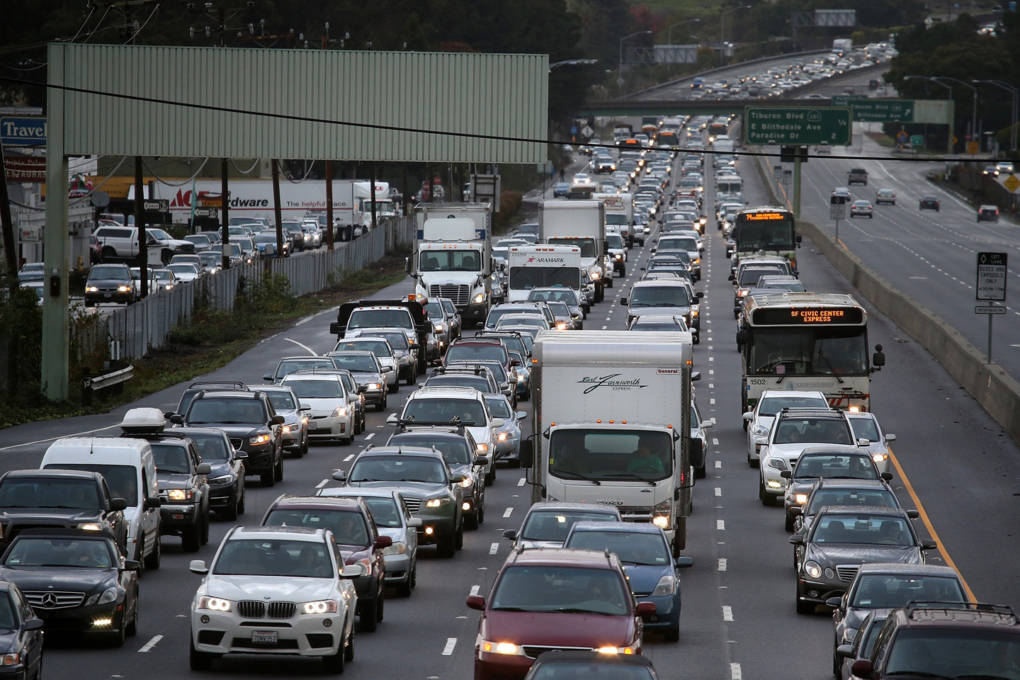
"caption": "Bay Area drivers have always needed information on traffic. How that information is collected has changed over the decades.",
"description": "Bay Area drivers have always needed information on traffic. How that information is collected has changed over the decades.",
"title": "RS13356_459889074-qut",
"credit": "Justin Sullivan/Getty Images",
"status": "inherit",
"isLoading": false,
"fetchFailed": false
},
"news_11714228": {
"type": "attachments",
"id": "news_11714228",
"meta": {
"index": "attachments_1716263798",
"site": "news",
"id": "11714228",
"found": true
},
"parent": 11714223,
"imgSizes": {
"small": {
"file": "https://ww2.kqed.org/app/uploads/sites/10/2018/12/2A563CF5-ADAF-4B46-A452-CC8520972AD7-520x390.jpg",
"width": 520,
"mimeType": "image/jpeg",
"height": 390
},
"twentyfourteen-full-width": {
"file": "https://ww2.kqed.org/app/uploads/sites/10/2018/12/2A563CF5-ADAF-4B46-A452-CC8520972AD7-1038x576.jpg",
"width": 1038,
"mimeType": "image/jpeg",
"height": 576
},
"thumbnail": {
"file": "https://ww2.kqed.org/app/uploads/sites/10/2018/12/2A563CF5-ADAF-4B46-A452-CC8520972AD7-160x120.jpg",
"width": 160,
"mimeType": "image/jpeg",
"height": 120
},
"fd-sm": {
"file": "https://ww2.kqed.org/app/uploads/sites/10/2018/12/2A563CF5-ADAF-4B46-A452-CC8520972AD7-960x720.jpg",
"width": 960,
"mimeType": "image/jpeg",
"height": 720
},
"post-thumbnail": {
"file": "https://ww2.kqed.org/app/uploads/sites/10/2018/12/2A563CF5-ADAF-4B46-A452-CC8520972AD7-672x372.jpg",
"width": 672,
"mimeType": "image/jpeg",
"height": 372
},
"xsmall": {
"file": "https://ww2.kqed.org/app/uploads/sites/10/2018/12/2A563CF5-ADAF-4B46-A452-CC8520972AD7-375x281.jpg",
"width": 375,
"mimeType": "image/jpeg",
"height": 281
},
"kqedFullSize": {
"file": "https://ww2.kqed.org/app/uploads/sites/10/2018/12/2A563CF5-ADAF-4B46-A452-CC8520972AD7-e1547135608567.jpg",
"width": 1920,
"height": 1440
},
"large": {
"file": "https://ww2.kqed.org/app/uploads/sites/10/2018/12/2A563CF5-ADAF-4B46-A452-CC8520972AD7-1020x765.jpg",
"width": 1020,
"mimeType": "image/jpeg",
"height": 765
},
"xlarge": {
"file": "https://ww2.kqed.org/app/uploads/sites/10/2018/12/2A563CF5-ADAF-4B46-A452-CC8520972AD7-1180x885.jpg",
"width": 1180,
"mimeType": "image/jpeg",
"height": 885
},
"complete_open_graph": {
"file": "https://ww2.kqed.org/app/uploads/sites/10/2018/12/2A563CF5-ADAF-4B46-A452-CC8520972AD7-1200x900.jpg",
"width": 1200,
"mimeType": "image/jpeg",
"height": 900
},
"guest-author-50": {
"file": "https://ww2.kqed.org/app/uploads/sites/10/2018/12/2A563CF5-ADAF-4B46-A452-CC8520972AD7-50x50.jpg",
"width": 50,
"mimeType": "image/jpeg",
"height": 50
},
"guest-author-96": {
"file": "https://ww2.kqed.org/app/uploads/sites/10/2018/12/2A563CF5-ADAF-4B46-A452-CC8520972AD7-96x96.jpg",
"width": 96,
"mimeType": "image/jpeg",
"height": 96
},
"medium": {
"file": "https://ww2.kqed.org/app/uploads/sites/10/2018/12/2A563CF5-ADAF-4B46-A452-CC8520972AD7-800x600.jpg",
"width": 800,
"mimeType": "image/jpeg",
"height": 600
},
"guest-author-64": {
"file": "https://ww2.kqed.org/app/uploads/sites/10/2018/12/2A563CF5-ADAF-4B46-A452-CC8520972AD7-64x64.jpg",
"width": 64,
"mimeType": "image/jpeg",
"height": 64
},
"guest-author-32": {
"file": "https://ww2.kqed.org/app/uploads/sites/10/2018/12/2A563CF5-ADAF-4B46-A452-CC8520972AD7-32x32.jpg",
"width": 32,
"mimeType": "image/jpeg",
"height": 32
},
"fd-lrg": {
"file": "https://ww2.kqed.org/app/uploads/sites/10/2018/12/2A563CF5-ADAF-4B46-A452-CC8520972AD7-1920x1440.jpg",
"width": 1920,
"mimeType": "image/jpeg",
"height": 1440
},
"fd-med": {
"file": "https://ww2.kqed.org/app/uploads/sites/10/2018/12/2A563CF5-ADAF-4B46-A452-CC8520972AD7-1180x885.jpg",
"width": 1180,
"mimeType": "image/jpeg",
"height": 885
},
"full-width": {
"file": "https://ww2.kqed.org/app/uploads/sites/10/2018/12/2A563CF5-ADAF-4B46-A452-CC8520972AD7-1920x1440.jpg",
"width": 1920,
"mimeType": "image/jpeg",
"height": 1440
},
"detail": {
"file": "https://ww2.kqed.org/app/uploads/sites/10/2018/12/2A563CF5-ADAF-4B46-A452-CC8520972AD7-150x150.jpg",
"width": 150,
"mimeType": "image/jpeg",
"height": 150
},
"guest-author-128": {
"file": "https://ww2.kqed.org/app/uploads/sites/10/2018/12/2A563CF5-ADAF-4B46-A452-CC8520972AD7-128x128.jpg",
"width": 128,
"mimeType": "image/jpeg",
"height": 128
},
"xxsmall": {
"file": "https://ww2.kqed.org/app/uploads/sites/10/2018/12/2A563CF5-ADAF-4B46-A452-CC8520972AD7-240x180.jpg",
"width": 240,
"mimeType": "image/jpeg",
"height": 180
}
},
"publishDate": 1545352541,
"modified": 1547153616,
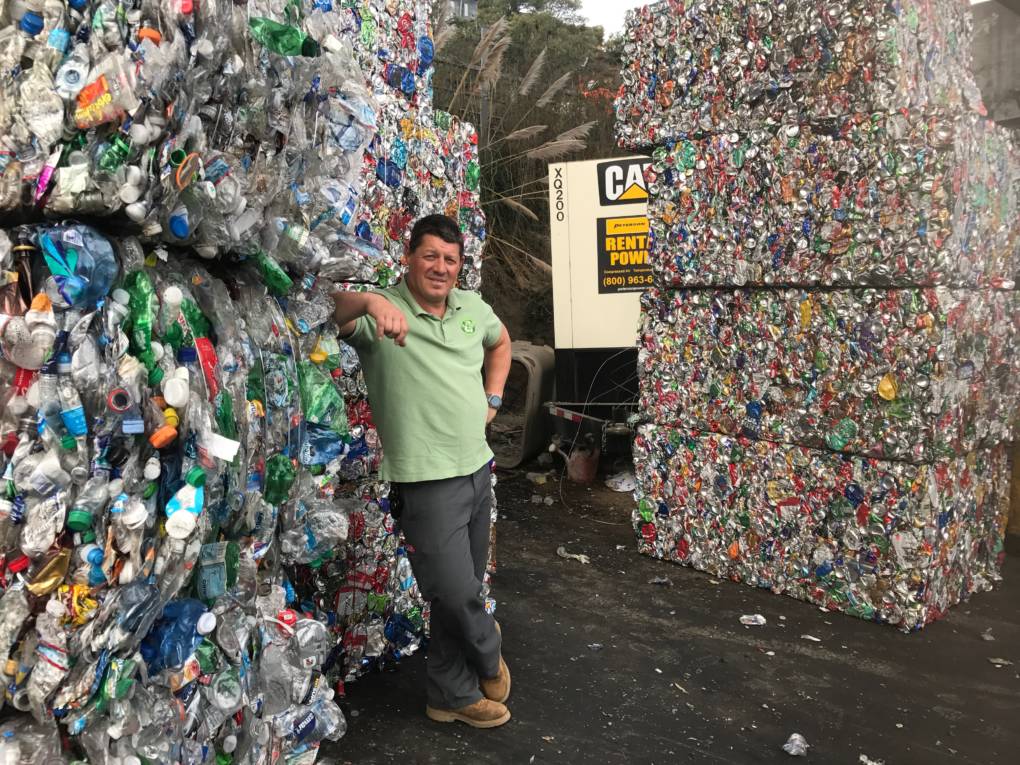
"caption": "Ors Csaszar, owner of Our Planet Recycling SF, stands besides bales of cans and bottles. ",
"description": "Ors Csaszar, owner of Our Planet Recycling SF, stands besides bales of cans and bottles.",
"title": "Ors Csaszar, owner of Our Planet Recycling SF, stands besides bales of cans and bottles.",
"credit": "Jessica Placzek/KQED",
"status": "inherit",
"isLoading": false,
"fetchFailed": false
},
"news_11715656": {
"type": "attachments",
"id": "news_11715656",
"meta": {
"index": "attachments_1716263798",
"site": "news",
"id": "11715656",
"found": true
},
"parent": 11715542,
"imgSizes": {
"twentyfourteen-full-width": {
"file": "https://ww2.kqed.org/app/uploads/sites/10/2019/01/4703024901_fd4ecf3ee9_o-1038x576.jpg",
"width": 1038,
"mimeType": "image/jpeg",
"height": 576
},
"thumbnail": {
"file": "https://ww2.kqed.org/app/uploads/sites/10/2019/01/4703024901_fd4ecf3ee9_o-160x107.jpg",
"width": 160,
"mimeType": "image/jpeg",
"height": 107
},
"post-thumbnail": {
"file": "https://ww2.kqed.org/app/uploads/sites/10/2019/01/4703024901_fd4ecf3ee9_o-672x372.jpg",
"width": 672,
"mimeType": "image/jpeg",
"height": 372
},
"kqedFullSize": {
"file": "https://ww2.kqed.org/app/uploads/sites/10/2019/01/4703024901_fd4ecf3ee9_o.jpg",
"width": 3872,
"height": 2592
},
"large": {
"file": "https://ww2.kqed.org/app/uploads/sites/10/2019/01/4703024901_fd4ecf3ee9_o-1020x683.jpg",
"width": 1020,
"mimeType": "image/jpeg",
"height": 683
},
"complete_open_graph": {
"file": "https://ww2.kqed.org/app/uploads/sites/10/2019/01/4703024901_fd4ecf3ee9_o-1200x803.jpg",
"width": 1200,
"mimeType": "image/jpeg",
"height": 803
},
"guest-author-50": {
"file": "https://ww2.kqed.org/app/uploads/sites/10/2019/01/4703024901_fd4ecf3ee9_o-50x50.jpg",
"width": 50,
"mimeType": "image/jpeg",
"height": 50
},
"guest-author-96": {
"file": "https://ww2.kqed.org/app/uploads/sites/10/2019/01/4703024901_fd4ecf3ee9_o-96x96.jpg",
"width": 96,
"mimeType": "image/jpeg",
"height": 96
},
"medium": {
"file": "https://ww2.kqed.org/app/uploads/sites/10/2019/01/4703024901_fd4ecf3ee9_o-800x536.jpg",
"width": 800,
"mimeType": "image/jpeg",
"height": 536
},
"guest-author-64": {
"file": "https://ww2.kqed.org/app/uploads/sites/10/2019/01/4703024901_fd4ecf3ee9_o-64x64.jpg",
"width": 64,
"mimeType": "image/jpeg",
"height": 64
},
"guest-author-32": {
"file": "https://ww2.kqed.org/app/uploads/sites/10/2019/01/4703024901_fd4ecf3ee9_o-32x32.jpg",
"width": 32,
"mimeType": "image/jpeg",
"height": 32
},
"full-width": {
"file": "https://ww2.kqed.org/app/uploads/sites/10/2019/01/4703024901_fd4ecf3ee9_o-1920x1285.jpg",
"width": 1920,
"mimeType": "image/jpeg",
"height": 1285
},
"detail": {
"file": "https://ww2.kqed.org/app/uploads/sites/10/2019/01/4703024901_fd4ecf3ee9_o-150x150.jpg",
"width": 150,
"mimeType": "image/jpeg",
"height": 150
},
"guest-author-128": {
"file": "https://ww2.kqed.org/app/uploads/sites/10/2019/01/4703024901_fd4ecf3ee9_o-128x128.jpg",
"width": 128,
"mimeType": "image/jpeg",
"height": 128
}
},
"publishDate": 1546494750,
"modified": 1546494927,
"caption": "The origins of the martini all lead back to the Bay Area. ",
"description": "The origins of the martini all lead back to the Bay Area. ",
"title": "Garnish and drink",
"credit": "\u003ca href=\"https://www.flickr.com/photos/wickenden/4703024901/in/photolist-8aAese-iFWUV-8UE9PJ-8BnqPE-4U7wZH-csVP5A-7RQf5C-5TswLM-jqnT6H-E8wzP-21s3hf5-jh9jz-9TQDYy-p1oiop-7mxZUV-5u8QGw-XskH43-5u8PQw-d7yZRU-4F987B-aECPpW-ev2wfx-YJmW34-snJas-bKnLsa-7NYXfX-62vNwx-7JSTjP-d7PP1G-hpFam-eokRxH-d7PPRA-e439CB-5ypL2x-4smsHz-fAzZDv-76Qshu-8aAg8t-EQwA-ciRpXh-z9jE2-8Ld5v5-u8zhY-d7PPq9-byQZcm-4BBEuS-7Zk7FB-oxYjb-AfFzb-d7PMNj\">Don LaVange\u003c/a>/Flickr",
"status": "inherit",
"isLoading": false,
"fetchFailed": false
},
"news_11713436": {
"type": "attachments",
"id": "news_11713436",
"meta": {
"index": "attachments_1716263798",
"site": "news",
"id": "11713436",
"found": true
},
"parent": 11712230,
"imgSizes": {
"small": {
"file": "https://ww2.kqed.org/app/uploads/sites/10/2018/12/5691257965_2f2587a7c8_b-520x345.jpg",
"width": 520,
"mimeType": "image/jpeg",
"height": 345
},
"twentyfourteen-full-width": {
"file": "https://ww2.kqed.org/app/uploads/sites/10/2018/12/5691257965_2f2587a7c8_b-1024x576.jpg",
"width": 1024,
"mimeType": "image/jpeg",
"height": 576
},
"thumbnail": {
"file": "https://ww2.kqed.org/app/uploads/sites/10/2018/12/5691257965_2f2587a7c8_b-160x106.jpg",
"width": 160,
"mimeType": "image/jpeg",
"height": 106
},
"fd-sm": {
"file": "https://ww2.kqed.org/app/uploads/sites/10/2018/12/5691257965_2f2587a7c8_b-960x638.jpg",
"width": 960,
"mimeType": "image/jpeg",
"height": 638
},
"post-thumbnail": {
"file": "https://ww2.kqed.org/app/uploads/sites/10/2018/12/5691257965_2f2587a7c8_b-672x372.jpg",
"width": 672,
"mimeType": "image/jpeg",
"height": 372
},
"xsmall": {
"file": "https://ww2.kqed.org/app/uploads/sites/10/2018/12/5691257965_2f2587a7c8_b-375x249.jpg",
"width": 375,
"mimeType": "image/jpeg",
"height": 249
},
"kqedFullSize": {
"file": "https://ww2.kqed.org/app/uploads/sites/10/2018/12/5691257965_2f2587a7c8_b.jpg",
"width": 1024,
"height": 680
},
"large": {
"file": "https://ww2.kqed.org/app/uploads/sites/10/2018/12/5691257965_2f2587a7c8_b-1020x677.jpg",
"width": 1020,
"mimeType": "image/jpeg",
"height": 677
},
"guest-author-50": {
"file": "https://ww2.kqed.org/app/uploads/sites/10/2018/12/5691257965_2f2587a7c8_b-50x50.jpg",
"width": 50,
"mimeType": "image/jpeg",
"height": 50
},
"guest-author-96": {
"file": "https://ww2.kqed.org/app/uploads/sites/10/2018/12/5691257965_2f2587a7c8_b-96x96.jpg",
"width": 96,
"mimeType": "image/jpeg",
"height": 96
},
"medium": {
"file": "https://ww2.kqed.org/app/uploads/sites/10/2018/12/5691257965_2f2587a7c8_b-800x531.jpg",
"width": 800,
"mimeType": "image/jpeg",
"height": 531
},
"guest-author-64": {
"file": "https://ww2.kqed.org/app/uploads/sites/10/2018/12/5691257965_2f2587a7c8_b-64x64.jpg",
"width": 64,
"mimeType": "image/jpeg",
"height": 64
},
"guest-author-32": {
"file": "https://ww2.kqed.org/app/uploads/sites/10/2018/12/5691257965_2f2587a7c8_b-32x32.jpg",
"width": 32,
"mimeType": "image/jpeg",
"height": 32
},
"detail": {
"file": "https://ww2.kqed.org/app/uploads/sites/10/2018/12/5691257965_2f2587a7c8_b-150x150.jpg",
"width": 150,
"mimeType": "image/jpeg",
"height": 150
},
"guest-author-128": {
"file": "https://ww2.kqed.org/app/uploads/sites/10/2018/12/5691257965_2f2587a7c8_b-128x128.jpg",
"width": 128,
"mimeType": "image/jpeg",
"height": 128
},
"xxsmall": {
"file": "https://ww2.kqed.org/app/uploads/sites/10/2018/12/5691257965_2f2587a7c8_b-240x159.jpg",
"width": 240,
"mimeType": "image/jpeg",
"height": 159
}
},
"publishDate": 1545169771,
"modified": 1545347692,
"caption": "Red Rock Island, next to the Richmond-San Rafael Bridge between Marin County and the East Bay.",
"description": "Red Rock Island next to the John T Knox Freeway between Marin and the East Bay.",
"title": "Red Rock Island next to the John T Knox Freeway between Marin and the East Bay.",
"credit": "D Coetzee/Flickr",
"status": "inherit",
"isLoading": false,
"fetchFailed": false
},
"news_11640731": {
"type": "attachments",
"id": "news_11640731",
"meta": {
"index": "attachments_1716263798",
"site": "news",
"id": "11640731",
"found": true
},
"parent": 11640709,
"imgSizes": {
"small": {
"file": "https://ww2.kqed.org/app/uploads/sites/10/2018/01/RS28803_DSC_0844-qut-520x347.jpg",
"width": 520,
"mimeType": "image/jpeg",
"height": 347
},
"twentyfourteen-full-width": {
"file": "https://ww2.kqed.org/app/uploads/sites/10/2018/01/RS28803_DSC_0844-qut-1038x576.jpg",
"width": 1038,
"mimeType": "image/jpeg",
"height": 576
},
"thumbnail": {
"file": "https://ww2.kqed.org/app/uploads/sites/10/2018/01/RS28803_DSC_0844-qut-160x107.jpg",
"width": 160,
"mimeType": "image/jpeg",
"height": 107
},
"fd-sm": {
"file": "https://ww2.kqed.org/app/uploads/sites/10/2018/01/RS28803_DSC_0844-qut-960x640.jpg",
"width": 960,
"mimeType": "image/jpeg",
"height": 640
},
"post-thumbnail": {
"file": "https://ww2.kqed.org/app/uploads/sites/10/2018/01/RS28803_DSC_0844-qut-672x372.jpg",
"width": 672,
"mimeType": "image/jpeg",
"height": 372
},
"xsmall": {
"file": "https://ww2.kqed.org/app/uploads/sites/10/2018/01/RS28803_DSC_0844-qut-375x250.jpg",
"width": 375,
"mimeType": "image/jpeg",
"height": 250
},
"kqedFullSize": {
"file": "https://ww2.kqed.org/app/uploads/sites/10/2018/01/RS28803_DSC_0844-qut.jpg",
"width": 1920,
"height": 1280
},
"large": {
"file": "https://ww2.kqed.org/app/uploads/sites/10/2018/01/RS28803_DSC_0844-qut-1020x680.jpg",
"width": 1020,
"mimeType": "image/jpeg",
"height": 680
},
"xlarge": {
"file": "https://ww2.kqed.org/app/uploads/sites/10/2018/01/RS28803_DSC_0844-qut-1180x787.jpg",
"width": 1180,
"mimeType": "image/jpeg",
"height": 787
},
"guest-author-50": {
"file": "https://ww2.kqed.org/app/uploads/sites/10/2018/01/RS28803_DSC_0844-qut-50x50.jpg",
"width": 50,
"mimeType": "image/jpeg",
"height": 50
},
"guest-author-96": {
"file": "https://ww2.kqed.org/app/uploads/sites/10/2018/01/RS28803_DSC_0844-qut-96x96.jpg",
"width": 96,
"mimeType": "image/jpeg",
"height": 96
},
"medium": {
"file": "https://ww2.kqed.org/app/uploads/sites/10/2018/01/RS28803_DSC_0844-qut-800x533.jpg",
"width": 800,
"mimeType": "image/jpeg",
"height": 533
},
"guest-author-64": {
"file": "https://ww2.kqed.org/app/uploads/sites/10/2018/01/RS28803_DSC_0844-qut-64x64.jpg",
"width": 64,
"mimeType": "image/jpeg",
"height": 64
},
"guest-author-32": {
"file": "https://ww2.kqed.org/app/uploads/sites/10/2018/01/RS28803_DSC_0844-qut-32x32.jpg",
"width": 32,
"mimeType": "image/jpeg",
"height": 32
},
"fd-lrg": {
"file": "https://ww2.kqed.org/app/uploads/sites/10/2018/01/RS28803_DSC_0844-qut-1920x1280.jpg",
"width": 1920,
"mimeType": "image/jpeg",
"height": 1280
},
"fd-med": {
"file": "https://ww2.kqed.org/app/uploads/sites/10/2018/01/RS28803_DSC_0844-qut-1180x787.jpg",
"width": 1180,
"mimeType": "image/jpeg",
"height": 787
},
"full-width": {
"file": "https://ww2.kqed.org/app/uploads/sites/10/2018/01/RS28803_DSC_0844-qut-1920x1280.jpg",
"width": 1920,
"mimeType": "image/jpeg",
"height": 1280
},
"detail": {
"file": "https://ww2.kqed.org/app/uploads/sites/10/2018/01/RS28803_DSC_0844-qut-150x150.jpg",
"width": 150,
"mimeType": "image/jpeg",
"height": 150
},
"guest-author-128": {
"file": "https://ww2.kqed.org/app/uploads/sites/10/2018/01/RS28803_DSC_0844-qut-128x128.jpg",
"width": 128,
"mimeType": "image/jpeg",
"height": 128
},
"xxsmall": {
"file": "https://ww2.kqed.org/app/uploads/sites/10/2018/01/RS28803_DSC_0844-qut-240x160.jpg",
"width": 240,
"mimeType": "image/jpeg",
"height": 160
}
},
"publishDate": 1515399020,
"modified": 1544832576,
"caption": "One anonymous \"curse letter,\" returning a nail to Bodie.",
"description": "One anonymous \"curse letter\", returning a nail to Bodie.",
"title": "RS28803_DSC_0844-qut",
"credit": "Carly Severn/KQED",
"status": "inherit",
"isLoading": false,
"fetchFailed": false
},
"news_11711662": {
"type": "attachments",
"id": "news_11711662",
"meta": {
"index": "attachments_1716263798",
"site": "news",
"id": "11711662",
"found": true
},
"parent": 11711644,
"imgSizes": {
"twentyfourteen-full-width": {
"file": "https://ww2.kqed.org/app/uploads/sites/10/2018/12/GettyImages-1052315522-1038x576.jpg",
"width": 1038,
"mimeType": "image/jpeg",
"height": 576
},
"thumbnail": {
"file": "https://ww2.kqed.org/app/uploads/sites/10/2018/12/GettyImages-1052315522-160x109.jpg",
"width": 160,
"mimeType": "image/jpeg",
"height": 109
},
"post-thumbnail": {
"file": "https://ww2.kqed.org/app/uploads/sites/10/2018/12/GettyImages-1052315522-672x372.jpg",
"width": 672,
"mimeType": "image/jpeg",
"height": 372
},
"kqedFullSize": {
"file": "https://ww2.kqed.org/app/uploads/sites/10/2018/12/GettyImages-1052315522.jpg",
"width": 5500,
"height": 3736
},
"large": {
"file": "https://ww2.kqed.org/app/uploads/sites/10/2018/12/GettyImages-1052315522-1020x693.jpg",
"width": 1020,
"mimeType": "image/jpeg",
"height": 693
},
"complete_open_graph": {
"file": "https://ww2.kqed.org/app/uploads/sites/10/2018/12/GettyImages-1052315522-1200x815.jpg",
"width": 1200,
"mimeType": "image/jpeg",
"height": 815
},
"guest-author-50": {
"file": "https://ww2.kqed.org/app/uploads/sites/10/2018/12/GettyImages-1052315522-50x50.jpg",
"width": 50,
"mimeType": "image/jpeg",
"height": 50
},
"guest-author-96": {
"file": "https://ww2.kqed.org/app/uploads/sites/10/2018/12/GettyImages-1052315522-96x96.jpg",
"width": 96,
"mimeType": "image/jpeg",
"height": 96
},
"medium": {
"file": "https://ww2.kqed.org/app/uploads/sites/10/2018/12/GettyImages-1052315522-800x543.jpg",
"width": 800,
"mimeType": "image/jpeg",
"height": 543
},
"guest-author-64": {
"file": "https://ww2.kqed.org/app/uploads/sites/10/2018/12/GettyImages-1052315522-64x64.jpg",
"width": 64,
"mimeType": "image/jpeg",
"height": 64
},
"guest-author-32": {
"file": "https://ww2.kqed.org/app/uploads/sites/10/2018/12/GettyImages-1052315522-32x32.jpg",
"width": 32,
"mimeType": "image/jpeg",
"height": 32
},
"full-width": {
"file": "https://ww2.kqed.org/app/uploads/sites/10/2018/12/GettyImages-1052315522-1920x1304.jpg",
"width": 1920,
"mimeType": "image/jpeg",
"height": 1304
},
"detail": {
"file": "https://ww2.kqed.org/app/uploads/sites/10/2018/12/GettyImages-1052315522-150x150.jpg",
"width": 150,
"mimeType": "image/jpeg",
"height": 150
},
"guest-author-128": {
"file": "https://ww2.kqed.org/app/uploads/sites/10/2018/12/GettyImages-1052315522-128x128.jpg",
"width": 128,
"mimeType": "image/jpeg",
"height": 128
}
},
"publishDate": 1544561272,
"modified": 1544561372,
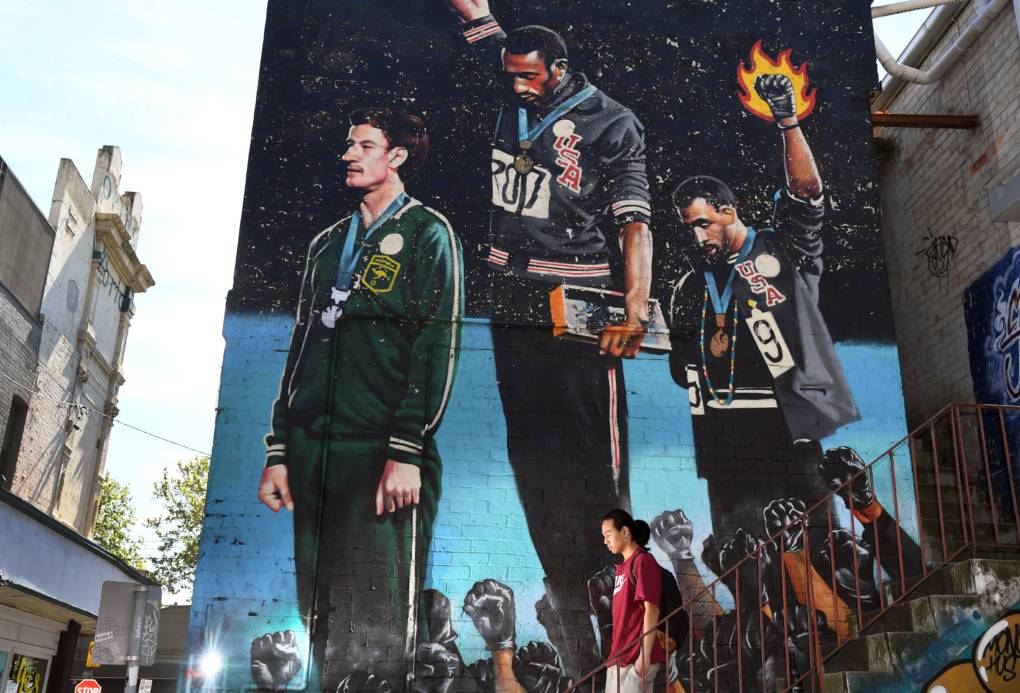
"caption": "A giant mural featuring U.S. sprinters Tommie Smith and John Carlos in Melbourne. ",
"description": "A giant mural featuring U.S. sprinters Tommie Smith and John Carlos in Melbourne. ",
"title": "AUS-OLY-1968-PROTEST-ANNIVERSARY-NORMAN",
"credit": "WILLIAM WEST/AFP/Getty Images",
"status": "inherit",
"isLoading": false,
"fetchFailed": false
},
"news_11710287": {
"type": "attachments",
"id": "news_11710287",
"meta": {
"index": "attachments_1716263798",
"site": "news",
"id": "11710287",
"found": true
},
"parent": 11707402,
"imgSizes": {
"small": {
"file": "https://ww2.kqed.org/app/uploads/sites/10/2018/12/GettyImages-888969530-520x347.jpg",
"width": 520,
"mimeType": "image/jpeg",
"height": 347
},
"twentyfourteen-full-width": {
"file": "https://ww2.kqed.org/app/uploads/sites/10/2018/12/GettyImages-888969530-1038x576.jpg",
"width": 1038,
"mimeType": "image/jpeg",
"height": 576
},
"thumbnail": {
"file": "https://ww2.kqed.org/app/uploads/sites/10/2018/12/GettyImages-888969530-160x107.jpg",
"width": 160,
"mimeType": "image/jpeg",
"height": 107
},
"fd-sm": {
"file": "https://ww2.kqed.org/app/uploads/sites/10/2018/12/GettyImages-888969530-960x641.jpg",
"width": 960,
"mimeType": "image/jpeg",
"height": 641
},
"post-thumbnail": {
"file": "https://ww2.kqed.org/app/uploads/sites/10/2018/12/GettyImages-888969530-672x372.jpg",
"width": 672,
"mimeType": "image/jpeg",
"height": 372
},
"xsmall": {
"file": "https://ww2.kqed.org/app/uploads/sites/10/2018/12/GettyImages-888969530-375x250.jpg",
"width": 375,
"mimeType": "image/jpeg",
"height": 250
},
"kqedFullSize": {
"file": "https://ww2.kqed.org/app/uploads/sites/10/2018/12/GettyImages-888969530.jpg",
"width": 3500,
"height": 2336
},
"large": {
"file": "https://ww2.kqed.org/app/uploads/sites/10/2018/12/GettyImages-888969530-1020x681.jpg",
"width": 1020,
"mimeType": "image/jpeg",
"height": 681
},
"xlarge": {
"file": "https://ww2.kqed.org/app/uploads/sites/10/2018/12/GettyImages-888969530-1180x788.jpg",
"width": 1180,
"mimeType": "image/jpeg",
"height": 788
},
"complete_open_graph": {
"file": "https://ww2.kqed.org/app/uploads/sites/10/2018/12/GettyImages-888969530-1200x801.jpg",
"width": 1200,
"mimeType": "image/jpeg",
"height": 801
},
"guest-author-50": {
"file": "https://ww2.kqed.org/app/uploads/sites/10/2018/12/GettyImages-888969530-50x50.jpg",
"width": 50,
"mimeType": "image/jpeg",
"height": 50
},
"guest-author-96": {
"file": "https://ww2.kqed.org/app/uploads/sites/10/2018/12/GettyImages-888969530-96x96.jpg",
"width": 96,
"mimeType": "image/jpeg",
"height": 96
},
"medium": {
"file": "https://ww2.kqed.org/app/uploads/sites/10/2018/12/GettyImages-888969530-800x534.jpg",
"width": 800,
"mimeType": "image/jpeg",
"height": 534
},
"guest-author-64": {
"file": "https://ww2.kqed.org/app/uploads/sites/10/2018/12/GettyImages-888969530-64x64.jpg",
"width": 64,
"mimeType": "image/jpeg",
"height": 64
},
"guest-author-32": {
"file": "https://ww2.kqed.org/app/uploads/sites/10/2018/12/GettyImages-888969530-32x32.jpg",
"width": 32,
"mimeType": "image/jpeg",
"height": 32
},
"fd-lrg": {
"file": "https://ww2.kqed.org/app/uploads/sites/10/2018/12/GettyImages-888969530-1920x1281.jpg",
"width": 1920,
"mimeType": "image/jpeg",
"height": 1281
},
"fd-med": {
"file": "https://ww2.kqed.org/app/uploads/sites/10/2018/12/GettyImages-888969530-1180x788.jpg",
"width": 1180,
"mimeType": "image/jpeg",
"height": 788
},
"full-width": {
"file": "https://ww2.kqed.org/app/uploads/sites/10/2018/12/GettyImages-888969530-1920x1281.jpg",
"width": 1920,
"mimeType": "image/jpeg",
"height": 1281
},
"detail": {
"file": "https://ww2.kqed.org/app/uploads/sites/10/2018/12/GettyImages-888969530-150x150.jpg",
"width": 150,
"mimeType": "image/jpeg",
"height": 150
},
"guest-author-128": {
"file": "https://ww2.kqed.org/app/uploads/sites/10/2018/12/GettyImages-888969530-128x128.jpg",
"width": 128,
"mimeType": "image/jpeg",
"height": 128
},
"xxsmall": {
"file": "https://ww2.kqed.org/app/uploads/sites/10/2018/12/GettyImages-888969530-240x160.jpg",
"width": 240,
"mimeType": "image/jpeg",
"height": 160
}
},
"publishDate": 1544048727,
"modified": 1544048778,
"caption": "The annual bar crawl that is SantaCon is now celebrated in cities around the globe. But it got its start in San Francisco. ",
"description": "The annual bar crawl that is SantaCon is now celebrated in cities around the globe. But it got its start in San Francisco. ",
"title": "Annual Santacon Bar Crawl Takes Place Through New York City",
"credit": "Stephanie Keith/Getty Images",
"status": "inherit",
"isLoading": false,
"fetchFailed": false
},
"news_11708577": {
"type": "attachments",
"id": "news_11708577",
"meta": {
"index": "attachments_1716263798",
"site": "news",
"id": "11708577",
"found": true
},
"parent": 11708498,
"imgSizes": {
"twentyfourteen-full-width": {
"file": "https://ww2.kqed.org/app/uploads/sites/10/2018/11/139700796_33d94da667_o-1038x576.jpg",
"width": 1038,
"mimeType": "image/jpeg",
"height": 576
},
"thumbnail": {
"file": "https://ww2.kqed.org/app/uploads/sites/10/2018/11/139700796_33d94da667_o-160x120.jpg",
"width": 160,
"mimeType": "image/jpeg",
"height": 120
},
"post-thumbnail": {
"file": "https://ww2.kqed.org/app/uploads/sites/10/2018/11/139700796_33d94da667_o-672x372.jpg",
"width": 672,
"mimeType": "image/jpeg",
"height": 372
},
"kqedFullSize": {
"file": "https://ww2.kqed.org/app/uploads/sites/10/2018/11/139700796_33d94da667_o.jpg",
"width": 2592,
"height": 1944
},
"large": {
"file": "https://ww2.kqed.org/app/uploads/sites/10/2018/11/139700796_33d94da667_o-1020x765.jpg",
"width": 1020,
"mimeType": "image/jpeg",
"height": 765
},
"complete_open_graph": {
"file": "https://ww2.kqed.org/app/uploads/sites/10/2018/11/139700796_33d94da667_o-1200x900.jpg",
"width": 1200,
"mimeType": "image/jpeg",
"height": 900
},
"guest-author-50": {
"file": "https://ww2.kqed.org/app/uploads/sites/10/2018/11/139700796_33d94da667_o-50x50.jpg",
"width": 50,
"mimeType": "image/jpeg",
"height": 50
},
"guest-author-96": {
"file": "https://ww2.kqed.org/app/uploads/sites/10/2018/11/139700796_33d94da667_o-96x96.jpg",
"width": 96,
"mimeType": "image/jpeg",
"height": 96
},
"medium": {
"file": "https://ww2.kqed.org/app/uploads/sites/10/2018/11/139700796_33d94da667_o-800x600.jpg",
"width": 800,
"mimeType": "image/jpeg",
"height": 600
},
"guest-author-64": {
"file": "https://ww2.kqed.org/app/uploads/sites/10/2018/11/139700796_33d94da667_o-64x64.jpg",
"width": 64,
"mimeType": "image/jpeg",
"height": 64
},
"guest-author-32": {
"file": "https://ww2.kqed.org/app/uploads/sites/10/2018/11/139700796_33d94da667_o-32x32.jpg",
"width": 32,
"mimeType": "image/jpeg",
"height": 32
},
"full-width": {
"file": "https://ww2.kqed.org/app/uploads/sites/10/2018/11/139700796_33d94da667_o-1920x1440.jpg",
"width": 1920,
"mimeType": "image/jpeg",
"height": 1440
},
"detail": {
"file": "https://ww2.kqed.org/app/uploads/sites/10/2018/11/139700796_33d94da667_o-150x150.jpg",
"width": 150,
"mimeType": "image/jpeg",
"height": 150
},
"guest-author-128": {
"file": "https://ww2.kqed.org/app/uploads/sites/10/2018/11/139700796_33d94da667_o-128x128.jpg",
"width": 128,
"mimeType": "image/jpeg",
"height": 128
}
},
"publishDate": 1543362891,
"modified": 1543363109,
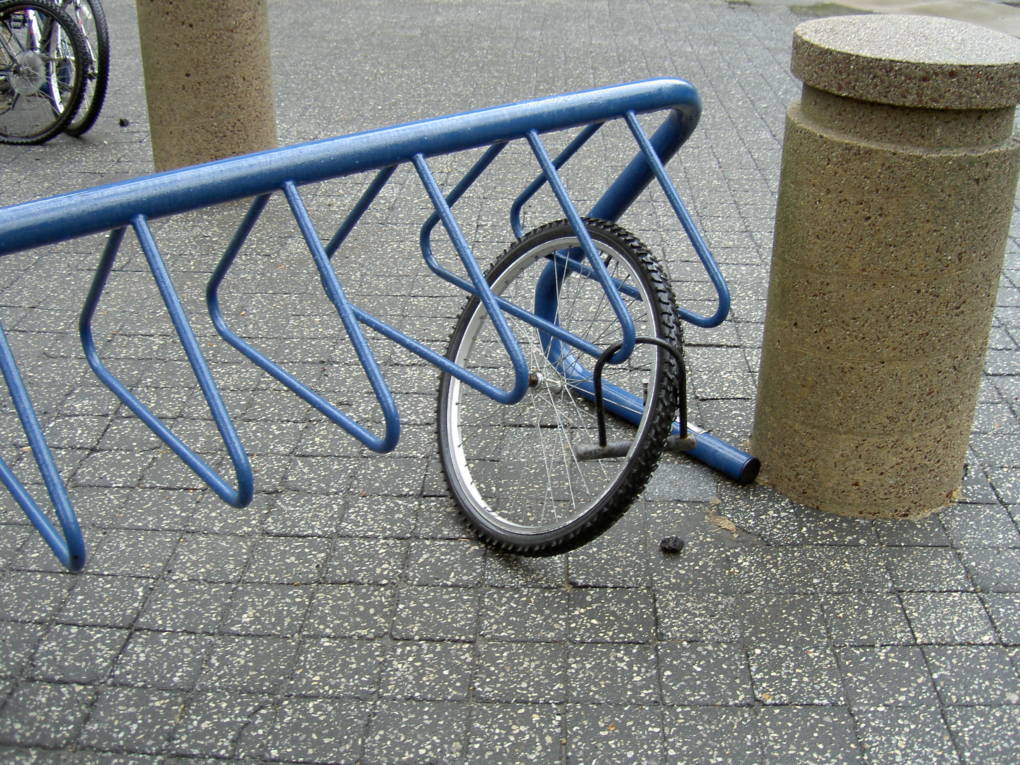
"caption": "Millions of dollars worth of bikes or bike parts were stolen in San Francisco last year. ",
"description": "Millions of dollars worth of bikes or bike parts were stolen in San Francisco last year. ",
"title": "139700796_33d94da667_o",
"credit": "\u003ca href=\"https://www.flickr.com/photos/dan4th/139700796/\" target=\"_blank\">Dan4th Nicholas\u003c/a>/Flickr",
"status": "inherit",
"isLoading": false,
"fetchFailed": false
},
"news_11705846": {
"type": "attachments",
"id": "news_11705846",
"meta": {
"index": "attachments_1716263798",
"site": "news",
"id": "11705846",
"found": true
},
"parent": 11702189,
"imgSizes": {
"small": {
"file": "https://ww2.kqed.org/app/uploads/sites/10/2018/11/4297636129_6cb9f9483f_o-520x348.jpg",
"width": 520,
"mimeType": "image/jpeg",
"height": 348
},
"twentyfourteen-full-width": {
"file": "https://ww2.kqed.org/app/uploads/sites/10/2018/11/4297636129_6cb9f9483f_o-1038x576.jpg",
"width": 1038,
"mimeType": "image/jpeg",
"height": 576
},
"thumbnail": {
"file": "https://ww2.kqed.org/app/uploads/sites/10/2018/11/4297636129_6cb9f9483f_o-160x107.jpg",
"width": 160,
"mimeType": "image/jpeg",
"height": 107
},
"fd-sm": {
"file": "https://ww2.kqed.org/app/uploads/sites/10/2018/11/4297636129_6cb9f9483f_o-960x643.jpg",
"width": 960,
"mimeType": "image/jpeg",
"height": 643
},
"post-thumbnail": {
"file": "https://ww2.kqed.org/app/uploads/sites/10/2018/11/4297636129_6cb9f9483f_o-672x372.jpg",
"width": 672,
"mimeType": "image/jpeg",
"height": 372
},
"xsmall": {
"file": "https://ww2.kqed.org/app/uploads/sites/10/2018/11/4297636129_6cb9f9483f_o-375x251.jpg",
"width": 375,
"mimeType": "image/jpeg",
"height": 251
},
"kqedFullSize": {
"file": "https://ww2.kqed.org/app/uploads/sites/10/2018/11/4297636129_6cb9f9483f_o-e1542055675997.jpg",
"width": 1920,
"height": 1285
},
"large": {
"file": "https://ww2.kqed.org/app/uploads/sites/10/2018/11/4297636129_6cb9f9483f_o-1020x683.jpg",
"width": 1020,
"mimeType": "image/jpeg",
"height": 683
},
"xlarge": {
"file": "https://ww2.kqed.org/app/uploads/sites/10/2018/11/4297636129_6cb9f9483f_o-1180x790.jpg",
"width": 1180,
"mimeType": "image/jpeg",
"height": 790
},
"complete_open_graph": {
"file": "https://ww2.kqed.org/app/uploads/sites/10/2018/11/4297636129_6cb9f9483f_o-1200x803.jpg",
"width": 1200,
"mimeType": "image/jpeg",
"height": 803
},
"guest-author-50": {
"file": "https://ww2.kqed.org/app/uploads/sites/10/2018/11/4297636129_6cb9f9483f_o-50x50.jpg",
"width": 50,
"mimeType": "image/jpeg",
"height": 50
},
"guest-author-96": {
"file": "https://ww2.kqed.org/app/uploads/sites/10/2018/11/4297636129_6cb9f9483f_o-96x96.jpg",
"width": 96,
"mimeType": "image/jpeg",
"height": 96
},
"medium": {
"file": "https://ww2.kqed.org/app/uploads/sites/10/2018/11/4297636129_6cb9f9483f_o-800x536.jpg",
"width": 800,
"mimeType": "image/jpeg",
"height": 536
},
"guest-author-64": {
"file": "https://ww2.kqed.org/app/uploads/sites/10/2018/11/4297636129_6cb9f9483f_o-64x64.jpg",
"width": 64,
"mimeType": "image/jpeg",
"height": 64
},
"guest-author-32": {
"file": "https://ww2.kqed.org/app/uploads/sites/10/2018/11/4297636129_6cb9f9483f_o-32x32.jpg",
"width": 32,
"mimeType": "image/jpeg",
"height": 32
},
"fd-lrg": {
"file": "https://ww2.kqed.org/app/uploads/sites/10/2018/11/4297636129_6cb9f9483f_o-1920x1285.jpg",
"width": 1920,
"mimeType": "image/jpeg",
"height": 1285
},
"fd-med": {
"file": "https://ww2.kqed.org/app/uploads/sites/10/2018/11/4297636129_6cb9f9483f_o-1180x790.jpg",
"width": 1180,
"mimeType": "image/jpeg",
"height": 790
},
"full-width": {
"file": "https://ww2.kqed.org/app/uploads/sites/10/2018/11/4297636129_6cb9f9483f_o-1920x1285.jpg",
"width": 1920,
"mimeType": "image/jpeg",
"height": 1285
},
"detail": {
"file": "https://ww2.kqed.org/app/uploads/sites/10/2018/11/4297636129_6cb9f9483f_o-150x150.jpg",
"width": 150,
"mimeType": "image/jpeg",
"height": 150
},
"guest-author-128": {
"file": "https://ww2.kqed.org/app/uploads/sites/10/2018/11/4297636129_6cb9f9483f_o-128x128.jpg",
"width": 128,
"mimeType": "image/jpeg",
"height": 128
},
"xxsmall": {
"file": "https://ww2.kqed.org/app/uploads/sites/10/2018/11/4297636129_6cb9f9483f_o-240x161.jpg",
"width": 240,
"mimeType": "image/jpeg",
"height": 161
}
},
"publishDate": 1542055635,
"modified": 1542056096,
"caption": "San Francisco was originally laid out on a grid system. Many of the city's houses were built so close together because housing lots were subdivided into plots as little as 25 feet wide -- just enough room for a parlor and a staircase. ",
"description": "San Francisco was originally laid out on a grid system. Many of the city's houses were built so close together because housing lots were subdivided into plots as little as 25 feet wide -- just enough room for a parlor and a staircase. ",
"title": "4297636129_6cb9f9483f_o",
"credit": "Santiago La Rotta via \u003ca href=\"https://www.flickr.com/photos/troskiller/4297636129/in/photolist-7xLvuD-8bLoiE-24KMtSQ-7zcvWN-2bXwEoR-Bv4pa-ozZGgG-jinuJt-fTEsK-79ueYU-23hiF7E-23nEnib-a4ykn-58GTuY-9tZ5NA-dTbea7-2369bhG-HoP9N7-bo2ESn-2mAgDM-fceMGM-iv265T-bVhQMM-pxT7wC-eh77vs-pb68z7-4CPmo6-apXKpj-Egdjv-6bTNua-dH4Tyh-99sP3N-bM1BQk-Q6pA-dcrqoy-228oEgf-eNkTfL-kmwscx-HbZCi3-DQEcC6-53SjPN-mk1Ykq-2mA4fX-4NH9BY-nGoBo1-HJUpTb-eCCp-f6o6hM-2Pukk7-Ey6aeY\" target=\"_blank\" rel=\"noopener\">Flickr\u003c/a>",
"status": "inherit",
"isLoading": false,
"fetchFailed": false
},
"news_11706428": {
"type": "attachments",
"id": "news_11706428",
"meta": {
"index": "attachments_1716263798",
"site": "news",
"id": "11706428",
"found": true
},
"parent": 11706407,
"imgSizes": {
"twentyfourteen-full-width": {
"file": "https://ww2.kqed.org/app/uploads/sites/10/2018/11/RS22139_161021_FriscoTattoo_bhs01-1038x576.jpg",
"width": 1038,
"mimeType": "image/jpeg",
"height": 576
},
"thumbnail": {
"file": "https://ww2.kqed.org/app/uploads/sites/10/2018/11/RS22139_161021_FriscoTattoo_bhs01-160x94.jpg",
"width": 160,
"mimeType": "image/jpeg",
"height": 94
},
"post-thumbnail": {
"file": "https://ww2.kqed.org/app/uploads/sites/10/2018/11/RS22139_161021_FriscoTattoo_bhs01-672x372.jpg",
"width": 672,
"mimeType": "image/jpeg",
"height": 372
},
"kqedFullSize": {
"file": "https://ww2.kqed.org/app/uploads/sites/10/2018/11/RS22139_161021_FriscoTattoo_bhs01.jpg",
"width": 1920,
"height": 1128
},
"large": {
"file": "https://ww2.kqed.org/app/uploads/sites/10/2018/11/RS22139_161021_FriscoTattoo_bhs01-1020x599.jpg",
"width": 1020,
"mimeType": "image/jpeg",
"height": 599
},
"complete_open_graph": {
"file": "https://ww2.kqed.org/app/uploads/sites/10/2018/11/RS22139_161021_FriscoTattoo_bhs01-1200x705.jpg",
"width": 1200,
"mimeType": "image/jpeg",
"height": 705
},
"guest-author-50": {
"file": "https://ww2.kqed.org/app/uploads/sites/10/2018/11/RS22139_161021_FriscoTattoo_bhs01-50x50.jpg",
"width": 50,
"mimeType": "image/jpeg",
"height": 50
},
"guest-author-96": {
"file": "https://ww2.kqed.org/app/uploads/sites/10/2018/11/RS22139_161021_FriscoTattoo_bhs01-96x96.jpg",
"width": 96,
"mimeType": "image/jpeg",
"height": 96
},
"medium": {
"file": "https://ww2.kqed.org/app/uploads/sites/10/2018/11/RS22139_161021_FriscoTattoo_bhs01-800x470.jpg",
"width": 800,
"mimeType": "image/jpeg",
"height": 470
},
"guest-author-64": {
"file": "https://ww2.kqed.org/app/uploads/sites/10/2018/11/RS22139_161021_FriscoTattoo_bhs01-64x64.jpg",
"width": 64,
"mimeType": "image/jpeg",
"height": 64
},
"guest-author-32": {
"file": "https://ww2.kqed.org/app/uploads/sites/10/2018/11/RS22139_161021_FriscoTattoo_bhs01-32x32.jpg",
"width": 32,
"mimeType": "image/jpeg",
"height": 32
},
"full-width": {
"file": "https://ww2.kqed.org/app/uploads/sites/10/2018/11/RS22139_161021_FriscoTattoo_bhs01-1920x1128.jpg",
"width": 1920,
"mimeType": "image/jpeg",
"height": 1128
},
"detail": {
"file": "https://ww2.kqed.org/app/uploads/sites/10/2018/11/RS22139_161021_FriscoTattoo_bhs01-150x150.jpg",
"width": 150,
"mimeType": "image/jpeg",
"height": 150
},
"guest-author-128": {
"file": "https://ww2.kqed.org/app/uploads/sites/10/2018/11/RS22139_161021_FriscoTattoo_bhs01-128x128.jpg",
"width": 128,
"mimeType": "image/jpeg",
"height": 128
}
},
"publishDate": 1542240203,
"modified": 1542240236,
"caption": "Brian Wall, a tattoo artist at Frisco Tattoo, stands in front of the shop on 25th Street in San Francisco.",
"description": "Brian Wall, a tattoo artist at Frisco Tattoo, stands in front of the shop on 25th Street in San Francisco.",
"title": "RS22139_161021_FriscoTattoo_bhs01",
"credit": "(Brittany Hosea-Small/KQED)",
"status": "inherit",
"isLoading": false,
"fetchFailed": false
},
"news_11699617": {
"type": "attachments",
"id": "news_11699617",
"meta": {
"index": "attachments_1716263798",
"site": "news",
"id": "11699617",
"found": true
},
"parent": 11699570,
"imgSizes": {
"small": {
"file": "https://ww2.kqed.org/app/uploads/sites/10/2018/10/RS33251_composite_2-qut-520x344.jpg",
"width": 520,
"mimeType": "image/jpeg",
"height": 344
},
"twentyfourteen-full-width": {
"file": "https://ww2.kqed.org/app/uploads/sites/10/2018/10/RS33251_composite_2-qut-1038x576.jpg",
"width": 1038,
"mimeType": "image/jpeg",
"height": 576
},
"thumbnail": {
"file": "https://ww2.kqed.org/app/uploads/sites/10/2018/10/RS33251_composite_2-qut-160x106.jpg",
"width": 160,
"mimeType": "image/jpeg",
"height": 106
},
"fd-sm": {
"file": "https://ww2.kqed.org/app/uploads/sites/10/2018/10/RS33251_composite_2-qut-960x636.jpg",
"width": 960,
"mimeType": "image/jpeg",
"height": 636
},
"post-thumbnail": {
"file": "https://ww2.kqed.org/app/uploads/sites/10/2018/10/RS33251_composite_2-qut-672x372.jpg",
"width": 672,
"mimeType": "image/jpeg",
"height": 372
},
"xsmall": {
"file": "https://ww2.kqed.org/app/uploads/sites/10/2018/10/RS33251_composite_2-qut-375x248.jpg",
"width": 375,
"mimeType": "image/jpeg",
"height": 248
},
"kqedFullSize": {
"file": "https://ww2.kqed.org/app/uploads/sites/10/2018/10/RS33251_composite_2-qut.jpg",
"width": 1920,
"height": 1271
},
"large": {
"file": "https://ww2.kqed.org/app/uploads/sites/10/2018/10/RS33251_composite_2-qut-1020x675.jpg",
"width": 1020,
"mimeType": "image/jpeg",
"height": 675
},
"xlarge": {
"file": "https://ww2.kqed.org/app/uploads/sites/10/2018/10/RS33251_composite_2-qut-1180x781.jpg",
"width": 1180,
"mimeType": "image/jpeg",
"height": 781
},
"complete_open_graph": {
"file": "https://ww2.kqed.org/app/uploads/sites/10/2018/10/RS33251_composite_2-qut-1200x794.jpg",
"width": 1200,
"mimeType": "image/jpeg",
"height": 794
},
"guest-author-50": {
"file": "https://ww2.kqed.org/app/uploads/sites/10/2018/10/RS33251_composite_2-qut-50x50.jpg",
"width": 50,
"mimeType": "image/jpeg",
"height": 50
},
"guest-author-96": {
"file": "https://ww2.kqed.org/app/uploads/sites/10/2018/10/RS33251_composite_2-qut-96x96.jpg",
"width": 96,
"mimeType": "image/jpeg",
"height": 96
},
"medium": {
"file": "https://ww2.kqed.org/app/uploads/sites/10/2018/10/RS33251_composite_2-qut-800x530.jpg",
"width": 800,
"mimeType": "image/jpeg",
"height": 530
},
"guest-author-64": {
"file": "https://ww2.kqed.org/app/uploads/sites/10/2018/10/RS33251_composite_2-qut-64x64.jpg",
"width": 64,
"mimeType": "image/jpeg",
"height": 64
},
"guest-author-32": {
"file": "https://ww2.kqed.org/app/uploads/sites/10/2018/10/RS33251_composite_2-qut-32x32.jpg",
"width": 32,
"mimeType": "image/jpeg",
"height": 32
},
"fd-lrg": {
"file": "https://ww2.kqed.org/app/uploads/sites/10/2018/10/RS33251_composite_2-qut-1920x1271.jpg",
"width": 1920,
"mimeType": "image/jpeg",
"height": 1271
},
"fd-med": {
"file": "https://ww2.kqed.org/app/uploads/sites/10/2018/10/RS33251_composite_2-qut-1180x781.jpg",
"width": 1180,
"mimeType": "image/jpeg",
"height": 781
},
"full-width": {
"file": "https://ww2.kqed.org/app/uploads/sites/10/2018/10/RS33251_composite_2-qut-1920x1271.jpg",
"width": 1920,
"mimeType": "image/jpeg",
"height": 1271
},
"detail": {
"file": "https://ww2.kqed.org/app/uploads/sites/10/2018/10/RS33251_composite_2-qut-150x150.jpg",
"width": 150,
"mimeType": "image/jpeg",
"height": 150
},
"guest-author-128": {
"file": "https://ww2.kqed.org/app/uploads/sites/10/2018/10/RS33251_composite_2-qut-128x128.jpg",
"width": 128,
"mimeType": "image/jpeg",
"height": 128
},
"xxsmall": {
"file": "https://ww2.kqed.org/app/uploads/sites/10/2018/10/RS33251_composite_2-qut-240x159.jpg",
"width": 240,
"mimeType": "image/jpeg",
"height": 159
}
},
"publishDate": 1539820320,
"modified": 1540148675,
"caption": "Christian Cagigal leading the San Francisco Ghost Hunt through Pacific Heights",
"description": null,
"title": "RS33251_composite_2-qut",
"credit": "Anne Wernikoff/KQED",
"status": "inherit",
"isLoading": false,
"fetchFailed": false
}
},
"audioPlayerReducer": {
"postId": "stream_live",
"isPaused": true,
"isPlaying": false,
"pfsActive": false,
"pledgeModalIsOpen": true,
"playerDrawerIsOpen": false,
"liveAudioPlayStartedAt": 0,
"liveAudioPlayContext": ""
},
"authorsReducer": {
"byline_news_11723801": {
"type": "authors",
"id": "byline_news_11723801",
"meta": {
"override": true
},
"slug": "byline_news_11723801",
"name": "\u003ca href=\"https://www.kalw.org/people/chris-hambrick\">Chris Hambrick\u003c/a>",
"isLoading": false
},
"byline_news_11707402": {
"type": "authors",
"id": "byline_news_11707402",
"meta": {
"override": true
},
"slug": "byline_news_11707402",
"name": "\u003cb>Sonia Paul\u003c/b>",
"isLoading": false
},
"byline_news_11708992": {
"type": "authors",
"id": "byline_news_11708992",
"meta": {
"override": true
},
"slug": "byline_news_11708992",
"name": "Daniel Potter",
"isLoading": false
},
"ohubertallen": {
"type": "authors",
"id": "102",
"meta": {
"index": "authors_1716337520",
"id": "102",
"found": true
},
"name": "Olivia Allen-Price",
"firstName": "Olivia",
"lastName": "Allen-Price",
"slug": "ohubertallen",
"email": "oallenprice@kqed.org",
"display_author_email": false,
"staff_mastheads": [
"news"
],
"title": "Senior Editor",
"bio": "Olivia Allen-Price is senior editor and host of the award-winning Bay Curious podcast. Prior to joining KQED in 2013, Olivia worked at The Baltimore Sun and The Virginian-Pilot in Norfolk, Va. She holds degrees in journalism and political science from Elon University. Her work has earned awards from the Society of Professional Journalists, the Hearst Foundation and Hearken. She loves to talk about running and curly hair.\r\n\r\nFollow: \u003ca href=\"https://twitter.com/oallenprice\">@oallenprice\u003c/a>\r\nEmail: \u003ca href=\"mailto:oallenprice@kqed.org\">oallenprice@kqed.org\u003c/a>",
"avatar": "https://secure.gravatar.com/avatar/07f7803c1f6be56f3be58ef276dfa64dce898502e0554408ef4858451a8294f7?s=600&d=blank&r=g",
"twitter": "oallenprice",
"bluesky": null,
"facebook": null,
"instagram": null,
"linkedin": null,
"sites": [
{
"site": "",
"roles": [
"editor"
]
},
{
"site": "arts",
"roles": [
"subscriber"
]
},
{
"site": "news",
"roles": [
"administrator"
]
},
{
"site": "pop",
"roles": [
"administrator"
]
},
{
"site": "bayareabites",
"roles": [
"contributor"
]
},
{
"site": "stateofhealth",
"roles": [
"administrator"
]
},
{
"site": "science",
"roles": [
"editor"
]
}
],
"headData": {
"title": "Olivia Allen-Price | KQED",
"description": "Senior Editor",
"ogImgSrc": "https://secure.gravatar.com/avatar/07f7803c1f6be56f3be58ef276dfa64dce898502e0554408ef4858451a8294f7?s=600&d=blank&r=g",
"twImgSrc": "https://secure.gravatar.com/avatar/07f7803c1f6be56f3be58ef276dfa64dce898502e0554408ef4858451a8294f7?s=600&d=blank&r=g"
},
"isLoading": false,
"link": "/author/ohubertallen"
},
"kqed": {
"type": "authors",
"id": "236",
"meta": {
"index": "authors_1716337520",
"id": "236",
"found": true
},
"name": "KQED News Staff",
"firstName": "KQED News Staff",
"lastName": null,
"slug": "kqed",
"email": "faq@kqed.org",
"display_author_email": false,
"staff_mastheads": [],
"title": null,
"bio": null,
"avatar": "https://secure.gravatar.com/avatar/ef0e801a68c4c54afa9180db14084167?s=600&d=blank&r=g",
"twitter": null,
"facebook": null,
"instagram": null,
"linkedin": null,
"sites": [
{
"site": "arts",
"roles": [
"contributor"
]
},
{
"site": "news",
"roles": [
"editor"
]
},
{
"site": "futureofyou",
"roles": [
"author"
]
}
],
"headData": {
"title": "KQED News Staff | KQED",
"description": null,
"ogImgSrc": "https://secure.gravatar.com/avatar/ef0e801a68c4c54afa9180db14084167?s=600&d=blank&r=g",
"twImgSrc": "https://secure.gravatar.com/avatar/ef0e801a68c4c54afa9180db14084167?s=600&d=blank&r=g"
},
"isLoading": false,
"link": "/author/kqed"
},
"vinneetong": {
"type": "authors",
"id": "260",
"meta": {
"index": "authors_1716337520",
"id": "260",
"found": true
},
"name": "Vinnee Tong",
"firstName": "Vinnee",
"lastName": "Tong",
"slug": "vinneetong",
"email": "vtong@kqed.org",
"display_author_email": false,
"staff_mastheads": [
"news"
],
"title": "KQED Contributor",
"bio": "\u003cspan style=\"font-weight: 400;\">Vinnee Tong is the managing editor of news at KQED. She oversees editorial standards \u003cspan class=\"s2\">and works to highlight underrepresented voices and perspectives\u003c/span>\u003cspan class=\"s3\">.\u003c/span>\u003cspan class=\"s2\"> She was founding editor\u003c/span>\u003c/span>\u003cspan style=\"font-weight: 400;\"> of \u003ca href=\"http://bit.ly/thebaykqed\">\u003cem>The Bay,\u003c/em>\u003c/a> a storytelling news podcast from KQED\u003c/span>\u003cspan style=\"font-weight: 400;\">. Previously, she was a producer on the \u003ca href=\"http://baycurious.org\">\u003cem>Bay Curious\u003c/em> podcast\u003c/a> and the lead producer of \u003c/span>\u003cspan style=\"font-weight: 400;\">\u003cem>Truth Be Told,\u003c/em> an award-winning KQED series on race and identity distributed nationally by Public Radio International. \u003c/span>\u003cspan style=\"font-weight: 400;\">Before KQED, Vinnee was a print reporter at the Associated Press and newspapers. \u003cspan class=\"s4\">She covered local news from city hall and planning commission hearings as well as business news from New York, like the financial meltdown of 2008. \u003c/span>She has won a\u003c/span>\u003cspan style=\"font-weight: 400;\">wards for her reporting including an RTNDA Edward R. Murrow Award, as well as awards from the New York Press Club and the Society of American Business Editors and Writers. She is a graduate of the Columbia University Graduate School of Journalism and the University of California at Berkeley, \u003cspan class=\"s4\">where she was editor-in-chief of \u003ci>The Daily Californian\u003c/i>.\u003c/span>\u003c/span>",
"avatar": "https://secure.gravatar.com/avatar/02245596ef0333bf29265e2fd547f108?s=600&d=blank&r=g",
"twitter": "vinneetong",
"facebook": null,
"instagram": null,
"linkedin": null,
"sites": [
{
"site": "news",
"roles": [
"editor",
"edit_others_pages",
"edit_others_posts"
]
},
{
"site": "stateofhealth",
"roles": [
"author"
]
}
],
"headData": {
"title": "Vinnee Tong | KQED",
"description": "KQED Contributor",
"ogImgSrc": "https://secure.gravatar.com/avatar/02245596ef0333bf29265e2fd547f108?s=600&d=blank&r=g",
"twImgSrc": "https://secure.gravatar.com/avatar/02245596ef0333bf29265e2fd547f108?s=600&d=blank&r=g"
},
"isLoading": false,
"link": "/author/vinneetong"
},
"jplaczek": {
"type": "authors",
"id": "8606",
"meta": {
"index": "authors_1716337520",
"id": "8606",
"found": true
},
"name": "Jessica Placzek",
"firstName": "Jessica",
"lastName": "Placzek",
"slug": "jplaczek",
"email": "jessicalplaczek@gmail.com",
"display_author_email": false,
"staff_mastheads": [
"news"
],
"title": "KQED Contributor",
"bio": "Jessica Placzek is a former senior editor of podcasts at KQED where she served as the editorial lead of the podcast department. She worked with shows like MindShift, Rightnowish, Consider This, SOLD OUT, Bay Curious and The Bay. She’s also been a reporter and audio producer at KQED, KPFA, and KALW. She taught audio production to men incarcerated at California State Prison Solano and edited pieces they produced for the Uncuffed podcast through KALW. In 2018 she co-hosted and produced the third season of Raw Material for SFMOMA. In New Orleans she wrote for the Nola Defender. Her work has also appeared on Marketplace, All Things Considered, The California Report, and Vice. You can find more at jessicaplaczek.com",
"avatar": "https://secure.gravatar.com/avatar/5ead103b5880f672eceb84ce75eecd1b4b6f74a47edc457684a73ad5b8b158e9?s=600&d=blank&r=g",
"twitter": null,
"bluesky": null,
"facebook": null,
"instagram": null,
"linkedin": null,
"sites": [
{
"site": "arts",
"roles": [
"subscriber"
]
},
{
"site": "news",
"roles": [
"subscriber"
]
},
{
"site": "stateofhealth",
"roles": [
"editor"
]
},
{
"site": "forum",
"roles": [
"editor"
]
}
],
"headData": {
"title": "Jessica Placzek | KQED",
"description": "KQED Contributor",
"ogImgSrc": "https://secure.gravatar.com/avatar/5ead103b5880f672eceb84ce75eecd1b4b6f74a47edc457684a73ad5b8b158e9?s=600&d=blank&r=g",
"twImgSrc": "https://secure.gravatar.com/avatar/5ead103b5880f672eceb84ce75eecd1b4b6f74a47edc457684a73ad5b8b158e9?s=600&d=blank&r=g"
},
"isLoading": false,
"link": "/author/jplaczek"
},
"rlevi": {
"type": "authors",
"id": "11260",
"meta": {
"index": "authors_1716337520",
"id": "11260",
"found": true
},
"name": "Ryan Levi",
"firstName": "Ryan",
"lastName": "Levi",
"slug": "rlevi",
"email": "rlevi@KQED.org",
"display_author_email": false,
"staff_mastheads": [],
"title": "KQED Contributor",
"bio": "Ryan Levi was a reporter and podcast producer at KQED News from 2016-2019. He worked on \u003ca href=\"https://www.kqed.org/news/series/baycurious\">Bay Curious\u003c/a>, \u003ca href=\"https://www.kqed.org/news/tag/the-bay/\">The Bay, \u003c/a>and \u003ca href=\"https://podcasts.apple.com/us/podcast/the-california-report-magazine/id1314750545\">The California Report Magazine\u003c/a>, as well as hosting and producing the weekly \u003ca href=\"https://www.kqed.org/news/program/qedup/\">Q'ed Up podcast. \u003c/a>He also helped inaugurate KQED's weekend news coverage in 2017 as one of two original digital producers. Ryan holds degrees in multimedia journalism and Spanish from the University of Missouri.",
"avatar": "https://secure.gravatar.com/avatar/4cb2ddd028ac8807d1adf09609c5555d?s=600&d=blank&r=g",
"twitter": "ryan_levi",
"facebook": null,
"instagram": null,
"linkedin": null,
"sites": [
{
"site": "arts",
"roles": [
"editor"
]
},
{
"site": "news",
"roles": [
"subscriber"
]
},
{
"site": "stateofhealth",
"roles": [
"editor"
]
},
{
"site": "science",
"roles": [
"editor"
]
},
{
"site": "forum",
"roles": [
"administrator"
]
},
{
"site": "perspectives",
"roles": [
"administrator"
]
}
],
"headData": {
"title": "Ryan Levi | KQED",
"description": "KQED Contributor",
"ogImgSrc": "https://secure.gravatar.com/avatar/4cb2ddd028ac8807d1adf09609c5555d?s=600&d=blank&r=g",
"twImgSrc": "https://secure.gravatar.com/avatar/4cb2ddd028ac8807d1adf09609c5555d?s=600&d=blank&r=g"
},
"isLoading": false,
"link": "/author/rlevi"
},
"scraig": {
"type": "authors",
"id": "11327",
"meta": {
"index": "authors_1716337520",
"id": "11327",
"found": true
},
"name": "Sarah Craig",
"firstName": "Sarah",
"lastName": "Craig",
"slug": "scraig",
"email": "scraig@KQED.org",
"display_author_email": false,
"staff_mastheads": [],
"title": "KQED Contributor",
"bio": "Sarah Craig is a freelance radio reporter and documentary photographer. She is currently working on \u003cem>Dreams of Dust\u003c/em>, @dreamsofdust, a multimedia project that documents stories of climate migration in California’s Central Valley, previously funded by the California Humanities. Her completed projects include \u003cem>\u003ca href=\"http://www.facesoffracking.org/\" target=\"_blank\" rel=\"nofollow noopener noreferrer\">Faces of Fracking\u003c/a>,\u003c/em> an investigation into the impact of fracking on the people and places of California, and \u003cem>\u003ca href=\"http://sarahcraig.visura.co/gulf-disaster-2\" target=\"_blank\" rel=\"nofollow noopener noreferrer\">The Gulf Disaster\u003c/a>,\u003c/em> stories on the lives of fishermen in the aftermath of the BP spill. Her work has been published by Marketplace, KQED's Bay Curious and Q'ed Up podcasts, KQED's California Report Magazine, KALW's Crosscurrents, Grist.org, High Country News, Earth Island Journal, and others. Sarah received a B.A. in Geography at Vassar College and attended the \u003ca href=\"http://www.salt.edu/\" target=\"_blank\" rel=\"nofollow noopener noreferrer\">Salt Institute of Documentary Studies\u003c/a> in Portland, ME. She recently received an Excellence in Journalism Award from the NorCal Society of Professional Journalists for her documentary radio piece, \u003ca href=\"http://kalw.org/post/215-will-water-come#stream/0\">\"Will the Water Come.\"\u003c/a> Email: scraig@kqed.org Twitter: @sarahcraigmedia Website: sarahcraigmedia.com",
"avatar": "https://secure.gravatar.com/avatar/97f17950c828429d3df9f2907412a50b?s=600&d=blank&r=g",
"twitter": null,
"facebook": null,
"instagram": null,
"linkedin": null,
"sites": [
{
"site": "news",
"roles": [
"subscriber"
]
},
{
"site": "science",
"roles": [
"editor"
]
}
],
"headData": {
"title": "Sarah Craig | KQED",
"description": "KQED Contributor",
"ogImgSrc": "https://secure.gravatar.com/avatar/97f17950c828429d3df9f2907412a50b?s=600&d=blank&r=g",
"twImgSrc": "https://secure.gravatar.com/avatar/97f17950c828429d3df9f2907412a50b?s=600&d=blank&r=g"
},
"isLoading": false,
"link": "/author/scraig"
},
"btaylor": {
"type": "authors",
"id": "11365",
"meta": {
"index": "authors_1716337520",
"id": "11365",
"found": true
},
"name": "Bianca Taylor",
"firstName": "Bianca",
"lastName": "Taylor",
"slug": "btaylor",
"email": "btaylor@KQED.org",
"display_author_email": false,
"staff_mastheads": [
"news"
],
"title": "Host and Producer ",
"bio": "Bianca Taylor is a news producer and host of KQED's The Latest podcast.\r\n\r\nHer work with KQED has been honored by the Society of Professional Journalists NorCal, the Webby's, the Regional Murrow Awards, and ONA. She has also worked with NPR, the BBC World Service, and the Washington Post Creative Group.\r\n\r\nBianca is represented by SAG-AFTRA.",
"avatar": "https://secure.gravatar.com/avatar/6b9d3f6552dd10470c5d1c2e58cfe717?s=600&d=blank&r=g",
"twitter": "SoundsLkeBianca",
"facebook": null,
"instagram": null,
"linkedin": null,
"sites": [
{
"site": "arts",
"roles": [
"editor"
]
},
{
"site": "news",
"roles": [
"edit_others_posts",
"editor"
]
},
{
"site": "pop",
"roles": [
"editor"
]
},
{
"site": "bayareabites",
"roles": [
"author"
]
},
{
"site": "science",
"roles": [
"editor"
]
},
{
"site": "forum",
"roles": [
"editor"
]
},
{
"site": "radio",
"roles": [
"editor"
]
},
{
"site": "podcasts",
"roles": [
"editor"
]
}
],
"headData": {
"title": "Bianca Taylor | KQED",
"description": "Host and Producer ",
"ogImgSrc": "https://secure.gravatar.com/avatar/6b9d3f6552dd10470c5d1c2e58cfe717?s=600&d=blank&r=g",
"twImgSrc": "https://secure.gravatar.com/avatar/6b9d3f6552dd10470c5d1c2e58cfe717?s=600&d=blank&r=g"
},
"isLoading": false,
"link": "/author/btaylor"
}
},
"pagesReducer": {
"news_tag_bay-curious": {
"type": "terms",
"id": "news_18426",
"meta": {
"index": "terms_1716263798",
"site": "news",
"id": "18426",
"score": 9.104131
},
"featImg": null,
"name": "Bay Curious",
"description": null,
"taxonomy": "tag",
"headData": {
"twImgId": null,
"twTitle": null,
"ogTitle": null,
"ogImgId": null,
"twDescription": null,
"description": null,
"title": "Bay Curious Archives | KQED News",
"ogDescription": null
},
"ttid": 18460,
"slug": "bay-curious",
"isLoading": false,
"title": "Bay Curious",
"pageMeta": {
"site": "news",
"WpPageTemplate": "page-topic-editorial",
"currentPage": 13
},
"blocks": [
{
"blockName": "kqed/post-list",
"attrs": {
"layout": "cardArticle2",
"query": "posts/news?tag=bay-curious",
"seeMore": false,
"paginated": true,
"page": 13
}
},
{
"blockName": "kqed/ad"
}
]
}
},
"pfsSessionReducer": {},
"postsReducer": {
"stream_live": {
"type": "live",
"id": "stream_live",
"audioUrl": "https://streams.kqed.org/kqedradio",
"title": "Live Stream",
"excerpt": "Live Stream information currently unavailable.",
"link": "/radio",
"featImg": "",
"label": {
"name": "KQED Live",
"link": "/"
}
},
"stream_kqedNewscast": {
"type": "posts",
"id": "stream_kqedNewscast",
"audioUrl": "https://www.kqed.org/.stream/anon/radio/RDnews/newscast.mp3?_=1",
"title": "KQED Newscast",
"featImg": "",
"label": {
"name": "88.5 FM",
"link": "/"
}
},
"news_11723801": {
"type": "posts",
"id": "news_11723801",
"meta": {
"index": "posts_1716263798",
"site": "news",
"id": "11723801",
"score": null,
"sort": [
1549537200000
]
},
"parent": 0,
"labelTerm": {},
"blocks": [],
"publishDate": 1549537200,
"format": "audio",
"disqusTitle": "Mile Rocks: A Bay Area Lighthouse Unlike Any Other",
"title": "Mile Rocks: A Bay Area Lighthouse Unlike Any Other",
"headTitle": "KQED News",
"content": "\u003cp>Learn more about Mile Rocks Lighthouse \u003ca href=\"https://www.kqed.org/news/11719177/mile-rocks-a-lighthouse-unlike-any-other\" rel=\"noopener\" target=\"_blank\">here\u003c/a>.\u003c/p>\n\u003cp>Reported by Chris Hambrick.\u003c/p>\n\u003cp>Bay Curious is made by Olivia Allen-Price, Jessica Placzek, Ryan Levi, Paul Lancour, Suzie Racho and Katie McMurran. Additional support from Julie Caine, Ethan Lindsey and David Weir.\u003c/p>\n\u003cp>Theme music by Pat Mesiti-Miller.\u003c/p>\n\u003cp>Ask us a questions or sign up for our newsletter at \u003ca href=\"https://www.kqed.org/news/series/baycurious\" rel=\"noopener\" target=\"_blank\">BayCurious.org\u003c/a>.\u003c/p>\n\u003cp>[ad fullwidth]\u003c/p>\n\u003cp>\u003c/p>\n\u003cp>Follow Olivia Allen-Price on Twitter at \u003ca href=\"https://twitter.com/oallenprice\" rel=\"noopener\" target=\"_blank\">@oallenprice\u003c/a>.\u003c/p>\n\n",
"disqusIdentifier": "11723801 https://ww2.kqed.org/news/?p=11723801",
"disqusUrl": "https://ww2.kqed.org/news/2019/02/07/mile-rocks-a-bay-area-lighthouse-unlike-any-other/",
"stats": {
"hasVideo": false,
"hasChartOrMap": false,
"hasAudio": false,
"hasPolis": false,
"wordCount": 69,
"hasGoogleForm": false,
"hasGallery": false,
"hasHearkenModule": false,
"iframeSrcs": [],
"paragraphCount": 8
},
"modified": 1549512919,
"excerpt": "The Mile Rocks Lighthouse used to stand more than 80 feet tall guiding ships through some of the most treacherous waters in San Francisco Bay. But that was before it was automated and decapitated.",
"headData": {
"twImgId": "",
"twTitle": "",
"ogTitle": "",
"ogImgId": "",
"twDescription": "",
"description": "The Mile Rocks Lighthouse used to stand more than 80 feet tall guiding ships through some of the most treacherous waters in San Francisco Bay. But that was before it was automated and decapitated.",
"title": "Mile Rocks: A Bay Area Lighthouse Unlike Any Other | KQED",
"ogDescription": "",
"schema": {
"@context": "https://schema.org",
"@type": "NewsArticle",
"headline": "Mile Rocks: A Bay Area Lighthouse Unlike Any Other",
"datePublished": "2019-02-07T03:00:00-08:00",
"dateModified": "2019-02-06T20:15:19-08:00",
"image": "https://cdn.kqed.org/wp-content/uploads/2020/02/KQED-OG-Image@1x.png",
"isAccessibleForFree": "True",
"publisher": {
"@type": "NewsMediaOrganization",
"@id": "https://www.kqed.org/#organization",
"name": "KQED",
"logo": "https://cdn.kqed.org/wp-content/uploads/2020/02/KQED-OG-Image@1x.png",
"url": "https://www.kqed.org",
"sameAs": [
"https://www.facebook.com/KQED",
"https://twitter.com/KQED",
"https://www.instagram.com/kqed/",
"https://www.tiktok.com/@kqedofficial",
"https://www.linkedin.com/company/kqed",
"https://www.youtube.com/channel/UCeC0IOo7i1P_61zVUWbJ4nw"
]
}
}
},
"guestAuthors": [],
"slug": "mile-rocks-a-bay-area-lighthouse-unlike-any-other",
"status": "publish",
"sourceUrl": "https://www.kqed.org/news/series/baycurious",
"audioUrl": "https://www.kqed.org/.stream/anon/radio/new-bay-curious/2019/02/MileRocks.mp3",
"nprByline": "\u003ca href=\"https://www.kalw.org/people/chris-hambrick\">Chris Hambrick\u003c/a>",
"audioTrackLength": 432,
"source": "Bay Curious",
"path": "/news/11723801/mile-rocks-a-bay-area-lighthouse-unlike-any-other",
"audioDuration": 444000,
"parsedContent": [
{
"type": "contentString",
"content": "\u003cdiv class=\"post-body\">\u003cp>\u003cp>Learn more about Mile Rocks Lighthouse \u003ca href=\"https://www.kqed.org/news/11719177/mile-rocks-a-lighthouse-unlike-any-other\" rel=\"noopener\" target=\"_blank\">here\u003c/a>.\u003c/p>\n\u003cp>Reported by Chris Hambrick.\u003c/p>\n\u003cp>Bay Curious is made by Olivia Allen-Price, Jessica Placzek, Ryan Levi, Paul Lancour, Suzie Racho and Katie McMurran. Additional support from Julie Caine, Ethan Lindsey and David Weir.\u003c/p>\n\u003cp>Theme music by Pat Mesiti-Miller.\u003c/p>\n\u003cp>Ask us a questions or sign up for our newsletter at \u003ca href=\"https://www.kqed.org/news/series/baycurious\" rel=\"noopener\" target=\"_blank\">BayCurious.org\u003c/a>.\u003c/p>\n\u003cp>\u003c/p>\u003c/div>",
"attributes": {
"named": {},
"numeric": []
}
},
{
"type": "component",
"content": "",
"name": "ad",
"attributes": {
"named": {
"label": "fullwidth"
},
"numeric": [
"fullwidth"
]
}
},
{
"type": "contentString",
"content": "\u003cdiv class=\"post-body\">\u003cp>\u003c/p>\n\u003cp>\u003c/p>\n\u003cp>Follow Olivia Allen-Price on Twitter at \u003ca href=\"https://twitter.com/oallenprice\" rel=\"noopener\" target=\"_blank\">@oallenprice\u003c/a>.\u003c/p>\n\n\u003c/div>\u003c/p>",
"attributes": {
"named": {},
"numeric": []
}
}
],
"link": "/news/11723801/mile-rocks-a-bay-area-lighthouse-unlike-any-other",
"authors": [
"byline_news_11723801"
],
"categories": [
"news_8"
],
"tags": [
"news_18426",
"news_20150"
],
"featImg": "news_11719186",
"label": "source_news_11723801"
},
"news_11718629": {
"type": "posts",
"id": "news_11718629",
"meta": {
"index": "posts_1716263798",
"site": "news",
"id": "11718629",
"score": null,
"sort": [
1547722848000
]
},
"parent": 0,
"labelTerm": {},
"blocks": [],
"publishDate": 1547722848,
"format": "standard",
"title": "From Aviators to Apps: The Evolution of Traffic Data",
"headTitle": "From Aviators to Apps: The Evolution of Traffic Data | KQED",
"content": "\u003cp>Commuting on Bay Area roads is a pretty awful experience. Personal finance site \u003ca href=\"https://wallethub.com/edu/best-worst-cities-to-drive-in/13964/\">WalletHub recently ranked it\u003c/a> as the second worst place to drive in the country. \u003c/p>\n\u003cp>Many have turned to using GPS-powered apps like Google Maps or Waze to prepare for slowdowns or find detours.\u003c/p>\n\u003cp>But \u003ca href=\"https://www.kqed.org/news/11718902/the-people-behind-the-voices-of-kqeds-traffic-reports\" rel=\"noopener\" target=\"_blank\">tracking the roadways\u003c/a> wasn’t always this easy.\u003c/p>\n\u003ch2>The Early Days of Traffic Reporting\u003c/h2>\n\u003cp>After World War II, the Bay Area became a much more sprawling place as rural areas were transformed into suburbs. A network of freeways sprouted up, and by the 1950s, a lot more people were driving cars to get around. \u003c/p>\n\u003cp>A new demand arose for traffic information, and the easiest way to keep watch on the roadways was from the sky.\u003c/p>\n\u003cp>[ad fullwidth]\u003c/p>\n\u003cp>“Helicopter pilots were coming back from their time in the military, whether they were serving here in the States, or in Korea, or later Vietnam,” says John Goodwin, a public information officer with the Metropolitan Transportation Commission. “Traffic helicopters would fly over the freeways and report back to the ground. The drivers would receive this information via their in-dash radio.”\u003c/p>\n\u003cp>News stations also hired traffic reporters to do a more grueling job: actually sit in traffic.\u003c/p>\n\u003cp>https://youtu.be/oL9PNDGvhj0\u003c/p>\n\u003cp>“Various stations would have a fleet, or sometimes a single car, that was radio-equipped,” says Goodwin. “They would have a reporter travel a prescribed loop and report back how long it took.”\u003c/p>\n\u003cp>Most news stations could afford their own helicopter and traffic reporters, but those days were numbered.\u003c/p>\n\u003cp>During the 1970s energy crisis, it became too expensive for news stations to operate a fleet of helicopters to monitor the freeway.\u003c/p>\n\u003cp>“That led to a sharing of information,” Goodwin says. “Rather than each individual station having its own helicopter, you could have a traffic service, and that would provide information to multiple radio or television stations.”\u003c/p>\n\u003cfigure id=\"attachment_11718849\" class=\"wp-caption aligncenter\" style=\"max-width: 800px\">\u003cimg decoding=\"async\" loading=\"lazy\" class=\"size-medium wp-image-11718849\" src=\"https://ww2.kqed.org/news/wp-content/uploads/sites/10/2019/01/Screen-Shot-2019-01-16-at-7.22.08-PM-800x581.png\" alt=\"\" width=\"800\" height=\"581\" srcset=\"https://ww2.kqed.org/app/uploads/sites/10/2019/01/Screen-Shot-2019-01-16-at-7.22.08-PM-800x581.png 800w, https://ww2.kqed.org/app/uploads/sites/10/2019/01/Screen-Shot-2019-01-16-at-7.22.08-PM-160x116.png 160w, https://ww2.kqed.org/app/uploads/sites/10/2019/01/Screen-Shot-2019-01-16-at-7.22.08-PM-1020x740.png 1020w, https://ww2.kqed.org/app/uploads/sites/10/2019/01/Screen-Shot-2019-01-16-at-7.22.08-PM-1200x871.png 1200w, https://ww2.kqed.org/app/uploads/sites/10/2019/01/Screen-Shot-2019-01-16-at-7.22.08-PM-1920x1393.png 1920w\" sizes=\"(max-width: 800px) 100vw, 800px\">\u003cfigcaption class=\"wp-caption-text\">Traffic reporters once used white boards to track the commute. \u003ccite>(KRON)\u003c/cite>\u003c/figcaption>\u003c/figure>\n\u003ch2>FasTrak Changes the Game\u003c/h2>\n\u003cp>Between 1999 and 2000, traffic data made a quantum leap.\u003c/p>\n\u003cp>“The FasTrak system introduced first at the Golden Gate Bridge, and then ultimately on the rest of the bridges, became a way to gather information,” Goodwin says.\u003c/p>\n\u003cp>As part of its deployment of the 511 traffic information system, the MTC set up over-the-road antennae around the Bay Area that could track how long it took a car with a FasTrak transponder to get from Point A to Point B. They’d then aggregate and anonymize the data, and provide precise point-to-point travel times throughout the region.\u003c/p>\n\u003cp>https://www.youtube.com/watch?v=qUx5B7S6Vic\u003c/p>\n\u003cp>“That became more effective, and more efficient, and consequently the number of traffic helicopters declined,” Goodwin says.\u003c/p>\n\u003cp>The system had a flaw, though. Because it depended on cars having FasTrak tags, it worked better where more residents had FasTrak — usually in the communities closest to the toll bridges. \u003c/p>\n\u003cp>Travel times were least accurate in places like eastern Contra Costa County, eastern Alameda County or in the South Bay, Goodwin says.\u003c/p>\n\u003cp>The FasTrak method of traffic monitoring would stick around only for a short time. By 2007, cellphones started to become increasingly outfitted with GPS capability.\u003c/p>\n\u003ch2>The Problems Navigation Apps Cause\u003c/h2>\n\u003cp>These days, GPS data powers most of the sources that commuters and traffic reporters use.\u003c/p>\n\u003cp>“Any app that you have turned on that has some form of geolocation — whether it’s a navigation app, whether it’s an app such as a social network, whether it’s a game — it has the ability to collect GPS data and potentially to send it to a third party,” says Alex Bayen, a UC Berkeley professor and the director of its Institute of Transportation Studies.\u003c/p>\n\u003cp>Your wireless service provider could be sharing your location data or even the company that makes your car. Chances are good if you’ve got a phone in the car, you are a data point — perhaps many times over — simultaneously a provider and consumer of traffic data.\u003c/p>\n\u003caside class=\"alignright\">\n\u003ch3>How Do KQED’s Traffic Reporters Get Their Information?\u003c/h3>\n\u003cp>Ever wonder how traffic reporters like \u003ca href=\"https://www.kqed.org/news/11718902/the-people-behind-the-voices-of-kqeds-traffic-reports\" rel=\"noopener\" target=\"_blank\">Joe McConnell and Julie Deppish\u003c/a> have so much traffic information at their fingertips? These sources are their go-tos:\u003c/p>\n\u003cul>\n\u003cli>\u003ca href=\"https://cad.chp.ca.gov/Traffic.aspx\" target=\"_blank\" rel=\"noopener\">California Highway Patrol Traffic Incident Website\u003c/a>\u003c/li>\n\u003cli>\u003ca href=\"https://www.sigalert.com/map.asp?lat=37.65294&lon=-122.45233&z=1\" target=\"_blank\" rel=\"noopener\">SigAlert\u003c/a>\u003c/li>\n\u003cli>\u003ca href=\"http://quickmap.dot.ca.gov/\" target=\"_blank\" rel=\"noopener\">Caltrans QuickMap\u003c/a>\u003c/li>\n\u003cli>\u003ca href=\"http://www.dot.ca.gov/video/index.html\" target=\"_blank\" rel=\"noopener\">Live Traffic Cameras\u003c/a>\u003c/li>\n\u003c/ul>\n\u003cp>\u003cstrong>\u003ca href=\"https://www.kqed.org/news/11718902/the-people-behind-the-voices-of-kqeds-traffic-reports\" rel=\"noopener\" target=\"_blank\">WATCH\u003c/a>\u003c/strong>: Go behind the mic with McConnell and Deppish to see how their jobs have changed over the years.\u003cbr>\n\u003cbr>\n\u003ca href=\"https://www.kqed.org/news/11718902/the-people-behind-the-voices-of-kqeds-traffic-reports\" rel=\"noopener\" target=\"_blank\">\u003cimg decoding=\"async\" loading=\"lazy\" src=\"https://ww2.kqed.org/news/wp-content/uploads/sites/10/2019/01/featured_image-800x450.jpg\" alt=\"\" width=\"800\" height=\"450\" class=\"aligncenter size-medium wp-image-11718963\" srcset=\"https://ww2.kqed.org/app/uploads/sites/10/2019/01/featured_image-800x450.jpg 800w, https://ww2.kqed.org/app/uploads/sites/10/2019/01/featured_image-160x90.jpg 160w, https://ww2.kqed.org/app/uploads/sites/10/2019/01/featured_image-1020x574.jpg 1020w, https://ww2.kqed.org/app/uploads/sites/10/2019/01/featured_image-1200x675.jpg 1200w, https://ww2.kqed.org/app/uploads/sites/10/2019/01/featured_image.jpg 1920w\" sizes=\"(max-width: 800px) 100vw, 800px\">\u003c/a>\u003cbr>\n\u003c/p>\u003c/aside>\n\u003cp>The move to GPS data has vastly improved the quality of traffic data. But studies show there is a downside.\u003c/p>\n\u003cp>“The number one problem it has created is the emergence of new traffic jams in residential areas that didn’t used to be there before,” says Berkeley’s Alex Bayen. “That’s a big problem in California and all around the world.”\u003c/p>\n\u003cp>You know the scenario. There’s a wreck up ahead, and the app says you can save seven minutes by taking a detour through some small town. You exit the highway … along with a lot of other drivers.\u003c/p>\n\u003cp>Suddenly there’s a new traffic jam on a street not equipped to handle such a high volume of cars.\u003c/p>\n\u003cp>These apps’ lack of predictive routing is the source of the problem. They don’t think ahead to the traffic jam they’ll create by sending 200 cars down a residential street.\u003c/p>\n\u003cp>Some cities have started to fight back by taking steps to make their town a less appealing detour. They’ve intentionally slowed traffic by adding stop signs or changing the timing of traffic lights.\u003c/p>\n\u003cp>“We’re at the beginning of a war between cities and these apps,” Bayen says.\u003c/p>\n\u003cp>He’d like to see cities and app developers come together to solve some of these problems.\u003c/p>\n\u003cp>“I think the only way it can [get] better is if we have the proper institutional framework for these apps and services to work in coordination with public agencies,” he says.\u003c/p>\n\u003cp>One idea? Specify how many cars that apps can route along certain roads.\u003c/p>\n\u003cp>\u003c/p>\n\u003cp>https://www.youtube.com/watch?v=OTYHrozkazg\u003c/p>\n\n",
"stats": {
"hasVideo": true,
"hasChartOrMap": false,
"hasAudio": false,
"hasPolis": false,
"wordCount": 1047,
"hasGoogleForm": false,
"hasGallery": false,
"hasHearkenModule": false,
"iframeSrcs": [],
"paragraphCount": 35
},
"modified": 1700591463,
"excerpt": "From flying high in the 1950s to the tech-powered tools today, there's always been a need for information about traffic on the roads.",
"headData": {
"twImgId": "",
"twTitle": "",
"ogTitle": "",
"ogImgId": "",
"twDescription": "",
"description": "From flying high in the 1950s to the tech-powered tools today, there's always been a need for information about traffic on the roads.",
"title": "From Aviators to Apps: The Evolution of Traffic Data | KQED",
"ogDescription": "",
"schema": {
"@context": "https://schema.org",
"@type": "NewsArticle",
"headline": "From Aviators to Apps: The Evolution of Traffic Data",
"datePublished": "2019-01-17T03:00:48-08:00",
"dateModified": "2023-11-21T10:31:03-08:00",
"image": "https://cdn.kqed.org/wp-content/uploads/2020/02/KQED-OG-Image@1x.png",
"isAccessibleForFree": "True",
"publisher": {
"@type": "NewsMediaOrganization",
"@id": "https://www.kqed.org/#organization",
"name": "KQED",
"logo": "https://cdn.kqed.org/wp-content/uploads/2020/02/KQED-OG-Image@1x.png",
"url": "https://www.kqed.org",
"sameAs": [
"https://www.facebook.com/KQED",
"https://twitter.com/KQED",
"https://www.instagram.com/kqed/",
"https://www.tiktok.com/@kqedofficial",
"https://www.linkedin.com/company/kqed",
"https://www.youtube.com/channel/UCeC0IOo7i1P_61zVUWbJ4nw"
]
}
}
},
"guestAuthors": [],
"slug": "from-aviators-to-apps-the-evolution-of-traffic-data",
"status": "publish",
"sourceUrl": "https://www.kqed.org/news/series/baycurious",
"videoEmbed": "https://youtu.be/oL9PNDGvhj0",
"audioTrackLength": 627,
"source": "Bay Curious",
"path": "/news/11718629/from-aviators-to-apps-the-evolution-of-traffic-data",
"audioUrl": "https://www.kqed.org/.stream/anon/radio/new-bay-curious/2019/01/TrafficData.mp3",
"audioDuration": 628000,
"parsedContent": [
{
"type": "contentString",
"content": "\u003cdiv class=\"post-body\">\u003cp>\u003cp>Commuting on Bay Area roads is a pretty awful experience. Personal finance site \u003ca href=\"https://wallethub.com/edu/best-worst-cities-to-drive-in/13964/\">WalletHub recently ranked it\u003c/a> as the second worst place to drive in the country. \u003c/p>\n\u003cp>Many have turned to using GPS-powered apps like Google Maps or Waze to prepare for slowdowns or find detours.\u003c/p>\n\u003cp>But \u003ca href=\"https://www.kqed.org/news/11718902/the-people-behind-the-voices-of-kqeds-traffic-reports\" rel=\"noopener\" target=\"_blank\">tracking the roadways\u003c/a> wasn’t always this easy.\u003c/p>\n\u003ch2>The Early Days of Traffic Reporting\u003c/h2>\n\u003cp>After World War II, the Bay Area became a much more sprawling place as rural areas were transformed into suburbs. A network of freeways sprouted up, and by the 1950s, a lot more people were driving cars to get around. \u003c/p>\n\u003cp>A new demand arose for traffic information, and the easiest way to keep watch on the roadways was from the sky.\u003c/p>\n\u003cp>\u003c/p>\u003c/div>",
"attributes": {
"named": {},
"numeric": []
}
},
{
"type": "component",
"content": "",
"name": "ad",
"attributes": {
"named": {
"label": "fullwidth"
},
"numeric": [
"fullwidth"
]
}
},
{
"type": "contentString",
"content": "\u003cdiv class=\"post-body\">\u003cp>\u003c/p>\n\u003cp>“Helicopter pilots were coming back from their time in the military, whether they were serving here in the States, or in Korea, or later Vietnam,” says John Goodwin, a public information officer with the Metropolitan Transportation Commission. “Traffic helicopters would fly over the freeways and report back to the ground. The drivers would receive this information via their in-dash radio.”\u003c/p>\n\u003cp>News stations also hired traffic reporters to do a more grueling job: actually sit in traffic.\u003c/p>\u003c/p>\u003cp>\u003cspan class='utils-parseShortcode-shortcodes-__youtubeShortcode__embedYoutube'>\n \u003cspan class='utils-parseShortcode-shortcodes-__youtubeShortcode__embedYoutubeInside'>\n \u003ciframe\n loading='lazy'\n class='utils-parseShortcode-shortcodes-__youtubeShortcode__youtubePlayer'\n type='text/html'\n src='//www.youtube.com/embed/oL9PNDGvhj0'\n title='//www.youtube.com/embed/oL9PNDGvhj0'\n allowfullscreen='true'\n style='border:0;'>\u003c/iframe>\n \u003c/span>\n \u003c/span>\u003c/p>\u003cp>\u003cp>“Various stations would have a fleet, or sometimes a single car, that was radio-equipped,” says Goodwin. “They would have a reporter travel a prescribed loop and report back how long it took.”\u003c/p>\n\u003cp>Most news stations could afford their own helicopter and traffic reporters, but those days were numbered.\u003c/p>\n\u003cp>During the 1970s energy crisis, it became too expensive for news stations to operate a fleet of helicopters to monitor the freeway.\u003c/p>\n\u003cp>“That led to a sharing of information,” Goodwin says. “Rather than each individual station having its own helicopter, you could have a traffic service, and that would provide information to multiple radio or television stations.”\u003c/p>\n\u003cfigure id=\"attachment_11718849\" class=\"wp-caption aligncenter\" style=\"max-width: 800px\">\u003cimg decoding=\"async\" loading=\"lazy\" class=\"size-medium wp-image-11718849\" src=\"https://ww2.kqed.org/news/wp-content/uploads/sites/10/2019/01/Screen-Shot-2019-01-16-at-7.22.08-PM-800x581.png\" alt=\"\" width=\"800\" height=\"581\" srcset=\"https://ww2.kqed.org/app/uploads/sites/10/2019/01/Screen-Shot-2019-01-16-at-7.22.08-PM-800x581.png 800w, https://ww2.kqed.org/app/uploads/sites/10/2019/01/Screen-Shot-2019-01-16-at-7.22.08-PM-160x116.png 160w, https://ww2.kqed.org/app/uploads/sites/10/2019/01/Screen-Shot-2019-01-16-at-7.22.08-PM-1020x740.png 1020w, https://ww2.kqed.org/app/uploads/sites/10/2019/01/Screen-Shot-2019-01-16-at-7.22.08-PM-1200x871.png 1200w, https://ww2.kqed.org/app/uploads/sites/10/2019/01/Screen-Shot-2019-01-16-at-7.22.08-PM-1920x1393.png 1920w\" sizes=\"(max-width: 800px) 100vw, 800px\">\u003cfigcaption class=\"wp-caption-text\">Traffic reporters once used white boards to track the commute. \u003ccite>(KRON)\u003c/cite>\u003c/figcaption>\u003c/figure>\n\u003ch2>FasTrak Changes the Game\u003c/h2>\n\u003cp>Between 1999 and 2000, traffic data made a quantum leap.\u003c/p>\n\u003cp>“The FasTrak system introduced first at the Golden Gate Bridge, and then ultimately on the rest of the bridges, became a way to gather information,” Goodwin says.\u003c/p>\n\u003cp>As part of its deployment of the 511 traffic information system, the MTC set up over-the-road antennae around the Bay Area that could track how long it took a car with a FasTrak transponder to get from Point A to Point B. They’d then aggregate and anonymize the data, and provide precise point-to-point travel times throughout the region.\u003c/p>\u003c/p>\u003cp>\u003cspan class='utils-parseShortcode-shortcodes-__youtubeShortcode__embedYoutube'>\n \u003cspan class='utils-parseShortcode-shortcodes-__youtubeShortcode__embedYoutubeInside'>\n \u003ciframe\n loading='lazy'\n class='utils-parseShortcode-shortcodes-__youtubeShortcode__youtubePlayer'\n type='text/html'\n src='//www.youtube.com/embed/qUx5B7S6Vic'\n title='//www.youtube.com/embed/qUx5B7S6Vic'\n allowfullscreen='true'\n style='border:0;'>\u003c/iframe>\n \u003c/span>\n \u003c/span>\u003c/p>\u003cp>\u003cp>“That became more effective, and more efficient, and consequently the number of traffic helicopters declined,” Goodwin says.\u003c/p>\n\u003cp>The system had a flaw, though. Because it depended on cars having FasTrak tags, it worked better where more residents had FasTrak — usually in the communities closest to the toll bridges. \u003c/p>\n\u003cp>Travel times were least accurate in places like eastern Contra Costa County, eastern Alameda County or in the South Bay, Goodwin says.\u003c/p>\n\u003cp>The FasTrak method of traffic monitoring would stick around only for a short time. By 2007, cellphones started to become increasingly outfitted with GPS capability.\u003c/p>\n\u003ch2>The Problems Navigation Apps Cause\u003c/h2>\n\u003cp>These days, GPS data powers most of the sources that commuters and traffic reporters use.\u003c/p>\n\u003cp>“Any app that you have turned on that has some form of geolocation — whether it’s a navigation app, whether it’s an app such as a social network, whether it’s a game — it has the ability to collect GPS data and potentially to send it to a third party,” says Alex Bayen, a UC Berkeley professor and the director of its Institute of Transportation Studies.\u003c/p>\n\u003cp>Your wireless service provider could be sharing your location data or even the company that makes your car. Chances are good if you’ve got a phone in the car, you are a data point — perhaps many times over — simultaneously a provider and consumer of traffic data.\u003c/p>\n\u003caside class=\"alignright\">\n\u003ch3>How Do KQED’s Traffic Reporters Get Their Information?\u003c/h3>\n\u003cp>Ever wonder how traffic reporters like \u003ca href=\"https://www.kqed.org/news/11718902/the-people-behind-the-voices-of-kqeds-traffic-reports\" rel=\"noopener\" target=\"_blank\">Joe McConnell and Julie Deppish\u003c/a> have so much traffic information at their fingertips? These sources are their go-tos:\u003c/p>\n\u003cul>\n\u003cli>\u003ca href=\"https://cad.chp.ca.gov/Traffic.aspx\" target=\"_blank\" rel=\"noopener\">California Highway Patrol Traffic Incident Website\u003c/a>\u003c/li>\n\u003cli>\u003ca href=\"https://www.sigalert.com/map.asp?lat=37.65294&lon=-122.45233&z=1\" target=\"_blank\" rel=\"noopener\">SigAlert\u003c/a>\u003c/li>\n\u003cli>\u003ca href=\"http://quickmap.dot.ca.gov/\" target=\"_blank\" rel=\"noopener\">Caltrans QuickMap\u003c/a>\u003c/li>\n\u003cli>\u003ca href=\"http://www.dot.ca.gov/video/index.html\" target=\"_blank\" rel=\"noopener\">Live Traffic Cameras\u003c/a>\u003c/li>\n\u003c/ul>\n\u003cp>\u003cstrong>\u003ca href=\"https://www.kqed.org/news/11718902/the-people-behind-the-voices-of-kqeds-traffic-reports\" rel=\"noopener\" target=\"_blank\">WATCH\u003c/a>\u003c/strong>: Go behind the mic with McConnell and Deppish to see how their jobs have changed over the years.\u003cbr>\n\u003cbr>\n\u003ca href=\"https://www.kqed.org/news/11718902/the-people-behind-the-voices-of-kqeds-traffic-reports\" rel=\"noopener\" target=\"_blank\">\u003cimg decoding=\"async\" loading=\"lazy\" src=\"https://ww2.kqed.org/news/wp-content/uploads/sites/10/2019/01/featured_image-800x450.jpg\" alt=\"\" width=\"800\" height=\"450\" class=\"aligncenter size-medium wp-image-11718963\" srcset=\"https://ww2.kqed.org/app/uploads/sites/10/2019/01/featured_image-800x450.jpg 800w, https://ww2.kqed.org/app/uploads/sites/10/2019/01/featured_image-160x90.jpg 160w, https://ww2.kqed.org/app/uploads/sites/10/2019/01/featured_image-1020x574.jpg 1020w, https://ww2.kqed.org/app/uploads/sites/10/2019/01/featured_image-1200x675.jpg 1200w, https://ww2.kqed.org/app/uploads/sites/10/2019/01/featured_image.jpg 1920w\" sizes=\"(max-width: 800px) 100vw, 800px\">\u003c/a>\u003cbr>\n\u003c/p>\u003c/aside>\n\u003cp>The move to GPS data has vastly improved the quality of traffic data. But studies show there is a downside.\u003c/p>\n\u003cp>“The number one problem it has created is the emergence of new traffic jams in residential areas that didn’t used to be there before,” says Berkeley’s Alex Bayen. “That’s a big problem in California and all around the world.”\u003c/p>\n\u003cp>You know the scenario. There’s a wreck up ahead, and the app says you can save seven minutes by taking a detour through some small town. You exit the highway … along with a lot of other drivers.\u003c/p>\n\u003cp>Suddenly there’s a new traffic jam on a street not equipped to handle such a high volume of cars.\u003c/p>\n\u003cp>These apps’ lack of predictive routing is the source of the problem. They don’t think ahead to the traffic jam they’ll create by sending 200 cars down a residential street.\u003c/p>\n\u003cp>Some cities have started to fight back by taking steps to make their town a less appealing detour. They’ve intentionally slowed traffic by adding stop signs or changing the timing of traffic lights.\u003c/p>\n\u003cp>“We’re at the beginning of a war between cities and these apps,” Bayen says.\u003c/p>\n\u003cp>He’d like to see cities and app developers come together to solve some of these problems.\u003c/p>\n\u003cp>“I think the only way it can [get] better is if we have the proper institutional framework for these apps and services to work in coordination with public agencies,” he says.\u003c/p>\n\u003cp>One idea? Specify how many cars that apps can route along certain roads.\u003c/p>\n\u003cp>\u003c/p>\u003c/p>\u003cp>\u003cspan class='utils-parseShortcode-shortcodes-__youtubeShortcode__embedYoutube'>\n \u003cspan class='utils-parseShortcode-shortcodes-__youtubeShortcode__embedYoutubeInside'>\n \u003ciframe\n loading='lazy'\n class='utils-parseShortcode-shortcodes-__youtubeShortcode__youtubePlayer'\n type='text/html'\n src='//www.youtube.com/embed/OTYHrozkazg'\n title='//www.youtube.com/embed/OTYHrozkazg'\n allowfullscreen='true'\n style='border:0;'>\u003c/iframe>\n \u003c/span>\n \u003c/span>\u003c/p>\u003cp>\n\u003c/div>\u003c/p>",
"attributes": {
"named": {},
"numeric": []
}
}
],
"link": "/news/11718629/from-aviators-to-apps-the-evolution-of-traffic-data",
"authors": [
"102"
],
"programs": [
"news_33523"
],
"series": [
"news_17986"
],
"categories": [
"news_8",
"news_33520"
],
"tags": [
"news_4090",
"news_18426",
"news_24374",
"news_92"
],
"featImg": "news_11718953",
"label": "source_news_11718629"
},
"news_11714223": {
"type": "posts",
"id": "news_11714223",
"meta": {
"index": "posts_1716263798",
"site": "news",
"id": "11714223",
"score": null,
"sort": [
1547118056000
]
},
"guestAuthors": [],
"slug": "when-recycling-pays-and-when-it-doesnt",
"title": "When Recycling Pays the Bills ... and When It Doesn't",
"publishDate": 1547118056,
"format": "audio",
"headTitle": "When Recycling Pays the Bills … and When It Doesn’t | KQED",
"labelTerm": {},
"content": "\u003cp>How many times have you looked at the top of a soda can or the side of a bottle, and seen a 5- or 10-cent CRV stamp? Chances are you barely considered it.\u003c/p>\n\u003cp>[baycuriouspodcastinfo]\u003cbr>\nBut for people who gather aluminum cans and plastic bottles, that CRV inscription means \u003cem>money\u003c/em>. Enough money that \u003ca href=\"https://knpr.org/knpr/2018-09/recycling-fraud-ongoing-issue-california-states-deposit-laws\">smugglers\u003c/a> have been caught trying to bring in more than $80,000 worth of empty beverage containers from Arizona and Nevada.\u003c/p>\n\u003cp>The value of recyclables piqued the interest of this week’s question asker, Boyd Arnold of San Francisco.\u003c/p>\n\u003cp>“I was curious to learn more about people who collect cans. They are very public in their work, but are very invisible otherwise,” says Arnold. “I’m also curious about the actual economics of recycling.”\u003c/p>\n\u003caside class=\"alignright\">In 2017, more than 18 billion aluminum, glass, PET and HDPE containers were recycled in California.\u003c/aside>\n\u003ch3>Who Recycles\u003c/h3>\n\u003cp>Every day, starting at 7:30 a.m., people line up at Our Planet Recycling on the edge of the Bayview district in San Francisco, pushing bins brimming with plastic bottles and aluminum cans. Many walk here on foot carrying what they can. One customer filled a beat-up RV from floor to ceiling with plastic. Others arrive with recyclables spilling out of sedans.\u003c/p>\n\u003cfigure id=\"attachment_11714229\" class=\"wp-caption aligncenter\" style=\"max-width: 800px\">\u003cimg loading=\"lazy\" decoding=\"async\" class=\"wp-image-11714229 size-medium\" src=\"https://ww2.kqed.org/news/wp-content/uploads/sites/10/2018/12/BA21ABBA-73B7-4228-8B58-55793C474F69-800x600.jpg\" alt=\"Customers line up with their bins of recyclables at Our Planet Recycling SF.\" width=\"800\" height=\"600\" srcset=\"https://cdn.kqed.org/wp-content/uploads/sites/10/2018/12/BA21ABBA-73B7-4228-8B58-55793C474F69-800x600.jpg 800w, https://cdn.kqed.org/wp-content/uploads/sites/10/2018/12/BA21ABBA-73B7-4228-8B58-55793C474F69-160x120.jpg 160w, https://cdn.kqed.org/wp-content/uploads/sites/10/2018/12/BA21ABBA-73B7-4228-8B58-55793C474F69-1020x765.jpg 1020w, https://cdn.kqed.org/wp-content/uploads/sites/10/2018/12/BA21ABBA-73B7-4228-8B58-55793C474F69-1200x900.jpg 1200w, https://cdn.kqed.org/wp-content/uploads/sites/10/2018/12/BA21ABBA-73B7-4228-8B58-55793C474F69-1920x1440.jpg 1920w\" sizes=\"(max-width: 800px) 100vw, 800px\">\u003cfigcaption class=\"wp-caption-text\">Customers line up with their bins of recyclables at Our Planet Recycling SF. \u003ccite>(Jessica Placzek/KQED)\u003c/cite>\u003c/figcaption>\u003c/figure>\n\u003cp>When customers get to the front of the line, their recyclables are weighed. A pound of plastic bottles gets you around $1.20. Aluminum is worth as much as $2 a pound.\u003c/p>\n\u003cp>[ad fullwidth]\u003c/p>\n\u003cp>That might not sound like a lot, but it’s enough for a handful of customers to make this their full-time job.\u003c/p>\n\u003cp>“This [has been] my work for a long time, more than 20 years,” says Darwin Laren.\u003c/p>\n\u003cp>Laren has one of those pickup trucks that’s been rigged with plywood or metal grating so he can haul more recyclables. Each day he visits about 10 different bars and restaurants around the city to pick up bottles and cans. Monday through Friday he earns about $150 to $160, and shares it with people who help him.\u003c/p>\n\u003cp>A number of other customers are daily regulars, too. Willie Cobb comes to Our Planet Recycling every day, making about $10 each trip. He says it’s a helpful addition to his Supplemental Security Income checks.\u003c/p>\n\u003cp>“I go into neighborhoods and look in the dumpster,” says Cobb.\u003c/p>\n\u003cfigure id=\"attachment_11714232\" class=\"wp-caption alignright\" style=\"max-width: 800px\">\u003cimg loading=\"lazy\" decoding=\"async\" class=\"wp-image-11714232 size-medium\" src=\"https://ww2.kqed.org/news/wp-content/uploads/sites/10/2018/12/IMG_3562-e1545352753296-800x1067.jpg\" alt=\"Tony Tang with his receipt for just over 44 dollars worth of recycling.\" width=\"800\" height=\"1067\" srcset=\"https://cdn.kqed.org/wp-content/uploads/sites/10/2018/12/IMG_3562-e1545352753296-800x1067.jpg 800w, https://cdn.kqed.org/wp-content/uploads/sites/10/2018/12/IMG_3562-e1545352753296-160x213.jpg 160w, https://cdn.kqed.org/wp-content/uploads/sites/10/2018/12/IMG_3562-e1545352753296-1020x1360.jpg 1020w, https://cdn.kqed.org/wp-content/uploads/sites/10/2018/12/IMG_3562-e1545352753296-900x1200.jpg 900w, https://cdn.kqed.org/wp-content/uploads/sites/10/2018/12/IMG_3562-e1545352753296-1920x2560.jpg 1920w\" sizes=\"(max-width: 800px) 100vw, 800px\">\u003cfigcaption class=\"wp-caption-text\">Tony Tang with his receipt for just over 44 dollars worth of recycling. \u003ccite>(Jessica Placzek/KQED)\u003c/cite>\u003c/figcaption>\u003c/figure>\n\u003cp>People come to this center because, let’s face it, San Francisco is one of the most expensive cities in the U.S. and every cent can count. A handful of people I talked to have other jobs, like Tony Tang, who works for Kaiser Permanente.\u003c/p>\n\u003cp>Tony saves his used containers and is always on the lookout for more — even collecting empties from his friends and family. After three months, he collected seven bins the size of large garbage cans. This earns him about $44.\u003c/p>\n\u003cp>All kinds of people gather recyclables. Workers here talk about people dropping off recyclables in nice cars and letting somebody else cash them in. There are janitors who bring in recyclables in bulk, and people who prowl the streets day and night looking for empties. While a few say they value recycling, or they see it as throwing money away if they don’t redeem the containers, most people come here because the extra cash makes a difference.\u003c/p>\n\u003cp>https://www.youtube.com/watch?v=55yXRsIX30A\u003c/p>\n\u003ch3>The Economics of Recycling\u003c/h3>\n\u003cp>Here’s a quick primer on how \u003ca href=\"https://www.calrecycle.ca.gov/bevcontainer/programinfo/faq\">California Refund Value\u003c/a>, or CRV, works.\u003c/p>\n\u003cp>Let’s say you buy a can of soda at the store. You pay an extra 5 or 10 cents on top of the price of the soda that goes to the California Beverage Container Recycling Fund. It’s basically a pot of money from all the beverage distributors in the whole state. When you’re done with the soda, you can take that can to a recycling center and get your 5 or 10 cents back.\u003c/p>\n\u003cp>If you put your soda can in the blue bin, whoever picks up your curbside recycling gets to keep that 5 or 10 cents.\u003c/p>\n\u003cp>If that can never gets recycled, your money stays in the recycling fund and is used to subsidize the program.\u003c/p>\n\u003cp>Centers like Our Planet Recycling make money by selling materials in bulk for their scrap value.\u003c/p>\n\u003cp>Let’s take a closer look at those values.\u003c/p>\n\u003ch2>Aluminum\u003c/h2>\n\u003cp>“The average cost to recycle a ton of aluminum [in 2017] was about $550 a ton. The scrap value for that aluminum was around $1,200 per ton. That means a recycling center could make around $650 per ton,” says Mark Murray, executive director of Californians Against Waste.\u003c/p>\n\u003cp>Murray says companies making aluminum cans realized it’s much cheaper to recycle aluminum than mine and process the raw material, bauxite. This leads to a higher recycling rate.\u003c/p>\n\u003cfigure id=\"attachment_11714235\" class=\"wp-caption aligncenter\" style=\"max-width: 800px\">\u003cimg loading=\"lazy\" decoding=\"async\" class=\"wp-image-11714235 size-medium\" src=\"https://ww2.kqed.org/news/wp-content/uploads/sites/10/2018/12/IMG_3564-1-800x600.jpg\" alt=\"Aluminum is baled at Our Planet Recycling SF.\" width=\"800\" height=\"600\" srcset=\"https://cdn.kqed.org/wp-content/uploads/sites/10/2018/12/IMG_3564-1-800x600.jpg 800w, https://cdn.kqed.org/wp-content/uploads/sites/10/2018/12/IMG_3564-1-160x120.jpg 160w, https://cdn.kqed.org/wp-content/uploads/sites/10/2018/12/IMG_3564-1-1020x765.jpg 1020w, https://cdn.kqed.org/wp-content/uploads/sites/10/2018/12/IMG_3564-1-1200x900.jpg 1200w, https://cdn.kqed.org/wp-content/uploads/sites/10/2018/12/IMG_3564-1-1920x1440.jpg 1920w\" sizes=\"(max-width: 800px) 100vw, 800px\">\u003cfigcaption class=\"wp-caption-text\">Aluminum is baled at Our Planet Recycling SF. \u003ccite>(Jessica Placzek/KQED)\u003c/cite>\u003c/figcaption>\u003c/figure>\n\u003ch2>Glass\u003c/h2>\n\u003cp>The recycling process for glass takes a lot of energy.\u003c/p>\n\u003cp>“Glass has what we call a negative scrap value,” says Murray. “The average scrap value of a ton of glass in 2017 was \u003cem>negative\u003c/em> $4.55.”\u003c/p>\n\u003cp>While it cost only around $100 to process glass at centers like Our Planet Recycling, they would still lose money on glass if it weren’t for subsidies from the state.\u003c/p>\n\u003cp>The subsidies are funded by unclaimed money out of the California Beverage Container Recycling Fund. But because of the ways these subsidies are calculated, the state has been paying out less money in recent years.\u003c/p>\n\u003caside class=\"alignright\">Most products \u003cem>can\u003c/em> be recycled, but municipalities often lack the infrastructure to deal with certain items, like paper products coated in plastic, Styrofoam and other kinds of plastic. These “recyclables” often end up in landfill.\u003c/aside>\n\u003ch2>Plastic\u003c/h2>\n\u003cp>There are a lot of different types of plastic, but we’re going to look at PET, or polyethylene terephthalate, which is often marked with a recycle symbol surrounding the number 1. In 2017, PET made up around half of the recyclable beverage containers sold in California.\u003c/p>\n\u003cp>Plastic like PET can be sold for reuse. Buyers will bring it to a factory where it’s cleaned, chopped, melted, turned into pellets and then made into something new.\u003c/p>\n\u003cp>“[In 2017] the cost of recycling PET was around $485 a ton. The scrap value was about $190 per ton,” says Murray. “The scrap value for PET plastic covers less than half of the cost of recycling.”\u003c/p>\n\u003cp>The recycling of plastic is also subsidized by the state.\u003c/p>\n\u003cp>Additionally, when the price of oil plummets, like it did starting at the end of 2014, it becomes cheaper to make virgin plastic than to recycle, leading to declining scrap values of PET.\u003c/p>\n\u003cfigure id=\"attachment_11716801\" class=\"wp-caption aligncenter\" style=\"max-width: 800px\">\u003cimg loading=\"lazy\" decoding=\"async\" class=\"size-medium wp-image-11716801\" src=\"https://ww2.kqed.org/news/wp-content/uploads/sites/10/2019/01/91A43FA8-4B99-40D4-A034-0994E630D67D-800x600.jpg\" alt=\"Orz Csaszar owner of Our Planet Recycling.\" width=\"800\" height=\"600\">\u003cfigcaption class=\"wp-caption-text\">Ors Csaszar owner of Our Planet Recycling. \u003ccite>(Jessica Placzek/KQED)\u003c/cite>\u003c/figcaption>\u003c/figure>\n\u003ch3>Recycling Centers Dwindle\u003c/h3>\n\u003cp>Profit margins are not huge for recycling centers, which factored into the closing of hundreds of recycling centers in California in the last five years.\u003c/p>\n\u003cp>In 1990 San Francisco had 35 recycling centers, “And other guys went out the business. Now I believe we have probably three, four or five left,” says Ors Csaszar, the CEO of Our Planet Recycling.\u003c/p>\n\u003cp>Tight margins are exacerbated by the rising costs of the city.\u003c/p>\n\u003cp>“This is a volume business. You have to have land. And you know how much rent is,” says Csaszar.\u003c/p>\n\u003cp>It’s not easy to find a welcoming location either. Recently Csaszar had to move his business, and was concerned about finding a suitable site. Ultimately he found a lot under Highway 101 on Bayshore Boulevard.\u003c/p>\n\u003cp>“San Francisco doesn’t have too many recycling centers because everybody is open-minded about recycling as long as it’s not close to their house,” says Csaszar.\u003c/p>\n\u003cp>Murray says recycling center closures have contributed to a decrease in California’s recycling rates. For beverage containers, CalReycycle reported it dropped from \u003ca href=\"https://www.calrecycle.ca.gov/docs/cr/bevcontainer/rates/biannualrpt/julydecrpt.pdf\">85 percent in 2013\u003c/a> to a 75 percent recycle rate in 2017. Others, though, have attributed declining rates of recycling to a strong economy.\u003c/p>\n\u003cp>[ad floatright]\u003c/p>\n\u003cp>[baycuriousquestion]\u003c/p>\n\n",
"blocks": [],
"excerpt": "In California, more than 18 billion beverage containers were recycled in 2017. Meet some of the people who recycled them and what their scraps are worth. ",
"status": "publish",
"parent": 0,
"modified": 1721103884,
"stats": {
"hasAudio": false,
"hasVideo": true,
"hasChartOrMap": false,
"iframeSrcs": [],
"hasGoogleForm": false,
"hasGallery": false,
"hasHearkenModule": true,
"hasPolis": false,
"paragraphCount": 41,
"wordCount": 1403
},
"headData": {
"title": "When Recycling Pays the Bills ... and When It Doesn't | KQED",
"description": "In California, more than 18 billion beverage containers were recycled in 2017. Meet some of the people who recycled them and what their scraps are worth. ",
"ogTitle": "",
"ogDescription": "",
"ogImgId": "",
"twTitle": "",
"twDescription": "",
"twImgId": "",
"schema": {
"@context": "https://schema.org",
"@type": "NewsArticle",
"headline": "When Recycling Pays the Bills ... and When It Doesn't",
"datePublished": "2019-01-10T03:00:56-08:00",
"dateModified": "2024-07-15T21:24:44-07:00",
"image": "https://cdn.kqed.org/wp-content/uploads/2020/02/KQED-OG-Image@1x.png",
"isAccessibleForFree": "True",
"publisher": {
"@type": "NewsMediaOrganization",
"@id": "https://www.kqed.org/#organization",
"name": "KQED",
"logo": "https://cdn.kqed.org/wp-content/uploads/2020/02/KQED-OG-Image@1x.png",
"url": "https://www.kqed.org",
"sameAs": [
"https://www.facebook.com/KQED",
"https://twitter.com/KQED",
"https://www.instagram.com/kqed/",
"https://www.tiktok.com/@kqedofficial",
"https://www.linkedin.com/company/kqed",
"https://www.youtube.com/channel/UCeC0IOo7i1P_61zVUWbJ4nw"
]
}
}
},
"videoEmbed": "https://www.youtube.com/watch?v=55yXRsIX30A",
"source": "Bay Curious",
"sourceUrl": "https://www.kqed.org/news/series/baycurious",
"audioUrl": "https://www.kqed.org/.stream/anon/radio/new-bay-curious/2019/01/Recycling.mp3",
"sticky": false,
"audioTrackLength": 539,
"path": "/news/11714223/when-recycling-pays-and-when-it-doesnt",
"parsedContent": [
{
"type": "contentString",
"content": "\u003cdiv class=\"post-body\">\u003cp>\u003cp>How many times have you looked at the top of a soda can or the side of a bottle, and seen a 5- or 10-cent CRV stamp? Chances are you barely considered it.\u003c/p>\n\u003cp>\u003c/p>\u003cp>\u003caside class=\"alignleft utils-parseShortcode-shortcodes-__bayCuriousPodcastShortcode__bayCurious\">\u003cimg src=https://cdn.kqed.org/wp-content/uploads/2023/02/bayCuriousLogo.png alt=\"Bay Curious Podcast\" loading=\"lazy\" />\n \u003ca href=\"/news/series/baycurious\">Bay Curious\u003c/a> is a podcast that answers your questions about the Bay Area.\n Subscribe on \u003ca href=\"https://itunes.apple.com/us/podcast/bay-curious/id1172473406\" target=\"_blank\" rel=\"noopener noreferrer\">Apple Podcasts\u003c/a>,\n \u003ca href=\"http://www.npr.org/podcasts/500557090/bay-curious\" target=\"_blank\" rel=\"noopener noreferrer\">NPR One\u003c/a> or your favorite podcast platform.\u003c/aside>\u003c/p>\u003cp>\u003cbr>\nBut for people who gather aluminum cans and plastic bottles, that CRV inscription means \u003cem>money\u003c/em>. Enough money that \u003ca href=\"https://knpr.org/knpr/2018-09/recycling-fraud-ongoing-issue-california-states-deposit-laws\">smugglers\u003c/a> have been caught trying to bring in more than $80,000 worth of empty beverage containers from Arizona and Nevada.\u003c/p>\n\u003cp>The value of recyclables piqued the interest of this week’s question asker, Boyd Arnold of San Francisco.\u003c/p>\n\u003cp>“I was curious to learn more about people who collect cans. They are very public in their work, but are very invisible otherwise,” says Arnold. “I’m also curious about the actual economics of recycling.”\u003c/p>\n\u003caside class=\"alignright\">In 2017, more than 18 billion aluminum, glass, PET and HDPE containers were recycled in California.\u003c/aside>\n\u003ch3>Who Recycles\u003c/h3>\n\u003cp>Every day, starting at 7:30 a.m., people line up at Our Planet Recycling on the edge of the Bayview district in San Francisco, pushing bins brimming with plastic bottles and aluminum cans. Many walk here on foot carrying what they can. One customer filled a beat-up RV from floor to ceiling with plastic. Others arrive with recyclables spilling out of sedans.\u003c/p>\n\u003cfigure id=\"attachment_11714229\" class=\"wp-caption aligncenter\" style=\"max-width: 800px\">\u003cimg loading=\"lazy\" decoding=\"async\" class=\"wp-image-11714229 size-medium\" src=\"https://ww2.kqed.org/news/wp-content/uploads/sites/10/2018/12/BA21ABBA-73B7-4228-8B58-55793C474F69-800x600.jpg\" alt=\"Customers line up with their bins of recyclables at Our Planet Recycling SF.\" width=\"800\" height=\"600\" srcset=\"https://cdn.kqed.org/wp-content/uploads/sites/10/2018/12/BA21ABBA-73B7-4228-8B58-55793C474F69-800x600.jpg 800w, https://cdn.kqed.org/wp-content/uploads/sites/10/2018/12/BA21ABBA-73B7-4228-8B58-55793C474F69-160x120.jpg 160w, https://cdn.kqed.org/wp-content/uploads/sites/10/2018/12/BA21ABBA-73B7-4228-8B58-55793C474F69-1020x765.jpg 1020w, https://cdn.kqed.org/wp-content/uploads/sites/10/2018/12/BA21ABBA-73B7-4228-8B58-55793C474F69-1200x900.jpg 1200w, https://cdn.kqed.org/wp-content/uploads/sites/10/2018/12/BA21ABBA-73B7-4228-8B58-55793C474F69-1920x1440.jpg 1920w\" sizes=\"(max-width: 800px) 100vw, 800px\">\u003cfigcaption class=\"wp-caption-text\">Customers line up with their bins of recyclables at Our Planet Recycling SF. \u003ccite>(Jessica Placzek/KQED)\u003c/cite>\u003c/figcaption>\u003c/figure>\n\u003cp>When customers get to the front of the line, their recyclables are weighed. A pound of plastic bottles gets you around $1.20. Aluminum is worth as much as $2 a pound.\u003c/p>\n\u003cp>\u003c/p>\u003c/div>",
"attributes": {
"named": {},
"numeric": []
}
},
{
"type": "component",
"content": "",
"name": "ad",
"attributes": {
"named": {
"label": "fullwidth"
},
"numeric": [
"fullwidth"
]
}
},
{
"type": "contentString",
"content": "\u003cdiv class=\"post-body\">\u003cp>\u003c/p>\n\u003cp>That might not sound like a lot, but it’s enough for a handful of customers to make this their full-time job.\u003c/p>\n\u003cp>“This [has been] my work for a long time, more than 20 years,” says Darwin Laren.\u003c/p>\n\u003cp>Laren has one of those pickup trucks that’s been rigged with plywood or metal grating so he can haul more recyclables. Each day he visits about 10 different bars and restaurants around the city to pick up bottles and cans. Monday through Friday he earns about $150 to $160, and shares it with people who help him.\u003c/p>\n\u003cp>A number of other customers are daily regulars, too. Willie Cobb comes to Our Planet Recycling every day, making about $10 each trip. He says it’s a helpful addition to his Supplemental Security Income checks.\u003c/p>\n\u003cp>“I go into neighborhoods and look in the dumpster,” says Cobb.\u003c/p>\n\u003cfigure id=\"attachment_11714232\" class=\"wp-caption alignright\" style=\"max-width: 800px\">\u003cimg loading=\"lazy\" decoding=\"async\" class=\"wp-image-11714232 size-medium\" src=\"https://ww2.kqed.org/news/wp-content/uploads/sites/10/2018/12/IMG_3562-e1545352753296-800x1067.jpg\" alt=\"Tony Tang with his receipt for just over 44 dollars worth of recycling.\" width=\"800\" height=\"1067\" srcset=\"https://cdn.kqed.org/wp-content/uploads/sites/10/2018/12/IMG_3562-e1545352753296-800x1067.jpg 800w, https://cdn.kqed.org/wp-content/uploads/sites/10/2018/12/IMG_3562-e1545352753296-160x213.jpg 160w, https://cdn.kqed.org/wp-content/uploads/sites/10/2018/12/IMG_3562-e1545352753296-1020x1360.jpg 1020w, https://cdn.kqed.org/wp-content/uploads/sites/10/2018/12/IMG_3562-e1545352753296-900x1200.jpg 900w, https://cdn.kqed.org/wp-content/uploads/sites/10/2018/12/IMG_3562-e1545352753296-1920x2560.jpg 1920w\" sizes=\"(max-width: 800px) 100vw, 800px\">\u003cfigcaption class=\"wp-caption-text\">Tony Tang with his receipt for just over 44 dollars worth of recycling. \u003ccite>(Jessica Placzek/KQED)\u003c/cite>\u003c/figcaption>\u003c/figure>\n\u003cp>People come to this center because, let’s face it, San Francisco is one of the most expensive cities in the U.S. and every cent can count. A handful of people I talked to have other jobs, like Tony Tang, who works for Kaiser Permanente.\u003c/p>\n\u003cp>Tony saves his used containers and is always on the lookout for more — even collecting empties from his friends and family. After three months, he collected seven bins the size of large garbage cans. This earns him about $44.\u003c/p>\n\u003cp>All kinds of people gather recyclables. Workers here talk about people dropping off recyclables in nice cars and letting somebody else cash them in. There are janitors who bring in recyclables in bulk, and people who prowl the streets day and night looking for empties. While a few say they value recycling, or they see it as throwing money away if they don’t redeem the containers, most people come here because the extra cash makes a difference.\u003c/p>\u003c/p>\u003cp>\u003cspan class='utils-parseShortcode-shortcodes-__youtubeShortcode__embedYoutube'>\n \u003cspan class='utils-parseShortcode-shortcodes-__youtubeShortcode__embedYoutubeInside'>\n \u003ciframe\n loading='lazy'\n class='utils-parseShortcode-shortcodes-__youtubeShortcode__youtubePlayer'\n type='text/html'\n src='//www.youtube.com/embed/55yXRsIX30A'\n title='//www.youtube.com/embed/55yXRsIX30A'\n allowfullscreen='true'\n style='border:0;'>\u003c/iframe>\n \u003c/span>\n \u003c/span>\u003c/p>\u003cp>\u003ch3>The Economics of Recycling\u003c/h3>\n\u003cp>Here’s a quick primer on how \u003ca href=\"https://www.calrecycle.ca.gov/bevcontainer/programinfo/faq\">California Refund Value\u003c/a>, or CRV, works.\u003c/p>\n\u003cp>Let’s say you buy a can of soda at the store. You pay an extra 5 or 10 cents on top of the price of the soda that goes to the California Beverage Container Recycling Fund. It’s basically a pot of money from all the beverage distributors in the whole state. When you’re done with the soda, you can take that can to a recycling center and get your 5 or 10 cents back.\u003c/p>\n\u003cp>If you put your soda can in the blue bin, whoever picks up your curbside recycling gets to keep that 5 or 10 cents.\u003c/p>\n\u003cp>If that can never gets recycled, your money stays in the recycling fund and is used to subsidize the program.\u003c/p>\n\u003cp>Centers like Our Planet Recycling make money by selling materials in bulk for their scrap value.\u003c/p>\n\u003cp>Let’s take a closer look at those values.\u003c/p>\n\u003ch2>Aluminum\u003c/h2>\n\u003cp>“The average cost to recycle a ton of aluminum [in 2017] was about $550 a ton. The scrap value for that aluminum was around $1,200 per ton. That means a recycling center could make around $650 per ton,” says Mark Murray, executive director of Californians Against Waste.\u003c/p>\n\u003cp>Murray says companies making aluminum cans realized it’s much cheaper to recycle aluminum than mine and process the raw material, bauxite. This leads to a higher recycling rate.\u003c/p>\n\u003cfigure id=\"attachment_11714235\" class=\"wp-caption aligncenter\" style=\"max-width: 800px\">\u003cimg loading=\"lazy\" decoding=\"async\" class=\"wp-image-11714235 size-medium\" src=\"https://ww2.kqed.org/news/wp-content/uploads/sites/10/2018/12/IMG_3564-1-800x600.jpg\" alt=\"Aluminum is baled at Our Planet Recycling SF.\" width=\"800\" height=\"600\" srcset=\"https://cdn.kqed.org/wp-content/uploads/sites/10/2018/12/IMG_3564-1-800x600.jpg 800w, https://cdn.kqed.org/wp-content/uploads/sites/10/2018/12/IMG_3564-1-160x120.jpg 160w, https://cdn.kqed.org/wp-content/uploads/sites/10/2018/12/IMG_3564-1-1020x765.jpg 1020w, https://cdn.kqed.org/wp-content/uploads/sites/10/2018/12/IMG_3564-1-1200x900.jpg 1200w, https://cdn.kqed.org/wp-content/uploads/sites/10/2018/12/IMG_3564-1-1920x1440.jpg 1920w\" sizes=\"(max-width: 800px) 100vw, 800px\">\u003cfigcaption class=\"wp-caption-text\">Aluminum is baled at Our Planet Recycling SF. \u003ccite>(Jessica Placzek/KQED)\u003c/cite>\u003c/figcaption>\u003c/figure>\n\u003ch2>Glass\u003c/h2>\n\u003cp>The recycling process for glass takes a lot of energy.\u003c/p>\n\u003cp>“Glass has what we call a negative scrap value,” says Murray. “The average scrap value of a ton of glass in 2017 was \u003cem>negative\u003c/em> $4.55.”\u003c/p>\n\u003cp>While it cost only around $100 to process glass at centers like Our Planet Recycling, they would still lose money on glass if it weren’t for subsidies from the state.\u003c/p>\n\u003cp>The subsidies are funded by unclaimed money out of the California Beverage Container Recycling Fund. But because of the ways these subsidies are calculated, the state has been paying out less money in recent years.\u003c/p>\n\u003caside class=\"alignright\">Most products \u003cem>can\u003c/em> be recycled, but municipalities often lack the infrastructure to deal with certain items, like paper products coated in plastic, Styrofoam and other kinds of plastic. These “recyclables” often end up in landfill.\u003c/aside>\n\u003ch2>Plastic\u003c/h2>\n\u003cp>There are a lot of different types of plastic, but we’re going to look at PET, or polyethylene terephthalate, which is often marked with a recycle symbol surrounding the number 1. In 2017, PET made up around half of the recyclable beverage containers sold in California.\u003c/p>\n\u003cp>Plastic like PET can be sold for reuse. Buyers will bring it to a factory where it’s cleaned, chopped, melted, turned into pellets and then made into something new.\u003c/p>\n\u003cp>“[In 2017] the cost of recycling PET was around $485 a ton. The scrap value was about $190 per ton,” says Murray. “The scrap value for PET plastic covers less than half of the cost of recycling.”\u003c/p>\n\u003cp>The recycling of plastic is also subsidized by the state.\u003c/p>\n\u003cp>Additionally, when the price of oil plummets, like it did starting at the end of 2014, it becomes cheaper to make virgin plastic than to recycle, leading to declining scrap values of PET.\u003c/p>\n\u003cfigure id=\"attachment_11716801\" class=\"wp-caption aligncenter\" style=\"max-width: 800px\">\u003cimg loading=\"lazy\" decoding=\"async\" class=\"size-medium wp-image-11716801\" src=\"https://ww2.kqed.org/news/wp-content/uploads/sites/10/2019/01/91A43FA8-4B99-40D4-A034-0994E630D67D-800x600.jpg\" alt=\"Orz Csaszar owner of Our Planet Recycling.\" width=\"800\" height=\"600\">\u003cfigcaption class=\"wp-caption-text\">Ors Csaszar owner of Our Planet Recycling. \u003ccite>(Jessica Placzek/KQED)\u003c/cite>\u003c/figcaption>\u003c/figure>\n\u003ch3>Recycling Centers Dwindle\u003c/h3>\n\u003cp>Profit margins are not huge for recycling centers, which factored into the closing of hundreds of recycling centers in California in the last five years.\u003c/p>\n\u003cp>In 1990 San Francisco had 35 recycling centers, “And other guys went out the business. Now I believe we have probably three, four or five left,” says Ors Csaszar, the CEO of Our Planet Recycling.\u003c/p>\n\u003cp>Tight margins are exacerbated by the rising costs of the city.\u003c/p>\n\u003cp>“This is a volume business. You have to have land. And you know how much rent is,” says Csaszar.\u003c/p>\n\u003cp>It’s not easy to find a welcoming location either. Recently Csaszar had to move his business, and was concerned about finding a suitable site. Ultimately he found a lot under Highway 101 on Bayshore Boulevard.\u003c/p>\n\u003cp>“San Francisco doesn’t have too many recycling centers because everybody is open-minded about recycling as long as it’s not close to their house,” says Csaszar.\u003c/p>\n\u003cp>Murray says recycling center closures have contributed to a decrease in California’s recycling rates. For beverage containers, CalReycycle reported it dropped from \u003ca href=\"https://www.calrecycle.ca.gov/docs/cr/bevcontainer/rates/biannualrpt/julydecrpt.pdf\">85 percent in 2013\u003c/a> to a 75 percent recycle rate in 2017. Others, though, have attributed declining rates of recycling to a strong economy.\u003c/p>\n\u003cp>\u003c/p>\u003c/div>",
"attributes": {
"named": {},
"numeric": []
}
},
{
"type": "component",
"content": "",
"name": "ad",
"attributes": {
"named": {
"label": "floatright"
},
"numeric": [
"floatright"
]
}
},
{
"type": "contentString",
"content": "\u003cdiv class=\"post-body\">\u003cp>\u003c/p>\n\u003cp>\u003c/p>\u003c/div>",
"attributes": {
"named": {},
"numeric": []
}
},
{
"type": "component",
"content": "",
"name": "baycuriousquestion",
"attributes": {
"named": {
"label": ""
},
"numeric": []
}
},
{
"type": "contentString",
"content": "\u003cdiv class=\"post-body\">\u003cp>\u003c/p>\n\n\u003c/div>\u003c/p>",
"attributes": {
"named": {},
"numeric": []
}
}
],
"link": "/news/11714223/when-recycling-pays-and-when-it-doesnt",
"authors": [
"8606"
],
"programs": [
"news_33523"
],
"series": [
"news_17986"
],
"categories": [
"news_8",
"news_33520",
"news_356"
],
"tags": [
"news_18426",
"news_24374",
"news_25428",
"news_382"
],
"featImg": "news_11714228",
"label": "source_news_11714223"
},
"news_11715542": {
"type": "posts",
"id": "news_11715542",
"meta": {
"index": "posts_1716263798",
"site": "news",
"id": "11715542",
"score": null,
"sort": [
1546513252000
]
},
"parent": 0,
"labelTerm": {},
"blocks": [],
"publishDate": 1546513252,
"format": "audio",
"disqusTitle": "Who Invented the Martini? A Bay Area Story, With a Twist",
"title": "Who Invented the Martini? A Bay Area Story, With a Twist",
"headTitle": "KQED News",
"content": "\u003cp>Read our web story: \u003ca href=\"https://www.kqed.org/news/11703167/golden-state-plate-the-story-of-the-martini-straight-up-with-a-twist\" rel=\"noopener\" target=\"_blank\">The Story of the Martini, Straight Up, With a Twist\u003c/a>\u003c/p>\n\u003cp>Reported by Bianca Taylor. The Golden State Plate series is a collaboration with \u003ca href=\"https://www.kqed.org/news/program/the-california-report\" rel=\"noopener\" target=\"_blank\">The California Report Magazine.\u003c/a> Find their podcast on \u003ca href=\"https://itunes.apple.com/us/podcast/kqeds-the-california-report/id79681292?mt=2\" rel=\"noopener\" target=\"_blank\">Apple Podcasts\u003c/a>, \u003ca href=\"https://play.google.com/music/listen?u=0#/ps/Iaokhjuio56t5fmcprgp5aoimmy\" rel=\"noopener\" target=\"_blank\">Google Play\u003c/a> or wherever you get your podcasts.\u003c/p>\n\u003cp>Bay Curious is made by Olivia Allen-Price, Jessica Placzek, Katie McMurran, Paul Lancour and Ryan Levi. Additional support from Julie Caine, Suzie Racho, Ethan Lindsey and David Weir. Theme music by Pat Mesiti-Miller. Ask us a question or sign up for our newsletter at BayCurious.org. \u003c/p>\n\u003cp>Say hi to Olivia Allen-Price on Twitter \u003ca href=\"https://twitter.com/oallenprice\" rel=\"noopener\" target=\"_blank\">@oallenprice.\u003c/a>\u003c/p>\n\u003cp>[ad fullwidth]\u003c/p>\u003cp>\u003c/p>\n",
"disqusIdentifier": "11715542 https://ww2.kqed.org/news/?p=11715542",
"disqusUrl": "https://ww2.kqed.org/news/2019/01/03/who-invented-the-martini-a-bay-area-story-with-a-twist/",
"stats": {
"hasVideo": false,
"hasChartOrMap": false,
"hasAudio": false,
"hasPolis": false,
"wordCount": 104,
"hasGoogleForm": false,
"hasGallery": false,
"hasHearkenModule": false,
"iframeSrcs": [],
"paragraphCount": 6
},
"modified": 1546495076,
"excerpt": "There are two origin stories for the much-beloved martini, and both place its birth in the Bay Area.",
"headData": {
"twImgId": "",
"twTitle": "",
"ogTitle": "",
"ogImgId": "",
"twDescription": "",
"description": "There are two origin stories for the much-beloved martini, and both place its birth in the Bay Area.",
"title": "Who Invented the Martini? A Bay Area Story, With a Twist | KQED",
"ogDescription": "",
"schema": {
"@context": "https://schema.org",
"@type": "NewsArticle",
"headline": "Who Invented the Martini? A Bay Area Story, With a Twist",
"datePublished": "2019-01-03T03:00:52-08:00",
"dateModified": "2019-01-02T21:57:56-08:00",
"image": "https://cdn.kqed.org/wp-content/uploads/2020/02/KQED-OG-Image@1x.png",
"isAccessibleForFree": "True",
"publisher": {
"@type": "NewsMediaOrganization",
"@id": "https://www.kqed.org/#organization",
"name": "KQED",
"logo": "https://cdn.kqed.org/wp-content/uploads/2020/02/KQED-OG-Image@1x.png",
"url": "https://www.kqed.org",
"sameAs": [
"https://www.facebook.com/KQED",
"https://twitter.com/KQED",
"https://www.instagram.com/kqed/",
"https://www.tiktok.com/@kqedofficial",
"https://www.linkedin.com/company/kqed",
"https://www.youtube.com/channel/UCeC0IOo7i1P_61zVUWbJ4nw"
]
}
}
},
"guestAuthors": [],
"slug": "who-invented-the-martini-a-bay-area-story-with-a-twist",
"status": "publish",
"sourceUrl": "https://www.kqed.org/news/series/baycurious",
"audioTrackLength": 515,
"source": "Bay Curious",
"path": "/news/11715542/who-invented-the-martini-a-bay-area-story-with-a-twist",
"audioUrl": "https://www.kqed.org/.stream/anon/radio/new-bay-curious/2019/01/Martini.mp3",
"audioDuration": 516000,
"parsedContent": [
{
"type": "contentString",
"content": "\u003cdiv class=\"post-body\">\u003cp>\u003cp>Read our web story: \u003ca href=\"https://www.kqed.org/news/11703167/golden-state-plate-the-story-of-the-martini-straight-up-with-a-twist\" rel=\"noopener\" target=\"_blank\">The Story of the Martini, Straight Up, With a Twist\u003c/a>\u003c/p>\n\u003cp>Reported by Bianca Taylor. The Golden State Plate series is a collaboration with \u003ca href=\"https://www.kqed.org/news/program/the-california-report\" rel=\"noopener\" target=\"_blank\">The California Report Magazine.\u003c/a> Find their podcast on \u003ca href=\"https://itunes.apple.com/us/podcast/kqeds-the-california-report/id79681292?mt=2\" rel=\"noopener\" target=\"_blank\">Apple Podcasts\u003c/a>, \u003ca href=\"https://play.google.com/music/listen?u=0#/ps/Iaokhjuio56t5fmcprgp5aoimmy\" rel=\"noopener\" target=\"_blank\">Google Play\u003c/a> or wherever you get your podcasts.\u003c/p>\n\u003cp>Bay Curious is made by Olivia Allen-Price, Jessica Placzek, Katie McMurran, Paul Lancour and Ryan Levi. Additional support from Julie Caine, Suzie Racho, Ethan Lindsey and David Weir. Theme music by Pat Mesiti-Miller. Ask us a question or sign up for our newsletter at BayCurious.org. \u003c/p>\n\u003cp>Say hi to Olivia Allen-Price on Twitter \u003ca href=\"https://twitter.com/oallenprice\" rel=\"noopener\" target=\"_blank\">@oallenprice.\u003c/a>\u003c/p>\n\u003cp>\u003c/p>\u003c/div>",
"attributes": {
"named": {},
"numeric": []
}
},
{
"type": "component",
"content": "",
"name": "ad",
"attributes": {
"named": {
"label": "fullwidth"
},
"numeric": [
"fullwidth"
]
}
},
{
"type": "contentString",
"content": "\u003cdiv class=\"post-body\">\u003cp>\u003c/p>\u003cp>\u003c/p>\n\u003c/div>\u003c/p>",
"attributes": {
"named": {},
"numeric": []
}
}
],
"link": "/news/11715542/who-invented-the-martini-a-bay-area-story-with-a-twist",
"authors": [
"11365"
],
"categories": [
"news_8"
],
"tags": [
"news_18426"
],
"featImg": "news_11715656",
"label": "source_news_11715542"
},
"news_11714679": {
"type": "posts",
"id": "news_11714679",
"meta": {
"index": "posts_1716263798",
"site": "news",
"id": "11714679",
"score": null,
"sort": [
1545908428000
]
},
"parent": 0,
"labelTerm": {},
"blocks": [],
"publishDate": 1545908428,
"format": "standard",
"disqusTitle": "Lightning Round: Brisbane's Stars, Millbrae's Sweet Smells and Red Rock Island",
"title": "Lightning Round: Brisbane's Stars, Millbrae's Sweet Smells and Red Rock Island",
"headTitle": "KQED News",
"content": "\u003cp>Bay Curious received more than 700 questions in 2018! While we can't answer them all, we thought we'd try and catch up a little by finishing off the year by answering three.\u003c/p>\n\u003cp>Reported by Bianca Taylor, Rachael Myrow and Jessica Placzek. Produced by Ryan Levi. Bay Curious is made by Olivia Allen-Price, Jessica Placzek, Katie McMurran, Paul Lancour and Ryan Levi. Additional support from Julie Caine, Suzie Racho, Ethan Lindsey and David Weir. Theme music by Pat Mesiti-Miller.\u003c/p>\n\u003cp>To read more about any of the topics covered in this podcast episode, read these web articles: \u003ca href=\"https://www.kqed.org/news/11712325/how-brisbane-became-the-city-of-stars\" rel=\"noopener\" target=\"_blank\">How Brisbane Became the City of Stars\u003c/a>, \u003ca href=\"https://www.kqed.org/news/11707699/why-burlingame-smells-like-chocolate\" rel=\"noopener\" target=\"_blank\">Why Burlingame Smells Like Chocolate\u003c/a>, and \u003ca href=\"https://www.kqed.org/news/11712230/is-red-rock-island-really-for-sale-its-not-entirely-clear\" rel=\"noopener\" target=\"_blank\">Is Red Rock Island Really for Sale? It's Not Entirely Clear\u003c/a>.\u003c/p>\n\u003cp>\u003ca href=\"https://www.kqed.org/news/series/baycurious\"> Ask us a question\u003c/a> or \u003ca href=\"https://www.kqed.org/news/bay-curious-newsletter-sign-up\">sign up for our newsletter\u003c/a>. Follow Olivia Allen-Price on Twitter \u003ca href=\"https://twitter.com/oallenprice\">@oallenprice\u003c/a>.\u003c/p>\n\u003cp>[ad fullwidth]\u003c/p>\u003cp>\u003c/p>\n",
"disqusIdentifier": "11714679 https://ww2.kqed.org/news/?p=11714679",
"disqusUrl": "https://ww2.kqed.org/news/2018/12/27/lightning-round-brisbanes-stars-millbraes-sweet-smells-and-red-rock-island/",
"stats": {
"hasVideo": false,
"hasChartOrMap": false,
"hasAudio": false,
"hasPolis": false,
"wordCount": 143,
"hasGoogleForm": false,
"hasGallery": false,
"hasHearkenModule": false,
"iframeSrcs": [],
"paragraphCount": 6
},
"modified": 1545883640,
"excerpt": "For our last episode of the year, we get the answers to three of your questions: What's with the stars in Brisbane? Why does Millbrae BART station smell like chocolate? And is Red Rock Island for sale?",
"headData": {
"twImgId": "",
"twTitle": "",
"ogTitle": "",
"ogImgId": "",
"twDescription": "",
"description": "For our last episode of the year, we get the answers to three of your questions: What's with the stars in Brisbane? Why does Millbrae BART station smell like chocolate? And is Red Rock Island for sale?",
"title": "Lightning Round: Brisbane's Stars, Millbrae's Sweet Smells and Red Rock Island | KQED",
"ogDescription": "",
"schema": {
"@context": "https://schema.org",
"@type": "NewsArticle",
"headline": "Lightning Round: Brisbane's Stars, Millbrae's Sweet Smells and Red Rock Island",
"datePublished": "2018-12-27T03:00:28-08:00",
"dateModified": "2018-12-26T20:07:20-08:00",
"image": "https://cdn.kqed.org/wp-content/uploads/2020/02/KQED-OG-Image@1x.png",
"isAccessibleForFree": "True",
"publisher": {
"@type": "NewsMediaOrganization",
"@id": "https://www.kqed.org/#organization",
"name": "KQED",
"logo": "https://cdn.kqed.org/wp-content/uploads/2020/02/KQED-OG-Image@1x.png",
"url": "https://www.kqed.org",
"sameAs": [
"https://www.facebook.com/KQED",
"https://twitter.com/KQED",
"https://www.instagram.com/kqed/",
"https://www.tiktok.com/@kqedofficial",
"https://www.linkedin.com/company/kqed",
"https://www.youtube.com/channel/UCeC0IOo7i1P_61zVUWbJ4nw"
]
}
}
},
"guestAuthors": [],
"slug": "lightning-round-brisbanes-stars-millbraes-sweet-smells-and-red-rock-island",
"status": "publish",
"sourceUrl": "https://www.kqed.org/news/series/baycurious",
"audioTrackLength": 693,
"source": "Bay Curious",
"path": "/news/11714679/lightning-round-brisbanes-stars-millbraes-sweet-smells-and-red-rock-island",
"audioUrl": "https://www.kqed.org/.stream/anon/radio/new-bay-curious/2018/12/LightningRound.mp3",
"audioDuration": 695000,
"parsedContent": [
{
"type": "contentString",
"content": "\u003cdiv class=\"post-body\">\u003cp>\u003cp>Bay Curious received more than 700 questions in 2018! While we can't answer them all, we thought we'd try and catch up a little by finishing off the year by answering three.\u003c/p>\n\u003cp>Reported by Bianca Taylor, Rachael Myrow and Jessica Placzek. Produced by Ryan Levi. Bay Curious is made by Olivia Allen-Price, Jessica Placzek, Katie McMurran, Paul Lancour and Ryan Levi. Additional support from Julie Caine, Suzie Racho, Ethan Lindsey and David Weir. Theme music by Pat Mesiti-Miller.\u003c/p>\n\u003cp>To read more about any of the topics covered in this podcast episode, read these web articles: \u003ca href=\"https://www.kqed.org/news/11712325/how-brisbane-became-the-city-of-stars\" rel=\"noopener\" target=\"_blank\">How Brisbane Became the City of Stars\u003c/a>, \u003ca href=\"https://www.kqed.org/news/11707699/why-burlingame-smells-like-chocolate\" rel=\"noopener\" target=\"_blank\">Why Burlingame Smells Like Chocolate\u003c/a>, and \u003ca href=\"https://www.kqed.org/news/11712230/is-red-rock-island-really-for-sale-its-not-entirely-clear\" rel=\"noopener\" target=\"_blank\">Is Red Rock Island Really for Sale? It's Not Entirely Clear\u003c/a>.\u003c/p>\n\u003cp>\u003ca href=\"https://www.kqed.org/news/series/baycurious\"> Ask us a question\u003c/a> or \u003ca href=\"https://www.kqed.org/news/bay-curious-newsletter-sign-up\">sign up for our newsletter\u003c/a>. Follow Olivia Allen-Price on Twitter \u003ca href=\"https://twitter.com/oallenprice\">@oallenprice\u003c/a>.\u003c/p>\n\u003cp>\u003c/p>\u003c/div>",
"attributes": {
"named": {},
"numeric": []
}
},
{
"type": "component",
"content": "",
"name": "ad",
"attributes": {
"named": {
"label": "fullwidth"
},
"numeric": [
"fullwidth"
]
}
},
{
"type": "contentString",
"content": "\u003cdiv class=\"post-body\">\u003cp>\u003c/p>\u003cp>\u003c/p>\n\u003c/div>\u003c/p>",
"attributes": {
"named": {},
"numeric": []
}
}
],
"link": "/news/11714679/lightning-round-brisbanes-stars-millbraes-sweet-smells-and-red-rock-island",
"authors": [
"11260"
],
"categories": [
"news_8"
],
"tags": [
"news_18426"
],
"featImg": "news_11713436",
"label": "source_news_11714679"
},
"news_11712234": {
"type": "posts",
"id": "news_11712234",
"meta": {
"index": "posts_1716263798",
"site": "news",
"id": "11712234",
"score": null,
"sort": [
1545060614000
]
},
"parent": 0,
"labelTerm": {},
"blocks": [],
"publishDate": 1545060614,
"format": "standard",
"disqusTitle": "15 Fascinating Facts 'Bay Curious' Taught Us This Year",
"title": "15 Fascinating Facts 'Bay Curious' Taught Us This Year",
"headTitle": "Bay Curious | KQED News",
"content": "\u003cp>A lot happened this year. A lot.\u003c/p>\n\u003cp>But among all the politics, natural disasters and international controversies, there were also the stories that taught us something new, interesting and important about the Bay Area.\u003c/p>\n\u003cp>Those were the stories we tried to bring you this year on \"\u003ca href=\"https://www.kqed.org/news/series/baycurious\" target=\"_blank\" rel=\"noopener\">Bay Curious\u003c/a>,\" and we wanted to take a minute at the end of this wild year to look back on some of the most unexpected and intriguing things we learned while making the show in 2018.\u003c/p>\n\u003cp>\u003cstrong>1. Green Goddess dressing was named after a film that featured white actors playing Indian characters.\u003c/strong> And it was invented at San Francisco's Palace Hotel in the 1920s. \u003cem>\u003ca href=\"https://www.kqed.org/news/11691757/golden-state-plate-the-unsavory-history-of-green-goddess-dressing\" target=\"_blank\" rel=\"noopener\">Learn more\u003c/a>\u003c/em>\u003c/p>\n\u003cp>\u003cstrong>2. Rent control has been good for keeping people in San Francisco, but it has not been good for allowing new people into the city.\u003c/strong> One major study found rent control in San Francisco pushed rents up 7 percent citywide over the past few decades, while another found that getting rid of rent control would be the worst thing for preserving affordability for those currently living in the city. \u003cem>\u003ca href=\"https://www.kqed.org/news/11677380/is-rent-control-working-and-should-we-have-more-or-less-of-it\" target=\"_blank\" rel=\"noopener\">Learn more\u003c/a>\u003c/em>\u003c/p>\n\u003cp>[ad fullwidth]\u003c/p>\n\u003cp>\u003cstrong>3. \u003ca href=\"https://twitter.com/karlthefog\">@KarltheFog\u003c/a> is named after a 2003 Tim Burton movie.\u003c/strong> The anonymous creator of the Twitter handle told SF Weekly that they saw similarities between San Francisco's fog and the giant Karl, who everyone was afraid of because they thought he would kill or eat them, when in fact he was just hungry and lonely. \u003cem>\u003ca href=\"https://www.kqed.org/news/11682057/how-the-bay-areas-fog-came-to-be-named-karl\" target=\"_blank\" rel=\"noopener\">Learn more\u003c/a>\u003c/em>\u003c/p>\n\u003cp>\u003cstrong>4. You can stand on Alameda Island and be in San Francisco at the same time.\u003c/strong> Part of the old Alameda Naval Air Station was built on landfill that crossed over the county line in the middle of the bay, and two local women took the government to court claiming ownership of the land dating back to the king of Spain in 1820. \u003cem>\u003ca href=\"https://www.kqed.org/news/11702058/why-is-part-of-alameda-island-in-san-francisco\" target=\"_blank\" rel=\"noopener\">Learn more\u003c/a>\u003c/em>\u003c/p>\n\u003cp>\u003cstrong>5. It takes three days for water to get from Hetch Hetchy to San Francisco taps.\u003c/strong> Along the way, it goes through a hydroelectric dam that generates electricity that helps power San Francisco schools as well as Muni light-rail vehicles, streetcars and trolley coaches. \u003cem>\u003ca href=\"https://www.kqed.org/news/11674188/hetch-hetchy-waters-epic-journey-from-mountains-to-tap\" target=\"_blank\" rel=\"noopener\">Learn more\u003c/a>\u003c/em>\u003c/p>\n\u003cp>\u003cstrong>6. Frank Lloyd Wright designed a second Bay Bridge that was never built.\u003c/strong> Wright dubbed it the \"Butterfly Bridge,\" and it would have had a hanging garden at its center. \u003cem>\u003ca href=\"https://www.kqed.org/news/11642644/the-beautiful-bay-bridge-frank-lloyd-wright-never-got-to-build\" target=\"_blank\" rel=\"noopener\">Learn more\u003c/a>\u003c/em>\u003c/p>\n\u003cp>\u003cstrong>7. California is actually named after a fictional island ruled by a group of black warrior women.\u003c/strong> Also, San Ramon wasn't named for an actual saint, and Berkeley was named for a slave owner. \u003cem>\u003ca href=\"https://www.kqed.org/news/11674280/map-how-75-bay-area-places-got-their-names\" target=\"_blank\" rel=\"noopener\">Learn more\u003c/a>\u003c/em>\u003c/p>\n\u003cp>\u003cstrong>8. California is the only state in the country where motorcycles can legally drive between lanes of traffic or \"lane split.\"\u003c/strong> But it is legal and even expected in much of the rest of the world. \u003cem>\u003ca href=\"https://www.kqed.org/news/11680481/10-things-you-need-to-know-to-understand-lane-splitting-in-california\" target=\"_blank\" rel=\"noopener\">Learn more\u003c/a>\u003c/em>\u003c/p>\n\u003cp>\u003cstrong>9. There really are more dogs than children in San Francisco.\u003c/strong> In fact, San Francisco has the lowest percentage of children of any major city, according to U.S. census data. \u003cem>\u003ca href=\"https://www.kqed.org/news/11669269/are-there-really-more-dogs-than-children-in-s-f\" target=\"_blank\" rel=\"noopener\">Learn more\u003c/a>\u003c/em>\u003c/p>\n\u003cp>\u003cstrong>10. There are specific policies that have prevented the Tenderloin from becoming as unaffordable as the rest of San Francisco.\u003c/strong> They include nonprofit land ownership, height restrictions, and protections for SROs and historic landmarks. \u003cem>\u003ca href=\"https://www.kqed.org/news/11665527/why-hasnt-the-tenderloin-gentrified-like-the-rest-of-san-francisco\" target=\"_blank\" rel=\"noopener\">Learn more\u003c/a>\u003c/em>\u003c/p>\n\u003cp>\u003cstrong>11. You're more likely to win an Oscar, be born with 11 toes or get hit by a car than be bitten by a shark off California's coast.\u003c/strong> Abalone divers are most at risk with a 1 in 1.44 million chance of being attacked. \u003cem>\u003ca href=\"https://www.kqed.org/news/11657595/how-worried-should-you-be-about-shark-attacks-on-the-california-coast\" target=\"_blank\" rel=\"noopener\">Learn more\u003c/a>\u003c/em>\u003c/p>\n\u003cp>\u003cstrong>12. The California Department of Parks and Recreation invented a \"curse\" on the ghost town of Bodie.\u003c/strong> A park ranger spread the myth that if you took anything from Bodie, you would be cursed in hopes of discouraging sticky-fingered visitors. \u003cem>\u003ca href=\"https://www.kqed.org/news/11640709/how-this-ghost-towns-curse-backfired-on-park-rangers\" target=\"_blank\" rel=\"noopener\">Learn more\u003c/a>\u003c/em>\u003c/p>\n\u003cp>\u003cstrong>13. Green-thumbed Australians brought eucalyptus seeds to California during the Gold Rush.\u003c/strong> They were able to grow in California's soil, and became popular for firewood and as windbreaks. \u003cem>\u003ca href=\"https://www.kqed.org/news/11644927/eucalyptus-how-californias-most-hated-tree-took-root-2\" target=\"_blank\" rel=\"noopener\">Learn more\u003c/a>\u003c/em>\u003c/p>\n\u003cp>\u003cstrong>14. Odds are good that the mystery stone walls that dot the East Bay were built by European settlers, not aliens or an ancient native civilization.\u003c/strong> There's no surefire answer, but there is little evidence to support some of the more bizarre theories that have gotten traction over the years. \u003cem>\u003ca href=\"https://www.kqed.org/news/11689504/uncovering-the-real-story-behind-the-mysterious-east-bay-walls\" target=\"_blank\" rel=\"noopener\">Learn more\u003c/a>\u003c/em>\u003c/p>\n\u003cp>\u003cstrong>15. There were once hundreds of Native American shellmounds throughout the Bay Area.\u003c/strong> Almost all of these important ceremonial Ohlone sites have been flattened or destroyed, and replaced with furniture stores, fast food restaurants and other modern creations. \u003cem>\u003ca href=\"https://www.kqed.org/news/11704679/there-were-once-more-than-425-shellmounds-in-the-bay-area-where-did-they-go\" target=\"_blank\" rel=\"noopener\">Learn more\u003c/a>\u003c/em>\u003c/p>\n\u003ch2>But wait there's more!\u003c/h2>\n\u003cp>Here are a few other stories that we loved about the Bay Area this year:\u003c/p>\n\u003cp>\u003cstrong>It's possible to ride every single Muni line in one day.\u003c/strong> But, as the San Francisco Chronicle's Heather Knight and Peter Hartlaub found out during their #TotalMuni2018 expedition, it will take 18 hours. \u003cem>Experience the sojourn in real time from the \u003ca href=\"https://www.sfchronicle.com/bayarea/article/Live-updates-from-TotalMuni2018-12873525.php\" target=\"_blank\" rel=\"noopener\">live blog\u003c/a>, read the \u003ca href=\"https://www.sfchronicle.com/news/article/Total-Muni-2018-a-reminder-of-how-amazing-SF-and-12886667.php\" target=\"_blank\" rel=\"noopener\">narrative version \u003c/a>or listen to the four-part series on \u003ca href=\"https://open.spotify.com/episode/5HgPvSK9pBVYRBpcv4JguC\" target=\"_blank\" rel=\"noopener\">The Big Event podcast.\u003c/a> \u003c/em>\u003c/p>\n\u003cp>\u003cstrong>The abandoned pink building on the corner of MacArthur Boulevard and Martin Luther King Jr. Way in Oakland has a lot of stories to tell.\u003c/strong> Our friends at the \"\u003ca href=\"https://eastbayyesterday.com/\" target=\"_blank\" rel=\"noopener\">East Bay Yesterday\u003c/a>\" podcast dug in on how this one building sheds light on the struggles of African-American-owned businesses, the Occupy movement and The Town's exploding real estate market. \u003cem>Listen to the full episode \u003ca href=\"https://soundcloud.com/user-736747354/this-strange-monument-the-story-behind-one-of-oaklands-most-prominent-abandoned-buildings\" target=\"_blank\" rel=\"noopener\">here\u003c/a>\u003c/em>.\u003c/p>\n\u003cp>\u003c/p>\n\u003cp>\u003cstrong>Humboldt County invented/introduced the world to Bigfoot.\u003c/strong> Mike McPhate of the \u003ca href=\"https://www.californiasun.co/\">California Sun newsletter\u003c/a> marked the legend's 60th anniversary with a look back at its origin and then denunciation from a Humboldt County forest worker, and how that hasn't stopped people (including Jane frigging Goodall) from still believing. \u003cem>Read the full story \u003ca href=\"https://www.californiasun.co/stories/when-california-introduced-bigfoot-to-the-world/\" target=\"_blank\" rel=\"noopener\">here\u003c/a>.\u003c/em>\u003c/p>\n\n",
"disqusIdentifier": "11712234 https://ww2.kqed.org/news/?p=11712234",
"disqusUrl": "https://ww2.kqed.org/news/2018/12/17/15-fascinating-facts-bay-curious-taught-us-this-year/",
"stats": {
"hasVideo": false,
"hasChartOrMap": false,
"hasAudio": false,
"hasPolis": false,
"wordCount": 954,
"hasGoogleForm": false,
"hasGallery": false,
"hasHearkenModule": false,
"iframeSrcs": [],
"paragraphCount": 24
},
"modified": 1545288855,
"excerpt": "A look back on some of the most interesting, unexpected and intriguing things we learned about the Bay Area in 2018.",
"headData": {
"twImgId": "",
"twTitle": "",
"ogTitle": "",
"ogImgId": "",
"twDescription": "",
"description": "A look back on some of the most interesting, unexpected and intriguing things we learned about the Bay Area in 2018.",
"title": "15 Fascinating Facts 'Bay Curious' Taught Us This Year | KQED",
"ogDescription": "",
"schema": {
"@context": "https://schema.org",
"@type": "NewsArticle",
"headline": "15 Fascinating Facts 'Bay Curious' Taught Us This Year",
"datePublished": "2018-12-17T07:30:14-08:00",
"dateModified": "2018-12-19T22:54:15-08:00",
"image": "https://cdn.kqed.org/wp-content/uploads/2020/02/KQED-OG-Image@1x.png",
"isAccessibleForFree": "True",
"publisher": {
"@type": "NewsMediaOrganization",
"@id": "https://www.kqed.org/#organization",
"name": "KQED",
"logo": "https://cdn.kqed.org/wp-content/uploads/2020/02/KQED-OG-Image@1x.png",
"url": "https://www.kqed.org",
"sameAs": [
"https://www.facebook.com/KQED",
"https://twitter.com/KQED",
"https://www.instagram.com/kqed/",
"https://www.tiktok.com/@kqedofficial",
"https://www.linkedin.com/company/kqed",
"https://www.youtube.com/channel/UCeC0IOo7i1P_61zVUWbJ4nw"
]
}
}
},
"guestAuthors": [],
"slug": "15-fascinating-facts-bay-curious-taught-us-this-year",
"status": "publish",
"sourceUrl": "https://www.kqed.org/news/series/baycurious",
"source": "Bay Curious",
"path": "/news/11712234/15-fascinating-facts-bay-curious-taught-us-this-year",
"audioTrackLength": null,
"parsedContent": [
{
"type": "contentString",
"content": "\u003cdiv class=\"post-body\">\u003cp>\u003cp>A lot happened this year. A lot.\u003c/p>\n\u003cp>But among all the politics, natural disasters and international controversies, there were also the stories that taught us something new, interesting and important about the Bay Area.\u003c/p>\n\u003cp>Those were the stories we tried to bring you this year on \"\u003ca href=\"https://www.kqed.org/news/series/baycurious\" target=\"_blank\" rel=\"noopener\">Bay Curious\u003c/a>,\" and we wanted to take a minute at the end of this wild year to look back on some of the most unexpected and intriguing things we learned while making the show in 2018.\u003c/p>\n\u003cp>\u003cstrong>1. Green Goddess dressing was named after a film that featured white actors playing Indian characters.\u003c/strong> And it was invented at San Francisco's Palace Hotel in the 1920s. \u003cem>\u003ca href=\"https://www.kqed.org/news/11691757/golden-state-plate-the-unsavory-history-of-green-goddess-dressing\" target=\"_blank\" rel=\"noopener\">Learn more\u003c/a>\u003c/em>\u003c/p>\n\u003cp>\u003cstrong>2. Rent control has been good for keeping people in San Francisco, but it has not been good for allowing new people into the city.\u003c/strong> One major study found rent control in San Francisco pushed rents up 7 percent citywide over the past few decades, while another found that getting rid of rent control would be the worst thing for preserving affordability for those currently living in the city. \u003cem>\u003ca href=\"https://www.kqed.org/news/11677380/is-rent-control-working-and-should-we-have-more-or-less-of-it\" target=\"_blank\" rel=\"noopener\">Learn more\u003c/a>\u003c/em>\u003c/p>\n\u003cp>\u003c/p>\u003c/div>",
"attributes": {
"named": {},
"numeric": []
}
},
{
"type": "component",
"content": "",
"name": "ad",
"attributes": {
"named": {
"label": "fullwidth"
},
"numeric": [
"fullwidth"
]
}
},
{
"type": "contentString",
"content": "\u003cdiv class=\"post-body\">\u003cp>\u003c/p>\n\u003cp>\u003cstrong>3. \u003ca href=\"https://twitter.com/karlthefog\">@KarltheFog\u003c/a> is named after a 2003 Tim Burton movie.\u003c/strong> The anonymous creator of the Twitter handle told SF Weekly that they saw similarities between San Francisco's fog and the giant Karl, who everyone was afraid of because they thought he would kill or eat them, when in fact he was just hungry and lonely. \u003cem>\u003ca href=\"https://www.kqed.org/news/11682057/how-the-bay-areas-fog-came-to-be-named-karl\" target=\"_blank\" rel=\"noopener\">Learn more\u003c/a>\u003c/em>\u003c/p>\n\u003cp>\u003cstrong>4. You can stand on Alameda Island and be in San Francisco at the same time.\u003c/strong> Part of the old Alameda Naval Air Station was built on landfill that crossed over the county line in the middle of the bay, and two local women took the government to court claiming ownership of the land dating back to the king of Spain in 1820. \u003cem>\u003ca href=\"https://www.kqed.org/news/11702058/why-is-part-of-alameda-island-in-san-francisco\" target=\"_blank\" rel=\"noopener\">Learn more\u003c/a>\u003c/em>\u003c/p>\n\u003cp>\u003cstrong>5. It takes three days for water to get from Hetch Hetchy to San Francisco taps.\u003c/strong> Along the way, it goes through a hydroelectric dam that generates electricity that helps power San Francisco schools as well as Muni light-rail vehicles, streetcars and trolley coaches. \u003cem>\u003ca href=\"https://www.kqed.org/news/11674188/hetch-hetchy-waters-epic-journey-from-mountains-to-tap\" target=\"_blank\" rel=\"noopener\">Learn more\u003c/a>\u003c/em>\u003c/p>\n\u003cp>\u003cstrong>6. Frank Lloyd Wright designed a second Bay Bridge that was never built.\u003c/strong> Wright dubbed it the \"Butterfly Bridge,\" and it would have had a hanging garden at its center. \u003cem>\u003ca href=\"https://www.kqed.org/news/11642644/the-beautiful-bay-bridge-frank-lloyd-wright-never-got-to-build\" target=\"_blank\" rel=\"noopener\">Learn more\u003c/a>\u003c/em>\u003c/p>\n\u003cp>\u003cstrong>7. California is actually named after a fictional island ruled by a group of black warrior women.\u003c/strong> Also, San Ramon wasn't named for an actual saint, and Berkeley was named for a slave owner. \u003cem>\u003ca href=\"https://www.kqed.org/news/11674280/map-how-75-bay-area-places-got-their-names\" target=\"_blank\" rel=\"noopener\">Learn more\u003c/a>\u003c/em>\u003c/p>\n\u003cp>\u003cstrong>8. California is the only state in the country where motorcycles can legally drive between lanes of traffic or \"lane split.\"\u003c/strong> But it is legal and even expected in much of the rest of the world. \u003cem>\u003ca href=\"https://www.kqed.org/news/11680481/10-things-you-need-to-know-to-understand-lane-splitting-in-california\" target=\"_blank\" rel=\"noopener\">Learn more\u003c/a>\u003c/em>\u003c/p>\n\u003cp>\u003cstrong>9. There really are more dogs than children in San Francisco.\u003c/strong> In fact, San Francisco has the lowest percentage of children of any major city, according to U.S. census data. \u003cem>\u003ca href=\"https://www.kqed.org/news/11669269/are-there-really-more-dogs-than-children-in-s-f\" target=\"_blank\" rel=\"noopener\">Learn more\u003c/a>\u003c/em>\u003c/p>\n\u003cp>\u003cstrong>10. There are specific policies that have prevented the Tenderloin from becoming as unaffordable as the rest of San Francisco.\u003c/strong> They include nonprofit land ownership, height restrictions, and protections for SROs and historic landmarks. \u003cem>\u003ca href=\"https://www.kqed.org/news/11665527/why-hasnt-the-tenderloin-gentrified-like-the-rest-of-san-francisco\" target=\"_blank\" rel=\"noopener\">Learn more\u003c/a>\u003c/em>\u003c/p>\n\u003cp>\u003cstrong>11. You're more likely to win an Oscar, be born with 11 toes or get hit by a car than be bitten by a shark off California's coast.\u003c/strong> Abalone divers are most at risk with a 1 in 1.44 million chance of being attacked. \u003cem>\u003ca href=\"https://www.kqed.org/news/11657595/how-worried-should-you-be-about-shark-attacks-on-the-california-coast\" target=\"_blank\" rel=\"noopener\">Learn more\u003c/a>\u003c/em>\u003c/p>\n\u003cp>\u003cstrong>12. The California Department of Parks and Recreation invented a \"curse\" on the ghost town of Bodie.\u003c/strong> A park ranger spread the myth that if you took anything from Bodie, you would be cursed in hopes of discouraging sticky-fingered visitors. \u003cem>\u003ca href=\"https://www.kqed.org/news/11640709/how-this-ghost-towns-curse-backfired-on-park-rangers\" target=\"_blank\" rel=\"noopener\">Learn more\u003c/a>\u003c/em>\u003c/p>\n\u003cp>\u003cstrong>13. Green-thumbed Australians brought eucalyptus seeds to California during the Gold Rush.\u003c/strong> They were able to grow in California's soil, and became popular for firewood and as windbreaks. \u003cem>\u003ca href=\"https://www.kqed.org/news/11644927/eucalyptus-how-californias-most-hated-tree-took-root-2\" target=\"_blank\" rel=\"noopener\">Learn more\u003c/a>\u003c/em>\u003c/p>\n\u003cp>\u003cstrong>14. Odds are good that the mystery stone walls that dot the East Bay were built by European settlers, not aliens or an ancient native civilization.\u003c/strong> There's no surefire answer, but there is little evidence to support some of the more bizarre theories that have gotten traction over the years. \u003cem>\u003ca href=\"https://www.kqed.org/news/11689504/uncovering-the-real-story-behind-the-mysterious-east-bay-walls\" target=\"_blank\" rel=\"noopener\">Learn more\u003c/a>\u003c/em>\u003c/p>\n\u003cp>\u003cstrong>15. There were once hundreds of Native American shellmounds throughout the Bay Area.\u003c/strong> Almost all of these important ceremonial Ohlone sites have been flattened or destroyed, and replaced with furniture stores, fast food restaurants and other modern creations. \u003cem>\u003ca href=\"https://www.kqed.org/news/11704679/there-were-once-more-than-425-shellmounds-in-the-bay-area-where-did-they-go\" target=\"_blank\" rel=\"noopener\">Learn more\u003c/a>\u003c/em>\u003c/p>\n\u003ch2>But wait there's more!\u003c/h2>\n\u003cp>Here are a few other stories that we loved about the Bay Area this year:\u003c/p>\n\u003cp>\u003cstrong>It's possible to ride every single Muni line in one day.\u003c/strong> But, as the San Francisco Chronicle's Heather Knight and Peter Hartlaub found out during their #TotalMuni2018 expedition, it will take 18 hours. \u003cem>Experience the sojourn in real time from the \u003ca href=\"https://www.sfchronicle.com/bayarea/article/Live-updates-from-TotalMuni2018-12873525.php\" target=\"_blank\" rel=\"noopener\">live blog\u003c/a>, read the \u003ca href=\"https://www.sfchronicle.com/news/article/Total-Muni-2018-a-reminder-of-how-amazing-SF-and-12886667.php\" target=\"_blank\" rel=\"noopener\">narrative version \u003c/a>or listen to the four-part series on \u003ca href=\"https://open.spotify.com/episode/5HgPvSK9pBVYRBpcv4JguC\" target=\"_blank\" rel=\"noopener\">The Big Event podcast.\u003c/a> \u003c/em>\u003c/p>\n\u003cp>\u003cstrong>The abandoned pink building on the corner of MacArthur Boulevard and Martin Luther King Jr. Way in Oakland has a lot of stories to tell.\u003c/strong> Our friends at the \"\u003ca href=\"https://eastbayyesterday.com/\" target=\"_blank\" rel=\"noopener\">East Bay Yesterday\u003c/a>\" podcast dug in on how this one building sheds light on the struggles of African-American-owned businesses, the Occupy movement and The Town's exploding real estate market. \u003cem>Listen to the full episode \u003ca href=\"https://soundcloud.com/user-736747354/this-strange-monument-the-story-behind-one-of-oaklands-most-prominent-abandoned-buildings\" target=\"_blank\" rel=\"noopener\">here\u003c/a>\u003c/em>.\u003c/p>\n\u003cp>\u003c/p>\n\u003cp>\u003cstrong>Humboldt County invented/introduced the world to Bigfoot.\u003c/strong> Mike McPhate of the \u003ca href=\"https://www.californiasun.co/\">California Sun newsletter\u003c/a> marked the legend's 60th anniversary with a look back at its origin and then denunciation from a Humboldt County forest worker, and how that hasn't stopped people (including Jane frigging Goodall) from still believing. \u003cem>Read the full story \u003ca href=\"https://www.californiasun.co/stories/when-california-introduced-bigfoot-to-the-world/\" target=\"_blank\" rel=\"noopener\">here\u003c/a>.\u003c/em>\u003c/p>\n\n\u003c/div>\u003c/p>",
"attributes": {
"named": {},
"numeric": []
}
}
],
"link": "/news/11712234/15-fascinating-facts-bay-curious-taught-us-this-year",
"authors": [
"11260"
],
"series": [
"news_17986"
],
"categories": [
"news_8"
],
"tags": [
"news_18426"
],
"featImg": "news_11640731",
"label": "source_news_11712234"
},
"news_11711644": {
"type": "posts",
"id": "news_11711644",
"meta": {
"index": "posts_1716263798",
"site": "news",
"id": "11711644",
"score": null,
"sort": [
1544698851000
]
},
"guestAuthors": [],
"slug": "black-power-the-1968-olympics-and-the-san-jose-state-students-who-shook-the-world",
"title": "Black Power, the 1968 Olympics and the San Jose State Students Who Shook the World",
"publishDate": 1544698851,
"format": "audio",
"headTitle": "Black Power, the 1968 Olympics and the San Jose State Students Who Shook the World | KQED",
"labelTerm": {},
"content": "\u003cp>John Carlos and Tommie Smith both won medals in the same track event at the 1968 Olympic games in Mexico City. On the medal stand, both raised clenched fists in a salute to Black power. The backlash that followed cost them the rest of their running careers and years of difficulty outside of sports. Fifty years later, the prevailing attitude toward their protest has changed, and the movement lives on with other athlete activists like Colin Kaepernick.\u003c/p>\n\u003cp>Featuring Devin Katayama of \u003ca href=\"https://www.kqed.org/news/tag/the-bay\">The Bay\u003c/a> and KQED reporter Rachael Myrow. This episode was produced by The Bay staff: Vinnee Tong, Erika Aguliar, Peter Arcuni and Devin Katayama.\u003c/p>\n\u003cp>Bay Curious is made by Olivia Allen-Price, Jessica Placzek, Katie McMurran, Paul Lancour and Ryan Levi. Additional support from Julie Caine, Suzie Racho, Ethan Lindsey and David Weir. Theme music by Pat Mesiti-Miller. Ask us a question or sign up for our newsletter at BayCurious.org. Follow Olivia Allen-Price on Twitter @oallenprice.\u003c/p>\n\u003cp>[ad fullwidth]\u003c/p>\u003cp>\u003c/p>\n",
"blocks": [],
"excerpt": "As John Carlos and Tommie Smith stood on the medal stand, raising their fists in a black power salute, the San Jose State students were praying they didn't get shot.",
"status": "publish",
"parent": 0,
"modified": 1721118620,
"stats": {
"hasAudio": false,
"hasVideo": false,
"hasChartOrMap": false,
"iframeSrcs": [],
"hasGoogleForm": false,
"hasGallery": false,
"hasHearkenModule": false,
"hasPolis": false,
"paragraphCount": 5,
"wordCount": 162
},
"headData": {
"title": "Black Power, the 1968 Olympics and the San Jose State Students Who Shook the World | KQED",
"description": "As John Carlos and Tommie Smith stood on the medal stand, raising their fists in a black power salute, the San Jose State students were praying they didn't get shot.",
"ogTitle": "",
"ogDescription": "",
"ogImgId": "",
"twTitle": "",
"twDescription": "",
"twImgId": "",
"schema": {
"@context": "https://schema.org",
"@type": "NewsArticle",
"headline": "Black Power, the 1968 Olympics and the San Jose State Students Who Shook the World",
"datePublished": "2018-12-13T03:00:51-08:00",
"dateModified": "2024-07-16T01:30:20-07:00",
"image": "https://cdn.kqed.org/wp-content/uploads/2020/02/KQED-OG-Image@1x.png",
"isAccessibleForFree": "True",
"publisher": {
"@type": "NewsMediaOrganization",
"@id": "https://www.kqed.org/#organization",
"name": "KQED",
"logo": "https://cdn.kqed.org/wp-content/uploads/2020/02/KQED-OG-Image@1x.png",
"url": "https://www.kqed.org",
"sameAs": [
"https://www.facebook.com/KQED",
"https://twitter.com/KQED",
"https://www.instagram.com/kqed/",
"https://www.tiktok.com/@kqedofficial",
"https://www.linkedin.com/company/kqed",
"https://www.youtube.com/channel/UCeC0IOo7i1P_61zVUWbJ4nw"
]
}
}
},
"source": "Bay Curious",
"sourceUrl": "https://www.kqed.org/news/series/baycurious",
"sticky": false,
"audioTrackLength": 692,
"path": "/news/11711644/black-power-the-1968-olympics-and-the-san-jose-state-students-who-shook-the-world",
"audioUrl": "https://www.kqed.org/.stream/anon/radio/new-bay-curious/2018/12/OlympicBlackPowerSalute.mp3",
"audioDuration": 694000,
"parsedContent": [
{
"type": "contentString",
"content": "\u003cdiv class=\"post-body\">\u003cp>\u003cp>John Carlos and Tommie Smith both won medals in the same track event at the 1968 Olympic games in Mexico City. On the medal stand, both raised clenched fists in a salute to Black power. The backlash that followed cost them the rest of their running careers and years of difficulty outside of sports. Fifty years later, the prevailing attitude toward their protest has changed, and the movement lives on with other athlete activists like Colin Kaepernick.\u003c/p>\n\u003cp>Featuring Devin Katayama of \u003ca href=\"https://www.kqed.org/news/tag/the-bay\">The Bay\u003c/a> and KQED reporter Rachael Myrow. This episode was produced by The Bay staff: Vinnee Tong, Erika Aguliar, Peter Arcuni and Devin Katayama.\u003c/p>\n\u003cp>Bay Curious is made by Olivia Allen-Price, Jessica Placzek, Katie McMurran, Paul Lancour and Ryan Levi. Additional support from Julie Caine, Suzie Racho, Ethan Lindsey and David Weir. Theme music by Pat Mesiti-Miller. Ask us a question or sign up for our newsletter at BayCurious.org. Follow Olivia Allen-Price on Twitter @oallenprice.\u003c/p>\n\u003cp>\u003c/p>\u003c/div>",
"attributes": {
"named": {},
"numeric": []
}
},
{
"type": "component",
"content": "",
"name": "ad",
"attributes": {
"named": {
"label": "fullwidth"
},
"numeric": [
"fullwidth"
]
}
},
{
"type": "contentString",
"content": "\u003cdiv class=\"post-body\">\u003cp>\u003c/p>\u003cp>\u003c/p>\n\u003c/div>\u003c/p>",
"attributes": {
"named": {},
"numeric": []
}
}
],
"link": "/news/11711644/black-power-the-1968-olympics-and-the-san-jose-state-students-who-shook-the-world",
"authors": [
"236"
],
"categories": [
"news_8"
],
"tags": [
"news_21126",
"news_18426",
"news_4750",
"news_2808",
"news_5711"
],
"featImg": "news_11711662",
"label": "source_news_11711644"
},
"news_11707402": {
"type": "posts",
"id": "news_11707402",
"meta": {
"index": "posts_1716263798",
"site": "news",
"id": "11707402",
"score": null,
"sort": [
1544094045000
]
},
"guestAuthors": [],
"slug": "how-santacon-got-its-start-in-san-francisco-counterculture-2",
"title": "Here’s How We Got SantaCon — From S.F.’s Counterculture",
"publishDate": 1544094045,
"format": "image",
"headTitle": "Here’s How We Got SantaCon — From S.F.’s Counterculture | KQED",
"labelTerm": {},
"content": "\u003cp>Every December, about 17,000 people gather on the streets of San Francisco for what has become one of the city’s preeminent drinking holidays: SantaCon.\u003c/p>\n\u003cp>“You’ll see people wearing some version of the Santa costume, and they’ll just be going from bar to bar in big groups of Santas,” says Alyssa Poe of Berkeley.\u003c/p>\n\u003cp>[baycuriouspodcastinfo]\u003c/p>\n\u003cp>She first stumbled upon SantaCon on a Saturday in December a few years ago, while visiting San Francisco with a friend. Ever since, she’s wondered where the event came from, and how it became a phenomenon that’s now celebrated in cities like London, Melbourne and Tokyo.\u003c/p>\n\u003cp>Though New York City can lay claim to having the biggest SantaCon these days, it got its start in San Francisco. This year, the event takes place on Dec. 8.\u003c/p>\n\u003cp>[ad fullwidth]\u003c/p>\n\u003cp>Bay Curious takes a look back to when it first began with this timeline from reporter Sonia Paul, who first wrote about \u003ca href=\"https://harpers.org/blog/2017/12/searching-for-santacon/\" target=\"_blank\" rel=\"noopener noreferrer\">SantaCon for Harper’s Magazine\u003c/a>.\u003c/p>\n\u003ch2>Santacon/Santarchy Timeline\u003c/h2>\n\u003cp>\u003cb>1977\u003c/b>: \u003ca href=\"http://www.suicideclub.com/\">The Suicide Club\u003c/a>, a secret society focused on creating experiences for people to face their fears, is founded in San Francisco. The group’s events include both daredevil urban adventures and infiltration into groups like the California Nazi Party.\u003c/p>\n\u003cfigure id=\"attachment_11708167\" class=\"wp-caption aligncenter\" style=\"max-width: 640px\">\u003cimg loading=\"lazy\" decoding=\"async\" class=\"size-large wp-image-11708167\" src=\"https://ww2.kqed.org/news/wp-content/uploads/sites/10/2018/11/6169505292_29575350b6_b-1020x680.jpg\" alt=\"In 1977 the Suicide Club cut up refrigerator boxes and slid down the letters above South San Francisco.\" width=\"640\" height=\"427\" srcset=\"https://cdn.kqed.org/wp-content/uploads/sites/10/2018/11/6169505292_29575350b6_b-1020x680.jpg 1020w, https://cdn.kqed.org/wp-content/uploads/sites/10/2018/11/6169505292_29575350b6_b-160x107.jpg 160w, https://cdn.kqed.org/wp-content/uploads/sites/10/2018/11/6169505292_29575350b6_b-800x534.jpg 800w, https://cdn.kqed.org/wp-content/uploads/sites/10/2018/11/6169505292_29575350b6_b.jpg 1024w\" sizes=\"(max-width: 640px) 100vw, 640px\">\u003cfigcaption class=\"wp-caption-text\">In 1977 the Suicide Club cut up refrigerator boxes and slid down the letters above South San Francisco. \u003ccite>(Thomas Hawk/flickr)\u003c/cite>\u003c/figcaption>\u003c/figure>\n\u003cp>\u003cb>Late 1977\u003c/b>: One of the Suicide Club’s founders, Gary Warne, comes across a \u003ca href=\"https://books.google.com/books?id=reYDAAAAMBAJ&pg=PA68&lpg=PA68&dq=solvognen+danish+christmas&source=bl&ots=wVj2kmXBwW&sig=dseDyDZMB5yJAYEzafASHTOmQkI&hl=en&sa=X&ved=2ahUKEwixtrao5vLeAhUJi1QKHcLbDyUQ6AEwEnoECAsQAQ#v=onepage&q&f=false\">Mother Jones article\u003c/a> about \u003ci>Solvognen\u003c/i>, a Danish anarchist theatre group that demonstrated in 1974 against the greed and consumerism associated with Christmas. Warne suggests a Suicide Club event where members would dress up as Santa, but no one acts on it, and the idea is forgotten.\u003c/p>\n\u003cfigure id=\"attachment_11708168\" class=\"wp-caption alignright\" style=\"max-width: 300px\">\u003cimg loading=\"lazy\" decoding=\"async\" class=\"wp-image-11708168\" src=\"https://ww2.kqed.org/news/wp-content/uploads/sites/10/2018/11/IMG_9769-1020x1360.jpg\" alt=\"John Law stands behind a book about the Cacophony Society.\" width=\"300\" height=\"400\" srcset=\"https://cdn.kqed.org/wp-content/uploads/sites/10/2018/11/IMG_9769-1020x1360.jpg 1020w, https://cdn.kqed.org/wp-content/uploads/sites/10/2018/11/IMG_9769-160x213.jpg 160w, https://cdn.kqed.org/wp-content/uploads/sites/10/2018/11/IMG_9769-800x1067.jpg 800w, https://cdn.kqed.org/wp-content/uploads/sites/10/2018/11/IMG_9769-900x1200.jpg 900w, https://cdn.kqed.org/wp-content/uploads/sites/10/2018/11/IMG_9769-1920x2560.jpg 1920w\" sizes=\"(max-width: 300px) 100vw, 300px\">\u003cfigcaption class=\"wp-caption-text\">John Law stands behind a book about the Cacophony Society. \u003ccite>(Sonia Paul/KQED)\u003c/cite>\u003c/figcaption>\u003c/figure>\n\u003cp>\u003cb>1986\u003c/b>: The Cacophony Society is born as a more expansive and less intense version of the Suicide Club. It calls itself “a randomly gathered network of individuals united in the pursuit of experiences beyond the pale of mainstream society.” Cacophony Society gatherings revolve around subversive pranks and bizarre events, like throwing a formal party in the laundromat.\u003c/p>\n\u003cp>\u003cb>1987\u003c/b>: Rob Schmitt, the founder of SantaCon, moves to the Bay Area from Minnesota. He soon becomes involved with the Cacophony Society.\u003c/p>\n\u003cp>\u003cb>Fall 1994\u003c/b>: While making costumes for a Cacophony event at his friend’s house, Rob Schmitt sees a postcard of people dressed as Santa playing pool in a gay bar. The sender of the postcard participated in the first themed camp at Burning Man, Christmas Camp. Rob gets an idea: What if the Cacophony Society threw an event where people could dress up as Santa and go around the streets of San Francisco? He is not aware of \u003ci>Solvognen\u003c/i> or Gary Warne’s idea.\u003c/p>\n\u003cp>He takes his idea to a Cacophony Society meeting, where some people dismiss it, but a few are interested. They hold a planning meeting at Specs’ Twelve Adler Museum Cafe. They figure out where they can buy Santa suits and decide to rent a bus to shuttle the Santas around the city. Rob secures free passes to ride the cable car and informs workers at Emporium-Capwell, a now-defunct department store, that he’ll be bringing a bunch of Santas over on a Tuesday night in late December.\u003c/p>\n\u003cp>\u003cb>Dec. 20, 1994:\u003c/b> The first SantaCon — or Cheap Suit Santas as it was called — is held in San Francisco. Thirty-eight participants dressed in Santa suits meet at the Embarcadero, where a skating rink is set up for the holidays. They get into a snowball fight with ice shavings before marching into a local hotel shouting “ho, ho, ho.”\u003c/p>\n\u003cfigure id=\"attachment_11708187\" class=\"wp-caption aligncenter\" style=\"max-width: 800px\">\u003cimg loading=\"lazy\" decoding=\"async\" class=\"wp-image-11708187 size-medium\" src=\"https://ww2.kqed.org/news/wp-content/uploads/sites/10/2018/11/Screen-Shot-2018-11-26-at-12.12.47-PM-e1543263397708-800x579.png\" alt=\"Rob Schmitt rented a bus for the Cheap Suit Santas to roam the streets of San Francisco.\" width=\"800\" height=\"579\" srcset=\"https://cdn.kqed.org/wp-content/uploads/sites/10/2018/11/Screen-Shot-2018-11-26-at-12.12.47-PM-e1543263397708-800x579.png 800w, https://cdn.kqed.org/wp-content/uploads/sites/10/2018/11/Screen-Shot-2018-11-26-at-12.12.47-PM-e1543263397708-160x116.png 160w, https://cdn.kqed.org/wp-content/uploads/sites/10/2018/11/Screen-Shot-2018-11-26-at-12.12.47-PM-e1543263397708-1020x739.png 1020w, https://cdn.kqed.org/wp-content/uploads/sites/10/2018/11/Screen-Shot-2018-11-26-at-12.12.47-PM-e1543263397708-1200x869.png 1200w, https://cdn.kqed.org/wp-content/uploads/sites/10/2018/11/Screen-Shot-2018-11-26-at-12.12.47-PM-e1543263397708.png 1428w\" sizes=\"(max-width: 800px) 100vw, 800px\">\u003cfigcaption class=\"wp-caption-text\">A bus of Cheap Suit Santas ready to hit the streets of San Francisco at the second SantaCon in 1995. \u003ccite>(Peter Field)\u003c/cite>\u003c/figcaption>\u003c/figure>\n\u003cp>A bus takes the Santas around the city, where they crash company Christmas parties, but the more memorable stops are a kiddie carnival located at the top of Emporium-Capwell, a debutante ball and a unionized strip club called the Lusty Lady.\u003c/p>\n\u003cfigure id=\"attachment_11708194\" class=\"wp-caption aligncenter\" style=\"max-width: 800px\">\u003cimg loading=\"lazy\" decoding=\"async\" class=\"wp-image-11708194 size-medium\" src=\"https://ww2.kqed.org/news/wp-content/uploads/sites/10/2018/11/Screen-Shot-2018-11-26-at-12.21.12-PM-e1543263872823-800x579.png\" alt=\"Santas headed into the Lusty Lady, a unionized strip club.\" width=\"800\" height=\"579\" srcset=\"https://cdn.kqed.org/wp-content/uploads/sites/10/2018/11/Screen-Shot-2018-11-26-at-12.21.12-PM-e1543263872823-800x579.png 800w, https://cdn.kqed.org/wp-content/uploads/sites/10/2018/11/Screen-Shot-2018-11-26-at-12.21.12-PM-e1543263872823-160x116.png 160w, https://cdn.kqed.org/wp-content/uploads/sites/10/2018/11/Screen-Shot-2018-11-26-at-12.21.12-PM-e1543263872823-1020x738.png 1020w, https://cdn.kqed.org/wp-content/uploads/sites/10/2018/11/Screen-Shot-2018-11-26-at-12.21.12-PM-e1543263872823-1200x868.png 1200w, https://cdn.kqed.org/wp-content/uploads/sites/10/2018/11/Screen-Shot-2018-11-26-at-12.21.12-PM-e1543263872823.png 1426w\" sizes=\"(max-width: 800px) 100vw, 800px\">\u003cfigcaption class=\"wp-caption-text\">Santas headed into the Lusty Lady, a unionized strip club. \u003ccite>(Peter Field)\u003c/cite>\u003c/figcaption>\u003c/figure>\n\u003cp>Late that night, John Law, one of the co-founders of Burning Man who was also a member of the Cacophony Society, has his friends pretend to hang him from steel scaffolding in the middle of the street (he is wearing a body harness underneath his Santa suit that enables this).\u003c/p>\n\u003cp>He says his premise for participating in the event is more along the lines of \u003ci>Solvognen’s\u003c/i> sentiment about Christmas — he feels modern-day Christmas has become an example of what he calls “middle-class hypocrisy,” and this hanging is meant to be a street-theater protest against that.\u003c/p>\n\u003cfigure id=\"attachment_11708189\" class=\"wp-caption aligncenter\" style=\"max-width: 800px\">\u003cimg loading=\"lazy\" decoding=\"async\" class=\"wp-image-11708189 size-medium\" src=\"https://ww2.kqed.org/news/wp-content/uploads/sites/10/2018/11/Screen-Shot-2018-11-26-at-12.11.57-PM-800x1097.png\" alt=\"John Law hangs from a light wearing a harness underneath his suit.\" width=\"800\" height=\"1097\" srcset=\"https://cdn.kqed.org/wp-content/uploads/sites/10/2018/11/Screen-Shot-2018-11-26-at-12.11.57-PM-800x1097.png 800w, https://cdn.kqed.org/wp-content/uploads/sites/10/2018/11/Screen-Shot-2018-11-26-at-12.11.57-PM-160x219.png 160w, https://cdn.kqed.org/wp-content/uploads/sites/10/2018/11/Screen-Shot-2018-11-26-at-12.11.57-PM-1020x1399.png 1020w, https://cdn.kqed.org/wp-content/uploads/sites/10/2018/11/Screen-Shot-2018-11-26-at-12.11.57-PM-875x1200.png 875w, https://cdn.kqed.org/wp-content/uploads/sites/10/2018/11/Screen-Shot-2018-11-26-at-12.11.57-PM.png 1038w\" sizes=\"(max-width: 800px) 100vw, 800px\">\u003cfigcaption class=\"wp-caption-text\">John Law hangs from a light wearing a harness underneath his suit. \u003ccite>(Peter Field)\u003c/cite>\u003c/figcaption>\u003c/figure>\n\u003cp>\u003cb>December 1995: \u003c/b>SantaCon returns, and more than 100 people take part in this year’s event. With more people, more alcohol and more boldness among participants, it takes on a more rambunctious tone. At the end of the night, John Law has his friends hang him from a street lamp for another street-theater protest.\u003c/p>\n\u003cfigure id=\"attachment_11708195\" class=\"wp-caption aligncenter\" style=\"max-width: 800px\">\u003cimg loading=\"lazy\" decoding=\"async\" class=\"wp-image-11708195 size-medium\" src=\"https://ww2.kqed.org/news/wp-content/uploads/sites/10/2018/11/Screen-Shot-2018-11-26-at-12.12.32-PM-1-800x1105.png\" alt=\"Santas at the second Cacophony Society Cheap Suit Santas event.\" width=\"800\" height=\"1105\" srcset=\"https://cdn.kqed.org/wp-content/uploads/sites/10/2018/11/Screen-Shot-2018-11-26-at-12.12.32-PM-1-800x1105.png 800w, https://cdn.kqed.org/wp-content/uploads/sites/10/2018/11/Screen-Shot-2018-11-26-at-12.12.32-PM-1-160x221.png 160w, https://cdn.kqed.org/wp-content/uploads/sites/10/2018/11/Screen-Shot-2018-11-26-at-12.12.32-PM-1-1020x1409.png 1020w, https://cdn.kqed.org/wp-content/uploads/sites/10/2018/11/Screen-Shot-2018-11-26-at-12.12.32-PM-1-868x1200.png 868w, https://cdn.kqed.org/wp-content/uploads/sites/10/2018/11/Screen-Shot-2018-11-26-at-12.12.32-PM-1.png 1032w\" sizes=\"(max-width: 800px) 100vw, 800px\">\u003cfigcaption class=\"wp-caption-text\">Santas at the second Cacophony Society Cheap Suit Santas event. \u003ccite>(Peter Field)\u003c/cite>\u003c/figcaption>\u003c/figure>\n\u003cp>\u003cb>December 1996:\u003c/b> The Portland chapter of the Cacophony Society brings SantaCon up north for its own version of the event. A website, Santarchy.com (a fusion of “Santa” and “anarchy”) helps advertise the event. With the rise of the internet, more people find out about SantaCon and bring it to their city.\u003c/p>\n\u003cp>\u003c/p>\n\u003cp>\u003cb>1997 onward\u003c/b>: SantaCon grows into an annual tradition in different cities around the world and becomes known as a pub crawl. New York, London, Los Angeles and Tokyo are just a few of the cities where SantaCon now takes place.\u003c/p>\n\u003cfigure id=\"attachment_11708197\" class=\"wp-caption aligncenter\" style=\"max-width: 800px\">\u003cimg loading=\"lazy\" decoding=\"async\" class=\"wp-image-11708197 size-medium\" src=\"https://ww2.kqed.org/news/wp-content/uploads/sites/10/2018/11/GettyImages-158391987-800x556.jpg\" alt=\"Revellers in Santa costumes gather around Nelson's Column during a 'Santacon' in Trafalgar Square in central London.\" width=\"800\" height=\"556\" srcset=\"https://cdn.kqed.org/wp-content/uploads/sites/10/2018/11/GettyImages-158391987-800x556.jpg 800w, https://cdn.kqed.org/wp-content/uploads/sites/10/2018/11/GettyImages-158391987-160x111.jpg 160w, https://cdn.kqed.org/wp-content/uploads/sites/10/2018/11/GettyImages-158391987-1020x709.jpg 1020w, https://cdn.kqed.org/wp-content/uploads/sites/10/2018/11/GettyImages-158391987-1200x834.jpg 1200w, https://cdn.kqed.org/wp-content/uploads/sites/10/2018/11/GettyImages-158391987-1920x1334.jpg 1920w\" sizes=\"(max-width: 800px) 100vw, 800px\">\u003cfigcaption class=\"wp-caption-text\">Revelers in Santa costumes gather around Nelson’s Column during a SantaCon in Trafalgar Square in central London. \u003ccite>(LEON NEAL/AFP/Getty Images)\u003c/cite>\u003c/figcaption>\u003c/figure>\n\n",
"blocks": [],
"excerpt": "The event's roots go back to 1994, when a counterculture group called the Cacophony Society hosted Cheap Suit Santas.",
"status": "publish",
"parent": 0,
"modified": 1721154273,
"stats": {
"hasAudio": false,
"hasVideo": false,
"hasChartOrMap": false,
"iframeSrcs": [],
"hasGoogleForm": false,
"hasGallery": false,
"hasHearkenModule": false,
"hasPolis": false,
"paragraphCount": 21,
"wordCount": 1016
},
"headData": {
"title": "Here’s How We Got SantaCon — From S.F.’s Counterculture | KQED",
"description": "The event's roots go back to 1994, when a counterculture group called the Cacophony Society hosted Cheap Suit Santas.",
"ogTitle": "",
"ogDescription": "",
"ogImgId": "",
"twTitle": "",
"twDescription": "",
"twImgId": "",
"schema": {
"@context": "https://schema.org",
"@type": "NewsArticle",
"headline": "Here’s How We Got SantaCon — From S.F.’s Counterculture",
"datePublished": "2018-12-06T03:00:45-08:00",
"dateModified": "2024-07-16T11:24:33-07:00",
"image": "https://cdn.kqed.org/wp-content/uploads/2020/02/KQED-OG-Image@1x.png",
"isAccessibleForFree": "True",
"publisher": {
"@type": "NewsMediaOrganization",
"@id": "https://www.kqed.org/#organization",
"name": "KQED",
"logo": "https://cdn.kqed.org/wp-content/uploads/2020/02/KQED-OG-Image@1x.png",
"url": "https://www.kqed.org",
"sameAs": [
"https://www.facebook.com/KQED",
"https://twitter.com/KQED",
"https://www.instagram.com/kqed/",
"https://www.tiktok.com/@kqedofficial",
"https://www.linkedin.com/company/kqed",
"https://www.youtube.com/channel/UCeC0IOo7i1P_61zVUWbJ4nw"
]
}
}
},
"source": "Bay Curious",
"sourceUrl": "https://www.kqed.org/news/series/baycurious",
"sticky": false,
"nprByline": "\u003cb>Sonia Paul\u003c/b>",
"audioTrackLength": 526,
"path": "/news/11707402/how-santacon-got-its-start-in-san-francisco-counterculture-2",
"audioUrl": "https://www.kqed.org/.stream/anon/radio/new-bay-curious/2018/12/SantaCon.mp3",
"audioDuration": 531000,
"parsedContent": [
{
"type": "contentString",
"content": "\u003cdiv class=\"post-body\">\u003cp>\u003cp>Every December, about 17,000 people gather on the streets of San Francisco for what has become one of the city’s preeminent drinking holidays: SantaCon.\u003c/p>\n\u003cp>“You’ll see people wearing some version of the Santa costume, and they’ll just be going from bar to bar in big groups of Santas,” says Alyssa Poe of Berkeley.\u003c/p>\n\u003cp>\u003c/p>\u003cp>\u003caside class=\"alignleft utils-parseShortcode-shortcodes-__bayCuriousPodcastShortcode__bayCurious\">\u003cimg src=https://cdn.kqed.org/wp-content/uploads/2023/02/bayCuriousLogo.png alt=\"Bay Curious Podcast\" loading=\"lazy\" />\n \u003ca href=\"/news/series/baycurious\">Bay Curious\u003c/a> is a podcast that answers your questions about the Bay Area.\n Subscribe on \u003ca href=\"https://itunes.apple.com/us/podcast/bay-curious/id1172473406\" target=\"_blank\" rel=\"noopener noreferrer\">Apple Podcasts\u003c/a>,\n \u003ca href=\"http://www.npr.org/podcasts/500557090/bay-curious\" target=\"_blank\" rel=\"noopener noreferrer\">NPR One\u003c/a> or your favorite podcast platform.\u003c/aside>\u003c/p>\u003cp>\u003c/p>\n\u003cp>She first stumbled upon SantaCon on a Saturday in December a few years ago, while visiting San Francisco with a friend. Ever since, she’s wondered where the event came from, and how it became a phenomenon that’s now celebrated in cities like London, Melbourne and Tokyo.\u003c/p>\n\u003cp>Though New York City can lay claim to having the biggest SantaCon these days, it got its start in San Francisco. This year, the event takes place on Dec. 8.\u003c/p>\n\u003cp>\u003c/p>\u003c/div>",
"attributes": {
"named": {},
"numeric": []
}
},
{
"type": "component",
"content": "",
"name": "ad",
"attributes": {
"named": {
"label": "fullwidth"
},
"numeric": [
"fullwidth"
]
}
},
{
"type": "contentString",
"content": "\u003cdiv class=\"post-body\">\u003cp>\u003c/p>\n\u003cp>Bay Curious takes a look back to when it first began with this timeline from reporter Sonia Paul, who first wrote about \u003ca href=\"https://harpers.org/blog/2017/12/searching-for-santacon/\" target=\"_blank\" rel=\"noopener noreferrer\">SantaCon for Harper’s Magazine\u003c/a>.\u003c/p>\n\u003ch2>Santacon/Santarchy Timeline\u003c/h2>\n\u003cp>\u003cb>1977\u003c/b>: \u003ca href=\"http://www.suicideclub.com/\">The Suicide Club\u003c/a>, a secret society focused on creating experiences for people to face their fears, is founded in San Francisco. The group’s events include both daredevil urban adventures and infiltration into groups like the California Nazi Party.\u003c/p>\n\u003cfigure id=\"attachment_11708167\" class=\"wp-caption aligncenter\" style=\"max-width: 640px\">\u003cimg loading=\"lazy\" decoding=\"async\" class=\"size-large wp-image-11708167\" src=\"https://ww2.kqed.org/news/wp-content/uploads/sites/10/2018/11/6169505292_29575350b6_b-1020x680.jpg\" alt=\"In 1977 the Suicide Club cut up refrigerator boxes and slid down the letters above South San Francisco.\" width=\"640\" height=\"427\" srcset=\"https://cdn.kqed.org/wp-content/uploads/sites/10/2018/11/6169505292_29575350b6_b-1020x680.jpg 1020w, https://cdn.kqed.org/wp-content/uploads/sites/10/2018/11/6169505292_29575350b6_b-160x107.jpg 160w, https://cdn.kqed.org/wp-content/uploads/sites/10/2018/11/6169505292_29575350b6_b-800x534.jpg 800w, https://cdn.kqed.org/wp-content/uploads/sites/10/2018/11/6169505292_29575350b6_b.jpg 1024w\" sizes=\"(max-width: 640px) 100vw, 640px\">\u003cfigcaption class=\"wp-caption-text\">In 1977 the Suicide Club cut up refrigerator boxes and slid down the letters above South San Francisco. \u003ccite>(Thomas Hawk/flickr)\u003c/cite>\u003c/figcaption>\u003c/figure>\n\u003cp>\u003cb>Late 1977\u003c/b>: One of the Suicide Club’s founders, Gary Warne, comes across a \u003ca href=\"https://books.google.com/books?id=reYDAAAAMBAJ&pg=PA68&lpg=PA68&dq=solvognen+danish+christmas&source=bl&ots=wVj2kmXBwW&sig=dseDyDZMB5yJAYEzafASHTOmQkI&hl=en&sa=X&ved=2ahUKEwixtrao5vLeAhUJi1QKHcLbDyUQ6AEwEnoECAsQAQ#v=onepage&q&f=false\">Mother Jones article\u003c/a> about \u003ci>Solvognen\u003c/i>, a Danish anarchist theatre group that demonstrated in 1974 against the greed and consumerism associated with Christmas. Warne suggests a Suicide Club event where members would dress up as Santa, but no one acts on it, and the idea is forgotten.\u003c/p>\n\u003cfigure id=\"attachment_11708168\" class=\"wp-caption alignright\" style=\"max-width: 300px\">\u003cimg loading=\"lazy\" decoding=\"async\" class=\"wp-image-11708168\" src=\"https://ww2.kqed.org/news/wp-content/uploads/sites/10/2018/11/IMG_9769-1020x1360.jpg\" alt=\"John Law stands behind a book about the Cacophony Society.\" width=\"300\" height=\"400\" srcset=\"https://cdn.kqed.org/wp-content/uploads/sites/10/2018/11/IMG_9769-1020x1360.jpg 1020w, https://cdn.kqed.org/wp-content/uploads/sites/10/2018/11/IMG_9769-160x213.jpg 160w, https://cdn.kqed.org/wp-content/uploads/sites/10/2018/11/IMG_9769-800x1067.jpg 800w, https://cdn.kqed.org/wp-content/uploads/sites/10/2018/11/IMG_9769-900x1200.jpg 900w, https://cdn.kqed.org/wp-content/uploads/sites/10/2018/11/IMG_9769-1920x2560.jpg 1920w\" sizes=\"(max-width: 300px) 100vw, 300px\">\u003cfigcaption class=\"wp-caption-text\">John Law stands behind a book about the Cacophony Society. \u003ccite>(Sonia Paul/KQED)\u003c/cite>\u003c/figcaption>\u003c/figure>\n\u003cp>\u003cb>1986\u003c/b>: The Cacophony Society is born as a more expansive and less intense version of the Suicide Club. It calls itself “a randomly gathered network of individuals united in the pursuit of experiences beyond the pale of mainstream society.” Cacophony Society gatherings revolve around subversive pranks and bizarre events, like throwing a formal party in the laundromat.\u003c/p>\n\u003cp>\u003cb>1987\u003c/b>: Rob Schmitt, the founder of SantaCon, moves to the Bay Area from Minnesota. He soon becomes involved with the Cacophony Society.\u003c/p>\n\u003cp>\u003cb>Fall 1994\u003c/b>: While making costumes for a Cacophony event at his friend’s house, Rob Schmitt sees a postcard of people dressed as Santa playing pool in a gay bar. The sender of the postcard participated in the first themed camp at Burning Man, Christmas Camp. Rob gets an idea: What if the Cacophony Society threw an event where people could dress up as Santa and go around the streets of San Francisco? He is not aware of \u003ci>Solvognen\u003c/i> or Gary Warne’s idea.\u003c/p>\n\u003cp>He takes his idea to a Cacophony Society meeting, where some people dismiss it, but a few are interested. They hold a planning meeting at Specs’ Twelve Adler Museum Cafe. They figure out where they can buy Santa suits and decide to rent a bus to shuttle the Santas around the city. Rob secures free passes to ride the cable car and informs workers at Emporium-Capwell, a now-defunct department store, that he’ll be bringing a bunch of Santas over on a Tuesday night in late December.\u003c/p>\n\u003cp>\u003cb>Dec. 20, 1994:\u003c/b> The first SantaCon — or Cheap Suit Santas as it was called — is held in San Francisco. Thirty-eight participants dressed in Santa suits meet at the Embarcadero, where a skating rink is set up for the holidays. They get into a snowball fight with ice shavings before marching into a local hotel shouting “ho, ho, ho.”\u003c/p>\n\u003cfigure id=\"attachment_11708187\" class=\"wp-caption aligncenter\" style=\"max-width: 800px\">\u003cimg loading=\"lazy\" decoding=\"async\" class=\"wp-image-11708187 size-medium\" src=\"https://ww2.kqed.org/news/wp-content/uploads/sites/10/2018/11/Screen-Shot-2018-11-26-at-12.12.47-PM-e1543263397708-800x579.png\" alt=\"Rob Schmitt rented a bus for the Cheap Suit Santas to roam the streets of San Francisco.\" width=\"800\" height=\"579\" srcset=\"https://cdn.kqed.org/wp-content/uploads/sites/10/2018/11/Screen-Shot-2018-11-26-at-12.12.47-PM-e1543263397708-800x579.png 800w, https://cdn.kqed.org/wp-content/uploads/sites/10/2018/11/Screen-Shot-2018-11-26-at-12.12.47-PM-e1543263397708-160x116.png 160w, https://cdn.kqed.org/wp-content/uploads/sites/10/2018/11/Screen-Shot-2018-11-26-at-12.12.47-PM-e1543263397708-1020x739.png 1020w, https://cdn.kqed.org/wp-content/uploads/sites/10/2018/11/Screen-Shot-2018-11-26-at-12.12.47-PM-e1543263397708-1200x869.png 1200w, https://cdn.kqed.org/wp-content/uploads/sites/10/2018/11/Screen-Shot-2018-11-26-at-12.12.47-PM-e1543263397708.png 1428w\" sizes=\"(max-width: 800px) 100vw, 800px\">\u003cfigcaption class=\"wp-caption-text\">A bus of Cheap Suit Santas ready to hit the streets of San Francisco at the second SantaCon in 1995. \u003ccite>(Peter Field)\u003c/cite>\u003c/figcaption>\u003c/figure>\n\u003cp>A bus takes the Santas around the city, where they crash company Christmas parties, but the more memorable stops are a kiddie carnival located at the top of Emporium-Capwell, a debutante ball and a unionized strip club called the Lusty Lady.\u003c/p>\n\u003cfigure id=\"attachment_11708194\" class=\"wp-caption aligncenter\" style=\"max-width: 800px\">\u003cimg loading=\"lazy\" decoding=\"async\" class=\"wp-image-11708194 size-medium\" src=\"https://ww2.kqed.org/news/wp-content/uploads/sites/10/2018/11/Screen-Shot-2018-11-26-at-12.21.12-PM-e1543263872823-800x579.png\" alt=\"Santas headed into the Lusty Lady, a unionized strip club.\" width=\"800\" height=\"579\" srcset=\"https://cdn.kqed.org/wp-content/uploads/sites/10/2018/11/Screen-Shot-2018-11-26-at-12.21.12-PM-e1543263872823-800x579.png 800w, https://cdn.kqed.org/wp-content/uploads/sites/10/2018/11/Screen-Shot-2018-11-26-at-12.21.12-PM-e1543263872823-160x116.png 160w, https://cdn.kqed.org/wp-content/uploads/sites/10/2018/11/Screen-Shot-2018-11-26-at-12.21.12-PM-e1543263872823-1020x738.png 1020w, https://cdn.kqed.org/wp-content/uploads/sites/10/2018/11/Screen-Shot-2018-11-26-at-12.21.12-PM-e1543263872823-1200x868.png 1200w, https://cdn.kqed.org/wp-content/uploads/sites/10/2018/11/Screen-Shot-2018-11-26-at-12.21.12-PM-e1543263872823.png 1426w\" sizes=\"(max-width: 800px) 100vw, 800px\">\u003cfigcaption class=\"wp-caption-text\">Santas headed into the Lusty Lady, a unionized strip club. \u003ccite>(Peter Field)\u003c/cite>\u003c/figcaption>\u003c/figure>\n\u003cp>Late that night, John Law, one of the co-founders of Burning Man who was also a member of the Cacophony Society, has his friends pretend to hang him from steel scaffolding in the middle of the street (he is wearing a body harness underneath his Santa suit that enables this).\u003c/p>\n\u003cp>He says his premise for participating in the event is more along the lines of \u003ci>Solvognen’s\u003c/i> sentiment about Christmas — he feels modern-day Christmas has become an example of what he calls “middle-class hypocrisy,” and this hanging is meant to be a street-theater protest against that.\u003c/p>\n\u003cfigure id=\"attachment_11708189\" class=\"wp-caption aligncenter\" style=\"max-width: 800px\">\u003cimg loading=\"lazy\" decoding=\"async\" class=\"wp-image-11708189 size-medium\" src=\"https://ww2.kqed.org/news/wp-content/uploads/sites/10/2018/11/Screen-Shot-2018-11-26-at-12.11.57-PM-800x1097.png\" alt=\"John Law hangs from a light wearing a harness underneath his suit.\" width=\"800\" height=\"1097\" srcset=\"https://cdn.kqed.org/wp-content/uploads/sites/10/2018/11/Screen-Shot-2018-11-26-at-12.11.57-PM-800x1097.png 800w, https://cdn.kqed.org/wp-content/uploads/sites/10/2018/11/Screen-Shot-2018-11-26-at-12.11.57-PM-160x219.png 160w, https://cdn.kqed.org/wp-content/uploads/sites/10/2018/11/Screen-Shot-2018-11-26-at-12.11.57-PM-1020x1399.png 1020w, https://cdn.kqed.org/wp-content/uploads/sites/10/2018/11/Screen-Shot-2018-11-26-at-12.11.57-PM-875x1200.png 875w, https://cdn.kqed.org/wp-content/uploads/sites/10/2018/11/Screen-Shot-2018-11-26-at-12.11.57-PM.png 1038w\" sizes=\"(max-width: 800px) 100vw, 800px\">\u003cfigcaption class=\"wp-caption-text\">John Law hangs from a light wearing a harness underneath his suit. \u003ccite>(Peter Field)\u003c/cite>\u003c/figcaption>\u003c/figure>\n\u003cp>\u003cb>December 1995: \u003c/b>SantaCon returns, and more than 100 people take part in this year’s event. With more people, more alcohol and more boldness among participants, it takes on a more rambunctious tone. At the end of the night, John Law has his friends hang him from a street lamp for another street-theater protest.\u003c/p>\n\u003cfigure id=\"attachment_11708195\" class=\"wp-caption aligncenter\" style=\"max-width: 800px\">\u003cimg loading=\"lazy\" decoding=\"async\" class=\"wp-image-11708195 size-medium\" src=\"https://ww2.kqed.org/news/wp-content/uploads/sites/10/2018/11/Screen-Shot-2018-11-26-at-12.12.32-PM-1-800x1105.png\" alt=\"Santas at the second Cacophony Society Cheap Suit Santas event.\" width=\"800\" height=\"1105\" srcset=\"https://cdn.kqed.org/wp-content/uploads/sites/10/2018/11/Screen-Shot-2018-11-26-at-12.12.32-PM-1-800x1105.png 800w, https://cdn.kqed.org/wp-content/uploads/sites/10/2018/11/Screen-Shot-2018-11-26-at-12.12.32-PM-1-160x221.png 160w, https://cdn.kqed.org/wp-content/uploads/sites/10/2018/11/Screen-Shot-2018-11-26-at-12.12.32-PM-1-1020x1409.png 1020w, https://cdn.kqed.org/wp-content/uploads/sites/10/2018/11/Screen-Shot-2018-11-26-at-12.12.32-PM-1-868x1200.png 868w, https://cdn.kqed.org/wp-content/uploads/sites/10/2018/11/Screen-Shot-2018-11-26-at-12.12.32-PM-1.png 1032w\" sizes=\"(max-width: 800px) 100vw, 800px\">\u003cfigcaption class=\"wp-caption-text\">Santas at the second Cacophony Society Cheap Suit Santas event. \u003ccite>(Peter Field)\u003c/cite>\u003c/figcaption>\u003c/figure>\n\u003cp>\u003cb>December 1996:\u003c/b> The Portland chapter of the Cacophony Society brings SantaCon up north for its own version of the event. A website, Santarchy.com (a fusion of “Santa” and “anarchy”) helps advertise the event. With the rise of the internet, more people find out about SantaCon and bring it to their city.\u003c/p>\n\u003cp>\u003c/p>\n\u003cp>\u003cb>1997 onward\u003c/b>: SantaCon grows into an annual tradition in different cities around the world and becomes known as a pub crawl. New York, London, Los Angeles and Tokyo are just a few of the cities where SantaCon now takes place.\u003c/p>\n\u003cfigure id=\"attachment_11708197\" class=\"wp-caption aligncenter\" style=\"max-width: 800px\">\u003cimg loading=\"lazy\" decoding=\"async\" class=\"wp-image-11708197 size-medium\" src=\"https://ww2.kqed.org/news/wp-content/uploads/sites/10/2018/11/GettyImages-158391987-800x556.jpg\" alt=\"Revellers in Santa costumes gather around Nelson's Column during a 'Santacon' in Trafalgar Square in central London.\" width=\"800\" height=\"556\" srcset=\"https://cdn.kqed.org/wp-content/uploads/sites/10/2018/11/GettyImages-158391987-800x556.jpg 800w, https://cdn.kqed.org/wp-content/uploads/sites/10/2018/11/GettyImages-158391987-160x111.jpg 160w, https://cdn.kqed.org/wp-content/uploads/sites/10/2018/11/GettyImages-158391987-1020x709.jpg 1020w, https://cdn.kqed.org/wp-content/uploads/sites/10/2018/11/GettyImages-158391987-1200x834.jpg 1200w, https://cdn.kqed.org/wp-content/uploads/sites/10/2018/11/GettyImages-158391987-1920x1334.jpg 1920w\" sizes=\"(max-width: 800px) 100vw, 800px\">\u003cfigcaption class=\"wp-caption-text\">Revelers in Santa costumes gather around Nelson’s Column during a SantaCon in Trafalgar Square in central London. \u003ccite>(LEON NEAL/AFP/Getty Images)\u003c/cite>\u003c/figcaption>\u003c/figure>\n\n\u003c/div>\u003c/p>",
"attributes": {
"named": {},
"numeric": []
}
}
],
"link": "/news/11707402/how-santacon-got-its-start-in-san-francisco-counterculture-2",
"authors": [
"byline_news_11707402"
],
"programs": [
"news_33523"
],
"series": [
"news_17986"
],
"categories": [
"news_8",
"news_33520"
],
"tags": [
"news_18426",
"news_18909"
],
"featImg": "news_11710287",
"label": "source_news_11707402"
},
"news_11708992": {
"type": "posts",
"id": "news_11708992",
"meta": {
"index": "posts_1716263798",
"site": "news",
"id": "11708992",
"score": null,
"sort": [
1543509437000
]
},
"guestAuthors": [],
"slug": "10-things-to-know-about-bike-theft-in-san-francisco-2",
"title": "10 Things to Know About Bike Theft in San Francisco",
"publishDate": 1543509437,
"format": "standard",
"headTitle": "10 Things to Know About Bike Theft in San Francisco | KQED",
"labelTerm": {},
"content": "\u003cp>You don’t have to be a cyclist in the Bay Area to appreciate that bike theft is rampant. Walking around, you might notice broken U-locks next to bike racks where someone’s ride vanished. Or skeletal bike frames that are still locked up, but the wheels, seat, and anything else that wasn’t welded in place have all been picked clean.\u003c/p>\n\u003cp>An \u003ca href=\"https://sfbos.org/sites/default/files/FileCenter/Documents/46121-BLA.BikeTheft.052413.pdf\" rel=\"noopener\" target=\"_blank\">analysis\u003c/a> estimated that in 2012 there were more than 4,000 actual, attempted or unreported bike thefts in San Francisco, with some $4.6 million worth of bikes taken.\u003c/p>\n\u003cp>[baycuriouspodcastinfo]\u003c/p>\n\u003cp>In this episode of Bay Curious (listen using the play button above), we unpack two questions — what the San Francisco Police Department is doing about bike theft, and what happens after bikes or bicycle parts are stolen.\u003c/p>\n\u003cp>Along the way, reporter Daniel Potter learned several surprising facts. Here are his top 10:\u003c/p>\n\u003cp>[ad fullwidth]\u003c/p>\n\u003cp>\u003cstrong>1. Some bike thieves are handy with power tools.\u003c/strong>\u003cbr>\nMaybe you already knew a cheap cable lock is no match for a sturdy pair of bolt cutters. Or that metal U-locks can sometimes be defeated using car jacks. But in the arms race between thieves and deterrents, a power tool called a cordless angle grinder is hard to beat. In a spray of sparks, this handheld electric saw can slice through metal — meaning even a decent U-lock might not be enough. Alas, there’s a tool for everything.\u003c/p>\n\u003cp>\u003cstrong>2. Organized crime is a factor.\u003c/strong>\u003cbr>\nBike thieves operate on different levels. Some are low-level opportunists — they’ll grab a saddle or an unsecured wheel to make a quick buck. Others are much more sophisticated. They have not only power tools but also trucks, and places to store bikes that may end up for sale online — or in other cities. It’s not unheard of for bikes stolen in the Bay Area to turn up in Los Angeles or Portland.\u003c/p>\n\u003cp>Box Dog Bikes, in San Francisco’s Mission District, \u003ca href=\"https://hoodline.com/2018/08/burglars-swipe-most-of-box-dog-bikes-bicycle-inventory-wednesday-night\" target=\"_blank\" rel=\"noopener\">knows this kind of crime firsthand\u003c/a>. In August, burglars broke into the store overnight and hauled away 21 bikes valued at more than $40,000.\u003c/p>\n\u003cfigure id=\"attachment_11708773\" class=\"wp-caption aligncenter\" style=\"max-width: 800px\">\u003cimg loading=\"lazy\" decoding=\"async\" src=\"https://ww2.kqed.org/news/wp-content/uploads/sites/10/2018/11/bikes-800x450.jpg\" alt=\"Box Dog Bikes in San Francisco was burglarized in August 2017, and dozens of bicycles were taken.\" width=\"800\" height=\"450\" class=\"size-medium wp-image-11708773\" srcset=\"https://cdn.kqed.org/wp-content/uploads/sites/10/2018/11/bikes-800x450.jpg 800w, https://cdn.kqed.org/wp-content/uploads/sites/10/2018/11/bikes-160x90.jpg 160w, https://cdn.kqed.org/wp-content/uploads/sites/10/2018/11/bikes-1020x574.jpg 1020w, https://cdn.kqed.org/wp-content/uploads/sites/10/2018/11/bikes-960x540.jpg 960w, https://cdn.kqed.org/wp-content/uploads/sites/10/2018/11/bikes-240x135.jpg 240w, https://cdn.kqed.org/wp-content/uploads/sites/10/2018/11/bikes-375x211.jpg 375w, https://cdn.kqed.org/wp-content/uploads/sites/10/2018/11/bikes-520x293.jpg 520w, https://cdn.kqed.org/wp-content/uploads/sites/10/2018/11/bikes.jpg 1080w\" sizes=\"(max-width: 800px) 100vw, 800px\">\u003cfigcaption class=\"wp-caption-text\">Box Dog Bikes in San Francisco was burglarized in August 2017, and dozens of bicycles were taken. \u003ccite>(Courtesy of Box Dog Bikes)\u003c/cite>\u003c/figcaption>\u003c/figure>\n\u003cp>\u003cstrong>3. Even so, bike thefts in S.F. are trending down.\u003c/strong>\u003cbr>\nComparing the first nine months of 2018 to the same period last year, San Francisco police say bike thefts dropped 23 percent, from 572 to 441.\u003c/p>\n\u003cp>That could be thanks partly to outside factors, like the proliferation of bike-rental kiosks and scooters that enable people to risk their own bikes less. But police chalk it up to expanded foot patrols warding off some would-be thieves, along with newly centralized investigations aimed at stopping higher-level theft rings.\u003c/p>\n\u003cp>\u003cstrong>4. Stolen bikes are often swapped, then swapped again.\u003c/strong>\u003cbr>\nIn some circles, bikes aren’t just a practical mode of transportation, but also a kind of currency. An intact bike is like a large bill that can be broken up into smaller denominations in the form of parts, and later reconstituted as a different ride.\u003c/p>\n\u003cp>This means stolen bikes and parts tend to change hands early and often — potentially complicating police work.\u003c/p>\n\u003cp>\u003cstrong>5. Hot bikes go for pennies on the dollar.\u003c/strong>\u003cbr>\nA bike that would retail for over $1,000 often goes for a lot less when it’s stolen. That’s partly because bike thieves may be eager to offload hot property for quick cash (see #4 above) and also because the bikes are often reconfigured in order to sell parts separately — or to hastily disguise a stolen frame, say, with a new paint job.\u003c/p>\n\u003cp>When athlete Canaan Vallejos’ stolen bike turned up on Craigslist, he managed to get it back — minus the racks and expensive saddle, which had been replaced with a seat so cheap he told me “they wouldn’t put that thing on a Huffy.”\u003c/p>\n\u003cp>\u003cstrong>6. Websites like \u003ca href=\"https://bikeindex.org/\" rel=\"noopener\" target=\"_blank\">Bike Index\u003c/a> help people recover their stolen bikes.\u003c/strong>\u003cbr>\nThousands of bikes have been returned to their proper owners thanks to people volunteering their time and keeping an eye out for bikes reported stolen in their area. With help from a tipster using Bike Index, Robin Lee, one of this week’s question-askers, managed to track down a customized mountain bike that was stolen out of her garage. (The police helped get it back, and SFPD recommends calling 911 if you have eyes on someone with your stolen bike.)\u003c/p>\n\u003cp>[baycuriousbug]\u003c/p>\n\u003cp>\u003cstrong>7. SFPD has a warehouse full of stolen bikes whose original owners can’t be found.\u003c/strong>\u003cbr>\nAn analysis found that in 2012, SFPD recovered 864 stolen bikes, but only 142 went home with their owners — about 16 percent. Asked if she could ballpark the current number of recovered bikes in storage, Public Information Officer Giselle Linnane told me “hundreds, yeah — at least.”\u003c/p>\n\u003cp>She says police often simply don’t have contact information for owners or a way to track them down — and that filing a police report improves your chances of getting your bike back. Bikes that can’t be returned are eventually given to charity.\u003c/p>\n\u003cp>\u003cstrong>8. There are many ways to help protect your bike …\u003c/strong>\u003cbr>\nSome perfectly reasonable bike commuters use not one but two U-locks, and safeguard their wheels using cables or locking skewers. There are also companies that sell heavy chains, tracking devices and even a lock that \u003ca href=\"https://www.theguardian.com/lifeandstyle/2016/oct/21/bike-lock-developed-that-makes-thieves-immediately-vomit\" target=\"_blank\" rel=\"noopener\">sprays noxious fumes\u003c/a> if it’s cut.\u003c/p>\n\u003cp>One person I met for this story moved all the furniture out of her bedroom except the bed so her bike could sleep behind the same door she does. Another locks up her bikes in her garage with a camera pointing at them, so she can look in on them when she wakes up worried.\u003c/p>\n\u003cfigure id=\"attachment_11708782\" class=\"wp-caption aligncenter\" style=\"max-width: 800px\">\u003cimg loading=\"lazy\" decoding=\"async\" src=\"https://ww2.kqed.org/news/wp-content/uploads/sites/10/2018/11/bike-frame2-800x600.jpg\" alt=\"Lonely frame\" width=\"800\" height=\"600\" class=\"size-medium wp-image-11708782\" srcset=\"https://cdn.kqed.org/wp-content/uploads/sites/10/2018/11/bike-frame2-800x600.jpg 800w, https://cdn.kqed.org/wp-content/uploads/sites/10/2018/11/bike-frame2-160x120.jpg 160w, https://cdn.kqed.org/wp-content/uploads/sites/10/2018/11/bike-frame2-1020x765.jpg 1020w, https://cdn.kqed.org/wp-content/uploads/sites/10/2018/11/bike-frame2-1200x900.jpg 1200w, https://cdn.kqed.org/wp-content/uploads/sites/10/2018/11/bike-frame2-1920x1440.jpg 1920w\" sizes=\"(max-width: 800px) 100vw, 800px\">\u003cfigcaption class=\"wp-caption-text\">The frame is locked, but every part that once made this a bike is now gone—the wheels, seat, chain, handlebars, and pedals have all been stripped away. An analysis found millions of dollars worth of bikes and parts are stolen in San Francisco each year. \u003ccite>(Daniel Potter/KQED)\u003c/cite>\u003c/figcaption>\u003c/figure>\n\u003cp>\u003cstrong>9. … But one that’s often overlooked is having pictures and the serial number.\u003cbr>\n\u003c/strong>If your bike is stolen, your chance of getting it back is much better if you’ve snapped a few pics — including one of the \u003ca href=\"https://bikeindex.org/serials\" target=\"_blank\" rel=\"noopener\">serial number\u003c/a>, which is usually engraved near the pedals when you flip the bike over.\u003c/p>\n\u003cp>\u003cstrong>10. Bike rental kiosks aren’t just for tourists.\u003c/strong>\u003cbr>\nYou might expect hardcore cyclists to sneer at the cruisers you can now check out from automated stations around the Bay Area. But more than one seasoned rider told me if they’re pedaling to a place where they wouldn’t feel great locking up their own bike, it’s worth it to just rent one instead.\u003c/p>\n\u003cp>\u003cem>Thank you to Robin Lee and Carolyn Thomas, who sent in the questions that prompted this episode. Thank you also to the many people who did not appear in the podcast, but who kindly made time to talk — among them Canaan Vallejos, Mailee Hung, Will Rose, Bryan Hance at Bike Index, Brian Wiedenmeier at SF Bicycle Coalition, and Eric Lonowski at Box Dog Bikes.\u003c/em>\u003c/p>\n\u003cp>[ad floatright]\u003c/p>\n\u003cp>[baycuriousquestion]\u003c/p>\n\n",
"blocks": [],
"excerpt": "Thousands of bikes are stolen in San Francisco every year. What are police doing about it? And how does this crime operation work?",
"status": "publish",
"parent": 0,
"modified": 1721119001,
"stats": {
"hasAudio": false,
"hasVideo": false,
"hasChartOrMap": false,
"iframeSrcs": [],
"hasGoogleForm": false,
"hasGallery": false,
"hasHearkenModule": true,
"hasPolis": false,
"paragraphCount": 26,
"wordCount": 1239
},
"headData": {
"title": "10 Things to Know About Bike Theft in San Francisco | KQED",
"description": "Thousands of bikes are stolen in San Francisco every year. What are police doing about it? And how does this crime operation work?",
"ogTitle": "",
"ogDescription": "",
"ogImgId": "",
"twTitle": "",
"twDescription": "",
"twImgId": "",
"schema": {
"@context": "https://schema.org",
"@type": "NewsArticle",
"headline": "10 Things to Know About Bike Theft in San Francisco",
"datePublished": "2018-11-29T08:37:17-08:00",
"dateModified": "2024-07-16T01:36:41-07:00",
"image": "https://cdn.kqed.org/wp-content/uploads/2020/02/KQED-OG-Image@1x.png",
"isAccessibleForFree": "True",
"publisher": {
"@type": "NewsMediaOrganization",
"@id": "https://www.kqed.org/#organization",
"name": "KQED",
"logo": "https://cdn.kqed.org/wp-content/uploads/2020/02/KQED-OG-Image@1x.png",
"url": "https://www.kqed.org",
"sameAs": [
"https://www.facebook.com/KQED",
"https://twitter.com/KQED",
"https://www.instagram.com/kqed/",
"https://www.tiktok.com/@kqedofficial",
"https://www.linkedin.com/company/kqed",
"https://www.youtube.com/channel/UCeC0IOo7i1P_61zVUWbJ4nw"
]
}
}
},
"source": "Bay Curious",
"sourceUrl": "https://www.kqed.org/news/series/baycurious",
"sticky": false,
"nprByline": "Daniel Potter",
"audioTrackLength": 681,
"path": "/news/11708992/10-things-to-know-about-bike-theft-in-san-francisco-2",
"audioUrl": "https://www.kqed.org/.stream/anon/radio/new-bay-curious/2018/11/BikeTheft.mp3",
"audioDuration": 692000,
"parsedContent": [
{
"type": "contentString",
"content": "\u003cdiv class=\"post-body\">\u003cp>\u003cp>You don’t have to be a cyclist in the Bay Area to appreciate that bike theft is rampant. Walking around, you might notice broken U-locks next to bike racks where someone’s ride vanished. Or skeletal bike frames that are still locked up, but the wheels, seat, and anything else that wasn’t welded in place have all been picked clean.\u003c/p>\n\u003cp>An \u003ca href=\"https://sfbos.org/sites/default/files/FileCenter/Documents/46121-BLA.BikeTheft.052413.pdf\" rel=\"noopener\" target=\"_blank\">analysis\u003c/a> estimated that in 2012 there were more than 4,000 actual, attempted or unreported bike thefts in San Francisco, with some $4.6 million worth of bikes taken.\u003c/p>\n\u003cp>\u003c/p>\u003cp>\u003caside class=\"alignleft utils-parseShortcode-shortcodes-__bayCuriousPodcastShortcode__bayCurious\">\u003cimg src=https://cdn.kqed.org/wp-content/uploads/2023/02/bayCuriousLogo.png alt=\"Bay Curious Podcast\" loading=\"lazy\" />\n \u003ca href=\"/news/series/baycurious\">Bay Curious\u003c/a> is a podcast that answers your questions about the Bay Area.\n Subscribe on \u003ca href=\"https://itunes.apple.com/us/podcast/bay-curious/id1172473406\" target=\"_blank\" rel=\"noopener noreferrer\">Apple Podcasts\u003c/a>,\n \u003ca href=\"http://www.npr.org/podcasts/500557090/bay-curious\" target=\"_blank\" rel=\"noopener noreferrer\">NPR One\u003c/a> or your favorite podcast platform.\u003c/aside>\u003c/p>\u003cp>\u003c/p>\n\u003cp>In this episode of Bay Curious (listen using the play button above), we unpack two questions — what the San Francisco Police Department is doing about bike theft, and what happens after bikes or bicycle parts are stolen.\u003c/p>\n\u003cp>Along the way, reporter Daniel Potter learned several surprising facts. Here are his top 10:\u003c/p>\n\u003cp>\u003c/p>\u003c/div>",
"attributes": {
"named": {},
"numeric": []
}
},
{
"type": "component",
"content": "",
"name": "ad",
"attributes": {
"named": {
"label": "fullwidth"
},
"numeric": [
"fullwidth"
]
}
},
{
"type": "contentString",
"content": "\u003cdiv class=\"post-body\">\u003cp>\u003c/p>\n\u003cp>\u003cstrong>1. Some bike thieves are handy with power tools.\u003c/strong>\u003cbr>\nMaybe you already knew a cheap cable lock is no match for a sturdy pair of bolt cutters. Or that metal U-locks can sometimes be defeated using car jacks. But in the arms race between thieves and deterrents, a power tool called a cordless angle grinder is hard to beat. In a spray of sparks, this handheld electric saw can slice through metal — meaning even a decent U-lock might not be enough. Alas, there’s a tool for everything.\u003c/p>\n\u003cp>\u003cstrong>2. Organized crime is a factor.\u003c/strong>\u003cbr>\nBike thieves operate on different levels. Some are low-level opportunists — they’ll grab a saddle or an unsecured wheel to make a quick buck. Others are much more sophisticated. They have not only power tools but also trucks, and places to store bikes that may end up for sale online — or in other cities. It’s not unheard of for bikes stolen in the Bay Area to turn up in Los Angeles or Portland.\u003c/p>\n\u003cp>Box Dog Bikes, in San Francisco’s Mission District, \u003ca href=\"https://hoodline.com/2018/08/burglars-swipe-most-of-box-dog-bikes-bicycle-inventory-wednesday-night\" target=\"_blank\" rel=\"noopener\">knows this kind of crime firsthand\u003c/a>. In August, burglars broke into the store overnight and hauled away 21 bikes valued at more than $40,000.\u003c/p>\n\u003cfigure id=\"attachment_11708773\" class=\"wp-caption aligncenter\" style=\"max-width: 800px\">\u003cimg loading=\"lazy\" decoding=\"async\" src=\"https://ww2.kqed.org/news/wp-content/uploads/sites/10/2018/11/bikes-800x450.jpg\" alt=\"Box Dog Bikes in San Francisco was burglarized in August 2017, and dozens of bicycles were taken.\" width=\"800\" height=\"450\" class=\"size-medium wp-image-11708773\" srcset=\"https://cdn.kqed.org/wp-content/uploads/sites/10/2018/11/bikes-800x450.jpg 800w, https://cdn.kqed.org/wp-content/uploads/sites/10/2018/11/bikes-160x90.jpg 160w, https://cdn.kqed.org/wp-content/uploads/sites/10/2018/11/bikes-1020x574.jpg 1020w, https://cdn.kqed.org/wp-content/uploads/sites/10/2018/11/bikes-960x540.jpg 960w, https://cdn.kqed.org/wp-content/uploads/sites/10/2018/11/bikes-240x135.jpg 240w, https://cdn.kqed.org/wp-content/uploads/sites/10/2018/11/bikes-375x211.jpg 375w, https://cdn.kqed.org/wp-content/uploads/sites/10/2018/11/bikes-520x293.jpg 520w, https://cdn.kqed.org/wp-content/uploads/sites/10/2018/11/bikes.jpg 1080w\" sizes=\"(max-width: 800px) 100vw, 800px\">\u003cfigcaption class=\"wp-caption-text\">Box Dog Bikes in San Francisco was burglarized in August 2017, and dozens of bicycles were taken. \u003ccite>(Courtesy of Box Dog Bikes)\u003c/cite>\u003c/figcaption>\u003c/figure>\n\u003cp>\u003cstrong>3. Even so, bike thefts in S.F. are trending down.\u003c/strong>\u003cbr>\nComparing the first nine months of 2018 to the same period last year, San Francisco police say bike thefts dropped 23 percent, from 572 to 441.\u003c/p>\n\u003cp>That could be thanks partly to outside factors, like the proliferation of bike-rental kiosks and scooters that enable people to risk their own bikes less. But police chalk it up to expanded foot patrols warding off some would-be thieves, along with newly centralized investigations aimed at stopping higher-level theft rings.\u003c/p>\n\u003cp>\u003cstrong>4. Stolen bikes are often swapped, then swapped again.\u003c/strong>\u003cbr>\nIn some circles, bikes aren’t just a practical mode of transportation, but also a kind of currency. An intact bike is like a large bill that can be broken up into smaller denominations in the form of parts, and later reconstituted as a different ride.\u003c/p>\n\u003cp>This means stolen bikes and parts tend to change hands early and often — potentially complicating police work.\u003c/p>\n\u003cp>\u003cstrong>5. Hot bikes go for pennies on the dollar.\u003c/strong>\u003cbr>\nA bike that would retail for over $1,000 often goes for a lot less when it’s stolen. That’s partly because bike thieves may be eager to offload hot property for quick cash (see #4 above) and also because the bikes are often reconfigured in order to sell parts separately — or to hastily disguise a stolen frame, say, with a new paint job.\u003c/p>\n\u003cp>When athlete Canaan Vallejos’ stolen bike turned up on Craigslist, he managed to get it back — minus the racks and expensive saddle, which had been replaced with a seat so cheap he told me “they wouldn’t put that thing on a Huffy.”\u003c/p>\n\u003cp>\u003cstrong>6. Websites like \u003ca href=\"https://bikeindex.org/\" rel=\"noopener\" target=\"_blank\">Bike Index\u003c/a> help people recover their stolen bikes.\u003c/strong>\u003cbr>\nThousands of bikes have been returned to their proper owners thanks to people volunteering their time and keeping an eye out for bikes reported stolen in their area. With help from a tipster using Bike Index, Robin Lee, one of this week’s question-askers, managed to track down a customized mountain bike that was stolen out of her garage. (The police helped get it back, and SFPD recommends calling 911 if you have eyes on someone with your stolen bike.)\u003c/p>\n\u003cp>\u003c/p>\u003cp>\u003caside class=\"alignleft utils-parseShortcode-shortcodes-__bayCuriousPodcastShortcode__bayCurious\">\u003cimg src=https://cdn.kqed.org/wp-content/uploads/2023/02/bayCuriousLogo.png alt=\"Bay Curious Podcast\" loading=\"lazy\" />\n What do you wonder about the Bay Area, its culture or people that you want KQED to investigate?\n \u003ca href=\"/news/series/baycurious\">Ask Bay Curious.\u003c/a>\u003c/aside>\u003c/p>\u003cp>\u003c/p>\n\u003cp>\u003cstrong>7. SFPD has a warehouse full of stolen bikes whose original owners can’t be found.\u003c/strong>\u003cbr>\nAn analysis found that in 2012, SFPD recovered 864 stolen bikes, but only 142 went home with their owners — about 16 percent. Asked if she could ballpark the current number of recovered bikes in storage, Public Information Officer Giselle Linnane told me “hundreds, yeah — at least.”\u003c/p>\n\u003cp>She says police often simply don’t have contact information for owners or a way to track them down — and that filing a police report improves your chances of getting your bike back. Bikes that can’t be returned are eventually given to charity.\u003c/p>\n\u003cp>\u003cstrong>8. There are many ways to help protect your bike …\u003c/strong>\u003cbr>\nSome perfectly reasonable bike commuters use not one but two U-locks, and safeguard their wheels using cables or locking skewers. There are also companies that sell heavy chains, tracking devices and even a lock that \u003ca href=\"https://www.theguardian.com/lifeandstyle/2016/oct/21/bike-lock-developed-that-makes-thieves-immediately-vomit\" target=\"_blank\" rel=\"noopener\">sprays noxious fumes\u003c/a> if it’s cut.\u003c/p>\n\u003cp>One person I met for this story moved all the furniture out of her bedroom except the bed so her bike could sleep behind the same door she does. Another locks up her bikes in her garage with a camera pointing at them, so she can look in on them when she wakes up worried.\u003c/p>\n\u003cfigure id=\"attachment_11708782\" class=\"wp-caption aligncenter\" style=\"max-width: 800px\">\u003cimg loading=\"lazy\" decoding=\"async\" src=\"https://ww2.kqed.org/news/wp-content/uploads/sites/10/2018/11/bike-frame2-800x600.jpg\" alt=\"Lonely frame\" width=\"800\" height=\"600\" class=\"size-medium wp-image-11708782\" srcset=\"https://cdn.kqed.org/wp-content/uploads/sites/10/2018/11/bike-frame2-800x600.jpg 800w, https://cdn.kqed.org/wp-content/uploads/sites/10/2018/11/bike-frame2-160x120.jpg 160w, https://cdn.kqed.org/wp-content/uploads/sites/10/2018/11/bike-frame2-1020x765.jpg 1020w, https://cdn.kqed.org/wp-content/uploads/sites/10/2018/11/bike-frame2-1200x900.jpg 1200w, https://cdn.kqed.org/wp-content/uploads/sites/10/2018/11/bike-frame2-1920x1440.jpg 1920w\" sizes=\"(max-width: 800px) 100vw, 800px\">\u003cfigcaption class=\"wp-caption-text\">The frame is locked, but every part that once made this a bike is now gone—the wheels, seat, chain, handlebars, and pedals have all been stripped away. An analysis found millions of dollars worth of bikes and parts are stolen in San Francisco each year. \u003ccite>(Daniel Potter/KQED)\u003c/cite>\u003c/figcaption>\u003c/figure>\n\u003cp>\u003cstrong>9. … But one that’s often overlooked is having pictures and the serial number.\u003cbr>\n\u003c/strong>If your bike is stolen, your chance of getting it back is much better if you’ve snapped a few pics — including one of the \u003ca href=\"https://bikeindex.org/serials\" target=\"_blank\" rel=\"noopener\">serial number\u003c/a>, which is usually engraved near the pedals when you flip the bike over.\u003c/p>\n\u003cp>\u003cstrong>10. Bike rental kiosks aren’t just for tourists.\u003c/strong>\u003cbr>\nYou might expect hardcore cyclists to sneer at the cruisers you can now check out from automated stations around the Bay Area. But more than one seasoned rider told me if they’re pedaling to a place where they wouldn’t feel great locking up their own bike, it’s worth it to just rent one instead.\u003c/p>\n\u003cp>\u003cem>Thank you to Robin Lee and Carolyn Thomas, who sent in the questions that prompted this episode. Thank you also to the many people who did not appear in the podcast, but who kindly made time to talk — among them Canaan Vallejos, Mailee Hung, Will Rose, Bryan Hance at Bike Index, Brian Wiedenmeier at SF Bicycle Coalition, and Eric Lonowski at Box Dog Bikes.\u003c/em>\u003c/p>\n\u003cp>\u003c/p>\u003c/div>",
"attributes": {
"named": {},
"numeric": []
}
},
{
"type": "component",
"content": "",
"name": "ad",
"attributes": {
"named": {
"label": "floatright"
},
"numeric": [
"floatright"
]
}
},
{
"type": "contentString",
"content": "\u003cdiv class=\"post-body\">\u003cp>\u003c/p>\n\u003cp>\u003c/p>\u003c/div>",
"attributes": {
"named": {},
"numeric": []
}
},
{
"type": "component",
"content": "",
"name": "baycuriousquestion",
"attributes": {
"named": {
"label": ""
},
"numeric": []
}
},
{
"type": "contentString",
"content": "\u003cdiv class=\"post-body\">\u003cp>\u003c/p>\n\n\u003c/div>\u003c/p>",
"attributes": {
"named": {},
"numeric": []
}
}
],
"link": "/news/11708992/10-things-to-know-about-bike-theft-in-san-francisco-2",
"authors": [
"byline_news_11708992"
],
"programs": [
"news_33523"
],
"series": [
"news_17986"
],
"categories": [
"news_8",
"news_33520"
],
"tags": [
"news_18426",
"news_2852",
"news_17725"
],
"featImg": "news_11708577",
"label": "source_news_11708992"
},
"news_11702189": {
"type": "posts",
"id": "news_11702189",
"meta": {
"index": "posts_1716263798",
"site": "news",
"id": "11702189",
"score": null,
"sort": [
1542884425000
]
},
"guestAuthors": [],
"slug": "why-are-san-francisco-houses-so-close-together",
"title": "Why Are San Francisco Houses So Close Together?",
"publishDate": 1542884425,
"format": "audio",
"headTitle": "Why Are San Francisco Houses So Close Together? | KQED",
"labelTerm": {},
"content": "\u003cp>In San Francisco, the houses are quite cozy — sometimes mere inches apart. We can hear our neighbors’ wailing babies, their band practice and even their showers.\u003c/p>\n\u003cp>This design is pretty common in cities across the country, but Friedel Pretorius, this week’s Bay Curious question asker, couldn’t help noticing it here.\u003c/p>\n\u003cp>[baycuriouspodcastinfo]\u003c/p>\n\u003cp>“I like walking around San Francisco and just observing all the different houses,” says Friedel. “And I noticed that a lot of the buildings in San Francisco are really close together, like less than a foot.”\u003c/p>\n\u003cp>She wants to know why they are so close and how they ended up this way.\u003c/p>\n\u003cp>[ad fullwidth]\u003c/p>\n\u003cp>“There’s always rot and maintenance that old houses need, and I just wonder how are they built and how are they maintained,” Friedel says.\u003c/p>\n\u003cp>\u003ca href=\"https://sfhistory.org/board-of-directors/#c-fracchia\" target=\"_blank\" rel=\"noopener\">Charles Fracchia\u003c/a> has the answer. He’s the founder of the\u003ca href=\"https://sfhistory.org/about/\" target=\"_blank\" rel=\"noopener\"> San Francisco Museum and Historical Society, \u003c/a>and has written several books on San Francisco history.\u003c/p>\n\u003cp>I meet him in the Jackson Square area, just north of the Transamerica Pyramid, where some of the city’s oldest buildings still stand. His bushy white eyebrows peek out from circular rimmed glasses that give him a scholarly look.\u003c/p>\n\u003cfigure id=\"attachment_11705856\" class=\"wp-caption alignright\" style=\"max-width: 800px\">\u003cimg loading=\"lazy\" decoding=\"async\" class=\"wp-image-11705856 size-medium\" src=\"https://ww2.kqed.org/news/wp-content/uploads/sites/10/2018/11/IMG_0366-1-e1542057208808-800x1067.jpg\" alt=\"This house once stood at 1916 Sacramento Street and was built in 1878. The parlors on each floor were 15 and a half feet wide and the staircase was about five feet wide. Today, apartments occupy this lot.\" width=\"800\" height=\"1067\" srcset=\"https://cdn.kqed.org/wp-content/uploads/sites/10/2018/11/IMG_0366-1-e1542057208808-800x1067.jpg 800w, https://cdn.kqed.org/wp-content/uploads/sites/10/2018/11/IMG_0366-1-e1542057208808-160x213.jpg 160w, https://cdn.kqed.org/wp-content/uploads/sites/10/2018/11/IMG_0366-1-e1542057208808-1020x1360.jpg 1020w, https://cdn.kqed.org/wp-content/uploads/sites/10/2018/11/IMG_0366-1-e1542057208808-900x1200.jpg 900w, https://cdn.kqed.org/wp-content/uploads/sites/10/2018/11/IMG_0366-1-e1542057208808.jpg 1224w\" sizes=\"(max-width: 800px) 100vw, 800px\">\u003cfigcaption class=\"wp-caption-text\">This house, called the H. W. Newbauer House, once stood at 1916 Sacramento St. and was built in 1878. The parlors on each floor were 15 and a half feet wide and the staircase was about 5 feet wide. Today, apartments occupy this lot. \u003ccite>(Quarterly Architectural News, October 1879)\u003c/cite>\u003c/figcaption>\u003c/figure>\n\u003cp>“So you notice every one of these is on a lot next to each other, basically back to back,” says Fracchia. “There are no side yards or gardens.”\u003c/p>\n\u003cp>We’re looking at a series of brick buildings, two to three stories tall, very plain. He tells me this tight style of building was common in old European settlements, too.\u003c/p>\n\u003cp>“Ancient towns and cities had a wall around them. So you wanted to compress your real estate as much as you can,” says Fracchia, offering Paris in the Middle Ages as an example.\u003c/p>\n\u003cp>He tells me cities were designed this way to protect against invaders.\u003c/p>\n\u003cp>I ask him how San Francisco made this idea its own, and he ushers me into a nearby private dining club he’s a member of, to show me some framed paintings of what the city looked like before it was a city … before it became squished together.\u003c/p>\n\u003cp>“Here’s the one I really wanted to show you,” he says. “You notice there are just a handful of buildings over here. So very few buildings.”\u003c/p>\n\u003cfigure id=\"attachment_11702207\" class=\"wp-caption aligncenter\" style=\"max-width: 800px\">\u003cimg loading=\"lazy\" decoding=\"async\" class=\"wp-image-11702207 size-medium\" src=\"https://ww2.kqed.org/news/wp-content/uploads/sites/10/2018/10/Close1-800x541.jpg\" alt=\"\" width=\"800\" height=\"541\">\u003cfigcaption class=\"wp-caption-text\">Charles Fracchia points to a drawing of San Francisco before the Gold Rush. \u003ccite>(Sarah Craig/KQED)\u003c/cite>\u003c/figcaption>\u003c/figure>\n\u003cp>We are looking at a painting dated from 1846 to 1847. It’s right before the Gold Rush and right after the U.S. took over California from Mexico. At that point, there’s not really much to the city — it’s mostly sand dunes and it looks like peaceful, rolling countryside.\u003c/p>\n\u003cp>But even with so few people, there was a city council. They convinced the federal government to give them the land San Francisco sits on. And then, Fracchia says, they started divvying that land up.\u003c/p>\n\u003cp>“They did this late in 1846, when they hired O’Farrell to do the survey,” he says.\u003c/p>\n\u003cp>Jasper O’Farrell was an Irish-born surveyor. \u003ca href=\"https://www.revolvy.com/page/Jasper-O%27Farrell\" target=\"_blank\" rel=\"noopener\">O’Farrell Street in San Francisco is named after him.\u003c/a> He designed ranchos and other towns in California.\u003c/p>\n\u003cp>“When he was given the job, there are about, let’s say, 500 people in the settlement of Yerba Buena,” says Fracchia.\u003c/p>\n\u003cfigure id=\"attachment_11702219\" class=\"wp-caption aligncenter\" style=\"max-width: 800px\">\u003cimg loading=\"lazy\" decoding=\"async\" class=\"wp-image-11702219 size-medium\" src=\"https://ww2.kqed.org/news/wp-content/uploads/sites/10/2018/10/Close2-800x533.jpg\" alt=\"\" width=\"800\" height=\"533\">\u003cfigcaption class=\"wp-caption-text\">Charles Fracchia in front of a photo of San Francisco’s original waterfront. \u003ccite>(Sarah Craig/KQED)\u003c/cite>\u003c/figcaption>\u003c/figure>\n\u003cp>O’Farrell had no idea what the future held for this little settlement and he had to guess how big the city would become. With little direction from the city council, he was given free rein to design it however he fancied. He started with a grid — a format already in place by the Mexican settlers.\u003c/p>\n\u003cp>Fracchia then points out another drawing of an early map of the city with streets running perpendicular to one another.\u003c/p>\n\u003cp>The map has a bunch of teeny boxes, and each box represents a city block. Each of those blocks is divided into six smaller lots called varas — a Spanish unit of measurement.\u003c/p>\n\u003cp>After O’Farrell finalized his map, the city started auctioning off these varas. The ones South of Market were going for cheap: $12.67. But those close to downtown were pricey: $50 to $100 per vara.\u003c/p>\n\u003cp>And as they are auctioning them off, the Gold Rush happens.\u003c/p>\n\u003cp>All of a sudden, there’s a huge demand to cram together an exploding population. A lot of people need to fit into not much space.\u003c/p>\n\u003cp>[baycuriousbug]\u003c/p>\n\u003cp>The varas got subdivided into smaller lots, some less than 25 feet wide.\u003c/p>\n\u003cp>“It’s a very typical real estate operation in large U.S. cities,” says Fracchia. “You can get more money by splitting the lots up.”\u003c/p>\n\u003cp>But 25 feet is not that much space. Another local historian, William Kostura, says that it was just enough room for a parlor and a staircase. So in most cases, houses were built to take up the entire lot.\u003c/p>\n\u003cp>To build these houses, the walls had to be built first, on the ground, and then lifted into place using a system of levers and pulleys. This still happens.\u003c/p>\n\u003cp>In addition to the unique building techniques, Fracchia says the small lots also influenced the architecture of the buildings.\u003c/p>\n\u003cp>“That gave way to the shape of San Francisco flats or houses. You know, a long narrow corridor called a railroad flat. Little rooms off that. You don’t have any kind of expansion,” he says.\u003c/p>\n\u003cfigure id=\"attachment_11705855\" class=\"wp-caption alignright\" style=\"max-width: 800px\">\u003cimg loading=\"lazy\" decoding=\"async\" class=\"wp-image-11705855 size-medium\" src=\"https://ww2.kqed.org/news/wp-content/uploads/sites/10/2018/11/IMG_0367-1-e1542057187557-800x1067.jpg\" alt=\"\" width=\"800\" height=\"1067\" srcset=\"https://cdn.kqed.org/wp-content/uploads/sites/10/2018/11/IMG_0367-1-e1542057187557-800x1067.jpg 800w, https://cdn.kqed.org/wp-content/uploads/sites/10/2018/11/IMG_0367-1-e1542057187557-160x213.jpg 160w, https://cdn.kqed.org/wp-content/uploads/sites/10/2018/11/IMG_0367-1-e1542057187557-1020x1360.jpg 1020w, https://cdn.kqed.org/wp-content/uploads/sites/10/2018/11/IMG_0367-1-e1542057187557-900x1200.jpg 900w, https://cdn.kqed.org/wp-content/uploads/sites/10/2018/11/IMG_0367-1-e1542057187557.jpg 1224w\" sizes=\"(max-width: 800px) 100vw, 800px\">\u003cfigcaption class=\"wp-caption-text\">This house once stood at 1916 Sacramento St. and was built in 1878. The parlors on each floor were 15½ feet wide and the staircase was about 5 feet wide. Today, apartments occupy this lot. \u003ccite>(Quarterly Architectural News, October 1879)\u003c/cite>\u003c/figcaption>\u003c/figure>\n\u003cp>A lot of these houses were often built with small gaps separating them — like 1 or 2 feet — to allow light to come in through the side walls.\u003c/p>\n\u003cp>Maintaining those walls can get tricky.\u003c/p>\n\u003ch2>How do you fix a house when you can’t get to the side?\u003c/h2>\n\u003cp>Ben Ladomirak from\u003ca href=\"http://www.teevan.com/about-us/team/\" target=\"_blank\" rel=\"noopener\"> Teevan \u003c/a>works on all sorts of houses in San Francisco, and he tells me he’s done everything imaginable.\u003c/p>\n\u003cp>“There is nothing that exists on a home that we haven’t done,” he says.\u003c/p>\n\u003cp>He comes across houses that are super close together all the time, but he says “none are wide enough that you could get a person in there. I mean, I might be able to get a tiny person that’s not me. But all jokes aside, you can’t get in there.”\u003c/p>\n\u003cp>And that means that he can’t paint them — which causes problems.\u003c/p>\n\u003cp>“UV damages the paint, which then makes the paint peel, which then makes the wood split and crack, which lets the water in, and it’s really water that does the damage,” he says.\u003c/p>\n\u003cp>This doesn’t happen that often because most walls are shaded from the sun. But when it does happen, it’s a big deal. If Ben thinks the wall is rotted out and the building might fall down, he has to do something.\u003c/p>\n\u003cp>“The only way we’ll be able to deal with it is from the inside of your house. We cannot get to it from the outside,” he says.\u003c/p>\n\u003cp>“Imagine everything on the wall being stripped down, all the sheetrock out, and you have the vertical studs that you can see. If they are damaged, you are doing the best you can from the inside of your house.”\u003c/p>\n\u003cp>So he fixes the wall from the inside, but Ben also needs to protect the outside. He does this by connecting the roofs of the two buildings, or by making sure one roof overlaps the other.\u003c/p>\n\u003cp>[ad floatright]\u003c/p>\n\u003cp>Then, you just have to hope that your roof keeps the water out.\u003c/p>\n\n",
"blocks": [],
"excerpt": "Early on, housing lots in San Francisco were subdivided into plots as little as 25 feet wide, just enough room for a parlor and a staircase. ",
"status": "publish",
"parent": 0,
"modified": 1721147459,
"stats": {
"hasAudio": false,
"hasVideo": false,
"hasChartOrMap": false,
"iframeSrcs": [],
"hasGoogleForm": false,
"hasGallery": false,
"hasHearkenModule": false,
"hasPolis": false,
"paragraphCount": 46,
"wordCount": 1420
},
"headData": {
"title": "Why Are San Francisco Houses So Close Together? | KQED",
"description": "Early on, housing lots in San Francisco were subdivided into plots as little as 25 feet wide, just enough room for a parlor and a staircase. ",
"ogTitle": "",
"ogDescription": "",
"ogImgId": "",
"twTitle": "",
"twDescription": "",
"twImgId": "",
"schema": {
"@context": "https://schema.org",
"@type": "NewsArticle",
"headline": "Why Are San Francisco Houses So Close Together?",
"datePublished": "2018-11-22T03:00:25-08:00",
"dateModified": "2024-07-16T09:30:59-07:00",
"image": "https://cdn.kqed.org/wp-content/uploads/2020/02/KQED-OG-Image@1x.png",
"isAccessibleForFree": "True",
"publisher": {
"@type": "NewsMediaOrganization",
"@id": "https://www.kqed.org/#organization",
"name": "KQED",
"logo": "https://cdn.kqed.org/wp-content/uploads/2020/02/KQED-OG-Image@1x.png",
"url": "https://www.kqed.org",
"sameAs": [
"https://www.facebook.com/KQED",
"https://twitter.com/KQED",
"https://www.instagram.com/kqed/",
"https://www.tiktok.com/@kqedofficial",
"https://www.linkedin.com/company/kqed",
"https://www.youtube.com/channel/UCeC0IOo7i1P_61zVUWbJ4nw"
]
}
}
},
"source": "Food",
"sourceUrl": "/food/",
"audioUrl": "https://www.kqed.org/.stream/anon/radio/new-bay-curious/2018/11/CloseHouses.mp3",
"sticky": false,
"audioTrackLength": 519,
"path": "/news/11702189/why-are-san-francisco-houses-so-close-together",
"audioDuration": 531000,
"parsedContent": [
{
"type": "contentString",
"content": "\u003cdiv class=\"post-body\">\u003cp>\u003cp>In San Francisco, the houses are quite cozy — sometimes mere inches apart. We can hear our neighbors’ wailing babies, their band practice and even their showers.\u003c/p>\n\u003cp>This design is pretty common in cities across the country, but Friedel Pretorius, this week’s Bay Curious question asker, couldn’t help noticing it here.\u003c/p>\n\u003cp>\u003c/p>\u003cp>\u003caside class=\"alignleft utils-parseShortcode-shortcodes-__bayCuriousPodcastShortcode__bayCurious\">\u003cimg src=https://cdn.kqed.org/wp-content/uploads/2023/02/bayCuriousLogo.png alt=\"Bay Curious Podcast\" loading=\"lazy\" />\n \u003ca href=\"/news/series/baycurious\">Bay Curious\u003c/a> is a podcast that answers your questions about the Bay Area.\n Subscribe on \u003ca href=\"https://itunes.apple.com/us/podcast/bay-curious/id1172473406\" target=\"_blank\" rel=\"noopener noreferrer\">Apple Podcasts\u003c/a>,\n \u003ca href=\"http://www.npr.org/podcasts/500557090/bay-curious\" target=\"_blank\" rel=\"noopener noreferrer\">NPR One\u003c/a> or your favorite podcast platform.\u003c/aside>\u003c/p>\u003cp>\u003c/p>\n\u003cp>“I like walking around San Francisco and just observing all the different houses,” says Friedel. “And I noticed that a lot of the buildings in San Francisco are really close together, like less than a foot.”\u003c/p>\n\u003cp>She wants to know why they are so close and how they ended up this way.\u003c/p>\n\u003cp>\u003c/p>\u003c/div>",
"attributes": {
"named": {},
"numeric": []
}
},
{
"type": "component",
"content": "",
"name": "ad",
"attributes": {
"named": {
"label": "fullwidth"
},
"numeric": [
"fullwidth"
]
}
},
{
"type": "contentString",
"content": "\u003cdiv class=\"post-body\">\u003cp>\u003c/p>\n\u003cp>“There’s always rot and maintenance that old houses need, and I just wonder how are they built and how are they maintained,” Friedel says.\u003c/p>\n\u003cp>\u003ca href=\"https://sfhistory.org/board-of-directors/#c-fracchia\" target=\"_blank\" rel=\"noopener\">Charles Fracchia\u003c/a> has the answer. He’s the founder of the\u003ca href=\"https://sfhistory.org/about/\" target=\"_blank\" rel=\"noopener\"> San Francisco Museum and Historical Society, \u003c/a>and has written several books on San Francisco history.\u003c/p>\n\u003cp>I meet him in the Jackson Square area, just north of the Transamerica Pyramid, where some of the city’s oldest buildings still stand. His bushy white eyebrows peek out from circular rimmed glasses that give him a scholarly look.\u003c/p>\n\u003cfigure id=\"attachment_11705856\" class=\"wp-caption alignright\" style=\"max-width: 800px\">\u003cimg loading=\"lazy\" decoding=\"async\" class=\"wp-image-11705856 size-medium\" src=\"https://ww2.kqed.org/news/wp-content/uploads/sites/10/2018/11/IMG_0366-1-e1542057208808-800x1067.jpg\" alt=\"This house once stood at 1916 Sacramento Street and was built in 1878. The parlors on each floor were 15 and a half feet wide and the staircase was about five feet wide. Today, apartments occupy this lot.\" width=\"800\" height=\"1067\" srcset=\"https://cdn.kqed.org/wp-content/uploads/sites/10/2018/11/IMG_0366-1-e1542057208808-800x1067.jpg 800w, https://cdn.kqed.org/wp-content/uploads/sites/10/2018/11/IMG_0366-1-e1542057208808-160x213.jpg 160w, https://cdn.kqed.org/wp-content/uploads/sites/10/2018/11/IMG_0366-1-e1542057208808-1020x1360.jpg 1020w, https://cdn.kqed.org/wp-content/uploads/sites/10/2018/11/IMG_0366-1-e1542057208808-900x1200.jpg 900w, https://cdn.kqed.org/wp-content/uploads/sites/10/2018/11/IMG_0366-1-e1542057208808.jpg 1224w\" sizes=\"(max-width: 800px) 100vw, 800px\">\u003cfigcaption class=\"wp-caption-text\">This house, called the H. W. Newbauer House, once stood at 1916 Sacramento St. and was built in 1878. The parlors on each floor were 15 and a half feet wide and the staircase was about 5 feet wide. Today, apartments occupy this lot. \u003ccite>(Quarterly Architectural News, October 1879)\u003c/cite>\u003c/figcaption>\u003c/figure>\n\u003cp>“So you notice every one of these is on a lot next to each other, basically back to back,” says Fracchia. “There are no side yards or gardens.”\u003c/p>\n\u003cp>We’re looking at a series of brick buildings, two to three stories tall, very plain. He tells me this tight style of building was common in old European settlements, too.\u003c/p>\n\u003cp>“Ancient towns and cities had a wall around them. So you wanted to compress your real estate as much as you can,” says Fracchia, offering Paris in the Middle Ages as an example.\u003c/p>\n\u003cp>He tells me cities were designed this way to protect against invaders.\u003c/p>\n\u003cp>I ask him how San Francisco made this idea its own, and he ushers me into a nearby private dining club he’s a member of, to show me some framed paintings of what the city looked like before it was a city … before it became squished together.\u003c/p>\n\u003cp>“Here’s the one I really wanted to show you,” he says. “You notice there are just a handful of buildings over here. So very few buildings.”\u003c/p>\n\u003cfigure id=\"attachment_11702207\" class=\"wp-caption aligncenter\" style=\"max-width: 800px\">\u003cimg loading=\"lazy\" decoding=\"async\" class=\"wp-image-11702207 size-medium\" src=\"https://ww2.kqed.org/news/wp-content/uploads/sites/10/2018/10/Close1-800x541.jpg\" alt=\"\" width=\"800\" height=\"541\">\u003cfigcaption class=\"wp-caption-text\">Charles Fracchia points to a drawing of San Francisco before the Gold Rush. \u003ccite>(Sarah Craig/KQED)\u003c/cite>\u003c/figcaption>\u003c/figure>\n\u003cp>We are looking at a painting dated from 1846 to 1847. It’s right before the Gold Rush and right after the U.S. took over California from Mexico. At that point, there’s not really much to the city — it’s mostly sand dunes and it looks like peaceful, rolling countryside.\u003c/p>\n\u003cp>But even with so few people, there was a city council. They convinced the federal government to give them the land San Francisco sits on. And then, Fracchia says, they started divvying that land up.\u003c/p>\n\u003cp>“They did this late in 1846, when they hired O’Farrell to do the survey,” he says.\u003c/p>\n\u003cp>Jasper O’Farrell was an Irish-born surveyor. \u003ca href=\"https://www.revolvy.com/page/Jasper-O%27Farrell\" target=\"_blank\" rel=\"noopener\">O’Farrell Street in San Francisco is named after him.\u003c/a> He designed ranchos and other towns in California.\u003c/p>\n\u003cp>“When he was given the job, there are about, let’s say, 500 people in the settlement of Yerba Buena,” says Fracchia.\u003c/p>\n\u003cfigure id=\"attachment_11702219\" class=\"wp-caption aligncenter\" style=\"max-width: 800px\">\u003cimg loading=\"lazy\" decoding=\"async\" class=\"wp-image-11702219 size-medium\" src=\"https://ww2.kqed.org/news/wp-content/uploads/sites/10/2018/10/Close2-800x533.jpg\" alt=\"\" width=\"800\" height=\"533\">\u003cfigcaption class=\"wp-caption-text\">Charles Fracchia in front of a photo of San Francisco’s original waterfront. \u003ccite>(Sarah Craig/KQED)\u003c/cite>\u003c/figcaption>\u003c/figure>\n\u003cp>O’Farrell had no idea what the future held for this little settlement and he had to guess how big the city would become. With little direction from the city council, he was given free rein to design it however he fancied. He started with a grid — a format already in place by the Mexican settlers.\u003c/p>\n\u003cp>Fracchia then points out another drawing of an early map of the city with streets running perpendicular to one another.\u003c/p>\n\u003cp>The map has a bunch of teeny boxes, and each box represents a city block. Each of those blocks is divided into six smaller lots called varas — a Spanish unit of measurement.\u003c/p>\n\u003cp>After O’Farrell finalized his map, the city started auctioning off these varas. The ones South of Market were going for cheap: $12.67. But those close to downtown were pricey: $50 to $100 per vara.\u003c/p>\n\u003cp>And as they are auctioning them off, the Gold Rush happens.\u003c/p>\n\u003cp>All of a sudden, there’s a huge demand to cram together an exploding population. A lot of people need to fit into not much space.\u003c/p>\n\u003cp>\u003c/p>\u003cp>\u003caside class=\"alignleft utils-parseShortcode-shortcodes-__bayCuriousPodcastShortcode__bayCurious\">\u003cimg src=https://cdn.kqed.org/wp-content/uploads/2023/02/bayCuriousLogo.png alt=\"Bay Curious Podcast\" loading=\"lazy\" />\n What do you wonder about the Bay Area, its culture or people that you want KQED to investigate?\n \u003ca href=\"/news/series/baycurious\">Ask Bay Curious.\u003c/a>\u003c/aside>\u003c/p>\u003cp>\u003c/p>\n\u003cp>The varas got subdivided into smaller lots, some less than 25 feet wide.\u003c/p>\n\u003cp>“It’s a very typical real estate operation in large U.S. cities,” says Fracchia. “You can get more money by splitting the lots up.”\u003c/p>\n\u003cp>But 25 feet is not that much space. Another local historian, William Kostura, says that it was just enough room for a parlor and a staircase. So in most cases, houses were built to take up the entire lot.\u003c/p>\n\u003cp>To build these houses, the walls had to be built first, on the ground, and then lifted into place using a system of levers and pulleys. This still happens.\u003c/p>\n\u003cp>In addition to the unique building techniques, Fracchia says the small lots also influenced the architecture of the buildings.\u003c/p>\n\u003cp>“That gave way to the shape of San Francisco flats or houses. You know, a long narrow corridor called a railroad flat. Little rooms off that. You don’t have any kind of expansion,” he says.\u003c/p>\n\u003cfigure id=\"attachment_11705855\" class=\"wp-caption alignright\" style=\"max-width: 800px\">\u003cimg loading=\"lazy\" decoding=\"async\" class=\"wp-image-11705855 size-medium\" src=\"https://ww2.kqed.org/news/wp-content/uploads/sites/10/2018/11/IMG_0367-1-e1542057187557-800x1067.jpg\" alt=\"\" width=\"800\" height=\"1067\" srcset=\"https://cdn.kqed.org/wp-content/uploads/sites/10/2018/11/IMG_0367-1-e1542057187557-800x1067.jpg 800w, https://cdn.kqed.org/wp-content/uploads/sites/10/2018/11/IMG_0367-1-e1542057187557-160x213.jpg 160w, https://cdn.kqed.org/wp-content/uploads/sites/10/2018/11/IMG_0367-1-e1542057187557-1020x1360.jpg 1020w, https://cdn.kqed.org/wp-content/uploads/sites/10/2018/11/IMG_0367-1-e1542057187557-900x1200.jpg 900w, https://cdn.kqed.org/wp-content/uploads/sites/10/2018/11/IMG_0367-1-e1542057187557.jpg 1224w\" sizes=\"(max-width: 800px) 100vw, 800px\">\u003cfigcaption class=\"wp-caption-text\">This house once stood at 1916 Sacramento St. and was built in 1878. The parlors on each floor were 15½ feet wide and the staircase was about 5 feet wide. Today, apartments occupy this lot. \u003ccite>(Quarterly Architectural News, October 1879)\u003c/cite>\u003c/figcaption>\u003c/figure>\n\u003cp>A lot of these houses were often built with small gaps separating them — like 1 or 2 feet — to allow light to come in through the side walls.\u003c/p>\n\u003cp>Maintaining those walls can get tricky.\u003c/p>\n\u003ch2>How do you fix a house when you can’t get to the side?\u003c/h2>\n\u003cp>Ben Ladomirak from\u003ca href=\"http://www.teevan.com/about-us/team/\" target=\"_blank\" rel=\"noopener\"> Teevan \u003c/a>works on all sorts of houses in San Francisco, and he tells me he’s done everything imaginable.\u003c/p>\n\u003cp>“There is nothing that exists on a home that we haven’t done,” he says.\u003c/p>\n\u003cp>He comes across houses that are super close together all the time, but he says “none are wide enough that you could get a person in there. I mean, I might be able to get a tiny person that’s not me. But all jokes aside, you can’t get in there.”\u003c/p>\n\u003cp>And that means that he can’t paint them — which causes problems.\u003c/p>\n\u003cp>“UV damages the paint, which then makes the paint peel, which then makes the wood split and crack, which lets the water in, and it’s really water that does the damage,” he says.\u003c/p>\n\u003cp>This doesn’t happen that often because most walls are shaded from the sun. But when it does happen, it’s a big deal. If Ben thinks the wall is rotted out and the building might fall down, he has to do something.\u003c/p>\n\u003cp>“The only way we’ll be able to deal with it is from the inside of your house. We cannot get to it from the outside,” he says.\u003c/p>\n\u003cp>“Imagine everything on the wall being stripped down, all the sheetrock out, and you have the vertical studs that you can see. If they are damaged, you are doing the best you can from the inside of your house.”\u003c/p>\n\u003cp>So he fixes the wall from the inside, but Ben also needs to protect the outside. He does this by connecting the roofs of the two buildings, or by making sure one roof overlaps the other.\u003c/p>\n\u003cp>\u003c/p>\u003c/div>",
"attributes": {
"named": {},
"numeric": []
}
},
{
"type": "component",
"content": "",
"name": "ad",
"attributes": {
"named": {
"label": "floatright"
},
"numeric": [
"floatright"
]
}
},
{
"type": "contentString",
"content": "\u003cdiv class=\"post-body\">\u003cp>\u003c/p>\n\u003cp>Then, you just have to hope that your roof keeps the water out.\u003c/p>\n\n\u003c/div>\u003c/p>",
"attributes": {
"named": {},
"numeric": []
}
}
],
"link": "/news/11702189/why-are-san-francisco-houses-so-close-together",
"authors": [
"11327"
],
"programs": [
"news_33523"
],
"series": [
"news_17986"
],
"categories": [
"news_8",
"news_33520"
],
"tags": [
"news_17657",
"news_18426",
"news_24211",
"news_38"
],
"featImg": "news_11705846",
"label": "source_news_11702189"
},
"news_11706407": {
"type": "posts",
"id": "news_11706407",
"meta": {
"index": "posts_1716263798",
"site": "news",
"id": "11706407",
"score": null,
"sort": [
1542279642000
]
},
"parent": 0,
"labelTerm": {
"site": "news",
"term": 33523
},
"blocks": [],
"publishDate": 1542279642,
"format": "audio",
"title": "'Frisco': It's Not Just for Tourists",
"headTitle": "‘Frisco’: It’s Not Just for Tourists | KQED",
"content": "\u003cp>FRISCO.\u003c/p>\n\u003cp>Just try dropping that word into conversation these days and see what kind of response you get. Chances are good the nickname will be met with a healthy dose of side-eye, a grimace or even a slap on the wrist.\u003c/p>\n\u003cp>Frisco is the nickname we love to hate.\u003c/p>\n\u003cp>Oakland native Rena Yang wanted to know: why?\u003c/p>\n\u003cp>Listen to the story above, or read the web version: \u003ca href=\"https://www.kqed.org/news/11339599/why-do-some-hate-the-nickname-frisco\" target=\"_blank\" rel=\"noopener\">Why Do Some Hate the Nickname ‘Frisco’?\u003c/a>\u003c/p>\n\u003cp>[ad fullwidth]\u003c/p>\u003cp>\u003c/p>\n",
"stats": {
"hasVideo": false,
"hasChartOrMap": false,
"hasAudio": false,
"hasPolis": false,
"wordCount": 79,
"hasGoogleForm": false,
"hasGallery": false,
"hasHearkenModule": false,
"iframeSrcs": [],
"paragraphCount": 7
},
"modified": 1700591537,
"excerpt": "Frisco is the nickname we love to hate. How did this once widely-used name fall out of favor?",
"headData": {
"twImgId": "",
"twTitle": "",
"ogTitle": "",
"ogImgId": "",
"twDescription": "",
"description": "Frisco is the nickname we love to hate. How did this once widely-used name fall out of favor?",
"title": "'Frisco': It's Not Just for Tourists | KQED",
"ogDescription": "",
"schema": {
"@context": "https://schema.org",
"@type": "NewsArticle",
"headline": "'Frisco': It's Not Just for Tourists",
"datePublished": "2018-11-15T03:00:42-08:00",
"dateModified": "2023-11-21T10:32:17-08:00",
"image": "https://cdn.kqed.org/wp-content/uploads/2020/02/KQED-OG-Image@1x.png",
"isAccessibleForFree": "True",
"publisher": {
"@type": "NewsMediaOrganization",
"@id": "https://www.kqed.org/#organization",
"name": "KQED",
"logo": "https://cdn.kqed.org/wp-content/uploads/2020/02/KQED-OG-Image@1x.png",
"url": "https://www.kqed.org",
"sameAs": [
"https://www.facebook.com/KQED",
"https://twitter.com/KQED",
"https://www.instagram.com/kqed/",
"https://www.tiktok.com/@kqedofficial",
"https://www.linkedin.com/company/kqed",
"https://www.youtube.com/channel/UCeC0IOo7i1P_61zVUWbJ4nw"
]
}
}
},
"guestAuthors": [],
"slug": "frisco-its-not-just-for-tourists",
"status": "publish",
"audioUrl": "https://www.kqed.org/.stream/anon/radio/new-bay-curious/2018/11/Frisco.mp3",
"audioTrackLength": 620,
"path": "/news/11706407/frisco-its-not-just-for-tourists",
"audioDuration": 637000,
"parsedContent": [
{
"type": "contentString",
"content": "\u003cdiv class=\"post-body\">\u003cp>\u003cp>FRISCO.\u003c/p>\n\u003cp>Just try dropping that word into conversation these days and see what kind of response you get. Chances are good the nickname will be met with a healthy dose of side-eye, a grimace or even a slap on the wrist.\u003c/p>\n\u003cp>Frisco is the nickname we love to hate.\u003c/p>\n\u003cp>Oakland native Rena Yang wanted to know: why?\u003c/p>\n\u003cp>Listen to the story above, or read the web version: \u003ca href=\"https://www.kqed.org/news/11339599/why-do-some-hate-the-nickname-frisco\" target=\"_blank\" rel=\"noopener\">Why Do Some Hate the Nickname ‘Frisco’?\u003c/a>\u003c/p>\n\u003cp>\u003c/p>\u003c/div>",
"attributes": {
"named": {},
"numeric": []
}
},
{
"type": "component",
"content": "",
"name": "ad",
"attributes": {
"named": {
"label": "fullwidth"
},
"numeric": [
"fullwidth"
]
}
},
{
"type": "contentString",
"content": "\u003cdiv class=\"post-body\">\u003cp>\u003c/p>\u003cp>\u003c/p>\n\u003c/div>\u003c/p>",
"attributes": {
"named": {},
"numeric": []
}
}
],
"link": "/news/11706407/frisco-its-not-just-for-tourists",
"authors": [
"260"
],
"programs": [
"news_33523"
],
"series": [
"news_17986"
],
"categories": [
"news_8",
"news_33520"
],
"tags": [
"news_18426",
"news_24211",
"news_24509",
"news_38"
],
"featImg": "news_11706428",
"label": "news_33523"
},
"news_11699570": {
"type": "posts",
"id": "news_11699570",
"meta": {
"index": "posts_1716263798",
"site": "news",
"id": "11699570",
"score": null,
"sort": [
1539857055000
]
},
"parent": 0,
"labelTerm": {
"site": "news",
"term": 17986
},
"blocks": [],
"publishDate": 1539857055,
"format": "standard",
"disqusTitle": "Want to Come Ghost Hunting With Bay Curious?",
"title": "Want to Come Ghost Hunting With Bay Curious?",
"headTitle": "Bay Curious | KQED News",
"content": "\u003cp>Halloween's approaching, and Bay Curious invites you to join us on a suitably \u003cem>spooky\u003c/em> night out.\u003c/p>\n\u003cp>On Thursday, Nov. 1, we'll be hosting a very special ghost tour around San Francisco's Pacific Heights neighborhood: part-local history, part-spookiness. Sound fun?\u003c/p>\n\u003cp>All our listeners are invited, but tickets are limited! \u003ca href=\"https://www.eventbrite.com/e/bay-curious-sf-ghost-hunt-tour-and-meetup-tickets-51352552868\" rel=\"noopener\" target=\"_blank\">Grab yours here!\u003c/a>\u003c/p>\n\u003cp>We're excited to get spooked with you!\u003c/p>\n\u003cp>[baycuriousquestion]\u003c/p>\n\u003cp>[ad fullwidth]\u003c/p>\u003cp>\u003c/p>\n",
"disqusIdentifier": "11699570 https://ww2.kqed.org/news/?p=11699570",
"disqusUrl": "https://ww2.kqed.org/news/2018/10/18/want-to-come-ghost-hunting-with-bay-curious/",
"stats": {
"hasVideo": false,
"hasChartOrMap": false,
"hasAudio": false,
"hasPolis": false,
"wordCount": 67,
"hasGoogleForm": false,
"hasGallery": false,
"hasHearkenModule": true,
"iframeSrcs": [],
"paragraphCount": 7
},
"modified": 1542298245,
"excerpt": "We're going to discover the spooky side of San Francisco's Pacific Heights.",
"headData": {
"twImgId": "",
"twTitle": "",
"ogTitle": "",
"ogImgId": "",
"twDescription": "",
"description": "We're going to discover the spooky side of San Francisco's Pacific Heights.",
"title": "Want to Come Ghost Hunting With Bay Curious? | KQED",
"ogDescription": "",
"schema": {
"@context": "https://schema.org",
"@type": "NewsArticle",
"headline": "Want to Come Ghost Hunting With Bay Curious?",
"datePublished": "2018-10-18T03:04:15-07:00",
"dateModified": "2018-11-15T08:10:45-08:00",
"image": "https://cdn.kqed.org/wp-content/uploads/2020/02/KQED-OG-Image@1x.png",
"isAccessibleForFree": "True",
"publisher": {
"@type": "NewsMediaOrganization",
"@id": "https://www.kqed.org/#organization",
"name": "KQED",
"logo": "https://cdn.kqed.org/wp-content/uploads/2020/02/KQED-OG-Image@1x.png",
"url": "https://www.kqed.org",
"sameAs": [
"https://www.facebook.com/KQED",
"https://twitter.com/KQED",
"https://www.instagram.com/kqed/",
"https://www.tiktok.com/@kqedofficial",
"https://www.linkedin.com/company/kqed",
"https://www.youtube.com/channel/UCeC0IOo7i1P_61zVUWbJ4nw"
]
}
}
},
"guestAuthors": [],
"slug": "want-to-come-ghost-hunting-with-bay-curious",
"status": "publish",
"path": "/news/11699570/want-to-come-ghost-hunting-with-bay-curious",
"audioTrackLength": null,
"parsedContent": [
{
"type": "contentString",
"content": "\u003cdiv class=\"post-body\">\u003cp>\u003cp>Halloween's approaching, and Bay Curious invites you to join us on a suitably \u003cem>spooky\u003c/em> night out.\u003c/p>\n\u003cp>On Thursday, Nov. 1, we'll be hosting a very special ghost tour around San Francisco's Pacific Heights neighborhood: part-local history, part-spookiness. Sound fun?\u003c/p>\n\u003cp>All our listeners are invited, but tickets are limited! \u003ca href=\"https://www.eventbrite.com/e/bay-curious-sf-ghost-hunt-tour-and-meetup-tickets-51352552868\" rel=\"noopener\" target=\"_blank\">Grab yours here!\u003c/a>\u003c/p>\n\u003cp>We're excited to get spooked with you!\u003c/p>\n\u003cp>\u003c/p>\u003c/div>",
"attributes": {
"named": {},
"numeric": []
}
},
{
"type": "component",
"content": "",
"name": "baycuriousquestion",
"attributes": {
"named": {
"label": ""
},
"numeric": []
}
},
{
"type": "contentString",
"content": "\u003cdiv class=\"post-body\">\u003cp>\u003c/p>\n\u003cp>\u003c/p>\u003c/div>",
"attributes": {
"named": {},
"numeric": []
}
},
{
"type": "component",
"content": "",
"name": "ad",
"attributes": {
"named": {
"label": "fullwidth"
},
"numeric": [
"fullwidth"
]
}
},
{
"type": "contentString",
"content": "\u003cdiv class=\"post-body\">\u003cp>\u003c/p>\u003cp>\u003c/p>\n\u003c/div>\u003c/p>",
"attributes": {
"named": {},
"numeric": []
}
}
],
"link": "/news/11699570/want-to-come-ghost-hunting-with-bay-curious",
"authors": [
"102"
],
"series": [
"news_17986"
],
"categories": [
"news_8"
],
"tags": [
"news_18426",
"news_18816"
],
"featImg": "news_11699617",
"label": "news_17986"
}
},
"podcastsReducer": {
"isFetching": false,
"fetchFailed": false,
"hasFetched": false,
"podcasts": {}
},
"radioProgramsReducer": {
"isFetching": false,
"fetchFailed": false,
"hasFetched": false,
"radioPrograms": {}
},
"radioSearchSegmentsReducer": {},
"programsReducer": {
"all-things-considered": {
"id": "all-things-considered",
"title": "All Things Considered",
"info": "Every weekday, \u003cem>All Things Considered\u003c/em> hosts Robert Siegel, Audie Cornish, Ari Shapiro, and Kelly McEvers present the program's trademark mix of news, interviews, commentaries, reviews, and offbeat features. Michel Martin hosts on the weekends.",
"airtime": "MON-FRI 1pm-2pm, 4:30pm-6:30pm\u003cbr />SAT-SUN 5pm-6pm",
"imageSrc": "https://cdn.kqed.org/wp-content/uploads/2024/04/All-Things-Considered-Podcast-Tile-360x360-1.jpg",
"officialWebsiteLink": "https://www.npr.org/programs/all-things-considered/",
"meta": {
"site": "news",
"source": "npr"
},
"link": "/radio/program/all-things-considered"
},
"american-suburb-podcast": {
"id": "american-suburb-podcast",
"title": "American Suburb: The Podcast",
"tagline": "The flip side of gentrification, told through one town",
"info": "Gentrification is changing cities across America, forcing people from neighborhoods they have long called home. Call them the displaced. Now those priced out of the Bay Area are looking for a better life in an unlikely place. American Suburb follows this migration to one California town along the Delta, 45 miles from San Francisco. But is this once sleepy suburb ready for them?",
"imageSrc": "https://cdn.kqed.org/wp-content/uploads/2024/04/American-Suburb-Podcast-Tile-703x703-1.jpg",
"officialWebsiteLink": "/news/series/american-suburb-podcast",
"meta": {
"site": "news",
"source": "kqed",
"order": 19
},
"link": "/news/series/american-suburb-podcast/",
"subscribe": {
"npr": "https://rpb3r.app.goo.gl/RBrW",
"apple": "https://itunes.apple.com/WebObjects/MZStore.woa/wa/viewPodcast?mt=2&id=1287748328",
"tuneIn": "https://tunein.com/radio/American-Suburb-p1086805/",
"rss": "https://ww2.kqed.org/news/series/american-suburb-podcast/feed/podcast",
"google": "https://podcasts.google.com/feed/aHR0cHM6Ly9mZWVkcy5tZWdhcGhvbmUuZm0vS1FJTkMzMDExODgxNjA5"
}
},
"baycurious": {
"id": "baycurious",
"title": "Bay Curious",
"tagline": "Exploring the Bay Area, one question at a time",
"info": "KQED’s new podcast, Bay Curious, gets to the bottom of the mysteries — both profound and peculiar — that give the Bay Area its unique identity. And we’ll do it with your help! You ask the questions. You decide what Bay Curious investigates. And you join us on the journey to find the answers.",
"imageSrc": "https://cdn.kqed.org/wp-content/uploads/2024/04/Bay-Curious-Podcast-Tile-703x703-1.jpg",
"imageAlt": "KQED Bay Curious",
"officialWebsiteLink": "/news/series/baycurious",
"meta": {
"site": "news",
"source": "kqed",
"order": 3
},
"link": "/podcasts/baycurious",
"subscribe": {
"apple": "https://podcasts.apple.com/us/podcast/bay-curious/id1172473406",
"npr": "https://www.npr.org/podcasts/500557090/bay-curious",
"rss": "https://ww2.kqed.org/news/category/bay-curious-podcast/feed/podcast",
"amazon": "https://music.amazon.com/podcasts/9a90d476-aa04-455d-9a4c-0871ed6216d4/bay-curious",
"stitcher": "https://www.stitcher.com/podcast/kqed/bay-curious",
"spotify": "https://open.spotify.com/show/6O76IdmhixfijmhTZLIJ8k"
}
},
"bbc-world-service": {
"id": "bbc-world-service",
"title": "BBC World Service",
"info": "The day's top stories from BBC News compiled twice daily in the week, once at weekends.",
"airtime": "MON-FRI 9pm-10pm, TUE-FRI 1am-2am",
"imageSrc": "https://cdn.kqed.org/wp-content/uploads/2024/04/BBC-World-Service-Podcast-Tile-360x360-1.jpg",
"officialWebsiteLink": "https://www.bbc.co.uk/sounds/play/live:bbc_world_service",
"meta": {
"site": "news",
"source": "BBC World Service"
},
"link": "/radio/program/bbc-world-service",
"subscribe": {
"apple": "https://itunes.apple.com/us/podcast/global-news-podcast/id135067274?mt=2",
"tuneIn": "https://tunein.com/radio/BBC-World-Service-p455581/",
"rss": "https://podcasts.files.bbci.co.uk/p02nq0gn.rss"
}
},
"californiareport": {
"id": "californiareport",
"title": "The California Report",
"tagline": "California, day by day",
"info": "KQED’s statewide radio news program providing daily coverage of issues, trends and public policy decisions.",
"imageSrc": "https://cdn.kqed.org/wp-content/uploads/2024/04/The-California-Report-Podcast-Tile-703x703-1.jpg",
"imageAlt": "KQED The California Report",
"officialWebsiteLink": "/californiareport",
"meta": {
"site": "news",
"source": "kqed",
"order": 8
},
"link": "/californiareport",
"subscribe": {
"apple": "https://podcasts.apple.com/us/podcast/kqeds-the-california-report/id79681292",
"amazon": "https://music.amazon.com/podcasts/26099305-72af-4542-9dde-ac1807fe36d5/kqed-s-the-california-report",
"npr": "https://www.npr.org/podcasts/432285393/the-california-report",
"stitcher": "https://www.stitcher.com/podcast/kqedfm-kqeds-the-california-report-podcast-8838",
"rss": "https://ww2.kqed.org/news/tag/tcram/feed/podcast"
}
},
"californiareportmagazine": {
"id": "californiareportmagazine",
"title": "The California Report Magazine",
"tagline": "Your state, your stories",
"info": "Every week, The California Report Magazine takes you on a road trip for the ears: to visit the places and meet the people who make California unique. The in-depth storytelling podcast from the California Report.",
"airtime": "FRI 4:30pm-5pm, 6:30pm-7pm, 11pm-11:30pm",
"imageSrc": "https://cdn.kqed.org/wp-content/uploads/2024/04/The-California-Report-Magazine-Podcast-Tile-703x703-1.jpg",
"imageAlt": "KQED The California Report Magazine",
"officialWebsiteLink": "/californiareportmagazine",
"meta": {
"site": "news",
"source": "kqed",
"order": 10
},
"link": "/californiareportmagazine",
"subscribe": {
"apple": "https://podcasts.apple.com/us/podcast/the-california-report-magazine/id1314750545",
"google": "https://podcasts.google.com/feed/aHR0cHM6Ly9mZWVkcy5tZWdhcGhvbmUuZm0vS1FJTkM3NjkwNjk1OTAz",
"npr": "https://www.npr.org/podcasts/564733126/the-california-report-magazine",
"stitcher": "https://www.stitcher.com/podcast/kqed/the-california-report-magazine",
"rss": "https://ww2.kqed.org/news/tag/tcrmag/feed/podcast"
}
},
"city-arts": {
"id": "city-arts",
"title": "City Arts & Lectures",
"info": "A one-hour radio program to hear celebrated writers, artists and thinkers address contemporary ideas and values, often discussing the creative process. Please note: tapes or transcripts are not available",
"imageSrc": "https://ww2.kqed.org/radio/wp-content/uploads/sites/50/2018/05/cityartsandlecture-300x300.jpg",
"officialWebsiteLink": "https://www.cityarts.net/",
"airtime": "SUN 1pm-2pm, TUE 10pm, WED 1am",
"meta": {
"site": "news",
"source": "City Arts & Lectures"
},
"link": "https://www.cityarts.net",
"subscribe": {
"tuneIn": "https://tunein.com/radio/City-Arts-and-Lectures-p692/",
"rss": "https://www.cityarts.net/feed/"
}
},
"closealltabs": {
"id": "closealltabs",
"title": "Close All Tabs",
"tagline": "Your irreverent guide to the trends redefining our world",
"info": "Close All Tabs breaks down how digital culture shapes our world through thoughtful insights and irreverent humor.",
"imageSrc": "https://cdn.kqed.org/wp-content/uploads/2025/02/CAT_2_Tile-scaled.jpg",
"imageAlt": "KQED Close All Tabs",
"officialWebsiteLink": "/podcasts/closealltabs",
"meta": {
"site": "news",
"source": "kqed",
"order": 1
},
"link": "/podcasts/closealltabs",
"subscribe": {
"apple": "https://podcasts.apple.com/us/podcast/close-all-tabs/id214663465",
"rss": "https://feeds.megaphone.fm/KQINC6993880386",
"amazon": "https://music.amazon.com/podcasts/92d9d4ac-67a3-4eed-b10a-fb45d45b1ef2/close-all-tabs",
"spotify": "https://open.spotify.com/show/6LAJFHnGK1pYXYzv6SIol6?si=deb0cae19813417c"
}
},
"code-switch-life-kit": {
"id": "code-switch-life-kit",
"title": "Code Switch / Life Kit",
"info": "\u003cem>Code Switch\u003c/em>, which listeners will hear in the first part of the hour, has fearless and much-needed conversations about race. Hosted by journalists of color, the show tackles the subject of race head-on, exploring how it impacts every part of society — from politics and pop culture to history, sports and more.\u003cbr />\u003cbr />\u003cem>Life Kit\u003c/em>, which will be in the second part of the hour, guides you through spaces and feelings no one prepares you for — from finances to mental health, from workplace microaggressions to imposter syndrome, from relationships to parenting. The show features experts with real world experience and shares their knowledge. Because everyone needs a little help being human.\u003cbr />\u003cbr />\u003ca href=\"https://www.npr.org/podcasts/510312/codeswitch\">\u003cem>Code Switch\u003c/em> offical site and podcast\u003c/a>\u003cbr />\u003ca href=\"https://www.npr.org/lifekit\">\u003cem>Life Kit\u003c/em> offical site and podcast\u003c/a>\u003cbr />",
"airtime": "SUN 9pm-10pm",
"imageSrc": "https://cdn.kqed.org/wp-content/uploads/2024/04/Code-Switch-Life-Kit-Podcast-Tile-360x360-1.jpg",
"meta": {
"site": "radio",
"source": "npr"
},
"link": "/radio/program/code-switch-life-kit",
"subscribe": {
"apple": "https://podcasts.apple.com/podcast/1112190608?mt=2&at=11l79Y&ct=nprdirectory",
"google": "https://podcasts.google.com/feed/aHR0cHM6Ly93d3cubnByLm9yZy9yc3MvcG9kY2FzdC5waHA_aWQ9NTEwMzEy",
"spotify": "https://open.spotify.com/show/3bExJ9JQpkwNhoHvaIIuyV",
"rss": "https://feeds.npr.org/510312/podcast.xml"
}
},
"commonwealth-club": {
"id": "commonwealth-club",
"title": "Commonwealth Club of California Podcast",
"info": "The Commonwealth Club of California is the nation's oldest and largest public affairs forum. As a non-partisan forum, The Club brings to the public airwaves diverse viewpoints on important topics. The Club's weekly radio broadcast - the oldest in the U.S., dating back to 1924 - is carried across the nation on public radio stations and is now podcasting. Our website archive features audio of our recent programs, as well as selected speeches from our long and distinguished history. This podcast feed is usually updated twice a week and is always un-edited.",
"airtime": "THU 10pm, FRI 1am",
"imageSrc": "https://cdn.kqed.org/wp-content/uploads/2024/04/Commonwealth-Club-Podcast-Tile-360x360-1.jpg",
"officialWebsiteLink": "https://www.commonwealthclub.org/podcasts",
"meta": {
"site": "news",
"source": "Commonwealth Club of California"
},
"link": "/radio/program/commonwealth-club",
"subscribe": {
"apple": "https://itunes.apple.com/us/podcast/commonwealth-club-of-california-podcast/id976334034?mt=2",
"google": "https://podcasts.google.com/feed/aHR0cDovL3d3dy5jb21tb253ZWFsdGhjbHViLm9yZy9hdWRpby9wb2RjYXN0L3dlZWtseS54bWw",
"tuneIn": "https://tunein.com/radio/Commonwealth-Club-of-California-p1060/"
}
},
"forum": {
"id": "forum",
"title": "Forum",
"tagline": "The conversation starts here",
"info": "KQED’s live call-in program discussing local, state, national and international issues, as well as in-depth interviews.",
"airtime": "MON-FRI 9am-11am, 10pm-11pm",
"imageSrc": "https://cdn.kqed.org/wp-content/uploads/2024/04/Forum-Podcast-Tile-703x703-1.jpg",
"imageAlt": "KQED Forum with Mina Kim and Alexis Madrigal",
"officialWebsiteLink": "/forum",
"meta": {
"site": "news",
"source": "kqed",
"order": 9
},
"link": "/forum",
"subscribe": {
"apple": "https://podcasts.apple.com/us/podcast/kqeds-forum/id73329719",
"google": "https://podcasts.google.com/feed/aHR0cHM6Ly9mZWVkcy5tZWdhcGhvbmUuZm0vS1FJTkM5NTU3MzgxNjMz",
"npr": "https://www.npr.org/podcasts/432307980/forum",
"stitcher": "https://www.stitcher.com/podcast/kqedfm-kqeds-forum-podcast",
"rss": "https://feeds.megaphone.fm/KQINC9557381633"
}
},
"freakonomics-radio": {
"id": "freakonomics-radio",
"title": "Freakonomics Radio",
"info": "Freakonomics Radio is a one-hour award-winning podcast and public-radio project hosted by Stephen Dubner, with co-author Steve Levitt as a regular guest. It is produced in partnership with WNYC.",
"imageSrc": "https://ww2.kqed.org/news/wp-content/uploads/sites/10/2018/05/freakonomicsRadio.png",
"officialWebsiteLink": "http://freakonomics.com/",
"airtime": "SUN 1am-2am, SAT 3pm-4pm",
"meta": {
"site": "radio",
"source": "WNYC"
},
"link": "/radio/program/freakonomics-radio",
"subscribe": {
"npr": "https://rpb3r.app.goo.gl/4s8b",
"apple": "https://itunes.apple.com/us/podcast/freakonomics-radio/id354668519",
"tuneIn": "https://tunein.com/podcasts/WNYC-Podcasts/Freakonomics-Radio-p272293/",
"rss": "https://feeds.feedburner.com/freakonomicsradio"
}
},
"fresh-air": {
"id": "fresh-air",
"title": "Fresh Air",
"info": "Hosted by Terry Gross, \u003cem>Fresh Air from WHYY\u003c/em> is the Peabody Award-winning weekday magazine of contemporary arts and issues. One of public radio's most popular programs, Fresh Air features intimate conversations with today's biggest luminaries.",
"airtime": "MON-FRI 7pm-8pm",
"imageSrc": "https://cdn.kqed.org/wp-content/uploads/2024/04/Fresh-Air-Podcast-Tile-360x360-1.jpg",
"officialWebsiteLink": "https://www.npr.org/programs/fresh-air/",
"meta": {
"site": "radio",
"source": "npr"
},
"link": "/radio/program/fresh-air",
"subscribe": {
"npr": "https://rpb3r.app.goo.gl/4s8b",
"apple": "https://itunes.apple.com/WebObjects/MZStore.woa/wa/viewPodcast?s=143441&mt=2&id=214089682&at=11l79Y&ct=nprdirectory",
"tuneIn": "https://tunein.com/radio/Fresh-Air-p17/",
"rss": "https://feeds.npr.org/381444908/podcast.xml"
}
},
"here-and-now": {
"id": "here-and-now",
"title": "Here & Now",
"info": "A live production of NPR and WBUR Boston, in collaboration with stations across the country, Here & Now reflects the fluid world of news as it's happening in the middle of the day, with timely, in-depth news, interviews and conversation. Hosted by Robin Young, Jeremy Hobson and Tonya Mosley.",
"airtime": "MON-THU 11am-12pm",
"imageSrc": "https://cdn.kqed.org/wp-content/uploads/2024/04/Here-And-Now-Podcast-Tile-360x360-1.jpg",
"officialWebsiteLink": "http://www.wbur.org/hereandnow",
"meta": {
"site": "news",
"source": "npr"
},
"link": "/radio/program/here-and-now",
"subsdcribe": {
"apple": "https://itunes.apple.com/WebObjects/MZStore.woa/wa/viewPodcast?mt=2&id=426698661",
"tuneIn": "https://tunein.com/radio/Here--Now-p211/",
"rss": "https://feeds.npr.org/510051/podcast.xml"
}
},
"hidden-brain": {
"id": "hidden-brain",
"title": "Hidden Brain",
"info": "Shankar Vedantam uses science and storytelling to reveal the unconscious patterns that drive human behavior, shape our choices and direct our relationships.",
"imageSrc": "https://ww2.kqed.org/radio/wp-content/uploads/sites/50/2018/05/hiddenbrain.jpg",
"officialWebsiteLink": "https://www.npr.org/series/423302056/hidden-brain",
"airtime": "SUN 7pm-8pm",
"meta": {
"site": "news",
"source": "NPR"
},
"link": "/radio/program/hidden-brain",
"subscribe": {
"apple": "https://itunes.apple.com/us/podcast/hidden-brain/id1028908750?mt=2",
"tuneIn": "https://tunein.com/podcasts/Science-Podcasts/Hidden-Brain-p787503/",
"rss": "https://feeds.npr.org/510308/podcast.xml"
}
},
"how-i-built-this": {
"id": "how-i-built-this",
"title": "How I Built This with Guy Raz",
"info": "Guy Raz dives into the stories behind some of the world's best known companies. How I Built This weaves a narrative journey about innovators, entrepreneurs and idealists—and the movements they built.",
"imageSrc": "https://ww2.kqed.org/news/wp-content/uploads/sites/10/2018/05/howIBuiltThis.png",
"officialWebsiteLink": "https://www.npr.org/podcasts/510313/how-i-built-this",
"airtime": "SUN 7:30pm-8pm",
"meta": {
"site": "news",
"source": "npr"
},
"link": "/radio/program/how-i-built-this",
"subscribe": {
"npr": "https://rpb3r.app.goo.gl/3zxy",
"apple": "https://itunes.apple.com/us/podcast/how-i-built-this-with-guy-raz/id1150510297?mt=2",
"tuneIn": "https://tunein.com/podcasts/Arts--Culture-Podcasts/How-I-Built-This-p910896/",
"rss": "https://feeds.npr.org/510313/podcast.xml"
}
},
"hyphenacion": {
"id": "hyphenacion",
"title": "Hyphenación",
"tagline": "Where conversation and cultura meet",
"info": "What kind of no sabo word is Hyphenación? For us, it’s about living within a hyphenation. Like being a third-gen Mexican-American from the Texas border now living that Bay Area Chicano life. Like Xorje! Each week we bring together a couple of hyphenated Latinos to talk all about personal life choices: family, careers, relationships, belonging … everything is on the table. ",
"imageSrc": "https://cdn.kqed.org/wp-content/uploads/2025/03/Hyphenacion_FinalAssets_PodcastTile.png",
"imageAlt": "KQED Hyphenación",
"officialWebsiteLink": "/podcasts/hyphenacion",
"meta": {
"site": "news",
"source": "kqed",
"order": 15
},
"link": "/podcasts/hyphenacion",
"subscribe": {
"apple": "https://podcasts.apple.com/us/podcast/hyphenaci%C3%B3n/id1191591838",
"spotify": "https://open.spotify.com/show/2p3Fifq96nw9BPcmFdIq0o?si=39209f7b25774f38",
"youtube": "https://www.youtube.com/c/kqedarts",
"amazon": "https://music.amazon.com/podcasts/6c3dd23c-93fb-4aab-97ba-1725fa6315f1/hyphenaci%C3%B3n",
"rss": "https://feeds.megaphone.fm/KQINC2275451163"
}
},
"jerrybrown": {
"id": "jerrybrown",
"title": "The Political Mind of Jerry Brown",
"tagline": "Lessons from a lifetime in politics",
"info": "The Political Mind of Jerry Brown brings listeners the wisdom of the former Governor, Mayor, and presidential candidate. Scott Shafer interviewed Brown for more than 40 hours, covering the former governor's life and half-century in the political game – and Brown has some lessons he'd like to share. ",
"imageSrc": "https://cdn.kqed.org/wp-content/uploads/2024/04/The-Political-Mind-of-Jerry-Brown-Podcast-Tile-703x703-1.jpg",
"imageAlt": "KQED The Political Mind of Jerry Brown",
"officialWebsiteLink": "/podcasts/jerrybrown",
"meta": {
"site": "news",
"source": "kqed",
"order": 18
},
"link": "/podcasts/jerrybrown",
"subscribe": {
"npr": "https://www.npr.org/podcasts/790253322/the-political-mind-of-jerry-brown",
"apple": "https://itunes.apple.com/us/podcast/id1492194549",
"rss": "https://ww2.kqed.org/news/series/jerrybrown/feed/podcast/",
"tuneIn": "http://tun.in/pjGcK",
"stitcher": "https://www.stitcher.com/podcast/kqed/the-political-mind-of-jerry-brown",
"spotify": "https://open.spotify.com/show/54C1dmuyFyKMFttY6X2j6r?si=K8SgRCoISNK6ZbjpXrX5-w",
"amazon": "https://music.amazon.com/podcasts/44420f75-3b0e-4301-ab3b-16da6b09e543/the-political-mind-of-jerry-brown"
}
},
"latino-usa": {
"id": "latino-usa",
"title": "Latino USA",
"airtime": "MON 1am-2am, SUN 6pm-7pm",
"info": "Latino USA, the radio journal of news and culture, is the only national, English-language radio program produced from a Latino perspective.",
"imageSrc": "https://ww2.kqed.org/radio/wp-content/uploads/sites/50/2018/04/latinoUsa.jpg",
"officialWebsiteLink": "http://latinousa.org/",
"meta": {
"site": "news",
"source": "npr"
},
"link": "/radio/program/latino-usa",
"subscribe": {
"npr": "https://rpb3r.app.goo.gl/xtTd",
"apple": "https://itunes.apple.com/WebObjects/MZStore.woa/wa/viewPodcast?s=143441&mt=2&id=79681317&at=11l79Y&ct=nprdirectory",
"tuneIn": "https://tunein.com/radio/Latino-USA-p621/",
"rss": "https://feeds.npr.org/510016/podcast.xml"
}
},
"marketplace": {
"id": "marketplace",
"title": "Marketplace",
"info": "Our flagship program, helmed by Kai Ryssdal, examines what the day in money delivered, through stories, conversations, newsworthy numbers and more. Updated Monday through Friday at about 3:30 p.m. PT.",
"airtime": "MON-FRI 4pm-4:30pm, MON-WED 6:30pm-7pm",
"imageSrc": "https://cdn.kqed.org/wp-content/uploads/2024/04/Marketplace-Podcast-Tile-360x360-1.jpg",
"officialWebsiteLink": "https://www.marketplace.org/",
"meta": {
"site": "news",
"source": "American Public Media"
},
"link": "/radio/program/marketplace",
"subscribe": {
"apple": "https://itunes.apple.com/WebObjects/MZStore.woa/wa/viewPodcast?s=143441&mt=2&id=201853034&at=11l79Y&ct=nprdirectory",
"tuneIn": "https://tunein.com/radio/APM-Marketplace-p88/",
"rss": "https://feeds.publicradio.org/public_feeds/marketplace-pm/rss/rss"
}
},
"masters-of-scale": {
"id": "masters-of-scale",
"title": "Masters of Scale",
"info": "Masters of Scale is an original podcast in which LinkedIn co-founder and Greylock Partner Reid Hoffman sets out to describe and prove theories that explain how great entrepreneurs take their companies from zero to a gazillion in ingenious fashion.",
"airtime": "Every other Wednesday June 12 through October 16 at 8pm (repeats Thursdays at 2am)",
"imageSrc": "https://cdn.kqed.org/wp-content/uploads/2024/04/Masters-of-Scale-Podcast-Tile-360x360-1.jpg",
"officialWebsiteLink": "https://mastersofscale.com/",
"meta": {
"site": "radio",
"source": "WaitWhat"
},
"link": "/radio/program/masters-of-scale",
"subscribe": {
"apple": "http://mastersofscale.app.link/",
"rss": "https://rss.art19.com/masters-of-scale"
}
},
"mindshift": {
"id": "mindshift",
"title": "MindShift",
"tagline": "A podcast about the future of learning and how we raise our kids",
"info": "The MindShift podcast explores the innovations in education that are shaping how kids learn. Hosts Ki Sung and Katrina Schwartz introduce listeners to educators, researchers, parents and students who are developing effective ways to improve how kids learn. We cover topics like how fed-up administrators are developing surprising tactics to deal with classroom disruptions; how listening to podcasts are helping kids develop reading skills; the consequences of overparenting; and why interdisciplinary learning can engage students on all ends of the traditional achievement spectrum. This podcast is part of the MindShift education site, a division of KQED News. KQED is an NPR/PBS member station based in San Francisco. You can also visit the MindShift website for episodes and supplemental blog posts or tweet us \u003ca href=\"https://twitter.com/MindShiftKQED\">@MindShiftKQED\u003c/a> or visit us at \u003ca href=\"/mindshift\">MindShift.KQED.org\u003c/a>",
"imageSrc": "https://cdn.kqed.org/wp-content/uploads/2024/04/Mindshift-Podcast-Tile-703x703-1.jpg",
"imageAlt": "KQED MindShift: How We Will Learn",
"officialWebsiteLink": "/mindshift/",
"meta": {
"site": "news",
"source": "kqed",
"order": 12
},
"link": "/podcasts/mindshift",
"subscribe": {
"apple": "https://podcasts.apple.com/us/podcast/mindshift-podcast/id1078765985",
"google": "https://podcasts.google.com/feed/aHR0cHM6Ly9mZWVkcy5tZWdhcGhvbmUuZm0vS1FJTkM1NzY0NjAwNDI5",
"npr": "https://www.npr.org/podcasts/464615685/mind-shift-podcast",
"stitcher": "https://www.stitcher.com/podcast/kqed/stories-teachers-share",
"spotify": "https://open.spotify.com/show/0MxSpNYZKNprFLCl7eEtyx"
}
},
"morning-edition": {
"id": "morning-edition",
"title": "Morning Edition",
"info": "\u003cem>Morning Edition\u003c/em> takes listeners around the country and the world with multi-faceted stories and commentaries every weekday. Hosts Steve Inskeep, David Greene and Rachel Martin bring you the latest breaking news and features to prepare you for the day.",
"airtime": "MON-FRI 3am-9am",
"imageSrc": "https://cdn.kqed.org/wp-content/uploads/2024/04/Morning-Edition-Podcast-Tile-360x360-1.jpg",
"officialWebsiteLink": "https://www.npr.org/programs/morning-edition/",
"meta": {
"site": "news",
"source": "npr"
},
"link": "/radio/program/morning-edition"
},
"onourwatch": {
"id": "onourwatch",
"title": "On Our Watch",
"tagline": "Deeply-reported investigative journalism",
"info": "For decades, the process for how police police themselves has been inconsistent – if not opaque. In some states, like California, these proceedings were completely hidden. After a new police transparency law unsealed scores of internal affairs files, our reporters set out to examine these cases and the shadow world of police discipline. On Our Watch brings listeners into the rooms where officers are questioned and witnesses are interrogated to find out who this system is really protecting. Is it the officers, or the public they've sworn to serve?",
"imageSrc": "https://cdn.kqed.org/wp-content/uploads/2024/04/On-Our-Watch-Podcast-Tile-703x703-1.jpg",
"imageAlt": "On Our Watch from NPR and KQED",
"officialWebsiteLink": "/podcasts/onourwatch",
"meta": {
"site": "news",
"source": "kqed",
"order": 11
},
"link": "/podcasts/onourwatch",
"subscribe": {
"apple": "https://podcasts.apple.com/podcast/id1567098962",
"google": "https://podcasts.google.com/feed/aHR0cHM6Ly9mZWVkcy5ucHIub3JnLzUxMDM2MC9wb2RjYXN0LnhtbD9zYz1nb29nbGVwb2RjYXN0cw",
"npr": "https://rpb3r.app.goo.gl/onourwatch",
"spotify": "https://open.spotify.com/show/0OLWoyizopu6tY1XiuX70x",
"tuneIn": "https://tunein.com/radio/On-Our-Watch-p1436229/",
"stitcher": "https://www.stitcher.com/show/on-our-watch",
"rss": "https://feeds.npr.org/510360/podcast.xml"
}
},
"on-the-media": {
"id": "on-the-media",
"title": "On The Media",
"info": "Our weekly podcast explores how the media 'sausage' is made, casts an incisive eye on fluctuations in the marketplace of ideas, and examines threats to the freedom of information and expression in America and abroad. For one hour a week, the show tries to lift the veil from the process of \"making media,\" especially news media, because it's through that lens that we see the world and the world sees us",
"airtime": "SUN 2pm-3pm, MON 12am-1am",
"imageSrc": "https://ww2.kqed.org/radio/wp-content/uploads/sites/50/2018/04/onTheMedia.png",
"officialWebsiteLink": "https://www.wnycstudios.org/shows/otm",
"meta": {
"site": "news",
"source": "wnyc"
},
"link": "/radio/program/on-the-media",
"subscribe": {
"apple": "https://itunes.apple.com/us/podcast/on-the-media/id73330715?mt=2",
"tuneIn": "https://tunein.com/radio/On-the-Media-p69/",
"rss": "http://feeds.wnyc.org/onthemedia"
}
},
"pbs-newshour": {
"id": "pbs-newshour",
"title": "PBS NewsHour",
"info": "Analysis, background reports and updates from the PBS NewsHour putting today's news in context.",
"airtime": "MON-FRI 3pm-4pm",
"imageSrc": "https://cdn.kqed.org/wp-content/uploads/2024/04/PBS-News-Hour-Podcast-Tile-360x360-1.jpg",
"officialWebsiteLink": "https://www.pbs.org/newshour/",
"meta": {
"site": "news",
"source": "pbs"
},
"link": "/radio/program/pbs-newshour",
"subscribe": {
"apple": "https://itunes.apple.com/us/podcast/pbs-newshour-full-show/id394432287?mt=2",
"tuneIn": "https://tunein.com/radio/PBS-NewsHour---Full-Show-p425698/",
"rss": "https://www.pbs.org/newshour/feeds/rss/podcasts/show"
}
},
"perspectives": {
"id": "perspectives",
"title": "Perspectives",
"tagline": "KQED's series of daily listener commentaries since 1991",
"info": "KQED's series of daily listener commentaries since 1991.",
"imageSrc": "https://cdn.kqed.org/wp-content/uploads/2025/01/Perspectives_Tile_Final.jpg",
"imageAlt": "KQED Perspectives",
"officialWebsiteLink": "/perspectives/",
"meta": {
"site": "radio",
"source": "kqed",
"order": 14
},
"link": "/perspectives",
"subscribe": {
"apple": "https://podcasts.apple.com/us/podcast/id73801135",
"npr": "https://www.npr.org/podcasts/432309616/perspectives",
"rss": "https://ww2.kqed.org/perspectives/category/perspectives/feed/",
"google": "https://podcasts.google.com/feed/aHR0cHM6Ly93dzIua3FlZC5vcmcvcGVyc3BlY3RpdmVzL2NhdGVnb3J5L3BlcnNwZWN0aXZlcy9mZWVkLw"
}
},
"planet-money": {
"id": "planet-money",
"title": "Planet Money",
"info": "The economy explained. Imagine you could call up a friend and say, Meet me at the bar and tell me what's going on with the economy. Now imagine that's actually a fun evening.",
"airtime": "SUN 3pm-4pm",
"imageSrc": "https://ww2.kqed.org/radio/wp-content/uploads/sites/50/2018/04/planetmoney.jpg",
"officialWebsiteLink": "https://www.npr.org/sections/money/",
"meta": {
"site": "news",
"source": "npr"
},
"link": "/radio/program/planet-money",
"subscribe": {
"npr": "https://rpb3r.app.goo.gl/M4f5",
"apple": "https://itunes.apple.com/us/podcast/planet-money/id290783428?mt=2",
"tuneIn": "https://tunein.com/podcasts/Business--Economics-Podcasts/Planet-Money-p164680/",
"rss": "https://feeds.npr.org/510289/podcast.xml"
}
},
"politicalbreakdown": {
"id": "politicalbreakdown",
"title": "Political Breakdown",
"tagline": "Politics from a personal perspective",
"info": "Political Breakdown is a new series that explores the political intersection of California and the nation. Each week hosts Scott Shafer and Marisa Lagos are joined with a new special guest to unpack politics -- with personality — and offer an insider’s glimpse at how politics happens.",
"airtime": "THU 6:30pm-7pm",
"imageSrc": "https://cdn.kqed.org/wp-content/uploads/2024/04/Political-Breakdown-2024-Podcast-Tile-703x703-1.jpg",
"imageAlt": "KQED Political Breakdown",
"officialWebsiteLink": "/podcasts/politicalbreakdown",
"meta": {
"site": "radio",
"source": "kqed",
"order": 5
},
"link": "/podcasts/politicalbreakdown",
"subscribe": {
"apple": "https://podcasts.apple.com/us/podcast/political-breakdown/id1327641087",
"amazon": "https://music.amazon.com/podcasts/e0c2d153-ad36-4c8d-901d-f1da6a724824/political-breakdown",
"npr": "https://www.npr.org/podcasts/572155894/political-breakdown",
"stitcher": "https://www.stitcher.com/podcast/kqed/political-breakdown",
"spotify": "https://open.spotify.com/show/07RVyIjIdk2WDuVehvBMoN",
"rss": "https://ww2.kqed.org/news/tag/political-breakdown/feed/podcast"
}
},
"possible": {
"id": "possible",
"title": "Possible",
"info": "Possible is hosted by entrepreneur Reid Hoffman and writer Aria Finger. Together in Possible, Hoffman and Finger lead enlightening discussions about building a brighter collective future. The show features interviews with visionary guests like Trevor Noah, Sam Altman and Janette Sadik-Khan. Possible paints an optimistic portrait of the world we can create through science, policy, business, art and our shared humanity. It asks: What if everything goes right for once? How can we get there? Each episode also includes a short fiction story generated by advanced AI GPT-4, serving as a thought-provoking springboard to speculate how humanity could leverage technology for good.",
"airtime": "SUN 2pm",
"imageSrc": "https://cdn.kqed.org/wp-content/uploads/2024/04/Possible-Podcast-Tile-360x360-1.jpg",
"officialWebsiteLink": "https://www.possible.fm/",
"meta": {
"site": "news",
"source": "Possible"
},
"link": "/radio/program/possible",
"subscribe": {
"apple": "https://podcasts.apple.com/us/podcast/possible/id1677184070",
"spotify": "https://open.spotify.com/show/730YpdUSNlMyPQwNnyjp4k"
}
},
"pri-the-world": {
"id": "pri-the-world",
"title": "PRI's The World: Latest Edition",
"info": "Each weekday, host Marco Werman and his team of producers bring you the world's most interesting stories in an hour of radio that reminds us just how small our planet really is.",
"airtime": "MON-FRI 2pm-3pm",
"imageSrc": "https://cdn.kqed.org/wp-content/uploads/2024/04/The-World-Podcast-Tile-360x360-1.jpg",
"officialWebsiteLink": "https://www.pri.org/programs/the-world",
"meta": {
"site": "news",
"source": "PRI"
},
"link": "/radio/program/pri-the-world",
"subscribe": {
"apple": "https://itunes.apple.com/us/podcast/pris-the-world-latest-edition/id278196007?mt=2",
"tuneIn": "https://tunein.com/podcasts/News--Politics-Podcasts/PRIs-The-World-p24/",
"rss": "http://feeds.feedburner.com/pri/theworld"
}
},
"radiolab": {
"id": "radiolab",
"title": "Radiolab",
"info": "A two-time Peabody Award-winner, Radiolab is an investigation told through sounds and stories, and centered around one big idea. In the Radiolab world, information sounds like music and science and culture collide. Hosted by Jad Abumrad and Robert Krulwich, the show is designed for listeners who demand skepticism, but appreciate wonder. WNYC Studios is the producer of other leading podcasts including Freakonomics Radio, Death, Sex & Money, On the Media and many more.",
"airtime": "SUN 12am-1am, SAT 2pm-3pm",
"imageSrc": "https://ww2.kqed.org/radio/wp-content/uploads/sites/50/2018/04/radiolab1400.png",
"officialWebsiteLink": "https://www.wnycstudios.org/shows/radiolab/",
"meta": {
"site": "science",
"source": "WNYC"
},
"link": "/radio/program/radiolab",
"subscribe": {
"apple": "https://itunes.apple.com/us/podcast/radiolab/id152249110?mt=2",
"tuneIn": "https://tunein.com/radio/RadioLab-p68032/",
"rss": "https://feeds.wnyc.org/radiolab"
}
},
"reveal": {
"id": "reveal",
"title": "Reveal",
"info": "Created by The Center for Investigative Reporting and PRX, Reveal is public radios first one-hour weekly radio show and podcast dedicated to investigative reporting. Credible, fact based and without a partisan agenda, Reveal combines the power and artistry of driveway moment storytelling with data-rich reporting on critically important issues. The result is stories that inform and inspire, arming our listeners with information to right injustices, hold the powerful accountable and improve lives.Reveal is hosted by Al Letson and showcases the award-winning work of CIR and newsrooms large and small across the nation. In a radio and podcast market crowded with choices, Reveal focuses on important and often surprising stories that illuminate the world for our listeners.",
"airtime": "SAT 4pm-5pm",
"imageSrc": "https://ww2.kqed.org/radio/wp-content/uploads/sites/50/2018/04/reveal300px.png",
"officialWebsiteLink": "https://www.revealnews.org/episodes/",
"meta": {
"site": "news",
"source": "npr"
},
"link": "/radio/program/reveal",
"subscribe": {
"apple": "https://itunes.apple.com/us/podcast/reveal/id886009669",
"tuneIn": "https://tunein.com/radio/Reveal-p679597/",
"rss": "http://feeds.revealradio.org/revealpodcast"
}
},
"rightnowish": {
"id": "rightnowish",
"title": "Rightnowish",
"tagline": "Art is where you find it",
"info": "Rightnowish digs into life in the Bay Area right now… ish. Journalist Pendarvis Harshaw takes us to galleries painted on the sides of liquor stores in West Oakland. We'll dance in warehouses in the Bayview, make smoothies with kids in South Berkeley, and listen to classical music in a 1984 Cutlass Supreme in Richmond. Every week, Pen talks to movers and shakers about how the Bay Area shapes what they create, and how they shape the place we call home.",
"imageSrc": "https://cdn.kqed.org/wp-content/uploads/2024/04/Rightnowish-Podcast-Tile-500x500-1.jpg",
"imageAlt": "KQED Rightnowish with Pendarvis Harshaw",
"officialWebsiteLink": "/podcasts/rightnowish",
"meta": {
"site": "arts",
"source": "kqed",
"order": 16
},
"link": "/podcasts/rightnowish",
"subscribe": {
"npr": "https://www.npr.org/podcasts/721590300/rightnowish",
"rss": "https://ww2.kqed.org/arts/programs/rightnowish/feed/podcast",
"apple": "https://podcasts.apple.com/us/podcast/rightnowish/id1482187648",
"stitcher": "https://www.stitcher.com/podcast/kqed/rightnowish",
"google": "https://podcasts.google.com/feed/aHR0cHM6Ly9mZWVkcy5tZWdhcGhvbmUuZm0vS1FJTkMxMjU5MTY3NDc4",
"spotify": "https://open.spotify.com/show/7kEJuafTzTVan7B78ttz1I"
}
},
"science-friday": {
"id": "science-friday",
"title": "Science Friday",
"info": "Science Friday is a weekly science talk show, broadcast live over public radio stations nationwide. Each week, the show focuses on science topics that are in the news and tries to bring an educated, balanced discussion to bear on the scientific issues at hand. Panels of expert guests join host Ira Flatow, a veteran science journalist, to discuss science and to take questions from listeners during the call-in portion of the program.",
"airtime": "FRI 11am-1pm",
"imageSrc": "https://cdn.kqed.org/wp-content/uploads/2024/04/Science-Friday-Podcast-Tile-360x360-1.jpg",
"officialWebsiteLink": "https://www.wnycstudios.org/shows/science-friday",
"meta": {
"site": "news",
"source": "npr"
},
"link": "/radio/program/science-friday",
"subscribe": {
"apple": "https://itunes.apple.com/WebObjects/MZStore.woa/wa/viewPodcast?s=143441&mt=2&id=73329284&at=11l79Y&ct=nprdirectory",
"tuneIn": "https://tunein.com/radio/Science-Friday-p394/",
"rss": "http://feeds.wnyc.org/science-friday"
}
},
"snap-judgment": {
"id": "snap-judgment",
"title": "Snap Judgment",
"tagline": "Real stories with killer beats",
"info": "The Snap Judgment radio show and podcast mixes real stories with killer beats to produce cinematic, dramatic radio. Snap's musical brand of storytelling dares listeners to see the world through the eyes of another. This is storytelling... with a BEAT!! Snap first aired on public radio stations nationwide in July 2010. Today, Snap Judgment airs on over 450 public radio stations and is brought to the airwaves by KQED & PRX.",
"airtime": "SAT 1pm-2pm, 9pm-10pm",
"imageSrc": "https://cdn.kqed.org/wp-content/uploads/2024/05/Snap-Judgment-Podcast-Tile-703x703-1.jpg",
"imageAlt": "KQED Snap Judgment",
"officialWebsiteLink": "https://snapjudgment.org",
"meta": {
"site": "arts",
"source": "kqed",
"order": 4
},
"link": "https://snapjudgment.org",
"subscribe": {
"apple": "https://podcasts.apple.com/us/podcast/snap-judgment/id283657561",
"npr": "https://www.npr.org/podcasts/449018144/snap-judgment",
"stitcher": "https://www.pandora.com/podcast/snap-judgment/PC:241?source=stitcher-sunset",
"spotify": "https://open.spotify.com/show/3Cct7ZWmxHNAtLgBTqjC5v",
"rss": "https://snap.feed.snapjudgment.org/"
}
},
"soldout": {
"id": "soldout",
"title": "SOLD OUT: Rethinking Housing in America",
"tagline": "A new future for housing",
"info": "Sold Out: Rethinking Housing in America",
"imageSrc": "https://cdn.kqed.org/wp-content/uploads/2024/04/Sold-Out-Podcast-Tile-703x703-1.jpg",
"imageAlt": "KQED Sold Out: Rethinking Housing in America",
"officialWebsiteLink": "/podcasts/soldout",
"meta": {
"site": "news",
"source": "kqed",
"order": 13
},
"link": "/podcasts/soldout",
"subscribe": {
"npr": "https://www.npr.org/podcasts/911586047/s-o-l-d-o-u-t-a-new-future-for-housing",
"apple": "https://podcasts.apple.com/us/podcast/introducing-sold-out-rethinking-housing-in-america/id1531354937",
"rss": "https://feeds.megaphone.fm/soldout",
"spotify": "https://open.spotify.com/show/38dTBSk2ISFoPiyYNoKn1X",
"stitcher": "https://www.stitcher.com/podcast/kqed/sold-out-rethinking-housing-in-america",
"tunein": "https://tunein.com/radio/SOLD-OUT-Rethinking-Housing-in-America-p1365871/"
}
},
"spooked": {
"id": "spooked",
"title": "Spooked",
"tagline": "True-life supernatural stories",
"info": "",
"imageSrc": "https://cdn.kqed.org/wp-content/uploads/2024/10/Spooked-Podcast-Tile-703x703-1.jpg",
"imageAlt": "KQED Spooked",
"officialWebsiteLink": "https://spookedpodcast.org/",
"meta": {
"site": "news",
"source": "kqed",
"order": 7
},
"link": "https://spookedpodcast.org/",
"subscribe": {
"apple": "https://podcasts.apple.com/us/podcast/spooked/id1279361017",
"npr": "https://www.npr.org/podcasts/549547848/snap-judgment-presents-spooked",
"spotify": "https://open.spotify.com/show/76571Rfl3m7PLJQZKQIGCT",
"rss": "https://feeds.simplecast.com/TBotaapn"
}
},
"tech-nation": {
"id": "tech-nation",
"title": "Tech Nation Radio Podcast",
"info": "Tech Nation is a weekly public radio program, hosted by Dr. Moira Gunn. Founded in 1993, it has grown from a simple interview show to a multi-faceted production, featuring conversations with noted technology and science leaders, and a weekly science and technology-related commentary.",
"airtime": "FRI 10pm",
"imageSrc": "https://cdn.kqed.org/wp-content/uploads/2024/04/Tech-Nation-Radio-Podcast-Tile-360x360-1.jpg",
"officialWebsiteLink": "http://technation.podomatic.com/",
"meta": {
"site": "science",
"source": "Tech Nation Media"
},
"link": "/radio/program/tech-nation",
"subscribe": {
"rss": "https://technation.podomatic.com/rss2.xml"
}
},
"ted-radio-hour": {
"id": "ted-radio-hour",
"title": "TED Radio Hour",
"info": "The TED Radio Hour is a journey through fascinating ideas, astonishing inventions, fresh approaches to old problems, and new ways to think and create.",
"airtime": "SUN 3pm-4pm, SAT 10pm-11pm",
"imageSrc": "https://ww2.kqed.org/radio/wp-content/uploads/sites/50/2018/04/tedRadioHour.jpg",
"officialWebsiteLink": "https://www.npr.org/programs/ted-radio-hour/?showDate=2018-06-22",
"meta": {
"site": "news",
"source": "npr"
},
"link": "/radio/program/ted-radio-hour",
"subscribe": {
"npr": "https://rpb3r.app.goo.gl/8vsS",
"apple": "https://itunes.apple.com/WebObjects/MZStore.woa/wa/viewPodcast?s=143441&mt=2&id=523121474&at=11l79Y&ct=nprdirectory",
"tuneIn": "https://tunein.com/radio/TED-Radio-Hour-p418021/",
"rss": "https://feeds.npr.org/510298/podcast.xml"
}
},
"thebay": {
"id": "thebay",
"title": "The Bay",
"tagline": "Local news to keep you rooted",
"info": "Host Devin Katayama walks you through the biggest story of the day with reporters and newsmakers.",
"imageSrc": "https://cdn.kqed.org/wp-content/uploads/2024/04/The-Bay-Podcast-Tile-703x703-1.jpg",
"imageAlt": "KQED The Bay",
"officialWebsiteLink": "/podcasts/thebay",
"meta": {
"site": "radio",
"source": "kqed",
"order": 2
},
"link": "/podcasts/thebay",
"subscribe": {
"apple": "https://podcasts.apple.com/us/podcast/the-bay/id1350043452",
"amazon": "https://music.amazon.com/podcasts/d800ea4c-7a2c-42f2-b861-edaf78a5db0b/the-bay",
"npr": "https://www.npr.org/podcasts/586725995/the-bay",
"stitcher": "https://www.stitcher.com/podcast/kqed/the-bay",
"spotify": "https://open.spotify.com/show/4BIKBKIujizLHlIlBNaAqQ",
"rss": "https://feeds.megaphone.fm/KQINC8259786327"
}
},
"thelatest": {
"id": "thelatest",
"title": "The Latest",
"tagline": "Trusted local news in real time",
"info": "",
"imageSrc": "https://cdn.kqed.org/wp-content/uploads/2025/05/The-Latest-2025-Podcast-Tile-703x703-1.jpg",
"imageAlt": "KQED The Latest",
"officialWebsiteLink": "/thelatest",
"meta": {
"site": "news",
"source": "kqed",
"order": 6
},
"link": "/thelatest",
"subscribe": {
"apple": "https://podcasts.apple.com/us/podcast/the-latest-from-kqed/id1197721799",
"npr": "https://www.npr.org/podcasts/1257949365/the-latest-from-k-q-e-d",
"spotify": "https://open.spotify.com/show/5KIIXMgM9GTi5AepwOYvIZ?si=bd3053fec7244dba",
"rss": "https://feeds.megaphone.fm/KQINC9137121918"
}
},
"theleap": {
"id": "theleap",
"title": "The Leap",
"tagline": "What if you closed your eyes, and jumped?",
"info": "Stories about people making dramatic, risky changes, told by award-winning public radio reporter Judy Campbell.",
"imageSrc": "https://cdn.kqed.org/wp-content/uploads/2024/04/The-Leap-Podcast-Tile-703x703-1.jpg",
"imageAlt": "KQED The Leap",
"officialWebsiteLink": "/podcasts/theleap",
"meta": {
"site": "news",
"source": "kqed",
"order": 17
},
"link": "/podcasts/theleap",
"subscribe": {
"apple": "https://podcasts.apple.com/us/podcast/the-leap/id1046668171",
"npr": "https://www.npr.org/podcasts/447248267/the-leap",
"stitcher": "https://www.stitcher.com/podcast/kqed/the-leap",
"spotify": "https://open.spotify.com/show/3sSlVHHzU0ytLwuGs1SD1U",
"rss": "https://ww2.kqed.org/news/programs/the-leap/feed/podcast"
}
},
"the-moth-radio-hour": {
"id": "the-moth-radio-hour",
"title": "The Moth Radio Hour",
"info": "Since its launch in 1997, The Moth has presented thousands of true stories, told live and without notes, to standing-room-only crowds worldwide. Moth storytellers stand alone, under a spotlight, with only a microphone and a roomful of strangers. The storyteller and the audience embark on a high-wire act of shared experience which is both terrifying and exhilarating. Since 2008, The Moth podcast has featured many of our favorite stories told live on Moth stages around the country. For information on all of our programs and live events, visit themoth.org.",
"airtime": "SAT 8pm-9pm and SUN 11am-12pm",
"imageSrc": "https://ww2.kqed.org/radio/wp-content/uploads/sites/50/2018/04/theMoth.jpg",
"officialWebsiteLink": "https://themoth.org/",
"meta": {
"site": "arts",
"source": "prx"
},
"link": "/radio/program/the-moth-radio-hour",
"subscribe": {
"apple": "https://itunes.apple.com/us/podcast/the-moth-podcast/id275699983?mt=2",
"tuneIn": "https://tunein.com/radio/The-Moth-p273888/",
"rss": "http://feeds.themoth.org/themothpodcast"
}
},
"the-new-yorker-radio-hour": {
"id": "the-new-yorker-radio-hour",
"title": "The New Yorker Radio Hour",
"info": "The New Yorker Radio Hour is a weekly program presented by the magazine's editor, David Remnick, and produced by WNYC Studios and The New Yorker. Each episode features a diverse mix of interviews, profiles, storytelling, and an occasional burst of humor inspired by the magazine, and shaped by its writers, artists, and editors. This isn't a radio version of a magazine, but something all its own, reflecting the rich possibilities of audio storytelling and conversation. Theme music for the show was composed and performed by Merrill Garbus of tUnE-YArDs.",
"airtime": "SAT 10am-11am",
"imageSrc": "https://cdn.kqed.org/wp-content/uploads/2024/04/The-New-Yorker-Podcast-Tile-360x360-1.jpg",
"officialWebsiteLink": "https://www.wnycstudios.org/shows/tnyradiohour",
"meta": {
"site": "arts",
"source": "WNYC"
},
"link": "/radio/program/the-new-yorker-radio-hour",
"subscribe": {
"apple": "https://itunes.apple.com/us/podcast/id1050430296",
"tuneIn": "https://tunein.com/podcasts/WNYC-Podcasts/New-Yorker-Radio-Hour-p803804/",
"rss": "https://feeds.feedburner.com/newyorkerradiohour"
}
},
"the-sam-sanders-show": {
"id": "the-sam-sanders-show",
"title": "The Sam Sanders Show",
"info": "One of public radio's most dynamic voices, Sam Sanders helped launch The NPR Politics Podcast and hosted NPR's hit show It's Been A Minute. Now, the award-winning host returns with something brand new, The Sam Sanders Show. Every week, Sam Sanders and friends dig into the culture that shapes our lives: what's driving the biggest trends, how artists really think, and even the memes you can't stop scrolling past. Sam is beloved for his way of unpacking the world and bringing you up close to fresh currents and engaging conversations. The Sam Sanders Show is smart, funny and always a good time.",
"airtime": "FRI 12-1pm AND SAT 11am-12pm",
"imageSrc": "https://cdn.kqed.org/wp-content/uploads/2025/11/The-Sam-Sanders-Show-Podcast-Tile-400x400-1.jpg",
"officialWebsiteLink": "https://www.kcrw.com/shows/the-sam-sanders-show/latest",
"meta": {
"site": "arts",
"source": "KCRW"
},
"link": "https://www.kcrw.com/shows/the-sam-sanders-show/latest",
"subscribe": {
"rss": "https://feed.cdnstream1.com/zjb/feed/download/ac/28/59/ac28594c-e1d0-4231-8728-61865cdc80e8.xml"
}
},
"the-splendid-table": {
"id": "the-splendid-table",
"title": "The Splendid Table",
"info": "\u003cem>The Splendid Table\u003c/em> hosts our nation's conversations about cooking, sustainability and food culture.",
"imageSrc": "https://cdn.kqed.org/wp-content/uploads/2024/04/The-Splendid-Table-Podcast-Tile-360x360-1.jpg",
"officialWebsiteLink": "https://www.splendidtable.org/",
"airtime": "SUN 10-11 pm",
"meta": {
"site": "radio",
"source": "npr"
},
"link": "/radio/program/the-splendid-table"
},
"this-american-life": {
"id": "this-american-life",
"title": "This American Life",
"info": "This American Life is a weekly public radio show, heard by 2.2 million people on more than 500 stations. Another 2.5 million people download the weekly podcast. It is hosted by Ira Glass, produced in collaboration with Chicago Public Media, delivered to stations by PRX The Public Radio Exchange, and has won all of the major broadcasting awards.",
"airtime": "SAT 12pm-1pm, 7pm-8pm",
"imageSrc": "https://ww2.kqed.org/radio/wp-content/uploads/sites/50/2018/04/thisAmericanLife.png",
"officialWebsiteLink": "https://www.thisamericanlife.org/",
"meta": {
"site": "news",
"source": "wbez"
},
"link": "/radio/program/this-american-life",
"subscribe": {
"apple": "https://itunes.apple.com/WebObjects/MZStore.woa/wa/viewPodcast?s=143441&mt=2&id=201671138&at=11l79Y&ct=nprdirectory",
"rss": "https://www.thisamericanlife.org/podcast/rss.xml"
}
},
"tinydeskradio": {
"id": "tinydeskradio",
"title": "Tiny Desk Radio",
"info": "We're bringing the best of Tiny Desk to the airwaves, only on public radio.",
"airtime": "SUN 8pm and SAT 9pm",
"imageSrc": "https://cdn.kqed.org/wp-content/uploads/2025/04/300x300-For-Member-Station-Logo-Tiny-Desk-Radio-@2x.png",
"officialWebsiteLink": "https://www.npr.org/series/g-s1-52030/tiny-desk-radio",
"meta": {
"site": "news",
"source": "npr"
},
"link": "/radio/program/tinydeskradio",
"subscribe": {
"rss": "https://feeds.npr.org/g-s1-52030/rss.xml"
}
},
"wait-wait-dont-tell-me": {
"id": "wait-wait-dont-tell-me",
"title": "Wait Wait... Don't Tell Me!",
"info": "Peter Sagal and Bill Kurtis host the weekly NPR News quiz show alongside some of the best and brightest news and entertainment personalities.",
"airtime": "SUN 10am-11am, SAT 11am-12pm, SAT 6pm-7pm",
"imageSrc": "https://cdn.kqed.org/wp-content/uploads/2024/04/Wait-Wait-Podcast-Tile-300x300-1.jpg",
"officialWebsiteLink": "https://www.npr.org/programs/wait-wait-dont-tell-me/",
"meta": {
"site": "news",
"source": "npr"
},
"link": "/radio/program/wait-wait-dont-tell-me",
"subscribe": {
"npr": "https://rpb3r.app.goo.gl/Xogv",
"apple": "https://itunes.apple.com/WebObjects/MZStore.woa/wa/viewPodcast?s=143441&mt=2&id=121493804&at=11l79Y&ct=nprdirectory",
"tuneIn": "https://tunein.com/radio/Wait-Wait-Dont-Tell-Me-p46/",
"rss": "https://feeds.npr.org/344098539/podcast.xml"
}
},
"weekend-edition-saturday": {
"id": "weekend-edition-saturday",
"title": "Weekend Edition Saturday",
"info": "Weekend Edition Saturday wraps up the week's news and offers a mix of analysis and features on a wide range of topics, including arts, sports, entertainment, and human interest stories. The two-hour program is hosted by NPR's Peabody Award-winning Scott Simon.",
"airtime": "SAT 5am-10am",
"imageSrc": "https://cdn.kqed.org/wp-content/uploads/2024/04/Weekend-Edition-Podcast-Tile-360x360-1.jpg",
"officialWebsiteLink": "https://www.npr.org/programs/weekend-edition-saturday/",
"meta": {
"site": "news",
"source": "npr"
},
"link": "/radio/program/weekend-edition-saturday"
},
"weekend-edition-sunday": {
"id": "weekend-edition-sunday",
"title": "Weekend Edition Sunday",
"info": "Weekend Edition Sunday features interviews with newsmakers, artists, scientists, politicians, musicians, writers, theologians and historians. The program has covered news events from Nelson Mandela's 1990 release from a South African prison to the capture of Saddam Hussein.",
"airtime": "SUN 5am-10am",
"imageSrc": "https://cdn.kqed.org/wp-content/uploads/2024/04/Weekend-Edition-Podcast-Tile-360x360-1.jpg",
"officialWebsiteLink": "https://www.npr.org/programs/weekend-edition-sunday/",
"meta": {
"site": "news",
"source": "npr"
},
"link": "/radio/program/weekend-edition-sunday"
}
},
"racesReducer": {},
"racesGenElectionReducer": {},
"racesGenElection2026Reducer": {},
"radioSchedulesReducer": {},
"listsReducer": {
"posts/news?tag=bay-curious": {
"isFetching": false,
"latestQuery": {
"from": 144,
"size": 12
},
"vitalsOnly": false,
"totalRequested": 12,
"isLoading": false,
"isLoadingMore": true,
"total": {
"value": 198,
"relation": "eq"
},
"items": [
"news_11723801",
"news_11718629",
"news_11714223",
"news_11715542",
"news_11714679",
"news_11712234",
"news_11711644",
"news_11707402",
"news_11708992",
"news_11702189",
"news_11706407",
"news_11699570"
],
"complete": true
}
},
"recallGuideReducer": {
"intros": {},
"policy": {},
"candidates": {}
},
"savedArticleReducer": {
"articles": [],
"status": {}
},
"newslettersReducer": {
"isFetching": false,
"fetchFailed": false,
"hasFetched": false,
"newsletters": {},
"isSubscribing": false,
"isUnsubscribing": false,
"subscribedNewsletters": {}
},
"termsReducer": {
"about": {
"name": "About",
"type": "terms",
"id": "about",
"slug": "about",
"link": "/about",
"taxonomy": "site"
},
"arts": {
"name": "Arts & Culture",
"grouping": [
"arts",
"pop",
"trulyca"
],
"description": "KQED Arts provides daily in-depth coverage of the Bay Area's music, art, film, performing arts, literature and arts news, as well as cultural commentary and criticism.",
"type": "terms",
"id": "arts",
"slug": "arts",
"link": "/arts",
"taxonomy": "site"
},
"artschool": {
"name": "Art School",
"parent": "arts",
"type": "terms",
"id": "artschool",
"slug": "artschool",
"link": "/artschool",
"taxonomy": "site"
},
"bayareabites": {
"name": "KQED food",
"grouping": [
"food",
"bayareabites",
"checkplease"
],
"parent": "food",
"type": "terms",
"id": "bayareabites",
"slug": "bayareabites",
"link": "/food",
"taxonomy": "site"
},
"bayareahiphop": {
"name": "Bay Area Hiphop",
"type": "terms",
"id": "bayareahiphop",
"slug": "bayareahiphop",
"link": "/bayareahiphop",
"taxonomy": "site"
},
"campaign21": {
"name": "Campaign 21",
"type": "terms",
"id": "campaign21",
"slug": "campaign21",
"link": "/campaign21",
"taxonomy": "site"
},
"careers": {
"name": "Careers",
"type": "terms",
"id": "careers",
"slug": "careers",
"link": "/careers",
"taxonomy": "site"
},
"checkplease": {
"name": "KQED food",
"grouping": [
"food",
"bayareabites",
"checkplease"
],
"parent": "food",
"type": "terms",
"id": "checkplease",
"slug": "checkplease",
"link": "/food",
"taxonomy": "site"
},
"education": {
"name": "Education",
"grouping": [
"education"
],
"type": "terms",
"id": "education",
"slug": "education",
"link": "/education",
"taxonomy": "site"
},
"elections": {
"name": "Elections",
"type": "terms",
"id": "elections",
"slug": "elections",
"link": "/elections",
"taxonomy": "site"
},
"events": {
"name": "Events",
"type": "terms",
"id": "events",
"slug": "events",
"link": "/events",
"taxonomy": "site"
},
"event": {
"name": "Event",
"alias": "events",
"type": "terms",
"id": "event",
"slug": "event",
"link": "/event",
"taxonomy": "site"
},
"filmschoolshorts": {
"name": "Film School Shorts",
"type": "terms",
"id": "filmschoolshorts",
"slug": "filmschoolshorts",
"link": "/filmschoolshorts",
"taxonomy": "site"
},
"food": {
"name": "KQED food",
"grouping": [
"food",
"bayareabites",
"checkplease"
],
"type": "terms",
"id": "food",
"slug": "food",
"link": "/food",
"taxonomy": "site"
},
"forum": {
"name": "Forum",
"relatedContentQuery": "posts/forum?",
"parent": "news",
"type": "terms",
"id": "forum",
"slug": "forum",
"link": "/forum",
"taxonomy": "site"
},
"futureofyou": {
"name": "Future of You",
"grouping": [
"science",
"futureofyou"
],
"parent": "science",
"type": "terms",
"id": "futureofyou",
"slug": "futureofyou",
"link": "/futureofyou",
"taxonomy": "site"
},
"jpepinheart": {
"name": "KQED food",
"relatedContentQuery": "posts/food,bayareabites,checkplease",
"parent": "food",
"type": "terms",
"id": "jpepinheart",
"slug": "jpepinheart",
"link": "/food",
"taxonomy": "site"
},
"liveblog": {
"name": "Live Blog",
"type": "terms",
"id": "liveblog",
"slug": "liveblog",
"link": "/liveblog",
"taxonomy": "site"
},
"livetv": {
"name": "Live TV",
"parent": "tv",
"type": "terms",
"id": "livetv",
"slug": "livetv",
"link": "/livetv",
"taxonomy": "site"
},
"lowdown": {
"name": "The Lowdown",
"relatedContentQuery": "posts/lowdown?",
"parent": "news",
"type": "terms",
"id": "lowdown",
"slug": "lowdown",
"link": "/lowdown",
"taxonomy": "site"
},
"mindshift": {
"name": "Mindshift",
"parent": "news",
"description": "MindShift explores the future of education by highlighting the innovative – and sometimes counterintuitive – ways educators and parents are helping all children succeed.",
"type": "terms",
"id": "mindshift",
"slug": "mindshift",
"link": "/mindshift",
"taxonomy": "site"
},
"news": {
"name": "News",
"grouping": [
"news",
"forum"
],
"type": "terms",
"id": "news",
"slug": "news",
"link": "/news",
"taxonomy": "site"
},
"newsletters": {
"name": "newsletters",
"type": "terms",
"id": "newsletters",
"slug": "newsletters",
"link": "/newsletters",
"taxonomy": "site"
},
"perspectives": {
"name": "Perspectives",
"parent": "radio",
"type": "terms",
"id": "perspectives",
"slug": "perspectives",
"link": "/perspectives",
"taxonomy": "site"
},
"podcasts": {
"name": "Podcasts",
"type": "terms",
"id": "podcasts",
"slug": "podcasts",
"link": "/podcasts",
"taxonomy": "site"
},
"pop": {
"name": "Pop",
"parent": "arts",
"type": "terms",
"id": "pop",
"slug": "pop",
"link": "/pop",
"taxonomy": "site"
},
"pressroom": {
"name": "Pressroom",
"type": "terms",
"id": "pressroom",
"slug": "pressroom",
"link": "/pressroom",
"taxonomy": "site"
},
"quest": {
"name": "Quest",
"parent": "science",
"type": "terms",
"id": "quest",
"slug": "quest",
"link": "/quest",
"taxonomy": "site"
},
"radio": {
"name": "Radio",
"grouping": [
"forum",
"perspectives"
],
"description": "Listen to KQED Public Radio – home of Forum and The California Report – on 88.5 FM in San Francisco, 89.3 FM in Sacramento, 88.3 FM in Santa Rosa and 88.1 FM in Martinez.",
"type": "terms",
"id": "radio",
"slug": "radio",
"link": "/radio",
"taxonomy": "site"
},
"root": {
"name": "KQED",
"image": "https://ww2.kqed.org/app/uploads/2020/02/KQED-OG-Image@1x.png",
"imageWidth": 1200,
"imageHeight": 630,
"headData": {
"title": "KQED | News, Radio, Podcasts, TV | Public Media for Northern California",
"description": "KQED provides public radio, television, and independent reporting on issues that matter to the Bay Area. We’re the NPR and PBS member station for Northern California."
},
"type": "terms",
"id": "root",
"slug": "root",
"link": "/root",
"taxonomy": "site"
},
"science": {
"name": "Science",
"grouping": [
"science",
"futureofyou"
],
"description": "KQED Science brings you award-winning science and environment coverage from the Bay Area and beyond.",
"type": "terms",
"id": "science",
"slug": "science",
"link": "/science",
"taxonomy": "site"
},
"stateofhealth": {
"name": "State of Health",
"parent": "science",
"type": "terms",
"id": "stateofhealth",
"slug": "stateofhealth",
"link": "/stateofhealth",
"taxonomy": "site"
},
"support": {
"name": "Support",
"type": "terms",
"id": "support",
"slug": "support",
"link": "/support",
"taxonomy": "site"
},
"thedolist": {
"name": "The Do List",
"parent": "arts",
"type": "terms",
"id": "thedolist",
"slug": "thedolist",
"link": "/thedolist",
"taxonomy": "site"
},
"trulyca": {
"name": "Truly CA",
"grouping": [
"arts",
"pop",
"trulyca"
],
"parent": "arts",
"type": "terms",
"id": "trulyca",
"slug": "trulyca",
"link": "/trulyca",
"taxonomy": "site"
},
"tv": {
"name": "TV",
"type": "terms",
"id": "tv",
"slug": "tv",
"link": "/tv",
"taxonomy": "site"
},
"voterguide": {
"name": "Voter Guide",
"parent": "elections",
"alias": "elections",
"type": "terms",
"id": "voterguide",
"slug": "voterguide",
"link": "/voterguide",
"taxonomy": "site"
},
"guiaelectoral": {
"name": "Guia Electoral",
"parent": "elections",
"alias": "elections",
"type": "terms",
"id": "guiaelectoral",
"slug": "guiaelectoral",
"link": "/guiaelectoral",
"taxonomy": "site"
},
"news_tag_bay-curious": {
"isLoading": true
},
"news_18426": {
"type": "terms",
"id": "news_18426",
"meta": {
"index": "terms_1716263798",
"site": "news",
"id": "18426",
"found": true
},
"relationships": {},
"featImg": null,
"name": "Bay Curious",
"description": null,
"taxonomy": "tag",
"headData": {
"twImgId": null,
"twTitle": null,
"ogTitle": null,
"ogImgId": null,
"twDescription": null,
"description": null,
"title": "Bay Curious Archives | KQED News",
"ogDescription": null
},
"ttid": 18460,
"slug": "bay-curious",
"isLoading": false,
"link": "/news/tag/bay-curious"
},
"source_news_11723801": {
"type": "terms",
"id": "source_news_11723801",
"meta": {
"override": true
},
"name": "Bay Curious",
"link": "https://www.kqed.org/news/series/baycurious",
"isLoading": false
},
"source_news_11718629": {
"type": "terms",
"id": "source_news_11718629",
"meta": {
"override": true
},
"name": "Bay Curious",
"link": "https://www.kqed.org/news/series/baycurious",
"isLoading": false
},
"source_news_11714223": {
"type": "terms",
"id": "source_news_11714223",
"meta": {
"override": true
},
"name": "Bay Curious",
"link": "https://www.kqed.org/news/series/baycurious",
"isLoading": false
},
"source_news_11715542": {
"type": "terms",
"id": "source_news_11715542",
"meta": {
"override": true
},
"name": "Bay Curious",
"link": "https://www.kqed.org/news/series/baycurious",
"isLoading": false
},
"source_news_11714679": {
"type": "terms",
"id": "source_news_11714679",
"meta": {
"override": true
},
"name": "Bay Curious",
"link": "https://www.kqed.org/news/series/baycurious",
"isLoading": false
},
"source_news_11712234": {
"type": "terms",
"id": "source_news_11712234",
"meta": {
"override": true
},
"name": "Bay Curious",
"link": "https://www.kqed.org/news/series/baycurious",
"isLoading": false
},
"source_news_11711644": {
"type": "terms",
"id": "source_news_11711644",
"meta": {
"override": true
},
"name": "Bay Curious",
"link": "https://www.kqed.org/news/series/baycurious",
"isLoading": false
},
"source_news_11707402": {
"type": "terms",
"id": "source_news_11707402",
"meta": {
"override": true
},
"name": "Bay Curious",
"link": "https://www.kqed.org/news/series/baycurious",
"isLoading": false
},
"source_news_11708992": {
"type": "terms",
"id": "source_news_11708992",
"meta": {
"override": true
},
"name": "Bay Curious",
"link": "https://www.kqed.org/news/series/baycurious",
"isLoading": false
},
"source_news_11702189": {
"type": "terms",
"id": "source_news_11702189",
"meta": {
"override": true
},
"name": "Food",
"link": "/food/",
"isLoading": false
},
"news_8": {
"type": "terms",
"id": "news_8",
"meta": {
"index": "terms_1716263798",
"site": "news",
"id": "8",
"found": true
},
"relationships": {},
"featImg": null,
"name": "News",
"description": null,
"taxonomy": "category",
"headData": {
"twImgId": null,
"twTitle": null,
"ogTitle": null,
"ogImgId": null,
"twDescription": null,
"description": null,
"title": "News Archives | KQED News",
"ogDescription": null
},
"ttid": 8,
"slug": "news",
"isLoading": false,
"link": "/news/category/news"
},
"news_20150": {
"type": "terms",
"id": "news_20150",
"meta": {
"index": "terms_1716263798",
"site": "news",
"id": "20150",
"found": true
},
"relationships": {},
"featImg": null,
"name": "exclude",
"description": null,
"taxonomy": "tag",
"headData": {
"twImgId": null,
"twTitle": null,
"ogTitle": null,
"ogImgId": null,
"twDescription": null,
"description": null,
"title": "exclude Archives | KQED News",
"ogDescription": null
},
"ttid": 20167,
"slug": "exclude",
"isLoading": false,
"link": "/news/tag/exclude"
},
"news_33523": {
"type": "terms",
"id": "news_33523",
"meta": {
"index": "terms_1716263798",
"site": "news",
"id": "33523",
"found": true
},
"relationships": {},
"featImg": null,
"name": "Bay Curious",
"description": null,
"taxonomy": "program",
"headData": {
"twImgId": null,
"twTitle": null,
"ogTitle": null,
"ogImgId": null,
"twDescription": null,
"description": null,
"title": "Bay Curious Archives | KQED News",
"ogDescription": null
},
"ttid": 33540,
"slug": "bay-curious",
"isLoading": false,
"link": "/news/program/bay-curious"
},
"news_17986": {
"type": "terms",
"id": "news_17986",
"meta": {
"index": "terms_1716263798",
"site": "news",
"id": "17986",
"found": true
},
"relationships": {},
"featImg": "https://ww2.kqed.org/app/uploads/sites/10/2016/11/BayCuriousLogoFinal01-e1493662037229.png",
"name": "Bay Curious",
"description": "\u003ch2>A podcast exploring the Bay Area one question at a time\u003c/h2>\r\n\r\n\u003caside>\r\n\u003cdiv style=\"width: 100%; padding-right: 20px;\">\r\n\r\nKQED’s \u003cstrong>Bay Curious\u003c/strong> gets to the bottom of the mysteries — both profound and peculiar — that give the Bay Area its unique identity. And we’ll do it with your help! You ask the questions. You decide what Bay Curious investigates. And you join us on the journey to find the answers.\r\n\u003cbr />\r\n\u003cspan class=\"alignleft\">\u003ca href=\"https://itunes.apple.com/us/podcast/id1172473406\">\u003cimg width=\"75px\" src=\"https://ww2.kqed.org/news/wp-content/uploads/sites/10/2016/11/DownloadOniTunes_100x100.png\">\u003c/a> \u003ca href=\"https://goo.gl/app/playmusic?ibi=com.google.PlayMusic&isi=691797987&ius=googleplaymusic&link=https://play.google.com/music/m/Ipi2mc5aqfen4nr2daayiziiyuy?t%3DBay_Curious\">\u003cimg width=\"75px\" src=\"https://ww2.kqed.org/news/wp-content/uploads/sites/10/2016/11/Google_Play_100x100.png\">\u003c/a>\u003c/span>\u003c/div>\r\n\u003c/aside> \r\n\u003ch2>What's your question?\u003c/h2>\r\n\u003cdiv id=\"huxq6\" class=\"curiosity-module\" data-pym-src=\"//modules.wearehearken.com/kqed/curiosity_modules/133\">\u003c/div>\r\n\u003cscript src=\"//assets.wearehearken.com/production/thirdparty/p.m.js\">\u003c/script>\r\n\u003ch2>Bay Curious monthly newsletter\u003c/h2>\r\nWe're launching it soon! \u003ca href=\"https://docs.google.com/forms/d/e/1FAIpQLSdEtzbyNbSQkRHCCAkKhoGiAl3Bd0zWxhk0ZseJ1KH_o_ZDjQ/viewform\" target=\"_blank\">Sign up\u003c/a> so you don't miss it when it drops.\r\n",
"taxonomy": "series",
"headData": {
"twImgId": null,
"twTitle": null,
"ogTitle": null,
"ogImgId": null,
"twDescription": null,
"description": "A podcast exploring the Bay Area one question at a time KQED’s Bay Curious gets to the bottom of the mysteries — both profound and peculiar — that give the Bay Area its unique identity. And we’ll do it with your help! You ask the questions. You decide what Bay Curious investigates. And you join us on the journey to find the answers. What's your question? Bay Curious monthly newsletter We're launching it soon! Sign up so you don't miss it when it drops.",
"title": "Bay Curious Archives | KQED News",
"ogDescription": null
},
"ttid": 18020,
"slug": "baycurious",
"isLoading": false,
"link": "/news/series/baycurious"
},
"news_33520": {
"type": "terms",
"id": "news_33520",
"meta": {
"index": "terms_1716263798",
"site": "news",
"id": "33520",
"found": true
},
"relationships": {},
"featImg": null,
"name": "Podcast",
"description": null,
"taxonomy": "category",
"headData": {
"twImgId": null,
"twTitle": null,
"ogTitle": null,
"ogImgId": null,
"twDescription": null,
"description": null,
"title": "Podcast Archives | KQED News",
"ogDescription": null
},
"ttid": 33537,
"slug": "podcast",
"isLoading": false,
"link": "/news/category/podcast"
},
"news_4090": {
"type": "terms",
"id": "news_4090",
"meta": {
"index": "terms_1716263798",
"site": "news",
"id": "4090",
"found": true
},
"relationships": {},
"featImg": null,
"name": "Bay Area Traffic",
"description": null,
"taxonomy": "tag",
"headData": {
"twImgId": null,
"twTitle": null,
"ogTitle": null,
"ogImgId": null,
"twDescription": null,
"description": "KQED's Bay Area Traffic is your go-to source for the latest updates on traffic conditions. We share real-time traffic reports to help commuters stay informed.",
"title": "Bay Area Traffic Archives | KQED News",
"ogDescription": null
},
"ttid": 4109,
"slug": "bay-area-traffic",
"isLoading": false,
"link": "/news/tag/bay-area-traffic"
},
"news_24374": {
"type": "terms",
"id": "news_24374",
"meta": {
"index": "terms_1716263798",
"site": "news",
"id": "24374",
"found": true
},
"relationships": {},
"featImg": null,
"name": "Bay Curious featured",
"description": null,
"taxonomy": "tag",
"headData": {
"twImgId": null,
"twTitle": null,
"ogTitle": null,
"ogImgId": null,
"twDescription": null,
"description": null,
"title": "Bay Curious featured Archives | KQED News",
"ogDescription": null
},
"ttid": 24391,
"slug": "bay-curious-featured",
"isLoading": false,
"link": "/news/tag/bay-curious-featured"
},
"news_92": {
"type": "terms",
"id": "news_92",
"meta": {
"index": "terms_1716263798",
"site": "news",
"id": "92",
"found": true
},
"relationships": {},
"featImg": null,
"name": "traffic",
"description": null,
"taxonomy": "tag",
"headData": {
"twImgId": null,
"twTitle": null,
"ogTitle": null,
"ogImgId": null,
"twDescription": null,
"description": null,
"title": "traffic Archives | KQED News",
"ogDescription": null
},
"ttid": 95,
"slug": "traffic",
"isLoading": false,
"link": "/news/tag/traffic"
},
"news_356": {
"type": "terms",
"id": "news_356",
"meta": {
"index": "terms_1716263798",
"site": "news",
"id": "356",
"found": true
},
"relationships": {},
"featImg": null,
"name": "Science",
"description": null,
"taxonomy": "category",
"headData": {
"twImgId": null,
"twTitle": null,
"ogTitle": null,
"ogImgId": null,
"twDescription": null,
"description": null,
"title": "Science Archives | KQED News",
"ogDescription": null
},
"ttid": 364,
"slug": "science",
"isLoading": false,
"link": "/news/category/science"
},
"news_25428": {
"type": "terms",
"id": "news_25428",
"meta": {
"index": "terms_1716263798",
"site": "news",
"id": "25428",
"found": true
},
"relationships": {},
"featImg": null,
"name": "plastic",
"description": null,
"taxonomy": "tag",
"headData": {
"twImgId": null,
"twTitle": null,
"ogTitle": null,
"ogImgId": null,
"twDescription": null,
"description": null,
"title": "plastic Archives | KQED News",
"ogDescription": null
},
"ttid": 25445,
"slug": "plastic",
"isLoading": false,
"link": "/news/tag/plastic"
},
"news_382": {
"type": "terms",
"id": "news_382",
"meta": {
"index": "terms_1716263798",
"site": "news",
"id": "382",
"found": true
},
"relationships": {},
"featImg": null,
"name": "recycling",
"description": null,
"taxonomy": "tag",
"headData": {
"twImgId": null,
"twTitle": null,
"ogTitle": null,
"ogImgId": null,
"twDescription": null,
"description": null,
"title": "recycling Archives | KQED News",
"ogDescription": null
},
"ttid": 390,
"slug": "recycling",
"isLoading": false,
"link": "/news/tag/recycling"
},
"news_21126": {
"type": "terms",
"id": "news_21126",
"meta": {
"index": "terms_1716263798",
"site": "news",
"id": "21126",
"found": true
},
"relationships": {},
"featImg": null,
"name": "African American",
"description": null,
"taxonomy": "tag",
"headData": {
"twImgId": null,
"twTitle": null,
"ogTitle": null,
"ogImgId": null,
"twDescription": null,
"description": null,
"title": "African American Archives | KQED News",
"ogDescription": null
},
"ttid": 21143,
"slug": "african-american",
"isLoading": false,
"link": "/news/tag/african-american"
},
"news_4750": {
"type": "terms",
"id": "news_4750",
"meta": {
"index": "terms_1716263798",
"site": "news",
"id": "4750",
"found": true
},
"relationships": {},
"featImg": null,
"name": "civil rights",
"description": null,
"taxonomy": "tag",
"headData": {
"twImgId": null,
"twTitle": null,
"ogTitle": null,
"ogImgId": null,
"twDescription": null,
"description": null,
"title": "civil rights Archives | KQED News",
"ogDescription": null
},
"ttid": 4769,
"slug": "civil-rights",
"isLoading": false,
"link": "/news/tag/civil-rights"
},
"news_2808": {
"type": "terms",
"id": "news_2808",
"meta": {
"index": "terms_1716263798",
"site": "news",
"id": "2808",
"found": true
},
"relationships": {},
"featImg": null,
"name": "Olympics",
"description": null,
"taxonomy": "tag",
"headData": {
"twImgId": null,
"twTitle": null,
"ogTitle": null,
"ogImgId": null,
"twDescription": null,
"description": null,
"title": "Olympics Archives | KQED News",
"ogDescription": null
},
"ttid": 2826,
"slug": "olympics",
"isLoading": false,
"link": "/news/tag/olympics"
},
"news_5711": {
"type": "terms",
"id": "news_5711",
"meta": {
"index": "terms_1716263798",
"site": "news",
"id": "5711",
"found": true
},
"relationships": {},
"featImg": null,
"name": "San Jose State University",
"description": null,
"taxonomy": "tag",
"headData": {
"twImgId": null,
"twTitle": null,
"ogTitle": null,
"ogImgId": null,
"twDescription": null,
"description": null,
"title": "San Jose State University Archives | KQED News",
"ogDescription": null
},
"ttid": 5735,
"slug": "san-jose-state-university",
"isLoading": false,
"link": "/news/tag/san-jose-state-university"
},
"news_18909": {
"type": "terms",
"id": "news_18909",
"meta": {
"index": "terms_1716263798",
"site": "news",
"id": "18909",
"found": true
},
"relationships": {},
"featImg": null,
"name": "Christmas",
"description": null,
"taxonomy": "tag",
"headData": {
"twImgId": null,
"twTitle": null,
"ogTitle": null,
"ogImgId": null,
"twDescription": null,
"description": null,
"title": "Christmas Archives | KQED News",
"ogDescription": null
},
"ttid": 18926,
"slug": "christmas",
"isLoading": false,
"link": "/news/tag/christmas"
},
"news_2852": {
"type": "terms",
"id": "news_2852",
"meta": {
"index": "terms_1716263798",
"site": "news",
"id": "2852",
"found": true
},
"relationships": {},
"featImg": null,
"name": "bikes",
"description": null,
"taxonomy": "tag",
"headData": {
"twImgId": null,
"twTitle": null,
"ogTitle": null,
"ogImgId": null,
"twDescription": null,
"description": null,
"title": "bikes Archives | KQED News",
"ogDescription": null
},
"ttid": 2870,
"slug": "bikes",
"isLoading": false,
"link": "/news/tag/bikes"
},
"news_17725": {
"type": "terms",
"id": "news_17725",
"meta": {
"index": "terms_1716263798",
"site": "news",
"id": "17725",
"found": true
},
"relationships": {},
"featImg": null,
"name": "criminal justice",
"description": null,
"taxonomy": "tag",
"headData": {
"twImgId": null,
"twTitle": null,
"ogTitle": null,
"ogImgId": null,
"twDescription": null,
"description": null,
"title": "criminal justice Archives | KQED News",
"ogDescription": null
},
"ttid": 17759,
"slug": "criminal-justice",
"isLoading": false,
"link": "/news/tag/criminal-justice"
},
"news_17657": {
"type": "terms",
"id": "news_17657",
"meta": {
"index": "terms_1716263798",
"site": "news",
"id": "17657",
"found": true
},
"relationships": {},
"featImg": null,
"name": "architecture",
"description": null,
"taxonomy": "tag",
"headData": {
"twImgId": null,
"twTitle": null,
"ogTitle": null,
"ogImgId": null,
"twDescription": null,
"description": null,
"title": "architecture Archives | KQED News",
"ogDescription": null
},
"ttid": 17691,
"slug": "architecture",
"isLoading": false,
"link": "/news/tag/architecture"
},
"news_24211": {
"type": "terms",
"id": "news_24211",
"meta": {
"index": "terms_1716263798",
"site": "news",
"id": "24211",
"found": true
},
"relationships": {},
"featImg": null,
"name": "BayCurious",
"description": null,
"taxonomy": "tag",
"headData": {
"twImgId": null,
"twTitle": null,
"ogTitle": null,
"ogImgId": null,
"twDescription": null,
"description": null,
"title": "BayCurious Archives | KQED News",
"ogDescription": null
},
"ttid": 24228,
"slug": "baycurious",
"isLoading": false,
"link": "/news/tag/baycurious"
},
"news_38": {
"type": "terms",
"id": "news_38",
"meta": {
"index": "terms_1716263798",
"site": "news",
"id": "38",
"found": true
},
"relationships": {},
"featImg": null,
"name": "San Francisco",
"description": null,
"taxonomy": "tag",
"headData": {
"twImgId": null,
"twTitle": null,
"ogTitle": null,
"ogImgId": null,
"twDescription": null,
"description": null,
"title": "San Francisco Archives | KQED News",
"ogDescription": null
},
"ttid": 58,
"slug": "san-francisco",
"isLoading": false,
"link": "/news/tag/san-francisco"
},
"news_24509": {
"type": "terms",
"id": "news_24509",
"meta": {
"index": "terms_1716263798",
"site": "news",
"id": "24509",
"found": true
},
"relationships": {},
"name": "linguistics",
"slug": "linguistics",
"taxonomy": "tag",
"description": null,
"featImg": null,
"headData": {
"title": "linguistics | KQED News",
"description": null,
"ogTitle": null,
"ogDescription": null,
"ogImgId": null,
"twTitle": null,
"twDescription": null,
"twImgId": null,
"metaRobotsNoIndex": "noindex"
},
"ttid": 24526,
"isLoading": false,
"link": "/news/tag/linguistics"
},
"news_18816": {
"type": "terms",
"id": "news_18816",
"meta": {
"index": "terms_1716263798",
"site": "news",
"id": "18816",
"found": true
},
"relationships": {},
"featImg": null,
"name": "Halloween",
"description": null,
"taxonomy": "tag",
"headData": {
"twImgId": null,
"twTitle": null,
"ogTitle": null,
"ogImgId": null,
"twDescription": null,
"description": null,
"title": "Halloween Archives | KQED News",
"ogDescription": null
},
"ttid": 18833,
"slug": "halloween",
"isLoading": false,
"link": "/news/tag/halloween"
}
},
"userPermissionsReducer": {
"wpLoggedIn": false
},
"eventsReducer": {},
"fssReducer": {},
"tvDailyScheduleReducer": {},
"tvWeeklyScheduleReducer": {},
"tvPrimetimeScheduleReducer": {},
"tvMonthlyScheduleReducer": {},
"userAccountReducer": {
"user": {
"email": null,
"emailStatus": "EMAIL_UNVALIDATED",
"loggedStatus": "LOGGED_OUT",
"loggingChecked": false,
"articles": [],
"firstName": null,
"lastName": null,
"phoneNumber": null,
"fetchingMembership": false,
"membershipError": false,
"memberships": [
{
"id": null,
"startDate": null,
"firstName": null,
"lastName": null,
"familyNumber": null,
"memberNumber": null,
"memberSince": null,
"expirationDate": null,
"pfsEligible": false,
"isSustaining": false,
"membershipLevel": "Prospect",
"membershipStatus": "Non Member",
"lastGiftDate": null,
"renewalDate": null,
"lastDonationAmount": null
}
]
},
"authModal": {
"isOpen": false,
"view": "LANDING_VIEW"
},
"error": null
},
"youthMediaReducer": {},
"checkPleaseReducer": {
"filterData": {
"region": {
"key": "Restaurant Region",
"filters": [
"Any Region"
]
},
"cuisine": {
"key": "Restaurant Cuisine",
"filters": [
"Any Cuisine"
]
}
},
"restaurantDataById": {},
"restaurantIdsSorted": [],
"error": null
},
"userAgentReducer": {
"userAgent": "Mozilla/5.0 AppleWebKit/537.36 (KHTML, like Gecko; compatible; ClaudeBot/1.0; +claudebot@anthropic.com)",
"isBot": true
},
"requestOutcomesReducer": {
"notFound": []
}
}