window.__IS_SSR__=true
window.__INITIAL_STATE__={
"attachmentsReducer": {
"audio_0": {
"type": "attachments",
"id": "audio_0",
"imgSizes": {
"kqedFullSize": {
"file": "https://ww2.kqed.org/news/wp-content/themes/KQED-unified/img/audio_bgs/background0.jpg"
}
}
},
"audio_1": {
"type": "attachments",
"id": "audio_1",
"imgSizes": {
"kqedFullSize": {
"file": "https://ww2.kqed.org/news/wp-content/themes/KQED-unified/img/audio_bgs/background1.jpg"
}
}
},
"audio_2": {
"type": "attachments",
"id": "audio_2",
"imgSizes": {
"kqedFullSize": {
"file": "https://ww2.kqed.org/news/wp-content/themes/KQED-unified/img/audio_bgs/background2.jpg"
}
}
},
"audio_3": {
"type": "attachments",
"id": "audio_3",
"imgSizes": {
"kqedFullSize": {
"file": "https://ww2.kqed.org/news/wp-content/themes/KQED-unified/img/audio_bgs/background3.jpg"
}
}
},
"audio_4": {
"type": "attachments",
"id": "audio_4",
"imgSizes": {
"kqedFullSize": {
"file": "https://ww2.kqed.org/news/wp-content/themes/KQED-unified/img/audio_bgs/background4.jpg"
}
}
},
"placeholder": {
"type": "attachments",
"id": "placeholder",
"imgSizes": {
"thumbnail": {
"file": "https://cdn.kqed.org/wp-content/uploads/2024/12/KQED-Default-Image-816638274-2000x1333-1-160x107.jpg",
"width": 160,
"height": 107,
"mimeType": "image/jpeg"
},
"medium": {
"file": "https://cdn.kqed.org/wp-content/uploads/2024/12/KQED-Default-Image-816638274-2000x1333-1-800x533.jpg",
"width": 800,
"height": 533,
"mimeType": "image/jpeg"
},
"medium_large": {
"file": "https://cdn.kqed.org/wp-content/uploads/2024/12/KQED-Default-Image-816638274-2000x1333-1-768x512.jpg",
"width": 768,
"height": 512,
"mimeType": "image/jpeg"
},
"large": {
"file": "https://cdn.kqed.org/wp-content/uploads/2024/12/KQED-Default-Image-816638274-2000x1333-1-1020x680.jpg",
"width": 1020,
"height": 680,
"mimeType": "image/jpeg"
},
"1536x1536": {
"file": "https://cdn.kqed.org/wp-content/uploads/2024/12/KQED-Default-Image-816638274-2000x1333-1-1536x1024.jpg",
"width": 1536,
"height": 1024,
"mimeType": "image/jpeg"
},
"fd-lrg": {
"file": "https://cdn.kqed.org/wp-content/uploads/2024/12/KQED-Default-Image-816638274-2000x1333-1-1536x1024.jpg",
"width": 1536,
"height": 1024,
"mimeType": "image/jpeg"
},
"fd-med": {
"file": "https://cdn.kqed.org/wp-content/uploads/2024/12/KQED-Default-Image-816638274-2000x1333-1-1020x680.jpg",
"width": 1020,
"height": 680,
"mimeType": "image/jpeg"
},
"fd-sm": {
"file": "https://cdn.kqed.org/wp-content/uploads/2024/12/KQED-Default-Image-816638274-2000x1333-1-800x533.jpg",
"width": 800,
"height": 533,
"mimeType": "image/jpeg"
},
"post-thumbnail": {
"file": "https://cdn.kqed.org/wp-content/uploads/2024/12/KQED-Default-Image-816638274-2000x1333-1-672x372.jpg",
"width": 672,
"height": 372,
"mimeType": "image/jpeg"
},
"twentyfourteen-full-width": {
"file": "https://cdn.kqed.org/wp-content/uploads/2024/12/KQED-Default-Image-816638274-2000x1333-1-1038x576.jpg",
"width": 1038,
"height": 576,
"mimeType": "image/jpeg"
},
"xxsmall": {
"file": "https://cdn.kqed.org/wp-content/uploads/2024/12/KQED-Default-Image-816638274-2000x1333-1-160x107.jpg",
"width": 160,
"height": 107,
"mimeType": "image/jpeg"
},
"xsmall": {
"file": "https://cdn.kqed.org/wp-content/uploads/2024/12/KQED-Default-Image-816638274-2000x1333-1-672x372.jpg",
"width": 672,
"height": 372,
"mimeType": "image/jpeg"
},
"small": {
"file": "https://cdn.kqed.org/wp-content/uploads/2024/12/KQED-Default-Image-816638274-2000x1333-1-672x372.jpg",
"width": 672,
"height": 372,
"mimeType": "image/jpeg"
},
"xlarge": {
"file": "https://cdn.kqed.org/wp-content/uploads/2024/12/KQED-Default-Image-816638274-2000x1333-1-1020x680.jpg",
"width": 1020,
"height": 680,
"mimeType": "image/jpeg"
},
"full-width": {
"file": "https://cdn.kqed.org/wp-content/uploads/2024/12/KQED-Default-Image-816638274-2000x1333-1-1920x1280.jpg",
"width": 1920,
"height": 1280,
"mimeType": "image/jpeg"
},
"guest-author-32": {
"file": "https://cdn.kqed.org/wp-content/uploads/2025/01/KQED-Default-Image-816638274-1333x1333-1-160x160.jpg",
"width": 32,
"height": 32,
"mimeType": "image/jpeg"
},
"guest-author-50": {
"file": "https://cdn.kqed.org/wp-content/uploads/2025/01/KQED-Default-Image-816638274-1333x1333-1-160x160.jpg",
"width": 50,
"height": 50,
"mimeType": "image/jpeg"
},
"guest-author-64": {
"file": "https://cdn.kqed.org/wp-content/uploads/2025/01/KQED-Default-Image-816638274-1333x1333-1-160x160.jpg",
"width": 64,
"height": 64,
"mimeType": "image/jpeg"
},
"guest-author-96": {
"file": "https://cdn.kqed.org/wp-content/uploads/2025/01/KQED-Default-Image-816638274-1333x1333-1-160x160.jpg",
"width": 96,
"height": 96,
"mimeType": "image/jpeg"
},
"guest-author-128": {
"file": "https://cdn.kqed.org/wp-content/uploads/2025/01/KQED-Default-Image-816638274-1333x1333-1-160x160.jpg",
"width": 128,
"height": 128,
"mimeType": "image/jpeg"
},
"detail": {
"file": "https://cdn.kqed.org/wp-content/uploads/2025/01/KQED-Default-Image-816638274-1333x1333-1-160x160.jpg",
"width": 160,
"height": 160,
"mimeType": "image/jpeg"
},
"kqedFullSize": {
"file": "https://cdn.kqed.org/wp-content/uploads/2024/12/KQED-Default-Image-816638274-2000x1333-1.jpg",
"width": 2000,
"height": 1333
}
}
},
"news_11742469": {
"type": "attachments",
"id": "news_11742469",
"meta": {
"index": "attachments_1716263798",
"site": "news",
"id": "11742469",
"found": true
},
"parent": 11742467,
"imgSizes": {
"twentyfourteen-full-width": {
"file": "https://ww2.kqed.org/app/uploads/sites/10/2019/04/stagecoachsketch_05-1-1038x576.jpg",
"width": 1038,
"mimeType": "image/jpeg",
"height": 576
},
"thumbnail": {
"file": "https://ww2.kqed.org/app/uploads/sites/10/2019/04/stagecoachsketch_05-1-160x128.jpg",
"width": 160,
"mimeType": "image/jpeg",
"height": 128
},
"post-thumbnail": {
"file": "https://ww2.kqed.org/app/uploads/sites/10/2019/04/stagecoachsketch_05-1-672x372.jpg",
"width": 672,
"mimeType": "image/jpeg",
"height": 372
},
"kqedFullSize": {
"file": "https://ww2.kqed.org/app/uploads/sites/10/2019/04/stagecoachsketch_05-1.jpg",
"width": 2048,
"height": 1638
},
"large": {
"file": "https://ww2.kqed.org/app/uploads/sites/10/2019/04/stagecoachsketch_05-1-1020x816.jpg",
"width": 1020,
"mimeType": "image/jpeg",
"height": 816
},
"complete_open_graph": {
"file": "https://ww2.kqed.org/app/uploads/sites/10/2019/04/stagecoachsketch_05-1-1200x960.jpg",
"width": 1200,
"mimeType": "image/jpeg",
"height": 960
},
"full-width": {
"file": "https://ww2.kqed.org/app/uploads/sites/10/2019/04/stagecoachsketch_05-1-1920x1535.jpg",
"width": 1920,
"mimeType": "image/jpeg",
"height": 1535
},
"medium": {
"file": "https://ww2.kqed.org/app/uploads/sites/10/2019/04/stagecoachsketch_05-1-800x640.jpg",
"width": 800,
"mimeType": "image/jpeg",
"height": 640
}
},
"publishDate": 1556133585,
"modified": 1556210935,
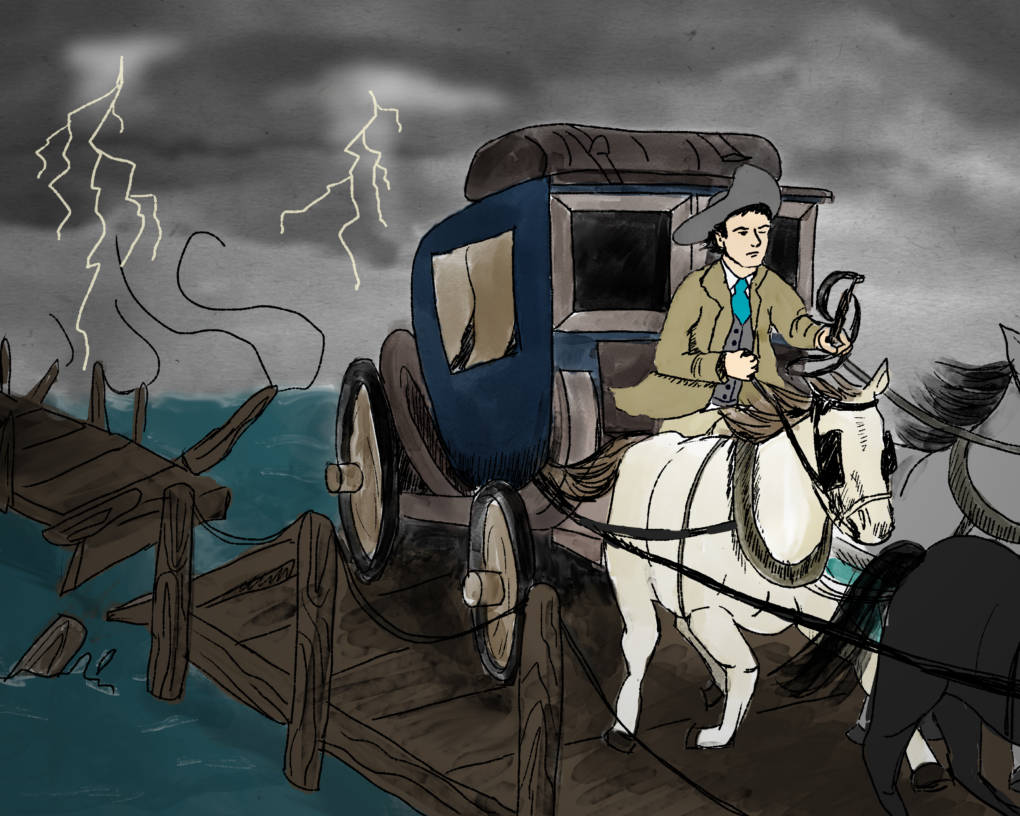
"caption": "Charley Parkhurst crossing a crumbling bridge during a storm.",
"description": "Charley Parkhurst crossing a crumbling bridge during a storm.",
"title": "Charley Parkhurst crossing a crumbling bridge during a storm.",
"credit": "Kelly Heigert/KQED",
"status": "inherit",
"isLoading": false,
"fetchFailed": false
},
"news_11739992": {
"type": "attachments",
"id": "news_11739992",
"meta": {
"index": "attachments_1716263798",
"site": "news",
"id": "11739992",
"found": true
},
"parent": 11739421,
"imgSizes": {
"apple_news_ca_landscape_5_5": {
"file": "https://ww2.kqed.org/app/uploads/sites/10/2019/04/RS36515_DSC_2298-qut-1044x783.jpg",
"width": 1044,
"mimeType": "image/jpeg",
"height": 783
},
"apple_news_ca_square_4_0": {
"file": "https://ww2.kqed.org/app/uploads/sites/10/2019/04/RS36515_DSC_2298-qut-470x470.jpg",
"width": 470,
"mimeType": "image/jpeg",
"height": 470
},
"twentyfourteen-full-width": {
"file": "https://ww2.kqed.org/app/uploads/sites/10/2019/04/RS36515_DSC_2298-qut-1038x576.jpg",
"width": 1038,
"mimeType": "image/jpeg",
"height": 576
},
"thumbnail": {
"file": "https://ww2.kqed.org/app/uploads/sites/10/2019/04/RS36515_DSC_2298-qut-160x106.jpg",
"width": 160,
"mimeType": "image/jpeg",
"height": 106
},
"post-thumbnail": {
"file": "https://ww2.kqed.org/app/uploads/sites/10/2019/04/RS36515_DSC_2298-qut-672x372.jpg",
"width": 672,
"mimeType": "image/jpeg",
"height": 372
},
"kqedFullSize": {
"file": "https://ww2.kqed.org/app/uploads/sites/10/2019/04/RS36515_DSC_2298-qut.jpg",
"width": 1920,
"height": 1272
},
"apple_news_ca_landscape_4_7": {
"file": "https://ww2.kqed.org/app/uploads/sites/10/2019/04/RS36515_DSC_2298-qut-632x474.jpg",
"width": 632,
"mimeType": "image/jpeg",
"height": 474
},
"large": {
"file": "https://ww2.kqed.org/app/uploads/sites/10/2019/04/RS36515_DSC_2298-qut-1020x676.jpg",
"width": 1020,
"mimeType": "image/jpeg",
"height": 676
},
"complete_open_graph": {
"file": "https://ww2.kqed.org/app/uploads/sites/10/2019/04/RS36515_DSC_2298-qut-1200x795.jpg",
"width": 1200,
"mimeType": "image/jpeg",
"height": 795
},
"apple_news_ca_landscape_4_0": {
"file": "https://ww2.kqed.org/app/uploads/sites/10/2019/04/RS36515_DSC_2298-qut-536x402.jpg",
"width": 536,
"mimeType": "image/jpeg",
"height": 402
},
"apple_news_ca_portrait_12_9": {
"file": "https://ww2.kqed.org/app/uploads/sites/10/2019/04/RS36515_DSC_2298-qut-1122x1272.jpg",
"width": 1122,
"mimeType": "image/jpeg",
"height": 1272
},
"medium": {
"file": "https://ww2.kqed.org/app/uploads/sites/10/2019/04/RS36515_DSC_2298-qut-800x530.jpg",
"width": 800,
"mimeType": "image/jpeg",
"height": 530
},
"apple_news_ca_portrait_4_0": {
"file": "https://ww2.kqed.org/app/uploads/sites/10/2019/04/RS36515_DSC_2298-qut-354x472.jpg",
"width": 354,
"mimeType": "image/jpeg",
"height": 472
},
"apple_news_ca_portrait_9_7": {
"file": "https://ww2.kqed.org/app/uploads/sites/10/2019/04/RS36515_DSC_2298-qut-840x1120.jpg",
"width": 840,
"mimeType": "image/jpeg",
"height": 1120
},
"apple_news_ca_landscape_12_9": {
"file": "https://ww2.kqed.org/app/uploads/sites/10/2019/04/RS36515_DSC_2298-qut-1832x1272.jpg",
"width": 1832,
"mimeType": "image/jpeg",
"height": 1272
},
"apple_news_ca_square_9_7": {
"file": "https://ww2.kqed.org/app/uploads/sites/10/2019/04/RS36515_DSC_2298-qut-1104x1104.jpg",
"width": 1104,
"mimeType": "image/jpeg",
"height": 1104
},
"apple_news_ca_portrait_4_7": {
"file": "https://ww2.kqed.org/app/uploads/sites/10/2019/04/RS36515_DSC_2298-qut-414x552.jpg",
"width": 414,
"mimeType": "image/jpeg",
"height": 552
},
"apple_news_ca_square_12_9": {
"file": "https://ww2.kqed.org/app/uploads/sites/10/2019/04/RS36515_DSC_2298-qut-1472x1272.jpg",
"width": 1472,
"mimeType": "image/jpeg",
"height": 1272
},
"apple_news_ca_portrait_5_5": {
"file": "https://ww2.kqed.org/app/uploads/sites/10/2019/04/RS36515_DSC_2298-qut-687x916.jpg",
"width": 687,
"mimeType": "image/jpeg",
"height": 916
},
"full-width": {
"file": "https://ww2.kqed.org/app/uploads/sites/10/2019/04/RS36515_DSC_2298-qut-1920x1272.jpg",
"width": 1920,
"mimeType": "image/jpeg",
"height": 1272
},
"apple_news_ca_square_4_7": {
"file": "https://ww2.kqed.org/app/uploads/sites/10/2019/04/RS36515_DSC_2298-qut-550x550.jpg",
"width": 550,
"mimeType": "image/jpeg",
"height": 550
},
"apple_news_ca_landscape_9_7": {
"file": "https://ww2.kqed.org/app/uploads/sites/10/2019/04/RS36515_DSC_2298-qut-1376x1032.jpg",
"width": 1376,
"mimeType": "image/jpeg",
"height": 1032
},
"apple_news_ca_square_5_5": {
"file": "https://ww2.kqed.org/app/uploads/sites/10/2019/04/RS36515_DSC_2298-qut-912x912.jpg",
"width": 912,
"mimeType": "image/jpeg",
"height": 912
}
},
"publishDate": 1555110266,
"modified": 1555110412,
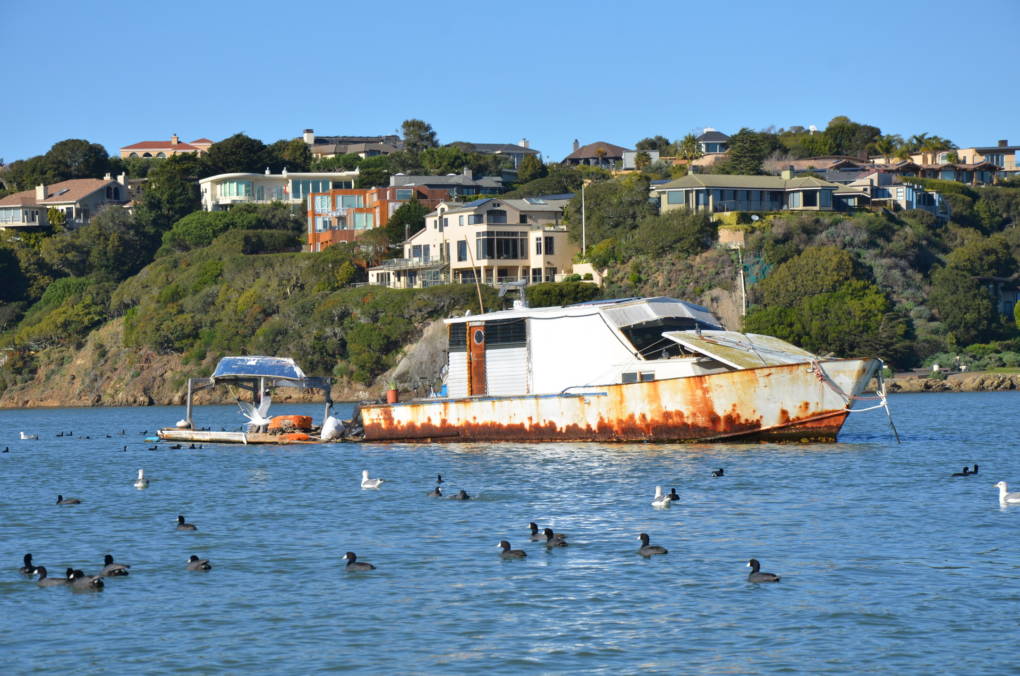
"caption": "An anchor-out sits in Richardson Bay in Marin County. At last count, there were 235 boats anchored in the bay.",
"description": "An anchor-out sits in Richardson Bay in Marin County. At last count, there were 235 boats anchored in the bay.",
"title": "RS36515_DSC_2298-qut",
"credit": "Ryan Levi/KQED",
"status": "inherit",
"isLoading": false,
"fetchFailed": false
},
"news_11738453": {
"type": "attachments",
"id": "news_11738453",
"meta": {
"index": "attachments_1716263798",
"site": "news",
"id": "11738453",
"found": true
},
"parent": 11738379,
"imgSizes": {
"post-thumbnail": {
"file": "https://ww2.kqed.org/app/uploads/sites/10/2019/04/RS36431_NH43901-enhanced-qut-672x372.jpg",
"width": 672,
"mimeType": "image/jpeg",
"height": 372
},
"kqedFullSize": {
"file": "https://ww2.kqed.org/app/uploads/sites/10/2019/04/RS36431_NH43901-enhanced-qut.jpg",
"width": 1920,
"height": 1490
},
"guest-author-50": {
"file": "https://ww2.kqed.org/app/uploads/sites/10/2019/04/RS36431_NH43901-enhanced-qut-50x50.jpg",
"width": 50,
"mimeType": "image/jpeg",
"height": 50
},
"guest-author-96": {
"file": "https://ww2.kqed.org/app/uploads/sites/10/2019/04/RS36431_NH43901-enhanced-qut-96x96.jpg",
"width": 96,
"mimeType": "image/jpeg",
"height": 96
},
"apple_news_ca_portrait_12_9": {
"file": "https://ww2.kqed.org/app/uploads/sites/10/2019/04/RS36431_NH43901-enhanced-qut-1122x1490.jpg",
"width": 1122,
"mimeType": "image/jpeg",
"height": 1490
},
"medium": {
"file": "https://ww2.kqed.org/app/uploads/sites/10/2019/04/RS36431_NH43901-enhanced-qut-800x621.jpg",
"width": 800,
"mimeType": "image/jpeg",
"height": 621
},
"guest-author-32": {
"file": "https://ww2.kqed.org/app/uploads/sites/10/2019/04/RS36431_NH43901-enhanced-qut-32x32.jpg",
"width": 32,
"mimeType": "image/jpeg",
"height": 32
},
"apple_news_ca_portrait_9_7": {
"file": "https://ww2.kqed.org/app/uploads/sites/10/2019/04/RS36431_NH43901-enhanced-qut-840x1120.jpg",
"width": 840,
"mimeType": "image/jpeg",
"height": 1120
},
"apple_news_ca_square_9_7": {
"file": "https://ww2.kqed.org/app/uploads/sites/10/2019/04/RS36431_NH43901-enhanced-qut-1104x1104.jpg",
"width": 1104,
"mimeType": "image/jpeg",
"height": 1104
},
"apple_news_ca_portrait_4_7": {
"file": "https://ww2.kqed.org/app/uploads/sites/10/2019/04/RS36431_NH43901-enhanced-qut-414x552.jpg",
"width": 414,
"mimeType": "image/jpeg",
"height": 552
},
"apple_news_ca_square_12_9": {
"file": "https://ww2.kqed.org/app/uploads/sites/10/2019/04/RS36431_NH43901-enhanced-qut-1472x1472.jpg",
"width": 1472,
"mimeType": "image/jpeg",
"height": 1472
},
"apple_news_ca_portrait_5_5": {
"file": "https://ww2.kqed.org/app/uploads/sites/10/2019/04/RS36431_NH43901-enhanced-qut-687x916.jpg",
"width": 687,
"mimeType": "image/jpeg",
"height": 916
},
"apple_news_ca_square_4_7": {
"file": "https://ww2.kqed.org/app/uploads/sites/10/2019/04/RS36431_NH43901-enhanced-qut-550x550.jpg",
"width": 550,
"mimeType": "image/jpeg",
"height": 550
},
"apple_news_ca_square_5_5": {
"file": "https://ww2.kqed.org/app/uploads/sites/10/2019/04/RS36431_NH43901-enhanced-qut-912x912.jpg",
"width": 912,
"mimeType": "image/jpeg",
"height": 912
},
"apple_news_ca_landscape_5_5": {
"file": "https://ww2.kqed.org/app/uploads/sites/10/2019/04/RS36431_NH43901-enhanced-qut-1044x783.jpg",
"width": 1044,
"mimeType": "image/jpeg",
"height": 783
},
"apple_news_ca_square_4_0": {
"file": "https://ww2.kqed.org/app/uploads/sites/10/2019/04/RS36431_NH43901-enhanced-qut-470x470.jpg",
"width": 470,
"mimeType": "image/jpeg",
"height": 470
},
"twentyfourteen-full-width": {
"file": "https://ww2.kqed.org/app/uploads/sites/10/2019/04/RS36431_NH43901-enhanced-qut-1038x576.jpg",
"width": 1038,
"mimeType": "image/jpeg",
"height": 576
},
"thumbnail": {
"file": "https://ww2.kqed.org/app/uploads/sites/10/2019/04/RS36431_NH43901-enhanced-qut-160x124.jpg",
"width": 160,
"mimeType": "image/jpeg",
"height": 124
},
"apple_news_ca_landscape_4_7": {
"file": "https://ww2.kqed.org/app/uploads/sites/10/2019/04/RS36431_NH43901-enhanced-qut-632x474.jpg",
"width": 632,
"mimeType": "image/jpeg",
"height": 474
},
"large": {
"file": "https://ww2.kqed.org/app/uploads/sites/10/2019/04/RS36431_NH43901-enhanced-qut-1020x792.jpg",
"width": 1020,
"mimeType": "image/jpeg",
"height": 792
},
"complete_open_graph": {
"file": "https://ww2.kqed.org/app/uploads/sites/10/2019/04/RS36431_NH43901-enhanced-qut-1200x931.jpg",
"width": 1200,
"mimeType": "image/jpeg",
"height": 931
},
"apple_news_ca_landscape_4_0": {
"file": "https://ww2.kqed.org/app/uploads/sites/10/2019/04/RS36431_NH43901-enhanced-qut-536x402.jpg",
"width": 536,
"mimeType": "image/jpeg",
"height": 402
},
"guest-author-64": {
"file": "https://ww2.kqed.org/app/uploads/sites/10/2019/04/RS36431_NH43901-enhanced-qut-64x64.jpg",
"width": 64,
"mimeType": "image/jpeg",
"height": 64
},
"apple_news_ca_portrait_4_0": {
"file": "https://ww2.kqed.org/app/uploads/sites/10/2019/04/RS36431_NH43901-enhanced-qut-354x472.jpg",
"width": 354,
"mimeType": "image/jpeg",
"height": 472
},
"apple_news_ca_landscape_12_9": {
"file": "https://ww2.kqed.org/app/uploads/sites/10/2019/04/RS36431_NH43901-enhanced-qut-1832x1374.jpg",
"width": 1832,
"mimeType": "image/jpeg",
"height": 1374
},
"full-width": {
"file": "https://ww2.kqed.org/app/uploads/sites/10/2019/04/RS36431_NH43901-enhanced-qut-1920x1490.jpg",
"width": 1920,
"mimeType": "image/jpeg",
"height": 1490
},
"guest-author-128": {
"file": "https://ww2.kqed.org/app/uploads/sites/10/2019/04/RS36431_NH43901-enhanced-qut-128x128.jpg",
"width": 128,
"mimeType": "image/jpeg",
"height": 128
},
"apple_news_ca_landscape_9_7": {
"file": "https://ww2.kqed.org/app/uploads/sites/10/2019/04/RS36431_NH43901-enhanced-qut-1376x1032.jpg",
"width": 1376,
"mimeType": "image/jpeg",
"height": 1032
}
},
"publishDate": 1554681554,
"modified": 1554681599,
"caption": "The USS Macon flying over New York in 1933.",
"description": "The USS Macon flying over New York in 1933.",
"title": "RS36431_NH43901-enhanced-qut",
"credit": "U.S. Naval Historical Center",
"status": "inherit",
"isLoading": false,
"fetchFailed": false
},
"news_11738543": {
"type": "attachments",
"id": "news_11738543",
"meta": {
"index": "attachments_1716263798",
"site": "news",
"id": "11738543",
"found": true
},
"parent": 11738379,
"imgSizes": {
"post-thumbnail": {
"file": "https://ww2.kqed.org/app/uploads/sites/10/2019/04/15599372862_65d06eab47_k-672x372.jpg",
"width": 672,
"mimeType": "image/jpeg",
"height": 372
},
"kqedFullSize": {
"file": "https://ww2.kqed.org/app/uploads/sites/10/2019/04/15599372862_65d06eab47_k.jpg",
"width": 2048,
"height": 1152
},
"guest-author-50": {
"file": "https://ww2.kqed.org/app/uploads/sites/10/2019/04/15599372862_65d06eab47_k-50x50.jpg",
"width": 50,
"mimeType": "image/jpeg",
"height": 50
},
"guest-author-96": {
"file": "https://ww2.kqed.org/app/uploads/sites/10/2019/04/15599372862_65d06eab47_k-96x96.jpg",
"width": 96,
"mimeType": "image/jpeg",
"height": 96
},
"apple_news_ca_portrait_12_9": {
"file": "https://ww2.kqed.org/app/uploads/sites/10/2019/04/15599372862_65d06eab47_k-1122x1152.jpg",
"width": 1122,
"mimeType": "image/jpeg",
"height": 1152
},
"medium": {
"file": "https://ww2.kqed.org/app/uploads/sites/10/2019/04/15599372862_65d06eab47_k-800x450.jpg",
"width": 800,
"mimeType": "image/jpeg",
"height": 450
},
"guest-author-32": {
"file": "https://ww2.kqed.org/app/uploads/sites/10/2019/04/15599372862_65d06eab47_k-32x32.jpg",
"width": 32,
"mimeType": "image/jpeg",
"height": 32
},
"apple_news_ca_portrait_9_7": {
"file": "https://ww2.kqed.org/app/uploads/sites/10/2019/04/15599372862_65d06eab47_k-840x1120.jpg",
"width": 840,
"mimeType": "image/jpeg",
"height": 1120
},
"apple_news_ca_square_9_7": {
"file": "https://ww2.kqed.org/app/uploads/sites/10/2019/04/15599372862_65d06eab47_k-1104x1104.jpg",
"width": 1104,
"mimeType": "image/jpeg",
"height": 1104
},
"apple_news_ca_portrait_4_7": {
"file": "https://ww2.kqed.org/app/uploads/sites/10/2019/04/15599372862_65d06eab47_k-414x552.jpg",
"width": 414,
"mimeType": "image/jpeg",
"height": 552
},
"apple_news_ca_square_12_9": {
"file": "https://ww2.kqed.org/app/uploads/sites/10/2019/04/15599372862_65d06eab47_k-1472x1152.jpg",
"width": 1472,
"mimeType": "image/jpeg",
"height": 1152
},
"apple_news_ca_portrait_5_5": {
"file": "https://ww2.kqed.org/app/uploads/sites/10/2019/04/15599372862_65d06eab47_k-687x916.jpg",
"width": 687,
"mimeType": "image/jpeg",
"height": 916
},
"apple_news_ca_square_4_7": {
"file": "https://ww2.kqed.org/app/uploads/sites/10/2019/04/15599372862_65d06eab47_k-550x550.jpg",
"width": 550,
"mimeType": "image/jpeg",
"height": 550
},
"apple_news_ca_square_5_5": {
"file": "https://ww2.kqed.org/app/uploads/sites/10/2019/04/15599372862_65d06eab47_k-912x912.jpg",
"width": 912,
"mimeType": "image/jpeg",
"height": 912
},
"apple_news_ca_landscape_5_5": {
"file": "https://ww2.kqed.org/app/uploads/sites/10/2019/04/15599372862_65d06eab47_k-1044x783.jpg",
"width": 1044,
"mimeType": "image/jpeg",
"height": 783
},
"apple_news_ca_square_4_0": {
"file": "https://ww2.kqed.org/app/uploads/sites/10/2019/04/15599372862_65d06eab47_k-470x470.jpg",
"width": 470,
"mimeType": "image/jpeg",
"height": 470
},
"twentyfourteen-full-width": {
"file": "https://ww2.kqed.org/app/uploads/sites/10/2019/04/15599372862_65d06eab47_k-1038x576.jpg",
"width": 1038,
"mimeType": "image/jpeg",
"height": 576
},
"thumbnail": {
"file": "https://ww2.kqed.org/app/uploads/sites/10/2019/04/15599372862_65d06eab47_k-160x90.jpg",
"width": 160,
"mimeType": "image/jpeg",
"height": 90
},
"apple_news_ca_landscape_4_7": {
"file": "https://ww2.kqed.org/app/uploads/sites/10/2019/04/15599372862_65d06eab47_k-632x474.jpg",
"width": 632,
"mimeType": "image/jpeg",
"height": 474
},
"large": {
"file": "https://ww2.kqed.org/app/uploads/sites/10/2019/04/15599372862_65d06eab47_k-1020x574.jpg",
"width": 1020,
"mimeType": "image/jpeg",
"height": 574
},
"complete_open_graph": {
"file": "https://ww2.kqed.org/app/uploads/sites/10/2019/04/15599372862_65d06eab47_k-1200x675.jpg",
"width": 1200,
"mimeType": "image/jpeg",
"height": 675
},
"apple_news_ca_landscape_4_0": {
"file": "https://ww2.kqed.org/app/uploads/sites/10/2019/04/15599372862_65d06eab47_k-536x402.jpg",
"width": 536,
"mimeType": "image/jpeg",
"height": 402
},
"guest-author-64": {
"file": "https://ww2.kqed.org/app/uploads/sites/10/2019/04/15599372862_65d06eab47_k-64x64.jpg",
"width": 64,
"mimeType": "image/jpeg",
"height": 64
},
"apple_news_ca_portrait_4_0": {
"file": "https://ww2.kqed.org/app/uploads/sites/10/2019/04/15599372862_65d06eab47_k-354x472.jpg",
"width": 354,
"mimeType": "image/jpeg",
"height": 472
},
"apple_news_ca_landscape_12_9": {
"file": "https://ww2.kqed.org/app/uploads/sites/10/2019/04/15599372862_65d06eab47_k-1832x1152.jpg",
"width": 1832,
"mimeType": "image/jpeg",
"height": 1152
},
"full-width": {
"file": "https://ww2.kqed.org/app/uploads/sites/10/2019/04/15599372862_65d06eab47_k-1920x1080.jpg",
"width": 1920,
"mimeType": "image/jpeg",
"height": 1080
},
"guest-author-128": {
"file": "https://ww2.kqed.org/app/uploads/sites/10/2019/04/15599372862_65d06eab47_k-128x128.jpg",
"width": 128,
"mimeType": "image/jpeg",
"height": 128
},
"apple_news_ca_landscape_9_7": {
"file": "https://ww2.kqed.org/app/uploads/sites/10/2019/04/15599372862_65d06eab47_k-1376x1032.jpg",
"width": 1376,
"mimeType": "image/jpeg",
"height": 1032
}
},
"publishDate": 1554752269,
"modified": 1554753308,
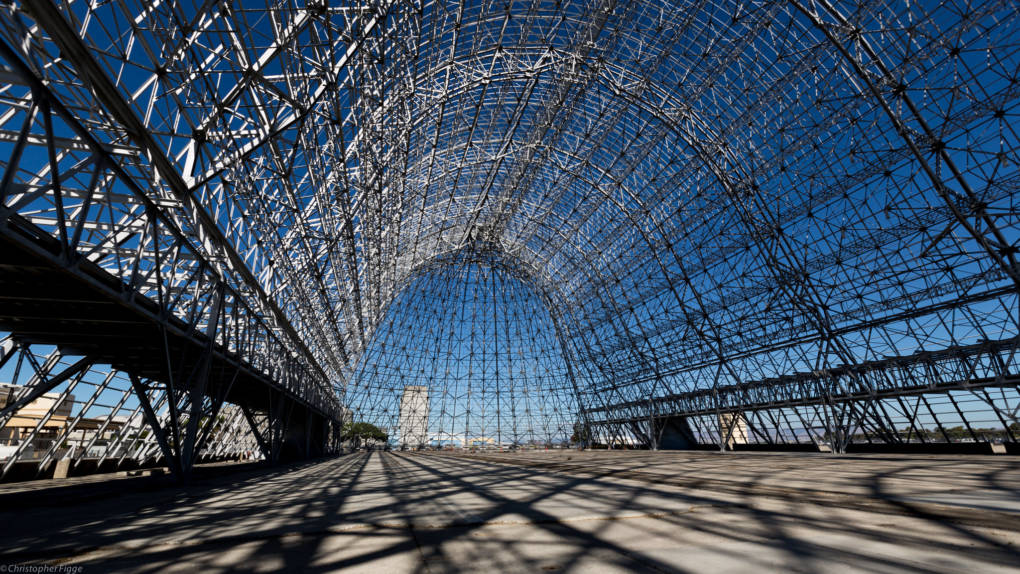
"caption": "The floor space within Hangar One is big enough to hold seven football fields. ",
"description": "The floor space within Hangar One is big enough to hold seven football fields. ",
"title": "15599372862_65d06eab47_k",
"credit": "\u003ca href=\"https://www.flickr.com/photos/17495652@N00/15599372862/in/photolist-pLsS5w-pLsSqm-pLouD6-oPA9en-ptU9zz-g7T82-9AQ8kW-ddoNBE-5fBXRm-dWeZM-ei4u5B-aFDU7F-5xnp5q-5xnoMU-dcRvM8-dcPpdo-4C2v2-dUhHk-pt4cKm-76MCGQ-ddoM9o-oNDZGk-5fC6gL-aG9qme-Dji918-ddoMoA-pKsrLF-pKwKCw-oNE2K8-psXX6a-6CmAME-9NC7mF-24kcN1i-5fy1Y8-bkv4cR-3tCR-Gyg8u-23h7sAt-qrouA-8YGge5-4ENmd6-4EZiHk-GygNE-21CgzhM-6GeP6r-GyAKj-4FgKb6-Gz92c-an8BiC-4F9ERp\">Chris Figge\u003c/a>/Flickr",
"status": "inherit",
"isLoading": false,
"fetchFailed": false
},
"news_11735569": {
"type": "attachments",
"id": "news_11735569",
"meta": {
"index": "attachments_1716263798",
"site": "news",
"id": "11735569",
"found": true
},
"parent": 11735556,
"imgSizes": {
"post-thumbnail": {
"file": "https://ww2.kqed.org/app/uploads/sites/10/2019/03/bay-curious-kids-kqed-672x372.jpg",
"width": 672,
"mimeType": "image/jpeg",
"height": 372
},
"kqedFullSize": {
"file": "https://ww2.kqed.org/app/uploads/sites/10/2019/03/bay-curious-kids-kqed.jpg",
"width": 1920,
"height": 1080
},
"guest-author-50": {
"file": "https://ww2.kqed.org/app/uploads/sites/10/2019/03/bay-curious-kids-kqed-50x50.jpg",
"width": 50,
"mimeType": "image/jpeg",
"height": 50
},
"guest-author-96": {
"file": "https://ww2.kqed.org/app/uploads/sites/10/2019/03/bay-curious-kids-kqed-96x96.jpg",
"width": 96,
"mimeType": "image/jpeg",
"height": 96
},
"apple_news_ca_portrait_12_9": {
"file": "https://ww2.kqed.org/app/uploads/sites/10/2019/03/bay-curious-kids-kqed-1122x1080.jpg",
"width": 1122,
"mimeType": "image/jpeg",
"height": 1080
},
"medium": {
"file": "https://ww2.kqed.org/app/uploads/sites/10/2019/03/bay-curious-kids-kqed-800x450.jpg",
"width": 800,
"mimeType": "image/jpeg",
"height": 450
},
"guest-author-32": {
"file": "https://ww2.kqed.org/app/uploads/sites/10/2019/03/bay-curious-kids-kqed-32x32.jpg",
"width": 32,
"mimeType": "image/jpeg",
"height": 32
},
"apple_news_ca_portrait_9_7": {
"file": "https://ww2.kqed.org/app/uploads/sites/10/2019/03/bay-curious-kids-kqed-840x1080.jpg",
"width": 840,
"mimeType": "image/jpeg",
"height": 1080
},
"apple_news_ca_square_9_7": {
"file": "https://ww2.kqed.org/app/uploads/sites/10/2019/03/bay-curious-kids-kqed-1104x1080.jpg",
"width": 1104,
"mimeType": "image/jpeg",
"height": 1080
},
"apple_news_ca_portrait_4_7": {
"file": "https://ww2.kqed.org/app/uploads/sites/10/2019/03/bay-curious-kids-kqed-414x552.jpg",
"width": 414,
"mimeType": "image/jpeg",
"height": 552
},
"apple_news_ca_square_12_9": {
"file": "https://ww2.kqed.org/app/uploads/sites/10/2019/03/bay-curious-kids-kqed-1472x1080.jpg",
"width": 1472,
"mimeType": "image/jpeg",
"height": 1080
},
"apple_news_ca_portrait_5_5": {
"file": "https://ww2.kqed.org/app/uploads/sites/10/2019/03/bay-curious-kids-kqed-687x916.jpg",
"width": 687,
"mimeType": "image/jpeg",
"height": 916
},
"apple_news_ca_square_4_7": {
"file": "https://ww2.kqed.org/app/uploads/sites/10/2019/03/bay-curious-kids-kqed-550x550.jpg",
"width": 550,
"mimeType": "image/jpeg",
"height": 550
},
"apple_news_ca_square_5_5": {
"file": "https://ww2.kqed.org/app/uploads/sites/10/2019/03/bay-curious-kids-kqed-912x912.jpg",
"width": 912,
"mimeType": "image/jpeg",
"height": 912
},
"apple_news_ca_landscape_5_5": {
"file": "https://ww2.kqed.org/app/uploads/sites/10/2019/03/bay-curious-kids-kqed-1044x783.jpg",
"width": 1044,
"mimeType": "image/jpeg",
"height": 783
},
"apple_news_ca_square_4_0": {
"file": "https://ww2.kqed.org/app/uploads/sites/10/2019/03/bay-curious-kids-kqed-470x470.jpg",
"width": 470,
"mimeType": "image/jpeg",
"height": 470
},
"twentyfourteen-full-width": {
"file": "https://ww2.kqed.org/app/uploads/sites/10/2019/03/bay-curious-kids-kqed-1038x576.jpg",
"width": 1038,
"mimeType": "image/jpeg",
"height": 576
},
"thumbnail": {
"file": "https://ww2.kqed.org/app/uploads/sites/10/2019/03/bay-curious-kids-kqed-160x90.jpg",
"width": 160,
"mimeType": "image/jpeg",
"height": 90
},
"apple_news_ca_landscape_4_7": {
"file": "https://ww2.kqed.org/app/uploads/sites/10/2019/03/bay-curious-kids-kqed-632x474.jpg",
"width": 632,
"mimeType": "image/jpeg",
"height": 474
},
"large": {
"file": "https://ww2.kqed.org/app/uploads/sites/10/2019/03/bay-curious-kids-kqed-1020x574.jpg",
"width": 1020,
"mimeType": "image/jpeg",
"height": 574
},
"complete_open_graph": {
"file": "https://ww2.kqed.org/app/uploads/sites/10/2019/03/bay-curious-kids-kqed-1200x675.jpg",
"width": 1200,
"mimeType": "image/jpeg",
"height": 675
},
"apple_news_ca_landscape_4_0": {
"file": "https://ww2.kqed.org/app/uploads/sites/10/2019/03/bay-curious-kids-kqed-536x402.jpg",
"width": 536,
"mimeType": "image/jpeg",
"height": 402
},
"guest-author-64": {
"file": "https://ww2.kqed.org/app/uploads/sites/10/2019/03/bay-curious-kids-kqed-64x64.jpg",
"width": 64,
"mimeType": "image/jpeg",
"height": 64
},
"apple_news_ca_portrait_4_0": {
"file": "https://ww2.kqed.org/app/uploads/sites/10/2019/03/bay-curious-kids-kqed-354x472.jpg",
"width": 354,
"mimeType": "image/jpeg",
"height": 472
},
"apple_news_ca_landscape_12_9": {
"file": "https://ww2.kqed.org/app/uploads/sites/10/2019/03/bay-curious-kids-kqed-1832x1080.jpg",
"width": 1832,
"mimeType": "image/jpeg",
"height": 1080
},
"full-width": {
"file": "https://ww2.kqed.org/app/uploads/sites/10/2019/03/bay-curious-kids-kqed-1920x1080.jpg",
"width": 1920,
"mimeType": "image/jpeg",
"height": 1080
},
"guest-author-128": {
"file": "https://ww2.kqed.org/app/uploads/sites/10/2019/03/bay-curious-kids-kqed-128x128.jpg",
"width": 128,
"mimeType": "image/jpeg",
"height": 128
},
"apple_news_ca_landscape_9_7": {
"file": "https://ww2.kqed.org/app/uploads/sites/10/2019/03/bay-curious-kids-kqed-1376x1032.jpg",
"width": 1376,
"mimeType": "image/jpeg",
"height": 1032
}
},
"publishDate": 1553636273,
"modified": 1553639618,
"caption": "While San Francisco doesn't have many children, the surrounding area falls in line with other metro regions. ",
"description": "While San Francisco doesn't have many children, the surrounding area falls in line with other metro regions. ",
"title": "bay-curious-kids-kqed",
"credit": "Elena Lacey/KQED",
"status": "inherit",
"isLoading": false,
"fetchFailed": false
},
"news_11733863": {
"type": "attachments",
"id": "news_11733863",
"meta": {
"index": "attachments_1716263798",
"site": "news",
"id": "11733863",
"found": true
},
"parent": 11733850,
"imgSizes": {
"post-thumbnail": {
"file": "https://ww2.kqed.org/app/uploads/sites/10/2019/03/44445195964_a5e7508f81_o-672x372.jpg",
"width": 672,
"mimeType": "image/jpeg",
"height": 372
},
"kqedFullSize": {
"file": "https://ww2.kqed.org/app/uploads/sites/10/2019/03/44445195964_a5e7508f81_o.jpg",
"width": 2048,
"height": 1585
},
"guest-author-50": {
"file": "https://ww2.kqed.org/app/uploads/sites/10/2019/03/44445195964_a5e7508f81_o-50x50.jpg",
"width": 50,
"mimeType": "image/jpeg",
"height": 50
},
"guest-author-96": {
"file": "https://ww2.kqed.org/app/uploads/sites/10/2019/03/44445195964_a5e7508f81_o-96x96.jpg",
"width": 96,
"mimeType": "image/jpeg",
"height": 96
},
"apple_news_ca_portrait_12_9": {
"file": "https://ww2.kqed.org/app/uploads/sites/10/2019/03/44445195964_a5e7508f81_o-1122x1496.jpg",
"width": 1122,
"mimeType": "image/jpeg",
"height": 1496
},
"medium": {
"file": "https://ww2.kqed.org/app/uploads/sites/10/2019/03/44445195964_a5e7508f81_o-800x619.jpg",
"width": 800,
"mimeType": "image/jpeg",
"height": 619
},
"guest-author-32": {
"file": "https://ww2.kqed.org/app/uploads/sites/10/2019/03/44445195964_a5e7508f81_o-32x32.jpg",
"width": 32,
"mimeType": "image/jpeg",
"height": 32
},
"apple_news_ca_portrait_9_7": {
"file": "https://ww2.kqed.org/app/uploads/sites/10/2019/03/44445195964_a5e7508f81_o-840x1120.jpg",
"width": 840,
"mimeType": "image/jpeg",
"height": 1120
},
"apple_news_ca_square_9_7": {
"file": "https://ww2.kqed.org/app/uploads/sites/10/2019/03/44445195964_a5e7508f81_o-1104x1104.jpg",
"width": 1104,
"mimeType": "image/jpeg",
"height": 1104
},
"apple_news_ca_portrait_4_7": {
"file": "https://ww2.kqed.org/app/uploads/sites/10/2019/03/44445195964_a5e7508f81_o-414x552.jpg",
"width": 414,
"mimeType": "image/jpeg",
"height": 552
},
"apple_news_ca_square_12_9": {
"file": "https://ww2.kqed.org/app/uploads/sites/10/2019/03/44445195964_a5e7508f81_o-1472x1472.jpg",
"width": 1472,
"mimeType": "image/jpeg",
"height": 1472
},
"apple_news_ca_portrait_5_5": {
"file": "https://ww2.kqed.org/app/uploads/sites/10/2019/03/44445195964_a5e7508f81_o-687x916.jpg",
"width": 687,
"mimeType": "image/jpeg",
"height": 916
},
"apple_news_ca_square_4_7": {
"file": "https://ww2.kqed.org/app/uploads/sites/10/2019/03/44445195964_a5e7508f81_o-550x550.jpg",
"width": 550,
"mimeType": "image/jpeg",
"height": 550
},
"apple_news_ca_square_5_5": {
"file": "https://ww2.kqed.org/app/uploads/sites/10/2019/03/44445195964_a5e7508f81_o-912x912.jpg",
"width": 912,
"mimeType": "image/jpeg",
"height": 912
},
"apple_news_ca_landscape_5_5": {
"file": "https://ww2.kqed.org/app/uploads/sites/10/2019/03/44445195964_a5e7508f81_o-1044x783.jpg",
"width": 1044,
"mimeType": "image/jpeg",
"height": 783
},
"apple_news_ca_square_4_0": {
"file": "https://ww2.kqed.org/app/uploads/sites/10/2019/03/44445195964_a5e7508f81_o-470x470.jpg",
"width": 470,
"mimeType": "image/jpeg",
"height": 470
},
"twentyfourteen-full-width": {
"file": "https://ww2.kqed.org/app/uploads/sites/10/2019/03/44445195964_a5e7508f81_o-1038x576.jpg",
"width": 1038,
"mimeType": "image/jpeg",
"height": 576
},
"thumbnail": {
"file": "https://ww2.kqed.org/app/uploads/sites/10/2019/03/44445195964_a5e7508f81_o-160x124.jpg",
"width": 160,
"mimeType": "image/jpeg",
"height": 124
},
"apple_news_ca_landscape_4_7": {
"file": "https://ww2.kqed.org/app/uploads/sites/10/2019/03/44445195964_a5e7508f81_o-632x474.jpg",
"width": 632,
"mimeType": "image/jpeg",
"height": 474
},
"large": {
"file": "https://ww2.kqed.org/app/uploads/sites/10/2019/03/44445195964_a5e7508f81_o-1020x790.jpg",
"width": 1020,
"mimeType": "image/jpeg",
"height": 790
},
"complete_open_graph": {
"file": "https://ww2.kqed.org/app/uploads/sites/10/2019/03/44445195964_a5e7508f81_o-1200x929.jpg",
"width": 1200,
"mimeType": "image/jpeg",
"height": 929
},
"apple_news_ca_landscape_4_0": {
"file": "https://ww2.kqed.org/app/uploads/sites/10/2019/03/44445195964_a5e7508f81_o-536x402.jpg",
"width": 536,
"mimeType": "image/jpeg",
"height": 402
},
"guest-author-64": {
"file": "https://ww2.kqed.org/app/uploads/sites/10/2019/03/44445195964_a5e7508f81_o-64x64.jpg",
"width": 64,
"mimeType": "image/jpeg",
"height": 64
},
"apple_news_ca_portrait_4_0": {
"file": "https://ww2.kqed.org/app/uploads/sites/10/2019/03/44445195964_a5e7508f81_o-354x472.jpg",
"width": 354,
"mimeType": "image/jpeg",
"height": 472
},
"apple_news_ca_landscape_12_9": {
"file": "https://ww2.kqed.org/app/uploads/sites/10/2019/03/44445195964_a5e7508f81_o-1832x1374.jpg",
"width": 1832,
"mimeType": "image/jpeg",
"height": 1374
},
"full-width": {
"file": "https://ww2.kqed.org/app/uploads/sites/10/2019/03/44445195964_a5e7508f81_o-1920x1486.jpg",
"width": 1920,
"mimeType": "image/jpeg",
"height": 1486
},
"guest-author-128": {
"file": "https://ww2.kqed.org/app/uploads/sites/10/2019/03/44445195964_a5e7508f81_o-128x128.jpg",
"width": 128,
"mimeType": "image/jpeg",
"height": 128
},
"apple_news_ca_landscape_9_7": {
"file": "https://ww2.kqed.org/app/uploads/sites/10/2019/03/44445195964_a5e7508f81_o-1376x1032.jpg",
"width": 1376,
"mimeType": "image/jpeg",
"height": 1032
}
},
"publishDate": 1553011665,
"modified": 1553011843,
"caption": "The City of Hillsborough says renovations to the house, like the addition of several 15-foot dinosaur statues, were not permitted. ",
"description": "The City of Hillsborough says renovations to the house, like the addition of several 15-foot dinosaur statues, were not permitted. ",
"title": "44445195964_a5e7508f81_o",
"credit": "\u003ca href=\"https://www.flickr.com/photos/schaffner/44445195964/in/photolist-2guZL3-2aHtfj9-yVUKEq\" target=\"_blank\">Jim Maurer\u003c/a>/Flickr",
"status": "inherit",
"isLoading": false,
"fetchFailed": false
},
"news_11731682": {
"type": "attachments",
"id": "news_11731682",
"meta": {
"index": "attachments_1716263798",
"site": "news",
"id": "11731682",
"found": true
},
"parent": 11731290,
"imgSizes": {
"twentyfourteen-full-width": {
"file": "https://ww2.kqed.org/app/uploads/sites/10/2019/03/RS35336__DSC6270-qut-1038x576.jpg",
"width": 1038,
"mimeType": "image/jpeg",
"height": 576
},
"thumbnail": {
"file": "https://ww2.kqed.org/app/uploads/sites/10/2019/03/RS35336__DSC6270-qut-160x107.jpg",
"width": 160,
"mimeType": "image/jpeg",
"height": 107
},
"post-thumbnail": {
"file": "https://ww2.kqed.org/app/uploads/sites/10/2019/03/RS35336__DSC6270-qut-672x372.jpg",
"width": 672,
"mimeType": "image/jpeg",
"height": 372
},
"kqedFullSize": {
"file": "https://ww2.kqed.org/app/uploads/sites/10/2019/03/RS35336__DSC6270-qut.jpg",
"width": 1920,
"height": 1281
},
"large": {
"file": "https://ww2.kqed.org/app/uploads/sites/10/2019/03/RS35336__DSC6270-qut-1020x681.jpg",
"width": 1020,
"mimeType": "image/jpeg",
"height": 681
},
"complete_open_graph": {
"file": "https://ww2.kqed.org/app/uploads/sites/10/2019/03/RS35336__DSC6270-qut-1200x801.jpg",
"width": 1200,
"mimeType": "image/jpeg",
"height": 801
},
"guest-author-50": {
"file": "https://ww2.kqed.org/app/uploads/sites/10/2019/03/RS35336__DSC6270-qut-50x50.jpg",
"width": 50,
"mimeType": "image/jpeg",
"height": 50
},
"guest-author-96": {
"file": "https://ww2.kqed.org/app/uploads/sites/10/2019/03/RS35336__DSC6270-qut-96x96.jpg",
"width": 96,
"mimeType": "image/jpeg",
"height": 96
},
"medium": {
"file": "https://ww2.kqed.org/app/uploads/sites/10/2019/03/RS35336__DSC6270-qut-800x534.jpg",
"width": 800,
"mimeType": "image/jpeg",
"height": 534
},
"guest-author-64": {
"file": "https://ww2.kqed.org/app/uploads/sites/10/2019/03/RS35336__DSC6270-qut-64x64.jpg",
"width": 64,
"mimeType": "image/jpeg",
"height": 64
},
"guest-author-32": {
"file": "https://ww2.kqed.org/app/uploads/sites/10/2019/03/RS35336__DSC6270-qut-32x32.jpg",
"width": 32,
"mimeType": "image/jpeg",
"height": 32
},
"full-width": {
"file": "https://ww2.kqed.org/app/uploads/sites/10/2019/03/RS35336__DSC6270-qut-1920x1281.jpg",
"width": 1920,
"mimeType": "image/jpeg",
"height": 1281
},
"guest-author-128": {
"file": "https://ww2.kqed.org/app/uploads/sites/10/2019/03/RS35336__DSC6270-qut-128x128.jpg",
"width": 128,
"mimeType": "image/jpeg",
"height": 128
}
},
"publishDate": 1552079833,
"modified": 1552547091,
"caption": "Diana Sears assesses the apples at the Fillmore Auditorium in San Francisco. Sears has been a greeter at the Fillmore for more than 10 years.",
"description": "Diana Sears assesses the apples at the Fillmore Auditorium in San Francisco. Sears has been a greeter at the Fillmore for more than 10 years.",
"title": "RS35336__DSC6270-qut",
"credit": "Stephanie Lister/KQED",
"status": "inherit",
"isLoading": false,
"fetchFailed": false
},
"news_11731083": {
"type": "attachments",
"id": "news_11731083",
"meta": {
"index": "attachments_1716263798",
"site": "news",
"id": "11731083",
"found": true
},
"parent": 11730890,
"imgSizes": {
"twentyfourteen-full-width": {
"file": "https://ww2.kqed.org/app/uploads/sites/10/2019/03/BayCuriousBarges-267-1038x576.jpg",
"width": 1038,
"mimeType": "image/jpeg",
"height": 576
},
"thumbnail": {
"file": "https://ww2.kqed.org/app/uploads/sites/10/2019/03/BayCuriousBarges-267-160x107.jpg",
"width": 160,
"mimeType": "image/jpeg",
"height": 107
},
"post-thumbnail": {
"file": "https://ww2.kqed.org/app/uploads/sites/10/2019/03/BayCuriousBarges-267-672x372.jpg",
"width": 672,
"mimeType": "image/jpeg",
"height": 372
},
"kqedFullSize": {
"file": "https://ww2.kqed.org/app/uploads/sites/10/2019/03/BayCuriousBarges-267.jpg",
"width": 1100,
"height": 733
},
"large": {
"file": "https://ww2.kqed.org/app/uploads/sites/10/2019/03/BayCuriousBarges-267-1020x680.jpg",
"width": 1020,
"mimeType": "image/jpeg",
"height": 680
},
"guest-author-50": {
"file": "https://ww2.kqed.org/app/uploads/sites/10/2019/03/BayCuriousBarges-267-50x50.jpg",
"width": 50,
"mimeType": "image/jpeg",
"height": 50
},
"guest-author-96": {
"file": "https://ww2.kqed.org/app/uploads/sites/10/2019/03/BayCuriousBarges-267-96x96.jpg",
"width": 96,
"mimeType": "image/jpeg",
"height": 96
},
"medium": {
"file": "https://ww2.kqed.org/app/uploads/sites/10/2019/03/BayCuriousBarges-267-800x533.jpg",
"width": 800,
"mimeType": "image/jpeg",
"height": 533
},
"guest-author-64": {
"file": "https://ww2.kqed.org/app/uploads/sites/10/2019/03/BayCuriousBarges-267-64x64.jpg",
"width": 64,
"mimeType": "image/jpeg",
"height": 64
},
"guest-author-32": {
"file": "https://ww2.kqed.org/app/uploads/sites/10/2019/03/BayCuriousBarges-267-32x32.jpg",
"width": 32,
"mimeType": "image/jpeg",
"height": 32
},
"guest-author-128": {
"file": "https://ww2.kqed.org/app/uploads/sites/10/2019/03/BayCuriousBarges-267-128x128.jpg",
"width": 128,
"mimeType": "image/jpeg",
"height": 128
}
},
"publishDate": 1551913125,
"modified": 1551914377,
"caption": "A container ship waiting at Anchorage 9.",
"description": "A container ship waiting at Anchorage 9.",
"title": "BayCuriousBarges-267",
"credit": "Samantha Shanahan/KQED",
"status": "inherit",
"isLoading": false,
"fetchFailed": false
},
"news_11729451": {
"type": "attachments",
"id": "news_11729451",
"meta": {
"index": "attachments_1716263798",
"site": "news",
"id": "11729451",
"found": true
},
"parent": 11729394,
"imgSizes": {
"twentyfourteen-full-width": {
"file": "https://ww2.kqed.org/app/uploads/sites/10/2019/02/RS34810_DSC_1228-qut-1920x1280-1038x576.jpg",
"width": 1038,
"mimeType": "image/jpeg",
"height": 576
},
"thumbnail": {
"file": "https://ww2.kqed.org/app/uploads/sites/10/2019/02/RS34810_DSC_1228-qut-1920x1280-160x107.jpg",
"width": 160,
"mimeType": "image/jpeg",
"height": 107
},
"post-thumbnail": {
"file": "https://ww2.kqed.org/app/uploads/sites/10/2019/02/RS34810_DSC_1228-qut-1920x1280-672x372.jpg",
"width": 672,
"mimeType": "image/jpeg",
"height": 372
},
"kqedFullSize": {
"file": "https://ww2.kqed.org/app/uploads/sites/10/2019/02/RS34810_DSC_1228-qut-1920x1280.jpg",
"width": 1920,
"height": 1280
},
"large": {
"file": "https://ww2.kqed.org/app/uploads/sites/10/2019/02/RS34810_DSC_1228-qut-1920x1280-1020x680.jpg",
"width": 1020,
"mimeType": "image/jpeg",
"height": 680
},
"complete_open_graph": {
"file": "https://ww2.kqed.org/app/uploads/sites/10/2019/02/RS34810_DSC_1228-qut-1920x1280-1200x800.jpg",
"width": 1200,
"mimeType": "image/jpeg",
"height": 800
},
"guest-author-50": {
"file": "https://ww2.kqed.org/app/uploads/sites/10/2019/02/RS34810_DSC_1228-qut-1920x1280-50x50.jpg",
"width": 50,
"mimeType": "image/jpeg",
"height": 50
},
"guest-author-96": {
"file": "https://ww2.kqed.org/app/uploads/sites/10/2019/02/RS34810_DSC_1228-qut-1920x1280-96x96.jpg",
"width": 96,
"mimeType": "image/jpeg",
"height": 96
},
"medium": {
"file": "https://ww2.kqed.org/app/uploads/sites/10/2019/02/RS34810_DSC_1228-qut-1920x1280-800x533.jpg",
"width": 800,
"mimeType": "image/jpeg",
"height": 533
},
"guest-author-64": {
"file": "https://ww2.kqed.org/app/uploads/sites/10/2019/02/RS34810_DSC_1228-qut-1920x1280-64x64.jpg",
"width": 64,
"mimeType": "image/jpeg",
"height": 64
},
"guest-author-32": {
"file": "https://ww2.kqed.org/app/uploads/sites/10/2019/02/RS34810_DSC_1228-qut-1920x1280-32x32.jpg",
"width": 32,
"mimeType": "image/jpeg",
"height": 32
},
"full-width": {
"file": "https://ww2.kqed.org/app/uploads/sites/10/2019/02/RS34810_DSC_1228-qut-1920x1280-1920x1280.jpg",
"width": 1920,
"mimeType": "image/jpeg",
"height": 1280
},
"guest-author-128": {
"file": "https://ww2.kqed.org/app/uploads/sites/10/2019/02/RS34810_DSC_1228-qut-1920x1280-128x128.jpg",
"width": 128,
"mimeType": "image/jpeg",
"height": 128
}
},
"publishDate": 1551298872,
"modified": 1551298919,
"caption": "In the late 1800s, Pisco Punch wasn’t just a drink. Ordering a glass was a status symbol.",
"description": "In the late 1800s, Pisco Punch wasn’t just a drink. Ordering a glass was a status symbol.",
"title": "RS34810_DSC_1228-qut-1920x1280",
"credit": "Carly Severn/KQED",
"status": "inherit",
"isLoading": false,
"fetchFailed": false
},
"news_11727504": {
"type": "attachments",
"id": "news_11727504",
"meta": {
"index": "attachments_1716263798",
"site": "news",
"id": "11727504",
"found": true
},
"parent": 11727502,
"imgSizes": {
"twentyfourteen-full-width": {
"file": "https://ww2.kqed.org/app/uploads/sites/10/2019/02/Sather-Tower-final-1038x576.jpg",
"width": 1038,
"mimeType": "image/jpeg",
"height": 576
},
"thumbnail": {
"file": "https://ww2.kqed.org/app/uploads/sites/10/2019/02/Sather-Tower-final-160x90.jpg",
"width": 160,
"mimeType": "image/jpeg",
"height": 90
},
"post-thumbnail": {
"file": "https://ww2.kqed.org/app/uploads/sites/10/2019/02/Sather-Tower-final-672x372.jpg",
"width": 672,
"mimeType": "image/jpeg",
"height": 372
},
"kqedFullSize": {
"file": "https://ww2.kqed.org/app/uploads/sites/10/2019/02/Sather-Tower-final.jpg",
"width": 1920,
"height": 1080
},
"large": {
"file": "https://ww2.kqed.org/app/uploads/sites/10/2019/02/Sather-Tower-final-1020x574.jpg",
"width": 1020,
"mimeType": "image/jpeg",
"height": 574
},
"complete_open_graph": {
"file": "https://ww2.kqed.org/app/uploads/sites/10/2019/02/Sather-Tower-final-1200x675.jpg",
"width": 1200,
"mimeType": "image/jpeg",
"height": 675
},
"guest-author-50": {
"file": "https://ww2.kqed.org/app/uploads/sites/10/2019/02/Sather-Tower-final-50x50.jpg",
"width": 50,
"mimeType": "image/jpeg",
"height": 50
},
"guest-author-96": {
"file": "https://ww2.kqed.org/app/uploads/sites/10/2019/02/Sather-Tower-final-96x96.jpg",
"width": 96,
"mimeType": "image/jpeg",
"height": 96
},
"medium": {
"file": "https://ww2.kqed.org/app/uploads/sites/10/2019/02/Sather-Tower-final-800x450.jpg",
"width": 800,
"mimeType": "image/jpeg",
"height": 450
},
"guest-author-64": {
"file": "https://ww2.kqed.org/app/uploads/sites/10/2019/02/Sather-Tower-final-64x64.jpg",
"width": 64,
"mimeType": "image/jpeg",
"height": 64
},
"guest-author-32": {
"file": "https://ww2.kqed.org/app/uploads/sites/10/2019/02/Sather-Tower-final-32x32.jpg",
"width": 32,
"mimeType": "image/jpeg",
"height": 32
},
"full-width": {
"file": "https://ww2.kqed.org/app/uploads/sites/10/2019/02/Sather-Tower-final-1920x1080.jpg",
"width": 1920,
"mimeType": "image/jpeg",
"height": 1080
},
"detail": {
"file": "https://ww2.kqed.org/app/uploads/sites/10/2019/02/Sather-Tower-final-150x150.jpg",
"width": 150,
"mimeType": "image/jpeg",
"height": 150
},
"guest-author-128": {
"file": "https://ww2.kqed.org/app/uploads/sites/10/2019/02/Sather-Tower-final-128x128.jpg",
"width": 128,
"mimeType": "image/jpeg",
"height": 128
}
},
"publishDate": 1550693717,
"modified": 1550712764,
"caption": "Fossils from prehistoric California can be found inside UC Berkeley's Campanile, including the mammoth, dire wolf, giant bison and camel.",
"description": "Fossils from prehistoric California can be found inside U.C. Berkeley's Campanile, including the mammoth, dire wolf, giant bison and camel.",
"title": "Sather-Tower-final",
"credit": "Elena Lacey/KQED",
"status": "inherit",
"isLoading": false,
"fetchFailed": false
},
"news_11725788": {
"type": "attachments",
"id": "news_11725788",
"meta": {
"index": "attachments_1716263798",
"site": "news",
"id": "11725788",
"found": true
},
"parent": 11721192,
"imgSizes": {
"twentyfourteen-full-width": {
"file": "https://ww2.kqed.org/app/uploads/sites/10/2019/02/bay-curious-illo-elena-lacey-2-1038x576.jpg",
"width": 1038,
"mimeType": "image/jpeg",
"height": 576
},
"thumbnail": {
"file": "https://ww2.kqed.org/app/uploads/sites/10/2019/02/bay-curious-illo-elena-lacey-2-160x90.jpg",
"width": 160,
"mimeType": "image/jpeg",
"height": 90
},
"post-thumbnail": {
"file": "https://ww2.kqed.org/app/uploads/sites/10/2019/02/bay-curious-illo-elena-lacey-2-672x372.jpg",
"width": 672,
"mimeType": "image/jpeg",
"height": 372
},
"kqedFullSize": {
"file": "https://ww2.kqed.org/app/uploads/sites/10/2019/02/bay-curious-illo-elena-lacey-2.jpg",
"width": 1920,
"height": 1080
},
"large": {
"file": "https://ww2.kqed.org/app/uploads/sites/10/2019/02/bay-curious-illo-elena-lacey-2-1020x574.jpg",
"width": 1020,
"mimeType": "image/jpeg",
"height": 574
},
"complete_open_graph": {
"file": "https://ww2.kqed.org/app/uploads/sites/10/2019/02/bay-curious-illo-elena-lacey-2-1200x675.jpg",
"width": 1200,
"mimeType": "image/jpeg",
"height": 675
},
"guest-author-50": {
"file": "https://ww2.kqed.org/app/uploads/sites/10/2019/02/bay-curious-illo-elena-lacey-2-50x50.jpg",
"width": 50,
"mimeType": "image/jpeg",
"height": 50
},
"guest-author-96": {
"file": "https://ww2.kqed.org/app/uploads/sites/10/2019/02/bay-curious-illo-elena-lacey-2-96x96.jpg",
"width": 96,
"mimeType": "image/jpeg",
"height": 96
},
"medium": {
"file": "https://ww2.kqed.org/app/uploads/sites/10/2019/02/bay-curious-illo-elena-lacey-2-800x450.jpg",
"width": 800,
"mimeType": "image/jpeg",
"height": 450
},
"guest-author-64": {
"file": "https://ww2.kqed.org/app/uploads/sites/10/2019/02/bay-curious-illo-elena-lacey-2-64x64.jpg",
"width": 64,
"mimeType": "image/jpeg",
"height": 64
},
"guest-author-32": {
"file": "https://ww2.kqed.org/app/uploads/sites/10/2019/02/bay-curious-illo-elena-lacey-2-32x32.jpg",
"width": 32,
"mimeType": "image/jpeg",
"height": 32
},
"full-width": {
"file": "https://ww2.kqed.org/app/uploads/sites/10/2019/02/bay-curious-illo-elena-lacey-2-1920x1080.jpg",
"width": 1920,
"mimeType": "image/jpeg",
"height": 1080
},
"detail": {
"file": "https://ww2.kqed.org/app/uploads/sites/10/2019/02/bay-curious-illo-elena-lacey-2-150x150.jpg",
"width": 150,
"mimeType": "image/jpeg",
"height": 150
},
"guest-author-128": {
"file": "https://ww2.kqed.org/app/uploads/sites/10/2019/02/bay-curious-illo-elena-lacey-2-128x128.jpg",
"width": 128,
"mimeType": "image/jpeg",
"height": 128
}
},
"publishDate": 1550018383,
"modified": 1550018440,
"caption": "Owners of historic buildings might be able to sell the air above their building, so developers elsewhere can build higher. ",
"description": "Owners of historic buildings might be able to sell the air above their building, so developers elsewhere can build higher. ",
"title": "bay-curious-illo-elena-lacey-2",
"credit": "Elena Lacey/KQED",
"status": "inherit",
"isLoading": false,
"fetchFailed": false
},
"news_11726036": {
"type": "attachments",
"id": "news_11726036",
"meta": {
"index": "attachments_1716263798",
"site": "news",
"id": "11726036",
"found": true
},
"parent": 11721192,
"imgSizes": {
"twentyfourteen-full-width": {
"file": "https://ww2.kqed.org/app/uploads/sites/10/2019/02/bay-curious-illo-elena-lacey-3-1038x576.jpg",
"width": 1038,
"mimeType": "image/jpeg",
"height": 576
},
"thumbnail": {
"file": "https://ww2.kqed.org/app/uploads/sites/10/2019/02/bay-curious-illo-elena-lacey-3-160x79.jpg",
"width": 160,
"mimeType": "image/jpeg",
"height": 79
},
"post-thumbnail": {
"file": "https://ww2.kqed.org/app/uploads/sites/10/2019/02/bay-curious-illo-elena-lacey-3-672x372.jpg",
"width": 672,
"mimeType": "image/jpeg",
"height": 372
},
"kqedFullSize": {
"file": "https://ww2.kqed.org/app/uploads/sites/10/2019/02/bay-curious-illo-elena-lacey-3.jpg",
"width": 1920,
"height": 952
},
"large": {
"file": "https://ww2.kqed.org/app/uploads/sites/10/2019/02/bay-curious-illo-elena-lacey-3-1020x506.jpg",
"width": 1020,
"mimeType": "image/jpeg",
"height": 506
},
"complete_open_graph": {
"file": "https://ww2.kqed.org/app/uploads/sites/10/2019/02/bay-curious-illo-elena-lacey-3-1200x595.jpg",
"width": 1200,
"mimeType": "image/jpeg",
"height": 595
},
"guest-author-50": {
"file": "https://ww2.kqed.org/app/uploads/sites/10/2019/02/bay-curious-illo-elena-lacey-3-50x50.jpg",
"width": 50,
"mimeType": "image/jpeg",
"height": 50
},
"guest-author-96": {
"file": "https://ww2.kqed.org/app/uploads/sites/10/2019/02/bay-curious-illo-elena-lacey-3-96x96.jpg",
"width": 96,
"mimeType": "image/jpeg",
"height": 96
},
"medium": {
"file": "https://ww2.kqed.org/app/uploads/sites/10/2019/02/bay-curious-illo-elena-lacey-3-800x397.jpg",
"width": 800,
"mimeType": "image/jpeg",
"height": 397
},
"guest-author-64": {
"file": "https://ww2.kqed.org/app/uploads/sites/10/2019/02/bay-curious-illo-elena-lacey-3-64x64.jpg",
"width": 64,
"mimeType": "image/jpeg",
"height": 64
},
"guest-author-32": {
"file": "https://ww2.kqed.org/app/uploads/sites/10/2019/02/bay-curious-illo-elena-lacey-3-32x32.jpg",
"width": 32,
"mimeType": "image/jpeg",
"height": 32
},
"full-width": {
"file": "https://ww2.kqed.org/app/uploads/sites/10/2019/02/bay-curious-illo-elena-lacey-3-1920x952.jpg",
"width": 1920,
"mimeType": "image/jpeg",
"height": 952
},
"detail": {
"file": "https://ww2.kqed.org/app/uploads/sites/10/2019/02/bay-curious-illo-elena-lacey-3-150x150.jpg",
"width": 150,
"mimeType": "image/jpeg",
"height": 150
},
"guest-author-128": {
"file": "https://ww2.kqed.org/app/uploads/sites/10/2019/02/bay-curious-illo-elena-lacey-3-128x128.jpg",
"width": 128,
"mimeType": "image/jpeg",
"height": 128
}
},
"publishDate": 1550101050,
"modified": 1550106604,
"caption": "Owners of historic buildings might be able to sell the air above their structures so that developers elsewhere can build higher. ",
"description": "Owners of historic buildings might be able to sell the air above their building, so developers elsewhere can build higher. ",
"title": "bay-curious-illo-elena-lacey-3",
"credit": "Elena Lacey/KQED",
"status": "inherit",
"isLoading": false,
"fetchFailed": false
}
},
"audioPlayerReducer": {
"postId": "stream_live",
"isPaused": true,
"isPlaying": false,
"pfsActive": false,
"pledgeModalIsOpen": true,
"playerDrawerIsOpen": false,
"liveAudioPlayStartedAt": 0,
"liveAudioPlayContext": ""
},
"authorsReducer": {
"byline_news_11727690": {
"type": "authors",
"id": "byline_news_11727690",
"meta": {
"override": true
},
"slug": "byline_news_11727690",
"name": "Daniel Potter",
"isLoading": false
},
"ohubertallen": {
"type": "authors",
"id": "102",
"meta": {
"index": "authors_1716337520",
"id": "102",
"found": true
},
"name": "Olivia Allen-Price",
"firstName": "Olivia",
"lastName": "Allen-Price",
"slug": "ohubertallen",
"email": "oallenprice@kqed.org",
"display_author_email": false,
"staff_mastheads": [
"news"
],
"title": "Senior Editor",
"bio": "Olivia Allen-Price is senior editor and host of the award-winning Bay Curious podcast. Prior to joining KQED in 2013, Olivia worked at The Baltimore Sun and The Virginian-Pilot in Norfolk, Va. She holds degrees in journalism and political science from Elon University. Her work has earned awards from the Society of Professional Journalists, the Hearst Foundation and Hearken. She loves to talk about running and curly hair.\r\n\r\nFollow: \u003ca href=\"https://twitter.com/oallenprice\">@oallenprice\u003c/a>\r\nEmail: \u003ca href=\"mailto:oallenprice@kqed.org\">oallenprice@kqed.org\u003c/a>",
"avatar": "https://secure.gravatar.com/avatar/07f7803c1f6be56f3be58ef276dfa64dce898502e0554408ef4858451a8294f7?s=600&d=blank&r=g",
"twitter": "oallenprice",
"bluesky": null,
"facebook": null,
"instagram": null,
"linkedin": null,
"sites": [
{
"site": "",
"roles": [
"editor"
]
},
{
"site": "arts",
"roles": [
"subscriber"
]
},
{
"site": "news",
"roles": [
"administrator"
]
},
{
"site": "pop",
"roles": [
"administrator"
]
},
{
"site": "bayareabites",
"roles": [
"contributor"
]
},
{
"site": "stateofhealth",
"roles": [
"administrator"
]
},
{
"site": "science",
"roles": [
"editor"
]
}
],
"headData": {
"title": "Olivia Allen-Price | KQED",
"description": "Senior Editor",
"ogImgSrc": "https://secure.gravatar.com/avatar/07f7803c1f6be56f3be58ef276dfa64dce898502e0554408ef4858451a8294f7?s=600&d=blank&r=g",
"twImgSrc": "https://secure.gravatar.com/avatar/07f7803c1f6be56f3be58ef276dfa64dce898502e0554408ef4858451a8294f7?s=600&d=blank&r=g"
},
"isLoading": false,
"link": "/author/ohubertallen"
},
"rachael-myrow": {
"type": "authors",
"id": "251",
"meta": {
"index": "authors_1716337520",
"id": "251",
"found": true
},
"name": "Rachael Myrow",
"firstName": "Rachael",
"lastName": "Myrow",
"slug": "rachael-myrow",
"email": "rmyrow@kqed.org",
"display_author_email": true,
"staff_mastheads": [
"news"
],
"title": "Senior Editor of KQED's Silicon Valley News Desk",
"bio": "• I write and edit stories about how Silicon Valley power and policies shape everyday life in California. I’m also passionate about making Bay Area history and culture more accessible to a broad public. • I’ve been a journalist for most of my life, starting in high school with The Franklin Press in Los Angeles, where I grew up. While earning my first degree in English at UC Berkeley, I got my start in public radio at KALX-FM. After completing a second degree in journalism at Cal, I landed my first professional job at Marketplace, then moved on to KPCC (now LAist), and then KQED, where I hosted The California Report for more than seven years. • My reporting has appeared on NPR, The World, WBUR’s \u003ci>Here & Now\u003c/i>, and the BBC. I also guest host for KQED’s \u003ci>Forum\u003c/i>, as well as the Commonwealth Club in San Francisco. • I speak periodically on media, democracy and technology issues, and do voiceover work for documentaries and educational video projects. • Outside of the studio, you'll find me hiking Bay Area trails and whipping up Insta-ready meals in my kitchen. • I do not accept gifts, money, or favors from anyone connected to my reporting, I don't pay people for information, and I do not support or donate to political causes. • I strive to treat the people I report on with fairness, honesty, and respect. I also recognize there are often multiple sides to a story and work to verify information through multiple sources and documentation. If I get something wrong, I correct it.",
"avatar": "https://secure.gravatar.com/avatar/3ed8a3c5f26025e4a805ba634cda8cd764906b97438a6d9ce216b044e340da4e?s=600&d=blank&r=g",
"twitter": "rachaelmyrow",
"bluesky": null,
"facebook": null,
"instagram": null,
"linkedin": "https://www.linkedin.com/in/rachaelmyrow/",
"sites": [
{
"site": "arts",
"roles": [
"administrator"
]
},
{
"site": "news",
"roles": [
"edit_others_posts",
"editor"
]
},
{
"site": "futureofyou",
"roles": [
"editor"
]
},
{
"site": "bayareabites",
"roles": [
"editor"
]
},
{
"site": "stateofhealth",
"roles": [
"editor"
]
},
{
"site": "science",
"roles": [
"editor"
]
},
{
"site": "food",
"roles": [
"editor"
]
},
{
"site": "forum",
"roles": [
"editor"
]
},
{
"site": "liveblog",
"roles": [
"author"
]
}
],
"headData": {
"title": "Rachael Myrow | KQED",
"description": "Senior Editor of KQED's Silicon Valley News Desk",
"ogImgSrc": "https://secure.gravatar.com/avatar/3ed8a3c5f26025e4a805ba634cda8cd764906b97438a6d9ce216b044e340da4e?s=600&d=blank&r=g",
"twImgSrc": "https://secure.gravatar.com/avatar/3ed8a3c5f26025e4a805ba634cda8cd764906b97438a6d9ce216b044e340da4e?s=600&d=blank&r=g"
},
"isLoading": false,
"link": "/author/rachael-myrow"
},
"kdomara": {
"type": "authors",
"id": "1459",
"meta": {
"index": "authors_1716337520",
"id": "1459",
"found": true
},
"name": "Kelly O'Mara",
"firstName": "Kelly",
"lastName": "O'Mara",
"slug": "kdomara",
"email": "komara@kqed.org",
"display_author_email": false,
"staff_mastheads": [
"news"
],
"title": "KQED Contributor",
"bio": "Kelly O'Mara is a writer and reporter in the San Francisco Bay Area. She writes about food, health, sports, travel, business and California news. Her work has appeared on KQED, online for Outside Magazine, epsnW, VICE and in Competitor Magazine, among others. Follow Kelly on Twitter \u003ca href=\"https://twitter.com/kellydomara\">@kellydomara\u003c/a>.",
"avatar": "https://secure.gravatar.com/avatar/768fec7412028b72f13bdd0f5f9d8186?s=600&d=blank&r=g",
"twitter": null,
"facebook": null,
"instagram": null,
"linkedin": null,
"sites": [
{
"site": "arts",
"roles": []
},
{
"site": "news",
"roles": []
},
{
"site": "bayareabites",
"roles": []
},
{
"site": "stateofhealth",
"roles": []
},
{
"site": "science",
"roles": []
},
{
"site": "checkplease",
"roles": [
"editor"
]
},
{
"site": "food",
"roles": []
},
{
"site": "forum",
"roles": [
"editor"
]
},
{
"site": "liveblog",
"roles": [
"editor"
]
}
],
"headData": {
"title": "Kelly O'Mara | KQED",
"description": "KQED Contributor",
"ogImgSrc": "https://secure.gravatar.com/avatar/768fec7412028b72f13bdd0f5f9d8186?s=600&d=blank&r=g",
"twImgSrc": "https://secure.gravatar.com/avatar/768fec7412028b72f13bdd0f5f9d8186?s=600&d=blank&r=g"
},
"isLoading": false,
"link": "/author/kdomara"
},
"carlysevern": {
"type": "authors",
"id": "3243",
"meta": {
"index": "authors_1716337520",
"id": "3243",
"found": true
},
"name": "Carly Severn",
"firstName": "Carly",
"lastName": "Severn",
"slug": "carlysevern",
"email": "csevern@kqed.org",
"display_author_email": false,
"staff_mastheads": [
"news"
],
"title": "Senior Editor, Audience News ",
"bio": "Carly is KQED's Senior Editor of Audience News on the Digital News team, and has reported for the California Report Magazine, Bay Curious and KQED Arts. She's formerly the host of \u003ca href=\"http://ww2.kqed.org/pop/category/the-cooler/\" rel=\"noopener noreferrer\">The Cooler\u003c/a> podcast.",
"avatar": "https://secure.gravatar.com/avatar/54037bf5c128fe678f0ef26cec97a93f2e7f220a22d7285703328f12c42c1b1d?s=600&d=blank&r=g",
"twitter": "teacupinthebay",
"bluesky": null,
"facebook": null,
"instagram": null,
"linkedin": null,
"sites": [
{
"site": "",
"roles": [
"editor"
]
},
{
"site": "arts",
"roles": [
"editor"
]
},
{
"site": "news",
"roles": [
"administrator"
]
},
{
"site": "pop",
"roles": [
"editor"
]
},
{
"site": "futureofyou",
"roles": [
"editor"
]
},
{
"site": "about",
"roles": [
"administrator"
]
},
{
"site": "mindshift",
"roles": [
"editor"
]
},
{
"site": "bayareabites",
"roles": [
"editor"
]
},
{
"site": "stateofhealth",
"roles": [
"editor"
]
},
{
"site": "science",
"roles": [
"editor"
]
},
{
"site": "food",
"roles": [
"contributor"
]
},
{
"site": "forum",
"roles": [
"editor"
]
},
{
"site": "perspectives",
"roles": [
"administrator"
]
},
{
"site": "liveblog",
"roles": [
"editor"
]
}
],
"headData": {
"title": "Carly Severn | KQED",
"description": "Senior Editor, Audience News ",
"ogImgSrc": "https://secure.gravatar.com/avatar/54037bf5c128fe678f0ef26cec97a93f2e7f220a22d7285703328f12c42c1b1d?s=600&d=blank&r=g",
"twImgSrc": "https://secure.gravatar.com/avatar/54037bf5c128fe678f0ef26cec97a93f2e7f220a22d7285703328f12c42c1b1d?s=600&d=blank&r=g"
},
"isLoading": false,
"link": "/author/carlysevern"
},
"jplaczek": {
"type": "authors",
"id": "8606",
"meta": {
"index": "authors_1716337520",
"id": "8606",
"found": true
},
"name": "Jessica Placzek",
"firstName": "Jessica",
"lastName": "Placzek",
"slug": "jplaczek",
"email": "jessicalplaczek@gmail.com",
"display_author_email": false,
"staff_mastheads": [
"news"
],
"title": "KQED Contributor",
"bio": "Jessica Placzek is a former senior editor of podcasts at KQED where she served as the editorial lead of the podcast department. She worked with shows like MindShift, Rightnowish, Consider This, SOLD OUT, Bay Curious and The Bay. She’s also been a reporter and audio producer at KQED, KPFA, and KALW. She taught audio production to men incarcerated at California State Prison Solano and edited pieces they produced for the Uncuffed podcast through KALW. In 2018 she co-hosted and produced the third season of Raw Material for SFMOMA. In New Orleans she wrote for the Nola Defender. Her work has also appeared on Marketplace, All Things Considered, The California Report, and Vice. You can find more at jessicaplaczek.com",
"avatar": "https://secure.gravatar.com/avatar/5ead103b5880f672eceb84ce75eecd1b4b6f74a47edc457684a73ad5b8b158e9?s=600&d=blank&r=g",
"twitter": null,
"bluesky": null,
"facebook": null,
"instagram": null,
"linkedin": null,
"sites": [
{
"site": "arts",
"roles": [
"subscriber"
]
},
{
"site": "news",
"roles": [
"subscriber"
]
},
{
"site": "stateofhealth",
"roles": [
"editor"
]
},
{
"site": "forum",
"roles": [
"editor"
]
}
],
"headData": {
"title": "Jessica Placzek | KQED",
"description": "KQED Contributor",
"ogImgSrc": "https://secure.gravatar.com/avatar/5ead103b5880f672eceb84ce75eecd1b4b6f74a47edc457684a73ad5b8b158e9?s=600&d=blank&r=g",
"twImgSrc": "https://secure.gravatar.com/avatar/5ead103b5880f672eceb84ce75eecd1b4b6f74a47edc457684a73ad5b8b158e9?s=600&d=blank&r=g"
},
"isLoading": false,
"link": "/author/jplaczek"
},
"rlevi": {
"type": "authors",
"id": "11260",
"meta": {
"index": "authors_1716337520",
"id": "11260",
"found": true
},
"name": "Ryan Levi",
"firstName": "Ryan",
"lastName": "Levi",
"slug": "rlevi",
"email": "rlevi@KQED.org",
"display_author_email": false,
"staff_mastheads": [],
"title": "KQED Contributor",
"bio": "Ryan Levi was a reporter and podcast producer at KQED News from 2016-2019. He worked on \u003ca href=\"https://www.kqed.org/news/series/baycurious\">Bay Curious\u003c/a>, \u003ca href=\"https://www.kqed.org/news/tag/the-bay/\">The Bay, \u003c/a>and \u003ca href=\"https://podcasts.apple.com/us/podcast/the-california-report-magazine/id1314750545\">The California Report Magazine\u003c/a>, as well as hosting and producing the weekly \u003ca href=\"https://www.kqed.org/news/program/qedup/\">Q'ed Up podcast. \u003c/a>He also helped inaugurate KQED's weekend news coverage in 2017 as one of two original digital producers. Ryan holds degrees in multimedia journalism and Spanish from the University of Missouri.",
"avatar": "https://secure.gravatar.com/avatar/4cb2ddd028ac8807d1adf09609c5555d?s=600&d=blank&r=g",
"twitter": "ryan_levi",
"facebook": null,
"instagram": null,
"linkedin": null,
"sites": [
{
"site": "arts",
"roles": [
"editor"
]
},
{
"site": "news",
"roles": [
"subscriber"
]
},
{
"site": "stateofhealth",
"roles": [
"editor"
]
},
{
"site": "science",
"roles": [
"editor"
]
},
{
"site": "forum",
"roles": [
"administrator"
]
},
{
"site": "perspectives",
"roles": [
"administrator"
]
}
],
"headData": {
"title": "Ryan Levi | KQED",
"description": "KQED Contributor",
"ogImgSrc": "https://secure.gravatar.com/avatar/4cb2ddd028ac8807d1adf09609c5555d?s=600&d=blank&r=g",
"twImgSrc": "https://secure.gravatar.com/avatar/4cb2ddd028ac8807d1adf09609c5555d?s=600&d=blank&r=g"
},
"isLoading": false,
"link": "/author/rlevi"
},
"scraig": {
"type": "authors",
"id": "11327",
"meta": {
"index": "authors_1716337520",
"id": "11327",
"found": true
},
"name": "Sarah Craig",
"firstName": "Sarah",
"lastName": "Craig",
"slug": "scraig",
"email": "scraig@KQED.org",
"display_author_email": false,
"staff_mastheads": [],
"title": "KQED Contributor",
"bio": "Sarah Craig is a freelance radio reporter and documentary photographer. She is currently working on \u003cem>Dreams of Dust\u003c/em>, @dreamsofdust, a multimedia project that documents stories of climate migration in California’s Central Valley, previously funded by the California Humanities. Her completed projects include \u003cem>\u003ca href=\"http://www.facesoffracking.org/\" target=\"_blank\" rel=\"nofollow noopener noreferrer\">Faces of Fracking\u003c/a>,\u003c/em> an investigation into the impact of fracking on the people and places of California, and \u003cem>\u003ca href=\"http://sarahcraig.visura.co/gulf-disaster-2\" target=\"_blank\" rel=\"nofollow noopener noreferrer\">The Gulf Disaster\u003c/a>,\u003c/em> stories on the lives of fishermen in the aftermath of the BP spill. Her work has been published by Marketplace, KQED's Bay Curious and Q'ed Up podcasts, KQED's California Report Magazine, KALW's Crosscurrents, Grist.org, High Country News, Earth Island Journal, and others. Sarah received a B.A. in Geography at Vassar College and attended the \u003ca href=\"http://www.salt.edu/\" target=\"_blank\" rel=\"nofollow noopener noreferrer\">Salt Institute of Documentary Studies\u003c/a> in Portland, ME. She recently received an Excellence in Journalism Award from the NorCal Society of Professional Journalists for her documentary radio piece, \u003ca href=\"http://kalw.org/post/215-will-water-come#stream/0\">\"Will the Water Come.\"\u003c/a> Email: scraig@kqed.org Twitter: @sarahcraigmedia Website: sarahcraigmedia.com",
"avatar": "https://secure.gravatar.com/avatar/97f17950c828429d3df9f2907412a50b?s=600&d=blank&r=g",
"twitter": null,
"facebook": null,
"instagram": null,
"linkedin": null,
"sites": [
{
"site": "news",
"roles": [
"subscriber"
]
},
{
"site": "science",
"roles": [
"editor"
]
}
],
"headData": {
"title": "Sarah Craig | KQED",
"description": "KQED Contributor",
"ogImgSrc": "https://secure.gravatar.com/avatar/97f17950c828429d3df9f2907412a50b?s=600&d=blank&r=g",
"twImgSrc": "https://secure.gravatar.com/avatar/97f17950c828429d3df9f2907412a50b?s=600&d=blank&r=g"
},
"isLoading": false,
"link": "/author/scraig"
}
},
"pagesReducer": {
"news_tag_bay-curious": {
"type": "terms",
"id": "news_18426",
"meta": {
"index": "terms_1716263798",
"site": "news",
"id": "18426",
"score": 9.104131
},
"featImg": null,
"name": "Bay Curious",
"description": null,
"taxonomy": "tag",
"headData": {
"twImgId": null,
"twTitle": null,
"ogTitle": null,
"ogImgId": null,
"twDescription": null,
"description": null,
"title": "Bay Curious Archives | KQED News",
"ogDescription": null
},
"ttid": 18460,
"slug": "bay-curious",
"isLoading": false,
"title": "Bay Curious",
"pageMeta": {
"site": "news",
"WpPageTemplate": "page-topic-editorial",
"currentPage": 12
},
"blocks": [
{
"blockName": "kqed/post-list",
"attrs": {
"layout": "cardArticle2",
"query": "posts/news?tag=bay-curious",
"seeMore": false,
"paginated": true,
"page": 12
}
},
{
"blockName": "kqed/ad"
}
]
}
},
"pfsSessionReducer": {},
"postsReducer": {
"stream_live": {
"type": "live",
"id": "stream_live",
"audioUrl": "https://streams.kqed.org/kqedradio",
"title": "Live Stream",
"excerpt": "Live Stream information currently unavailable.",
"link": "/radio",
"featImg": "",
"label": {
"name": "KQED Live",
"link": "/"
}
},
"stream_kqedNewscast": {
"type": "posts",
"id": "stream_kqedNewscast",
"audioUrl": "https://www.kqed.org/.stream/anon/radio/RDnews/newscast.mp3?_=1",
"title": "KQED Newscast",
"featImg": "",
"label": {
"name": "88.5 FM",
"link": "/"
}
},
"news_11742467": {
"type": "posts",
"id": "news_11742467",
"meta": {
"index": "posts_1716263798",
"site": "news",
"id": "11742467",
"score": null,
"sort": [
1556186456000
]
},
"guestAuthors": [],
"slug": "meet-charley-parkhurst-the-gold-rushs-fearless-gender-nonconforming-stagecoach-driver",
"title": "Meet Charley Parkhurst: the Gold Rush's Fearless, Gender Nonconforming Stagecoach Driver",
"publishDate": 1556186456,
"format": "standard",
"headTitle": "Meet Charley Parkhurst: the Gold Rush’s Fearless, Gender Nonconforming Stagecoach Driver | KQED",
"labelTerm": {},
"content": "\u003cp>During the Gold Rush, there were few in the West as notorious and formidable as the stagecoach driver.\u003c/p>\n\u003cp>[baycuriouspodcastinfo]\u003c/p>\n\u003cp>These men would drive gold and other valuables from the far-flung mining outposts in the Sierra to the big-city banks of San Francisco. It was a treacherous journey that required expert navigation across rough terrain — but the biggest challenge became thieves. They lay in wait, eager to rob drivers and passengers of their valuable cargo.\u003c/p>\n\u003cp>Stage drivers had to be good with a gun to keep their cargo safe and their passengers alive. For their skill and fearlessness, stage drivers were paid very well, and the best ones were known by name across California.\u003c/p>\n\u003cp>Among the best drivers in the entire state was Charley Parkhurst. In a profession where hypermasculinity was rewarded, Parkhurst stands out, because he was gender nonconforming.\u003c/p>\n\u003cp>[ad fullwidth]\u003c/p>\n\u003ch3>Charley Parkhurst: The Famous California Driver\u003c/h3>\n\u003cp>Parkhurst was described as a man of slight build, who chewed tobacco, drank whiskey and swore often. He wore beaded riding gloves and used a whip on his horses — and to stay out of brawls.\u003c/p>\n\u003cp>He was tough, and he looked even tougher after he was half-blinded when a horse kicked him in the face (it was probably scared by a snake), which earned him the nickname “One-Eyed Charley.”\u003c/p>\n\u003cp>Some knew the story of his crossing a crumbling bridge during a storm. Others cared only about his ability to keep the bandits away from their goods. None of his peers knew that Charley was \u003ca href=\"https://www.glaad.org/reference/covering-trans-community\">assigned female at birth\u003c/a>.\u003c/p>\n\u003ch3>Early Years\u003c/h3>\n\u003cp>The accounts of Parkhurst’s early years sometimes contradict one another. As far as we know, Parkhurst was born around 1812 in \u003ca href=\"https://www.newspapers.com/image/50297431/?terms=Charley%2BParkhurst\">New Hampshire\u003c/a>.\u003c/p>\n\u003cp>Some say Parkhurst spent his early years in an orphanage, then ran away to find work in stables. Others say Parkhurst worked on an \u003ca href=\"https://www.newspapers.com/image/35077156/\">uncle’s farm\u003c/a> until they had a falling out, after which Parkhurst ran away to Rhode Island. Either way, around this time, young Parkhurst started wearing boys clothes, living as a male and learning how to ride horses.\u003c/p>\n\u003cfigure id=\"attachment_11742538\" class=\"wp-caption alignright\" style=\"max-width: 640px\">\u003cimg loading=\"lazy\" decoding=\"async\" class=\"size-full wp-image-11742538\" src=\"https://ww2.kqed.org/news/wp-content/uploads/sites/10/2019/04/Tallyho-Coaching-Sioux-City-party-Coaching-at-the-Great-Hot-Springs-of-Dakota.jpg\" alt=\"Tallyho Coaching, Sioux City party Coaching at the Great Hot Springs of Dakota\" width=\"640\" height=\"531\" srcset=\"https://cdn.kqed.org/wp-content/uploads/sites/10/2019/04/Tallyho-Coaching-Sioux-City-party-Coaching-at-the-Great-Hot-Springs-of-Dakota.jpg 640w, https://cdn.kqed.org/wp-content/uploads/sites/10/2019/04/Tallyho-Coaching-Sioux-City-party-Coaching-at-the-Great-Hot-Springs-of-Dakota-160x133.jpg 160w\" sizes=\"(max-width: 640px) 100vw, 640px\">\u003cfigcaption class=\"wp-caption-text\">A stagecoach back in the 1800s. \u003ccite>(Library of Congress)\u003c/cite>\u003c/figcaption>\u003c/figure>\n\u003cp>Eventually, Parkhurst started working as a stage driver on the East Coast, until the Gold Rush brought him out West around 1850.\u003c/p>\n\u003ch3>Gender Terms in History\u003c/h3>\n\u003cp>One could use him or they as a pronoun for Parkhurst.\u003c/p>\n\u003cp>“Because ‘they’ is a wonderful nonbinary pronoun that can be used today to mark people who are sort of refusing or renouncing the gender binary,” says Don Romesburg, a historian and chair of women’s and gender studies at Sonoma State University. “But I think they can also be used for people in the past as a kind of marker of undecidability. I think that if you’re going to pick one wrong gender pronoun for Charley, it would be she. Because for as much of Charley’s life that Charley was an active agent in asserting a gendered self … he was he.”\u003c/p>\n\u003cp>It’s hard to say if Parkhurst was trans because we don’t know why Parkhurst decided to live as a man. There could have been many motivations.\u003c/p>\n\u003cp>“Women were given very few economic opportunities in the mid-19th century California. They could be seamstresses or laundresses or teachers or sex workers essentially,” says Romesburg.\u003c/p>\n\u003cp>Plus, people who had romantic ties to someone of the same sex would have been marginalized at the time.\u003c/p>\n\u003cp>“There’s all sorts of reasons beyond perhaps a true expression of one’s gendered self that someone like Parkhurst might choose to live as a man for many years.”\u003c/p>\n\u003cp>Still, Romesburg says, Parkhurst’s life is clearly part of trans history.\u003c/p>\n\u003ch3>The Gold Rush\u003c/h3>\n\u003cp>Parkhurst ran stretches of road all around California — between Mariposa and Stockton, Oakland and San Jose, and San Juan and Santa Cruz. Parkhurst was highly sought after, working for many wealthy families, and even drove a large cargo of gold for Wells Fargo.\u003c/p>\n\u003cfigure id=\"attachment_11742554\" class=\"wp-caption aligncenter\" style=\"max-width: 640px\">\u003cimg loading=\"lazy\" decoding=\"async\" class=\"size-large wp-image-11742554\" src=\"https://ww2.kqed.org/news/wp-content/uploads/sites/10/2019/04/el-dorado-04487v-1020x638.jpg\" alt=\"Gold miners, El Dorado, California. Photo, between circa 1848 and 1853.\" width=\"640\" height=\"400\" srcset=\"https://cdn.kqed.org/wp-content/uploads/sites/10/2019/04/el-dorado-04487v-1020x638.jpg 1020w, https://cdn.kqed.org/wp-content/uploads/sites/10/2019/04/el-dorado-04487v-160x100.jpg 160w, https://cdn.kqed.org/wp-content/uploads/sites/10/2019/04/el-dorado-04487v-800x500.jpg 800w, https://cdn.kqed.org/wp-content/uploads/sites/10/2019/04/el-dorado-04487v.jpg 1024w\" sizes=\"(max-width: 640px) 100vw, 640px\">\u003cfigcaption class=\"wp-caption-text\">Gold miners, El Dorado, California. Photo, between 1848 and 1853. \u003ccite>(Library of Congress)\u003c/cite>\u003c/figcaption>\u003c/figure>\n\u003cp>With a money box full of gold and a coach full of passengers, Parkhurst would drive six horses across rough terrain where bandits lay in wait.\u003c/p>\n\u003cp>Once Parkhurst was stopped by a gang of highway robbers whose faces were disguised with masks made out of long underwear. They brought a gun to Parkhurst’s head and threatened the passengers. Parkhurst’s gun was out of reach, and he was forced to give the bandits the money box. However Parkhurst defiantly told the bandits that if it happened again, it would be unpleasant.\u003c/p>\n\u003cp>After that, Parkhurst was always prepared. The next time he was stopped by a famous desperado called “Sugarfoot,” Parkhurst shot him dead.\u003c/p>\n\u003cp>It wasn’t long before Parkhurst developed a reputation as one of the safest California “whips,” and became known as “\u003ca href=\"https://www.newspapers.com/image/283388836/?terms=Charley%2BParkhurst\">the ‘boss’ driver of the road.”\u003c/a>\u003c/p>\n\u003cfigure id=\"attachment_11742544\" class=\"wp-caption aligncenter\" style=\"max-width: 640px\">\u003cimg loading=\"lazy\" decoding=\"async\" class=\"size-large wp-image-11742544\" src=\"https://ww2.kqed.org/news/wp-content/uploads/sites/10/2019/04/Wells-Fargo-Co.s-Express-Office-1020x911.jpg\" alt=\"Wells, Fargo & Co.'s Express Office\" width=\"640\" height=\"572\" srcset=\"https://cdn.kqed.org/wp-content/uploads/sites/10/2019/04/Wells-Fargo-Co.s-Express-Office-1020x911.jpg 1020w, https://cdn.kqed.org/wp-content/uploads/sites/10/2019/04/Wells-Fargo-Co.s-Express-Office-160x143.jpg 160w, https://cdn.kqed.org/wp-content/uploads/sites/10/2019/04/Wells-Fargo-Co.s-Express-Office-800x715.jpg 800w, https://cdn.kqed.org/wp-content/uploads/sites/10/2019/04/Wells-Fargo-Co.s-Express-Office.jpg 1024w\" sizes=\"(max-width: 640px) 100vw, 640px\">\u003cfigcaption class=\"wp-caption-text\">Wells, Fargo & Co.’s Express Office \u003ccite>(Library of Congress/Lawrence & Houseworth)\u003c/cite>\u003c/figcaption>\u003c/figure>\n\u003cp>But was living out on the road lonely?\u003c/p>\n\u003cp>While there were passengers floating in and out of Parkhurst’s life, it was said he often worked alone, serving as both driver and lookout.\u003c/p>\n\u003cp>As for love, it’s hard to say. There is a story about a poor widow who was about to lose her house. Parkhurst bought the house to give back to her. Some speculated Parkhurst did it for the widow’s daughter, who was pretty, but Parkhurst left that town soon after.\u003c/p>\n\u003cp>Parkhurst retired from stagecoach driving after trains started crisscrossing the Golden State. He worked as a farmer and lumberman, where he “\u003ca href=\"https://www.newspapers.com/image/20424854/?terms=Charley%2BParkhurst\">always commanded the highest wages\u003c/a>” and had saved “\u003ca href=\"https://www.newspapers.com/image/20424854/?terms=Charley%2BParkhurst\">several thousands of dollars\u003c/a>” by that point. Parkhurst was also considered generous and social.\u003c/p>\n\u003cp>Parkhurst was also registered to vote in 1867, about 50 years before women got suffrage. Some say Parkhurst could have been the first person assigned female at birth to cast a ballot in California for a presidential election.\u003c/p>\n\u003cp>Charley continued to work until he developed severe rheumatism in his 60s, which eventually shriveled his limbs. Then in 1879, Parkhurst developed cancer of the tongue and died at the age of 67 near Watsonville, California.\u003c/p>\n\u003cp>That was when the public found out that Parkhurst was assigned female at birth.\u003c/p>\n\u003cp>What followed was a national sensation.\u003c/p>\n\u003caside class=\"alignleft\">Often when talking about trans people, publications disclose birth names, usually with the implication that it is the person’s “real name.” \u003ca href=\"https://www.glaad.org/reference/covering-trans-community\">Guidelines for covering the trans community\u003c/a> instruct media outlets to treat chosen names as real names.\u003c/aside>\n\u003cp>Across the country, papers printed stories that might be seen as insensitive today. A number of headlines erase Parkhurst’s experience living as a man: \u003ca href=\"https://www.newspapers.com/image/20424854/?terms=Charley%2BParkhurst\">Thirty Years in Disguise\u003c/a>, \u003ca href=\"https://www.newspapers.com/image/457374668/?terms=charley%2Bparkhurst\">The Female Stage Driver\u003c/a>, \u003ca href=\"https://www.newspapers.com/image/194684511/?terms=charley%2Bparkhurst\">A Queer Woman\u003c/a>.\u003c/p>\n\u003cp>Most national coverage of Parkhurst still conveyed a sense of awe in everything he accomplished. In Emily Skidmore’s book, \u003ca href=\"https://www.amazon.com/True-Sex-Lives-Twentieth-Century-ebook/dp/B0757458G3\">“True Sex: the Lives of Trans Men at the Turn of the Century,”\u003c/a> she found that when gender histories of trans men are revealed, local communities tend to be quite sympathetic to that person. When national newspapers picked those stories up, the narratives shift to degeneracy, masquerading, fooling, disguising and pathology.\u003c/p>\n\u003ch3>Parkhurst Today\u003c/h3>\n\u003cp>Since his death, Charley’s story has been told in more obscure historical texts, but now it seems Charley will take a more permanent place in California history books.\u003c/p>\n\u003cp>The FAIR Education Act passed in 2011 ensures the roles and contributions of LGBT Americans and people with disabilities be included in K–12 history education.\u003c/p>\n\u003cp>Romesburg fought to include Charley in lesson plans and says, “It’s important that we see LGBT lives in the past so that we understand that queerness and transness is not something that simply appears after Stonewall, for example. But it’s something that’s been around in some form everywhere for always.”\u003c/p>\n\u003ch3>Great Stories From Trans History\u003c/h3>\n\u003cp>Charley highlights just one of many trans stories. To learn a little more, we’ve compiled a list of a few people in trans history to read about: \u003ca href=\"https://www.atlasobscura.com/articles/the-incredible-chevalier-deon-who-left-france-as-a-male-spy-and-returned-as-a-christian-woman\">Chevalier D’Eon\u003c/a>, \u003ca href=\"https://www.nytimes.com/interactive/2018/obituaries/overlooked-marsha-p-johnson.html\">Marsha P. Johnson\u003c/a>, \u003ca href=\"https://www.masstpc.org/wewha/\">We’wha\u003c/a>, \u003ca href=\"https://www.theguardian.com/us-news/2017/aug/22/donald-trump-transgender-military-ban-albert-cashier\">Albert D. J. Cashier\u003c/a>, \u003ca href=\"https://www.youtube.com/watch?v=HObtUIElQZY\">Sir Lady Java\u003c/a>, \u003ca href=\"https://www.independent.co.uk/news/people/profiles/its-easier-to-change-a-body-than-to-change-a-mind-the-extraordinary-life-and-lonely-death-of-roberta-8899823.html\">Roberta Cowell\u003c/a>,\u003ca href=\"http://outhistory.org/exhibits/show/tgi-bios/alan-l-hart\"> Dr. Alan L. Hart\u003c/a>, \u003ca href=\"https://www.theguardian.com/film/2005/aug/19/2\">Nong Toom\u003c/a>, \u003ca href=\"https://srlp.org/about/who-was-sylvia-rivera/\">Sylvia Rivera\u003c/a>, \u003ca href=\"https://www.historyisgaypodcast.com/notes/2019/1/20/episode-21-the-real-housewife-of-rome\">Emperor Elagabalus\u003c/a>, \u003ca href=\"https://www.queerportraits.com/bio/anderson\">Lucy Hicks Anderson,\u003c/a> \u003ca href=\"https://www.nytimes.com/1993/04/18/style/paris-has-burned.html\">Angie Xtravaganza\u003c/a> and \u003ca href=\"https://www.telegraph.co.uk/tennis/2018/03/30/tennissrenee-richards-first-transgender-woman-play-professional/\">Renee Richards\u003c/a>.\u003c/p>\n\u003cp>[baycuriousquestion]\u003c/p>\n\u003cp>[ad floatright]\u003c/p>\n",
"blocks": [],
"excerpt": "Stagecoach drivers were seen as the masculine ideal in the Old West. It was a profession demanding lots of skill, physicality, endurance and courage. Charley Parkhurst was one of the best, and unbeknown to his peers, he was assigned female at birth.",
"status": "publish",
"parent": 0,
"modified": 1718052296,
"stats": {
"hasAudio": false,
"hasVideo": false,
"hasChartOrMap": false,
"iframeSrcs": [],
"hasGoogleForm": false,
"hasGallery": false,
"hasHearkenModule": true,
"hasPolis": false,
"paragraphCount": 40,
"wordCount": 1438
},
"headData": {
"title": "Meet Charley Parkhurst: the Gold Rush's Fearless, Gender Nonconforming Stagecoach Driver | KQED",
"description": "Stagecoach drivers were seen as the masculine ideal in the Old West. It was a profession demanding lots of skill, physicality, endurance and courage. Charley Parkhurst was one of the best, and unbeknown to his peers, he was assigned female at birth.",
"ogTitle": "",
"ogDescription": "",
"ogImgId": "",
"twTitle": "",
"twDescription": "",
"twImgId": "",
"schema": {
"@context": "https://schema.org",
"@type": "NewsArticle",
"headline": "Meet Charley Parkhurst: the Gold Rush's Fearless, Gender Nonconforming Stagecoach Driver",
"datePublished": "2019-04-25T03:00:56-07:00",
"dateModified": "2024-06-10T13:44:56-07:00",
"image": "https://cdn.kqed.org/wp-content/uploads/2020/02/KQED-OG-Image@1x.png",
"isAccessibleForFree": "True",
"publisher": {
"@type": "NewsMediaOrganization",
"@id": "https://www.kqed.org/#organization",
"name": "KQED",
"logo": "https://cdn.kqed.org/wp-content/uploads/2020/02/KQED-OG-Image@1x.png",
"url": "https://www.kqed.org",
"sameAs": [
"https://www.facebook.com/KQED",
"https://twitter.com/KQED",
"https://www.instagram.com/kqed/",
"https://www.tiktok.com/@kqedofficial",
"https://www.linkedin.com/company/kqed",
"https://www.youtube.com/channel/UCeC0IOo7i1P_61zVUWbJ4nw"
]
}
}
},
"source": "Bay Curious",
"sourceUrl": "https://www.kqed.org/news/series/baycurious",
"audioUrl": "https://www.kqed.org/.stream/anon/radio/new-bay-curious/2019/04/CharleyParkhurst.mp3",
"sticky": false,
"audioTrackLength": 639,
"excludeFromSiteSearch": "Include",
"articleAge": "0",
"path": "/news/11742467/meet-charley-parkhurst-the-gold-rushs-fearless-gender-nonconforming-stagecoach-driver",
"audioDuration": 639000,
"parsedContent": [
{
"type": "contentString",
"content": "\u003cdiv class=\"post-body\">\u003cp>\u003cp>During the Gold Rush, there were few in the West as notorious and formidable as the stagecoach driver.\u003c/p>\n\u003cp>\u003c/p>\u003cp>\u003caside class=\"alignleft utils-parseShortcode-shortcodes-__bayCuriousPodcastShortcode__bayCurious\">\u003cimg src=https://cdn.kqed.org/wp-content/uploads/2023/02/bayCuriousLogo.png alt=\"Bay Curious Podcast\" loading=\"lazy\" />\n \u003ca href=\"/news/series/baycurious\">Bay Curious\u003c/a> is a podcast that answers your questions about the Bay Area.\n Subscribe on \u003ca href=\"https://itunes.apple.com/us/podcast/bay-curious/id1172473406\" target=\"_blank\" rel=\"noopener noreferrer\">Apple Podcasts\u003c/a>,\n \u003ca href=\"http://www.npr.org/podcasts/500557090/bay-curious\" target=\"_blank\" rel=\"noopener noreferrer\">NPR One\u003c/a> or your favorite podcast platform.\u003c/aside>\u003c/p>\u003cp>\u003c/p>\n\u003cp>These men would drive gold and other valuables from the far-flung mining outposts in the Sierra to the big-city banks of San Francisco. It was a treacherous journey that required expert navigation across rough terrain — but the biggest challenge became thieves. They lay in wait, eager to rob drivers and passengers of their valuable cargo.\u003c/p>\n\u003cp>Stage drivers had to be good with a gun to keep their cargo safe and their passengers alive. For their skill and fearlessness, stage drivers were paid very well, and the best ones were known by name across California.\u003c/p>\n\u003cp>Among the best drivers in the entire state was Charley Parkhurst. In a profession where hypermasculinity was rewarded, Parkhurst stands out, because he was gender nonconforming.\u003c/p>\n\u003cp>\u003c/p>\u003c/div>",
"attributes": {
"named": {},
"numeric": []
}
},
{
"type": "component",
"content": "",
"name": "ad",
"attributes": {
"named": {
"label": "fullwidth"
},
"numeric": [
"fullwidth"
]
}
},
{
"type": "contentString",
"content": "\u003cdiv class=\"post-body\">\u003cp>\u003c/p>\n\u003ch3>Charley Parkhurst: The Famous California Driver\u003c/h3>\n\u003cp>Parkhurst was described as a man of slight build, who chewed tobacco, drank whiskey and swore often. He wore beaded riding gloves and used a whip on his horses — and to stay out of brawls.\u003c/p>\n\u003cp>He was tough, and he looked even tougher after he was half-blinded when a horse kicked him in the face (it was probably scared by a snake), which earned him the nickname “One-Eyed Charley.”\u003c/p>\n\u003cp>Some knew the story of his crossing a crumbling bridge during a storm. Others cared only about his ability to keep the bandits away from their goods. None of his peers knew that Charley was \u003ca href=\"https://www.glaad.org/reference/covering-trans-community\">assigned female at birth\u003c/a>.\u003c/p>\n\u003ch3>Early Years\u003c/h3>\n\u003cp>The accounts of Parkhurst’s early years sometimes contradict one another. As far as we know, Parkhurst was born around 1812 in \u003ca href=\"https://www.newspapers.com/image/50297431/?terms=Charley%2BParkhurst\">New Hampshire\u003c/a>.\u003c/p>\n\u003cp>Some say Parkhurst spent his early years in an orphanage, then ran away to find work in stables. Others say Parkhurst worked on an \u003ca href=\"https://www.newspapers.com/image/35077156/\">uncle’s farm\u003c/a> until they had a falling out, after which Parkhurst ran away to Rhode Island. Either way, around this time, young Parkhurst started wearing boys clothes, living as a male and learning how to ride horses.\u003c/p>\n\u003cfigure id=\"attachment_11742538\" class=\"wp-caption alignright\" style=\"max-width: 640px\">\u003cimg loading=\"lazy\" decoding=\"async\" class=\"size-full wp-image-11742538\" src=\"https://ww2.kqed.org/news/wp-content/uploads/sites/10/2019/04/Tallyho-Coaching-Sioux-City-party-Coaching-at-the-Great-Hot-Springs-of-Dakota.jpg\" alt=\"Tallyho Coaching, Sioux City party Coaching at the Great Hot Springs of Dakota\" width=\"640\" height=\"531\" srcset=\"https://cdn.kqed.org/wp-content/uploads/sites/10/2019/04/Tallyho-Coaching-Sioux-City-party-Coaching-at-the-Great-Hot-Springs-of-Dakota.jpg 640w, https://cdn.kqed.org/wp-content/uploads/sites/10/2019/04/Tallyho-Coaching-Sioux-City-party-Coaching-at-the-Great-Hot-Springs-of-Dakota-160x133.jpg 160w\" sizes=\"(max-width: 640px) 100vw, 640px\">\u003cfigcaption class=\"wp-caption-text\">A stagecoach back in the 1800s. \u003ccite>(Library of Congress)\u003c/cite>\u003c/figcaption>\u003c/figure>\n\u003cp>Eventually, Parkhurst started working as a stage driver on the East Coast, until the Gold Rush brought him out West around 1850.\u003c/p>\n\u003ch3>Gender Terms in History\u003c/h3>\n\u003cp>One could use him or they as a pronoun for Parkhurst.\u003c/p>\n\u003cp>“Because ‘they’ is a wonderful nonbinary pronoun that can be used today to mark people who are sort of refusing or renouncing the gender binary,” says Don Romesburg, a historian and chair of women’s and gender studies at Sonoma State University. “But I think they can also be used for people in the past as a kind of marker of undecidability. I think that if you’re going to pick one wrong gender pronoun for Charley, it would be she. Because for as much of Charley’s life that Charley was an active agent in asserting a gendered self … he was he.”\u003c/p>\n\u003cp>It’s hard to say if Parkhurst was trans because we don’t know why Parkhurst decided to live as a man. There could have been many motivations.\u003c/p>\n\u003cp>“Women were given very few economic opportunities in the mid-19th century California. They could be seamstresses or laundresses or teachers or sex workers essentially,” says Romesburg.\u003c/p>\n\u003cp>Plus, people who had romantic ties to someone of the same sex would have been marginalized at the time.\u003c/p>\n\u003cp>“There’s all sorts of reasons beyond perhaps a true expression of one’s gendered self that someone like Parkhurst might choose to live as a man for many years.”\u003c/p>\n\u003cp>Still, Romesburg says, Parkhurst’s life is clearly part of trans history.\u003c/p>\n\u003ch3>The Gold Rush\u003c/h3>\n\u003cp>Parkhurst ran stretches of road all around California — between Mariposa and Stockton, Oakland and San Jose, and San Juan and Santa Cruz. Parkhurst was highly sought after, working for many wealthy families, and even drove a large cargo of gold for Wells Fargo.\u003c/p>\n\u003cfigure id=\"attachment_11742554\" class=\"wp-caption aligncenter\" style=\"max-width: 640px\">\u003cimg loading=\"lazy\" decoding=\"async\" class=\"size-large wp-image-11742554\" src=\"https://ww2.kqed.org/news/wp-content/uploads/sites/10/2019/04/el-dorado-04487v-1020x638.jpg\" alt=\"Gold miners, El Dorado, California. Photo, between circa 1848 and 1853.\" width=\"640\" height=\"400\" srcset=\"https://cdn.kqed.org/wp-content/uploads/sites/10/2019/04/el-dorado-04487v-1020x638.jpg 1020w, https://cdn.kqed.org/wp-content/uploads/sites/10/2019/04/el-dorado-04487v-160x100.jpg 160w, https://cdn.kqed.org/wp-content/uploads/sites/10/2019/04/el-dorado-04487v-800x500.jpg 800w, https://cdn.kqed.org/wp-content/uploads/sites/10/2019/04/el-dorado-04487v.jpg 1024w\" sizes=\"(max-width: 640px) 100vw, 640px\">\u003cfigcaption class=\"wp-caption-text\">Gold miners, El Dorado, California. Photo, between 1848 and 1853. \u003ccite>(Library of Congress)\u003c/cite>\u003c/figcaption>\u003c/figure>\n\u003cp>With a money box full of gold and a coach full of passengers, Parkhurst would drive six horses across rough terrain where bandits lay in wait.\u003c/p>\n\u003cp>Once Parkhurst was stopped by a gang of highway robbers whose faces were disguised with masks made out of long underwear. They brought a gun to Parkhurst’s head and threatened the passengers. Parkhurst’s gun was out of reach, and he was forced to give the bandits the money box. However Parkhurst defiantly told the bandits that if it happened again, it would be unpleasant.\u003c/p>\n\u003cp>After that, Parkhurst was always prepared. The next time he was stopped by a famous desperado called “Sugarfoot,” Parkhurst shot him dead.\u003c/p>\n\u003cp>It wasn’t long before Parkhurst developed a reputation as one of the safest California “whips,” and became known as “\u003ca href=\"https://www.newspapers.com/image/283388836/?terms=Charley%2BParkhurst\">the ‘boss’ driver of the road.”\u003c/a>\u003c/p>\n\u003cfigure id=\"attachment_11742544\" class=\"wp-caption aligncenter\" style=\"max-width: 640px\">\u003cimg loading=\"lazy\" decoding=\"async\" class=\"size-large wp-image-11742544\" src=\"https://ww2.kqed.org/news/wp-content/uploads/sites/10/2019/04/Wells-Fargo-Co.s-Express-Office-1020x911.jpg\" alt=\"Wells, Fargo & Co.'s Express Office\" width=\"640\" height=\"572\" srcset=\"https://cdn.kqed.org/wp-content/uploads/sites/10/2019/04/Wells-Fargo-Co.s-Express-Office-1020x911.jpg 1020w, https://cdn.kqed.org/wp-content/uploads/sites/10/2019/04/Wells-Fargo-Co.s-Express-Office-160x143.jpg 160w, https://cdn.kqed.org/wp-content/uploads/sites/10/2019/04/Wells-Fargo-Co.s-Express-Office-800x715.jpg 800w, https://cdn.kqed.org/wp-content/uploads/sites/10/2019/04/Wells-Fargo-Co.s-Express-Office.jpg 1024w\" sizes=\"(max-width: 640px) 100vw, 640px\">\u003cfigcaption class=\"wp-caption-text\">Wells, Fargo & Co.’s Express Office \u003ccite>(Library of Congress/Lawrence & Houseworth)\u003c/cite>\u003c/figcaption>\u003c/figure>\n\u003cp>But was living out on the road lonely?\u003c/p>\n\u003cp>While there were passengers floating in and out of Parkhurst’s life, it was said he often worked alone, serving as both driver and lookout.\u003c/p>\n\u003cp>As for love, it’s hard to say. There is a story about a poor widow who was about to lose her house. Parkhurst bought the house to give back to her. Some speculated Parkhurst did it for the widow’s daughter, who was pretty, but Parkhurst left that town soon after.\u003c/p>\n\u003cp>Parkhurst retired from stagecoach driving after trains started crisscrossing the Golden State. He worked as a farmer and lumberman, where he “\u003ca href=\"https://www.newspapers.com/image/20424854/?terms=Charley%2BParkhurst\">always commanded the highest wages\u003c/a>” and had saved “\u003ca href=\"https://www.newspapers.com/image/20424854/?terms=Charley%2BParkhurst\">several thousands of dollars\u003c/a>” by that point. Parkhurst was also considered generous and social.\u003c/p>\n\u003cp>Parkhurst was also registered to vote in 1867, about 50 years before women got suffrage. Some say Parkhurst could have been the first person assigned female at birth to cast a ballot in California for a presidential election.\u003c/p>\n\u003cp>Charley continued to work until he developed severe rheumatism in his 60s, which eventually shriveled his limbs. Then in 1879, Parkhurst developed cancer of the tongue and died at the age of 67 near Watsonville, California.\u003c/p>\n\u003cp>That was when the public found out that Parkhurst was assigned female at birth.\u003c/p>\n\u003cp>What followed was a national sensation.\u003c/p>\n\u003caside class=\"alignleft\">Often when talking about trans people, publications disclose birth names, usually with the implication that it is the person’s “real name.” \u003ca href=\"https://www.glaad.org/reference/covering-trans-community\">Guidelines for covering the trans community\u003c/a> instruct media outlets to treat chosen names as real names.\u003c/aside>\n\u003cp>Across the country, papers printed stories that might be seen as insensitive today. A number of headlines erase Parkhurst’s experience living as a man: \u003ca href=\"https://www.newspapers.com/image/20424854/?terms=Charley%2BParkhurst\">Thirty Years in Disguise\u003c/a>, \u003ca href=\"https://www.newspapers.com/image/457374668/?terms=charley%2Bparkhurst\">The Female Stage Driver\u003c/a>, \u003ca href=\"https://www.newspapers.com/image/194684511/?terms=charley%2Bparkhurst\">A Queer Woman\u003c/a>.\u003c/p>\n\u003cp>Most national coverage of Parkhurst still conveyed a sense of awe in everything he accomplished. In Emily Skidmore’s book, \u003ca href=\"https://www.amazon.com/True-Sex-Lives-Twentieth-Century-ebook/dp/B0757458G3\">“True Sex: the Lives of Trans Men at the Turn of the Century,”\u003c/a> she found that when gender histories of trans men are revealed, local communities tend to be quite sympathetic to that person. When national newspapers picked those stories up, the narratives shift to degeneracy, masquerading, fooling, disguising and pathology.\u003c/p>\n\u003ch3>Parkhurst Today\u003c/h3>\n\u003cp>Since his death, Charley’s story has been told in more obscure historical texts, but now it seems Charley will take a more permanent place in California history books.\u003c/p>\n\u003cp>The FAIR Education Act passed in 2011 ensures the roles and contributions of LGBT Americans and people with disabilities be included in K–12 history education.\u003c/p>\n\u003cp>Romesburg fought to include Charley in lesson plans and says, “It’s important that we see LGBT lives in the past so that we understand that queerness and transness is not something that simply appears after Stonewall, for example. But it’s something that’s been around in some form everywhere for always.”\u003c/p>\n\u003ch3>Great Stories From Trans History\u003c/h3>\n\u003cp>Charley highlights just one of many trans stories. To learn a little more, we’ve compiled a list of a few people in trans history to read about: \u003ca href=\"https://www.atlasobscura.com/articles/the-incredible-chevalier-deon-who-left-france-as-a-male-spy-and-returned-as-a-christian-woman\">Chevalier D’Eon\u003c/a>, \u003ca href=\"https://www.nytimes.com/interactive/2018/obituaries/overlooked-marsha-p-johnson.html\">Marsha P. Johnson\u003c/a>, \u003ca href=\"https://www.masstpc.org/wewha/\">We’wha\u003c/a>, \u003ca href=\"https://www.theguardian.com/us-news/2017/aug/22/donald-trump-transgender-military-ban-albert-cashier\">Albert D. J. Cashier\u003c/a>, \u003ca href=\"https://www.youtube.com/watch?v=HObtUIElQZY\">Sir Lady Java\u003c/a>, \u003ca href=\"https://www.independent.co.uk/news/people/profiles/its-easier-to-change-a-body-than-to-change-a-mind-the-extraordinary-life-and-lonely-death-of-roberta-8899823.html\">Roberta Cowell\u003c/a>,\u003ca href=\"http://outhistory.org/exhibits/show/tgi-bios/alan-l-hart\"> Dr. Alan L. Hart\u003c/a>, \u003ca href=\"https://www.theguardian.com/film/2005/aug/19/2\">Nong Toom\u003c/a>, \u003ca href=\"https://srlp.org/about/who-was-sylvia-rivera/\">Sylvia Rivera\u003c/a>, \u003ca href=\"https://www.historyisgaypodcast.com/notes/2019/1/20/episode-21-the-real-housewife-of-rome\">Emperor Elagabalus\u003c/a>, \u003ca href=\"https://www.queerportraits.com/bio/anderson\">Lucy Hicks Anderson,\u003c/a> \u003ca href=\"https://www.nytimes.com/1993/04/18/style/paris-has-burned.html\">Angie Xtravaganza\u003c/a> and \u003ca href=\"https://www.telegraph.co.uk/tennis/2018/03/30/tennissrenee-richards-first-transgender-woman-play-professional/\">Renee Richards\u003c/a>.\u003c/p>\n\u003cp>\u003c/p>\u003c/div>",
"attributes": {
"named": {},
"numeric": []
}
},
{
"type": "component",
"content": "",
"name": "baycuriousquestion",
"attributes": {
"named": {
"label": ""
},
"numeric": []
}
},
{
"type": "contentString",
"content": "\u003cdiv class=\"post-body\">\u003cp>\u003c/p>\n\u003cp>\u003c/p>\u003c/div>",
"attributes": {
"named": {},
"numeric": []
}
},
{
"type": "component",
"content": "",
"name": "ad",
"attributes": {
"named": {
"label": "floatright"
},
"numeric": [
"floatright"
]
}
},
{
"type": "contentString",
"content": "\u003cdiv class=\"post-body\">\u003cp>\u003c/p>\n\u003c/div>\u003c/p>",
"attributes": {
"named": {},
"numeric": []
}
}
],
"link": "/news/11742467/meet-charley-parkhurst-the-gold-rushs-fearless-gender-nonconforming-stagecoach-driver",
"authors": [
"8606"
],
"programs": [
"news_33523"
],
"series": [
"news_17986"
],
"categories": [
"news_223",
"news_33520"
],
"tags": [
"news_18426",
"news_24374",
"news_18607",
"news_34161",
"news_2486"
],
"featImg": "news_11742469",
"label": "source_news_11742467"
},
"news_11739421": {
"type": "posts",
"id": "news_11739421",
"meta": {
"index": "posts_1716263798",
"site": "news",
"id": "11739421",
"score": null,
"sort": [
1555581651000
]
},
"guestAuthors": [],
"slug": "from-arks-to-anchor-outs-the-history-of-waterfront-living-on-richardson-bay",
"title": "From Arks to Anchor-Outs: The History of Waterfront Living on Richardson Bay",
"publishDate": 1555581651,
"format": "standard",
"headTitle": "From Arks to Anchor-Outs: The History of Waterfront Living on Richardson Bay | KQED",
"labelTerm": {},
"content": "\u003cp>In a region dealing with an immense housing crisis, it’s not surprising that some people have turned to the water to find an affordable place to live.\u003c/p>\n\u003cp>“Anchor-outs,” people who live mostly rent-free on boats anchored offshore, can be found in several parts of San Francisco Bay. The most well-known are in Richardson Bay, a shallow estuary that borders the Marin County towns of Sausalito, Tiburon, Mill Valley and Belvedere.\u003c/p>\n\u003cp>[baycuriouspodcastinfo]\u003c/p>\n\u003cp>“It’s a hot topic,” said Polly Chandler, who can see the boats from her home in Tiburon.\u003c/p>\n\u003cp>The anchor-outs have been a point of tension for decades. Dropping anchor and living on a boat in the bay is technically against state law, but enforcement — which is left to local governments and agencies — has always been spotty.\u003c/p>\n\u003cp>Chandler asked \u003ca href=\"https://www.kqed.org/news/series/baycurious\" target=\"_blank\" rel=\"noopener\">Bay Curious\u003c/a>, “How did we end up with so many boats getting anchored out there?”\u003cbr>\n[ad fullwidth]\u003c/p>\n\u003ch2>All Aboard the Arks\u003c/h2>\n\u003cfigure id=\"attachment_11740018\" class=\"wp-caption alignright\" style=\"max-width: 800px\">\u003cimg loading=\"lazy\" decoding=\"async\" class=\"size-medium wp-image-11740018\" src=\"https://ww2.kqed.org/news/wp-content/uploads/sites/10/2019/04/The_San_Francisco_Call_Sun__Sep_17__1899_-2-1-800x1084.jpg\" alt=\"A full-page spread in the Sept. 17, 1899, edition of the San Francisco Call highlights a celebration on the waters of Belvedere, one of the homes of the late-19th century ark scene.\" width=\"800\" height=\"1084\" srcset=\"https://cdn.kqed.org/wp-content/uploads/sites/10/2019/04/The_San_Francisco_Call_Sun__Sep_17__1899_-2-1-800x1084.jpg 800w, https://cdn.kqed.org/wp-content/uploads/sites/10/2019/04/The_San_Francisco_Call_Sun__Sep_17__1899_-2-1-160x217.jpg 160w, https://cdn.kqed.org/wp-content/uploads/sites/10/2019/04/The_San_Francisco_Call_Sun__Sep_17__1899_-2-1-1020x1382.jpg 1020w, https://cdn.kqed.org/wp-content/uploads/sites/10/2019/04/The_San_Francisco_Call_Sun__Sep_17__1899_-2-1-885x1200.jpg 885w, https://cdn.kqed.org/wp-content/uploads/sites/10/2019/04/The_San_Francisco_Call_Sun__Sep_17__1899_-2-1-1920x2602.jpg 1920w, https://cdn.kqed.org/wp-content/uploads/sites/10/2019/04/The_San_Francisco_Call_Sun__Sep_17__1899_-2-1.jpg 1511w\" sizes=\"(max-width: 800px) 100vw, 800px\">\u003cfigcaption class=\"wp-caption-text\">A full-page spread in the Sept. 17, 1899, edition of the San Francisco Call highlights a celebration on the waters of Belvedere, one of the homes of the late-19th century ark scene. \u003ccite>(Newspapers.com)\u003c/cite>\u003c/figcaption>\u003c/figure>\n\u003cp>Starting in the 1880s, rich San Franciscans built houseboats on the waters around Belvedere and Tiburon to use as weekend retreats and summer homes. They referred to their boats as “arks,” which featured arched roofs, decks at either end and French doors at the bow.\u003c/p>\n\u003cp>A thriving social scene grew up around these Victorian arks. There was swimming, boating and parties — and boardwalks were built to connect the boats to land.\u003c/p>\n\u003cp>The earthquake and fires of 1906 turned some of these pleasure arks into full-time homes after their owners’ homes in San Francisco were destroyed. Over the next 30 years, most of the arks moved in from the open waters. They were either moored to shore or transported onto land to become traditional homes.\u003c/p>\n\u003ch2>World War II Sparks a New Era of Waterfront Living\u003c/h2>\n\u003cp>During World War II, the Sausalito waterfront was transformed into a shipyard known as Marinship. At its peak, Marinship employed 20,000 workers pumping out vessels for the war effort.\u003c/p>\n\u003cp>“And when the war was over, the Bechtel Corporation, which had been running the shipyard, just abandoned it,” said Larry Clinton, former president of the Sausalito Historical Society.\u003c/p>\n\u003cp>A former shipyard worker, Don Arques, acquired much of the land and excess Marinship materials, and began offering them to returning soldiers and free-spirited artists who were looking for cheap housing.\u003c/p>\n\u003cfigure id=\"attachment_11740575\" class=\"wp-caption alignright\" style=\"max-width: 628px\">\u003cimg loading=\"lazy\" decoding=\"async\" class=\"size-full wp-image-11740575\" src=\"https://ww2.kqed.org/news/wp-content/uploads/sites/10/2019/04/1976.268.Marinship.jpg\" alt=\"The Marinship shipyard along the Sausalito waterfront in 1943. After the war, a local shipyard worker acquired much of the land and excess materials and gave them to returning soldiers and free spirits to live on.\" width=\"628\" height=\"480\" srcset=\"https://cdn.kqed.org/wp-content/uploads/sites/10/2019/04/1976.268.Marinship.jpg 628w, https://cdn.kqed.org/wp-content/uploads/sites/10/2019/04/1976.268.Marinship-160x122.jpg 160w\" sizes=\"(max-width: 628px) 100vw, 628px\">\u003cfigcaption class=\"wp-caption-text\">The Marinship shipyard along the Sausalito waterfront in 1943. After the war, a local shipyard worker acquired much of the land and excess materials, and gave them to returning soldiers and free spirits to live on. \u003ccite>(Sausalito Historical Society)\u003c/cite>\u003c/figcaption>\u003c/figure>\n\u003cp>“(Arques) allowed them to grab a leftover lifeboat, build a little superstructure on it, pull it onshore and live aboard it for free,” Clinton said. “So that became the genesis of this community.”\u003c/p>\n\u003cp>Over the next several decades, the community would flourish, growing into an anarchistic and passionate collective that helped shape Sausalito’s image as an artist’s paradise. Beatniks and bohemians like Allen Ginsberg and Shel Silverstein found refuge on the water, which was filled with eclectic vessels ranging from the barely buoyant to floating works of art.\u003c/p>\n\u003cp>“There were many, many very weird boats, sloppy homemade things, piles of junk,” said Jeff Costello, who moved to the water from the East Coast as a musician in the 1970s. “There was a little thing called the Donald Duck boat, which was a 22-foot metal lifeboat with a cabin on it and two front windows, and made to look like Donald Duck.”\u003c/p>\n\u003cp>Most of the boats at this time were tied up along shore — and like Haight-Ashbury across the bridge in San Francisco, drugs, sex and rock ‘n’ roll fueled a raucous party scene on the water. But also like the hippies in the Haight, the party wasn’t allowed to go on uninterrupted.\u003c/p>\n\u003cfigure id=\"attachment_11739994\" class=\"wp-caption aligncenter\" style=\"max-width: 800px\">\u003cimg loading=\"lazy\" decoding=\"async\" class=\"wp-image-11739994 size-medium\" src=\"https://ww2.kqed.org/news/wp-content/uploads/sites/10/2019/04/RS36522_DSC_2290-qut-800x530.jpg\" alt=\"Many of the houseboats in Sausalito in the 1960s and 1970s were works of art, like this one, known as 'The Owl,' that is still docked there. Others were barely buoyant scrap heaps. \" width=\"800\" height=\"530\" srcset=\"https://cdn.kqed.org/wp-content/uploads/sites/10/2019/04/RS36522_DSC_2290-qut-800x530.jpg 800w, https://cdn.kqed.org/wp-content/uploads/sites/10/2019/04/RS36522_DSC_2290-qut-160x106.jpg 160w, https://cdn.kqed.org/wp-content/uploads/sites/10/2019/04/RS36522_DSC_2290-qut-1020x676.jpg 1020w, https://cdn.kqed.org/wp-content/uploads/sites/10/2019/04/RS36522_DSC_2290-qut-1200x795.jpg 1200w, https://cdn.kqed.org/wp-content/uploads/sites/10/2019/04/RS36522_DSC_2290-qut.jpg 1920w\" sizes=\"(max-width: 800px) 100vw, 800px\">\u003cfigcaption class=\"wp-caption-text\">Many of the houseboats in Sausalito in the 1960s and 1970s were works of art, like this one, known as ‘The Owl,’ which is still docked there. Others were barely buoyant scrap heaps. \u003ccite>(Ryan Levi/KQED)\u003c/cite>\u003c/figcaption>\u003c/figure>\n\u003ch2>The Houseboat Wars\u003c/h2>\n\u003cp>As early as the 1950s, officials tried to curtail and clean up the water dwellers, focusing on the houseboats’ lack of sewage hookups and an old Sausalito plan to build a canal system to try and get rid of the boats.\u003c/p>\n\u003cp>Decades of legal battles, heated committee hearings and physical skirmishes between police and boaters followed.\u003c/p>\n\u003cp>Things got really serious on June 7, 1971, when Marin County sheriff’s deputies pulled their guns on one resident who refused to give up his boat, which they had a court order to remove. For the next decade, officials and boat owners continued to spar in what has come to be known as the \u003ca href=\"https://www.theava.com/archives/23500\" target=\"_blank\" rel=\"noopener\">Houseboat Wars\u003c/a>.\u003c/p>\n\u003cp>In the late ’70s, a detente of sorts was reached, after the building of five permanent marinas where “floating homes” could permanently dock and get linked to utilities and sewage. Yet some saw this as gentrification of the waterfront, and some of the boats made the move to open water to become anchor-outs.\u003c/p>\n\u003ch2>Anchor-Outs\u003c/h2>\n\u003cp>https://www.youtube.com/watch?v=DBlUnKzdEME\u003c/p>\n\u003cp>While the Houseboat Wars raged along shore, Greg Baker and the other early anchor-outs mostly avoided the drama.\u003c/p>\n\u003cp>“The government didn’t know we existed,” he said. “Nobody had the slightest idea we were living on our boats out here.”\u003c/p>\n\u003cp>When Baker first dropped anchor in Richardson Bay in 1963, he said there were around 20 boats anchored out. “I think I lived on an old metal lifeboat with a canvas over it,” he said.\u003c/p>\n\u003cp>Even after the building of the marinas in the late ’70s, which drove more people out to the open waters, Baker said there were still fewer than 100 anchor-outs. That changed about a decade ago, when numbers started to grow.\u003c/p>\n\u003cp>Around this time, other anchorages in the Bay Area closed or clamped down on live-aboards, leaving Richardson Bay as one of the few places where people could live freely on the water. It was also the height of the Great Recession — as it became harder to afford a place to live in the Bay Area, a rent-free life on the water became an even more attractive option.[aside postID='news_11535091' label='A Cartoonists Look at Life as an Anchor-Out']\u003c/p>\n\u003cp>By 2016, there were 235 anchor-outs in Richardson Bay, according to the Richardson’s Bay Regional Agency (RBRA), a cooperative agency serving Belvedere, Tiburon, Mill Valley, Marin County and, until 2017, Sausalito.\u003c/p>\n\u003cp>Baker said many of the newcomers didn’t come with a lot of marine knowledge, leading to more calls to police about domestic violence, drug use and drownings. There were also environmental concerns about the boats’ impact on the bay’s \u003ca href=\"http://ca.audubon.org/news/tangled-web-issues-complicates-effort-protect-richardson-bays-eelgrass\" target=\"_blank\" rel=\"noopener\">eelgrass population\u003c/a>.\u003c/p>\n\u003cp>In 2017, Sausalito passed a law saying the city could impound any vessel left in its waters for more than 72 hours. But city leaders say the top priority of the new law is getting rid of the many boats anchored \u003cem>without\u003c/em> anyone living on them, boats that are either abandoned or being used as storage.\u003c/p>\n\u003cp>“It’s not our intention to ever force folks who are living on their boats to leave our waters,” said Sausalito City Councilwoman Joan Cox. “But as people do leave, we intend not to have them replaced by other people.”\u003c/p>\n\u003ch2>The Future of Anchor-Outs\u003c/h2>\n\u003cfigure id=\"attachment_11739993\" class=\"wp-caption aligncenter\" style=\"max-width: 800px\">\u003cimg loading=\"lazy\" decoding=\"async\" class=\"size-medium wp-image-11739993\" src=\"https://ww2.kqed.org/news/wp-content/uploads/sites/10/2019/04/RS36504_DSC_2381-qut-800x530.jpg\" alt=\"Greg Baker has had several boats since he first became an anchor-out on Richardson Bay in 1963. His current boat is anchored behind him.\" width=\"800\" height=\"530\" srcset=\"https://cdn.kqed.org/wp-content/uploads/sites/10/2019/04/RS36504_DSC_2381-qut-800x530.jpg 800w, https://cdn.kqed.org/wp-content/uploads/sites/10/2019/04/RS36504_DSC_2381-qut-160x106.jpg 160w, https://cdn.kqed.org/wp-content/uploads/sites/10/2019/04/RS36504_DSC_2381-qut-1020x676.jpg 1020w, https://cdn.kqed.org/wp-content/uploads/sites/10/2019/04/RS36504_DSC_2381-qut-1200x795.jpg 1200w, https://cdn.kqed.org/wp-content/uploads/sites/10/2019/04/RS36504_DSC_2381-qut.jpg 1920w\" sizes=\"(max-width: 800px) 100vw, 800px\">\u003cfigcaption class=\"wp-caption-text\">Greg Baker has had several boats since he first became an anchor-out on Richardson Bay in 1963. His current boat is anchored behind him. \u003ccite>(Ryan Levi/KQED)\u003c/cite>\u003c/figcaption>\u003c/figure>\n\u003cp>Cox says Sausalito has reduced the number of boats in its waters from more than 70 a few years ago to just 27 at last count. Earlier this week, the City Council agreed to move forward with a pilot program that would pay for eight anchor-outs to dock at one of the city’s marinas for six months and get connected to social services.\u003c/p>\n\u003cp>“There are anchor-outs who, if simply given the opportunity to bring their boat from the water to a slip, will not have to spend all of their time surviving on the water,” Cox said. “They’ll be able to go out and seek job opportunities, get on their feet again and move their lives forward.”\u003c/p>\n\u003cp>The RBRA is looking at the feasibility of setting up a permanent mooring field that would allow permitted anchor-outs to stay in the bay while being as ecologically friendly as possible.\u003c/p>\n\u003cp>Baker said he understands why some people are upset about the current state of the anchor-outs. He’s part of a \u003ca href=\"http://anchoredout.org/AnchoredOut/RBSAA.html\" target=\"_blank\" rel=\"noopener\">group of live-aboards\u003c/a> who have committed to having their anchors inspected to make sure the boats don’t get blown away, registering their boats with the U.S. Coast Guard, having a reliable way to dispose of sewage and keeping their decks clear.\u003c/p>\n\u003cp>“We are trying to keep people safe,” he said.\u003c/p>\n\u003cp>But he also makes it clear that he doesn’t plan on leaving the water anytime soon.\u003c/p>\n\u003cp>“It’s home, and I wouldn’t want to live anywhere else,” he said. “They’ll have to take me away in handcuffs.”\u003c/p>\n\u003cp>[baycuriousquestion]\u003c/p>\n\u003cp>[ad floatright]\u003c/p>\n",
"blocks": [],
"excerpt": "Anchor-outs have made headlines in recent years, but people have been living on the water in Marin County since the state's early days.",
"status": "publish",
"parent": 0,
"modified": 1721110687,
"stats": {
"hasAudio": false,
"hasVideo": true,
"hasChartOrMap": false,
"iframeSrcs": [],
"hasGoogleForm": false,
"hasGallery": false,
"hasHearkenModule": true,
"hasPolis": false,
"paragraphCount": 38,
"wordCount": 1626
},
"headData": {
"title": "From Arks to Anchor-Outs: The History of Waterfront Living on Richardson Bay | KQED",
"description": "Anchor-outs have made headlines in recent years, but people have been living on the water in Marin County since the state's early days.",
"ogTitle": "",
"ogDescription": "",
"ogImgId": "",
"twTitle": "",
"twDescription": "",
"twImgId": "",
"schema": {
"@context": "https://schema.org",
"@type": "NewsArticle",
"headline": "From Arks to Anchor-Outs: The History of Waterfront Living on Richardson Bay",
"datePublished": "2019-04-18T03:00:51-07:00",
"dateModified": "2024-07-15T23:18:07-07:00",
"image": "https://cdn.kqed.org/wp-content/uploads/2020/02/KQED-OG-Image@1x.png",
"isAccessibleForFree": "True",
"publisher": {
"@type": "NewsMediaOrganization",
"@id": "https://www.kqed.org/#organization",
"name": "KQED",
"logo": "https://cdn.kqed.org/wp-content/uploads/2020/02/KQED-OG-Image@1x.png",
"url": "https://www.kqed.org",
"sameAs": [
"https://www.facebook.com/KQED",
"https://twitter.com/KQED",
"https://www.instagram.com/kqed/",
"https://www.tiktok.com/@kqedofficial",
"https://www.linkedin.com/company/kqed",
"https://www.youtube.com/channel/UCeC0IOo7i1P_61zVUWbJ4nw"
]
}
}
},
"source": "Bay Curious",
"sourceUrl": "https://www.kqed.org/news/series/baycurious",
"audioUrl": "https://www.kqed.org/.stream/anon/radio/new-bay-curious/2019/04/AnchorOuts.mp3",
"sticky": false,
"audioTrackLength": 651,
"path": "/news/11739421/from-arks-to-anchor-outs-the-history-of-waterfront-living-on-richardson-bay",
"parsedContent": [
{
"type": "contentString",
"content": "\u003cdiv class=\"post-body\">\u003cp>\u003cp>In a region dealing with an immense housing crisis, it’s not surprising that some people have turned to the water to find an affordable place to live.\u003c/p>\n\u003cp>“Anchor-outs,” people who live mostly rent-free on boats anchored offshore, can be found in several parts of San Francisco Bay. The most well-known are in Richardson Bay, a shallow estuary that borders the Marin County towns of Sausalito, Tiburon, Mill Valley and Belvedere.\u003c/p>\n\u003cp>\u003c/p>\u003cp>\u003caside class=\"alignleft utils-parseShortcode-shortcodes-__bayCuriousPodcastShortcode__bayCurious\">\u003cimg src=https://cdn.kqed.org/wp-content/uploads/2023/02/bayCuriousLogo.png alt=\"Bay Curious Podcast\" loading=\"lazy\" />\n \u003ca href=\"/news/series/baycurious\">Bay Curious\u003c/a> is a podcast that answers your questions about the Bay Area.\n Subscribe on \u003ca href=\"https://itunes.apple.com/us/podcast/bay-curious/id1172473406\" target=\"_blank\" rel=\"noopener noreferrer\">Apple Podcasts\u003c/a>,\n \u003ca href=\"http://www.npr.org/podcasts/500557090/bay-curious\" target=\"_blank\" rel=\"noopener noreferrer\">NPR One\u003c/a> or your favorite podcast platform.\u003c/aside>\u003c/p>\u003cp>\u003c/p>\n\u003cp>“It’s a hot topic,” said Polly Chandler, who can see the boats from her home in Tiburon.\u003c/p>\n\u003cp>The anchor-outs have been a point of tension for decades. Dropping anchor and living on a boat in the bay is technically against state law, but enforcement — which is left to local governments and agencies — has always been spotty.\u003c/p>\n\u003cp>Chandler asked \u003ca href=\"https://www.kqed.org/news/series/baycurious\" target=\"_blank\" rel=\"noopener\">Bay Curious\u003c/a>, “How did we end up with so many boats getting anchored out there?”\u003cbr>\n\u003c/p>\u003c/div>",
"attributes": {
"named": {},
"numeric": []
}
},
{
"type": "component",
"content": "",
"name": "ad",
"attributes": {
"named": {
"label": "fullwidth"
},
"numeric": [
"fullwidth"
]
}
},
{
"type": "contentString",
"content": "\u003cdiv class=\"post-body\">\u003cp>\u003c/p>\n\u003ch2>All Aboard the Arks\u003c/h2>\n\u003cfigure id=\"attachment_11740018\" class=\"wp-caption alignright\" style=\"max-width: 800px\">\u003cimg loading=\"lazy\" decoding=\"async\" class=\"size-medium wp-image-11740018\" src=\"https://ww2.kqed.org/news/wp-content/uploads/sites/10/2019/04/The_San_Francisco_Call_Sun__Sep_17__1899_-2-1-800x1084.jpg\" alt=\"A full-page spread in the Sept. 17, 1899, edition of the San Francisco Call highlights a celebration on the waters of Belvedere, one of the homes of the late-19th century ark scene.\" width=\"800\" height=\"1084\" srcset=\"https://cdn.kqed.org/wp-content/uploads/sites/10/2019/04/The_San_Francisco_Call_Sun__Sep_17__1899_-2-1-800x1084.jpg 800w, https://cdn.kqed.org/wp-content/uploads/sites/10/2019/04/The_San_Francisco_Call_Sun__Sep_17__1899_-2-1-160x217.jpg 160w, https://cdn.kqed.org/wp-content/uploads/sites/10/2019/04/The_San_Francisco_Call_Sun__Sep_17__1899_-2-1-1020x1382.jpg 1020w, https://cdn.kqed.org/wp-content/uploads/sites/10/2019/04/The_San_Francisco_Call_Sun__Sep_17__1899_-2-1-885x1200.jpg 885w, https://cdn.kqed.org/wp-content/uploads/sites/10/2019/04/The_San_Francisco_Call_Sun__Sep_17__1899_-2-1-1920x2602.jpg 1920w, https://cdn.kqed.org/wp-content/uploads/sites/10/2019/04/The_San_Francisco_Call_Sun__Sep_17__1899_-2-1.jpg 1511w\" sizes=\"(max-width: 800px) 100vw, 800px\">\u003cfigcaption class=\"wp-caption-text\">A full-page spread in the Sept. 17, 1899, edition of the San Francisco Call highlights a celebration on the waters of Belvedere, one of the homes of the late-19th century ark scene. \u003ccite>(Newspapers.com)\u003c/cite>\u003c/figcaption>\u003c/figure>\n\u003cp>Starting in the 1880s, rich San Franciscans built houseboats on the waters around Belvedere and Tiburon to use as weekend retreats and summer homes. They referred to their boats as “arks,” which featured arched roofs, decks at either end and French doors at the bow.\u003c/p>\n\u003cp>A thriving social scene grew up around these Victorian arks. There was swimming, boating and parties — and boardwalks were built to connect the boats to land.\u003c/p>\n\u003cp>The earthquake and fires of 1906 turned some of these pleasure arks into full-time homes after their owners’ homes in San Francisco were destroyed. Over the next 30 years, most of the arks moved in from the open waters. They were either moored to shore or transported onto land to become traditional homes.\u003c/p>\n\u003ch2>World War II Sparks a New Era of Waterfront Living\u003c/h2>\n\u003cp>During World War II, the Sausalito waterfront was transformed into a shipyard known as Marinship. At its peak, Marinship employed 20,000 workers pumping out vessels for the war effort.\u003c/p>\n\u003cp>“And when the war was over, the Bechtel Corporation, which had been running the shipyard, just abandoned it,” said Larry Clinton, former president of the Sausalito Historical Society.\u003c/p>\n\u003cp>A former shipyard worker, Don Arques, acquired much of the land and excess Marinship materials, and began offering them to returning soldiers and free-spirited artists who were looking for cheap housing.\u003c/p>\n\u003cfigure id=\"attachment_11740575\" class=\"wp-caption alignright\" style=\"max-width: 628px\">\u003cimg loading=\"lazy\" decoding=\"async\" class=\"size-full wp-image-11740575\" src=\"https://ww2.kqed.org/news/wp-content/uploads/sites/10/2019/04/1976.268.Marinship.jpg\" alt=\"The Marinship shipyard along the Sausalito waterfront in 1943. After the war, a local shipyard worker acquired much of the land and excess materials and gave them to returning soldiers and free spirits to live on.\" width=\"628\" height=\"480\" srcset=\"https://cdn.kqed.org/wp-content/uploads/sites/10/2019/04/1976.268.Marinship.jpg 628w, https://cdn.kqed.org/wp-content/uploads/sites/10/2019/04/1976.268.Marinship-160x122.jpg 160w\" sizes=\"(max-width: 628px) 100vw, 628px\">\u003cfigcaption class=\"wp-caption-text\">The Marinship shipyard along the Sausalito waterfront in 1943. After the war, a local shipyard worker acquired much of the land and excess materials, and gave them to returning soldiers and free spirits to live on. \u003ccite>(Sausalito Historical Society)\u003c/cite>\u003c/figcaption>\u003c/figure>\n\u003cp>“(Arques) allowed them to grab a leftover lifeboat, build a little superstructure on it, pull it onshore and live aboard it for free,” Clinton said. “So that became the genesis of this community.”\u003c/p>\n\u003cp>Over the next several decades, the community would flourish, growing into an anarchistic and passionate collective that helped shape Sausalito’s image as an artist’s paradise. Beatniks and bohemians like Allen Ginsberg and Shel Silverstein found refuge on the water, which was filled with eclectic vessels ranging from the barely buoyant to floating works of art.\u003c/p>\n\u003cp>“There were many, many very weird boats, sloppy homemade things, piles of junk,” said Jeff Costello, who moved to the water from the East Coast as a musician in the 1970s. “There was a little thing called the Donald Duck boat, which was a 22-foot metal lifeboat with a cabin on it and two front windows, and made to look like Donald Duck.”\u003c/p>\n\u003cp>Most of the boats at this time were tied up along shore — and like Haight-Ashbury across the bridge in San Francisco, drugs, sex and rock ‘n’ roll fueled a raucous party scene on the water. But also like the hippies in the Haight, the party wasn’t allowed to go on uninterrupted.\u003c/p>\n\u003cfigure id=\"attachment_11739994\" class=\"wp-caption aligncenter\" style=\"max-width: 800px\">\u003cimg loading=\"lazy\" decoding=\"async\" class=\"wp-image-11739994 size-medium\" src=\"https://ww2.kqed.org/news/wp-content/uploads/sites/10/2019/04/RS36522_DSC_2290-qut-800x530.jpg\" alt=\"Many of the houseboats in Sausalito in the 1960s and 1970s were works of art, like this one, known as 'The Owl,' that is still docked there. Others were barely buoyant scrap heaps. \" width=\"800\" height=\"530\" srcset=\"https://cdn.kqed.org/wp-content/uploads/sites/10/2019/04/RS36522_DSC_2290-qut-800x530.jpg 800w, https://cdn.kqed.org/wp-content/uploads/sites/10/2019/04/RS36522_DSC_2290-qut-160x106.jpg 160w, https://cdn.kqed.org/wp-content/uploads/sites/10/2019/04/RS36522_DSC_2290-qut-1020x676.jpg 1020w, https://cdn.kqed.org/wp-content/uploads/sites/10/2019/04/RS36522_DSC_2290-qut-1200x795.jpg 1200w, https://cdn.kqed.org/wp-content/uploads/sites/10/2019/04/RS36522_DSC_2290-qut.jpg 1920w\" sizes=\"(max-width: 800px) 100vw, 800px\">\u003cfigcaption class=\"wp-caption-text\">Many of the houseboats in Sausalito in the 1960s and 1970s were works of art, like this one, known as ‘The Owl,’ which is still docked there. Others were barely buoyant scrap heaps. \u003ccite>(Ryan Levi/KQED)\u003c/cite>\u003c/figcaption>\u003c/figure>\n\u003ch2>The Houseboat Wars\u003c/h2>\n\u003cp>As early as the 1950s, officials tried to curtail and clean up the water dwellers, focusing on the houseboats’ lack of sewage hookups and an old Sausalito plan to build a canal system to try and get rid of the boats.\u003c/p>\n\u003cp>Decades of legal battles, heated committee hearings and physical skirmishes between police and boaters followed.\u003c/p>\n\u003cp>Things got really serious on June 7, 1971, when Marin County sheriff’s deputies pulled their guns on one resident who refused to give up his boat, which they had a court order to remove. For the next decade, officials and boat owners continued to spar in what has come to be known as the \u003ca href=\"https://www.theava.com/archives/23500\" target=\"_blank\" rel=\"noopener\">Houseboat Wars\u003c/a>.\u003c/p>\n\u003cp>In the late ’70s, a detente of sorts was reached, after the building of five permanent marinas where “floating homes” could permanently dock and get linked to utilities and sewage. Yet some saw this as gentrification of the waterfront, and some of the boats made the move to open water to become anchor-outs.\u003c/p>\n\u003ch2>Anchor-Outs\u003c/h2>\u003c/p>\u003cp>\u003cspan class='utils-parseShortcode-shortcodes-__youtubeShortcode__embedYoutube'>\n \u003cspan class='utils-parseShortcode-shortcodes-__youtubeShortcode__embedYoutubeInside'>\n \u003ciframe\n loading='lazy'\n class='utils-parseShortcode-shortcodes-__youtubeShortcode__youtubePlayer'\n type='text/html'\n src='//www.youtube.com/embed/DBlUnKzdEME'\n title='//www.youtube.com/embed/DBlUnKzdEME'\n allowfullscreen='true'\n style='border:0;'>\u003c/iframe>\n \u003c/span>\n \u003c/span>\u003c/p>\u003cp>\u003cp>While the Houseboat Wars raged along shore, Greg Baker and the other early anchor-outs mostly avoided the drama.\u003c/p>\n\u003cp>“The government didn’t know we existed,” he said. “Nobody had the slightest idea we were living on our boats out here.”\u003c/p>\n\u003cp>When Baker first dropped anchor in Richardson Bay in 1963, he said there were around 20 boats anchored out. “I think I lived on an old metal lifeboat with a canvas over it,” he said.\u003c/p>\n\u003cp>Even after the building of the marinas in the late ’70s, which drove more people out to the open waters, Baker said there were still fewer than 100 anchor-outs. That changed about a decade ago, when numbers started to grow.\u003c/p>\n\u003cp>Around this time, other anchorages in the Bay Area closed or clamped down on live-aboards, leaving Richardson Bay as one of the few places where people could live freely on the water. It was also the height of the Great Recession — as it became harder to afford a place to live in the Bay Area, a rent-free life on the water became an even more attractive option.\u003c/p>\u003c/div>",
"attributes": {
"named": {},
"numeric": []
}
},
{
"type": "component",
"content": "",
"name": "aside",
"attributes": {
"named": {
"postid": "news_11535091",
"label": "A Cartoonists Look at Life as an Anchor-Out "
},
"numeric": []
}
},
{
"type": "contentString",
"content": "\u003cdiv class=\"post-body\">\u003cp>\u003c/p>\n\u003cp>By 2016, there were 235 anchor-outs in Richardson Bay, according to the Richardson’s Bay Regional Agency (RBRA), a cooperative agency serving Belvedere, Tiburon, Mill Valley, Marin County and, until 2017, Sausalito.\u003c/p>\n\u003cp>Baker said many of the newcomers didn’t come with a lot of marine knowledge, leading to more calls to police about domestic violence, drug use and drownings. There were also environmental concerns about the boats’ impact on the bay’s \u003ca href=\"http://ca.audubon.org/news/tangled-web-issues-complicates-effort-protect-richardson-bays-eelgrass\" target=\"_blank\" rel=\"noopener\">eelgrass population\u003c/a>.\u003c/p>\n\u003cp>In 2017, Sausalito passed a law saying the city could impound any vessel left in its waters for more than 72 hours. But city leaders say the top priority of the new law is getting rid of the many boats anchored \u003cem>without\u003c/em> anyone living on them, boats that are either abandoned or being used as storage.\u003c/p>\n\u003cp>“It’s not our intention to ever force folks who are living on their boats to leave our waters,” said Sausalito City Councilwoman Joan Cox. “But as people do leave, we intend not to have them replaced by other people.”\u003c/p>\n\u003ch2>The Future of Anchor-Outs\u003c/h2>\n\u003cfigure id=\"attachment_11739993\" class=\"wp-caption aligncenter\" style=\"max-width: 800px\">\u003cimg loading=\"lazy\" decoding=\"async\" class=\"size-medium wp-image-11739993\" src=\"https://ww2.kqed.org/news/wp-content/uploads/sites/10/2019/04/RS36504_DSC_2381-qut-800x530.jpg\" alt=\"Greg Baker has had several boats since he first became an anchor-out on Richardson Bay in 1963. His current boat is anchored behind him.\" width=\"800\" height=\"530\" srcset=\"https://cdn.kqed.org/wp-content/uploads/sites/10/2019/04/RS36504_DSC_2381-qut-800x530.jpg 800w, https://cdn.kqed.org/wp-content/uploads/sites/10/2019/04/RS36504_DSC_2381-qut-160x106.jpg 160w, https://cdn.kqed.org/wp-content/uploads/sites/10/2019/04/RS36504_DSC_2381-qut-1020x676.jpg 1020w, https://cdn.kqed.org/wp-content/uploads/sites/10/2019/04/RS36504_DSC_2381-qut-1200x795.jpg 1200w, https://cdn.kqed.org/wp-content/uploads/sites/10/2019/04/RS36504_DSC_2381-qut.jpg 1920w\" sizes=\"(max-width: 800px) 100vw, 800px\">\u003cfigcaption class=\"wp-caption-text\">Greg Baker has had several boats since he first became an anchor-out on Richardson Bay in 1963. His current boat is anchored behind him. \u003ccite>(Ryan Levi/KQED)\u003c/cite>\u003c/figcaption>\u003c/figure>\n\u003cp>Cox says Sausalito has reduced the number of boats in its waters from more than 70 a few years ago to just 27 at last count. Earlier this week, the City Council agreed to move forward with a pilot program that would pay for eight anchor-outs to dock at one of the city’s marinas for six months and get connected to social services.\u003c/p>\n\u003cp>“There are anchor-outs who, if simply given the opportunity to bring their boat from the water to a slip, will not have to spend all of their time surviving on the water,” Cox said. “They’ll be able to go out and seek job opportunities, get on their feet again and move their lives forward.”\u003c/p>\n\u003cp>The RBRA is looking at the feasibility of setting up a permanent mooring field that would allow permitted anchor-outs to stay in the bay while being as ecologically friendly as possible.\u003c/p>\n\u003cp>Baker said he understands why some people are upset about the current state of the anchor-outs. He’s part of a \u003ca href=\"http://anchoredout.org/AnchoredOut/RBSAA.html\" target=\"_blank\" rel=\"noopener\">group of live-aboards\u003c/a> who have committed to having their anchors inspected to make sure the boats don’t get blown away, registering their boats with the U.S. Coast Guard, having a reliable way to dispose of sewage and keeping their decks clear.\u003c/p>\n\u003cp>“We are trying to keep people safe,” he said.\u003c/p>\n\u003cp>But he also makes it clear that he doesn’t plan on leaving the water anytime soon.\u003c/p>\n\u003cp>“It’s home, and I wouldn’t want to live anywhere else,” he said. “They’ll have to take me away in handcuffs.”\u003c/p>\n\u003cp>\u003c/p>\u003c/div>",
"attributes": {
"named": {},
"numeric": []
}
},
{
"type": "component",
"content": "",
"name": "baycuriousquestion",
"attributes": {
"named": {
"label": ""
},
"numeric": []
}
},
{
"type": "contentString",
"content": "\u003cdiv class=\"post-body\">\u003cp>\u003c/p>\n\u003cp>\u003c/p>\u003c/div>",
"attributes": {
"named": {},
"numeric": []
}
},
{
"type": "component",
"content": "",
"name": "ad",
"attributes": {
"named": {
"label": "floatright"
},
"numeric": [
"floatright"
]
}
},
{
"type": "contentString",
"content": "\u003cdiv class=\"post-body\">\u003cp>\u003c/p>\n\u003c/div>\u003c/p>",
"attributes": {
"named": {},
"numeric": []
}
}
],
"link": "/news/11739421/from-arks-to-anchor-outs-the-history-of-waterfront-living-on-richardson-bay",
"authors": [
"11260"
],
"programs": [
"news_72",
"news_33523"
],
"series": [
"news_17986"
],
"categories": [
"news_223",
"news_6266",
"news_8",
"news_33520",
"news_13"
],
"tags": [
"news_18426",
"news_24374",
"news_655"
],
"featImg": "news_11739992",
"label": "source_news_11739421"
},
"news_11739244": {
"type": "posts",
"id": "news_11739244",
"meta": {
"index": "posts_1716263798",
"site": "news",
"id": "11739244",
"score": null,
"sort": [
1554976845000
]
},
"parent": 0,
"labelTerm": {},
"blocks": [],
"publishDate": 1554976845,
"format": "standard",
"disqusTitle": "The Flying Aircraft Carrier That Once Called Moffett Field Home",
"title": "The Flying Aircraft Carrier That Once Called Moffett Field Home",
"headTitle": "KQED News",
"content": "\u003cp>If you've driven north on 101 through Mountain View, you really can't miss Moffett Field. Seeing the giant open airfield is one thing — but what really grabs the eye is the larger-than-life birdcage-looking structure known as Hangar One. This week on the show, we learn why the airfield was built, what majestic airship that was once house there, and what's going on at Moffett Field now.\u003c/p>\n\u003cp>Read the web story: \u003ca href=\"https://www.kqed.org/news/11738379\">That Giant Structure Off 101 Once Housed a Flying Aircraft Carrier\u003c/a>\u003c/p>\n\u003cp>Reported by \u003ca href=\"https://twitter.com/rachaelmyrow\">Rachael Myrow. \u003c/a>\u003c/p>\n\u003cp>Bay Curious is made by Olivia Allen-Price, Jessica Placzek, Robert Speight, Paul Lancour and Ryan Levi. Additional support from Julie Caine, Suzie Racho, Ethan Lindsey, Pat Yollin and David Weir. \u003c/p>\n\u003cp>Theme music by Pat Mesiti-Miller. \u003c/p>\n\u003cp>[ad fullwidth]\u003c/p>\n\u003cp>\u003ca href=\"https://www.kqed.org/news/series/baycurious\">Ask us a question\u003c/a> or \u003ca href=\"http://baycurious.org/newsletter\">sign up for our newsletter\u003c/a> at \u003ca href=\"https://www.kqed.org/news/series/baycurious\">BayCurious.org\u003c/a>. We'd also love your questions about Lake Tahoe at \u003ca href=\"http://baycurious.org/tahoe\">baycurious.org/tahoe.\u003c/a>\u003c/p>\n\u003cp>\u003c/p>\n\u003cp>Follow Olivia Allen-Price on Twitter \u003ca href=\"https://twitter.com/oallenprice\">@oallenprice.\u003c/a>\u003c/p>\n\n",
"disqusIdentifier": "11739244 https://ww2.kqed.org/news/?p=11739244",
"disqusUrl": "https://ww2.kqed.org/news/2019/04/11/the-flying-aircraft-carrier-that-once-called-moffett-field-home/",
"stats": {
"hasVideo": false,
"hasChartOrMap": false,
"hasAudio": false,
"hasPolis": false,
"wordCount": 165,
"hasGoogleForm": false,
"hasGallery": false,
"hasHearkenModule": false,
"iframeSrcs": [],
"paragraphCount": 9
},
"modified": 1555001038,
"excerpt": null,
"headData": {
"twImgId": "",
"twTitle": "",
"ogTitle": "",
"ogImgId": "",
"twDescription": "",
"description": "If you've driven north on 101 through Mountain View, you really can't miss Moffett Field. Seeing the giant open airfield is one thing — but what really grabs the eye is the larger-than-life birdcage-looking structure known as Hangar One. This week on the show, we learn why the airfield was built, what majestic airship that was",
"title": "The Flying Aircraft Carrier That Once Called Moffett Field Home | KQED",
"ogDescription": "",
"schema": {
"@context": "https://schema.org",
"@type": "NewsArticle",
"headline": "The Flying Aircraft Carrier That Once Called Moffett Field Home",
"datePublished": "2019-04-11T03:00:45-07:00",
"dateModified": "2019-04-11T09:43:58-07:00",
"image": "https://cdn.kqed.org/wp-content/uploads/2020/02/KQED-OG-Image@1x.png",
"isAccessibleForFree": "True",
"publisher": {
"@type": "NewsMediaOrganization",
"@id": "https://www.kqed.org/#organization",
"name": "KQED",
"logo": "https://cdn.kqed.org/wp-content/uploads/2020/02/KQED-OG-Image@1x.png",
"url": "https://www.kqed.org",
"sameAs": [
"https://www.facebook.com/KQED",
"https://twitter.com/KQED",
"https://www.instagram.com/kqed/",
"https://www.tiktok.com/@kqedofficial",
"https://www.linkedin.com/company/kqed",
"https://www.youtube.com/channel/UCeC0IOo7i1P_61zVUWbJ4nw"
]
}
}
},
"guestAuthors": [],
"slug": "the-flying-aircraft-carrier-that-once-called-moffett-field-home",
"status": "publish",
"sourceUrl": "https://www.kqed.org/news/series/baycurious",
"audioTrackLength": 538,
"source": "Bay Curious",
"path": "/news/11739244/the-flying-aircraft-carrier-that-once-called-moffett-field-home",
"audioUrl": "https://www.kqed.org/.stream/anon/radio/new-bay-curious/2019/04/MoffettField.mp3",
"audioDuration": 538000,
"parsedContent": [
{
"type": "contentString",
"content": "\u003cdiv class=\"post-body\">\u003cp>\u003cp>If you've driven north on 101 through Mountain View, you really can't miss Moffett Field. Seeing the giant open airfield is one thing — but what really grabs the eye is the larger-than-life birdcage-looking structure known as Hangar One. This week on the show, we learn why the airfield was built, what majestic airship that was once house there, and what's going on at Moffett Field now.\u003c/p>\n\u003cp>Read the web story: \u003ca href=\"https://www.kqed.org/news/11738379\">That Giant Structure Off 101 Once Housed a Flying Aircraft Carrier\u003c/a>\u003c/p>\n\u003cp>Reported by \u003ca href=\"https://twitter.com/rachaelmyrow\">Rachael Myrow. \u003c/a>\u003c/p>\n\u003cp>Bay Curious is made by Olivia Allen-Price, Jessica Placzek, Robert Speight, Paul Lancour and Ryan Levi. Additional support from Julie Caine, Suzie Racho, Ethan Lindsey, Pat Yollin and David Weir. \u003c/p>\n\u003cp>Theme music by Pat Mesiti-Miller. \u003c/p>\n\u003cp>\u003c/p>\u003c/div>",
"attributes": {
"named": {},
"numeric": []
}
},
{
"type": "component",
"content": "",
"name": "ad",
"attributes": {
"named": {
"label": "fullwidth"
},
"numeric": [
"fullwidth"
]
}
},
{
"type": "contentString",
"content": "\u003cdiv class=\"post-body\">\u003cp>\u003c/p>\n\u003cp>\u003ca href=\"https://www.kqed.org/news/series/baycurious\">Ask us a question\u003c/a> or \u003ca href=\"http://baycurious.org/newsletter\">sign up for our newsletter\u003c/a> at \u003ca href=\"https://www.kqed.org/news/series/baycurious\">BayCurious.org\u003c/a>. We'd also love your questions about Lake Tahoe at \u003ca href=\"http://baycurious.org/tahoe\">baycurious.org/tahoe.\u003c/a>\u003c/p>\n\u003cp>\u003c/p>\n\u003cp>Follow Olivia Allen-Price on Twitter \u003ca href=\"https://twitter.com/oallenprice\">@oallenprice.\u003c/a>\u003c/p>\n\n\u003c/div>\u003c/p>",
"attributes": {
"named": {},
"numeric": []
}
}
],
"link": "/news/11739244/the-flying-aircraft-carrier-that-once-called-moffett-field-home",
"authors": [
"251"
],
"categories": [
"news_8"
],
"tags": [
"news_18426"
],
"featImg": "news_11738453",
"label": "source_news_11739244"
},
"news_11738379": {
"type": "posts",
"id": "news_11738379",
"meta": {
"index": "posts_1716263798",
"site": "news",
"id": "11738379",
"score": null,
"sort": [
1554976816000
]
},
"guestAuthors": [],
"slug": "that-giant-structure-off-101-once-housed-a-flying-aircraft-carrier",
"title": "That Giant Structure Off 101 Once Housed a Flying Aircraft Carrier",
"publishDate": 1554976816,
"format": "standard",
"headTitle": "That Giant Structure Off 101 Once Housed a Flying Aircraft Carrier | KQED",
"labelTerm": {},
"content": "\u003cp>If you’ve driven north on 101 through Mountain View, you really can’t miss Moffett Field. Seeing the giant open airfield is one thing — but what really grabs the eye is the larger-than-life birdcage-looking structure known as Hangar One.\u003c/p>\n\u003cp>\u003ca href=\"https://www.kqed.org/news/series/baycurious\">Bay Curious\u003c/a> listener Laura Sneddon of Los Gatos has heard some stories about this spot over the years, and wrote \u003ca href=\"https://www.kqed.org/news/series/baycurious\">Bay Curious\u003c/a> to ask, “What is Moffett Field used for? Is it a NASA research center, a military base, or an airfield for private use by tech companies like Google?”\u003c/p>\n\u003cp>[baycuriouspodcastinfo]\u003c/p>\n\u003cp>The short answer is: Yes! Moffett Federal Airfield is part NASA research center, part military base and part airfield for private use.\u003c/p>\n\u003cp>But the long answer is much more interesting.\u003c/p>\n\u003ch2>Moffett Field Gets Its Start with the Navy\u003c/h2>\n\u003cp>Back in 1930, the good citizens of Santa Clara County bought 1,000 acres of waterfront property in Mountain View and Sunnyvale, and then sold the land to the U.S. Navy for $1.\u003c/p>\n\u003cp>The land was considered ideal to house the \u003cem>USS Macon\u003c/em>, part of the U.S. Navy’s rigid dirigible fleet.\u003c/p>\n\u003cfigure id=\"attachment_11738471\" class=\"wp-caption aligncenter\" style=\"max-width: 800px\">\u003cimg loading=\"lazy\" decoding=\"async\" class=\"size-medium wp-image-11738471\" src=\"https://ww2.kqed.org/news/wp-content/uploads/sites/10/2019/04/RS36436_Screen-Shot-2019-04-07-at-8.43.23-PM-qut-800x781.jpg\" alt=\"A view of Moffett Field from way up high.\" width=\"800\" height=\"781\" srcset=\"https://cdn.kqed.org/wp-content/uploads/sites/10/2019/04/RS36436_Screen-Shot-2019-04-07-at-8.43.23-PM-qut-800x781.jpg 800w, https://cdn.kqed.org/wp-content/uploads/sites/10/2019/04/RS36436_Screen-Shot-2019-04-07-at-8.43.23-PM-qut-160x156.jpg 160w, https://cdn.kqed.org/wp-content/uploads/sites/10/2019/04/RS36436_Screen-Shot-2019-04-07-at-8.43.23-PM-qut-1020x996.jpg 1020w, https://cdn.kqed.org/wp-content/uploads/sites/10/2019/04/RS36436_Screen-Shot-2019-04-07-at-8.43.23-PM-qut-1200x1172.jpg 1200w, https://cdn.kqed.org/wp-content/uploads/sites/10/2019/04/RS36436_Screen-Shot-2019-04-07-at-8.43.23-PM-qut-32x32.jpg 32w, https://cdn.kqed.org/wp-content/uploads/sites/10/2019/04/RS36436_Screen-Shot-2019-04-07-at-8.43.23-PM-qut-50x50.jpg 50w, https://cdn.kqed.org/wp-content/uploads/sites/10/2019/04/RS36436_Screen-Shot-2019-04-07-at-8.43.23-PM-qut.jpg 1452w\" sizes=\"(max-width: 800px) 100vw, 800px\">\u003cfigcaption class=\"wp-caption-text\">A view of Moffett Field from way up high. \u003ccite>(Courtesy of NASA)\u003c/cite>\u003c/figcaption>\u003c/figure>\n\u003cp>A dirigible is steerable, inflatable aircraft, first developed in the mid-19th century in France and Germany. This category includes everything from balloons to blimps to the rigid dirigible, a massive wonder of design developed in the 1870s.\u003c/p>\n\u003cp>If you travel northbound on 101 in Mountain View, you’ll see to the east what looks like a giant empty birdcage on an airfield. That was the garage, if you will, where Naval Air Station Sunnyvale parked the USS Macon.\u003c/p>\n\u003cfigure id=\"attachment_11738453\" class=\"wp-caption aligncenter\" style=\"max-width: 800px\">\u003cimg loading=\"lazy\" decoding=\"async\" class=\"size-medium wp-image-11738453\" src=\"https://ww2.kqed.org/news/wp-content/uploads/sites/10/2019/04/RS36431_NH43901-enhanced-qut-800x621.jpg\" alt=\"The USS Macon flying over New York in 1933.\" width=\"800\" height=\"621\" srcset=\"https://cdn.kqed.org/wp-content/uploads/sites/10/2019/04/RS36431_NH43901-enhanced-qut-800x621.jpg 800w, https://cdn.kqed.org/wp-content/uploads/sites/10/2019/04/RS36431_NH43901-enhanced-qut-160x124.jpg 160w, https://cdn.kqed.org/wp-content/uploads/sites/10/2019/04/RS36431_NH43901-enhanced-qut-1020x792.jpg 1020w, https://cdn.kqed.org/wp-content/uploads/sites/10/2019/04/RS36431_NH43901-enhanced-qut-1200x931.jpg 1200w, https://cdn.kqed.org/wp-content/uploads/sites/10/2019/04/RS36431_NH43901-enhanced-qut.jpg 1920w\" sizes=\"(max-width: 800px) 100vw, 800px\">\u003cfigcaption class=\"wp-caption-text\">The USS Macon flying over New York in 1933. \u003ccite>(U.S. Naval Historical Center)\u003c/cite>\u003c/figcaption>\u003c/figure>\n\u003cp>[ad fullwidth]\u003c/p>\n\u003cp>Bill Stubkjaer, curator of the \u003ca href=\"https://www.moffettfieldmuseum.org/about.html\" target=\"_blank\" rel=\"noopener\">Moffett Field Historical Society Museum, \u003c/a>explains: “After World War I, the U.S. Navy was extremely concerned about Japanese expansion in the Pacific, and they wanted a way to scout. Well, there was no radar. There was no satellites, and if you wanted to know where the enemy fleet was, somebody had to go out and look for them.”\u003c/p>\n\u003cp>It’s hard to get your mind around how big the USS Macon and its like were, even though they show up in a number of movies, including Pixar’s \u003ca href=\"https://www.pixar.com/feature-films/up\" target=\"_blank\" rel=\"noopener\">“Up.”\u003c/a>\u003c/p>\n\u003cp>[youtube https://www.youtube.com/watch?v=DaTKDdn939M]A rigid dirigible has an internal metal frame and inflatable bags of gas that can carry the giant way up into the atmosphere and help you see far over the ocean.\u003c/p>\n\u003cp>They were used in World War I for scouting and even bombing attacks in Europe. The Navy commissioned six in the 1920s and ’30s, including the USS Macon, once called the “Queen of the Skies.”\u003c/p>\n\u003cp>“785 feet long. It was a flying aircraft carrier,” Stubkjaer says. “It had what was called a trapeze, which was basically an arm that could swing down, that would hold the aircraft until it was ready to fly off. And off it would go.\u003c/p>\n\u003cp>“When it wanted to land, the frame would come down, the airplane would fly up, hook on and swing up into it. So it could hold four airplanes (Sparrowhawk biplanes, to be specific). And the idea was that the airship would take it out to the area they wanted to investigate and then send the airplanes in a search pattern to cover a great deal of distance.”\u003c/p>\n\u003cp>[youtube https://www.youtube.com/watch?v=IWoEQRl8dCs]\u003c/p>\n\u003ch2>But Rigid Dirigibles Had a Tendency to Die Young\u003c/h2>\n\u003cp>The USS Macon went down off the coast of Big Sur in 1935, when it ran into some bad weather. Two of its 83 crewmen died. “That basically ends the rigid airship program,” Stubkjaer says.\u003c/p>\n\u003cp>You can see what the team of \u003ca href=\"https://nautiluslive.org/ev-nautilus\" target=\"_blank\" rel=\"noopener\">Exploration Vehicle Nautilus\u003c/a> saw when they \u003ca href=\"https://youtu.be/Y1xi_3_wnlU\" target=\"_blank\" rel=\"noopener\">explored the wreck\u003c/a> of the USS Macon on the ocean floor in 2015.\u003c/p>\n\u003cp>It’s worth noting the end of the Navy’s rigid dirigible program predates the horrific \u003ca href=\"https://www.youtube.com/watch?v=CgWHbpMVQ1U\" target=\"_blank\" rel=\"noopener\">Hindenberg Disaster\u003c/a> in 1937, when the hydrogen-inflated German passenger airship LZ 129 Hindenburg caught fire and went up in flames while trying to dock in New Jersey. Thirty-six people died.\u003c/p>\n\u003cp>The U.S. military’s rigid dirigible fleet flew using helium, not hydrogen, but the giant airships were delicate creatures. For a variety of reasons, nearly all of them crashed.\u003c/p>\n\u003cfigure id=\"attachment_11738473\" class=\"wp-caption aligncenter\" style=\"max-width: 800px\">\u003cimg loading=\"lazy\" decoding=\"async\" class=\"wp-image-11738473 size-medium\" src=\"https://ww2.kqed.org/news/wp-content/uploads/sites/10/2019/04/RS36437_IMG_4523-qut-800x600.jpg\" alt=\"Bill Stubkjaer, curator of the Moffett Field Historical Society Museum, stands in front of a Vultee BT-13 Valiant and Hangar One. That hangar used to have a skin, but it was peeled off due to its toxicity. "From a visual perspective, it's more interesting without the skin, because you can see the intricacies of the internal structure," Stubkjaer says.\" width=\"800\" height=\"600\" srcset=\"https://cdn.kqed.org/wp-content/uploads/sites/10/2019/04/RS36437_IMG_4523-qut-800x600.jpg 800w, https://cdn.kqed.org/wp-content/uploads/sites/10/2019/04/RS36437_IMG_4523-qut-160x120.jpg 160w, https://cdn.kqed.org/wp-content/uploads/sites/10/2019/04/RS36437_IMG_4523-qut-1020x765.jpg 1020w, https://cdn.kqed.org/wp-content/uploads/sites/10/2019/04/RS36437_IMG_4523-qut-1200x900.jpg 1200w, https://cdn.kqed.org/wp-content/uploads/sites/10/2019/04/RS36437_IMG_4523-qut.jpg 1920w, https://cdn.kqed.org/wp-content/uploads/sites/10/2019/04/RS36437_IMG_4523-qut-1832x1374.jpg 1832w, https://cdn.kqed.org/wp-content/uploads/sites/10/2019/04/RS36437_IMG_4523-qut-1376x1032.jpg 1376w, https://cdn.kqed.org/wp-content/uploads/sites/10/2019/04/RS36437_IMG_4523-qut-1044x783.jpg 1044w, https://cdn.kqed.org/wp-content/uploads/sites/10/2019/04/RS36437_IMG_4523-qut-632x474.jpg 632w, https://cdn.kqed.org/wp-content/uploads/sites/10/2019/04/RS36437_IMG_4523-qut-536x402.jpg 536w\" sizes=\"(max-width: 800px) 100vw, 800px\">\u003cfigcaption class=\"wp-caption-text\">Bill Stubkjaer, curator of the Moffett Field Historical Society Museum, stands in front of a Vultee BT-13 Valiant and Hangar One. That hangar used to have a skin, but it was peeled off due to its toxicity. “From a visual perspective, it’s more interesting without the skin, because you can see the intricacies of the internal structure,” Stubkjaer says. \u003ccite>(Rachael Myrow/KQED)\u003c/cite>\u003c/figcaption>\u003c/figure>\n\u003cp>Moffett saw a lot of military use in the decades that followed, including blimp patrols in WWII, but let’s fast forward to today, when this former naval air station is now owned and operated by the \u003ca href=\"https://history.arc.nasa.gov/index.htm\" target=\"_blank\" rel=\"noopener\">Ames Research Center\u003c/a>, also known as NASA Ames. Scientists and engineers are working on a wide variety of projects related to manned and unmanned space travel.\u003c/p>\n\u003cp>The agency also rents out space to the California Air National Guard and other military units, as well as private outfits like \u003ca href=\"https://su.org\" target=\"_blank\" rel=\"noopener\">Singularity University\u003c/a> and Google.\u003c/p>\n\u003ch2>So is Google Building a Modern Dirigible at Moffett?\u003c/h2>\n\u003cp>That was the \u003ca href=\"https://gizmodo.com/googles-spending-1-billion-on-an-old-nasa-hangar-no-o-1657058955\" target=\"_blank\" rel=\"noopener\">buzz\u003c/a> a few years ago, and you could see why, given that a) NASA Ames \u003ca href=\"https://www.nasa.gov/press/2014/november/nasa-signs-lease-with-planetary-ventures-llc-for-use-of-moffett-airfield-and/\" target=\"_blank\" rel=\"noopener\">leased Hangar One\u003c/a> and part of Moffett Field to Google subsidiary Planetary Ventures in 2014; and b) Hangar One is so big. Right? Why else would you want to lease that?\u003c/p>\n\u003cp>It’s not a far-fetched idea. Dirigible development continues today \u003ca href=\"https://www.youtube.com/watch?v=OapLIy46zvs&app=desktop\" target=\"_blank\" rel=\"noopener\">by the U.S. military, \u003c/a>\u003ca href=\"https://youtu.be/c-0aYicv26M\" target=\"_blank\" rel=\"noopener\">for the U.S. military\u003c/a> and for \u003ca href=\"https://www.rdrnews.com/2017/08/23/venture-works-on-new-airship-technology-launching-of-structure-is-planned-before-the-end-of-2017/\" target=\"_blank\" rel=\"noopener\">private outfits\u003c/a>, too. There’s a lot of interest in what can be accomplished for science, business and national security at the edge of the earth’s atmosphere.\u003c/p>\n\u003cp>Nonetheless, Google spokespeople I spoke with insist they are not working on dirigibles at Moffett. They are working on \u003cem>balloons\u003c/em>.\u003c/p>\n\u003cfigure id=\"attachment_11738454\" class=\"wp-caption aligncenter\" style=\"max-width: 800px\">\u003cimg loading=\"lazy\" decoding=\"async\" class=\"size-medium wp-image-11738454\" src=\"https://ww2.kqed.org/news/wp-content/uploads/sites/10/2019/04/RS36432_20171018-5D3_2104-qut-800x533.jpg\" alt=\"Project Loon sends networks of stratospheric balloons up into the air: 60 to 70,000 feet up, above where airplanes fly, below where satellites orbit. Those balloons were developed at Moffett Field.\" width=\"800\" height=\"533\" srcset=\"https://cdn.kqed.org/wp-content/uploads/sites/10/2019/04/RS36432_20171018-5D3_2104-qut-800x533.jpg 800w, https://cdn.kqed.org/wp-content/uploads/sites/10/2019/04/RS36432_20171018-5D3_2104-qut-160x107.jpg 160w, https://cdn.kqed.org/wp-content/uploads/sites/10/2019/04/RS36432_20171018-5D3_2104-qut-1020x680.jpg 1020w, https://cdn.kqed.org/wp-content/uploads/sites/10/2019/04/RS36432_20171018-5D3_2104-qut-1200x800.jpg 1200w, https://cdn.kqed.org/wp-content/uploads/sites/10/2019/04/RS36432_20171018-5D3_2104-qut.jpg 1920w\" sizes=\"(max-width: 800px) 100vw, 800px\">\u003cfigcaption class=\"wp-caption-text\">Project Loon sends networks of stratospheric balloons into the air: 60,000 to 70,000 feet up, above where airplanes fly, below where satellites orbit. Those balloons were developed at Moffett Field. \u003ccite>(Courtesy of Project Loon)\u003c/cite>\u003c/figcaption>\u003c/figure>\n\u003cp>Alphabet, Google’s parent company, owns a number of subsidiaries, including \u003ca href=\"https://loon.co\" target=\"_blank\" rel=\"noopener\">Project Loon\u003c/a>, which employs a network of stratospheric balloons to deliver internet connectivity to far-flung places.\u003c/p>\n\u003cp>“We do that with stratospheric balloons,” says operations program manager Nick Kohli, who also likes to call himself Loon’s “global balloon concierge.” Basically, he organizes balloon launches, keeping them up in the air, and then collecting them when they come down to earth, often more than 100 days after they first launch.\u003c/p>\n\u003cp>[baycuriousbug]\u003c/p>\n\u003cp>Up in “near space,” he explains, above where airplanes fly, below where satellites orbit, the atmosphere is thin. There, the helium inside Loon’s polyethylene balloons expands, and the balloons, which look like jellyfish at ground level, expand to the size of “two tennis courts, laid end to end.”\u003c/p>\n\u003cp>Moffett’s Hangar Two, one of three giant hangars on the property, was a handy place to conduct early tests. “It’s a nice, big space that you can shield from the wind and so that you can inflate these balloons to full size, to be able to see how they take shape, just as if we were in the stratosphere,” Kohli says.\u003c/p>\n\u003cp>The airfield is pretty handy, too. “Moffett’s one of the longest open runways that’s around. It was designed for huge aircraft. You really have to struggle to find places where you can see line of sight for that long.”\u003c/p>\n\u003cp>[baycuriousquestion]\u003c/p>\n\u003cp>[ad floatright]\u003c/p>\n",
"blocks": [],
"excerpt": "Giant airships that served as flying aircraft carriers were once housed at Moffett Field's Hangar One. These days, it's a hub for research and development.",
"status": "publish",
"parent": 0,
"modified": 1729028934,
"stats": {
"hasAudio": false,
"hasVideo": true,
"hasChartOrMap": false,
"iframeSrcs": [],
"hasGoogleForm": false,
"hasGallery": false,
"hasHearkenModule": true,
"hasPolis": false,
"paragraphCount": 34,
"wordCount": 1347
},
"headData": {
"title": "That Giant Structure Off 101 Once Housed a Flying Aircraft Carrier | KQED",
"description": "Giant airships that served as flying aircraft carriers were once housed at Moffett Field's Hangar One. These days, it's a hub for research and development.",
"ogTitle": "",
"ogDescription": "",
"ogImgId": "",
"twTitle": "",
"twDescription": "",
"twImgId": "",
"schema": {
"@context": "https://schema.org",
"@type": "NewsArticle",
"headline": "That Giant Structure Off 101 Once Housed a Flying Aircraft Carrier",
"datePublished": "2019-04-11T03:00:16-07:00",
"dateModified": "2024-10-15T14:48:54-07:00",
"image": "https://cdn.kqed.org/wp-content/uploads/2020/02/KQED-OG-Image@1x.png",
"isAccessibleForFree": "True",
"publisher": {
"@type": "NewsMediaOrganization",
"@id": "https://www.kqed.org/#organization",
"name": "KQED",
"logo": "https://cdn.kqed.org/wp-content/uploads/2020/02/KQED-OG-Image@1x.png",
"url": "https://www.kqed.org",
"sameAs": [
"https://www.facebook.com/KQED",
"https://twitter.com/KQED",
"https://www.instagram.com/kqed/",
"https://www.tiktok.com/@kqedofficial",
"https://www.linkedin.com/company/kqed",
"https://www.youtube.com/channel/UCeC0IOo7i1P_61zVUWbJ4nw"
]
}
}
},
"source": "Bay Curious",
"sourceUrl": "https://www.kqed.org/news/series/baycurious",
"sticky": false,
"audioTrackLength": 538,
"path": "/news/11738379/that-giant-structure-off-101-once-housed-a-flying-aircraft-carrier",
"parsedContent": [
{
"type": "contentString",
"content": "\u003cdiv class=\"post-body\">\u003cp>\u003cp>If you’ve driven north on 101 through Mountain View, you really can’t miss Moffett Field. Seeing the giant open airfield is one thing — but what really grabs the eye is the larger-than-life birdcage-looking structure known as Hangar One.\u003c/p>\n\u003cp>\u003ca href=\"https://www.kqed.org/news/series/baycurious\">Bay Curious\u003c/a> listener Laura Sneddon of Los Gatos has heard some stories about this spot over the years, and wrote \u003ca href=\"https://www.kqed.org/news/series/baycurious\">Bay Curious\u003c/a> to ask, “What is Moffett Field used for? Is it a NASA research center, a military base, or an airfield for private use by tech companies like Google?”\u003c/p>\n\u003cp>\u003c/p>\u003cp>\u003caside class=\"alignleft utils-parseShortcode-shortcodes-__bayCuriousPodcastShortcode__bayCurious\">\u003cimg src=https://cdn.kqed.org/wp-content/uploads/2023/02/bayCuriousLogo.png alt=\"Bay Curious Podcast\" loading=\"lazy\" />\n \u003ca href=\"/news/series/baycurious\">Bay Curious\u003c/a> is a podcast that answers your questions about the Bay Area.\n Subscribe on \u003ca href=\"https://itunes.apple.com/us/podcast/bay-curious/id1172473406\" target=\"_blank\" rel=\"noopener noreferrer\">Apple Podcasts\u003c/a>,\n \u003ca href=\"http://www.npr.org/podcasts/500557090/bay-curious\" target=\"_blank\" rel=\"noopener noreferrer\">NPR One\u003c/a> or your favorite podcast platform.\u003c/aside>\u003c/p>\u003cp>\u003c/p>\n\u003cp>The short answer is: Yes! Moffett Federal Airfield is part NASA research center, part military base and part airfield for private use.\u003c/p>\n\u003cp>But the long answer is much more interesting.\u003c/p>\n\u003ch2>Moffett Field Gets Its Start with the Navy\u003c/h2>\n\u003cp>Back in 1930, the good citizens of Santa Clara County bought 1,000 acres of waterfront property in Mountain View and Sunnyvale, and then sold the land to the U.S. Navy for $1.\u003c/p>\n\u003cp>The land was considered ideal to house the \u003cem>USS Macon\u003c/em>, part of the U.S. Navy’s rigid dirigible fleet.\u003c/p>\n\u003cfigure id=\"attachment_11738471\" class=\"wp-caption aligncenter\" style=\"max-width: 800px\">\u003cimg loading=\"lazy\" decoding=\"async\" class=\"size-medium wp-image-11738471\" src=\"https://ww2.kqed.org/news/wp-content/uploads/sites/10/2019/04/RS36436_Screen-Shot-2019-04-07-at-8.43.23-PM-qut-800x781.jpg\" alt=\"A view of Moffett Field from way up high.\" width=\"800\" height=\"781\" srcset=\"https://cdn.kqed.org/wp-content/uploads/sites/10/2019/04/RS36436_Screen-Shot-2019-04-07-at-8.43.23-PM-qut-800x781.jpg 800w, https://cdn.kqed.org/wp-content/uploads/sites/10/2019/04/RS36436_Screen-Shot-2019-04-07-at-8.43.23-PM-qut-160x156.jpg 160w, https://cdn.kqed.org/wp-content/uploads/sites/10/2019/04/RS36436_Screen-Shot-2019-04-07-at-8.43.23-PM-qut-1020x996.jpg 1020w, https://cdn.kqed.org/wp-content/uploads/sites/10/2019/04/RS36436_Screen-Shot-2019-04-07-at-8.43.23-PM-qut-1200x1172.jpg 1200w, https://cdn.kqed.org/wp-content/uploads/sites/10/2019/04/RS36436_Screen-Shot-2019-04-07-at-8.43.23-PM-qut-32x32.jpg 32w, https://cdn.kqed.org/wp-content/uploads/sites/10/2019/04/RS36436_Screen-Shot-2019-04-07-at-8.43.23-PM-qut-50x50.jpg 50w, https://cdn.kqed.org/wp-content/uploads/sites/10/2019/04/RS36436_Screen-Shot-2019-04-07-at-8.43.23-PM-qut.jpg 1452w\" sizes=\"(max-width: 800px) 100vw, 800px\">\u003cfigcaption class=\"wp-caption-text\">A view of Moffett Field from way up high. \u003ccite>(Courtesy of NASA)\u003c/cite>\u003c/figcaption>\u003c/figure>\n\u003cp>A dirigible is steerable, inflatable aircraft, first developed in the mid-19th century in France and Germany. This category includes everything from balloons to blimps to the rigid dirigible, a massive wonder of design developed in the 1870s.\u003c/p>\n\u003cp>If you travel northbound on 101 in Mountain View, you’ll see to the east what looks like a giant empty birdcage on an airfield. That was the garage, if you will, where Naval Air Station Sunnyvale parked the USS Macon.\u003c/p>\n\u003cfigure id=\"attachment_11738453\" class=\"wp-caption aligncenter\" style=\"max-width: 800px\">\u003cimg loading=\"lazy\" decoding=\"async\" class=\"size-medium wp-image-11738453\" src=\"https://ww2.kqed.org/news/wp-content/uploads/sites/10/2019/04/RS36431_NH43901-enhanced-qut-800x621.jpg\" alt=\"The USS Macon flying over New York in 1933.\" width=\"800\" height=\"621\" srcset=\"https://cdn.kqed.org/wp-content/uploads/sites/10/2019/04/RS36431_NH43901-enhanced-qut-800x621.jpg 800w, https://cdn.kqed.org/wp-content/uploads/sites/10/2019/04/RS36431_NH43901-enhanced-qut-160x124.jpg 160w, https://cdn.kqed.org/wp-content/uploads/sites/10/2019/04/RS36431_NH43901-enhanced-qut-1020x792.jpg 1020w, https://cdn.kqed.org/wp-content/uploads/sites/10/2019/04/RS36431_NH43901-enhanced-qut-1200x931.jpg 1200w, https://cdn.kqed.org/wp-content/uploads/sites/10/2019/04/RS36431_NH43901-enhanced-qut.jpg 1920w\" sizes=\"(max-width: 800px) 100vw, 800px\">\u003cfigcaption class=\"wp-caption-text\">The USS Macon flying over New York in 1933. \u003ccite>(U.S. Naval Historical Center)\u003c/cite>\u003c/figcaption>\u003c/figure>\n\u003cp>\u003c/p>\u003c/div>",
"attributes": {
"named": {},
"numeric": []
}
},
{
"type": "component",
"content": "",
"name": "ad",
"attributes": {
"named": {
"label": "fullwidth"
},
"numeric": [
"fullwidth"
]
}
},
{
"type": "contentString",
"content": "\u003cdiv class=\"post-body\">\u003cp>\u003c/p>\n\u003cp>Bill Stubkjaer, curator of the \u003ca href=\"https://www.moffettfieldmuseum.org/about.html\" target=\"_blank\" rel=\"noopener\">Moffett Field Historical Society Museum, \u003c/a>explains: “After World War I, the U.S. Navy was extremely concerned about Japanese expansion in the Pacific, and they wanted a way to scout. Well, there was no radar. There was no satellites, and if you wanted to know where the enemy fleet was, somebody had to go out and look for them.”\u003c/p>\n\u003cp>It’s hard to get your mind around how big the USS Macon and its like were, even though they show up in a number of movies, including Pixar’s \u003ca href=\"https://www.pixar.com/feature-films/up\" target=\"_blank\" rel=\"noopener\">“Up.”\u003c/a>\u003c/p>\n\u003cp>\u003c/p>\u003cp>\u003cspan class='utils-parseShortcode-shortcodes-__youtubeShortcode__embedYoutube'>\n \u003cspan class='utils-parseShortcode-shortcodes-__youtubeShortcode__embedYoutubeInside'>\n \u003ciframe\n loading='lazy'\n class='utils-parseShortcode-shortcodes-__youtubeShortcode__youtubePlayer'\n type='text/html'\n src='//www.youtube.com/embed/DaTKDdn939M'\n title='//www.youtube.com/embed/DaTKDdn939M'\n allowfullscreen='true'\n style='border:0;'>\u003c/iframe>\n \u003c/span>\n \u003c/span>\u003c/p>\u003cp>A rigid dirigible has an internal metal frame and inflatable bags of gas that can carry the giant way up into the atmosphere and help you see far over the ocean.\u003c/p>\n\u003cp>They were used in World War I for scouting and even bombing attacks in Europe. The Navy commissioned six in the 1920s and ’30s, including the USS Macon, once called the “Queen of the Skies.”\u003c/p>\n\u003cp>“785 feet long. It was a flying aircraft carrier,” Stubkjaer says. “It had what was called a trapeze, which was basically an arm that could swing down, that would hold the aircraft until it was ready to fly off. And off it would go.\u003c/p>\n\u003cp>“When it wanted to land, the frame would come down, the airplane would fly up, hook on and swing up into it. So it could hold four airplanes (Sparrowhawk biplanes, to be specific). And the idea was that the airship would take it out to the area they wanted to investigate and then send the airplanes in a search pattern to cover a great deal of distance.”\u003c/p>\n\u003cp>\u003c/p>\u003cp>\u003cspan class='utils-parseShortcode-shortcodes-__youtubeShortcode__embedYoutube'>\n \u003cspan class='utils-parseShortcode-shortcodes-__youtubeShortcode__embedYoutubeInside'>\n \u003ciframe\n loading='lazy'\n class='utils-parseShortcode-shortcodes-__youtubeShortcode__youtubePlayer'\n type='text/html'\n src='//www.youtube.com/embed/IWoEQRl8dCs'\n title='//www.youtube.com/embed/IWoEQRl8dCs'\n allowfullscreen='true'\n style='border:0;'>\u003c/iframe>\n \u003c/span>\n \u003c/span>\u003c/p>\u003cp>\u003c/p>\n\u003ch2>But Rigid Dirigibles Had a Tendency to Die Young\u003c/h2>\n\u003cp>The USS Macon went down off the coast of Big Sur in 1935, when it ran into some bad weather. Two of its 83 crewmen died. “That basically ends the rigid airship program,” Stubkjaer says.\u003c/p>\n\u003cp>You can see what the team of \u003ca href=\"https://nautiluslive.org/ev-nautilus\" target=\"_blank\" rel=\"noopener\">Exploration Vehicle Nautilus\u003c/a> saw when they \u003ca href=\"https://youtu.be/Y1xi_3_wnlU\" target=\"_blank\" rel=\"noopener\">explored the wreck\u003c/a> of the USS Macon on the ocean floor in 2015.\u003c/p>\n\u003cp>It’s worth noting the end of the Navy’s rigid dirigible program predates the horrific \u003ca href=\"https://www.youtube.com/watch?v=CgWHbpMVQ1U\" target=\"_blank\" rel=\"noopener\">Hindenberg Disaster\u003c/a> in 1937, when the hydrogen-inflated German passenger airship LZ 129 Hindenburg caught fire and went up in flames while trying to dock in New Jersey. Thirty-six people died.\u003c/p>\n\u003cp>The U.S. military’s rigid dirigible fleet flew using helium, not hydrogen, but the giant airships were delicate creatures. For a variety of reasons, nearly all of them crashed.\u003c/p>\n\u003cfigure id=\"attachment_11738473\" class=\"wp-caption aligncenter\" style=\"max-width: 800px\">\u003cimg loading=\"lazy\" decoding=\"async\" class=\"wp-image-11738473 size-medium\" src=\"https://ww2.kqed.org/news/wp-content/uploads/sites/10/2019/04/RS36437_IMG_4523-qut-800x600.jpg\" alt=\"Bill Stubkjaer, curator of the Moffett Field Historical Society Museum, stands in front of a Vultee BT-13 Valiant and Hangar One. That hangar used to have a skin, but it was peeled off due to its toxicity. "From a visual perspective, it's more interesting without the skin, because you can see the intricacies of the internal structure," Stubkjaer says.\" width=\"800\" height=\"600\" srcset=\"https://cdn.kqed.org/wp-content/uploads/sites/10/2019/04/RS36437_IMG_4523-qut-800x600.jpg 800w, https://cdn.kqed.org/wp-content/uploads/sites/10/2019/04/RS36437_IMG_4523-qut-160x120.jpg 160w, https://cdn.kqed.org/wp-content/uploads/sites/10/2019/04/RS36437_IMG_4523-qut-1020x765.jpg 1020w, https://cdn.kqed.org/wp-content/uploads/sites/10/2019/04/RS36437_IMG_4523-qut-1200x900.jpg 1200w, https://cdn.kqed.org/wp-content/uploads/sites/10/2019/04/RS36437_IMG_4523-qut.jpg 1920w, https://cdn.kqed.org/wp-content/uploads/sites/10/2019/04/RS36437_IMG_4523-qut-1832x1374.jpg 1832w, https://cdn.kqed.org/wp-content/uploads/sites/10/2019/04/RS36437_IMG_4523-qut-1376x1032.jpg 1376w, https://cdn.kqed.org/wp-content/uploads/sites/10/2019/04/RS36437_IMG_4523-qut-1044x783.jpg 1044w, https://cdn.kqed.org/wp-content/uploads/sites/10/2019/04/RS36437_IMG_4523-qut-632x474.jpg 632w, https://cdn.kqed.org/wp-content/uploads/sites/10/2019/04/RS36437_IMG_4523-qut-536x402.jpg 536w\" sizes=\"(max-width: 800px) 100vw, 800px\">\u003cfigcaption class=\"wp-caption-text\">Bill Stubkjaer, curator of the Moffett Field Historical Society Museum, stands in front of a Vultee BT-13 Valiant and Hangar One. That hangar used to have a skin, but it was peeled off due to its toxicity. “From a visual perspective, it’s more interesting without the skin, because you can see the intricacies of the internal structure,” Stubkjaer says. \u003ccite>(Rachael Myrow/KQED)\u003c/cite>\u003c/figcaption>\u003c/figure>\n\u003cp>Moffett saw a lot of military use in the decades that followed, including blimp patrols in WWII, but let’s fast forward to today, when this former naval air station is now owned and operated by the \u003ca href=\"https://history.arc.nasa.gov/index.htm\" target=\"_blank\" rel=\"noopener\">Ames Research Center\u003c/a>, also known as NASA Ames. Scientists and engineers are working on a wide variety of projects related to manned and unmanned space travel.\u003c/p>\n\u003cp>The agency also rents out space to the California Air National Guard and other military units, as well as private outfits like \u003ca href=\"https://su.org\" target=\"_blank\" rel=\"noopener\">Singularity University\u003c/a> and Google.\u003c/p>\n\u003ch2>So is Google Building a Modern Dirigible at Moffett?\u003c/h2>\n\u003cp>That was the \u003ca href=\"https://gizmodo.com/googles-spending-1-billion-on-an-old-nasa-hangar-no-o-1657058955\" target=\"_blank\" rel=\"noopener\">buzz\u003c/a> a few years ago, and you could see why, given that a) NASA Ames \u003ca href=\"https://www.nasa.gov/press/2014/november/nasa-signs-lease-with-planetary-ventures-llc-for-use-of-moffett-airfield-and/\" target=\"_blank\" rel=\"noopener\">leased Hangar One\u003c/a> and part of Moffett Field to Google subsidiary Planetary Ventures in 2014; and b) Hangar One is so big. Right? Why else would you want to lease that?\u003c/p>\n\u003cp>It’s not a far-fetched idea. Dirigible development continues today \u003ca href=\"https://www.youtube.com/watch?v=OapLIy46zvs&app=desktop\" target=\"_blank\" rel=\"noopener\">by the U.S. military, \u003c/a>\u003ca href=\"https://youtu.be/c-0aYicv26M\" target=\"_blank\" rel=\"noopener\">for the U.S. military\u003c/a> and for \u003ca href=\"https://www.rdrnews.com/2017/08/23/venture-works-on-new-airship-technology-launching-of-structure-is-planned-before-the-end-of-2017/\" target=\"_blank\" rel=\"noopener\">private outfits\u003c/a>, too. There’s a lot of interest in what can be accomplished for science, business and national security at the edge of the earth’s atmosphere.\u003c/p>\n\u003cp>Nonetheless, Google spokespeople I spoke with insist they are not working on dirigibles at Moffett. They are working on \u003cem>balloons\u003c/em>.\u003c/p>\n\u003cfigure id=\"attachment_11738454\" class=\"wp-caption aligncenter\" style=\"max-width: 800px\">\u003cimg loading=\"lazy\" decoding=\"async\" class=\"size-medium wp-image-11738454\" src=\"https://ww2.kqed.org/news/wp-content/uploads/sites/10/2019/04/RS36432_20171018-5D3_2104-qut-800x533.jpg\" alt=\"Project Loon sends networks of stratospheric balloons up into the air: 60 to 70,000 feet up, above where airplanes fly, below where satellites orbit. Those balloons were developed at Moffett Field.\" width=\"800\" height=\"533\" srcset=\"https://cdn.kqed.org/wp-content/uploads/sites/10/2019/04/RS36432_20171018-5D3_2104-qut-800x533.jpg 800w, https://cdn.kqed.org/wp-content/uploads/sites/10/2019/04/RS36432_20171018-5D3_2104-qut-160x107.jpg 160w, https://cdn.kqed.org/wp-content/uploads/sites/10/2019/04/RS36432_20171018-5D3_2104-qut-1020x680.jpg 1020w, https://cdn.kqed.org/wp-content/uploads/sites/10/2019/04/RS36432_20171018-5D3_2104-qut-1200x800.jpg 1200w, https://cdn.kqed.org/wp-content/uploads/sites/10/2019/04/RS36432_20171018-5D3_2104-qut.jpg 1920w\" sizes=\"(max-width: 800px) 100vw, 800px\">\u003cfigcaption class=\"wp-caption-text\">Project Loon sends networks of stratospheric balloons into the air: 60,000 to 70,000 feet up, above where airplanes fly, below where satellites orbit. Those balloons were developed at Moffett Field. \u003ccite>(Courtesy of Project Loon)\u003c/cite>\u003c/figcaption>\u003c/figure>\n\u003cp>Alphabet, Google’s parent company, owns a number of subsidiaries, including \u003ca href=\"https://loon.co\" target=\"_blank\" rel=\"noopener\">Project Loon\u003c/a>, which employs a network of stratospheric balloons to deliver internet connectivity to far-flung places.\u003c/p>\n\u003cp>“We do that with stratospheric balloons,” says operations program manager Nick Kohli, who also likes to call himself Loon’s “global balloon concierge.” Basically, he organizes balloon launches, keeping them up in the air, and then collecting them when they come down to earth, often more than 100 days after they first launch.\u003c/p>\n\u003cp>\u003c/p>\u003cp>\u003caside class=\"alignleft utils-parseShortcode-shortcodes-__bayCuriousPodcastShortcode__bayCurious\">\u003cimg src=https://cdn.kqed.org/wp-content/uploads/2023/02/bayCuriousLogo.png alt=\"Bay Curious Podcast\" loading=\"lazy\" />\n What do you wonder about the Bay Area, its culture or people that you want KQED to investigate?\n \u003ca href=\"/news/series/baycurious\">Ask Bay Curious.\u003c/a>\u003c/aside>\u003c/p>\u003cp>\u003c/p>\n\u003cp>Up in “near space,” he explains, above where airplanes fly, below where satellites orbit, the atmosphere is thin. There, the helium inside Loon’s polyethylene balloons expands, and the balloons, which look like jellyfish at ground level, expand to the size of “two tennis courts, laid end to end.”\u003c/p>\n\u003cp>Moffett’s Hangar Two, one of three giant hangars on the property, was a handy place to conduct early tests. “It’s a nice, big space that you can shield from the wind and so that you can inflate these balloons to full size, to be able to see how they take shape, just as if we were in the stratosphere,” Kohli says.\u003c/p>\n\u003cp>The airfield is pretty handy, too. “Moffett’s one of the longest open runways that’s around. It was designed for huge aircraft. You really have to struggle to find places where you can see line of sight for that long.”\u003c/p>\n\u003cp>\u003c/p>\u003c/div>",
"attributes": {
"named": {},
"numeric": []
}
},
{
"type": "component",
"content": "",
"name": "baycuriousquestion",
"attributes": {
"named": {
"label": ""
},
"numeric": []
}
},
{
"type": "contentString",
"content": "\u003cdiv class=\"post-body\">\u003cp>\u003c/p>\n\u003cp>\u003c/p>\u003c/div>",
"attributes": {
"named": {},
"numeric": []
}
},
{
"type": "component",
"content": "",
"name": "ad",
"attributes": {
"named": {
"label": "floatright"
},
"numeric": [
"floatright"
]
}
},
{
"type": "contentString",
"content": "\u003cdiv class=\"post-body\">\u003cp>\u003c/p>\n\u003c/div>\u003c/p>",
"attributes": {
"named": {},
"numeric": []
}
}
],
"link": "/news/11738379/that-giant-structure-off-101-once-housed-a-flying-aircraft-carrier",
"authors": [
"251"
],
"programs": [
"news_28779",
"news_34552",
"news_33523"
],
"series": [
"news_17986"
],
"categories": [
"news_8",
"news_33520",
"news_356",
"news_248"
],
"tags": [
"news_18426",
"news_24374",
"news_93",
"news_565",
"news_2011",
"news_1631",
"news_23120"
],
"featImg": "news_11738543",
"label": "source_news_11738379"
},
"news_11735585": {
"type": "posts",
"id": "news_11735585",
"meta": {
"index": "posts_1716263798",
"site": "news",
"id": "11735585",
"score": null,
"sort": [
1553767238000
]
},
"parent": 0,
"labelTerm": {},
"blocks": [],
"publishDate": 1553767238,
"format": "standard",
"disqusTitle": "Lightning Round: Where Kids Live, Palo Alto's Two Downtowns and S.F.'s Weeping Women",
"title": "Lightning Round: Where Kids Live, Palo Alto's Two Downtowns and S.F.'s Weeping Women",
"headTitle": "KQED News",
"content": "\u003cp>Reporters: Lisa Pickoff-White, Ryan Levi and Jessica Placzek.\u003c/p>\n\u003cp>Bay Curious is made by Olivia Allen-Price, Jessica Placzek, Katie McMurran, Paul Lancour and Ryan Levi. Additional support from Julie Caine, Suzie Racho, Carly Severn, Ethan Lindsey and David Weir.\u003c/p>\n\u003cp>Theme music by Pat Mesiti-Miller.\u003c/p>\n\u003cp>Ask us a question or \u003ca href=\"https://www.kqed.org/news/series/baycurious\" target=\"_blank\" rel=\"noopener\">sign up for our newsletter at BayCurious.org\u003c/a>.\u003c/p>\n\u003cp>Follow Olivia Allen-Price on Twitter \u003ca href=\"https://twitter.com/oallenprice\" target=\"_blank\" rel=\"noopener\">@oallenprice.\u003c/a>\u003c/p>\n\u003cp>[ad fullwidth]\u003c/p>\u003cp>\u003c/p>\n",
"disqusIdentifier": "11735585 https://ww2.kqed.org/news/?p=11735585",
"disqusUrl": "https://ww2.kqed.org/news/2019/03/28/lightning-round-where-kids-live-palo-altos-two-downtowns-and-s-f-s-weeping-women/",
"stats": {
"hasVideo": false,
"hasChartOrMap": false,
"hasAudio": false,
"hasPolis": false,
"wordCount": 68,
"hasGoogleForm": false,
"hasGallery": false,
"hasHearkenModule": false,
"iframeSrcs": [],
"paragraphCount": 7
},
"modified": 1553739382,
"excerpt": null,
"headData": {
"twImgId": "",
"twTitle": "",
"ogTitle": "",
"ogImgId": "",
"twDescription": "",
"description": "Reporters: Lisa Pickoff-White, Ryan Levi and Jessica Placzek. Bay Curious is made by Olivia Allen-Price, Jessica Placzek, Katie McMurran, Paul Lancour and Ryan Levi. Additional support from Julie Caine, Suzie Racho, Carly Severn, Ethan Lindsey and David Weir. Theme music by Pat Mesiti-Miller. Ask us a question or sign up for our newsletter at BayCurious.org.",
"title": "Lightning Round: Where Kids Live, Palo Alto's Two Downtowns and S.F.'s Weeping Women | KQED",
"ogDescription": "",
"schema": {
"@context": "https://schema.org",
"@type": "NewsArticle",
"headline": "Lightning Round: Where Kids Live, Palo Alto's Two Downtowns and S.F.'s Weeping Women",
"datePublished": "2019-03-28T03:00:38-07:00",
"dateModified": "2019-03-27T19:16:22-07:00",
"image": "https://cdn.kqed.org/wp-content/uploads/2020/02/KQED-OG-Image@1x.png",
"isAccessibleForFree": "True",
"publisher": {
"@type": "NewsMediaOrganization",
"@id": "https://www.kqed.org/#organization",
"name": "KQED",
"logo": "https://cdn.kqed.org/wp-content/uploads/2020/02/KQED-OG-Image@1x.png",
"url": "https://www.kqed.org",
"sameAs": [
"https://www.facebook.com/KQED",
"https://twitter.com/KQED",
"https://www.instagram.com/kqed/",
"https://www.tiktok.com/@kqedofficial",
"https://www.linkedin.com/company/kqed",
"https://www.youtube.com/channel/UCeC0IOo7i1P_61zVUWbJ4nw"
]
}
}
},
"guestAuthors": [],
"slug": "lightning-round-where-kids-live-palo-altos-two-downtowns-and-s-f-s-weeping-women",
"status": "publish",
"sourceUrl": "https://www.kqed.org/news/series/baycurious",
"audioTrackLength": 895,
"source": "Bay Curious",
"path": "/news/11735585/lightning-round-where-kids-live-palo-altos-two-downtowns-and-s-f-s-weeping-women",
"audioUrl": "https://www.kqed.org/.stream/anon/radio/new-bay-curious/2019/03/LightningRound.mp3",
"audioDuration": 895000,
"parsedContent": [
{
"type": "contentString",
"content": "\u003cdiv class=\"post-body\">\u003cp>\u003cp>Reporters: Lisa Pickoff-White, Ryan Levi and Jessica Placzek.\u003c/p>\n\u003cp>Bay Curious is made by Olivia Allen-Price, Jessica Placzek, Katie McMurran, Paul Lancour and Ryan Levi. Additional support from Julie Caine, Suzie Racho, Carly Severn, Ethan Lindsey and David Weir.\u003c/p>\n\u003cp>Theme music by Pat Mesiti-Miller.\u003c/p>\n\u003cp>Ask us a question or \u003ca href=\"https://www.kqed.org/news/series/baycurious\" target=\"_blank\" rel=\"noopener\">sign up for our newsletter at BayCurious.org\u003c/a>.\u003c/p>\n\u003cp>Follow Olivia Allen-Price on Twitter \u003ca href=\"https://twitter.com/oallenprice\" target=\"_blank\" rel=\"noopener\">@oallenprice.\u003c/a>\u003c/p>\n\u003cp>\u003c/p>\u003c/div>",
"attributes": {
"named": {},
"numeric": []
}
},
{
"type": "component",
"content": "",
"name": "ad",
"attributes": {
"named": {
"label": "fullwidth"
},
"numeric": [
"fullwidth"
]
}
},
{
"type": "contentString",
"content": "\u003cdiv class=\"post-body\">\u003cp>\u003c/p>\u003cp>\u003c/p>\n\u003c/div>\u003c/p>",
"attributes": {
"named": {},
"numeric": []
}
}
],
"link": "/news/11735585/lightning-round-where-kids-live-palo-altos-two-downtowns-and-s-f-s-weeping-women",
"authors": [
"102"
],
"categories": [
"news_8"
],
"tags": [
"news_18426",
"news_24374"
],
"featImg": "news_11735569",
"label": "source_news_11735585"
},
"news_11733850": {
"type": "posts",
"id": "news_11733850",
"meta": {
"index": "posts_1716263798",
"site": "news",
"id": "11733850",
"score": null,
"sort": [
1553162433000
]
},
"parent": 0,
"labelTerm": {},
"blocks": [],
"publishDate": 1553162433,
"format": "standard",
"title": "Yabba Dabba Don’t? A Trip Inside the (Now) Controversial Flintstone House",
"headTitle": "Yabba Dabba Don’t? A Trip Inside the (Now) Controversial Flintstone House | KQED",
"content": "\u003cp>If you’ve ever driven northbound on Interstate 280 through Hillsborough, you’ve surely seen The Flintstone House from the highway. A cluster of orange and purple tubular domes, the home is reminiscent of the 1960s Hanna-Barbera cartoon.\u003c/p>\n\u003cp>The house has always had it’s fans and detractors, but recent renovations have sparked controversy, and prompted the city of Hillsborough to sue the homeowner and \u003ca href=\"https://www.mercurynews.com/2019/03/16/highly-visible-eyesore-hillsborough-sues-to-declare-flintstone-house-a-public-nuisance/\">declare the home a “public nuisance.”\u003c/a>\u003c/p>\n\u003cp>The renovations include the addition of several large sculptures in the back yard: three 15-foot dinosaurs, a giraffe and a mammoth. There’s also the more benign infrastructure improvements, like a retaining wall, steps and a parking strip.\u003c/p>\n\u003cp>In this episode of Bay Curious, we revisit our 2017 story that includes a tour of the home (web version: \u003ca href=\"https://www.kqed.org/news/11350365/whats-that-thing-off-280-the-flintstone-house\" target=\"_blank\" rel=\"noopener\">What’s That Thing Off 280? The Flintstone House)\u003c/a> and we get an update on the controversy.\u003c/p>\n\u003cp>Reported by \u003ca href=\"https://twitter.com/rachaelmyrow\">Rachael Myrow.\u003c/a>\u003c/p>\n\u003cp>[ad fullwidth]\u003c/p>\n\u003cp>Bay Curious is made by Olivia Allen-Price, Jessica Placzek, Katie McMurran, Paul Lancour and Ryan Levi. Additional support from Julie Caine, Suzie Racho, Ethan Lindsey and David Weir.\u003c/p>\n\u003cp>Theme music by Pat Mesiti-Miller.\u003c/p>\n\u003cp>Ask us a question or \u003ca href=\"https://www.kqed.org/news/bay-curious-newsletter-sign-up\">sign up for our newsletter\u003c/a> at \u003ca href=\"https://www.kqed.org/news/series/baycurious\">BayCurious.org. \u003c/a>\u003c/p>\n\u003cp>\u003c/p>\n\u003cp>Follow Olivia Allen-Price on Twitter \u003ca href=\"https://twitter.com/oallenprice\">@oallenprice.\u003c/a>\u003c/p>\n\n",
"stats": {
"hasVideo": false,
"hasChartOrMap": false,
"hasAudio": false,
"hasPolis": false,
"wordCount": 218,
"hasGoogleForm": false,
"hasGallery": false,
"hasHearkenModule": false,
"iframeSrcs": [],
"paragraphCount": 11
},
"modified": 1700591392,
"excerpt": "If you've ever driven northbound on Interstate 280 through Hillsborough, you've surely seen this eye-catching home.",
"headData": {
"twImgId": "",
"twTitle": "",
"ogTitle": "",
"ogImgId": "",
"twDescription": "",
"description": "If you've ever driven northbound on Interstate 280 through Hillsborough, you've surely seen this eye-catching home.",
"title": "Yabba Dabba Don’t? A Trip Inside the (Now) Controversial Flintstone House | KQED",
"ogDescription": "",
"schema": {
"@context": "https://schema.org",
"@type": "NewsArticle",
"headline": "Yabba Dabba Don’t? A Trip Inside the (Now) Controversial Flintstone House",
"datePublished": "2019-03-21T03:00:33-07:00",
"dateModified": "2023-11-21T10:29:52-08:00",
"image": "https://cdn.kqed.org/wp-content/uploads/2020/02/KQED-OG-Image@1x.png",
"isAccessibleForFree": "True",
"publisher": {
"@type": "NewsMediaOrganization",
"@id": "https://www.kqed.org/#organization",
"name": "KQED",
"logo": "https://cdn.kqed.org/wp-content/uploads/2020/02/KQED-OG-Image@1x.png",
"url": "https://www.kqed.org",
"sameAs": [
"https://www.facebook.com/KQED",
"https://twitter.com/KQED",
"https://www.instagram.com/kqed/",
"https://www.tiktok.com/@kqedofficial",
"https://www.linkedin.com/company/kqed",
"https://www.youtube.com/channel/UCeC0IOo7i1P_61zVUWbJ4nw"
]
}
}
},
"guestAuthors": [],
"slug": "yabba-dabba-dont-a-trip-inside-the-now-controversial-flintstone-house",
"status": "publish",
"sourceUrl": "https://www.kqed.org/news/series/baycurious",
"audioTrackLength": 498,
"source": "Bay Curious",
"path": "/news/11733850/yabba-dabba-dont-a-trip-inside-the-now-controversial-flintstone-house",
"audioUrl": "https://www.kqed.org/.stream/anon/radio/new-bay-curious/2019/03/FlinstonesHouseRevisited.mp3",
"audioDuration": 498000,
"parsedContent": [
{
"type": "contentString",
"content": "\u003cdiv class=\"post-body\">\u003cp>\u003cp>If you’ve ever driven northbound on Interstate 280 through Hillsborough, you’ve surely seen The Flintstone House from the highway. A cluster of orange and purple tubular domes, the home is reminiscent of the 1960s Hanna-Barbera cartoon.\u003c/p>\n\u003cp>The house has always had it’s fans and detractors, but recent renovations have sparked controversy, and prompted the city of Hillsborough to sue the homeowner and \u003ca href=\"https://www.mercurynews.com/2019/03/16/highly-visible-eyesore-hillsborough-sues-to-declare-flintstone-house-a-public-nuisance/\">declare the home a “public nuisance.”\u003c/a>\u003c/p>\n\u003cp>The renovations include the addition of several large sculptures in the back yard: three 15-foot dinosaurs, a giraffe and a mammoth. There’s also the more benign infrastructure improvements, like a retaining wall, steps and a parking strip.\u003c/p>\n\u003cp>In this episode of Bay Curious, we revisit our 2017 story that includes a tour of the home (web version: \u003ca href=\"https://www.kqed.org/news/11350365/whats-that-thing-off-280-the-flintstone-house\" target=\"_blank\" rel=\"noopener\">What’s That Thing Off 280? The Flintstone House)\u003c/a> and we get an update on the controversy.\u003c/p>\n\u003cp>Reported by \u003ca href=\"https://twitter.com/rachaelmyrow\">Rachael Myrow.\u003c/a>\u003c/p>\n\u003cp>\u003c/p>\u003c/div>",
"attributes": {
"named": {},
"numeric": []
}
},
{
"type": "component",
"content": "",
"name": "ad",
"attributes": {
"named": {
"label": "fullwidth"
},
"numeric": [
"fullwidth"
]
}
},
{
"type": "contentString",
"content": "\u003cdiv class=\"post-body\">\u003cp>\u003c/p>\n\u003cp>Bay Curious is made by Olivia Allen-Price, Jessica Placzek, Katie McMurran, Paul Lancour and Ryan Levi. Additional support from Julie Caine, Suzie Racho, Ethan Lindsey and David Weir.\u003c/p>\n\u003cp>Theme music by Pat Mesiti-Miller.\u003c/p>\n\u003cp>Ask us a question or \u003ca href=\"https://www.kqed.org/news/bay-curious-newsletter-sign-up\">sign up for our newsletter\u003c/a> at \u003ca href=\"https://www.kqed.org/news/series/baycurious\">BayCurious.org. \u003c/a>\u003c/p>\n\u003cp>\u003c/p>\n\u003cp>Follow Olivia Allen-Price on Twitter \u003ca href=\"https://twitter.com/oallenprice\">@oallenprice.\u003c/a>\u003c/p>\n\n\u003c/div>\u003c/p>",
"attributes": {
"named": {},
"numeric": []
}
}
],
"link": "/news/11733850/yabba-dabba-dont-a-trip-inside-the-now-controversial-flintstone-house",
"authors": [
"251"
],
"programs": [
"news_33523"
],
"series": [
"news_17986"
],
"categories": [
"news_8",
"news_33520"
],
"tags": [
"news_18426",
"news_24374"
],
"featImg": "news_11733863",
"label": "source_news_11733850"
},
"news_11731290": {
"type": "posts",
"id": "news_11731290",
"meta": {
"index": "posts_1716263798",
"site": "news",
"id": "11731290",
"score": null,
"sort": [
1552557654000
]
},
"parent": 0,
"labelTerm": {},
"blocks": [],
"publishDate": 1552557654,
"format": "standard",
"title": "How Bill Graham's Nazi Escape Might Explain His Fillmore Apples",
"headTitle": "How Bill Graham’s Nazi Escape Might Explain His Fillmore Apples | KQED",
"content": "\u003cp>To see a show put on by Bill Graham at San Francisco’s Fillmore Auditorium in the late 1960s was to see a new kind of concert experience.\u003cbr>\n[baycuriouspodcastinfo]\u003cbr>\nIt started with the musicians. Graham cultivated many of the rock and roll acts that created a new kind of music, and provided the soundtrack for the counterculture revolution. Acts like the Grateful Dead, Janis Joplin, Jimi Hendrix and Santana were regulars at the Fillmore.\u003c/p>\n\u003cp>“He used to book very unusual opening acts,” said Bonnie Simmons, executive director of the Bill Graham Memorial Foundation. “You might be coming to see the Jefferson Airplane, but the opening act would be Andrei Voznesensky, the Russian poet.”\u003c/p>\n\u003cfigure id=\"attachment_11731738\" class=\"wp-caption alignright\" style=\"max-width: 800px\">\u003cimg decoding=\"async\" loading=\"lazy\" class=\"size-medium wp-image-11731738\" src=\"https://ww2.kqed.org/news/wp-content/uploads/sites/10/2019/03/RS35731_alt_835-800x1067.jpg\" alt=\"The apples are such an iconic part of the Fillmore that the theater's marquee includes one.\" width=\"800\" height=\"1067\" srcset=\"https://ww2.kqed.org/app/uploads/sites/10/2019/03/RS35731_alt_835-800x1067.jpg 800w, https://ww2.kqed.org/app/uploads/sites/10/2019/03/RS35731_alt_835-160x213.jpg 160w, https://ww2.kqed.org/app/uploads/sites/10/2019/03/RS35731_alt_835-1020x1360.jpg 1020w, https://ww2.kqed.org/app/uploads/sites/10/2019/03/RS35731_alt_835-900x1200.jpg 900w, https://ww2.kqed.org/app/uploads/sites/10/2019/03/RS35731_alt_835-1920x2560.jpg 1920w, https://ww2.kqed.org/app/uploads/sites/10/2019/03/RS35731_alt_835.jpg 1536w\" sizes=\"(max-width: 800px) 100vw, 800px\">\u003cfigcaption class=\"wp-caption-text\">The apples are such an iconic part of the Fillmore that the theater’s marquee includes one. \u003ccite>(Ryan Levi/KQED)\u003c/cite>\u003c/figcaption>\u003c/figure>\n\u003cp>But maybe the oddest aspect of Graham’s Fillmore shows had nothing to do with the performances at all. At every show, concertgoers were greeted by a barrel of Red Delicious apples, free for the taking.\u003c/p>\n\u003cp>Simmons remembers seeing the apples when she went to concerts at the Fillmore in the 1960s. When the venue in the city’s Western Addition reopened under new management in the mid-1990s, the apple tradition continued.\u003c/p>\n\u003cp>“Of all the shows that I’ve been to and all the different venues, it’s the only place that hands out fruit,” said Sandra Julien, who’s been going to shows at the Fillmore since she moved to the Bay Area eight years ago.\u003c/p>\n\u003cp>Julien wanted to know more, and asked \u003ca href=\"https://www.kqed.org/news/series/baycurious\" target=\"_blank\" rel=\"noopener\">Bay Curious\u003c/a>: \u003cstrong>Why does the Fillmore hand out free apples?\u003c/strong>\u003c/p>\n\u003cp>Graham, who was killed in a helicopter crash in 1991, never explained his reasoning behind the apples, leaving others to guess at his motivation.\u003c/p>\n\u003cp>Some say that he wanted to give the broke hippies who came to his shows something nutritious to eat. Many believe that it was an extension of his famous hospitality, which he learned working as a waiter in the Catskills.\u003cbr>\n[ad fullwidth]\u003cbr>\n“To my mind the barrel of apples was Bill’s attempt to welcome people to his house,” said Bob Greenfield, who co-wrote Graham’s autobiography.\u003c/p>\n\u003cp>But about a decade ago, Bonnie Simmons stumbled on another possible explanation that dates back to Graham’s experience fleeing Nazi Germany as a child.\u003c/p>\n\u003ch3>Fleeing the Holocaust\u003c/h3>\n\u003cp>Graham was born Wolfgang Grajonca to a Jewish family in Berlin in 1931. After Nazis brutally attacked Jewish synagogues, homes and businesses in a 1938 event that came to be known as \u003ca href=\"https://www.history.com/topics/holocaust/kristallnacht\" target=\"_blank\" rel=\"noopener\">Kristallnacht\u003c/a>, or the Night of Broken Glass, Graham’s single mother put him and one of his sisters in a German orphanage to protect them from the government.\u003c/p>\n\u003cp>The following year, they were sent to an orphanage in France. It was the beginning of an arduous journey through Europe and Africa that would kill his sister and eventually ended with young Graham in 1939 getting on a boat bound for the United States, where he was adopted by a family in New York.\u003c/p>\n\u003cp>Also on that journey was a boy named Ralph Moratz, who became friends with Graham when they met at the German orphanage.\u003c/p>\n\u003cfigure id=\"attachment_11732886\" class=\"wp-caption alignright\" style=\"max-width: 450px\">\u003cimg decoding=\"async\" loading=\"lazy\" src=\"https://ww2.kqed.org/news/wp-content/uploads/sites/10/2019/03/RS35805_Bill_Graham-qut.jpg\" alt=\"Bill Graham, circa 1990.\" width=\"450\" height=\"309\" class=\"size-full wp-image-11732886\" srcset=\"https://ww2.kqed.org/app/uploads/sites/10/2019/03/RS35805_Bill_Graham-qut.jpg 450w, https://ww2.kqed.org/app/uploads/sites/10/2019/03/RS35805_Bill_Graham-qut-160x110.jpg 160w\" sizes=\"(max-width: 450px) 100vw, 450px\">\u003cfigcaption class=\"wp-caption-text\">Bill Graham, circa 1990. \u003ccite>(Photo by Mark Sarfati via Wikimedia Commons)\u003c/cite>\u003c/figcaption>\u003c/figure>\n\u003cp>“We became best friends sharing, for the next few years, the hardships imposed by the German invasion of its surrounding countries,” Moratz wrote in his \u003ca href=\"https://ralphm1935.wordpress.com/\" target=\"_blank\" rel=\"noopener\">chronicles\u003c/a> of their friendship and journey.\u003c/p>\n\u003cp>One of the kids’ early stops was a chateau in Quincy-sous-Sénart in northern France. The neighborhood was filled with German soldiers, and the kids were stuck inside with little to eat.\u003c/p>\n\u003cp>“For breakfast we got a cup of watery porridge and a thin stale slice of bread. No lunch. Dinner consisted of half a cup of rice from the one bag still stored in the cellar,” Moratz wrote. “We spent most of our time trying to sleep. Only with sleep could we get some relief from the constant hunger pangs.”\u003c/p>\n\u003cp>\u003ca href=\"https://ralphm1935.wordpress.com/2014/12/02/chapter-6-bill-graham-presents-and-the-famous-apple-barrel/\" target=\"_blank\" rel=\"noopener\">According to Moratz\u003c/a>, a few of the older boys decided to organize the kids into groups to sneak out and forage for apples from the many orchards in town. Groups of four boys would be lowered out a window in the chateau 6 feet down to the ground. They carried empty rice bags, which could fit 15 to 20 apples.\u003c/p>\n\u003cp>Younger boys, like Moratz and Graham, were sent out most often, under the assumption that they would attract less attention from German patrols. The older boys liked to vary who went out to try to avoid detection, but Moratz said Graham found a way to be a part of the raiding party more often than not.\u003c/p>\n\u003cp>“Would it surprise you to find out that Wolfgang [Graham] volunteered to go out and forage every day?” Moratz wrote.\u003c/p>\n\u003ch3>No Way to Know for Sure\u003c/h3>\n\u003cfigure id=\"attachment_11731763\" class=\"wp-caption aligncenter\" style=\"max-width: 800px\">\u003cimg decoding=\"async\" loading=\"lazy\" class=\"size-medium wp-image-11731763\" src=\"https://ww2.kqed.org/news/wp-content/uploads/sites/10/2019/03/RS35733_Filmore-Apples-qut-800x600.jpg\" alt=\"Since Bill Graham first started putting on shows at the Fillmore Auditorium in the late 1960s, the venue has put out a barrel of free apples for guests.\" width=\"800\" height=\"600\" srcset=\"https://ww2.kqed.org/app/uploads/sites/10/2019/03/RS35733_Filmore-Apples-qut-800x600.jpg 800w, https://ww2.kqed.org/app/uploads/sites/10/2019/03/RS35733_Filmore-Apples-qut-160x120.jpg 160w, https://ww2.kqed.org/app/uploads/sites/10/2019/03/RS35733_Filmore-Apples-qut-1020x765.jpg 1020w, https://ww2.kqed.org/app/uploads/sites/10/2019/03/RS35733_Filmore-Apples-qut-1200x900.jpg 1200w, https://ww2.kqed.org/app/uploads/sites/10/2019/03/RS35733_Filmore-Apples-qut.jpg 1920w\" sizes=\"(max-width: 800px) 100vw, 800px\">\u003cfigcaption class=\"wp-caption-text\">Since Bill Graham first started putting on shows at the Fillmore Auditorium in the late 1960s, the venue has put out a barrel of free apples for guests. \u003ccite>(Ryan Levi/KQED)\u003c/cite>\u003c/figcaption>\u003c/figure>\n\u003cp>Graham never spoke publicly about this experience, and he rarely talked about his time during the Holocaust at all, telling people that he remembered very little of his life before making it to the United States. But that hasn’t stopped people from latching onto Moratz’s story.\u003c/p>\n\u003cp>“Many of us now believe [giving away apples] was some kind of hidden impulse to share the life preserving fruit, which saved us from certain starvation, with the public as a form of thanksgiving,” Moratz wrote.\u003c/p>\n\u003cp>Bob Greenfield, Graham’s biographer, is not convinced.\u003c/p>\n\u003cp>“He’s making a link that I don’t think Bill ever made even unconsciously,” he said of Moratz, who died in 2016. “Bill always lived in the moment. He wasn’t someone who was possessed by or living in the past.”\u003c/p>\n\u003cp>With Graham gone, we will never know for sure why the apples became a Fillmore staple. But question asker Sandra Julien said hearing about Graham’s escape from Europe makes the Fillmore even more meaningful to her.\u003c/p>\n\u003cp>“Now when I go to the Fillmore, I’m always going to think of this,” she said.\u003c/p>\n\u003cfigure id=\"attachment_11732715\" class=\"wp-caption aligncenter\" style=\"max-width: 800px\">\u003cimg decoding=\"async\" loading=\"lazy\" class=\"wp-image-11732715 size-medium\" src=\"https://ww2.kqed.org/news/wp-content/uploads/sites/10/2019/03/RS35334__DSC6258-qut-800x534.jpg\" alt=\"\" width=\"800\" height=\"534\" srcset=\"https://ww2.kqed.org/app/uploads/sites/10/2019/03/RS35334__DSC6258-qut-800x534.jpg 800w, https://ww2.kqed.org/app/uploads/sites/10/2019/03/RS35334__DSC6258-qut-160x107.jpg 160w, https://ww2.kqed.org/app/uploads/sites/10/2019/03/RS35334__DSC6258-qut-1020x681.jpg 1020w, https://ww2.kqed.org/app/uploads/sites/10/2019/03/RS35334__DSC6258-qut-1200x801.jpg 1200w, https://ww2.kqed.org/app/uploads/sites/10/2019/03/RS35334__DSC6258-qut.jpg 1920w\" sizes=\"(max-width: 800px) 100vw, 800px\">\u003cfigcaption class=\"wp-caption-text\">A concertgoer who identified himself only as Sean enjoys his first Fillmore apple while he waits for a concert to begin. \u003ccite>(Stephanie Lister/KQED)\u003c/cite>\u003c/figcaption>\u003c/figure>\n\u003cp>[baycuriousquestion]\u003c/p>\n\u003cp>[ad floatright]\u003c/p>\n",
"stats": {
"hasVideo": false,
"hasChartOrMap": false,
"hasAudio": false,
"hasPolis": false,
"wordCount": 1093,
"hasGoogleForm": false,
"hasGallery": false,
"hasHearkenModule": true,
"iframeSrcs": [],
"paragraphCount": 26
},
"modified": 1700591401,
"excerpt": "Free Red Delicious apples have been a mainstay of the iconic San Francisco music venue for many decades.",
"headData": {
"twImgId": "",
"twTitle": "",
"ogTitle": "",
"ogImgId": "",
"twDescription": "",
"description": "Free Red Delicious apples have been a mainstay of the iconic San Francisco music venue for many decades.",
"title": "How Bill Graham's Nazi Escape Might Explain His Fillmore Apples | KQED",
"ogDescription": "",
"schema": {
"@context": "https://schema.org",
"@type": "NewsArticle",
"headline": "How Bill Graham's Nazi Escape Might Explain His Fillmore Apples",
"datePublished": "2019-03-14T03:00:54-07:00",
"dateModified": "2023-11-21T10:30:01-08:00",
"image": "https://cdn.kqed.org/wp-content/uploads/2020/02/KQED-OG-Image@1x.png",
"isAccessibleForFree": "True",
"publisher": {
"@type": "NewsMediaOrganization",
"@id": "https://www.kqed.org/#organization",
"name": "KQED",
"logo": "https://cdn.kqed.org/wp-content/uploads/2020/02/KQED-OG-Image@1x.png",
"url": "https://www.kqed.org",
"sameAs": [
"https://www.facebook.com/KQED",
"https://twitter.com/KQED",
"https://www.instagram.com/kqed/",
"https://www.tiktok.com/@kqedofficial",
"https://www.linkedin.com/company/kqed",
"https://www.youtube.com/channel/UCeC0IOo7i1P_61zVUWbJ4nw"
]
}
}
},
"guestAuthors": [],
"slug": "how-bill-grahams-nazi-escape-might-explain-his-fillmore-apples",
"status": "publish",
"sourceUrl": "https://www.kqed.org/news/series/baycurious",
"audioTrackLength": 398,
"source": "Bay Curious",
"path": "/news/11731290/how-bill-grahams-nazi-escape-might-explain-his-fillmore-apples",
"audioUrl": "https://www.kqed.org/.stream/anon/radio/new-bay-curious/2019/03/FillmoreApples.mp3",
"audioDuration": 398000,
"parsedContent": [
{
"type": "contentString",
"content": "\u003cdiv class=\"post-body\">\u003cp>\u003cp>To see a show put on by Bill Graham at San Francisco’s Fillmore Auditorium in the late 1960s was to see a new kind of concert experience.\u003cbr>\n\u003c/p>\u003cp>\u003caside class=\"alignleft utils-parseShortcode-shortcodes-__bayCuriousPodcastShortcode__bayCurious\">\u003cimg src=https://cdn.kqed.org/wp-content/uploads/2023/02/bayCuriousLogo.png alt=\"Bay Curious Podcast\" loading=\"lazy\" />\n \u003ca href=\"/news/series/baycurious\">Bay Curious\u003c/a> is a podcast that answers your questions about the Bay Area.\n Subscribe on \u003ca href=\"https://itunes.apple.com/us/podcast/bay-curious/id1172473406\" target=\"_blank\" rel=\"noopener noreferrer\">Apple Podcasts\u003c/a>,\n \u003ca href=\"http://www.npr.org/podcasts/500557090/bay-curious\" target=\"_blank\" rel=\"noopener noreferrer\">NPR One\u003c/a> or your favorite podcast platform.\u003c/aside>\u003c/p>\u003cp>\u003cbr>\nIt started with the musicians. Graham cultivated many of the rock and roll acts that created a new kind of music, and provided the soundtrack for the counterculture revolution. Acts like the Grateful Dead, Janis Joplin, Jimi Hendrix and Santana were regulars at the Fillmore.\u003c/p>\n\u003cp>“He used to book very unusual opening acts,” said Bonnie Simmons, executive director of the Bill Graham Memorial Foundation. “You might be coming to see the Jefferson Airplane, but the opening act would be Andrei Voznesensky, the Russian poet.”\u003c/p>\n\u003cfigure id=\"attachment_11731738\" class=\"wp-caption alignright\" style=\"max-width: 800px\">\u003cimg decoding=\"async\" loading=\"lazy\" class=\"size-medium wp-image-11731738\" src=\"https://ww2.kqed.org/news/wp-content/uploads/sites/10/2019/03/RS35731_alt_835-800x1067.jpg\" alt=\"The apples are such an iconic part of the Fillmore that the theater's marquee includes one.\" width=\"800\" height=\"1067\" srcset=\"https://ww2.kqed.org/app/uploads/sites/10/2019/03/RS35731_alt_835-800x1067.jpg 800w, https://ww2.kqed.org/app/uploads/sites/10/2019/03/RS35731_alt_835-160x213.jpg 160w, https://ww2.kqed.org/app/uploads/sites/10/2019/03/RS35731_alt_835-1020x1360.jpg 1020w, https://ww2.kqed.org/app/uploads/sites/10/2019/03/RS35731_alt_835-900x1200.jpg 900w, https://ww2.kqed.org/app/uploads/sites/10/2019/03/RS35731_alt_835-1920x2560.jpg 1920w, https://ww2.kqed.org/app/uploads/sites/10/2019/03/RS35731_alt_835.jpg 1536w\" sizes=\"(max-width: 800px) 100vw, 800px\">\u003cfigcaption class=\"wp-caption-text\">The apples are such an iconic part of the Fillmore that the theater’s marquee includes one. \u003ccite>(Ryan Levi/KQED)\u003c/cite>\u003c/figcaption>\u003c/figure>\n\u003cp>But maybe the oddest aspect of Graham’s Fillmore shows had nothing to do with the performances at all. At every show, concertgoers were greeted by a barrel of Red Delicious apples, free for the taking.\u003c/p>\n\u003cp>Simmons remembers seeing the apples when she went to concerts at the Fillmore in the 1960s. When the venue in the city’s Western Addition reopened under new management in the mid-1990s, the apple tradition continued.\u003c/p>\n\u003cp>“Of all the shows that I’ve been to and all the different venues, it’s the only place that hands out fruit,” said Sandra Julien, who’s been going to shows at the Fillmore since she moved to the Bay Area eight years ago.\u003c/p>\n\u003cp>Julien wanted to know more, and asked \u003ca href=\"https://www.kqed.org/news/series/baycurious\" target=\"_blank\" rel=\"noopener\">Bay Curious\u003c/a>: \u003cstrong>Why does the Fillmore hand out free apples?\u003c/strong>\u003c/p>\n\u003cp>Graham, who was killed in a helicopter crash in 1991, never explained his reasoning behind the apples, leaving others to guess at his motivation.\u003c/p>\n\u003cp>Some say that he wanted to give the broke hippies who came to his shows something nutritious to eat. Many believe that it was an extension of his famous hospitality, which he learned working as a waiter in the Catskills.\u003cbr>\n\u003c/p>\u003c/div>",
"attributes": {
"named": {},
"numeric": []
}
},
{
"type": "component",
"content": "",
"name": "ad",
"attributes": {
"named": {
"label": "fullwidth"
},
"numeric": [
"fullwidth"
]
}
},
{
"type": "contentString",
"content": "\u003cdiv class=\"post-body\">\u003cp>\u003cbr>\n“To my mind the barrel of apples was Bill’s attempt to welcome people to his house,” said Bob Greenfield, who co-wrote Graham’s autobiography.\u003c/p>\n\u003cp>But about a decade ago, Bonnie Simmons stumbled on another possible explanation that dates back to Graham’s experience fleeing Nazi Germany as a child.\u003c/p>\n\u003ch3>Fleeing the Holocaust\u003c/h3>\n\u003cp>Graham was born Wolfgang Grajonca to a Jewish family in Berlin in 1931. After Nazis brutally attacked Jewish synagogues, homes and businesses in a 1938 event that came to be known as \u003ca href=\"https://www.history.com/topics/holocaust/kristallnacht\" target=\"_blank\" rel=\"noopener\">Kristallnacht\u003c/a>, or the Night of Broken Glass, Graham’s single mother put him and one of his sisters in a German orphanage to protect them from the government.\u003c/p>\n\u003cp>The following year, they were sent to an orphanage in France. It was the beginning of an arduous journey through Europe and Africa that would kill his sister and eventually ended with young Graham in 1939 getting on a boat bound for the United States, where he was adopted by a family in New York.\u003c/p>\n\u003cp>Also on that journey was a boy named Ralph Moratz, who became friends with Graham when they met at the German orphanage.\u003c/p>\n\u003cfigure id=\"attachment_11732886\" class=\"wp-caption alignright\" style=\"max-width: 450px\">\u003cimg decoding=\"async\" loading=\"lazy\" src=\"https://ww2.kqed.org/news/wp-content/uploads/sites/10/2019/03/RS35805_Bill_Graham-qut.jpg\" alt=\"Bill Graham, circa 1990.\" width=\"450\" height=\"309\" class=\"size-full wp-image-11732886\" srcset=\"https://ww2.kqed.org/app/uploads/sites/10/2019/03/RS35805_Bill_Graham-qut.jpg 450w, https://ww2.kqed.org/app/uploads/sites/10/2019/03/RS35805_Bill_Graham-qut-160x110.jpg 160w\" sizes=\"(max-width: 450px) 100vw, 450px\">\u003cfigcaption class=\"wp-caption-text\">Bill Graham, circa 1990. \u003ccite>(Photo by Mark Sarfati via Wikimedia Commons)\u003c/cite>\u003c/figcaption>\u003c/figure>\n\u003cp>“We became best friends sharing, for the next few years, the hardships imposed by the German invasion of its surrounding countries,” Moratz wrote in his \u003ca href=\"https://ralphm1935.wordpress.com/\" target=\"_blank\" rel=\"noopener\">chronicles\u003c/a> of their friendship and journey.\u003c/p>\n\u003cp>One of the kids’ early stops was a chateau in Quincy-sous-Sénart in northern France. The neighborhood was filled with German soldiers, and the kids were stuck inside with little to eat.\u003c/p>\n\u003cp>“For breakfast we got a cup of watery porridge and a thin stale slice of bread. No lunch. Dinner consisted of half a cup of rice from the one bag still stored in the cellar,” Moratz wrote. “We spent most of our time trying to sleep. Only with sleep could we get some relief from the constant hunger pangs.”\u003c/p>\n\u003cp>\u003ca href=\"https://ralphm1935.wordpress.com/2014/12/02/chapter-6-bill-graham-presents-and-the-famous-apple-barrel/\" target=\"_blank\" rel=\"noopener\">According to Moratz\u003c/a>, a few of the older boys decided to organize the kids into groups to sneak out and forage for apples from the many orchards in town. Groups of four boys would be lowered out a window in the chateau 6 feet down to the ground. They carried empty rice bags, which could fit 15 to 20 apples.\u003c/p>\n\u003cp>Younger boys, like Moratz and Graham, were sent out most often, under the assumption that they would attract less attention from German patrols. The older boys liked to vary who went out to try to avoid detection, but Moratz said Graham found a way to be a part of the raiding party more often than not.\u003c/p>\n\u003cp>“Would it surprise you to find out that Wolfgang [Graham] volunteered to go out and forage every day?” Moratz wrote.\u003c/p>\n\u003ch3>No Way to Know for Sure\u003c/h3>\n\u003cfigure id=\"attachment_11731763\" class=\"wp-caption aligncenter\" style=\"max-width: 800px\">\u003cimg decoding=\"async\" loading=\"lazy\" class=\"size-medium wp-image-11731763\" src=\"https://ww2.kqed.org/news/wp-content/uploads/sites/10/2019/03/RS35733_Filmore-Apples-qut-800x600.jpg\" alt=\"Since Bill Graham first started putting on shows at the Fillmore Auditorium in the late 1960s, the venue has put out a barrel of free apples for guests.\" width=\"800\" height=\"600\" srcset=\"https://ww2.kqed.org/app/uploads/sites/10/2019/03/RS35733_Filmore-Apples-qut-800x600.jpg 800w, https://ww2.kqed.org/app/uploads/sites/10/2019/03/RS35733_Filmore-Apples-qut-160x120.jpg 160w, https://ww2.kqed.org/app/uploads/sites/10/2019/03/RS35733_Filmore-Apples-qut-1020x765.jpg 1020w, https://ww2.kqed.org/app/uploads/sites/10/2019/03/RS35733_Filmore-Apples-qut-1200x900.jpg 1200w, https://ww2.kqed.org/app/uploads/sites/10/2019/03/RS35733_Filmore-Apples-qut.jpg 1920w\" sizes=\"(max-width: 800px) 100vw, 800px\">\u003cfigcaption class=\"wp-caption-text\">Since Bill Graham first started putting on shows at the Fillmore Auditorium in the late 1960s, the venue has put out a barrel of free apples for guests. \u003ccite>(Ryan Levi/KQED)\u003c/cite>\u003c/figcaption>\u003c/figure>\n\u003cp>Graham never spoke publicly about this experience, and he rarely talked about his time during the Holocaust at all, telling people that he remembered very little of his life before making it to the United States. But that hasn’t stopped people from latching onto Moratz’s story.\u003c/p>\n\u003cp>“Many of us now believe [giving away apples] was some kind of hidden impulse to share the life preserving fruit, which saved us from certain starvation, with the public as a form of thanksgiving,” Moratz wrote.\u003c/p>\n\u003cp>Bob Greenfield, Graham’s biographer, is not convinced.\u003c/p>\n\u003cp>“He’s making a link that I don’t think Bill ever made even unconsciously,” he said of Moratz, who died in 2016. “Bill always lived in the moment. He wasn’t someone who was possessed by or living in the past.”\u003c/p>\n\u003cp>With Graham gone, we will never know for sure why the apples became a Fillmore staple. But question asker Sandra Julien said hearing about Graham’s escape from Europe makes the Fillmore even more meaningful to her.\u003c/p>\n\u003cp>“Now when I go to the Fillmore, I’m always going to think of this,” she said.\u003c/p>\n\u003cfigure id=\"attachment_11732715\" class=\"wp-caption aligncenter\" style=\"max-width: 800px\">\u003cimg decoding=\"async\" loading=\"lazy\" class=\"wp-image-11732715 size-medium\" src=\"https://ww2.kqed.org/news/wp-content/uploads/sites/10/2019/03/RS35334__DSC6258-qut-800x534.jpg\" alt=\"\" width=\"800\" height=\"534\" srcset=\"https://ww2.kqed.org/app/uploads/sites/10/2019/03/RS35334__DSC6258-qut-800x534.jpg 800w, https://ww2.kqed.org/app/uploads/sites/10/2019/03/RS35334__DSC6258-qut-160x107.jpg 160w, https://ww2.kqed.org/app/uploads/sites/10/2019/03/RS35334__DSC6258-qut-1020x681.jpg 1020w, https://ww2.kqed.org/app/uploads/sites/10/2019/03/RS35334__DSC6258-qut-1200x801.jpg 1200w, https://ww2.kqed.org/app/uploads/sites/10/2019/03/RS35334__DSC6258-qut.jpg 1920w\" sizes=\"(max-width: 800px) 100vw, 800px\">\u003cfigcaption class=\"wp-caption-text\">A concertgoer who identified himself only as Sean enjoys his first Fillmore apple while he waits for a concert to begin. \u003ccite>(Stephanie Lister/KQED)\u003c/cite>\u003c/figcaption>\u003c/figure>\n\u003cp>\u003c/p>\u003c/div>",
"attributes": {
"named": {},
"numeric": []
}
},
{
"type": "component",
"content": "",
"name": "baycuriousquestion",
"attributes": {
"named": {
"label": ""
},
"numeric": []
}
},
{
"type": "contentString",
"content": "\u003cdiv class=\"post-body\">\u003cp>\u003c/p>\n\u003cp>\u003c/p>\u003c/div>",
"attributes": {
"named": {},
"numeric": []
}
},
{
"type": "component",
"content": "",
"name": "ad",
"attributes": {
"named": {
"label": "floatright"
},
"numeric": [
"floatright"
]
}
},
{
"type": "contentString",
"content": "\u003cdiv class=\"post-body\">\u003cp>\u003c/p>\n\u003c/div>\u003c/p>",
"attributes": {
"named": {},
"numeric": []
}
}
],
"link": "/news/11731290/how-bill-grahams-nazi-escape-might-explain-his-fillmore-apples",
"authors": [
"11260"
],
"programs": [
"news_33523"
],
"series": [
"news_17986"
],
"categories": [
"news_223",
"news_8",
"news_33520"
],
"tags": [
"news_18426",
"news_24374"
],
"featImg": "news_11731682",
"label": "source_news_11731290"
},
"news_11730890": {
"type": "posts",
"id": "news_11730890",
"meta": {
"index": "posts_1716263798",
"site": "news",
"id": "11730890",
"score": null,
"sort": [
1551956409000
]
},
"guestAuthors": [],
"slug": "san-francisco-bay-is-filled-with-boats-but-what-do-they-do",
"title": "San Francisco Bay Is Filled With Boats, But What Do They Do?",
"publishDate": 1551956409,
"format": "audio",
"headTitle": "San Francisco Bay Is Filled With Boats, But What Do They Do? | KQED",
"labelTerm": {},
"content": "\u003cp>Even though the Bay Area is surrounded by water, a lot of people don’t know much about the nautical vessels that roam our waters, and many of you have asked Bay Curious about them.\u003c/p>\n\u003cp>So we turned to the experts — the Coast Guard’s \u003ca href=\"https://www.navcen.uscg.gov/?pageName=vtsMain\" target=\"_blank\" rel=\"noopener\">Vessel Traffic Services\u003c/a> (VTS) — to help us find the answers to your many questions.\u003c/p>\n\u003ch3>What’s the difference between the various vessels on the bay?\u003c/h3>\n\u003cp>Most of the large boats on the bay are either \u003cstrong>barges\u003c/strong> or \u003cstrong>cargo ships\u003c/strong>.\u003c/p>\n\u003cfigure id=\"attachment_11731084\" class=\"wp-caption aligncenter\" style=\"max-width: 800px\">\u003cimg loading=\"lazy\" decoding=\"async\" class=\"wp-image-11731084 size-medium\" src=\"https://ww2.kqed.org/news/wp-content/uploads/sites/10/2019/03/BARGE_6-800x509.jpg\" alt=\"\" width=\"800\" height=\"509\" srcset=\"https://cdn.kqed.org/wp-content/uploads/sites/10/2019/03/BARGE_6-800x509.jpg 800w, https://cdn.kqed.org/wp-content/uploads/sites/10/2019/03/BARGE_6-160x102.jpg 160w, https://cdn.kqed.org/wp-content/uploads/sites/10/2019/03/BARGE_6-1020x650.jpg 1020w, https://cdn.kqed.org/wp-content/uploads/sites/10/2019/03/BARGE_6-1200x764.jpg 1200w, https://cdn.kqed.org/wp-content/uploads/sites/10/2019/03/BARGE_6-1920x1223.jpg 1920w, https://cdn.kqed.org/wp-content/uploads/sites/10/2019/03/BARGE_6.jpg 2048w\" sizes=\"(max-width: 800px) 100vw, 800px\">\u003cfigcaption class=\"wp-caption-text\">A construction barge next to the Bay Bridge took part in the last of the demolition work on the old bridge span. \u003ccite>(Samantha Shanahan/KQED)\u003c/cite>\u003c/figcaption>\u003c/figure>\n\u003cp>A \u003cstrong>barge\u003c/strong> is a floating platform. It doesn’t have a motor, like the trailer part of a tractor-trailer.\u003cbr>\n[baycuriouspodcastinfo]\u003cbr>\nThere are many kinds of barges. Spud barges, for example, use a big steel shaft or spud that goes down to the bay floor to stay anchored in place.\u003c/p>\n\u003cp>Other barges are used for dredging and construction, which is constantly happening to keep certain channels in the bay deep enough for big vessels to get in and out of the ports.\u003c/p>\n\u003cfigure id=\"attachment_11731086\" class=\"wp-caption aligncenter\" style=\"max-width: 2048px\">\u003cimg loading=\"lazy\" decoding=\"async\" class=\"wp-image-11731086 size-full\" src=\"https://ww2.kqed.org/news/wp-content/uploads/sites/10/2019/03/BARGE_7.jpg\" alt=\"\" width=\"2048\" height=\"1365\" srcset=\"https://cdn.kqed.org/wp-content/uploads/sites/10/2019/03/BARGE_7.jpg 2048w, https://cdn.kqed.org/wp-content/uploads/sites/10/2019/03/BARGE_7-160x107.jpg 160w, https://cdn.kqed.org/wp-content/uploads/sites/10/2019/03/BARGE_7-800x533.jpg 800w, https://cdn.kqed.org/wp-content/uploads/sites/10/2019/03/BARGE_7-1020x680.jpg 1020w, https://cdn.kqed.org/wp-content/uploads/sites/10/2019/03/BARGE_7-1200x800.jpg 1200w, https://cdn.kqed.org/wp-content/uploads/sites/10/2019/03/BARGE_7-1920x1280.jpg 1920w\" sizes=\"(max-width: 2048px) 100vw, 2048px\">\u003cfigcaption class=\"wp-caption-text\">The Treasure Island East Moorings. \u003ccite>(Samantha Shanahan/KQED)\u003c/cite>\u003c/figcaption>\u003c/figure>\n\u003cp>Many of these dredging barges are anchored at the Treasure Island East Moorings, east of Treasure Island and north of the Bay Bridge. Empty barges are tied there to floating mooring balls, which are anchored to the bay floor.\u003c/p>\n\u003cp>When silt and rocks are dredged from the bay floor, they’re piled onto a barge. Once that barge is full, it’s towed away to be dumped, and then one of the empty barges parked at the mooring group is brought in.\u003c/p>\n\u003cp>“It’s like a big parking lot is what it is,” said Michael Roja, who leads VTS for the Coast Guard. “This is the biggest mooring group in the bay.”\u003cbr>\n[ad fullwidth]\u003cbr>\n\u003cstrong>Cargo ships\u003c/strong> have an engine and are designed to go long distances. They’re often designed to carry specific cargo — cars, fuel — but in theory they can carry anything. \u003cstrong>Container ships\u003c/strong> are a type of cargo ship designed to carry shipping containers.\u003c/p>\n\u003cfigure id=\"attachment_11731081\" class=\"wp-caption aligncenter\" style=\"max-width: 1100px\">\u003cimg loading=\"lazy\" decoding=\"async\" class=\"wp-image-11731081 size-full\" src=\"https://ww2.kqed.org/news/wp-content/uploads/sites/10/2019/03/BayCuriousBarges-328.jpg\" alt=\"\" width=\"1100\" height=\"777\" srcset=\"https://cdn.kqed.org/wp-content/uploads/sites/10/2019/03/BayCuriousBarges-328.jpg 1100w, https://cdn.kqed.org/wp-content/uploads/sites/10/2019/03/BayCuriousBarges-328-160x113.jpg 160w, https://cdn.kqed.org/wp-content/uploads/sites/10/2019/03/BayCuriousBarges-328-800x565.jpg 800w, https://cdn.kqed.org/wp-content/uploads/sites/10/2019/03/BayCuriousBarges-328-1020x720.jpg 1020w\" sizes=\"(max-width: 1100px) 100vw, 1100px\">\u003cfigcaption class=\"wp-caption-text\">A container ship. \u003ccite>(Samantha Shanahan/KQED)\u003c/cite>\u003c/figcaption>\u003c/figure>\n\u003cp>In the Bay Area, there are a lot of container ships that come in from Asia and head to various ports (often the Port of Oakland), filled with all the stuff we buy from overseas. But before these ships can enter the bay, they have to go through a lengthy approval process:\u003c/p>\n\u003col>\n\u003cli>Ship operators have to submit a notice of arrival with the Coast Guard and request pilotage.\u003c/li>\n\u003cli>Ships are assigned a pilot and a spot in the bay — either a berth at a port or a spot at an anchorage. (An anchorage is a set place in the bay for ships to drop anchor and wait. There are anchorages all over. Anchorage 9, off Hunters Point, is the largest in the bay and the only place fueling is allowed. Anchorage 23, up by Benicia, is for ships to wait out the fog.)\u003c/li>\n\u003cli>The pilot boards the ship out at the pilot station — about 11 miles into the ocean from the Golden Gate Bridge — and then brings the ship into the bay.\u003c/li>\n\u003cli>The ship goes straight to the port it’s been assigned to unload or load (each port is designed for specific types of cargo) OR the ship goes to an anchorage to wait for a spot at port.\u003c/li>\n\u003c/ol>\n\u003cp>VTS oversees all boat traffic within 38 nautical miles from the top of Mount Tamalpais, so after a big ship enters that circle, they have to notify Roja’s people — and they stay in constant communication about conditions and any obstacles.\u003c/p>\n\u003ch3>It looks like some boats stay anchored in the bay for days at a time. Why?\u003c/h3>\n\u003cfigure id=\"attachment_11731184\" class=\"wp-caption aligncenter\" style=\"max-width: 1100px\">\u003cimg loading=\"lazy\" decoding=\"async\" class=\"wp-image-11731184 size-full\" src=\"https://ww2.kqed.org/news/wp-content/uploads/sites/10/2019/03/BayCuriousBarges-444.jpg\" alt=\"\" width=\"1100\" height=\"733\" srcset=\"https://cdn.kqed.org/wp-content/uploads/sites/10/2019/03/BayCuriousBarges-444.jpg 1100w, https://cdn.kqed.org/wp-content/uploads/sites/10/2019/03/BayCuriousBarges-444-160x107.jpg 160w, https://cdn.kqed.org/wp-content/uploads/sites/10/2019/03/BayCuriousBarges-444-800x533.jpg 800w, https://cdn.kqed.org/wp-content/uploads/sites/10/2019/03/BayCuriousBarges-444-1020x680.jpg 1020w\" sizes=\"(max-width: 1100px) 100vw, 1100px\">\u003cfigcaption class=\"wp-caption-text\">A container ship being unloaded at the Port of Oakland. \u003ccite>(Samantha Shanahan/KQED)\u003c/cite>\u003c/figcaption>\u003c/figure>\n\u003cp>Most of the time big ships are unloaded and reloaded all in a few days, sometimes even just in one day. But it can be a little complicated to line up everything — the staff to unload, and then the next shipment for a company to load up and take to the next port.\u003c/p>\n\u003cp>There are 25 berths in Oakland, but it really can handle only about nine container ships at once, and that doesn’t count \u003ca href=\"https://www.sfgate.com/bayarea/article/Biggest-cargo-ship-to-ever-grace-S-F-Bay-is-here-6730044.php\" target=\"_blank\" rel=\"noopener\">the ultralarge container ships, which can be over 1,300 feet long\u003c/a>. So when things back up, it slows down the whole process, like in 2016 when a \u003ca href=\"https://www.kqed.org/news/10912162/labor-dispute-shuts-down-port-of-oaklands-largest-terminal\" target=\"_blank\" rel=\"noopener\">labor dispute\u003c/a> at the Port of Oakland caused major slowdowns.\u003c/p>\n\u003cp>Most of the time, though, if a boat sits around for more than a couple of days, it’s because the shipping company hasn’t given it new orders yet.\u003c/p>\n\u003cp>“It’s going to be based on their agent setting up their mooring inside the port,” Roja said.\u003c/p>\n\u003cp>Sometimes if a boat is anchored for an especially long time, the Coast Guard has to check in to make sure the crew has enough supplies and is being taken care of.\u003c/p>\n\u003ch3>What are the roles of the different ports?\u003c/h3>\n\u003cfigure id=\"attachment_11731087\" class=\"wp-caption aligncenter\" style=\"max-width: 1100px\">\u003cimg loading=\"lazy\" decoding=\"async\" class=\"wp-image-11731087 size-full\" src=\"https://ww2.kqed.org/news/wp-content/uploads/sites/10/2019/03/BayCuriousBarges-075.jpg\" alt=\"\" width=\"1100\" height=\"729\" srcset=\"https://cdn.kqed.org/wp-content/uploads/sites/10/2019/03/BayCuriousBarges-075.jpg 1100w, https://cdn.kqed.org/wp-content/uploads/sites/10/2019/03/BayCuriousBarges-075-160x106.jpg 160w, https://cdn.kqed.org/wp-content/uploads/sites/10/2019/03/BayCuriousBarges-075-800x530.jpg 800w, https://cdn.kqed.org/wp-content/uploads/sites/10/2019/03/BayCuriousBarges-075-1020x676.jpg 1020w\" sizes=\"(max-width: 1100px) 100vw, 1100px\">\u003cfigcaption class=\"wp-caption-text\">Sam Lord, our question asker, and Michael Roja, our question answerer. \u003ccite>(Samantha Shanahan/KQED)\u003c/cite>\u003c/figcaption>\u003c/figure>\n\u003cp>Not only does each port have a specific role, but so do the docks at those different ports. For example:\u003c/p>\n\u003cul>\n\u003cli>\u003cstrong>The Port of Oakland\u003c/strong> is designed to unload containers with those big \u003ca href=\"https://www.kqed.org/news/11629563/bay-curious-lightning-round-inspiration-for-at-ats-the-tenderloin-and-popeyes-voice\" target=\"_blank\" rel=\"noopener\">Star Wars-esque cranes\u003c/a>.\u003c/li>\n\u003cli>The ports in\u003cstrong> Richmond, Benicia and Martinez\u003c/strong> all have fuel docks, meaning they can load and unload oil and petroleum; Richmond also has a car dock and an aggregate dock.\u003c/li>\n\u003cli>\u003cstrong>San Francisco\u003c/strong> has a car dock, designed to drive cars right off the boats. There are also two piers in San Francisco for cruise ships.\u003c/li>\n\u003c/ul>\n\u003cp>Which port and dock a ship is assigned to depends on what it’s carrying and what the requirements are. If you’re a little confused about where all this stuff is, here’s a map:\u003c/p>\n\u003cfigure id=\"attachment_11731194\" class=\"wp-caption aligncenter\" style=\"max-width: 800px\">\u003cimg loading=\"lazy\" decoding=\"async\" class=\"wp-image-11731194 size-medium\" src=\"https://ww2.kqed.org/news/wp-content/uploads/sites/10/2019/03/bayarea_ships_final01-800x592.jpg\" alt=\"\" width=\"800\" height=\"592\" srcset=\"https://cdn.kqed.org/wp-content/uploads/sites/10/2019/03/bayarea_ships_final01-800x592.jpg 800w, https://cdn.kqed.org/wp-content/uploads/sites/10/2019/03/bayarea_ships_final01-160x118.jpg 160w, https://cdn.kqed.org/wp-content/uploads/sites/10/2019/03/bayarea_ships_final01-1020x754.jpg 1020w, https://cdn.kqed.org/wp-content/uploads/sites/10/2019/03/bayarea_ships_final01-1200x888.jpg 1200w, https://cdn.kqed.org/wp-content/uploads/sites/10/2019/03/bayarea_ships_final01.jpg 1920w\" sizes=\"(max-width: 800px) 100vw, 800px\">\u003cfigcaption class=\"wp-caption-text\">(Mark Fiore/KQED)\u003c/figcaption>\u003c/figure>\n\u003ch3>What happens to the sewage on the boats?\u003c/h3>\n\u003cp>It’s collected, treated and processed, and then either pumped out when the ship is at dock or dumped as treated wastewater (not raw sewage) out at sea.\u003c/p>\n\u003ch3>How do the crews get on and off the boats that are anchored in the bay?\u003c/h3>\n\u003cp>With a ladder! Smaller boats bring mail and supplies out to the big ships at the anchorages, and even ferry crew members on and off.\u003c/p>\n\u003cp>And now here is a bonus photo of sea lions playing on the hull of a container ship.\u003c/p>\n\u003cp>\u003cimg loading=\"lazy\" decoding=\"async\" src=\"https://ww2.kqed.org/news/wp-content/uploads/sites/10/2019/03/BayCuriousBarges-289-800x533.jpg\" alt=\"\" width=\"800\" height=\"533\" class=\"aligncenter size-medium wp-image-11731098\" srcset=\"https://cdn.kqed.org/wp-content/uploads/sites/10/2019/03/BayCuriousBarges-289-800x533.jpg 800w, https://cdn.kqed.org/wp-content/uploads/sites/10/2019/03/BayCuriousBarges-289-160x107.jpg 160w, https://cdn.kqed.org/wp-content/uploads/sites/10/2019/03/BayCuriousBarges-289-1020x680.jpg 1020w, https://cdn.kqed.org/wp-content/uploads/sites/10/2019/03/BayCuriousBarges-289.jpg 1100w\" sizes=\"(max-width: 800px) 100vw, 800px\">\u003c/p>\n\u003cp>[baycuriousquestion]\u003c/p>\n\u003cp>[ad floatright]\u003c/p>\n",
"blocks": [],
"excerpt": "What are those barges floating next to the Bay Bridge, and why do ships stay anchored for so long?",
"status": "publish",
"parent": 0,
"modified": 1721111467,
"stats": {
"hasAudio": false,
"hasVideo": false,
"hasChartOrMap": false,
"iframeSrcs": [],
"hasGoogleForm": false,
"hasGallery": false,
"hasHearkenModule": true,
"hasPolis": false,
"paragraphCount": 23,
"wordCount": 1119
},
"headData": {
"title": "San Francisco Bay Is Filled With Boats, But What Do They Do? | KQED",
"description": "What are those barges floating next to the Bay Bridge, and why do ships stay anchored for so long?",
"ogTitle": "",
"ogDescription": "",
"ogImgId": "",
"twTitle": "",
"twDescription": "",
"twImgId": "",
"schema": {
"@context": "https://schema.org",
"@type": "NewsArticle",
"headline": "San Francisco Bay Is Filled With Boats, But What Do They Do?",
"datePublished": "2019-03-07T03:00:09-08:00",
"dateModified": "2024-07-15T23:31:07-07:00",
"image": "https://cdn.kqed.org/wp-content/uploads/2020/02/KQED-OG-Image@1x.png",
"isAccessibleForFree": "True",
"publisher": {
"@type": "NewsMediaOrganization",
"@id": "https://www.kqed.org/#organization",
"name": "KQED",
"logo": "https://cdn.kqed.org/wp-content/uploads/2020/02/KQED-OG-Image@1x.png",
"url": "https://www.kqed.org",
"sameAs": [
"https://www.facebook.com/KQED",
"https://twitter.com/KQED",
"https://www.instagram.com/kqed/",
"https://www.tiktok.com/@kqedofficial",
"https://www.linkedin.com/company/kqed",
"https://www.youtube.com/channel/UCeC0IOo7i1P_61zVUWbJ4nw"
]
}
}
},
"source": "Bay Curious",
"sourceUrl": "https://www.kqed.org/news/series/baycurious",
"audioUrl": "https://www.kqed.org/.stream/anon/radio/new-bay-curious/2019/03/BayBarges3.mp3",
"sticky": false,
"audioTrackLength": 534,
"path": "/news/11730890/san-francisco-bay-is-filled-with-boats-but-what-do-they-do",
"parsedContent": [
{
"type": "contentString",
"content": "\u003cdiv class=\"post-body\">\u003cp>\u003cp>Even though the Bay Area is surrounded by water, a lot of people don’t know much about the nautical vessels that roam our waters, and many of you have asked Bay Curious about them.\u003c/p>\n\u003cp>So we turned to the experts — the Coast Guard’s \u003ca href=\"https://www.navcen.uscg.gov/?pageName=vtsMain\" target=\"_blank\" rel=\"noopener\">Vessel Traffic Services\u003c/a> (VTS) — to help us find the answers to your many questions.\u003c/p>\n\u003ch3>What’s the difference between the various vessels on the bay?\u003c/h3>\n\u003cp>Most of the large boats on the bay are either \u003cstrong>barges\u003c/strong> or \u003cstrong>cargo ships\u003c/strong>.\u003c/p>\n\u003cfigure id=\"attachment_11731084\" class=\"wp-caption aligncenter\" style=\"max-width: 800px\">\u003cimg loading=\"lazy\" decoding=\"async\" class=\"wp-image-11731084 size-medium\" src=\"https://ww2.kqed.org/news/wp-content/uploads/sites/10/2019/03/BARGE_6-800x509.jpg\" alt=\"\" width=\"800\" height=\"509\" srcset=\"https://cdn.kqed.org/wp-content/uploads/sites/10/2019/03/BARGE_6-800x509.jpg 800w, https://cdn.kqed.org/wp-content/uploads/sites/10/2019/03/BARGE_6-160x102.jpg 160w, https://cdn.kqed.org/wp-content/uploads/sites/10/2019/03/BARGE_6-1020x650.jpg 1020w, https://cdn.kqed.org/wp-content/uploads/sites/10/2019/03/BARGE_6-1200x764.jpg 1200w, https://cdn.kqed.org/wp-content/uploads/sites/10/2019/03/BARGE_6-1920x1223.jpg 1920w, https://cdn.kqed.org/wp-content/uploads/sites/10/2019/03/BARGE_6.jpg 2048w\" sizes=\"(max-width: 800px) 100vw, 800px\">\u003cfigcaption class=\"wp-caption-text\">A construction barge next to the Bay Bridge took part in the last of the demolition work on the old bridge span. \u003ccite>(Samantha Shanahan/KQED)\u003c/cite>\u003c/figcaption>\u003c/figure>\n\u003cp>A \u003cstrong>barge\u003c/strong> is a floating platform. It doesn’t have a motor, like the trailer part of a tractor-trailer.\u003cbr>\n\u003c/p>\u003cp>\u003caside class=\"alignleft utils-parseShortcode-shortcodes-__bayCuriousPodcastShortcode__bayCurious\">\u003cimg src=https://cdn.kqed.org/wp-content/uploads/2023/02/bayCuriousLogo.png alt=\"Bay Curious Podcast\" loading=\"lazy\" />\n \u003ca href=\"/news/series/baycurious\">Bay Curious\u003c/a> is a podcast that answers your questions about the Bay Area.\n Subscribe on \u003ca href=\"https://itunes.apple.com/us/podcast/bay-curious/id1172473406\" target=\"_blank\" rel=\"noopener noreferrer\">Apple Podcasts\u003c/a>,\n \u003ca href=\"http://www.npr.org/podcasts/500557090/bay-curious\" target=\"_blank\" rel=\"noopener noreferrer\">NPR One\u003c/a> or your favorite podcast platform.\u003c/aside>\u003c/p>\u003cp>\u003cbr>\nThere are many kinds of barges. Spud barges, for example, use a big steel shaft or spud that goes down to the bay floor to stay anchored in place.\u003c/p>\n\u003cp>Other barges are used for dredging and construction, which is constantly happening to keep certain channels in the bay deep enough for big vessels to get in and out of the ports.\u003c/p>\n\u003cfigure id=\"attachment_11731086\" class=\"wp-caption aligncenter\" style=\"max-width: 2048px\">\u003cimg loading=\"lazy\" decoding=\"async\" class=\"wp-image-11731086 size-full\" src=\"https://ww2.kqed.org/news/wp-content/uploads/sites/10/2019/03/BARGE_7.jpg\" alt=\"\" width=\"2048\" height=\"1365\" srcset=\"https://cdn.kqed.org/wp-content/uploads/sites/10/2019/03/BARGE_7.jpg 2048w, https://cdn.kqed.org/wp-content/uploads/sites/10/2019/03/BARGE_7-160x107.jpg 160w, https://cdn.kqed.org/wp-content/uploads/sites/10/2019/03/BARGE_7-800x533.jpg 800w, https://cdn.kqed.org/wp-content/uploads/sites/10/2019/03/BARGE_7-1020x680.jpg 1020w, https://cdn.kqed.org/wp-content/uploads/sites/10/2019/03/BARGE_7-1200x800.jpg 1200w, https://cdn.kqed.org/wp-content/uploads/sites/10/2019/03/BARGE_7-1920x1280.jpg 1920w\" sizes=\"(max-width: 2048px) 100vw, 2048px\">\u003cfigcaption class=\"wp-caption-text\">The Treasure Island East Moorings. \u003ccite>(Samantha Shanahan/KQED)\u003c/cite>\u003c/figcaption>\u003c/figure>\n\u003cp>Many of these dredging barges are anchored at the Treasure Island East Moorings, east of Treasure Island and north of the Bay Bridge. Empty barges are tied there to floating mooring balls, which are anchored to the bay floor.\u003c/p>\n\u003cp>When silt and rocks are dredged from the bay floor, they’re piled onto a barge. Once that barge is full, it’s towed away to be dumped, and then one of the empty barges parked at the mooring group is brought in.\u003c/p>\n\u003cp>“It’s like a big parking lot is what it is,” said Michael Roja, who leads VTS for the Coast Guard. “This is the biggest mooring group in the bay.”\u003cbr>\n\u003c/p>\u003c/div>",
"attributes": {
"named": {},
"numeric": []
}
},
{
"type": "component",
"content": "",
"name": "ad",
"attributes": {
"named": {
"label": "fullwidth"
},
"numeric": [
"fullwidth"
]
}
},
{
"type": "contentString",
"content": "\u003cdiv class=\"post-body\">\u003cp>\u003cbr>\n\u003cstrong>Cargo ships\u003c/strong> have an engine and are designed to go long distances. They’re often designed to carry specific cargo — cars, fuel — but in theory they can carry anything. \u003cstrong>Container ships\u003c/strong> are a type of cargo ship designed to carry shipping containers.\u003c/p>\n\u003cfigure id=\"attachment_11731081\" class=\"wp-caption aligncenter\" style=\"max-width: 1100px\">\u003cimg loading=\"lazy\" decoding=\"async\" class=\"wp-image-11731081 size-full\" src=\"https://ww2.kqed.org/news/wp-content/uploads/sites/10/2019/03/BayCuriousBarges-328.jpg\" alt=\"\" width=\"1100\" height=\"777\" srcset=\"https://cdn.kqed.org/wp-content/uploads/sites/10/2019/03/BayCuriousBarges-328.jpg 1100w, https://cdn.kqed.org/wp-content/uploads/sites/10/2019/03/BayCuriousBarges-328-160x113.jpg 160w, https://cdn.kqed.org/wp-content/uploads/sites/10/2019/03/BayCuriousBarges-328-800x565.jpg 800w, https://cdn.kqed.org/wp-content/uploads/sites/10/2019/03/BayCuriousBarges-328-1020x720.jpg 1020w\" sizes=\"(max-width: 1100px) 100vw, 1100px\">\u003cfigcaption class=\"wp-caption-text\">A container ship. \u003ccite>(Samantha Shanahan/KQED)\u003c/cite>\u003c/figcaption>\u003c/figure>\n\u003cp>In the Bay Area, there are a lot of container ships that come in from Asia and head to various ports (often the Port of Oakland), filled with all the stuff we buy from overseas. But before these ships can enter the bay, they have to go through a lengthy approval process:\u003c/p>\n\u003col>\n\u003cli>Ship operators have to submit a notice of arrival with the Coast Guard and request pilotage.\u003c/li>\n\u003cli>Ships are assigned a pilot and a spot in the bay — either a berth at a port or a spot at an anchorage. (An anchorage is a set place in the bay for ships to drop anchor and wait. There are anchorages all over. Anchorage 9, off Hunters Point, is the largest in the bay and the only place fueling is allowed. Anchorage 23, up by Benicia, is for ships to wait out the fog.)\u003c/li>\n\u003cli>The pilot boards the ship out at the pilot station — about 11 miles into the ocean from the Golden Gate Bridge — and then brings the ship into the bay.\u003c/li>\n\u003cli>The ship goes straight to the port it’s been assigned to unload or load (each port is designed for specific types of cargo) OR the ship goes to an anchorage to wait for a spot at port.\u003c/li>\n\u003c/ol>\n\u003cp>VTS oversees all boat traffic within 38 nautical miles from the top of Mount Tamalpais, so after a big ship enters that circle, they have to notify Roja’s people — and they stay in constant communication about conditions and any obstacles.\u003c/p>\n\u003ch3>It looks like some boats stay anchored in the bay for days at a time. Why?\u003c/h3>\n\u003cfigure id=\"attachment_11731184\" class=\"wp-caption aligncenter\" style=\"max-width: 1100px\">\u003cimg loading=\"lazy\" decoding=\"async\" class=\"wp-image-11731184 size-full\" src=\"https://ww2.kqed.org/news/wp-content/uploads/sites/10/2019/03/BayCuriousBarges-444.jpg\" alt=\"\" width=\"1100\" height=\"733\" srcset=\"https://cdn.kqed.org/wp-content/uploads/sites/10/2019/03/BayCuriousBarges-444.jpg 1100w, https://cdn.kqed.org/wp-content/uploads/sites/10/2019/03/BayCuriousBarges-444-160x107.jpg 160w, https://cdn.kqed.org/wp-content/uploads/sites/10/2019/03/BayCuriousBarges-444-800x533.jpg 800w, https://cdn.kqed.org/wp-content/uploads/sites/10/2019/03/BayCuriousBarges-444-1020x680.jpg 1020w\" sizes=\"(max-width: 1100px) 100vw, 1100px\">\u003cfigcaption class=\"wp-caption-text\">A container ship being unloaded at the Port of Oakland. \u003ccite>(Samantha Shanahan/KQED)\u003c/cite>\u003c/figcaption>\u003c/figure>\n\u003cp>Most of the time big ships are unloaded and reloaded all in a few days, sometimes even just in one day. But it can be a little complicated to line up everything — the staff to unload, and then the next shipment for a company to load up and take to the next port.\u003c/p>\n\u003cp>There are 25 berths in Oakland, but it really can handle only about nine container ships at once, and that doesn’t count \u003ca href=\"https://www.sfgate.com/bayarea/article/Biggest-cargo-ship-to-ever-grace-S-F-Bay-is-here-6730044.php\" target=\"_blank\" rel=\"noopener\">the ultralarge container ships, which can be over 1,300 feet long\u003c/a>. So when things back up, it slows down the whole process, like in 2016 when a \u003ca href=\"https://www.kqed.org/news/10912162/labor-dispute-shuts-down-port-of-oaklands-largest-terminal\" target=\"_blank\" rel=\"noopener\">labor dispute\u003c/a> at the Port of Oakland caused major slowdowns.\u003c/p>\n\u003cp>Most of the time, though, if a boat sits around for more than a couple of days, it’s because the shipping company hasn’t given it new orders yet.\u003c/p>\n\u003cp>“It’s going to be based on their agent setting up their mooring inside the port,” Roja said.\u003c/p>\n\u003cp>Sometimes if a boat is anchored for an especially long time, the Coast Guard has to check in to make sure the crew has enough supplies and is being taken care of.\u003c/p>\n\u003ch3>What are the roles of the different ports?\u003c/h3>\n\u003cfigure id=\"attachment_11731087\" class=\"wp-caption aligncenter\" style=\"max-width: 1100px\">\u003cimg loading=\"lazy\" decoding=\"async\" class=\"wp-image-11731087 size-full\" src=\"https://ww2.kqed.org/news/wp-content/uploads/sites/10/2019/03/BayCuriousBarges-075.jpg\" alt=\"\" width=\"1100\" height=\"729\" srcset=\"https://cdn.kqed.org/wp-content/uploads/sites/10/2019/03/BayCuriousBarges-075.jpg 1100w, https://cdn.kqed.org/wp-content/uploads/sites/10/2019/03/BayCuriousBarges-075-160x106.jpg 160w, https://cdn.kqed.org/wp-content/uploads/sites/10/2019/03/BayCuriousBarges-075-800x530.jpg 800w, https://cdn.kqed.org/wp-content/uploads/sites/10/2019/03/BayCuriousBarges-075-1020x676.jpg 1020w\" sizes=\"(max-width: 1100px) 100vw, 1100px\">\u003cfigcaption class=\"wp-caption-text\">Sam Lord, our question asker, and Michael Roja, our question answerer. \u003ccite>(Samantha Shanahan/KQED)\u003c/cite>\u003c/figcaption>\u003c/figure>\n\u003cp>Not only does each port have a specific role, but so do the docks at those different ports. For example:\u003c/p>\n\u003cul>\n\u003cli>\u003cstrong>The Port of Oakland\u003c/strong> is designed to unload containers with those big \u003ca href=\"https://www.kqed.org/news/11629563/bay-curious-lightning-round-inspiration-for-at-ats-the-tenderloin-and-popeyes-voice\" target=\"_blank\" rel=\"noopener\">Star Wars-esque cranes\u003c/a>.\u003c/li>\n\u003cli>The ports in\u003cstrong> Richmond, Benicia and Martinez\u003c/strong> all have fuel docks, meaning they can load and unload oil and petroleum; Richmond also has a car dock and an aggregate dock.\u003c/li>\n\u003cli>\u003cstrong>San Francisco\u003c/strong> has a car dock, designed to drive cars right off the boats. There are also two piers in San Francisco for cruise ships.\u003c/li>\n\u003c/ul>\n\u003cp>Which port and dock a ship is assigned to depends on what it’s carrying and what the requirements are. If you’re a little confused about where all this stuff is, here’s a map:\u003c/p>\n\u003cfigure id=\"attachment_11731194\" class=\"wp-caption aligncenter\" style=\"max-width: 800px\">\u003cimg loading=\"lazy\" decoding=\"async\" class=\"wp-image-11731194 size-medium\" src=\"https://ww2.kqed.org/news/wp-content/uploads/sites/10/2019/03/bayarea_ships_final01-800x592.jpg\" alt=\"\" width=\"800\" height=\"592\" srcset=\"https://cdn.kqed.org/wp-content/uploads/sites/10/2019/03/bayarea_ships_final01-800x592.jpg 800w, https://cdn.kqed.org/wp-content/uploads/sites/10/2019/03/bayarea_ships_final01-160x118.jpg 160w, https://cdn.kqed.org/wp-content/uploads/sites/10/2019/03/bayarea_ships_final01-1020x754.jpg 1020w, https://cdn.kqed.org/wp-content/uploads/sites/10/2019/03/bayarea_ships_final01-1200x888.jpg 1200w, https://cdn.kqed.org/wp-content/uploads/sites/10/2019/03/bayarea_ships_final01.jpg 1920w\" sizes=\"(max-width: 800px) 100vw, 800px\">\u003cfigcaption class=\"wp-caption-text\">(Mark Fiore/KQED)\u003c/figcaption>\u003c/figure>\n\u003ch3>What happens to the sewage on the boats?\u003c/h3>\n\u003cp>It’s collected, treated and processed, and then either pumped out when the ship is at dock or dumped as treated wastewater (not raw sewage) out at sea.\u003c/p>\n\u003ch3>How do the crews get on and off the boats that are anchored in the bay?\u003c/h3>\n\u003cp>With a ladder! Smaller boats bring mail and supplies out to the big ships at the anchorages, and even ferry crew members on and off.\u003c/p>\n\u003cp>And now here is a bonus photo of sea lions playing on the hull of a container ship.\u003c/p>\n\u003cp>\u003cimg loading=\"lazy\" decoding=\"async\" src=\"https://ww2.kqed.org/news/wp-content/uploads/sites/10/2019/03/BayCuriousBarges-289-800x533.jpg\" alt=\"\" width=\"800\" height=\"533\" class=\"aligncenter size-medium wp-image-11731098\" srcset=\"https://cdn.kqed.org/wp-content/uploads/sites/10/2019/03/BayCuriousBarges-289-800x533.jpg 800w, https://cdn.kqed.org/wp-content/uploads/sites/10/2019/03/BayCuriousBarges-289-160x107.jpg 160w, https://cdn.kqed.org/wp-content/uploads/sites/10/2019/03/BayCuriousBarges-289-1020x680.jpg 1020w, https://cdn.kqed.org/wp-content/uploads/sites/10/2019/03/BayCuriousBarges-289.jpg 1100w\" sizes=\"(max-width: 800px) 100vw, 800px\">\u003c/p>\n\u003cp>\u003c/p>\u003c/div>",
"attributes": {
"named": {},
"numeric": []
}
},
{
"type": "component",
"content": "",
"name": "baycuriousquestion",
"attributes": {
"named": {
"label": ""
},
"numeric": []
}
},
{
"type": "contentString",
"content": "\u003cdiv class=\"post-body\">\u003cp>\u003c/p>\n\u003cp>\u003c/p>\u003c/div>",
"attributes": {
"named": {},
"numeric": []
}
},
{
"type": "component",
"content": "",
"name": "ad",
"attributes": {
"named": {
"label": "floatright"
},
"numeric": [
"floatright"
]
}
},
{
"type": "contentString",
"content": "\u003cdiv class=\"post-body\">\u003cp>\u003c/p>\n\u003c/div>\u003c/p>",
"attributes": {
"named": {},
"numeric": []
}
}
],
"link": "/news/11730890/san-francisco-bay-is-filled-with-boats-but-what-do-they-do",
"authors": [
"1459"
],
"programs": [
"news_33523"
],
"series": [
"news_17986"
],
"categories": [
"news_19906",
"news_8",
"news_33520",
"news_1397"
],
"tags": [
"news_18426",
"news_24374",
"news_20517"
],
"featImg": "news_11731083",
"label": "source_news_11730890"
},
"news_11729394": {
"type": "posts",
"id": "news_11729394",
"meta": {
"index": "posts_1716263798",
"site": "news",
"id": "11729394",
"score": null,
"sort": [
1551351627000
]
},
"parent": 0,
"labelTerm": {},
"blocks": [],
"publishDate": 1551351627,
"format": "standard",
"title": "This Pricey San Francisco Cocktail Was a Gold Rush Knockout",
"headTitle": "This Pricey San Francisco Cocktail Was a Gold Rush Knockout | KQED",
"content": "\u003cp>Find the full story and some awesome archival photos in our \u003ca href=\"https://www.kqed.org/news/11720617/pisco-punch-the-pricey-san-francisco-cocktail-that-was-a-gold-rush-knock-out\" rel=\"noopener\" target=\"_blank\">web story on Pisco Punch.\u003c/a>\u003c/p>\n\u003cp>This story is part of our \u003ca href=\"https://www.kqed.org/news/series/golden-state-plate/\">Golden State Plate series\u003c/a>, made in partnership with The California Report Magazine. Find more stories about \u003ca href=\"https://www.kqed.org/news/series/golden-state-plate/\">food from California.\u003c/a>\u003c/p>\n\u003cp>Reported by Carly Severn. Edited by Victoria Mauleon. Scoring by Suzie Racho.\u003c/p>\n\u003cp>Bay Curious is made by Olivia Allen-Price, Jessica Placzek, Katie McMurran, Suzie Racho, Paul Lancour and Ryan Levi. Additional support from Julie Caine, Ethan Lindsey, Carly Severn, Holly Kernan and David Weir. \u003c/p>\n\u003cp>Theme music by Pat Mesiti-Miller. \u003c/p>\n\u003cp>Ask us a question or \u003ca href=\"http://baycurious.org/newsletter\" rel=\"noopener\" target=\"_blank\">sign up for our newsletter\u003c/a> at \u003ca href=\"https://www.kqed.org/news/series/baycurious\" rel=\"noopener\" target=\"_blank\">BayCurious.org.\u003c/a> \u003c/p>\n\u003cp>Follow Olivia Allen-Price on Twitter \u003ca href=\"https://twitter.com/oallenprice\" rel=\"noopener\" target=\"_blank\">@oallenprice.\u003c/a>\u003c/p>\n\u003cp>[ad fullwidth]\u003c/p>\n\u003cp>\u003c/p>\n",
"stats": {
"hasVideo": false,
"hasChartOrMap": false,
"hasAudio": false,
"hasPolis": false,
"wordCount": 114,
"hasGoogleForm": false,
"hasGallery": false,
"hasHearkenModule": false,
"iframeSrcs": [],
"paragraphCount": 9
},
"modified": 1700591424,
"excerpt": "This mysterious (and super-strong) cocktail cost $25 — and drove 19th century San Francisco wild. Why?",
"headData": {
"twImgId": "",
"twTitle": "",
"ogTitle": "",
"ogImgId": "",
"twDescription": "",
"description": "This mysterious (and super-strong) cocktail cost $25 — and drove 19th century San Francisco wild. Why?",
"title": "This Pricey San Francisco Cocktail Was a Gold Rush Knockout | KQED",
"ogDescription": "",
"schema": {
"@context": "https://schema.org",
"@type": "NewsArticle",
"headline": "This Pricey San Francisco Cocktail Was a Gold Rush Knockout",
"datePublished": "2019-02-28T03:00:27-08:00",
"dateModified": "2023-11-21T10:30:24-08:00",
"image": "https://cdn.kqed.org/wp-content/uploads/2020/02/KQED-OG-Image@1x.png",
"isAccessibleForFree": "True",
"publisher": {
"@type": "NewsMediaOrganization",
"@id": "https://www.kqed.org/#organization",
"name": "KQED",
"logo": "https://cdn.kqed.org/wp-content/uploads/2020/02/KQED-OG-Image@1x.png",
"url": "https://www.kqed.org",
"sameAs": [
"https://www.facebook.com/KQED",
"https://twitter.com/KQED",
"https://www.instagram.com/kqed/",
"https://www.tiktok.com/@kqedofficial",
"https://www.linkedin.com/company/kqed",
"https://www.youtube.com/channel/UCeC0IOo7i1P_61zVUWbJ4nw"
]
}
}
},
"guestAuthors": [],
"slug": "this-pricey-san-francisco-cocktail-was-a-gold-rush-knockout",
"status": "publish",
"sourceUrl": "https://www.kqed.org/news/series/baycurious",
"audioTrackLength": 573,
"source": "Bay Curious",
"path": "/news/11729394/this-pricey-san-francisco-cocktail-was-a-gold-rush-knockout",
"audioUrl": "https://www.kqed.org/.stream/anon/radio/new-bay-curious/2019/02/PiscoPunch.mp3",
"audioDuration": 585000,
"parsedContent": [
{
"type": "contentString",
"content": "\u003cdiv class=\"post-body\">\u003cp>\u003cp>Find the full story and some awesome archival photos in our \u003ca href=\"https://www.kqed.org/news/11720617/pisco-punch-the-pricey-san-francisco-cocktail-that-was-a-gold-rush-knock-out\" rel=\"noopener\" target=\"_blank\">web story on Pisco Punch.\u003c/a>\u003c/p>\n\u003cp>This story is part of our \u003ca href=\"https://www.kqed.org/news/series/golden-state-plate/\">Golden State Plate series\u003c/a>, made in partnership with The California Report Magazine. Find more stories about \u003ca href=\"https://www.kqed.org/news/series/golden-state-plate/\">food from California.\u003c/a>\u003c/p>\n\u003cp>Reported by Carly Severn. Edited by Victoria Mauleon. Scoring by Suzie Racho.\u003c/p>\n\u003cp>Bay Curious is made by Olivia Allen-Price, Jessica Placzek, Katie McMurran, Suzie Racho, Paul Lancour and Ryan Levi. Additional support from Julie Caine, Ethan Lindsey, Carly Severn, Holly Kernan and David Weir. \u003c/p>\n\u003cp>Theme music by Pat Mesiti-Miller. \u003c/p>\n\u003cp>Ask us a question or \u003ca href=\"http://baycurious.org/newsletter\" rel=\"noopener\" target=\"_blank\">sign up for our newsletter\u003c/a> at \u003ca href=\"https://www.kqed.org/news/series/baycurious\" rel=\"noopener\" target=\"_blank\">BayCurious.org.\u003c/a> \u003c/p>\n\u003cp>Follow Olivia Allen-Price on Twitter \u003ca href=\"https://twitter.com/oallenprice\" rel=\"noopener\" target=\"_blank\">@oallenprice.\u003c/a>\u003c/p>\n\u003cp>\u003c/p>\u003c/div>",
"attributes": {
"named": {},
"numeric": []
}
},
{
"type": "component",
"content": "",
"name": "ad",
"attributes": {
"named": {
"label": "fullwidth"
},
"numeric": [
"fullwidth"
]
}
},
{
"type": "contentString",
"content": "\u003cdiv class=\"post-body\">\u003cp>\u003c/p>\n\u003cp>\u003c/p>\n\u003c/div>\u003c/p>",
"attributes": {
"named": {},
"numeric": []
}
}
],
"link": "/news/11729394/this-pricey-san-francisco-cocktail-was-a-gold-rush-knockout",
"authors": [
"3243"
],
"programs": [
"news_33523"
],
"series": [
"news_17986"
],
"categories": [
"news_8",
"news_33520"
],
"tags": [
"news_18426",
"news_24374"
],
"featImg": "news_11729451",
"label": "source_news_11729394"
},
"news_11727690": {
"type": "posts",
"id": "news_11727690",
"meta": {
"index": "posts_1716263798",
"site": "news",
"id": "11727690",
"score": null,
"sort": [
1550746818000
]
},
"parent": 0,
"labelTerm": {},
"blocks": [],
"publishDate": 1550746818,
"format": "standard",
"disqusTitle": "Are There Dinosaur Bones in UC Berkeley's Campanile?",
"title": "Are There Dinosaur Bones in UC Berkeley's Campanile?",
"headTitle": "KQED News",
"content": "\u003cp>Find photos and more in our \u003ca href=\"https://www.kqed.org/news/11727502\">web story.\u003c/a>\u003c/p>\n\u003cp>Reported by Daniel Potter.\u003c/p>\n\u003cp>Bay Curious is made by Olivia Allen-Price, Jessica Placzek, Katie McMurran, Paul Lancour, Suzie Racho and Ryan Levi. Additional support from Julie Caine, Ethan Lindsey and David Weir. Theme music by Pat Mesiti-Miller.\u003c/p>\n\u003cp>Ask us a question or \u003ca href=\"http://baycurious.org/newsletter\">sign up for our newsletter\u003c/a> at \u003ca href=\"https://www.kqed.org/news/series/baycurious\">BayCurious.org. \u003c/a>\u003c/p>\n\u003cp>Follow Olivia Allen-Price on Twitter \u003ca href=\"https://twitter.com/oallenprice\">@oallenprice.\u003c/a>\u003c/p>\n\u003cp>[ad fullwidth]\u003c/p>\u003cp>\u003c/p>\n",
"disqusIdentifier": "11727690 https://ww2.kqed.org/news/?p=11727690",
"disqusUrl": "https://ww2.kqed.org/news/2019/02/21/are-there-dinosaur-bones-in-uc-berkeleys-campanile/",
"stats": {
"hasVideo": false,
"hasChartOrMap": false,
"hasAudio": false,
"hasPolis": false,
"wordCount": 69,
"hasGoogleForm": false,
"hasGallery": false,
"hasHearkenModule": false,
"iframeSrcs": [],
"paragraphCount": 7
},
"modified": 1550769962,
"excerpt": "On the way up to the observation deck, visitors pass five stories of prehistoric bones. Are dinosaurs among them?",
"headData": {
"twImgId": "",
"twTitle": "",
"ogTitle": "",
"ogImgId": "",
"twDescription": "",
"description": "On the way up to the observation deck, visitors pass five stories of prehistoric bones. Are dinosaurs among them?",
"title": "Are There Dinosaur Bones in UC Berkeley's Campanile? | KQED",
"ogDescription": "",
"schema": {
"@context": "https://schema.org",
"@type": "NewsArticle",
"headline": "Are There Dinosaur Bones in UC Berkeley's Campanile?",
"datePublished": "2019-02-21T03:00:18-08:00",
"dateModified": "2019-02-21T09:26:02-08:00",
"image": "https://cdn.kqed.org/wp-content/uploads/2020/02/KQED-OG-Image@1x.png",
"isAccessibleForFree": "True",
"publisher": {
"@type": "NewsMediaOrganization",
"@id": "https://www.kqed.org/#organization",
"name": "KQED",
"logo": "https://cdn.kqed.org/wp-content/uploads/2020/02/KQED-OG-Image@1x.png",
"url": "https://www.kqed.org",
"sameAs": [
"https://www.facebook.com/KQED",
"https://twitter.com/KQED",
"https://www.instagram.com/kqed/",
"https://www.tiktok.com/@kqedofficial",
"https://www.linkedin.com/company/kqed",
"https://www.youtube.com/channel/UCeC0IOo7i1P_61zVUWbJ4nw"
]
}
}
},
"guestAuthors": [],
"slug": "are-there-dinosaur-bones-in-uc-berkeleys-campanile",
"status": "publish",
"sourceUrl": "https://www.kqed.org/news/series/baycurious",
"nprByline": "Daniel Potter",
"audioTrackLength": 575,
"source": "Bay Curious",
"path": "/news/11727690/are-there-dinosaur-bones-in-uc-berkeleys-campanile",
"audioUrl": "https://www.kqed.org/.stream/anon/radio/new-bay-curious/2019/02/Campanile.mp3",
"audioDuration": 586000,
"parsedContent": [
{
"type": "contentString",
"content": "\u003cdiv class=\"post-body\">\u003cp>\u003cp>Find photos and more in our \u003ca href=\"https://www.kqed.org/news/11727502\">web story.\u003c/a>\u003c/p>\n\u003cp>Reported by Daniel Potter.\u003c/p>\n\u003cp>Bay Curious is made by Olivia Allen-Price, Jessica Placzek, Katie McMurran, Paul Lancour, Suzie Racho and Ryan Levi. Additional support from Julie Caine, Ethan Lindsey and David Weir. Theme music by Pat Mesiti-Miller.\u003c/p>\n\u003cp>Ask us a question or \u003ca href=\"http://baycurious.org/newsletter\">sign up for our newsletter\u003c/a> at \u003ca href=\"https://www.kqed.org/news/series/baycurious\">BayCurious.org. \u003c/a>\u003c/p>\n\u003cp>Follow Olivia Allen-Price on Twitter \u003ca href=\"https://twitter.com/oallenprice\">@oallenprice.\u003c/a>\u003c/p>\n\u003cp>\u003c/p>\u003c/div>",
"attributes": {
"named": {},
"numeric": []
}
},
{
"type": "component",
"content": "",
"name": "ad",
"attributes": {
"named": {
"label": "fullwidth"
},
"numeric": [
"fullwidth"
]
}
},
{
"type": "contentString",
"content": "\u003cdiv class=\"post-body\">\u003cp>\u003c/p>\u003cp>\u003c/p>\n\u003c/div>\u003c/p>",
"attributes": {
"named": {},
"numeric": []
}
}
],
"link": "/news/11727690/are-there-dinosaur-bones-in-uc-berkeleys-campanile",
"authors": [
"byline_news_11727690"
],
"categories": [
"news_8"
],
"tags": [
"news_18426"
],
"featImg": "news_11727504",
"label": "source_news_11727690"
},
"news_11726068": {
"type": "posts",
"id": "news_11726068",
"meta": {
"index": "posts_1716263798",
"site": "news",
"id": "11726068",
"score": null,
"sort": [
1550142058000
]
},
"parent": 0,
"labelTerm": {},
"blocks": [],
"publishDate": 1550142058,
"format": "audio",
"disqusTitle": "For Sale: San Francisco Air",
"title": "For Sale: San Francisco Air",
"headTitle": "KQED News",
"content": "\u003cp>Learn more about San Francisco's Air Market in our \u003ca href=\"https://www.kqed.org/news/11721192/one-way-to-make-money-fast-in-san-francisco-sell-air\" rel=\"noopener\" target=\"_blank\">online story.\u003c/a>\u003c/p>\n\u003cp>Reported by Sarah Craig. \u003c/p>\n\u003cp>Bay Curious is made by Olivia Allen-Price, Suzie Racho, Katie McMurran, Paul Lancour, Ryan Levi and Jessica Placzek. Additional support from Julie Caine, Ethan Lindsey, Carly Severn and David Weir. Theme music by Pat Mesiti-Miller. \u003c/p>\n\u003cp>Ask us a question or sign up for our newsletter at \u003ca href=\"https://www.kqed.org/news/bay-curious-newsletter-sign-up\" rel=\"noopener\" target=\"_blank\">BayCurious.org\u003c/a>. \u003c/p>\n\u003cp>Follow Olivia Allen-Price on Twitter \u003ca href=\"https://twitter.com/oallenprice\" rel=\"noopener\" target=\"_blank\">@oallenprice\u003c/a>.\u003c/p>\n\u003cp>[ad fullwidth]\u003c/p>\u003cp>\u003c/p>\n",
"disqusIdentifier": "11726068 https://ww2.kqed.org/news/?p=11726068",
"disqusUrl": "https://ww2.kqed.org/news/2019/02/14/for-sale-san-francisco-air/",
"stats": {
"hasVideo": false,
"hasChartOrMap": false,
"hasAudio": false,
"hasPolis": false,
"wordCount": 75,
"hasGoogleForm": false,
"hasGallery": false,
"hasHearkenModule": false,
"iframeSrcs": [],
"paragraphCount": 7
},
"modified": 1550163624,
"excerpt": "Owners of historic buildings might be able to sell the air space above their building, allowing developers elsewhere to build higher. ",
"headData": {
"twImgId": "",
"twTitle": "",
"ogTitle": "",
"ogImgId": "",
"twDescription": "",
"description": "Owners of historic buildings might be able to sell the air space above their building, allowing developers elsewhere to build higher. ",
"title": "For Sale: San Francisco Air | KQED",
"ogDescription": "",
"schema": {
"@context": "https://schema.org",
"@type": "NewsArticle",
"headline": "For Sale: San Francisco Air",
"datePublished": "2019-02-14T03:00:58-08:00",
"dateModified": "2019-02-14T09:00:24-08:00",
"image": "https://cdn.kqed.org/wp-content/uploads/2020/02/KQED-OG-Image@1x.png",
"isAccessibleForFree": "True",
"publisher": {
"@type": "NewsMediaOrganization",
"@id": "https://www.kqed.org/#organization",
"name": "KQED",
"logo": "https://cdn.kqed.org/wp-content/uploads/2020/02/KQED-OG-Image@1x.png",
"url": "https://www.kqed.org",
"sameAs": [
"https://www.facebook.com/KQED",
"https://twitter.com/KQED",
"https://www.instagram.com/kqed/",
"https://www.tiktok.com/@kqedofficial",
"https://www.linkedin.com/company/kqed",
"https://www.youtube.com/channel/UCeC0IOo7i1P_61zVUWbJ4nw"
]
}
}
},
"guestAuthors": [],
"slug": "for-sale-san-francisco-air",
"status": "publish",
"sourceUrl": "https://www.kqed.org/news/series/baycurious",
"audioTrackLength": 664,
"source": "Bay Curious",
"path": "/news/11726068/for-sale-san-francisco-air",
"audioUrl": "https://www.kqed.org/.stream/anon/radio/new-bay-curious/2019/02/AirMarket.mp3",
"audioDuration": 674000,
"parsedContent": [
{
"type": "contentString",
"content": "\u003cdiv class=\"post-body\">\u003cp>\u003cp>Learn more about San Francisco's Air Market in our \u003ca href=\"https://www.kqed.org/news/11721192/one-way-to-make-money-fast-in-san-francisco-sell-air\" rel=\"noopener\" target=\"_blank\">online story.\u003c/a>\u003c/p>\n\u003cp>Reported by Sarah Craig. \u003c/p>\n\u003cp>Bay Curious is made by Olivia Allen-Price, Suzie Racho, Katie McMurran, Paul Lancour, Ryan Levi and Jessica Placzek. Additional support from Julie Caine, Ethan Lindsey, Carly Severn and David Weir. Theme music by Pat Mesiti-Miller. \u003c/p>\n\u003cp>Ask us a question or sign up for our newsletter at \u003ca href=\"https://www.kqed.org/news/bay-curious-newsletter-sign-up\" rel=\"noopener\" target=\"_blank\">BayCurious.org\u003c/a>. \u003c/p>\n\u003cp>Follow Olivia Allen-Price on Twitter \u003ca href=\"https://twitter.com/oallenprice\" rel=\"noopener\" target=\"_blank\">@oallenprice\u003c/a>.\u003c/p>\n\u003cp>\u003c/p>\u003c/div>",
"attributes": {
"named": {},
"numeric": []
}
},
{
"type": "component",
"content": "",
"name": "ad",
"attributes": {
"named": {
"label": "fullwidth"
},
"numeric": [
"fullwidth"
]
}
},
{
"type": "contentString",
"content": "\u003cdiv class=\"post-body\">\u003cp>\u003c/p>\u003cp>\u003c/p>\n\u003c/div>\u003c/p>",
"attributes": {
"named": {},
"numeric": []
}
}
],
"link": "/news/11726068/for-sale-san-francisco-air",
"authors": [
"11327"
],
"categories": [
"news_8"
],
"tags": [
"news_18426"
],
"featImg": "news_11725788",
"label": "source_news_11726068"
},
"news_11721192": {
"type": "posts",
"id": "news_11721192",
"meta": {
"index": "posts_1716263798",
"site": "news",
"id": "11721192",
"score": null,
"sort": [
1550142003000
]
},
"guestAuthors": [],
"slug": "one-way-to-make-money-fast-in-san-francisco-sell-air",
"title": "One Way To Save San Francisco's Historic Buildings — Sell Air",
"publishDate": 1550142003,
"format": "image",
"headTitle": "One Way To Save San Francisco’s Historic Buildings — Sell Air | KQED",
"labelTerm": {},
"content": "\u003cp>Last summer, Oakland artist Katie Chin was listening to podcasts while painting in her art studio, when a story\u003ca href=\"https://www.npr.org/sections/money/2018/07/20/630949390/the-market-for-air\"> on The Indicator from Planet Money caught her attention.\u003c/a>\u003c/p>\n\u003cp>It was about a famous 130-year-old deli in New York City called Katz’s Delicatessen. The Lower East Side neighborhood around the deli had gotten fancier — and property taxes and overhead had gotten expensive. The deli was on the brink of shutting its doors, but the owner learned he was sitting \u003ci>under \u003c/i>a whole lot of money.\u003c/p>\n\u003caside class=\"alignleft\">\n\u003ch3>Podcast Trivia Answer\u003c/h3>\n\u003cp>In our this episode, we asked the trivia question: \u003cstrong>The song “Little Boxes” by Malvina Reynolds was written about what Bay Area city?\u003c/strong>\u003c/p>\n\u003cp>Answer: Daly City\u003c/p>\n\u003cp>Click \u003ca href=\"https://www.eventbrite.com/e/kqeds-bay-curious-trivia-night-hosted-by-mannys-tickets-55662802942\" target=\"_blank\" rel=\"noopener\">here\u003c/a> for tickets and details for Bay Curious Trivia Night on March 14.\u003c/p>\n\u003c/aside>\n\u003cp>In New York City, you can buy and sell the air above or around your building so that a real estate developer somewhere else can build taller. The deli was able to stay open after the windfall the owner made selling the air rights. That got Katie in Oakland wondering if air could save some of the places she cares about.\u003c/p>\n\u003cp>Chin asked Bay Curious: “As we see more and more gentrification, are there any similar mechanisms that different nonprofits or arts organizations could take advantage of, like selling the air space above where they operate?”\u003c/p>\n\u003ch2>Building Sky High\u003c/h2>\n\u003cp>Salesforce Tower is San Francisco’s largest skyscraper and the \u003ca href=\"https://www.cnbc.com/2017/11/06/salesforce-tower-dreamforce-tour-tallest-building-west-coast.html\">tallest office building \u003c/a>on the West Coast. But the tower would be 100 feet shorter — 51 stories instead of 61 — if it didn’t take advantage of a program called the transfer of development rights, or TDR for short.\u003c/p>\n\u003cp>The \u003ca href=\"http://commissions.sfplanning.org/hpcpackets/HPC_TDR_Packet_2013_07_11.pdf\">TDR program\u003c/a> is San Francisco’s version of New York City’s air market.\u003c/p>\n\u003cp>[ad fullwidth]\u003c/p>\n\u003cp>In San Francisco, how high you can build is limited by two things.\u003c/p>\n\u003cp>The first is the location of your building. In some neighborhoods, like the Sunset, buildings can be only about \u003ca href=\"http://library.amlegal.com/nxt/gateway.dll/California/zoningmaps/zoningmaps?f=templates%24fn=default.htm%243.0%24vid=amlegal:sanfrancisco_ca%24anc=JD_ZoningMaps\">40 feet high\u003c/a> — about four stories. But downtown, the city allows buildings as tall as \u003ca href=\"http://library.amlegal.com/nxt/gateway.dll/California/zoningmaps/zoningmaps?f=templates%24fn=default.htm%243.0%24vid=amlegal:sanfrancisco_ca%24anc=JD_ZoningMaps\">1,000 feet high.\u003c/a>\u003c/p>\n\u003cp>The second thing that determines how high you can build is the amount of land you build on. Larger lots usually mean taller buildings.\u003c/p>\n\u003cp>But if you use TDR, you can go beyond those two limiting factors and build higher.\u003c/p>\n\u003cfigure id=\"attachment_11721245\" class=\"wp-caption aligncenter\" style=\"max-width: 800px\">\u003cimg loading=\"lazy\" decoding=\"async\" class=\"size-medium wp-image-11721245\" src=\"https://ww2.kqed.org/news/wp-content/uploads/sites/10/2019/01/Salesforce-1-800x533.jpg\" alt=\"A view of the Salesforce Tower from below.\" width=\"800\" height=\"533\">\u003cfigcaption class=\"wp-caption-text\">A view of Salesforce Tower from below. \u003ccite>(Sarah Craig/KQED)\u003c/cite>\u003c/figcaption>\u003c/figure>\n\u003cp>To understand how it works, picture an imaginary cube.\u003c/p>\n\u003cp>“On paper, for every property, we have this theoretical cube where development can occur,” says Corey Teague, zoning administrator of San Francisco’s Planning Department.\u003c/p>\n\u003cp>But the theoretical cube of space that the developer of the Salesforce Tower, Boston Properties, had to build on wasn’t as big as they wanted.\u003c/p>\n\u003cp>Through the TDR program, they found a building by the waterfront — \u003ca href=\"http://sfplanninggis.org/docs/landmarks_and_districts/LM107.pdf\">the Rincon Annex Post Office\u003c/a> — that had a cube of air for sale exactly the size they were looking for.\u003c/p>\n\u003cfigure id=\"attachment_11721243\" class=\"wp-caption aligncenter\" style=\"max-width: 800px\">\u003cimg loading=\"lazy\" decoding=\"async\" class=\"size-medium wp-image-11721243\" src=\"https://ww2.kqed.org/news/wp-content/uploads/sites/10/2019/01/Salesforce-2-800x533.jpg\" alt=\"\" width=\"800\" height=\"533\">\u003cfigcaption class=\"wp-caption-text\">Salesforce Tower is the largest office building on the West Coast. \u003ccite>(Sarah Craig/KQED)\u003c/cite>\u003c/figcaption>\u003c/figure>\n\u003cp>“And so in the easiest sense,” says Teague, “it’s literally transferring that cube of space and adding it on top of their cube, to give them an even bigger cube to build within.”\u003c/p>\n\u003cp>Although lots of cities have air markets, San Francisco’s is fairly unusual. The city designed the program with an important limitation for an important purpose: You can buy extra cube space only from \u003cem>historical\u003c/em> buildings.\u003c/p>\n\u003cp>(The cities of San Jose and Oakland don’t have their own version of an air market, but in Oakland, many in the historic preservation community are calling for the city to create one similar to San Francisco’s as part of the Downtown Oakland Specific Plan.)\u003c/p>\n\u003cp>San Francisco’s program provides an incentive to preserve historical buildings because many \u003ca href=\"https://sf-planning.org/historic-preservation-faqs#raise\" target=\"_blank\" rel=\"noopener\">can’t actually use\u003c/a> their cube space because, well, they are historical, and there are limits to the renovations they can make.\u003c/p>\n\u003cp>So, the TDR program makes their unused air rights valuable.\u003c/p>\n\u003cp>After the air rights are sold, the owner of that building is required to use some of those funds to maintain the actual structure — such as making it earthquake-proof or repairing the facade.\u003c/p>\n\u003cp>San Francisco’s TDR program was created in 1985, just after the city saw a huge development boom where a lot of high-rise office buildings were built. People worried that historical buildings would be demolished and lost forever.\u003c/p>\n\u003cp>“There was a term that was thrown around by some folks called Manhattanization,” says Teague.\u003c/p>\n\u003cp>To date, the program has saved \u003ca href=\"http://commissions.sfplanning.org/hpcpackets/HPC_TDR_Packet_2013_07_11.pdf\"> over 100\u003c/a> historical buildings downtown.\u003c/p>\n\u003cp>“The development rights that were there aren’t just going unused. They’re going for additional development somewhere else in the city that can accommodate it and where we do need that development,” he says. “And so it’s really a win-win.”\u003c/p>\n\u003cfigure id=\"attachment_11721240\" class=\"wp-caption aligncenter\" style=\"max-width: 800px\">\u003cimg loading=\"lazy\" decoding=\"async\" class=\"size-medium wp-image-11721240\" src=\"https://ww2.kqed.org/news/wp-content/uploads/sites/10/2019/01/LuggageStoreGallery-1-800x533.jpg\" alt=\"\" width=\"800\" height=\"533\" srcset=\"https://cdn.kqed.org/wp-content/uploads/sites/10/2019/01/LuggageStoreGallery-1-800x533.jpg 800w, https://cdn.kqed.org/wp-content/uploads/sites/10/2019/01/LuggageStoreGallery-1-160x107.jpg 160w, https://cdn.kqed.org/wp-content/uploads/sites/10/2019/01/LuggageStoreGallery-1-1020x680.jpg 1020w, https://cdn.kqed.org/wp-content/uploads/sites/10/2019/01/LuggageStoreGallery-1-1200x800.jpg 1200w, https://cdn.kqed.org/wp-content/uploads/sites/10/2019/01/LuggageStoreGallery-1-1920x1280.jpg 1920w\" sizes=\"(max-width: 800px) 100vw, 800px\">\u003cfigcaption class=\"wp-caption-text\">Laurie Lazer, co-founder of the Luggage Store Gallery, shows off one of the masks that was made during a children’s art workshop. \u003ccite>(Sarah Craig/KQED)\u003c/cite>\u003c/figcaption>\u003c/figure>\n\u003ch2>The TDR Program and the Arts\u003c/h2>\n\u003cp>When it comes to helping out struggling arts organizations in the Bay Area, like our question asker Katie Chin asked about, this program doesn’t do much.\u003c/p>\n\u003cp>I talked to the planning department, the mayor’s office, arts organizations and a TDR broker, but in all of San Francisco, I managed to find only one arts space that has used the program: \u003ca href=\"http://www.luggagestoregallery.org/\">the Luggage Store Gallery.\u003c/a>\u003c/p>\n\u003cp>Co-founder Laurie Lazer says the gallery serves between 20,000 and 25,000 people every year through events such as art workshops, exhibitions and an experimental music series.\u003c/p>\n\u003cfigure id=\"attachment_11721242\" class=\"wp-caption alignright\" style=\"max-width: 400px\">\u003cimg loading=\"lazy\" decoding=\"async\" class=\"wp-image-11721242\" src=\"https://ww2.kqed.org/news/wp-content/uploads/sites/10/2019/01/LuggageStoreGallery-5-800x1166.jpg\" alt=\"\" width=\"400\" height=\"583\">\u003cfigcaption class=\"wp-caption-text\">The Luggage Store Gallery showed the work of Ferris Plock and Kelly Tunstall in a show titled “Preservation.” The theme of the show was loss, based on the artists’ experiences moving from home to home three or four times because of high housing costs. \u003ccite>(Sarah Craig/KQED)\u003c/cite>\u003c/figcaption>\u003c/figure>\n\u003cp>“A lot of artists left the city and a lot of spaces just went ‘kaput,’ ” Lazer says. “They blossomed and then they fell.”\u003c/p>\n\u003cp>But the story of the Luggage Store is a bit different. It starts in the late 80’s when Lazer first saw the \u003ca href=\"http://propertymap.sfplanning.org/\">building.\u003c/a>\u003c/p>\n\u003cp>“One day I was riding my bike down Market Street,” says Lazer, “and I’m always looking and I saw these windows. And at that time there were these light fixtures, and it just looked like really glorious.”\u003c/p>\n\u003cp>The building had a large “For Rent” sign out front, and before long Lazer was renting the space. When the owner died a few years later, the building went up for sale.\u003c/p>\n\u003cp>Lazer and her co-founder didn’t want to leave, so they managed to find enough wealthy investors to buy the property and lease it back to them.\u003c/p>\n\u003cp>But in 2013, when the real estate market was doing very well, those investors came back to Lazer with bad news.\u003c/p>\n\u003cp>“So basically a couple of partners said, ‘You know what? We want to sell,’ ” she says.\u003c/p>\n\u003cfigure id=\"attachment_11721239\" class=\"wp-caption aligncenter\" style=\"max-width: 800px\">\u003cimg loading=\"lazy\" decoding=\"async\" class=\"wp-image-11721239 size-medium\" src=\"https://ww2.kqed.org/news/wp-content/uploads/sites/10/2019/01/LuggageStoreGallery-2-800x533.jpg\" alt=\"\" width=\"800\" height=\"533\">\u003cfigcaption class=\"wp-caption-text\">Laurie Lazer (right) with her assistant, Hana Sun Lee (left), and Moy Eng (center), director of the Community Arts Stabilization Trust (CAST), a nonprofit that helps art organizations stay afloat in the Bay Area. \u003ccite>(Sarah Craig/KQED)\u003c/cite>\u003c/figcaption>\u003c/figure>\n\u003cp>In order to stay in the building, Lazer and Smith had to buy it from the investors. That’s when they teamed up with a local nonprofit, the Northern California Community Loan Fund, and figured out they could use a combination of low-interest financing, grants from arts foundations and the TDR program.\u003c/p>\n\u003cp>Lazer and Smith sold their air rights for more than $200,000.\u003c/p>\n\u003cp>“It helped us significantly because raising $200,000 for us is a lot of work,” she says.\u003c/p>\n\u003cp>Lazer and her co-founder are still slowly paying off their investors. They have until 2022 to raise $1.7 million.\u003c/p>\n\u003cp>“We need culture and we need art,” she says. “Come on, we need it! I mean the city \u003cem>needs\u003c/em> it.”\u003c/p>\n\u003cp>And at least in \u003ci>this\u003c/i> case … a little bit of air kept one arts organization alive.\u003c/p>\n\u003cfigure id=\"attachment_11721238\" class=\"wp-caption aligncenter\" style=\"max-width: 800px\">\u003cimg loading=\"lazy\" decoding=\"async\" class=\"size-medium wp-image-11721238\" src=\"https://ww2.kqed.org/news/wp-content/uploads/sites/10/2019/01/LuggageStoreGallery-3-800x533.jpg\" alt=\"\" width=\"800\" height=\"533\">\u003cfigcaption class=\"wp-caption-text\">Laurie Lazer (left), Moy Eng and Hana Sun Lee look at a painting in a recent exhibition titled “Preservation.” \u003ccite>(Sarah Craig/KQED)\u003c/cite>\u003c/figcaption>\u003c/figure>\n\u003ch2>Keeping Arts in the Bay\u003c/h2>\n\u003cp>We’ve compiled a list of resources for arts organizations that need sustainable solutions for staying in the Bay Area:\u003c/p>\n\u003cp>\u003ca href=\"https://www.ncclf.org/sfsustainability/\">San Francisco Mayor’s Office’s Non-Profit Sustainability Initiative\u003c/a>\u003cbr>\n\u003ca href=\"https://cast-sf.org/\">Community Arts Stabilization Trust\u003c/a>\u003cbr>\n\u003ca href=\"https://www.ncclf.org/\">Northern California Community Loan Fund\u003c/a>\u003cbr>\n\u003ca href=\"https://www.facebook.com/OaktownWarehouseCoalition/\" target=\"_blank\" rel=\"noopener\">Oakland Warehouse Coalition\u003c/a>\u003cbr>\n\u003ca href=\"https://saferdiyspaces.org/about/\" target=\"_blank\" rel=\"noopener\">Safer DIY Spaces\u003c/a>\u003cbr>\n\u003ca href=\"https://oakclt.org/\" target=\"_blank\" rel=\"noopener\">Oakland Community Land Trust\u003c/a>\u003cbr>\n\u003ca href=\"https://www.m0xy.com/\" target=\"_blank\" rel=\"noopener\">m0xy\u003c/a>\u003c/p>\n\u003cp>[baycuriousquestion]\u003c/p>\n\u003cp>[ad floatright]\u003c/p>\n",
"blocks": [],
"excerpt": "In San Francisco, owners of historic buildings can sell undeveloped air space, allowing developers to build higher. ",
"status": "publish",
"parent": 0,
"modified": 1721117540,
"stats": {
"hasAudio": false,
"hasVideo": false,
"hasChartOrMap": false,
"iframeSrcs": [],
"hasGoogleForm": false,
"hasGallery": false,
"hasHearkenModule": true,
"hasPolis": false,
"paragraphCount": 48,
"wordCount": 1510
},
"headData": {
"title": "One Way To Save San Francisco's Historic Buildings — Sell Air | KQED",
"description": "In San Francisco, owners of historic buildings can sell undeveloped air space, allowing developers to build higher. ",
"ogTitle": "",
"ogDescription": "",
"ogImgId": "",
"twTitle": "",
"twDescription": "",
"twImgId": "",
"schema": {
"@context": "https://schema.org",
"@type": "NewsArticle",
"headline": "One Way To Save San Francisco's Historic Buildings — Sell Air",
"datePublished": "2019-02-14T03:00:03-08:00",
"dateModified": "2024-07-16T01:12:20-07:00",
"image": "https://cdn.kqed.org/wp-content/uploads/2020/02/KQED-OG-Image@1x.png",
"isAccessibleForFree": "True",
"publisher": {
"@type": "NewsMediaOrganization",
"@id": "https://www.kqed.org/#organization",
"name": "KQED",
"logo": "https://cdn.kqed.org/wp-content/uploads/2020/02/KQED-OG-Image@1x.png",
"url": "https://www.kqed.org",
"sameAs": [
"https://www.facebook.com/KQED",
"https://twitter.com/KQED",
"https://www.instagram.com/kqed/",
"https://www.tiktok.com/@kqedofficial",
"https://www.linkedin.com/company/kqed",
"https://www.youtube.com/channel/UCeC0IOo7i1P_61zVUWbJ4nw"
]
}
}
},
"source": "Bay Curious",
"sourceUrl": "https://www.kqed.org/news/series/baycurious",
"sticky": false,
"audioTrackLength": 664,
"path": "/news/11721192/one-way-to-make-money-fast-in-san-francisco-sell-air",
"audioUrl": "https://www.kqed.org/.stream/anon/radio/new-bay-curious/2019/02/AirMarket.mp3",
"audioDuration": 676000,
"parsedContent": [
{
"type": "contentString",
"content": "\u003cdiv class=\"post-body\">\u003cp>\u003cp>Last summer, Oakland artist Katie Chin was listening to podcasts while painting in her art studio, when a story\u003ca href=\"https://www.npr.org/sections/money/2018/07/20/630949390/the-market-for-air\"> on The Indicator from Planet Money caught her attention.\u003c/a>\u003c/p>\n\u003cp>It was about a famous 130-year-old deli in New York City called Katz’s Delicatessen. The Lower East Side neighborhood around the deli had gotten fancier — and property taxes and overhead had gotten expensive. The deli was on the brink of shutting its doors, but the owner learned he was sitting \u003ci>under \u003c/i>a whole lot of money.\u003c/p>\n\u003caside class=\"alignleft\">\n\u003ch3>Podcast Trivia Answer\u003c/h3>\n\u003cp>In our this episode, we asked the trivia question: \u003cstrong>The song “Little Boxes” by Malvina Reynolds was written about what Bay Area city?\u003c/strong>\u003c/p>\n\u003cp>Answer: Daly City\u003c/p>\n\u003cp>Click \u003ca href=\"https://www.eventbrite.com/e/kqeds-bay-curious-trivia-night-hosted-by-mannys-tickets-55662802942\" target=\"_blank\" rel=\"noopener\">here\u003c/a> for tickets and details for Bay Curious Trivia Night on March 14.\u003c/p>\n\u003c/aside>\n\u003cp>In New York City, you can buy and sell the air above or around your building so that a real estate developer somewhere else can build taller. The deli was able to stay open after the windfall the owner made selling the air rights. That got Katie in Oakland wondering if air could save some of the places she cares about.\u003c/p>\n\u003cp>Chin asked Bay Curious: “As we see more and more gentrification, are there any similar mechanisms that different nonprofits or arts organizations could take advantage of, like selling the air space above where they operate?”\u003c/p>\n\u003ch2>Building Sky High\u003c/h2>\n\u003cp>Salesforce Tower is San Francisco’s largest skyscraper and the \u003ca href=\"https://www.cnbc.com/2017/11/06/salesforce-tower-dreamforce-tour-tallest-building-west-coast.html\">tallest office building \u003c/a>on the West Coast. But the tower would be 100 feet shorter — 51 stories instead of 61 — if it didn’t take advantage of a program called the transfer of development rights, or TDR for short.\u003c/p>\n\u003cp>The \u003ca href=\"http://commissions.sfplanning.org/hpcpackets/HPC_TDR_Packet_2013_07_11.pdf\">TDR program\u003c/a> is San Francisco’s version of New York City’s air market.\u003c/p>\n\u003cp>\u003c/p>\u003c/div>",
"attributes": {
"named": {},
"numeric": []
}
},
{
"type": "component",
"content": "",
"name": "ad",
"attributes": {
"named": {
"label": "fullwidth"
},
"numeric": [
"fullwidth"
]
}
},
{
"type": "contentString",
"content": "\u003cdiv class=\"post-body\">\u003cp>\u003c/p>\n\u003cp>In San Francisco, how high you can build is limited by two things.\u003c/p>\n\u003cp>The first is the location of your building. In some neighborhoods, like the Sunset, buildings can be only about \u003ca href=\"http://library.amlegal.com/nxt/gateway.dll/California/zoningmaps/zoningmaps?f=templates%24fn=default.htm%243.0%24vid=amlegal:sanfrancisco_ca%24anc=JD_ZoningMaps\">40 feet high\u003c/a> — about four stories. But downtown, the city allows buildings as tall as \u003ca href=\"http://library.amlegal.com/nxt/gateway.dll/California/zoningmaps/zoningmaps?f=templates%24fn=default.htm%243.0%24vid=amlegal:sanfrancisco_ca%24anc=JD_ZoningMaps\">1,000 feet high.\u003c/a>\u003c/p>\n\u003cp>The second thing that determines how high you can build is the amount of land you build on. Larger lots usually mean taller buildings.\u003c/p>\n\u003cp>But if you use TDR, you can go beyond those two limiting factors and build higher.\u003c/p>\n\u003cfigure id=\"attachment_11721245\" class=\"wp-caption aligncenter\" style=\"max-width: 800px\">\u003cimg loading=\"lazy\" decoding=\"async\" class=\"size-medium wp-image-11721245\" src=\"https://ww2.kqed.org/news/wp-content/uploads/sites/10/2019/01/Salesforce-1-800x533.jpg\" alt=\"A view of the Salesforce Tower from below.\" width=\"800\" height=\"533\">\u003cfigcaption class=\"wp-caption-text\">A view of Salesforce Tower from below. \u003ccite>(Sarah Craig/KQED)\u003c/cite>\u003c/figcaption>\u003c/figure>\n\u003cp>To understand how it works, picture an imaginary cube.\u003c/p>\n\u003cp>“On paper, for every property, we have this theoretical cube where development can occur,” says Corey Teague, zoning administrator of San Francisco’s Planning Department.\u003c/p>\n\u003cp>But the theoretical cube of space that the developer of the Salesforce Tower, Boston Properties, had to build on wasn’t as big as they wanted.\u003c/p>\n\u003cp>Through the TDR program, they found a building by the waterfront — \u003ca href=\"http://sfplanninggis.org/docs/landmarks_and_districts/LM107.pdf\">the Rincon Annex Post Office\u003c/a> — that had a cube of air for sale exactly the size they were looking for.\u003c/p>\n\u003cfigure id=\"attachment_11721243\" class=\"wp-caption aligncenter\" style=\"max-width: 800px\">\u003cimg loading=\"lazy\" decoding=\"async\" class=\"size-medium wp-image-11721243\" src=\"https://ww2.kqed.org/news/wp-content/uploads/sites/10/2019/01/Salesforce-2-800x533.jpg\" alt=\"\" width=\"800\" height=\"533\">\u003cfigcaption class=\"wp-caption-text\">Salesforce Tower is the largest office building on the West Coast. \u003ccite>(Sarah Craig/KQED)\u003c/cite>\u003c/figcaption>\u003c/figure>\n\u003cp>“And so in the easiest sense,” says Teague, “it’s literally transferring that cube of space and adding it on top of their cube, to give them an even bigger cube to build within.”\u003c/p>\n\u003cp>Although lots of cities have air markets, San Francisco’s is fairly unusual. The city designed the program with an important limitation for an important purpose: You can buy extra cube space only from \u003cem>historical\u003c/em> buildings.\u003c/p>\n\u003cp>(The cities of San Jose and Oakland don’t have their own version of an air market, but in Oakland, many in the historic preservation community are calling for the city to create one similar to San Francisco’s as part of the Downtown Oakland Specific Plan.)\u003c/p>\n\u003cp>San Francisco’s program provides an incentive to preserve historical buildings because many \u003ca href=\"https://sf-planning.org/historic-preservation-faqs#raise\" target=\"_blank\" rel=\"noopener\">can’t actually use\u003c/a> their cube space because, well, they are historical, and there are limits to the renovations they can make.\u003c/p>\n\u003cp>So, the TDR program makes their unused air rights valuable.\u003c/p>\n\u003cp>After the air rights are sold, the owner of that building is required to use some of those funds to maintain the actual structure — such as making it earthquake-proof or repairing the facade.\u003c/p>\n\u003cp>San Francisco’s TDR program was created in 1985, just after the city saw a huge development boom where a lot of high-rise office buildings were built. People worried that historical buildings would be demolished and lost forever.\u003c/p>\n\u003cp>“There was a term that was thrown around by some folks called Manhattanization,” says Teague.\u003c/p>\n\u003cp>To date, the program has saved \u003ca href=\"http://commissions.sfplanning.org/hpcpackets/HPC_TDR_Packet_2013_07_11.pdf\"> over 100\u003c/a> historical buildings downtown.\u003c/p>\n\u003cp>“The development rights that were there aren’t just going unused. They’re going for additional development somewhere else in the city that can accommodate it and where we do need that development,” he says. “And so it’s really a win-win.”\u003c/p>\n\u003cfigure id=\"attachment_11721240\" class=\"wp-caption aligncenter\" style=\"max-width: 800px\">\u003cimg loading=\"lazy\" decoding=\"async\" class=\"size-medium wp-image-11721240\" src=\"https://ww2.kqed.org/news/wp-content/uploads/sites/10/2019/01/LuggageStoreGallery-1-800x533.jpg\" alt=\"\" width=\"800\" height=\"533\" srcset=\"https://cdn.kqed.org/wp-content/uploads/sites/10/2019/01/LuggageStoreGallery-1-800x533.jpg 800w, https://cdn.kqed.org/wp-content/uploads/sites/10/2019/01/LuggageStoreGallery-1-160x107.jpg 160w, https://cdn.kqed.org/wp-content/uploads/sites/10/2019/01/LuggageStoreGallery-1-1020x680.jpg 1020w, https://cdn.kqed.org/wp-content/uploads/sites/10/2019/01/LuggageStoreGallery-1-1200x800.jpg 1200w, https://cdn.kqed.org/wp-content/uploads/sites/10/2019/01/LuggageStoreGallery-1-1920x1280.jpg 1920w\" sizes=\"(max-width: 800px) 100vw, 800px\">\u003cfigcaption class=\"wp-caption-text\">Laurie Lazer, co-founder of the Luggage Store Gallery, shows off one of the masks that was made during a children’s art workshop. \u003ccite>(Sarah Craig/KQED)\u003c/cite>\u003c/figcaption>\u003c/figure>\n\u003ch2>The TDR Program and the Arts\u003c/h2>\n\u003cp>When it comes to helping out struggling arts organizations in the Bay Area, like our question asker Katie Chin asked about, this program doesn’t do much.\u003c/p>\n\u003cp>I talked to the planning department, the mayor’s office, arts organizations and a TDR broker, but in all of San Francisco, I managed to find only one arts space that has used the program: \u003ca href=\"http://www.luggagestoregallery.org/\">the Luggage Store Gallery.\u003c/a>\u003c/p>\n\u003cp>Co-founder Laurie Lazer says the gallery serves between 20,000 and 25,000 people every year through events such as art workshops, exhibitions and an experimental music series.\u003c/p>\n\u003cfigure id=\"attachment_11721242\" class=\"wp-caption alignright\" style=\"max-width: 400px\">\u003cimg loading=\"lazy\" decoding=\"async\" class=\"wp-image-11721242\" src=\"https://ww2.kqed.org/news/wp-content/uploads/sites/10/2019/01/LuggageStoreGallery-5-800x1166.jpg\" alt=\"\" width=\"400\" height=\"583\">\u003cfigcaption class=\"wp-caption-text\">The Luggage Store Gallery showed the work of Ferris Plock and Kelly Tunstall in a show titled “Preservation.” The theme of the show was loss, based on the artists’ experiences moving from home to home three or four times because of high housing costs. \u003ccite>(Sarah Craig/KQED)\u003c/cite>\u003c/figcaption>\u003c/figure>\n\u003cp>“A lot of artists left the city and a lot of spaces just went ‘kaput,’ ” Lazer says. “They blossomed and then they fell.”\u003c/p>\n\u003cp>But the story of the Luggage Store is a bit different. It starts in the late 80’s when Lazer first saw the \u003ca href=\"http://propertymap.sfplanning.org/\">building.\u003c/a>\u003c/p>\n\u003cp>“One day I was riding my bike down Market Street,” says Lazer, “and I’m always looking and I saw these windows. And at that time there were these light fixtures, and it just looked like really glorious.”\u003c/p>\n\u003cp>The building had a large “For Rent” sign out front, and before long Lazer was renting the space. When the owner died a few years later, the building went up for sale.\u003c/p>\n\u003cp>Lazer and her co-founder didn’t want to leave, so they managed to find enough wealthy investors to buy the property and lease it back to them.\u003c/p>\n\u003cp>But in 2013, when the real estate market was doing very well, those investors came back to Lazer with bad news.\u003c/p>\n\u003cp>“So basically a couple of partners said, ‘You know what? We want to sell,’ ” she says.\u003c/p>\n\u003cfigure id=\"attachment_11721239\" class=\"wp-caption aligncenter\" style=\"max-width: 800px\">\u003cimg loading=\"lazy\" decoding=\"async\" class=\"wp-image-11721239 size-medium\" src=\"https://ww2.kqed.org/news/wp-content/uploads/sites/10/2019/01/LuggageStoreGallery-2-800x533.jpg\" alt=\"\" width=\"800\" height=\"533\">\u003cfigcaption class=\"wp-caption-text\">Laurie Lazer (right) with her assistant, Hana Sun Lee (left), and Moy Eng (center), director of the Community Arts Stabilization Trust (CAST), a nonprofit that helps art organizations stay afloat in the Bay Area. \u003ccite>(Sarah Craig/KQED)\u003c/cite>\u003c/figcaption>\u003c/figure>\n\u003cp>In order to stay in the building, Lazer and Smith had to buy it from the investors. That’s when they teamed up with a local nonprofit, the Northern California Community Loan Fund, and figured out they could use a combination of low-interest financing, grants from arts foundations and the TDR program.\u003c/p>\n\u003cp>Lazer and Smith sold their air rights for more than $200,000.\u003c/p>\n\u003cp>“It helped us significantly because raising $200,000 for us is a lot of work,” she says.\u003c/p>\n\u003cp>Lazer and her co-founder are still slowly paying off their investors. They have until 2022 to raise $1.7 million.\u003c/p>\n\u003cp>“We need culture and we need art,” she says. “Come on, we need it! I mean the city \u003cem>needs\u003c/em> it.”\u003c/p>\n\u003cp>And at least in \u003ci>this\u003c/i> case … a little bit of air kept one arts organization alive.\u003c/p>\n\u003cfigure id=\"attachment_11721238\" class=\"wp-caption aligncenter\" style=\"max-width: 800px\">\u003cimg loading=\"lazy\" decoding=\"async\" class=\"size-medium wp-image-11721238\" src=\"https://ww2.kqed.org/news/wp-content/uploads/sites/10/2019/01/LuggageStoreGallery-3-800x533.jpg\" alt=\"\" width=\"800\" height=\"533\">\u003cfigcaption class=\"wp-caption-text\">Laurie Lazer (left), Moy Eng and Hana Sun Lee look at a painting in a recent exhibition titled “Preservation.” \u003ccite>(Sarah Craig/KQED)\u003c/cite>\u003c/figcaption>\u003c/figure>\n\u003ch2>Keeping Arts in the Bay\u003c/h2>\n\u003cp>We’ve compiled a list of resources for arts organizations that need sustainable solutions for staying in the Bay Area:\u003c/p>\n\u003cp>\u003ca href=\"https://www.ncclf.org/sfsustainability/\">San Francisco Mayor’s Office’s Non-Profit Sustainability Initiative\u003c/a>\u003cbr>\n\u003ca href=\"https://cast-sf.org/\">Community Arts Stabilization Trust\u003c/a>\u003cbr>\n\u003ca href=\"https://www.ncclf.org/\">Northern California Community Loan Fund\u003c/a>\u003cbr>\n\u003ca href=\"https://www.facebook.com/OaktownWarehouseCoalition/\" target=\"_blank\" rel=\"noopener\">Oakland Warehouse Coalition\u003c/a>\u003cbr>\n\u003ca href=\"https://saferdiyspaces.org/about/\" target=\"_blank\" rel=\"noopener\">Safer DIY Spaces\u003c/a>\u003cbr>\n\u003ca href=\"https://oakclt.org/\" target=\"_blank\" rel=\"noopener\">Oakland Community Land Trust\u003c/a>\u003cbr>\n\u003ca href=\"https://www.m0xy.com/\" target=\"_blank\" rel=\"noopener\">m0xy\u003c/a>\u003c/p>\n\u003cp>\u003c/p>\u003c/div>",
"attributes": {
"named": {},
"numeric": []
}
},
{
"type": "component",
"content": "",
"name": "baycuriousquestion",
"attributes": {
"named": {
"label": ""
},
"numeric": []
}
},
{
"type": "contentString",
"content": "\u003cdiv class=\"post-body\">\u003cp>\u003c/p>\n\u003cp>\u003c/p>\u003c/div>",
"attributes": {
"named": {},
"numeric": []
}
},
{
"type": "component",
"content": "",
"name": "ad",
"attributes": {
"named": {
"label": "floatright"
},
"numeric": [
"floatright"
]
}
},
{
"type": "contentString",
"content": "\u003cdiv class=\"post-body\">\u003cp>\u003c/p>\n\u003c/div>\u003c/p>",
"attributes": {
"named": {},
"numeric": []
}
}
],
"link": "/news/11721192/one-way-to-make-money-fast-in-san-francisco-sell-air",
"authors": [
"11327"
],
"programs": [
"news_33523"
],
"series": [
"news_17986"
],
"categories": [
"news_223",
"news_8",
"news_33520"
],
"tags": [
"news_19133",
"news_18426",
"news_24374",
"news_137"
],
"featImg": "news_11726036",
"label": "source_news_11721192"
}
},
"podcastsReducer": {
"isFetching": false,
"fetchFailed": false,
"hasFetched": false,
"podcasts": {}
},
"radioProgramsReducer": {
"isFetching": false,
"fetchFailed": false,
"hasFetched": false,
"radioPrograms": {}
},
"radioSearchSegmentsReducer": {},
"programsReducer": {
"all-things-considered": {
"id": "all-things-considered",
"title": "All Things Considered",
"info": "Every weekday, \u003cem>All Things Considered\u003c/em> hosts Robert Siegel, Audie Cornish, Ari Shapiro, and Kelly McEvers present the program's trademark mix of news, interviews, commentaries, reviews, and offbeat features. Michel Martin hosts on the weekends.",
"airtime": "MON-FRI 1pm-2pm, 4:30pm-6:30pm\u003cbr />SAT-SUN 5pm-6pm",
"imageSrc": "https://cdn.kqed.org/wp-content/uploads/2024/04/All-Things-Considered-Podcast-Tile-360x360-1.jpg",
"officialWebsiteLink": "https://www.npr.org/programs/all-things-considered/",
"meta": {
"site": "news",
"source": "npr"
},
"link": "/radio/program/all-things-considered"
},
"american-suburb-podcast": {
"id": "american-suburb-podcast",
"title": "American Suburb: The Podcast",
"tagline": "The flip side of gentrification, told through one town",
"info": "Gentrification is changing cities across America, forcing people from neighborhoods they have long called home. Call them the displaced. Now those priced out of the Bay Area are looking for a better life in an unlikely place. American Suburb follows this migration to one California town along the Delta, 45 miles from San Francisco. But is this once sleepy suburb ready for them?",
"imageSrc": "https://cdn.kqed.org/wp-content/uploads/2024/04/American-Suburb-Podcast-Tile-703x703-1.jpg",
"officialWebsiteLink": "/news/series/american-suburb-podcast",
"meta": {
"site": "news",
"source": "kqed",
"order": 19
},
"link": "/news/series/american-suburb-podcast/",
"subscribe": {
"npr": "https://rpb3r.app.goo.gl/RBrW",
"apple": "https://itunes.apple.com/WebObjects/MZStore.woa/wa/viewPodcast?mt=2&id=1287748328",
"tuneIn": "https://tunein.com/radio/American-Suburb-p1086805/",
"rss": "https://ww2.kqed.org/news/series/american-suburb-podcast/feed/podcast",
"google": "https://podcasts.google.com/feed/aHR0cHM6Ly9mZWVkcy5tZWdhcGhvbmUuZm0vS1FJTkMzMDExODgxNjA5"
}
},
"baycurious": {
"id": "baycurious",
"title": "Bay Curious",
"tagline": "Exploring the Bay Area, one question at a time",
"info": "KQED’s new podcast, Bay Curious, gets to the bottom of the mysteries — both profound and peculiar — that give the Bay Area its unique identity. And we’ll do it with your help! You ask the questions. You decide what Bay Curious investigates. And you join us on the journey to find the answers.",
"imageSrc": "https://cdn.kqed.org/wp-content/uploads/2024/04/Bay-Curious-Podcast-Tile-703x703-1.jpg",
"imageAlt": "KQED Bay Curious",
"officialWebsiteLink": "/news/series/baycurious",
"meta": {
"site": "news",
"source": "kqed",
"order": 3
},
"link": "/podcasts/baycurious",
"subscribe": {
"apple": "https://podcasts.apple.com/us/podcast/bay-curious/id1172473406",
"npr": "https://www.npr.org/podcasts/500557090/bay-curious",
"rss": "https://ww2.kqed.org/news/category/bay-curious-podcast/feed/podcast",
"amazon": "https://music.amazon.com/podcasts/9a90d476-aa04-455d-9a4c-0871ed6216d4/bay-curious",
"stitcher": "https://www.stitcher.com/podcast/kqed/bay-curious",
"spotify": "https://open.spotify.com/show/6O76IdmhixfijmhTZLIJ8k"
}
},
"bbc-world-service": {
"id": "bbc-world-service",
"title": "BBC World Service",
"info": "The day's top stories from BBC News compiled twice daily in the week, once at weekends.",
"airtime": "MON-FRI 9pm-10pm, TUE-FRI 1am-2am",
"imageSrc": "https://cdn.kqed.org/wp-content/uploads/2024/04/BBC-World-Service-Podcast-Tile-360x360-1.jpg",
"officialWebsiteLink": "https://www.bbc.co.uk/sounds/play/live:bbc_world_service",
"meta": {
"site": "news",
"source": "BBC World Service"
},
"link": "/radio/program/bbc-world-service",
"subscribe": {
"apple": "https://itunes.apple.com/us/podcast/global-news-podcast/id135067274?mt=2",
"tuneIn": "https://tunein.com/radio/BBC-World-Service-p455581/",
"rss": "https://podcasts.files.bbci.co.uk/p02nq0gn.rss"
}
},
"californiareport": {
"id": "californiareport",
"title": "The California Report",
"tagline": "California, day by day",
"info": "KQED’s statewide radio news program providing daily coverage of issues, trends and public policy decisions.",
"imageSrc": "https://cdn.kqed.org/wp-content/uploads/2024/04/The-California-Report-Podcast-Tile-703x703-1.jpg",
"imageAlt": "KQED The California Report",
"officialWebsiteLink": "/californiareport",
"meta": {
"site": "news",
"source": "kqed",
"order": 8
},
"link": "/californiareport",
"subscribe": {
"apple": "https://podcasts.apple.com/us/podcast/kqeds-the-california-report/id79681292",
"amazon": "https://music.amazon.com/podcasts/26099305-72af-4542-9dde-ac1807fe36d5/kqed-s-the-california-report",
"npr": "https://www.npr.org/podcasts/432285393/the-california-report",
"stitcher": "https://www.stitcher.com/podcast/kqedfm-kqeds-the-california-report-podcast-8838",
"rss": "https://ww2.kqed.org/news/tag/tcram/feed/podcast"
}
},
"californiareportmagazine": {
"id": "californiareportmagazine",
"title": "The California Report Magazine",
"tagline": "Your state, your stories",
"info": "Every week, The California Report Magazine takes you on a road trip for the ears: to visit the places and meet the people who make California unique. The in-depth storytelling podcast from the California Report.",
"airtime": "FRI 4:30pm-5pm, 6:30pm-7pm, 11pm-11:30pm",
"imageSrc": "https://cdn.kqed.org/wp-content/uploads/2024/04/The-California-Report-Magazine-Podcast-Tile-703x703-1.jpg",
"imageAlt": "KQED The California Report Magazine",
"officialWebsiteLink": "/californiareportmagazine",
"meta": {
"site": "news",
"source": "kqed",
"order": 10
},
"link": "/californiareportmagazine",
"subscribe": {
"apple": "https://podcasts.apple.com/us/podcast/the-california-report-magazine/id1314750545",
"google": "https://podcasts.google.com/feed/aHR0cHM6Ly9mZWVkcy5tZWdhcGhvbmUuZm0vS1FJTkM3NjkwNjk1OTAz",
"npr": "https://www.npr.org/podcasts/564733126/the-california-report-magazine",
"stitcher": "https://www.stitcher.com/podcast/kqed/the-california-report-magazine",
"rss": "https://ww2.kqed.org/news/tag/tcrmag/feed/podcast"
}
},
"city-arts": {
"id": "city-arts",
"title": "City Arts & Lectures",
"info": "A one-hour radio program to hear celebrated writers, artists and thinkers address contemporary ideas and values, often discussing the creative process. Please note: tapes or transcripts are not available",
"imageSrc": "https://ww2.kqed.org/radio/wp-content/uploads/sites/50/2018/05/cityartsandlecture-300x300.jpg",
"officialWebsiteLink": "https://www.cityarts.net/",
"airtime": "SUN 1pm-2pm, TUE 10pm, WED 1am",
"meta": {
"site": "news",
"source": "City Arts & Lectures"
},
"link": "https://www.cityarts.net",
"subscribe": {
"tuneIn": "https://tunein.com/radio/City-Arts-and-Lectures-p692/",
"rss": "https://www.cityarts.net/feed/"
}
},
"closealltabs": {
"id": "closealltabs",
"title": "Close All Tabs",
"tagline": "Your irreverent guide to the trends redefining our world",
"info": "Close All Tabs breaks down how digital culture shapes our world through thoughtful insights and irreverent humor.",
"imageSrc": "https://cdn.kqed.org/wp-content/uploads/2025/02/CAT_2_Tile-scaled.jpg",
"imageAlt": "KQED Close All Tabs",
"officialWebsiteLink": "/podcasts/closealltabs",
"meta": {
"site": "news",
"source": "kqed",
"order": 1
},
"link": "/podcasts/closealltabs",
"subscribe": {
"apple": "https://podcasts.apple.com/us/podcast/close-all-tabs/id214663465",
"rss": "https://feeds.megaphone.fm/KQINC6993880386",
"amazon": "https://music.amazon.com/podcasts/92d9d4ac-67a3-4eed-b10a-fb45d45b1ef2/close-all-tabs",
"spotify": "https://open.spotify.com/show/6LAJFHnGK1pYXYzv6SIol6?si=deb0cae19813417c"
}
},
"code-switch-life-kit": {
"id": "code-switch-life-kit",
"title": "Code Switch / Life Kit",
"info": "\u003cem>Code Switch\u003c/em>, which listeners will hear in the first part of the hour, has fearless and much-needed conversations about race. Hosted by journalists of color, the show tackles the subject of race head-on, exploring how it impacts every part of society — from politics and pop culture to history, sports and more.\u003cbr />\u003cbr />\u003cem>Life Kit\u003c/em>, which will be in the second part of the hour, guides you through spaces and feelings no one prepares you for — from finances to mental health, from workplace microaggressions to imposter syndrome, from relationships to parenting. The show features experts with real world experience and shares their knowledge. Because everyone needs a little help being human.\u003cbr />\u003cbr />\u003ca href=\"https://www.npr.org/podcasts/510312/codeswitch\">\u003cem>Code Switch\u003c/em> offical site and podcast\u003c/a>\u003cbr />\u003ca href=\"https://www.npr.org/lifekit\">\u003cem>Life Kit\u003c/em> offical site and podcast\u003c/a>\u003cbr />",
"airtime": "SUN 9pm-10pm",
"imageSrc": "https://cdn.kqed.org/wp-content/uploads/2024/04/Code-Switch-Life-Kit-Podcast-Tile-360x360-1.jpg",
"meta": {
"site": "radio",
"source": "npr"
},
"link": "/radio/program/code-switch-life-kit",
"subscribe": {
"apple": "https://podcasts.apple.com/podcast/1112190608?mt=2&at=11l79Y&ct=nprdirectory",
"google": "https://podcasts.google.com/feed/aHR0cHM6Ly93d3cubnByLm9yZy9yc3MvcG9kY2FzdC5waHA_aWQ9NTEwMzEy",
"spotify": "https://open.spotify.com/show/3bExJ9JQpkwNhoHvaIIuyV",
"rss": "https://feeds.npr.org/510312/podcast.xml"
}
},
"commonwealth-club": {
"id": "commonwealth-club",
"title": "Commonwealth Club of California Podcast",
"info": "The Commonwealth Club of California is the nation's oldest and largest public affairs forum. As a non-partisan forum, The Club brings to the public airwaves diverse viewpoints on important topics. The Club's weekly radio broadcast - the oldest in the U.S., dating back to 1924 - is carried across the nation on public radio stations and is now podcasting. Our website archive features audio of our recent programs, as well as selected speeches from our long and distinguished history. This podcast feed is usually updated twice a week and is always un-edited.",
"airtime": "THU 10pm, FRI 1am",
"imageSrc": "https://cdn.kqed.org/wp-content/uploads/2024/04/Commonwealth-Club-Podcast-Tile-360x360-1.jpg",
"officialWebsiteLink": "https://www.commonwealthclub.org/podcasts",
"meta": {
"site": "news",
"source": "Commonwealth Club of California"
},
"link": "/radio/program/commonwealth-club",
"subscribe": {
"apple": "https://itunes.apple.com/us/podcast/commonwealth-club-of-california-podcast/id976334034?mt=2",
"google": "https://podcasts.google.com/feed/aHR0cDovL3d3dy5jb21tb253ZWFsdGhjbHViLm9yZy9hdWRpby9wb2RjYXN0L3dlZWtseS54bWw",
"tuneIn": "https://tunein.com/radio/Commonwealth-Club-of-California-p1060/"
}
},
"forum": {
"id": "forum",
"title": "Forum",
"tagline": "The conversation starts here",
"info": "KQED’s live call-in program discussing local, state, national and international issues, as well as in-depth interviews.",
"airtime": "MON-FRI 9am-11am, 10pm-11pm",
"imageSrc": "https://cdn.kqed.org/wp-content/uploads/2024/04/Forum-Podcast-Tile-703x703-1.jpg",
"imageAlt": "KQED Forum with Mina Kim and Alexis Madrigal",
"officialWebsiteLink": "/forum",
"meta": {
"site": "news",
"source": "kqed",
"order": 9
},
"link": "/forum",
"subscribe": {
"apple": "https://podcasts.apple.com/us/podcast/kqeds-forum/id73329719",
"google": "https://podcasts.google.com/feed/aHR0cHM6Ly9mZWVkcy5tZWdhcGhvbmUuZm0vS1FJTkM5NTU3MzgxNjMz",
"npr": "https://www.npr.org/podcasts/432307980/forum",
"stitcher": "https://www.stitcher.com/podcast/kqedfm-kqeds-forum-podcast",
"rss": "https://feeds.megaphone.fm/KQINC9557381633"
}
},
"freakonomics-radio": {
"id": "freakonomics-radio",
"title": "Freakonomics Radio",
"info": "Freakonomics Radio is a one-hour award-winning podcast and public-radio project hosted by Stephen Dubner, with co-author Steve Levitt as a regular guest. It is produced in partnership with WNYC.",
"imageSrc": "https://ww2.kqed.org/news/wp-content/uploads/sites/10/2018/05/freakonomicsRadio.png",
"officialWebsiteLink": "http://freakonomics.com/",
"airtime": "SUN 1am-2am, SAT 3pm-4pm",
"meta": {
"site": "radio",
"source": "WNYC"
},
"link": "/radio/program/freakonomics-radio",
"subscribe": {
"npr": "https://rpb3r.app.goo.gl/4s8b",
"apple": "https://itunes.apple.com/us/podcast/freakonomics-radio/id354668519",
"tuneIn": "https://tunein.com/podcasts/WNYC-Podcasts/Freakonomics-Radio-p272293/",
"rss": "https://feeds.feedburner.com/freakonomicsradio"
}
},
"fresh-air": {
"id": "fresh-air",
"title": "Fresh Air",
"info": "Hosted by Terry Gross, \u003cem>Fresh Air from WHYY\u003c/em> is the Peabody Award-winning weekday magazine of contemporary arts and issues. One of public radio's most popular programs, Fresh Air features intimate conversations with today's biggest luminaries.",
"airtime": "MON-FRI 7pm-8pm",
"imageSrc": "https://cdn.kqed.org/wp-content/uploads/2024/04/Fresh-Air-Podcast-Tile-360x360-1.jpg",
"officialWebsiteLink": "https://www.npr.org/programs/fresh-air/",
"meta": {
"site": "radio",
"source": "npr"
},
"link": "/radio/program/fresh-air",
"subscribe": {
"npr": "https://rpb3r.app.goo.gl/4s8b",
"apple": "https://itunes.apple.com/WebObjects/MZStore.woa/wa/viewPodcast?s=143441&mt=2&id=214089682&at=11l79Y&ct=nprdirectory",
"tuneIn": "https://tunein.com/radio/Fresh-Air-p17/",
"rss": "https://feeds.npr.org/381444908/podcast.xml"
}
},
"here-and-now": {
"id": "here-and-now",
"title": "Here & Now",
"info": "A live production of NPR and WBUR Boston, in collaboration with stations across the country, Here & Now reflects the fluid world of news as it's happening in the middle of the day, with timely, in-depth news, interviews and conversation. Hosted by Robin Young, Jeremy Hobson and Tonya Mosley.",
"airtime": "MON-THU 11am-12pm",
"imageSrc": "https://cdn.kqed.org/wp-content/uploads/2024/04/Here-And-Now-Podcast-Tile-360x360-1.jpg",
"officialWebsiteLink": "http://www.wbur.org/hereandnow",
"meta": {
"site": "news",
"source": "npr"
},
"link": "/radio/program/here-and-now",
"subsdcribe": {
"apple": "https://itunes.apple.com/WebObjects/MZStore.woa/wa/viewPodcast?mt=2&id=426698661",
"tuneIn": "https://tunein.com/radio/Here--Now-p211/",
"rss": "https://feeds.npr.org/510051/podcast.xml"
}
},
"hidden-brain": {
"id": "hidden-brain",
"title": "Hidden Brain",
"info": "Shankar Vedantam uses science and storytelling to reveal the unconscious patterns that drive human behavior, shape our choices and direct our relationships.",
"imageSrc": "https://ww2.kqed.org/radio/wp-content/uploads/sites/50/2018/05/hiddenbrain.jpg",
"officialWebsiteLink": "https://www.npr.org/series/423302056/hidden-brain",
"airtime": "SUN 7pm-8pm",
"meta": {
"site": "news",
"source": "NPR"
},
"link": "/radio/program/hidden-brain",
"subscribe": {
"apple": "https://itunes.apple.com/us/podcast/hidden-brain/id1028908750?mt=2",
"tuneIn": "https://tunein.com/podcasts/Science-Podcasts/Hidden-Brain-p787503/",
"rss": "https://feeds.npr.org/510308/podcast.xml"
}
},
"how-i-built-this": {
"id": "how-i-built-this",
"title": "How I Built This with Guy Raz",
"info": "Guy Raz dives into the stories behind some of the world's best known companies. How I Built This weaves a narrative journey about innovators, entrepreneurs and idealists—and the movements they built.",
"imageSrc": "https://ww2.kqed.org/news/wp-content/uploads/sites/10/2018/05/howIBuiltThis.png",
"officialWebsiteLink": "https://www.npr.org/podcasts/510313/how-i-built-this",
"airtime": "SUN 7:30pm-8pm",
"meta": {
"site": "news",
"source": "npr"
},
"link": "/radio/program/how-i-built-this",
"subscribe": {
"npr": "https://rpb3r.app.goo.gl/3zxy",
"apple": "https://itunes.apple.com/us/podcast/how-i-built-this-with-guy-raz/id1150510297?mt=2",
"tuneIn": "https://tunein.com/podcasts/Arts--Culture-Podcasts/How-I-Built-This-p910896/",
"rss": "https://feeds.npr.org/510313/podcast.xml"
}
},
"hyphenacion": {
"id": "hyphenacion",
"title": "Hyphenación",
"tagline": "Where conversation and cultura meet",
"info": "What kind of no sabo word is Hyphenación? For us, it’s about living within a hyphenation. Like being a third-gen Mexican-American from the Texas border now living that Bay Area Chicano life. Like Xorje! Each week we bring together a couple of hyphenated Latinos to talk all about personal life choices: family, careers, relationships, belonging … everything is on the table. ",
"imageSrc": "https://cdn.kqed.org/wp-content/uploads/2025/03/Hyphenacion_FinalAssets_PodcastTile.png",
"imageAlt": "KQED Hyphenación",
"officialWebsiteLink": "/podcasts/hyphenacion",
"meta": {
"site": "news",
"source": "kqed",
"order": 15
},
"link": "/podcasts/hyphenacion",
"subscribe": {
"apple": "https://podcasts.apple.com/us/podcast/hyphenaci%C3%B3n/id1191591838",
"spotify": "https://open.spotify.com/show/2p3Fifq96nw9BPcmFdIq0o?si=39209f7b25774f38",
"youtube": "https://www.youtube.com/c/kqedarts",
"amazon": "https://music.amazon.com/podcasts/6c3dd23c-93fb-4aab-97ba-1725fa6315f1/hyphenaci%C3%B3n",
"rss": "https://feeds.megaphone.fm/KQINC2275451163"
}
},
"jerrybrown": {
"id": "jerrybrown",
"title": "The Political Mind of Jerry Brown",
"tagline": "Lessons from a lifetime in politics",
"info": "The Political Mind of Jerry Brown brings listeners the wisdom of the former Governor, Mayor, and presidential candidate. Scott Shafer interviewed Brown for more than 40 hours, covering the former governor's life and half-century in the political game – and Brown has some lessons he'd like to share. ",
"imageSrc": "https://cdn.kqed.org/wp-content/uploads/2024/04/The-Political-Mind-of-Jerry-Brown-Podcast-Tile-703x703-1.jpg",
"imageAlt": "KQED The Political Mind of Jerry Brown",
"officialWebsiteLink": "/podcasts/jerrybrown",
"meta": {
"site": "news",
"source": "kqed",
"order": 18
},
"link": "/podcasts/jerrybrown",
"subscribe": {
"npr": "https://www.npr.org/podcasts/790253322/the-political-mind-of-jerry-brown",
"apple": "https://itunes.apple.com/us/podcast/id1492194549",
"rss": "https://ww2.kqed.org/news/series/jerrybrown/feed/podcast/",
"tuneIn": "http://tun.in/pjGcK",
"stitcher": "https://www.stitcher.com/podcast/kqed/the-political-mind-of-jerry-brown",
"spotify": "https://open.spotify.com/show/54C1dmuyFyKMFttY6X2j6r?si=K8SgRCoISNK6ZbjpXrX5-w",
"amazon": "https://music.amazon.com/podcasts/44420f75-3b0e-4301-ab3b-16da6b09e543/the-political-mind-of-jerry-brown"
}
},
"latino-usa": {
"id": "latino-usa",
"title": "Latino USA",
"airtime": "MON 1am-2am, SUN 6pm-7pm",
"info": "Latino USA, the radio journal of news and culture, is the only national, English-language radio program produced from a Latino perspective.",
"imageSrc": "https://ww2.kqed.org/radio/wp-content/uploads/sites/50/2018/04/latinoUsa.jpg",
"officialWebsiteLink": "http://latinousa.org/",
"meta": {
"site": "news",
"source": "npr"
},
"link": "/radio/program/latino-usa",
"subscribe": {
"npr": "https://rpb3r.app.goo.gl/xtTd",
"apple": "https://itunes.apple.com/WebObjects/MZStore.woa/wa/viewPodcast?s=143441&mt=2&id=79681317&at=11l79Y&ct=nprdirectory",
"tuneIn": "https://tunein.com/radio/Latino-USA-p621/",
"rss": "https://feeds.npr.org/510016/podcast.xml"
}
},
"marketplace": {
"id": "marketplace",
"title": "Marketplace",
"info": "Our flagship program, helmed by Kai Ryssdal, examines what the day in money delivered, through stories, conversations, newsworthy numbers and more. Updated Monday through Friday at about 3:30 p.m. PT.",
"airtime": "MON-FRI 4pm-4:30pm, MON-WED 6:30pm-7pm",
"imageSrc": "https://cdn.kqed.org/wp-content/uploads/2024/04/Marketplace-Podcast-Tile-360x360-1.jpg",
"officialWebsiteLink": "https://www.marketplace.org/",
"meta": {
"site": "news",
"source": "American Public Media"
},
"link": "/radio/program/marketplace",
"subscribe": {
"apple": "https://itunes.apple.com/WebObjects/MZStore.woa/wa/viewPodcast?s=143441&mt=2&id=201853034&at=11l79Y&ct=nprdirectory",
"tuneIn": "https://tunein.com/radio/APM-Marketplace-p88/",
"rss": "https://feeds.publicradio.org/public_feeds/marketplace-pm/rss/rss"
}
},
"masters-of-scale": {
"id": "masters-of-scale",
"title": "Masters of Scale",
"info": "Masters of Scale is an original podcast in which LinkedIn co-founder and Greylock Partner Reid Hoffman sets out to describe and prove theories that explain how great entrepreneurs take their companies from zero to a gazillion in ingenious fashion.",
"airtime": "Every other Wednesday June 12 through October 16 at 8pm (repeats Thursdays at 2am)",
"imageSrc": "https://cdn.kqed.org/wp-content/uploads/2024/04/Masters-of-Scale-Podcast-Tile-360x360-1.jpg",
"officialWebsiteLink": "https://mastersofscale.com/",
"meta": {
"site": "radio",
"source": "WaitWhat"
},
"link": "/radio/program/masters-of-scale",
"subscribe": {
"apple": "http://mastersofscale.app.link/",
"rss": "https://rss.art19.com/masters-of-scale"
}
},
"mindshift": {
"id": "mindshift",
"title": "MindShift",
"tagline": "A podcast about the future of learning and how we raise our kids",
"info": "The MindShift podcast explores the innovations in education that are shaping how kids learn. Hosts Ki Sung and Katrina Schwartz introduce listeners to educators, researchers, parents and students who are developing effective ways to improve how kids learn. We cover topics like how fed-up administrators are developing surprising tactics to deal with classroom disruptions; how listening to podcasts are helping kids develop reading skills; the consequences of overparenting; and why interdisciplinary learning can engage students on all ends of the traditional achievement spectrum. This podcast is part of the MindShift education site, a division of KQED News. KQED is an NPR/PBS member station based in San Francisco. You can also visit the MindShift website for episodes and supplemental blog posts or tweet us \u003ca href=\"https://twitter.com/MindShiftKQED\">@MindShiftKQED\u003c/a> or visit us at \u003ca href=\"/mindshift\">MindShift.KQED.org\u003c/a>",
"imageSrc": "https://cdn.kqed.org/wp-content/uploads/2024/04/Mindshift-Podcast-Tile-703x703-1.jpg",
"imageAlt": "KQED MindShift: How We Will Learn",
"officialWebsiteLink": "/mindshift/",
"meta": {
"site": "news",
"source": "kqed",
"order": 12
},
"link": "/podcasts/mindshift",
"subscribe": {
"apple": "https://podcasts.apple.com/us/podcast/mindshift-podcast/id1078765985",
"google": "https://podcasts.google.com/feed/aHR0cHM6Ly9mZWVkcy5tZWdhcGhvbmUuZm0vS1FJTkM1NzY0NjAwNDI5",
"npr": "https://www.npr.org/podcasts/464615685/mind-shift-podcast",
"stitcher": "https://www.stitcher.com/podcast/kqed/stories-teachers-share",
"spotify": "https://open.spotify.com/show/0MxSpNYZKNprFLCl7eEtyx"
}
},
"morning-edition": {
"id": "morning-edition",
"title": "Morning Edition",
"info": "\u003cem>Morning Edition\u003c/em> takes listeners around the country and the world with multi-faceted stories and commentaries every weekday. Hosts Steve Inskeep, David Greene and Rachel Martin bring you the latest breaking news and features to prepare you for the day.",
"airtime": "MON-FRI 3am-9am",
"imageSrc": "https://cdn.kqed.org/wp-content/uploads/2024/04/Morning-Edition-Podcast-Tile-360x360-1.jpg",
"officialWebsiteLink": "https://www.npr.org/programs/morning-edition/",
"meta": {
"site": "news",
"source": "npr"
},
"link": "/radio/program/morning-edition"
},
"onourwatch": {
"id": "onourwatch",
"title": "On Our Watch",
"tagline": "Deeply-reported investigative journalism",
"info": "For decades, the process for how police police themselves has been inconsistent – if not opaque. In some states, like California, these proceedings were completely hidden. After a new police transparency law unsealed scores of internal affairs files, our reporters set out to examine these cases and the shadow world of police discipline. On Our Watch brings listeners into the rooms where officers are questioned and witnesses are interrogated to find out who this system is really protecting. Is it the officers, or the public they've sworn to serve?",
"imageSrc": "https://cdn.kqed.org/wp-content/uploads/2024/04/On-Our-Watch-Podcast-Tile-703x703-1.jpg",
"imageAlt": "On Our Watch from NPR and KQED",
"officialWebsiteLink": "/podcasts/onourwatch",
"meta": {
"site": "news",
"source": "kqed",
"order": 11
},
"link": "/podcasts/onourwatch",
"subscribe": {
"apple": "https://podcasts.apple.com/podcast/id1567098962",
"google": "https://podcasts.google.com/feed/aHR0cHM6Ly9mZWVkcy5ucHIub3JnLzUxMDM2MC9wb2RjYXN0LnhtbD9zYz1nb29nbGVwb2RjYXN0cw",
"npr": "https://rpb3r.app.goo.gl/onourwatch",
"spotify": "https://open.spotify.com/show/0OLWoyizopu6tY1XiuX70x",
"tuneIn": "https://tunein.com/radio/On-Our-Watch-p1436229/",
"stitcher": "https://www.stitcher.com/show/on-our-watch",
"rss": "https://feeds.npr.org/510360/podcast.xml"
}
},
"on-the-media": {
"id": "on-the-media",
"title": "On The Media",
"info": "Our weekly podcast explores how the media 'sausage' is made, casts an incisive eye on fluctuations in the marketplace of ideas, and examines threats to the freedom of information and expression in America and abroad. For one hour a week, the show tries to lift the veil from the process of \"making media,\" especially news media, because it's through that lens that we see the world and the world sees us",
"airtime": "SUN 2pm-3pm, MON 12am-1am",
"imageSrc": "https://ww2.kqed.org/radio/wp-content/uploads/sites/50/2018/04/onTheMedia.png",
"officialWebsiteLink": "https://www.wnycstudios.org/shows/otm",
"meta": {
"site": "news",
"source": "wnyc"
},
"link": "/radio/program/on-the-media",
"subscribe": {
"apple": "https://itunes.apple.com/us/podcast/on-the-media/id73330715?mt=2",
"tuneIn": "https://tunein.com/radio/On-the-Media-p69/",
"rss": "http://feeds.wnyc.org/onthemedia"
}
},
"pbs-newshour": {
"id": "pbs-newshour",
"title": "PBS NewsHour",
"info": "Analysis, background reports and updates from the PBS NewsHour putting today's news in context.",
"airtime": "MON-FRI 3pm-4pm",
"imageSrc": "https://cdn.kqed.org/wp-content/uploads/2024/04/PBS-News-Hour-Podcast-Tile-360x360-1.jpg",
"officialWebsiteLink": "https://www.pbs.org/newshour/",
"meta": {
"site": "news",
"source": "pbs"
},
"link": "/radio/program/pbs-newshour",
"subscribe": {
"apple": "https://itunes.apple.com/us/podcast/pbs-newshour-full-show/id394432287?mt=2",
"tuneIn": "https://tunein.com/radio/PBS-NewsHour---Full-Show-p425698/",
"rss": "https://www.pbs.org/newshour/feeds/rss/podcasts/show"
}
},
"perspectives": {
"id": "perspectives",
"title": "Perspectives",
"tagline": "KQED's series of daily listener commentaries since 1991",
"info": "KQED's series of daily listener commentaries since 1991.",
"imageSrc": "https://cdn.kqed.org/wp-content/uploads/2025/01/Perspectives_Tile_Final.jpg",
"imageAlt": "KQED Perspectives",
"officialWebsiteLink": "/perspectives/",
"meta": {
"site": "radio",
"source": "kqed",
"order": 14
},
"link": "/perspectives",
"subscribe": {
"apple": "https://podcasts.apple.com/us/podcast/id73801135",
"npr": "https://www.npr.org/podcasts/432309616/perspectives",
"rss": "https://ww2.kqed.org/perspectives/category/perspectives/feed/",
"google": "https://podcasts.google.com/feed/aHR0cHM6Ly93dzIua3FlZC5vcmcvcGVyc3BlY3RpdmVzL2NhdGVnb3J5L3BlcnNwZWN0aXZlcy9mZWVkLw"
}
},
"planet-money": {
"id": "planet-money",
"title": "Planet Money",
"info": "The economy explained. Imagine you could call up a friend and say, Meet me at the bar and tell me what's going on with the economy. Now imagine that's actually a fun evening.",
"airtime": "SUN 3pm-4pm",
"imageSrc": "https://ww2.kqed.org/radio/wp-content/uploads/sites/50/2018/04/planetmoney.jpg",
"officialWebsiteLink": "https://www.npr.org/sections/money/",
"meta": {
"site": "news",
"source": "npr"
},
"link": "/radio/program/planet-money",
"subscribe": {
"npr": "https://rpb3r.app.goo.gl/M4f5",
"apple": "https://itunes.apple.com/us/podcast/planet-money/id290783428?mt=2",
"tuneIn": "https://tunein.com/podcasts/Business--Economics-Podcasts/Planet-Money-p164680/",
"rss": "https://feeds.npr.org/510289/podcast.xml"
}
},
"politicalbreakdown": {
"id": "politicalbreakdown",
"title": "Political Breakdown",
"tagline": "Politics from a personal perspective",
"info": "Political Breakdown is a new series that explores the political intersection of California and the nation. Each week hosts Scott Shafer and Marisa Lagos are joined with a new special guest to unpack politics -- with personality — and offer an insider’s glimpse at how politics happens.",
"airtime": "THU 6:30pm-7pm",
"imageSrc": "https://cdn.kqed.org/wp-content/uploads/2024/04/Political-Breakdown-2024-Podcast-Tile-703x703-1.jpg",
"imageAlt": "KQED Political Breakdown",
"officialWebsiteLink": "/podcasts/politicalbreakdown",
"meta": {
"site": "radio",
"source": "kqed",
"order": 5
},
"link": "/podcasts/politicalbreakdown",
"subscribe": {
"apple": "https://podcasts.apple.com/us/podcast/political-breakdown/id1327641087",
"amazon": "https://music.amazon.com/podcasts/e0c2d153-ad36-4c8d-901d-f1da6a724824/political-breakdown",
"npr": "https://www.npr.org/podcasts/572155894/political-breakdown",
"stitcher": "https://www.stitcher.com/podcast/kqed/political-breakdown",
"spotify": "https://open.spotify.com/show/07RVyIjIdk2WDuVehvBMoN",
"rss": "https://ww2.kqed.org/news/tag/political-breakdown/feed/podcast"
}
},
"possible": {
"id": "possible",
"title": "Possible",
"info": "Possible is hosted by entrepreneur Reid Hoffman and writer Aria Finger. Together in Possible, Hoffman and Finger lead enlightening discussions about building a brighter collective future. The show features interviews with visionary guests like Trevor Noah, Sam Altman and Janette Sadik-Khan. Possible paints an optimistic portrait of the world we can create through science, policy, business, art and our shared humanity. It asks: What if everything goes right for once? How can we get there? Each episode also includes a short fiction story generated by advanced AI GPT-4, serving as a thought-provoking springboard to speculate how humanity could leverage technology for good.",
"airtime": "SUN 2pm",
"imageSrc": "https://cdn.kqed.org/wp-content/uploads/2024/04/Possible-Podcast-Tile-360x360-1.jpg",
"officialWebsiteLink": "https://www.possible.fm/",
"meta": {
"site": "news",
"source": "Possible"
},
"link": "/radio/program/possible",
"subscribe": {
"apple": "https://podcasts.apple.com/us/podcast/possible/id1677184070",
"spotify": "https://open.spotify.com/show/730YpdUSNlMyPQwNnyjp4k"
}
},
"pri-the-world": {
"id": "pri-the-world",
"title": "PRI's The World: Latest Edition",
"info": "Each weekday, host Marco Werman and his team of producers bring you the world's most interesting stories in an hour of radio that reminds us just how small our planet really is.",
"airtime": "MON-FRI 2pm-3pm",
"imageSrc": "https://cdn.kqed.org/wp-content/uploads/2024/04/The-World-Podcast-Tile-360x360-1.jpg",
"officialWebsiteLink": "https://www.pri.org/programs/the-world",
"meta": {
"site": "news",
"source": "PRI"
},
"link": "/radio/program/pri-the-world",
"subscribe": {
"apple": "https://itunes.apple.com/us/podcast/pris-the-world-latest-edition/id278196007?mt=2",
"tuneIn": "https://tunein.com/podcasts/News--Politics-Podcasts/PRIs-The-World-p24/",
"rss": "http://feeds.feedburner.com/pri/theworld"
}
},
"radiolab": {
"id": "radiolab",
"title": "Radiolab",
"info": "A two-time Peabody Award-winner, Radiolab is an investigation told through sounds and stories, and centered around one big idea. In the Radiolab world, information sounds like music and science and culture collide. Hosted by Jad Abumrad and Robert Krulwich, the show is designed for listeners who demand skepticism, but appreciate wonder. WNYC Studios is the producer of other leading podcasts including Freakonomics Radio, Death, Sex & Money, On the Media and many more.",
"airtime": "SUN 12am-1am, SAT 2pm-3pm",
"imageSrc": "https://ww2.kqed.org/radio/wp-content/uploads/sites/50/2018/04/radiolab1400.png",
"officialWebsiteLink": "https://www.wnycstudios.org/shows/radiolab/",
"meta": {
"site": "science",
"source": "WNYC"
},
"link": "/radio/program/radiolab",
"subscribe": {
"apple": "https://itunes.apple.com/us/podcast/radiolab/id152249110?mt=2",
"tuneIn": "https://tunein.com/radio/RadioLab-p68032/",
"rss": "https://feeds.wnyc.org/radiolab"
}
},
"reveal": {
"id": "reveal",
"title": "Reveal",
"info": "Created by The Center for Investigative Reporting and PRX, Reveal is public radios first one-hour weekly radio show and podcast dedicated to investigative reporting. Credible, fact based and without a partisan agenda, Reveal combines the power and artistry of driveway moment storytelling with data-rich reporting on critically important issues. The result is stories that inform and inspire, arming our listeners with information to right injustices, hold the powerful accountable and improve lives.Reveal is hosted by Al Letson and showcases the award-winning work of CIR and newsrooms large and small across the nation. In a radio and podcast market crowded with choices, Reveal focuses on important and often surprising stories that illuminate the world for our listeners.",
"airtime": "SAT 4pm-5pm",
"imageSrc": "https://ww2.kqed.org/radio/wp-content/uploads/sites/50/2018/04/reveal300px.png",
"officialWebsiteLink": "https://www.revealnews.org/episodes/",
"meta": {
"site": "news",
"source": "npr"
},
"link": "/radio/program/reveal",
"subscribe": {
"apple": "https://itunes.apple.com/us/podcast/reveal/id886009669",
"tuneIn": "https://tunein.com/radio/Reveal-p679597/",
"rss": "http://feeds.revealradio.org/revealpodcast"
}
},
"rightnowish": {
"id": "rightnowish",
"title": "Rightnowish",
"tagline": "Art is where you find it",
"info": "Rightnowish digs into life in the Bay Area right now… ish. Journalist Pendarvis Harshaw takes us to galleries painted on the sides of liquor stores in West Oakland. We'll dance in warehouses in the Bayview, make smoothies with kids in South Berkeley, and listen to classical music in a 1984 Cutlass Supreme in Richmond. Every week, Pen talks to movers and shakers about how the Bay Area shapes what they create, and how they shape the place we call home.",
"imageSrc": "https://cdn.kqed.org/wp-content/uploads/2024/04/Rightnowish-Podcast-Tile-500x500-1.jpg",
"imageAlt": "KQED Rightnowish with Pendarvis Harshaw",
"officialWebsiteLink": "/podcasts/rightnowish",
"meta": {
"site": "arts",
"source": "kqed",
"order": 16
},
"link": "/podcasts/rightnowish",
"subscribe": {
"npr": "https://www.npr.org/podcasts/721590300/rightnowish",
"rss": "https://ww2.kqed.org/arts/programs/rightnowish/feed/podcast",
"apple": "https://podcasts.apple.com/us/podcast/rightnowish/id1482187648",
"stitcher": "https://www.stitcher.com/podcast/kqed/rightnowish",
"google": "https://podcasts.google.com/feed/aHR0cHM6Ly9mZWVkcy5tZWdhcGhvbmUuZm0vS1FJTkMxMjU5MTY3NDc4",
"spotify": "https://open.spotify.com/show/7kEJuafTzTVan7B78ttz1I"
}
},
"science-friday": {
"id": "science-friday",
"title": "Science Friday",
"info": "Science Friday is a weekly science talk show, broadcast live over public radio stations nationwide. Each week, the show focuses on science topics that are in the news and tries to bring an educated, balanced discussion to bear on the scientific issues at hand. Panels of expert guests join host Ira Flatow, a veteran science journalist, to discuss science and to take questions from listeners during the call-in portion of the program.",
"airtime": "FRI 11am-1pm",
"imageSrc": "https://cdn.kqed.org/wp-content/uploads/2024/04/Science-Friday-Podcast-Tile-360x360-1.jpg",
"officialWebsiteLink": "https://www.wnycstudios.org/shows/science-friday",
"meta": {
"site": "news",
"source": "npr"
},
"link": "/radio/program/science-friday",
"subscribe": {
"apple": "https://itunes.apple.com/WebObjects/MZStore.woa/wa/viewPodcast?s=143441&mt=2&id=73329284&at=11l79Y&ct=nprdirectory",
"tuneIn": "https://tunein.com/radio/Science-Friday-p394/",
"rss": "http://feeds.wnyc.org/science-friday"
}
},
"snap-judgment": {
"id": "snap-judgment",
"title": "Snap Judgment",
"tagline": "Real stories with killer beats",
"info": "The Snap Judgment radio show and podcast mixes real stories with killer beats to produce cinematic, dramatic radio. Snap's musical brand of storytelling dares listeners to see the world through the eyes of another. This is storytelling... with a BEAT!! Snap first aired on public radio stations nationwide in July 2010. Today, Snap Judgment airs on over 450 public radio stations and is brought to the airwaves by KQED & PRX.",
"airtime": "SAT 1pm-2pm, 9pm-10pm",
"imageSrc": "https://cdn.kqed.org/wp-content/uploads/2024/05/Snap-Judgment-Podcast-Tile-703x703-1.jpg",
"imageAlt": "KQED Snap Judgment",
"officialWebsiteLink": "https://snapjudgment.org",
"meta": {
"site": "arts",
"source": "kqed",
"order": 4
},
"link": "https://snapjudgment.org",
"subscribe": {
"apple": "https://podcasts.apple.com/us/podcast/snap-judgment/id283657561",
"npr": "https://www.npr.org/podcasts/449018144/snap-judgment",
"stitcher": "https://www.pandora.com/podcast/snap-judgment/PC:241?source=stitcher-sunset",
"spotify": "https://open.spotify.com/show/3Cct7ZWmxHNAtLgBTqjC5v",
"rss": "https://snap.feed.snapjudgment.org/"
}
},
"soldout": {
"id": "soldout",
"title": "SOLD OUT: Rethinking Housing in America",
"tagline": "A new future for housing",
"info": "Sold Out: Rethinking Housing in America",
"imageSrc": "https://cdn.kqed.org/wp-content/uploads/2024/04/Sold-Out-Podcast-Tile-703x703-1.jpg",
"imageAlt": "KQED Sold Out: Rethinking Housing in America",
"officialWebsiteLink": "/podcasts/soldout",
"meta": {
"site": "news",
"source": "kqed",
"order": 13
},
"link": "/podcasts/soldout",
"subscribe": {
"npr": "https://www.npr.org/podcasts/911586047/s-o-l-d-o-u-t-a-new-future-for-housing",
"apple": "https://podcasts.apple.com/us/podcast/introducing-sold-out-rethinking-housing-in-america/id1531354937",
"rss": "https://feeds.megaphone.fm/soldout",
"spotify": "https://open.spotify.com/show/38dTBSk2ISFoPiyYNoKn1X",
"stitcher": "https://www.stitcher.com/podcast/kqed/sold-out-rethinking-housing-in-america",
"tunein": "https://tunein.com/radio/SOLD-OUT-Rethinking-Housing-in-America-p1365871/"
}
},
"spooked": {
"id": "spooked",
"title": "Spooked",
"tagline": "True-life supernatural stories",
"info": "",
"imageSrc": "https://cdn.kqed.org/wp-content/uploads/2024/10/Spooked-Podcast-Tile-703x703-1.jpg",
"imageAlt": "KQED Spooked",
"officialWebsiteLink": "https://spookedpodcast.org/",
"meta": {
"site": "news",
"source": "kqed",
"order": 7
},
"link": "https://spookedpodcast.org/",
"subscribe": {
"apple": "https://podcasts.apple.com/us/podcast/spooked/id1279361017",
"npr": "https://www.npr.org/podcasts/549547848/snap-judgment-presents-spooked",
"spotify": "https://open.spotify.com/show/76571Rfl3m7PLJQZKQIGCT",
"rss": "https://feeds.simplecast.com/TBotaapn"
}
},
"tech-nation": {
"id": "tech-nation",
"title": "Tech Nation Radio Podcast",
"info": "Tech Nation is a weekly public radio program, hosted by Dr. Moira Gunn. Founded in 1993, it has grown from a simple interview show to a multi-faceted production, featuring conversations with noted technology and science leaders, and a weekly science and technology-related commentary.",
"airtime": "FRI 10pm",
"imageSrc": "https://cdn.kqed.org/wp-content/uploads/2024/04/Tech-Nation-Radio-Podcast-Tile-360x360-1.jpg",
"officialWebsiteLink": "http://technation.podomatic.com/",
"meta": {
"site": "science",
"source": "Tech Nation Media"
},
"link": "/radio/program/tech-nation",
"subscribe": {
"rss": "https://technation.podomatic.com/rss2.xml"
}
},
"ted-radio-hour": {
"id": "ted-radio-hour",
"title": "TED Radio Hour",
"info": "The TED Radio Hour is a journey through fascinating ideas, astonishing inventions, fresh approaches to old problems, and new ways to think and create.",
"airtime": "SUN 3pm-4pm, SAT 10pm-11pm",
"imageSrc": "https://ww2.kqed.org/radio/wp-content/uploads/sites/50/2018/04/tedRadioHour.jpg",
"officialWebsiteLink": "https://www.npr.org/programs/ted-radio-hour/?showDate=2018-06-22",
"meta": {
"site": "news",
"source": "npr"
},
"link": "/radio/program/ted-radio-hour",
"subscribe": {
"npr": "https://rpb3r.app.goo.gl/8vsS",
"apple": "https://itunes.apple.com/WebObjects/MZStore.woa/wa/viewPodcast?s=143441&mt=2&id=523121474&at=11l79Y&ct=nprdirectory",
"tuneIn": "https://tunein.com/radio/TED-Radio-Hour-p418021/",
"rss": "https://feeds.npr.org/510298/podcast.xml"
}
},
"thebay": {
"id": "thebay",
"title": "The Bay",
"tagline": "Local news to keep you rooted",
"info": "Host Devin Katayama walks you through the biggest story of the day with reporters and newsmakers.",
"imageSrc": "https://cdn.kqed.org/wp-content/uploads/2024/04/The-Bay-Podcast-Tile-703x703-1.jpg",
"imageAlt": "KQED The Bay",
"officialWebsiteLink": "/podcasts/thebay",
"meta": {
"site": "radio",
"source": "kqed",
"order": 2
},
"link": "/podcasts/thebay",
"subscribe": {
"apple": "https://podcasts.apple.com/us/podcast/the-bay/id1350043452",
"amazon": "https://music.amazon.com/podcasts/d800ea4c-7a2c-42f2-b861-edaf78a5db0b/the-bay",
"npr": "https://www.npr.org/podcasts/586725995/the-bay",
"stitcher": "https://www.stitcher.com/podcast/kqed/the-bay",
"spotify": "https://open.spotify.com/show/4BIKBKIujizLHlIlBNaAqQ",
"rss": "https://feeds.megaphone.fm/KQINC8259786327"
}
},
"thelatest": {
"id": "thelatest",
"title": "The Latest",
"tagline": "Trusted local news in real time",
"info": "",
"imageSrc": "https://cdn.kqed.org/wp-content/uploads/2025/05/The-Latest-2025-Podcast-Tile-703x703-1.jpg",
"imageAlt": "KQED The Latest",
"officialWebsiteLink": "/thelatest",
"meta": {
"site": "news",
"source": "kqed",
"order": 6
},
"link": "/thelatest",
"subscribe": {
"apple": "https://podcasts.apple.com/us/podcast/the-latest-from-kqed/id1197721799",
"npr": "https://www.npr.org/podcasts/1257949365/the-latest-from-k-q-e-d",
"spotify": "https://open.spotify.com/show/5KIIXMgM9GTi5AepwOYvIZ?si=bd3053fec7244dba",
"rss": "https://feeds.megaphone.fm/KQINC9137121918"
}
},
"theleap": {
"id": "theleap",
"title": "The Leap",
"tagline": "What if you closed your eyes, and jumped?",
"info": "Stories about people making dramatic, risky changes, told by award-winning public radio reporter Judy Campbell.",
"imageSrc": "https://cdn.kqed.org/wp-content/uploads/2024/04/The-Leap-Podcast-Tile-703x703-1.jpg",
"imageAlt": "KQED The Leap",
"officialWebsiteLink": "/podcasts/theleap",
"meta": {
"site": "news",
"source": "kqed",
"order": 17
},
"link": "/podcasts/theleap",
"subscribe": {
"apple": "https://podcasts.apple.com/us/podcast/the-leap/id1046668171",
"npr": "https://www.npr.org/podcasts/447248267/the-leap",
"stitcher": "https://www.stitcher.com/podcast/kqed/the-leap",
"spotify": "https://open.spotify.com/show/3sSlVHHzU0ytLwuGs1SD1U",
"rss": "https://ww2.kqed.org/news/programs/the-leap/feed/podcast"
}
},
"the-moth-radio-hour": {
"id": "the-moth-radio-hour",
"title": "The Moth Radio Hour",
"info": "Since its launch in 1997, The Moth has presented thousands of true stories, told live and without notes, to standing-room-only crowds worldwide. Moth storytellers stand alone, under a spotlight, with only a microphone and a roomful of strangers. The storyteller and the audience embark on a high-wire act of shared experience which is both terrifying and exhilarating. Since 2008, The Moth podcast has featured many of our favorite stories told live on Moth stages around the country. For information on all of our programs and live events, visit themoth.org.",
"airtime": "SAT 8pm-9pm and SUN 11am-12pm",
"imageSrc": "https://ww2.kqed.org/radio/wp-content/uploads/sites/50/2018/04/theMoth.jpg",
"officialWebsiteLink": "https://themoth.org/",
"meta": {
"site": "arts",
"source": "prx"
},
"link": "/radio/program/the-moth-radio-hour",
"subscribe": {
"apple": "https://itunes.apple.com/us/podcast/the-moth-podcast/id275699983?mt=2",
"tuneIn": "https://tunein.com/radio/The-Moth-p273888/",
"rss": "http://feeds.themoth.org/themothpodcast"
}
},
"the-new-yorker-radio-hour": {
"id": "the-new-yorker-radio-hour",
"title": "The New Yorker Radio Hour",
"info": "The New Yorker Radio Hour is a weekly program presented by the magazine's editor, David Remnick, and produced by WNYC Studios and The New Yorker. Each episode features a diverse mix of interviews, profiles, storytelling, and an occasional burst of humor inspired by the magazine, and shaped by its writers, artists, and editors. This isn't a radio version of a magazine, but something all its own, reflecting the rich possibilities of audio storytelling and conversation. Theme music for the show was composed and performed by Merrill Garbus of tUnE-YArDs.",
"airtime": "SAT 10am-11am",
"imageSrc": "https://cdn.kqed.org/wp-content/uploads/2024/04/The-New-Yorker-Podcast-Tile-360x360-1.jpg",
"officialWebsiteLink": "https://www.wnycstudios.org/shows/tnyradiohour",
"meta": {
"site": "arts",
"source": "WNYC"
},
"link": "/radio/program/the-new-yorker-radio-hour",
"subscribe": {
"apple": "https://itunes.apple.com/us/podcast/id1050430296",
"tuneIn": "https://tunein.com/podcasts/WNYC-Podcasts/New-Yorker-Radio-Hour-p803804/",
"rss": "https://feeds.feedburner.com/newyorkerradiohour"
}
},
"the-sam-sanders-show": {
"id": "the-sam-sanders-show",
"title": "The Sam Sanders Show",
"info": "One of public radio's most dynamic voices, Sam Sanders helped launch The NPR Politics Podcast and hosted NPR's hit show It's Been A Minute. Now, the award-winning host returns with something brand new, The Sam Sanders Show. Every week, Sam Sanders and friends dig into the culture that shapes our lives: what's driving the biggest trends, how artists really think, and even the memes you can't stop scrolling past. Sam is beloved for his way of unpacking the world and bringing you up close to fresh currents and engaging conversations. The Sam Sanders Show is smart, funny and always a good time.",
"airtime": "FRI 12-1pm AND SAT 11am-12pm",
"imageSrc": "https://cdn.kqed.org/wp-content/uploads/2025/11/The-Sam-Sanders-Show-Podcast-Tile-400x400-1.jpg",
"officialWebsiteLink": "https://www.kcrw.com/shows/the-sam-sanders-show/latest",
"meta": {
"site": "arts",
"source": "KCRW"
},
"link": "https://www.kcrw.com/shows/the-sam-sanders-show/latest",
"subscribe": {
"rss": "https://feed.cdnstream1.com/zjb/feed/download/ac/28/59/ac28594c-e1d0-4231-8728-61865cdc80e8.xml"
}
},
"the-splendid-table": {
"id": "the-splendid-table",
"title": "The Splendid Table",
"info": "\u003cem>The Splendid Table\u003c/em> hosts our nation's conversations about cooking, sustainability and food culture.",
"imageSrc": "https://cdn.kqed.org/wp-content/uploads/2024/04/The-Splendid-Table-Podcast-Tile-360x360-1.jpg",
"officialWebsiteLink": "https://www.splendidtable.org/",
"airtime": "SUN 10-11 pm",
"meta": {
"site": "radio",
"source": "npr"
},
"link": "/radio/program/the-splendid-table"
},
"this-american-life": {
"id": "this-american-life",
"title": "This American Life",
"info": "This American Life is a weekly public radio show, heard by 2.2 million people on more than 500 stations. Another 2.5 million people download the weekly podcast. It is hosted by Ira Glass, produced in collaboration with Chicago Public Media, delivered to stations by PRX The Public Radio Exchange, and has won all of the major broadcasting awards.",
"airtime": "SAT 12pm-1pm, 7pm-8pm",
"imageSrc": "https://ww2.kqed.org/radio/wp-content/uploads/sites/50/2018/04/thisAmericanLife.png",
"officialWebsiteLink": "https://www.thisamericanlife.org/",
"meta": {
"site": "news",
"source": "wbez"
},
"link": "/radio/program/this-american-life",
"subscribe": {
"apple": "https://itunes.apple.com/WebObjects/MZStore.woa/wa/viewPodcast?s=143441&mt=2&id=201671138&at=11l79Y&ct=nprdirectory",
"rss": "https://www.thisamericanlife.org/podcast/rss.xml"
}
},
"tinydeskradio": {
"id": "tinydeskradio",
"title": "Tiny Desk Radio",
"info": "We're bringing the best of Tiny Desk to the airwaves, only on public radio.",
"airtime": "SUN 8pm and SAT 9pm",
"imageSrc": "https://cdn.kqed.org/wp-content/uploads/2025/04/300x300-For-Member-Station-Logo-Tiny-Desk-Radio-@2x.png",
"officialWebsiteLink": "https://www.npr.org/series/g-s1-52030/tiny-desk-radio",
"meta": {
"site": "news",
"source": "npr"
},
"link": "/radio/program/tinydeskradio",
"subscribe": {
"rss": "https://feeds.npr.org/g-s1-52030/rss.xml"
}
},
"wait-wait-dont-tell-me": {
"id": "wait-wait-dont-tell-me",
"title": "Wait Wait... Don't Tell Me!",
"info": "Peter Sagal and Bill Kurtis host the weekly NPR News quiz show alongside some of the best and brightest news and entertainment personalities.",
"airtime": "SUN 10am-11am, SAT 11am-12pm, SAT 6pm-7pm",
"imageSrc": "https://cdn.kqed.org/wp-content/uploads/2024/04/Wait-Wait-Podcast-Tile-300x300-1.jpg",
"officialWebsiteLink": "https://www.npr.org/programs/wait-wait-dont-tell-me/",
"meta": {
"site": "news",
"source": "npr"
},
"link": "/radio/program/wait-wait-dont-tell-me",
"subscribe": {
"npr": "https://rpb3r.app.goo.gl/Xogv",
"apple": "https://itunes.apple.com/WebObjects/MZStore.woa/wa/viewPodcast?s=143441&mt=2&id=121493804&at=11l79Y&ct=nprdirectory",
"tuneIn": "https://tunein.com/radio/Wait-Wait-Dont-Tell-Me-p46/",
"rss": "https://feeds.npr.org/344098539/podcast.xml"
}
},
"weekend-edition-saturday": {
"id": "weekend-edition-saturday",
"title": "Weekend Edition Saturday",
"info": "Weekend Edition Saturday wraps up the week's news and offers a mix of analysis and features on a wide range of topics, including arts, sports, entertainment, and human interest stories. The two-hour program is hosted by NPR's Peabody Award-winning Scott Simon.",
"airtime": "SAT 5am-10am",
"imageSrc": "https://cdn.kqed.org/wp-content/uploads/2024/04/Weekend-Edition-Podcast-Tile-360x360-1.jpg",
"officialWebsiteLink": "https://www.npr.org/programs/weekend-edition-saturday/",
"meta": {
"site": "news",
"source": "npr"
},
"link": "/radio/program/weekend-edition-saturday"
},
"weekend-edition-sunday": {
"id": "weekend-edition-sunday",
"title": "Weekend Edition Sunday",
"info": "Weekend Edition Sunday features interviews with newsmakers, artists, scientists, politicians, musicians, writers, theologians and historians. The program has covered news events from Nelson Mandela's 1990 release from a South African prison to the capture of Saddam Hussein.",
"airtime": "SUN 5am-10am",
"imageSrc": "https://cdn.kqed.org/wp-content/uploads/2024/04/Weekend-Edition-Podcast-Tile-360x360-1.jpg",
"officialWebsiteLink": "https://www.npr.org/programs/weekend-edition-sunday/",
"meta": {
"site": "news",
"source": "npr"
},
"link": "/radio/program/weekend-edition-sunday"
}
},
"racesReducer": {},
"racesGenElectionReducer": {},
"racesGenElection2026Reducer": {},
"radioSchedulesReducer": {},
"listsReducer": {
"posts/news?tag=bay-curious": {
"isFetching": false,
"latestQuery": {
"from": 132,
"size": 12
},
"vitalsOnly": false,
"totalRequested": 12,
"isLoading": false,
"isLoadingMore": true,
"total": {
"value": 198,
"relation": "eq"
},
"items": [
"news_11742467",
"news_11739421",
"news_11739244",
"news_11738379",
"news_11735585",
"news_11733850",
"news_11731290",
"news_11730890",
"news_11729394",
"news_11727690",
"news_11726068",
"news_11721192"
],
"complete": true
}
},
"recallGuideReducer": {
"intros": {},
"policy": {},
"candidates": {}
},
"savedArticleReducer": {
"articles": [],
"status": {}
},
"newslettersReducer": {
"isFetching": false,
"fetchFailed": false,
"hasFetched": false,
"newsletters": {},
"isSubscribing": false,
"isUnsubscribing": false,
"subscribedNewsletters": {}
},
"termsReducer": {
"about": {
"name": "About",
"type": "terms",
"id": "about",
"slug": "about",
"link": "/about",
"taxonomy": "site"
},
"arts": {
"name": "Arts & Culture",
"grouping": [
"arts",
"pop",
"trulyca"
],
"description": "KQED Arts provides daily in-depth coverage of the Bay Area's music, art, film, performing arts, literature and arts news, as well as cultural commentary and criticism.",
"type": "terms",
"id": "arts",
"slug": "arts",
"link": "/arts",
"taxonomy": "site"
},
"artschool": {
"name": "Art School",
"parent": "arts",
"type": "terms",
"id": "artschool",
"slug": "artschool",
"link": "/artschool",
"taxonomy": "site"
},
"bayareabites": {
"name": "KQED food",
"grouping": [
"food",
"bayareabites",
"checkplease"
],
"parent": "food",
"type": "terms",
"id": "bayareabites",
"slug": "bayareabites",
"link": "/food",
"taxonomy": "site"
},
"bayareahiphop": {
"name": "Bay Area Hiphop",
"type": "terms",
"id": "bayareahiphop",
"slug": "bayareahiphop",
"link": "/bayareahiphop",
"taxonomy": "site"
},
"campaign21": {
"name": "Campaign 21",
"type": "terms",
"id": "campaign21",
"slug": "campaign21",
"link": "/campaign21",
"taxonomy": "site"
},
"careers": {
"name": "Careers",
"type": "terms",
"id": "careers",
"slug": "careers",
"link": "/careers",
"taxonomy": "site"
},
"checkplease": {
"name": "KQED food",
"grouping": [
"food",
"bayareabites",
"checkplease"
],
"parent": "food",
"type": "terms",
"id": "checkplease",
"slug": "checkplease",
"link": "/food",
"taxonomy": "site"
},
"education": {
"name": "Education",
"grouping": [
"education"
],
"type": "terms",
"id": "education",
"slug": "education",
"link": "/education",
"taxonomy": "site"
},
"elections": {
"name": "Elections",
"type": "terms",
"id": "elections",
"slug": "elections",
"link": "/elections",
"taxonomy": "site"
},
"events": {
"name": "Events",
"type": "terms",
"id": "events",
"slug": "events",
"link": "/events",
"taxonomy": "site"
},
"event": {
"name": "Event",
"alias": "events",
"type": "terms",
"id": "event",
"slug": "event",
"link": "/event",
"taxonomy": "site"
},
"filmschoolshorts": {
"name": "Film School Shorts",
"type": "terms",
"id": "filmschoolshorts",
"slug": "filmschoolshorts",
"link": "/filmschoolshorts",
"taxonomy": "site"
},
"food": {
"name": "KQED food",
"grouping": [
"food",
"bayareabites",
"checkplease"
],
"type": "terms",
"id": "food",
"slug": "food",
"link": "/food",
"taxonomy": "site"
},
"forum": {
"name": "Forum",
"relatedContentQuery": "posts/forum?",
"parent": "news",
"type": "terms",
"id": "forum",
"slug": "forum",
"link": "/forum",
"taxonomy": "site"
},
"futureofyou": {
"name": "Future of You",
"grouping": [
"science",
"futureofyou"
],
"parent": "science",
"type": "terms",
"id": "futureofyou",
"slug": "futureofyou",
"link": "/futureofyou",
"taxonomy": "site"
},
"jpepinheart": {
"name": "KQED food",
"relatedContentQuery": "posts/food,bayareabites,checkplease",
"parent": "food",
"type": "terms",
"id": "jpepinheart",
"slug": "jpepinheart",
"link": "/food",
"taxonomy": "site"
},
"liveblog": {
"name": "Live Blog",
"type": "terms",
"id": "liveblog",
"slug": "liveblog",
"link": "/liveblog",
"taxonomy": "site"
},
"livetv": {
"name": "Live TV",
"parent": "tv",
"type": "terms",
"id": "livetv",
"slug": "livetv",
"link": "/livetv",
"taxonomy": "site"
},
"lowdown": {
"name": "The Lowdown",
"relatedContentQuery": "posts/lowdown?",
"parent": "news",
"type": "terms",
"id": "lowdown",
"slug": "lowdown",
"link": "/lowdown",
"taxonomy": "site"
},
"mindshift": {
"name": "Mindshift",
"parent": "news",
"description": "MindShift explores the future of education by highlighting the innovative – and sometimes counterintuitive – ways educators and parents are helping all children succeed.",
"type": "terms",
"id": "mindshift",
"slug": "mindshift",
"link": "/mindshift",
"taxonomy": "site"
},
"news": {
"name": "News",
"grouping": [
"news",
"forum"
],
"type": "terms",
"id": "news",
"slug": "news",
"link": "/news",
"taxonomy": "site"
},
"newsletters": {
"name": "newsletters",
"type": "terms",
"id": "newsletters",
"slug": "newsletters",
"link": "/newsletters",
"taxonomy": "site"
},
"perspectives": {
"name": "Perspectives",
"parent": "radio",
"type": "terms",
"id": "perspectives",
"slug": "perspectives",
"link": "/perspectives",
"taxonomy": "site"
},
"podcasts": {
"name": "Podcasts",
"type": "terms",
"id": "podcasts",
"slug": "podcasts",
"link": "/podcasts",
"taxonomy": "site"
},
"pop": {
"name": "Pop",
"parent": "arts",
"type": "terms",
"id": "pop",
"slug": "pop",
"link": "/pop",
"taxonomy": "site"
},
"pressroom": {
"name": "Pressroom",
"type": "terms",
"id": "pressroom",
"slug": "pressroom",
"link": "/pressroom",
"taxonomy": "site"
},
"quest": {
"name": "Quest",
"parent": "science",
"type": "terms",
"id": "quest",
"slug": "quest",
"link": "/quest",
"taxonomy": "site"
},
"radio": {
"name": "Radio",
"grouping": [
"forum",
"perspectives"
],
"description": "Listen to KQED Public Radio – home of Forum and The California Report – on 88.5 FM in San Francisco, 89.3 FM in Sacramento, 88.3 FM in Santa Rosa and 88.1 FM in Martinez.",
"type": "terms",
"id": "radio",
"slug": "radio",
"link": "/radio",
"taxonomy": "site"
},
"root": {
"name": "KQED",
"image": "https://ww2.kqed.org/app/uploads/2020/02/KQED-OG-Image@1x.png",
"imageWidth": 1200,
"imageHeight": 630,
"headData": {
"title": "KQED | News, Radio, Podcasts, TV | Public Media for Northern California",
"description": "KQED provides public radio, television, and independent reporting on issues that matter to the Bay Area. We’re the NPR and PBS member station for Northern California."
},
"type": "terms",
"id": "root",
"slug": "root",
"link": "/root",
"taxonomy": "site"
},
"science": {
"name": "Science",
"grouping": [
"science",
"futureofyou"
],
"description": "KQED Science brings you award-winning science and environment coverage from the Bay Area and beyond.",
"type": "terms",
"id": "science",
"slug": "science",
"link": "/science",
"taxonomy": "site"
},
"stateofhealth": {
"name": "State of Health",
"parent": "science",
"type": "terms",
"id": "stateofhealth",
"slug": "stateofhealth",
"link": "/stateofhealth",
"taxonomy": "site"
},
"support": {
"name": "Support",
"type": "terms",
"id": "support",
"slug": "support",
"link": "/support",
"taxonomy": "site"
},
"thedolist": {
"name": "The Do List",
"parent": "arts",
"type": "terms",
"id": "thedolist",
"slug": "thedolist",
"link": "/thedolist",
"taxonomy": "site"
},
"trulyca": {
"name": "Truly CA",
"grouping": [
"arts",
"pop",
"trulyca"
],
"parent": "arts",
"type": "terms",
"id": "trulyca",
"slug": "trulyca",
"link": "/trulyca",
"taxonomy": "site"
},
"tv": {
"name": "TV",
"type": "terms",
"id": "tv",
"slug": "tv",
"link": "/tv",
"taxonomy": "site"
},
"voterguide": {
"name": "Voter Guide",
"parent": "elections",
"alias": "elections",
"type": "terms",
"id": "voterguide",
"slug": "voterguide",
"link": "/voterguide",
"taxonomy": "site"
},
"guiaelectoral": {
"name": "Guia Electoral",
"parent": "elections",
"alias": "elections",
"type": "terms",
"id": "guiaelectoral",
"slug": "guiaelectoral",
"link": "/guiaelectoral",
"taxonomy": "site"
},
"news_tag_bay-curious": {
"isLoading": true
},
"news_18426": {
"type": "terms",
"id": "news_18426",
"meta": {
"index": "terms_1716263798",
"site": "news",
"id": "18426",
"found": true
},
"relationships": {},
"featImg": null,
"name": "Bay Curious",
"description": null,
"taxonomy": "tag",
"headData": {
"twImgId": null,
"twTitle": null,
"ogTitle": null,
"ogImgId": null,
"twDescription": null,
"description": null,
"title": "Bay Curious Archives | KQED News",
"ogDescription": null
},
"ttid": 18460,
"slug": "bay-curious",
"isLoading": false,
"link": "/news/tag/bay-curious"
},
"source_news_11742467": {
"type": "terms",
"id": "source_news_11742467",
"meta": {
"override": true
},
"name": "Bay Curious",
"link": "https://www.kqed.org/news/series/baycurious",
"isLoading": false
},
"source_news_11739421": {
"type": "terms",
"id": "source_news_11739421",
"meta": {
"override": true
},
"name": "Bay Curious",
"link": "https://www.kqed.org/news/series/baycurious",
"isLoading": false
},
"source_news_11739244": {
"type": "terms",
"id": "source_news_11739244",
"meta": {
"override": true
},
"name": "Bay Curious",
"link": "https://www.kqed.org/news/series/baycurious",
"isLoading": false
},
"source_news_11738379": {
"type": "terms",
"id": "source_news_11738379",
"meta": {
"override": true
},
"name": "Bay Curious",
"link": "https://www.kqed.org/news/series/baycurious",
"isLoading": false
},
"source_news_11735585": {
"type": "terms",
"id": "source_news_11735585",
"meta": {
"override": true
},
"name": "Bay Curious",
"link": "https://www.kqed.org/news/series/baycurious",
"isLoading": false
},
"source_news_11733850": {
"type": "terms",
"id": "source_news_11733850",
"meta": {
"override": true
},
"name": "Bay Curious",
"link": "https://www.kqed.org/news/series/baycurious",
"isLoading": false
},
"source_news_11731290": {
"type": "terms",
"id": "source_news_11731290",
"meta": {
"override": true
},
"name": "Bay Curious",
"link": "https://www.kqed.org/news/series/baycurious",
"isLoading": false
},
"source_news_11730890": {
"type": "terms",
"id": "source_news_11730890",
"meta": {
"override": true
},
"name": "Bay Curious",
"link": "https://www.kqed.org/news/series/baycurious",
"isLoading": false
},
"source_news_11729394": {
"type": "terms",
"id": "source_news_11729394",
"meta": {
"override": true
},
"name": "Bay Curious",
"link": "https://www.kqed.org/news/series/baycurious",
"isLoading": false
},
"source_news_11727690": {
"type": "terms",
"id": "source_news_11727690",
"meta": {
"override": true
},
"name": "Bay Curious",
"link": "https://www.kqed.org/news/series/baycurious",
"isLoading": false
},
"source_news_11726068": {
"type": "terms",
"id": "source_news_11726068",
"meta": {
"override": true
},
"name": "Bay Curious",
"link": "https://www.kqed.org/news/series/baycurious",
"isLoading": false
},
"source_news_11721192": {
"type": "terms",
"id": "source_news_11721192",
"meta": {
"override": true
},
"name": "Bay Curious",
"link": "https://www.kqed.org/news/series/baycurious",
"isLoading": false
},
"news_33523": {
"type": "terms",
"id": "news_33523",
"meta": {
"index": "terms_1716263798",
"site": "news",
"id": "33523",
"found": true
},
"relationships": {},
"featImg": null,
"name": "Bay Curious",
"description": null,
"taxonomy": "program",
"headData": {
"twImgId": null,
"twTitle": null,
"ogTitle": null,
"ogImgId": null,
"twDescription": null,
"description": null,
"title": "Bay Curious Archives | KQED News",
"ogDescription": null
},
"ttid": 33540,
"slug": "bay-curious",
"isLoading": false,
"link": "/news/program/bay-curious"
},
"news_17986": {
"type": "terms",
"id": "news_17986",
"meta": {
"index": "terms_1716263798",
"site": "news",
"id": "17986",
"found": true
},
"relationships": {},
"featImg": "https://ww2.kqed.org/app/uploads/sites/10/2016/11/BayCuriousLogoFinal01-e1493662037229.png",
"name": "Bay Curious",
"description": "\u003ch2>A podcast exploring the Bay Area one question at a time\u003c/h2>\r\n\r\n\u003caside>\r\n\u003cdiv style=\"width: 100%; padding-right: 20px;\">\r\n\r\nKQED’s \u003cstrong>Bay Curious\u003c/strong> gets to the bottom of the mysteries — both profound and peculiar — that give the Bay Area its unique identity. And we’ll do it with your help! You ask the questions. You decide what Bay Curious investigates. And you join us on the journey to find the answers.\r\n\u003cbr />\r\n\u003cspan class=\"alignleft\">\u003ca href=\"https://itunes.apple.com/us/podcast/id1172473406\">\u003cimg width=\"75px\" src=\"https://ww2.kqed.org/news/wp-content/uploads/sites/10/2016/11/DownloadOniTunes_100x100.png\">\u003c/a> \u003ca href=\"https://goo.gl/app/playmusic?ibi=com.google.PlayMusic&isi=691797987&ius=googleplaymusic&link=https://play.google.com/music/m/Ipi2mc5aqfen4nr2daayiziiyuy?t%3DBay_Curious\">\u003cimg width=\"75px\" src=\"https://ww2.kqed.org/news/wp-content/uploads/sites/10/2016/11/Google_Play_100x100.png\">\u003c/a>\u003c/span>\u003c/div>\r\n\u003c/aside> \r\n\u003ch2>What's your question?\u003c/h2>\r\n\u003cdiv id=\"huxq6\" class=\"curiosity-module\" data-pym-src=\"//modules.wearehearken.com/kqed/curiosity_modules/133\">\u003c/div>\r\n\u003cscript src=\"//assets.wearehearken.com/production/thirdparty/p.m.js\">\u003c/script>\r\n\u003ch2>Bay Curious monthly newsletter\u003c/h2>\r\nWe're launching it soon! \u003ca href=\"https://docs.google.com/forms/d/e/1FAIpQLSdEtzbyNbSQkRHCCAkKhoGiAl3Bd0zWxhk0ZseJ1KH_o_ZDjQ/viewform\" target=\"_blank\">Sign up\u003c/a> so you don't miss it when it drops.\r\n",
"taxonomy": "series",
"headData": {
"twImgId": null,
"twTitle": null,
"ogTitle": null,
"ogImgId": null,
"twDescription": null,
"description": "A podcast exploring the Bay Area one question at a time KQED’s Bay Curious gets to the bottom of the mysteries — both profound and peculiar — that give the Bay Area its unique identity. And we’ll do it with your help! You ask the questions. You decide what Bay Curious investigates. And you join us on the journey to find the answers. What's your question? Bay Curious monthly newsletter We're launching it soon! Sign up so you don't miss it when it drops.",
"title": "Bay Curious Archives | KQED News",
"ogDescription": null
},
"ttid": 18020,
"slug": "baycurious",
"isLoading": false,
"link": "/news/series/baycurious"
},
"news_223": {
"type": "terms",
"id": "news_223",
"meta": {
"index": "terms_1716263798",
"site": "news",
"id": "223",
"found": true
},
"relationships": {},
"featImg": null,
"name": "Arts and Culture",
"description": null,
"taxonomy": "category",
"headData": {
"twImgId": null,
"twTitle": null,
"ogTitle": null,
"ogImgId": null,
"twDescription": null,
"description": null,
"title": "Arts and Culture Archives | KQED News",
"ogDescription": null
},
"ttid": 231,
"slug": "arts-and-culture",
"isLoading": false,
"link": "/news/category/arts-and-culture"
},
"news_33520": {
"type": "terms",
"id": "news_33520",
"meta": {
"index": "terms_1716263798",
"site": "news",
"id": "33520",
"found": true
},
"relationships": {},
"featImg": null,
"name": "Podcast",
"description": null,
"taxonomy": "category",
"headData": {
"twImgId": null,
"twTitle": null,
"ogTitle": null,
"ogImgId": null,
"twDescription": null,
"description": null,
"title": "Podcast Archives | KQED News",
"ogDescription": null
},
"ttid": 33537,
"slug": "podcast",
"isLoading": false,
"link": "/news/category/podcast"
},
"news_24374": {
"type": "terms",
"id": "news_24374",
"meta": {
"index": "terms_1716263798",
"site": "news",
"id": "24374",
"found": true
},
"relationships": {},
"featImg": null,
"name": "Bay Curious featured",
"description": null,
"taxonomy": "tag",
"headData": {
"twImgId": null,
"twTitle": null,
"ogTitle": null,
"ogImgId": null,
"twDescription": null,
"description": null,
"title": "Bay Curious featured Archives | KQED News",
"ogDescription": null
},
"ttid": 24391,
"slug": "bay-curious-featured",
"isLoading": false,
"link": "/news/tag/bay-curious-featured"
},
"news_18607": {
"type": "terms",
"id": "news_18607",
"meta": {
"index": "terms_1716263798",
"site": "news",
"id": "18607",
"found": true
},
"relationships": {},
"featImg": null,
"name": "Gold rush",
"description": null,
"taxonomy": "tag",
"headData": {
"twImgId": null,
"twTitle": null,
"ogTitle": null,
"ogImgId": null,
"twDescription": null,
"description": null,
"title": "Gold rush Archives | KQED News",
"ogDescription": null
},
"ttid": 18624,
"slug": "gold-rush",
"isLoading": false,
"link": "/news/tag/gold-rush"
},
"news_34161": {
"type": "terms",
"id": "news_34161",
"meta": {
"index": "terms_1716263798",
"site": "news",
"id": "34161",
"found": true
},
"relationships": {},
"name": "pride resources",
"slug": "pride-resources",
"taxonomy": "tag",
"description": null,
"featImg": null,
"headData": {
"title": "pride resources | KQED News",
"description": null,
"ogTitle": null,
"ogDescription": null,
"ogImgId": null,
"twTitle": null,
"twDescription": null,
"twImgId": null,
"metaRobotsNoIndex": "noindex"
},
"ttid": 34178,
"isLoading": false,
"link": "/news/tag/pride-resources"
},
"news_2486": {
"type": "terms",
"id": "news_2486",
"meta": {
"index": "terms_1716263798",
"site": "news",
"id": "2486",
"found": true
},
"relationships": {},
"featImg": null,
"name": "transgender",
"description": null,
"taxonomy": "tag",
"headData": {
"twImgId": null,
"twTitle": null,
"ogTitle": null,
"ogImgId": null,
"twDescription": null,
"description": null,
"title": "transgender Archives | KQED News",
"ogDescription": null
},
"ttid": 2501,
"slug": "transgender",
"isLoading": false,
"link": "/news/tag/transgender"
},
"news_72": {
"type": "terms",
"id": "news_72",
"meta": {
"index": "terms_1716263798",
"site": "news",
"id": "72",
"found": true
},
"relationships": {},
"featImg": "https://ww2.kqed.org/app/uploads/sites/10/2014/10/TCR-2-Logo-Web-Banners-03.png",
"name": "The California Report",
"description": null,
"taxonomy": "program",
"headData": {
"twImgId": null,
"twTitle": null,
"ogTitle": null,
"ogImgId": null,
"twDescription": null,
"description": null,
"title": "The California Report Archives | KQED News",
"ogDescription": null
},
"ttid": 6969,
"slug": "the-california-report",
"isLoading": false,
"link": "/news/program/the-california-report"
},
"news_6266": {
"type": "terms",
"id": "news_6266",
"meta": {
"index": "terms_1716263798",
"site": "news",
"id": "6266",
"found": true
},
"relationships": {},
"featImg": null,
"name": "Housing",
"description": null,
"taxonomy": "category",
"headData": {
"twImgId": null,
"twTitle": null,
"ogTitle": null,
"ogImgId": null,
"twDescription": null,
"description": null,
"title": "Housing Archives | KQED News",
"ogDescription": null
},
"ttid": 6290,
"slug": "housing",
"isLoading": false,
"link": "/news/category/housing"
},
"news_8": {
"type": "terms",
"id": "news_8",
"meta": {
"index": "terms_1716263798",
"site": "news",
"id": "8",
"found": true
},
"relationships": {},
"featImg": null,
"name": "News",
"description": null,
"taxonomy": "category",
"headData": {
"twImgId": null,
"twTitle": null,
"ogTitle": null,
"ogImgId": null,
"twDescription": null,
"description": null,
"title": "News Archives | KQED News",
"ogDescription": null
},
"ttid": 8,
"slug": "news",
"isLoading": false,
"link": "/news/category/news"
},
"news_13": {
"type": "terms",
"id": "news_13",
"meta": {
"index": "terms_1716263798",
"site": "news",
"id": "13",
"found": true
},
"relationships": {},
"name": "Politics",
"slug": "politics",
"taxonomy": "category",
"description": null,
"featImg": null,
"headData": {
"title": "Politics | KQED News",
"description": null,
"ogTitle": null,
"ogDescription": null,
"ogImgId": null,
"twTitle": null,
"twDescription": null,
"twImgId": null
},
"ttid": 13,
"isLoading": false,
"link": "/news/category/politics"
},
"news_655": {
"type": "terms",
"id": "news_655",
"meta": {
"index": "terms_1716263798",
"site": "news",
"id": "655",
"found": true
},
"relationships": {},
"featImg": null,
"name": "Sausalito",
"description": null,
"taxonomy": "tag",
"headData": {
"twImgId": null,
"twTitle": null,
"ogTitle": null,
"ogImgId": null,
"twDescription": null,
"description": null,
"title": "Sausalito Archives | KQED News",
"ogDescription": null
},
"ttid": 664,
"slug": "sausalito",
"isLoading": false,
"link": "/news/tag/sausalito"
},
"news_28779": {
"type": "terms",
"id": "news_28779",
"meta": {
"index": "terms_1716263798",
"site": "news",
"id": "28779",
"found": true
},
"relationships": {},
"featImg": null,
"name": "The Bay",
"description": null,
"taxonomy": "program",
"headData": {
"twImgId": null,
"twTitle": null,
"ogTitle": null,
"ogImgId": null,
"twDescription": null,
"description": "The Bay is a daily news and culture program from KQED that covers the latest headlines, trends, and stories that matter to the Bay Area.",
"title": "The Bay Area Archives | KQED",
"ogDescription": null
},
"ttid": 28796,
"slug": "the-bay",
"isLoading": false,
"link": "/news/program/the-bay"
},
"news_34552": {
"type": "terms",
"id": "news_34552",
"meta": {
"index": "terms_1716263798",
"site": "news",
"id": "34552",
"found": true
},
"relationships": {},
"name": "baycurious",
"slug": "baycurious",
"taxonomy": "program",
"description": null,
"featImg": null,
"headData": {
"title": "baycurious | KQED News",
"description": null,
"ogTitle": null,
"ogDescription": null,
"ogImgId": null,
"twTitle": null,
"twDescription": null,
"twImgId": null
},
"ttid": 34569,
"isLoading": false,
"link": "/news/program/baycurious"
},
"news_356": {
"type": "terms",
"id": "news_356",
"meta": {
"index": "terms_1716263798",
"site": "news",
"id": "356",
"found": true
},
"relationships": {},
"featImg": null,
"name": "Science",
"description": null,
"taxonomy": "category",
"headData": {
"twImgId": null,
"twTitle": null,
"ogTitle": null,
"ogImgId": null,
"twDescription": null,
"description": null,
"title": "Science Archives | KQED News",
"ogDescription": null
},
"ttid": 364,
"slug": "science",
"isLoading": false,
"link": "/news/category/science"
},
"news_248": {
"type": "terms",
"id": "news_248",
"meta": {
"index": "terms_1716263798",
"site": "news",
"id": "248",
"found": true
},
"relationships": {},
"featImg": null,
"name": "Technology",
"description": null,
"taxonomy": "category",
"headData": {
"twImgId": null,
"twTitle": null,
"ogTitle": null,
"ogImgId": null,
"twDescription": null,
"description": null,
"title": "Technology Archives | KQED News",
"ogDescription": null
},
"ttid": 256,
"slug": "technology",
"isLoading": false,
"link": "/news/category/technology"
},
"news_93": {
"type": "terms",
"id": "news_93",
"meta": {
"index": "terms_1716263798",
"site": "news",
"id": "93",
"found": true
},
"relationships": {},
"featImg": null,
"name": "Google",
"description": null,
"taxonomy": "tag",
"headData": {
"twImgId": null,
"twTitle": null,
"ogTitle": null,
"ogImgId": null,
"twDescription": null,
"description": null,
"title": "Google Archives | KQED News",
"ogDescription": null
},
"ttid": 96,
"slug": "google",
"isLoading": false,
"link": "/news/tag/google"
},
"news_565": {
"type": "terms",
"id": "news_565",
"meta": {
"index": "terms_1716263798",
"site": "news",
"id": "565",
"found": true
},
"relationships": {},
"featImg": null,
"name": "NASA Ames",
"description": null,
"taxonomy": "tag",
"headData": {
"twImgId": null,
"twTitle": null,
"ogTitle": null,
"ogImgId": null,
"twDescription": null,
"description": null,
"title": "NASA Ames Archives | KQED News",
"ogDescription": null
},
"ttid": 574,
"slug": "nasa-ames",
"isLoading": false,
"link": "/news/tag/nasa-ames"
},
"news_2011": {
"type": "terms",
"id": "news_2011",
"meta": {
"index": "terms_1716263798",
"site": "news",
"id": "2011",
"found": true
},
"relationships": {},
"featImg": null,
"name": "Rachael Myrow",
"description": null,
"taxonomy": "tag",
"headData": {
"twImgId": null,
"twTitle": null,
"ogTitle": null,
"ogImgId": null,
"twDescription": null,
"description": null,
"title": "Rachael Myrow Archives | KQED News",
"ogDescription": null
},
"ttid": 2026,
"slug": "rachael-myrow-2",
"isLoading": false,
"link": "/news/tag/rachael-myrow-2"
},
"news_1631": {
"type": "terms",
"id": "news_1631",
"meta": {
"index": "terms_1716263798",
"site": "news",
"id": "1631",
"found": true
},
"relationships": {},
"name": "Technology",
"slug": "technology",
"taxonomy": "tag",
"description": null,
"featImg": null,
"headData": {
"title": "Technology | KQED News",
"description": null,
"ogTitle": null,
"ogDescription": null,
"ogImgId": null,
"twTitle": null,
"twDescription": null,
"twImgId": null
},
"ttid": 1643,
"isLoading": false,
"link": "/news/tag/technology"
},
"news_23120": {
"type": "terms",
"id": "news_23120",
"meta": {
"index": "terms_1716263798",
"site": "news",
"id": "23120",
"found": true
},
"relationships": {},
"featImg": null,
"name": "WWII",
"description": null,
"taxonomy": "tag",
"headData": {
"twImgId": null,
"twTitle": null,
"ogTitle": null,
"ogImgId": null,
"twDescription": null,
"description": null,
"title": "WWII Archives | KQED News",
"ogDescription": null
},
"ttid": 23137,
"slug": "wwii",
"isLoading": false,
"link": "/news/tag/wwii"
},
"news_19906": {
"type": "terms",
"id": "news_19906",
"meta": {
"index": "terms_1716263798",
"site": "news",
"id": "19906",
"found": true
},
"relationships": {},
"featImg": null,
"name": "Environment",
"description": null,
"taxonomy": "category",
"headData": {
"twImgId": null,
"twTitle": null,
"ogTitle": null,
"ogImgId": null,
"twDescription": null,
"description": null,
"title": "Environment Archives | KQED News",
"ogDescription": null
},
"ttid": 19923,
"slug": "environment",
"isLoading": false,
"link": "/news/category/environment"
},
"news_1397": {
"type": "terms",
"id": "news_1397",
"meta": {
"index": "terms_1716263798",
"site": "news",
"id": "1397",
"found": true
},
"relationships": {},
"featImg": null,
"name": "Transportation",
"description": null,
"taxonomy": "category",
"headData": {
"twImgId": null,
"twTitle": null,
"ogTitle": null,
"ogImgId": null,
"twDescription": null,
"description": null,
"title": "Transportation Archives | KQED News",
"ogDescription": null
},
"ttid": 1409,
"slug": "transportation",
"isLoading": false,
"link": "/news/category/transportation"
},
"news_20517": {
"type": "terms",
"id": "news_20517",
"meta": {
"index": "terms_1716263798",
"site": "news",
"id": "20517",
"found": true
},
"relationships": {},
"featImg": null,
"name": "transportation",
"description": null,
"taxonomy": "tag",
"headData": {
"twImgId": null,
"twTitle": null,
"ogTitle": null,
"ogImgId": null,
"twDescription": null,
"description": null,
"title": "transportation Archives | KQED News",
"ogDescription": null
},
"ttid": 20534,
"slug": "transportation",
"isLoading": false,
"link": "/news/tag/transportation"
},
"news_19133": {
"type": "terms",
"id": "news_19133",
"meta": {
"index": "terms_1716263798",
"site": "news",
"id": "19133",
"found": true
},
"relationships": {},
"featImg": null,
"name": "Arts",
"description": null,
"taxonomy": "tag",
"headData": {
"twImgId": null,
"twTitle": null,
"ogTitle": null,
"ogImgId": null,
"twDescription": null,
"description": null,
"title": "Arts Archives | KQED News",
"ogDescription": null
},
"ttid": 19150,
"slug": "arts",
"isLoading": false,
"link": "/news/tag/arts"
},
"news_137": {
"type": "terms",
"id": "news_137",
"meta": {
"index": "terms_1716263798",
"site": "news",
"id": "137",
"found": true
},
"relationships": {},
"featImg": null,
"name": "real estate",
"description": null,
"taxonomy": "tag",
"headData": {
"twImgId": null,
"twTitle": null,
"ogTitle": null,
"ogImgId": null,
"twDescription": null,
"description": null,
"title": "real estate Archives | KQED News",
"ogDescription": null
},
"ttid": 141,
"slug": "real-estate",
"isLoading": false,
"link": "/news/tag/real-estate"
}
},
"userPermissionsReducer": {
"wpLoggedIn": false
},
"eventsReducer": {},
"fssReducer": {},
"tvDailyScheduleReducer": {},
"tvWeeklyScheduleReducer": {},
"tvPrimetimeScheduleReducer": {},
"tvMonthlyScheduleReducer": {},
"userAccountReducer": {
"user": {
"email": null,
"emailStatus": "EMAIL_UNVALIDATED",
"loggedStatus": "LOGGED_OUT",
"loggingChecked": false,
"articles": [],
"firstName": null,
"lastName": null,
"phoneNumber": null,
"fetchingMembership": false,
"membershipError": false,
"memberships": [
{
"id": null,
"startDate": null,
"firstName": null,
"lastName": null,
"familyNumber": null,
"memberNumber": null,
"memberSince": null,
"expirationDate": null,
"pfsEligible": false,
"isSustaining": false,
"membershipLevel": "Prospect",
"membershipStatus": "Non Member",
"lastGiftDate": null,
"renewalDate": null,
"lastDonationAmount": null
}
]
},
"authModal": {
"isOpen": false,
"view": "LANDING_VIEW"
},
"error": null
},
"youthMediaReducer": {},
"checkPleaseReducer": {
"filterData": {
"region": {
"key": "Restaurant Region",
"filters": [
"Any Region"
]
},
"cuisine": {
"key": "Restaurant Cuisine",
"filters": [
"Any Cuisine"
]
}
},
"restaurantDataById": {},
"restaurantIdsSorted": [],
"error": null
},
"userAgentReducer": {
"userAgent": "Mozilla/5.0 AppleWebKit/537.36 (KHTML, like Gecko; compatible; ClaudeBot/1.0; +claudebot@anthropic.com)",
"isBot": true
},
"requestOutcomesReducer": {
"notFound": []
}
}