window.__IS_SSR__=true
window.__INITIAL_STATE__={
"attachmentsReducer": {
"audio_0": {
"type": "attachments",
"id": "audio_0",
"imgSizes": {
"kqedFullSize": {
"file": "https://ww2.kqed.org/news/wp-content/themes/KQED-unified/img/audio_bgs/background0.jpg"
}
}
},
"audio_1": {
"type": "attachments",
"id": "audio_1",
"imgSizes": {
"kqedFullSize": {
"file": "https://ww2.kqed.org/news/wp-content/themes/KQED-unified/img/audio_bgs/background1.jpg"
}
}
},
"audio_2": {
"type": "attachments",
"id": "audio_2",
"imgSizes": {
"kqedFullSize": {
"file": "https://ww2.kqed.org/news/wp-content/themes/KQED-unified/img/audio_bgs/background2.jpg"
}
}
},
"audio_3": {
"type": "attachments",
"id": "audio_3",
"imgSizes": {
"kqedFullSize": {
"file": "https://ww2.kqed.org/news/wp-content/themes/KQED-unified/img/audio_bgs/background3.jpg"
}
}
},
"audio_4": {
"type": "attachments",
"id": "audio_4",
"imgSizes": {
"kqedFullSize": {
"file": "https://ww2.kqed.org/news/wp-content/themes/KQED-unified/img/audio_bgs/background4.jpg"
}
}
},
"placeholder": {
"type": "attachments",
"id": "placeholder",
"imgSizes": {
"thumbnail": {
"file": "https://cdn.kqed.org/wp-content/uploads/2024/12/KQED-Default-Image-816638274-2000x1333-1-160x107.jpg",
"width": 160,
"height": 107,
"mimeType": "image/jpeg"
},
"medium": {
"file": "https://cdn.kqed.org/wp-content/uploads/2024/12/KQED-Default-Image-816638274-2000x1333-1-800x533.jpg",
"width": 800,
"height": 533,
"mimeType": "image/jpeg"
},
"medium_large": {
"file": "https://cdn.kqed.org/wp-content/uploads/2024/12/KQED-Default-Image-816638274-2000x1333-1-768x512.jpg",
"width": 768,
"height": 512,
"mimeType": "image/jpeg"
},
"large": {
"file": "https://cdn.kqed.org/wp-content/uploads/2024/12/KQED-Default-Image-816638274-2000x1333-1-1020x680.jpg",
"width": 1020,
"height": 680,
"mimeType": "image/jpeg"
},
"1536x1536": {
"file": "https://cdn.kqed.org/wp-content/uploads/2024/12/KQED-Default-Image-816638274-2000x1333-1-1536x1024.jpg",
"width": 1536,
"height": 1024,
"mimeType": "image/jpeg"
},
"fd-lrg": {
"file": "https://cdn.kqed.org/wp-content/uploads/2024/12/KQED-Default-Image-816638274-2000x1333-1-1536x1024.jpg",
"width": 1536,
"height": 1024,
"mimeType": "image/jpeg"
},
"fd-med": {
"file": "https://cdn.kqed.org/wp-content/uploads/2024/12/KQED-Default-Image-816638274-2000x1333-1-1020x680.jpg",
"width": 1020,
"height": 680,
"mimeType": "image/jpeg"
},
"fd-sm": {
"file": "https://cdn.kqed.org/wp-content/uploads/2024/12/KQED-Default-Image-816638274-2000x1333-1-800x533.jpg",
"width": 800,
"height": 533,
"mimeType": "image/jpeg"
},
"post-thumbnail": {
"file": "https://cdn.kqed.org/wp-content/uploads/2024/12/KQED-Default-Image-816638274-2000x1333-1-672x372.jpg",
"width": 672,
"height": 372,
"mimeType": "image/jpeg"
},
"twentyfourteen-full-width": {
"file": "https://cdn.kqed.org/wp-content/uploads/2024/12/KQED-Default-Image-816638274-2000x1333-1-1038x576.jpg",
"width": 1038,
"height": 576,
"mimeType": "image/jpeg"
},
"xxsmall": {
"file": "https://cdn.kqed.org/wp-content/uploads/2024/12/KQED-Default-Image-816638274-2000x1333-1-160x107.jpg",
"width": 160,
"height": 107,
"mimeType": "image/jpeg"
},
"xsmall": {
"file": "https://cdn.kqed.org/wp-content/uploads/2024/12/KQED-Default-Image-816638274-2000x1333-1-672x372.jpg",
"width": 672,
"height": 372,
"mimeType": "image/jpeg"
},
"small": {
"file": "https://cdn.kqed.org/wp-content/uploads/2024/12/KQED-Default-Image-816638274-2000x1333-1-672x372.jpg",
"width": 672,
"height": 372,
"mimeType": "image/jpeg"
},
"xlarge": {
"file": "https://cdn.kqed.org/wp-content/uploads/2024/12/KQED-Default-Image-816638274-2000x1333-1-1020x680.jpg",
"width": 1020,
"height": 680,
"mimeType": "image/jpeg"
},
"full-width": {
"file": "https://cdn.kqed.org/wp-content/uploads/2024/12/KQED-Default-Image-816638274-2000x1333-1-1920x1280.jpg",
"width": 1920,
"height": 1280,
"mimeType": "image/jpeg"
},
"guest-author-32": {
"file": "https://cdn.kqed.org/wp-content/uploads/2025/01/KQED-Default-Image-816638274-1333x1333-1-160x160.jpg",
"width": 32,
"height": 32,
"mimeType": "image/jpeg"
},
"guest-author-50": {
"file": "https://cdn.kqed.org/wp-content/uploads/2025/01/KQED-Default-Image-816638274-1333x1333-1-160x160.jpg",
"width": 50,
"height": 50,
"mimeType": "image/jpeg"
},
"guest-author-64": {
"file": "https://cdn.kqed.org/wp-content/uploads/2025/01/KQED-Default-Image-816638274-1333x1333-1-160x160.jpg",
"width": 64,
"height": 64,
"mimeType": "image/jpeg"
},
"guest-author-96": {
"file": "https://cdn.kqed.org/wp-content/uploads/2025/01/KQED-Default-Image-816638274-1333x1333-1-160x160.jpg",
"width": 96,
"height": 96,
"mimeType": "image/jpeg"
},
"guest-author-128": {
"file": "https://cdn.kqed.org/wp-content/uploads/2025/01/KQED-Default-Image-816638274-1333x1333-1-160x160.jpg",
"width": 128,
"height": 128,
"mimeType": "image/jpeg"
},
"detail": {
"file": "https://cdn.kqed.org/wp-content/uploads/2025/01/KQED-Default-Image-816638274-1333x1333-1-160x160.jpg",
"width": 160,
"height": 160,
"mimeType": "image/jpeg"
},
"kqedFullSize": {
"file": "https://cdn.kqed.org/wp-content/uploads/2024/12/KQED-Default-Image-816638274-2000x1333-1.jpg",
"width": 2000,
"height": 1333
}
}
},
"news_11764779": {
"type": "attachments",
"id": "news_11764779",
"meta": {
"index": "attachments_1716263798",
"site": "news",
"id": "11764779",
"found": true
},
"parent": 11764548,
"imgSizes": {
"apple_news_ca_landscape_5_5": {
"file": "https://ww2.kqed.org/app/uploads/sites/10/2019/07/20170106_091024-1044x783.jpg",
"width": 1044,
"mimeType": "image/jpeg",
"height": 783
},
"apple_news_ca_square_4_0": {
"file": "https://ww2.kqed.org/app/uploads/sites/10/2019/07/20170106_091024-470x470.jpg",
"width": 470,
"mimeType": "image/jpeg",
"height": 470
},
"twentyfourteen-full-width": {
"file": "https://ww2.kqed.org/app/uploads/sites/10/2019/07/20170106_091024-1038x576.jpg",
"width": 1038,
"mimeType": "image/jpeg",
"height": 576
},
"thumbnail": {
"file": "https://ww2.kqed.org/app/uploads/sites/10/2019/07/20170106_091024-160x120.jpg",
"width": 160,
"mimeType": "image/jpeg",
"height": 120
},
"post-thumbnail": {
"file": "https://ww2.kqed.org/app/uploads/sites/10/2019/07/20170106_091024-672x372.jpg",
"width": 672,
"mimeType": "image/jpeg",
"height": 372
},
"kqedFullSize": {
"file": "https://ww2.kqed.org/app/uploads/sites/10/2019/07/20170106_091024.jpg",
"width": 2048,
"height": 1536
},
"apple_news_ca_landscape_4_7": {
"file": "https://ww2.kqed.org/app/uploads/sites/10/2019/07/20170106_091024-632x474.jpg",
"width": 632,
"mimeType": "image/jpeg",
"height": 474
},
"large": {
"file": "https://ww2.kqed.org/app/uploads/sites/10/2019/07/20170106_091024-1020x765.jpg",
"width": 1020,
"mimeType": "image/jpeg",
"height": 765
},
"complete_open_graph": {
"file": "https://ww2.kqed.org/app/uploads/sites/10/2019/07/20170106_091024-1200x900.jpg",
"width": 1200,
"mimeType": "image/jpeg",
"height": 900
},
"apple_news_ca_landscape_4_0": {
"file": "https://ww2.kqed.org/app/uploads/sites/10/2019/07/20170106_091024-536x402.jpg",
"width": 536,
"mimeType": "image/jpeg",
"height": 402
},
"apple_news_ca_portrait_12_9": {
"file": "https://ww2.kqed.org/app/uploads/sites/10/2019/07/20170106_091024-1122x1496.jpg",
"width": 1122,
"mimeType": "image/jpeg",
"height": 1496
},
"medium": {
"file": "https://ww2.kqed.org/app/uploads/sites/10/2019/07/20170106_091024-800x600.jpg",
"width": 800,
"mimeType": "image/jpeg",
"height": 600
},
"apple_news_ca_portrait_4_0": {
"file": "https://ww2.kqed.org/app/uploads/sites/10/2019/07/20170106_091024-354x472.jpg",
"width": 354,
"mimeType": "image/jpeg",
"height": 472
},
"apple_news_ca_portrait_9_7": {
"file": "https://ww2.kqed.org/app/uploads/sites/10/2019/07/20170106_091024-840x1120.jpg",
"width": 840,
"mimeType": "image/jpeg",
"height": 1120
},
"apple_news_ca_landscape_12_9": {
"file": "https://ww2.kqed.org/app/uploads/sites/10/2019/07/20170106_091024-1832x1374.jpg",
"width": 1832,
"mimeType": "image/jpeg",
"height": 1374
},
"apple_news_ca_square_9_7": {
"file": "https://ww2.kqed.org/app/uploads/sites/10/2019/07/20170106_091024-1104x1104.jpg",
"width": 1104,
"mimeType": "image/jpeg",
"height": 1104
},
"apple_news_ca_portrait_4_7": {
"file": "https://ww2.kqed.org/app/uploads/sites/10/2019/07/20170106_091024-414x552.jpg",
"width": 414,
"mimeType": "image/jpeg",
"height": 552
},
"apple_news_ca_square_12_9": {
"file": "https://ww2.kqed.org/app/uploads/sites/10/2019/07/20170106_091024-1472x1472.jpg",
"width": 1472,
"mimeType": "image/jpeg",
"height": 1472
},
"apple_news_ca_portrait_5_5": {
"file": "https://ww2.kqed.org/app/uploads/sites/10/2019/07/20170106_091024-687x916.jpg",
"width": 687,
"mimeType": "image/jpeg",
"height": 916
},
"full-width": {
"file": "https://ww2.kqed.org/app/uploads/sites/10/2019/07/20170106_091024-1920x1440.jpg",
"width": 1920,
"mimeType": "image/jpeg",
"height": 1440
},
"apple_news_ca_square_4_7": {
"file": "https://ww2.kqed.org/app/uploads/sites/10/2019/07/20170106_091024-550x550.jpg",
"width": 550,
"mimeType": "image/jpeg",
"height": 550
},
"apple_news_ca_landscape_9_7": {
"file": "https://ww2.kqed.org/app/uploads/sites/10/2019/07/20170106_091024-1376x1032.jpg",
"width": 1376,
"mimeType": "image/jpeg",
"height": 1032
},
"apple_news_ca_square_5_5": {
"file": "https://ww2.kqed.org/app/uploads/sites/10/2019/07/20170106_091024-912x912.jpg",
"width": 912,
"mimeType": "image/jpeg",
"height": 912
}
},
"publishDate": 1564615870,
"modified": 1564615910,
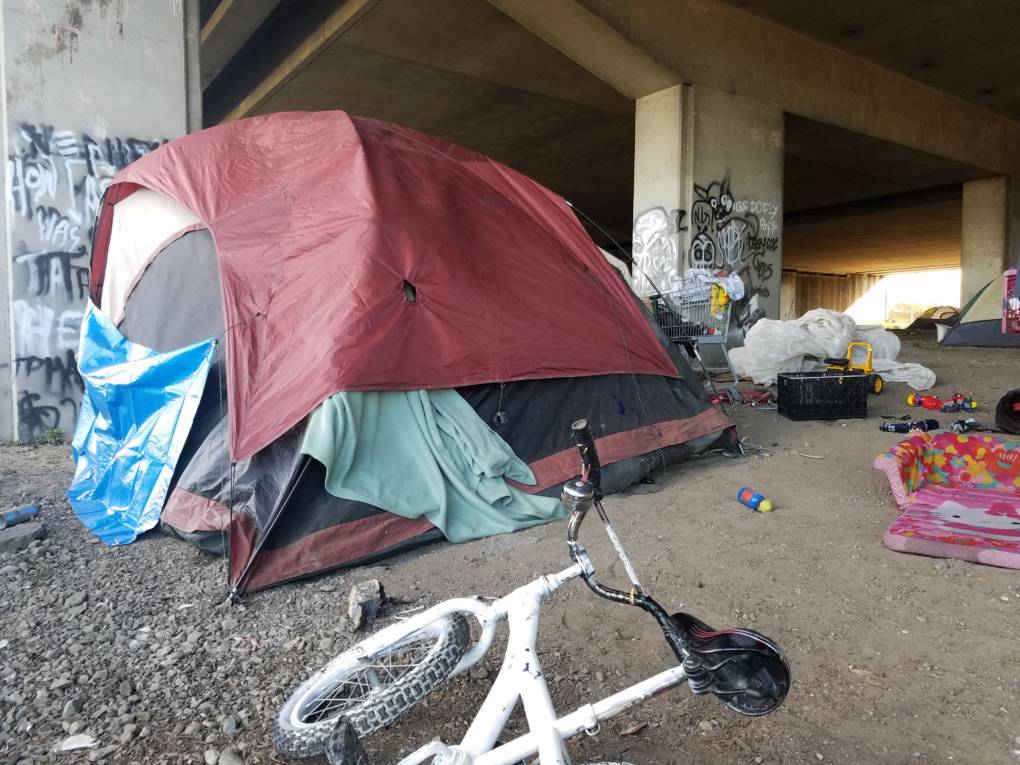
"caption": "The number of people living without a home has increased since 2017 in at least five of the nine Bay Area counties. ",
"description": null,
"title": "20170106_091024",
"credit": "Monica Lam/KQED",
"status": "inherit",
"isLoading": false,
"fetchFailed": false
},
"news_11760214": {
"type": "attachments",
"id": "news_11760214",
"meta": {
"index": "attachments_1716263798",
"site": "news",
"id": "11760214",
"found": true
},
"parent": 11760158,
"imgSizes": {
"apple_news_ca_landscape_5_5": {
"file": "https://ww2.kqed.org/app/uploads/sites/10/2019/07/Clothes-16-1044x783.jpg",
"width": 1044,
"mimeType": "image/jpeg",
"height": 783
},
"apple_news_ca_square_4_0": {
"file": "https://ww2.kqed.org/app/uploads/sites/10/2019/07/Clothes-16-470x470.jpg",
"width": 470,
"mimeType": "image/jpeg",
"height": 470
},
"twentyfourteen-full-width": {
"file": "https://ww2.kqed.org/app/uploads/sites/10/2019/07/Clothes-16-1038x576.jpg",
"width": 1038,
"mimeType": "image/jpeg",
"height": 576
},
"thumbnail": {
"file": "https://ww2.kqed.org/app/uploads/sites/10/2019/07/Clothes-16-160x107.jpg",
"width": 160,
"mimeType": "image/jpeg",
"height": 107
},
"post-thumbnail": {
"file": "https://ww2.kqed.org/app/uploads/sites/10/2019/07/Clothes-16-672x372.jpg",
"width": 672,
"mimeType": "image/jpeg",
"height": 372
},
"kqedFullSize": {
"file": "https://ww2.kqed.org/app/uploads/sites/10/2019/07/Clothes-16.jpg",
"width": 1920,
"height": 1280
},
"apple_news_ca_landscape_4_7": {
"file": "https://ww2.kqed.org/app/uploads/sites/10/2019/07/Clothes-16-632x474.jpg",
"width": 632,
"mimeType": "image/jpeg",
"height": 474
},
"large": {
"file": "https://ww2.kqed.org/app/uploads/sites/10/2019/07/Clothes-16-1020x680.jpg",
"width": 1020,
"mimeType": "image/jpeg",
"height": 680
},
"complete_open_graph": {
"file": "https://ww2.kqed.org/app/uploads/sites/10/2019/07/Clothes-16-1200x800.jpg",
"width": 1200,
"mimeType": "image/jpeg",
"height": 800
},
"apple_news_ca_landscape_4_0": {
"file": "https://ww2.kqed.org/app/uploads/sites/10/2019/07/Clothes-16-536x402.jpg",
"width": 536,
"mimeType": "image/jpeg",
"height": 402
},
"apple_news_ca_portrait_12_9": {
"file": "https://ww2.kqed.org/app/uploads/sites/10/2019/07/Clothes-16-1122x1280.jpg",
"width": 1122,
"mimeType": "image/jpeg",
"height": 1280
},
"medium": {
"file": "https://ww2.kqed.org/app/uploads/sites/10/2019/07/Clothes-16-800x533.jpg",
"width": 800,
"mimeType": "image/jpeg",
"height": 533
},
"apple_news_ca_portrait_4_0": {
"file": "https://ww2.kqed.org/app/uploads/sites/10/2019/07/Clothes-16-354x472.jpg",
"width": 354,
"mimeType": "image/jpeg",
"height": 472
},
"apple_news_ca_portrait_9_7": {
"file": "https://ww2.kqed.org/app/uploads/sites/10/2019/07/Clothes-16-840x1120.jpg",
"width": 840,
"mimeType": "image/jpeg",
"height": 1120
},
"apple_news_ca_landscape_12_9": {
"file": "https://ww2.kqed.org/app/uploads/sites/10/2019/07/Clothes-16-1832x1280.jpg",
"width": 1832,
"mimeType": "image/jpeg",
"height": 1280
},
"apple_news_ca_square_9_7": {
"file": "https://ww2.kqed.org/app/uploads/sites/10/2019/07/Clothes-16-1104x1104.jpg",
"width": 1104,
"mimeType": "image/jpeg",
"height": 1104
},
"apple_news_ca_portrait_4_7": {
"file": "https://ww2.kqed.org/app/uploads/sites/10/2019/07/Clothes-16-414x552.jpg",
"width": 414,
"mimeType": "image/jpeg",
"height": 552
},
"apple_news_ca_square_12_9": {
"file": "https://ww2.kqed.org/app/uploads/sites/10/2019/07/Clothes-16-1472x1280.jpg",
"width": 1472,
"mimeType": "image/jpeg",
"height": 1280
},
"apple_news_ca_portrait_5_5": {
"file": "https://ww2.kqed.org/app/uploads/sites/10/2019/07/Clothes-16-687x916.jpg",
"width": 687,
"mimeType": "image/jpeg",
"height": 916
},
"full-width": {
"file": "https://ww2.kqed.org/app/uploads/sites/10/2019/07/Clothes-16-1920x1280.jpg",
"width": 1920,
"mimeType": "image/jpeg",
"height": 1280
},
"apple_news_ca_square_4_7": {
"file": "https://ww2.kqed.org/app/uploads/sites/10/2019/07/Clothes-16-550x550.jpg",
"width": 550,
"mimeType": "image/jpeg",
"height": 550
},
"apple_news_ca_landscape_9_7": {
"file": "https://ww2.kqed.org/app/uploads/sites/10/2019/07/Clothes-16-1376x1032.jpg",
"width": 1376,
"mimeType": "image/jpeg",
"height": 1032
},
"apple_news_ca_square_5_5": {
"file": "https://ww2.kqed.org/app/uploads/sites/10/2019/07/Clothes-16-912x912.jpg",
"width": 912,
"mimeType": "image/jpeg",
"height": 912
}
},
"publishDate": 1562783059,
"modified": 1562783096,
"caption": "A close up look at clothes compressed in a clothing bale at Goodwill. ",
"description": "A close up look at clothes compressed in a clothing bale at Goodwill. ",
"title": "Clothes-16",
"credit": "Sarah Craig/KQED",
"status": "inherit",
"isLoading": false,
"fetchFailed": false
},
"news_11759000": {
"type": "attachments",
"id": "news_11759000",
"meta": {
"index": "attachments_1716263798",
"site": "news",
"id": "11759000",
"found": true
},
"parent": 11758996,
"imgSizes": {
"apple_news_ca_square_4_0": {
"file": "https://ww2.kqed.org/app/uploads/sites/10/2019/07/Trader-Vics-Mai-Tai-470x470.jpg",
"width": 470,
"mimeType": "image/jpeg",
"height": 470
},
"twentyfourteen-full-width": {
"file": "https://ww2.kqed.org/app/uploads/sites/10/2019/07/Trader-Vics-Mai-Tai-1024x576.jpg",
"width": 1024,
"mimeType": "image/jpeg",
"height": 576
},
"thumbnail": {
"file": "https://ww2.kqed.org/app/uploads/sites/10/2019/07/Trader-Vics-Mai-Tai-160x107.jpg",
"width": 160,
"mimeType": "image/jpeg",
"height": 107
},
"post-thumbnail": {
"file": "https://ww2.kqed.org/app/uploads/sites/10/2019/07/Trader-Vics-Mai-Tai-672x372.jpg",
"width": 672,
"mimeType": "image/jpeg",
"height": 372
},
"kqedFullSize": {
"file": "https://ww2.kqed.org/app/uploads/sites/10/2019/07/Trader-Vics-Mai-Tai.jpg",
"width": 1024,
"height": 682
},
"apple_news_ca_landscape_4_7": {
"file": "https://ww2.kqed.org/app/uploads/sites/10/2019/07/Trader-Vics-Mai-Tai-632x474.jpg",
"width": 632,
"mimeType": "image/jpeg",
"height": 474
},
"large": {
"file": "https://ww2.kqed.org/app/uploads/sites/10/2019/07/Trader-Vics-Mai-Tai-1020x679.jpg",
"width": 1020,
"mimeType": "image/jpeg",
"height": 679
},
"apple_news_ca_landscape_4_0": {
"file": "https://ww2.kqed.org/app/uploads/sites/10/2019/07/Trader-Vics-Mai-Tai-536x402.jpg",
"width": 536,
"mimeType": "image/jpeg",
"height": 402
},
"medium": {
"file": "https://ww2.kqed.org/app/uploads/sites/10/2019/07/Trader-Vics-Mai-Tai-800x533.jpg",
"width": 800,
"mimeType": "image/jpeg",
"height": 533
},
"apple_news_ca_portrait_4_0": {
"file": "https://ww2.kqed.org/app/uploads/sites/10/2019/07/Trader-Vics-Mai-Tai-354x472.jpg",
"width": 354,
"mimeType": "image/jpeg",
"height": 472
},
"apple_news_ca_portrait_9_7": {
"file": "https://ww2.kqed.org/app/uploads/sites/10/2019/07/Trader-Vics-Mai-Tai-840x682.jpg",
"width": 840,
"mimeType": "image/jpeg",
"height": 682
},
"apple_news_ca_portrait_4_7": {
"file": "https://ww2.kqed.org/app/uploads/sites/10/2019/07/Trader-Vics-Mai-Tai-414x552.jpg",
"width": 414,
"mimeType": "image/jpeg",
"height": 552
},
"apple_news_ca_portrait_5_5": {
"file": "https://ww2.kqed.org/app/uploads/sites/10/2019/07/Trader-Vics-Mai-Tai-687x682.jpg",
"width": 687,
"mimeType": "image/jpeg",
"height": 682
},
"apple_news_ca_square_4_7": {
"file": "https://ww2.kqed.org/app/uploads/sites/10/2019/07/Trader-Vics-Mai-Tai-550x550.jpg",
"width": 550,
"mimeType": "image/jpeg",
"height": 550
},
"apple_news_ca_square_5_5": {
"file": "https://ww2.kqed.org/app/uploads/sites/10/2019/07/Trader-Vics-Mai-Tai-912x682.jpg",
"width": 912,
"mimeType": "image/jpeg",
"height": 682
}
},
"publishDate": 1562196386,
"modified": 1562196420,
"caption": "The Mai Tai may have a tropical sounding name, but it's origins are right here in the Bay Area. ",
"description": "The Mai Tai may have a tropical sounding name, but it's origins are right here in the Bay Area. ",
"title": "Trader-Vics-Mai-Tai",
"credit": "Courtesy of Trader Vics.",
"status": "inherit",
"isLoading": false,
"fetchFailed": false
},
"news_11755401": {
"type": "attachments",
"id": "news_11755401",
"meta": {
"index": "attachments_1716263798",
"site": "news",
"id": "11755401",
"found": true
},
"parent": 11755398,
"imgSizes": {
"apple_news_ca_square_4_0": {
"file": "https://ww2.kqed.org/app/uploads/sites/10/2019/06/LH18BlindAmbition-154-470x470.jpg",
"width": 470,
"mimeType": "image/jpeg",
"height": 470
},
"twentyfourteen-full-width": {
"file": "https://ww2.kqed.org/app/uploads/sites/10/2019/06/LH18BlindAmbition-154-1000x576.jpg",
"width": 1000,
"mimeType": "image/jpeg",
"height": 576
},
"thumbnail": {
"file": "https://ww2.kqed.org/app/uploads/sites/10/2019/06/LH18BlindAmbition-154-160x107.jpg",
"width": 160,
"mimeType": "image/jpeg",
"height": 107
},
"post-thumbnail": {
"file": "https://ww2.kqed.org/app/uploads/sites/10/2019/06/LH18BlindAmbition-154-672x372.jpg",
"width": 672,
"mimeType": "image/jpeg",
"height": 372
},
"kqedFullSize": {
"file": "https://ww2.kqed.org/app/uploads/sites/10/2019/06/LH18BlindAmbition-154.jpg",
"width": 1000,
"height": 667
},
"apple_news_ca_landscape_4_7": {
"file": "https://ww2.kqed.org/app/uploads/sites/10/2019/06/LH18BlindAmbition-154-632x474.jpg",
"width": 632,
"mimeType": "image/jpeg",
"height": 474
},
"apple_news_ca_landscape_4_0": {
"file": "https://ww2.kqed.org/app/uploads/sites/10/2019/06/LH18BlindAmbition-154-536x402.jpg",
"width": 536,
"mimeType": "image/jpeg",
"height": 402
},
"medium": {
"file": "https://ww2.kqed.org/app/uploads/sites/10/2019/06/LH18BlindAmbition-154-800x534.jpg",
"width": 800,
"mimeType": "image/jpeg",
"height": 534
},
"apple_news_ca_portrait_4_0": {
"file": "https://ww2.kqed.org/app/uploads/sites/10/2019/06/LH18BlindAmbition-154-354x472.jpg",
"width": 354,
"mimeType": "image/jpeg",
"height": 472
},
"apple_news_ca_portrait_9_7": {
"file": "https://ww2.kqed.org/app/uploads/sites/10/2019/06/LH18BlindAmbition-154-840x667.jpg",
"width": 840,
"mimeType": "image/jpeg",
"height": 667
},
"apple_news_ca_portrait_4_7": {
"file": "https://ww2.kqed.org/app/uploads/sites/10/2019/06/LH18BlindAmbition-154-414x552.jpg",
"width": 414,
"mimeType": "image/jpeg",
"height": 552
},
"apple_news_ca_portrait_5_5": {
"file": "https://ww2.kqed.org/app/uploads/sites/10/2019/06/LH18BlindAmbition-154-687x667.jpg",
"width": 687,
"mimeType": "image/jpeg",
"height": 667
},
"apple_news_ca_square_4_7": {
"file": "https://ww2.kqed.org/app/uploads/sites/10/2019/06/LH18BlindAmbition-154-550x550.jpg",
"width": 550,
"mimeType": "image/jpeg",
"height": 550
},
"apple_news_ca_square_5_5": {
"file": "https://ww2.kqed.org/app/uploads/sites/10/2019/06/LH18BlindAmbition-154-912x667.jpg",
"width": 912,
"mimeType": "image/jpeg",
"height": 667
}
},
"publishDate": 1560880053,
"modified": 1643396682,
"caption": "Bryan Bashin, CEO of LightHouse for the Blind and Visually Impaired, stands at a varnished wood podium in a blue suit, speaking at a gala put on for his organization.",
"description": "Bryan Bashin, CEO of LightHouse for the Blind and Visually Impaired, stands at a varnished wood podium in a blue suit, speaking at a gala put on for his organization.",
"title": "Bryan Bashin, CEO of LightHouse for the Blind and Visually Impaired, stands at a varnished wood podium in a blue suit, speaking at a gala put on for his organization.",
"credit": "Courtesy of LightHouse for the Blind",
"status": "inherit",
"altTag": "Bryan Bashin, CEO of LightHouse for the Blind and Visually Impaired, stands at a varnished wood podium in a blue suit, speaking at a gala put on for his organization.",
"isLoading": false,
"fetchFailed": false
},
"news_11752507": {
"type": "attachments",
"id": "news_11752507",
"meta": {
"index": "attachments_1716263798",
"site": "news",
"id": "11752507",
"found": true
},
"parent": 11752268,
"imgSizes": {
"apple_news_ca_landscape_5_5": {
"file": "https://ww2.kqed.org/app/uploads/sites/10/2019/06/33683894498_d6755bd455_o-e1559762935482-1044x783.jpg",
"width": 1044,
"mimeType": "image/jpeg",
"height": 783
},
"apple_news_ca_square_4_0": {
"file": "https://ww2.kqed.org/app/uploads/sites/10/2019/06/33683894498_d6755bd455_o-e1559762935482-470x470.jpg",
"width": 470,
"mimeType": "image/jpeg",
"height": 470
},
"twentyfourteen-full-width": {
"file": "https://ww2.kqed.org/app/uploads/sites/10/2019/06/33683894498_d6755bd455_o-e1559762935482-1038x576.jpg",
"width": 1038,
"mimeType": "image/jpeg",
"height": 576
},
"thumbnail": {
"file": "https://ww2.kqed.org/app/uploads/sites/10/2019/06/33683894498_d6755bd455_o-e1559762935482-160x104.jpg",
"width": 160,
"mimeType": "image/jpeg",
"height": 104
},
"post-thumbnail": {
"file": "https://ww2.kqed.org/app/uploads/sites/10/2019/06/33683894498_d6755bd455_o-e1559762935482-672x372.jpg",
"width": 672,
"mimeType": "image/jpeg",
"height": 372
},
"kqedFullSize": {
"file": "https://ww2.kqed.org/app/uploads/sites/10/2019/06/33683894498_d6755bd455_o-e1559762935482.jpg",
"width": 1561,
"height": 1013
},
"apple_news_ca_landscape_4_7": {
"file": "https://ww2.kqed.org/app/uploads/sites/10/2019/06/33683894498_d6755bd455_o-e1559762935482-632x474.jpg",
"width": 632,
"mimeType": "image/jpeg",
"height": 474
},
"large": {
"file": "https://ww2.kqed.org/app/uploads/sites/10/2019/06/33683894498_d6755bd455_o-e1559762935482-1020x662.jpg",
"width": 1020,
"mimeType": "image/jpeg",
"height": 662
},
"complete_open_graph": {
"file": "https://ww2.kqed.org/app/uploads/sites/10/2019/06/33683894498_d6755bd455_o-e1559762935482-1200x779.jpg",
"width": 1200,
"mimeType": "image/jpeg",
"height": 779
},
"apple_news_ca_landscape_4_0": {
"file": "https://ww2.kqed.org/app/uploads/sites/10/2019/06/33683894498_d6755bd455_o-e1559762935482-536x402.jpg",
"width": 536,
"mimeType": "image/jpeg",
"height": 402
},
"apple_news_ca_portrait_12_9": {
"file": "https://ww2.kqed.org/app/uploads/sites/10/2019/06/33683894498_d6755bd455_o-e1559762935482-1122x1013.jpg",
"width": 1122,
"mimeType": "image/jpeg",
"height": 1013
},
"medium": {
"file": "https://ww2.kqed.org/app/uploads/sites/10/2019/06/33683894498_d6755bd455_o-e1559762935482-800x519.jpg",
"width": 800,
"mimeType": "image/jpeg",
"height": 519
},
"apple_news_ca_portrait_4_0": {
"file": "https://ww2.kqed.org/app/uploads/sites/10/2019/06/33683894498_d6755bd455_o-e1559762935482-354x472.jpg",
"width": 354,
"mimeType": "image/jpeg",
"height": 472
},
"apple_news_ca_portrait_9_7": {
"file": "https://ww2.kqed.org/app/uploads/sites/10/2019/06/33683894498_d6755bd455_o-e1559762935482-840x1013.jpg",
"width": 840,
"mimeType": "image/jpeg",
"height": 1013
},
"apple_news_ca_landscape_12_9": {
"file": "https://ww2.kqed.org/app/uploads/sites/10/2019/06/33683894498_d6755bd455_o-1832x1374.jpg",
"width": 1832,
"mimeType": "image/jpeg",
"height": 1374
},
"apple_news_ca_square_9_7": {
"file": "https://ww2.kqed.org/app/uploads/sites/10/2019/06/33683894498_d6755bd455_o-e1559762935482-1104x1013.jpg",
"width": 1104,
"mimeType": "image/jpeg",
"height": 1013
},
"apple_news_ca_portrait_4_7": {
"file": "https://ww2.kqed.org/app/uploads/sites/10/2019/06/33683894498_d6755bd455_o-e1559762935482-414x552.jpg",
"width": 414,
"mimeType": "image/jpeg",
"height": 552
},
"apple_news_ca_square_12_9": {
"file": "https://ww2.kqed.org/app/uploads/sites/10/2019/06/33683894498_d6755bd455_o-e1559762935482-1472x1013.jpg",
"width": 1472,
"mimeType": "image/jpeg",
"height": 1013
},
"apple_news_ca_portrait_5_5": {
"file": "https://ww2.kqed.org/app/uploads/sites/10/2019/06/33683894498_d6755bd455_o-e1559762935482-687x916.jpg",
"width": 687,
"mimeType": "image/jpeg",
"height": 916
},
"full-width": {
"file": "https://ww2.kqed.org/app/uploads/sites/10/2019/06/33683894498_d6755bd455_o-1920x1241.jpg",
"width": 1920,
"mimeType": "image/jpeg",
"height": 1241
},
"apple_news_ca_square_4_7": {
"file": "https://ww2.kqed.org/app/uploads/sites/10/2019/06/33683894498_d6755bd455_o-e1559762935482-550x550.jpg",
"width": 550,
"mimeType": "image/jpeg",
"height": 550
},
"apple_news_ca_landscape_9_7": {
"file": "https://ww2.kqed.org/app/uploads/sites/10/2019/06/33683894498_d6755bd455_o-e1559762935482-1376x1013.jpg",
"width": 1376,
"mimeType": "image/jpeg",
"height": 1013
},
"apple_news_ca_square_5_5": {
"file": "https://ww2.kqed.org/app/uploads/sites/10/2019/06/33683894498_d6755bd455_o-e1559762935482-912x912.jpg",
"width": 912,
"mimeType": "image/jpeg",
"height": 912
}
},
"publishDate": 1559762848,
"modified": 1559771536,
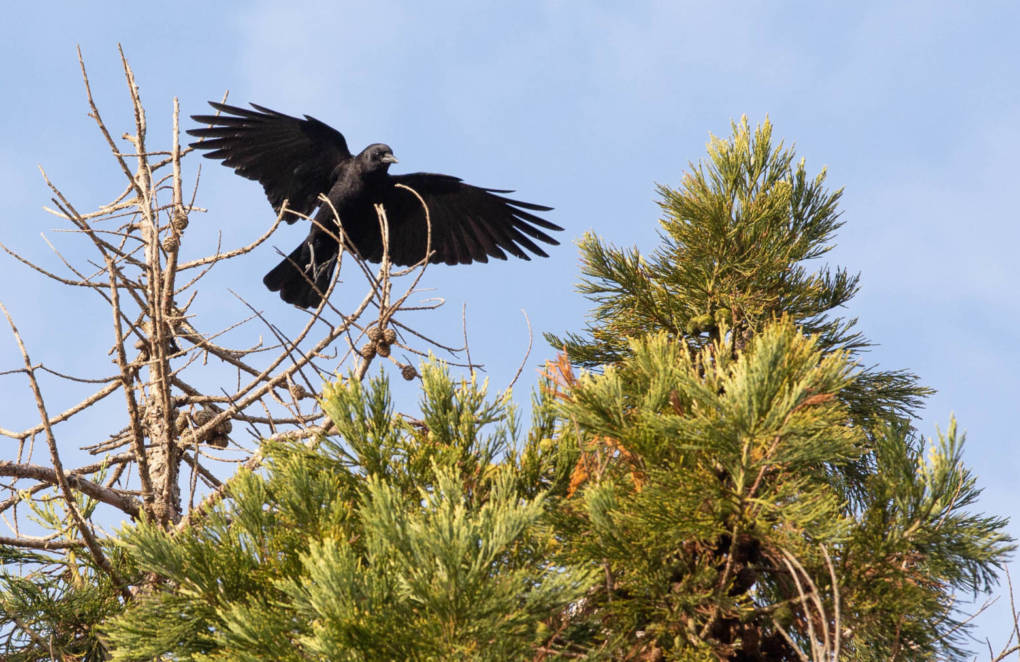
"caption": "Corvus brachyrhynchos, better known as the common crow, as pictured in a Berkeley backyard. ",
"description": "Corvus brachyrhynchos, better known as the common crow, as pictured in a Berkeley backyard. ",
"title": "Crow",
"credit": "Dan Brekke/KQED",
"status": "inherit",
"isLoading": false,
"fetchFailed": false
},
"news_11750960": {
"type": "attachments",
"id": "news_11750960",
"meta": {
"index": "attachments_1716263798",
"site": "news",
"id": "11750960",
"found": true
},
"parent": 11750920,
"imgSizes": {
"apple_news_ca_landscape_5_5": {
"file": "https://ww2.kqed.org/app/uploads/sites/10/2019/05/hellaoakland-1044x783.jpg",
"width": 1044,
"mimeType": "image/jpeg",
"height": 783
},
"apple_news_ca_square_4_0": {
"file": "https://ww2.kqed.org/app/uploads/sites/10/2019/05/hellaoakland-470x470.jpg",
"width": 470,
"mimeType": "image/jpeg",
"height": 470
},
"twentyfourteen-full-width": {
"file": "https://ww2.kqed.org/app/uploads/sites/10/2019/05/hellaoakland-1038x576.jpg",
"width": 1038,
"mimeType": "image/jpeg",
"height": 576
},
"thumbnail": {
"file": "https://ww2.kqed.org/app/uploads/sites/10/2019/05/hellaoakland-160x107.jpg",
"width": 160,
"mimeType": "image/jpeg",
"height": 107
},
"post-thumbnail": {
"file": "https://ww2.kqed.org/app/uploads/sites/10/2019/05/hellaoakland-672x372.jpg",
"width": 672,
"mimeType": "image/jpeg",
"height": 372
},
"kqedFullSize": {
"file": "https://ww2.kqed.org/app/uploads/sites/10/2019/05/hellaoakland.jpg",
"width": 2000,
"height": 1339
},
"apple_news_ca_landscape_4_7": {
"file": "https://ww2.kqed.org/app/uploads/sites/10/2019/05/hellaoakland-632x474.jpg",
"width": 632,
"mimeType": "image/jpeg",
"height": 474
},
"large": {
"file": "https://ww2.kqed.org/app/uploads/sites/10/2019/05/hellaoakland-1020x683.jpg",
"width": 1020,
"mimeType": "image/jpeg",
"height": 683
},
"complete_open_graph": {
"file": "https://ww2.kqed.org/app/uploads/sites/10/2019/05/hellaoakland-1200x803.jpg",
"width": 1200,
"mimeType": "image/jpeg",
"height": 803
},
"apple_news_ca_landscape_4_0": {
"file": "https://ww2.kqed.org/app/uploads/sites/10/2019/05/hellaoakland-536x402.jpg",
"width": 536,
"mimeType": "image/jpeg",
"height": 402
},
"apple_news_ca_portrait_12_9": {
"file": "https://ww2.kqed.org/app/uploads/sites/10/2019/05/hellaoakland-1122x1339.jpg",
"width": 1122,
"mimeType": "image/jpeg",
"height": 1339
},
"medium": {
"file": "https://ww2.kqed.org/app/uploads/sites/10/2019/05/hellaoakland-800x536.jpg",
"width": 800,
"mimeType": "image/jpeg",
"height": 536
},
"apple_news_ca_portrait_4_0": {
"file": "https://ww2.kqed.org/app/uploads/sites/10/2019/05/hellaoakland-354x472.jpg",
"width": 354,
"mimeType": "image/jpeg",
"height": 472
},
"apple_news_ca_portrait_9_7": {
"file": "https://ww2.kqed.org/app/uploads/sites/10/2019/05/hellaoakland-840x1120.jpg",
"width": 840,
"mimeType": "image/jpeg",
"height": 1120
},
"apple_news_ca_landscape_12_9": {
"file": "https://ww2.kqed.org/app/uploads/sites/10/2019/05/hellaoakland-1832x1339.jpg",
"width": 1832,
"mimeType": "image/jpeg",
"height": 1339
},
"apple_news_ca_square_9_7": {
"file": "https://ww2.kqed.org/app/uploads/sites/10/2019/05/hellaoakland-1104x1104.jpg",
"width": 1104,
"mimeType": "image/jpeg",
"height": 1104
},
"apple_news_ca_portrait_4_7": {
"file": "https://ww2.kqed.org/app/uploads/sites/10/2019/05/hellaoakland-414x552.jpg",
"width": 414,
"mimeType": "image/jpeg",
"height": 552
},
"apple_news_ca_square_12_9": {
"file": "https://ww2.kqed.org/app/uploads/sites/10/2019/05/hellaoakland-1472x1339.jpg",
"width": 1472,
"mimeType": "image/jpeg",
"height": 1339
},
"apple_news_ca_portrait_5_5": {
"file": "https://ww2.kqed.org/app/uploads/sites/10/2019/05/hellaoakland-687x916.jpg",
"width": 687,
"mimeType": "image/jpeg",
"height": 916
},
"full-width": {
"file": "https://ww2.kqed.org/app/uploads/sites/10/2019/05/hellaoakland-1920x1285.jpg",
"width": 1920,
"mimeType": "image/jpeg",
"height": 1285
},
"apple_news_ca_square_4_7": {
"file": "https://ww2.kqed.org/app/uploads/sites/10/2019/05/hellaoakland-550x550.jpg",
"width": 550,
"mimeType": "image/jpeg",
"height": 550
},
"apple_news_ca_landscape_9_7": {
"file": "https://ww2.kqed.org/app/uploads/sites/10/2019/05/hellaoakland-1376x1032.jpg",
"width": 1376,
"mimeType": "image/jpeg",
"height": 1032
},
"apple_news_ca_square_5_5": {
"file": "https://ww2.kqed.org/app/uploads/sites/10/2019/05/hellaoakland-912x912.jpg",
"width": 912,
"mimeType": "image/jpeg",
"height": 912
}
},
"publishDate": 1559167495,
"modified": 1559167568,
"caption": null,
"description": null,
"title": "hellaoakland",
"credit": "Photo by \u003ca href=\"https://www.flickr.com/photos/v63/6131593037/in/photolist-akQ1Zk-2e3C92e-aA8xzD-dEQqav-dEQqLn-onhQeU-7w92Ds-yWATh-YHnnfA-yWAN6-5XyT5a-YHnmrb-8pdP9t-8jQWXj-4NkP1F-9DaxA9-5unMqo-7BxXa5-7DLL6j-6BGjJD-eJ84jf-eJ2kQK-aAbdtf-fsDpbB-5RzUnx-VcmNfD-dEVxf9-2duome6-nEKL6i-bkGpdV-q1QsKk-7BxXEL-91V2dR-8G5fc4-3KKyry-ct8KDG-6LaMer-8yvdDn-cQBdJu-dEQsaX-DFUEQi-PipBNG-5XyUmg-5kiwQJ-8G58yx-bbeEvX-dEQpCr-rd9JC7-2f9Uhd-2cNCye4\">Russell Mondy\u003c/a>/Flickr. Graphic by iStock.",
"status": "inherit",
"isLoading": false,
"fetchFailed": false
},
"news_11745652": {
"type": "attachments",
"id": "news_11745652",
"meta": {
"index": "attachments_1716263798",
"site": "news",
"id": "11745652",
"found": true
},
"parent": 11745613,
"imgSizes": {
"apple_news_ca_landscape_5_5": {
"file": "https://ww2.kqed.org/app/uploads/sites/10/2019/05/3232862469_a56e3618ec_o-e1557258599982-1044x783.jpg",
"width": 1044,
"mimeType": "image/jpeg",
"height": 783
},
"apple_news_ca_square_4_0": {
"file": "https://ww2.kqed.org/app/uploads/sites/10/2019/05/3232862469_a56e3618ec_o-e1557258599982-470x470.jpg",
"width": 470,
"mimeType": "image/jpeg",
"height": 470
},
"twentyfourteen-full-width": {
"file": "https://ww2.kqed.org/app/uploads/sites/10/2019/05/3232862469_a56e3618ec_o-e1557258599982-1038x576.jpg",
"width": 1038,
"mimeType": "image/jpeg",
"height": 576
},
"thumbnail": {
"file": "https://ww2.kqed.org/app/uploads/sites/10/2019/05/3232862469_a56e3618ec_o-e1557258599982-160x105.jpg",
"width": 160,
"mimeType": "image/jpeg",
"height": 105
},
"post-thumbnail": {
"file": "https://ww2.kqed.org/app/uploads/sites/10/2019/05/3232862469_a56e3618ec_o-e1557258599982-672x372.jpg",
"width": 672,
"mimeType": "image/jpeg",
"height": 372
},
"kqedFullSize": {
"file": "https://ww2.kqed.org/app/uploads/sites/10/2019/05/3232862469_a56e3618ec_o-e1557258599982.jpg",
"width": 1365,
"height": 896
},
"apple_news_ca_landscape_4_7": {
"file": "https://ww2.kqed.org/app/uploads/sites/10/2019/05/3232862469_a56e3618ec_o-e1557258599982-632x474.jpg",
"width": 632,
"mimeType": "image/jpeg",
"height": 474
},
"large": {
"file": "https://ww2.kqed.org/app/uploads/sites/10/2019/05/3232862469_a56e3618ec_o-e1557258599982-1020x670.jpg",
"width": 1020,
"mimeType": "image/jpeg",
"height": 670
},
"complete_open_graph": {
"file": "https://ww2.kqed.org/app/uploads/sites/10/2019/05/3232862469_a56e3618ec_o-e1557258599982-1200x788.jpg",
"width": 1200,
"mimeType": "image/jpeg",
"height": 788
},
"apple_news_ca_landscape_4_0": {
"file": "https://ww2.kqed.org/app/uploads/sites/10/2019/05/3232862469_a56e3618ec_o-e1557258599982-536x402.jpg",
"width": 536,
"mimeType": "image/jpeg",
"height": 402
},
"apple_news_ca_portrait_12_9": {
"file": "https://ww2.kqed.org/app/uploads/sites/10/2019/05/3232862469_a56e3618ec_o-e1557258599982-1122x896.jpg",
"width": 1122,
"mimeType": "image/jpeg",
"height": 896
},
"medium": {
"file": "https://ww2.kqed.org/app/uploads/sites/10/2019/05/3232862469_a56e3618ec_o-e1557258599982-800x525.jpg",
"width": 800,
"mimeType": "image/jpeg",
"height": 525
},
"apple_news_ca_portrait_4_0": {
"file": "https://ww2.kqed.org/app/uploads/sites/10/2019/05/3232862469_a56e3618ec_o-e1557258599982-354x472.jpg",
"width": 354,
"mimeType": "image/jpeg",
"height": 472
},
"apple_news_ca_portrait_9_7": {
"file": "https://ww2.kqed.org/app/uploads/sites/10/2019/05/3232862469_a56e3618ec_o-e1557258599982-840x896.jpg",
"width": 840,
"mimeType": "image/jpeg",
"height": 896
},
"apple_news_ca_landscape_12_9": {
"file": "https://ww2.kqed.org/app/uploads/sites/10/2019/05/3232862469_a56e3618ec_o-1500x1374.jpg",
"width": 1500,
"mimeType": "image/jpeg",
"height": 1374
},
"apple_news_ca_square_9_7": {
"file": "https://ww2.kqed.org/app/uploads/sites/10/2019/05/3232862469_a56e3618ec_o-e1557258599982-1104x896.jpg",
"width": 1104,
"mimeType": "image/jpeg",
"height": 896
},
"apple_news_ca_portrait_4_7": {
"file": "https://ww2.kqed.org/app/uploads/sites/10/2019/05/3232862469_a56e3618ec_o-e1557258599982-414x552.jpg",
"width": 414,
"mimeType": "image/jpeg",
"height": 552
},
"apple_news_ca_square_12_9": {
"file": "https://ww2.kqed.org/app/uploads/sites/10/2019/05/3232862469_a56e3618ec_o-1472x1472.jpg",
"width": 1472,
"mimeType": "image/jpeg",
"height": 1472
},
"apple_news_ca_portrait_5_5": {
"file": "https://ww2.kqed.org/app/uploads/sites/10/2019/05/3232862469_a56e3618ec_o-e1557258599982-687x896.jpg",
"width": 687,
"mimeType": "image/jpeg",
"height": 896
},
"apple_news_ca_square_4_7": {
"file": "https://ww2.kqed.org/app/uploads/sites/10/2019/05/3232862469_a56e3618ec_o-e1557258599982-550x550.jpg",
"width": 550,
"mimeType": "image/jpeg",
"height": 550
},
"apple_news_ca_landscape_9_7": {
"file": "https://ww2.kqed.org/app/uploads/sites/10/2019/05/3232862469_a56e3618ec_o-1376x1032.jpg",
"width": 1376,
"mimeType": "image/jpeg",
"height": 1032
},
"apple_news_ca_square_5_5": {
"file": "https://ww2.kqed.org/app/uploads/sites/10/2019/05/3232862469_a56e3618ec_o-e1557258599982-912x896.jpg",
"width": 912,
"mimeType": "image/jpeg",
"height": 896
}
},
"publishDate": 1557258516,
"modified": 1557258645,
"caption": "Wild turkeys above the East Bay",
"description": "Wild turkeys above the East Bay",
"title": "Wild turkeys above the East Bay",
"credit": "Tim Ereneta/flickr",
"status": "inherit",
"isLoading": false,
"fetchFailed": false
},
"news_11747693": {
"type": "attachments",
"id": "news_11747693",
"meta": {
"index": "attachments_1716263798",
"site": "news",
"id": "11747693",
"found": true
},
"parent": 11747125,
"imgSizes": {
"apple_news_ca_landscape_5_5": {
"file": "https://ww2.kqed.org/app/uploads/sites/10/2019/05/CrystalSprings-2-1044x783.jpg",
"width": 1044,
"mimeType": "image/jpeg",
"height": 783
},
"apple_news_ca_square_4_0": {
"file": "https://ww2.kqed.org/app/uploads/sites/10/2019/05/CrystalSprings-2-470x470.jpg",
"width": 470,
"mimeType": "image/jpeg",
"height": 470
},
"twentyfourteen-full-width": {
"file": "https://ww2.kqed.org/app/uploads/sites/10/2019/05/CrystalSprings-2-1038x576.jpg",
"width": 1038,
"mimeType": "image/jpeg",
"height": 576
},
"thumbnail": {
"file": "https://ww2.kqed.org/app/uploads/sites/10/2019/05/CrystalSprings-2-160x93.jpg",
"width": 160,
"mimeType": "image/jpeg",
"height": 93
},
"post-thumbnail": {
"file": "https://ww2.kqed.org/app/uploads/sites/10/2019/05/CrystalSprings-2-672x372.jpg",
"width": 672,
"mimeType": "image/jpeg",
"height": 372
},
"kqedFullSize": {
"file": "https://ww2.kqed.org/app/uploads/sites/10/2019/05/CrystalSprings-2.jpg",
"width": 1920,
"height": 1114
},
"apple_news_ca_landscape_4_7": {
"file": "https://ww2.kqed.org/app/uploads/sites/10/2019/05/CrystalSprings-2-632x474.jpg",
"width": 632,
"mimeType": "image/jpeg",
"height": 474
},
"large": {
"file": "https://ww2.kqed.org/app/uploads/sites/10/2019/05/CrystalSprings-2-1020x592.jpg",
"width": 1020,
"mimeType": "image/jpeg",
"height": 592
},
"complete_open_graph": {
"file": "https://ww2.kqed.org/app/uploads/sites/10/2019/05/CrystalSprings-2-1200x696.jpg",
"width": 1200,
"mimeType": "image/jpeg",
"height": 696
},
"apple_news_ca_landscape_4_0": {
"file": "https://ww2.kqed.org/app/uploads/sites/10/2019/05/CrystalSprings-2-536x402.jpg",
"width": 536,
"mimeType": "image/jpeg",
"height": 402
},
"apple_news_ca_portrait_12_9": {
"file": "https://ww2.kqed.org/app/uploads/sites/10/2019/05/CrystalSprings-2-1122x1114.jpg",
"width": 1122,
"mimeType": "image/jpeg",
"height": 1114
},
"medium": {
"file": "https://ww2.kqed.org/app/uploads/sites/10/2019/05/CrystalSprings-2-800x464.jpg",
"width": 800,
"mimeType": "image/jpeg",
"height": 464
},
"apple_news_ca_portrait_4_0": {
"file": "https://ww2.kqed.org/app/uploads/sites/10/2019/05/CrystalSprings-2-354x472.jpg",
"width": 354,
"mimeType": "image/jpeg",
"height": 472
},
"apple_news_ca_portrait_9_7": {
"file": "https://ww2.kqed.org/app/uploads/sites/10/2019/05/CrystalSprings-2-840x1114.jpg",
"width": 840,
"mimeType": "image/jpeg",
"height": 1114
},
"apple_news_ca_landscape_12_9": {
"file": "https://ww2.kqed.org/app/uploads/sites/10/2019/05/CrystalSprings-2-1832x1114.jpg",
"width": 1832,
"mimeType": "image/jpeg",
"height": 1114
},
"apple_news_ca_square_9_7": {
"file": "https://ww2.kqed.org/app/uploads/sites/10/2019/05/CrystalSprings-2-1104x1104.jpg",
"width": 1104,
"mimeType": "image/jpeg",
"height": 1104
},
"apple_news_ca_portrait_4_7": {
"file": "https://ww2.kqed.org/app/uploads/sites/10/2019/05/CrystalSprings-2-414x552.jpg",
"width": 414,
"mimeType": "image/jpeg",
"height": 552
},
"apple_news_ca_square_12_9": {
"file": "https://ww2.kqed.org/app/uploads/sites/10/2019/05/CrystalSprings-2-1472x1114.jpg",
"width": 1472,
"mimeType": "image/jpeg",
"height": 1114
},
"apple_news_ca_portrait_5_5": {
"file": "https://ww2.kqed.org/app/uploads/sites/10/2019/05/CrystalSprings-2-687x916.jpg",
"width": 687,
"mimeType": "image/jpeg",
"height": 916
},
"full-width": {
"file": "https://ww2.kqed.org/app/uploads/sites/10/2019/05/CrystalSprings-2-1920x1114.jpg",
"width": 1920,
"mimeType": "image/jpeg",
"height": 1114
},
"apple_news_ca_square_4_7": {
"file": "https://ww2.kqed.org/app/uploads/sites/10/2019/05/CrystalSprings-2-550x550.jpg",
"width": 550,
"mimeType": "image/jpeg",
"height": 550
},
"apple_news_ca_landscape_9_7": {
"file": "https://ww2.kqed.org/app/uploads/sites/10/2019/05/CrystalSprings-2-1376x1032.jpg",
"width": 1376,
"mimeType": "image/jpeg",
"height": 1032
},
"apple_news_ca_square_5_5": {
"file": "https://ww2.kqed.org/app/uploads/sites/10/2019/05/CrystalSprings-2-912x912.jpg",
"width": 912,
"mimeType": "image/jpeg",
"height": 912
}
},
"publishDate": 1558031238,
"modified": 1558031265,
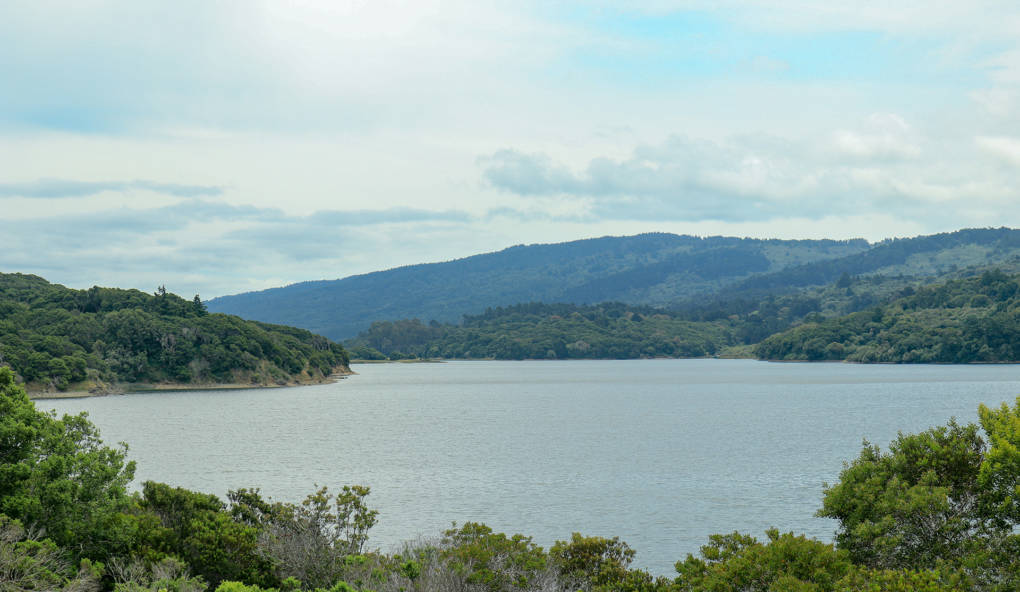
"caption": "A popular way to enjoy the views of the reservoir is by walking along the Sawyer Creek Trail. ",
"description": "A popular way to enjoy the views of the reservoir is by walking along the Sawyer Creek Trail. ",
"title": "CrystalSprings",
"credit": "Sruti Mamidanna/KQED",
"status": "inherit",
"isLoading": false,
"fetchFailed": false
},
"news_11745513": {
"type": "attachments",
"id": "news_11745513",
"meta": {
"index": "attachments_1716263798",
"site": "news",
"id": "11745513",
"found": true
},
"parent": 11745239,
"imgSizes": {
"apple_news_ca_landscape_5_5": {
"file": "https://ww2.kqed.org/app/uploads/sites/10/2019/05/RS36978__DSC8913-qut-1044x783.jpg",
"width": 1044,
"mimeType": "image/jpeg",
"height": 783
},
"apple_news_ca_square_4_0": {
"file": "https://ww2.kqed.org/app/uploads/sites/10/2019/05/RS36978__DSC8913-qut-470x470.jpg",
"width": 470,
"mimeType": "image/jpeg",
"height": 470
},
"twentyfourteen-full-width": {
"file": "https://ww2.kqed.org/app/uploads/sites/10/2019/05/RS36978__DSC8913-qut-1038x576.jpg",
"width": 1038,
"mimeType": "image/jpeg",
"height": 576
},
"thumbnail": {
"file": "https://ww2.kqed.org/app/uploads/sites/10/2019/05/RS36978__DSC8913-qut-160x107.jpg",
"width": 160,
"mimeType": "image/jpeg",
"height": 107
},
"post-thumbnail": {
"file": "https://ww2.kqed.org/app/uploads/sites/10/2019/05/RS36978__DSC8913-qut-672x372.jpg",
"width": 672,
"mimeType": "image/jpeg",
"height": 372
},
"kqedFullSize": {
"file": "https://ww2.kqed.org/app/uploads/sites/10/2019/05/RS36978__DSC8913-qut.jpg",
"width": 1920,
"height": 1280
},
"apple_news_ca_landscape_4_7": {
"file": "https://ww2.kqed.org/app/uploads/sites/10/2019/05/RS36978__DSC8913-qut-632x474.jpg",
"width": 632,
"mimeType": "image/jpeg",
"height": 474
},
"large": {
"file": "https://ww2.kqed.org/app/uploads/sites/10/2019/05/RS36978__DSC8913-qut-1020x680.jpg",
"width": 1020,
"mimeType": "image/jpeg",
"height": 680
},
"complete_open_graph": {
"file": "https://ww2.kqed.org/app/uploads/sites/10/2019/05/RS36978__DSC8913-qut-1200x800.jpg",
"width": 1200,
"mimeType": "image/jpeg",
"height": 800
},
"apple_news_ca_landscape_4_0": {
"file": "https://ww2.kqed.org/app/uploads/sites/10/2019/05/RS36978__DSC8913-qut-536x402.jpg",
"width": 536,
"mimeType": "image/jpeg",
"height": 402
},
"apple_news_ca_portrait_12_9": {
"file": "https://ww2.kqed.org/app/uploads/sites/10/2019/05/RS36978__DSC8913-qut-1122x1280.jpg",
"width": 1122,
"mimeType": "image/jpeg",
"height": 1280
},
"medium": {
"file": "https://ww2.kqed.org/app/uploads/sites/10/2019/05/RS36978__DSC8913-qut-800x533.jpg",
"width": 800,
"mimeType": "image/jpeg",
"height": 533
},
"apple_news_ca_portrait_4_0": {
"file": "https://ww2.kqed.org/app/uploads/sites/10/2019/05/RS36978__DSC8913-qut-354x472.jpg",
"width": 354,
"mimeType": "image/jpeg",
"height": 472
},
"apple_news_ca_portrait_9_7": {
"file": "https://ww2.kqed.org/app/uploads/sites/10/2019/05/RS36978__DSC8913-qut-840x1120.jpg",
"width": 840,
"mimeType": "image/jpeg",
"height": 1120
},
"apple_news_ca_landscape_12_9": {
"file": "https://ww2.kqed.org/app/uploads/sites/10/2019/05/RS36978__DSC8913-qut-1832x1280.jpg",
"width": 1832,
"mimeType": "image/jpeg",
"height": 1280
},
"apple_news_ca_square_9_7": {
"file": "https://ww2.kqed.org/app/uploads/sites/10/2019/05/RS36978__DSC8913-qut-1104x1104.jpg",
"width": 1104,
"mimeType": "image/jpeg",
"height": 1104
},
"apple_news_ca_portrait_4_7": {
"file": "https://ww2.kqed.org/app/uploads/sites/10/2019/05/RS36978__DSC8913-qut-414x552.jpg",
"width": 414,
"mimeType": "image/jpeg",
"height": 552
},
"apple_news_ca_square_12_9": {
"file": "https://ww2.kqed.org/app/uploads/sites/10/2019/05/RS36978__DSC8913-qut-1472x1280.jpg",
"width": 1472,
"mimeType": "image/jpeg",
"height": 1280
},
"apple_news_ca_portrait_5_5": {
"file": "https://ww2.kqed.org/app/uploads/sites/10/2019/05/RS36978__DSC8913-qut-687x916.jpg",
"width": 687,
"mimeType": "image/jpeg",
"height": 916
},
"full-width": {
"file": "https://ww2.kqed.org/app/uploads/sites/10/2019/05/RS36978__DSC8913-qut-1920x1280.jpg",
"width": 1920,
"mimeType": "image/jpeg",
"height": 1280
},
"apple_news_ca_square_4_7": {
"file": "https://ww2.kqed.org/app/uploads/sites/10/2019/05/RS36978__DSC8913-qut-550x550.jpg",
"width": 550,
"mimeType": "image/jpeg",
"height": 550
},
"apple_news_ca_landscape_9_7": {
"file": "https://ww2.kqed.org/app/uploads/sites/10/2019/05/RS36978__DSC8913-qut-1376x1032.jpg",
"width": 1376,
"mimeType": "image/jpeg",
"height": 1032
},
"apple_news_ca_square_5_5": {
"file": "https://ww2.kqed.org/app/uploads/sites/10/2019/05/RS36978__DSC8913-qut-912x912.jpg",
"width": 912,
"mimeType": "image/jpeg",
"height": 912
}
},
"publishDate": 1557210131,
"modified": 1557213297,
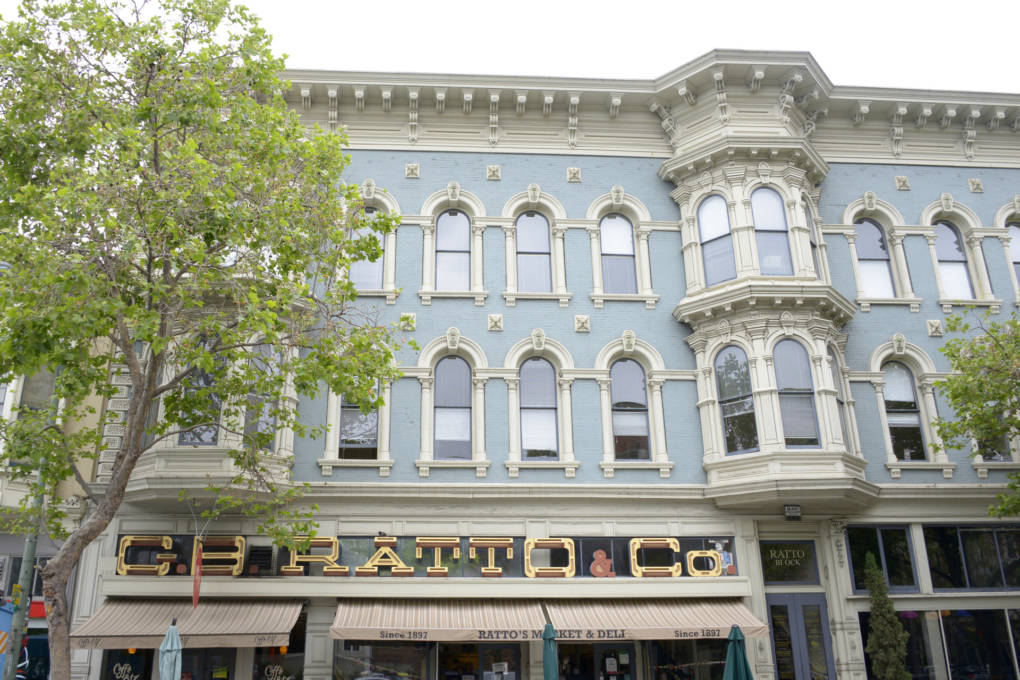
"caption": "The Old Oakland neighborhood of downtown Oakland includes several Victorians that date back to the 1870s.",
"description": "The Old Oakland neighborhood of downtown Oakland includes several Victorians that date back to the 1870s.",
"title": "RS36978__DSC8913-qut",
"credit": "Stephanie Lister/KQED",
"status": "inherit",
"isLoading": false,
"fetchFailed": false
},
"news_11742879": {
"type": "attachments",
"id": "news_11742879",
"meta": {
"index": "attachments_1716263798",
"site": "news",
"id": "11742879",
"found": true
},
"parent": 11742748,
"imgSizes": {
"twentyfourteen-full-width": {
"file": "https://ww2.kqed.org/app/uploads/sites/10/2019/04/RS36697_IMG_0183-qut-1038x576.jpg",
"width": 1038,
"mimeType": "image/jpeg",
"height": 576
},
"thumbnail": {
"file": "https://ww2.kqed.org/app/uploads/sites/10/2019/04/RS36697_IMG_0183-qut-160x120.jpg",
"width": 160,
"mimeType": "image/jpeg",
"height": 120
},
"post-thumbnail": {
"file": "https://ww2.kqed.org/app/uploads/sites/10/2019/04/RS36697_IMG_0183-qut-672x372.jpg",
"width": 672,
"mimeType": "image/jpeg",
"height": 372
},
"kqedFullSize": {
"file": "https://ww2.kqed.org/app/uploads/sites/10/2019/04/RS36697_IMG_0183-qut.jpg",
"width": 1920,
"height": 1440
},
"large": {
"file": "https://ww2.kqed.org/app/uploads/sites/10/2019/04/RS36697_IMG_0183-qut-1020x765.jpg",
"width": 1020,
"mimeType": "image/jpeg",
"height": 765
},
"complete_open_graph": {
"file": "https://ww2.kqed.org/app/uploads/sites/10/2019/04/RS36697_IMG_0183-qut-1200x900.jpg",
"width": 1200,
"mimeType": "image/jpeg",
"height": 900
},
"full-width": {
"file": "https://ww2.kqed.org/app/uploads/sites/10/2019/04/RS36697_IMG_0183-qut-1920x1440.jpg",
"width": 1920,
"mimeType": "image/jpeg",
"height": 1440
},
"medium": {
"file": "https://ww2.kqed.org/app/uploads/sites/10/2019/04/RS36697_IMG_0183-qut-800x600.jpg",
"width": 800,
"mimeType": "image/jpeg",
"height": 600
}
},
"publishDate": 1556224673,
"modified": 1556235749,
"caption": "Fortune cookies are served along almond and sesame cookies at San Francisco's Japanese Tea Garden in Golden Gate Park.",
"description": null,
"title": "RS36697_IMG_0183-qut",
"credit": "Suzie Racho/KQED",
"status": "inherit",
"isLoading": false,
"fetchFailed": false
}
},
"audioPlayerReducer": {
"postId": "stream_live",
"isPaused": true,
"isPlaying": false,
"pfsActive": false,
"pledgeModalIsOpen": true,
"playerDrawerIsOpen": false,
"liveAudioPlayStartedAt": 0,
"liveAudioPlayContext": ""
},
"authorsReducer": {
"byline_news_11755736": {
"type": "authors",
"id": "byline_news_11755736",
"meta": {
"override": true
},
"slug": "byline_news_11755736",
"name": "Sam Harnett, Chris Hoff",
"isLoading": false
},
"byline_news_11750920": {
"type": "authors",
"id": "byline_news_11750920",
"meta": {
"override": true
},
"slug": "byline_news_11750920",
"name": "Adizah Eghan",
"isLoading": false
},
"byline_news_11744387": {
"type": "authors",
"id": "byline_news_11744387",
"meta": {
"override": true
},
"slug": "byline_news_11744387",
"name": "\u003ca href=\"https://www.kqed.org/author/sracho\">Suzie Racho\u003c/a>",
"isLoading": false
},
"ohubertallen": {
"type": "authors",
"id": "102",
"meta": {
"index": "authors_1716337520",
"id": "102",
"found": true
},
"name": "Olivia Allen-Price",
"firstName": "Olivia",
"lastName": "Allen-Price",
"slug": "ohubertallen",
"email": "oallenprice@kqed.org",
"display_author_email": false,
"staff_mastheads": [
"news"
],
"title": "Senior Editor",
"bio": "Olivia Allen-Price is senior editor and host of the award-winning Bay Curious podcast. Prior to joining KQED in 2013, Olivia worked at The Baltimore Sun and The Virginian-Pilot in Norfolk, Va. She holds degrees in journalism and political science from Elon University. Her work has earned awards from the Society of Professional Journalists, the Hearst Foundation and Hearken. She loves to talk about running and curly hair.\r\n\r\nFollow: \u003ca href=\"https://twitter.com/oallenprice\">@oallenprice\u003c/a>\r\nEmail: \u003ca href=\"mailto:oallenprice@kqed.org\">oallenprice@kqed.org\u003c/a>",
"avatar": "https://secure.gravatar.com/avatar/07f7803c1f6be56f3be58ef276dfa64dce898502e0554408ef4858451a8294f7?s=600&d=blank&r=g",
"twitter": "oallenprice",
"bluesky": null,
"facebook": null,
"instagram": null,
"linkedin": null,
"sites": [
{
"site": "",
"roles": [
"editor"
]
},
{
"site": "arts",
"roles": [
"subscriber"
]
},
{
"site": "news",
"roles": [
"administrator"
]
},
{
"site": "pop",
"roles": [
"administrator"
]
},
{
"site": "bayareabites",
"roles": [
"contributor"
]
},
{
"site": "stateofhealth",
"roles": [
"administrator"
]
},
{
"site": "science",
"roles": [
"editor"
]
}
],
"headData": {
"title": "Olivia Allen-Price | KQED",
"description": "Senior Editor",
"ogImgSrc": "https://secure.gravatar.com/avatar/07f7803c1f6be56f3be58ef276dfa64dce898502e0554408ef4858451a8294f7?s=600&d=blank&r=g",
"twImgSrc": "https://secure.gravatar.com/avatar/07f7803c1f6be56f3be58ef276dfa64dce898502e0554408ef4858451a8294f7?s=600&d=blank&r=g"
},
"isLoading": false,
"link": "/author/ohubertallen"
},
"sracho": {
"type": "authors",
"id": "107",
"meta": {
"index": "authors_1716337520",
"id": "107",
"found": true
},
"name": "Suzie Racho",
"firstName": "Suzie",
"lastName": "Racho",
"slug": "sracho",
"email": "SRacho@KQED.org",
"display_author_email": false,
"staff_mastheads": [
"news"
],
"title": "KQED Contributor",
"bio": "Suzie Racho is a correspondent-producer with \u003cem>The California Report Magazine\u003c/em>\u003cem>. S\u003c/em>he has also worked with several other KQED productions, including Bay Curious, Truth Be Told, The Do List and KQED News.\r\n\r\nSuzie came to KQED in 1996 after receiving a BA in journalism from San Francisco State University and spending several years working in the music industry. As part of \u003cem>The California Report\u003c/em> team, her work has been recognized by the Society for Professional Journalists, National Federation of Community Broadcasters and Public Radio News Directors Incorporated, among others. She was recognized with a national Gracie Award in 2019. She spends her free time baking, listening to K-pop and rooting for the Giants and Valkyries.",
"avatar": "https://secure.gravatar.com/avatar/842e457a9830b0f3c1ce3ab70ed3518d616d1e25e315c6292eab8cd611d98601?s=600&d=blank&r=g",
"twitter": null,
"bluesky": null,
"facebook": null,
"instagram": null,
"linkedin": null,
"sites": [
{
"site": "arts",
"roles": [
"editor"
]
},
{
"site": "news",
"roles": [
"editor"
]
}
],
"headData": {
"title": "Suzie Racho | KQED",
"description": "KQED Contributor",
"ogImgSrc": "https://secure.gravatar.com/avatar/842e457a9830b0f3c1ce3ab70ed3518d616d1e25e315c6292eab8cd611d98601?s=600&d=blank&r=g",
"twImgSrc": "https://secure.gravatar.com/avatar/842e457a9830b0f3c1ce3ab70ed3518d616d1e25e315c6292eab8cd611d98601?s=600&d=blank&r=g"
},
"isLoading": false,
"link": "/author/sracho"
},
"danbrekke": {
"type": "authors",
"id": "222",
"meta": {
"index": "authors_1716337520",
"id": "222",
"found": true
},
"name": "Dan Brekke",
"firstName": "Dan",
"lastName": "Brekke",
"slug": "danbrekke",
"email": "dbrekke@kqed.org",
"display_author_email": true,
"staff_mastheads": [
"news",
"science"
],
"title": "KQED Editor and Reporter",
"bio": "Dan Brekke is a reporter and editor for KQED News, responsible for coverage of topics ranging from California water issues to the Bay Area's transportation challenges. In a newsroom career that began in Chicago in 1972, Dan has worked for \u003cem>The San Francisco Examiner,\u003c/em> Wired and TechTV and has been published in The New York Times, The New York Times Magazine, Business 2.0, Salon and elsewhere.\r\n\r\nSince joining KQED in 2007, Dan has reported, edited and produced both radio and online features and breaking news pieces. He has shared as both editor and reporter in four Society of Professional Journalists Norcal Excellence in Journalism awards and one Edward R. Murrow regional award. He was chosen for a spring 2017 residency at the Mesa Refuge to advance his research on California salmon.\r\n\r\nEmail Dan at: \u003ca href=\"mailto:dbrekke@kqed.org\">dbrekke@kqed.org\u003c/a>\r\n\r\n\u003cstrong>Twitter:\u003c/strong> \u003ca href=\"https://twitter.com/danbrekke\" rel=\"noopener noreferrer\">twitter.com/danbrekke\u003c/a>\r\n\u003cstrong>Facebook:\u003c/strong> \u003ca href=\"https://www.facebook.com/danbrekke\" rel=\"noopener noreferrer\">www.facebook.com/danbrekke\u003c/a>\r\n\u003cstrong>LinkedIn:\u003c/strong> \u003ca href=\"https://www.linkedin.com/in/danbrekke\" rel=\"noopener noreferrer\">www.linkedin.com/in/danbrekke\u003c/a>",
"avatar": "https://secure.gravatar.com/avatar/c8126230345efca3f7aa89b1a402be45?s=600&d=mm&r=g",
"twitter": "danbrekke",
"facebook": null,
"instagram": "https://www.instagram.com/dan.brekke/",
"linkedin": "https://www.linkedin.com/in/danbrekke/",
"sites": [
{
"site": "news",
"roles": [
"administrator",
"create_posts"
]
},
{
"site": "stateofhealth",
"roles": [
"editor"
]
},
{
"site": "science",
"roles": [
"editor"
]
},
{
"site": "quest",
"roles": [
"contributor"
]
},
{
"site": "food",
"roles": [
"contributor"
]
},
{
"site": "forum",
"roles": [
"contributor"
]
},
{
"site": "liveblog",
"roles": [
"editor"
]
}
],
"headData": {
"title": "Dan Brekke | KQED",
"description": "KQED Editor and Reporter",
"ogImgSrc": "https://secure.gravatar.com/avatar/c8126230345efca3f7aa89b1a402be45?s=600&d=mm&r=g",
"twImgSrc": "https://secure.gravatar.com/avatar/c8126230345efca3f7aa89b1a402be45?s=600&d=mm&r=g"
},
"isLoading": false,
"link": "/author/danbrekke"
},
"rachael-myrow": {
"type": "authors",
"id": "251",
"meta": {
"index": "authors_1716337520",
"id": "251",
"found": true
},
"name": "Rachael Myrow",
"firstName": "Rachael",
"lastName": "Myrow",
"slug": "rachael-myrow",
"email": "rmyrow@kqed.org",
"display_author_email": true,
"staff_mastheads": [
"news"
],
"title": "Senior Editor of KQED's Silicon Valley News Desk",
"bio": "• I write and edit stories about how Silicon Valley power and policies shape everyday life in California. I’m also passionate about making Bay Area history and culture more accessible to a broad public. • I’ve been a journalist for most of my life, starting in high school with The Franklin Press in Los Angeles, where I grew up. While earning my first degree in English at UC Berkeley, I got my start in public radio at KALX-FM. After completing a second degree in journalism at Cal, I landed my first professional job at Marketplace, then moved on to KPCC (now LAist), and then KQED, where I hosted The California Report for more than seven years. • My reporting has appeared on NPR, The World, WBUR’s \u003ci>Here & Now\u003c/i>, and the BBC. I also guest host for KQED’s \u003ci>Forum\u003c/i>, as well as the Commonwealth Club in San Francisco. • I speak periodically on media, democracy and technology issues, and do voiceover work for documentaries and educational video projects. • Outside of the studio, you'll find me hiking Bay Area trails and whipping up Insta-ready meals in my kitchen. • I do not accept gifts, money, or favors from anyone connected to my reporting, I don't pay people for information, and I do not support or donate to political causes. • I strive to treat the people I report on with fairness, honesty, and respect. I also recognize there are often multiple sides to a story and work to verify information through multiple sources and documentation. If I get something wrong, I correct it.",
"avatar": "https://secure.gravatar.com/avatar/3ed8a3c5f26025e4a805ba634cda8cd764906b97438a6d9ce216b044e340da4e?s=600&d=blank&r=g",
"twitter": "rachaelmyrow",
"bluesky": null,
"facebook": null,
"instagram": null,
"linkedin": "https://www.linkedin.com/in/rachaelmyrow/",
"sites": [
{
"site": "arts",
"roles": [
"administrator"
]
},
{
"site": "news",
"roles": [
"edit_others_posts",
"editor"
]
},
{
"site": "futureofyou",
"roles": [
"editor"
]
},
{
"site": "bayareabites",
"roles": [
"editor"
]
},
{
"site": "stateofhealth",
"roles": [
"editor"
]
},
{
"site": "science",
"roles": [
"editor"
]
},
{
"site": "food",
"roles": [
"editor"
]
},
{
"site": "forum",
"roles": [
"editor"
]
},
{
"site": "liveblog",
"roles": [
"author"
]
}
],
"headData": {
"title": "Rachael Myrow | KQED",
"description": "Senior Editor of KQED's Silicon Valley News Desk",
"ogImgSrc": "https://secure.gravatar.com/avatar/3ed8a3c5f26025e4a805ba634cda8cd764906b97438a6d9ce216b044e340da4e?s=600&d=blank&r=g",
"twImgSrc": "https://secure.gravatar.com/avatar/3ed8a3c5f26025e4a805ba634cda8cd764906b97438a6d9ce216b044e340da4e?s=600&d=blank&r=g"
},
"isLoading": false,
"link": "/author/rachael-myrow"
},
"jplaczek": {
"type": "authors",
"id": "8606",
"meta": {
"index": "authors_1716337520",
"id": "8606",
"found": true
},
"name": "Jessica Placzek",
"firstName": "Jessica",
"lastName": "Placzek",
"slug": "jplaczek",
"email": "jessicalplaczek@gmail.com",
"display_author_email": false,
"staff_mastheads": [
"news"
],
"title": "KQED Contributor",
"bio": "Jessica Placzek is a former senior editor of podcasts at KQED where she served as the editorial lead of the podcast department. She worked with shows like MindShift, Rightnowish, Consider This, SOLD OUT, Bay Curious and The Bay. She’s also been a reporter and audio producer at KQED, KPFA, and KALW. She taught audio production to men incarcerated at California State Prison Solano and edited pieces they produced for the Uncuffed podcast through KALW. In 2018 she co-hosted and produced the third season of Raw Material for SFMOMA. In New Orleans she wrote for the Nola Defender. Her work has also appeared on Marketplace, All Things Considered, The California Report, and Vice. You can find more at jessicaplaczek.com",
"avatar": "https://secure.gravatar.com/avatar/5ead103b5880f672eceb84ce75eecd1b4b6f74a47edc457684a73ad5b8b158e9?s=600&d=blank&r=g",
"twitter": null,
"bluesky": null,
"facebook": null,
"instagram": null,
"linkedin": null,
"sites": [
{
"site": "arts",
"roles": [
"subscriber"
]
},
{
"site": "news",
"roles": [
"subscriber"
]
},
{
"site": "stateofhealth",
"roles": [
"editor"
]
},
{
"site": "forum",
"roles": [
"editor"
]
}
],
"headData": {
"title": "Jessica Placzek | KQED",
"description": "KQED Contributor",
"ogImgSrc": "https://secure.gravatar.com/avatar/5ead103b5880f672eceb84ce75eecd1b4b6f74a47edc457684a73ad5b8b158e9?s=600&d=blank&r=g",
"twImgSrc": "https://secure.gravatar.com/avatar/5ead103b5880f672eceb84ce75eecd1b4b6f74a47edc457684a73ad5b8b158e9?s=600&d=blank&r=g"
},
"isLoading": false,
"link": "/author/jplaczek"
},
"rlevi": {
"type": "authors",
"id": "11260",
"meta": {
"index": "authors_1716337520",
"id": "11260",
"found": true
},
"name": "Ryan Levi",
"firstName": "Ryan",
"lastName": "Levi",
"slug": "rlevi",
"email": "rlevi@KQED.org",
"display_author_email": false,
"staff_mastheads": [],
"title": "KQED Contributor",
"bio": "Ryan Levi was a reporter and podcast producer at KQED News from 2016-2019. He worked on \u003ca href=\"https://www.kqed.org/news/series/baycurious\">Bay Curious\u003c/a>, \u003ca href=\"https://www.kqed.org/news/tag/the-bay/\">The Bay, \u003c/a>and \u003ca href=\"https://podcasts.apple.com/us/podcast/the-california-report-magazine/id1314750545\">The California Report Magazine\u003c/a>, as well as hosting and producing the weekly \u003ca href=\"https://www.kqed.org/news/program/qedup/\">Q'ed Up podcast. \u003c/a>He also helped inaugurate KQED's weekend news coverage in 2017 as one of two original digital producers. Ryan holds degrees in multimedia journalism and Spanish from the University of Missouri.",
"avatar": "https://secure.gravatar.com/avatar/4cb2ddd028ac8807d1adf09609c5555d?s=600&d=blank&r=g",
"twitter": "ryan_levi",
"facebook": null,
"instagram": null,
"linkedin": null,
"sites": [
{
"site": "arts",
"roles": [
"editor"
]
},
{
"site": "news",
"roles": [
"subscriber"
]
},
{
"site": "stateofhealth",
"roles": [
"editor"
]
},
{
"site": "science",
"roles": [
"editor"
]
},
{
"site": "forum",
"roles": [
"administrator"
]
},
{
"site": "perspectives",
"roles": [
"administrator"
]
}
],
"headData": {
"title": "Ryan Levi | KQED",
"description": "KQED Contributor",
"ogImgSrc": "https://secure.gravatar.com/avatar/4cb2ddd028ac8807d1adf09609c5555d?s=600&d=blank&r=g",
"twImgSrc": "https://secure.gravatar.com/avatar/4cb2ddd028ac8807d1adf09609c5555d?s=600&d=blank&r=g"
},
"isLoading": false,
"link": "/author/rlevi"
},
"scraig": {
"type": "authors",
"id": "11327",
"meta": {
"index": "authors_1716337520",
"id": "11327",
"found": true
},
"name": "Sarah Craig",
"firstName": "Sarah",
"lastName": "Craig",
"slug": "scraig",
"email": "scraig@KQED.org",
"display_author_email": false,
"staff_mastheads": [],
"title": "KQED Contributor",
"bio": "Sarah Craig is a freelance radio reporter and documentary photographer. She is currently working on \u003cem>Dreams of Dust\u003c/em>, @dreamsofdust, a multimedia project that documents stories of climate migration in California’s Central Valley, previously funded by the California Humanities. Her completed projects include \u003cem>\u003ca href=\"http://www.facesoffracking.org/\" target=\"_blank\" rel=\"nofollow noopener noreferrer\">Faces of Fracking\u003c/a>,\u003c/em> an investigation into the impact of fracking on the people and places of California, and \u003cem>\u003ca href=\"http://sarahcraig.visura.co/gulf-disaster-2\" target=\"_blank\" rel=\"nofollow noopener noreferrer\">The Gulf Disaster\u003c/a>,\u003c/em> stories on the lives of fishermen in the aftermath of the BP spill. Her work has been published by Marketplace, KQED's Bay Curious and Q'ed Up podcasts, KQED's California Report Magazine, KALW's Crosscurrents, Grist.org, High Country News, Earth Island Journal, and others. Sarah received a B.A. in Geography at Vassar College and attended the \u003ca href=\"http://www.salt.edu/\" target=\"_blank\" rel=\"nofollow noopener noreferrer\">Salt Institute of Documentary Studies\u003c/a> in Portland, ME. She recently received an Excellence in Journalism Award from the NorCal Society of Professional Journalists for her documentary radio piece, \u003ca href=\"http://kalw.org/post/215-will-water-come#stream/0\">\"Will the Water Come.\"\u003c/a> Email: scraig@kqed.org Twitter: @sarahcraigmedia Website: sarahcraigmedia.com",
"avatar": "https://secure.gravatar.com/avatar/97f17950c828429d3df9f2907412a50b?s=600&d=blank&r=g",
"twitter": null,
"facebook": null,
"instagram": null,
"linkedin": null,
"sites": [
{
"site": "news",
"roles": [
"subscriber"
]
},
{
"site": "science",
"roles": [
"editor"
]
}
],
"headData": {
"title": "Sarah Craig | KQED",
"description": "KQED Contributor",
"ogImgSrc": "https://secure.gravatar.com/avatar/97f17950c828429d3df9f2907412a50b?s=600&d=blank&r=g",
"twImgSrc": "https://secure.gravatar.com/avatar/97f17950c828429d3df9f2907412a50b?s=600&d=blank&r=g"
},
"isLoading": false,
"link": "/author/scraig"
},
"mgalloway": {
"type": "authors",
"id": "11619",
"meta": {
"index": "authors_1716337520",
"id": "11619",
"found": true
},
"name": "Maggie Galloway",
"firstName": "Maggie",
"lastName": "Galloway",
"slug": "mgalloway",
"email": "mgalloway@kqed.org",
"display_author_email": false,
"staff_mastheads": [],
"title": "KQED Contributor",
"bio": null,
"avatar": "https://secure.gravatar.com/avatar/9c48ab5e09bbd0f3d2508530ae08b2fe?s=600&d=blank&r=g",
"twitter": null,
"facebook": null,
"instagram": null,
"linkedin": null,
"sites": [
{
"site": "news",
"roles": [
"author"
]
}
],
"headData": {
"title": "Maggie Galloway | KQED",
"description": "KQED Contributor",
"ogImgSrc": "https://secure.gravatar.com/avatar/9c48ab5e09bbd0f3d2508530ae08b2fe?s=600&d=blank&r=g",
"twImgSrc": "https://secure.gravatar.com/avatar/9c48ab5e09bbd0f3d2508530ae08b2fe?s=600&d=blank&r=g"
},
"isLoading": false,
"link": "/author/mgalloway"
}
},
"pagesReducer": {
"news_tag_bay-curious": {
"type": "terms",
"id": "news_18426",
"meta": {
"index": "terms_1716263798",
"site": "news",
"id": "18426",
"score": 9.104131
},
"featImg": null,
"name": "Bay Curious",
"description": null,
"taxonomy": "tag",
"headData": {
"twImgId": null,
"twTitle": null,
"ogTitle": null,
"ogImgId": null,
"twDescription": null,
"description": null,
"title": "Bay Curious Archives | KQED News",
"ogDescription": null
},
"ttid": 18460,
"slug": "bay-curious",
"isLoading": false,
"title": "Bay Curious",
"pageMeta": {
"site": "news",
"WpPageTemplate": "page-topic-editorial",
"currentPage": 11
},
"blocks": [
{
"blockName": "kqed/post-list",
"attrs": {
"layout": "cardArticle2",
"query": "posts/news?tag=bay-curious",
"seeMore": false,
"paginated": true,
"page": 11
}
},
{
"blockName": "kqed/ad"
}
]
}
},
"pfsSessionReducer": {},
"postsReducer": {
"stream_live": {
"type": "live",
"id": "stream_live",
"audioUrl": "https://streams.kqed.org/kqedradio",
"title": "Live Stream",
"excerpt": "Live Stream information currently unavailable.",
"link": "/radio",
"featImg": "",
"label": {
"name": "KQED Live",
"link": "/"
}
},
"stream_kqedNewscast": {
"type": "posts",
"id": "stream_kqedNewscast",
"audioUrl": "https://www.kqed.org/.stream/anon/radio/RDnews/newscast.mp3?_=1",
"title": "KQED Newscast",
"featImg": "",
"label": {
"name": "88.5 FM",
"link": "/"
}
},
"news_11764548": {
"type": "posts",
"id": "news_11764548",
"meta": {
"index": "posts_1716263798",
"site": "news",
"id": "11764548",
"score": null,
"sort": [
1564653633000
]
},
"guestAuthors": [],
"slug": "10-answers-to-your-questions-about-homelessness-in-san-francisco",
"title": "Homelessness in SF is Complex. Here Are Answers to the Most Common Questions",
"publishDate": 1564653633,
"format": "standard",
"headTitle": "Homelessness in SF is Complex. Here Are Answers to the Most Common Questions | KQED",
"labelTerm": {
"site": "news"
},
"content": "\u003cp>For the \u003ca href=\"https://projects.sfchronicle.com/sf-homeless/landing/#\">SF Homeless Project\u003c/a>, Bay Curious collaborated with the San Francisco Chronicle and their podcast \u003ca href=\"https://projects.sfchronicle.com/tools/podcasts/?show=fifth\" target=\"_blank\" rel=\"noopener\">Fifth & Mission\u003c/a> to answer a handful of questions from the audience about homelessness.\u003c/p>\n\u003ch3>How many people are homeless in the Bay Area?\u003c/h3>\n\u003cp>Since Bay Curious first answered \u003ca href=\"https://www.kqed.org/news/11001829/homelessness-youve-got-questions-weve-got-answers\">your questions on homelessness in 2017\u003c/a>, the cost of living has continued to rise in the Bay Area and with it, the number of people living without a home.\u003c/p>\n\u003cp>In the nine-county Bay Area, just over 34,000 people are experiencing homelessness, according to point-in-time counts conducted in January 2019 by most counties.\u003c/p>\n\u003cp>In at least five of the nine counties, the recent count revealed an increase in the number of homeless people from the last time the count was done in 2017.\u003c/p>\n\u003cp>\u003c!-- iframe plugin v.4.3 wordpress.org/plugins/iframe/ -->\u003cbr>\n\u003ciframe loading=\"lazy\" title=\"Bay Area Point-in-Time Homelessness Counts\" aria-label=\"Grouped Column Chart\" src=\"//datawrapper.dwcdn.net/bV3MN/2/\" scrolling=\"no\" frameborder=\"0\" style=\"border: none;\" width=\"800\" height=\"266\" class=\"iframe-class\">\u003c/iframe>\u003c/p>\n\u003ch3>How is the homeless population counted?\u003c/h3>\n\u003cp>In San Francisco, about 600 volunteers and staff canvassed the entire county between 8 p.m. and midnight on Jan. 24, 2019. The city is broken up into a grid, and counters walk down every street within their sector.\u003c/p>\n\u003cp>“You look at people and you assume that they are homeless or not homeless,” says San Francisco Chronicle reporter Kevin Fagan, who has covered homelessness for more than two decades. “It’s kind of a judgment, which by definition makes [the count] imprecise, and the people you can’t see make it imprecise, but it’s a good benchmark that you can use year to year.”\u003c/p>\n\u003cp>[baycuriouspodcastinfo]\u003c/p>\n\u003cp>A version of this process is repeated in most of the Bay Area’s counties. Sometimes homeless people are paid to help counters find less visible areas where people may have set up camp.\u003c/p>\n\u003cp>A tally of the people living in emergency shelters, transitional housing facilities and domestic violence shelters is added to the street count to calculate a total homeless population.\u003c/p>\n\u003cp>Counts are typically done every two years, and are required for counties to be eligible for federal funding for homeless services.\u003c/p>\n\u003cp>[ad fullwidth]\u003c/p>\n\u003ch3>What are the primary causes of homelessness?\u003c/h3>\n\u003cp>“I think people ask this question because they want a single answer that we can easily solve,” says Audrey Cooper, editor-in-chief of the San Francisco Chronicle. “The problem is this population has multiple diagnoses and multiple problems.”\u003c/p>\n\u003cp>Along with the point-in-time homeless count, counties administer a survey to homeless people that collects demographic and historical information.\u003c/p>\n\u003cp>\u003cimg loading=\"lazy\" decoding=\"async\" class=\"alignleft wp-image-11764747\" src=\"https://ww2.kqed.org/news/wp-content/uploads/sites/10/2019/07/export-bIrK4-3-735x1200.png\" alt=\"\" width=\"400\" height=\"653\" srcset=\"https://cdn.kqed.org/wp-content/uploads/sites/10/2019/07/export-bIrK4-3-735x1200.png 735w, https://cdn.kqed.org/wp-content/uploads/sites/10/2019/07/export-bIrK4-3-160x261.png 160w, https://cdn.kqed.org/wp-content/uploads/sites/10/2019/07/export-bIrK4-3-800x1306.png 800w, https://cdn.kqed.org/wp-content/uploads/sites/10/2019/07/export-bIrK4-3.png 1000w\" sizes=\"auto, (max-width: 400px) 100vw, 400px\">\u003c/p>\n\u003cp>Year to year, the self-reported primary causes of homelessness have remained the same: job loss, alcohol or drug use, eviction, arguments with friends or family who asked them to leave, mental health issues and a divorce/separation/breakup.\u003c/p>\n\u003cp class=\"p1\">Because many are struggling with multiple challenges, it can be hard for survey respondents to pinpoint a primary cause. You can get a glimpse at the range of challenges people face when you see how the group responded to a question about health conditions.\u003c/p>\n\u003cp>Seventy-four percent say they are living with one or more health conditions, up from 68 percent in 2017. The most often cited condition was alcohol or drug use, followed by psychiatric or emotional conditions. Post-traumatic stress disorder (PTSD) had the highest percentage point increase between 2017 and 2019.\u003c/p>\n\u003cp class=\"p1\">“That adds up to more than 100 percent, so there are many, many problems, not just one thing that is keeping people on the street,” says Cooper.\u003c/p>\n\u003cp>\u003cimg loading=\"lazy\" decoding=\"async\" class=\"alignleft wp-image-11764744\" src=\"https://ww2.kqed.org/news/wp-content/uploads/sites/10/2019/07/export-P8wCO-631x1200.png\" alt=\"\" width=\"400\" height=\"761\" srcset=\"https://cdn.kqed.org/wp-content/uploads/sites/10/2019/07/export-P8wCO-631x1200.png 631w, https://cdn.kqed.org/wp-content/uploads/sites/10/2019/07/export-P8wCO-160x304.png 160w, https://cdn.kqed.org/wp-content/uploads/sites/10/2019/07/export-P8wCO-800x1522.png 800w, https://cdn.kqed.org/wp-content/uploads/sites/10/2019/07/export-P8wCO.png 1000w\" sizes=\"auto, (max-width: 400px) 100vw, 400px\">\u003cbr>\nYou can read the summary of the report for your county below. Napa County has some figures published from 2018 in its \u003ca href=\"https://www.countyofnapa.org/DocumentCenter/View/10118/Napa-Homeless-Plan-Update---Final-Draft-for-Community-Review---October-2018?bidId=\">Update of the Napa Plan to End Homelessness\u003c/a>. Those with an asterisk have yet to publish 2019 figures.\u003c/p>\n\u003cul>\n\u003cli style=\"font-weight: 400\">\u003ca href=\"http://everyonehome.org/wp-content/uploads/2019/07/ExecutiveSummary_Alameda2019-1.pdf\">Alameda County 2019\u003c/a>\u003c/li>\n\u003cli style=\"font-weight: 400\">\u003ca href=\"https://cchealth.org/h3/coc/pdf/PIT-report-2019.pdf\">Contra Costa County 2019\u003c/a>\u003c/li>\n\u003cli style=\"font-weight: 400\">\u003ca href=\"https://www.marinhhs.org/sites/default/files/files/servicepages/2017_07/marin_pit_executive_summary_2017.pdf\">Marin County 2017\u003c/a>*\u003c/li>\n\u003cli style=\"font-weight: 400\">\u003ca href=\"http://hsh.sfgov.org/wp-content/uploads/FINAL-PIT-Executive-Summary-2019-San-Francisco.pdf\">San Francisco County 2019\u003c/a>\u003c/li>\n\u003cli style=\"font-weight: 400\">\u003ca href=\"https://hsa.smcgov.org/sites/hsa.smcgov.org/files/Executive%20Summary-%202019%20One%20Day%20Homeless%20Count%20report.pdf\">San Mateo County 2019\u003c/a>\u003c/li>\n\u003cli style=\"font-weight: 400\">\u003ca href=\"https://www.sccgov.org/sites/osh/ContinuumofCare/ReportsandPublications/Documents/2015%20Santa%20Clara%20County%20Homeless%20Census%20and%20Survey/2019%20SCC%20Homeless%20Census%20and%20Survey%20Exec%20Summary.pdf\">Santa Clara County 2019\u003c/a>\u003c/li>\n\u003cli style=\"font-weight: 400\">\u003ca href=\"http://nebula.wsimg.com/3ce3e2ff360a4965f8ad2823a2609907?AccessKeyId=B6ADA8353DCF8737BDC0&disposition=0&alloworigin=1\">Solano County 2017\u003c/a>*\u003c/li>\n\u003cli style=\"font-weight: 400\">\u003ca href=\"https://sonomacounty.ca.gov/WorkArea/DownloadAsset.aspx?id=2147575307\">Sonoma County 2019 (PDF)\u003c/a>\u003c/li>\n\u003c/ul>\n\u003ch3>What is San Francisco doing to help the homeless?\u003c/h3>\n\u003cp>“The city really does follow what is termed ‘best practices’ around the country. And the city models best practices,” says Fagan.\u003c/p>\n\u003cp>About 9,500 people are living in supportive housing units in San Francisco. Among them are six Navigation Centers, which offer intensive housing and counseling services to residents. Case managers work to connect Navigation Center residents to income, public benefits, health services and housing.\u003c/p>\n\u003cp>The city also has an outreach team that helps get people into stable housing or a medical care facility.\u003c/p>\n\u003cp>“Outreach counselors are some of the most dedicated, sincere people you’d want to meet,” says Fagan. “They don’t have enough resources to put people into. But if they weren’t doing what they’re doing, we would not have 8,000 people [living homeless in San Francisco] — we’d have 30,000. It would be mind-blowing.”\u003c/p>\n\u003cp>Fagan also cautions that sometimes appearances can be deceiving.\u003c/p>\n\u003cp>“At least some of those people you think are homeless are not,” Fagan says. “They’re just dirt-poor, living inside. And that’s better than sleeping outside.”\u003c/p>\n\u003cfigure id=\"attachment_11764776\" class=\"wp-caption aligncenter\" style=\"max-width: 2048px\">\u003cimg loading=\"lazy\" decoding=\"async\" class=\"wp-image-11764776 size-full\" src=\"https://ww2.kqed.org/news/wp-content/uploads/sites/10/2019/07/20170106_091407.jpg\" alt=\"\" width=\"2048\" height=\"1536\" srcset=\"https://cdn.kqed.org/wp-content/uploads/sites/10/2019/07/20170106_091407.jpg 2048w, https://cdn.kqed.org/wp-content/uploads/sites/10/2019/07/20170106_091407-160x120.jpg 160w, https://cdn.kqed.org/wp-content/uploads/sites/10/2019/07/20170106_091407-800x600.jpg 800w, https://cdn.kqed.org/wp-content/uploads/sites/10/2019/07/20170106_091407-1020x765.jpg 1020w, https://cdn.kqed.org/wp-content/uploads/sites/10/2019/07/20170106_091407-1200x900.jpg 1200w, https://cdn.kqed.org/wp-content/uploads/sites/10/2019/07/20170106_091407-1920x1440.jpg 1920w, https://cdn.kqed.org/wp-content/uploads/sites/10/2019/07/20170106_091407-1832x1374.jpg 1832w, https://cdn.kqed.org/wp-content/uploads/sites/10/2019/07/20170106_091407-1376x1032.jpg 1376w, https://cdn.kqed.org/wp-content/uploads/sites/10/2019/07/20170106_091407-1044x783.jpg 1044w, https://cdn.kqed.org/wp-content/uploads/sites/10/2019/07/20170106_091407-632x474.jpg 632w, https://cdn.kqed.org/wp-content/uploads/sites/10/2019/07/20170106_091407-536x402.jpg 536w\" sizes=\"auto, (max-width: 2048px) 100vw, 2048px\">\u003cfigcaption class=\"wp-caption-text\">Under the Interstate 80 overpass over Gilman Street in Berkeley. \u003ccite>(Monica Lam/KQED)\u003c/cite>\u003c/figcaption>\u003c/figure>\n\u003ch3>Is there anything on the horizon that will make a difference in helping homeless people?\u003c/h3>\n\u003cp>City officials are ramping up\u003ca href=\"https://www.sfchronicle.com/bayarea/article/San-Francisco-rolls-out-long-awaited-system-to-13197944.php\"> a tracking system\u003c/a> they hope will help them serve people and save money.\u003c/p>\n\u003cp>“They’ll say, ‘This is what kind of shelter you’ve tried. This is what kind of drug rehab you’ve tried. These are the mental services you tried.’ So they don’t repeat the same things that didn’t work,” says Fagan.\u003c/p>\n\u003cp>Tracking systems have worked well in Houston, New York and Los Angeles, Fagan says.\u003c/p>\n\u003ch3>Are most of the homeless people coming to the Bay Area from other areas to take advantage of services?\u003c/h3>\n\u003cp>An oft-cited statistic from homeless advocates: About 70 percent of people who are homeless \u003cem>became\u003c/em> \u003cem>homeless\u003c/em> while living in the Bay Area.\u003c/p>\n\u003cp>“That means 30 percent … are ‘coming here to be homeless,’ ” says Cooper. “That’s still a ton of people. I think until we start to talk about those numbers, we’re not really addressing people’s concerns.\u003c/p>\n\u003cp>“When we deny that San Francisco is — as Fox News would say, ‘a magnet for homelessness’ — if we don’t talk about the actual facts, we really lose an opportunity to deal with this population.”\u003c/p>\n\u003cfigure id=\"attachment_11764770\" class=\"wp-caption aligncenter\" style=\"max-width: 1024px\">\u003cimg loading=\"lazy\" decoding=\"async\" class=\"wp-image-11764770 size-full\" src=\"https://ww2.kqed.org/news/wp-content/uploads/sites/10/2019/07/GettyImages-1149905194.jpg\" alt=\"\" width=\"1024\" height=\"683\" srcset=\"https://cdn.kqed.org/wp-content/uploads/sites/10/2019/07/GettyImages-1149905194.jpg 1024w, https://cdn.kqed.org/wp-content/uploads/sites/10/2019/07/GettyImages-1149905194-160x107.jpg 160w, https://cdn.kqed.org/wp-content/uploads/sites/10/2019/07/GettyImages-1149905194-800x534.jpg 800w, https://cdn.kqed.org/wp-content/uploads/sites/10/2019/07/GettyImages-1149905194-1020x680.jpg 1020w\" sizes=\"auto, (max-width: 1024px) 100vw, 1024px\">\u003cfigcaption class=\"wp-caption-text\">A homeless man pushes a cart with his belongings on May 17, 2019. \u003ccite>(Justin Sullivan/Getty Images)\u003c/cite>\u003c/figcaption>\u003c/figure>\n\u003ch3>What do I do if I think someone needs help?\u003c/h3>\n\u003cp>San Francisco has a 311 number to call if outreach or other resources are needed. In Alameda County and Contra Costa County, you can call 211.\u003c/p>\n\u003cp>There are also outreach groups that aid homeless people, such as the San Francisco Homeless Outreach Team (415-734-4233) or the San Francisco Mobile Crisis Treatment Team (415-970-4000).\u003c/p>\n\u003cp>For more information, check out the San Francisco Coalition on Homelessness’ \u003ca href=\"http://www.cohsf.org/wp-content/uploads/2014/08/WHAT-TO-DO.pdf\">10 Things To Do When You See Homeless People\u003c/a>.\u003c/p>\n\u003ch3>What about those who live in vehicles like RVs or camper vans full time?\u003c/h3>\n\u003cp>While the majority of San Francisco’s unsheltered homeless population is living outdoors, \u003ca href=\"http://hsh.sfgov.org/wp-content/uploads/FINAL-PIT-Report-2019-San-Francisco.pdf\">35 percent are living in vehicles\u003c/a>. That’s compared to 13 percent in 2015.\u003c/p>\n\u003cp>To address this rise in vehicle living, the city is testing a program to provide safe overnight parking, and \u003ca href=\"http://www.ktvu.com/homeless/san-francisco-supervisor-unveils-plans-for-triage-center-for-people-living-in-vehicles\">plans to open a Vehicle Triage Center\u003c/a> across from the Balboa Park BART Station. This center would provide bathrooms, sanitation services, 24-hour security and connections to social services, among other resources.\u003c/p>\n\u003cp>The number of people living in vehicles in Oakland is \u003ca href=\"http://everyonehome.org/wp-content/uploads/2019/07/2019_HIRDReport_Alameda_FinalDraft_7.23.19.pdf\">on the rise, too.\u003c/a> It has increased 124 percent since 2017.\u003c/p>\n\u003cp>In response, cities all over the Bay Area are starting to reconsider their laws and resources for RV full-timers.\u003c/p>\n\u003cp>In June, Oakland opened the Bay Area’s \u003ca href=\"https://www.sfchronicle.com/bayarea/article/Oakland-opens-Bay-Area-s-first-24-7-safe-14029362.php\">first 24-hour safe overnight parking\u003c/a> area near the Coliseum BART Station. Residents can park there for up to six months. Last March the Berkeley City Council voted to ban overnight RV parking, but has since \u003ca href=\"https://www.sfchronicle.com/bayarea/article/Berkeley-considering-sites-for-safe-RV-parking-14123317.php?psid=cIUVH\">delayed the ban\u003c/a> until a safe overnight parking area is built.\u003c/p>\n\u003cp>While for many homeless people, full-time RV living is a step toward permanent housing, it’s also a solution some low-wage workers are using to stay in the Bay Area. Some live in vehicles \u003ca href=\"https://www.kqed.org/news/11751183/what-its-like-to-live-in-an-rv-and-work-in-silicon-valley-but-call-fresno-home\">part time to be closer to work,\u003c/a> while having a permanent address outside the area.\u003c/p>\n\u003cp>As cities build safe overnight parking areas, they are also planning tighter restrictions or bans on overnight RV parking everywhere else. Take Mountain View, for example. In May, 212 Mountain View residents were living in an RV or vehicle. By November 2019 the city plans to open \u003ca href=\"https://www.mercurynews.com/2019/06/12/despite-aclu-challenge-mountain-view-will-ban-overnight-rv-dwellers/\"> safe overnight RV parking\u003c/a>, but only with an estimated 60 spots. Once the parking area is up and running, Mountain View plans to restrict or ban overnight oversized vehicle parking by January 2020.\u003c/p>\n\u003cfigure id=\"attachment_11764761\" class=\"wp-caption aligncenter\" style=\"max-width: 1024px\">\u003cimg loading=\"lazy\" decoding=\"async\" class=\"wp-image-11764761 size-full\" src=\"https://ww2.kqed.org/news/wp-content/uploads/sites/10/2019/07/GettyImages-543499218.jpg\" alt=\"Woman and her dog.\" width=\"1024\" height=\"695\" srcset=\"https://cdn.kqed.org/wp-content/uploads/sites/10/2019/07/GettyImages-543499218.jpg 1024w, https://cdn.kqed.org/wp-content/uploads/sites/10/2019/07/GettyImages-543499218-160x109.jpg 160w, https://cdn.kqed.org/wp-content/uploads/sites/10/2019/07/GettyImages-543499218-800x543.jpg 800w, https://cdn.kqed.org/wp-content/uploads/sites/10/2019/07/GettyImages-543499218-1020x692.jpg 1020w\" sizes=\"auto, (max-width: 1024px) 100vw, 1024px\">\u003cfigcaption class=\"wp-caption-text\">April Campbell and her dog, Rocky ,wait for assistance from passers-by on Tuesday, June, 28, 2016. Campbell lives behind a nearby Neiman Marcus store. \u003ccite>(JOSH EDELSON/AFP/Getty Images)\u003c/cite>\u003c/figcaption>\u003c/figure>\n\u003ch3>How do homeless people get pets? Are they allowed in shelters?\u003c/h3>\n\u003cp>According to Renee Lowry, executive director of \u003ca href=\"https://www.petsofthehomeless.org/\">Pets of the Homeless\u003c/a>, there are three common ways homeless owners get their pets: They owned the pet before they became homeless, they found a stray pet while living on the street, or the pet was given to them by another homeless person. Pets of the Homeless is a national organization that focuses on feeding and caring for pets of homeless owners. Its website also has \u003ca href=\"https://www.petsofthehomeless.org/get-help/find-locations/#latitude=39.163798&longitude=-119.767403&zoom=12&types%255B%255D=food-supplies&types%255B%255D=shelters&types%255B%255D=resources\">a tool for finding local resources and pet-friendly homeless shelters\u003c/a>.\u003c/p>\n\u003cp>Homeless pet owners may have to pass up housing opportunities because the majority of homeless shelters do not allow pets. According to Pets of the Homeless, in San Francisco only the Navigation Centers accept residents with pets. In the greater Bay Area the only pet-friendly shelters are PATH San Jose and HomeFirst in San Jose.\u003c/p>\n\u003cp>There are several organizations in San Francisco that provide free or reduced pet food and veterinary care, such as Veterinary Street Outreach Services (\u003ca href=\"https://www.sfccc.org/veterinary-street-outreach\">Vet SOS\u003c/a>) run by the \u003ca href=\"https://www.sfccc.org/\">San Francisco Community Clinic Consortium\u003c/a>. The San Francisco Society for the Prevention of Cruelty to Animals (\u003ca href=\"https://www.sfspca.org/\">SF SPCA\u003c/a>) provides free spaying and neutering to homeless owners.\u003c/p>\n\u003cp>https://www.youtube.com/watch?v=Cr_Y3ZGSwfE\u003c/p>\n\u003ch3>Who are the people creating and selling the S.F. newspaper Street Sheet?\u003c/h3>\n\u003cp>Street Sheet is a twice-monthly publication run by the Coalition on Homelessness. Many of the publication’s contributors have personal experience with homelessness and pursue stories sourced from the community, such as the rise of fentanyl in the Tenderloin and pest infestations in single-room-occupancy (SRO) hotels. After the stories are written, editor Quiver Watts and assistant-editor TJ Johnston edit them and get them ready to print.\u003c/p>\n\u003cp>“Street Sheet is a way … to demonstrate that people who have lived experience of homelessness are the experts on their own lives, and therefore, as experts on what they most need and what policies [are] going to be most effective,” says Watts.\u003c/p>\n\u003cp>Up to 100 copies are given to vendors each day, and each copy can be sold for $2. Vendors keep all of the proceeds, and many use their earnings from Street Sheet to pay for necessities like housing, food and medication.\u003c/p>\n\u003cp>With about 230 homeless or low-income vendors, Street Sheet reaches about 16,000 readers each issue. Watts says it provides the vendors a way to ask for money while maintaining their dignity, and provides readers a unique perspective on homelessness and an opportunity to engage face-to-face with vendors.\u003c/p>\n\u003cp>[ad floatright]\u003c/p>\n",
"blocks": [],
"excerpt": "How many people are homeless? How are they counted? What are the primary causes? What is being done? What should I do to help?",
"status": "publish",
"parent": 0,
"modified": 1740612101,
"stats": {
"hasAudio": false,
"hasVideo": true,
"hasChartOrMap": true,
"iframeSrcs": [
"//datawrapper.dwcdn.net/bV3MN/2/"
],
"hasGoogleForm": false,
"hasGallery": false,
"hasHearkenModule": false,
"hasPolis": false,
"paragraphCount": 48,
"wordCount": 1986
},
"headData": {
"title": "Homelessness in SF is Complex. Here Are Answers to the Most Common Questions | KQED",
"description": "How many people are homeless? How are they counted? What are the primary causes? What is being done? What should I do to help?",
"ogTitle": "",
"ogDescription": "",
"ogImgId": "",
"twTitle": "",
"twDescription": "",
"twImgId": "",
"schema": {
"@context": "https://schema.org",
"@type": "NewsArticle",
"headline": "Homelessness in SF is Complex. Here Are Answers to the Most Common Questions",
"datePublished": "2019-08-01T03:00:33-07:00",
"dateModified": "2025-02-26T15:21:41-08:00",
"image": "https://cdn.kqed.org/wp-content/uploads/2020/02/KQED-OG-Image@1x.png",
"isAccessibleForFree": "True",
"publisher": {
"@type": "NewsMediaOrganization",
"@id": "https://www.kqed.org/#organization",
"name": "KQED",
"logo": "https://cdn.kqed.org/wp-content/uploads/2020/02/KQED-OG-Image@1x.png",
"url": "https://www.kqed.org",
"sameAs": [
"https://www.facebook.com/KQED",
"https://twitter.com/KQED",
"https://www.instagram.com/kqed/",
"https://www.tiktok.com/@kqedofficial",
"https://www.linkedin.com/company/kqed",
"https://www.youtube.com/channel/UCeC0IOo7i1P_61zVUWbJ4nw"
]
}
}
},
"audioUrl": "https://www.kqed.org/.stream/anon/radio/new-bay-curious/2019/07/Homelessness.mp3",
"sticky": false,
"audioTrackLength": 919,
"path": "/news/11764548/10-answers-to-your-questions-about-homelessness-in-san-francisco",
"parsedContent": [
{
"type": "contentString",
"content": "\u003cdiv class=\"post-body\">\u003cp>\u003cp>For the \u003ca href=\"https://projects.sfchronicle.com/sf-homeless/landing/#\">SF Homeless Project\u003c/a>, Bay Curious collaborated with the San Francisco Chronicle and their podcast \u003ca href=\"https://projects.sfchronicle.com/tools/podcasts/?show=fifth\" target=\"_blank\" rel=\"noopener\">Fifth & Mission\u003c/a> to answer a handful of questions from the audience about homelessness.\u003c/p>\n\u003ch3>How many people are homeless in the Bay Area?\u003c/h3>\n\u003cp>Since Bay Curious first answered \u003ca href=\"https://www.kqed.org/news/11001829/homelessness-youve-got-questions-weve-got-answers\">your questions on homelessness in 2017\u003c/a>, the cost of living has continued to rise in the Bay Area and with it, the number of people living without a home.\u003c/p>\n\u003cp>In the nine-county Bay Area, just over 34,000 people are experiencing homelessness, according to point-in-time counts conducted in January 2019 by most counties.\u003c/p>\n\u003cp>In at least five of the nine counties, the recent count revealed an increase in the number of homeless people from the last time the count was done in 2017.\u003c/p>\n\u003cp>\u003c!-- iframe plugin v.4.3 wordpress.org/plugins/iframe/ -->\u003cbr>\n\u003ciframe loading=\"lazy\" title=\"Bay Area Point-in-Time Homelessness Counts\" aria-label=\"Grouped Column Chart\" src=\"//datawrapper.dwcdn.net/bV3MN/2/\" scrolling=\"no\" frameborder=\"0\" style=\"border: none;\" width=\"800\" height=\"266\" class=\"iframe-class\">\u003c/iframe>\u003c/p>\n\u003ch3>How is the homeless population counted?\u003c/h3>\n\u003cp>In San Francisco, about 600 volunteers and staff canvassed the entire county between 8 p.m. and midnight on Jan. 24, 2019. The city is broken up into a grid, and counters walk down every street within their sector.\u003c/p>\n\u003cp>“You look at people and you assume that they are homeless or not homeless,” says San Francisco Chronicle reporter Kevin Fagan, who has covered homelessness for more than two decades. “It’s kind of a judgment, which by definition makes [the count] imprecise, and the people you can’t see make it imprecise, but it’s a good benchmark that you can use year to year.”\u003c/p>\n\u003cp>\u003c/p>\u003cp>\u003caside class=\"alignleft utils-parseShortcode-shortcodes-__bayCuriousPodcastShortcode__bayCurious\">\u003cimg src=https://cdn.kqed.org/wp-content/uploads/2023/02/bayCuriousLogo.png alt=\"Bay Curious Podcast\" loading=\"lazy\" />\n \u003ca href=\"/news/series/baycurious\">Bay Curious\u003c/a> is a podcast that answers your questions about the Bay Area.\n Subscribe on \u003ca href=\"https://itunes.apple.com/us/podcast/bay-curious/id1172473406\" target=\"_blank\" rel=\"noopener noreferrer\">Apple Podcasts\u003c/a>,\n \u003ca href=\"http://www.npr.org/podcasts/500557090/bay-curious\" target=\"_blank\" rel=\"noopener noreferrer\">NPR One\u003c/a> or your favorite podcast platform.\u003c/aside>\u003c/p>\u003cp>\u003c/p>\n\u003cp>A version of this process is repeated in most of the Bay Area’s counties. Sometimes homeless people are paid to help counters find less visible areas where people may have set up camp.\u003c/p>\n\u003cp>A tally of the people living in emergency shelters, transitional housing facilities and domestic violence shelters is added to the street count to calculate a total homeless population.\u003c/p>\n\u003cp>Counts are typically done every two years, and are required for counties to be eligible for federal funding for homeless services.\u003c/p>\n\u003cp>\u003c/p>\u003c/div>",
"attributes": {
"named": {},
"numeric": []
}
},
{
"type": "component",
"content": "",
"name": "ad",
"attributes": {
"named": {
"label": "fullwidth"
},
"numeric": [
"fullwidth"
]
}
},
{
"type": "contentString",
"content": "\u003cdiv class=\"post-body\">\u003cp>\u003c/p>\n\u003ch3>What are the primary causes of homelessness?\u003c/h3>\n\u003cp>“I think people ask this question because they want a single answer that we can easily solve,” says Audrey Cooper, editor-in-chief of the San Francisco Chronicle. “The problem is this population has multiple diagnoses and multiple problems.”\u003c/p>\n\u003cp>Along with the point-in-time homeless count, counties administer a survey to homeless people that collects demographic and historical information.\u003c/p>\n\u003cp>\u003cimg loading=\"lazy\" decoding=\"async\" class=\"alignleft wp-image-11764747\" src=\"https://ww2.kqed.org/news/wp-content/uploads/sites/10/2019/07/export-bIrK4-3-735x1200.png\" alt=\"\" width=\"400\" height=\"653\" srcset=\"https://cdn.kqed.org/wp-content/uploads/sites/10/2019/07/export-bIrK4-3-735x1200.png 735w, https://cdn.kqed.org/wp-content/uploads/sites/10/2019/07/export-bIrK4-3-160x261.png 160w, https://cdn.kqed.org/wp-content/uploads/sites/10/2019/07/export-bIrK4-3-800x1306.png 800w, https://cdn.kqed.org/wp-content/uploads/sites/10/2019/07/export-bIrK4-3.png 1000w\" sizes=\"auto, (max-width: 400px) 100vw, 400px\">\u003c/p>\n\u003cp>Year to year, the self-reported primary causes of homelessness have remained the same: job loss, alcohol or drug use, eviction, arguments with friends or family who asked them to leave, mental health issues and a divorce/separation/breakup.\u003c/p>\n\u003cp class=\"p1\">Because many are struggling with multiple challenges, it can be hard for survey respondents to pinpoint a primary cause. You can get a glimpse at the range of challenges people face when you see how the group responded to a question about health conditions.\u003c/p>\n\u003cp>Seventy-four percent say they are living with one or more health conditions, up from 68 percent in 2017. The most often cited condition was alcohol or drug use, followed by psychiatric or emotional conditions. Post-traumatic stress disorder (PTSD) had the highest percentage point increase between 2017 and 2019.\u003c/p>\n\u003cp class=\"p1\">“That adds up to more than 100 percent, so there are many, many problems, not just one thing that is keeping people on the street,” says Cooper.\u003c/p>\n\u003cp>\u003cimg loading=\"lazy\" decoding=\"async\" class=\"alignleft wp-image-11764744\" src=\"https://ww2.kqed.org/news/wp-content/uploads/sites/10/2019/07/export-P8wCO-631x1200.png\" alt=\"\" width=\"400\" height=\"761\" srcset=\"https://cdn.kqed.org/wp-content/uploads/sites/10/2019/07/export-P8wCO-631x1200.png 631w, https://cdn.kqed.org/wp-content/uploads/sites/10/2019/07/export-P8wCO-160x304.png 160w, https://cdn.kqed.org/wp-content/uploads/sites/10/2019/07/export-P8wCO-800x1522.png 800w, https://cdn.kqed.org/wp-content/uploads/sites/10/2019/07/export-P8wCO.png 1000w\" sizes=\"auto, (max-width: 400px) 100vw, 400px\">\u003cbr>\nYou can read the summary of the report for your county below. Napa County has some figures published from 2018 in its \u003ca href=\"https://www.countyofnapa.org/DocumentCenter/View/10118/Napa-Homeless-Plan-Update---Final-Draft-for-Community-Review---October-2018?bidId=\">Update of the Napa Plan to End Homelessness\u003c/a>. Those with an asterisk have yet to publish 2019 figures.\u003c/p>\n\u003cul>\n\u003cli style=\"font-weight: 400\">\u003ca href=\"http://everyonehome.org/wp-content/uploads/2019/07/ExecutiveSummary_Alameda2019-1.pdf\">Alameda County 2019\u003c/a>\u003c/li>\n\u003cli style=\"font-weight: 400\">\u003ca href=\"https://cchealth.org/h3/coc/pdf/PIT-report-2019.pdf\">Contra Costa County 2019\u003c/a>\u003c/li>\n\u003cli style=\"font-weight: 400\">\u003ca href=\"https://www.marinhhs.org/sites/default/files/files/servicepages/2017_07/marin_pit_executive_summary_2017.pdf\">Marin County 2017\u003c/a>*\u003c/li>\n\u003cli style=\"font-weight: 400\">\u003ca href=\"http://hsh.sfgov.org/wp-content/uploads/FINAL-PIT-Executive-Summary-2019-San-Francisco.pdf\">San Francisco County 2019\u003c/a>\u003c/li>\n\u003cli style=\"font-weight: 400\">\u003ca href=\"https://hsa.smcgov.org/sites/hsa.smcgov.org/files/Executive%20Summary-%202019%20One%20Day%20Homeless%20Count%20report.pdf\">San Mateo County 2019\u003c/a>\u003c/li>\n\u003cli style=\"font-weight: 400\">\u003ca href=\"https://www.sccgov.org/sites/osh/ContinuumofCare/ReportsandPublications/Documents/2015%20Santa%20Clara%20County%20Homeless%20Census%20and%20Survey/2019%20SCC%20Homeless%20Census%20and%20Survey%20Exec%20Summary.pdf\">Santa Clara County 2019\u003c/a>\u003c/li>\n\u003cli style=\"font-weight: 400\">\u003ca href=\"http://nebula.wsimg.com/3ce3e2ff360a4965f8ad2823a2609907?AccessKeyId=B6ADA8353DCF8737BDC0&disposition=0&alloworigin=1\">Solano County 2017\u003c/a>*\u003c/li>\n\u003cli style=\"font-weight: 400\">\u003ca href=\"https://sonomacounty.ca.gov/WorkArea/DownloadAsset.aspx?id=2147575307\">Sonoma County 2019 (PDF)\u003c/a>\u003c/li>\n\u003c/ul>\n\u003ch3>What is San Francisco doing to help the homeless?\u003c/h3>\n\u003cp>“The city really does follow what is termed ‘best practices’ around the country. And the city models best practices,” says Fagan.\u003c/p>\n\u003cp>About 9,500 people are living in supportive housing units in San Francisco. Among them are six Navigation Centers, which offer intensive housing and counseling services to residents. Case managers work to connect Navigation Center residents to income, public benefits, health services and housing.\u003c/p>\n\u003cp>The city also has an outreach team that helps get people into stable housing or a medical care facility.\u003c/p>\n\u003cp>“Outreach counselors are some of the most dedicated, sincere people you’d want to meet,” says Fagan. “They don’t have enough resources to put people into. But if they weren’t doing what they’re doing, we would not have 8,000 people [living homeless in San Francisco] — we’d have 30,000. It would be mind-blowing.”\u003c/p>\n\u003cp>Fagan also cautions that sometimes appearances can be deceiving.\u003c/p>\n\u003cp>“At least some of those people you think are homeless are not,” Fagan says. “They’re just dirt-poor, living inside. And that’s better than sleeping outside.”\u003c/p>\n\u003cfigure id=\"attachment_11764776\" class=\"wp-caption aligncenter\" style=\"max-width: 2048px\">\u003cimg loading=\"lazy\" decoding=\"async\" class=\"wp-image-11764776 size-full\" src=\"https://ww2.kqed.org/news/wp-content/uploads/sites/10/2019/07/20170106_091407.jpg\" alt=\"\" width=\"2048\" height=\"1536\" srcset=\"https://cdn.kqed.org/wp-content/uploads/sites/10/2019/07/20170106_091407.jpg 2048w, https://cdn.kqed.org/wp-content/uploads/sites/10/2019/07/20170106_091407-160x120.jpg 160w, https://cdn.kqed.org/wp-content/uploads/sites/10/2019/07/20170106_091407-800x600.jpg 800w, https://cdn.kqed.org/wp-content/uploads/sites/10/2019/07/20170106_091407-1020x765.jpg 1020w, https://cdn.kqed.org/wp-content/uploads/sites/10/2019/07/20170106_091407-1200x900.jpg 1200w, https://cdn.kqed.org/wp-content/uploads/sites/10/2019/07/20170106_091407-1920x1440.jpg 1920w, https://cdn.kqed.org/wp-content/uploads/sites/10/2019/07/20170106_091407-1832x1374.jpg 1832w, https://cdn.kqed.org/wp-content/uploads/sites/10/2019/07/20170106_091407-1376x1032.jpg 1376w, https://cdn.kqed.org/wp-content/uploads/sites/10/2019/07/20170106_091407-1044x783.jpg 1044w, https://cdn.kqed.org/wp-content/uploads/sites/10/2019/07/20170106_091407-632x474.jpg 632w, https://cdn.kqed.org/wp-content/uploads/sites/10/2019/07/20170106_091407-536x402.jpg 536w\" sizes=\"auto, (max-width: 2048px) 100vw, 2048px\">\u003cfigcaption class=\"wp-caption-text\">Under the Interstate 80 overpass over Gilman Street in Berkeley. \u003ccite>(Monica Lam/KQED)\u003c/cite>\u003c/figcaption>\u003c/figure>\n\u003ch3>Is there anything on the horizon that will make a difference in helping homeless people?\u003c/h3>\n\u003cp>City officials are ramping up\u003ca href=\"https://www.sfchronicle.com/bayarea/article/San-Francisco-rolls-out-long-awaited-system-to-13197944.php\"> a tracking system\u003c/a> they hope will help them serve people and save money.\u003c/p>\n\u003cp>“They’ll say, ‘This is what kind of shelter you’ve tried. This is what kind of drug rehab you’ve tried. These are the mental services you tried.’ So they don’t repeat the same things that didn’t work,” says Fagan.\u003c/p>\n\u003cp>Tracking systems have worked well in Houston, New York and Los Angeles, Fagan says.\u003c/p>\n\u003ch3>Are most of the homeless people coming to the Bay Area from other areas to take advantage of services?\u003c/h3>\n\u003cp>An oft-cited statistic from homeless advocates: About 70 percent of people who are homeless \u003cem>became\u003c/em> \u003cem>homeless\u003c/em> while living in the Bay Area.\u003c/p>\n\u003cp>“That means 30 percent … are ‘coming here to be homeless,’ ” says Cooper. “That’s still a ton of people. I think until we start to talk about those numbers, we’re not really addressing people’s concerns.\u003c/p>\n\u003cp>“When we deny that San Francisco is — as Fox News would say, ‘a magnet for homelessness’ — if we don’t talk about the actual facts, we really lose an opportunity to deal with this population.”\u003c/p>\n\u003cfigure id=\"attachment_11764770\" class=\"wp-caption aligncenter\" style=\"max-width: 1024px\">\u003cimg loading=\"lazy\" decoding=\"async\" class=\"wp-image-11764770 size-full\" src=\"https://ww2.kqed.org/news/wp-content/uploads/sites/10/2019/07/GettyImages-1149905194.jpg\" alt=\"\" width=\"1024\" height=\"683\" srcset=\"https://cdn.kqed.org/wp-content/uploads/sites/10/2019/07/GettyImages-1149905194.jpg 1024w, https://cdn.kqed.org/wp-content/uploads/sites/10/2019/07/GettyImages-1149905194-160x107.jpg 160w, https://cdn.kqed.org/wp-content/uploads/sites/10/2019/07/GettyImages-1149905194-800x534.jpg 800w, https://cdn.kqed.org/wp-content/uploads/sites/10/2019/07/GettyImages-1149905194-1020x680.jpg 1020w\" sizes=\"auto, (max-width: 1024px) 100vw, 1024px\">\u003cfigcaption class=\"wp-caption-text\">A homeless man pushes a cart with his belongings on May 17, 2019. \u003ccite>(Justin Sullivan/Getty Images)\u003c/cite>\u003c/figcaption>\u003c/figure>\n\u003ch3>What do I do if I think someone needs help?\u003c/h3>\n\u003cp>San Francisco has a 311 number to call if outreach or other resources are needed. In Alameda County and Contra Costa County, you can call 211.\u003c/p>\n\u003cp>There are also outreach groups that aid homeless people, such as the San Francisco Homeless Outreach Team (415-734-4233) or the San Francisco Mobile Crisis Treatment Team (415-970-4000).\u003c/p>\n\u003cp>For more information, check out the San Francisco Coalition on Homelessness’ \u003ca href=\"http://www.cohsf.org/wp-content/uploads/2014/08/WHAT-TO-DO.pdf\">10 Things To Do When You See Homeless People\u003c/a>.\u003c/p>\n\u003ch3>What about those who live in vehicles like RVs or camper vans full time?\u003c/h3>\n\u003cp>While the majority of San Francisco’s unsheltered homeless population is living outdoors, \u003ca href=\"http://hsh.sfgov.org/wp-content/uploads/FINAL-PIT-Report-2019-San-Francisco.pdf\">35 percent are living in vehicles\u003c/a>. That’s compared to 13 percent in 2015.\u003c/p>\n\u003cp>To address this rise in vehicle living, the city is testing a program to provide safe overnight parking, and \u003ca href=\"http://www.ktvu.com/homeless/san-francisco-supervisor-unveils-plans-for-triage-center-for-people-living-in-vehicles\">plans to open a Vehicle Triage Center\u003c/a> across from the Balboa Park BART Station. This center would provide bathrooms, sanitation services, 24-hour security and connections to social services, among other resources.\u003c/p>\n\u003cp>The number of people living in vehicles in Oakland is \u003ca href=\"http://everyonehome.org/wp-content/uploads/2019/07/2019_HIRDReport_Alameda_FinalDraft_7.23.19.pdf\">on the rise, too.\u003c/a> It has increased 124 percent since 2017.\u003c/p>\n\u003cp>In response, cities all over the Bay Area are starting to reconsider their laws and resources for RV full-timers.\u003c/p>\n\u003cp>In June, Oakland opened the Bay Area’s \u003ca href=\"https://www.sfchronicle.com/bayarea/article/Oakland-opens-Bay-Area-s-first-24-7-safe-14029362.php\">first 24-hour safe overnight parking\u003c/a> area near the Coliseum BART Station. Residents can park there for up to six months. Last March the Berkeley City Council voted to ban overnight RV parking, but has since \u003ca href=\"https://www.sfchronicle.com/bayarea/article/Berkeley-considering-sites-for-safe-RV-parking-14123317.php?psid=cIUVH\">delayed the ban\u003c/a> until a safe overnight parking area is built.\u003c/p>\n\u003cp>While for many homeless people, full-time RV living is a step toward permanent housing, it’s also a solution some low-wage workers are using to stay in the Bay Area. Some live in vehicles \u003ca href=\"https://www.kqed.org/news/11751183/what-its-like-to-live-in-an-rv-and-work-in-silicon-valley-but-call-fresno-home\">part time to be closer to work,\u003c/a> while having a permanent address outside the area.\u003c/p>\n\u003cp>As cities build safe overnight parking areas, they are also planning tighter restrictions or bans on overnight RV parking everywhere else. Take Mountain View, for example. In May, 212 Mountain View residents were living in an RV or vehicle. By November 2019 the city plans to open \u003ca href=\"https://www.mercurynews.com/2019/06/12/despite-aclu-challenge-mountain-view-will-ban-overnight-rv-dwellers/\"> safe overnight RV parking\u003c/a>, but only with an estimated 60 spots. Once the parking area is up and running, Mountain View plans to restrict or ban overnight oversized vehicle parking by January 2020.\u003c/p>\n\u003cfigure id=\"attachment_11764761\" class=\"wp-caption aligncenter\" style=\"max-width: 1024px\">\u003cimg loading=\"lazy\" decoding=\"async\" class=\"wp-image-11764761 size-full\" src=\"https://ww2.kqed.org/news/wp-content/uploads/sites/10/2019/07/GettyImages-543499218.jpg\" alt=\"Woman and her dog.\" width=\"1024\" height=\"695\" srcset=\"https://cdn.kqed.org/wp-content/uploads/sites/10/2019/07/GettyImages-543499218.jpg 1024w, https://cdn.kqed.org/wp-content/uploads/sites/10/2019/07/GettyImages-543499218-160x109.jpg 160w, https://cdn.kqed.org/wp-content/uploads/sites/10/2019/07/GettyImages-543499218-800x543.jpg 800w, https://cdn.kqed.org/wp-content/uploads/sites/10/2019/07/GettyImages-543499218-1020x692.jpg 1020w\" sizes=\"auto, (max-width: 1024px) 100vw, 1024px\">\u003cfigcaption class=\"wp-caption-text\">April Campbell and her dog, Rocky ,wait for assistance from passers-by on Tuesday, June, 28, 2016. Campbell lives behind a nearby Neiman Marcus store. \u003ccite>(JOSH EDELSON/AFP/Getty Images)\u003c/cite>\u003c/figcaption>\u003c/figure>\n\u003ch3>How do homeless people get pets? Are they allowed in shelters?\u003c/h3>\n\u003cp>According to Renee Lowry, executive director of \u003ca href=\"https://www.petsofthehomeless.org/\">Pets of the Homeless\u003c/a>, there are three common ways homeless owners get their pets: They owned the pet before they became homeless, they found a stray pet while living on the street, or the pet was given to them by another homeless person. Pets of the Homeless is a national organization that focuses on feeding and caring for pets of homeless owners. Its website also has \u003ca href=\"https://www.petsofthehomeless.org/get-help/find-locations/#latitude=39.163798&longitude=-119.767403&zoom=12&types%255B%255D=food-supplies&types%255B%255D=shelters&types%255B%255D=resources\">a tool for finding local resources and pet-friendly homeless shelters\u003c/a>.\u003c/p>\n\u003cp>Homeless pet owners may have to pass up housing opportunities because the majority of homeless shelters do not allow pets. According to Pets of the Homeless, in San Francisco only the Navigation Centers accept residents with pets. In the greater Bay Area the only pet-friendly shelters are PATH San Jose and HomeFirst in San Jose.\u003c/p>\n\u003cp>There are several organizations in San Francisco that provide free or reduced pet food and veterinary care, such as Veterinary Street Outreach Services (\u003ca href=\"https://www.sfccc.org/veterinary-street-outreach\">Vet SOS\u003c/a>) run by the \u003ca href=\"https://www.sfccc.org/\">San Francisco Community Clinic Consortium\u003c/a>. The San Francisco Society for the Prevention of Cruelty to Animals (\u003ca href=\"https://www.sfspca.org/\">SF SPCA\u003c/a>) provides free spaying and neutering to homeless owners.\u003c/p>\u003c/p>\u003cp>\u003cspan class='utils-parseShortcode-shortcodes-__youtubeShortcode__embedYoutube'>\n \u003cspan class='utils-parseShortcode-shortcodes-__youtubeShortcode__embedYoutubeInside'>\n \u003ciframe\n loading='lazy'\n class='utils-parseShortcode-shortcodes-__youtubeShortcode__youtubePlayer'\n type='text/html'\n src='//www.youtube.com/embed/Cr_Y3ZGSwfE'\n title='//www.youtube.com/embed/Cr_Y3ZGSwfE'\n allowfullscreen='true'\n style='border:0;'>\u003c/iframe>\n \u003c/span>\n \u003c/span>\u003c/p>\u003cp>\u003ch3>Who are the people creating and selling the S.F. newspaper Street Sheet?\u003c/h3>\n\u003cp>Street Sheet is a twice-monthly publication run by the Coalition on Homelessness. Many of the publication’s contributors have personal experience with homelessness and pursue stories sourced from the community, such as the rise of fentanyl in the Tenderloin and pest infestations in single-room-occupancy (SRO) hotels. After the stories are written, editor Quiver Watts and assistant-editor TJ Johnston edit them and get them ready to print.\u003c/p>\n\u003cp>“Street Sheet is a way … to demonstrate that people who have lived experience of homelessness are the experts on their own lives, and therefore, as experts on what they most need and what policies [are] going to be most effective,” says Watts.\u003c/p>\n\u003cp>Up to 100 copies are given to vendors each day, and each copy can be sold for $2. Vendors keep all of the proceeds, and many use their earnings from Street Sheet to pay for necessities like housing, food and medication.\u003c/p>\n\u003cp>With about 230 homeless or low-income vendors, Street Sheet reaches about 16,000 readers each issue. Watts says it provides the vendors a way to ask for money while maintaining their dignity, and provides readers a unique perspective on homelessness and an opportunity to engage face-to-face with vendors.\u003c/p>\n\u003cp>\u003c/p>\u003c/div>",
"attributes": {
"named": {},
"numeric": []
}
},
{
"type": "component",
"content": "",
"name": "ad",
"attributes": {
"named": {
"label": "floatright"
},
"numeric": [
"floatright"
]
}
},
{
"type": "contentString",
"content": "\u003cdiv class=\"post-body\">\u003cp>\u003c/p>\n\u003c/div>\u003c/p>",
"attributes": {
"named": {},
"numeric": []
}
}
],
"link": "/news/11764548/10-answers-to-your-questions-about-homelessness-in-san-francisco",
"authors": [
"11619",
"102"
],
"categories": [
"news_6266",
"news_8"
],
"tags": [
"news_18426",
"news_24374",
"news_4020"
],
"featImg": "news_11764779",
"label": "news"
},
"news_11760384": {
"type": "posts",
"id": "news_11760384",
"meta": {
"index": "posts_1716263798",
"site": "news",
"id": "11760384",
"score": null,
"sort": [
1562839258000
]
},
"parent": 0,
"labelTerm": {},
"blocks": [],
"publishDate": 1562839258,
"format": "standard",
"disqusTitle": "What's the Best Way to Get Rid of Your Old Clothes?",
"title": "What's the Best Way to Get Rid of Your Old Clothes?",
"headTitle": "KQED News",
"content": "\u003cp>Spring cleaning, Marie Kondo-ing, whatever you want to call it — there is a massive purge of clothing coming out of people’s closets right now. Thrift stores across the country have reported unprecedented surges in their clothing donations.\u003c/p>\n\u003cp>Bay Curious listener Ellen wants to know: What can you do with used clothing? What if it's not suitable for donation sites? Can you recycle the material in the Bay Area?\u003c/p>\n\u003cp>In this episode of Bay Curious, we sort a pile of clothes with a sustainable clothing expert, learn about a new business model and take a trip to a Goodwill sorting facility.\u003c/p>\n\u003cp>Read the full web story: \u003ca href=\"https://www.kqed.org/news/11760158\">How to Responsibly Purge Your Closet in the Bay Area \u003c/a>\u003c/p>\n\u003cp>Reported by Sarah Craig. \u003c/p>\n\u003cp>[ad fullwidth]\u003c/p>\n\u003cp>Bay Curious is made by Olivia Allen-Price, Jessica Placzek, Robert Speight, Katie McMurran, Paul Lancour and Ryan Levi. Additional support from Julie Caine, Suzie Racho, Ethan Lindsey, Pat Yollin and David Weir.\u003c/p>\n\u003cp>Theme music by Pat Mesiti-Miller.\u003c/p>\n\u003cp>\u003ca href=\"%E2%80%9Chttps://www.kqed.org/news/series/baycurious%E2%80%9D\">Ask us a question\u003c/a> or \u003ca href=\"%E2%80%9Chttp://baycurious.org/newsletter%E2%80%9D\">sign up for our newsletter\u003c/a> at \u003ca href=\"%E2%80%9Chttps://www.kqed.org/news/series/baycurious%E2%80%9D\">BayCurious.org\u003c/a>. \u003c/p>\n\u003cp>\u003c/p>\n\u003cp>Follow Olivia Allen-Price on Twitter \u003ca href=\"%E2%80%9Chttps://twitter.com/oallenprice%E2%80%9D\">@oallenprice.\u003c/a>\u003c/p>\n\n",
"disqusIdentifier": "11760384 https://ww2.kqed.org/news/?p=11760384",
"disqusUrl": "https://ww2.kqed.org/news/2019/07/11/whats-the-best-way-to-get-rid-of-your-old-clothes/",
"stats": {
"hasVideo": false,
"hasChartOrMap": false,
"hasAudio": false,
"hasPolis": false,
"wordCount": 185,
"hasGoogleForm": false,
"hasGallery": false,
"hasHearkenModule": false,
"iframeSrcs": [],
"paragraphCount": 11
},
"modified": 1562820923,
"excerpt": "What can you do with used clothing? What if it's not suitable for donation sites? Can you recycle the material in the Bay Area?",
"headData": {
"twImgId": "",
"twTitle": "",
"ogTitle": "",
"ogImgId": "",
"twDescription": "",
"description": "What can you do with used clothing? What if it's not suitable for donation sites? Can you recycle the material in the Bay Area?",
"title": "What's the Best Way to Get Rid of Your Old Clothes? | KQED",
"ogDescription": "",
"schema": {
"@context": "https://schema.org",
"@type": "NewsArticle",
"headline": "What's the Best Way to Get Rid of Your Old Clothes?",
"datePublished": "2019-07-11T03:00:58-07:00",
"dateModified": "2019-07-10T21:55:23-07:00",
"image": "https://cdn.kqed.org/wp-content/uploads/2020/02/KQED-OG-Image@1x.png",
"isAccessibleForFree": "True",
"publisher": {
"@type": "NewsMediaOrganization",
"@id": "https://www.kqed.org/#organization",
"name": "KQED",
"logo": "https://cdn.kqed.org/wp-content/uploads/2020/02/KQED-OG-Image@1x.png",
"url": "https://www.kqed.org",
"sameAs": [
"https://www.facebook.com/KQED",
"https://twitter.com/KQED",
"https://www.instagram.com/kqed/",
"https://www.tiktok.com/@kqedofficial",
"https://www.linkedin.com/company/kqed",
"https://www.youtube.com/channel/UCeC0IOo7i1P_61zVUWbJ4nw"
]
}
}
},
"guestAuthors": [],
"slug": "whats-the-best-way-to-get-rid-of-your-old-clothes",
"status": "publish",
"sourceUrl": "https://www.kqed.org/news/series/baycurious",
"audioTrackLength": 776,
"source": "Bay Curious",
"path": "/news/11760384/whats-the-best-way-to-get-rid-of-your-old-clothes",
"audioUrl": "https://www.kqed.org/.stream/anon/radio/new-bay-curious/2019/07/ClothesRecycling.mp3",
"audioDuration": 776000,
"parsedContent": [
{
"type": "contentString",
"content": "\u003cdiv class=\"post-body\">\u003cp>\u003cp>Spring cleaning, Marie Kondo-ing, whatever you want to call it — there is a massive purge of clothing coming out of people’s closets right now. Thrift stores across the country have reported unprecedented surges in their clothing donations.\u003c/p>\n\u003cp>Bay Curious listener Ellen wants to know: What can you do with used clothing? What if it's not suitable for donation sites? Can you recycle the material in the Bay Area?\u003c/p>\n\u003cp>In this episode of Bay Curious, we sort a pile of clothes with a sustainable clothing expert, learn about a new business model and take a trip to a Goodwill sorting facility.\u003c/p>\n\u003cp>Read the full web story: \u003ca href=\"https://www.kqed.org/news/11760158\">How to Responsibly Purge Your Closet in the Bay Area \u003c/a>\u003c/p>\n\u003cp>Reported by Sarah Craig. \u003c/p>\n\u003cp>\u003c/p>\u003c/div>",
"attributes": {
"named": {},
"numeric": []
}
},
{
"type": "component",
"content": "",
"name": "ad",
"attributes": {
"named": {
"label": "fullwidth"
},
"numeric": [
"fullwidth"
]
}
},
{
"type": "contentString",
"content": "\u003cdiv class=\"post-body\">\u003cp>\u003c/p>\n\u003cp>Bay Curious is made by Olivia Allen-Price, Jessica Placzek, Robert Speight, Katie McMurran, Paul Lancour and Ryan Levi. Additional support from Julie Caine, Suzie Racho, Ethan Lindsey, Pat Yollin and David Weir.\u003c/p>\n\u003cp>Theme music by Pat Mesiti-Miller.\u003c/p>\n\u003cp>\u003ca href=\"%E2%80%9Chttps://www.kqed.org/news/series/baycurious%E2%80%9D\">Ask us a question\u003c/a> or \u003ca href=\"%E2%80%9Chttp://baycurious.org/newsletter%E2%80%9D\">sign up for our newsletter\u003c/a> at \u003ca href=\"%E2%80%9Chttps://www.kqed.org/news/series/baycurious%E2%80%9D\">BayCurious.org\u003c/a>. \u003c/p>\n\u003cp>\u003c/p>\n\u003cp>Follow Olivia Allen-Price on Twitter \u003ca href=\"%E2%80%9Chttps://twitter.com/oallenprice%E2%80%9D\">@oallenprice.\u003c/a>\u003c/p>\n\n\u003c/div>\u003c/p>",
"attributes": {
"named": {},
"numeric": []
}
}
],
"link": "/news/11760384/whats-the-best-way-to-get-rid-of-your-old-clothes",
"authors": [
"11327"
],
"categories": [
"news_8"
],
"tags": [
"news_18426"
],
"featImg": "news_11760214",
"label": "source_news_11760384"
},
"news_11758996": {
"type": "posts",
"id": "news_11758996",
"meta": {
"index": "posts_1716263798",
"site": "news",
"id": "11758996",
"score": null,
"sort": [
1562234456000
]
},
"guestAuthors": [],
"slug": "yes-your-tropical-mai-tai-was-invented-right-here-in-the-bay-area",
"title": "Yes, Your 'Tropical' Mai Tai Was Invented Here in Oakland",
"publishDate": 1562234456,
"format": "standard",
"headTitle": "Yes, Your ‘Tropical’ Mai Tai Was Invented Here in Oakland | KQED",
"labelTerm": {},
"content": "\u003cp>You’re sitting on the beach, sand between your toes, sunglasses on. What else could make this picture complete? How about a Mai Tai?\u003c/p>\n\u003cp>This rum cocktail makes many of us think of the tropics.\u003c/p>\n\u003cp>“I always thought the Mai Tai came from Hawaii,” says Bay Curious listener Terese O’Malley from Oakland. “But then I noticed a few tiki bars in the Oakland area claiming the invention of the Mai Tai. I thought, ‘could this be real? Or is this a myth?”\u003c/p>\n\u003cp>She asked Bay Curious to get to the bottom of it. And so … we did!\u003c/p>\n\u003cp>Read the full web version of this episode: \u003ca href=\"https://www.kqed.org/news/11755932/an-island-drink-with-california-roots-the-mai-tai-turns-75\" rel=\"noopener\" target=\"_blank\">An Island Drink With California Roots: The Mai Tai Turns 75\u003c/a>\u003c/p>\n\u003cp>[ad fullwidth]\u003c/p>\n\u003cp>This story is part of our series \u003ca href=\"https://www.kqed.org/news/series/golden-state-plate/\">Golden State Plate\u003c/a>, produced in collaboration with The California Report Magazine.\u003c/p>\n\u003cp>Be sure to catch our other episodes about the Bay Area’s cocktail creations:\u003c/p>\n\u003cul>\n\u003cli>\u003ca href=\"https://www.kqed.org/news/11621844/the-true-history-of-irish-coffee-and-its-san-francisco-origins\">The True History of Irish Coffee and Its San Francisco Origins\u003c/a>\u003c/li>\n\u003cli>\u003ca href=\"https://www.kqed.org/news/11715542/who-invented-the-martini-a-bay-area-story-with-a-twist\">Who Invented the Martini? A Bay Area Story, With a Twist\u003c/a>\u003c/li>\n\u003cli>\u003ca href=\"https://www.kqed.org/news/11729394/this-pricey-san-francisco-cocktail-was-a-gold-rush-knockout\">This Pricey San Francisco Cocktail Was a Gold Rush Knockout\u003c/a>\u003c/li>\n\u003c/ul>\n\u003cp>Reported by \u003ca href=\"https://twitter.com/sracho?lang=en\">Suzie Racho. \u003c/a>\u003c/p>\n\u003cp>Bay Curious is made by Olivia Allen-Price, Jessica Placzek, Robert Speight, Paul Lancour and Ryan Levi. Additional support from Julie Caine, Suzie Racho, Victoria Mauleon, Ceil Mueller, Sasha Khokha, Ethan Lindsey, Pat Yollin and David Weir.\u003c/p>\n\u003cp>Theme music by Pat Mesiti-Miller.\u003c/p>\n\u003cp>\u003ca href=\"https://www.kqed.org/podcasts/baycurious/\">Ask us a question\u003c/a> or \u003ca href=\"https://www.kqed.org/newsletters/bay-curious\">sign up for our Bay Curious newsletter\u003c/a>.\u003c/p>\n\u003cp>\u003c/p>\n\u003cp>Follow Olivia Allen-Price on Twitter \u003ca href=\"%E2%80%9Chttps://twitter.com/oallenprice%E2%80%9D\">@oallenprice.\u003c/a>\u003c/p>\n\n",
"blocks": [],
"excerpt": "You might think the iconic rum cocktail was born in Hawaii. We set off to discover its true roots.",
"status": "publish",
"parent": 0,
"modified": 1719788672,
"stats": {
"hasAudio": false,
"hasVideo": false,
"hasChartOrMap": false,
"iframeSrcs": [],
"hasGoogleForm": false,
"hasGallery": false,
"hasHearkenModule": false,
"hasPolis": false,
"paragraphCount": 14,
"wordCount": 259
},
"headData": {
"title": "Yes, Your 'Tropical' Mai Tai Was Invented Here in Oakland | KQED",
"description": "You might think the iconic rum cocktail was born in Hawaii. We set off to discover its true roots.",
"ogTitle": "",
"ogDescription": "",
"ogImgId": "",
"twTitle": "",
"twDescription": "",
"twImgId": "",
"schema": {
"@context": "https://schema.org",
"@type": "NewsArticle",
"headline": "Yes, Your 'Tropical' Mai Tai Was Invented Here in Oakland",
"datePublished": "2019-07-04T03:00:56-07:00",
"dateModified": "2024-06-30T16:04:32-07:00",
"image": "https://cdn.kqed.org/wp-content/uploads/2020/02/KQED-OG-Image@1x.png",
"isAccessibleForFree": "True",
"publisher": {
"@type": "NewsMediaOrganization",
"@id": "https://www.kqed.org/#organization",
"name": "KQED",
"logo": "https://cdn.kqed.org/wp-content/uploads/2020/02/KQED-OG-Image@1x.png",
"url": "https://www.kqed.org",
"sameAs": [
"https://www.facebook.com/KQED",
"https://twitter.com/KQED",
"https://www.instagram.com/kqed/",
"https://www.tiktok.com/@kqedofficial",
"https://www.linkedin.com/company/kqed",
"https://www.youtube.com/channel/UCeC0IOo7i1P_61zVUWbJ4nw"
]
}
}
},
"source": "Food",
"sourceUrl": "https://www.kqed.org/food",
"sticky": false,
"audioTrackLength": 567,
"templateType": "standard",
"featuredImageType": "standard",
"excludeFromSiteSearch": "Include",
"articleAge": "0",
"path": "/news/11758996/yes-your-tropical-mai-tai-was-invented-right-here-in-the-bay-area",
"parsedContent": [
{
"type": "contentString",
"content": "\u003cdiv class=\"post-body\">\u003cp>\u003cp>You’re sitting on the beach, sand between your toes, sunglasses on. What else could make this picture complete? How about a Mai Tai?\u003c/p>\n\u003cp>This rum cocktail makes many of us think of the tropics.\u003c/p>\n\u003cp>“I always thought the Mai Tai came from Hawaii,” says Bay Curious listener Terese O’Malley from Oakland. “But then I noticed a few tiki bars in the Oakland area claiming the invention of the Mai Tai. I thought, ‘could this be real? Or is this a myth?”\u003c/p>\n\u003cp>She asked Bay Curious to get to the bottom of it. And so … we did!\u003c/p>\n\u003cp>Read the full web version of this episode: \u003ca href=\"https://www.kqed.org/news/11755932/an-island-drink-with-california-roots-the-mai-tai-turns-75\" rel=\"noopener\" target=\"_blank\">An Island Drink With California Roots: The Mai Tai Turns 75\u003c/a>\u003c/p>\n\u003cp>\u003c/p>\u003c/div>",
"attributes": {
"named": {},
"numeric": []
}
},
{
"type": "component",
"content": "",
"name": "ad",
"attributes": {
"named": {
"label": "fullwidth"
},
"numeric": [
"fullwidth"
]
}
},
{
"type": "contentString",
"content": "\u003cdiv class=\"post-body\">\u003cp>\u003c/p>\n\u003cp>This story is part of our series \u003ca href=\"https://www.kqed.org/news/series/golden-state-plate/\">Golden State Plate\u003c/a>, produced in collaboration with The California Report Magazine.\u003c/p>\n\u003cp>Be sure to catch our other episodes about the Bay Area’s cocktail creations:\u003c/p>\n\u003cul>\n\u003cli>\u003ca href=\"https://www.kqed.org/news/11621844/the-true-history-of-irish-coffee-and-its-san-francisco-origins\">The True History of Irish Coffee and Its San Francisco Origins\u003c/a>\u003c/li>\n\u003cli>\u003ca href=\"https://www.kqed.org/news/11715542/who-invented-the-martini-a-bay-area-story-with-a-twist\">Who Invented the Martini? A Bay Area Story, With a Twist\u003c/a>\u003c/li>\n\u003cli>\u003ca href=\"https://www.kqed.org/news/11729394/this-pricey-san-francisco-cocktail-was-a-gold-rush-knockout\">This Pricey San Francisco Cocktail Was a Gold Rush Knockout\u003c/a>\u003c/li>\n\u003c/ul>\n\u003cp>Reported by \u003ca href=\"https://twitter.com/sracho?lang=en\">Suzie Racho. \u003c/a>\u003c/p>\n\u003cp>Bay Curious is made by Olivia Allen-Price, Jessica Placzek, Robert Speight, Paul Lancour and Ryan Levi. Additional support from Julie Caine, Suzie Racho, Victoria Mauleon, Ceil Mueller, Sasha Khokha, Ethan Lindsey, Pat Yollin and David Weir.\u003c/p>\n\u003cp>Theme music by Pat Mesiti-Miller.\u003c/p>\n\u003cp>\u003ca href=\"https://www.kqed.org/podcasts/baycurious/\">Ask us a question\u003c/a> or \u003ca href=\"https://www.kqed.org/newsletters/bay-curious\">sign up for our Bay Curious newsletter\u003c/a>.\u003c/p>\n\u003cp>\u003c/p>\n\u003cp>Follow Olivia Allen-Price on Twitter \u003ca href=\"%E2%80%9Chttps://twitter.com/oallenprice%E2%80%9D\">@oallenprice.\u003c/a>\u003c/p>\n\n\u003c/div>\u003c/p>",
"attributes": {
"named": {},
"numeric": []
}
}
],
"link": "/news/11758996/yes-your-tropical-mai-tai-was-invented-right-here-in-the-bay-area",
"authors": [
"107"
],
"programs": [
"news_33523"
],
"series": [
"news_17986"
],
"categories": [
"news_8",
"news_33520"
],
"tags": [
"news_20353",
"news_19133",
"news_18426",
"news_24374",
"news_333",
"news_24116"
],
"featImg": "news_11759000",
"label": "source_news_11758996"
},
"news_11757200": {
"type": "posts",
"id": "news_11757200",
"meta": {
"index": "posts_1716263798",
"site": "news",
"id": "11757200",
"score": null,
"sort": [
1561629645000
]
},
"parent": 0,
"labelTerm": {},
"blocks": [],
"publishDate": 1561629645,
"format": "standard",
"disqusTitle": "Lightning Round: Dead Whales, Expensive Gas and 'Earthquake Weather'",
"title": "Lightning Round: Dead Whales, Expensive Gas and 'Earthquake Weather'",
"headTitle": "KQED News",
"content": "\u003cp>\u003ca href=\"https://www.kqed.org/science/1943544/what-happens-to-the-bodies-of-dead-whales\">Click here\u003c/a> to read more about what happens to whale carcasses.\u003c/p>\n\u003cp>\u003ca href=\"https://ww2.kqed.org/news/lp-post-preview?preview_id=11757269&_thumbnail_id=&pformat=&post_id=11755264\">Click here\u003c/a> to read the full web story on expensive gas.\u003c/p>\n\u003cp>\u003ca href=\"https://ww2.kqed.org/news/2019/06/27/no-earthquake-weather-is-not-a-real-thing/\">Click here\u003c/a> to read the interview transcript on earthquake weather.\u003c/p>\n\u003cp>Reported by Danielle Venton, Ryan Levi and Craig Miller. Bay Curious is made by Olivia Allen-Price, Jessica Placzek, Katie McMurran, Rob Speight, Suzie Racho, Paul Lancour and Ryan Levi. Additional support from Julie Caine, Vinnee Tong, Ethan Lindsey, Carly Severn, Patricia Yollin, Holly Kernan and David Weir.\u003c/p>\n\u003cp>Theme music by Pat Mesiti-Miller.\u003c/p>\n\u003cp>[ad fullwidth]\u003c/p>\n\u003cp>\u003ca href=\"https://www.kqed.org/news/series/baycurious\">Ask us a question\u003c/a> or \u003ca href=\"http://baycurious.org/newsletter\">sign up for our newsletter\u003c/a> at \u003ca href=\"https://www.kqed.org/news/series/baycurious\">BayCurious.org\u003c/a>.\u003c/p>\n\u003cp>\u003c/p>\n\u003cp>Follow Olivia Allen-Price on Twitter \u003ca href=\"https://twitter.com/oallenprice\">@oallenprice.\u003c/a>\u003c/p>\n\n",
"disqusIdentifier": "11757200 https://ww2.kqed.org/news/?p=11757200",
"disqusUrl": "https://ww2.kqed.org/news/2019/06/27/lightning-round-whale-carcasses-expensive-gas-and-earthquake-weather/",
"stats": {
"hasVideo": false,
"hasChartOrMap": false,
"hasAudio": false,
"hasPolis": false,
"wordCount": 108,
"hasGoogleForm": false,
"hasGallery": false,
"hasHearkenModule": false,
"iframeSrcs": [],
"paragraphCount": 9
},
"modified": 1561596063,
"excerpt": "This week we answer three listener questions: What happens to whale carcasses that wash ashore? Why is gas so expensive in the Bay Area? What is 'earthquake weather' and is it real?",
"headData": {
"twImgId": "",
"twTitle": "",
"ogTitle": "",
"ogImgId": "",
"twDescription": "",
"description": "This week we answer three listener questions: What happens to whale carcasses that wash ashore? Why is gas so expensive in the Bay Area? What is 'earthquake weather' and is it real?",
"title": "Lightning Round: Dead Whales, Expensive Gas and 'Earthquake Weather' | KQED",
"ogDescription": "",
"schema": {
"@context": "https://schema.org",
"@type": "NewsArticle",
"headline": "Lightning Round: Dead Whales, Expensive Gas and 'Earthquake Weather'",
"datePublished": "2019-06-27T03:00:45-07:00",
"dateModified": "2019-06-26T17:41:03-07:00",
"image": "https://cdn.kqed.org/wp-content/uploads/2020/02/KQED-OG-Image@1x.png",
"isAccessibleForFree": "True",
"publisher": {
"@type": "NewsMediaOrganization",
"@id": "https://www.kqed.org/#organization",
"name": "KQED",
"logo": "https://cdn.kqed.org/wp-content/uploads/2020/02/KQED-OG-Image@1x.png",
"url": "https://www.kqed.org",
"sameAs": [
"https://www.facebook.com/KQED",
"https://twitter.com/KQED",
"https://www.instagram.com/kqed/",
"https://www.tiktok.com/@kqedofficial",
"https://www.linkedin.com/company/kqed",
"https://www.youtube.com/channel/UCeC0IOo7i1P_61zVUWbJ4nw"
]
}
}
},
"guestAuthors": [],
"slug": "lightning-round-whale-carcasses-expensive-gas-and-earthquake-weather",
"status": "publish",
"sourceUrl": "https://www.kqed.org/news/series/baycurious",
"audioTrackLength": 826,
"source": "Bay Curious",
"path": "/news/11757200/lightning-round-whale-carcasses-expensive-gas-and-earthquake-weather",
"audioUrl": "https://www.kqed.org/.stream/anon/radio/new-bay-curious/2019/06/JuneLighting.mp3",
"audioDuration": 826000,
"parsedContent": [
{
"type": "contentString",
"content": "\u003cdiv class=\"post-body\">\u003cp>\u003cp>\u003ca href=\"https://www.kqed.org/science/1943544/what-happens-to-the-bodies-of-dead-whales\">Click here\u003c/a> to read more about what happens to whale carcasses.\u003c/p>\n\u003cp>\u003ca href=\"https://ww2.kqed.org/news/lp-post-preview?preview_id=11757269&_thumbnail_id=&pformat=&post_id=11755264\">Click here\u003c/a> to read the full web story on expensive gas.\u003c/p>\n\u003cp>\u003ca href=\"https://ww2.kqed.org/news/2019/06/27/no-earthquake-weather-is-not-a-real-thing/\">Click here\u003c/a> to read the interview transcript on earthquake weather.\u003c/p>\n\u003cp>Reported by Danielle Venton, Ryan Levi and Craig Miller. Bay Curious is made by Olivia Allen-Price, Jessica Placzek, Katie McMurran, Rob Speight, Suzie Racho, Paul Lancour and Ryan Levi. Additional support from Julie Caine, Vinnee Tong, Ethan Lindsey, Carly Severn, Patricia Yollin, Holly Kernan and David Weir.\u003c/p>\n\u003cp>Theme music by Pat Mesiti-Miller.\u003c/p>\n\u003cp>\u003c/p>\u003c/div>",
"attributes": {
"named": {},
"numeric": []
}
},
{
"type": "component",
"content": "",
"name": "ad",
"attributes": {
"named": {
"label": "fullwidth"
},
"numeric": [
"fullwidth"
]
}
},
{
"type": "contentString",
"content": "\u003cdiv class=\"post-body\">\u003cp>\u003c/p>\n\u003cp>\u003ca href=\"https://www.kqed.org/news/series/baycurious\">Ask us a question\u003c/a> or \u003ca href=\"http://baycurious.org/newsletter\">sign up for our newsletter\u003c/a> at \u003ca href=\"https://www.kqed.org/news/series/baycurious\">BayCurious.org\u003c/a>.\u003c/p>\n\u003cp>\u003c/p>\n\u003cp>Follow Olivia Allen-Price on Twitter \u003ca href=\"https://twitter.com/oallenprice\">@oallenprice.\u003c/a>\u003c/p>\n\n\u003c/div>\u003c/p>",
"attributes": {
"named": {},
"numeric": []
}
}
],
"link": "/news/11757200/lightning-round-whale-carcasses-expensive-gas-and-earthquake-weather",
"authors": [
"8606"
],
"categories": [
"news_8"
],
"tags": [
"news_18426"
],
"label": "source_news_11757200"
},
"news_11755736": {
"type": "posts",
"id": "news_11755736",
"meta": {
"index": "posts_1716263798",
"site": "news",
"id": "11755736",
"score": null,
"sort": [
1561024856000
]
},
"guestAuthors": [],
"slug": "listen-this-is-what-its-like-to-navigate-the-bay-area-while-blind",
"title": "LISTEN: This Is What It's Like to Navigate the Bay Area While Blind",
"publishDate": 1561024856,
"format": "standard",
"headTitle": "LISTEN: This Is What It’s Like to Navigate the Bay Area While Blind | KQED",
"labelTerm": {},
"content": "\u003cp>This episode of \u003ca href=\"https://www.kqed.org/news/series/baycurious\" target=\"_blank\" rel=\"noopener\">Bay Curious\u003c/a> is a little bit different.\u003c/p>\n\u003cp>This week, the show tags along with Bryan Bashin, CEO of LightHouse for the Blind and Visually Impaired, to give us a taste of what it’s like to navigate a loud and chaotic city while blind.[baycuriouspodcastinfo]\u003c/p>\n\u003cp>This episode is meant to be a truly immersive experience for your ears. So put on your headphones, settle in and turn the sound up. You can listen by clicking the play button above or on your podcast player of choice.\u003c/p>\n\u003cp>\u003cem>To hear more amazing sound experiences, check out Chris and Sam’s podcast, \u003ca href=\"http://www.theworldaccordingtosound.org/\" target=\"_blank\" rel=\"noopener\">“The World According to Sound.”\u003c/a>\u003c/em>\u003c/p>\n\u003cp>[baycuriousquestion]\u003c/p>\n\u003cp>[ad fullwidth]\u003c/p>\u003cp>\u003c/p>\n",
"blocks": [],
"excerpt": "Put your headphones on to get a taste of what it's like to get around a loud and chaotic city while blind.",
"status": "publish",
"parent": 0,
"modified": 1726008582,
"stats": {
"hasAudio": false,
"hasVideo": false,
"hasChartOrMap": false,
"iframeSrcs": [],
"hasGoogleForm": false,
"hasGallery": false,
"hasHearkenModule": true,
"hasPolis": false,
"paragraphCount": 7,
"wordCount": 114
},
"headData": {
"title": "LISTEN: This Is What It's Like to Navigate the Bay Area While Blind | KQED",
"description": "Put your headphones on to get a taste of what it's like to get around a loud and chaotic city while blind.",
"ogTitle": "",
"ogDescription": "",
"ogImgId": "",
"twTitle": "",
"twDescription": "",
"twImgId": "",
"schema": {
"@context": "https://schema.org",
"@type": "NewsArticle",
"headline": "LISTEN: This Is What It's Like to Navigate the Bay Area While Blind",
"datePublished": "2019-06-20T03:00:56-07:00",
"dateModified": "2024-09-10T15:49:42-07:00",
"image": "https://cdn.kqed.org/wp-content/uploads/2020/02/KQED-OG-Image@1x.png",
"isAccessibleForFree": "True",
"publisher": {
"@type": "NewsMediaOrganization",
"@id": "https://www.kqed.org/#organization",
"name": "KQED",
"logo": "https://cdn.kqed.org/wp-content/uploads/2020/02/KQED-OG-Image@1x.png",
"url": "https://www.kqed.org",
"sameAs": [
"https://www.facebook.com/KQED",
"https://twitter.com/KQED",
"https://www.instagram.com/kqed/",
"https://www.tiktok.com/@kqedofficial",
"https://www.linkedin.com/company/kqed",
"https://www.youtube.com/channel/UCeC0IOo7i1P_61zVUWbJ4nw"
]
}
}
},
"source": "Bay Curious",
"sourceUrl": "https://www.kqed.org/news/series/baycurious",
"audioUrl": "https://www.kqed.org/.stream/anon/radio/new-bay-curious/2019/06/CommutingBlind.mp3",
"sticky": false,
"nprByline": "Sam Harnett, Chris Hoff",
"audioTrackLength": 846,
"path": "/news/11755736/listen-this-is-what-its-like-to-navigate-the-bay-area-while-blind",
"parsedContent": [
{
"type": "contentString",
"content": "\u003cdiv class=\"post-body\">\u003cp>\u003cp>This episode of \u003ca href=\"https://www.kqed.org/news/series/baycurious\" target=\"_blank\" rel=\"noopener\">Bay Curious\u003c/a> is a little bit different.\u003c/p>\n\u003cp>This week, the show tags along with Bryan Bashin, CEO of LightHouse for the Blind and Visually Impaired, to give us a taste of what it’s like to navigate a loud and chaotic city while blind.\u003c/p>\u003cp>\u003caside class=\"alignleft utils-parseShortcode-shortcodes-__bayCuriousPodcastShortcode__bayCurious\">\u003cimg src=https://cdn.kqed.org/wp-content/uploads/2023/02/bayCuriousLogo.png alt=\"Bay Curious Podcast\" loading=\"lazy\" />\n \u003ca href=\"/news/series/baycurious\">Bay Curious\u003c/a> is a podcast that answers your questions about the Bay Area.\n Subscribe on \u003ca href=\"https://itunes.apple.com/us/podcast/bay-curious/id1172473406\" target=\"_blank\" rel=\"noopener noreferrer\">Apple Podcasts\u003c/a>,\n \u003ca href=\"http://www.npr.org/podcasts/500557090/bay-curious\" target=\"_blank\" rel=\"noopener noreferrer\">NPR One\u003c/a> or your favorite podcast platform.\u003c/aside>\u003c/p>\u003cp>\u003c/p>\n\u003cp>This episode is meant to be a truly immersive experience for your ears. So put on your headphones, settle in and turn the sound up. You can listen by clicking the play button above or on your podcast player of choice.\u003c/p>\n\u003cp>\u003cem>To hear more amazing sound experiences, check out Chris and Sam’s podcast, \u003ca href=\"http://www.theworldaccordingtosound.org/\" target=\"_blank\" rel=\"noopener\">“The World According to Sound.”\u003c/a>\u003c/em>\u003c/p>\n\u003cp>\u003c/p>\u003c/div>",
"attributes": {
"named": {},
"numeric": []
}
},
{
"type": "component",
"content": "",
"name": "baycuriousquestion",
"attributes": {
"named": {
"label": ""
},
"numeric": []
}
},
{
"type": "contentString",
"content": "\u003cdiv class=\"post-body\">\u003cp>\u003c/p>\n\u003cp>\u003c/p>\u003c/div>",
"attributes": {
"named": {},
"numeric": []
}
},
{
"type": "component",
"content": "",
"name": "ad",
"attributes": {
"named": {
"label": "fullwidth"
},
"numeric": [
"fullwidth"
]
}
},
{
"type": "contentString",
"content": "\u003cdiv class=\"post-body\">\u003cp>\u003c/p>\u003cp>\u003c/p>\n\u003c/div>\u003c/p>",
"attributes": {
"named": {},
"numeric": []
}
}
],
"link": "/news/11755736/listen-this-is-what-its-like-to-navigate-the-bay-area-while-blind",
"authors": [
"byline_news_11755736"
],
"programs": [
"news_33523"
],
"series": [
"news_17986"
],
"categories": [
"news_457",
"news_8",
"news_33520",
"news_356"
],
"tags": [
"news_18426",
"news_24374",
"news_21855",
"news_18543",
"news_20691",
"news_20517"
],
"featImg": "news_11755401",
"label": "source_news_11755736"
},
"news_11800958": {
"type": "posts",
"id": "news_11800958",
"meta": {
"index": "posts_1716263798",
"site": "news",
"id": "11800958",
"score": null,
"sort": [
1559815206000
]
},
"guestAuthors": [],
"slug": "crows-are-crowding-your-bay-area-skies-why-2",
"title": "Crows Are Crowding Your Bay Area Skies. Why?",
"publishDate": 1559815206,
"format": "image",
"headTitle": "Crows Are Crowding Your Bay Area Skies. Why? | KQED",
"labelTerm": {},
"content": "\u003cp>[dropcap]Q[/dropcap]uick: What’s the one bird you see and hear most every day, day in and day out, without fail?\u003c/p>\n\u003cp>We’re willing to bet that for most of us in the Bay Area, there’s one avian species that predominates in our daily bird experience: Corvus brachyrhynchos, better known to most of us as “the crow.”[baycuriouspodcastinfo]\u003c/p>\n\u003cp>“I see ’em in the morning, I see ’em in the afternoon, I see ’em up in trees, I see ’em on top of buildings,” said San Mateo native Kevin Branch. “They’re everywhere. I kind of feel like the crow has taken over — big time.”\u003c/p>\n\u003cp>Branch has a lot of questions for \u003ca href=\"https://www.kqed.org/news/series/baycurious\" target=\"_blank\" rel=\"noopener noreferrer\">Bay Curious\u003c/a> about crows in the Bay Area: Why are there so many? Are crows replacing other familiar birds, such as mockingbirds, blue jays and red-winged blackbirds? Is there a plan to reduce crow populations?\u003c/p>\n\u003ch3>Yes, There Are More Crows\u003c/h3>\n\u003cp>[dropcap]T[/dropcap]he most persuasive evidence comes from the Audubon Society and its \u003ca href=\"https://www.audubon.org/conservation/join-christmas-bird-count\" target=\"_blank\" rel=\"noopener noreferrer\">Christmas Bird Count\u003c/a>. The count is conducted by more than 2,500 local chapters across the Americas, the Caribbean and Hawaii, each with volunteer observers tallying birds in a predefined 15-mile-diameter circle over a 24-hour period.[aside tag='bay-curious' label='Looking for More Bay Curious?']\u003c/p>\n\u003cp>The Audubon Society’s Golden Gate chapter conducts two counts each December: one in a circle centered in Oakland, covering a big slice of the East Bay Hills and the bay shore from El Cerrito to San Leandro, and the second in a circle centered on San Francisco’s Oceanview neighborhood, which covers the entire city and most of the Peninsula.\u003c/p>\n\u003cp>The number of crows in the Oakland circle has grown from 167 in 2000 to nearly 2,500 in 2018 — an increase of nearly 15 times in fewer than 20 years. The numbers for San Francisco are impressive, if not as dramatic. The 2000 count recorded 122 crows, with more recent counts in the 700 to 900 range.\u003c/p>\n\u003cp>So what’s behind the increase? People who watch the birds point to an equation with two major parts.\u003c/p>\n\u003cp>\u003cstrong>Crows Not Welcome\u003c/strong>\u003c/p>\n\u003cp>“One argument, which may be true, is that crows are smart birds, and crows have historically inhabited the countryside,” says Bob Lewis, a Berkeley birder and one or the organizers for the Oakland Christmas Bird Count. “Farmers put up scarecrows and crows eat corn. We have that kind of feeling about them. But in the country, crows get shot, too, and crows have perhaps discovered in the cities and towns that it’s a much safer place to be.”\u003c/p>\n\u003cp>Crows have been on the receiving end of our hostility for a long time — a creature viewed by many as a voracious destroyer of crops and inveterate opportunist preying on the young of smaller, more valuable, and let’s face it, better-liked birds.\u003c/p>\n\u003caside class=\"pullquote alignright\">The attitude of the individual farmer toward the crow should be one of toleration when no serious losses are suffered, rather than one of uncompromising antagonism resulting in the unwarranted destruction of these birds.\u003ccite>E.R. Kalmbach,\u003cbr>\nU.S. Department of Agriculture, 1918\u003c/cite>\u003c/aside>\n\u003cp>Some, including E.R. Kalmbach, the author of \u003ca href=\"https://archive.org/details/crowitsrelationt621kalm/page/n1\" target=\"_blank\" rel=\"noopener noreferrer\">a U.S. Department of Agriculture bulletin\u003c/a> published in 1918, acknowledged that crows sometimes did have a negative impact on crops. But based on an intensive study of what crows actually ate — the stomachs of 2,118 crows were examined for evidence — Kalmbach argued the birds played an essential role in controlling harmful insects, a service that “can ill be spared.”\u003c/p>\n\u003cp>“The attitude of the individual farmer toward the crow should be one of toleration when no serious losses are suffered, rather than one of uncompromising antagonism resulting in the unwarranted destruction of these birds which at times are most valuable aids to man,” Kalmbach concluded.\u003c/p>\n\u003cp>That appeal for reason apparently didn’t resonate too widely. The very next year, 1919, the DuPont chemical company launched a National Crow Shoot. DuPont declared “it is certain that some concerted action on the part of farmers and sportsmen” was needed to ensure a bountiful grain harvest. The company promoted another benefit to hardware retailers, who at the time sold firearms — it would help them sell more ammunition.\u003c/p>\n\u003cfigure id=\"attachment_11752434\" class=\"wp-caption alignnone\" style=\"max-width: 800px\">\u003ca href=\"https://ww2.kqed.org/news/wp-content/uploads/sites/10/2019/06/bresports7072unse_0974-e1559711865875.jpg\">\u003cimg loading=\"lazy\" decoding=\"async\" class=\"size-medium wp-image-11752434\" src=\"https://ww2.kqed.org/news/wp-content/uploads/sites/10/2019/06/bresports7072unse_0974-e1559711865875-800x597.jpg\" alt=\"\" width=\"800\" height=\"597\" srcset=\"https://cdn.kqed.org/wp-content/uploads/sites/10/2019/06/bresports7072unse_0974-e1559711865875-800x597.jpg 800w, https://cdn.kqed.org/wp-content/uploads/sites/10/2019/06/bresports7072unse_0974-e1559711865875-160x119.jpg 160w, https://cdn.kqed.org/wp-content/uploads/sites/10/2019/06/bresports7072unse_0974-e1559711865875-1020x761.jpg 1020w, https://cdn.kqed.org/wp-content/uploads/sites/10/2019/06/bresports7072unse_0974-e1559711865875-1200x895.jpg 1200w, https://cdn.kqed.org/wp-content/uploads/sites/10/2019/06/bresports7072unse_0974-e1559711865875.jpg 1290w\" sizes=\"(max-width: 800px) 100vw, 800px\">\u003c/a>\u003cfigcaption class=\"wp-caption-text\">An ad for DuPont’s 1919 National Crow Shoot, a yearlong event the company promoted as a way to help farmers and sell ammunition. \u003ccite>(Internet Archive)\u003c/cite>\u003c/figcaption>\u003c/figure>\n\u003cp>Attempts to eliminate crows weren’t, and aren’t, limited to the countryside. In the early 20th century, San Francisco’s Golden Gate Park employed a hunter — usually a city cop — to shoot crows and other unwanted animals, like jays and coyotes.\u003c/p>\n\u003cp>[ad fullwidth]\u003c/p>\n\u003cp>And it may come as news to city dwellers, but California has a hunting season for crows from Dec. 1 through the beginning of April every year in most of the state’s rural areas. State law allows landowners to kill crows out of season, too, if they “are committing or about to commit depredations upon ornamental or shade trees, agricultural crops, livestock, or wildlife, or when concentrated in such numbers and manner as to constitute a health hazard or other nuisance.”\u003c/p>\n\u003cp>In 2015, the most recent year for which the Department of Fish and Wildlife has numbers, hunters here reported killing about 35,000 crows.\u003c/p>\n\u003cp>\u003cstrong>More Food Means More Crows\u003c/strong>\u003c/p>\n\u003cp>But unfriendly humans are just one major factor that has led to more crows joining us in our cities and suburbs. The other?\u003c/p>\n\u003cp>“I think it’s kind of simple myself,” said University of Washington wildlife biologist John Marzluff, who has studied crows and other corvids for decades. “Basically, we’ve provided more food for them. Now, the reasons for that may be more complex because it includes things like garbage, like fast-food restaurant waste, like roadkill. So there are a lot of ways we provide them food. But that’s the bottom line. That’s why they’re more abundant.”\u003c/p>\n\u003cp>There’s a sort of common-sense objection to that idea: City dwellers have always been pretty messy. Look at the giant open garbage dumps that used to be on the edge of every big city. If garbage is attracting crows, where were they before?\u003c/p>\n\u003cp>Marzluff says it actually works better for crows to spread out their food sources.\u003c/p>\n\u003cp>“You don’t have to have a dump,” he says. “I think actually in terms of territoriality and increasing the breeding population, it’s better to have food more uniformly distributed.”\u003c/p>\n\u003cfigure id=\"attachment_11752516\" class=\"wp-caption alignnone\" style=\"max-width: 800px\">\u003ca href=\"https://ww2.kqed.org/news/wp-content/uploads/sites/10/2019/06/47940703622_077e88602a_o.jpg\">\u003cimg loading=\"lazy\" decoding=\"async\" class=\"size-medium wp-image-11752516\" src=\"https://ww2.kqed.org/news/wp-content/uploads/sites/10/2019/06/47940703622_077e88602a_o-800x653.jpg\" alt=\"\" width=\"800\" height=\"653\" srcset=\"https://cdn.kqed.org/wp-content/uploads/sites/10/2019/06/47940703622_077e88602a_o-800x653.jpg 800w, https://cdn.kqed.org/wp-content/uploads/sites/10/2019/06/47940703622_077e88602a_o-160x131.jpg 160w, https://cdn.kqed.org/wp-content/uploads/sites/10/2019/06/47940703622_077e88602a_o-1020x833.jpg 1020w, https://cdn.kqed.org/wp-content/uploads/sites/10/2019/06/47940703622_077e88602a_o-1200x980.jpg 1200w, https://cdn.kqed.org/wp-content/uploads/sites/10/2019/06/47940703622_077e88602a_o-1920x1567.jpg 1920w, https://cdn.kqed.org/wp-content/uploads/sites/10/2019/06/47940703622_077e88602a_o.jpg 2048w\" sizes=\"(max-width: 800px) 100vw, 800px\">\u003c/a>\u003cfigcaption class=\"wp-caption-text\">Ready availability of food in cities — in this case, meant for some backyard chickens — is a major factor driving crows’ urban population increase, biologists say. \u003ccite>(Dan Brekke/KQED)\u003c/cite>\u003c/figcaption>\u003c/figure>\n\u003cp>Marzluff also says crows have no problem crowding in among us.\u003c/p>\n\u003cp>“They only defend enough space that’s necessary to get enough food to raise their young and survive,” he says. “So as more food is available, they can live in tighter and tighter quarters and you can fit more of them into the place.”\u003c/p>\n\u003cp>Adrian Cotter, a web developer for the Sierra Club who is also a citizen scientist and corvid enthusiast, points out that some of the very things we do to make cities more livable for us are also attractive to crows.\u003c/p>\n\u003cp>“We’re sort of ‘crow-forming’ our cities — terraforming, but for crows,” Cotter says. “We plant trees they like to nest in. We plant trees that other birds nest in, and that becomes a source of food. So we’re presenting this sort of lovely banquet for them.”\u003c/p>\n\u003ch3>Are Crows Replacing or Killing Off Other Species of Birds?\u003c/h3>\n\u003cp>Kaeli Swift, another University of Washington biologist who has spent years studying crows and their ways, says research has found that the crow’s reputation for reducing the population of other songbirds is largely undeserved.\u003c/p>\n\u003cp>“Most people that contact me feeling like crows wiped away all of the birds in their neighborhood just have this perception that if you see a flock of crows, it means none of your songbirds are going to reproduce, that everything is doomed,” Swift says. “The science just does not back that up.”\u003c/p>\n\u003cp>The research \u003ca href=\"https://corvidresearch.blog/2014/06/20/do-crows-reduce-other-songbirds/\" target=\"_blank\" rel=\"noopener noreferrer\">she’s pointing to\u003c/a> is \u003ca href=\"https://onlinelibrary.wiley.com/doi/full/10.1111/ibi.12223\" target=\"_blank\" rel=\"noopener noreferrer\">a 2014 compilation\u003c/a> of 42 studies that looked at the impact of corvids on dozens of songbirds that were their potential prey. In four out of five cases, the analysis found, corvids had no negative impact on either the reproduction — nesting success and rearing of young — or the abundance of other birds.\u003c/p>\n\u003cfigure id=\"attachment_11752506\" class=\"wp-caption alignnone\" style=\"max-width: 800px\">\u003ca href=\"https://ww2.kqed.org/news/wp-content/uploads/sites/10/2019/06/Crow-and-Kite-6817.jpg\">\u003cimg loading=\"lazy\" decoding=\"async\" class=\"size-medium wp-image-11752506\" src=\"https://ww2.kqed.org/news/wp-content/uploads/sites/10/2019/06/Crow-and-Kite-6817-800x534.jpg\" alt=\"\" width=\"800\" height=\"534\" srcset=\"https://cdn.kqed.org/wp-content/uploads/sites/10/2019/06/Crow-and-Kite-6817-800x534.jpg 800w, https://cdn.kqed.org/wp-content/uploads/sites/10/2019/06/Crow-and-Kite-6817-160x107.jpg 160w, https://cdn.kqed.org/wp-content/uploads/sites/10/2019/06/Crow-and-Kite-6817-1020x681.jpg 1020w, https://cdn.kqed.org/wp-content/uploads/sites/10/2019/06/Crow-and-Kite-6817-1200x801.jpg 1200w, https://cdn.kqed.org/wp-content/uploads/sites/10/2019/06/Crow-and-Kite-6817.jpg 1800w\" sizes=\"(max-width: 800px) 100vw, 800px\">\u003c/a>\u003cfigcaption class=\"wp-caption-text\">A crow battles with a white-tailed kite at Cesar Chavez Park on the Berkeley waterfront. \u003ccite>(Courtesy of Bob Lewis)\u003c/cite>\u003c/figcaption>\u003c/figure>\n\u003cp>Crows did have a larger impact than some other corvids on how successful other birds were in reproducing, the study found, but not on their overall numbers.\u003c/p>\n\u003cp>Swift says the explanation for this finding — in essence, that even though crows and other corvids do prey upon other birds, the overall impact is small — is “compensatory mortality.” In plain English: It’s a hard world for little things. There are lots of things out there that kill birds and reduce their populations.\u003c/p>\n\u003caside class=\"pullquote alignright\">‘Most people that contact me feeling like crows wiped away all of the birds in their neighborhood and just have this perception that if you see a flock of crows, it means none of your songbirds are going to reproduce, that everything is doomed. The science just does not back that up.’\u003ccite>Kaeli Swift\u003c/cite>\u003c/aside>\n\u003cp>“It can be easy for us to think, ‘If this predator was gone, then all of the babies they would have eaten will survive,'” Swift says. “That’s really not how it generally works. … The other predators in the system will just come in and take their place.”\u003c/p>\n\u003cp>What kinds of other predators? Hawks. Owls. Jays. Snakes. Foxes. Raccoons. Cats. And, Swift, notes, some animals we might not think of as a menace.\u003c/p>\n\u003cp>“A lot of people don’t realize squirrels and chipmunks are huge nest predators, much more impactful than crows,” Swift says.\u003c/p>\n\u003ch3>Is There a Plan to Reduce the Crow Population?\u003c/h3>\n\u003cp>Well, no. Crow hunts continue in California and across the United States, and there’s lots of video evidence of that on YouTube. But scientists like Swift and Marzluff argue that the best way to deal with crows is to try to understand who they are and what they’re doing here — an echo of biologist E.R. Kalmbach’s long-ago call for crow tolerance.\u003c/p>\n\u003cp>“There’s a lot of qualities that I don’t think you can help but find really attractive in crows — like their ability to learn our faces and be pretty excited to see us when you’ve built up a positive relationship with them by feeding them,” Swift says.\u003c/p>\n\u003caside class=\"alignright\">\n\u003ch4>A Beakful of Crow Resources\u003c/h4>\n\u003cul>\n\u003cli>“\u003ca href=\"https://www.amazon.com/dp/B005FLOEQK/ref=dp-kindle-redirect?_encoding=UTF8&btkr=1\" target=\"_blank\" rel=\"noopener noreferrer\">Gifts of the Crow\u003c/a>,” by John Marzluff and Tony Angell\u003c/li>\n\u003cli>“\u003ca href=\"https://www.amazon.com/dp/B002GJRYWU/ref=dp-kindle-redirect?_encoding=UTF8&btkr=1\" target=\"_blank\" rel=\"noopener noreferrer\">Crow Planet\u003c/a>,” by Lyanda Lynn Haupt\u003c/li>\n\u003cli>“\u003ca href=\"https://baynature.org/article/are-there-more-crows-and-ravens-in-the-bay-area-these-days/\" target=\"_blank\" rel=\"noopener noreferrer\">Are There More Crows and Ravens in the Bay Area These Days?\u003c/a>” by Adrian Cotter in Bay Nature magazine\u003c/li>\n\u003cli>“\u003ca href=\"https://archive.org/details/crowitsrelationt621kalm/page/n1\" target=\"_blank\" rel=\"noopener noreferrer\">The Crow and Its Relation to Man\u003c/a>,” by E.R. Kalmbach, U.S. Department of Agriculture\u003c/li>\n\u003cli>\u003ca href=\"https://corvidresearch.blog/\" target=\"_blank\" rel=\"noopener noreferrer\">Corvid Research\u003c/a>, Kaeli Swift’s blog on her own and others’ corvid studies. To get the flavor of her work (and entertaining writing), check out “\u003ca href=\"https://corvidresearch.blog/2018/07/16/putting-the-crow-in-necrophilia/\" target=\"_blank\" rel=\"noopener noreferrer\">Putting the ‘Crow’ in Necrophilia\u003c/a>.”\u003c/li>\n\u003cli>“\u003ca href=\"https://www.amazon.com/Bird-Black-As-Sun-California/dp/0615536328\" target=\"_blank\" rel=\"noopener noreferrer\">A Bird Black as the Sun: California Poets on Crows and Ravens\u003c/a>“\u003c/li>\n\u003cli>Video: \u003ca href=\"https://youtu.be/i_ta33bMB70\" target=\"_blank\" rel=\"noopener noreferrer\">Crows playing on a snowy car\u003c/a>. Really.\u003c/li>\n\u003c/ul>\n\u003c/aside>\n\u003cp>“They play, so you can watch them play games, particularly the young birds. And they’re just kind of charismatic and goofy in the way that a dog with a really strong personality is. For me, crows have the same sort of quality where, if you watch them, you just see them do all these things that are so interesting that you just kind of can’t help falling in love with them if you just open yourself up to that.”\u003c/p>\n\u003cp>Swift says many of our problems with crows may stem from how much we share in common with them.\u003c/p>\n\u003cp>“They’re clever, so they’re able to outsmart some of the ways we try to keep them out of our garbage or out of our property,” she says. “They are social, so they are really noisy. They are protective parents, so they can be aggressive around their babies when they feel like they’re being a threat.”\u003c/p>\n\u003cp>Marzluff says it’s important to remember crows are “sentient beings” like us and that we ought to learn to use our big human brains to discover and address the problems we have with a growing crow population.\u003c/p>\n\u003cp>“I do end every one of my talks about crows with a slide that’s like, ‘OK, these things can get under our skin. Why? And what should we do?’ ” he says. “And my take-home is that we should celebrate them for being successful, and if we need to control them in places, we need to think hard about it. Like they think about how to live with us, we need to think about how to live with them and come up with strategies that will have meaningful effects on their populations — not just kill a bunch of them.”\u003c/p>\n\u003cp>[baycuriousquestion]\u003c/p>\n\u003cp>[ad floatright]\u003c/p>\n",
"blocks": [],
"excerpt": "It's not your imagination: There are a lot more crows in parts of the Bay Area than there used to be. Can you learn to love them?",
"status": "publish",
"parent": 0,
"modified": 1721121581,
"stats": {
"hasAudio": false,
"hasVideo": false,
"hasChartOrMap": false,
"iframeSrcs": [],
"hasGoogleForm": false,
"hasGallery": false,
"hasHearkenModule": true,
"hasPolis": false,
"paragraphCount": 45,
"wordCount": 2338
},
"headData": {
"title": "Crows Are Crowding Your Bay Area Skies. Why? | KQED",
"description": "It's not your imagination: There are a lot more crows in parts of the Bay Area than there used to be. Can you learn to love them?",
"ogTitle": "",
"ogDescription": "",
"ogImgId": "",
"twTitle": "",
"twDescription": "",
"twImgId": "",
"schema": {
"@context": "https://schema.org",
"@type": "NewsArticle",
"headline": "Crows Are Crowding Your Bay Area Skies. Why?",
"datePublished": "2019-06-06T03:00:06-07:00",
"dateModified": "2024-07-16T02:19:41-07:00",
"image": "https://cdn.kqed.org/wp-content/uploads/2020/02/KQED-OG-Image@1x.png",
"isAccessibleForFree": "True",
"publisher": {
"@type": "NewsMediaOrganization",
"@id": "https://www.kqed.org/#organization",
"name": "KQED",
"logo": "https://cdn.kqed.org/wp-content/uploads/2020/02/KQED-OG-Image@1x.png",
"url": "https://www.kqed.org",
"sameAs": [
"https://www.facebook.com/KQED",
"https://twitter.com/KQED",
"https://www.instagram.com/kqed/",
"https://www.tiktok.com/@kqedofficial",
"https://www.linkedin.com/company/kqed",
"https://www.youtube.com/channel/UCeC0IOo7i1P_61zVUWbJ4nw"
]
}
}
},
"source": "Bay Curious",
"sourceUrl": "https://www.kqed.org/news/series/baycurious",
"audioUrl": "https://www.kqed.org/.stream/anon/radio/new-bay-curious/2019/06/Crows.mp3",
"sticky": false,
"templateType": "standard",
"featuredImageType": "standard",
"excludeFromSiteSearch": "Include",
"path": "/news/11800958/crows-are-crowding-your-bay-area-skies-why-2",
"audioTrackLength": null,
"parsedContent": [
{
"type": "contentString",
"content": "\u003cdiv class=\"post-body\">\u003cp>\u003cp>\u003c/p>\u003cp>\u003cspan class=\"utils-parseShortcode-shortcodes-__dropcapShortcode__dropcap\">Q\u003c/span>\u003c/p>\u003cp>uick: What’s the one bird you see and hear most every day, day in and day out, without fail?\u003c/p>\n\u003cp>We’re willing to bet that for most of us in the Bay Area, there’s one avian species that predominates in our daily bird experience: Corvus brachyrhynchos, better known to most of us as “the crow.”\u003c/p>\u003cp>\u003caside class=\"alignleft utils-parseShortcode-shortcodes-__bayCuriousPodcastShortcode__bayCurious\">\u003cimg src=https://cdn.kqed.org/wp-content/uploads/2023/02/bayCuriousLogo.png alt=\"Bay Curious Podcast\" loading=\"lazy\" />\n \u003ca href=\"/news/series/baycurious\">Bay Curious\u003c/a> is a podcast that answers your questions about the Bay Area.\n Subscribe on \u003ca href=\"https://itunes.apple.com/us/podcast/bay-curious/id1172473406\" target=\"_blank\" rel=\"noopener noreferrer\">Apple Podcasts\u003c/a>,\n \u003ca href=\"http://www.npr.org/podcasts/500557090/bay-curious\" target=\"_blank\" rel=\"noopener noreferrer\">NPR One\u003c/a> or your favorite podcast platform.\u003c/aside>\u003c/p>\u003cp>\u003c/p>\n\u003cp>“I see ’em in the morning, I see ’em in the afternoon, I see ’em up in trees, I see ’em on top of buildings,” said San Mateo native Kevin Branch. “They’re everywhere. I kind of feel like the crow has taken over — big time.”\u003c/p>\n\u003cp>Branch has a lot of questions for \u003ca href=\"https://www.kqed.org/news/series/baycurious\" target=\"_blank\" rel=\"noopener noreferrer\">Bay Curious\u003c/a> about crows in the Bay Area: Why are there so many? Are crows replacing other familiar birds, such as mockingbirds, blue jays and red-winged blackbirds? Is there a plan to reduce crow populations?\u003c/p>\n\u003ch3>Yes, There Are More Crows\u003c/h3>\n\u003cp>\u003c/p>\u003cp>\u003cspan class=\"utils-parseShortcode-shortcodes-__dropcapShortcode__dropcap\">T\u003c/span>\u003c/p>\u003cp>he most persuasive evidence comes from the Audubon Society and its \u003ca href=\"https://www.audubon.org/conservation/join-christmas-bird-count\" target=\"_blank\" rel=\"noopener noreferrer\">Christmas Bird Count\u003c/a>. The count is conducted by more than 2,500 local chapters across the Americas, the Caribbean and Hawaii, each with volunteer observers tallying birds in a predefined 15-mile-diameter circle over a 24-hour period.\u003c/p>\u003c/div>",
"attributes": {
"named": {},
"numeric": []
}
},
{
"type": "component",
"content": "",
"name": "aside",
"attributes": {
"named": {
"tag": "bay-curious",
"label": "Looking for More Bay Curious? "
},
"numeric": []
}
},
{
"type": "contentString",
"content": "\u003cdiv class=\"post-body\">\u003cp>\u003c/p>\n\u003cp>The Audubon Society’s Golden Gate chapter conducts two counts each December: one in a circle centered in Oakland, covering a big slice of the East Bay Hills and the bay shore from El Cerrito to San Leandro, and the second in a circle centered on San Francisco’s Oceanview neighborhood, which covers the entire city and most of the Peninsula.\u003c/p>\n\u003cp>The number of crows in the Oakland circle has grown from 167 in 2000 to nearly 2,500 in 2018 — an increase of nearly 15 times in fewer than 20 years. The numbers for San Francisco are impressive, if not as dramatic. The 2000 count recorded 122 crows, with more recent counts in the 700 to 900 range.\u003c/p>\n\u003cp>So what’s behind the increase? People who watch the birds point to an equation with two major parts.\u003c/p>\n\u003cp>\u003cstrong>Crows Not Welcome\u003c/strong>\u003c/p>\n\u003cp>“One argument, which may be true, is that crows are smart birds, and crows have historically inhabited the countryside,” says Bob Lewis, a Berkeley birder and one or the organizers for the Oakland Christmas Bird Count. “Farmers put up scarecrows and crows eat corn. We have that kind of feeling about them. But in the country, crows get shot, too, and crows have perhaps discovered in the cities and towns that it’s a much safer place to be.”\u003c/p>\n\u003cp>Crows have been on the receiving end of our hostility for a long time — a creature viewed by many as a voracious destroyer of crops and inveterate opportunist preying on the young of smaller, more valuable, and let’s face it, better-liked birds.\u003c/p>\n\u003caside class=\"pullquote alignright\">The attitude of the individual farmer toward the crow should be one of toleration when no serious losses are suffered, rather than one of uncompromising antagonism resulting in the unwarranted destruction of these birds.\u003ccite>E.R. Kalmbach,\u003cbr>\nU.S. Department of Agriculture, 1918\u003c/cite>\u003c/aside>\n\u003cp>Some, including E.R. Kalmbach, the author of \u003ca href=\"https://archive.org/details/crowitsrelationt621kalm/page/n1\" target=\"_blank\" rel=\"noopener noreferrer\">a U.S. Department of Agriculture bulletin\u003c/a> published in 1918, acknowledged that crows sometimes did have a negative impact on crops. But based on an intensive study of what crows actually ate — the stomachs of 2,118 crows were examined for evidence — Kalmbach argued the birds played an essential role in controlling harmful insects, a service that “can ill be spared.”\u003c/p>\n\u003cp>“The attitude of the individual farmer toward the crow should be one of toleration when no serious losses are suffered, rather than one of uncompromising antagonism resulting in the unwarranted destruction of these birds which at times are most valuable aids to man,” Kalmbach concluded.\u003c/p>\n\u003cp>That appeal for reason apparently didn’t resonate too widely. The very next year, 1919, the DuPont chemical company launched a National Crow Shoot. DuPont declared “it is certain that some concerted action on the part of farmers and sportsmen” was needed to ensure a bountiful grain harvest. The company promoted another benefit to hardware retailers, who at the time sold firearms — it would help them sell more ammunition.\u003c/p>\n\u003cfigure id=\"attachment_11752434\" class=\"wp-caption alignnone\" style=\"max-width: 800px\">\u003ca href=\"https://ww2.kqed.org/news/wp-content/uploads/sites/10/2019/06/bresports7072unse_0974-e1559711865875.jpg\">\u003cimg loading=\"lazy\" decoding=\"async\" class=\"size-medium wp-image-11752434\" src=\"https://ww2.kqed.org/news/wp-content/uploads/sites/10/2019/06/bresports7072unse_0974-e1559711865875-800x597.jpg\" alt=\"\" width=\"800\" height=\"597\" srcset=\"https://cdn.kqed.org/wp-content/uploads/sites/10/2019/06/bresports7072unse_0974-e1559711865875-800x597.jpg 800w, https://cdn.kqed.org/wp-content/uploads/sites/10/2019/06/bresports7072unse_0974-e1559711865875-160x119.jpg 160w, https://cdn.kqed.org/wp-content/uploads/sites/10/2019/06/bresports7072unse_0974-e1559711865875-1020x761.jpg 1020w, https://cdn.kqed.org/wp-content/uploads/sites/10/2019/06/bresports7072unse_0974-e1559711865875-1200x895.jpg 1200w, https://cdn.kqed.org/wp-content/uploads/sites/10/2019/06/bresports7072unse_0974-e1559711865875.jpg 1290w\" sizes=\"(max-width: 800px) 100vw, 800px\">\u003c/a>\u003cfigcaption class=\"wp-caption-text\">An ad for DuPont’s 1919 National Crow Shoot, a yearlong event the company promoted as a way to help farmers and sell ammunition. \u003ccite>(Internet Archive)\u003c/cite>\u003c/figcaption>\u003c/figure>\n\u003cp>Attempts to eliminate crows weren’t, and aren’t, limited to the countryside. In the early 20th century, San Francisco’s Golden Gate Park employed a hunter — usually a city cop — to shoot crows and other unwanted animals, like jays and coyotes.\u003c/p>\n\u003cp>\u003c/p>\u003c/div>",
"attributes": {
"named": {},
"numeric": []
}
},
{
"type": "component",
"content": "",
"name": "ad",
"attributes": {
"named": {
"label": "fullwidth"
},
"numeric": [
"fullwidth"
]
}
},
{
"type": "contentString",
"content": "\u003cdiv class=\"post-body\">\u003cp>\u003c/p>\n\u003cp>And it may come as news to city dwellers, but California has a hunting season for crows from Dec. 1 through the beginning of April every year in most of the state’s rural areas. State law allows landowners to kill crows out of season, too, if they “are committing or about to commit depredations upon ornamental or shade trees, agricultural crops, livestock, or wildlife, or when concentrated in such numbers and manner as to constitute a health hazard or other nuisance.”\u003c/p>\n\u003cp>In 2015, the most recent year for which the Department of Fish and Wildlife has numbers, hunters here reported killing about 35,000 crows.\u003c/p>\n\u003cp>\u003cstrong>More Food Means More Crows\u003c/strong>\u003c/p>\n\u003cp>But unfriendly humans are just one major factor that has led to more crows joining us in our cities and suburbs. The other?\u003c/p>\n\u003cp>“I think it’s kind of simple myself,” said University of Washington wildlife biologist John Marzluff, who has studied crows and other corvids for decades. “Basically, we’ve provided more food for them. Now, the reasons for that may be more complex because it includes things like garbage, like fast-food restaurant waste, like roadkill. So there are a lot of ways we provide them food. But that’s the bottom line. That’s why they’re more abundant.”\u003c/p>\n\u003cp>There’s a sort of common-sense objection to that idea: City dwellers have always been pretty messy. Look at the giant open garbage dumps that used to be on the edge of every big city. If garbage is attracting crows, where were they before?\u003c/p>\n\u003cp>Marzluff says it actually works better for crows to spread out their food sources.\u003c/p>\n\u003cp>“You don’t have to have a dump,” he says. “I think actually in terms of territoriality and increasing the breeding population, it’s better to have food more uniformly distributed.”\u003c/p>\n\u003cfigure id=\"attachment_11752516\" class=\"wp-caption alignnone\" style=\"max-width: 800px\">\u003ca href=\"https://ww2.kqed.org/news/wp-content/uploads/sites/10/2019/06/47940703622_077e88602a_o.jpg\">\u003cimg loading=\"lazy\" decoding=\"async\" class=\"size-medium wp-image-11752516\" src=\"https://ww2.kqed.org/news/wp-content/uploads/sites/10/2019/06/47940703622_077e88602a_o-800x653.jpg\" alt=\"\" width=\"800\" height=\"653\" srcset=\"https://cdn.kqed.org/wp-content/uploads/sites/10/2019/06/47940703622_077e88602a_o-800x653.jpg 800w, https://cdn.kqed.org/wp-content/uploads/sites/10/2019/06/47940703622_077e88602a_o-160x131.jpg 160w, https://cdn.kqed.org/wp-content/uploads/sites/10/2019/06/47940703622_077e88602a_o-1020x833.jpg 1020w, https://cdn.kqed.org/wp-content/uploads/sites/10/2019/06/47940703622_077e88602a_o-1200x980.jpg 1200w, https://cdn.kqed.org/wp-content/uploads/sites/10/2019/06/47940703622_077e88602a_o-1920x1567.jpg 1920w, https://cdn.kqed.org/wp-content/uploads/sites/10/2019/06/47940703622_077e88602a_o.jpg 2048w\" sizes=\"(max-width: 800px) 100vw, 800px\">\u003c/a>\u003cfigcaption class=\"wp-caption-text\">Ready availability of food in cities — in this case, meant for some backyard chickens — is a major factor driving crows’ urban population increase, biologists say. \u003ccite>(Dan Brekke/KQED)\u003c/cite>\u003c/figcaption>\u003c/figure>\n\u003cp>Marzluff also says crows have no problem crowding in among us.\u003c/p>\n\u003cp>“They only defend enough space that’s necessary to get enough food to raise their young and survive,” he says. “So as more food is available, they can live in tighter and tighter quarters and you can fit more of them into the place.”\u003c/p>\n\u003cp>Adrian Cotter, a web developer for the Sierra Club who is also a citizen scientist and corvid enthusiast, points out that some of the very things we do to make cities more livable for us are also attractive to crows.\u003c/p>\n\u003cp>“We’re sort of ‘crow-forming’ our cities — terraforming, but for crows,” Cotter says. “We plant trees they like to nest in. We plant trees that other birds nest in, and that becomes a source of food. So we’re presenting this sort of lovely banquet for them.”\u003c/p>\n\u003ch3>Are Crows Replacing or Killing Off Other Species of Birds?\u003c/h3>\n\u003cp>Kaeli Swift, another University of Washington biologist who has spent years studying crows and their ways, says research has found that the crow’s reputation for reducing the population of other songbirds is largely undeserved.\u003c/p>\n\u003cp>“Most people that contact me feeling like crows wiped away all of the birds in their neighborhood just have this perception that if you see a flock of crows, it means none of your songbirds are going to reproduce, that everything is doomed,” Swift says. “The science just does not back that up.”\u003c/p>\n\u003cp>The research \u003ca href=\"https://corvidresearch.blog/2014/06/20/do-crows-reduce-other-songbirds/\" target=\"_blank\" rel=\"noopener noreferrer\">she’s pointing to\u003c/a> is \u003ca href=\"https://onlinelibrary.wiley.com/doi/full/10.1111/ibi.12223\" target=\"_blank\" rel=\"noopener noreferrer\">a 2014 compilation\u003c/a> of 42 studies that looked at the impact of corvids on dozens of songbirds that were their potential prey. In four out of five cases, the analysis found, corvids had no negative impact on either the reproduction — nesting success and rearing of young — or the abundance of other birds.\u003c/p>\n\u003cfigure id=\"attachment_11752506\" class=\"wp-caption alignnone\" style=\"max-width: 800px\">\u003ca href=\"https://ww2.kqed.org/news/wp-content/uploads/sites/10/2019/06/Crow-and-Kite-6817.jpg\">\u003cimg loading=\"lazy\" decoding=\"async\" class=\"size-medium wp-image-11752506\" src=\"https://ww2.kqed.org/news/wp-content/uploads/sites/10/2019/06/Crow-and-Kite-6817-800x534.jpg\" alt=\"\" width=\"800\" height=\"534\" srcset=\"https://cdn.kqed.org/wp-content/uploads/sites/10/2019/06/Crow-and-Kite-6817-800x534.jpg 800w, https://cdn.kqed.org/wp-content/uploads/sites/10/2019/06/Crow-and-Kite-6817-160x107.jpg 160w, https://cdn.kqed.org/wp-content/uploads/sites/10/2019/06/Crow-and-Kite-6817-1020x681.jpg 1020w, https://cdn.kqed.org/wp-content/uploads/sites/10/2019/06/Crow-and-Kite-6817-1200x801.jpg 1200w, https://cdn.kqed.org/wp-content/uploads/sites/10/2019/06/Crow-and-Kite-6817.jpg 1800w\" sizes=\"(max-width: 800px) 100vw, 800px\">\u003c/a>\u003cfigcaption class=\"wp-caption-text\">A crow battles with a white-tailed kite at Cesar Chavez Park on the Berkeley waterfront. \u003ccite>(Courtesy of Bob Lewis)\u003c/cite>\u003c/figcaption>\u003c/figure>\n\u003cp>Crows did have a larger impact than some other corvids on how successful other birds were in reproducing, the study found, but not on their overall numbers.\u003c/p>\n\u003cp>Swift says the explanation for this finding — in essence, that even though crows and other corvids do prey upon other birds, the overall impact is small — is “compensatory mortality.” In plain English: It’s a hard world for little things. There are lots of things out there that kill birds and reduce their populations.\u003c/p>\n\u003caside class=\"pullquote alignright\">‘Most people that contact me feeling like crows wiped away all of the birds in their neighborhood and just have this perception that if you see a flock of crows, it means none of your songbirds are going to reproduce, that everything is doomed. The science just does not back that up.’\u003ccite>Kaeli Swift\u003c/cite>\u003c/aside>\n\u003cp>“It can be easy for us to think, ‘If this predator was gone, then all of the babies they would have eaten will survive,'” Swift says. “That’s really not how it generally works. … The other predators in the system will just come in and take their place.”\u003c/p>\n\u003cp>What kinds of other predators? Hawks. Owls. Jays. Snakes. Foxes. Raccoons. Cats. And, Swift, notes, some animals we might not think of as a menace.\u003c/p>\n\u003cp>“A lot of people don’t realize squirrels and chipmunks are huge nest predators, much more impactful than crows,” Swift says.\u003c/p>\n\u003ch3>Is There a Plan to Reduce the Crow Population?\u003c/h3>\n\u003cp>Well, no. Crow hunts continue in California and across the United States, and there’s lots of video evidence of that on YouTube. But scientists like Swift and Marzluff argue that the best way to deal with crows is to try to understand who they are and what they’re doing here — an echo of biologist E.R. Kalmbach’s long-ago call for crow tolerance.\u003c/p>\n\u003cp>“There’s a lot of qualities that I don’t think you can help but find really attractive in crows — like their ability to learn our faces and be pretty excited to see us when you’ve built up a positive relationship with them by feeding them,” Swift says.\u003c/p>\n\u003caside class=\"alignright\">\n\u003ch4>A Beakful of Crow Resources\u003c/h4>\n\u003cul>\n\u003cli>“\u003ca href=\"https://www.amazon.com/dp/B005FLOEQK/ref=dp-kindle-redirect?_encoding=UTF8&btkr=1\" target=\"_blank\" rel=\"noopener noreferrer\">Gifts of the Crow\u003c/a>,” by John Marzluff and Tony Angell\u003c/li>\n\u003cli>“\u003ca href=\"https://www.amazon.com/dp/B002GJRYWU/ref=dp-kindle-redirect?_encoding=UTF8&btkr=1\" target=\"_blank\" rel=\"noopener noreferrer\">Crow Planet\u003c/a>,” by Lyanda Lynn Haupt\u003c/li>\n\u003cli>“\u003ca href=\"https://baynature.org/article/are-there-more-crows-and-ravens-in-the-bay-area-these-days/\" target=\"_blank\" rel=\"noopener noreferrer\">Are There More Crows and Ravens in the Bay Area These Days?\u003c/a>” by Adrian Cotter in Bay Nature magazine\u003c/li>\n\u003cli>“\u003ca href=\"https://archive.org/details/crowitsrelationt621kalm/page/n1\" target=\"_blank\" rel=\"noopener noreferrer\">The Crow and Its Relation to Man\u003c/a>,” by E.R. Kalmbach, U.S. Department of Agriculture\u003c/li>\n\u003cli>\u003ca href=\"https://corvidresearch.blog/\" target=\"_blank\" rel=\"noopener noreferrer\">Corvid Research\u003c/a>, Kaeli Swift’s blog on her own and others’ corvid studies. To get the flavor of her work (and entertaining writing), check out “\u003ca href=\"https://corvidresearch.blog/2018/07/16/putting-the-crow-in-necrophilia/\" target=\"_blank\" rel=\"noopener noreferrer\">Putting the ‘Crow’ in Necrophilia\u003c/a>.”\u003c/li>\n\u003cli>“\u003ca href=\"https://www.amazon.com/Bird-Black-As-Sun-California/dp/0615536328\" target=\"_blank\" rel=\"noopener noreferrer\">A Bird Black as the Sun: California Poets on Crows and Ravens\u003c/a>“\u003c/li>\n\u003cli>Video: \u003ca href=\"https://youtu.be/i_ta33bMB70\" target=\"_blank\" rel=\"noopener noreferrer\">Crows playing on a snowy car\u003c/a>. Really.\u003c/li>\n\u003c/ul>\n\u003c/aside>\n\u003cp>“They play, so you can watch them play games, particularly the young birds. And they’re just kind of charismatic and goofy in the way that a dog with a really strong personality is. For me, crows have the same sort of quality where, if you watch them, you just see them do all these things that are so interesting that you just kind of can’t help falling in love with them if you just open yourself up to that.”\u003c/p>\n\u003cp>Swift says many of our problems with crows may stem from how much we share in common with them.\u003c/p>\n\u003cp>“They’re clever, so they’re able to outsmart some of the ways we try to keep them out of our garbage or out of our property,” she says. “They are social, so they are really noisy. They are protective parents, so they can be aggressive around their babies when they feel like they’re being a threat.”\u003c/p>\n\u003cp>Marzluff says it’s important to remember crows are “sentient beings” like us and that we ought to learn to use our big human brains to discover and address the problems we have with a growing crow population.\u003c/p>\n\u003cp>“I do end every one of my talks about crows with a slide that’s like, ‘OK, these things can get under our skin. Why? And what should we do?’ ” he says. “And my take-home is that we should celebrate them for being successful, and if we need to control them in places, we need to think hard about it. Like they think about how to live with us, we need to think about how to live with them and come up with strategies that will have meaningful effects on their populations — not just kill a bunch of them.”\u003c/p>\n\u003cp>\u003c/p>\u003c/div>",
"attributes": {
"named": {},
"numeric": []
}
},
{
"type": "component",
"content": "",
"name": "baycuriousquestion",
"attributes": {
"named": {
"label": ""
},
"numeric": []
}
},
{
"type": "contentString",
"content": "\u003cdiv class=\"post-body\">\u003cp>\u003c/p>\n\u003cp>\u003c/p>\u003c/div>",
"attributes": {
"named": {},
"numeric": []
}
},
{
"type": "component",
"content": "",
"name": "ad",
"attributes": {
"named": {
"label": "floatright"
},
"numeric": [
"floatright"
]
}
},
{
"type": "contentString",
"content": "\u003cdiv class=\"post-body\">\u003cp>\u003c/p>\n\u003c/div>\u003c/p>",
"attributes": {
"named": {},
"numeric": []
}
}
],
"link": "/news/11800958/crows-are-crowding-your-bay-area-skies-why-2",
"authors": [
"222"
],
"programs": [
"news_72",
"news_33523"
],
"series": [
"news_17986"
],
"categories": [
"news_19906",
"news_8",
"news_33520",
"news_356"
],
"tags": [
"news_18132",
"news_18426",
"news_24374",
"news_2426"
],
"featImg": "news_11752507",
"label": "source_news_11800958"
},
"news_11752268": {
"type": "posts",
"id": "news_11752268",
"meta": {
"index": "posts_1716263798",
"site": "news",
"id": "11752268",
"score": null,
"sort": [
1559815202000
]
},
"guestAuthors": [],
"slug": "crows-are-crowding-your-bay-area-skies-why",
"title": "Crows Are Crowding Your Bay Area Skies. Why?",
"publishDate": 1559815202,
"format": "image",
"headTitle": "Crows Are Crowding Your Bay Area Skies. Why? | KQED",
"labelTerm": {},
"content": "\u003cp>[dropcap]Q[/dropcap]uick: What’s the one bird you see and hear most every day, day in and day out, without fail?\u003c/p>\n\u003cp>We’re willing to bet that for most of us in the Bay Area, there’s one avian species that predominates in our daily bird experience: Corvus brachyrhynchos, better known to most of us as “the crow.”[baycuriouspodcastinfo]\u003c/p>\n\u003cp>“I see ’em in the morning, I see ’em in the afternoon, I see ’em up in trees, I see ’em on top of buildings,” said San Mateo native Kevin Branch. “They’re everywhere. I kind of feel like the crow has taken over — big time.”\u003c/p>\n\u003cp>Branch has a lot of questions for \u003ca href=\"https://www.kqed.org/news/series/baycurious\" target=\"_blank\" rel=\"noopener noreferrer\">Bay Curious\u003c/a> about crows in the Bay Area: Why are there so many? Are crows replacing other familiar birds, such as mockingbirds, blue jays and red-winged blackbirds? Is there a plan to reduce crow populations?\u003c/p>\n\u003ch3>Yes, There Are More Crows\u003c/h3>\n\u003cp>[dropcap]T[/dropcap]he most persuasive evidence comes from the Audubon Society and its \u003ca href=\"https://www.audubon.org/conservation/join-christmas-bird-count\" target=\"_blank\" rel=\"noopener noreferrer\">Christmas Bird Count\u003c/a>. The count is conducted by more than 2,500 local chapters across the Americas, the Caribbean and Hawaii, each with volunteer observers tallying birds in a predefined 15-mile-diameter circle over a 24-hour period.[aside tag='bay-curious' label='Looking for More Bay Curious?']\u003c/p>\n\u003cp>The Audubon Society’s Golden Gate chapter conducts two counts each December: one in a circle centered in Oakland, covering a big slice of the East Bay Hills and the bay shore from El Cerrito to San Leandro, and the second in a circle centered on San Francisco’s Oceanview neighborhood, which covers the entire city and most of the Peninsula.\u003c/p>\n\u003cp>The number of crows in the Oakland circle has grown from 167 in 2000 to nearly 2,500 in 2018 — an increase of nearly 15 times in fewer than 20 years. The numbers for San Francisco are impressive, if not as dramatic. The 2000 count recorded 122 crows, with more recent counts in the 700 to 900 range.\u003c/p>\n\u003cp>So what’s behind the increase? People who watch the birds point to an equation with two major parts.\u003c/p>\n\u003cp>\u003cstrong>Crows Not Welcome\u003c/strong>\u003c/p>\n\u003cp>“One argument, which may be true, is that crows are smart birds, and crows have historically inhabited the countryside,” Lewis said. “Farmers put up scarecrows and crows eat corn. We have that kind of feeling about them. But in the country, crows get shot, too, and crows have perhaps discovered in the cities and towns that it’s a much safer place to be.”\u003c/p>\n\u003cp>Crows have been on the receiving end of our hostility for a long time — a creature viewed by many as a voracious destroyer of crops and inveterate opportunist preying on the young of smaller, more valuable, and let’s face it, better-liked birds.\u003c/p>\n\u003caside class=\"pullquote alignright\">The attitude of the individual farmer toward the crow should be one of toleration when no serious losses are suffered, rather than one of uncompromising antagonism resulting in the unwarranted destruction of these birds.\u003ccite>E.R. Kalmbach,\u003cbr>\nU.S. Department of Agriculture, 1918\u003c/cite>\u003c/aside>\n\u003cp>Some, including E.R. Kalmbach, the author of \u003ca href=\"https://archive.org/details/crowitsrelationt621kalm/page/n1\" target=\"_blank\" rel=\"noopener noreferrer\">a U.S. Department of Agriculture bulletin\u003c/a> published in 1918, acknowledged that crows sometimes did have a negative impact on crops. But based on an intensive study of what crows actually ate — the stomachs of 2,118 crows were examined for evidence — Kalmbach argued the birds played an essential role in controlling harmful insects, a service that “can ill be spared.”\u003c/p>\n\u003cp>“The attitude of the individual farmer toward the crow should be one of toleration when no serious losses are suffered, rather than one of uncompromising antagonism resulting in the unwarranted destruction of these birds which at times are most valuable aids to man,” Kalmbach concluded.\u003c/p>\n\u003cp>That appeal for reason apparently didn’t resonate too widely. The very next year, 1919, the DuPont chemical company launched a National Crow Shoot. DuPont declared “it is certain that some concerted action on the part of farmers and sportsmen” was needed to ensure a bountiful grain harvest. The company promoted another benefit to hardware retailers, who at the time sold firearms — it would help them sell more ammunition.\u003c/p>\n\u003cfigure id=\"attachment_11752434\" class=\"wp-caption alignnone\" style=\"max-width: 800px\">\u003ca href=\"https://ww2.kqed.org/news/wp-content/uploads/sites/10/2019/06/bresports7072unse_0974-e1559711865875.jpg\">\u003cimg loading=\"lazy\" decoding=\"async\" class=\"size-medium wp-image-11752434\" src=\"https://ww2.kqed.org/news/wp-content/uploads/sites/10/2019/06/bresports7072unse_0974-e1559711865875-800x597.jpg\" alt=\"\" width=\"800\" height=\"597\" srcset=\"https://cdn.kqed.org/wp-content/uploads/sites/10/2019/06/bresports7072unse_0974-e1559711865875-800x597.jpg 800w, https://cdn.kqed.org/wp-content/uploads/sites/10/2019/06/bresports7072unse_0974-e1559711865875-160x119.jpg 160w, https://cdn.kqed.org/wp-content/uploads/sites/10/2019/06/bresports7072unse_0974-e1559711865875-1020x761.jpg 1020w, https://cdn.kqed.org/wp-content/uploads/sites/10/2019/06/bresports7072unse_0974-e1559711865875-1200x895.jpg 1200w, https://cdn.kqed.org/wp-content/uploads/sites/10/2019/06/bresports7072unse_0974-e1559711865875.jpg 1290w\" sizes=\"(max-width: 800px) 100vw, 800px\">\u003c/a>\u003cfigcaption class=\"wp-caption-text\">An ad for DuPont’s 1919 National Crow Shoot, a yearlong event the company promoted as a way to help farmers and sell ammunition. \u003ccite>(Internet Archive)\u003c/cite>\u003c/figcaption>\u003c/figure>\n\u003cp>Attempts to eliminate crows weren’t, and aren’t, limited to the countryside. In the early 20th century, San Francisco’s Golden Gate Park employed a hunter — usually a city cop — to shoot crows and other unwanted animals, like jays and coyotes.\u003c/p>\n\u003cp>[ad fullwidth]\u003c/p>\n\u003cp>And it may come as news to city dwellers, but California has a hunting season for crows from Dec. 1 through the beginning of April every year in most of the state’s rural areas. State law allows landowners to kill crows out of season, too, if they “are committing or about to commit depredations upon ornamental or shade trees, agricultural crops, livestock, or wildlife, or when concentrated in such numbers and manner as to constitute a health hazard or other nuisance.”\u003c/p>\n\u003cp>In 2015, the most recent year for which the Department of Fish and Wildlife has numbers, hunters here reported killing about 35,000 crows.\u003c/p>\n\u003cp>\u003cstrong>More Food Means More Crows\u003c/strong>\u003c/p>\n\u003cp>But unfriendly humans are just one major factor that has led to more crows joining us in our cities and suburbs. The other?\u003c/p>\n\u003cp>“I think it’s kind of simple myself,” said University of Washington wildlife biologist John Marzluff, who has studied crows and other corvids for decades. “Basically, we’ve provided more food for them. Now, the reasons for that may be more complex because it includes things like garbage, like fast-food restaurant waste, like roadkill. So there are a lot of ways we provide them food. But that’s the bottom line. That’s why they’re more abundant.”\u003c/p>\n\u003cp>There’s a sort of common-sense objection to that idea: City dwellers have always been pretty messy. Look at the giant open garbage dumps that used to be on the edge of every big city. If garbage is attracting crows, where were they before?\u003c/p>\n\u003cp>Marzluff says it actually works better for crows to spread out their food sources.\u003c/p>\n\u003cp>“You don’t have to have a dump,” he says. “I think actually in terms of territoriality and increasing the breeding population, it’s better to have food more uniformly distributed.”\u003c/p>\n\u003cfigure id=\"attachment_11752516\" class=\"wp-caption alignnone\" style=\"max-width: 800px\">\u003ca href=\"https://ww2.kqed.org/news/wp-content/uploads/sites/10/2019/06/47940703622_077e88602a_o.jpg\">\u003cimg loading=\"lazy\" decoding=\"async\" class=\"size-medium wp-image-11752516\" src=\"https://ww2.kqed.org/news/wp-content/uploads/sites/10/2019/06/47940703622_077e88602a_o-800x653.jpg\" alt=\"\" width=\"800\" height=\"653\" srcset=\"https://cdn.kqed.org/wp-content/uploads/sites/10/2019/06/47940703622_077e88602a_o-800x653.jpg 800w, https://cdn.kqed.org/wp-content/uploads/sites/10/2019/06/47940703622_077e88602a_o-160x131.jpg 160w, https://cdn.kqed.org/wp-content/uploads/sites/10/2019/06/47940703622_077e88602a_o-1020x833.jpg 1020w, https://cdn.kqed.org/wp-content/uploads/sites/10/2019/06/47940703622_077e88602a_o-1200x980.jpg 1200w, https://cdn.kqed.org/wp-content/uploads/sites/10/2019/06/47940703622_077e88602a_o-1920x1567.jpg 1920w, https://cdn.kqed.org/wp-content/uploads/sites/10/2019/06/47940703622_077e88602a_o.jpg 2048w\" sizes=\"(max-width: 800px) 100vw, 800px\">\u003c/a>\u003cfigcaption class=\"wp-caption-text\">Ready availability of food in cities — in this case, meant for some backyard chickens — is a major factor driving crows’ urban population increase, biologists say. \u003ccite>(Dan Brekke/KQED)\u003c/cite>\u003c/figcaption>\u003c/figure>\n\u003cp>Marzluff also says crows have no problem crowding in among us.\u003c/p>\n\u003cp>“They only defend enough space that’s necessary to get enough food to raise their young and survive,” he says. “So as more food is available, they can live in tighter and tighter quarters and you can fit more of them into the place.”\u003c/p>\n\u003cp>Adrian Cotter, a web developer for the Sierra Club who is also a citizen scientist and corvid enthusiast, points out that some of the very things we do to make cities more livable for us are also attractive to crows.\u003c/p>\n\u003cp>“We’re sort of ‘crow-forming’ our cities — terraforming, but for crows,” Cotter says. “We plant trees they like to nest in. We plant trees that other birds nest in, and that becomes a source of food. So we’re presenting this sort of lovely banquet for them.”\u003c/p>\n\u003ch3>Are Crows Replacing or Killing Off Other Species of Birds?\u003c/h3>\n\u003cp>Kaeli Swift, another University of Washington biologist who has spent years studying crows and their ways, says research has found that the crow’s reputation for reducing the population of other songbirds is largely undeserved.\u003c/p>\n\u003cp>“Most people that contact me feeling like crows wiped away all of the birds in their neighborhood just have this perception that if you see a flock of crows, it means none of your songbirds are going to reproduce, that everything is doomed,” Swift says. “The science just does not back that up.”\u003c/p>\n\u003cp>The research \u003ca href=\"https://corvidresearch.blog/2014/06/20/do-crows-reduce-other-songbirds/\" target=\"_blank\" rel=\"noopener noreferrer\">she’s pointing to\u003c/a> is \u003ca href=\"https://onlinelibrary.wiley.com/doi/full/10.1111/ibi.12223\" target=\"_blank\" rel=\"noopener noreferrer\">a 2014 compilation\u003c/a> of 42 studies that looked at the impact of corvids on dozens of songbirds that were their potential prey. In four out of five cases, the analysis found, corvids had no negative impact on either the reproduction — nesting success and rearing of young — or the abundance of other birds.\u003c/p>\n\u003cfigure id=\"attachment_11752506\" class=\"wp-caption alignnone\" style=\"max-width: 800px\">\u003ca href=\"https://ww2.kqed.org/news/wp-content/uploads/sites/10/2019/06/Crow-and-Kite-6817.jpg\">\u003cimg loading=\"lazy\" decoding=\"async\" class=\"size-medium wp-image-11752506\" src=\"https://ww2.kqed.org/news/wp-content/uploads/sites/10/2019/06/Crow-and-Kite-6817-800x534.jpg\" alt=\"\" width=\"800\" height=\"534\" srcset=\"https://cdn.kqed.org/wp-content/uploads/sites/10/2019/06/Crow-and-Kite-6817-800x534.jpg 800w, https://cdn.kqed.org/wp-content/uploads/sites/10/2019/06/Crow-and-Kite-6817-160x107.jpg 160w, https://cdn.kqed.org/wp-content/uploads/sites/10/2019/06/Crow-and-Kite-6817-1020x681.jpg 1020w, https://cdn.kqed.org/wp-content/uploads/sites/10/2019/06/Crow-and-Kite-6817-1200x801.jpg 1200w, https://cdn.kqed.org/wp-content/uploads/sites/10/2019/06/Crow-and-Kite-6817.jpg 1800w\" sizes=\"(max-width: 800px) 100vw, 800px\">\u003c/a>\u003cfigcaption class=\"wp-caption-text\">A crow battles with a white-tailed kite at Cesar Chavez Park on the Berkeley waterfront. \u003ccite>(Courtesy of Bob Lewis)\u003c/cite>\u003c/figcaption>\u003c/figure>\n\u003cp>Crows did have a larger impact than some other corvids on how successful other birds were in reproducing, the study found, but not on their overall numbers.\u003c/p>\n\u003cp>Swift says the explanation for this finding — in essence, that even though crows and other corvids do prey upon other birds, the overall impact is small — is “compensatory mortality.” In plain English: It’s a hard world for little things. There are lots of things out there that kill birds and reduce their populations.\u003c/p>\n\u003caside class=\"pullquote alignright\">‘Most people that contact me feeling like crows wiped away all of the birds in their neighborhood and just have this perception that if you see a flock of crows, it means none of your songbirds are going to reproduce, that everything is doomed. The science just does not back that up.’\u003ccite>Kaeli Swift\u003c/cite>\u003c/aside>\n\u003cp>“It can be easy for us to think, ‘If this predator was gone, then all of the babies they would have eaten will survive,'” Swift says. “That’s really not how it generally works. … The other predators in the system will just come in and take their place.”\u003c/p>\n\u003cp>What kinds of other predators? Hawks. Owls. Jays. Snakes. Foxes. Raccoons. Cats. And, Swift, notes, some animals we might not think of as a menace.\u003c/p>\n\u003cp>“A lot of people don’t realize squirrels and chipmunks are huge nest predators, much more impactful than crows,” Swift says.\u003c/p>\n\u003ch3>Is There a Plan to Reduce the Crow Population?\u003c/h3>\n\u003cp>Well, no. Crow hunts continue in California and across the United States, and there’s lots of video evidence of that on YouTube. But scientists like Swift and Marzluff argue that the best way to deal with crows is to try to understand who they are and what they’re doing here — an echo of biologist E.R. Kalmbach’s long-ago call for crow tolerance.\u003c/p>\n\u003cp>“There’s a lot of qualities that I don’t think you can help but find really attractive in crows — like their ability to learn our faces and be pretty excited to see us when you’ve built up a positive relationship with them by feeding them,” Swift says.\u003c/p>\n\u003caside class=\"alignright\">\n\u003ch4>A Beakful of Crow Resources\u003c/h4>\n\u003cul>\n\u003cli>“\u003ca href=\"https://www.amazon.com/dp/B005FLOEQK/ref=dp-kindle-redirect?_encoding=UTF8&btkr=1\" target=\"_blank\" rel=\"noopener noreferrer\">Gifts of the Crow\u003c/a>,” by John Marzluff and Tony Angell\u003c/li>\n\u003cli>“\u003ca href=\"https://www.amazon.com/dp/B002GJRYWU/ref=dp-kindle-redirect?_encoding=UTF8&btkr=1\" target=\"_blank\" rel=\"noopener noreferrer\">Crow Planet\u003c/a>,” by Lyanda Lynn Haupt\u003c/li>\n\u003cli>“\u003ca href=\"https://baynature.org/article/are-there-more-crows-and-ravens-in-the-bay-area-these-days/\" target=\"_blank\" rel=\"noopener noreferrer\">Are There More Crows and Ravens in the Bay Area These Days?\u003c/a>” by Adrian Cotter in Bay Nature magazine\u003c/li>\n\u003cli>“\u003ca href=\"https://archive.org/details/crowitsrelationt621kalm/page/n1\" target=\"_blank\" rel=\"noopener noreferrer\">The Crow and Its Relation to Man\u003c/a>,” by E.R. Kalmbach, U.S. Department of Agriculture\u003c/li>\n\u003cli>\u003ca href=\"https://corvidresearch.blog/\" target=\"_blank\" rel=\"noopener noreferrer\">Corvid Research\u003c/a>, Kaeli Swift’s blog on her own and others’ corvid studies. To get the flavor of her work (and entertaining writing), check out “\u003ca href=\"https://corvidresearch.blog/2018/07/16/putting-the-crow-in-necrophilia/\" target=\"_blank\" rel=\"noopener noreferrer\">Putting the ‘Crow’ in Necrophilia\u003c/a>.”\u003c/li>\n\u003cli>“\u003ca href=\"https://www.amazon.com/Bird-Black-As-Sun-California/dp/0615536328\" target=\"_blank\" rel=\"noopener noreferrer\">A Bird Black as the Sun: California Poets on Crows and Ravens\u003c/a>“\u003c/li>\n\u003cli>Video: \u003ca href=\"https://youtu.be/i_ta33bMB70\" target=\"_blank\" rel=\"noopener noreferrer\">Crows playing on a snowy car\u003c/a>. Really.\u003c/li>\n\u003c/ul>\n\u003c/aside>\n\u003cp>“They play, so you can watch them play games, particularly the young birds. And they’re just kind of charismatic and goofy in the way that a dog with a really strong personality is. For me, crows have the same sort of quality where, if you watch them, you just see them do all these things that are so interesting that you just kind of can’t help falling in love with them if you just open yourself up to that.”\u003c/p>\n\u003cp>Swift says many of our problems with crows may stem from how much we share in common with them.\u003c/p>\n\u003cp>“They’re clever, so they’re able to outsmart some of the ways we try to keep them out of our garbage or out of our property,” she says. “They are social, so they are really noisy. They are protective parents, so they can be aggressive around their babies when they feel like they’re being a threat.”\u003c/p>\n\u003cp>Marzluff says it’s important to remember crows are “sentient beings” like us and that we ought to learn to use our big human brains to discover and address the problems we have with a growing crow population.\u003c/p>\n\u003cp>“I do end every one of my talks about crows with a slide that’s like, ‘OK, these things can get under our skin. Why? And what should we do?’ ” he says. “And my take-home is that we should celebrate them for being successful, and if we need to control them in places, we need to think hard about it. Like they think about how to live with us, we need to think about how to live with them and come up with strategies that will have meaningful effects on their populations — not just kill a bunch of them.”\u003c/p>\n\u003cp>[baycuriousquestion]\u003c/p>\n\u003cp>[ad floatright]\u003c/p>\n",
"blocks": [],
"excerpt": "It's not your imagination: There are a lot more crows in parts of the Bay Area than there used to be. Can you learn to love them?",
"status": "publish",
"parent": 0,
"modified": 1721121586,
"stats": {
"hasAudio": false,
"hasVideo": false,
"hasChartOrMap": false,
"iframeSrcs": [],
"hasGoogleForm": false,
"hasGallery": false,
"hasHearkenModule": true,
"hasPolis": false,
"paragraphCount": 45,
"wordCount": 2323
},
"headData": {
"title": "Crows Are Crowding Your Bay Area Skies. Why? | KQED",
"description": "It's not your imagination: There are a lot more crows in parts of the Bay Area than there used to be. Can you learn to love them?",
"ogTitle": "",
"ogDescription": "",
"ogImgId": "",
"twTitle": "",
"twDescription": "",
"twImgId": "",
"schema": {
"@context": "https://schema.org",
"@type": "NewsArticle",
"headline": "Crows Are Crowding Your Bay Area Skies. Why?",
"datePublished": "2019-06-06T03:00:02-07:00",
"dateModified": "2024-07-16T02:19:46-07:00",
"image": "https://cdn.kqed.org/wp-content/uploads/2020/02/KQED-OG-Image@1x.png",
"isAccessibleForFree": "True",
"publisher": {
"@type": "NewsMediaOrganization",
"@id": "https://www.kqed.org/#organization",
"name": "KQED",
"logo": "https://cdn.kqed.org/wp-content/uploads/2020/02/KQED-OG-Image@1x.png",
"url": "https://www.kqed.org",
"sameAs": [
"https://www.facebook.com/KQED",
"https://twitter.com/KQED",
"https://www.instagram.com/kqed/",
"https://www.tiktok.com/@kqedofficial",
"https://www.linkedin.com/company/kqed",
"https://www.youtube.com/channel/UCeC0IOo7i1P_61zVUWbJ4nw"
]
}
}
},
"source": "Bay Curious",
"sourceUrl": "https://www.kqed.org/news/series/baycurious",
"audioUrl": "https://www.kqed.org/.stream/anon/radio/new-bay-curious/2019/06/Crows.mp3",
"sticky": false,
"audioTrackLength": 6,
"templateType": "standard",
"featuredImageType": "standard",
"path": "/news/11752268/crows-are-crowding-your-bay-area-skies-why",
"parsedContent": [
{
"type": "contentString",
"content": "\u003cdiv class=\"post-body\">\u003cp>\u003cp>\u003c/p>\u003cp>\u003cspan class=\"utils-parseShortcode-shortcodes-__dropcapShortcode__dropcap\">Q\u003c/span>\u003c/p>\u003cp>uick: What’s the one bird you see and hear most every day, day in and day out, without fail?\u003c/p>\n\u003cp>We’re willing to bet that for most of us in the Bay Area, there’s one avian species that predominates in our daily bird experience: Corvus brachyrhynchos, better known to most of us as “the crow.”\u003c/p>\u003cp>\u003caside class=\"alignleft utils-parseShortcode-shortcodes-__bayCuriousPodcastShortcode__bayCurious\">\u003cimg src=https://cdn.kqed.org/wp-content/uploads/2023/02/bayCuriousLogo.png alt=\"Bay Curious Podcast\" loading=\"lazy\" />\n \u003ca href=\"/news/series/baycurious\">Bay Curious\u003c/a> is a podcast that answers your questions about the Bay Area.\n Subscribe on \u003ca href=\"https://itunes.apple.com/us/podcast/bay-curious/id1172473406\" target=\"_blank\" rel=\"noopener noreferrer\">Apple Podcasts\u003c/a>,\n \u003ca href=\"http://www.npr.org/podcasts/500557090/bay-curious\" target=\"_blank\" rel=\"noopener noreferrer\">NPR One\u003c/a> or your favorite podcast platform.\u003c/aside>\u003c/p>\u003cp>\u003c/p>\n\u003cp>“I see ’em in the morning, I see ’em in the afternoon, I see ’em up in trees, I see ’em on top of buildings,” said San Mateo native Kevin Branch. “They’re everywhere. I kind of feel like the crow has taken over — big time.”\u003c/p>\n\u003cp>Branch has a lot of questions for \u003ca href=\"https://www.kqed.org/news/series/baycurious\" target=\"_blank\" rel=\"noopener noreferrer\">Bay Curious\u003c/a> about crows in the Bay Area: Why are there so many? Are crows replacing other familiar birds, such as mockingbirds, blue jays and red-winged blackbirds? Is there a plan to reduce crow populations?\u003c/p>\n\u003ch3>Yes, There Are More Crows\u003c/h3>\n\u003cp>\u003c/p>\u003cp>\u003cspan class=\"utils-parseShortcode-shortcodes-__dropcapShortcode__dropcap\">T\u003c/span>\u003c/p>\u003cp>he most persuasive evidence comes from the Audubon Society and its \u003ca href=\"https://www.audubon.org/conservation/join-christmas-bird-count\" target=\"_blank\" rel=\"noopener noreferrer\">Christmas Bird Count\u003c/a>. The count is conducted by more than 2,500 local chapters across the Americas, the Caribbean and Hawaii, each with volunteer observers tallying birds in a predefined 15-mile-diameter circle over a 24-hour period.\u003c/p>\u003c/div>",
"attributes": {
"named": {},
"numeric": []
}
},
{
"type": "component",
"content": "",
"name": "aside",
"attributes": {
"named": {
"tag": "bay-curious",
"label": "Looking for More Bay Curious? "
},
"numeric": []
}
},
{
"type": "contentString",
"content": "\u003cdiv class=\"post-body\">\u003cp>\u003c/p>\n\u003cp>The Audubon Society’s Golden Gate chapter conducts two counts each December: one in a circle centered in Oakland, covering a big slice of the East Bay Hills and the bay shore from El Cerrito to San Leandro, and the second in a circle centered on San Francisco’s Oceanview neighborhood, which covers the entire city and most of the Peninsula.\u003c/p>\n\u003cp>The number of crows in the Oakland circle has grown from 167 in 2000 to nearly 2,500 in 2018 — an increase of nearly 15 times in fewer than 20 years. The numbers for San Francisco are impressive, if not as dramatic. The 2000 count recorded 122 crows, with more recent counts in the 700 to 900 range.\u003c/p>\n\u003cp>So what’s behind the increase? People who watch the birds point to an equation with two major parts.\u003c/p>\n\u003cp>\u003cstrong>Crows Not Welcome\u003c/strong>\u003c/p>\n\u003cp>“One argument, which may be true, is that crows are smart birds, and crows have historically inhabited the countryside,” Lewis said. “Farmers put up scarecrows and crows eat corn. We have that kind of feeling about them. But in the country, crows get shot, too, and crows have perhaps discovered in the cities and towns that it’s a much safer place to be.”\u003c/p>\n\u003cp>Crows have been on the receiving end of our hostility for a long time — a creature viewed by many as a voracious destroyer of crops and inveterate opportunist preying on the young of smaller, more valuable, and let’s face it, better-liked birds.\u003c/p>\n\u003caside class=\"pullquote alignright\">The attitude of the individual farmer toward the crow should be one of toleration when no serious losses are suffered, rather than one of uncompromising antagonism resulting in the unwarranted destruction of these birds.\u003ccite>E.R. Kalmbach,\u003cbr>\nU.S. Department of Agriculture, 1918\u003c/cite>\u003c/aside>\n\u003cp>Some, including E.R. Kalmbach, the author of \u003ca href=\"https://archive.org/details/crowitsrelationt621kalm/page/n1\" target=\"_blank\" rel=\"noopener noreferrer\">a U.S. Department of Agriculture bulletin\u003c/a> published in 1918, acknowledged that crows sometimes did have a negative impact on crops. But based on an intensive study of what crows actually ate — the stomachs of 2,118 crows were examined for evidence — Kalmbach argued the birds played an essential role in controlling harmful insects, a service that “can ill be spared.”\u003c/p>\n\u003cp>“The attitude of the individual farmer toward the crow should be one of toleration when no serious losses are suffered, rather than one of uncompromising antagonism resulting in the unwarranted destruction of these birds which at times are most valuable aids to man,” Kalmbach concluded.\u003c/p>\n\u003cp>That appeal for reason apparently didn’t resonate too widely. The very next year, 1919, the DuPont chemical company launched a National Crow Shoot. DuPont declared “it is certain that some concerted action on the part of farmers and sportsmen” was needed to ensure a bountiful grain harvest. The company promoted another benefit to hardware retailers, who at the time sold firearms — it would help them sell more ammunition.\u003c/p>\n\u003cfigure id=\"attachment_11752434\" class=\"wp-caption alignnone\" style=\"max-width: 800px\">\u003ca href=\"https://ww2.kqed.org/news/wp-content/uploads/sites/10/2019/06/bresports7072unse_0974-e1559711865875.jpg\">\u003cimg loading=\"lazy\" decoding=\"async\" class=\"size-medium wp-image-11752434\" src=\"https://ww2.kqed.org/news/wp-content/uploads/sites/10/2019/06/bresports7072unse_0974-e1559711865875-800x597.jpg\" alt=\"\" width=\"800\" height=\"597\" srcset=\"https://cdn.kqed.org/wp-content/uploads/sites/10/2019/06/bresports7072unse_0974-e1559711865875-800x597.jpg 800w, https://cdn.kqed.org/wp-content/uploads/sites/10/2019/06/bresports7072unse_0974-e1559711865875-160x119.jpg 160w, https://cdn.kqed.org/wp-content/uploads/sites/10/2019/06/bresports7072unse_0974-e1559711865875-1020x761.jpg 1020w, https://cdn.kqed.org/wp-content/uploads/sites/10/2019/06/bresports7072unse_0974-e1559711865875-1200x895.jpg 1200w, https://cdn.kqed.org/wp-content/uploads/sites/10/2019/06/bresports7072unse_0974-e1559711865875.jpg 1290w\" sizes=\"(max-width: 800px) 100vw, 800px\">\u003c/a>\u003cfigcaption class=\"wp-caption-text\">An ad for DuPont’s 1919 National Crow Shoot, a yearlong event the company promoted as a way to help farmers and sell ammunition. \u003ccite>(Internet Archive)\u003c/cite>\u003c/figcaption>\u003c/figure>\n\u003cp>Attempts to eliminate crows weren’t, and aren’t, limited to the countryside. In the early 20th century, San Francisco’s Golden Gate Park employed a hunter — usually a city cop — to shoot crows and other unwanted animals, like jays and coyotes.\u003c/p>\n\u003cp>\u003c/p>\u003c/div>",
"attributes": {
"named": {},
"numeric": []
}
},
{
"type": "component",
"content": "",
"name": "ad",
"attributes": {
"named": {
"label": "fullwidth"
},
"numeric": [
"fullwidth"
]
}
},
{
"type": "contentString",
"content": "\u003cdiv class=\"post-body\">\u003cp>\u003c/p>\n\u003cp>And it may come as news to city dwellers, but California has a hunting season for crows from Dec. 1 through the beginning of April every year in most of the state’s rural areas. State law allows landowners to kill crows out of season, too, if they “are committing or about to commit depredations upon ornamental or shade trees, agricultural crops, livestock, or wildlife, or when concentrated in such numbers and manner as to constitute a health hazard or other nuisance.”\u003c/p>\n\u003cp>In 2015, the most recent year for which the Department of Fish and Wildlife has numbers, hunters here reported killing about 35,000 crows.\u003c/p>\n\u003cp>\u003cstrong>More Food Means More Crows\u003c/strong>\u003c/p>\n\u003cp>But unfriendly humans are just one major factor that has led to more crows joining us in our cities and suburbs. The other?\u003c/p>\n\u003cp>“I think it’s kind of simple myself,” said University of Washington wildlife biologist John Marzluff, who has studied crows and other corvids for decades. “Basically, we’ve provided more food for them. Now, the reasons for that may be more complex because it includes things like garbage, like fast-food restaurant waste, like roadkill. So there are a lot of ways we provide them food. But that’s the bottom line. That’s why they’re more abundant.”\u003c/p>\n\u003cp>There’s a sort of common-sense objection to that idea: City dwellers have always been pretty messy. Look at the giant open garbage dumps that used to be on the edge of every big city. If garbage is attracting crows, where were they before?\u003c/p>\n\u003cp>Marzluff says it actually works better for crows to spread out their food sources.\u003c/p>\n\u003cp>“You don’t have to have a dump,” he says. “I think actually in terms of territoriality and increasing the breeding population, it’s better to have food more uniformly distributed.”\u003c/p>\n\u003cfigure id=\"attachment_11752516\" class=\"wp-caption alignnone\" style=\"max-width: 800px\">\u003ca href=\"https://ww2.kqed.org/news/wp-content/uploads/sites/10/2019/06/47940703622_077e88602a_o.jpg\">\u003cimg loading=\"lazy\" decoding=\"async\" class=\"size-medium wp-image-11752516\" src=\"https://ww2.kqed.org/news/wp-content/uploads/sites/10/2019/06/47940703622_077e88602a_o-800x653.jpg\" alt=\"\" width=\"800\" height=\"653\" srcset=\"https://cdn.kqed.org/wp-content/uploads/sites/10/2019/06/47940703622_077e88602a_o-800x653.jpg 800w, https://cdn.kqed.org/wp-content/uploads/sites/10/2019/06/47940703622_077e88602a_o-160x131.jpg 160w, https://cdn.kqed.org/wp-content/uploads/sites/10/2019/06/47940703622_077e88602a_o-1020x833.jpg 1020w, https://cdn.kqed.org/wp-content/uploads/sites/10/2019/06/47940703622_077e88602a_o-1200x980.jpg 1200w, https://cdn.kqed.org/wp-content/uploads/sites/10/2019/06/47940703622_077e88602a_o-1920x1567.jpg 1920w, https://cdn.kqed.org/wp-content/uploads/sites/10/2019/06/47940703622_077e88602a_o.jpg 2048w\" sizes=\"(max-width: 800px) 100vw, 800px\">\u003c/a>\u003cfigcaption class=\"wp-caption-text\">Ready availability of food in cities — in this case, meant for some backyard chickens — is a major factor driving crows’ urban population increase, biologists say. \u003ccite>(Dan Brekke/KQED)\u003c/cite>\u003c/figcaption>\u003c/figure>\n\u003cp>Marzluff also says crows have no problem crowding in among us.\u003c/p>\n\u003cp>“They only defend enough space that’s necessary to get enough food to raise their young and survive,” he says. “So as more food is available, they can live in tighter and tighter quarters and you can fit more of them into the place.”\u003c/p>\n\u003cp>Adrian Cotter, a web developer for the Sierra Club who is also a citizen scientist and corvid enthusiast, points out that some of the very things we do to make cities more livable for us are also attractive to crows.\u003c/p>\n\u003cp>“We’re sort of ‘crow-forming’ our cities — terraforming, but for crows,” Cotter says. “We plant trees they like to nest in. We plant trees that other birds nest in, and that becomes a source of food. So we’re presenting this sort of lovely banquet for them.”\u003c/p>\n\u003ch3>Are Crows Replacing or Killing Off Other Species of Birds?\u003c/h3>\n\u003cp>Kaeli Swift, another University of Washington biologist who has spent years studying crows and their ways, says research has found that the crow’s reputation for reducing the population of other songbirds is largely undeserved.\u003c/p>\n\u003cp>“Most people that contact me feeling like crows wiped away all of the birds in their neighborhood just have this perception that if you see a flock of crows, it means none of your songbirds are going to reproduce, that everything is doomed,” Swift says. “The science just does not back that up.”\u003c/p>\n\u003cp>The research \u003ca href=\"https://corvidresearch.blog/2014/06/20/do-crows-reduce-other-songbirds/\" target=\"_blank\" rel=\"noopener noreferrer\">she’s pointing to\u003c/a> is \u003ca href=\"https://onlinelibrary.wiley.com/doi/full/10.1111/ibi.12223\" target=\"_blank\" rel=\"noopener noreferrer\">a 2014 compilation\u003c/a> of 42 studies that looked at the impact of corvids on dozens of songbirds that were their potential prey. In four out of five cases, the analysis found, corvids had no negative impact on either the reproduction — nesting success and rearing of young — or the abundance of other birds.\u003c/p>\n\u003cfigure id=\"attachment_11752506\" class=\"wp-caption alignnone\" style=\"max-width: 800px\">\u003ca href=\"https://ww2.kqed.org/news/wp-content/uploads/sites/10/2019/06/Crow-and-Kite-6817.jpg\">\u003cimg loading=\"lazy\" decoding=\"async\" class=\"size-medium wp-image-11752506\" src=\"https://ww2.kqed.org/news/wp-content/uploads/sites/10/2019/06/Crow-and-Kite-6817-800x534.jpg\" alt=\"\" width=\"800\" height=\"534\" srcset=\"https://cdn.kqed.org/wp-content/uploads/sites/10/2019/06/Crow-and-Kite-6817-800x534.jpg 800w, https://cdn.kqed.org/wp-content/uploads/sites/10/2019/06/Crow-and-Kite-6817-160x107.jpg 160w, https://cdn.kqed.org/wp-content/uploads/sites/10/2019/06/Crow-and-Kite-6817-1020x681.jpg 1020w, https://cdn.kqed.org/wp-content/uploads/sites/10/2019/06/Crow-and-Kite-6817-1200x801.jpg 1200w, https://cdn.kqed.org/wp-content/uploads/sites/10/2019/06/Crow-and-Kite-6817.jpg 1800w\" sizes=\"(max-width: 800px) 100vw, 800px\">\u003c/a>\u003cfigcaption class=\"wp-caption-text\">A crow battles with a white-tailed kite at Cesar Chavez Park on the Berkeley waterfront. \u003ccite>(Courtesy of Bob Lewis)\u003c/cite>\u003c/figcaption>\u003c/figure>\n\u003cp>Crows did have a larger impact than some other corvids on how successful other birds were in reproducing, the study found, but not on their overall numbers.\u003c/p>\n\u003cp>Swift says the explanation for this finding — in essence, that even though crows and other corvids do prey upon other birds, the overall impact is small — is “compensatory mortality.” In plain English: It’s a hard world for little things. There are lots of things out there that kill birds and reduce their populations.\u003c/p>\n\u003caside class=\"pullquote alignright\">‘Most people that contact me feeling like crows wiped away all of the birds in their neighborhood and just have this perception that if you see a flock of crows, it means none of your songbirds are going to reproduce, that everything is doomed. The science just does not back that up.’\u003ccite>Kaeli Swift\u003c/cite>\u003c/aside>\n\u003cp>“It can be easy for us to think, ‘If this predator was gone, then all of the babies they would have eaten will survive,'” Swift says. “That’s really not how it generally works. … The other predators in the system will just come in and take their place.”\u003c/p>\n\u003cp>What kinds of other predators? Hawks. Owls. Jays. Snakes. Foxes. Raccoons. Cats. And, Swift, notes, some animals we might not think of as a menace.\u003c/p>\n\u003cp>“A lot of people don’t realize squirrels and chipmunks are huge nest predators, much more impactful than crows,” Swift says.\u003c/p>\n\u003ch3>Is There a Plan to Reduce the Crow Population?\u003c/h3>\n\u003cp>Well, no. Crow hunts continue in California and across the United States, and there’s lots of video evidence of that on YouTube. But scientists like Swift and Marzluff argue that the best way to deal with crows is to try to understand who they are and what they’re doing here — an echo of biologist E.R. Kalmbach’s long-ago call for crow tolerance.\u003c/p>\n\u003cp>“There’s a lot of qualities that I don’t think you can help but find really attractive in crows — like their ability to learn our faces and be pretty excited to see us when you’ve built up a positive relationship with them by feeding them,” Swift says.\u003c/p>\n\u003caside class=\"alignright\">\n\u003ch4>A Beakful of Crow Resources\u003c/h4>\n\u003cul>\n\u003cli>“\u003ca href=\"https://www.amazon.com/dp/B005FLOEQK/ref=dp-kindle-redirect?_encoding=UTF8&btkr=1\" target=\"_blank\" rel=\"noopener noreferrer\">Gifts of the Crow\u003c/a>,” by John Marzluff and Tony Angell\u003c/li>\n\u003cli>“\u003ca href=\"https://www.amazon.com/dp/B002GJRYWU/ref=dp-kindle-redirect?_encoding=UTF8&btkr=1\" target=\"_blank\" rel=\"noopener noreferrer\">Crow Planet\u003c/a>,” by Lyanda Lynn Haupt\u003c/li>\n\u003cli>“\u003ca href=\"https://baynature.org/article/are-there-more-crows-and-ravens-in-the-bay-area-these-days/\" target=\"_blank\" rel=\"noopener noreferrer\">Are There More Crows and Ravens in the Bay Area These Days?\u003c/a>” by Adrian Cotter in Bay Nature magazine\u003c/li>\n\u003cli>“\u003ca href=\"https://archive.org/details/crowitsrelationt621kalm/page/n1\" target=\"_blank\" rel=\"noopener noreferrer\">The Crow and Its Relation to Man\u003c/a>,” by E.R. Kalmbach, U.S. Department of Agriculture\u003c/li>\n\u003cli>\u003ca href=\"https://corvidresearch.blog/\" target=\"_blank\" rel=\"noopener noreferrer\">Corvid Research\u003c/a>, Kaeli Swift’s blog on her own and others’ corvid studies. To get the flavor of her work (and entertaining writing), check out “\u003ca href=\"https://corvidresearch.blog/2018/07/16/putting-the-crow-in-necrophilia/\" target=\"_blank\" rel=\"noopener noreferrer\">Putting the ‘Crow’ in Necrophilia\u003c/a>.”\u003c/li>\n\u003cli>“\u003ca href=\"https://www.amazon.com/Bird-Black-As-Sun-California/dp/0615536328\" target=\"_blank\" rel=\"noopener noreferrer\">A Bird Black as the Sun: California Poets on Crows and Ravens\u003c/a>“\u003c/li>\n\u003cli>Video: \u003ca href=\"https://youtu.be/i_ta33bMB70\" target=\"_blank\" rel=\"noopener noreferrer\">Crows playing on a snowy car\u003c/a>. Really.\u003c/li>\n\u003c/ul>\n\u003c/aside>\n\u003cp>“They play, so you can watch them play games, particularly the young birds. And they’re just kind of charismatic and goofy in the way that a dog with a really strong personality is. For me, crows have the same sort of quality where, if you watch them, you just see them do all these things that are so interesting that you just kind of can’t help falling in love with them if you just open yourself up to that.”\u003c/p>\n\u003cp>Swift says many of our problems with crows may stem from how much we share in common with them.\u003c/p>\n\u003cp>“They’re clever, so they’re able to outsmart some of the ways we try to keep them out of our garbage or out of our property,” she says. “They are social, so they are really noisy. They are protective parents, so they can be aggressive around their babies when they feel like they’re being a threat.”\u003c/p>\n\u003cp>Marzluff says it’s important to remember crows are “sentient beings” like us and that we ought to learn to use our big human brains to discover and address the problems we have with a growing crow population.\u003c/p>\n\u003cp>“I do end every one of my talks about crows with a slide that’s like, ‘OK, these things can get under our skin. Why? And what should we do?’ ” he says. “And my take-home is that we should celebrate them for being successful, and if we need to control them in places, we need to think hard about it. Like they think about how to live with us, we need to think about how to live with them and come up with strategies that will have meaningful effects on their populations — not just kill a bunch of them.”\u003c/p>\n\u003cp>\u003c/p>\u003c/div>",
"attributes": {
"named": {},
"numeric": []
}
},
{
"type": "component",
"content": "",
"name": "baycuriousquestion",
"attributes": {
"named": {
"label": ""
},
"numeric": []
}
},
{
"type": "contentString",
"content": "\u003cdiv class=\"post-body\">\u003cp>\u003c/p>\n\u003cp>\u003c/p>\u003c/div>",
"attributes": {
"named": {},
"numeric": []
}
},
{
"type": "component",
"content": "",
"name": "ad",
"attributes": {
"named": {
"label": "floatright"
},
"numeric": [
"floatright"
]
}
},
{
"type": "contentString",
"content": "\u003cdiv class=\"post-body\">\u003cp>\u003c/p>\n\u003c/div>\u003c/p>",
"attributes": {
"named": {},
"numeric": []
}
}
],
"link": "/news/11752268/crows-are-crowding-your-bay-area-skies-why",
"authors": [
"222"
],
"programs": [
"news_72",
"news_33523"
],
"series": [
"news_17986"
],
"categories": [
"news_19906",
"news_8",
"news_33520",
"news_356"
],
"tags": [
"news_18132",
"news_18426",
"news_24374",
"news_2426"
],
"featImg": "news_11752507",
"label": "source_news_11752268"
},
"news_11750920": {
"type": "posts",
"id": "news_11750920",
"meta": {
"index": "posts_1716263798",
"site": "news",
"id": "11750920",
"score": null,
"sort": [
1559210409000
]
},
"parent": 0,
"labelTerm": {},
"blocks": [],
"publishDate": 1559210409,
"format": "standard",
"disqusTitle": "Where Did The Word 'Hella' Come From?",
"title": "Where Did The Word 'Hella' Come From?",
"headTitle": "KQED News",
"content": "\u003cp>We're re-airing one of our earliest Bay Curious episodes, which long-time listeners still list as a favorite today!\u003c/p>\n\u003cp>Read the web story: \u003ca href=\"https://www.kqed.org/news/10649552/the-origins-of-hella\" rel=\"noopener\" target=\"_blank\">The Origins of 'Hella'\u003c/a>\u003c/p>\n\u003cp>==\u003c/p>\n\u003cp>Reported by \u003ca href=\"https://twitter.com/Adizah_E\">Adizah Eghan. \u003c/a>\u003c/p>\n\u003cp>Bay Curious is made by Olivia Allen-Price, Jessica Placzek, Robert Speight, Katie McMurran, Paul Lancour and Ryan Levi. Additional support from Julie Caine, Suzie Racho, Ethan Lindsey, Pat Yollin and David Weir.\u003c/p>\n\u003cp>[ad fullwidth]\u003c/p>\n\u003cp>Theme music by Pat Mesiti-Miller.\u003c/p>\n\u003cp>\u003ca href=\"%E2%80%9Chttps://www.kqed.org/news/series/baycurious%E2%80%9D\">Ask us a question\u003c/a> or \u003ca href=\"%E2%80%9Chttp://baycurious.org/newsletter%E2%80%9D\">sign up for our newsletter\u003c/a> at \u003ca href=\"%E2%80%9Chttps://www.kqed.org/news/series/baycurious%E2%80%9D\">BayCurious.org\u003c/a>. \u003c/p>\n\u003cp>\u003c/p>\n\u003cp>Follow Olivia Allen-Price on Twitter \u003ca href=\"%E2%80%9Chttps://twitter.com/oallenprice%E2%80%9D\">@oallenprice.\u003c/a>\u003c/p>\n\n",
"disqusIdentifier": "11750920 https://ww2.kqed.org/news/?p=11750920",
"disqusUrl": "https://ww2.kqed.org/news/2019/05/30/where-did-the-word-hella-come-from/",
"stats": {
"hasVideo": false,
"hasChartOrMap": false,
"hasAudio": false,
"hasPolis": false,
"wordCount": 94,
"hasGoogleForm": false,
"hasGallery": false,
"hasHearkenModule": false,
"iframeSrcs": [],
"paragraphCount": 10
},
"modified": 1559231194,
"excerpt": null,
"headData": {
"twImgId": "",
"twTitle": "",
"ogTitle": "",
"ogImgId": "",
"twDescription": "",
"description": "We're re-airing one of our earliest Bay Curious episodes, which long-time listeners still list as a favorite today! Read the web story: The Origins of 'Hella' == Reported by Adizah Eghan. Bay Curious is made by Olivia Allen-Price, Jessica Placzek, Robert Speight, Katie McMurran, Paul Lancour and Ryan Levi. Additional support from Julie Caine, Suzie",
"title": "Where Did The Word 'Hella' Come From? | KQED",
"ogDescription": "",
"schema": {
"@context": "https://schema.org",
"@type": "NewsArticle",
"headline": "Where Did The Word 'Hella' Come From?",
"datePublished": "2019-05-30T03:00:09-07:00",
"dateModified": "2019-05-30T08:46:34-07:00",
"image": "https://cdn.kqed.org/wp-content/uploads/2020/02/KQED-OG-Image@1x.png",
"isAccessibleForFree": "True",
"publisher": {
"@type": "NewsMediaOrganization",
"@id": "https://www.kqed.org/#organization",
"name": "KQED",
"logo": "https://cdn.kqed.org/wp-content/uploads/2020/02/KQED-OG-Image@1x.png",
"url": "https://www.kqed.org",
"sameAs": [
"https://www.facebook.com/KQED",
"https://twitter.com/KQED",
"https://www.instagram.com/kqed/",
"https://www.tiktok.com/@kqedofficial",
"https://www.linkedin.com/company/kqed",
"https://www.youtube.com/channel/UCeC0IOo7i1P_61zVUWbJ4nw"
]
}
}
},
"guestAuthors": [],
"slug": "where-did-the-word-hella-come-from",
"status": "publish",
"sourceUrl": "https://www.kqed.org/news/series/baycurious",
"nprByline": "Adizah Eghan",
"audioTrackLength": 354,
"source": "Bay Curious",
"path": "/news/11750920/where-did-the-word-hella-come-from",
"audioUrl": "https://www.kqed.org/.stream/anon/radio/new-bay-curious/2019/05/Hella.mp3",
"audioDuration": 354000,
"parsedContent": [
{
"type": "contentString",
"content": "\u003cdiv class=\"post-body\">\u003cp>\u003cp>We're re-airing one of our earliest Bay Curious episodes, which long-time listeners still list as a favorite today!\u003c/p>\n\u003cp>Read the web story: \u003ca href=\"https://www.kqed.org/news/10649552/the-origins-of-hella\" rel=\"noopener\" target=\"_blank\">The Origins of 'Hella'\u003c/a>\u003c/p>\n\u003cp>==\u003c/p>\n\u003cp>Reported by \u003ca href=\"https://twitter.com/Adizah_E\">Adizah Eghan. \u003c/a>\u003c/p>\n\u003cp>Bay Curious is made by Olivia Allen-Price, Jessica Placzek, Robert Speight, Katie McMurran, Paul Lancour and Ryan Levi. Additional support from Julie Caine, Suzie Racho, Ethan Lindsey, Pat Yollin and David Weir.\u003c/p>\n\u003cp>\u003c/p>\u003c/div>",
"attributes": {
"named": {},
"numeric": []
}
},
{
"type": "component",
"content": "",
"name": "ad",
"attributes": {
"named": {
"label": "fullwidth"
},
"numeric": [
"fullwidth"
]
}
},
{
"type": "contentString",
"content": "\u003cdiv class=\"post-body\">\u003cp>\u003c/p>\n\u003cp>Theme music by Pat Mesiti-Miller.\u003c/p>\n\u003cp>\u003ca href=\"%E2%80%9Chttps://www.kqed.org/news/series/baycurious%E2%80%9D\">Ask us a question\u003c/a> or \u003ca href=\"%E2%80%9Chttp://baycurious.org/newsletter%E2%80%9D\">sign up for our newsletter\u003c/a> at \u003ca href=\"%E2%80%9Chttps://www.kqed.org/news/series/baycurious%E2%80%9D\">BayCurious.org\u003c/a>. \u003c/p>\n\u003cp>\u003c/p>\n\u003cp>Follow Olivia Allen-Price on Twitter \u003ca href=\"%E2%80%9Chttps://twitter.com/oallenprice%E2%80%9D\">@oallenprice.\u003c/a>\u003c/p>\n\n\u003c/div>\u003c/p>",
"attributes": {
"named": {},
"numeric": []
}
}
],
"link": "/news/11750920/where-did-the-word-hella-come-from",
"authors": [
"byline_news_11750920"
],
"categories": [
"news_8"
],
"tags": [
"news_18426",
"news_24374"
],
"featImg": "news_11750960",
"label": "source_news_11750920"
},
"news_11745613": {
"type": "posts",
"id": "news_11745613",
"meta": {
"index": "posts_1716263798",
"site": "news",
"id": "11745613",
"score": null,
"sort": [
1558605613000
]
},
"parent": 0,
"labelTerm": {},
"blocks": [],
"publishDate": 1558605613,
"format": "standard",
"title": "Wild Turkeys: Strutting Around Your Suburbs, But Why?",
"headTitle": "Wild Turkeys: Strutting Around Your Suburbs, But Why? | KQED",
"content": "\u003cp>To some, it seems like wild turkeys are invading the Bay Area.\u003c/p>\n\u003cp>“Why are there so many wild turkeys everywhere? I see them on hikes in the Briones area. I see them at the gas station in Albany. I see them jumping on houses in lots of different areas. They just almost seem like a nuisance,” asks Bay Curious listener Amanda Upchurch.\u003c/p>\n\u003cp>[baycuriouspodcastinfo]\u003c/p>\n\u003cp>Turkeys have a long history in California. A native species, \u003cem>Meleagris californica\u003c/em>, once lived around the La Brea Tar Pits in Los Angeles. But that species went extinct thousands of years ago, and the turkeys we see today are not native to California.\u003c/p>\n\u003cp>The turkeys in your yard — or in Amanda’s case at the gas station — were introduced by the \u003ca href=\"https://fgc.ca.gov/\" target=\"_blank\" rel=\"noopener\">California Fish and Game Commission\u003c/a> (now the Department of Fish and Wildlife) between 1959 and 1999 to encourage recreational hunting that would generate revenue through licenses and such.\u003c/p>\n\u003cp>[ad fullwidth]\u003c/p>\n\u003cp>“There were attempts in the late ’30s and ’40s to raise turkeys on game farms. They would then be released throughout the state,” says Scott Gardner, supervisor for upland game at the California Department of Fish and Wildlife. “But the problem with game farm birds is they don’t know how to survive in the wild.”\u003c/p>\n\u003cp>Fish and Game began live-trapping wild turkeys in places like Texas and Nevada, and releasing them in the California wilderness. These live-trapped turkeys thrived, successfully reproducing and growing their population in the state to the hundreds of thousands.\u003c/p>\n\u003cfigure id=\"attachment_11745651\" class=\"wp-caption alignright\" style=\"max-width: 640px\">\u003cimg decoding=\"async\" loading=\"lazy\" class=\"wp-image-11745651 size-large\" src=\"https://ww2.kqed.org/news/wp-content/uploads/sites/10/2019/05/43774900460_c366d7e76d_o-1020x1360.jpg\" alt=\"Wild Turkeys in front of the campanile at the University of California at Berkeley campus.\" width=\"640\" height=\"853\" srcset=\"https://ww2.kqed.org/app/uploads/sites/10/2019/05/43774900460_c366d7e76d_o-1020x1360.jpg 1020w, https://ww2.kqed.org/app/uploads/sites/10/2019/05/43774900460_c366d7e76d_o-160x213.jpg 160w, https://ww2.kqed.org/app/uploads/sites/10/2019/05/43774900460_c366d7e76d_o-800x1066.jpg 800w, https://ww2.kqed.org/app/uploads/sites/10/2019/05/43774900460_c366d7e76d_o-900x1200.jpg 900w, https://ww2.kqed.org/app/uploads/sites/10/2019/05/43774900460_c366d7e76d_o-1122x1496.jpg 1122w, https://ww2.kqed.org/app/uploads/sites/10/2019/05/43774900460_c366d7e76d_o-840x1120.jpg 840w, https://ww2.kqed.org/app/uploads/sites/10/2019/05/43774900460_c366d7e76d_o-687x916.jpg 687w, https://ww2.kqed.org/app/uploads/sites/10/2019/05/43774900460_c366d7e76d_o-414x552.jpg 414w, https://ww2.kqed.org/app/uploads/sites/10/2019/05/43774900460_c366d7e76d_o-354x472.jpg 354w, https://ww2.kqed.org/app/uploads/sites/10/2019/05/43774900460_c366d7e76d_o.jpg 1536w\" sizes=\"(max-width: 640px) 100vw, 640px\">\u003cfigcaption class=\"wp-caption-text\">Wild turkeys in front of the Campanile on the UC Berkeley campus. \u003ccite>(Melinda Young/flickr)\u003c/cite>\u003c/figcaption>\u003c/figure>\n\u003cp>“It wasn’t controversial until they started popping up in backyards and vineyards,” says Gardner.\u003c/p>\n\u003cp>Gardner says turkeys prefer low- to mid-elevation forested-type habitats, like our coastal foothills. Yet many turkeys have developed a taste for the suburbs of Sacramento and the East Bay.\u003c/p>\n\u003cp>“Turkeys are largely ground-dwelling birds and like open areas and grasslands, like lawns. They also need trees, and most of our residential areas have trees,” says Gardner.\u003c/p>\n\u003cp>Then there’s the food. Some people feed the turkeys, which can turn a few stray birds into a large flock of regulars (with no fear of humans) in short order.\u003c/p>\n\u003cp>Turkeys know how to defend themselves and intimidate, and can become more aggressive in the spring during breeding season, but Gardner says turkeys are more likely to be a pest than a danger.\u003c/p>\n\u003cp>“They’ll poop on your roof and your sidewalk. They’ll scrape up your lawn. They’ll get in the middle of the street and cause traffic jams, or they’ll scratch your car up. That’s the kind of nuisance you can expect,” he says.\u003c/p>\n\u003cp>If you’re looking for a turkey dinner and have met \u003ca href=\"https://fgc.ca.gov/Regulations/Current/Upland-Game-Birds#300a1g\">the legal requirements\u003c/a> — these wild turkeys are still fair game twice a year. Additionally, if the birds are damaging property, residents can apply for a depredation permit to kill birds on their property.\u003c/p>\n\u003cp>\u003c/p>\n\u003cp>\u003cem>In this week’s Bay Curious episode, we heard about a turkey that broke into prison. To hear a longer version of that story and other stories from Uncuffed, visit \u003ca href=\"https://www.kalw.org/term/uncuffed#stream/0\">KALW.org/Uncuffed\u003c/a>.\u003c/em>\u003cbr>\n[baycuriousquestion]\u003c/p>\n\n",
"stats": {
"hasVideo": false,
"hasChartOrMap": false,
"hasAudio": false,
"hasPolis": false,
"wordCount": 556,
"hasGoogleForm": false,
"hasGallery": false,
"hasHearkenModule": true,
"iframeSrcs": [],
"paragraphCount": 17
},
"modified": 1700591282,
"excerpt": "The turkeys we see today are not native. They are descendants of turkeys captured near the Rio Grande in Texas that were brought to California for hunting.",
"headData": {
"twImgId": "",
"twTitle": "",
"ogTitle": "",
"ogImgId": "",
"twDescription": "",
"description": "The turkeys we see today are not native. They are descendants of turkeys captured near the Rio Grande in Texas that were brought to California for hunting.",
"title": "Wild Turkeys: Strutting Around Your Suburbs, But Why? | KQED",
"ogDescription": "",
"schema": {
"@context": "https://schema.org",
"@type": "NewsArticle",
"headline": "Wild Turkeys: Strutting Around Your Suburbs, But Why?",
"datePublished": "2019-05-23T03:00:13-07:00",
"dateModified": "2023-11-21T10:28:02-08:00",
"image": "https://cdn.kqed.org/wp-content/uploads/2020/02/KQED-OG-Image@1x.png",
"isAccessibleForFree": "True",
"publisher": {
"@type": "NewsMediaOrganization",
"@id": "https://www.kqed.org/#organization",
"name": "KQED",
"logo": "https://cdn.kqed.org/wp-content/uploads/2020/02/KQED-OG-Image@1x.png",
"url": "https://www.kqed.org",
"sameAs": [
"https://www.facebook.com/KQED",
"https://twitter.com/KQED",
"https://www.instagram.com/kqed/",
"https://www.tiktok.com/@kqedofficial",
"https://www.linkedin.com/company/kqed",
"https://www.youtube.com/channel/UCeC0IOo7i1P_61zVUWbJ4nw"
]
}
}
},
"guestAuthors": [],
"slug": "wild-turkeys-strutting-around-your-suburbs-but-why",
"status": "publish",
"sourceUrl": "https://www.kqed.org/news/series/baycurious",
"audioUrl": "https://www.kqed.org/.stream/anon/radio/new-bay-curious/2019/05/Turkeys.mp3",
"audioTrackLength": 525,
"source": "Bay Curious",
"WpOldSlug": "__trashed-38",
"path": "/news/11745613/wild-turkeys-strutting-around-your-suburbs-but-why",
"parsedContent": [
{
"type": "contentString",
"content": "\u003cdiv class=\"post-body\">\u003cp>\u003cp>To some, it seems like wild turkeys are invading the Bay Area.\u003c/p>\n\u003cp>“Why are there so many wild turkeys everywhere? I see them on hikes in the Briones area. I see them at the gas station in Albany. I see them jumping on houses in lots of different areas. They just almost seem like a nuisance,” asks Bay Curious listener Amanda Upchurch.\u003c/p>\n\u003cp>\u003c/p>\u003cp>\u003caside class=\"alignleft utils-parseShortcode-shortcodes-__bayCuriousPodcastShortcode__bayCurious\">\u003cimg src=https://cdn.kqed.org/wp-content/uploads/2023/02/bayCuriousLogo.png alt=\"Bay Curious Podcast\" loading=\"lazy\" />\n \u003ca href=\"/news/series/baycurious\">Bay Curious\u003c/a> is a podcast that answers your questions about the Bay Area.\n Subscribe on \u003ca href=\"https://itunes.apple.com/us/podcast/bay-curious/id1172473406\" target=\"_blank\" rel=\"noopener noreferrer\">Apple Podcasts\u003c/a>,\n \u003ca href=\"http://www.npr.org/podcasts/500557090/bay-curious\" target=\"_blank\" rel=\"noopener noreferrer\">NPR One\u003c/a> or your favorite podcast platform.\u003c/aside>\u003c/p>\u003cp>\u003c/p>\n\u003cp>Turkeys have a long history in California. A native species, \u003cem>Meleagris californica\u003c/em>, once lived around the La Brea Tar Pits in Los Angeles. But that species went extinct thousands of years ago, and the turkeys we see today are not native to California.\u003c/p>\n\u003cp>The turkeys in your yard — or in Amanda’s case at the gas station — were introduced by the \u003ca href=\"https://fgc.ca.gov/\" target=\"_blank\" rel=\"noopener\">California Fish and Game Commission\u003c/a> (now the Department of Fish and Wildlife) between 1959 and 1999 to encourage recreational hunting that would generate revenue through licenses and such.\u003c/p>\n\u003cp>\u003c/p>\u003c/div>",
"attributes": {
"named": {},
"numeric": []
}
},
{
"type": "component",
"content": "",
"name": "ad",
"attributes": {
"named": {
"label": "fullwidth"
},
"numeric": [
"fullwidth"
]
}
},
{
"type": "contentString",
"content": "\u003cdiv class=\"post-body\">\u003cp>\u003c/p>\n\u003cp>“There were attempts in the late ’30s and ’40s to raise turkeys on game farms. They would then be released throughout the state,” says Scott Gardner, supervisor for upland game at the California Department of Fish and Wildlife. “But the problem with game farm birds is they don’t know how to survive in the wild.”\u003c/p>\n\u003cp>Fish and Game began live-trapping wild turkeys in places like Texas and Nevada, and releasing them in the California wilderness. These live-trapped turkeys thrived, successfully reproducing and growing their population in the state to the hundreds of thousands.\u003c/p>\n\u003cfigure id=\"attachment_11745651\" class=\"wp-caption alignright\" style=\"max-width: 640px\">\u003cimg decoding=\"async\" loading=\"lazy\" class=\"wp-image-11745651 size-large\" src=\"https://ww2.kqed.org/news/wp-content/uploads/sites/10/2019/05/43774900460_c366d7e76d_o-1020x1360.jpg\" alt=\"Wild Turkeys in front of the campanile at the University of California at Berkeley campus.\" width=\"640\" height=\"853\" srcset=\"https://ww2.kqed.org/app/uploads/sites/10/2019/05/43774900460_c366d7e76d_o-1020x1360.jpg 1020w, https://ww2.kqed.org/app/uploads/sites/10/2019/05/43774900460_c366d7e76d_o-160x213.jpg 160w, https://ww2.kqed.org/app/uploads/sites/10/2019/05/43774900460_c366d7e76d_o-800x1066.jpg 800w, https://ww2.kqed.org/app/uploads/sites/10/2019/05/43774900460_c366d7e76d_o-900x1200.jpg 900w, https://ww2.kqed.org/app/uploads/sites/10/2019/05/43774900460_c366d7e76d_o-1122x1496.jpg 1122w, https://ww2.kqed.org/app/uploads/sites/10/2019/05/43774900460_c366d7e76d_o-840x1120.jpg 840w, https://ww2.kqed.org/app/uploads/sites/10/2019/05/43774900460_c366d7e76d_o-687x916.jpg 687w, https://ww2.kqed.org/app/uploads/sites/10/2019/05/43774900460_c366d7e76d_o-414x552.jpg 414w, https://ww2.kqed.org/app/uploads/sites/10/2019/05/43774900460_c366d7e76d_o-354x472.jpg 354w, https://ww2.kqed.org/app/uploads/sites/10/2019/05/43774900460_c366d7e76d_o.jpg 1536w\" sizes=\"(max-width: 640px) 100vw, 640px\">\u003cfigcaption class=\"wp-caption-text\">Wild turkeys in front of the Campanile on the UC Berkeley campus. \u003ccite>(Melinda Young/flickr)\u003c/cite>\u003c/figcaption>\u003c/figure>\n\u003cp>“It wasn’t controversial until they started popping up in backyards and vineyards,” says Gardner.\u003c/p>\n\u003cp>Gardner says turkeys prefer low- to mid-elevation forested-type habitats, like our coastal foothills. Yet many turkeys have developed a taste for the suburbs of Sacramento and the East Bay.\u003c/p>\n\u003cp>“Turkeys are largely ground-dwelling birds and like open areas and grasslands, like lawns. They also need trees, and most of our residential areas have trees,” says Gardner.\u003c/p>\n\u003cp>Then there’s the food. Some people feed the turkeys, which can turn a few stray birds into a large flock of regulars (with no fear of humans) in short order.\u003c/p>\n\u003cp>Turkeys know how to defend themselves and intimidate, and can become more aggressive in the spring during breeding season, but Gardner says turkeys are more likely to be a pest than a danger.\u003c/p>\n\u003cp>“They’ll poop on your roof and your sidewalk. They’ll scrape up your lawn. They’ll get in the middle of the street and cause traffic jams, or they’ll scratch your car up. That’s the kind of nuisance you can expect,” he says.\u003c/p>\n\u003cp>If you’re looking for a turkey dinner and have met \u003ca href=\"https://fgc.ca.gov/Regulations/Current/Upland-Game-Birds#300a1g\">the legal requirements\u003c/a> — these wild turkeys are still fair game twice a year. Additionally, if the birds are damaging property, residents can apply for a depredation permit to kill birds on their property.\u003c/p>\n\u003cp>\u003c/p>\n\u003cp>\u003cem>In this week’s Bay Curious episode, we heard about a turkey that broke into prison. To hear a longer version of that story and other stories from Uncuffed, visit \u003ca href=\"https://www.kalw.org/term/uncuffed#stream/0\">KALW.org/Uncuffed\u003c/a>.\u003c/em>\u003cbr>\n\u003c/p>\u003c/div>",
"attributes": {
"named": {},
"numeric": []
}
},
{
"type": "component",
"content": "",
"name": "baycuriousquestion",
"attributes": {
"named": {
"label": ""
},
"numeric": []
}
},
{
"type": "contentString",
"content": "\u003cdiv class=\"post-body\">\u003cp>\u003c/p>\n\n\u003c/div>\u003c/p>",
"attributes": {
"named": {},
"numeric": []
}
}
],
"link": "/news/11745613/wild-turkeys-strutting-around-your-suburbs-but-why",
"authors": [
"8606"
],
"programs": [
"news_33523"
],
"series": [
"news_17986"
],
"categories": [
"news_223",
"news_19906",
"news_8",
"news_33520"
],
"tags": [
"news_18426",
"news_24374",
"news_20397",
"news_19542"
],
"featImg": "news_11745652",
"label": "source_news_11745613"
},
"news_11747125": {
"type": "posts",
"id": "news_11747125",
"meta": {
"index": "posts_1716263798",
"site": "news",
"id": "11747125",
"score": null,
"sort": [
1558000854000
]
},
"guestAuthors": [],
"slug": "the-not-so-crystal-clean-history-of-san-franciscos-drinking-water-2",
"title": "The Not-So-Crystal Clean History of San Francisco's Drinking Water",
"publishDate": 1558000854,
"format": "standard",
"headTitle": "The Not-So-Crystal Clean History of San Francisco’s Drinking Water | KQED",
"labelTerm": {},
"content": "\u003cp>To the west of Interstate 280 along the Peninsula south of San Francisco, there’s a long stretch of beautiful greenery.\u003c/p>\n\u003cp>The hills are carpeted with trees, a thick bank of coastal fog hugs the ridge line, and nestled in the middle sit two crystal clear lakes. It all looks so pristine, untouched even.[baycuriouspodcastinfo]\u003c/p>\n\u003cp>But it’s entirely man made.\u003c/p>\n\u003cp>When Jackie Nuñez moved to San Mateo from Santa Barbara, she couldn’t help but notice the Crystal Springs reservoirs. Jackie studied environmental science in college, and she asked \u003ca href=\"https://www.kqed.org/news/series/baycurious\" target=\"_blank\" rel=\"noopener noreferrer\">Bay Curious\u003c/a>: “What’s the story behind Crystal Springs? There’s not that much information about it online, other than that it’s a man-made reservoir.”\u003c/p>\n\u003cp>It’s actually two reservoirs: The Upper and Lower Crystal Springs Reservoirs are two of four reservoirs in the Crystal Springs watershed that once belonged to a private monopoly built to serve San Francisco after the Gold Rush.\u003c/p>\n\u003cp>[ad fullwidth]\u003c/p>\n\u003cp>You may recall from history class that, after gold was found at Sutter’s Mill in early 1848, it took only a couple of years for San Francisco to \u003ca href=\"http://www.sfgenealogy.org/sf/history/hgpop.htm\" target=\"_blank\" rel=\"noopener noreferrer\">transform\u003c/a> from a sleepy dock town of a few hundred people into a city with more than 20,000 residents.\u003c/p>\n\u003cp>But this unlikely boomtown sat on a tiny spit of land surrounded by salt water on three sides, and the new denizens of San Francisco couldn’t survive on whiskey alone.\u003c/p>\n\u003cp>There were quite a few freshwater creeks amid the sand dunes of early San Francisco, but nowhere near enough to satisfy the needs of 21,000 people. Clever businessmen made personal fortunes bringing water in from Marin County by barge and then sending horses and donkeys around the city dragging water barrels.\u003c/p>\n\u003cfigure id=\"attachment_11747170\" class=\"wp-caption aligncenter\" style=\"max-width: 800px\">\u003cimg loading=\"lazy\" decoding=\"async\" class=\"size-medium wp-image-11747170\" src=\"https://ww2.kqed.org/news/wp-content/uploads/sites/10/2019/05/RS37099_Screen-Shot-2019-05-14-at-2.54.09-PM-qut-800x447.jpg\" alt=\"The San Francisquito Creek on the Stanford campus. Creeks like this were tempting to San Franciscans thirsty for San Mateo County's fresh water in the years after the Gold Rush.\" width=\"800\" height=\"447\" srcset=\"https://cdn.kqed.org/wp-content/uploads/sites/10/2019/05/RS37099_Screen-Shot-2019-05-14-at-2.54.09-PM-qut-800x447.jpg 800w, https://cdn.kqed.org/wp-content/uploads/sites/10/2019/05/RS37099_Screen-Shot-2019-05-14-at-2.54.09-PM-qut-160x89.jpg 160w, https://cdn.kqed.org/wp-content/uploads/sites/10/2019/05/RS37099_Screen-Shot-2019-05-14-at-2.54.09-PM-qut-1020x570.jpg 1020w, https://cdn.kqed.org/wp-content/uploads/sites/10/2019/05/RS37099_Screen-Shot-2019-05-14-at-2.54.09-PM-qut-1200x671.jpg 1200w, https://cdn.kqed.org/wp-content/uploads/sites/10/2019/05/RS37099_Screen-Shot-2019-05-14-at-2.54.09-PM-qut.jpg 1920w\" sizes=\"(max-width: 800px) 100vw, 800px\">\u003cfigcaption class=\"wp-caption-text\">The San Francisquito Creek on the Stanford campus. Creeks like this were tempting to San Franciscans thirsty for San Mateo County’s fresh water in the years after the Gold Rush. \u003ccite>(Rachael Myrow/KQED)\u003c/cite>\u003c/figcaption>\u003c/figure>\n\u003cp>That Marin water was expensive. During dry times, a mere bucket could cost you a gold dollar, which would be worth about $300 today.\u003c/p>\n\u003cp>“This was a big entrepreneurial opportunity,” said Mitch Postel, president of the \u003ca href=\"https://historysmc.org\" target=\"_blank\" rel=\"noopener noreferrer\">San Mateo County Historical Association\u003c/a>. He said it wasn’t long before a handful of speculators started looking to make money by bringing water in from south of the city.\u003c/p>\n\u003cp>At the time, the Peninsula was sparsely populated with a series of farms and a stagecoach road running through the middle.\u003c/p>\n\u003cp>“Really, the only outstanding thing that you would have found was the stagecoach stop, which became a pretty elaborate hotel for its day: the Crystal Springs Hotel,” Postel said.\u003c/p>\n\u003cfigure id=\"attachment_11747158\" class=\"wp-caption aligncenter\" style=\"max-width: 800px\">\u003cimg loading=\"lazy\" decoding=\"async\" class=\"size-medium wp-image-11747158\" src=\"https://ww2.kqed.org/news/wp-content/uploads/sites/10/2019/05/RS37105_1971-156B-001_2019mar03_010_P-qut-800x647.jpg\" alt=\"\" width=\"800\" height=\"647\" srcset=\"https://cdn.kqed.org/wp-content/uploads/sites/10/2019/05/RS37105_1971-156B-001_2019mar03_010_P-qut-800x647.jpg 800w, https://cdn.kqed.org/wp-content/uploads/sites/10/2019/05/RS37105_1971-156B-001_2019mar03_010_P-qut-160x129.jpg 160w, https://cdn.kqed.org/wp-content/uploads/sites/10/2019/05/RS37105_1971-156B-001_2019mar03_010_P-qut-1020x825.jpg 1020w, https://cdn.kqed.org/wp-content/uploads/sites/10/2019/05/RS37105_1971-156B-001_2019mar03_010_P-qut-1200x971.jpg 1200w, https://cdn.kqed.org/wp-content/uploads/sites/10/2019/05/RS37105_1971-156B-001_2019mar03_010_P-qut.jpg 1920w\" sizes=\"(max-width: 800px) 100vw, 800px\">\u003cfigcaption class=\"wp-caption-text\">The only known drawing of the Crystal Springs Hotel, from which historians believe the area around it was named. \u003ccite>(Courtesy of the San Mateo County Historical Association)\u003c/cite>\u003c/figcaption>\u003c/figure>\n\u003cp>A man by the name of George Ensign took in this picture postcard of a scene and realized it could become a vast watershed for San Francisco. Thus began a masterful plan to divert the region’s freshwater creeks and put much of this acreage under water.\u003c/p>\n\u003cp>In 1858, Ensign joined a group of like-minded investors who pushed for a change in state law that allowed for the formation of corporations to supply cities, counties and towns with water. These \u003cem>water\u003c/em> companies were empowered to acquire lands and waters by eminent domain.\u003c/p>\n\u003cp>Two years later, Ensign incorporated the Spring Valley Water Works (later changed to Company), which proceeded to buy up those farms and the hotel in San Mateo County.\u003c/p>\n\u003cfigure id=\"attachment_11747167\" class=\"wp-caption alignright\" style=\"max-width: 800px\">\u003cimg loading=\"lazy\" decoding=\"async\" class=\"size-medium wp-image-11747167\" src=\"https://ww2.kqed.org/news/wp-content/uploads/sites/10/2019/05/The_Wasp_1881-06-25_The_modern_alchemists-_turning_water_into_gold-800x1125.jpg\" alt='From the June 25, 1881 edition of \"The Wasp,\" a political cartoon with the caption \"The modern alchemists turning water into gold.\"' width=\"800\" height=\"1125\" srcset=\"https://cdn.kqed.org/wp-content/uploads/sites/10/2019/05/The_Wasp_1881-06-25_The_modern_alchemists-_turning_water_into_gold-800x1125.jpg 800w, https://cdn.kqed.org/wp-content/uploads/sites/10/2019/05/The_Wasp_1881-06-25_The_modern_alchemists-_turning_water_into_gold-160x225.jpg 160w, https://cdn.kqed.org/wp-content/uploads/sites/10/2019/05/The_Wasp_1881-06-25_The_modern_alchemists-_turning_water_into_gold-1020x1434.jpg 1020w, https://cdn.kqed.org/wp-content/uploads/sites/10/2019/05/The_Wasp_1881-06-25_The_modern_alchemists-_turning_water_into_gold-853x1200.jpg 853w, https://cdn.kqed.org/wp-content/uploads/sites/10/2019/05/The_Wasp_1881-06-25_The_modern_alchemists-_turning_water_into_gold-1920x2700.jpg 1920w, https://cdn.kqed.org/wp-content/uploads/sites/10/2019/05/The_Wasp_1881-06-25_The_modern_alchemists-_turning_water_into_gold.jpg 1456w\" sizes=\"(max-width: 800px) 100vw, 800px\">\u003cfigcaption class=\"wp-caption-text\">From the June 25, 1881, edition of ‘The Wasp,’ a political cartoon skewering the fortunes being made by a select few in selling water to San Francisco.\u003c/figcaption>\u003c/figure>\n\u003cp>“A lot of the times they would enlist the aid of the courts when people got wise to what they were doing, and might have the land condemned at 10 cents on a dollar,” Postel said. “They weren’t above any method in order to get the land that they needed.”\u003c/p>\n\u003cp>Today, the watershed has grown to 23,000 acres, a massive protected natural space in an age when much of the San Francisco Bay Area has been paved over for housing, office spaces and freeways.\u003c/p>\n\u003cp>Despite the enormity of the service provided to San Francisco, the company was hated by its customers. For one thing, there was the ever-present, fetid stench of political corruption and dubious land deals.\u003c/p>\n\u003cp>“It was a monopoly. It probably had even more latitude in what it could do than PG&E,” Postel said.\u003c/p>\n\u003cp>Also, the water quality and service in San Francisco were said to be \u003ca href=\"http://www.foundsf.org/index.php?title=WATER!_WATER!\" target=\"_blank\" rel=\"noopener noreferrer\">awful, and expensive\u003c/a>.\u003c/p>\n\u003cp>As time went on, the greater Bay Area’s appetite for water continued to grow with the population, and the reservoirs of the Crystal Springs watershed were not enough. So the Spring Valley Water Company expanded into the Alameda Creek watershed on the other side of the bay, making farmers there angry, too.\u003c/p>\n\u003cp>Politicians in San Francisco schemed for decades to take the company out of private hands, and they finally succeeded in 1930. That’s when the city started bringing \u003ca href=\"https://www.kqed.org/news/11674188/hetch-hetchy-waters-epic-journey-from-mountains-to-tap\" target=\"_blank\" rel=\"noopener noreferrer\">water from Yosemite\u003c/a> to the Bay Area, through what is known today as the \u003ca href=\"https://www.sfwater.org/index.aspx?page=554\" target=\"_blank\" rel=\"noopener noreferrer\">Hetch Hetchy Regional Water System.\u003c/a>\u003c/p>\n\u003cp>Today, the Crystal Springs reservoirs are part of this water system, but only a small percentage of the drinking water consumed by the Bay Area today comes from San Mateo.\u003c/p>\n\u003cfigure id=\"attachment_11747163\" class=\"wp-caption aligncenter\" style=\"max-width: 800px\">\u003cimg loading=\"lazy\" decoding=\"async\" class=\"size-medium wp-image-11747163\" src=\"https://ww2.kqed.org/news/wp-content/uploads/sites/10/2019/05/RS37102_springvalley-lg2-800x577.jpg\" alt=\"\" width=\"800\" height=\"577\" srcset=\"https://cdn.kqed.org/wp-content/uploads/sites/10/2019/05/RS37102_springvalley-lg2-800x577.jpg 800w, https://cdn.kqed.org/wp-content/uploads/sites/10/2019/05/RS37102_springvalley-lg2-160x115.jpg 160w, https://cdn.kqed.org/wp-content/uploads/sites/10/2019/05/RS37102_springvalley-lg2-1020x736.jpg 1020w, https://cdn.kqed.org/wp-content/uploads/sites/10/2019/05/RS37102_springvalley-lg2.jpg 1200w\" sizes=\"(max-width: 800px) 100vw, 800px\">\u003cfigcaption class=\"wp-caption-text\">A map from “San Francisco Water” Vol. II No. 1 published in January, 1923. \u003ccite>(Courtesy of the San Mateo County Historical Association)\u003c/cite>\u003c/figcaption>\u003c/figure>\n\u003ch2>More Crystal Springs Questions Answered\u003c/h2>\n\u003cp>Jackie Nuñez isn’t the only person who’s asked Bay Curious about Crystal Springs:\u003c/p>\n\u003cp>\u003cstrong>“There is a group of private homes on Upper Crystal Springs Reservoir. How was that allowed?”\u003c/strong> — Rupi Singh\u003c/p>\n\u003cp>These homes could easily be considered the greatest municipal perk in the Bay Area: residences for the families of \u003ca href=\"https://baynature.org/article/the-keeper-of-the-waters/\" target=\"_blank\" rel=\"noopener noreferrer\">watershed keepers and supervisors\u003c/a>. The rent is reportedly not market rate, but they’ll tell you somebody’s got to live on the land to watch and protect it from trespassers and the like.\u003c/p>\n\u003cfigure id=\"attachment_11747688\" class=\"wp-caption aligncenter\" style=\"max-width: 800px\">\u003cimg loading=\"lazy\" decoding=\"async\" class=\"size-medium wp-image-11747688\" src=\"https://ww2.kqed.org/news/wp-content/uploads/sites/10/2019/05/CrystalSprings2-800x533.jpg\" alt=\"\" width=\"800\" height=\"533\" srcset=\"https://cdn.kqed.org/wp-content/uploads/sites/10/2019/05/CrystalSprings2-800x533.jpg 800w, https://cdn.kqed.org/wp-content/uploads/sites/10/2019/05/CrystalSprings2-160x107.jpg 160w, https://cdn.kqed.org/wp-content/uploads/sites/10/2019/05/CrystalSprings2-1020x680.jpg 1020w, https://cdn.kqed.org/wp-content/uploads/sites/10/2019/05/CrystalSprings2-1200x800.jpg 1200w, https://cdn.kqed.org/wp-content/uploads/sites/10/2019/05/CrystalSprings2.jpg 1920w\" sizes=\"(max-width: 800px) 100vw, 800px\">\u003cfigcaption class=\"wp-caption-text\">The Lower Crystal Springs Reservoir Dam keeps the water from flowing to the city of San Mateo. \u003ccite>(Sruti Mamidanna/KQED)\u003c/cite>\u003c/figcaption>\u003c/figure>\n\u003cp>\u003cstrong>“With all the beautiful open space and hills around the west side of Crystal Springs Reservoir, why isn’t the area open to hiking and biking?”\u003c/strong> — Raoul Wertz\u003c/p>\n\u003cp>The public can enjoy the \u003ca href=\"https://parks.smcgov.org/crystal-springs-regional-trail\" target=\"_blank\" rel=\"noopener noreferrer\">Crystal Springs Regional Trail\u003c/a>, a 15.3-mile trail, which will eventually run 17.5 miles from San Bruno to Woodside when it’s finished. Currently, the trail serves more than 325,000 visitors annually.\u003c/p>\n\u003cp>[ad floatright]\u003c/p>\n\u003cp>That said, most of the watershed is not open to the public, especially that stretch on the western side of the water. A local group called \u003ca href=\"https://openthewatershed.org\" target=\"_blank\" rel=\"noopener noreferrer\">Open the SF Watershed\u003c/a> has been lobbying for years to expand public access, but they haven’t been able to \u003ca href=\"https://www.kqed.org/news/10472738/hikers-bikers-press-for-more-public-trails-in-peninsula-watershed\" target=\"_blank\" rel=\"noopener noreferrer\">crack the resistance\u003c/a>, which includes not just the San Francisco Public Utilities Commission, which runs the watershed, but also a number of local environmental groups who would rather keep human interference on the land to a bare minimum.\u003cbr>\n[baycuriousquestion]\u003c/p>\n\n",
"blocks": [],
"excerpt": "As San Francisco's population exploded in the 1850s, speculators looked to cash in by delivering fresh drinking water to the new boomtown.",
"status": "publish",
"parent": 0,
"modified": 1721157191,
"stats": {
"hasAudio": false,
"hasVideo": false,
"hasChartOrMap": false,
"iframeSrcs": [],
"hasGoogleForm": false,
"hasGallery": false,
"hasHearkenModule": true,
"hasPolis": false,
"paragraphCount": 31,
"wordCount": 1241
},
"headData": {
"title": "The Not-So-Crystal Clean History of San Francisco's Drinking Water | KQED",
"description": "As San Francisco's population exploded in the 1850s, speculators looked to cash in by delivering fresh drinking water to the new boomtown.",
"ogTitle": "",
"ogDescription": "",
"ogImgId": "",
"twTitle": "",
"twDescription": "",
"twImgId": "",
"schema": {
"@context": "https://schema.org",
"@type": "NewsArticle",
"headline": "The Not-So-Crystal Clean History of San Francisco's Drinking Water",
"datePublished": "2019-05-16T03:00:54-07:00",
"dateModified": "2024-07-16T12:13:11-07:00",
"image": "https://cdn.kqed.org/wp-content/uploads/2020/02/KQED-OG-Image@1x.png",
"isAccessibleForFree": "True",
"publisher": {
"@type": "NewsMediaOrganization",
"@id": "https://www.kqed.org/#organization",
"name": "KQED",
"logo": "https://cdn.kqed.org/wp-content/uploads/2020/02/KQED-OG-Image@1x.png",
"url": "https://www.kqed.org",
"sameAs": [
"https://www.facebook.com/KQED",
"https://twitter.com/KQED",
"https://www.instagram.com/kqed/",
"https://www.tiktok.com/@kqedofficial",
"https://www.linkedin.com/company/kqed",
"https://www.youtube.com/channel/UCeC0IOo7i1P_61zVUWbJ4nw"
]
}
}
},
"source": "Bay Curious",
"sourceUrl": "https://www.kqed.org/news/series/baycurious",
"audioUrl": "https://www.kqed.org/.stream/anon/radio/new-bay-curious/2019/05/CrystalSpringsReservoirs.mp3",
"sticky": false,
"audioTrackLength": 597,
"path": "/news/11747125/the-not-so-crystal-clean-history-of-san-franciscos-drinking-water-2",
"parsedContent": [
{
"type": "contentString",
"content": "\u003cdiv class=\"post-body\">\u003cp>\u003cp>To the west of Interstate 280 along the Peninsula south of San Francisco, there’s a long stretch of beautiful greenery.\u003c/p>\n\u003cp>The hills are carpeted with trees, a thick bank of coastal fog hugs the ridge line, and nestled in the middle sit two crystal clear lakes. It all looks so pristine, untouched even.\u003c/p>\u003cp>\u003caside class=\"alignleft utils-parseShortcode-shortcodes-__bayCuriousPodcastShortcode__bayCurious\">\u003cimg src=https://cdn.kqed.org/wp-content/uploads/2023/02/bayCuriousLogo.png alt=\"Bay Curious Podcast\" loading=\"lazy\" />\n \u003ca href=\"/news/series/baycurious\">Bay Curious\u003c/a> is a podcast that answers your questions about the Bay Area.\n Subscribe on \u003ca href=\"https://itunes.apple.com/us/podcast/bay-curious/id1172473406\" target=\"_blank\" rel=\"noopener noreferrer\">Apple Podcasts\u003c/a>,\n \u003ca href=\"http://www.npr.org/podcasts/500557090/bay-curious\" target=\"_blank\" rel=\"noopener noreferrer\">NPR One\u003c/a> or your favorite podcast platform.\u003c/aside>\u003c/p>\u003cp>\u003c/p>\n\u003cp>But it’s entirely man made.\u003c/p>\n\u003cp>When Jackie Nuñez moved to San Mateo from Santa Barbara, she couldn’t help but notice the Crystal Springs reservoirs. Jackie studied environmental science in college, and she asked \u003ca href=\"https://www.kqed.org/news/series/baycurious\" target=\"_blank\" rel=\"noopener noreferrer\">Bay Curious\u003c/a>: “What’s the story behind Crystal Springs? There’s not that much information about it online, other than that it’s a man-made reservoir.”\u003c/p>\n\u003cp>It’s actually two reservoirs: The Upper and Lower Crystal Springs Reservoirs are two of four reservoirs in the Crystal Springs watershed that once belonged to a private monopoly built to serve San Francisco after the Gold Rush.\u003c/p>\n\u003cp>\u003c/p>\u003c/div>",
"attributes": {
"named": {},
"numeric": []
}
},
{
"type": "component",
"content": "",
"name": "ad",
"attributes": {
"named": {
"label": "fullwidth"
},
"numeric": [
"fullwidth"
]
}
},
{
"type": "contentString",
"content": "\u003cdiv class=\"post-body\">\u003cp>\u003c/p>\n\u003cp>You may recall from history class that, after gold was found at Sutter’s Mill in early 1848, it took only a couple of years for San Francisco to \u003ca href=\"http://www.sfgenealogy.org/sf/history/hgpop.htm\" target=\"_blank\" rel=\"noopener noreferrer\">transform\u003c/a> from a sleepy dock town of a few hundred people into a city with more than 20,000 residents.\u003c/p>\n\u003cp>But this unlikely boomtown sat on a tiny spit of land surrounded by salt water on three sides, and the new denizens of San Francisco couldn’t survive on whiskey alone.\u003c/p>\n\u003cp>There were quite a few freshwater creeks amid the sand dunes of early San Francisco, but nowhere near enough to satisfy the needs of 21,000 people. Clever businessmen made personal fortunes bringing water in from Marin County by barge and then sending horses and donkeys around the city dragging water barrels.\u003c/p>\n\u003cfigure id=\"attachment_11747170\" class=\"wp-caption aligncenter\" style=\"max-width: 800px\">\u003cimg loading=\"lazy\" decoding=\"async\" class=\"size-medium wp-image-11747170\" src=\"https://ww2.kqed.org/news/wp-content/uploads/sites/10/2019/05/RS37099_Screen-Shot-2019-05-14-at-2.54.09-PM-qut-800x447.jpg\" alt=\"The San Francisquito Creek on the Stanford campus. Creeks like this were tempting to San Franciscans thirsty for San Mateo County's fresh water in the years after the Gold Rush.\" width=\"800\" height=\"447\" srcset=\"https://cdn.kqed.org/wp-content/uploads/sites/10/2019/05/RS37099_Screen-Shot-2019-05-14-at-2.54.09-PM-qut-800x447.jpg 800w, https://cdn.kqed.org/wp-content/uploads/sites/10/2019/05/RS37099_Screen-Shot-2019-05-14-at-2.54.09-PM-qut-160x89.jpg 160w, https://cdn.kqed.org/wp-content/uploads/sites/10/2019/05/RS37099_Screen-Shot-2019-05-14-at-2.54.09-PM-qut-1020x570.jpg 1020w, https://cdn.kqed.org/wp-content/uploads/sites/10/2019/05/RS37099_Screen-Shot-2019-05-14-at-2.54.09-PM-qut-1200x671.jpg 1200w, https://cdn.kqed.org/wp-content/uploads/sites/10/2019/05/RS37099_Screen-Shot-2019-05-14-at-2.54.09-PM-qut.jpg 1920w\" sizes=\"(max-width: 800px) 100vw, 800px\">\u003cfigcaption class=\"wp-caption-text\">The San Francisquito Creek on the Stanford campus. Creeks like this were tempting to San Franciscans thirsty for San Mateo County’s fresh water in the years after the Gold Rush. \u003ccite>(Rachael Myrow/KQED)\u003c/cite>\u003c/figcaption>\u003c/figure>\n\u003cp>That Marin water was expensive. During dry times, a mere bucket could cost you a gold dollar, which would be worth about $300 today.\u003c/p>\n\u003cp>“This was a big entrepreneurial opportunity,” said Mitch Postel, president of the \u003ca href=\"https://historysmc.org\" target=\"_blank\" rel=\"noopener noreferrer\">San Mateo County Historical Association\u003c/a>. He said it wasn’t long before a handful of speculators started looking to make money by bringing water in from south of the city.\u003c/p>\n\u003cp>At the time, the Peninsula was sparsely populated with a series of farms and a stagecoach road running through the middle.\u003c/p>\n\u003cp>“Really, the only outstanding thing that you would have found was the stagecoach stop, which became a pretty elaborate hotel for its day: the Crystal Springs Hotel,” Postel said.\u003c/p>\n\u003cfigure id=\"attachment_11747158\" class=\"wp-caption aligncenter\" style=\"max-width: 800px\">\u003cimg loading=\"lazy\" decoding=\"async\" class=\"size-medium wp-image-11747158\" src=\"https://ww2.kqed.org/news/wp-content/uploads/sites/10/2019/05/RS37105_1971-156B-001_2019mar03_010_P-qut-800x647.jpg\" alt=\"\" width=\"800\" height=\"647\" srcset=\"https://cdn.kqed.org/wp-content/uploads/sites/10/2019/05/RS37105_1971-156B-001_2019mar03_010_P-qut-800x647.jpg 800w, https://cdn.kqed.org/wp-content/uploads/sites/10/2019/05/RS37105_1971-156B-001_2019mar03_010_P-qut-160x129.jpg 160w, https://cdn.kqed.org/wp-content/uploads/sites/10/2019/05/RS37105_1971-156B-001_2019mar03_010_P-qut-1020x825.jpg 1020w, https://cdn.kqed.org/wp-content/uploads/sites/10/2019/05/RS37105_1971-156B-001_2019mar03_010_P-qut-1200x971.jpg 1200w, https://cdn.kqed.org/wp-content/uploads/sites/10/2019/05/RS37105_1971-156B-001_2019mar03_010_P-qut.jpg 1920w\" sizes=\"(max-width: 800px) 100vw, 800px\">\u003cfigcaption class=\"wp-caption-text\">The only known drawing of the Crystal Springs Hotel, from which historians believe the area around it was named. \u003ccite>(Courtesy of the San Mateo County Historical Association)\u003c/cite>\u003c/figcaption>\u003c/figure>\n\u003cp>A man by the name of George Ensign took in this picture postcard of a scene and realized it could become a vast watershed for San Francisco. Thus began a masterful plan to divert the region’s freshwater creeks and put much of this acreage under water.\u003c/p>\n\u003cp>In 1858, Ensign joined a group of like-minded investors who pushed for a change in state law that allowed for the formation of corporations to supply cities, counties and towns with water. These \u003cem>water\u003c/em> companies were empowered to acquire lands and waters by eminent domain.\u003c/p>\n\u003cp>Two years later, Ensign incorporated the Spring Valley Water Works (later changed to Company), which proceeded to buy up those farms and the hotel in San Mateo County.\u003c/p>\n\u003cfigure id=\"attachment_11747167\" class=\"wp-caption alignright\" style=\"max-width: 800px\">\u003cimg loading=\"lazy\" decoding=\"async\" class=\"size-medium wp-image-11747167\" src=\"https://ww2.kqed.org/news/wp-content/uploads/sites/10/2019/05/The_Wasp_1881-06-25_The_modern_alchemists-_turning_water_into_gold-800x1125.jpg\" alt='From the June 25, 1881 edition of \"The Wasp,\" a political cartoon with the caption \"The modern alchemists turning water into gold.\"' width=\"800\" height=\"1125\" srcset=\"https://cdn.kqed.org/wp-content/uploads/sites/10/2019/05/The_Wasp_1881-06-25_The_modern_alchemists-_turning_water_into_gold-800x1125.jpg 800w, https://cdn.kqed.org/wp-content/uploads/sites/10/2019/05/The_Wasp_1881-06-25_The_modern_alchemists-_turning_water_into_gold-160x225.jpg 160w, https://cdn.kqed.org/wp-content/uploads/sites/10/2019/05/The_Wasp_1881-06-25_The_modern_alchemists-_turning_water_into_gold-1020x1434.jpg 1020w, https://cdn.kqed.org/wp-content/uploads/sites/10/2019/05/The_Wasp_1881-06-25_The_modern_alchemists-_turning_water_into_gold-853x1200.jpg 853w, https://cdn.kqed.org/wp-content/uploads/sites/10/2019/05/The_Wasp_1881-06-25_The_modern_alchemists-_turning_water_into_gold-1920x2700.jpg 1920w, https://cdn.kqed.org/wp-content/uploads/sites/10/2019/05/The_Wasp_1881-06-25_The_modern_alchemists-_turning_water_into_gold.jpg 1456w\" sizes=\"(max-width: 800px) 100vw, 800px\">\u003cfigcaption class=\"wp-caption-text\">From the June 25, 1881, edition of ‘The Wasp,’ a political cartoon skewering the fortunes being made by a select few in selling water to San Francisco.\u003c/figcaption>\u003c/figure>\n\u003cp>“A lot of the times they would enlist the aid of the courts when people got wise to what they were doing, and might have the land condemned at 10 cents on a dollar,” Postel said. “They weren’t above any method in order to get the land that they needed.”\u003c/p>\n\u003cp>Today, the watershed has grown to 23,000 acres, a massive protected natural space in an age when much of the San Francisco Bay Area has been paved over for housing, office spaces and freeways.\u003c/p>\n\u003cp>Despite the enormity of the service provided to San Francisco, the company was hated by its customers. For one thing, there was the ever-present, fetid stench of political corruption and dubious land deals.\u003c/p>\n\u003cp>“It was a monopoly. It probably had even more latitude in what it could do than PG&E,” Postel said.\u003c/p>\n\u003cp>Also, the water quality and service in San Francisco were said to be \u003ca href=\"http://www.foundsf.org/index.php?title=WATER!_WATER!\" target=\"_blank\" rel=\"noopener noreferrer\">awful, and expensive\u003c/a>.\u003c/p>\n\u003cp>As time went on, the greater Bay Area’s appetite for water continued to grow with the population, and the reservoirs of the Crystal Springs watershed were not enough. So the Spring Valley Water Company expanded into the Alameda Creek watershed on the other side of the bay, making farmers there angry, too.\u003c/p>\n\u003cp>Politicians in San Francisco schemed for decades to take the company out of private hands, and they finally succeeded in 1930. That’s when the city started bringing \u003ca href=\"https://www.kqed.org/news/11674188/hetch-hetchy-waters-epic-journey-from-mountains-to-tap\" target=\"_blank\" rel=\"noopener noreferrer\">water from Yosemite\u003c/a> to the Bay Area, through what is known today as the \u003ca href=\"https://www.sfwater.org/index.aspx?page=554\" target=\"_blank\" rel=\"noopener noreferrer\">Hetch Hetchy Regional Water System.\u003c/a>\u003c/p>\n\u003cp>Today, the Crystal Springs reservoirs are part of this water system, but only a small percentage of the drinking water consumed by the Bay Area today comes from San Mateo.\u003c/p>\n\u003cfigure id=\"attachment_11747163\" class=\"wp-caption aligncenter\" style=\"max-width: 800px\">\u003cimg loading=\"lazy\" decoding=\"async\" class=\"size-medium wp-image-11747163\" src=\"https://ww2.kqed.org/news/wp-content/uploads/sites/10/2019/05/RS37102_springvalley-lg2-800x577.jpg\" alt=\"\" width=\"800\" height=\"577\" srcset=\"https://cdn.kqed.org/wp-content/uploads/sites/10/2019/05/RS37102_springvalley-lg2-800x577.jpg 800w, https://cdn.kqed.org/wp-content/uploads/sites/10/2019/05/RS37102_springvalley-lg2-160x115.jpg 160w, https://cdn.kqed.org/wp-content/uploads/sites/10/2019/05/RS37102_springvalley-lg2-1020x736.jpg 1020w, https://cdn.kqed.org/wp-content/uploads/sites/10/2019/05/RS37102_springvalley-lg2.jpg 1200w\" sizes=\"(max-width: 800px) 100vw, 800px\">\u003cfigcaption class=\"wp-caption-text\">A map from “San Francisco Water” Vol. II No. 1 published in January, 1923. \u003ccite>(Courtesy of the San Mateo County Historical Association)\u003c/cite>\u003c/figcaption>\u003c/figure>\n\u003ch2>More Crystal Springs Questions Answered\u003c/h2>\n\u003cp>Jackie Nuñez isn’t the only person who’s asked Bay Curious about Crystal Springs:\u003c/p>\n\u003cp>\u003cstrong>“There is a group of private homes on Upper Crystal Springs Reservoir. How was that allowed?”\u003c/strong> — Rupi Singh\u003c/p>\n\u003cp>These homes could easily be considered the greatest municipal perk in the Bay Area: residences for the families of \u003ca href=\"https://baynature.org/article/the-keeper-of-the-waters/\" target=\"_blank\" rel=\"noopener noreferrer\">watershed keepers and supervisors\u003c/a>. The rent is reportedly not market rate, but they’ll tell you somebody’s got to live on the land to watch and protect it from trespassers and the like.\u003c/p>\n\u003cfigure id=\"attachment_11747688\" class=\"wp-caption aligncenter\" style=\"max-width: 800px\">\u003cimg loading=\"lazy\" decoding=\"async\" class=\"size-medium wp-image-11747688\" src=\"https://ww2.kqed.org/news/wp-content/uploads/sites/10/2019/05/CrystalSprings2-800x533.jpg\" alt=\"\" width=\"800\" height=\"533\" srcset=\"https://cdn.kqed.org/wp-content/uploads/sites/10/2019/05/CrystalSprings2-800x533.jpg 800w, https://cdn.kqed.org/wp-content/uploads/sites/10/2019/05/CrystalSprings2-160x107.jpg 160w, https://cdn.kqed.org/wp-content/uploads/sites/10/2019/05/CrystalSprings2-1020x680.jpg 1020w, https://cdn.kqed.org/wp-content/uploads/sites/10/2019/05/CrystalSprings2-1200x800.jpg 1200w, https://cdn.kqed.org/wp-content/uploads/sites/10/2019/05/CrystalSprings2.jpg 1920w\" sizes=\"(max-width: 800px) 100vw, 800px\">\u003cfigcaption class=\"wp-caption-text\">The Lower Crystal Springs Reservoir Dam keeps the water from flowing to the city of San Mateo. \u003ccite>(Sruti Mamidanna/KQED)\u003c/cite>\u003c/figcaption>\u003c/figure>\n\u003cp>\u003cstrong>“With all the beautiful open space and hills around the west side of Crystal Springs Reservoir, why isn’t the area open to hiking and biking?”\u003c/strong> — Raoul Wertz\u003c/p>\n\u003cp>The public can enjoy the \u003ca href=\"https://parks.smcgov.org/crystal-springs-regional-trail\" target=\"_blank\" rel=\"noopener noreferrer\">Crystal Springs Regional Trail\u003c/a>, a 15.3-mile trail, which will eventually run 17.5 miles from San Bruno to Woodside when it’s finished. Currently, the trail serves more than 325,000 visitors annually.\u003c/p>\n\u003cp>\u003c/p>\u003c/div>",
"attributes": {
"named": {},
"numeric": []
}
},
{
"type": "component",
"content": "",
"name": "ad",
"attributes": {
"named": {
"label": "floatright"
},
"numeric": [
"floatright"
]
}
},
{
"type": "contentString",
"content": "\u003cdiv class=\"post-body\">\u003cp>\u003c/p>\n\u003cp>That said, most of the watershed is not open to the public, especially that stretch on the western side of the water. A local group called \u003ca href=\"https://openthewatershed.org\" target=\"_blank\" rel=\"noopener noreferrer\">Open the SF Watershed\u003c/a> has been lobbying for years to expand public access, but they haven’t been able to \u003ca href=\"https://www.kqed.org/news/10472738/hikers-bikers-press-for-more-public-trails-in-peninsula-watershed\" target=\"_blank\" rel=\"noopener noreferrer\">crack the resistance\u003c/a>, which includes not just the San Francisco Public Utilities Commission, which runs the watershed, but also a number of local environmental groups who would rather keep human interference on the land to a bare minimum.\u003cbr>\n\u003c/p>\u003c/div>",
"attributes": {
"named": {},
"numeric": []
}
},
{
"type": "component",
"content": "",
"name": "baycuriousquestion",
"attributes": {
"named": {
"label": ""
},
"numeric": []
}
},
{
"type": "contentString",
"content": "\u003cdiv class=\"post-body\">\u003cp>\u003c/p>\n\n\u003c/div>\u003c/p>",
"attributes": {
"named": {},
"numeric": []
}
}
],
"link": "/news/11747125/the-not-so-crystal-clean-history-of-san-franciscos-drinking-water-2",
"authors": [
"251"
],
"programs": [
"news_33523"
],
"series": [
"news_17986"
],
"categories": [
"news_8",
"news_33520"
],
"tags": [
"news_18426",
"news_24374",
"news_18607",
"news_3776",
"news_2011",
"news_38",
"news_551",
"news_3870",
"news_22761"
],
"featImg": "news_11747693",
"label": "source_news_11747125"
},
"news_11745239": {
"type": "posts",
"id": "news_11745239",
"meta": {
"index": "posts_1716263798",
"site": "news",
"id": "11745239",
"score": null,
"sort": [
1557396041000
]
},
"guestAuthors": [],
"slug": "how-have-a-bunch-of-19th-century-victorians-survived-in-downtown-oakland",
"title": "How Old Oakland’s Historic Buildings Survived Decay (and Demolition)",
"publishDate": 1557396041,
"format": "image",
"headTitle": "How Old Oakland’s Historic Buildings Survived Decay (and Demolition) | KQED",
"labelTerm": {},
"content": "\u003cp>Walking along Broadway or Washington Street between Eighth and 10th Streets in downtown Oakland can feel a little like walking back in time.\u003c/p>\n\u003cp>[baycuriouspodcastinfo]Just a stone’s throw from the business and government hub of City Center, across the street from a vibrant Chinatown and bordered by two major interstates, the neighborhood of Old Oakland has brick-lined sidewalks leading into grand Victorians that date back to the late 1800s.\u003c/p>\n\u003cp>“It’s sort of odd that you’ve got older buildings and what appear to be older businesses that still exist in an area that I would have thought would have been bulldozed and turned into skyscrapers,” said Spencer Barton, who lives around the corner from Old Oakland.\u003c/p>\n\u003cp>Barton asked \u003ca href=\"https://www.kqed.org/news/series/baycurious\" target=\"_blank\" rel=\"noopener\">Bay Curious\u003c/a>: “What the heck is Old Oakland doing here?”\u003c/p>\n\u003ch2>The Railroad Comes to Oakland\u003c/h2>\n\u003cfigure id=\"attachment_11745515\" class=\"wp-caption alignright\" style=\"max-width: 800px\">\u003cimg loading=\"lazy\" decoding=\"async\" class=\"size-medium wp-image-11745515\" src=\"https://ww2.kqed.org/news/wp-content/uploads/sites/10/2019/05/RS36995_Oakland_Long_Wharf_1878-qut-800x562.jpg\" alt=\"The Oakland Long Wharf in 1878. In 1869, the wharf became the western terminus of the First Transcontinental Railroad.\" width=\"800\" height=\"562\" srcset=\"https://cdn.kqed.org/wp-content/uploads/sites/10/2019/05/RS36995_Oakland_Long_Wharf_1878-qut-800x562.jpg 800w, https://cdn.kqed.org/wp-content/uploads/sites/10/2019/05/RS36995_Oakland_Long_Wharf_1878-qut-160x112.jpg 160w, https://cdn.kqed.org/wp-content/uploads/sites/10/2019/05/RS36995_Oakland_Long_Wharf_1878-qut-1020x716.jpg 1020w, https://cdn.kqed.org/wp-content/uploads/sites/10/2019/05/RS36995_Oakland_Long_Wharf_1878-qut.jpg 1024w\" sizes=\"(max-width: 800px) 100vw, 800px\">\u003cfigcaption class=\"wp-caption-text\">The Oakland Long Wharf in 1878. In 1869, the wharf became the western terminus of the First Transcontinental Railroad. \u003ccite>(Library of Congress)\u003c/cite>\u003c/figcaption>\u003c/figure>\n\u003cp>Today’s Old Oakland was the heart of downtown Oakland in the 1870s. Before then, Oakland was a small town, dwarfed by booming San Francisco across the bay.\u003c/p>\n\u003cp>But in 1869, Oakland became the western terminus of the First Transcontinental Railroad, bringing a flood of new residents to the East Bay. The city’s population more than tripled from 1870 to 1880, including a large number of African Americans who had recently been freed from slavery.\u003c/p>\n\u003cp>“On the weekends, if you wanted to stroll around and enjoy the fresh air and open space in an urban setting, you could do that in Oakland,” said Annalee Allen, an Oakland historian who coordinates the Oakland Tours Program through the city’s Cultural Affairs Department.\u003c/p>\n\u003cp>To support its growing population, a thriving downtown built up along Washington Street and Broadway, in what is now Old Oakland. Department stores, bakeries, tailors, offices, liquor stores, markets and more filled the street-level storefronts, with residential hotels occupying the upper stories of the neighborhood’s grand Victorians.\u003c/p>\n\u003cfigure id=\"attachment_11745517\" class=\"wp-caption aligncenter\" style=\"max-width: 800px\">\u003cimg loading=\"lazy\" decoding=\"async\" class=\"wp-image-11745517 size-medium\" src=\"https://ww2.kqed.org/news/wp-content/uploads/sites/10/2019/05/RS36998_Illustrated-Directory-qut-800x584.jpg\" alt=\"An illustrated directory of Oakland from 1896 featuring the east side of Washington Street between 8th and 9th Streets shows some of the businesses that made up Oakland's original downtown.\" width=\"800\" height=\"584\" srcset=\"https://cdn.kqed.org/wp-content/uploads/sites/10/2019/05/RS36998_Illustrated-Directory-qut-800x584.jpg 800w, https://cdn.kqed.org/wp-content/uploads/sites/10/2019/05/RS36998_Illustrated-Directory-qut-160x117.jpg 160w, https://cdn.kqed.org/wp-content/uploads/sites/10/2019/05/RS36998_Illustrated-Directory-qut-1020x744.jpg 1020w, https://cdn.kqed.org/wp-content/uploads/sites/10/2019/05/RS36998_Illustrated-Directory-qut-1200x876.jpg 1200w, https://cdn.kqed.org/wp-content/uploads/sites/10/2019/05/RS36998_Illustrated-Directory-qut.jpg 1920w\" sizes=\"(max-width: 800px) 100vw, 800px\">\u003cfigcaption class=\"wp-caption-text\">An illustrated directory of Oakland from 1896 featuring the east side of Washington Street between Eighth and Ninth Streets shows some of the businesses that made up Oakland’s original downtown. \u003ccite>(David Ramsey Map Collection)\u003c/cite>\u003c/figcaption>\u003c/figure>\n\u003cp>The 1906 earthquake and fires that devastated San Francisco brought even more residents to Oakland, and as the city expanded its footprint, the center of town started moving farther uptown along Broadway.\u003cbr>\n[ad fullwidth]\u003c/p>\n\u003ch2>Old Oakland Gets Left Behind\u003c/h2>\n\u003cp>The neighborhood continued to be a bustling commercial district in the first few decades of the 20th century, filled with smaller business and a few anchor tenants, like \u003ca href=\"http://rattos.com/\">Ratto’s International Market and Deli\u003c/a> on Washington Street between Eighth and Ninth Streets.\u003c/p>\n\u003cfigure id=\"attachment_11745516\" class=\"wp-caption alignright\" style=\"max-width: 800px\">\u003cimg loading=\"lazy\" decoding=\"async\" class=\"size-medium wp-image-11745516\" src=\"https://ww2.kqed.org/news/wp-content/uploads/sites/10/2019/05/RS36996_IMG_0255-qut-800x600.jpg\" alt=\"Elena Durante holds up an engraved plate from the early days of Ratto's International Market and Deli. Durante's great-grandfather opened the store in 1897.\" width=\"800\" height=\"600\" srcset=\"https://cdn.kqed.org/wp-content/uploads/sites/10/2019/05/RS36996_IMG_0255-qut-800x600.jpg 800w, https://cdn.kqed.org/wp-content/uploads/sites/10/2019/05/RS36996_IMG_0255-qut-160x120.jpg 160w, https://cdn.kqed.org/wp-content/uploads/sites/10/2019/05/RS36996_IMG_0255-qut-1020x765.jpg 1020w, https://cdn.kqed.org/wp-content/uploads/sites/10/2019/05/RS36996_IMG_0255-qut-1200x900.jpg 1200w, https://cdn.kqed.org/wp-content/uploads/sites/10/2019/05/RS36996_IMG_0255-qut.jpg 1920w, https://cdn.kqed.org/wp-content/uploads/sites/10/2019/05/RS36996_IMG_0255-qut-1832x1374.jpg 1832w, https://cdn.kqed.org/wp-content/uploads/sites/10/2019/05/RS36996_IMG_0255-qut-1376x1032.jpg 1376w, https://cdn.kqed.org/wp-content/uploads/sites/10/2019/05/RS36996_IMG_0255-qut-1044x783.jpg 1044w, https://cdn.kqed.org/wp-content/uploads/sites/10/2019/05/RS36996_IMG_0255-qut-632x474.jpg 632w, https://cdn.kqed.org/wp-content/uploads/sites/10/2019/05/RS36996_IMG_0255-qut-536x402.jpg 536w\" sizes=\"(max-width: 800px) 100vw, 800px\">\u003cfigcaption class=\"wp-caption-text\">Elena Durante holds up an engraved plate from the early days of Ratto’s International Market and Deli. Durante’s great-grandfather opened the store in 1897. \u003ccite>(Ryan Levi/KQED)\u003c/cite>\u003c/figcaption>\u003c/figure>\n\u003cp>“Then after World War II people started moving out to the suburbs,” said Elena Durante, owner of Ratto’s, which was founded in Old Oakland by Durante’s great-grandfather in 1897. “Things started to go downhill a little bit in the ’50s. And then by the ’60s this area was largely considered Skid Row, and there weren’t very many retail businesses on this street.”\u003c/p>\n\u003cp>Even though the neighborhood was struggling, many of Old Oakland’s original buildings from the 19th century still remained. One writer in the 1970s described them as “the most distinguished composition of late Victorian architecture west of the Mississippi.”\u003c/p>\n\u003ch2>Old Oakland Rediscovered\u003c/h2>\n\u003cp>These were the buildings that caught the eye of Glenn Storek, a young architecture student from UC Berkeley, when he first visited Oakland’s old downtown in the early 1960s for one of his classes.\u003c/p>\n\u003cp>“That was astounding to me to see those buildings,” Storek said of his first time seeing what was then known as Victorian Row. “It just burned an image into my brain.”[aside tag='bay-curious' label='Looking for More Bay Curious?']\u003c/p>\n\u003cp>By the early 1970s, many of the Victorians that had so enthralled Storek had been condemned and padlocked. Storek by then was a practicing architect specializing in historical rehabilitation, and a friend called him to tell him that one of the buildings was for sale.\u003c/p>\n\u003cp>“We looked at it pretty skeptically and thought, ‘Maybe this is something that could be saved, and maybe we ought to just figure out a way to do it,’ ” Storek said. “So that’s how it started.”\u003c/p>\n\u003cp>Storek and his friend bought that building and another across the street a few months later. But they knew that even if they restored them, it would be hard to find commercial tenants who’d want to move into a neighborhood filled with condemned and decaying buildings.\u003c/p>\n\u003cp>They went through the neighborhood asking the other building owners if they’d be interested in being part of a restoration project.\u003c/p>\n\u003cp>“They laughed at us,” Storek said. “They just said, ‘Are you crazy?’ ”\u003c/p>\n\u003cp>At the time, it was a lot easier to destroy a neighborhood than to preserve one. It was the era of redevelopment and urban renewal projects, and cities and developers regularly leveled entire neighborhoods, which were often home to communities of color.\u003c/p>\n\u003cp>Storek feared the same thing would happen to the historic business district in Old Oakland. In fact, while Storek was trying to find a way to get his restoration plans off the ground, three buildings at Eighth and Washington Streets were torn down.\u003c/p>\n\u003ch2>New Life for Old Oakland\u003c/h2>\n\u003cp>In the mid-1970s, Storek worked with city leaders, including \u003ca href=\"https://localwiki.org/oakland/John_B._Williams\" target=\"_blank\" rel=\"noopener\">John Williams\u003c/a>, the head of the \u003ca href=\"https://localwiki.org/oakland/Oakland_Redevelopment_Agency\" target=\"_blank\" rel=\"noopener\">Oakland Redevelopment Agency\u003c/a>, and \u003ca href=\"https://www.nytimes.com/1998/01/31/us/lionel-wilson-82-a-mayor-of-oakland-for-three-terms.html\" target=\"_blank\" rel=\"noopener\">Lionel Wilson\u003c/a>, Oakland’s first black mayor, to get the city to designate the proposed restoration as an official redevelopment project. Under the agreement, the city would use eminent domain to purchase all of the buildings in the neighborhood and sell them to Storek for the restoration. It also allowed the city to sell bonds, backed by Storek, that could be used to pay for the project.\u003c/p>\n\u003cp>Several of the businesses that were being bought out — including pawn shops, restaurants and an arts organization — pushed back against the project, and it wasn’t until the mid-1980s that all the original tenants had left and the restoration was able to begin in earnest.\u003c/p>\n\u003cp>The Storeks (Glenn’s brother Richard eventually joined him in the project) had already restored the first two buildings they had bought more than a decade earlier. As they restored more buildings over the second half of the 1980s, they brought in more tenants, including a bookstore, art gallery, Ethiopian restaurant and travel agency.\u003c/p>\n\u003cfigure id=\"attachment_11745526\" class=\"wp-caption aligncenter\" style=\"max-width: 800px\">\u003cimg loading=\"lazy\" decoding=\"async\" class=\"size-medium wp-image-11745526\" src=\"https://ww2.kqed.org/news/wp-content/uploads/sites/10/2019/05/RS36999_IMG_0606-qut-800x600.jpg\" alt=\"Architect and developer Glenn Storek at his home with a redwood gargoyle, one of many that were stolen off some of the Victorians in Old Oakland during the neighborhood's restoration and eventually recovered.\" width=\"800\" height=\"600\" srcset=\"https://cdn.kqed.org/wp-content/uploads/sites/10/2019/05/RS36999_IMG_0606-qut-800x600.jpg 800w, https://cdn.kqed.org/wp-content/uploads/sites/10/2019/05/RS36999_IMG_0606-qut-160x120.jpg 160w, https://cdn.kqed.org/wp-content/uploads/sites/10/2019/05/RS36999_IMG_0606-qut-1020x765.jpg 1020w, https://cdn.kqed.org/wp-content/uploads/sites/10/2019/05/RS36999_IMG_0606-qut-1200x900.jpg 1200w, https://cdn.kqed.org/wp-content/uploads/sites/10/2019/05/RS36999_IMG_0606-qut.jpg 1920w, https://cdn.kqed.org/wp-content/uploads/sites/10/2019/05/RS36999_IMG_0606-qut-1832x1374.jpg 1832w, https://cdn.kqed.org/wp-content/uploads/sites/10/2019/05/RS36999_IMG_0606-qut-1376x1032.jpg 1376w, https://cdn.kqed.org/wp-content/uploads/sites/10/2019/05/RS36999_IMG_0606-qut-1044x783.jpg 1044w, https://cdn.kqed.org/wp-content/uploads/sites/10/2019/05/RS36999_IMG_0606-qut-632x474.jpg 632w, https://cdn.kqed.org/wp-content/uploads/sites/10/2019/05/RS36999_IMG_0606-qut-536x402.jpg 536w\" sizes=\"(max-width: 800px) 100vw, 800px\">\u003cfigcaption class=\"wp-caption-text\">Architect and developer Glenn Storek at his home with a redwood gargoyle, one of many that were stolen off some of the Victorians in Old Oakland during the neighborhood’s restoration and eventually recovered. \u003ccite>(Ryan Levi/KQED)\u003c/cite>\u003c/figcaption>\u003c/figure>\n\u003cp>When the Loma Prieta earthquake rocked the Bay Area on Oct. 17, 1989, none of the Old Oakland buildings restored and retrofitted by the Storeks fell.\u003c/p>\n\u003cp>“Not a broken window,” Storek said.\u003c/p>\n\u003cp>But funding the ongoing restorations was proving to be a challenge. A few months before the earthquake, the Storeks took out an $8.9 million loan from Citicorp, and just over a year later, in December 1990, the bank \u003ca href=\"https://caselaw.findlaw.com/ca-court-of-appeal/1075914.html\" target=\"_blank\" rel=\"noopener\">foreclosed on the project\u003c/a>, saying the Storeks had defaulted on their loan.\u003c/p>\n\u003cp>“We couldn’t survive that, and so the Oakland project fell into bankruptcy,” Storek said.\u003c/p>\n\u003ch2>Old Oakland Today\u003c/h2>\n\u003cp>With the Storeks out of the picture, the bank took over and eventually sold the project to a \u003ca href=\"https://www.bizjournals.com/sanfrancisco/stories/2002/04/08/focus16.html\" target=\"_blank\" rel=\"noopener\">new developer\u003c/a> in 2001 (who sold it to \u003ca href=\"https://www.bizjournals.com/sanfrancisco/blog/real-estate/2015/10/old-oakland-sold-11west-peter-sullivan.html\" target=\"_blank\" rel=\"noopener\">another developer\u003c/a> in 2015).\u003c/p>\n\u003cp>Progress was slow, but things have picked up over the past few years. Old Oakland is \u003ca href=\"https://www.old-oakland.com/visit\" target=\"_blank\" rel=\"noopener\">thriving\u003c/a> now with trendy stores, hip restaurants and bars, a popular Friday farmers market and even a Steph Curry \u003ca href=\"https://warriorswire.usatoday.com/2019/01/03/video-the-line-for-steph-currys-pop-up-shop-is-insane/\" target=\"_blank\" rel=\"noopener\">pop-up shop\u003c/a>.\u003c/p>\n\u003cfigure id=\"attachment_11745525\" class=\"wp-caption aligncenter\" style=\"max-width: 800px\">\u003cimg loading=\"lazy\" decoding=\"async\" class=\"size-medium wp-image-11745525\" src=\"https://ww2.kqed.org/news/wp-content/uploads/sites/10/2019/05/RS37005_New-Old-Oakland-2-qut-800x534.jpg\" alt=\"Today, Old Oakland is home to trendy spots like Blue Bottle Coffee and a Stephen Curry pop-up store.\" width=\"800\" height=\"534\" srcset=\"https://cdn.kqed.org/wp-content/uploads/sites/10/2019/05/RS37005_New-Old-Oakland-2-qut-800x534.jpg 800w, https://cdn.kqed.org/wp-content/uploads/sites/10/2019/05/RS37005_New-Old-Oakland-2-qut-160x107.jpg 160w, https://cdn.kqed.org/wp-content/uploads/sites/10/2019/05/RS37005_New-Old-Oakland-2-qut-1020x681.jpg 1020w, https://cdn.kqed.org/wp-content/uploads/sites/10/2019/05/RS37005_New-Old-Oakland-2-qut-1200x801.jpg 1200w, https://cdn.kqed.org/wp-content/uploads/sites/10/2019/05/RS37005_New-Old-Oakland-2-qut.jpg 1920w\" sizes=\"(max-width: 800px) 100vw, 800px\">\u003cfigcaption class=\"wp-caption-text\">Today, Old Oakland is home to trendy spots like Blue Bottle Coffee and a Steph Curry pop-up store. \u003ccite>(Stephanie Lister/KQED)\u003c/cite>\u003c/figcaption>\u003c/figure>\n\u003cp>But none of that might exist if Glenn Storek hadn’t stumbled upon those forgotten Victorians more than 50 years ago.\u003c/p>\n\u003cp>“I’m absolutely convinced that in probably a year or two, you would have seen [Old Oakland as] bare land and vacant lots,” Storek said.\u003c/p>\n\u003cp>[baycuriousquestion]\u003c/p>\n\u003cp>[ad floatright]\u003c/p>\n",
"blocks": [],
"excerpt": "Many of the classic buildings were condemned and padlocked in the 1970s before an architect undertook a massive project to restore them.",
"status": "publish",
"parent": 0,
"modified": 1721154296,
"stats": {
"hasAudio": false,
"hasVideo": false,
"hasChartOrMap": false,
"iframeSrcs": [],
"hasGoogleForm": false,
"hasGallery": false,
"hasHearkenModule": true,
"hasPolis": false,
"paragraphCount": 34,
"wordCount": 1440
},
"headData": {
"title": "How Old Oakland’s Historic Buildings Survived Decay (and Demolition) | KQED",
"description": "Many of the classic buildings were condemned and padlocked in the 1970s before an architect undertook a massive project to restore them.",
"ogTitle": "",
"ogDescription": "",
"ogImgId": "",
"twTitle": "",
"twDescription": "",
"twImgId": "",
"schema": {
"@context": "https://schema.org",
"@type": "NewsArticle",
"headline": "How Old Oakland’s Historic Buildings Survived Decay (and Demolition)",
"datePublished": "2019-05-09T03:00:41-07:00",
"dateModified": "2024-07-16T11:24:56-07:00",
"image": "https://cdn.kqed.org/wp-content/uploads/2020/02/KQED-OG-Image@1x.png",
"isAccessibleForFree": "True",
"publisher": {
"@type": "NewsMediaOrganization",
"@id": "https://www.kqed.org/#organization",
"name": "KQED",
"logo": "https://cdn.kqed.org/wp-content/uploads/2020/02/KQED-OG-Image@1x.png",
"url": "https://www.kqed.org",
"sameAs": [
"https://www.facebook.com/KQED",
"https://twitter.com/KQED",
"https://www.instagram.com/kqed/",
"https://www.tiktok.com/@kqedofficial",
"https://www.linkedin.com/company/kqed",
"https://www.youtube.com/channel/UCeC0IOo7i1P_61zVUWbJ4nw"
]
}
}
},
"source": "Bay Curious",
"sourceUrl": "https://www.kqed.org/news/series/baycurious",
"audioUrl": "https://www.kqed.org/.stream/anon/radio/new-bay-curious/2019/05/OldOakland.mp3",
"sticky": false,
"audioTrackLength": 586,
"path": "/news/11745239/how-have-a-bunch-of-19th-century-victorians-survived-in-downtown-oakland",
"parsedContent": [
{
"type": "contentString",
"content": "\u003cdiv class=\"post-body\">\u003cp>\u003cp>Walking along Broadway or Washington Street between Eighth and 10th Streets in downtown Oakland can feel a little like walking back in time.\u003c/p>\n\u003cp>\u003c/p>\u003cp>\u003caside class=\"alignleft utils-parseShortcode-shortcodes-__bayCuriousPodcastShortcode__bayCurious\">\u003cimg src=https://cdn.kqed.org/wp-content/uploads/2023/02/bayCuriousLogo.png alt=\"Bay Curious Podcast\" loading=\"lazy\" />\n \u003ca href=\"/news/series/baycurious\">Bay Curious\u003c/a> is a podcast that answers your questions about the Bay Area.\n Subscribe on \u003ca href=\"https://itunes.apple.com/us/podcast/bay-curious/id1172473406\" target=\"_blank\" rel=\"noopener noreferrer\">Apple Podcasts\u003c/a>,\n \u003ca href=\"http://www.npr.org/podcasts/500557090/bay-curious\" target=\"_blank\" rel=\"noopener noreferrer\">NPR One\u003c/a> or your favorite podcast platform.\u003c/aside>\u003c/p>\u003cp>Just a stone’s throw from the business and government hub of City Center, across the street from a vibrant Chinatown and bordered by two major interstates, the neighborhood of Old Oakland has brick-lined sidewalks leading into grand Victorians that date back to the late 1800s.\u003c/p>\n\u003cp>“It’s sort of odd that you’ve got older buildings and what appear to be older businesses that still exist in an area that I would have thought would have been bulldozed and turned into skyscrapers,” said Spencer Barton, who lives around the corner from Old Oakland.\u003c/p>\n\u003cp>Barton asked \u003ca href=\"https://www.kqed.org/news/series/baycurious\" target=\"_blank\" rel=\"noopener\">Bay Curious\u003c/a>: “What the heck is Old Oakland doing here?”\u003c/p>\n\u003ch2>The Railroad Comes to Oakland\u003c/h2>\n\u003cfigure id=\"attachment_11745515\" class=\"wp-caption alignright\" style=\"max-width: 800px\">\u003cimg loading=\"lazy\" decoding=\"async\" class=\"size-medium wp-image-11745515\" src=\"https://ww2.kqed.org/news/wp-content/uploads/sites/10/2019/05/RS36995_Oakland_Long_Wharf_1878-qut-800x562.jpg\" alt=\"The Oakland Long Wharf in 1878. In 1869, the wharf became the western terminus of the First Transcontinental Railroad.\" width=\"800\" height=\"562\" srcset=\"https://cdn.kqed.org/wp-content/uploads/sites/10/2019/05/RS36995_Oakland_Long_Wharf_1878-qut-800x562.jpg 800w, https://cdn.kqed.org/wp-content/uploads/sites/10/2019/05/RS36995_Oakland_Long_Wharf_1878-qut-160x112.jpg 160w, https://cdn.kqed.org/wp-content/uploads/sites/10/2019/05/RS36995_Oakland_Long_Wharf_1878-qut-1020x716.jpg 1020w, https://cdn.kqed.org/wp-content/uploads/sites/10/2019/05/RS36995_Oakland_Long_Wharf_1878-qut.jpg 1024w\" sizes=\"(max-width: 800px) 100vw, 800px\">\u003cfigcaption class=\"wp-caption-text\">The Oakland Long Wharf in 1878. In 1869, the wharf became the western terminus of the First Transcontinental Railroad. \u003ccite>(Library of Congress)\u003c/cite>\u003c/figcaption>\u003c/figure>\n\u003cp>Today’s Old Oakland was the heart of downtown Oakland in the 1870s. Before then, Oakland was a small town, dwarfed by booming San Francisco across the bay.\u003c/p>\n\u003cp>But in 1869, Oakland became the western terminus of the First Transcontinental Railroad, bringing a flood of new residents to the East Bay. The city’s population more than tripled from 1870 to 1880, including a large number of African Americans who had recently been freed from slavery.\u003c/p>\n\u003cp>“On the weekends, if you wanted to stroll around and enjoy the fresh air and open space in an urban setting, you could do that in Oakland,” said Annalee Allen, an Oakland historian who coordinates the Oakland Tours Program through the city’s Cultural Affairs Department.\u003c/p>\n\u003cp>To support its growing population, a thriving downtown built up along Washington Street and Broadway, in what is now Old Oakland. Department stores, bakeries, tailors, offices, liquor stores, markets and more filled the street-level storefronts, with residential hotels occupying the upper stories of the neighborhood’s grand Victorians.\u003c/p>\n\u003cfigure id=\"attachment_11745517\" class=\"wp-caption aligncenter\" style=\"max-width: 800px\">\u003cimg loading=\"lazy\" decoding=\"async\" class=\"wp-image-11745517 size-medium\" src=\"https://ww2.kqed.org/news/wp-content/uploads/sites/10/2019/05/RS36998_Illustrated-Directory-qut-800x584.jpg\" alt=\"An illustrated directory of Oakland from 1896 featuring the east side of Washington Street between 8th and 9th Streets shows some of the businesses that made up Oakland's original downtown.\" width=\"800\" height=\"584\" srcset=\"https://cdn.kqed.org/wp-content/uploads/sites/10/2019/05/RS36998_Illustrated-Directory-qut-800x584.jpg 800w, https://cdn.kqed.org/wp-content/uploads/sites/10/2019/05/RS36998_Illustrated-Directory-qut-160x117.jpg 160w, https://cdn.kqed.org/wp-content/uploads/sites/10/2019/05/RS36998_Illustrated-Directory-qut-1020x744.jpg 1020w, https://cdn.kqed.org/wp-content/uploads/sites/10/2019/05/RS36998_Illustrated-Directory-qut-1200x876.jpg 1200w, https://cdn.kqed.org/wp-content/uploads/sites/10/2019/05/RS36998_Illustrated-Directory-qut.jpg 1920w\" sizes=\"(max-width: 800px) 100vw, 800px\">\u003cfigcaption class=\"wp-caption-text\">An illustrated directory of Oakland from 1896 featuring the east side of Washington Street between Eighth and Ninth Streets shows some of the businesses that made up Oakland’s original downtown. \u003ccite>(David Ramsey Map Collection)\u003c/cite>\u003c/figcaption>\u003c/figure>\n\u003cp>The 1906 earthquake and fires that devastated San Francisco brought even more residents to Oakland, and as the city expanded its footprint, the center of town started moving farther uptown along Broadway.\u003cbr>\n\u003c/p>\u003c/div>",
"attributes": {
"named": {},
"numeric": []
}
},
{
"type": "component",
"content": "",
"name": "ad",
"attributes": {
"named": {
"label": "fullwidth"
},
"numeric": [
"fullwidth"
]
}
},
{
"type": "contentString",
"content": "\u003cdiv class=\"post-body\">\u003cp>\u003c/p>\n\u003ch2>Old Oakland Gets Left Behind\u003c/h2>\n\u003cp>The neighborhood continued to be a bustling commercial district in the first few decades of the 20th century, filled with smaller business and a few anchor tenants, like \u003ca href=\"http://rattos.com/\">Ratto’s International Market and Deli\u003c/a> on Washington Street between Eighth and Ninth Streets.\u003c/p>\n\u003cfigure id=\"attachment_11745516\" class=\"wp-caption alignright\" style=\"max-width: 800px\">\u003cimg loading=\"lazy\" decoding=\"async\" class=\"size-medium wp-image-11745516\" src=\"https://ww2.kqed.org/news/wp-content/uploads/sites/10/2019/05/RS36996_IMG_0255-qut-800x600.jpg\" alt=\"Elena Durante holds up an engraved plate from the early days of Ratto's International Market and Deli. Durante's great-grandfather opened the store in 1897.\" width=\"800\" height=\"600\" srcset=\"https://cdn.kqed.org/wp-content/uploads/sites/10/2019/05/RS36996_IMG_0255-qut-800x600.jpg 800w, https://cdn.kqed.org/wp-content/uploads/sites/10/2019/05/RS36996_IMG_0255-qut-160x120.jpg 160w, https://cdn.kqed.org/wp-content/uploads/sites/10/2019/05/RS36996_IMG_0255-qut-1020x765.jpg 1020w, https://cdn.kqed.org/wp-content/uploads/sites/10/2019/05/RS36996_IMG_0255-qut-1200x900.jpg 1200w, https://cdn.kqed.org/wp-content/uploads/sites/10/2019/05/RS36996_IMG_0255-qut.jpg 1920w, https://cdn.kqed.org/wp-content/uploads/sites/10/2019/05/RS36996_IMG_0255-qut-1832x1374.jpg 1832w, https://cdn.kqed.org/wp-content/uploads/sites/10/2019/05/RS36996_IMG_0255-qut-1376x1032.jpg 1376w, https://cdn.kqed.org/wp-content/uploads/sites/10/2019/05/RS36996_IMG_0255-qut-1044x783.jpg 1044w, https://cdn.kqed.org/wp-content/uploads/sites/10/2019/05/RS36996_IMG_0255-qut-632x474.jpg 632w, https://cdn.kqed.org/wp-content/uploads/sites/10/2019/05/RS36996_IMG_0255-qut-536x402.jpg 536w\" sizes=\"(max-width: 800px) 100vw, 800px\">\u003cfigcaption class=\"wp-caption-text\">Elena Durante holds up an engraved plate from the early days of Ratto’s International Market and Deli. Durante’s great-grandfather opened the store in 1897. \u003ccite>(Ryan Levi/KQED)\u003c/cite>\u003c/figcaption>\u003c/figure>\n\u003cp>“Then after World War II people started moving out to the suburbs,” said Elena Durante, owner of Ratto’s, which was founded in Old Oakland by Durante’s great-grandfather in 1897. “Things started to go downhill a little bit in the ’50s. And then by the ’60s this area was largely considered Skid Row, and there weren’t very many retail businesses on this street.”\u003c/p>\n\u003cp>Even though the neighborhood was struggling, many of Old Oakland’s original buildings from the 19th century still remained. One writer in the 1970s described them as “the most distinguished composition of late Victorian architecture west of the Mississippi.”\u003c/p>\n\u003ch2>Old Oakland Rediscovered\u003c/h2>\n\u003cp>These were the buildings that caught the eye of Glenn Storek, a young architecture student from UC Berkeley, when he first visited Oakland’s old downtown in the early 1960s for one of his classes.\u003c/p>\n\u003cp>“That was astounding to me to see those buildings,” Storek said of his first time seeing what was then known as Victorian Row. “It just burned an image into my brain.”\u003c/p>\u003c/div>",
"attributes": {
"named": {},
"numeric": []
}
},
{
"type": "component",
"content": "",
"name": "aside",
"attributes": {
"named": {
"tag": "bay-curious",
"label": "Looking for More Bay Curious? "
},
"numeric": []
}
},
{
"type": "contentString",
"content": "\u003cdiv class=\"post-body\">\u003cp>\u003c/p>\n\u003cp>By the early 1970s, many of the Victorians that had so enthralled Storek had been condemned and padlocked. Storek by then was a practicing architect specializing in historical rehabilitation, and a friend called him to tell him that one of the buildings was for sale.\u003c/p>\n\u003cp>“We looked at it pretty skeptically and thought, ‘Maybe this is something that could be saved, and maybe we ought to just figure out a way to do it,’ ” Storek said. “So that’s how it started.”\u003c/p>\n\u003cp>Storek and his friend bought that building and another across the street a few months later. But they knew that even if they restored them, it would be hard to find commercial tenants who’d want to move into a neighborhood filled with condemned and decaying buildings.\u003c/p>\n\u003cp>They went through the neighborhood asking the other building owners if they’d be interested in being part of a restoration project.\u003c/p>\n\u003cp>“They laughed at us,” Storek said. “They just said, ‘Are you crazy?’ ”\u003c/p>\n\u003cp>At the time, it was a lot easier to destroy a neighborhood than to preserve one. It was the era of redevelopment and urban renewal projects, and cities and developers regularly leveled entire neighborhoods, which were often home to communities of color.\u003c/p>\n\u003cp>Storek feared the same thing would happen to the historic business district in Old Oakland. In fact, while Storek was trying to find a way to get his restoration plans off the ground, three buildings at Eighth and Washington Streets were torn down.\u003c/p>\n\u003ch2>New Life for Old Oakland\u003c/h2>\n\u003cp>In the mid-1970s, Storek worked with city leaders, including \u003ca href=\"https://localwiki.org/oakland/John_B._Williams\" target=\"_blank\" rel=\"noopener\">John Williams\u003c/a>, the head of the \u003ca href=\"https://localwiki.org/oakland/Oakland_Redevelopment_Agency\" target=\"_blank\" rel=\"noopener\">Oakland Redevelopment Agency\u003c/a>, and \u003ca href=\"https://www.nytimes.com/1998/01/31/us/lionel-wilson-82-a-mayor-of-oakland-for-three-terms.html\" target=\"_blank\" rel=\"noopener\">Lionel Wilson\u003c/a>, Oakland’s first black mayor, to get the city to designate the proposed restoration as an official redevelopment project. Under the agreement, the city would use eminent domain to purchase all of the buildings in the neighborhood and sell them to Storek for the restoration. It also allowed the city to sell bonds, backed by Storek, that could be used to pay for the project.\u003c/p>\n\u003cp>Several of the businesses that were being bought out — including pawn shops, restaurants and an arts organization — pushed back against the project, and it wasn’t until the mid-1980s that all the original tenants had left and the restoration was able to begin in earnest.\u003c/p>\n\u003cp>The Storeks (Glenn’s brother Richard eventually joined him in the project) had already restored the first two buildings they had bought more than a decade earlier. As they restored more buildings over the second half of the 1980s, they brought in more tenants, including a bookstore, art gallery, Ethiopian restaurant and travel agency.\u003c/p>\n\u003cfigure id=\"attachment_11745526\" class=\"wp-caption aligncenter\" style=\"max-width: 800px\">\u003cimg loading=\"lazy\" decoding=\"async\" class=\"size-medium wp-image-11745526\" src=\"https://ww2.kqed.org/news/wp-content/uploads/sites/10/2019/05/RS36999_IMG_0606-qut-800x600.jpg\" alt=\"Architect and developer Glenn Storek at his home with a redwood gargoyle, one of many that were stolen off some of the Victorians in Old Oakland during the neighborhood's restoration and eventually recovered.\" width=\"800\" height=\"600\" srcset=\"https://cdn.kqed.org/wp-content/uploads/sites/10/2019/05/RS36999_IMG_0606-qut-800x600.jpg 800w, https://cdn.kqed.org/wp-content/uploads/sites/10/2019/05/RS36999_IMG_0606-qut-160x120.jpg 160w, https://cdn.kqed.org/wp-content/uploads/sites/10/2019/05/RS36999_IMG_0606-qut-1020x765.jpg 1020w, https://cdn.kqed.org/wp-content/uploads/sites/10/2019/05/RS36999_IMG_0606-qut-1200x900.jpg 1200w, https://cdn.kqed.org/wp-content/uploads/sites/10/2019/05/RS36999_IMG_0606-qut.jpg 1920w, https://cdn.kqed.org/wp-content/uploads/sites/10/2019/05/RS36999_IMG_0606-qut-1832x1374.jpg 1832w, https://cdn.kqed.org/wp-content/uploads/sites/10/2019/05/RS36999_IMG_0606-qut-1376x1032.jpg 1376w, https://cdn.kqed.org/wp-content/uploads/sites/10/2019/05/RS36999_IMG_0606-qut-1044x783.jpg 1044w, https://cdn.kqed.org/wp-content/uploads/sites/10/2019/05/RS36999_IMG_0606-qut-632x474.jpg 632w, https://cdn.kqed.org/wp-content/uploads/sites/10/2019/05/RS36999_IMG_0606-qut-536x402.jpg 536w\" sizes=\"(max-width: 800px) 100vw, 800px\">\u003cfigcaption class=\"wp-caption-text\">Architect and developer Glenn Storek at his home with a redwood gargoyle, one of many that were stolen off some of the Victorians in Old Oakland during the neighborhood’s restoration and eventually recovered. \u003ccite>(Ryan Levi/KQED)\u003c/cite>\u003c/figcaption>\u003c/figure>\n\u003cp>When the Loma Prieta earthquake rocked the Bay Area on Oct. 17, 1989, none of the Old Oakland buildings restored and retrofitted by the Storeks fell.\u003c/p>\n\u003cp>“Not a broken window,” Storek said.\u003c/p>\n\u003cp>But funding the ongoing restorations was proving to be a challenge. A few months before the earthquake, the Storeks took out an $8.9 million loan from Citicorp, and just over a year later, in December 1990, the bank \u003ca href=\"https://caselaw.findlaw.com/ca-court-of-appeal/1075914.html\" target=\"_blank\" rel=\"noopener\">foreclosed on the project\u003c/a>, saying the Storeks had defaulted on their loan.\u003c/p>\n\u003cp>“We couldn’t survive that, and so the Oakland project fell into bankruptcy,” Storek said.\u003c/p>\n\u003ch2>Old Oakland Today\u003c/h2>\n\u003cp>With the Storeks out of the picture, the bank took over and eventually sold the project to a \u003ca href=\"https://www.bizjournals.com/sanfrancisco/stories/2002/04/08/focus16.html\" target=\"_blank\" rel=\"noopener\">new developer\u003c/a> in 2001 (who sold it to \u003ca href=\"https://www.bizjournals.com/sanfrancisco/blog/real-estate/2015/10/old-oakland-sold-11west-peter-sullivan.html\" target=\"_blank\" rel=\"noopener\">another developer\u003c/a> in 2015).\u003c/p>\n\u003cp>Progress was slow, but things have picked up over the past few years. Old Oakland is \u003ca href=\"https://www.old-oakland.com/visit\" target=\"_blank\" rel=\"noopener\">thriving\u003c/a> now with trendy stores, hip restaurants and bars, a popular Friday farmers market and even a Steph Curry \u003ca href=\"https://warriorswire.usatoday.com/2019/01/03/video-the-line-for-steph-currys-pop-up-shop-is-insane/\" target=\"_blank\" rel=\"noopener\">pop-up shop\u003c/a>.\u003c/p>\n\u003cfigure id=\"attachment_11745525\" class=\"wp-caption aligncenter\" style=\"max-width: 800px\">\u003cimg loading=\"lazy\" decoding=\"async\" class=\"size-medium wp-image-11745525\" src=\"https://ww2.kqed.org/news/wp-content/uploads/sites/10/2019/05/RS37005_New-Old-Oakland-2-qut-800x534.jpg\" alt=\"Today, Old Oakland is home to trendy spots like Blue Bottle Coffee and a Stephen Curry pop-up store.\" width=\"800\" height=\"534\" srcset=\"https://cdn.kqed.org/wp-content/uploads/sites/10/2019/05/RS37005_New-Old-Oakland-2-qut-800x534.jpg 800w, https://cdn.kqed.org/wp-content/uploads/sites/10/2019/05/RS37005_New-Old-Oakland-2-qut-160x107.jpg 160w, https://cdn.kqed.org/wp-content/uploads/sites/10/2019/05/RS37005_New-Old-Oakland-2-qut-1020x681.jpg 1020w, https://cdn.kqed.org/wp-content/uploads/sites/10/2019/05/RS37005_New-Old-Oakland-2-qut-1200x801.jpg 1200w, https://cdn.kqed.org/wp-content/uploads/sites/10/2019/05/RS37005_New-Old-Oakland-2-qut.jpg 1920w\" sizes=\"(max-width: 800px) 100vw, 800px\">\u003cfigcaption class=\"wp-caption-text\">Today, Old Oakland is home to trendy spots like Blue Bottle Coffee and a Steph Curry pop-up store. \u003ccite>(Stephanie Lister/KQED)\u003c/cite>\u003c/figcaption>\u003c/figure>\n\u003cp>But none of that might exist if Glenn Storek hadn’t stumbled upon those forgotten Victorians more than 50 years ago.\u003c/p>\n\u003cp>“I’m absolutely convinced that in probably a year or two, you would have seen [Old Oakland as] bare land and vacant lots,” Storek said.\u003c/p>\n\u003cp>\u003c/p>\u003c/div>",
"attributes": {
"named": {},
"numeric": []
}
},
{
"type": "component",
"content": "",
"name": "baycuriousquestion",
"attributes": {
"named": {
"label": ""
},
"numeric": []
}
},
{
"type": "contentString",
"content": "\u003cdiv class=\"post-body\">\u003cp>\u003c/p>\n\u003cp>\u003c/p>\u003c/div>",
"attributes": {
"named": {},
"numeric": []
}
},
{
"type": "component",
"content": "",
"name": "ad",
"attributes": {
"named": {
"label": "floatright"
},
"numeric": [
"floatright"
]
}
},
{
"type": "contentString",
"content": "\u003cdiv class=\"post-body\">\u003cp>\u003c/p>\n\u003c/div>\u003c/p>",
"attributes": {
"named": {},
"numeric": []
}
}
],
"link": "/news/11745239/how-have-a-bunch-of-19th-century-victorians-survived-in-downtown-oakland",
"authors": [
"11260"
],
"programs": [
"news_33523"
],
"series": [
"news_17986"
],
"categories": [
"news_8",
"news_33520"
],
"tags": [
"news_18426",
"news_24374",
"news_20013"
],
"featImg": "news_11745513",
"label": "source_news_11745239"
},
"news_11744387": {
"type": "posts",
"id": "news_11744387",
"meta": {
"index": "posts_1716263798",
"site": "news",
"id": "11744387",
"score": null,
"sort": [
1556791222000
]
},
"parent": 0,
"labelTerm": {},
"blocks": [],
"publishDate": 1556791222,
"format": "video",
"disqusTitle": "Unwrapping the Bay Area Origins of the Fortune Cookie",
"title": "Unwrapping the Bay Area Origins of the Fortune Cookie",
"headTitle": "KQED News",
"content": "\u003cp>What comes with the check at almost every Chinese restaurant? Fortune cookies. Like orange slices after a blood draw or \u003ca href=\"https://www.kqed.org/news/11731290/how-bill-grahams-nazi-escape-might-explain-his-fillmore-apples\">apples at San Francisco's Fillmore\u003c/a>, they're a given. But how did they come to be? Are they really Chinese? And if so, why do they serve them at the Japanese Tea Garden in San Francisco's Golden Gate Park?\u003c/p>\n\u003cp>Read our full web story \u003ca href=\"https://www.kqed.org/news/11742748/unwrapping-the-california-origins-of-the-fortune-cookie\" rel=\"noopener\" target=\"_blank\">on the origins of the fortune cookie\u003c/a> and \u003ca href=\"https://www.youtube.com/watch?v=Jhmz2Al_pjA&list=PLCxtKFQXBuRjOPTukRtFp3iVhvUAQJfKE\">check out the video.\u003c/a>\u003c/p>\n\u003cp>Reported by \u003ca href=\"https://twitter.com/SRacho\">Suzie Racho. \u003c/a>\u003c/p>\n\u003cp>This episode is part of the series \u003ca href=\"https://www.kqed.org/news/series/golden-state-plate/\" rel=\"noopener\" target=\"_blank\">Golden State Plate\u003c/a>, produced in partnership with \u003ca href=\"https://podcasts.apple.com/us/podcast/the-california-report-magazine/id1314750545\" rel=\"noopener\" target=\"_blank\">The California Report Magazine.\u003c/a> \u003c/p>\n\u003cp>Bay Curious is made by Olivia Allen-Price, Jessica Placzek, Robert Speight, Paul Lancour and Ryan Levi. Additional support from Julie Caine, Suzie Racho, Ethan Lindsey, Pat Yollin and David Weir.\u003c/p>\n\u003cp>Theme music by Pat Mesiti-Miller.\u003c/p>\n\u003cp>\u003ca href=\"//www.kqed.org/news/series/baycurious%E2%80%9D\">Ask us a question\u003c/a> or \u003ca href=\"//baycurious.org/newsletter%E2%80%9D\">sign up for our newsletter\u003c/a> at \u003ca href=\"//www.kqed.org/news/series/baycurious%E2%80%9D\">BayCurious.org\u003c/a>. We’d also love your questions about Lake Tahoe at \u003ca href=\"//baycurious.org/tahoe%E2%80%9D\">baycurious.org/tahoe.\u003c/a>\u003c/p>\n\u003cp>Follow Olivia Allen-Price on Twitter \u003ca href=\"//twitter.com/oallenprice%E2%80%9D\">@oallenprice.\u003c/a>\u003c/p>\n\u003cp>[ad fullwidth]\u003c/p>\n\u003cp>\u003c/p>\n",
"disqusIdentifier": "11744387 https://ww2.kqed.org/news/?p=11744387",
"disqusUrl": "https://ww2.kqed.org/news/2019/05/02/unwrapping-the-bay-area-origins-of-the-fortune-cookie/",
"stats": {
"hasVideo": false,
"hasChartOrMap": false,
"hasAudio": false,
"hasPolis": false,
"wordCount": 173,
"hasGoogleForm": false,
"hasGallery": false,
"hasHearkenModule": false,
"iframeSrcs": [],
"paragraphCount": 10
},
"modified": 1556945534,
"excerpt": "There are Bay Area and Japanese connections to the fortune cookie going back more than a century. ",
"headData": {
"twImgId": "",
"twTitle": "",
"ogTitle": "",
"ogImgId": "",
"twDescription": "",
"description": "There are Bay Area and Japanese connections to the fortune cookie going back more than a century. ",
"title": "Unwrapping the Bay Area Origins of the Fortune Cookie | KQED",
"ogDescription": "",
"schema": {
"@context": "https://schema.org",
"@type": "NewsArticle",
"headline": "Unwrapping the Bay Area Origins of the Fortune Cookie",
"datePublished": "2019-05-02T03:00:22-07:00",
"dateModified": "2019-05-03T21:52:14-07:00",
"image": "https://cdn.kqed.org/wp-content/uploads/2020/02/KQED-OG-Image@1x.png",
"isAccessibleForFree": "True",
"publisher": {
"@type": "NewsMediaOrganization",
"@id": "https://www.kqed.org/#organization",
"name": "KQED",
"logo": "https://cdn.kqed.org/wp-content/uploads/2020/02/KQED-OG-Image@1x.png",
"url": "https://www.kqed.org",
"sameAs": [
"https://www.facebook.com/KQED",
"https://twitter.com/KQED",
"https://www.instagram.com/kqed/",
"https://www.tiktok.com/@kqedofficial",
"https://www.linkedin.com/company/kqed",
"https://www.youtube.com/channel/UCeC0IOo7i1P_61zVUWbJ4nw"
]
}
}
},
"guestAuthors": [],
"slug": "unwrapping-the-bay-area-origins-of-the-fortune-cookie",
"status": "publish",
"sourceUrl": "https://www.kqed.org/news/series/baycurious",
"videoEmbed": "https://www.youtube.com/watch?v=Jhmz2Al_pjA&list=PLCxtKFQXBuRjOPTukRtFp3iVhvUAQJfKE",
"audioUrl": "https://www.kqed.org/.stream/anon/radio/new-bay-curious/2019/05/FortuneCookie.mp3",
"nprByline": "\u003ca href=\"https://www.kqed.org/author/sracho\">Suzie Racho\u003c/a>",
"audioTrackLength": 518,
"source": "Bay Curious",
"path": "/news/11744387/unwrapping-the-bay-area-origins-of-the-fortune-cookie",
"audioDuration": 518000,
"parsedContent": [
{
"type": "contentString",
"content": "\u003cdiv class=\"post-body\">\u003cp>\u003cp>What comes with the check at almost every Chinese restaurant? Fortune cookies. Like orange slices after a blood draw or \u003ca href=\"https://www.kqed.org/news/11731290/how-bill-grahams-nazi-escape-might-explain-his-fillmore-apples\">apples at San Francisco's Fillmore\u003c/a>, they're a given. But how did they come to be? Are they really Chinese? And if so, why do they serve them at the Japanese Tea Garden in San Francisco's Golden Gate Park?\u003c/p>\n\u003cp>Read our full web story \u003ca href=\"https://www.kqed.org/news/11742748/unwrapping-the-california-origins-of-the-fortune-cookie\" rel=\"noopener\" target=\"_blank\">on the origins of the fortune cookie\u003c/a> and \u003ca href=\"https://www.youtube.com/watch?v=Jhmz2Al_pjA&list=PLCxtKFQXBuRjOPTukRtFp3iVhvUAQJfKE\">check out the video.\u003c/a>\u003c/p>\n\u003cp>Reported by \u003ca href=\"https://twitter.com/SRacho\">Suzie Racho. \u003c/a>\u003c/p>\n\u003cp>This episode is part of the series \u003ca href=\"https://www.kqed.org/news/series/golden-state-plate/\" rel=\"noopener\" target=\"_blank\">Golden State Plate\u003c/a>, produced in partnership with \u003ca href=\"https://podcasts.apple.com/us/podcast/the-california-report-magazine/id1314750545\" rel=\"noopener\" target=\"_blank\">The California Report Magazine.\u003c/a> \u003c/p>\n\u003cp>Bay Curious is made by Olivia Allen-Price, Jessica Placzek, Robert Speight, Paul Lancour and Ryan Levi. Additional support from Julie Caine, Suzie Racho, Ethan Lindsey, Pat Yollin and David Weir.\u003c/p>\n\u003cp>Theme music by Pat Mesiti-Miller.\u003c/p>\n\u003cp>\u003ca href=\"//www.kqed.org/news/series/baycurious%E2%80%9D\">Ask us a question\u003c/a> or \u003ca href=\"//baycurious.org/newsletter%E2%80%9D\">sign up for our newsletter\u003c/a> at \u003ca href=\"//www.kqed.org/news/series/baycurious%E2%80%9D\">BayCurious.org\u003c/a>. We’d also love your questions about Lake Tahoe at \u003ca href=\"//baycurious.org/tahoe%E2%80%9D\">baycurious.org/tahoe.\u003c/a>\u003c/p>\n\u003cp>Follow Olivia Allen-Price on Twitter \u003ca href=\"//twitter.com/oallenprice%E2%80%9D\">@oallenprice.\u003c/a>\u003c/p>\n\u003cp>\u003c/p>\u003c/div>",
"attributes": {
"named": {},
"numeric": []
}
},
{
"type": "component",
"content": "",
"name": "ad",
"attributes": {
"named": {
"label": "fullwidth"
},
"numeric": [
"fullwidth"
]
}
},
{
"type": "contentString",
"content": "\u003cdiv class=\"post-body\">\u003cp>\u003c/p>\n\u003cp>\u003c/p>\n\u003c/div>\u003c/p>",
"attributes": {
"named": {},
"numeric": []
}
}
],
"link": "/news/11744387/unwrapping-the-bay-area-origins-of-the-fortune-cookie",
"authors": [
"byline_news_11744387"
],
"categories": [
"news_8"
],
"tags": [
"news_18426",
"news_24374"
],
"featImg": "news_11742879",
"label": "source_news_11744387"
}
},
"podcastsReducer": {
"isFetching": false,
"fetchFailed": false,
"hasFetched": false,
"podcasts": {}
},
"radioProgramsReducer": {
"isFetching": false,
"fetchFailed": false,
"hasFetched": false,
"radioPrograms": {}
},
"radioSearchSegmentsReducer": {},
"programsReducer": {
"all-things-considered": {
"id": "all-things-considered",
"title": "All Things Considered",
"info": "Every weekday, \u003cem>All Things Considered\u003c/em> hosts Robert Siegel, Audie Cornish, Ari Shapiro, and Kelly McEvers present the program's trademark mix of news, interviews, commentaries, reviews, and offbeat features. Michel Martin hosts on the weekends.",
"airtime": "MON-FRI 1pm-2pm, 4:30pm-6:30pm\u003cbr />SAT-SUN 5pm-6pm",
"imageSrc": "https://cdn.kqed.org/wp-content/uploads/2024/04/All-Things-Considered-Podcast-Tile-360x360-1.jpg",
"officialWebsiteLink": "https://www.npr.org/programs/all-things-considered/",
"meta": {
"site": "news",
"source": "npr"
},
"link": "/radio/program/all-things-considered"
},
"american-suburb-podcast": {
"id": "american-suburb-podcast",
"title": "American Suburb: The Podcast",
"tagline": "The flip side of gentrification, told through one town",
"info": "Gentrification is changing cities across America, forcing people from neighborhoods they have long called home. Call them the displaced. Now those priced out of the Bay Area are looking for a better life in an unlikely place. American Suburb follows this migration to one California town along the Delta, 45 miles from San Francisco. But is this once sleepy suburb ready for them?",
"imageSrc": "https://cdn.kqed.org/wp-content/uploads/2024/04/American-Suburb-Podcast-Tile-703x703-1.jpg",
"officialWebsiteLink": "/news/series/american-suburb-podcast",
"meta": {
"site": "news",
"source": "kqed",
"order": 19
},
"link": "/news/series/american-suburb-podcast/",
"subscribe": {
"npr": "https://rpb3r.app.goo.gl/RBrW",
"apple": "https://itunes.apple.com/WebObjects/MZStore.woa/wa/viewPodcast?mt=2&id=1287748328",
"tuneIn": "https://tunein.com/radio/American-Suburb-p1086805/",
"rss": "https://ww2.kqed.org/news/series/american-suburb-podcast/feed/podcast",
"google": "https://podcasts.google.com/feed/aHR0cHM6Ly9mZWVkcy5tZWdhcGhvbmUuZm0vS1FJTkMzMDExODgxNjA5"
}
},
"baycurious": {
"id": "baycurious",
"title": "Bay Curious",
"tagline": "Exploring the Bay Area, one question at a time",
"info": "KQED’s new podcast, Bay Curious, gets to the bottom of the mysteries — both profound and peculiar — that give the Bay Area its unique identity. And we’ll do it with your help! You ask the questions. You decide what Bay Curious investigates. And you join us on the journey to find the answers.",
"imageSrc": "https://cdn.kqed.org/wp-content/uploads/2024/04/Bay-Curious-Podcast-Tile-703x703-1.jpg",
"imageAlt": "KQED Bay Curious",
"officialWebsiteLink": "/news/series/baycurious",
"meta": {
"site": "news",
"source": "kqed",
"order": 3
},
"link": "/podcasts/baycurious",
"subscribe": {
"apple": "https://podcasts.apple.com/us/podcast/bay-curious/id1172473406",
"npr": "https://www.npr.org/podcasts/500557090/bay-curious",
"rss": "https://ww2.kqed.org/news/category/bay-curious-podcast/feed/podcast",
"amazon": "https://music.amazon.com/podcasts/9a90d476-aa04-455d-9a4c-0871ed6216d4/bay-curious",
"stitcher": "https://www.stitcher.com/podcast/kqed/bay-curious",
"spotify": "https://open.spotify.com/show/6O76IdmhixfijmhTZLIJ8k"
}
},
"bbc-world-service": {
"id": "bbc-world-service",
"title": "BBC World Service",
"info": "The day's top stories from BBC News compiled twice daily in the week, once at weekends.",
"airtime": "MON-FRI 9pm-10pm, TUE-FRI 1am-2am",
"imageSrc": "https://cdn.kqed.org/wp-content/uploads/2024/04/BBC-World-Service-Podcast-Tile-360x360-1.jpg",
"officialWebsiteLink": "https://www.bbc.co.uk/sounds/play/live:bbc_world_service",
"meta": {
"site": "news",
"source": "BBC World Service"
},
"link": "/radio/program/bbc-world-service",
"subscribe": {
"apple": "https://itunes.apple.com/us/podcast/global-news-podcast/id135067274?mt=2",
"tuneIn": "https://tunein.com/radio/BBC-World-Service-p455581/",
"rss": "https://podcasts.files.bbci.co.uk/p02nq0gn.rss"
}
},
"californiareport": {
"id": "californiareport",
"title": "The California Report",
"tagline": "California, day by day",
"info": "KQED’s statewide radio news program providing daily coverage of issues, trends and public policy decisions.",
"imageSrc": "https://cdn.kqed.org/wp-content/uploads/2024/04/The-California-Report-Podcast-Tile-703x703-1.jpg",
"imageAlt": "KQED The California Report",
"officialWebsiteLink": "/californiareport",
"meta": {
"site": "news",
"source": "kqed",
"order": 8
},
"link": "/californiareport",
"subscribe": {
"apple": "https://podcasts.apple.com/us/podcast/kqeds-the-california-report/id79681292",
"amazon": "https://music.amazon.com/podcasts/26099305-72af-4542-9dde-ac1807fe36d5/kqed-s-the-california-report",
"npr": "https://www.npr.org/podcasts/432285393/the-california-report",
"stitcher": "https://www.stitcher.com/podcast/kqedfm-kqeds-the-california-report-podcast-8838",
"rss": "https://ww2.kqed.org/news/tag/tcram/feed/podcast"
}
},
"californiareportmagazine": {
"id": "californiareportmagazine",
"title": "The California Report Magazine",
"tagline": "Your state, your stories",
"info": "Every week, The California Report Magazine takes you on a road trip for the ears: to visit the places and meet the people who make California unique. The in-depth storytelling podcast from the California Report.",
"airtime": "FRI 4:30pm-5pm, 6:30pm-7pm, 11pm-11:30pm",
"imageSrc": "https://cdn.kqed.org/wp-content/uploads/2024/04/The-California-Report-Magazine-Podcast-Tile-703x703-1.jpg",
"imageAlt": "KQED The California Report Magazine",
"officialWebsiteLink": "/californiareportmagazine",
"meta": {
"site": "news",
"source": "kqed",
"order": 10
},
"link": "/californiareportmagazine",
"subscribe": {
"apple": "https://podcasts.apple.com/us/podcast/the-california-report-magazine/id1314750545",
"google": "https://podcasts.google.com/feed/aHR0cHM6Ly9mZWVkcy5tZWdhcGhvbmUuZm0vS1FJTkM3NjkwNjk1OTAz",
"npr": "https://www.npr.org/podcasts/564733126/the-california-report-magazine",
"stitcher": "https://www.stitcher.com/podcast/kqed/the-california-report-magazine",
"rss": "https://ww2.kqed.org/news/tag/tcrmag/feed/podcast"
}
},
"city-arts": {
"id": "city-arts",
"title": "City Arts & Lectures",
"info": "A one-hour radio program to hear celebrated writers, artists and thinkers address contemporary ideas and values, often discussing the creative process. Please note: tapes or transcripts are not available",
"imageSrc": "https://ww2.kqed.org/radio/wp-content/uploads/sites/50/2018/05/cityartsandlecture-300x300.jpg",
"officialWebsiteLink": "https://www.cityarts.net/",
"airtime": "SUN 1pm-2pm, TUE 10pm, WED 1am",
"meta": {
"site": "news",
"source": "City Arts & Lectures"
},
"link": "https://www.cityarts.net",
"subscribe": {
"tuneIn": "https://tunein.com/radio/City-Arts-and-Lectures-p692/",
"rss": "https://www.cityarts.net/feed/"
}
},
"closealltabs": {
"id": "closealltabs",
"title": "Close All Tabs",
"tagline": "Your irreverent guide to the trends redefining our world",
"info": "Close All Tabs breaks down how digital culture shapes our world through thoughtful insights and irreverent humor.",
"imageSrc": "https://cdn.kqed.org/wp-content/uploads/2025/02/CAT_2_Tile-scaled.jpg",
"imageAlt": "KQED Close All Tabs",
"officialWebsiteLink": "/podcasts/closealltabs",
"meta": {
"site": "news",
"source": "kqed",
"order": 1
},
"link": "/podcasts/closealltabs",
"subscribe": {
"apple": "https://podcasts.apple.com/us/podcast/close-all-tabs/id214663465",
"rss": "https://feeds.megaphone.fm/KQINC6993880386",
"amazon": "https://music.amazon.com/podcasts/92d9d4ac-67a3-4eed-b10a-fb45d45b1ef2/close-all-tabs",
"spotify": "https://open.spotify.com/show/6LAJFHnGK1pYXYzv6SIol6?si=deb0cae19813417c"
}
},
"code-switch-life-kit": {
"id": "code-switch-life-kit",
"title": "Code Switch / Life Kit",
"info": "\u003cem>Code Switch\u003c/em>, which listeners will hear in the first part of the hour, has fearless and much-needed conversations about race. Hosted by journalists of color, the show tackles the subject of race head-on, exploring how it impacts every part of society — from politics and pop culture to history, sports and more.\u003cbr />\u003cbr />\u003cem>Life Kit\u003c/em>, which will be in the second part of the hour, guides you through spaces and feelings no one prepares you for — from finances to mental health, from workplace microaggressions to imposter syndrome, from relationships to parenting. The show features experts with real world experience and shares their knowledge. Because everyone needs a little help being human.\u003cbr />\u003cbr />\u003ca href=\"https://www.npr.org/podcasts/510312/codeswitch\">\u003cem>Code Switch\u003c/em> offical site and podcast\u003c/a>\u003cbr />\u003ca href=\"https://www.npr.org/lifekit\">\u003cem>Life Kit\u003c/em> offical site and podcast\u003c/a>\u003cbr />",
"airtime": "SUN 9pm-10pm",
"imageSrc": "https://cdn.kqed.org/wp-content/uploads/2024/04/Code-Switch-Life-Kit-Podcast-Tile-360x360-1.jpg",
"meta": {
"site": "radio",
"source": "npr"
},
"link": "/radio/program/code-switch-life-kit",
"subscribe": {
"apple": "https://podcasts.apple.com/podcast/1112190608?mt=2&at=11l79Y&ct=nprdirectory",
"google": "https://podcasts.google.com/feed/aHR0cHM6Ly93d3cubnByLm9yZy9yc3MvcG9kY2FzdC5waHA_aWQ9NTEwMzEy",
"spotify": "https://open.spotify.com/show/3bExJ9JQpkwNhoHvaIIuyV",
"rss": "https://feeds.npr.org/510312/podcast.xml"
}
},
"commonwealth-club": {
"id": "commonwealth-club",
"title": "Commonwealth Club of California Podcast",
"info": "The Commonwealth Club of California is the nation's oldest and largest public affairs forum. As a non-partisan forum, The Club brings to the public airwaves diverse viewpoints on important topics. The Club's weekly radio broadcast - the oldest in the U.S., dating back to 1924 - is carried across the nation on public radio stations and is now podcasting. Our website archive features audio of our recent programs, as well as selected speeches from our long and distinguished history. This podcast feed is usually updated twice a week and is always un-edited.",
"airtime": "THU 10pm, FRI 1am",
"imageSrc": "https://cdn.kqed.org/wp-content/uploads/2024/04/Commonwealth-Club-Podcast-Tile-360x360-1.jpg",
"officialWebsiteLink": "https://www.commonwealthclub.org/podcasts",
"meta": {
"site": "news",
"source": "Commonwealth Club of California"
},
"link": "/radio/program/commonwealth-club",
"subscribe": {
"apple": "https://itunes.apple.com/us/podcast/commonwealth-club-of-california-podcast/id976334034?mt=2",
"google": "https://podcasts.google.com/feed/aHR0cDovL3d3dy5jb21tb253ZWFsdGhjbHViLm9yZy9hdWRpby9wb2RjYXN0L3dlZWtseS54bWw",
"tuneIn": "https://tunein.com/radio/Commonwealth-Club-of-California-p1060/"
}
},
"forum": {
"id": "forum",
"title": "Forum",
"tagline": "The conversation starts here",
"info": "KQED’s live call-in program discussing local, state, national and international issues, as well as in-depth interviews.",
"airtime": "MON-FRI 9am-11am, 10pm-11pm",
"imageSrc": "https://cdn.kqed.org/wp-content/uploads/2024/04/Forum-Podcast-Tile-703x703-1.jpg",
"imageAlt": "KQED Forum with Mina Kim and Alexis Madrigal",
"officialWebsiteLink": "/forum",
"meta": {
"site": "news",
"source": "kqed",
"order": 9
},
"link": "/forum",
"subscribe": {
"apple": "https://podcasts.apple.com/us/podcast/kqeds-forum/id73329719",
"google": "https://podcasts.google.com/feed/aHR0cHM6Ly9mZWVkcy5tZWdhcGhvbmUuZm0vS1FJTkM5NTU3MzgxNjMz",
"npr": "https://www.npr.org/podcasts/432307980/forum",
"stitcher": "https://www.stitcher.com/podcast/kqedfm-kqeds-forum-podcast",
"rss": "https://feeds.megaphone.fm/KQINC9557381633"
}
},
"freakonomics-radio": {
"id": "freakonomics-radio",
"title": "Freakonomics Radio",
"info": "Freakonomics Radio is a one-hour award-winning podcast and public-radio project hosted by Stephen Dubner, with co-author Steve Levitt as a regular guest. It is produced in partnership with WNYC.",
"imageSrc": "https://ww2.kqed.org/news/wp-content/uploads/sites/10/2018/05/freakonomicsRadio.png",
"officialWebsiteLink": "http://freakonomics.com/",
"airtime": "SUN 1am-2am, SAT 3pm-4pm",
"meta": {
"site": "radio",
"source": "WNYC"
},
"link": "/radio/program/freakonomics-radio",
"subscribe": {
"npr": "https://rpb3r.app.goo.gl/4s8b",
"apple": "https://itunes.apple.com/us/podcast/freakonomics-radio/id354668519",
"tuneIn": "https://tunein.com/podcasts/WNYC-Podcasts/Freakonomics-Radio-p272293/",
"rss": "https://feeds.feedburner.com/freakonomicsradio"
}
},
"fresh-air": {
"id": "fresh-air",
"title": "Fresh Air",
"info": "Hosted by Terry Gross, \u003cem>Fresh Air from WHYY\u003c/em> is the Peabody Award-winning weekday magazine of contemporary arts and issues. One of public radio's most popular programs, Fresh Air features intimate conversations with today's biggest luminaries.",
"airtime": "MON-FRI 7pm-8pm",
"imageSrc": "https://cdn.kqed.org/wp-content/uploads/2024/04/Fresh-Air-Podcast-Tile-360x360-1.jpg",
"officialWebsiteLink": "https://www.npr.org/programs/fresh-air/",
"meta": {
"site": "radio",
"source": "npr"
},
"link": "/radio/program/fresh-air",
"subscribe": {
"npr": "https://rpb3r.app.goo.gl/4s8b",
"apple": "https://itunes.apple.com/WebObjects/MZStore.woa/wa/viewPodcast?s=143441&mt=2&id=214089682&at=11l79Y&ct=nprdirectory",
"tuneIn": "https://tunein.com/radio/Fresh-Air-p17/",
"rss": "https://feeds.npr.org/381444908/podcast.xml"
}
},
"here-and-now": {
"id": "here-and-now",
"title": "Here & Now",
"info": "A live production of NPR and WBUR Boston, in collaboration with stations across the country, Here & Now reflects the fluid world of news as it's happening in the middle of the day, with timely, in-depth news, interviews and conversation. Hosted by Robin Young, Jeremy Hobson and Tonya Mosley.",
"airtime": "MON-THU 11am-12pm",
"imageSrc": "https://cdn.kqed.org/wp-content/uploads/2024/04/Here-And-Now-Podcast-Tile-360x360-1.jpg",
"officialWebsiteLink": "http://www.wbur.org/hereandnow",
"meta": {
"site": "news",
"source": "npr"
},
"link": "/radio/program/here-and-now",
"subsdcribe": {
"apple": "https://itunes.apple.com/WebObjects/MZStore.woa/wa/viewPodcast?mt=2&id=426698661",
"tuneIn": "https://tunein.com/radio/Here--Now-p211/",
"rss": "https://feeds.npr.org/510051/podcast.xml"
}
},
"hidden-brain": {
"id": "hidden-brain",
"title": "Hidden Brain",
"info": "Shankar Vedantam uses science and storytelling to reveal the unconscious patterns that drive human behavior, shape our choices and direct our relationships.",
"imageSrc": "https://ww2.kqed.org/radio/wp-content/uploads/sites/50/2018/05/hiddenbrain.jpg",
"officialWebsiteLink": "https://www.npr.org/series/423302056/hidden-brain",
"airtime": "SUN 7pm-8pm",
"meta": {
"site": "news",
"source": "NPR"
},
"link": "/radio/program/hidden-brain",
"subscribe": {
"apple": "https://itunes.apple.com/us/podcast/hidden-brain/id1028908750?mt=2",
"tuneIn": "https://tunein.com/podcasts/Science-Podcasts/Hidden-Brain-p787503/",
"rss": "https://feeds.npr.org/510308/podcast.xml"
}
},
"how-i-built-this": {
"id": "how-i-built-this",
"title": "How I Built This with Guy Raz",
"info": "Guy Raz dives into the stories behind some of the world's best known companies. How I Built This weaves a narrative journey about innovators, entrepreneurs and idealists—and the movements they built.",
"imageSrc": "https://ww2.kqed.org/news/wp-content/uploads/sites/10/2018/05/howIBuiltThis.png",
"officialWebsiteLink": "https://www.npr.org/podcasts/510313/how-i-built-this",
"airtime": "SUN 7:30pm-8pm",
"meta": {
"site": "news",
"source": "npr"
},
"link": "/radio/program/how-i-built-this",
"subscribe": {
"npr": "https://rpb3r.app.goo.gl/3zxy",
"apple": "https://itunes.apple.com/us/podcast/how-i-built-this-with-guy-raz/id1150510297?mt=2",
"tuneIn": "https://tunein.com/podcasts/Arts--Culture-Podcasts/How-I-Built-This-p910896/",
"rss": "https://feeds.npr.org/510313/podcast.xml"
}
},
"hyphenacion": {
"id": "hyphenacion",
"title": "Hyphenación",
"tagline": "Where conversation and cultura meet",
"info": "What kind of no sabo word is Hyphenación? For us, it’s about living within a hyphenation. Like being a third-gen Mexican-American from the Texas border now living that Bay Area Chicano life. Like Xorje! Each week we bring together a couple of hyphenated Latinos to talk all about personal life choices: family, careers, relationships, belonging … everything is on the table. ",
"imageSrc": "https://cdn.kqed.org/wp-content/uploads/2025/03/Hyphenacion_FinalAssets_PodcastTile.png",
"imageAlt": "KQED Hyphenación",
"officialWebsiteLink": "/podcasts/hyphenacion",
"meta": {
"site": "news",
"source": "kqed",
"order": 15
},
"link": "/podcasts/hyphenacion",
"subscribe": {
"apple": "https://podcasts.apple.com/us/podcast/hyphenaci%C3%B3n/id1191591838",
"spotify": "https://open.spotify.com/show/2p3Fifq96nw9BPcmFdIq0o?si=39209f7b25774f38",
"youtube": "https://www.youtube.com/c/kqedarts",
"amazon": "https://music.amazon.com/podcasts/6c3dd23c-93fb-4aab-97ba-1725fa6315f1/hyphenaci%C3%B3n",
"rss": "https://feeds.megaphone.fm/KQINC2275451163"
}
},
"jerrybrown": {
"id": "jerrybrown",
"title": "The Political Mind of Jerry Brown",
"tagline": "Lessons from a lifetime in politics",
"info": "The Political Mind of Jerry Brown brings listeners the wisdom of the former Governor, Mayor, and presidential candidate. Scott Shafer interviewed Brown for more than 40 hours, covering the former governor's life and half-century in the political game – and Brown has some lessons he'd like to share. ",
"imageSrc": "https://cdn.kqed.org/wp-content/uploads/2024/04/The-Political-Mind-of-Jerry-Brown-Podcast-Tile-703x703-1.jpg",
"imageAlt": "KQED The Political Mind of Jerry Brown",
"officialWebsiteLink": "/podcasts/jerrybrown",
"meta": {
"site": "news",
"source": "kqed",
"order": 18
},
"link": "/podcasts/jerrybrown",
"subscribe": {
"npr": "https://www.npr.org/podcasts/790253322/the-political-mind-of-jerry-brown",
"apple": "https://itunes.apple.com/us/podcast/id1492194549",
"rss": "https://ww2.kqed.org/news/series/jerrybrown/feed/podcast/",
"tuneIn": "http://tun.in/pjGcK",
"stitcher": "https://www.stitcher.com/podcast/kqed/the-political-mind-of-jerry-brown",
"spotify": "https://open.spotify.com/show/54C1dmuyFyKMFttY6X2j6r?si=K8SgRCoISNK6ZbjpXrX5-w",
"amazon": "https://music.amazon.com/podcasts/44420f75-3b0e-4301-ab3b-16da6b09e543/the-political-mind-of-jerry-brown"
}
},
"latino-usa": {
"id": "latino-usa",
"title": "Latino USA",
"airtime": "MON 1am-2am, SUN 6pm-7pm",
"info": "Latino USA, the radio journal of news and culture, is the only national, English-language radio program produced from a Latino perspective.",
"imageSrc": "https://ww2.kqed.org/radio/wp-content/uploads/sites/50/2018/04/latinoUsa.jpg",
"officialWebsiteLink": "http://latinousa.org/",
"meta": {
"site": "news",
"source": "npr"
},
"link": "/radio/program/latino-usa",
"subscribe": {
"npr": "https://rpb3r.app.goo.gl/xtTd",
"apple": "https://itunes.apple.com/WebObjects/MZStore.woa/wa/viewPodcast?s=143441&mt=2&id=79681317&at=11l79Y&ct=nprdirectory",
"tuneIn": "https://tunein.com/radio/Latino-USA-p621/",
"rss": "https://feeds.npr.org/510016/podcast.xml"
}
},
"marketplace": {
"id": "marketplace",
"title": "Marketplace",
"info": "Our flagship program, helmed by Kai Ryssdal, examines what the day in money delivered, through stories, conversations, newsworthy numbers and more. Updated Monday through Friday at about 3:30 p.m. PT.",
"airtime": "MON-FRI 4pm-4:30pm, MON-WED 6:30pm-7pm",
"imageSrc": "https://cdn.kqed.org/wp-content/uploads/2024/04/Marketplace-Podcast-Tile-360x360-1.jpg",
"officialWebsiteLink": "https://www.marketplace.org/",
"meta": {
"site": "news",
"source": "American Public Media"
},
"link": "/radio/program/marketplace",
"subscribe": {
"apple": "https://itunes.apple.com/WebObjects/MZStore.woa/wa/viewPodcast?s=143441&mt=2&id=201853034&at=11l79Y&ct=nprdirectory",
"tuneIn": "https://tunein.com/radio/APM-Marketplace-p88/",
"rss": "https://feeds.publicradio.org/public_feeds/marketplace-pm/rss/rss"
}
},
"masters-of-scale": {
"id": "masters-of-scale",
"title": "Masters of Scale",
"info": "Masters of Scale is an original podcast in which LinkedIn co-founder and Greylock Partner Reid Hoffman sets out to describe and prove theories that explain how great entrepreneurs take their companies from zero to a gazillion in ingenious fashion.",
"airtime": "Every other Wednesday June 12 through October 16 at 8pm (repeats Thursdays at 2am)",
"imageSrc": "https://cdn.kqed.org/wp-content/uploads/2024/04/Masters-of-Scale-Podcast-Tile-360x360-1.jpg",
"officialWebsiteLink": "https://mastersofscale.com/",
"meta": {
"site": "radio",
"source": "WaitWhat"
},
"link": "/radio/program/masters-of-scale",
"subscribe": {
"apple": "http://mastersofscale.app.link/",
"rss": "https://rss.art19.com/masters-of-scale"
}
},
"mindshift": {
"id": "mindshift",
"title": "MindShift",
"tagline": "A podcast about the future of learning and how we raise our kids",
"info": "The MindShift podcast explores the innovations in education that are shaping how kids learn. Hosts Ki Sung and Katrina Schwartz introduce listeners to educators, researchers, parents and students who are developing effective ways to improve how kids learn. We cover topics like how fed-up administrators are developing surprising tactics to deal with classroom disruptions; how listening to podcasts are helping kids develop reading skills; the consequences of overparenting; and why interdisciplinary learning can engage students on all ends of the traditional achievement spectrum. This podcast is part of the MindShift education site, a division of KQED News. KQED is an NPR/PBS member station based in San Francisco. You can also visit the MindShift website for episodes and supplemental blog posts or tweet us \u003ca href=\"https://twitter.com/MindShiftKQED\">@MindShiftKQED\u003c/a> or visit us at \u003ca href=\"/mindshift\">MindShift.KQED.org\u003c/a>",
"imageSrc": "https://cdn.kqed.org/wp-content/uploads/2024/04/Mindshift-Podcast-Tile-703x703-1.jpg",
"imageAlt": "KQED MindShift: How We Will Learn",
"officialWebsiteLink": "/mindshift/",
"meta": {
"site": "news",
"source": "kqed",
"order": 12
},
"link": "/podcasts/mindshift",
"subscribe": {
"apple": "https://podcasts.apple.com/us/podcast/mindshift-podcast/id1078765985",
"google": "https://podcasts.google.com/feed/aHR0cHM6Ly9mZWVkcy5tZWdhcGhvbmUuZm0vS1FJTkM1NzY0NjAwNDI5",
"npr": "https://www.npr.org/podcasts/464615685/mind-shift-podcast",
"stitcher": "https://www.stitcher.com/podcast/kqed/stories-teachers-share",
"spotify": "https://open.spotify.com/show/0MxSpNYZKNprFLCl7eEtyx"
}
},
"morning-edition": {
"id": "morning-edition",
"title": "Morning Edition",
"info": "\u003cem>Morning Edition\u003c/em> takes listeners around the country and the world with multi-faceted stories and commentaries every weekday. Hosts Steve Inskeep, David Greene and Rachel Martin bring you the latest breaking news and features to prepare you for the day.",
"airtime": "MON-FRI 3am-9am",
"imageSrc": "https://cdn.kqed.org/wp-content/uploads/2024/04/Morning-Edition-Podcast-Tile-360x360-1.jpg",
"officialWebsiteLink": "https://www.npr.org/programs/morning-edition/",
"meta": {
"site": "news",
"source": "npr"
},
"link": "/radio/program/morning-edition"
},
"onourwatch": {
"id": "onourwatch",
"title": "On Our Watch",
"tagline": "Deeply-reported investigative journalism",
"info": "For decades, the process for how police police themselves has been inconsistent – if not opaque. In some states, like California, these proceedings were completely hidden. After a new police transparency law unsealed scores of internal affairs files, our reporters set out to examine these cases and the shadow world of police discipline. On Our Watch brings listeners into the rooms where officers are questioned and witnesses are interrogated to find out who this system is really protecting. Is it the officers, or the public they've sworn to serve?",
"imageSrc": "https://cdn.kqed.org/wp-content/uploads/2024/04/On-Our-Watch-Podcast-Tile-703x703-1.jpg",
"imageAlt": "On Our Watch from NPR and KQED",
"officialWebsiteLink": "/podcasts/onourwatch",
"meta": {
"site": "news",
"source": "kqed",
"order": 11
},
"link": "/podcasts/onourwatch",
"subscribe": {
"apple": "https://podcasts.apple.com/podcast/id1567098962",
"google": "https://podcasts.google.com/feed/aHR0cHM6Ly9mZWVkcy5ucHIub3JnLzUxMDM2MC9wb2RjYXN0LnhtbD9zYz1nb29nbGVwb2RjYXN0cw",
"npr": "https://rpb3r.app.goo.gl/onourwatch",
"spotify": "https://open.spotify.com/show/0OLWoyizopu6tY1XiuX70x",
"tuneIn": "https://tunein.com/radio/On-Our-Watch-p1436229/",
"stitcher": "https://www.stitcher.com/show/on-our-watch",
"rss": "https://feeds.npr.org/510360/podcast.xml"
}
},
"on-the-media": {
"id": "on-the-media",
"title": "On The Media",
"info": "Our weekly podcast explores how the media 'sausage' is made, casts an incisive eye on fluctuations in the marketplace of ideas, and examines threats to the freedom of information and expression in America and abroad. For one hour a week, the show tries to lift the veil from the process of \"making media,\" especially news media, because it's through that lens that we see the world and the world sees us",
"airtime": "SUN 2pm-3pm, MON 12am-1am",
"imageSrc": "https://ww2.kqed.org/radio/wp-content/uploads/sites/50/2018/04/onTheMedia.png",
"officialWebsiteLink": "https://www.wnycstudios.org/shows/otm",
"meta": {
"site": "news",
"source": "wnyc"
},
"link": "/radio/program/on-the-media",
"subscribe": {
"apple": "https://itunes.apple.com/us/podcast/on-the-media/id73330715?mt=2",
"tuneIn": "https://tunein.com/radio/On-the-Media-p69/",
"rss": "http://feeds.wnyc.org/onthemedia"
}
},
"pbs-newshour": {
"id": "pbs-newshour",
"title": "PBS NewsHour",
"info": "Analysis, background reports and updates from the PBS NewsHour putting today's news in context.",
"airtime": "MON-FRI 3pm-4pm",
"imageSrc": "https://cdn.kqed.org/wp-content/uploads/2024/04/PBS-News-Hour-Podcast-Tile-360x360-1.jpg",
"officialWebsiteLink": "https://www.pbs.org/newshour/",
"meta": {
"site": "news",
"source": "pbs"
},
"link": "/radio/program/pbs-newshour",
"subscribe": {
"apple": "https://itunes.apple.com/us/podcast/pbs-newshour-full-show/id394432287?mt=2",
"tuneIn": "https://tunein.com/radio/PBS-NewsHour---Full-Show-p425698/",
"rss": "https://www.pbs.org/newshour/feeds/rss/podcasts/show"
}
},
"perspectives": {
"id": "perspectives",
"title": "Perspectives",
"tagline": "KQED's series of daily listener commentaries since 1991",
"info": "KQED's series of daily listener commentaries since 1991.",
"imageSrc": "https://cdn.kqed.org/wp-content/uploads/2025/01/Perspectives_Tile_Final.jpg",
"imageAlt": "KQED Perspectives",
"officialWebsiteLink": "/perspectives/",
"meta": {
"site": "radio",
"source": "kqed",
"order": 14
},
"link": "/perspectives",
"subscribe": {
"apple": "https://podcasts.apple.com/us/podcast/id73801135",
"npr": "https://www.npr.org/podcasts/432309616/perspectives",
"rss": "https://ww2.kqed.org/perspectives/category/perspectives/feed/",
"google": "https://podcasts.google.com/feed/aHR0cHM6Ly93dzIua3FlZC5vcmcvcGVyc3BlY3RpdmVzL2NhdGVnb3J5L3BlcnNwZWN0aXZlcy9mZWVkLw"
}
},
"planet-money": {
"id": "planet-money",
"title": "Planet Money",
"info": "The economy explained. Imagine you could call up a friend and say, Meet me at the bar and tell me what's going on with the economy. Now imagine that's actually a fun evening.",
"airtime": "SUN 3pm-4pm",
"imageSrc": "https://ww2.kqed.org/radio/wp-content/uploads/sites/50/2018/04/planetmoney.jpg",
"officialWebsiteLink": "https://www.npr.org/sections/money/",
"meta": {
"site": "news",
"source": "npr"
},
"link": "/radio/program/planet-money",
"subscribe": {
"npr": "https://rpb3r.app.goo.gl/M4f5",
"apple": "https://itunes.apple.com/us/podcast/planet-money/id290783428?mt=2",
"tuneIn": "https://tunein.com/podcasts/Business--Economics-Podcasts/Planet-Money-p164680/",
"rss": "https://feeds.npr.org/510289/podcast.xml"
}
},
"politicalbreakdown": {
"id": "politicalbreakdown",
"title": "Political Breakdown",
"tagline": "Politics from a personal perspective",
"info": "Political Breakdown is a new series that explores the political intersection of California and the nation. Each week hosts Scott Shafer and Marisa Lagos are joined with a new special guest to unpack politics -- with personality — and offer an insider’s glimpse at how politics happens.",
"airtime": "THU 6:30pm-7pm",
"imageSrc": "https://cdn.kqed.org/wp-content/uploads/2024/04/Political-Breakdown-2024-Podcast-Tile-703x703-1.jpg",
"imageAlt": "KQED Political Breakdown",
"officialWebsiteLink": "/podcasts/politicalbreakdown",
"meta": {
"site": "radio",
"source": "kqed",
"order": 5
},
"link": "/podcasts/politicalbreakdown",
"subscribe": {
"apple": "https://podcasts.apple.com/us/podcast/political-breakdown/id1327641087",
"amazon": "https://music.amazon.com/podcasts/e0c2d153-ad36-4c8d-901d-f1da6a724824/political-breakdown",
"npr": "https://www.npr.org/podcasts/572155894/political-breakdown",
"stitcher": "https://www.stitcher.com/podcast/kqed/political-breakdown",
"spotify": "https://open.spotify.com/show/07RVyIjIdk2WDuVehvBMoN",
"rss": "https://ww2.kqed.org/news/tag/political-breakdown/feed/podcast"
}
},
"possible": {
"id": "possible",
"title": "Possible",
"info": "Possible is hosted by entrepreneur Reid Hoffman and writer Aria Finger. Together in Possible, Hoffman and Finger lead enlightening discussions about building a brighter collective future. The show features interviews with visionary guests like Trevor Noah, Sam Altman and Janette Sadik-Khan. Possible paints an optimistic portrait of the world we can create through science, policy, business, art and our shared humanity. It asks: What if everything goes right for once? How can we get there? Each episode also includes a short fiction story generated by advanced AI GPT-4, serving as a thought-provoking springboard to speculate how humanity could leverage technology for good.",
"airtime": "SUN 2pm",
"imageSrc": "https://cdn.kqed.org/wp-content/uploads/2024/04/Possible-Podcast-Tile-360x360-1.jpg",
"officialWebsiteLink": "https://www.possible.fm/",
"meta": {
"site": "news",
"source": "Possible"
},
"link": "/radio/program/possible",
"subscribe": {
"apple": "https://podcasts.apple.com/us/podcast/possible/id1677184070",
"spotify": "https://open.spotify.com/show/730YpdUSNlMyPQwNnyjp4k"
}
},
"pri-the-world": {
"id": "pri-the-world",
"title": "PRI's The World: Latest Edition",
"info": "Each weekday, host Marco Werman and his team of producers bring you the world's most interesting stories in an hour of radio that reminds us just how small our planet really is.",
"airtime": "MON-FRI 2pm-3pm",
"imageSrc": "https://cdn.kqed.org/wp-content/uploads/2024/04/The-World-Podcast-Tile-360x360-1.jpg",
"officialWebsiteLink": "https://www.pri.org/programs/the-world",
"meta": {
"site": "news",
"source": "PRI"
},
"link": "/radio/program/pri-the-world",
"subscribe": {
"apple": "https://itunes.apple.com/us/podcast/pris-the-world-latest-edition/id278196007?mt=2",
"tuneIn": "https://tunein.com/podcasts/News--Politics-Podcasts/PRIs-The-World-p24/",
"rss": "http://feeds.feedburner.com/pri/theworld"
}
},
"radiolab": {
"id": "radiolab",
"title": "Radiolab",
"info": "A two-time Peabody Award-winner, Radiolab is an investigation told through sounds and stories, and centered around one big idea. In the Radiolab world, information sounds like music and science and culture collide. Hosted by Jad Abumrad and Robert Krulwich, the show is designed for listeners who demand skepticism, but appreciate wonder. WNYC Studios is the producer of other leading podcasts including Freakonomics Radio, Death, Sex & Money, On the Media and many more.",
"airtime": "SUN 12am-1am, SAT 2pm-3pm",
"imageSrc": "https://ww2.kqed.org/radio/wp-content/uploads/sites/50/2018/04/radiolab1400.png",
"officialWebsiteLink": "https://www.wnycstudios.org/shows/radiolab/",
"meta": {
"site": "science",
"source": "WNYC"
},
"link": "/radio/program/radiolab",
"subscribe": {
"apple": "https://itunes.apple.com/us/podcast/radiolab/id152249110?mt=2",
"tuneIn": "https://tunein.com/radio/RadioLab-p68032/",
"rss": "https://feeds.wnyc.org/radiolab"
}
},
"reveal": {
"id": "reveal",
"title": "Reveal",
"info": "Created by The Center for Investigative Reporting and PRX, Reveal is public radios first one-hour weekly radio show and podcast dedicated to investigative reporting. Credible, fact based and without a partisan agenda, Reveal combines the power and artistry of driveway moment storytelling with data-rich reporting on critically important issues. The result is stories that inform and inspire, arming our listeners with information to right injustices, hold the powerful accountable and improve lives.Reveal is hosted by Al Letson and showcases the award-winning work of CIR and newsrooms large and small across the nation. In a radio and podcast market crowded with choices, Reveal focuses on important and often surprising stories that illuminate the world for our listeners.",
"airtime": "SAT 4pm-5pm",
"imageSrc": "https://ww2.kqed.org/radio/wp-content/uploads/sites/50/2018/04/reveal300px.png",
"officialWebsiteLink": "https://www.revealnews.org/episodes/",
"meta": {
"site": "news",
"source": "npr"
},
"link": "/radio/program/reveal",
"subscribe": {
"apple": "https://itunes.apple.com/us/podcast/reveal/id886009669",
"tuneIn": "https://tunein.com/radio/Reveal-p679597/",
"rss": "http://feeds.revealradio.org/revealpodcast"
}
},
"rightnowish": {
"id": "rightnowish",
"title": "Rightnowish",
"tagline": "Art is where you find it",
"info": "Rightnowish digs into life in the Bay Area right now… ish. Journalist Pendarvis Harshaw takes us to galleries painted on the sides of liquor stores in West Oakland. We'll dance in warehouses in the Bayview, make smoothies with kids in South Berkeley, and listen to classical music in a 1984 Cutlass Supreme in Richmond. Every week, Pen talks to movers and shakers about how the Bay Area shapes what they create, and how they shape the place we call home.",
"imageSrc": "https://cdn.kqed.org/wp-content/uploads/2024/04/Rightnowish-Podcast-Tile-500x500-1.jpg",
"imageAlt": "KQED Rightnowish with Pendarvis Harshaw",
"officialWebsiteLink": "/podcasts/rightnowish",
"meta": {
"site": "arts",
"source": "kqed",
"order": 16
},
"link": "/podcasts/rightnowish",
"subscribe": {
"npr": "https://www.npr.org/podcasts/721590300/rightnowish",
"rss": "https://ww2.kqed.org/arts/programs/rightnowish/feed/podcast",
"apple": "https://podcasts.apple.com/us/podcast/rightnowish/id1482187648",
"stitcher": "https://www.stitcher.com/podcast/kqed/rightnowish",
"google": "https://podcasts.google.com/feed/aHR0cHM6Ly9mZWVkcy5tZWdhcGhvbmUuZm0vS1FJTkMxMjU5MTY3NDc4",
"spotify": "https://open.spotify.com/show/7kEJuafTzTVan7B78ttz1I"
}
},
"science-friday": {
"id": "science-friday",
"title": "Science Friday",
"info": "Science Friday is a weekly science talk show, broadcast live over public radio stations nationwide. Each week, the show focuses on science topics that are in the news and tries to bring an educated, balanced discussion to bear on the scientific issues at hand. Panels of expert guests join host Ira Flatow, a veteran science journalist, to discuss science and to take questions from listeners during the call-in portion of the program.",
"airtime": "FRI 11am-1pm",
"imageSrc": "https://cdn.kqed.org/wp-content/uploads/2024/04/Science-Friday-Podcast-Tile-360x360-1.jpg",
"officialWebsiteLink": "https://www.wnycstudios.org/shows/science-friday",
"meta": {
"site": "news",
"source": "npr"
},
"link": "/radio/program/science-friday",
"subscribe": {
"apple": "https://itunes.apple.com/WebObjects/MZStore.woa/wa/viewPodcast?s=143441&mt=2&id=73329284&at=11l79Y&ct=nprdirectory",
"tuneIn": "https://tunein.com/radio/Science-Friday-p394/",
"rss": "http://feeds.wnyc.org/science-friday"
}
},
"snap-judgment": {
"id": "snap-judgment",
"title": "Snap Judgment",
"tagline": "Real stories with killer beats",
"info": "The Snap Judgment radio show and podcast mixes real stories with killer beats to produce cinematic, dramatic radio. Snap's musical brand of storytelling dares listeners to see the world through the eyes of another. This is storytelling... with a BEAT!! Snap first aired on public radio stations nationwide in July 2010. Today, Snap Judgment airs on over 450 public radio stations and is brought to the airwaves by KQED & PRX.",
"airtime": "SAT 1pm-2pm, 9pm-10pm",
"imageSrc": "https://cdn.kqed.org/wp-content/uploads/2024/05/Snap-Judgment-Podcast-Tile-703x703-1.jpg",
"imageAlt": "KQED Snap Judgment",
"officialWebsiteLink": "https://snapjudgment.org",
"meta": {
"site": "arts",
"source": "kqed",
"order": 4
},
"link": "https://snapjudgment.org",
"subscribe": {
"apple": "https://podcasts.apple.com/us/podcast/snap-judgment/id283657561",
"npr": "https://www.npr.org/podcasts/449018144/snap-judgment",
"stitcher": "https://www.pandora.com/podcast/snap-judgment/PC:241?source=stitcher-sunset",
"spotify": "https://open.spotify.com/show/3Cct7ZWmxHNAtLgBTqjC5v",
"rss": "https://snap.feed.snapjudgment.org/"
}
},
"soldout": {
"id": "soldout",
"title": "SOLD OUT: Rethinking Housing in America",
"tagline": "A new future for housing",
"info": "Sold Out: Rethinking Housing in America",
"imageSrc": "https://cdn.kqed.org/wp-content/uploads/2024/04/Sold-Out-Podcast-Tile-703x703-1.jpg",
"imageAlt": "KQED Sold Out: Rethinking Housing in America",
"officialWebsiteLink": "/podcasts/soldout",
"meta": {
"site": "news",
"source": "kqed",
"order": 13
},
"link": "/podcasts/soldout",
"subscribe": {
"npr": "https://www.npr.org/podcasts/911586047/s-o-l-d-o-u-t-a-new-future-for-housing",
"apple": "https://podcasts.apple.com/us/podcast/introducing-sold-out-rethinking-housing-in-america/id1531354937",
"rss": "https://feeds.megaphone.fm/soldout",
"spotify": "https://open.spotify.com/show/38dTBSk2ISFoPiyYNoKn1X",
"stitcher": "https://www.stitcher.com/podcast/kqed/sold-out-rethinking-housing-in-america",
"tunein": "https://tunein.com/radio/SOLD-OUT-Rethinking-Housing-in-America-p1365871/"
}
},
"spooked": {
"id": "spooked",
"title": "Spooked",
"tagline": "True-life supernatural stories",
"info": "",
"imageSrc": "https://cdn.kqed.org/wp-content/uploads/2024/10/Spooked-Podcast-Tile-703x703-1.jpg",
"imageAlt": "KQED Spooked",
"officialWebsiteLink": "https://spookedpodcast.org/",
"meta": {
"site": "news",
"source": "kqed",
"order": 7
},
"link": "https://spookedpodcast.org/",
"subscribe": {
"apple": "https://podcasts.apple.com/us/podcast/spooked/id1279361017",
"npr": "https://www.npr.org/podcasts/549547848/snap-judgment-presents-spooked",
"spotify": "https://open.spotify.com/show/76571Rfl3m7PLJQZKQIGCT",
"rss": "https://feeds.simplecast.com/TBotaapn"
}
},
"tech-nation": {
"id": "tech-nation",
"title": "Tech Nation Radio Podcast",
"info": "Tech Nation is a weekly public radio program, hosted by Dr. Moira Gunn. Founded in 1993, it has grown from a simple interview show to a multi-faceted production, featuring conversations with noted technology and science leaders, and a weekly science and technology-related commentary.",
"airtime": "FRI 10pm",
"imageSrc": "https://cdn.kqed.org/wp-content/uploads/2024/04/Tech-Nation-Radio-Podcast-Tile-360x360-1.jpg",
"officialWebsiteLink": "http://technation.podomatic.com/",
"meta": {
"site": "science",
"source": "Tech Nation Media"
},
"link": "/radio/program/tech-nation",
"subscribe": {
"rss": "https://technation.podomatic.com/rss2.xml"
}
},
"ted-radio-hour": {
"id": "ted-radio-hour",
"title": "TED Radio Hour",
"info": "The TED Radio Hour is a journey through fascinating ideas, astonishing inventions, fresh approaches to old problems, and new ways to think and create.",
"airtime": "SUN 3pm-4pm, SAT 10pm-11pm",
"imageSrc": "https://ww2.kqed.org/radio/wp-content/uploads/sites/50/2018/04/tedRadioHour.jpg",
"officialWebsiteLink": "https://www.npr.org/programs/ted-radio-hour/?showDate=2018-06-22",
"meta": {
"site": "news",
"source": "npr"
},
"link": "/radio/program/ted-radio-hour",
"subscribe": {
"npr": "https://rpb3r.app.goo.gl/8vsS",
"apple": "https://itunes.apple.com/WebObjects/MZStore.woa/wa/viewPodcast?s=143441&mt=2&id=523121474&at=11l79Y&ct=nprdirectory",
"tuneIn": "https://tunein.com/radio/TED-Radio-Hour-p418021/",
"rss": "https://feeds.npr.org/510298/podcast.xml"
}
},
"thebay": {
"id": "thebay",
"title": "The Bay",
"tagline": "Local news to keep you rooted",
"info": "Host Devin Katayama walks you through the biggest story of the day with reporters and newsmakers.",
"imageSrc": "https://cdn.kqed.org/wp-content/uploads/2024/04/The-Bay-Podcast-Tile-703x703-1.jpg",
"imageAlt": "KQED The Bay",
"officialWebsiteLink": "/podcasts/thebay",
"meta": {
"site": "radio",
"source": "kqed",
"order": 2
},
"link": "/podcasts/thebay",
"subscribe": {
"apple": "https://podcasts.apple.com/us/podcast/the-bay/id1350043452",
"amazon": "https://music.amazon.com/podcasts/d800ea4c-7a2c-42f2-b861-edaf78a5db0b/the-bay",
"npr": "https://www.npr.org/podcasts/586725995/the-bay",
"stitcher": "https://www.stitcher.com/podcast/kqed/the-bay",
"spotify": "https://open.spotify.com/show/4BIKBKIujizLHlIlBNaAqQ",
"rss": "https://feeds.megaphone.fm/KQINC8259786327"
}
},
"thelatest": {
"id": "thelatest",
"title": "The Latest",
"tagline": "Trusted local news in real time",
"info": "",
"imageSrc": "https://cdn.kqed.org/wp-content/uploads/2025/05/The-Latest-2025-Podcast-Tile-703x703-1.jpg",
"imageAlt": "KQED The Latest",
"officialWebsiteLink": "/thelatest",
"meta": {
"site": "news",
"source": "kqed",
"order": 6
},
"link": "/thelatest",
"subscribe": {
"apple": "https://podcasts.apple.com/us/podcast/the-latest-from-kqed/id1197721799",
"npr": "https://www.npr.org/podcasts/1257949365/the-latest-from-k-q-e-d",
"spotify": "https://open.spotify.com/show/5KIIXMgM9GTi5AepwOYvIZ?si=bd3053fec7244dba",
"rss": "https://feeds.megaphone.fm/KQINC9137121918"
}
},
"theleap": {
"id": "theleap",
"title": "The Leap",
"tagline": "What if you closed your eyes, and jumped?",
"info": "Stories about people making dramatic, risky changes, told by award-winning public radio reporter Judy Campbell.",
"imageSrc": "https://cdn.kqed.org/wp-content/uploads/2024/04/The-Leap-Podcast-Tile-703x703-1.jpg",
"imageAlt": "KQED The Leap",
"officialWebsiteLink": "/podcasts/theleap",
"meta": {
"site": "news",
"source": "kqed",
"order": 17
},
"link": "/podcasts/theleap",
"subscribe": {
"apple": "https://podcasts.apple.com/us/podcast/the-leap/id1046668171",
"npr": "https://www.npr.org/podcasts/447248267/the-leap",
"stitcher": "https://www.stitcher.com/podcast/kqed/the-leap",
"spotify": "https://open.spotify.com/show/3sSlVHHzU0ytLwuGs1SD1U",
"rss": "https://ww2.kqed.org/news/programs/the-leap/feed/podcast"
}
},
"the-moth-radio-hour": {
"id": "the-moth-radio-hour",
"title": "The Moth Radio Hour",
"info": "Since its launch in 1997, The Moth has presented thousands of true stories, told live and without notes, to standing-room-only crowds worldwide. Moth storytellers stand alone, under a spotlight, with only a microphone and a roomful of strangers. The storyteller and the audience embark on a high-wire act of shared experience which is both terrifying and exhilarating. Since 2008, The Moth podcast has featured many of our favorite stories told live on Moth stages around the country. For information on all of our programs and live events, visit themoth.org.",
"airtime": "SAT 8pm-9pm and SUN 11am-12pm",
"imageSrc": "https://ww2.kqed.org/radio/wp-content/uploads/sites/50/2018/04/theMoth.jpg",
"officialWebsiteLink": "https://themoth.org/",
"meta": {
"site": "arts",
"source": "prx"
},
"link": "/radio/program/the-moth-radio-hour",
"subscribe": {
"apple": "https://itunes.apple.com/us/podcast/the-moth-podcast/id275699983?mt=2",
"tuneIn": "https://tunein.com/radio/The-Moth-p273888/",
"rss": "http://feeds.themoth.org/themothpodcast"
}
},
"the-new-yorker-radio-hour": {
"id": "the-new-yorker-radio-hour",
"title": "The New Yorker Radio Hour",
"info": "The New Yorker Radio Hour is a weekly program presented by the magazine's editor, David Remnick, and produced by WNYC Studios and The New Yorker. Each episode features a diverse mix of interviews, profiles, storytelling, and an occasional burst of humor inspired by the magazine, and shaped by its writers, artists, and editors. This isn't a radio version of a magazine, but something all its own, reflecting the rich possibilities of audio storytelling and conversation. Theme music for the show was composed and performed by Merrill Garbus of tUnE-YArDs.",
"airtime": "SAT 10am-11am",
"imageSrc": "https://cdn.kqed.org/wp-content/uploads/2024/04/The-New-Yorker-Podcast-Tile-360x360-1.jpg",
"officialWebsiteLink": "https://www.wnycstudios.org/shows/tnyradiohour",
"meta": {
"site": "arts",
"source": "WNYC"
},
"link": "/radio/program/the-new-yorker-radio-hour",
"subscribe": {
"apple": "https://itunes.apple.com/us/podcast/id1050430296",
"tuneIn": "https://tunein.com/podcasts/WNYC-Podcasts/New-Yorker-Radio-Hour-p803804/",
"rss": "https://feeds.feedburner.com/newyorkerradiohour"
}
},
"the-sam-sanders-show": {
"id": "the-sam-sanders-show",
"title": "The Sam Sanders Show",
"info": "One of public radio's most dynamic voices, Sam Sanders helped launch The NPR Politics Podcast and hosted NPR's hit show It's Been A Minute. Now, the award-winning host returns with something brand new, The Sam Sanders Show. Every week, Sam Sanders and friends dig into the culture that shapes our lives: what's driving the biggest trends, how artists really think, and even the memes you can't stop scrolling past. Sam is beloved for his way of unpacking the world and bringing you up close to fresh currents and engaging conversations. The Sam Sanders Show is smart, funny and always a good time.",
"airtime": "FRI 12-1pm AND SAT 11am-12pm",
"imageSrc": "https://cdn.kqed.org/wp-content/uploads/2025/11/The-Sam-Sanders-Show-Podcast-Tile-400x400-1.jpg",
"officialWebsiteLink": "https://www.kcrw.com/shows/the-sam-sanders-show/latest",
"meta": {
"site": "arts",
"source": "KCRW"
},
"link": "https://www.kcrw.com/shows/the-sam-sanders-show/latest",
"subscribe": {
"rss": "https://feed.cdnstream1.com/zjb/feed/download/ac/28/59/ac28594c-e1d0-4231-8728-61865cdc80e8.xml"
}
},
"the-splendid-table": {
"id": "the-splendid-table",
"title": "The Splendid Table",
"info": "\u003cem>The Splendid Table\u003c/em> hosts our nation's conversations about cooking, sustainability and food culture.",
"imageSrc": "https://cdn.kqed.org/wp-content/uploads/2024/04/The-Splendid-Table-Podcast-Tile-360x360-1.jpg",
"officialWebsiteLink": "https://www.splendidtable.org/",
"airtime": "SUN 10-11 pm",
"meta": {
"site": "radio",
"source": "npr"
},
"link": "/radio/program/the-splendid-table"
},
"this-american-life": {
"id": "this-american-life",
"title": "This American Life",
"info": "This American Life is a weekly public radio show, heard by 2.2 million people on more than 500 stations. Another 2.5 million people download the weekly podcast. It is hosted by Ira Glass, produced in collaboration with Chicago Public Media, delivered to stations by PRX The Public Radio Exchange, and has won all of the major broadcasting awards.",
"airtime": "SAT 12pm-1pm, 7pm-8pm",
"imageSrc": "https://ww2.kqed.org/radio/wp-content/uploads/sites/50/2018/04/thisAmericanLife.png",
"officialWebsiteLink": "https://www.thisamericanlife.org/",
"meta": {
"site": "news",
"source": "wbez"
},
"link": "/radio/program/this-american-life",
"subscribe": {
"apple": "https://itunes.apple.com/WebObjects/MZStore.woa/wa/viewPodcast?s=143441&mt=2&id=201671138&at=11l79Y&ct=nprdirectory",
"rss": "https://www.thisamericanlife.org/podcast/rss.xml"
}
},
"tinydeskradio": {
"id": "tinydeskradio",
"title": "Tiny Desk Radio",
"info": "We're bringing the best of Tiny Desk to the airwaves, only on public radio.",
"airtime": "SUN 8pm and SAT 9pm",
"imageSrc": "https://cdn.kqed.org/wp-content/uploads/2025/04/300x300-For-Member-Station-Logo-Tiny-Desk-Radio-@2x.png",
"officialWebsiteLink": "https://www.npr.org/series/g-s1-52030/tiny-desk-radio",
"meta": {
"site": "news",
"source": "npr"
},
"link": "/radio/program/tinydeskradio",
"subscribe": {
"rss": "https://feeds.npr.org/g-s1-52030/rss.xml"
}
},
"wait-wait-dont-tell-me": {
"id": "wait-wait-dont-tell-me",
"title": "Wait Wait... Don't Tell Me!",
"info": "Peter Sagal and Bill Kurtis host the weekly NPR News quiz show alongside some of the best and brightest news and entertainment personalities.",
"airtime": "SUN 10am-11am, SAT 11am-12pm, SAT 6pm-7pm",
"imageSrc": "https://cdn.kqed.org/wp-content/uploads/2024/04/Wait-Wait-Podcast-Tile-300x300-1.jpg",
"officialWebsiteLink": "https://www.npr.org/programs/wait-wait-dont-tell-me/",
"meta": {
"site": "news",
"source": "npr"
},
"link": "/radio/program/wait-wait-dont-tell-me",
"subscribe": {
"npr": "https://rpb3r.app.goo.gl/Xogv",
"apple": "https://itunes.apple.com/WebObjects/MZStore.woa/wa/viewPodcast?s=143441&mt=2&id=121493804&at=11l79Y&ct=nprdirectory",
"tuneIn": "https://tunein.com/radio/Wait-Wait-Dont-Tell-Me-p46/",
"rss": "https://feeds.npr.org/344098539/podcast.xml"
}
},
"weekend-edition-saturday": {
"id": "weekend-edition-saturday",
"title": "Weekend Edition Saturday",
"info": "Weekend Edition Saturday wraps up the week's news and offers a mix of analysis and features on a wide range of topics, including arts, sports, entertainment, and human interest stories. The two-hour program is hosted by NPR's Peabody Award-winning Scott Simon.",
"airtime": "SAT 5am-10am",
"imageSrc": "https://cdn.kqed.org/wp-content/uploads/2024/04/Weekend-Edition-Podcast-Tile-360x360-1.jpg",
"officialWebsiteLink": "https://www.npr.org/programs/weekend-edition-saturday/",
"meta": {
"site": "news",
"source": "npr"
},
"link": "/radio/program/weekend-edition-saturday"
},
"weekend-edition-sunday": {
"id": "weekend-edition-sunday",
"title": "Weekend Edition Sunday",
"info": "Weekend Edition Sunday features interviews with newsmakers, artists, scientists, politicians, musicians, writers, theologians and historians. The program has covered news events from Nelson Mandela's 1990 release from a South African prison to the capture of Saddam Hussein.",
"airtime": "SUN 5am-10am",
"imageSrc": "https://cdn.kqed.org/wp-content/uploads/2024/04/Weekend-Edition-Podcast-Tile-360x360-1.jpg",
"officialWebsiteLink": "https://www.npr.org/programs/weekend-edition-sunday/",
"meta": {
"site": "news",
"source": "npr"
},
"link": "/radio/program/weekend-edition-sunday"
}
},
"racesReducer": {},
"racesGenElectionReducer": {},
"racesGenElection2026Reducer": {},
"radioSchedulesReducer": {},
"listsReducer": {
"posts/news?tag=bay-curious": {
"isFetching": false,
"latestQuery": {
"from": 120,
"size": 12
},
"vitalsOnly": false,
"totalRequested": 12,
"isLoading": false,
"isLoadingMore": true,
"total": {
"value": 198,
"relation": "eq"
},
"items": [
"news_11764548",
"news_11760384",
"news_11758996",
"news_11757200",
"news_11755736",
"news_11800958",
"news_11752268",
"news_11750920",
"news_11745613",
"news_11747125",
"news_11745239",
"news_11744387"
],
"complete": true
}
},
"recallGuideReducer": {
"intros": {},
"policy": {},
"candidates": {}
},
"savedArticleReducer": {
"articles": [],
"status": {}
},
"newslettersReducer": {
"isFetching": false,
"fetchFailed": false,
"hasFetched": false,
"newsletters": {},
"isSubscribing": false,
"isUnsubscribing": false,
"subscribedNewsletters": {}
},
"termsReducer": {
"about": {
"name": "About",
"type": "terms",
"id": "about",
"slug": "about",
"link": "/about",
"taxonomy": "site"
},
"arts": {
"name": "Arts & Culture",
"grouping": [
"arts",
"pop",
"trulyca"
],
"description": "KQED Arts provides daily in-depth coverage of the Bay Area's music, art, film, performing arts, literature and arts news, as well as cultural commentary and criticism.",
"type": "terms",
"id": "arts",
"slug": "arts",
"link": "/arts",
"taxonomy": "site"
},
"artschool": {
"name": "Art School",
"parent": "arts",
"type": "terms",
"id": "artschool",
"slug": "artschool",
"link": "/artschool",
"taxonomy": "site"
},
"bayareabites": {
"name": "KQED food",
"grouping": [
"food",
"bayareabites",
"checkplease"
],
"parent": "food",
"type": "terms",
"id": "bayareabites",
"slug": "bayareabites",
"link": "/food",
"taxonomy": "site"
},
"bayareahiphop": {
"name": "Bay Area Hiphop",
"type": "terms",
"id": "bayareahiphop",
"slug": "bayareahiphop",
"link": "/bayareahiphop",
"taxonomy": "site"
},
"campaign21": {
"name": "Campaign 21",
"type": "terms",
"id": "campaign21",
"slug": "campaign21",
"link": "/campaign21",
"taxonomy": "site"
},
"careers": {
"name": "Careers",
"type": "terms",
"id": "careers",
"slug": "careers",
"link": "/careers",
"taxonomy": "site"
},
"checkplease": {
"name": "KQED food",
"grouping": [
"food",
"bayareabites",
"checkplease"
],
"parent": "food",
"type": "terms",
"id": "checkplease",
"slug": "checkplease",
"link": "/food",
"taxonomy": "site"
},
"education": {
"name": "Education",
"grouping": [
"education"
],
"type": "terms",
"id": "education",
"slug": "education",
"link": "/education",
"taxonomy": "site"
},
"elections": {
"name": "Elections",
"type": "terms",
"id": "elections",
"slug": "elections",
"link": "/elections",
"taxonomy": "site"
},
"events": {
"name": "Events",
"type": "terms",
"id": "events",
"slug": "events",
"link": "/events",
"taxonomy": "site"
},
"event": {
"name": "Event",
"alias": "events",
"type": "terms",
"id": "event",
"slug": "event",
"link": "/event",
"taxonomy": "site"
},
"filmschoolshorts": {
"name": "Film School Shorts",
"type": "terms",
"id": "filmschoolshorts",
"slug": "filmschoolshorts",
"link": "/filmschoolshorts",
"taxonomy": "site"
},
"food": {
"name": "KQED food",
"grouping": [
"food",
"bayareabites",
"checkplease"
],
"type": "terms",
"id": "food",
"slug": "food",
"link": "/food",
"taxonomy": "site"
},
"forum": {
"name": "Forum",
"relatedContentQuery": "posts/forum?",
"parent": "news",
"type": "terms",
"id": "forum",
"slug": "forum",
"link": "/forum",
"taxonomy": "site"
},
"futureofyou": {
"name": "Future of You",
"grouping": [
"science",
"futureofyou"
],
"parent": "science",
"type": "terms",
"id": "futureofyou",
"slug": "futureofyou",
"link": "/futureofyou",
"taxonomy": "site"
},
"jpepinheart": {
"name": "KQED food",
"relatedContentQuery": "posts/food,bayareabites,checkplease",
"parent": "food",
"type": "terms",
"id": "jpepinheart",
"slug": "jpepinheart",
"link": "/food",
"taxonomy": "site"
},
"liveblog": {
"name": "Live Blog",
"type": "terms",
"id": "liveblog",
"slug": "liveblog",
"link": "/liveblog",
"taxonomy": "site"
},
"livetv": {
"name": "Live TV",
"parent": "tv",
"type": "terms",
"id": "livetv",
"slug": "livetv",
"link": "/livetv",
"taxonomy": "site"
},
"lowdown": {
"name": "The Lowdown",
"relatedContentQuery": "posts/lowdown?",
"parent": "news",
"type": "terms",
"id": "lowdown",
"slug": "lowdown",
"link": "/lowdown",
"taxonomy": "site"
},
"mindshift": {
"name": "Mindshift",
"parent": "news",
"description": "MindShift explores the future of education by highlighting the innovative – and sometimes counterintuitive – ways educators and parents are helping all children succeed.",
"type": "terms",
"id": "mindshift",
"slug": "mindshift",
"link": "/mindshift",
"taxonomy": "site"
},
"news": {
"name": "News",
"grouping": [
"news",
"forum"
],
"type": "terms",
"id": "news",
"slug": "news",
"link": "/news",
"taxonomy": "site"
},
"newsletters": {
"name": "newsletters",
"type": "terms",
"id": "newsletters",
"slug": "newsletters",
"link": "/newsletters",
"taxonomy": "site"
},
"perspectives": {
"name": "Perspectives",
"parent": "radio",
"type": "terms",
"id": "perspectives",
"slug": "perspectives",
"link": "/perspectives",
"taxonomy": "site"
},
"podcasts": {
"name": "Podcasts",
"type": "terms",
"id": "podcasts",
"slug": "podcasts",
"link": "/podcasts",
"taxonomy": "site"
},
"pop": {
"name": "Pop",
"parent": "arts",
"type": "terms",
"id": "pop",
"slug": "pop",
"link": "/pop",
"taxonomy": "site"
},
"pressroom": {
"name": "Pressroom",
"type": "terms",
"id": "pressroom",
"slug": "pressroom",
"link": "/pressroom",
"taxonomy": "site"
},
"quest": {
"name": "Quest",
"parent": "science",
"type": "terms",
"id": "quest",
"slug": "quest",
"link": "/quest",
"taxonomy": "site"
},
"radio": {
"name": "Radio",
"grouping": [
"forum",
"perspectives"
],
"description": "Listen to KQED Public Radio – home of Forum and The California Report – on 88.5 FM in San Francisco, 89.3 FM in Sacramento, 88.3 FM in Santa Rosa and 88.1 FM in Martinez.",
"type": "terms",
"id": "radio",
"slug": "radio",
"link": "/radio",
"taxonomy": "site"
},
"root": {
"name": "KQED",
"image": "https://ww2.kqed.org/app/uploads/2020/02/KQED-OG-Image@1x.png",
"imageWidth": 1200,
"imageHeight": 630,
"headData": {
"title": "KQED | News, Radio, Podcasts, TV | Public Media for Northern California",
"description": "KQED provides public radio, television, and independent reporting on issues that matter to the Bay Area. We’re the NPR and PBS member station for Northern California."
},
"type": "terms",
"id": "root",
"slug": "root",
"link": "/root",
"taxonomy": "site"
},
"science": {
"name": "Science",
"grouping": [
"science",
"futureofyou"
],
"description": "KQED Science brings you award-winning science and environment coverage from the Bay Area and beyond.",
"type": "terms",
"id": "science",
"slug": "science",
"link": "/science",
"taxonomy": "site"
},
"stateofhealth": {
"name": "State of Health",
"parent": "science",
"type": "terms",
"id": "stateofhealth",
"slug": "stateofhealth",
"link": "/stateofhealth",
"taxonomy": "site"
},
"support": {
"name": "Support",
"type": "terms",
"id": "support",
"slug": "support",
"link": "/support",
"taxonomy": "site"
},
"thedolist": {
"name": "The Do List",
"parent": "arts",
"type": "terms",
"id": "thedolist",
"slug": "thedolist",
"link": "/thedolist",
"taxonomy": "site"
},
"trulyca": {
"name": "Truly CA",
"grouping": [
"arts",
"pop",
"trulyca"
],
"parent": "arts",
"type": "terms",
"id": "trulyca",
"slug": "trulyca",
"link": "/trulyca",
"taxonomy": "site"
},
"tv": {
"name": "TV",
"type": "terms",
"id": "tv",
"slug": "tv",
"link": "/tv",
"taxonomy": "site"
},
"voterguide": {
"name": "Voter Guide",
"parent": "elections",
"alias": "elections",
"type": "terms",
"id": "voterguide",
"slug": "voterguide",
"link": "/voterguide",
"taxonomy": "site"
},
"guiaelectoral": {
"name": "Guia Electoral",
"parent": "elections",
"alias": "elections",
"type": "terms",
"id": "guiaelectoral",
"slug": "guiaelectoral",
"link": "/guiaelectoral",
"taxonomy": "site"
},
"news_tag_bay-curious": {
"isLoading": true
},
"news_18426": {
"type": "terms",
"id": "news_18426",
"meta": {
"index": "terms_1716263798",
"site": "news",
"id": "18426",
"found": true
},
"relationships": {},
"featImg": null,
"name": "Bay Curious",
"description": null,
"taxonomy": "tag",
"headData": {
"twImgId": null,
"twTitle": null,
"ogTitle": null,
"ogImgId": null,
"twDescription": null,
"description": null,
"title": "Bay Curious Archives | KQED News",
"ogDescription": null
},
"ttid": 18460,
"slug": "bay-curious",
"isLoading": false,
"link": "/news/tag/bay-curious"
},
"source_news_11760384": {
"type": "terms",
"id": "source_news_11760384",
"meta": {
"override": true
},
"name": "Bay Curious",
"link": "https://www.kqed.org/news/series/baycurious",
"isLoading": false
},
"source_news_11758996": {
"type": "terms",
"id": "source_news_11758996",
"meta": {
"override": true
},
"name": "Food",
"link": "https://www.kqed.org/food",
"isLoading": false
},
"source_news_11757200": {
"type": "terms",
"id": "source_news_11757200",
"meta": {
"override": true
},
"name": "Bay Curious",
"link": "https://www.kqed.org/news/series/baycurious",
"isLoading": false
},
"source_news_11755736": {
"type": "terms",
"id": "source_news_11755736",
"meta": {
"override": true
},
"name": "Bay Curious",
"link": "https://www.kqed.org/news/series/baycurious",
"isLoading": false
},
"source_news_11800958": {
"type": "terms",
"id": "source_news_11800958",
"meta": {
"override": true
},
"name": "Bay Curious",
"link": "https://www.kqed.org/news/series/baycurious",
"isLoading": false
},
"source_news_11752268": {
"type": "terms",
"id": "source_news_11752268",
"meta": {
"override": true
},
"name": "Bay Curious",
"link": "https://www.kqed.org/news/series/baycurious",
"isLoading": false
},
"source_news_11750920": {
"type": "terms",
"id": "source_news_11750920",
"meta": {
"override": true
},
"name": "Bay Curious",
"link": "https://www.kqed.org/news/series/baycurious",
"isLoading": false
},
"source_news_11745613": {
"type": "terms",
"id": "source_news_11745613",
"meta": {
"override": true
},
"name": "Bay Curious",
"link": "https://www.kqed.org/news/series/baycurious",
"isLoading": false
},
"source_news_11747125": {
"type": "terms",
"id": "source_news_11747125",
"meta": {
"override": true
},
"name": "Bay Curious",
"link": "https://www.kqed.org/news/series/baycurious",
"isLoading": false
},
"source_news_11745239": {
"type": "terms",
"id": "source_news_11745239",
"meta": {
"override": true
},
"name": "Bay Curious",
"link": "https://www.kqed.org/news/series/baycurious",
"isLoading": false
},
"source_news_11744387": {
"type": "terms",
"id": "source_news_11744387",
"meta": {
"override": true
},
"name": "Bay Curious",
"link": "https://www.kqed.org/news/series/baycurious",
"isLoading": false
},
"news_6266": {
"type": "terms",
"id": "news_6266",
"meta": {
"index": "terms_1716263798",
"site": "news",
"id": "6266",
"found": true
},
"relationships": {},
"featImg": null,
"name": "Housing",
"description": null,
"taxonomy": "category",
"headData": {
"twImgId": null,
"twTitle": null,
"ogTitle": null,
"ogImgId": null,
"twDescription": null,
"description": null,
"title": "Housing Archives | KQED News",
"ogDescription": null
},
"ttid": 6290,
"slug": "housing",
"isLoading": false,
"link": "/news/category/housing"
},
"news_8": {
"type": "terms",
"id": "news_8",
"meta": {
"index": "terms_1716263798",
"site": "news",
"id": "8",
"found": true
},
"relationships": {},
"featImg": null,
"name": "News",
"description": null,
"taxonomy": "category",
"headData": {
"twImgId": null,
"twTitle": null,
"ogTitle": null,
"ogImgId": null,
"twDescription": null,
"description": null,
"title": "News Archives | KQED News",
"ogDescription": null
},
"ttid": 8,
"slug": "news",
"isLoading": false,
"link": "/news/category/news"
},
"news_24374": {
"type": "terms",
"id": "news_24374",
"meta": {
"index": "terms_1716263798",
"site": "news",
"id": "24374",
"found": true
},
"relationships": {},
"featImg": null,
"name": "Bay Curious featured",
"description": null,
"taxonomy": "tag",
"headData": {
"twImgId": null,
"twTitle": null,
"ogTitle": null,
"ogImgId": null,
"twDescription": null,
"description": null,
"title": "Bay Curious featured Archives | KQED News",
"ogDescription": null
},
"ttid": 24391,
"slug": "bay-curious-featured",
"isLoading": false,
"link": "/news/tag/bay-curious-featured"
},
"news_4020": {
"type": "terms",
"id": "news_4020",
"meta": {
"index": "terms_1716263798",
"site": "news",
"id": "4020",
"found": true
},
"relationships": {},
"name": "Homelessness",
"slug": "homelessness",
"taxonomy": "tag",
"description": null,
"featImg": null,
"headData": {
"title": "Homelessness | KQED News",
"description": null,
"ogTitle": null,
"ogDescription": null,
"ogImgId": null,
"twTitle": null,
"twDescription": null,
"twImgId": null,
"metaRobotsNoIndex": "index"
},
"ttid": 4039,
"isLoading": false,
"link": "/news/tag/homelessness"
},
"news_33523": {
"type": "terms",
"id": "news_33523",
"meta": {
"index": "terms_1716263798",
"site": "news",
"id": "33523",
"found": true
},
"relationships": {},
"featImg": null,
"name": "Bay Curious",
"description": null,
"taxonomy": "program",
"headData": {
"twImgId": null,
"twTitle": null,
"ogTitle": null,
"ogImgId": null,
"twDescription": null,
"description": null,
"title": "Bay Curious Archives | KQED News",
"ogDescription": null
},
"ttid": 33540,
"slug": "bay-curious",
"isLoading": false,
"link": "/news/program/bay-curious"
},
"news_17986": {
"type": "terms",
"id": "news_17986",
"meta": {
"index": "terms_1716263798",
"site": "news",
"id": "17986",
"found": true
},
"relationships": {},
"featImg": "https://ww2.kqed.org/app/uploads/sites/10/2016/11/BayCuriousLogoFinal01-e1493662037229.png",
"name": "Bay Curious",
"description": "\u003ch2>A podcast exploring the Bay Area one question at a time\u003c/h2>\r\n\r\n\u003caside>\r\n\u003cdiv style=\"width: 100%; padding-right: 20px;\">\r\n\r\nKQED’s \u003cstrong>Bay Curious\u003c/strong> gets to the bottom of the mysteries — both profound and peculiar — that give the Bay Area its unique identity. And we’ll do it with your help! You ask the questions. You decide what Bay Curious investigates. And you join us on the journey to find the answers.\r\n\u003cbr />\r\n\u003cspan class=\"alignleft\">\u003ca href=\"https://itunes.apple.com/us/podcast/id1172473406\">\u003cimg width=\"75px\" src=\"https://ww2.kqed.org/news/wp-content/uploads/sites/10/2016/11/DownloadOniTunes_100x100.png\">\u003c/a> \u003ca href=\"https://goo.gl/app/playmusic?ibi=com.google.PlayMusic&isi=691797987&ius=googleplaymusic&link=https://play.google.com/music/m/Ipi2mc5aqfen4nr2daayiziiyuy?t%3DBay_Curious\">\u003cimg width=\"75px\" src=\"https://ww2.kqed.org/news/wp-content/uploads/sites/10/2016/11/Google_Play_100x100.png\">\u003c/a>\u003c/span>\u003c/div>\r\n\u003c/aside> \r\n\u003ch2>What's your question?\u003c/h2>\r\n\u003cdiv id=\"huxq6\" class=\"curiosity-module\" data-pym-src=\"//modules.wearehearken.com/kqed/curiosity_modules/133\">\u003c/div>\r\n\u003cscript src=\"//assets.wearehearken.com/production/thirdparty/p.m.js\">\u003c/script>\r\n\u003ch2>Bay Curious monthly newsletter\u003c/h2>\r\nWe're launching it soon! \u003ca href=\"https://docs.google.com/forms/d/e/1FAIpQLSdEtzbyNbSQkRHCCAkKhoGiAl3Bd0zWxhk0ZseJ1KH_o_ZDjQ/viewform\" target=\"_blank\">Sign up\u003c/a> so you don't miss it when it drops.\r\n",
"taxonomy": "series",
"headData": {
"twImgId": null,
"twTitle": null,
"ogTitle": null,
"ogImgId": null,
"twDescription": null,
"description": "A podcast exploring the Bay Area one question at a time KQED’s Bay Curious gets to the bottom of the mysteries — both profound and peculiar — that give the Bay Area its unique identity. And we’ll do it with your help! You ask the questions. You decide what Bay Curious investigates. And you join us on the journey to find the answers. What's your question? Bay Curious monthly newsletter We're launching it soon! Sign up so you don't miss it when it drops.",
"title": "Bay Curious Archives | KQED News",
"ogDescription": null
},
"ttid": 18020,
"slug": "baycurious",
"isLoading": false,
"link": "/news/series/baycurious"
},
"news_33520": {
"type": "terms",
"id": "news_33520",
"meta": {
"index": "terms_1716263798",
"site": "news",
"id": "33520",
"found": true
},
"relationships": {},
"featImg": null,
"name": "Podcast",
"description": null,
"taxonomy": "category",
"headData": {
"twImgId": null,
"twTitle": null,
"ogTitle": null,
"ogImgId": null,
"twDescription": null,
"description": null,
"title": "Podcast Archives | KQED News",
"ogDescription": null
},
"ttid": 33537,
"slug": "podcast",
"isLoading": false,
"link": "/news/category/podcast"
},
"news_20353": {
"type": "terms",
"id": "news_20353",
"meta": {
"index": "terms_1716263798",
"site": "news",
"id": "20353",
"found": true
},
"relationships": {},
"name": "alcohol",
"slug": "alcohol",
"taxonomy": "tag",
"description": null,
"featImg": null,
"headData": {
"title": "alcohol | KQED News",
"description": null,
"ogTitle": null,
"ogDescription": null,
"ogImgId": null,
"twTitle": null,
"twDescription": null,
"twImgId": null,
"metaRobotsNoIndex": "noindex"
},
"ttid": 20370,
"isLoading": false,
"link": "/news/tag/alcohol"
},
"news_19133": {
"type": "terms",
"id": "news_19133",
"meta": {
"index": "terms_1716263798",
"site": "news",
"id": "19133",
"found": true
},
"relationships": {},
"featImg": null,
"name": "Arts",
"description": null,
"taxonomy": "tag",
"headData": {
"twImgId": null,
"twTitle": null,
"ogTitle": null,
"ogImgId": null,
"twDescription": null,
"description": null,
"title": "Arts Archives | KQED News",
"ogDescription": null
},
"ttid": 19150,
"slug": "arts",
"isLoading": false,
"link": "/news/tag/arts"
},
"news_333": {
"type": "terms",
"id": "news_333",
"meta": {
"index": "terms_1716263798",
"site": "news",
"id": "333",
"found": true
},
"relationships": {},
"featImg": null,
"name": "Food",
"description": null,
"taxonomy": "tag",
"headData": {
"twImgId": null,
"twTitle": null,
"ogTitle": null,
"ogImgId": null,
"twDescription": null,
"description": null,
"title": "Food Archives | KQED News",
"ogDescription": null
},
"ttid": 341,
"slug": "food",
"isLoading": false,
"link": "/news/tag/food"
},
"news_24116": {
"type": "terms",
"id": "news_24116",
"meta": {
"index": "terms_1716263798",
"site": "news",
"id": "24116",
"found": true
},
"relationships": {},
"featImg": null,
"name": "Golden State Plate",
"description": null,
"taxonomy": "tag",
"headData": {
"twImgId": null,
"twTitle": null,
"ogTitle": null,
"ogImgId": null,
"twDescription": null,
"description": null,
"title": "Golden State Plate Archives | KQED News",
"ogDescription": null
},
"ttid": 24133,
"slug": "golden-state-plate",
"isLoading": false,
"link": "/news/tag/golden-state-plate"
},
"news_457": {
"type": "terms",
"id": "news_457",
"meta": {
"index": "terms_1716263798",
"site": "news",
"id": "457",
"found": true
},
"relationships": {},
"featImg": null,
"name": "Health",
"description": null,
"taxonomy": "category",
"headData": {
"twImgId": null,
"twTitle": null,
"ogTitle": null,
"ogImgId": null,
"twDescription": null,
"description": null,
"title": "Health Archives | KQED News",
"ogDescription": null
},
"ttid": 16998,
"slug": "health",
"isLoading": false,
"link": "/news/category/health"
},
"news_356": {
"type": "terms",
"id": "news_356",
"meta": {
"index": "terms_1716263798",
"site": "news",
"id": "356",
"found": true
},
"relationships": {},
"featImg": null,
"name": "Science",
"description": null,
"taxonomy": "category",
"headData": {
"twImgId": null,
"twTitle": null,
"ogTitle": null,
"ogImgId": null,
"twDescription": null,
"description": null,
"title": "Science Archives | KQED News",
"ogDescription": null
},
"ttid": 364,
"slug": "science",
"isLoading": false,
"link": "/news/category/science"
},
"news_21855": {
"type": "terms",
"id": "news_21855",
"meta": {
"index": "terms_1716263798",
"site": "news",
"id": "21855",
"found": true
},
"relationships": {},
"featImg": null,
"name": "blind",
"description": null,
"taxonomy": "tag",
"headData": {
"twImgId": null,
"twTitle": null,
"ogTitle": null,
"ogImgId": null,
"twDescription": null,
"description": null,
"title": "blind Archives | KQED News",
"ogDescription": null
},
"ttid": 21872,
"slug": "blind",
"isLoading": false,
"link": "/news/tag/blind"
},
"news_18543": {
"type": "terms",
"id": "news_18543",
"meta": {
"index": "terms_1716263798",
"site": "news",
"id": "18543",
"found": true
},
"relationships": {},
"featImg": null,
"name": "Health",
"description": null,
"taxonomy": "tag",
"headData": {
"twImgId": null,
"twTitle": null,
"ogTitle": null,
"ogImgId": null,
"twDescription": null,
"description": null,
"title": "Health Archives | KQED News",
"ogDescription": null
},
"ttid": 466,
"slug": "health",
"isLoading": false,
"link": "/news/tag/health"
},
"news_20691": {
"type": "terms",
"id": "news_20691",
"meta": {
"index": "terms_1716263798",
"site": "news",
"id": "20691",
"found": true
},
"relationships": {},
"featImg": null,
"name": "LightHouse for the Blind and Visually Impaired",
"description": null,
"taxonomy": "tag",
"headData": {
"twImgId": null,
"twTitle": null,
"ogTitle": null,
"ogImgId": null,
"twDescription": null,
"description": null,
"title": "LightHouse for the Blind and Visually Impaired Archives | KQED News",
"ogDescription": null
},
"ttid": 20708,
"slug": "lighthouse-for-the-blind-and-visually-impaired",
"isLoading": false,
"link": "/news/tag/lighthouse-for-the-blind-and-visually-impaired"
},
"news_20517": {
"type": "terms",
"id": "news_20517",
"meta": {
"index": "terms_1716263798",
"site": "news",
"id": "20517",
"found": true
},
"relationships": {},
"featImg": null,
"name": "transportation",
"description": null,
"taxonomy": "tag",
"headData": {
"twImgId": null,
"twTitle": null,
"ogTitle": null,
"ogImgId": null,
"twDescription": null,
"description": null,
"title": "transportation Archives | KQED News",
"ogDescription": null
},
"ttid": 20534,
"slug": "transportation",
"isLoading": false,
"link": "/news/tag/transportation"
},
"news_72": {
"type": "terms",
"id": "news_72",
"meta": {
"index": "terms_1716263798",
"site": "news",
"id": "72",
"found": true
},
"relationships": {},
"featImg": "https://ww2.kqed.org/app/uploads/sites/10/2014/10/TCR-2-Logo-Web-Banners-03.png",
"name": "The California Report",
"description": null,
"taxonomy": "program",
"headData": {
"twImgId": null,
"twTitle": null,
"ogTitle": null,
"ogImgId": null,
"twDescription": null,
"description": null,
"title": "The California Report Archives | KQED News",
"ogDescription": null
},
"ttid": 6969,
"slug": "the-california-report",
"isLoading": false,
"link": "/news/program/the-california-report"
},
"news_19906": {
"type": "terms",
"id": "news_19906",
"meta": {
"index": "terms_1716263798",
"site": "news",
"id": "19906",
"found": true
},
"relationships": {},
"featImg": null,
"name": "Environment",
"description": null,
"taxonomy": "category",
"headData": {
"twImgId": null,
"twTitle": null,
"ogTitle": null,
"ogImgId": null,
"twDescription": null,
"description": null,
"title": "Environment Archives | KQED News",
"ogDescription": null
},
"ttid": 19923,
"slug": "environment",
"isLoading": false,
"link": "/news/category/environment"
},
"news_18132": {
"type": "terms",
"id": "news_18132",
"meta": {
"index": "terms_1716263798",
"site": "news",
"id": "18132",
"found": true
},
"relationships": {},
"featImg": null,
"name": "animals",
"description": null,
"taxonomy": "tag",
"headData": {
"twImgId": null,
"twTitle": null,
"ogTitle": null,
"ogImgId": null,
"twDescription": null,
"description": null,
"title": "animals Archives | KQED News",
"ogDescription": null
},
"ttid": 18166,
"slug": "animals",
"isLoading": false,
"link": "/news/tag/animals"
},
"news_2426": {
"type": "terms",
"id": "news_2426",
"meta": {
"index": "terms_1716263798",
"site": "news",
"id": "2426",
"found": true
},
"relationships": {},
"featImg": null,
"name": "birds",
"description": null,
"taxonomy": "tag",
"headData": {
"twImgId": null,
"twTitle": null,
"ogTitle": null,
"ogImgId": null,
"twDescription": null,
"description": null,
"title": "birds Archives | KQED News",
"ogDescription": null
},
"ttid": 2441,
"slug": "birds",
"isLoading": false,
"link": "/news/tag/birds"
},
"news_223": {
"type": "terms",
"id": "news_223",
"meta": {
"index": "terms_1716263798",
"site": "news",
"id": "223",
"found": true
},
"relationships": {},
"featImg": null,
"name": "Arts and Culture",
"description": null,
"taxonomy": "category",
"headData": {
"twImgId": null,
"twTitle": null,
"ogTitle": null,
"ogImgId": null,
"twDescription": null,
"description": null,
"title": "Arts and Culture Archives | KQED News",
"ogDescription": null
},
"ttid": 231,
"slug": "arts-and-culture",
"isLoading": false,
"link": "/news/category/arts-and-culture"
},
"news_20397": {
"type": "terms",
"id": "news_20397",
"meta": {
"index": "terms_1716263798",
"site": "news",
"id": "20397",
"found": true
},
"relationships": {},
"featImg": null,
"name": "California history",
"description": null,
"taxonomy": "tag",
"headData": {
"twImgId": null,
"twTitle": null,
"ogTitle": null,
"ogImgId": null,
"twDescription": null,
"description": null,
"title": "California history Archives | KQED News",
"ogDescription": null
},
"ttid": 20414,
"slug": "california-history",
"isLoading": false,
"link": "/news/tag/california-history"
},
"news_19542": {
"type": "terms",
"id": "news_19542",
"meta": {
"index": "terms_1716263798",
"site": "news",
"id": "19542",
"found": true
},
"relationships": {},
"featImg": null,
"name": "featured",
"description": null,
"taxonomy": "tag",
"headData": {
"twImgId": null,
"twTitle": null,
"ogTitle": null,
"ogImgId": null,
"twDescription": null,
"description": null,
"title": "featured Archives | KQED News",
"ogDescription": null
},
"ttid": 19559,
"slug": "featured",
"isLoading": false,
"link": "/news/tag/featured"
},
"news_18607": {
"type": "terms",
"id": "news_18607",
"meta": {
"index": "terms_1716263798",
"site": "news",
"id": "18607",
"found": true
},
"relationships": {},
"featImg": null,
"name": "Gold rush",
"description": null,
"taxonomy": "tag",
"headData": {
"twImgId": null,
"twTitle": null,
"ogTitle": null,
"ogImgId": null,
"twDescription": null,
"description": null,
"title": "Gold rush Archives | KQED News",
"ogDescription": null
},
"ttid": 18624,
"slug": "gold-rush",
"isLoading": false,
"link": "/news/tag/gold-rush"
},
"news_3776": {
"type": "terms",
"id": "news_3776",
"meta": {
"index": "terms_1716263798",
"site": "news",
"id": "3776",
"found": true
},
"relationships": {},
"featImg": null,
"name": "Hetch Hetchy",
"description": null,
"taxonomy": "tag",
"headData": {
"twImgId": null,
"twTitle": null,
"ogTitle": null,
"ogImgId": null,
"twDescription": null,
"description": null,
"title": "Hetch Hetchy Archives | KQED News",
"ogDescription": null
},
"ttid": 3794,
"slug": "hetch-hetchy",
"isLoading": false,
"link": "/news/tag/hetch-hetchy"
},
"news_2011": {
"type": "terms",
"id": "news_2011",
"meta": {
"index": "terms_1716263798",
"site": "news",
"id": "2011",
"found": true
},
"relationships": {},
"featImg": null,
"name": "Rachael Myrow",
"description": null,
"taxonomy": "tag",
"headData": {
"twImgId": null,
"twTitle": null,
"ogTitle": null,
"ogImgId": null,
"twDescription": null,
"description": null,
"title": "Rachael Myrow Archives | KQED News",
"ogDescription": null
},
"ttid": 2026,
"slug": "rachael-myrow-2",
"isLoading": false,
"link": "/news/tag/rachael-myrow-2"
},
"news_38": {
"type": "terms",
"id": "news_38",
"meta": {
"index": "terms_1716263798",
"site": "news",
"id": "38",
"found": true
},
"relationships": {},
"featImg": null,
"name": "San Francisco",
"description": null,
"taxonomy": "tag",
"headData": {
"twImgId": null,
"twTitle": null,
"ogTitle": null,
"ogImgId": null,
"twDescription": null,
"description": null,
"title": "San Francisco Archives | KQED News",
"ogDescription": null
},
"ttid": 58,
"slug": "san-francisco",
"isLoading": false,
"link": "/news/tag/san-francisco"
},
"news_551": {
"type": "terms",
"id": "news_551",
"meta": {
"index": "terms_1716263798",
"site": "news",
"id": "551",
"found": true
},
"relationships": {},
"featImg": null,
"name": "San Mateo County",
"description": null,
"taxonomy": "tag",
"headData": {
"twImgId": null,
"twTitle": null,
"ogTitle": null,
"ogImgId": null,
"twDescription": null,
"description": null,
"title": "San Mateo County Archives | KQED News",
"ogDescription": null
},
"ttid": 560,
"slug": "san-mateo-county",
"isLoading": false,
"link": "/news/tag/san-mateo-county"
},
"news_3870": {
"type": "terms",
"id": "news_3870",
"meta": {
"index": "terms_1716263798",
"site": "news",
"id": "3870",
"found": true
},
"relationships": {},
"featImg": null,
"name": "SFPUC",
"description": null,
"taxonomy": "tag",
"headData": {
"twImgId": null,
"twTitle": null,
"ogTitle": null,
"ogImgId": null,
"twDescription": null,
"description": null,
"title": "SFPUC Archives | KQED News",
"ogDescription": null
},
"ttid": 3889,
"slug": "sfpuc",
"isLoading": false,
"link": "/news/tag/sfpuc"
},
"news_22761": {
"type": "terms",
"id": "news_22761",
"meta": {
"index": "terms_1716263798",
"site": "news",
"id": "22761",
"found": true
},
"relationships": {},
"featImg": null,
"name": "The Gold Rush",
"description": null,
"taxonomy": "tag",
"headData": {
"twImgId": null,
"twTitle": null,
"ogTitle": null,
"ogImgId": null,
"twDescription": null,
"description": null,
"title": "The Gold Rush Archives | KQED News",
"ogDescription": null
},
"ttid": 22778,
"slug": "the-gold-rush",
"isLoading": false,
"link": "/news/tag/the-gold-rush"
},
"news_20013": {
"type": "terms",
"id": "news_20013",
"meta": {
"index": "terms_1716263798",
"site": "news",
"id": "20013",
"found": true
},
"relationships": {},
"featImg": null,
"name": "education",
"description": null,
"taxonomy": "tag",
"headData": {
"twImgId": null,
"twTitle": null,
"ogTitle": null,
"ogImgId": null,
"twDescription": null,
"description": null,
"title": "education Archives | KQED News",
"ogDescription": null
},
"ttid": 20030,
"slug": "education",
"isLoading": false,
"link": "/news/tag/education"
}
},
"userPermissionsReducer": {
"wpLoggedIn": false
},
"eventsReducer": {},
"fssReducer": {},
"tvDailyScheduleReducer": {},
"tvWeeklyScheduleReducer": {},
"tvPrimetimeScheduleReducer": {},
"tvMonthlyScheduleReducer": {},
"userAccountReducer": {
"user": {
"email": null,
"emailStatus": "EMAIL_UNVALIDATED",
"loggedStatus": "LOGGED_OUT",
"loggingChecked": false,
"articles": [],
"firstName": null,
"lastName": null,
"phoneNumber": null,
"fetchingMembership": false,
"membershipError": false,
"memberships": [
{
"id": null,
"startDate": null,
"firstName": null,
"lastName": null,
"familyNumber": null,
"memberNumber": null,
"memberSince": null,
"expirationDate": null,
"pfsEligible": false,
"isSustaining": false,
"membershipLevel": "Prospect",
"membershipStatus": "Non Member",
"lastGiftDate": null,
"renewalDate": null,
"lastDonationAmount": null
}
]
},
"authModal": {
"isOpen": false,
"view": "LANDING_VIEW"
},
"error": null
},
"youthMediaReducer": {},
"checkPleaseReducer": {
"filterData": {
"region": {
"key": "Restaurant Region",
"filters": [
"Any Region"
]
},
"cuisine": {
"key": "Restaurant Cuisine",
"filters": [
"Any Cuisine"
]
}
},
"restaurantDataById": {},
"restaurantIdsSorted": [],
"error": null
},
"userAgentReducer": {
"userAgent": "Mozilla/5.0 AppleWebKit/537.36 (KHTML, like Gecko; compatible; ClaudeBot/1.0; +claudebot@anthropic.com)",
"isBot": true
},
"requestOutcomesReducer": {
"notFound": []
}
}