window.__IS_SSR__=true
window.__INITIAL_STATE__={
"attachmentsReducer": {
"audio_0": {
"type": "attachments",
"id": "audio_0",
"imgSizes": {
"kqedFullSize": {
"file": "https://ww2.kqed.org/news/wp-content/themes/KQED-unified/img/audio_bgs/background0.jpg"
}
}
},
"audio_1": {
"type": "attachments",
"id": "audio_1",
"imgSizes": {
"kqedFullSize": {
"file": "https://ww2.kqed.org/news/wp-content/themes/KQED-unified/img/audio_bgs/background1.jpg"
}
}
},
"audio_2": {
"type": "attachments",
"id": "audio_2",
"imgSizes": {
"kqedFullSize": {
"file": "https://ww2.kqed.org/news/wp-content/themes/KQED-unified/img/audio_bgs/background2.jpg"
}
}
},
"audio_3": {
"type": "attachments",
"id": "audio_3",
"imgSizes": {
"kqedFullSize": {
"file": "https://ww2.kqed.org/news/wp-content/themes/KQED-unified/img/audio_bgs/background3.jpg"
}
}
},
"audio_4": {
"type": "attachments",
"id": "audio_4",
"imgSizes": {
"kqedFullSize": {
"file": "https://ww2.kqed.org/news/wp-content/themes/KQED-unified/img/audio_bgs/background4.jpg"
}
}
},
"placeholder": {
"type": "attachments",
"id": "placeholder",
"imgSizes": {
"thumbnail": {
"file": "https://cdn.kqed.org/wp-content/uploads/2024/12/KQED-Default-Image-816638274-2000x1333-1-160x107.jpg",
"width": 160,
"height": 107,
"mimeType": "image/jpeg"
},
"medium": {
"file": "https://cdn.kqed.org/wp-content/uploads/2024/12/KQED-Default-Image-816638274-2000x1333-1-800x533.jpg",
"width": 800,
"height": 533,
"mimeType": "image/jpeg"
},
"medium_large": {
"file": "https://cdn.kqed.org/wp-content/uploads/2024/12/KQED-Default-Image-816638274-2000x1333-1-768x512.jpg",
"width": 768,
"height": 512,
"mimeType": "image/jpeg"
},
"large": {
"file": "https://cdn.kqed.org/wp-content/uploads/2024/12/KQED-Default-Image-816638274-2000x1333-1-1020x680.jpg",
"width": 1020,
"height": 680,
"mimeType": "image/jpeg"
},
"1536x1536": {
"file": "https://cdn.kqed.org/wp-content/uploads/2024/12/KQED-Default-Image-816638274-2000x1333-1-1536x1024.jpg",
"width": 1536,
"height": 1024,
"mimeType": "image/jpeg"
},
"fd-lrg": {
"file": "https://cdn.kqed.org/wp-content/uploads/2024/12/KQED-Default-Image-816638274-2000x1333-1-1536x1024.jpg",
"width": 1536,
"height": 1024,
"mimeType": "image/jpeg"
},
"fd-med": {
"file": "https://cdn.kqed.org/wp-content/uploads/2024/12/KQED-Default-Image-816638274-2000x1333-1-1020x680.jpg",
"width": 1020,
"height": 680,
"mimeType": "image/jpeg"
},
"fd-sm": {
"file": "https://cdn.kqed.org/wp-content/uploads/2024/12/KQED-Default-Image-816638274-2000x1333-1-800x533.jpg",
"width": 800,
"height": 533,
"mimeType": "image/jpeg"
},
"post-thumbnail": {
"file": "https://cdn.kqed.org/wp-content/uploads/2024/12/KQED-Default-Image-816638274-2000x1333-1-672x372.jpg",
"width": 672,
"height": 372,
"mimeType": "image/jpeg"
},
"twentyfourteen-full-width": {
"file": "https://cdn.kqed.org/wp-content/uploads/2024/12/KQED-Default-Image-816638274-2000x1333-1-1038x576.jpg",
"width": 1038,
"height": 576,
"mimeType": "image/jpeg"
},
"xxsmall": {
"file": "https://cdn.kqed.org/wp-content/uploads/2024/12/KQED-Default-Image-816638274-2000x1333-1-160x107.jpg",
"width": 160,
"height": 107,
"mimeType": "image/jpeg"
},
"xsmall": {
"file": "https://cdn.kqed.org/wp-content/uploads/2024/12/KQED-Default-Image-816638274-2000x1333-1-672x372.jpg",
"width": 672,
"height": 372,
"mimeType": "image/jpeg"
},
"small": {
"file": "https://cdn.kqed.org/wp-content/uploads/2024/12/KQED-Default-Image-816638274-2000x1333-1-672x372.jpg",
"width": 672,
"height": 372,
"mimeType": "image/jpeg"
},
"xlarge": {
"file": "https://cdn.kqed.org/wp-content/uploads/2024/12/KQED-Default-Image-816638274-2000x1333-1-1020x680.jpg",
"width": 1020,
"height": 680,
"mimeType": "image/jpeg"
},
"full-width": {
"file": "https://cdn.kqed.org/wp-content/uploads/2024/12/KQED-Default-Image-816638274-2000x1333-1-1920x1280.jpg",
"width": 1920,
"height": 1280,
"mimeType": "image/jpeg"
},
"guest-author-32": {
"file": "https://cdn.kqed.org/wp-content/uploads/2025/01/KQED-Default-Image-816638274-1333x1333-1-160x160.jpg",
"width": 32,
"height": 32,
"mimeType": "image/jpeg"
},
"guest-author-50": {
"file": "https://cdn.kqed.org/wp-content/uploads/2025/01/KQED-Default-Image-816638274-1333x1333-1-160x160.jpg",
"width": 50,
"height": 50,
"mimeType": "image/jpeg"
},
"guest-author-64": {
"file": "https://cdn.kqed.org/wp-content/uploads/2025/01/KQED-Default-Image-816638274-1333x1333-1-160x160.jpg",
"width": 64,
"height": 64,
"mimeType": "image/jpeg"
},
"guest-author-96": {
"file": "https://cdn.kqed.org/wp-content/uploads/2025/01/KQED-Default-Image-816638274-1333x1333-1-160x160.jpg",
"width": 96,
"height": 96,
"mimeType": "image/jpeg"
},
"guest-author-128": {
"file": "https://cdn.kqed.org/wp-content/uploads/2025/01/KQED-Default-Image-816638274-1333x1333-1-160x160.jpg",
"width": 128,
"height": 128,
"mimeType": "image/jpeg"
},
"detail": {
"file": "https://cdn.kqed.org/wp-content/uploads/2025/01/KQED-Default-Image-816638274-1333x1333-1-160x160.jpg",
"width": 160,
"height": 160,
"mimeType": "image/jpeg"
},
"kqedFullSize": {
"file": "https://cdn.kqed.org/wp-content/uploads/2024/12/KQED-Default-Image-816638274-2000x1333-1.jpg",
"width": 2000,
"height": 1333
}
}
},
"news_11780479": {
"type": "attachments",
"id": "news_11780479",
"meta": {
"index": "attachments_1716263798",
"site": "news",
"id": "11780479",
"found": true
},
"parent": 11780468,
"imgSizes": {
"apple_news_ca_landscape_5_5": {
"file": "https://ww2.kqed.org/app/uploads/sites/10/2019/10/iStock-119689230-1044x783.jpg",
"width": 1044,
"mimeType": "image/jpeg",
"height": 783
},
"apple_news_ca_square_4_0": {
"file": "https://ww2.kqed.org/app/uploads/sites/10/2019/10/iStock-119689230-470x470.jpg",
"width": 470,
"mimeType": "image/jpeg",
"height": 470
},
"twentyfourteen-full-width": {
"file": "https://ww2.kqed.org/app/uploads/sites/10/2019/10/iStock-119689230-1038x576.jpg",
"width": 1038,
"mimeType": "image/jpeg",
"height": 576
},
"thumbnail": {
"file": "https://ww2.kqed.org/app/uploads/sites/10/2019/10/iStock-119689230-160x107.jpg",
"width": 160,
"mimeType": "image/jpeg",
"height": 107
},
"post-thumbnail": {
"file": "https://ww2.kqed.org/app/uploads/sites/10/2019/10/iStock-119689230-672x372.jpg",
"width": 672,
"mimeType": "image/jpeg",
"height": 372
},
"kqedFullSize": {
"file": "https://ww2.kqed.org/app/uploads/sites/10/2019/10/iStock-119689230.jpg",
"width": 1920,
"height": 1285
},
"apple_news_ca_landscape_4_7": {
"file": "https://ww2.kqed.org/app/uploads/sites/10/2019/10/iStock-119689230-632x474.jpg",
"width": 632,
"mimeType": "image/jpeg",
"height": 474
},
"large": {
"file": "https://ww2.kqed.org/app/uploads/sites/10/2019/10/iStock-119689230-1020x683.jpg",
"width": 1020,
"mimeType": "image/jpeg",
"height": 683
},
"complete_open_graph": {
"file": "https://ww2.kqed.org/app/uploads/sites/10/2019/10/iStock-119689230-1200x803.jpg",
"width": 1200,
"mimeType": "image/jpeg",
"height": 803
},
"apple_news_ca_landscape_4_0": {
"file": "https://ww2.kqed.org/app/uploads/sites/10/2019/10/iStock-119689230-536x402.jpg",
"width": 536,
"mimeType": "image/jpeg",
"height": 402
},
"apple_news_ca_portrait_12_9": {
"file": "https://ww2.kqed.org/app/uploads/sites/10/2019/10/iStock-119689230-1122x1285.jpg",
"width": 1122,
"mimeType": "image/jpeg",
"height": 1285
},
"medium": {
"file": "https://ww2.kqed.org/app/uploads/sites/10/2019/10/iStock-119689230-800x535.jpg",
"width": 800,
"mimeType": "image/jpeg",
"height": 535
},
"apple_news_ca_portrait_4_0": {
"file": "https://ww2.kqed.org/app/uploads/sites/10/2019/10/iStock-119689230-354x472.jpg",
"width": 354,
"mimeType": "image/jpeg",
"height": 472
},
"apple_news_ca_portrait_9_7": {
"file": "https://ww2.kqed.org/app/uploads/sites/10/2019/10/iStock-119689230-840x1120.jpg",
"width": 840,
"mimeType": "image/jpeg",
"height": 1120
},
"apple_news_ca_landscape_12_9": {
"file": "https://ww2.kqed.org/app/uploads/sites/10/2019/10/iStock-119689230-1832x1285.jpg",
"width": 1832,
"mimeType": "image/jpeg",
"height": 1285
},
"apple_news_ca_square_9_7": {
"file": "https://ww2.kqed.org/app/uploads/sites/10/2019/10/iStock-119689230-1104x1104.jpg",
"width": 1104,
"mimeType": "image/jpeg",
"height": 1104
},
"apple_news_ca_portrait_4_7": {
"file": "https://ww2.kqed.org/app/uploads/sites/10/2019/10/iStock-119689230-414x552.jpg",
"width": 414,
"mimeType": "image/jpeg",
"height": 552
},
"apple_news_ca_square_12_9": {
"file": "https://ww2.kqed.org/app/uploads/sites/10/2019/10/iStock-119689230-1472x1285.jpg",
"width": 1472,
"mimeType": "image/jpeg",
"height": 1285
},
"apple_news_ca_portrait_5_5": {
"file": "https://ww2.kqed.org/app/uploads/sites/10/2019/10/iStock-119689230-687x916.jpg",
"width": 687,
"mimeType": "image/jpeg",
"height": 916
},
"full-width": {
"file": "https://ww2.kqed.org/app/uploads/sites/10/2019/10/iStock-119689230-1920x1285.jpg",
"width": 1920,
"mimeType": "image/jpeg",
"height": 1285
},
"apple_news_ca_square_4_7": {
"file": "https://ww2.kqed.org/app/uploads/sites/10/2019/10/iStock-119689230-550x550.jpg",
"width": 550,
"mimeType": "image/jpeg",
"height": 550
},
"apple_news_ca_landscape_9_7": {
"file": "https://ww2.kqed.org/app/uploads/sites/10/2019/10/iStock-119689230-1376x1032.jpg",
"width": 1376,
"mimeType": "image/jpeg",
"height": 1032
},
"apple_news_ca_square_5_5": {
"file": "https://ww2.kqed.org/app/uploads/sites/10/2019/10/iStock-119689230-912x912.jpg",
"width": 912,
"mimeType": "image/jpeg",
"height": 912
}
},
"publishDate": 1571251968,
"modified": 1571252049,
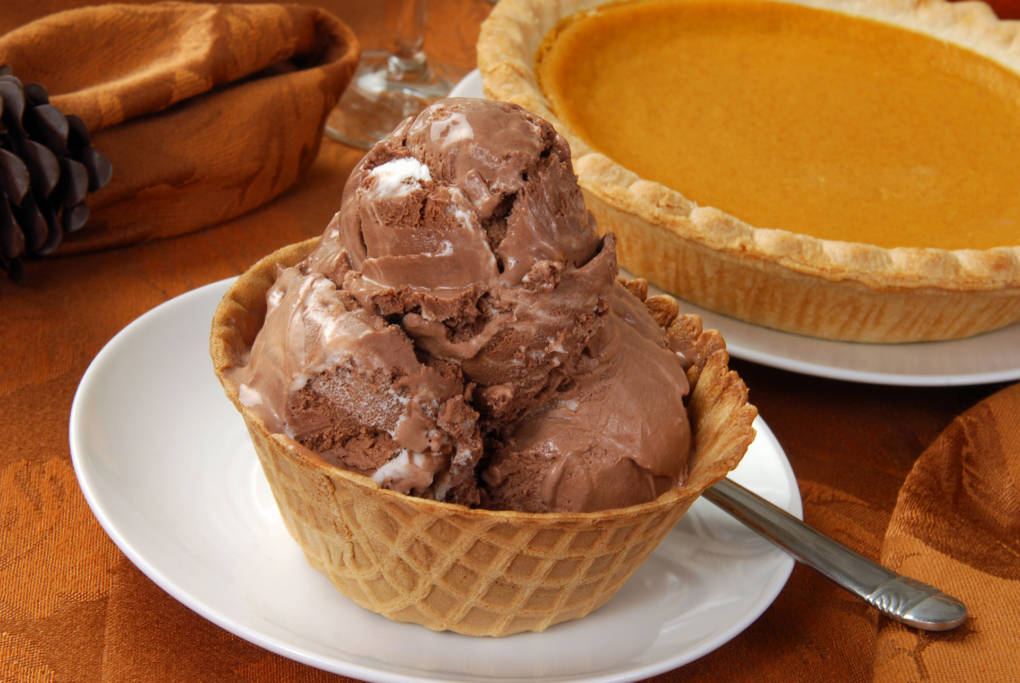
"caption": "Rocky Road was among the first flavors to incorporate \"mix ins.\" ",
"description": "Rocky Road was among the first flavors to incorporate \"mix ins.\" ",
"title": "Ice cream in a waffle bowl",
"credit": "MSPhotographic/iStock",
"status": "inherit",
"isLoading": false,
"fetchFailed": false
},
"news_11779213": {
"type": "attachments",
"id": "news_11779213",
"meta": {
"index": "attachments_1716263798",
"site": "news",
"id": "11779213",
"found": true
},
"parent": 11778612,
"imgSizes": {
"apple_news_ca_landscape_5_5": {
"file": "https://ww2.kqed.org/app/uploads/sites/10/2019/10/Aftel-1044x783.jpg",
"width": 1044,
"mimeType": "image/jpeg",
"height": 783
},
"apple_news_ca_square_4_0": {
"file": "https://ww2.kqed.org/app/uploads/sites/10/2019/10/Aftel-470x470.jpg",
"width": 470,
"mimeType": "image/jpeg",
"height": 470
},
"twentyfourteen-full-width": {
"file": "https://ww2.kqed.org/app/uploads/sites/10/2019/10/Aftel-1038x576.jpg",
"width": 1038,
"mimeType": "image/jpeg",
"height": 576
},
"thumbnail": {
"file": "https://ww2.kqed.org/app/uploads/sites/10/2019/10/Aftel-160x111.jpg",
"width": 160,
"mimeType": "image/jpeg",
"height": 111
},
"post-thumbnail": {
"file": "https://ww2.kqed.org/app/uploads/sites/10/2019/10/Aftel-672x372.jpg",
"width": 672,
"mimeType": "image/jpeg",
"height": 372
},
"kqedFullSize": {
"file": "https://ww2.kqed.org/app/uploads/sites/10/2019/10/Aftel.jpg",
"width": 1280,
"height": 886
},
"apple_news_ca_landscape_4_7": {
"file": "https://ww2.kqed.org/app/uploads/sites/10/2019/10/Aftel-632x474.jpg",
"width": 632,
"mimeType": "image/jpeg",
"height": 474
},
"large": {
"file": "https://ww2.kqed.org/app/uploads/sites/10/2019/10/Aftel-1020x706.jpg",
"width": 1020,
"mimeType": "image/jpeg",
"height": 706
},
"complete_open_graph": {
"file": "https://ww2.kqed.org/app/uploads/sites/10/2019/10/Aftel-1200x831.jpg",
"width": 1200,
"mimeType": "image/jpeg",
"height": 831
},
"apple_news_ca_landscape_4_0": {
"file": "https://ww2.kqed.org/app/uploads/sites/10/2019/10/Aftel-536x402.jpg",
"width": 536,
"mimeType": "image/jpeg",
"height": 402
},
"apple_news_ca_portrait_12_9": {
"file": "https://ww2.kqed.org/app/uploads/sites/10/2019/10/Aftel-1122x886.jpg",
"width": 1122,
"mimeType": "image/jpeg",
"height": 886
},
"medium": {
"file": "https://ww2.kqed.org/app/uploads/sites/10/2019/10/Aftel-800x554.jpg",
"width": 800,
"mimeType": "image/jpeg",
"height": 554
},
"apple_news_ca_portrait_4_0": {
"file": "https://ww2.kqed.org/app/uploads/sites/10/2019/10/Aftel-354x472.jpg",
"width": 354,
"mimeType": "image/jpeg",
"height": 472
},
"apple_news_ca_portrait_9_7": {
"file": "https://ww2.kqed.org/app/uploads/sites/10/2019/10/Aftel-840x886.jpg",
"width": 840,
"mimeType": "image/jpeg",
"height": 886
},
"apple_news_ca_square_9_7": {
"file": "https://ww2.kqed.org/app/uploads/sites/10/2019/10/Aftel-1104x886.jpg",
"width": 1104,
"mimeType": "image/jpeg",
"height": 886
},
"apple_news_ca_portrait_4_7": {
"file": "https://ww2.kqed.org/app/uploads/sites/10/2019/10/Aftel-414x552.jpg",
"width": 414,
"mimeType": "image/jpeg",
"height": 552
},
"apple_news_ca_portrait_5_5": {
"file": "https://ww2.kqed.org/app/uploads/sites/10/2019/10/Aftel-687x886.jpg",
"width": 687,
"mimeType": "image/jpeg",
"height": 886
},
"apple_news_ca_square_4_7": {
"file": "https://ww2.kqed.org/app/uploads/sites/10/2019/10/Aftel-550x550.jpg",
"width": 550,
"mimeType": "image/jpeg",
"height": 550
},
"apple_news_ca_square_5_5": {
"file": "https://ww2.kqed.org/app/uploads/sites/10/2019/10/Aftel-912x886.jpg",
"width": 912,
"mimeType": "image/jpeg",
"height": 886
}
},
"publishDate": 1570726389,
"modified": 1570726452,
"caption": "A Selection of Exhibits at the Aftel Archive of Curious Scents",
"description": "A Selection of Exhibits at the Aftel Archive of Curious Scents",
"title": "A Selection of Exhibits at the Aftel Archive of Curious Scents",
"credit": "Courtesy of Mandy Aftel",
"status": "inherit",
"isLoading": false,
"fetchFailed": false
},
"news_11777863": {
"type": "attachments",
"id": "news_11777863",
"meta": {
"index": "attachments_1716263798",
"site": "news",
"id": "11777863",
"found": true
},
"parent": 11777857,
"imgSizes": {
"apple_news_ca_landscape_5_5": {
"file": "https://ww2.kqed.org/app/uploads/sites/10/2019/10/RS11527_452872414-1044x783.jpg",
"width": 1044,
"mimeType": "image/jpeg",
"height": 783
},
"apple_news_ca_square_4_0": {
"file": "https://ww2.kqed.org/app/uploads/sites/10/2019/10/RS11527_452872414-470x470.jpg",
"width": 470,
"mimeType": "image/jpeg",
"height": 470
},
"twentyfourteen-full-width": {
"file": "https://ww2.kqed.org/app/uploads/sites/10/2019/10/RS11527_452872414-1038x576.jpg",
"width": 1038,
"mimeType": "image/jpeg",
"height": 576
},
"thumbnail": {
"file": "https://ww2.kqed.org/app/uploads/sites/10/2019/10/RS11527_452872414-160x107.jpg",
"width": 160,
"mimeType": "image/jpeg",
"height": 107
},
"post-thumbnail": {
"file": "https://ww2.kqed.org/app/uploads/sites/10/2019/10/RS11527_452872414-672x372.jpg",
"width": 672,
"mimeType": "image/jpeg",
"height": 372
},
"kqedFullSize": {
"file": "https://ww2.kqed.org/app/uploads/sites/10/2019/10/RS11527_452872414.jpg",
"width": 1920,
"height": 1279
},
"apple_news_ca_landscape_4_7": {
"file": "https://ww2.kqed.org/app/uploads/sites/10/2019/10/RS11527_452872414-632x474.jpg",
"width": 632,
"mimeType": "image/jpeg",
"height": 474
},
"large": {
"file": "https://ww2.kqed.org/app/uploads/sites/10/2019/10/RS11527_452872414-1020x679.jpg",
"width": 1020,
"mimeType": "image/jpeg",
"height": 679
},
"complete_open_graph": {
"file": "https://ww2.kqed.org/app/uploads/sites/10/2019/10/RS11527_452872414-1200x799.jpg",
"width": 1200,
"mimeType": "image/jpeg",
"height": 799
},
"apple_news_ca_landscape_4_0": {
"file": "https://ww2.kqed.org/app/uploads/sites/10/2019/10/RS11527_452872414-536x402.jpg",
"width": 536,
"mimeType": "image/jpeg",
"height": 402
},
"apple_news_ca_portrait_12_9": {
"file": "https://ww2.kqed.org/app/uploads/sites/10/2019/10/RS11527_452872414-1122x1279.jpg",
"width": 1122,
"mimeType": "image/jpeg",
"height": 1279
},
"medium": {
"file": "https://ww2.kqed.org/app/uploads/sites/10/2019/10/RS11527_452872414-800x533.jpg",
"width": 800,
"mimeType": "image/jpeg",
"height": 533
},
"apple_news_ca_portrait_4_0": {
"file": "https://ww2.kqed.org/app/uploads/sites/10/2019/10/RS11527_452872414-354x472.jpg",
"width": 354,
"mimeType": "image/jpeg",
"height": 472
},
"apple_news_ca_portrait_9_7": {
"file": "https://ww2.kqed.org/app/uploads/sites/10/2019/10/RS11527_452872414-840x1120.jpg",
"width": 840,
"mimeType": "image/jpeg",
"height": 1120
},
"apple_news_ca_landscape_12_9": {
"file": "https://ww2.kqed.org/app/uploads/sites/10/2019/10/RS11527_452872414-1832x1279.jpg",
"width": 1832,
"mimeType": "image/jpeg",
"height": 1279
},
"apple_news_ca_square_9_7": {
"file": "https://ww2.kqed.org/app/uploads/sites/10/2019/10/RS11527_452872414-1104x1104.jpg",
"width": 1104,
"mimeType": "image/jpeg",
"height": 1104
},
"apple_news_ca_portrait_4_7": {
"file": "https://ww2.kqed.org/app/uploads/sites/10/2019/10/RS11527_452872414-414x552.jpg",
"width": 414,
"mimeType": "image/jpeg",
"height": 552
},
"apple_news_ca_square_12_9": {
"file": "https://ww2.kqed.org/app/uploads/sites/10/2019/10/RS11527_452872414-1472x1279.jpg",
"width": 1472,
"mimeType": "image/jpeg",
"height": 1279
},
"apple_news_ca_portrait_5_5": {
"file": "https://ww2.kqed.org/app/uploads/sites/10/2019/10/RS11527_452872414-687x916.jpg",
"width": 687,
"mimeType": "image/jpeg",
"height": 916
},
"full-width": {
"file": "https://ww2.kqed.org/app/uploads/sites/10/2019/10/RS11527_452872414-1920x1279.jpg",
"width": 1920,
"mimeType": "image/jpeg",
"height": 1279
},
"apple_news_ca_square_4_7": {
"file": "https://ww2.kqed.org/app/uploads/sites/10/2019/10/RS11527_452872414-550x550.jpg",
"width": 550,
"mimeType": "image/jpeg",
"height": 550
},
"apple_news_ca_landscape_9_7": {
"file": "https://ww2.kqed.org/app/uploads/sites/10/2019/10/RS11527_452872414-1376x1032.jpg",
"width": 1376,
"mimeType": "image/jpeg",
"height": 1032
},
"apple_news_ca_square_5_5": {
"file": "https://ww2.kqed.org/app/uploads/sites/10/2019/10/RS11527_452872414-912x912.jpg",
"width": 912,
"mimeType": "image/jpeg",
"height": 912
}
},
"publishDate": 1570055201,
"modified": 1570055316,
"caption": "Emerald Bay is home to mysis shrimp, which are making the battle to keep Tahoe's waters blue more difficult.",
"description": "Emerald Bay is home to mysis shrimp, which are making the battle to keep Tahoe's waters blue more difficult.",
"title": "Travel Destination: Western USA",
"credit": "Sean Gallup/Getty Images",
"status": "inherit",
"isLoading": false,
"fetchFailed": false
},
"news_11771925": {
"type": "attachments",
"id": "news_11771925",
"meta": {
"index": "attachments_1716263798",
"site": "news",
"id": "11771925",
"found": true
},
"parent": 11771918,
"imgSizes": {
"apple_news_ca_landscape_5_5": {
"file": "https://ww2.kqed.org/app/uploads/sites/10/2019/09/DSC_0013-1044x783.jpg",
"width": 1044,
"mimeType": "image/jpeg",
"height": 783
},
"apple_news_ca_square_4_0": {
"file": "https://ww2.kqed.org/app/uploads/sites/10/2019/09/DSC_0013-470x470.jpg",
"width": 470,
"mimeType": "image/jpeg",
"height": 470
},
"twentyfourteen-full-width": {
"file": "https://ww2.kqed.org/app/uploads/sites/10/2019/09/DSC_0013-1038x576.jpg",
"width": 1038,
"mimeType": "image/jpeg",
"height": 576
},
"thumbnail": {
"file": "https://ww2.kqed.org/app/uploads/sites/10/2019/09/DSC_0013-160x107.jpg",
"width": 160,
"mimeType": "image/jpeg",
"height": 107
},
"post-thumbnail": {
"file": "https://ww2.kqed.org/app/uploads/sites/10/2019/09/DSC_0013-672x372.jpg",
"width": 672,
"mimeType": "image/jpeg",
"height": 372
},
"kqedFullSize": {
"file": "https://ww2.kqed.org/app/uploads/sites/10/2019/09/DSC_0013.jpg",
"width": 2048,
"height": 1365
},
"apple_news_ca_landscape_4_7": {
"file": "https://ww2.kqed.org/app/uploads/sites/10/2019/09/DSC_0013-632x474.jpg",
"width": 632,
"mimeType": "image/jpeg",
"height": 474
},
"large": {
"file": "https://ww2.kqed.org/app/uploads/sites/10/2019/09/DSC_0013-1020x680.jpg",
"width": 1020,
"mimeType": "image/jpeg",
"height": 680
},
"complete_open_graph": {
"file": "https://ww2.kqed.org/app/uploads/sites/10/2019/09/DSC_0013-1200x800.jpg",
"width": 1200,
"mimeType": "image/jpeg",
"height": 800
},
"apple_news_ca_landscape_4_0": {
"file": "https://ww2.kqed.org/app/uploads/sites/10/2019/09/DSC_0013-536x402.jpg",
"width": 536,
"mimeType": "image/jpeg",
"height": 402
},
"apple_news_ca_portrait_12_9": {
"file": "https://ww2.kqed.org/app/uploads/sites/10/2019/09/DSC_0013-1122x1496.jpg",
"width": 1122,
"mimeType": "image/jpeg",
"height": 1496
},
"medium": {
"file": "https://ww2.kqed.org/app/uploads/sites/10/2019/09/DSC_0013-800x533.jpg",
"width": 800,
"mimeType": "image/jpeg",
"height": 533
},
"apple_news_ca_portrait_4_0": {
"file": "https://ww2.kqed.org/app/uploads/sites/10/2019/09/DSC_0013-354x472.jpg",
"width": 354,
"mimeType": "image/jpeg",
"height": 472
},
"apple_news_ca_portrait_9_7": {
"file": "https://ww2.kqed.org/app/uploads/sites/10/2019/09/DSC_0013-840x1120.jpg",
"width": 840,
"mimeType": "image/jpeg",
"height": 1120
},
"apple_news_ca_landscape_12_9": {
"file": "https://ww2.kqed.org/app/uploads/sites/10/2019/09/DSC_0013-1832x1374.jpg",
"width": 1832,
"mimeType": "image/jpeg",
"height": 1374
},
"apple_news_ca_square_9_7": {
"file": "https://ww2.kqed.org/app/uploads/sites/10/2019/09/DSC_0013-1104x1104.jpg",
"width": 1104,
"mimeType": "image/jpeg",
"height": 1104
},
"apple_news_ca_portrait_4_7": {
"file": "https://ww2.kqed.org/app/uploads/sites/10/2019/09/DSC_0013-414x552.jpg",
"width": 414,
"mimeType": "image/jpeg",
"height": 552
},
"apple_news_ca_square_12_9": {
"file": "https://ww2.kqed.org/app/uploads/sites/10/2019/09/DSC_0013-1472x1472.jpg",
"width": 1472,
"mimeType": "image/jpeg",
"height": 1472
},
"apple_news_ca_portrait_5_5": {
"file": "https://ww2.kqed.org/app/uploads/sites/10/2019/09/DSC_0013-687x916.jpg",
"width": 687,
"mimeType": "image/jpeg",
"height": 916
},
"full-width": {
"file": "https://ww2.kqed.org/app/uploads/sites/10/2019/09/DSC_0013-1920x1280.jpg",
"width": 1920,
"mimeType": "image/jpeg",
"height": 1280
},
"apple_news_ca_square_4_7": {
"file": "https://ww2.kqed.org/app/uploads/sites/10/2019/09/DSC_0013-550x550.jpg",
"width": 550,
"mimeType": "image/jpeg",
"height": 550
},
"apple_news_ca_landscape_9_7": {
"file": "https://ww2.kqed.org/app/uploads/sites/10/2019/09/DSC_0013-1376x1032.jpg",
"width": 1376,
"mimeType": "image/jpeg",
"height": 1032
},
"apple_news_ca_square_5_5": {
"file": "https://ww2.kqed.org/app/uploads/sites/10/2019/09/DSC_0013-912x912.jpg",
"width": 912,
"mimeType": "image/jpeg",
"height": 912
}
},
"publishDate": 1567551332,
"modified": 1568854936,
"caption": "The Fountain at The Circle, with the four signature bears.",
"description": "The fountain at the circle, with the four signature bears.",
"title": "The fountain at the circle, with the four signature bears.",
"credit": "Maggie Galloway/KQED",
"status": "inherit",
"isLoading": false,
"fetchFailed": false
},
"news_11772412": {
"type": "attachments",
"id": "news_11772412",
"meta": {
"index": "attachments_1716263798",
"site": "news",
"id": "11772412",
"found": true
},
"parent": 11772407,
"imgSizes": {
"apple_news_ca_landscape_5_5": {
"file": "https://ww2.kqed.org/app/uploads/sites/10/2019/09/GettyImages-463788546-1044x783.jpg",
"width": 1044,
"mimeType": "image/jpeg",
"height": 783
},
"apple_news_ca_square_4_0": {
"file": "https://ww2.kqed.org/app/uploads/sites/10/2019/09/GettyImages-463788546-470x470.jpg",
"width": 470,
"mimeType": "image/jpeg",
"height": 470
},
"twentyfourteen-full-width": {
"file": "https://ww2.kqed.org/app/uploads/sites/10/2019/09/GettyImages-463788546-1038x576.jpg",
"width": 1038,
"mimeType": "image/jpeg",
"height": 576
},
"thumbnail": {
"file": "https://ww2.kqed.org/app/uploads/sites/10/2019/09/GettyImages-463788546-160x100.jpg",
"width": 160,
"mimeType": "image/jpeg",
"height": 100
},
"post-thumbnail": {
"file": "https://ww2.kqed.org/app/uploads/sites/10/2019/09/GettyImages-463788546-672x372.jpg",
"width": 672,
"mimeType": "image/jpeg",
"height": 372
},
"kqedFullSize": {
"file": "https://ww2.kqed.org/app/uploads/sites/10/2019/09/GettyImages-463788546.jpg",
"width": 2048,
"height": 1286
},
"apple_news_ca_landscape_4_7": {
"file": "https://ww2.kqed.org/app/uploads/sites/10/2019/09/GettyImages-463788546-632x474.jpg",
"width": 632,
"mimeType": "image/jpeg",
"height": 474
},
"large": {
"file": "https://ww2.kqed.org/app/uploads/sites/10/2019/09/GettyImages-463788546-1020x641.jpg",
"width": 1020,
"mimeType": "image/jpeg",
"height": 641
},
"complete_open_graph": {
"file": "https://ww2.kqed.org/app/uploads/sites/10/2019/09/GettyImages-463788546-1200x754.jpg",
"width": 1200,
"mimeType": "image/jpeg",
"height": 754
},
"apple_news_ca_landscape_4_0": {
"file": "https://ww2.kqed.org/app/uploads/sites/10/2019/09/GettyImages-463788546-536x402.jpg",
"width": 536,
"mimeType": "image/jpeg",
"height": 402
},
"apple_news_ca_portrait_12_9": {
"file": "https://ww2.kqed.org/app/uploads/sites/10/2019/09/GettyImages-463788546-1122x1496.jpg",
"width": 1122,
"mimeType": "image/jpeg",
"height": 1496
},
"medium": {
"file": "https://ww2.kqed.org/app/uploads/sites/10/2019/09/GettyImages-463788546-800x502.jpg",
"width": 800,
"mimeType": "image/jpeg",
"height": 502
},
"apple_news_ca_portrait_4_0": {
"file": "https://ww2.kqed.org/app/uploads/sites/10/2019/09/GettyImages-463788546-354x472.jpg",
"width": 354,
"mimeType": "image/jpeg",
"height": 472
},
"apple_news_ca_portrait_9_7": {
"file": "https://ww2.kqed.org/app/uploads/sites/10/2019/09/GettyImages-463788546-840x1120.jpg",
"width": 840,
"mimeType": "image/jpeg",
"height": 1120
},
"apple_news_ca_landscape_12_9": {
"file": "https://ww2.kqed.org/app/uploads/sites/10/2019/09/GettyImages-463788546-1832x1374.jpg",
"width": 1832,
"mimeType": "image/jpeg",
"height": 1374
},
"apple_news_ca_square_9_7": {
"file": "https://ww2.kqed.org/app/uploads/sites/10/2019/09/GettyImages-463788546-1104x1104.jpg",
"width": 1104,
"mimeType": "image/jpeg",
"height": 1104
},
"apple_news_ca_portrait_4_7": {
"file": "https://ww2.kqed.org/app/uploads/sites/10/2019/09/GettyImages-463788546-414x552.jpg",
"width": 414,
"mimeType": "image/jpeg",
"height": 552
},
"apple_news_ca_square_12_9": {
"file": "https://ww2.kqed.org/app/uploads/sites/10/2019/09/GettyImages-463788546-1472x1472.jpg",
"width": 1472,
"mimeType": "image/jpeg",
"height": 1472
},
"apple_news_ca_portrait_5_5": {
"file": "https://ww2.kqed.org/app/uploads/sites/10/2019/09/GettyImages-463788546-687x916.jpg",
"width": 687,
"mimeType": "image/jpeg",
"height": 916
},
"full-width": {
"file": "https://ww2.kqed.org/app/uploads/sites/10/2019/09/GettyImages-463788546-1920x1206.jpg",
"width": 1920,
"mimeType": "image/jpeg",
"height": 1206
},
"apple_news_ca_square_4_7": {
"file": "https://ww2.kqed.org/app/uploads/sites/10/2019/09/GettyImages-463788546-550x550.jpg",
"width": 550,
"mimeType": "image/jpeg",
"height": 550
},
"apple_news_ca_landscape_9_7": {
"file": "https://ww2.kqed.org/app/uploads/sites/10/2019/09/GettyImages-463788546-1376x1032.jpg",
"width": 1376,
"mimeType": "image/jpeg",
"height": 1032
},
"apple_news_ca_square_5_5": {
"file": "https://ww2.kqed.org/app/uploads/sites/10/2019/09/GettyImages-463788546-912x912.jpg",
"width": 912,
"mimeType": "image/jpeg",
"height": 912
}
},
"publishDate": 1567719278,
"modified": 1567719366,
"caption": "Planes landing at SFO.",
"description": "Planes landing at SFO.",
"title": "Planes landing at SFO.",
"credit": "Justin Sullivan/Getty Images",
"status": "inherit",
"isLoading": false,
"fetchFailed": false
},
"news_11778068": {
"type": "attachments",
"id": "news_11778068",
"meta": {
"index": "attachments_1716263798",
"site": "news",
"id": "11778068",
"found": true
},
"parent": 11769080,
"imgSizes": {
"apple_news_ca_landscape_5_5": {
"file": "https://ww2.kqed.org/app/uploads/sites/10/2019/09/RS28791_DSC_0789-qut-1-1044x783.jpg",
"width": 1044,
"mimeType": "image/jpeg",
"height": 783
},
"apple_news_ca_square_4_0": {
"file": "https://ww2.kqed.org/app/uploads/sites/10/2019/09/RS28791_DSC_0789-qut-1-470x470.jpg",
"width": 470,
"mimeType": "image/jpeg",
"height": 470
},
"twentyfourteen-full-width": {
"file": "https://ww2.kqed.org/app/uploads/sites/10/2019/09/RS28791_DSC_0789-qut-1-1038x576.jpg",
"width": 1038,
"mimeType": "image/jpeg",
"height": 576
},
"thumbnail": {
"file": "https://ww2.kqed.org/app/uploads/sites/10/2019/09/RS28791_DSC_0789-qut-1-160x107.jpg",
"width": 160,
"mimeType": "image/jpeg",
"height": 107
},
"post-thumbnail": {
"file": "https://ww2.kqed.org/app/uploads/sites/10/2019/09/RS28791_DSC_0789-qut-1-672x372.jpg",
"width": 672,
"mimeType": "image/jpeg",
"height": 372
},
"kqedFullSize": {
"file": "https://ww2.kqed.org/app/uploads/sites/10/2019/09/RS28791_DSC_0789-qut-1.jpg",
"width": 1920,
"height": 1280
},
"apple_news_ca_landscape_4_7": {
"file": "https://ww2.kqed.org/app/uploads/sites/10/2019/09/RS28791_DSC_0789-qut-1-632x474.jpg",
"width": 632,
"mimeType": "image/jpeg",
"height": 474
},
"large": {
"file": "https://ww2.kqed.org/app/uploads/sites/10/2019/09/RS28791_DSC_0789-qut-1-1020x680.jpg",
"width": 1020,
"mimeType": "image/jpeg",
"height": 680
},
"complete_open_graph": {
"file": "https://ww2.kqed.org/app/uploads/sites/10/2019/09/RS28791_DSC_0789-qut-1-1200x800.jpg",
"width": 1200,
"mimeType": "image/jpeg",
"height": 800
},
"apple_news_ca_landscape_4_0": {
"file": "https://ww2.kqed.org/app/uploads/sites/10/2019/09/RS28791_DSC_0789-qut-1-536x402.jpg",
"width": 536,
"mimeType": "image/jpeg",
"height": 402
},
"apple_news_ca_portrait_12_9": {
"file": "https://ww2.kqed.org/app/uploads/sites/10/2019/09/RS28791_DSC_0789-qut-1-1122x1280.jpg",
"width": 1122,
"mimeType": "image/jpeg",
"height": 1280
},
"medium": {
"file": "https://ww2.kqed.org/app/uploads/sites/10/2019/09/RS28791_DSC_0789-qut-1-800x533.jpg",
"width": 800,
"mimeType": "image/jpeg",
"height": 533
},
"apple_news_ca_portrait_4_0": {
"file": "https://ww2.kqed.org/app/uploads/sites/10/2019/09/RS28791_DSC_0789-qut-1-354x472.jpg",
"width": 354,
"mimeType": "image/jpeg",
"height": 472
},
"apple_news_ca_portrait_9_7": {
"file": "https://ww2.kqed.org/app/uploads/sites/10/2019/09/RS28791_DSC_0789-qut-1-840x1120.jpg",
"width": 840,
"mimeType": "image/jpeg",
"height": 1120
},
"apple_news_ca_landscape_12_9": {
"file": "https://ww2.kqed.org/app/uploads/sites/10/2019/09/RS28791_DSC_0789-qut-1-1832x1280.jpg",
"width": 1832,
"mimeType": "image/jpeg",
"height": 1280
},
"apple_news_ca_square_9_7": {
"file": "https://ww2.kqed.org/app/uploads/sites/10/2019/09/RS28791_DSC_0789-qut-1-1104x1104.jpg",
"width": 1104,
"mimeType": "image/jpeg",
"height": 1104
},
"apple_news_ca_portrait_4_7": {
"file": "https://ww2.kqed.org/app/uploads/sites/10/2019/09/RS28791_DSC_0789-qut-1-414x552.jpg",
"width": 414,
"mimeType": "image/jpeg",
"height": 552
},
"apple_news_ca_square_12_9": {
"file": "https://ww2.kqed.org/app/uploads/sites/10/2019/09/RS28791_DSC_0789-qut-1-1472x1280.jpg",
"width": 1472,
"mimeType": "image/jpeg",
"height": 1280
},
"apple_news_ca_portrait_5_5": {
"file": "https://ww2.kqed.org/app/uploads/sites/10/2019/09/RS28791_DSC_0789-qut-1-687x916.jpg",
"width": 687,
"mimeType": "image/jpeg",
"height": 916
},
"full-width": {
"file": "https://ww2.kqed.org/app/uploads/sites/10/2019/09/RS28791_DSC_0789-qut-1-1920x1280.jpg",
"width": 1920,
"mimeType": "image/jpeg",
"height": 1280
},
"apple_news_ca_square_4_7": {
"file": "https://ww2.kqed.org/app/uploads/sites/10/2019/09/RS28791_DSC_0789-qut-1-550x550.jpg",
"width": 550,
"mimeType": "image/jpeg",
"height": 550
},
"apple_news_ca_landscape_9_7": {
"file": "https://ww2.kqed.org/app/uploads/sites/10/2019/09/RS28791_DSC_0789-qut-1-1376x1032.jpg",
"width": 1376,
"mimeType": "image/jpeg",
"height": 1032
},
"apple_news_ca_square_5_5": {
"file": "https://ww2.kqed.org/app/uploads/sites/10/2019/09/RS28791_DSC_0789-qut-1-912x912.jpg",
"width": 912,
"mimeType": "image/jpeg",
"height": 912
}
},
"publishDate": 1570143874,
"modified": 1570143910,
"caption": "The Sierra ghost town of Bodie",
"description": null,
"title": "RS28791_DSC_0789-qut (1)",
"credit": "Carly Severn / KQED",
"status": "inherit",
"isLoading": false,
"fetchFailed": false
},
"news_11772023": {
"type": "attachments",
"id": "news_11772023",
"meta": {
"index": "attachments_1716263798",
"site": "news",
"id": "11772023",
"found": true
},
"parent": 11763635,
"imgSizes": {
"apple_news_ca_square_4_0": {
"file": "https://ww2.kqed.org/app/uploads/sites/10/2019/09/GettyImages-953797278-470x470.jpg",
"width": 470,
"mimeType": "image/jpeg",
"height": 470
},
"twentyfourteen-full-width": {
"file": "https://ww2.kqed.org/app/uploads/sites/10/2019/09/GettyImages-953797278-1024x576.jpg",
"width": 1024,
"mimeType": "image/jpeg",
"height": 576
},
"thumbnail": {
"file": "https://ww2.kqed.org/app/uploads/sites/10/2019/09/GettyImages-953797278-160x109.jpg",
"width": 160,
"mimeType": "image/jpeg",
"height": 109
},
"post-thumbnail": {
"file": "https://ww2.kqed.org/app/uploads/sites/10/2019/09/GettyImages-953797278-672x372.jpg",
"width": 672,
"mimeType": "image/jpeg",
"height": 372
},
"kqedFullSize": {
"file": "https://ww2.kqed.org/app/uploads/sites/10/2019/09/GettyImages-953797278.jpg",
"width": 1024,
"height": 696
},
"apple_news_ca_landscape_4_7": {
"file": "https://ww2.kqed.org/app/uploads/sites/10/2019/09/GettyImages-953797278-632x474.jpg",
"width": 632,
"mimeType": "image/jpeg",
"height": 474
},
"large": {
"file": "https://ww2.kqed.org/app/uploads/sites/10/2019/09/GettyImages-953797278-1020x693.jpg",
"width": 1020,
"mimeType": "image/jpeg",
"height": 693
},
"apple_news_ca_landscape_4_0": {
"file": "https://ww2.kqed.org/app/uploads/sites/10/2019/09/GettyImages-953797278-536x402.jpg",
"width": 536,
"mimeType": "image/jpeg",
"height": 402
},
"medium": {
"file": "https://ww2.kqed.org/app/uploads/sites/10/2019/09/GettyImages-953797278-800x544.jpg",
"width": 800,
"mimeType": "image/jpeg",
"height": 544
},
"apple_news_ca_portrait_4_0": {
"file": "https://ww2.kqed.org/app/uploads/sites/10/2019/09/GettyImages-953797278-354x472.jpg",
"width": 354,
"mimeType": "image/jpeg",
"height": 472
},
"apple_news_ca_portrait_9_7": {
"file": "https://ww2.kqed.org/app/uploads/sites/10/2019/09/GettyImages-953797278-840x696.jpg",
"width": 840,
"mimeType": "image/jpeg",
"height": 696
},
"apple_news_ca_portrait_4_7": {
"file": "https://ww2.kqed.org/app/uploads/sites/10/2019/09/GettyImages-953797278-414x552.jpg",
"width": 414,
"mimeType": "image/jpeg",
"height": 552
},
"apple_news_ca_portrait_5_5": {
"file": "https://ww2.kqed.org/app/uploads/sites/10/2019/09/GettyImages-953797278-687x696.jpg",
"width": 687,
"mimeType": "image/jpeg",
"height": 696
},
"apple_news_ca_square_4_7": {
"file": "https://ww2.kqed.org/app/uploads/sites/10/2019/09/GettyImages-953797278-550x550.jpg",
"width": 550,
"mimeType": "image/jpeg",
"height": 550
},
"apple_news_ca_square_5_5": {
"file": "https://ww2.kqed.org/app/uploads/sites/10/2019/09/GettyImages-953797278-912x696.jpg",
"width": 912,
"mimeType": "image/jpeg",
"height": 696
}
},
"publishDate": 1567557745,
"modified": 1567635020,
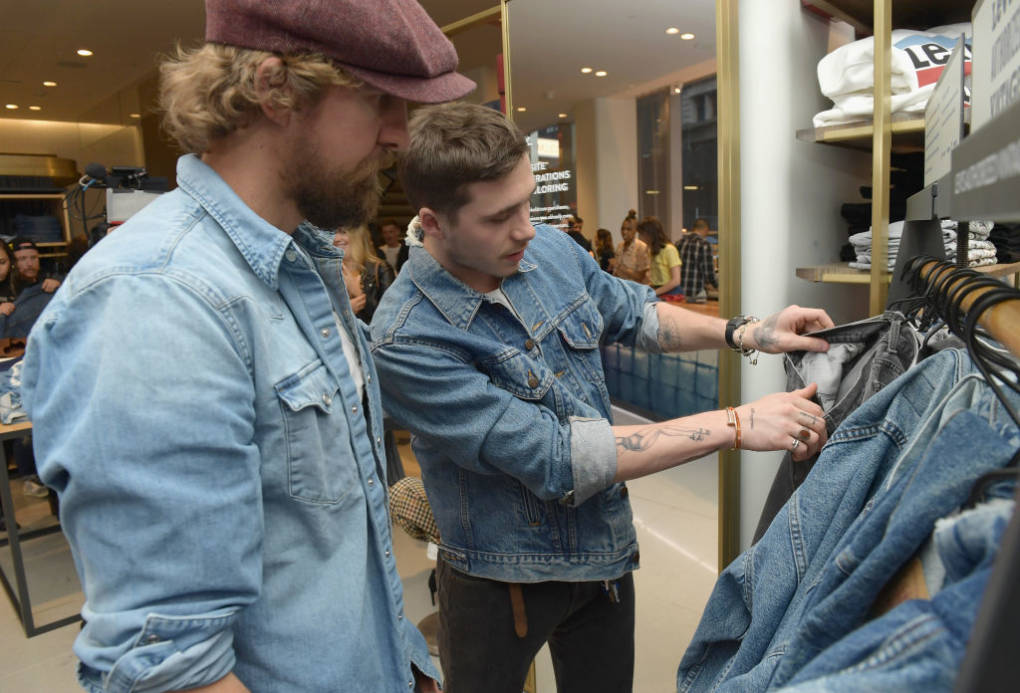
"caption": "Levi's has played a big part in casual fashion across the world, and it's based in San Francisco. ",
"description": "Levi's has played a big part in casual fashion across the world, and they're based in San Francisco. ",
"title": "Levi's Tailor Shop Launch Event At Nordstrom Men's Store NYC Hosted By Brooklyn Beckham",
"credit": "Ben Gabbe/Getty Images for Nordstrom",
"status": "inherit",
"isLoading": false,
"fetchFailed": false
},
"news_11770805": {
"type": "attachments",
"id": "news_11770805",
"meta": {
"index": "attachments_1716263798",
"site": "news",
"id": "11770805",
"found": true
},
"parent": 11768761,
"imgSizes": {
"apple_news_ca_landscape_5_5": {
"file": "https://ww2.kqed.org/app/uploads/sites/10/2019/08/Image-from-iOS-4-1044x783.jpg",
"width": 1044,
"mimeType": "image/jpeg",
"height": 783
},
"apple_news_ca_square_4_0": {
"file": "https://ww2.kqed.org/app/uploads/sites/10/2019/08/Image-from-iOS-4-470x470.jpg",
"width": 470,
"mimeType": "image/jpeg",
"height": 470
},
"twentyfourteen-full-width": {
"file": "https://ww2.kqed.org/app/uploads/sites/10/2019/08/Image-from-iOS-4-1038x576.jpg",
"width": 1038,
"mimeType": "image/jpeg",
"height": 576
},
"thumbnail": {
"file": "https://ww2.kqed.org/app/uploads/sites/10/2019/08/Image-from-iOS-4-160x120.jpg",
"width": 160,
"mimeType": "image/jpeg",
"height": 120
},
"post-thumbnail": {
"file": "https://ww2.kqed.org/app/uploads/sites/10/2019/08/Image-from-iOS-4-672x372.jpg",
"width": 672,
"mimeType": "image/jpeg",
"height": 372
},
"kqedFullSize": {
"file": "https://ww2.kqed.org/app/uploads/sites/10/2019/08/Image-from-iOS-4.jpg",
"width": 2048,
"height": 1536
},
"apple_news_ca_landscape_4_7": {
"file": "https://ww2.kqed.org/app/uploads/sites/10/2019/08/Image-from-iOS-4-632x474.jpg",
"width": 632,
"mimeType": "image/jpeg",
"height": 474
},
"large": {
"file": "https://ww2.kqed.org/app/uploads/sites/10/2019/08/Image-from-iOS-4-1020x765.jpg",
"width": 1020,
"mimeType": "image/jpeg",
"height": 765
},
"complete_open_graph": {
"file": "https://ww2.kqed.org/app/uploads/sites/10/2019/08/Image-from-iOS-4-1200x900.jpg",
"width": 1200,
"mimeType": "image/jpeg",
"height": 900
},
"apple_news_ca_landscape_4_0": {
"file": "https://ww2.kqed.org/app/uploads/sites/10/2019/08/Image-from-iOS-4-536x402.jpg",
"width": 536,
"mimeType": "image/jpeg",
"height": 402
},
"apple_news_ca_portrait_12_9": {
"file": "https://ww2.kqed.org/app/uploads/sites/10/2019/08/Image-from-iOS-4-1122x1496.jpg",
"width": 1122,
"mimeType": "image/jpeg",
"height": 1496
},
"medium": {
"file": "https://ww2.kqed.org/app/uploads/sites/10/2019/08/Image-from-iOS-4-800x600.jpg",
"width": 800,
"mimeType": "image/jpeg",
"height": 600
},
"apple_news_ca_portrait_4_0": {
"file": "https://ww2.kqed.org/app/uploads/sites/10/2019/08/Image-from-iOS-4-354x472.jpg",
"width": 354,
"mimeType": "image/jpeg",
"height": 472
},
"apple_news_ca_portrait_9_7": {
"file": "https://ww2.kqed.org/app/uploads/sites/10/2019/08/Image-from-iOS-4-840x1120.jpg",
"width": 840,
"mimeType": "image/jpeg",
"height": 1120
},
"apple_news_ca_landscape_12_9": {
"file": "https://ww2.kqed.org/app/uploads/sites/10/2019/08/Image-from-iOS-4-1832x1374.jpg",
"width": 1832,
"mimeType": "image/jpeg",
"height": 1374
},
"apple_news_ca_square_9_7": {
"file": "https://ww2.kqed.org/app/uploads/sites/10/2019/08/Image-from-iOS-4-1104x1104.jpg",
"width": 1104,
"mimeType": "image/jpeg",
"height": 1104
},
"apple_news_ca_portrait_4_7": {
"file": "https://ww2.kqed.org/app/uploads/sites/10/2019/08/Image-from-iOS-4-414x552.jpg",
"width": 414,
"mimeType": "image/jpeg",
"height": 552
},
"apple_news_ca_square_12_9": {
"file": "https://ww2.kqed.org/app/uploads/sites/10/2019/08/Image-from-iOS-4-1472x1472.jpg",
"width": 1472,
"mimeType": "image/jpeg",
"height": 1472
},
"apple_news_ca_portrait_5_5": {
"file": "https://ww2.kqed.org/app/uploads/sites/10/2019/08/Image-from-iOS-4-687x916.jpg",
"width": 687,
"mimeType": "image/jpeg",
"height": 916
},
"full-width": {
"file": "https://ww2.kqed.org/app/uploads/sites/10/2019/08/Image-from-iOS-4-1920x1440.jpg",
"width": 1920,
"mimeType": "image/jpeg",
"height": 1440
},
"apple_news_ca_square_4_7": {
"file": "https://ww2.kqed.org/app/uploads/sites/10/2019/08/Image-from-iOS-4-550x550.jpg",
"width": 550,
"mimeType": "image/jpeg",
"height": 550
},
"apple_news_ca_landscape_9_7": {
"file": "https://ww2.kqed.org/app/uploads/sites/10/2019/08/Image-from-iOS-4-1376x1032.jpg",
"width": 1376,
"mimeType": "image/jpeg",
"height": 1032
},
"apple_news_ca_square_5_5": {
"file": "https://ww2.kqed.org/app/uploads/sites/10/2019/08/Image-from-iOS-4-912x912.jpg",
"width": 912,
"mimeType": "image/jpeg",
"height": 912
}
},
"publishDate": 1567031646,
"modified": 1567031697,
"caption": "Palm trees along the Embarcadero",
"description": "Palm trees along the Embarcadero",
"title": "Palm trees along the Embarcadero",
"credit": "Maggie Galloway/KQED",
"status": "inherit",
"isLoading": false,
"fetchFailed": false
},
"news_11768951": {
"type": "attachments",
"id": "news_11768951",
"meta": {
"index": "attachments_1716263798",
"site": "news",
"id": "11768951",
"found": true
},
"parent": 11768939,
"imgSizes": {
"apple_news_ca_landscape_5_5": {
"file": "https://ww2.kqed.org/app/uploads/sites/10/2019/08/iStock-1130724404-1044x783.jpg",
"width": 1044,
"mimeType": "image/jpeg",
"height": 783
},
"apple_news_ca_square_4_0": {
"file": "https://ww2.kqed.org/app/uploads/sites/10/2019/08/iStock-1130724404-470x470.jpg",
"width": 470,
"mimeType": "image/jpeg",
"height": 470
},
"twentyfourteen-full-width": {
"file": "https://ww2.kqed.org/app/uploads/sites/10/2019/08/iStock-1130724404-1038x576.jpg",
"width": 1038,
"mimeType": "image/jpeg",
"height": 576
},
"thumbnail": {
"file": "https://ww2.kqed.org/app/uploads/sites/10/2019/08/iStock-1130724404-160x106.jpg",
"width": 160,
"mimeType": "image/jpeg",
"height": 106
},
"post-thumbnail": {
"file": "https://ww2.kqed.org/app/uploads/sites/10/2019/08/iStock-1130724404-672x372.jpg",
"width": 672,
"mimeType": "image/jpeg",
"height": 372
},
"kqedFullSize": {
"file": "https://ww2.kqed.org/app/uploads/sites/10/2019/08/iStock-1130724404.jpg",
"width": 2048,
"height": 1360
},
"apple_news_ca_landscape_4_7": {
"file": "https://ww2.kqed.org/app/uploads/sites/10/2019/08/iStock-1130724404-632x474.jpg",
"width": 632,
"mimeType": "image/jpeg",
"height": 474
},
"large": {
"file": "https://ww2.kqed.org/app/uploads/sites/10/2019/08/iStock-1130724404-1020x677.jpg",
"width": 1020,
"mimeType": "image/jpeg",
"height": 677
},
"complete_open_graph": {
"file": "https://ww2.kqed.org/app/uploads/sites/10/2019/08/iStock-1130724404-1200x797.jpg",
"width": 1200,
"mimeType": "image/jpeg",
"height": 797
},
"apple_news_ca_landscape_4_0": {
"file": "https://ww2.kqed.org/app/uploads/sites/10/2019/08/iStock-1130724404-536x402.jpg",
"width": 536,
"mimeType": "image/jpeg",
"height": 402
},
"apple_news_ca_portrait_12_9": {
"file": "https://ww2.kqed.org/app/uploads/sites/10/2019/08/iStock-1130724404-1122x1496.jpg",
"width": 1122,
"mimeType": "image/jpeg",
"height": 1496
},
"medium": {
"file": "https://ww2.kqed.org/app/uploads/sites/10/2019/08/iStock-1130724404-800x531.jpg",
"width": 800,
"mimeType": "image/jpeg",
"height": 531
},
"apple_news_ca_portrait_4_0": {
"file": "https://ww2.kqed.org/app/uploads/sites/10/2019/08/iStock-1130724404-354x472.jpg",
"width": 354,
"mimeType": "image/jpeg",
"height": 472
},
"apple_news_ca_portrait_9_7": {
"file": "https://ww2.kqed.org/app/uploads/sites/10/2019/08/iStock-1130724404-840x1120.jpg",
"width": 840,
"mimeType": "image/jpeg",
"height": 1120
},
"apple_news_ca_landscape_12_9": {
"file": "https://ww2.kqed.org/app/uploads/sites/10/2019/08/iStock-1130724404-1832x1374.jpg",
"width": 1832,
"mimeType": "image/jpeg",
"height": 1374
},
"apple_news_ca_square_9_7": {
"file": "https://ww2.kqed.org/app/uploads/sites/10/2019/08/iStock-1130724404-1104x1104.jpg",
"width": 1104,
"mimeType": "image/jpeg",
"height": 1104
},
"apple_news_ca_portrait_4_7": {
"file": "https://ww2.kqed.org/app/uploads/sites/10/2019/08/iStock-1130724404-414x552.jpg",
"width": 414,
"mimeType": "image/jpeg",
"height": 552
},
"apple_news_ca_square_12_9": {
"file": "https://ww2.kqed.org/app/uploads/sites/10/2019/08/iStock-1130724404-1472x1472.jpg",
"width": 1472,
"mimeType": "image/jpeg",
"height": 1472
},
"apple_news_ca_portrait_5_5": {
"file": "https://ww2.kqed.org/app/uploads/sites/10/2019/08/iStock-1130724404-687x916.jpg",
"width": 687,
"mimeType": "image/jpeg",
"height": 916
},
"full-width": {
"file": "https://ww2.kqed.org/app/uploads/sites/10/2019/08/iStock-1130724404-1920x1275.jpg",
"width": 1920,
"mimeType": "image/jpeg",
"height": 1275
},
"apple_news_ca_square_4_7": {
"file": "https://ww2.kqed.org/app/uploads/sites/10/2019/08/iStock-1130724404-550x550.jpg",
"width": 550,
"mimeType": "image/jpeg",
"height": 550
},
"apple_news_ca_landscape_9_7": {
"file": "https://ww2.kqed.org/app/uploads/sites/10/2019/08/iStock-1130724404-1376x1032.jpg",
"width": 1376,
"mimeType": "image/jpeg",
"height": 1032
},
"apple_news_ca_square_5_5": {
"file": "https://ww2.kqed.org/app/uploads/sites/10/2019/08/iStock-1130724404-912x912.jpg",
"width": 912,
"mimeType": "image/jpeg",
"height": 912
}
},
"publishDate": 1566412227,
"modified": 1566434315,
"caption": "Will nightlife get an extension with Sen. Scott Wiener's new bill?",
"description": "Will nightlife get an extension with Senator Scott Wiener's new bill?",
"title": "Will nightlife get an extension with Senator Scott Wiener's new bill?",
"credit": "Sin Dinero/iStock",
"status": "inherit",
"isLoading": false,
"fetchFailed": false
},
"news_11766530": {
"type": "attachments",
"id": "news_11766530",
"meta": {
"index": "attachments_1716263798",
"site": "news",
"id": "11766530",
"found": true
},
"parent": 11766528,
"imgSizes": {
"apple_news_ca_landscape_5_5": {
"file": "https://ww2.kqed.org/app/uploads/sites/10/2019/08/iStock-1011506076-1044x783.jpg",
"width": 1044,
"mimeType": "image/jpeg",
"height": 783
},
"apple_news_ca_square_4_0": {
"file": "https://ww2.kqed.org/app/uploads/sites/10/2019/08/iStock-1011506076-470x470.jpg",
"width": 470,
"mimeType": "image/jpeg",
"height": 470
},
"twentyfourteen-full-width": {
"file": "https://ww2.kqed.org/app/uploads/sites/10/2019/08/iStock-1011506076-1038x576.jpg",
"width": 1038,
"mimeType": "image/jpeg",
"height": 576
},
"thumbnail": {
"file": "https://ww2.kqed.org/app/uploads/sites/10/2019/08/iStock-1011506076-160x91.jpg",
"width": 160,
"mimeType": "image/jpeg",
"height": 91
},
"post-thumbnail": {
"file": "https://ww2.kqed.org/app/uploads/sites/10/2019/08/iStock-1011506076-672x372.jpg",
"width": 672,
"mimeType": "image/jpeg",
"height": 372
},
"kqedFullSize": {
"file": "https://ww2.kqed.org/app/uploads/sites/10/2019/08/iStock-1011506076.jpg",
"width": 2048,
"height": 1166
},
"apple_news_ca_landscape_4_7": {
"file": "https://ww2.kqed.org/app/uploads/sites/10/2019/08/iStock-1011506076-632x474.jpg",
"width": 632,
"mimeType": "image/jpeg",
"height": 474
},
"large": {
"file": "https://ww2.kqed.org/app/uploads/sites/10/2019/08/iStock-1011506076-1020x581.jpg",
"width": 1020,
"mimeType": "image/jpeg",
"height": 581
},
"complete_open_graph": {
"file": "https://ww2.kqed.org/app/uploads/sites/10/2019/08/iStock-1011506076-1200x683.jpg",
"width": 1200,
"mimeType": "image/jpeg",
"height": 683
},
"apple_news_ca_landscape_4_0": {
"file": "https://ww2.kqed.org/app/uploads/sites/10/2019/08/iStock-1011506076-536x402.jpg",
"width": 536,
"mimeType": "image/jpeg",
"height": 402
},
"apple_news_ca_portrait_12_9": {
"file": "https://ww2.kqed.org/app/uploads/sites/10/2019/08/iStock-1011506076-1122x1306.jpg",
"width": 1122,
"mimeType": "image/jpeg",
"height": 1306
},
"medium": {
"file": "https://ww2.kqed.org/app/uploads/sites/10/2019/08/iStock-1011506076-800x455.jpg",
"width": 800,
"mimeType": "image/jpeg",
"height": 455
},
"apple_news_ca_portrait_4_0": {
"file": "https://ww2.kqed.org/app/uploads/sites/10/2019/08/iStock-1011506076-354x472.jpg",
"width": 354,
"mimeType": "image/jpeg",
"height": 472
},
"apple_news_ca_portrait_9_7": {
"file": "https://ww2.kqed.org/app/uploads/sites/10/2019/08/iStock-1011506076-840x1120.jpg",
"width": 840,
"mimeType": "image/jpeg",
"height": 1120
},
"apple_news_ca_landscape_12_9": {
"file": "https://ww2.kqed.org/app/uploads/sites/10/2019/08/iStock-1011506076-1832x1306.jpg",
"width": 1832,
"mimeType": "image/jpeg",
"height": 1306
},
"apple_news_ca_square_9_7": {
"file": "https://ww2.kqed.org/app/uploads/sites/10/2019/08/iStock-1011506076-1104x1104.jpg",
"width": 1104,
"mimeType": "image/jpeg",
"height": 1104
},
"apple_news_ca_portrait_4_7": {
"file": "https://ww2.kqed.org/app/uploads/sites/10/2019/08/iStock-1011506076-414x552.jpg",
"width": 414,
"mimeType": "image/jpeg",
"height": 552
},
"apple_news_ca_square_12_9": {
"file": "https://ww2.kqed.org/app/uploads/sites/10/2019/08/iStock-1011506076-1472x1306.jpg",
"width": 1472,
"mimeType": "image/jpeg",
"height": 1306
},
"apple_news_ca_portrait_5_5": {
"file": "https://ww2.kqed.org/app/uploads/sites/10/2019/08/iStock-1011506076-687x916.jpg",
"width": 687,
"mimeType": "image/jpeg",
"height": 916
},
"full-width": {
"file": "https://ww2.kqed.org/app/uploads/sites/10/2019/08/iStock-1011506076-1920x1093.jpg",
"width": 1920,
"mimeType": "image/jpeg",
"height": 1093
},
"apple_news_ca_square_4_7": {
"file": "https://ww2.kqed.org/app/uploads/sites/10/2019/08/iStock-1011506076-550x550.jpg",
"width": 550,
"mimeType": "image/jpeg",
"height": 550
},
"apple_news_ca_landscape_9_7": {
"file": "https://ww2.kqed.org/app/uploads/sites/10/2019/08/iStock-1011506076-1376x1032.jpg",
"width": 1376,
"mimeType": "image/jpeg",
"height": 1032
},
"apple_news_ca_square_5_5": {
"file": "https://ww2.kqed.org/app/uploads/sites/10/2019/08/iStock-1011506076-912x912.jpg",
"width": 912,
"mimeType": "image/jpeg",
"height": 912
}
},
"publishDate": 1565308316,
"modified": 1565308421,
"caption": null,
"description": null,
"title": "iStock-1011506076",
"credit": "drante",
"status": "inherit",
"isLoading": false,
"fetchFailed": false
},
"news_11767247": {
"type": "attachments",
"id": "news_11767247",
"meta": {
"index": "attachments_1716263798",
"site": "news",
"id": "11767247",
"found": true
},
"parent": 11767245,
"imgSizes": {
"apple_news_ca_landscape_5_5": {
"file": "https://ww2.kqed.org/app/uploads/sites/10/2019/08/BayCurious_friendillo_03-1044x783.jpg",
"width": 1044,
"mimeType": "image/jpeg",
"height": 783
},
"apple_news_ca_square_4_0": {
"file": "https://ww2.kqed.org/app/uploads/sites/10/2019/08/BayCurious_friendillo_03-470x470.jpg",
"width": 470,
"mimeType": "image/jpeg",
"height": 470
},
"twentyfourteen-full-width": {
"file": "https://ww2.kqed.org/app/uploads/sites/10/2019/08/BayCurious_friendillo_03-1038x576.jpg",
"width": 1038,
"mimeType": "image/jpeg",
"height": 576
},
"thumbnail": {
"file": "https://ww2.kqed.org/app/uploads/sites/10/2019/08/BayCurious_friendillo_03-160x90.jpg",
"width": 160,
"mimeType": "image/jpeg",
"height": 90
},
"post-thumbnail": {
"file": "https://ww2.kqed.org/app/uploads/sites/10/2019/08/BayCurious_friendillo_03-672x372.jpg",
"width": 672,
"mimeType": "image/jpeg",
"height": 372
},
"kqedFullSize": {
"file": "https://ww2.kqed.org/app/uploads/sites/10/2019/08/BayCurious_friendillo_03.jpg",
"width": 1920,
"height": 1080
},
"apple_news_ca_landscape_4_7": {
"file": "https://ww2.kqed.org/app/uploads/sites/10/2019/08/BayCurious_friendillo_03-632x474.jpg",
"width": 632,
"mimeType": "image/jpeg",
"height": 474
},
"large": {
"file": "https://ww2.kqed.org/app/uploads/sites/10/2019/08/BayCurious_friendillo_03-1020x574.jpg",
"width": 1020,
"mimeType": "image/jpeg",
"height": 574
},
"complete_open_graph": {
"file": "https://ww2.kqed.org/app/uploads/sites/10/2019/08/BayCurious_friendillo_03-1200x675.jpg",
"width": 1200,
"mimeType": "image/jpeg",
"height": 675
},
"apple_news_ca_landscape_4_0": {
"file": "https://ww2.kqed.org/app/uploads/sites/10/2019/08/BayCurious_friendillo_03-536x402.jpg",
"width": 536,
"mimeType": "image/jpeg",
"height": 402
},
"apple_news_ca_portrait_12_9": {
"file": "https://ww2.kqed.org/app/uploads/sites/10/2019/08/BayCurious_friendillo_03-1122x1080.jpg",
"width": 1122,
"mimeType": "image/jpeg",
"height": 1080
},
"medium": {
"file": "https://ww2.kqed.org/app/uploads/sites/10/2019/08/BayCurious_friendillo_03-800x450.jpg",
"width": 800,
"mimeType": "image/jpeg",
"height": 450
},
"apple_news_ca_portrait_4_0": {
"file": "https://ww2.kqed.org/app/uploads/sites/10/2019/08/BayCurious_friendillo_03-354x472.jpg",
"width": 354,
"mimeType": "image/jpeg",
"height": 472
},
"apple_news_ca_portrait_9_7": {
"file": "https://ww2.kqed.org/app/uploads/sites/10/2019/08/BayCurious_friendillo_03-840x1080.jpg",
"width": 840,
"mimeType": "image/jpeg",
"height": 1080
},
"apple_news_ca_landscape_12_9": {
"file": "https://ww2.kqed.org/app/uploads/sites/10/2019/08/BayCurious_friendillo_03-1832x1080.jpg",
"width": 1832,
"mimeType": "image/jpeg",
"height": 1080
},
"apple_news_ca_square_9_7": {
"file": "https://ww2.kqed.org/app/uploads/sites/10/2019/08/BayCurious_friendillo_03-1104x1080.jpg",
"width": 1104,
"mimeType": "image/jpeg",
"height": 1080
},
"apple_news_ca_portrait_4_7": {
"file": "https://ww2.kqed.org/app/uploads/sites/10/2019/08/BayCurious_friendillo_03-414x552.jpg",
"width": 414,
"mimeType": "image/jpeg",
"height": 552
},
"apple_news_ca_square_12_9": {
"file": "https://ww2.kqed.org/app/uploads/sites/10/2019/08/BayCurious_friendillo_03-1472x1080.jpg",
"width": 1472,
"mimeType": "image/jpeg",
"height": 1080
},
"apple_news_ca_portrait_5_5": {
"file": "https://ww2.kqed.org/app/uploads/sites/10/2019/08/BayCurious_friendillo_03-687x916.jpg",
"width": 687,
"mimeType": "image/jpeg",
"height": 916
},
"full-width": {
"file": "https://ww2.kqed.org/app/uploads/sites/10/2019/08/BayCurious_friendillo_03-1920x1080.jpg",
"width": 1920,
"mimeType": "image/jpeg",
"height": 1080
},
"apple_news_ca_square_4_7": {
"file": "https://ww2.kqed.org/app/uploads/sites/10/2019/08/BayCurious_friendillo_03-550x550.jpg",
"width": 550,
"mimeType": "image/jpeg",
"height": 550
},
"apple_news_ca_landscape_9_7": {
"file": "https://ww2.kqed.org/app/uploads/sites/10/2019/08/BayCurious_friendillo_03-1376x1032.jpg",
"width": 1376,
"mimeType": "image/jpeg",
"height": 1032
},
"apple_news_ca_square_5_5": {
"file": "https://ww2.kqed.org/app/uploads/sites/10/2019/08/BayCurious_friendillo_03-912x912.jpg",
"width": 912,
"mimeType": "image/jpeg",
"height": 912
}
},
"publishDate": 1565720305,
"modified": 1565720363,
"caption": "How to become closer friends",
"description": "How to become closer friends",
"title": "How to become closer friends",
"credit": "Kelly Heigert",
"status": "inherit",
"isLoading": false,
"fetchFailed": false
},
"news_11765701": {
"type": "attachments",
"id": "news_11765701",
"meta": {
"index": "attachments_1716263798",
"site": "news",
"id": "11765701",
"found": true
},
"parent": 11765697,
"imgSizes": {
"apple_news_ca_landscape_5_5": {
"file": "https://ww2.kqed.org/app/uploads/sites/10/2019/08/friends-kqed-elena-lacey-1044x783.jpg",
"width": 1044,
"mimeType": "image/jpeg",
"height": 783
},
"apple_news_ca_square_4_0": {
"file": "https://ww2.kqed.org/app/uploads/sites/10/2019/08/friends-kqed-elena-lacey-470x470.jpg",
"width": 470,
"mimeType": "image/jpeg",
"height": 470
},
"twentyfourteen-full-width": {
"file": "https://ww2.kqed.org/app/uploads/sites/10/2019/08/friends-kqed-elena-lacey-1038x576.jpg",
"width": 1038,
"mimeType": "image/jpeg",
"height": 576
},
"thumbnail": {
"file": "https://ww2.kqed.org/app/uploads/sites/10/2019/08/friends-kqed-elena-lacey-160x90.jpg",
"width": 160,
"mimeType": "image/jpeg",
"height": 90
},
"post-thumbnail": {
"file": "https://ww2.kqed.org/app/uploads/sites/10/2019/08/friends-kqed-elena-lacey-672x372.jpg",
"width": 672,
"mimeType": "image/jpeg",
"height": 372
},
"kqedFullSize": {
"file": "https://ww2.kqed.org/app/uploads/sites/10/2019/08/friends-kqed-elena-lacey.jpg",
"width": 1920,
"height": 1080
},
"apple_news_ca_landscape_4_7": {
"file": "https://ww2.kqed.org/app/uploads/sites/10/2019/08/friends-kqed-elena-lacey-632x474.jpg",
"width": 632,
"mimeType": "image/jpeg",
"height": 474
},
"large": {
"file": "https://ww2.kqed.org/app/uploads/sites/10/2019/08/friends-kqed-elena-lacey-1020x574.jpg",
"width": 1020,
"mimeType": "image/jpeg",
"height": 574
},
"complete_open_graph": {
"file": "https://ww2.kqed.org/app/uploads/sites/10/2019/08/friends-kqed-elena-lacey-1200x675.jpg",
"width": 1200,
"mimeType": "image/jpeg",
"height": 675
},
"apple_news_ca_landscape_4_0": {
"file": "https://ww2.kqed.org/app/uploads/sites/10/2019/08/friends-kqed-elena-lacey-536x402.jpg",
"width": 536,
"mimeType": "image/jpeg",
"height": 402
},
"apple_news_ca_portrait_12_9": {
"file": "https://ww2.kqed.org/app/uploads/sites/10/2019/08/friends-kqed-elena-lacey-1122x1080.jpg",
"width": 1122,
"mimeType": "image/jpeg",
"height": 1080
},
"medium": {
"file": "https://ww2.kqed.org/app/uploads/sites/10/2019/08/friends-kqed-elena-lacey-800x450.jpg",
"width": 800,
"mimeType": "image/jpeg",
"height": 450
},
"apple_news_ca_portrait_4_0": {
"file": "https://ww2.kqed.org/app/uploads/sites/10/2019/08/friends-kqed-elena-lacey-354x472.jpg",
"width": 354,
"mimeType": "image/jpeg",
"height": 472
},
"apple_news_ca_portrait_9_7": {
"file": "https://ww2.kqed.org/app/uploads/sites/10/2019/08/friends-kqed-elena-lacey-840x1080.jpg",
"width": 840,
"mimeType": "image/jpeg",
"height": 1080
},
"apple_news_ca_landscape_12_9": {
"file": "https://ww2.kqed.org/app/uploads/sites/10/2019/08/friends-kqed-elena-lacey-1832x1080.jpg",
"width": 1832,
"mimeType": "image/jpeg",
"height": 1080
},
"apple_news_ca_square_9_7": {
"file": "https://ww2.kqed.org/app/uploads/sites/10/2019/08/friends-kqed-elena-lacey-1104x1080.jpg",
"width": 1104,
"mimeType": "image/jpeg",
"height": 1080
},
"apple_news_ca_portrait_4_7": {
"file": "https://ww2.kqed.org/app/uploads/sites/10/2019/08/friends-kqed-elena-lacey-414x552.jpg",
"width": 414,
"mimeType": "image/jpeg",
"height": 552
},
"apple_news_ca_square_12_9": {
"file": "https://ww2.kqed.org/app/uploads/sites/10/2019/08/friends-kqed-elena-lacey-1472x1080.jpg",
"width": 1472,
"mimeType": "image/jpeg",
"height": 1080
},
"apple_news_ca_portrait_5_5": {
"file": "https://ww2.kqed.org/app/uploads/sites/10/2019/08/friends-kqed-elena-lacey-687x916.jpg",
"width": 687,
"mimeType": "image/jpeg",
"height": 916
},
"full-width": {
"file": "https://ww2.kqed.org/app/uploads/sites/10/2019/08/friends-kqed-elena-lacey-1920x1080.jpg",
"width": 1920,
"mimeType": "image/jpeg",
"height": 1080
},
"apple_news_ca_square_4_7": {
"file": "https://ww2.kqed.org/app/uploads/sites/10/2019/08/friends-kqed-elena-lacey-550x550.jpg",
"width": 550,
"mimeType": "image/jpeg",
"height": 550
},
"apple_news_ca_landscape_9_7": {
"file": "https://ww2.kqed.org/app/uploads/sites/10/2019/08/friends-kqed-elena-lacey-1376x1032.jpg",
"width": 1376,
"mimeType": "image/jpeg",
"height": 1032
},
"apple_news_ca_square_5_5": {
"file": "https://ww2.kqed.org/app/uploads/sites/10/2019/08/friends-kqed-elena-lacey-912x912.jpg",
"width": 912,
"mimeType": "image/jpeg",
"height": 912
}
},
"publishDate": 1565044174,
"modified": 1565044212,
"caption": "How to find friends",
"description": "How to find friends",
"title": "How to find friends",
"credit": "Elena Lacey",
"status": "inherit",
"isLoading": false,
"fetchFailed": false
}
},
"audioPlayerReducer": {
"postId": "stream_live",
"isPaused": true,
"isPlaying": false,
"pfsActive": false,
"pledgeModalIsOpen": true,
"playerDrawerIsOpen": false,
"liveAudioPlayStartedAt": 0,
"liveAudioPlayContext": ""
},
"authorsReducer": {
"byline_news_11771918": {
"type": "authors",
"id": "byline_news_11771918",
"meta": {
"override": true
},
"slug": "byline_news_11771918",
"name": "Maggie Galloway",
"isLoading": false
},
"byline_news_11772407": {
"type": "authors",
"id": "byline_news_11772407",
"meta": {
"override": true
},
"slug": "byline_news_11772407",
"name": "Maggie Galloway",
"isLoading": false
},
"byline_news_11768761": {
"type": "authors",
"id": "byline_news_11768761",
"meta": {
"override": true
},
"slug": "byline_news_11768761",
"name": "Daniel Potter",
"isLoading": false
},
"ohubertallen": {
"type": "authors",
"id": "102",
"meta": {
"index": "authors_1716337520",
"id": "102",
"found": true
},
"name": "Olivia Allen-Price",
"firstName": "Olivia",
"lastName": "Allen-Price",
"slug": "ohubertallen",
"email": "oallenprice@kqed.org",
"display_author_email": false,
"staff_mastheads": [
"news"
],
"title": "Senior Editor",
"bio": "Olivia Allen-Price is senior editor and host of the award-winning Bay Curious podcast. Prior to joining KQED in 2013, Olivia worked at The Baltimore Sun and The Virginian-Pilot in Norfolk, Va. She holds degrees in journalism and political science from Elon University. Her work has earned awards from the Society of Professional Journalists, the Hearst Foundation and Hearken. She loves to talk about running and curly hair.\r\n\r\nFollow: \u003ca href=\"https://twitter.com/oallenprice\">@oallenprice\u003c/a>\r\nEmail: \u003ca href=\"mailto:oallenprice@kqed.org\">oallenprice@kqed.org\u003c/a>",
"avatar": "https://secure.gravatar.com/avatar/07f7803c1f6be56f3be58ef276dfa64dce898502e0554408ef4858451a8294f7?s=600&d=blank&r=g",
"twitter": "oallenprice",
"bluesky": null,
"facebook": null,
"instagram": null,
"linkedin": null,
"sites": [
{
"site": "",
"roles": [
"editor"
]
},
{
"site": "arts",
"roles": [
"subscriber"
]
},
{
"site": "news",
"roles": [
"administrator"
]
},
{
"site": "pop",
"roles": [
"administrator"
]
},
{
"site": "bayareabites",
"roles": [
"contributor"
]
},
{
"site": "stateofhealth",
"roles": [
"administrator"
]
},
{
"site": "science",
"roles": [
"editor"
]
}
],
"headData": {
"title": "Olivia Allen-Price | KQED",
"description": "Senior Editor",
"ogImgSrc": "https://secure.gravatar.com/avatar/07f7803c1f6be56f3be58ef276dfa64dce898502e0554408ef4858451a8294f7?s=600&d=blank&r=g",
"twImgSrc": "https://secure.gravatar.com/avatar/07f7803c1f6be56f3be58ef276dfa64dce898502e0554408ef4858451a8294f7?s=600&d=blank&r=g"
},
"isLoading": false,
"link": "/author/ohubertallen"
},
"sasha-khokha": {
"type": "authors",
"id": "254",
"meta": {
"index": "authors_1716337520",
"id": "254",
"found": true
},
"name": "Sasha Khokha",
"firstName": "Sasha",
"lastName": "Khokha",
"slug": "sasha-khokha",
"email": "skhokha@kqed.org",
"display_author_email": true,
"staff_mastheads": [
"news"
],
"title": "Host, The California Report Magazine",
"bio": "Sasha Khokha is the host of \u003cem>The California Report's \u003c/em> weekly magazine program, which takes listeners on sound-rich excursions to meet the people that make the Golden State unique -- through audio documentaries and long-form stories. As \u003cem>The California Report's\u003c/em> Central Valley Bureau Chief based in Fresno for nearly a dozen years, Sasha brought the lives and concerns of rural Californians to listeners around the state. Her reporting helped expose the hidden price immigrant women janitors and farmworkers may pay to keep their jobs: sexual assault at work. It inspired two new California laws to protect them from sexual harassment. She was a key member of the reporting team for the Frontline film \u003cem>Rape on the Night Shift, \u003c/em>which was nominated for two national Emmys. Sasha has also won a national Edward R. Murrow and a national PRNDI award for investigative reporting, as well as multiple prizes from the Society for Professional Journalists. Sasha is a proud alum of the UC Berkeley Graduate School of Journalism and Brown University and a member of the South Asian Journalists Association.",
"avatar": "https://secure.gravatar.com/avatar/e4b5e1541aaeea2aa356aa1fb2a68950?s=600&d=blank&r=g",
"twitter": "KQEDSashaKhokha",
"facebook": null,
"instagram": null,
"linkedin": null,
"sites": [
{
"site": "news",
"roles": [
"editor"
]
},
{
"site": "stateofhealth",
"roles": [
"author"
]
},
{
"site": "science",
"roles": [
"author"
]
},
{
"site": "quest",
"roles": [
"subscriber"
]
}
],
"headData": {
"title": "Sasha Khokha | KQED",
"description": "Host, The California Report Magazine",
"ogImgSrc": "https://secure.gravatar.com/avatar/e4b5e1541aaeea2aa356aa1fb2a68950?s=600&d=blank&r=g",
"twImgSrc": "https://secure.gravatar.com/avatar/e4b5e1541aaeea2aa356aa1fb2a68950?s=600&d=blank&r=g"
},
"isLoading": false,
"link": "/author/sasha-khokha"
},
"carlysevern": {
"type": "authors",
"id": "3243",
"meta": {
"index": "authors_1716337520",
"id": "3243",
"found": true
},
"name": "Carly Severn",
"firstName": "Carly",
"lastName": "Severn",
"slug": "carlysevern",
"email": "csevern@kqed.org",
"display_author_email": false,
"staff_mastheads": [
"news"
],
"title": "Senior Editor, Audience News ",
"bio": "Carly is KQED's Senior Editor of Audience News on the Digital News team, and has reported for the California Report Magazine, Bay Curious and KQED Arts. She's formerly the host of \u003ca href=\"http://ww2.kqed.org/pop/category/the-cooler/\" rel=\"noopener noreferrer\">The Cooler\u003c/a> podcast.",
"avatar": "https://secure.gravatar.com/avatar/54037bf5c128fe678f0ef26cec97a93f2e7f220a22d7285703328f12c42c1b1d?s=600&d=blank&r=g",
"twitter": "teacupinthebay",
"bluesky": null,
"facebook": null,
"instagram": null,
"linkedin": null,
"sites": [
{
"site": "",
"roles": [
"editor"
]
},
{
"site": "arts",
"roles": [
"editor"
]
},
{
"site": "news",
"roles": [
"administrator"
]
},
{
"site": "pop",
"roles": [
"editor"
]
},
{
"site": "futureofyou",
"roles": [
"editor"
]
},
{
"site": "about",
"roles": [
"administrator"
]
},
{
"site": "mindshift",
"roles": [
"editor"
]
},
{
"site": "bayareabites",
"roles": [
"editor"
]
},
{
"site": "stateofhealth",
"roles": [
"editor"
]
},
{
"site": "science",
"roles": [
"editor"
]
},
{
"site": "food",
"roles": [
"contributor"
]
},
{
"site": "forum",
"roles": [
"editor"
]
},
{
"site": "perspectives",
"roles": [
"administrator"
]
},
{
"site": "liveblog",
"roles": [
"editor"
]
}
],
"headData": {
"title": "Carly Severn | KQED",
"description": "Senior Editor, Audience News ",
"ogImgSrc": "https://secure.gravatar.com/avatar/54037bf5c128fe678f0ef26cec97a93f2e7f220a22d7285703328f12c42c1b1d?s=600&d=blank&r=g",
"twImgSrc": "https://secure.gravatar.com/avatar/54037bf5c128fe678f0ef26cec97a93f2e7f220a22d7285703328f12c42c1b1d?s=600&d=blank&r=g"
},
"isLoading": false,
"link": "/author/carlysevern"
},
"jplaczek": {
"type": "authors",
"id": "8606",
"meta": {
"index": "authors_1716337520",
"id": "8606",
"found": true
},
"name": "Jessica Placzek",
"firstName": "Jessica",
"lastName": "Placzek",
"slug": "jplaczek",
"email": "jessicalplaczek@gmail.com",
"display_author_email": false,
"staff_mastheads": [
"news"
],
"title": "KQED Contributor",
"bio": "Jessica Placzek is a former senior editor of podcasts at KQED where she served as the editorial lead of the podcast department. She worked with shows like MindShift, Rightnowish, Consider This, SOLD OUT, Bay Curious and The Bay. She’s also been a reporter and audio producer at KQED, KPFA, and KALW. She taught audio production to men incarcerated at California State Prison Solano and edited pieces they produced for the Uncuffed podcast through KALW. In 2018 she co-hosted and produced the third season of Raw Material for SFMOMA. In New Orleans she wrote for the Nola Defender. Her work has also appeared on Marketplace, All Things Considered, The California Report, and Vice. You can find more at jessicaplaczek.com",
"avatar": "https://secure.gravatar.com/avatar/5ead103b5880f672eceb84ce75eecd1b4b6f74a47edc457684a73ad5b8b158e9?s=600&d=blank&r=g",
"twitter": null,
"bluesky": null,
"facebook": null,
"instagram": null,
"linkedin": null,
"sites": [
{
"site": "arts",
"roles": [
"subscriber"
]
},
{
"site": "news",
"roles": [
"subscriber"
]
},
{
"site": "stateofhealth",
"roles": [
"editor"
]
},
{
"site": "forum",
"roles": [
"editor"
]
}
],
"headData": {
"title": "Jessica Placzek | KQED",
"description": "KQED Contributor",
"ogImgSrc": "https://secure.gravatar.com/avatar/5ead103b5880f672eceb84ce75eecd1b4b6f74a47edc457684a73ad5b8b158e9?s=600&d=blank&r=g",
"twImgSrc": "https://secure.gravatar.com/avatar/5ead103b5880f672eceb84ce75eecd1b4b6f74a47edc457684a73ad5b8b158e9?s=600&d=blank&r=g"
},
"isLoading": false,
"link": "/author/jplaczek"
},
"cveltman": {
"type": "authors",
"id": "8608",
"meta": {
"index": "authors_1716337520",
"id": "8608",
"found": true
},
"name": "Chloe Veltman",
"firstName": "Chloe",
"lastName": "Veltman",
"slug": "cveltman",
"email": "cveltman@kqed.org",
"display_author_email": true,
"staff_mastheads": [],
"title": "Arts and Culture Reporter",
"bio": "Chloe Veltman is a former arts and culture reporter for KQED. Prior to joining the organization, she launched and led the arts bureau at Colorado Public Radio, served as the Bay Area's culture columnist for the New York Times, and was the founder, host and executive producer of VoiceBox, a national award-winning weekly podcast/radio show and live events series all about the human voice. Chloe is the recipient of numerous prizes, grants and fellowships including a Webby Award for her work on interactive storytelling, both the John S Knight Journalism Fellowship and Humanities Center Fellowship at Stanford University, the Sundance Arts Writing Fellowship and a Library of Congress Research Fellowship. She is the author of the book \"On Acting\" and has appeared as a guest lecturer at Yale University and the San Francisco Conservatory of Music among other institutions. She holds a BA in english literature from King's College, Cambridge, and a Masters in Dramaturgy from the Central School of Speech and Drama/Harvard Institute for Advanced Theater Training.\r\n\u003ca href=\"https://www.chloeveltman.com\">www.chloeveltman.com\u003c/a>",
"avatar": "https://secure.gravatar.com/avatar/55403394b00a1ddab683952c2eb2cf85?s=600&d=blank&r=g",
"twitter": "chloeveltman",
"facebook": null,
"instagram": null,
"linkedin": null,
"sites": [
{
"site": "arts",
"roles": []
},
{
"site": "news",
"roles": [
"author"
]
},
{
"site": "pop",
"roles": [
"editor"
]
},
{
"site": "science",
"roles": []
}
],
"headData": {
"title": "Chloe Veltman | KQED",
"description": "Arts and Culture Reporter",
"ogImgSrc": "https://secure.gravatar.com/avatar/55403394b00a1ddab683952c2eb2cf85?s=600&d=blank&r=g",
"twImgSrc": "https://secure.gravatar.com/avatar/55403394b00a1ddab683952c2eb2cf85?s=600&d=blank&r=g"
},
"isLoading": false,
"link": "/author/cveltman"
}
},
"pagesReducer": {
"news_tag_bay-curious": {
"type": "terms",
"id": "news_18426",
"meta": {
"index": "terms_1716263798",
"site": "news",
"id": "18426",
"score": 9.10411
},
"featImg": null,
"name": "Bay Curious",
"description": null,
"taxonomy": "tag",
"headData": {
"twImgId": null,
"twTitle": null,
"ogTitle": null,
"ogImgId": null,
"twDescription": null,
"description": null,
"title": "Bay Curious Archives | KQED News",
"ogDescription": null
},
"ttid": 18460,
"slug": "bay-curious",
"isLoading": false,
"title": "Bay Curious",
"pageMeta": {
"site": "news",
"WpPageTemplate": "page-topic-editorial",
"currentPage": 10
},
"blocks": [
{
"blockName": "kqed/post-list",
"attrs": {
"layout": "cardArticle2",
"query": "posts/news?tag=bay-curious",
"seeMore": false,
"paginated": true,
"page": 10
}
},
{
"blockName": "kqed/ad"
}
]
}
},
"pfsSessionReducer": {},
"postsReducer": {
"stream_live": {
"type": "live",
"id": "stream_live",
"audioUrl": "https://streams.kqed.org/kqedradio",
"title": "Live Stream",
"excerpt": "Live Stream information currently unavailable.",
"link": "/radio",
"featImg": "",
"label": {
"name": "KQED Live",
"link": "/"
}
},
"stream_kqedNewscast": {
"type": "posts",
"id": "stream_kqedNewscast",
"audioUrl": "https://www.kqed.org/.stream/anon/radio/RDnews/newscast.mp3?_=1",
"title": "KQED Newscast",
"featImg": "",
"label": {
"name": "88.5 FM",
"link": "/"
}
},
"news_11780468": {
"type": "posts",
"id": "news_11780468",
"meta": {
"index": "posts_1716263798",
"site": "news",
"id": "11780468",
"score": null,
"sort": [
1571306424000
]
},
"guestAuthors": [],
"slug": "how-rocky-road-ice-cream-got-its-start-in-oakland",
"title": "How Rocky Road Ice Cream Got Its Start in Oakland",
"publishDate": 1571306424,
"format": "standard",
"headTitle": "How Rocky Road Ice Cream Got Its Start in Oakland | KQED",
"labelTerm": {},
"content": "\u003cp>\u003cem>\u003ca href=\"https://www.kqed.org/news/series/baycurious\">Bay Curious\u003c/a> is a podcast that answers your questions about the Bay Area. This story is part of a series on locally-invented foods inspired by a question from listener Brent Silver. It first aired on \u003ca href=\"https://www.kqed.org/news/tag/tcrmag\">The California Report Magazine\u003c/a>.\u003c/em>\u003c/p>\n\u003cp>It’s hard to imagine in this era of salted caramel and matcha tea, but there was a time when the American ice cream palate was limited to chocolate, vanilla and strawberry. The invention of Rocky Road in the 1920s changed the ice cream game with “mix-ins” — adding the bumpy texture of nuts, and the soft, pillowy chew of marshmallows.\u003c/p>\n\u003cp>Nearly a century has passed since Rocky Road was invented, but there’s still a dispute over just who thought up the recipe for Rocky Road ice cream: \u003ca href=\"https://www.fentonscreamery.com/\" target=\"_blank\" rel=\"noopener\">Fenton’s Creamery \u003c/a>or \u003ca href=\"https://www.dreyers.com/\" target=\"_blank\" rel=\"noopener\">Dreyer’s Grand Ice Cream\u003c/a>. The one certain thing is that the flavor was invented in Oakland, California.\u003c/p>\n\u003ch3>\u003cstrong>An Antidote to the Great Depression\u003c/strong>\u003c/h3>\n\u003cfigure id=\"attachment_11775012\" class=\"wp-caption alignright\" style=\"max-width: 800px\">\u003cimg loading=\"lazy\" decoding=\"async\" class=\"size-medium wp-image-11775012\" src=\"https://ww2.kqed.org/news/wp-content/uploads/sites/10/2019/09/RS39102_LocalFoodAdventures_TL2018-30-qut-e1569096415336-800x1067.jpg\" alt=\"Tour guide Lauren Herpich, of Local Food Adventures, holds up historical photos as she gives an ice cream tour of Oakland's Rockridge neighborhood. \" width=\"800\" height=\"1067\" srcset=\"https://cdn.kqed.org/wp-content/uploads/sites/10/2019/09/RS39102_LocalFoodAdventures_TL2018-30-qut-e1569096415336-800x1067.jpg 800w, https://cdn.kqed.org/wp-content/uploads/sites/10/2019/09/RS39102_LocalFoodAdventures_TL2018-30-qut-e1569096415336-160x213.jpg 160w, https://cdn.kqed.org/wp-content/uploads/sites/10/2019/09/RS39102_LocalFoodAdventures_TL2018-30-qut-e1569096415336-1020x1360.jpg 1020w, https://cdn.kqed.org/wp-content/uploads/sites/10/2019/09/RS39102_LocalFoodAdventures_TL2018-30-qut-e1569096415336-900x1200.jpg 900w, https://cdn.kqed.org/wp-content/uploads/sites/10/2019/09/RS39102_LocalFoodAdventures_TL2018-30-qut-e1569096415336-1122x1496.jpg 1122w, https://cdn.kqed.org/wp-content/uploads/sites/10/2019/09/RS39102_LocalFoodAdventures_TL2018-30-qut-e1569096415336-840x1120.jpg 840w, https://cdn.kqed.org/wp-content/uploads/sites/10/2019/09/RS39102_LocalFoodAdventures_TL2018-30-qut-e1569096415336-687x916.jpg 687w, https://cdn.kqed.org/wp-content/uploads/sites/10/2019/09/RS39102_LocalFoodAdventures_TL2018-30-qut-e1569096415336-414x552.jpg 414w, https://cdn.kqed.org/wp-content/uploads/sites/10/2019/09/RS39102_LocalFoodAdventures_TL2018-30-qut-e1569096415336-354x472.jpg 354w, https://cdn.kqed.org/wp-content/uploads/sites/10/2019/09/RS39102_LocalFoodAdventures_TL2018-30-qut-e1569096415336.jpg 1260w\" sizes=\"(max-width: 800px) 100vw, 800px\">\u003cfigcaption class=\"wp-caption-text\">Tour guide Lauren Herpich, of Local Food Adventures, holds up historical photos as she gives an ice cream tour of Oakland’s Rockridge neighborhood. \u003ccite>(Courtesy Local Food Adventures)\u003c/cite>\u003c/figcaption>\u003c/figure>\n\u003cp>“There was a man named William Dreyer. He was a German immigrant. He loved making ice cream and so he made it out of a candy shop,” said \u003ca href=\"https://www.localfoodadventures.com/\" target=\"_blank\" rel=\"noopener\">Local Tour Adventures\u003c/a> guide Lauren Herpich, whom I joined for an \u003ca href=\"https://www.localfoodadventures.com/\" target=\"_blank\" rel=\"noopener\">ice cream tour\u003c/a> of College Avenue — a tiny shopping district running through North Oakland.\u003c/p>\n\u003cp>The street is home to the original headquarters of Dreyer’s Grand Ice Cream, which was founded in 1928.\u003c/p>\n\u003cp>A year after its opening, the American stock market crashed. Shantytowns consequently developed along Oakland’s waterfront.\u003c/p>\n\u003cp>“So William Dreyer decides ‘what I want to do is make a new ice cream flavor that puts a smile on people’s faces during this rocky road of life,” Herpich said. “Rocky Road becomes America’s first blockbuster ice cream flavor after chocolate, vanilla and strawberry. So really, we can say thanks to Mr. Dreyer for starting the whole idea of new ice cream flavors.”\u003c/p>\n\u003cp>That is the official \u003ca href=\"https://www.nestle.com/aboutus/history/nestle-company-history/dreyers\" target=\"_blank\" rel=\"noopener\">story\u003c/a> from Dreyer’s, too.\u003c/p>\n\u003cp>“[It was] the first time marshmallow was ever used in ice cream,” said John Harrison, the guy who invented Cookies ‘N Cream ice cream and some 75 other new flavors for Dreyer’s starting in the 1980s. He was also part of an\u003ca href=\"http://bancroft.berkeley.edu/ROHO/projects/dreyers/index.html\"> oral history project\u003c/a> with UC Berkeley’s Bancroft Library, documenting the long history of Dreyer’s Grand Ice Cream in Oakland.\u003c/p>\n\u003cp>https://www.youtube.com/watch?v=_RWcqJ4LHM8\u003c/p>\n\u003cp>“The only marshmallow that was available in 1929 was the large fireside marshmallow that their wives used to cut up, bite-size. You can’t put a whole. Wouldn’t work,” Harrison explained, making gummy chewing sounds.\u003c/p>\n\u003cp>Harrison said William Dreyer adapted a popular candy of the period, made with marshmallows and walnuts — but he used almonds instead.\u003c/p>\n\u003cfigure id=\"attachment_11775368\" class=\"wp-caption aligncenter\" style=\"max-width: 572px\">\u003cimg loading=\"lazy\" decoding=\"async\" class=\"wp-image-11775368 size-full\" src=\"https://ww2.kqed.org/news/wp-content/uploads/sites/10/2019/09/RS39242_dreyers-truck-vintage-qut.jpg\" alt=\"\" width=\"572\" height=\"276\" srcset=\"https://cdn.kqed.org/wp-content/uploads/sites/10/2019/09/RS39242_dreyers-truck-vintage-qut.jpg 572w, https://cdn.kqed.org/wp-content/uploads/sites/10/2019/09/RS39242_dreyers-truck-vintage-qut-160x77.jpg 160w\" sizes=\"(max-width: 572px) 100vw, 572px\">\u003cfigcaption class=\"wp-caption-text\">Early Dreyer’s ice cream trucks operated with huge blocks of ice to keep the Rocky Road cool. \u003ccite>(Courtesy of Nestle. (NESTLÉ® and Dreyer's are registered trademarks of Société des Produits Nestlé S.A., Vevey, Switzerland.))\u003c/cite>\u003c/figcaption>\u003c/figure>\n\u003cp>“The candy and ice cream industry has been interwoven since day one,” Harrison said. “Originally, it was walnuts, but it didn’t have that bite, that crispness, that freshness, lasting. It’s too porous. It absorbs and gets soggy.”\u003c/p>\n\u003cp>Dreyer’s has expanded well beyond Oakland since. It was bought by Nestle in 2002 and its ice cream is stocked in nearly every supermarket freezer (It’s branded as Edy’s on the East Coast.) Nestlé continues to market the brand and the \u003ca href=\"https://www.nestle.com/aboutus/history/nestle-company-history/dreyers\" target=\"_blank\" rel=\"noopener\">claim\u003c/a> that Dreyer invented Rocky Road.\u003c/p>\n\u003ch3>\u003cstrong>Walnuts vs. Almonds\u003c/strong>\u003c/h3>\n\u003cfigure id=\"attachment_11775091\" class=\"wp-caption aligncenter\" style=\"max-width: 800px\">\u003cimg loading=\"lazy\" decoding=\"async\" class=\"wp-image-11775091 size-medium\" src=\"https://ww2.kqed.org/news/wp-content/uploads/sites/10/2019/09/rocky-road-w-menu-2-800x600.jpg\" alt=\"\" width=\"800\" height=\"600\" srcset=\"https://cdn.kqed.org/wp-content/uploads/sites/10/2019/09/rocky-road-w-menu-2-800x600.jpg 800w, https://cdn.kqed.org/wp-content/uploads/sites/10/2019/09/rocky-road-w-menu-2-160x120.jpg 160w, https://cdn.kqed.org/wp-content/uploads/sites/10/2019/09/rocky-road-w-menu-2-1020x765.jpg 1020w, https://cdn.kqed.org/wp-content/uploads/sites/10/2019/09/rocky-road-w-menu-2-1200x900.jpg 1200w, https://cdn.kqed.org/wp-content/uploads/sites/10/2019/09/rocky-road-w-menu-2-1920x1440.jpg 1920w, https://cdn.kqed.org/wp-content/uploads/sites/10/2019/09/rocky-road-w-menu-2-1832x1374.jpg 1832w, https://cdn.kqed.org/wp-content/uploads/sites/10/2019/09/rocky-road-w-menu-2-1376x1032.jpg 1376w, https://cdn.kqed.org/wp-content/uploads/sites/10/2019/09/rocky-road-w-menu-2-1044x783.jpg 1044w, https://cdn.kqed.org/wp-content/uploads/sites/10/2019/09/rocky-road-w-menu-2-632x474.jpg 632w, https://cdn.kqed.org/wp-content/uploads/sites/10/2019/09/rocky-road-w-menu-2-536x402.jpg 536w, https://cdn.kqed.org/wp-content/uploads/sites/10/2019/09/rocky-road-w-menu-2.jpg 2048w\" sizes=\"(max-width: 800px) 100vw, 800px\">\u003cfigcaption class=\"wp-caption-text\">A Fenton’s Rocky Road sundae. Fenton’s Creamery has not done much to advertise its claim to Rocky Road, although it does mention it on the menu. \u003ccite>(Suzie Racho/KQED)\u003c/cite>\u003c/figcaption>\u003c/figure>\n\u003cp>Just down the road from where Dreyer’s got its start in Oakland, there’s another much smaller ice cream company that also claims to have invented Rocky Road.\u003c/p>\n\u003cfigure id=\"attachment_11775053\" class=\"wp-caption alignright\" style=\"max-width: 300px\">\u003cimg loading=\"lazy\" decoding=\"async\" class=\" wp-image-11775053\" src=\"https://ww2.kqed.org/news/wp-content/uploads/sites/10/2019/09/RS39118_best-of-whidden-and-RR-qut-1-e1569096311914-800x1060.jpg\" alt=\"\" width=\"300\" height=\"397\" srcset=\"https://cdn.kqed.org/wp-content/uploads/sites/10/2019/09/RS39118_best-of-whidden-and-RR-qut-1-e1569096311914-800x1060.jpg 800w, https://cdn.kqed.org/wp-content/uploads/sites/10/2019/09/RS39118_best-of-whidden-and-RR-qut-1-e1569096311914-160x212.jpg 160w, https://cdn.kqed.org/wp-content/uploads/sites/10/2019/09/RS39118_best-of-whidden-and-RR-qut-1-e1569096311914-1020x1351.jpg 1020w, https://cdn.kqed.org/wp-content/uploads/sites/10/2019/09/RS39118_best-of-whidden-and-RR-qut-1-e1569096311914-906x1200.jpg 906w, https://cdn.kqed.org/wp-content/uploads/sites/10/2019/09/RS39118_best-of-whidden-and-RR-qut-1-e1569096311914.jpg 1214w\" sizes=\"(max-width: 300px) 100vw, 300px\">\u003cfigcaption class=\"wp-caption-text\">Fenton’s owner and Master Blender Scott Whidden showing off a new batch of Rocky Road with longtime Fenton’s ice cream maker Alfredo Macias. \u003ccite>(Sasha Khokha/KQED)\u003c/cite>\u003c/figcaption>\u003c/figure>\n\u003cp>At Fenton’s Creamery, owner and master blender Scott Whidden holds a tub under a spigot churning out fresh chocolate ice cream. He puts in fistfuls of nuts and marshmallows that he scoops from plastic tubs. He adds walnuts, instead of almonds — just like the original candy bar.\u003c/p>\n\u003cp>“I’m looking for equal parts [in each bite],” explained Whidden over the whirring ice cream machine. “If you have a marshmallow, I want you to have maybe one or two of the walnuts,” he said.\u003c/p>\n\u003cp>Whidden said small-batch and handmade is the way Fenton’s has made its ice cream since the 1920s.\u003c/p>\n\u003cp>That, he said, is when Melvin Fenton — grandson of the original owner — came up with the idea for Rocky Road. There’s a picture of him in the parlor, where dozens of families are sitting in red vinyl booths enjoying giant sundaes in old-fashioned glass dishes. In the photo, Melvin Fenton is loading fresh cream off of a tiny airplane that he flew as an amateur pilot.\u003c/p>\n\u003cp>“Melvin was like the black sheep of the family,” said Whidden. More like a wildcat and an inventor who could see beyond the trifecta of vanilla, chocolate and strawberry.\u003c/p>\n\u003cp>“He’s a visionary,” said Whidden. “Forward-thinking guy. And he goes, ‘Whoa. Mix-ins!’ So the thought process on it was, we’re into the depression, it’s bad times. Smooth ice cream, and then there’s these bumps, it gets rocky.”\u003c/p>\n\u003cp>That sounds familiar: Rocky Road, the bumpy road of life during the Depression. Chocolate, marshmallows, nuts.\u003c/p>\n\u003cfigure id=\"attachment_11775078\" class=\"wp-caption alignnone\" style=\"max-width: 800px\">\u003cimg loading=\"lazy\" decoding=\"async\" class=\"size-medium wp-image-11775078\" src=\"https://ww2.kqed.org/news/wp-content/uploads/sites/10/2019/09/RS39105_MELVIN_AIRPLANE_DIVCO-qut-800x529.jpg\" alt=\"\" width=\"800\" height=\"529\" srcset=\"https://cdn.kqed.org/wp-content/uploads/sites/10/2019/09/RS39105_MELVIN_AIRPLANE_DIVCO-qut-800x529.jpg 800w, https://cdn.kqed.org/wp-content/uploads/sites/10/2019/09/RS39105_MELVIN_AIRPLANE_DIVCO-qut-160x106.jpg 160w, https://cdn.kqed.org/wp-content/uploads/sites/10/2019/09/RS39105_MELVIN_AIRPLANE_DIVCO-qut-1020x674.jpg 1020w, https://cdn.kqed.org/wp-content/uploads/sites/10/2019/09/RS39105_MELVIN_AIRPLANE_DIVCO-qut-1200x793.jpg 1200w, https://cdn.kqed.org/wp-content/uploads/sites/10/2019/09/RS39105_MELVIN_AIRPLANE_DIVCO-qut.jpg 1298w\" sizes=\"(max-width: 800px) 100vw, 800px\">\u003cfigcaption class=\"wp-caption-text\">Melvin Fenton loading fresh cream off an airplane into a delivery truck. Fenton’s claims that Melvin invented Rocky Road. Photo Courtesy Fenton’s Creamery. \u003ccite>(Courtesy Fenton's Ice Cream)\u003c/cite>\u003c/figcaption>\u003c/figure>\n\u003ch3>\u003cstrong>An Ice Cream Expert Weighs In \u003c/strong>\u003c/h3>\n\u003cp>These days, Rocky Road is still one of Fenton’s top-selling flavors. They serve it up in giant scoops and decadent sundaes. When I visited Fenton’s, \u003ca href=\"http://amyettinger.com\" target=\"_blank\" rel=\"noopener\">Amy Ettinger \u003c/a>and I ordered sundaes with whipped cream and cherries, gleefully fishing for the walnuts and marshmallows. Ettinger is an ice cream historian, the author of “\u003ca href=\"https://www.kqed.org/news/11593783/vanilla-chocolate-strawberry-and-oyster-a-year-of-ice-cream\" target=\"_blank\" rel=\"noopener\">Sweet Spot, An Ice Cream Binge Across America\u003c/a>.”\u003c/p>\n\u003cfigure id=\"attachment_11775079\" class=\"wp-caption alignright\" style=\"max-width: 303px\">\u003cimg loading=\"lazy\" decoding=\"async\" class=\"wp-image-11775079 \" src=\"https://ww2.kqed.org/news/wp-content/uploads/sites/10/2019/09/RS39095_Amy-Ettinger-qut-e1568841953603-800x1067.jpg\" alt=\"\" width=\"303\" height=\"404\" srcset=\"https://cdn.kqed.org/wp-content/uploads/sites/10/2019/09/RS39095_Amy-Ettinger-qut-e1568841953603-800x1067.jpg 800w, https://cdn.kqed.org/wp-content/uploads/sites/10/2019/09/RS39095_Amy-Ettinger-qut-e1568841953603-160x213.jpg 160w, https://cdn.kqed.org/wp-content/uploads/sites/10/2019/09/RS39095_Amy-Ettinger-qut-e1568841953603-1020x1360.jpg 1020w, https://cdn.kqed.org/wp-content/uploads/sites/10/2019/09/RS39095_Amy-Ettinger-qut-e1568841953603-900x1200.jpg 900w, https://cdn.kqed.org/wp-content/uploads/sites/10/2019/09/RS39095_Amy-Ettinger-qut-e1568841953603-1122x1496.jpg 1122w, https://cdn.kqed.org/wp-content/uploads/sites/10/2019/09/RS39095_Amy-Ettinger-qut-e1568841953603-840x1120.jpg 840w, https://cdn.kqed.org/wp-content/uploads/sites/10/2019/09/RS39095_Amy-Ettinger-qut-e1568841953603-687x916.jpg 687w, https://cdn.kqed.org/wp-content/uploads/sites/10/2019/09/RS39095_Amy-Ettinger-qut-e1568841953603-414x552.jpg 414w, https://cdn.kqed.org/wp-content/uploads/sites/10/2019/09/RS39095_Amy-Ettinger-qut-e1568841953603-354x472.jpg 354w, https://cdn.kqed.org/wp-content/uploads/sites/10/2019/09/RS39095_Amy-Ettinger-qut-e1568841953603.jpg 1440w\" sizes=\"(max-width: 303px) 100vw, 303px\">\u003cfigcaption class=\"wp-caption-text\">Amy Ettinger says Rocky Road was the flavor of her childhood. Here she is at Fenton’s Creamery enjoying a sundae. \u003ccite>(Suzie Racho/KQED)\u003c/cite>\u003c/figcaption>\u003c/figure>\n\u003cp>“It’s very common in ice cream history to have these kinds of disputes,” said Ettinger. “The 1904 World’s Fair was when the ice cream cone was invented and six different vendors claimed that they were the ones who invented it. Unless you have a time machine, or you know you were actually the inventor, there’s no way really to tell.”\u003c/p>\n\u003cp>Ettinger said Rocky Road is the flavor of her childhood. Not the Fenton’s Rocky Road she’s eating, but the Dreyer’s with the almonds you can buy at the grocery store. She said she feels a little sheepish saying that, because it’s kind of a David and Goliath story: the mom and pop parlor versus what is today a multinational giant.\u003c/p>\n\u003cp>“What’s very interesting is Fenton’s is a very beloved Bay Area institution,” said Ettinger. “But it is not well known outside of the Bay Area. So regardless of who actually invented it, Dreyer’s is hands down the \u003cem>marketer\u003c/em> of Rocky Road. They built their brand on the invention and the marketing of Rocky Road. Just because the other company is the one that got the word out about it, doesn’t mean that Fenton’s didn’t invent it. There’s no way for us to know.”\u003c/p>\n\u003cfigure id=\"attachment_11775082\" class=\"wp-caption alignnone\" style=\"max-width: 800px\">\u003cimg loading=\"lazy\" decoding=\"async\" class=\"size-medium wp-image-11775082\" src=\"https://ww2.kqed.org/news/wp-content/uploads/sites/10/2019/09/RS39090_sundae-beauty-pageant-qut-800x600.jpg\" alt=\"\" width=\"800\" height=\"600\" srcset=\"https://cdn.kqed.org/wp-content/uploads/sites/10/2019/09/RS39090_sundae-beauty-pageant-qut-800x600.jpg 800w, https://cdn.kqed.org/wp-content/uploads/sites/10/2019/09/RS39090_sundae-beauty-pageant-qut-160x120.jpg 160w, https://cdn.kqed.org/wp-content/uploads/sites/10/2019/09/RS39090_sundae-beauty-pageant-qut-1020x765.jpg 1020w, https://cdn.kqed.org/wp-content/uploads/sites/10/2019/09/RS39090_sundae-beauty-pageant-qut-1200x900.jpg 1200w, https://cdn.kqed.org/wp-content/uploads/sites/10/2019/09/RS39090_sundae-beauty-pageant-qut.jpg 1920w, https://cdn.kqed.org/wp-content/uploads/sites/10/2019/09/RS39090_sundae-beauty-pageant-qut-1832x1374.jpg 1832w, https://cdn.kqed.org/wp-content/uploads/sites/10/2019/09/RS39090_sundae-beauty-pageant-qut-1376x1032.jpg 1376w, https://cdn.kqed.org/wp-content/uploads/sites/10/2019/09/RS39090_sundae-beauty-pageant-qut-1044x783.jpg 1044w, https://cdn.kqed.org/wp-content/uploads/sites/10/2019/09/RS39090_sundae-beauty-pageant-qut-632x474.jpg 632w, https://cdn.kqed.org/wp-content/uploads/sites/10/2019/09/RS39090_sundae-beauty-pageant-qut-536x402.jpg 536w\" sizes=\"(max-width: 800px) 100vw, 800px\">\u003cfigcaption class=\"wp-caption-text\">Fenton’s is known for its decadent sundaes, including those made with Rocky Road. \u003ccite>(Suzie Racho/KQED)\u003c/cite>\u003c/figcaption>\u003c/figure>\n\u003cp>There are other theories too:\u003c/p>\n\u003cul>\n\u003cli>Fenton’s original candy maker, George Farren, was friends with Dreyer and so perhaps he shared his idea for a Rocky Road ice cream based on the candy with both ice cream companies. It’s unclear whether the original candy bar, popular in the 1920s, was called Rocky Road. There’s still a Rocky Road candy bar today, invented in San Francisco in the 1950s, that uses cashews. It’s all a bit nutty!\u003c/li>\n\u003cli>Fenton’s owner Scott Whidden claimed Dreyer’s just stole the credit, even though they knew Fenton’s had invented it. Whidden said Dreyer’s former president Ken Cook, who ran Dreyer’s from 1963-1977, was his mentor. The one who encouraged him to buy Fenton’s and admitted to him that Fenton’s actually invented Rocky Road. Cook passed away in 1991, so there’s no way to verify that claim, although the online publication Quartzy tried to \u003ca href=\"https://qz.com/quartzy/1376713/who-invented-rocky-road-ice-cream-its-complicated/\" target=\"_blank\" rel=\"noopener\">track it down\u003c/a>.\u003c/li>\n\u003cli>Then there’s the even more radical theory that, in fact, Rocky Road was born in Topeka, Kansas. There is a recipe in a candy cookbook printed there that predates either Fenton’s or Dreyer’s. It calls for honey whip instead of marshmallows.\u003c/li>\n\u003c/ul>\n\u003cfigure id=\"attachment_11775080\" class=\"wp-caption alignnone\" style=\"max-width: 800px\">\u003cimg loading=\"lazy\" decoding=\"async\" class=\"size-medium wp-image-11775080\" src=\"https://ww2.kqed.org/news/wp-content/uploads/sites/10/2019/09/Screen-Shot-2019-09-17-at-1.21.14-PM-800x624.png\" alt=\"\" width=\"800\" height=\"624\" srcset=\"https://cdn.kqed.org/wp-content/uploads/sites/10/2019/09/Screen-Shot-2019-09-17-at-1.21.14-PM-800x624.png 800w, https://cdn.kqed.org/wp-content/uploads/sites/10/2019/09/Screen-Shot-2019-09-17-at-1.21.14-PM-160x125.png 160w, https://cdn.kqed.org/wp-content/uploads/sites/10/2019/09/Screen-Shot-2019-09-17-at-1.21.14-PM.png 982w\" sizes=\"(max-width: 800px) 100vw, 800px\">\u003cfigcaption class=\"wp-caption-text\">Rigby’s Reliable Candy Teacher (this edition published 1920 in Topeka, Kansas) includes a recipe for Rocky Road that predates either Fenton’s or Dreyer’s.\u003c/figcaption>\u003c/figure>\n\u003cp>Ice cream expert Amy Ettinger said the Kansas theory doesn’t count because honey whip isn’t marshmallows. Rocky Road definitely came from Oakland. And who cares who invented it?\u003c/p>\n\u003cp>“At the end of the day I don’t know that it matters,” said Ettinger. I mean, if both places are creating really good scoops of Rocky Road ice cream now, and they both have their little twist on it. How important is it who the original inventor was?”\u003c/p>\n\u003cp>[ad fullwidth]\u003c/p>\n\u003cp>[ad floatright]\u003c/p>\n",
"blocks": [],
"excerpt": "Rocky Road was America’s first blockbuster ice cream flavor after chocolate, vanilla and strawberry. ",
"status": "publish",
"parent": 0,
"modified": 1721123224,
"stats": {
"hasAudio": false,
"hasVideo": true,
"hasChartOrMap": false,
"iframeSrcs": [],
"hasGoogleForm": false,
"hasGallery": false,
"hasHearkenModule": false,
"hasPolis": false,
"paragraphCount": 30,
"wordCount": 1765
},
"headData": {
"title": "How Rocky Road Ice Cream Got Its Start in Oakland | KQED",
"description": "Rocky Road was America’s first blockbuster ice cream flavor after chocolate, vanilla and strawberry. ",
"ogTitle": "",
"ogDescription": "",
"ogImgId": "",
"twTitle": "",
"twDescription": "",
"twImgId": "",
"schema": {
"@context": "https://schema.org",
"@type": "NewsArticle",
"headline": "How Rocky Road Ice Cream Got Its Start in Oakland",
"datePublished": "2019-10-17T03:00:24-07:00",
"dateModified": "2024-07-16T02:47:04-07:00",
"image": "https://cdn.kqed.org/wp-content/uploads/2020/02/KQED-OG-Image@1x.png",
"isAccessibleForFree": "True",
"publisher": {
"@type": "NewsMediaOrganization",
"@id": "https://www.kqed.org/#organization",
"name": "KQED",
"logo": "https://cdn.kqed.org/wp-content/uploads/2020/02/KQED-OG-Image@1x.png",
"url": "https://www.kqed.org",
"sameAs": [
"https://www.facebook.com/KQED",
"https://twitter.com/KQED",
"https://www.instagram.com/kqed/",
"https://www.tiktok.com/@kqedofficial",
"https://www.linkedin.com/company/kqed",
"https://www.youtube.com/channel/UCeC0IOo7i1P_61zVUWbJ4nw"
]
}
}
},
"source": "Bay Curious",
"sourceUrl": "https://www.kqed.org/news/series/baycurious",
"audioUrl": "http://traffic.megaphone.fm/KQINC7989877054.mp3",
"sticky": false,
"audioTrackLength": 606,
"path": "/news/11780468/how-rocky-road-ice-cream-got-its-start-in-oakland",
"parsedContent": [
{
"type": "contentString",
"content": "\u003cdiv class=\"post-body\">\u003cp>\u003cp>\u003cem>\u003ca href=\"https://www.kqed.org/news/series/baycurious\">Bay Curious\u003c/a> is a podcast that answers your questions about the Bay Area. This story is part of a series on locally-invented foods inspired by a question from listener Brent Silver. It first aired on \u003ca href=\"https://www.kqed.org/news/tag/tcrmag\">The California Report Magazine\u003c/a>.\u003c/em>\u003c/p>\n\u003cp>It’s hard to imagine in this era of salted caramel and matcha tea, but there was a time when the American ice cream palate was limited to chocolate, vanilla and strawberry. The invention of Rocky Road in the 1920s changed the ice cream game with “mix-ins” — adding the bumpy texture of nuts, and the soft, pillowy chew of marshmallows.\u003c/p>\n\u003cp>Nearly a century has passed since Rocky Road was invented, but there’s still a dispute over just who thought up the recipe for Rocky Road ice cream: \u003ca href=\"https://www.fentonscreamery.com/\" target=\"_blank\" rel=\"noopener\">Fenton’s Creamery \u003c/a>or \u003ca href=\"https://www.dreyers.com/\" target=\"_blank\" rel=\"noopener\">Dreyer’s Grand Ice Cream\u003c/a>. The one certain thing is that the flavor was invented in Oakland, California.\u003c/p>\n\u003ch3>\u003cstrong>An Antidote to the Great Depression\u003c/strong>\u003c/h3>\n\u003cfigure id=\"attachment_11775012\" class=\"wp-caption alignright\" style=\"max-width: 800px\">\u003cimg loading=\"lazy\" decoding=\"async\" class=\"size-medium wp-image-11775012\" src=\"https://ww2.kqed.org/news/wp-content/uploads/sites/10/2019/09/RS39102_LocalFoodAdventures_TL2018-30-qut-e1569096415336-800x1067.jpg\" alt=\"Tour guide Lauren Herpich, of Local Food Adventures, holds up historical photos as she gives an ice cream tour of Oakland's Rockridge neighborhood. \" width=\"800\" height=\"1067\" srcset=\"https://cdn.kqed.org/wp-content/uploads/sites/10/2019/09/RS39102_LocalFoodAdventures_TL2018-30-qut-e1569096415336-800x1067.jpg 800w, https://cdn.kqed.org/wp-content/uploads/sites/10/2019/09/RS39102_LocalFoodAdventures_TL2018-30-qut-e1569096415336-160x213.jpg 160w, https://cdn.kqed.org/wp-content/uploads/sites/10/2019/09/RS39102_LocalFoodAdventures_TL2018-30-qut-e1569096415336-1020x1360.jpg 1020w, https://cdn.kqed.org/wp-content/uploads/sites/10/2019/09/RS39102_LocalFoodAdventures_TL2018-30-qut-e1569096415336-900x1200.jpg 900w, https://cdn.kqed.org/wp-content/uploads/sites/10/2019/09/RS39102_LocalFoodAdventures_TL2018-30-qut-e1569096415336-1122x1496.jpg 1122w, https://cdn.kqed.org/wp-content/uploads/sites/10/2019/09/RS39102_LocalFoodAdventures_TL2018-30-qut-e1569096415336-840x1120.jpg 840w, https://cdn.kqed.org/wp-content/uploads/sites/10/2019/09/RS39102_LocalFoodAdventures_TL2018-30-qut-e1569096415336-687x916.jpg 687w, https://cdn.kqed.org/wp-content/uploads/sites/10/2019/09/RS39102_LocalFoodAdventures_TL2018-30-qut-e1569096415336-414x552.jpg 414w, https://cdn.kqed.org/wp-content/uploads/sites/10/2019/09/RS39102_LocalFoodAdventures_TL2018-30-qut-e1569096415336-354x472.jpg 354w, https://cdn.kqed.org/wp-content/uploads/sites/10/2019/09/RS39102_LocalFoodAdventures_TL2018-30-qut-e1569096415336.jpg 1260w\" sizes=\"(max-width: 800px) 100vw, 800px\">\u003cfigcaption class=\"wp-caption-text\">Tour guide Lauren Herpich, of Local Food Adventures, holds up historical photos as she gives an ice cream tour of Oakland’s Rockridge neighborhood. \u003ccite>(Courtesy Local Food Adventures)\u003c/cite>\u003c/figcaption>\u003c/figure>\n\u003cp>“There was a man named William Dreyer. He was a German immigrant. He loved making ice cream and so he made it out of a candy shop,” said \u003ca href=\"https://www.localfoodadventures.com/\" target=\"_blank\" rel=\"noopener\">Local Tour Adventures\u003c/a> guide Lauren Herpich, whom I joined for an \u003ca href=\"https://www.localfoodadventures.com/\" target=\"_blank\" rel=\"noopener\">ice cream tour\u003c/a> of College Avenue — a tiny shopping district running through North Oakland.\u003c/p>\n\u003cp>The street is home to the original headquarters of Dreyer’s Grand Ice Cream, which was founded in 1928.\u003c/p>\n\u003cp>A year after its opening, the American stock market crashed. Shantytowns consequently developed along Oakland’s waterfront.\u003c/p>\n\u003cp>“So William Dreyer decides ‘what I want to do is make a new ice cream flavor that puts a smile on people’s faces during this rocky road of life,” Herpich said. “Rocky Road becomes America’s first blockbuster ice cream flavor after chocolate, vanilla and strawberry. So really, we can say thanks to Mr. Dreyer for starting the whole idea of new ice cream flavors.”\u003c/p>\n\u003cp>That is the official \u003ca href=\"https://www.nestle.com/aboutus/history/nestle-company-history/dreyers\" target=\"_blank\" rel=\"noopener\">story\u003c/a> from Dreyer’s, too.\u003c/p>\n\u003cp>“[It was] the first time marshmallow was ever used in ice cream,” said John Harrison, the guy who invented Cookies ‘N Cream ice cream and some 75 other new flavors for Dreyer’s starting in the 1980s. He was also part of an\u003ca href=\"http://bancroft.berkeley.edu/ROHO/projects/dreyers/index.html\"> oral history project\u003c/a> with UC Berkeley’s Bancroft Library, documenting the long history of Dreyer’s Grand Ice Cream in Oakland.\u003c/p>\u003c/p>\u003cp>\u003cspan class='utils-parseShortcode-shortcodes-__youtubeShortcode__embedYoutube'>\n \u003cspan class='utils-parseShortcode-shortcodes-__youtubeShortcode__embedYoutubeInside'>\n \u003ciframe\n loading='lazy'\n class='utils-parseShortcode-shortcodes-__youtubeShortcode__youtubePlayer'\n type='text/html'\n src='//www.youtube.com/embed/_RWcqJ4LHM8'\n title='//www.youtube.com/embed/_RWcqJ4LHM8'\n allowfullscreen='true'\n style='border:0;'>\u003c/iframe>\n \u003c/span>\n \u003c/span>\u003c/p>\u003cp>\u003cp>“The only marshmallow that was available in 1929 was the large fireside marshmallow that their wives used to cut up, bite-size. You can’t put a whole. Wouldn’t work,” Harrison explained, making gummy chewing sounds.\u003c/p>\n\u003cp>Harrison said William Dreyer adapted a popular candy of the period, made with marshmallows and walnuts — but he used almonds instead.\u003c/p>\n\u003cfigure id=\"attachment_11775368\" class=\"wp-caption aligncenter\" style=\"max-width: 572px\">\u003cimg loading=\"lazy\" decoding=\"async\" class=\"wp-image-11775368 size-full\" src=\"https://ww2.kqed.org/news/wp-content/uploads/sites/10/2019/09/RS39242_dreyers-truck-vintage-qut.jpg\" alt=\"\" width=\"572\" height=\"276\" srcset=\"https://cdn.kqed.org/wp-content/uploads/sites/10/2019/09/RS39242_dreyers-truck-vintage-qut.jpg 572w, https://cdn.kqed.org/wp-content/uploads/sites/10/2019/09/RS39242_dreyers-truck-vintage-qut-160x77.jpg 160w\" sizes=\"(max-width: 572px) 100vw, 572px\">\u003cfigcaption class=\"wp-caption-text\">Early Dreyer’s ice cream trucks operated with huge blocks of ice to keep the Rocky Road cool. \u003ccite>(Courtesy of Nestle. (NESTLÉ® and Dreyer's are registered trademarks of Société des Produits Nestlé S.A., Vevey, Switzerland.))\u003c/cite>\u003c/figcaption>\u003c/figure>\n\u003cp>“The candy and ice cream industry has been interwoven since day one,” Harrison said. “Originally, it was walnuts, but it didn’t have that bite, that crispness, that freshness, lasting. It’s too porous. It absorbs and gets soggy.”\u003c/p>\n\u003cp>Dreyer’s has expanded well beyond Oakland since. It was bought by Nestle in 2002 and its ice cream is stocked in nearly every supermarket freezer (It’s branded as Edy’s on the East Coast.) Nestlé continues to market the brand and the \u003ca href=\"https://www.nestle.com/aboutus/history/nestle-company-history/dreyers\" target=\"_blank\" rel=\"noopener\">claim\u003c/a> that Dreyer invented Rocky Road.\u003c/p>\n\u003ch3>\u003cstrong>Walnuts vs. Almonds\u003c/strong>\u003c/h3>\n\u003cfigure id=\"attachment_11775091\" class=\"wp-caption aligncenter\" style=\"max-width: 800px\">\u003cimg loading=\"lazy\" decoding=\"async\" class=\"wp-image-11775091 size-medium\" src=\"https://ww2.kqed.org/news/wp-content/uploads/sites/10/2019/09/rocky-road-w-menu-2-800x600.jpg\" alt=\"\" width=\"800\" height=\"600\" srcset=\"https://cdn.kqed.org/wp-content/uploads/sites/10/2019/09/rocky-road-w-menu-2-800x600.jpg 800w, https://cdn.kqed.org/wp-content/uploads/sites/10/2019/09/rocky-road-w-menu-2-160x120.jpg 160w, https://cdn.kqed.org/wp-content/uploads/sites/10/2019/09/rocky-road-w-menu-2-1020x765.jpg 1020w, https://cdn.kqed.org/wp-content/uploads/sites/10/2019/09/rocky-road-w-menu-2-1200x900.jpg 1200w, https://cdn.kqed.org/wp-content/uploads/sites/10/2019/09/rocky-road-w-menu-2-1920x1440.jpg 1920w, https://cdn.kqed.org/wp-content/uploads/sites/10/2019/09/rocky-road-w-menu-2-1832x1374.jpg 1832w, https://cdn.kqed.org/wp-content/uploads/sites/10/2019/09/rocky-road-w-menu-2-1376x1032.jpg 1376w, https://cdn.kqed.org/wp-content/uploads/sites/10/2019/09/rocky-road-w-menu-2-1044x783.jpg 1044w, https://cdn.kqed.org/wp-content/uploads/sites/10/2019/09/rocky-road-w-menu-2-632x474.jpg 632w, https://cdn.kqed.org/wp-content/uploads/sites/10/2019/09/rocky-road-w-menu-2-536x402.jpg 536w, https://cdn.kqed.org/wp-content/uploads/sites/10/2019/09/rocky-road-w-menu-2.jpg 2048w\" sizes=\"(max-width: 800px) 100vw, 800px\">\u003cfigcaption class=\"wp-caption-text\">A Fenton’s Rocky Road sundae. Fenton’s Creamery has not done much to advertise its claim to Rocky Road, although it does mention it on the menu. \u003ccite>(Suzie Racho/KQED)\u003c/cite>\u003c/figcaption>\u003c/figure>\n\u003cp>Just down the road from where Dreyer’s got its start in Oakland, there’s another much smaller ice cream company that also claims to have invented Rocky Road.\u003c/p>\n\u003cfigure id=\"attachment_11775053\" class=\"wp-caption alignright\" style=\"max-width: 300px\">\u003cimg loading=\"lazy\" decoding=\"async\" class=\" wp-image-11775053\" src=\"https://ww2.kqed.org/news/wp-content/uploads/sites/10/2019/09/RS39118_best-of-whidden-and-RR-qut-1-e1569096311914-800x1060.jpg\" alt=\"\" width=\"300\" height=\"397\" srcset=\"https://cdn.kqed.org/wp-content/uploads/sites/10/2019/09/RS39118_best-of-whidden-and-RR-qut-1-e1569096311914-800x1060.jpg 800w, https://cdn.kqed.org/wp-content/uploads/sites/10/2019/09/RS39118_best-of-whidden-and-RR-qut-1-e1569096311914-160x212.jpg 160w, https://cdn.kqed.org/wp-content/uploads/sites/10/2019/09/RS39118_best-of-whidden-and-RR-qut-1-e1569096311914-1020x1351.jpg 1020w, https://cdn.kqed.org/wp-content/uploads/sites/10/2019/09/RS39118_best-of-whidden-and-RR-qut-1-e1569096311914-906x1200.jpg 906w, https://cdn.kqed.org/wp-content/uploads/sites/10/2019/09/RS39118_best-of-whidden-and-RR-qut-1-e1569096311914.jpg 1214w\" sizes=\"(max-width: 300px) 100vw, 300px\">\u003cfigcaption class=\"wp-caption-text\">Fenton’s owner and Master Blender Scott Whidden showing off a new batch of Rocky Road with longtime Fenton’s ice cream maker Alfredo Macias. \u003ccite>(Sasha Khokha/KQED)\u003c/cite>\u003c/figcaption>\u003c/figure>\n\u003cp>At Fenton’s Creamery, owner and master blender Scott Whidden holds a tub under a spigot churning out fresh chocolate ice cream. He puts in fistfuls of nuts and marshmallows that he scoops from plastic tubs. He adds walnuts, instead of almonds — just like the original candy bar.\u003c/p>\n\u003cp>“I’m looking for equal parts [in each bite],” explained Whidden over the whirring ice cream machine. “If you have a marshmallow, I want you to have maybe one or two of the walnuts,” he said.\u003c/p>\n\u003cp>Whidden said small-batch and handmade is the way Fenton’s has made its ice cream since the 1920s.\u003c/p>\n\u003cp>That, he said, is when Melvin Fenton — grandson of the original owner — came up with the idea for Rocky Road. There’s a picture of him in the parlor, where dozens of families are sitting in red vinyl booths enjoying giant sundaes in old-fashioned glass dishes. In the photo, Melvin Fenton is loading fresh cream off of a tiny airplane that he flew as an amateur pilot.\u003c/p>\n\u003cp>“Melvin was like the black sheep of the family,” said Whidden. More like a wildcat and an inventor who could see beyond the trifecta of vanilla, chocolate and strawberry.\u003c/p>\n\u003cp>“He’s a visionary,” said Whidden. “Forward-thinking guy. And he goes, ‘Whoa. Mix-ins!’ So the thought process on it was, we’re into the depression, it’s bad times. Smooth ice cream, and then there’s these bumps, it gets rocky.”\u003c/p>\n\u003cp>That sounds familiar: Rocky Road, the bumpy road of life during the Depression. Chocolate, marshmallows, nuts.\u003c/p>\n\u003cfigure id=\"attachment_11775078\" class=\"wp-caption alignnone\" style=\"max-width: 800px\">\u003cimg loading=\"lazy\" decoding=\"async\" class=\"size-medium wp-image-11775078\" src=\"https://ww2.kqed.org/news/wp-content/uploads/sites/10/2019/09/RS39105_MELVIN_AIRPLANE_DIVCO-qut-800x529.jpg\" alt=\"\" width=\"800\" height=\"529\" srcset=\"https://cdn.kqed.org/wp-content/uploads/sites/10/2019/09/RS39105_MELVIN_AIRPLANE_DIVCO-qut-800x529.jpg 800w, https://cdn.kqed.org/wp-content/uploads/sites/10/2019/09/RS39105_MELVIN_AIRPLANE_DIVCO-qut-160x106.jpg 160w, https://cdn.kqed.org/wp-content/uploads/sites/10/2019/09/RS39105_MELVIN_AIRPLANE_DIVCO-qut-1020x674.jpg 1020w, https://cdn.kqed.org/wp-content/uploads/sites/10/2019/09/RS39105_MELVIN_AIRPLANE_DIVCO-qut-1200x793.jpg 1200w, https://cdn.kqed.org/wp-content/uploads/sites/10/2019/09/RS39105_MELVIN_AIRPLANE_DIVCO-qut.jpg 1298w\" sizes=\"(max-width: 800px) 100vw, 800px\">\u003cfigcaption class=\"wp-caption-text\">Melvin Fenton loading fresh cream off an airplane into a delivery truck. Fenton’s claims that Melvin invented Rocky Road. Photo Courtesy Fenton’s Creamery. \u003ccite>(Courtesy Fenton's Ice Cream)\u003c/cite>\u003c/figcaption>\u003c/figure>\n\u003ch3>\u003cstrong>An Ice Cream Expert Weighs In \u003c/strong>\u003c/h3>\n\u003cp>These days, Rocky Road is still one of Fenton’s top-selling flavors. They serve it up in giant scoops and decadent sundaes. When I visited Fenton’s, \u003ca href=\"http://amyettinger.com\" target=\"_blank\" rel=\"noopener\">Amy Ettinger \u003c/a>and I ordered sundaes with whipped cream and cherries, gleefully fishing for the walnuts and marshmallows. Ettinger is an ice cream historian, the author of “\u003ca href=\"https://www.kqed.org/news/11593783/vanilla-chocolate-strawberry-and-oyster-a-year-of-ice-cream\" target=\"_blank\" rel=\"noopener\">Sweet Spot, An Ice Cream Binge Across America\u003c/a>.”\u003c/p>\n\u003cfigure id=\"attachment_11775079\" class=\"wp-caption alignright\" style=\"max-width: 303px\">\u003cimg loading=\"lazy\" decoding=\"async\" class=\"wp-image-11775079 \" src=\"https://ww2.kqed.org/news/wp-content/uploads/sites/10/2019/09/RS39095_Amy-Ettinger-qut-e1568841953603-800x1067.jpg\" alt=\"\" width=\"303\" height=\"404\" srcset=\"https://cdn.kqed.org/wp-content/uploads/sites/10/2019/09/RS39095_Amy-Ettinger-qut-e1568841953603-800x1067.jpg 800w, https://cdn.kqed.org/wp-content/uploads/sites/10/2019/09/RS39095_Amy-Ettinger-qut-e1568841953603-160x213.jpg 160w, https://cdn.kqed.org/wp-content/uploads/sites/10/2019/09/RS39095_Amy-Ettinger-qut-e1568841953603-1020x1360.jpg 1020w, https://cdn.kqed.org/wp-content/uploads/sites/10/2019/09/RS39095_Amy-Ettinger-qut-e1568841953603-900x1200.jpg 900w, https://cdn.kqed.org/wp-content/uploads/sites/10/2019/09/RS39095_Amy-Ettinger-qut-e1568841953603-1122x1496.jpg 1122w, https://cdn.kqed.org/wp-content/uploads/sites/10/2019/09/RS39095_Amy-Ettinger-qut-e1568841953603-840x1120.jpg 840w, https://cdn.kqed.org/wp-content/uploads/sites/10/2019/09/RS39095_Amy-Ettinger-qut-e1568841953603-687x916.jpg 687w, https://cdn.kqed.org/wp-content/uploads/sites/10/2019/09/RS39095_Amy-Ettinger-qut-e1568841953603-414x552.jpg 414w, https://cdn.kqed.org/wp-content/uploads/sites/10/2019/09/RS39095_Amy-Ettinger-qut-e1568841953603-354x472.jpg 354w, https://cdn.kqed.org/wp-content/uploads/sites/10/2019/09/RS39095_Amy-Ettinger-qut-e1568841953603.jpg 1440w\" sizes=\"(max-width: 303px) 100vw, 303px\">\u003cfigcaption class=\"wp-caption-text\">Amy Ettinger says Rocky Road was the flavor of her childhood. Here she is at Fenton’s Creamery enjoying a sundae. \u003ccite>(Suzie Racho/KQED)\u003c/cite>\u003c/figcaption>\u003c/figure>\n\u003cp>“It’s very common in ice cream history to have these kinds of disputes,” said Ettinger. “The 1904 World’s Fair was when the ice cream cone was invented and six different vendors claimed that they were the ones who invented it. Unless you have a time machine, or you know you were actually the inventor, there’s no way really to tell.”\u003c/p>\n\u003cp>Ettinger said Rocky Road is the flavor of her childhood. Not the Fenton’s Rocky Road she’s eating, but the Dreyer’s with the almonds you can buy at the grocery store. She said she feels a little sheepish saying that, because it’s kind of a David and Goliath story: the mom and pop parlor versus what is today a multinational giant.\u003c/p>\n\u003cp>“What’s very interesting is Fenton’s is a very beloved Bay Area institution,” said Ettinger. “But it is not well known outside of the Bay Area. So regardless of who actually invented it, Dreyer’s is hands down the \u003cem>marketer\u003c/em> of Rocky Road. They built their brand on the invention and the marketing of Rocky Road. Just because the other company is the one that got the word out about it, doesn’t mean that Fenton’s didn’t invent it. There’s no way for us to know.”\u003c/p>\n\u003cfigure id=\"attachment_11775082\" class=\"wp-caption alignnone\" style=\"max-width: 800px\">\u003cimg loading=\"lazy\" decoding=\"async\" class=\"size-medium wp-image-11775082\" src=\"https://ww2.kqed.org/news/wp-content/uploads/sites/10/2019/09/RS39090_sundae-beauty-pageant-qut-800x600.jpg\" alt=\"\" width=\"800\" height=\"600\" srcset=\"https://cdn.kqed.org/wp-content/uploads/sites/10/2019/09/RS39090_sundae-beauty-pageant-qut-800x600.jpg 800w, https://cdn.kqed.org/wp-content/uploads/sites/10/2019/09/RS39090_sundae-beauty-pageant-qut-160x120.jpg 160w, https://cdn.kqed.org/wp-content/uploads/sites/10/2019/09/RS39090_sundae-beauty-pageant-qut-1020x765.jpg 1020w, https://cdn.kqed.org/wp-content/uploads/sites/10/2019/09/RS39090_sundae-beauty-pageant-qut-1200x900.jpg 1200w, https://cdn.kqed.org/wp-content/uploads/sites/10/2019/09/RS39090_sundae-beauty-pageant-qut.jpg 1920w, https://cdn.kqed.org/wp-content/uploads/sites/10/2019/09/RS39090_sundae-beauty-pageant-qut-1832x1374.jpg 1832w, https://cdn.kqed.org/wp-content/uploads/sites/10/2019/09/RS39090_sundae-beauty-pageant-qut-1376x1032.jpg 1376w, https://cdn.kqed.org/wp-content/uploads/sites/10/2019/09/RS39090_sundae-beauty-pageant-qut-1044x783.jpg 1044w, https://cdn.kqed.org/wp-content/uploads/sites/10/2019/09/RS39090_sundae-beauty-pageant-qut-632x474.jpg 632w, https://cdn.kqed.org/wp-content/uploads/sites/10/2019/09/RS39090_sundae-beauty-pageant-qut-536x402.jpg 536w\" sizes=\"(max-width: 800px) 100vw, 800px\">\u003cfigcaption class=\"wp-caption-text\">Fenton’s is known for its decadent sundaes, including those made with Rocky Road. \u003ccite>(Suzie Racho/KQED)\u003c/cite>\u003c/figcaption>\u003c/figure>\n\u003cp>There are other theories too:\u003c/p>\n\u003cul>\n\u003cli>Fenton’s original candy maker, George Farren, was friends with Dreyer and so perhaps he shared his idea for a Rocky Road ice cream based on the candy with both ice cream companies. It’s unclear whether the original candy bar, popular in the 1920s, was called Rocky Road. There’s still a Rocky Road candy bar today, invented in San Francisco in the 1950s, that uses cashews. It’s all a bit nutty!\u003c/li>\n\u003cli>Fenton’s owner Scott Whidden claimed Dreyer’s just stole the credit, even though they knew Fenton’s had invented it. Whidden said Dreyer’s former president Ken Cook, who ran Dreyer’s from 1963-1977, was his mentor. The one who encouraged him to buy Fenton’s and admitted to him that Fenton’s actually invented Rocky Road. Cook passed away in 1991, so there’s no way to verify that claim, although the online publication Quartzy tried to \u003ca href=\"https://qz.com/quartzy/1376713/who-invented-rocky-road-ice-cream-its-complicated/\" target=\"_blank\" rel=\"noopener\">track it down\u003c/a>.\u003c/li>\n\u003cli>Then there’s the even more radical theory that, in fact, Rocky Road was born in Topeka, Kansas. There is a recipe in a candy cookbook printed there that predates either Fenton’s or Dreyer’s. It calls for honey whip instead of marshmallows.\u003c/li>\n\u003c/ul>\n\u003cfigure id=\"attachment_11775080\" class=\"wp-caption alignnone\" style=\"max-width: 800px\">\u003cimg loading=\"lazy\" decoding=\"async\" class=\"size-medium wp-image-11775080\" src=\"https://ww2.kqed.org/news/wp-content/uploads/sites/10/2019/09/Screen-Shot-2019-09-17-at-1.21.14-PM-800x624.png\" alt=\"\" width=\"800\" height=\"624\" srcset=\"https://cdn.kqed.org/wp-content/uploads/sites/10/2019/09/Screen-Shot-2019-09-17-at-1.21.14-PM-800x624.png 800w, https://cdn.kqed.org/wp-content/uploads/sites/10/2019/09/Screen-Shot-2019-09-17-at-1.21.14-PM-160x125.png 160w, https://cdn.kqed.org/wp-content/uploads/sites/10/2019/09/Screen-Shot-2019-09-17-at-1.21.14-PM.png 982w\" sizes=\"(max-width: 800px) 100vw, 800px\">\u003cfigcaption class=\"wp-caption-text\">Rigby’s Reliable Candy Teacher (this edition published 1920 in Topeka, Kansas) includes a recipe for Rocky Road that predates either Fenton’s or Dreyer’s.\u003c/figcaption>\u003c/figure>\n\u003cp>Ice cream expert Amy Ettinger said the Kansas theory doesn’t count because honey whip isn’t marshmallows. Rocky Road definitely came from Oakland. And who cares who invented it?\u003c/p>\n\u003cp>“At the end of the day I don’t know that it matters,” said Ettinger. I mean, if both places are creating really good scoops of Rocky Road ice cream now, and they both have their little twist on it. How important is it who the original inventor was?”\u003c/p>\n\u003cp>\u003c/p>\u003c/div>",
"attributes": {
"named": {},
"numeric": []
}
},
{
"type": "component",
"content": "",
"name": "ad",
"attributes": {
"named": {
"label": "fullwidth"
},
"numeric": [
"fullwidth"
]
}
},
{
"type": "contentString",
"content": "\u003cdiv class=\"post-body\">\u003cp>\u003c/p>\n\u003cp>\u003c/p>\u003c/div>",
"attributes": {
"named": {},
"numeric": []
}
},
{
"type": "component",
"content": "",
"name": "ad",
"attributes": {
"named": {
"label": "floatright"
},
"numeric": [
"floatright"
]
}
},
{
"type": "contentString",
"content": "\u003cdiv class=\"post-body\">\u003cp>\u003c/p>\n\u003c/div>\u003c/p>",
"attributes": {
"named": {},
"numeric": []
}
}
],
"link": "/news/11780468/how-rocky-road-ice-cream-got-its-start-in-oakland",
"authors": [
"254"
],
"programs": [
"news_33523"
],
"series": [
"news_17986"
],
"categories": [
"news_223",
"news_24114",
"news_33520"
],
"tags": [
"news_18426",
"news_24374",
"news_26693",
"news_26689",
"news_333",
"news_2266"
],
"featImg": "news_11780479",
"label": "source_news_11780468"
},
"news_11778612": {
"type": "posts",
"id": "news_11778612",
"meta": {
"index": "posts_1716263798",
"site": "news",
"id": "11778612",
"score": null,
"sort": [
1570701650000
]
},
"parent": 0,
"labelTerm": {},
"blocks": [],
"publishDate": 1570701650,
"format": "standard",
"title": "12 Offbeat Museums in the Bay Area to Visit This Fall",
"headTitle": "12 Offbeat Museums in the Bay Area to Visit This Fall | KQED",
"content": "\u003cp>In honor of this week’s Bay Curious episode looking at small or unusual museums in the Bay Area, we asked listeners to contribute their favorite unconventional local spots and received a handful of \u003ca href=\"https://twitter.com/KQED/status/1177333253600006146\">great recommendations\u003c/a>. With listener support we present a short list:\u003c/p>\n\u003cp>\u003ca href=\"https://www.aftelier.com/Articles.asp?ID=256\">\u003cb>Aftel Archive of Curious Scents\u003c/b>\u003c/a>\u003cbr>\n\u003cem>Berkeley\u003c/em>\u003cbr>\nThe collection is run by Mandy Aftel, a perfumer who has curated more than 300 fragrances for visitors to smell. The archive includes 100-year-old scents alongside their modern counterparts, the raw botanical material used to create scents and perfume books from the turn of the century.\u003c/p>\n\u003cp>\u003ca href=\"https://www.spn.usace.army.mil/Missions/Recreation/Bay-Model-Visitor-Center/\">\u003cb>The Bay Model\u003c/b>\u003c/a>\u003cbr>\n\u003cem>Sausalito\u003c/em>\u003cbr>\nThis scale model of the San Francisco Bay and the Sacramento-San Joaquin River Delta system was completed by the Army Corps of Engineers in 1957. At roughly 1.5 acres, this three-dimensional hydraulic model is capable of simulating tides and currents. It was built to study public works proposals, like a plan to dam the South Bay (it proved that idea was ill-advised). It’s no longer used for research, but still works! In the age of computer modeling software, the Bay Model is quite the sight.\u003c/p>\n\u003cfigure id=\"attachment_11778838\" class=\"wp-caption aligncenter\" style=\"max-width: 800px\">\u003cimg decoding=\"async\" loading=\"lazy\" class=\"wp-image-11778838 size-medium\" src=\"https://ww2.kqed.org/news/wp-content/uploads/sites/10/2019/10/IMG_3663-2-800x600.jpg\" alt=\"The rendering of the Bay Bridge as part of The Bay Model, 320-feet by 400-feet wide, scale model of the Bay Delta watershed.\" width=\"800\" height=\"600\" srcset=\"https://ww2.kqed.org/app/uploads/sites/10/2019/10/IMG_3663-2-800x600.jpg 800w, https://ww2.kqed.org/app/uploads/sites/10/2019/10/IMG_3663-2-160x120.jpg 160w, https://ww2.kqed.org/app/uploads/sites/10/2019/10/IMG_3663-2-1020x765.jpg 1020w, https://ww2.kqed.org/app/uploads/sites/10/2019/10/IMG_3663-2-1200x900.jpg 1200w, https://ww2.kqed.org/app/uploads/sites/10/2019/10/IMG_3663-2-1920x1440.jpg 1920w, https://ww2.kqed.org/app/uploads/sites/10/2019/10/IMG_3663-2-1832x1374.jpg 1832w, https://ww2.kqed.org/app/uploads/sites/10/2019/10/IMG_3663-2-1376x1032.jpg 1376w, https://ww2.kqed.org/app/uploads/sites/10/2019/10/IMG_3663-2-1044x783.jpg 1044w, https://ww2.kqed.org/app/uploads/sites/10/2019/10/IMG_3663-2-632x474.jpg 632w, https://ww2.kqed.org/app/uploads/sites/10/2019/10/IMG_3663-2-536x402.jpg 536w, https://ww2.kqed.org/app/uploads/sites/10/2019/10/IMG_3663-2.jpg 2048w\" sizes=\"(max-width: 800px) 100vw, 800px\">\u003cfigcaption class=\"wp-caption-text\">The rendering of the San Francisco–Oakland Bay Bridge as part of the Bay Model, a 320-by-400 foot scale model of the Bay Delta watershed. \u003ccite>(Olivia Allen-Price/KQED)\u003c/cite>\u003c/figcaption>\u003c/figure>\n\u003cp>\u003ca href=\"https://www.bigfootdiscoveryproject.com/\">\u003cb>Bigfoot Discovery Museum\u003c/b>\u003c/a>\u003cbr>\n\u003cem>Felton\u003c/em>\u003cbr>\nSkeptics and believers alike will find all things related to Bigfoot (or, if you prefer, Sasquatch/Yeti) here at this tiny museum just outside of Santa Cruz, from archive photo “evidence” and artifacts to Bigfoot memorabilia and pop culture clippings.\u003c/p>\n\u003cp>\u003ca href=\"https://letterformarchive.org/\">\u003cb>Letterform Archive\u003c/b>\u003c/a>\u003cbr>\n\u003cem>San Francisco\u003c/em>\u003cbr>\nIf you love lettering, typography, calligraphy and graphic design this place is for you. On the shelves you’ll find a style book for NASA, stamps from the iconic 1968 Summer Olympics in Mexico, original Fillmore posters and hand-drawn holy manuscripts from the 1400s. The nonprofit center allows visitors hands-on access to a curated collection of over 50,000 items.\u003c/p>\n\u003cfigure id=\"attachment_11778833\" class=\"wp-caption aligncenter\" style=\"max-width: 800px\">\u003cimg decoding=\"async\" loading=\"lazy\" class=\"wp-image-11778833 size-medium\" src=\"https://ww2.kqed.org/news/wp-content/uploads/sites/10/2019/10/6037040107_d676b70b3f_k-800x600.jpg\" alt=\"The Lick Observatory peaking through the snow dusted top of Mount Hamilton.\" width=\"800\" height=\"600\" srcset=\"https://ww2.kqed.org/app/uploads/sites/10/2019/10/6037040107_d676b70b3f_k-800x600.jpg 800w, https://ww2.kqed.org/app/uploads/sites/10/2019/10/6037040107_d676b70b3f_k-160x120.jpg 160w, https://ww2.kqed.org/app/uploads/sites/10/2019/10/6037040107_d676b70b3f_k-1020x765.jpg 1020w, https://ww2.kqed.org/app/uploads/sites/10/2019/10/6037040107_d676b70b3f_k-1200x900.jpg 1200w, https://ww2.kqed.org/app/uploads/sites/10/2019/10/6037040107_d676b70b3f_k-1920x1440.jpg 1920w, https://ww2.kqed.org/app/uploads/sites/10/2019/10/6037040107_d676b70b3f_k-1832x1374.jpg 1832w, https://ww2.kqed.org/app/uploads/sites/10/2019/10/6037040107_d676b70b3f_k-1376x1032.jpg 1376w, https://ww2.kqed.org/app/uploads/sites/10/2019/10/6037040107_d676b70b3f_k-1044x783.jpg 1044w, https://ww2.kqed.org/app/uploads/sites/10/2019/10/6037040107_d676b70b3f_k-632x474.jpg 632w, https://ww2.kqed.org/app/uploads/sites/10/2019/10/6037040107_d676b70b3f_k-536x402.jpg 536w, https://ww2.kqed.org/app/uploads/sites/10/2019/10/6037040107_d676b70b3f_k.jpg 2048w\" sizes=\"(max-width: 800px) 100vw, 800px\">\u003cfigcaption class=\"wp-caption-text\">The Lick Observatory peaking through the snow dusted top of Mount Hamilton. \u003ccite>(Gordon Wrigley/flickr)\u003c/cite>\u003c/figcaption>\u003c/figure>\n\u003cp>\u003ca href=\"https://www.ucolick.org/main/visit/info.html\">\u003cb>Lick Observatory\u003c/b>\u003c/a>\u003cbr>\n\u003cem>Mount Hamilton\u003c/em>\u003cbr>\nSweeping vistas of the Santa Clara Valley will greet you in the parking lot, inside you can peruse informative exhibits and at night you can explore the sky using one of the major telescopes used to discover extrasolar planets. The observatory opened in 1888 as part of the University of California. It was funded by James Lick and according to the website, “Lick’s gift of $700,000 was the largest philanthropic gift in the history of science and would amount to $1.2 billion by today’s standards.”\u003c/p>\n\u003cp>[ad fullwidth]\u003c/p>\n\u003cp>\u003ca href=\"http://nilesfilmmuseum.org/\">\u003cb>Niles Essanay Silent Film Museum\u003c/b>\u003c/a>\u003cbr>\n\u003cem>Fremont\u003c/em>\u003cbr>\nA stone’s throw away from where Charlie Chaplin made movies at the turn of the century, this theater is dedicated to preserving and showing silent films. The exhibits and theater stand in what was once the town of Niles (now a historic district in Fremont), which has been called the first Hollywood. The museum has weekly showings and for October they’ve curated some spooky options.\u003c/p>\n\u003cp>[baycuriouspodcastinfo]\u003c/p>\n\u003cp>\u003ca href=\"http://www.museemecaniquesf.com/\">\u003cb>Musée Mécanique\u003c/b>\u003c/a>\u003cbr>\n\u003cem>San Francisco\u003c/em>\u003cbr>\nThe Musée Mécanique houses over 200 coin-operated machines on Pier 45 in Fisherman’s Wharf. You can find all the coin-operated classics from your childhood, no matter when you were a child. It’s got whack-a-mole, Addams Family pinball, arm wrestling, coin-operated peep shows, loads of fortune telling devices and a variety of musical machines including, a wurlitzer (it’s a type of machine you can find in the middle of werry-go-rounds) built in 1915 with 130 pipes in it, orchestra bells, a bass drum, a snare drum and a symbol. Learn more about it in this week’s Bay Curious episode.\u003c/p>\n\u003cfigure id=\"attachment_11774569\" class=\"wp-caption aligncenter\" style=\"max-width: 800px\">\u003cimg decoding=\"async\" loading=\"lazy\" class=\"wp-image-11774569 size-medium\" src=\"https://ww2.kqed.org/news/wp-content/uploads/sites/10/2019/09/IMG_0352-800x600.jpg\" alt=\"Machines at Musée Mécanique\" width=\"800\" height=\"600\" srcset=\"https://ww2.kqed.org/app/uploads/sites/10/2019/09/IMG_0352-800x600.jpg 800w, https://ww2.kqed.org/app/uploads/sites/10/2019/09/IMG_0352-160x120.jpg 160w, https://ww2.kqed.org/app/uploads/sites/10/2019/09/IMG_0352-1020x765.jpg 1020w, https://ww2.kqed.org/app/uploads/sites/10/2019/09/IMG_0352-1200x900.jpg 1200w, https://ww2.kqed.org/app/uploads/sites/10/2019/09/IMG_0352-1920x1440.jpg 1920w, https://ww2.kqed.org/app/uploads/sites/10/2019/09/IMG_0352-1832x1374.jpg 1832w, https://ww2.kqed.org/app/uploads/sites/10/2019/09/IMG_0352-1376x1032.jpg 1376w, https://ww2.kqed.org/app/uploads/sites/10/2019/09/IMG_0352-1044x783.jpg 1044w, https://ww2.kqed.org/app/uploads/sites/10/2019/09/IMG_0352-632x474.jpg 632w, https://ww2.kqed.org/app/uploads/sites/10/2019/09/IMG_0352-536x402.jpg 536w, https://ww2.kqed.org/app/uploads/sites/10/2019/09/IMG_0352.jpg 2048w\" sizes=\"(max-width: 800px) 100vw, 800px\">\u003cfigcaption class=\"wp-caption-text\">Machines at Musée Mécanique \u003ccite>(Maggie Galloway/KQED)\u003c/cite>\u003c/figcaption>\u003c/figure>\n\u003cp>\u003ca href=\"https://themade.org/\">\u003cb>Museum of Art and Digital Entertainment\u003c/b>\u003c/a>\u003cbr>\n\u003cem>Oakland\u003c/em>\u003cbr>\nFrom Atari to the PlayStation 3, from old classics to new classics, “The MADE” houses thousands of playable video games, offers free programming classes for kids, lectures, tournaments, game development parties and community events like “Cosplay Comedy.”\u003c/p>\n\u003cp>\u003ca href=\"https://museumofpropaganda.org/\">\u003cb>The Museum of International Propaganda\u003c/b>\u003c/a>\u003cbr>\n\u003cem>San Rafael\u003c/em>\u003cbr>\nIn a former children’s shoe store, the museum displays 20th and 21st century political art from places like North Korea, Russia, Iran, China and the United States. The exhibits are grouped into several themes, techniques and styles of propaganda.\u003c/p>\n\u003cp>\u003ca href=\"https://www.sccgov.org/sites/parks/parkfinder/Pages/Almaden-Quicksilver-Mining-Museum.aspx\">\u003cb>New Almaden Quicksilver Mining Museum\u003c/b>\u003c/a>\u003cbr>\n\u003cem>San Jose\u003c/em>\u003cbr>\nLearn the history of mercury mining in the area, the technology used and the culture of various mining communities. Mining at New Almaden began in 1845, when a Mexican Cavalry officer found the red rock used by the Ohlone to paint the walls of the Santa Clara Mission contained mercury. The mercury could be used to process silver in Mexican mines.\u003c/p>\n\u003cfigure id=\"attachment_11552135\" class=\"wp-caption aligncenter\" style=\"max-width: 640px\">\u003cimg decoding=\"async\" loading=\"lazy\" class=\"size-large wp-image-11552135\" src=\"https://ww2.kqed.org/news/wp-content/uploads/sites/10/2017/07/RS25565_20170524_Rosicrucian_credit_BertJohnson-7-qut-1020x680.jpg\" alt=\"The local order of Rosicrucians is planning a new museum to focus on alchemy.\" width=\"640\" height=\"427\" srcset=\"https://ww2.kqed.org/app/uploads/sites/10/2017/07/RS25565_20170524_Rosicrucian_credit_BertJohnson-7-qut-1020x680.jpg 1020w, https://ww2.kqed.org/app/uploads/sites/10/2017/07/RS25565_20170524_Rosicrucian_credit_BertJohnson-7-qut-160x107.jpg 160w, https://ww2.kqed.org/app/uploads/sites/10/2017/07/RS25565_20170524_Rosicrucian_credit_BertJohnson-7-qut-800x533.jpg 800w, https://ww2.kqed.org/app/uploads/sites/10/2017/07/RS25565_20170524_Rosicrucian_credit_BertJohnson-7-qut.jpg 1920w, https://ww2.kqed.org/app/uploads/sites/10/2017/07/RS25565_20170524_Rosicrucian_credit_BertJohnson-7-qut-1180x787.jpg 1180w, https://ww2.kqed.org/app/uploads/sites/10/2017/07/RS25565_20170524_Rosicrucian_credit_BertJohnson-7-qut-960x640.jpg 960w, https://ww2.kqed.org/app/uploads/sites/10/2017/07/RS25565_20170524_Rosicrucian_credit_BertJohnson-7-qut-240x160.jpg 240w, https://ww2.kqed.org/app/uploads/sites/10/2017/07/RS25565_20170524_Rosicrucian_credit_BertJohnson-7-qut-375x250.jpg 375w, https://ww2.kqed.org/app/uploads/sites/10/2017/07/RS25565_20170524_Rosicrucian_credit_BertJohnson-7-qut-520x347.jpg 520w\" sizes=\"(max-width: 640px) 100vw, 640px\">\u003cfigcaption class=\"wp-caption-text\">The local order of Rosicrucians is planning a new museum to focus on alchemy. \u003ccite>(Bert Johnson/KQED)\u003c/cite>\u003c/figcaption>\u003c/figure>\n\u003cp>\u003cstrong>\u003ca href=\"https://egyptianmuseum.org/\">Rosicrucian Egyptian Museum\u003c/a>\u003c/strong>\u003cbr>\n\u003cem>San Jose\u003c/em>\u003cbr>\nThis museum boasts of a vast collection of artifacts: sculpture, jewelry, tools, ritual objects and, yes, mummies — both human and animal. There are also several high-quality replicas on display, including a cast of King Tutankhamun’s golden sarcophagus and the Rosetta Stone. As you’ll hear in our \u003ca href=\"https://www.kqed.org/news/11551947/what-is-the-rosicrucian-egyptian-museum-and-why-is-it-in-san-jose\">2017 Bay Curious episode\u003c/a> on the museum, many visitors say their highlight is the life-size tomb that is a composite replica of several real tombs in Egypt.\u003c/p>\n\u003cp>\u003c/p>\n\u003cp>\u003ca href=\"http://www.cityofsantacruz.com/government/city-departments/parks-recreation/facilities/surfing-museum\">\u003cb>Santa Cruz Surfing Museum\u003c/b>\u003c/a>\u003cbr>\n\u003cem>Santa Cruz\u003c/em>\u003cbr>\nInside the Mark Abbott Memorial Lighthouse, which commemorates a surfer who died surfing at nearby Pleasure Point, this small museum covers over 100 years of surfing history in Santa Cruz. A plaque details how visiting royal Hawaiians kicked off the craze in 1885. You can learn more about it in this week’s Bay Curious episode.\u003c/p>\n\n",
"stats": {
"hasVideo": false,
"hasChartOrMap": false,
"hasAudio": false,
"hasPolis": false,
"wordCount": 995,
"hasGoogleForm": false,
"hasGallery": false,
"hasHearkenModule": false,
"iframeSrcs": [],
"paragraphCount": 16
},
"modified": 1700590979,
"excerpt": "A list of the Bay Area's interesting and unusual museums off the beaten path. ",
"headData": {
"twImgId": "",
"twTitle": "",
"ogTitle": "",
"ogImgId": "",
"twDescription": "",
"description": "A list of the Bay Area's interesting and unusual museums off the beaten path. ",
"title": "12 Offbeat Museums in the Bay Area to Visit This Fall | KQED",
"ogDescription": "",
"schema": {
"@context": "https://schema.org",
"@type": "NewsArticle",
"headline": "12 Offbeat Museums in the Bay Area to Visit This Fall",
"datePublished": "2019-10-10T03:00:50-07:00",
"dateModified": "2023-11-21T10:22:59-08:00",
"image": "https://cdn.kqed.org/wp-content/uploads/2020/02/KQED-OG-Image@1x.png",
"isAccessibleForFree": "True",
"publisher": {
"@type": "NewsMediaOrganization",
"@id": "https://www.kqed.org/#organization",
"name": "KQED",
"logo": "https://cdn.kqed.org/wp-content/uploads/2020/02/KQED-OG-Image@1x.png",
"url": "https://www.kqed.org",
"sameAs": [
"https://www.facebook.com/KQED",
"https://twitter.com/KQED",
"https://www.instagram.com/kqed/",
"https://www.tiktok.com/@kqedofficial",
"https://www.linkedin.com/company/kqed",
"https://www.youtube.com/channel/UCeC0IOo7i1P_61zVUWbJ4nw"
]
}
}
},
"guestAuthors": [],
"slug": "12-off-beat-museums-in-the-bay-area-to-visit-this-fall",
"status": "publish",
"sourceUrl": "/food/",
"audioUrl": "https://od1.kqed.org/anon.kqed/radio/new-bay-curious/2019/10/UniqueMuseums.mp3",
"audioTrackLength": 716,
"source": "Food",
"path": "/news/11778612/12-off-beat-museums-in-the-bay-area-to-visit-this-fall",
"parsedContent": [
{
"type": "contentString",
"content": "\u003cdiv class=\"post-body\">\u003cp>\u003cp>In honor of this week’s Bay Curious episode looking at small or unusual museums in the Bay Area, we asked listeners to contribute their favorite unconventional local spots and received a handful of \u003ca href=\"https://twitter.com/KQED/status/1177333253600006146\">great recommendations\u003c/a>. With listener support we present a short list:\u003c/p>\n\u003cp>\u003ca href=\"https://www.aftelier.com/Articles.asp?ID=256\">\u003cb>Aftel Archive of Curious Scents\u003c/b>\u003c/a>\u003cbr>\n\u003cem>Berkeley\u003c/em>\u003cbr>\nThe collection is run by Mandy Aftel, a perfumer who has curated more than 300 fragrances for visitors to smell. The archive includes 100-year-old scents alongside their modern counterparts, the raw botanical material used to create scents and perfume books from the turn of the century.\u003c/p>\n\u003cp>\u003ca href=\"https://www.spn.usace.army.mil/Missions/Recreation/Bay-Model-Visitor-Center/\">\u003cb>The Bay Model\u003c/b>\u003c/a>\u003cbr>\n\u003cem>Sausalito\u003c/em>\u003cbr>\nThis scale model of the San Francisco Bay and the Sacramento-San Joaquin River Delta system was completed by the Army Corps of Engineers in 1957. At roughly 1.5 acres, this three-dimensional hydraulic model is capable of simulating tides and currents. It was built to study public works proposals, like a plan to dam the South Bay (it proved that idea was ill-advised). It’s no longer used for research, but still works! In the age of computer modeling software, the Bay Model is quite the sight.\u003c/p>\n\u003cfigure id=\"attachment_11778838\" class=\"wp-caption aligncenter\" style=\"max-width: 800px\">\u003cimg decoding=\"async\" loading=\"lazy\" class=\"wp-image-11778838 size-medium\" src=\"https://ww2.kqed.org/news/wp-content/uploads/sites/10/2019/10/IMG_3663-2-800x600.jpg\" alt=\"The rendering of the Bay Bridge as part of The Bay Model, 320-feet by 400-feet wide, scale model of the Bay Delta watershed.\" width=\"800\" height=\"600\" srcset=\"https://ww2.kqed.org/app/uploads/sites/10/2019/10/IMG_3663-2-800x600.jpg 800w, https://ww2.kqed.org/app/uploads/sites/10/2019/10/IMG_3663-2-160x120.jpg 160w, https://ww2.kqed.org/app/uploads/sites/10/2019/10/IMG_3663-2-1020x765.jpg 1020w, https://ww2.kqed.org/app/uploads/sites/10/2019/10/IMG_3663-2-1200x900.jpg 1200w, https://ww2.kqed.org/app/uploads/sites/10/2019/10/IMG_3663-2-1920x1440.jpg 1920w, https://ww2.kqed.org/app/uploads/sites/10/2019/10/IMG_3663-2-1832x1374.jpg 1832w, https://ww2.kqed.org/app/uploads/sites/10/2019/10/IMG_3663-2-1376x1032.jpg 1376w, https://ww2.kqed.org/app/uploads/sites/10/2019/10/IMG_3663-2-1044x783.jpg 1044w, https://ww2.kqed.org/app/uploads/sites/10/2019/10/IMG_3663-2-632x474.jpg 632w, https://ww2.kqed.org/app/uploads/sites/10/2019/10/IMG_3663-2-536x402.jpg 536w, https://ww2.kqed.org/app/uploads/sites/10/2019/10/IMG_3663-2.jpg 2048w\" sizes=\"(max-width: 800px) 100vw, 800px\">\u003cfigcaption class=\"wp-caption-text\">The rendering of the San Francisco–Oakland Bay Bridge as part of the Bay Model, a 320-by-400 foot scale model of the Bay Delta watershed. \u003ccite>(Olivia Allen-Price/KQED)\u003c/cite>\u003c/figcaption>\u003c/figure>\n\u003cp>\u003ca href=\"https://www.bigfootdiscoveryproject.com/\">\u003cb>Bigfoot Discovery Museum\u003c/b>\u003c/a>\u003cbr>\n\u003cem>Felton\u003c/em>\u003cbr>\nSkeptics and believers alike will find all things related to Bigfoot (or, if you prefer, Sasquatch/Yeti) here at this tiny museum just outside of Santa Cruz, from archive photo “evidence” and artifacts to Bigfoot memorabilia and pop culture clippings.\u003c/p>\n\u003cp>\u003ca href=\"https://letterformarchive.org/\">\u003cb>Letterform Archive\u003c/b>\u003c/a>\u003cbr>\n\u003cem>San Francisco\u003c/em>\u003cbr>\nIf you love lettering, typography, calligraphy and graphic design this place is for you. On the shelves you’ll find a style book for NASA, stamps from the iconic 1968 Summer Olympics in Mexico, original Fillmore posters and hand-drawn holy manuscripts from the 1400s. The nonprofit center allows visitors hands-on access to a curated collection of over 50,000 items.\u003c/p>\n\u003cfigure id=\"attachment_11778833\" class=\"wp-caption aligncenter\" style=\"max-width: 800px\">\u003cimg decoding=\"async\" loading=\"lazy\" class=\"wp-image-11778833 size-medium\" src=\"https://ww2.kqed.org/news/wp-content/uploads/sites/10/2019/10/6037040107_d676b70b3f_k-800x600.jpg\" alt=\"The Lick Observatory peaking through the snow dusted top of Mount Hamilton.\" width=\"800\" height=\"600\" srcset=\"https://ww2.kqed.org/app/uploads/sites/10/2019/10/6037040107_d676b70b3f_k-800x600.jpg 800w, https://ww2.kqed.org/app/uploads/sites/10/2019/10/6037040107_d676b70b3f_k-160x120.jpg 160w, https://ww2.kqed.org/app/uploads/sites/10/2019/10/6037040107_d676b70b3f_k-1020x765.jpg 1020w, https://ww2.kqed.org/app/uploads/sites/10/2019/10/6037040107_d676b70b3f_k-1200x900.jpg 1200w, https://ww2.kqed.org/app/uploads/sites/10/2019/10/6037040107_d676b70b3f_k-1920x1440.jpg 1920w, https://ww2.kqed.org/app/uploads/sites/10/2019/10/6037040107_d676b70b3f_k-1832x1374.jpg 1832w, https://ww2.kqed.org/app/uploads/sites/10/2019/10/6037040107_d676b70b3f_k-1376x1032.jpg 1376w, https://ww2.kqed.org/app/uploads/sites/10/2019/10/6037040107_d676b70b3f_k-1044x783.jpg 1044w, https://ww2.kqed.org/app/uploads/sites/10/2019/10/6037040107_d676b70b3f_k-632x474.jpg 632w, https://ww2.kqed.org/app/uploads/sites/10/2019/10/6037040107_d676b70b3f_k-536x402.jpg 536w, https://ww2.kqed.org/app/uploads/sites/10/2019/10/6037040107_d676b70b3f_k.jpg 2048w\" sizes=\"(max-width: 800px) 100vw, 800px\">\u003cfigcaption class=\"wp-caption-text\">The Lick Observatory peaking through the snow dusted top of Mount Hamilton. \u003ccite>(Gordon Wrigley/flickr)\u003c/cite>\u003c/figcaption>\u003c/figure>\n\u003cp>\u003ca href=\"https://www.ucolick.org/main/visit/info.html\">\u003cb>Lick Observatory\u003c/b>\u003c/a>\u003cbr>\n\u003cem>Mount Hamilton\u003c/em>\u003cbr>\nSweeping vistas of the Santa Clara Valley will greet you in the parking lot, inside you can peruse informative exhibits and at night you can explore the sky using one of the major telescopes used to discover extrasolar planets. The observatory opened in 1888 as part of the University of California. It was funded by James Lick and according to the website, “Lick’s gift of $700,000 was the largest philanthropic gift in the history of science and would amount to $1.2 billion by today’s standards.”\u003c/p>\n\u003cp>\u003c/p>\u003c/div>",
"attributes": {
"named": {},
"numeric": []
}
},
{
"type": "component",
"content": "",
"name": "ad",
"attributes": {
"named": {
"label": "fullwidth"
},
"numeric": [
"fullwidth"
]
}
},
{
"type": "contentString",
"content": "\u003cdiv class=\"post-body\">\u003cp>\u003c/p>\n\u003cp>\u003ca href=\"http://nilesfilmmuseum.org/\">\u003cb>Niles Essanay Silent Film Museum\u003c/b>\u003c/a>\u003cbr>\n\u003cem>Fremont\u003c/em>\u003cbr>\nA stone’s throw away from where Charlie Chaplin made movies at the turn of the century, this theater is dedicated to preserving and showing silent films. The exhibits and theater stand in what was once the town of Niles (now a historic district in Fremont), which has been called the first Hollywood. The museum has weekly showings and for October they’ve curated some spooky options.\u003c/p>\n\u003cp>\u003c/p>\u003cp>\u003caside class=\"alignleft utils-parseShortcode-shortcodes-__bayCuriousPodcastShortcode__bayCurious\">\u003cimg src=https://cdn.kqed.org/wp-content/uploads/2023/02/bayCuriousLogo.png alt=\"Bay Curious Podcast\" loading=\"lazy\" />\n \u003ca href=\"/news/series/baycurious\">Bay Curious\u003c/a> is a podcast that answers your questions about the Bay Area.\n Subscribe on \u003ca href=\"https://itunes.apple.com/us/podcast/bay-curious/id1172473406\" target=\"_blank\" rel=\"noopener noreferrer\">Apple Podcasts\u003c/a>,\n \u003ca href=\"http://www.npr.org/podcasts/500557090/bay-curious\" target=\"_blank\" rel=\"noopener noreferrer\">NPR One\u003c/a> or your favorite podcast platform.\u003c/aside>\u003c/p>\u003cp>\u003c/p>\n\u003cp>\u003ca href=\"http://www.museemecaniquesf.com/\">\u003cb>Musée Mécanique\u003c/b>\u003c/a>\u003cbr>\n\u003cem>San Francisco\u003c/em>\u003cbr>\nThe Musée Mécanique houses over 200 coin-operated machines on Pier 45 in Fisherman’s Wharf. You can find all the coin-operated classics from your childhood, no matter when you were a child. It’s got whack-a-mole, Addams Family pinball, arm wrestling, coin-operated peep shows, loads of fortune telling devices and a variety of musical machines including, a wurlitzer (it’s a type of machine you can find in the middle of werry-go-rounds) built in 1915 with 130 pipes in it, orchestra bells, a bass drum, a snare drum and a symbol. Learn more about it in this week’s Bay Curious episode.\u003c/p>\n\u003cfigure id=\"attachment_11774569\" class=\"wp-caption aligncenter\" style=\"max-width: 800px\">\u003cimg decoding=\"async\" loading=\"lazy\" class=\"wp-image-11774569 size-medium\" src=\"https://ww2.kqed.org/news/wp-content/uploads/sites/10/2019/09/IMG_0352-800x600.jpg\" alt=\"Machines at Musée Mécanique\" width=\"800\" height=\"600\" srcset=\"https://ww2.kqed.org/app/uploads/sites/10/2019/09/IMG_0352-800x600.jpg 800w, https://ww2.kqed.org/app/uploads/sites/10/2019/09/IMG_0352-160x120.jpg 160w, https://ww2.kqed.org/app/uploads/sites/10/2019/09/IMG_0352-1020x765.jpg 1020w, https://ww2.kqed.org/app/uploads/sites/10/2019/09/IMG_0352-1200x900.jpg 1200w, https://ww2.kqed.org/app/uploads/sites/10/2019/09/IMG_0352-1920x1440.jpg 1920w, https://ww2.kqed.org/app/uploads/sites/10/2019/09/IMG_0352-1832x1374.jpg 1832w, https://ww2.kqed.org/app/uploads/sites/10/2019/09/IMG_0352-1376x1032.jpg 1376w, https://ww2.kqed.org/app/uploads/sites/10/2019/09/IMG_0352-1044x783.jpg 1044w, https://ww2.kqed.org/app/uploads/sites/10/2019/09/IMG_0352-632x474.jpg 632w, https://ww2.kqed.org/app/uploads/sites/10/2019/09/IMG_0352-536x402.jpg 536w, https://ww2.kqed.org/app/uploads/sites/10/2019/09/IMG_0352.jpg 2048w\" sizes=\"(max-width: 800px) 100vw, 800px\">\u003cfigcaption class=\"wp-caption-text\">Machines at Musée Mécanique \u003ccite>(Maggie Galloway/KQED)\u003c/cite>\u003c/figcaption>\u003c/figure>\n\u003cp>\u003ca href=\"https://themade.org/\">\u003cb>Museum of Art and Digital Entertainment\u003c/b>\u003c/a>\u003cbr>\n\u003cem>Oakland\u003c/em>\u003cbr>\nFrom Atari to the PlayStation 3, from old classics to new classics, “The MADE” houses thousands of playable video games, offers free programming classes for kids, lectures, tournaments, game development parties and community events like “Cosplay Comedy.”\u003c/p>\n\u003cp>\u003ca href=\"https://museumofpropaganda.org/\">\u003cb>The Museum of International Propaganda\u003c/b>\u003c/a>\u003cbr>\n\u003cem>San Rafael\u003c/em>\u003cbr>\nIn a former children’s shoe store, the museum displays 20th and 21st century political art from places like North Korea, Russia, Iran, China and the United States. The exhibits are grouped into several themes, techniques and styles of propaganda.\u003c/p>\n\u003cp>\u003ca href=\"https://www.sccgov.org/sites/parks/parkfinder/Pages/Almaden-Quicksilver-Mining-Museum.aspx\">\u003cb>New Almaden Quicksilver Mining Museum\u003c/b>\u003c/a>\u003cbr>\n\u003cem>San Jose\u003c/em>\u003cbr>\nLearn the history of mercury mining in the area, the technology used and the culture of various mining communities. Mining at New Almaden began in 1845, when a Mexican Cavalry officer found the red rock used by the Ohlone to paint the walls of the Santa Clara Mission contained mercury. The mercury could be used to process silver in Mexican mines.\u003c/p>\n\u003cfigure id=\"attachment_11552135\" class=\"wp-caption aligncenter\" style=\"max-width: 640px\">\u003cimg decoding=\"async\" loading=\"lazy\" class=\"size-large wp-image-11552135\" src=\"https://ww2.kqed.org/news/wp-content/uploads/sites/10/2017/07/RS25565_20170524_Rosicrucian_credit_BertJohnson-7-qut-1020x680.jpg\" alt=\"The local order of Rosicrucians is planning a new museum to focus on alchemy.\" width=\"640\" height=\"427\" srcset=\"https://ww2.kqed.org/app/uploads/sites/10/2017/07/RS25565_20170524_Rosicrucian_credit_BertJohnson-7-qut-1020x680.jpg 1020w, https://ww2.kqed.org/app/uploads/sites/10/2017/07/RS25565_20170524_Rosicrucian_credit_BertJohnson-7-qut-160x107.jpg 160w, https://ww2.kqed.org/app/uploads/sites/10/2017/07/RS25565_20170524_Rosicrucian_credit_BertJohnson-7-qut-800x533.jpg 800w, https://ww2.kqed.org/app/uploads/sites/10/2017/07/RS25565_20170524_Rosicrucian_credit_BertJohnson-7-qut.jpg 1920w, https://ww2.kqed.org/app/uploads/sites/10/2017/07/RS25565_20170524_Rosicrucian_credit_BertJohnson-7-qut-1180x787.jpg 1180w, https://ww2.kqed.org/app/uploads/sites/10/2017/07/RS25565_20170524_Rosicrucian_credit_BertJohnson-7-qut-960x640.jpg 960w, https://ww2.kqed.org/app/uploads/sites/10/2017/07/RS25565_20170524_Rosicrucian_credit_BertJohnson-7-qut-240x160.jpg 240w, https://ww2.kqed.org/app/uploads/sites/10/2017/07/RS25565_20170524_Rosicrucian_credit_BertJohnson-7-qut-375x250.jpg 375w, https://ww2.kqed.org/app/uploads/sites/10/2017/07/RS25565_20170524_Rosicrucian_credit_BertJohnson-7-qut-520x347.jpg 520w\" sizes=\"(max-width: 640px) 100vw, 640px\">\u003cfigcaption class=\"wp-caption-text\">The local order of Rosicrucians is planning a new museum to focus on alchemy. \u003ccite>(Bert Johnson/KQED)\u003c/cite>\u003c/figcaption>\u003c/figure>\n\u003cp>\u003cstrong>\u003ca href=\"https://egyptianmuseum.org/\">Rosicrucian Egyptian Museum\u003c/a>\u003c/strong>\u003cbr>\n\u003cem>San Jose\u003c/em>\u003cbr>\nThis museum boasts of a vast collection of artifacts: sculpture, jewelry, tools, ritual objects and, yes, mummies — both human and animal. There are also several high-quality replicas on display, including a cast of King Tutankhamun’s golden sarcophagus and the Rosetta Stone. As you’ll hear in our \u003ca href=\"https://www.kqed.org/news/11551947/what-is-the-rosicrucian-egyptian-museum-and-why-is-it-in-san-jose\">2017 Bay Curious episode\u003c/a> on the museum, many visitors say their highlight is the life-size tomb that is a composite replica of several real tombs in Egypt.\u003c/p>\n\u003cp>\u003c/p>\n\u003cp>\u003ca href=\"http://www.cityofsantacruz.com/government/city-departments/parks-recreation/facilities/surfing-museum\">\u003cb>Santa Cruz Surfing Museum\u003c/b>\u003c/a>\u003cbr>\n\u003cem>Santa Cruz\u003c/em>\u003cbr>\nInside the Mark Abbott Memorial Lighthouse, which commemorates a surfer who died surfing at nearby Pleasure Point, this small museum covers over 100 years of surfing history in Santa Cruz. A plaque details how visiting royal Hawaiians kicked off the craze in 1885. You can learn more about it in this week’s Bay Curious episode.\u003c/p>\n\n\u003c/div>\u003c/p>",
"attributes": {
"named": {},
"numeric": []
}
}
],
"link": "/news/11778612/12-off-beat-museums-in-the-bay-area-to-visit-this-fall",
"authors": [
"8606"
],
"programs": [
"news_33523"
],
"series": [
"news_17986"
],
"categories": [
"news_223",
"news_8",
"news_33520"
],
"tags": [
"news_18426",
"news_26456",
"news_24374"
],
"featImg": "news_11779213",
"label": "source_news_11778612"
},
"news_11777857": {
"type": "posts",
"id": "news_11777857",
"meta": {
"index": "posts_1716263798",
"site": "news",
"id": "11777857",
"score": null,
"sort": [
1570096809000
]
},
"parent": 0,
"labelTerm": {
"site": "news",
"term": 33523
},
"blocks": [],
"publishDate": 1570096809,
"format": "standard",
"title": "Do Preserved Bodies Dwell in Lake Tahoe's Depths?! The Truth Behind Tahoe's Myths",
"headTitle": "Do Preserved Bodies Dwell in Lake Tahoe’s Depths?! The Truth Behind Tahoe’s Myths | KQED",
"content": "\u003cp>Lake Tahoe is the backyard playground for many in the Bay Area, so earlier this year we asked the Bay Curious audience what questions they had about this recreational hot spot. We collaborated with \u003ca href=\"http://www.capradio.org/news/tahoeland/\">TahoeLand\u003c/a>, a podcast from Capital Public Radio, to answer those questions. Let’s get to it!\u003c/p>\n\u003ch3>Are the depths of Lake Tahoe so deep that the lack of light, oxygen and life stops decay and there are dead bodies (some even human) floating in perfect preservation at these depths?\u003c/h3>\n\u003cp>\u003cem>– Kasey Jones\u003c/em>\u003c/p>\n\u003cp>A grisly legend is often repeated about Lake Tahoe. Story goes: The lake was once a place where mobsters would dispose of the bodies of their victims. And because the lake is so deep, and so cold, those bodies are still in perfect condition, floating at the bottom of the lake.\u003c/p>\n\u003cp>Thankfully, this legend is false.\u003c/p>\n\u003cp>“The water of Lake Tahoe is alive with microorganisms and larger organisms that feed on dead plant and animal matter,” says Dave Antonucci, a longtime Tahoe resident and engineer. “So over time, what happens is the body decomposes as it normally would, and all you’re left with is fillings, body piercings and joint replacements.”\u003c/p>\n\u003cp>[ad fullwidth]\u003c/p>\n\u003cp>In 2016, a \u003ca href=\"https://www.ocregister.com/2016/12/10/lake-tahoe-underwater-explorers-find-old-boats-and-ancient-trees-but-no-mobster-bodies/\" target=\"_blank\" rel=\"noopener\">group of divers with the Undersea Voyager Project\u003c/a> spent a month exploring the depths of Lake Tahoe. While they did find 2,000-year-old trees, sunken boats and undocumented species — they did not find any bodies.\u003c/p>\n\u003cp>I know I’ll be swimming a little easier the next time I’m in Lake Tahoe.\u003c/p>\n\u003ch3>What is the history behind Tahoe Tessie?\u003c/h3>\n\u003cp>\u003cem>– Allison Savage\u003c/em>\u003c/p>\n\u003cp>Tahoe Tessie is Lake Tahoe’s version of the Loch Ness Monster — a mysterious, prehistoric-looking creature of considerable size. Over the years locals and visitors alike have traded stories of supposed sightings.\u003c/p>\n\u003cp>But Dave Antonucci points out that the lake is only 3.5 million years old, so anything living in the lake can’t be prehistoric. Still, there might be something to the sightings. He thinks people might be spotting a sturgeon.\u003c/p>\n\u003cp>“If you’ve seen one, it kind of has a prehistoric look to it,” he said. “It’s kind of scaly, with large fins and kind of a dinosaur-looking snout. They grow quite large. They can grow up to 22 feet long, and the conditions in Lake Tahoe are such that they could survive.”\u003c/p>\n\u003cfigure id=\"attachment_11777887\" class=\"wp-caption aligncenter\" style=\"max-width: 800px\">\u003cimg decoding=\"async\" loading=\"lazy\" class=\"wp-image-11777887 size-medium\" src=\"https://ww2.kqed.org/news/wp-content/uploads/sites/10/2019/10/535271520_cf190c3d67_k-800x533.jpg\" alt=\"\" width=\"800\" height=\"533\" srcset=\"https://ww2.kqed.org/app/uploads/sites/10/2019/10/535271520_cf190c3d67_k-800x533.jpg 800w, https://ww2.kqed.org/app/uploads/sites/10/2019/10/535271520_cf190c3d67_k-160x107.jpg 160w, https://ww2.kqed.org/app/uploads/sites/10/2019/10/535271520_cf190c3d67_k-1020x680.jpg 1020w, https://ww2.kqed.org/app/uploads/sites/10/2019/10/535271520_cf190c3d67_k-1200x800.jpg 1200w, https://ww2.kqed.org/app/uploads/sites/10/2019/10/535271520_cf190c3d67_k-1920x1280.jpg 1920w, https://ww2.kqed.org/app/uploads/sites/10/2019/10/535271520_cf190c3d67_k.jpg 2048w\" sizes=\"(max-width: 800px) 100vw, 800px\">\u003cfigcaption class=\"wp-caption-text\">An example of a very large sturgeon. \u003ccite>(Geoff Parsons/Flickr)\u003c/cite>\u003c/figcaption>\u003c/figure>\n\u003ch3>What would it take to have more frequent and usable Amtrak train service from the Bay Area/Sacramento to Truckee?\u003c/h3>\n\u003cp>\u003cem>– Anonymous\u003c/em>\u003c/p>\n\u003cp>We consulted KQED’s resident transit enthusiast \u003ca href=\"https://twitter.com/danbrekke\">Dan Brekke\u003c/a>, and here’s his response:\u003c/p>\n\u003cp>Right now, train service from the Bay Area to Truckee is on Amtrak’s California Zephyr. Two trains make the stop each day — one eastbound, one westbound.\u003c/p>\n\u003cp>Even though the Zephyr is a long-distance train — it runs from Emeryville to Chicago — there’s some evidence that folks in California are using it to get to the Sierra. Zephyr ridership to Truckee has increased about 50 percent over the last five years, according to numbers compiled by the Rail Passengers Association, and the top seven stations for Zephyr riders coming to or leaving Truckee are, in order, Emeryville, Reno, Sacramento, Martinez, Richmond, Roseville and Colfax.\u003c/p>\n\u003cp>But we’re not talking about huge throngs of riders using the Truckee stop. The daily average last year was about 40 people. Now, the question is, what would it take to run more frequent trains?\u003c/p>\n\u003cp>And here’s where I get more non-authoritative: On one level, I’d like to think that all we’d need to do is find a few trains and put them on the rails, and that would be that. But since the rails are privately owned and the service would almost certainly need to be publicly financed, what you’d need, in no particular order, would be: money, an agency to plan and run the service, money, equipment, money, and access to rails. Oh, and money.\u003c/p>\n\u003cp>Right now, all of the above are lacking. The recently adopted California State Rail Plan does raise the question of further service to Truckee — but only as a study to be launched in 2022.\u003c/p>\n\u003cp>It’s kind of a disappointing answer if you’re a train fan.\u003c/p>\n\u003ch3>Need more? Here’s some additional reading\u003c/h3>\n\u003cp>\u003c/p>\n\u003cp>Our friends at \u003ca href=\"http://www.capradio.org/news/tahoeland/\">TahoeLand\u003c/a> answered more listener questions, and have a lot more to offer about how climate change is impacting Lake Tahoe. Here are a few links to check out:\u003c/p>\n\u003cul>\n\u003cli>\u003ca href=\"http://www.capradio.org/news/tahoeland/2019/07/25/you-asked-us-about-lake-tahoes-crowded-beaches-lake-monsters-and-more-heres-what-we-found-out/\" target=\"_blank\" rel=\"noopener\">What is the water temperature down near the bottom of the Lake?\u003c/a>\u003c/li>\n\u003cli>\u003ca href=\"http://www.capradio.org/news/tahoeland/2019/07/25/you-asked-us-about-lake-tahoes-crowded-beaches-lake-monsters-and-more-heres-what-we-found-out/\" target=\"_blank\" rel=\"noopener\">Is plastic pollution affecting Tahoe and the Sierra Nevada watershed the way it is affecting marine environments?\u003c/a>\u003c/li>\n\u003cli>\u003ca href=\"http://www.capradio.org/news/tahoeland/2019/07/25/you-asked-us-about-lake-tahoes-crowded-beaches-lake-monsters-and-more-heres-what-we-found-out/\" target=\"_blank\" rel=\"noopener\">Public beach space is at a premium during Tahoe summers, are there plans for beach expansion?\u003c/a>\u003c/li>\n\u003cli>\u003ca href=\"http://www.capradio.org/news/tahoeland/2019/07/25/you-asked-us-about-lake-tahoes-crowded-beaches-lake-monsters-and-more-heres-what-we-found-out/\" target=\"_blank\" rel=\"noopener\">Since Nevada has less restriction over water pollution than California regarding the lake, what can be done to control pollution into the lake from Nevada?\u003c/a>\u003c/li>\n\u003cli>\u003ca href=\"http://www.capradio.org/news/tahoeland/2019/08/29/climate-change-is-disrupting-bear-hibernation-in-tahoe-thats-bad-news-for-bears-and-humans/\" target=\"_blank\" rel=\"noopener\">Climate Change Is Disrupting Bear Hibernation In Tahoe. That’s Bad News For Bears And Humans.\u003c/a>\u003c/li>\n\u003c/ul>\n\n",
"stats": {
"hasVideo": false,
"hasChartOrMap": false,
"hasAudio": false,
"hasPolis": false,
"wordCount": 875,
"hasGoogleForm": false,
"hasGallery": false,
"hasHearkenModule": false,
"iframeSrcs": [],
"paragraphCount": 22
},
"modified": 1700590989,
"excerpt": "The Bay Curious team partners with TahoeLand to answer your Lake Tahoe questions.",
"headData": {
"twImgId": "",
"twTitle": "",
"ogTitle": "",
"ogImgId": "",
"twDescription": "",
"description": "The Bay Curious team partners with TahoeLand to answer your Lake Tahoe questions.",
"title": "Do Preserved Bodies Dwell in Lake Tahoe's Depths?! The Truth Behind Tahoe's Myths | KQED",
"ogDescription": "",
"schema": {
"@context": "https://schema.org",
"@type": "NewsArticle",
"headline": "Do Preserved Bodies Dwell in Lake Tahoe's Depths?! The Truth Behind Tahoe's Myths",
"datePublished": "2019-10-03T03:00:09-07:00",
"dateModified": "2023-11-21T10:23:09-08:00",
"image": "https://cdn.kqed.org/wp-content/uploads/2020/02/KQED-OG-Image@1x.png",
"isAccessibleForFree": "True",
"publisher": {
"@type": "NewsMediaOrganization",
"@id": "https://www.kqed.org/#organization",
"name": "KQED",
"logo": "https://cdn.kqed.org/wp-content/uploads/2020/02/KQED-OG-Image@1x.png",
"url": "https://www.kqed.org",
"sameAs": [
"https://www.facebook.com/KQED",
"https://twitter.com/KQED",
"https://www.instagram.com/kqed/",
"https://www.tiktok.com/@kqedofficial",
"https://www.linkedin.com/company/kqed",
"https://www.youtube.com/channel/UCeC0IOo7i1P_61zVUWbJ4nw"
]
}
}
},
"guestAuthors": [],
"slug": "do-preserved-bodies-dwell-in-lake-tahoes-depths-the-truth-behind-tahoes-myths",
"status": "publish",
"audioTrackLength": 685,
"path": "/news/11777857/do-preserved-bodies-dwell-in-lake-tahoes-depths-the-truth-behind-tahoes-myths",
"audioUrl": "https://www.kqed.org/.stream/anon/radio/new-bay-curious/2019/10/TahoeMyths.mp3",
"audioDuration": 685000,
"parsedContent": [
{
"type": "contentString",
"content": "\u003cdiv class=\"post-body\">\u003cp>\u003cp>Lake Tahoe is the backyard playground for many in the Bay Area, so earlier this year we asked the Bay Curious audience what questions they had about this recreational hot spot. We collaborated with \u003ca href=\"http://www.capradio.org/news/tahoeland/\">TahoeLand\u003c/a>, a podcast from Capital Public Radio, to answer those questions. Let’s get to it!\u003c/p>\n\u003ch3>Are the depths of Lake Tahoe so deep that the lack of light, oxygen and life stops decay and there are dead bodies (some even human) floating in perfect preservation at these depths?\u003c/h3>\n\u003cp>\u003cem>– Kasey Jones\u003c/em>\u003c/p>\n\u003cp>A grisly legend is often repeated about Lake Tahoe. Story goes: The lake was once a place where mobsters would dispose of the bodies of their victims. And because the lake is so deep, and so cold, those bodies are still in perfect condition, floating at the bottom of the lake.\u003c/p>\n\u003cp>Thankfully, this legend is false.\u003c/p>\n\u003cp>“The water of Lake Tahoe is alive with microorganisms and larger organisms that feed on dead plant and animal matter,” says Dave Antonucci, a longtime Tahoe resident and engineer. “So over time, what happens is the body decomposes as it normally would, and all you’re left with is fillings, body piercings and joint replacements.”\u003c/p>\n\u003cp>\u003c/p>\u003c/div>",
"attributes": {
"named": {},
"numeric": []
}
},
{
"type": "component",
"content": "",
"name": "ad",
"attributes": {
"named": {
"label": "fullwidth"
},
"numeric": [
"fullwidth"
]
}
},
{
"type": "contentString",
"content": "\u003cdiv class=\"post-body\">\u003cp>\u003c/p>\n\u003cp>In 2016, a \u003ca href=\"https://www.ocregister.com/2016/12/10/lake-tahoe-underwater-explorers-find-old-boats-and-ancient-trees-but-no-mobster-bodies/\" target=\"_blank\" rel=\"noopener\">group of divers with the Undersea Voyager Project\u003c/a> spent a month exploring the depths of Lake Tahoe. While they did find 2,000-year-old trees, sunken boats and undocumented species — they did not find any bodies.\u003c/p>\n\u003cp>I know I’ll be swimming a little easier the next time I’m in Lake Tahoe.\u003c/p>\n\u003ch3>What is the history behind Tahoe Tessie?\u003c/h3>\n\u003cp>\u003cem>– Allison Savage\u003c/em>\u003c/p>\n\u003cp>Tahoe Tessie is Lake Tahoe’s version of the Loch Ness Monster — a mysterious, prehistoric-looking creature of considerable size. Over the years locals and visitors alike have traded stories of supposed sightings.\u003c/p>\n\u003cp>But Dave Antonucci points out that the lake is only 3.5 million years old, so anything living in the lake can’t be prehistoric. Still, there might be something to the sightings. He thinks people might be spotting a sturgeon.\u003c/p>\n\u003cp>“If you’ve seen one, it kind of has a prehistoric look to it,” he said. “It’s kind of scaly, with large fins and kind of a dinosaur-looking snout. They grow quite large. They can grow up to 22 feet long, and the conditions in Lake Tahoe are such that they could survive.”\u003c/p>\n\u003cfigure id=\"attachment_11777887\" class=\"wp-caption aligncenter\" style=\"max-width: 800px\">\u003cimg decoding=\"async\" loading=\"lazy\" class=\"wp-image-11777887 size-medium\" src=\"https://ww2.kqed.org/news/wp-content/uploads/sites/10/2019/10/535271520_cf190c3d67_k-800x533.jpg\" alt=\"\" width=\"800\" height=\"533\" srcset=\"https://ww2.kqed.org/app/uploads/sites/10/2019/10/535271520_cf190c3d67_k-800x533.jpg 800w, https://ww2.kqed.org/app/uploads/sites/10/2019/10/535271520_cf190c3d67_k-160x107.jpg 160w, https://ww2.kqed.org/app/uploads/sites/10/2019/10/535271520_cf190c3d67_k-1020x680.jpg 1020w, https://ww2.kqed.org/app/uploads/sites/10/2019/10/535271520_cf190c3d67_k-1200x800.jpg 1200w, https://ww2.kqed.org/app/uploads/sites/10/2019/10/535271520_cf190c3d67_k-1920x1280.jpg 1920w, https://ww2.kqed.org/app/uploads/sites/10/2019/10/535271520_cf190c3d67_k.jpg 2048w\" sizes=\"(max-width: 800px) 100vw, 800px\">\u003cfigcaption class=\"wp-caption-text\">An example of a very large sturgeon. \u003ccite>(Geoff Parsons/Flickr)\u003c/cite>\u003c/figcaption>\u003c/figure>\n\u003ch3>What would it take to have more frequent and usable Amtrak train service from the Bay Area/Sacramento to Truckee?\u003c/h3>\n\u003cp>\u003cem>– Anonymous\u003c/em>\u003c/p>\n\u003cp>We consulted KQED’s resident transit enthusiast \u003ca href=\"https://twitter.com/danbrekke\">Dan Brekke\u003c/a>, and here’s his response:\u003c/p>\n\u003cp>Right now, train service from the Bay Area to Truckee is on Amtrak’s California Zephyr. Two trains make the stop each day — one eastbound, one westbound.\u003c/p>\n\u003cp>Even though the Zephyr is a long-distance train — it runs from Emeryville to Chicago — there’s some evidence that folks in California are using it to get to the Sierra. Zephyr ridership to Truckee has increased about 50 percent over the last five years, according to numbers compiled by the Rail Passengers Association, and the top seven stations for Zephyr riders coming to or leaving Truckee are, in order, Emeryville, Reno, Sacramento, Martinez, Richmond, Roseville and Colfax.\u003c/p>\n\u003cp>But we’re not talking about huge throngs of riders using the Truckee stop. The daily average last year was about 40 people. Now, the question is, what would it take to run more frequent trains?\u003c/p>\n\u003cp>And here’s where I get more non-authoritative: On one level, I’d like to think that all we’d need to do is find a few trains and put them on the rails, and that would be that. But since the rails are privately owned and the service would almost certainly need to be publicly financed, what you’d need, in no particular order, would be: money, an agency to plan and run the service, money, equipment, money, and access to rails. Oh, and money.\u003c/p>\n\u003cp>Right now, all of the above are lacking. The recently adopted California State Rail Plan does raise the question of further service to Truckee — but only as a study to be launched in 2022.\u003c/p>\n\u003cp>It’s kind of a disappointing answer if you’re a train fan.\u003c/p>\n\u003ch3>Need more? Here’s some additional reading\u003c/h3>\n\u003cp>\u003c/p>\n\u003cp>Our friends at \u003ca href=\"http://www.capradio.org/news/tahoeland/\">TahoeLand\u003c/a> answered more listener questions, and have a lot more to offer about how climate change is impacting Lake Tahoe. Here are a few links to check out:\u003c/p>\n\u003cul>\n\u003cli>\u003ca href=\"http://www.capradio.org/news/tahoeland/2019/07/25/you-asked-us-about-lake-tahoes-crowded-beaches-lake-monsters-and-more-heres-what-we-found-out/\" target=\"_blank\" rel=\"noopener\">What is the water temperature down near the bottom of the Lake?\u003c/a>\u003c/li>\n\u003cli>\u003ca href=\"http://www.capradio.org/news/tahoeland/2019/07/25/you-asked-us-about-lake-tahoes-crowded-beaches-lake-monsters-and-more-heres-what-we-found-out/\" target=\"_blank\" rel=\"noopener\">Is plastic pollution affecting Tahoe and the Sierra Nevada watershed the way it is affecting marine environments?\u003c/a>\u003c/li>\n\u003cli>\u003ca href=\"http://www.capradio.org/news/tahoeland/2019/07/25/you-asked-us-about-lake-tahoes-crowded-beaches-lake-monsters-and-more-heres-what-we-found-out/\" target=\"_blank\" rel=\"noopener\">Public beach space is at a premium during Tahoe summers, are there plans for beach expansion?\u003c/a>\u003c/li>\n\u003cli>\u003ca href=\"http://www.capradio.org/news/tahoeland/2019/07/25/you-asked-us-about-lake-tahoes-crowded-beaches-lake-monsters-and-more-heres-what-we-found-out/\" target=\"_blank\" rel=\"noopener\">Since Nevada has less restriction over water pollution than California regarding the lake, what can be done to control pollution into the lake from Nevada?\u003c/a>\u003c/li>\n\u003cli>\u003ca href=\"http://www.capradio.org/news/tahoeland/2019/08/29/climate-change-is-disrupting-bear-hibernation-in-tahoe-thats-bad-news-for-bears-and-humans/\" target=\"_blank\" rel=\"noopener\">Climate Change Is Disrupting Bear Hibernation In Tahoe. That’s Bad News For Bears And Humans.\u003c/a>\u003c/li>\n\u003c/ul>\n\n\u003c/div>\u003c/p>",
"attributes": {
"named": {},
"numeric": []
}
}
],
"link": "/news/11777857/do-preserved-bodies-dwell-in-lake-tahoes-depths-the-truth-behind-tahoes-myths",
"authors": [
"102"
],
"programs": [
"news_33523"
],
"series": [
"news_17986"
],
"categories": [
"news_8",
"news_33520"
],
"tags": [
"news_18426",
"news_26456",
"news_24374",
"news_1430"
],
"featImg": "news_11777863",
"label": "news_33523"
},
"news_11771918": {
"type": "posts",
"id": "news_11771918",
"meta": {
"index": "posts_1716263798",
"site": "news",
"id": "11771918",
"score": null,
"sort": [
1568905249000
]
},
"guestAuthors": [],
"slug": "the-state-capitol-almost-moved-to-berkeley-and-all-it-got-was-this-bear-fountain",
"title": "The State Capitol Almost Moved to Berkeley and All It Got Was This Sweet Bear Fountain",
"publishDate": 1568905249,
"format": "standard",
"headTitle": "The State Capitol Almost Moved to Berkeley and All It Got Was This Sweet Bear Fountain | KQED",
"labelTerm": {},
"content": "\u003cp>If you’re in Berkeley and wander far enough up Marin Avenue, there’s no doubt you’ll run into the Fountain at The Circle. The grand Beaux Arts fountain has become a symbol of the neighborhood and has inspired numerous paintings and drawings. It even has its own Berkeley Public Library card design.\u003c/p>\n\u003cp>[baycuriouspodcastinfo]\u003c/p>\n\u003cp>“Sometimes I take two turns around The Circle just because it looks so cool,” says Charlie Wilson, a landscape architect and member of the \u003ca href=\"http://www.friendsofthefountainandwalk.org/\">Friends of the Fountain and Walk\u003c/a>, a nonprofit tasked with caring for the fountain, as well as the balustrade that surrounds The Circle, which is located at the foot of the Berkeley Hills.\u003c/p>\n\u003cp>But if you take your eyes off the fountain and bring your attention to the traffic circle, which sees 30,000 cars swerve around it each day, you might notice a particular theme to The Circle’s connecting streets: Most are named after California counties.\u003c/p>\n\u003cp>“We have Marin, Los Angeles, Del Norte, Mendocino,” says Wilson. Nearby you’ll find Merced Street, Solano Avenue, Santa Barbara Road and more.\u003c/p>\n\u003cp>These street names hint at the stately history behind this roundabout — and how one developer’s dream almost changed California history forever.\u003c/p>\n\u003cp>[ad fullwidth]\u003c/p>\n\u003ch3>Boom Times for Berkeley\u003c/h3>\n\u003cp>The story of this Berkeley circle starts at the turn of the 20th century. When Berkeley transitioned from open grasslands and rolling hillsides to a boom town. Between 1900 and 1910, Berkeley’s population \u003ca href=\"http://www.bayareacensus.ca.gov/cities/Berkeley40.htm\">more than tripled,\u003c/a> growing from 13,214 to 40,434.\u003c/p>\n\u003cp>“A big chunk of it were people [resettling after the] earthquake, but also the university was growing very rapidly, and maybe most dramatically of all: a big electric trolley system was being created in Berkeley,” says Chuck Wollenberg, a board member of the \u003ca href=\"https://www.berkeleyhistoricalsociety.org/\">Berkeley Historical Society\u003c/a>, former professor at Berkeley City College and author of “\u003ca href=\"https://www.ucpress.edu/book/9780520253070/berkeley\">Berkeley: A City in History.\u003c/a>”\u003c/p>\n\u003cfigure id=\"attachment_11771928\" class=\"wp-caption aligncenter\" style=\"max-width: 700px\">\u003cimg loading=\"lazy\" decoding=\"async\" class=\"wp-image-11771928 size-full\" src=\"https://ww2.kqed.org/news/wp-content/uploads/sites/10/2019/09/BerkHillsView1912_s-700x587.jpg\" alt=\"A view of the Berkeley Hills in 1912.\" width=\"700\" height=\"587\" srcset=\"https://cdn.kqed.org/wp-content/uploads/sites/10/2019/09/BerkHillsView1912_s-700x587.jpg 700w, https://cdn.kqed.org/wp-content/uploads/sites/10/2019/09/BerkHillsView1912_s-700x587-160x134.jpg 160w\" sizes=\"(max-width: 700px) 100vw, 700px\">\u003cfigcaption class=\"wp-caption-text\">A view of the Berkeley Hills in 1912. \u003ccite>(Courtesy of Friends of the Fountain and Walk)\u003c/cite>\u003c/figcaption>\u003c/figure>\n\u003cp>With a growing population, demand grew for new housing. Enter Louis Titus, head of the Berkeley Development Company. He helped develop a good portion of Berkeley and owned about 1,000 acres of land in or near the Berkeley Hills, including where The Circle sits today.\u003c/p>\n\u003ch3>A Case for the Capital\u003c/h3>\n\u003cp>Titus had something special in mind for his land. He announced his proposal at a Chamber of Commerce meeting on Feb. 18, 1907, and according to the Berkeley Gazette, it created quite a stir:\u003c/p>\n\u003cp>“A bombshell exploded in town hall last night, the echo of which is today resounding throughout the entire state, when the proposition to move the state capital from Sacramento to Berkeley was proposed amid a scene of the greatest enthusiasm Berkeley ever witnessed.”\u003c/p>\n\u003cp>Titus offered to donate 40 acres of land as the California State Capitol site, right next to where The Fountain at The Circle stands today.\u003c/p>\n\u003cfigure id=\"attachment_11771929\" class=\"wp-caption aligncenter\" style=\"max-width: 565px\">\u003cimg loading=\"lazy\" decoding=\"async\" class=\"wp-image-11771929 size-full\" src=\"https://ww2.kqed.org/news/wp-content/uploads/sites/10/2019/09/Capitol-Site-Map.png\" alt=\"A map of the potential capitol site.\" width=\"565\" height=\"416\" srcset=\"https://cdn.kqed.org/wp-content/uploads/sites/10/2019/09/Capitol-Site-Map.png 565w, https://cdn.kqed.org/wp-content/uploads/sites/10/2019/09/Capitol-Site-Map-160x118.png 160w\" sizes=\"(max-width: 565px) 100vw, 565px\">\u003cfigcaption class=\"wp-caption-text\">A map of the potential Capitol site. \u003ccite>(Courtesy of the Berkeley Historical Society)\u003c/cite>\u003c/figcaption>\u003c/figure>\n\u003cp>Besides profiting the city and the developers tremendously, Wollenberg says supporters wanted to bring the capital down to the Bay Area, “where the action was.” \u003ca href=\"http://www.bayareacensus.ca.gov/historical/copop18602000.htm\">In 1900 about 45 percent of California’s population lived in the Bay Area\u003c/a>. A flyer titled “Ten Reasons Why the Capital of the State Should be Moved to Berkeley” suggested that Sacramento was too far removed from the citizens and businesses of the state.\u003c/p>\n\u003cp>The legislators might have been open to the idea because their current building in Sacramento was becoming cramped and needed extensive repairs. Not to mention, Sacramento was uncomfortably hot in the summer compared to Berkeley’s more temperate climate.\u003c/p>\n\u003cp>In addition, some preferred that Berkeley was a dry city. Sacramento had a \u003cem>lively\u003c/em> saloon scene.\u003c/p>\n\u003cp>“So the legislators would be much more likely to do their duty,” says Trish Hawthorne a longtime Berkeley resident and author of the essay “Almost the State Capital” as featured in “Exactly Opposite the Golden Gate: Essays on Berkeley’s History.”\u003c/p>\n\u003cp>\u003cimg loading=\"lazy\" decoding=\"async\" class=\"aligncenter wp-image-11771930 size-medium\" src=\"https://ww2.kqed.org/news/wp-content/uploads/sites/10/2019/09/Scan-12-e1567552359160-800x814.jpeg\" alt=\"\" width=\"800\" height=\"814\" srcset=\"https://cdn.kqed.org/wp-content/uploads/sites/10/2019/09/Scan-12-e1567552359160-800x814.jpeg 800w, https://cdn.kqed.org/wp-content/uploads/sites/10/2019/09/Scan-12-e1567552359160-160x163.jpeg 160w, https://cdn.kqed.org/wp-content/uploads/sites/10/2019/09/Scan-12-e1567552359160-1020x1038.jpeg 1020w, https://cdn.kqed.org/wp-content/uploads/sites/10/2019/09/Scan-12-e1567552359160.jpeg 1111w\" sizes=\"(max-width: 800px) 100vw, 800px\">\u003c/p>\n\u003cp>Things moved pretty quickly after the initial proposal. Within days it was voted on and approved locally, and the legislators were invited down from Sacramento to look at the proposed site.\u003c/p>\n\u003cp>“There was a plea for anyone who had an automobile to bring it so that the Legislature could be driven up to the Capitol site,” says Hawthorne. “So you can imagine what a small town this was, that every car that was available would be used.”\u003c/p>\n\u003cp>It must have worked because by early March 1907, the State Senate, Assembly and the governor approved the proposal, placing a Capital Removal Measure on the ballot for the next general election in November 1908.\u003c/p>\n\u003cp>In the meantime, Titus helped develop the Berkeley Hills, and The Circle was built in 1907. Hawthorne says the streets coming off The Circle were named after California counties to garner support from the rest of the state. Maybe if your county got a street, you’d vote for the move.\u003c/p>\n\u003ch3>From Dream to Downturn\u003c/h3>\n\u003cp>Before Californians could vote in 1908, there was an economic slump.\u003c/p>\n\u003cp>“There was a big boom after the earthquake, but then there was also not exactly a crash, but a recession, because so much building had been done and so much capital expended,” says Hawthorne. “Things weren’t looking as good by November of 1908.”\u003c/p>\n\u003cp>On a national scale, the \u003ca href=\"https://insight.kellogg.northwestern.edu/article/why-the-panic-of-1907-led-to-a-recession\">Panic of 1907\u003c/a> had set in, and with the following recession Californians might have been even less excited to spend money on a costly move to a new capital.\u003c/p>\n\u003cp>The measure lost by a wide margin. It passed only in Alameda, San Francisco and Santa Clara counties. Hawthorne says citizens in the Los Angeles and Sacramento areas probably worked against the measure.\u003c/p>\n\u003cp>And while a dry capital was an advantage for some, it wasn’t well received by some of the Legislature and the liquor lobbyists.\u003c/p>\n\u003cp>“The idea was, well, if you’re gonna have a legislature, you needed a good bar scene,” says Wollenberg.\u003c/p>\n\u003cp>Hawthorne adds that some people were suspicious this was nothing more than a ploy to drum up business for Titus and other developers. Whatever the case, Californians voted not to move their capital in 1908.\u003c/p>\n\u003ch3>Better Off for Berkeley?\u003c/h3>\n\u003cp>The history of the Bay Area probably would have taken a different course if Berkeley had become a capital city. Wollenberg suggests a closer capital could have impacted the conflict between Gov. Ronald Reagan and the political activists at UC Berkeley in the 1960s.\u003c/p>\n\u003cp>“If that contest, instead of being 70 or 80 miles away, was a mile and a half away … it would have changed the environment of that era tremendously,” he says.\u003c/p>\n\u003cp>Hawthorne adds that the culture would have been different if both the capital and the university had shared Berkeley.\u003c/p>\n\u003cp>“It would have a much more institutional feel overall,” she says. “So I’m glad it didn’t happen.”\u003c/p>\n\u003cfigure id=\"attachment_11771931\" class=\"wp-caption aligncenter\" style=\"max-width: 700px\">\u003cimg loading=\"lazy\" decoding=\"async\" class=\"wp-image-11771931 size-full\" src=\"https://ww2.kqed.org/news/wp-content/uploads/sites/10/2019/09/1912_Ftn_Streetcar-20b-700x452.jpg\" alt=\"A 1912 picutre of the fountain.\" width=\"700\" height=\"452\" srcset=\"https://cdn.kqed.org/wp-content/uploads/sites/10/2019/09/1912_Ftn_Streetcar-20b-700x452.jpg 700w, https://cdn.kqed.org/wp-content/uploads/sites/10/2019/09/1912_Ftn_Streetcar-20b-700x452-160x103.jpg 160w\" sizes=\"(max-width: 700px) 100vw, 700px\">\u003cfigcaption class=\"wp-caption-text\">A 1912 picture of the fountain. \u003ccite>(Courtesy of Friends of the Fountain and Walk)\u003c/cite>\u003c/figcaption>\u003c/figure>\n\u003ch3>A Future With the Fountain\u003c/h3>\n\u003cp>Though a Capitol building was never built, The Circle and its streets remained, and in 1911 the fountain was built at its center, three years after the vote failed. The fountain was used to publicize the new Northbrae development and \u003ca href=\"http://www.friendsofthefountainandwalk.org/wp-content/uploads/1911-Oct-7-Berkeley-Daily-Gazette.pdf\">advertised as Berkeley’s first public work of art\u003c/a>.\u003c/p>\n\u003cp>The fountain and circle were designed by John Galen Howard. He was one of the main architects of the UC Berkeley campus that we see today, designing the Campanile and Sather Gate. Those cute little grizzly bear cubs were sculpted by Arthur Putnam. His sculpted sphinxes stand guard outside the de Young Museum and his \u003ca href=\"https://www.metmuseum.org/art/collection/search/11826\">Snarling Jaguar\u003c/a> is featured in the Metropolitan Museum of Art.\u003c/p>\n\u003cp>“I think we’re lucky that they decided to go ahead with the fountain, because the whole circle and the fountain are a wonderful way to connect all those streets,” says Hawthorne. “But secondly, it’s a reminder of a way to find the past in the present with something we live with every day and enjoy.”\u003c/p>\n\u003cp>That said, those cute grizzly cubs we see today aren’t the originals. \u003ca href=\"http://www.friendsofthefountainandwalk.org/wp-content/uploads/BerkeleyDailyGazette_18Oct1957.pdf\">In 1957 the fountain was destroyed\u003c/a> by a runaway roofing truck. It was rebuilt in 1993, bringing together the Friends of the Fountain and Walk.\u003c/p>\n\u003cp>Today members like Wilson help the city maintain The Circle, decorate it for the holidays and educate the public on its history. And there’s one thing he wants you to know: “Please tell people not to soap the fountain.”\u003c/p>\n\u003cp>What may seem like a harmless bunch of bubbles can mean real trouble for fountain owners. Most fountains need to be drained and cleaned, sometimes multiple times, to get out every last sud.\u003c/p>\n\u003cp>“It’s like funny for five seconds and then it’s a maintenance problem for us,” says Wilson.\u003cbr>\n[baycuriousquestion]\u003c/p>\n\u003cp>[ad floatright]\u003c/p>\n",
"blocks": [],
"excerpt": "Did you know Berkeley was almost the California state capital? Turns out the Fountain at The Circle is a vestige of this century-old power struggle. ",
"status": "publish",
"parent": 0,
"modified": 1721122820,
"stats": {
"hasAudio": false,
"hasVideo": false,
"hasChartOrMap": false,
"iframeSrcs": [],
"hasGoogleForm": false,
"hasGallery": false,
"hasHearkenModule": true,
"hasPolis": false,
"paragraphCount": 41,
"wordCount": 1534
},
"headData": {
"title": "The State Capitol Almost Moved to Berkeley and All It Got Was This Sweet Bear Fountain | KQED",
"description": "Did you know Berkeley was almost the California state capital? Turns out the Fountain at The Circle is a vestige of this century-old power struggle. ",
"ogTitle": "",
"ogDescription": "",
"ogImgId": "",
"twTitle": "",
"twDescription": "",
"twImgId": "",
"schema": {
"@context": "https://schema.org",
"@type": "NewsArticle",
"headline": "The State Capitol Almost Moved to Berkeley and All It Got Was This Sweet Bear Fountain",
"datePublished": "2019-09-19T08:00:49-07:00",
"dateModified": "2024-07-16T02:40:20-07:00",
"image": "https://cdn.kqed.org/wp-content/uploads/2020/02/KQED-OG-Image@1x.png",
"isAccessibleForFree": "True",
"publisher": {
"@type": "NewsMediaOrganization",
"@id": "https://www.kqed.org/#organization",
"name": "KQED",
"logo": "https://cdn.kqed.org/wp-content/uploads/2020/02/KQED-OG-Image@1x.png",
"url": "https://www.kqed.org",
"sameAs": [
"https://www.facebook.com/KQED",
"https://twitter.com/KQED",
"https://www.instagram.com/kqed/",
"https://www.tiktok.com/@kqedofficial",
"https://www.linkedin.com/company/kqed",
"https://www.youtube.com/channel/UCeC0IOo7i1P_61zVUWbJ4nw"
]
}
}
},
"source": "Bay Curious",
"sourceUrl": "https://www.kqed.org/news/series/baycurious",
"audioUrl": "https://www.kqed.org/.stream/anon/radio/new-bay-curious/2019/09/BerkeleyBearFountain.mp3",
"sticky": false,
"nprByline": "Maggie Galloway",
"audioTrackLength": 622,
"path": "/news/11771918/the-state-capitol-almost-moved-to-berkeley-and-all-it-got-was-this-bear-fountain",
"parsedContent": [
{
"type": "contentString",
"content": "\u003cdiv class=\"post-body\">\u003cp>\u003cp>If you’re in Berkeley and wander far enough up Marin Avenue, there’s no doubt you’ll run into the Fountain at The Circle. The grand Beaux Arts fountain has become a symbol of the neighborhood and has inspired numerous paintings and drawings. It even has its own Berkeley Public Library card design.\u003c/p>\n\u003cp>\u003c/p>\u003cp>\u003caside class=\"alignleft utils-parseShortcode-shortcodes-__bayCuriousPodcastShortcode__bayCurious\">\u003cimg src=https://cdn.kqed.org/wp-content/uploads/2023/02/bayCuriousLogo.png alt=\"Bay Curious Podcast\" loading=\"lazy\" />\n \u003ca href=\"/news/series/baycurious\">Bay Curious\u003c/a> is a podcast that answers your questions about the Bay Area.\n Subscribe on \u003ca href=\"https://itunes.apple.com/us/podcast/bay-curious/id1172473406\" target=\"_blank\" rel=\"noopener noreferrer\">Apple Podcasts\u003c/a>,\n \u003ca href=\"http://www.npr.org/podcasts/500557090/bay-curious\" target=\"_blank\" rel=\"noopener noreferrer\">NPR One\u003c/a> or your favorite podcast platform.\u003c/aside>\u003c/p>\u003cp>\u003c/p>\n\u003cp>“Sometimes I take two turns around The Circle just because it looks so cool,” says Charlie Wilson, a landscape architect and member of the \u003ca href=\"http://www.friendsofthefountainandwalk.org/\">Friends of the Fountain and Walk\u003c/a>, a nonprofit tasked with caring for the fountain, as well as the balustrade that surrounds The Circle, which is located at the foot of the Berkeley Hills.\u003c/p>\n\u003cp>But if you take your eyes off the fountain and bring your attention to the traffic circle, which sees 30,000 cars swerve around it each day, you might notice a particular theme to The Circle’s connecting streets: Most are named after California counties.\u003c/p>\n\u003cp>“We have Marin, Los Angeles, Del Norte, Mendocino,” says Wilson. Nearby you’ll find Merced Street, Solano Avenue, Santa Barbara Road and more.\u003c/p>\n\u003cp>These street names hint at the stately history behind this roundabout — and how one developer’s dream almost changed California history forever.\u003c/p>\n\u003cp>\u003c/p>\u003c/div>",
"attributes": {
"named": {},
"numeric": []
}
},
{
"type": "component",
"content": "",
"name": "ad",
"attributes": {
"named": {
"label": "fullwidth"
},
"numeric": [
"fullwidth"
]
}
},
{
"type": "contentString",
"content": "\u003cdiv class=\"post-body\">\u003cp>\u003c/p>\n\u003ch3>Boom Times for Berkeley\u003c/h3>\n\u003cp>The story of this Berkeley circle starts at the turn of the 20th century. When Berkeley transitioned from open grasslands and rolling hillsides to a boom town. Between 1900 and 1910, Berkeley’s population \u003ca href=\"http://www.bayareacensus.ca.gov/cities/Berkeley40.htm\">more than tripled,\u003c/a> growing from 13,214 to 40,434.\u003c/p>\n\u003cp>“A big chunk of it were people [resettling after the] earthquake, but also the university was growing very rapidly, and maybe most dramatically of all: a big electric trolley system was being created in Berkeley,” says Chuck Wollenberg, a board member of the \u003ca href=\"https://www.berkeleyhistoricalsociety.org/\">Berkeley Historical Society\u003c/a>, former professor at Berkeley City College and author of “\u003ca href=\"https://www.ucpress.edu/book/9780520253070/berkeley\">Berkeley: A City in History.\u003c/a>”\u003c/p>\n\u003cfigure id=\"attachment_11771928\" class=\"wp-caption aligncenter\" style=\"max-width: 700px\">\u003cimg loading=\"lazy\" decoding=\"async\" class=\"wp-image-11771928 size-full\" src=\"https://ww2.kqed.org/news/wp-content/uploads/sites/10/2019/09/BerkHillsView1912_s-700x587.jpg\" alt=\"A view of the Berkeley Hills in 1912.\" width=\"700\" height=\"587\" srcset=\"https://cdn.kqed.org/wp-content/uploads/sites/10/2019/09/BerkHillsView1912_s-700x587.jpg 700w, https://cdn.kqed.org/wp-content/uploads/sites/10/2019/09/BerkHillsView1912_s-700x587-160x134.jpg 160w\" sizes=\"(max-width: 700px) 100vw, 700px\">\u003cfigcaption class=\"wp-caption-text\">A view of the Berkeley Hills in 1912. \u003ccite>(Courtesy of Friends of the Fountain and Walk)\u003c/cite>\u003c/figcaption>\u003c/figure>\n\u003cp>With a growing population, demand grew for new housing. Enter Louis Titus, head of the Berkeley Development Company. He helped develop a good portion of Berkeley and owned about 1,000 acres of land in or near the Berkeley Hills, including where The Circle sits today.\u003c/p>\n\u003ch3>A Case for the Capital\u003c/h3>\n\u003cp>Titus had something special in mind for his land. He announced his proposal at a Chamber of Commerce meeting on Feb. 18, 1907, and according to the Berkeley Gazette, it created quite a stir:\u003c/p>\n\u003cp>“A bombshell exploded in town hall last night, the echo of which is today resounding throughout the entire state, when the proposition to move the state capital from Sacramento to Berkeley was proposed amid a scene of the greatest enthusiasm Berkeley ever witnessed.”\u003c/p>\n\u003cp>Titus offered to donate 40 acres of land as the California State Capitol site, right next to where The Fountain at The Circle stands today.\u003c/p>\n\u003cfigure id=\"attachment_11771929\" class=\"wp-caption aligncenter\" style=\"max-width: 565px\">\u003cimg loading=\"lazy\" decoding=\"async\" class=\"wp-image-11771929 size-full\" src=\"https://ww2.kqed.org/news/wp-content/uploads/sites/10/2019/09/Capitol-Site-Map.png\" alt=\"A map of the potential capitol site.\" width=\"565\" height=\"416\" srcset=\"https://cdn.kqed.org/wp-content/uploads/sites/10/2019/09/Capitol-Site-Map.png 565w, https://cdn.kqed.org/wp-content/uploads/sites/10/2019/09/Capitol-Site-Map-160x118.png 160w\" sizes=\"(max-width: 565px) 100vw, 565px\">\u003cfigcaption class=\"wp-caption-text\">A map of the potential Capitol site. \u003ccite>(Courtesy of the Berkeley Historical Society)\u003c/cite>\u003c/figcaption>\u003c/figure>\n\u003cp>Besides profiting the city and the developers tremendously, Wollenberg says supporters wanted to bring the capital down to the Bay Area, “where the action was.” \u003ca href=\"http://www.bayareacensus.ca.gov/historical/copop18602000.htm\">In 1900 about 45 percent of California’s population lived in the Bay Area\u003c/a>. A flyer titled “Ten Reasons Why the Capital of the State Should be Moved to Berkeley” suggested that Sacramento was too far removed from the citizens and businesses of the state.\u003c/p>\n\u003cp>The legislators might have been open to the idea because their current building in Sacramento was becoming cramped and needed extensive repairs. Not to mention, Sacramento was uncomfortably hot in the summer compared to Berkeley’s more temperate climate.\u003c/p>\n\u003cp>In addition, some preferred that Berkeley was a dry city. Sacramento had a \u003cem>lively\u003c/em> saloon scene.\u003c/p>\n\u003cp>“So the legislators would be much more likely to do their duty,” says Trish Hawthorne a longtime Berkeley resident and author of the essay “Almost the State Capital” as featured in “Exactly Opposite the Golden Gate: Essays on Berkeley’s History.”\u003c/p>\n\u003cp>\u003cimg loading=\"lazy\" decoding=\"async\" class=\"aligncenter wp-image-11771930 size-medium\" src=\"https://ww2.kqed.org/news/wp-content/uploads/sites/10/2019/09/Scan-12-e1567552359160-800x814.jpeg\" alt=\"\" width=\"800\" height=\"814\" srcset=\"https://cdn.kqed.org/wp-content/uploads/sites/10/2019/09/Scan-12-e1567552359160-800x814.jpeg 800w, https://cdn.kqed.org/wp-content/uploads/sites/10/2019/09/Scan-12-e1567552359160-160x163.jpeg 160w, https://cdn.kqed.org/wp-content/uploads/sites/10/2019/09/Scan-12-e1567552359160-1020x1038.jpeg 1020w, https://cdn.kqed.org/wp-content/uploads/sites/10/2019/09/Scan-12-e1567552359160.jpeg 1111w\" sizes=\"(max-width: 800px) 100vw, 800px\">\u003c/p>\n\u003cp>Things moved pretty quickly after the initial proposal. Within days it was voted on and approved locally, and the legislators were invited down from Sacramento to look at the proposed site.\u003c/p>\n\u003cp>“There was a plea for anyone who had an automobile to bring it so that the Legislature could be driven up to the Capitol site,” says Hawthorne. “So you can imagine what a small town this was, that every car that was available would be used.”\u003c/p>\n\u003cp>It must have worked because by early March 1907, the State Senate, Assembly and the governor approved the proposal, placing a Capital Removal Measure on the ballot for the next general election in November 1908.\u003c/p>\n\u003cp>In the meantime, Titus helped develop the Berkeley Hills, and The Circle was built in 1907. Hawthorne says the streets coming off The Circle were named after California counties to garner support from the rest of the state. Maybe if your county got a street, you’d vote for the move.\u003c/p>\n\u003ch3>From Dream to Downturn\u003c/h3>\n\u003cp>Before Californians could vote in 1908, there was an economic slump.\u003c/p>\n\u003cp>“There was a big boom after the earthquake, but then there was also not exactly a crash, but a recession, because so much building had been done and so much capital expended,” says Hawthorne. “Things weren’t looking as good by November of 1908.”\u003c/p>\n\u003cp>On a national scale, the \u003ca href=\"https://insight.kellogg.northwestern.edu/article/why-the-panic-of-1907-led-to-a-recession\">Panic of 1907\u003c/a> had set in, and with the following recession Californians might have been even less excited to spend money on a costly move to a new capital.\u003c/p>\n\u003cp>The measure lost by a wide margin. It passed only in Alameda, San Francisco and Santa Clara counties. Hawthorne says citizens in the Los Angeles and Sacramento areas probably worked against the measure.\u003c/p>\n\u003cp>And while a dry capital was an advantage for some, it wasn’t well received by some of the Legislature and the liquor lobbyists.\u003c/p>\n\u003cp>“The idea was, well, if you’re gonna have a legislature, you needed a good bar scene,” says Wollenberg.\u003c/p>\n\u003cp>Hawthorne adds that some people were suspicious this was nothing more than a ploy to drum up business for Titus and other developers. Whatever the case, Californians voted not to move their capital in 1908.\u003c/p>\n\u003ch3>Better Off for Berkeley?\u003c/h3>\n\u003cp>The history of the Bay Area probably would have taken a different course if Berkeley had become a capital city. Wollenberg suggests a closer capital could have impacted the conflict between Gov. Ronald Reagan and the political activists at UC Berkeley in the 1960s.\u003c/p>\n\u003cp>“If that contest, instead of being 70 or 80 miles away, was a mile and a half away … it would have changed the environment of that era tremendously,” he says.\u003c/p>\n\u003cp>Hawthorne adds that the culture would have been different if both the capital and the university had shared Berkeley.\u003c/p>\n\u003cp>“It would have a much more institutional feel overall,” she says. “So I’m glad it didn’t happen.”\u003c/p>\n\u003cfigure id=\"attachment_11771931\" class=\"wp-caption aligncenter\" style=\"max-width: 700px\">\u003cimg loading=\"lazy\" decoding=\"async\" class=\"wp-image-11771931 size-full\" src=\"https://ww2.kqed.org/news/wp-content/uploads/sites/10/2019/09/1912_Ftn_Streetcar-20b-700x452.jpg\" alt=\"A 1912 picutre of the fountain.\" width=\"700\" height=\"452\" srcset=\"https://cdn.kqed.org/wp-content/uploads/sites/10/2019/09/1912_Ftn_Streetcar-20b-700x452.jpg 700w, https://cdn.kqed.org/wp-content/uploads/sites/10/2019/09/1912_Ftn_Streetcar-20b-700x452-160x103.jpg 160w\" sizes=\"(max-width: 700px) 100vw, 700px\">\u003cfigcaption class=\"wp-caption-text\">A 1912 picture of the fountain. \u003ccite>(Courtesy of Friends of the Fountain and Walk)\u003c/cite>\u003c/figcaption>\u003c/figure>\n\u003ch3>A Future With the Fountain\u003c/h3>\n\u003cp>Though a Capitol building was never built, The Circle and its streets remained, and in 1911 the fountain was built at its center, three years after the vote failed. The fountain was used to publicize the new Northbrae development and \u003ca href=\"http://www.friendsofthefountainandwalk.org/wp-content/uploads/1911-Oct-7-Berkeley-Daily-Gazette.pdf\">advertised as Berkeley’s first public work of art\u003c/a>.\u003c/p>\n\u003cp>The fountain and circle were designed by John Galen Howard. He was one of the main architects of the UC Berkeley campus that we see today, designing the Campanile and Sather Gate. Those cute little grizzly bear cubs were sculpted by Arthur Putnam. His sculpted sphinxes stand guard outside the de Young Museum and his \u003ca href=\"https://www.metmuseum.org/art/collection/search/11826\">Snarling Jaguar\u003c/a> is featured in the Metropolitan Museum of Art.\u003c/p>\n\u003cp>“I think we’re lucky that they decided to go ahead with the fountain, because the whole circle and the fountain are a wonderful way to connect all those streets,” says Hawthorne. “But secondly, it’s a reminder of a way to find the past in the present with something we live with every day and enjoy.”\u003c/p>\n\u003cp>That said, those cute grizzly cubs we see today aren’t the originals. \u003ca href=\"http://www.friendsofthefountainandwalk.org/wp-content/uploads/BerkeleyDailyGazette_18Oct1957.pdf\">In 1957 the fountain was destroyed\u003c/a> by a runaway roofing truck. It was rebuilt in 1993, bringing together the Friends of the Fountain and Walk.\u003c/p>\n\u003cp>Today members like Wilson help the city maintain The Circle, decorate it for the holidays and educate the public on its history. And there’s one thing he wants you to know: “Please tell people not to soap the fountain.”\u003c/p>\n\u003cp>What may seem like a harmless bunch of bubbles can mean real trouble for fountain owners. Most fountains need to be drained and cleaned, sometimes multiple times, to get out every last sud.\u003c/p>\n\u003cp>“It’s like funny for five seconds and then it’s a maintenance problem for us,” says Wilson.\u003cbr>\n\u003c/p>\u003c/div>",
"attributes": {
"named": {},
"numeric": []
}
},
{
"type": "component",
"content": "",
"name": "baycuriousquestion",
"attributes": {
"named": {
"label": ""
},
"numeric": []
}
},
{
"type": "contentString",
"content": "\u003cdiv class=\"post-body\">\u003cp>\u003c/p>\n\u003cp>\u003c/p>\u003c/div>",
"attributes": {
"named": {},
"numeric": []
}
},
{
"type": "component",
"content": "",
"name": "ad",
"attributes": {
"named": {
"label": "floatright"
},
"numeric": [
"floatright"
]
}
},
{
"type": "contentString",
"content": "\u003cdiv class=\"post-body\">\u003cp>\u003c/p>\n\u003c/div>\u003c/p>",
"attributes": {
"named": {},
"numeric": []
}
}
],
"link": "/news/11771918/the-state-capitol-almost-moved-to-berkeley-and-all-it-got-was-this-bear-fountain",
"authors": [
"byline_news_11771918"
],
"programs": [
"news_33523"
],
"series": [
"news_17986"
],
"categories": [
"news_8",
"news_33520"
],
"tags": [
"news_18426",
"news_24374",
"news_18538"
],
"featImg": "news_11771925",
"label": "source_news_11771918"
},
"news_11772407": {
"type": "posts",
"id": "news_11772407",
"meta": {
"index": "posts_1716263798",
"site": "news",
"id": "11772407",
"score": null,
"sort": [
1568282430000
]
},
"parent": 0,
"labelTerm": {},
"blocks": [],
"publishDate": 1568282430,
"format": "standard",
"title": "Why SFO Is Notorious for Delays",
"headTitle": "Why SFO Is Notorious for Delays | KQED",
"content": "\u003cp>It might seem like everyone thinks their local airport is the worst of them all: the longest security lines, the worst food, the most delays.\u003c/p>\n\u003cp>[baycuriouspodcastinfo]\u003c/p>\n\u003cp>But we in the Bay Area have good reason to complain. According to the \u003ca href=\"https://www.bts.gov/\">Bureau of Transportation Statistics\u003c/a>, in 2018 \u003ca href=\"https://www.bts.gov/node/224131\">SFO was the third-most-delayed major airport in the U.S. in terms of arrivals\u003c/a>, with about 26 percent of arriving flights delayed. And that’s not unique to last year. Since 2010, SFO has consistently ranked in the top four of the most delayed airports, some years dipping as low as 69 percent of flights arriving on time.\u003c/p>\n\u003cp>So what is it about SFO? It all boils down to three things: fog, runways and air traffic.\u003c/p>\n\u003cp>[ad fullwidth]\u003c/p>\n\u003ch3>Curse you, Karl!\u003c/h3>\n\u003cp>While San Francisco might not have blizzards or hurricanes, it turns out a little bit of fog can go a long way to hinder operations at SFO.\u003c/p>\n\u003cp>“On a clear day, aircraft at SFO can land side by side, because the two pilots on each aircraft are able to look out the window, see each other and maintain separation,” says SFO spokesman Doug Yakel. “The problem is when it becomes foggy, and those two aircraft can no longer see one another.”\u003c/p>\n\u003cp>When pilots can’t visually maintain distance from other planes, they must rely on instruments. According to the Federal Aviation Administration (FAA), aircraft must maintain a distance of 4,300 feet when landing side by side in periods of low visibility. However, the two runways primarily used for landings at SFO are only 750 feet apart.\u003c/p>\n\u003cfigure id=\"attachment_11772413\" class=\"wp-caption aligncenter\" style=\"max-width: 800px\">\u003cimg decoding=\"async\" loading=\"lazy\" class=\"wp-image-11772413 size-medium\" src=\"https://ww2.kqed.org/news/wp-content/uploads/sites/10/2019/09/RS3592_IMG_4264-800x600.jpg\" alt=\"A scenic view of SFO.\" width=\"800\" height=\"600\">\u003cfigcaption class=\"wp-caption-text\">A scenic view of SFO. \u003ccite>(Molly Samuel/KQED)\u003c/cite>\u003c/figcaption>\u003c/figure>\n\u003cp>So when it’s too foggy, aircraft can’t land side by side at SFO anymore. Instead of landing 60 planes in 60 minutes, like SFO can do on a clear day, they can land about half that number.\u003c/p>\n\u003cp>The FAA also employs a\u003ca href=\"https://www.fly.faa.gov/Products/AIS_ORIGINAL/shortmessage.html\"> Ground Delay Program,\u003c/a> where flights destined for SFO are held at their originating airports until they are given clearance to take off.\u003c/p>\n\u003cp>“Think about metering lights going on to a bridge, for example, where you need to meter the traffic that’s going into that area, because there’s more demand than there is space,” says Yakel. “That’s essentially what happens in bad weather at SFO.”\u003c/p>\n\u003cp>SFO’s runways were built so close together because they were constructed in the 1940s, when there was much less air traffic. As air travel has become more popular, the distance between runways has made weather more of a limiting factor.\u003c/p>\n\u003ch3>Busiest in the Bay\u003c/h3>\n\u003cp>The fog doesn’t delay planes at other local airports nearly as much. In 2018, San Jose International Airport’s (SJC) arrivals were 82 percent on time, while those at Oakland International Airport were 81 percent on time.\u003c/p>\n\u003cp>SFO is the seventh-busiest airport in the United States, \u003ca href=\"https://www.bts.gov/airport-rankings-2018\">boarding almost 28 million passengers\u003c/a>. According to Yakel, two-thirds of the Bay Area’s air traffic goes through SFO, with OAK and SJC essentially splitting the remaining third.\u003c/p>\n\u003cp>“If SFO had the same level of flight activity as [the Oakland or San Jose airports], weather probably won’t be as much of a factor,” he says.\u003c/p>\n\u003ch3>The Deal with Departures\u003c/h3>\n\u003cp>While Yakel says fog doesn’t directly affect departures, its effect on arrivals does trickle down. At the very beginning of the day, all of the planes departing SFO have been kept there overnight. So even if it’s foggy, their departures shouldn’t be affected.\u003c/p>\n\u003cp>But for the rest of the day, most departing planes depend on an arriving plane, so it can load up passengers and head to the next destination. If the arriving flight is delayed, perhaps by fog, then the departing flight will be delayed as well.\u003c/p>\n\u003ch3>Improvements on the Horizon\u003c/h3>\n\u003cp>Yakel says that SFO is working with the FAA to address the delays and they are already seeing improvements. On low-visibility days SFO could once land only 27 planes per hour. Recently they’ve gotten that number into the high 30s.\u003c/p>\n\u003cp>“Twenty years ago it would have taken additional runways,” he says. “In the years to come, technology is going to address this issue.”\u003c/p>\n\u003cp>The FAA has been\u003ca href=\"https://www.faa.gov/nextgen/\"> overhauling the nation’s air transportation system\u003c/a> in an attempt to make air travel more efficient and precise.\u003c/p>\n\u003ch3>Fun Facts\u003c/h3>\n\u003cul>\n\u003cli style=\"font-weight: 400;\">\u003cspan style=\"font-weight: 400;\">Consider doing carry-on when flying American Airlines. It currently rakes in \u003c/span>\u003ca href=\"https://www.bts.gov/node/221236\">\u003cspan style=\"font-weight: 400;\">the most revenue from baggage fees\u003c/span>\u003c/a>\u003cspan style=\"font-weight: 400;\"> and has one of the \u003c/span>\u003ca href=\"https://www.transportation.gov/sites/dot.gov/files/docs/resources/individuals/aviation-consumer-protection/346301/august-2019-atcrr.pdf\">\u003cspan style=\"font-weight: 400;\">highest rates of mishandled baggage.\u003c/span>\u003c/a>\u003c/li>\n\u003cli style=\"font-weight: 400;\">\u003cspan style=\"font-weight: 400;\">Trying to be on time? You might not want to fly Frontier Airlines. It was\u003c/span>\u003ca href=\"https://www.transtats.bts.gov/Oneway.asp?Display_Flag=0&Percent_Flag=0\">\u003cspan style=\"font-weight: 400;\"> the most delayed airline in 2018\u003c/span>\u003c/a>\u003cspan style=\"font-weight: 400;\">.\u003c/span>\u003c/li>\n\u003cli style=\"font-weight: 400;\">\u003cspan style=\"font-weight: 400;\">The busiest airport in the world is \u003c/span>\u003cspan style=\"font-weight: 400;\">Hartsfield-Jackson Atlanta Airport (ATL), \u003c/span>\u003ca href=\"https://aci.aero/news/2019/03/13/preliminary-world-airport-traffic-rankings-released/\">\u003cspan style=\"font-weight: 400;\">handling over 107 million passengers\u003c/span>\u003c/a>\u003cspan style=\"font-weight: 400;\">\u003cspan style=\"font-weight: 400;\">.\u003c/span>\u003c/span>\u003c/li>\n\u003c/ul>\n\u003cp>[baycuriousquestion]\u003c/p>\n\u003cp>\u003c/p>\n",
"stats": {
"hasVideo": false,
"hasChartOrMap": false,
"hasAudio": false,
"hasPolis": false,
"wordCount": 821,
"hasGoogleForm": false,
"hasGallery": false,
"hasHearkenModule": true,
"iframeSrcs": [],
"paragraphCount": 22
},
"modified": 1700591019,
"excerpt": "In 2018 SFO was the third-most-delayed major airport in the U.S. in terms of arrivals. Find out if Karl the Fog has anything to do with it.",
"headData": {
"twImgId": "",
"twTitle": "",
"ogTitle": "",
"ogImgId": "",
"twDescription": "",
"description": "In 2018 SFO was the third-most-delayed major airport in the U.S. in terms of arrivals. Find out if Karl the Fog has anything to do with it.",
"title": "Why SFO Is Notorious for Delays | KQED",
"ogDescription": "",
"schema": {
"@context": "https://schema.org",
"@type": "NewsArticle",
"headline": "Why SFO Is Notorious for Delays",
"datePublished": "2019-09-12T03:00:30-07:00",
"dateModified": "2023-11-21T10:23:39-08:00",
"image": "https://cdn.kqed.org/wp-content/uploads/2020/02/KQED-OG-Image@1x.png",
"isAccessibleForFree": "True",
"publisher": {
"@type": "NewsMediaOrganization",
"@id": "https://www.kqed.org/#organization",
"name": "KQED",
"logo": "https://cdn.kqed.org/wp-content/uploads/2020/02/KQED-OG-Image@1x.png",
"url": "https://www.kqed.org",
"sameAs": [
"https://www.facebook.com/KQED",
"https://twitter.com/KQED",
"https://www.instagram.com/kqed/",
"https://www.tiktok.com/@kqedofficial",
"https://www.linkedin.com/company/kqed",
"https://www.youtube.com/channel/UCeC0IOo7i1P_61zVUWbJ4nw"
]
}
}
},
"guestAuthors": [],
"slug": "why-is-sfo-so-delayed",
"status": "publish",
"sourceUrl": "https://www.kqed.org/news/series/baycurious",
"audioUrl": "https://www.kqed.org/.stream/anon/radio/new-bay-curious/2019/09/SanFranciscoInternational.mp3",
"nprByline": "Maggie Galloway",
"audioTrackLength": 566,
"source": "Bay Curious",
"path": "/news/11772407/why-is-sfo-so-delayed",
"parsedContent": [
{
"type": "contentString",
"content": "\u003cdiv class=\"post-body\">\u003cp>\u003cp>It might seem like everyone thinks their local airport is the worst of them all: the longest security lines, the worst food, the most delays.\u003c/p>\n\u003cp>\u003c/p>\u003cp>\u003caside class=\"alignleft utils-parseShortcode-shortcodes-__bayCuriousPodcastShortcode__bayCurious\">\u003cimg src=https://cdn.kqed.org/wp-content/uploads/2023/02/bayCuriousLogo.png alt=\"Bay Curious Podcast\" loading=\"lazy\" />\n \u003ca href=\"/news/series/baycurious\">Bay Curious\u003c/a> is a podcast that answers your questions about the Bay Area.\n Subscribe on \u003ca href=\"https://itunes.apple.com/us/podcast/bay-curious/id1172473406\" target=\"_blank\" rel=\"noopener noreferrer\">Apple Podcasts\u003c/a>,\n \u003ca href=\"http://www.npr.org/podcasts/500557090/bay-curious\" target=\"_blank\" rel=\"noopener noreferrer\">NPR One\u003c/a> or your favorite podcast platform.\u003c/aside>\u003c/p>\u003cp>\u003c/p>\n\u003cp>But we in the Bay Area have good reason to complain. According to the \u003ca href=\"https://www.bts.gov/\">Bureau of Transportation Statistics\u003c/a>, in 2018 \u003ca href=\"https://www.bts.gov/node/224131\">SFO was the third-most-delayed major airport in the U.S. in terms of arrivals\u003c/a>, with about 26 percent of arriving flights delayed. And that’s not unique to last year. Since 2010, SFO has consistently ranked in the top four of the most delayed airports, some years dipping as low as 69 percent of flights arriving on time.\u003c/p>\n\u003cp>So what is it about SFO? It all boils down to three things: fog, runways and air traffic.\u003c/p>\n\u003cp>\u003c/p>\u003c/div>",
"attributes": {
"named": {},
"numeric": []
}
},
{
"type": "component",
"content": "",
"name": "ad",
"attributes": {
"named": {
"label": "fullwidth"
},
"numeric": [
"fullwidth"
]
}
},
{
"type": "contentString",
"content": "\u003cdiv class=\"post-body\">\u003cp>\u003c/p>\n\u003ch3>Curse you, Karl!\u003c/h3>\n\u003cp>While San Francisco might not have blizzards or hurricanes, it turns out a little bit of fog can go a long way to hinder operations at SFO.\u003c/p>\n\u003cp>“On a clear day, aircraft at SFO can land side by side, because the two pilots on each aircraft are able to look out the window, see each other and maintain separation,” says SFO spokesman Doug Yakel. “The problem is when it becomes foggy, and those two aircraft can no longer see one another.”\u003c/p>\n\u003cp>When pilots can’t visually maintain distance from other planes, they must rely on instruments. According to the Federal Aviation Administration (FAA), aircraft must maintain a distance of 4,300 feet when landing side by side in periods of low visibility. However, the two runways primarily used for landings at SFO are only 750 feet apart.\u003c/p>\n\u003cfigure id=\"attachment_11772413\" class=\"wp-caption aligncenter\" style=\"max-width: 800px\">\u003cimg decoding=\"async\" loading=\"lazy\" class=\"wp-image-11772413 size-medium\" src=\"https://ww2.kqed.org/news/wp-content/uploads/sites/10/2019/09/RS3592_IMG_4264-800x600.jpg\" alt=\"A scenic view of SFO.\" width=\"800\" height=\"600\">\u003cfigcaption class=\"wp-caption-text\">A scenic view of SFO. \u003ccite>(Molly Samuel/KQED)\u003c/cite>\u003c/figcaption>\u003c/figure>\n\u003cp>So when it’s too foggy, aircraft can’t land side by side at SFO anymore. Instead of landing 60 planes in 60 minutes, like SFO can do on a clear day, they can land about half that number.\u003c/p>\n\u003cp>The FAA also employs a\u003ca href=\"https://www.fly.faa.gov/Products/AIS_ORIGINAL/shortmessage.html\"> Ground Delay Program,\u003c/a> where flights destined for SFO are held at their originating airports until they are given clearance to take off.\u003c/p>\n\u003cp>“Think about metering lights going on to a bridge, for example, where you need to meter the traffic that’s going into that area, because there’s more demand than there is space,” says Yakel. “That’s essentially what happens in bad weather at SFO.”\u003c/p>\n\u003cp>SFO’s runways were built so close together because they were constructed in the 1940s, when there was much less air traffic. As air travel has become more popular, the distance between runways has made weather more of a limiting factor.\u003c/p>\n\u003ch3>Busiest in the Bay\u003c/h3>\n\u003cp>The fog doesn’t delay planes at other local airports nearly as much. In 2018, San Jose International Airport’s (SJC) arrivals were 82 percent on time, while those at Oakland International Airport were 81 percent on time.\u003c/p>\n\u003cp>SFO is the seventh-busiest airport in the United States, \u003ca href=\"https://www.bts.gov/airport-rankings-2018\">boarding almost 28 million passengers\u003c/a>. According to Yakel, two-thirds of the Bay Area’s air traffic goes through SFO, with OAK and SJC essentially splitting the remaining third.\u003c/p>\n\u003cp>“If SFO had the same level of flight activity as [the Oakland or San Jose airports], weather probably won’t be as much of a factor,” he says.\u003c/p>\n\u003ch3>The Deal with Departures\u003c/h3>\n\u003cp>While Yakel says fog doesn’t directly affect departures, its effect on arrivals does trickle down. At the very beginning of the day, all of the planes departing SFO have been kept there overnight. So even if it’s foggy, their departures shouldn’t be affected.\u003c/p>\n\u003cp>But for the rest of the day, most departing planes depend on an arriving plane, so it can load up passengers and head to the next destination. If the arriving flight is delayed, perhaps by fog, then the departing flight will be delayed as well.\u003c/p>\n\u003ch3>Improvements on the Horizon\u003c/h3>\n\u003cp>Yakel says that SFO is working with the FAA to address the delays and they are already seeing improvements. On low-visibility days SFO could once land only 27 planes per hour. Recently they’ve gotten that number into the high 30s.\u003c/p>\n\u003cp>“Twenty years ago it would have taken additional runways,” he says. “In the years to come, technology is going to address this issue.”\u003c/p>\n\u003cp>The FAA has been\u003ca href=\"https://www.faa.gov/nextgen/\"> overhauling the nation’s air transportation system\u003c/a> in an attempt to make air travel more efficient and precise.\u003c/p>\n\u003ch3>Fun Facts\u003c/h3>\n\u003cul>\n\u003cli style=\"font-weight: 400;\">\u003cspan style=\"font-weight: 400;\">Consider doing carry-on when flying American Airlines. It currently rakes in \u003c/span>\u003ca href=\"https://www.bts.gov/node/221236\">\u003cspan style=\"font-weight: 400;\">the most revenue from baggage fees\u003c/span>\u003c/a>\u003cspan style=\"font-weight: 400;\"> and has one of the \u003c/span>\u003ca href=\"https://www.transportation.gov/sites/dot.gov/files/docs/resources/individuals/aviation-consumer-protection/346301/august-2019-atcrr.pdf\">\u003cspan style=\"font-weight: 400;\">highest rates of mishandled baggage.\u003c/span>\u003c/a>\u003c/li>\n\u003cli style=\"font-weight: 400;\">\u003cspan style=\"font-weight: 400;\">Trying to be on time? You might not want to fly Frontier Airlines. It was\u003c/span>\u003ca href=\"https://www.transtats.bts.gov/Oneway.asp?Display_Flag=0&Percent_Flag=0\">\u003cspan style=\"font-weight: 400;\"> the most delayed airline in 2018\u003c/span>\u003c/a>\u003cspan style=\"font-weight: 400;\">.\u003c/span>\u003c/li>\n\u003cli style=\"font-weight: 400;\">\u003cspan style=\"font-weight: 400;\">The busiest airport in the world is \u003c/span>\u003cspan style=\"font-weight: 400;\">Hartsfield-Jackson Atlanta Airport (ATL), \u003c/span>\u003ca href=\"https://aci.aero/news/2019/03/13/preliminary-world-airport-traffic-rankings-released/\">\u003cspan style=\"font-weight: 400;\">handling over 107 million passengers\u003c/span>\u003c/a>\u003cspan style=\"font-weight: 400;\">\u003cspan style=\"font-weight: 400;\">.\u003c/span>\u003c/span>\u003c/li>\n\u003c/ul>\n\u003cp>\u003c/p>\u003c/div>",
"attributes": {
"named": {},
"numeric": []
}
},
{
"type": "component",
"content": "",
"name": "baycuriousquestion",
"attributes": {
"named": {
"label": ""
},
"numeric": []
}
},
{
"type": "contentString",
"content": "\u003cdiv class=\"post-body\">\u003cp>\u003c/p>\n\u003cp>\u003c/p>\n\u003c/div>\u003c/p>",
"attributes": {
"named": {},
"numeric": []
}
}
],
"link": "/news/11772407/why-is-sfo-so-delayed",
"authors": [
"byline_news_11772407"
],
"programs": [
"news_33523"
],
"series": [
"news_17986"
],
"categories": [
"news_8",
"news_33520",
"news_1397"
],
"tags": [
"news_18426",
"news_24374",
"news_23785",
"news_2767",
"news_451"
],
"featImg": "news_11772412",
"label": "source_news_11772407"
},
"news_11769080": {
"type": "posts",
"id": "news_11769080",
"meta": {
"index": "posts_1716263798",
"site": "news",
"id": "11769080",
"score": null,
"sort": [
1568062975000
]
},
"parent": 0,
"labelTerm": {},
"blocks": [],
"publishDate": 1568062975,
"format": "image",
"disqusTitle": "4 Unusual Places to Visit This October",
"title": "4 Unusual Places to Visit This October",
"headTitle": "Bay Curious | KQED News",
"content": "\u003cp>Looking for things to do in the Bay Area (and beyond) this weekend?\u003c/p>\n\u003cp>We’ve mined \u003ca href=\"https://www.kqed.org/news/category/bay-curious-podcast\">the Bay Curious podcast archives\u003c/a> to bring you four \u003cem>unexpected\u003c/em> ideas for places to visit, from secret hidden spots to mysterious landmarks. Forward this to the friend you want to go adventuring with ...\u003c/p>\n\u003ch3>Find a Hidden Cemetery in Point Reyes\u003c/h3>\n\u003cfigure id=\"attachment_11769095\" class=\"wp-caption alignnone\" style=\"max-width: 1920px\">\u003cimg class=\"size-full wp-image-11769095\" src=\"https://ww2.kqed.org/news/wp-content/uploads/sites/10/2019/08/RS30208_DSC_1071-qut.jpg\" alt=\"\" width=\"1920\" height=\"1280\" srcset=\"https://ww2.kqed.org/app/uploads/sites/10/2019/08/RS30208_DSC_1071-qut.jpg 1920w, https://ww2.kqed.org/app/uploads/sites/10/2019/08/RS30208_DSC_1071-qut-160x107.jpg 160w, https://ww2.kqed.org/app/uploads/sites/10/2019/08/RS30208_DSC_1071-qut-800x533.jpg 800w, https://ww2.kqed.org/app/uploads/sites/10/2019/08/RS30208_DSC_1071-qut-1020x680.jpg 1020w, https://ww2.kqed.org/app/uploads/sites/10/2019/08/RS30208_DSC_1071-qut-1200x800.jpg 1200w\" sizes=\"(max-width: 1920px) 100vw, 1920px\">\u003cfigcaption class=\"wp-caption-text\">The 12-mile stretch of coastline known as the Great Beach, where Point Reyes' first-ever Life-Saving Station was built. \u003ccite>(Carly Severn/KQED)\u003c/cite>\u003c/figcaption>\u003c/figure>\n\u003cp>Point Reyes National Seashore, 50 miles north of San Francisco, is justly famous for its windswept, rugged beauty and sweeping ocean views. Thousands of visitors are drawn here every year to hike these scenic trails and see incredible wildlife, including the tule elk that roam seasonally. That means these hills and beaches can become a little crowded during the warmer months — so take a cue from\u003ca href=\"https://www.kqed.org/news/11673429/bay-curious-point-reyes-cemetery\"> this 2018 Bay Curious episode\u003c/a> and get off the beaten path.\u003c/p>\n\u003cfigure id=\"attachment_11769096\" class=\"wp-caption alignnone\" style=\"max-width: 1920px\">\u003cimg class=\"size-full wp-image-11769096\" src=\"https://ww2.kqed.org/news/wp-content/uploads/sites/10/2019/08/RS30221_DSC_0965-qut.jpg\" alt=\"\" width=\"1920\" height=\"1280\" srcset=\"https://ww2.kqed.org/app/uploads/sites/10/2019/08/RS30221_DSC_0965-qut.jpg 1920w, https://ww2.kqed.org/app/uploads/sites/10/2019/08/RS30221_DSC_0965-qut-160x107.jpg 160w, https://ww2.kqed.org/app/uploads/sites/10/2019/08/RS30221_DSC_0965-qut-800x533.jpg 800w, https://ww2.kqed.org/app/uploads/sites/10/2019/08/RS30221_DSC_0965-qut-1020x680.jpg 1020w, https://ww2.kqed.org/app/uploads/sites/10/2019/08/RS30221_DSC_0965-qut-1200x800.jpg 1200w\" sizes=\"(max-width: 1920px) 100vw, 1920px\">\u003cfigcaption class=\"wp-caption-text\">The graves of the four \"surfmen\" in Point Reyes at the Historic Life-Saving Station Cemetery. \u003ccite>(Carly Severn/KQED)\u003c/cite>\u003c/figcaption>\u003c/figure>\n\u003cp>The tiny Historic Life-Saving Station Cemetery is one of Point Reyes’ true hidden gems: A collection of simple headstones, concealed within a knoll of cypress and eucalyptus trees on the road to the Point Reyes Lighthouse. This graveyard is the resting place of four young immigrants from Sweden, Finland and Germany who died working as “surfmen” (what we’d now call members of the Coast Guard) in the treacherous waters off Point Reyes in the 1890s. If you climb the hill up from the cemetery, you can just see the exact stretch of coastline on which those surfmen spent their last months at Point Reyes’ very first Life-Saving Station: An area known as the Great Beach. Learn their full story \u003ca href=\"https://www.kqed.org/news/11673429/bay-curious-point-reyes-cemetery\">here\u003c/a>.\u003c/p>\n\u003cfigure id=\"attachment_11769099\" class=\"wp-caption alignnone\" style=\"max-width: 1920px\">\u003cimg class=\"size-full wp-image-11769099\" src=\"https://ww2.kqed.org/news/wp-content/uploads/sites/10/2019/08/RS30219_DSC_0982-qut.jpg\" alt=\"\" width=\"1920\" height=\"1280\" srcset=\"https://ww2.kqed.org/app/uploads/sites/10/2019/08/RS30219_DSC_0982-qut.jpg 1920w, https://ww2.kqed.org/app/uploads/sites/10/2019/08/RS30219_DSC_0982-qut-160x107.jpg 160w, https://ww2.kqed.org/app/uploads/sites/10/2019/08/RS30219_DSC_0982-qut-800x533.jpg 800w, https://ww2.kqed.org/app/uploads/sites/10/2019/08/RS30219_DSC_0982-qut-1020x680.jpg 1020w, https://ww2.kqed.org/app/uploads/sites/10/2019/08/RS30219_DSC_0982-qut-1200x800.jpg 1200w\" sizes=\"(max-width: 1920px) 100vw, 1920px\">\u003cfigcaption class=\"wp-caption-text\">A sign off the highway points to the knoll of trees that hides the Historic Life-Saving Station Cemetery. \u003ccite>(Carly Severn/KQED)\u003c/cite>\u003c/figcaption>\u003c/figure>\n\u003cp>\u003cem>\u003cstrong>Team tip:\u003c/strong> Stop for snacks in the lovely town of Point Reyes Station, where you’ll even find a Cowgirl Creamery cheese outlet. Make sure to get gas, too — it’ll be your only opportunity for miles.\u003c/em>\u003c/p>\n\u003ch3>Hike the Mysterious East Bay Walls\u003c/h3>\n\u003cfigure id=\"attachment_11769103\" class=\"wp-caption alignnone\" style=\"max-width: 800px\">\u003cimg class=\"size-full wp-image-11769103\" src=\"https://ww2.kqed.org/news/wp-content/uploads/sites/10/2019/08/RS32665_19025042463_9119852fb9_o-qut-800x519.jpg\" alt=\"\" width=\"800\" height=\"519\" srcset=\"https://ww2.kqed.org/app/uploads/sites/10/2019/08/RS32665_19025042463_9119852fb9_o-qut-800x519.jpg 800w, https://ww2.kqed.org/app/uploads/sites/10/2019/08/RS32665_19025042463_9119852fb9_o-qut-800x519-160x104.jpg 160w\" sizes=\"(max-width: 800px) 100vw, 800px\">\u003cfigcaption class=\"wp-caption-text\">Segments of stone walls, like these on Monument Peak, in Ed Levin County Park near Milpitas, can be found throughout the hills of the East Bay. \u003ccite>(Dan Brekke/KQED)\u003c/cite>\u003c/figcaption>\u003c/figure>\n\u003cp>As the weather gets even nicer this month, strap on your hiking shoes and head to the East Bay hills to see the enigmatic structures that baffled Bay Area residents for more than a century: \u003ca href=\"https://www.kqed.org/news/11689504/uncovering-the-real-story-behind-the-mysterious-east-bay-walls\">the “East Bay mystery walls.”\u003c/a> These stone walls are scattered on ridges from near San Jose north through the Berkeley Hills, sometimes built in long straight lines, sometimes forming angles, and occasionally rectangular or circular constructions. The mystery of them: Who built them, when and why? The theories can get pretty wild, from voyagers from a lost continent to extraterrestrials.\u003c/p>\n\u003cfigure id=\"attachment_11769104\" class=\"wp-caption alignnone\" style=\"max-width: 800px\">\u003cimg class=\"size-full wp-image-11769104\" src=\"https://ww2.kqed.org/news/wp-content/uploads/sites/10/2019/08/RS32677_19597532225_92ce855207_o-qut-800x600.jpg\" alt=\"\" width=\"800\" height=\"600\" srcset=\"https://ww2.kqed.org/app/uploads/sites/10/2019/08/RS32677_19597532225_92ce855207_o-qut-800x600.jpg 800w, https://ww2.kqed.org/app/uploads/sites/10/2019/08/RS32677_19597532225_92ce855207_o-qut-800x600-160x120.jpg 160w, https://ww2.kqed.org/app/uploads/sites/10/2019/08/RS32677_19597532225_92ce855207_o-qut-800x600-632x474.jpg 632w, https://ww2.kqed.org/app/uploads/sites/10/2019/08/RS32677_19597532225_92ce855207_o-qut-800x600-536x402.jpg 536w\" sizes=\"(max-width: 800px) 100vw, 800px\">\u003cfigcaption class=\"wp-caption-text\">The stone walls wind through the landscape on Monument Peak. \u003ccite>(Dan Brekke/KQED)\u003c/cite>\u003c/figcaption>\u003c/figure>\n\u003cp>We’ve been getting “what’s with the mystery walls?” questions since the early days of Bay Curious, so we delved in deep with \u003ca href=\"https://www.kqed.org/news/11689504/uncovering-the-real-story-behind-the-mysterious-east-bay-walls\">this 2018 episode\u003c/a> that explores the various theories surrounding them (we won’t spoil what we found.) If you’d like to trace the walls themselves as you listen, our reporter Dan Brekke recommends his favorite way to see them: Hiking \u003ca href=\"https://www.sccgov.org/sites/parks/parkfinder/pages/ed-levin.aspx\">Monument Peak in Ed Levin County Park\u003c/a>, on the outskirts of Milpitas. This fairly long walk of around 3.5 miles offers an elevation gain of roughly 2,200 feet elevation via the Tularcitos, Agua Caliente and Monument Peak trails — so bring water! And of course, respect the walls themselves.\u003c/p>\n\u003cfigure id=\"attachment_11769105\" class=\"wp-caption alignnone\" style=\"max-width: 800px\">\u003cimg class=\"size-full wp-image-11769105\" src=\"https://ww2.kqed.org/news/wp-content/uploads/sites/10/2019/08/RS32678_19457917600_a0745537be_o-qut-1-800x533.jpg\" alt=\"\" width=\"800\" height=\"533\" srcset=\"https://ww2.kqed.org/app/uploads/sites/10/2019/08/RS32678_19457917600_a0745537be_o-qut-1-800x533.jpg 800w, https://ww2.kqed.org/app/uploads/sites/10/2019/08/RS32678_19457917600_a0745537be_o-qut-1-800x533-160x107.jpg 160w\" sizes=\"(max-width: 800px) 100vw, 800px\">\u003cfigcaption class=\"wp-caption-text\">Downtown San Jose rises in the distance behind a small collection of stones seen from Monument Peak. \u003ccite>(Dan Brekke/KQED)\u003c/cite>\u003c/figcaption>\u003c/figure>\n\u003cp>\u003cem>\u003cstrong>Team tip:\u003c/strong> Ed Levin County Park is home to the Wings of Rogallo hang gliding club, so don’t forget to look above you and watch hang gliders and paragliders soaring in the skies.\u003c/em>\u003c/p>\n\u003ch3>Take a Road Trip to a Sierra Ghost Town\u003c/h3>\n\u003cfigure id=\"attachment_11769108\" class=\"wp-caption alignnone\" style=\"max-width: 1920px\">\u003cimg class=\"size-full wp-image-11769108\" src=\"https://ww2.kqed.org/news/wp-content/uploads/sites/10/2019/08/RS28798_DSC_0825-qut.jpg\" alt=\"\" width=\"1920\" height=\"1280\" srcset=\"https://ww2.kqed.org/app/uploads/sites/10/2019/08/RS28798_DSC_0825-qut.jpg 1920w, https://ww2.kqed.org/app/uploads/sites/10/2019/08/RS28798_DSC_0825-qut-160x107.jpg 160w, https://ww2.kqed.org/app/uploads/sites/10/2019/08/RS28798_DSC_0825-qut-800x533.jpg 800w, https://ww2.kqed.org/app/uploads/sites/10/2019/08/RS28798_DSC_0825-qut-1020x680.jpg 1020w, https://ww2.kqed.org/app/uploads/sites/10/2019/08/RS28798_DSC_0825-qut-1200x800.jpg 1200w\" sizes=\"(max-width: 1920px) 100vw, 1920px\">\u003cfigcaption class=\"wp-caption-text\">A building in the ghost town of Bodie, California. \u003ccite>(Carly Severn/KQED)\u003c/cite>\u003c/figcaption>\u003c/figure>\n\u003cp>Want a real getaway? Drive over the Sierra, and you’ll find the eerie Gold Rush ghost town of Bodie hidden in the hills just north of Mono Lake. Established in 1859, and now a California State Park, this otherworldly place was once an archetypal Gold Rush boomtown, home to almost 10,000 people. The National Park Service maintains Bodie in what it calls “arrested decay,” and many of its homes and stores have astonishingly well-preserved interiors for you to peek into.\u003c/p>\n\u003cfigure id=\"attachment_11769106\" class=\"wp-caption alignnone\" style=\"max-width: 1920px\">\u003cimg class=\"size-full wp-image-11769106\" src=\"https://ww2.kqed.org/news/wp-content/uploads/sites/10/2019/08/RS28781_DSC_0719-qut.jpg\" alt=\"\" width=\"1920\" height=\"1280\" srcset=\"https://ww2.kqed.org/app/uploads/sites/10/2019/08/RS28781_DSC_0719-qut.jpg 1920w, https://ww2.kqed.org/app/uploads/sites/10/2019/08/RS28781_DSC_0719-qut-160x107.jpg 160w, https://ww2.kqed.org/app/uploads/sites/10/2019/08/RS28781_DSC_0719-qut-800x533.jpg 800w, https://ww2.kqed.org/app/uploads/sites/10/2019/08/RS28781_DSC_0719-qut-1020x680.jpg 1020w, https://ww2.kqed.org/app/uploads/sites/10/2019/08/RS28781_DSC_0719-qut-1200x800.jpg 1200w\" sizes=\"(max-width: 1920px) 100vw, 1920px\">\u003cfigcaption class=\"wp-caption-text\">Park interpreter Catherine Jones approaches Bodie's Methodist Church, built in 1882, and the only church left standing in the town. \u003ccite>(Carly Severn/KQED)\u003c/cite>\u003c/figcaption>\u003c/figure>\n\u003cp>Superstitious folks might already know about the so-called \u003ca href=\"https://www.kqed.org/news/11640709/how-this-ghost-towns-curse-backfired-on-park-rangers\">curse of Bodie\u003c/a>: a legend that anyone who dares to remove anything from the town will be swiftly struck by terrible misfortune. The truth about this curse, as explored in \u003ca href=\"https://www.kqed.org/news/11654178/why-are-people-convinced-this-california-ghost-town-is-cursed\">this 2018 Bay Curious episode\u003c/a>, is even stranger than fiction. It turns out the Park Service itself invented the myth to deter light-fingered souvenir hunters … but soon found it had created an entirely new problem — frightened people mailing things back.\u003ca href=\"https://www.kqed.org/news/11654178/why-are-people-convinced-this-california-ghost-town-is-cursed\"> Listen to the episode\u003c/a> on the long drive over, and steel yourself to enter Bodie’s silent streets.\u003c/p>\n\u003cfigure id=\"attachment_11769107\" class=\"wp-caption alignnone\" style=\"max-width: 1920px\">\u003cimg class=\"size-full wp-image-11769107\" src=\"https://ww2.kqed.org/news/wp-content/uploads/sites/10/2019/08/RS28779_DSC_0701-qut.jpg\" alt=\"\" width=\"1920\" height=\"1280\" srcset=\"https://ww2.kqed.org/app/uploads/sites/10/2019/08/RS28779_DSC_0701-qut.jpg 1920w, https://ww2.kqed.org/app/uploads/sites/10/2019/08/RS28779_DSC_0701-qut-160x107.jpg 160w, https://ww2.kqed.org/app/uploads/sites/10/2019/08/RS28779_DSC_0701-qut-800x533.jpg 800w, https://ww2.kqed.org/app/uploads/sites/10/2019/08/RS28779_DSC_0701-qut-1020x680.jpg 1020w, https://ww2.kqed.org/app/uploads/sites/10/2019/08/RS28779_DSC_0701-qut-1200x800.jpg 1200w\" sizes=\"(max-width: 1920px) 100vw, 1920px\">\u003cfigcaption class=\"wp-caption-text\">Interior of the Miller House on Green Street in Bodie. \u003ccite>(Carly Severn/KQED)\u003c/cite>\u003c/figcaption>\u003c/figure>\n\u003cp>\u003cem>\u003cstrong>Team Tip:\u003c/strong> Stay in the nearby town of Bridgeport, where the Bodie Hotel on Main Street was reportedly built with materials from the ghost town itself.\u003c/em>\u003c/p>\n\u003ch3>Get Up Close With Ancient Mummies\u003c/h3>\n\u003cfigure id=\"attachment_11769110\" class=\"wp-caption alignnone\" style=\"max-width: 800px\">\u003cimg class=\"size-full wp-image-11769110\" src=\"https://ww2.kqed.org/news/wp-content/uploads/sites/10/2019/08/RS25561_20170524_Rosicrucian_credit_BertJohnson-3-qut-800x533.jpg\" alt=\"\" width=\"800\" height=\"533\" srcset=\"https://ww2.kqed.org/app/uploads/sites/10/2019/08/RS25561_20170524_Rosicrucian_credit_BertJohnson-3-qut-800x533.jpg 800w, https://ww2.kqed.org/app/uploads/sites/10/2019/08/RS25561_20170524_Rosicrucian_credit_BertJohnson-3-qut-800x533-160x107.jpg 160w\" sizes=\"(max-width: 800px) 100vw, 800px\">\u003cfigcaption class=\"wp-caption-text\">A visitor to the Rosicrucian Egyptian Museum. \u003ccite>(Bert Johnson/KQED)\u003c/cite>\u003c/figcaption>\u003c/figure>\n\u003cp>Even if you’re a certified museum-lover, you still might not know that the largest collection of ancient Egyptian antiquities on public display anywhere west of the Mississippi is right here on your doorstep.\u003c/p>\n\u003cp>[ad fullwidth]\u003c/p>\n\u003cp>The \u003ca href=\"https://www.kqed.org/news/11551947/what-is-the-rosicrucian-egyptian-museum-and-why-is-it-in-san-jose\">Rosicrucian Egyptian Museum\u003c/a> in San Jose boasts a vast collection of artifacts: sculpture, jewelry, tools, ritual objects and, yes ... mummies, both human and animal. There are also several high-quality replicas on display, including a cast of King Tutankhamun’s golden sarcophagus and the Rosetta Stone. As you’ll hear in \u003ca href=\"https://www.kqed.org/news/11551947/what-is-the-rosicrucian-egyptian-museum-and-why-is-it-in-san-jose\">our 2017 Bay Curious episode\u003c/a> on the museum, many visitors say their highlight is the life-size tomb that is a composite replica of several real tombs in Egypt.\u003c/p>\n\u003cfigure id=\"attachment_11769111\" class=\"wp-caption alignnone\" style=\"max-width: 800px\">\u003cimg class=\"size-full wp-image-11769111\" src=\"https://ww2.kqed.org/news/wp-content/uploads/sites/10/2019/08/RS25769_20170615_credit_BertJohnson-2-qut-800x533.jpg\" alt=\"\" width=\"800\" height=\"533\" srcset=\"https://ww2.kqed.org/app/uploads/sites/10/2019/08/RS25769_20170615_credit_BertJohnson-2-qut-800x533.jpg 800w, https://ww2.kqed.org/app/uploads/sites/10/2019/08/RS25769_20170615_credit_BertJohnson-2-qut-800x533-160x107.jpg 160w\" sizes=\"(max-width: 800px) 100vw, 800px\">\u003cfigcaption class=\"wp-caption-text\">Peggy Tran-Le regards the baboon mummy at the Rosicrucian Egyptian Museum in San Jose. \u003ccite>(Bert Johnson/KQED)\u003c/cite>\u003c/figcaption>\u003c/figure>\n\u003cp>If, during your visit, your thoughts turn to wondering why such a huge collection of Egyptian antiquities is in San Jose, you can thank the Rosicrucians for whom the Egyptian Museum is named. They are a philosophical society dating back to 17th century Europe that believes there’s a spiritual, transformative value to studying ancient Egypt. There are around 250,000 Rosicrucians worldwide, but the New Yorker who started the U.S. chapter landed in San Jose in the early 20th century because land was cheap here. (How times change.)\u003c/p>\n\u003cfigure id=\"attachment_11769112\" class=\"wp-caption alignnone\" style=\"max-width: 800px\">\u003cimg class=\"size-full wp-image-11769112\" src=\"https://ww2.kqed.org/news/wp-content/uploads/sites/10/2019/08/RS25557_20170524_Rosicrucian_credit_BertJohnson-10-qut-800x533.jpg\" alt=\"\" width=\"800\" height=\"533\" srcset=\"https://ww2.kqed.org/app/uploads/sites/10/2019/08/RS25557_20170524_Rosicrucian_credit_BertJohnson-10-qut-800x533.jpg 800w, https://ww2.kqed.org/app/uploads/sites/10/2019/08/RS25557_20170524_Rosicrucian_credit_BertJohnson-10-qut-800x533-160x107.jpg 160w\" sizes=\"(max-width: 800px) 100vw, 800px\">\u003cfigcaption class=\"wp-caption-text\">The entrance to the Rosicrucian Egyptian Museum in San Jose. \u003ccite>(Courtesy of the Rosicrucian Egyptian Museum)\u003c/cite>\u003c/figcaption>\u003c/figure>\n\u003cp>\u003cem>\u003cstrong>Team tip:\u003c/strong> After working up an appetite with antiquities, grab a tasty lunch from nearby Park Station Hashery. KQED’s Rachael Myrow, who reported this episode, says the burgers there are “delightful.”\u003c/em>\u003c/p>\n\u003cp>[ad floatright]\u003c/p>\n\u003cp>\u003cstrong>\u003cem>This is an updated version of a post that first appeared on Sept. 9, 2019.\u003c/em>\u003c/strong>\u003c/p>\n\n",
"disqusIdentifier": "11769080 https://ww2.kqed.org/news/?p=11769080",
"disqusUrl": "https://ww2.kqed.org/news/2019/09/09/bay-curious-september-travel-guide/",
"stats": {
"hasVideo": false,
"hasChartOrMap": false,
"hasAudio": false,
"hasPolis": false,
"wordCount": 1276,
"hasGoogleForm": false,
"hasGallery": false,
"hasHearkenModule": false,
"iframeSrcs": [],
"paragraphCount": 18
},
"modified": 1570143952,
"excerpt": "As the Bay Area's real summer finally arrives, we recommend unusual gems and off-the-beaten-track spots explored in our Bay Curious archive.",
"headData": {
"twImgId": "",
"twTitle": "",
"ogTitle": "",
"ogImgId": "",
"twDescription": "",
"description": "As the Bay Area's real summer finally arrives, we recommend unusual gems and off-the-beaten-track spots explored in our Bay Curious archive.",
"title": "4 Unusual Places to Visit This October | KQED",
"ogDescription": "",
"schema": {
"@context": "https://schema.org",
"@type": "NewsArticle",
"headline": "4 Unusual Places to Visit This October",
"datePublished": "2019-09-09T14:02:55-07:00",
"dateModified": "2019-10-03T16:05:52-07:00",
"image": "https://cdn.kqed.org/wp-content/uploads/2020/02/KQED-OG-Image@1x.png",
"isAccessibleForFree": "True",
"publisher": {
"@type": "NewsMediaOrganization",
"@id": "https://www.kqed.org/#organization",
"name": "KQED",
"logo": "https://cdn.kqed.org/wp-content/uploads/2020/02/KQED-OG-Image@1x.png",
"url": "https://www.kqed.org",
"sameAs": [
"https://www.facebook.com/KQED",
"https://twitter.com/KQED",
"https://www.instagram.com/kqed/",
"https://www.tiktok.com/@kqedofficial",
"https://www.linkedin.com/company/kqed",
"https://www.youtube.com/channel/UCeC0IOo7i1P_61zVUWbJ4nw"
]
}
}
},
"guestAuthors": [],
"slug": "bay-curious-september-travel-guide",
"status": "publish",
"sourceUrl": "https://www.kqed.org/news/series/baycurious",
"source": "Bay Curious",
"path": "/news/11769080/bay-curious-september-travel-guide",
"audioTrackLength": null,
"parsedContent": [
{
"type": "contentString",
"content": "\u003cdiv class=\"post-body\">\u003cp>\u003cp>Looking for things to do in the Bay Area (and beyond) this weekend?\u003c/p>\n\u003cp>We’ve mined \u003ca href=\"https://www.kqed.org/news/category/bay-curious-podcast\">the Bay Curious podcast archives\u003c/a> to bring you four \u003cem>unexpected\u003c/em> ideas for places to visit, from secret hidden spots to mysterious landmarks. Forward this to the friend you want to go adventuring with ...\u003c/p>\n\u003ch3>Find a Hidden Cemetery in Point Reyes\u003c/h3>\n\u003cfigure id=\"attachment_11769095\" class=\"wp-caption alignnone\" style=\"max-width: 1920px\">\u003cimg class=\"size-full wp-image-11769095\" src=\"https://ww2.kqed.org/news/wp-content/uploads/sites/10/2019/08/RS30208_DSC_1071-qut.jpg\" alt=\"\" width=\"1920\" height=\"1280\" srcset=\"https://ww2.kqed.org/app/uploads/sites/10/2019/08/RS30208_DSC_1071-qut.jpg 1920w, https://ww2.kqed.org/app/uploads/sites/10/2019/08/RS30208_DSC_1071-qut-160x107.jpg 160w, https://ww2.kqed.org/app/uploads/sites/10/2019/08/RS30208_DSC_1071-qut-800x533.jpg 800w, https://ww2.kqed.org/app/uploads/sites/10/2019/08/RS30208_DSC_1071-qut-1020x680.jpg 1020w, https://ww2.kqed.org/app/uploads/sites/10/2019/08/RS30208_DSC_1071-qut-1200x800.jpg 1200w\" sizes=\"(max-width: 1920px) 100vw, 1920px\">\u003cfigcaption class=\"wp-caption-text\">The 12-mile stretch of coastline known as the Great Beach, where Point Reyes' first-ever Life-Saving Station was built. \u003ccite>(Carly Severn/KQED)\u003c/cite>\u003c/figcaption>\u003c/figure>\n\u003cp>Point Reyes National Seashore, 50 miles north of San Francisco, is justly famous for its windswept, rugged beauty and sweeping ocean views. Thousands of visitors are drawn here every year to hike these scenic trails and see incredible wildlife, including the tule elk that roam seasonally. That means these hills and beaches can become a little crowded during the warmer months — so take a cue from\u003ca href=\"https://www.kqed.org/news/11673429/bay-curious-point-reyes-cemetery\"> this 2018 Bay Curious episode\u003c/a> and get off the beaten path.\u003c/p>\n\u003cfigure id=\"attachment_11769096\" class=\"wp-caption alignnone\" style=\"max-width: 1920px\">\u003cimg class=\"size-full wp-image-11769096\" src=\"https://ww2.kqed.org/news/wp-content/uploads/sites/10/2019/08/RS30221_DSC_0965-qut.jpg\" alt=\"\" width=\"1920\" height=\"1280\" srcset=\"https://ww2.kqed.org/app/uploads/sites/10/2019/08/RS30221_DSC_0965-qut.jpg 1920w, https://ww2.kqed.org/app/uploads/sites/10/2019/08/RS30221_DSC_0965-qut-160x107.jpg 160w, https://ww2.kqed.org/app/uploads/sites/10/2019/08/RS30221_DSC_0965-qut-800x533.jpg 800w, https://ww2.kqed.org/app/uploads/sites/10/2019/08/RS30221_DSC_0965-qut-1020x680.jpg 1020w, https://ww2.kqed.org/app/uploads/sites/10/2019/08/RS30221_DSC_0965-qut-1200x800.jpg 1200w\" sizes=\"(max-width: 1920px) 100vw, 1920px\">\u003cfigcaption class=\"wp-caption-text\">The graves of the four \"surfmen\" in Point Reyes at the Historic Life-Saving Station Cemetery. \u003ccite>(Carly Severn/KQED)\u003c/cite>\u003c/figcaption>\u003c/figure>\n\u003cp>The tiny Historic Life-Saving Station Cemetery is one of Point Reyes’ true hidden gems: A collection of simple headstones, concealed within a knoll of cypress and eucalyptus trees on the road to the Point Reyes Lighthouse. This graveyard is the resting place of four young immigrants from Sweden, Finland and Germany who died working as “surfmen” (what we’d now call members of the Coast Guard) in the treacherous waters off Point Reyes in the 1890s. If you climb the hill up from the cemetery, you can just see the exact stretch of coastline on which those surfmen spent their last months at Point Reyes’ very first Life-Saving Station: An area known as the Great Beach. Learn their full story \u003ca href=\"https://www.kqed.org/news/11673429/bay-curious-point-reyes-cemetery\">here\u003c/a>.\u003c/p>\n\u003cfigure id=\"attachment_11769099\" class=\"wp-caption alignnone\" style=\"max-width: 1920px\">\u003cimg class=\"size-full wp-image-11769099\" src=\"https://ww2.kqed.org/news/wp-content/uploads/sites/10/2019/08/RS30219_DSC_0982-qut.jpg\" alt=\"\" width=\"1920\" height=\"1280\" srcset=\"https://ww2.kqed.org/app/uploads/sites/10/2019/08/RS30219_DSC_0982-qut.jpg 1920w, https://ww2.kqed.org/app/uploads/sites/10/2019/08/RS30219_DSC_0982-qut-160x107.jpg 160w, https://ww2.kqed.org/app/uploads/sites/10/2019/08/RS30219_DSC_0982-qut-800x533.jpg 800w, https://ww2.kqed.org/app/uploads/sites/10/2019/08/RS30219_DSC_0982-qut-1020x680.jpg 1020w, https://ww2.kqed.org/app/uploads/sites/10/2019/08/RS30219_DSC_0982-qut-1200x800.jpg 1200w\" sizes=\"(max-width: 1920px) 100vw, 1920px\">\u003cfigcaption class=\"wp-caption-text\">A sign off the highway points to the knoll of trees that hides the Historic Life-Saving Station Cemetery. \u003ccite>(Carly Severn/KQED)\u003c/cite>\u003c/figcaption>\u003c/figure>\n\u003cp>\u003cem>\u003cstrong>Team tip:\u003c/strong> Stop for snacks in the lovely town of Point Reyes Station, where you’ll even find a Cowgirl Creamery cheese outlet. Make sure to get gas, too — it’ll be your only opportunity for miles.\u003c/em>\u003c/p>\n\u003ch3>Hike the Mysterious East Bay Walls\u003c/h3>\n\u003cfigure id=\"attachment_11769103\" class=\"wp-caption alignnone\" style=\"max-width: 800px\">\u003cimg class=\"size-full wp-image-11769103\" src=\"https://ww2.kqed.org/news/wp-content/uploads/sites/10/2019/08/RS32665_19025042463_9119852fb9_o-qut-800x519.jpg\" alt=\"\" width=\"800\" height=\"519\" srcset=\"https://ww2.kqed.org/app/uploads/sites/10/2019/08/RS32665_19025042463_9119852fb9_o-qut-800x519.jpg 800w, https://ww2.kqed.org/app/uploads/sites/10/2019/08/RS32665_19025042463_9119852fb9_o-qut-800x519-160x104.jpg 160w\" sizes=\"(max-width: 800px) 100vw, 800px\">\u003cfigcaption class=\"wp-caption-text\">Segments of stone walls, like these on Monument Peak, in Ed Levin County Park near Milpitas, can be found throughout the hills of the East Bay. \u003ccite>(Dan Brekke/KQED)\u003c/cite>\u003c/figcaption>\u003c/figure>\n\u003cp>As the weather gets even nicer this month, strap on your hiking shoes and head to the East Bay hills to see the enigmatic structures that baffled Bay Area residents for more than a century: \u003ca href=\"https://www.kqed.org/news/11689504/uncovering-the-real-story-behind-the-mysterious-east-bay-walls\">the “East Bay mystery walls.”\u003c/a> These stone walls are scattered on ridges from near San Jose north through the Berkeley Hills, sometimes built in long straight lines, sometimes forming angles, and occasionally rectangular or circular constructions. The mystery of them: Who built them, when and why? The theories can get pretty wild, from voyagers from a lost continent to extraterrestrials.\u003c/p>\n\u003cfigure id=\"attachment_11769104\" class=\"wp-caption alignnone\" style=\"max-width: 800px\">\u003cimg class=\"size-full wp-image-11769104\" src=\"https://ww2.kqed.org/news/wp-content/uploads/sites/10/2019/08/RS32677_19597532225_92ce855207_o-qut-800x600.jpg\" alt=\"\" width=\"800\" height=\"600\" srcset=\"https://ww2.kqed.org/app/uploads/sites/10/2019/08/RS32677_19597532225_92ce855207_o-qut-800x600.jpg 800w, https://ww2.kqed.org/app/uploads/sites/10/2019/08/RS32677_19597532225_92ce855207_o-qut-800x600-160x120.jpg 160w, https://ww2.kqed.org/app/uploads/sites/10/2019/08/RS32677_19597532225_92ce855207_o-qut-800x600-632x474.jpg 632w, https://ww2.kqed.org/app/uploads/sites/10/2019/08/RS32677_19597532225_92ce855207_o-qut-800x600-536x402.jpg 536w\" sizes=\"(max-width: 800px) 100vw, 800px\">\u003cfigcaption class=\"wp-caption-text\">The stone walls wind through the landscape on Monument Peak. \u003ccite>(Dan Brekke/KQED)\u003c/cite>\u003c/figcaption>\u003c/figure>\n\u003cp>We’ve been getting “what’s with the mystery walls?” questions since the early days of Bay Curious, so we delved in deep with \u003ca href=\"https://www.kqed.org/news/11689504/uncovering-the-real-story-behind-the-mysterious-east-bay-walls\">this 2018 episode\u003c/a> that explores the various theories surrounding them (we won’t spoil what we found.) If you’d like to trace the walls themselves as you listen, our reporter Dan Brekke recommends his favorite way to see them: Hiking \u003ca href=\"https://www.sccgov.org/sites/parks/parkfinder/pages/ed-levin.aspx\">Monument Peak in Ed Levin County Park\u003c/a>, on the outskirts of Milpitas. This fairly long walk of around 3.5 miles offers an elevation gain of roughly 2,200 feet elevation via the Tularcitos, Agua Caliente and Monument Peak trails — so bring water! And of course, respect the walls themselves.\u003c/p>\n\u003cfigure id=\"attachment_11769105\" class=\"wp-caption alignnone\" style=\"max-width: 800px\">\u003cimg class=\"size-full wp-image-11769105\" src=\"https://ww2.kqed.org/news/wp-content/uploads/sites/10/2019/08/RS32678_19457917600_a0745537be_o-qut-1-800x533.jpg\" alt=\"\" width=\"800\" height=\"533\" srcset=\"https://ww2.kqed.org/app/uploads/sites/10/2019/08/RS32678_19457917600_a0745537be_o-qut-1-800x533.jpg 800w, https://ww2.kqed.org/app/uploads/sites/10/2019/08/RS32678_19457917600_a0745537be_o-qut-1-800x533-160x107.jpg 160w\" sizes=\"(max-width: 800px) 100vw, 800px\">\u003cfigcaption class=\"wp-caption-text\">Downtown San Jose rises in the distance behind a small collection of stones seen from Monument Peak. \u003ccite>(Dan Brekke/KQED)\u003c/cite>\u003c/figcaption>\u003c/figure>\n\u003cp>\u003cem>\u003cstrong>Team tip:\u003c/strong> Ed Levin County Park is home to the Wings of Rogallo hang gliding club, so don’t forget to look above you and watch hang gliders and paragliders soaring in the skies.\u003c/em>\u003c/p>\n\u003ch3>Take a Road Trip to a Sierra Ghost Town\u003c/h3>\n\u003cfigure id=\"attachment_11769108\" class=\"wp-caption alignnone\" style=\"max-width: 1920px\">\u003cimg class=\"size-full wp-image-11769108\" src=\"https://ww2.kqed.org/news/wp-content/uploads/sites/10/2019/08/RS28798_DSC_0825-qut.jpg\" alt=\"\" width=\"1920\" height=\"1280\" srcset=\"https://ww2.kqed.org/app/uploads/sites/10/2019/08/RS28798_DSC_0825-qut.jpg 1920w, https://ww2.kqed.org/app/uploads/sites/10/2019/08/RS28798_DSC_0825-qut-160x107.jpg 160w, https://ww2.kqed.org/app/uploads/sites/10/2019/08/RS28798_DSC_0825-qut-800x533.jpg 800w, https://ww2.kqed.org/app/uploads/sites/10/2019/08/RS28798_DSC_0825-qut-1020x680.jpg 1020w, https://ww2.kqed.org/app/uploads/sites/10/2019/08/RS28798_DSC_0825-qut-1200x800.jpg 1200w\" sizes=\"(max-width: 1920px) 100vw, 1920px\">\u003cfigcaption class=\"wp-caption-text\">A building in the ghost town of Bodie, California. \u003ccite>(Carly Severn/KQED)\u003c/cite>\u003c/figcaption>\u003c/figure>\n\u003cp>Want a real getaway? Drive over the Sierra, and you’ll find the eerie Gold Rush ghost town of Bodie hidden in the hills just north of Mono Lake. Established in 1859, and now a California State Park, this otherworldly place was once an archetypal Gold Rush boomtown, home to almost 10,000 people. The National Park Service maintains Bodie in what it calls “arrested decay,” and many of its homes and stores have astonishingly well-preserved interiors for you to peek into.\u003c/p>\n\u003cfigure id=\"attachment_11769106\" class=\"wp-caption alignnone\" style=\"max-width: 1920px\">\u003cimg class=\"size-full wp-image-11769106\" src=\"https://ww2.kqed.org/news/wp-content/uploads/sites/10/2019/08/RS28781_DSC_0719-qut.jpg\" alt=\"\" width=\"1920\" height=\"1280\" srcset=\"https://ww2.kqed.org/app/uploads/sites/10/2019/08/RS28781_DSC_0719-qut.jpg 1920w, https://ww2.kqed.org/app/uploads/sites/10/2019/08/RS28781_DSC_0719-qut-160x107.jpg 160w, https://ww2.kqed.org/app/uploads/sites/10/2019/08/RS28781_DSC_0719-qut-800x533.jpg 800w, https://ww2.kqed.org/app/uploads/sites/10/2019/08/RS28781_DSC_0719-qut-1020x680.jpg 1020w, https://ww2.kqed.org/app/uploads/sites/10/2019/08/RS28781_DSC_0719-qut-1200x800.jpg 1200w\" sizes=\"(max-width: 1920px) 100vw, 1920px\">\u003cfigcaption class=\"wp-caption-text\">Park interpreter Catherine Jones approaches Bodie's Methodist Church, built in 1882, and the only church left standing in the town. \u003ccite>(Carly Severn/KQED)\u003c/cite>\u003c/figcaption>\u003c/figure>\n\u003cp>Superstitious folks might already know about the so-called \u003ca href=\"https://www.kqed.org/news/11640709/how-this-ghost-towns-curse-backfired-on-park-rangers\">curse of Bodie\u003c/a>: a legend that anyone who dares to remove anything from the town will be swiftly struck by terrible misfortune. The truth about this curse, as explored in \u003ca href=\"https://www.kqed.org/news/11654178/why-are-people-convinced-this-california-ghost-town-is-cursed\">this 2018 Bay Curious episode\u003c/a>, is even stranger than fiction. It turns out the Park Service itself invented the myth to deter light-fingered souvenir hunters … but soon found it had created an entirely new problem — frightened people mailing things back.\u003ca href=\"https://www.kqed.org/news/11654178/why-are-people-convinced-this-california-ghost-town-is-cursed\"> Listen to the episode\u003c/a> on the long drive over, and steel yourself to enter Bodie’s silent streets.\u003c/p>\n\u003cfigure id=\"attachment_11769107\" class=\"wp-caption alignnone\" style=\"max-width: 1920px\">\u003cimg class=\"size-full wp-image-11769107\" src=\"https://ww2.kqed.org/news/wp-content/uploads/sites/10/2019/08/RS28779_DSC_0701-qut.jpg\" alt=\"\" width=\"1920\" height=\"1280\" srcset=\"https://ww2.kqed.org/app/uploads/sites/10/2019/08/RS28779_DSC_0701-qut.jpg 1920w, https://ww2.kqed.org/app/uploads/sites/10/2019/08/RS28779_DSC_0701-qut-160x107.jpg 160w, https://ww2.kqed.org/app/uploads/sites/10/2019/08/RS28779_DSC_0701-qut-800x533.jpg 800w, https://ww2.kqed.org/app/uploads/sites/10/2019/08/RS28779_DSC_0701-qut-1020x680.jpg 1020w, https://ww2.kqed.org/app/uploads/sites/10/2019/08/RS28779_DSC_0701-qut-1200x800.jpg 1200w\" sizes=\"(max-width: 1920px) 100vw, 1920px\">\u003cfigcaption class=\"wp-caption-text\">Interior of the Miller House on Green Street in Bodie. \u003ccite>(Carly Severn/KQED)\u003c/cite>\u003c/figcaption>\u003c/figure>\n\u003cp>\u003cem>\u003cstrong>Team Tip:\u003c/strong> Stay in the nearby town of Bridgeport, where the Bodie Hotel on Main Street was reportedly built with materials from the ghost town itself.\u003c/em>\u003c/p>\n\u003ch3>Get Up Close With Ancient Mummies\u003c/h3>\n\u003cfigure id=\"attachment_11769110\" class=\"wp-caption alignnone\" style=\"max-width: 800px\">\u003cimg class=\"size-full wp-image-11769110\" src=\"https://ww2.kqed.org/news/wp-content/uploads/sites/10/2019/08/RS25561_20170524_Rosicrucian_credit_BertJohnson-3-qut-800x533.jpg\" alt=\"\" width=\"800\" height=\"533\" srcset=\"https://ww2.kqed.org/app/uploads/sites/10/2019/08/RS25561_20170524_Rosicrucian_credit_BertJohnson-3-qut-800x533.jpg 800w, https://ww2.kqed.org/app/uploads/sites/10/2019/08/RS25561_20170524_Rosicrucian_credit_BertJohnson-3-qut-800x533-160x107.jpg 160w\" sizes=\"(max-width: 800px) 100vw, 800px\">\u003cfigcaption class=\"wp-caption-text\">A visitor to the Rosicrucian Egyptian Museum. \u003ccite>(Bert Johnson/KQED)\u003c/cite>\u003c/figcaption>\u003c/figure>\n\u003cp>Even if you’re a certified museum-lover, you still might not know that the largest collection of ancient Egyptian antiquities on public display anywhere west of the Mississippi is right here on your doorstep.\u003c/p>\n\u003cp>\u003c/p>\u003c/div>",
"attributes": {
"named": {},
"numeric": []
}
},
{
"type": "component",
"content": "",
"name": "ad",
"attributes": {
"named": {
"label": "fullwidth"
},
"numeric": [
"fullwidth"
]
}
},
{
"type": "contentString",
"content": "\u003cdiv class=\"post-body\">\u003cp>\u003c/p>\n\u003cp>The \u003ca href=\"https://www.kqed.org/news/11551947/what-is-the-rosicrucian-egyptian-museum-and-why-is-it-in-san-jose\">Rosicrucian Egyptian Museum\u003c/a> in San Jose boasts a vast collection of artifacts: sculpture, jewelry, tools, ritual objects and, yes ... mummies, both human and animal. There are also several high-quality replicas on display, including a cast of King Tutankhamun’s golden sarcophagus and the Rosetta Stone. As you’ll hear in \u003ca href=\"https://www.kqed.org/news/11551947/what-is-the-rosicrucian-egyptian-museum-and-why-is-it-in-san-jose\">our 2017 Bay Curious episode\u003c/a> on the museum, many visitors say their highlight is the life-size tomb that is a composite replica of several real tombs in Egypt.\u003c/p>\n\u003cfigure id=\"attachment_11769111\" class=\"wp-caption alignnone\" style=\"max-width: 800px\">\u003cimg class=\"size-full wp-image-11769111\" src=\"https://ww2.kqed.org/news/wp-content/uploads/sites/10/2019/08/RS25769_20170615_credit_BertJohnson-2-qut-800x533.jpg\" alt=\"\" width=\"800\" height=\"533\" srcset=\"https://ww2.kqed.org/app/uploads/sites/10/2019/08/RS25769_20170615_credit_BertJohnson-2-qut-800x533.jpg 800w, https://ww2.kqed.org/app/uploads/sites/10/2019/08/RS25769_20170615_credit_BertJohnson-2-qut-800x533-160x107.jpg 160w\" sizes=\"(max-width: 800px) 100vw, 800px\">\u003cfigcaption class=\"wp-caption-text\">Peggy Tran-Le regards the baboon mummy at the Rosicrucian Egyptian Museum in San Jose. \u003ccite>(Bert Johnson/KQED)\u003c/cite>\u003c/figcaption>\u003c/figure>\n\u003cp>If, during your visit, your thoughts turn to wondering why such a huge collection of Egyptian antiquities is in San Jose, you can thank the Rosicrucians for whom the Egyptian Museum is named. They are a philosophical society dating back to 17th century Europe that believes there’s a spiritual, transformative value to studying ancient Egypt. There are around 250,000 Rosicrucians worldwide, but the New Yorker who started the U.S. chapter landed in San Jose in the early 20th century because land was cheap here. (How times change.)\u003c/p>\n\u003cfigure id=\"attachment_11769112\" class=\"wp-caption alignnone\" style=\"max-width: 800px\">\u003cimg class=\"size-full wp-image-11769112\" src=\"https://ww2.kqed.org/news/wp-content/uploads/sites/10/2019/08/RS25557_20170524_Rosicrucian_credit_BertJohnson-10-qut-800x533.jpg\" alt=\"\" width=\"800\" height=\"533\" srcset=\"https://ww2.kqed.org/app/uploads/sites/10/2019/08/RS25557_20170524_Rosicrucian_credit_BertJohnson-10-qut-800x533.jpg 800w, https://ww2.kqed.org/app/uploads/sites/10/2019/08/RS25557_20170524_Rosicrucian_credit_BertJohnson-10-qut-800x533-160x107.jpg 160w\" sizes=\"(max-width: 800px) 100vw, 800px\">\u003cfigcaption class=\"wp-caption-text\">The entrance to the Rosicrucian Egyptian Museum in San Jose. \u003ccite>(Courtesy of the Rosicrucian Egyptian Museum)\u003c/cite>\u003c/figcaption>\u003c/figure>\n\u003cp>\u003cem>\u003cstrong>Team tip:\u003c/strong> After working up an appetite with antiquities, grab a tasty lunch from nearby Park Station Hashery. KQED’s Rachael Myrow, who reported this episode, says the burgers there are “delightful.”\u003c/em>\u003c/p>\n\u003cp>\u003c/p>\u003c/div>",
"attributes": {
"named": {},
"numeric": []
}
},
{
"type": "component",
"content": "",
"name": "ad",
"attributes": {
"named": {
"label": "floatright"
},
"numeric": [
"floatright"
]
}
},
{
"type": "contentString",
"content": "\u003cdiv class=\"post-body\">\u003cp>\u003c/p>\n\u003cp>\u003cstrong>\u003cem>This is an updated version of a post that first appeared on Sept. 9, 2019.\u003c/em>\u003c/strong>\u003c/p>\n\n\u003c/div>\u003c/p>",
"attributes": {
"named": {},
"numeric": []
}
}
],
"link": "/news/11769080/bay-curious-september-travel-guide",
"authors": [
"3243"
],
"series": [
"news_17986"
],
"categories": [
"news_8"
],
"tags": [
"news_18426",
"news_24374",
"news_26702"
],
"featImg": "news_11778068",
"label": "source_news_11769080"
},
"news_11763635": {
"type": "posts",
"id": "news_11763635",
"meta": {
"index": "posts_1716263798",
"site": "news",
"id": "11763635",
"score": null,
"sort": [
1567677605000
]
},
"parent": 0,
"labelTerm": {},
"blocks": [],
"publishDate": 1567677605,
"format": "standard",
"title": "How the Bay Area Came to be a Hub for Casual Style",
"headTitle": "How the Bay Area Came to be a Hub for Casual Style | KQED",
"content": "\u003cp>[dropcap]O[/dropcap]n a recent visit to San Francisco’s War Memorial Opera House, KQED listener Michelle Morby didn’t like what she saw. In the middle of the champagne-sipping, pre-performance throng, she spotted someone wearing \u003cem>jeans\u003c/em> and \u003cem>white sneakers\u003c/em>.\u003c/p>\n\u003cp>“That to me is completely offensive,” Morby said.\u003c/p>\n\u003cp>Morby is someone who likes to dress up when she goes out.\u003c/p>\n\u003cp>“If I got a ticket to the opera tonight, I would pull out a silk jumpsuit. I would wear it with the tallest platform sandals that I have. And I would do my makeup, and I would wear all my jewelry,” she said.\u003c/p>\n\u003cp>[baycuriouspodcastinfo]\u003c/p>\n\u003cp>Like beauty, fashion is very much in the eye of the beholder.\u003c/p>\n\u003cp>So the fashion faux pas prompted Morby to ask Bay Curious the question, “Why has the Bay Area become the Casual Capital of the World?”\u003c/p>\n\u003cp>“Sneakers and jeans at the opera. Yoga pants all day long. Hoodies and puffy vests. The list goes on,” she added. “Don’t say it’s the weather.”\u003c/p>\n\u003cp>If you’re thinking, “It’s not the weather. It’s Mark Zuckerberg with his hoodies and sneakers, and Steve Jobs’ monochrome T-shirts and jeans,” you should definitely read on.\u003c/p>\n\u003cp>[ad fullwidth]\u003c/p>\n\u003cp>It’s certainly true that Bay Area patrons of high-end arts events like the opera and ballet — as well as fancy restaurants and other places where you might traditionally dress up a bit — are increasingly dressing down.\u003c/p>\n\u003cp>Opera singer\u003ca href=\"https://jnaibridgesmezzo.com/\" target=\"_blank\" rel=\"noopener\"> J’Nai Bridges\u003c/a>, who recently portrayed “\u003ca href=\"https://sfopera.com/1819season/carmen/\" target=\"_blank\" rel=\"noopener\">Carmen” at the San Francisco Opera\u003c/a>, said she’s noticed Bay Area audiences tend to wear more casual clothes on a night out, compared to some other places, notably big cities in Europe and on the East Coast.\u003c/p>\n\u003cfigure id=\"attachment_11763831\" class=\"wp-caption aligncenter\" style=\"max-width: 800px\">\u003cimg decoding=\"async\" loading=\"lazy\" class=\"wp-image-11763831 size-medium\" src=\"https://ww2.kqed.org/news/wp-content/uploads/sites/10/2019/07/T8A9920_test-800x548.jpg\" alt=\"J'Nai Bridges as Carmen at San Francisco Opera.\" width=\"800\" height=\"548\" srcset=\"https://ww2.kqed.org/app/uploads/sites/10/2019/07/T8A9920_test-800x548.jpg 800w, https://ww2.kqed.org/app/uploads/sites/10/2019/07/T8A9920_test-160x110.jpg 160w, https://ww2.kqed.org/app/uploads/sites/10/2019/07/T8A9920_test-1020x699.jpg 1020w, https://ww2.kqed.org/app/uploads/sites/10/2019/07/T8A9920_test.jpg 1200w\" sizes=\"(max-width: 800px) 100vw, 800px\">\u003cfigcaption class=\"wp-caption-text\">J’Nai Bridges as “Carmen” at the San Francisco Opera. \u003ccite>(Cory Weaver/San Francisco Opera)\u003c/cite>\u003c/figcaption>\u003c/figure>\n\u003cp>“In New York, for instance, where I live, it’s the polar opposite,” said Bridges. “People wear gowns, tuxes and really funky couture things.”\u003c/p>\n\u003cp>Bridges is glad to see people coming to the opera, no matter what they’re wearing, but she personally wishes they’d put a little more effort into their appearance.\u003c/p>\n\u003cp>“Maybe I feel like that because, as a performer, we give so much of ourselves,” the opera singer said. “And it’s maybe a respect thing.”\u003c/p>\n\u003cp>But the Bay Area isn’t the only place where leisurewear rules. Any number of cities could vie for the title of casual capital.\u003c/p>\n\u003cp>“The casual capital of the world appears to be Salt Lake City, Utah,” \u003ca href=\"https://en.wikipedia.org/wiki/Tan_France\" target=\"_blank\" rel=\"noopener\">Tan France\u003c/a>, the fashion expert for the \u003ca href=\"https://www.netflix.com/title/80160037\" target=\"_blank\" rel=\"noopener\">Netflix series “Queer Eye,”\u003c/a> told KQED shortly after appearing on KQED Forum.\u003c/p>\n\u003cfigure id=\"attachment_11763695\" class=\"wp-caption aligncenter\" style=\"max-width: 590px\">\u003cimg decoding=\"async\" loading=\"lazy\" class=\"wp-image-11763695 size-full\" src=\"https://ww2.kqed.org/news/wp-content/uploads/sites/10/2019/07/tan-and-emmanuel.jpg\" alt=\"Tan France of 'Queer Eye' poses with Emmanuel Hapsis, host of KQED's 'The Cooler' podcast.\" width=\"590\" height=\"443\" srcset=\"https://ww2.kqed.org/app/uploads/sites/10/2019/07/tan-and-emmanuel.jpg 590w, https://ww2.kqed.org/app/uploads/sites/10/2019/07/tan-and-emmanuel-160x120.jpg 160w, https://ww2.kqed.org/app/uploads/sites/10/2019/07/tan-and-emmanuel-536x402.jpg 536w\" sizes=\"(max-width: 590px) 100vw, 590px\">\u003cfigcaption class=\"wp-caption-text\">Tan France, left, of ‘Queer Eye’ poses with Emmanuel Hapsis, host of KQED’s ‘The Cooler’ podcast. \u003ccite>(KQED)\u003c/cite>\u003c/figcaption>\u003c/figure>\n\u003cp>France is British by birth, lives in Salt Lake City, and thinks the Bay Area is much more dressy than Utah.\u003c/p>\n\u003cp>“People wear heels and stuff, which is quite surprising,” France said. “You’ve got hills. Why is anyone in a heel?”\u003c/p>\n\u003cp>Other places around the U.S. that could equally be considered for the title might be Denver, Austin, Portland and Milwaukee.\u003c/p>\n\u003cp>But going with the premise that casual style is a key part of how people dress in the Bay Area today, a complex picture of how and why that came to be emerges.\u003c/p>\n\u003ch2>The History of Casual in the Bay\u003c/h2>\n\u003cfigure id=\"attachment_11763833\" class=\"wp-caption alignleft\" style=\"max-width: 800px\">\u003cimg decoding=\"async\" loading=\"lazy\" class=\"wp-image-11763833 size-medium\" src=\"https://ww2.kqed.org/news/wp-content/uploads/sites/10/2019/07/melissa-leventon-e1564244451474-800x1067.jpg\" alt=\"Fashion historian Melissa Leventon shows off a pair of shoes from her historic shoe collection at her home in San Francisco.\" width=\"800\" height=\"1067\" srcset=\"https://ww2.kqed.org/app/uploads/sites/10/2019/07/melissa-leventon-e1564244451474-800x1067.jpg 800w, https://ww2.kqed.org/app/uploads/sites/10/2019/07/melissa-leventon-e1564244451474-160x213.jpg 160w, https://ww2.kqed.org/app/uploads/sites/10/2019/07/melissa-leventon-e1564244451474-1020x1360.jpg 1020w, https://ww2.kqed.org/app/uploads/sites/10/2019/07/melissa-leventon-e1564244451474-900x1200.jpg 900w, https://ww2.kqed.org/app/uploads/sites/10/2019/07/melissa-leventon-e1564244451474-1122x1496.jpg 1122w, https://ww2.kqed.org/app/uploads/sites/10/2019/07/melissa-leventon-e1564244451474-840x1120.jpg 840w, https://ww2.kqed.org/app/uploads/sites/10/2019/07/melissa-leventon-e1564244451474-687x916.jpg 687w, https://ww2.kqed.org/app/uploads/sites/10/2019/07/melissa-leventon-e1564244451474-414x552.jpg 414w, https://ww2.kqed.org/app/uploads/sites/10/2019/07/melissa-leventon-e1564244451474-354x472.jpg 354w, https://ww2.kqed.org/app/uploads/sites/10/2019/07/melissa-leventon-e1564244451474.jpg 1536w\" sizes=\"(max-width: 800px) 100vw, 800px\">\u003cfigcaption class=\"wp-caption-text\">Fashion historian Melissa Leventon shows off a pair of shoes from her historic shoe collection at her home in San Francisco. \u003ccite>(Chloe Veltman/KQED)\u003c/cite>\u003c/figcaption>\u003c/figure>\n\u003cp>San Francisco-based fashion historian \u003ca href=\"https://portal.cca.edu/people/mleventon/\" target=\"_blank\" rel=\"noopener\">Melissa Leventon\u003c/a> said the rise of casual wear in the Bay Area is part of the overall fashion story of California, having to do with economics, Hollywood, immigration patterns and the rise of modern design in the middle of the century in California.\u003c/p>\n\u003cp>According to Leventon, the San Francisco clothing industry was split in the late 1800s and well into the 1900s. On the one hand, San Francisco really was a dress-up town.\u003c/p>\n\u003cp>“San Francisco was actually a city that kind of prided itself on its elegance,” Leventon said.\u003c/p>\n\u003cp>People wore gloves and hats to run errands, and there were catwalk shows in San Francisco’s Union Square.\u003c/p>\n\u003cp>Leventon said San Francisco was home to some highly sought-after fashion labels. Like \u003ca href=\"https://en.wikipedia.org/wiki/Lilli_Ann\" target=\"_blank\" rel=\"noopener\">Lilli Ann\u003c/a>, founded in the city in the 1930s.\u003c/p>\n\u003cp>“The company made beautifully tailored suits, cocktail dresses, evening dresses,” Leventon said. “They made the kind of elegant wear that well-to-do, well-dressed San Franciscans would wear.”\u003c/p>\n\u003cp>Even working-class San Franciscans who didn’t have lots of spare cash to throw around on fancy duds dressed up in a bid to project a sense of propriety and economic self-improvement.\u003c/p>\n\u003cp>\u003ciframe loading=\"lazy\" title=\"Union Square, SF Fashion Show (ca.1950s)\" width=\"640\" height=\"480\" src=\"https://www.youtube.com/embed/KuubsgP3eTE?feature=oembed\" frameborder=\"0\" allow=\"accelerometer; autoplay; encrypted-media; gyroscope; picture-in-picture\" allowfullscreen>\u003c/iframe>\u003c/p>\n\u003cp>Then there is the other side of San Francisco’s nascent clothing industry — the side focused on making hardy workwear for people like miners and railroad engineers.\u003c/p>\n\u003cp>That side centered around \u003ca href=\"https://www.levi.com\" target=\"_blank\" rel=\"noopener\">Levi’s\u003c/a>.\u003c/p>\n\u003cp>“Levi’s is very important and certainly one thing that San Francisco has contributed to the general move to casualness, not only here but everywhere,” Leventon said.\u003c/p>\n\u003cp>Founded in San Francisco in 1853, Levi’s gradually became hugely influential after inventing the first denim jeans in the 1870s.\u003c/p>\n\u003cp>Levi’s was a game changer, especially starting in the 1930s, when the company began marketing its jeans not just as workwear, but also as leisurewear.\u003c/p>\n\u003cp>Teenagers became a target market after World War II, and Hollywood helped spread the word.\u003c/p>\n\u003cp>“Two movies helped popularize jeans,” Leventon said. “‘Rebel Without a Cause’ and ‘The Wild One.’ ”\u003c/p>\n\u003cp>In these movies, James Dean and Marlon Brando \u003cem>smoldered\u003c/em> in denim. Everyone wanted the look.\u003c/p>\n\u003cp>California also became home to some talented architects and designers who had fled Nazi Europe, like Rudi Gernreich, who emigrated from Austria in 1938.\u003c/p>\n\u003cfigure id=\"attachment_11763835\" class=\"wp-caption alignright\" style=\"max-width: 220px\">\u003cimg decoding=\"async\" loading=\"lazy\" class=\"size-full wp-image-11763835\" src=\"https://ww2.kqed.org/news/wp-content/uploads/sites/10/2019/07/Rudi_Gernreich.jpg\" alt=\"Rudi Gernreich\" width=\"220\" height=\"318\" srcset=\"https://ww2.kqed.org/app/uploads/sites/10/2019/07/Rudi_Gernreich.jpg 220w, https://ww2.kqed.org/app/uploads/sites/10/2019/07/Rudi_Gernreich-160x231.jpg 160w\" sizes=\"(max-width: 220px) 100vw, 220px\">\u003cfigcaption class=\"wp-caption-text\">Rudi Gernreich \u003ccite>(Philadelphia City Paper)\u003c/cite>\u003c/figcaption>\u003c/figure>\n\u003cp>“He did some really groundbreaking designs in the 1950s,” Leventon said. “He was a pioneer of unisex fashions. His clothes were streamlined, youthful and accessible to a wide range of consumers.”\u003c/p>\n\u003cp>The free-wheeling styles of designers like Gernreich went hand in hand with other global California exports, like Beat, Black Panther and hippie culture, and Hollywood surf movies. All of this stuff fed a movement in the media and advertising that projected a sense of the Golden State as a place of permissiveness, comfort and ease.\u003c/p>\n\u003cp>“The idea of California as a place where you could get back to nature,” Leventon said. “Nobody’s dressing up and going to the office. You’re putting on your bathing suit and maybe a pair of shorts and a tank top on top of that, and going out to the pool.”\u003c/p>\n\u003cp>That idea persists today. You can see a version of it in the yoga pants that many people wear about town. And of course, there’s the jeans, T-shirts, hoodies and sneakers popular with those working in the tech and entertainment industries — two stereotypical looks associated with The Bay Area.\u003c/p>\n\u003cp>So it’s not surprising that quite a few major leisure fashion brands beyond Levi’s have their roots here. \u003ca href=\"http://gap.com\">The Gap\u003c/a>, \u003ca href=\"https://www.esprit.com/\" target=\"_blank\" rel=\"noopener\">Esprit\u003c/a> and \u003ca href=\"https://oldnavy.gap.com/\" target=\"_blank\" rel=\"noopener\">Old Navy\u003c/a>, (which is owned by Gap), not to mention newer ones like \u003ca href=\"https://www.everlane.com/\" target=\"_blank\" rel=\"noopener\">Everlane\u003c/a>, \u003ca href=\"https://www.allbirds.com\" target=\"_blank\" rel=\"noopener\">Allbirds\u003c/a> and \u003ca href=\"https://rothys.com\" target=\"_blank\" rel=\"noopener\">Rothy’s,\u003c/a> are based in the Bay Area.\u003c/p>\n\u003cp>All of these brands, especially the ones that have been around for a while, have fed into the idea of the Bay Area as being a home for casual style.\u003c/p>\n\u003ch2>Our Diverse Fashion Sense\u003c/h2>\n\u003cp>When it comes down to it, you really can’t put Bay Area style in a box.\u003c/p>\n\u003cp>“I think there’s a lot of diversity here if you open your eyes instead of your mouth,” said Tony Bravo, the San Francisco Chronicle’s fashion reporter.\u003c/p>\n\u003cp>He recently took to the streets of downtown San Francisco with KQED to scope out what locals and tourists were wearing. He was casually dressed in baggy jeans, a jacket covered in bright geometric shapes, and a resplendent pair of Converse high-tops festooned in gold and silver glitter.\u003c/p>\n\u003cp> \u003c/p>\n\u003cfigure id=\"attachment_11763639\" class=\"wp-caption aligncenter\" style=\"max-width: 800px\">\u003cimg decoding=\"async\" loading=\"lazy\" class=\"wp-image-11763639 size-medium\" src=\"https://ww2.kqed.org/news/wp-content/uploads/sites/10/2019/07/Tnoy-Bravo-2-800x600.jpg\" alt=\"Tony Bravo, Man about Town and the San Francisco Chronicles Fashion Reporter lounges in the backroom at The Cavalier in San Francisco.\" width=\"800\" height=\"600\" srcset=\"https://ww2.kqed.org/app/uploads/sites/10/2019/07/Tnoy-Bravo-2-800x600.jpg 800w, https://ww2.kqed.org/app/uploads/sites/10/2019/07/Tnoy-Bravo-2-160x120.jpg 160w, https://ww2.kqed.org/app/uploads/sites/10/2019/07/Tnoy-Bravo-2-1020x765.jpg 1020w, https://ww2.kqed.org/app/uploads/sites/10/2019/07/Tnoy-Bravo-2-1200x900.jpg 1200w, https://ww2.kqed.org/app/uploads/sites/10/2019/07/Tnoy-Bravo-2-1920x1440.jpg 1920w, https://ww2.kqed.org/app/uploads/sites/10/2019/07/Tnoy-Bravo-2-1832x1374.jpg 1832w, https://ww2.kqed.org/app/uploads/sites/10/2019/07/Tnoy-Bravo-2-1376x1032.jpg 1376w, https://ww2.kqed.org/app/uploads/sites/10/2019/07/Tnoy-Bravo-2-1044x783.jpg 1044w, https://ww2.kqed.org/app/uploads/sites/10/2019/07/Tnoy-Bravo-2-632x474.jpg 632w, https://ww2.kqed.org/app/uploads/sites/10/2019/07/Tnoy-Bravo-2-536x402.jpg 536w, https://ww2.kqed.org/app/uploads/sites/10/2019/07/Tnoy-Bravo-2.jpg 2048w\" sizes=\"(max-width: 800px) 100vw, 800px\">\u003cfigcaption class=\"wp-caption-text\">Tony Bravo, man about town and the San Francisco Chronicle’s fashion reporter, lounges in the backroom at The Cavalier in San Francisco. \u003ccite>(Chloe Veltman/KQED)\u003c/cite>\u003c/figcaption>\u003c/figure>\n\u003cp>“The thing about walking around San Francisco is, there’s always something for the eye,” Bravo said. “It may not be that Balenciaga ball gown or a perfect three-piece suit. But there might be a great color story. There might just be an impeccably cut piece of outerwear. A great shoe.”\u003c/p>\n\u003cp>All kinds of exotic details catch Bravo’s eye around Union Square, from a teen dressed in a black tulle ballet skirt, a pair of leggings and a pink sequined hoodie, to an older person in cropped balloon pants, a big sun hat and a bright yellow top. “I think she looks a little bit like a Van Gogh painting,” Bravo said.\u003c/p>\n\u003cp>There were, of course, lots of jeans and sneakers. But people clearly expressed themselves with their clothes, whether dressed casually or formally.\u003c/p>\n\u003cp>“We’re a great, progressive, sometimes libertine city, and I think that’s reflected in what we wear,” Bravo said. “It’s high, it’s low, it’s simple, it’s extravagant. It is so many things. It is perhaps too many things to categorize.”\u003c/p>\n\u003cp>\u003cem>Show us your style! Share a photo of your Bay Area style on Instagram or Twitter using the hashtag \u003ca href=\"https://www.instagram.com/explore/tags/mybayareastyle/\">#mybayareastyle\u003c/a>. We’ll feature some of our favorites on KQED’s social media channels, and in the October \u003ca href=\"http://baycurious.org/newsletter\">Bay Curious newsletter\u003c/a>. Whether you’re in jeans and a T-shirt or an avant-garde creation — we want to celebrate it all! For extra credit, tell us why you love what you’re wearing. Tag your photos by Sept. 20, 2019.\u003c/em>\u003c/p>\n\u003cp>[ad floatright]\u003c/p>\n",
"stats": {
"hasVideo": true,
"hasChartOrMap": false,
"hasAudio": false,
"hasPolis": false,
"wordCount": 1752,
"hasGoogleForm": false,
"hasGallery": false,
"hasHearkenModule": false,
"iframeSrcs": [],
"paragraphCount": 53
},
"modified": 1700591158,
"excerpt": "Our casual vibes go way back — but that doesn't mean there isn't creativity within Bay Area fashion.",
"headData": {
"twImgId": "",
"twTitle": "",
"ogTitle": "",
"ogImgId": "",
"twDescription": "",
"description": "Our casual vibes go way back — but that doesn't mean there isn't creativity within Bay Area fashion.",
"title": "How the Bay Area Came to be a Hub for Casual Style | KQED",
"ogDescription": "",
"schema": {
"@context": "https://schema.org",
"@type": "NewsArticle",
"headline": "How the Bay Area Came to be a Hub for Casual Style",
"datePublished": "2019-09-05T03:00:05-07:00",
"dateModified": "2023-11-21T10:25:58-08:00",
"image": "https://cdn.kqed.org/wp-content/uploads/2020/02/KQED-OG-Image@1x.png",
"isAccessibleForFree": "True",
"publisher": {
"@type": "NewsMediaOrganization",
"@id": "https://www.kqed.org/#organization",
"name": "KQED",
"logo": "https://cdn.kqed.org/wp-content/uploads/2020/02/KQED-OG-Image@1x.png",
"url": "https://www.kqed.org",
"sameAs": [
"https://www.facebook.com/KQED",
"https://twitter.com/KQED",
"https://www.instagram.com/kqed/",
"https://www.tiktok.com/@kqedofficial",
"https://www.linkedin.com/company/kqed",
"https://www.youtube.com/channel/UCeC0IOo7i1P_61zVUWbJ4nw"
]
}
}
},
"guestAuthors": [],
"slug": "how-the-bay-area-came-to-be-a-hub-for-casual-style",
"status": "publish",
"sourceUrl": "https://www.kqed.org/news/series/baycurious",
"audioUrl": "https://www.kqed.org/.stream/anon/radio/new-bay-curious/2019/09/CasualBay.mp3",
"audioTrackLength": 868,
"source": "Bay Curious",
"path": "/news/11763635/how-the-bay-area-came-to-be-a-hub-for-casual-style",
"parsedContent": [
{
"type": "contentString",
"content": "\u003cdiv class=\"post-body\">\u003cp>\u003cp>\u003c/p>\u003cp>\u003cspan class=\"utils-parseShortcode-shortcodes-__dropcapShortcode__dropcap\">O\u003c/span>\u003c/p>\u003cp>n a recent visit to San Francisco’s War Memorial Opera House, KQED listener Michelle Morby didn’t like what she saw. In the middle of the champagne-sipping, pre-performance throng, she spotted someone wearing \u003cem>jeans\u003c/em> and \u003cem>white sneakers\u003c/em>.\u003c/p>\n\u003cp>“That to me is completely offensive,” Morby said.\u003c/p>\n\u003cp>Morby is someone who likes to dress up when she goes out.\u003c/p>\n\u003cp>“If I got a ticket to the opera tonight, I would pull out a silk jumpsuit. I would wear it with the tallest platform sandals that I have. And I would do my makeup, and I would wear all my jewelry,” she said.\u003c/p>\n\u003cp>\u003c/p>\u003cp>\u003caside class=\"alignleft utils-parseShortcode-shortcodes-__bayCuriousPodcastShortcode__bayCurious\">\u003cimg src=https://cdn.kqed.org/wp-content/uploads/2023/02/bayCuriousLogo.png alt=\"Bay Curious Podcast\" loading=\"lazy\" />\n \u003ca href=\"/news/series/baycurious\">Bay Curious\u003c/a> is a podcast that answers your questions about the Bay Area.\n Subscribe on \u003ca href=\"https://itunes.apple.com/us/podcast/bay-curious/id1172473406\" target=\"_blank\" rel=\"noopener noreferrer\">Apple Podcasts\u003c/a>,\n \u003ca href=\"http://www.npr.org/podcasts/500557090/bay-curious\" target=\"_blank\" rel=\"noopener noreferrer\">NPR One\u003c/a> or your favorite podcast platform.\u003c/aside>\u003c/p>\u003cp>\u003c/p>\n\u003cp>Like beauty, fashion is very much in the eye of the beholder.\u003c/p>\n\u003cp>So the fashion faux pas prompted Morby to ask Bay Curious the question, “Why has the Bay Area become the Casual Capital of the World?”\u003c/p>\n\u003cp>“Sneakers and jeans at the opera. Yoga pants all day long. Hoodies and puffy vests. The list goes on,” she added. “Don’t say it’s the weather.”\u003c/p>\n\u003cp>If you’re thinking, “It’s not the weather. It’s Mark Zuckerberg with his hoodies and sneakers, and Steve Jobs’ monochrome T-shirts and jeans,” you should definitely read on.\u003c/p>\n\u003cp>\u003c/p>\u003c/div>",
"attributes": {
"named": {},
"numeric": []
}
},
{
"type": "component",
"content": "",
"name": "ad",
"attributes": {
"named": {
"label": "fullwidth"
},
"numeric": [
"fullwidth"
]
}
},
{
"type": "contentString",
"content": "\u003cdiv class=\"post-body\">\u003cp>\u003c/p>\n\u003cp>It’s certainly true that Bay Area patrons of high-end arts events like the opera and ballet — as well as fancy restaurants and other places where you might traditionally dress up a bit — are increasingly dressing down.\u003c/p>\n\u003cp>Opera singer\u003ca href=\"https://jnaibridgesmezzo.com/\" target=\"_blank\" rel=\"noopener\"> J’Nai Bridges\u003c/a>, who recently portrayed “\u003ca href=\"https://sfopera.com/1819season/carmen/\" target=\"_blank\" rel=\"noopener\">Carmen” at the San Francisco Opera\u003c/a>, said she’s noticed Bay Area audiences tend to wear more casual clothes on a night out, compared to some other places, notably big cities in Europe and on the East Coast.\u003c/p>\n\u003cfigure id=\"attachment_11763831\" class=\"wp-caption aligncenter\" style=\"max-width: 800px\">\u003cimg decoding=\"async\" loading=\"lazy\" class=\"wp-image-11763831 size-medium\" src=\"https://ww2.kqed.org/news/wp-content/uploads/sites/10/2019/07/T8A9920_test-800x548.jpg\" alt=\"J'Nai Bridges as Carmen at San Francisco Opera.\" width=\"800\" height=\"548\" srcset=\"https://ww2.kqed.org/app/uploads/sites/10/2019/07/T8A9920_test-800x548.jpg 800w, https://ww2.kqed.org/app/uploads/sites/10/2019/07/T8A9920_test-160x110.jpg 160w, https://ww2.kqed.org/app/uploads/sites/10/2019/07/T8A9920_test-1020x699.jpg 1020w, https://ww2.kqed.org/app/uploads/sites/10/2019/07/T8A9920_test.jpg 1200w\" sizes=\"(max-width: 800px) 100vw, 800px\">\u003cfigcaption class=\"wp-caption-text\">J’Nai Bridges as “Carmen” at the San Francisco Opera. \u003ccite>(Cory Weaver/San Francisco Opera)\u003c/cite>\u003c/figcaption>\u003c/figure>\n\u003cp>“In New York, for instance, where I live, it’s the polar opposite,” said Bridges. “People wear gowns, tuxes and really funky couture things.”\u003c/p>\n\u003cp>Bridges is glad to see people coming to the opera, no matter what they’re wearing, but she personally wishes they’d put a little more effort into their appearance.\u003c/p>\n\u003cp>“Maybe I feel like that because, as a performer, we give so much of ourselves,” the opera singer said. “And it’s maybe a respect thing.”\u003c/p>\n\u003cp>But the Bay Area isn’t the only place where leisurewear rules. Any number of cities could vie for the title of casual capital.\u003c/p>\n\u003cp>“The casual capital of the world appears to be Salt Lake City, Utah,” \u003ca href=\"https://en.wikipedia.org/wiki/Tan_France\" target=\"_blank\" rel=\"noopener\">Tan France\u003c/a>, the fashion expert for the \u003ca href=\"https://www.netflix.com/title/80160037\" target=\"_blank\" rel=\"noopener\">Netflix series “Queer Eye,”\u003c/a> told KQED shortly after appearing on KQED Forum.\u003c/p>\n\u003cfigure id=\"attachment_11763695\" class=\"wp-caption aligncenter\" style=\"max-width: 590px\">\u003cimg decoding=\"async\" loading=\"lazy\" class=\"wp-image-11763695 size-full\" src=\"https://ww2.kqed.org/news/wp-content/uploads/sites/10/2019/07/tan-and-emmanuel.jpg\" alt=\"Tan France of 'Queer Eye' poses with Emmanuel Hapsis, host of KQED's 'The Cooler' podcast.\" width=\"590\" height=\"443\" srcset=\"https://ww2.kqed.org/app/uploads/sites/10/2019/07/tan-and-emmanuel.jpg 590w, https://ww2.kqed.org/app/uploads/sites/10/2019/07/tan-and-emmanuel-160x120.jpg 160w, https://ww2.kqed.org/app/uploads/sites/10/2019/07/tan-and-emmanuel-536x402.jpg 536w\" sizes=\"(max-width: 590px) 100vw, 590px\">\u003cfigcaption class=\"wp-caption-text\">Tan France, left, of ‘Queer Eye’ poses with Emmanuel Hapsis, host of KQED’s ‘The Cooler’ podcast. \u003ccite>(KQED)\u003c/cite>\u003c/figcaption>\u003c/figure>\n\u003cp>France is British by birth, lives in Salt Lake City, and thinks the Bay Area is much more dressy than Utah.\u003c/p>\n\u003cp>“People wear heels and stuff, which is quite surprising,” France said. “You’ve got hills. Why is anyone in a heel?”\u003c/p>\n\u003cp>Other places around the U.S. that could equally be considered for the title might be Denver, Austin, Portland and Milwaukee.\u003c/p>\n\u003cp>But going with the premise that casual style is a key part of how people dress in the Bay Area today, a complex picture of how and why that came to be emerges.\u003c/p>\n\u003ch2>The History of Casual in the Bay\u003c/h2>\n\u003cfigure id=\"attachment_11763833\" class=\"wp-caption alignleft\" style=\"max-width: 800px\">\u003cimg decoding=\"async\" loading=\"lazy\" class=\"wp-image-11763833 size-medium\" src=\"https://ww2.kqed.org/news/wp-content/uploads/sites/10/2019/07/melissa-leventon-e1564244451474-800x1067.jpg\" alt=\"Fashion historian Melissa Leventon shows off a pair of shoes from her historic shoe collection at her home in San Francisco.\" width=\"800\" height=\"1067\" srcset=\"https://ww2.kqed.org/app/uploads/sites/10/2019/07/melissa-leventon-e1564244451474-800x1067.jpg 800w, https://ww2.kqed.org/app/uploads/sites/10/2019/07/melissa-leventon-e1564244451474-160x213.jpg 160w, https://ww2.kqed.org/app/uploads/sites/10/2019/07/melissa-leventon-e1564244451474-1020x1360.jpg 1020w, https://ww2.kqed.org/app/uploads/sites/10/2019/07/melissa-leventon-e1564244451474-900x1200.jpg 900w, https://ww2.kqed.org/app/uploads/sites/10/2019/07/melissa-leventon-e1564244451474-1122x1496.jpg 1122w, https://ww2.kqed.org/app/uploads/sites/10/2019/07/melissa-leventon-e1564244451474-840x1120.jpg 840w, https://ww2.kqed.org/app/uploads/sites/10/2019/07/melissa-leventon-e1564244451474-687x916.jpg 687w, https://ww2.kqed.org/app/uploads/sites/10/2019/07/melissa-leventon-e1564244451474-414x552.jpg 414w, https://ww2.kqed.org/app/uploads/sites/10/2019/07/melissa-leventon-e1564244451474-354x472.jpg 354w, https://ww2.kqed.org/app/uploads/sites/10/2019/07/melissa-leventon-e1564244451474.jpg 1536w\" sizes=\"(max-width: 800px) 100vw, 800px\">\u003cfigcaption class=\"wp-caption-text\">Fashion historian Melissa Leventon shows off a pair of shoes from her historic shoe collection at her home in San Francisco. \u003ccite>(Chloe Veltman/KQED)\u003c/cite>\u003c/figcaption>\u003c/figure>\n\u003cp>San Francisco-based fashion historian \u003ca href=\"https://portal.cca.edu/people/mleventon/\" target=\"_blank\" rel=\"noopener\">Melissa Leventon\u003c/a> said the rise of casual wear in the Bay Area is part of the overall fashion story of California, having to do with economics, Hollywood, immigration patterns and the rise of modern design in the middle of the century in California.\u003c/p>\n\u003cp>According to Leventon, the San Francisco clothing industry was split in the late 1800s and well into the 1900s. On the one hand, San Francisco really was a dress-up town.\u003c/p>\n\u003cp>“San Francisco was actually a city that kind of prided itself on its elegance,” Leventon said.\u003c/p>\n\u003cp>People wore gloves and hats to run errands, and there were catwalk shows in San Francisco’s Union Square.\u003c/p>\n\u003cp>Leventon said San Francisco was home to some highly sought-after fashion labels. Like \u003ca href=\"https://en.wikipedia.org/wiki/Lilli_Ann\" target=\"_blank\" rel=\"noopener\">Lilli Ann\u003c/a>, founded in the city in the 1930s.\u003c/p>\n\u003cp>“The company made beautifully tailored suits, cocktail dresses, evening dresses,” Leventon said. “They made the kind of elegant wear that well-to-do, well-dressed San Franciscans would wear.”\u003c/p>\n\u003cp>Even working-class San Franciscans who didn’t have lots of spare cash to throw around on fancy duds dressed up in a bid to project a sense of propriety and economic self-improvement.\u003c/p>\n\u003cp>\u003ciframe loading=\"lazy\" title=\"Union Square, SF Fashion Show (ca.1950s)\" width=\"640\" height=\"480\" src=\"https://www.youtube.com/embed/KuubsgP3eTE?feature=oembed\" frameborder=\"0\" allow=\"accelerometer; autoplay; encrypted-media; gyroscope; picture-in-picture\" allowfullscreen>\u003c/iframe>\u003c/p>\n\u003cp>Then there is the other side of San Francisco’s nascent clothing industry — the side focused on making hardy workwear for people like miners and railroad engineers.\u003c/p>\n\u003cp>That side centered around \u003ca href=\"https://www.levi.com\" target=\"_blank\" rel=\"noopener\">Levi’s\u003c/a>.\u003c/p>\n\u003cp>“Levi’s is very important and certainly one thing that San Francisco has contributed to the general move to casualness, not only here but everywhere,” Leventon said.\u003c/p>\n\u003cp>Founded in San Francisco in 1853, Levi’s gradually became hugely influential after inventing the first denim jeans in the 1870s.\u003c/p>\n\u003cp>Levi’s was a game changer, especially starting in the 1930s, when the company began marketing its jeans not just as workwear, but also as leisurewear.\u003c/p>\n\u003cp>Teenagers became a target market after World War II, and Hollywood helped spread the word.\u003c/p>\n\u003cp>“Two movies helped popularize jeans,” Leventon said. “‘Rebel Without a Cause’ and ‘The Wild One.’ ”\u003c/p>\n\u003cp>In these movies, James Dean and Marlon Brando \u003cem>smoldered\u003c/em> in denim. Everyone wanted the look.\u003c/p>\n\u003cp>California also became home to some talented architects and designers who had fled Nazi Europe, like Rudi Gernreich, who emigrated from Austria in 1938.\u003c/p>\n\u003cfigure id=\"attachment_11763835\" class=\"wp-caption alignright\" style=\"max-width: 220px\">\u003cimg decoding=\"async\" loading=\"lazy\" class=\"size-full wp-image-11763835\" src=\"https://ww2.kqed.org/news/wp-content/uploads/sites/10/2019/07/Rudi_Gernreich.jpg\" alt=\"Rudi Gernreich\" width=\"220\" height=\"318\" srcset=\"https://ww2.kqed.org/app/uploads/sites/10/2019/07/Rudi_Gernreich.jpg 220w, https://ww2.kqed.org/app/uploads/sites/10/2019/07/Rudi_Gernreich-160x231.jpg 160w\" sizes=\"(max-width: 220px) 100vw, 220px\">\u003cfigcaption class=\"wp-caption-text\">Rudi Gernreich \u003ccite>(Philadelphia City Paper)\u003c/cite>\u003c/figcaption>\u003c/figure>\n\u003cp>“He did some really groundbreaking designs in the 1950s,” Leventon said. “He was a pioneer of unisex fashions. His clothes were streamlined, youthful and accessible to a wide range of consumers.”\u003c/p>\n\u003cp>The free-wheeling styles of designers like Gernreich went hand in hand with other global California exports, like Beat, Black Panther and hippie culture, and Hollywood surf movies. All of this stuff fed a movement in the media and advertising that projected a sense of the Golden State as a place of permissiveness, comfort and ease.\u003c/p>\n\u003cp>“The idea of California as a place where you could get back to nature,” Leventon said. “Nobody’s dressing up and going to the office. You’re putting on your bathing suit and maybe a pair of shorts and a tank top on top of that, and going out to the pool.”\u003c/p>\n\u003cp>That idea persists today. You can see a version of it in the yoga pants that many people wear about town. And of course, there’s the jeans, T-shirts, hoodies and sneakers popular with those working in the tech and entertainment industries — two stereotypical looks associated with The Bay Area.\u003c/p>\n\u003cp>So it’s not surprising that quite a few major leisure fashion brands beyond Levi’s have their roots here. \u003ca href=\"http://gap.com\">The Gap\u003c/a>, \u003ca href=\"https://www.esprit.com/\" target=\"_blank\" rel=\"noopener\">Esprit\u003c/a> and \u003ca href=\"https://oldnavy.gap.com/\" target=\"_blank\" rel=\"noopener\">Old Navy\u003c/a>, (which is owned by Gap), not to mention newer ones like \u003ca href=\"https://www.everlane.com/\" target=\"_blank\" rel=\"noopener\">Everlane\u003c/a>, \u003ca href=\"https://www.allbirds.com\" target=\"_blank\" rel=\"noopener\">Allbirds\u003c/a> and \u003ca href=\"https://rothys.com\" target=\"_blank\" rel=\"noopener\">Rothy’s,\u003c/a> are based in the Bay Area.\u003c/p>\n\u003cp>All of these brands, especially the ones that have been around for a while, have fed into the idea of the Bay Area as being a home for casual style.\u003c/p>\n\u003ch2>Our Diverse Fashion Sense\u003c/h2>\n\u003cp>When it comes down to it, you really can’t put Bay Area style in a box.\u003c/p>\n\u003cp>“I think there’s a lot of diversity here if you open your eyes instead of your mouth,” said Tony Bravo, the San Francisco Chronicle’s fashion reporter.\u003c/p>\n\u003cp>He recently took to the streets of downtown San Francisco with KQED to scope out what locals and tourists were wearing. He was casually dressed in baggy jeans, a jacket covered in bright geometric shapes, and a resplendent pair of Converse high-tops festooned in gold and silver glitter.\u003c/p>\n\u003cp> \u003c/p>\n\u003cfigure id=\"attachment_11763639\" class=\"wp-caption aligncenter\" style=\"max-width: 800px\">\u003cimg decoding=\"async\" loading=\"lazy\" class=\"wp-image-11763639 size-medium\" src=\"https://ww2.kqed.org/news/wp-content/uploads/sites/10/2019/07/Tnoy-Bravo-2-800x600.jpg\" alt=\"Tony Bravo, Man about Town and the San Francisco Chronicles Fashion Reporter lounges in the backroom at The Cavalier in San Francisco.\" width=\"800\" height=\"600\" srcset=\"https://ww2.kqed.org/app/uploads/sites/10/2019/07/Tnoy-Bravo-2-800x600.jpg 800w, https://ww2.kqed.org/app/uploads/sites/10/2019/07/Tnoy-Bravo-2-160x120.jpg 160w, https://ww2.kqed.org/app/uploads/sites/10/2019/07/Tnoy-Bravo-2-1020x765.jpg 1020w, https://ww2.kqed.org/app/uploads/sites/10/2019/07/Tnoy-Bravo-2-1200x900.jpg 1200w, https://ww2.kqed.org/app/uploads/sites/10/2019/07/Tnoy-Bravo-2-1920x1440.jpg 1920w, https://ww2.kqed.org/app/uploads/sites/10/2019/07/Tnoy-Bravo-2-1832x1374.jpg 1832w, https://ww2.kqed.org/app/uploads/sites/10/2019/07/Tnoy-Bravo-2-1376x1032.jpg 1376w, https://ww2.kqed.org/app/uploads/sites/10/2019/07/Tnoy-Bravo-2-1044x783.jpg 1044w, https://ww2.kqed.org/app/uploads/sites/10/2019/07/Tnoy-Bravo-2-632x474.jpg 632w, https://ww2.kqed.org/app/uploads/sites/10/2019/07/Tnoy-Bravo-2-536x402.jpg 536w, https://ww2.kqed.org/app/uploads/sites/10/2019/07/Tnoy-Bravo-2.jpg 2048w\" sizes=\"(max-width: 800px) 100vw, 800px\">\u003cfigcaption class=\"wp-caption-text\">Tony Bravo, man about town and the San Francisco Chronicle’s fashion reporter, lounges in the backroom at The Cavalier in San Francisco. \u003ccite>(Chloe Veltman/KQED)\u003c/cite>\u003c/figcaption>\u003c/figure>\n\u003cp>“The thing about walking around San Francisco is, there’s always something for the eye,” Bravo said. “It may not be that Balenciaga ball gown or a perfect three-piece suit. But there might be a great color story. There might just be an impeccably cut piece of outerwear. A great shoe.”\u003c/p>\n\u003cp>All kinds of exotic details catch Bravo’s eye around Union Square, from a teen dressed in a black tulle ballet skirt, a pair of leggings and a pink sequined hoodie, to an older person in cropped balloon pants, a big sun hat and a bright yellow top. “I think she looks a little bit like a Van Gogh painting,” Bravo said.\u003c/p>\n\u003cp>There were, of course, lots of jeans and sneakers. But people clearly expressed themselves with their clothes, whether dressed casually or formally.\u003c/p>\n\u003cp>“We’re a great, progressive, sometimes libertine city, and I think that’s reflected in what we wear,” Bravo said. “It’s high, it’s low, it’s simple, it’s extravagant. It is so many things. It is perhaps too many things to categorize.”\u003c/p>\n\u003cp>\u003cem>Show us your style! Share a photo of your Bay Area style on Instagram or Twitter using the hashtag \u003ca href=\"https://www.instagram.com/explore/tags/mybayareastyle/\">#mybayareastyle\u003c/a>. We’ll feature some of our favorites on KQED’s social media channels, and in the October \u003ca href=\"http://baycurious.org/newsletter\">Bay Curious newsletter\u003c/a>. Whether you’re in jeans and a T-shirt or an avant-garde creation — we want to celebrate it all! For extra credit, tell us why you love what you’re wearing. Tag your photos by Sept. 20, 2019.\u003c/em>\u003c/p>\n\u003cp>\u003c/p>\u003c/div>",
"attributes": {
"named": {},
"numeric": []
}
},
{
"type": "component",
"content": "",
"name": "ad",
"attributes": {
"named": {
"label": "floatright"
},
"numeric": [
"floatright"
]
}
},
{
"type": "contentString",
"content": "\u003cdiv class=\"post-body\">\u003cp>\u003c/p>\n\u003c/div>\u003c/p>",
"attributes": {
"named": {},
"numeric": []
}
}
],
"link": "/news/11763635/how-the-bay-area-came-to-be-a-hub-for-casual-style",
"authors": [
"8608"
],
"programs": [
"news_33523"
],
"series": [
"news_17986"
],
"categories": [
"news_223",
"news_33520"
],
"tags": [
"news_18426",
"news_24374",
"news_23681"
],
"featImg": "news_11772023",
"label": "source_news_11763635"
},
"news_11768761": {
"type": "posts",
"id": "news_11768761",
"meta": {
"index": "posts_1716263798",
"site": "news",
"id": "11768761",
"score": null,
"sort": [
1567072805000
]
},
"parent": 0,
"labelTerm": {},
"blocks": [],
"publishDate": 1567072805,
"format": "standard",
"title": "Why Are There So Many Palm Trees in the Bay Area?",
"headTitle": "Why Are There So Many Palm Trees in the Bay Area? | KQED",
"content": "\u003cp>[dropcap]A[/dropcap]fter Joseph Morales, an electrician from Chicago, moved to Emeryville this past winter, he found himself wondering: What’s with all the palm trees in the Bay Area? Like Joseph, they didn’t originate here. But they’re all over the place. Not that Joseph minds.\u003c/p>\n\u003cfigure id=\"attachment_11769988\" class=\"wp-caption alignleft\" style=\"max-width: 200px\">\u003cimg decoding=\"async\" loading=\"lazy\" class=\"wp-image-11769988\" src=\"https://ww2.kqed.org/news/wp-content/uploads/sites/10/2019/08/1-Joseph-2-1200x1200.jpg\" alt=\"Joseph Morales in front of a palm tree. \" width=\"200\" height=\"200\" srcset=\"https://ww2.kqed.org/app/uploads/sites/10/2019/08/1-Joseph-2-1200x1200.jpg 1200w, https://ww2.kqed.org/app/uploads/sites/10/2019/08/1-Joseph-2-160x160.jpg 160w, https://ww2.kqed.org/app/uploads/sites/10/2019/08/1-Joseph-2-800x800.jpg 800w, https://ww2.kqed.org/app/uploads/sites/10/2019/08/1-Joseph-2-1020x1020.jpg 1020w, https://ww2.kqed.org/app/uploads/sites/10/2019/08/1-Joseph-2-1920x1920.jpg 1920w, https://ww2.kqed.org/app/uploads/sites/10/2019/08/1-Joseph-2-1472x1472.jpg 1472w, https://ww2.kqed.org/app/uploads/sites/10/2019/08/1-Joseph-2-1104x1104.jpg 1104w, https://ww2.kqed.org/app/uploads/sites/10/2019/08/1-Joseph-2-912x912.jpg 912w, https://ww2.kqed.org/app/uploads/sites/10/2019/08/1-Joseph-2-550x550.jpg 550w, https://ww2.kqed.org/app/uploads/sites/10/2019/08/1-Joseph-2-470x470.jpg 470w, https://ww2.kqed.org/app/uploads/sites/10/2019/08/1-Joseph-2.jpg 1980w\" sizes=\"(max-width: 200px) 100vw, 200px\">\u003cfigcaption class=\"wp-caption-text\">Joseph Morales likes palms, but wonders why they’re here. \u003ccite>(Daniel Potter/KQED)\u003c/cite>\u003c/figcaption>\u003c/figure>\n\u003cp>“They remind me of vacation,” he says, “having a good time with a cold drink and sitting under a palm tree.” Then again: “Northern California doesn’t really seem to be the ideal location for palm trees. I’m expecting hot weather and sun and beaches. And there’s just palm trees and mountains and cold water. So it just seemed weird.”\u003c/p>\n\u003cp>You can spot dozens of species of palms around here, but only one in the state is native. \u003ca href=\"https://en.wikipedia.org/wiki/Washingtonia_filifera\">Washingtonia filifera\u003c/a>, the California palm or desert fan palm, prefers the arid region hundreds of miles farther south — closer to \u003cem>Palm\u003c/em> Springs — over the mist of the Bay Area.\u003c/p>\n\u003cp>Many of the other species you see in California have names hinting at distant origins: the \u003ca href=\"https://en.wikipedia.org/wiki/Phoenix_canariensis\">Canary Island date palm\u003c/a>. The \u003ca href=\"https://en.wikipedia.org/wiki/Trachycarpus_fortunei\">Chinese windmill palm\u003c/a>. The \u003ca href=\"https://en.wikipedia.org/wiki/Washingtonia_robusta\">Mexican fan palm\u003c/a>.\u003c/p>\n\u003caside class=\"alignright\">\n\u003ch3>Two Common Bay Area Palms\u003c/h3>\n\u003cp>\u003cstrong>\u003ca href=\"https://en.wikipedia.org/wiki/Washingtonia_robusta\" target=\"_blank\" rel=\"noopener\">Mexican fan palm\u003c/a>\u003c/strong> – These trees tend to stand out in neighborhoods because they may be twice as tall as the surrounding houses and power lines. The leaves are like the fingers of your hand, and can be more than 4 feet long.\u003c/p>\n\u003cp>\u003cstrong>\u003ca href=\"https://en.wikipedia.org/wiki/Phoenix_canariensis\" target=\"_blank\" rel=\"noopener\">Canary Island date palm\u003c/a>\u003c/strong> – These trees have 7- or 8-foot leaves that resemble feathers more than fingers. They’ve been widely distributed around the world as a landscape tree. You might notice this species along the Embarcadero in San Francisco or passing through the Bay Bridge Toll Plaza. Despite their name, they weren’t planted for their dates. To get tasty dates, you’d want a different species: \u003ca href=\"https://en.wikipedia.org/wiki/Date_palm\" target=\"_blank\" rel=\"noopener\">Phoenix dactylifera\u003c/a>.\u003c/p>\n\u003c/aside>\n\u003ch2>How’d they get here?\u003c/h2>\n\u003cp>Foreign palms were originally brought to California’s Spanish missions in the 1700s for religious services the Sunday before Easter, says Joe McBride, a professor emeritus of landscape architecture and environmental planning at UC Berkeley.\u003c/p>\n\u003cp>“They used the palm fronds for processionals on Palm Sunday once a year at their churches,” he says. “There was nothing like this growing in the vicinity of the missions.”\u003c/p>\n\u003cfigure id=\"attachment_11768772\" class=\"wp-caption alignleft\" style=\"max-width: 160px\">\u003cimg decoding=\"async\" loading=\"lazy\" class=\"wp-image-11768772 size-thumbnail\" src=\"https://ww2.kqed.org/news/wp-content/uploads/sites/10/2019/08/5-McBride-e1566339291493-160x213.jpg\" alt=\"\" width=\"160\" height=\"213\" srcset=\"https://ww2.kqed.org/app/uploads/sites/10/2019/08/5-McBride-e1566339291493-160x213.jpg 160w, https://ww2.kqed.org/app/uploads/sites/10/2019/08/5-McBride-e1566339291493-800x1067.jpg 800w, https://ww2.kqed.org/app/uploads/sites/10/2019/08/5-McBride-e1566339291493-1020x1360.jpg 1020w, https://ww2.kqed.org/app/uploads/sites/10/2019/08/5-McBride-e1566339291493-900x1200.jpg 900w, https://ww2.kqed.org/app/uploads/sites/10/2019/08/5-McBride-e1566339291493-1122x1496.jpg 1122w, https://ww2.kqed.org/app/uploads/sites/10/2019/08/5-McBride-e1566339291493-840x1120.jpg 840w, https://ww2.kqed.org/app/uploads/sites/10/2019/08/5-McBride-e1566339291493-687x916.jpg 687w, https://ww2.kqed.org/app/uploads/sites/10/2019/08/5-McBride-e1566339291493-414x552.jpg 414w, https://ww2.kqed.org/app/uploads/sites/10/2019/08/5-McBride-e1566339291493-354x472.jpg 354w, https://ww2.kqed.org/app/uploads/sites/10/2019/08/5-McBride-e1566339291493.jpg 1536w\" sizes=\"(max-width: 160px) 100vw, 160px\">\u003cfigcaption class=\"wp-caption-text\">Joe McBride says foreign palms first made their appearance in California for religious reasons. (Daniel Potter/KQED)\u003c/figcaption>\u003c/figure>\n\u003cp>As more settlements were built over the following decades, more palm trees were planted. And palms gained more ground in the 19th century when they became trendy in Europe as a symbol of the tropical world. The well-to-do began keeping palms in rooms or greenhouses as status markers, McBride says.\u003c/p>\n\u003cp>“It was a fashionable thing for the rich and famous to have … and that idea sort of spread to hotels, where they had these indoor palm gardens that were basically lavishly furnished dining rooms with potted palm trees,” he says.\u003c/p>\n\u003cp>By the late 1800s, that same fascination had taken hold in Los Angeles. It became part of Southern California’s style — its image and its sales pitch.\u003c/p>\n\u003cp>Growing palms for dates eventually factored in, as noted in a 1950s Palm Springs tourism film. Some 4,000 acres near Palm Springs were growing dates at the time, the film noted.\u003c/p>\n\u003cp>https://www.youtube.com/watch?v=MNu_MY7zwzs\u003c/p>\n\u003ch2>Palms proliferate\u003c/h2>\n\u003cp>Over the last century, palms have turned out to be highly practical street trees in both Los Angeles and the Bay Area. Martha Ketterer, a San Francisco landscape architect, has presided over the planting of hundreds of palms — and not just because she’s fond of them.\u003c/p>\n\u003cp>“Palm trees are very-sexy looking creatures,” Ketterer says, but also, when it comes to streetscaping, they solve a lot of logistical challenges compared to woody trees. For example, urban survivability: Palms can often cope in salty places, like right next to the bay, or amid gusty wind, like the kind that “whips down Market Street,” she says.\u003c/p>\n\u003cfigure id=\"attachment_11768773\" class=\"wp-caption alignright\" style=\"max-width: 640px\">\u003cimg decoding=\"async\" loading=\"lazy\" class=\"size-large wp-image-11768773\" src=\"https://ww2.kqed.org/news/wp-content/uploads/sites/10/2019/08/4-Martha-e1566339209277-1020x1360.jpg\" alt=\"Martha Ketterer, a San Francisco landscape architect\" width=\"640\" height=\"853\" srcset=\"https://ww2.kqed.org/app/uploads/sites/10/2019/08/4-Martha-e1566339209277-1020x1360.jpg 1020w, https://ww2.kqed.org/app/uploads/sites/10/2019/08/4-Martha-e1566339209277-160x213.jpg 160w, https://ww2.kqed.org/app/uploads/sites/10/2019/08/4-Martha-e1566339209277-800x1067.jpg 800w, https://ww2.kqed.org/app/uploads/sites/10/2019/08/4-Martha-e1566339209277-900x1200.jpg 900w, https://ww2.kqed.org/app/uploads/sites/10/2019/08/4-Martha-e1566339209277-1122x1496.jpg 1122w, https://ww2.kqed.org/app/uploads/sites/10/2019/08/4-Martha-e1566339209277-840x1120.jpg 840w, https://ww2.kqed.org/app/uploads/sites/10/2019/08/4-Martha-e1566339209277-687x916.jpg 687w, https://ww2.kqed.org/app/uploads/sites/10/2019/08/4-Martha-e1566339209277-414x552.jpg 414w, https://ww2.kqed.org/app/uploads/sites/10/2019/08/4-Martha-e1566339209277-354x472.jpg 354w, https://ww2.kqed.org/app/uploads/sites/10/2019/08/4-Martha-e1566339209277.jpg 1536w\" sizes=\"(max-width: 640px) 100vw, 640px\">\u003cfigcaption class=\"wp-caption-text\">Martha Ketterer, a San Francisco landscape architect. \u003ccite>(Daniel Potter/KQED)\u003c/cite>\u003c/figcaption>\u003c/figure>\n\u003cp>Palms also have small roots that make them less likely to lift up nearby sidewalks and much easier to transplant successfully. Ketterer says installing a nice oak tree (of a size requiring a crane) might cost taxpayers around $50,000, so public officials may be reluctant to gamble on the oak’s survival when palms are a safer, more affordable bet.\u003c/p>\n\u003cp>You can also plant a palm right between a brick building and a power line and know that it will grow pretty much straight up, with no growing branches to snag on masonry or Muni wires.\u003c/p>\n\u003cp>Granted, palms have their detractors. In the aftermath of the 1989 Loma Prieta earthquake, some decried the planting of more palms in the city as a tacky wannabe-SoCal look: “It was going to be ‘the Los Angeles-ation of San Francisco,’ ” Ketterer says. And in some wet habitats, both Mexican fan palms and Canary Island date palms are considered invasive, crowding out native plants.\u003c/p>\n\u003cp>But palm trees also enjoy a certain cachet. To Joseph, the electrician who first asked Bay Curious about them, they signify being off work in some exotic sliver of paradise.\u003c/p>\n\u003cp>Jason Dewees, a San Francisco horticulturist who wrote the book \u003ca href=\"https://www.workman.com/products/designing-with-palms\">“Designing With Palms,”\u003c/a> says part of the reason many people feel that way involves a history with palm trees dating back to the dawn of agriculture.\u003c/p>\n\u003cp>“Some of the earliest representations of plants by the human hand are representations of palms in the deserts of North Africa,” Dewees says. From petroglyphs to ancient coins, palms are a potent symbol, connoting hospitable oases.\u003c/p>\n\u003cfigure id=\"attachment_11768774\" class=\"wp-caption aligncenter\" style=\"max-width: 800px\">\u003cimg decoding=\"async\" loading=\"lazy\" class=\"wp-image-11768774 size-medium\" src=\"https://ww2.kqed.org/news/wp-content/uploads/sites/10/2019/08/3-Joseph-and-Jason-e1566339122437-800x600.jpg\" alt=\"Joseph Morales and Jason Dewees admire the palms\" width=\"800\" height=\"600\" srcset=\"https://ww2.kqed.org/app/uploads/sites/10/2019/08/3-Joseph-and-Jason-e1566339122437-800x600.jpg 800w, https://ww2.kqed.org/app/uploads/sites/10/2019/08/3-Joseph-and-Jason-e1566339122437-160x120.jpg 160w, https://ww2.kqed.org/app/uploads/sites/10/2019/08/3-Joseph-and-Jason-e1566339122437-1020x765.jpg 1020w, https://ww2.kqed.org/app/uploads/sites/10/2019/08/3-Joseph-and-Jason-e1566339122437-1200x900.jpg 1200w, https://ww2.kqed.org/app/uploads/sites/10/2019/08/3-Joseph-and-Jason-e1566339122437-1044x783.jpg 1044w, https://ww2.kqed.org/app/uploads/sites/10/2019/08/3-Joseph-and-Jason-e1566339122437-632x474.jpg 632w, https://ww2.kqed.org/app/uploads/sites/10/2019/08/3-Joseph-and-Jason-e1566339122437-536x402.jpg 536w, https://ww2.kqed.org/app/uploads/sites/10/2019/08/3-Joseph-and-Jason-e1566339122437.jpg 1280w\" sizes=\"(max-width: 800px) 100vw, 800px\">\u003cfigcaption class=\"wp-caption-text\">Joseph Morales and Jason Dewees admire some palm trees. \u003ccite>(Daniel Potter/KQED)\u003c/cite>\u003c/figcaption>\u003c/figure>\n\u003cp>“They show you that you’re in a place where you can grow food and where there’s water, and where the palm tree itself is going to provide dates,” Dewees says. Palms have also long been planted simply for beauty and pleasure. They show that the land is taken care of — that you’re somewhere nice.\u003c/p>\n\u003cp>That answer worked for Joseph. After all, he arrived here not long ago from Chicago. It’s too cold for palm trees there.\u003c/p>\n\u003cp>[ad fullwidth]\u003c/p>\n\u003cp>[baycuriousquestion]\u003c/p>\n\u003cp>[ad floatright]\u003c/p>\n",
"stats": {
"hasVideo": true,
"hasChartOrMap": false,
"hasAudio": false,
"hasPolis": false,
"wordCount": 1094,
"hasGoogleForm": false,
"hasGallery": false,
"hasHearkenModule": true,
"iframeSrcs": [],
"paragraphCount": 25
},
"modified": 1700591167,
"excerpt": "It has more to do with religious ceremonies than tasty dates.",
"headData": {
"twImgId": "",
"twTitle": "",
"ogTitle": "",
"ogImgId": "",
"twDescription": "",
"description": "It has more to do with religious ceremonies than tasty dates.",
"title": "Why Are There So Many Palm Trees in the Bay Area? | KQED",
"ogDescription": "",
"schema": {
"@context": "https://schema.org",
"@type": "NewsArticle",
"headline": "Why Are There So Many Palm Trees in the Bay Area?",
"datePublished": "2019-08-29T03:00:05-07:00",
"dateModified": "2023-11-21T10:26:07-08:00",
"image": "https://cdn.kqed.org/wp-content/uploads/2020/02/KQED-OG-Image@1x.png",
"isAccessibleForFree": "True",
"publisher": {
"@type": "NewsMediaOrganization",
"@id": "https://www.kqed.org/#organization",
"name": "KQED",
"logo": "https://cdn.kqed.org/wp-content/uploads/2020/02/KQED-OG-Image@1x.png",
"url": "https://www.kqed.org",
"sameAs": [
"https://www.facebook.com/KQED",
"https://twitter.com/KQED",
"https://www.instagram.com/kqed/",
"https://www.tiktok.com/@kqedofficial",
"https://www.linkedin.com/company/kqed",
"https://www.youtube.com/channel/UCeC0IOo7i1P_61zVUWbJ4nw"
]
}
}
},
"guestAuthors": [],
"slug": "why-are-there-so-many-palm-trees-in-the-bay-area",
"status": "publish",
"sourceUrl": "https://www.kqed.org/news/series/baycurious",
"audioUrl": "https://www.kqed.org/.stream/anon/radio/new-bay-curious/2019/08/PalmTrees.mp3",
"nprByline": "Daniel Potter",
"audioTrackLength": 624,
"source": "Bay Curious",
"path": "/news/11768761/why-are-there-so-many-palm-trees-in-the-bay-area",
"parsedContent": [
{
"type": "contentString",
"content": "\u003cdiv class=\"post-body\">\u003cp>\u003cp>\u003c/p>\u003cp>\u003cspan class=\"utils-parseShortcode-shortcodes-__dropcapShortcode__dropcap\">A\u003c/span>\u003c/p>\u003cp>fter Joseph Morales, an electrician from Chicago, moved to Emeryville this past winter, he found himself wondering: What’s with all the palm trees in the Bay Area? Like Joseph, they didn’t originate here. But they’re all over the place. Not that Joseph minds.\u003c/p>\n\u003cfigure id=\"attachment_11769988\" class=\"wp-caption alignleft\" style=\"max-width: 200px\">\u003cimg decoding=\"async\" loading=\"lazy\" class=\"wp-image-11769988\" src=\"https://ww2.kqed.org/news/wp-content/uploads/sites/10/2019/08/1-Joseph-2-1200x1200.jpg\" alt=\"Joseph Morales in front of a palm tree. \" width=\"200\" height=\"200\" srcset=\"https://ww2.kqed.org/app/uploads/sites/10/2019/08/1-Joseph-2-1200x1200.jpg 1200w, https://ww2.kqed.org/app/uploads/sites/10/2019/08/1-Joseph-2-160x160.jpg 160w, https://ww2.kqed.org/app/uploads/sites/10/2019/08/1-Joseph-2-800x800.jpg 800w, https://ww2.kqed.org/app/uploads/sites/10/2019/08/1-Joseph-2-1020x1020.jpg 1020w, https://ww2.kqed.org/app/uploads/sites/10/2019/08/1-Joseph-2-1920x1920.jpg 1920w, https://ww2.kqed.org/app/uploads/sites/10/2019/08/1-Joseph-2-1472x1472.jpg 1472w, https://ww2.kqed.org/app/uploads/sites/10/2019/08/1-Joseph-2-1104x1104.jpg 1104w, https://ww2.kqed.org/app/uploads/sites/10/2019/08/1-Joseph-2-912x912.jpg 912w, https://ww2.kqed.org/app/uploads/sites/10/2019/08/1-Joseph-2-550x550.jpg 550w, https://ww2.kqed.org/app/uploads/sites/10/2019/08/1-Joseph-2-470x470.jpg 470w, https://ww2.kqed.org/app/uploads/sites/10/2019/08/1-Joseph-2.jpg 1980w\" sizes=\"(max-width: 200px) 100vw, 200px\">\u003cfigcaption class=\"wp-caption-text\">Joseph Morales likes palms, but wonders why they’re here. \u003ccite>(Daniel Potter/KQED)\u003c/cite>\u003c/figcaption>\u003c/figure>\n\u003cp>“They remind me of vacation,” he says, “having a good time with a cold drink and sitting under a palm tree.” Then again: “Northern California doesn’t really seem to be the ideal location for palm trees. I’m expecting hot weather and sun and beaches. And there’s just palm trees and mountains and cold water. So it just seemed weird.”\u003c/p>\n\u003cp>You can spot dozens of species of palms around here, but only one in the state is native. \u003ca href=\"https://en.wikipedia.org/wiki/Washingtonia_filifera\">Washingtonia filifera\u003c/a>, the California palm or desert fan palm, prefers the arid region hundreds of miles farther south — closer to \u003cem>Palm\u003c/em> Springs — over the mist of the Bay Area.\u003c/p>\n\u003cp>Many of the other species you see in California have names hinting at distant origins: the \u003ca href=\"https://en.wikipedia.org/wiki/Phoenix_canariensis\">Canary Island date palm\u003c/a>. The \u003ca href=\"https://en.wikipedia.org/wiki/Trachycarpus_fortunei\">Chinese windmill palm\u003c/a>. The \u003ca href=\"https://en.wikipedia.org/wiki/Washingtonia_robusta\">Mexican fan palm\u003c/a>.\u003c/p>\n\u003caside class=\"alignright\">\n\u003ch3>Two Common Bay Area Palms\u003c/h3>\n\u003cp>\u003cstrong>\u003ca href=\"https://en.wikipedia.org/wiki/Washingtonia_robusta\" target=\"_blank\" rel=\"noopener\">Mexican fan palm\u003c/a>\u003c/strong> – These trees tend to stand out in neighborhoods because they may be twice as tall as the surrounding houses and power lines. The leaves are like the fingers of your hand, and can be more than 4 feet long.\u003c/p>\n\u003cp>\u003cstrong>\u003ca href=\"https://en.wikipedia.org/wiki/Phoenix_canariensis\" target=\"_blank\" rel=\"noopener\">Canary Island date palm\u003c/a>\u003c/strong> – These trees have 7- or 8-foot leaves that resemble feathers more than fingers. They’ve been widely distributed around the world as a landscape tree. You might notice this species along the Embarcadero in San Francisco or passing through the Bay Bridge Toll Plaza. Despite their name, they weren’t planted for their dates. To get tasty dates, you’d want a different species: \u003ca href=\"https://en.wikipedia.org/wiki/Date_palm\" target=\"_blank\" rel=\"noopener\">Phoenix dactylifera\u003c/a>.\u003c/p>\n\u003c/aside>\n\u003ch2>How’d they get here?\u003c/h2>\n\u003cp>Foreign palms were originally brought to California’s Spanish missions in the 1700s for religious services the Sunday before Easter, says Joe McBride, a professor emeritus of landscape architecture and environmental planning at UC Berkeley.\u003c/p>\n\u003cp>“They used the palm fronds for processionals on Palm Sunday once a year at their churches,” he says. “There was nothing like this growing in the vicinity of the missions.”\u003c/p>\n\u003cfigure id=\"attachment_11768772\" class=\"wp-caption alignleft\" style=\"max-width: 160px\">\u003cimg decoding=\"async\" loading=\"lazy\" class=\"wp-image-11768772 size-thumbnail\" src=\"https://ww2.kqed.org/news/wp-content/uploads/sites/10/2019/08/5-McBride-e1566339291493-160x213.jpg\" alt=\"\" width=\"160\" height=\"213\" srcset=\"https://ww2.kqed.org/app/uploads/sites/10/2019/08/5-McBride-e1566339291493-160x213.jpg 160w, https://ww2.kqed.org/app/uploads/sites/10/2019/08/5-McBride-e1566339291493-800x1067.jpg 800w, https://ww2.kqed.org/app/uploads/sites/10/2019/08/5-McBride-e1566339291493-1020x1360.jpg 1020w, https://ww2.kqed.org/app/uploads/sites/10/2019/08/5-McBride-e1566339291493-900x1200.jpg 900w, https://ww2.kqed.org/app/uploads/sites/10/2019/08/5-McBride-e1566339291493-1122x1496.jpg 1122w, https://ww2.kqed.org/app/uploads/sites/10/2019/08/5-McBride-e1566339291493-840x1120.jpg 840w, https://ww2.kqed.org/app/uploads/sites/10/2019/08/5-McBride-e1566339291493-687x916.jpg 687w, https://ww2.kqed.org/app/uploads/sites/10/2019/08/5-McBride-e1566339291493-414x552.jpg 414w, https://ww2.kqed.org/app/uploads/sites/10/2019/08/5-McBride-e1566339291493-354x472.jpg 354w, https://ww2.kqed.org/app/uploads/sites/10/2019/08/5-McBride-e1566339291493.jpg 1536w\" sizes=\"(max-width: 160px) 100vw, 160px\">\u003cfigcaption class=\"wp-caption-text\">Joe McBride says foreign palms first made their appearance in California for religious reasons. (Daniel Potter/KQED)\u003c/figcaption>\u003c/figure>\n\u003cp>As more settlements were built over the following decades, more palm trees were planted. And palms gained more ground in the 19th century when they became trendy in Europe as a symbol of the tropical world. The well-to-do began keeping palms in rooms or greenhouses as status markers, McBride says.\u003c/p>\n\u003cp>“It was a fashionable thing for the rich and famous to have … and that idea sort of spread to hotels, where they had these indoor palm gardens that were basically lavishly furnished dining rooms with potted palm trees,” he says.\u003c/p>\n\u003cp>By the late 1800s, that same fascination had taken hold in Los Angeles. It became part of Southern California’s style — its image and its sales pitch.\u003c/p>\n\u003cp>Growing palms for dates eventually factored in, as noted in a 1950s Palm Springs tourism film. Some 4,000 acres near Palm Springs were growing dates at the time, the film noted.\u003c/p>\u003c/p>\u003cp>\u003cspan class='utils-parseShortcode-shortcodes-__youtubeShortcode__embedYoutube'>\n \u003cspan class='utils-parseShortcode-shortcodes-__youtubeShortcode__embedYoutubeInside'>\n \u003ciframe\n loading='lazy'\n class='utils-parseShortcode-shortcodes-__youtubeShortcode__youtubePlayer'\n type='text/html'\n src='//www.youtube.com/embed/MNu_MY7zwzs'\n title='//www.youtube.com/embed/MNu_MY7zwzs'\n allowfullscreen='true'\n style='border:0;'>\u003c/iframe>\n \u003c/span>\n \u003c/span>\u003c/p>\u003cp>\u003ch2>Palms proliferate\u003c/h2>\n\u003cp>Over the last century, palms have turned out to be highly practical street trees in both Los Angeles and the Bay Area. Martha Ketterer, a San Francisco landscape architect, has presided over the planting of hundreds of palms — and not just because she’s fond of them.\u003c/p>\n\u003cp>“Palm trees are very-sexy looking creatures,” Ketterer says, but also, when it comes to streetscaping, they solve a lot of logistical challenges compared to woody trees. For example, urban survivability: Palms can often cope in salty places, like right next to the bay, or amid gusty wind, like the kind that “whips down Market Street,” she says.\u003c/p>\n\u003cfigure id=\"attachment_11768773\" class=\"wp-caption alignright\" style=\"max-width: 640px\">\u003cimg decoding=\"async\" loading=\"lazy\" class=\"size-large wp-image-11768773\" src=\"https://ww2.kqed.org/news/wp-content/uploads/sites/10/2019/08/4-Martha-e1566339209277-1020x1360.jpg\" alt=\"Martha Ketterer, a San Francisco landscape architect\" width=\"640\" height=\"853\" srcset=\"https://ww2.kqed.org/app/uploads/sites/10/2019/08/4-Martha-e1566339209277-1020x1360.jpg 1020w, https://ww2.kqed.org/app/uploads/sites/10/2019/08/4-Martha-e1566339209277-160x213.jpg 160w, https://ww2.kqed.org/app/uploads/sites/10/2019/08/4-Martha-e1566339209277-800x1067.jpg 800w, https://ww2.kqed.org/app/uploads/sites/10/2019/08/4-Martha-e1566339209277-900x1200.jpg 900w, https://ww2.kqed.org/app/uploads/sites/10/2019/08/4-Martha-e1566339209277-1122x1496.jpg 1122w, https://ww2.kqed.org/app/uploads/sites/10/2019/08/4-Martha-e1566339209277-840x1120.jpg 840w, https://ww2.kqed.org/app/uploads/sites/10/2019/08/4-Martha-e1566339209277-687x916.jpg 687w, https://ww2.kqed.org/app/uploads/sites/10/2019/08/4-Martha-e1566339209277-414x552.jpg 414w, https://ww2.kqed.org/app/uploads/sites/10/2019/08/4-Martha-e1566339209277-354x472.jpg 354w, https://ww2.kqed.org/app/uploads/sites/10/2019/08/4-Martha-e1566339209277.jpg 1536w\" sizes=\"(max-width: 640px) 100vw, 640px\">\u003cfigcaption class=\"wp-caption-text\">Martha Ketterer, a San Francisco landscape architect. \u003ccite>(Daniel Potter/KQED)\u003c/cite>\u003c/figcaption>\u003c/figure>\n\u003cp>Palms also have small roots that make them less likely to lift up nearby sidewalks and much easier to transplant successfully. Ketterer says installing a nice oak tree (of a size requiring a crane) might cost taxpayers around $50,000, so public officials may be reluctant to gamble on the oak’s survival when palms are a safer, more affordable bet.\u003c/p>\n\u003cp>You can also plant a palm right between a brick building and a power line and know that it will grow pretty much straight up, with no growing branches to snag on masonry or Muni wires.\u003c/p>\n\u003cp>Granted, palms have their detractors. In the aftermath of the 1989 Loma Prieta earthquake, some decried the planting of more palms in the city as a tacky wannabe-SoCal look: “It was going to be ‘the Los Angeles-ation of San Francisco,’ ” Ketterer says. And in some wet habitats, both Mexican fan palms and Canary Island date palms are considered invasive, crowding out native plants.\u003c/p>\n\u003cp>But palm trees also enjoy a certain cachet. To Joseph, the electrician who first asked Bay Curious about them, they signify being off work in some exotic sliver of paradise.\u003c/p>\n\u003cp>Jason Dewees, a San Francisco horticulturist who wrote the book \u003ca href=\"https://www.workman.com/products/designing-with-palms\">“Designing With Palms,”\u003c/a> says part of the reason many people feel that way involves a history with palm trees dating back to the dawn of agriculture.\u003c/p>\n\u003cp>“Some of the earliest representations of plants by the human hand are representations of palms in the deserts of North Africa,” Dewees says. From petroglyphs to ancient coins, palms are a potent symbol, connoting hospitable oases.\u003c/p>\n\u003cfigure id=\"attachment_11768774\" class=\"wp-caption aligncenter\" style=\"max-width: 800px\">\u003cimg decoding=\"async\" loading=\"lazy\" class=\"wp-image-11768774 size-medium\" src=\"https://ww2.kqed.org/news/wp-content/uploads/sites/10/2019/08/3-Joseph-and-Jason-e1566339122437-800x600.jpg\" alt=\"Joseph Morales and Jason Dewees admire the palms\" width=\"800\" height=\"600\" srcset=\"https://ww2.kqed.org/app/uploads/sites/10/2019/08/3-Joseph-and-Jason-e1566339122437-800x600.jpg 800w, https://ww2.kqed.org/app/uploads/sites/10/2019/08/3-Joseph-and-Jason-e1566339122437-160x120.jpg 160w, https://ww2.kqed.org/app/uploads/sites/10/2019/08/3-Joseph-and-Jason-e1566339122437-1020x765.jpg 1020w, https://ww2.kqed.org/app/uploads/sites/10/2019/08/3-Joseph-and-Jason-e1566339122437-1200x900.jpg 1200w, https://ww2.kqed.org/app/uploads/sites/10/2019/08/3-Joseph-and-Jason-e1566339122437-1044x783.jpg 1044w, https://ww2.kqed.org/app/uploads/sites/10/2019/08/3-Joseph-and-Jason-e1566339122437-632x474.jpg 632w, https://ww2.kqed.org/app/uploads/sites/10/2019/08/3-Joseph-and-Jason-e1566339122437-536x402.jpg 536w, https://ww2.kqed.org/app/uploads/sites/10/2019/08/3-Joseph-and-Jason-e1566339122437.jpg 1280w\" sizes=\"(max-width: 800px) 100vw, 800px\">\u003cfigcaption class=\"wp-caption-text\">Joseph Morales and Jason Dewees admire some palm trees. \u003ccite>(Daniel Potter/KQED)\u003c/cite>\u003c/figcaption>\u003c/figure>\n\u003cp>“They show you that you’re in a place where you can grow food and where there’s water, and where the palm tree itself is going to provide dates,” Dewees says. Palms have also long been planted simply for beauty and pleasure. They show that the land is taken care of — that you’re somewhere nice.\u003c/p>\n\u003cp>That answer worked for Joseph. After all, he arrived here not long ago from Chicago. It’s too cold for palm trees there.\u003c/p>\n\u003cp>\u003c/p>\u003c/div>",
"attributes": {
"named": {},
"numeric": []
}
},
{
"type": "component",
"content": "",
"name": "ad",
"attributes": {
"named": {
"label": "fullwidth"
},
"numeric": [
"fullwidth"
]
}
},
{
"type": "contentString",
"content": "\u003cdiv class=\"post-body\">\u003cp>\u003c/p>\n\u003cp>\u003c/p>\u003c/div>",
"attributes": {
"named": {},
"numeric": []
}
},
{
"type": "component",
"content": "",
"name": "baycuriousquestion",
"attributes": {
"named": {
"label": ""
},
"numeric": []
}
},
{
"type": "contentString",
"content": "\u003cdiv class=\"post-body\">\u003cp>\u003c/p>\n\u003cp>\u003c/p>\u003c/div>",
"attributes": {
"named": {},
"numeric": []
}
},
{
"type": "component",
"content": "",
"name": "ad",
"attributes": {
"named": {
"label": "floatright"
},
"numeric": [
"floatright"
]
}
},
{
"type": "contentString",
"content": "\u003cdiv class=\"post-body\">\u003cp>\u003c/p>\n\u003c/div>\u003c/p>",
"attributes": {
"named": {},
"numeric": []
}
}
],
"link": "/news/11768761/why-are-there-so-many-palm-trees-in-the-bay-area",
"authors": [
"byline_news_11768761"
],
"programs": [
"news_33523"
],
"series": [
"news_17986"
],
"categories": [
"news_8",
"news_33520"
],
"tags": [
"news_18426",
"news_24374"
],
"featImg": "news_11770805",
"label": "source_news_11768761"
},
"news_11768344": {
"type": "posts",
"id": "news_11768344",
"meta": {
"index": "posts_1716263798",
"site": "news",
"id": "11768344",
"score": null,
"sort": [
1566468051000
]
},
"guestAuthors": [],
"slug": "think-bay-area-nightlife-ends-early-that-could-be-about-to-change-2",
"title": "Think Bay Area Nightlife Ends Early? That Could Be About to Change",
"publishDate": 1566468051,
"format": "standard",
"headTitle": "Think Bay Area Nightlife Ends Early? That Could Be About to Change | KQED",
"labelTerm": {
"term": 33523,
"site": "news"
},
"content": "\u003cp>Ever had your late-night revels ended abruptly by the bartender announcing last call just before 2 a.m. here in the Bay Area?\u003c/p>\n\u003cp>If this strikes a chord, you’re not alone:\u003c/p>\n\u003cp>https://twitter.com/questlove/status/1142351700314824704?s=21\u003c/p>\n\u003cp>California’s 2 a.m. last call frustrates a lot of people. KQED listener Tara Downey even gets a little \u003cem>embarrassed\u003c/em> by it when out-of-town friends visit.\u003c/p>\n\u003cp>“I have friends that live in New York, and so when they come back here it’s a little bit of a shock to them,” she explains. “They’re kind of like ‘OK, where do we go next?’ And … there’s not really an answer for that. We go home.”\u003c/p>\n\u003cp>[ad fullwidth]\u003c/p>\n\u003cp>Now she wants to know why last call is so early in San Francisco compared to other big cities.\u003c/p>\n\u003cfigure id=\"attachment_11768351\" class=\"wp-caption alignnone\" style=\"max-width: 1920px\">\u003cimg loading=\"lazy\" decoding=\"async\" class=\"size-full wp-image-11768351\" src=\"https://ww2.kqed.org/news/wp-content/uploads/sites/10/2019/08/RS38611_DSC_1253-qut.jpg\" alt=\"\" width=\"1920\" height=\"1280\" srcset=\"https://cdn.kqed.org/wp-content/uploads/sites/10/2019/08/RS38611_DSC_1253-qut.jpg 1920w, https://cdn.kqed.org/wp-content/uploads/sites/10/2019/08/RS38611_DSC_1253-qut-160x107.jpg 160w, https://cdn.kqed.org/wp-content/uploads/sites/10/2019/08/RS38611_DSC_1253-qut-800x533.jpg 800w, https://cdn.kqed.org/wp-content/uploads/sites/10/2019/08/RS38611_DSC_1253-qut-1020x680.jpg 1020w, https://cdn.kqed.org/wp-content/uploads/sites/10/2019/08/RS38611_DSC_1253-qut-1200x800.jpg 1200w\" sizes=\"(max-width: 1920px) 100vw, 1920px\">\u003cfigcaption class=\"wp-caption-text\">Bay Curious listener Tara Downey, who asked us: “Why does nightlife in San Francisco end so early compared with other big cities around the world?” \u003ccite>(Carly Severn / KQED)\u003c/cite>\u003c/figcaption>\u003c/figure>\n\u003cp>Of course, the idea that California nightlife ends early depends on your definition of early. After all, we’ve got the same last call as Minnesota, Montana and New Mexico, and we can party one hour later than states like Maine, Delaware and Rhode Island. We’ve even got a whole two hours on most of Mississippi.\u003c/p>\n\u003cp>[baycuriouspodcastinfo]\u003c/p>\n\u003cp>Then there’s New York City, with a 4 a.m. last call, and people in Indiana and West Virginia can have their last drink at 3 a.m., while Las Vegas and New Orleans are 24-hour drinking towns.\u003c/p>\n\u003cp>Our 2 a.m. last call has been in place since 1913. But what Tara didn’t know is that all this might change very soon.\u003c/p>\n\u003cp>California state Sen. Scott Wiener, who represents San Francisco and northern San Mateo County, is the author of the \u003ca href=\"http://leginfo.legislature.ca.gov/faces/billNavClient.xhtml?bill_id=201920200SB58\">“Last Call” State Bill 58\u003c/a> (SB 58), which proposes extending California’s closing times to 4 a.m.\u003c/p>\n\u003cfigure id=\"attachment_11768355\" class=\"wp-caption alignnone\" style=\"max-width: 1920px\">\u003cimg loading=\"lazy\" decoding=\"async\" class=\"size-full wp-image-11768355\" src=\"https://ww2.kqed.org/news/wp-content/uploads/sites/10/2019/08/RS38610_DSC_1249-qut.jpg\" alt=\"\" width=\"1920\" height=\"1280\" srcset=\"https://cdn.kqed.org/wp-content/uploads/sites/10/2019/08/RS38610_DSC_1249-qut.jpg 1920w, https://cdn.kqed.org/wp-content/uploads/sites/10/2019/08/RS38610_DSC_1249-qut-160x107.jpg 160w, https://cdn.kqed.org/wp-content/uploads/sites/10/2019/08/RS38610_DSC_1249-qut-800x533.jpg 800w, https://cdn.kqed.org/wp-content/uploads/sites/10/2019/08/RS38610_DSC_1249-qut-1020x680.jpg 1020w, https://cdn.kqed.org/wp-content/uploads/sites/10/2019/08/RS38610_DSC_1249-qut-1200x800.jpg 1200w\" sizes=\"(max-width: 1920px) 100vw, 1920px\">\u003cfigcaption class=\"wp-caption-text\">California state Sen. Scott Wiener, the author of SB 58, which proposes extending last call to 4 a.m. \u003ccite>(Carly Severn / KQED)\u003c/cite>\u003c/figcaption>\u003c/figure>\n\u003cp>Wiener’s bill suggests a pilot program of 10 cities, including Sacramento, San Francisco, Oakland, Los Angeles, West Hollywood, Long Beach, Coachella, Cathedral City, Fresno and Palm Springs. Under the plan, cities would get the ability to choose last call — neighborhood by neighborhood. “Whether you’re in downtown L.A. or a small farm town, we’re trying to create more local flexibility around nightlife,” he says.\u003c/p>\n\u003ch3>\u003cspan style=\"color: #000000;\">Why Extend Last Call? \u003c/span>\u003c/h3>\n\u003cp>To Wiener, nightlife is critical to our culture. To hear him tell it, SB 58 almost sounds like a battle for a city’s soul: An enabling of more music, more dancing and more creative expression.\u003c/p>\n\u003cp>“Some people say, ‘Oh, nothing good happens after midnight, let alone after 1 a.m.,’” says Wiener. “And it’s a nice joke to make, but it is actually a joke. It’s false.. a lot of beautiful things happen.”\u003c/p>\n\u003cp>Not to mention, the Bay Area is an internationally renowned hub of LGBTQ culture.\u003c/p>\n\u003cp>“For the LGBT community, our bars and nightclubs are not just a place to go out. It’s about building community. And for so many of us — myself included — we found our community in the nightclubs, in the bars. And in so many parts of this country sometimes that’s like the only place you can go and really just be with your community, in a safe space,” Wiener says.\u003c/p>\n\u003cp>Nightlife is also an economic driver. In San Francisco alone, the nightlife industry includes over 3,500 businesses that create more than 60,000 jobs here, \u003ca href=\"https://sfgov.org/entertainment/sites/default/files/SFEC%20AnnualReport_FY16-17%20FY17-18.pdf\">according to the city’s own numbers\u003c/a>.\u003c/p>\n\u003ch3>Late-Night Critics\u003c/h3>\n\u003cp>This is Wiener’s third try at extending California’s nightlife.\u003c/p>\n\u003cp>In 2018, when he last introduced a similar bill, then-Gov. Jerry Brown \u003ca href=\"https://www.kqed.org/arts/13841872/jerry-brown-vetoes-4am-nightlife-bill-for-california-cities\">vetoed it with the words: “I believe we have enough mischief from midnight to 2 without adding two more hours of mayhem.”\u003c/a>\u003c/p>\n\u003cp>\u003cspan style=\"font-weight: 400;\">Brown added that he was worried about the link between more drinking hours and more DUIs. \u003c/span>Groups like the California Alcohol Policy Alliance (CAPA) later \u003ca href=\"https://www.prnewswire.com/news-releases/alcohol-justice-is-reporting-sb-905-wieners-4-am-bar-bill-fails-governor-brown-vetoes-the-dangerous-experiment-300721323.html\">described Brown’s 2018 veto as “a great victory for the health and well-being of all Californians”\u003c/a>\u003c/p>\n\u003cp>While everyone can agree that drunken driving is bad, some dispute how many more DUIs would actually be caused by a later last call.\u003c/p>\n\u003cp>Short-term studies conducted in \u003ca href=\"https://journals.plos.org/plosone/article?id=10.1371/journal.pone.0071169\">New York\u003c/a> and \u003ca href=\"https://www.sciencedirect.com/science/article/pii/S0047235207000839?via%3Dihub\">Minnesota\u003c/a> have drawn connections between closing times and DUI frequency, but the authors of the latter acknowledged the likely influence of additional policing. Less controversial studies,\u003ca href=\"http://alcoholjustice.org/images/reports/reports-full/LATE-NIGHT-THREAT-final.pdf\"> like those cited by CAPA\u003c/a>, examined the effects of closing times over multiple years and also found a correlation. However, critics contest that those were all conducted in other countries, like Australia and Norway, and may not be as relevant in places like San Francisco.\u003c/p>\n\u003cp>“If you say ‘No, we’re going to restrict nightlife’, you just start seeing illegal nightlife,” says Wiener. “People are still going to have parties. They’re just going to do it in a way that’s less safe.”\u003c/p>\n\u003cp>Safety questions aside: Is the Bay Area really ready for an extra two hours of nightlife?\u003c/p>\n\u003ch3>Are You Ready For This?\u003c/h3>\n\u003cp>David Ruiz is a bartender and owner of several bars in San Francisco, including Junior. He says that while clubs will probably welcome those two extra party hours, he doesn’t see a great demand for a later last call among his cocktail clientele.\u003c/p>\n\u003cfigure id=\"attachment_11768357\" class=\"wp-caption alignnone\" style=\"max-width: 1920px\">\u003cimg loading=\"lazy\" decoding=\"async\" class=\"size-full wp-image-11768357\" src=\"https://ww2.kqed.org/news/wp-content/uploads/sites/10/2019/08/RS38609_DSC_1263-qut.jpg\" alt=\"\" width=\"1920\" height=\"1280\" srcset=\"https://cdn.kqed.org/wp-content/uploads/sites/10/2019/08/RS38609_DSC_1263-qut.jpg 1920w, https://cdn.kqed.org/wp-content/uploads/sites/10/2019/08/RS38609_DSC_1263-qut-160x107.jpg 160w, https://cdn.kqed.org/wp-content/uploads/sites/10/2019/08/RS38609_DSC_1263-qut-800x533.jpg 800w, https://cdn.kqed.org/wp-content/uploads/sites/10/2019/08/RS38609_DSC_1263-qut-1020x680.jpg 1020w, https://cdn.kqed.org/wp-content/uploads/sites/10/2019/08/RS38609_DSC_1263-qut-1200x800.jpg 1200w\" sizes=\"(max-width: 1920px) 100vw, 1920px\">\u003cfigcaption class=\"wp-caption-text\">David Ruiz, bartender and bar owner in San Francisco \u003ccite>(Carly Severn / KQED)\u003c/cite>\u003c/figcaption>\u003c/figure>\n\u003cp>“On occasion we have to shuffle some people out [at 2 a.m.],” he says. “But I would say people aren’t ‘going hard’ to last call.”\u003c/p>\n\u003cp>\u003cspan style=\"color: #000000;\">When you consider the long working hours for many industries, the long commutes necessitated by steep city rental markets and the cost of alcoholic drinks in the Bay Area, you may ask yourself: Why \u003cem>would\u003c/em> people want to stay out?\u003c/span>\u003c/p>\n\u003cp>In Ruiz’s experience, San Francisco drinkers are increasingly more concerned with sampling new craft beers, or savoring certain spirits in their own sweet time than lining up the shots.\u003c/p>\n\u003cp>“I feel like the whole just-getting-really-wasted vibe is kind of on its way out,” he says, pointing to what he sees as an increasingly health-conscious culture in the Bay Area.\u003c/p>\n\u003cp>People here, he says, are also surrounded by tempting outdoor opportunities — like camping and river rafting — and “awesome weekend trips which, again, affects that nightlife culture on the weekends.”\u003c/p>\n\u003cp>Individual demand aside, Ruiz notes, it’s important to remember that a place like New York has evolved over the years to be set up for late-night living beyond drinking in a way that the Bay Area has not. For example: Restaurants in the Bay Area often close before last call and outside of special occasions like New Year’s Eve, BART trains stop running at midnight.\u003c/p>\n\u003cp>Perhaps the expansion of late-night culture has to go beyond just letting bars stay open. Night owls need more options and increased safety. “Removing that negative stigma [of nightlife], I think, would be a plus — whether or not it’s good for business,” says Ruiz.\u003c/p>\n\u003ch3>Next Steps For Late Night\u003c/h3>\n\u003cp>Before we can find out if those extra party hours are even wanted by Californians, Wiener’s bill has to get past California’s new governor, Gavin Newsom, this fall.\u003c/p>\n\u003cp>Some speculate that Newsom is more likely to approve the bill because of his history in the hospitality business as the former owner of \u003ca href=\"https://www.plumpjack.com/\">PlumpJack\u003c/a>, the multimillion-dollar winery and hotel business \u003ca href=\"https://www.latimes.com/politics/la-pol-ca-governor-newsom-business-conflicts-20181220-story.html\">that he placed in a blind trust when he became governor\u003c/a>.\u003c/p>\n\u003cp>But remember: Even if SB 58 is approved, the extension of bar hours in California wouldn’t be happening until 2022. For the next few years, at least, 2 a.m. is here to stay.\u003c/p>\n\u003cp>[ad floatright]\u003c/p>\n\u003cp>[baycuriousquestion]\u003c/p>\n\n",
"blocks": [],
"excerpt": "Bars in the Bay Area close at 2 a.m., a full two hours earlier than NYC -- but a new bill might be about to change that.",
"status": "publish",
"parent": 0,
"modified": 1721154264,
"stats": {
"hasAudio": false,
"hasVideo": false,
"hasChartOrMap": false,
"iframeSrcs": [],
"hasGoogleForm": false,
"hasGallery": false,
"hasHearkenModule": true,
"hasPolis": false,
"paragraphCount": 37,
"wordCount": 1414
},
"headData": {
"title": "Think Bay Area Nightlife Ends Early? That Could Be About to Change | KQED",
"description": "Bars in the Bay Area close at 2 a.m., a full two hours earlier than NYC -- but a new bill might be about to change that.",
"ogTitle": "",
"ogDescription": "",
"ogImgId": "",
"twTitle": "",
"twDescription": "",
"twImgId": "",
"schema": {
"@context": "https://schema.org",
"@type": "NewsArticle",
"headline": "Think Bay Area Nightlife Ends Early? That Could Be About to Change",
"datePublished": "2019-08-22T03:00:51-07:00",
"dateModified": "2024-07-16T11:24:24-07:00",
"image": "https://cdn.kqed.org/wp-content/uploads/2020/02/KQED-OG-Image@1x.png",
"isAccessibleForFree": "True",
"publisher": {
"@type": "NewsMediaOrganization",
"@id": "https://www.kqed.org/#organization",
"name": "KQED",
"logo": "https://cdn.kqed.org/wp-content/uploads/2020/02/KQED-OG-Image@1x.png",
"url": "https://www.kqed.org",
"sameAs": [
"https://www.facebook.com/KQED",
"https://twitter.com/KQED",
"https://www.instagram.com/kqed/",
"https://www.tiktok.com/@kqedofficial",
"https://www.linkedin.com/company/kqed",
"https://www.youtube.com/channel/UCeC0IOo7i1P_61zVUWbJ4nw"
]
}
}
},
"audioUrl": "https://www.kqed.org/.stream/anon/radio/new-bay-curious/2019/08/Nightlife.mp3",
"sticky": false,
"audioTrackLength": 522,
"path": "/news/11768344/think-bay-area-nightlife-ends-early-that-could-be-about-to-change-2",
"parsedContent": [
{
"type": "contentString",
"content": "\u003cdiv class=\"post-body\">\u003cp>\u003cp>Ever had your late-night revels ended abruptly by the bartender announcing last call just before 2 a.m. here in the Bay Area?\u003c/p>\n\u003cp>If this strikes a chord, you’re not alone:\u003c/p>\u003c/p>\u003c/div>",
"attributes": {
"named": {},
"numeric": []
}
},
{
"type": "component",
"content": "",
"name": "singleTwitterStatus",
"attributes": {
"named": {
"id": "1142351700314824704"
},
"numeric": []
}
},
{
"type": "contentString",
"content": "\u003cdiv class=\"post-body\">\u003cp>\n\u003cp>California’s 2 a.m. last call frustrates a lot of people. KQED listener Tara Downey even gets a little \u003cem>embarrassed\u003c/em> by it when out-of-town friends visit.\u003c/p>\n\u003cp>“I have friends that live in New York, and so when they come back here it’s a little bit of a shock to them,” she explains. “They’re kind of like ‘OK, where do we go next?’ And … there’s not really an answer for that. We go home.”\u003c/p>\n\u003cp>\u003c/p>\u003c/div>",
"attributes": {
"named": {},
"numeric": []
}
},
{
"type": "component",
"content": "",
"name": "ad",
"attributes": {
"named": {
"label": "fullwidth"
},
"numeric": [
"fullwidth"
]
}
},
{
"type": "contentString",
"content": "\u003cdiv class=\"post-body\">\u003cp>\u003c/p>\n\u003cp>Now she wants to know why last call is so early in San Francisco compared to other big cities.\u003c/p>\n\u003cfigure id=\"attachment_11768351\" class=\"wp-caption alignnone\" style=\"max-width: 1920px\">\u003cimg loading=\"lazy\" decoding=\"async\" class=\"size-full wp-image-11768351\" src=\"https://ww2.kqed.org/news/wp-content/uploads/sites/10/2019/08/RS38611_DSC_1253-qut.jpg\" alt=\"\" width=\"1920\" height=\"1280\" srcset=\"https://cdn.kqed.org/wp-content/uploads/sites/10/2019/08/RS38611_DSC_1253-qut.jpg 1920w, https://cdn.kqed.org/wp-content/uploads/sites/10/2019/08/RS38611_DSC_1253-qut-160x107.jpg 160w, https://cdn.kqed.org/wp-content/uploads/sites/10/2019/08/RS38611_DSC_1253-qut-800x533.jpg 800w, https://cdn.kqed.org/wp-content/uploads/sites/10/2019/08/RS38611_DSC_1253-qut-1020x680.jpg 1020w, https://cdn.kqed.org/wp-content/uploads/sites/10/2019/08/RS38611_DSC_1253-qut-1200x800.jpg 1200w\" sizes=\"(max-width: 1920px) 100vw, 1920px\">\u003cfigcaption class=\"wp-caption-text\">Bay Curious listener Tara Downey, who asked us: “Why does nightlife in San Francisco end so early compared with other big cities around the world?” \u003ccite>(Carly Severn / KQED)\u003c/cite>\u003c/figcaption>\u003c/figure>\n\u003cp>Of course, the idea that California nightlife ends early depends on your definition of early. After all, we’ve got the same last call as Minnesota, Montana and New Mexico, and we can party one hour later than states like Maine, Delaware and Rhode Island. We’ve even got a whole two hours on most of Mississippi.\u003c/p>\n\u003cp>\u003c/p>\u003cp>\u003caside class=\"alignleft utils-parseShortcode-shortcodes-__bayCuriousPodcastShortcode__bayCurious\">\u003cimg src=https://cdn.kqed.org/wp-content/uploads/2023/02/bayCuriousLogo.png alt=\"Bay Curious Podcast\" loading=\"lazy\" />\n \u003ca href=\"/news/series/baycurious\">Bay Curious\u003c/a> is a podcast that answers your questions about the Bay Area.\n Subscribe on \u003ca href=\"https://itunes.apple.com/us/podcast/bay-curious/id1172473406\" target=\"_blank\" rel=\"noopener noreferrer\">Apple Podcasts\u003c/a>,\n \u003ca href=\"http://www.npr.org/podcasts/500557090/bay-curious\" target=\"_blank\" rel=\"noopener noreferrer\">NPR One\u003c/a> or your favorite podcast platform.\u003c/aside>\u003c/p>\u003cp>\u003c/p>\n\u003cp>Then there’s New York City, with a 4 a.m. last call, and people in Indiana and West Virginia can have their last drink at 3 a.m., while Las Vegas and New Orleans are 24-hour drinking towns.\u003c/p>\n\u003cp>Our 2 a.m. last call has been in place since 1913. But what Tara didn’t know is that all this might change very soon.\u003c/p>\n\u003cp>California state Sen. Scott Wiener, who represents San Francisco and northern San Mateo County, is the author of the \u003ca href=\"http://leginfo.legislature.ca.gov/faces/billNavClient.xhtml?bill_id=201920200SB58\">“Last Call” State Bill 58\u003c/a> (SB 58), which proposes extending California’s closing times to 4 a.m.\u003c/p>\n\u003cfigure id=\"attachment_11768355\" class=\"wp-caption alignnone\" style=\"max-width: 1920px\">\u003cimg loading=\"lazy\" decoding=\"async\" class=\"size-full wp-image-11768355\" src=\"https://ww2.kqed.org/news/wp-content/uploads/sites/10/2019/08/RS38610_DSC_1249-qut.jpg\" alt=\"\" width=\"1920\" height=\"1280\" srcset=\"https://cdn.kqed.org/wp-content/uploads/sites/10/2019/08/RS38610_DSC_1249-qut.jpg 1920w, https://cdn.kqed.org/wp-content/uploads/sites/10/2019/08/RS38610_DSC_1249-qut-160x107.jpg 160w, https://cdn.kqed.org/wp-content/uploads/sites/10/2019/08/RS38610_DSC_1249-qut-800x533.jpg 800w, https://cdn.kqed.org/wp-content/uploads/sites/10/2019/08/RS38610_DSC_1249-qut-1020x680.jpg 1020w, https://cdn.kqed.org/wp-content/uploads/sites/10/2019/08/RS38610_DSC_1249-qut-1200x800.jpg 1200w\" sizes=\"(max-width: 1920px) 100vw, 1920px\">\u003cfigcaption class=\"wp-caption-text\">California state Sen. Scott Wiener, the author of SB 58, which proposes extending last call to 4 a.m. \u003ccite>(Carly Severn / KQED)\u003c/cite>\u003c/figcaption>\u003c/figure>\n\u003cp>Wiener’s bill suggests a pilot program of 10 cities, including Sacramento, San Francisco, Oakland, Los Angeles, West Hollywood, Long Beach, Coachella, Cathedral City, Fresno and Palm Springs. Under the plan, cities would get the ability to choose last call — neighborhood by neighborhood. “Whether you’re in downtown L.A. or a small farm town, we’re trying to create more local flexibility around nightlife,” he says.\u003c/p>\n\u003ch3>\u003cspan style=\"color: #000000;\">Why Extend Last Call? \u003c/span>\u003c/h3>\n\u003cp>To Wiener, nightlife is critical to our culture. To hear him tell it, SB 58 almost sounds like a battle for a city’s soul: An enabling of more music, more dancing and more creative expression.\u003c/p>\n\u003cp>“Some people say, ‘Oh, nothing good happens after midnight, let alone after 1 a.m.,’” says Wiener. “And it’s a nice joke to make, but it is actually a joke. It’s false.. a lot of beautiful things happen.”\u003c/p>\n\u003cp>Not to mention, the Bay Area is an internationally renowned hub of LGBTQ culture.\u003c/p>\n\u003cp>“For the LGBT community, our bars and nightclubs are not just a place to go out. It’s about building community. And for so many of us — myself included — we found our community in the nightclubs, in the bars. And in so many parts of this country sometimes that’s like the only place you can go and really just be with your community, in a safe space,” Wiener says.\u003c/p>\n\u003cp>Nightlife is also an economic driver. In San Francisco alone, the nightlife industry includes over 3,500 businesses that create more than 60,000 jobs here, \u003ca href=\"https://sfgov.org/entertainment/sites/default/files/SFEC%20AnnualReport_FY16-17%20FY17-18.pdf\">according to the city’s own numbers\u003c/a>.\u003c/p>\n\u003ch3>Late-Night Critics\u003c/h3>\n\u003cp>This is Wiener’s third try at extending California’s nightlife.\u003c/p>\n\u003cp>In 2018, when he last introduced a similar bill, then-Gov. Jerry Brown \u003ca href=\"https://www.kqed.org/arts/13841872/jerry-brown-vetoes-4am-nightlife-bill-for-california-cities\">vetoed it with the words: “I believe we have enough mischief from midnight to 2 without adding two more hours of mayhem.”\u003c/a>\u003c/p>\n\u003cp>\u003cspan style=\"font-weight: 400;\">Brown added that he was worried about the link between more drinking hours and more DUIs. \u003c/span>Groups like the California Alcohol Policy Alliance (CAPA) later \u003ca href=\"https://www.prnewswire.com/news-releases/alcohol-justice-is-reporting-sb-905-wieners-4-am-bar-bill-fails-governor-brown-vetoes-the-dangerous-experiment-300721323.html\">described Brown’s 2018 veto as “a great victory for the health and well-being of all Californians”\u003c/a>\u003c/p>\n\u003cp>While everyone can agree that drunken driving is bad, some dispute how many more DUIs would actually be caused by a later last call.\u003c/p>\n\u003cp>Short-term studies conducted in \u003ca href=\"https://journals.plos.org/plosone/article?id=10.1371/journal.pone.0071169\">New York\u003c/a> and \u003ca href=\"https://www.sciencedirect.com/science/article/pii/S0047235207000839?via%3Dihub\">Minnesota\u003c/a> have drawn connections between closing times and DUI frequency, but the authors of the latter acknowledged the likely influence of additional policing. Less controversial studies,\u003ca href=\"http://alcoholjustice.org/images/reports/reports-full/LATE-NIGHT-THREAT-final.pdf\"> like those cited by CAPA\u003c/a>, examined the effects of closing times over multiple years and also found a correlation. However, critics contest that those were all conducted in other countries, like Australia and Norway, and may not be as relevant in places like San Francisco.\u003c/p>\n\u003cp>“If you say ‘No, we’re going to restrict nightlife’, you just start seeing illegal nightlife,” says Wiener. “People are still going to have parties. They’re just going to do it in a way that’s less safe.”\u003c/p>\n\u003cp>Safety questions aside: Is the Bay Area really ready for an extra two hours of nightlife?\u003c/p>\n\u003ch3>Are You Ready For This?\u003c/h3>\n\u003cp>David Ruiz is a bartender and owner of several bars in San Francisco, including Junior. He says that while clubs will probably welcome those two extra party hours, he doesn’t see a great demand for a later last call among his cocktail clientele.\u003c/p>\n\u003cfigure id=\"attachment_11768357\" class=\"wp-caption alignnone\" style=\"max-width: 1920px\">\u003cimg loading=\"lazy\" decoding=\"async\" class=\"size-full wp-image-11768357\" src=\"https://ww2.kqed.org/news/wp-content/uploads/sites/10/2019/08/RS38609_DSC_1263-qut.jpg\" alt=\"\" width=\"1920\" height=\"1280\" srcset=\"https://cdn.kqed.org/wp-content/uploads/sites/10/2019/08/RS38609_DSC_1263-qut.jpg 1920w, https://cdn.kqed.org/wp-content/uploads/sites/10/2019/08/RS38609_DSC_1263-qut-160x107.jpg 160w, https://cdn.kqed.org/wp-content/uploads/sites/10/2019/08/RS38609_DSC_1263-qut-800x533.jpg 800w, https://cdn.kqed.org/wp-content/uploads/sites/10/2019/08/RS38609_DSC_1263-qut-1020x680.jpg 1020w, https://cdn.kqed.org/wp-content/uploads/sites/10/2019/08/RS38609_DSC_1263-qut-1200x800.jpg 1200w\" sizes=\"(max-width: 1920px) 100vw, 1920px\">\u003cfigcaption class=\"wp-caption-text\">David Ruiz, bartender and bar owner in San Francisco \u003ccite>(Carly Severn / KQED)\u003c/cite>\u003c/figcaption>\u003c/figure>\n\u003cp>“On occasion we have to shuffle some people out [at 2 a.m.],” he says. “But I would say people aren’t ‘going hard’ to last call.”\u003c/p>\n\u003cp>\u003cspan style=\"color: #000000;\">When you consider the long working hours for many industries, the long commutes necessitated by steep city rental markets and the cost of alcoholic drinks in the Bay Area, you may ask yourself: Why \u003cem>would\u003c/em> people want to stay out?\u003c/span>\u003c/p>\n\u003cp>In Ruiz’s experience, San Francisco drinkers are increasingly more concerned with sampling new craft beers, or savoring certain spirits in their own sweet time than lining up the shots.\u003c/p>\n\u003cp>“I feel like the whole just-getting-really-wasted vibe is kind of on its way out,” he says, pointing to what he sees as an increasingly health-conscious culture in the Bay Area.\u003c/p>\n\u003cp>People here, he says, are also surrounded by tempting outdoor opportunities — like camping and river rafting — and “awesome weekend trips which, again, affects that nightlife culture on the weekends.”\u003c/p>\n\u003cp>Individual demand aside, Ruiz notes, it’s important to remember that a place like New York has evolved over the years to be set up for late-night living beyond drinking in a way that the Bay Area has not. For example: Restaurants in the Bay Area often close before last call and outside of special occasions like New Year’s Eve, BART trains stop running at midnight.\u003c/p>\n\u003cp>Perhaps the expansion of late-night culture has to go beyond just letting bars stay open. Night owls need more options and increased safety. “Removing that negative stigma [of nightlife], I think, would be a plus — whether or not it’s good for business,” says Ruiz.\u003c/p>\n\u003ch3>Next Steps For Late Night\u003c/h3>\n\u003cp>Before we can find out if those extra party hours are even wanted by Californians, Wiener’s bill has to get past California’s new governor, Gavin Newsom, this fall.\u003c/p>\n\u003cp>Some speculate that Newsom is more likely to approve the bill because of his history in the hospitality business as the former owner of \u003ca href=\"https://www.plumpjack.com/\">PlumpJack\u003c/a>, the multimillion-dollar winery and hotel business \u003ca href=\"https://www.latimes.com/politics/la-pol-ca-governor-newsom-business-conflicts-20181220-story.html\">that he placed in a blind trust when he became governor\u003c/a>.\u003c/p>\n\u003cp>But remember: Even if SB 58 is approved, the extension of bar hours in California wouldn’t be happening until 2022. For the next few years, at least, 2 a.m. is here to stay.\u003c/p>\n\u003cp>\u003c/p>\u003c/div>",
"attributes": {
"named": {},
"numeric": []
}
},
{
"type": "component",
"content": "",
"name": "ad",
"attributes": {
"named": {
"label": "floatright"
},
"numeric": [
"floatright"
]
}
},
{
"type": "contentString",
"content": "\u003cdiv class=\"post-body\">\u003cp>\u003c/p>\n\u003cp>\u003c/p>\u003c/div>",
"attributes": {
"named": {},
"numeric": []
}
},
{
"type": "component",
"content": "",
"name": "baycuriousquestion",
"attributes": {
"named": {
"label": ""
},
"numeric": []
}
},
{
"type": "contentString",
"content": "\u003cdiv class=\"post-body\">\u003cp>\u003c/p>\n\n\u003c/div>\u003c/p>",
"attributes": {
"named": {},
"numeric": []
}
}
],
"link": "/news/11768344/think-bay-area-nightlife-ends-early-that-could-be-about-to-change-2",
"authors": [
"3243"
],
"programs": [
"news_33523"
],
"series": [
"news_17986"
],
"categories": [
"news_8",
"news_33520",
"news_13"
],
"tags": [
"news_18426",
"news_26456",
"news_24374"
],
"featImg": "news_11768951",
"label": "news_33523"
},
"news_11766528": {
"type": "posts",
"id": "news_11766528",
"meta": {
"index": "posts_1716263798",
"site": "news",
"id": "11766528",
"score": null,
"sort": [
1565863538000
]
},
"parent": 0,
"labelTerm": {},
"blocks": [],
"publishDate": 1565863538,
"format": "image",
"disqusTitle": "Brands Are Selling 'Community,' But Are We Buying It?",
"title": "Brands Are Selling 'Community,' But Are We Buying It?",
"headTitle": "Bay Curious | KQED News",
"content": "\u003cp>The first time I realized the word “community” had lost some of its meaning was when I picked up a very sparkly charm necklace in the shape of wings. Its tag told me the necklace would foster community.\u003c/p>\n\u003cp>[baycuriouspodcastinfo]\u003c/p>\n\u003cp>I laughed, trying to imagine how an accessory could make such a promise. Perhaps someone would see the necklace, compliment me and we’d find out we have the same birthday? Maybe I could\u003ca href=\"https://www.amazon.com/Necklace-Thirteen-Women-Experiment-Transformed/dp/0345500725\"> share the necklace\u003c/a> with friends and we’d be closer because of it? Either way, it seemed unlikely a piece of jewelry could do anything.\u003c/p>\n\u003cp>But sparkly necklaces aren’t a one-off; lately it seems just about everyone is peddling community.\u003c/p>\n\u003ch3>The Age of “Community Washing”\u003c/h3>\n\u003cp>A quick search through my email inbox finds “community” mentioned hundreds of times. Some of these results include messages from my friends, many of whom love the word. There are press releases that use the term to describe networks of people who share a neighborhood, identity or interest. Other results come from more pay-to-play transactional relationships like Squarespace, Airbnb, my old gym, my dentist’s office and a concert promoter.\u003c/p>\n\u003cp>[ad fullwidth]\u003c/p>\n\u003cp>Searching #community on Instagram yields literally everything: selfies, food, motorcycles, beaches and a stainless-steel beverage dispenser.\u003c/p>\n\u003cp>Angie Thurston is the co-author of \u003ca href=\"https://www.howwegather.org/\">\u003cem>How We Gather\u003c/em>\u003c/a> and \u003cem>Care of Souls,\u003c/em> reports that look at how millennials build communities and at the ways people are fulfilling societal roles traditionally held by religious institutions. She says the current overuse of the word “community” feels similar to a surge of environmentalism in the United States in the 70s and 80s.\u003c/p>\n\u003cp>“Suddenly every product was green,” she says. “The phenomenon was called greenwashing, where a label or a sticker was put on a product to try to get you to buy it, but it didn't actually say anything about the integrity of the product.”\u003c/p>\n\u003cp>Advertisers have always tried to sell people what they desire. It used to be a tan, a fast car, or a big house, but now connection is the aspiration. This could be a sign of the public’s shifting priorities, but it might also be indicative of something else: our hunger for belonging.\u003c/p>\n\u003cp>Study after study shows that \u003ca href=\"https://www.kff.org/other/report/loneliness-and-social-isolation-in-the-united-states-the-united-kingdom-and-japan-an-international-survey/\">Americans are lonely\u003c/a>. Loneliness spans all age groups, and while loneliness and social isolation are different, many lonely people say they lack meaningful connection. In 2017, the former U.S. surgeon general \u003ca href=\"https://hbr.org/cover-story/2017/09/work-and-the-loneliness-epidemic\">declared loneliness an epidemic\u003c/a>, with extreme loneliness having health effects as bad as smoking 15 cigarettes a day.\u003c/p>\n\u003cp>A few months ago, a Vox article described how \u003ca href=\"https://www.vox.com/the-highlight/2019/4/29/18511580/loneliness-co-living-coworking-friend-app-tribe-wework\">loneliness became a big business\u003c/a>, as outfits started capitalizing on our want for connection. Companies like \u003ca href=\"https://www.tribecoliving.com/\">Tribe\u003c/a> supply cohousing spaces in Brooklyn and San Francisco for young people who move away from friends and family and seek new networks for support. Then there’s the coworking spaces like WeWork, which their CEO says facilitates human connection. That’s not to mention the friend-finding apps popping up for every flavor of companionship including \u003ca href=\"https://www.peanut-app.io/\">new moms\u003c/a>, \u003ca href=\"http://www.atletosports.com/\">workout buddies\u003c/a> and \u003ca href=\"http://meetmydogapp.com/\">dog owners\u003c/a>.\u003c/p>\n\u003cp>Other companies have far more tenuous claims to community. A \u003cem>Forbes\u003c/em> article titled “\u003ca href=\"https://www.forbes.com/sites/paulinaguditch/2018/11/29/why-building-community-is-critical-to-your-brands-success/#7b2840a33458\">Why Building Community Is Critical To Your Brand's Success\u003c/a>” cites IKEA, TheSkimm, Glossier and Peloton as examples of brands successfully cultivating “community,” or a sense of connection between customers and the brands. Their methods include giving free swag and perks to brand ambassadors for referrals, creating Slack channels where customers can talk to each other and brand representatives, organizing in-person events, and making sure customers spend time with the products, like building an Ikea couch an entire afternoon. With these techniques companies can “increase brand awareness, understand customers, improve outcomes, and build brand loyalty.”\u003c/p>\n\u003ch3>Defining Community\u003c/h3>\n\u003cp>So we all want community—but what is community?\u003c/p>\n\u003cp>“I’m really protective of the term [community],” says Thurston. “A lot of what we experience in online spaces is something more akin to a network, which is loosely held connections with people that we may share an affinity with or a single experience with.”\u003c/p>\n\u003cp>“There are different levels of community,” says Killian Noe, who is experimenting with Thurston on new forms of community online. “It really is a word similar to love; you can say ‘I love vanilla ice cream.’ That might be true, but you can also say ‘I love my husband of 38 years.’ That has a different level of meaning… but my hope is that everyone would have an experience of community at the deepest level.” Noe is the founder of Seattle’s Recovery Cafe, which has grown into a network of support centers helping people recovering from homelessness, addiction and other mental health challenges.\u003c/p>\n\u003cp>While the term is defined on a spectrum, to Noe, “community” is about being known and loved.\u003c/p>\n\u003cp>In this vein, Thurston says one definition of community is bringing soup to your neighbor when they are sick. In his book Deepening Community, Paul Bourne writes that this act implies a great deal about the relationship: “It requires that you know your neighbor, it requires that you know they are not vegetarian and like soup. It requires that you know them well enough and communicate regularly enough to know they are sick. Once you know they are sick, you must feel compelled to want to help and to make this a priority among the many calls on your time and energy.”\u003c/p>\n\u003cp>And, he adds, “Your neighbor must know you well enough to feel comfortable in receiving your help.”\u003c/p>\n\u003ch3>Deep Communities vs. Superficial Networks\u003c/h3>\n\u003cp>While Noe says bringing soup to a neighbor is a good start, she hopes that people have access to much deeper community than that, where they can unpack their lives and be loved without judgement. “If we could take in the truth that we are loved just as we are before we change a single thing, that is transformative. That’s what makes change possible,” she says.\u003c/p>\n\u003cp>Noe says the experience of being known without being loved can be painful. At worst it can manifest as an abusive relationship where a person is deeply understood but manipulated. Conversely, being loved without being known can be ultimately dissatisfying.\u003c/p>\n\u003cp>[baycuriouspodcastinfo]\u003c/p>\n\u003cp>Many celebrities and content creators nurture this superficial kind of connection. YouTubers imitate face-to-face interaction by talking directly into the camera and saying things like “Love you!” and “Talk to you soon!” They use nicknames and terms of endearment to cultivate their fans: Makeup artist James Charles calls his fans “sisters,” Gabriella Demartino calls hers “Demar Dolls,” and vlogger Logan Paul uses the term “Logang.”\u003c/p>\n\u003cp>Academics call this a \u003ca href=\"https://www.tandfonline.com/doi/abs/10.1080/00332747.1956.11023049\">para-social relationship\u003c/a>: one person (the fan) feels intimate and strong bonds towards another person (the YouTuber) who doesn’t even know the first person exists.\u003c/p>\n\u003ch3>People Want Connection. So What?\u003c/h3>\n\u003cp>Thurston believes the desire for connection can have much more serious consequences than buying a few things or liking a celebrity.\u003c/p>\n\u003cp>“When we're hungry for deepening our connection to others, it can go in two directions,” she says.\u003c/p>\n\u003cp>The first option is creating a community based on fear, where bonds are based on a shared enemy—an idea or a group of people. Thurston says this plays out in warfare when we fight a common enemy, but it extends to “our polarized politics, gang violence, or the more extreme forms of sports fandom.”\u003c/p>\n\u003cp>Hate groups fall into this category. The Southern Poverty Law Center categorizes hate groups as having “beliefs or practices that attack or malign an entire class of people, typically for their immutable characteristics.”\u003c/p>\n\u003cp>The second option is the kind of community we all hope to experience, in which you are deeply known and deeply loved. “It is a place where you can bring your gifts, where others can bring [their gifts] and where you can receive them,” Thurston summarizes.\u003c/p>\n\u003cp>This kind of community can take work. You’ve got to show up, listen, share, love and maybe help cook soup for a sick neighbor. But Thurston and Noe think it’s worth it. After all, this kind of community can't be bought with the purchase of a sparkly necklace.\u003c/p>\n\u003cp>[audio src=\"https://www.kqed.org/.stream/anon/radio/new-bay-curious/2019/08/FindingFriends.mp3\" Image=\"https://ww2.kqed.org/news/wp-content/uploads/sites/10/2019/08/friends-kqed-elena-lacey-1020x574.jpg\" Title=\"How To Find New Friends\" program=\"Bay Curious\"]\u003c/p>\n\u003cp>[ad floatright]\u003c/p>\n\u003cp>[audio src=\"https://www.kqed.org/.stream/anon/radio/new-bay-curious/2019/08/BetterFriends.mp3\" Image=\"https://ww2.kqed.org/news/wp-content/uploads/sites/10/2019/08/BayCurious_friendillo_03-1020x574.jpg\" Title=\"Frustrated by Shallow Friendships? Here’s How to Deepen Them\" program=\"Bay Curious\"]\u003c/p>\n\n",
"disqusIdentifier": "11766528 https://ww2.kqed.org/news/?p=11766528",
"disqusUrl": "https://ww2.kqed.org/news/2019/08/15/brands-are-selling-community-but-are-we-buying-it/",
"stats": {
"hasVideo": false,
"hasChartOrMap": false,
"hasAudio": true,
"hasPolis": false,
"wordCount": 1522,
"hasGoogleForm": false,
"hasGallery": false,
"hasHearkenModule": false,
"iframeSrcs": [],
"paragraphCount": 31
},
"modified": 1565886828,
"excerpt": "During a surge of environmentalism in the '80s, products were marketed as green regardless of their environmental impact. It was called 'greenwashing.' These days we are seeing the rise of 'community washing.'",
"headData": {
"twImgId": "",
"twTitle": "",
"ogTitle": "",
"ogImgId": "",
"twDescription": "",
"description": "During a surge of environmentalism in the '80s, products were marketed as green regardless of their environmental impact. It was called 'greenwashing.' These days we are seeing the rise of 'community washing.'",
"title": "Brands Are Selling 'Community,' But Are We Buying It? | KQED",
"ogDescription": "",
"schema": {
"@context": "https://schema.org",
"@type": "NewsArticle",
"headline": "Brands Are Selling 'Community,' But Are We Buying It?",
"datePublished": "2019-08-15T03:05:38-07:00",
"dateModified": "2019-08-15T09:33:48-07:00",
"image": "https://cdn.kqed.org/wp-content/uploads/2020/02/KQED-OG-Image@1x.png",
"isAccessibleForFree": "True",
"publisher": {
"@type": "NewsMediaOrganization",
"@id": "https://www.kqed.org/#organization",
"name": "KQED",
"logo": "https://cdn.kqed.org/wp-content/uploads/2020/02/KQED-OG-Image@1x.png",
"url": "https://www.kqed.org",
"sameAs": [
"https://www.facebook.com/KQED",
"https://twitter.com/KQED",
"https://www.instagram.com/kqed/",
"https://www.tiktok.com/@kqedofficial",
"https://www.linkedin.com/company/kqed",
"https://www.youtube.com/channel/UCeC0IOo7i1P_61zVUWbJ4nw"
]
}
}
},
"guestAuthors": [],
"slug": "brands-are-selling-community-but-are-we-buying-it",
"status": "publish",
"sourceUrl": "https://www.kqed.org/news/series/baycurious",
"source": "Bay Curious",
"path": "/news/11766528/brands-are-selling-community-but-are-we-buying-it",
"audioTrackLength": null,
"parsedContent": [
{
"type": "contentString",
"content": "\u003cdiv class=\"post-body\">\u003cp>\u003cp>The first time I realized the word “community” had lost some of its meaning was when I picked up a very sparkly charm necklace in the shape of wings. Its tag told me the necklace would foster community.\u003c/p>\n\u003cp>\u003c/p>\u003cp>\u003caside class=\"alignleft utils-parseShortcode-shortcodes-__bayCuriousPodcastShortcode__bayCurious\">\u003cimg src=https://cdn.kqed.org/wp-content/uploads/2023/02/bayCuriousLogo.png alt=\"Bay Curious Podcast\" loading=\"lazy\" />\n \u003ca href=\"/news/series/baycurious\">Bay Curious\u003c/a> is a podcast that answers your questions about the Bay Area.\n Subscribe on \u003ca href=\"https://itunes.apple.com/us/podcast/bay-curious/id1172473406\" target=\"_blank\" rel=\"noopener noreferrer\">Apple Podcasts\u003c/a>,\n \u003ca href=\"http://www.npr.org/podcasts/500557090/bay-curious\" target=\"_blank\" rel=\"noopener noreferrer\">NPR One\u003c/a> or your favorite podcast platform.\u003c/aside>\u003c/p>\u003cp>\u003c/p>\n\u003cp>I laughed, trying to imagine how an accessory could make such a promise. Perhaps someone would see the necklace, compliment me and we’d find out we have the same birthday? Maybe I could\u003ca href=\"https://www.amazon.com/Necklace-Thirteen-Women-Experiment-Transformed/dp/0345500725\"> share the necklace\u003c/a> with friends and we’d be closer because of it? Either way, it seemed unlikely a piece of jewelry could do anything.\u003c/p>\n\u003cp>But sparkly necklaces aren’t a one-off; lately it seems just about everyone is peddling community.\u003c/p>\n\u003ch3>The Age of “Community Washing”\u003c/h3>\n\u003cp>A quick search through my email inbox finds “community” mentioned hundreds of times. Some of these results include messages from my friends, many of whom love the word. There are press releases that use the term to describe networks of people who share a neighborhood, identity or interest. Other results come from more pay-to-play transactional relationships like Squarespace, Airbnb, my old gym, my dentist’s office and a concert promoter.\u003c/p>\n\u003cp>\u003c/p>\u003c/div>",
"attributes": {
"named": {},
"numeric": []
}
},
{
"type": "component",
"content": "",
"name": "ad",
"attributes": {
"named": {
"label": "fullwidth"
},
"numeric": [
"fullwidth"
]
}
},
{
"type": "contentString",
"content": "\u003cdiv class=\"post-body\">\u003cp>\u003c/p>\n\u003cp>Searching #community on Instagram yields literally everything: selfies, food, motorcycles, beaches and a stainless-steel beverage dispenser.\u003c/p>\n\u003cp>Angie Thurston is the co-author of \u003ca href=\"https://www.howwegather.org/\">\u003cem>How We Gather\u003c/em>\u003c/a> and \u003cem>Care of Souls,\u003c/em> reports that look at how millennials build communities and at the ways people are fulfilling societal roles traditionally held by religious institutions. She says the current overuse of the word “community” feels similar to a surge of environmentalism in the United States in the 70s and 80s.\u003c/p>\n\u003cp>“Suddenly every product was green,” she says. “The phenomenon was called greenwashing, where a label or a sticker was put on a product to try to get you to buy it, but it didn't actually say anything about the integrity of the product.”\u003c/p>\n\u003cp>Advertisers have always tried to sell people what they desire. It used to be a tan, a fast car, or a big house, but now connection is the aspiration. This could be a sign of the public’s shifting priorities, but it might also be indicative of something else: our hunger for belonging.\u003c/p>\n\u003cp>Study after study shows that \u003ca href=\"https://www.kff.org/other/report/loneliness-and-social-isolation-in-the-united-states-the-united-kingdom-and-japan-an-international-survey/\">Americans are lonely\u003c/a>. Loneliness spans all age groups, and while loneliness and social isolation are different, many lonely people say they lack meaningful connection. In 2017, the former U.S. surgeon general \u003ca href=\"https://hbr.org/cover-story/2017/09/work-and-the-loneliness-epidemic\">declared loneliness an epidemic\u003c/a>, with extreme loneliness having health effects as bad as smoking 15 cigarettes a day.\u003c/p>\n\u003cp>A few months ago, a Vox article described how \u003ca href=\"https://www.vox.com/the-highlight/2019/4/29/18511580/loneliness-co-living-coworking-friend-app-tribe-wework\">loneliness became a big business\u003c/a>, as outfits started capitalizing on our want for connection. Companies like \u003ca href=\"https://www.tribecoliving.com/\">Tribe\u003c/a> supply cohousing spaces in Brooklyn and San Francisco for young people who move away from friends and family and seek new networks for support. Then there’s the coworking spaces like WeWork, which their CEO says facilitates human connection. That’s not to mention the friend-finding apps popping up for every flavor of companionship including \u003ca href=\"https://www.peanut-app.io/\">new moms\u003c/a>, \u003ca href=\"http://www.atletosports.com/\">workout buddies\u003c/a> and \u003ca href=\"http://meetmydogapp.com/\">dog owners\u003c/a>.\u003c/p>\n\u003cp>Other companies have far more tenuous claims to community. A \u003cem>Forbes\u003c/em> article titled “\u003ca href=\"https://www.forbes.com/sites/paulinaguditch/2018/11/29/why-building-community-is-critical-to-your-brands-success/#7b2840a33458\">Why Building Community Is Critical To Your Brand's Success\u003c/a>” cites IKEA, TheSkimm, Glossier and Peloton as examples of brands successfully cultivating “community,” or a sense of connection between customers and the brands. Their methods include giving free swag and perks to brand ambassadors for referrals, creating Slack channels where customers can talk to each other and brand representatives, organizing in-person events, and making sure customers spend time with the products, like building an Ikea couch an entire afternoon. With these techniques companies can “increase brand awareness, understand customers, improve outcomes, and build brand loyalty.”\u003c/p>\n\u003ch3>Defining Community\u003c/h3>\n\u003cp>So we all want community—but what is community?\u003c/p>\n\u003cp>“I’m really protective of the term [community],” says Thurston. “A lot of what we experience in online spaces is something more akin to a network, which is loosely held connections with people that we may share an affinity with or a single experience with.”\u003c/p>\n\u003cp>“There are different levels of community,” says Killian Noe, who is experimenting with Thurston on new forms of community online. “It really is a word similar to love; you can say ‘I love vanilla ice cream.’ That might be true, but you can also say ‘I love my husband of 38 years.’ That has a different level of meaning… but my hope is that everyone would have an experience of community at the deepest level.” Noe is the founder of Seattle’s Recovery Cafe, which has grown into a network of support centers helping people recovering from homelessness, addiction and other mental health challenges.\u003c/p>\n\u003cp>While the term is defined on a spectrum, to Noe, “community” is about being known and loved.\u003c/p>\n\u003cp>In this vein, Thurston says one definition of community is bringing soup to your neighbor when they are sick. In his book Deepening Community, Paul Bourne writes that this act implies a great deal about the relationship: “It requires that you know your neighbor, it requires that you know they are not vegetarian and like soup. It requires that you know them well enough and communicate regularly enough to know they are sick. Once you know they are sick, you must feel compelled to want to help and to make this a priority among the many calls on your time and energy.”\u003c/p>\n\u003cp>And, he adds, “Your neighbor must know you well enough to feel comfortable in receiving your help.”\u003c/p>\n\u003ch3>Deep Communities vs. Superficial Networks\u003c/h3>\n\u003cp>While Noe says bringing soup to a neighbor is a good start, she hopes that people have access to much deeper community than that, where they can unpack their lives and be loved without judgement. “If we could take in the truth that we are loved just as we are before we change a single thing, that is transformative. That’s what makes change possible,” she says.\u003c/p>\n\u003cp>Noe says the experience of being known without being loved can be painful. At worst it can manifest as an abusive relationship where a person is deeply understood but manipulated. Conversely, being loved without being known can be ultimately dissatisfying.\u003c/p>\n\u003cp>\u003c/p>\u003cp>\u003caside class=\"alignleft utils-parseShortcode-shortcodes-__bayCuriousPodcastShortcode__bayCurious\">\u003cimg src=https://cdn.kqed.org/wp-content/uploads/2023/02/bayCuriousLogo.png alt=\"Bay Curious Podcast\" loading=\"lazy\" />\n \u003ca href=\"/news/series/baycurious\">Bay Curious\u003c/a> is a podcast that answers your questions about the Bay Area.\n Subscribe on \u003ca href=\"https://itunes.apple.com/us/podcast/bay-curious/id1172473406\" target=\"_blank\" rel=\"noopener noreferrer\">Apple Podcasts\u003c/a>,\n \u003ca href=\"http://www.npr.org/podcasts/500557090/bay-curious\" target=\"_blank\" rel=\"noopener noreferrer\">NPR One\u003c/a> or your favorite podcast platform.\u003c/aside>\u003c/p>\u003cp>\u003c/p>\n\u003cp>Many celebrities and content creators nurture this superficial kind of connection. YouTubers imitate face-to-face interaction by talking directly into the camera and saying things like “Love you!” and “Talk to you soon!” They use nicknames and terms of endearment to cultivate their fans: Makeup artist James Charles calls his fans “sisters,” Gabriella Demartino calls hers “Demar Dolls,” and vlogger Logan Paul uses the term “Logang.”\u003c/p>\n\u003cp>Academics call this a \u003ca href=\"https://www.tandfonline.com/doi/abs/10.1080/00332747.1956.11023049\">para-social relationship\u003c/a>: one person (the fan) feels intimate and strong bonds towards another person (the YouTuber) who doesn’t even know the first person exists.\u003c/p>\n\u003ch3>People Want Connection. So What?\u003c/h3>\n\u003cp>Thurston believes the desire for connection can have much more serious consequences than buying a few things or liking a celebrity.\u003c/p>\n\u003cp>“When we're hungry for deepening our connection to others, it can go in two directions,” she says.\u003c/p>\n\u003cp>The first option is creating a community based on fear, where bonds are based on a shared enemy—an idea or a group of people. Thurston says this plays out in warfare when we fight a common enemy, but it extends to “our polarized politics, gang violence, or the more extreme forms of sports fandom.”\u003c/p>\n\u003cp>Hate groups fall into this category. The Southern Poverty Law Center categorizes hate groups as having “beliefs or practices that attack or malign an entire class of people, typically for their immutable characteristics.”\u003c/p>\n\u003cp>The second option is the kind of community we all hope to experience, in which you are deeply known and deeply loved. “It is a place where you can bring your gifts, where others can bring [their gifts] and where you can receive them,” Thurston summarizes.\u003c/p>\n\u003cp>This kind of community can take work. You’ve got to show up, listen, share, love and maybe help cook soup for a sick neighbor. But Thurston and Noe think it’s worth it. After all, this kind of community can't be bought with the purchase of a sparkly necklace.\u003c/p>\n\u003cp>\u003c/p>\u003c/div>",
"attributes": {
"named": {},
"numeric": []
}
},
{
"type": "component",
"content": "",
"name": "audio",
"attributes": {
"named": {
"src": "https://www.kqed.org/.stream/anon/radio/new-bay-curious/2019/08/FindingFriends.mp3",
"image": "https://ww2.kqed.org/news/wp-content/uploads/sites/10/2019/08/friends-kqed-elena-lacey-1020x574.jpg",
"title": "How To Find New Friends",
"program": "Bay Curious",
"label": ""
},
"numeric": []
}
},
{
"type": "contentString",
"content": "\u003cdiv class=\"post-body\">\u003cp>\u003c/p>\n\u003cp>\u003c/p>\u003c/div>",
"attributes": {
"named": {},
"numeric": []
}
},
{
"type": "component",
"content": "",
"name": "ad",
"attributes": {
"named": {
"label": "floatright"
},
"numeric": [
"floatright"
]
}
},
{
"type": "contentString",
"content": "\u003cdiv class=\"post-body\">\u003cp>\u003c/p>\n\u003cp>\u003c/p>\u003c/div>",
"attributes": {
"named": {},
"numeric": []
}
},
{
"type": "component",
"content": "",
"name": "audio",
"attributes": {
"named": {
"src": "https://www.kqed.org/.stream/anon/radio/new-bay-curious/2019/08/BetterFriends.mp3",
"image": "https://ww2.kqed.org/news/wp-content/uploads/sites/10/2019/08/BayCurious_friendillo_03-1020x574.jpg",
"title": "Frustrated by Shallow Friendships? Here’s How to Deepen Them",
"program": "Bay Curious",
"label": ""
},
"numeric": []
}
},
{
"type": "contentString",
"content": "\u003cdiv class=\"post-body\">\u003cp>\u003c/p>\n\n\u003c/div>\u003c/p>",
"attributes": {
"named": {},
"numeric": []
}
}
],
"link": "/news/11766528/brands-are-selling-community-but-are-we-buying-it",
"authors": [
"8606"
],
"series": [
"news_17986"
],
"categories": [
"news_8"
],
"tags": [
"news_18426",
"news_22960"
],
"featImg": "news_11766530",
"label": "source_news_11766528"
},
"news_11767245": {
"type": "posts",
"id": "news_11767245",
"meta": {
"index": "posts_1716263798",
"site": "news",
"id": "11767245",
"score": null,
"sort": [
1565863236000
]
},
"parent": 0,
"labelTerm": {},
"blocks": [],
"publishDate": 1565863236,
"format": "standard",
"title": "Frustrated by Shallow Friendships? Here's How to Deepen Them",
"headTitle": "Frustrated by Shallow Friendships? Here’s How to Deepen Them | KQED",
"content": "\u003cp>\u003cem>Last week, Bay Curious examined \u003ca href=\"https://www.kqed.org/news/11765697/how-to-find-new-friends\">how to find potential friends\u003c/a>, this week we look at how to become closer friends with someone. To hear this weeks episode click the play button at the top of the page.\u003cbr>\n\u003c/em>\u003c/p>\n\u003cp>So you’re trying to become better friends with someone, but before we get to tips let’s look at what “better” really means.\u003c/p>\n\u003ch3>The Philosopher’s Way\u003c/h3>\n\u003cp>Most of us tend to group friends into a few different categories — casual friends, friends and close friends. Aristotle had his own groupings: utility, pleasure, and “the good.”\u003c/p>\n\u003cp>\u003cstrong>Friendships of utility\u003c/strong> are those whose friendships make life easier, like coworkers, classmates or the barista who occasionally gives you free coffee.\u003c/p>\n\u003cp>\u003cstrong>Friendships of pleasure\u003c/strong> are the friends who you have fun with, whose company you enjoy or share your hobbies. This could include people you like to go running with, to dance with, or who are in your bookclub.\u003c/p>\n\u003cp>[baycuriouspodcastinfo]\u003c/p>\n\u003cp>\u003cstrong>Friendships of “the good”\u003c/strong> are unsurprisingly Aristotle’s favorite. These are friends who have great virtues — whose values you share and admire. This might be a friend who cares for people in an admirable way or who pursues justice in a way you appreciate.\u003c/p>\n\u003cp>Now these groupings are not exclusive to one another. Friends can fit into one, both or all three of these categories. But to Aristotle, if you want a\u003cem> close\u003c/em> friendship, you’re going to have to look at your values and befriend people whose virtues you admire.\u003c/p>\n\u003cp>For those of us who group people by casual friends, friends and close friends, we’ve put together a few tips on how to level up your friendships.[ad fullwidth]\u003c/p>\n\u003ch4>Tip #1: Put In The Time\u003c/h4>\n\u003cp>Jeffrey Hall, who studies friendship formation at the University of Kansas says you’ll need to spend a lot of time with a friend to make them closer.\u003c/p>\n\u003cp>“It takes between 40 and 60 hours to be able to become a casual friend. Then roughly 80 to 100 hours to become a friend. And over 200 hours to become a close your best friend,” he says.\u003c/p>\n\u003cp>While it may be surprising that you can quantify friendship, Hall says those numbers signify more than just time, they signify priorities. “When you like someone, prioritize spending more time with them doing a variety of things.”\u003c/p>\n\u003cp>Hall says the time you spend with your friend crush can’t just be passive. Sitting next to a person at work everyday does not solidify friendship. You need to do things together (walks in the park, cooking dinner, watching a movie) or you have to talk to them (having meaningful conversations, catching up or joking around).\u003c/p>\n\u003cp>“There is some evidence that men prefer friendships where they have something to do when they are together… like helping each other with a project or something,” says Hall.\u003c/p>\n\u003ch4>Tip #2: Context Shift\u003c/h4>\n\u003cp>“You can develop closeness in friendships through asking people to spend time with you outside the place you met. So inviting people to spend time with you outside of work or school, if you met there,” says Hall, who’s working with a graduate student at the University of Kansas to publish a paper on the topic. “It also establishes that they’re not only someone you want to spend time with, but someone you might want to get to know in a different way, by being outside the context where you met.”\u003c/p>\n\u003cp>It can be scary to ask someone to context shift, but it might be less intimidating if you can invite your potential friend to an experience they might enjoy.\u003c/p>\n\u003ch4>Tip #3: Call Them Back\u003c/h4>\n\u003cp>For all kinds of friendships to survive, they have to be reciprocal. Both people need to be making an effort, both people need to have similar levels of reciprocity to survive. A \u003ca href=\"https://www.researchgate.net/publication/222425516_The_Dynamics_of_a_Mobile_Phone_Network\">study\u003c/a> found that returning someone’s call is the greatest predictor of a lasting relationship.\u003c/p>\n\u003ch4>Tip #4: Flaws and All (Don’t Go Too Fast)\u003c/h4>\n\u003cp>There are a handful of studies on how to become more likable. Two methods include confiding in others and showing your flaws. But Hall points out that if you use those as \u003cem>intentional\u003c/em> strategies it could come off as strange and socially awkward.\u003c/p>\n\u003cp>“One of the risks of saying some oddball fact about myself, or offering some way in which I’m flawed, might come off as needy or over-disclosing too early in the friendship,” says Hall.\u003c/p>\n\u003cp>Hall also adds that most people self-disclose, or share secrets, with people they already like.\u003c/p>\n\u003cp>“It’s feeling a sense of affinity for someone else … we tell them more about ourselves because we’ve established a sense of trust and responsiveness when someone is a great listener,” says Hall.\u003c/p>\n\u003cp>So while you could try to endear someone to you by revealing flaws and telling secrets, feel it out and see if the moment and the person are right.\u003c/p>\n\u003cp>\u003cem>To hear more about the how to deepen friendships and the potential role of government in reducing loneliness, listen to the episode by clicking the play button at the top of the page.\u003c/em>\u003c/p>\n\u003cp>[baycuriousquestion]\u003c/p>\n\u003cp>\u003c/p>\n",
"stats": {
"hasVideo": false,
"hasChartOrMap": false,
"hasAudio": false,
"hasPolis": false,
"wordCount": 892,
"hasGoogleForm": false,
"hasGallery": false,
"hasHearkenModule": true,
"iframeSrcs": [],
"paragraphCount": 25
},
"modified": 1700591187,
"excerpt": "Want to make that awesome person your friend? We've put together a few tips alongside philosophical musings on friendship.",
"headData": {
"twImgId": "",
"twTitle": "",
"ogTitle": "",
"ogImgId": "",
"twDescription": "",
"description": "Want to make that awesome person your friend? We've put together a few tips alongside philosophical musings on friendship.",
"title": "Frustrated by Shallow Friendships? Here's How to Deepen Them | KQED",
"ogDescription": "",
"schema": {
"@context": "https://schema.org",
"@type": "NewsArticle",
"headline": "Frustrated by Shallow Friendships? Here's How to Deepen Them",
"datePublished": "2019-08-15T03:00:36-07:00",
"dateModified": "2023-11-21T10:26:27-08:00",
"image": "https://cdn.kqed.org/wp-content/uploads/2020/02/KQED-OG-Image@1x.png",
"isAccessibleForFree": "True",
"publisher": {
"@type": "NewsMediaOrganization",
"@id": "https://www.kqed.org/#organization",
"name": "KQED",
"logo": "https://cdn.kqed.org/wp-content/uploads/2020/02/KQED-OG-Image@1x.png",
"url": "https://www.kqed.org",
"sameAs": [
"https://www.facebook.com/KQED",
"https://twitter.com/KQED",
"https://www.instagram.com/kqed/",
"https://www.tiktok.com/@kqedofficial",
"https://www.linkedin.com/company/kqed",
"https://www.youtube.com/channel/UCeC0IOo7i1P_61zVUWbJ4nw"
]
}
}
},
"guestAuthors": [],
"slug": "frustrated-by-shallow-friendships-heres-how-to-deepen-them",
"status": "publish",
"sourceUrl": "https://www.kqed.org/news/series/baycurious",
"audioUrl": "https://www.kqed.org/.stream/anon/radio/new-bay-curious/2019/08/BetterFriends.mp3",
"audioTrackLength": 810,
"source": "Bay Curious",
"path": "/news/11767245/frustrated-by-shallow-friendships-heres-how-to-deepen-them",
"parsedContent": [
{
"type": "contentString",
"content": "\u003cdiv class=\"post-body\">\u003cp>\u003cp>\u003cem>Last week, Bay Curious examined \u003ca href=\"https://www.kqed.org/news/11765697/how-to-find-new-friends\">how to find potential friends\u003c/a>, this week we look at how to become closer friends with someone. To hear this weeks episode click the play button at the top of the page.\u003cbr>\n\u003c/em>\u003c/p>\n\u003cp>So you’re trying to become better friends with someone, but before we get to tips let’s look at what “better” really means.\u003c/p>\n\u003ch3>The Philosopher’s Way\u003c/h3>\n\u003cp>Most of us tend to group friends into a few different categories — casual friends, friends and close friends. Aristotle had his own groupings: utility, pleasure, and “the good.”\u003c/p>\n\u003cp>\u003cstrong>Friendships of utility\u003c/strong> are those whose friendships make life easier, like coworkers, classmates or the barista who occasionally gives you free coffee.\u003c/p>\n\u003cp>\u003cstrong>Friendships of pleasure\u003c/strong> are the friends who you have fun with, whose company you enjoy or share your hobbies. This could include people you like to go running with, to dance with, or who are in your bookclub.\u003c/p>\n\u003cp>\u003c/p>\u003cp>\u003caside class=\"alignleft utils-parseShortcode-shortcodes-__bayCuriousPodcastShortcode__bayCurious\">\u003cimg src=https://cdn.kqed.org/wp-content/uploads/2023/02/bayCuriousLogo.png alt=\"Bay Curious Podcast\" loading=\"lazy\" />\n \u003ca href=\"/news/series/baycurious\">Bay Curious\u003c/a> is a podcast that answers your questions about the Bay Area.\n Subscribe on \u003ca href=\"https://itunes.apple.com/us/podcast/bay-curious/id1172473406\" target=\"_blank\" rel=\"noopener noreferrer\">Apple Podcasts\u003c/a>,\n \u003ca href=\"http://www.npr.org/podcasts/500557090/bay-curious\" target=\"_blank\" rel=\"noopener noreferrer\">NPR One\u003c/a> or your favorite podcast platform.\u003c/aside>\u003c/p>\u003cp>\u003c/p>\n\u003cp>\u003cstrong>Friendships of “the good”\u003c/strong> are unsurprisingly Aristotle’s favorite. These are friends who have great virtues — whose values you share and admire. This might be a friend who cares for people in an admirable way or who pursues justice in a way you appreciate.\u003c/p>\n\u003cp>Now these groupings are not exclusive to one another. Friends can fit into one, both or all three of these categories. But to Aristotle, if you want a\u003cem> close\u003c/em> friendship, you’re going to have to look at your values and befriend people whose virtues you admire.\u003c/p>\n\u003cp>For those of us who group people by casual friends, friends and close friends, we’ve put together a few tips on how to level up your friendships.\u003c/p>\u003c/div>",
"attributes": {
"named": {},
"numeric": []
}
},
{
"type": "component",
"content": "",
"name": "ad",
"attributes": {
"named": {
"label": "fullwidth"
},
"numeric": [
"fullwidth"
]
}
},
{
"type": "contentString",
"content": "\u003cdiv class=\"post-body\">\u003cp>\u003c/p>\n\u003ch4>Tip #1: Put In The Time\u003c/h4>\n\u003cp>Jeffrey Hall, who studies friendship formation at the University of Kansas says you’ll need to spend a lot of time with a friend to make them closer.\u003c/p>\n\u003cp>“It takes between 40 and 60 hours to be able to become a casual friend. Then roughly 80 to 100 hours to become a friend. And over 200 hours to become a close your best friend,” he says.\u003c/p>\n\u003cp>While it may be surprising that you can quantify friendship, Hall says those numbers signify more than just time, they signify priorities. “When you like someone, prioritize spending more time with them doing a variety of things.”\u003c/p>\n\u003cp>Hall says the time you spend with your friend crush can’t just be passive. Sitting next to a person at work everyday does not solidify friendship. You need to do things together (walks in the park, cooking dinner, watching a movie) or you have to talk to them (having meaningful conversations, catching up or joking around).\u003c/p>\n\u003cp>“There is some evidence that men prefer friendships where they have something to do when they are together… like helping each other with a project or something,” says Hall.\u003c/p>\n\u003ch4>Tip #2: Context Shift\u003c/h4>\n\u003cp>“You can develop closeness in friendships through asking people to spend time with you outside the place you met. So inviting people to spend time with you outside of work or school, if you met there,” says Hall, who’s working with a graduate student at the University of Kansas to publish a paper on the topic. “It also establishes that they’re not only someone you want to spend time with, but someone you might want to get to know in a different way, by being outside the context where you met.”\u003c/p>\n\u003cp>It can be scary to ask someone to context shift, but it might be less intimidating if you can invite your potential friend to an experience they might enjoy.\u003c/p>\n\u003ch4>Tip #3: Call Them Back\u003c/h4>\n\u003cp>For all kinds of friendships to survive, they have to be reciprocal. Both people need to be making an effort, both people need to have similar levels of reciprocity to survive. A \u003ca href=\"https://www.researchgate.net/publication/222425516_The_Dynamics_of_a_Mobile_Phone_Network\">study\u003c/a> found that returning someone’s call is the greatest predictor of a lasting relationship.\u003c/p>\n\u003ch4>Tip #4: Flaws and All (Don’t Go Too Fast)\u003c/h4>\n\u003cp>There are a handful of studies on how to become more likable. Two methods include confiding in others and showing your flaws. But Hall points out that if you use those as \u003cem>intentional\u003c/em> strategies it could come off as strange and socially awkward.\u003c/p>\n\u003cp>“One of the risks of saying some oddball fact about myself, or offering some way in which I’m flawed, might come off as needy or over-disclosing too early in the friendship,” says Hall.\u003c/p>\n\u003cp>Hall also adds that most people self-disclose, or share secrets, with people they already like.\u003c/p>\n\u003cp>“It’s feeling a sense of affinity for someone else … we tell them more about ourselves because we’ve established a sense of trust and responsiveness when someone is a great listener,” says Hall.\u003c/p>\n\u003cp>So while you could try to endear someone to you by revealing flaws and telling secrets, feel it out and see if the moment and the person are right.\u003c/p>\n\u003cp>\u003cem>To hear more about the how to deepen friendships and the potential role of government in reducing loneliness, listen to the episode by clicking the play button at the top of the page.\u003c/em>\u003c/p>\n\u003cp>\u003c/p>\u003c/div>",
"attributes": {
"named": {},
"numeric": []
}
},
{
"type": "component",
"content": "",
"name": "baycuriousquestion",
"attributes": {
"named": {
"label": ""
},
"numeric": []
}
},
{
"type": "contentString",
"content": "\u003cdiv class=\"post-body\">\u003cp>\u003c/p>\n\u003cp>\u003c/p>\n\u003c/div>\u003c/p>",
"attributes": {
"named": {},
"numeric": []
}
}
],
"link": "/news/11767245/frustrated-by-shallow-friendships-heres-how-to-deepen-them",
"authors": [
"8606"
],
"programs": [
"news_33523"
],
"series": [
"news_17986"
],
"categories": [
"news_8",
"news_33520"
],
"tags": [
"news_18426",
"news_24374"
],
"featImg": "news_11767247",
"label": "source_news_11767245"
},
"news_11765697": {
"type": "posts",
"id": "news_11765697",
"meta": {
"index": "posts_1716263798",
"site": "news",
"id": "11765697",
"score": null,
"sort": [
1565258453000
]
},
"parent": 0,
"labelTerm": {},
"blocks": [],
"publishDate": 1565258453,
"format": "standard",
"title": "7 Tips for Finding New Friends",
"headTitle": "7 Tips for Finding New Friends | KQED",
"content": "\u003cp>There isn’t a clear path on how to make close friends. Some people find making friends even harder than dating. They say with romantic relationships there’s at least some semblance of steps: You ask a person out, you go out again, maybe you keep going on dates, maybe one person isn’t feeling it and the relationship ends, or perhaps both people are feeling it, you talk and then make your relationship “official”.\u003c/p>\n\u003cp>[baycuriouspodcastinfo]\u003c/p>\n\u003cp>Last year, Bay Curious received the question: “How do I make friends?”\u003c/p>\n\u003cp>We tried reaching out to the question asker, but they never responded. However, \u003ca href=\"https://www.kff.org/other/report/loneliness-and-social-isolation-in-the-united-states-the-united-kingdom-and-japan-an-international-survey/\">surveys show many Americans often feel lonely,\u003c/a> and a lot of those lonely people also feel socially isolated.\u003c/p>\n\u003cp>To help our question asker, we’re going to start off with tips for finding potential friends, then next week we’ll talk about how to make them closer.\u003c/p>\n\u003cp>\u003cem>Click the audio player above to hear more examples, tips and studies on how to find friends.\u003c/em>\u003c/p>\n\u003ch4>Spend Time Socializing\u003c/h4>\n\u003cp>If you want to find friends, it helps to prioritize socializing and to make time for it. People in their late teens and early 20s spend the most time per day socializing and communicating, according to the \u003ca href=\"https://www.bls.gov/charts/american-time-use/activity-leisure.htm\">2018 American Time Use Survey\u003c/a>, which may be correlated with young people having \u003ca href=\"https://www.ncbi.nlm.nih.gov/pmc/articles/PMC4852646/\">the most friends\u003c/a> of any age group.\u003c/p>\n\u003cp>[ad fullwidth]\u003c/p>\n\u003ch4>Propinquity\u003c/h4>\n\u003cp>Propinquity is essentially proximity or routine opportunities to get to know people. When socializing is convenient, it can speed up friendship formation. For example, \u003ca href=\"https://apps.dtic.mil/dtic/tr/fulltext/u2/a037506.pdf\">one study\u003c/a> looked at an apartment complex and found that people living on different floors are less likely to be friends, whereas people living near stairs or mailboxes are more likely to have friends on different floors.\u003c/p>\n\u003caside class=\"pullquote alignright\">If you want to lighten the legwork of finding a friend, you can always \u003ca href=\"http://www.levin.rutgers.edu/research/dormant-ties-paper.pdf\">reconnect with an old friend\u003c/a>. It builds on old trust while still providing the novelty of what you each have been up to lately.\u003c/aside>\n\u003ch4>Change Can Lead To New Friends\u003c/h4>\n\u003cp>When you’re going through big life changes you’re often meeting new people and more open to befriending them. This could include starting at a new school, becoming a parent or switching careers. According to Jeffrey Hall, who studies friendship formation at the University of Kansas, friends can be a huge part of identity formation. “Our friends help us become the people we want to be. We change in part because of their influence and partly because we’re trying to figure out who we are vis-a-vis them.”\u003c/p>\n\u003ch4>Trust Your Gut\u003c/h4>\n\u003cp>When you first meet someone, you often make decisions pretty quickly on whether that person could become a close friend. Some researchers say people often know by \u003ca href=\"https://clarkrelationshiplab.yale.edu/sites/default/files/files/Differences%20in%20social%20exchange%20between%20intimate%20and%20other%20relationships_%20Gradually%20evolving%20or%20quickly%20apparent.pdf\">the second week\u003c/a>, while others find people recognize a potential friend \u003ca href=\"https://liberalarts.oregonstate.edu/sites/liberalarts.oregonstate.edu/files/psychology/research/ambady_bernieri_and_richeson_thin_slice_review.pdf\">immediately\u003c/a>. So similar to love at first sight, there can be friendship at first sight (though it isn’t always mutual).\u003c/p>\n\u003ch4>Birds of a Feather\u003c/h4>\n\u003cp>You’re more likely to be friends with people who are similar to you, and one study shows that friends even think alike. At \u003ca href=\"https://www.nature.com/articles/s41467-017-02722-7\">Dartmouth, researchers\u003c/a> took brain scans of people while watching a series of short clips. They found people who had similar neural responses were more likely to be friends.\u003c/p>\n\u003caside class=\"pullquote alignright\">Don’t dismiss casual connections. \u003ca href=\"https://journals.sagepub.com/doi/abs/10.1177/0146167214529799?journalCode=pspc\">Interacting with acquaintances\u003c/a> has a meaningful influence on well-being. This might be gossiping with your grocer, talking with another commuter on the bus or a person who also happens to work in your building. It can make you feel more connected to your world.\u003c/aside>\n\u003ch4>Humor Matters\u003c/h4>\n\u003cp>Having a similar sense of humor is attractive in potential friends. Additionally, if people make you laugh,\u003ca href=\"https://royalsocietypublishing.org/doi/full/10.1098/rspb.2011.1373\"> it makes you feel good\u003c/a> because it literally produces endorphins, which can help you to endure more pain.\u003c/p>\n\u003ch4>Do Things That Make You Happy\u003c/h4>\n\u003cp>Do activities that make you happy in a social setting. Angie Thurston, who co-wrote “How We Gather,” which looks at how millennials form community, says working toward a shared mission larger than yourself is both fulfilling and effective in forming meaningful connections. “The experience of being of service to others can be the most profound and meaningful conduit to both the transformation of the human heart and also the experience of meaning and depth in community.”\u003c/p>\n\u003cp>[baycuriousquestion]\u003c/p>\n\u003cp>\u003c/p>\n",
"stats": {
"hasVideo": false,
"hasChartOrMap": false,
"hasAudio": false,
"hasPolis": false,
"wordCount": 737,
"hasGoogleForm": false,
"hasGallery": false,
"hasHearkenModule": true,
"iframeSrcs": [],
"paragraphCount": 16
},
"modified": 1700591196,
"excerpt": "Surveys show a lot of Americans are lonely, so we put together some tips on how to find new friends.",
"headData": {
"twImgId": "",
"twTitle": "",
"ogTitle": "",
"ogImgId": "",
"twDescription": "",
"description": "Surveys show a lot of Americans are lonely, so we put together some tips on how to find new friends.",
"title": "7 Tips for Finding New Friends | KQED",
"ogDescription": "",
"schema": {
"@context": "https://schema.org",
"@type": "NewsArticle",
"headline": "7 Tips for Finding New Friends",
"datePublished": "2019-08-08T03:00:53-07:00",
"dateModified": "2023-11-21T10:26:36-08:00",
"image": "https://cdn.kqed.org/wp-content/uploads/2020/02/KQED-OG-Image@1x.png",
"isAccessibleForFree": "True",
"publisher": {
"@type": "NewsMediaOrganization",
"@id": "https://www.kqed.org/#organization",
"name": "KQED",
"logo": "https://cdn.kqed.org/wp-content/uploads/2020/02/KQED-OG-Image@1x.png",
"url": "https://www.kqed.org",
"sameAs": [
"https://www.facebook.com/KQED",
"https://twitter.com/KQED",
"https://www.instagram.com/kqed/",
"https://www.tiktok.com/@kqedofficial",
"https://www.linkedin.com/company/kqed",
"https://www.youtube.com/channel/UCeC0IOo7i1P_61zVUWbJ4nw"
]
}
}
},
"guestAuthors": [],
"slug": "how-to-find-new-friends",
"status": "publish",
"sourceUrl": "https://www.kqed.org/news/series/baycurious",
"audioUrl": "https://www.kqed.org/.stream/anon/radio/new-bay-curious/2019/08/FindingFriends.mp3",
"audioTrackLength": 786,
"source": "Bay Curious",
"path": "/news/11765697/how-to-find-new-friends",
"parsedContent": [
{
"type": "contentString",
"content": "\u003cdiv class=\"post-body\">\u003cp>\u003cp>There isn’t a clear path on how to make close friends. Some people find making friends even harder than dating. They say with romantic relationships there’s at least some semblance of steps: You ask a person out, you go out again, maybe you keep going on dates, maybe one person isn’t feeling it and the relationship ends, or perhaps both people are feeling it, you talk and then make your relationship “official”.\u003c/p>\n\u003cp>\u003c/p>\u003cp>\u003caside class=\"alignleft utils-parseShortcode-shortcodes-__bayCuriousPodcastShortcode__bayCurious\">\u003cimg src=https://cdn.kqed.org/wp-content/uploads/2023/02/bayCuriousLogo.png alt=\"Bay Curious Podcast\" loading=\"lazy\" />\n \u003ca href=\"/news/series/baycurious\">Bay Curious\u003c/a> is a podcast that answers your questions about the Bay Area.\n Subscribe on \u003ca href=\"https://itunes.apple.com/us/podcast/bay-curious/id1172473406\" target=\"_blank\" rel=\"noopener noreferrer\">Apple Podcasts\u003c/a>,\n \u003ca href=\"http://www.npr.org/podcasts/500557090/bay-curious\" target=\"_blank\" rel=\"noopener noreferrer\">NPR One\u003c/a> or your favorite podcast platform.\u003c/aside>\u003c/p>\u003cp>\u003c/p>\n\u003cp>Last year, Bay Curious received the question: “How do I make friends?”\u003c/p>\n\u003cp>We tried reaching out to the question asker, but they never responded. However, \u003ca href=\"https://www.kff.org/other/report/loneliness-and-social-isolation-in-the-united-states-the-united-kingdom-and-japan-an-international-survey/\">surveys show many Americans often feel lonely,\u003c/a> and a lot of those lonely people also feel socially isolated.\u003c/p>\n\u003cp>To help our question asker, we’re going to start off with tips for finding potential friends, then next week we’ll talk about how to make them closer.\u003c/p>\n\u003cp>\u003cem>Click the audio player above to hear more examples, tips and studies on how to find friends.\u003c/em>\u003c/p>\n\u003ch4>Spend Time Socializing\u003c/h4>\n\u003cp>If you want to find friends, it helps to prioritize socializing and to make time for it. People in their late teens and early 20s spend the most time per day socializing and communicating, according to the \u003ca href=\"https://www.bls.gov/charts/american-time-use/activity-leisure.htm\">2018 American Time Use Survey\u003c/a>, which may be correlated with young people having \u003ca href=\"https://www.ncbi.nlm.nih.gov/pmc/articles/PMC4852646/\">the most friends\u003c/a> of any age group.\u003c/p>\n\u003cp>\u003c/p>\u003c/div>",
"attributes": {
"named": {},
"numeric": []
}
},
{
"type": "component",
"content": "",
"name": "ad",
"attributes": {
"named": {
"label": "fullwidth"
},
"numeric": [
"fullwidth"
]
}
},
{
"type": "contentString",
"content": "\u003cdiv class=\"post-body\">\u003cp>\u003c/p>\n\u003ch4>Propinquity\u003c/h4>\n\u003cp>Propinquity is essentially proximity or routine opportunities to get to know people. When socializing is convenient, it can speed up friendship formation. For example, \u003ca href=\"https://apps.dtic.mil/dtic/tr/fulltext/u2/a037506.pdf\">one study\u003c/a> looked at an apartment complex and found that people living on different floors are less likely to be friends, whereas people living near stairs or mailboxes are more likely to have friends on different floors.\u003c/p>\n\u003caside class=\"pullquote alignright\">If you want to lighten the legwork of finding a friend, you can always \u003ca href=\"http://www.levin.rutgers.edu/research/dormant-ties-paper.pdf\">reconnect with an old friend\u003c/a>. It builds on old trust while still providing the novelty of what you each have been up to lately.\u003c/aside>\n\u003ch4>Change Can Lead To New Friends\u003c/h4>\n\u003cp>When you’re going through big life changes you’re often meeting new people and more open to befriending them. This could include starting at a new school, becoming a parent or switching careers. According to Jeffrey Hall, who studies friendship formation at the University of Kansas, friends can be a huge part of identity formation. “Our friends help us become the people we want to be. We change in part because of their influence and partly because we’re trying to figure out who we are vis-a-vis them.”\u003c/p>\n\u003ch4>Trust Your Gut\u003c/h4>\n\u003cp>When you first meet someone, you often make decisions pretty quickly on whether that person could become a close friend. Some researchers say people often know by \u003ca href=\"https://clarkrelationshiplab.yale.edu/sites/default/files/files/Differences%20in%20social%20exchange%20between%20intimate%20and%20other%20relationships_%20Gradually%20evolving%20or%20quickly%20apparent.pdf\">the second week\u003c/a>, while others find people recognize a potential friend \u003ca href=\"https://liberalarts.oregonstate.edu/sites/liberalarts.oregonstate.edu/files/psychology/research/ambady_bernieri_and_richeson_thin_slice_review.pdf\">immediately\u003c/a>. So similar to love at first sight, there can be friendship at first sight (though it isn’t always mutual).\u003c/p>\n\u003ch4>Birds of a Feather\u003c/h4>\n\u003cp>You’re more likely to be friends with people who are similar to you, and one study shows that friends even think alike. At \u003ca href=\"https://www.nature.com/articles/s41467-017-02722-7\">Dartmouth, researchers\u003c/a> took brain scans of people while watching a series of short clips. They found people who had similar neural responses were more likely to be friends.\u003c/p>\n\u003caside class=\"pullquote alignright\">Don’t dismiss casual connections. \u003ca href=\"https://journals.sagepub.com/doi/abs/10.1177/0146167214529799?journalCode=pspc\">Interacting with acquaintances\u003c/a> has a meaningful influence on well-being. This might be gossiping with your grocer, talking with another commuter on the bus or a person who also happens to work in your building. It can make you feel more connected to your world.\u003c/aside>\n\u003ch4>Humor Matters\u003c/h4>\n\u003cp>Having a similar sense of humor is attractive in potential friends. Additionally, if people make you laugh,\u003ca href=\"https://royalsocietypublishing.org/doi/full/10.1098/rspb.2011.1373\"> it makes you feel good\u003c/a> because it literally produces endorphins, which can help you to endure more pain.\u003c/p>\n\u003ch4>Do Things That Make You Happy\u003c/h4>\n\u003cp>Do activities that make you happy in a social setting. Angie Thurston, who co-wrote “How We Gather,” which looks at how millennials form community, says working toward a shared mission larger than yourself is both fulfilling and effective in forming meaningful connections. “The experience of being of service to others can be the most profound and meaningful conduit to both the transformation of the human heart and also the experience of meaning and depth in community.”\u003c/p>\n\u003cp>\u003c/p>\u003c/div>",
"attributes": {
"named": {},
"numeric": []
}
},
{
"type": "component",
"content": "",
"name": "baycuriousquestion",
"attributes": {
"named": {
"label": ""
},
"numeric": []
}
},
{
"type": "contentString",
"content": "\u003cdiv class=\"post-body\">\u003cp>\u003c/p>\n\u003cp>\u003c/p>\n\u003c/div>\u003c/p>",
"attributes": {
"named": {},
"numeric": []
}
}
],
"link": "/news/11765697/how-to-find-new-friends",
"authors": [
"8606"
],
"programs": [
"news_33523"
],
"series": [
"news_17986"
],
"categories": [
"news_8",
"news_33520"
],
"tags": [
"news_18426",
"news_24374"
],
"featImg": "news_11765701",
"label": "source_news_11765697"
}
},
"podcastsReducer": {
"isFetching": false,
"fetchFailed": false,
"hasFetched": false,
"podcasts": {}
},
"radioProgramsReducer": {
"isFetching": false,
"fetchFailed": false,
"hasFetched": false,
"radioPrograms": {}
},
"radioSearchSegmentsReducer": {},
"programsReducer": {
"all-things-considered": {
"id": "all-things-considered",
"title": "All Things Considered",
"info": "Every weekday, \u003cem>All Things Considered\u003c/em> hosts Robert Siegel, Audie Cornish, Ari Shapiro, and Kelly McEvers present the program's trademark mix of news, interviews, commentaries, reviews, and offbeat features. Michel Martin hosts on the weekends.",
"airtime": "MON-FRI 1pm-2pm, 4:30pm-6:30pm\u003cbr />SAT-SUN 5pm-6pm",
"imageSrc": "https://cdn.kqed.org/wp-content/uploads/2024/04/All-Things-Considered-Podcast-Tile-360x360-1.jpg",
"officialWebsiteLink": "https://www.npr.org/programs/all-things-considered/",
"meta": {
"site": "news",
"source": "npr"
},
"link": "/radio/program/all-things-considered"
},
"american-suburb-podcast": {
"id": "american-suburb-podcast",
"title": "American Suburb: The Podcast",
"tagline": "The flip side of gentrification, told through one town",
"info": "Gentrification is changing cities across America, forcing people from neighborhoods they have long called home. Call them the displaced. Now those priced out of the Bay Area are looking for a better life in an unlikely place. American Suburb follows this migration to one California town along the Delta, 45 miles from San Francisco. But is this once sleepy suburb ready for them?",
"imageSrc": "https://cdn.kqed.org/wp-content/uploads/2024/04/American-Suburb-Podcast-Tile-703x703-1.jpg",
"officialWebsiteLink": "/news/series/american-suburb-podcast",
"meta": {
"site": "news",
"source": "kqed",
"order": 19
},
"link": "/news/series/american-suburb-podcast/",
"subscribe": {
"npr": "https://rpb3r.app.goo.gl/RBrW",
"apple": "https://itunes.apple.com/WebObjects/MZStore.woa/wa/viewPodcast?mt=2&id=1287748328",
"tuneIn": "https://tunein.com/radio/American-Suburb-p1086805/",
"rss": "https://ww2.kqed.org/news/series/american-suburb-podcast/feed/podcast",
"google": "https://podcasts.google.com/feed/aHR0cHM6Ly9mZWVkcy5tZWdhcGhvbmUuZm0vS1FJTkMzMDExODgxNjA5"
}
},
"baycurious": {
"id": "baycurious",
"title": "Bay Curious",
"tagline": "Exploring the Bay Area, one question at a time",
"info": "KQED’s new podcast, Bay Curious, gets to the bottom of the mysteries — both profound and peculiar — that give the Bay Area its unique identity. And we’ll do it with your help! You ask the questions. You decide what Bay Curious investigates. And you join us on the journey to find the answers.",
"imageSrc": "https://cdn.kqed.org/wp-content/uploads/2024/04/Bay-Curious-Podcast-Tile-703x703-1.jpg",
"imageAlt": "KQED Bay Curious",
"officialWebsiteLink": "/news/series/baycurious",
"meta": {
"site": "news",
"source": "kqed",
"order": 3
},
"link": "/podcasts/baycurious",
"subscribe": {
"apple": "https://podcasts.apple.com/us/podcast/bay-curious/id1172473406",
"npr": "https://www.npr.org/podcasts/500557090/bay-curious",
"rss": "https://ww2.kqed.org/news/category/bay-curious-podcast/feed/podcast",
"amazon": "https://music.amazon.com/podcasts/9a90d476-aa04-455d-9a4c-0871ed6216d4/bay-curious",
"stitcher": "https://www.stitcher.com/podcast/kqed/bay-curious",
"spotify": "https://open.spotify.com/show/6O76IdmhixfijmhTZLIJ8k"
}
},
"bbc-world-service": {
"id": "bbc-world-service",
"title": "BBC World Service",
"info": "The day's top stories from BBC News compiled twice daily in the week, once at weekends.",
"airtime": "MON-FRI 9pm-10pm, TUE-FRI 1am-2am",
"imageSrc": "https://cdn.kqed.org/wp-content/uploads/2024/04/BBC-World-Service-Podcast-Tile-360x360-1.jpg",
"officialWebsiteLink": "https://www.bbc.co.uk/sounds/play/live:bbc_world_service",
"meta": {
"site": "news",
"source": "BBC World Service"
},
"link": "/radio/program/bbc-world-service",
"subscribe": {
"apple": "https://itunes.apple.com/us/podcast/global-news-podcast/id135067274?mt=2",
"tuneIn": "https://tunein.com/radio/BBC-World-Service-p455581/",
"rss": "https://podcasts.files.bbci.co.uk/p02nq0gn.rss"
}
},
"californiareport": {
"id": "californiareport",
"title": "The California Report",
"tagline": "California, day by day",
"info": "KQED’s statewide radio news program providing daily coverage of issues, trends and public policy decisions.",
"imageSrc": "https://cdn.kqed.org/wp-content/uploads/2024/04/The-California-Report-Podcast-Tile-703x703-1.jpg",
"imageAlt": "KQED The California Report",
"officialWebsiteLink": "/californiareport",
"meta": {
"site": "news",
"source": "kqed",
"order": 8
},
"link": "/californiareport",
"subscribe": {
"apple": "https://podcasts.apple.com/us/podcast/kqeds-the-california-report/id79681292",
"amazon": "https://music.amazon.com/podcasts/26099305-72af-4542-9dde-ac1807fe36d5/kqed-s-the-california-report",
"npr": "https://www.npr.org/podcasts/432285393/the-california-report",
"stitcher": "https://www.stitcher.com/podcast/kqedfm-kqeds-the-california-report-podcast-8838",
"rss": "https://ww2.kqed.org/news/tag/tcram/feed/podcast"
}
},
"californiareportmagazine": {
"id": "californiareportmagazine",
"title": "The California Report Magazine",
"tagline": "Your state, your stories",
"info": "Every week, The California Report Magazine takes you on a road trip for the ears: to visit the places and meet the people who make California unique. The in-depth storytelling podcast from the California Report.",
"airtime": "FRI 4:30pm-5pm, 6:30pm-7pm, 11pm-11:30pm",
"imageSrc": "https://cdn.kqed.org/wp-content/uploads/2024/04/The-California-Report-Magazine-Podcast-Tile-703x703-1.jpg",
"imageAlt": "KQED The California Report Magazine",
"officialWebsiteLink": "/californiareportmagazine",
"meta": {
"site": "news",
"source": "kqed",
"order": 10
},
"link": "/californiareportmagazine",
"subscribe": {
"apple": "https://podcasts.apple.com/us/podcast/the-california-report-magazine/id1314750545",
"google": "https://podcasts.google.com/feed/aHR0cHM6Ly9mZWVkcy5tZWdhcGhvbmUuZm0vS1FJTkM3NjkwNjk1OTAz",
"npr": "https://www.npr.org/podcasts/564733126/the-california-report-magazine",
"stitcher": "https://www.stitcher.com/podcast/kqed/the-california-report-magazine",
"rss": "https://ww2.kqed.org/news/tag/tcrmag/feed/podcast"
}
},
"city-arts": {
"id": "city-arts",
"title": "City Arts & Lectures",
"info": "A one-hour radio program to hear celebrated writers, artists and thinkers address contemporary ideas and values, often discussing the creative process. Please note: tapes or transcripts are not available",
"imageSrc": "https://ww2.kqed.org/radio/wp-content/uploads/sites/50/2018/05/cityartsandlecture-300x300.jpg",
"officialWebsiteLink": "https://www.cityarts.net/",
"airtime": "SUN 1pm-2pm, TUE 10pm, WED 1am",
"meta": {
"site": "news",
"source": "City Arts & Lectures"
},
"link": "https://www.cityarts.net",
"subscribe": {
"tuneIn": "https://tunein.com/radio/City-Arts-and-Lectures-p692/",
"rss": "https://www.cityarts.net/feed/"
}
},
"closealltabs": {
"id": "closealltabs",
"title": "Close All Tabs",
"tagline": "Your irreverent guide to the trends redefining our world",
"info": "Close All Tabs breaks down how digital culture shapes our world through thoughtful insights and irreverent humor.",
"imageSrc": "https://cdn.kqed.org/wp-content/uploads/2025/02/CAT_2_Tile-scaled.jpg",
"imageAlt": "KQED Close All Tabs",
"officialWebsiteLink": "/podcasts/closealltabs",
"meta": {
"site": "news",
"source": "kqed",
"order": 1
},
"link": "/podcasts/closealltabs",
"subscribe": {
"apple": "https://podcasts.apple.com/us/podcast/close-all-tabs/id214663465",
"rss": "https://feeds.megaphone.fm/KQINC6993880386",
"amazon": "https://music.amazon.com/podcasts/92d9d4ac-67a3-4eed-b10a-fb45d45b1ef2/close-all-tabs",
"spotify": "https://open.spotify.com/show/6LAJFHnGK1pYXYzv6SIol6?si=deb0cae19813417c"
}
},
"code-switch-life-kit": {
"id": "code-switch-life-kit",
"title": "Code Switch / Life Kit",
"info": "\u003cem>Code Switch\u003c/em>, which listeners will hear in the first part of the hour, has fearless and much-needed conversations about race. Hosted by journalists of color, the show tackles the subject of race head-on, exploring how it impacts every part of society — from politics and pop culture to history, sports and more.\u003cbr />\u003cbr />\u003cem>Life Kit\u003c/em>, which will be in the second part of the hour, guides you through spaces and feelings no one prepares you for — from finances to mental health, from workplace microaggressions to imposter syndrome, from relationships to parenting. The show features experts with real world experience and shares their knowledge. Because everyone needs a little help being human.\u003cbr />\u003cbr />\u003ca href=\"https://www.npr.org/podcasts/510312/codeswitch\">\u003cem>Code Switch\u003c/em> offical site and podcast\u003c/a>\u003cbr />\u003ca href=\"https://www.npr.org/lifekit\">\u003cem>Life Kit\u003c/em> offical site and podcast\u003c/a>\u003cbr />",
"airtime": "SUN 9pm-10pm",
"imageSrc": "https://cdn.kqed.org/wp-content/uploads/2024/04/Code-Switch-Life-Kit-Podcast-Tile-360x360-1.jpg",
"meta": {
"site": "radio",
"source": "npr"
},
"link": "/radio/program/code-switch-life-kit",
"subscribe": {
"apple": "https://podcasts.apple.com/podcast/1112190608?mt=2&at=11l79Y&ct=nprdirectory",
"google": "https://podcasts.google.com/feed/aHR0cHM6Ly93d3cubnByLm9yZy9yc3MvcG9kY2FzdC5waHA_aWQ9NTEwMzEy",
"spotify": "https://open.spotify.com/show/3bExJ9JQpkwNhoHvaIIuyV",
"rss": "https://feeds.npr.org/510312/podcast.xml"
}
},
"commonwealth-club": {
"id": "commonwealth-club",
"title": "Commonwealth Club of California Podcast",
"info": "The Commonwealth Club of California is the nation's oldest and largest public affairs forum. As a non-partisan forum, The Club brings to the public airwaves diverse viewpoints on important topics. The Club's weekly radio broadcast - the oldest in the U.S., dating back to 1924 - is carried across the nation on public radio stations and is now podcasting. Our website archive features audio of our recent programs, as well as selected speeches from our long and distinguished history. This podcast feed is usually updated twice a week and is always un-edited.",
"airtime": "THU 10pm, FRI 1am",
"imageSrc": "https://cdn.kqed.org/wp-content/uploads/2024/04/Commonwealth-Club-Podcast-Tile-360x360-1.jpg",
"officialWebsiteLink": "https://www.commonwealthclub.org/podcasts",
"meta": {
"site": "news",
"source": "Commonwealth Club of California"
},
"link": "/radio/program/commonwealth-club",
"subscribe": {
"apple": "https://itunes.apple.com/us/podcast/commonwealth-club-of-california-podcast/id976334034?mt=2",
"google": "https://podcasts.google.com/feed/aHR0cDovL3d3dy5jb21tb253ZWFsdGhjbHViLm9yZy9hdWRpby9wb2RjYXN0L3dlZWtseS54bWw",
"tuneIn": "https://tunein.com/radio/Commonwealth-Club-of-California-p1060/"
}
},
"forum": {
"id": "forum",
"title": "Forum",
"tagline": "The conversation starts here",
"info": "KQED’s live call-in program discussing local, state, national and international issues, as well as in-depth interviews.",
"airtime": "MON-FRI 9am-11am, 10pm-11pm",
"imageSrc": "https://cdn.kqed.org/wp-content/uploads/2024/04/Forum-Podcast-Tile-703x703-1.jpg",
"imageAlt": "KQED Forum with Mina Kim and Alexis Madrigal",
"officialWebsiteLink": "/forum",
"meta": {
"site": "news",
"source": "kqed",
"order": 9
},
"link": "/forum",
"subscribe": {
"apple": "https://podcasts.apple.com/us/podcast/kqeds-forum/id73329719",
"google": "https://podcasts.google.com/feed/aHR0cHM6Ly9mZWVkcy5tZWdhcGhvbmUuZm0vS1FJTkM5NTU3MzgxNjMz",
"npr": "https://www.npr.org/podcasts/432307980/forum",
"stitcher": "https://www.stitcher.com/podcast/kqedfm-kqeds-forum-podcast",
"rss": "https://feeds.megaphone.fm/KQINC9557381633"
}
},
"freakonomics-radio": {
"id": "freakonomics-radio",
"title": "Freakonomics Radio",
"info": "Freakonomics Radio is a one-hour award-winning podcast and public-radio project hosted by Stephen Dubner, with co-author Steve Levitt as a regular guest. It is produced in partnership with WNYC.",
"imageSrc": "https://ww2.kqed.org/news/wp-content/uploads/sites/10/2018/05/freakonomicsRadio.png",
"officialWebsiteLink": "http://freakonomics.com/",
"airtime": "SUN 1am-2am, SAT 3pm-4pm",
"meta": {
"site": "radio",
"source": "WNYC"
},
"link": "/radio/program/freakonomics-radio",
"subscribe": {
"npr": "https://rpb3r.app.goo.gl/4s8b",
"apple": "https://itunes.apple.com/us/podcast/freakonomics-radio/id354668519",
"tuneIn": "https://tunein.com/podcasts/WNYC-Podcasts/Freakonomics-Radio-p272293/",
"rss": "https://feeds.feedburner.com/freakonomicsradio"
}
},
"fresh-air": {
"id": "fresh-air",
"title": "Fresh Air",
"info": "Hosted by Terry Gross, \u003cem>Fresh Air from WHYY\u003c/em> is the Peabody Award-winning weekday magazine of contemporary arts and issues. One of public radio's most popular programs, Fresh Air features intimate conversations with today's biggest luminaries.",
"airtime": "MON-FRI 7pm-8pm",
"imageSrc": "https://cdn.kqed.org/wp-content/uploads/2024/04/Fresh-Air-Podcast-Tile-360x360-1.jpg",
"officialWebsiteLink": "https://www.npr.org/programs/fresh-air/",
"meta": {
"site": "radio",
"source": "npr"
},
"link": "/radio/program/fresh-air",
"subscribe": {
"npr": "https://rpb3r.app.goo.gl/4s8b",
"apple": "https://itunes.apple.com/WebObjects/MZStore.woa/wa/viewPodcast?s=143441&mt=2&id=214089682&at=11l79Y&ct=nprdirectory",
"tuneIn": "https://tunein.com/radio/Fresh-Air-p17/",
"rss": "https://feeds.npr.org/381444908/podcast.xml"
}
},
"here-and-now": {
"id": "here-and-now",
"title": "Here & Now",
"info": "A live production of NPR and WBUR Boston, in collaboration with stations across the country, Here & Now reflects the fluid world of news as it's happening in the middle of the day, with timely, in-depth news, interviews and conversation. Hosted by Robin Young, Jeremy Hobson and Tonya Mosley.",
"airtime": "MON-THU 11am-12pm",
"imageSrc": "https://cdn.kqed.org/wp-content/uploads/2024/04/Here-And-Now-Podcast-Tile-360x360-1.jpg",
"officialWebsiteLink": "http://www.wbur.org/hereandnow",
"meta": {
"site": "news",
"source": "npr"
},
"link": "/radio/program/here-and-now",
"subsdcribe": {
"apple": "https://itunes.apple.com/WebObjects/MZStore.woa/wa/viewPodcast?mt=2&id=426698661",
"tuneIn": "https://tunein.com/radio/Here--Now-p211/",
"rss": "https://feeds.npr.org/510051/podcast.xml"
}
},
"hidden-brain": {
"id": "hidden-brain",
"title": "Hidden Brain",
"info": "Shankar Vedantam uses science and storytelling to reveal the unconscious patterns that drive human behavior, shape our choices and direct our relationships.",
"imageSrc": "https://ww2.kqed.org/radio/wp-content/uploads/sites/50/2018/05/hiddenbrain.jpg",
"officialWebsiteLink": "https://www.npr.org/series/423302056/hidden-brain",
"airtime": "SUN 7pm-8pm",
"meta": {
"site": "news",
"source": "NPR"
},
"link": "/radio/program/hidden-brain",
"subscribe": {
"apple": "https://itunes.apple.com/us/podcast/hidden-brain/id1028908750?mt=2",
"tuneIn": "https://tunein.com/podcasts/Science-Podcasts/Hidden-Brain-p787503/",
"rss": "https://feeds.npr.org/510308/podcast.xml"
}
},
"how-i-built-this": {
"id": "how-i-built-this",
"title": "How I Built This with Guy Raz",
"info": "Guy Raz dives into the stories behind some of the world's best known companies. How I Built This weaves a narrative journey about innovators, entrepreneurs and idealists—and the movements they built.",
"imageSrc": "https://ww2.kqed.org/news/wp-content/uploads/sites/10/2018/05/howIBuiltThis.png",
"officialWebsiteLink": "https://www.npr.org/podcasts/510313/how-i-built-this",
"airtime": "SUN 7:30pm-8pm",
"meta": {
"site": "news",
"source": "npr"
},
"link": "/radio/program/how-i-built-this",
"subscribe": {
"npr": "https://rpb3r.app.goo.gl/3zxy",
"apple": "https://itunes.apple.com/us/podcast/how-i-built-this-with-guy-raz/id1150510297?mt=2",
"tuneIn": "https://tunein.com/podcasts/Arts--Culture-Podcasts/How-I-Built-This-p910896/",
"rss": "https://feeds.npr.org/510313/podcast.xml"
}
},
"hyphenacion": {
"id": "hyphenacion",
"title": "Hyphenación",
"tagline": "Where conversation and cultura meet",
"info": "What kind of no sabo word is Hyphenación? For us, it’s about living within a hyphenation. Like being a third-gen Mexican-American from the Texas border now living that Bay Area Chicano life. Like Xorje! Each week we bring together a couple of hyphenated Latinos to talk all about personal life choices: family, careers, relationships, belonging … everything is on the table. ",
"imageSrc": "https://cdn.kqed.org/wp-content/uploads/2025/03/Hyphenacion_FinalAssets_PodcastTile.png",
"imageAlt": "KQED Hyphenación",
"officialWebsiteLink": "/podcasts/hyphenacion",
"meta": {
"site": "news",
"source": "kqed",
"order": 15
},
"link": "/podcasts/hyphenacion",
"subscribe": {
"apple": "https://podcasts.apple.com/us/podcast/hyphenaci%C3%B3n/id1191591838",
"spotify": "https://open.spotify.com/show/2p3Fifq96nw9BPcmFdIq0o?si=39209f7b25774f38",
"youtube": "https://www.youtube.com/c/kqedarts",
"amazon": "https://music.amazon.com/podcasts/6c3dd23c-93fb-4aab-97ba-1725fa6315f1/hyphenaci%C3%B3n",
"rss": "https://feeds.megaphone.fm/KQINC2275451163"
}
},
"jerrybrown": {
"id": "jerrybrown",
"title": "The Political Mind of Jerry Brown",
"tagline": "Lessons from a lifetime in politics",
"info": "The Political Mind of Jerry Brown brings listeners the wisdom of the former Governor, Mayor, and presidential candidate. Scott Shafer interviewed Brown for more than 40 hours, covering the former governor's life and half-century in the political game – and Brown has some lessons he'd like to share. ",
"imageSrc": "https://cdn.kqed.org/wp-content/uploads/2024/04/The-Political-Mind-of-Jerry-Brown-Podcast-Tile-703x703-1.jpg",
"imageAlt": "KQED The Political Mind of Jerry Brown",
"officialWebsiteLink": "/podcasts/jerrybrown",
"meta": {
"site": "news",
"source": "kqed",
"order": 18
},
"link": "/podcasts/jerrybrown",
"subscribe": {
"npr": "https://www.npr.org/podcasts/790253322/the-political-mind-of-jerry-brown",
"apple": "https://itunes.apple.com/us/podcast/id1492194549",
"rss": "https://ww2.kqed.org/news/series/jerrybrown/feed/podcast/",
"tuneIn": "http://tun.in/pjGcK",
"stitcher": "https://www.stitcher.com/podcast/kqed/the-political-mind-of-jerry-brown",
"spotify": "https://open.spotify.com/show/54C1dmuyFyKMFttY6X2j6r?si=K8SgRCoISNK6ZbjpXrX5-w",
"amazon": "https://music.amazon.com/podcasts/44420f75-3b0e-4301-ab3b-16da6b09e543/the-political-mind-of-jerry-brown"
}
},
"latino-usa": {
"id": "latino-usa",
"title": "Latino USA",
"airtime": "MON 1am-2am, SUN 6pm-7pm",
"info": "Latino USA, the radio journal of news and culture, is the only national, English-language radio program produced from a Latino perspective.",
"imageSrc": "https://ww2.kqed.org/radio/wp-content/uploads/sites/50/2018/04/latinoUsa.jpg",
"officialWebsiteLink": "http://latinousa.org/",
"meta": {
"site": "news",
"source": "npr"
},
"link": "/radio/program/latino-usa",
"subscribe": {
"npr": "https://rpb3r.app.goo.gl/xtTd",
"apple": "https://itunes.apple.com/WebObjects/MZStore.woa/wa/viewPodcast?s=143441&mt=2&id=79681317&at=11l79Y&ct=nprdirectory",
"tuneIn": "https://tunein.com/radio/Latino-USA-p621/",
"rss": "https://feeds.npr.org/510016/podcast.xml"
}
},
"marketplace": {
"id": "marketplace",
"title": "Marketplace",
"info": "Our flagship program, helmed by Kai Ryssdal, examines what the day in money delivered, through stories, conversations, newsworthy numbers and more. Updated Monday through Friday at about 3:30 p.m. PT.",
"airtime": "MON-FRI 4pm-4:30pm, MON-WED 6:30pm-7pm",
"imageSrc": "https://cdn.kqed.org/wp-content/uploads/2024/04/Marketplace-Podcast-Tile-360x360-1.jpg",
"officialWebsiteLink": "https://www.marketplace.org/",
"meta": {
"site": "news",
"source": "American Public Media"
},
"link": "/radio/program/marketplace",
"subscribe": {
"apple": "https://itunes.apple.com/WebObjects/MZStore.woa/wa/viewPodcast?s=143441&mt=2&id=201853034&at=11l79Y&ct=nprdirectory",
"tuneIn": "https://tunein.com/radio/APM-Marketplace-p88/",
"rss": "https://feeds.publicradio.org/public_feeds/marketplace-pm/rss/rss"
}
},
"masters-of-scale": {
"id": "masters-of-scale",
"title": "Masters of Scale",
"info": "Masters of Scale is an original podcast in which LinkedIn co-founder and Greylock Partner Reid Hoffman sets out to describe and prove theories that explain how great entrepreneurs take their companies from zero to a gazillion in ingenious fashion.",
"airtime": "Every other Wednesday June 12 through October 16 at 8pm (repeats Thursdays at 2am)",
"imageSrc": "https://cdn.kqed.org/wp-content/uploads/2024/04/Masters-of-Scale-Podcast-Tile-360x360-1.jpg",
"officialWebsiteLink": "https://mastersofscale.com/",
"meta": {
"site": "radio",
"source": "WaitWhat"
},
"link": "/radio/program/masters-of-scale",
"subscribe": {
"apple": "http://mastersofscale.app.link/",
"rss": "https://rss.art19.com/masters-of-scale"
}
},
"mindshift": {
"id": "mindshift",
"title": "MindShift",
"tagline": "A podcast about the future of learning and how we raise our kids",
"info": "The MindShift podcast explores the innovations in education that are shaping how kids learn. Hosts Ki Sung and Katrina Schwartz introduce listeners to educators, researchers, parents and students who are developing effective ways to improve how kids learn. We cover topics like how fed-up administrators are developing surprising tactics to deal with classroom disruptions; how listening to podcasts are helping kids develop reading skills; the consequences of overparenting; and why interdisciplinary learning can engage students on all ends of the traditional achievement spectrum. This podcast is part of the MindShift education site, a division of KQED News. KQED is an NPR/PBS member station based in San Francisco. You can also visit the MindShift website for episodes and supplemental blog posts or tweet us \u003ca href=\"https://twitter.com/MindShiftKQED\">@MindShiftKQED\u003c/a> or visit us at \u003ca href=\"/mindshift\">MindShift.KQED.org\u003c/a>",
"imageSrc": "https://cdn.kqed.org/wp-content/uploads/2024/04/Mindshift-Podcast-Tile-703x703-1.jpg",
"imageAlt": "KQED MindShift: How We Will Learn",
"officialWebsiteLink": "/mindshift/",
"meta": {
"site": "news",
"source": "kqed",
"order": 12
},
"link": "/podcasts/mindshift",
"subscribe": {
"apple": "https://podcasts.apple.com/us/podcast/mindshift-podcast/id1078765985",
"google": "https://podcasts.google.com/feed/aHR0cHM6Ly9mZWVkcy5tZWdhcGhvbmUuZm0vS1FJTkM1NzY0NjAwNDI5",
"npr": "https://www.npr.org/podcasts/464615685/mind-shift-podcast",
"stitcher": "https://www.stitcher.com/podcast/kqed/stories-teachers-share",
"spotify": "https://open.spotify.com/show/0MxSpNYZKNprFLCl7eEtyx"
}
},
"morning-edition": {
"id": "morning-edition",
"title": "Morning Edition",
"info": "\u003cem>Morning Edition\u003c/em> takes listeners around the country and the world with multi-faceted stories and commentaries every weekday. Hosts Steve Inskeep, David Greene and Rachel Martin bring you the latest breaking news and features to prepare you for the day.",
"airtime": "MON-FRI 3am-9am",
"imageSrc": "https://cdn.kqed.org/wp-content/uploads/2024/04/Morning-Edition-Podcast-Tile-360x360-1.jpg",
"officialWebsiteLink": "https://www.npr.org/programs/morning-edition/",
"meta": {
"site": "news",
"source": "npr"
},
"link": "/radio/program/morning-edition"
},
"onourwatch": {
"id": "onourwatch",
"title": "On Our Watch",
"tagline": "Deeply-reported investigative journalism",
"info": "For decades, the process for how police police themselves has been inconsistent – if not opaque. In some states, like California, these proceedings were completely hidden. After a new police transparency law unsealed scores of internal affairs files, our reporters set out to examine these cases and the shadow world of police discipline. On Our Watch brings listeners into the rooms where officers are questioned and witnesses are interrogated to find out who this system is really protecting. Is it the officers, or the public they've sworn to serve?",
"imageSrc": "https://cdn.kqed.org/wp-content/uploads/2024/04/On-Our-Watch-Podcast-Tile-703x703-1.jpg",
"imageAlt": "On Our Watch from NPR and KQED",
"officialWebsiteLink": "/podcasts/onourwatch",
"meta": {
"site": "news",
"source": "kqed",
"order": 11
},
"link": "/podcasts/onourwatch",
"subscribe": {
"apple": "https://podcasts.apple.com/podcast/id1567098962",
"google": "https://podcasts.google.com/feed/aHR0cHM6Ly9mZWVkcy5ucHIub3JnLzUxMDM2MC9wb2RjYXN0LnhtbD9zYz1nb29nbGVwb2RjYXN0cw",
"npr": "https://rpb3r.app.goo.gl/onourwatch",
"spotify": "https://open.spotify.com/show/0OLWoyizopu6tY1XiuX70x",
"tuneIn": "https://tunein.com/radio/On-Our-Watch-p1436229/",
"stitcher": "https://www.stitcher.com/show/on-our-watch",
"rss": "https://feeds.npr.org/510360/podcast.xml"
}
},
"on-the-media": {
"id": "on-the-media",
"title": "On The Media",
"info": "Our weekly podcast explores how the media 'sausage' is made, casts an incisive eye on fluctuations in the marketplace of ideas, and examines threats to the freedom of information and expression in America and abroad. For one hour a week, the show tries to lift the veil from the process of \"making media,\" especially news media, because it's through that lens that we see the world and the world sees us",
"airtime": "SUN 2pm-3pm, MON 12am-1am",
"imageSrc": "https://ww2.kqed.org/radio/wp-content/uploads/sites/50/2018/04/onTheMedia.png",
"officialWebsiteLink": "https://www.wnycstudios.org/shows/otm",
"meta": {
"site": "news",
"source": "wnyc"
},
"link": "/radio/program/on-the-media",
"subscribe": {
"apple": "https://itunes.apple.com/us/podcast/on-the-media/id73330715?mt=2",
"tuneIn": "https://tunein.com/radio/On-the-Media-p69/",
"rss": "http://feeds.wnyc.org/onthemedia"
}
},
"pbs-newshour": {
"id": "pbs-newshour",
"title": "PBS NewsHour",
"info": "Analysis, background reports and updates from the PBS NewsHour putting today's news in context.",
"airtime": "MON-FRI 3pm-4pm",
"imageSrc": "https://cdn.kqed.org/wp-content/uploads/2024/04/PBS-News-Hour-Podcast-Tile-360x360-1.jpg",
"officialWebsiteLink": "https://www.pbs.org/newshour/",
"meta": {
"site": "news",
"source": "pbs"
},
"link": "/radio/program/pbs-newshour",
"subscribe": {
"apple": "https://itunes.apple.com/us/podcast/pbs-newshour-full-show/id394432287?mt=2",
"tuneIn": "https://tunein.com/radio/PBS-NewsHour---Full-Show-p425698/",
"rss": "https://www.pbs.org/newshour/feeds/rss/podcasts/show"
}
},
"perspectives": {
"id": "perspectives",
"title": "Perspectives",
"tagline": "KQED's series of daily listener commentaries since 1991",
"info": "KQED's series of daily listener commentaries since 1991.",
"imageSrc": "https://cdn.kqed.org/wp-content/uploads/2025/01/Perspectives_Tile_Final.jpg",
"imageAlt": "KQED Perspectives",
"officialWebsiteLink": "/perspectives/",
"meta": {
"site": "radio",
"source": "kqed",
"order": 14
},
"link": "/perspectives",
"subscribe": {
"apple": "https://podcasts.apple.com/us/podcast/id73801135",
"npr": "https://www.npr.org/podcasts/432309616/perspectives",
"rss": "https://ww2.kqed.org/perspectives/category/perspectives/feed/",
"google": "https://podcasts.google.com/feed/aHR0cHM6Ly93dzIua3FlZC5vcmcvcGVyc3BlY3RpdmVzL2NhdGVnb3J5L3BlcnNwZWN0aXZlcy9mZWVkLw"
}
},
"planet-money": {
"id": "planet-money",
"title": "Planet Money",
"info": "The economy explained. Imagine you could call up a friend and say, Meet me at the bar and tell me what's going on with the economy. Now imagine that's actually a fun evening.",
"airtime": "SUN 3pm-4pm",
"imageSrc": "https://ww2.kqed.org/radio/wp-content/uploads/sites/50/2018/04/planetmoney.jpg",
"officialWebsiteLink": "https://www.npr.org/sections/money/",
"meta": {
"site": "news",
"source": "npr"
},
"link": "/radio/program/planet-money",
"subscribe": {
"npr": "https://rpb3r.app.goo.gl/M4f5",
"apple": "https://itunes.apple.com/us/podcast/planet-money/id290783428?mt=2",
"tuneIn": "https://tunein.com/podcasts/Business--Economics-Podcasts/Planet-Money-p164680/",
"rss": "https://feeds.npr.org/510289/podcast.xml"
}
},
"politicalbreakdown": {
"id": "politicalbreakdown",
"title": "Political Breakdown",
"tagline": "Politics from a personal perspective",
"info": "Political Breakdown is a new series that explores the political intersection of California and the nation. Each week hosts Scott Shafer and Marisa Lagos are joined with a new special guest to unpack politics -- with personality — and offer an insider’s glimpse at how politics happens.",
"airtime": "THU 6:30pm-7pm",
"imageSrc": "https://cdn.kqed.org/wp-content/uploads/2024/04/Political-Breakdown-2024-Podcast-Tile-703x703-1.jpg",
"imageAlt": "KQED Political Breakdown",
"officialWebsiteLink": "/podcasts/politicalbreakdown",
"meta": {
"site": "radio",
"source": "kqed",
"order": 5
},
"link": "/podcasts/politicalbreakdown",
"subscribe": {
"apple": "https://podcasts.apple.com/us/podcast/political-breakdown/id1327641087",
"amazon": "https://music.amazon.com/podcasts/e0c2d153-ad36-4c8d-901d-f1da6a724824/political-breakdown",
"npr": "https://www.npr.org/podcasts/572155894/political-breakdown",
"stitcher": "https://www.stitcher.com/podcast/kqed/political-breakdown",
"spotify": "https://open.spotify.com/show/07RVyIjIdk2WDuVehvBMoN",
"rss": "https://ww2.kqed.org/news/tag/political-breakdown/feed/podcast"
}
},
"possible": {
"id": "possible",
"title": "Possible",
"info": "Possible is hosted by entrepreneur Reid Hoffman and writer Aria Finger. Together in Possible, Hoffman and Finger lead enlightening discussions about building a brighter collective future. The show features interviews with visionary guests like Trevor Noah, Sam Altman and Janette Sadik-Khan. Possible paints an optimistic portrait of the world we can create through science, policy, business, art and our shared humanity. It asks: What if everything goes right for once? How can we get there? Each episode also includes a short fiction story generated by advanced AI GPT-4, serving as a thought-provoking springboard to speculate how humanity could leverage technology for good.",
"airtime": "SUN 2pm",
"imageSrc": "https://cdn.kqed.org/wp-content/uploads/2024/04/Possible-Podcast-Tile-360x360-1.jpg",
"officialWebsiteLink": "https://www.possible.fm/",
"meta": {
"site": "news",
"source": "Possible"
},
"link": "/radio/program/possible",
"subscribe": {
"apple": "https://podcasts.apple.com/us/podcast/possible/id1677184070",
"spotify": "https://open.spotify.com/show/730YpdUSNlMyPQwNnyjp4k"
}
},
"pri-the-world": {
"id": "pri-the-world",
"title": "PRI's The World: Latest Edition",
"info": "Each weekday, host Marco Werman and his team of producers bring you the world's most interesting stories in an hour of radio that reminds us just how small our planet really is.",
"airtime": "MON-FRI 2pm-3pm",
"imageSrc": "https://cdn.kqed.org/wp-content/uploads/2024/04/The-World-Podcast-Tile-360x360-1.jpg",
"officialWebsiteLink": "https://www.pri.org/programs/the-world",
"meta": {
"site": "news",
"source": "PRI"
},
"link": "/radio/program/pri-the-world",
"subscribe": {
"apple": "https://itunes.apple.com/us/podcast/pris-the-world-latest-edition/id278196007?mt=2",
"tuneIn": "https://tunein.com/podcasts/News--Politics-Podcasts/PRIs-The-World-p24/",
"rss": "http://feeds.feedburner.com/pri/theworld"
}
},
"radiolab": {
"id": "radiolab",
"title": "Radiolab",
"info": "A two-time Peabody Award-winner, Radiolab is an investigation told through sounds and stories, and centered around one big idea. In the Radiolab world, information sounds like music and science and culture collide. Hosted by Jad Abumrad and Robert Krulwich, the show is designed for listeners who demand skepticism, but appreciate wonder. WNYC Studios is the producer of other leading podcasts including Freakonomics Radio, Death, Sex & Money, On the Media and many more.",
"airtime": "SUN 12am-1am, SAT 2pm-3pm",
"imageSrc": "https://ww2.kqed.org/radio/wp-content/uploads/sites/50/2018/04/radiolab1400.png",
"officialWebsiteLink": "https://www.wnycstudios.org/shows/radiolab/",
"meta": {
"site": "science",
"source": "WNYC"
},
"link": "/radio/program/radiolab",
"subscribe": {
"apple": "https://itunes.apple.com/us/podcast/radiolab/id152249110?mt=2",
"tuneIn": "https://tunein.com/radio/RadioLab-p68032/",
"rss": "https://feeds.wnyc.org/radiolab"
}
},
"reveal": {
"id": "reveal",
"title": "Reveal",
"info": "Created by The Center for Investigative Reporting and PRX, Reveal is public radios first one-hour weekly radio show and podcast dedicated to investigative reporting. Credible, fact based and without a partisan agenda, Reveal combines the power and artistry of driveway moment storytelling with data-rich reporting on critically important issues. The result is stories that inform and inspire, arming our listeners with information to right injustices, hold the powerful accountable and improve lives.Reveal is hosted by Al Letson and showcases the award-winning work of CIR and newsrooms large and small across the nation. In a radio and podcast market crowded with choices, Reveal focuses on important and often surprising stories that illuminate the world for our listeners.",
"airtime": "SAT 4pm-5pm",
"imageSrc": "https://ww2.kqed.org/radio/wp-content/uploads/sites/50/2018/04/reveal300px.png",
"officialWebsiteLink": "https://www.revealnews.org/episodes/",
"meta": {
"site": "news",
"source": "npr"
},
"link": "/radio/program/reveal",
"subscribe": {
"apple": "https://itunes.apple.com/us/podcast/reveal/id886009669",
"tuneIn": "https://tunein.com/radio/Reveal-p679597/",
"rss": "http://feeds.revealradio.org/revealpodcast"
}
},
"rightnowish": {
"id": "rightnowish",
"title": "Rightnowish",
"tagline": "Art is where you find it",
"info": "Rightnowish digs into life in the Bay Area right now… ish. Journalist Pendarvis Harshaw takes us to galleries painted on the sides of liquor stores in West Oakland. We'll dance in warehouses in the Bayview, make smoothies with kids in South Berkeley, and listen to classical music in a 1984 Cutlass Supreme in Richmond. Every week, Pen talks to movers and shakers about how the Bay Area shapes what they create, and how they shape the place we call home.",
"imageSrc": "https://cdn.kqed.org/wp-content/uploads/2024/04/Rightnowish-Podcast-Tile-500x500-1.jpg",
"imageAlt": "KQED Rightnowish with Pendarvis Harshaw",
"officialWebsiteLink": "/podcasts/rightnowish",
"meta": {
"site": "arts",
"source": "kqed",
"order": 16
},
"link": "/podcasts/rightnowish",
"subscribe": {
"npr": "https://www.npr.org/podcasts/721590300/rightnowish",
"rss": "https://ww2.kqed.org/arts/programs/rightnowish/feed/podcast",
"apple": "https://podcasts.apple.com/us/podcast/rightnowish/id1482187648",
"stitcher": "https://www.stitcher.com/podcast/kqed/rightnowish",
"google": "https://podcasts.google.com/feed/aHR0cHM6Ly9mZWVkcy5tZWdhcGhvbmUuZm0vS1FJTkMxMjU5MTY3NDc4",
"spotify": "https://open.spotify.com/show/7kEJuafTzTVan7B78ttz1I"
}
},
"science-friday": {
"id": "science-friday",
"title": "Science Friday",
"info": "Science Friday is a weekly science talk show, broadcast live over public radio stations nationwide. Each week, the show focuses on science topics that are in the news and tries to bring an educated, balanced discussion to bear on the scientific issues at hand. Panels of expert guests join host Ira Flatow, a veteran science journalist, to discuss science and to take questions from listeners during the call-in portion of the program.",
"airtime": "FRI 11am-1pm",
"imageSrc": "https://cdn.kqed.org/wp-content/uploads/2024/04/Science-Friday-Podcast-Tile-360x360-1.jpg",
"officialWebsiteLink": "https://www.wnycstudios.org/shows/science-friday",
"meta": {
"site": "news",
"source": "npr"
},
"link": "/radio/program/science-friday",
"subscribe": {
"apple": "https://itunes.apple.com/WebObjects/MZStore.woa/wa/viewPodcast?s=143441&mt=2&id=73329284&at=11l79Y&ct=nprdirectory",
"tuneIn": "https://tunein.com/radio/Science-Friday-p394/",
"rss": "http://feeds.wnyc.org/science-friday"
}
},
"snap-judgment": {
"id": "snap-judgment",
"title": "Snap Judgment",
"tagline": "Real stories with killer beats",
"info": "The Snap Judgment radio show and podcast mixes real stories with killer beats to produce cinematic, dramatic radio. Snap's musical brand of storytelling dares listeners to see the world through the eyes of another. This is storytelling... with a BEAT!! Snap first aired on public radio stations nationwide in July 2010. Today, Snap Judgment airs on over 450 public radio stations and is brought to the airwaves by KQED & PRX.",
"airtime": "SAT 1pm-2pm, 9pm-10pm",
"imageSrc": "https://cdn.kqed.org/wp-content/uploads/2024/05/Snap-Judgment-Podcast-Tile-703x703-1.jpg",
"imageAlt": "KQED Snap Judgment",
"officialWebsiteLink": "https://snapjudgment.org",
"meta": {
"site": "arts",
"source": "kqed",
"order": 4
},
"link": "https://snapjudgment.org",
"subscribe": {
"apple": "https://podcasts.apple.com/us/podcast/snap-judgment/id283657561",
"npr": "https://www.npr.org/podcasts/449018144/snap-judgment",
"stitcher": "https://www.pandora.com/podcast/snap-judgment/PC:241?source=stitcher-sunset",
"spotify": "https://open.spotify.com/show/3Cct7ZWmxHNAtLgBTqjC5v",
"rss": "https://snap.feed.snapjudgment.org/"
}
},
"soldout": {
"id": "soldout",
"title": "SOLD OUT: Rethinking Housing in America",
"tagline": "A new future for housing",
"info": "Sold Out: Rethinking Housing in America",
"imageSrc": "https://cdn.kqed.org/wp-content/uploads/2024/04/Sold-Out-Podcast-Tile-703x703-1.jpg",
"imageAlt": "KQED Sold Out: Rethinking Housing in America",
"officialWebsiteLink": "/podcasts/soldout",
"meta": {
"site": "news",
"source": "kqed",
"order": 13
},
"link": "/podcasts/soldout",
"subscribe": {
"npr": "https://www.npr.org/podcasts/911586047/s-o-l-d-o-u-t-a-new-future-for-housing",
"apple": "https://podcasts.apple.com/us/podcast/introducing-sold-out-rethinking-housing-in-america/id1531354937",
"rss": "https://feeds.megaphone.fm/soldout",
"spotify": "https://open.spotify.com/show/38dTBSk2ISFoPiyYNoKn1X",
"stitcher": "https://www.stitcher.com/podcast/kqed/sold-out-rethinking-housing-in-america",
"tunein": "https://tunein.com/radio/SOLD-OUT-Rethinking-Housing-in-America-p1365871/"
}
},
"spooked": {
"id": "spooked",
"title": "Spooked",
"tagline": "True-life supernatural stories",
"info": "",
"imageSrc": "https://cdn.kqed.org/wp-content/uploads/2024/10/Spooked-Podcast-Tile-703x703-1.jpg",
"imageAlt": "KQED Spooked",
"officialWebsiteLink": "https://spookedpodcast.org/",
"meta": {
"site": "news",
"source": "kqed",
"order": 7
},
"link": "https://spookedpodcast.org/",
"subscribe": {
"apple": "https://podcasts.apple.com/us/podcast/spooked/id1279361017",
"npr": "https://www.npr.org/podcasts/549547848/snap-judgment-presents-spooked",
"spotify": "https://open.spotify.com/show/76571Rfl3m7PLJQZKQIGCT",
"rss": "https://feeds.simplecast.com/TBotaapn"
}
},
"tech-nation": {
"id": "tech-nation",
"title": "Tech Nation Radio Podcast",
"info": "Tech Nation is a weekly public radio program, hosted by Dr. Moira Gunn. Founded in 1993, it has grown from a simple interview show to a multi-faceted production, featuring conversations with noted technology and science leaders, and a weekly science and technology-related commentary.",
"airtime": "FRI 10pm",
"imageSrc": "https://cdn.kqed.org/wp-content/uploads/2024/04/Tech-Nation-Radio-Podcast-Tile-360x360-1.jpg",
"officialWebsiteLink": "http://technation.podomatic.com/",
"meta": {
"site": "science",
"source": "Tech Nation Media"
},
"link": "/radio/program/tech-nation",
"subscribe": {
"rss": "https://technation.podomatic.com/rss2.xml"
}
},
"ted-radio-hour": {
"id": "ted-radio-hour",
"title": "TED Radio Hour",
"info": "The TED Radio Hour is a journey through fascinating ideas, astonishing inventions, fresh approaches to old problems, and new ways to think and create.",
"airtime": "SUN 3pm-4pm, SAT 10pm-11pm",
"imageSrc": "https://ww2.kqed.org/radio/wp-content/uploads/sites/50/2018/04/tedRadioHour.jpg",
"officialWebsiteLink": "https://www.npr.org/programs/ted-radio-hour/?showDate=2018-06-22",
"meta": {
"site": "news",
"source": "npr"
},
"link": "/radio/program/ted-radio-hour",
"subscribe": {
"npr": "https://rpb3r.app.goo.gl/8vsS",
"apple": "https://itunes.apple.com/WebObjects/MZStore.woa/wa/viewPodcast?s=143441&mt=2&id=523121474&at=11l79Y&ct=nprdirectory",
"tuneIn": "https://tunein.com/radio/TED-Radio-Hour-p418021/",
"rss": "https://feeds.npr.org/510298/podcast.xml"
}
},
"thebay": {
"id": "thebay",
"title": "The Bay",
"tagline": "Local news to keep you rooted",
"info": "Host Devin Katayama walks you through the biggest story of the day with reporters and newsmakers.",
"imageSrc": "https://cdn.kqed.org/wp-content/uploads/2024/04/The-Bay-Podcast-Tile-703x703-1.jpg",
"imageAlt": "KQED The Bay",
"officialWebsiteLink": "/podcasts/thebay",
"meta": {
"site": "radio",
"source": "kqed",
"order": 2
},
"link": "/podcasts/thebay",
"subscribe": {
"apple": "https://podcasts.apple.com/us/podcast/the-bay/id1350043452",
"amazon": "https://music.amazon.com/podcasts/d800ea4c-7a2c-42f2-b861-edaf78a5db0b/the-bay",
"npr": "https://www.npr.org/podcasts/586725995/the-bay",
"stitcher": "https://www.stitcher.com/podcast/kqed/the-bay",
"spotify": "https://open.spotify.com/show/4BIKBKIujizLHlIlBNaAqQ",
"rss": "https://feeds.megaphone.fm/KQINC8259786327"
}
},
"thelatest": {
"id": "thelatest",
"title": "The Latest",
"tagline": "Trusted local news in real time",
"info": "",
"imageSrc": "https://cdn.kqed.org/wp-content/uploads/2025/05/The-Latest-2025-Podcast-Tile-703x703-1.jpg",
"imageAlt": "KQED The Latest",
"officialWebsiteLink": "/thelatest",
"meta": {
"site": "news",
"source": "kqed",
"order": 6
},
"link": "/thelatest",
"subscribe": {
"apple": "https://podcasts.apple.com/us/podcast/the-latest-from-kqed/id1197721799",
"npr": "https://www.npr.org/podcasts/1257949365/the-latest-from-k-q-e-d",
"spotify": "https://open.spotify.com/show/5KIIXMgM9GTi5AepwOYvIZ?si=bd3053fec7244dba",
"rss": "https://feeds.megaphone.fm/KQINC9137121918"
}
},
"theleap": {
"id": "theleap",
"title": "The Leap",
"tagline": "What if you closed your eyes, and jumped?",
"info": "Stories about people making dramatic, risky changes, told by award-winning public radio reporter Judy Campbell.",
"imageSrc": "https://cdn.kqed.org/wp-content/uploads/2024/04/The-Leap-Podcast-Tile-703x703-1.jpg",
"imageAlt": "KQED The Leap",
"officialWebsiteLink": "/podcasts/theleap",
"meta": {
"site": "news",
"source": "kqed",
"order": 17
},
"link": "/podcasts/theleap",
"subscribe": {
"apple": "https://podcasts.apple.com/us/podcast/the-leap/id1046668171",
"npr": "https://www.npr.org/podcasts/447248267/the-leap",
"stitcher": "https://www.stitcher.com/podcast/kqed/the-leap",
"spotify": "https://open.spotify.com/show/3sSlVHHzU0ytLwuGs1SD1U",
"rss": "https://ww2.kqed.org/news/programs/the-leap/feed/podcast"
}
},
"the-moth-radio-hour": {
"id": "the-moth-radio-hour",
"title": "The Moth Radio Hour",
"info": "Since its launch in 1997, The Moth has presented thousands of true stories, told live and without notes, to standing-room-only crowds worldwide. Moth storytellers stand alone, under a spotlight, with only a microphone and a roomful of strangers. The storyteller and the audience embark on a high-wire act of shared experience which is both terrifying and exhilarating. Since 2008, The Moth podcast has featured many of our favorite stories told live on Moth stages around the country. For information on all of our programs and live events, visit themoth.org.",
"airtime": "SAT 8pm-9pm and SUN 11am-12pm",
"imageSrc": "https://ww2.kqed.org/radio/wp-content/uploads/sites/50/2018/04/theMoth.jpg",
"officialWebsiteLink": "https://themoth.org/",
"meta": {
"site": "arts",
"source": "prx"
},
"link": "/radio/program/the-moth-radio-hour",
"subscribe": {
"apple": "https://itunes.apple.com/us/podcast/the-moth-podcast/id275699983?mt=2",
"tuneIn": "https://tunein.com/radio/The-Moth-p273888/",
"rss": "http://feeds.themoth.org/themothpodcast"
}
},
"the-new-yorker-radio-hour": {
"id": "the-new-yorker-radio-hour",
"title": "The New Yorker Radio Hour",
"info": "The New Yorker Radio Hour is a weekly program presented by the magazine's editor, David Remnick, and produced by WNYC Studios and The New Yorker. Each episode features a diverse mix of interviews, profiles, storytelling, and an occasional burst of humor inspired by the magazine, and shaped by its writers, artists, and editors. This isn't a radio version of a magazine, but something all its own, reflecting the rich possibilities of audio storytelling and conversation. Theme music for the show was composed and performed by Merrill Garbus of tUnE-YArDs.",
"airtime": "SAT 10am-11am",
"imageSrc": "https://cdn.kqed.org/wp-content/uploads/2024/04/The-New-Yorker-Podcast-Tile-360x360-1.jpg",
"officialWebsiteLink": "https://www.wnycstudios.org/shows/tnyradiohour",
"meta": {
"site": "arts",
"source": "WNYC"
},
"link": "/radio/program/the-new-yorker-radio-hour",
"subscribe": {
"apple": "https://itunes.apple.com/us/podcast/id1050430296",
"tuneIn": "https://tunein.com/podcasts/WNYC-Podcasts/New-Yorker-Radio-Hour-p803804/",
"rss": "https://feeds.feedburner.com/newyorkerradiohour"
}
},
"the-sam-sanders-show": {
"id": "the-sam-sanders-show",
"title": "The Sam Sanders Show",
"info": "One of public radio's most dynamic voices, Sam Sanders helped launch The NPR Politics Podcast and hosted NPR's hit show It's Been A Minute. Now, the award-winning host returns with something brand new, The Sam Sanders Show. Every week, Sam Sanders and friends dig into the culture that shapes our lives: what's driving the biggest trends, how artists really think, and even the memes you can't stop scrolling past. Sam is beloved for his way of unpacking the world and bringing you up close to fresh currents and engaging conversations. The Sam Sanders Show is smart, funny and always a good time.",
"airtime": "FRI 12-1pm AND SAT 11am-12pm",
"imageSrc": "https://cdn.kqed.org/wp-content/uploads/2025/11/The-Sam-Sanders-Show-Podcast-Tile-400x400-1.jpg",
"officialWebsiteLink": "https://www.kcrw.com/shows/the-sam-sanders-show/latest",
"meta": {
"site": "arts",
"source": "KCRW"
},
"link": "https://www.kcrw.com/shows/the-sam-sanders-show/latest",
"subscribe": {
"rss": "https://feed.cdnstream1.com/zjb/feed/download/ac/28/59/ac28594c-e1d0-4231-8728-61865cdc80e8.xml"
}
},
"the-splendid-table": {
"id": "the-splendid-table",
"title": "The Splendid Table",
"info": "\u003cem>The Splendid Table\u003c/em> hosts our nation's conversations about cooking, sustainability and food culture.",
"imageSrc": "https://cdn.kqed.org/wp-content/uploads/2024/04/The-Splendid-Table-Podcast-Tile-360x360-1.jpg",
"officialWebsiteLink": "https://www.splendidtable.org/",
"airtime": "SUN 10-11 pm",
"meta": {
"site": "radio",
"source": "npr"
},
"link": "/radio/program/the-splendid-table"
},
"this-american-life": {
"id": "this-american-life",
"title": "This American Life",
"info": "This American Life is a weekly public radio show, heard by 2.2 million people on more than 500 stations. Another 2.5 million people download the weekly podcast. It is hosted by Ira Glass, produced in collaboration with Chicago Public Media, delivered to stations by PRX The Public Radio Exchange, and has won all of the major broadcasting awards.",
"airtime": "SAT 12pm-1pm, 7pm-8pm",
"imageSrc": "https://ww2.kqed.org/radio/wp-content/uploads/sites/50/2018/04/thisAmericanLife.png",
"officialWebsiteLink": "https://www.thisamericanlife.org/",
"meta": {
"site": "news",
"source": "wbez"
},
"link": "/radio/program/this-american-life",
"subscribe": {
"apple": "https://itunes.apple.com/WebObjects/MZStore.woa/wa/viewPodcast?s=143441&mt=2&id=201671138&at=11l79Y&ct=nprdirectory",
"rss": "https://www.thisamericanlife.org/podcast/rss.xml"
}
},
"tinydeskradio": {
"id": "tinydeskradio",
"title": "Tiny Desk Radio",
"info": "We're bringing the best of Tiny Desk to the airwaves, only on public radio.",
"airtime": "SUN 8pm and SAT 9pm",
"imageSrc": "https://cdn.kqed.org/wp-content/uploads/2025/04/300x300-For-Member-Station-Logo-Tiny-Desk-Radio-@2x.png",
"officialWebsiteLink": "https://www.npr.org/series/g-s1-52030/tiny-desk-radio",
"meta": {
"site": "news",
"source": "npr"
},
"link": "/radio/program/tinydeskradio",
"subscribe": {
"rss": "https://feeds.npr.org/g-s1-52030/rss.xml"
}
},
"wait-wait-dont-tell-me": {
"id": "wait-wait-dont-tell-me",
"title": "Wait Wait... Don't Tell Me!",
"info": "Peter Sagal and Bill Kurtis host the weekly NPR News quiz show alongside some of the best and brightest news and entertainment personalities.",
"airtime": "SUN 10am-11am, SAT 11am-12pm, SAT 6pm-7pm",
"imageSrc": "https://cdn.kqed.org/wp-content/uploads/2024/04/Wait-Wait-Podcast-Tile-300x300-1.jpg",
"officialWebsiteLink": "https://www.npr.org/programs/wait-wait-dont-tell-me/",
"meta": {
"site": "news",
"source": "npr"
},
"link": "/radio/program/wait-wait-dont-tell-me",
"subscribe": {
"npr": "https://rpb3r.app.goo.gl/Xogv",
"apple": "https://itunes.apple.com/WebObjects/MZStore.woa/wa/viewPodcast?s=143441&mt=2&id=121493804&at=11l79Y&ct=nprdirectory",
"tuneIn": "https://tunein.com/radio/Wait-Wait-Dont-Tell-Me-p46/",
"rss": "https://feeds.npr.org/344098539/podcast.xml"
}
},
"weekend-edition-saturday": {
"id": "weekend-edition-saturday",
"title": "Weekend Edition Saturday",
"info": "Weekend Edition Saturday wraps up the week's news and offers a mix of analysis and features on a wide range of topics, including arts, sports, entertainment, and human interest stories. The two-hour program is hosted by NPR's Peabody Award-winning Scott Simon.",
"airtime": "SAT 5am-10am",
"imageSrc": "https://cdn.kqed.org/wp-content/uploads/2024/04/Weekend-Edition-Podcast-Tile-360x360-1.jpg",
"officialWebsiteLink": "https://www.npr.org/programs/weekend-edition-saturday/",
"meta": {
"site": "news",
"source": "npr"
},
"link": "/radio/program/weekend-edition-saturday"
},
"weekend-edition-sunday": {
"id": "weekend-edition-sunday",
"title": "Weekend Edition Sunday",
"info": "Weekend Edition Sunday features interviews with newsmakers, artists, scientists, politicians, musicians, writers, theologians and historians. The program has covered news events from Nelson Mandela's 1990 release from a South African prison to the capture of Saddam Hussein.",
"airtime": "SUN 5am-10am",
"imageSrc": "https://cdn.kqed.org/wp-content/uploads/2024/04/Weekend-Edition-Podcast-Tile-360x360-1.jpg",
"officialWebsiteLink": "https://www.npr.org/programs/weekend-edition-sunday/",
"meta": {
"site": "news",
"source": "npr"
},
"link": "/radio/program/weekend-edition-sunday"
}
},
"racesReducer": {},
"racesGenElectionReducer": {},
"racesGenElection2026Reducer": {},
"radioSchedulesReducer": {},
"listsReducer": {
"posts/news?tag=bay-curious": {
"isFetching": false,
"latestQuery": {
"from": 108,
"size": 12
},
"vitalsOnly": false,
"totalRequested": 12,
"isLoading": false,
"isLoadingMore": true,
"total": {
"value": 198,
"relation": "eq"
},
"items": [
"news_11780468",
"news_11778612",
"news_11777857",
"news_11771918",
"news_11772407",
"news_11769080",
"news_11763635",
"news_11768761",
"news_11768344",
"news_11766528",
"news_11767245",
"news_11765697"
],
"complete": true
}
},
"recallGuideReducer": {
"intros": {},
"policy": {},
"candidates": {}
},
"savedArticleReducer": {
"articles": [],
"status": {}
},
"newslettersReducer": {
"isFetching": false,
"fetchFailed": false,
"hasFetched": false,
"newsletters": {},
"isSubscribing": false,
"isUnsubscribing": false,
"subscribedNewsletters": {}
},
"termsReducer": {
"about": {
"name": "About",
"type": "terms",
"id": "about",
"slug": "about",
"link": "/about",
"taxonomy": "site"
},
"arts": {
"name": "Arts & Culture",
"grouping": [
"arts",
"pop",
"trulyca"
],
"description": "KQED Arts provides daily in-depth coverage of the Bay Area's music, art, film, performing arts, literature and arts news, as well as cultural commentary and criticism.",
"type": "terms",
"id": "arts",
"slug": "arts",
"link": "/arts",
"taxonomy": "site"
},
"artschool": {
"name": "Art School",
"parent": "arts",
"type": "terms",
"id": "artschool",
"slug": "artschool",
"link": "/artschool",
"taxonomy": "site"
},
"bayareabites": {
"name": "KQED food",
"grouping": [
"food",
"bayareabites",
"checkplease"
],
"parent": "food",
"type": "terms",
"id": "bayareabites",
"slug": "bayareabites",
"link": "/food",
"taxonomy": "site"
},
"bayareahiphop": {
"name": "Bay Area Hiphop",
"type": "terms",
"id": "bayareahiphop",
"slug": "bayareahiphop",
"link": "/bayareahiphop",
"taxonomy": "site"
},
"campaign21": {
"name": "Campaign 21",
"type": "terms",
"id": "campaign21",
"slug": "campaign21",
"link": "/campaign21",
"taxonomy": "site"
},
"careers": {
"name": "Careers",
"type": "terms",
"id": "careers",
"slug": "careers",
"link": "/careers",
"taxonomy": "site"
},
"checkplease": {
"name": "KQED food",
"grouping": [
"food",
"bayareabites",
"checkplease"
],
"parent": "food",
"type": "terms",
"id": "checkplease",
"slug": "checkplease",
"link": "/food",
"taxonomy": "site"
},
"education": {
"name": "Education",
"grouping": [
"education"
],
"type": "terms",
"id": "education",
"slug": "education",
"link": "/education",
"taxonomy": "site"
},
"elections": {
"name": "Elections",
"type": "terms",
"id": "elections",
"slug": "elections",
"link": "/elections",
"taxonomy": "site"
},
"events": {
"name": "Events",
"type": "terms",
"id": "events",
"slug": "events",
"link": "/events",
"taxonomy": "site"
},
"event": {
"name": "Event",
"alias": "events",
"type": "terms",
"id": "event",
"slug": "event",
"link": "/event",
"taxonomy": "site"
},
"filmschoolshorts": {
"name": "Film School Shorts",
"type": "terms",
"id": "filmschoolshorts",
"slug": "filmschoolshorts",
"link": "/filmschoolshorts",
"taxonomy": "site"
},
"food": {
"name": "KQED food",
"grouping": [
"food",
"bayareabites",
"checkplease"
],
"type": "terms",
"id": "food",
"slug": "food",
"link": "/food",
"taxonomy": "site"
},
"forum": {
"name": "Forum",
"relatedContentQuery": "posts/forum?",
"parent": "news",
"type": "terms",
"id": "forum",
"slug": "forum",
"link": "/forum",
"taxonomy": "site"
},
"futureofyou": {
"name": "Future of You",
"grouping": [
"science",
"futureofyou"
],
"parent": "science",
"type": "terms",
"id": "futureofyou",
"slug": "futureofyou",
"link": "/futureofyou",
"taxonomy": "site"
},
"jpepinheart": {
"name": "KQED food",
"relatedContentQuery": "posts/food,bayareabites,checkplease",
"parent": "food",
"type": "terms",
"id": "jpepinheart",
"slug": "jpepinheart",
"link": "/food",
"taxonomy": "site"
},
"liveblog": {
"name": "Live Blog",
"type": "terms",
"id": "liveblog",
"slug": "liveblog",
"link": "/liveblog",
"taxonomy": "site"
},
"livetv": {
"name": "Live TV",
"parent": "tv",
"type": "terms",
"id": "livetv",
"slug": "livetv",
"link": "/livetv",
"taxonomy": "site"
},
"lowdown": {
"name": "The Lowdown",
"relatedContentQuery": "posts/lowdown?",
"parent": "news",
"type": "terms",
"id": "lowdown",
"slug": "lowdown",
"link": "/lowdown",
"taxonomy": "site"
},
"mindshift": {
"name": "Mindshift",
"parent": "news",
"description": "MindShift explores the future of education by highlighting the innovative – and sometimes counterintuitive – ways educators and parents are helping all children succeed.",
"type": "terms",
"id": "mindshift",
"slug": "mindshift",
"link": "/mindshift",
"taxonomy": "site"
},
"news": {
"name": "News",
"grouping": [
"news",
"forum"
],
"type": "terms",
"id": "news",
"slug": "news",
"link": "/news",
"taxonomy": "site"
},
"newsletters": {
"name": "newsletters",
"type": "terms",
"id": "newsletters",
"slug": "newsletters",
"link": "/newsletters",
"taxonomy": "site"
},
"perspectives": {
"name": "Perspectives",
"parent": "radio",
"type": "terms",
"id": "perspectives",
"slug": "perspectives",
"link": "/perspectives",
"taxonomy": "site"
},
"podcasts": {
"name": "Podcasts",
"type": "terms",
"id": "podcasts",
"slug": "podcasts",
"link": "/podcasts",
"taxonomy": "site"
},
"pop": {
"name": "Pop",
"parent": "arts",
"type": "terms",
"id": "pop",
"slug": "pop",
"link": "/pop",
"taxonomy": "site"
},
"pressroom": {
"name": "Pressroom",
"type": "terms",
"id": "pressroom",
"slug": "pressroom",
"link": "/pressroom",
"taxonomy": "site"
},
"quest": {
"name": "Quest",
"parent": "science",
"type": "terms",
"id": "quest",
"slug": "quest",
"link": "/quest",
"taxonomy": "site"
},
"radio": {
"name": "Radio",
"grouping": [
"forum",
"perspectives"
],
"description": "Listen to KQED Public Radio – home of Forum and The California Report – on 88.5 FM in San Francisco, 89.3 FM in Sacramento, 88.3 FM in Santa Rosa and 88.1 FM in Martinez.",
"type": "terms",
"id": "radio",
"slug": "radio",
"link": "/radio",
"taxonomy": "site"
},
"root": {
"name": "KQED",
"image": "https://ww2.kqed.org/app/uploads/2020/02/KQED-OG-Image@1x.png",
"imageWidth": 1200,
"imageHeight": 630,
"headData": {
"title": "KQED | News, Radio, Podcasts, TV | Public Media for Northern California",
"description": "KQED provides public radio, television, and independent reporting on issues that matter to the Bay Area. We’re the NPR and PBS member station for Northern California."
},
"type": "terms",
"id": "root",
"slug": "root",
"link": "/root",
"taxonomy": "site"
},
"science": {
"name": "Science",
"grouping": [
"science",
"futureofyou"
],
"description": "KQED Science brings you award-winning science and environment coverage from the Bay Area and beyond.",
"type": "terms",
"id": "science",
"slug": "science",
"link": "/science",
"taxonomy": "site"
},
"stateofhealth": {
"name": "State of Health",
"parent": "science",
"type": "terms",
"id": "stateofhealth",
"slug": "stateofhealth",
"link": "/stateofhealth",
"taxonomy": "site"
},
"support": {
"name": "Support",
"type": "terms",
"id": "support",
"slug": "support",
"link": "/support",
"taxonomy": "site"
},
"thedolist": {
"name": "The Do List",
"parent": "arts",
"type": "terms",
"id": "thedolist",
"slug": "thedolist",
"link": "/thedolist",
"taxonomy": "site"
},
"trulyca": {
"name": "Truly CA",
"grouping": [
"arts",
"pop",
"trulyca"
],
"parent": "arts",
"type": "terms",
"id": "trulyca",
"slug": "trulyca",
"link": "/trulyca",
"taxonomy": "site"
},
"tv": {
"name": "TV",
"type": "terms",
"id": "tv",
"slug": "tv",
"link": "/tv",
"taxonomy": "site"
},
"voterguide": {
"name": "Voter Guide",
"parent": "elections",
"alias": "elections",
"type": "terms",
"id": "voterguide",
"slug": "voterguide",
"link": "/voterguide",
"taxonomy": "site"
},
"guiaelectoral": {
"name": "Guia Electoral",
"parent": "elections",
"alias": "elections",
"type": "terms",
"id": "guiaelectoral",
"slug": "guiaelectoral",
"link": "/guiaelectoral",
"taxonomy": "site"
},
"news_tag_bay-curious": {
"isLoading": true
},
"news_18426": {
"type": "terms",
"id": "news_18426",
"meta": {
"index": "terms_1716263798",
"site": "news",
"id": "18426",
"found": true
},
"relationships": {},
"featImg": null,
"name": "Bay Curious",
"description": null,
"taxonomy": "tag",
"headData": {
"twImgId": null,
"twTitle": null,
"ogTitle": null,
"ogImgId": null,
"twDescription": null,
"description": null,
"title": "Bay Curious Archives | KQED News",
"ogDescription": null
},
"ttid": 18460,
"slug": "bay-curious",
"isLoading": false,
"link": "/news/tag/bay-curious"
},
"source_news_11780468": {
"type": "terms",
"id": "source_news_11780468",
"meta": {
"override": true
},
"name": "Bay Curious",
"link": "https://www.kqed.org/news/series/baycurious",
"isLoading": false
},
"source_news_11778612": {
"type": "terms",
"id": "source_news_11778612",
"meta": {
"override": true
},
"name": "Food",
"link": "/food/",
"isLoading": false
},
"source_news_11771918": {
"type": "terms",
"id": "source_news_11771918",
"meta": {
"override": true
},
"name": "Bay Curious",
"link": "https://www.kqed.org/news/series/baycurious",
"isLoading": false
},
"source_news_11772407": {
"type": "terms",
"id": "source_news_11772407",
"meta": {
"override": true
},
"name": "Bay Curious",
"link": "https://www.kqed.org/news/series/baycurious",
"isLoading": false
},
"source_news_11769080": {
"type": "terms",
"id": "source_news_11769080",
"meta": {
"override": true
},
"name": "Bay Curious",
"link": "https://www.kqed.org/news/series/baycurious",
"isLoading": false
},
"source_news_11763635": {
"type": "terms",
"id": "source_news_11763635",
"meta": {
"override": true
},
"name": "Bay Curious",
"link": "https://www.kqed.org/news/series/baycurious",
"isLoading": false
},
"source_news_11768761": {
"type": "terms",
"id": "source_news_11768761",
"meta": {
"override": true
},
"name": "Bay Curious",
"link": "https://www.kqed.org/news/series/baycurious",
"isLoading": false
},
"source_news_11766528": {
"type": "terms",
"id": "source_news_11766528",
"meta": {
"override": true
},
"name": "Bay Curious",
"link": "https://www.kqed.org/news/series/baycurious",
"isLoading": false
},
"source_news_11767245": {
"type": "terms",
"id": "source_news_11767245",
"meta": {
"override": true
},
"name": "Bay Curious",
"link": "https://www.kqed.org/news/series/baycurious",
"isLoading": false
},
"source_news_11765697": {
"type": "terms",
"id": "source_news_11765697",
"meta": {
"override": true
},
"name": "Bay Curious",
"link": "https://www.kqed.org/news/series/baycurious",
"isLoading": false
},
"news_33523": {
"type": "terms",
"id": "news_33523",
"meta": {
"index": "terms_1716263798",
"site": "news",
"id": "33523",
"found": true
},
"relationships": {},
"featImg": null,
"name": "Bay Curious",
"description": null,
"taxonomy": "program",
"headData": {
"twImgId": null,
"twTitle": null,
"ogTitle": null,
"ogImgId": null,
"twDescription": null,
"description": null,
"title": "Bay Curious Archives | KQED News",
"ogDescription": null
},
"ttid": 33540,
"slug": "bay-curious",
"isLoading": false,
"link": "/news/program/bay-curious"
},
"news_17986": {
"type": "terms",
"id": "news_17986",
"meta": {
"index": "terms_1716263798",
"site": "news",
"id": "17986",
"found": true
},
"relationships": {},
"featImg": "https://ww2.kqed.org/app/uploads/sites/10/2016/11/BayCuriousLogoFinal01-e1493662037229.png",
"name": "Bay Curious",
"description": "\u003ch2>A podcast exploring the Bay Area one question at a time\u003c/h2>\r\n\r\n\u003caside>\r\n\u003cdiv style=\"width: 100%; padding-right: 20px;\">\r\n\r\nKQED’s \u003cstrong>Bay Curious\u003c/strong> gets to the bottom of the mysteries — both profound and peculiar — that give the Bay Area its unique identity. And we’ll do it with your help! You ask the questions. You decide what Bay Curious investigates. And you join us on the journey to find the answers.\r\n\u003cbr />\r\n\u003cspan class=\"alignleft\">\u003ca href=\"https://itunes.apple.com/us/podcast/id1172473406\">\u003cimg width=\"75px\" src=\"https://ww2.kqed.org/news/wp-content/uploads/sites/10/2016/11/DownloadOniTunes_100x100.png\">\u003c/a> \u003ca href=\"https://goo.gl/app/playmusic?ibi=com.google.PlayMusic&isi=691797987&ius=googleplaymusic&link=https://play.google.com/music/m/Ipi2mc5aqfen4nr2daayiziiyuy?t%3DBay_Curious\">\u003cimg width=\"75px\" src=\"https://ww2.kqed.org/news/wp-content/uploads/sites/10/2016/11/Google_Play_100x100.png\">\u003c/a>\u003c/span>\u003c/div>\r\n\u003c/aside> \r\n\u003ch2>What's your question?\u003c/h2>\r\n\u003cdiv id=\"huxq6\" class=\"curiosity-module\" data-pym-src=\"//modules.wearehearken.com/kqed/curiosity_modules/133\">\u003c/div>\r\n\u003cscript src=\"//assets.wearehearken.com/production/thirdparty/p.m.js\">\u003c/script>\r\n\u003ch2>Bay Curious monthly newsletter\u003c/h2>\r\nWe're launching it soon! \u003ca href=\"https://docs.google.com/forms/d/e/1FAIpQLSdEtzbyNbSQkRHCCAkKhoGiAl3Bd0zWxhk0ZseJ1KH_o_ZDjQ/viewform\" target=\"_blank\">Sign up\u003c/a> so you don't miss it when it drops.\r\n",
"taxonomy": "series",
"headData": {
"twImgId": null,
"twTitle": null,
"ogTitle": null,
"ogImgId": null,
"twDescription": null,
"description": "A podcast exploring the Bay Area one question at a time KQED’s Bay Curious gets to the bottom of the mysteries — both profound and peculiar — that give the Bay Area its unique identity. And we’ll do it with your help! You ask the questions. You decide what Bay Curious investigates. And you join us on the journey to find the answers. What's your question? Bay Curious monthly newsletter We're launching it soon! Sign up so you don't miss it when it drops.",
"title": "Bay Curious Archives | KQED News",
"ogDescription": null
},
"ttid": 18020,
"slug": "baycurious",
"isLoading": false,
"link": "/news/series/baycurious"
},
"news_223": {
"type": "terms",
"id": "news_223",
"meta": {
"index": "terms_1716263798",
"site": "news",
"id": "223",
"found": true
},
"relationships": {},
"featImg": null,
"name": "Arts and Culture",
"description": null,
"taxonomy": "category",
"headData": {
"twImgId": null,
"twTitle": null,
"ogTitle": null,
"ogImgId": null,
"twDescription": null,
"description": null,
"title": "Arts and Culture Archives | KQED News",
"ogDescription": null
},
"ttid": 231,
"slug": "arts-and-culture",
"isLoading": false,
"link": "/news/category/arts-and-culture"
},
"news_24114": {
"type": "terms",
"id": "news_24114",
"meta": {
"index": "terms_1716263798",
"site": "news",
"id": "24114",
"found": true
},
"relationships": {},
"featImg": null,
"name": "Food",
"description": null,
"taxonomy": "category",
"headData": {
"twImgId": null,
"twTitle": null,
"ogTitle": null,
"ogImgId": null,
"twDescription": null,
"description": null,
"title": "Food Archives | KQED News",
"ogDescription": null
},
"ttid": 24131,
"slug": "food",
"isLoading": false,
"link": "/news/category/food"
},
"news_33520": {
"type": "terms",
"id": "news_33520",
"meta": {
"index": "terms_1716263798",
"site": "news",
"id": "33520",
"found": true
},
"relationships": {},
"featImg": null,
"name": "Podcast",
"description": null,
"taxonomy": "category",
"headData": {
"twImgId": null,
"twTitle": null,
"ogTitle": null,
"ogImgId": null,
"twDescription": null,
"description": null,
"title": "Podcast Archives | KQED News",
"ogDescription": null
},
"ttid": 33537,
"slug": "podcast",
"isLoading": false,
"link": "/news/category/podcast"
},
"news_24374": {
"type": "terms",
"id": "news_24374",
"meta": {
"index": "terms_1716263798",
"site": "news",
"id": "24374",
"found": true
},
"relationships": {},
"featImg": null,
"name": "Bay Curious featured",
"description": null,
"taxonomy": "tag",
"headData": {
"twImgId": null,
"twTitle": null,
"ogTitle": null,
"ogImgId": null,
"twDescription": null,
"description": null,
"title": "Bay Curious featured Archives | KQED News",
"ogDescription": null
},
"ttid": 24391,
"slug": "bay-curious-featured",
"isLoading": false,
"link": "/news/tag/bay-curious-featured"
},
"news_26693": {
"type": "terms",
"id": "news_26693",
"meta": {
"index": "terms_1716263798",
"site": "news",
"id": "26693",
"found": true
},
"relationships": {},
"name": "Dreyer's",
"slug": "dreyers",
"taxonomy": "tag",
"description": null,
"featImg": null,
"headData": {
"title": "Dreyer's | KQED News",
"description": null,
"ogTitle": null,
"ogDescription": null,
"ogImgId": null,
"twTitle": null,
"twDescription": null,
"twImgId": null,
"metaRobotsNoIndex": "noindex"
},
"ttid": 26710,
"isLoading": false,
"link": "/news/tag/dreyers"
},
"news_26689": {
"type": "terms",
"id": "news_26689",
"meta": {
"index": "terms_1716263798",
"site": "news",
"id": "26689",
"found": true
},
"relationships": {},
"name": "Fenton's Creamery",
"slug": "fentons-creamery",
"taxonomy": "tag",
"description": null,
"featImg": null,
"headData": {
"title": "Fenton's Creamery | KQED News",
"description": null,
"ogTitle": null,
"ogDescription": null,
"ogImgId": null,
"twTitle": null,
"twDescription": null,
"twImgId": null,
"metaRobotsNoIndex": "noindex"
},
"ttid": 26706,
"isLoading": false,
"link": "/news/tag/fentons-creamery"
},
"news_333": {
"type": "terms",
"id": "news_333",
"meta": {
"index": "terms_1716263798",
"site": "news",
"id": "333",
"found": true
},
"relationships": {},
"featImg": null,
"name": "Food",
"description": null,
"taxonomy": "tag",
"headData": {
"twImgId": null,
"twTitle": null,
"ogTitle": null,
"ogImgId": null,
"twDescription": null,
"description": null,
"title": "Food Archives | KQED News",
"ogDescription": null
},
"ttid": 341,
"slug": "food",
"isLoading": false,
"link": "/news/tag/food"
},
"news_2266": {
"type": "terms",
"id": "news_2266",
"meta": {
"index": "terms_1716263798",
"site": "news",
"id": "2266",
"found": true
},
"relationships": {},
"featImg": null,
"name": "Oakland history",
"description": null,
"taxonomy": "tag",
"headData": {
"twImgId": null,
"twTitle": null,
"ogTitle": null,
"ogImgId": null,
"twDescription": null,
"description": null,
"title": "Oakland history Archives | KQED News",
"ogDescription": null
},
"ttid": 2281,
"slug": "oakland-history",
"isLoading": false,
"link": "/news/tag/oakland-history"
},
"news_8": {
"type": "terms",
"id": "news_8",
"meta": {
"index": "terms_1716263798",
"site": "news",
"id": "8",
"found": true
},
"relationships": {},
"featImg": null,
"name": "News",
"description": null,
"taxonomy": "category",
"headData": {
"twImgId": null,
"twTitle": null,
"ogTitle": null,
"ogImgId": null,
"twDescription": null,
"description": null,
"title": "News Archives | KQED News",
"ogDescription": null
},
"ttid": 8,
"slug": "news",
"isLoading": false,
"link": "/news/category/news"
},
"news_26456": {
"type": "terms",
"id": "news_26456",
"meta": {
"index": "terms_1716263798",
"site": "news",
"id": "26456",
"found": true
},
"relationships": {},
"name": "Bay Curious Feature",
"slug": "bay-curious-feature",
"taxonomy": "tag",
"description": null,
"featImg": null,
"headData": {
"title": "Bay Curious Feature | KQED News",
"description": null,
"ogTitle": null,
"ogDescription": null,
"ogImgId": null,
"twTitle": null,
"twDescription": null,
"twImgId": null,
"metaRobotsNoIndex": "noindex"
},
"ttid": 26473,
"isLoading": false,
"link": "/news/tag/bay-curious-feature"
},
"news_1430": {
"type": "terms",
"id": "news_1430",
"meta": {
"index": "terms_1716263798",
"site": "news",
"id": "1430",
"found": true
},
"relationships": {},
"featImg": null,
"name": "Lake Tahoe",
"description": null,
"taxonomy": "tag",
"headData": {
"twImgId": null,
"twTitle": null,
"ogTitle": null,
"ogImgId": null,
"twDescription": null,
"description": null,
"title": "Lake Tahoe Archives | KQED News",
"ogDescription": null
},
"ttid": 1442,
"slug": "lake-tahoe",
"isLoading": false,
"link": "/news/tag/lake-tahoe"
},
"news_18538": {
"type": "terms",
"id": "news_18538",
"meta": {
"index": "terms_1716263798",
"site": "news",
"id": "18538",
"found": true
},
"relationships": {},
"featImg": null,
"name": "California",
"description": null,
"taxonomy": "tag",
"headData": {
"twImgId": null,
"twTitle": null,
"ogTitle": null,
"ogImgId": null,
"twDescription": null,
"description": null,
"title": "California Archives | KQED News",
"ogDescription": null
},
"ttid": 31,
"slug": "california",
"isLoading": false,
"link": "/news/tag/california"
},
"news_1397": {
"type": "terms",
"id": "news_1397",
"meta": {
"index": "terms_1716263798",
"site": "news",
"id": "1397",
"found": true
},
"relationships": {},
"featImg": null,
"name": "Transportation",
"description": null,
"taxonomy": "category",
"headData": {
"twImgId": null,
"twTitle": null,
"ogTitle": null,
"ogImgId": null,
"twDescription": null,
"description": null,
"title": "Transportation Archives | KQED News",
"ogDescription": null
},
"ttid": 1409,
"slug": "transportation",
"isLoading": false,
"link": "/news/category/transportation"
},
"news_23785": {
"type": "terms",
"id": "news_23785",
"meta": {
"index": "terms_1716263798",
"site": "news",
"id": "23785",
"found": true
},
"relationships": {},
"name": "Karl the Fog",
"slug": "karl-the-fog",
"taxonomy": "tag",
"description": null,
"featImg": null,
"headData": {
"title": "Karl the Fog | KQED News",
"description": null,
"ogTitle": null,
"ogDescription": null,
"ogImgId": null,
"twTitle": null,
"twDescription": null,
"twImgId": null,
"metaRobotsNoIndex": "noindex"
},
"ttid": 23802,
"isLoading": false,
"link": "/news/tag/karl-the-fog"
},
"news_2767": {
"type": "terms",
"id": "news_2767",
"meta": {
"index": "terms_1716263798",
"site": "news",
"id": "2767",
"found": true
},
"relationships": {},
"featImg": null,
"name": "San Francisco international Airport",
"description": null,
"taxonomy": "tag",
"headData": {
"twImgId": null,
"twTitle": null,
"ogTitle": null,
"ogImgId": null,
"twDescription": null,
"description": null,
"title": "San Francisco international Airport Archives | KQED News",
"ogDescription": null
},
"ttid": 2785,
"slug": "san-francisco-international-airport",
"isLoading": false,
"link": "/news/tag/san-francisco-international-airport"
},
"news_451": {
"type": "terms",
"id": "news_451",
"meta": {
"index": "terms_1716263798",
"site": "news",
"id": "451",
"found": true
},
"relationships": {},
"featImg": null,
"name": "SFO",
"description": null,
"taxonomy": "tag",
"headData": {
"twImgId": null,
"twTitle": null,
"ogTitle": null,
"ogImgId": null,
"twDescription": null,
"description": null,
"title": "SFO Archives | KQED News",
"ogDescription": null
},
"ttid": 460,
"slug": "sfo",
"isLoading": false,
"link": "/news/tag/sfo"
},
"news_26702": {
"type": "terms",
"id": "news_26702",
"meta": {
"index": "terms_1716263798",
"site": "news",
"id": "26702",
"found": true
},
"relationships": {},
"featImg": null,
"name": "KQED guides",
"description": null,
"taxonomy": "tag",
"headData": {
"twImgId": null,
"twTitle": null,
"ogTitle": null,
"ogImgId": null,
"twDescription": null,
"description": null,
"title": "KQED guides Archives | KQED News",
"ogDescription": null
},
"ttid": 26719,
"slug": "kqed-guides",
"isLoading": false,
"link": "/news/tag/kqed-guides"
},
"news_23681": {
"type": "terms",
"id": "news_23681",
"meta": {
"index": "terms_1716263798",
"site": "news",
"id": "23681",
"found": true
},
"relationships": {},
"featImg": null,
"name": "fashion",
"description": null,
"taxonomy": "tag",
"headData": {
"twImgId": null,
"twTitle": null,
"ogTitle": null,
"ogImgId": null,
"twDescription": null,
"description": null,
"title": "fashion Archives | KQED News",
"ogDescription": null
},
"ttid": 23698,
"slug": "fashion",
"isLoading": false,
"link": "/news/tag/fashion"
},
"news_13": {
"type": "terms",
"id": "news_13",
"meta": {
"index": "terms_1716263798",
"site": "news",
"id": "13",
"found": true
},
"relationships": {},
"name": "Politics",
"slug": "politics",
"taxonomy": "category",
"description": null,
"featImg": null,
"headData": {
"title": "Politics | KQED News",
"description": null,
"ogTitle": null,
"ogDescription": null,
"ogImgId": null,
"twTitle": null,
"twDescription": null,
"twImgId": null
},
"ttid": 13,
"isLoading": false,
"link": "/news/category/politics"
},
"news_22960": {
"type": "terms",
"id": "news_22960",
"meta": {
"index": "terms_1716263798",
"site": "news",
"id": "22960",
"found": true
},
"relationships": {},
"featImg": null,
"name": "community",
"description": null,
"taxonomy": "tag",
"headData": {
"twImgId": null,
"twTitle": null,
"ogTitle": null,
"ogImgId": null,
"twDescription": null,
"description": null,
"title": "community Archives | KQED News",
"ogDescription": null
},
"ttid": 22977,
"slug": "community",
"isLoading": false,
"link": "/news/tag/community"
}
},
"userPermissionsReducer": {
"wpLoggedIn": false
},
"eventsReducer": {},
"fssReducer": {},
"tvDailyScheduleReducer": {},
"tvWeeklyScheduleReducer": {},
"tvPrimetimeScheduleReducer": {},
"tvMonthlyScheduleReducer": {},
"userAccountReducer": {
"user": {
"email": null,
"emailStatus": "EMAIL_UNVALIDATED",
"loggedStatus": "LOGGED_OUT",
"loggingChecked": false,
"articles": [],
"firstName": null,
"lastName": null,
"phoneNumber": null,
"fetchingMembership": false,
"membershipError": false,
"memberships": [
{
"id": null,
"startDate": null,
"firstName": null,
"lastName": null,
"familyNumber": null,
"memberNumber": null,
"memberSince": null,
"expirationDate": null,
"pfsEligible": false,
"isSustaining": false,
"membershipLevel": "Prospect",
"membershipStatus": "Non Member",
"lastGiftDate": null,
"renewalDate": null,
"lastDonationAmount": null
}
]
},
"authModal": {
"isOpen": false,
"view": "LANDING_VIEW"
},
"error": null
},
"youthMediaReducer": {},
"checkPleaseReducer": {
"filterData": {
"region": {
"key": "Restaurant Region",
"filters": [
"Any Region"
]
},
"cuisine": {
"key": "Restaurant Cuisine",
"filters": [
"Any Cuisine"
]
}
},
"restaurantDataById": {},
"restaurantIdsSorted": [],
"error": null
},
"userAgentReducer": {
"userAgent": "Mozilla/5.0 AppleWebKit/537.36 (KHTML, like Gecko; compatible; ClaudeBot/1.0; +claudebot@anthropic.com)",
"isBot": true
},
"requestOutcomesReducer": {
"notFound": []
}
}