window.__IS_SSR__=true
window.__INITIAL_STATE__={
"attachmentsReducer": {
"audio_0": {
"type": "attachments",
"id": "audio_0",
"imgSizes": {
"kqedFullSize": {
"file": "https://ww2.kqed.org/news/wp-content/themes/KQED-unified/img/audio_bgs/background0.jpg"
}
}
},
"audio_1": {
"type": "attachments",
"id": "audio_1",
"imgSizes": {
"kqedFullSize": {
"file": "https://ww2.kqed.org/news/wp-content/themes/KQED-unified/img/audio_bgs/background1.jpg"
}
}
},
"audio_2": {
"type": "attachments",
"id": "audio_2",
"imgSizes": {
"kqedFullSize": {
"file": "https://ww2.kqed.org/news/wp-content/themes/KQED-unified/img/audio_bgs/background2.jpg"
}
}
},
"audio_3": {
"type": "attachments",
"id": "audio_3",
"imgSizes": {
"kqedFullSize": {
"file": "https://ww2.kqed.org/news/wp-content/themes/KQED-unified/img/audio_bgs/background3.jpg"
}
}
},
"audio_4": {
"type": "attachments",
"id": "audio_4",
"imgSizes": {
"kqedFullSize": {
"file": "https://ww2.kqed.org/news/wp-content/themes/KQED-unified/img/audio_bgs/background4.jpg"
}
}
},
"placeholder": {
"type": "attachments",
"id": "placeholder",
"imgSizes": {
"thumbnail": {
"file": "https://cdn.kqed.org/wp-content/uploads/2024/12/KQED-Default-Image-816638274-2000x1333-1-160x107.jpg",
"width": 160,
"height": 107,
"mimeType": "image/jpeg"
},
"medium": {
"file": "https://cdn.kqed.org/wp-content/uploads/2024/12/KQED-Default-Image-816638274-2000x1333-1-800x533.jpg",
"width": 800,
"height": 533,
"mimeType": "image/jpeg"
},
"medium_large": {
"file": "https://cdn.kqed.org/wp-content/uploads/2024/12/KQED-Default-Image-816638274-2000x1333-1-768x512.jpg",
"width": 768,
"height": 512,
"mimeType": "image/jpeg"
},
"large": {
"file": "https://cdn.kqed.org/wp-content/uploads/2024/12/KQED-Default-Image-816638274-2000x1333-1-1020x680.jpg",
"width": 1020,
"height": 680,
"mimeType": "image/jpeg"
},
"1536x1536": {
"file": "https://cdn.kqed.org/wp-content/uploads/2024/12/KQED-Default-Image-816638274-2000x1333-1-1536x1024.jpg",
"width": 1536,
"height": 1024,
"mimeType": "image/jpeg"
},
"fd-lrg": {
"file": "https://cdn.kqed.org/wp-content/uploads/2024/12/KQED-Default-Image-816638274-2000x1333-1-1536x1024.jpg",
"width": 1536,
"height": 1024,
"mimeType": "image/jpeg"
},
"fd-med": {
"file": "https://cdn.kqed.org/wp-content/uploads/2024/12/KQED-Default-Image-816638274-2000x1333-1-1020x680.jpg",
"width": 1020,
"height": 680,
"mimeType": "image/jpeg"
},
"fd-sm": {
"file": "https://cdn.kqed.org/wp-content/uploads/2024/12/KQED-Default-Image-816638274-2000x1333-1-800x533.jpg",
"width": 800,
"height": 533,
"mimeType": "image/jpeg"
},
"post-thumbnail": {
"file": "https://cdn.kqed.org/wp-content/uploads/2024/12/KQED-Default-Image-816638274-2000x1333-1-672x372.jpg",
"width": 672,
"height": 372,
"mimeType": "image/jpeg"
},
"twentyfourteen-full-width": {
"file": "https://cdn.kqed.org/wp-content/uploads/2024/12/KQED-Default-Image-816638274-2000x1333-1-1038x576.jpg",
"width": 1038,
"height": 576,
"mimeType": "image/jpeg"
},
"xxsmall": {
"file": "https://cdn.kqed.org/wp-content/uploads/2024/12/KQED-Default-Image-816638274-2000x1333-1-160x107.jpg",
"width": 160,
"height": 107,
"mimeType": "image/jpeg"
},
"xsmall": {
"file": "https://cdn.kqed.org/wp-content/uploads/2024/12/KQED-Default-Image-816638274-2000x1333-1-672x372.jpg",
"width": 672,
"height": 372,
"mimeType": "image/jpeg"
},
"small": {
"file": "https://cdn.kqed.org/wp-content/uploads/2024/12/KQED-Default-Image-816638274-2000x1333-1-672x372.jpg",
"width": 672,
"height": 372,
"mimeType": "image/jpeg"
},
"xlarge": {
"file": "https://cdn.kqed.org/wp-content/uploads/2024/12/KQED-Default-Image-816638274-2000x1333-1-1020x680.jpg",
"width": 1020,
"height": 680,
"mimeType": "image/jpeg"
},
"full-width": {
"file": "https://cdn.kqed.org/wp-content/uploads/2024/12/KQED-Default-Image-816638274-2000x1333-1-1920x1280.jpg",
"width": 1920,
"height": 1280,
"mimeType": "image/jpeg"
},
"guest-author-32": {
"file": "https://cdn.kqed.org/wp-content/uploads/2025/01/KQED-Default-Image-816638274-1333x1333-1-160x160.jpg",
"width": 32,
"height": 32,
"mimeType": "image/jpeg"
},
"guest-author-50": {
"file": "https://cdn.kqed.org/wp-content/uploads/2025/01/KQED-Default-Image-816638274-1333x1333-1-160x160.jpg",
"width": 50,
"height": 50,
"mimeType": "image/jpeg"
},
"guest-author-64": {
"file": "https://cdn.kqed.org/wp-content/uploads/2025/01/KQED-Default-Image-816638274-1333x1333-1-160x160.jpg",
"width": 64,
"height": 64,
"mimeType": "image/jpeg"
},
"guest-author-96": {
"file": "https://cdn.kqed.org/wp-content/uploads/2025/01/KQED-Default-Image-816638274-1333x1333-1-160x160.jpg",
"width": 96,
"height": 96,
"mimeType": "image/jpeg"
},
"guest-author-128": {
"file": "https://cdn.kqed.org/wp-content/uploads/2025/01/KQED-Default-Image-816638274-1333x1333-1-160x160.jpg",
"width": 128,
"height": 128,
"mimeType": "image/jpeg"
},
"detail": {
"file": "https://cdn.kqed.org/wp-content/uploads/2025/01/KQED-Default-Image-816638274-1333x1333-1-160x160.jpg",
"width": 160,
"height": 160,
"mimeType": "image/jpeg"
},
"kqedFullSize": {
"file": "https://cdn.kqed.org/wp-content/uploads/2024/12/KQED-Default-Image-816638274-2000x1333-1.jpg",
"width": 2000,
"height": 1333
}
}
},
"news_12072193": {
"type": "attachments",
"id": "news_12072193",
"meta": {
"index": "attachments_1716263798",
"site": "news",
"id": "12072193",
"found": true
},
"title": "260203-SUPERBOWLFLAGFOOTBALL-08-KQED",
"publishDate": 1770167472,
"status": "inherit",
"parent": 0,
"modified": 1770167519,
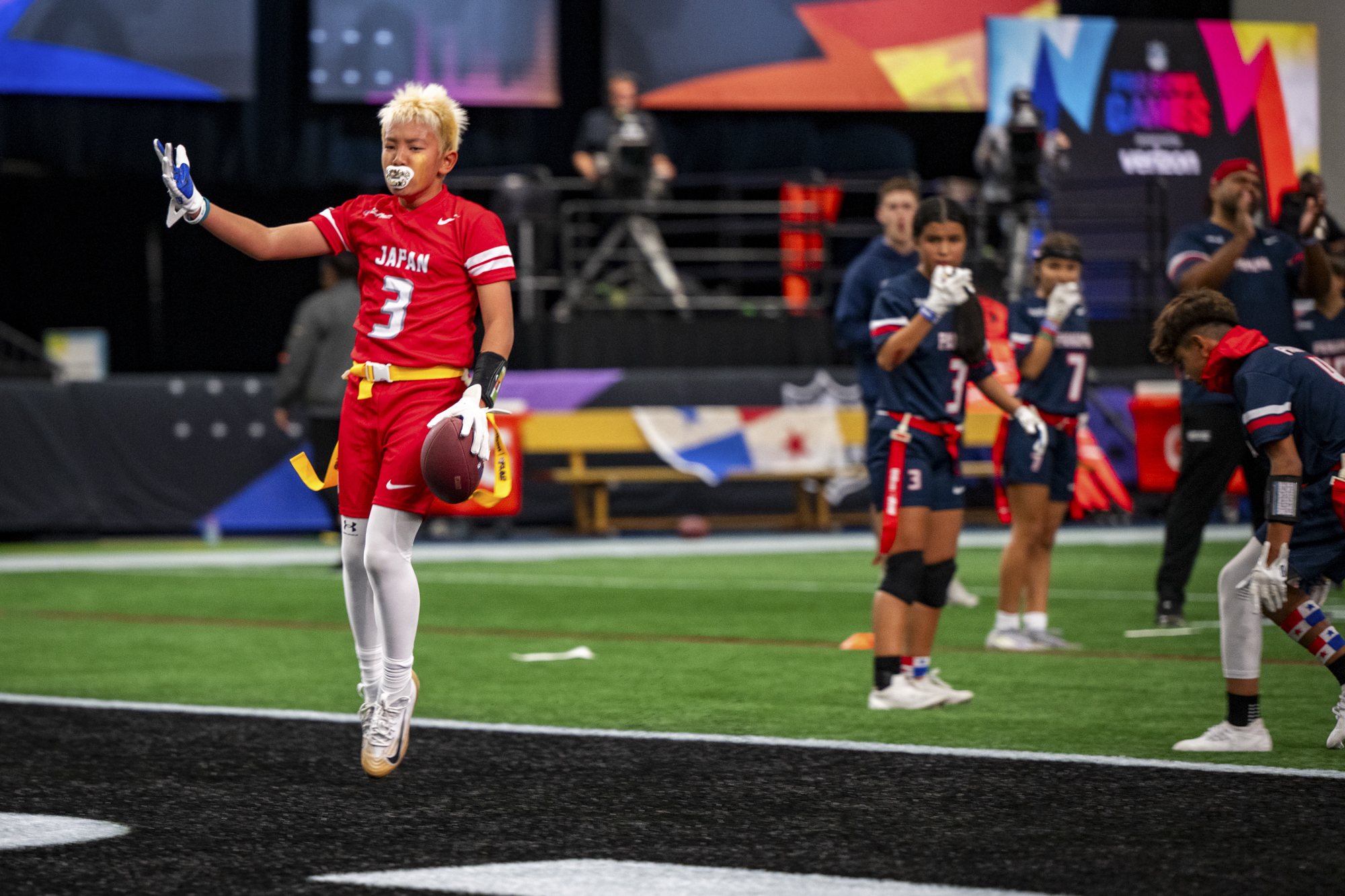
"caption": "Team Japan scores a point against Team Panama during the NFL Flag International Championship at Moscone Center in San Francisco on Feb. 3, 2026. The championship brings together top under-13 co-ed teams from 14 countries as part of Super Bowl LX week’s Super Bowl Experience. ",
"credit": "Beth LaBerge/KQED",
"altTag": null,
"description": null,
"imgSizes": {
"thumbnail": {
"file": "https://cdn.kqed.org/wp-content/uploads/sites/10/2026/02/260203-SUPERBOWLFLAGFOOTBALL-08-KQED-160x107.jpg",
"width": 160,
"height": 107,
"mimeType": "image/jpeg"
},
"1536x1536": {
"file": "https://cdn.kqed.org/wp-content/uploads/sites/10/2026/02/260203-SUPERBOWLFLAGFOOTBALL-08-KQED-1536x1024.jpg",
"width": 1536,
"height": 1024,
"mimeType": "image/jpeg"
},
"post-thumbnail": {
"file": "https://cdn.kqed.org/wp-content/uploads/sites/10/2026/02/260203-SUPERBOWLFLAGFOOTBALL-08-KQED-672x372.jpg",
"width": 672,
"height": 372,
"mimeType": "image/jpeg"
},
"twentyfourteen-full-width": {
"file": "https://cdn.kqed.org/wp-content/uploads/sites/10/2026/02/260203-SUPERBOWLFLAGFOOTBALL-08-KQED-1038x576.jpg",
"width": 1038,
"height": 576,
"mimeType": "image/jpeg"
},
"npr-cds-wide": {
"file": "https://cdn.kqed.org/wp-content/uploads/sites/10/2026/02/260203-SUPERBOWLFLAGFOOTBALL-08-KQED-1200x675.jpg",
"width": 1200,
"height": 675,
"mimeType": "image/jpeg"
},
"kqedFullSize": {
"file": "https://cdn.kqed.org/wp-content/uploads/sites/10/2026/02/260203-SUPERBOWLFLAGFOOTBALL-08-KQED.jpg",
"width": 2000,
"height": 1333
}
},
"isLoading": false,
"fetchFailed": false
},
"news_12064810": {
"type": "attachments",
"id": "news_12064810",
"meta": {
"index": "attachments_1716263798",
"site": "news",
"id": "12064810",
"found": true
},
"title": "U.S. Customs and Border Protection Agent",
"publishDate": 1763595140,
"status": "inherit",
"parent": 12064801,
"modified": 1763595174,
"caption": "A U.S. Customs and Border Protection logo is seen on a vest worn by an agent at MCAS Miramar on Sept. 26, 2025, in San Diego, California.",
"credit": "Kevin Carter/Getty Images",
"altTag": null,
"description": null,
"imgSizes": {
"thumbnail": {
"file": "https://cdn.kqed.org/wp-content/uploads/sites/10/2025/11/ICEGetty-160x107.jpg",
"width": 160,
"height": 107,
"mimeType": "image/jpeg"
},
"1536x1536": {
"file": "https://cdn.kqed.org/wp-content/uploads/sites/10/2025/11/ICEGetty-1536x1024.jpg",
"width": 1536,
"height": 1024,
"mimeType": "image/jpeg"
},
"post-thumbnail": {
"file": "https://cdn.kqed.org/wp-content/uploads/sites/10/2025/11/ICEGetty-672x372.jpg",
"width": 672,
"height": 372,
"mimeType": "image/jpeg"
},
"twentyfourteen-full-width": {
"file": "https://cdn.kqed.org/wp-content/uploads/sites/10/2025/11/ICEGetty-1038x576.jpg",
"width": 1038,
"height": 576,
"mimeType": "image/jpeg"
},
"npr-cds-wide": {
"file": "https://cdn.kqed.org/wp-content/uploads/sites/10/2025/11/ICEGetty-1200x675.jpg",
"width": 1200,
"height": 675,
"mimeType": "image/jpeg"
},
"kqedFullSize": {
"file": "https://cdn.kqed.org/wp-content/uploads/sites/10/2025/11/ICEGetty.jpg",
"width": 2000,
"height": 1333
}
},
"isLoading": false,
"fetchFailed": false
},
"news_12055163": {
"type": "attachments",
"id": "news_12055163",
"meta": {
"index": "attachments_1716263798",
"site": "news",
"id": "12055163",
"found": true
},
"title": "Golden Gate bridge as seen from Angel Island, California",
"publishDate": 1757360536,
"status": "inherit",
"parent": 12055137,
"modified": 1763407041,
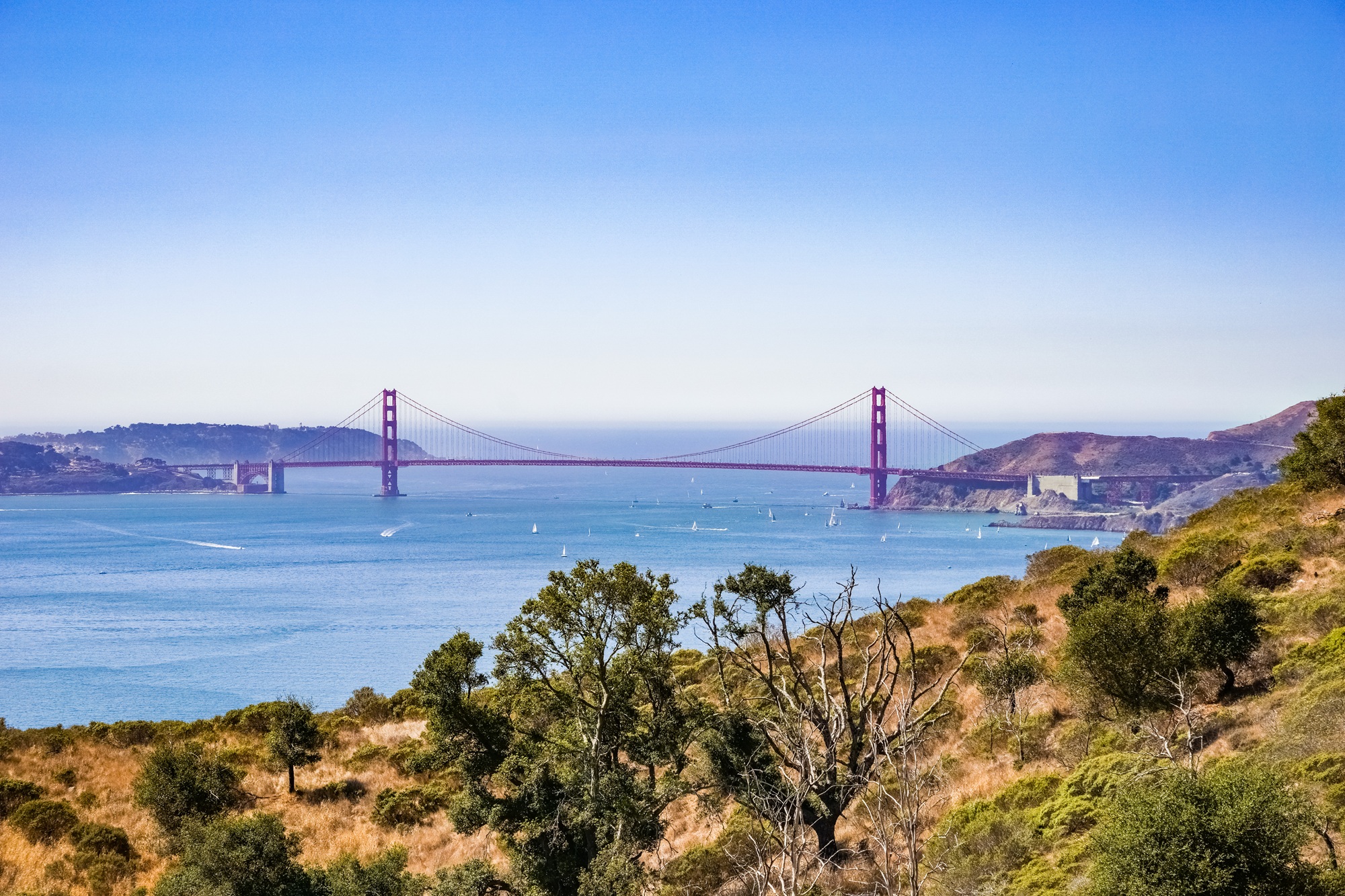
"caption": "The Golden Gate Bridge as seen from Angel Island, California, on March 8, 2019.",
"credit": "Sundry Photography/Getty Images",
"altTag": null,
"description": null,
"imgSizes": {
"thumbnail": {
"file": "https://cdn.kqed.org/wp-content/uploads/sites/10/2025/09/AngelIslandGGBridgeGetty-160x107.jpg",
"width": 160,
"height": 107,
"mimeType": "image/jpeg"
},
"1536x1536": {
"file": "https://cdn.kqed.org/wp-content/uploads/sites/10/2025/09/AngelIslandGGBridgeGetty-1536x1024.jpg",
"width": 1536,
"height": 1024,
"mimeType": "image/jpeg"
},
"post-thumbnail": {
"file": "https://cdn.kqed.org/wp-content/uploads/sites/10/2025/09/AngelIslandGGBridgeGetty-672x372.jpg",
"width": 672,
"height": 372,
"mimeType": "image/jpeg"
},
"twentyfourteen-full-width": {
"file": "https://cdn.kqed.org/wp-content/uploads/sites/10/2025/09/AngelIslandGGBridgeGetty-1038x576.jpg",
"width": 1038,
"height": 576,
"mimeType": "image/jpeg"
},
"kqedFullSize": {
"file": "https://cdn.kqed.org/wp-content/uploads/sites/10/2025/09/AngelIslandGGBridgeGetty.jpg",
"width": 2000,
"height": 1333
}
},
"isLoading": false,
"fetchFailed": false
},
"news_12072293": {
"type": "attachments",
"id": "news_12072293",
"meta": {
"index": "attachments_1716263798",
"site": "news",
"id": "12072293",
"found": true
},
"title": "IMG_1350",
"publishDate": 1770236485,
"status": "inherit",
"parent": 12072253,
"modified": 1770236508,
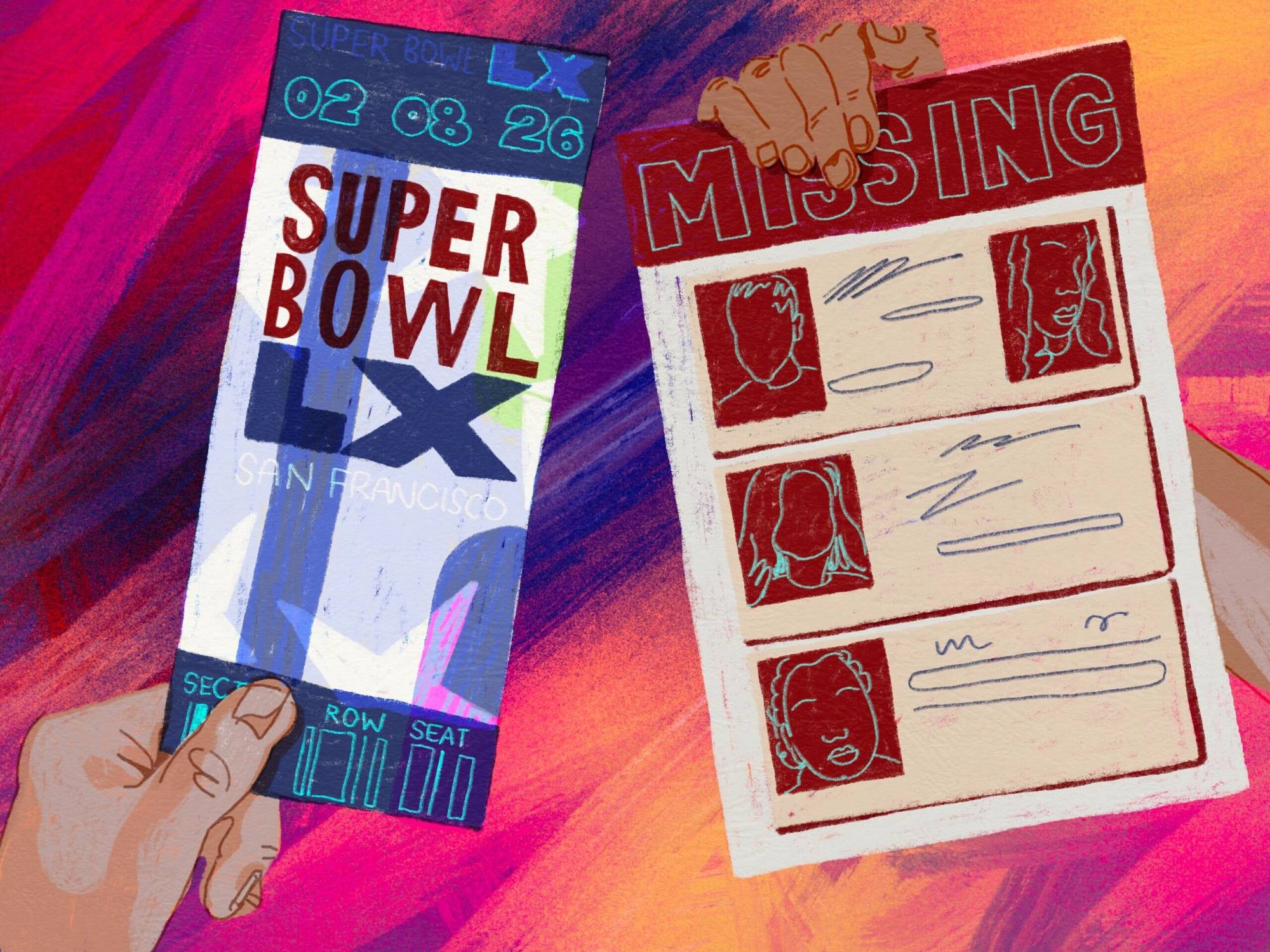
"caption": "For years, outreach efforts related to human trafficking have coincided with the Super Bowl. Ahead of the big game this year at Levi's Stadium, Bay Area advocacy groups and law enforcement agencies have put a spotlight on the problem, given the platform that the NFL's biggest night provides.",
"credit": "Anna Vignet/KQED",
"altTag": null,
"description": null,
"imgSizes": {
"medium": {
"file": "https://cdn.kqed.org/wp-content/uploads/sites/10/2026/02/IMG_1350-2000x1500.jpg",
"width": 2000,
"height": 1500,
"mimeType": "image/jpeg"
},
"large": {
"file": "https://cdn.kqed.org/wp-content/uploads/sites/10/2026/02/IMG_1350-2000x1500.jpg",
"width": 2000,
"height": 1500,
"mimeType": "image/jpeg"
},
"thumbnail": {
"file": "https://cdn.kqed.org/wp-content/uploads/sites/10/2026/02/IMG_1350-160x120.jpg",
"width": 160,
"height": 120,
"mimeType": "image/jpeg"
},
"1536x1536": {
"file": "https://cdn.kqed.org/wp-content/uploads/sites/10/2026/02/IMG_1350-1536x1152.jpg",
"width": 1536,
"height": 1152,
"mimeType": "image/jpeg"
},
"2048x2048": {
"file": "https://cdn.kqed.org/wp-content/uploads/sites/10/2026/02/IMG_1350-2048x1536.jpg",
"width": 2048,
"height": 1536,
"mimeType": "image/jpeg"
},
"post-thumbnail": {
"file": "https://cdn.kqed.org/wp-content/uploads/sites/10/2026/02/IMG_1350-672x372.jpg",
"width": 672,
"height": 372,
"mimeType": "image/jpeg"
},
"twentyfourteen-full-width": {
"file": "https://cdn.kqed.org/wp-content/uploads/sites/10/2026/02/IMG_1350-1038x576.jpg",
"width": 1038,
"height": 576,
"mimeType": "image/jpeg"
},
"full-width": {
"file": "https://cdn.kqed.org/wp-content/uploads/sites/10/2026/02/IMG_1350-2000x1500.jpg",
"width": 2000,
"height": 1500,
"mimeType": "image/jpeg"
},
"npr-cds-wide": {
"file": "https://cdn.kqed.org/wp-content/uploads/sites/10/2026/02/IMG_1350-1200x675.jpg",
"width": 1200,
"height": 675,
"mimeType": "image/jpeg"
},
"kqedFullSize": {
"file": "https://cdn.kqed.org/wp-content/uploads/sites/10/2026/02/IMG_1350.jpg",
"width": 2560,
"height": 1920
}
},
"isLoading": false,
"fetchFailed": false
},
"news_12072296": {
"type": "attachments",
"id": "news_12072296",
"meta": {
"index": "attachments_1716263798",
"site": "news",
"id": "12072296",
"found": true
},
"title": "Figure Skating Training - Milano Cortina 2026 Winter Olympics: Day -2",
"publishDate": 1770236902,
"status": "inherit",
"parent": 12072038,
"modified": 1770236932,
"caption": "Alysa Liu of Team United States practices during a training session on day minus two of the Milano Cortina 2026 Winter Olympic games at Milano Ice Skating Arena on Feb. 4, 2026 in Milan, Italy. ",
"credit": "Matthew Stockman/Getty Images",
"altTag": null,
"description": null,
"imgSizes": {
"thumbnail": {
"file": "https://cdn.kqed.org/wp-content/uploads/sites/10/2026/02/WinterOlympics2026Getty1-160x107.jpg",
"width": 160,
"height": 107,
"mimeType": "image/jpeg"
},
"1536x1536": {
"file": "https://cdn.kqed.org/wp-content/uploads/sites/10/2026/02/WinterOlympics2026Getty1-1536x1023.jpg",
"width": 1536,
"height": 1023,
"mimeType": "image/jpeg"
},
"post-thumbnail": {
"file": "https://cdn.kqed.org/wp-content/uploads/sites/10/2026/02/WinterOlympics2026Getty1-672x372.jpg",
"width": 672,
"height": 372,
"mimeType": "image/jpeg"
},
"twentyfourteen-full-width": {
"file": "https://cdn.kqed.org/wp-content/uploads/sites/10/2026/02/WinterOlympics2026Getty1-1038x576.jpg",
"width": 1038,
"height": 576,
"mimeType": "image/jpeg"
},
"npr-cds-wide": {
"file": "https://cdn.kqed.org/wp-content/uploads/sites/10/2026/02/WinterOlympics2026Getty1-1200x675.jpg",
"width": 1200,
"height": 675,
"mimeType": "image/jpeg"
},
"kqedFullSize": {
"file": "https://cdn.kqed.org/wp-content/uploads/sites/10/2026/02/WinterOlympics2026Getty1.jpg",
"width": 2000,
"height": 1332
}
},
"isLoading": false,
"fetchFailed": false
},
"news_12072318": {
"type": "attachments",
"id": "news_12072318",
"meta": {
"index": "attachments_1716263798",
"site": "news",
"id": "12072318",
"found": true
},
"title": "Tulip Flowers In Full Bloom At Golden Gate Park",
"publishDate": 1770239196,
"status": "inherit",
"parent": 12072313,
"modified": 1770239239,
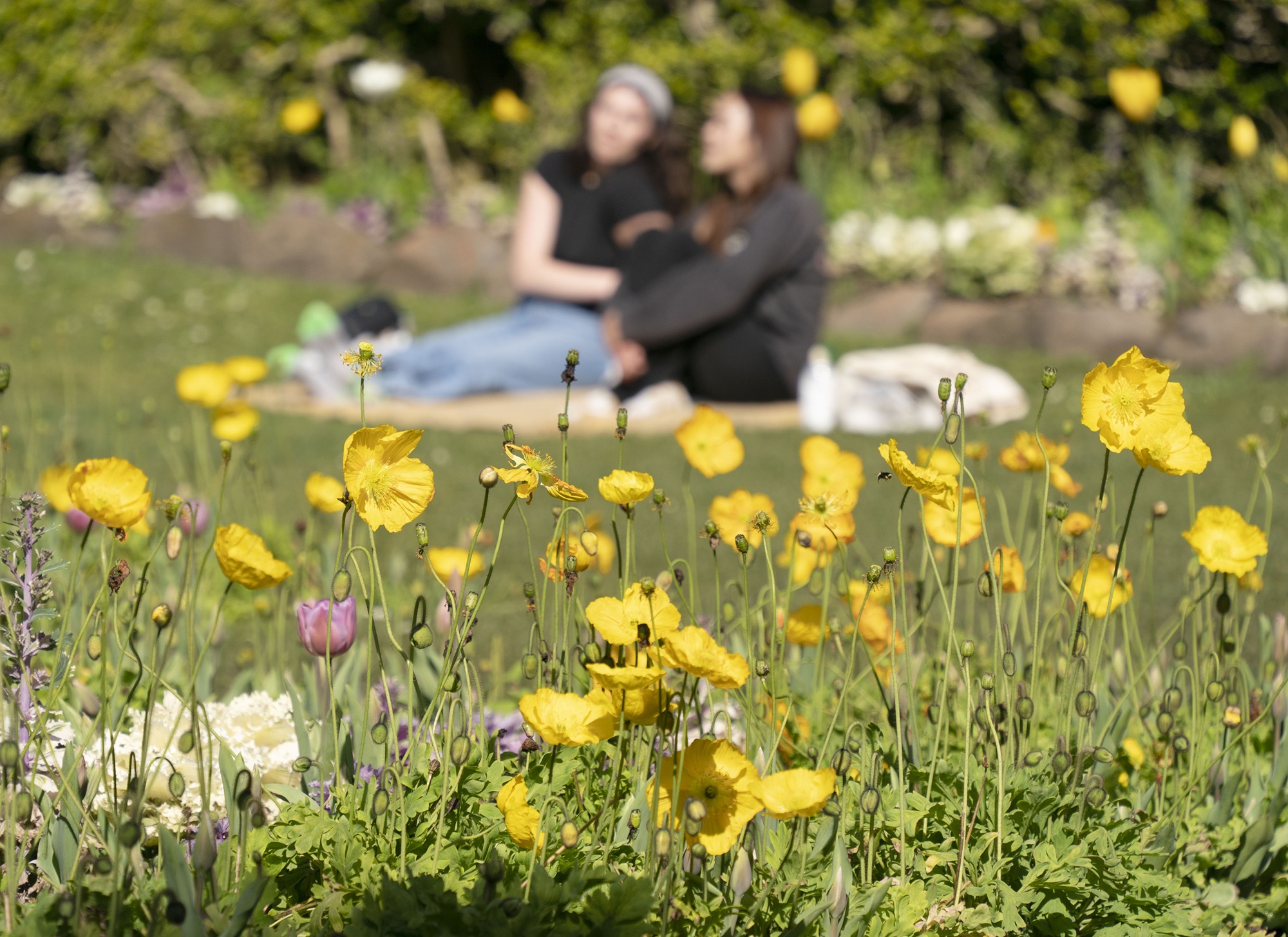
"caption": "Two people enjoy the scenery of blooming flowers at Golden Gate Park on March 13, 2024, in San Francisco, California. ",
"credit": "Liu Guanguan/China News Service/VCG via Getty Images",
"altTag": null,
"description": null,
"imgSizes": {
"thumbnail": {
"file": "https://cdn.kqed.org/wp-content/uploads/sites/10/2026/02/SFSpringGetty-160x116.jpg",
"width": 160,
"height": 116,
"mimeType": "image/jpeg"
},
"1536x1536": {
"file": "https://cdn.kqed.org/wp-content/uploads/sites/10/2026/02/SFSpringGetty-1536x1117.jpg",
"width": 1536,
"height": 1117,
"mimeType": "image/jpeg"
},
"post-thumbnail": {
"file": "https://cdn.kqed.org/wp-content/uploads/sites/10/2026/02/SFSpringGetty-672x372.jpg",
"width": 672,
"height": 372,
"mimeType": "image/jpeg"
},
"twentyfourteen-full-width": {
"file": "https://cdn.kqed.org/wp-content/uploads/sites/10/2026/02/SFSpringGetty-1038x576.jpg",
"width": 1038,
"height": 576,
"mimeType": "image/jpeg"
},
"npr-cds-wide": {
"file": "https://cdn.kqed.org/wp-content/uploads/sites/10/2026/02/SFSpringGetty-1200x675.jpg",
"width": 1200,
"height": 675,
"mimeType": "image/jpeg"
},
"kqedFullSize": {
"file": "https://cdn.kqed.org/wp-content/uploads/sites/10/2026/02/SFSpringGetty.jpg",
"width": 2000,
"height": 1455
}
},
"isLoading": false,
"fetchFailed": false
},
"news_12072184": {
"type": "attachments",
"id": "news_12072184",
"meta": {
"index": "attachments_1716263798",
"site": "news",
"id": "12072184",
"found": true
},
"title": "020226SUPER BOWL HOMELESSNESS _GH_007-KQED",
"publishDate": 1770167025,
"status": "inherit",
"parent": 12096431,
"modified": 1787428558,
"caption": "Rows of cots fill the sanctuary at Saint John’s the Evangelist Episcopal Church as the Gubbio Project temporarily provides overnight shelter on Feb. 2, 2026, in San Francisco. The program normally offers daytime rest without barriers to entry.",
"credit": "Gustavo Hernandez/KQED",
"altTag": null,
"description": null,
"imgSizes": {
"thumbnail": {
"file": "https://cdn.kqed.org/wp-content/uploads/sites/10/2026/02/020226SUPER-BOWL-HOMELESSNESS-_GH_007-KQED-160x107.jpg",
"width": 160,
"height": 107,
"mimeType": "image/jpeg"
},
"1536x1536": {
"file": "https://cdn.kqed.org/wp-content/uploads/sites/10/2026/02/020226SUPER-BOWL-HOMELESSNESS-_GH_007-KQED-1536x1024.jpg",
"width": 1536,
"height": 1024,
"mimeType": "image/jpeg"
},
"post-thumbnail": {
"file": "https://cdn.kqed.org/wp-content/uploads/sites/10/2026/02/020226SUPER-BOWL-HOMELESSNESS-_GH_007-KQED-672x372.jpg",
"width": 672,
"height": 372,
"mimeType": "image/jpeg"
},
"twentyfourteen-full-width": {
"file": "https://cdn.kqed.org/wp-content/uploads/sites/10/2026/02/020226SUPER-BOWL-HOMELESSNESS-_GH_007-KQED-1038x576.jpg",
"width": 1038,
"height": 576,
"mimeType": "image/jpeg"
},
"npr-cds-wide": {
"file": "https://cdn.kqed.org/wp-content/uploads/sites/10/2026/02/020226SUPER-BOWL-HOMELESSNESS-_GH_007-KQED-1200x675.jpg",
"width": 1200,
"height": 675,
"mimeType": "image/jpeg"
},
"kqedFullSize": {
"file": "https://cdn.kqed.org/wp-content/uploads/sites/10/2026/02/020226SUPER-BOWL-HOMELESSNESS-_GH_007-KQED.jpg",
"width": 2000,
"height": 1333
}
},
"isLoading": false,
"fetchFailed": false
},
"news_11984097": {
"type": "attachments",
"id": "news_11984097",
"meta": {
"index": "attachments_1716263798",
"site": "news",
"id": "11984097",
"found": true
},
"title": "SAN JOSE LICENSE PLATE READERS-11-KQED",
"publishDate": 1714086991,
"status": "inherit",
"parent": 11983813,
"modified": 1766004900,
"caption": "A Flock Safety worker holds up a new automated license plate reader that was being installed in East San José on April 23, 2024.",
"credit": "Joseph Geha/KQED",
"altTag": "A man with a fluorescent yellow coat holds a black machine.",
"description": null,
"imgSizes": {
"medium": {
"file": "https://cdn.kqed.org/wp-content/uploads/sites/10/2024/04/SAN-JOSE-LICENSE-PLATE-READERS-11-KQED-800x533.jpg",
"width": 800,
"height": 533,
"mimeType": "image/jpeg"
},
"large": {
"file": "https://cdn.kqed.org/wp-content/uploads/sites/10/2024/04/SAN-JOSE-LICENSE-PLATE-READERS-11-KQED-1020x680.jpg",
"width": 1020,
"height": 680,
"mimeType": "image/jpeg"
},
"thumbnail": {
"file": "https://cdn.kqed.org/wp-content/uploads/sites/10/2024/04/SAN-JOSE-LICENSE-PLATE-READERS-11-KQED-160x107.jpg",
"width": 160,
"height": 107,
"mimeType": "image/jpeg"
},
"1536x1536": {
"file": "https://cdn.kqed.org/wp-content/uploads/sites/10/2024/04/SAN-JOSE-LICENSE-PLATE-READERS-11-KQED-1536x1024.jpg",
"width": 1536,
"height": 1024,
"mimeType": "image/jpeg"
},
"post-thumbnail": {
"file": "https://cdn.kqed.org/wp-content/uploads/sites/10/2024/04/SAN-JOSE-LICENSE-PLATE-READERS-11-KQED-672x372.jpg",
"width": 672,
"height": 372,
"mimeType": "image/jpeg"
},
"twentyfourteen-full-width": {
"file": "https://cdn.kqed.org/wp-content/uploads/sites/10/2024/04/SAN-JOSE-LICENSE-PLATE-READERS-11-KQED-1038x576.jpg",
"width": 1038,
"height": 576,
"mimeType": "image/jpeg"
},
"full-width": {
"file": "https://cdn.kqed.org/wp-content/uploads/sites/10/2024/04/SAN-JOSE-LICENSE-PLATE-READERS-11-KQED-1920x1280.jpg",
"width": 1920,
"height": 1280,
"mimeType": "image/jpeg"
},
"kqedFullSize": {
"file": "https://cdn.kqed.org/wp-content/uploads/sites/10/2024/04/SAN-JOSE-LICENSE-PLATE-READERS-11-KQED.jpg",
"width": 2000,
"height": 1333
}
},
"isLoading": false,
"fetchFailed": false
},
"news_12072510": {
"type": "attachments",
"id": "news_12072510",
"meta": {
"index": "attachments_1716263798",
"site": "news",
"id": "12072510",
"found": true
},
"title": "AMFOOT-NFL-SUPER-RAMS-PATRIOTS",
"publishDate": 1770332144,
"status": "inherit",
"parent": 0,
"modified": 1770332144,
"caption": "Michael Buchwald, NFL Senior Counsel, Legal, holds counterfeit game tickets during a press conference at the Super Bowl Media Center in Atlanta, Georgia, on January 31, 2019, as the The National Football League and law enforcement agencies announce the latest results of seizures of counterfeit game-related merchandise and tickets ahead of the Super Bowl LIII. (Photo by TIMOTHY A. CLARY / AFP) (Photo credit should read TIMOTHY A. CLARY/AFP via Getty Images)",
"credit": null,
"altTag": null,
"description": null,
"imgSizes": {
"thumbnail": {
"file": "https://cdn.kqed.org/wp-content/uploads/sites/10/2026/02/SuperBowlTicketsGettyLX-160x109.jpg",
"width": 160,
"height": 109,
"mimeType": "image/jpeg"
},
"1536x1536": {
"file": "https://cdn.kqed.org/wp-content/uploads/sites/10/2026/02/SuperBowlTicketsGettyLX-1536x1042.jpg",
"width": 1536,
"height": 1042,
"mimeType": "image/jpeg"
},
"post-thumbnail": {
"file": "https://cdn.kqed.org/wp-content/uploads/sites/10/2026/02/SuperBowlTicketsGettyLX-672x372.jpg",
"width": 672,
"height": 372,
"mimeType": "image/jpeg"
},
"twentyfourteen-full-width": {
"file": "https://cdn.kqed.org/wp-content/uploads/sites/10/2026/02/SuperBowlTicketsGettyLX-1038x576.jpg",
"width": 1038,
"height": 576,
"mimeType": "image/jpeg"
},
"npr-cds-wide": {
"file": "https://cdn.kqed.org/wp-content/uploads/sites/10/2026/02/SuperBowlTicketsGettyLX-1200x675.jpg",
"width": 1200,
"height": 675,
"mimeType": "image/jpeg"
},
"kqedFullSize": {
"file": "https://cdn.kqed.org/wp-content/uploads/sites/10/2026/02/SuperBowlTicketsGettyLX.jpg",
"width": 2001,
"height": 1357
}
},
"isLoading": false,
"fetchFailed": false
},
"news_12072015": {
"type": "attachments",
"id": "news_12072015",
"meta": {
"index": "attachments_1716263798",
"site": "news",
"id": "12072015",
"found": true
},
"title": "260202-SUPERBOWLOPENINGNIGHT-36-BL-KQED",
"publishDate": 1770131335,
"status": "inherit",
"parent": 12071931,
"modified": 1770145947,
"caption": "Fans cheer during Super Bowl Opening Night at the San José Convention Center in San José on Feb. 2, 2026. ",
"credit": "Beth LaBerge/KQED",
"altTag": null,
"description": null,
"imgSizes": {
"thumbnail": {
"file": "https://cdn.kqed.org/wp-content/uploads/sites/10/2026/02/260202-SUPERBOWLOPENINGNIGHT-36-BL-KQED-160x107.jpg",
"width": 160,
"height": 107,
"mimeType": "image/jpeg"
},
"1536x1536": {
"file": "https://cdn.kqed.org/wp-content/uploads/sites/10/2026/02/260202-SUPERBOWLOPENINGNIGHT-36-BL-KQED-1536x1024.jpg",
"width": 1536,
"height": 1024,
"mimeType": "image/jpeg"
},
"post-thumbnail": {
"file": "https://cdn.kqed.org/wp-content/uploads/sites/10/2026/02/260202-SUPERBOWLOPENINGNIGHT-36-BL-KQED-672x372.jpg",
"width": 672,
"height": 372,
"mimeType": "image/jpeg"
},
"twentyfourteen-full-width": {
"file": "https://cdn.kqed.org/wp-content/uploads/sites/10/2026/02/260202-SUPERBOWLOPENINGNIGHT-36-BL-KQED-1038x576.jpg",
"width": 1038,
"height": 576,
"mimeType": "image/jpeg"
},
"npr-cds-wide": {
"file": "https://cdn.kqed.org/wp-content/uploads/sites/10/2026/02/260202-SUPERBOWLOPENINGNIGHT-36-BL-KQED-1200x675.jpg",
"width": 1200,
"height": 675,
"mimeType": "image/jpeg"
},
"kqedFullSize": {
"file": "https://cdn.kqed.org/wp-content/uploads/sites/10/2026/02/260202-SUPERBOWLOPENINGNIGHT-36-BL-KQED.jpg",
"width": 2000,
"height": 1333
}
},
"isLoading": false,
"fetchFailed": false
},
"news_12068296": {
"type": "attachments",
"id": "news_12068296",
"meta": {
"index": "attachments_1716263798",
"site": "news",
"id": "12068296",
"found": true
},
"title": "251222-PGEUpdates-22-BL_qed",
"publishDate": 1766442988,
"status": "inherit",
"parent": 0,
"modified": 1770076977,
"caption": "A PG&E employee works to repair a substation on Mission and Eighth streets in San Francisco on Dec. 22, 2025, after a fire at the site over the weekend contributed to a major citywide power outage.",
"credit": "Beth LaBerge/KQED",
"altTag": null,
"description": null,
"imgSizes": {
"thumbnail": {
"file": "https://cdn.kqed.org/wp-content/uploads/sites/10/2025/12/251222-PGEUpdates-22-BL_qed-160x107.jpg",
"width": 160,
"height": 107,
"mimeType": "image/jpeg"
},
"1536x1536": {
"file": "https://cdn.kqed.org/wp-content/uploads/sites/10/2025/12/251222-PGEUpdates-22-BL_qed-1536x1024.jpg",
"width": 1536,
"height": 1024,
"mimeType": "image/jpeg"
},
"post-thumbnail": {
"file": "https://cdn.kqed.org/wp-content/uploads/sites/10/2025/12/251222-PGEUpdates-22-BL_qed-672x372.jpg",
"width": 672,
"height": 372,
"mimeType": "image/jpeg"
},
"twentyfourteen-full-width": {
"file": "https://cdn.kqed.org/wp-content/uploads/sites/10/2025/12/251222-PGEUpdates-22-BL_qed-1038x576.jpg",
"width": 1038,
"height": 576,
"mimeType": "image/jpeg"
},
"npr-cds-wide": {
"file": "https://cdn.kqed.org/wp-content/uploads/sites/10/2025/12/251222-PGEUpdates-22-BL_qed-1200x675.jpg",
"width": 1200,
"height": 675,
"mimeType": "image/jpeg"
},
"kqedFullSize": {
"file": "https://cdn.kqed.org/wp-content/uploads/sites/10/2025/12/251222-PGEUpdates-22-BL_qed.jpg",
"width": 2000,
"height": 1333
}
},
"isLoading": false,
"fetchFailed": false
},
"news_12071911": {
"type": "attachments",
"id": "news_12071911",
"meta": {
"index": "attachments_1716263798",
"site": "news",
"id": "12071911",
"found": true
},
"title": "251215-EarthquakeSwarms-14-BL_qed",
"publishDate": 1770056800,
"status": "inherit",
"parent": 12071884,
"modified": 1770056808,
"caption": "Apartment buildings and homes line Deerwood Road in San Ramon on Dec. 15, 2025. The area sits near the Calaveras Fault, an active fault that runs underground through the East Bay.",
"credit": "Beth LaBerge/KQED",
"altTag": null,
"description": null,
"imgSizes": {
"thumbnail": {
"file": "https://cdn.kqed.org/wp-content/uploads/sites/10/2026/02/251215-EarthquakeSwarms-14-BL_qed-160x107.jpg",
"width": 160,
"height": 107,
"mimeType": "image/jpeg"
},
"1536x1536": {
"file": "https://cdn.kqed.org/wp-content/uploads/sites/10/2026/02/251215-EarthquakeSwarms-14-BL_qed-1536x1024.jpg",
"width": 1536,
"height": 1024,
"mimeType": "image/jpeg"
},
"post-thumbnail": {
"file": "https://cdn.kqed.org/wp-content/uploads/sites/10/2026/02/251215-EarthquakeSwarms-14-BL_qed-672x372.jpg",
"width": 672,
"height": 372,
"mimeType": "image/jpeg"
},
"twentyfourteen-full-width": {
"file": "https://cdn.kqed.org/wp-content/uploads/sites/10/2026/02/251215-EarthquakeSwarms-14-BL_qed-1038x576.jpg",
"width": 1038,
"height": 576,
"mimeType": "image/jpeg"
},
"npr-cds-wide": {
"file": "https://cdn.kqed.org/wp-content/uploads/sites/10/2026/02/251215-EarthquakeSwarms-14-BL_qed-1200x675.jpg",
"width": 1200,
"height": 675,
"mimeType": "image/jpeg"
},
"kqedFullSize": {
"file": "https://cdn.kqed.org/wp-content/uploads/sites/10/2026/02/251215-EarthquakeSwarms-14-BL_qed.jpg",
"width": 2000,
"height": 1333
}
},
"isLoading": false,
"fetchFailed": false
}
},
"audioPlayerReducer": {
"postId": "stream_live",
"isPaused": true,
"isPlaying": false,
"pfsActive": false,
"pledgeModalIsOpen": true,
"playerDrawerIsOpen": false,
"liveAudioPlayStartedAt": 0,
"liveAudioPlayContext": ""
},
"authorsReducer": {
"shossaini": {
"type": "authors",
"id": "3214",
"meta": {
"index": "authors_1716337520",
"id": "3214",
"found": true
},
"name": "Sara Hossaini",
"firstName": "Sara",
"lastName": "Hossaini",
"slug": "shossaini",
"email": "shossaini@kqed.org",
"display_author_email": true,
"staff_mastheads": [
"news"
],
"title": "KQED Reporter",
"bio": "Sara Hossaini came to general assignment reporting at KQED in 2013 after two winters reporting at Wyoming Public Radio. She holds a bachelor's degree in broadcast journalism from the University of Nebraska-Lincoln. Her radio romance began after a bitter breakup with documentary film (Ok, maybe it's still complicated). Her first simultaneous jobs in San Francisco were as Associate Producer on a PBS film series through the Center for Asian American Media and as a butler. She likes to trot, plot and make things with her hands.",
"avatar": "https://secure.gravatar.com/avatar/060e9f56b9554e17942e89f413242774?s=600&d=blank&r=g",
"twitter": "mshossaini",
"facebook": null,
"instagram": null,
"linkedin": null,
"sites": [
{
"site": "news",
"roles": [
"author"
]
},
{
"site": "stateofhealth",
"roles": [
"author"
]
}
],
"headData": {
"title": "Sara Hossaini | KQED",
"description": "KQED Reporter",
"ogImgSrc": "https://secure.gravatar.com/avatar/060e9f56b9554e17942e89f413242774?s=600&d=blank&r=g",
"twImgSrc": "https://secure.gravatar.com/avatar/060e9f56b9554e17942e89f413242774?s=600&d=blank&r=g"
},
"isLoading": false,
"link": "/author/shossaini"
},
"carlysevern": {
"type": "authors",
"id": "3243",
"meta": {
"index": "authors_1716337520",
"id": "3243",
"found": true
},
"name": "Carly Severn",
"firstName": "Carly",
"lastName": "Severn",
"slug": "carlysevern",
"email": "csevern@kqed.org",
"display_author_email": false,
"staff_mastheads": [
"news"
],
"title": "Senior Editor, Audience News ",
"bio": "Carly is KQED's Senior Editor of Audience News on the Digital News team, and has reported for the California Report Magazine, Bay Curious and KQED Arts. She's formerly the host of \u003ca href=\"http://ww2.kqed.org/pop/category/the-cooler/\" rel=\"noopener noreferrer\">The Cooler\u003c/a> podcast.",
"avatar": "https://secure.gravatar.com/avatar/54037bf5c128fe678f0ef26cec97a93f2e7f220a22d7285703328f12c42c1b1d?s=600&d=blank&r=g",
"twitter": "teacupinthebay",
"bluesky": null,
"facebook": null,
"instagram": null,
"linkedin": null,
"sites": [
{
"site": "",
"roles": [
"editor"
]
},
{
"site": "arts",
"roles": [
"editor"
]
},
{
"site": "news",
"roles": [
"administrator"
]
},
{
"site": "pop",
"roles": [
"editor"
]
},
{
"site": "futureofyou",
"roles": [
"editor"
]
},
{
"site": "about",
"roles": [
"administrator"
]
},
{
"site": "mindshift",
"roles": [
"editor"
]
},
{
"site": "bayareabites",
"roles": [
"editor"
]
},
{
"site": "stateofhealth",
"roles": [
"editor"
]
},
{
"site": "science",
"roles": [
"editor"
]
},
{
"site": "food",
"roles": [
"contributor"
]
},
{
"site": "forum",
"roles": [
"editor"
]
},
{
"site": "perspectives",
"roles": [
"administrator"
]
},
{
"site": "liveblog",
"roles": [
"editor"
]
}
],
"headData": {
"title": "Carly Severn | KQED",
"description": "Senior Editor, Audience News ",
"ogImgSrc": "https://secure.gravatar.com/avatar/54037bf5c128fe678f0ef26cec97a93f2e7f220a22d7285703328f12c42c1b1d?s=600&d=blank&r=g",
"twImgSrc": "https://secure.gravatar.com/avatar/54037bf5c128fe678f0ef26cec97a93f2e7f220a22d7285703328f12c42c1b1d?s=600&d=blank&r=g"
},
"isLoading": false,
"link": "/author/carlysevern"
},
"ccabreralomeli": {
"type": "authors",
"id": "11708",
"meta": {
"index": "authors_1716337520",
"id": "11708",
"found": true
},
"name": "Carlos Cabrera-Lomelí",
"firstName": "Carlos",
"lastName": "Cabrera-Lomelí",
"slug": "ccabreralomeli",
"email": "ccabreralomeli@KQED.org",
"display_author_email": true,
"staff_mastheads": [
"news"
],
"title": "Community Reporter",
"bio": "Carlos Cabrera-Lomelí is a community reporter with KQED's digital engagement team. He also reports and co-produces for KQED's bilingual news hub KQED en Español. He grew up in San Francisco's Mission District and has previously worked with Univision, 48 Hills and REFORMA in Mexico City.",
"avatar": "https://secure.gravatar.com/avatar/c309be9665e484f887b818c89e273ecc673004f426f36b24d00a4d813a2e0518?s=600&d=blank&r=g",
"twitter": "@LomeliCabrera",
"bluesky": null,
"facebook": null,
"instagram": null,
"linkedin": null,
"sites": [
{
"site": "arts",
"roles": [
"editor"
]
},
{
"site": "news",
"roles": [
"editor"
]
},
{
"site": "about",
"roles": [
"editor"
]
},
{
"site": "science",
"roles": [
"editor"
]
},
{
"site": "perspectives",
"roles": [
"editor"
]
},
{
"site": "elections",
"roles": [
"editor"
]
},
{
"site": "liveblog",
"roles": [
"contributor"
]
}
],
"headData": {
"title": "Carlos Cabrera-Lomelí | KQED",
"description": "Community Reporter",
"ogImgSrc": "https://secure.gravatar.com/avatar/c309be9665e484f887b818c89e273ecc673004f426f36b24d00a4d813a2e0518?s=600&d=blank&r=g",
"twImgSrc": "https://secure.gravatar.com/avatar/c309be9665e484f887b818c89e273ecc673004f426f36b24d00a4d813a2e0518?s=600&d=blank&r=g"
},
"isLoading": false,
"link": "/author/ccabreralomeli"
},
"adahlstromeckman": {
"type": "authors",
"id": "11785",
"meta": {
"index": "authors_1716337520",
"id": "11785",
"found": true
},
"name": "Azul Dahlstrom-Eckman",
"firstName": "Azul",
"lastName": "Dahlstrom-Eckman",
"slug": "adahlstromeckman",
"email": "adahlstrom-eckman@kqed.org",
"display_author_email": true,
"staff_mastheads": [],
"title": "Reporter",
"bio": "Azul is a reporter for KQED focusing on transportation and features. He joined KQED in 2021 as an alumna of KALW's Audio Academy radio journalism training program.",
"avatar": "https://secure.gravatar.com/avatar/9cb750298435add7815a777f55bf1f46845c1386bb8452555c60a7b820b5aba3?s=600&d=blank&r=g",
"twitter": "@zuliemann",
"bluesky": "@azul415.bsky.social",
"facebook": null,
"instagram": null,
"linkedin": null,
"sites": [
{
"site": "arts",
"roles": [
"editor"
]
},
{
"site": "news",
"roles": [
"editor"
]
},
{
"site": "science",
"roles": [
"editor"
]
},
{
"site": "liveblog",
"roles": [
"author"
]
}
],
"headData": {
"title": "Azul Dahlstrom-Eckman | KQED",
"description": "Reporter",
"ogImgSrc": "https://secure.gravatar.com/avatar/9cb750298435add7815a777f55bf1f46845c1386bb8452555c60a7b820b5aba3?s=600&d=blank&r=g",
"twImgSrc": "https://secure.gravatar.com/avatar/9cb750298435add7815a777f55bf1f46845c1386bb8452555c60a7b820b5aba3?s=600&d=blank&r=g"
},
"isLoading": false,
"link": "/author/adahlstromeckman"
},
"sjohnson": {
"type": "authors",
"id": "11840",
"meta": {
"index": "authors_1716337520",
"id": "11840",
"found": true
},
"name": "Sydney Johnson",
"firstName": "Sydney",
"lastName": "Johnson",
"slug": "sjohnson",
"email": "sjohnson@kqed.org",
"display_author_email": false,
"staff_mastheads": [
"news"
],
"title": "KQED Reporter",
"bio": "Sydney Johnson is a general assignment reporter at KQED. She previously reported on public health and city government at the San Francisco Examiner, and before that, she covered statewide education policy for EdSource. Her reporting has won multiple local, state and national awards. Sydney is a graduate of the University of California, Berkeley and lives in San Francisco.",
"avatar": "https://secure.gravatar.com/avatar/97855f2719b72ad6190b7c535fe642c8?s=600&d=blank&r=g",
"twitter": "sydneyfjohnson",
"facebook": null,
"instagram": null,
"linkedin": null,
"sites": [
{
"site": "news",
"roles": [
"editor"
]
}
],
"headData": {
"title": "Sydney Johnson | KQED",
"description": "KQED Reporter",
"ogImgSrc": "https://secure.gravatar.com/avatar/97855f2719b72ad6190b7c535fe642c8?s=600&d=blank&r=g",
"twImgSrc": "https://secure.gravatar.com/avatar/97855f2719b72ad6190b7c535fe642c8?s=600&d=blank&r=g"
},
"isLoading": false,
"link": "/author/sjohnson"
},
"kdebenedetti": {
"type": "authors",
"id": "11913",
"meta": {
"index": "authors_1716337520",
"id": "11913",
"found": true
},
"name": "Katie DeBenedetti",
"firstName": "Katie",
"lastName": "DeBenedetti",
"slug": "kdebenedetti",
"email": "kdebenedetti@kqed.org",
"display_author_email": false,
"staff_mastheads": [
"news",
"science"
],
"title": "KQED Contributor",
"bio": "Katie DeBenedetti is a digital reporter covering daily news for the Express Desk. Prior to joining KQED as a culture reporting intern in January 2024, she covered education and city government for the Napa Valley Register.",
"avatar": "https://secure.gravatar.com/avatar/6e31073cb8f7e4214ab03f42771d0f45?s=600&d=blank&r=g",
"twitter": null,
"facebook": null,
"instagram": null,
"linkedin": null,
"sites": [
{
"site": "news",
"roles": [
"author"
]
},
{
"site": "science",
"roles": [
"author"
]
},
{
"site": "liveblog",
"roles": [
"author"
]
}
],
"headData": {
"title": "Katie DeBenedetti | KQED",
"description": "KQED Contributor",
"ogImgSrc": "https://secure.gravatar.com/avatar/6e31073cb8f7e4214ab03f42771d0f45?s=600&d=blank&r=g",
"twImgSrc": "https://secure.gravatar.com/avatar/6e31073cb8f7e4214ab03f42771d0f45?s=600&d=blank&r=g"
},
"isLoading": false,
"link": "/author/kdebenedetti"
},
"emanoukian": {
"type": "authors",
"id": "11925",
"meta": {
"index": "authors_1716337520",
"id": "11925",
"found": true
},
"name": "Elize Manoukian",
"firstName": "Elize",
"lastName": "Manoukian",
"slug": "emanoukian",
"email": "emanoukian@KQED.org",
"display_author_email": false,
"staff_mastheads": [
"news"
],
"title": "Digital News Editor",
"bio": "Elize Manoukian is an award-winning audio producer and Senior Editor on the Express Desk, KQED's digital news platform. Her work has appeared on KPFA, Interlochen Public Radio, Oregon Public Broadcast, the New York Daily News, LA Times and the San Diego Union-Tribune.",
"avatar": "https://secure.gravatar.com/avatar/4525f1a8e46ccb30933b32653d9772064cfefe3fa655eb45b3b3a80341f6bdad?s=600&d=blank&r=g",
"twitter": null,
"bluesky": null,
"facebook": null,
"instagram": null,
"linkedin": null,
"sites": [
{
"site": "arts",
"roles": [
"editor"
]
},
{
"site": "news",
"roles": [
"editor"
]
},
{
"site": "science",
"roles": [
"editor"
]
}
],
"headData": {
"title": "Elize Manoukian | KQED",
"description": "Digital News Editor",
"ogImgSrc": "https://secure.gravatar.com/avatar/4525f1a8e46ccb30933b32653d9772064cfefe3fa655eb45b3b3a80341f6bdad?s=600&d=blank&r=g",
"twImgSrc": "https://secure.gravatar.com/avatar/4525f1a8e46ccb30933b32653d9772064cfefe3fa655eb45b3b3a80341f6bdad?s=600&d=blank&r=g"
},
"isLoading": false,
"link": "/author/emanoukian"
},
"sarahwright": {
"type": "authors",
"id": "11956",
"meta": {
"index": "authors_1716337520",
"id": "11956",
"found": true
},
"name": "Sarah Wright",
"firstName": "Sarah",
"lastName": "Wright",
"slug": "sarahwright",
"email": "swright@kqed.org",
"display_author_email": true,
"staff_mastheads": [],
"title": "Outdoors Engagement Reporter",
"bio": "Sarah Wright is KQED's Outdoors Engagement Reporter. Originally from Lake Tahoe, she completed a thru-hike of the Pacific Crest Trail in 2019 and was a U.S. Fulbright Program grantee to Argentina in 2023. Her journalism has appeared in The Guardian, The San Francisco Standard, The Palo Alto Weekly and the Half Moon Bay Review.",
"avatar": "https://secure.gravatar.com/avatar/c161a3d6441865cba25e6db4fa561099ad665799e9432e34da2b84d7e371524c?s=600&d=blank&r=g",
"twitter": null,
"bluesky": null,
"facebook": null,
"instagram": null,
"linkedin": null,
"sites": [
{
"site": "arts",
"roles": [
"editor"
]
},
{
"site": "news",
"roles": [
"editor"
]
},
{
"site": "science",
"roles": [
"contributor",
"author"
]
},
{
"site": "forum",
"roles": [
"editor"
]
}
],
"headData": {
"title": "Sarah Wright | KQED",
"description": "Outdoors Engagement Reporter",
"ogImgSrc": "https://secure.gravatar.com/avatar/c161a3d6441865cba25e6db4fa561099ad665799e9432e34da2b84d7e371524c?s=600&d=blank&r=g",
"twImgSrc": "https://secure.gravatar.com/avatar/c161a3d6441865cba25e6db4fa561099ad665799e9432e34da2b84d7e371524c?s=600&d=blank&r=g"
},
"isLoading": false,
"link": "/author/sarahwright"
}
},
"pagesReducer": {
"news_tag_bay-area": {
"type": "terms",
"id": "news_1386",
"meta": {
"index": "terms_1716263798",
"site": "news",
"id": "1386",
"score": 7.788433
},
"featImg": null,
"name": "Bay Area",
"description": null,
"taxonomy": "tag",
"headData": {
"twImgId": null,
"twTitle": null,
"ogTitle": null,
"ogImgId": null,
"twDescription": null,
"description": null,
"title": "Bay Area Archives | KQED News",
"ogDescription": null
},
"ttid": 1398,
"slug": "bay-area",
"isLoading": false,
"title": "Bay Area",
"pageMeta": {
"site": "news",
"WpPageTemplate": "page-topic-editorial",
"currentPage": 34
},
"blocks": [
{
"blockName": "kqed/post-list",
"attrs": {
"layout": "cardArticle2",
"query": "posts/news?tag=bay-area",
"seeMore": false,
"paginated": true,
"page": 34
}
},
{
"blockName": "kqed/ad"
}
]
}
},
"pfsSessionReducer": {},
"postsReducer": {
"stream_live": {
"type": "live",
"id": "stream_live",
"audioUrl": "https://streams.kqed.org/kqedradio",
"title": "Live Stream",
"excerpt": "Live Stream information currently unavailable.",
"link": "/radio",
"featImg": "",
"label": {
"name": "KQED Live",
"link": "/"
}
},
"stream_kqedNewscast": {
"type": "posts",
"id": "stream_kqedNewscast",
"audioUrl": "https://www.kqed.org/.stream/anon/radio/RDnews/newscast.mp3?_=1",
"title": "KQED Newscast",
"featImg": "",
"label": {
"name": "88.5 FM",
"link": "/"
}
},
"news_12072454": {
"type": "posts",
"id": "news_12072454",
"meta": {
"index": "posts_1716263798",
"site": "news",
"id": "12072454",
"score": null,
"sort": [
1770390027000
]
},
"guestAuthors": [],
"slug": "super-bowl-lx-gives-flag-football-the-spotlight-ahead-of-2028-olympics-debut",
"title": "Super Bowl LX Gives Flag Football the Spotlight Ahead of 2028 Olympics Debut",
"publishDate": 1770390027,
"format": "standard",
"headTitle": "Super Bowl LX Gives Flag Football the Spotlight Ahead of 2028 Olympics Debut | KQED",
"labelTerm": {
"site": "news"
},
"content": "\u003cp>As the Seattle Seahawks and New England Patriots get ready to push, tackle and elbow their way to victory in \u003ca href=\"https://www.kqed.org/news/tag/super-bowl\">Super Bowl\u003c/a> LX, the NFL has been showcasing the contactless version of the sport leading up to the big game on Sunday in \u003ca href=\"https://www.kqed.org/news/tag/santa-clara\">Santa Clara\u003c/a>.\u003c/p>\n\u003cp>With 20 million players, flag football is one of the world’s fastest-growing sports and a growth area for the NFL and its international counterpart, the International Federation of American Football. It’s set to make its Olympic debut at the 2028 Summer Games in Los Angeles, and NFL players will be allowed to take part.\u003c/p>\n\u003cp>The NFL, which has invested heavily to expand flag football in the U.S. and abroad, planned no less than seven unique flag football-related events this week in the Bay Area, from the Pro Bowl Games to an under-13 international championship.\u003c/p>\n\u003cp>[ad fullwidth]\u003c/p>\n\u003cp>Beth Spicer, a middle school student from Ireland, traveled to San Francisco to represent Ireland in that match on Wednesday — the first time the co-ed tournament was held during a Super Bowl week, according to the NFL.\u003c/p>\n\u003cp>“I only learned how to throw a ball four months ago, and I just fell in love with it,” she said. “It’s not really like any other games. You’re getting tagged at the hips, so you have to move them. It’s unique, but it’s really good.”\u003c/p>\n\u003cp>Back home, the most popular sports include Gaelic football, hurling and soccer, according to the Ireland team’s head coach, Rob Cooper. He said the flag football program at his school got underway after the NFL reached out, offering free training and equipment.\u003c/p>\n\u003cfigure id=\"attachment_12072195\" class=\"wp-caption aligncenter\" style=\"max-width: 2000px\">\u003cimg loading=\"lazy\" decoding=\"async\" class=\"wp-image-12072195 size-full\" src=\"https://cdn.kqed.org/wp-content/uploads/sites/10/2026/02/260203-SUPERBOWLFLAGFOOTBALL-11-KQED.jpg\" alt=\"\" width=\"2000\" height=\"1333\" srcset=\"https://cdn.kqed.org/wp-content/uploads/sites/10/2026/02/260203-SUPERBOWLFLAGFOOTBALL-11-KQED.jpg 2000w, https://cdn.kqed.org/wp-content/uploads/sites/10/2026/02/260203-SUPERBOWLFLAGFOOTBALL-11-KQED-160x107.jpg 160w, https://cdn.kqed.org/wp-content/uploads/sites/10/2026/02/260203-SUPERBOWLFLAGFOOTBALL-11-KQED-1536x1024.jpg 1536w\" sizes=\"auto, (max-width: 2000px) 100vw, 2000px\">\u003cfigcaption class=\"wp-caption-text\">Team Japan and Team Panama play during the NFL Flag International Championship at Moscone Center in San Francisco on Feb. 3, 2026. \u003ccite>(Beth LaBerge/KQED)\u003c/cite>\u003c/figcaption>\u003c/figure>\n\u003cp>“ We took it up, and the kids have loved every moment of it since then,” Cooper said. “I have no doubt that flag football, especially in Ireland, will continue to grow massively over the next couple of years.”\u003c/p>\n\u003cp>Flag football is a less gear-intensive version of traditional tackle football. Instead of physical confrontations, players must strip a length of fabric dangling from either side of a ball carrier’s waist to stop their forward progress.\u003c/p>\n\u003cp>The lack of contact means players aren’t required to wear helmets or pads, and in the version set to be played at the Olympics, the games are shorter, faster and have only five players per side, instead of 11.\u003c/p>\n\u003cp>The NFL started its first international flag football program in Mexico in 2000, according to Afia Law, who heads international flag football development for the league.[aside postID=news_12071931 hero='https://cdn.kqed.org/wp-content/uploads/sites/10/2026/02/260202-SUPERBOWLOPENINGNIGHT-36-BL-KQED.jpg']“ It’s all about creating access to the game for young adults and girls, regardless of the country you are in, regardless of your background, creating an opportunity for you to access the game,” Law said.\u003c/p>\n\u003cp>The NFL has ramped up efforts to support flag football in 15 countries, including Australia, Spain and Brazil, where the league is growing its reach with \u003ca href=\"https://www.nfl.com/news/49ers-to-play-rams-in-first-ever-game-in-melbourne-australia\">on-the-road\u003c/a> NFL games next season.\u003c/p>\n\u003cp>Law said flag football’s Olympic debut will be “absolutely huge.”\u003c/p>\n\u003cp>“We’ve had people that are passionate about this game playing around the world for so long, and now we finally get to see them on the world stage playing in the game that they’re fantastic at,” Law said.\u003c/p>\n\u003cp>Kodie Fuller, an NFL and IFAF flag football ambassador from Australia, is excited that her sport is getting international recognition at the Olympics. She grew up playing traditional tackle football but transitioned to playing flag football three years ago.\u003c/p>\n\u003cp>“ As I got a little bit older, not taking hits every weekend definitely felt a lot nicer on my body,” Fuller said.\u003c/p>\n\u003cp>Now an Olympic hopeful herself, the 29-year-old said the Olympic debut will encourage more young athletes, especially young women, to get into the sport.\u003c/p>\n\u003cp>“We can sell the Olympic dream to all of them, because it is a very real possibility now,” she said.\u003c/p>\n\u003cfigure id=\"attachment_12072197\" class=\"wp-caption aligncenter\" style=\"max-width: 2000px\">\u003cimg loading=\"lazy\" decoding=\"async\" class=\"size-full wp-image-12072197\" src=\"https://cdn.kqed.org/wp-content/uploads/sites/10/2026/02/260203-SUPERBOWLFLAGFOOTBALL-16-KQED.jpg\" alt=\"\" width=\"2000\" height=\"1333\" srcset=\"https://cdn.kqed.org/wp-content/uploads/sites/10/2026/02/260203-SUPERBOWLFLAGFOOTBALL-16-KQED.jpg 2000w, https://cdn.kqed.org/wp-content/uploads/sites/10/2026/02/260203-SUPERBOWLFLAGFOOTBALL-16-KQED-160x107.jpg 160w, https://cdn.kqed.org/wp-content/uploads/sites/10/2026/02/260203-SUPERBOWLFLAGFOOTBALL-16-KQED-1536x1024.jpg 1536w\" sizes=\"auto, (max-width: 2000px) 100vw, 2000px\">\u003cfigcaption class=\"wp-caption-text\">Members of Team Japan hold up Jerry Rice’s Super Bowl ring during the NFL Flag International Championship at Moscone Center in San Francisco on Feb. 3, 2026. \u003ccite>(Beth LaBerge/KQED)\u003c/cite>\u003c/figcaption>\u003c/figure>\n\u003cp>Flag football is also making inroads in the U.S. In December, all 32 NFL clubs voted to invest a collective $32 million to develop and launch a \u003ca href=\"https://operations.nfl.com/updates/the-game/nfl-clubs-approve-investment-in-new-professional-flag-football-league/\">professional flag football league\u003c/a>.\u003c/p>\n\u003cp>Last spring, the Atlantic East Conference launched the first-ever NCAA women’s flag football season. Since the 2023-2024 school year, flag football has been a statewide-sanctioned sport for high school girls in California, although not for boys.\u003c/p>\n\u003cp>Watching the under-13 international flag football tournament at Moscone Center on Wednesday, Fuller said her “jaw was on the floor.”\u003c/p>\n\u003cp>“The talent that is coming through is out of this world,” she said.\u003c/p>\n\u003cp>\u003c/p>\n",
"blocks": [],
"excerpt": "Flag football has exploded in popularity worldwide. Players see the next Summer Games in Los Angeles as a chance to compete at a high level.",
"status": "publish",
"parent": 0,
"modified": 1770400429,
"stats": {
"hasAudio": false,
"hasVideo": false,
"hasChartOrMap": false,
"iframeSrcs": [],
"hasGoogleForm": false,
"hasGallery": false,
"hasHearkenModule": false,
"hasPolis": false,
"paragraphCount": 23,
"wordCount": 871
},
"headData": {
"title": "Super Bowl LX Gives Flag Football the Spotlight Ahead of 2028 Olympics Debut | KQED",
"description": "Flag football has exploded in popularity worldwide. Players see the next Summer Games in Los Angeles as a chance to compete at a high level.",
"ogTitle": "",
"ogDescription": "",
"ogImgId": "",
"twTitle": "",
"twDescription": "",
"twImgId": "",
"schema": {
"@context": "https://schema.org",
"@type": "NewsArticle",
"headline": "Super Bowl LX Gives Flag Football the Spotlight Ahead of 2028 Olympics Debut",
"datePublished": "2026-02-06T07:00:27-08:00",
"dateModified": "2026-02-06T09:53:49-08:00",
"image": "https://cdn.kqed.org/wp-content/uploads/2020/02/KQED-OG-Image@1x.png",
"isAccessibleForFree": "True",
"publisher": {
"@type": "NewsMediaOrganization",
"@id": "https://www.kqed.org/#organization",
"name": "KQED",
"logo": "https://cdn.kqed.org/wp-content/uploads/2020/02/KQED-OG-Image@1x.png",
"url": "https://www.kqed.org",
"sameAs": [
"https://www.facebook.com/KQED",
"https://twitter.com/KQED",
"https://www.instagram.com/kqed/",
"https://www.tiktok.com/@kqedofficial",
"https://www.linkedin.com/company/kqed",
"https://www.youtube.com/channel/UCeC0IOo7i1P_61zVUWbJ4nw"
]
}
}
},
"primaryCategory": {
"termId": 10,
"slug": "sports",
"name": "Sports"
},
"audioUrl": "https://traffic.omny.fm/d/clips/0af137ef-751e-4b19-a055-aaef00d2d578/ffca7e9f-6831-41c5-bcaf-aaef00f5a073/2c1dada5-6396-4309-a88e-b3e9012089bd/audio.mp3",
"sticky": false,
"nprStoryId": "kqed-12072454",
"templateType": "standard",
"featuredImageType": "standard",
"excludeFromSiteSearch": "Include",
"articleAge": "0",
"path": "/news/12072454/super-bowl-lx-gives-flag-football-the-spotlight-ahead-of-2028-olympics-debut",
"audioTrackLength": null,
"parsedContent": [
{
"type": "contentString",
"content": "\u003cdiv class=\"post-body\">\u003cp>\u003cp>As the Seattle Seahawks and New England Patriots get ready to push, tackle and elbow their way to victory in \u003ca href=\"https://www.kqed.org/news/tag/super-bowl\">Super Bowl\u003c/a> LX, the NFL has been showcasing the contactless version of the sport leading up to the big game on Sunday in \u003ca href=\"https://www.kqed.org/news/tag/santa-clara\">Santa Clara\u003c/a>.\u003c/p>\n\u003cp>With 20 million players, flag football is one of the world’s fastest-growing sports and a growth area for the NFL and its international counterpart, the International Federation of American Football. It’s set to make its Olympic debut at the 2028 Summer Games in Los Angeles, and NFL players will be allowed to take part.\u003c/p>\n\u003cp>The NFL, which has invested heavily to expand flag football in the U.S. and abroad, planned no less than seven unique flag football-related events this week in the Bay Area, from the Pro Bowl Games to an under-13 international championship.\u003c/p>\n\u003cp>\u003c/p>\u003c/div>",
"attributes": {
"named": {},
"numeric": []
}
},
{
"type": "component",
"content": "",
"name": "ad",
"attributes": {
"named": {
"label": "fullwidth"
},
"numeric": [
"fullwidth"
]
}
},
{
"type": "contentString",
"content": "\u003cdiv class=\"post-body\">\u003cp>\u003c/p>\n\u003cp>Beth Spicer, a middle school student from Ireland, traveled to San Francisco to represent Ireland in that match on Wednesday — the first time the co-ed tournament was held during a Super Bowl week, according to the NFL.\u003c/p>\n\u003cp>“I only learned how to throw a ball four months ago, and I just fell in love with it,” she said. “It’s not really like any other games. You’re getting tagged at the hips, so you have to move them. It’s unique, but it’s really good.”\u003c/p>\n\u003cp>Back home, the most popular sports include Gaelic football, hurling and soccer, according to the Ireland team’s head coach, Rob Cooper. He said the flag football program at his school got underway after the NFL reached out, offering free training and equipment.\u003c/p>\n\u003cfigure id=\"attachment_12072195\" class=\"wp-caption aligncenter\" style=\"max-width: 2000px\">\u003cimg loading=\"lazy\" decoding=\"async\" class=\"wp-image-12072195 size-full\" src=\"https://cdn.kqed.org/wp-content/uploads/sites/10/2026/02/260203-SUPERBOWLFLAGFOOTBALL-11-KQED.jpg\" alt=\"\" width=\"2000\" height=\"1333\" srcset=\"https://cdn.kqed.org/wp-content/uploads/sites/10/2026/02/260203-SUPERBOWLFLAGFOOTBALL-11-KQED.jpg 2000w, https://cdn.kqed.org/wp-content/uploads/sites/10/2026/02/260203-SUPERBOWLFLAGFOOTBALL-11-KQED-160x107.jpg 160w, https://cdn.kqed.org/wp-content/uploads/sites/10/2026/02/260203-SUPERBOWLFLAGFOOTBALL-11-KQED-1536x1024.jpg 1536w\" sizes=\"auto, (max-width: 2000px) 100vw, 2000px\">\u003cfigcaption class=\"wp-caption-text\">Team Japan and Team Panama play during the NFL Flag International Championship at Moscone Center in San Francisco on Feb. 3, 2026. \u003ccite>(Beth LaBerge/KQED)\u003c/cite>\u003c/figcaption>\u003c/figure>\n\u003cp>“ We took it up, and the kids have loved every moment of it since then,” Cooper said. “I have no doubt that flag football, especially in Ireland, will continue to grow massively over the next couple of years.”\u003c/p>\n\u003cp>Flag football is a less gear-intensive version of traditional tackle football. Instead of physical confrontations, players must strip a length of fabric dangling from either side of a ball carrier’s waist to stop their forward progress.\u003c/p>\n\u003cp>The lack of contact means players aren’t required to wear helmets or pads, and in the version set to be played at the Olympics, the games are shorter, faster and have only five players per side, instead of 11.\u003c/p>\n\u003cp>The NFL started its first international flag football program in Mexico in 2000, according to Afia Law, who heads international flag football development for the league.\u003c/p>\u003c/div>",
"attributes": {
"named": {},
"numeric": []
}
},
{
"type": "component",
"content": "",
"name": "aside",
"attributes": {
"named": {
"postid": "news_12071931",
"hero": "https://cdn.kqed.org/wp-content/uploads/sites/10/2026/02/260202-SUPERBOWLOPENINGNIGHT-36-BL-KQED.jpg",
"label": ""
},
"numeric": []
}
},
{
"type": "contentString",
"content": "\u003cdiv class=\"post-body\">\u003cp>“ It’s all about creating access to the game for young adults and girls, regardless of the country you are in, regardless of your background, creating an opportunity for you to access the game,” Law said.\u003c/p>\n\u003cp>The NFL has ramped up efforts to support flag football in 15 countries, including Australia, Spain and Brazil, where the league is growing its reach with \u003ca href=\"https://www.nfl.com/news/49ers-to-play-rams-in-first-ever-game-in-melbourne-australia\">on-the-road\u003c/a> NFL games next season.\u003c/p>\n\u003cp>Law said flag football’s Olympic debut will be “absolutely huge.”\u003c/p>\n\u003cp>“We’ve had people that are passionate about this game playing around the world for so long, and now we finally get to see them on the world stage playing in the game that they’re fantastic at,” Law said.\u003c/p>\n\u003cp>Kodie Fuller, an NFL and IFAF flag football ambassador from Australia, is excited that her sport is getting international recognition at the Olympics. She grew up playing traditional tackle football but transitioned to playing flag football three years ago.\u003c/p>\n\u003cp>“ As I got a little bit older, not taking hits every weekend definitely felt a lot nicer on my body,” Fuller said.\u003c/p>\n\u003cp>Now an Olympic hopeful herself, the 29-year-old said the Olympic debut will encourage more young athletes, especially young women, to get into the sport.\u003c/p>\n\u003cp>“We can sell the Olympic dream to all of them, because it is a very real possibility now,” she said.\u003c/p>\n\u003cfigure id=\"attachment_12072197\" class=\"wp-caption aligncenter\" style=\"max-width: 2000px\">\u003cimg loading=\"lazy\" decoding=\"async\" class=\"size-full wp-image-12072197\" src=\"https://cdn.kqed.org/wp-content/uploads/sites/10/2026/02/260203-SUPERBOWLFLAGFOOTBALL-16-KQED.jpg\" alt=\"\" width=\"2000\" height=\"1333\" srcset=\"https://cdn.kqed.org/wp-content/uploads/sites/10/2026/02/260203-SUPERBOWLFLAGFOOTBALL-16-KQED.jpg 2000w, https://cdn.kqed.org/wp-content/uploads/sites/10/2026/02/260203-SUPERBOWLFLAGFOOTBALL-16-KQED-160x107.jpg 160w, https://cdn.kqed.org/wp-content/uploads/sites/10/2026/02/260203-SUPERBOWLFLAGFOOTBALL-16-KQED-1536x1024.jpg 1536w\" sizes=\"auto, (max-width: 2000px) 100vw, 2000px\">\u003cfigcaption class=\"wp-caption-text\">Members of Team Japan hold up Jerry Rice’s Super Bowl ring during the NFL Flag International Championship at Moscone Center in San Francisco on Feb. 3, 2026. \u003ccite>(Beth LaBerge/KQED)\u003c/cite>\u003c/figcaption>\u003c/figure>\n\u003cp>Flag football is also making inroads in the U.S. In December, all 32 NFL clubs voted to invest a collective $32 million to develop and launch a \u003ca href=\"https://operations.nfl.com/updates/the-game/nfl-clubs-approve-investment-in-new-professional-flag-football-league/\">professional flag football league\u003c/a>.\u003c/p>\n\u003cp>Last spring, the Atlantic East Conference launched the first-ever NCAA women’s flag football season. Since the 2023-2024 school year, flag football has been a statewide-sanctioned sport for high school girls in California, although not for boys.\u003c/p>\n\u003cp>Watching the under-13 international flag football tournament at Moscone Center on Wednesday, Fuller said her “jaw was on the floor.”\u003c/p>\n\u003cp>“The talent that is coming through is out of this world,” she said.\u003c/p>\n\u003cp>\u003c/p>\n\u003c/div>\u003c/p>",
"attributes": {
"named": {},
"numeric": []
}
}
],
"link": "/news/12072454/super-bowl-lx-gives-flag-football-the-spotlight-ahead-of-2028-olympics-debut",
"authors": [
"11785"
],
"categories": [
"news_8",
"news_10"
],
"tags": [
"news_1386",
"news_27626",
"news_499",
"news_2808",
"news_34078",
"news_783"
],
"featImg": "news_12072193",
"label": "news"
},
"news_12072339": {
"type": "posts",
"id": "news_12072339",
"meta": {
"index": "posts_1716263798",
"site": "news",
"id": "12072339",
"score": null,
"sort": [
1770332970000
]
},
"guestAuthors": [],
"slug": "police-investigate-anonymous-letter-to-sonoma-county-gop-threatening-violence-against-ice",
"title": "Police Investigate Anonymous Letter to Sonoma County GOP Threatening Violence Against ICE",
"publishDate": 1770332970,
"format": "standard",
"headTitle": "Police Investigate Anonymous Letter to Sonoma County GOP Threatening Violence Against ICE | KQED",
"labelTerm": {
"site": "news"
},
"content": "\u003cp>\u003ca href=\"https://www.kqed.org/news/tag/santa-rosa\">Santa Rosa\u003c/a> police are investigating the origins of a graphic 12-page letter that was mailed to the Sonoma County Republican Party headquarters with threats of violence against Immigration and Customs Enforcement officers.\u003c/p>\n\u003cp>Party chair Debbie LeBoy said she found a stamped manila envelope on Jan. 20 in the mailbox of the party’s offices on Guerneville Road in Santa Rosa. The letter inside, which KQED reviewed, called for a “war” to be brought against ICE and its agents amid the Trump administration’s immigration crackdown roiling American cities.\u003c/p>\n\u003cp>The screed — titled “A Real American Response to Foreign Terrorist Invasions” — and mocks “low-IQ” federal agents for “living out their \u003cem>Call of Duty\u003c/em> fantasy army roles, only with real assault weapons,” and argues that agents should be sent home “in body bags.”\u003c/p>\n\u003cp>[ad fullwidth]\u003c/p>\n\u003cp>A section of the letter also contains diagrams with detailed instructions for building homemade explosive devices to launch at federal agents, “shredding body parts and terrorizing domestic ICE terrorists.”\u003c/p>\n\u003cp>Beyond the printed address on the envelope’s label, there was no other mention of the Sonoma County GOP. LeBoy said while the party’s offices have been broken into and received anonymous hate mail in the past, the letter has made the party feel like a target.\u003c/p>\n\u003cp>“Our board met last night and we’ve been working on some security measures,” she said Thursday. “They chose to mail this to us, but we don’t know what the next step might be.”[aside postID=news_12072244 hero='https://cdn.kqed.org/wp-content/uploads/sites/10/2026/02/RoKhannaAP.jpg']Santa Rosa Police Sgt. Patricia Seffens confirmed to KQED that the letter mailed to the North Bay Republicans was related to a separate one sent to “an out-of-state private organization that has some association with ICE.”\u003c/p>\n\u003cp>LeBoy said on Jan. 27, she received a call from Geo Group, \u003ca href=\"https://www.kqed.org/news/12063220/sf-supervisors-press-geo-group-halfway-house-operator-about-july-death-of-resident\">a global private prison company\u003c/a> based in Florida that operates immigration detention facilities, alerting her that the letter sent to the company had the Sonoma County Republican Party offices listed as the return address.\u003c/p>\n\u003cp>While Santa Rosa police have not identified the person or organization that sent the manifesto, officers from the department’s Violent Crimes Investigations Team are working with the United States Postal Inspector to track its source.\u003c/p>\n\u003cp>“We are also examining that letter for any forensic evidence, such as trace DNA that may have been left on the envelope or paper, anything like that,” Seffens said.\u003c/p>\n\u003cp>In Minneapolis, “Operation Metro Surge” has drawn broad condemnation for excessive force used by federal agents, who fatally shot two protesters in January, and spurred calls across the aisle for more accountability and funding restrictions for the Department of Homeland Security.\u003c/p>\n\u003cp>\u003cem>KQED’s \u003c/em>\u003ca href=\"https://www.kqed.org/author/shossaini\">\u003cem>Sara Hossaini \u003c/em>\u003c/a>\u003cem>contributed to this report.\u003c/em>\u003c/p>\n\u003cp>\u003c/p>\n",
"blocks": [],
"excerpt": "A second letter was mailed to an out-of-state private prison company that operates immigration jails and detention centers, the North Bay Republicans said.",
"status": "publish",
"parent": 0,
"modified": 1770333990,
"stats": {
"hasAudio": false,
"hasVideo": false,
"hasChartOrMap": false,
"iframeSrcs": [],
"hasGoogleForm": false,
"hasGallery": false,
"hasHearkenModule": false,
"hasPolis": false,
"paragraphCount": 13,
"wordCount": 493
},
"headData": {
"title": "Police Investigate Anonymous Letter to Sonoma County GOP Threatening Violence Against ICE | KQED",
"description": "A second letter was mailed to an out-of-state private prison company that operates immigration jails and detention centers, the North Bay Republicans said.",
"ogTitle": "",
"ogDescription": "",
"ogImgId": "",
"twTitle": "",
"twDescription": "",
"twImgId": "",
"schema": {
"@context": "https://schema.org",
"@type": "NewsArticle",
"headline": "Police Investigate Anonymous Letter to Sonoma County GOP Threatening Violence Against ICE",
"datePublished": "2026-02-05T15:09:30-08:00",
"dateModified": "2026-02-05T15:26:30-08:00",
"image": "https://cdn.kqed.org/wp-content/uploads/2020/02/KQED-OG-Image@1x.png",
"isAccessibleForFree": "True",
"publisher": {
"@type": "NewsMediaOrganization",
"@id": "https://www.kqed.org/#organization",
"name": "KQED",
"logo": "https://cdn.kqed.org/wp-content/uploads/2020/02/KQED-OG-Image@1x.png",
"url": "https://www.kqed.org",
"sameAs": [
"https://www.facebook.com/KQED",
"https://twitter.com/KQED",
"https://www.instagram.com/kqed/",
"https://www.tiktok.com/@kqedofficial",
"https://www.linkedin.com/company/kqed",
"https://www.youtube.com/channel/UCeC0IOo7i1P_61zVUWbJ4nw"
]
}
}
},
"primaryCategory": {
"termId": 1169,
"slug": "immigration",
"name": "Immigration"
},
"sticky": false,
"nprStoryId": "kqed-12072339",
"templateType": "standard",
"featuredImageType": "standard",
"excludeFromSiteSearch": "Include",
"articleAge": "0",
"path": "/news/12072339/police-investigate-anonymous-letter-to-sonoma-county-gop-threatening-violence-against-ice",
"audioTrackLength": null,
"parsedContent": [
{
"type": "contentString",
"content": "\u003cdiv class=\"post-body\">\u003cp>\u003cp>\u003ca href=\"https://www.kqed.org/news/tag/santa-rosa\">Santa Rosa\u003c/a> police are investigating the origins of a graphic 12-page letter that was mailed to the Sonoma County Republican Party headquarters with threats of violence against Immigration and Customs Enforcement officers.\u003c/p>\n\u003cp>Party chair Debbie LeBoy said she found a stamped manila envelope on Jan. 20 in the mailbox of the party’s offices on Guerneville Road in Santa Rosa. The letter inside, which KQED reviewed, called for a “war” to be brought against ICE and its agents amid the Trump administration’s immigration crackdown roiling American cities.\u003c/p>\n\u003cp>The screed — titled “A Real American Response to Foreign Terrorist Invasions” — and mocks “low-IQ” federal agents for “living out their \u003cem>Call of Duty\u003c/em> fantasy army roles, only with real assault weapons,” and argues that agents should be sent home “in body bags.”\u003c/p>\n\u003cp>\u003c/p>\u003c/div>",
"attributes": {
"named": {},
"numeric": []
}
},
{
"type": "component",
"content": "",
"name": "ad",
"attributes": {
"named": {
"label": "fullwidth"
},
"numeric": [
"fullwidth"
]
}
},
{
"type": "contentString",
"content": "\u003cdiv class=\"post-body\">\u003cp>\u003c/p>\n\u003cp>A section of the letter also contains diagrams with detailed instructions for building homemade explosive devices to launch at federal agents, “shredding body parts and terrorizing domestic ICE terrorists.”\u003c/p>\n\u003cp>Beyond the printed address on the envelope’s label, there was no other mention of the Sonoma County GOP. LeBoy said while the party’s offices have been broken into and received anonymous hate mail in the past, the letter has made the party feel like a target.\u003c/p>\n\u003cp>“Our board met last night and we’ve been working on some security measures,” she said Thursday. “They chose to mail this to us, but we don’t know what the next step might be.”\u003c/p>\u003c/div>",
"attributes": {
"named": {},
"numeric": []
}
},
{
"type": "component",
"content": "",
"name": "aside",
"attributes": {
"named": {
"postid": "news_12072244",
"hero": "https://cdn.kqed.org/wp-content/uploads/sites/10/2026/02/RoKhannaAP.jpg",
"label": ""
},
"numeric": []
}
},
{
"type": "contentString",
"content": "\u003cdiv class=\"post-body\">\u003cp>Santa Rosa Police Sgt. Patricia Seffens confirmed to KQED that the letter mailed to the North Bay Republicans was related to a separate one sent to “an out-of-state private organization that has some association with ICE.”\u003c/p>\n\u003cp>LeBoy said on Jan. 27, she received a call from Geo Group, \u003ca href=\"https://www.kqed.org/news/12063220/sf-supervisors-press-geo-group-halfway-house-operator-about-july-death-of-resident\">a global private prison company\u003c/a> based in Florida that operates immigration detention facilities, alerting her that the letter sent to the company had the Sonoma County Republican Party offices listed as the return address.\u003c/p>\n\u003cp>While Santa Rosa police have not identified the person or organization that sent the manifesto, officers from the department’s Violent Crimes Investigations Team are working with the United States Postal Inspector to track its source.\u003c/p>\n\u003cp>“We are also examining that letter for any forensic evidence, such as trace DNA that may have been left on the envelope or paper, anything like that,” Seffens said.\u003c/p>\n\u003cp>In Minneapolis, “Operation Metro Surge” has drawn broad condemnation for excessive force used by federal agents, who fatally shot two protesters in January, and spurred calls across the aisle for more accountability and funding restrictions for the Department of Homeland Security.\u003c/p>\n\u003cp>\u003cem>KQED’s \u003c/em>\u003ca href=\"https://www.kqed.org/author/shossaini\">\u003cem>Sara Hossaini \u003c/em>\u003c/a>\u003cem>contributed to this report.\u003c/em>\u003c/p>\n\u003cp>\u003c/p>\n\u003c/div>\u003c/p>",
"attributes": {
"named": {},
"numeric": []
}
}
],
"link": "/news/12072339/police-investigate-anonymous-letter-to-sonoma-county-gop-threatening-violence-against-ice",
"authors": [
"11925"
],
"categories": [
"news_1169",
"news_8"
],
"tags": [
"news_1386",
"news_20202",
"news_474",
"news_4981",
"news_20529"
],
"featImg": "news_12064810",
"label": "news"
},
"news_12072458": {
"type": "posts",
"id": "news_12072458",
"meta": {
"index": "posts_1716263798",
"site": "news",
"id": "12072458",
"score": null,
"sort": [
1770325329000
]
},
"guestAuthors": [],
"slug": "super-bowl-2026-visiting-san-francisco-bay-area-santa-clara-levis-stadium-things-to-do-as-tourist",
"title": "10 Things to Know if You’re Visiting the San Francisco Bay Area for Super Bowl LX This Weekend",
"publishDate": 1770325329,
"format": "standard",
"headTitle": "10 Things to Know if You’re Visiting the San Francisco Bay Area for Super Bowl LX This Weekend | KQED",
"labelTerm": {
"site": "news"
},
"content": "\u003cp>Sunday’s \u003ca href=\"https://www.kqed.org/news/tag/super-bowl\">Super Bowl LX\u003c/a> at Levi’s Stadium in Santa Clara is projected to bring \u003ca href=\"https://www.gov.ca.gov/2026/02/02/california-hosts-super-bowl-lx-and-other-upcoming-events-setting-gold-standard-for-sports-and-bringing-18-billion-in-economic-benefits/\">almost one million visitors\u003c/a> to the Bay Area.\u003c/p>\n\u003cp>And if you’re one of those people visiting our region to watch the Seattle Seahawks face off against the New England, we’ve gathered a few tips for making the most of your trip — drawn from our recent coverage here at KQED, the Bay Area’s public media station.\u003c/p>\n\u003cp>Keep reading for what to know about visiting for the Big Game this weekend, from how to navigate the Bay Area like a local to things to do in San Francisco and beyond.\u003c/p>\n\u003cp>[ad fullwidth]\u003c/p>\n\u003ch2>You can tap on and off Bay Area public transit with a credit card\u003c/h2>\n\u003cp>As of late last year, all Bay Area transit systems — from BART and SFMUNI to Caltrain and the various ferry companies — \u003ca href=\"https://www.kqed.org/news/12065714/clipper-card-new-bart-caltrain-login-next-generation-discounts\">now accept chip-enabled credit or debit cards as a form of payment\u003c/a>.\u003c/p>\n\u003cp>This means that just as in other major cities like New York and London, you don’t need to buy a ticket or load a Clipper card to make your journey: you can just tap your card to the turnstile and your fare will be automatically calculated.\u003c/p>\n\u003cfigure id=\"attachment_12040954\" class=\"wp-caption aligncenter\" style=\"max-width: 1999px\">\u003cimg loading=\"lazy\" decoding=\"async\" class=\"size-full wp-image-12040954\" src=\"https://cdn.kqed.org/wp-content/uploads/sites/10/2025/05/20241204-BART-JY-028_qed.jpg\" alt=\"\" width=\"1999\" height=\"1333\" srcset=\"https://cdn.kqed.org/wp-content/uploads/sites/10/2025/05/20241204-BART-JY-028_qed.jpg 1999w, https://cdn.kqed.org/wp-content/uploads/sites/10/2025/05/20241204-BART-JY-028_qed-800x533.jpg 800w, https://cdn.kqed.org/wp-content/uploads/sites/10/2025/05/20241204-BART-JY-028_qed-1020x680.jpg 1020w, https://cdn.kqed.org/wp-content/uploads/sites/10/2025/05/20241204-BART-JY-028_qed-160x107.jpg 160w, https://cdn.kqed.org/wp-content/uploads/sites/10/2025/05/20241204-BART-JY-028_qed-1536x1024.jpg 1536w, https://cdn.kqed.org/wp-content/uploads/sites/10/2025/05/20241204-BART-JY-028_qed-1920x1280.jpg 1920w\" sizes=\"auto, (max-width: 1999px) 100vw, 1999px\">\u003cfigcaption class=\"wp-caption-text\">A passenger tags their Clipper card at Montgomery BART Station in San Francisco on Dec. 4, 2024. \u003ccite>(Juliana Yamada/KQED)\u003c/cite>\u003c/figcaption>\u003c/figure>\n\u003cp>A heads-up that you’ll have to tap on and off BART, but you only tap \u003cem>on \u003c/em>to SFMUNI buses and trains. If you’re uncertain, ask the driver or a member of transit staff at the station.\u003c/p>\n\u003cp>\u003ca href=\"https://www.kqed.org/news/12065714/clipper-card-new-bart-caltrain-login-next-generation-discounts\">Read more about using public transit in the Bay Area.\u003c/a>\u003c/p>\n\u003ch2>Renting a car for your visit? Be prepared for road closures …\u003c/h2>\n\u003cp>The Super Bowl will mean not just heavier traffic on our roads overall, but\u003ca href=\"https://www.kqed.org/news/12071347/super-bowl-2026-santa-clara-road-closures-traffic-san-francisco-bay-area-levis-stadium\"> a score of street closures and detours\u003c/a> in Santa Clara that have already begun ahead of Super Bowl LX.\u003c/p>\n\u003cfigure id=\"attachment_11929219\" class=\"wp-caption aligncenter\" style=\"max-width: 1920px\">\u003cimg loading=\"lazy\" decoding=\"async\" class=\"size-full wp-image-11929219\" src=\"https://cdn.kqed.org/wp-content/uploads/sites/10/2022/10/RS37097_IMG_3297-qut.jpg\" alt=\"Several cars are on the road along with people crossing the street.\" width=\"1920\" height=\"1149\" srcset=\"https://cdn.kqed.org/wp-content/uploads/sites/10/2022/10/RS37097_IMG_3297-qut.jpg 1920w, https://cdn.kqed.org/wp-content/uploads/sites/10/2022/10/RS37097_IMG_3297-qut-800x479.jpg 800w, https://cdn.kqed.org/wp-content/uploads/sites/10/2022/10/RS37097_IMG_3297-qut-1020x610.jpg 1020w, https://cdn.kqed.org/wp-content/uploads/sites/10/2022/10/RS37097_IMG_3297-qut-160x96.jpg 160w, https://cdn.kqed.org/wp-content/uploads/sites/10/2022/10/RS37097_IMG_3297-qut-1536x919.jpg 1536w\" sizes=\"auto, (max-width: 1920px) 100vw, 1920px\">\u003cfigcaption class=\"wp-caption-text\">Rush-hour traffic piles up between Bryant and Third streets in San Francisco on May 13, 2019. \u003ccite>(Sruti Mamidanna/KQED)\u003c/cite>\u003c/figcaption>\u003c/figure>\n\u003cp>And if you’re assuming the worst travel impacts will be restricted to the South Bay, you should know: there are several official Super Bowl events taking place in San Francisco and San José in the days approaching the Big Game that will mean street closures and traffic detours in those cities, too.\u003c/p>\n\u003cp>\u003ca href=\"https://www.kqed.org/news/12071347/super-bowl-2026-santa-clara-road-closures-traffic-san-francisco-bay-area-levis-stadium\">Read more about the various closures, diversions and anticipated traffic impacts around the Super Bowl.\u003c/a>\u003c/p>\n\u003ch2>… and don’t leave a thing in your rental car\u003c/h2>\n\u003cp>While car break-ins have \u003ca href=\"https://www.sfchronicle.com/projects/sf-car-breakins/\">gone down\u003c/a> in San Francisco in the last few years, \u003ca href=\"https://www.kqed.org/news/11959799/how-to-avoid-a-car-break-in-bay-area\">auto burglaries are still an issue \u003c/a>throughout the region. So to avoid experiencing this first-hand, you should leave absolutely nothing in your rental car when you’re not in it.\u003c/p>\n\u003cp>Be especially vigilant for break-ins around airports, when thieves know your rental car will be full of all your luggage. If you’re catching a flight, just be careful stopping off and leaving your car at coffee shops or fast food restaurants closest to the airport.\u003c/p>\n\u003cfigure id=\"attachment_11959817\" class=\"wp-caption aligncenter\" style=\"max-width: 2000px\">\u003cimg loading=\"lazy\" decoding=\"async\" class=\"wp-image-11959817 size-full\" src=\"https://cdn.kqed.org/wp-content/uploads/sites/10/2023/08/GettyImages-1258762861-1-1-scaled-e1770323218973.jpg\" alt=\"A car is parked next to a large park with a view of the San Francisco skyline. The rear window on the left side of the car has been shattered.\" width=\"2000\" height=\"1334\">\u003cfigcaption class=\"wp-caption-text\">A car with a broken window at San Francisco’s Alamo Square on June 16, 2023. \u003ccite>(Tayfun Coskun/Anadolu Agency via Getty Images)\u003c/cite>\u003c/figcaption>\u003c/figure>\n\u003cp>Keep your head on a swivel around tourist areas and local beauty spots like the Palace of Fine Arts and the Painted Ladies of Alamo Square, too. Unfortunately, many a tourist has fallen victim to car break-ins while they’ve briefly stopped off for one last photo opportunity at a scenic location.\u003c/p>\n\u003cp>\u003ca href=\"https://www.kqed.org/news/11959799/how-to-avoid-a-car-break-in-bay-area\">Read more about how to avoid having your car broken into\u003c/a>, and \u003ca href=\"https://www.kqed.org/news/11959477/car-break-ins-bay-area-glass-repair-what-to-do\">what to do if you are the victim of a break-in\u003c/a>.\u003c/p>\n\u003ch2>Be sure to see the sights while you’re here (and we have recommendations)\u003c/h2>\n\u003cp>Alcatraz Island, the view from Twin Peaks, Golden Gate Park, Mount Tamalpais: the Bay Area is famed for its sights, and there’s nothing wrong with hitting the classic spots during your visit.\u003c/p>\n\u003cfigure id=\"attachment_12058601\" class=\"wp-caption aligncenter\" style=\"max-width: 1999px\">\u003cimg loading=\"lazy\" decoding=\"async\" class=\"size-full wp-image-12058601\" src=\"https://cdn.kqed.org/wp-content/uploads/sites/10/2025/10/015_Alcatraz_IncarcerationExhibit_10282021_qed.jpg\" alt=\"\" width=\"1999\" height=\"1333\" srcset=\"https://cdn.kqed.org/wp-content/uploads/sites/10/2025/10/015_Alcatraz_IncarcerationExhibit_10282021_qed.jpg 1999w, https://cdn.kqed.org/wp-content/uploads/sites/10/2025/10/015_Alcatraz_IncarcerationExhibit_10282021_qed-160x107.jpg 160w, https://cdn.kqed.org/wp-content/uploads/sites/10/2025/10/015_Alcatraz_IncarcerationExhibit_10282021_qed-1536x1024.jpg 1536w\" sizes=\"auto, (max-width: 1999px) 100vw, 1999px\">\u003cfigcaption class=\"wp-caption-text\">A view of Alcatraz from a ferry in the San Francisco Bay on Oct. 28, 2021. \u003ccite>(Beth LaBerge/KQED)\u003c/cite>\u003c/figcaption>\u003c/figure>\n\u003cp>But if you’re looking for slightly more under-the-radar locations and trails that locals also love, \u003ca href=\"https://www.kqed.org/news/12064296/san-francisco-bay-area-holiday-hikes-things-to-do-thanksgiving-where-take-guests-holidays\">we’ve got recommendations for those, too\u003c/a>: from Angel Island, the Filbert Steps and Tennessee Valley to Lake Merritt, Indian Rock and Purisima Creek Redwoods.\u003c/p>\n\u003cp>\u003ca href=\"https://www.kqed.org/news/12064296/san-francisco-bay-area-holiday-hikes-things-to-do-thanksgiving-where-take-guests-holidays\">Read our roundup of Bay Area sights and trails that visitors love.\u003c/a>\u003c/p>\n\u003ch2>Don’t forget to explore by ferry\u003c/h2>\n\u003cp>The Bay Area is blessed with several ferry routes, offering \u003ca href=\"https://www.kqed.org/news/12065289/this-thanksgiving-weekend-why-not-hop-on-a-ferry\">a scenic way of traveling around the region\u003c/a> to locations including Sausalito, Richmond and Oakland’s Jack London Square — with truly unparalleled views of the waters along the way.\u003c/p>\n\u003cfigure id=\"attachment_12065297\" class=\"wp-caption aligncenter\" style=\"max-width: 1920px\">\u003cimg loading=\"lazy\" decoding=\"async\" class=\"wp-image-12065297 size-full\" src=\"https://cdn.kqed.org/wp-content/uploads/sites/10/2025/11/San-Francisco-Bay-Ferry-1.jpg\" alt=\"\" width=\"1920\" height=\"1280\" srcset=\"https://cdn.kqed.org/wp-content/uploads/sites/10/2025/11/San-Francisco-Bay-Ferry-1.jpg 1920w, https://cdn.kqed.org/wp-content/uploads/sites/10/2025/11/San-Francisco-Bay-Ferry-1-160x107.jpg 160w, https://cdn.kqed.org/wp-content/uploads/sites/10/2025/11/San-Francisco-Bay-Ferry-1-1536x1024.jpg 1536w\" sizes=\"auto, (max-width: 1920px) 100vw, 1920px\">\u003cfigcaption class=\"wp-caption-text\">The Bay Area has several scenic ferry routes, including Sausalito, Richmond and Oakland’s Jack London Square. \u003ccite>(Courtesy of San Francisco Bay Ferry)\u003c/cite>\u003c/figcaption>\u003c/figure>\n\u003cp>Remember: Local ferries also allow bikes on board and have food and alcoholic beverages.\u003c/p>\n\u003cp>\u003ca href=\"https://www.kqed.org/news/12065289/this-thanksgiving-weekend-why-not-hop-on-a-ferry\">Read more about day trips around the Bay Area to take on the ferry.\u003c/a>\u003c/p>\n\u003ch2>We have lots of free things to do in the Bay Area\u003c/h2>\n\u003cp>If your wallet is feeling the strain from Super Bowl celebrations and travel arrangements, there are many fun things to do in the Bay Area that are completely free.\u003c/p>\n\u003cfigure id=\"attachment_11748206\" class=\"wp-caption aligncenter\" style=\"max-width: 2000px\">\u003cimg loading=\"lazy\" decoding=\"async\" class=\"size-full wp-image-11748206\" src=\"https://cdn.kqed.org/wp-content/uploads/sites/10/2019/05/GettyImages-180658422-1-e1769017310150.jpg\" alt=\"You can see it from all over the Bay Area, but how many people who live here have actually been inside Coit Tower?\" width=\"2000\" height=\"1411\">\u003cfigcaption class=\"wp-caption-text\">You can see it from all over the Bay Area, but how many people who live here have actually been inside Coit Tower? \u003ccite>(Jamie Squire/Getty Images)\u003c/cite>\u003c/figcaption>\u003c/figure>\n\u003cp>From free galleries, museums and art walks to historic places and tours, \u003ca href=\"https://www.kqed.org/news/12070561/free-things-to-do-san-francisco-bay-area-kids-hikes-museums\">we’ve got a list of activities and sights in the Bay that won’t cost you a dime \u003c/a>— and many of them are kid-friendly, too.\u003c/p>\n\u003ch2>We’ve got many options for alcohol-free nightlife here\u003c/h2>\n\u003cp>While the Bay Area bar scene offers much to enjoy, if you don’t drink for whatever reason, rest assured, there are also many coffeehouses, dessert cafes, karaoke spaces and other nighttime venues where drinking \u003cem>isn’t \u003c/em>a prerequisite.\u003c/p>\n\u003cp>\u003ca href=\"https://www.kqed.org/news/12030278/things-to-do-bay-area-alcohol-free-evening\">Read our roundup of all the places to go at night in the Bay Area that don’t necessarily involve alcohol.\u003c/a>\u003c/p>\n\u003cfigure id=\"attachment_12030354\" class=\"wp-caption aligncenter\" style=\"max-width: 2120px\">\u003cimg loading=\"lazy\" decoding=\"async\" class=\"size-full wp-image-12030354\" src=\"https://cdn.kqed.org/wp-content/uploads/sites/10/2025/03/GettyImages-1357042436.jpg\" alt=\"\" width=\"2120\" height=\"1414\" srcset=\"https://cdn.kqed.org/wp-content/uploads/sites/10/2025/03/GettyImages-1357042436.jpg 2120w, https://cdn.kqed.org/wp-content/uploads/sites/10/2025/03/GettyImages-1357042436-800x534.jpg 800w, https://cdn.kqed.org/wp-content/uploads/sites/10/2025/03/GettyImages-1357042436-1020x680.jpg 1020w, https://cdn.kqed.org/wp-content/uploads/sites/10/2025/03/GettyImages-1357042436-160x107.jpg 160w, https://cdn.kqed.org/wp-content/uploads/sites/10/2025/03/GettyImages-1357042436-1536x1024.jpg 1536w, https://cdn.kqed.org/wp-content/uploads/sites/10/2025/03/GettyImages-1357042436-2048x1366.jpg 2048w, https://cdn.kqed.org/wp-content/uploads/sites/10/2025/03/GettyImages-1357042436-1920x1281.jpg 1920w\" sizes=\"auto, (max-width: 2120px) 100vw, 2120px\">\u003cfigcaption class=\"wp-caption-text\">From Yemeni cafes to karaoke and arcades, there are options galore across the Bay Area for an alcohol-free night out. \u003ccite>(Getty Images)\u003c/cite>\u003c/figcaption>\u003c/figure>\n\u003ch2>Tahoe is drivable from the Bay Area\u003c/h2>\n\u003cp>The Lake Tahoe region is one of the most beautiful places on earth, especially in winter — and depending on where you’re staying, it’s a 3- to 4-hour drive from the Bay Area. \u003ca href=\"https://www.kqed.org/news/12066608/lake-tahoe-things-to-do-that-arent-skiing-or-snowboarding-weather-snow-sierra\">And even if you don’t ski or snowboard, there’s still much to do up there\u003c/a>.\u003c/p>\n\u003cfigure id=\"attachment_12066647\" class=\"wp-caption aligncenter\" style=\"max-width: 2000px\">\u003cimg loading=\"lazy\" decoding=\"async\" class=\"size-full wp-image-12066647\" src=\"https://cdn.kqed.org/wp-content/uploads/sites/10/2025/12/251209-SNOWY-TAHOE-CS-KQED.jpg\" alt=\"\" width=\"2000\" height=\"1500\" srcset=\"https://cdn.kqed.org/wp-content/uploads/sites/10/2025/12/251209-SNOWY-TAHOE-CS-KQED.jpg 2000w, https://cdn.kqed.org/wp-content/uploads/sites/10/2025/12/251209-SNOWY-TAHOE-CS-KQED-160x120.jpg 160w, https://cdn.kqed.org/wp-content/uploads/sites/10/2025/12/251209-SNOWY-TAHOE-CS-KQED-1536x1152.jpg 1536w\" sizes=\"auto, (max-width: 2000px) 100vw, 2000px\">\u003cfigcaption class=\"wp-caption-text\">Kings Beach on the north shore of Lake Tahoe in 2022. \u003ccite>(Carly Severn/KQED)\u003c/cite>\u003c/figcaption>\u003c/figure>\n\u003cp>Just be sure to keep an eye on the weather, and make sure your rental car either has AWD/4WD with mud and snow tires or that the rental company will allow you to fit snow chains in the event of chain control (many companies don’t). \u003ca href=\"https://www.kqed.org/news/11937204/lake-tahoe-weather-forecast-road-conditions-snow-chains\">Read more about driving safely to Tahoe in the winter.\u003c/a>\u003c/p>\n\u003ch2>Make the most of a flight in or out of SFO …\u003c/h2>\n\u003cp>If your Super Bowl travel is taking you through San Francisco International Airport, there’s \u003ca href=\"https://www.kqed.org/news/12065518/where-to-eat-sfo-airport-restaurants-san-francisco-international\">a surprising wealth of places to eat in the terminals\u003c/a> — \u003ca href=\"https://www.kqed.org/news/12067167/sfo-airport-security-food-terminals-hacks-tips-san-francisco-international-service-animals\">which you can walk between after security\u003c/a> — including famous local restaurants with airport outposts.\u003c/p>\n\u003cfigure id=\"attachment_12067060\" class=\"wp-caption aligncenter\" style=\"max-width: 2000px\">\u003cimg loading=\"lazy\" decoding=\"async\" class=\"size-full wp-image-12067060\" src=\"https://cdn.kqed.org/wp-content/uploads/sites/10/2025/12/251210-SFOEATING-80-BL-KQED.jpg\" alt=\"\" width=\"2000\" height=\"1333\" srcset=\"https://cdn.kqed.org/wp-content/uploads/sites/10/2025/12/251210-SFOEATING-80-BL-KQED.jpg 2000w, https://cdn.kqed.org/wp-content/uploads/sites/10/2025/12/251210-SFOEATING-80-BL-KQED-160x107.jpg 160w, https://cdn.kqed.org/wp-content/uploads/sites/10/2025/12/251210-SFOEATING-80-BL-KQED-1536x1024.jpg 1536w\" sizes=\"auto, (max-width: 2000px) 100vw, 2000px\">\u003cfigcaption class=\"wp-caption-text\">Passengers walk through Terminal 2 at San Francisco International Airport on Dec. 10, 2025. \u003ccite>(Beth LaBerge/KQED)\u003c/cite>\u003c/figcaption>\u003c/figure>\n\u003ch2>… but remember the new $45 TSA fee for people without REAL ID\u003c/h2>\n\u003cp>As of Feb. 1, if you don’t have a REAL ID driver’s license — or another federally approved document like a passport — you’ll now need to pay a $45 fee at the airport to receive extra security screening and be able to get on your flight.\u003c/p>\n\u003cp>In addition to the cost, not bringing the right documents to the airport could cause delays and raise the risks of you missing your flight here — or home.\u003c/p>\n\u003cp>\u003ca href=\"https://www.kqed.org/news/12069729/no-real-id-tsa-fee-fine-feb-1-how-to-pay-requirements-passport-california-sfo-oak\">Read more about how the Transportation Security Administration’s new fee works and how to pay it.\u003c/a>\u003c/p>\n\u003cfigure id=\"attachment_12067062\" class=\"wp-caption aligncenter\" style=\"max-width: 2000px\">\u003cimg loading=\"lazy\" decoding=\"async\" class=\"size-full wp-image-12067062\" src=\"https://cdn.kqed.org/wp-content/uploads/sites/10/2025/12/251210-SFOEATING-87-BL-KQED.jpg\" alt=\"\" width=\"2000\" height=\"1333\" srcset=\"https://cdn.kqed.org/wp-content/uploads/sites/10/2025/12/251210-SFOEATING-87-BL-KQED.jpg 2000w, https://cdn.kqed.org/wp-content/uploads/sites/10/2025/12/251210-SFOEATING-87-BL-KQED-160x107.jpg 160w, https://cdn.kqed.org/wp-content/uploads/sites/10/2025/12/251210-SFOEATING-87-BL-KQED-1536x1024.jpg 1536w\" sizes=\"auto, (max-width: 2000px) 100vw, 2000px\">\u003cfigcaption class=\"wp-caption-text\">Passengers wait for their flight at San Francisco International Airport on Dec. 10, 2025. \u003ccite>(Beth LaBerge/KQED)\u003c/cite>\u003c/figcaption>\u003c/figure>\n\u003ch2>Finally: Don’t forget to tip well\u003c/h2>\n\u003cp>As our recent story found, \u003ca href=\"https://www.kqed.org/news/12064432/how-much-should-you-tip-for-a-drink-at-a-bar-in-the-bay-area\">20% has become more or less the standard tip \u003c/a>for drinks at a bar — dive bars mostly excepted — here in the Bay Area.\u003c/p>\n\u003cp>[ad floatright]\u003c/p>\n",
"blocks": [],
"excerpt": "How to navigate the Bay Area like a pro if you’re in town for the Big Game on Sunday.",
"status": "publish",
"parent": 0,
"modified": 1770329181,
"stats": {
"hasAudio": false,
"hasVideo": false,
"hasChartOrMap": false,
"iframeSrcs": [],
"hasGoogleForm": false,
"hasGallery": false,
"hasHearkenModule": false,
"hasPolis": false,
"paragraphCount": 33,
"wordCount": 1438
},
"headData": {
"title": "10 Things to Know if You’re Visiting the San Francisco Bay Area for Super Bowl LX This Weekend | KQED",
"description": "How to navigate the Bay Area like a pro if you’re in town for the Big Game on Sunday.",
"ogTitle": "",
"ogDescription": "",
"ogImgId": "",
"twTitle": "",
"twDescription": "",
"twImgId": "",
"schema": {
"@context": "https://schema.org",
"@type": "NewsArticle",
"headline": "10 Things to Know if You’re Visiting the San Francisco Bay Area for Super Bowl LX This Weekend",
"datePublished": "2026-02-05T13:02:09-08:00",
"dateModified": "2026-02-05T14:06:21-08:00",
"image": "https://cdn.kqed.org/wp-content/uploads/2020/02/KQED-OG-Image@1x.png",
"isAccessibleForFree": "True",
"publisher": {
"@type": "NewsMediaOrganization",
"@id": "https://www.kqed.org/#organization",
"name": "KQED",
"logo": "https://cdn.kqed.org/wp-content/uploads/2020/02/KQED-OG-Image@1x.png",
"url": "https://www.kqed.org",
"sameAs": [
"https://www.facebook.com/KQED",
"https://twitter.com/KQED",
"https://www.instagram.com/kqed/",
"https://www.tiktok.com/@kqedofficial",
"https://www.linkedin.com/company/kqed",
"https://www.youtube.com/channel/UCeC0IOo7i1P_61zVUWbJ4nw"
]
}
}
},
"primaryCategory": {
"termId": 34168,
"slug": "guides-and-explainers",
"name": "Guides and Explainers"
},
"sticky": false,
"nprStoryId": "kqed-12072458",
"templateType": "standard",
"featuredImageType": "standard",
"excludeFromSiteSearch": "Include",
"articleAge": "0",
"path": "/news/12072458/super-bowl-2026-visiting-san-francisco-bay-area-santa-clara-levis-stadium-things-to-do-as-tourist",
"audioTrackLength": null,
"parsedContent": [
{
"type": "contentString",
"content": "\u003cdiv class=\"post-body\">\u003cp>\u003cp>Sunday’s \u003ca href=\"https://www.kqed.org/news/tag/super-bowl\">Super Bowl LX\u003c/a> at Levi’s Stadium in Santa Clara is projected to bring \u003ca href=\"https://www.gov.ca.gov/2026/02/02/california-hosts-super-bowl-lx-and-other-upcoming-events-setting-gold-standard-for-sports-and-bringing-18-billion-in-economic-benefits/\">almost one million visitors\u003c/a> to the Bay Area.\u003c/p>\n\u003cp>And if you’re one of those people visiting our region to watch the Seattle Seahawks face off against the New England, we’ve gathered a few tips for making the most of your trip — drawn from our recent coverage here at KQED, the Bay Area’s public media station.\u003c/p>\n\u003cp>Keep reading for what to know about visiting for the Big Game this weekend, from how to navigate the Bay Area like a local to things to do in San Francisco and beyond.\u003c/p>\n\u003cp>\u003c/p>\u003c/div>",
"attributes": {
"named": {},
"numeric": []
}
},
{
"type": "component",
"content": "",
"name": "ad",
"attributes": {
"named": {
"label": "fullwidth"
},
"numeric": [
"fullwidth"
]
}
},
{
"type": "contentString",
"content": "\u003cdiv class=\"post-body\">\u003cp>\u003c/p>\n\u003ch2>You can tap on and off Bay Area public transit with a credit card\u003c/h2>\n\u003cp>As of late last year, all Bay Area transit systems — from BART and SFMUNI to Caltrain and the various ferry companies — \u003ca href=\"https://www.kqed.org/news/12065714/clipper-card-new-bart-caltrain-login-next-generation-discounts\">now accept chip-enabled credit or debit cards as a form of payment\u003c/a>.\u003c/p>\n\u003cp>This means that just as in other major cities like New York and London, you don’t need to buy a ticket or load a Clipper card to make your journey: you can just tap your card to the turnstile and your fare will be automatically calculated.\u003c/p>\n\u003cfigure id=\"attachment_12040954\" class=\"wp-caption aligncenter\" style=\"max-width: 1999px\">\u003cimg loading=\"lazy\" decoding=\"async\" class=\"size-full wp-image-12040954\" src=\"https://cdn.kqed.org/wp-content/uploads/sites/10/2025/05/20241204-BART-JY-028_qed.jpg\" alt=\"\" width=\"1999\" height=\"1333\" srcset=\"https://cdn.kqed.org/wp-content/uploads/sites/10/2025/05/20241204-BART-JY-028_qed.jpg 1999w, https://cdn.kqed.org/wp-content/uploads/sites/10/2025/05/20241204-BART-JY-028_qed-800x533.jpg 800w, https://cdn.kqed.org/wp-content/uploads/sites/10/2025/05/20241204-BART-JY-028_qed-1020x680.jpg 1020w, https://cdn.kqed.org/wp-content/uploads/sites/10/2025/05/20241204-BART-JY-028_qed-160x107.jpg 160w, https://cdn.kqed.org/wp-content/uploads/sites/10/2025/05/20241204-BART-JY-028_qed-1536x1024.jpg 1536w, https://cdn.kqed.org/wp-content/uploads/sites/10/2025/05/20241204-BART-JY-028_qed-1920x1280.jpg 1920w\" sizes=\"auto, (max-width: 1999px) 100vw, 1999px\">\u003cfigcaption class=\"wp-caption-text\">A passenger tags their Clipper card at Montgomery BART Station in San Francisco on Dec. 4, 2024. \u003ccite>(Juliana Yamada/KQED)\u003c/cite>\u003c/figcaption>\u003c/figure>\n\u003cp>A heads-up that you’ll have to tap on and off BART, but you only tap \u003cem>on \u003c/em>to SFMUNI buses and trains. If you’re uncertain, ask the driver or a member of transit staff at the station.\u003c/p>\n\u003cp>\u003ca href=\"https://www.kqed.org/news/12065714/clipper-card-new-bart-caltrain-login-next-generation-discounts\">Read more about using public transit in the Bay Area.\u003c/a>\u003c/p>\n\u003ch2>Renting a car for your visit? Be prepared for road closures …\u003c/h2>\n\u003cp>The Super Bowl will mean not just heavier traffic on our roads overall, but\u003ca href=\"https://www.kqed.org/news/12071347/super-bowl-2026-santa-clara-road-closures-traffic-san-francisco-bay-area-levis-stadium\"> a score of street closures and detours\u003c/a> in Santa Clara that have already begun ahead of Super Bowl LX.\u003c/p>\n\u003cfigure id=\"attachment_11929219\" class=\"wp-caption aligncenter\" style=\"max-width: 1920px\">\u003cimg loading=\"lazy\" decoding=\"async\" class=\"size-full wp-image-11929219\" src=\"https://cdn.kqed.org/wp-content/uploads/sites/10/2022/10/RS37097_IMG_3297-qut.jpg\" alt=\"Several cars are on the road along with people crossing the street.\" width=\"1920\" height=\"1149\" srcset=\"https://cdn.kqed.org/wp-content/uploads/sites/10/2022/10/RS37097_IMG_3297-qut.jpg 1920w, https://cdn.kqed.org/wp-content/uploads/sites/10/2022/10/RS37097_IMG_3297-qut-800x479.jpg 800w, https://cdn.kqed.org/wp-content/uploads/sites/10/2022/10/RS37097_IMG_3297-qut-1020x610.jpg 1020w, https://cdn.kqed.org/wp-content/uploads/sites/10/2022/10/RS37097_IMG_3297-qut-160x96.jpg 160w, https://cdn.kqed.org/wp-content/uploads/sites/10/2022/10/RS37097_IMG_3297-qut-1536x919.jpg 1536w\" sizes=\"auto, (max-width: 1920px) 100vw, 1920px\">\u003cfigcaption class=\"wp-caption-text\">Rush-hour traffic piles up between Bryant and Third streets in San Francisco on May 13, 2019. \u003ccite>(Sruti Mamidanna/KQED)\u003c/cite>\u003c/figcaption>\u003c/figure>\n\u003cp>And if you’re assuming the worst travel impacts will be restricted to the South Bay, you should know: there are several official Super Bowl events taking place in San Francisco and San José in the days approaching the Big Game that will mean street closures and traffic detours in those cities, too.\u003c/p>\n\u003cp>\u003ca href=\"https://www.kqed.org/news/12071347/super-bowl-2026-santa-clara-road-closures-traffic-san-francisco-bay-area-levis-stadium\">Read more about the various closures, diversions and anticipated traffic impacts around the Super Bowl.\u003c/a>\u003c/p>\n\u003ch2>… and don’t leave a thing in your rental car\u003c/h2>\n\u003cp>While car break-ins have \u003ca href=\"https://www.sfchronicle.com/projects/sf-car-breakins/\">gone down\u003c/a> in San Francisco in the last few years, \u003ca href=\"https://www.kqed.org/news/11959799/how-to-avoid-a-car-break-in-bay-area\">auto burglaries are still an issue \u003c/a>throughout the region. So to avoid experiencing this first-hand, you should leave absolutely nothing in your rental car when you’re not in it.\u003c/p>\n\u003cp>Be especially vigilant for break-ins around airports, when thieves know your rental car will be full of all your luggage. If you’re catching a flight, just be careful stopping off and leaving your car at coffee shops or fast food restaurants closest to the airport.\u003c/p>\n\u003cfigure id=\"attachment_11959817\" class=\"wp-caption aligncenter\" style=\"max-width: 2000px\">\u003cimg loading=\"lazy\" decoding=\"async\" class=\"wp-image-11959817 size-full\" src=\"https://cdn.kqed.org/wp-content/uploads/sites/10/2023/08/GettyImages-1258762861-1-1-scaled-e1770323218973.jpg\" alt=\"A car is parked next to a large park with a view of the San Francisco skyline. The rear window on the left side of the car has been shattered.\" width=\"2000\" height=\"1334\">\u003cfigcaption class=\"wp-caption-text\">A car with a broken window at San Francisco’s Alamo Square on June 16, 2023. \u003ccite>(Tayfun Coskun/Anadolu Agency via Getty Images)\u003c/cite>\u003c/figcaption>\u003c/figure>\n\u003cp>Keep your head on a swivel around tourist areas and local beauty spots like the Palace of Fine Arts and the Painted Ladies of Alamo Square, too. Unfortunately, many a tourist has fallen victim to car break-ins while they’ve briefly stopped off for one last photo opportunity at a scenic location.\u003c/p>\n\u003cp>\u003ca href=\"https://www.kqed.org/news/11959799/how-to-avoid-a-car-break-in-bay-area\">Read more about how to avoid having your car broken into\u003c/a>, and \u003ca href=\"https://www.kqed.org/news/11959477/car-break-ins-bay-area-glass-repair-what-to-do\">what to do if you are the victim of a break-in\u003c/a>.\u003c/p>\n\u003ch2>Be sure to see the sights while you’re here (and we have recommendations)\u003c/h2>\n\u003cp>Alcatraz Island, the view from Twin Peaks, Golden Gate Park, Mount Tamalpais: the Bay Area is famed for its sights, and there’s nothing wrong with hitting the classic spots during your visit.\u003c/p>\n\u003cfigure id=\"attachment_12058601\" class=\"wp-caption aligncenter\" style=\"max-width: 1999px\">\u003cimg loading=\"lazy\" decoding=\"async\" class=\"size-full wp-image-12058601\" src=\"https://cdn.kqed.org/wp-content/uploads/sites/10/2025/10/015_Alcatraz_IncarcerationExhibit_10282021_qed.jpg\" alt=\"\" width=\"1999\" height=\"1333\" srcset=\"https://cdn.kqed.org/wp-content/uploads/sites/10/2025/10/015_Alcatraz_IncarcerationExhibit_10282021_qed.jpg 1999w, https://cdn.kqed.org/wp-content/uploads/sites/10/2025/10/015_Alcatraz_IncarcerationExhibit_10282021_qed-160x107.jpg 160w, https://cdn.kqed.org/wp-content/uploads/sites/10/2025/10/015_Alcatraz_IncarcerationExhibit_10282021_qed-1536x1024.jpg 1536w\" sizes=\"auto, (max-width: 1999px) 100vw, 1999px\">\u003cfigcaption class=\"wp-caption-text\">A view of Alcatraz from a ferry in the San Francisco Bay on Oct. 28, 2021. \u003ccite>(Beth LaBerge/KQED)\u003c/cite>\u003c/figcaption>\u003c/figure>\n\u003cp>But if you’re looking for slightly more under-the-radar locations and trails that locals also love, \u003ca href=\"https://www.kqed.org/news/12064296/san-francisco-bay-area-holiday-hikes-things-to-do-thanksgiving-where-take-guests-holidays\">we’ve got recommendations for those, too\u003c/a>: from Angel Island, the Filbert Steps and Tennessee Valley to Lake Merritt, Indian Rock and Purisima Creek Redwoods.\u003c/p>\n\u003cp>\u003ca href=\"https://www.kqed.org/news/12064296/san-francisco-bay-area-holiday-hikes-things-to-do-thanksgiving-where-take-guests-holidays\">Read our roundup of Bay Area sights and trails that visitors love.\u003c/a>\u003c/p>\n\u003ch2>Don’t forget to explore by ferry\u003c/h2>\n\u003cp>The Bay Area is blessed with several ferry routes, offering \u003ca href=\"https://www.kqed.org/news/12065289/this-thanksgiving-weekend-why-not-hop-on-a-ferry\">a scenic way of traveling around the region\u003c/a> to locations including Sausalito, Richmond and Oakland’s Jack London Square — with truly unparalleled views of the waters along the way.\u003c/p>\n\u003cfigure id=\"attachment_12065297\" class=\"wp-caption aligncenter\" style=\"max-width: 1920px\">\u003cimg loading=\"lazy\" decoding=\"async\" class=\"wp-image-12065297 size-full\" src=\"https://cdn.kqed.org/wp-content/uploads/sites/10/2025/11/San-Francisco-Bay-Ferry-1.jpg\" alt=\"\" width=\"1920\" height=\"1280\" srcset=\"https://cdn.kqed.org/wp-content/uploads/sites/10/2025/11/San-Francisco-Bay-Ferry-1.jpg 1920w, https://cdn.kqed.org/wp-content/uploads/sites/10/2025/11/San-Francisco-Bay-Ferry-1-160x107.jpg 160w, https://cdn.kqed.org/wp-content/uploads/sites/10/2025/11/San-Francisco-Bay-Ferry-1-1536x1024.jpg 1536w\" sizes=\"auto, (max-width: 1920px) 100vw, 1920px\">\u003cfigcaption class=\"wp-caption-text\">The Bay Area has several scenic ferry routes, including Sausalito, Richmond and Oakland’s Jack London Square. \u003ccite>(Courtesy of San Francisco Bay Ferry)\u003c/cite>\u003c/figcaption>\u003c/figure>\n\u003cp>Remember: Local ferries also allow bikes on board and have food and alcoholic beverages.\u003c/p>\n\u003cp>\u003ca href=\"https://www.kqed.org/news/12065289/this-thanksgiving-weekend-why-not-hop-on-a-ferry\">Read more about day trips around the Bay Area to take on the ferry.\u003c/a>\u003c/p>\n\u003ch2>We have lots of free things to do in the Bay Area\u003c/h2>\n\u003cp>If your wallet is feeling the strain from Super Bowl celebrations and travel arrangements, there are many fun things to do in the Bay Area that are completely free.\u003c/p>\n\u003cfigure id=\"attachment_11748206\" class=\"wp-caption aligncenter\" style=\"max-width: 2000px\">\u003cimg loading=\"lazy\" decoding=\"async\" class=\"size-full wp-image-11748206\" src=\"https://cdn.kqed.org/wp-content/uploads/sites/10/2019/05/GettyImages-180658422-1-e1769017310150.jpg\" alt=\"You can see it from all over the Bay Area, but how many people who live here have actually been inside Coit Tower?\" width=\"2000\" height=\"1411\">\u003cfigcaption class=\"wp-caption-text\">You can see it from all over the Bay Area, but how many people who live here have actually been inside Coit Tower? \u003ccite>(Jamie Squire/Getty Images)\u003c/cite>\u003c/figcaption>\u003c/figure>\n\u003cp>From free galleries, museums and art walks to historic places and tours, \u003ca href=\"https://www.kqed.org/news/12070561/free-things-to-do-san-francisco-bay-area-kids-hikes-museums\">we’ve got a list of activities and sights in the Bay that won’t cost you a dime \u003c/a>— and many of them are kid-friendly, too.\u003c/p>\n\u003ch2>We’ve got many options for alcohol-free nightlife here\u003c/h2>\n\u003cp>While the Bay Area bar scene offers much to enjoy, if you don’t drink for whatever reason, rest assured, there are also many coffeehouses, dessert cafes, karaoke spaces and other nighttime venues where drinking \u003cem>isn’t \u003c/em>a prerequisite.\u003c/p>\n\u003cp>\u003ca href=\"https://www.kqed.org/news/12030278/things-to-do-bay-area-alcohol-free-evening\">Read our roundup of all the places to go at night in the Bay Area that don’t necessarily involve alcohol.\u003c/a>\u003c/p>\n\u003cfigure id=\"attachment_12030354\" class=\"wp-caption aligncenter\" style=\"max-width: 2120px\">\u003cimg loading=\"lazy\" decoding=\"async\" class=\"size-full wp-image-12030354\" src=\"https://cdn.kqed.org/wp-content/uploads/sites/10/2025/03/GettyImages-1357042436.jpg\" alt=\"\" width=\"2120\" height=\"1414\" srcset=\"https://cdn.kqed.org/wp-content/uploads/sites/10/2025/03/GettyImages-1357042436.jpg 2120w, https://cdn.kqed.org/wp-content/uploads/sites/10/2025/03/GettyImages-1357042436-800x534.jpg 800w, https://cdn.kqed.org/wp-content/uploads/sites/10/2025/03/GettyImages-1357042436-1020x680.jpg 1020w, https://cdn.kqed.org/wp-content/uploads/sites/10/2025/03/GettyImages-1357042436-160x107.jpg 160w, https://cdn.kqed.org/wp-content/uploads/sites/10/2025/03/GettyImages-1357042436-1536x1024.jpg 1536w, https://cdn.kqed.org/wp-content/uploads/sites/10/2025/03/GettyImages-1357042436-2048x1366.jpg 2048w, https://cdn.kqed.org/wp-content/uploads/sites/10/2025/03/GettyImages-1357042436-1920x1281.jpg 1920w\" sizes=\"auto, (max-width: 2120px) 100vw, 2120px\">\u003cfigcaption class=\"wp-caption-text\">From Yemeni cafes to karaoke and arcades, there are options galore across the Bay Area for an alcohol-free night out. \u003ccite>(Getty Images)\u003c/cite>\u003c/figcaption>\u003c/figure>\n\u003ch2>Tahoe is drivable from the Bay Area\u003c/h2>\n\u003cp>The Lake Tahoe region is one of the most beautiful places on earth, especially in winter — and depending on where you’re staying, it’s a 3- to 4-hour drive from the Bay Area. \u003ca href=\"https://www.kqed.org/news/12066608/lake-tahoe-things-to-do-that-arent-skiing-or-snowboarding-weather-snow-sierra\">And even if you don’t ski or snowboard, there’s still much to do up there\u003c/a>.\u003c/p>\n\u003cfigure id=\"attachment_12066647\" class=\"wp-caption aligncenter\" style=\"max-width: 2000px\">\u003cimg loading=\"lazy\" decoding=\"async\" class=\"size-full wp-image-12066647\" src=\"https://cdn.kqed.org/wp-content/uploads/sites/10/2025/12/251209-SNOWY-TAHOE-CS-KQED.jpg\" alt=\"\" width=\"2000\" height=\"1500\" srcset=\"https://cdn.kqed.org/wp-content/uploads/sites/10/2025/12/251209-SNOWY-TAHOE-CS-KQED.jpg 2000w, https://cdn.kqed.org/wp-content/uploads/sites/10/2025/12/251209-SNOWY-TAHOE-CS-KQED-160x120.jpg 160w, https://cdn.kqed.org/wp-content/uploads/sites/10/2025/12/251209-SNOWY-TAHOE-CS-KQED-1536x1152.jpg 1536w\" sizes=\"auto, (max-width: 2000px) 100vw, 2000px\">\u003cfigcaption class=\"wp-caption-text\">Kings Beach on the north shore of Lake Tahoe in 2022. \u003ccite>(Carly Severn/KQED)\u003c/cite>\u003c/figcaption>\u003c/figure>\n\u003cp>Just be sure to keep an eye on the weather, and make sure your rental car either has AWD/4WD with mud and snow tires or that the rental company will allow you to fit snow chains in the event of chain control (many companies don’t). \u003ca href=\"https://www.kqed.org/news/11937204/lake-tahoe-weather-forecast-road-conditions-snow-chains\">Read more about driving safely to Tahoe in the winter.\u003c/a>\u003c/p>\n\u003ch2>Make the most of a flight in or out of SFO …\u003c/h2>\n\u003cp>If your Super Bowl travel is taking you through San Francisco International Airport, there’s \u003ca href=\"https://www.kqed.org/news/12065518/where-to-eat-sfo-airport-restaurants-san-francisco-international\">a surprising wealth of places to eat in the terminals\u003c/a> — \u003ca href=\"https://www.kqed.org/news/12067167/sfo-airport-security-food-terminals-hacks-tips-san-francisco-international-service-animals\">which you can walk between after security\u003c/a> — including famous local restaurants with airport outposts.\u003c/p>\n\u003cfigure id=\"attachment_12067060\" class=\"wp-caption aligncenter\" style=\"max-width: 2000px\">\u003cimg loading=\"lazy\" decoding=\"async\" class=\"size-full wp-image-12067060\" src=\"https://cdn.kqed.org/wp-content/uploads/sites/10/2025/12/251210-SFOEATING-80-BL-KQED.jpg\" alt=\"\" width=\"2000\" height=\"1333\" srcset=\"https://cdn.kqed.org/wp-content/uploads/sites/10/2025/12/251210-SFOEATING-80-BL-KQED.jpg 2000w, https://cdn.kqed.org/wp-content/uploads/sites/10/2025/12/251210-SFOEATING-80-BL-KQED-160x107.jpg 160w, https://cdn.kqed.org/wp-content/uploads/sites/10/2025/12/251210-SFOEATING-80-BL-KQED-1536x1024.jpg 1536w\" sizes=\"auto, (max-width: 2000px) 100vw, 2000px\">\u003cfigcaption class=\"wp-caption-text\">Passengers walk through Terminal 2 at San Francisco International Airport on Dec. 10, 2025. \u003ccite>(Beth LaBerge/KQED)\u003c/cite>\u003c/figcaption>\u003c/figure>\n\u003ch2>… but remember the new $45 TSA fee for people without REAL ID\u003c/h2>\n\u003cp>As of Feb. 1, if you don’t have a REAL ID driver’s license — or another federally approved document like a passport — you’ll now need to pay a $45 fee at the airport to receive extra security screening and be able to get on your flight.\u003c/p>\n\u003cp>In addition to the cost, not bringing the right documents to the airport could cause delays and raise the risks of you missing your flight here — or home.\u003c/p>\n\u003cp>\u003ca href=\"https://www.kqed.org/news/12069729/no-real-id-tsa-fee-fine-feb-1-how-to-pay-requirements-passport-california-sfo-oak\">Read more about how the Transportation Security Administration’s new fee works and how to pay it.\u003c/a>\u003c/p>\n\u003cfigure id=\"attachment_12067062\" class=\"wp-caption aligncenter\" style=\"max-width: 2000px\">\u003cimg loading=\"lazy\" decoding=\"async\" class=\"size-full wp-image-12067062\" src=\"https://cdn.kqed.org/wp-content/uploads/sites/10/2025/12/251210-SFOEATING-87-BL-KQED.jpg\" alt=\"\" width=\"2000\" height=\"1333\" srcset=\"https://cdn.kqed.org/wp-content/uploads/sites/10/2025/12/251210-SFOEATING-87-BL-KQED.jpg 2000w, https://cdn.kqed.org/wp-content/uploads/sites/10/2025/12/251210-SFOEATING-87-BL-KQED-160x107.jpg 160w, https://cdn.kqed.org/wp-content/uploads/sites/10/2025/12/251210-SFOEATING-87-BL-KQED-1536x1024.jpg 1536w\" sizes=\"auto, (max-width: 2000px) 100vw, 2000px\">\u003cfigcaption class=\"wp-caption-text\">Passengers wait for their flight at San Francisco International Airport on Dec. 10, 2025. \u003ccite>(Beth LaBerge/KQED)\u003c/cite>\u003c/figcaption>\u003c/figure>\n\u003ch2>Finally: Don’t forget to tip well\u003c/h2>\n\u003cp>As our recent story found, \u003ca href=\"https://www.kqed.org/news/12064432/how-much-should-you-tip-for-a-drink-at-a-bar-in-the-bay-area\">20% has become more or less the standard tip \u003c/a>for drinks at a bar — dive bars mostly excepted — here in the Bay Area.\u003c/p>\n\u003cp>\u003c/p>\u003c/div>",
"attributes": {
"named": {},
"numeric": []
}
},
{
"type": "component",
"content": "",
"name": "ad",
"attributes": {
"named": {
"label": "floatright"
},
"numeric": [
"floatright"
]
}
},
{
"type": "contentString",
"content": "\u003cdiv class=\"post-body\">\u003cp>\u003c/p>\n\u003c/div>\u003c/p>",
"attributes": {
"named": {},
"numeric": []
}
}
],
"link": "/news/12072458/super-bowl-2026-visiting-san-francisco-bay-area-santa-clara-levis-stadium-things-to-do-as-tourist",
"authors": [
"3243"
],
"categories": [
"news_34168",
"news_8",
"news_10"
],
"tags": [
"news_32707",
"news_1386",
"news_34081",
"news_35888",
"news_2231",
"news_499",
"news_3012",
"news_1749",
"news_21285",
"news_783"
],
"featImg": "news_12055163",
"label": "news"
},
"news_12072253": {
"type": "posts",
"id": "news_12072253",
"meta": {
"index": "posts_1716263798",
"site": "news",
"id": "12072253",
"score": null,
"sort": [
1770303618000
]
},
"guestAuthors": [],
"slug": "during-super-bowl-lx-bay-area-advocates-police-renew-focus-on-human-trafficking-awareness",
"title": "During Super Bowl LX, Bay Area Advocates and Police Renew Focus on Human Trafficking Awareness",
"publishDate": 1770303618,
"format": "standard",
"headTitle": "During Super Bowl LX, Bay Area Advocates and Police Renew Focus on Human Trafficking Awareness | KQED",
"labelTerm": {
"site": "news"
},
"content": "\u003cp>For those working to prevent human trafficking throughout the year, \u003ca href=\"https://www.kqed.org/news/tag/super-bowl\">Super Bowl LX\u003c/a> at Levi’s Stadium in Santa Clara provides high-profile visibility for their cause.\u003c/p>\n\u003cp>As security increases for the big game, advocates, local governments and law enforcement agencies are beefing up efforts to curb human coercion ahead of and during the Super Bowl, \u003ca href=\"https://www.kqed.org/news/12071931/the-super-bowl-\">which has already drawn massive crowds and money\u003c/a> to the Bay Area. In addition, the National Football League, in partnership with the Bay Area Host Committee, is offering its financial support.\u003c/p>\n\u003cp>\u003cstrong>“\u003c/strong>I don’t know if there’ll ever be a day that everyone’s going to talk about human trafficking happening, but I’m going to throw that shot in the dark and attempt to through this powerful platform,” said Cheryl Csiky, executive director of the Portland-based nonprofit In Our Backyard and herself a survivor of human trafficking.\u003c/p>\n\u003cp>[ad fullwidth]\u003c/p>\n\u003cp>Each year, Csiky travels to Super Bowl host cities for outreach. Around a week before Super Bowl LX, she helped hand out booklets of photos at Santa Clara University featuring three dozen missing kids registered with the National Center for Missing and Exploited Children who are believed to be at risk for exploitation.\u003c/p>\n\u003cp>“The point of our event is to have people visit a convenience store, their regular gas station, bring in these books and get convenience stores to realize they are the eyes and ears of our community,” she said.\u003c/p>\n\u003cfigure id=\"attachment_12072228\" class=\"wp-caption aligncenter\" style=\"max-width: 2000px\">\u003cimg loading=\"lazy\" decoding=\"async\" class=\"size-full wp-image-12072228\" src=\"https://cdn.kqed.org/wp-content/uploads/sites/10/2026/02/260203-SUPERBOWLTRAFFICKING00338_TV-KQED.jpg\" alt=\"\" width=\"2000\" height=\"1333\" srcset=\"https://cdn.kqed.org/wp-content/uploads/sites/10/2026/02/260203-SUPERBOWLTRAFFICKING00338_TV-KQED.jpg 2000w, https://cdn.kqed.org/wp-content/uploads/sites/10/2026/02/260203-SUPERBOWLTRAFFICKING00338_TV-KQED-160x107.jpg 160w, https://cdn.kqed.org/wp-content/uploads/sites/10/2026/02/260203-SUPERBOWLTRAFFICKING00338_TV-KQED-1536x1024.jpg 1536w\" sizes=\"auto, (max-width: 2000px) 100vw, 2000px\">\u003cfigcaption class=\"wp-caption-text\">Cheryl Csiky, executive director of In Our Backyard, poses for a portrait in Santa Clara on Feb. 3, 2026. \u003ccite>(Tâm Vũ/KQED)\u003c/cite>\u003c/figcaption>\u003c/figure>\n\u003cp>According to Csiky, last year, 15 out of 36 missing children were recovered within a week of the Super Bowl in New Orleans, the result of coordinated efforts with the Center and law enforcement.\u003c/p>\n\u003cp>“The amount of investment that is provided at the time of these large events is hard to replicate at other times,” said Sharan Dhanoa, director of the South Bay Coalition to End Human Trafficking, one of several local nonprofits that recently received grants to combat the issue from the NFL through the Bay Area Host Committee.\u003c/p>\n\u003cp>Last year, her group and its crisis intervention partners served 361 survivors who met the federal definition of trafficking — that is, forced, fraudulent or coercive labor. Out of 1,800 youth screened for potential signs of trafficking, more than 300 were identified as a possible or clear concern\u003cem>.\u003c/em>[aside postID=news_12071704 hero='https://cdn.kqed.org/wp-content/uploads/sites/10/2026/01/ICEAgentsMinnesotaGetty.jpg']The \u003ca href=\"https://www.kqed.org/news/10850616/super-bowl-week-puts-spotlight-on-increased-human-trafficking\">last time the Super Bowl\u003c/a> came to the Bay Area in 2016, more than a dozen pimps were arrested, and seven youth, as young as 14, several of whose parents had reported them missing, were reportedly \u003ca href=\"https://www.latimes.com/local/lanow/la-me-ln-super-bowl-prostitution-sweep-20160209-story.html\">rescued\u003c/a> from sexual exploitation in the week leading up to the game.\u003c/p>\n\u003cp>While \u003ca href=\"https://www.mccaininstitute.org/resources/reports/countering-human-trafficking-at-large-sporting-events/\">longstanding research \u003c/a>has not found a large surge in human trafficking during the Super Bowl — something experts posit could be associated with the temporarily heightened scrutiny and media attention — Dhanoa said the multi-jurisdictional cooperation and extra resources it attracts help combat the problem.\u003c/p>\n\u003cp>“You’ve got tens of thousands of people coming to the Bay Area from all over the United States and even other parts of the world,” said Jeff Rosen, district attorney for Santa Clara County. “You wouldn’t think that illegitimate businesses would also seek to profit from that?”\u003c/p>\n\u003cp>His office is leading an anti-trafficking task force comprised of more than 50 law enforcement officers, crime analysts and prosecutors across the region’s nine counties to intercept exploiters through undercover stings, online investigations and lots of overtime. Social workers, nonprofit service providers, the FBI and other \u003ca href=\"https://www.dhs.gov/sites/default/files/publications/19_0905_ops_sear-fact-sheet.pdf\">federal partners\u003c/a> support this effort, too, Rosen said.\u003c/p>\n\u003cp>He added that the task force will prosecute traffickers and \u003cem>not\u003c/em> people selling sex — whether they are exploited or acting independently, though he said he believes the latter represent just a small proportion of those involved in the sex trade.\u003c/p>\n\u003cfigure id=\"attachment_12072226\" class=\"wp-caption aligncenter\" style=\"max-width: 2000px\">\u003cimg loading=\"lazy\" decoding=\"async\" class=\"wp-image-12072226 size-full\" src=\"https://cdn.kqed.org/wp-content/uploads/sites/10/2026/02/260203-SUPERBOWLTRAFFICKING00067_TV-KQED.jpg\" alt=\"\" width=\"2000\" height=\"1333\" srcset=\"https://cdn.kqed.org/wp-content/uploads/sites/10/2026/02/260203-SUPERBOWLTRAFFICKING00067_TV-KQED.jpg 2000w, https://cdn.kqed.org/wp-content/uploads/sites/10/2026/02/260203-SUPERBOWLTRAFFICKING00067_TV-KQED-160x107.jpg 160w, https://cdn.kqed.org/wp-content/uploads/sites/10/2026/02/260203-SUPERBOWLTRAFFICKING00067_TV-KQED-1536x1024.jpg 1536w\" sizes=\"auto, (max-width: 2000px) 100vw, 2000px\">\u003cfigcaption class=\"wp-caption-text\">An umbrella reads, “ICE OUT, sex work in” during a rally to bring awareness about ICE and law enforcement wrongfully arresting consensual sex workers outside of San José McEnery Convention Center on the opening night of Super Bowl LX in San José on Feb. 2, 2026. \u003ccite>(Tâm Vũ/KQED)\u003c/cite>\u003c/figcaption>\u003c/figure>\n\u003cp>According to Dominique Roe-Sepowitz, director of Arizona State University’s Office of Sex Trafficking Intervention and Research, the number of “renegade” or independent sex workers — who have always operated without a pimp, for example — might be as low as 10%, with nine out of 10 people arrested on prostitution charges in Phoenix over a decade having been trafficked at some point.\u003c/p>\n\u003cp>Still, operations framed as anti-trafficking tend to expose people selling sex — particularly migrants — to serious legal and \u003ca href=\"https://www.kqed.org/news/12071370/as-bay-area-gears-up-to-host-super-bowl-lx-and-bad-bunny-halftime-show-fears-of-ice-loom\">immigration\u003c/a> risks, said Maxine Doogan, founder of the San Francisco-based Erotic Service Provider Legal, Education and Research Project, which aims to challenge stigmas about sex work and dismantle what the group considers harmful laws.\u003c/p>\n\u003cp>Doogan said she worried that ahead of Super Bowl LX, local police departments’ vice squads would continue to enforce anti-prostitution laws on the books.\u003c/p>\n\u003cfigure id=\"attachment_12072227\" class=\"wp-caption aligncenter\" style=\"max-width: 2000px\">\u003cimg loading=\"lazy\" decoding=\"async\" class=\"size-full wp-image-12072227\" src=\"https://cdn.kqed.org/wp-content/uploads/sites/10/2026/02/260203-SUPERBOWLTRAFFICKING00116_TV-KQED.jpg\" alt=\"\" width=\"2000\" height=\"1333\" srcset=\"https://cdn.kqed.org/wp-content/uploads/sites/10/2026/02/260203-SUPERBOWLTRAFFICKING00116_TV-KQED.jpg 2000w, https://cdn.kqed.org/wp-content/uploads/sites/10/2026/02/260203-SUPERBOWLTRAFFICKING00116_TV-KQED-160x107.jpg 160w, https://cdn.kqed.org/wp-content/uploads/sites/10/2026/02/260203-SUPERBOWLTRAFFICKING00116_TV-KQED-1536x1024.jpg 1536w\" sizes=\"auto, (max-width: 2000px) 100vw, 2000px\">\u003cfigcaption class=\"wp-caption-text\">Maxine Doogan (left), an organizer from Stop the Raids, Reagan (center) and Velveeta (right) from Equity Strippers, who go by pseudonyms to protect their identities, rally together to bring awareness about ICE and law enforcement wrongfully arresting consensual sex workers outside of San José McEnery Convention Center on the opening night of Super Bowl LX in San José on Feb. 2, 2026. \u003ccite>(Tâm Vũ/KQED)\u003c/cite>\u003c/figcaption>\u003c/figure>\n\u003cp>“You don’t need to arrest somebody for prostitution to rescue them from a situation,” she said. “The sex industry has been taking care of people who are involved in forced labor or in danger for decades. We’ve never had to arrest anybody.”\u003c/p>\n\u003cp>In a statement to KQED, the San José Police Department said its Special Victims Unit uses a “victim-centered, trauma-informed approach to human trafficking enforcement” where individuals involved in prostitution are “treated as potential victims first.”\u003c/p>\n\u003cp>SJPD did not respond to questions about overall prostitution arrest data and protocol for its Vice Unit, which the department’s website \u003ca href=\"https://www.sjpd.org/about-us/organization/office-of-the-chief-of-police/special-investigations-unit\">lists\u003c/a> as the contact for prostitution-related crimes.\u003c/p>\n\u003cp>Rosen said that deterrence and moral obligation matter more than statistics.\u003c/p>\n\u003cp>“If it turns out there were no trafficking victims freed and not a trafficker found during the Super Bowl,” he said, “money well spent.”\u003c/p>\n\u003cp>[ad floatright]\u003c/p>\n",
"blocks": [],
"excerpt": "Amid increased security during the big game in Santa Clara, advocates and law enforcement agencies have a major platform to address a persistent problem.",
"status": "publish",
"parent": 0,
"modified": 1770317047,
"stats": {
"hasAudio": false,
"hasVideo": false,
"hasChartOrMap": false,
"iframeSrcs": [],
"hasGoogleForm": false,
"hasGallery": false,
"hasHearkenModule": false,
"hasPolis": false,
"paragraphCount": 22,
"wordCount": 1118
},
"headData": {
"title": "During Super Bowl LX, Bay Area Advocates and Police Renew Focus on Human Trafficking Awareness | KQED",
"description": "Amid increased security during the big game in Santa Clara, advocates and law enforcement agencies have a major platform to address a persistent problem.",
"ogTitle": "",
"ogDescription": "",
"ogImgId": "",
"twTitle": "",
"twDescription": "",
"twImgId": "",
"schema": {
"@context": "https://schema.org",
"@type": "NewsArticle",
"headline": "During Super Bowl LX, Bay Area Advocates and Police Renew Focus on Human Trafficking Awareness",
"datePublished": "2026-02-05T07:00:18-08:00",
"dateModified": "2026-02-05T10:44:07-08:00",
"image": "https://cdn.kqed.org/wp-content/uploads/2020/02/KQED-OG-Image@1x.png",
"isAccessibleForFree": "True",
"publisher": {
"@type": "NewsMediaOrganization",
"@id": "https://www.kqed.org/#organization",
"name": "KQED",
"logo": "https://cdn.kqed.org/wp-content/uploads/2020/02/KQED-OG-Image@1x.png",
"url": "https://www.kqed.org",
"sameAs": [
"https://www.facebook.com/KQED",
"https://twitter.com/KQED",
"https://www.instagram.com/kqed/",
"https://www.tiktok.com/@kqedofficial",
"https://www.linkedin.com/company/kqed",
"https://www.youtube.com/channel/UCeC0IOo7i1P_61zVUWbJ4nw"
]
}
}
},
"primaryCategory": {
"termId": 34167,
"slug": "criminal-justice",
"name": "Criminal Justice"
},
"audioUrl": "https://traffic.omny.fm/d/clips/0af137ef-751e-4b19-a055-aaef00d2d578/ffca7e9f-6831-41c5-bcaf-aaef00f5a073/d8308187-00e2-4069-be50-b3e80122c986/audio.mp3",
"sticky": false,
"nprStoryId": "kqed-12072253",
"templateType": "standard",
"featuredImageType": "standard",
"excludeFromSiteSearch": "Include",
"articleAge": "0",
"path": "/news/12072253/during-super-bowl-lx-bay-area-advocates-police-renew-focus-on-human-trafficking-awareness",
"audioTrackLength": null,
"parsedContent": [
{
"type": "contentString",
"content": "\u003cdiv class=\"post-body\">\u003cp>\u003cp>For those working to prevent human trafficking throughout the year, \u003ca href=\"https://www.kqed.org/news/tag/super-bowl\">Super Bowl LX\u003c/a> at Levi’s Stadium in Santa Clara provides high-profile visibility for their cause.\u003c/p>\n\u003cp>As security increases for the big game, advocates, local governments and law enforcement agencies are beefing up efforts to curb human coercion ahead of and during the Super Bowl, \u003ca href=\"https://www.kqed.org/news/12071931/the-super-bowl-\">which has already drawn massive crowds and money\u003c/a> to the Bay Area. In addition, the National Football League, in partnership with the Bay Area Host Committee, is offering its financial support.\u003c/p>\n\u003cp>\u003cstrong>“\u003c/strong>I don’t know if there’ll ever be a day that everyone’s going to talk about human trafficking happening, but I’m going to throw that shot in the dark and attempt to through this powerful platform,” said Cheryl Csiky, executive director of the Portland-based nonprofit In Our Backyard and herself a survivor of human trafficking.\u003c/p>\n\u003cp>\u003c/p>\u003c/div>",
"attributes": {
"named": {},
"numeric": []
}
},
{
"type": "component",
"content": "",
"name": "ad",
"attributes": {
"named": {
"label": "fullwidth"
},
"numeric": [
"fullwidth"
]
}
},
{
"type": "contentString",
"content": "\u003cdiv class=\"post-body\">\u003cp>\u003c/p>\n\u003cp>Each year, Csiky travels to Super Bowl host cities for outreach. Around a week before Super Bowl LX, she helped hand out booklets of photos at Santa Clara University featuring three dozen missing kids registered with the National Center for Missing and Exploited Children who are believed to be at risk for exploitation.\u003c/p>\n\u003cp>“The point of our event is to have people visit a convenience store, their regular gas station, bring in these books and get convenience stores to realize they are the eyes and ears of our community,” she said.\u003c/p>\n\u003cfigure id=\"attachment_12072228\" class=\"wp-caption aligncenter\" style=\"max-width: 2000px\">\u003cimg loading=\"lazy\" decoding=\"async\" class=\"size-full wp-image-12072228\" src=\"https://cdn.kqed.org/wp-content/uploads/sites/10/2026/02/260203-SUPERBOWLTRAFFICKING00338_TV-KQED.jpg\" alt=\"\" width=\"2000\" height=\"1333\" srcset=\"https://cdn.kqed.org/wp-content/uploads/sites/10/2026/02/260203-SUPERBOWLTRAFFICKING00338_TV-KQED.jpg 2000w, https://cdn.kqed.org/wp-content/uploads/sites/10/2026/02/260203-SUPERBOWLTRAFFICKING00338_TV-KQED-160x107.jpg 160w, https://cdn.kqed.org/wp-content/uploads/sites/10/2026/02/260203-SUPERBOWLTRAFFICKING00338_TV-KQED-1536x1024.jpg 1536w\" sizes=\"auto, (max-width: 2000px) 100vw, 2000px\">\u003cfigcaption class=\"wp-caption-text\">Cheryl Csiky, executive director of In Our Backyard, poses for a portrait in Santa Clara on Feb. 3, 2026. \u003ccite>(Tâm Vũ/KQED)\u003c/cite>\u003c/figcaption>\u003c/figure>\n\u003cp>According to Csiky, last year, 15 out of 36 missing children were recovered within a week of the Super Bowl in New Orleans, the result of coordinated efforts with the Center and law enforcement.\u003c/p>\n\u003cp>“The amount of investment that is provided at the time of these large events is hard to replicate at other times,” said Sharan Dhanoa, director of the South Bay Coalition to End Human Trafficking, one of several local nonprofits that recently received grants to combat the issue from the NFL through the Bay Area Host Committee.\u003c/p>\n\u003cp>Last year, her group and its crisis intervention partners served 361 survivors who met the federal definition of trafficking — that is, forced, fraudulent or coercive labor. Out of 1,800 youth screened for potential signs of trafficking, more than 300 were identified as a possible or clear concern\u003cem>.\u003c/em>\u003c/p>\u003c/div>",
"attributes": {
"named": {},
"numeric": []
}
},
{
"type": "component",
"content": "",
"name": "aside",
"attributes": {
"named": {
"postid": "news_12071704",
"hero": "https://cdn.kqed.org/wp-content/uploads/sites/10/2026/01/ICEAgentsMinnesotaGetty.jpg",
"label": ""
},
"numeric": []
}
},
{
"type": "contentString",
"content": "\u003cdiv class=\"post-body\">\u003cp>The \u003ca href=\"https://www.kqed.org/news/10850616/super-bowl-week-puts-spotlight-on-increased-human-trafficking\">last time the Super Bowl\u003c/a> came to the Bay Area in 2016, more than a dozen pimps were arrested, and seven youth, as young as 14, several of whose parents had reported them missing, were reportedly \u003ca href=\"https://www.latimes.com/local/lanow/la-me-ln-super-bowl-prostitution-sweep-20160209-story.html\">rescued\u003c/a> from sexual exploitation in the week leading up to the game.\u003c/p>\n\u003cp>While \u003ca href=\"https://www.mccaininstitute.org/resources/reports/countering-human-trafficking-at-large-sporting-events/\">longstanding research \u003c/a>has not found a large surge in human trafficking during the Super Bowl — something experts posit could be associated with the temporarily heightened scrutiny and media attention — Dhanoa said the multi-jurisdictional cooperation and extra resources it attracts help combat the problem.\u003c/p>\n\u003cp>“You’ve got tens of thousands of people coming to the Bay Area from all over the United States and even other parts of the world,” said Jeff Rosen, district attorney for Santa Clara County. “You wouldn’t think that illegitimate businesses would also seek to profit from that?”\u003c/p>\n\u003cp>His office is leading an anti-trafficking task force comprised of more than 50 law enforcement officers, crime analysts and prosecutors across the region’s nine counties to intercept exploiters through undercover stings, online investigations and lots of overtime. Social workers, nonprofit service providers, the FBI and other \u003ca href=\"https://www.dhs.gov/sites/default/files/publications/19_0905_ops_sear-fact-sheet.pdf\">federal partners\u003c/a> support this effort, too, Rosen said.\u003c/p>\n\u003cp>He added that the task force will prosecute traffickers and \u003cem>not\u003c/em> people selling sex — whether they are exploited or acting independently, though he said he believes the latter represent just a small proportion of those involved in the sex trade.\u003c/p>\n\u003cfigure id=\"attachment_12072226\" class=\"wp-caption aligncenter\" style=\"max-width: 2000px\">\u003cimg loading=\"lazy\" decoding=\"async\" class=\"wp-image-12072226 size-full\" src=\"https://cdn.kqed.org/wp-content/uploads/sites/10/2026/02/260203-SUPERBOWLTRAFFICKING00067_TV-KQED.jpg\" alt=\"\" width=\"2000\" height=\"1333\" srcset=\"https://cdn.kqed.org/wp-content/uploads/sites/10/2026/02/260203-SUPERBOWLTRAFFICKING00067_TV-KQED.jpg 2000w, https://cdn.kqed.org/wp-content/uploads/sites/10/2026/02/260203-SUPERBOWLTRAFFICKING00067_TV-KQED-160x107.jpg 160w, https://cdn.kqed.org/wp-content/uploads/sites/10/2026/02/260203-SUPERBOWLTRAFFICKING00067_TV-KQED-1536x1024.jpg 1536w\" sizes=\"auto, (max-width: 2000px) 100vw, 2000px\">\u003cfigcaption class=\"wp-caption-text\">An umbrella reads, “ICE OUT, sex work in” during a rally to bring awareness about ICE and law enforcement wrongfully arresting consensual sex workers outside of San José McEnery Convention Center on the opening night of Super Bowl LX in San José on Feb. 2, 2026. \u003ccite>(Tâm Vũ/KQED)\u003c/cite>\u003c/figcaption>\u003c/figure>\n\u003cp>According to Dominique Roe-Sepowitz, director of Arizona State University’s Office of Sex Trafficking Intervention and Research, the number of “renegade” or independent sex workers — who have always operated without a pimp, for example — might be as low as 10%, with nine out of 10 people arrested on prostitution charges in Phoenix over a decade having been trafficked at some point.\u003c/p>\n\u003cp>Still, operations framed as anti-trafficking tend to expose people selling sex — particularly migrants — to serious legal and \u003ca href=\"https://www.kqed.org/news/12071370/as-bay-area-gears-up-to-host-super-bowl-lx-and-bad-bunny-halftime-show-fears-of-ice-loom\">immigration\u003c/a> risks, said Maxine Doogan, founder of the San Francisco-based Erotic Service Provider Legal, Education and Research Project, which aims to challenge stigmas about sex work and dismantle what the group considers harmful laws.\u003c/p>\n\u003cp>Doogan said she worried that ahead of Super Bowl LX, local police departments’ vice squads would continue to enforce anti-prostitution laws on the books.\u003c/p>\n\u003cfigure id=\"attachment_12072227\" class=\"wp-caption aligncenter\" style=\"max-width: 2000px\">\u003cimg loading=\"lazy\" decoding=\"async\" class=\"size-full wp-image-12072227\" src=\"https://cdn.kqed.org/wp-content/uploads/sites/10/2026/02/260203-SUPERBOWLTRAFFICKING00116_TV-KQED.jpg\" alt=\"\" width=\"2000\" height=\"1333\" srcset=\"https://cdn.kqed.org/wp-content/uploads/sites/10/2026/02/260203-SUPERBOWLTRAFFICKING00116_TV-KQED.jpg 2000w, https://cdn.kqed.org/wp-content/uploads/sites/10/2026/02/260203-SUPERBOWLTRAFFICKING00116_TV-KQED-160x107.jpg 160w, https://cdn.kqed.org/wp-content/uploads/sites/10/2026/02/260203-SUPERBOWLTRAFFICKING00116_TV-KQED-1536x1024.jpg 1536w\" sizes=\"auto, (max-width: 2000px) 100vw, 2000px\">\u003cfigcaption class=\"wp-caption-text\">Maxine Doogan (left), an organizer from Stop the Raids, Reagan (center) and Velveeta (right) from Equity Strippers, who go by pseudonyms to protect their identities, rally together to bring awareness about ICE and law enforcement wrongfully arresting consensual sex workers outside of San José McEnery Convention Center on the opening night of Super Bowl LX in San José on Feb. 2, 2026. \u003ccite>(Tâm Vũ/KQED)\u003c/cite>\u003c/figcaption>\u003c/figure>\n\u003cp>“You don’t need to arrest somebody for prostitution to rescue them from a situation,” she said. “The sex industry has been taking care of people who are involved in forced labor or in danger for decades. We’ve never had to arrest anybody.”\u003c/p>\n\u003cp>In a statement to KQED, the San José Police Department said its Special Victims Unit uses a “victim-centered, trauma-informed approach to human trafficking enforcement” where individuals involved in prostitution are “treated as potential victims first.”\u003c/p>\n\u003cp>SJPD did not respond to questions about overall prostitution arrest data and protocol for its Vice Unit, which the department’s website \u003ca href=\"https://www.sjpd.org/about-us/organization/office-of-the-chief-of-police/special-investigations-unit\">lists\u003c/a> as the contact for prostitution-related crimes.\u003c/p>\n\u003cp>Rosen said that deterrence and moral obligation matter more than statistics.\u003c/p>\n\u003cp>“If it turns out there were no trafficking victims freed and not a trafficker found during the Super Bowl,” he said, “money well spent.”\u003c/p>\n\u003cp>\u003c/p>\u003c/div>",
"attributes": {
"named": {},
"numeric": []
}
},
{
"type": "component",
"content": "",
"name": "ad",
"attributes": {
"named": {
"label": "floatright"
},
"numeric": [
"floatright"
]
}
},
{
"type": "contentString",
"content": "\u003cdiv class=\"post-body\">\u003cp>\u003c/p>\n\u003c/div>\u003c/p>",
"attributes": {
"named": {},
"numeric": []
}
}
],
"link": "/news/12072253/during-super-bowl-lx-bay-area-advocates-police-renew-focus-on-human-trafficking-awareness",
"authors": [
"3214"
],
"categories": [
"news_34167",
"news_8"
],
"tags": [
"news_1386",
"news_17626",
"news_17725",
"news_27626",
"news_685",
"news_19954",
"news_5379",
"news_1749",
"news_18188",
"news_390",
"news_21285",
"news_783"
],
"featImg": "news_12072293",
"label": "news"
},
"news_12072038": {
"type": "posts",
"id": "news_12072038",
"meta": {
"index": "posts_1716263798",
"site": "news",
"id": "12072038",
"score": null,
"sort": [
1770292837000
]
},
"guestAuthors": [],
"slug": "2026-winter-olympics-how-to-watch-bay-area-athletes-tahoe-figure-skating-skiing-snowboarding-cortina",
"title": "Meet the Bay Area Athletes Competing at the Winter Olympics",
"publishDate": 1770292837,
"format": "standard",
"headTitle": "Meet the Bay Area Athletes Competing at the Winter Olympics | KQED",
"labelTerm": {
"site": "news"
},
"content": "\u003cp>The 2026 \u003ca href=\"https://www.kqed.org/news/tag/winter-olympics\">Winter Olympics\u003c/a> are almost here, with a Feb. 6 kickoff — and this year’s squad of \u003ca href=\"https://www.kqed.org/news/tag/bay-area\">Bay Area\u003c/a> athletes is a force to be reckoned with.\u003c/p>\n\u003cp>While some are trend-setting Gen Z athletes, others are seasoned international pros, and many are both.\u003c/p>\n\u003cp>They’ll be showing off their stuff starting this week, so to help you follow along, we’ve compiled a list of all of the athletes who are from or have strong ties to the Bay Area so you can cheer them on from the comfort of your own home.\u003c/p>\n\u003cp>Or, jump straight to information on \u003ca href=\"#howtowatchthe2026WinterOlympicGames\">how to watch the 2026 Winter Olympic Games\u003c/a> and what’s new for this year.\u003c/p>\n\u003cp>[ad fullwidth]\u003c/p>\n\u003ch2>Figure skating: Bay Area athletes at the 2026 Winter Olympics\u003c/h2>\n\u003cp>Making an iconic comeback this year is \u003ca href=\"https://time.com/7362679/alysa-liu-skating-olympics-2026-interview/\">\u003cstrong>Alysa Liu\u003c/strong>\u003c/a>: the Clovis-born Oakland-dwelling young figure skating phenom who became the youngest U.S. women’s champion when she was just 13 and took 6th place on the podium at the Beijing Olympics. After retiring at 16 to live a normal teenage life, Liu announced her return to competition in 2024 and went on to win the 2025 World Championships.\u003c/p>\n\u003cfigure id=\"attachment_12072302\" class=\"wp-caption aligncenter\" style=\"max-width: 2000px\">\u003cimg loading=\"lazy\" decoding=\"async\" class=\"wp-image-12072302 size-full\" src=\"https://cdn.kqed.org/wp-content/uploads/sites/10/2026/02/WinterOlympics2026Getty2.jpg\" alt=\"\" width=\"2000\" height=\"1333\" srcset=\"https://cdn.kqed.org/wp-content/uploads/sites/10/2026/02/WinterOlympics2026Getty2.jpg 2000w, https://cdn.kqed.org/wp-content/uploads/sites/10/2026/02/WinterOlympics2026Getty2-160x107.jpg 160w, https://cdn.kqed.org/wp-content/uploads/sites/10/2026/02/WinterOlympics2026Getty2-1536x1024.jpg 1536w\" sizes=\"auto, (max-width: 2000px) 100vw, 2000px\">\u003cfigcaption class=\"wp-caption-text\">Alysa Liu of Team United States trains on day minus four of the Milano Cortina 2026 Winter Olympic Games at Milano Ice Skating Arena on Feb. 2, 2026, in Milan, Italy. \u003ccite>(Jamie Squire/Getty Images)\u003c/cite>\u003c/figcaption>\u003c/figure>\n\u003cp>San José ice dancer \u003ca href=\"https://www.nbcbayarea.com/olympics/2026-milan-cortina/anthony-ponomarenko-olympic-dreams/4008998/\">\u003cstrong>Anthony Ponomarenko\u003c/strong>\u003c/a> will be taking the ice with his longtime skating partner, Christina Carreira. Ponomarenko comes from a family of Olympians, as the son of two Russian ice dancing medalists (and whose mother set him up with Carreira 12 years ago).\u003c/p>\n\u003ch2>Alpine skiing: Bay Area athletes at the 2026 Winter Olympics\u003c/h2>\n\u003cp>This year’s U.S. Alpine Ski Team is chock full of Bay Area and Lake Tahoe-area athletes, including San Francisco native \u003ca href=\"https://www.kcra.com/article/bay-area-alpine-skier-nina-obrien-milano-cortina-olympics/69961916\">\u003cstrong>Nina O’Brien\u003c/strong>,\u003c/a> who’s returning to ski racing after breaking her leg at the last Games in 2022 and then again in 2023.\u003c/p>\n\u003cp>O’Brien, like many others, did most of her early career training at Palisades Tahoe. Other Sierra-based athletes include Tahoe City resident and three-time Olympian \u003ca href=\"https://www.youtube.com/watch?v=rdSavAbMzi4\">\u003cstrong>Bryce Bennett\u003c/strong>\u003c/a>, who will be competing in speed events as a new dad, and \u003ca href=\"https://www.nbcbayarea.com/olympics/2026-milan-cortina/tahoe-skiers-best-friends-keely-cashman-aj-hurt/4021554/\">two-time Olympians and close friends\u003c/a> \u003cstrong>Keely Cashman, \u003c/strong>from Strawberry, and \u003cstrong>AJ Hurt,\u003c/strong> from Carnelian Bay.\u003c/p>\n\u003cfigure id=\"attachment_12072320\" class=\"wp-caption aligncenter\" style=\"max-width: 2000px\">\u003cimg loading=\"lazy\" decoding=\"async\" class=\"size-full wp-image-12072320\" src=\"https://cdn.kqed.org/wp-content/uploads/sites/10/2026/02/WinterOlympics2026Getty3.jpg\" alt=\"\" width=\"2000\" height=\"1333\" srcset=\"https://cdn.kqed.org/wp-content/uploads/sites/10/2026/02/WinterOlympics2026Getty3.jpg 2000w, https://cdn.kqed.org/wp-content/uploads/sites/10/2026/02/WinterOlympics2026Getty3-160x107.jpg 160w, https://cdn.kqed.org/wp-content/uploads/sites/10/2026/02/WinterOlympics2026Getty3-1536x1024.jpg 1536w\" sizes=\"auto, (max-width: 2000px) 100vw, 2000px\">\u003cfigcaption class=\"wp-caption-text\">Nina O’Brien of Team United States in action during the Audi FIS Alpine Ski World Cup Women’s Giant Slalom on Jan. 24, 2026, in Spindleruv Mlyn, Czech Republic. \u003ccite>(Millo Moravski/Agence Zoom/Getty Images)\u003c/cite>\u003c/figcaption>\u003c/figure>\n\u003cp>There’s also \u003ca href=\"https://www.lilalapanja.com/meet-lila\">\u003cstrong>Lila Lapanja,\u003c/strong>\u003c/a> who will be competing for Team Slovenia and trained for most of her childhood at Diamond Peak in Incline Village (full disclosure: alongside this story’s author!).\u003c/p>\n\u003cp>Lapanja has been a high-level competitor on the world ski racing circuit since 2017, but an Olympic appearance has eluded her — until now.\u003c/p>\n\u003ch2>Snowboarding: Bay Area athletes at the 2026 Winter Olympics\u003c/h2>\n\u003cp>Speaking of Tahoe-area medalists, keep an eye out for \u003ca href=\"https://www.nbcbayarea.com/video/news/sports/jamie-anderson-motherhood-2026/4010644/\">\u003cstrong>Jamie Anderson\u003c/strong>\u003c/a> of South Lake Tahoe, a mother of two and slopestyle champion — the first woman to win more than one gold in the sport.\u003c/p>\n\u003cfigure id=\"attachment_12072321\" class=\"wp-caption aligncenter\" style=\"max-width: 2000px\">\u003cimg loading=\"lazy\" decoding=\"async\" class=\"size-full wp-image-12072321\" src=\"https://cdn.kqed.org/wp-content/uploads/sites/10/2026/02/WinterOlympics2026Getty4.jpg\" alt=\"\" width=\"2000\" height=\"1369\" srcset=\"https://cdn.kqed.org/wp-content/uploads/sites/10/2026/02/WinterOlympics2026Getty4.jpg 2000w, https://cdn.kqed.org/wp-content/uploads/sites/10/2026/02/WinterOlympics2026Getty4-160x110.jpg 160w, https://cdn.kqed.org/wp-content/uploads/sites/10/2026/02/WinterOlympics2026Getty4-1536x1051.jpg 1536w\" sizes=\"auto, (max-width: 2000px) 100vw, 2000px\">\u003cfigcaption class=\"wp-caption-text\">Jamie Anderson of Team United States competes in the Aspen Snowmass Women’s Snowboard Slopestyle Qualifiers during the Toyota US Grand Prix 2026 at Aspen Snowmass Ski Resort on Jan. 8, 2026, in Aspen, Colorado. \u003ccite>(Michael Reaves/Getty Images)\u003c/cite>\u003c/figcaption>\u003c/figure>\n\u003cp>Making their Olympic debuts this year are Truckee-raised athletes \u003ca href=\"https://www.youtube.com/watch?v=r5n6eXViO4s\">\u003cstrong>Hanna Percy\u003c/strong>\u003c/a>, competing in snowboard cross, and \u003ca href=\"https://www.usskiandsnowboard.org/news/hahna-norman-rise\">\u003cstrong>Hahna Norman\u003c/strong>\u003c/a>, headed to Italy for slopestyle and big air competitions after she barely missed the 2022 games due to an ACL tear.\u003c/p>\n\u003ch2>Freestyle skiing: Bay Area athletes at the 2026 Winter Olympics\u003c/h2>\n\u003cp>On the freestyle skiing side, Stanford is sending two athletes to the Games this year, including \u003ca href=\"https://www.theguardian.com/sport/2026/feb/03/team-gb-zoe-atkin-winter-olympics-2026-ski-halfpipe\">\u003cstrong>Zoe Atkin\u003c/strong>\u003c/a>\u003cstrong>, \u003c/strong>who came ninth in Beijing and won this year’s X Games.\u003c/p>\n\u003cfigure id=\"attachment_12072323\" class=\"wp-caption aligncenter\" style=\"max-width: 2000px\">\u003cimg loading=\"lazy\" decoding=\"async\" class=\"wp-image-12072323 size-full\" src=\"https://cdn.kqed.org/wp-content/uploads/sites/10/2026/02/WinterOlympics2026Getty5.jpg\" alt=\"\" width=\"2000\" height=\"1333\" srcset=\"https://cdn.kqed.org/wp-content/uploads/sites/10/2026/02/WinterOlympics2026Getty5.jpg 2000w, https://cdn.kqed.org/wp-content/uploads/sites/10/2026/02/WinterOlympics2026Getty5-160x107.jpg 160w, https://cdn.kqed.org/wp-content/uploads/sites/10/2026/02/WinterOlympics2026Getty5-1536x1024.jpg 1536w\" sizes=\"auto, (max-width: 2000px) 100vw, 2000px\">\u003cfigcaption class=\"wp-caption-text\">Ailing Eileen Gu of Team People’s Republic of China participates in slopestyle training on day minus two of the Milano Cortina 2026 Winter Olympic Games at Livigno Snow Park on Feb. 4, 2026, in Livigno, Italy. \u003ccite>(Michael Reaves/Getty Images)\u003c/cite>\u003c/figcaption>\u003c/figure>\n\u003cp>She’ll be going up against classmate \u003ca href=\"https://www.sfchronicle.com/sports/article/freeskier-eileen-gu-takes-another-wild-ride-to-21327283.php\">\u003cstrong>Eileen Gu\u003c/strong>\u003c/a>\u003cstrong>, \u003c/strong>born and raised in San Francisco, but who is once again competing for Team China. Gu’s earlier decision not to compete for Team USA in the 2022 Olympics \u003ca href=\"https://www.economist.com/1843/2022/02/03/cold-warrior-why-eileen-gu-ditched-team-usa-to-ski-for-china\">drew some measure of controversy\u003c/a>, especially after she earned three medals, including two golds, one in big air and the other in halfpipe. At just 18, Gu became the youngest Olympic gold medalist ever in the sport.\u003c/p>\n\u003cp>And at just 15 years old, \u003ca href=\"https://www.sierrasun.com/news/15-year-old-freeskier-takes-truckee-to-winter-olympic-stage/\">\u003cstrong>Abby Winterberger\u003c/strong>\u003c/a> of Truckee, directly qualified to the Games for freeski halfpipe, bypassing the typical pathways after a fiery run earlier this year in Colorado.\u003c/p>\n\u003ch2>Cross-country skiing: Bay Area athletes at the 2026 Winter Olympics\u003c/h2>\n\u003cp>Yet \u003cem>another \u003c/em>Stanford athlete, \u003ca href=\"https://news.stanford.edu/stories/2026/01/sammy-smith-winter-olympics-cross-country-skiing\">\u003cstrong>Sammy Smith\u003c/strong>\u003c/a>\u003cstrong>, \u003c/strong>qualified for the Olympics — just two months after her soccer season as a starting defender for the Cardinal ended.\u003c/p>\n\u003cp>Smith will be joined in Italy by Truckee native \u003ca href=\"https://www.moonshineink.com/sports/nordic-king-qa-with-jc-schoonmaker/\">\u003cstrong>JC Schoonmaker\u003c/strong>\u003c/a>, who’ll be returning for his second Olympics.\u003c/p>\n\u003cfigure id=\"attachment_12072326\" class=\"wp-caption aligncenter\" style=\"max-width: 2000px\">\u003cimg loading=\"lazy\" decoding=\"async\" class=\"size-full wp-image-12072326\" src=\"https://cdn.kqed.org/wp-content/uploads/sites/10/2026/02/WinterOlympics2026Getty7.jpg\" alt=\"\" width=\"2000\" height=\"1333\" srcset=\"https://cdn.kqed.org/wp-content/uploads/sites/10/2026/02/WinterOlympics2026Getty7.jpg 2000w, https://cdn.kqed.org/wp-content/uploads/sites/10/2026/02/WinterOlympics2026Getty7-160x107.jpg 160w, https://cdn.kqed.org/wp-content/uploads/sites/10/2026/02/WinterOlympics2026Getty7-1536x1024.jpg 1536w\" sizes=\"auto, (max-width: 2000px) 100vw, 2000px\">\u003cfigcaption class=\"wp-caption-text\">Sammy Smith of Team United States takes part in a training session on day minus two of the Milano Cortina 2026 Winter Olympic Games at Tesero Cross-Country Skiing Stadium on Feb. 4, 2026, in Val di Fiemme, Italy. \u003ccite>(Lars Baron/Getty Images)\u003c/cite>\u003c/figcaption>\u003c/figure>\n\u003ch2>Biathlon: Bay Area athletes at the 2026 Winter Olympics\u003c/h2>\n\u003cp>Biathlete \u003cstrong>Joanne Reid\u003c/strong>, born in Palo Alto, is back for her third Games after becoming a major voice \u003ca href=\"https://apnews.com/article/biathlon-sexual-harassment-female-athletes-investigation-b5c09737637b10f2f6bc5093ee950529\">unveiling allegations of ongoing sexual harassment in her team\u003c/a>. Reid comes from a family of Olympians, with a mom who’s a bronze medalist in speed skating and an uncle who’s a five-time gold medalist in the sport.\u003c/p>\n\u003ch2>Speedskating: Bay Area athletes at the 2026 Winter Olympics\u003c/h2>\n\u003cp>\u003ca href=\"https://www.youtube.com/watch?v=Nss3H9aS0ac\">\u003cstrong>Brandon Kim\u003c/strong>\u003c/a>, a rising senior at Stanford University majoring in computer science on the pre-med track\u003cstrong>, \u003c/strong>is the athlete to watch in this intense short-distance sport — even though he doesn’t even have a rink to practice on at Stanford while he’s dedicated to his studies. This is Kim’s first Olympic Games, and his most competitive event is the 500-meter race.\u003c/p>\n\u003ch2>Ice hockey: Bay Area athletes at the 2026 Winter Olympics\u003c/h2>\n\u003cp>A handful of players on the San José Sharks made their respective countries’ teams. These include \u003ca href=\"https://www.nhl.com/sharks/news/sharks-forward-pavol-regenda-named-to-team-slovakia-s-2026-olympic-roster\">\u003cstrong>Pavol Regenda\u003c/strong>\u003c/a>, representing Team Slovakia, \u003ca href=\"https://www.nhl.com/sharks/news/sharks-forward-philipp-kurashev-named-to-team-switzerland-s-2026-olympic-roster\">\u003cstrong>Philipp Kurashev\u003c/strong>\u003c/a> for Team Switzerland, \u003ca href=\"https://www.nhl.com/sharks/news/sharks-forward-alexander-wennberg-named-to-team-sweden-s-2026-olympic-roster#:~:text=Sharks%20forward%20Alexander%20Wennberg%20named%20to%20team%20Sweden's%202026%20Olympic%20roster,-January%2002%2C%202026&text=San%20Jose%20Sharks%20forward%20Alexander,the%20Swedish%20Ice%20Hockey%20Association.\">\u003cstrong>Alexander Wennberg\u003c/strong>\u003c/a> for Team Sweden and \u003ca href=\"https://www.nhl.com/news/macklin-celebrini-earned-his-spot-on-canada-for-olympics\">\u003cstrong>Macklin Celebrini\u003c/strong>\u003c/a> for Team Canada. While it’s Regenda’s second Olympics, after he won bronze for Slovakia in 2022, it’ll be the first Games for the rest of the squad.\u003c/p>\n\u003ch2>Sled hockey: Bay Area athletes at the 2026 Winter Olympics\u003c/h2>\n\u003cp>Paralympian and Daly City resident \u003ca href=\"https://www.nbcbayarea.com/video/news/sports/beijing-winter-olympics/one-on-one-with-jen-lee-sled-hockey-gold-medalist-from-daly-city/2740018/\">\u003cstrong>Jen Lee\u003c/strong>\u003c/a> is coming back for his fourth — and possibly final — Paralympic Games as the goalie for Team USA’s sled hockey team.\u003c/p>\n\u003cfigure id=\"attachment_12072324\" class=\"wp-caption aligncenter\" style=\"max-width: 2000px\">\u003cimg loading=\"lazy\" decoding=\"async\" class=\"size-full wp-image-12072324\" src=\"https://cdn.kqed.org/wp-content/uploads/sites/10/2026/02/WinterOlympics2026Getty6.jpg\" alt=\"\" width=\"2000\" height=\"1402\" srcset=\"https://cdn.kqed.org/wp-content/uploads/sites/10/2026/02/WinterOlympics2026Getty6.jpg 2000w, https://cdn.kqed.org/wp-content/uploads/sites/10/2026/02/WinterOlympics2026Getty6-160x112.jpg 160w, https://cdn.kqed.org/wp-content/uploads/sites/10/2026/02/WinterOlympics2026Getty6-1536x1077.jpg 1536w\" sizes=\"auto, (max-width: 2000px) 100vw, 2000px\">\u003cfigcaption class=\"wp-caption-text\">Jen Lee #32 of Team United States celebrates with teammates after defeating Team Canada during the Para Ice Hockey Gold Medal game on day nine of the Beijing 2022 Winter Paralympics at the National Indoor Stadium on March 13, 2022, in Beijing, China. Team United States defeated Team Canada 5-0. \u003ccite>(Ryan Pierse/Getty Images)\u003c/cite>\u003c/figcaption>\u003c/figure>\n\u003cp>Lee is somewhat of a dominator on the ice, having won gold in all three of his Paralympic appearances and having zero goals scored against him in Beijing. Lee is also a military veteran and came into the sport during rehab after losing his leg in a motorcycle accident while on leave.\u003c/p>\n\u003ch2>\u003ca id=\"howtowatchthe2026WinterOlympicGames\">\u003c/a>How to watch the 2026 Olympic Games\u003c/h2>\n\u003cp>The 2026 Olympic and Paralympic Games are taking place in Northern Italy, split between hubs in Milan for indoor sports and Cortina d’Ampezzo for outdoor mountain sports.\u003c/p>\n\u003cp>While the opening ceremony isn’t until Friday, the first events actually begin on Wednesday, kicking off with some alpine ski training and preliminary curling events. Paralympic Winter Olympic Games events will start on March 6.\u003c/p>\n\u003cp>There is one new sport premiering at the 2026 Olympics: \u003ca href=\"https://www.olympics.com/en/milano-cortina-2026/sports/ski-mountaineering\">ski mountaineering\u003c/a>, affectionately nicknamed “SkiMo.” It’s a mix between cross-country, backcountry and alpine skiing, featuring sprint and relay events.\u003c/p>\n\u003cp>The full schedule of Olympic and Paralympic events is listed on the \u003ca href=\"https://www.nbcolympics.com/schedule\">NBC Olympic website\u003c/a>. You can tune in via \u003ca href=\"http://nbcolympics.com\">NBCOlympics.com\u003c/a> or with a subscription to streaming service \u003ca href=\"https://www.peacocktv.com/sports/olympics?cid=2602olywntrnbsperndedi27332&utm_campaign=2602olywntr&utm_source=nbcs_nbcspts_st-sv&utm_medium=ernd_edi_seoopt_bnr&utm_term=nbcsportssitevistors&utm_content=winterolympics2026\">Peacock\u003c/a>.\u003c/p>\n\u003cp>\u003cem>Editor’s note: This article has been updated to correct Alysa Liu’s hometown.\u003c/em>\u003c/p>\n\u003cp>[ad floatright]\u003c/p>\n",
"blocks": [],
"excerpt": "Find out how to tune into coverage of local athletes going for gold in Italy.",
"status": "publish",
"parent": 0,
"modified": 1770658420,
"stats": {
"hasAudio": false,
"hasVideo": false,
"hasChartOrMap": false,
"iframeSrcs": [],
"hasGoogleForm": false,
"hasGallery": false,
"hasHearkenModule": false,
"hasPolis": false,
"paragraphCount": 29,
"wordCount": 1445
},
"headData": {
"title": "Meet the Bay Area Athletes Competing at the Winter Olympics | KQED",
"description": "Find out how to tune into coverage of local athletes going for gold in Italy.",
"ogTitle": "",
"ogDescription": "",
"ogImgId": "",
"twTitle": "",
"twDescription": "",
"twImgId": "",
"schema": {
"@context": "https://schema.org",
"@type": "NewsArticle",
"headline": "Meet the Bay Area Athletes Competing at the Winter Olympics",
"datePublished": "2026-02-05T04:00:37-08:00",
"dateModified": "2026-02-09T09:33:40-08:00",
"image": "https://cdn.kqed.org/wp-content/uploads/2020/02/KQED-OG-Image@1x.png",
"isAccessibleForFree": "True",
"publisher": {
"@type": "NewsMediaOrganization",
"@id": "https://www.kqed.org/#organization",
"name": "KQED",
"logo": "https://cdn.kqed.org/wp-content/uploads/2020/02/KQED-OG-Image@1x.png",
"url": "https://www.kqed.org",
"sameAs": [
"https://www.facebook.com/KQED",
"https://twitter.com/KQED",
"https://www.instagram.com/kqed/",
"https://www.tiktok.com/@kqedofficial",
"https://www.linkedin.com/company/kqed",
"https://www.youtube.com/channel/UCeC0IOo7i1P_61zVUWbJ4nw"
]
}
}
},
"primaryCategory": {
"termId": 10,
"slug": "sports",
"name": "Sports"
},
"audioUrl": "https://traffic.omny.fm/d/clips/0af137ef-751e-4b19-a055-aaef00d2d578/ffca7e9f-6831-4[…]f-aaef00f5a073/7c2804b5-85f1-40c8-8c67-b3e80122c985/audio.mp3",
"sticky": false,
"nprStoryId": "kqed-12072038",
"templateType": "standard",
"featuredImageType": "standard",
"excludeFromSiteSearch": "Include",
"articleAge": "0",
"path": "/news/12072038/2026-winter-olympics-how-to-watch-bay-area-athletes-tahoe-figure-skating-skiing-snowboarding-cortina",
"audioTrackLength": null,
"parsedContent": [
{
"type": "contentString",
"content": "\u003cdiv class=\"post-body\">\u003cp>\u003cp>The 2026 \u003ca href=\"https://www.kqed.org/news/tag/winter-olympics\">Winter Olympics\u003c/a> are almost here, with a Feb. 6 kickoff — and this year’s squad of \u003ca href=\"https://www.kqed.org/news/tag/bay-area\">Bay Area\u003c/a> athletes is a force to be reckoned with.\u003c/p>\n\u003cp>While some are trend-setting Gen Z athletes, others are seasoned international pros, and many are both.\u003c/p>\n\u003cp>They’ll be showing off their stuff starting this week, so to help you follow along, we’ve compiled a list of all of the athletes who are from or have strong ties to the Bay Area so you can cheer them on from the comfort of your own home.\u003c/p>\n\u003cp>Or, jump straight to information on \u003ca href=\"#howtowatchthe2026WinterOlympicGames\">how to watch the 2026 Winter Olympic Games\u003c/a> and what’s new for this year.\u003c/p>\n\u003cp>\u003c/p>\u003c/div>",
"attributes": {
"named": {},
"numeric": []
}
},
{
"type": "component",
"content": "",
"name": "ad",
"attributes": {
"named": {
"label": "fullwidth"
},
"numeric": [
"fullwidth"
]
}
},
{
"type": "contentString",
"content": "\u003cdiv class=\"post-body\">\u003cp>\u003c/p>\n\u003ch2>Figure skating: Bay Area athletes at the 2026 Winter Olympics\u003c/h2>\n\u003cp>Making an iconic comeback this year is \u003ca href=\"https://time.com/7362679/alysa-liu-skating-olympics-2026-interview/\">\u003cstrong>Alysa Liu\u003c/strong>\u003c/a>: the Clovis-born Oakland-dwelling young figure skating phenom who became the youngest U.S. women’s champion when she was just 13 and took 6th place on the podium at the Beijing Olympics. After retiring at 16 to live a normal teenage life, Liu announced her return to competition in 2024 and went on to win the 2025 World Championships.\u003c/p>\n\u003cfigure id=\"attachment_12072302\" class=\"wp-caption aligncenter\" style=\"max-width: 2000px\">\u003cimg loading=\"lazy\" decoding=\"async\" class=\"wp-image-12072302 size-full\" src=\"https://cdn.kqed.org/wp-content/uploads/sites/10/2026/02/WinterOlympics2026Getty2.jpg\" alt=\"\" width=\"2000\" height=\"1333\" srcset=\"https://cdn.kqed.org/wp-content/uploads/sites/10/2026/02/WinterOlympics2026Getty2.jpg 2000w, https://cdn.kqed.org/wp-content/uploads/sites/10/2026/02/WinterOlympics2026Getty2-160x107.jpg 160w, https://cdn.kqed.org/wp-content/uploads/sites/10/2026/02/WinterOlympics2026Getty2-1536x1024.jpg 1536w\" sizes=\"auto, (max-width: 2000px) 100vw, 2000px\">\u003cfigcaption class=\"wp-caption-text\">Alysa Liu of Team United States trains on day minus four of the Milano Cortina 2026 Winter Olympic Games at Milano Ice Skating Arena on Feb. 2, 2026, in Milan, Italy. \u003ccite>(Jamie Squire/Getty Images)\u003c/cite>\u003c/figcaption>\u003c/figure>\n\u003cp>San José ice dancer \u003ca href=\"https://www.nbcbayarea.com/olympics/2026-milan-cortina/anthony-ponomarenko-olympic-dreams/4008998/\">\u003cstrong>Anthony Ponomarenko\u003c/strong>\u003c/a> will be taking the ice with his longtime skating partner, Christina Carreira. Ponomarenko comes from a family of Olympians, as the son of two Russian ice dancing medalists (and whose mother set him up with Carreira 12 years ago).\u003c/p>\n\u003ch2>Alpine skiing: Bay Area athletes at the 2026 Winter Olympics\u003c/h2>\n\u003cp>This year’s U.S. Alpine Ski Team is chock full of Bay Area and Lake Tahoe-area athletes, including San Francisco native \u003ca href=\"https://www.kcra.com/article/bay-area-alpine-skier-nina-obrien-milano-cortina-olympics/69961916\">\u003cstrong>Nina O’Brien\u003c/strong>,\u003c/a> who’s returning to ski racing after breaking her leg at the last Games in 2022 and then again in 2023.\u003c/p>\n\u003cp>O’Brien, like many others, did most of her early career training at Palisades Tahoe. Other Sierra-based athletes include Tahoe City resident and three-time Olympian \u003ca href=\"https://www.youtube.com/watch?v=rdSavAbMzi4\">\u003cstrong>Bryce Bennett\u003c/strong>\u003c/a>, who will be competing in speed events as a new dad, and \u003ca href=\"https://www.nbcbayarea.com/olympics/2026-milan-cortina/tahoe-skiers-best-friends-keely-cashman-aj-hurt/4021554/\">two-time Olympians and close friends\u003c/a> \u003cstrong>Keely Cashman, \u003c/strong>from Strawberry, and \u003cstrong>AJ Hurt,\u003c/strong> from Carnelian Bay.\u003c/p>\n\u003cfigure id=\"attachment_12072320\" class=\"wp-caption aligncenter\" style=\"max-width: 2000px\">\u003cimg loading=\"lazy\" decoding=\"async\" class=\"size-full wp-image-12072320\" src=\"https://cdn.kqed.org/wp-content/uploads/sites/10/2026/02/WinterOlympics2026Getty3.jpg\" alt=\"\" width=\"2000\" height=\"1333\" srcset=\"https://cdn.kqed.org/wp-content/uploads/sites/10/2026/02/WinterOlympics2026Getty3.jpg 2000w, https://cdn.kqed.org/wp-content/uploads/sites/10/2026/02/WinterOlympics2026Getty3-160x107.jpg 160w, https://cdn.kqed.org/wp-content/uploads/sites/10/2026/02/WinterOlympics2026Getty3-1536x1024.jpg 1536w\" sizes=\"auto, (max-width: 2000px) 100vw, 2000px\">\u003cfigcaption class=\"wp-caption-text\">Nina O’Brien of Team United States in action during the Audi FIS Alpine Ski World Cup Women’s Giant Slalom on Jan. 24, 2026, in Spindleruv Mlyn, Czech Republic. \u003ccite>(Millo Moravski/Agence Zoom/Getty Images)\u003c/cite>\u003c/figcaption>\u003c/figure>\n\u003cp>There’s also \u003ca href=\"https://www.lilalapanja.com/meet-lila\">\u003cstrong>Lila Lapanja,\u003c/strong>\u003c/a> who will be competing for Team Slovenia and trained for most of her childhood at Diamond Peak in Incline Village (full disclosure: alongside this story’s author!).\u003c/p>\n\u003cp>Lapanja has been a high-level competitor on the world ski racing circuit since 2017, but an Olympic appearance has eluded her — until now.\u003c/p>\n\u003ch2>Snowboarding: Bay Area athletes at the 2026 Winter Olympics\u003c/h2>\n\u003cp>Speaking of Tahoe-area medalists, keep an eye out for \u003ca href=\"https://www.nbcbayarea.com/video/news/sports/jamie-anderson-motherhood-2026/4010644/\">\u003cstrong>Jamie Anderson\u003c/strong>\u003c/a> of South Lake Tahoe, a mother of two and slopestyle champion — the first woman to win more than one gold in the sport.\u003c/p>\n\u003cfigure id=\"attachment_12072321\" class=\"wp-caption aligncenter\" style=\"max-width: 2000px\">\u003cimg loading=\"lazy\" decoding=\"async\" class=\"size-full wp-image-12072321\" src=\"https://cdn.kqed.org/wp-content/uploads/sites/10/2026/02/WinterOlympics2026Getty4.jpg\" alt=\"\" width=\"2000\" height=\"1369\" srcset=\"https://cdn.kqed.org/wp-content/uploads/sites/10/2026/02/WinterOlympics2026Getty4.jpg 2000w, https://cdn.kqed.org/wp-content/uploads/sites/10/2026/02/WinterOlympics2026Getty4-160x110.jpg 160w, https://cdn.kqed.org/wp-content/uploads/sites/10/2026/02/WinterOlympics2026Getty4-1536x1051.jpg 1536w\" sizes=\"auto, (max-width: 2000px) 100vw, 2000px\">\u003cfigcaption class=\"wp-caption-text\">Jamie Anderson of Team United States competes in the Aspen Snowmass Women’s Snowboard Slopestyle Qualifiers during the Toyota US Grand Prix 2026 at Aspen Snowmass Ski Resort on Jan. 8, 2026, in Aspen, Colorado. \u003ccite>(Michael Reaves/Getty Images)\u003c/cite>\u003c/figcaption>\u003c/figure>\n\u003cp>Making their Olympic debuts this year are Truckee-raised athletes \u003ca href=\"https://www.youtube.com/watch?v=r5n6eXViO4s\">\u003cstrong>Hanna Percy\u003c/strong>\u003c/a>, competing in snowboard cross, and \u003ca href=\"https://www.usskiandsnowboard.org/news/hahna-norman-rise\">\u003cstrong>Hahna Norman\u003c/strong>\u003c/a>, headed to Italy for slopestyle and big air competitions after she barely missed the 2022 games due to an ACL tear.\u003c/p>\n\u003ch2>Freestyle skiing: Bay Area athletes at the 2026 Winter Olympics\u003c/h2>\n\u003cp>On the freestyle skiing side, Stanford is sending two athletes to the Games this year, including \u003ca href=\"https://www.theguardian.com/sport/2026/feb/03/team-gb-zoe-atkin-winter-olympics-2026-ski-halfpipe\">\u003cstrong>Zoe Atkin\u003c/strong>\u003c/a>\u003cstrong>, \u003c/strong>who came ninth in Beijing and won this year’s X Games.\u003c/p>\n\u003cfigure id=\"attachment_12072323\" class=\"wp-caption aligncenter\" style=\"max-width: 2000px\">\u003cimg loading=\"lazy\" decoding=\"async\" class=\"wp-image-12072323 size-full\" src=\"https://cdn.kqed.org/wp-content/uploads/sites/10/2026/02/WinterOlympics2026Getty5.jpg\" alt=\"\" width=\"2000\" height=\"1333\" srcset=\"https://cdn.kqed.org/wp-content/uploads/sites/10/2026/02/WinterOlympics2026Getty5.jpg 2000w, https://cdn.kqed.org/wp-content/uploads/sites/10/2026/02/WinterOlympics2026Getty5-160x107.jpg 160w, https://cdn.kqed.org/wp-content/uploads/sites/10/2026/02/WinterOlympics2026Getty5-1536x1024.jpg 1536w\" sizes=\"auto, (max-width: 2000px) 100vw, 2000px\">\u003cfigcaption class=\"wp-caption-text\">Ailing Eileen Gu of Team People’s Republic of China participates in slopestyle training on day minus two of the Milano Cortina 2026 Winter Olympic Games at Livigno Snow Park on Feb. 4, 2026, in Livigno, Italy. \u003ccite>(Michael Reaves/Getty Images)\u003c/cite>\u003c/figcaption>\u003c/figure>\n\u003cp>She’ll be going up against classmate \u003ca href=\"https://www.sfchronicle.com/sports/article/freeskier-eileen-gu-takes-another-wild-ride-to-21327283.php\">\u003cstrong>Eileen Gu\u003c/strong>\u003c/a>\u003cstrong>, \u003c/strong>born and raised in San Francisco, but who is once again competing for Team China. Gu’s earlier decision not to compete for Team USA in the 2022 Olympics \u003ca href=\"https://www.economist.com/1843/2022/02/03/cold-warrior-why-eileen-gu-ditched-team-usa-to-ski-for-china\">drew some measure of controversy\u003c/a>, especially after she earned three medals, including two golds, one in big air and the other in halfpipe. At just 18, Gu became the youngest Olympic gold medalist ever in the sport.\u003c/p>\n\u003cp>And at just 15 years old, \u003ca href=\"https://www.sierrasun.com/news/15-year-old-freeskier-takes-truckee-to-winter-olympic-stage/\">\u003cstrong>Abby Winterberger\u003c/strong>\u003c/a> of Truckee, directly qualified to the Games for freeski halfpipe, bypassing the typical pathways after a fiery run earlier this year in Colorado.\u003c/p>\n\u003ch2>Cross-country skiing: Bay Area athletes at the 2026 Winter Olympics\u003c/h2>\n\u003cp>Yet \u003cem>another \u003c/em>Stanford athlete, \u003ca href=\"https://news.stanford.edu/stories/2026/01/sammy-smith-winter-olympics-cross-country-skiing\">\u003cstrong>Sammy Smith\u003c/strong>\u003c/a>\u003cstrong>, \u003c/strong>qualified for the Olympics — just two months after her soccer season as a starting defender for the Cardinal ended.\u003c/p>\n\u003cp>Smith will be joined in Italy by Truckee native \u003ca href=\"https://www.moonshineink.com/sports/nordic-king-qa-with-jc-schoonmaker/\">\u003cstrong>JC Schoonmaker\u003c/strong>\u003c/a>, who’ll be returning for his second Olympics.\u003c/p>\n\u003cfigure id=\"attachment_12072326\" class=\"wp-caption aligncenter\" style=\"max-width: 2000px\">\u003cimg loading=\"lazy\" decoding=\"async\" class=\"size-full wp-image-12072326\" src=\"https://cdn.kqed.org/wp-content/uploads/sites/10/2026/02/WinterOlympics2026Getty7.jpg\" alt=\"\" width=\"2000\" height=\"1333\" srcset=\"https://cdn.kqed.org/wp-content/uploads/sites/10/2026/02/WinterOlympics2026Getty7.jpg 2000w, https://cdn.kqed.org/wp-content/uploads/sites/10/2026/02/WinterOlympics2026Getty7-160x107.jpg 160w, https://cdn.kqed.org/wp-content/uploads/sites/10/2026/02/WinterOlympics2026Getty7-1536x1024.jpg 1536w\" sizes=\"auto, (max-width: 2000px) 100vw, 2000px\">\u003cfigcaption class=\"wp-caption-text\">Sammy Smith of Team United States takes part in a training session on day minus two of the Milano Cortina 2026 Winter Olympic Games at Tesero Cross-Country Skiing Stadium on Feb. 4, 2026, in Val di Fiemme, Italy. \u003ccite>(Lars Baron/Getty Images)\u003c/cite>\u003c/figcaption>\u003c/figure>\n\u003ch2>Biathlon: Bay Area athletes at the 2026 Winter Olympics\u003c/h2>\n\u003cp>Biathlete \u003cstrong>Joanne Reid\u003c/strong>, born in Palo Alto, is back for her third Games after becoming a major voice \u003ca href=\"https://apnews.com/article/biathlon-sexual-harassment-female-athletes-investigation-b5c09737637b10f2f6bc5093ee950529\">unveiling allegations of ongoing sexual harassment in her team\u003c/a>. Reid comes from a family of Olympians, with a mom who’s a bronze medalist in speed skating and an uncle who’s a five-time gold medalist in the sport.\u003c/p>\n\u003ch2>Speedskating: Bay Area athletes at the 2026 Winter Olympics\u003c/h2>\n\u003cp>\u003ca href=\"https://www.youtube.com/watch?v=Nss3H9aS0ac\">\u003cstrong>Brandon Kim\u003c/strong>\u003c/a>, a rising senior at Stanford University majoring in computer science on the pre-med track\u003cstrong>, \u003c/strong>is the athlete to watch in this intense short-distance sport — even though he doesn’t even have a rink to practice on at Stanford while he’s dedicated to his studies. This is Kim’s first Olympic Games, and his most competitive event is the 500-meter race.\u003c/p>\n\u003ch2>Ice hockey: Bay Area athletes at the 2026 Winter Olympics\u003c/h2>\n\u003cp>A handful of players on the San José Sharks made their respective countries’ teams. These include \u003ca href=\"https://www.nhl.com/sharks/news/sharks-forward-pavol-regenda-named-to-team-slovakia-s-2026-olympic-roster\">\u003cstrong>Pavol Regenda\u003c/strong>\u003c/a>, representing Team Slovakia, \u003ca href=\"https://www.nhl.com/sharks/news/sharks-forward-philipp-kurashev-named-to-team-switzerland-s-2026-olympic-roster\">\u003cstrong>Philipp Kurashev\u003c/strong>\u003c/a> for Team Switzerland, \u003ca href=\"https://www.nhl.com/sharks/news/sharks-forward-alexander-wennberg-named-to-team-sweden-s-2026-olympic-roster#:~:text=Sharks%20forward%20Alexander%20Wennberg%20named%20to%20team%20Sweden's%202026%20Olympic%20roster,-January%2002%2C%202026&text=San%20Jose%20Sharks%20forward%20Alexander,the%20Swedish%20Ice%20Hockey%20Association.\">\u003cstrong>Alexander Wennberg\u003c/strong>\u003c/a> for Team Sweden and \u003ca href=\"https://www.nhl.com/news/macklin-celebrini-earned-his-spot-on-canada-for-olympics\">\u003cstrong>Macklin Celebrini\u003c/strong>\u003c/a> for Team Canada. While it’s Regenda’s second Olympics, after he won bronze for Slovakia in 2022, it’ll be the first Games for the rest of the squad.\u003c/p>\n\u003ch2>Sled hockey: Bay Area athletes at the 2026 Winter Olympics\u003c/h2>\n\u003cp>Paralympian and Daly City resident \u003ca href=\"https://www.nbcbayarea.com/video/news/sports/beijing-winter-olympics/one-on-one-with-jen-lee-sled-hockey-gold-medalist-from-daly-city/2740018/\">\u003cstrong>Jen Lee\u003c/strong>\u003c/a> is coming back for his fourth — and possibly final — Paralympic Games as the goalie for Team USA’s sled hockey team.\u003c/p>\n\u003cfigure id=\"attachment_12072324\" class=\"wp-caption aligncenter\" style=\"max-width: 2000px\">\u003cimg loading=\"lazy\" decoding=\"async\" class=\"size-full wp-image-12072324\" src=\"https://cdn.kqed.org/wp-content/uploads/sites/10/2026/02/WinterOlympics2026Getty6.jpg\" alt=\"\" width=\"2000\" height=\"1402\" srcset=\"https://cdn.kqed.org/wp-content/uploads/sites/10/2026/02/WinterOlympics2026Getty6.jpg 2000w, https://cdn.kqed.org/wp-content/uploads/sites/10/2026/02/WinterOlympics2026Getty6-160x112.jpg 160w, https://cdn.kqed.org/wp-content/uploads/sites/10/2026/02/WinterOlympics2026Getty6-1536x1077.jpg 1536w\" sizes=\"auto, (max-width: 2000px) 100vw, 2000px\">\u003cfigcaption class=\"wp-caption-text\">Jen Lee #32 of Team United States celebrates with teammates after defeating Team Canada during the Para Ice Hockey Gold Medal game on day nine of the Beijing 2022 Winter Paralympics at the National Indoor Stadium on March 13, 2022, in Beijing, China. Team United States defeated Team Canada 5-0. \u003ccite>(Ryan Pierse/Getty Images)\u003c/cite>\u003c/figcaption>\u003c/figure>\n\u003cp>Lee is somewhat of a dominator on the ice, having won gold in all three of his Paralympic appearances and having zero goals scored against him in Beijing. Lee is also a military veteran and came into the sport during rehab after losing his leg in a motorcycle accident while on leave.\u003c/p>\n\u003ch2>\u003ca id=\"howtowatchthe2026WinterOlympicGames\">\u003c/a>How to watch the 2026 Olympic Games\u003c/h2>\n\u003cp>The 2026 Olympic and Paralympic Games are taking place in Northern Italy, split between hubs in Milan for indoor sports and Cortina d’Ampezzo for outdoor mountain sports.\u003c/p>\n\u003cp>While the opening ceremony isn’t until Friday, the first events actually begin on Wednesday, kicking off with some alpine ski training and preliminary curling events. Paralympic Winter Olympic Games events will start on March 6.\u003c/p>\n\u003cp>There is one new sport premiering at the 2026 Olympics: \u003ca href=\"https://www.olympics.com/en/milano-cortina-2026/sports/ski-mountaineering\">ski mountaineering\u003c/a>, affectionately nicknamed “SkiMo.” It’s a mix between cross-country, backcountry and alpine skiing, featuring sprint and relay events.\u003c/p>\n\u003cp>The full schedule of Olympic and Paralympic events is listed on the \u003ca href=\"https://www.nbcolympics.com/schedule\">NBC Olympic website\u003c/a>. You can tune in via \u003ca href=\"http://nbcolympics.com\">NBCOlympics.com\u003c/a> or with a subscription to streaming service \u003ca href=\"https://www.peacocktv.com/sports/olympics?cid=2602olywntrnbsperndedi27332&utm_campaign=2602olywntr&utm_source=nbcs_nbcspts_st-sv&utm_medium=ernd_edi_seoopt_bnr&utm_term=nbcsportssitevistors&utm_content=winterolympics2026\">Peacock\u003c/a>.\u003c/p>\n\u003cp>\u003cem>Editor’s note: This article has been updated to correct Alysa Liu’s hometown.\u003c/em>\u003c/p>\n\u003cp>\u003c/p>\u003c/div>",
"attributes": {
"named": {},
"numeric": []
}
},
{
"type": "component",
"content": "",
"name": "ad",
"attributes": {
"named": {
"label": "floatright"
},
"numeric": [
"floatright"
]
}
},
{
"type": "contentString",
"content": "\u003cdiv class=\"post-body\">\u003cp>\u003c/p>\n\u003c/div>\u003c/p>",
"attributes": {
"named": {},
"numeric": []
}
}
],
"link": "/news/12072038/2026-winter-olympics-how-to-watch-bay-area-athletes-tahoe-figure-skating-skiing-snowboarding-cortina",
"authors": [
"11956"
],
"categories": [
"news_8",
"news_10"
],
"tags": [
"news_32707",
"news_1386",
"news_34081",
"news_35888",
"news_27626",
"news_34078",
"news_5637"
],
"featImg": "news_12072296",
"label": "news"
},
"news_12072313": {
"type": "posts",
"id": "news_12072313",
"meta": {
"index": "posts_1716263798",
"site": "news",
"id": "12072313",
"score": null,
"sort": [
1770241959000
]
},
"guestAuthors": [],
"slug": "winter-has-nothing-on-the-bay-area-with-temperatures-soaring",
"title": "Winter Has Nothing on the Bay Area, With Temperatures Soaring",
"publishDate": 1770241959,
"format": "standard",
"headTitle": "Winter Has Nothing on the Bay Area, With Temperatures Soaring | KQED",
"labelTerm": {
"site": "news"
},
"content": "\u003cp>Although it’s \u003ca href=\"https://www.kqed.org/news/tag/bay-area-weather\">winter\u003c/a> here in the Bay Area, it almost feels like spring, as this week the region sees some of its highest temperatures in months.\u003c/p>\n\u003cp>According to the National Weather Service, the South Bay could reach 80 degrees on Wednesday, while San Francisco and other coastal regions will hit the high 60s and low 70s. NWS meteorologist Scott Rowe said there wasn’t a cloud in the sky in often-foggy Half Moon Bay.\u003c/p>\n\u003cp>“Today looks like it will be the warmest day for many communities, some of which will be very close to their daily record highs,” Rowe told KQED.\u003c/p>\n\u003cp>[ad fullwidth]\u003c/p>\n\u003cp>In true February fashion, cooler temperatures and even a chance of rain could return ahead of \u003ca href=\"https://www.kqed.org/news/12071772/where-to-watch-super-bowl-2026-san-francisco-bay-area-levis-stadium-bad-bunny-green-day-larussell-santa-clara\">Super Bowl weekend\u003c/a> — but through Friday, warm weather should continue.\u003c/p>\n\u003cp>The highest temperatures will be south of San Francisco, Rowe said, with San José’s high at around 76 degrees. Farther south, Monterey County and the Salinas Valley are seeing temperatures in the 80s.\u003c/p>\n\u003cp>San Francisco is expected to hit 69 degrees, while Oakland could reach 71 degrees. Thursday’s temperatures are shaping up to match that warmth, before the area begins cooling off on Friday.\u003c/p>\n\u003cfigure id=\"attachment_10966379\" class=\"wp-caption aligncenter\" style=\"max-width: 1920px\">\u003cimg loading=\"lazy\" decoding=\"async\" class=\"wp-image-10966379 size-full\" src=\"https://cdn.kqed.org/wp-content/uploads/sites/10/2016/05/4701949351_679877b7f2_o-e1464127740764.jpg\" alt=\"\" width=\"1920\" height=\"1440\">\u003cfigcaption class=\"wp-caption-text\">Revelers enjoy Mission Dolores Park in San Francisco in 2019. San Francisco is expected to hit 69 degrees on Thursday. \u003ccite>(\u003ca href=\"https://flic.kr/p/8auHJg\" target=\"_blank\">Mik Scheper/Flickr\u003c/a>)\u003c/cite>\u003c/figcaption>\u003c/figure>\n\u003cp>The warm weather is the result of high atmospheric pressure over the region, which by Friday afternoon will clear and make way for a band of low pressure. Temperatures will drop a few degrees through the weekend, though they will remain in the average range for this time of year.\u003c/p>\n\u003cp>Beginning Sunday, chances for rain will be on the forecast for several days, though Rowe said it won’t be a “washout.”\u003c/p>\n\u003cp>“Precipitation amounts look to be quite minor,” he said.\u003c/p>\n\u003cp>The South Bay will likely see less than a quarter inch of rain early next week, he said, while San Francisco could receive up to a half inch of precipitation. Coastal mountain ranges in Marin and Sonoma counties will get the highest amounts, at upwards of an inch\u003c/p>\n\u003cp>“Not very high totals, especially compared to what we’ve seen earlier this winter,” Rowe said.[aside postID=science_1999965 hero='https://cdn.kqed.org/wp-content/uploads/sites/35/2025/12/MonarchButterfly.jpg']Although atmospheric rivers dumped more than 4 inches of rain around the region this fall and early winter, most of January has been virtually \u003ca href=\"https://www.kqed.org/news/12071010/will-the-bay-areas-dry-winter-flip-not-just-yet-but-storms-could-be-coming\">dry\u003c/a>, and so far, February forecasts aren’t showing signs of huge storms on the horizon.\u003c/p>\n\u003cp>California’s reservoir levels are still sitting fairly high, at about 70% full, but snowpack in the Sierra is suffering after the warm, and dry, weather.\u003c/p>\n\u003cp>NWS meteorologist Chris Johnston, who is based in Reno, said that the snow water equivalent in the Lake Tahoe Basin is low for this time of year, at 10.4 inches, compared with the average 18.6 inches.\u003c/p>\n\u003cp>Even with the return of wet weather early next week, there’s only about a 20% chance that there’ll be more than a foot of snow at Donner Pass, Johnston said.\u003c/p>\n\u003cp>Last month, state water officials conducted an annual snowpack survey in the Sierra, finding that it sat at just 36% of California’s April 1 average. It’s about 56% of the annual average.\u003c/p>\n\u003cp>Johnston said that’s “definitely a concern going into the spring season,” since snowpack makes up about a third of the state’s water supply. January is generally the state’s wettest month.\u003c/p>\n\u003cp>Andy Reising, manager of the state’s Snow Surveys and Water Supply Forecasting Unit, \u003ca href=\"https://www.kqed.org/science/1999949/californias-snowpack-is-shrinking-but-winter-isnt-over-yet\">told KQED last month\u003c/a> that despite huge storms in December and early January, more rain fell than snow at middle and lower elevations.\u003c/p>\n\u003cp>“I haven’t seen this much liquid running under the snowpack at this time of year,” Reising said at the time.\u003c/p>\n\u003cp>So far, this trend is spilling into February: This week, Truckee could hit 56 degrees, while South Lake Tahoe, at 6,200 feet, is expected to see temperatures in the 50s. On Monday, the low could drop to 24 degrees, below freezing. But daytime temperatures are still in the mid-30s, which could mean fresh snow quickly melts away.\u003c/p>\n\u003cp>\u003c/p>\n",
"blocks": [],
"excerpt": "The Bay Area is seeing unusually warm weather this week, with temperatures exceeding 70 degrees in some areas.",
"status": "publish",
"parent": 0,
"modified": 1770243878,
"stats": {
"hasAudio": false,
"hasVideo": false,
"hasChartOrMap": false,
"iframeSrcs": [],
"hasGoogleForm": false,
"hasGallery": false,
"hasHearkenModule": false,
"hasPolis": false,
"paragraphCount": 21,
"wordCount": 733
},
"headData": {
"title": "Winter Has Nothing on the Bay Area, With Temperatures Soaring | KQED",
"description": "The Bay Area is seeing unusually warm weather this week, with temperatures exceeding 70 degrees in some areas.",
"ogTitle": "",
"ogDescription": "",
"ogImgId": "",
"twTitle": "",
"twDescription": "",
"twImgId": "",
"schema": {
"@context": "https://schema.org",
"@type": "NewsArticle",
"headline": "Winter Has Nothing on the Bay Area, With Temperatures Soaring",
"datePublished": "2026-02-04T13:52:39-08:00",
"dateModified": "2026-02-04T14:24:38-08:00",
"image": "https://cdn.kqed.org/wp-content/uploads/2020/02/KQED-OG-Image@1x.png",
"isAccessibleForFree": "True",
"publisher": {
"@type": "NewsMediaOrganization",
"@id": "https://www.kqed.org/#organization",
"name": "KQED",
"logo": "https://cdn.kqed.org/wp-content/uploads/2020/02/KQED-OG-Image@1x.png",
"url": "https://www.kqed.org",
"sameAs": [
"https://www.facebook.com/KQED",
"https://twitter.com/KQED",
"https://www.instagram.com/kqed/",
"https://www.tiktok.com/@kqedofficial",
"https://www.linkedin.com/company/kqed",
"https://www.youtube.com/channel/UCeC0IOo7i1P_61zVUWbJ4nw"
]
}
}
},
"primaryCategory": {
"termId": 34165,
"slug": "climate",
"name": "Climate"
},
"sticky": false,
"nprStoryId": "kqed-12072313",
"templateType": "standard",
"featuredImageType": "standard",
"excludeFromSiteSearch": "Include",
"articleAge": "0",
"path": "/news/12072313/winter-has-nothing-on-the-bay-area-with-temperatures-soaring",
"audioTrackLength": null,
"parsedContent": [
{
"type": "contentString",
"content": "\u003cdiv class=\"post-body\">\u003cp>\u003cp>Although it’s \u003ca href=\"https://www.kqed.org/news/tag/bay-area-weather\">winter\u003c/a> here in the Bay Area, it almost feels like spring, as this week the region sees some of its highest temperatures in months.\u003c/p>\n\u003cp>According to the National Weather Service, the South Bay could reach 80 degrees on Wednesday, while San Francisco and other coastal regions will hit the high 60s and low 70s. NWS meteorologist Scott Rowe said there wasn’t a cloud in the sky in often-foggy Half Moon Bay.\u003c/p>\n\u003cp>“Today looks like it will be the warmest day for many communities, some of which will be very close to their daily record highs,” Rowe told KQED.\u003c/p>\n\u003cp>\u003c/p>\u003c/div>",
"attributes": {
"named": {},
"numeric": []
}
},
{
"type": "component",
"content": "",
"name": "ad",
"attributes": {
"named": {
"label": "fullwidth"
},
"numeric": [
"fullwidth"
]
}
},
{
"type": "contentString",
"content": "\u003cdiv class=\"post-body\">\u003cp>\u003c/p>\n\u003cp>In true February fashion, cooler temperatures and even a chance of rain could return ahead of \u003ca href=\"https://www.kqed.org/news/12071772/where-to-watch-super-bowl-2026-san-francisco-bay-area-levis-stadium-bad-bunny-green-day-larussell-santa-clara\">Super Bowl weekend\u003c/a> — but through Friday, warm weather should continue.\u003c/p>\n\u003cp>The highest temperatures will be south of San Francisco, Rowe said, with San José’s high at around 76 degrees. Farther south, Monterey County and the Salinas Valley are seeing temperatures in the 80s.\u003c/p>\n\u003cp>San Francisco is expected to hit 69 degrees, while Oakland could reach 71 degrees. Thursday’s temperatures are shaping up to match that warmth, before the area begins cooling off on Friday.\u003c/p>\n\u003cfigure id=\"attachment_10966379\" class=\"wp-caption aligncenter\" style=\"max-width: 1920px\">\u003cimg loading=\"lazy\" decoding=\"async\" class=\"wp-image-10966379 size-full\" src=\"https://cdn.kqed.org/wp-content/uploads/sites/10/2016/05/4701949351_679877b7f2_o-e1464127740764.jpg\" alt=\"\" width=\"1920\" height=\"1440\">\u003cfigcaption class=\"wp-caption-text\">Revelers enjoy Mission Dolores Park in San Francisco in 2019. San Francisco is expected to hit 69 degrees on Thursday. \u003ccite>(\u003ca href=\"https://flic.kr/p/8auHJg\" target=\"_blank\">Mik Scheper/Flickr\u003c/a>)\u003c/cite>\u003c/figcaption>\u003c/figure>\n\u003cp>The warm weather is the result of high atmospheric pressure over the region, which by Friday afternoon will clear and make way for a band of low pressure. Temperatures will drop a few degrees through the weekend, though they will remain in the average range for this time of year.\u003c/p>\n\u003cp>Beginning Sunday, chances for rain will be on the forecast for several days, though Rowe said it won’t be a “washout.”\u003c/p>\n\u003cp>“Precipitation amounts look to be quite minor,” he said.\u003c/p>\n\u003cp>The South Bay will likely see less than a quarter inch of rain early next week, he said, while San Francisco could receive up to a half inch of precipitation. Coastal mountain ranges in Marin and Sonoma counties will get the highest amounts, at upwards of an inch\u003c/p>\n\u003cp>“Not very high totals, especially compared to what we’ve seen earlier this winter,” Rowe said.\u003c/p>\u003c/div>",
"attributes": {
"named": {},
"numeric": []
}
},
{
"type": "component",
"content": "",
"name": "aside",
"attributes": {
"named": {
"postid": "science_1999965",
"hero": "https://cdn.kqed.org/wp-content/uploads/sites/35/2025/12/MonarchButterfly.jpg",
"label": ""
},
"numeric": []
}
},
{
"type": "contentString",
"content": "\u003cdiv class=\"post-body\">\u003cp>Although atmospheric rivers dumped more than 4 inches of rain around the region this fall and early winter, most of January has been virtually \u003ca href=\"https://www.kqed.org/news/12071010/will-the-bay-areas-dry-winter-flip-not-just-yet-but-storms-could-be-coming\">dry\u003c/a>, and so far, February forecasts aren’t showing signs of huge storms on the horizon.\u003c/p>\n\u003cp>California’s reservoir levels are still sitting fairly high, at about 70% full, but snowpack in the Sierra is suffering after the warm, and dry, weather.\u003c/p>\n\u003cp>NWS meteorologist Chris Johnston, who is based in Reno, said that the snow water equivalent in the Lake Tahoe Basin is low for this time of year, at 10.4 inches, compared with the average 18.6 inches.\u003c/p>\n\u003cp>Even with the return of wet weather early next week, there’s only about a 20% chance that there’ll be more than a foot of snow at Donner Pass, Johnston said.\u003c/p>\n\u003cp>Last month, state water officials conducted an annual snowpack survey in the Sierra, finding that it sat at just 36% of California’s April 1 average. It’s about 56% of the annual average.\u003c/p>\n\u003cp>Johnston said that’s “definitely a concern going into the spring season,” since snowpack makes up about a third of the state’s water supply. January is generally the state’s wettest month.\u003c/p>\n\u003cp>Andy Reising, manager of the state’s Snow Surveys and Water Supply Forecasting Unit, \u003ca href=\"https://www.kqed.org/science/1999949/californias-snowpack-is-shrinking-but-winter-isnt-over-yet\">told KQED last month\u003c/a> that despite huge storms in December and early January, more rain fell than snow at middle and lower elevations.\u003c/p>\n\u003cp>“I haven’t seen this much liquid running under the snowpack at this time of year,” Reising said at the time.\u003c/p>\n\u003cp>So far, this trend is spilling into February: This week, Truckee could hit 56 degrees, while South Lake Tahoe, at 6,200 feet, is expected to see temperatures in the 50s. On Monday, the low could drop to 24 degrees, below freezing. But daytime temperatures are still in the mid-30s, which could mean fresh snow quickly melts away.\u003c/p>\n\u003cp>\u003c/p>\n\u003c/div>\u003c/p>",
"attributes": {
"named": {},
"numeric": []
}
}
],
"link": "/news/12072313/winter-has-nothing-on-the-bay-area-with-temperatures-soaring",
"authors": [
"11913"
],
"categories": [
"news_34165",
"news_28250",
"news_8"
],
"tags": [
"news_1386",
"news_34945",
"news_19204",
"news_3868"
],
"featImg": "news_12072318",
"label": "news"
},
"news_12072054": {
"type": "posts",
"id": "news_12072054",
"meta": {
"index": "posts_1716263798",
"site": "news",
"id": "12072054",
"score": null,
"sort": [
1770206407000
]
},
"guestAuthors": [],
"slug": "san-francisco-opens-shelter-beds-for-unhoused-people-forced-to-move-during-super-bowl-week",
"title": "San Francisco Opens Homeless Shelter for People Forced to Move During Super Bowl",
"publishDate": 1770206407,
"format": "standard",
"headTitle": "San Francisco Opens Homeless Shelter for People Forced to Move During Super Bowl | KQED",
"labelTerm": {
"site": "news"
},
"content": "\u003cp>As thousands of people descend upon \u003ca href=\"https://www.kqed.org/news/tag/san-francisco\">San Francisco\u003c/a> this week for \u003ca href=\"https://www.kqed.org/news/tag/super-bowl\">Super Bowl\u003c/a> LX, the city is looking to put on a sparkly show for tourists and locals alike — and telling unhoused individuals to move along to make way for activities downtown.\u003c/p>\n\u003cp>In addition to running existing interfaith winter shelters, the city is funding additional shelter beds specifically during the week of the Super Bowl, KQED has confirmed. Many homeless advocates and unhoused people say the efforts are merely pushing the issue out of view of Super Bowl fans.\u003c/p>\n\u003cp>“They’re trying to cover up a problem that, you know, exists. It’s dehumanizing. If you don’t have anywhere else to go, they’ll still tell you, ‘We don’t want you here,’ because it makes the city look bad,” said Jered Thomas, a 33-year-old who is homeless and recently was sleeping near the South of Market and Mission neighborhoods. “But I don’t really feel like they’re solving the problem by moving us around or policing us, making it illegal to be homeless. It just makes the problem even worse.”\u003c/p>\n\u003cp>[ad fullwidth]\u003c/p>\n\u003cp>More than 8,300 people are homeless in San Francisco, according to the \u003ca href=\"https://www.sf.gov/data--point-time-count-dashboard\">2024 Point-in-Time count\u003c/a>, a biennial snapshot of the city’s unhoused population. Just over half of the people included in the count were unsheltered. While the city has made a number of changes to its policies for addressing homelessness, affordable housing and access to subsidies remain out of reach for many.\u003c/p>\n\u003cp>On Monday night, Thomas slept at the Gubbio Project. The nonprofit typically only offers respite and services for people who are unhoused during the day. But the week of the Super Bowl, the city is helping the program operate 24 hours a day to prepare meals for guests and oversee 80 beds (60 beds for people who drop in themselves, and 20 reserved for people dropped off by police or the city’s street response teams).\u003c/p>\n\u003cfigure id=\"attachment_12072187\" class=\"wp-caption aligncenter\" style=\"max-width: 2000px\">\u003cimg loading=\"lazy\" decoding=\"async\" class=\"size-full wp-image-12072187\" src=\"https://cdn.kqed.org/wp-content/uploads/sites/10/2026/02/020226SUPER-BOWL-HOMELESSNESS-_GH_015-KQED.jpg\" alt=\"\" width=\"2000\" height=\"1333\" srcset=\"https://cdn.kqed.org/wp-content/uploads/sites/10/2026/02/020226SUPER-BOWL-HOMELESSNESS-_GH_015-KQED.jpg 2000w, https://cdn.kqed.org/wp-content/uploads/sites/10/2026/02/020226SUPER-BOWL-HOMELESSNESS-_GH_015-KQED-160x107.jpg 160w, https://cdn.kqed.org/wp-content/uploads/sites/10/2026/02/020226SUPER-BOWL-HOMELESSNESS-_GH_015-KQED-1536x1024.jpg 1536w\" sizes=\"auto, (max-width: 2000px) 100vw, 2000px\">\u003cfigcaption class=\"wp-caption-text\">Jered Thomas sits inside the sanctuary at St. John’s the Evangelist Episcopal Church, home to the Gubbio Project, on Feb. 2, 2026, in San Francisco. The program provides guests a place to rest with no sign-in process and no one turned away. \u003ccite>(Gustavo Hernandez/KQED)\u003c/cite>\u003c/figcaption>\u003c/figure>\n\u003cp>This year’s Super Bowl will be played at Levi’s Stadium in Santa Clara, but it is expected to draw thousands of tourists from all over the globe to San Francisco, about 45 miles north. City leaders see the event, which is \u003ca href=\"https://www.kqed.org/news/12071211/super-bowl-lx-promises-big-bucks-for-the-bay-area-cities-are-trying-to-cash-in\">projected to bring more than $600 million\u003c/a> to the region, as a catapult for the city’s post-pandemic economic rebound. Mayor Daniel Lurie has seized the opportunity to charm visitors and TV viewers, and change the negative narrative many conservative media pundits have spun about San Francisco.\u003c/p>\n\u003cp>“Next month, we will once again welcome people from across the globe for Super Bowl LX,” Lurie said during his State of the City address in January. “And I have no doubt that our city will once again rise to the occasion as the spotlight of the world shines on San Francisco.”\u003c/p>\n\u003cp>It’s not unexpected that San Francisco will clear sidewalks of encampments ahead of the major event, which also came to the Bay Area in 2016, when major sweeps took place around the Embarcadero and other areas where Super Bowl festivities were happening. The city took a similar approach with other events, like the Asia-Pacific Economic Cooperation (APEC) conference, when high-security levels prompted the closure of several streets downtown and restricted foot traffic.\u003c/p>\n\u003cp>This week, the city is shutting down blocks downtown around the Moscone Center, where the NFL is hosting events for football fans.\u003c/p>\n\u003cblockquote>\u003cp>\u003cstrong>\u003cem>California is an expensive place to live. Are you feeling the pinch? \u003ca href=\"#Shareyourstory\">Share your story\u003c/a> with KQED by leaving us a voicemail at \u003ca href=\"tel:4155532115\">415-553-2115\u003c/a> or \u003ca href=\"https://docs.google.com/forms/d/e/1FAIpQLSe5v6Atf-zIWjJr8ZXgyOmDSRVu2kSdv4_RdPTIWLdBmnVoXg/viewform?usp=header\">clicking here\u003c/a>.\u003c/em>\u003c/strong>\u003c/p>\u003c/blockquote>\n\u003cp>Officials at the Department of Emergency Management, which oversees the city’s street crews that respond to homeless encampments, said they are continuing with their regular schedule and are not ramping up enforcement efforts.\u003c/p>\n\u003cp>“San Francisco’s work to bring people indoors and improve street conditions is ongoing every day — regardless of whether a major event is happening in the Bay Area,” a spokesperson from DEM said. “Neighborhood Street Teams are extending hours and proactively encouraging people to accept services, as they do every day. The message is simple: help is available, and today is a good day to come inside.”\u003c/p>\n\u003cp>Other cities in the Bay Area looking to lure tourists are also continuing to clear encampments ahead of the event and maintaining that they are not ramping up enforcement around any particular event.\u003c/p>\n\u003cp>“These efforts are part of San José’s ongoing, year-round strategy to reduce homelessness with compassion, dignity and long-term solutions — not a one-time response tied to any single event,” said Sarah Fields, deputy director of public affairs for San José’s Housing Department.\u003c/p>\n\u003cfigure id=\"attachment_12072189\" class=\"wp-caption aligncenter\" style=\"max-width: 2000px\">\u003cimg loading=\"lazy\" decoding=\"async\" class=\"size-full wp-image-12072189\" src=\"https://cdn.kqed.org/wp-content/uploads/sites/10/2026/02/260127-SUPERBOWLHOMELESSNESS-08-BL-KQED.jpg\" alt=\"\" width=\"2000\" height=\"1333\" srcset=\"https://cdn.kqed.org/wp-content/uploads/sites/10/2026/02/260127-SUPERBOWLHOMELESSNESS-08-BL-KQED.jpg 2000w, https://cdn.kqed.org/wp-content/uploads/sites/10/2026/02/260127-SUPERBOWLHOMELESSNESS-08-BL-KQED-160x107.jpg 160w, https://cdn.kqed.org/wp-content/uploads/sites/10/2026/02/260127-SUPERBOWLHOMELESSNESS-08-BL-KQED-1536x1024.jpg 1536w\" sizes=\"auto, (max-width: 2000px) 100vw, 2000px\">\u003cfigcaption class=\"wp-caption-text\">Department of Public Works employees clean up debris after a sweep of an encampment on Merlin Street in San Francisco’s South of Market neighborhood on Jan. 27, 2026. \u003ccite>(Beth LaBerge/KQED)\u003c/cite>\u003c/figcaption>\u003c/figure>\n\u003cp>Tent clearings and citations for people sleeping outside have increased across San Francisco in the last year, especially after the 2024 U.S. Supreme Court ruling in the Grants Pass case that made it easier for cities to force homeless people to move, even if shelter is unavailable.\u003c/p>\n\u003cp>“There’s certainly been an uptick in operations for months now,” said John Do, an ACLU attorney who worked on a lawsuit against San Francisco over how it conducted homeless sweeps. The $2.8 million settlement for the case was officially finalized in September 2025. “The city wants to hide their homelessness crisis by displacing people … But those are temporary measures, which don’t, of course, address the underlying issues.”\u003c/p>\n\u003cp>This year’s Super Bowl also comes as nearly \u003ca href=\"https://www.sf.gov/data--check-your-position-adult-shelter-waitlist\">400 residents remain on San Francisco’s waitlist\u003c/a> for a bed at one of the city’s \u003ca href=\"https://www.sf.gov/data--shelter-and-crisis-interventions\">53 shelter sites\u003c/a>, while others struggle to obtain permanent housing.\u003c/p>\n\u003cp>As the city opens up additional beds at Gubbio in the Mission District, it’s also winding down more than 100 beds at the Monarch and Adante hotels downtown. At the same time, dozens of displaced residents of a Tenderloin building that burned in December say they are struggling to find shelter even months after the blaze.\u003c/p>\n\u003cfigure id=\"attachment_12072185\" class=\"wp-caption aligncenter\" style=\"max-width: 2000px\">\u003cimg loading=\"lazy\" decoding=\"async\" class=\"size-full wp-image-12072185\" src=\"https://cdn.kqed.org/wp-content/uploads/sites/10/2026/02/020226SUPER-BOWL-HOMELESSNESS-_GH_008-KQED.jpg\" alt=\"\" width=\"2000\" height=\"1333\" srcset=\"https://cdn.kqed.org/wp-content/uploads/sites/10/2026/02/020226SUPER-BOWL-HOMELESSNESS-_GH_008-KQED.jpg 2000w, https://cdn.kqed.org/wp-content/uploads/sites/10/2026/02/020226SUPER-BOWL-HOMELESSNESS-_GH_008-KQED-160x107.jpg 160w, https://cdn.kqed.org/wp-content/uploads/sites/10/2026/02/020226SUPER-BOWL-HOMELESSNESS-_GH_008-KQED-1536x1024.jpg 1536w\" sizes=\"auto, (max-width: 2000px) 100vw, 2000px\">\u003cfigcaption class=\"wp-caption-text\">Guests sleep on cots arranged throughout the sanctuary at St. John’s the Evangelist Episcopal Church, where the Gubbio Project is operating an overnight shelter during Super Bowl weekend on Feb. 2, 2026, in San Francisco. \u003ccite>(Gustavo Hernandez/KQED)\u003c/cite>\u003c/figcaption>\u003c/figure>\n\u003cp>“Shelters are full. All of the sudden, the city is providing additional beds when we have been asking for this for months,” said Gardenia Zuniga-Haro, an advocate for the residents who previously lived at the burned building. “It’s convenient for the mayor to make it look like everything is peaches and cream, but that’s not the case. He has done nothing but spend millions on bringing in celebrities and promoting Taco Bell.”\u003c/p>\n\u003cp>Lydia Bransten, executive director at the Gubbio Project, said the city’s decision to open additional beds at their site during Super Bowl week was a welcome change from past responses to major events, when the city cleared streets of homeless residents but offered them nowhere to go.\u003c/p>\n\u003cp>“As much as the city is being really hard on our folks who are experiencing homelessness, this is a good move to say we understand that people are going to be displaced and we’re going to respond to it by giving people an option of someplace to be,” Bransten said. “We can’t serve everybody, but we’ll maybe serve 80 people a night. That’s a lot of people.”\u003c/p>\n\u003cp>On Monday night, several dozen guests lingered around the quiet courtyard at the Gubbio Project. Gubbio staff, who are working 12-hour shifts this week to take on the new 24-hour model, prepared chicken alfredo pasta with broccoli and buttered biscuits.\u003c/p>\n\u003cfigure id=\"attachment_12072186\" class=\"wp-caption aligncenter\" style=\"max-width: 2000px\">\u003cimg loading=\"lazy\" decoding=\"async\" class=\"size-full wp-image-12072186\" src=\"https://cdn.kqed.org/wp-content/uploads/sites/10/2026/02/020226SUPER-BOWL-HOMELESSNESS-_GH_012-KQED.jpg\" alt=\"\" width=\"2000\" height=\"1333\" srcset=\"https://cdn.kqed.org/wp-content/uploads/sites/10/2026/02/020226SUPER-BOWL-HOMELESSNESS-_GH_012-KQED.jpg 2000w, https://cdn.kqed.org/wp-content/uploads/sites/10/2026/02/020226SUPER-BOWL-HOMELESSNESS-_GH_012-KQED-160x107.jpg 160w, https://cdn.kqed.org/wp-content/uploads/sites/10/2026/02/020226SUPER-BOWL-HOMELESSNESS-_GH_012-KQED-1536x1024.jpg 1536w\" sizes=\"auto, (max-width: 2000px) 100vw, 2000px\">\u003cfigcaption class=\"wp-caption-text\">Joshua Wagner sits in the courtyard at St. John’s the Evangelist Episcopal Church on Feb. 2, 2026, in San Francisco. The program allows unhoused guests to rest inside the church without intake forms or barriers, emphasizing dignity, accessibility and safety. \u003ccite>(Gustavo Hernandez/KQED)\u003c/cite>\u003c/figcaption>\u003c/figure>\n\u003cp>Rows of cot beds lined the inside of the church where the Gubbio Project is based, with soft sounds of snoring from those who had gone to sleep early.\u003c/p>\n\u003cp>The quiet shelter offered a place to finally relax for Joshua Wagner, who had been asked to move off the sidewalk on 11th Street in the South of Market neighborhood earlier that day.\u003c/p>\n\u003cp>“Me and several people that I’ve been with were told that we were not allowed to be out when the Super Bowl is happening this week, whatever the hell that means. We’re homeless. How can we not be allowed out?” Wagner said. “I can’t even rest for five minutes without somebody telling me to get up and go. I have health problems causing me great distress every time I have to battle gravity just to move along.”\u003c/p>\n\u003cp>Thomas arrived at the shelter after city outreach workers told him about the beds that would be available that night.[aside postID=news_12068047 hero='https://cdn.kqed.org/wp-content/uploads/sites/10/2025/12/20251211_YOUTHHOMELESSNESS_DECEMBER_GH-5-KQED.jpg']“They said that the church is opening the shelter for the week of the Super Bowl, because the city wants the homeless people off the streets for all the fans coming from the East Coast to see the city and celebrate for the Super Bowl,” Thomas said.\u003c/p>\n\u003cp>Born in San Francisco, Thomas said street crews have asked him to move along before. He’s stayed in shelters, but has experienced harassment and had his items stolen in those spaces before, so he sticks by himself on the street.\u003c/p>\n\u003cp>Lately, however, he said there’s been even more shuffling around. “There’s increased police, and an obvious police presence today to say the least,” he said Monday evening.\u003c/p>\n\u003cp>He hopes to one day do outreach himself for people in his situation. He has an idea of what could get him there: “What would be helpful for me is an opportunity for housing without all the hoops you have to go through for federal assistance.”\u003c/p>\n\u003cp>Even though he’s had negative experiences at some shelters, he was feeling good about his stay at Gubbio on Monday.\u003c/p>\n\u003cp>“I like it so far. The dinner’s good. The beds are, you know, they’re comfortable. They let you bring in your things. They don’t have so many restrictions. And I feel like the staff is more understanding here than at other shelters,” he said. “It’s like a breath of fresh air.”\u003c/p>\n\u003ch2>\u003ca id=\"Shareyourstory\">\u003c/a>California is expensive. Share your story of how you get by\u003c/h2>\n\u003cp>https://docs.google.com/forms/d/e/1FAIpQLSe5v6Atf-zIWjJr8ZXgyOmDSRVu2kSdv4_RdPTIWLdBmnVoXg/viewform?usp=header\u003c/p>\n\u003cp>[ad floatright]\u003c/p>\n",
"blocks": [],
"excerpt": "Bay Area cities are clearing sidewalks to boost their public image during Super Bowl LX, which is expected to draw thousands of tourists to the region and millions of TV viewers.",
"status": "publish",
"parent": 0,
"modified": 1770428628,
"stats": {
"hasAudio": false,
"hasVideo": false,
"hasChartOrMap": false,
"iframeSrcs": [],
"hasGoogleForm": true,
"hasGallery": false,
"hasHearkenModule": false,
"hasPolis": false,
"paragraphCount": 33,
"wordCount": 1925
},
"headData": {
"title": "San Francisco Opens Homeless Shelter for People Forced to Move During Super Bowl | KQED",
"description": "Bay Area cities are clearing sidewalks to boost their public image during Super Bowl LX, which is expected to draw thousands of tourists to the region and millions of TV viewers.",
"ogTitle": "",
"ogDescription": "",
"ogImgId": "",
"twTitle": "",
"twDescription": "",
"twImgId": "",
"schema": {
"@context": "https://schema.org",
"@type": "NewsArticle",
"headline": "San Francisco Opens Homeless Shelter for People Forced to Move During Super Bowl",
"datePublished": "2026-02-04T04:00:07-08:00",
"dateModified": "2026-02-06T17:43:48-08:00",
"image": "https://cdn.kqed.org/wp-content/uploads/2020/02/KQED-OG-Image@1x.png",
"isAccessibleForFree": "True",
"publisher": {
"@type": "NewsMediaOrganization",
"@id": "https://www.kqed.org/#organization",
"name": "KQED",
"logo": "https://cdn.kqed.org/wp-content/uploads/2020/02/KQED-OG-Image@1x.png",
"url": "https://www.kqed.org",
"sameAs": [
"https://www.facebook.com/KQED",
"https://twitter.com/KQED",
"https://www.instagram.com/kqed/",
"https://www.tiktok.com/@kqedofficial",
"https://www.linkedin.com/company/kqed",
"https://www.youtube.com/channel/UCeC0IOo7i1P_61zVUWbJ4nw"
]
}
}
},
"primaryCategory": {
"termId": 6266,
"slug": "housing",
"name": "Housing"
},
"audioUrl": "https://traffic.omny.fm/d/clips/0af137ef-751e-4b19-a055-aaef00d2d578/ffca7e9f-6831-41c5-bcaf-aaef00f5a073/1d90e69a-27db-455f-bbe0-b3ea001a5c24/audio.mp3",
"sticky": false,
"nprStoryId": "kqed-12072054",
"templateType": "standard",
"featuredImageType": "standard",
"excludeFromSiteSearch": "Include",
"articleAge": "0",
"path": "/news/12072054/san-francisco-opens-shelter-beds-for-unhoused-people-forced-to-move-during-super-bowl-week",
"audioTrackLength": null,
"parsedContent": [
{
"type": "contentString",
"content": "\u003cdiv class=\"post-body\">\u003cp>\u003cp>As thousands of people descend upon \u003ca href=\"https://www.kqed.org/news/tag/san-francisco\">San Francisco\u003c/a> this week for \u003ca href=\"https://www.kqed.org/news/tag/super-bowl\">Super Bowl\u003c/a> LX, the city is looking to put on a sparkly show for tourists and locals alike — and telling unhoused individuals to move along to make way for activities downtown.\u003c/p>\n\u003cp>In addition to running existing interfaith winter shelters, the city is funding additional shelter beds specifically during the week of the Super Bowl, KQED has confirmed. Many homeless advocates and unhoused people say the efforts are merely pushing the issue out of view of Super Bowl fans.\u003c/p>\n\u003cp>“They’re trying to cover up a problem that, you know, exists. It’s dehumanizing. If you don’t have anywhere else to go, they’ll still tell you, ‘We don’t want you here,’ because it makes the city look bad,” said Jered Thomas, a 33-year-old who is homeless and recently was sleeping near the South of Market and Mission neighborhoods. “But I don’t really feel like they’re solving the problem by moving us around or policing us, making it illegal to be homeless. It just makes the problem even worse.”\u003c/p>\n\u003cp>\u003c/p>\u003c/div>",
"attributes": {
"named": {},
"numeric": []
}
},
{
"type": "component",
"content": "",
"name": "ad",
"attributes": {
"named": {
"label": "fullwidth"
},
"numeric": [
"fullwidth"
]
}
},
{
"type": "contentString",
"content": "\u003cdiv class=\"post-body\">\u003cp>\u003c/p>\n\u003cp>More than 8,300 people are homeless in San Francisco, according to the \u003ca href=\"https://www.sf.gov/data--point-time-count-dashboard\">2024 Point-in-Time count\u003c/a>, a biennial snapshot of the city’s unhoused population. Just over half of the people included in the count were unsheltered. While the city has made a number of changes to its policies for addressing homelessness, affordable housing and access to subsidies remain out of reach for many.\u003c/p>\n\u003cp>On Monday night, Thomas slept at the Gubbio Project. The nonprofit typically only offers respite and services for people who are unhoused during the day. But the week of the Super Bowl, the city is helping the program operate 24 hours a day to prepare meals for guests and oversee 80 beds (60 beds for people who drop in themselves, and 20 reserved for people dropped off by police or the city’s street response teams).\u003c/p>\n\u003cfigure id=\"attachment_12072187\" class=\"wp-caption aligncenter\" style=\"max-width: 2000px\">\u003cimg loading=\"lazy\" decoding=\"async\" class=\"size-full wp-image-12072187\" src=\"https://cdn.kqed.org/wp-content/uploads/sites/10/2026/02/020226SUPER-BOWL-HOMELESSNESS-_GH_015-KQED.jpg\" alt=\"\" width=\"2000\" height=\"1333\" srcset=\"https://cdn.kqed.org/wp-content/uploads/sites/10/2026/02/020226SUPER-BOWL-HOMELESSNESS-_GH_015-KQED.jpg 2000w, https://cdn.kqed.org/wp-content/uploads/sites/10/2026/02/020226SUPER-BOWL-HOMELESSNESS-_GH_015-KQED-160x107.jpg 160w, https://cdn.kqed.org/wp-content/uploads/sites/10/2026/02/020226SUPER-BOWL-HOMELESSNESS-_GH_015-KQED-1536x1024.jpg 1536w\" sizes=\"auto, (max-width: 2000px) 100vw, 2000px\">\u003cfigcaption class=\"wp-caption-text\">Jered Thomas sits inside the sanctuary at St. John’s the Evangelist Episcopal Church, home to the Gubbio Project, on Feb. 2, 2026, in San Francisco. The program provides guests a place to rest with no sign-in process and no one turned away. \u003ccite>(Gustavo Hernandez/KQED)\u003c/cite>\u003c/figcaption>\u003c/figure>\n\u003cp>This year’s Super Bowl will be played at Levi’s Stadium in Santa Clara, but it is expected to draw thousands of tourists from all over the globe to San Francisco, about 45 miles north. City leaders see the event, which is \u003ca href=\"https://www.kqed.org/news/12071211/super-bowl-lx-promises-big-bucks-for-the-bay-area-cities-are-trying-to-cash-in\">projected to bring more than $600 million\u003c/a> to the region, as a catapult for the city’s post-pandemic economic rebound. Mayor Daniel Lurie has seized the opportunity to charm visitors and TV viewers, and change the negative narrative many conservative media pundits have spun about San Francisco.\u003c/p>\n\u003cp>“Next month, we will once again welcome people from across the globe for Super Bowl LX,” Lurie said during his State of the City address in January. “And I have no doubt that our city will once again rise to the occasion as the spotlight of the world shines on San Francisco.”\u003c/p>\n\u003cp>It’s not unexpected that San Francisco will clear sidewalks of encampments ahead of the major event, which also came to the Bay Area in 2016, when major sweeps took place around the Embarcadero and other areas where Super Bowl festivities were happening. The city took a similar approach with other events, like the Asia-Pacific Economic Cooperation (APEC) conference, when high-security levels prompted the closure of several streets downtown and restricted foot traffic.\u003c/p>\n\u003cp>This week, the city is shutting down blocks downtown around the Moscone Center, where the NFL is hosting events for football fans.\u003c/p>\n\u003cblockquote>\u003cp>\u003cstrong>\u003cem>California is an expensive place to live. Are you feeling the pinch? \u003ca href=\"#Shareyourstory\">Share your story\u003c/a> with KQED by leaving us a voicemail at \u003ca href=\"tel:4155532115\">415-553-2115\u003c/a> or \u003ca href=\"https://docs.google.com/forms/d/e/1FAIpQLSe5v6Atf-zIWjJr8ZXgyOmDSRVu2kSdv4_RdPTIWLdBmnVoXg/viewform?usp=header\">clicking here\u003c/a>.\u003c/em>\u003c/strong>\u003c/p>\u003c/blockquote>\n\u003cp>Officials at the Department of Emergency Management, which oversees the city’s street crews that respond to homeless encampments, said they are continuing with their regular schedule and are not ramping up enforcement efforts.\u003c/p>\n\u003cp>“San Francisco’s work to bring people indoors and improve street conditions is ongoing every day — regardless of whether a major event is happening in the Bay Area,” a spokesperson from DEM said. “Neighborhood Street Teams are extending hours and proactively encouraging people to accept services, as they do every day. The message is simple: help is available, and today is a good day to come inside.”\u003c/p>\n\u003cp>Other cities in the Bay Area looking to lure tourists are also continuing to clear encampments ahead of the event and maintaining that they are not ramping up enforcement around any particular event.\u003c/p>\n\u003cp>“These efforts are part of San José’s ongoing, year-round strategy to reduce homelessness with compassion, dignity and long-term solutions — not a one-time response tied to any single event,” said Sarah Fields, deputy director of public affairs for San José’s Housing Department.\u003c/p>\n\u003cfigure id=\"attachment_12072189\" class=\"wp-caption aligncenter\" style=\"max-width: 2000px\">\u003cimg loading=\"lazy\" decoding=\"async\" class=\"size-full wp-image-12072189\" src=\"https://cdn.kqed.org/wp-content/uploads/sites/10/2026/02/260127-SUPERBOWLHOMELESSNESS-08-BL-KQED.jpg\" alt=\"\" width=\"2000\" height=\"1333\" srcset=\"https://cdn.kqed.org/wp-content/uploads/sites/10/2026/02/260127-SUPERBOWLHOMELESSNESS-08-BL-KQED.jpg 2000w, https://cdn.kqed.org/wp-content/uploads/sites/10/2026/02/260127-SUPERBOWLHOMELESSNESS-08-BL-KQED-160x107.jpg 160w, https://cdn.kqed.org/wp-content/uploads/sites/10/2026/02/260127-SUPERBOWLHOMELESSNESS-08-BL-KQED-1536x1024.jpg 1536w\" sizes=\"auto, (max-width: 2000px) 100vw, 2000px\">\u003cfigcaption class=\"wp-caption-text\">Department of Public Works employees clean up debris after a sweep of an encampment on Merlin Street in San Francisco’s South of Market neighborhood on Jan. 27, 2026. \u003ccite>(Beth LaBerge/KQED)\u003c/cite>\u003c/figcaption>\u003c/figure>\n\u003cp>Tent clearings and citations for people sleeping outside have increased across San Francisco in the last year, especially after the 2024 U.S. Supreme Court ruling in the Grants Pass case that made it easier for cities to force homeless people to move, even if shelter is unavailable.\u003c/p>\n\u003cp>“There’s certainly been an uptick in operations for months now,” said John Do, an ACLU attorney who worked on a lawsuit against San Francisco over how it conducted homeless sweeps. The $2.8 million settlement for the case was officially finalized in September 2025. “The city wants to hide their homelessness crisis by displacing people … But those are temporary measures, which don’t, of course, address the underlying issues.”\u003c/p>\n\u003cp>This year’s Super Bowl also comes as nearly \u003ca href=\"https://www.sf.gov/data--check-your-position-adult-shelter-waitlist\">400 residents remain on San Francisco’s waitlist\u003c/a> for a bed at one of the city’s \u003ca href=\"https://www.sf.gov/data--shelter-and-crisis-interventions\">53 shelter sites\u003c/a>, while others struggle to obtain permanent housing.\u003c/p>\n\u003cp>As the city opens up additional beds at Gubbio in the Mission District, it’s also winding down more than 100 beds at the Monarch and Adante hotels downtown. At the same time, dozens of displaced residents of a Tenderloin building that burned in December say they are struggling to find shelter even months after the blaze.\u003c/p>\n\u003cfigure id=\"attachment_12072185\" class=\"wp-caption aligncenter\" style=\"max-width: 2000px\">\u003cimg loading=\"lazy\" decoding=\"async\" class=\"size-full wp-image-12072185\" src=\"https://cdn.kqed.org/wp-content/uploads/sites/10/2026/02/020226SUPER-BOWL-HOMELESSNESS-_GH_008-KQED.jpg\" alt=\"\" width=\"2000\" height=\"1333\" srcset=\"https://cdn.kqed.org/wp-content/uploads/sites/10/2026/02/020226SUPER-BOWL-HOMELESSNESS-_GH_008-KQED.jpg 2000w, https://cdn.kqed.org/wp-content/uploads/sites/10/2026/02/020226SUPER-BOWL-HOMELESSNESS-_GH_008-KQED-160x107.jpg 160w, https://cdn.kqed.org/wp-content/uploads/sites/10/2026/02/020226SUPER-BOWL-HOMELESSNESS-_GH_008-KQED-1536x1024.jpg 1536w\" sizes=\"auto, (max-width: 2000px) 100vw, 2000px\">\u003cfigcaption class=\"wp-caption-text\">Guests sleep on cots arranged throughout the sanctuary at St. John’s the Evangelist Episcopal Church, where the Gubbio Project is operating an overnight shelter during Super Bowl weekend on Feb. 2, 2026, in San Francisco. \u003ccite>(Gustavo Hernandez/KQED)\u003c/cite>\u003c/figcaption>\u003c/figure>\n\u003cp>“Shelters are full. All of the sudden, the city is providing additional beds when we have been asking for this for months,” said Gardenia Zuniga-Haro, an advocate for the residents who previously lived at the burned building. “It’s convenient for the mayor to make it look like everything is peaches and cream, but that’s not the case. He has done nothing but spend millions on bringing in celebrities and promoting Taco Bell.”\u003c/p>\n\u003cp>Lydia Bransten, executive director at the Gubbio Project, said the city’s decision to open additional beds at their site during Super Bowl week was a welcome change from past responses to major events, when the city cleared streets of homeless residents but offered them nowhere to go.\u003c/p>\n\u003cp>“As much as the city is being really hard on our folks who are experiencing homelessness, this is a good move to say we understand that people are going to be displaced and we’re going to respond to it by giving people an option of someplace to be,” Bransten said. “We can’t serve everybody, but we’ll maybe serve 80 people a night. That’s a lot of people.”\u003c/p>\n\u003cp>On Monday night, several dozen guests lingered around the quiet courtyard at the Gubbio Project. Gubbio staff, who are working 12-hour shifts this week to take on the new 24-hour model, prepared chicken alfredo pasta with broccoli and buttered biscuits.\u003c/p>\n\u003cfigure id=\"attachment_12072186\" class=\"wp-caption aligncenter\" style=\"max-width: 2000px\">\u003cimg loading=\"lazy\" decoding=\"async\" class=\"size-full wp-image-12072186\" src=\"https://cdn.kqed.org/wp-content/uploads/sites/10/2026/02/020226SUPER-BOWL-HOMELESSNESS-_GH_012-KQED.jpg\" alt=\"\" width=\"2000\" height=\"1333\" srcset=\"https://cdn.kqed.org/wp-content/uploads/sites/10/2026/02/020226SUPER-BOWL-HOMELESSNESS-_GH_012-KQED.jpg 2000w, https://cdn.kqed.org/wp-content/uploads/sites/10/2026/02/020226SUPER-BOWL-HOMELESSNESS-_GH_012-KQED-160x107.jpg 160w, https://cdn.kqed.org/wp-content/uploads/sites/10/2026/02/020226SUPER-BOWL-HOMELESSNESS-_GH_012-KQED-1536x1024.jpg 1536w\" sizes=\"auto, (max-width: 2000px) 100vw, 2000px\">\u003cfigcaption class=\"wp-caption-text\">Joshua Wagner sits in the courtyard at St. John’s the Evangelist Episcopal Church on Feb. 2, 2026, in San Francisco. The program allows unhoused guests to rest inside the church without intake forms or barriers, emphasizing dignity, accessibility and safety. \u003ccite>(Gustavo Hernandez/KQED)\u003c/cite>\u003c/figcaption>\u003c/figure>\n\u003cp>Rows of cot beds lined the inside of the church where the Gubbio Project is based, with soft sounds of snoring from those who had gone to sleep early.\u003c/p>\n\u003cp>The quiet shelter offered a place to finally relax for Joshua Wagner, who had been asked to move off the sidewalk on 11th Street in the South of Market neighborhood earlier that day.\u003c/p>\n\u003cp>“Me and several people that I’ve been with were told that we were not allowed to be out when the Super Bowl is happening this week, whatever the hell that means. We’re homeless. How can we not be allowed out?” Wagner said. “I can’t even rest for five minutes without somebody telling me to get up and go. I have health problems causing me great distress every time I have to battle gravity just to move along.”\u003c/p>\n\u003cp>Thomas arrived at the shelter after city outreach workers told him about the beds that would be available that night.\u003c/p>\u003c/div>",
"attributes": {
"named": {},
"numeric": []
}
},
{
"type": "component",
"content": "",
"name": "aside",
"attributes": {
"named": {
"postid": "news_12068047",
"hero": "https://cdn.kqed.org/wp-content/uploads/sites/10/2025/12/20251211_YOUTHHOMELESSNESS_DECEMBER_GH-5-KQED.jpg",
"label": ""
},
"numeric": []
}
},
{
"type": "contentString",
"content": "\u003cdiv class=\"post-body\">\u003cp>“They said that the church is opening the shelter for the week of the Super Bowl, because the city wants the homeless people off the streets for all the fans coming from the East Coast to see the city and celebrate for the Super Bowl,” Thomas said.\u003c/p>\n\u003cp>Born in San Francisco, Thomas said street crews have asked him to move along before. He’s stayed in shelters, but has experienced harassment and had his items stolen in those spaces before, so he sticks by himself on the street.\u003c/p>\n\u003cp>Lately, however, he said there’s been even more shuffling around. “There’s increased police, and an obvious police presence today to say the least,” he said Monday evening.\u003c/p>\n\u003cp>He hopes to one day do outreach himself for people in his situation. He has an idea of what could get him there: “What would be helpful for me is an opportunity for housing without all the hoops you have to go through for federal assistance.”\u003c/p>\n\u003cp>Even though he’s had negative experiences at some shelters, he was feeling good about his stay at Gubbio on Monday.\u003c/p>\n\u003cp>“I like it so far. The dinner’s good. The beds are, you know, they’re comfortable. They let you bring in your things. They don’t have so many restrictions. And I feel like the staff is more understanding here than at other shelters,” he said. “It’s like a breath of fresh air.”\u003c/p>\n\u003ch2>\u003ca id=\"Shareyourstory\">\u003c/a>California is expensive. Share your story of how you get by\u003c/h2>\u003c/p>\u003cp>\u003cdiv class='utils-parseShortcode-shortcodes-__shortcodes__shortcodeWrapper'>\n \u003ciframe\n src='https://docs.google.com/forms/d/e/1FAIpQLSe5v6Atf-zIWjJr8ZXgyOmDSRVu2kSdv4_RdPTIWLdBmnVoXg/viewform?usp=header?embedded=true'\n title='https://docs.google.com/forms/d/e/1FAIpQLSe5v6Atf-zIWjJr8ZXgyOmDSRVu2kSdv4_RdPTIWLdBmnVoXg/viewform?usp=header'\n width='760' height='500'\n frameborder='0'\n marginheight='0' marginwidth='0'>\u003c/iframe>\u003c/div>\u003c/p>\u003cp>\u003cp>\u003c/p>\u003c/div>",
"attributes": {
"named": {},
"numeric": []
}
},
{
"type": "component",
"content": "",
"name": "ad",
"attributes": {
"named": {
"label": "floatright"
},
"numeric": [
"floatright"
]
}
},
{
"type": "contentString",
"content": "\u003cdiv class=\"post-body\">\u003cp>\u003c/p>\n\u003c/div>\u003c/p>",
"attributes": {
"named": {},
"numeric": []
}
}
],
"link": "/news/12072054/san-francisco-opens-shelter-beds-for-unhoused-people-forced-to-move-during-super-bowl-week",
"authors": [
"11840"
],
"categories": [
"news_6266",
"news_28250",
"news_8"
],
"tags": [
"news_3921",
"news_1386",
"news_35213",
"news_4020",
"news_1775",
"news_38",
"news_36245",
"news_783"
],
"featImg": "news_12072184",
"label": "news"
},
"news_12072077": {
"type": "posts",
"id": "news_12072077",
"meta": {
"index": "posts_1716263798",
"site": "news",
"id": "12072077",
"score": null,
"sort": [
1770165119000
]
},
"guestAuthors": [],
"slug": "as-california-cities-grow-wary-of-flock-safety-cameras-mountain-views-shuts-its-off",
"title": "As California Cities Grow Wary of Flock Safety Cameras, Mountain View Shuts Its Off",
"publishDate": 1770165119,
"format": "standard",
"headTitle": "As California Cities Grow Wary of Flock Safety Cameras, Mountain View Shuts Its Off | KQED",
"labelTerm": {
"site": "news"
},
"content": "\u003cp>The Mountain View Police Department has joined a growing list of law enforcement agencies to turn off \u003ca href=\"https://www.kqed.org/news/12066989/california-cities-double-down-on-license-plate-readers-as-federal-surveillance-grows\">automated license plate reading cameras\u003c/a> operated by Flock Safety amid rising concerns about the company’s data privacy practices.\u003c/p>\n\u003cp>Police Chief Mike Canfield said in a public message on Monday that he made that decision after the city discovered that out-of-state agencies were illegally accessing its data.\u003c/p>\n\u003cp>“Community trust is more important than any individual tool,” he wrote. “I share your anger and frustration regarding how Flock Safety’s system enabled out-of-state agencies to search our license plate data, and I am sorry that such searches occurred.”\u003c/p>\n\u003cp>[ad fullwidth]\u003c/p>\n\u003cp>Last month, the Mountain View Police Department said it had discovered during an audit of its Flock program that federal agencies accessed its cameras’ data through a nationwide search tool during a brief period in 2024.\u003c/p>\n\u003cp>The department said the feature was “enabled without MVPD’s permission or knowledge.” It also said that 29 of its 30 cameras were accessed by other California law enforcement agencies that had not been approved to do so.\u003c/p>\n\u003cp>“That was against how we had designed the system,” Canfield told KQED on Tuesday.\u003c/p>\n\u003cfigure id=\"attachment_12072164\" class=\"wp-caption aligncenter\" style=\"max-width: 2000px\">\u003cimg loading=\"lazy\" decoding=\"async\" class=\"size-full wp-image-12072164\" src=\"https://cdn.kqed.org/wp-content/uploads/sites/10/2026/02/MountainViewPoliceDeptGetty.jpg\" alt=\"\" width=\"2000\" height=\"1333\" srcset=\"https://cdn.kqed.org/wp-content/uploads/sites/10/2026/02/MountainViewPoliceDeptGetty.jpg 2000w, https://cdn.kqed.org/wp-content/uploads/sites/10/2026/02/MountainViewPoliceDeptGetty-160x107.jpg 160w, https://cdn.kqed.org/wp-content/uploads/sites/10/2026/02/MountainViewPoliceDeptGetty-1536x1024.jpg 1536w\" sizes=\"auto, (max-width: 2000px) 100vw, 2000px\">\u003cfigcaption class=\"wp-caption-text\">The Mountain View Police Department building in Mountain View, California, on May 3, 2019. \u003ccite>(Smith Collection/Gado via Getty Images)\u003c/cite>\u003c/figcaption>\u003c/figure>\n\u003cp>Over the last year, more than two dozen municipalities across the U.S. have terminated contracts with Flock over reports that federal immigration agencies have used its searchable license plate database amid the Trump administration’s escalating crackdown.\u003c/p>\n\u003cp>In early January, \u003ca href=\"https://www.kqed.org/news/12069705/santa-cruz-the-first-in-california-to-terminate-its-contract-with-flock-safety\">Santa Cruz became the first\u003c/a> city in California to sever relations with Flock, and Los Altos Hills quickly followed. Last week, Santa Clara County Supervisor Betty Duong moved to delay renewing the county’s Flock contract by a month while officials investigate data-sharing concerns.\u003c/p>\n\u003cp>Other cities across the Bay Area have opted to \u003ca href=\"https://www.kqed.org/news/12066989/california-cities-double-down-on-license-plate-readers-as-federal-surveillance-grows\">continue using Flock’s systems\u003c/a>, including San Francisco and Oakland, which renewed and \u003ca href=\"https://www.kqed.org/news/12067461/oakland-council-expands-flock-license-plate-reader-network-despite-privacy-concerns\">expanded its contract\u003c/a> with the company in December.\u003c/p>\n\u003cp>Flock’s cameras record and store license plate data that its customers, such as city police departments, use to aid their investigations. The company offers contracted agencies multiple data sharing options, including “National” and “State” lookups, which share data between Flock Safety customers who opt in across the U.S., or only in the agency’s home state, respectively. Alternatively, customers can choose a 1:1 sharing option, which requires that they add agencies they would like to share data with individually.[aside postID=news_12069705 hero='https://cdn.kqed.org/wp-content/uploads/sites/10/2026/01/SFFlockSafetyGetty.jpg']In California, a 2015 state law prohibits state and local law enforcement agencies from sharing license plate reader data with out-of-state or federal agencies.\u003c/p>\n\u003cp>According to Canfield, the system MVPD built did not allow out-of-state agencies to access its data and required in-state agencies to get approval from him, or a designee, as well as sign a memorandum of understanding regarding how the information was used.\u003c/p>\n\u003cp>“We had built it to have very strong access controls, and we were under the impression that that’s exactly how it was functioning,” Canfield said.\u003c/p>\n\u003cp>But Brian Hofer, the executive director of the privacy nonprofit Secure Justice, said that the department likely did allow the sharing, regardless of whether it intended to.\u003c/p>\n\u003cp>“What did Flock do? Did Flock force a code change on you and lie to you about it?” he asked. “Statistically, it’s most likely to be the Mountain View Police Department that turned those things on.”\u003c/p>\n\u003cp>He said when similar concerns arose in Illinois and Colorado, “the local police had opted into these things and just didn’t understand the consequences.”\u003c/p>\n\u003cp>Canfield said it’s not clear whether any data recorded by Mountain View’s Flock cameras was actually shared, but it was accessible to national agencies for a three-month period, and has been accessible to other state agencies longer.\u003c/p>\n\u003cfigure id=\"attachment_12005552\" class=\"wp-caption aligncenter\" style=\"max-width: 2000px\">\u003cimg loading=\"lazy\" decoding=\"async\" class=\"size-full wp-image-12005552\" src=\"https://cdn.kqed.org/wp-content/uploads/sites/10/2024/09/SFLicensePlateReader.jpg\" alt=\"\" width=\"2000\" height=\"1323\" srcset=\"https://cdn.kqed.org/wp-content/uploads/sites/10/2024/09/SFLicensePlateReader.jpg 2000w, https://cdn.kqed.org/wp-content/uploads/sites/10/2024/09/SFLicensePlateReader-800x529.jpg 800w, https://cdn.kqed.org/wp-content/uploads/sites/10/2024/09/SFLicensePlateReader-1020x675.jpg 1020w, https://cdn.kqed.org/wp-content/uploads/sites/10/2024/09/SFLicensePlateReader-160x106.jpg 160w, https://cdn.kqed.org/wp-content/uploads/sites/10/2024/09/SFLicensePlateReader-1536x1016.jpg 1536w, https://cdn.kqed.org/wp-content/uploads/sites/10/2024/09/SFLicensePlateReader-1920x1270.jpg 1920w\" sizes=\"auto, (max-width: 2000px) 100vw, 2000px\">\u003cfigcaption class=\"wp-caption-text\">An automated license plate reader is seen mounted on a pole on June 13, 2024, in San Francisco, California. Just across the Bay Bridge, Oakland is installing new automated license plate readers from the state. \u003ccite>(Justin Sullivan/Getty Images)\u003c/cite>\u003c/figcaption>\u003c/figure>\n\u003cp>“I haven’t seen anything that’s particularly concerning, like search terms that would be alarming to my community,” he said. “However, there’s a lot of searches that come through that data, so unfortunately, there’s no records to know exactly what was or was not gleaned from it.”\u003c/p>\n\u003cp>At least one California police department, El Cajon, in San Diego County, has come under fire for sharing other in-state departments’ data with out-of-state agencies.\u003c/p>\n\u003cp>California Attorney General Rob Bonta sued the El Cajon Police Department in October over the practice, which violates California law.[aside postID=news_12071559 hero='https://cdn.kqed.org/wp-content/uploads/sites/10/2026/01/ElonMuskInaugurationTechGetty.jpg']Just this week, he wrote a motion asking the San Diego Superior Court to compel the department to stop, writing that the “data raises serious privacy concerns because of its ability to capture and track the movements of anyone who passes through a given area, thereby creating a database with millions of images, including individuals in vulnerable circumstances, such as undocumented individuals or people seeking reproductive care.”\u003c/p>\n\u003cp>Canfield said that despite the concerns, he believes there is “absolutely” a possibility that Mountain View’s police department will continue to use license plate reader data in the future.\u003c/p>\n\u003cp>“I believe in its value, and I’m proud of how we used it,” Canfield told KQED.\u003c/p>\n\u003cp>Whether it will be a continuation of the current pilot system or with Flock is not yet known, though. In a statement, Flock said it was addressing the department’s concerns and looked forward to resuming its “successful partnership.”\u003c/p>\n\u003cp>“We have a council meeting at the end of the month where we will present recommendations from staff to the City Council, and they will make a decision on the future of our pilot ALPR program,” Canfield said.\u003c/p>\n\u003cp>\u003cem>KQED’s \u003c/em>\u003ca href=\"https://www.kqed.org/author/ahall\">\u003cem>Alex Hall\u003c/em>\u003c/a>\u003cem> contributed to this report.\u003c/em>\u003c/p>\n\u003cp>\u003c/p>\n",
"blocks": [],
"excerpt": "After finding that federal agencies accessed its automated license plate reader data, the Mountain View Police Department said this week that it has turned the cameras off.",
"status": "publish",
"parent": 0,
"modified": 1770169756,
"stats": {
"hasAudio": false,
"hasVideo": false,
"hasChartOrMap": false,
"iframeSrcs": [],
"hasGoogleForm": false,
"hasGallery": false,
"hasHearkenModule": false,
"hasPolis": false,
"paragraphCount": 26,
"wordCount": 1069
},
"headData": {
"title": "As California Cities Grow Wary of Flock Safety Cameras, Mountain View Shuts Its Off | KQED",
"description": "After finding that federal agencies accessed its automated license plate reader data, the Mountain View Police Department said this week that it has turned the cameras off.",
"ogTitle": "",
"ogDescription": "",
"ogImgId": "",
"twTitle": "",
"twDescription": "",
"twImgId": "",
"schema": {
"@context": "https://schema.org",
"@type": "NewsArticle",
"headline": "As California Cities Grow Wary of Flock Safety Cameras, Mountain View Shuts Its Off",
"datePublished": "2026-02-03T16:31:59-08:00",
"dateModified": "2026-02-03T17:49:16-08:00",
"image": "https://cdn.kqed.org/wp-content/uploads/2020/02/KQED-OG-Image@1x.png",
"isAccessibleForFree": "True",
"publisher": {
"@type": "NewsMediaOrganization",
"@id": "https://www.kqed.org/#organization",
"name": "KQED",
"logo": "https://cdn.kqed.org/wp-content/uploads/2020/02/KQED-OG-Image@1x.png",
"url": "https://www.kqed.org",
"sameAs": [
"https://www.facebook.com/KQED",
"https://twitter.com/KQED",
"https://www.instagram.com/kqed/",
"https://www.tiktok.com/@kqedofficial",
"https://www.linkedin.com/company/kqed",
"https://www.youtube.com/channel/UCeC0IOo7i1P_61zVUWbJ4nw"
]
}
}
},
"primaryCategory": {
"termId": 8,
"slug": "news",
"name": "News"
},
"sticky": false,
"nprStoryId": "kqed-12072077",
"templateType": "standard",
"featuredImageType": "standard",
"excludeFromSiteSearch": "Include",
"articleAge": "0",
"path": "/news/12072077/as-california-cities-grow-wary-of-flock-safety-cameras-mountain-views-shuts-its-off",
"audioTrackLength": null,
"parsedContent": [
{
"type": "contentString",
"content": "\u003cdiv class=\"post-body\">\u003cp>\u003cp>The Mountain View Police Department has joined a growing list of law enforcement agencies to turn off \u003ca href=\"https://www.kqed.org/news/12066989/california-cities-double-down-on-license-plate-readers-as-federal-surveillance-grows\">automated license plate reading cameras\u003c/a> operated by Flock Safety amid rising concerns about the company’s data privacy practices.\u003c/p>\n\u003cp>Police Chief Mike Canfield said in a public message on Monday that he made that decision after the city discovered that out-of-state agencies were illegally accessing its data.\u003c/p>\n\u003cp>“Community trust is more important than any individual tool,” he wrote. “I share your anger and frustration regarding how Flock Safety’s system enabled out-of-state agencies to search our license plate data, and I am sorry that such searches occurred.”\u003c/p>\n\u003cp>\u003c/p>\u003c/div>",
"attributes": {
"named": {},
"numeric": []
}
},
{
"type": "component",
"content": "",
"name": "ad",
"attributes": {
"named": {
"label": "fullwidth"
},
"numeric": [
"fullwidth"
]
}
},
{
"type": "contentString",
"content": "\u003cdiv class=\"post-body\">\u003cp>\u003c/p>\n\u003cp>Last month, the Mountain View Police Department said it had discovered during an audit of its Flock program that federal agencies accessed its cameras’ data through a nationwide search tool during a brief period in 2024.\u003c/p>\n\u003cp>The department said the feature was “enabled without MVPD’s permission or knowledge.” It also said that 29 of its 30 cameras were accessed by other California law enforcement agencies that had not been approved to do so.\u003c/p>\n\u003cp>“That was against how we had designed the system,” Canfield told KQED on Tuesday.\u003c/p>\n\u003cfigure id=\"attachment_12072164\" class=\"wp-caption aligncenter\" style=\"max-width: 2000px\">\u003cimg loading=\"lazy\" decoding=\"async\" class=\"size-full wp-image-12072164\" src=\"https://cdn.kqed.org/wp-content/uploads/sites/10/2026/02/MountainViewPoliceDeptGetty.jpg\" alt=\"\" width=\"2000\" height=\"1333\" srcset=\"https://cdn.kqed.org/wp-content/uploads/sites/10/2026/02/MountainViewPoliceDeptGetty.jpg 2000w, https://cdn.kqed.org/wp-content/uploads/sites/10/2026/02/MountainViewPoliceDeptGetty-160x107.jpg 160w, https://cdn.kqed.org/wp-content/uploads/sites/10/2026/02/MountainViewPoliceDeptGetty-1536x1024.jpg 1536w\" sizes=\"auto, (max-width: 2000px) 100vw, 2000px\">\u003cfigcaption class=\"wp-caption-text\">The Mountain View Police Department building in Mountain View, California, on May 3, 2019. \u003ccite>(Smith Collection/Gado via Getty Images)\u003c/cite>\u003c/figcaption>\u003c/figure>\n\u003cp>Over the last year, more than two dozen municipalities across the U.S. have terminated contracts with Flock over reports that federal immigration agencies have used its searchable license plate database amid the Trump administration’s escalating crackdown.\u003c/p>\n\u003cp>In early January, \u003ca href=\"https://www.kqed.org/news/12069705/santa-cruz-the-first-in-california-to-terminate-its-contract-with-flock-safety\">Santa Cruz became the first\u003c/a> city in California to sever relations with Flock, and Los Altos Hills quickly followed. Last week, Santa Clara County Supervisor Betty Duong moved to delay renewing the county’s Flock contract by a month while officials investigate data-sharing concerns.\u003c/p>\n\u003cp>Other cities across the Bay Area have opted to \u003ca href=\"https://www.kqed.org/news/12066989/california-cities-double-down-on-license-plate-readers-as-federal-surveillance-grows\">continue using Flock’s systems\u003c/a>, including San Francisco and Oakland, which renewed and \u003ca href=\"https://www.kqed.org/news/12067461/oakland-council-expands-flock-license-plate-reader-network-despite-privacy-concerns\">expanded its contract\u003c/a> with the company in December.\u003c/p>\n\u003cp>Flock’s cameras record and store license plate data that its customers, such as city police departments, use to aid their investigations. The company offers contracted agencies multiple data sharing options, including “National” and “State” lookups, which share data between Flock Safety customers who opt in across the U.S., or only in the agency’s home state, respectively. Alternatively, customers can choose a 1:1 sharing option, which requires that they add agencies they would like to share data with individually.\u003c/p>\u003c/div>",
"attributes": {
"named": {},
"numeric": []
}
},
{
"type": "component",
"content": "",
"name": "aside",
"attributes": {
"named": {
"postid": "news_12069705",
"hero": "https://cdn.kqed.org/wp-content/uploads/sites/10/2026/01/SFFlockSafetyGetty.jpg",
"label": ""
},
"numeric": []
}
},
{
"type": "contentString",
"content": "\u003cdiv class=\"post-body\">\u003cp>In California, a 2015 state law prohibits state and local law enforcement agencies from sharing license plate reader data with out-of-state or federal agencies.\u003c/p>\n\u003cp>According to Canfield, the system MVPD built did not allow out-of-state agencies to access its data and required in-state agencies to get approval from him, or a designee, as well as sign a memorandum of understanding regarding how the information was used.\u003c/p>\n\u003cp>“We had built it to have very strong access controls, and we were under the impression that that’s exactly how it was functioning,” Canfield said.\u003c/p>\n\u003cp>But Brian Hofer, the executive director of the privacy nonprofit Secure Justice, said that the department likely did allow the sharing, regardless of whether it intended to.\u003c/p>\n\u003cp>“What did Flock do? Did Flock force a code change on you and lie to you about it?” he asked. “Statistically, it’s most likely to be the Mountain View Police Department that turned those things on.”\u003c/p>\n\u003cp>He said when similar concerns arose in Illinois and Colorado, “the local police had opted into these things and just didn’t understand the consequences.”\u003c/p>\n\u003cp>Canfield said it’s not clear whether any data recorded by Mountain View’s Flock cameras was actually shared, but it was accessible to national agencies for a three-month period, and has been accessible to other state agencies longer.\u003c/p>\n\u003cfigure id=\"attachment_12005552\" class=\"wp-caption aligncenter\" style=\"max-width: 2000px\">\u003cimg loading=\"lazy\" decoding=\"async\" class=\"size-full wp-image-12005552\" src=\"https://cdn.kqed.org/wp-content/uploads/sites/10/2024/09/SFLicensePlateReader.jpg\" alt=\"\" width=\"2000\" height=\"1323\" srcset=\"https://cdn.kqed.org/wp-content/uploads/sites/10/2024/09/SFLicensePlateReader.jpg 2000w, https://cdn.kqed.org/wp-content/uploads/sites/10/2024/09/SFLicensePlateReader-800x529.jpg 800w, https://cdn.kqed.org/wp-content/uploads/sites/10/2024/09/SFLicensePlateReader-1020x675.jpg 1020w, https://cdn.kqed.org/wp-content/uploads/sites/10/2024/09/SFLicensePlateReader-160x106.jpg 160w, https://cdn.kqed.org/wp-content/uploads/sites/10/2024/09/SFLicensePlateReader-1536x1016.jpg 1536w, https://cdn.kqed.org/wp-content/uploads/sites/10/2024/09/SFLicensePlateReader-1920x1270.jpg 1920w\" sizes=\"auto, (max-width: 2000px) 100vw, 2000px\">\u003cfigcaption class=\"wp-caption-text\">An automated license plate reader is seen mounted on a pole on June 13, 2024, in San Francisco, California. Just across the Bay Bridge, Oakland is installing new automated license plate readers from the state. \u003ccite>(Justin Sullivan/Getty Images)\u003c/cite>\u003c/figcaption>\u003c/figure>\n\u003cp>“I haven’t seen anything that’s particularly concerning, like search terms that would be alarming to my community,” he said. “However, there’s a lot of searches that come through that data, so unfortunately, there’s no records to know exactly what was or was not gleaned from it.”\u003c/p>\n\u003cp>At least one California police department, El Cajon, in San Diego County, has come under fire for sharing other in-state departments’ data with out-of-state agencies.\u003c/p>\n\u003cp>California Attorney General Rob Bonta sued the El Cajon Police Department in October over the practice, which violates California law.\u003c/p>\u003c/div>",
"attributes": {
"named": {},
"numeric": []
}
},
{
"type": "component",
"content": "",
"name": "aside",
"attributes": {
"named": {
"postid": "news_12071559",
"hero": "https://cdn.kqed.org/wp-content/uploads/sites/10/2026/01/ElonMuskInaugurationTechGetty.jpg",
"label": ""
},
"numeric": []
}
},
{
"type": "contentString",
"content": "\u003cdiv class=\"post-body\">\u003cp>Just this week, he wrote a motion asking the San Diego Superior Court to compel the department to stop, writing that the “data raises serious privacy concerns because of its ability to capture and track the movements of anyone who passes through a given area, thereby creating a database with millions of images, including individuals in vulnerable circumstances, such as undocumented individuals or people seeking reproductive care.”\u003c/p>\n\u003cp>Canfield said that despite the concerns, he believes there is “absolutely” a possibility that Mountain View’s police department will continue to use license plate reader data in the future.\u003c/p>\n\u003cp>“I believe in its value, and I’m proud of how we used it,” Canfield told KQED.\u003c/p>\n\u003cp>Whether it will be a continuation of the current pilot system or with Flock is not yet known, though. In a statement, Flock said it was addressing the department’s concerns and looked forward to resuming its “successful partnership.”\u003c/p>\n\u003cp>“We have a council meeting at the end of the month where we will present recommendations from staff to the City Council, and they will make a decision on the future of our pilot ALPR program,” Canfield said.\u003c/p>\n\u003cp>\u003cem>KQED’s \u003c/em>\u003ca href=\"https://www.kqed.org/author/ahall\">\u003cem>Alex Hall\u003c/em>\u003c/a>\u003cem> contributed to this report.\u003c/em>\u003c/p>\n\u003cp>\u003c/p>\n\u003c/div>\u003c/p>",
"attributes": {
"named": {},
"numeric": []
}
}
],
"link": "/news/12072077/as-california-cities-grow-wary-of-flock-safety-cameras-mountain-views-shuts-its-off",
"authors": [
"11913"
],
"categories": [
"news_8",
"news_248",
"news_1397"
],
"tags": [
"news_36200",
"news_32939",
"news_1386",
"news_36201",
"news_638"
],
"featImg": "news_11984097",
"label": "news"
},
"news_12071928": {
"type": "posts",
"id": "news_12071928",
"meta": {
"index": "posts_1716263798",
"site": "news",
"id": "12071928",
"score": null,
"sort": [
1770148815000
]
},
"guestAuthors": [],
"slug": "super-bowl-tickets-santa-clara-2026-scam-fraud-warning",
"title": "Super Bowl LX Tickets: Don’t Fall for an (Expensive) Scam",
"publishDate": 1770148815,
"format": "standard",
"headTitle": "Super Bowl LX Tickets: Don’t Fall for an (Expensive) Scam | KQED",
"labelTerm": {
"site": "news"
},
"content": "\u003cp>\u003ca href=\"https://www.kqed.org/news/tag/super-bowl\">Super Bowl LX\u003c/a> will bring tens of thousands of football fans to the Bay Area for Sunday’s game in Santa Clara.\u003c/p>\n\u003cp>And maybe there’s a part of you that’s tempted to try to snag a last-minute ticket yourself to watch the Seattle Seahawks face off against the New England Patriots at Levi’s Stadium — especially if you can somehow find a deal on a seat?\u003c/p>\n\u003cp>Not so fast. At the time of writing, the cheapest ticket for Super Bowl LX available \u003ca href=\"https://www.stubhub.com/super-bowl-santa-clara-tickets-2-8-2026/event/157245215/?backUrl=%2Fsuper-bowl-tickets%2Fgrouping%2F542&quantity=1§ions=677398&ticketClasses=31353&rows=&seats=&seatTypes=&listingQty=\">on StubHub\u003c/a> was at least $5,200, and something much closer to the field can range from $8,000 all the way up to $17,000. So with such hefty price tags, local officials have issued recommendations to avoid falling for scammers who are selling fake tickets online — or outside Levi’s Stadium itself.\u003c/p>\n\u003cp>[ad fullwidth]\u003c/p>\n\u003cp>“If you’re buying from a stranger, the chance of that being a scam is very high, and you’re going to end up losing all your money,” Santa Clara County Assistant District Attorney James Gibbons-Shapiro said.\u003c/p>\n\u003cp>“And then it won’t be ‘the Patriots lost’ or ‘the Seahawks lost,’” he warned. “It’ll be you who lost, and we don’t want that to happen.”\u003c/p>\n\u003cp>Keep reading for how to spot a Super Bowl ticket scam, and what to do if you’re targeted. And rest assured: \u003ca href=\"https://www.kqed.org/news/12071772/where-to-watch-super-bowl-2026-san-francisco-bay-area-levis-stadium-bad-bunny-green-day-larussell-santa-clara\">there are still plenty of ways to watch the Super Bowl in the Bay Area for free\u003c/a> – or for a fraction of the cost of a Levi’s Stadium ticket, real or fake.\u003c/p>\n\u003cul>\n\u003cli>\u003cstrong>Jump straight to: \u003ca href=\"#IgotscammedforaSuperBowlticketWhatcanIdo\">I got scammed for a Super Bowl ticket. What can I do?\u003c/a>\u003c/strong>\u003c/li>\n\u003c/ul>\n\u003ch2>Why should I stick to the reputable third-party sites?\u003c/h2>\n\u003cp>StubHub, SeatGeek, TicketMaster and SuiteHop are some of the verified websites where folks are reselling their tickets. But once you make contact with a seller, Gibbons-Shapiro said, make sure you make the purchase \u003cem>on \u003c/em>the website through which you contacted this person — and not on another platform.\u003c/p>\n\u003cp>Scammers often promise you “a better deal” if you make the payment using instant payment sites like Zelle, Venmo and Cash App, but this suggestion is motivated by the fact that it’s easier for them to keep your money that way.\u003c/p>\n\u003cfigure id=\"attachment_12071979\" class=\"wp-caption aligncenter\" style=\"max-width: 2000px\">\u003cimg loading=\"lazy\" decoding=\"async\" class=\"wp-image-12071979 size-full\" src=\"https://cdn.kqed.org/wp-content/uploads/sites/10/2026/02/LaptopCellphoneGetty.jpg\" alt=\"\" width=\"2000\" height=\"1333\" srcset=\"https://cdn.kqed.org/wp-content/uploads/sites/10/2026/02/LaptopCellphoneGetty.jpg 2000w, https://cdn.kqed.org/wp-content/uploads/sites/10/2026/02/LaptopCellphoneGetty-160x107.jpg 160w, https://cdn.kqed.org/wp-content/uploads/sites/10/2026/02/LaptopCellphoneGetty-1536x1024.jpg 1536w\" sizes=\"auto, (max-width: 2000px) 100vw, 2000px\">\u003cfigcaption class=\"wp-caption-text\">Stick to verified sites like StubHub, SeatGeek, Ticketmaster or SuiteHop when buying resale tickets — and always complete the purchase on the same platform where you connected with the seller. \u003ccite>(D3sign/Getty Images)\u003c/cite>\u003c/figcaption>\u003c/figure>\n\u003cp>“You should never do that because you don’t know this person, and you should never make a side deal off of a reputable site,” Gibbons-Shapiro said.\u003c/p>\n\u003cp>And if folks are planning to show up to Levi’s Stadium on Super Bowl Sunday to look for scalpers, they should keep in mind that reselling tickets on stadium grounds is actually \u003ca href=\"https://codes.findlaw.com/ca/penal-code/pen-sect-346/#:~:text=Any%20person%20who%2C%20without%20the,is%20guilty%20of%20a%20misdemeanor.\">a misdemeanor\u003c/a> in California. And even if the scalper is offering you a \u003cem>really \u003c/em>good deal, that’s still a reason to be suspicious.\u003c/p>\n\u003cp>“Please don’t show up to the Super Bowl expecting to buy a ticket to get in,” Gibbons-Shapiro said. “Because the likelihood that you’re going to buy a fake ticket and lose all your money is very high.”\u003c/p>\n\u003ch2>How do I know if the tickets I’m being offered are real?\u003c/h2>\n\u003cp>Super Bowl tickets are known to feature colorful designs that change each year, with a list of past games on the backside. But scammers are very good at copying this design when making fake tickets, Gibbons-Shapiro said — meaning “we can’t give you any advice about how to tell the difference between a real ticket and a fake ticket,” he said.[aside postID=news_12071704 hero='https://cdn.kqed.org/wp-content/uploads/sites/10/2026/01/ICEAgentsMinnesotaGetty.jpg']“The fact that it looks real does not mean that it’s real,” cautioned Gibbons-Shapiro.\u003c/p>\n\u003cp>That’s why it’s important to buy your ticket on a third-party ticket resale site that will deliver the ticket directly to you. Platforms like WhatsApp or Facebook Marketplace usually will not verify if what’s being offered is what’s actually sold.\u003c/p>\n\u003cp>And even if you’re using reliable third-party sites, check the reseller’s refund policy to see whether they offer a guarantee regarding the authenticity and timely arrival of the tickets.\u003c/p>\n\u003ch2>\u003ca id=\"IgotscammedforaSuperBowlticketWhatcanIdo\">\u003c/a>I just got scammed. What can I do?\u003c/h2>\n\u003cp>First of all, make sure to document all your communication with the person who promised to sell you a ticket — and take screenshots of those messages in case they attempt to delete anything from their end.\u003c/p>\n\u003cp>\u003cstrong>If you were scammed online or over the phone:\u003c/strong>\u003c/p>\n\u003cp>You can then report the situation to your local police department, as the city where you live is where the crime took place.\u003c/p>\n\u003cp>\u003cstrong>If you bought the fake ticket in person from a scalper: \u003c/strong>\u003c/p>\n\u003cp>Contact the police department of the city where the transaction took place. “If that happened right outside the stadium, that would be Santa Clara Police Department,” Gibbons-Shapiro said.\u003c/p>\n\u003cp>You can also file a complaint with the \u003ca href=\"https://oag.ca.gov/contact/consumer-complaint-against-business-or-company\">California Attorney General’s office\u003c/a> or the \u003ca href=\"https://www.bbb.org/file-a-complaint\">Better Business Bureau\u003c/a>.\u003c/p>\n\u003cp>Gibbons-Shapiro said his office is ready to prosecute anyone who sells fake Super Bowl tickets, adding that he would consider that to be a felony. “That’s something that we’re going to prosecute and hold you accountable for,” he said.\u003c/p>\n\u003cp>\u003c/p>\n",
"blocks": [],
"excerpt": "With the Big Game in Santa Clara only a few days away, scammers are offering fake tickets for thousands of dollars. Know how to not fall for these traps.",
"status": "publish",
"parent": 0,
"modified": 1770332183,
"stats": {
"hasAudio": false,
"hasVideo": false,
"hasChartOrMap": false,
"iframeSrcs": [],
"hasGoogleForm": false,
"hasGallery": false,
"hasHearkenModule": false,
"hasPolis": false,
"paragraphCount": 23,
"wordCount": 960
},
"headData": {
"title": "Super Bowl LX Tickets: Don’t Fall for an (Expensive) Scam | KQED",
"description": "With the Big Game in Santa Clara only a few days away, scammers are offering fake tickets for thousands of dollars. Know how to not fall for these traps.",
"ogTitle": "",
"ogDescription": "",
"ogImgId": "",
"twTitle": "",
"twDescription": "",
"twImgId": "",
"schema": {
"@context": "https://schema.org",
"@type": "NewsArticle",
"headline": "Super Bowl LX Tickets: Don’t Fall for an (Expensive) Scam",
"datePublished": "2026-02-03T12:00:15-08:00",
"dateModified": "2026-02-05T14:56:23-08:00",
"image": "https://cdn.kqed.org/wp-content/uploads/2020/02/KQED-OG-Image@1x.png",
"isAccessibleForFree": "True",
"publisher": {
"@type": "NewsMediaOrganization",
"@id": "https://www.kqed.org/#organization",
"name": "KQED",
"logo": "https://cdn.kqed.org/wp-content/uploads/2020/02/KQED-OG-Image@1x.png",
"url": "https://www.kqed.org",
"sameAs": [
"https://www.facebook.com/KQED",
"https://twitter.com/KQED",
"https://www.instagram.com/kqed/",
"https://www.tiktok.com/@kqedofficial",
"https://www.linkedin.com/company/kqed",
"https://www.youtube.com/channel/UCeC0IOo7i1P_61zVUWbJ4nw"
]
}
}
},
"primaryCategory": {
"termId": 34168,
"slug": "guides-and-explainers",
"name": "Guides and Explainers"
},
"sticky": false,
"nprStoryId": "kqed-12071928",
"templateType": "standard",
"featuredImageType": "standard",
"excludeFromSiteSearch": "Include",
"articleAge": "0",
"path": "/news/12071928/super-bowl-tickets-santa-clara-2026-scam-fraud-warning",
"audioTrackLength": null,
"parsedContent": [
{
"type": "contentString",
"content": "\u003cdiv class=\"post-body\">\u003cp>\u003cp>\u003ca href=\"https://www.kqed.org/news/tag/super-bowl\">Super Bowl LX\u003c/a> will bring tens of thousands of football fans to the Bay Area for Sunday’s game in Santa Clara.\u003c/p>\n\u003cp>And maybe there’s a part of you that’s tempted to try to snag a last-minute ticket yourself to watch the Seattle Seahawks face off against the New England Patriots at Levi’s Stadium — especially if you can somehow find a deal on a seat?\u003c/p>\n\u003cp>Not so fast. At the time of writing, the cheapest ticket for Super Bowl LX available \u003ca href=\"https://www.stubhub.com/super-bowl-santa-clara-tickets-2-8-2026/event/157245215/?backUrl=%2Fsuper-bowl-tickets%2Fgrouping%2F542&quantity=1§ions=677398&ticketClasses=31353&rows=&seats=&seatTypes=&listingQty=\">on StubHub\u003c/a> was at least $5,200, and something much closer to the field can range from $8,000 all the way up to $17,000. So with such hefty price tags, local officials have issued recommendations to avoid falling for scammers who are selling fake tickets online — or outside Levi’s Stadium itself.\u003c/p>\n\u003cp>\u003c/p>\u003c/div>",
"attributes": {
"named": {},
"numeric": []
}
},
{
"type": "component",
"content": "",
"name": "ad",
"attributes": {
"named": {
"label": "fullwidth"
},
"numeric": [
"fullwidth"
]
}
},
{
"type": "contentString",
"content": "\u003cdiv class=\"post-body\">\u003cp>\u003c/p>\n\u003cp>“If you’re buying from a stranger, the chance of that being a scam is very high, and you’re going to end up losing all your money,” Santa Clara County Assistant District Attorney James Gibbons-Shapiro said.\u003c/p>\n\u003cp>“And then it won’t be ‘the Patriots lost’ or ‘the Seahawks lost,’” he warned. “It’ll be you who lost, and we don’t want that to happen.”\u003c/p>\n\u003cp>Keep reading for how to spot a Super Bowl ticket scam, and what to do if you’re targeted. And rest assured: \u003ca href=\"https://www.kqed.org/news/12071772/where-to-watch-super-bowl-2026-san-francisco-bay-area-levis-stadium-bad-bunny-green-day-larussell-santa-clara\">there are still plenty of ways to watch the Super Bowl in the Bay Area for free\u003c/a> – or for a fraction of the cost of a Levi’s Stadium ticket, real or fake.\u003c/p>\n\u003cul>\n\u003cli>\u003cstrong>Jump straight to: \u003ca href=\"#IgotscammedforaSuperBowlticketWhatcanIdo\">I got scammed for a Super Bowl ticket. What can I do?\u003c/a>\u003c/strong>\u003c/li>\n\u003c/ul>\n\u003ch2>Why should I stick to the reputable third-party sites?\u003c/h2>\n\u003cp>StubHub, SeatGeek, TicketMaster and SuiteHop are some of the verified websites where folks are reselling their tickets. But once you make contact with a seller, Gibbons-Shapiro said, make sure you make the purchase \u003cem>on \u003c/em>the website through which you contacted this person — and not on another platform.\u003c/p>\n\u003cp>Scammers often promise you “a better deal” if you make the payment using instant payment sites like Zelle, Venmo and Cash App, but this suggestion is motivated by the fact that it’s easier for them to keep your money that way.\u003c/p>\n\u003cfigure id=\"attachment_12071979\" class=\"wp-caption aligncenter\" style=\"max-width: 2000px\">\u003cimg loading=\"lazy\" decoding=\"async\" class=\"wp-image-12071979 size-full\" src=\"https://cdn.kqed.org/wp-content/uploads/sites/10/2026/02/LaptopCellphoneGetty.jpg\" alt=\"\" width=\"2000\" height=\"1333\" srcset=\"https://cdn.kqed.org/wp-content/uploads/sites/10/2026/02/LaptopCellphoneGetty.jpg 2000w, https://cdn.kqed.org/wp-content/uploads/sites/10/2026/02/LaptopCellphoneGetty-160x107.jpg 160w, https://cdn.kqed.org/wp-content/uploads/sites/10/2026/02/LaptopCellphoneGetty-1536x1024.jpg 1536w\" sizes=\"auto, (max-width: 2000px) 100vw, 2000px\">\u003cfigcaption class=\"wp-caption-text\">Stick to verified sites like StubHub, SeatGeek, Ticketmaster or SuiteHop when buying resale tickets — and always complete the purchase on the same platform where you connected with the seller. \u003ccite>(D3sign/Getty Images)\u003c/cite>\u003c/figcaption>\u003c/figure>\n\u003cp>“You should never do that because you don’t know this person, and you should never make a side deal off of a reputable site,” Gibbons-Shapiro said.\u003c/p>\n\u003cp>And if folks are planning to show up to Levi’s Stadium on Super Bowl Sunday to look for scalpers, they should keep in mind that reselling tickets on stadium grounds is actually \u003ca href=\"https://codes.findlaw.com/ca/penal-code/pen-sect-346/#:~:text=Any%20person%20who%2C%20without%20the,is%20guilty%20of%20a%20misdemeanor.\">a misdemeanor\u003c/a> in California. And even if the scalper is offering you a \u003cem>really \u003c/em>good deal, that’s still a reason to be suspicious.\u003c/p>\n\u003cp>“Please don’t show up to the Super Bowl expecting to buy a ticket to get in,” Gibbons-Shapiro said. “Because the likelihood that you’re going to buy a fake ticket and lose all your money is very high.”\u003c/p>\n\u003ch2>How do I know if the tickets I’m being offered are real?\u003c/h2>\n\u003cp>Super Bowl tickets are known to feature colorful designs that change each year, with a list of past games on the backside. But scammers are very good at copying this design when making fake tickets, Gibbons-Shapiro said — meaning “we can’t give you any advice about how to tell the difference between a real ticket and a fake ticket,” he said.\u003c/p>\u003c/div>",
"attributes": {
"named": {},
"numeric": []
}
},
{
"type": "component",
"content": "",
"name": "aside",
"attributes": {
"named": {
"postid": "news_12071704",
"hero": "https://cdn.kqed.org/wp-content/uploads/sites/10/2026/01/ICEAgentsMinnesotaGetty.jpg",
"label": ""
},
"numeric": []
}
},
{
"type": "contentString",
"content": "\u003cdiv class=\"post-body\">\u003cp>“The fact that it looks real does not mean that it’s real,” cautioned Gibbons-Shapiro.\u003c/p>\n\u003cp>That’s why it’s important to buy your ticket on a third-party ticket resale site that will deliver the ticket directly to you. Platforms like WhatsApp or Facebook Marketplace usually will not verify if what’s being offered is what’s actually sold.\u003c/p>\n\u003cp>And even if you’re using reliable third-party sites, check the reseller’s refund policy to see whether they offer a guarantee regarding the authenticity and timely arrival of the tickets.\u003c/p>\n\u003ch2>\u003ca id=\"IgotscammedforaSuperBowlticketWhatcanIdo\">\u003c/a>I just got scammed. What can I do?\u003c/h2>\n\u003cp>First of all, make sure to document all your communication with the person who promised to sell you a ticket — and take screenshots of those messages in case they attempt to delete anything from their end.\u003c/p>\n\u003cp>\u003cstrong>If you were scammed online or over the phone:\u003c/strong>\u003c/p>\n\u003cp>You can then report the situation to your local police department, as the city where you live is where the crime took place.\u003c/p>\n\u003cp>\u003cstrong>If you bought the fake ticket in person from a scalper: \u003c/strong>\u003c/p>\n\u003cp>Contact the police department of the city where the transaction took place. “If that happened right outside the stadium, that would be Santa Clara Police Department,” Gibbons-Shapiro said.\u003c/p>\n\u003cp>You can also file a complaint with the \u003ca href=\"https://oag.ca.gov/contact/consumer-complaint-against-business-or-company\">California Attorney General’s office\u003c/a> or the \u003ca href=\"https://www.bbb.org/file-a-complaint\">Better Business Bureau\u003c/a>.\u003c/p>\n\u003cp>Gibbons-Shapiro said his office is ready to prosecute anyone who sells fake Super Bowl tickets, adding that he would consider that to be a felony. “That’s something that we’re going to prosecute and hold you accountable for,” he said.\u003c/p>\n\u003cp>\u003c/p>\n\u003c/div>\u003c/p>",
"attributes": {
"named": {},
"numeric": []
}
}
],
"link": "/news/12071928/super-bowl-tickets-santa-clara-2026-scam-fraud-warning",
"authors": [
"11708"
],
"categories": [
"news_34168",
"news_8",
"news_10"
],
"tags": [
"news_32707",
"news_1386",
"news_34081",
"news_35888",
"news_2231",
"news_5379",
"news_499",
"news_1749",
"news_4308",
"news_34078",
"news_783"
],
"featImg": "news_12072510",
"label": "news"
},
"news_12071931": {
"type": "posts",
"id": "news_12071931",
"meta": {
"index": "posts_1716263798",
"site": "news",
"id": "12071931",
"score": null,
"sort": [
1770145174000
]
},
"guestAuthors": [],
"slug": "the-super-bowl-party-is-here-fans-are-excited-even-if-its-seahawks-versus-patriots",
"title": "The Super Bowl Party Is Here. Fans Are Excited, Even if It’s Seahawks vs Patriots",
"publishDate": 1770145174,
"format": "standard",
"headTitle": "The Super Bowl Party Is Here. Fans Are Excited, Even if It’s Seahawks vs Patriots | KQED",
"labelTerm": {
"site": "news"
},
"content": "\u003cp>It’s called \u003ca href=\"https://www.kqed.org/news/tag/super-bowl\">Super Bowl\u003c/a> Sunday, but for the Bay Area, the celebration stretches out over a week.\u003c/p>\n\u003cp>As Santa Clara gears up for Super Bowl LX at Levi’s Stadium, visitors and football fans from across the region flocked to the San José McEnery Convention Center on Monday for the official kickoff to several days of events before the New England Patriots and the Seattle Seahawks battle it out for the Vince Lombardi Trophy on Sunday.\u003c/p>\n\u003cp>Super Bowl Opening Night, emceed by \u003cem>NFL RedZone\u003c/em> host Scott Hanson, brought both teams out on stage with a small contingent of fans in attendance. Cheerleaders from both teams hyped the crowd. Famous streamers like \u003ca href=\"https://www.twitch.tv/thesketchreal\">Sketch\u003c/a>, who gained popularity by posting videos of himself playing the video game \u003cem>Madden NFL 24, \u003c/em>worked the crowd and took selfies with fans.\u003c/p>\n\u003cp>[ad fullwidth]\u003c/p>\n\u003cp>San José Mayor Matt Mahan, \u003ca href=\"https://www.kqed.org/news/12071306/san-jose-mayor-matt-mahan-announces-run-for-california-governor\">who recently announced his candidacy in the race for California’s next governor\u003c/a>, was part of the welcome party.\u003c/p>\n\u003cp>“This week we’re uniting the Bay for Super Bowl 60,” Mahan said. “ We have been preparing for this big day, so we’ve been working hard to make sure we’re safe, clean and activated.”\u003c/p>\n\u003cp>Players from both teams agreed on one thing: They looked forward to playing in the sunshine.\u003c/p>\n\u003cfigure id=\"attachment_12072008\" class=\"wp-caption aligncenter\" style=\"max-width: 2000px\">\u003cimg loading=\"lazy\" decoding=\"async\" class=\"wp-image-12072008 size-full\" src=\"https://cdn.kqed.org/wp-content/uploads/sites/10/2026/02/260202-SUPERBOWLOPENINGNIGHT-12-BL-KQED.jpg\" alt=\"\" width=\"2000\" height=\"1333\" srcset=\"https://cdn.kqed.org/wp-content/uploads/sites/10/2026/02/260202-SUPERBOWLOPENINGNIGHT-12-BL-KQED.jpg 2000w, https://cdn.kqed.org/wp-content/uploads/sites/10/2026/02/260202-SUPERBOWLOPENINGNIGHT-12-BL-KQED-160x107.jpg 160w, https://cdn.kqed.org/wp-content/uploads/sites/10/2026/02/260202-SUPERBOWLOPENINGNIGHT-12-BL-KQED-1536x1024.jpg 1536w\" sizes=\"auto, (max-width: 2000px) 100vw, 2000px\">\u003cfigcaption class=\"wp-caption-text\">Mayor Matt Mahan gives remarks during Super Bowl Opening Night at the San José Convention Center in San José on Feb. 2, 2026. \u003ccite>(Beth LaBerge/KQED)\u003c/cite>\u003c/figcaption>\u003c/figure>\n\u003cp>“We were out at practice today, just enjoying the sun. People were ripping their long sleeves off,” Patriots linebacker Robert Spillane said.\u003c/p>\n\u003cp>Grey Zabel, Seahawks offensive lineman, reflected on the significance of making it to the Super Bowl.\u003c/p>\n\u003cp>“ I think this is one of the coolest things ever, let alone just to be in the NFL. Going to a Super Bowl and playing on a stage like this is just … what a dream come true,” he said.\u003c/p>\n\u003cp>Among the crowds of excited fans, the line to get into the convention center was awash with jerseys emblazoned with the logos of the Las Vegas Raiders, the Philadelphia Eagles, the Dallas Cowboys and others.\u003c/p>\n\u003cblockquote>\u003cp>\u003cstrong>\u003cem>California is an expensive place to live. Are you feeling the pinch? \u003ca href=\"#Shareyourstory\">Share your story\u003c/a> with KQED by leaving us a voicemail at \u003ca href=\"tel:4155532115\">415-553-2115\u003c/a> or \u003ca href=\"https://docs.google.com/forms/d/e/1FAIpQLSe5v6Atf-zIWjJr8ZXgyOmDSRVu2kSdv4_RdPTIWLdBmnVoXg/viewform?usp=header\">clicking here\u003c/a>.\u003c/em>\u003c/strong>\u003c/p>\u003c/blockquote>\n\u003cp>“ We’re getting ready to welcome everybody. This is exciting, and tonight’s where it all begins,” said David Burghgraef, who grew up a Green Bay Packers fan in Redwood City. “I think it’s a really big highlight, especially in a time where we could use something to celebrate.”\u003c/p>\n\u003cp>Standing just ahead of Burghgraef in line was Ayi Carter, a lifelong Raiders fan who grew up in San Francisco, formerly lived in Oakland, and now resides in Sacramento.\u003c/p>\n\u003cp>She brought her 13-year-old grandson, Eric Henderson, a Kansas City Chiefs fan, to this week’s Super Bowl festivities as a reward for making the honor roll at school.\u003c/p>\n\u003cfigure id=\"attachment_12072014\" class=\"wp-caption aligncenter\" style=\"max-width: 2000px\">\u003cimg loading=\"lazy\" decoding=\"async\" class=\"size-full wp-image-12072014\" src=\"https://cdn.kqed.org/wp-content/uploads/sites/10/2026/02/260202-SUPERBOWLOPENINGNIGHT-32-BL-KQED.jpg\" alt=\"\" width=\"2000\" height=\"1333\" srcset=\"https://cdn.kqed.org/wp-content/uploads/sites/10/2026/02/260202-SUPERBOWLOPENINGNIGHT-32-BL-KQED.jpg 2000w, https://cdn.kqed.org/wp-content/uploads/sites/10/2026/02/260202-SUPERBOWLOPENINGNIGHT-32-BL-KQED-160x107.jpg 160w, https://cdn.kqed.org/wp-content/uploads/sites/10/2026/02/260202-SUPERBOWLOPENINGNIGHT-32-BL-KQED-1536x1024.jpg 1536w\" sizes=\"auto, (max-width: 2000px) 100vw, 2000px\">\u003cfigcaption class=\"wp-caption-text\">Guillermo Rodriguez cheers with fans during Super Bowl Opening Night at the San José Convention Center in San José on Feb. 2, 2026. \u003ccite>(Beth LaBerge/KQED)\u003c/cite>\u003c/figcaption>\u003c/figure>\n\u003cp>“I’m just excited to watch him, because he’s a football player, and I want him to see what’s going on behind the scenes, and hopefully meet someone from the Kansas City Chiefs,” Carter said.\u003c/p>\n\u003cp>She also carried with her a picture of her best friend — a diehard Seahawks fan. Carter said she died two years ago.\u003c/p>\n\u003cp>“ I feel like the Seahawks are going to take it home, and so my sis will be looking down from the sky, cheering them on, and I’ll be cheering them on for her down here,” Carter said.\u003c/p>\n\u003cfigure id=\"attachment_12072017\" class=\"wp-caption aligncenter\" style=\"max-width: 2000px\">\u003cimg loading=\"lazy\" decoding=\"async\" class=\"wp-image-12072017 size-full\" src=\"https://cdn.kqed.org/wp-content/uploads/sites/10/2026/02/260202-SUPERBOWLOPENINGNIGHT-43-BL-KQED.jpg\" alt=\"\" width=\"2000\" height=\"1333\" srcset=\"https://cdn.kqed.org/wp-content/uploads/sites/10/2026/02/260202-SUPERBOWLOPENINGNIGHT-43-BL-KQED.jpg 2000w, https://cdn.kqed.org/wp-content/uploads/sites/10/2026/02/260202-SUPERBOWLOPENINGNIGHT-43-BL-KQED-160x107.jpg 160w, https://cdn.kqed.org/wp-content/uploads/sites/10/2026/02/260202-SUPERBOWLOPENINGNIGHT-43-BL-KQED-1536x1024.jpg 1536w\" sizes=\"auto, (max-width: 2000px) 100vw, 2000px\">\u003cfigcaption class=\"wp-caption-text\">The Seattle Seahawks cheerleaders perform during Super Bowl Opening Night at the San José Convention Center in San José on Feb. 2, 2026. \u003ccite>(Beth LaBerge/KQED)\u003c/cite>\u003c/figcaption>\u003c/figure>\n\u003cp>Dylan Lucas, a San Francisco 49ers fan from Los Gatos, came with his friend Landin Summerlan, a Seahawks fan who grew up in Seattle but now lives in San José.\u003c/p>\n\u003cp>“ This is one of my best friends, and you can tell he’s a Seahawks fan,” Lucas said. “ I can’t let him be too happy while he’s here, so I gotta knock him down a little bit throughout the day.”\u003c/p>\n\u003cp>Lucas said that despite his team being knocked out of the playoffs — badly — by the Seahawks, he was still going to enjoy having the Super Bowl on home turf.\u003c/p>\n\u003cp>“ Who knows if the Super Bowl is going to come back here again, at least anytime soon, right? So it’s just cool to soak it all in,” he said.\u003c/p>\n\u003ch2>\u003ca id=\"Shareyourstory\">\u003c/a>California is expensive. Share your story of how you get by\u003c/h2>\n\u003cp>https://docs.google.com/forms/d/e/1FAIpQLSe5v6Atf-zIWjJr8ZXgyOmDSRVu2kSdv4_RdPTIWLdBmnVoXg/viewform?usp=header\u003c/p>\n\u003cp>\u003c/p>\n",
"blocks": [],
"excerpt": "A kickoff event on Monday in downtown San José marks the start of the Bay Area’s weeklong celebrations ahead of Super Bowl LX at Levi’s Stadium.",
"status": "publish",
"parent": 0,
"modified": 1770319667,
"stats": {
"hasAudio": false,
"hasVideo": false,
"hasChartOrMap": false,
"iframeSrcs": [],
"hasGoogleForm": true,
"hasGallery": false,
"hasHearkenModule": false,
"hasPolis": false,
"paragraphCount": 23,
"wordCount": 853
},
"headData": {
"title": "The Super Bowl Party Is Here. Fans Are Excited, Even if It’s Seahawks vs Patriots | KQED",
"description": "A kickoff event on Monday in downtown San José marks the start of the Bay Area’s weeklong celebrations ahead of Super Bowl LX at Levi’s Stadium.",
"ogTitle": "",
"ogDescription": "",
"ogImgId": "",
"twTitle": "",
"twDescription": "",
"twImgId": "",
"schema": {
"@context": "https://schema.org",
"@type": "NewsArticle",
"headline": "The Super Bowl Party Is Here. Fans Are Excited, Even if It’s Seahawks vs Patriots",
"datePublished": "2026-02-03T10:59:34-08:00",
"dateModified": "2026-02-05T11:27:47-08:00",
"image": "https://cdn.kqed.org/wp-content/uploads/2020/02/KQED-OG-Image@1x.png",
"isAccessibleForFree": "True",
"publisher": {
"@type": "NewsMediaOrganization",
"@id": "https://www.kqed.org/#organization",
"name": "KQED",
"logo": "https://cdn.kqed.org/wp-content/uploads/2020/02/KQED-OG-Image@1x.png",
"url": "https://www.kqed.org",
"sameAs": [
"https://www.facebook.com/KQED",
"https://twitter.com/KQED",
"https://www.instagram.com/kqed/",
"https://www.tiktok.com/@kqedofficial",
"https://www.linkedin.com/company/kqed",
"https://www.youtube.com/channel/UCeC0IOo7i1P_61zVUWbJ4nw"
]
}
}
},
"primaryCategory": {
"termId": 10,
"slug": "sports",
"name": "Sports"
},
"sticky": false,
"nprStoryId": "kqed-12071931",
"templateType": "standard",
"featuredImageType": "standard",
"excludeFromSiteSearch": "Include",
"articleAge": "0",
"path": "/news/12071931/the-super-bowl-party-is-here-fans-are-excited-even-if-its-seahawks-versus-patriots",
"audioTrackLength": null,
"parsedContent": [
{
"type": "contentString",
"content": "\u003cdiv class=\"post-body\">\u003cp>\u003cp>It’s called \u003ca href=\"https://www.kqed.org/news/tag/super-bowl\">Super Bowl\u003c/a> Sunday, but for the Bay Area, the celebration stretches out over a week.\u003c/p>\n\u003cp>As Santa Clara gears up for Super Bowl LX at Levi’s Stadium, visitors and football fans from across the region flocked to the San José McEnery Convention Center on Monday for the official kickoff to several days of events before the New England Patriots and the Seattle Seahawks battle it out for the Vince Lombardi Trophy on Sunday.\u003c/p>\n\u003cp>Super Bowl Opening Night, emceed by \u003cem>NFL RedZone\u003c/em> host Scott Hanson, brought both teams out on stage with a small contingent of fans in attendance. Cheerleaders from both teams hyped the crowd. Famous streamers like \u003ca href=\"https://www.twitch.tv/thesketchreal\">Sketch\u003c/a>, who gained popularity by posting videos of himself playing the video game \u003cem>Madden NFL 24, \u003c/em>worked the crowd and took selfies with fans.\u003c/p>\n\u003cp>\u003c/p>\u003c/div>",
"attributes": {
"named": {},
"numeric": []
}
},
{
"type": "component",
"content": "",
"name": "ad",
"attributes": {
"named": {
"label": "fullwidth"
},
"numeric": [
"fullwidth"
]
}
},
{
"type": "contentString",
"content": "\u003cdiv class=\"post-body\">\u003cp>\u003c/p>\n\u003cp>San José Mayor Matt Mahan, \u003ca href=\"https://www.kqed.org/news/12071306/san-jose-mayor-matt-mahan-announces-run-for-california-governor\">who recently announced his candidacy in the race for California’s next governor\u003c/a>, was part of the welcome party.\u003c/p>\n\u003cp>“This week we’re uniting the Bay for Super Bowl 60,” Mahan said. “ We have been preparing for this big day, so we’ve been working hard to make sure we’re safe, clean and activated.”\u003c/p>\n\u003cp>Players from both teams agreed on one thing: They looked forward to playing in the sunshine.\u003c/p>\n\u003cfigure id=\"attachment_12072008\" class=\"wp-caption aligncenter\" style=\"max-width: 2000px\">\u003cimg loading=\"lazy\" decoding=\"async\" class=\"wp-image-12072008 size-full\" src=\"https://cdn.kqed.org/wp-content/uploads/sites/10/2026/02/260202-SUPERBOWLOPENINGNIGHT-12-BL-KQED.jpg\" alt=\"\" width=\"2000\" height=\"1333\" srcset=\"https://cdn.kqed.org/wp-content/uploads/sites/10/2026/02/260202-SUPERBOWLOPENINGNIGHT-12-BL-KQED.jpg 2000w, https://cdn.kqed.org/wp-content/uploads/sites/10/2026/02/260202-SUPERBOWLOPENINGNIGHT-12-BL-KQED-160x107.jpg 160w, https://cdn.kqed.org/wp-content/uploads/sites/10/2026/02/260202-SUPERBOWLOPENINGNIGHT-12-BL-KQED-1536x1024.jpg 1536w\" sizes=\"auto, (max-width: 2000px) 100vw, 2000px\">\u003cfigcaption class=\"wp-caption-text\">Mayor Matt Mahan gives remarks during Super Bowl Opening Night at the San José Convention Center in San José on Feb. 2, 2026. \u003ccite>(Beth LaBerge/KQED)\u003c/cite>\u003c/figcaption>\u003c/figure>\n\u003cp>“We were out at practice today, just enjoying the sun. People were ripping their long sleeves off,” Patriots linebacker Robert Spillane said.\u003c/p>\n\u003cp>Grey Zabel, Seahawks offensive lineman, reflected on the significance of making it to the Super Bowl.\u003c/p>\n\u003cp>“ I think this is one of the coolest things ever, let alone just to be in the NFL. Going to a Super Bowl and playing on a stage like this is just … what a dream come true,” he said.\u003c/p>\n\u003cp>Among the crowds of excited fans, the line to get into the convention center was awash with jerseys emblazoned with the logos of the Las Vegas Raiders, the Philadelphia Eagles, the Dallas Cowboys and others.\u003c/p>\n\u003cblockquote>\u003cp>\u003cstrong>\u003cem>California is an expensive place to live. Are you feeling the pinch? \u003ca href=\"#Shareyourstory\">Share your story\u003c/a> with KQED by leaving us a voicemail at \u003ca href=\"tel:4155532115\">415-553-2115\u003c/a> or \u003ca href=\"https://docs.google.com/forms/d/e/1FAIpQLSe5v6Atf-zIWjJr8ZXgyOmDSRVu2kSdv4_RdPTIWLdBmnVoXg/viewform?usp=header\">clicking here\u003c/a>.\u003c/em>\u003c/strong>\u003c/p>\u003c/blockquote>\n\u003cp>“ We’re getting ready to welcome everybody. This is exciting, and tonight’s where it all begins,” said David Burghgraef, who grew up a Green Bay Packers fan in Redwood City. “I think it’s a really big highlight, especially in a time where we could use something to celebrate.”\u003c/p>\n\u003cp>Standing just ahead of Burghgraef in line was Ayi Carter, a lifelong Raiders fan who grew up in San Francisco, formerly lived in Oakland, and now resides in Sacramento.\u003c/p>\n\u003cp>She brought her 13-year-old grandson, Eric Henderson, a Kansas City Chiefs fan, to this week’s Super Bowl festivities as a reward for making the honor roll at school.\u003c/p>\n\u003cfigure id=\"attachment_12072014\" class=\"wp-caption aligncenter\" style=\"max-width: 2000px\">\u003cimg loading=\"lazy\" decoding=\"async\" class=\"size-full wp-image-12072014\" src=\"https://cdn.kqed.org/wp-content/uploads/sites/10/2026/02/260202-SUPERBOWLOPENINGNIGHT-32-BL-KQED.jpg\" alt=\"\" width=\"2000\" height=\"1333\" srcset=\"https://cdn.kqed.org/wp-content/uploads/sites/10/2026/02/260202-SUPERBOWLOPENINGNIGHT-32-BL-KQED.jpg 2000w, https://cdn.kqed.org/wp-content/uploads/sites/10/2026/02/260202-SUPERBOWLOPENINGNIGHT-32-BL-KQED-160x107.jpg 160w, https://cdn.kqed.org/wp-content/uploads/sites/10/2026/02/260202-SUPERBOWLOPENINGNIGHT-32-BL-KQED-1536x1024.jpg 1536w\" sizes=\"auto, (max-width: 2000px) 100vw, 2000px\">\u003cfigcaption class=\"wp-caption-text\">Guillermo Rodriguez cheers with fans during Super Bowl Opening Night at the San José Convention Center in San José on Feb. 2, 2026. \u003ccite>(Beth LaBerge/KQED)\u003c/cite>\u003c/figcaption>\u003c/figure>\n\u003cp>“I’m just excited to watch him, because he’s a football player, and I want him to see what’s going on behind the scenes, and hopefully meet someone from the Kansas City Chiefs,” Carter said.\u003c/p>\n\u003cp>She also carried with her a picture of her best friend — a diehard Seahawks fan. Carter said she died two years ago.\u003c/p>\n\u003cp>“ I feel like the Seahawks are going to take it home, and so my sis will be looking down from the sky, cheering them on, and I’ll be cheering them on for her down here,” Carter said.\u003c/p>\n\u003cfigure id=\"attachment_12072017\" class=\"wp-caption aligncenter\" style=\"max-width: 2000px\">\u003cimg loading=\"lazy\" decoding=\"async\" class=\"wp-image-12072017 size-full\" src=\"https://cdn.kqed.org/wp-content/uploads/sites/10/2026/02/260202-SUPERBOWLOPENINGNIGHT-43-BL-KQED.jpg\" alt=\"\" width=\"2000\" height=\"1333\" srcset=\"https://cdn.kqed.org/wp-content/uploads/sites/10/2026/02/260202-SUPERBOWLOPENINGNIGHT-43-BL-KQED.jpg 2000w, https://cdn.kqed.org/wp-content/uploads/sites/10/2026/02/260202-SUPERBOWLOPENINGNIGHT-43-BL-KQED-160x107.jpg 160w, https://cdn.kqed.org/wp-content/uploads/sites/10/2026/02/260202-SUPERBOWLOPENINGNIGHT-43-BL-KQED-1536x1024.jpg 1536w\" sizes=\"auto, (max-width: 2000px) 100vw, 2000px\">\u003cfigcaption class=\"wp-caption-text\">The Seattle Seahawks cheerleaders perform during Super Bowl Opening Night at the San José Convention Center in San José on Feb. 2, 2026. \u003ccite>(Beth LaBerge/KQED)\u003c/cite>\u003c/figcaption>\u003c/figure>\n\u003cp>Dylan Lucas, a San Francisco 49ers fan from Los Gatos, came with his friend Landin Summerlan, a Seahawks fan who grew up in Seattle but now lives in San José.\u003c/p>\n\u003cp>“ This is one of my best friends, and you can tell he’s a Seahawks fan,” Lucas said. “ I can’t let him be too happy while he’s here, so I gotta knock him down a little bit throughout the day.”\u003c/p>\n\u003cp>Lucas said that despite his team being knocked out of the playoffs — badly — by the Seahawks, he was still going to enjoy having the Super Bowl on home turf.\u003c/p>\n\u003cp>“ Who knows if the Super Bowl is going to come back here again, at least anytime soon, right? So it’s just cool to soak it all in,” he said.\u003c/p>\n\u003ch2>\u003ca id=\"Shareyourstory\">\u003c/a>California is expensive. Share your story of how you get by\u003c/h2>\u003c/p>\u003cp>\u003cdiv class='utils-parseShortcode-shortcodes-__shortcodes__shortcodeWrapper'>\n \u003ciframe\n src='https://docs.google.com/forms/d/e/1FAIpQLSe5v6Atf-zIWjJr8ZXgyOmDSRVu2kSdv4_RdPTIWLdBmnVoXg/viewform?usp=header?embedded=true'\n title='https://docs.google.com/forms/d/e/1FAIpQLSe5v6Atf-zIWjJr8ZXgyOmDSRVu2kSdv4_RdPTIWLdBmnVoXg/viewform?usp=header'\n width='760' height='500'\n frameborder='0'\n marginheight='0' marginwidth='0'>\u003c/iframe>\u003c/div>\u003c/p>\u003cp>\u003cp>\u003c/p>\n\u003c/div>\u003c/p>",
"attributes": {
"named": {},
"numeric": []
}
}
],
"link": "/news/12071931/the-super-bowl-party-is-here-fans-are-excited-even-if-its-seahawks-versus-patriots",
"authors": [
"11785"
],
"categories": [
"news_1758",
"news_28250",
"news_8",
"news_10"
],
"tags": [
"news_1386",
"news_34081",
"news_27626",
"news_2231",
"news_5379",
"news_31197",
"news_499",
"news_38",
"news_1749",
"news_21285",
"news_34078",
"news_783"
],
"featImg": "news_12072015",
"label": "news"
},
"news_12071937": {
"type": "posts",
"id": "news_12071937",
"meta": {
"index": "posts_1716263798",
"site": "news",
"id": "12071937",
"score": null,
"sort": [
1770074425000
]
},
"guestAuthors": [],
"slug": "san-francisco-small-businesses-to-sue-pge-over-losses-from-december-power-outages",
"title": "San Francisco Small Businesses to Sue PG&E Over Losses From December Power Outages",
"publishDate": 1770074425,
"format": "standard",
"headTitle": "San Francisco Small Businesses to Sue PG&E Over Losses From December Power Outages | KQED",
"labelTerm": {
"site": "news"
},
"content": "\u003cp>\u003ca href=\"https://www.kqed.org/news/tag/san-francisco\">San Francisco\u003c/a> city residents and business owners plan to file a class-action lawsuit against PG&E this week, saying the utility has failed to remediate major financial losses after major \u003ca href=\"https://www.kqed.org/forum/2010101912529/san-francisco-blackouts-raise-concerns-about-pge-and-robotaxis\">power outages in December\u003c/a>.\u003c/p>\n\u003cp>“San Franciscans deserve an electric company that is reliable,” Sunset District resident and advocate David Lee said on the steps of City Hall on Monday. “When you flip the switch, the lights should be on. We don’t have that right now, and that’s why we’re filing this lawsuit: to get justice for all the people that have been harmed and to get people back in business.”\u003c/p>\n\u003cp>PG&E came under renewed scrutiny from \u003ca href=\"https://www.kqed.org/news/12068307/scott-wiener-revives-push-for-san-francisco-to-break-with-pge-after-massive-outage\">residents and city officials\u003c/a> after a fire at a Mission District substation spurred a massive blackout on Dec. 20, darkening entire city blocks from the Presidio and Richmond District to Chinatown. At its peak, the outage \u003ca href=\"https://www.kqed.org/news/12068177/pge-outage-leaves-130000-across-san-francisco-without-power\">affected 130,000 PG&E customers\u003c/a>. Most regained power hours later, but some Richmond and other westside residents were left in the dark for more than 40 hours.\u003c/p>\n\u003cp>[ad fullwidth]\u003c/p>\n\u003cp>The outage snarled traffic, confused Waymo autonomous vehicles and disrupted public transit. It also harmed many small businesses, forcing them to close their doors on one of the busiest holiday shopping days of the year, losing out on major anticipated profits.\u003c/p>\n\u003cp>“These are mom-and-pop businesses,” Lee said. “They don’t have a big cushion; they operate on very thin margins. And this kind of devastating loss could mean the difference between keeping their doors open and closing.”\u003c/p>\n\u003cp>The fiasco was followed by a series of smaller, shorter outages, which mostly affected the city’s West Side. Richmond residents dealt with \u003ca href=\"https://sfstandard.com/2026/01/02/pge-outage-richmond-blackout-sea-cliff/\">six outages\u003c/a> through late December and early January, and blackouts in the Sunset have occurred as recently as last week.\u003c/p>\n\u003cfigure id=\"attachment_12070215\" class=\"wp-caption aligncenter\" style=\"max-width: 2000px\">\u003cimg loading=\"lazy\" decoding=\"async\" class=\"size-full wp-image-12070215\" src=\"https://cdn.kqed.org/wp-content/uploads/sites/10/2026/01/260115-PGE-GENERATORS-MD-04-KQED.jpg\" alt=\"\" width=\"2000\" height=\"1334\" srcset=\"https://cdn.kqed.org/wp-content/uploads/sites/10/2026/01/260115-PGE-GENERATORS-MD-04-KQED.jpg 2000w, https://cdn.kqed.org/wp-content/uploads/sites/10/2026/01/260115-PGE-GENERATORS-MD-04-KQED-160x107.jpg 160w, https://cdn.kqed.org/wp-content/uploads/sites/10/2026/01/260115-PGE-GENERATORS-MD-04-KQED-1536x1025.jpg 1536w\" sizes=\"auto, (max-width: 2000px) 100vw, 2000px\">\u003cfigcaption class=\"wp-caption-text\">PG&E generators block the street at 24th Street and Balboa in San Francisco on Jan. 16, 2026. \u003ccite>(Martin do Nascimento/KQED)\u003c/cite>\u003c/figcaption>\u003c/figure>\n\u003cp>The group, which said it will file the lawsuit this week, alleged a “systemic failure to provide reliable service” by PG&E in a statement on Monday. Attorneys said they expect at least 40 businesses to join the suit, which aims to recoup monetary damages for losses incurred during the string of outages since December.\u003c/p>\n\u003cp>PG&E, which did not respond to a request for comment on the suit, has promised $200 credits to residences impacted by the outage, and larger $2,500 payments to commercial customers.\u003c/p>\n\u003cp>But the lawyers representing business owners said those payments are not enough.\u003c/p>\n\u003cp>Some of the suit’s plaintiffs have reported damages of more than $100,000, according to Quentin Kopp, a former judge advocating on behalf of the suit’s plaintiffs.[aside postID=news_12070159 hero='https://cdn.kqed.org/wp-content/uploads/sites/10/2026/01/260115-PGE-GENERATORS-MD-03-KQED.jpg']Bill Lee, who owns Far East Cafe in Chinatown, said the banquet-style Chinese restaurant was expecting a party of 700 the night of the blackout.\u003c/p>\n\u003cp>“Can you imagine the disappointment for the guests and the restaurant owner? They have suffered tremendously,” he said. “The $2,500 payment by PG&E is not nearly, nearly enough. Many other restaurants in the entire city are likewise damaged.”\u003c/p>\n\u003cp>Some merchants have said they haven’t even received those promised payments yet, and that the utility company has delayed their claims for compensation. The suit follows a petition signed by more than 100 West Side business owners and residents and delivered to the city’s Board of Supervisors, urging them to hold PG&E accountable, and lamenting the lackluster payments, according to David Lee.\u003c/p>\n\u003cp>San Francisco Mayor Daniel Lurie has said supervisors will hold hearings to question the utility company about what led to the mishap, communication and power restoration issues throughout and how to prevent similar incidents moving forward. The incidents have also reinvigorated \u003ca href=\"https://www.kqed.org/news/12070159/pge-plans-power-outages-for-san-francisco-neighborhoods-hit-by-major-blackout\">San Franciscans’ calls for the city\u003c/a> to end its partnership with PG&E and instead pursue public power — a feat that could take years, if the city were to attempt it.\u003c/p>\n\u003cp>Kopp said the plaintiffs filing their suit this week are headed on their own long road.\u003c/p>\n\u003cp>“PG&E will try to delay the trial of this case,” he told KQED. “It will refuse to settle, to pay appropriate and deserved amounts of money to those businesses which have been damaged and to homeowners who have been damaged. This is going to be at least a two- to three-year enterprise in trying to obtain justice for our clients.”\u003c/p>\n\u003cp>\u003cem>KQED’s Paula Sibulo contributed to this report.\u003c/em>\u003c/p>\n\u003cp>\u003c/p>\n",
"blocks": [],
"excerpt": "Business owners and residents say the financial credits offered by the utility don’t reflect true financial damages. \r\n\r\n",
"status": "publish",
"parent": 0,
"modified": 1770077316,
"stats": {
"hasAudio": false,
"hasVideo": false,
"hasChartOrMap": false,
"iframeSrcs": [],
"hasGoogleForm": false,
"hasGallery": false,
"hasHearkenModule": false,
"hasPolis": false,
"paragraphCount": 18,
"wordCount": 800
},
"headData": {
"title": "San Francisco Small Businesses to Sue PG&E Over Losses From December Power Outages | KQED",
"description": "Business owners and residents say the financial credits offered by the utility don’t reflect true financial damages. \r\n\r\n",
"ogTitle": "",
"ogDescription": "",
"ogImgId": "",
"twTitle": "",
"twDescription": "",
"twImgId": "",
"schema": {
"@context": "https://schema.org",
"@type": "NewsArticle",
"headline": "San Francisco Small Businesses to Sue PG&E Over Losses From December Power Outages",
"datePublished": "2026-02-02T15:20:25-08:00",
"dateModified": "2026-02-02T16:08:36-08:00",
"image": "https://cdn.kqed.org/wp-content/uploads/2020/02/KQED-OG-Image@1x.png",
"isAccessibleForFree": "True",
"publisher": {
"@type": "NewsMediaOrganization",
"@id": "https://www.kqed.org/#organization",
"name": "KQED",
"logo": "https://cdn.kqed.org/wp-content/uploads/2020/02/KQED-OG-Image@1x.png",
"url": "https://www.kqed.org",
"sameAs": [
"https://www.facebook.com/KQED",
"https://twitter.com/KQED",
"https://www.instagram.com/kqed/",
"https://www.tiktok.com/@kqedofficial",
"https://www.linkedin.com/company/kqed",
"https://www.youtube.com/channel/UCeC0IOo7i1P_61zVUWbJ4nw"
]
}
}
},
"primaryCategory": {
"termId": 28250,
"slug": "local",
"name": "Local"
},
"sticky": false,
"nprStoryId": "kqed-12071937",
"templateType": "standard",
"featuredImageType": "standard",
"excludeFromSiteSearch": "Include",
"articleAge": "0",
"path": "/news/12071937/san-francisco-small-businesses-to-sue-pge-over-losses-from-december-power-outages",
"audioTrackLength": null,
"parsedContent": [
{
"type": "contentString",
"content": "\u003cdiv class=\"post-body\">\u003cp>\u003cp>\u003ca href=\"https://www.kqed.org/news/tag/san-francisco\">San Francisco\u003c/a> city residents and business owners plan to file a class-action lawsuit against PG&E this week, saying the utility has failed to remediate major financial losses after major \u003ca href=\"https://www.kqed.org/forum/2010101912529/san-francisco-blackouts-raise-concerns-about-pge-and-robotaxis\">power outages in December\u003c/a>.\u003c/p>\n\u003cp>“San Franciscans deserve an electric company that is reliable,” Sunset District resident and advocate David Lee said on the steps of City Hall on Monday. “When you flip the switch, the lights should be on. We don’t have that right now, and that’s why we’re filing this lawsuit: to get justice for all the people that have been harmed and to get people back in business.”\u003c/p>\n\u003cp>PG&E came under renewed scrutiny from \u003ca href=\"https://www.kqed.org/news/12068307/scott-wiener-revives-push-for-san-francisco-to-break-with-pge-after-massive-outage\">residents and city officials\u003c/a> after a fire at a Mission District substation spurred a massive blackout on Dec. 20, darkening entire city blocks from the Presidio and Richmond District to Chinatown. At its peak, the outage \u003ca href=\"https://www.kqed.org/news/12068177/pge-outage-leaves-130000-across-san-francisco-without-power\">affected 130,000 PG&E customers\u003c/a>. Most regained power hours later, but some Richmond and other westside residents were left in the dark for more than 40 hours.\u003c/p>\n\u003cp>\u003c/p>\u003c/div>",
"attributes": {
"named": {},
"numeric": []
}
},
{
"type": "component",
"content": "",
"name": "ad",
"attributes": {
"named": {
"label": "fullwidth"
},
"numeric": [
"fullwidth"
]
}
},
{
"type": "contentString",
"content": "\u003cdiv class=\"post-body\">\u003cp>\u003c/p>\n\u003cp>The outage snarled traffic, confused Waymo autonomous vehicles and disrupted public transit. It also harmed many small businesses, forcing them to close their doors on one of the busiest holiday shopping days of the year, losing out on major anticipated profits.\u003c/p>\n\u003cp>“These are mom-and-pop businesses,” Lee said. “They don’t have a big cushion; they operate on very thin margins. And this kind of devastating loss could mean the difference between keeping their doors open and closing.”\u003c/p>\n\u003cp>The fiasco was followed by a series of smaller, shorter outages, which mostly affected the city’s West Side. Richmond residents dealt with \u003ca href=\"https://sfstandard.com/2026/01/02/pge-outage-richmond-blackout-sea-cliff/\">six outages\u003c/a> through late December and early January, and blackouts in the Sunset have occurred as recently as last week.\u003c/p>\n\u003cfigure id=\"attachment_12070215\" class=\"wp-caption aligncenter\" style=\"max-width: 2000px\">\u003cimg loading=\"lazy\" decoding=\"async\" class=\"size-full wp-image-12070215\" src=\"https://cdn.kqed.org/wp-content/uploads/sites/10/2026/01/260115-PGE-GENERATORS-MD-04-KQED.jpg\" alt=\"\" width=\"2000\" height=\"1334\" srcset=\"https://cdn.kqed.org/wp-content/uploads/sites/10/2026/01/260115-PGE-GENERATORS-MD-04-KQED.jpg 2000w, https://cdn.kqed.org/wp-content/uploads/sites/10/2026/01/260115-PGE-GENERATORS-MD-04-KQED-160x107.jpg 160w, https://cdn.kqed.org/wp-content/uploads/sites/10/2026/01/260115-PGE-GENERATORS-MD-04-KQED-1536x1025.jpg 1536w\" sizes=\"auto, (max-width: 2000px) 100vw, 2000px\">\u003cfigcaption class=\"wp-caption-text\">PG&E generators block the street at 24th Street and Balboa in San Francisco on Jan. 16, 2026. \u003ccite>(Martin do Nascimento/KQED)\u003c/cite>\u003c/figcaption>\u003c/figure>\n\u003cp>The group, which said it will file the lawsuit this week, alleged a “systemic failure to provide reliable service” by PG&E in a statement on Monday. Attorneys said they expect at least 40 businesses to join the suit, which aims to recoup monetary damages for losses incurred during the string of outages since December.\u003c/p>\n\u003cp>PG&E, which did not respond to a request for comment on the suit, has promised $200 credits to residences impacted by the outage, and larger $2,500 payments to commercial customers.\u003c/p>\n\u003cp>But the lawyers representing business owners said those payments are not enough.\u003c/p>\n\u003cp>Some of the suit’s plaintiffs have reported damages of more than $100,000, according to Quentin Kopp, a former judge advocating on behalf of the suit’s plaintiffs.\u003c/p>\u003c/div>",
"attributes": {
"named": {},
"numeric": []
}
},
{
"type": "component",
"content": "",
"name": "aside",
"attributes": {
"named": {
"postid": "news_12070159",
"hero": "https://cdn.kqed.org/wp-content/uploads/sites/10/2026/01/260115-PGE-GENERATORS-MD-03-KQED.jpg",
"label": ""
},
"numeric": []
}
},
{
"type": "contentString",
"content": "\u003cdiv class=\"post-body\">\u003cp>Bill Lee, who owns Far East Cafe in Chinatown, said the banquet-style Chinese restaurant was expecting a party of 700 the night of the blackout.\u003c/p>\n\u003cp>“Can you imagine the disappointment for the guests and the restaurant owner? They have suffered tremendously,” he said. “The $2,500 payment by PG&E is not nearly, nearly enough. Many other restaurants in the entire city are likewise damaged.”\u003c/p>\n\u003cp>Some merchants have said they haven’t even received those promised payments yet, and that the utility company has delayed their claims for compensation. The suit follows a petition signed by more than 100 West Side business owners and residents and delivered to the city’s Board of Supervisors, urging them to hold PG&E accountable, and lamenting the lackluster payments, according to David Lee.\u003c/p>\n\u003cp>San Francisco Mayor Daniel Lurie has said supervisors will hold hearings to question the utility company about what led to the mishap, communication and power restoration issues throughout and how to prevent similar incidents moving forward. The incidents have also reinvigorated \u003ca href=\"https://www.kqed.org/news/12070159/pge-plans-power-outages-for-san-francisco-neighborhoods-hit-by-major-blackout\">San Franciscans’ calls for the city\u003c/a> to end its partnership with PG&E and instead pursue public power — a feat that could take years, if the city were to attempt it.\u003c/p>\n\u003cp>Kopp said the plaintiffs filing their suit this week are headed on their own long road.\u003c/p>\n\u003cp>“PG&E will try to delay the trial of this case,” he told KQED. “It will refuse to settle, to pay appropriate and deserved amounts of money to those businesses which have been damaged and to homeowners who have been damaged. This is going to be at least a two- to three-year enterprise in trying to obtain justice for our clients.”\u003c/p>\n\u003cp>\u003cem>KQED’s Paula Sibulo contributed to this report.\u003c/em>\u003c/p>\n\u003cp>\u003c/p>\n\u003c/div>\u003c/p>",
"attributes": {
"named": {},
"numeric": []
}
}
],
"link": "/news/12071937/san-francisco-small-businesses-to-sue-pge-over-losses-from-december-power-outages",
"authors": [
"11913"
],
"categories": [
"news_6188",
"news_28250",
"news_8"
],
"tags": [
"news_1386",
"news_19954",
"news_21891",
"news_140",
"news_1084",
"news_38",
"news_27734"
],
"featImg": "news_12068296",
"label": "news"
},
"news_12071884": {
"type": "posts",
"id": "news_12071884",
"meta": {
"index": "posts_1716263798",
"site": "news",
"id": "12071884",
"score": null,
"sort": [
1770056847000
]
},
"guestAuthors": [],
"slug": "earthquake-swarm-in-san-ramon-is-felt-around-bay-area-with-over-20-small-quakes",
"title": "Earthquake Swarm in San Ramon Is Felt Around Bay Area, With Over 20 Small Quakes",
"publishDate": 1770056847,
"format": "standard",
"headTitle": "Earthquake Swarm in San Ramon Is Felt Around Bay Area, With Over 20 Small Quakes | KQED",
"labelTerm": {
"site": "news"
},
"content": "\u003cp>A flurry of \u003ca href=\"https://www.kqed.org/earthquakes\">earthquakes\u003c/a> shook San Ramon early Monday, the latest swarm of small quakes that have rattled residents in recent months.\u003c/p>\n\u003cp>The U.S. Geological Survey has recorded \u003ca href=\"https://earthquake.usgs.gov/earthquakes/map/?extent=37.74063,-121.97448&extent=37.78114,-121.89603&listOnlyShown=true\">21 quakes\u003c/a> near the Contra Costa County city through the morning, with the largest registering at a magnitude 4.2 just after 7 a.m.\u003c/p>\n\u003cp>The quake originated southeast of San Ramon, with the most intense shaking felt in the city and nearby Dublin. People in large parts of the East Bay, from Oakland and Hayward to Pleasanton, as well as eastern parts of San Francisco, also reported rattling.\u003c/p>\n\u003cp>[ad fullwidth]\u003c/p>\n\u003cp>In San Ramon, Rachael Heys was woken up by the 4.2 magnitude quake, which she said was one of the biggest she’s felt in a long time. It knocked over some things throughout her home and sent her cats into hiding.\u003c/p>\n\u003cp>“This is getting really scary,” Heys said after another quake, which registered at magnitude 3.8, occurred just before 7:30 a.m.\u003c/p>\n\u003cp>The other quakes ranging from magnitude 2.5 to 3.8 occurred around Alcosta Boulevard, south of Bollinger Canyon Road. They likely originated along the Calaveras Fault, which produced another swarm of earthquakes in San Ramon in December.\u003c/p>\n\u003cfigure id=\"attachment_12071926\" class=\"wp-caption aligncenter\" style=\"max-width: 2000px\">\u003cimg loading=\"lazy\" decoding=\"async\" class=\"size-full wp-image-12071926\" src=\"https://cdn.kqed.org/wp-content/uploads/sites/10/2026/02/251215-EarthquakeSwarms-22-BL_qed.jpg\" alt=\"\" width=\"2000\" height=\"1333\" srcset=\"https://cdn.kqed.org/wp-content/uploads/sites/10/2026/02/251215-EarthquakeSwarms-22-BL_qed.jpg 2000w, https://cdn.kqed.org/wp-content/uploads/sites/10/2026/02/251215-EarthquakeSwarms-22-BL_qed-160x107.jpg 160w, https://cdn.kqed.org/wp-content/uploads/sites/10/2026/02/251215-EarthquakeSwarms-22-BL_qed-1536x1024.jpg 1536w\" sizes=\"auto, (max-width: 2000px) 100vw, 2000px\">\u003cfigcaption class=\"wp-caption-text\">A sign says, “Welcome to San Ramon” in San Ramon on Dec. 15, 2025. \u003ccite>(Beth LaBerge/KQED)\u003c/cite>\u003c/figcaption>\u003c/figure>\n\u003cp>It’s \u003ca href=\"https://www.kqed.org/science/1999633/scientists-say-san-ramons-latest-earthquake-swarm-is-normal-but-residents-are-on-edge\">common for the fault to produce such flurries\u003c/a>, according to seismologists. Experts say smaller quakes don’t generally signal a “Big One” is imminent, and the USGS reports that after Monday’s seismic activity, there’s less than a 6% chance of a larger quake in the next week.\u003c/p>\n\u003cp>But the slip-strike fault is believed to have about an 11% chance of producing a larger quake by 2033. Calaveras is capable of producing a 6.7 magnitude earthquake. It shook Morgan Hill with a magnitude 6.2 in 1984.\u003c/p>\n\u003cp>“This has been an absolutely crazy hour,” Mona Epstein, another San Ramon resident, said after the initial flurry of quakes. “It just won’t stop. My nerves are frazzled.”\u003c/p>\n\u003cp>No major damage or injuries resulting from Monday’s shaking has been reported, but Epstein said the quakes kept her awake much of the early morning, and Nextdoor was “blowing up” with fears and reactions from neighbors. Epstein said her doors popped open during one of the quakes.\u003c/p>\n\u003cp>BART reduced train speeds to conduct track safety inspections following the shaking. The agency said to expect delays up to 20 minutes systemwide as it recovers.\u003c/p>\n\u003cp>The last quake in the area occurred just after 9 a.m.\u003c/p>\n\u003cp>\u003cem>KQED’s \u003c/em>\u003ca href=\"https://www.kqed.org/author/eromero\">\u003cem>Ezra David Romero\u003c/em>\u003c/a>\u003cem> contributed to this report.\u003c/em>\u003c/p>\n\u003cp>\u003c/p>\n",
"blocks": [],
"excerpt": "A flurry of earthquakes shook the East Bay early Monday, with the largest registered at a magnitude 4.2 just after 7 a.m. Such clusters are common for the Calaveras Fault.",
"status": "publish",
"parent": 0,
"modified": 1770058806,
"stats": {
"hasAudio": false,
"hasVideo": false,
"hasChartOrMap": false,
"iframeSrcs": [],
"hasGoogleForm": false,
"hasGallery": false,
"hasHearkenModule": false,
"hasPolis": false,
"paragraphCount": 15,
"wordCount": 457
},
"headData": {
"title": "Earthquake Swarm in San Ramon Is Felt Around Bay Area, With Over 20 Small Quakes | KQED",
"description": "A flurry of earthquakes shook the East Bay early Monday, with the largest registered at a magnitude 4.2 just after 7 a.m. Such clusters are common for the Calaveras Fault.",
"ogTitle": "",
"ogDescription": "",
"ogImgId": "",
"twTitle": "",
"twDescription": "",
"twImgId": "",
"schema": {
"@context": "https://schema.org",
"@type": "NewsArticle",
"headline": "Earthquake Swarm in San Ramon Is Felt Around Bay Area, With Over 20 Small Quakes",
"datePublished": "2026-02-02T10:27:27-08:00",
"dateModified": "2026-02-02T11:00:06-08:00",
"image": "https://cdn.kqed.org/wp-content/uploads/2020/02/KQED-OG-Image@1x.png",
"isAccessibleForFree": "True",
"publisher": {
"@type": "NewsMediaOrganization",
"@id": "https://www.kqed.org/#organization",
"name": "KQED",
"logo": "https://cdn.kqed.org/wp-content/uploads/2020/02/KQED-OG-Image@1x.png",
"url": "https://www.kqed.org",
"sameAs": [
"https://www.facebook.com/KQED",
"https://twitter.com/KQED",
"https://www.instagram.com/kqed/",
"https://www.tiktok.com/@kqedofficial",
"https://www.linkedin.com/company/kqed",
"https://www.youtube.com/channel/UCeC0IOo7i1P_61zVUWbJ4nw"
]
}
}
},
"primaryCategory": {
"termId": 28250,
"slug": "local",
"name": "Local"
},
"sticky": false,
"nprStoryId": "kqed-12071884",
"templateType": "standard",
"featuredImageType": "standard",
"excludeFromSiteSearch": "Include",
"articleAge": "0",
"path": "/news/12071884/earthquake-swarm-in-san-ramon-is-felt-around-bay-area-with-over-20-small-quakes",
"audioTrackLength": null,
"parsedContent": [
{
"type": "contentString",
"content": "\u003cdiv class=\"post-body\">\u003cp>\u003cp>A flurry of \u003ca href=\"https://www.kqed.org/earthquakes\">earthquakes\u003c/a> shook San Ramon early Monday, the latest swarm of small quakes that have rattled residents in recent months.\u003c/p>\n\u003cp>The U.S. Geological Survey has recorded \u003ca href=\"https://earthquake.usgs.gov/earthquakes/map/?extent=37.74063,-121.97448&extent=37.78114,-121.89603&listOnlyShown=true\">21 quakes\u003c/a> near the Contra Costa County city through the morning, with the largest registering at a magnitude 4.2 just after 7 a.m.\u003c/p>\n\u003cp>The quake originated southeast of San Ramon, with the most intense shaking felt in the city and nearby Dublin. People in large parts of the East Bay, from Oakland and Hayward to Pleasanton, as well as eastern parts of San Francisco, also reported rattling.\u003c/p>\n\u003cp>\u003c/p>\u003c/div>",
"attributes": {
"named": {},
"numeric": []
}
},
{
"type": "component",
"content": "",
"name": "ad",
"attributes": {
"named": {
"label": "fullwidth"
},
"numeric": [
"fullwidth"
]
}
},
{
"type": "contentString",
"content": "\u003cdiv class=\"post-body\">\u003cp>\u003c/p>\n\u003cp>In San Ramon, Rachael Heys was woken up by the 4.2 magnitude quake, which she said was one of the biggest she’s felt in a long time. It knocked over some things throughout her home and sent her cats into hiding.\u003c/p>\n\u003cp>“This is getting really scary,” Heys said after another quake, which registered at magnitude 3.8, occurred just before 7:30 a.m.\u003c/p>\n\u003cp>The other quakes ranging from magnitude 2.5 to 3.8 occurred around Alcosta Boulevard, south of Bollinger Canyon Road. They likely originated along the Calaveras Fault, which produced another swarm of earthquakes in San Ramon in December.\u003c/p>\n\u003cfigure id=\"attachment_12071926\" class=\"wp-caption aligncenter\" style=\"max-width: 2000px\">\u003cimg loading=\"lazy\" decoding=\"async\" class=\"size-full wp-image-12071926\" src=\"https://cdn.kqed.org/wp-content/uploads/sites/10/2026/02/251215-EarthquakeSwarms-22-BL_qed.jpg\" alt=\"\" width=\"2000\" height=\"1333\" srcset=\"https://cdn.kqed.org/wp-content/uploads/sites/10/2026/02/251215-EarthquakeSwarms-22-BL_qed.jpg 2000w, https://cdn.kqed.org/wp-content/uploads/sites/10/2026/02/251215-EarthquakeSwarms-22-BL_qed-160x107.jpg 160w, https://cdn.kqed.org/wp-content/uploads/sites/10/2026/02/251215-EarthquakeSwarms-22-BL_qed-1536x1024.jpg 1536w\" sizes=\"auto, (max-width: 2000px) 100vw, 2000px\">\u003cfigcaption class=\"wp-caption-text\">A sign says, “Welcome to San Ramon” in San Ramon on Dec. 15, 2025. \u003ccite>(Beth LaBerge/KQED)\u003c/cite>\u003c/figcaption>\u003c/figure>\n\u003cp>It’s \u003ca href=\"https://www.kqed.org/science/1999633/scientists-say-san-ramons-latest-earthquake-swarm-is-normal-but-residents-are-on-edge\">common for the fault to produce such flurries\u003c/a>, according to seismologists. Experts say smaller quakes don’t generally signal a “Big One” is imminent, and the USGS reports that after Monday’s seismic activity, there’s less than a 6% chance of a larger quake in the next week.\u003c/p>\n\u003cp>But the slip-strike fault is believed to have about an 11% chance of producing a larger quake by 2033. Calaveras is capable of producing a 6.7 magnitude earthquake. It shook Morgan Hill with a magnitude 6.2 in 1984.\u003c/p>\n\u003cp>“This has been an absolutely crazy hour,” Mona Epstein, another San Ramon resident, said after the initial flurry of quakes. “It just won’t stop. My nerves are frazzled.”\u003c/p>\n\u003cp>No major damage or injuries resulting from Monday’s shaking has been reported, but Epstein said the quakes kept her awake much of the early morning, and Nextdoor was “blowing up” with fears and reactions from neighbors. Epstein said her doors popped open during one of the quakes.\u003c/p>\n\u003cp>BART reduced train speeds to conduct track safety inspections following the shaking. The agency said to expect delays up to 20 minutes systemwide as it recovers.\u003c/p>\n\u003cp>The last quake in the area occurred just after 9 a.m.\u003c/p>\n\u003cp>\u003cem>KQED’s \u003c/em>\u003ca href=\"https://www.kqed.org/author/eromero\">\u003cem>Ezra David Romero\u003c/em>\u003c/a>\u003cem> contributed to this report.\u003c/em>\u003c/p>\n\u003cp>\u003c/p>\n\u003c/div>\u003c/p>",
"attributes": {
"named": {},
"numeric": []
}
}
],
"link": "/news/12071884/earthquake-swarm-in-san-ramon-is-felt-around-bay-area-with-over-20-small-quakes",
"authors": [
"11913"
],
"categories": [
"news_19906",
"news_28250",
"news_8"
],
"tags": [
"news_1386",
"news_18538",
"news_17826",
"news_18352",
"news_22456"
],
"featImg": "news_12071911",
"label": "news"
}
},
"podcastsReducer": {
"isFetching": false,
"fetchFailed": false,
"hasFetched": false,
"podcasts": {}
},
"radioProgramsReducer": {
"isFetching": false,
"fetchFailed": false,
"hasFetched": false,
"radioPrograms": {}
},
"radioSearchSegmentsReducer": {},
"programsReducer": {
"all-things-considered": {
"id": "all-things-considered",
"title": "All Things Considered",
"info": "Every weekday, \u003cem>All Things Considered\u003c/em> hosts Robert Siegel, Audie Cornish, Ari Shapiro, and Kelly McEvers present the program's trademark mix of news, interviews, commentaries, reviews, and offbeat features. Michel Martin hosts on the weekends.",
"airtime": "MON-FRI 1pm-2pm, 4:30pm-6:30pm\u003cbr />SAT-SUN 5pm-6pm",
"imageSrc": "https://cdn.kqed.org/wp-content/uploads/2024/04/All-Things-Considered-Podcast-Tile-360x360-1.jpg",
"officialWebsiteLink": "https://www.npr.org/programs/all-things-considered/",
"meta": {
"site": "news",
"source": "npr"
},
"link": "/radio/program/all-things-considered"
},
"american-suburb-podcast": {
"id": "american-suburb-podcast",
"title": "American Suburb: The Podcast",
"tagline": "The flip side of gentrification, told through one town",
"info": "Gentrification is changing cities across America, forcing people from neighborhoods they have long called home. Call them the displaced. Now those priced out of the Bay Area are looking for a better life in an unlikely place. American Suburb follows this migration to one California town along the Delta, 45 miles from San Francisco. But is this once sleepy suburb ready for them?",
"imageSrc": "https://cdn.kqed.org/wp-content/uploads/2024/04/American-Suburb-Podcast-Tile-703x703-1.jpg",
"officialWebsiteLink": "/news/series/american-suburb-podcast",
"meta": {
"site": "news",
"source": "kqed",
"order": 19
},
"link": "/news/series/american-suburb-podcast/",
"subscribe": {
"npr": "https://rpb3r.app.goo.gl/RBrW",
"apple": "https://itunes.apple.com/WebObjects/MZStore.woa/wa/viewPodcast?mt=2&id=1287748328",
"tuneIn": "https://tunein.com/radio/American-Suburb-p1086805/",
"rss": "https://ww2.kqed.org/news/series/american-suburb-podcast/feed/podcast",
"google": "https://podcasts.google.com/feed/aHR0cHM6Ly9mZWVkcy5tZWdhcGhvbmUuZm0vS1FJTkMzMDExODgxNjA5"
}
},
"baycurious": {
"id": "baycurious",
"title": "Bay Curious",
"tagline": "Exploring the Bay Area, one question at a time",
"info": "KQED’s new podcast, Bay Curious, gets to the bottom of the mysteries — both profound and peculiar — that give the Bay Area its unique identity. And we’ll do it with your help! You ask the questions. You decide what Bay Curious investigates. And you join us on the journey to find the answers.",
"imageSrc": "https://cdn.kqed.org/wp-content/uploads/2024/04/Bay-Curious-Podcast-Tile-703x703-1.jpg",
"imageAlt": "KQED Bay Curious",
"officialWebsiteLink": "/news/series/baycurious",
"meta": {
"site": "news",
"source": "kqed",
"order": 3
},
"link": "/podcasts/baycurious",
"subscribe": {
"apple": "https://podcasts.apple.com/us/podcast/bay-curious/id1172473406",
"npr": "https://www.npr.org/podcasts/500557090/bay-curious",
"rss": "https://ww2.kqed.org/news/category/bay-curious-podcast/feed/podcast",
"amazon": "https://music.amazon.com/podcasts/9a90d476-aa04-455d-9a4c-0871ed6216d4/bay-curious",
"stitcher": "https://www.stitcher.com/podcast/kqed/bay-curious",
"spotify": "https://open.spotify.com/show/6O76IdmhixfijmhTZLIJ8k"
}
},
"bbc-world-service": {
"id": "bbc-world-service",
"title": "BBC World Service",
"info": "The day's top stories from BBC News compiled twice daily in the week, once at weekends.",
"airtime": "MON-FRI 9pm-10pm, TUE-FRI 1am-2am",
"imageSrc": "https://cdn.kqed.org/wp-content/uploads/2024/04/BBC-World-Service-Podcast-Tile-360x360-1.jpg",
"officialWebsiteLink": "https://www.bbc.co.uk/sounds/play/live:bbc_world_service",
"meta": {
"site": "news",
"source": "BBC World Service"
},
"link": "/radio/program/bbc-world-service",
"subscribe": {
"apple": "https://itunes.apple.com/us/podcast/global-news-podcast/id135067274?mt=2",
"tuneIn": "https://tunein.com/radio/BBC-World-Service-p455581/",
"rss": "https://podcasts.files.bbci.co.uk/p02nq0gn.rss"
}
},
"californiareport": {
"id": "californiareport",
"title": "The California Report",
"tagline": "California, day by day",
"info": "KQED’s statewide radio news program providing daily coverage of issues, trends and public policy decisions.",
"imageSrc": "https://cdn.kqed.org/wp-content/uploads/2024/04/The-California-Report-Podcast-Tile-703x703-1.jpg",
"imageAlt": "KQED The California Report",
"officialWebsiteLink": "/californiareport",
"meta": {
"site": "news",
"source": "kqed",
"order": 8
},
"link": "/californiareport",
"subscribe": {
"apple": "https://podcasts.apple.com/us/podcast/kqeds-the-california-report/id79681292",
"amazon": "https://music.amazon.com/podcasts/26099305-72af-4542-9dde-ac1807fe36d5/kqed-s-the-california-report",
"npr": "https://www.npr.org/podcasts/432285393/the-california-report",
"stitcher": "https://www.stitcher.com/podcast/kqedfm-kqeds-the-california-report-podcast-8838",
"rss": "https://ww2.kqed.org/news/tag/tcram/feed/podcast"
}
},
"californiareportmagazine": {
"id": "californiareportmagazine",
"title": "The California Report Magazine",
"tagline": "Your state, your stories",
"info": "Every week, The California Report Magazine takes you on a road trip for the ears: to visit the places and meet the people who make California unique. The in-depth storytelling podcast from the California Report.",
"airtime": "FRI 4:30pm-5pm, 6:30pm-7pm, 11pm-11:30pm",
"imageSrc": "https://cdn.kqed.org/wp-content/uploads/2024/04/The-California-Report-Magazine-Podcast-Tile-703x703-1.jpg",
"imageAlt": "KQED The California Report Magazine",
"officialWebsiteLink": "/californiareportmagazine",
"meta": {
"site": "news",
"source": "kqed",
"order": 10
},
"link": "/californiareportmagazine",
"subscribe": {
"apple": "https://podcasts.apple.com/us/podcast/the-california-report-magazine/id1314750545",
"google": "https://podcasts.google.com/feed/aHR0cHM6Ly9mZWVkcy5tZWdhcGhvbmUuZm0vS1FJTkM3NjkwNjk1OTAz",
"npr": "https://www.npr.org/podcasts/564733126/the-california-report-magazine",
"stitcher": "https://www.stitcher.com/podcast/kqed/the-california-report-magazine",
"rss": "https://ww2.kqed.org/news/tag/tcrmag/feed/podcast"
}
},
"city-arts": {
"id": "city-arts",
"title": "City Arts & Lectures",
"info": "A one-hour radio program to hear celebrated writers, artists and thinkers address contemporary ideas and values, often discussing the creative process. Please note: tapes or transcripts are not available",
"imageSrc": "https://ww2.kqed.org/radio/wp-content/uploads/sites/50/2018/05/cityartsandlecture-300x300.jpg",
"officialWebsiteLink": "https://www.cityarts.net/",
"airtime": "SUN 1pm-2pm, TUE 10pm, WED 1am",
"meta": {
"site": "news",
"source": "City Arts & Lectures"
},
"link": "https://www.cityarts.net",
"subscribe": {
"tuneIn": "https://tunein.com/radio/City-Arts-and-Lectures-p692/",
"rss": "https://www.cityarts.net/feed/"
}
},
"closealltabs": {
"id": "closealltabs",
"title": "Close All Tabs",
"tagline": "Your irreverent guide to the trends redefining our world",
"info": "Close All Tabs breaks down how digital culture shapes our world through thoughtful insights and irreverent humor.",
"imageSrc": "https://cdn.kqed.org/wp-content/uploads/2025/02/CAT_2_Tile-scaled.jpg",
"imageAlt": "KQED Close All Tabs",
"officialWebsiteLink": "/podcasts/closealltabs",
"meta": {
"site": "news",
"source": "kqed",
"order": 1
},
"link": "/podcasts/closealltabs",
"subscribe": {
"apple": "https://podcasts.apple.com/us/podcast/close-all-tabs/id214663465",
"rss": "https://feeds.megaphone.fm/KQINC6993880386",
"amazon": "https://music.amazon.com/podcasts/92d9d4ac-67a3-4eed-b10a-fb45d45b1ef2/close-all-tabs",
"spotify": "https://open.spotify.com/show/6LAJFHnGK1pYXYzv6SIol6?si=deb0cae19813417c"
}
},
"code-switch-life-kit": {
"id": "code-switch-life-kit",
"title": "Code Switch / Life Kit",
"info": "\u003cem>Code Switch\u003c/em>, which listeners will hear in the first part of the hour, has fearless and much-needed conversations about race. Hosted by journalists of color, the show tackles the subject of race head-on, exploring how it impacts every part of society — from politics and pop culture to history, sports and more.\u003cbr />\u003cbr />\u003cem>Life Kit\u003c/em>, which will be in the second part of the hour, guides you through spaces and feelings no one prepares you for — from finances to mental health, from workplace microaggressions to imposter syndrome, from relationships to parenting. The show features experts with real world experience and shares their knowledge. Because everyone needs a little help being human.\u003cbr />\u003cbr />\u003ca href=\"https://www.npr.org/podcasts/510312/codeswitch\">\u003cem>Code Switch\u003c/em> offical site and podcast\u003c/a>\u003cbr />\u003ca href=\"https://www.npr.org/lifekit\">\u003cem>Life Kit\u003c/em> offical site and podcast\u003c/a>\u003cbr />",
"airtime": "SUN 9pm-10pm",
"imageSrc": "https://cdn.kqed.org/wp-content/uploads/2024/04/Code-Switch-Life-Kit-Podcast-Tile-360x360-1.jpg",
"meta": {
"site": "radio",
"source": "npr"
},
"link": "/radio/program/code-switch-life-kit",
"subscribe": {
"apple": "https://podcasts.apple.com/podcast/1112190608?mt=2&at=11l79Y&ct=nprdirectory",
"google": "https://podcasts.google.com/feed/aHR0cHM6Ly93d3cubnByLm9yZy9yc3MvcG9kY2FzdC5waHA_aWQ9NTEwMzEy",
"spotify": "https://open.spotify.com/show/3bExJ9JQpkwNhoHvaIIuyV",
"rss": "https://feeds.npr.org/510312/podcast.xml"
}
},
"commonwealth-club": {
"id": "commonwealth-club",
"title": "Commonwealth Club of California Podcast",
"info": "The Commonwealth Club of California is the nation's oldest and largest public affairs forum. As a non-partisan forum, The Club brings to the public airwaves diverse viewpoints on important topics. The Club's weekly radio broadcast - the oldest in the U.S., dating back to 1924 - is carried across the nation on public radio stations and is now podcasting. Our website archive features audio of our recent programs, as well as selected speeches from our long and distinguished history. This podcast feed is usually updated twice a week and is always un-edited.",
"airtime": "THU 10pm, FRI 1am",
"imageSrc": "https://cdn.kqed.org/wp-content/uploads/2024/04/Commonwealth-Club-Podcast-Tile-360x360-1.jpg",
"officialWebsiteLink": "https://www.commonwealthclub.org/podcasts",
"meta": {
"site": "news",
"source": "Commonwealth Club of California"
},
"link": "/radio/program/commonwealth-club",
"subscribe": {
"apple": "https://itunes.apple.com/us/podcast/commonwealth-club-of-california-podcast/id976334034?mt=2",
"google": "https://podcasts.google.com/feed/aHR0cDovL3d3dy5jb21tb253ZWFsdGhjbHViLm9yZy9hdWRpby9wb2RjYXN0L3dlZWtseS54bWw",
"tuneIn": "https://tunein.com/radio/Commonwealth-Club-of-California-p1060/"
}
},
"forum": {
"id": "forum",
"title": "Forum",
"tagline": "The conversation starts here",
"info": "KQED’s live call-in program discussing local, state, national and international issues, as well as in-depth interviews.",
"airtime": "MON-FRI 9am-11am, 10pm-11pm",
"imageSrc": "https://cdn.kqed.org/wp-content/uploads/2024/04/Forum-Podcast-Tile-703x703-1.jpg",
"imageAlt": "KQED Forum with Mina Kim and Alexis Madrigal",
"officialWebsiteLink": "/forum",
"meta": {
"site": "news",
"source": "kqed",
"order": 9
},
"link": "/forum",
"subscribe": {
"apple": "https://podcasts.apple.com/us/podcast/kqeds-forum/id73329719",
"google": "https://podcasts.google.com/feed/aHR0cHM6Ly9mZWVkcy5tZWdhcGhvbmUuZm0vS1FJTkM5NTU3MzgxNjMz",
"npr": "https://www.npr.org/podcasts/432307980/forum",
"stitcher": "https://www.stitcher.com/podcast/kqedfm-kqeds-forum-podcast",
"rss": "https://feeds.megaphone.fm/KQINC9557381633"
}
},
"freakonomics-radio": {
"id": "freakonomics-radio",
"title": "Freakonomics Radio",
"info": "Freakonomics Radio is a one-hour award-winning podcast and public-radio project hosted by Stephen Dubner, with co-author Steve Levitt as a regular guest. It is produced in partnership with WNYC.",
"imageSrc": "https://ww2.kqed.org/news/wp-content/uploads/sites/10/2018/05/freakonomicsRadio.png",
"officialWebsiteLink": "http://freakonomics.com/",
"airtime": "SUN 1am-2am, SAT 3pm-4pm",
"meta": {
"site": "radio",
"source": "WNYC"
},
"link": "/radio/program/freakonomics-radio",
"subscribe": {
"npr": "https://rpb3r.app.goo.gl/4s8b",
"apple": "https://itunes.apple.com/us/podcast/freakonomics-radio/id354668519",
"tuneIn": "https://tunein.com/podcasts/WNYC-Podcasts/Freakonomics-Radio-p272293/",
"rss": "https://feeds.feedburner.com/freakonomicsradio"
}
},
"fresh-air": {
"id": "fresh-air",
"title": "Fresh Air",
"info": "Hosted by Terry Gross, \u003cem>Fresh Air from WHYY\u003c/em> is the Peabody Award-winning weekday magazine of contemporary arts and issues. One of public radio's most popular programs, Fresh Air features intimate conversations with today's biggest luminaries.",
"airtime": "MON-FRI 7pm-8pm",
"imageSrc": "https://cdn.kqed.org/wp-content/uploads/2024/04/Fresh-Air-Podcast-Tile-360x360-1.jpg",
"officialWebsiteLink": "https://www.npr.org/programs/fresh-air/",
"meta": {
"site": "radio",
"source": "npr"
},
"link": "/radio/program/fresh-air",
"subscribe": {
"npr": "https://rpb3r.app.goo.gl/4s8b",
"apple": "https://itunes.apple.com/WebObjects/MZStore.woa/wa/viewPodcast?s=143441&mt=2&id=214089682&at=11l79Y&ct=nprdirectory",
"tuneIn": "https://tunein.com/radio/Fresh-Air-p17/",
"rss": "https://feeds.npr.org/381444908/podcast.xml"
}
},
"here-and-now": {
"id": "here-and-now",
"title": "Here & Now",
"info": "A live production of NPR and WBUR Boston, in collaboration with stations across the country, Here & Now reflects the fluid world of news as it's happening in the middle of the day, with timely, in-depth news, interviews and conversation. Hosted by Robin Young, Jeremy Hobson and Tonya Mosley.",
"airtime": "MON-THU 11am-12pm",
"imageSrc": "https://cdn.kqed.org/wp-content/uploads/2024/04/Here-And-Now-Podcast-Tile-360x360-1.jpg",
"officialWebsiteLink": "http://www.wbur.org/hereandnow",
"meta": {
"site": "news",
"source": "npr"
},
"link": "/radio/program/here-and-now",
"subsdcribe": {
"apple": "https://itunes.apple.com/WebObjects/MZStore.woa/wa/viewPodcast?mt=2&id=426698661",
"tuneIn": "https://tunein.com/radio/Here--Now-p211/",
"rss": "https://feeds.npr.org/510051/podcast.xml"
}
},
"hidden-brain": {
"id": "hidden-brain",
"title": "Hidden Brain",
"info": "Shankar Vedantam uses science and storytelling to reveal the unconscious patterns that drive human behavior, shape our choices and direct our relationships.",
"imageSrc": "https://ww2.kqed.org/radio/wp-content/uploads/sites/50/2018/05/hiddenbrain.jpg",
"officialWebsiteLink": "https://www.npr.org/series/423302056/hidden-brain",
"airtime": "SUN 7pm-8pm",
"meta": {
"site": "news",
"source": "NPR"
},
"link": "/radio/program/hidden-brain",
"subscribe": {
"apple": "https://itunes.apple.com/us/podcast/hidden-brain/id1028908750?mt=2",
"tuneIn": "https://tunein.com/podcasts/Science-Podcasts/Hidden-Brain-p787503/",
"rss": "https://feeds.npr.org/510308/podcast.xml"
}
},
"how-i-built-this": {
"id": "how-i-built-this",
"title": "How I Built This with Guy Raz",
"info": "Guy Raz dives into the stories behind some of the world's best known companies. How I Built This weaves a narrative journey about innovators, entrepreneurs and idealists—and the movements they built.",
"imageSrc": "https://ww2.kqed.org/news/wp-content/uploads/sites/10/2018/05/howIBuiltThis.png",
"officialWebsiteLink": "https://www.npr.org/podcasts/510313/how-i-built-this",
"airtime": "SUN 7:30pm-8pm",
"meta": {
"site": "news",
"source": "npr"
},
"link": "/radio/program/how-i-built-this",
"subscribe": {
"npr": "https://rpb3r.app.goo.gl/3zxy",
"apple": "https://itunes.apple.com/us/podcast/how-i-built-this-with-guy-raz/id1150510297?mt=2",
"tuneIn": "https://tunein.com/podcasts/Arts--Culture-Podcasts/How-I-Built-This-p910896/",
"rss": "https://feeds.npr.org/510313/podcast.xml"
}
},
"hyphenacion": {
"id": "hyphenacion",
"title": "Hyphenación",
"tagline": "Where conversation and cultura meet",
"info": "What kind of no sabo word is Hyphenación? For us, it’s about living within a hyphenation. Like being a third-gen Mexican-American from the Texas border now living that Bay Area Chicano life. Like Xorje! Each week we bring together a couple of hyphenated Latinos to talk all about personal life choices: family, careers, relationships, belonging … everything is on the table. ",
"imageSrc": "https://cdn.kqed.org/wp-content/uploads/2025/03/Hyphenacion_FinalAssets_PodcastTile.png",
"imageAlt": "KQED Hyphenación",
"officialWebsiteLink": "/podcasts/hyphenacion",
"meta": {
"site": "news",
"source": "kqed",
"order": 15
},
"link": "/podcasts/hyphenacion",
"subscribe": {
"apple": "https://podcasts.apple.com/us/podcast/hyphenaci%C3%B3n/id1191591838",
"spotify": "https://open.spotify.com/show/2p3Fifq96nw9BPcmFdIq0o?si=39209f7b25774f38",
"youtube": "https://www.youtube.com/c/kqedarts",
"amazon": "https://music.amazon.com/podcasts/6c3dd23c-93fb-4aab-97ba-1725fa6315f1/hyphenaci%C3%B3n",
"rss": "https://feeds.megaphone.fm/KQINC2275451163"
}
},
"jerrybrown": {
"id": "jerrybrown",
"title": "The Political Mind of Jerry Brown",
"tagline": "Lessons from a lifetime in politics",
"info": "The Political Mind of Jerry Brown brings listeners the wisdom of the former Governor, Mayor, and presidential candidate. Scott Shafer interviewed Brown for more than 40 hours, covering the former governor's life and half-century in the political game – and Brown has some lessons he'd like to share. ",
"imageSrc": "https://cdn.kqed.org/wp-content/uploads/2024/04/The-Political-Mind-of-Jerry-Brown-Podcast-Tile-703x703-1.jpg",
"imageAlt": "KQED The Political Mind of Jerry Brown",
"officialWebsiteLink": "/podcasts/jerrybrown",
"meta": {
"site": "news",
"source": "kqed",
"order": 18
},
"link": "/podcasts/jerrybrown",
"subscribe": {
"npr": "https://www.npr.org/podcasts/790253322/the-political-mind-of-jerry-brown",
"apple": "https://itunes.apple.com/us/podcast/id1492194549",
"rss": "https://ww2.kqed.org/news/series/jerrybrown/feed/podcast/",
"tuneIn": "http://tun.in/pjGcK",
"stitcher": "https://www.stitcher.com/podcast/kqed/the-political-mind-of-jerry-brown",
"spotify": "https://open.spotify.com/show/54C1dmuyFyKMFttY6X2j6r?si=K8SgRCoISNK6ZbjpXrX5-w",
"amazon": "https://music.amazon.com/podcasts/44420f75-3b0e-4301-ab3b-16da6b09e543/the-political-mind-of-jerry-brown"
}
},
"latino-usa": {
"id": "latino-usa",
"title": "Latino USA",
"airtime": "MON 1am-2am, SUN 6pm-7pm",
"info": "Latino USA, the radio journal of news and culture, is the only national, English-language radio program produced from a Latino perspective.",
"imageSrc": "https://ww2.kqed.org/radio/wp-content/uploads/sites/50/2018/04/latinoUsa.jpg",
"officialWebsiteLink": "http://latinousa.org/",
"meta": {
"site": "news",
"source": "npr"
},
"link": "/radio/program/latino-usa",
"subscribe": {
"npr": "https://rpb3r.app.goo.gl/xtTd",
"apple": "https://itunes.apple.com/WebObjects/MZStore.woa/wa/viewPodcast?s=143441&mt=2&id=79681317&at=11l79Y&ct=nprdirectory",
"tuneIn": "https://tunein.com/radio/Latino-USA-p621/",
"rss": "https://feeds.npr.org/510016/podcast.xml"
}
},
"marketplace": {
"id": "marketplace",
"title": "Marketplace",
"info": "Our flagship program, helmed by Kai Ryssdal, examines what the day in money delivered, through stories, conversations, newsworthy numbers and more. Updated Monday through Friday at about 3:30 p.m. PT.",
"airtime": "MON-FRI 4pm-4:30pm, MON-WED 6:30pm-7pm",
"imageSrc": "https://cdn.kqed.org/wp-content/uploads/2024/04/Marketplace-Podcast-Tile-360x360-1.jpg",
"officialWebsiteLink": "https://www.marketplace.org/",
"meta": {
"site": "news",
"source": "American Public Media"
},
"link": "/radio/program/marketplace",
"subscribe": {
"apple": "https://itunes.apple.com/WebObjects/MZStore.woa/wa/viewPodcast?s=143441&mt=2&id=201853034&at=11l79Y&ct=nprdirectory",
"tuneIn": "https://tunein.com/radio/APM-Marketplace-p88/",
"rss": "https://feeds.publicradio.org/public_feeds/marketplace-pm/rss/rss"
}
},
"masters-of-scale": {
"id": "masters-of-scale",
"title": "Masters of Scale",
"info": "Masters of Scale is an original podcast in which LinkedIn co-founder and Greylock Partner Reid Hoffman sets out to describe and prove theories that explain how great entrepreneurs take their companies from zero to a gazillion in ingenious fashion.",
"airtime": "Every other Wednesday June 12 through October 16 at 8pm (repeats Thursdays at 2am)",
"imageSrc": "https://cdn.kqed.org/wp-content/uploads/2024/04/Masters-of-Scale-Podcast-Tile-360x360-1.jpg",
"officialWebsiteLink": "https://mastersofscale.com/",
"meta": {
"site": "radio",
"source": "WaitWhat"
},
"link": "/radio/program/masters-of-scale",
"subscribe": {
"apple": "http://mastersofscale.app.link/",
"rss": "https://rss.art19.com/masters-of-scale"
}
},
"mindshift": {
"id": "mindshift",
"title": "MindShift",
"tagline": "A podcast about the future of learning and how we raise our kids",
"info": "The MindShift podcast explores the innovations in education that are shaping how kids learn. Hosts Ki Sung and Katrina Schwartz introduce listeners to educators, researchers, parents and students who are developing effective ways to improve how kids learn. We cover topics like how fed-up administrators are developing surprising tactics to deal with classroom disruptions; how listening to podcasts are helping kids develop reading skills; the consequences of overparenting; and why interdisciplinary learning can engage students on all ends of the traditional achievement spectrum. This podcast is part of the MindShift education site, a division of KQED News. KQED is an NPR/PBS member station based in San Francisco. You can also visit the MindShift website for episodes and supplemental blog posts or tweet us \u003ca href=\"https://twitter.com/MindShiftKQED\">@MindShiftKQED\u003c/a> or visit us at \u003ca href=\"/mindshift\">MindShift.KQED.org\u003c/a>",
"imageSrc": "https://cdn.kqed.org/wp-content/uploads/2024/04/Mindshift-Podcast-Tile-703x703-1.jpg",
"imageAlt": "KQED MindShift: How We Will Learn",
"officialWebsiteLink": "/mindshift/",
"meta": {
"site": "news",
"source": "kqed",
"order": 12
},
"link": "/podcasts/mindshift",
"subscribe": {
"apple": "https://podcasts.apple.com/us/podcast/mindshift-podcast/id1078765985",
"google": "https://podcasts.google.com/feed/aHR0cHM6Ly9mZWVkcy5tZWdhcGhvbmUuZm0vS1FJTkM1NzY0NjAwNDI5",
"npr": "https://www.npr.org/podcasts/464615685/mind-shift-podcast",
"stitcher": "https://www.stitcher.com/podcast/kqed/stories-teachers-share",
"spotify": "https://open.spotify.com/show/0MxSpNYZKNprFLCl7eEtyx"
}
},
"morning-edition": {
"id": "morning-edition",
"title": "Morning Edition",
"info": "\u003cem>Morning Edition\u003c/em> takes listeners around the country and the world with multi-faceted stories and commentaries every weekday. Hosts Steve Inskeep, David Greene and Rachel Martin bring you the latest breaking news and features to prepare you for the day.",
"airtime": "MON-FRI 3am-9am",
"imageSrc": "https://cdn.kqed.org/wp-content/uploads/2024/04/Morning-Edition-Podcast-Tile-360x360-1.jpg",
"officialWebsiteLink": "https://www.npr.org/programs/morning-edition/",
"meta": {
"site": "news",
"source": "npr"
},
"link": "/radio/program/morning-edition"
},
"onourwatch": {
"id": "onourwatch",
"title": "On Our Watch",
"tagline": "Deeply-reported investigative journalism",
"info": "For decades, the process for how police police themselves has been inconsistent – if not opaque. In some states, like California, these proceedings were completely hidden. After a new police transparency law unsealed scores of internal affairs files, our reporters set out to examine these cases and the shadow world of police discipline. On Our Watch brings listeners into the rooms where officers are questioned and witnesses are interrogated to find out who this system is really protecting. Is it the officers, or the public they've sworn to serve?",
"imageSrc": "https://cdn.kqed.org/wp-content/uploads/2024/04/On-Our-Watch-Podcast-Tile-703x703-1.jpg",
"imageAlt": "On Our Watch from NPR and KQED",
"officialWebsiteLink": "/podcasts/onourwatch",
"meta": {
"site": "news",
"source": "kqed",
"order": 11
},
"link": "/podcasts/onourwatch",
"subscribe": {
"apple": "https://podcasts.apple.com/podcast/id1567098962",
"google": "https://podcasts.google.com/feed/aHR0cHM6Ly9mZWVkcy5ucHIub3JnLzUxMDM2MC9wb2RjYXN0LnhtbD9zYz1nb29nbGVwb2RjYXN0cw",
"npr": "https://rpb3r.app.goo.gl/onourwatch",
"spotify": "https://open.spotify.com/show/0OLWoyizopu6tY1XiuX70x",
"tuneIn": "https://tunein.com/radio/On-Our-Watch-p1436229/",
"stitcher": "https://www.stitcher.com/show/on-our-watch",
"rss": "https://feeds.npr.org/510360/podcast.xml"
}
},
"on-the-media": {
"id": "on-the-media",
"title": "On The Media",
"info": "Our weekly podcast explores how the media 'sausage' is made, casts an incisive eye on fluctuations in the marketplace of ideas, and examines threats to the freedom of information and expression in America and abroad. For one hour a week, the show tries to lift the veil from the process of \"making media,\" especially news media, because it's through that lens that we see the world and the world sees us",
"airtime": "SUN 2pm-3pm, MON 12am-1am",
"imageSrc": "https://ww2.kqed.org/radio/wp-content/uploads/sites/50/2018/04/onTheMedia.png",
"officialWebsiteLink": "https://www.wnycstudios.org/shows/otm",
"meta": {
"site": "news",
"source": "wnyc"
},
"link": "/radio/program/on-the-media",
"subscribe": {
"apple": "https://itunes.apple.com/us/podcast/on-the-media/id73330715?mt=2",
"tuneIn": "https://tunein.com/radio/On-the-Media-p69/",
"rss": "http://feeds.wnyc.org/onthemedia"
}
},
"pbs-newshour": {
"id": "pbs-newshour",
"title": "PBS NewsHour",
"info": "Analysis, background reports and updates from the PBS NewsHour putting today's news in context.",
"airtime": "MON-FRI 3pm-4pm",
"imageSrc": "https://cdn.kqed.org/wp-content/uploads/2024/04/PBS-News-Hour-Podcast-Tile-360x360-1.jpg",
"officialWebsiteLink": "https://www.pbs.org/newshour/",
"meta": {
"site": "news",
"source": "pbs"
},
"link": "/radio/program/pbs-newshour",
"subscribe": {
"apple": "https://itunes.apple.com/us/podcast/pbs-newshour-full-show/id394432287?mt=2",
"tuneIn": "https://tunein.com/radio/PBS-NewsHour---Full-Show-p425698/",
"rss": "https://www.pbs.org/newshour/feeds/rss/podcasts/show"
}
},
"perspectives": {
"id": "perspectives",
"title": "Perspectives",
"tagline": "KQED's series of daily listener commentaries since 1991",
"info": "KQED's series of daily listener commentaries since 1991.",
"imageSrc": "https://cdn.kqed.org/wp-content/uploads/2025/01/Perspectives_Tile_Final.jpg",
"imageAlt": "KQED Perspectives",
"officialWebsiteLink": "/perspectives/",
"meta": {
"site": "radio",
"source": "kqed",
"order": 14
},
"link": "/perspectives",
"subscribe": {
"apple": "https://podcasts.apple.com/us/podcast/id73801135",
"npr": "https://www.npr.org/podcasts/432309616/perspectives",
"rss": "https://ww2.kqed.org/perspectives/category/perspectives/feed/",
"google": "https://podcasts.google.com/feed/aHR0cHM6Ly93dzIua3FlZC5vcmcvcGVyc3BlY3RpdmVzL2NhdGVnb3J5L3BlcnNwZWN0aXZlcy9mZWVkLw"
}
},
"planet-money": {
"id": "planet-money",
"title": "Planet Money",
"info": "The economy explained. Imagine you could call up a friend and say, Meet me at the bar and tell me what's going on with the economy. Now imagine that's actually a fun evening.",
"airtime": "SUN 3pm-4pm",
"imageSrc": "https://ww2.kqed.org/radio/wp-content/uploads/sites/50/2018/04/planetmoney.jpg",
"officialWebsiteLink": "https://www.npr.org/sections/money/",
"meta": {
"site": "news",
"source": "npr"
},
"link": "/radio/program/planet-money",
"subscribe": {
"npr": "https://rpb3r.app.goo.gl/M4f5",
"apple": "https://itunes.apple.com/us/podcast/planet-money/id290783428?mt=2",
"tuneIn": "https://tunein.com/podcasts/Business--Economics-Podcasts/Planet-Money-p164680/",
"rss": "https://feeds.npr.org/510289/podcast.xml"
}
},
"politicalbreakdown": {
"id": "politicalbreakdown",
"title": "Political Breakdown",
"tagline": "Politics from a personal perspective",
"info": "Political Breakdown is a new series that explores the political intersection of California and the nation. Each week hosts Scott Shafer and Marisa Lagos are joined with a new special guest to unpack politics -- with personality — and offer an insider’s glimpse at how politics happens.",
"airtime": "THU 6:30pm-7pm",
"imageSrc": "https://cdn.kqed.org/wp-content/uploads/2024/04/Political-Breakdown-2024-Podcast-Tile-703x703-1.jpg",
"imageAlt": "KQED Political Breakdown",
"officialWebsiteLink": "/podcasts/politicalbreakdown",
"meta": {
"site": "radio",
"source": "kqed",
"order": 5
},
"link": "/podcasts/politicalbreakdown",
"subscribe": {
"apple": "https://podcasts.apple.com/us/podcast/political-breakdown/id1327641087",
"amazon": "https://music.amazon.com/podcasts/e0c2d153-ad36-4c8d-901d-f1da6a724824/political-breakdown",
"npr": "https://www.npr.org/podcasts/572155894/political-breakdown",
"stitcher": "https://www.stitcher.com/podcast/kqed/political-breakdown",
"spotify": "https://open.spotify.com/show/07RVyIjIdk2WDuVehvBMoN",
"rss": "https://ww2.kqed.org/news/tag/political-breakdown/feed/podcast"
}
},
"possible": {
"id": "possible",
"title": "Possible",
"info": "Possible is hosted by entrepreneur Reid Hoffman and writer Aria Finger. Together in Possible, Hoffman and Finger lead enlightening discussions about building a brighter collective future. The show features interviews with visionary guests like Trevor Noah, Sam Altman and Janette Sadik-Khan. Possible paints an optimistic portrait of the world we can create through science, policy, business, art and our shared humanity. It asks: What if everything goes right for once? How can we get there? Each episode also includes a short fiction story generated by advanced AI GPT-4, serving as a thought-provoking springboard to speculate how humanity could leverage technology for good.",
"airtime": "SUN 2pm",
"imageSrc": "https://cdn.kqed.org/wp-content/uploads/2024/04/Possible-Podcast-Tile-360x360-1.jpg",
"officialWebsiteLink": "https://www.possible.fm/",
"meta": {
"site": "news",
"source": "Possible"
},
"link": "/radio/program/possible",
"subscribe": {
"apple": "https://podcasts.apple.com/us/podcast/possible/id1677184070",
"spotify": "https://open.spotify.com/show/730YpdUSNlMyPQwNnyjp4k"
}
},
"pri-the-world": {
"id": "pri-the-world",
"title": "PRI's The World: Latest Edition",
"info": "Each weekday, host Marco Werman and his team of producers bring you the world's most interesting stories in an hour of radio that reminds us just how small our planet really is.",
"airtime": "MON-FRI 2pm-3pm",
"imageSrc": "https://cdn.kqed.org/wp-content/uploads/2024/04/The-World-Podcast-Tile-360x360-1.jpg",
"officialWebsiteLink": "https://www.pri.org/programs/the-world",
"meta": {
"site": "news",
"source": "PRI"
},
"link": "/radio/program/pri-the-world",
"subscribe": {
"apple": "https://itunes.apple.com/us/podcast/pris-the-world-latest-edition/id278196007?mt=2",
"tuneIn": "https://tunein.com/podcasts/News--Politics-Podcasts/PRIs-The-World-p24/",
"rss": "http://feeds.feedburner.com/pri/theworld"
}
},
"radiolab": {
"id": "radiolab",
"title": "Radiolab",
"info": "A two-time Peabody Award-winner, Radiolab is an investigation told through sounds and stories, and centered around one big idea. In the Radiolab world, information sounds like music and science and culture collide. Hosted by Jad Abumrad and Robert Krulwich, the show is designed for listeners who demand skepticism, but appreciate wonder. WNYC Studios is the producer of other leading podcasts including Freakonomics Radio, Death, Sex & Money, On the Media and many more.",
"airtime": "SUN 12am-1am, SAT 2pm-3pm",
"imageSrc": "https://ww2.kqed.org/radio/wp-content/uploads/sites/50/2018/04/radiolab1400.png",
"officialWebsiteLink": "https://www.wnycstudios.org/shows/radiolab/",
"meta": {
"site": "science",
"source": "WNYC"
},
"link": "/radio/program/radiolab",
"subscribe": {
"apple": "https://itunes.apple.com/us/podcast/radiolab/id152249110?mt=2",
"tuneIn": "https://tunein.com/radio/RadioLab-p68032/",
"rss": "https://feeds.wnyc.org/radiolab"
}
},
"reveal": {
"id": "reveal",
"title": "Reveal",
"info": "Created by The Center for Investigative Reporting and PRX, Reveal is public radios first one-hour weekly radio show and podcast dedicated to investigative reporting. Credible, fact based and without a partisan agenda, Reveal combines the power and artistry of driveway moment storytelling with data-rich reporting on critically important issues. The result is stories that inform and inspire, arming our listeners with information to right injustices, hold the powerful accountable and improve lives.Reveal is hosted by Al Letson and showcases the award-winning work of CIR and newsrooms large and small across the nation. In a radio and podcast market crowded with choices, Reveal focuses on important and often surprising stories that illuminate the world for our listeners.",
"airtime": "SAT 4pm-5pm",
"imageSrc": "https://ww2.kqed.org/radio/wp-content/uploads/sites/50/2018/04/reveal300px.png",
"officialWebsiteLink": "https://www.revealnews.org/episodes/",
"meta": {
"site": "news",
"source": "npr"
},
"link": "/radio/program/reveal",
"subscribe": {
"apple": "https://itunes.apple.com/us/podcast/reveal/id886009669",
"tuneIn": "https://tunein.com/radio/Reveal-p679597/",
"rss": "http://feeds.revealradio.org/revealpodcast"
}
},
"rightnowish": {
"id": "rightnowish",
"title": "Rightnowish",
"tagline": "Art is where you find it",
"info": "Rightnowish digs into life in the Bay Area right now… ish. Journalist Pendarvis Harshaw takes us to galleries painted on the sides of liquor stores in West Oakland. We'll dance in warehouses in the Bayview, make smoothies with kids in South Berkeley, and listen to classical music in a 1984 Cutlass Supreme in Richmond. Every week, Pen talks to movers and shakers about how the Bay Area shapes what they create, and how they shape the place we call home.",
"imageSrc": "https://cdn.kqed.org/wp-content/uploads/2024/04/Rightnowish-Podcast-Tile-500x500-1.jpg",
"imageAlt": "KQED Rightnowish with Pendarvis Harshaw",
"officialWebsiteLink": "/podcasts/rightnowish",
"meta": {
"site": "arts",
"source": "kqed",
"order": 16
},
"link": "/podcasts/rightnowish",
"subscribe": {
"npr": "https://www.npr.org/podcasts/721590300/rightnowish",
"rss": "https://ww2.kqed.org/arts/programs/rightnowish/feed/podcast",
"apple": "https://podcasts.apple.com/us/podcast/rightnowish/id1482187648",
"stitcher": "https://www.stitcher.com/podcast/kqed/rightnowish",
"google": "https://podcasts.google.com/feed/aHR0cHM6Ly9mZWVkcy5tZWdhcGhvbmUuZm0vS1FJTkMxMjU5MTY3NDc4",
"spotify": "https://open.spotify.com/show/7kEJuafTzTVan7B78ttz1I"
}
},
"science-friday": {
"id": "science-friday",
"title": "Science Friday",
"info": "Science Friday is a weekly science talk show, broadcast live over public radio stations nationwide. Each week, the show focuses on science topics that are in the news and tries to bring an educated, balanced discussion to bear on the scientific issues at hand. Panels of expert guests join host Ira Flatow, a veteran science journalist, to discuss science and to take questions from listeners during the call-in portion of the program.",
"airtime": "FRI 11am-1pm",
"imageSrc": "https://cdn.kqed.org/wp-content/uploads/2024/04/Science-Friday-Podcast-Tile-360x360-1.jpg",
"officialWebsiteLink": "https://www.wnycstudios.org/shows/science-friday",
"meta": {
"site": "news",
"source": "npr"
},
"link": "/radio/program/science-friday",
"subscribe": {
"apple": "https://itunes.apple.com/WebObjects/MZStore.woa/wa/viewPodcast?s=143441&mt=2&id=73329284&at=11l79Y&ct=nprdirectory",
"tuneIn": "https://tunein.com/radio/Science-Friday-p394/",
"rss": "http://feeds.wnyc.org/science-friday"
}
},
"snap-judgment": {
"id": "snap-judgment",
"title": "Snap Judgment",
"tagline": "Real stories with killer beats",
"info": "The Snap Judgment radio show and podcast mixes real stories with killer beats to produce cinematic, dramatic radio. Snap's musical brand of storytelling dares listeners to see the world through the eyes of another. This is storytelling... with a BEAT!! Snap first aired on public radio stations nationwide in July 2010. Today, Snap Judgment airs on over 450 public radio stations and is brought to the airwaves by KQED & PRX.",
"airtime": "SAT 1pm-2pm, 9pm-10pm",
"imageSrc": "https://cdn.kqed.org/wp-content/uploads/2024/05/Snap-Judgment-Podcast-Tile-703x703-1.jpg",
"imageAlt": "KQED Snap Judgment",
"officialWebsiteLink": "https://snapjudgment.org",
"meta": {
"site": "arts",
"source": "kqed",
"order": 4
},
"link": "https://snapjudgment.org",
"subscribe": {
"apple": "https://podcasts.apple.com/us/podcast/snap-judgment/id283657561",
"npr": "https://www.npr.org/podcasts/449018144/snap-judgment",
"stitcher": "https://www.pandora.com/podcast/snap-judgment/PC:241?source=stitcher-sunset",
"spotify": "https://open.spotify.com/show/3Cct7ZWmxHNAtLgBTqjC5v",
"rss": "https://snap.feed.snapjudgment.org/"
}
},
"soldout": {
"id": "soldout",
"title": "SOLD OUT: Rethinking Housing in America",
"tagline": "A new future for housing",
"info": "Sold Out: Rethinking Housing in America",
"imageSrc": "https://cdn.kqed.org/wp-content/uploads/2024/04/Sold-Out-Podcast-Tile-703x703-1.jpg",
"imageAlt": "KQED Sold Out: Rethinking Housing in America",
"officialWebsiteLink": "/podcasts/soldout",
"meta": {
"site": "news",
"source": "kqed",
"order": 13
},
"link": "/podcasts/soldout",
"subscribe": {
"npr": "https://www.npr.org/podcasts/911586047/s-o-l-d-o-u-t-a-new-future-for-housing",
"apple": "https://podcasts.apple.com/us/podcast/introducing-sold-out-rethinking-housing-in-america/id1531354937",
"rss": "https://feeds.megaphone.fm/soldout",
"spotify": "https://open.spotify.com/show/38dTBSk2ISFoPiyYNoKn1X",
"stitcher": "https://www.stitcher.com/podcast/kqed/sold-out-rethinking-housing-in-america",
"tunein": "https://tunein.com/radio/SOLD-OUT-Rethinking-Housing-in-America-p1365871/"
}
},
"spooked": {
"id": "spooked",
"title": "Spooked",
"tagline": "True-life supernatural stories",
"info": "",
"imageSrc": "https://cdn.kqed.org/wp-content/uploads/2024/10/Spooked-Podcast-Tile-703x703-1.jpg",
"imageAlt": "KQED Spooked",
"officialWebsiteLink": "https://spookedpodcast.org/",
"meta": {
"site": "news",
"source": "kqed",
"order": 7
},
"link": "https://spookedpodcast.org/",
"subscribe": {
"apple": "https://podcasts.apple.com/us/podcast/spooked/id1279361017",
"npr": "https://www.npr.org/podcasts/549547848/snap-judgment-presents-spooked",
"spotify": "https://open.spotify.com/show/76571Rfl3m7PLJQZKQIGCT",
"rss": "https://feeds.simplecast.com/TBotaapn"
}
},
"tech-nation": {
"id": "tech-nation",
"title": "Tech Nation Radio Podcast",
"info": "Tech Nation is a weekly public radio program, hosted by Dr. Moira Gunn. Founded in 1993, it has grown from a simple interview show to a multi-faceted production, featuring conversations with noted technology and science leaders, and a weekly science and technology-related commentary.",
"airtime": "FRI 10pm",
"imageSrc": "https://cdn.kqed.org/wp-content/uploads/2024/04/Tech-Nation-Radio-Podcast-Tile-360x360-1.jpg",
"officialWebsiteLink": "http://technation.podomatic.com/",
"meta": {
"site": "science",
"source": "Tech Nation Media"
},
"link": "/radio/program/tech-nation",
"subscribe": {
"rss": "https://technation.podomatic.com/rss2.xml"
}
},
"ted-radio-hour": {
"id": "ted-radio-hour",
"title": "TED Radio Hour",
"info": "The TED Radio Hour is a journey through fascinating ideas, astonishing inventions, fresh approaches to old problems, and new ways to think and create.",
"airtime": "SUN 3pm-4pm, SAT 10pm-11pm",
"imageSrc": "https://ww2.kqed.org/radio/wp-content/uploads/sites/50/2018/04/tedRadioHour.jpg",
"officialWebsiteLink": "https://www.npr.org/programs/ted-radio-hour/?showDate=2018-06-22",
"meta": {
"site": "news",
"source": "npr"
},
"link": "/radio/program/ted-radio-hour",
"subscribe": {
"npr": "https://rpb3r.app.goo.gl/8vsS",
"apple": "https://itunes.apple.com/WebObjects/MZStore.woa/wa/viewPodcast?s=143441&mt=2&id=523121474&at=11l79Y&ct=nprdirectory",
"tuneIn": "https://tunein.com/radio/TED-Radio-Hour-p418021/",
"rss": "https://feeds.npr.org/510298/podcast.xml"
}
},
"thebay": {
"id": "thebay",
"title": "The Bay",
"tagline": "Local news to keep you rooted",
"info": "Host Devin Katayama walks you through the biggest story of the day with reporters and newsmakers.",
"imageSrc": "https://cdn.kqed.org/wp-content/uploads/2024/04/The-Bay-Podcast-Tile-703x703-1.jpg",
"imageAlt": "KQED The Bay",
"officialWebsiteLink": "/podcasts/thebay",
"meta": {
"site": "radio",
"source": "kqed",
"order": 2
},
"link": "/podcasts/thebay",
"subscribe": {
"apple": "https://podcasts.apple.com/us/podcast/the-bay/id1350043452",
"amazon": "https://music.amazon.com/podcasts/d800ea4c-7a2c-42f2-b861-edaf78a5db0b/the-bay",
"npr": "https://www.npr.org/podcasts/586725995/the-bay",
"stitcher": "https://www.stitcher.com/podcast/kqed/the-bay",
"spotify": "https://open.spotify.com/show/4BIKBKIujizLHlIlBNaAqQ",
"rss": "https://feeds.megaphone.fm/KQINC8259786327"
}
},
"thelatest": {
"id": "thelatest",
"title": "The Latest",
"tagline": "Trusted local news in real time",
"info": "",
"imageSrc": "https://cdn.kqed.org/wp-content/uploads/2025/05/The-Latest-2025-Podcast-Tile-703x703-1.jpg",
"imageAlt": "KQED The Latest",
"officialWebsiteLink": "/thelatest",
"meta": {
"site": "news",
"source": "kqed",
"order": 6
},
"link": "/thelatest",
"subscribe": {
"apple": "https://podcasts.apple.com/us/podcast/the-latest-from-kqed/id1197721799",
"npr": "https://www.npr.org/podcasts/1257949365/the-latest-from-k-q-e-d",
"spotify": "https://open.spotify.com/show/5KIIXMgM9GTi5AepwOYvIZ?si=bd3053fec7244dba",
"rss": "https://feeds.megaphone.fm/KQINC9137121918"
}
},
"theleap": {
"id": "theleap",
"title": "The Leap",
"tagline": "What if you closed your eyes, and jumped?",
"info": "Stories about people making dramatic, risky changes, told by award-winning public radio reporter Judy Campbell.",
"imageSrc": "https://cdn.kqed.org/wp-content/uploads/2024/04/The-Leap-Podcast-Tile-703x703-1.jpg",
"imageAlt": "KQED The Leap",
"officialWebsiteLink": "/podcasts/theleap",
"meta": {
"site": "news",
"source": "kqed",
"order": 17
},
"link": "/podcasts/theleap",
"subscribe": {
"apple": "https://podcasts.apple.com/us/podcast/the-leap/id1046668171",
"npr": "https://www.npr.org/podcasts/447248267/the-leap",
"stitcher": "https://www.stitcher.com/podcast/kqed/the-leap",
"spotify": "https://open.spotify.com/show/3sSlVHHzU0ytLwuGs1SD1U",
"rss": "https://ww2.kqed.org/news/programs/the-leap/feed/podcast"
}
},
"the-moth-radio-hour": {
"id": "the-moth-radio-hour",
"title": "The Moth Radio Hour",
"info": "Since its launch in 1997, The Moth has presented thousands of true stories, told live and without notes, to standing-room-only crowds worldwide. Moth storytellers stand alone, under a spotlight, with only a microphone and a roomful of strangers. The storyteller and the audience embark on a high-wire act of shared experience which is both terrifying and exhilarating. Since 2008, The Moth podcast has featured many of our favorite stories told live on Moth stages around the country. For information on all of our programs and live events, visit themoth.org.",
"airtime": "SAT 8pm-9pm and SUN 11am-12pm",
"imageSrc": "https://ww2.kqed.org/radio/wp-content/uploads/sites/50/2018/04/theMoth.jpg",
"officialWebsiteLink": "https://themoth.org/",
"meta": {
"site": "arts",
"source": "prx"
},
"link": "/radio/program/the-moth-radio-hour",
"subscribe": {
"apple": "https://itunes.apple.com/us/podcast/the-moth-podcast/id275699983?mt=2",
"tuneIn": "https://tunein.com/radio/The-Moth-p273888/",
"rss": "http://feeds.themoth.org/themothpodcast"
}
},
"the-new-yorker-radio-hour": {
"id": "the-new-yorker-radio-hour",
"title": "The New Yorker Radio Hour",
"info": "The New Yorker Radio Hour is a weekly program presented by the magazine's editor, David Remnick, and produced by WNYC Studios and The New Yorker. Each episode features a diverse mix of interviews, profiles, storytelling, and an occasional burst of humor inspired by the magazine, and shaped by its writers, artists, and editors. This isn't a radio version of a magazine, but something all its own, reflecting the rich possibilities of audio storytelling and conversation. Theme music for the show was composed and performed by Merrill Garbus of tUnE-YArDs.",
"airtime": "SAT 10am-11am",
"imageSrc": "https://cdn.kqed.org/wp-content/uploads/2024/04/The-New-Yorker-Podcast-Tile-360x360-1.jpg",
"officialWebsiteLink": "https://www.wnycstudios.org/shows/tnyradiohour",
"meta": {
"site": "arts",
"source": "WNYC"
},
"link": "/radio/program/the-new-yorker-radio-hour",
"subscribe": {
"apple": "https://itunes.apple.com/us/podcast/id1050430296",
"tuneIn": "https://tunein.com/podcasts/WNYC-Podcasts/New-Yorker-Radio-Hour-p803804/",
"rss": "https://feeds.feedburner.com/newyorkerradiohour"
}
},
"the-sam-sanders-show": {
"id": "the-sam-sanders-show",
"title": "The Sam Sanders Show",
"info": "One of public radio's most dynamic voices, Sam Sanders helped launch The NPR Politics Podcast and hosted NPR's hit show It's Been A Minute. Now, the award-winning host returns with something brand new, The Sam Sanders Show. Every week, Sam Sanders and friends dig into the culture that shapes our lives: what's driving the biggest trends, how artists really think, and even the memes you can't stop scrolling past. Sam is beloved for his way of unpacking the world and bringing you up close to fresh currents and engaging conversations. The Sam Sanders Show is smart, funny and always a good time.",
"airtime": "FRI 12-1pm AND SAT 11am-12pm",
"imageSrc": "https://cdn.kqed.org/wp-content/uploads/2025/11/The-Sam-Sanders-Show-Podcast-Tile-400x400-1.jpg",
"officialWebsiteLink": "https://www.kcrw.com/shows/the-sam-sanders-show/latest",
"meta": {
"site": "arts",
"source": "KCRW"
},
"link": "https://www.kcrw.com/shows/the-sam-sanders-show/latest",
"subscribe": {
"rss": "https://feed.cdnstream1.com/zjb/feed/download/ac/28/59/ac28594c-e1d0-4231-8728-61865cdc80e8.xml"
}
},
"the-splendid-table": {
"id": "the-splendid-table",
"title": "The Splendid Table",
"info": "\u003cem>The Splendid Table\u003c/em> hosts our nation's conversations about cooking, sustainability and food culture.",
"imageSrc": "https://cdn.kqed.org/wp-content/uploads/2024/04/The-Splendid-Table-Podcast-Tile-360x360-1.jpg",
"officialWebsiteLink": "https://www.splendidtable.org/",
"airtime": "SUN 10-11 pm",
"meta": {
"site": "radio",
"source": "npr"
},
"link": "/radio/program/the-splendid-table"
},
"this-american-life": {
"id": "this-american-life",
"title": "This American Life",
"info": "This American Life is a weekly public radio show, heard by 2.2 million people on more than 500 stations. Another 2.5 million people download the weekly podcast. It is hosted by Ira Glass, produced in collaboration with Chicago Public Media, delivered to stations by PRX The Public Radio Exchange, and has won all of the major broadcasting awards.",
"airtime": "SAT 12pm-1pm, 7pm-8pm",
"imageSrc": "https://ww2.kqed.org/radio/wp-content/uploads/sites/50/2018/04/thisAmericanLife.png",
"officialWebsiteLink": "https://www.thisamericanlife.org/",
"meta": {
"site": "news",
"source": "wbez"
},
"link": "/radio/program/this-american-life",
"subscribe": {
"apple": "https://itunes.apple.com/WebObjects/MZStore.woa/wa/viewPodcast?s=143441&mt=2&id=201671138&at=11l79Y&ct=nprdirectory",
"rss": "https://www.thisamericanlife.org/podcast/rss.xml"
}
},
"tinydeskradio": {
"id": "tinydeskradio",
"title": "Tiny Desk Radio",
"info": "We're bringing the best of Tiny Desk to the airwaves, only on public radio.",
"airtime": "SUN 8pm and SAT 9pm",
"imageSrc": "https://cdn.kqed.org/wp-content/uploads/2025/04/300x300-For-Member-Station-Logo-Tiny-Desk-Radio-@2x.png",
"officialWebsiteLink": "https://www.npr.org/series/g-s1-52030/tiny-desk-radio",
"meta": {
"site": "news",
"source": "npr"
},
"link": "/radio/program/tinydeskradio",
"subscribe": {
"rss": "https://feeds.npr.org/g-s1-52030/rss.xml"
}
},
"wait-wait-dont-tell-me": {
"id": "wait-wait-dont-tell-me",
"title": "Wait Wait... Don't Tell Me!",
"info": "Peter Sagal and Bill Kurtis host the weekly NPR News quiz show alongside some of the best and brightest news and entertainment personalities.",
"airtime": "SUN 10am-11am, SAT 11am-12pm, SAT 6pm-7pm",
"imageSrc": "https://cdn.kqed.org/wp-content/uploads/2024/04/Wait-Wait-Podcast-Tile-300x300-1.jpg",
"officialWebsiteLink": "https://www.npr.org/programs/wait-wait-dont-tell-me/",
"meta": {
"site": "news",
"source": "npr"
},
"link": "/radio/program/wait-wait-dont-tell-me",
"subscribe": {
"npr": "https://rpb3r.app.goo.gl/Xogv",
"apple": "https://itunes.apple.com/WebObjects/MZStore.woa/wa/viewPodcast?s=143441&mt=2&id=121493804&at=11l79Y&ct=nprdirectory",
"tuneIn": "https://tunein.com/radio/Wait-Wait-Dont-Tell-Me-p46/",
"rss": "https://feeds.npr.org/344098539/podcast.xml"
}
},
"weekend-edition-saturday": {
"id": "weekend-edition-saturday",
"title": "Weekend Edition Saturday",
"info": "Weekend Edition Saturday wraps up the week's news and offers a mix of analysis and features on a wide range of topics, including arts, sports, entertainment, and human interest stories. The two-hour program is hosted by NPR's Peabody Award-winning Scott Simon.",
"airtime": "SAT 5am-10am",
"imageSrc": "https://cdn.kqed.org/wp-content/uploads/2024/04/Weekend-Edition-Podcast-Tile-360x360-1.jpg",
"officialWebsiteLink": "https://www.npr.org/programs/weekend-edition-saturday/",
"meta": {
"site": "news",
"source": "npr"
},
"link": "/radio/program/weekend-edition-saturday"
},
"weekend-edition-sunday": {
"id": "weekend-edition-sunday",
"title": "Weekend Edition Sunday",
"info": "Weekend Edition Sunday features interviews with newsmakers, artists, scientists, politicians, musicians, writers, theologians and historians. The program has covered news events from Nelson Mandela's 1990 release from a South African prison to the capture of Saddam Hussein.",
"airtime": "SUN 5am-10am",
"imageSrc": "https://cdn.kqed.org/wp-content/uploads/2024/04/Weekend-Edition-Podcast-Tile-360x360-1.jpg",
"officialWebsiteLink": "https://www.npr.org/programs/weekend-edition-sunday/",
"meta": {
"site": "news",
"source": "npr"
},
"link": "/radio/program/weekend-edition-sunday"
}
},
"racesReducer": {},
"racesGenElectionReducer": {},
"racesGenElection2026Reducer": {},
"radioSchedulesReducer": {},
"listsReducer": {
"posts/news?tag=bay-area": {
"isFetching": false,
"latestQuery": {
"from": 396,
"size": 12
},
"vitalsOnly": false,
"totalRequested": 12,
"isLoading": false,
"isLoadingMore": true,
"total": {
"value": 1215,
"relation": "eq"
},
"items": [
"news_12072454",
"news_12072339",
"news_12072458",
"news_12072253",
"news_12072038",
"news_12072313",
"news_12072054",
"news_12072077",
"news_12071928",
"news_12071931",
"news_12071937",
"news_12071884"
],
"complete": true
}
},
"recallGuideReducer": {
"intros": {},
"policy": {},
"candidates": {}
},
"savedArticleReducer": {
"articles": [],
"status": {}
},
"newslettersReducer": {
"isFetching": false,
"fetchFailed": false,
"hasFetched": false,
"newsletters": {},
"isSubscribing": false,
"isUnsubscribing": false,
"subscribedNewsletters": {}
},
"termsReducer": {
"about": {
"name": "About",
"type": "terms",
"id": "about",
"slug": "about",
"link": "/about",
"taxonomy": "site"
},
"arts": {
"name": "Arts & Culture",
"grouping": [
"arts",
"pop",
"trulyca"
],
"description": "KQED Arts provides daily in-depth coverage of the Bay Area's music, art, film, performing arts, literature and arts news, as well as cultural commentary and criticism.",
"type": "terms",
"id": "arts",
"slug": "arts",
"link": "/arts",
"taxonomy": "site"
},
"artschool": {
"name": "Art School",
"parent": "arts",
"type": "terms",
"id": "artschool",
"slug": "artschool",
"link": "/artschool",
"taxonomy": "site"
},
"bayareabites": {
"name": "KQED food",
"grouping": [
"food",
"bayareabites",
"checkplease"
],
"parent": "food",
"type": "terms",
"id": "bayareabites",
"slug": "bayareabites",
"link": "/food",
"taxonomy": "site"
},
"bayareahiphop": {
"name": "Bay Area Hiphop",
"type": "terms",
"id": "bayareahiphop",
"slug": "bayareahiphop",
"link": "/bayareahiphop",
"taxonomy": "site"
},
"campaign21": {
"name": "Campaign 21",
"type": "terms",
"id": "campaign21",
"slug": "campaign21",
"link": "/campaign21",
"taxonomy": "site"
},
"careers": {
"name": "Careers",
"type": "terms",
"id": "careers",
"slug": "careers",
"link": "/careers",
"taxonomy": "site"
},
"checkplease": {
"name": "KQED food",
"grouping": [
"food",
"bayareabites",
"checkplease"
],
"parent": "food",
"type": "terms",
"id": "checkplease",
"slug": "checkplease",
"link": "/food",
"taxonomy": "site"
},
"education": {
"name": "Education",
"grouping": [
"education"
],
"type": "terms",
"id": "education",
"slug": "education",
"link": "/education",
"taxonomy": "site"
},
"elections": {
"name": "Elections",
"type": "terms",
"id": "elections",
"slug": "elections",
"link": "/elections",
"taxonomy": "site"
},
"events": {
"name": "Events",
"type": "terms",
"id": "events",
"slug": "events",
"link": "/events",
"taxonomy": "site"
},
"event": {
"name": "Event",
"alias": "events",
"type": "terms",
"id": "event",
"slug": "event",
"link": "/event",
"taxonomy": "site"
},
"filmschoolshorts": {
"name": "Film School Shorts",
"type": "terms",
"id": "filmschoolshorts",
"slug": "filmschoolshorts",
"link": "/filmschoolshorts",
"taxonomy": "site"
},
"food": {
"name": "KQED food",
"grouping": [
"food",
"bayareabites",
"checkplease"
],
"type": "terms",
"id": "food",
"slug": "food",
"link": "/food",
"taxonomy": "site"
},
"forum": {
"name": "Forum",
"relatedContentQuery": "posts/forum?",
"parent": "news",
"type": "terms",
"id": "forum",
"slug": "forum",
"link": "/forum",
"taxonomy": "site"
},
"futureofyou": {
"name": "Future of You",
"grouping": [
"science",
"futureofyou"
],
"parent": "science",
"type": "terms",
"id": "futureofyou",
"slug": "futureofyou",
"link": "/futureofyou",
"taxonomy": "site"
},
"jpepinheart": {
"name": "KQED food",
"relatedContentQuery": "posts/food,bayareabites,checkplease",
"parent": "food",
"type": "terms",
"id": "jpepinheart",
"slug": "jpepinheart",
"link": "/food",
"taxonomy": "site"
},
"liveblog": {
"name": "Live Blog",
"type": "terms",
"id": "liveblog",
"slug": "liveblog",
"link": "/liveblog",
"taxonomy": "site"
},
"livetv": {
"name": "Live TV",
"parent": "tv",
"type": "terms",
"id": "livetv",
"slug": "livetv",
"link": "/livetv",
"taxonomy": "site"
},
"lowdown": {
"name": "The Lowdown",
"relatedContentQuery": "posts/lowdown?",
"parent": "news",
"type": "terms",
"id": "lowdown",
"slug": "lowdown",
"link": "/lowdown",
"taxonomy": "site"
},
"mindshift": {
"name": "Mindshift",
"parent": "news",
"description": "MindShift explores the future of education by highlighting the innovative – and sometimes counterintuitive – ways educators and parents are helping all children succeed.",
"type": "terms",
"id": "mindshift",
"slug": "mindshift",
"link": "/mindshift",
"taxonomy": "site"
},
"news": {
"name": "News",
"grouping": [
"news",
"forum"
],
"type": "terms",
"id": "news",
"slug": "news",
"link": "/news",
"taxonomy": "site"
},
"newsletters": {
"name": "newsletters",
"type": "terms",
"id": "newsletters",
"slug": "newsletters",
"link": "/newsletters",
"taxonomy": "site"
},
"perspectives": {
"name": "Perspectives",
"parent": "radio",
"type": "terms",
"id": "perspectives",
"slug": "perspectives",
"link": "/perspectives",
"taxonomy": "site"
},
"podcasts": {
"name": "Podcasts",
"type": "terms",
"id": "podcasts",
"slug": "podcasts",
"link": "/podcasts",
"taxonomy": "site"
},
"pop": {
"name": "Pop",
"parent": "arts",
"type": "terms",
"id": "pop",
"slug": "pop",
"link": "/pop",
"taxonomy": "site"
},
"pressroom": {
"name": "Pressroom",
"type": "terms",
"id": "pressroom",
"slug": "pressroom",
"link": "/pressroom",
"taxonomy": "site"
},
"quest": {
"name": "Quest",
"parent": "science",
"type": "terms",
"id": "quest",
"slug": "quest",
"link": "/quest",
"taxonomy": "site"
},
"radio": {
"name": "Radio",
"grouping": [
"forum",
"perspectives"
],
"description": "Listen to KQED Public Radio – home of Forum and The California Report – on 88.5 FM in San Francisco, 89.3 FM in Sacramento, 88.3 FM in Santa Rosa and 88.1 FM in Martinez.",
"type": "terms",
"id": "radio",
"slug": "radio",
"link": "/radio",
"taxonomy": "site"
},
"root": {
"name": "KQED",
"image": "https://ww2.kqed.org/app/uploads/2020/02/KQED-OG-Image@1x.png",
"imageWidth": 1200,
"imageHeight": 630,
"headData": {
"title": "KQED | News, Radio, Podcasts, TV | Public Media for Northern California",
"description": "KQED provides public radio, television, and independent reporting on issues that matter to the Bay Area. We’re the NPR and PBS member station for Northern California."
},
"type": "terms",
"id": "root",
"slug": "root",
"link": "/root",
"taxonomy": "site"
},
"science": {
"name": "Science",
"grouping": [
"science",
"futureofyou"
],
"description": "KQED Science brings you award-winning science and environment coverage from the Bay Area and beyond.",
"type": "terms",
"id": "science",
"slug": "science",
"link": "/science",
"taxonomy": "site"
},
"stateofhealth": {
"name": "State of Health",
"parent": "science",
"type": "terms",
"id": "stateofhealth",
"slug": "stateofhealth",
"link": "/stateofhealth",
"taxonomy": "site"
},
"support": {
"name": "Support",
"type": "terms",
"id": "support",
"slug": "support",
"link": "/support",
"taxonomy": "site"
},
"thedolist": {
"name": "The Do List",
"parent": "arts",
"type": "terms",
"id": "thedolist",
"slug": "thedolist",
"link": "/thedolist",
"taxonomy": "site"
},
"trulyca": {
"name": "Truly CA",
"grouping": [
"arts",
"pop",
"trulyca"
],
"parent": "arts",
"type": "terms",
"id": "trulyca",
"slug": "trulyca",
"link": "/trulyca",
"taxonomy": "site"
},
"tv": {
"name": "TV",
"type": "terms",
"id": "tv",
"slug": "tv",
"link": "/tv",
"taxonomy": "site"
},
"voterguide": {
"name": "Voter Guide",
"parent": "elections",
"alias": "elections",
"type": "terms",
"id": "voterguide",
"slug": "voterguide",
"link": "/voterguide",
"taxonomy": "site"
},
"guiaelectoral": {
"name": "Guia Electoral",
"parent": "elections",
"alias": "elections",
"type": "terms",
"id": "guiaelectoral",
"slug": "guiaelectoral",
"link": "/guiaelectoral",
"taxonomy": "site"
},
"news_tag_bay-area": {
"isLoading": true
},
"news_1386": {
"type": "terms",
"id": "news_1386",
"meta": {
"index": "terms_1716263798",
"site": "news",
"id": "1386",
"found": true
},
"relationships": {},
"featImg": null,
"name": "Bay Area",
"description": null,
"taxonomy": "tag",
"headData": {
"twImgId": null,
"twTitle": null,
"ogTitle": null,
"ogImgId": null,
"twDescription": null,
"description": null,
"title": "Bay Area Archives | KQED News",
"ogDescription": null
},
"ttid": 1398,
"slug": "bay-area",
"isLoading": false,
"link": "/news/tag/bay-area"
},
"news_8": {
"type": "terms",
"id": "news_8",
"meta": {
"index": "terms_1716263798",
"site": "news",
"id": "8",
"found": true
},
"relationships": {},
"featImg": null,
"name": "News",
"description": null,
"taxonomy": "category",
"headData": {
"twImgId": null,
"twTitle": null,
"ogTitle": null,
"ogImgId": null,
"twDescription": null,
"description": null,
"title": "News Archives | KQED News",
"ogDescription": null
},
"ttid": 8,
"slug": "news",
"isLoading": false,
"link": "/news/category/news"
},
"news_10": {
"type": "terms",
"id": "news_10",
"meta": {
"index": "terms_1716263798",
"site": "news",
"id": "10",
"found": true
},
"relationships": {},
"featImg": null,
"name": "Sports",
"description": null,
"taxonomy": "category",
"headData": {
"twImgId": null,
"twTitle": null,
"ogTitle": null,
"ogImgId": null,
"twDescription": null,
"description": null,
"title": "Sports Archives | KQED News",
"ogDescription": null
},
"ttid": 10,
"slug": "sports",
"isLoading": false,
"link": "/news/category/sports"
},
"news_27626": {
"type": "terms",
"id": "news_27626",
"meta": {
"index": "terms_1716263798",
"site": "news",
"id": "27626",
"found": true
},
"relationships": {},
"featImg": null,
"name": "featured-news",
"description": null,
"taxonomy": "tag",
"headData": {
"twImgId": null,
"twTitle": null,
"ogTitle": null,
"ogImgId": null,
"twDescription": null,
"description": null,
"title": "featured-news Archives | KQED News",
"ogDescription": null
},
"ttid": 27643,
"slug": "featured-news",
"isLoading": false,
"link": "/news/tag/featured-news"
},
"news_499": {
"type": "terms",
"id": "news_499",
"meta": {
"index": "terms_1716263798",
"site": "news",
"id": "499",
"found": true
},
"relationships": {},
"featImg": null,
"name": "NFL",
"description": null,
"taxonomy": "tag",
"headData": {
"twImgId": null,
"twTitle": null,
"ogTitle": null,
"ogImgId": null,
"twDescription": null,
"description": null,
"title": "NFL Archives | KQED News",
"ogDescription": null
},
"ttid": 508,
"slug": "nfl",
"isLoading": false,
"link": "/news/tag/nfl"
},
"news_2808": {
"type": "terms",
"id": "news_2808",
"meta": {
"index": "terms_1716263798",
"site": "news",
"id": "2808",
"found": true
},
"relationships": {},
"featImg": null,
"name": "Olympics",
"description": null,
"taxonomy": "tag",
"headData": {
"twImgId": null,
"twTitle": null,
"ogTitle": null,
"ogImgId": null,
"twDescription": null,
"description": null,
"title": "Olympics Archives | KQED News",
"ogDescription": null
},
"ttid": 2826,
"slug": "olympics",
"isLoading": false,
"link": "/news/tag/olympics"
},
"news_34078": {
"type": "terms",
"id": "news_34078",
"meta": {
"index": "terms_1716263798",
"site": "news",
"id": "34078",
"found": true
},
"relationships": {},
"featImg": null,
"name": "sports",
"description": null,
"taxonomy": "tag",
"headData": {
"twImgId": null,
"twTitle": null,
"ogTitle": null,
"ogImgId": null,
"twDescription": null,
"description": null,
"title": "sports Archives | KQED News",
"ogDescription": null
},
"ttid": 34095,
"slug": "sports",
"isLoading": false,
"link": "/news/tag/sports"
},
"news_783": {
"type": "terms",
"id": "news_783",
"meta": {
"index": "terms_1716263798",
"site": "news",
"id": "783",
"found": true
},
"relationships": {},
"featImg": null,
"name": "Super Bowl",
"description": null,
"taxonomy": "tag",
"headData": {
"twImgId": null,
"twTitle": null,
"ogTitle": null,
"ogImgId": null,
"twDescription": null,
"description": null,
"title": "Super Bowl Archives | KQED News",
"ogDescription": null
},
"ttid": 792,
"slug": "super-bowl",
"isLoading": false,
"link": "/news/tag/super-bowl"
},
"news_33749": {
"type": "terms",
"id": "news_33749",
"meta": {
"index": "terms_1716263798",
"site": "news",
"id": "33749",
"found": true
},
"relationships": {},
"featImg": null,
"name": "Entertainment",
"description": null,
"taxonomy": "interest",
"headData": {
"twImgId": null,
"twTitle": null,
"ogTitle": null,
"ogImgId": null,
"twDescription": null,
"description": null,
"title": "Entertainment Archives | KQED News",
"ogDescription": null
},
"ttid": 33766,
"slug": "entertainment",
"isLoading": false,
"link": "/news/interest/entertainment"
},
"news_33740": {
"type": "terms",
"id": "news_33740",
"meta": {
"index": "terms_1716263798",
"site": "news",
"id": "33740",
"found": true
},
"relationships": {},
"featImg": null,
"name": "Events",
"description": null,
"taxonomy": "interest",
"headData": {
"twImgId": null,
"twTitle": null,
"ogTitle": null,
"ogImgId": null,
"twDescription": null,
"description": null,
"title": "Events Archives | KQED News",
"ogDescription": null
},
"ttid": 33757,
"slug": "events",
"isLoading": false,
"link": "/news/interest/events"
},
"news_33733": {
"type": "terms",
"id": "news_33733",
"meta": {
"index": "terms_1716263798",
"site": "news",
"id": "33733",
"found": true
},
"relationships": {},
"featImg": null,
"name": "News",
"description": null,
"taxonomy": "interest",
"headData": {
"twImgId": null,
"twTitle": null,
"ogTitle": null,
"ogImgId": null,
"twDescription": null,
"description": null,
"title": "News Archives | KQED News",
"ogDescription": null
},
"ttid": 33750,
"slug": "news",
"isLoading": false,
"link": "/news/interest/news"
},
"news_1169": {
"type": "terms",
"id": "news_1169",
"meta": {
"index": "terms_1716263798",
"site": "news",
"id": "1169",
"found": true
},
"relationships": {},
"featImg": null,
"name": "Immigration",
"description": null,
"taxonomy": "category",
"headData": {
"twImgId": null,
"twTitle": null,
"ogTitle": null,
"ogImgId": null,
"twDescription": null,
"description": null,
"title": "Immigration Archives | KQED News",
"ogDescription": null
},
"ttid": 1180,
"slug": "immigration",
"isLoading": false,
"link": "/news/category/immigration"
},
"news_20202": {
"type": "terms",
"id": "news_20202",
"meta": {
"index": "terms_1716263798",
"site": "news",
"id": "20202",
"found": true
},
"relationships": {},
"featImg": null,
"name": "immigration",
"description": null,
"taxonomy": "tag",
"headData": {
"twImgId": null,
"twTitle": null,
"ogTitle": null,
"ogImgId": null,
"twDescription": null,
"description": null,
"title": "immigration Archives | KQED News",
"ogDescription": null
},
"ttid": 20219,
"slug": "immigration",
"isLoading": false,
"link": "/news/tag/immigration"
},
"news_474": {
"type": "terms",
"id": "news_474",
"meta": {
"index": "terms_1716263798",
"site": "news",
"id": "474",
"found": true
},
"relationships": {},
"featImg": null,
"name": "Santa Rosa",
"description": null,
"taxonomy": "tag",
"headData": {
"twImgId": null,
"twTitle": null,
"ogTitle": null,
"ogImgId": null,
"twDescription": null,
"description": null,
"title": "Santa Rosa Archives | KQED News",
"ogDescription": null
},
"ttid": 483,
"slug": "santa-rosa",
"isLoading": false,
"link": "/news/tag/santa-rosa"
},
"news_4981": {
"type": "terms",
"id": "news_4981",
"meta": {
"index": "terms_1716263798",
"site": "news",
"id": "4981",
"found": true
},
"relationships": {},
"featImg": null,
"name": "Sonoma County",
"description": null,
"taxonomy": "tag",
"headData": {
"twImgId": null,
"twTitle": null,
"ogTitle": null,
"ogImgId": null,
"twDescription": null,
"description": null,
"title": "Sonoma County Archives | KQED News",
"ogDescription": null
},
"ttid": 5000,
"slug": "sonoma-county",
"isLoading": false,
"link": "/news/tag/sonoma-county"
},
"news_20529": {
"type": "terms",
"id": "news_20529",
"meta": {
"index": "terms_1716263798",
"site": "news",
"id": "20529",
"found": true
},
"relationships": {},
"featImg": null,
"name": "U.S. Immigration and Customs Enforcement",
"description": null,
"taxonomy": "tag",
"headData": {
"twImgId": null,
"twTitle": null,
"ogTitle": null,
"ogImgId": null,
"twDescription": null,
"description": null,
"title": "U.S. Immigration and Customs Enforcement Archives | KQED News",
"ogDescription": null
},
"ttid": 20546,
"slug": "u-s-immigration-and-customs-enforcement",
"isLoading": false,
"link": "/news/tag/u-s-immigration-and-customs-enforcement"
},
"news_33748": {
"type": "terms",
"id": "news_33748",
"meta": {
"index": "terms_1716263798",
"site": "news",
"id": "33748",
"found": true
},
"relationships": {},
"featImg": null,
"name": "Immigration",
"description": null,
"taxonomy": "interest",
"headData": {
"twImgId": null,
"twTitle": null,
"ogTitle": null,
"ogImgId": null,
"twDescription": null,
"description": null,
"title": "Immigration Archives | KQED News",
"ogDescription": null
},
"ttid": 33765,
"slug": "immigration",
"isLoading": false,
"link": "/news/interest/immigration"
},
"news_34168": {
"type": "terms",
"id": "news_34168",
"meta": {
"index": "terms_1716263798",
"site": "news",
"id": "34168",
"found": true
},
"relationships": {},
"name": "Guides and Explainers",
"slug": "guides-and-explainers",
"taxonomy": "category",
"description": null,
"featImg": null,
"headData": {
"title": "Guides and Explainers Archives | KQED News",
"description": null,
"ogTitle": null,
"ogDescription": null,
"ogImgId": null,
"twTitle": null,
"twDescription": null,
"twImgId": null
},
"ttid": 34185,
"isLoading": false,
"link": "/news/category/guides-and-explainers"
},
"news_32707": {
"type": "terms",
"id": "news_32707",
"meta": {
"index": "terms_1716263798",
"site": "news",
"id": "32707",
"found": true
},
"relationships": {},
"featImg": null,
"name": "audience-news",
"description": null,
"taxonomy": "tag",
"headData": {
"twImgId": null,
"twTitle": null,
"ogTitle": null,
"ogImgId": null,
"twDescription": null,
"description": null,
"title": "audience-news Archives | KQED News",
"ogDescription": null
},
"ttid": 32724,
"slug": "audience-news",
"isLoading": false,
"link": "/news/tag/audience-news"
},
"news_34081": {
"type": "terms",
"id": "news_34081",
"meta": {
"index": "terms_1716263798",
"site": "news",
"id": "34081",
"found": true
},
"relationships": {},
"featImg": null,
"name": "events",
"description": null,
"taxonomy": "tag",
"headData": {
"twImgId": null,
"twTitle": null,
"ogTitle": null,
"ogImgId": null,
"twDescription": null,
"description": null,
"title": "events Archives | KQED News",
"ogDescription": null
},
"ttid": 34098,
"slug": "events",
"isLoading": false,
"link": "/news/tag/events"
},
"news_35888": {
"type": "terms",
"id": "news_35888",
"meta": {
"index": "terms_1716263798",
"site": "news",
"id": "35888",
"found": true
},
"relationships": {},
"name": "featured-audience-news",
"slug": "featured-audience-news",
"taxonomy": "tag",
"description": null,
"featImg": null,
"headData": {
"title": "featured-audience-news | KQED News",
"description": null,
"ogTitle": null,
"ogDescription": null,
"ogImgId": null,
"twTitle": null,
"twDescription": null,
"twImgId": null
},
"ttid": 35905,
"isLoading": false,
"link": "/news/tag/featured-audience-news"
},
"news_2231": {
"type": "terms",
"id": "news_2231",
"meta": {
"index": "terms_1716263798",
"site": "news",
"id": "2231",
"found": true
},
"relationships": {},
"featImg": null,
"name": "Football",
"description": null,
"taxonomy": "tag",
"headData": {
"twImgId": null,
"twTitle": null,
"ogTitle": null,
"ogImgId": null,
"twDescription": null,
"description": null,
"title": "Football Archives | KQED News",
"ogDescription": null
},
"ttid": 2246,
"slug": "football",
"isLoading": false,
"link": "/news/tag/football"
},
"news_3012": {
"type": "terms",
"id": "news_3012",
"meta": {
"index": "terms_1716263798",
"site": "news",
"id": "3012",
"found": true
},
"relationships": {},
"name": "San Francsico",
"slug": "san-francsico",
"taxonomy": "tag",
"description": null,
"featImg": null,
"headData": {
"title": "San Francsico | KQED News",
"description": null,
"ogTitle": null,
"ogDescription": null,
"ogImgId": null,
"twTitle": null,
"twDescription": null,
"twImgId": null,
"metaRobotsNoIndex": "noindex"
},
"ttid": 3030,
"isLoading": false,
"link": "/news/tag/san-francsico"
},
"news_1749": {
"type": "terms",
"id": "news_1749",
"meta": {
"index": "terms_1716263798",
"site": "news",
"id": "1749",
"found": true
},
"relationships": {},
"featImg": null,
"name": "Santa Clara",
"description": null,
"taxonomy": "tag",
"headData": {
"twImgId": null,
"twTitle": null,
"ogTitle": null,
"ogImgId": null,
"twDescription": null,
"description": null,
"title": "Santa Clara Archives | KQED News",
"ogDescription": null
},
"ttid": 1761,
"slug": "santa-clara",
"isLoading": false,
"link": "/news/tag/santa-clara"
},
"news_21285": {
"type": "terms",
"id": "news_21285",
"meta": {
"index": "terms_1716263798",
"site": "news",
"id": "21285",
"found": true
},
"relationships": {},
"featImg": null,
"name": "South Bay",
"description": null,
"taxonomy": "tag",
"headData": {
"twImgId": null,
"twTitle": null,
"ogTitle": null,
"ogImgId": null,
"twDescription": null,
"description": null,
"title": "South Bay Archives | KQED News",
"ogDescription": null
},
"ttid": 21302,
"slug": "south-bay",
"isLoading": false,
"link": "/news/tag/south-bay"
},
"news_34167": {
"type": "terms",
"id": "news_34167",
"meta": {
"index": "terms_1716263798",
"site": "news",
"id": "34167",
"found": true
},
"relationships": {},
"name": "Criminal Justice",
"slug": "criminal-justice",
"taxonomy": "category",
"description": null,
"featImg": null,
"headData": {
"title": "Criminal Justice Archives | KQED News",
"description": null,
"ogTitle": null,
"ogDescription": null,
"ogImgId": null,
"twTitle": null,
"twDescription": null,
"twImgId": null
},
"ttid": 34184,
"isLoading": false,
"link": "/news/category/criminal-justice"
},
"news_17626": {
"type": "terms",
"id": "news_17626",
"meta": {
"index": "terms_1716263798",
"site": "news",
"id": "17626",
"found": true
},
"relationships": {},
"featImg": null,
"name": "crime",
"description": null,
"taxonomy": "tag",
"headData": {
"twImgId": null,
"twTitle": null,
"ogTitle": null,
"ogImgId": null,
"twDescription": null,
"description": null,
"title": "crime Archives | KQED News",
"ogDescription": null
},
"ttid": 17660,
"slug": "crime",
"isLoading": false,
"link": "/news/tag/crime"
},
"news_17725": {
"type": "terms",
"id": "news_17725",
"meta": {
"index": "terms_1716263798",
"site": "news",
"id": "17725",
"found": true
},
"relationships": {},
"featImg": null,
"name": "criminal justice",
"description": null,
"taxonomy": "tag",
"headData": {
"twImgId": null,
"twTitle": null,
"ogTitle": null,
"ogImgId": null,
"twDescription": null,
"description": null,
"title": "criminal justice Archives | KQED News",
"ogDescription": null
},
"ttid": 17759,
"slug": "criminal-justice",
"isLoading": false,
"link": "/news/tag/criminal-justice"
},
"news_685": {
"type": "terms",
"id": "news_685",
"meta": {
"index": "terms_1716263798",
"site": "news",
"id": "685",
"found": true
},
"relationships": {},
"featImg": null,
"name": "human trafficking",
"description": null,
"taxonomy": "tag",
"headData": {
"twImgId": null,
"twTitle": null,
"ogTitle": null,
"ogImgId": null,
"twDescription": null,
"description": null,
"title": "human trafficking Archives | KQED News",
"ogDescription": null
},
"ttid": 694,
"slug": "human-trafficking",
"isLoading": false,
"link": "/news/tag/human-trafficking"
},
"news_19954": {
"type": "terms",
"id": "news_19954",
"meta": {
"index": "terms_1716263798",
"site": "news",
"id": "19954",
"found": true
},
"relationships": {},
"featImg": null,
"name": "Law and Justice",
"description": null,
"taxonomy": "tag",
"headData": {
"twImgId": null,
"twTitle": null,
"ogTitle": null,
"ogImgId": null,
"twDescription": null,
"description": null,
"title": "Law and Justice Archives | KQED News",
"ogDescription": null
},
"ttid": 19971,
"slug": "law-and-justice",
"isLoading": false,
"link": "/news/tag/law-and-justice"
},
"news_5379": {
"type": "terms",
"id": "news_5379",
"meta": {
"index": "terms_1716263798",
"site": "news",
"id": "5379",
"found": true
},
"relationships": {},
"featImg": null,
"name": "Levi's Stadium",
"description": null,
"taxonomy": "tag",
"headData": {
"twImgId": null,
"twTitle": null,
"ogTitle": null,
"ogImgId": null,
"twDescription": null,
"description": null,
"title": "Levi's Stadium Archives | KQED News",
"ogDescription": null
},
"ttid": 5402,
"slug": "levis-stadium",
"isLoading": false,
"link": "/news/tag/levis-stadium"
},
"news_18188": {
"type": "terms",
"id": "news_18188",
"meta": {
"index": "terms_1716263798",
"site": "news",
"id": "18188",
"found": true
},
"relationships": {},
"featImg": null,
"name": "Santa Clara County",
"description": null,
"taxonomy": "tag",
"headData": {
"twImgId": null,
"twTitle": null,
"ogTitle": null,
"ogImgId": null,
"twDescription": null,
"description": null,
"title": "Santa Clara County Archives | KQED News",
"ogDescription": null
},
"ttid": 18222,
"slug": "santa-clara-county",
"isLoading": false,
"link": "/news/tag/santa-clara-county"
},
"news_390": {
"type": "terms",
"id": "news_390",
"meta": {
"index": "terms_1716263798",
"site": "news",
"id": "390",
"found": true
},
"relationships": {},
"featImg": null,
"name": "sex trafficking",
"description": null,
"taxonomy": "tag",
"headData": {
"twImgId": null,
"twTitle": null,
"ogTitle": null,
"ogImgId": null,
"twDescription": null,
"description": null,
"title": "sex trafficking Archives | KQED News",
"ogDescription": null
},
"ttid": 398,
"slug": "sex-trafficking",
"isLoading": false,
"link": "/news/tag/sex-trafficking"
},
"news_33745": {
"type": "terms",
"id": "news_33745",
"meta": {
"index": "terms_1716263798",
"site": "news",
"id": "33745",
"found": true
},
"relationships": {},
"featImg": null,
"name": "Criminal Justice",
"description": null,
"taxonomy": "interest",
"headData": {
"twImgId": null,
"twTitle": null,
"ogTitle": null,
"ogImgId": null,
"twDescription": null,
"description": null,
"title": "Criminal Justice Archives | KQED News",
"ogDescription": null
},
"ttid": 33762,
"slug": "criminal-justice",
"isLoading": false,
"link": "/news/interest/criminal-justice"
},
"news_5637": {
"type": "terms",
"id": "news_5637",
"meta": {
"index": "terms_1716263798",
"site": "news",
"id": "5637",
"found": true
},
"relationships": {},
"featImg": null,
"name": "Winter Olympics",
"description": null,
"taxonomy": "tag",
"headData": {
"twImgId": null,
"twTitle": null,
"ogTitle": null,
"ogImgId": null,
"twDescription": null,
"description": null,
"title": "Winter Olympics Archives | KQED News",
"ogDescription": null
},
"ttid": 5661,
"slug": "winter-olympics",
"isLoading": false,
"link": "/news/tag/winter-olympics"
},
"news_34165": {
"type": "terms",
"id": "news_34165",
"meta": {
"index": "terms_1716263798",
"site": "news",
"id": "34165",
"found": true
},
"relationships": {},
"name": "Climate",
"slug": "climate",
"taxonomy": "category",
"description": null,
"featImg": null,
"headData": {
"title": "Climate Archives | KQED News",
"description": null,
"ogTitle": null,
"ogDescription": null,
"ogImgId": null,
"twTitle": null,
"twDescription": null,
"twImgId": null
},
"ttid": 34182,
"isLoading": false,
"link": "/news/category/climate"
},
"news_28250": {
"type": "terms",
"id": "news_28250",
"meta": {
"index": "terms_1716263798",
"site": "news",
"id": "28250",
"found": true
},
"relationships": {},
"featImg": null,
"name": "Local",
"description": null,
"taxonomy": "category",
"headData": {
"twImgId": null,
"twTitle": null,
"ogTitle": null,
"ogImgId": null,
"twDescription": null,
"description": null,
"title": "Local Archives | KQED News",
"ogDescription": null
},
"ttid": 28267,
"slug": "local",
"isLoading": false,
"link": "/news/category/local"
},
"news_34945": {
"type": "terms",
"id": "news_34945",
"meta": {
"index": "terms_1716263798",
"site": "news",
"id": "34945",
"found": true
},
"relationships": {},
"name": "bay area weather",
"slug": "bay-area-weather",
"taxonomy": "tag",
"description": null,
"featImg": null,
"headData": {
"title": "bay area weather | KQED News",
"description": null,
"ogTitle": null,
"ogDescription": null,
"ogImgId": null,
"twTitle": null,
"twDescription": null,
"twImgId": null
},
"ttid": 34962,
"isLoading": false,
"link": "/news/tag/bay-area-weather"
},
"news_19204": {
"type": "terms",
"id": "news_19204",
"meta": {
"index": "terms_1716263798",
"site": "news",
"id": "19204",
"found": true
},
"relationships": {},
"featImg": null,
"name": "climate",
"description": null,
"taxonomy": "tag",
"headData": {
"twImgId": null,
"twTitle": null,
"ogTitle": null,
"ogImgId": null,
"twDescription": null,
"description": null,
"title": "climate Archives | KQED News",
"ogDescription": null
},
"ttid": 19221,
"slug": "climate",
"isLoading": false,
"link": "/news/tag/climate"
},
"news_3868": {
"type": "terms",
"id": "news_3868",
"meta": {
"index": "terms_1716263798",
"site": "news",
"id": "3868",
"found": true
},
"relationships": {},
"featImg": null,
"name": "winter",
"description": null,
"taxonomy": "tag",
"headData": {
"twImgId": null,
"twTitle": null,
"ogTitle": null,
"ogImgId": null,
"twDescription": null,
"description": null,
"title": "winter Archives | KQED News",
"ogDescription": null
},
"ttid": 3887,
"slug": "winter",
"isLoading": false,
"link": "/news/tag/winter"
},
"news_33750": {
"type": "terms",
"id": "news_33750",
"meta": {
"index": "terms_1716263798",
"site": "news",
"id": "33750",
"found": true
},
"relationships": {},
"featImg": null,
"name": "Climate",
"description": null,
"taxonomy": "interest",
"headData": {
"twImgId": null,
"twTitle": null,
"ogTitle": null,
"ogImgId": null,
"twDescription": null,
"description": null,
"title": "Climate Archives | KQED News",
"ogDescription": null
},
"ttid": 33767,
"slug": "climate",
"isLoading": false,
"link": "/news/interest/climate"
},
"news_6266": {
"type": "terms",
"id": "news_6266",
"meta": {
"index": "terms_1716263798",
"site": "news",
"id": "6266",
"found": true
},
"relationships": {},
"featImg": null,
"name": "Housing",
"description": null,
"taxonomy": "category",
"headData": {
"twImgId": null,
"twTitle": null,
"ogTitle": null,
"ogImgId": null,
"twDescription": null,
"description": null,
"title": "Housing Archives | KQED News",
"ogDescription": null
},
"ttid": 6290,
"slug": "housing",
"isLoading": false,
"link": "/news/category/housing"
},
"news_3921": {
"type": "terms",
"id": "news_3921",
"meta": {
"index": "terms_1716263798",
"site": "news",
"id": "3921",
"found": true
},
"relationships": {},
"featImg": null,
"name": "affordable housing",
"description": null,
"taxonomy": "tag",
"headData": {
"twImgId": null,
"twTitle": null,
"ogTitle": null,
"ogImgId": null,
"twDescription": null,
"description": null,
"title": "affordable housing Archives | KQED News",
"ogDescription": null
},
"ttid": 3940,
"slug": "affordable-housing",
"isLoading": false,
"link": "/news/tag/affordable-housing"
},
"news_35213": {
"type": "terms",
"id": "news_35213",
"meta": {
"index": "terms_1716263798",
"site": "news",
"id": "35213",
"found": true
},
"relationships": {},
"name": "homeless shelters",
"slug": "homeless-shelters",
"taxonomy": "tag",
"description": null,
"featImg": null,
"headData": {
"title": "homeless shelters | KQED News",
"description": null,
"ogTitle": null,
"ogDescription": null,
"ogImgId": null,
"twTitle": null,
"twDescription": null,
"twImgId": null
},
"ttid": 35230,
"isLoading": false,
"link": "/news/tag/homeless-shelters"
},
"news_4020": {
"type": "terms",
"id": "news_4020",
"meta": {
"index": "terms_1716263798",
"site": "news",
"id": "4020",
"found": true
},
"relationships": {},
"name": "Homelessness",
"slug": "homelessness",
"taxonomy": "tag",
"description": null,
"featImg": null,
"headData": {
"title": "Homelessness | KQED News",
"description": null,
"ogTitle": null,
"ogDescription": null,
"ogImgId": null,
"twTitle": null,
"twDescription": null,
"twImgId": null,
"metaRobotsNoIndex": "index"
},
"ttid": 4039,
"isLoading": false,
"link": "/news/tag/homelessness"
},
"news_1775": {
"type": "terms",
"id": "news_1775",
"meta": {
"index": "terms_1716263798",
"site": "news",
"id": "1775",
"found": true
},
"relationships": {},
"featImg": null,
"name": "housing",
"description": null,
"taxonomy": "tag",
"headData": {
"twImgId": null,
"twTitle": null,
"ogTitle": null,
"ogImgId": null,
"twDescription": null,
"description": null,
"title": "housing Archives | KQED News",
"ogDescription": null
},
"ttid": 1790,
"slug": "housing",
"isLoading": false,
"link": "/news/tag/housing"
},
"news_38": {
"type": "terms",
"id": "news_38",
"meta": {
"index": "terms_1716263798",
"site": "news",
"id": "38",
"found": true
},
"relationships": {},
"featImg": null,
"name": "San Francisco",
"description": null,
"taxonomy": "tag",
"headData": {
"twImgId": null,
"twTitle": null,
"ogTitle": null,
"ogImgId": null,
"twDescription": null,
"description": null,
"title": "San Francisco Archives | KQED News",
"ogDescription": null
},
"ttid": 58,
"slug": "san-francisco",
"isLoading": false,
"link": "/news/tag/san-francisco"
},
"news_36245": {
"type": "terms",
"id": "news_36245",
"meta": {
"index": "terms_1716263798",
"site": "news",
"id": "36245",
"found": true
},
"relationships": {},
"name": "shelters",
"slug": "shelters",
"taxonomy": "tag",
"description": null,
"featImg": null,
"headData": {
"title": "shelters | KQED News",
"description": null,
"ogTitle": null,
"ogDescription": null,
"ogImgId": null,
"twTitle": null,
"twDescription": null,
"twImgId": null
},
"ttid": 36262,
"isLoading": false,
"link": "/news/tag/shelters"
},
"news_33739": {
"type": "terms",
"id": "news_33739",
"meta": {
"index": "terms_1716263798",
"site": "news",
"id": "33739",
"found": true
},
"relationships": {},
"featImg": null,
"name": "Housing",
"description": null,
"taxonomy": "interest",
"headData": {
"twImgId": null,
"twTitle": null,
"ogTitle": null,
"ogImgId": null,
"twDescription": null,
"description": null,
"title": "Housing Archives | KQED News",
"ogDescription": null
},
"ttid": 33756,
"slug": "housing",
"isLoading": false,
"link": "/news/interest/housing"
},
"news_33729": {
"type": "terms",
"id": "news_33729",
"meta": {
"index": "terms_1716263798",
"site": "news",
"id": "33729",
"found": true
},
"relationships": {},
"featImg": null,
"name": "San Francisco",
"description": null,
"taxonomy": "interest",
"headData": {
"twImgId": null,
"twTitle": null,
"ogTitle": null,
"ogImgId": null,
"twDescription": null,
"description": null,
"title": "San Francisco Archives | KQED News",
"ogDescription": null
},
"ttid": 33746,
"slug": "san-francisco",
"isLoading": false,
"link": "/news/interest/san-francisco"
},
"news_248": {
"type": "terms",
"id": "news_248",
"meta": {
"index": "terms_1716263798",
"site": "news",
"id": "248",
"found": true
},
"relationships": {},
"featImg": null,
"name": "Technology",
"description": null,
"taxonomy": "category",
"headData": {
"twImgId": null,
"twTitle": null,
"ogTitle": null,
"ogImgId": null,
"twDescription": null,
"description": null,
"title": "Technology Archives | KQED News",
"ogDescription": null
},
"ttid": 256,
"slug": "technology",
"isLoading": false,
"link": "/news/category/technology"
},
"news_1397": {
"type": "terms",
"id": "news_1397",
"meta": {
"index": "terms_1716263798",
"site": "news",
"id": "1397",
"found": true
},
"relationships": {},
"featImg": null,
"name": "Transportation",
"description": null,
"taxonomy": "category",
"headData": {
"twImgId": null,
"twTitle": null,
"ogTitle": null,
"ogImgId": null,
"twDescription": null,
"description": null,
"title": "Transportation Archives | KQED News",
"ogDescription": null
},
"ttid": 1409,
"slug": "transportation",
"isLoading": false,
"link": "/news/category/transportation"
},
"news_36200": {
"type": "terms",
"id": "news_36200",
"meta": {
"index": "terms_1716263798",
"site": "news",
"id": "36200",
"found": true
},
"relationships": {},
"name": "automated license plate readers",
"slug": "automated-license-plate-readers",
"taxonomy": "tag",
"description": null,
"featImg": null,
"headData": {
"title": "automated license plate readers | KQED News",
"description": null,
"ogTitle": null,
"ogDescription": null,
"ogImgId": null,
"twTitle": null,
"twDescription": null,
"twImgId": null
},
"ttid": 36217,
"isLoading": false,
"link": "/news/tag/automated-license-plate-readers"
},
"news_32939": {
"type": "terms",
"id": "news_32939",
"meta": {
"index": "terms_1716263798",
"site": "news",
"id": "32939",
"found": true
},
"relationships": {},
"featImg": null,
"name": "automated speeding tickets",
"description": null,
"taxonomy": "tag",
"headData": {
"twImgId": null,
"twTitle": null,
"ogTitle": null,
"ogImgId": null,
"twDescription": null,
"description": null,
"title": "automated speeding tickets Archives | KQED News",
"ogDescription": null
},
"ttid": 32956,
"slug": "automated-speeding-tickets",
"isLoading": false,
"link": "/news/tag/automated-speeding-tickets"
},
"news_36201": {
"type": "terms",
"id": "news_36201",
"meta": {
"index": "terms_1716263798",
"site": "news",
"id": "36201",
"found": true
},
"relationships": {},
"name": "Flock Safety",
"slug": "flock-safety",
"taxonomy": "tag",
"description": null,
"featImg": null,
"headData": {
"title": "Flock Safety | KQED News",
"description": null,
"ogTitle": null,
"ogDescription": null,
"ogImgId": null,
"twTitle": null,
"twDescription": null,
"twImgId": null
},
"ttid": 36218,
"isLoading": false,
"link": "/news/tag/flock-safety"
},
"news_638": {
"type": "terms",
"id": "news_638",
"meta": {
"index": "terms_1716263798",
"site": "news",
"id": "638",
"found": true
},
"relationships": {},
"featImg": null,
"name": "Mountain View",
"description": null,
"taxonomy": "tag",
"headData": {
"twImgId": null,
"twTitle": null,
"ogTitle": null,
"ogImgId": null,
"twDescription": null,
"description": null,
"title": "Mountain View Archives | KQED News",
"ogDescription": null
},
"ttid": 647,
"slug": "mountain-view",
"isLoading": false,
"link": "/news/tag/mountain-view"
},
"news_4308": {
"type": "terms",
"id": "news_4308",
"meta": {
"index": "terms_1716263798",
"site": "news",
"id": "4308",
"found": true
},
"relationships": {},
"featImg": null,
"name": "scam",
"description": null,
"taxonomy": "tag",
"headData": {
"twImgId": null,
"twTitle": null,
"ogTitle": null,
"ogImgId": null,
"twDescription": null,
"description": null,
"title": "scam Archives | KQED News",
"ogDescription": null
},
"ttid": 4327,
"slug": "scam",
"isLoading": false,
"link": "/news/tag/scam"
},
"news_33731": {
"type": "terms",
"id": "news_33731",
"meta": {
"index": "terms_1716263798",
"site": "news",
"id": "33731",
"found": true
},
"relationships": {},
"featImg": null,
"name": "South Bay",
"description": null,
"taxonomy": "interest",
"headData": {
"twImgId": null,
"twTitle": null,
"ogTitle": null,
"ogImgId": null,
"twDescription": null,
"description": null,
"title": "South Bay Archives | KQED News",
"ogDescription": null
},
"ttid": 33748,
"slug": "south-bay",
"isLoading": false,
"link": "/news/interest/south-bay"
},
"news_1758": {
"type": "terms",
"id": "news_1758",
"meta": {
"index": "terms_1716263798",
"site": "news",
"id": "1758",
"found": true
},
"relationships": {},
"featImg": null,
"name": "Economy",
"description": null,
"taxonomy": "category",
"headData": {
"twImgId": null,
"twTitle": null,
"ogTitle": null,
"ogImgId": null,
"twDescription": null,
"description": "Full coverage of the economy",
"title": "Economy Archives | KQED News",
"ogDescription": null
},
"ttid": 2648,
"slug": "economy",
"isLoading": false,
"link": "/news/category/economy"
},
"news_31197": {
"type": "terms",
"id": "news_31197",
"meta": {
"index": "terms_1716263798",
"site": "news",
"id": "31197",
"found": true
},
"relationships": {},
"name": "Matt Mahan",
"slug": "matt-mahan",
"taxonomy": "tag",
"description": null,
"featImg": null,
"headData": {
"title": "Matt Mahan | KQED News",
"description": null,
"ogTitle": null,
"ogDescription": null,
"ogImgId": null,
"twTitle": null,
"twDescription": null,
"twImgId": null
},
"ttid": 31214,
"isLoading": false,
"link": "/news/tag/matt-mahan"
},
"news_6188": {
"type": "terms",
"id": "news_6188",
"meta": {
"index": "terms_1716263798",
"site": "news",
"id": "6188",
"found": true
},
"relationships": {},
"featImg": null,
"name": "Law and Justice",
"description": null,
"taxonomy": "category",
"headData": {
"twImgId": null,
"twTitle": null,
"ogTitle": null,
"ogImgId": null,
"twDescription": null,
"description": null,
"title": "Law and Justice Archives | KQED News",
"ogDescription": null
},
"ttid": 6212,
"slug": "law-and-justice",
"isLoading": false,
"link": "/news/category/law-and-justice"
},
"news_21891": {
"type": "terms",
"id": "news_21891",
"meta": {
"index": "terms_1716263798",
"site": "news",
"id": "21891",
"found": true
},
"relationships": {},
"featImg": null,
"name": "lawsuits",
"description": null,
"taxonomy": "tag",
"headData": {
"twImgId": null,
"twTitle": null,
"ogTitle": null,
"ogImgId": null,
"twDescription": null,
"description": null,
"title": "lawsuits Archives | KQED News",
"ogDescription": null
},
"ttid": 21908,
"slug": "lawsuits",
"isLoading": false,
"link": "/news/tag/lawsuits"
},
"news_140": {
"type": "terms",
"id": "news_140",
"meta": {
"index": "terms_1716263798",
"site": "news",
"id": "140",
"found": true
},
"relationships": {},
"featImg": null,
"name": "PG&E",
"description": null,
"taxonomy": "tag",
"headData": {
"twImgId": null,
"twTitle": null,
"ogTitle": null,
"ogImgId": null,
"twDescription": null,
"description": null,
"title": "PG&E Archives | KQED News",
"ogDescription": null
},
"ttid": 144,
"slug": "pge",
"isLoading": false,
"link": "/news/tag/pge"
},
"news_1084": {
"type": "terms",
"id": "news_1084",
"meta": {
"index": "terms_1716263798",
"site": "news",
"id": "1084",
"found": true
},
"relationships": {},
"featImg": null,
"name": "power outage",
"description": null,
"taxonomy": "tag",
"headData": {
"twImgId": null,
"twTitle": null,
"ogTitle": null,
"ogImgId": null,
"twDescription": null,
"description": null,
"title": "power outage Archives | KQED News",
"ogDescription": null
},
"ttid": 1095,
"slug": "power-outage",
"isLoading": false,
"link": "/news/tag/power-outage"
},
"news_27734": {
"type": "terms",
"id": "news_27734",
"meta": {
"index": "terms_1716263798",
"site": "news",
"id": "27734",
"found": true
},
"relationships": {},
"featImg": null,
"name": "small businesses",
"description": null,
"taxonomy": "tag",
"headData": {
"twImgId": null,
"twTitle": null,
"ogTitle": null,
"ogImgId": null,
"twDescription": null,
"description": null,
"title": "small businesses Archives | KQED News",
"ogDescription": null
},
"ttid": 27751,
"slug": "small-businesses",
"isLoading": false,
"link": "/news/tag/small-businesses"
},
"news_19906": {
"type": "terms",
"id": "news_19906",
"meta": {
"index": "terms_1716263798",
"site": "news",
"id": "19906",
"found": true
},
"relationships": {},
"featImg": null,
"name": "Environment",
"description": null,
"taxonomy": "category",
"headData": {
"twImgId": null,
"twTitle": null,
"ogTitle": null,
"ogImgId": null,
"twDescription": null,
"description": null,
"title": "Environment Archives | KQED News",
"ogDescription": null
},
"ttid": 19923,
"slug": "environment",
"isLoading": false,
"link": "/news/category/environment"
},
"news_18538": {
"type": "terms",
"id": "news_18538",
"meta": {
"index": "terms_1716263798",
"site": "news",
"id": "18538",
"found": true
},
"relationships": {},
"featImg": null,
"name": "California",
"description": null,
"taxonomy": "tag",
"headData": {
"twImgId": null,
"twTitle": null,
"ogTitle": null,
"ogImgId": null,
"twDescription": null,
"description": null,
"title": "California Archives | KQED News",
"ogDescription": null
},
"ttid": 31,
"slug": "california",
"isLoading": false,
"link": "/news/tag/california"
},
"news_17826": {
"type": "terms",
"id": "news_17826",
"meta": {
"index": "terms_1716263798",
"site": "news",
"id": "17826",
"found": true
},
"relationships": {},
"featImg": null,
"name": "earthquakes",
"description": null,
"taxonomy": "tag",
"headData": {
"twImgId": null,
"twTitle": null,
"ogTitle": null,
"ogImgId": null,
"twDescription": null,
"description": null,
"title": "earthquakes Archives | KQED News",
"ogDescription": null
},
"ttid": 17860,
"slug": "earthquakes",
"isLoading": false,
"link": "/news/tag/earthquakes"
},
"news_18352": {
"type": "terms",
"id": "news_18352",
"meta": {
"index": "terms_1716263798",
"site": "news",
"id": "18352",
"found": true
},
"relationships": {},
"featImg": null,
"name": "East Bay",
"description": null,
"taxonomy": "tag",
"headData": {
"twImgId": null,
"twTitle": null,
"ogTitle": null,
"ogImgId": null,
"twDescription": null,
"description": null,
"title": "East Bay Archives | KQED News",
"ogDescription": null
},
"ttid": 18386,
"slug": "east-bay",
"isLoading": false,
"link": "/news/tag/east-bay"
},
"news_22456": {
"type": "terms",
"id": "news_22456",
"meta": {
"index": "terms_1716263798",
"site": "news",
"id": "22456",
"found": true
},
"relationships": {},
"featImg": null,
"name": "public safety",
"description": null,
"taxonomy": "tag",
"headData": {
"twImgId": null,
"twTitle": null,
"ogTitle": null,
"ogImgId": null,
"twDescription": null,
"description": null,
"title": "public safety Archives | KQED News",
"ogDescription": null
},
"ttid": 22473,
"slug": "public-safety",
"isLoading": false,
"link": "/news/tag/public-safety"
},
"news_33741": {
"type": "terms",
"id": "news_33741",
"meta": {
"index": "terms_1716263798",
"site": "news",
"id": "33741",
"found": true
},
"relationships": {},
"featImg": null,
"name": "East Bay",
"description": null,
"taxonomy": "interest",
"headData": {
"twImgId": null,
"twTitle": null,
"ogTitle": null,
"ogImgId": null,
"twDescription": null,
"description": null,
"title": "East Bay Archives | KQED News",
"ogDescription": null
},
"ttid": 33758,
"slug": "east-bay",
"isLoading": false,
"link": "/news/interest/east-bay"
}
},
"userPermissionsReducer": {
"wpLoggedIn": false
},
"eventsReducer": {},
"fssReducer": {},
"tvDailyScheduleReducer": {},
"tvWeeklyScheduleReducer": {},
"tvPrimetimeScheduleReducer": {},
"tvMonthlyScheduleReducer": {},
"userAccountReducer": {
"user": {
"email": null,
"emailStatus": "EMAIL_UNVALIDATED",
"loggedStatus": "LOGGED_OUT",
"loggingChecked": false,
"articles": [],
"firstName": null,
"lastName": null,
"phoneNumber": null,
"fetchingMembership": false,
"membershipError": false,
"memberships": [
{
"id": null,
"startDate": null,
"firstName": null,
"lastName": null,
"familyNumber": null,
"memberNumber": null,
"memberSince": null,
"expirationDate": null,
"pfsEligible": false,
"isSustaining": false,
"membershipLevel": "Prospect",
"membershipStatus": "Non Member",
"lastGiftDate": null,
"renewalDate": null,
"lastDonationAmount": null
}
]
},
"authModal": {
"isOpen": false,
"view": "LANDING_VIEW"
},
"error": null
},
"youthMediaReducer": {},
"checkPleaseReducer": {
"filterData": {
"region": {
"key": "Restaurant Region",
"filters": [
"Any Region"
]
},
"cuisine": {
"key": "Restaurant Cuisine",
"filters": [
"Any Cuisine"
]
}
},
"restaurantDataById": {},
"restaurantIdsSorted": [],
"error": null
},
"userAgentReducer": {
"userAgent": "Mozilla/5.0 AppleWebKit/537.36 (KHTML, like Gecko; compatible; ClaudeBot/1.0; +claudebot@anthropic.com)",
"isBot": true
},
"requestOutcomesReducer": {
"notFound": []
}
}