window.__IS_SSR__=true
window.__INITIAL_STATE__={
"attachmentsReducer": {
"audio_0": {
"type": "attachments",
"id": "audio_0",
"imgSizes": {
"kqedFullSize": {
"file": "https://ww2.kqed.org/news/wp-content/themes/KQED-unified/img/audio_bgs/background0.jpg"
}
}
},
"audio_1": {
"type": "attachments",
"id": "audio_1",
"imgSizes": {
"kqedFullSize": {
"file": "https://ww2.kqed.org/news/wp-content/themes/KQED-unified/img/audio_bgs/background1.jpg"
}
}
},
"audio_2": {
"type": "attachments",
"id": "audio_2",
"imgSizes": {
"kqedFullSize": {
"file": "https://ww2.kqed.org/news/wp-content/themes/KQED-unified/img/audio_bgs/background2.jpg"
}
}
},
"audio_3": {
"type": "attachments",
"id": "audio_3",
"imgSizes": {
"kqedFullSize": {
"file": "https://ww2.kqed.org/news/wp-content/themes/KQED-unified/img/audio_bgs/background3.jpg"
}
}
},
"audio_4": {
"type": "attachments",
"id": "audio_4",
"imgSizes": {
"kqedFullSize": {
"file": "https://ww2.kqed.org/news/wp-content/themes/KQED-unified/img/audio_bgs/background4.jpg"
}
}
},
"placeholder": {
"type": "attachments",
"id": "placeholder",
"imgSizes": {
"thumbnail": {
"file": "https://cdn.kqed.org/wp-content/uploads/2024/12/KQED-Default-Image-816638274-2000x1333-1-160x107.jpg",
"width": 160,
"height": 107,
"mimeType": "image/jpeg"
},
"medium": {
"file": "https://cdn.kqed.org/wp-content/uploads/2024/12/KQED-Default-Image-816638274-2000x1333-1-800x533.jpg",
"width": 800,
"height": 533,
"mimeType": "image/jpeg"
},
"medium_large": {
"file": "https://cdn.kqed.org/wp-content/uploads/2024/12/KQED-Default-Image-816638274-2000x1333-1-768x512.jpg",
"width": 768,
"height": 512,
"mimeType": "image/jpeg"
},
"large": {
"file": "https://cdn.kqed.org/wp-content/uploads/2024/12/KQED-Default-Image-816638274-2000x1333-1-1020x680.jpg",
"width": 1020,
"height": 680,
"mimeType": "image/jpeg"
},
"1536x1536": {
"file": "https://cdn.kqed.org/wp-content/uploads/2024/12/KQED-Default-Image-816638274-2000x1333-1-1536x1024.jpg",
"width": 1536,
"height": 1024,
"mimeType": "image/jpeg"
},
"fd-lrg": {
"file": "https://cdn.kqed.org/wp-content/uploads/2024/12/KQED-Default-Image-816638274-2000x1333-1-1536x1024.jpg",
"width": 1536,
"height": 1024,
"mimeType": "image/jpeg"
},
"fd-med": {
"file": "https://cdn.kqed.org/wp-content/uploads/2024/12/KQED-Default-Image-816638274-2000x1333-1-1020x680.jpg",
"width": 1020,
"height": 680,
"mimeType": "image/jpeg"
},
"fd-sm": {
"file": "https://cdn.kqed.org/wp-content/uploads/2024/12/KQED-Default-Image-816638274-2000x1333-1-800x533.jpg",
"width": 800,
"height": 533,
"mimeType": "image/jpeg"
},
"post-thumbnail": {
"file": "https://cdn.kqed.org/wp-content/uploads/2024/12/KQED-Default-Image-816638274-2000x1333-1-672x372.jpg",
"width": 672,
"height": 372,
"mimeType": "image/jpeg"
},
"twentyfourteen-full-width": {
"file": "https://cdn.kqed.org/wp-content/uploads/2024/12/KQED-Default-Image-816638274-2000x1333-1-1038x576.jpg",
"width": 1038,
"height": 576,
"mimeType": "image/jpeg"
},
"xxsmall": {
"file": "https://cdn.kqed.org/wp-content/uploads/2024/12/KQED-Default-Image-816638274-2000x1333-1-160x107.jpg",
"width": 160,
"height": 107,
"mimeType": "image/jpeg"
},
"xsmall": {
"file": "https://cdn.kqed.org/wp-content/uploads/2024/12/KQED-Default-Image-816638274-2000x1333-1-672x372.jpg",
"width": 672,
"height": 372,
"mimeType": "image/jpeg"
},
"small": {
"file": "https://cdn.kqed.org/wp-content/uploads/2024/12/KQED-Default-Image-816638274-2000x1333-1-672x372.jpg",
"width": 672,
"height": 372,
"mimeType": "image/jpeg"
},
"xlarge": {
"file": "https://cdn.kqed.org/wp-content/uploads/2024/12/KQED-Default-Image-816638274-2000x1333-1-1020x680.jpg",
"width": 1020,
"height": 680,
"mimeType": "image/jpeg"
},
"full-width": {
"file": "https://cdn.kqed.org/wp-content/uploads/2024/12/KQED-Default-Image-816638274-2000x1333-1-1920x1280.jpg",
"width": 1920,
"height": 1280,
"mimeType": "image/jpeg"
},
"guest-author-32": {
"file": "https://cdn.kqed.org/wp-content/uploads/2025/01/KQED-Default-Image-816638274-1333x1333-1-160x160.jpg",
"width": 32,
"height": 32,
"mimeType": "image/jpeg"
},
"guest-author-50": {
"file": "https://cdn.kqed.org/wp-content/uploads/2025/01/KQED-Default-Image-816638274-1333x1333-1-160x160.jpg",
"width": 50,
"height": 50,
"mimeType": "image/jpeg"
},
"guest-author-64": {
"file": "https://cdn.kqed.org/wp-content/uploads/2025/01/KQED-Default-Image-816638274-1333x1333-1-160x160.jpg",
"width": 64,
"height": 64,
"mimeType": "image/jpeg"
},
"guest-author-96": {
"file": "https://cdn.kqed.org/wp-content/uploads/2025/01/KQED-Default-Image-816638274-1333x1333-1-160x160.jpg",
"width": 96,
"height": 96,
"mimeType": "image/jpeg"
},
"guest-author-128": {
"file": "https://cdn.kqed.org/wp-content/uploads/2025/01/KQED-Default-Image-816638274-1333x1333-1-160x160.jpg",
"width": 128,
"height": 128,
"mimeType": "image/jpeg"
},
"detail": {
"file": "https://cdn.kqed.org/wp-content/uploads/2025/01/KQED-Default-Image-816638274-1333x1333-1-160x160.jpg",
"width": 160,
"height": 160,
"mimeType": "image/jpeg"
},
"kqedFullSize": {
"file": "https://cdn.kqed.org/wp-content/uploads/2024/12/KQED-Default-Image-816638274-2000x1333-1.jpg",
"width": 2000,
"height": 1333
}
}
},
"news_11845752": {
"type": "attachments",
"id": "news_11845752",
"meta": {
"index": "attachments_1716263798",
"site": "news",
"id": "11845752",
"found": true
},
"parent": 11845616,
"imgSizes": {
"apple_news_ca_landscape_5_5": {
"file": "https://ww2.kqed.org/app/uploads/sites/10/2020/11/bartcars_danbrekke-1044x783.jpg",
"width": 1044,
"mimeType": "image/jpeg",
"height": 783
},
"apple_news_ca_square_4_0": {
"file": "https://ww2.kqed.org/app/uploads/sites/10/2020/11/bartcars_danbrekke-470x470.jpg",
"width": 470,
"mimeType": "image/jpeg",
"height": 470
},
"twentyfourteen-full-width": {
"file": "https://ww2.kqed.org/app/uploads/sites/10/2020/11/bartcars_danbrekke-1038x576.jpg",
"width": 1038,
"mimeType": "image/jpeg",
"height": 576
},
"thumbnail": {
"file": "https://ww2.kqed.org/app/uploads/sites/10/2020/11/bartcars_danbrekke-160x107.jpg",
"width": 160,
"mimeType": "image/jpeg",
"height": 107
},
"post-thumbnail": {
"file": "https://ww2.kqed.org/app/uploads/sites/10/2020/11/bartcars_danbrekke-672x372.jpg",
"width": 672,
"mimeType": "image/jpeg",
"height": 372
},
"kqedFullSize": {
"file": "https://ww2.kqed.org/app/uploads/sites/10/2020/11/bartcars_danbrekke.jpg",
"width": 1920,
"height": 1280
},
"apple_news_ca_landscape_4_7": {
"file": "https://ww2.kqed.org/app/uploads/sites/10/2020/11/bartcars_danbrekke-632x474.jpg",
"width": 632,
"mimeType": "image/jpeg",
"height": 474
},
"large": {
"file": "https://ww2.kqed.org/app/uploads/sites/10/2020/11/bartcars_danbrekke-1020x680.jpg",
"width": 1020,
"mimeType": "image/jpeg",
"height": 680
},
"apple_news_ca_landscape_4_0": {
"file": "https://ww2.kqed.org/app/uploads/sites/10/2020/11/bartcars_danbrekke-536x402.jpg",
"width": 536,
"mimeType": "image/jpeg",
"height": 402
},
"apple_news_ca_portrait_12_9": {
"file": "https://ww2.kqed.org/app/uploads/sites/10/2020/11/bartcars_danbrekke-1122x1280.jpg",
"width": 1122,
"mimeType": "image/jpeg",
"height": 1280
},
"medium": {
"file": "https://ww2.kqed.org/app/uploads/sites/10/2020/11/bartcars_danbrekke-800x533.jpg",
"width": 800,
"mimeType": "image/jpeg",
"height": 533
},
"apple_news_ca_portrait_4_0": {
"file": "https://ww2.kqed.org/app/uploads/sites/10/2020/11/bartcars_danbrekke-354x472.jpg",
"width": 354,
"mimeType": "image/jpeg",
"height": 472
},
"apple_news_ca_portrait_9_7": {
"file": "https://ww2.kqed.org/app/uploads/sites/10/2020/11/bartcars_danbrekke-840x1120.jpg",
"width": 840,
"mimeType": "image/jpeg",
"height": 1120
},
"apple_news_ca_landscape_12_9": {
"file": "https://ww2.kqed.org/app/uploads/sites/10/2020/11/bartcars_danbrekke-1832x1280.jpg",
"width": 1832,
"mimeType": "image/jpeg",
"height": 1280
},
"apple_news_ca_square_9_7": {
"file": "https://ww2.kqed.org/app/uploads/sites/10/2020/11/bartcars_danbrekke-1104x1104.jpg",
"width": 1104,
"mimeType": "image/jpeg",
"height": 1104
},
"1536x1536": {
"file": "https://ww2.kqed.org/app/uploads/sites/10/2020/11/bartcars_danbrekke-1536x1024.jpg",
"width": 1536,
"mimeType": "image/jpeg",
"height": 1024
},
"apple_news_ca_portrait_4_7": {
"file": "https://ww2.kqed.org/app/uploads/sites/10/2020/11/bartcars_danbrekke-414x552.jpg",
"width": 414,
"mimeType": "image/jpeg",
"height": 552
},
"apple_news_ca_square_12_9": {
"file": "https://ww2.kqed.org/app/uploads/sites/10/2020/11/bartcars_danbrekke-1472x1280.jpg",
"width": 1472,
"mimeType": "image/jpeg",
"height": 1280
},
"apple_news_ca_portrait_5_5": {
"file": "https://ww2.kqed.org/app/uploads/sites/10/2020/11/bartcars_danbrekke-687x916.jpg",
"width": 687,
"mimeType": "image/jpeg",
"height": 916
},
"apple_news_ca_square_4_7": {
"file": "https://ww2.kqed.org/app/uploads/sites/10/2020/11/bartcars_danbrekke-550x550.jpg",
"width": 550,
"mimeType": "image/jpeg",
"height": 550
},
"apple_news_ca_landscape_9_7": {
"file": "https://ww2.kqed.org/app/uploads/sites/10/2020/11/bartcars_danbrekke-1376x1032.jpg",
"width": 1376,
"mimeType": "image/jpeg",
"height": 1032
},
"apple_news_ca_square_5_5": {
"file": "https://ww2.kqed.org/app/uploads/sites/10/2020/11/bartcars_danbrekke-912x912.jpg",
"width": 912,
"mimeType": "image/jpeg",
"height": 912
}
},
"publishDate": 1604536771,
"modified": 1609535714,
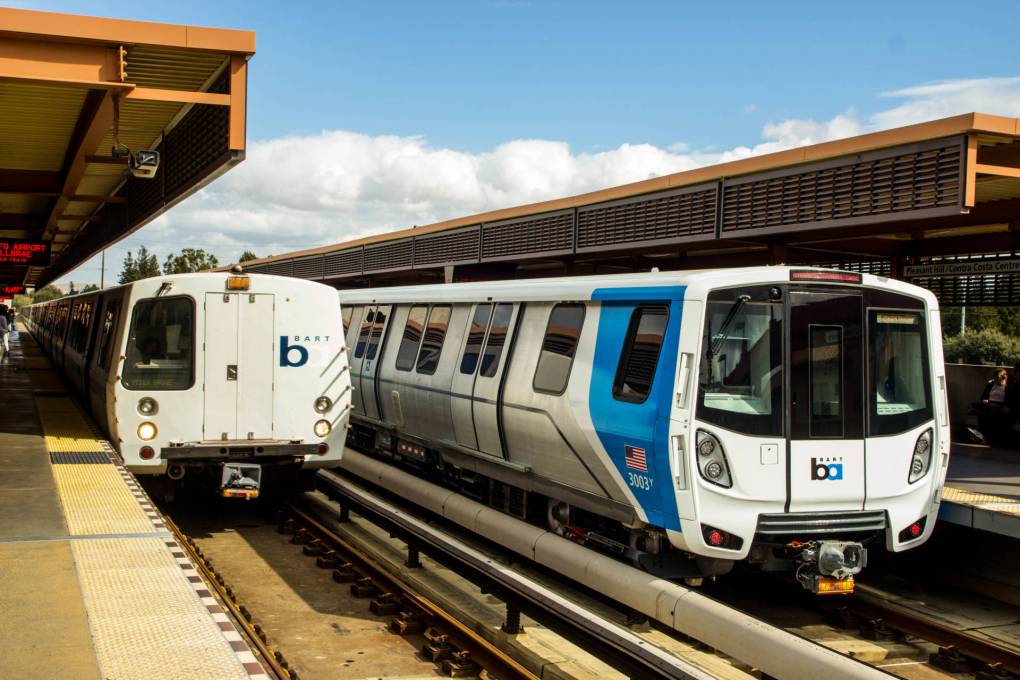
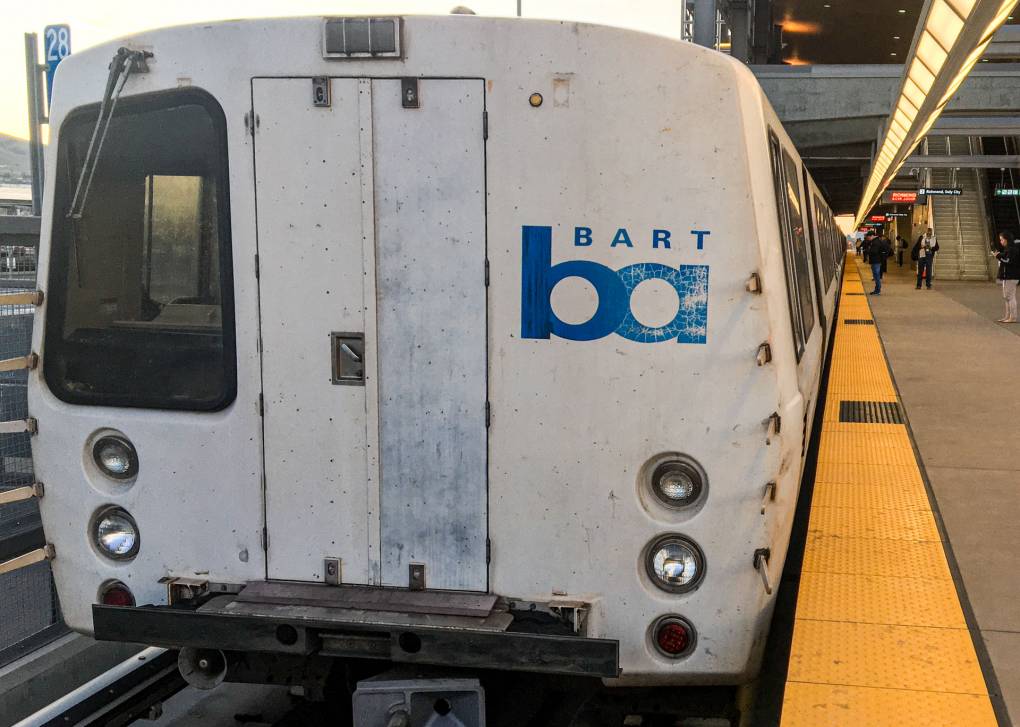
"caption": "A car from BART's 'Fleet of the Future' (right) alongside one of the transit agency's old cars at Pleasant Hill Station in October 2016.",
"description": "A car from BART's 'Fleet of the Future' (right) alongside one of the transit agency's old cars at Pleasant Hill Station in October 2016.",
"title": "bartcars_danbrekke",
"credit": "Dan Brekke/KQED",
"status": "inherit",
"altTag": "\"\"",
"isLoading": false,
"fetchFailed": false
},
"news_11813618": {
"type": "attachments",
"id": "news_11813618",
"meta": {
"index": "attachments_1716263798",
"site": "news",
"id": "11813618",
"found": true
},
"parent": 11813616,
"imgSizes": {
"apple_news_ca_landscape_5_5": {
"file": "https://ww2.kqed.org/app/uploads/sites/10/2020/04/KQED-Coronavirus-Updates-1-1044x628.jpg",
"width": 1044,
"mimeType": "image/jpeg",
"height": 628
},
"apple_news_ca_square_4_0": {
"file": "https://ww2.kqed.org/app/uploads/sites/10/2020/04/KQED-Coronavirus-Updates-1-470x470.jpg",
"width": 470,
"mimeType": "image/jpeg",
"height": 470
},
"twentyfourteen-full-width": {
"file": "https://ww2.kqed.org/app/uploads/sites/10/2020/04/KQED-Coronavirus-Updates-1-1038x576.jpg",
"width": 1038,
"mimeType": "image/jpeg",
"height": 576
},
"thumbnail": {
"file": "https://ww2.kqed.org/app/uploads/sites/10/2020/04/KQED-Coronavirus-Updates-1-160x84.jpg",
"width": 160,
"mimeType": "image/jpeg",
"height": 84
},
"post-thumbnail": {
"file": "https://ww2.kqed.org/app/uploads/sites/10/2020/04/KQED-Coronavirus-Updates-1-672x372.jpg",
"width": 672,
"mimeType": "image/jpeg",
"height": 372
},
"kqedFullSize": {
"file": "https://ww2.kqed.org/app/uploads/sites/10/2020/04/KQED-Coronavirus-Updates-1.jpg",
"width": 1200,
"height": 628
},
"apple_news_ca_landscape_4_7": {
"file": "https://ww2.kqed.org/app/uploads/sites/10/2020/04/KQED-Coronavirus-Updates-1-632x474.jpg",
"width": 632,
"mimeType": "image/jpeg",
"height": 474
},
"large": {
"file": "https://ww2.kqed.org/app/uploads/sites/10/2020/04/KQED-Coronavirus-Updates-1-1020x534.jpg",
"width": 1020,
"mimeType": "image/jpeg",
"height": 534
},
"apple_news_ca_landscape_4_0": {
"file": "https://ww2.kqed.org/app/uploads/sites/10/2020/04/KQED-Coronavirus-Updates-1-536x402.jpg",
"width": 536,
"mimeType": "image/jpeg",
"height": 402
},
"apple_news_ca_portrait_12_9": {
"file": "https://ww2.kqed.org/app/uploads/sites/10/2020/04/KQED-Coronavirus-Updates-1-1122x628.jpg",
"width": 1122,
"mimeType": "image/jpeg",
"height": 628
},
"medium": {
"file": "https://ww2.kqed.org/app/uploads/sites/10/2020/04/KQED-Coronavirus-Updates-1-800x419.jpg",
"width": 800,
"mimeType": "image/jpeg",
"height": 419
},
"apple_news_ca_portrait_4_0": {
"file": "https://ww2.kqed.org/app/uploads/sites/10/2020/04/KQED-Coronavirus-Updates-1-354x472.jpg",
"width": 354,
"mimeType": "image/jpeg",
"height": 472
},
"apple_news_ca_portrait_9_7": {
"file": "https://ww2.kqed.org/app/uploads/sites/10/2020/04/KQED-Coronavirus-Updates-1-840x628.jpg",
"width": 840,
"mimeType": "image/jpeg",
"height": 628
},
"apple_news_ca_square_9_7": {
"file": "https://ww2.kqed.org/app/uploads/sites/10/2020/04/KQED-Coronavirus-Updates-1-1104x628.jpg",
"width": 1104,
"mimeType": "image/jpeg",
"height": 628
},
"apple_news_ca_portrait_4_7": {
"file": "https://ww2.kqed.org/app/uploads/sites/10/2020/04/KQED-Coronavirus-Updates-1-414x552.jpg",
"width": 414,
"mimeType": "image/jpeg",
"height": 552
},
"apple_news_ca_portrait_5_5": {
"file": "https://ww2.kqed.org/app/uploads/sites/10/2020/04/KQED-Coronavirus-Updates-1-687x628.jpg",
"width": 687,
"mimeType": "image/jpeg",
"height": 628
},
"apple_news_ca_square_4_7": {
"file": "https://ww2.kqed.org/app/uploads/sites/10/2020/04/KQED-Coronavirus-Updates-1-550x550.jpg",
"width": 550,
"mimeType": "image/jpeg",
"height": 550
},
"apple_news_ca_square_5_5": {
"file": "https://ww2.kqed.org/app/uploads/sites/10/2020/04/KQED-Coronavirus-Updates-1-912x628.jpg",
"width": 912,
"mimeType": "image/jpeg",
"height": 628
}
},
"publishDate": 1587575003,
"modified": 1587575062,
"caption": "Coronavirus Live Updates logo.",
"description": null,
"title": "KQED-Coronavirus-Live-Updates",
"credit": null,
"status": "inherit",
"isLoading": false,
"fetchFailed": false
},
"news_11833559": {
"type": "attachments",
"id": "news_11833559",
"meta": {
"index": "attachments_1716263798",
"site": "news",
"id": "11833559",
"found": true
},
"parent": 11833540,
"imgSizes": {
"apple_news_ca_landscape_5_5": {
"file": "https://ww2.kqed.org/app/uploads/sites/10/2020/08/JamesFang-600x783.jpg",
"width": 600,
"mimeType": "image/jpeg",
"height": 783
},
"apple_news_ca_square_4_0": {
"file": "https://ww2.kqed.org/app/uploads/sites/10/2020/08/JamesFang-470x470.jpg",
"width": 470,
"mimeType": "image/jpeg",
"height": 470
},
"twentyfourteen-full-width": {
"file": "https://ww2.kqed.org/app/uploads/sites/10/2020/08/JamesFang-600x576.jpg",
"width": 600,
"mimeType": "image/jpeg",
"height": 576
},
"thumbnail": {
"file": "https://ww2.kqed.org/app/uploads/sites/10/2020/08/JamesFang-160x221.jpg",
"width": 160,
"mimeType": "image/jpeg",
"height": 221
},
"post-thumbnail": {
"file": "https://ww2.kqed.org/app/uploads/sites/10/2020/08/JamesFang-600x372.jpg",
"width": 600,
"mimeType": "image/jpeg",
"height": 372
},
"kqedFullSize": {
"file": "https://ww2.kqed.org/app/uploads/sites/10/2020/08/JamesFang.jpg",
"width": 600,
"height": 828
},
"apple_news_ca_landscape_4_7": {
"file": "https://ww2.kqed.org/app/uploads/sites/10/2020/08/JamesFang-600x474.jpg",
"width": 600,
"mimeType": "image/jpeg",
"height": 474
},
"apple_news_ca_portrait_4_7": {
"file": "https://ww2.kqed.org/app/uploads/sites/10/2020/08/JamesFang-414x552.jpg",
"width": 414,
"mimeType": "image/jpeg",
"height": 552
},
"apple_news_ca_square_4_7": {
"file": "https://ww2.kqed.org/app/uploads/sites/10/2020/08/JamesFang-550x550.jpg",
"width": 550,
"mimeType": "image/jpeg",
"height": 550
},
"apple_news_ca_landscape_4_0": {
"file": "https://ww2.kqed.org/app/uploads/sites/10/2020/08/JamesFang-536x402.jpg",
"width": 536,
"mimeType": "image/jpeg",
"height": 402
},
"apple_news_ca_portrait_4_0": {
"file": "https://ww2.kqed.org/app/uploads/sites/10/2020/08/JamesFang-354x472.jpg",
"width": 354,
"mimeType": "image/jpeg",
"height": 472
}
},
"publishDate": 1597544408,
"modified": 1597683185,
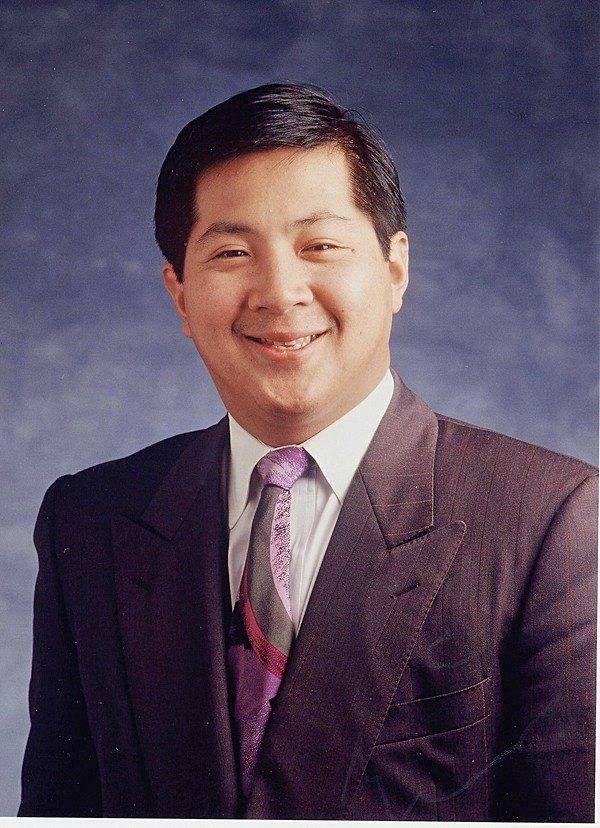
"caption": "Former BART Board Director James Fang",
"description": "Former BART board director James Fang",
"title": "JamesFang",
"credit": "Courtesy BART",
"status": "inherit",
"isLoading": false,
"fetchFailed": false
},
"news_11682062": {
"type": "attachments",
"id": "news_11682062",
"meta": {
"index": "attachments_1716263798",
"site": "news",
"id": "11682062",
"found": true
},
"parent": 11682006,
"imgSizes": {
"small": {
"file": "https://ww2.kqed.org/app/uploads/sites/10/2018/07/cowell-520x345.jpg",
"width": 520,
"mimeType": "image/jpeg",
"height": 345
},
"thumbnail": {
"file": "https://ww2.kqed.org/app/uploads/sites/10/2018/07/cowell-160x106.jpg",
"width": 160,
"mimeType": "image/jpeg",
"height": 106
},
"xsmall": {
"file": "https://ww2.kqed.org/app/uploads/sites/10/2018/07/cowell-375x249.jpg",
"width": 375,
"mimeType": "image/jpeg",
"height": 249
},
"kqedFullSize": {
"file": "https://ww2.kqed.org/app/uploads/sites/10/2018/07/cowell.jpg",
"width": 550,
"height": 365
},
"guest-author-50": {
"file": "https://ww2.kqed.org/app/uploads/sites/10/2018/07/cowell-50x50.jpg",
"width": 50,
"mimeType": "image/jpeg",
"height": 50
},
"guest-author-96": {
"file": "https://ww2.kqed.org/app/uploads/sites/10/2018/07/cowell-96x96.jpg",
"width": 96,
"mimeType": "image/jpeg",
"height": 96
},
"guest-author-64": {
"file": "https://ww2.kqed.org/app/uploads/sites/10/2018/07/cowell-64x64.jpg",
"width": 64,
"mimeType": "image/jpeg",
"height": 64
},
"detail": {
"file": "https://ww2.kqed.org/app/uploads/sites/10/2018/07/cowell-150x150.jpg",
"width": 150,
"mimeType": "image/jpeg",
"height": 150
},
"guest-author-32": {
"file": "https://ww2.kqed.org/app/uploads/sites/10/2018/07/cowell-32x32.jpg",
"width": 32,
"mimeType": "image/jpeg",
"height": 32
},
"guest-author-128": {
"file": "https://ww2.kqed.org/app/uploads/sites/10/2018/07/cowell-128x128.jpg",
"width": 128,
"mimeType": "image/jpeg",
"height": 128
},
"xxsmall": {
"file": "https://ww2.kqed.org/app/uploads/sites/10/2018/07/cowell-240x159.jpg",
"width": 240,
"mimeType": "image/jpeg",
"height": 159
}
},
"publishDate": 1532374617,
"modified": 1563399959,
"caption": "John Lee Cowell was arrested for murder in the fatal July 22, 2018, stabbing of Nia Wilson, 18, of Oakland, at the MacArthur BART Station.",
"description": null,
"title": "BART-John Lee Cowell",
"credit": "BART",
"status": "inherit",
"isLoading": false,
"fetchFailed": false
},
"news_11826311": {
"type": "attachments",
"id": "news_11826311",
"meta": {
"index": "attachments_1716263798",
"site": "news",
"id": "11826311",
"found": true
},
"parent": 11826287,
"imgSizes": {
"apple_news_ca_landscape_5_5": {
"file": "https://ww2.kqed.org/app/uploads/sites/10/2020/06/RS43817_McPartland3-qut-1044x783.jpg",
"width": 1044,
"mimeType": "image/jpeg",
"height": 783
},
"apple_news_ca_square_4_0": {
"file": "https://ww2.kqed.org/app/uploads/sites/10/2020/06/RS43817_McPartland3-qut-470x470.jpg",
"width": 470,
"mimeType": "image/jpeg",
"height": 470
},
"twentyfourteen-full-width": {
"file": "https://ww2.kqed.org/app/uploads/sites/10/2020/06/RS43817_McPartland3-qut-1038x576.jpg",
"width": 1038,
"mimeType": "image/jpeg",
"height": 576
},
"thumbnail": {
"file": "https://ww2.kqed.org/app/uploads/sites/10/2020/06/RS43817_McPartland3-qut-160x90.jpg",
"width": 160,
"mimeType": "image/jpeg",
"height": 90
},
"post-thumbnail": {
"file": "https://ww2.kqed.org/app/uploads/sites/10/2020/06/RS43817_McPartland3-qut-672x372.jpg",
"width": 672,
"mimeType": "image/jpeg",
"height": 372
},
"kqedFullSize": {
"file": "https://ww2.kqed.org/app/uploads/sites/10/2020/06/RS43817_McPartland3-qut.jpg",
"width": 1920,
"height": 1080
},
"apple_news_ca_landscape_4_7": {
"file": "https://ww2.kqed.org/app/uploads/sites/10/2020/06/RS43817_McPartland3-qut-632x474.jpg",
"width": 632,
"mimeType": "image/jpeg",
"height": 474
},
"large": {
"file": "https://ww2.kqed.org/app/uploads/sites/10/2020/06/RS43817_McPartland3-qut-1020x574.jpg",
"width": 1020,
"mimeType": "image/jpeg",
"height": 574
},
"apple_news_ca_landscape_4_0": {
"file": "https://ww2.kqed.org/app/uploads/sites/10/2020/06/RS43817_McPartland3-qut-536x402.jpg",
"width": 536,
"mimeType": "image/jpeg",
"height": 402
},
"apple_news_ca_portrait_12_9": {
"file": "https://ww2.kqed.org/app/uploads/sites/10/2020/06/RS43817_McPartland3-qut-1122x1080.jpg",
"width": 1122,
"mimeType": "image/jpeg",
"height": 1080
},
"medium": {
"file": "https://ww2.kqed.org/app/uploads/sites/10/2020/06/RS43817_McPartland3-qut-800x450.jpg",
"width": 800,
"mimeType": "image/jpeg",
"height": 450
},
"apple_news_ca_portrait_4_0": {
"file": "https://ww2.kqed.org/app/uploads/sites/10/2020/06/RS43817_McPartland3-qut-354x472.jpg",
"width": 354,
"mimeType": "image/jpeg",
"height": 472
},
"apple_news_ca_portrait_9_7": {
"file": "https://ww2.kqed.org/app/uploads/sites/10/2020/06/RS43817_McPartland3-qut-840x1080.jpg",
"width": 840,
"mimeType": "image/jpeg",
"height": 1080
},
"apple_news_ca_landscape_12_9": {
"file": "https://ww2.kqed.org/app/uploads/sites/10/2020/06/RS43817_McPartland3-qut-1832x1080.jpg",
"width": 1832,
"mimeType": "image/jpeg",
"height": 1080
},
"apple_news_ca_square_9_7": {
"file": "https://ww2.kqed.org/app/uploads/sites/10/2020/06/RS43817_McPartland3-qut-1104x1080.jpg",
"width": 1104,
"mimeType": "image/jpeg",
"height": 1080
},
"1536x1536": {
"file": "https://ww2.kqed.org/app/uploads/sites/10/2020/06/RS43817_McPartland3-qut-1536x864.jpg",
"width": 1536,
"mimeType": "image/jpeg",
"height": 864
},
"apple_news_ca_portrait_4_7": {
"file": "https://ww2.kqed.org/app/uploads/sites/10/2020/06/RS43817_McPartland3-qut-414x552.jpg",
"width": 414,
"mimeType": "image/jpeg",
"height": 552
},
"apple_news_ca_square_12_9": {
"file": "https://ww2.kqed.org/app/uploads/sites/10/2020/06/RS43817_McPartland3-qut-1472x1080.jpg",
"width": 1472,
"mimeType": "image/jpeg",
"height": 1080
},
"apple_news_ca_portrait_5_5": {
"file": "https://ww2.kqed.org/app/uploads/sites/10/2020/06/RS43817_McPartland3-qut-687x916.jpg",
"width": 687,
"mimeType": "image/jpeg",
"height": 916
},
"apple_news_ca_square_4_7": {
"file": "https://ww2.kqed.org/app/uploads/sites/10/2020/06/RS43817_McPartland3-qut-550x550.jpg",
"width": 550,
"mimeType": "image/jpeg",
"height": 550
},
"apple_news_ca_landscape_9_7": {
"file": "https://ww2.kqed.org/app/uploads/sites/10/2020/06/RS43817_McPartland3-qut-1376x1032.jpg",
"width": 1376,
"mimeType": "image/jpeg",
"height": 1032
},
"apple_news_ca_square_5_5": {
"file": "https://ww2.kqed.org/app/uploads/sites/10/2020/06/RS43817_McPartland3-qut-912x912.jpg",
"width": 912,
"mimeType": "image/jpeg",
"height": 912
}
},
"publishDate": 1593193274,
"modified": 1593194563,
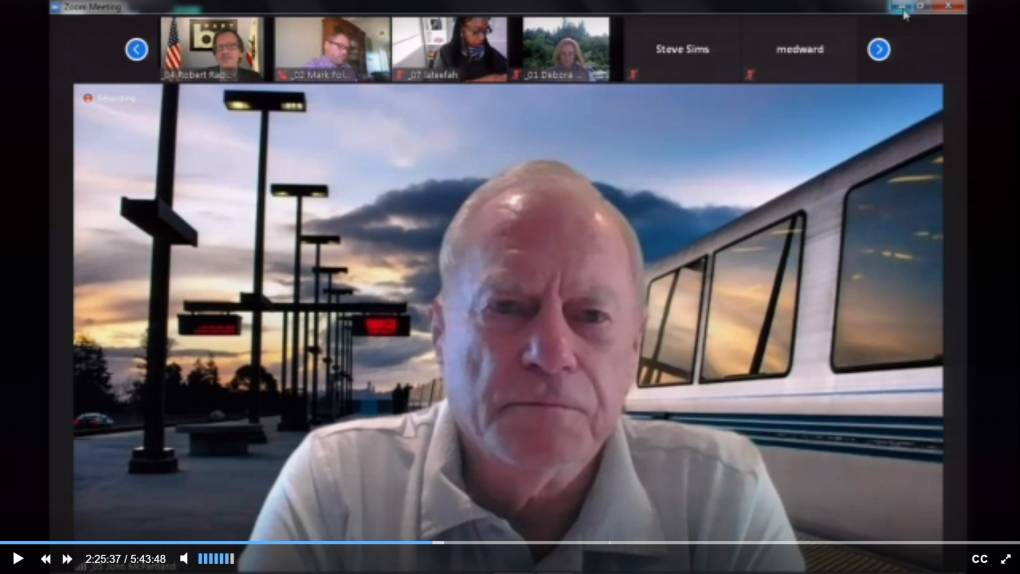
"caption": "BART board memnber John McPartland speaks during a public meeting held via videoconference on June 25, 2020.",
"description": "BART board memnber John McPartland speaks during a public meeting held via videoconference on June 25, 2020.",
"title": "John McPartland BART board of directors",
"credit": "Screenshot bart.gov",
"status": "inherit",
"isLoading": false,
"fetchFailed": false
},
"news_11826282": {
"type": "attachments",
"id": "news_11826282",
"meta": {
"index": "attachments_1716263798",
"site": "news",
"id": "11826282",
"found": true
},
"parent": 11826281,
"imgSizes": {
"apple_news_ca_landscape_5_5": {
"file": "https://ww2.kqed.org/app/uploads/sites/10/2020/06/RS41957_007_KQED_PublicTransit_03102020_6511-qut-1044x783.jpg",
"width": 1044,
"mimeType": "image/jpeg",
"height": 783
},
"apple_news_ca_square_4_0": {
"file": "https://ww2.kqed.org/app/uploads/sites/10/2020/06/RS41957_007_KQED_PublicTransit_03102020_6511-qut-470x470.jpg",
"width": 470,
"mimeType": "image/jpeg",
"height": 470
},
"twentyfourteen-full-width": {
"file": "https://ww2.kqed.org/app/uploads/sites/10/2020/06/RS41957_007_KQED_PublicTransit_03102020_6511-qut-1038x576.jpg",
"width": 1038,
"mimeType": "image/jpeg",
"height": 576
},
"thumbnail": {
"file": "https://ww2.kqed.org/app/uploads/sites/10/2020/06/RS41957_007_KQED_PublicTransit_03102020_6511-qut-160x107.jpg",
"width": 160,
"mimeType": "image/jpeg",
"height": 107
},
"post-thumbnail": {
"file": "https://ww2.kqed.org/app/uploads/sites/10/2020/06/RS41957_007_KQED_PublicTransit_03102020_6511-qut-672x372.jpg",
"width": 672,
"mimeType": "image/jpeg",
"height": 372
},
"kqedFullSize": {
"file": "https://ww2.kqed.org/app/uploads/sites/10/2020/06/RS41957_007_KQED_PublicTransit_03102020_6511-qut.jpg",
"width": 1920,
"height": 1280
},
"apple_news_ca_landscape_4_7": {
"file": "https://ww2.kqed.org/app/uploads/sites/10/2020/06/RS41957_007_KQED_PublicTransit_03102020_6511-qut-632x474.jpg",
"width": 632,
"mimeType": "image/jpeg",
"height": 474
},
"large": {
"file": "https://ww2.kqed.org/app/uploads/sites/10/2020/06/RS41957_007_KQED_PublicTransit_03102020_6511-qut-1020x680.jpg",
"width": 1020,
"mimeType": "image/jpeg",
"height": 680
},
"apple_news_ca_landscape_4_0": {
"file": "https://ww2.kqed.org/app/uploads/sites/10/2020/06/RS41957_007_KQED_PublicTransit_03102020_6511-qut-536x402.jpg",
"width": 536,
"mimeType": "image/jpeg",
"height": 402
},
"apple_news_ca_portrait_12_9": {
"file": "https://ww2.kqed.org/app/uploads/sites/10/2020/06/RS41957_007_KQED_PublicTransit_03102020_6511-qut-1122x1280.jpg",
"width": 1122,
"mimeType": "image/jpeg",
"height": 1280
},
"medium": {
"file": "https://ww2.kqed.org/app/uploads/sites/10/2020/06/RS41957_007_KQED_PublicTransit_03102020_6511-qut-800x533.jpg",
"width": 800,
"mimeType": "image/jpeg",
"height": 533
},
"apple_news_ca_portrait_4_0": {
"file": "https://ww2.kqed.org/app/uploads/sites/10/2020/06/RS41957_007_KQED_PublicTransit_03102020_6511-qut-354x472.jpg",
"width": 354,
"mimeType": "image/jpeg",
"height": 472
},
"apple_news_ca_portrait_9_7": {
"file": "https://ww2.kqed.org/app/uploads/sites/10/2020/06/RS41957_007_KQED_PublicTransit_03102020_6511-qut-840x1120.jpg",
"width": 840,
"mimeType": "image/jpeg",
"height": 1120
},
"apple_news_ca_landscape_12_9": {
"file": "https://ww2.kqed.org/app/uploads/sites/10/2020/06/RS41957_007_KQED_PublicTransit_03102020_6511-qut-1832x1280.jpg",
"width": 1832,
"mimeType": "image/jpeg",
"height": 1280
},
"apple_news_ca_square_9_7": {
"file": "https://ww2.kqed.org/app/uploads/sites/10/2020/06/RS41957_007_KQED_PublicTransit_03102020_6511-qut-1104x1104.jpg",
"width": 1104,
"mimeType": "image/jpeg",
"height": 1104
},
"1536x1536": {
"file": "https://ww2.kqed.org/app/uploads/sites/10/2020/06/RS41957_007_KQED_PublicTransit_03102020_6511-qut-1536x1024.jpg",
"width": 1536,
"mimeType": "image/jpeg",
"height": 1024
},
"apple_news_ca_portrait_4_7": {
"file": "https://ww2.kqed.org/app/uploads/sites/10/2020/06/RS41957_007_KQED_PublicTransit_03102020_6511-qut-414x552.jpg",
"width": 414,
"mimeType": "image/jpeg",
"height": 552
},
"apple_news_ca_square_12_9": {
"file": "https://ww2.kqed.org/app/uploads/sites/10/2020/06/RS41957_007_KQED_PublicTransit_03102020_6511-qut-1472x1280.jpg",
"width": 1472,
"mimeType": "image/jpeg",
"height": 1280
},
"apple_news_ca_portrait_5_5": {
"file": "https://ww2.kqed.org/app/uploads/sites/10/2020/06/RS41957_007_KQED_PublicTransit_03102020_6511-qut-687x916.jpg",
"width": 687,
"mimeType": "image/jpeg",
"height": 916
},
"apple_news_ca_square_4_7": {
"file": "https://ww2.kqed.org/app/uploads/sites/10/2020/06/RS41957_007_KQED_PublicTransit_03102020_6511-qut-550x550.jpg",
"width": 550,
"mimeType": "image/jpeg",
"height": 550
},
"apple_news_ca_landscape_9_7": {
"file": "https://ww2.kqed.org/app/uploads/sites/10/2020/06/RS41957_007_KQED_PublicTransit_03102020_6511-qut-1376x1032.jpg",
"width": 1376,
"mimeType": "image/jpeg",
"height": 1032
},
"apple_news_ca_square_5_5": {
"file": "https://ww2.kqed.org/app/uploads/sites/10/2020/06/RS41957_007_KQED_PublicTransit_03102020_6511-qut-912x912.jpg",
"width": 912,
"mimeType": "image/jpeg",
"height": 912
}
},
"publishDate": 1593165023,
"modified": 1593211083,
"caption": "A BART train in March at San Francisco's nearly deserted Civic Center station. ",
"description": "A BART train in March at San Francisco's nearly deserted Civic Center station. ",
"title": "BART-Civic Center Station",
"credit": "Beth LaBerge/KQED",
"status": "inherit",
"isLoading": false,
"fetchFailed": false
},
"news_11824763": {
"type": "attachments",
"id": "news_11824763",
"meta": {
"index": "attachments_1716263798",
"site": "news",
"id": "11824763",
"found": true
},
"parent": 11824758,
"imgSizes": {
"apple_news_ca_landscape_5_5": {
"file": "https://ww2.kqed.org/app/uploads/sites/10/2020/06/RS42564_001_KQED_SanFrancisco_Muni_04062020-qut-1044x783.jpg",
"width": 1044,
"mimeType": "image/jpeg",
"height": 783
},
"apple_news_ca_square_4_0": {
"file": "https://ww2.kqed.org/app/uploads/sites/10/2020/06/RS42564_001_KQED_SanFrancisco_Muni_04062020-qut-470x470.jpg",
"width": 470,
"mimeType": "image/jpeg",
"height": 470
},
"twentyfourteen-full-width": {
"file": "https://ww2.kqed.org/app/uploads/sites/10/2020/06/RS42564_001_KQED_SanFrancisco_Muni_04062020-qut-1038x576.jpg",
"width": 1038,
"mimeType": "image/jpeg",
"height": 576
},
"thumbnail": {
"file": "https://ww2.kqed.org/app/uploads/sites/10/2020/06/RS42564_001_KQED_SanFrancisco_Muni_04062020-qut-160x107.jpg",
"width": 160,
"mimeType": "image/jpeg",
"height": 107
},
"post-thumbnail": {
"file": "https://ww2.kqed.org/app/uploads/sites/10/2020/06/RS42564_001_KQED_SanFrancisco_Muni_04062020-qut-672x372.jpg",
"width": 672,
"mimeType": "image/jpeg",
"height": 372
},
"kqedFullSize": {
"file": "https://ww2.kqed.org/app/uploads/sites/10/2020/06/RS42564_001_KQED_SanFrancisco_Muni_04062020-qut.jpg",
"width": 1920,
"height": 1280
},
"apple_news_ca_landscape_4_7": {
"file": "https://ww2.kqed.org/app/uploads/sites/10/2020/06/RS42564_001_KQED_SanFrancisco_Muni_04062020-qut-632x474.jpg",
"width": 632,
"mimeType": "image/jpeg",
"height": 474
},
"large": {
"file": "https://ww2.kqed.org/app/uploads/sites/10/2020/06/RS42564_001_KQED_SanFrancisco_Muni_04062020-qut-1020x680.jpg",
"width": 1020,
"mimeType": "image/jpeg",
"height": 680
},
"apple_news_ca_landscape_4_0": {
"file": "https://ww2.kqed.org/app/uploads/sites/10/2020/06/RS42564_001_KQED_SanFrancisco_Muni_04062020-qut-536x402.jpg",
"width": 536,
"mimeType": "image/jpeg",
"height": 402
},
"apple_news_ca_portrait_12_9": {
"file": "https://ww2.kqed.org/app/uploads/sites/10/2020/06/RS42564_001_KQED_SanFrancisco_Muni_04062020-qut-1122x1280.jpg",
"width": 1122,
"mimeType": "image/jpeg",
"height": 1280
},
"medium": {
"file": "https://ww2.kqed.org/app/uploads/sites/10/2020/06/RS42564_001_KQED_SanFrancisco_Muni_04062020-qut-800x533.jpg",
"width": 800,
"mimeType": "image/jpeg",
"height": 533
},
"apple_news_ca_portrait_4_0": {
"file": "https://ww2.kqed.org/app/uploads/sites/10/2020/06/RS42564_001_KQED_SanFrancisco_Muni_04062020-qut-354x472.jpg",
"width": 354,
"mimeType": "image/jpeg",
"height": 472
},
"apple_news_ca_portrait_9_7": {
"file": "https://ww2.kqed.org/app/uploads/sites/10/2020/06/RS42564_001_KQED_SanFrancisco_Muni_04062020-qut-840x1120.jpg",
"width": 840,
"mimeType": "image/jpeg",
"height": 1120
},
"apple_news_ca_landscape_12_9": {
"file": "https://ww2.kqed.org/app/uploads/sites/10/2020/06/RS42564_001_KQED_SanFrancisco_Muni_04062020-qut-1832x1280.jpg",
"width": 1832,
"mimeType": "image/jpeg",
"height": 1280
},
"apple_news_ca_square_9_7": {
"file": "https://ww2.kqed.org/app/uploads/sites/10/2020/06/RS42564_001_KQED_SanFrancisco_Muni_04062020-qut-1104x1104.jpg",
"width": 1104,
"mimeType": "image/jpeg",
"height": 1104
},
"apple_news_ca_portrait_4_7": {
"file": "https://ww2.kqed.org/app/uploads/sites/10/2020/06/RS42564_001_KQED_SanFrancisco_Muni_04062020-qut-414x552.jpg",
"width": 414,
"mimeType": "image/jpeg",
"height": 552
},
"apple_news_ca_square_12_9": {
"file": "https://ww2.kqed.org/app/uploads/sites/10/2020/06/RS42564_001_KQED_SanFrancisco_Muni_04062020-qut-1472x1280.jpg",
"width": 1472,
"mimeType": "image/jpeg",
"height": 1280
},
"apple_news_ca_portrait_5_5": {
"file": "https://ww2.kqed.org/app/uploads/sites/10/2020/06/RS42564_001_KQED_SanFrancisco_Muni_04062020-qut-687x916.jpg",
"width": 687,
"mimeType": "image/jpeg",
"height": 916
},
"full-width": {
"file": "https://ww2.kqed.org/app/uploads/sites/10/2020/06/RS42564_001_KQED_SanFrancisco_Muni_04062020-qut-1920x1280.jpg",
"width": 1920,
"mimeType": "image/jpeg",
"height": 1280
},
"apple_news_ca_square_4_7": {
"file": "https://ww2.kqed.org/app/uploads/sites/10/2020/06/RS42564_001_KQED_SanFrancisco_Muni_04062020-qut-550x550.jpg",
"width": 550,
"mimeType": "image/jpeg",
"height": 550
},
"apple_news_ca_landscape_9_7": {
"file": "https://ww2.kqed.org/app/uploads/sites/10/2020/06/RS42564_001_KQED_SanFrancisco_Muni_04062020-qut-1376x1032.jpg",
"width": 1376,
"mimeType": "image/jpeg",
"height": 1032
},
"apple_news_ca_square_5_5": {
"file": "https://ww2.kqed.org/app/uploads/sites/10/2020/06/RS42564_001_KQED_SanFrancisco_Muni_04062020-qut-912x912.jpg",
"width": 912,
"mimeType": "image/jpeg",
"height": 912
}
},
"publishDate": 1592359899,
"modified": 1592441387,
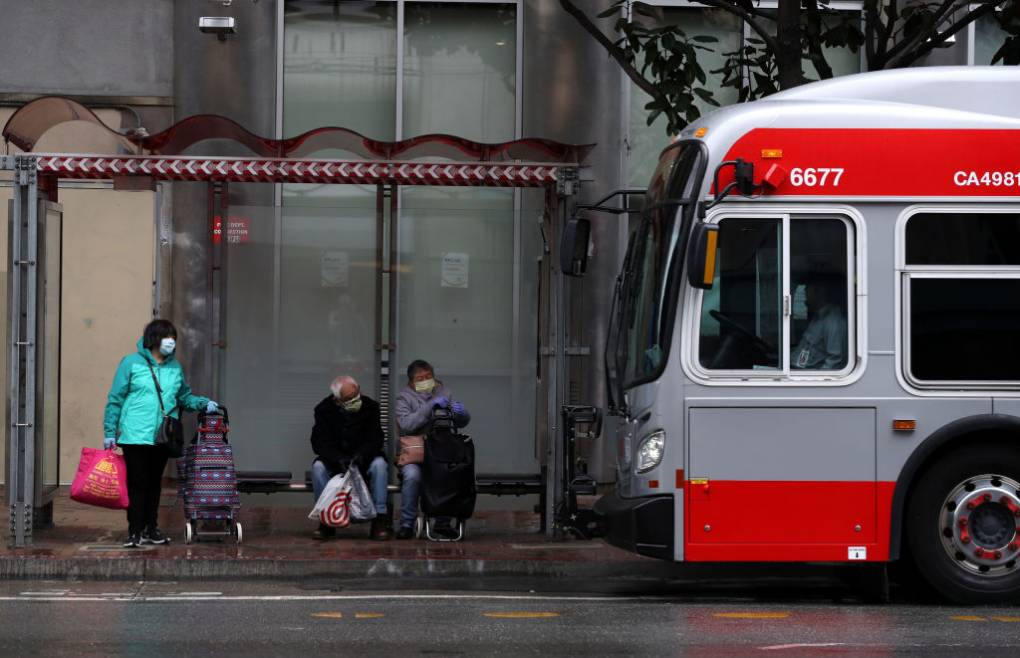
"caption": "Passengers wait for the 14-Mission on 4th and Mission Streets in San Francisco on April 6, 2020.",
"description": "Passengers wait for the 14-Mission on 4th and Mission Streets in San Francisco on April 6, 2020.",
"title": "RS42564_001_KQED_SanFrancisco_Muni_04062020-qut",
"credit": "Beth LaBerge/KQED",
"status": "inherit",
"isLoading": false,
"fetchFailed": false
},
"news_11812909": {
"type": "attachments",
"id": "news_11812909",
"meta": {
"index": "attachments_1716263798",
"site": "news",
"id": "11812909",
"found": true
},
"parent": 11812863,
"imgSizes": {
"apple_news_ca_square_4_0": {
"file": "https://ww2.kqed.org/app/uploads/sites/10/2020/04/GettyImages-1217248287-470x470.jpg",
"width": 470,
"mimeType": "image/jpeg",
"height": 470
},
"twentyfourteen-full-width": {
"file": "https://ww2.kqed.org/app/uploads/sites/10/2020/04/GettyImages-1217248287-1024x576.jpg",
"width": 1024,
"mimeType": "image/jpeg",
"height": 576
},
"thumbnail": {
"file": "https://ww2.kqed.org/app/uploads/sites/10/2020/04/GettyImages-1217248287-160x103.jpg",
"width": 160,
"mimeType": "image/jpeg",
"height": 103
},
"post-thumbnail": {
"file": "https://ww2.kqed.org/app/uploads/sites/10/2020/04/GettyImages-1217248287-672x372.jpg",
"width": 672,
"mimeType": "image/jpeg",
"height": 372
},
"kqedFullSize": {
"file": "https://ww2.kqed.org/app/uploads/sites/10/2020/04/GettyImages-1217248287.jpg",
"width": 1024,
"height": 661
},
"apple_news_ca_landscape_4_7": {
"file": "https://ww2.kqed.org/app/uploads/sites/10/2020/04/GettyImages-1217248287-632x474.jpg",
"width": 632,
"mimeType": "image/jpeg",
"height": 474
},
"large": {
"file": "https://ww2.kqed.org/app/uploads/sites/10/2020/04/GettyImages-1217248287-1020x658.jpg",
"width": 1020,
"mimeType": "image/jpeg",
"height": 658
},
"apple_news_ca_landscape_4_0": {
"file": "https://ww2.kqed.org/app/uploads/sites/10/2020/04/GettyImages-1217248287-536x402.jpg",
"width": 536,
"mimeType": "image/jpeg",
"height": 402
},
"medium": {
"file": "https://ww2.kqed.org/app/uploads/sites/10/2020/04/GettyImages-1217248287-800x516.jpg",
"width": 800,
"mimeType": "image/jpeg",
"height": 516
},
"apple_news_ca_portrait_4_0": {
"file": "https://ww2.kqed.org/app/uploads/sites/10/2020/04/GettyImages-1217248287-354x472.jpg",
"width": 354,
"mimeType": "image/jpeg",
"height": 472
},
"apple_news_ca_portrait_9_7": {
"file": "https://ww2.kqed.org/app/uploads/sites/10/2020/04/GettyImages-1217248287-840x661.jpg",
"width": 840,
"mimeType": "image/jpeg",
"height": 661
},
"apple_news_ca_portrait_4_7": {
"file": "https://ww2.kqed.org/app/uploads/sites/10/2020/04/GettyImages-1217248287-414x552.jpg",
"width": 414,
"mimeType": "image/jpeg",
"height": 552
},
"apple_news_ca_portrait_5_5": {
"file": "https://ww2.kqed.org/app/uploads/sites/10/2020/04/GettyImages-1217248287-687x661.jpg",
"width": 687,
"mimeType": "image/jpeg",
"height": 661
},
"apple_news_ca_square_4_7": {
"file": "https://ww2.kqed.org/app/uploads/sites/10/2020/04/GettyImages-1217248287-550x550.jpg",
"width": 550,
"mimeType": "image/jpeg",
"height": 550
},
"apple_news_ca_square_5_5": {
"file": "https://ww2.kqed.org/app/uploads/sites/10/2020/04/GettyImages-1217248287-912x661.jpg",
"width": 912,
"mimeType": "image/jpeg",
"height": 661
}
},
"publishDate": 1587158598,
"modified": 1590690538,
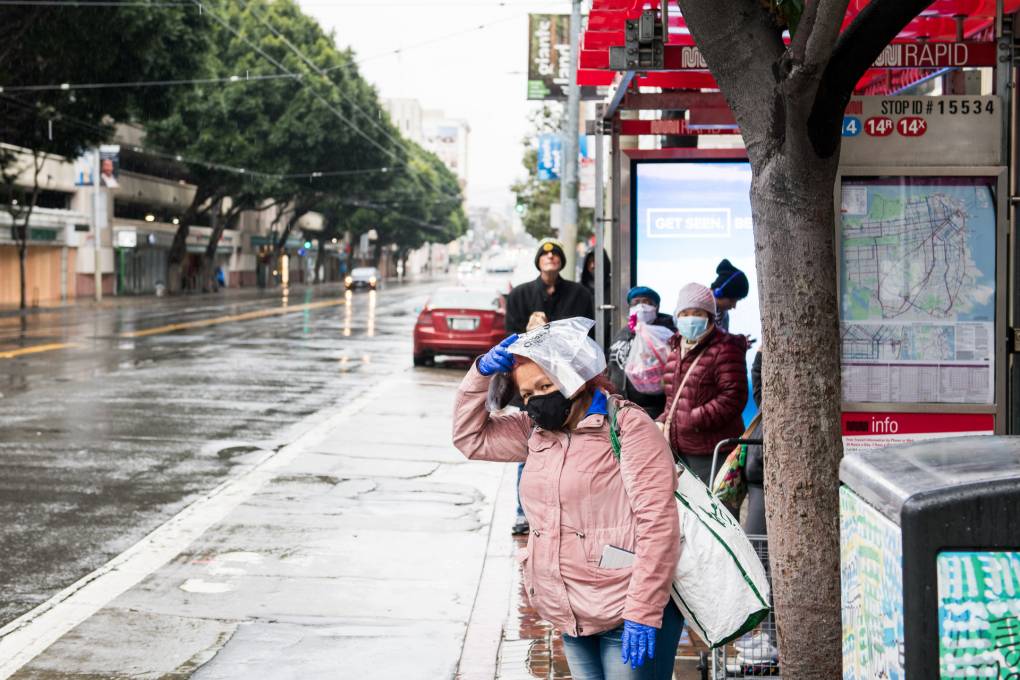
"caption": "San Francisco commuters wear masks as they wait for their bus on April 6, 2020.",
"description": null,
"title": "San Francisco's Muni To Cut Majority Of Service During Coronavirus Shutdown",
"credit": "Justin Sullivan/Getty Images",
"status": "inherit",
"isLoading": false,
"fetchFailed": false
},
"news_11814270": {
"type": "attachments",
"id": "news_11814270",
"meta": {
"index": "attachments_1716263798",
"site": "news",
"id": "11814270",
"found": true
},
"parent": 11814266,
"imgSizes": {
"apple_news_ca_landscape_5_5": {
"file": "https://ww2.kqed.org/app/uploads/sites/10/2020/04/RS42256_030_KQED_SanFrancisco_Mission_03202020_9678-qut-1044x783.jpg",
"width": 1044,
"mimeType": "image/jpeg",
"height": 783
},
"apple_news_ca_square_4_0": {
"file": "https://ww2.kqed.org/app/uploads/sites/10/2020/04/RS42256_030_KQED_SanFrancisco_Mission_03202020_9678-qut-470x470.jpg",
"width": 470,
"mimeType": "image/jpeg",
"height": 470
},
"twentyfourteen-full-width": {
"file": "https://ww2.kqed.org/app/uploads/sites/10/2020/04/RS42256_030_KQED_SanFrancisco_Mission_03202020_9678-qut-1038x576.jpg",
"width": 1038,
"mimeType": "image/jpeg",
"height": 576
},
"thumbnail": {
"file": "https://ww2.kqed.org/app/uploads/sites/10/2020/04/RS42256_030_KQED_SanFrancisco_Mission_03202020_9678-qut-160x107.jpg",
"width": 160,
"mimeType": "image/jpeg",
"height": 107
},
"post-thumbnail": {
"file": "https://ww2.kqed.org/app/uploads/sites/10/2020/04/RS42256_030_KQED_SanFrancisco_Mission_03202020_9678-qut-672x372.jpg",
"width": 672,
"mimeType": "image/jpeg",
"height": 372
},
"kqedFullSize": {
"file": "https://ww2.kqed.org/app/uploads/sites/10/2020/04/RS42256_030_KQED_SanFrancisco_Mission_03202020_9678-qut.jpg",
"width": 1920,
"height": 1280
},
"apple_news_ca_landscape_4_7": {
"file": "https://ww2.kqed.org/app/uploads/sites/10/2020/04/RS42256_030_KQED_SanFrancisco_Mission_03202020_9678-qut-632x474.jpg",
"width": 632,
"mimeType": "image/jpeg",
"height": 474
},
"large": {
"file": "https://ww2.kqed.org/app/uploads/sites/10/2020/04/RS42256_030_KQED_SanFrancisco_Mission_03202020_9678-qut-1020x680.jpg",
"width": 1020,
"mimeType": "image/jpeg",
"height": 680
},
"apple_news_ca_landscape_4_0": {
"file": "https://ww2.kqed.org/app/uploads/sites/10/2020/04/RS42256_030_KQED_SanFrancisco_Mission_03202020_9678-qut-536x402.jpg",
"width": 536,
"mimeType": "image/jpeg",
"height": 402
},
"apple_news_ca_portrait_12_9": {
"file": "https://ww2.kqed.org/app/uploads/sites/10/2020/04/RS42256_030_KQED_SanFrancisco_Mission_03202020_9678-qut-1122x1280.jpg",
"width": 1122,
"mimeType": "image/jpeg",
"height": 1280
},
"medium": {
"file": "https://ww2.kqed.org/app/uploads/sites/10/2020/04/RS42256_030_KQED_SanFrancisco_Mission_03202020_9678-qut-800x533.jpg",
"width": 800,
"mimeType": "image/jpeg",
"height": 533
},
"apple_news_ca_portrait_4_0": {
"file": "https://ww2.kqed.org/app/uploads/sites/10/2020/04/RS42256_030_KQED_SanFrancisco_Mission_03202020_9678-qut-354x472.jpg",
"width": 354,
"mimeType": "image/jpeg",
"height": 472
},
"apple_news_ca_portrait_9_7": {
"file": "https://ww2.kqed.org/app/uploads/sites/10/2020/04/RS42256_030_KQED_SanFrancisco_Mission_03202020_9678-qut-840x1120.jpg",
"width": 840,
"mimeType": "image/jpeg",
"height": 1120
},
"apple_news_ca_landscape_12_9": {
"file": "https://ww2.kqed.org/app/uploads/sites/10/2020/04/RS42256_030_KQED_SanFrancisco_Mission_03202020_9678-qut-1832x1280.jpg",
"width": 1832,
"mimeType": "image/jpeg",
"height": 1280
},
"apple_news_ca_square_9_7": {
"file": "https://ww2.kqed.org/app/uploads/sites/10/2020/04/RS42256_030_KQED_SanFrancisco_Mission_03202020_9678-qut-1104x1104.jpg",
"width": 1104,
"mimeType": "image/jpeg",
"height": 1104
},
"apple_news_ca_portrait_4_7": {
"file": "https://ww2.kqed.org/app/uploads/sites/10/2020/04/RS42256_030_KQED_SanFrancisco_Mission_03202020_9678-qut-414x552.jpg",
"width": 414,
"mimeType": "image/jpeg",
"height": 552
},
"apple_news_ca_square_12_9": {
"file": "https://ww2.kqed.org/app/uploads/sites/10/2020/04/RS42256_030_KQED_SanFrancisco_Mission_03202020_9678-qut-1472x1280.jpg",
"width": 1472,
"mimeType": "image/jpeg",
"height": 1280
},
"apple_news_ca_portrait_5_5": {
"file": "https://ww2.kqed.org/app/uploads/sites/10/2020/04/RS42256_030_KQED_SanFrancisco_Mission_03202020_9678-qut-687x916.jpg",
"width": 687,
"mimeType": "image/jpeg",
"height": 916
},
"full-width": {
"file": "https://ww2.kqed.org/app/uploads/sites/10/2020/04/RS42256_030_KQED_SanFrancisco_Mission_03202020_9678-qut-1920x1280.jpg",
"width": 1920,
"mimeType": "image/jpeg",
"height": 1280
},
"apple_news_ca_square_4_7": {
"file": "https://ww2.kqed.org/app/uploads/sites/10/2020/04/RS42256_030_KQED_SanFrancisco_Mission_03202020_9678-qut-550x550.jpg",
"width": 550,
"mimeType": "image/jpeg",
"height": 550
},
"apple_news_ca_landscape_9_7": {
"file": "https://ww2.kqed.org/app/uploads/sites/10/2020/04/RS42256_030_KQED_SanFrancisco_Mission_03202020_9678-qut-1376x1032.jpg",
"width": 1376,
"mimeType": "image/jpeg",
"height": 1032
},
"apple_news_ca_square_5_5": {
"file": "https://ww2.kqed.org/app/uploads/sites/10/2020/04/RS42256_030_KQED_SanFrancisco_Mission_03202020_9678-qut-912x912.jpg",
"width": 912,
"mimeType": "image/jpeg",
"height": 912
}
},
"publishDate": 1587766380,
"modified": 1588006966,
"caption": "The 24th Street BART Station in San Francisco on March 20, 2020.\n\n",
"description": "The 24th Street BART Station in San Francisco on Mar. 20, 2020.\n\n",
"title": "RS42256_030_KQED_SanFrancisco_Mission_03202020_9678-qut",
"credit": "Beth LaBerge/KQED",
"status": "inherit",
"isLoading": false,
"fetchFailed": false
},
"news_11812926": {
"type": "attachments",
"id": "news_11812926",
"meta": {
"index": "attachments_1716263798",
"site": "news",
"id": "11812926",
"found": true
},
"parent": 11812847,
"imgSizes": {
"apple_news_ca_landscape_5_5": {
"file": "https://ww2.kqed.org/app/uploads/sites/10/2020/04/transitrelief200417-1044x783.jpg",
"width": 1044,
"mimeType": "image/jpeg",
"height": 783
},
"apple_news_ca_square_4_0": {
"file": "https://ww2.kqed.org/app/uploads/sites/10/2020/04/transitrelief200417-470x470.jpg",
"width": 470,
"mimeType": "image/jpeg",
"height": 470
},
"twentyfourteen-full-width": {
"file": "https://ww2.kqed.org/app/uploads/sites/10/2020/04/transitrelief200417-1038x576.jpg",
"width": 1038,
"mimeType": "image/jpeg",
"height": 576
},
"thumbnail": {
"file": "https://ww2.kqed.org/app/uploads/sites/10/2020/04/transitrelief200417-160x107.jpg",
"width": 160,
"mimeType": "image/jpeg",
"height": 107
},
"post-thumbnail": {
"file": "https://ww2.kqed.org/app/uploads/sites/10/2020/04/transitrelief200417-672x372.jpg",
"width": 672,
"mimeType": "image/jpeg",
"height": 372
},
"kqedFullSize": {
"file": "https://ww2.kqed.org/app/uploads/sites/10/2020/04/transitrelief200417.jpg",
"width": 1920,
"height": 1280
},
"apple_news_ca_landscape_4_7": {
"file": "https://ww2.kqed.org/app/uploads/sites/10/2020/04/transitrelief200417-632x474.jpg",
"width": 632,
"mimeType": "image/jpeg",
"height": 474
},
"large": {
"file": "https://ww2.kqed.org/app/uploads/sites/10/2020/04/transitrelief200417-1020x680.jpg",
"width": 1020,
"mimeType": "image/jpeg",
"height": 680
},
"apple_news_ca_landscape_4_0": {
"file": "https://ww2.kqed.org/app/uploads/sites/10/2020/04/transitrelief200417-536x402.jpg",
"width": 536,
"mimeType": "image/jpeg",
"height": 402
},
"apple_news_ca_portrait_12_9": {
"file": "https://ww2.kqed.org/app/uploads/sites/10/2020/04/transitrelief200417-1122x1280.jpg",
"width": 1122,
"mimeType": "image/jpeg",
"height": 1280
},
"medium": {
"file": "https://ww2.kqed.org/app/uploads/sites/10/2020/04/transitrelief200417-800x533.jpg",
"width": 800,
"mimeType": "image/jpeg",
"height": 533
},
"apple_news_ca_portrait_4_0": {
"file": "https://ww2.kqed.org/app/uploads/sites/10/2020/04/transitrelief200417-354x472.jpg",
"width": 354,
"mimeType": "image/jpeg",
"height": 472
},
"apple_news_ca_portrait_9_7": {
"file": "https://ww2.kqed.org/app/uploads/sites/10/2020/04/transitrelief200417-840x1120.jpg",
"width": 840,
"mimeType": "image/jpeg",
"height": 1120
},
"apple_news_ca_landscape_12_9": {
"file": "https://ww2.kqed.org/app/uploads/sites/10/2020/04/transitrelief200417-1832x1280.jpg",
"width": 1832,
"mimeType": "image/jpeg",
"height": 1280
},
"apple_news_ca_square_9_7": {
"file": "https://ww2.kqed.org/app/uploads/sites/10/2020/04/transitrelief200417-1104x1104.jpg",
"width": 1104,
"mimeType": "image/jpeg",
"height": 1104
},
"apple_news_ca_portrait_4_7": {
"file": "https://ww2.kqed.org/app/uploads/sites/10/2020/04/transitrelief200417-414x552.jpg",
"width": 414,
"mimeType": "image/jpeg",
"height": 552
},
"apple_news_ca_square_12_9": {
"file": "https://ww2.kqed.org/app/uploads/sites/10/2020/04/transitrelief200417-1472x1280.jpg",
"width": 1472,
"mimeType": "image/jpeg",
"height": 1280
},
"apple_news_ca_portrait_5_5": {
"file": "https://ww2.kqed.org/app/uploads/sites/10/2020/04/transitrelief200417-687x916.jpg",
"width": 687,
"mimeType": "image/jpeg",
"height": 916
},
"full-width": {
"file": "https://ww2.kqed.org/app/uploads/sites/10/2020/04/transitrelief200417-1920x1280.jpg",
"width": 1920,
"mimeType": "image/jpeg",
"height": 1280
},
"apple_news_ca_square_4_7": {
"file": "https://ww2.kqed.org/app/uploads/sites/10/2020/04/transitrelief200417-550x550.jpg",
"width": 550,
"mimeType": "image/jpeg",
"height": 550
},
"apple_news_ca_landscape_9_7": {
"file": "https://ww2.kqed.org/app/uploads/sites/10/2020/04/transitrelief200417-1376x1032.jpg",
"width": 1376,
"mimeType": "image/jpeg",
"height": 1032
},
"apple_news_ca_square_5_5": {
"file": "https://ww2.kqed.org/app/uploads/sites/10/2020/04/transitrelief200417-912x912.jpg",
"width": 912,
"mimeType": "image/jpeg",
"height": 912
}
},
"publishDate": 1587160848,
"modified": 1587164253,
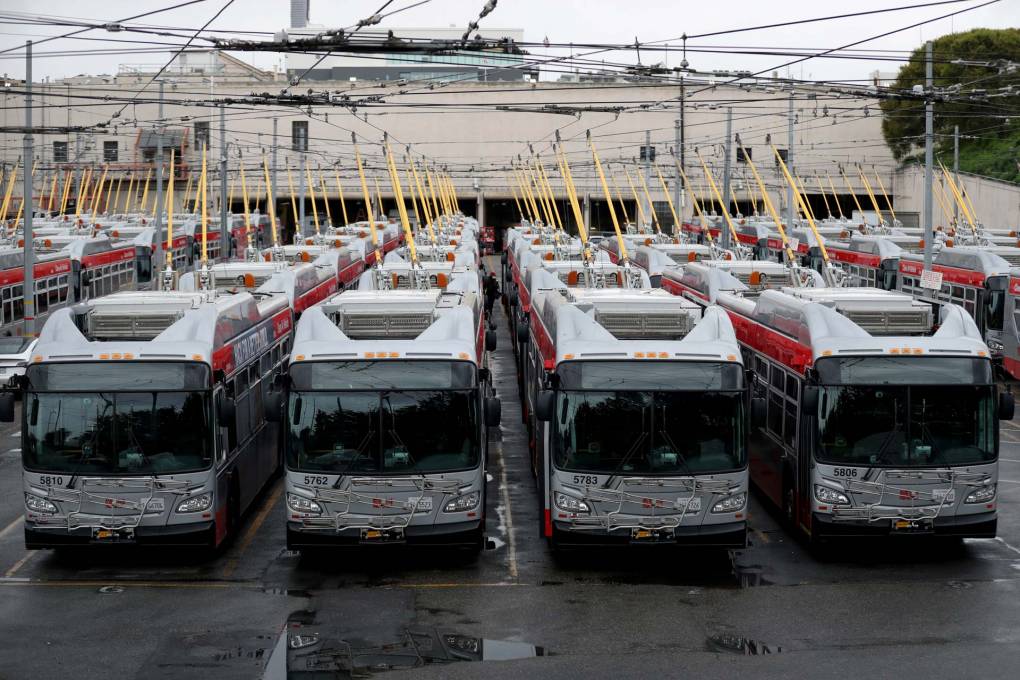
"caption": "Buses parked at a a San Francisco Muni yard on April 6, 2020.",
"description": "Buses parked at a a San Francisco Muni yard on April 6, 2020.",
"title": "San Francisco's Muni To Cut Majority Of Service During Coronavirus Shutdown",
"credit": "Justin Sullivan/Getty Images",
"status": "inherit",
"isLoading": false,
"fetchFailed": false
},
"news_11811514": {
"type": "attachments",
"id": "news_11811514",
"meta": {
"index": "attachments_1716263798",
"site": "news",
"id": "11811514",
"found": true
},
"parent": 11811507,
"imgSizes": {
"apple_news_ca_landscape_5_5": {
"file": "https://ww2.kqed.org/app/uploads/sites/10/2020/04/bart-warmsprings-200212a-1044x783.jpg",
"width": 1044,
"mimeType": "image/jpeg",
"height": 783
},
"apple_news_ca_square_4_0": {
"file": "https://ww2.kqed.org/app/uploads/sites/10/2020/04/bart-warmsprings-200212a-470x470.jpg",
"width": 470,
"mimeType": "image/jpeg",
"height": 470
},
"twentyfourteen-full-width": {
"file": "https://ww2.kqed.org/app/uploads/sites/10/2020/04/bart-warmsprings-200212a-1038x576.jpg",
"width": 1038,
"mimeType": "image/jpeg",
"height": 576
},
"thumbnail": {
"file": "https://ww2.kqed.org/app/uploads/sites/10/2020/04/bart-warmsprings-200212a-160x114.jpg",
"width": 160,
"mimeType": "image/jpeg",
"height": 114
},
"post-thumbnail": {
"file": "https://ww2.kqed.org/app/uploads/sites/10/2020/04/bart-warmsprings-200212a-672x372.jpg",
"width": 672,
"mimeType": "image/jpeg",
"height": 372
},
"kqedFullSize": {
"file": "https://ww2.kqed.org/app/uploads/sites/10/2020/04/bart-warmsprings-200212a.jpg",
"width": 1920,
"height": 1368
},
"apple_news_ca_landscape_4_7": {
"file": "https://ww2.kqed.org/app/uploads/sites/10/2020/04/bart-warmsprings-200212a-632x474.jpg",
"width": 632,
"mimeType": "image/jpeg",
"height": 474
},
"large": {
"file": "https://ww2.kqed.org/app/uploads/sites/10/2020/04/bart-warmsprings-200212a-1020x727.jpg",
"width": 1020,
"mimeType": "image/jpeg",
"height": 727
},
"apple_news_ca_landscape_4_0": {
"file": "https://ww2.kqed.org/app/uploads/sites/10/2020/04/bart-warmsprings-200212a-536x402.jpg",
"width": 536,
"mimeType": "image/jpeg",
"height": 402
},
"apple_news_ca_portrait_12_9": {
"file": "https://ww2.kqed.org/app/uploads/sites/10/2020/04/bart-warmsprings-200212a-1122x1368.jpg",
"width": 1122,
"mimeType": "image/jpeg",
"height": 1368
},
"medium": {
"file": "https://ww2.kqed.org/app/uploads/sites/10/2020/04/bart-warmsprings-200212a-800x570.jpg",
"width": 800,
"mimeType": "image/jpeg",
"height": 570
},
"apple_news_ca_portrait_4_0": {
"file": "https://ww2.kqed.org/app/uploads/sites/10/2020/04/bart-warmsprings-200212a-354x472.jpg",
"width": 354,
"mimeType": "image/jpeg",
"height": 472
},
"apple_news_ca_portrait_9_7": {
"file": "https://ww2.kqed.org/app/uploads/sites/10/2020/04/bart-warmsprings-200212a-840x1120.jpg",
"width": 840,
"mimeType": "image/jpeg",
"height": 1120
},
"apple_news_ca_landscape_12_9": {
"file": "https://ww2.kqed.org/app/uploads/sites/10/2020/04/bart-warmsprings-200212a-1832x1368.jpg",
"width": 1832,
"mimeType": "image/jpeg",
"height": 1368
},
"apple_news_ca_square_9_7": {
"file": "https://ww2.kqed.org/app/uploads/sites/10/2020/04/bart-warmsprings-200212a-1104x1104.jpg",
"width": 1104,
"mimeType": "image/jpeg",
"height": 1104
},
"apple_news_ca_portrait_4_7": {
"file": "https://ww2.kqed.org/app/uploads/sites/10/2020/04/bart-warmsprings-200212a-414x552.jpg",
"width": 414,
"mimeType": "image/jpeg",
"height": 552
},
"apple_news_ca_square_12_9": {
"file": "https://ww2.kqed.org/app/uploads/sites/10/2020/04/bart-warmsprings-200212a-1472x1368.jpg",
"width": 1472,
"mimeType": "image/jpeg",
"height": 1368
},
"apple_news_ca_portrait_5_5": {
"file": "https://ww2.kqed.org/app/uploads/sites/10/2020/04/bart-warmsprings-200212a-687x916.jpg",
"width": 687,
"mimeType": "image/jpeg",
"height": 916
},
"full-width": {
"file": "https://ww2.kqed.org/app/uploads/sites/10/2020/04/bart-warmsprings-200212a-1920x1368.jpg",
"width": 1920,
"mimeType": "image/jpeg",
"height": 1368
},
"apple_news_ca_square_4_7": {
"file": "https://ww2.kqed.org/app/uploads/sites/10/2020/04/bart-warmsprings-200212a-550x550.jpg",
"width": 550,
"mimeType": "image/jpeg",
"height": 550
},
"apple_news_ca_landscape_9_7": {
"file": "https://ww2.kqed.org/app/uploads/sites/10/2020/04/bart-warmsprings-200212a-1376x1032.jpg",
"width": 1376,
"mimeType": "image/jpeg",
"height": 1032
},
"apple_news_ca_square_5_5": {
"file": "https://ww2.kqed.org/app/uploads/sites/10/2020/04/bart-warmsprings-200212a-912x912.jpg",
"width": 912,
"mimeType": "image/jpeg",
"height": 912
}
},
"publishDate": 1586423481,
"modified": 1586448938,
"caption": "A Richmond train at BART's Warm Springs station on Feb. 12, 2020, a month before ridership plunged because of the coronavirus crisis. ",
"description": "A Richmond train at BART's Warm Springs station on Feb. 12, 2020, a month before ridership plunged because of the coronavirus crisis. ",
"title": "bart-warmsprings-200212a",
"credit": "Dan Brekke/KQED",
"status": "inherit",
"isLoading": false,
"fetchFailed": false
}
},
"audioPlayerReducer": {
"postId": "stream_live",
"isPaused": true,
"isPlaying": false,
"pfsActive": false,
"pledgeModalIsOpen": true,
"playerDrawerIsOpen": false,
"liveAudioPlayStartedAt": 0,
"liveAudioPlayContext": ""
},
"authorsReducer": {
"danbrekke": {
"type": "authors",
"id": "222",
"meta": {
"index": "authors_1716337520",
"id": "222",
"found": true
},
"name": "Dan Brekke",
"firstName": "Dan",
"lastName": "Brekke",
"slug": "danbrekke",
"email": "dbrekke@kqed.org",
"display_author_email": true,
"staff_mastheads": [
"news",
"science"
],
"title": "KQED Editor and Reporter",
"bio": "Dan Brekke is a reporter and editor for KQED News, responsible for coverage of topics ranging from California water issues to the Bay Area's transportation challenges. In a newsroom career that began in Chicago in 1972, Dan has worked for \u003cem>The San Francisco Examiner,\u003c/em> Wired and TechTV and has been published in The New York Times, The New York Times Magazine, Business 2.0, Salon and elsewhere.\r\n\r\nSince joining KQED in 2007, Dan has reported, edited and produced both radio and online features and breaking news pieces. He has shared as both editor and reporter in four Society of Professional Journalists Norcal Excellence in Journalism awards and one Edward R. Murrow regional award. He was chosen for a spring 2017 residency at the Mesa Refuge to advance his research on California salmon.\r\n\r\nEmail Dan at: \u003ca href=\"mailto:dbrekke@kqed.org\">dbrekke@kqed.org\u003c/a>\r\n\r\n\u003cstrong>Twitter:\u003c/strong> \u003ca href=\"https://twitter.com/danbrekke\" rel=\"noopener noreferrer\">twitter.com/danbrekke\u003c/a>\r\n\u003cstrong>Facebook:\u003c/strong> \u003ca href=\"https://www.facebook.com/danbrekke\" rel=\"noopener noreferrer\">www.facebook.com/danbrekke\u003c/a>\r\n\u003cstrong>LinkedIn:\u003c/strong> \u003ca href=\"https://www.linkedin.com/in/danbrekke\" rel=\"noopener noreferrer\">www.linkedin.com/in/danbrekke\u003c/a>",
"avatar": "https://secure.gravatar.com/avatar/8f1f0d2a978fb3b23426c922c7e2af558fa36905b49c4ce76a97dc3c72d27226?s=600&d=mm&r=g",
"twitter": "danbrekke",
"bluesky": null,
"facebook": null,
"instagram": "https://www.instagram.com/dan.brekke/",
"linkedin": "https://www.linkedin.com/in/danbrekke/",
"sites": [
{
"site": "news",
"roles": [
"administrator",
"create_posts"
]
},
{
"site": "stateofhealth",
"roles": [
"editor"
]
},
{
"site": "science",
"roles": [
"editor"
]
},
{
"site": "quest",
"roles": [
"contributor"
]
},
{
"site": "food",
"roles": [
"contributor"
]
},
{
"site": "forum",
"roles": [
"contributor"
]
},
{
"site": "elections",
"roles": [
"editor"
]
},
{
"site": "liveblog",
"roles": [
"editor"
]
}
],
"headData": {
"title": "Dan Brekke | KQED",
"description": "KQED Editor and Reporter",
"ogImgSrc": "https://secure.gravatar.com/avatar/8f1f0d2a978fb3b23426c922c7e2af558fa36905b49c4ce76a97dc3c72d27226?s=600&d=mm&r=g",
"twImgSrc": "https://secure.gravatar.com/avatar/8f1f0d2a978fb3b23426c922c7e2af558fa36905b49c4ce76a97dc3c72d27226?s=600&d=mm&r=g"
},
"isLoading": false,
"link": "/author/danbrekke"
},
"katrinaschwartz": {
"type": "authors",
"id": "234",
"meta": {
"index": "authors_1716337520",
"id": "234",
"found": true
},
"name": "Katrina Schwartz",
"firstName": "Katrina",
"lastName": "Schwartz",
"slug": "katrinaschwartz",
"email": "kschwartz@kqed.org",
"display_author_email": false,
"staff_mastheads": [
"news"
],
"title": "Producer",
"bio": "Katrina Schwartz is a journalist based in San Francisco. She's worked at KPCC public radio in LA and has reported on air and online for KQED since 2010. She covered how teaching and learning is changing for MindShift between 2012 and 2020. She is the co-host of the MindShift podcast and now produces KQED's Bay Curious podcast.",
"avatar": "https://secure.gravatar.com/avatar/edb4ee79070447a018538c9aae6eeecf28786515b8a0c30e43b6b7dce5aa44c8?s=600&d=blank&r=g",
"twitter": "kschwart",
"bluesky": null,
"facebook": null,
"instagram": null,
"linkedin": null,
"sites": [
{
"site": "",
"roles": [
"editor"
]
},
{
"site": "news",
"roles": [
"editor"
]
},
{
"site": "mindshift",
"roles": [
"administrator"
]
},
{
"site": "stateofhealth",
"roles": [
"author"
]
},
{
"site": "science",
"roles": [
"editor"
]
}
],
"headData": {
"title": "Katrina Schwartz | KQED",
"description": "Producer",
"ogImgSrc": "https://secure.gravatar.com/avatar/edb4ee79070447a018538c9aae6eeecf28786515b8a0c30e43b6b7dce5aa44c8?s=600&d=blank&r=g",
"twImgSrc": "https://secure.gravatar.com/avatar/edb4ee79070447a018538c9aae6eeecf28786515b8a0c30e43b6b7dce5aa44c8?s=600&d=blank&r=g"
},
"isLoading": false,
"link": "/author/katrinaschwartz"
},
"kqed": {
"type": "authors",
"id": "236",
"meta": {
"index": "authors_1716337520",
"id": "236",
"found": true
},
"name": "KQED News Staff",
"firstName": "KQED News Staff",
"lastName": null,
"slug": "kqed",
"email": "faq@kqed.org",
"display_author_email": false,
"staff_mastheads": [],
"title": null,
"bio": null,
"avatar": "https://secure.gravatar.com/avatar/ef0e801a68c4c54afa9180db14084167?s=600&d=blank&r=g",
"twitter": null,
"facebook": null,
"instagram": null,
"linkedin": null,
"sites": [
{
"site": "arts",
"roles": [
"contributor"
]
},
{
"site": "news",
"roles": [
"editor"
]
},
{
"site": "futureofyou",
"roles": [
"author"
]
}
],
"headData": {
"title": "KQED News Staff | KQED",
"description": null,
"ogImgSrc": "https://secure.gravatar.com/avatar/ef0e801a68c4c54afa9180db14084167?s=600&d=blank&r=g",
"twImgSrc": "https://secure.gravatar.com/avatar/ef0e801a68c4c54afa9180db14084167?s=600&d=blank&r=g"
},
"isLoading": false,
"link": "/author/kqed"
},
"dkatayama": {
"type": "authors",
"id": "7240",
"meta": {
"index": "authors_1716337520",
"id": "7240",
"found": true
},
"name": "Devin Katayama",
"firstName": "Devin",
"lastName": "Katayama",
"slug": "dkatayama",
"email": "dkatayama@kqed.org",
"display_author_email": true,
"staff_mastheads": [
"news"
],
"title": "Editor of Talent and Development",
"bio": "Devin Katayama is former Editor of Talent and Development for KQED. He supported our internship program and on-call staff by looking for equitable opportunities to improve the newsroom.\r\n\r\nHe previously hosted The Bay and American Suburb podcasts from KQED News. Prior to returning to the Bay Area in 2015, Devin was the education reporter for WFPL in Louisville and worked as a producer with radio stations in Chicago and Portland, OR. His work has appeared on NPR’s \u003cem>Morning Edition, All Things Considered, The Takeaway\u003c/em> and \u003cem>Here and Now.\u003c/em>\r\n\r\nDevin earned his MA in Journalism from Columbia College Chicago, where he was a Follett Fellow and the recipient of the 2011 Studs Terkel Community Media Workshop Scholarship for his story on Chicago's homeless youth. He won WBUR's 2014 Daniel Schorr award and a regional RTNDA Edward R. Murrow Award for his documentary \"At Risk\" that looked at issues facing some of Louisville's students. Devin has also received numerous local awards from the Associated Press and the Society of Professional Journalists.",
"avatar": "https://secure.gravatar.com/avatar/d0d2978a31002fb2de107921a8e18405?s=600&d=blank&r=g",
"twitter": "RadioDevin",
"facebook": null,
"instagram": null,
"linkedin": null,
"sites": [
{
"site": "arts",
"roles": []
},
{
"site": "news",
"roles": [
"author"
]
},
{
"site": "stateofhealth",
"roles": [
"author"
]
},
{
"site": "forum",
"roles": [
"editor"
]
},
{
"site": "perspectives",
"roles": [
"editor"
]
}
],
"headData": {
"title": "Devin Katayama | KQED",
"description": "Editor of Talent and Development",
"ogImgSrc": "https://secure.gravatar.com/avatar/d0d2978a31002fb2de107921a8e18405?s=600&d=blank&r=g",
"twImgSrc": "https://secure.gravatar.com/avatar/d0d2978a31002fb2de107921a8e18405?s=600&d=blank&r=g"
},
"isLoading": false,
"link": "/author/dkatayama"
},
"ecruzguevarra": {
"type": "authors",
"id": "8654",
"meta": {
"index": "authors_1716337520",
"id": "8654",
"found": true
},
"name": "Ericka Cruz Guevarra",
"firstName": "Ericka",
"lastName": "Cruz Guevarra",
"slug": "ecruzguevarra",
"email": "ecruzguevarra@kqed.org",
"display_author_email": true,
"staff_mastheads": [
"news"
],
"title": "Producer, The Bay Podcast",
"bio": "Ericka Cruz Guevarra is host of \u003ca href=\"https://www.kqed.org/podcasts/thebay\">\u003cem>The Bay\u003c/em>\u003c/a> podcast at KQED. Before host, she was the show’s producer. Her work in that capacity includes a three-part reported series on policing in Vallejo, which won a 2020 excellence in journalism award from the Society of Professional Journalists. Ericka has worked as a breaking news reporter at Oregon Public Broadcasting, helped produce the Code Switch podcast, and was KQED’s inaugural Raul Ramirez Diversity Fund intern. She’s also an alumna of NPR’s Next Generation Radio program. Send her an email if you have strong feelings about whether Fairfield and Suisun City are the Bay. Ericka is represented by SAG-AFTRA.",
"avatar": "https://secure.gravatar.com/avatar/accefc1de4bafc7e234b69bcb9b6f6536c130fd84709bc3069ef11a78787e1bb?s=600&d=blank&r=g",
"twitter": "NotoriousECG",
"bluesky": null,
"facebook": null,
"instagram": null,
"linkedin": null,
"sites": [
{
"site": "arts",
"roles": [
"subscriber"
]
},
{
"site": "news",
"roles": [
"editor",
"manage_categories"
]
},
{
"site": "futureofyou",
"roles": [
"subscriber"
]
},
{
"site": "stateofhealth",
"roles": [
"subscriber"
]
},
{
"site": "science",
"roles": [
"editor"
]
},
{
"site": "forum",
"roles": [
"subscriber"
]
}
],
"headData": {
"title": "Ericka Cruz Guevarra | KQED",
"description": "Producer, The Bay Podcast",
"ogImgSrc": "https://secure.gravatar.com/avatar/accefc1de4bafc7e234b69bcb9b6f6536c130fd84709bc3069ef11a78787e1bb?s=600&d=blank&r=g",
"twImgSrc": "https://secure.gravatar.com/avatar/accefc1de4bafc7e234b69bcb9b6f6536c130fd84709bc3069ef11a78787e1bb?s=600&d=blank&r=g"
},
"isLoading": false,
"link": "/author/ecruzguevarra"
},
"amontecillo": {
"type": "authors",
"id": "11649",
"meta": {
"index": "authors_1716337520",
"id": "11649",
"found": true
},
"name": "Alan Montecillo",
"firstName": "Alan",
"lastName": "Montecillo",
"slug": "amontecillo",
"email": "amontecillo@kqed.org",
"display_author_email": false,
"staff_mastheads": [
"news"
],
"title": "KQED Contributor",
"bio": "Alan Montecillo is the senior editor of \u003cem>\u003ca href=\"http://kqed.org/thebay\">The Bay\u003c/a>, \u003c/em> KQED's local news podcast. Before moving to the Bay Area, he worked as a senior talk show producer for WILL in Champaign-Urbana, Illinois and at Oregon Public Broadcasting in Portland, Oregon. He has won journalism awards from the Society of Professional Journalists Northern California, the Public Media Journalists Association, The Signal Awards, and has also received a regional Edward R. Murrow award. Alan is a Filipino American from Hong Kong and a graduate of Reed College.",
"avatar": "https://secure.gravatar.com/avatar/268f53a2066899ea9efdd8a5900218b17c822d9862cbc9326cccec53ef41d349?s=600&d=blank&r=g",
"twitter": "alanmontecillo",
"bluesky": null,
"facebook": null,
"instagram": null,
"linkedin": null,
"sites": [
{
"site": "",
"roles": [
"editor"
]
},
{
"site": "news",
"roles": [
"editor",
"manage_categories"
]
}
],
"headData": {
"title": "Alan Montecillo | KQED",
"description": "KQED Contributor",
"ogImgSrc": "https://secure.gravatar.com/avatar/268f53a2066899ea9efdd8a5900218b17c822d9862cbc9326cccec53ef41d349?s=600&d=blank&r=g",
"twImgSrc": "https://secure.gravatar.com/avatar/268f53a2066899ea9efdd8a5900218b17c822d9862cbc9326cccec53ef41d349?s=600&d=blank&r=g"
},
"isLoading": false,
"link": "/author/amontecillo"
},
"jrodriguez": {
"type": "authors",
"id": "11690",
"meta": {
"index": "authors_1716337520",
"id": "11690",
"found": true
},
"name": "Joe Fitzgerald Rodriguez",
"firstName": "Joe",
"lastName": "Fitzgerald Rodriguez",
"slug": "jrodriguez",
"email": "jrodriguez@kqed.org",
"display_author_email": true,
"staff_mastheads": [
"news"
],
"title": "Reporter and Producer",
"bio": "Joe Fitzgerald Rodriguez is a reporter and digital producer for KQED covering politics. Joe most recently wrote for the \u003cem>San Francisco Examiner\u003c/em> as a political columnist covering The City. He was raised in San Francisco and has spent his reporting career in his beloved, foggy, city by the bay. Joe was 12-years-old when he conducted his first interview in journalism, grilling former San Francisco Mayor Willie Brown for the Marina Middle School newspaper, \u003cem>The Penguin Press, \u003c/em>and he continues to report on the San Francisco Bay Area to this day.",
"avatar": "https://secure.gravatar.com/avatar/2247beb0564c1e9c62228d5649d2edac?s=600&d=blank&r=g",
"twitter": "FitztheReporter",
"facebook": null,
"instagram": "https://www.instagram.com/fitzthereporter/",
"linkedin": null,
"sites": [
{
"site": "",
"roles": [
"editor"
]
},
{
"site": "arts",
"roles": [
"editor"
]
},
{
"site": "news",
"roles": [
"editor"
]
},
{
"site": "science",
"roles": [
"editor"
]
},
{
"site": "elections",
"roles": [
"editor"
]
},
{
"site": "liveblog",
"roles": [
"editor"
]
}
],
"headData": {
"title": "Joe Fitzgerald Rodriguez | KQED",
"description": "Reporter and Producer",
"ogImgSrc": "https://secure.gravatar.com/avatar/2247beb0564c1e9c62228d5649d2edac?s=600&d=blank&r=g",
"twImgSrc": "https://secure.gravatar.com/avatar/2247beb0564c1e9c62228d5649d2edac?s=600&d=blank&r=g"
},
"isLoading": false,
"link": "/author/jrodriguez"
}
},
"pagesReducer": {
"news_tag_bart": {
"type": "terms",
"id": "news_269",
"meta": {
"index": "terms_1716263798",
"site": "news",
"id": "269",
"score": 8.558313
},
"featImg": null,
"name": "BART",
"description": null,
"taxonomy": "tag",
"headData": {
"twImgId": null,
"twTitle": null,
"ogTitle": null,
"ogImgId": null,
"twDescription": null,
"description": null,
"title": "BART Archives | KQED News",
"ogDescription": null
},
"ttid": 277,
"slug": "bart",
"isLoading": false,
"title": "BART",
"pageMeta": {
"site": "news",
"WpPageTemplate": "page-topic-editorial",
"currentPage": 12
},
"blocks": [
{
"blockName": "kqed/post-list",
"attrs": {
"layout": "cardArticle2",
"query": "posts/news?tag=bart",
"seeMore": false,
"paginated": true,
"page": 12
}
},
{
"blockName": "kqed/ad"
}
]
}
},
"pfsSessionReducer": {},
"postsReducer": {
"stream_live": {
"type": "live",
"id": "stream_live",
"audioUrl": "https://streams.kqed.org/kqedradio",
"title": "Live Stream",
"excerpt": "Live Stream information currently unavailable.",
"link": "/radio",
"featImg": "",
"label": {
"name": "KQED Live",
"link": "/"
}
},
"stream_kqedNewscast": {
"type": "posts",
"id": "stream_kqedNewscast",
"audioUrl": "https://www.kqed.org/.stream/anon/radio/RDnews/newscast.mp3?_=1",
"title": "KQED Newscast",
"featImg": "",
"label": {
"name": "88.5 FM",
"link": "/"
}
},
"news_11853438": {
"type": "posts",
"id": "news_11853438",
"meta": {
"index": "posts_1716263798",
"site": "news",
"id": "11853438",
"score": null,
"sort": [
1609536141000
]
},
"guestAuthors": [],
"slug": "computer-glitches-and-flattened-wheels-prompt-bart-to-pause-new-fleet-delivery",
"title": "Computer Glitches and Flattened Wheels Prompt BART to Pause New Fleet Delivery",
"publishDate": 1609536141,
"format": "standard",
"headTitle": "Computer Glitches and Flattened Wheels Prompt BART to Pause New Fleet Delivery | KQED",
"labelTerm": {
"site": "news"
},
"content": "\u003cp>BART’s much-anticipated “\u003ca href=\"https://www.kqed.org/news/11642626/bart-gets-ok-to-launch-first-cars-in-its-fleet-of-the-future\">Fleet of the Future\u003c/a>” may be stuck in the future a little longer.\u003c/p>\n\u003cp>The agency will “temporarily stop” accepting the new rail cars from manufacturer Bombardier on Jan 8, citing issues with the trains’ software and wheels, the agency said in a statement.\u003c/p>\n\u003cp>The new trains’ onboard automatic train control system causes them to “routinely stop while in service,” a system broadly considered safety-critical in the transportation industry. The trains won’t move again until an operator reboots the system, an agency spokesperson wrote in a statement. The cars’ wheels can also develop flat spots if a train is stopped in rainy or wet conditions, prompting the cars to be removed from service so that the wheels can be resurfaced.\u003c/p>\n\u003cp>“While neither issue impacts the safety of existing (Fleet of the Future) cars currently in service, they can impact service reliability and car availability,” they wrote. [ad fullwidth]\u003c/p>\n\u003cp>The $2.6 billion train order will eventually see 775 brand new, far-quieter rail cars grace the transit system’s fleet, but right now, BART only has about 300 of them. The pause in accepting cars will give Bombardier time “to take steps to improve the cars’ reliability and availability, and to alleviate rail car storage constraints at BART’s maintenance yards,” an agency spokesperson wrote.\u003c/p>\n\u003cp>The new cars are vital, the agency has said, to deliver more dependable service for the region. They’ve been \u003ca href=\"https://www.kqed.org/news/11629111/bart-faces-new-delay-in-rolling-out-fleet-of-the-future\">anticipated to replace the aging, older fleet as far back as 2016\u003c/a>, with rave reviews claiming they are far quieter and cleaner, and sport more ample space than the original, still-running, BART train cars.\u003c/p>\n\u003cp>https://twitter.com/SFBART/status/1343748390664880129\u003c/p>\n\u003cp>Still, this is far from the first bump in the road for BART’s future fleet, like when train \u003ca href=\"https://www.kqed.org/news/11632453/bart-says-its-ironed-out-problems-with-new-cars-and-you-can-ride-soonish\">doors had trouble opening for inspectors. \u003c/a>The new future fleet \u003ca href=\"https://www.nbcbayarea.com/investigations/bart-inspections-ordered-after-new-fleet-cars-decouple/2312203/\">reportedly had issues when coupling multiple rail cars\u003c/a>, and, as \u003ca href=\"https://www.sfchronicle.com/bayarea/article/BART-slows-rollout-of-new-trains-as-it-contends-13837200.php\">the San Francisco Chronicle noted\u003c/a>, the rail cars have also experienced higher-than-expected maintenance issues.\u003c/p>\n\u003cp>[aside tag=\"BART,public-transit\" label=\"more coverage\"]It also comes \u003ca href=\"https://www.kqed.org/news/11826281/bart-board-passes-budget-including-initiative-to-refocus-police-force\">at a precarious time for transit budgets across the Bay Area\u003c/a>, and at BART, in the wake of the pandemic. BART’s ridership dropped 87% in 2020, leading to a $210 million budget deficit with a potential for “deep cuts and gutting service” should federal relief not stem the bleeding, BART General Manager Bob Powers has previously said.\u003c/p>\n\u003cp>There is some glimmer of hope as the combined $2.3 trillion COVID-19 relief package approved by Congress includes $14 billion for public transit, according to the Metropolitan Transportation Commission, with as much as $978 million coming to the Bay Area to assist all of its transit agencies.\u003c/p>\n\u003cp>Slowing the intake of new train cars will have another effect, BART said: It will have to slow down the decommissioning of its older fleet to ensure service. Some of those 618 legacy cars \u003ca href=\"https://www.bart.gov/about/projects/legacy\">may be sold to the public for uses other than transportation\u003c/a> — from possible train car-cafes to museums.\u003c/p>\n\u003cp>Given this newest delay, sipping a latte inside a decommissioned BART car may have to wait.\u003c/p>\n\u003cp>\u003c/p>\n",
"blocks": [],
"excerpt": "BART is delaying delivery of its new 'Fleet of the Future' due to software glitches and wheel issues that increase the need for maintenance. ",
"status": "publish",
"parent": 0,
"modified": 1721110868,
"stats": {
"hasAudio": false,
"hasVideo": false,
"hasChartOrMap": false,
"iframeSrcs": [],
"hasGoogleForm": false,
"hasGallery": false,
"hasHearkenModule": false,
"hasPolis": false,
"paragraphCount": 12,
"wordCount": 550
},
"headData": {
"title": "Computer Glitches and Flattened Wheels Prompt BART to Pause New Fleet Delivery | KQED",
"description": "BART is delaying delivery of its new 'Fleet of the Future' due to software glitches and wheel issues that increase the need for maintenance. ",
"ogTitle": "",
"ogDescription": "",
"ogImgId": "",
"twTitle": "",
"twDescription": "",
"twImgId": "",
"schema": {
"@context": "https://schema.org",
"@type": "NewsArticle",
"headline": "Computer Glitches and Flattened Wheels Prompt BART to Pause New Fleet Delivery",
"datePublished": "2021-01-01T13:22:21-08:00",
"dateModified": "2024-07-15T23:21:08-07:00",
"image": "https://cdn.kqed.org/wp-content/uploads/2020/02/KQED-OG-Image@1x.png",
"isAccessibleForFree": "True",
"publisher": {
"@type": "NewsMediaOrganization",
"@id": "https://www.kqed.org/#organization",
"name": "KQED",
"logo": "https://cdn.kqed.org/wp-content/uploads/2020/02/KQED-OG-Image@1x.png",
"url": "https://www.kqed.org",
"sameAs": [
"https://www.facebook.com/KQED",
"https://twitter.com/KQED",
"https://www.instagram.com/kqed/",
"https://www.tiktok.com/@kqedofficial",
"https://www.linkedin.com/company/kqed",
"https://www.youtube.com/channel/UCeC0IOo7i1P_61zVUWbJ4nw"
]
}
}
},
"sticky": false,
"path": "/news/11853438/computer-glitches-and-flattened-wheels-prompt-bart-to-pause-new-fleet-delivery",
"audioTrackLength": null,
"parsedContent": [
{
"type": "contentString",
"content": "\u003cdiv class=\"post-body\">\u003cp>\u003cp>BART’s much-anticipated “\u003ca href=\"https://www.kqed.org/news/11642626/bart-gets-ok-to-launch-first-cars-in-its-fleet-of-the-future\">Fleet of the Future\u003c/a>” may be stuck in the future a little longer.\u003c/p>\n\u003cp>The agency will “temporarily stop” accepting the new rail cars from manufacturer Bombardier on Jan 8, citing issues with the trains’ software and wheels, the agency said in a statement.\u003c/p>\n\u003cp>The new trains’ onboard automatic train control system causes them to “routinely stop while in service,” a system broadly considered safety-critical in the transportation industry. The trains won’t move again until an operator reboots the system, an agency spokesperson wrote in a statement. The cars’ wheels can also develop flat spots if a train is stopped in rainy or wet conditions, prompting the cars to be removed from service so that the wheels can be resurfaced.\u003c/p>\n\u003cp>“While neither issue impacts the safety of existing (Fleet of the Future) cars currently in service, they can impact service reliability and car availability,” they wrote. \u003c/p>\u003c/div>",
"attributes": {
"named": {},
"numeric": []
}
},
{
"type": "component",
"content": "",
"name": "ad",
"attributes": {
"named": {
"label": "fullwidth"
},
"numeric": [
"fullwidth"
]
}
},
{
"type": "contentString",
"content": "\u003cdiv class=\"post-body\">\u003cp>\u003c/p>\n\u003cp>The $2.6 billion train order will eventually see 775 brand new, far-quieter rail cars grace the transit system’s fleet, but right now, BART only has about 300 of them. The pause in accepting cars will give Bombardier time “to take steps to improve the cars’ reliability and availability, and to alleviate rail car storage constraints at BART’s maintenance yards,” an agency spokesperson wrote.\u003c/p>\n\u003cp>The new cars are vital, the agency has said, to deliver more dependable service for the region. They’ve been \u003ca href=\"https://www.kqed.org/news/11629111/bart-faces-new-delay-in-rolling-out-fleet-of-the-future\">anticipated to replace the aging, older fleet as far back as 2016\u003c/a>, with rave reviews claiming they are far quieter and cleaner, and sport more ample space than the original, still-running, BART train cars.\u003c/p>\u003c/p>\u003c/div>",
"attributes": {
"named": {},
"numeric": []
}
},
{
"type": "component",
"content": "",
"name": "singleTwitterStatus",
"attributes": {
"named": {
"id": "1343748390664880129"
},
"numeric": []
}
},
{
"type": "contentString",
"content": "\u003cdiv class=\"post-body\">\u003cp>\n\u003cp>Still, this is far from the first bump in the road for BART’s future fleet, like when train \u003ca href=\"https://www.kqed.org/news/11632453/bart-says-its-ironed-out-problems-with-new-cars-and-you-can-ride-soonish\">doors had trouble opening for inspectors. \u003c/a>The new future fleet \u003ca href=\"https://www.nbcbayarea.com/investigations/bart-inspections-ordered-after-new-fleet-cars-decouple/2312203/\">reportedly had issues when coupling multiple rail cars\u003c/a>, and, as \u003ca href=\"https://www.sfchronicle.com/bayarea/article/BART-slows-rollout-of-new-trains-as-it-contends-13837200.php\">the San Francisco Chronicle noted\u003c/a>, the rail cars have also experienced higher-than-expected maintenance issues.\u003c/p>\n\u003cp>\u003c/p>\u003c/div>",
"attributes": {
"named": {},
"numeric": []
}
},
{
"type": "component",
"content": "",
"name": "aside",
"attributes": {
"named": {
"tag": "BART,public-transit",
"label": "more coverage "
},
"numeric": []
}
},
{
"type": "contentString",
"content": "\u003cdiv class=\"post-body\">\u003cp>It also comes \u003ca href=\"https://www.kqed.org/news/11826281/bart-board-passes-budget-including-initiative-to-refocus-police-force\">at a precarious time for transit budgets across the Bay Area\u003c/a>, and at BART, in the wake of the pandemic. BART’s ridership dropped 87% in 2020, leading to a $210 million budget deficit with a potential for “deep cuts and gutting service” should federal relief not stem the bleeding, BART General Manager Bob Powers has previously said.\u003c/p>\n\u003cp>There is some glimmer of hope as the combined $2.3 trillion COVID-19 relief package approved by Congress includes $14 billion for public transit, according to the Metropolitan Transportation Commission, with as much as $978 million coming to the Bay Area to assist all of its transit agencies.\u003c/p>\n\u003cp>Slowing the intake of new train cars will have another effect, BART said: It will have to slow down the decommissioning of its older fleet to ensure service. Some of those 618 legacy cars \u003ca href=\"https://www.bart.gov/about/projects/legacy\">may be sold to the public for uses other than transportation\u003c/a> — from possible train car-cafes to museums.\u003c/p>\n\u003cp>Given this newest delay, sipping a latte inside a decommissioned BART car may have to wait.\u003c/p>\n\u003cp>\u003c/p>\n\u003c/div>\u003c/p>",
"attributes": {
"named": {},
"numeric": []
}
}
],
"link": "/news/11853438/computer-glitches-and-flattened-wheels-prompt-bart-to-pause-new-fleet-delivery",
"authors": [
"11690"
],
"categories": [
"news_8",
"news_1397"
],
"tags": [
"news_269",
"news_1764",
"news_1533"
],
"featImg": "news_11845752",
"label": "news"
},
"news_11850462": {
"type": "posts",
"id": "news_11850462",
"meta": {
"index": "posts_1716263798",
"site": "news",
"id": "11850462",
"score": null,
"sort": [
1607545349000
]
},
"parent": 0,
"labelTerm": {
"site": "news"
},
"blocks": [],
"publishDate": 1607545349,
"format": "standard",
"disqusTitle": "BART Joins Nationwide Plea for Emergency Transit Aid",
"title": "BART Joins Nationwide Plea for Emergency Transit Aid",
"headTitle": "KQED News",
"content": "\u003cp>BART is joining major transit agencies around the country in an appeal for a new round of federal pandemic relief to help head off mass layoffs and drastic service cuts.\u003c/p>\n\u003cp>BART General Manager Bob Powers said in a video press briefing Wednesday with transit executives from New York City, Cleveland, Denver, Indianapolis, New Orleans and Philadelphia that the industry’s future is on the line.\u003c/p>\n\u003cp>Of special concern, Powers said, will be operators’ ability to serve the most transit-dependent riders — lower-income patrons and those who don’t have the choice to work from home as the pandemic prompts a new wave of strict health orders.\u003c/p>\n\u003cp>“We cannot turn our back on our essential workers,” Powers said. “Scaled-down transit does not build resilient cities and will not help with economic recovery.”\u003c/p>\n\u003cp>Agencies throughout the country have seen ridership and fare revenue fall by 50% to 95% during the pandemic. In the federal CARES Act approved last March, transit operators nationwide received $25 billion in emergency funding, allowing them to continue operations at a reduced level. Most agencies will have exhausted those funds by the end of this month.\u003c/p>\n\u003cp>Transit districts have been lobbying since May for as much as $32 billion in a second round of aid to support service in the coming year. Recent versions of pandemic relief legislation under discussion by House and Senate leaders include $15 billion for transit operations.\u003c/p>\n\u003cp>Patrick Foye, chairman and CEO of New York’s Metropolitan Transportation Authority, said during Wednesday’s briefing that operators would like to see rapid action on that $15 billion from the current lame duck session of Congress. But he said much more will be needed if public transportation is to avoid long-term damage.\u003c/p>\n\u003cp>“To be clear, each of the agencies has dramatically higher needs for federal funding in 2021 and 2022” and beyond, Foye said.\u003c/p>\n\u003cp>In the Bay Area, virtually every transit operator is facing service cuts and workforce reductions even deeper than those they've already imposed.\u003c/p>\n\u003cp>BART, which faces a $210 million deficit in the next 18 months, is trying to shrink its workforce through voluntary early retirements, but has discussed layoffs and eliminating weekend service.\u003c/p>\n\u003cp>San Francisco’s Muni must tackle a budget shortfall of $236 million through the middle of 2022 and has said it may need to lay off more than 1,200 employees, more than 20% of its workforce. The Golden Gate Bridge district has announced it will lay off 146 workers, mostly from its bus and ferry operations, on Jan. 4.\u003c/p>\n\u003cp>\u003cem>—Dan Brekke (\u003ca href=\"https://twitter.com/danbrekke\" target=\"_blank\" rel=\"noopener noreferrer\">@danbrekke\u003c/a>)\u003c/em>\u003c/p>\n",
"disqusIdentifier": "11850462 https://ww2.kqed.org/news/?p=11850462",
"disqusUrl": "https://ww2.kqed.org/news/2020/12/09/bart-joins-nationwide-plea-for-emergency-transit-aid/",
"stats": {
"hasVideo": false,
"hasChartOrMap": false,
"hasAudio": false,
"hasPolis": false,
"wordCount": 427,
"hasGoogleForm": false,
"hasGallery": false,
"hasHearkenModule": false,
"iframeSrcs": [],
"paragraphCount": 12
},
"modified": 1607555980,
"excerpt": null,
"headData": {
"twImgId": "",
"twTitle": "",
"ogTitle": "",
"ogImgId": "",
"twDescription": "",
"description": "BART is joining major transit agencies around the country in an appeal for a new round of federal pandemic relief to help head off mass layoffs and drastic service cuts. BART General Manager Bob Powers said in a video press briefing Wednesday with transit executives from New York City, Cleveland, Denver, Indianapolis, New Orleans and",
"title": "BART Joins Nationwide Plea for Emergency Transit Aid | KQED",
"ogDescription": "",
"schema": {
"@context": "https://schema.org",
"@type": "NewsArticle",
"headline": "BART Joins Nationwide Plea for Emergency Transit Aid",
"datePublished": "2020-12-09T12:22:29-08:00",
"dateModified": "2020-12-09T15:19:40-08:00",
"image": "https://cdn.kqed.org/wp-content/uploads/2020/02/KQED-OG-Image@1x.png",
"isAccessibleForFree": "True",
"publisher": {
"@type": "NewsMediaOrganization",
"@id": "https://www.kqed.org/#organization",
"name": "KQED",
"logo": "https://cdn.kqed.org/wp-content/uploads/2020/02/KQED-OG-Image@1x.png",
"url": "https://www.kqed.org",
"sameAs": [
"https://www.facebook.com/KQED",
"https://twitter.com/KQED",
"https://www.instagram.com/kqed/",
"https://www.tiktok.com/@kqedofficial",
"https://www.linkedin.com/company/kqed",
"https://www.youtube.com/channel/UCeC0IOo7i1P_61zVUWbJ4nw"
]
}
}
},
"guestAuthors": [],
"slug": "bart-joins-nationwide-plea-for-emergency-transit-aid",
"status": "publish",
"justInHeadline": "BART joins nationwide plea for emergency transit aid",
"path": "/news/11850462/bart-joins-nationwide-plea-for-emergency-transit-aid",
"redirect": {
"type": "internal",
"url": "/coronavirusliveupdates/news/11850462/bart-joins-nationwide-plea-for-emergency-transit-aid"
},
"audioTrackLength": null,
"parsedContent": [
{
"type": "contentString",
"content": "\u003cdiv class=\"post-body\">\u003cp>\u003cp>BART is joining major transit agencies around the country in an appeal for a new round of federal pandemic relief to help head off mass layoffs and drastic service cuts.\u003c/p>\n\u003cp>BART General Manager Bob Powers said in a video press briefing Wednesday with transit executives from New York City, Cleveland, Denver, Indianapolis, New Orleans and Philadelphia that the industry’s future is on the line.\u003c/p>\n\u003cp>Of special concern, Powers said, will be operators’ ability to serve the most transit-dependent riders — lower-income patrons and those who don’t have the choice to work from home as the pandemic prompts a new wave of strict health orders.\u003c/p>\n\u003cp>“We cannot turn our back on our essential workers,” Powers said. “Scaled-down transit does not build resilient cities and will not help with economic recovery.”\u003c/p>\n\u003cp>Agencies throughout the country have seen ridership and fare revenue fall by 50% to 95% during the pandemic. In the federal CARES Act approved last March, transit operators nationwide received $25 billion in emergency funding, allowing them to continue operations at a reduced level. Most agencies will have exhausted those funds by the end of this month.\u003c/p>\n\u003cp>Transit districts have been lobbying since May for as much as $32 billion in a second round of aid to support service in the coming year. Recent versions of pandemic relief legislation under discussion by House and Senate leaders include $15 billion for transit operations.\u003c/p>\n\u003cp>Patrick Foye, chairman and CEO of New York’s Metropolitan Transportation Authority, said during Wednesday’s briefing that operators would like to see rapid action on that $15 billion from the current lame duck session of Congress. But he said much more will be needed if public transportation is to avoid long-term damage.\u003c/p>\n\u003cp>“To be clear, each of the agencies has dramatically higher needs for federal funding in 2021 and 2022” and beyond, Foye said.\u003c/p>\n\u003cp>In the Bay Area, virtually every transit operator is facing service cuts and workforce reductions even deeper than those they've already imposed.\u003c/p>\n\u003cp>BART, which faces a $210 million deficit in the next 18 months, is trying to shrink its workforce through voluntary early retirements, but has discussed layoffs and eliminating weekend service.\u003c/p>\n\u003cp>San Francisco’s Muni must tackle a budget shortfall of $236 million through the middle of 2022 and has said it may need to lay off more than 1,200 employees, more than 20% of its workforce. The Golden Gate Bridge district has announced it will lay off 146 workers, mostly from its bus and ferry operations, on Jan. 4.\u003c/p>\n\u003cp>\u003cem>—Dan Brekke (\u003ca href=\"https://twitter.com/danbrekke\" target=\"_blank\" rel=\"noopener noreferrer\">@danbrekke\u003c/a>)\u003c/em>\u003c/p>\n\u003c/div>\u003c/p>",
"attributes": {
"named": {},
"numeric": []
}
}
],
"link": "/coronavirusliveupdates/news/11850462/bart-joins-nationwide-plea-for-emergency-transit-aid",
"authors": [
"222"
],
"categories": [
"news_27809"
],
"tags": [
"news_269",
"news_27504",
"news_27741",
"news_1764",
"news_319"
],
"featImg": "news_11813618",
"label": "news"
},
"news_11845616": {
"type": "posts",
"id": "news_11845616",
"meta": {
"index": "posts_1716263798",
"site": "news",
"id": "11845616",
"score": null,
"sort": [
1604536959000
]
},
"guestAuthors": [],
"slug": "bart-board-races-incumbents-allen-simon-dufty-poised-to-win",
"title": "BART Board Races: Incumbents Allen, Simon, Dufty Poised to Win",
"publishDate": 1604536959,
"format": "standard",
"headTitle": "BART Board Races: Incumbents Allen, Simon, Dufty Poised to Win | KQED",
"labelTerm": {
"site": "news"
},
"content": "\u003cp>Four seats on the BART board of directors were on the ballot Tuesday, and incumbents appear to have prevailed in every race as of Wednesday afternoon. That includes Contra Costa County board member Debora Allen, who was actively opposed by six of her eight fellow directors.\u003c/p>\n\u003cp>Allen, a conservative Contra Costa County Republican on a largely progressive board, has insisted the agency needs tougher policing in response to rider concerns about crime, fare evasion and passengers experiencing homelessness or behavioral health problems on the system. She has been critical of efforts to refocus agency resources to have uniformed but unarmed staff deal with nonviolent issues.\u003c/p>\n\u003cp>Allen has also pressed the board and agency management to consider deep budget cuts, including layoffs, to survive the fiscal crisis brought on by the coronavirus pandemic. She calls the current crisis, in which BART has suffered a decline of more than 85% of weekday riders, an opportunity to “right-size” the agency. Agency managers, with board support, have instead shifted workers from operating to capital projects, instituted a hiring freeze and redirected some planned expenditures to try to avoid a large-scale dismissal of employees.\u003c/p>\n\u003cp>Allen’s differences with other board members led half a dozen of them to endorse Jamie Salcido, a member of the Walnut Creek transportation commission\u003cstrong>.\u003c/strong> The latest campaign finance reports show Salcido was able to out-raise Allen by about $93,000 to $65,000 — thanks in large part to a $20,000 contribution from San Francisco board member Bevan Dufty.\u003c/p>\n\u003cp>But with more than half the expected ballots counted, Allen racked up what appears to be an unbeatable lead — 64% to Salcido’s 26%.\u003c/p>\n\u003cp>[ad fullwidth]\u003c/p>\n\u003cp>Dufty, whose district covers central and southern San Francisco, is leading in his race with 66.6% of the vote over David Wei Wen Young (18.5%), Michael Petrelis (9%) and Patrick Mortiere (5.9%).\u003c/p>\n\u003cp>Board President Lateefah Simon, representing a district that includes slices of western Contra Costa, northwestern Alameda and southeastern San Francisco, is leading with 69% support over Sharon Kidd’s 30%.\u003c/p>\n\u003cp>In his bid for a fourth term, Director John McPartland held a narrow lead in his Alameda County district, with 37.7% of the vote over rivals Steven Dunbar (33.7%) and Mike Wallace (28.4%). Wallace was endorsed by Debora Allen and state Sen. Steve Glazer, D-Orinda, a perennial BART critic.\u003c/p>\n\u003cp>Director Rebecca Saltzman was unopposed and returns to the board for a second term.\u003c/p>\n\u003cp>\u003c/p>\n\u003cp>\u003cem>— Dan Brekke (\u003ca href=\"https://twitter.com/danbrekke\" target=\"_blank\" rel=\"noopener noreferrer\">@danbrekke\u003c/a>)\u003c/em>\u003c/p>\n\n",
"blocks": [],
"excerpt": "Incumbent board member John McPartland, representing Alameda County, also appears to be leading in a race that's still too close to call. ",
"status": "publish",
"parent": 0,
"modified": 1728430562,
"stats": {
"hasAudio": false,
"hasVideo": false,
"hasChartOrMap": false,
"iframeSrcs": [],
"hasGoogleForm": false,
"hasGallery": false,
"hasHearkenModule": false,
"hasPolis": false,
"paragraphCount": 12,
"wordCount": 421
},
"headData": {
"title": "BART Board Races: Incumbents Allen, Simon, Dufty Poised to Win | KQED",
"description": "Incumbent board member John McPartland, representing Alameda County, also appears to be leading in a race that's still too close to call. ",
"ogTitle": "",
"ogDescription": "",
"ogImgId": "",
"twTitle": "",
"twDescription": "",
"twImgId": "",
"schema": {
"@context": "https://schema.org",
"@type": "NewsArticle",
"headline": "BART Board Races: Incumbents Allen, Simon, Dufty Poised to Win",
"datePublished": "2020-11-04T16:42:39-08:00",
"dateModified": "2024-10-08T16:36:02-07:00",
"image": "https://cdn.kqed.org/wp-content/uploads/2020/02/KQED-OG-Image@1x.png",
"isAccessibleForFree": "True",
"publisher": {
"@type": "NewsMediaOrganization",
"@id": "https://www.kqed.org/#organization",
"name": "KQED",
"logo": "https://cdn.kqed.org/wp-content/uploads/2020/02/KQED-OG-Image@1x.png",
"url": "https://www.kqed.org",
"sameAs": [
"https://www.facebook.com/KQED",
"https://twitter.com/KQED",
"https://www.instagram.com/kqed/",
"https://www.tiktok.com/@kqedofficial",
"https://www.linkedin.com/company/kqed",
"https://www.youtube.com/channel/UCeC0IOo7i1P_61zVUWbJ4nw"
]
}
}
},
"sticky": false,
"templateType": "standard",
"featuredImageType": "standard",
"justInHeadline": "BART board: incumbents Allen, Simon, Dufty poised to win",
"excludeFromSiteSearch": "Include",
"articleAge": "0",
"path": "/news/11845616/bart-board-races-incumbents-allen-simon-dufty-poised-to-win",
"audioTrackLength": null,
"parsedContent": [
{
"type": "contentString",
"content": "\u003cdiv class=\"post-body\">\u003cp>\u003cp>Four seats on the BART board of directors were on the ballot Tuesday, and incumbents appear to have prevailed in every race as of Wednesday afternoon. That includes Contra Costa County board member Debora Allen, who was actively opposed by six of her eight fellow directors.\u003c/p>\n\u003cp>Allen, a conservative Contra Costa County Republican on a largely progressive board, has insisted the agency needs tougher policing in response to rider concerns about crime, fare evasion and passengers experiencing homelessness or behavioral health problems on the system. She has been critical of efforts to refocus agency resources to have uniformed but unarmed staff deal with nonviolent issues.\u003c/p>\n\u003cp>Allen has also pressed the board and agency management to consider deep budget cuts, including layoffs, to survive the fiscal crisis brought on by the coronavirus pandemic. She calls the current crisis, in which BART has suffered a decline of more than 85% of weekday riders, an opportunity to “right-size” the agency. Agency managers, with board support, have instead shifted workers from operating to capital projects, instituted a hiring freeze and redirected some planned expenditures to try to avoid a large-scale dismissal of employees.\u003c/p>\n\u003cp>Allen’s differences with other board members led half a dozen of them to endorse Jamie Salcido, a member of the Walnut Creek transportation commission\u003cstrong>.\u003c/strong> The latest campaign finance reports show Salcido was able to out-raise Allen by about $93,000 to $65,000 — thanks in large part to a $20,000 contribution from San Francisco board member Bevan Dufty.\u003c/p>\n\u003cp>But with more than half the expected ballots counted, Allen racked up what appears to be an unbeatable lead — 64% to Salcido’s 26%.\u003c/p>\n\u003cp>\u003c/p>\u003c/div>",
"attributes": {
"named": {},
"numeric": []
}
},
{
"type": "component",
"content": "",
"name": "ad",
"attributes": {
"named": {
"label": "fullwidth"
},
"numeric": [
"fullwidth"
]
}
},
{
"type": "contentString",
"content": "\u003cdiv class=\"post-body\">\u003cp>\u003c/p>\n\u003cp>Dufty, whose district covers central and southern San Francisco, is leading in his race with 66.6% of the vote over David Wei Wen Young (18.5%), Michael Petrelis (9%) and Patrick Mortiere (5.9%).\u003c/p>\n\u003cp>Board President Lateefah Simon, representing a district that includes slices of western Contra Costa, northwestern Alameda and southeastern San Francisco, is leading with 69% support over Sharon Kidd’s 30%.\u003c/p>\n\u003cp>In his bid for a fourth term, Director John McPartland held a narrow lead in his Alameda County district, with 37.7% of the vote over rivals Steven Dunbar (33.7%) and Mike Wallace (28.4%). Wallace was endorsed by Debora Allen and state Sen. Steve Glazer, D-Orinda, a perennial BART critic.\u003c/p>\n\u003cp>Director Rebecca Saltzman was unopposed and returns to the board for a second term.\u003c/p>\n\u003cp>\u003c/p>\n\u003cp>\u003cem>— Dan Brekke (\u003ca href=\"https://twitter.com/danbrekke\" target=\"_blank\" rel=\"noopener noreferrer\">@danbrekke\u003c/a>)\u003c/em>\u003c/p>\n\n\u003c/div>\u003c/p>",
"attributes": {
"named": {},
"numeric": []
}
}
],
"link": "/news/11845616/bart-board-races-incumbents-allen-simon-dufty-poised-to-win",
"authors": [
"222"
],
"categories": [
"news_28250",
"news_8",
"news_1397"
],
"tags": [
"news_269",
"news_800",
"news_28756",
"news_28057"
],
"featImg": "news_11845752",
"label": "news"
},
"news_11833540": {
"type": "posts",
"id": "news_11833540",
"meta": {
"index": "posts_1716263798",
"site": "news",
"id": "11833540",
"score": null,
"sort": [
1597544252000
]
},
"guestAuthors": [],
"slug": "james-fang-san-franciscos-last-elected-republican-dies-at-58",
"title": "James Fang, San Francisco's Last Elected Republican, Dies at 58",
"publishDate": 1597544252,
"format": "standard",
"headTitle": "James Fang, San Francisco’s Last Elected Republican, Dies at 58 | KQED",
"labelTerm": {},
"content": "\u003cp>James Fang, San Francisco’s last elected Republican, died Friday at the age of 58.\u003c/p>\n\u003cp>In a statement, Fang’s family said he died of “natural causes.” Former San Francisco Mayor Willie Brown told KQED Fang died of a “heart attack.” The Fang family could not be reached for comment.\u003c/p>\n\u003cp>Fang is survived by his wife, Daphne, his mother, Florence, and brother, Ted. For decades, the Fang family long held sway with their newspapers, the San Francisco Independent, AsianWeek and at one time, the San Francisco Examiner.\u003c/p>\n\u003cp>“He had a very happy life,” his family wrote, in a statement. “The family wishes to share their appreciation for the expressions of support from everyone.”\u003c/p>\n\u003cp>Fang left his stamp on Bay Area culture as publisher of AsianWeek for more than a decade, until its closure in 2009. He was also the president of the San Francisco Examiner newspaper after the Fang family\u003ca href=\"https://www.sfweekly.com/news/terminal-condition/\"> bought it in 2000\u003c/a>.\u003c/p>\n\u003cp>[ad fullwidth]\u003c/p>\n\u003cp>Elected to the BART Board of Directors in 1990, Fang served until he was ousted by Nick Josefowitz in 2014. Fang was a noted proponent of an effort to extend BART out to Ocean Beach through San Francisco’s West Side, \u003ca href=\"https://www.sfexaminer.com/news/bart-looking-west-toward-geary-boulevard-in-transbay-crossing-study/\">an effort that may now finally be gaining traction as BART studies a second Transbay Tube\u003c/a>.\u003c/p>\n\u003cp>Noting Fang’s prominence in the Asian community, particularly the monolingual Chinese community, Brown said San Francisco lost an important voice.\u003c/p>\n\u003cp>“For years, they were part of the business of letting San Franciscans know about other San Franciscans,” Brown said. “He was an alternative voice for BART and for all of us. But without that voice, San Francisco is harmed.”\u003c/p>\n\u003cp>Pius Lee, a former San Francisco police commissioner and prominent Chinatown community member, said Fang and AsianWeek gave the monolingual Chinese community a voice in the English-language world.\u003c/p>\n\u003cp>“For once, our message could be published in an English paper so all people could read that,” Lee said. “It was so important. He’s prominent not only in the Chinese community, but outside.”\u003c/p>\n\u003cp>John Burton, a prominent former chair of the California Democratic Party, was also a long-time friend of the Fang family. Burton told KQED he was “stunned” by Fang’s death, particularly because he was so young.\u003c/p>\n\u003cp>“He was a fine young man from a fine family, I wish his family and everybody, Florence, and Ted, (well)” Burton said.\u003c/p>\n\u003cp>A San Francisco native and alum of Lowell High School, Fang interned with Rep. Phillip Burton, brother to John.\u003c/p>\n\u003cfigure id=\"attachment_11833555\" class=\"wp-caption alignnone\" style=\"max-width: 800px\">\u003cimg loading=\"lazy\" decoding=\"async\" class=\"wp-image-11833555 size-medium\" src=\"https://ww2.kqed.org/app/uploads/sites/10/2020/08/IMG_18091-800x600.jpg\" alt=\"\" width=\"800\" height=\"600\" srcset=\"https://cdn.kqed.org/wp-content/uploads/sites/10/2020/08/IMG_18091-800x600.jpg 800w, https://cdn.kqed.org/wp-content/uploads/sites/10/2020/08/IMG_18091-1020x765.jpg 1020w, https://cdn.kqed.org/wp-content/uploads/sites/10/2020/08/IMG_18091-160x120.jpg 160w, https://cdn.kqed.org/wp-content/uploads/sites/10/2020/08/IMG_18091-1536x1152.jpg 1536w, https://cdn.kqed.org/wp-content/uploads/sites/10/2020/08/IMG_18091-1376x1032.jpg 1376w, https://cdn.kqed.org/wp-content/uploads/sites/10/2020/08/IMG_18091-1044x783.jpg 1044w, https://cdn.kqed.org/wp-content/uploads/sites/10/2020/08/IMG_18091-632x474.jpg 632w, https://cdn.kqed.org/wp-content/uploads/sites/10/2020/08/IMG_18091-536x402.jpg 536w, https://cdn.kqed.org/wp-content/uploads/sites/10/2020/08/IMG_18091.jpg 1600w\" sizes=\"(max-width: 800px) 100vw, 800px\">\u003cfigcaption class=\"wp-caption-text\">A photo of James Fang, third from left, in the 1979 Lowell High School yearbook, in the ‘Bike Club.’ \u003ccite>(Courtesy Allan Low)\u003c/cite>\u003c/figcaption>\u003c/figure>\n\u003cp>San Francisco Recreation and Park Department Commissioner Allan Low was a friend of Fang since they were both teenagers attending Lowell. They also both interned for Burton.\u003c/p>\n\u003cp>In high school, Low recalled Fang was in the “Bike Club” and was an avid runner. Later, when they were both interns for Rep. Burton, Low remembered Fang often had his back.\u003c/p>\n\u003cp>“Burton always liked Chesterfield Lights cigarettes and a particular gin, and I couldn’t buy it because I wasn’t 21,” Low remembered. “I always had to use James’ ID.”\u003c/p>\n\u003cp>Low recalled Fang as humorous, outspoken, politically ambitious, and an ardent champion for San Francisco.\u003c/p>\n\u003cp>“While our politics might’ve been different, he was a good guy,” who at heart was always “a city kid,” Low said.\u003c/p>\n\u003cp>San Francisco’s political leanings changed around Fang, eventually crowding out its few elected Republicans until only Fang remained. Critics of his BART Board of Directors race in 2014 often noted a need to oust San Francisco’s last remaining Republican holding office.\u003c/p>\n\u003cp>\u003c/p>\n\u003cp>Despite that political loss, and what it represented, Low said, “Deep down, he always loved the city.”\u003c/p>\n\n",
"blocks": [],
"excerpt": "'He had a very happy life,' his family wrote, in a statement. 'The family wishes to share their appreciation for the expressions of support from everyone.'",
"status": "publish",
"parent": 0,
"modified": 1721147743,
"stats": {
"hasAudio": false,
"hasVideo": false,
"hasChartOrMap": false,
"iframeSrcs": [],
"hasGoogleForm": false,
"hasGallery": false,
"hasHearkenModule": false,
"hasPolis": false,
"paragraphCount": 22,
"wordCount": 670
},
"headData": {
"title": "James Fang, San Francisco's Last Elected Republican, Dies at 58 | KQED",
"description": "'He had a very happy life,' his family wrote, in a statement. 'The family wishes to share their appreciation for the expressions of support from everyone.'",
"ogTitle": "",
"ogDescription": "",
"ogImgId": "",
"twTitle": "",
"twDescription": "",
"twImgId": "",
"schema": {
"@context": "https://schema.org",
"@type": "NewsArticle",
"headline": "James Fang, San Francisco's Last Elected Republican, Dies at 58",
"datePublished": "2020-08-15T19:17:32-07:00",
"dateModified": "2024-07-16T09:35:43-07:00",
"image": "https://cdn.kqed.org/wp-content/uploads/2020/02/KQED-OG-Image@1x.png",
"isAccessibleForFree": "True",
"publisher": {
"@type": "NewsMediaOrganization",
"@id": "https://www.kqed.org/#organization",
"name": "KQED",
"logo": "https://cdn.kqed.org/wp-content/uploads/2020/02/KQED-OG-Image@1x.png",
"url": "https://www.kqed.org",
"sameAs": [
"https://www.facebook.com/KQED",
"https://twitter.com/KQED",
"https://www.instagram.com/kqed/",
"https://www.tiktok.com/@kqedofficial",
"https://www.linkedin.com/company/kqed",
"https://www.youtube.com/channel/UCeC0IOo7i1P_61zVUWbJ4nw"
]
}
}
},
"source": "News",
"sourceUrl": "http://kqed.org/",
"sticky": false,
"path": "/news/11833540/james-fang-san-franciscos-last-elected-republican-dies-at-58",
"audioTrackLength": null,
"parsedContent": [
{
"type": "contentString",
"content": "\u003cdiv class=\"post-body\">\u003cp>\u003cp>James Fang, San Francisco’s last elected Republican, died Friday at the age of 58.\u003c/p>\n\u003cp>In a statement, Fang’s family said he died of “natural causes.” Former San Francisco Mayor Willie Brown told KQED Fang died of a “heart attack.” The Fang family could not be reached for comment.\u003c/p>\n\u003cp>Fang is survived by his wife, Daphne, his mother, Florence, and brother, Ted. For decades, the Fang family long held sway with their newspapers, the San Francisco Independent, AsianWeek and at one time, the San Francisco Examiner.\u003c/p>\n\u003cp>“He had a very happy life,” his family wrote, in a statement. “The family wishes to share their appreciation for the expressions of support from everyone.”\u003c/p>\n\u003cp>Fang left his stamp on Bay Area culture as publisher of AsianWeek for more than a decade, until its closure in 2009. He was also the president of the San Francisco Examiner newspaper after the Fang family\u003ca href=\"https://www.sfweekly.com/news/terminal-condition/\"> bought it in 2000\u003c/a>.\u003c/p>\n\u003cp>\u003c/p>\u003c/div>",
"attributes": {
"named": {},
"numeric": []
}
},
{
"type": "component",
"content": "",
"name": "ad",
"attributes": {
"named": {
"label": "fullwidth"
},
"numeric": [
"fullwidth"
]
}
},
{
"type": "contentString",
"content": "\u003cdiv class=\"post-body\">\u003cp>\u003c/p>\n\u003cp>Elected to the BART Board of Directors in 1990, Fang served until he was ousted by Nick Josefowitz in 2014. Fang was a noted proponent of an effort to extend BART out to Ocean Beach through San Francisco’s West Side, \u003ca href=\"https://www.sfexaminer.com/news/bart-looking-west-toward-geary-boulevard-in-transbay-crossing-study/\">an effort that may now finally be gaining traction as BART studies a second Transbay Tube\u003c/a>.\u003c/p>\n\u003cp>Noting Fang’s prominence in the Asian community, particularly the monolingual Chinese community, Brown said San Francisco lost an important voice.\u003c/p>\n\u003cp>“For years, they were part of the business of letting San Franciscans know about other San Franciscans,” Brown said. “He was an alternative voice for BART and for all of us. But without that voice, San Francisco is harmed.”\u003c/p>\n\u003cp>Pius Lee, a former San Francisco police commissioner and prominent Chinatown community member, said Fang and AsianWeek gave the monolingual Chinese community a voice in the English-language world.\u003c/p>\n\u003cp>“For once, our message could be published in an English paper so all people could read that,” Lee said. “It was so important. He’s prominent not only in the Chinese community, but outside.”\u003c/p>\n\u003cp>John Burton, a prominent former chair of the California Democratic Party, was also a long-time friend of the Fang family. Burton told KQED he was “stunned” by Fang’s death, particularly because he was so young.\u003c/p>\n\u003cp>“He was a fine young man from a fine family, I wish his family and everybody, Florence, and Ted, (well)” Burton said.\u003c/p>\n\u003cp>A San Francisco native and alum of Lowell High School, Fang interned with Rep. Phillip Burton, brother to John.\u003c/p>\n\u003cfigure id=\"attachment_11833555\" class=\"wp-caption alignnone\" style=\"max-width: 800px\">\u003cimg loading=\"lazy\" decoding=\"async\" class=\"wp-image-11833555 size-medium\" src=\"https://ww2.kqed.org/app/uploads/sites/10/2020/08/IMG_18091-800x600.jpg\" alt=\"\" width=\"800\" height=\"600\" srcset=\"https://cdn.kqed.org/wp-content/uploads/sites/10/2020/08/IMG_18091-800x600.jpg 800w, https://cdn.kqed.org/wp-content/uploads/sites/10/2020/08/IMG_18091-1020x765.jpg 1020w, https://cdn.kqed.org/wp-content/uploads/sites/10/2020/08/IMG_18091-160x120.jpg 160w, https://cdn.kqed.org/wp-content/uploads/sites/10/2020/08/IMG_18091-1536x1152.jpg 1536w, https://cdn.kqed.org/wp-content/uploads/sites/10/2020/08/IMG_18091-1376x1032.jpg 1376w, https://cdn.kqed.org/wp-content/uploads/sites/10/2020/08/IMG_18091-1044x783.jpg 1044w, https://cdn.kqed.org/wp-content/uploads/sites/10/2020/08/IMG_18091-632x474.jpg 632w, https://cdn.kqed.org/wp-content/uploads/sites/10/2020/08/IMG_18091-536x402.jpg 536w, https://cdn.kqed.org/wp-content/uploads/sites/10/2020/08/IMG_18091.jpg 1600w\" sizes=\"(max-width: 800px) 100vw, 800px\">\u003cfigcaption class=\"wp-caption-text\">A photo of James Fang, third from left, in the 1979 Lowell High School yearbook, in the ‘Bike Club.’ \u003ccite>(Courtesy Allan Low)\u003c/cite>\u003c/figcaption>\u003c/figure>\n\u003cp>San Francisco Recreation and Park Department Commissioner Allan Low was a friend of Fang since they were both teenagers attending Lowell. They also both interned for Burton.\u003c/p>\n\u003cp>In high school, Low recalled Fang was in the “Bike Club” and was an avid runner. Later, when they were both interns for Rep. Burton, Low remembered Fang often had his back.\u003c/p>\n\u003cp>“Burton always liked Chesterfield Lights cigarettes and a particular gin, and I couldn’t buy it because I wasn’t 21,” Low remembered. “I always had to use James’ ID.”\u003c/p>\n\u003cp>Low recalled Fang as humorous, outspoken, politically ambitious, and an ardent champion for San Francisco.\u003c/p>\n\u003cp>“While our politics might’ve been different, he was a good guy,” who at heart was always “a city kid,” Low said.\u003c/p>\n\u003cp>San Francisco’s political leanings changed around Fang, eventually crowding out its few elected Republicans until only Fang remained. Critics of his BART Board of Directors race in 2014 often noted a need to oust San Francisco’s last remaining Republican holding office.\u003c/p>\n\u003cp>\u003c/p>\n\u003cp>Despite that political loss, and what it represented, Low said, “Deep down, he always loved the city.”\u003c/p>\n\n\u003c/div>\u003c/p>",
"attributes": {
"named": {},
"numeric": []
}
}
],
"link": "/news/11833540/james-fang-san-franciscos-last-elected-republican-dies-at-58",
"authors": [
"11690"
],
"categories": [
"news_8"
],
"tags": [
"news_269",
"news_1773",
"news_125"
],
"featImg": "news_11833559",
"label": "source_news_11833540"
},
"news_11829410": {
"type": "posts",
"id": "news_11829410",
"meta": {
"index": "posts_1716263798",
"site": "news",
"id": "11829410",
"score": null,
"sort": [
1595020087000
]
},
"parent": 0,
"labelTerm": {
"site": "news"
},
"blocks": [],
"publishDate": 1595020087,
"format": "standard",
"disqusTitle": "Man Who Murdered Nia Wilson on Oakland BART Platform Sentenced to Life in Prison",
"title": "Man Who Murdered Nia Wilson on Oakland BART Platform Sentenced to Life in Prison",
"headTitle": "KQED News",
"content": "\u003cp>John Lee Cowell, the man convicted of murdering 18-year-old Nia Wilson in \u003ca href=\"https://www.kqed.org/news/11682006/one-killed-one-wounded-in-oakland-bart-stabbing\" target=\"_blank\" rel=\"noopener noreferrer\">a knife attack\u003c/a> at BART's MacArthur Station in 2018, has been sentenced to life in prison without the possibility of parole.\u003c/p>\n\u003cp>Cowell, 29, was convicted of first-degree murder while lying in wait and attempted murder earlier this year for the July 2018 stabbings of Wilson and her older sister, Lahtifa, as they exited a train at the Oakland station.\u003c/p>\n\u003cp>Nia Wilson died of her injuries at the station. Lahtifa Wilson survived a stab wound to the neck. A third sister who was on the scene, Tashiya Wilson, was not injured.\u003c/p>\n\u003cp>Cowell, who has been diagnosed with schizophrenia, pleaded not guilty by reason of insanity. In March, an Alameda County Superior Court jury found Cowell guilty of the criminal charges. Judge Allan Hymer, who heard the case, ruled Cowell was sane at the time of the attack.\u003c/p>\n\u003cp>Lahtifa Wilson was among several family members who addressed the court Friday morning in a remote court session conducted by video, and started by saying Cowell's unprovoked attack \"still feels like yesterday.\"\u003c/p>\n\u003cp>[ad fullwidth]\u003c/p>\n\u003cp>She recalled that she and her sisters were returning on BART from a family gathering to honor the life of an aunt who was in the last stages of a battle with cancer.\u003c/p>\n\u003cp>\"The furthest thing from my mind was that a day of celebration would turn into an evening that would traumatize Tashiya and me forever,\" Wilson said. \"I never thought that day would be the last day I saw and held my baby sister.\"\u003c/p>\n\u003cp>Her statement touched on \u003ca href=\"https://www.kqed.org/arts/13837639/nia-wilson-and-the-war-on-black-women\" target=\"_blank\" rel=\"noopener noreferrer\">widely expressed concerns\u003c/a> that Cowell, who is white, was racially motivated in striking out at the Wilson sisters, who are Black.\u003c/p>\n\u003cp>\"Never in a million years would I have thought that something like this would happen to my sisters and me considering we live in a diverse city like Oakland,\" Wilson said. \"You stole my baby sister from her loving family because of your hatred toward Black African American women.\"\u003c/p>\n\u003cp>Wilson said she can never forgive Cowell, whom she noted has never expressed remorse, and concluded, \"May God have mercy on your soul.\"\u003c/p>\n\u003cp>After hearing Wilson and other relatives, Judge Hymer sentenced Cowell to life in prison without the possibility of parole for his murder conviction and a consecutive term of life in prison with the possibility of parole after seven years for his conviction on the attempted murder charge. He was also sentenced to two additional one-year terms for using a deadly weapon in the attack and ordered to pay a total of $10,000 in restitution.\u003c/p>\n\u003cp>Cowell addressed the court only briefly, to ask Hymer whether his public defender, Christina Moore, would be able to file an appeal within the state's 60-day time limit. Moore confirmed she would be filing a notice of appeal and said she expected another attorney will be assigned to represent Cowell going forward.\u003c/p>\n\u003cp>One of the issues expected to be a subject of appeal is Hymer's ruling that Cowell was sane at the time he set upon the Wilson sisters at the MacArthur Station.\u003c/p>\n\u003cp>\u003ca href=\"https://www.sfchronicle.com/crime/article/Nia-Wilson-murder-trial-Judge-rules-killer-John-15135057.php\" target=\"_blank\" rel=\"noopener noreferrer\">Hymer made the finding\u003c/a> on March 16 after the jury in the case, which had quickly reached a guilty verdict, had spent three days considering the sanity question. The panel was reportedly split 11-1 in favor of finding Cowell sane.\u003c/p>\n\u003cp>Video from the MacArthur station platform and a nearby BART parking structure clearly showed the attack and its aftermath.\u003c/p>\n\u003cp>During the one-day hunt for Cowell, former BART Police Chief Carlos Rojas said video of the stabbing, slashing attack \"was reminiscent of a prison yard assault, where you have an individual with a sharp object or a shank. And they do their attack so quickly that before anybody can really react, the person takes off running.\"\u003c/p>\n\u003cp>Defense attorney Moore conceded at the outset of the trial that Cowell was the killer but argued that he was mentally impaired when he assaulted the Wilsons.\u003c/p>\n\u003cp>But video evidence and witness testimony established that Cowell appeared to have taken steps to avoid detection after the crime. He directed police officers to the platform and away from himself before fleeing the station, changed clothes immediately after the stabbing and ditched a backpack he was carrying.\u003c/p>\n\u003cp>\u003c/p>\n\u003cp>A behavioral health clinician who visited with Cowell at the Alameda County Jail in 2018 and 2019 \u003ca href=\"https://www.mercurynews.com/2020/02/20/i-want-to-look-crazy-nia-wilson-murder-defendant-told-clinician/\" target=\"_blank\" rel=\"noopener noreferrer\">testified that Cowell told him\u003c/a>, \"I want to look crazy\" and that he was optimistic about being found not guilty by reason of insanity.\u003c/p>\n\n",
"disqusIdentifier": "11829410 https://ww2.kqed.org/news/?p=11829410",
"disqusUrl": "https://ww2.kqed.org/news/2020/07/17/man-who-killed-nia-wilson-on-oakland-bart-platform-sentenced-to-life-in-prison/",
"stats": {
"hasVideo": false,
"hasChartOrMap": false,
"hasAudio": false,
"hasPolis": false,
"wordCount": 756,
"hasGoogleForm": false,
"hasGallery": false,
"hasHearkenModule": false,
"iframeSrcs": [],
"paragraphCount": 21
},
"modified": 1595032644,
"excerpt": "John Lee Cowell given two life sentences — one without possibility of parole — for the 2018 knife attack that left an 18-year-old dead and her sister seriously wounded. ",
"headData": {
"twImgId": "",
"twTitle": "",
"ogTitle": "",
"ogImgId": "",
"twDescription": "",
"description": "John Lee Cowell given two life sentences — one without possibility of parole — for the 2018 knife attack that left an 18-year-old dead and her sister seriously wounded. ",
"title": "Man Who Murdered Nia Wilson on Oakland BART Platform Sentenced to Life in Prison | KQED",
"ogDescription": "",
"schema": {
"@context": "https://schema.org",
"@type": "NewsArticle",
"headline": "Man Who Murdered Nia Wilson on Oakland BART Platform Sentenced to Life in Prison",
"datePublished": "2020-07-17T14:08:07-07:00",
"dateModified": "2020-07-17T17:37:24-07:00",
"image": "https://cdn.kqed.org/wp-content/uploads/2020/02/KQED-OG-Image@1x.png",
"isAccessibleForFree": "True",
"publisher": {
"@type": "NewsMediaOrganization",
"@id": "https://www.kqed.org/#organization",
"name": "KQED",
"logo": "https://cdn.kqed.org/wp-content/uploads/2020/02/KQED-OG-Image@1x.png",
"url": "https://www.kqed.org",
"sameAs": [
"https://www.facebook.com/KQED",
"https://twitter.com/KQED",
"https://www.instagram.com/kqed/",
"https://www.tiktok.com/@kqedofficial",
"https://www.linkedin.com/company/kqed",
"https://www.youtube.com/channel/UCeC0IOo7i1P_61zVUWbJ4nw"
]
}
}
},
"guestAuthors": [],
"slug": "man-who-killed-nia-wilson-on-oakland-bart-platform-sentenced-to-life-in-prison",
"status": "publish",
"path": "/news/11829410/man-who-killed-nia-wilson-on-oakland-bart-platform-sentenced-to-life-in-prison",
"audioTrackLength": null,
"parsedContent": [
{
"type": "contentString",
"content": "\u003cdiv class=\"post-body\">\u003cp>\u003cp>John Lee Cowell, the man convicted of murdering 18-year-old Nia Wilson in \u003ca href=\"https://www.kqed.org/news/11682006/one-killed-one-wounded-in-oakland-bart-stabbing\" target=\"_blank\" rel=\"noopener noreferrer\">a knife attack\u003c/a> at BART's MacArthur Station in 2018, has been sentenced to life in prison without the possibility of parole.\u003c/p>\n\u003cp>Cowell, 29, was convicted of first-degree murder while lying in wait and attempted murder earlier this year for the July 2018 stabbings of Wilson and her older sister, Lahtifa, as they exited a train at the Oakland station.\u003c/p>\n\u003cp>Nia Wilson died of her injuries at the station. Lahtifa Wilson survived a stab wound to the neck. A third sister who was on the scene, Tashiya Wilson, was not injured.\u003c/p>\n\u003cp>Cowell, who has been diagnosed with schizophrenia, pleaded not guilty by reason of insanity. In March, an Alameda County Superior Court jury found Cowell guilty of the criminal charges. Judge Allan Hymer, who heard the case, ruled Cowell was sane at the time of the attack.\u003c/p>\n\u003cp>Lahtifa Wilson was among several family members who addressed the court Friday morning in a remote court session conducted by video, and started by saying Cowell's unprovoked attack \"still feels like yesterday.\"\u003c/p>\n\u003cp>\u003c/p>\u003c/div>",
"attributes": {
"named": {},
"numeric": []
}
},
{
"type": "component",
"content": "",
"name": "ad",
"attributes": {
"named": {
"label": "fullwidth"
},
"numeric": [
"fullwidth"
]
}
},
{
"type": "contentString",
"content": "\u003cdiv class=\"post-body\">\u003cp>\u003c/p>\n\u003cp>She recalled that she and her sisters were returning on BART from a family gathering to honor the life of an aunt who was in the last stages of a battle with cancer.\u003c/p>\n\u003cp>\"The furthest thing from my mind was that a day of celebration would turn into an evening that would traumatize Tashiya and me forever,\" Wilson said. \"I never thought that day would be the last day I saw and held my baby sister.\"\u003c/p>\n\u003cp>Her statement touched on \u003ca href=\"https://www.kqed.org/arts/13837639/nia-wilson-and-the-war-on-black-women\" target=\"_blank\" rel=\"noopener noreferrer\">widely expressed concerns\u003c/a> that Cowell, who is white, was racially motivated in striking out at the Wilson sisters, who are Black.\u003c/p>\n\u003cp>\"Never in a million years would I have thought that something like this would happen to my sisters and me considering we live in a diverse city like Oakland,\" Wilson said. \"You stole my baby sister from her loving family because of your hatred toward Black African American women.\"\u003c/p>\n\u003cp>Wilson said she can never forgive Cowell, whom she noted has never expressed remorse, and concluded, \"May God have mercy on your soul.\"\u003c/p>\n\u003cp>After hearing Wilson and other relatives, Judge Hymer sentenced Cowell to life in prison without the possibility of parole for his murder conviction and a consecutive term of life in prison with the possibility of parole after seven years for his conviction on the attempted murder charge. He was also sentenced to two additional one-year terms for using a deadly weapon in the attack and ordered to pay a total of $10,000 in restitution.\u003c/p>\n\u003cp>Cowell addressed the court only briefly, to ask Hymer whether his public defender, Christina Moore, would be able to file an appeal within the state's 60-day time limit. Moore confirmed she would be filing a notice of appeal and said she expected another attorney will be assigned to represent Cowell going forward.\u003c/p>\n\u003cp>One of the issues expected to be a subject of appeal is Hymer's ruling that Cowell was sane at the time he set upon the Wilson sisters at the MacArthur Station.\u003c/p>\n\u003cp>\u003ca href=\"https://www.sfchronicle.com/crime/article/Nia-Wilson-murder-trial-Judge-rules-killer-John-15135057.php\" target=\"_blank\" rel=\"noopener noreferrer\">Hymer made the finding\u003c/a> on March 16 after the jury in the case, which had quickly reached a guilty verdict, had spent three days considering the sanity question. The panel was reportedly split 11-1 in favor of finding Cowell sane.\u003c/p>\n\u003cp>Video from the MacArthur station platform and a nearby BART parking structure clearly showed the attack and its aftermath.\u003c/p>\n\u003cp>During the one-day hunt for Cowell, former BART Police Chief Carlos Rojas said video of the stabbing, slashing attack \"was reminiscent of a prison yard assault, where you have an individual with a sharp object or a shank. And they do their attack so quickly that before anybody can really react, the person takes off running.\"\u003c/p>\n\u003cp>Defense attorney Moore conceded at the outset of the trial that Cowell was the killer but argued that he was mentally impaired when he assaulted the Wilsons.\u003c/p>\n\u003cp>But video evidence and witness testimony established that Cowell appeared to have taken steps to avoid detection after the crime. He directed police officers to the platform and away from himself before fleeing the station, changed clothes immediately after the stabbing and ditched a backpack he was carrying.\u003c/p>\n\u003cp>\u003c/p>\n\u003cp>A behavioral health clinician who visited with Cowell at the Alameda County Jail in 2018 and 2019 \u003ca href=\"https://www.mercurynews.com/2020/02/20/i-want-to-look-crazy-nia-wilson-murder-defendant-told-clinician/\" target=\"_blank\" rel=\"noopener noreferrer\">testified that Cowell told him\u003c/a>, \"I want to look crazy\" and that he was optimistic about being found not guilty by reason of insanity.\u003c/p>\n\n\u003c/div>\u003c/p>",
"attributes": {
"named": {},
"numeric": []
}
}
],
"link": "/news/11829410/man-who-killed-nia-wilson-on-oakland-bart-platform-sentenced-to-life-in-prison",
"authors": [
"222"
],
"categories": [
"news_6188",
"news_8",
"news_1397"
],
"tags": [
"news_269",
"news_17725",
"news_26240",
"news_23776"
],
"featImg": "news_11682062",
"label": "news"
},
"news_11826287": {
"type": "posts",
"id": "news_11826287",
"meta": {
"index": "posts_1716263798",
"site": "news",
"id": "11826287",
"score": null,
"sort": [
1593179487000
]
},
"guestAuthors": [],
"slug": "bart-director-says-hes-distressed-by-villainization-of-police-and-of-robert-e-lee",
"title": "BART Director Says He's Distressed by 'Villainization' of Police — and of Robert E. Lee",
"publishDate": 1593179487,
"format": "standard",
"headTitle": "BART Director Says He’s Distressed by ‘Villainization’ of Police — and of Robert E. Lee | KQED",
"labelTerm": {
"site": "news"
},
"content": "\u003cp>BART Director John McPartland leaped at the chance Thursday to support a potentially groundbreaking initiative that would steer the transit agency’s police officers away from dealing with people experiencing homelessness, mental illness or other issues that don’t require an armed response. \u003c/p>\n\u003cp>It’s unlikely anyone monitoring the BART board meeting, a nearly six-hour marathon conducted via teleconference, anticipated that McPartland’s declaration of support for police reform would include a defense of the career and accomplishments of Confederate Gen. Robert E. Lee. Or that another director would coax McPartland to “walk back” his comments.\u003c/p>\n\u003cp>McPartland, who represents an Alameda County district, seconded director Bevan Dufty’s police reform initiative. Dufty, whose district includes much of San Francisco, framed it as an effort not only to change the focus of policing on BART but to spare officers from having to deal with situations for which they’re not trained. \u003c/p>\n\u003cp>McPartland said he wanted to “jump on board” with Dufty’s idea, and started by saying past and current problems with police stem from training and policy problems, rather than with individual officers.\u003c/p>\n\u003cp>But as a retired Army officer who served two tours of duty in Vietnam, he said calls to defund police amount to the same kind of “villainization” he felt when he returned from wartime service. \u003c/p>\n\u003cp>[ad fullwidth]\u003c/p>\n\u003cp>And then, as both he and Dufty said later, he “went off the rails.” \u003c/p>\n\u003cp>With no segue, McPartland launched into a critique of recent incidents in which statues of Confederate military figures and others have been pulled down. \u003c/p>\n\u003cp>Among the statues that now face removal is one in Richmond, Virginia, celebrating Robert E. Lee, a slaveholder who betrayed his oath to defend the U.S. Constitution by resigning from the Army to lead Confederate forces in the Civil War.\u003c/p>\n\u003cfigure id=\"attachment_11826288\" class=\"wp-caption alignnone\" style=\"max-width: 800px\">\u003cimg loading=\"lazy\" decoding=\"async\" class=\"size-medium wp-image-11826288\" src=\"https://ww2.kqed.org/app/uploads/sites/10/2020/06/leestatue-800x533.jpg\" alt=\"The Robert E. Lee statue on Monument Avenue in Richmond, Virginia, in early June 2020. The state has announced its intention to remove the monument, one of a series of Richmond memorials to leading figures of the Confederacy.\" width=\"800\" height=\"533\" srcset=\"https://cdn.kqed.org/wp-content/uploads/sites/10/2020/06/leestatue-800x533.jpg 800w, https://cdn.kqed.org/wp-content/uploads/sites/10/2020/06/leestatue-1020x680.jpg 1020w, https://cdn.kqed.org/wp-content/uploads/sites/10/2020/06/leestatue-160x107.jpg 160w, https://cdn.kqed.org/wp-content/uploads/sites/10/2020/06/leestatue-1536x1024.jpg 1536w, https://cdn.kqed.org/wp-content/uploads/sites/10/2020/06/leestatue.jpg 1920w\" sizes=\"(max-width: 800px) 100vw, 800px\">\u003cfigcaption class=\"wp-caption-text\">The Robert E. Lee statue on Monument Avenue in Richmond, Virginia, in early June 2020. The state has announced its intention to remove the monument, one of a series of Richmond memorials to leading figures of the Confederacy. \u003ccite>(Ryan M. Kelly/AFP-Getty Images)\u003c/cite>\u003c/figcaption>\u003c/figure>\n\u003cp>“Robert E. Lee was an exemplary general who was a West Point graduate,” McPartland said. “The United States military tried to make him the commander in chief of the Army, and he turned them down, not because of racism, but because of family — the priorities that we have are God, family and country — and he ended up becoming a general that ended up simply doing his job, and he’s being villainized.”\u003c/p>\n\u003cp>In fact, the quality of Lee’s generalship is now widely questioned. And \u003ca href=\"https://www.theatlantic.com/politics/archive/2017/06/the-myth-of-the-kindly-general-lee/529038/\" rel=\"noopener noreferrer\" target=\"_blank\">one recent critique\u003c/a> of Lee’s legacy summarized him this way: “Even if one conceded Lee’s military prowess, he would still be responsible for the deaths of hundreds of thousands of Americans in defense of the South’s authority to own millions of human beings as property because they are Black. Lee’s elevation (to heroic status) is a key part of a 150-year-old propaganda campaign designed to erase slavery as the cause of the war and whitewash the Confederate cause as a noble one.” \u003c/p>\n\u003cp>McPartland added: “If we continue to tear down monuments in the South, what we are doing is we are attacking the families and the belief system of the conservatives of this nation. … Instead of trying to unite and heal, the actions that are going on right now — instead of doing it in a legislative fashion, we’re doing it in a riotous fashion of tearing down monuments — what we’re doing is polarizing and galvanizing the opposition (and) that’s going to make it a lot tougher to unseat the existing president.”\u003c/p>\n\u003cp>[aside tag=\"bart\" label=\"related coverage\"]\u003c/p>\n\u003cp>That wasn’t the end of it. During a later discussion of steps the BART Police Department has already taken to improve practices and hold officers more accountable, Dufty asked McPartland to reconsider what he had said. \u003c/p>\n\u003cp>“I love you a lot, and I would just be grateful if you could just take a moment and let’s walk back because I don’t think this is a time to think about statues or any of those things,” Dufty said. “And I think in your heart, I know you know that. So I apologize, I know this is a little untraditional at a BART meeting, but I just would like people to know the John McPartland that I’ve come to know.” \u003c/p>\n\u003cp>The exchange ended in agreement.\u003c/p>\n\u003cp>“Yeah, I need to walk that back,” McPartland said. “I’ve been very troubled and haven’t been sleeping well because of this. Part of it is because of the villainization of law enforcement and my personal experience coming back from the war.” \u003c/p>\n\u003cp>He went on to say his deepest concern is “the violence that’s going on and the division that continues to spread us apart.” He concluded by saying, “I went off the rails. I represented myself badly.”\u003c/p>\n\u003cp>\u003c/p>\n\u003cp>“And god bless you for being willing to say that, John,” Dufty said. “That’s all the moment requires is to say I made some mistakes here and I want to do better.” \u003c/p>\n\n",
"blocks": [],
"excerpt": "Alameda County Director John McPartland declares support for police reform, then expresses concern about divisiveness he says is fostered by attacks on monuments dedicated to Confederates and others. ",
"status": "publish",
"parent": 0,
"modified": 1721155815,
"stats": {
"hasAudio": false,
"hasVideo": false,
"hasChartOrMap": false,
"iframeSrcs": [],
"hasGoogleForm": false,
"hasGallery": false,
"hasHearkenModule": false,
"hasPolis": false,
"paragraphCount": 20,
"wordCount": 916
},
"headData": {
"title": "BART Director Says He's Distressed by 'Villainization' of Police — and of Robert E. Lee | KQED",
"description": "Alameda County Director John McPartland declares support for police reform, then expresses concern about divisiveness he says is fostered by attacks on monuments dedicated to Confederates and others. ",
"ogTitle": "",
"ogDescription": "",
"ogImgId": "",
"twTitle": "",
"twDescription": "",
"twImgId": "",
"schema": {
"@context": "https://schema.org",
"@type": "NewsArticle",
"headline": "BART Director Says He's Distressed by 'Villainization' of Police — and of Robert E. Lee",
"datePublished": "2020-06-26T06:51:27-07:00",
"dateModified": "2024-07-16T11:50:15-07:00",
"image": "https://cdn.kqed.org/wp-content/uploads/2020/02/KQED-OG-Image@1x.png",
"isAccessibleForFree": "True",
"publisher": {
"@type": "NewsMediaOrganization",
"@id": "https://www.kqed.org/#organization",
"name": "KQED",
"logo": "https://cdn.kqed.org/wp-content/uploads/2020/02/KQED-OG-Image@1x.png",
"url": "https://www.kqed.org",
"sameAs": [
"https://www.facebook.com/KQED",
"https://twitter.com/KQED",
"https://www.instagram.com/kqed/",
"https://www.tiktok.com/@kqedofficial",
"https://www.linkedin.com/company/kqed",
"https://www.youtube.com/channel/UCeC0IOo7i1P_61zVUWbJ4nw"
]
}
}
},
"sticky": false,
"path": "/news/11826287/bart-director-says-hes-distressed-by-villainization-of-police-and-of-robert-e-lee",
"audioTrackLength": null,
"parsedContent": [
{
"type": "contentString",
"content": "\u003cdiv class=\"post-body\">\u003cp>\u003cp>BART Director John McPartland leaped at the chance Thursday to support a potentially groundbreaking initiative that would steer the transit agency’s police officers away from dealing with people experiencing homelessness, mental illness or other issues that don’t require an armed response. \u003c/p>\n\u003cp>It’s unlikely anyone monitoring the BART board meeting, a nearly six-hour marathon conducted via teleconference, anticipated that McPartland’s declaration of support for police reform would include a defense of the career and accomplishments of Confederate Gen. Robert E. Lee. Or that another director would coax McPartland to “walk back” his comments.\u003c/p>\n\u003cp>McPartland, who represents an Alameda County district, seconded director Bevan Dufty’s police reform initiative. Dufty, whose district includes much of San Francisco, framed it as an effort not only to change the focus of policing on BART but to spare officers from having to deal with situations for which they’re not trained. \u003c/p>\n\u003cp>McPartland said he wanted to “jump on board” with Dufty’s idea, and started by saying past and current problems with police stem from training and policy problems, rather than with individual officers.\u003c/p>\n\u003cp>But as a retired Army officer who served two tours of duty in Vietnam, he said calls to defund police amount to the same kind of “villainization” he felt when he returned from wartime service. \u003c/p>\n\u003cp>\u003c/p>\u003c/div>",
"attributes": {
"named": {},
"numeric": []
}
},
{
"type": "component",
"content": "",
"name": "ad",
"attributes": {
"named": {
"label": "fullwidth"
},
"numeric": [
"fullwidth"
]
}
},
{
"type": "contentString",
"content": "\u003cdiv class=\"post-body\">\u003cp>\u003c/p>\n\u003cp>And then, as both he and Dufty said later, he “went off the rails.” \u003c/p>\n\u003cp>With no segue, McPartland launched into a critique of recent incidents in which statues of Confederate military figures and others have been pulled down. \u003c/p>\n\u003cp>Among the statues that now face removal is one in Richmond, Virginia, celebrating Robert E. Lee, a slaveholder who betrayed his oath to defend the U.S. Constitution by resigning from the Army to lead Confederate forces in the Civil War.\u003c/p>\n\u003cfigure id=\"attachment_11826288\" class=\"wp-caption alignnone\" style=\"max-width: 800px\">\u003cimg loading=\"lazy\" decoding=\"async\" class=\"size-medium wp-image-11826288\" src=\"https://ww2.kqed.org/app/uploads/sites/10/2020/06/leestatue-800x533.jpg\" alt=\"The Robert E. Lee statue on Monument Avenue in Richmond, Virginia, in early June 2020. The state has announced its intention to remove the monument, one of a series of Richmond memorials to leading figures of the Confederacy.\" width=\"800\" height=\"533\" srcset=\"https://cdn.kqed.org/wp-content/uploads/sites/10/2020/06/leestatue-800x533.jpg 800w, https://cdn.kqed.org/wp-content/uploads/sites/10/2020/06/leestatue-1020x680.jpg 1020w, https://cdn.kqed.org/wp-content/uploads/sites/10/2020/06/leestatue-160x107.jpg 160w, https://cdn.kqed.org/wp-content/uploads/sites/10/2020/06/leestatue-1536x1024.jpg 1536w, https://cdn.kqed.org/wp-content/uploads/sites/10/2020/06/leestatue.jpg 1920w\" sizes=\"(max-width: 800px) 100vw, 800px\">\u003cfigcaption class=\"wp-caption-text\">The Robert E. Lee statue on Monument Avenue in Richmond, Virginia, in early June 2020. The state has announced its intention to remove the monument, one of a series of Richmond memorials to leading figures of the Confederacy. \u003ccite>(Ryan M. Kelly/AFP-Getty Images)\u003c/cite>\u003c/figcaption>\u003c/figure>\n\u003cp>“Robert E. Lee was an exemplary general who was a West Point graduate,” McPartland said. “The United States military tried to make him the commander in chief of the Army, and he turned them down, not because of racism, but because of family — the priorities that we have are God, family and country — and he ended up becoming a general that ended up simply doing his job, and he’s being villainized.”\u003c/p>\n\u003cp>In fact, the quality of Lee’s generalship is now widely questioned. And \u003ca href=\"https://www.theatlantic.com/politics/archive/2017/06/the-myth-of-the-kindly-general-lee/529038/\" rel=\"noopener noreferrer\" target=\"_blank\">one recent critique\u003c/a> of Lee’s legacy summarized him this way: “Even if one conceded Lee’s military prowess, he would still be responsible for the deaths of hundreds of thousands of Americans in defense of the South’s authority to own millions of human beings as property because they are Black. Lee’s elevation (to heroic status) is a key part of a 150-year-old propaganda campaign designed to erase slavery as the cause of the war and whitewash the Confederate cause as a noble one.” \u003c/p>\n\u003cp>McPartland added: “If we continue to tear down monuments in the South, what we are doing is we are attacking the families and the belief system of the conservatives of this nation. … Instead of trying to unite and heal, the actions that are going on right now — instead of doing it in a legislative fashion, we’re doing it in a riotous fashion of tearing down monuments — what we’re doing is polarizing and galvanizing the opposition (and) that’s going to make it a lot tougher to unseat the existing president.”\u003c/p>\n\u003cp>\u003c/p>\u003c/div>",
"attributes": {
"named": {},
"numeric": []
}
},
{
"type": "component",
"content": "",
"name": "aside",
"attributes": {
"named": {
"tag": "bart",
"label": "related coverage "
},
"numeric": []
}
},
{
"type": "contentString",
"content": "\u003cdiv class=\"post-body\">\u003cp>\u003c/p>\n\u003cp>That wasn’t the end of it. During a later discussion of steps the BART Police Department has already taken to improve practices and hold officers more accountable, Dufty asked McPartland to reconsider what he had said. \u003c/p>\n\u003cp>“I love you a lot, and I would just be grateful if you could just take a moment and let’s walk back because I don’t think this is a time to think about statues or any of those things,” Dufty said. “And I think in your heart, I know you know that. So I apologize, I know this is a little untraditional at a BART meeting, but I just would like people to know the John McPartland that I’ve come to know.” \u003c/p>\n\u003cp>The exchange ended in agreement.\u003c/p>\n\u003cp>“Yeah, I need to walk that back,” McPartland said. “I’ve been very troubled and haven’t been sleeping well because of this. Part of it is because of the villainization of law enforcement and my personal experience coming back from the war.” \u003c/p>\n\u003cp>He went on to say his deepest concern is “the violence that’s going on and the division that continues to spread us apart.” He concluded by saying, “I went off the rails. I represented myself badly.”\u003c/p>\n\u003cp>\u003c/p>\n\u003cp>“And god bless you for being willing to say that, John,” Dufty said. “That’s all the moment requires is to say I made some mistakes here and I want to do better.” \u003c/p>\n\n\u003c/div>\u003c/p>",
"attributes": {
"named": {},
"numeric": []
}
}
],
"link": "/news/11826287/bart-director-says-hes-distressed-by-villainization-of-police-and-of-robert-e-lee",
"authors": [
"222"
],
"categories": [
"news_8",
"news_13",
"news_1397"
],
"tags": [
"news_269",
"news_800"
],
"featImg": "news_11826311",
"label": "news"
},
"news_11826281": {
"type": "posts",
"id": "news_11826281",
"meta": {
"index": "posts_1716263798",
"site": "news",
"id": "11826281",
"score": null,
"sort": [
1593166024000
]
},
"parent": 0,
"labelTerm": {
"site": "news"
},
"blocks": [],
"publishDate": 1593166024,
"format": "standard",
"disqusTitle": "BART Board Passes Budget, Including Initiative to Refocus Police Force",
"title": "BART Board Passes Budget, Including Initiative to Refocus Police Force",
"headTitle": "KQED News",
"content": "\u003cp>The BART board of directors has approved its first budget of the coronavirus era.\u003c/p>\n\u003cp>The transit agency's spending plan tries to avoid layoffs while negotiating the vast uncertainty surrounding the economy and ridership in the wake of the pandemic.\u003c/p>\n\u003cp>The spending blueprint — $915 million for day-to-day operations and $1.5 billion for long-term capital projects for the fiscal year beginning July 1 — includes a provision added during Thursday’s meeting that could lead to a major shift in how the transit agency polices its system.\u003c/p>\n\u003cp>The amendment, offered by San Francisco board member Bevan Dufty, commits the district \"to undertake a rigorous stakeholder process on new approaches that emphasize responding to homelessness, behavioral health and substance use without relying on armed police.\"\u003c/p>\n\u003cp>That stakeholder process is to start immediately, with agency management and the board engaging with the community to develop police reform proposals that could be voted on as early as October.\u003c/p>\n\u003cp>[ad fullwidth]\u003c/p>\n\u003cp>Dufty said that the change needs to be part of the nationwide reassessment of institutional racism in the wake of the May 25 police killing of George Floyd in Minneapolis.\u003c/p>\n\u003cp>“This is a moment where we face two unprecedented challenges in our country — of a pandemic and really seeing how deep racism and racist practices are embedded in this nation,” Dufty said.\u003c/p>\n\u003cp>The former San Francisco Supervisor said that while the words of his resolution may not line up completely with public calls to defund police forces, “the reality is we have made some grievous mistakes, and we have asked the men and women who are police officers to solve problems they don’t have any of the tools to solve.”\u003c/p>\n\u003cp>The board passed the budget with Dufty’s amendment by a vote of 7-2, with Directors Debora Allen and Liz Ames voting no. That vote overrode two motions that each of the dissenting directors had made.\u003c/p>\n\u003cp>Ames had proposed directing management to come up with $100 million in bond funds and grants to expedite replacement of BART’s roughly 750 fare gates, a project designed to make it tougher to get on trains without paying.\u003c/p>\n\u003cp>Allen has complained for months that BART management has failed to adequately cut its budget to reflect the loss of hundreds of millions of dollars in fare and tax revenue during the pandemic. She put forward a last-minute amendment to cut $51 million from the ‘20-21 operating budget.\u003c/p>\n\u003cp>Allen pointed out that despite the crisis and a projected 65% decline in fare receipts in the coming year, the $915 million operating budget actually represents an increase from this year’s budget.\u003c/p>\n\u003cp>“To me, it’s just common sense and our fiduciary duty to look for ways to cut our operating expenses over this next year, to at least make some effort to bring our operating expenses down some to meet our substantial decrease in revenue,” Allen said.\u003c/p>\n\u003cp>Allen offered no specific suggestions about where she’d find the $51 million in cuts she proposed. Salary and benefits are by far the agency’s biggest single line item, representing about 70% of the operating budget. A deep cut would likely mean extensive layoffs or furloughs, a step BART management and the board majority have resisted as one that would damage the agency’s ability to restore service when passengers return.\u003c/p>\n\u003cp>A presentation earlier in the meeting underlined just how much remains uncertain about when more riders will come back.\u003c/p>\n\u003cp>An email survey of previous BART riders conducted in May showed just 15% of customers were still using the system. Just 8% were riding three or more days per week. Those numbers square with the agency’s reported ridership numbers, which have rebounded from their mid-April nadir but remain nearly 90% below pre-pandemic levels.\u003c/p>\n\u003cp>The survey found fewer than half of those who stopped riding BART said they were “very likely” to ride again. Another 25% said they were “somewhat likely” to get back on trains. The main reasons cited for the reluctance to ride: a variety of concerns over a possible lack of social distancing, failure of other patrons to wear masks and the cleanliness of trains and stations.\u003c/p>\n\u003cp>Also troubling for a district heavily dependent on fares to balance its budget is that survey respondents also indicate that even when they do start taking BART again, they won't ride the system as often as they have in the past.\u003c/p>\n\u003cp>\u003c/p>\n\u003cp>Among the large group who said they were not riding BART during shelter in place, 45% said they had used the system 5 days a week prior to the pandemic. Going forward, just 25% said they would use the trains that often, while 48% said they would ride just a day or two a week or even less frequently.\u003c/p>\n\n",
"disqusIdentifier": "11826281 https://ww2.kqed.org/news/?p=11826281",
"disqusUrl": "https://ww2.kqed.org/news/2020/06/26/bart-board-passes-budget-including-initiative-to-refocus-police-force/",
"stats": {
"hasVideo": false,
"hasChartOrMap": false,
"hasAudio": false,
"hasPolis": false,
"wordCount": 823,
"hasGoogleForm": false,
"hasGallery": false,
"hasHearkenModule": false,
"iframeSrcs": [],
"paragraphCount": 21
},
"modified": 1593211087,
"excerpt": "The spending blueprint avoids layoffs as transit agency continues to deal with devastating loss of revenue. A last-minute amendment commits the district to develop police reform plans over the next 90 days. ",
"headData": {
"twImgId": "",
"twTitle": "",
"ogTitle": "",
"ogImgId": "",
"twDescription": "",
"description": "The spending blueprint avoids layoffs as transit agency continues to deal with devastating loss of revenue. A last-minute amendment commits the district to develop police reform plans over the next 90 days. ",
"title": "BART Board Passes Budget, Including Initiative to Refocus Police Force | KQED",
"ogDescription": "",
"schema": {
"@context": "https://schema.org",
"@type": "NewsArticle",
"headline": "BART Board Passes Budget, Including Initiative to Refocus Police Force",
"datePublished": "2020-06-26T03:07:04-07:00",
"dateModified": "2020-06-26T15:38:07-07:00",
"image": "https://cdn.kqed.org/wp-content/uploads/2020/02/KQED-OG-Image@1x.png",
"isAccessibleForFree": "True",
"publisher": {
"@type": "NewsMediaOrganization",
"@id": "https://www.kqed.org/#organization",
"name": "KQED",
"logo": "https://cdn.kqed.org/wp-content/uploads/2020/02/KQED-OG-Image@1x.png",
"url": "https://www.kqed.org",
"sameAs": [
"https://www.facebook.com/KQED",
"https://twitter.com/KQED",
"https://www.instagram.com/kqed/",
"https://www.tiktok.com/@kqedofficial",
"https://www.linkedin.com/company/kqed",
"https://www.youtube.com/channel/UCeC0IOo7i1P_61zVUWbJ4nw"
]
}
}
},
"guestAuthors": [],
"slug": "bart-board-passes-budget-including-initiative-to-refocus-police-force",
"status": "publish",
"path": "/news/11826281/bart-board-passes-budget-including-initiative-to-refocus-police-force",
"audioTrackLength": null,
"parsedContent": [
{
"type": "contentString",
"content": "\u003cdiv class=\"post-body\">\u003cp>\u003cp>The BART board of directors has approved its first budget of the coronavirus era.\u003c/p>\n\u003cp>The transit agency's spending plan tries to avoid layoffs while negotiating the vast uncertainty surrounding the economy and ridership in the wake of the pandemic.\u003c/p>\n\u003cp>The spending blueprint — $915 million for day-to-day operations and $1.5 billion for long-term capital projects for the fiscal year beginning July 1 — includes a provision added during Thursday’s meeting that could lead to a major shift in how the transit agency polices its system.\u003c/p>\n\u003cp>The amendment, offered by San Francisco board member Bevan Dufty, commits the district \"to undertake a rigorous stakeholder process on new approaches that emphasize responding to homelessness, behavioral health and substance use without relying on armed police.\"\u003c/p>\n\u003cp>That stakeholder process is to start immediately, with agency management and the board engaging with the community to develop police reform proposals that could be voted on as early as October.\u003c/p>\n\u003cp>\u003c/p>\u003c/div>",
"attributes": {
"named": {},
"numeric": []
}
},
{
"type": "component",
"content": "",
"name": "ad",
"attributes": {
"named": {
"label": "fullwidth"
},
"numeric": [
"fullwidth"
]
}
},
{
"type": "contentString",
"content": "\u003cdiv class=\"post-body\">\u003cp>\u003c/p>\n\u003cp>Dufty said that the change needs to be part of the nationwide reassessment of institutional racism in the wake of the May 25 police killing of George Floyd in Minneapolis.\u003c/p>\n\u003cp>“This is a moment where we face two unprecedented challenges in our country — of a pandemic and really seeing how deep racism and racist practices are embedded in this nation,” Dufty said.\u003c/p>\n\u003cp>The former San Francisco Supervisor said that while the words of his resolution may not line up completely with public calls to defund police forces, “the reality is we have made some grievous mistakes, and we have asked the men and women who are police officers to solve problems they don’t have any of the tools to solve.”\u003c/p>\n\u003cp>The board passed the budget with Dufty’s amendment by a vote of 7-2, with Directors Debora Allen and Liz Ames voting no. That vote overrode two motions that each of the dissenting directors had made.\u003c/p>\n\u003cp>Ames had proposed directing management to come up with $100 million in bond funds and grants to expedite replacement of BART’s roughly 750 fare gates, a project designed to make it tougher to get on trains without paying.\u003c/p>\n\u003cp>Allen has complained for months that BART management has failed to adequately cut its budget to reflect the loss of hundreds of millions of dollars in fare and tax revenue during the pandemic. She put forward a last-minute amendment to cut $51 million from the ‘20-21 operating budget.\u003c/p>\n\u003cp>Allen pointed out that despite the crisis and a projected 65% decline in fare receipts in the coming year, the $915 million operating budget actually represents an increase from this year’s budget.\u003c/p>\n\u003cp>“To me, it’s just common sense and our fiduciary duty to look for ways to cut our operating expenses over this next year, to at least make some effort to bring our operating expenses down some to meet our substantial decrease in revenue,” Allen said.\u003c/p>\n\u003cp>Allen offered no specific suggestions about where she’d find the $51 million in cuts she proposed. Salary and benefits are by far the agency’s biggest single line item, representing about 70% of the operating budget. A deep cut would likely mean extensive layoffs or furloughs, a step BART management and the board majority have resisted as one that would damage the agency’s ability to restore service when passengers return.\u003c/p>\n\u003cp>A presentation earlier in the meeting underlined just how much remains uncertain about when more riders will come back.\u003c/p>\n\u003cp>An email survey of previous BART riders conducted in May showed just 15% of customers were still using the system. Just 8% were riding three or more days per week. Those numbers square with the agency’s reported ridership numbers, which have rebounded from their mid-April nadir but remain nearly 90% below pre-pandemic levels.\u003c/p>\n\u003cp>The survey found fewer than half of those who stopped riding BART said they were “very likely” to ride again. Another 25% said they were “somewhat likely” to get back on trains. The main reasons cited for the reluctance to ride: a variety of concerns over a possible lack of social distancing, failure of other patrons to wear masks and the cleanliness of trains and stations.\u003c/p>\n\u003cp>Also troubling for a district heavily dependent on fares to balance its budget is that survey respondents also indicate that even when they do start taking BART again, they won't ride the system as often as they have in the past.\u003c/p>\n\u003cp>\u003c/p>\n\u003cp>Among the large group who said they were not riding BART during shelter in place, 45% said they had used the system 5 days a week prior to the pandemic. Going forward, just 25% said they would use the trains that often, while 48% said they would ride just a day or two a week or even less frequently.\u003c/p>\n\n\u003c/div>\u003c/p>",
"attributes": {
"named": {},
"numeric": []
}
}
],
"link": "/news/11826281/bart-board-passes-budget-including-initiative-to-refocus-police-force",
"authors": [
"222"
],
"categories": [
"news_8",
"news_1397"
],
"tags": [
"news_269",
"news_27504",
"news_116",
"news_2684"
],
"featImg": "news_11826282",
"label": "news"
},
"news_11824758": {
"type": "posts",
"id": "news_11824758",
"meta": {
"index": "posts_1716263798",
"site": "news",
"id": "11824758",
"score": null,
"sort": [
1592492415000
]
},
"parent": 0,
"labelTerm": {
"site": "news"
},
"blocks": [],
"publishDate": 1592492415,
"format": "standard",
"disqusTitle": "How COVID-19 Hit Bay Area Public Transit Hard — and What That Means for You",
"title": "How COVID-19 Hit Bay Area Public Transit Hard — and What That Means for You",
"headTitle": "KQED News",
"content": "\u003cp>\u003cstrong>\u003cem>Skip to the Bay Area public transit you use: \u003c/em>\u003c/strong>\u003c/p>\n\u003cul>\n\u003cli>\u003cstrong>\u003ca href=\"#muni\">San Francisco Muni\u003c/a>\u003c/strong>\u003c/li>\n\u003cli>\u003cstrong>\u003ca href=\"#bart\">BART\u003c/a>\u003c/strong>\u003c/li>\n\u003cli>\u003cstrong>\u003ca href=\"#actransit\">AC Transit\u003c/a>\u003c/strong>\u003c/li>\n\u003cli>\u003cstrong>\u003ca href=\"#ferry\">Ferry Service\u003c/a>\u003c/strong>\u003c/li>\n\u003cli>\u003cstrong>\u003ca href=\"#caltrain\">Caltrain\u003c/a>\u003c/strong>\u003c/li>\n\u003c/ul>\n\u003cp>There’s no other way to put it: Bay Area transit agencies are struggling.\u003c/p>\n\u003cp>When the coronavirus pandemic hit, many businesses told employees to work from home. Local public health authorities mandated that non-essential workers stay home, too. Ridership on all Bay Area public transit systems plummeted as a result.\u003c/p>\n\u003cp>Agencies have struggled to maintain basic service, keep riders and workers safe and avoid mass layoffs. An infusion of emergency aid from the federal government allowed transit systems to survive, but getting back to “normal” is still far in the future. “We are now facing the complete economic devastation that is the aftermath of this pandemic,” San Francisco Municipal Transportation Agency Director of Transportation Jeffrey Tumlin said on Tuesday’s \u003ca href=\"https://www.kqed.org/forum/2010101877803/how-covid-19-is-changing-public-transit\">KQED Forum\u003c/a>.\u003c/p>\n\u003ch3>What About Safety?\u003c/h3>\n\u003cp>Transit operators have lost hundreds of millions of dollars in revenue since shelter-at-home orders were imposed in March. One of the major challenges they face now is convincing patrons that it’s safe to ride again, even with the coronavirus pandemic still simmering.\u003c/p>\n\u003cp>There’s some evidence that transit isn’t to blame for as much transmission of the coronavirus as authorities and the riding public might believe. Studies of outbreaks in various cities around the world have not detected infection clusters linked to public transportation. And a new article from \u003ca href=\"https://www.theatlantic.com/ideas/archive/2020/06/fear-transit-bad-cities/612979/\">The Atlantic\u003c/a> notes that the incidence of COVID-19 has been low in one of the world’s most crowded, transit-reliant cities:\u003c/p>\n\u003cblockquote>\u003cp>If transit itself were a global super-spreader, then a large outbreak would have been expected in Hong Kong, a city of 7.5 million people dependent on a public transportation system that, before the pandemic, was carrying \u003ca href=\"https://www.gov.hk/en/about/abouthk/factsheets/docs/transport.pdf\">12.9 million people a day\u003c/a>. Ridership there … fell considerably less than in other transit systems around the world. Yet Hong Kong has recorded only about \u003ca href=\"https://coronavirus.jhu.edu/map.html\">1,100 COVID-19 cases\u003c/a>, one-tenth the number in Kansas, which has fewer than half as many people. Replicating Hong Kong’s success may involve safety measures, such as mask wearing, that are not yet ingrained in the U.S., but the evidence only underscores that the coronavirus can spread outside of transit and dense urban environments—which are not inherently harmful.\u003c/p>\u003c/blockquote>\n\u003cp>Scroll down for a status report on the Bay Area’s biggest public transit providers, and see how your local service is being impacted — whether that's\u003cstrong> \u003ca href=\"#muni\">SF Muni\u003c/a>\u003c/strong>, \u003cstrong>\u003ca href=\"#bart\">BART\u003c/a>\u003c/strong>, \u003cstrong>\u003ca href=\"#actransit\">AC Transit\u003c/a>\u003c/strong>, \u003cstrong>\u003ca href=\"#ferry\">Bay Area ferries\u003c/a>\u003c/strong> or \u003cstrong>\u003ca href=\"#caltrain\">Caltrain\u003c/a>\u003c/strong>.\u003c/p>\n\u003cp>We've also got a look at \u003cstrong>\u003ca href=\"#next\">what could be next\u003c/a>\u003c/strong>.\u003c/p>\n\u003ch3>\u003ca id=\"muni\">\u003c/a>San Francisco Muni\u003c/h3>\n\u003cfigure id=\"attachment_11814785\" class=\"wp-caption alignnone\" style=\"max-width: 1920px\">\u003cimg class=\"size-full wp-image-11814785\" src=\"https://ww2.kqed.org/app/uploads/sites/10/2020/04/RS42247_009_KQED_SanFrancisco_Mission_03202020_9551-qut.jpg\" alt=\"\" width=\"1920\" height=\"1280\" srcset=\"https://ww2.kqed.org/app/uploads/sites/10/2020/04/RS42247_009_KQED_SanFrancisco_Mission_03202020_9551-qut.jpg 1920w, https://ww2.kqed.org/app/uploads/sites/10/2020/04/RS42247_009_KQED_SanFrancisco_Mission_03202020_9551-qut-160x107.jpg 160w, https://ww2.kqed.org/app/uploads/sites/10/2020/04/RS42247_009_KQED_SanFrancisco_Mission_03202020_9551-qut-800x533.jpg 800w, https://ww2.kqed.org/app/uploads/sites/10/2020/04/RS42247_009_KQED_SanFrancisco_Mission_03202020_9551-qut-1020x680.jpg 1020w\" sizes=\"(max-width: 1920px) 100vw, 1920px\">\u003cfigcaption class=\"wp-caption-text\">A Muni bus stops in front of the nightclub Bruno's, which has a sign that reads, 'Save Lives. Stay Home,' on Mission Street in San Francisco. \u003ccite>(Beth LaBerge/KQED)\u003c/cite>\u003c/figcaption>\u003c/figure>\n\u003cp>Muni has suspended its cable cars, streetcars and subway and light-rail lines — in addition to canceling service on 70 of 89 bus routes. Now, \u003ca href=\"https://www.sfmta.com/blog/muni-service-changes-starting-june-13\">some service is returning\u003c/a>, with a total of 25 lines running. Tumlin says the current all-bus system is safer because vehicles can operate with windows open, which circulates fresh air and reduces the chance of virus transmission on vehicles. However, he says maintaining 6 feet of social distancing on buses translates into an unsustainable 80% reduction in system capacity that will limit the agency's ability to resume more service.\u003c/p>\n\u003cp>[pullquote size='medium' align='left' citation=\"Jeffrey Tumlin, San Francisco Municipal Transportation Agency\"]'Our financial reality is that all of our sources of revenue are down by 30 to 100%, and many of those will not be coming back for a long time.'[/pullquote]\u003c/p>\n\u003cp>“Our financial reality is that all of our sources of revenue are down by 30 to 100%, and many of those will not be coming back for a long time,” Tumlin said. That means he doesn’t expect Muni will be able to restore all the lines it suspended for up to two years.\u003c/p>\n\u003cp>“This is the financial calamity that’s affecting so many households across the nation, and is also affecting every public agency,” Tumlin said.\u003c/p>\n\u003cp>He said Muni is doing everything it can to make buses safe to ride and to operate. Drivers have protective barriers, wear masks and keep the windows down to increase air circulation. Most buses have rear boarding to facilitate passengers spreading out. The buses are cleaned and sterilized at the end of every shift, about three times a day.\u003c/p>\n\u003cp>“And as far as we know, there are no cases of passengers having contracted COVID-19 on Muni,” Tumlin said. He added that there have been just 14 COVID-19 cases among the agency’s 6,000 employees, and all have recovered. None of those are believed to have contracted the virus in the workplace.\u003c/p>\n\u003cp>[aside label='Related Coverage' tag='coronavirus']\u003c/p>\n\u003cp>The pandemic has also revealed interesting equity patterns in ridership. Some lines, like those that run along Mission and out to Visitacion Valley have ridership levels almost at pre-pandemic levels. Muni has been adding service in those areas to reduce congestion.\u003c/p>\n\u003cp>“COVID has revealed the geography of essential workers,” Tumlin said.\u003c/p>\n\u003cp>Tumlin also noted that the SFMTA was not allowed to work on any street projects during shelter-in-place, which set the city back in terms of infrastructure to support biking and walking as alternatives to public transportation. However, the agency has closed streets like the Great Highway, Page, Shotwell and Sanchez to traffic — part of the \u003ca href=\"https://www.sfmta.com/projects/slow-streets-program\">Slow Streets program\u003c/a> — in order to make more safe spaces for residents to get outside and move.\u003c/p>\n\u003cp>“Our next step is to try and knit those pilot projects together, filling in critical gaps, to allow most San Franciscans on their own steam, to get to work, to get groceries, etc,” Tumlin said.\u003c/p>\n\u003cp>[pullquote size='medium' align='left' citation=\"Jeffrey Tumlin, San Francisco Municipal Transportation Agency\"]'Our next step is to try and knit those pilot projects together, filling in critical gaps, to allow most San Franciscans on their own steam, to get to work, to get groceries, etc,.'[/pullquote]\u003c/p>\n\u003cp>SFMTA is considering a massive network of protected bike lanes that could help make many more San Franciscans feel safer getting around by bike, scooter or on foot. He said they are beginning the political process to get approval for such a plan, but noted similar efforts in the past have come up against stiff pushback from citizens that don’t like change.\u003c/p>\n\u003cp>Many people wonder how agencies like Muni and BART will enforce safety protocols like mask-wearing. Tumlin acknowledges this is a delicate matter. Right now, most agencies do not want their frontline workers confronting passengers in order to make them wear masks. Tumlin says Muni drivers have even been assaulted when they tried to shame passengers into wearing masks. And the conversation about mask enforcement comes in the middle of a national reckoning with policing, making the matter even more complex.\u003c/p>\n\u003ch3>\u003ca id=\"bart\">\u003c/a>BART\u003c/h3>\n\u003cfigure id=\"attachment_11806560\" class=\"wp-caption alignnone\" style=\"max-width: 1920px\">\u003cimg class=\"wp-image-11806560 size-full\" style=\"font-weight: bold; background-color: transparent; color: #767676;\" src=\"https://ww2.kqed.org/app/uploads/sites/10/2020/03/RS41952_002_KQED_PublicTransit_03102020_6485-qut.jpg\" alt=\"A mostly empty BART train travels from Oakland to San Francisco on Tuesday, Mar. 10, 2020.\" width=\"1920\" height=\"1280\" srcset=\"https://ww2.kqed.org/app/uploads/sites/10/2020/03/RS41952_002_KQED_PublicTransit_03102020_6485-qut.jpg 1920w, https://ww2.kqed.org/app/uploads/sites/10/2020/03/RS41952_002_KQED_PublicTransit_03102020_6485-qut-160x107.jpg 160w, https://ww2.kqed.org/app/uploads/sites/10/2020/03/RS41952_002_KQED_PublicTransit_03102020_6485-qut-800x533.jpg 800w, https://ww2.kqed.org/app/uploads/sites/10/2020/03/RS41952_002_KQED_PublicTransit_03102020_6485-qut-1020x680.jpg 1020w\" sizes=\"(max-width: 1920px) 100vw, 1920px\">\u003cfigcaption class=\"wp-caption-text\">A mostly empty BART train travels from Oakland to San Francisco on March 10, 2020. \u003ccite>(Beth LaBerge/KQED)\u003c/cite>\u003c/figcaption>\u003c/figure>\n\u003cp>BART ridership, which averaged over 400,000 people per weekday in pre-pandemic times, dropped to the low 20,000s in April. It has inched up to about 40,000 now — but that's still 90% of its former level.\u003c/p>\n\u003cp>Because the agency depends heavily on fare dollars for daily operations, BART, too, slashed service on both its weekday and weekend schedules. The system is currently open from 5 a.m. through 9 p.m. weekdays and 8 a.m. to 9 p.m. on Saturday and Sunday. And instead of running trains every 15 minutes on each of its five lines, it cut service to once every 30 minutes, effectively cutting the number of trains it runs by half.\u003c/p>\n\u003cp>The agency, like others, is working hard to persuade riders it is safe to return to the trains. It has a \u003ca href=\"https://images.magnetmail.net/images/clients/BOMAsf/attach/BART_15_StepWelcomeBackFactSheet.pdf\">15-point plan \u003c/a>to ensure the safety of passengers, including things like fogging the trains every night, sanitizing all touch points at the end of every run, using the longest trains possible so riders can spread out and requiring masks. Some “Forum” listeners commented, though, that they haven’t seen much enforcement of the mask requirement.\u003c/p>\n\u003cp>But one sign of recovery: BART responded to increased ridership on its “Yellow” line, from Antioch to San Francisco International Airport, and has added trains in both the morning and afternoon between Pleasant Hill and Daly City. The new trains restore the former 15-minute headways between Pleasant Hill and the West Bay from 5 a.m. to 7:30 a.m. and from 3:40 p.m. to 5:10 p.m. weekdays.\u003c/p>\n\u003ch3>\u003ca id=\"actransit\">\u003c/a>AC Transit\u003c/h3>\n\u003cfigure id=\"attachment_121589\" class=\"wp-caption alignnone\" style=\"max-width: 1536px\">\u003cimg class=\"wp-image-121589 size-full\" src=\"https://ww2.kqed.org/app/uploads/sites/10/2013/12/RS7039_AC_Transit_14oct2013_0217_web.jpg\" alt=\"\" width=\"1536\" height=\"1024\">\u003cfigcaption class=\"wp-caption-text\">An AC Transit bus in downtown Oakland. \u003ccite>(Sara Bloomberg/KQED)\u003c/cite>\u003c/figcaption>\u003c/figure>\n\u003cp>AC Transit has not suffered quite the ridership loss that Muni has experienced, with patronage falling a maximum of about 83% in April and rebounding to a 72% loss by the end of May. But like Muni, the East Bay operator is running an essentially free service, with riders required to board through rear doors to maintain physical distancing from drivers.\u003c/p>\n\u003cp>AC Transit is running a Sunday schedule on its East Bay lines and is operating just three of its nearly 30 transbay routes — the F from Berkeley and Emeryville, the O from Fruitvale BART and Alameda and the NL from East Oakland. Popular routes like the double-decker J line through Berkeley are sidelined indefinitely.\u003c/p>\n\u003ch3>\u003ca id=\"ferry\">\u003c/a>Ferry Service\u003c/h3>\n\u003cfigure id=\"attachment_11765444\" class=\"wp-caption aligncenter\" style=\"max-width: 1920px\">\u003cimg class=\"wp-image-11765444 size-full\" src=\"https://ww2.kqed.org/app/uploads/sites/10/2019/08/richmondferry190729a.jpg\" alt=\"\" width=\"1920\" height=\"1372\" srcset=\"https://ww2.kqed.org/app/uploads/sites/10/2019/08/richmondferry190729a.jpg 1920w, https://ww2.kqed.org/app/uploads/sites/10/2019/08/richmondferry190729a-160x114.jpg 160w, https://ww2.kqed.org/app/uploads/sites/10/2019/08/richmondferry190729a-800x572.jpg 800w, https://ww2.kqed.org/app/uploads/sites/10/2019/08/richmondferry190729a-1020x729.jpg 1020w, https://ww2.kqed.org/app/uploads/sites/10/2019/08/richmondferry190729a-1200x858.jpg 1200w\" sizes=\"(max-width: 1920px) 100vw, 1920px\">\u003cfigcaption class=\"wp-caption-text\">The Richmond ferry terminal at the Craneway Pavilion, July 2019. \u003ccite>(Dan Brekke/KQED)\u003c/cite>\u003c/figcaption>\u003c/figure>\n\u003cp>Many Bay Area residents say the ferries are their favorite mode of public transit, but a 98% to 99% loss in ridership has forced both San Francisco Bay Ferry and Golden Gate Transit to suspend some service and significantly cut runs that continue.\u003c/p>\n\u003cp>But things are starting to turn around. S.F. Bay Ferry has restored some runs on its popular Vallejo-San Francisco route, and it resumed service Monday on its Richmond-San Francisco route with five weekday runs each way.\u003c/p>\n\u003cp>One piece of good news on the ferry front is that more money may be on the way to help facilitate S.F. Bay Ferry’s planned expansion. Regional Measure 3, a 2018 bridge toll increase to raise funds for dozens of regional transportation projects, would provide $300 million for the system. A lawsuit challenging the measure — and blocking release of funds — lost in San Francisco Superior Court and is now on appeal.\u003c/p>\n\u003ch3>\u003ca id=\"caltrain\">\u003c/a>Caltrain\u003c/h3>\n\u003cfigure id=\"attachment_11472079\" class=\"wp-caption alignnone\" style=\"max-width: 1280px\">\u003cimg class=\"size-full wp-image-11472079\" src=\"https://ww2.kqed.org/app/uploads/sites/10/2017/05/82410343_248ff2bc0e_o-1.jpg\" alt=\"\" width=\"1280\" height=\"960\" srcset=\"https://ww2.kqed.org/app/uploads/sites/10/2017/05/82410343_248ff2bc0e_o-1.jpg 1280w, https://ww2.kqed.org/app/uploads/sites/10/2017/05/82410343_248ff2bc0e_o-1-160x120.jpg 160w, https://ww2.kqed.org/app/uploads/sites/10/2017/05/82410343_248ff2bc0e_o-1-800x600.jpg 800w, https://ww2.kqed.org/app/uploads/sites/10/2017/05/82410343_248ff2bc0e_o-1-1020x765.jpg 1020w, https://ww2.kqed.org/app/uploads/sites/10/2017/05/82410343_248ff2bc0e_o-1-1180x885.jpg 1180w, https://ww2.kqed.org/app/uploads/sites/10/2017/05/82410343_248ff2bc0e_o-1-960x720.jpg 960w, https://ww2.kqed.org/app/uploads/sites/10/2017/05/82410343_248ff2bc0e_o-1-240x180.jpg 240w, https://ww2.kqed.org/app/uploads/sites/10/2017/05/82410343_248ff2bc0e_o-1-375x281.jpg 375w, https://ww2.kqed.org/app/uploads/sites/10/2017/05/82410343_248ff2bc0e_o-1-520x390.jpg 520w\" sizes=\"(max-width: 1280px) 100vw, 1280px\">\u003cfigcaption class=\"wp-caption-text\">Caltrain locomotives at San Francisco's Fourth Street/Townsend station. \u003ccite>(\u003ca href=\"https://flic.kr/p/8hnHZ\" target=\"_blank\">Todd Lappin\u003c/a>)\u003c/cite>\u003c/figcaption>\u003c/figure>\n\u003cp>Caltrain is in an even more precarious situation than other local transit agencies because it has no local tax revenue to help fund it.\u003c/p>\n\u003cp>There is discussion of a one-eighth cent sales tax in counties that Caltrain serves on the November ballot, which would help. However, during the pandemic Caltrain cut down to run fewer than 50 trains, about half of normal. Recently they’ve increased service to around 70 trains.\u003c/p>\n\u003cp>[ad fullwidth]\u003c/p>\n\u003ch3>\u003ca id=\"next\">\u003c/a>So... What's Next?\u003c/h3>\n\u003cfigure id=\"attachment_11814270\" class=\"wp-caption alignnone\" style=\"max-width: 1920px\">\u003cimg class=\"size-full wp-image-11814270\" src=\"https://ww2.kqed.org/app/uploads/sites/10/2020/04/RS42256_030_KQED_SanFrancisco_Mission_03202020_9678-qut.jpg\" alt=\"\" width=\"1920\" height=\"1280\" srcset=\"https://ww2.kqed.org/app/uploads/sites/10/2020/04/RS42256_030_KQED_SanFrancisco_Mission_03202020_9678-qut.jpg 1920w, https://ww2.kqed.org/app/uploads/sites/10/2020/04/RS42256_030_KQED_SanFrancisco_Mission_03202020_9678-qut-160x107.jpg 160w, https://ww2.kqed.org/app/uploads/sites/10/2020/04/RS42256_030_KQED_SanFrancisco_Mission_03202020_9678-qut-800x533.jpg 800w, https://ww2.kqed.org/app/uploads/sites/10/2020/04/RS42256_030_KQED_SanFrancisco_Mission_03202020_9678-qut-1020x680.jpg 1020w\" sizes=\"(max-width: 1920px) 100vw, 1920px\">\u003cfigcaption class=\"wp-caption-text\">The 24th Street BART Station in San Francisco on March 20, 2020. \u003ccite>(Beth LaBerge/KQED)\u003c/cite>\u003c/figcaption>\u003c/figure>\n\u003cp>All the local transit agencies are appealing for more federal funds to get them through the next few years. Without it, most agencies won’t be able to afford to return to pre-pandemic levels of service, especially because new cleaning and distancing rules cost money.\u003c/p>\n\u003cp>State Sen. Scott Wiener from San Francisco has \u003ca href=\"https://leginfo.legislature.ca.gov/faces/billCompareClient.xhtml?bill_id=201920200SB288\">introduced legislation\u003c/a> that would allow local agencies with readily available funds to use them quickly, sidestepping the often cumbersome and drawn out California Environmental Quality Act process. That bill has only just begun to make its way through the legislative process, and wouldn’t produce change until September or October at the earliest.\u003c/p>\n\u003cp>[ad floatright]\u003c/p>\n",
"disqusIdentifier": "11824758 https://ww2.kqed.org/news/?p=11824758",
"disqusUrl": "https://ww2.kqed.org/news/2020/06/18/how-coronavirus-is-affecting-public-transit-and-what-that-means-for-you/",
"stats": {
"hasVideo": false,
"hasChartOrMap": false,
"hasAudio": false,
"hasPolis": false,
"wordCount": 2008,
"hasGoogleForm": false,
"hasGallery": false,
"hasHearkenModule": false,
"iframeSrcs": [],
"paragraphCount": 38
},
"modified": 1610569205,
"excerpt": "From BART and Muni to Caltrain and the ferry, COVID-19's impact on Bay Area public transit has been stark. What does that mean for you, and what's next? ",
"headData": {
"twImgId": "",
"twTitle": "",
"ogTitle": "",
"ogImgId": "",
"twDescription": "",
"description": "From BART and Muni to Caltrain and the ferry, COVID-19's impact on Bay Area public transit has been stark. What does that mean for you, and what's next?",
"title": "How COVID-19 Hit Bay Area Public Transit Hard — and What That Means for You | KQED",
"ogDescription": "",
"schema": {
"@context": "https://schema.org",
"@type": "NewsArticle",
"headline": "How COVID-19 Hit Bay Area Public Transit Hard — and What That Means for You",
"datePublished": "2020-06-18T08:00:15-07:00",
"dateModified": "2021-01-13T12:20:05-08:00",
"image": "https://cdn.kqed.org/wp-content/uploads/2020/02/KQED-OG-Image@1x.png",
"isAccessibleForFree": "True",
"publisher": {
"@type": "NewsMediaOrganization",
"@id": "https://www.kqed.org/#organization",
"name": "KQED",
"logo": "https://cdn.kqed.org/wp-content/uploads/2020/02/KQED-OG-Image@1x.png",
"url": "https://www.kqed.org",
"sameAs": [
"https://www.facebook.com/KQED",
"https://twitter.com/KQED",
"https://www.instagram.com/kqed/",
"https://www.tiktok.com/@kqedofficial",
"https://www.linkedin.com/company/kqed",
"https://www.youtube.com/channel/UCeC0IOo7i1P_61zVUWbJ4nw"
]
}
}
},
"guestAuthors": [],
"slug": "how-coronavirus-is-affecting-public-transit-and-what-that-means-for-you",
"status": "publish",
"path": "/news/11824758/how-coronavirus-is-affecting-public-transit-and-what-that-means-for-you",
"audioTrackLength": null,
"parsedContent": [
{
"type": "contentString",
"content": "\u003cdiv class=\"post-body\">\u003cp>\u003cp>\u003cstrong>\u003cem>Skip to the Bay Area public transit you use: \u003c/em>\u003c/strong>\u003c/p>\n\u003cul>\n\u003cli>\u003cstrong>\u003ca href=\"#muni\">San Francisco Muni\u003c/a>\u003c/strong>\u003c/li>\n\u003cli>\u003cstrong>\u003ca href=\"#bart\">BART\u003c/a>\u003c/strong>\u003c/li>\n\u003cli>\u003cstrong>\u003ca href=\"#actransit\">AC Transit\u003c/a>\u003c/strong>\u003c/li>\n\u003cli>\u003cstrong>\u003ca href=\"#ferry\">Ferry Service\u003c/a>\u003c/strong>\u003c/li>\n\u003cli>\u003cstrong>\u003ca href=\"#caltrain\">Caltrain\u003c/a>\u003c/strong>\u003c/li>\n\u003c/ul>\n\u003cp>There’s no other way to put it: Bay Area transit agencies are struggling.\u003c/p>\n\u003cp>When the coronavirus pandemic hit, many businesses told employees to work from home. Local public health authorities mandated that non-essential workers stay home, too. Ridership on all Bay Area public transit systems plummeted as a result.\u003c/p>\n\u003cp>Agencies have struggled to maintain basic service, keep riders and workers safe and avoid mass layoffs. An infusion of emergency aid from the federal government allowed transit systems to survive, but getting back to “normal” is still far in the future. “We are now facing the complete economic devastation that is the aftermath of this pandemic,” San Francisco Municipal Transportation Agency Director of Transportation Jeffrey Tumlin said on Tuesday’s \u003ca href=\"https://www.kqed.org/forum/2010101877803/how-covid-19-is-changing-public-transit\">KQED Forum\u003c/a>.\u003c/p>\n\u003ch3>What About Safety?\u003c/h3>\n\u003cp>Transit operators have lost hundreds of millions of dollars in revenue since shelter-at-home orders were imposed in March. One of the major challenges they face now is convincing patrons that it’s safe to ride again, even with the coronavirus pandemic still simmering.\u003c/p>\n\u003cp>There’s some evidence that transit isn’t to blame for as much transmission of the coronavirus as authorities and the riding public might believe. Studies of outbreaks in various cities around the world have not detected infection clusters linked to public transportation. And a new article from \u003ca href=\"https://www.theatlantic.com/ideas/archive/2020/06/fear-transit-bad-cities/612979/\">The Atlantic\u003c/a> notes that the incidence of COVID-19 has been low in one of the world’s most crowded, transit-reliant cities:\u003c/p>\n\u003cblockquote>\u003cp>If transit itself were a global super-spreader, then a large outbreak would have been expected in Hong Kong, a city of 7.5 million people dependent on a public transportation system that, before the pandemic, was carrying \u003ca href=\"https://www.gov.hk/en/about/abouthk/factsheets/docs/transport.pdf\">12.9 million people a day\u003c/a>. Ridership there … fell considerably less than in other transit systems around the world. Yet Hong Kong has recorded only about \u003ca href=\"https://coronavirus.jhu.edu/map.html\">1,100 COVID-19 cases\u003c/a>, one-tenth the number in Kansas, which has fewer than half as many people. Replicating Hong Kong’s success may involve safety measures, such as mask wearing, that are not yet ingrained in the U.S., but the evidence only underscores that the coronavirus can spread outside of transit and dense urban environments—which are not inherently harmful.\u003c/p>\u003c/blockquote>\n\u003cp>Scroll down for a status report on the Bay Area’s biggest public transit providers, and see how your local service is being impacted — whether that's\u003cstrong> \u003ca href=\"#muni\">SF Muni\u003c/a>\u003c/strong>, \u003cstrong>\u003ca href=\"#bart\">BART\u003c/a>\u003c/strong>, \u003cstrong>\u003ca href=\"#actransit\">AC Transit\u003c/a>\u003c/strong>, \u003cstrong>\u003ca href=\"#ferry\">Bay Area ferries\u003c/a>\u003c/strong> or \u003cstrong>\u003ca href=\"#caltrain\">Caltrain\u003c/a>\u003c/strong>.\u003c/p>\n\u003cp>We've also got a look at \u003cstrong>\u003ca href=\"#next\">what could be next\u003c/a>\u003c/strong>.\u003c/p>\n\u003ch3>\u003ca id=\"muni\">\u003c/a>San Francisco Muni\u003c/h3>\n\u003cfigure id=\"attachment_11814785\" class=\"wp-caption alignnone\" style=\"max-width: 1920px\">\u003cimg class=\"size-full wp-image-11814785\" src=\"https://ww2.kqed.org/app/uploads/sites/10/2020/04/RS42247_009_KQED_SanFrancisco_Mission_03202020_9551-qut.jpg\" alt=\"\" width=\"1920\" height=\"1280\" srcset=\"https://ww2.kqed.org/app/uploads/sites/10/2020/04/RS42247_009_KQED_SanFrancisco_Mission_03202020_9551-qut.jpg 1920w, https://ww2.kqed.org/app/uploads/sites/10/2020/04/RS42247_009_KQED_SanFrancisco_Mission_03202020_9551-qut-160x107.jpg 160w, https://ww2.kqed.org/app/uploads/sites/10/2020/04/RS42247_009_KQED_SanFrancisco_Mission_03202020_9551-qut-800x533.jpg 800w, https://ww2.kqed.org/app/uploads/sites/10/2020/04/RS42247_009_KQED_SanFrancisco_Mission_03202020_9551-qut-1020x680.jpg 1020w\" sizes=\"(max-width: 1920px) 100vw, 1920px\">\u003cfigcaption class=\"wp-caption-text\">A Muni bus stops in front of the nightclub Bruno's, which has a sign that reads, 'Save Lives. Stay Home,' on Mission Street in San Francisco. \u003ccite>(Beth LaBerge/KQED)\u003c/cite>\u003c/figcaption>\u003c/figure>\n\u003cp>Muni has suspended its cable cars, streetcars and subway and light-rail lines — in addition to canceling service on 70 of 89 bus routes. Now, \u003ca href=\"https://www.sfmta.com/blog/muni-service-changes-starting-june-13\">some service is returning\u003c/a>, with a total of 25 lines running. Tumlin says the current all-bus system is safer because vehicles can operate with windows open, which circulates fresh air and reduces the chance of virus transmission on vehicles. However, he says maintaining 6 feet of social distancing on buses translates into an unsustainable 80% reduction in system capacity that will limit the agency's ability to resume more service.\u003c/p>\n\u003cp>\u003c/p>\u003c/div>",
"attributes": {
"named": {},
"numeric": []
}
},
{
"type": "component",
"content": "'Our financial reality is that all of our sources of revenue are down by 30 to 100%, and many of those will not be coming back for a long time.'",
"name": "pullquote",
"attributes": {
"named": {
"size": "medium",
"align": "left",
"citation": "Jeffrey Tumlin, San Francisco Municipal Transportation Agency",
"label": ""
},
"numeric": []
}
},
{
"type": "contentString",
"content": "\u003cdiv class=\"post-body\">\u003cp>\u003c/p>\n\u003cp>“Our financial reality is that all of our sources of revenue are down by 30 to 100%, and many of those will not be coming back for a long time,” Tumlin said. That means he doesn’t expect Muni will be able to restore all the lines it suspended for up to two years.\u003c/p>\n\u003cp>“This is the financial calamity that’s affecting so many households across the nation, and is also affecting every public agency,” Tumlin said.\u003c/p>\n\u003cp>He said Muni is doing everything it can to make buses safe to ride and to operate. Drivers have protective barriers, wear masks and keep the windows down to increase air circulation. Most buses have rear boarding to facilitate passengers spreading out. The buses are cleaned and sterilized at the end of every shift, about three times a day.\u003c/p>\n\u003cp>“And as far as we know, there are no cases of passengers having contracted COVID-19 on Muni,” Tumlin said. He added that there have been just 14 COVID-19 cases among the agency’s 6,000 employees, and all have recovered. None of those are believed to have contracted the virus in the workplace.\u003c/p>\n\u003cp>\u003c/p>\u003c/div>",
"attributes": {
"named": {},
"numeric": []
}
},
{
"type": "component",
"content": "",
"name": "aside",
"attributes": {
"named": {
"label": "Related Coverage ",
"tag": "coronavirus"
},
"numeric": []
}
},
{
"type": "contentString",
"content": "\u003cdiv class=\"post-body\">\u003cp>\u003c/p>\n\u003cp>The pandemic has also revealed interesting equity patterns in ridership. Some lines, like those that run along Mission and out to Visitacion Valley have ridership levels almost at pre-pandemic levels. Muni has been adding service in those areas to reduce congestion.\u003c/p>\n\u003cp>“COVID has revealed the geography of essential workers,” Tumlin said.\u003c/p>\n\u003cp>Tumlin also noted that the SFMTA was not allowed to work on any street projects during shelter-in-place, which set the city back in terms of infrastructure to support biking and walking as alternatives to public transportation. However, the agency has closed streets like the Great Highway, Page, Shotwell and Sanchez to traffic — part of the \u003ca href=\"https://www.sfmta.com/projects/slow-streets-program\">Slow Streets program\u003c/a> — in order to make more safe spaces for residents to get outside and move.\u003c/p>\n\u003cp>“Our next step is to try and knit those pilot projects together, filling in critical gaps, to allow most San Franciscans on their own steam, to get to work, to get groceries, etc,” Tumlin said.\u003c/p>\n\u003cp>\u003c/p>\u003c/div>",
"attributes": {
"named": {},
"numeric": []
}
},
{
"type": "component",
"content": "'Our next step is to try and knit those pilot projects together, filling in critical gaps, to allow most San Franciscans on their own steam, to get to work, to get groceries, etc,.'",
"name": "pullquote",
"attributes": {
"named": {
"size": "medium",
"align": "left",
"citation": "Jeffrey Tumlin, San Francisco Municipal Transportation Agency",
"label": ""
},
"numeric": []
}
},
{
"type": "contentString",
"content": "\u003cdiv class=\"post-body\">\u003cp>\u003c/p>\n\u003cp>SFMTA is considering a massive network of protected bike lanes that could help make many more San Franciscans feel safer getting around by bike, scooter or on foot. He said they are beginning the political process to get approval for such a plan, but noted similar efforts in the past have come up against stiff pushback from citizens that don’t like change.\u003c/p>\n\u003cp>Many people wonder how agencies like Muni and BART will enforce safety protocols like mask-wearing. Tumlin acknowledges this is a delicate matter. Right now, most agencies do not want their frontline workers confronting passengers in order to make them wear masks. Tumlin says Muni drivers have even been assaulted when they tried to shame passengers into wearing masks. And the conversation about mask enforcement comes in the middle of a national reckoning with policing, making the matter even more complex.\u003c/p>\n\u003ch3>\u003ca id=\"bart\">\u003c/a>BART\u003c/h3>\n\u003cfigure id=\"attachment_11806560\" class=\"wp-caption alignnone\" style=\"max-width: 1920px\">\u003cimg class=\"wp-image-11806560 size-full\" style=\"font-weight: bold; background-color: transparent; color: #767676;\" src=\"https://ww2.kqed.org/app/uploads/sites/10/2020/03/RS41952_002_KQED_PublicTransit_03102020_6485-qut.jpg\" alt=\"A mostly empty BART train travels from Oakland to San Francisco on Tuesday, Mar. 10, 2020.\" width=\"1920\" height=\"1280\" srcset=\"https://ww2.kqed.org/app/uploads/sites/10/2020/03/RS41952_002_KQED_PublicTransit_03102020_6485-qut.jpg 1920w, https://ww2.kqed.org/app/uploads/sites/10/2020/03/RS41952_002_KQED_PublicTransit_03102020_6485-qut-160x107.jpg 160w, https://ww2.kqed.org/app/uploads/sites/10/2020/03/RS41952_002_KQED_PublicTransit_03102020_6485-qut-800x533.jpg 800w, https://ww2.kqed.org/app/uploads/sites/10/2020/03/RS41952_002_KQED_PublicTransit_03102020_6485-qut-1020x680.jpg 1020w\" sizes=\"(max-width: 1920px) 100vw, 1920px\">\u003cfigcaption class=\"wp-caption-text\">A mostly empty BART train travels from Oakland to San Francisco on March 10, 2020. \u003ccite>(Beth LaBerge/KQED)\u003c/cite>\u003c/figcaption>\u003c/figure>\n\u003cp>BART ridership, which averaged over 400,000 people per weekday in pre-pandemic times, dropped to the low 20,000s in April. It has inched up to about 40,000 now — but that's still 90% of its former level.\u003c/p>\n\u003cp>Because the agency depends heavily on fare dollars for daily operations, BART, too, slashed service on both its weekday and weekend schedules. The system is currently open from 5 a.m. through 9 p.m. weekdays and 8 a.m. to 9 p.m. on Saturday and Sunday. And instead of running trains every 15 minutes on each of its five lines, it cut service to once every 30 minutes, effectively cutting the number of trains it runs by half.\u003c/p>\n\u003cp>The agency, like others, is working hard to persuade riders it is safe to return to the trains. It has a \u003ca href=\"https://images.magnetmail.net/images/clients/BOMAsf/attach/BART_15_StepWelcomeBackFactSheet.pdf\">15-point plan \u003c/a>to ensure the safety of passengers, including things like fogging the trains every night, sanitizing all touch points at the end of every run, using the longest trains possible so riders can spread out and requiring masks. Some “Forum” listeners commented, though, that they haven’t seen much enforcement of the mask requirement.\u003c/p>\n\u003cp>But one sign of recovery: BART responded to increased ridership on its “Yellow” line, from Antioch to San Francisco International Airport, and has added trains in both the morning and afternoon between Pleasant Hill and Daly City. The new trains restore the former 15-minute headways between Pleasant Hill and the West Bay from 5 a.m. to 7:30 a.m. and from 3:40 p.m. to 5:10 p.m. weekdays.\u003c/p>\n\u003ch3>\u003ca id=\"actransit\">\u003c/a>AC Transit\u003c/h3>\n\u003cfigure id=\"attachment_121589\" class=\"wp-caption alignnone\" style=\"max-width: 1536px\">\u003cimg class=\"wp-image-121589 size-full\" src=\"https://ww2.kqed.org/app/uploads/sites/10/2013/12/RS7039_AC_Transit_14oct2013_0217_web.jpg\" alt=\"\" width=\"1536\" height=\"1024\">\u003cfigcaption class=\"wp-caption-text\">An AC Transit bus in downtown Oakland. \u003ccite>(Sara Bloomberg/KQED)\u003c/cite>\u003c/figcaption>\u003c/figure>\n\u003cp>AC Transit has not suffered quite the ridership loss that Muni has experienced, with patronage falling a maximum of about 83% in April and rebounding to a 72% loss by the end of May. But like Muni, the East Bay operator is running an essentially free service, with riders required to board through rear doors to maintain physical distancing from drivers.\u003c/p>\n\u003cp>AC Transit is running a Sunday schedule on its East Bay lines and is operating just three of its nearly 30 transbay routes — the F from Berkeley and Emeryville, the O from Fruitvale BART and Alameda and the NL from East Oakland. Popular routes like the double-decker J line through Berkeley are sidelined indefinitely.\u003c/p>\n\u003ch3>\u003ca id=\"ferry\">\u003c/a>Ferry Service\u003c/h3>\n\u003cfigure id=\"attachment_11765444\" class=\"wp-caption aligncenter\" style=\"max-width: 1920px\">\u003cimg class=\"wp-image-11765444 size-full\" src=\"https://ww2.kqed.org/app/uploads/sites/10/2019/08/richmondferry190729a.jpg\" alt=\"\" width=\"1920\" height=\"1372\" srcset=\"https://ww2.kqed.org/app/uploads/sites/10/2019/08/richmondferry190729a.jpg 1920w, https://ww2.kqed.org/app/uploads/sites/10/2019/08/richmondferry190729a-160x114.jpg 160w, https://ww2.kqed.org/app/uploads/sites/10/2019/08/richmondferry190729a-800x572.jpg 800w, https://ww2.kqed.org/app/uploads/sites/10/2019/08/richmondferry190729a-1020x729.jpg 1020w, https://ww2.kqed.org/app/uploads/sites/10/2019/08/richmondferry190729a-1200x858.jpg 1200w\" sizes=\"(max-width: 1920px) 100vw, 1920px\">\u003cfigcaption class=\"wp-caption-text\">The Richmond ferry terminal at the Craneway Pavilion, July 2019. \u003ccite>(Dan Brekke/KQED)\u003c/cite>\u003c/figcaption>\u003c/figure>\n\u003cp>Many Bay Area residents say the ferries are their favorite mode of public transit, but a 98% to 99% loss in ridership has forced both San Francisco Bay Ferry and Golden Gate Transit to suspend some service and significantly cut runs that continue.\u003c/p>\n\u003cp>But things are starting to turn around. S.F. Bay Ferry has restored some runs on its popular Vallejo-San Francisco route, and it resumed service Monday on its Richmond-San Francisco route with five weekday runs each way.\u003c/p>\n\u003cp>One piece of good news on the ferry front is that more money may be on the way to help facilitate S.F. Bay Ferry’s planned expansion. Regional Measure 3, a 2018 bridge toll increase to raise funds for dozens of regional transportation projects, would provide $300 million for the system. A lawsuit challenging the measure — and blocking release of funds — lost in San Francisco Superior Court and is now on appeal.\u003c/p>\n\u003ch3>\u003ca id=\"caltrain\">\u003c/a>Caltrain\u003c/h3>\n\u003cfigure id=\"attachment_11472079\" class=\"wp-caption alignnone\" style=\"max-width: 1280px\">\u003cimg class=\"size-full wp-image-11472079\" src=\"https://ww2.kqed.org/app/uploads/sites/10/2017/05/82410343_248ff2bc0e_o-1.jpg\" alt=\"\" width=\"1280\" height=\"960\" srcset=\"https://ww2.kqed.org/app/uploads/sites/10/2017/05/82410343_248ff2bc0e_o-1.jpg 1280w, https://ww2.kqed.org/app/uploads/sites/10/2017/05/82410343_248ff2bc0e_o-1-160x120.jpg 160w, https://ww2.kqed.org/app/uploads/sites/10/2017/05/82410343_248ff2bc0e_o-1-800x600.jpg 800w, https://ww2.kqed.org/app/uploads/sites/10/2017/05/82410343_248ff2bc0e_o-1-1020x765.jpg 1020w, https://ww2.kqed.org/app/uploads/sites/10/2017/05/82410343_248ff2bc0e_o-1-1180x885.jpg 1180w, https://ww2.kqed.org/app/uploads/sites/10/2017/05/82410343_248ff2bc0e_o-1-960x720.jpg 960w, https://ww2.kqed.org/app/uploads/sites/10/2017/05/82410343_248ff2bc0e_o-1-240x180.jpg 240w, https://ww2.kqed.org/app/uploads/sites/10/2017/05/82410343_248ff2bc0e_o-1-375x281.jpg 375w, https://ww2.kqed.org/app/uploads/sites/10/2017/05/82410343_248ff2bc0e_o-1-520x390.jpg 520w\" sizes=\"(max-width: 1280px) 100vw, 1280px\">\u003cfigcaption class=\"wp-caption-text\">Caltrain locomotives at San Francisco's Fourth Street/Townsend station. \u003ccite>(\u003ca href=\"https://flic.kr/p/8hnHZ\" target=\"_blank\">Todd Lappin\u003c/a>)\u003c/cite>\u003c/figcaption>\u003c/figure>\n\u003cp>Caltrain is in an even more precarious situation than other local transit agencies because it has no local tax revenue to help fund it.\u003c/p>\n\u003cp>There is discussion of a one-eighth cent sales tax in counties that Caltrain serves on the November ballot, which would help. However, during the pandemic Caltrain cut down to run fewer than 50 trains, about half of normal. Recently they’ve increased service to around 70 trains.\u003c/p>\n\u003cp>\u003c/p>\u003c/div>",
"attributes": {
"named": {},
"numeric": []
}
},
{
"type": "component",
"content": "",
"name": "ad",
"attributes": {
"named": {
"label": "fullwidth"
},
"numeric": [
"fullwidth"
]
}
},
{
"type": "contentString",
"content": "\u003cdiv class=\"post-body\">\u003cp>\u003c/p>\n\u003ch3>\u003ca id=\"next\">\u003c/a>So... What's Next?\u003c/h3>\n\u003cfigure id=\"attachment_11814270\" class=\"wp-caption alignnone\" style=\"max-width: 1920px\">\u003cimg class=\"size-full wp-image-11814270\" src=\"https://ww2.kqed.org/app/uploads/sites/10/2020/04/RS42256_030_KQED_SanFrancisco_Mission_03202020_9678-qut.jpg\" alt=\"\" width=\"1920\" height=\"1280\" srcset=\"https://ww2.kqed.org/app/uploads/sites/10/2020/04/RS42256_030_KQED_SanFrancisco_Mission_03202020_9678-qut.jpg 1920w, https://ww2.kqed.org/app/uploads/sites/10/2020/04/RS42256_030_KQED_SanFrancisco_Mission_03202020_9678-qut-160x107.jpg 160w, https://ww2.kqed.org/app/uploads/sites/10/2020/04/RS42256_030_KQED_SanFrancisco_Mission_03202020_9678-qut-800x533.jpg 800w, https://ww2.kqed.org/app/uploads/sites/10/2020/04/RS42256_030_KQED_SanFrancisco_Mission_03202020_9678-qut-1020x680.jpg 1020w\" sizes=\"(max-width: 1920px) 100vw, 1920px\">\u003cfigcaption class=\"wp-caption-text\">The 24th Street BART Station in San Francisco on March 20, 2020. \u003ccite>(Beth LaBerge/KQED)\u003c/cite>\u003c/figcaption>\u003c/figure>\n\u003cp>All the local transit agencies are appealing for more federal funds to get them through the next few years. Without it, most agencies won’t be able to afford to return to pre-pandemic levels of service, especially because new cleaning and distancing rules cost money.\u003c/p>\n\u003cp>State Sen. Scott Wiener from San Francisco has \u003ca href=\"https://leginfo.legislature.ca.gov/faces/billCompareClient.xhtml?bill_id=201920200SB288\">introduced legislation\u003c/a> that would allow local agencies with readily available funds to use them quickly, sidestepping the often cumbersome and drawn out California Environmental Quality Act process. That bill has only just begun to make its way through the legislative process, and wouldn’t produce change until September or October at the earliest.\u003c/p>\n\u003cp>\u003c/p>\u003c/div>",
"attributes": {
"named": {},
"numeric": []
}
},
{
"type": "component",
"content": "",
"name": "ad",
"attributes": {
"named": {
"label": "floatright"
},
"numeric": [
"floatright"
]
}
},
{
"type": "contentString",
"content": "\u003cdiv class=\"post-body\">\u003cp>\u003c/p>\n\u003c/div>\u003c/p>",
"attributes": {
"named": {},
"numeric": []
}
}
],
"link": "/news/11824758/how-coronavirus-is-affecting-public-transit-and-what-that-means-for-you",
"authors": [
"234",
"222"
],
"categories": [
"news_8",
"news_1397"
],
"tags": [
"news_2505",
"news_269",
"news_510",
"news_27350",
"news_29029",
"news_27504",
"news_27645",
"news_320",
"news_27808",
"news_20887"
],
"featImg": "news_11824763",
"label": "news"
},
"news_11820991": {
"type": "posts",
"id": "news_11820991",
"meta": {
"index": "posts_1716263798",
"site": "news",
"id": "11820991",
"score": null,
"sort": [
1591016449000
]
},
"parent": 0,
"labelTerm": {},
"blocks": [],
"publishDate": 1591016449,
"format": "standard",
"title": "What Questions Do You Have About the Future of Transit in the Bay Area?",
"headTitle": "What Questions Do You Have About the Future of Transit in the Bay Area? | KQED",
"content": "\u003cp>Bay Area transit agencies have been hit hard by the coronavirus pandemic and resulting stay-at-home orders.\u003c/p>\n\u003cul>\n\u003cli>Muni has eliminated all metro and light-rail service, and suspended service on close to 70 of its 89 bus routes.\u003c/li>\n\u003cli>BART ridership is down 92%.\u003c/li>\n\u003cli>AC Transit is running a Sunday schedule all the time.\u003c/li>\n\u003c/ul>\n\u003cp>As stay-at home orders start to ease up, what do you want to know about how your commute will be impacted? Ask using the form below.\u003c/p>\n\u003cp>We’ll answer your questions on June 1 on \u003ca href=\"https://www.kqed.org/forum\">KQED Forum\u003c/a>, and online at \u003ca href=\"http://kqed.org/\">KQED.org\u003c/a>.\u003c/p>\n\u003cp>\u003cscript async src=\"https://modules.wearehearken.com/kqed/embed/5663.js\">\u003c/script>\u003c/p>\n\u003cp>\u003cem>If our question form doesn’t show up above \u003ca href=\"https://modules.wearehearken.com/kqed/embed/5663/share\">find it here.\u003c/a> \u003c/em>\u003c/p>\n\u003cp>[ad fullwidth]\u003c/p>\u003cp>\u003c/p>\n",
"stats": {
"hasVideo": false,
"hasChartOrMap": false,
"hasAudio": false,
"hasPolis": false,
"wordCount": 113,
"hasGoogleForm": false,
"hasGallery": false,
"hasHearkenModule": false,
"iframeSrcs": [],
"paragraphCount": 7
},
"modified": 1700590665,
"excerpt": "Public transit agencies took a big hit because of the coronavirus pandemic. Now they face ongoing challenges. ",
"headData": {
"twImgId": "",
"twTitle": "",
"ogTitle": "",
"ogImgId": "",
"twDescription": "",
"description": "Public transit agencies took a big hit because of the coronavirus pandemic. Now they face ongoing challenges. ",
"title": "What Questions Do You Have About the Future of Transit in the Bay Area? | KQED",
"ogDescription": "",
"schema": {
"@context": "https://schema.org",
"@type": "NewsArticle",
"headline": "What Questions Do You Have About the Future of Transit in the Bay Area?",
"datePublished": "2020-06-01T06:00:49-07:00",
"dateModified": "2023-11-21T10:17:45-08:00",
"image": "https://cdn.kqed.org/wp-content/uploads/2020/02/KQED-OG-Image@1x.png",
"isAccessibleForFree": "True",
"publisher": {
"@type": "NewsMediaOrganization",
"@id": "https://www.kqed.org/#organization",
"name": "KQED",
"logo": "https://cdn.kqed.org/wp-content/uploads/2020/02/KQED-OG-Image@1x.png",
"url": "https://www.kqed.org",
"sameAs": [
"https://www.facebook.com/KQED",
"https://twitter.com/KQED",
"https://www.instagram.com/kqed/",
"https://www.tiktok.com/@kqedofficial",
"https://www.linkedin.com/company/kqed",
"https://www.youtube.com/channel/UCeC0IOo7i1P_61zVUWbJ4nw"
]
}
}
},
"guestAuthors": [],
"slug": "what-questions-do-you-have-about-the-future-of-transit-in-the-bay-area",
"status": "publish",
"sourceUrl": "http://baycurious.org/",
"source": "Bay Curious",
"path": "/news/11820991/what-questions-do-you-have-about-the-future-of-transit-in-the-bay-area",
"audioTrackLength": null,
"parsedContent": [
{
"type": "contentString",
"content": "\u003cdiv class=\"post-body\">\u003cp>\u003cp>Bay Area transit agencies have been hit hard by the coronavirus pandemic and resulting stay-at-home orders.\u003c/p>\n\u003cul>\n\u003cli>Muni has eliminated all metro and light-rail service, and suspended service on close to 70 of its 89 bus routes.\u003c/li>\n\u003cli>BART ridership is down 92%.\u003c/li>\n\u003cli>AC Transit is running a Sunday schedule all the time.\u003c/li>\n\u003c/ul>\n\u003cp>As stay-at home orders start to ease up, what do you want to know about how your commute will be impacted? Ask using the form below.\u003c/p>\n\u003cp>We’ll answer your questions on June 1 on \u003ca href=\"https://www.kqed.org/forum\">KQED Forum\u003c/a>, and online at \u003ca href=\"http://kqed.org/\">KQED.org\u003c/a>.\u003c/p>\n\u003cp>\u003cscript async src=\"https://modules.wearehearken.com/kqed/embed/5663.js\">\u003c/script>\u003c/p>\n\u003cp>\u003cem>If our question form doesn’t show up above \u003ca href=\"https://modules.wearehearken.com/kqed/embed/5663/share\">find it here.\u003c/a> \u003c/em>\u003c/p>\n\u003cp>\u003c/p>\u003c/div>",
"attributes": {
"named": {},
"numeric": []
}
},
{
"type": "component",
"content": "",
"name": "ad",
"attributes": {
"named": {
"label": "fullwidth"
},
"numeric": [
"fullwidth"
]
}
},
{
"type": "contentString",
"content": "\u003cdiv class=\"post-body\">\u003cp>\u003c/p>\u003cp>\u003c/p>\n\u003c/div>\u003c/p>",
"attributes": {
"named": {},
"numeric": []
}
}
],
"link": "/news/11820991/what-questions-do-you-have-about-the-future-of-transit-in-the-bay-area",
"authors": [
"236"
],
"programs": [
"news_33523"
],
"series": [
"news_17986"
],
"categories": [
"news_8",
"news_33520",
"news_1397"
],
"tags": [
"news_2505",
"news_269",
"news_27350",
"news_27504",
"news_320"
],
"featImg": "news_11812909",
"label": "source_news_11820991"
},
"news_11814266": {
"type": "posts",
"id": "news_11814266",
"meta": {
"index": "posts_1716263798",
"site": "news",
"id": "11814266",
"score": null,
"sort": [
1587981658000
]
},
"parent": 0,
"labelTerm": {},
"blocks": [],
"publishDate": 1587981658,
"format": "audio",
"title": "What's the Path Forward for Bay Area Public Transit?",
"headTitle": "What’s the Path Forward for Bay Area Public Transit? | KQED",
"content": "\u003cp>Bay Area transit commuters have all but disappeared. BART ridership, for example, is down 94%. The pandemic has crushed the budgets of the Bay Area’s 27 public transit agencies, and now, many agencies have drastically limited or cut their routes.\u003c/p>\n\u003cp>So what’s next for public transportation in the Bay Area?\u003c/p>\n\u003cp>\u003cstrong>Guest\u003c/strong>: \u003ca href=\"https://twitter.com/danbrekke?ref_src=twsrc%5Egoogle%7Ctwcamp%5Eserp%7Ctwgr%5Eauthor\">Dan Brekke\u003c/a>, KQED editor and reporter\u003c/p>\n\u003cp>[ad fullwidth]\u003c/p>\u003cp>\u003c/p>\n",
"stats": {
"hasVideo": false,
"hasChartOrMap": false,
"hasAudio": false,
"hasPolis": false,
"wordCount": 63,
"hasGoogleForm": false,
"hasGallery": false,
"hasHearkenModule": false,
"iframeSrcs": [],
"paragraphCount": 5
},
"modified": 1700694249,
"excerpt": "Leaders at the Bay Area's public transit agencies are dealing with a massive fiscal crisis that happened seemingly overnight.",
"headData": {
"twImgId": "",
"twTitle": "",
"ogTitle": "",
"ogImgId": "",
"twDescription": "",
"description": "Leaders at the Bay Area's public transit agencies are dealing with a massive fiscal crisis that happened seemingly overnight.",
"title": "What's the Path Forward for Bay Area Public Transit? | KQED",
"ogDescription": "",
"schema": {
"@context": "https://schema.org",
"@type": "NewsArticle",
"headline": "What's the Path Forward for Bay Area Public Transit?",
"datePublished": "2020-04-27T03:00:58-07:00",
"dateModified": "2023-11-22T15:04:09-08:00",
"image": "https://cdn.kqed.org/wp-content/uploads/2020/02/KQED-OG-Image@1x.png",
"isAccessibleForFree": "True",
"publisher": {
"@type": "NewsMediaOrganization",
"@id": "https://www.kqed.org/#organization",
"name": "KQED",
"logo": "https://cdn.kqed.org/wp-content/uploads/2020/02/KQED-OG-Image@1x.png",
"url": "https://www.kqed.org",
"sameAs": [
"https://www.facebook.com/KQED",
"https://twitter.com/KQED",
"https://www.instagram.com/kqed/",
"https://www.tiktok.com/@kqedofficial",
"https://www.linkedin.com/company/kqed",
"https://www.youtube.com/channel/UCeC0IOo7i1P_61zVUWbJ4nw"
]
}
}
},
"guestAuthors": [],
"slug": "whats-the-path-forward-for-bay-area-public-transit",
"status": "publish",
"sourceUrl": "https://www.kqed.org/podcasts/thebay",
"audioUrl": "https://www.kqed.org/.stream/anon/radio/thebay/2020/04/TranspoFuture3mixdown.mp3",
"source": "The Bay",
"path": "/news/11814266/whats-the-path-forward-for-bay-area-public-transit",
"audioDuration": 849000,
"audioTrackLength": null,
"parsedContent": [
{
"type": "contentString",
"content": "\u003cdiv class=\"post-body\">\u003cp>\u003cp>Bay Area transit commuters have all but disappeared. BART ridership, for example, is down 94%. The pandemic has crushed the budgets of the Bay Area’s 27 public transit agencies, and now, many agencies have drastically limited or cut their routes.\u003c/p>\n\u003cp>So what’s next for public transportation in the Bay Area?\u003c/p>\n\u003cp>\u003cstrong>Guest\u003c/strong>: \u003ca href=\"https://twitter.com/danbrekke?ref_src=twsrc%5Egoogle%7Ctwcamp%5Eserp%7Ctwgr%5Eauthor\">Dan Brekke\u003c/a>, KQED editor and reporter\u003c/p>\n\u003cp>\u003c/p>\u003c/div>",
"attributes": {
"named": {},
"numeric": []
}
},
{
"type": "component",
"content": "",
"name": "ad",
"attributes": {
"named": {
"label": "fullwidth"
},
"numeric": [
"fullwidth"
]
}
},
{
"type": "contentString",
"content": "\u003cdiv class=\"post-body\">\u003cp>\u003c/p>\u003cp>\u003c/p>\n\u003c/div>\u003c/p>",
"attributes": {
"named": {},
"numeric": []
}
}
],
"link": "/news/11814266/whats-the-path-forward-for-bay-area-public-transit",
"authors": [
"7240",
"222",
"8654",
"11649"
],
"programs": [
"news_28779"
],
"categories": [
"news_8",
"news_33520"
],
"tags": [
"news_269",
"news_27350",
"news_27504",
"news_22598",
"news_2684"
],
"featImg": "news_11814270",
"label": "source_news_11814266"
},
"news_11812847": {
"type": "posts",
"id": "news_11812847",
"meta": {
"index": "posts_1716263798",
"site": "news",
"id": "11812847",
"score": null,
"sort": [
1587166569000
]
},
"parent": 0,
"labelTerm": {
"site": "news"
},
"blocks": [],
"publishDate": 1587166569,
"format": "standard",
"disqusTitle": "Battered by Pandemic, Bay Area Transit Agencies Line Up for 1st Round of Relief Money",
"title": "Battered by Pandemic, Bay Area Transit Agencies Line Up for 1st Round of Relief Money",
"headTitle": "KQED News",
"content": "\u003cp>Bay Area transit operators have hammered out a proposal to distribute newly available pandemic relief funding, cash intended to help the agencies survive a historic loss of ridership triggered by the coronavirus outbreak and to aid in rebuilding service once the immediate crisis is past.\u003c/p>\n\u003cp>Under a plan unveiled late Thursday, 24 agencies will split the funds to help cover operating losses projected at hundreds of millions of dollars.\u003c/p>\n\u003cp>\u003ca href=\"https://ww2.kqed.org/app/uploads/sites/10/2020/04/Screen-Shot-2020-04-17-at-1.29.57-PM.png\">\u003cimg class=\"alignright size-full wp-image-11812895\" src=\"https://ww2.kqed.org/app/uploads/sites/10/2020/04/Screen-Shot-2020-04-17-at-1.29.57-PM.png\" alt=\"Transit Relief Funds\" width=\"400\" height=\"686\" srcset=\"https://ww2.kqed.org/app/uploads/sites/10/2020/04/Screen-Shot-2020-04-17-at-1.29.57-PM.png 644w, https://ww2.kqed.org/app/uploads/sites/10/2020/04/Screen-Shot-2020-04-17-at-1.29.57-PM-160x274.png 160w\" sizes=\"(max-width: 400px) 100vw, 400px\">\u003c/a>\u003c/p>\n\u003cp>Under a blueprint that will be considered next week by the 21-member Metropolitan Transportation Commission, BART would get $252 million to help pay for ongoing operations. San Francisco's Muni is in line for $197 million, the East Bay's AC Transit would receive $80 million, the Santa Clara Valley Transportation Authority (VTA) $73 million and Caltrain $49 million.\u003c/p>\n\u003cp>The funds come from a $25 billion aid package for transit systems nationwide, approved as part of the federal government's $2.2 trillion Coronavirus Aid, Relief and Economic Security (CARES) Act.\u003c/p>\n\u003cp>Bay Area agencies, which like others around the country have seen ridership and revenue declines of 90% or more since the coronavirus outbreak prompted widespread shelter-at-home orders last month, are in line for a total of $1.3 billion. The first allocation announced Thursday represents about 60% of the available funds; the MTC says the remaining $520 million will be distributed later this year.\u003c/p>\n\u003cp>MTC spokesman Randy Rentschler said the funds were distributed proportionally based on the losses each agency has sustained so far.\u003c/p>\n\u003cp>\"We used a series of formulas that sought to mirror what the shortfall is for the operators based on what we know so far,\" Rentschler said.\u003c/p>\n\u003cp>Those shortfalls are steep, even as one agency after another slashes service to contain costs.\u003c/p>\n\u003cp>BART, which has suspended service after 9 p.m. and has cut the number of trains it runs the rest of the day in half, said earlier this month it \u003ca href=\"https://www.kqed.org/news/11811507/coronavirus-crisis-has-blown-a-big-hole-in-barts-budget-it-wont-be-fixed-soon\">expects a $173.5 million gap\u003c/a> between its expected and actual revenue through June 30. Agency management will offer a revised estimate next week.\u003c/p>\n\u003cp>San Francisco's Muni, which has suspended its Metro subway, streetcar and cable-car service and now runs buses \u003ca href=\"https://www.kqed.org/news/11810783/as-coronavirus-crisis-deepens-s-f-muni-forced-to-cancel-service-on-most-lines\">on just 17 of its normal 90 routes\u003c/a>, is expected to suffer a revenue decline of between $180 million and $260 million through June 30, according to the California Transit Association.\u003c/p>\n\u003cp>[ad fullwidth]\u003c/p>\n\u003cp>The organization says Caltrain, which has cut the number of trains it runs by more than half, is experiencing a fall of $2 million a week.\u003c/p>\n\u003cp>The group reports the figure for AC Transit, which has put virtually all of its transbay bus service on hold and is running its entire East Bay bus network on a Sunday schedule, is about $1.3 million a week.\u003c/p>\n\u003cp>Transportation officials say they assume that the recovery from their crash in ridership will be a long process. Some say it could take years to return to pre-pandemic patronage levels.\u003c/p>\n\u003cp>[aside postID=news_11811507 hero='https://ww2.kqed.org/app/uploads/sites/10/2020/04/bart-warmsprings-200212a-1020x727.jpg']In a presentation prepared for next week's meeting of the BART board of directors, for example, the agency's staff says ridership is likely to be affected by a long list of unknowns:\u003c/p>\n\u003cul>\n\u003cli>Whether seniors and others who may be vulnerable to COVID-19 may avoid taking transit\u003c/li>\n\u003cli>To what extent telecommuting will remain common for office workers\u003c/li>\n\u003cli>Whether Bay Area residents will cut the number of non-work, non-essential trips, regardless of the mode of transportation\u003c/li>\n\u003cli>The number of potential riders who will avoid trains too crowded for physical distancing\u003c/li>\n\u003cli>The possibility that a continuing severe recession and high unemployment will reduce work trips and tax revenue\u003c/li>\n\u003c/ul>\n\u003cp>BART's best-case budget scenario presented earlier this month projected that fare income would still be 15% below what the agency was taking in before the crisis.\u003c/p>\n\u003cp>\u003c/p>\n",
"disqusIdentifier": "11812847 https://ww2.kqed.org/news/?p=11812847",
"disqusUrl": "https://ww2.kqed.org/news/2020/04/17/battered-by-pandemic-bay-area-transit-agencies-line-up-for-1st-round-of-relief-money/",
"stats": {
"hasVideo": false,
"hasChartOrMap": false,
"hasAudio": false,
"hasPolis": false,
"wordCount": 648,
"hasGoogleForm": false,
"hasGallery": false,
"hasHearkenModule": false,
"iframeSrcs": [],
"paragraphCount": 18
},
"modified": 1587167311,
"excerpt": "A new proposal would distribute nearly $800 million in funds designed to help rail, bus and ferry operators to cover losses and get ready to restore service once the coronavirus crisis subsides.",
"headData": {
"twImgId": "",
"twTitle": "",
"ogTitle": "",
"ogImgId": "",
"twDescription": "",
"description": "A new proposal would distribute nearly $800 million to help transit operators cover losses and restore service once the coronavirus crisis subsides.",
"title": "Battered by Pandemic, Bay Area Transit Agencies Line Up for 1st Round of Relief Money | KQED",
"ogDescription": "",
"schema": {
"@context": "https://schema.org",
"@type": "NewsArticle",
"headline": "Battered by Pandemic, Bay Area Transit Agencies Line Up for 1st Round of Relief Money",
"datePublished": "2020-04-17T16:36:09-07:00",
"dateModified": "2020-04-17T16:48:31-07:00",
"image": "https://cdn.kqed.org/wp-content/uploads/2020/02/KQED-OG-Image@1x.png",
"isAccessibleForFree": "True",
"publisher": {
"@type": "NewsMediaOrganization",
"@id": "https://www.kqed.org/#organization",
"name": "KQED",
"logo": "https://cdn.kqed.org/wp-content/uploads/2020/02/KQED-OG-Image@1x.png",
"url": "https://www.kqed.org",
"sameAs": [
"https://www.facebook.com/KQED",
"https://twitter.com/KQED",
"https://www.instagram.com/kqed/",
"https://www.tiktok.com/@kqedofficial",
"https://www.linkedin.com/company/kqed",
"https://www.youtube.com/channel/UCeC0IOo7i1P_61zVUWbJ4nw"
]
}
}
},
"guestAuthors": [],
"slug": "battered-by-pandemic-bay-area-transit-agencies-line-up-for-1st-round-of-relief-money",
"status": "publish",
"path": "/news/11812847/battered-by-pandemic-bay-area-transit-agencies-line-up-for-1st-round-of-relief-money",
"audioTrackLength": null,
"parsedContent": [
{
"type": "contentString",
"content": "\u003cdiv class=\"post-body\">\u003cp>\u003cp>Bay Area transit operators have hammered out a proposal to distribute newly available pandemic relief funding, cash intended to help the agencies survive a historic loss of ridership triggered by the coronavirus outbreak and to aid in rebuilding service once the immediate crisis is past.\u003c/p>\n\u003cp>Under a plan unveiled late Thursday, 24 agencies will split the funds to help cover operating losses projected at hundreds of millions of dollars.\u003c/p>\n\u003cp>\u003ca href=\"https://ww2.kqed.org/app/uploads/sites/10/2020/04/Screen-Shot-2020-04-17-at-1.29.57-PM.png\">\u003cimg class=\"alignright size-full wp-image-11812895\" src=\"https://ww2.kqed.org/app/uploads/sites/10/2020/04/Screen-Shot-2020-04-17-at-1.29.57-PM.png\" alt=\"Transit Relief Funds\" width=\"400\" height=\"686\" srcset=\"https://ww2.kqed.org/app/uploads/sites/10/2020/04/Screen-Shot-2020-04-17-at-1.29.57-PM.png 644w, https://ww2.kqed.org/app/uploads/sites/10/2020/04/Screen-Shot-2020-04-17-at-1.29.57-PM-160x274.png 160w\" sizes=\"(max-width: 400px) 100vw, 400px\">\u003c/a>\u003c/p>\n\u003cp>Under a blueprint that will be considered next week by the 21-member Metropolitan Transportation Commission, BART would get $252 million to help pay for ongoing operations. San Francisco's Muni is in line for $197 million, the East Bay's AC Transit would receive $80 million, the Santa Clara Valley Transportation Authority (VTA) $73 million and Caltrain $49 million.\u003c/p>\n\u003cp>The funds come from a $25 billion aid package for transit systems nationwide, approved as part of the federal government's $2.2 trillion Coronavirus Aid, Relief and Economic Security (CARES) Act.\u003c/p>\n\u003cp>Bay Area agencies, which like others around the country have seen ridership and revenue declines of 90% or more since the coronavirus outbreak prompted widespread shelter-at-home orders last month, are in line for a total of $1.3 billion. The first allocation announced Thursday represents about 60% of the available funds; the MTC says the remaining $520 million will be distributed later this year.\u003c/p>\n\u003cp>MTC spokesman Randy Rentschler said the funds were distributed proportionally based on the losses each agency has sustained so far.\u003c/p>\n\u003cp>\"We used a series of formulas that sought to mirror what the shortfall is for the operators based on what we know so far,\" Rentschler said.\u003c/p>\n\u003cp>Those shortfalls are steep, even as one agency after another slashes service to contain costs.\u003c/p>\n\u003cp>BART, which has suspended service after 9 p.m. and has cut the number of trains it runs the rest of the day in half, said earlier this month it \u003ca href=\"https://www.kqed.org/news/11811507/coronavirus-crisis-has-blown-a-big-hole-in-barts-budget-it-wont-be-fixed-soon\">expects a $173.5 million gap\u003c/a> between its expected and actual revenue through June 30. Agency management will offer a revised estimate next week.\u003c/p>\n\u003cp>San Francisco's Muni, which has suspended its Metro subway, streetcar and cable-car service and now runs buses \u003ca href=\"https://www.kqed.org/news/11810783/as-coronavirus-crisis-deepens-s-f-muni-forced-to-cancel-service-on-most-lines\">on just 17 of its normal 90 routes\u003c/a>, is expected to suffer a revenue decline of between $180 million and $260 million through June 30, according to the California Transit Association.\u003c/p>\n\u003cp>\u003c/p>\u003c/div>",
"attributes": {
"named": {},
"numeric": []
}
},
{
"type": "component",
"content": "",
"name": "ad",
"attributes": {
"named": {
"label": "fullwidth"
},
"numeric": [
"fullwidth"
]
}
},
{
"type": "contentString",
"content": "\u003cdiv class=\"post-body\">\u003cp>\u003c/p>\n\u003cp>The organization says Caltrain, which has cut the number of trains it runs by more than half, is experiencing a fall of $2 million a week.\u003c/p>\n\u003cp>The group reports the figure for AC Transit, which has put virtually all of its transbay bus service on hold and is running its entire East Bay bus network on a Sunday schedule, is about $1.3 million a week.\u003c/p>\n\u003cp>Transportation officials say they assume that the recovery from their crash in ridership will be a long process. Some say it could take years to return to pre-pandemic patronage levels.\u003c/p>\n\u003cp>\u003c/p>\u003c/div>",
"attributes": {
"named": {},
"numeric": []
}
},
{
"type": "component",
"content": "",
"name": "aside",
"attributes": {
"named": {
"postid": "news_11811507",
"hero": "https://ww2.kqed.org/app/uploads/sites/10/2020/04/bart-warmsprings-200212a-1020x727.jpg",
"label": ""
},
"numeric": []
}
},
{
"type": "contentString",
"content": "\u003cdiv class=\"post-body\">\u003cp>In a presentation prepared for next week's meeting of the BART board of directors, for example, the agency's staff says ridership is likely to be affected by a long list of unknowns:\u003c/p>\n\u003cul>\n\u003cli>Whether seniors and others who may be vulnerable to COVID-19 may avoid taking transit\u003c/li>\n\u003cli>To what extent telecommuting will remain common for office workers\u003c/li>\n\u003cli>Whether Bay Area residents will cut the number of non-work, non-essential trips, regardless of the mode of transportation\u003c/li>\n\u003cli>The number of potential riders who will avoid trains too crowded for physical distancing\u003c/li>\n\u003cli>The possibility that a continuing severe recession and high unemployment will reduce work trips and tax revenue\u003c/li>\n\u003c/ul>\n\u003cp>BART's best-case budget scenario presented earlier this month projected that fare income would still be 15% below what the agency was taking in before the crisis.\u003c/p>\n\u003cp>\u003c/p>\n\u003c/div>\u003c/p>",
"attributes": {
"named": {},
"numeric": []
}
}
],
"link": "/news/11812847/battered-by-pandemic-bay-area-transit-agencies-line-up-for-1st-round-of-relief-money",
"authors": [
"222"
],
"categories": [
"news_8",
"news_1397"
],
"tags": [
"news_269",
"news_27350",
"news_27504",
"news_20008",
"news_3532",
"news_320",
"news_20517"
],
"featImg": "news_11812926",
"label": "news"
},
"news_11811507": {
"type": "posts",
"id": "news_11811507",
"meta": {
"index": "posts_1716263798",
"site": "news",
"id": "11811507",
"score": null,
"sort": [
1586438671000
]
},
"parent": 0,
"labelTerm": {},
"blocks": [],
"publishDate": 1586438671,
"format": "standard",
"disqusTitle": "Coronavirus Crisis Has Blown a Big Hole in BART's Budget. It Won't Be Fixed Soon",
"title": "Coronavirus Crisis Has Blown a Big Hole in BART's Budget. It Won't Be Fixed Soon",
"headTitle": "KQED News",
"content": "\u003cp>BART directors are about to get a close look at the ugly fiscal realities facing the agency due to the coronavirus crisis — including the likelihood of hundreds of millions of dollars in revenue shortfalls and a long, slow process of regaining lost ridership.\u003c/p>\n\u003cp>During the board's Thursday meeting, the transit agency's managers plan to present a stark picture of what the district faces over the next 15 months and beyond: a $173.5 million gap between revenue and operating expenses through the end of the current fiscal year, which ends June 30, and a best-case scenario for the next budget year in which the agency suffers a further $258 million operating deficit.\u003c/p>\n\u003cp>That yawning budget gap, like those confronting virtually every other transit agency in the region, is due mostly to the abrupt \u003ca href=\"https://www.bart.gov/news/articles/2020/news20200225\" target=\"_blank\" rel=\"noopener noreferrer\">collapse of ridership\u003c/a> after Bay Area residents were ordered to begin sheltering at home last month when the coronavirus outbreak took hold. On Monday, BART recorded just 24,909 paid exits from its stations, down 94% from the average non-holiday Monday in February.\u003c/p>\n\u003cp>[pullquote size=\"medium\" align=\"right\" citation=\"Bob Powers, BART general manager\"]'Everything is on the table right now. These are uncharted waters for everybody, whether it's a transit agency, a local government or a state government.'[/pullquote]\u003c/p>\n\u003cp>That collapse is especially acute for BART, which gets more than half its operating funds from fares. The second-biggest source of revenue, a half-cent sales tax in Alameda, Contra and San Francisco counties, is also expected to take a big hit with much of the region's economy at a standstill.\u003c/p>\n\u003cp>In an interview Wednesday, BART General Manager Bob Powers ran down a list of steps the agency has already taken to try to trim costs. It has slashed service, put a virtual freeze on overtime and hiring, prohibited staff travel and shifted hundreds of employees from operations to already-budgeted capital projects like refurbishing stations.\u003c/p>\n\u003cp>\"We are trying to do what we can to manage on the cost side,\" Powers said.\u003c/p>\n\u003cp>But since the district's fiscal 2020-21 budget must be balanced, it's likely further steps will be needed.\u003c/p>\n\u003cp>[ad fullwidth]\u003c/p>\n\u003cp>Powers said the current service cuts — the system now closes at 9 p.m. each night instead of midnight, and on Wednesday, BART reduced train frequency on its five lines from every 15 minutes to every 30 minutes — will probably be extended into the new fiscal year starting July 1.\u003c/p>\n\u003cp>Beyond the overtime restrictions and other belt-tightening that's already taken place, Powers is presenting the board with what he called \"a drop-down menu\" of other actions to consider.\u003c/p>\n\u003cp>BART could put off some capital projects over the next 15 months and delay or eliminate pay raises for non-union employees that are scheduled to take effect in July. It could negotiate with BART labor unions to defer coming wage increases and continue the current hiring freeze while cutting vacant positions.\u003c/p>\n\u003cp>\"Everything is on the table right now,\" Powers said. \"These are uncharted waters for everybody, whether it's a transit agency, a local government or a state government.\"\u003c/p>\n\u003cp>[aside label='Coronavirus Coverage' tag='coronavirus']But looking ahead to the day when shelter-at-home orders will be lifted and the region goes back to work, Powers says he hopes to keep BART's service and workforce intact.\u003c/p>\n\u003cp>\"When the restrictions start to be lifted and the medical professionals give us direction on how and when that goes in, I want BART to be ready to help this region recover,\" he said.\u003c/p>\n\u003cp>The region's transit operators are depending on the Bay Area's share of a $25 billion federal relief package to get through the pandemic without having to gut service or lay off large numbers of workers.\u003c/p>\n\u003cp>The region is due to get $1.3 billion from the emergency funds. It's not clear yet exactly how that money, to be disbursed by the Metropolitan Transportation Commission, will be divided among agencies.\u003c/p>\n\u003cp>Powers said the bottom-line financial damage each system has suffered will be one major factor in determining who gets what.\u003c/p>\n\u003cp>Jeffrey Tumlin, head of the San Francisco Municipal Transportation Agency, which runs Muni, suggested earlier this week that agencies' importance to underserved communities should also be considered.\u003c/p>\n\u003cp>\"The conversations are going to be interesting, especially conversations about to what degree do we look at equity across who rides transit versus equality across how many dollars are lost for each agency,\" Tumlin said.\u003c/p>\n\u003cp>The 21-member commission, made up of elected officials or their appointees from all nine Bay Area counties, is expected to consider the funding question at its next meeting, April 22.\u003c/p>\n\u003cp>\u003c/p>\n",
"disqusIdentifier": "11811507 https://ww2.kqed.org/news/?p=11811507",
"disqusUrl": "https://ww2.kqed.org/news/2020/04/09/coronavirus-crisis-has-blown-a-big-hole-in-barts-budget-it-wont-be-fixed-soon/",
"stats": {
"hasVideo": false,
"hasChartOrMap": false,
"hasAudio": false,
"hasPolis": false,
"wordCount": 787,
"hasGoogleForm": false,
"hasGallery": false,
"hasHearkenModule": false,
"iframeSrcs": [],
"paragraphCount": 22
},
"modified": 1586472670,
"excerpt": "Agency management to unveil fiscal projections, including a best-case scenario in which the district will suffer a $430 million revenue shortfall. ",
"headData": {
"twImgId": "",
"twTitle": "",
"ogTitle": "",
"ogImgId": "",
"twDescription": "",
"description": "Agency management to unveil fiscal projections, including a best-case scenario in which the district will suffer a $430 million revenue shortfall. ",
"title": "Coronavirus Crisis Has Blown a Big Hole in BART's Budget. It Won't Be Fixed Soon | KQED",
"ogDescription": "",
"schema": {
"@context": "https://schema.org",
"@type": "NewsArticle",
"headline": "Coronavirus Crisis Has Blown a Big Hole in BART's Budget. It Won't Be Fixed Soon",
"datePublished": "2020-04-09T06:24:31-07:00",
"dateModified": "2020-04-09T15:51:10-07:00",
"image": "https://cdn.kqed.org/wp-content/uploads/2020/02/KQED-OG-Image@1x.png",
"isAccessibleForFree": "True",
"publisher": {
"@type": "NewsMediaOrganization",
"@id": "https://www.kqed.org/#organization",
"name": "KQED",
"logo": "https://cdn.kqed.org/wp-content/uploads/2020/02/KQED-OG-Image@1x.png",
"url": "https://www.kqed.org",
"sameAs": [
"https://www.facebook.com/KQED",
"https://twitter.com/KQED",
"https://www.instagram.com/kqed/",
"https://www.tiktok.com/@kqedofficial",
"https://www.linkedin.com/company/kqed",
"https://www.youtube.com/channel/UCeC0IOo7i1P_61zVUWbJ4nw"
]
}
}
},
"guestAuthors": [],
"slug": "coronavirus-crisis-has-blown-a-big-hole-in-barts-budget-it-wont-be-fixed-soon",
"status": "publish",
"sourceUrl": "https://www.kqed.org/coronavirus",
"source": "Coronavirus",
"path": "/news/11811507/coronavirus-crisis-has-blown-a-big-hole-in-barts-budget-it-wont-be-fixed-soon",
"audioTrackLength": null,
"parsedContent": [
{
"type": "contentString",
"content": "\u003cdiv class=\"post-body\">\u003cp>\u003cp>BART directors are about to get a close look at the ugly fiscal realities facing the agency due to the coronavirus crisis — including the likelihood of hundreds of millions of dollars in revenue shortfalls and a long, slow process of regaining lost ridership.\u003c/p>\n\u003cp>During the board's Thursday meeting, the transit agency's managers plan to present a stark picture of what the district faces over the next 15 months and beyond: a $173.5 million gap between revenue and operating expenses through the end of the current fiscal year, which ends June 30, and a best-case scenario for the next budget year in which the agency suffers a further $258 million operating deficit.\u003c/p>\n\u003cp>That yawning budget gap, like those confronting virtually every other transit agency in the region, is due mostly to the abrupt \u003ca href=\"https://www.bart.gov/news/articles/2020/news20200225\" target=\"_blank\" rel=\"noopener noreferrer\">collapse of ridership\u003c/a> after Bay Area residents were ordered to begin sheltering at home last month when the coronavirus outbreak took hold. On Monday, BART recorded just 24,909 paid exits from its stations, down 94% from the average non-holiday Monday in February.\u003c/p>\n\u003cp>\u003c/p>\u003c/div>",
"attributes": {
"named": {},
"numeric": []
}
},
{
"type": "component",
"content": "'Everything is on the table right now. These are uncharted waters for everybody, whether it's a transit agency, a local government or a state government.'",
"name": "pullquote",
"attributes": {
"named": {
"size": "medium",
"align": "right",
"citation": "Bob Powers, BART general manager",
"label": ""
},
"numeric": []
}
},
{
"type": "contentString",
"content": "\u003cdiv class=\"post-body\">\u003cp>\u003c/p>\n\u003cp>That collapse is especially acute for BART, which gets more than half its operating funds from fares. The second-biggest source of revenue, a half-cent sales tax in Alameda, Contra and San Francisco counties, is also expected to take a big hit with much of the region's economy at a standstill.\u003c/p>\n\u003cp>In an interview Wednesday, BART General Manager Bob Powers ran down a list of steps the agency has already taken to try to trim costs. It has slashed service, put a virtual freeze on overtime and hiring, prohibited staff travel and shifted hundreds of employees from operations to already-budgeted capital projects like refurbishing stations.\u003c/p>\n\u003cp>\"We are trying to do what we can to manage on the cost side,\" Powers said.\u003c/p>\n\u003cp>But since the district's fiscal 2020-21 budget must be balanced, it's likely further steps will be needed.\u003c/p>\n\u003cp>\u003c/p>\u003c/div>",
"attributes": {
"named": {},
"numeric": []
}
},
{
"type": "component",
"content": "",
"name": "ad",
"attributes": {
"named": {
"label": "fullwidth"
},
"numeric": [
"fullwidth"
]
}
},
{
"type": "contentString",
"content": "\u003cdiv class=\"post-body\">\u003cp>\u003c/p>\n\u003cp>Powers said the current service cuts — the system now closes at 9 p.m. each night instead of midnight, and on Wednesday, BART reduced train frequency on its five lines from every 15 minutes to every 30 minutes — will probably be extended into the new fiscal year starting July 1.\u003c/p>\n\u003cp>Beyond the overtime restrictions and other belt-tightening that's already taken place, Powers is presenting the board with what he called \"a drop-down menu\" of other actions to consider.\u003c/p>\n\u003cp>BART could put off some capital projects over the next 15 months and delay or eliminate pay raises for non-union employees that are scheduled to take effect in July. It could negotiate with BART labor unions to defer coming wage increases and continue the current hiring freeze while cutting vacant positions.\u003c/p>\n\u003cp>\"Everything is on the table right now,\" Powers said. \"These are uncharted waters for everybody, whether it's a transit agency, a local government or a state government.\"\u003c/p>\n\u003cp>\u003c/p>\u003c/div>",
"attributes": {
"named": {},
"numeric": []
}
},
{
"type": "component",
"content": "",
"name": "aside",
"attributes": {
"named": {
"label": "Coronavirus Coverage ",
"tag": "coronavirus"
},
"numeric": []
}
},
{
"type": "contentString",
"content": "\u003cdiv class=\"post-body\">\u003cp>But looking ahead to the day when shelter-at-home orders will be lifted and the region goes back to work, Powers says he hopes to keep BART's service and workforce intact.\u003c/p>\n\u003cp>\"When the restrictions start to be lifted and the medical professionals give us direction on how and when that goes in, I want BART to be ready to help this region recover,\" he said.\u003c/p>\n\u003cp>The region's transit operators are depending on the Bay Area's share of a $25 billion federal relief package to get through the pandemic without having to gut service or lay off large numbers of workers.\u003c/p>\n\u003cp>The region is due to get $1.3 billion from the emergency funds. It's not clear yet exactly how that money, to be disbursed by the Metropolitan Transportation Commission, will be divided among agencies.\u003c/p>\n\u003cp>Powers said the bottom-line financial damage each system has suffered will be one major factor in determining who gets what.\u003c/p>\n\u003cp>Jeffrey Tumlin, head of the San Francisco Municipal Transportation Agency, which runs Muni, suggested earlier this week that agencies' importance to underserved communities should also be considered.\u003c/p>\n\u003cp>\"The conversations are going to be interesting, especially conversations about to what degree do we look at equity across who rides transit versus equality across how many dollars are lost for each agency,\" Tumlin said.\u003c/p>\n\u003cp>The 21-member commission, made up of elected officials or their appointees from all nine Bay Area counties, is expected to consider the funding question at its next meeting, April 22.\u003c/p>\n\u003cp>\u003c/p>\n\u003c/div>\u003c/p>",
"attributes": {
"named": {},
"numeric": []
}
}
],
"link": "/news/11811507/coronavirus-crisis-has-blown-a-big-hole-in-barts-budget-it-wont-be-fixed-soon",
"authors": [
"222"
],
"categories": [
"news_8",
"news_1397"
],
"tags": [
"news_269",
"news_27350",
"news_27504",
"news_27626"
],
"featImg": "news_11811514",
"label": "source_news_11811507"
}
},
"podcastsReducer": {
"isFetching": false,
"fetchFailed": false,
"hasFetched": false,
"podcasts": {}
},
"radioProgramsReducer": {
"isFetching": false,
"fetchFailed": false,
"hasFetched": false,
"radioPrograms": {}
},
"radioSearchSegmentsReducer": {},
"programsReducer": {
"all-things-considered": {
"id": "all-things-considered",
"title": "All Things Considered",
"info": "Every weekday, \u003cem>All Things Considered\u003c/em> hosts Robert Siegel, Audie Cornish, Ari Shapiro, and Kelly McEvers present the program's trademark mix of news, interviews, commentaries, reviews, and offbeat features. Michel Martin hosts on the weekends.",
"airtime": "MON-FRI 1pm-2pm, 4:30pm-6:30pm\u003cbr />SAT-SUN 5pm-6pm",
"imageSrc": "https://cdn.kqed.org/wp-content/uploads/2024/04/All-Things-Considered-Podcast-Tile-360x360-1.jpg",
"officialWebsiteLink": "https://www.npr.org/programs/all-things-considered/",
"meta": {
"site": "news",
"source": "npr"
},
"link": "/radio/program/all-things-considered"
},
"american-suburb-podcast": {
"id": "american-suburb-podcast",
"title": "American Suburb: The Podcast",
"tagline": "The flip side of gentrification, told through one town",
"info": "Gentrification is changing cities across America, forcing people from neighborhoods they have long called home. Call them the displaced. Now those priced out of the Bay Area are looking for a better life in an unlikely place. American Suburb follows this migration to one California town along the Delta, 45 miles from San Francisco. But is this once sleepy suburb ready for them?",
"imageSrc": "https://cdn.kqed.org/wp-content/uploads/2024/04/American-Suburb-Podcast-Tile-703x703-1.jpg",
"officialWebsiteLink": "/news/series/american-suburb-podcast",
"meta": {
"site": "news",
"source": "kqed",
"order": 19
},
"link": "/news/series/american-suburb-podcast/",
"subscribe": {
"npr": "https://rpb3r.app.goo.gl/RBrW",
"apple": "https://itunes.apple.com/WebObjects/MZStore.woa/wa/viewPodcast?mt=2&id=1287748328",
"tuneIn": "https://tunein.com/radio/American-Suburb-p1086805/",
"rss": "https://ww2.kqed.org/news/series/american-suburb-podcast/feed/podcast",
"google": "https://podcasts.google.com/feed/aHR0cHM6Ly9mZWVkcy5tZWdhcGhvbmUuZm0vS1FJTkMzMDExODgxNjA5"
}
},
"baycurious": {
"id": "baycurious",
"title": "Bay Curious",
"tagline": "Exploring the Bay Area, one question at a time",
"info": "KQED’s new podcast, Bay Curious, gets to the bottom of the mysteries — both profound and peculiar — that give the Bay Area its unique identity. And we’ll do it with your help! You ask the questions. You decide what Bay Curious investigates. And you join us on the journey to find the answers.",
"imageSrc": "https://cdn.kqed.org/wp-content/uploads/2024/04/Bay-Curious-Podcast-Tile-703x703-1.jpg",
"imageAlt": "KQED Bay Curious",
"officialWebsiteLink": "/news/series/baycurious",
"meta": {
"site": "news",
"source": "kqed",
"order": 3
},
"link": "/podcasts/baycurious",
"subscribe": {
"apple": "https://podcasts.apple.com/us/podcast/bay-curious/id1172473406",
"npr": "https://www.npr.org/podcasts/500557090/bay-curious",
"rss": "https://ww2.kqed.org/news/category/bay-curious-podcast/feed/podcast",
"amazon": "https://music.amazon.com/podcasts/9a90d476-aa04-455d-9a4c-0871ed6216d4/bay-curious",
"stitcher": "https://www.stitcher.com/podcast/kqed/bay-curious",
"spotify": "https://open.spotify.com/show/6O76IdmhixfijmhTZLIJ8k"
}
},
"bbc-world-service": {
"id": "bbc-world-service",
"title": "BBC World Service",
"info": "The day's top stories from BBC News compiled twice daily in the week, once at weekends.",
"airtime": "MON-FRI 9pm-10pm, TUE-FRI 1am-2am",
"imageSrc": "https://cdn.kqed.org/wp-content/uploads/2024/04/BBC-World-Service-Podcast-Tile-360x360-1.jpg",
"officialWebsiteLink": "https://www.bbc.co.uk/sounds/play/live:bbc_world_service",
"meta": {
"site": "news",
"source": "BBC World Service"
},
"link": "/radio/program/bbc-world-service",
"subscribe": {
"apple": "https://itunes.apple.com/us/podcast/global-news-podcast/id135067274?mt=2",
"tuneIn": "https://tunein.com/radio/BBC-World-Service-p455581/",
"rss": "https://podcasts.files.bbci.co.uk/p02nq0gn.rss"
}
},
"californiareport": {
"id": "californiareport",
"title": "The California Report",
"tagline": "California, day by day",
"info": "KQED’s statewide radio news program providing daily coverage of issues, trends and public policy decisions.",
"imageSrc": "https://cdn.kqed.org/wp-content/uploads/2024/04/The-California-Report-Podcast-Tile-703x703-1.jpg",
"imageAlt": "KQED The California Report",
"officialWebsiteLink": "/californiareport",
"meta": {
"site": "news",
"source": "kqed",
"order": 8
},
"link": "/californiareport",
"subscribe": {
"apple": "https://podcasts.apple.com/us/podcast/kqeds-the-california-report/id79681292",
"amazon": "https://music.amazon.com/podcasts/26099305-72af-4542-9dde-ac1807fe36d5/kqed-s-the-california-report",
"npr": "https://www.npr.org/podcasts/432285393/the-california-report",
"stitcher": "https://www.stitcher.com/podcast/kqedfm-kqeds-the-california-report-podcast-8838",
"rss": "https://ww2.kqed.org/news/tag/tcram/feed/podcast"
}
},
"californiareportmagazine": {
"id": "californiareportmagazine",
"title": "The California Report Magazine",
"tagline": "Your state, your stories",
"info": "Every week, The California Report Magazine takes you on a road trip for the ears: to visit the places and meet the people who make California unique. The in-depth storytelling podcast from the California Report.",
"airtime": "FRI 4:30pm-5pm, 6:30pm-7pm, 11pm-11:30pm",
"imageSrc": "https://cdn.kqed.org/wp-content/uploads/2024/04/The-California-Report-Magazine-Podcast-Tile-703x703-1.jpg",
"imageAlt": "KQED The California Report Magazine",
"officialWebsiteLink": "/californiareportmagazine",
"meta": {
"site": "news",
"source": "kqed",
"order": 10
},
"link": "/californiareportmagazine",
"subscribe": {
"apple": "https://podcasts.apple.com/us/podcast/the-california-report-magazine/id1314750545",
"google": "https://podcasts.google.com/feed/aHR0cHM6Ly9mZWVkcy5tZWdhcGhvbmUuZm0vS1FJTkM3NjkwNjk1OTAz",
"npr": "https://www.npr.org/podcasts/564733126/the-california-report-magazine",
"stitcher": "https://www.stitcher.com/podcast/kqed/the-california-report-magazine",
"rss": "https://ww2.kqed.org/news/tag/tcrmag/feed/podcast"
}
},
"city-arts": {
"id": "city-arts",
"title": "City Arts & Lectures",
"info": "A one-hour radio program to hear celebrated writers, artists and thinkers address contemporary ideas and values, often discussing the creative process. Please note: tapes or transcripts are not available",
"imageSrc": "https://ww2.kqed.org/radio/wp-content/uploads/sites/50/2018/05/cityartsandlecture-300x300.jpg",
"officialWebsiteLink": "https://www.cityarts.net/",
"airtime": "SUN 1pm-2pm, TUE 10pm, WED 1am",
"meta": {
"site": "news",
"source": "City Arts & Lectures"
},
"link": "https://www.cityarts.net",
"subscribe": {
"tuneIn": "https://tunein.com/radio/City-Arts-and-Lectures-p692/",
"rss": "https://www.cityarts.net/feed/"
}
},
"closealltabs": {
"id": "closealltabs",
"title": "Close All Tabs",
"tagline": "Your irreverent guide to the trends redefining our world",
"info": "Close All Tabs breaks down how digital culture shapes our world through thoughtful insights and irreverent humor.",
"imageSrc": "https://cdn.kqed.org/wp-content/uploads/2025/02/CAT_2_Tile-scaled.jpg",
"imageAlt": "KQED Close All Tabs",
"officialWebsiteLink": "/podcasts/closealltabs",
"meta": {
"site": "news",
"source": "kqed",
"order": 1
},
"link": "/podcasts/closealltabs",
"subscribe": {
"apple": "https://podcasts.apple.com/us/podcast/close-all-tabs/id214663465",
"rss": "https://feeds.megaphone.fm/KQINC6993880386",
"amazon": "https://music.amazon.com/podcasts/92d9d4ac-67a3-4eed-b10a-fb45d45b1ef2/close-all-tabs",
"spotify": "https://open.spotify.com/show/6LAJFHnGK1pYXYzv6SIol6?si=deb0cae19813417c"
}
},
"code-switch-life-kit": {
"id": "code-switch-life-kit",
"title": "Code Switch / Life Kit",
"info": "\u003cem>Code Switch\u003c/em>, which listeners will hear in the first part of the hour, has fearless and much-needed conversations about race. Hosted by journalists of color, the show tackles the subject of race head-on, exploring how it impacts every part of society — from politics and pop culture to history, sports and more.\u003cbr />\u003cbr />\u003cem>Life Kit\u003c/em>, which will be in the second part of the hour, guides you through spaces and feelings no one prepares you for — from finances to mental health, from workplace microaggressions to imposter syndrome, from relationships to parenting. The show features experts with real world experience and shares their knowledge. Because everyone needs a little help being human.\u003cbr />\u003cbr />\u003ca href=\"https://www.npr.org/podcasts/510312/codeswitch\">\u003cem>Code Switch\u003c/em> offical site and podcast\u003c/a>\u003cbr />\u003ca href=\"https://www.npr.org/lifekit\">\u003cem>Life Kit\u003c/em> offical site and podcast\u003c/a>\u003cbr />",
"airtime": "SUN 9pm-10pm",
"imageSrc": "https://cdn.kqed.org/wp-content/uploads/2024/04/Code-Switch-Life-Kit-Podcast-Tile-360x360-1.jpg",
"meta": {
"site": "radio",
"source": "npr"
},
"link": "/radio/program/code-switch-life-kit",
"subscribe": {
"apple": "https://podcasts.apple.com/podcast/1112190608?mt=2&at=11l79Y&ct=nprdirectory",
"google": "https://podcasts.google.com/feed/aHR0cHM6Ly93d3cubnByLm9yZy9yc3MvcG9kY2FzdC5waHA_aWQ9NTEwMzEy",
"spotify": "https://open.spotify.com/show/3bExJ9JQpkwNhoHvaIIuyV",
"rss": "https://feeds.npr.org/510312/podcast.xml"
}
},
"commonwealth-club": {
"id": "commonwealth-club",
"title": "Commonwealth Club of California Podcast",
"info": "The Commonwealth Club of California is the nation's oldest and largest public affairs forum. As a non-partisan forum, The Club brings to the public airwaves diverse viewpoints on important topics. The Club's weekly radio broadcast - the oldest in the U.S., dating back to 1924 - is carried across the nation on public radio stations and is now podcasting. Our website archive features audio of our recent programs, as well as selected speeches from our long and distinguished history. This podcast feed is usually updated twice a week and is always un-edited.",
"airtime": "THU 10pm, FRI 1am",
"imageSrc": "https://cdn.kqed.org/wp-content/uploads/2024/04/Commonwealth-Club-Podcast-Tile-360x360-1.jpg",
"officialWebsiteLink": "https://www.commonwealthclub.org/podcasts",
"meta": {
"site": "news",
"source": "Commonwealth Club of California"
},
"link": "/radio/program/commonwealth-club",
"subscribe": {
"apple": "https://itunes.apple.com/us/podcast/commonwealth-club-of-california-podcast/id976334034?mt=2",
"google": "https://podcasts.google.com/feed/aHR0cDovL3d3dy5jb21tb253ZWFsdGhjbHViLm9yZy9hdWRpby9wb2RjYXN0L3dlZWtseS54bWw",
"tuneIn": "https://tunein.com/radio/Commonwealth-Club-of-California-p1060/"
}
},
"forum": {
"id": "forum",
"title": "Forum",
"tagline": "The conversation starts here",
"info": "KQED’s live call-in program discussing local, state, national and international issues, as well as in-depth interviews.",
"airtime": "MON-FRI 9am-11am, 10pm-11pm",
"imageSrc": "https://cdn.kqed.org/wp-content/uploads/2024/04/Forum-Podcast-Tile-703x703-1.jpg",
"imageAlt": "KQED Forum with Mina Kim and Alexis Madrigal",
"officialWebsiteLink": "/forum",
"meta": {
"site": "news",
"source": "kqed",
"order": 9
},
"link": "/forum",
"subscribe": {
"apple": "https://podcasts.apple.com/us/podcast/kqeds-forum/id73329719",
"google": "https://podcasts.google.com/feed/aHR0cHM6Ly9mZWVkcy5tZWdhcGhvbmUuZm0vS1FJTkM5NTU3MzgxNjMz",
"npr": "https://www.npr.org/podcasts/432307980/forum",
"stitcher": "https://www.stitcher.com/podcast/kqedfm-kqeds-forum-podcast",
"rss": "https://feeds.megaphone.fm/KQINC9557381633"
}
},
"freakonomics-radio": {
"id": "freakonomics-radio",
"title": "Freakonomics Radio",
"info": "Freakonomics Radio is a one-hour award-winning podcast and public-radio project hosted by Stephen Dubner, with co-author Steve Levitt as a regular guest. It is produced in partnership with WNYC.",
"imageSrc": "https://ww2.kqed.org/news/wp-content/uploads/sites/10/2018/05/freakonomicsRadio.png",
"officialWebsiteLink": "http://freakonomics.com/",
"airtime": "SUN 1am-2am, SAT 3pm-4pm",
"meta": {
"site": "radio",
"source": "WNYC"
},
"link": "/radio/program/freakonomics-radio",
"subscribe": {
"npr": "https://rpb3r.app.goo.gl/4s8b",
"apple": "https://itunes.apple.com/us/podcast/freakonomics-radio/id354668519",
"tuneIn": "https://tunein.com/podcasts/WNYC-Podcasts/Freakonomics-Radio-p272293/",
"rss": "https://feeds.feedburner.com/freakonomicsradio"
}
},
"fresh-air": {
"id": "fresh-air",
"title": "Fresh Air",
"info": "Hosted by Terry Gross, \u003cem>Fresh Air from WHYY\u003c/em> is the Peabody Award-winning weekday magazine of contemporary arts and issues. One of public radio's most popular programs, Fresh Air features intimate conversations with today's biggest luminaries.",
"airtime": "MON-FRI 7pm-8pm",
"imageSrc": "https://cdn.kqed.org/wp-content/uploads/2024/04/Fresh-Air-Podcast-Tile-360x360-1.jpg",
"officialWebsiteLink": "https://www.npr.org/programs/fresh-air/",
"meta": {
"site": "radio",
"source": "npr"
},
"link": "/radio/program/fresh-air",
"subscribe": {
"npr": "https://rpb3r.app.goo.gl/4s8b",
"apple": "https://itunes.apple.com/WebObjects/MZStore.woa/wa/viewPodcast?s=143441&mt=2&id=214089682&at=11l79Y&ct=nprdirectory",
"tuneIn": "https://tunein.com/radio/Fresh-Air-p17/",
"rss": "https://feeds.npr.org/381444908/podcast.xml"
}
},
"here-and-now": {
"id": "here-and-now",
"title": "Here & Now",
"info": "A live production of NPR and WBUR Boston, in collaboration with stations across the country, Here & Now reflects the fluid world of news as it's happening in the middle of the day, with timely, in-depth news, interviews and conversation. Hosted by Robin Young, Jeremy Hobson and Tonya Mosley.",
"airtime": "MON-THU 11am-12pm",
"imageSrc": "https://cdn.kqed.org/wp-content/uploads/2024/04/Here-And-Now-Podcast-Tile-360x360-1.jpg",
"officialWebsiteLink": "http://www.wbur.org/hereandnow",
"meta": {
"site": "news",
"source": "npr"
},
"link": "/radio/program/here-and-now",
"subsdcribe": {
"apple": "https://itunes.apple.com/WebObjects/MZStore.woa/wa/viewPodcast?mt=2&id=426698661",
"tuneIn": "https://tunein.com/radio/Here--Now-p211/",
"rss": "https://feeds.npr.org/510051/podcast.xml"
}
},
"hidden-brain": {
"id": "hidden-brain",
"title": "Hidden Brain",
"info": "Shankar Vedantam uses science and storytelling to reveal the unconscious patterns that drive human behavior, shape our choices and direct our relationships.",
"imageSrc": "https://ww2.kqed.org/radio/wp-content/uploads/sites/50/2018/05/hiddenbrain.jpg",
"officialWebsiteLink": "https://www.npr.org/series/423302056/hidden-brain",
"airtime": "SUN 7pm-8pm",
"meta": {
"site": "news",
"source": "NPR"
},
"link": "/radio/program/hidden-brain",
"subscribe": {
"apple": "https://itunes.apple.com/us/podcast/hidden-brain/id1028908750?mt=2",
"tuneIn": "https://tunein.com/podcasts/Science-Podcasts/Hidden-Brain-p787503/",
"rss": "https://feeds.npr.org/510308/podcast.xml"
}
},
"how-i-built-this": {
"id": "how-i-built-this",
"title": "How I Built This with Guy Raz",
"info": "Guy Raz dives into the stories behind some of the world's best known companies. How I Built This weaves a narrative journey about innovators, entrepreneurs and idealists—and the movements they built.",
"imageSrc": "https://ww2.kqed.org/news/wp-content/uploads/sites/10/2018/05/howIBuiltThis.png",
"officialWebsiteLink": "https://www.npr.org/podcasts/510313/how-i-built-this",
"airtime": "SUN 7:30pm-8pm",
"meta": {
"site": "news",
"source": "npr"
},
"link": "/radio/program/how-i-built-this",
"subscribe": {
"npr": "https://rpb3r.app.goo.gl/3zxy",
"apple": "https://itunes.apple.com/us/podcast/how-i-built-this-with-guy-raz/id1150510297?mt=2",
"tuneIn": "https://tunein.com/podcasts/Arts--Culture-Podcasts/How-I-Built-This-p910896/",
"rss": "https://feeds.npr.org/510313/podcast.xml"
}
},
"hyphenacion": {
"id": "hyphenacion",
"title": "Hyphenación",
"tagline": "Where conversation and cultura meet",
"info": "What kind of no sabo word is Hyphenación? For us, it’s about living within a hyphenation. Like being a third-gen Mexican-American from the Texas border now living that Bay Area Chicano life. Like Xorje! Each week we bring together a couple of hyphenated Latinos to talk all about personal life choices: family, careers, relationships, belonging … everything is on the table. ",
"imageSrc": "https://cdn.kqed.org/wp-content/uploads/2025/03/Hyphenacion_FinalAssets_PodcastTile.png",
"imageAlt": "KQED Hyphenación",
"officialWebsiteLink": "/podcasts/hyphenacion",
"meta": {
"site": "news",
"source": "kqed",
"order": 15
},
"link": "/podcasts/hyphenacion",
"subscribe": {
"apple": "https://podcasts.apple.com/us/podcast/hyphenaci%C3%B3n/id1191591838",
"spotify": "https://open.spotify.com/show/2p3Fifq96nw9BPcmFdIq0o?si=39209f7b25774f38",
"youtube": "https://www.youtube.com/c/kqedarts",
"amazon": "https://music.amazon.com/podcasts/6c3dd23c-93fb-4aab-97ba-1725fa6315f1/hyphenaci%C3%B3n",
"rss": "https://feeds.megaphone.fm/KQINC2275451163"
}
},
"jerrybrown": {
"id": "jerrybrown",
"title": "The Political Mind of Jerry Brown",
"tagline": "Lessons from a lifetime in politics",
"info": "The Political Mind of Jerry Brown brings listeners the wisdom of the former Governor, Mayor, and presidential candidate. Scott Shafer interviewed Brown for more than 40 hours, covering the former governor's life and half-century in the political game – and Brown has some lessons he'd like to share. ",
"imageSrc": "https://cdn.kqed.org/wp-content/uploads/2024/04/The-Political-Mind-of-Jerry-Brown-Podcast-Tile-703x703-1.jpg",
"imageAlt": "KQED The Political Mind of Jerry Brown",
"officialWebsiteLink": "/podcasts/jerrybrown",
"meta": {
"site": "news",
"source": "kqed",
"order": 18
},
"link": "/podcasts/jerrybrown",
"subscribe": {
"npr": "https://www.npr.org/podcasts/790253322/the-political-mind-of-jerry-brown",
"apple": "https://itunes.apple.com/us/podcast/id1492194549",
"rss": "https://ww2.kqed.org/news/series/jerrybrown/feed/podcast/",
"tuneIn": "http://tun.in/pjGcK",
"stitcher": "https://www.stitcher.com/podcast/kqed/the-political-mind-of-jerry-brown",
"spotify": "https://open.spotify.com/show/54C1dmuyFyKMFttY6X2j6r?si=K8SgRCoISNK6ZbjpXrX5-w",
"amazon": "https://music.amazon.com/podcasts/44420f75-3b0e-4301-ab3b-16da6b09e543/the-political-mind-of-jerry-brown"
}
},
"latino-usa": {
"id": "latino-usa",
"title": "Latino USA",
"airtime": "MON 1am-2am, SUN 6pm-7pm",
"info": "Latino USA, the radio journal of news and culture, is the only national, English-language radio program produced from a Latino perspective.",
"imageSrc": "https://ww2.kqed.org/radio/wp-content/uploads/sites/50/2018/04/latinoUsa.jpg",
"officialWebsiteLink": "http://latinousa.org/",
"meta": {
"site": "news",
"source": "npr"
},
"link": "/radio/program/latino-usa",
"subscribe": {
"npr": "https://rpb3r.app.goo.gl/xtTd",
"apple": "https://itunes.apple.com/WebObjects/MZStore.woa/wa/viewPodcast?s=143441&mt=2&id=79681317&at=11l79Y&ct=nprdirectory",
"tuneIn": "https://tunein.com/radio/Latino-USA-p621/",
"rss": "https://feeds.npr.org/510016/podcast.xml"
}
},
"marketplace": {
"id": "marketplace",
"title": "Marketplace",
"info": "Our flagship program, helmed by Kai Ryssdal, examines what the day in money delivered, through stories, conversations, newsworthy numbers and more. Updated Monday through Friday at about 3:30 p.m. PT.",
"airtime": "MON-FRI 4pm-4:30pm, MON-WED 6:30pm-7pm",
"imageSrc": "https://cdn.kqed.org/wp-content/uploads/2024/04/Marketplace-Podcast-Tile-360x360-1.jpg",
"officialWebsiteLink": "https://www.marketplace.org/",
"meta": {
"site": "news",
"source": "American Public Media"
},
"link": "/radio/program/marketplace",
"subscribe": {
"apple": "https://itunes.apple.com/WebObjects/MZStore.woa/wa/viewPodcast?s=143441&mt=2&id=201853034&at=11l79Y&ct=nprdirectory",
"tuneIn": "https://tunein.com/radio/APM-Marketplace-p88/",
"rss": "https://feeds.publicradio.org/public_feeds/marketplace-pm/rss/rss"
}
},
"masters-of-scale": {
"id": "masters-of-scale",
"title": "Masters of Scale",
"info": "Masters of Scale is an original podcast in which LinkedIn co-founder and Greylock Partner Reid Hoffman sets out to describe and prove theories that explain how great entrepreneurs take their companies from zero to a gazillion in ingenious fashion.",
"airtime": "Every other Wednesday June 12 through October 16 at 8pm (repeats Thursdays at 2am)",
"imageSrc": "https://cdn.kqed.org/wp-content/uploads/2024/04/Masters-of-Scale-Podcast-Tile-360x360-1.jpg",
"officialWebsiteLink": "https://mastersofscale.com/",
"meta": {
"site": "radio",
"source": "WaitWhat"
},
"link": "/radio/program/masters-of-scale",
"subscribe": {
"apple": "http://mastersofscale.app.link/",
"rss": "https://rss.art19.com/masters-of-scale"
}
},
"mindshift": {
"id": "mindshift",
"title": "MindShift",
"tagline": "A podcast about the future of learning and how we raise our kids",
"info": "The MindShift podcast explores the innovations in education that are shaping how kids learn. Hosts Ki Sung and Katrina Schwartz introduce listeners to educators, researchers, parents and students who are developing effective ways to improve how kids learn. We cover topics like how fed-up administrators are developing surprising tactics to deal with classroom disruptions; how listening to podcasts are helping kids develop reading skills; the consequences of overparenting; and why interdisciplinary learning can engage students on all ends of the traditional achievement spectrum. This podcast is part of the MindShift education site, a division of KQED News. KQED is an NPR/PBS member station based in San Francisco. You can also visit the MindShift website for episodes and supplemental blog posts or tweet us \u003ca href=\"https://twitter.com/MindShiftKQED\">@MindShiftKQED\u003c/a> or visit us at \u003ca href=\"/mindshift\">MindShift.KQED.org\u003c/a>",
"imageSrc": "https://cdn.kqed.org/wp-content/uploads/2024/04/Mindshift-Podcast-Tile-703x703-1.jpg",
"imageAlt": "KQED MindShift: How We Will Learn",
"officialWebsiteLink": "/mindshift/",
"meta": {
"site": "news",
"source": "kqed",
"order": 12
},
"link": "/podcasts/mindshift",
"subscribe": {
"apple": "https://podcasts.apple.com/us/podcast/mindshift-podcast/id1078765985",
"google": "https://podcasts.google.com/feed/aHR0cHM6Ly9mZWVkcy5tZWdhcGhvbmUuZm0vS1FJTkM1NzY0NjAwNDI5",
"npr": "https://www.npr.org/podcasts/464615685/mind-shift-podcast",
"stitcher": "https://www.stitcher.com/podcast/kqed/stories-teachers-share",
"spotify": "https://open.spotify.com/show/0MxSpNYZKNprFLCl7eEtyx"
}
},
"morning-edition": {
"id": "morning-edition",
"title": "Morning Edition",
"info": "\u003cem>Morning Edition\u003c/em> takes listeners around the country and the world with multi-faceted stories and commentaries every weekday. Hosts Steve Inskeep, David Greene and Rachel Martin bring you the latest breaking news and features to prepare you for the day.",
"airtime": "MON-FRI 3am-9am",
"imageSrc": "https://cdn.kqed.org/wp-content/uploads/2024/04/Morning-Edition-Podcast-Tile-360x360-1.jpg",
"officialWebsiteLink": "https://www.npr.org/programs/morning-edition/",
"meta": {
"site": "news",
"source": "npr"
},
"link": "/radio/program/morning-edition"
},
"onourwatch": {
"id": "onourwatch",
"title": "On Our Watch",
"tagline": "Deeply-reported investigative journalism",
"info": "For decades, the process for how police police themselves has been inconsistent – if not opaque. In some states, like California, these proceedings were completely hidden. After a new police transparency law unsealed scores of internal affairs files, our reporters set out to examine these cases and the shadow world of police discipline. On Our Watch brings listeners into the rooms where officers are questioned and witnesses are interrogated to find out who this system is really protecting. Is it the officers, or the public they've sworn to serve?",
"imageSrc": "https://cdn.kqed.org/wp-content/uploads/2024/04/On-Our-Watch-Podcast-Tile-703x703-1.jpg",
"imageAlt": "On Our Watch from NPR and KQED",
"officialWebsiteLink": "/podcasts/onourwatch",
"meta": {
"site": "news",
"source": "kqed",
"order": 11
},
"link": "/podcasts/onourwatch",
"subscribe": {
"apple": "https://podcasts.apple.com/podcast/id1567098962",
"google": "https://podcasts.google.com/feed/aHR0cHM6Ly9mZWVkcy5ucHIub3JnLzUxMDM2MC9wb2RjYXN0LnhtbD9zYz1nb29nbGVwb2RjYXN0cw",
"npr": "https://rpb3r.app.goo.gl/onourwatch",
"spotify": "https://open.spotify.com/show/0OLWoyizopu6tY1XiuX70x",
"tuneIn": "https://tunein.com/radio/On-Our-Watch-p1436229/",
"stitcher": "https://www.stitcher.com/show/on-our-watch",
"rss": "https://feeds.npr.org/510360/podcast.xml"
}
},
"on-the-media": {
"id": "on-the-media",
"title": "On The Media",
"info": "Our weekly podcast explores how the media 'sausage' is made, casts an incisive eye on fluctuations in the marketplace of ideas, and examines threats to the freedom of information and expression in America and abroad. For one hour a week, the show tries to lift the veil from the process of \"making media,\" especially news media, because it's through that lens that we see the world and the world sees us",
"airtime": "SUN 2pm-3pm, MON 12am-1am",
"imageSrc": "https://ww2.kqed.org/radio/wp-content/uploads/sites/50/2018/04/onTheMedia.png",
"officialWebsiteLink": "https://www.wnycstudios.org/shows/otm",
"meta": {
"site": "news",
"source": "wnyc"
},
"link": "/radio/program/on-the-media",
"subscribe": {
"apple": "https://itunes.apple.com/us/podcast/on-the-media/id73330715?mt=2",
"tuneIn": "https://tunein.com/radio/On-the-Media-p69/",
"rss": "http://feeds.wnyc.org/onthemedia"
}
},
"pbs-newshour": {
"id": "pbs-newshour",
"title": "PBS NewsHour",
"info": "Analysis, background reports and updates from the PBS NewsHour putting today's news in context.",
"airtime": "MON-FRI 3pm-4pm",
"imageSrc": "https://cdn.kqed.org/wp-content/uploads/2024/04/PBS-News-Hour-Podcast-Tile-360x360-1.jpg",
"officialWebsiteLink": "https://www.pbs.org/newshour/",
"meta": {
"site": "news",
"source": "pbs"
},
"link": "/radio/program/pbs-newshour",
"subscribe": {
"apple": "https://itunes.apple.com/us/podcast/pbs-newshour-full-show/id394432287?mt=2",
"tuneIn": "https://tunein.com/radio/PBS-NewsHour---Full-Show-p425698/",
"rss": "https://www.pbs.org/newshour/feeds/rss/podcasts/show"
}
},
"perspectives": {
"id": "perspectives",
"title": "Perspectives",
"tagline": "KQED's series of daily listener commentaries since 1991",
"info": "KQED's series of daily listener commentaries since 1991.",
"imageSrc": "https://cdn.kqed.org/wp-content/uploads/2025/01/Perspectives_Tile_Final.jpg",
"imageAlt": "KQED Perspectives",
"officialWebsiteLink": "/perspectives/",
"meta": {
"site": "radio",
"source": "kqed",
"order": 14
},
"link": "/perspectives",
"subscribe": {
"apple": "https://podcasts.apple.com/us/podcast/id73801135",
"npr": "https://www.npr.org/podcasts/432309616/perspectives",
"rss": "https://ww2.kqed.org/perspectives/category/perspectives/feed/",
"google": "https://podcasts.google.com/feed/aHR0cHM6Ly93dzIua3FlZC5vcmcvcGVyc3BlY3RpdmVzL2NhdGVnb3J5L3BlcnNwZWN0aXZlcy9mZWVkLw"
}
},
"planet-money": {
"id": "planet-money",
"title": "Planet Money",
"info": "The economy explained. Imagine you could call up a friend and say, Meet me at the bar and tell me what's going on with the economy. Now imagine that's actually a fun evening.",
"airtime": "SUN 3pm-4pm",
"imageSrc": "https://ww2.kqed.org/radio/wp-content/uploads/sites/50/2018/04/planetmoney.jpg",
"officialWebsiteLink": "https://www.npr.org/sections/money/",
"meta": {
"site": "news",
"source": "npr"
},
"link": "/radio/program/planet-money",
"subscribe": {
"npr": "https://rpb3r.app.goo.gl/M4f5",
"apple": "https://itunes.apple.com/us/podcast/planet-money/id290783428?mt=2",
"tuneIn": "https://tunein.com/podcasts/Business--Economics-Podcasts/Planet-Money-p164680/",
"rss": "https://feeds.npr.org/510289/podcast.xml"
}
},
"politicalbreakdown": {
"id": "politicalbreakdown",
"title": "Political Breakdown",
"tagline": "Politics from a personal perspective",
"info": "Political Breakdown is a new series that explores the political intersection of California and the nation. Each week hosts Scott Shafer and Marisa Lagos are joined with a new special guest to unpack politics -- with personality — and offer an insider’s glimpse at how politics happens.",
"airtime": "THU 6:30pm-7pm",
"imageSrc": "https://cdn.kqed.org/wp-content/uploads/2024/04/Political-Breakdown-2024-Podcast-Tile-703x703-1.jpg",
"imageAlt": "KQED Political Breakdown",
"officialWebsiteLink": "/podcasts/politicalbreakdown",
"meta": {
"site": "radio",
"source": "kqed",
"order": 5
},
"link": "/podcasts/politicalbreakdown",
"subscribe": {
"apple": "https://podcasts.apple.com/us/podcast/political-breakdown/id1327641087",
"amazon": "https://music.amazon.com/podcasts/e0c2d153-ad36-4c8d-901d-f1da6a724824/political-breakdown",
"npr": "https://www.npr.org/podcasts/572155894/political-breakdown",
"stitcher": "https://www.stitcher.com/podcast/kqed/political-breakdown",
"spotify": "https://open.spotify.com/show/07RVyIjIdk2WDuVehvBMoN",
"rss": "https://ww2.kqed.org/news/tag/political-breakdown/feed/podcast"
}
},
"possible": {
"id": "possible",
"title": "Possible",
"info": "Possible is hosted by entrepreneur Reid Hoffman and writer Aria Finger. Together in Possible, Hoffman and Finger lead enlightening discussions about building a brighter collective future. The show features interviews with visionary guests like Trevor Noah, Sam Altman and Janette Sadik-Khan. Possible paints an optimistic portrait of the world we can create through science, policy, business, art and our shared humanity. It asks: What if everything goes right for once? How can we get there? Each episode also includes a short fiction story generated by advanced AI GPT-4, serving as a thought-provoking springboard to speculate how humanity could leverage technology for good.",
"airtime": "SUN 2pm",
"imageSrc": "https://cdn.kqed.org/wp-content/uploads/2024/04/Possible-Podcast-Tile-360x360-1.jpg",
"officialWebsiteLink": "https://www.possible.fm/",
"meta": {
"site": "news",
"source": "Possible"
},
"link": "/radio/program/possible",
"subscribe": {
"apple": "https://podcasts.apple.com/us/podcast/possible/id1677184070",
"spotify": "https://open.spotify.com/show/730YpdUSNlMyPQwNnyjp4k"
}
},
"pri-the-world": {
"id": "pri-the-world",
"title": "PRI's The World: Latest Edition",
"info": "Each weekday, host Marco Werman and his team of producers bring you the world's most interesting stories in an hour of radio that reminds us just how small our planet really is.",
"airtime": "MON-FRI 2pm-3pm",
"imageSrc": "https://cdn.kqed.org/wp-content/uploads/2024/04/The-World-Podcast-Tile-360x360-1.jpg",
"officialWebsiteLink": "https://www.pri.org/programs/the-world",
"meta": {
"site": "news",
"source": "PRI"
},
"link": "/radio/program/pri-the-world",
"subscribe": {
"apple": "https://itunes.apple.com/us/podcast/pris-the-world-latest-edition/id278196007?mt=2",
"tuneIn": "https://tunein.com/podcasts/News--Politics-Podcasts/PRIs-The-World-p24/",
"rss": "http://feeds.feedburner.com/pri/theworld"
}
},
"radiolab": {
"id": "radiolab",
"title": "Radiolab",
"info": "A two-time Peabody Award-winner, Radiolab is an investigation told through sounds and stories, and centered around one big idea. In the Radiolab world, information sounds like music and science and culture collide. Hosted by Jad Abumrad and Robert Krulwich, the show is designed for listeners who demand skepticism, but appreciate wonder. WNYC Studios is the producer of other leading podcasts including Freakonomics Radio, Death, Sex & Money, On the Media and many more.",
"airtime": "SUN 12am-1am, SAT 2pm-3pm",
"imageSrc": "https://ww2.kqed.org/radio/wp-content/uploads/sites/50/2018/04/radiolab1400.png",
"officialWebsiteLink": "https://www.wnycstudios.org/shows/radiolab/",
"meta": {
"site": "science",
"source": "WNYC"
},
"link": "/radio/program/radiolab",
"subscribe": {
"apple": "https://itunes.apple.com/us/podcast/radiolab/id152249110?mt=2",
"tuneIn": "https://tunein.com/radio/RadioLab-p68032/",
"rss": "https://feeds.wnyc.org/radiolab"
}
},
"reveal": {
"id": "reveal",
"title": "Reveal",
"info": "Created by The Center for Investigative Reporting and PRX, Reveal is public radios first one-hour weekly radio show and podcast dedicated to investigative reporting. Credible, fact based and without a partisan agenda, Reveal combines the power and artistry of driveway moment storytelling with data-rich reporting on critically important issues. The result is stories that inform and inspire, arming our listeners with information to right injustices, hold the powerful accountable and improve lives.Reveal is hosted by Al Letson and showcases the award-winning work of CIR and newsrooms large and small across the nation. In a radio and podcast market crowded with choices, Reveal focuses on important and often surprising stories that illuminate the world for our listeners.",
"airtime": "SAT 4pm-5pm",
"imageSrc": "https://ww2.kqed.org/radio/wp-content/uploads/sites/50/2018/04/reveal300px.png",
"officialWebsiteLink": "https://www.revealnews.org/episodes/",
"meta": {
"site": "news",
"source": "npr"
},
"link": "/radio/program/reveal",
"subscribe": {
"apple": "https://itunes.apple.com/us/podcast/reveal/id886009669",
"tuneIn": "https://tunein.com/radio/Reveal-p679597/",
"rss": "http://feeds.revealradio.org/revealpodcast"
}
},
"rightnowish": {
"id": "rightnowish",
"title": "Rightnowish",
"tagline": "Art is where you find it",
"info": "Rightnowish digs into life in the Bay Area right now… ish. Journalist Pendarvis Harshaw takes us to galleries painted on the sides of liquor stores in West Oakland. We'll dance in warehouses in the Bayview, make smoothies with kids in South Berkeley, and listen to classical music in a 1984 Cutlass Supreme in Richmond. Every week, Pen talks to movers and shakers about how the Bay Area shapes what they create, and how they shape the place we call home.",
"imageSrc": "https://cdn.kqed.org/wp-content/uploads/2024/04/Rightnowish-Podcast-Tile-500x500-1.jpg",
"imageAlt": "KQED Rightnowish with Pendarvis Harshaw",
"officialWebsiteLink": "/podcasts/rightnowish",
"meta": {
"site": "arts",
"source": "kqed",
"order": 16
},
"link": "/podcasts/rightnowish",
"subscribe": {
"npr": "https://www.npr.org/podcasts/721590300/rightnowish",
"rss": "https://ww2.kqed.org/arts/programs/rightnowish/feed/podcast",
"apple": "https://podcasts.apple.com/us/podcast/rightnowish/id1482187648",
"stitcher": "https://www.stitcher.com/podcast/kqed/rightnowish",
"google": "https://podcasts.google.com/feed/aHR0cHM6Ly9mZWVkcy5tZWdhcGhvbmUuZm0vS1FJTkMxMjU5MTY3NDc4",
"spotify": "https://open.spotify.com/show/7kEJuafTzTVan7B78ttz1I"
}
},
"science-friday": {
"id": "science-friday",
"title": "Science Friday",
"info": "Science Friday is a weekly science talk show, broadcast live over public radio stations nationwide. Each week, the show focuses on science topics that are in the news and tries to bring an educated, balanced discussion to bear on the scientific issues at hand. Panels of expert guests join host Ira Flatow, a veteran science journalist, to discuss science and to take questions from listeners during the call-in portion of the program.",
"airtime": "FRI 11am-1pm",
"imageSrc": "https://cdn.kqed.org/wp-content/uploads/2024/04/Science-Friday-Podcast-Tile-360x360-1.jpg",
"officialWebsiteLink": "https://www.wnycstudios.org/shows/science-friday",
"meta": {
"site": "news",
"source": "npr"
},
"link": "/radio/program/science-friday",
"subscribe": {
"apple": "https://itunes.apple.com/WebObjects/MZStore.woa/wa/viewPodcast?s=143441&mt=2&id=73329284&at=11l79Y&ct=nprdirectory",
"tuneIn": "https://tunein.com/radio/Science-Friday-p394/",
"rss": "http://feeds.wnyc.org/science-friday"
}
},
"snap-judgment": {
"id": "snap-judgment",
"title": "Snap Judgment",
"tagline": "Real stories with killer beats",
"info": "The Snap Judgment radio show and podcast mixes real stories with killer beats to produce cinematic, dramatic radio. Snap's musical brand of storytelling dares listeners to see the world through the eyes of another. This is storytelling... with a BEAT!! Snap first aired on public radio stations nationwide in July 2010. Today, Snap Judgment airs on over 450 public radio stations and is brought to the airwaves by KQED & PRX.",
"airtime": "SAT 1pm-2pm, 9pm-10pm",
"imageSrc": "https://cdn.kqed.org/wp-content/uploads/2024/05/Snap-Judgment-Podcast-Tile-703x703-1.jpg",
"imageAlt": "KQED Snap Judgment",
"officialWebsiteLink": "https://snapjudgment.org",
"meta": {
"site": "arts",
"source": "kqed",
"order": 4
},
"link": "https://snapjudgment.org",
"subscribe": {
"apple": "https://podcasts.apple.com/us/podcast/snap-judgment/id283657561",
"npr": "https://www.npr.org/podcasts/449018144/snap-judgment",
"stitcher": "https://www.pandora.com/podcast/snap-judgment/PC:241?source=stitcher-sunset",
"spotify": "https://open.spotify.com/show/3Cct7ZWmxHNAtLgBTqjC5v",
"rss": "https://snap.feed.snapjudgment.org/"
}
},
"soldout": {
"id": "soldout",
"title": "SOLD OUT: Rethinking Housing in America",
"tagline": "A new future for housing",
"info": "Sold Out: Rethinking Housing in America",
"imageSrc": "https://cdn.kqed.org/wp-content/uploads/2024/04/Sold-Out-Podcast-Tile-703x703-1.jpg",
"imageAlt": "KQED Sold Out: Rethinking Housing in America",
"officialWebsiteLink": "/podcasts/soldout",
"meta": {
"site": "news",
"source": "kqed",
"order": 13
},
"link": "/podcasts/soldout",
"subscribe": {
"npr": "https://www.npr.org/podcasts/911586047/s-o-l-d-o-u-t-a-new-future-for-housing",
"apple": "https://podcasts.apple.com/us/podcast/introducing-sold-out-rethinking-housing-in-america/id1531354937",
"rss": "https://feeds.megaphone.fm/soldout",
"spotify": "https://open.spotify.com/show/38dTBSk2ISFoPiyYNoKn1X",
"stitcher": "https://www.stitcher.com/podcast/kqed/sold-out-rethinking-housing-in-america",
"tunein": "https://tunein.com/radio/SOLD-OUT-Rethinking-Housing-in-America-p1365871/"
}
},
"spooked": {
"id": "spooked",
"title": "Spooked",
"tagline": "True-life supernatural stories",
"info": "",
"imageSrc": "https://cdn.kqed.org/wp-content/uploads/2024/10/Spooked-Podcast-Tile-703x703-1.jpg",
"imageAlt": "KQED Spooked",
"officialWebsiteLink": "https://spookedpodcast.org/",
"meta": {
"site": "news",
"source": "kqed",
"order": 7
},
"link": "https://spookedpodcast.org/",
"subscribe": {
"apple": "https://podcasts.apple.com/us/podcast/spooked/id1279361017",
"npr": "https://www.npr.org/podcasts/549547848/snap-judgment-presents-spooked",
"spotify": "https://open.spotify.com/show/76571Rfl3m7PLJQZKQIGCT",
"rss": "https://feeds.simplecast.com/TBotaapn"
}
},
"tech-nation": {
"id": "tech-nation",
"title": "Tech Nation Radio Podcast",
"info": "Tech Nation is a weekly public radio program, hosted by Dr. Moira Gunn. Founded in 1993, it has grown from a simple interview show to a multi-faceted production, featuring conversations with noted technology and science leaders, and a weekly science and technology-related commentary.",
"airtime": "FRI 10pm",
"imageSrc": "https://cdn.kqed.org/wp-content/uploads/2024/04/Tech-Nation-Radio-Podcast-Tile-360x360-1.jpg",
"officialWebsiteLink": "http://technation.podomatic.com/",
"meta": {
"site": "science",
"source": "Tech Nation Media"
},
"link": "/radio/program/tech-nation",
"subscribe": {
"rss": "https://technation.podomatic.com/rss2.xml"
}
},
"ted-radio-hour": {
"id": "ted-radio-hour",
"title": "TED Radio Hour",
"info": "The TED Radio Hour is a journey through fascinating ideas, astonishing inventions, fresh approaches to old problems, and new ways to think and create.",
"airtime": "SUN 3pm-4pm, SAT 10pm-11pm",
"imageSrc": "https://ww2.kqed.org/radio/wp-content/uploads/sites/50/2018/04/tedRadioHour.jpg",
"officialWebsiteLink": "https://www.npr.org/programs/ted-radio-hour/?showDate=2018-06-22",
"meta": {
"site": "news",
"source": "npr"
},
"link": "/radio/program/ted-radio-hour",
"subscribe": {
"npr": "https://rpb3r.app.goo.gl/8vsS",
"apple": "https://itunes.apple.com/WebObjects/MZStore.woa/wa/viewPodcast?s=143441&mt=2&id=523121474&at=11l79Y&ct=nprdirectory",
"tuneIn": "https://tunein.com/radio/TED-Radio-Hour-p418021/",
"rss": "https://feeds.npr.org/510298/podcast.xml"
}
},
"thebay": {
"id": "thebay",
"title": "The Bay",
"tagline": "Local news to keep you rooted",
"info": "Host Devin Katayama walks you through the biggest story of the day with reporters and newsmakers.",
"imageSrc": "https://cdn.kqed.org/wp-content/uploads/2024/04/The-Bay-Podcast-Tile-703x703-1.jpg",
"imageAlt": "KQED The Bay",
"officialWebsiteLink": "/podcasts/thebay",
"meta": {
"site": "radio",
"source": "kqed",
"order": 2
},
"link": "/podcasts/thebay",
"subscribe": {
"apple": "https://podcasts.apple.com/us/podcast/the-bay/id1350043452",
"amazon": "https://music.amazon.com/podcasts/d800ea4c-7a2c-42f2-b861-edaf78a5db0b/the-bay",
"npr": "https://www.npr.org/podcasts/586725995/the-bay",
"stitcher": "https://www.stitcher.com/podcast/kqed/the-bay",
"spotify": "https://open.spotify.com/show/4BIKBKIujizLHlIlBNaAqQ",
"rss": "https://feeds.megaphone.fm/KQINC8259786327"
}
},
"thelatest": {
"id": "thelatest",
"title": "The Latest",
"tagline": "Trusted local news in real time",
"info": "",
"imageSrc": "https://cdn.kqed.org/wp-content/uploads/2025/05/The-Latest-2025-Podcast-Tile-703x703-1.jpg",
"imageAlt": "KQED The Latest",
"officialWebsiteLink": "/thelatest",
"meta": {
"site": "news",
"source": "kqed",
"order": 6
},
"link": "/thelatest",
"subscribe": {
"apple": "https://podcasts.apple.com/us/podcast/the-latest-from-kqed/id1197721799",
"npr": "https://www.npr.org/podcasts/1257949365/the-latest-from-k-q-e-d",
"spotify": "https://open.spotify.com/show/5KIIXMgM9GTi5AepwOYvIZ?si=bd3053fec7244dba",
"rss": "https://feeds.megaphone.fm/KQINC9137121918"
}
},
"theleap": {
"id": "theleap",
"title": "The Leap",
"tagline": "What if you closed your eyes, and jumped?",
"info": "Stories about people making dramatic, risky changes, told by award-winning public radio reporter Judy Campbell.",
"imageSrc": "https://cdn.kqed.org/wp-content/uploads/2024/04/The-Leap-Podcast-Tile-703x703-1.jpg",
"imageAlt": "KQED The Leap",
"officialWebsiteLink": "/podcasts/theleap",
"meta": {
"site": "news",
"source": "kqed",
"order": 17
},
"link": "/podcasts/theleap",
"subscribe": {
"apple": "https://podcasts.apple.com/us/podcast/the-leap/id1046668171",
"npr": "https://www.npr.org/podcasts/447248267/the-leap",
"stitcher": "https://www.stitcher.com/podcast/kqed/the-leap",
"spotify": "https://open.spotify.com/show/3sSlVHHzU0ytLwuGs1SD1U",
"rss": "https://ww2.kqed.org/news/programs/the-leap/feed/podcast"
}
},
"the-moth-radio-hour": {
"id": "the-moth-radio-hour",
"title": "The Moth Radio Hour",
"info": "Since its launch in 1997, The Moth has presented thousands of true stories, told live and without notes, to standing-room-only crowds worldwide. Moth storytellers stand alone, under a spotlight, with only a microphone and a roomful of strangers. The storyteller and the audience embark on a high-wire act of shared experience which is both terrifying and exhilarating. Since 2008, The Moth podcast has featured many of our favorite stories told live on Moth stages around the country. For information on all of our programs and live events, visit themoth.org.",
"airtime": "SAT 8pm-9pm and SUN 11am-12pm",
"imageSrc": "https://ww2.kqed.org/radio/wp-content/uploads/sites/50/2018/04/theMoth.jpg",
"officialWebsiteLink": "https://themoth.org/",
"meta": {
"site": "arts",
"source": "prx"
},
"link": "/radio/program/the-moth-radio-hour",
"subscribe": {
"apple": "https://itunes.apple.com/us/podcast/the-moth-podcast/id275699983?mt=2",
"tuneIn": "https://tunein.com/radio/The-Moth-p273888/",
"rss": "http://feeds.themoth.org/themothpodcast"
}
},
"the-new-yorker-radio-hour": {
"id": "the-new-yorker-radio-hour",
"title": "The New Yorker Radio Hour",
"info": "The New Yorker Radio Hour is a weekly program presented by the magazine's editor, David Remnick, and produced by WNYC Studios and The New Yorker. Each episode features a diverse mix of interviews, profiles, storytelling, and an occasional burst of humor inspired by the magazine, and shaped by its writers, artists, and editors. This isn't a radio version of a magazine, but something all its own, reflecting the rich possibilities of audio storytelling and conversation. Theme music for the show was composed and performed by Merrill Garbus of tUnE-YArDs.",
"airtime": "SAT 10am-11am",
"imageSrc": "https://cdn.kqed.org/wp-content/uploads/2024/04/The-New-Yorker-Podcast-Tile-360x360-1.jpg",
"officialWebsiteLink": "https://www.wnycstudios.org/shows/tnyradiohour",
"meta": {
"site": "arts",
"source": "WNYC"
},
"link": "/radio/program/the-new-yorker-radio-hour",
"subscribe": {
"apple": "https://itunes.apple.com/us/podcast/id1050430296",
"tuneIn": "https://tunein.com/podcasts/WNYC-Podcasts/New-Yorker-Radio-Hour-p803804/",
"rss": "https://feeds.feedburner.com/newyorkerradiohour"
}
},
"the-sam-sanders-show": {
"id": "the-sam-sanders-show",
"title": "The Sam Sanders Show",
"info": "One of public radio's most dynamic voices, Sam Sanders helped launch The NPR Politics Podcast and hosted NPR's hit show It's Been A Minute. Now, the award-winning host returns with something brand new, The Sam Sanders Show. Every week, Sam Sanders and friends dig into the culture that shapes our lives: what's driving the biggest trends, how artists really think, and even the memes you can't stop scrolling past. Sam is beloved for his way of unpacking the world and bringing you up close to fresh currents and engaging conversations. The Sam Sanders Show is smart, funny and always a good time.",
"airtime": "FRI 12-1pm AND SAT 11am-12pm",
"imageSrc": "https://cdn.kqed.org/wp-content/uploads/2025/11/The-Sam-Sanders-Show-Podcast-Tile-400x400-1.jpg",
"officialWebsiteLink": "https://www.kcrw.com/shows/the-sam-sanders-show/latest",
"meta": {
"site": "arts",
"source": "KCRW"
},
"link": "https://www.kcrw.com/shows/the-sam-sanders-show/latest",
"subscribe": {
"rss": "https://feed.cdnstream1.com/zjb/feed/download/ac/28/59/ac28594c-e1d0-4231-8728-61865cdc80e8.xml"
}
},
"the-splendid-table": {
"id": "the-splendid-table",
"title": "The Splendid Table",
"info": "\u003cem>The Splendid Table\u003c/em> hosts our nation's conversations about cooking, sustainability and food culture.",
"imageSrc": "https://cdn.kqed.org/wp-content/uploads/2024/04/The-Splendid-Table-Podcast-Tile-360x360-1.jpg",
"officialWebsiteLink": "https://www.splendidtable.org/",
"airtime": "SUN 10-11 pm",
"meta": {
"site": "radio",
"source": "npr"
},
"link": "/radio/program/the-splendid-table"
},
"this-american-life": {
"id": "this-american-life",
"title": "This American Life",
"info": "This American Life is a weekly public radio show, heard by 2.2 million people on more than 500 stations. Another 2.5 million people download the weekly podcast. It is hosted by Ira Glass, produced in collaboration with Chicago Public Media, delivered to stations by PRX The Public Radio Exchange, and has won all of the major broadcasting awards.",
"airtime": "SAT 12pm-1pm, 7pm-8pm",
"imageSrc": "https://ww2.kqed.org/radio/wp-content/uploads/sites/50/2018/04/thisAmericanLife.png",
"officialWebsiteLink": "https://www.thisamericanlife.org/",
"meta": {
"site": "news",
"source": "wbez"
},
"link": "/radio/program/this-american-life",
"subscribe": {
"apple": "https://itunes.apple.com/WebObjects/MZStore.woa/wa/viewPodcast?s=143441&mt=2&id=201671138&at=11l79Y&ct=nprdirectory",
"rss": "https://www.thisamericanlife.org/podcast/rss.xml"
}
},
"tinydeskradio": {
"id": "tinydeskradio",
"title": "Tiny Desk Radio",
"info": "We're bringing the best of Tiny Desk to the airwaves, only on public radio.",
"airtime": "SUN 8pm and SAT 9pm",
"imageSrc": "https://cdn.kqed.org/wp-content/uploads/2025/04/300x300-For-Member-Station-Logo-Tiny-Desk-Radio-@2x.png",
"officialWebsiteLink": "https://www.npr.org/series/g-s1-52030/tiny-desk-radio",
"meta": {
"site": "news",
"source": "npr"
},
"link": "/radio/program/tinydeskradio",
"subscribe": {
"rss": "https://feeds.npr.org/g-s1-52030/rss.xml"
}
},
"wait-wait-dont-tell-me": {
"id": "wait-wait-dont-tell-me",
"title": "Wait Wait... Don't Tell Me!",
"info": "Peter Sagal and Bill Kurtis host the weekly NPR News quiz show alongside some of the best and brightest news and entertainment personalities.",
"airtime": "SUN 10am-11am, SAT 11am-12pm, SAT 6pm-7pm",
"imageSrc": "https://cdn.kqed.org/wp-content/uploads/2024/04/Wait-Wait-Podcast-Tile-300x300-1.jpg",
"officialWebsiteLink": "https://www.npr.org/programs/wait-wait-dont-tell-me/",
"meta": {
"site": "news",
"source": "npr"
},
"link": "/radio/program/wait-wait-dont-tell-me",
"subscribe": {
"npr": "https://rpb3r.app.goo.gl/Xogv",
"apple": "https://itunes.apple.com/WebObjects/MZStore.woa/wa/viewPodcast?s=143441&mt=2&id=121493804&at=11l79Y&ct=nprdirectory",
"tuneIn": "https://tunein.com/radio/Wait-Wait-Dont-Tell-Me-p46/",
"rss": "https://feeds.npr.org/344098539/podcast.xml"
}
},
"weekend-edition-saturday": {
"id": "weekend-edition-saturday",
"title": "Weekend Edition Saturday",
"info": "Weekend Edition Saturday wraps up the week's news and offers a mix of analysis and features on a wide range of topics, including arts, sports, entertainment, and human interest stories. The two-hour program is hosted by NPR's Peabody Award-winning Scott Simon.",
"airtime": "SAT 5am-10am",
"imageSrc": "https://cdn.kqed.org/wp-content/uploads/2024/04/Weekend-Edition-Podcast-Tile-360x360-1.jpg",
"officialWebsiteLink": "https://www.npr.org/programs/weekend-edition-saturday/",
"meta": {
"site": "news",
"source": "npr"
},
"link": "/radio/program/weekend-edition-saturday"
},
"weekend-edition-sunday": {
"id": "weekend-edition-sunday",
"title": "Weekend Edition Sunday",
"info": "Weekend Edition Sunday features interviews with newsmakers, artists, scientists, politicians, musicians, writers, theologians and historians. The program has covered news events from Nelson Mandela's 1990 release from a South African prison to the capture of Saddam Hussein.",
"airtime": "SUN 5am-10am",
"imageSrc": "https://cdn.kqed.org/wp-content/uploads/2024/04/Weekend-Edition-Podcast-Tile-360x360-1.jpg",
"officialWebsiteLink": "https://www.npr.org/programs/weekend-edition-sunday/",
"meta": {
"site": "news",
"source": "npr"
},
"link": "/radio/program/weekend-edition-sunday"
}
},
"racesReducer": {},
"racesGenElectionReducer": {},
"racesGenElection2026Reducer": {},
"racesGenElection2026PresidentialReducer": {},
"radioSchedulesReducer": {},
"listsReducer": {
"posts/news?tag=bart": {
"isFetching": false,
"latestQuery": {
"from": 132,
"size": 12
},
"vitalsOnly": false,
"totalRequested": 12,
"isLoading": false,
"isLoadingMore": true,
"total": {
"value": 481,
"relation": "eq"
},
"items": [
"news_11853438",
"news_11850462",
"news_11845616",
"news_11833540",
"news_11829410",
"news_11826287",
"news_11826281",
"news_11824758",
"news_11820991",
"news_11814266",
"news_11812847",
"news_11811507"
],
"complete": true
}
},
"recallGuideReducer": {
"intros": {},
"policy": {},
"candidates": {}
},
"savedArticleReducer": {
"articles": [],
"status": {}
},
"newslettersReducer": {
"isFetching": false,
"fetchFailed": false,
"hasFetched": false,
"newsletters": {},
"isSubscribing": false,
"isUnsubscribing": false,
"subscribedNewsletters": {}
},
"termsReducer": {
"about": {
"name": "About",
"type": "terms",
"id": "about",
"slug": "about",
"link": "/about",
"taxonomy": "site"
},
"arts": {
"name": "Arts & Culture",
"grouping": [
"arts",
"pop",
"trulyca"
],
"description": "KQED Arts provides daily in-depth coverage of the Bay Area's music, art, film, performing arts, literature and arts news, as well as cultural commentary and criticism.",
"type": "terms",
"id": "arts",
"slug": "arts",
"link": "/arts",
"taxonomy": "site"
},
"artschool": {
"name": "Art School",
"parent": "arts",
"type": "terms",
"id": "artschool",
"slug": "artschool",
"link": "/artschool",
"taxonomy": "site"
},
"bayareabites": {
"name": "KQED food",
"grouping": [
"food",
"bayareabites",
"checkplease"
],
"parent": "food",
"type": "terms",
"id": "bayareabites",
"slug": "bayareabites",
"link": "/food",
"taxonomy": "site"
},
"bayareahiphop": {
"name": "Bay Area Hiphop",
"type": "terms",
"id": "bayareahiphop",
"slug": "bayareahiphop",
"link": "/bayareahiphop",
"taxonomy": "site"
},
"campaign21": {
"name": "Campaign 21",
"type": "terms",
"id": "campaign21",
"slug": "campaign21",
"link": "/campaign21",
"taxonomy": "site"
},
"careers": {
"name": "Careers",
"type": "terms",
"id": "careers",
"slug": "careers",
"link": "/careers",
"taxonomy": "site"
},
"checkplease": {
"name": "KQED food",
"grouping": [
"food",
"bayareabites",
"checkplease"
],
"parent": "food",
"type": "terms",
"id": "checkplease",
"slug": "checkplease",
"link": "/food",
"taxonomy": "site"
},
"education": {
"name": "Education",
"grouping": [
"education"
],
"type": "terms",
"id": "education",
"slug": "education",
"link": "/education",
"taxonomy": "site"
},
"elections": {
"name": "Elections",
"type": "terms",
"id": "elections",
"slug": "elections",
"link": "/elections",
"taxonomy": "site"
},
"events": {
"name": "Events",
"type": "terms",
"id": "events",
"slug": "events",
"link": "/events",
"taxonomy": "site"
},
"event": {
"name": "Event",
"alias": "events",
"type": "terms",
"id": "event",
"slug": "event",
"link": "/event",
"taxonomy": "site"
},
"filmschoolshorts": {
"name": "Film School Shorts",
"type": "terms",
"id": "filmschoolshorts",
"slug": "filmschoolshorts",
"link": "/filmschoolshorts",
"taxonomy": "site"
},
"food": {
"name": "KQED food",
"grouping": [
"food",
"bayareabites",
"checkplease"
],
"type": "terms",
"id": "food",
"slug": "food",
"link": "/food",
"taxonomy": "site"
},
"forum": {
"name": "Forum",
"relatedContentQuery": "posts/forum?",
"parent": "news",
"type": "terms",
"id": "forum",
"slug": "forum",
"link": "/forum",
"taxonomy": "site"
},
"futureofyou": {
"name": "Future of You",
"grouping": [
"science",
"futureofyou"
],
"parent": "science",
"type": "terms",
"id": "futureofyou",
"slug": "futureofyou",
"link": "/futureofyou",
"taxonomy": "site"
},
"jpepinheart": {
"name": "KQED food",
"relatedContentQuery": "posts/food,bayareabites,checkplease",
"parent": "food",
"type": "terms",
"id": "jpepinheart",
"slug": "jpepinheart",
"link": "/food",
"taxonomy": "site"
},
"liveblog": {
"name": "Live Blog",
"type": "terms",
"id": "liveblog",
"slug": "liveblog",
"link": "/liveblog",
"taxonomy": "site"
},
"livetv": {
"name": "Live TV",
"parent": "tv",
"type": "terms",
"id": "livetv",
"slug": "livetv",
"link": "/livetv",
"taxonomy": "site"
},
"lowdown": {
"name": "The Lowdown",
"relatedContentQuery": "posts/lowdown?",
"parent": "news",
"type": "terms",
"id": "lowdown",
"slug": "lowdown",
"link": "/lowdown",
"taxonomy": "site"
},
"mindshift": {
"name": "Mindshift",
"parent": "news",
"description": "MindShift explores the future of education by highlighting the innovative – and sometimes counterintuitive – ways educators and parents are helping all children succeed.",
"type": "terms",
"id": "mindshift",
"slug": "mindshift",
"link": "/mindshift",
"taxonomy": "site"
},
"news": {
"name": "News",
"grouping": [
"news",
"forum"
],
"type": "terms",
"id": "news",
"slug": "news",
"link": "/news",
"taxonomy": "site"
},
"newsletters": {
"name": "newsletters",
"type": "terms",
"id": "newsletters",
"slug": "newsletters",
"link": "/newsletters",
"taxonomy": "site"
},
"perspectives": {
"name": "Perspectives",
"parent": "radio",
"type": "terms",
"id": "perspectives",
"slug": "perspectives",
"link": "/perspectives",
"taxonomy": "site"
},
"podcasts": {
"name": "Podcasts",
"type": "terms",
"id": "podcasts",
"slug": "podcasts",
"link": "/podcasts",
"taxonomy": "site"
},
"pop": {
"name": "Pop",
"parent": "arts",
"type": "terms",
"id": "pop",
"slug": "pop",
"link": "/pop",
"taxonomy": "site"
},
"pressroom": {
"name": "Pressroom",
"type": "terms",
"id": "pressroom",
"slug": "pressroom",
"link": "/pressroom",
"taxonomy": "site"
},
"quest": {
"name": "Quest",
"parent": "science",
"type": "terms",
"id": "quest",
"slug": "quest",
"link": "/quest",
"taxonomy": "site"
},
"radio": {
"name": "Radio",
"grouping": [
"forum",
"perspectives"
],
"description": "Listen to KQED Public Radio – home of Forum and The California Report – on 88.5 FM in San Francisco, 89.3 FM in Sacramento, 88.3 FM in Santa Rosa and 88.1 FM in Martinez.",
"type": "terms",
"id": "radio",
"slug": "radio",
"link": "/radio",
"taxonomy": "site"
},
"root": {
"name": "KQED",
"image": "https://ww2.kqed.org/app/uploads/2020/02/KQED-OG-Image@1x.png",
"imageWidth": 1200,
"imageHeight": 630,
"headData": {
"title": "KQED | News, Radio, Podcasts, TV | Public Media for Northern California",
"description": "KQED provides public radio, television, and independent reporting on issues that matter to the Bay Area. We’re the NPR and PBS member station for Northern California."
},
"type": "terms",
"id": "root",
"slug": "root",
"link": "/root",
"taxonomy": "site"
},
"science": {
"name": "Science",
"grouping": [
"science",
"futureofyou"
],
"description": "KQED Science brings you award-winning science and environment coverage from the Bay Area and beyond.",
"type": "terms",
"id": "science",
"slug": "science",
"link": "/science",
"taxonomy": "site"
},
"stateofhealth": {
"name": "State of Health",
"parent": "science",
"type": "terms",
"id": "stateofhealth",
"slug": "stateofhealth",
"link": "/stateofhealth",
"taxonomy": "site"
},
"support": {
"name": "Support",
"type": "terms",
"id": "support",
"slug": "support",
"link": "/support",
"taxonomy": "site"
},
"thedolist": {
"name": "The Do List",
"parent": "arts",
"type": "terms",
"id": "thedolist",
"slug": "thedolist",
"link": "/thedolist",
"taxonomy": "site"
},
"trulyca": {
"name": "Truly CA",
"grouping": [
"arts",
"pop",
"trulyca"
],
"parent": "arts",
"type": "terms",
"id": "trulyca",
"slug": "trulyca",
"link": "/trulyca",
"taxonomy": "site"
},
"tv": {
"name": "TV",
"type": "terms",
"id": "tv",
"slug": "tv",
"link": "/tv",
"taxonomy": "site"
},
"voterguide": {
"name": "Voter Guide",
"parent": "elections",
"alias": "elections",
"type": "terms",
"id": "voterguide",
"slug": "voterguide",
"link": "/voterguide",
"taxonomy": "site"
},
"guiaelectoral": {
"name": "Guia Electoral",
"parent": "elections",
"alias": "elections",
"type": "terms",
"id": "guiaelectoral",
"slug": "guiaelectoral",
"link": "/guiaelectoral",
"taxonomy": "site"
},
"news_tag_bart": {
"isLoading": true
},
"news_269": {
"type": "terms",
"id": "news_269",
"meta": {
"index": "terms_1716263798",
"site": "news",
"id": "269",
"found": true
},
"relationships": {},
"featImg": null,
"name": "BART",
"description": null,
"taxonomy": "tag",
"headData": {
"twImgId": null,
"twTitle": null,
"ogTitle": null,
"ogImgId": null,
"twDescription": null,
"description": null,
"title": "BART Archives | KQED News",
"ogDescription": null
},
"ttid": 277,
"slug": "bart",
"isLoading": false,
"link": "/news/tag/bart"
},
"source_news_11833540": {
"type": "terms",
"id": "source_news_11833540",
"meta": {
"override": true
},
"name": "News",
"link": "http://kqed.org/",
"isLoading": false
},
"source_news_11820991": {
"type": "terms",
"id": "source_news_11820991",
"meta": {
"override": true
},
"name": "Bay Curious",
"link": "http://baycurious.org/",
"isLoading": false
},
"source_news_11814266": {
"type": "terms",
"id": "source_news_11814266",
"meta": {
"override": true
},
"name": "The Bay",
"link": "https://www.kqed.org/podcasts/thebay",
"isLoading": false
},
"source_news_11811507": {
"type": "terms",
"id": "source_news_11811507",
"meta": {
"override": true
},
"name": "Coronavirus",
"link": "https://www.kqed.org/coronavirus",
"isLoading": false
},
"news_8": {
"type": "terms",
"id": "news_8",
"meta": {
"index": "terms_1716263798",
"site": "news",
"id": "8",
"found": true
},
"relationships": {},
"featImg": null,
"name": "News",
"description": null,
"taxonomy": "category",
"headData": {
"twImgId": null,
"twTitle": null,
"ogTitle": null,
"ogImgId": null,
"twDescription": null,
"description": null,
"title": "News Archives | KQED News",
"ogDescription": null
},
"ttid": 8,
"slug": "news",
"isLoading": false,
"link": "/news/category/news"
},
"news_1397": {
"type": "terms",
"id": "news_1397",
"meta": {
"index": "terms_1716263798",
"site": "news",
"id": "1397",
"found": true
},
"relationships": {},
"featImg": null,
"name": "Transportation",
"description": null,
"taxonomy": "category",
"headData": {
"twImgId": null,
"twTitle": null,
"ogTitle": null,
"ogImgId": null,
"twDescription": null,
"description": null,
"title": "Transportation Archives | KQED News",
"ogDescription": null
},
"ttid": 1409,
"slug": "transportation",
"isLoading": false,
"link": "/news/category/transportation"
},
"news_1764": {
"type": "terms",
"id": "news_1764",
"meta": {
"index": "terms_1716263798",
"site": "news",
"id": "1764",
"found": true
},
"relationships": {},
"featImg": null,
"name": "public transit",
"description": null,
"taxonomy": "tag",
"headData": {
"twImgId": null,
"twTitle": null,
"ogTitle": null,
"ogImgId": null,
"twDescription": null,
"description": null,
"title": "public transit Archives | KQED News",
"ogDescription": null
},
"ttid": 1777,
"slug": "public-transit",
"isLoading": false,
"link": "/news/tag/public-transit"
},
"news_1533": {
"type": "terms",
"id": "news_1533",
"meta": {
"index": "terms_1716263798",
"site": "news",
"id": "1533",
"found": true
},
"relationships": {},
"featImg": null,
"name": "public transportation",
"description": null,
"taxonomy": "tag",
"headData": {
"twImgId": null,
"twTitle": null,
"ogTitle": null,
"ogImgId": null,
"twDescription": null,
"description": null,
"title": "public transportation Archives | KQED News",
"ogDescription": null
},
"ttid": 1545,
"slug": "public-transportation",
"isLoading": false,
"link": "/news/tag/public-transportation"
},
"news_27809": {
"type": "terms",
"id": "news_27809",
"meta": {
"index": "terms_1716263798",
"site": "news",
"id": "27809",
"found": true
},
"relationships": {},
"featImg": null,
"name": "Live Updates",
"description": null,
"taxonomy": "category",
"headData": {
"twImgId": null,
"twTitle": null,
"ogTitle": null,
"ogImgId": null,
"twDescription": null,
"description": null,
"title": "Live Updates Archives | KQED News",
"ogDescription": null
},
"ttid": 27826,
"slug": "live-updates",
"isLoading": false,
"link": "/news/category/live-updates"
},
"news_27504": {
"type": "terms",
"id": "news_27504",
"meta": {
"index": "terms_1716263798",
"site": "news",
"id": "27504",
"found": true
},
"relationships": {},
"featImg": null,
"name": "covid-19",
"description": null,
"taxonomy": "tag",
"headData": {
"twImgId": null,
"twTitle": null,
"ogTitle": null,
"ogImgId": null,
"twDescription": null,
"description": null,
"title": "covid-19 Archives | KQED News",
"ogDescription": null
},
"ttid": 27521,
"slug": "covid-19",
"isLoading": false,
"link": "/news/tag/covid-19"
},
"news_27741": {
"type": "terms",
"id": "news_27741",
"meta": {
"index": "terms_1716263798",
"site": "news",
"id": "27741",
"found": true
},
"relationships": {},
"featImg": null,
"name": "liveupdates",
"description": null,
"taxonomy": "tag",
"headData": {
"twImgId": null,
"twTitle": null,
"ogTitle": null,
"ogImgId": null,
"twDescription": null,
"description": null,
"title": "liveupdates Archives | KQED News",
"ogDescription": null
},
"ttid": 27758,
"slug": "liveupdates",
"isLoading": false,
"link": "/news/tag/liveupdates"
},
"news_319": {
"type": "terms",
"id": "news_319",
"meta": {
"index": "terms_1716263798",
"site": "news",
"id": "319",
"found": true
},
"relationships": {},
"featImg": null,
"name": "San Francisco Muni",
"description": null,
"taxonomy": "tag",
"headData": {
"twImgId": null,
"twTitle": null,
"ogTitle": null,
"ogImgId": null,
"twDescription": null,
"description": null,
"title": "San Francisco Muni Archives | KQED News",
"ogDescription": null
},
"ttid": 327,
"slug": "san-francisco-muni",
"isLoading": false,
"link": "/news/tag/san-francisco-muni"
},
"news_28250": {
"type": "terms",
"id": "news_28250",
"meta": {
"index": "terms_1716263798",
"site": "news",
"id": "28250",
"found": true
},
"relationships": {},
"featImg": null,
"name": "Local",
"description": null,
"taxonomy": "category",
"headData": {
"twImgId": null,
"twTitle": null,
"ogTitle": null,
"ogImgId": null,
"twDescription": null,
"description": null,
"title": "Local Archives | KQED News",
"ogDescription": null
},
"ttid": 28267,
"slug": "local",
"isLoading": false,
"link": "/news/category/local"
},
"news_800": {
"type": "terms",
"id": "news_800",
"meta": {
"index": "terms_1716263798",
"site": "news",
"id": "800",
"found": true
},
"relationships": {},
"featImg": null,
"name": "Bevan Dufty",
"description": null,
"taxonomy": "tag",
"headData": {
"twImgId": null,
"twTitle": null,
"ogTitle": null,
"ogImgId": null,
"twDescription": null,
"description": null,
"title": "Bevan Dufty Archives | KQED News",
"ogDescription": null
},
"ttid": 810,
"slug": "bevan-dufty",
"isLoading": false,
"link": "/news/tag/bevan-dufty"
},
"news_28756": {
"type": "terms",
"id": "news_28756",
"meta": {
"index": "terms_1716263798",
"site": "news",
"id": "28756",
"found": true
},
"relationships": {},
"name": "Election 2020",
"slug": "election-2020",
"taxonomy": "tag",
"description": null,
"featImg": null,
"headData": {
"title": "Election 2020 | KQED News",
"description": null,
"ogTitle": null,
"ogDescription": null,
"ogImgId": null,
"twTitle": null,
"twDescription": null,
"twImgId": null
},
"ttid": 28773,
"isLoading": false,
"link": "/news/tag/election-2020"
},
"news_28057": {
"type": "terms",
"id": "news_28057",
"meta": {
"index": "terms_1716263798",
"site": "news",
"id": "28057",
"found": true
},
"relationships": {},
"featImg": null,
"name": "Lateefah Simon",
"description": null,
"taxonomy": "tag",
"headData": {
"twImgId": null,
"twTitle": null,
"ogTitle": null,
"ogImgId": null,
"twDescription": null,
"description": null,
"title": "Lateefah Simon Archives | KQED News",
"ogDescription": null
},
"ttid": 28074,
"slug": "lateefah-simon",
"isLoading": false,
"link": "/news/tag/lateefah-simon"
},
"news_1773": {
"type": "terms",
"id": "news_1773",
"meta": {
"index": "terms_1716263798",
"site": "news",
"id": "1773",
"found": true
},
"relationships": {},
"featImg": null,
"name": "obituary",
"description": null,
"taxonomy": "tag",
"headData": {
"twImgId": null,
"twTitle": null,
"ogTitle": null,
"ogImgId": null,
"twDescription": null,
"description": null,
"title": "obituary Archives | KQED News",
"ogDescription": null
},
"ttid": 1788,
"slug": "obituary",
"isLoading": false,
"link": "/news/tag/obituary"
},
"news_125": {
"type": "terms",
"id": "news_125",
"meta": {
"index": "terms_1716263798",
"site": "news",
"id": "125",
"found": true
},
"relationships": {},
"featImg": null,
"name": "Willie Brown",
"description": null,
"taxonomy": "tag",
"headData": {
"twImgId": null,
"twTitle": null,
"ogTitle": null,
"ogImgId": null,
"twDescription": null,
"description": null,
"title": "Willie Brown Archives | KQED News",
"ogDescription": null
},
"ttid": 129,
"slug": "willie-brown",
"isLoading": false,
"link": "/news/tag/willie-brown"
},
"news_6188": {
"type": "terms",
"id": "news_6188",
"meta": {
"index": "terms_1716263798",
"site": "news",
"id": "6188",
"found": true
},
"relationships": {},
"featImg": null,
"name": "Law and Justice",
"description": null,
"taxonomy": "category",
"headData": {
"twImgId": null,
"twTitle": null,
"ogTitle": null,
"ogImgId": null,
"twDescription": null,
"description": null,
"title": "Law and Justice Archives | KQED News",
"ogDescription": null
},
"ttid": 6212,
"slug": "law-and-justice",
"isLoading": false,
"link": "/news/category/law-and-justice"
},
"news_17725": {
"type": "terms",
"id": "news_17725",
"meta": {
"index": "terms_1716263798",
"site": "news",
"id": "17725",
"found": true
},
"relationships": {},
"featImg": null,
"name": "criminal justice",
"description": null,
"taxonomy": "tag",
"headData": {
"twImgId": null,
"twTitle": null,
"ogTitle": null,
"ogImgId": null,
"twDescription": null,
"description": null,
"title": "criminal justice Archives | KQED News",
"ogDescription": null
},
"ttid": 17759,
"slug": "criminal-justice",
"isLoading": false,
"link": "/news/tag/criminal-justice"
},
"news_26240": {
"type": "terms",
"id": "news_26240",
"meta": {
"index": "terms_1716263798",
"site": "news",
"id": "26240",
"found": true
},
"relationships": {},
"name": "John Lee Cowell",
"slug": "john-lee-cowell",
"taxonomy": "tag",
"description": null,
"featImg": null,
"headData": {
"title": "John Lee Cowell | KQED News",
"description": null,
"ogTitle": null,
"ogDescription": null,
"ogImgId": null,
"twTitle": null,
"twDescription": null,
"twImgId": null,
"metaRobotsNoIndex": "noindex"
},
"ttid": 26257,
"isLoading": false,
"link": "/news/tag/john-lee-cowell"
},
"news_23776": {
"type": "terms",
"id": "news_23776",
"meta": {
"index": "terms_1716263798",
"site": "news",
"id": "23776",
"found": true
},
"relationships": {},
"featImg": null,
"name": "Nia Wilson",
"description": null,
"taxonomy": "tag",
"headData": {
"twImgId": null,
"twTitle": null,
"ogTitle": null,
"ogImgId": null,
"twDescription": null,
"description": null,
"title": "Nia Wilson Archives | KQED News",
"ogDescription": null
},
"ttid": 23793,
"slug": "nia-wilson",
"isLoading": false,
"link": "/news/tag/nia-wilson"
},
"news_13": {
"type": "terms",
"id": "news_13",
"meta": {
"index": "terms_1716263798",
"site": "news",
"id": "13",
"found": true
},
"relationships": {},
"name": "Politics",
"slug": "politics",
"taxonomy": "category",
"description": null,
"featImg": null,
"headData": {
"title": "Politics | KQED News",
"description": null,
"ogTitle": null,
"ogDescription": null,
"ogImgId": null,
"twTitle": null,
"twDescription": null,
"twImgId": null
},
"ttid": 13,
"isLoading": false,
"link": "/news/category/politics"
},
"news_116": {
"type": "terms",
"id": "news_116",
"meta": {
"index": "terms_1716263798",
"site": "news",
"id": "116",
"found": true
},
"relationships": {},
"featImg": null,
"name": "police",
"description": null,
"taxonomy": "tag",
"headData": {
"twImgId": null,
"twTitle": null,
"ogTitle": null,
"ogImgId": null,
"twDescription": null,
"description": null,
"title": "police Archives | KQED News",
"ogDescription": null
},
"ttid": 120,
"slug": "police",
"isLoading": false,
"link": "/news/tag/police"
},
"news_2684": {
"type": "terms",
"id": "news_2684",
"meta": {
"index": "terms_1716263798",
"site": "news",
"id": "2684",
"found": true
},
"relationships": {},
"featImg": null,
"name": "transit",
"description": null,
"taxonomy": "tag",
"headData": {
"twImgId": null,
"twTitle": null,
"ogTitle": null,
"ogImgId": null,
"twDescription": null,
"description": null,
"title": "transit Archives | KQED News",
"ogDescription": null
},
"ttid": 2701,
"slug": "transit",
"isLoading": false,
"link": "/news/tag/transit"
},
"news_2505": {
"type": "terms",
"id": "news_2505",
"meta": {
"index": "terms_1716263798",
"site": "news",
"id": "2505",
"found": true
},
"relationships": {},
"featImg": null,
"name": "AC Transit",
"description": null,
"taxonomy": "tag",
"headData": {
"twImgId": null,
"twTitle": null,
"ogTitle": null,
"ogImgId": null,
"twDescription": null,
"description": null,
"title": "AC Transit Archives | KQED News",
"ogDescription": null
},
"ttid": 2520,
"slug": "ac-transit",
"isLoading": false,
"link": "/news/tag/ac-transit"
},
"news_510": {
"type": "terms",
"id": "news_510",
"meta": {
"index": "terms_1716263798",
"site": "news",
"id": "510",
"found": true
},
"relationships": {},
"featImg": null,
"name": "Caltrain",
"description": null,
"taxonomy": "tag",
"headData": {
"twImgId": null,
"twTitle": null,
"ogTitle": null,
"ogImgId": null,
"twDescription": null,
"description": null,
"title": "Caltrain Archives | KQED News",
"ogDescription": null
},
"ttid": 519,
"slug": "caltrain",
"isLoading": false,
"link": "/news/tag/caltrain"
},
"news_27350": {
"type": "terms",
"id": "news_27350",
"meta": {
"index": "terms_1716263798",
"site": "news",
"id": "27350",
"found": true
},
"relationships": {},
"featImg": null,
"name": "coronavirus",
"description": null,
"taxonomy": "tag",
"headData": {
"twImgId": null,
"twTitle": null,
"ogTitle": null,
"ogImgId": null,
"twDescription": null,
"description": null,
"title": "coronavirus Archives | KQED News",
"ogDescription": null
},
"ttid": 27367,
"slug": "coronavirus",
"isLoading": false,
"link": "/news/tag/coronavirus"
},
"news_29029": {
"type": "terms",
"id": "news_29029",
"meta": {
"index": "terms_1716263798",
"site": "news",
"id": "29029",
"found": true
},
"relationships": {},
"featImg": null,
"name": "Coronavirus Resources and Explainers",
"description": null,
"taxonomy": "tag",
"headData": {
"twImgId": null,
"twTitle": null,
"ogTitle": null,
"ogImgId": null,
"twDescription": null,
"description": null,
"title": "Coronavirus Resources and Explainers Archives | KQED News",
"ogDescription": null
},
"ttid": 29046,
"slug": "coronavirus-resources-and-explainers",
"isLoading": false,
"link": "/news/tag/coronavirus-resources-and-explainers"
},
"news_320": {
"type": "terms",
"id": "news_320",
"meta": {
"index": "terms_1716263798",
"site": "news",
"id": "320",
"found": true
},
"relationships": {},
"featImg": null,
"name": "Muni",
"description": null,
"taxonomy": "tag",
"headData": {
"twImgId": null,
"twTitle": null,
"ogTitle": null,
"ogImgId": null,
"twDescription": null,
"description": null,
"title": "Muni Archives | KQED News",
"ogDescription": null
},
"ttid": 328,
"slug": "muni",
"isLoading": false,
"link": "/news/tag/muni"
},
"news_27808": {
"type": "terms",
"id": "news_27808",
"meta": {
"index": "terms_1716263798",
"site": "news",
"id": "27808",
"found": true
},
"relationships": {},
"featImg": null,
"name": "resource",
"description": null,
"taxonomy": "tag",
"headData": {
"twImgId": null,
"twTitle": null,
"ogTitle": null,
"ogImgId": null,
"twDescription": null,
"description": null,
"title": "resource Archives | KQED News",
"ogDescription": null
},
"ttid": 27825,
"slug": "resource",
"isLoading": false,
"link": "/news/tag/resource"
},
"news_20887": {
"type": "terms",
"id": "news_20887",
"meta": {
"index": "terms_1716263798",
"site": "news",
"id": "20887",
"found": true
},
"relationships": {},
"featImg": null,
"name": "San Francisco Bay Ferry",
"description": null,
"taxonomy": "tag",
"headData": {
"twImgId": null,
"twTitle": null,
"ogTitle": null,
"ogImgId": null,
"twDescription": null,
"description": null,
"title": "San Francisco Bay Ferry Archives | KQED News",
"ogDescription": null
},
"ttid": 20904,
"slug": "san-francisco-bay-ferry",
"isLoading": false,
"link": "/news/tag/san-francisco-bay-ferry"
},
"news_33523": {
"type": "terms",
"id": "news_33523",
"meta": {
"index": "terms_1716263798",
"site": "news",
"id": "33523",
"found": true
},
"relationships": {},
"featImg": null,
"name": "Bay Curious",
"description": null,
"taxonomy": "program",
"headData": {
"twImgId": null,
"twTitle": null,
"ogTitle": null,
"ogImgId": null,
"twDescription": null,
"description": null,
"title": "Bay Curious Archives | KQED News",
"ogDescription": null
},
"ttid": 33540,
"slug": "bay-curious",
"isLoading": false,
"link": "/news/program/bay-curious"
},
"news_17986": {
"type": "terms",
"id": "news_17986",
"meta": {
"index": "terms_1716263798",
"site": "news",
"id": "17986",
"found": true
},
"relationships": {},
"featImg": "https://ww2.kqed.org/app/uploads/sites/10/2016/11/BayCuriousLogoFinal01-e1493662037229.png",
"name": "Bay Curious",
"description": "\u003ch2>A podcast exploring the Bay Area one question at a time\u003c/h2>\r\n\r\n\u003caside>\r\n\u003cdiv style=\"width: 100%; padding-right: 20px;\">\r\n\r\nKQED’s \u003cstrong>Bay Curious\u003c/strong> gets to the bottom of the mysteries — both profound and peculiar — that give the Bay Area its unique identity. And we’ll do it with your help! You ask the questions. You decide what Bay Curious investigates. And you join us on the journey to find the answers.\r\n\u003cbr />\r\n\u003cspan class=\"alignleft\">\u003ca href=\"https://itunes.apple.com/us/podcast/id1172473406\">\u003cimg width=\"75px\" src=\"https://ww2.kqed.org/news/wp-content/uploads/sites/10/2016/11/DownloadOniTunes_100x100.png\">\u003c/a> \u003ca href=\"https://goo.gl/app/playmusic?ibi=com.google.PlayMusic&isi=691797987&ius=googleplaymusic&link=https://play.google.com/music/m/Ipi2mc5aqfen4nr2daayiziiyuy?t%3DBay_Curious\">\u003cimg width=\"75px\" src=\"https://ww2.kqed.org/news/wp-content/uploads/sites/10/2016/11/Google_Play_100x100.png\">\u003c/a>\u003c/span>\u003c/div>\r\n\u003c/aside> \r\n\u003ch2>What's your question?\u003c/h2>\r\n\u003cdiv id=\"huxq6\" class=\"curiosity-module\" data-pym-src=\"//modules.wearehearken.com/kqed/curiosity_modules/133\">\u003c/div>\r\n\u003cscript src=\"//assets.wearehearken.com/production/thirdparty/p.m.js\">\u003c/script>\r\n\u003ch2>Bay Curious monthly newsletter\u003c/h2>\r\nWe're launching it soon! \u003ca href=\"https://docs.google.com/forms/d/e/1FAIpQLSdEtzbyNbSQkRHCCAkKhoGiAl3Bd0zWxhk0ZseJ1KH_o_ZDjQ/viewform\" target=\"_blank\">Sign up\u003c/a> so you don't miss it when it drops.\r\n",
"taxonomy": "series",
"headData": {
"twImgId": null,
"twTitle": null,
"ogTitle": null,
"ogImgId": null,
"twDescription": null,
"description": "A podcast exploring the Bay Area one question at a time KQED’s Bay Curious gets to the bottom of the mysteries — both profound and peculiar — that give the Bay Area its unique identity. And we’ll do it with your help! You ask the questions. You decide what Bay Curious investigates. And you join us on the journey to find the answers. What's your question? Bay Curious monthly newsletter We're launching it soon! Sign up so you don't miss it when it drops.",
"title": "Bay Curious Archives | KQED News",
"ogDescription": null
},
"ttid": 18020,
"slug": "baycurious",
"isLoading": false,
"link": "/news/series/baycurious"
},
"news_33520": {
"type": "terms",
"id": "news_33520",
"meta": {
"index": "terms_1716263798",
"site": "news",
"id": "33520",
"found": true
},
"relationships": {},
"featImg": null,
"name": "Podcast",
"description": null,
"taxonomy": "category",
"headData": {
"twImgId": null,
"twTitle": null,
"ogTitle": null,
"ogImgId": null,
"twDescription": null,
"description": null,
"title": "Podcast Archives | KQED News",
"ogDescription": null
},
"ttid": 33537,
"slug": "podcast",
"isLoading": false,
"link": "/news/category/podcast"
},
"news_28779": {
"type": "terms",
"id": "news_28779",
"meta": {
"index": "terms_1716263798",
"site": "news",
"id": "28779",
"found": true
},
"relationships": {},
"featImg": null,
"name": "The Bay",
"description": null,
"taxonomy": "program",
"headData": {
"twImgId": null,
"twTitle": null,
"ogTitle": null,
"ogImgId": null,
"twDescription": null,
"description": "The Bay is a daily news and culture program from KQED that covers the latest headlines, trends, and stories that matter to the Bay Area.",
"title": "The Bay Area Archives | KQED",
"ogDescription": null
},
"ttid": 28796,
"slug": "the-bay",
"isLoading": false,
"link": "/news/program/the-bay"
},
"news_22598": {
"type": "terms",
"id": "news_22598",
"meta": {
"index": "terms_1716263798",
"site": "news",
"id": "22598",
"found": true
},
"relationships": {},
"featImg": null,
"name": "The Bay",
"description": "\u003cimg class=\"alignnone size-medium wp-image-11638190\" src=\"https://ww2.kqed.org/news/wp-content/uploads/sites/10/2018/02/TheBay_1200x6301.png\" alt=\"\" />\r\n\u003cbr/>\r\n\r\nEvery good story starts local. So that’s where we start. \u003ci>The Bay\u003c/i> is storytelling for daily news. KQED host Devin Katayama talks with reporters to help us make sense of what’s happening in the Bay Area. One story. One conversation. One idea.\r\n\r\n\u003cstrong>Subscribe to The Bay:\u003c/strong>\r\n\r\n\u003ca href=\"https://itunes.apple.com/us/podcast/the-bay/id1350043452?mt=2\">\u003cimg src=\"https://ww2.kqed.org/news/wp-content/uploads/sites/10/2018/01/Listen_on_Apple_Podcasts_sRGB_US-e1515635079510.png\" />\u003c/a>",
"taxonomy": "tag",
"headData": {
"twImgId": null,
"twTitle": null,
"ogTitle": null,
"ogImgId": null,
"twDescription": null,
"description": "Every good story starts local. So that’s where we start. The Bay is storytelling for daily news. KQED host Devin Katayama talks with reporters to help us make sense of what’s happening in the Bay Area. One story. One conversation. One idea. Subscribe to The Bay:",
"title": "The Bay Archives | KQED News",
"ogDescription": null
},
"ttid": 22615,
"slug": "the-bay",
"isLoading": false,
"link": "/news/tag/the-bay"
},
"news_20008": {
"type": "terms",
"id": "news_20008",
"meta": {
"index": "terms_1716263798",
"site": "news",
"id": "20008",
"found": true
},
"relationships": {},
"featImg": null,
"name": "Metropolitan Transportation Commission",
"description": null,
"taxonomy": "tag",
"headData": {
"twImgId": null,
"twTitle": null,
"ogTitle": null,
"ogImgId": null,
"twDescription": null,
"description": null,
"title": "Metropolitan Transportation Commission Archives | KQED News",
"ogDescription": null
},
"ttid": 20025,
"slug": "metropolitan-transportation-commission",
"isLoading": false,
"link": "/news/tag/metropolitan-transportation-commission"
},
"news_3532": {
"type": "terms",
"id": "news_3532",
"meta": {
"index": "terms_1716263798",
"site": "news",
"id": "3532",
"found": true
},
"relationships": {},
"featImg": null,
"name": "MTC",
"description": null,
"taxonomy": "tag",
"headData": {
"twImgId": null,
"twTitle": null,
"ogTitle": null,
"ogImgId": null,
"twDescription": null,
"description": null,
"title": "MTC Archives | KQED News",
"ogDescription": null
},
"ttid": 3550,
"slug": "mtc",
"isLoading": false,
"link": "/news/tag/mtc"
},
"news_20517": {
"type": "terms",
"id": "news_20517",
"meta": {
"index": "terms_1716263798",
"site": "news",
"id": "20517",
"found": true
},
"relationships": {},
"featImg": null,
"name": "transportation",
"description": null,
"taxonomy": "tag",
"headData": {
"twImgId": null,
"twTitle": null,
"ogTitle": null,
"ogImgId": null,
"twDescription": null,
"description": null,
"title": "transportation Archives | KQED News",
"ogDescription": null
},
"ttid": 20534,
"slug": "transportation",
"isLoading": false,
"link": "/news/tag/transportation"
},
"news_27626": {
"type": "terms",
"id": "news_27626",
"meta": {
"index": "terms_1716263798",
"site": "news",
"id": "27626",
"found": true
},
"relationships": {},
"featImg": null,
"name": "featured-news",
"description": null,
"taxonomy": "tag",
"headData": {
"twImgId": null,
"twTitle": null,
"ogTitle": null,
"ogImgId": null,
"twDescription": null,
"description": null,
"title": "featured-news Archives | KQED News",
"ogDescription": null
},
"ttid": 27643,
"slug": "featured-news",
"isLoading": false,
"link": "/news/tag/featured-news"
}
},
"userPermissionsReducer": {
"wpLoggedIn": false
},
"eventsReducer": {},
"fssReducer": {},
"tvDailyScheduleReducer": {},
"tvWeeklyScheduleReducer": {},
"tvPrimetimeScheduleReducer": {},
"tvMonthlyScheduleReducer": {},
"userAccountReducer": {
"user": {
"email": null,
"emailStatus": "EMAIL_UNVALIDATED",
"loggedStatus": "LOGGED_OUT",
"loggingChecked": false,
"articles": [],
"firstName": null,
"lastName": null,
"phoneNumber": null,
"fetchingMembership": false,
"membershipError": false,
"memberships": [
{
"id": null,
"startDate": null,
"firstName": null,
"lastName": null,
"familyNumber": null,
"memberNumber": null,
"memberSince": null,
"expirationDate": null,
"pfsEligible": false,
"isSustaining": false,
"membershipLevel": "Prospect",
"membershipStatus": "Non Member",
"lastGiftDate": null,
"renewalDate": null,
"lastDonationAmount": null
}
]
},
"authModal": {
"isOpen": false,
"view": "LANDING_VIEW"
},
"error": null
},
"youthMediaReducer": {},
"checkPleaseReducer": {
"filterData": {
"region": {
"key": "Restaurant Region",
"filters": [
"Any Region"
]
},
"cuisine": {
"key": "Restaurant Cuisine",
"filters": [
"Any Cuisine"
]
}
},
"restaurantDataById": {},
"restaurantIdsSorted": [],
"error": null
},
"userAgentReducer": {
"userAgent": "Mozilla/5.0 AppleWebKit/537.36 (KHTML, like Gecko; compatible; ClaudeBot/1.0; +claudebot@anthropic.com)",
"isBot": true
},
"requestOutcomesReducer": {
"notFound": []
}
}