window.__IS_SSR__=true
window.__INITIAL_STATE__={
"attachmentsReducer": {
"audio_0": {
"type": "attachments",
"id": "audio_0",
"imgSizes": {
"kqedFullSize": {
"file": "https://ww2.kqed.org/news/wp-content/themes/KQED-unified/img/audio_bgs/background0.jpg"
}
}
},
"audio_1": {
"type": "attachments",
"id": "audio_1",
"imgSizes": {
"kqedFullSize": {
"file": "https://ww2.kqed.org/news/wp-content/themes/KQED-unified/img/audio_bgs/background1.jpg"
}
}
},
"audio_2": {
"type": "attachments",
"id": "audio_2",
"imgSizes": {
"kqedFullSize": {
"file": "https://ww2.kqed.org/news/wp-content/themes/KQED-unified/img/audio_bgs/background2.jpg"
}
}
},
"audio_3": {
"type": "attachments",
"id": "audio_3",
"imgSizes": {
"kqedFullSize": {
"file": "https://ww2.kqed.org/news/wp-content/themes/KQED-unified/img/audio_bgs/background3.jpg"
}
}
},
"audio_4": {
"type": "attachments",
"id": "audio_4",
"imgSizes": {
"kqedFullSize": {
"file": "https://ww2.kqed.org/news/wp-content/themes/KQED-unified/img/audio_bgs/background4.jpg"
}
}
},
"placeholder": {
"type": "attachments",
"id": "placeholder",
"imgSizes": {
"thumbnail": {
"file": "https://cdn.kqed.org/wp-content/uploads/2024/12/KQED-Default-Image-816638274-2000x1333-1-160x107.jpg",
"width": 160,
"height": 107,
"mimeType": "image/jpeg"
},
"medium": {
"file": "https://cdn.kqed.org/wp-content/uploads/2024/12/KQED-Default-Image-816638274-2000x1333-1-800x533.jpg",
"width": 800,
"height": 533,
"mimeType": "image/jpeg"
},
"medium_large": {
"file": "https://cdn.kqed.org/wp-content/uploads/2024/12/KQED-Default-Image-816638274-2000x1333-1-768x512.jpg",
"width": 768,
"height": 512,
"mimeType": "image/jpeg"
},
"large": {
"file": "https://cdn.kqed.org/wp-content/uploads/2024/12/KQED-Default-Image-816638274-2000x1333-1-1020x680.jpg",
"width": 1020,
"height": 680,
"mimeType": "image/jpeg"
},
"1536x1536": {
"file": "https://cdn.kqed.org/wp-content/uploads/2024/12/KQED-Default-Image-816638274-2000x1333-1-1536x1024.jpg",
"width": 1536,
"height": 1024,
"mimeType": "image/jpeg"
},
"fd-lrg": {
"file": "https://cdn.kqed.org/wp-content/uploads/2024/12/KQED-Default-Image-816638274-2000x1333-1-1536x1024.jpg",
"width": 1536,
"height": 1024,
"mimeType": "image/jpeg"
},
"fd-med": {
"file": "https://cdn.kqed.org/wp-content/uploads/2024/12/KQED-Default-Image-816638274-2000x1333-1-1020x680.jpg",
"width": 1020,
"height": 680,
"mimeType": "image/jpeg"
},
"fd-sm": {
"file": "https://cdn.kqed.org/wp-content/uploads/2024/12/KQED-Default-Image-816638274-2000x1333-1-800x533.jpg",
"width": 800,
"height": 533,
"mimeType": "image/jpeg"
},
"post-thumbnail": {
"file": "https://cdn.kqed.org/wp-content/uploads/2024/12/KQED-Default-Image-816638274-2000x1333-1-672x372.jpg",
"width": 672,
"height": 372,
"mimeType": "image/jpeg"
},
"twentyfourteen-full-width": {
"file": "https://cdn.kqed.org/wp-content/uploads/2024/12/KQED-Default-Image-816638274-2000x1333-1-1038x576.jpg",
"width": 1038,
"height": 576,
"mimeType": "image/jpeg"
},
"xxsmall": {
"file": "https://cdn.kqed.org/wp-content/uploads/2024/12/KQED-Default-Image-816638274-2000x1333-1-160x107.jpg",
"width": 160,
"height": 107,
"mimeType": "image/jpeg"
},
"xsmall": {
"file": "https://cdn.kqed.org/wp-content/uploads/2024/12/KQED-Default-Image-816638274-2000x1333-1-672x372.jpg",
"width": 672,
"height": 372,
"mimeType": "image/jpeg"
},
"small": {
"file": "https://cdn.kqed.org/wp-content/uploads/2024/12/KQED-Default-Image-816638274-2000x1333-1-672x372.jpg",
"width": 672,
"height": 372,
"mimeType": "image/jpeg"
},
"xlarge": {
"file": "https://cdn.kqed.org/wp-content/uploads/2024/12/KQED-Default-Image-816638274-2000x1333-1-1020x680.jpg",
"width": 1020,
"height": 680,
"mimeType": "image/jpeg"
},
"full-width": {
"file": "https://cdn.kqed.org/wp-content/uploads/2024/12/KQED-Default-Image-816638274-2000x1333-1-1920x1280.jpg",
"width": 1920,
"height": 1280,
"mimeType": "image/jpeg"
},
"guest-author-32": {
"file": "https://cdn.kqed.org/wp-content/uploads/2025/01/KQED-Default-Image-816638274-1333x1333-1-160x160.jpg",
"width": 32,
"height": 32,
"mimeType": "image/jpeg"
},
"guest-author-50": {
"file": "https://cdn.kqed.org/wp-content/uploads/2025/01/KQED-Default-Image-816638274-1333x1333-1-160x160.jpg",
"width": 50,
"height": 50,
"mimeType": "image/jpeg"
},
"guest-author-64": {
"file": "https://cdn.kqed.org/wp-content/uploads/2025/01/KQED-Default-Image-816638274-1333x1333-1-160x160.jpg",
"width": 64,
"height": 64,
"mimeType": "image/jpeg"
},
"guest-author-96": {
"file": "https://cdn.kqed.org/wp-content/uploads/2025/01/KQED-Default-Image-816638274-1333x1333-1-160x160.jpg",
"width": 96,
"height": 96,
"mimeType": "image/jpeg"
},
"guest-author-128": {
"file": "https://cdn.kqed.org/wp-content/uploads/2025/01/KQED-Default-Image-816638274-1333x1333-1-160x160.jpg",
"width": 128,
"height": 128,
"mimeType": "image/jpeg"
},
"detail": {
"file": "https://cdn.kqed.org/wp-content/uploads/2025/01/KQED-Default-Image-816638274-1333x1333-1-160x160.jpg",
"width": 160,
"height": 160,
"mimeType": "image/jpeg"
},
"kqedFullSize": {
"file": "https://cdn.kqed.org/wp-content/uploads/2024/12/KQED-Default-Image-816638274-2000x1333-1.jpg",
"width": 2000,
"height": 1333
}
}
},
"news_11872820": {
"type": "attachments",
"id": "news_11872820",
"meta": {
"index": "attachments_1716263798",
"site": "news",
"id": "11872820",
"found": true
},
"parent": 11871887,
"imgSizes": {
"twentyfourteen-full-width": {
"file": "https://ww2.kqed.org/app/uploads/sites/10/2021/05/RS48839_022_Alameda_MarioGonzalezPressConf_04272021-qut-1038x576.jpg",
"width": 1038,
"mimeType": "image/jpeg",
"height": 576
},
"thumbnail": {
"file": "https://ww2.kqed.org/app/uploads/sites/10/2021/05/RS48839_022_Alameda_MarioGonzalezPressConf_04272021-qut-160x107.jpg",
"width": 160,
"mimeType": "image/jpeg",
"height": 107
},
"post-thumbnail": {
"file": "https://ww2.kqed.org/app/uploads/sites/10/2021/05/RS48839_022_Alameda_MarioGonzalezPressConf_04272021-qut-672x372.jpg",
"width": 672,
"mimeType": "image/jpeg",
"height": 372
},
"kqedFullSize": {
"file": "https://ww2.kqed.org/app/uploads/sites/10/2021/05/RS48839_022_Alameda_MarioGonzalezPressConf_04272021-qut.jpg",
"width": 1920,
"height": 1278
},
"large": {
"file": "https://ww2.kqed.org/app/uploads/sites/10/2021/05/RS48839_022_Alameda_MarioGonzalezPressConf_04272021-qut-1020x679.jpg",
"width": 1020,
"mimeType": "image/jpeg",
"height": 679
},
"1536x1536": {
"file": "https://ww2.kqed.org/app/uploads/sites/10/2021/05/RS48839_022_Alameda_MarioGonzalezPressConf_04272021-qut-1536x1022.jpg",
"width": 1536,
"mimeType": "image/jpeg",
"height": 1022
},
"medium": {
"file": "https://ww2.kqed.org/app/uploads/sites/10/2021/05/RS48839_022_Alameda_MarioGonzalezPressConf_04272021-qut-800x533.jpg",
"width": 800,
"mimeType": "image/jpeg",
"height": 533
}
},
"publishDate": 1620427268,
"modified": 1649440866,
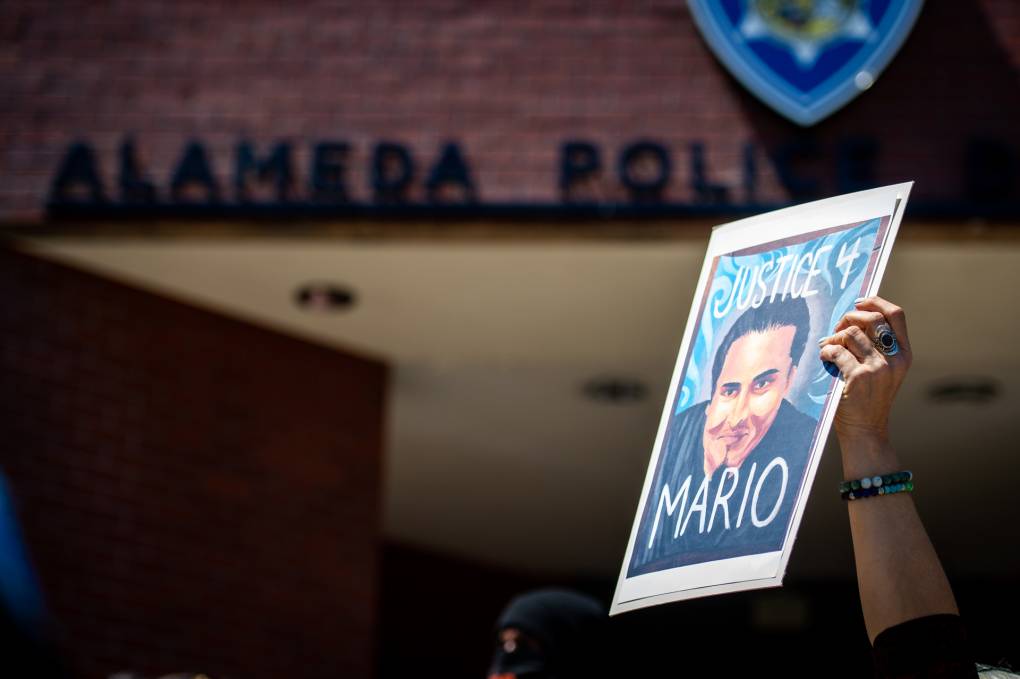
"caption": "Protesters gathered outside Alameda Police Department headquarters on April 27, 2021, the day police released bodycam footage of Gonzalez's April 19 death.",
"description": "Friends, family and supporters of Mario Gonzalez gathered outside the Alameda Police Dept. on April 27, 2021 for a press conference on the day police publicly released body cam footage of Gonzalez's death.",
"title": "RS48839_022_Alameda_MarioGonzalezPressConf_04272021-qut",
"credit": "Beth LaBerge/KQED",
"status": "inherit",
"altTag": "Someone holding a sign in front of the Alameda Police station",
"isLoading": false,
"fetchFailed": false
},
"news_11967804": {
"type": "attachments",
"id": "news_11967804",
"meta": {
"index": "attachments_1716263798",
"site": "news",
"id": "11967804",
"found": true
},
"parent": 0,
"imgSizes": {
"twentyfourteen-full-width": {
"file": "https://ww2.kqed.org/app/uploads/sites/10/2023/11/231116-PamelaPrice-04-1038x576.jpg",
"width": 1038,
"mimeType": "image/jpeg",
"height": 576
},
"thumbnail": {
"file": "https://ww2.kqed.org/app/uploads/sites/10/2023/11/231116-PamelaPrice-04-160x107.jpg",
"width": 160,
"mimeType": "image/jpeg",
"height": 107
},
"post-thumbnail": {
"file": "https://ww2.kqed.org/app/uploads/sites/10/2023/11/231116-PamelaPrice-04-672x372.jpg",
"width": 672,
"mimeType": "image/jpeg",
"height": 372
},
"kqedFullSize": {
"file": "https://ww2.kqed.org/app/uploads/sites/10/2023/11/231116-PamelaPrice-04.jpg",
"width": 1920,
"height": 1280
},
"large": {
"file": "https://ww2.kqed.org/app/uploads/sites/10/2023/11/231116-PamelaPrice-04-1020x680.jpg",
"width": 1020,
"mimeType": "image/jpeg",
"height": 680
},
"1536x1536": {
"file": "https://ww2.kqed.org/app/uploads/sites/10/2023/11/231116-PamelaPrice-04-1536x1024.jpg",
"width": 1536,
"mimeType": "image/jpeg",
"height": 1024
},
"medium": {
"file": "https://ww2.kqed.org/app/uploads/sites/10/2023/11/231116-PamelaPrice-04-800x533.jpg",
"width": 800,
"mimeType": "image/jpeg",
"height": 533
}
},
"publishDate": 1700263573,
"modified": 1700337686,
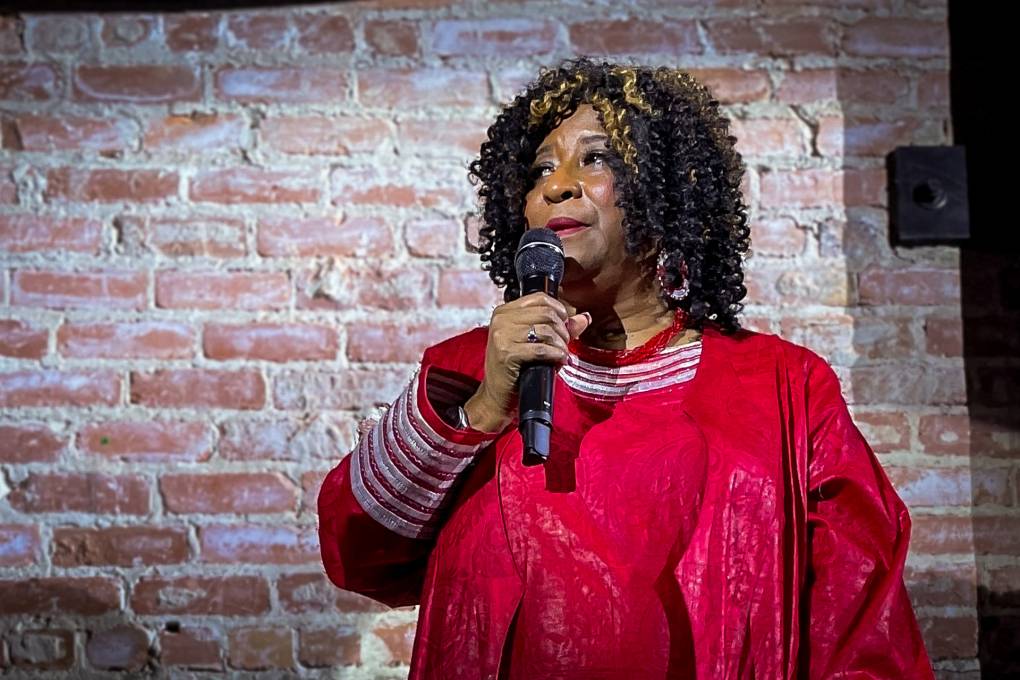
"caption": "Alameda County District Attorney Pamela Price addresses attendees at the launch of her 'Protect the Win' campaign in Oakland on Nov. 16, 2023, to fight back against her recall.",
"description": null,
"title": "231116-PamelaPrice-04",
"credit": "Annelise Finney/KQED",
"status": "inherit",
"altTag": "A woman wearing a red dress speaks into a microphone.",
"isLoading": false,
"fetchFailed": false
},
"news_11957037": {
"type": "attachments",
"id": "news_11957037",
"meta": {
"index": "attachments_1716263798",
"site": "news",
"id": "11957037",
"found": true
},
"parent": 11957036,
"imgSizes": {
"twentyfourteen-full-width": {
"file": "https://ww2.kqed.org/app/uploads/sites/10/2023/08/RS67051_230713-PAMELA-PRICE-JY-10-qut-1038x576.jpg",
"width": 1038,
"mimeType": "image/jpeg",
"height": 576
},
"thumbnail": {
"file": "https://ww2.kqed.org/app/uploads/sites/10/2023/08/RS67051_230713-PAMELA-PRICE-JY-10-qut-160x107.jpg",
"width": 160,
"mimeType": "image/jpeg",
"height": 107
},
"post-thumbnail": {
"file": "https://ww2.kqed.org/app/uploads/sites/10/2023/08/RS67051_230713-PAMELA-PRICE-JY-10-qut-672x372.jpg",
"width": 672,
"mimeType": "image/jpeg",
"height": 372
},
"kqedFullSize": {
"file": "https://ww2.kqed.org/app/uploads/sites/10/2023/08/RS67051_230713-PAMELA-PRICE-JY-10-qut.jpg",
"width": 1920,
"height": 1280
},
"large": {
"file": "https://ww2.kqed.org/app/uploads/sites/10/2023/08/RS67051_230713-PAMELA-PRICE-JY-10-qut-1020x680.jpg",
"width": 1020,
"mimeType": "image/jpeg",
"height": 680
},
"1536x1536": {
"file": "https://ww2.kqed.org/app/uploads/sites/10/2023/08/RS67051_230713-PAMELA-PRICE-JY-10-qut-1536x1024.jpg",
"width": 1536,
"mimeType": "image/jpeg",
"height": 1024
},
"medium": {
"file": "https://ww2.kqed.org/app/uploads/sites/10/2023/08/RS67051_230713-PAMELA-PRICE-JY-10-qut-800x533.jpg",
"width": 800,
"mimeType": "image/jpeg",
"height": 533
}
},
"publishDate": 1690917489,
"modified": 1695070811,
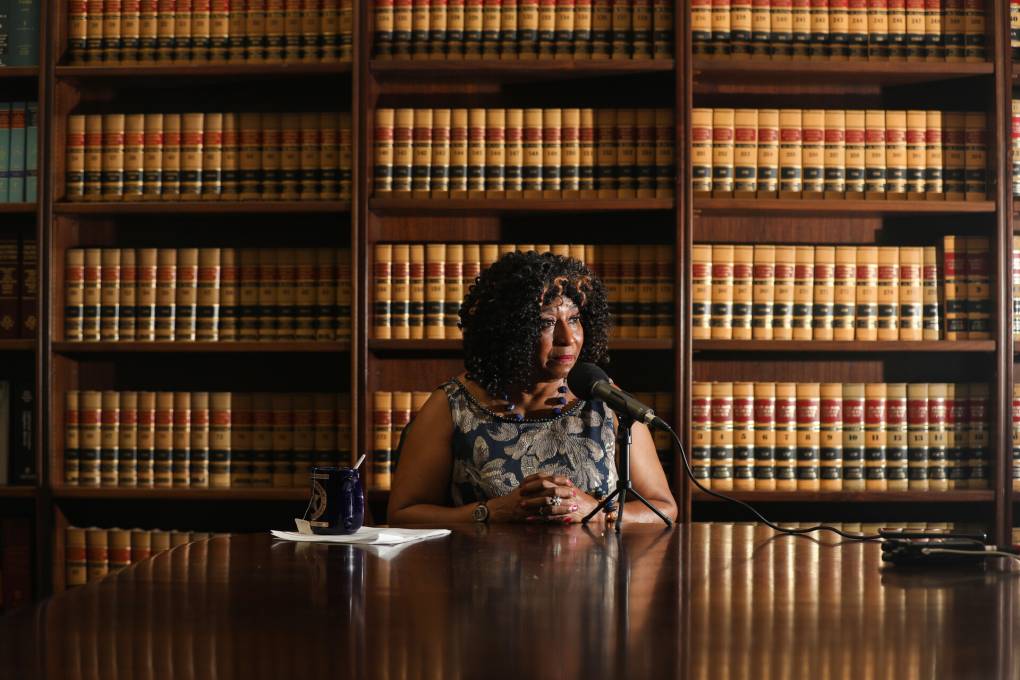
"caption": "Alameda County District Attorney Pamela Price at her office in Oakland on July 16, 2023.",
"description": null,
"title": "RS67051_230713-PAMELA PRICE-JY-10-qut",
"credit": "Juliana Yamada/KQED",
"status": "inherit",
"altTag": null,
"isLoading": false,
"fetchFailed": false
},
"news_11955803": {
"type": "attachments",
"id": "news_11955803",
"meta": {
"index": "attachments_1716263798",
"site": "news",
"id": "11955803",
"found": true
},
"title": "230715-PAMELA PRICE-JY-016-KQED",
"publishDate": 1689544961,
"status": "inherit",
"parent": 0,
"modified": 1731354722,
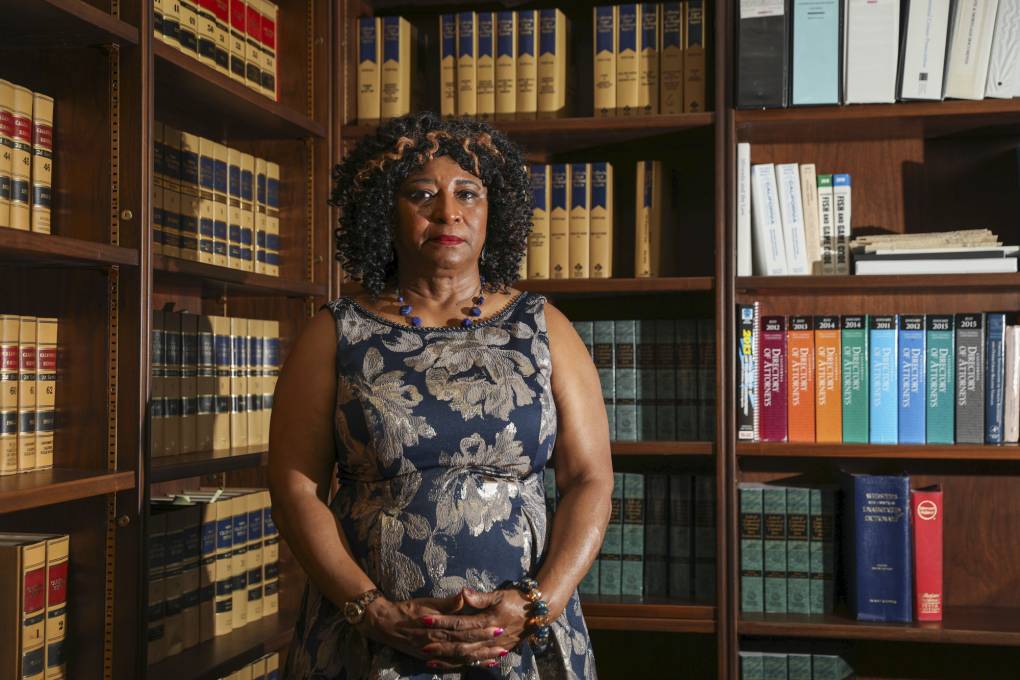
"caption": "Alameda County voters recalled District Attorney Pamela Price. ",
"credit": "Juliana Yamada/KQED",
"altTag": "A Black woman wearing a dark, sleeveless floral-printed dress, stands with her hands together in an office filled with books.",
"description": "Alameda County District Attorney Pamela Price at her office in Oakland on July 16, 2023.",
"imgSizes": {
"medium": {
"file": "https://cdn.kqed.org/wp-content/uploads/sites/10/2023/07/230715-PAMELA-PRICE-JY-016-KQED-800x533.jpg",
"width": 800,
"height": 533,
"mimeType": "image/jpeg"
},
"large": {
"file": "https://cdn.kqed.org/wp-content/uploads/sites/10/2023/07/230715-PAMELA-PRICE-JY-016-KQED-1020x680.jpg",
"width": 1020,
"height": 680,
"mimeType": "image/jpeg"
},
"thumbnail": {
"file": "https://cdn.kqed.org/wp-content/uploads/sites/10/2023/07/230715-PAMELA-PRICE-JY-016-KQED-160x107.jpg",
"width": 160,
"height": 107,
"mimeType": "image/jpeg"
},
"1536x1536": {
"file": "https://cdn.kqed.org/wp-content/uploads/sites/10/2023/07/230715-PAMELA-PRICE-JY-016-KQED-1536x1024.jpg",
"width": 1536,
"height": 1024,
"mimeType": "image/jpeg"
},
"post-thumbnail": {
"file": "https://cdn.kqed.org/wp-content/uploads/sites/10/2023/07/230715-PAMELA-PRICE-JY-016-KQED-672x372.jpg",
"width": 672,
"height": 372,
"mimeType": "image/jpeg"
},
"twentyfourteen-full-width": {
"file": "https://cdn.kqed.org/wp-content/uploads/sites/10/2023/07/230715-PAMELA-PRICE-JY-016-KQED-1038x576.jpg",
"width": 1038,
"height": 576,
"mimeType": "image/jpeg"
},
"full-width": {
"file": "https://cdn.kqed.org/wp-content/uploads/sites/10/2023/07/230715-PAMELA-PRICE-JY-016-KQED-1920x1280.jpg",
"width": 1920,
"height": 1280,
"mimeType": "image/jpeg"
},
"kqedFullSize": {
"file": "https://cdn.kqed.org/wp-content/uploads/sites/10/2023/07/230715-PAMELA-PRICE-JY-016-KQED.jpg",
"width": 2000,
"height": 1333
}
},
"isLoading": false,
"fetchFailed": false
},
"news_11955574": {
"type": "attachments",
"id": "news_11955574",
"meta": {
"index": "attachments_1716263798",
"site": "news",
"id": "11955574",
"found": true
},
"parent": 11955573,
"imgSizes": {
"twentyfourteen-full-width": {
"file": "https://ww2.kqed.org/app/uploads/sites/10/2023/07/GettyImages-1322368723-1024x576.jpg",
"width": 1024,
"mimeType": "image/jpeg",
"height": 576
},
"thumbnail": {
"file": "https://ww2.kqed.org/app/uploads/sites/10/2023/07/GettyImages-1322368723-160x107.jpg",
"width": 160,
"mimeType": "image/jpeg",
"height": 107
},
"post-thumbnail": {
"file": "https://ww2.kqed.org/app/uploads/sites/10/2023/07/GettyImages-1322368723-672x372.jpg",
"width": 672,
"mimeType": "image/jpeg",
"height": 372
},
"kqedFullSize": {
"file": "https://ww2.kqed.org/app/uploads/sites/10/2023/07/GettyImages-1322368723.jpg",
"width": 1024,
"height": 683
},
"large": {
"file": "https://ww2.kqed.org/app/uploads/sites/10/2023/07/GettyImages-1322368723-1020x680.jpg",
"width": 1020,
"mimeType": "image/jpeg",
"height": 680
},
"medium": {
"file": "https://ww2.kqed.org/app/uploads/sites/10/2023/07/GettyImages-1322368723-800x534.jpg",
"width": 800,
"mimeType": "image/jpeg",
"height": 534
}
},
"publishDate": 1689208751,
"modified": 1689209407,
"caption": "Pamela Price, Alameda County district attorney, is facing criticism for her reform policies and a possible recall effort.",
"description": null,
"title": "Pamela Price, candidate for Alameda County District Attorney, talks to the Chronicle editorial board on Wednesday, May 23, 2018 in San Francisco, Calif.",
"credit": "Lea Suzuki/The San Francisco Chronicle via Getty Images",
"status": "inherit",
"altTag": "A close-up of a professional middle-aged Black woman's face",
"isLoading": false,
"fetchFailed": false
},
"news_11935711": {
"type": "attachments",
"id": "news_11935711",
"meta": {
"index": "attachments_1716263798",
"site": "news",
"id": "11935711",
"found": true
},
"title": "pamela-price-recall-potential",
"publishDate": 1671308307,
"status": "inherit",
"parent": 11935709,
"modified": 1721177829,
"caption": "Pamela Price, in a photo from May 23, 2018, in San Francisco.",
"credit": "Lea Suzuki/The San Francisco Chronicle via Getty Images",
"altTag": "A Black woman looks at the camera, wearing a red dress and a necklace with shoulder-length hair.",
"description": null,
"imgSizes": {
"medium": {
"file": "https://cdn.kqed.org/wp-content/uploads/sites/10/2022/12/GettyImages-1322370857-800x534.jpg",
"width": 800,
"height": 534,
"mimeType": "image/jpeg"
},
"large": {
"file": "https://cdn.kqed.org/wp-content/uploads/sites/10/2022/12/GettyImages-1322370857-1020x680.jpg",
"width": 1020,
"height": 680,
"mimeType": "image/jpeg"
},
"thumbnail": {
"file": "https://cdn.kqed.org/wp-content/uploads/sites/10/2022/12/GettyImages-1322370857-160x107.jpg",
"width": 160,
"height": 107,
"mimeType": "image/jpeg"
},
"post-thumbnail": {
"file": "https://cdn.kqed.org/wp-content/uploads/sites/10/2022/12/GettyImages-1322370857-672x372.jpg",
"width": 672,
"height": 372,
"mimeType": "image/jpeg"
},
"twentyfourteen-full-width": {
"file": "https://cdn.kqed.org/wp-content/uploads/sites/10/2022/12/GettyImages-1322370857-1024x576.jpg",
"width": 1024,
"height": 576,
"mimeType": "image/jpeg"
},
"kqedFullSize": {
"file": "https://cdn.kqed.org/wp-content/uploads/sites/10/2022/12/GettyImages-1322370857.jpg",
"width": 1024,
"height": 683
}
},
"isLoading": false,
"fetchFailed": false
},
"news_11935715": {
"type": "attachments",
"id": "news_11935715",
"meta": {
"index": "attachments_1716263798",
"site": "news",
"id": "11935715",
"found": true
},
"parent": 11935709,
"imgSizes": {
"twentyfourteen-full-width": {
"file": "https://ww2.kqed.org/app/uploads/sites/10/2022/12/RS60085_DSC06326-qut-1038x576.jpg",
"width": 1038,
"mimeType": "image/jpeg",
"height": 576
},
"thumbnail": {
"file": "https://ww2.kqed.org/app/uploads/sites/10/2022/12/RS60085_DSC06326-qut-160x107.jpg",
"width": 160,
"mimeType": "image/jpeg",
"height": 107
},
"post-thumbnail": {
"file": "https://ww2.kqed.org/app/uploads/sites/10/2022/12/RS60085_DSC06326-qut-672x372.jpg",
"width": 672,
"mimeType": "image/jpeg",
"height": 372
},
"kqedFullSize": {
"file": "https://ww2.kqed.org/app/uploads/sites/10/2022/12/RS60085_DSC06326-qut.jpg",
"width": 1920,
"height": 1280
},
"large": {
"file": "https://ww2.kqed.org/app/uploads/sites/10/2022/12/RS60085_DSC06326-qut-1020x680.jpg",
"width": 1020,
"mimeType": "image/jpeg",
"height": 680
},
"1536x1536": {
"file": "https://ww2.kqed.org/app/uploads/sites/10/2022/12/RS60085_DSC06326-qut-1536x1024.jpg",
"width": 1536,
"mimeType": "image/jpeg",
"height": 1024
},
"medium": {
"file": "https://ww2.kqed.org/app/uploads/sites/10/2022/12/RS60085_DSC06326-qut-800x533.jpg",
"width": 800,
"mimeType": "image/jpeg",
"height": 533
}
},
"publishDate": 1671309904,
"modified": 1671310035,
"caption": "Pamela Price talks to a supporter at an election night party in Oakland, on Nov. 8, 2022.",
"description": null,
"title": "RS60085_DSC06326-qut",
"credit": "Aryk Copley/KQED",
"status": "inherit",
"altTag": "A Black woman talks to a Black man in a restuarant.",
"isLoading": false,
"fetchFailed": false
},
"news_11916301": {
"type": "attachments",
"id": "news_11916301",
"meta": {
"index": "attachments_1716263798",
"site": "news",
"id": "11916301",
"found": true
},
"parent": 11916175,
"imgSizes": {
"twentyfourteen-full-width": {
"file": "https://ww2.kqed.org/app/uploads/sites/10/2022/06/New-Project-3-1038x576.jpg",
"width": 1038,
"mimeType": "image/jpeg",
"height": 576
},
"thumbnail": {
"file": "https://ww2.kqed.org/app/uploads/sites/10/2022/06/New-Project-3-160x90.jpg",
"width": 160,
"mimeType": "image/jpeg",
"height": 90
},
"post-thumbnail": {
"file": "https://ww2.kqed.org/app/uploads/sites/10/2022/06/New-Project-3-672x372.jpg",
"width": 672,
"mimeType": "image/jpeg",
"height": 372
},
"kqedFullSize": {
"file": "https://ww2.kqed.org/app/uploads/sites/10/2022/06/New-Project-3.jpg",
"width": 1920,
"height": 1080
},
"large": {
"file": "https://ww2.kqed.org/app/uploads/sites/10/2022/06/New-Project-3-1020x574.jpg",
"width": 1020,
"mimeType": "image/jpeg",
"height": 574
},
"1536x1536": {
"file": "https://ww2.kqed.org/app/uploads/sites/10/2022/06/New-Project-3-1536x864.jpg",
"width": 1536,
"mimeType": "image/jpeg",
"height": 864
},
"medium": {
"file": "https://ww2.kqed.org/app/uploads/sites/10/2022/06/New-Project-3-800x450.jpg",
"width": 800,
"mimeType": "image/jpeg",
"height": 450
}
},
"publishDate": 1654633601,
"modified": 1654649104,
"caption": "From left to right: Sajid Khan is a challenger running to be DA of Santa Clara County. Diana Becton is the DA of Contra Costa County, running for reelection. Terry Wiley is running for Alameda County DA. Tori Verber Salazar is the DA of San Joaquin County, running for reelection. Sharon Henry is a challenger for the Solano County DA position.",
"description": "From left to right: Sajid Khan is a challenger running to be DA of Santa Clara County. Diana Becton is the DA of Contra Costa County, running for reelection. Terry Wiley is running for Alameda County DA. Tori Verber Salazar is the DA of San Joaquin County, running for reelection. Sharon Henry is a challenger for the Solano County DA position.",
"title": "Bay Area DA 2022 Candidates",
"credit": "Courtesy of candidates",
"status": "inherit",
"altTag": "A composite image of five headshots next to one another. At the very left is a man in a suit. To his right is a woman in a zip up jacket. To her right is a man in a suit and tie. To his right is a woman in a white button down. To his right is a woman with glasses and a pearl necklace.",
"isLoading": false,
"fetchFailed": false
},
"news_11841162": {
"type": "attachments",
"id": "news_11841162",
"meta": {
"index": "attachments_1716263798",
"site": "news",
"id": "11841162",
"found": true
},
"parent": 11841062,
"imgSizes": {
"apple_news_ca_landscape_5_5": {
"file": "https://ww2.kqed.org/app/uploads/sites/10/2020/10/GettyImages-84291176-1044x783.jpg",
"width": 1044,
"mimeType": "image/jpeg",
"height": 783
},
"apple_news_ca_square_4_0": {
"file": "https://ww2.kqed.org/app/uploads/sites/10/2020/10/GettyImages-84291176-470x470.jpg",
"width": 470,
"mimeType": "image/jpeg",
"height": 470
},
"twentyfourteen-full-width": {
"file": "https://ww2.kqed.org/app/uploads/sites/10/2020/10/GettyImages-84291176-1038x576.jpg",
"width": 1038,
"mimeType": "image/jpeg",
"height": 576
},
"thumbnail": {
"file": "https://ww2.kqed.org/app/uploads/sites/10/2020/10/GettyImages-84291176-160x109.jpg",
"width": 160,
"mimeType": "image/jpeg",
"height": 109
},
"post-thumbnail": {
"file": "https://ww2.kqed.org/app/uploads/sites/10/2020/10/GettyImages-84291176-672x372.jpg",
"width": 672,
"mimeType": "image/jpeg",
"height": 372
},
"kqedFullSize": {
"file": "https://ww2.kqed.org/app/uploads/sites/10/2020/10/GettyImages-84291176-scaled.jpg",
"width": 2560,
"height": 1744
},
"2048x2048": {
"file": "https://ww2.kqed.org/app/uploads/sites/10/2020/10/GettyImages-84291176-2048x1395.jpg",
"width": 2048,
"mimeType": "image/jpeg",
"height": 1395
},
"apple_news_ca_landscape_4_7": {
"file": "https://ww2.kqed.org/app/uploads/sites/10/2020/10/GettyImages-84291176-632x474.jpg",
"width": 632,
"mimeType": "image/jpeg",
"height": 474
},
"large": {
"file": "https://ww2.kqed.org/app/uploads/sites/10/2020/10/GettyImages-84291176-1020x695.jpg",
"width": 1020,
"mimeType": "image/jpeg",
"height": 695
},
"apple_news_ca_landscape_4_0": {
"file": "https://ww2.kqed.org/app/uploads/sites/10/2020/10/GettyImages-84291176-536x402.jpg",
"width": 536,
"mimeType": "image/jpeg",
"height": 402
},
"apple_news_ca_portrait_12_9": {
"file": "https://ww2.kqed.org/app/uploads/sites/10/2020/10/GettyImages-84291176-1122x1496.jpg",
"width": 1122,
"mimeType": "image/jpeg",
"height": 1496
},
"medium": {
"file": "https://ww2.kqed.org/app/uploads/sites/10/2020/10/GettyImages-84291176-800x545.jpg",
"width": 800,
"mimeType": "image/jpeg",
"height": 545
},
"apple_news_ca_portrait_4_0": {
"file": "https://ww2.kqed.org/app/uploads/sites/10/2020/10/GettyImages-84291176-354x472.jpg",
"width": 354,
"mimeType": "image/jpeg",
"height": 472
},
"apple_news_ca_portrait_9_7": {
"file": "https://ww2.kqed.org/app/uploads/sites/10/2020/10/GettyImages-84291176-840x1120.jpg",
"width": 840,
"mimeType": "image/jpeg",
"height": 1120
},
"apple_news_ca_landscape_12_9": {
"file": "https://ww2.kqed.org/app/uploads/sites/10/2020/10/GettyImages-84291176-1832x1374.jpg",
"width": 1832,
"mimeType": "image/jpeg",
"height": 1374
},
"apple_news_ca_square_9_7": {
"file": "https://ww2.kqed.org/app/uploads/sites/10/2020/10/GettyImages-84291176-1104x1104.jpg",
"width": 1104,
"mimeType": "image/jpeg",
"height": 1104
},
"1536x1536": {
"file": "https://ww2.kqed.org/app/uploads/sites/10/2020/10/GettyImages-84291176-1536x1047.jpg",
"width": 1536,
"mimeType": "image/jpeg",
"height": 1047
},
"apple_news_ca_portrait_4_7": {
"file": "https://ww2.kqed.org/app/uploads/sites/10/2020/10/GettyImages-84291176-414x552.jpg",
"width": 414,
"mimeType": "image/jpeg",
"height": 552
},
"apple_news_ca_square_12_9": {
"file": "https://ww2.kqed.org/app/uploads/sites/10/2020/10/GettyImages-84291176-1472x1472.jpg",
"width": 1472,
"mimeType": "image/jpeg",
"height": 1472
},
"apple_news_ca_portrait_5_5": {
"file": "https://ww2.kqed.org/app/uploads/sites/10/2020/10/GettyImages-84291176-687x916.jpg",
"width": 687,
"mimeType": "image/jpeg",
"height": 916
},
"full-width": {
"file": "https://ww2.kqed.org/app/uploads/sites/10/2020/10/GettyImages-84291176-1920x1308.jpg",
"width": 1920,
"mimeType": "image/jpeg",
"height": 1308
},
"apple_news_ca_square_4_7": {
"file": "https://ww2.kqed.org/app/uploads/sites/10/2020/10/GettyImages-84291176-550x550.jpg",
"width": 550,
"mimeType": "image/jpeg",
"height": 550
},
"apple_news_ca_landscape_9_7": {
"file": "https://ww2.kqed.org/app/uploads/sites/10/2020/10/GettyImages-84291176-1376x1032.jpg",
"width": 1376,
"mimeType": "image/jpeg",
"height": 1032
},
"apple_news_ca_square_5_5": {
"file": "https://ww2.kqed.org/app/uploads/sites/10/2020/10/GettyImages-84291176-912x912.jpg",
"width": 912,
"mimeType": "image/jpeg",
"height": 912
}
},
"publishDate": 1601944385,
"modified": 1601944683,
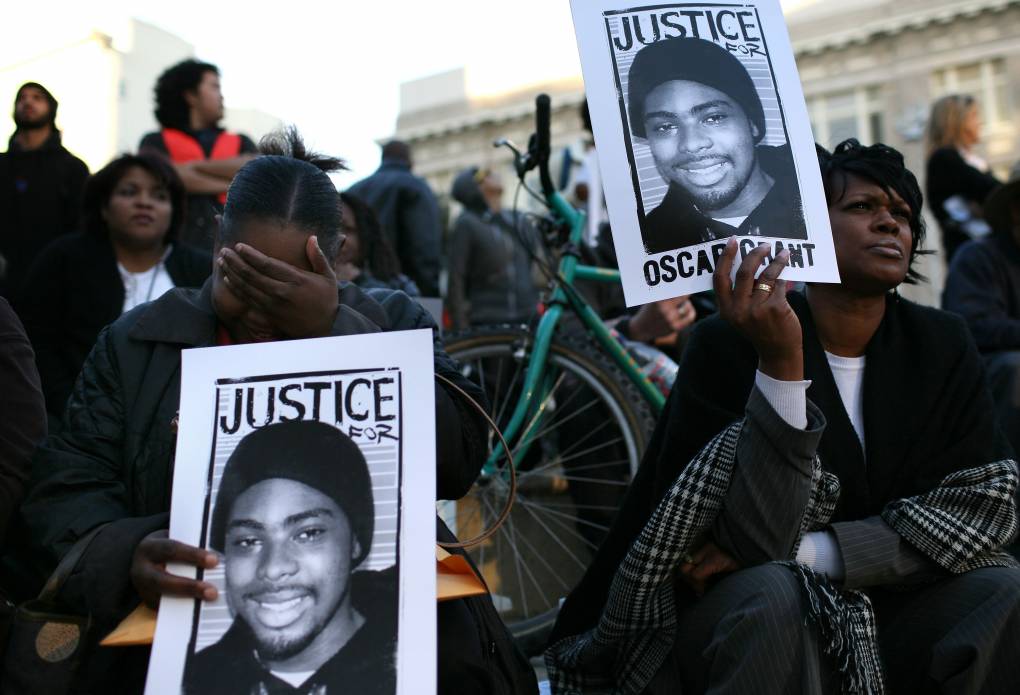
"caption": "Protesters carry signs demanding justice for 22-year-old Oscar Grant III during a demonstration at Oakland City Hall on Jan. 14, 2009. Grant was shot in the back by then-BART police officer Johannes Mehserle as Grant lay face down on the Fruitvale Station platform on New Year's Day, 2009. ",
"description": "Protesters carry signs demanding justice for 22-year-old Oscar Grant III during a demonstration at Oakland City Hall on Jan. 14, 2009. Grant was shot in the back by then-BART police officer Johannes Mehserle as Grant lay face down on the Fruitvale Station platform on New Year's Day, 2009. ",
"title": "Protestors Continue To Demonstrate Against Police Shooting Of Oscar Grant",
"credit": "Justin Sullivan/Getty Images",
"status": "inherit",
"isLoading": false,
"fetchFailed": false
},
"news_11740626": {
"type": "attachments",
"id": "news_11740626",
"meta": {
"index": "attachments_1716263798",
"site": "news",
"id": "11740626",
"found": true
},
"parent": 11740611,
"imgSizes": {
"apple_news_ca_landscape_5_5": {
"file": "https://ww2.kqed.org/app/uploads/sites/10/2019/04/RS24076_Courthouse-qut-1044x783.jpg",
"width": 1044,
"mimeType": "image/jpeg",
"height": 783
},
"apple_news_ca_square_4_0": {
"file": "https://ww2.kqed.org/app/uploads/sites/10/2019/04/RS24076_Courthouse-qut-470x470.jpg",
"width": 470,
"mimeType": "image/jpeg",
"height": 470
},
"twentyfourteen-full-width": {
"file": "https://ww2.kqed.org/app/uploads/sites/10/2019/04/RS24076_Courthouse-qut-1038x576.jpg",
"width": 1038,
"mimeType": "image/jpeg",
"height": 576
},
"thumbnail": {
"file": "https://ww2.kqed.org/app/uploads/sites/10/2019/04/RS24076_Courthouse-qut-160x90.jpg",
"width": 160,
"mimeType": "image/jpeg",
"height": 90
},
"post-thumbnail": {
"file": "https://ww2.kqed.org/app/uploads/sites/10/2019/04/RS24076_Courthouse-qut-672x372.jpg",
"width": 672,
"mimeType": "image/jpeg",
"height": 372
},
"kqedFullSize": {
"file": "https://ww2.kqed.org/app/uploads/sites/10/2019/04/RS24076_Courthouse-qut.jpg",
"width": 1920,
"height": 1080
},
"apple_news_ca_landscape_4_7": {
"file": "https://ww2.kqed.org/app/uploads/sites/10/2019/04/RS24076_Courthouse-qut-632x474.jpg",
"width": 632,
"mimeType": "image/jpeg",
"height": 474
},
"large": {
"file": "https://ww2.kqed.org/app/uploads/sites/10/2019/04/RS24076_Courthouse-qut-1020x574.jpg",
"width": 1020,
"mimeType": "image/jpeg",
"height": 574
},
"complete_open_graph": {
"file": "https://ww2.kqed.org/app/uploads/sites/10/2019/04/RS24076_Courthouse-qut-1200x675.jpg",
"width": 1200,
"mimeType": "image/jpeg",
"height": 675
},
"apple_news_ca_landscape_4_0": {
"file": "https://ww2.kqed.org/app/uploads/sites/10/2019/04/RS24076_Courthouse-qut-536x402.jpg",
"width": 536,
"mimeType": "image/jpeg",
"height": 402
},
"apple_news_ca_portrait_12_9": {
"file": "https://ww2.kqed.org/app/uploads/sites/10/2019/04/RS24076_Courthouse-qut-1122x1080.jpg",
"width": 1122,
"mimeType": "image/jpeg",
"height": 1080
},
"medium": {
"file": "https://ww2.kqed.org/app/uploads/sites/10/2019/04/RS24076_Courthouse-qut-800x450.jpg",
"width": 800,
"mimeType": "image/jpeg",
"height": 450
},
"apple_news_ca_portrait_4_0": {
"file": "https://ww2.kqed.org/app/uploads/sites/10/2019/04/RS24076_Courthouse-qut-354x472.jpg",
"width": 354,
"mimeType": "image/jpeg",
"height": 472
},
"apple_news_ca_portrait_9_7": {
"file": "https://ww2.kqed.org/app/uploads/sites/10/2019/04/RS24076_Courthouse-qut-840x1080.jpg",
"width": 840,
"mimeType": "image/jpeg",
"height": 1080
},
"apple_news_ca_landscape_12_9": {
"file": "https://ww2.kqed.org/app/uploads/sites/10/2019/04/RS24076_Courthouse-qut-1832x1080.jpg",
"width": 1832,
"mimeType": "image/jpeg",
"height": 1080
},
"apple_news_ca_square_9_7": {
"file": "https://ww2.kqed.org/app/uploads/sites/10/2019/04/RS24076_Courthouse-qut-1104x1080.jpg",
"width": 1104,
"mimeType": "image/jpeg",
"height": 1080
},
"apple_news_ca_portrait_4_7": {
"file": "https://ww2.kqed.org/app/uploads/sites/10/2019/04/RS24076_Courthouse-qut-414x552.jpg",
"width": 414,
"mimeType": "image/jpeg",
"height": 552
},
"apple_news_ca_square_12_9": {
"file": "https://ww2.kqed.org/app/uploads/sites/10/2019/04/RS24076_Courthouse-qut-1472x1080.jpg",
"width": 1472,
"mimeType": "image/jpeg",
"height": 1080
},
"apple_news_ca_portrait_5_5": {
"file": "https://ww2.kqed.org/app/uploads/sites/10/2019/04/RS24076_Courthouse-qut-687x916.jpg",
"width": 687,
"mimeType": "image/jpeg",
"height": 916
},
"full-width": {
"file": "https://ww2.kqed.org/app/uploads/sites/10/2019/04/RS24076_Courthouse-qut-1920x1080.jpg",
"width": 1920,
"mimeType": "image/jpeg",
"height": 1080
},
"apple_news_ca_square_4_7": {
"file": "https://ww2.kqed.org/app/uploads/sites/10/2019/04/RS24076_Courthouse-qut-550x550.jpg",
"width": 550,
"mimeType": "image/jpeg",
"height": 550
},
"apple_news_ca_landscape_9_7": {
"file": "https://ww2.kqed.org/app/uploads/sites/10/2019/04/RS24076_Courthouse-qut-1376x1032.jpg",
"width": 1376,
"mimeType": "image/jpeg",
"height": 1032
},
"apple_news_ca_square_5_5": {
"file": "https://ww2.kqed.org/app/uploads/sites/10/2019/04/RS24076_Courthouse-qut-912x912.jpg",
"width": 912,
"mimeType": "image/jpeg",
"height": 912
}
},
"publishDate": 1555458785,
"modified": 1555459301,
"caption": "The Alameda County District Attorney's Office on Tuesday released information it maintains related to police officers' credibility on Tuesday.",
"description": "The Alameda County District Attorney's Office on Tuesday released information it maintains related to police officers' credibility on Tuesday.",
"title": "RS24076_Courthouse-qut",
"credit": "Adam Grossberg/KQED",
"status": "inherit",
"isLoading": false,
"fetchFailed": false
}
},
"audioPlayerReducer": {
"postId": "stream_live",
"isPaused": true,
"isPlaying": false,
"pfsActive": false,
"pledgeModalIsOpen": true,
"playerDrawerIsOpen": false,
"liveAudioPlayStartedAt": 0,
"liveAudioPlayContext": ""
},
"authorsReducer": {
"byline_news_11740611": {
"type": "authors",
"id": "byline_news_11740611",
"meta": {
"override": true
},
"slug": "byline_news_11740611",
"name": "\u003ca href=\"https://www.kqed.org/author/slewis\" rel=\"noopener\" target=\"_blank\">Sukey Lewis\u003c/a>, \u003ca href=\"https://www.mercurynews.com/author/thomas-peele/\" rel=\"noopener\" target=\"_blank\">Thomas Peele\u003c/a> and \u003ca href=\"https://www.kqed.org/author/aemslie\" rel=\"noopener\" target=\"_blank\">Alex Emslie\u003c/a>\u003cbr />KQED and Bay Area News Group",
"isLoading": false
},
"kqednewsstaffandwires": {
"type": "authors",
"id": "237",
"meta": {
"index": "authors_1716337520",
"id": "237",
"found": true
},
"name": "KQED News Staff and Wires",
"firstName": "KQED News Staff and Wires",
"lastName": null,
"slug": "kqednewsstaffandwires",
"email": "onlinenewsstaff@kqed.org",
"display_author_email": false,
"staff_mastheads": [],
"title": null,
"bio": null,
"avatar": "https://secure.gravatar.com/avatar/72295af8ebbfbd19a4948f5271285664?s=600&d=blank&r=g",
"twitter": null,
"facebook": null,
"instagram": null,
"linkedin": null,
"sites": [
{
"site": "arts",
"roles": [
"contributor"
]
},
{
"site": "news",
"roles": [
"contributor"
]
},
{
"site": "lowdown",
"roles": [
"author"
]
},
{
"site": "stateofhealth",
"roles": [
"contributor"
]
},
{
"site": "food",
"roles": [
"author"
]
}
],
"headData": {
"title": "KQED News Staff and Wires | KQED",
"description": null,
"ogImgSrc": "https://secure.gravatar.com/avatar/72295af8ebbfbd19a4948f5271285664?s=600&d=blank&r=g",
"twImgSrc": "https://secure.gravatar.com/avatar/72295af8ebbfbd19a4948f5271285664?s=600&d=blank&r=g"
},
"isLoading": false,
"link": "/author/kqednewsstaffandwires"
},
"tychehendricks": {
"type": "authors",
"id": "259",
"meta": {
"index": "authors_1716337520",
"id": "259",
"found": true
},
"name": "Tyche Hendricks",
"firstName": "Tyche",
"lastName": "Hendricks",
"slug": "tychehendricks",
"email": "thendricks@kqed.org",
"display_author_email": true,
"staff_mastheads": [
"news"
],
"title": "KQED Senior Editor, Immigration",
"bio": "\u003cspan style=\"font-weight: 400;\">Tyche Hendricks is KQED’s senior editor for immigration, leading coverage of the policy and politics that affect California’s immigrant communities. Her work for KQED’s radio and online audiences is also carried on NPR and other national outlets. She has been recognized with awards from the Radio and Television News Directors Association, the Society for Professional Journalists; the Education Writers Association; the Best of the West and the National Federation of Community Broadcasters. Before joining KQED in 2010, Tyche spent more than a dozen years as a newspaper reporter, notably at the \u003c/span>\u003ci>\u003cspan style=\"font-weight: 400;\">San Francisco Chronicle\u003c/span>\u003c/i>\u003cspan style=\"font-weight: 400;\">. At different times she has covered criminal justice, government and politics and urban planning. Tyche has taught in the MFA Creative Writing program at the University of San Francisco and at UC Berkeley’s Graduate School of Journalism, where she was co-director of a national immigration symposium for professional journalists. She is the author of \u003c/span>\u003ci>\u003cspan style=\"font-weight: 400;\">The Wind Doesn't Need a Passport: Stories from the U.S.-Mexico Borderlands\u003c/span>\u003c/i>\u003cspan style=\"font-weight: 400;\"> (University of California Press). \u003c/span>",
"avatar": "https://secure.gravatar.com/avatar/b8ee458e2731c2d43df86882ce17267e?s=600&d=blank&r=g",
"twitter": "tychehendricks",
"facebook": null,
"instagram": null,
"linkedin": null,
"sites": [
{
"site": "news",
"roles": [
"editor"
]
},
{
"site": "stateofhealth",
"roles": [
"editor"
]
}
],
"headData": {
"title": "Tyche Hendricks | KQED",
"description": "KQED Senior Editor, Immigration",
"ogImgSrc": "https://secure.gravatar.com/avatar/b8ee458e2731c2d43df86882ce17267e?s=600&d=blank&r=g",
"twImgSrc": "https://secure.gravatar.com/avatar/b8ee458e2731c2d43df86882ce17267e?s=600&d=blank&r=g"
},
"isLoading": false,
"link": "/author/tychehendricks"
},
"matthewgreen": {
"type": "authors",
"id": "1263",
"meta": {
"index": "authors_1716337520",
"id": "1263",
"found": true
},
"name": "Matthew Green",
"firstName": "Matthew",
"lastName": "Green",
"slug": "matthewgreen",
"email": "mgreen@kqed.org",
"display_author_email": false,
"staff_mastheads": [],
"title": "KQED Editor/Reporter",
"bio": "Matthew Green is a digital media producer for KQED News. He previously produced \u003ca href=\"http://www.kqed.org/lowdown\">The Lowdown\u003c/a>, KQED’s multimedia news education blog. Matthew's written for numerous Bay Area publications, including the Oakland Tribune and San Francisco Chronicle. He also taught journalism classes at Fremont High School in East Oakland.\r\n\r\nEmail: mgreen@kqed.org; Twitter: @MGreenKQED",
"avatar": "https://secure.gravatar.com/avatar/3bf498d1267ca02c8494f33d8cfc575e?s=600&d=blank&r=g",
"twitter": "MGreenKQED",
"facebook": null,
"instagram": null,
"linkedin": null,
"sites": [
{
"site": "news",
"roles": []
},
{
"site": "lowdown",
"roles": []
},
{
"site": "science",
"roles": []
},
{
"site": "education",
"roles": []
},
{
"site": "quest",
"roles": []
},
{
"site": "liveblog",
"roles": []
}
],
"headData": {
"title": "Matthew Green | KQED",
"description": "KQED Editor/Reporter",
"ogImgSrc": "https://secure.gravatar.com/avatar/3bf498d1267ca02c8494f33d8cfc575e?s=600&d=blank&r=g",
"twImgSrc": "https://secure.gravatar.com/avatar/3bf498d1267ca02c8494f33d8cfc575e?s=600&d=blank&r=g"
},
"isLoading": false,
"link": "/author/matthewgreen"
},
"aemslie": {
"type": "authors",
"id": "3206",
"meta": {
"index": "authors_1716337520",
"id": "3206",
"found": true
},
"name": "Alex Emslie",
"firstName": "Alex",
"lastName": "Emslie",
"slug": "aemslie",
"email": "aemslie@kqed.org",
"display_author_email": true,
"staff_mastheads": [
"news"
],
"title": "KQED Senior Editor",
"bio": "Alex Emslie is senior editor of talent and development at KQED, where he manages dozens of early career journalists and oversees news department internships.\r\n\r\nHe is a former carpenter and proud graduate of City College of San Francisco and San Francisco State University, where he studied journalism and criminal justice before joining KQED in 2013.\r\n\r\nAlex produced investigative journalism focused on \u003ca href=\"https://www.kqed.org/news/11667594/the-trials-of-marvin-mutch-video\">criminal justice\u003c/a> and policing for most of a decade. He has broken major stories about \u003ca href=\"https://www.kqed.org/news/135682/amid-a-series-of-vallejo-police-shootings-one-officers-name-stands-out\">police use of deadly force\u003c/a>, \u003ca href=\"https://www.kqed.org/news/10454955/racist-texts-prompt-sfpd-internal-investigation\">officer misconduct\u003c/a> and \u003ca href=\"https://www.kqed.org/news/11712239/terrorist-or-troll-judge-to-weigh-whether-oakland-man-really-intended-to-attack-bay-area\">other\u003c/a> \u003ca href=\"https://www.kqed.org/news/11221414/hayward-paid-159000-to-husband-of-retired-police-chief-documents-show\">high\u003c/a>-\u003ca href=\"https://www.kqed.org/news/10622762/the-forgotten-tracking-two-homicides-in-san-francisco-public-housing\">profile\u003c/a> \u003ca href=\"https://www.kqed.org/news/11624516/federal-agency-promoted-ranger-just-months-after-his-gun-was-stolen-and-used-in-steinle-killing\">cases\u003c/a>. He co-founded the \u003ca href=\"https://projects.scpr.org/california-reporting-project/\">California Reporting Project\u003c/a> in 2019 to obtain and report on previously confidential police internal investigations. The effort produced well over 100 original stories and changed the course of multiple criminal cases.\r\n\r\nHis work has been recognized with numerous journalism awards, including a national Edward R. Murrow award for several years of \u003ca href=\"https://www.kqed.org/news/11688481/sfpd-officers-in-mario-woods-case-recount-shooting-in-newly-filed-depositions\">reporting\u003c/a> on the San Francisco Police shooting of Mario Woods. His \u003ca href=\"https://www.kqed.org/news/147854/half-of-those-killed-by-san-francisco-police-are-mentally-ill\">reporting\u003c/a> on police killings of people in psychiatric crisis was cited in amicus briefs before the U.S. Supreme Court.\r\n\r\nAlex now enjoys mentoring the next generation of journalists at KQED.",
"avatar": "https://secure.gravatar.com/avatar/e691e65209f20e9da202bd730ead5663?s=600&d=blank&r=g",
"twitter": "SFNewsReporter",
"facebook": null,
"instagram": null,
"linkedin": null,
"sites": [
{
"site": "arts",
"roles": [
"editor"
]
},
{
"site": "news",
"roles": [
"editor"
]
},
{
"site": "mindshift",
"roles": [
"editor"
]
},
{
"site": "stateofhealth",
"roles": [
"editor"
]
},
{
"site": "science",
"roles": [
"administrator"
]
}
],
"headData": {
"title": "Alex Emslie | KQED",
"description": "KQED Senior Editor",
"ogImgSrc": "https://secure.gravatar.com/avatar/e691e65209f20e9da202bd730ead5663?s=600&d=blank&r=g",
"twImgSrc": "https://secure.gravatar.com/avatar/e691e65209f20e9da202bd730ead5663?s=600&d=blank&r=g"
},
"isLoading": false,
"link": "/author/aemslie"
},
"shossaini": {
"type": "authors",
"id": "3214",
"meta": {
"index": "authors_1716337520",
"id": "3214",
"found": true
},
"name": "Sara Hossaini",
"firstName": "Sara",
"lastName": "Hossaini",
"slug": "shossaini",
"email": "shossaini@kqed.org",
"display_author_email": true,
"staff_mastheads": [
"news"
],
"title": "KQED Reporter",
"bio": "Sara Hossaini came to general assignment reporting at KQED in 2013 after two winters reporting at Wyoming Public Radio. She holds a bachelor's degree in broadcast journalism from the University of Nebraska-Lincoln. Her radio romance began after a bitter breakup with documentary film (Ok, maybe it's still complicated). Her first simultaneous jobs in San Francisco were as Associate Producer on a PBS film series through the Center for Asian American Media and as a butler. She likes to trot, plot and make things with her hands.",
"avatar": "https://secure.gravatar.com/avatar/060e9f56b9554e17942e89f413242774?s=600&d=blank&r=g",
"twitter": "mshossaini",
"facebook": null,
"instagram": null,
"linkedin": null,
"sites": [
{
"site": "news",
"roles": [
"author"
]
},
{
"site": "stateofhealth",
"roles": [
"author"
]
}
],
"headData": {
"title": "Sara Hossaini | KQED",
"description": "KQED Reporter",
"ogImgSrc": "https://secure.gravatar.com/avatar/060e9f56b9554e17942e89f413242774?s=600&d=blank&r=g",
"twImgSrc": "https://secure.gravatar.com/avatar/060e9f56b9554e17942e89f413242774?s=600&d=blank&r=g"
},
"isLoading": false,
"link": "/author/shossaini"
},
"ecruzguevarra": {
"type": "authors",
"id": "8654",
"meta": {
"index": "authors_1716337520",
"id": "8654",
"found": true
},
"name": "Ericka Cruz Guevarra",
"firstName": "Ericka",
"lastName": "Cruz Guevarra",
"slug": "ecruzguevarra",
"email": "ecruzguevarra@kqed.org",
"display_author_email": true,
"staff_mastheads": [
"news"
],
"title": "Producer, The Bay Podcast",
"bio": "Ericka Cruz Guevarra is host of \u003ca href=\"https://www.kqed.org/podcasts/thebay\">\u003cem>The Bay\u003c/em>\u003c/a> podcast at KQED. Before host, she was the show’s producer. Her work in that capacity includes a three-part reported series on policing in Vallejo, which won a 2020 excellence in journalism award from the Society of Professional Journalists. Ericka has worked as a breaking news reporter at Oregon Public Broadcasting, helped produce the Code Switch podcast, and was KQED’s inaugural Raul Ramirez Diversity Fund intern. She’s also an alumna of NPR’s Next Generation Radio program. Send her an email if you have strong feelings about whether Fairfield and Suisun City are the Bay. Ericka is represented by SAG-AFTRA.",
"avatar": "https://secure.gravatar.com/avatar/accefc1de4bafc7e234b69bcb9b6f6536c130fd84709bc3069ef11a78787e1bb?s=600&d=blank&r=g",
"twitter": "NotoriousECG",
"bluesky": null,
"facebook": null,
"instagram": null,
"linkedin": null,
"sites": [
{
"site": "arts",
"roles": [
"subscriber"
]
},
{
"site": "news",
"roles": [
"editor",
"manage_categories"
]
},
{
"site": "futureofyou",
"roles": [
"subscriber"
]
},
{
"site": "stateofhealth",
"roles": [
"subscriber"
]
},
{
"site": "science",
"roles": [
"editor"
]
},
{
"site": "forum",
"roles": [
"subscriber"
]
}
],
"headData": {
"title": "Ericka Cruz Guevarra | KQED",
"description": "Producer, The Bay Podcast",
"ogImgSrc": "https://secure.gravatar.com/avatar/accefc1de4bafc7e234b69bcb9b6f6536c130fd84709bc3069ef11a78787e1bb?s=600&d=blank&r=g",
"twImgSrc": "https://secure.gravatar.com/avatar/accefc1de4bafc7e234b69bcb9b6f6536c130fd84709bc3069ef11a78787e1bb?s=600&d=blank&r=g"
},
"isLoading": false,
"link": "/author/ecruzguevarra"
},
"amontecillo": {
"type": "authors",
"id": "11649",
"meta": {
"index": "authors_1716337520",
"id": "11649",
"found": true
},
"name": "Alan Montecillo",
"firstName": "Alan",
"lastName": "Montecillo",
"slug": "amontecillo",
"email": "amontecillo@kqed.org",
"display_author_email": false,
"staff_mastheads": [
"news"
],
"title": "KQED Contributor",
"bio": "Alan Montecillo is the senior editor of \u003cem>\u003ca href=\"http://kqed.org/thebay\">The Bay\u003c/a>, \u003c/em> KQED's local news podcast. Before moving to the Bay Area, he worked as a senior talk show producer for WILL in Champaign-Urbana, Illinois and at Oregon Public Broadcasting in Portland, Oregon. He has won journalism awards from the Society of Professional Journalists Northern California, the Public Media Journalists Association, The Signal Awards, and has also received a regional Edward R. Murrow award. Alan is a Filipino American from Hong Kong and a graduate of Reed College.",
"avatar": "https://secure.gravatar.com/avatar/268f53a2066899ea9efdd8a5900218b17c822d9862cbc9326cccec53ef41d349?s=600&d=blank&r=g",
"twitter": "alanmontecillo",
"bluesky": null,
"facebook": null,
"instagram": null,
"linkedin": null,
"sites": [
{
"site": "",
"roles": [
"editor"
]
},
{
"site": "news",
"roles": [
"editor",
"manage_categories"
]
}
],
"headData": {
"title": "Alan Montecillo | KQED",
"description": "KQED Contributor",
"ogImgSrc": "https://secure.gravatar.com/avatar/268f53a2066899ea9efdd8a5900218b17c822d9862cbc9326cccec53ef41d349?s=600&d=blank&r=g",
"twImgSrc": "https://secure.gravatar.com/avatar/268f53a2066899ea9efdd8a5900218b17c822d9862cbc9326cccec53ef41d349?s=600&d=blank&r=g"
},
"isLoading": false,
"link": "/author/amontecillo"
},
"jrodriguez": {
"type": "authors",
"id": "11690",
"meta": {
"index": "authors_1716337520",
"id": "11690",
"found": true
},
"name": "Joe Fitzgerald Rodriguez",
"firstName": "Joe",
"lastName": "Fitzgerald Rodriguez",
"slug": "jrodriguez",
"email": "jrodriguez@kqed.org",
"display_author_email": true,
"staff_mastheads": [
"news"
],
"title": "Reporter and Producer",
"bio": "Joe Fitzgerald Rodriguez is a reporter and digital producer for KQED covering politics. Joe most recently wrote for the \u003cem>San Francisco Examiner\u003c/em> as a political columnist covering The City. He was raised in San Francisco and has spent his reporting career in his beloved, foggy, city by the bay. Joe was 12-years-old when he conducted his first interview in journalism, grilling former San Francisco Mayor Willie Brown for the Marina Middle School newspaper, \u003cem>The Penguin Press, \u003c/em>and he continues to report on the San Francisco Bay Area to this day.",
"avatar": "https://secure.gravatar.com/avatar/2247beb0564c1e9c62228d5649d2edac?s=600&d=blank&r=g",
"twitter": "FitztheReporter",
"facebook": null,
"instagram": "https://www.instagram.com/fitzthereporter/",
"linkedin": null,
"sites": [
{
"site": "",
"roles": [
"editor"
]
},
{
"site": "arts",
"roles": [
"editor"
]
},
{
"site": "news",
"roles": [
"editor"
]
},
{
"site": "science",
"roles": [
"editor"
]
},
{
"site": "elections",
"roles": [
"editor"
]
},
{
"site": "liveblog",
"roles": [
"editor"
]
}
],
"headData": {
"title": "Joe Fitzgerald Rodriguez | KQED",
"description": "Reporter and Producer",
"ogImgSrc": "https://secure.gravatar.com/avatar/2247beb0564c1e9c62228d5649d2edac?s=600&d=blank&r=g",
"twImgSrc": "https://secure.gravatar.com/avatar/2247beb0564c1e9c62228d5649d2edac?s=600&d=blank&r=g"
},
"isLoading": false,
"link": "/author/jrodriguez"
},
"afinney": {
"type": "authors",
"id": "11772",
"meta": {
"index": "authors_1716337520",
"id": "11772",
"found": true
},
"name": "Annelise Finney",
"firstName": "Annelise",
"lastName": "Finney",
"slug": "afinney",
"email": "afinney@kqed.org",
"display_author_email": true,
"staff_mastheads": [
"news"
],
"title": "Reporter",
"bio": "Annelise reports on reparations in California and East Bay politics. She co-produced the Sunday Music Drop, a limited-term radio series featuring Bay Area musicians that aired between Sept 2022 and Oct 2024. She joined KQED in 2021 as a general assignment reporter and is an alumna of KALW's Audio Academy. She was born and raised in the East Bay. She is currently away from KQED completing a year-long reporting project in Berlin, Germany as a Alexander Von Humboldt German Chancellor Fellow.",
"avatar": "https://secure.gravatar.com/avatar/5fded66cae47704cdfc5021cde0f3aa4?s=600&d=blank&r=g",
"twitter": null,
"facebook": null,
"instagram": null,
"linkedin": null,
"sites": [
{
"site": "news",
"roles": [
"editor"
]
},
{
"site": "liveblog",
"roles": [
"author"
]
}
],
"headData": {
"title": "Annelise Finney | KQED",
"description": "Reporter",
"ogImgSrc": "https://secure.gravatar.com/avatar/5fded66cae47704cdfc5021cde0f3aa4?s=600&d=blank&r=g",
"twImgSrc": "https://secure.gravatar.com/avatar/5fded66cae47704cdfc5021cde0f3aa4?s=600&d=blank&r=g"
},
"isLoading": false,
"link": "/author/afinney"
},
"mesquinca": {
"type": "authors",
"id": "11802",
"meta": {
"index": "authors_1716337520",
"id": "11802",
"found": true
},
"name": "Maria Esquinca",
"firstName": "Maria",
"lastName": "Esquinca",
"slug": "mesquinca",
"email": "mesquinca@kqed.org",
"display_author_email": false,
"staff_mastheads": [],
"title": "Producer, The Bay",
"bio": "María Esquinca is a producer of The Bay. Before that, she was a New York Women’s Foundation IGNITE Fellow at Latino USA. She worked at Radio Bilingue where she covered the San Joaquin Valley. Maria has interned at WLRN, News 21, The New York Times Student Journalism Institute and at Crain’s Detroit Business as a Dow Jones News Fund Business Reporting Intern. She is an MFA graduate from the University of Miami. In 2017, she graduated from the Walter Cronkite School of Journalism and Mass Communication with a Master of Mass Communication. A fronteriza, she was born in Ciudad Juárez, Chihuahua, Mexico and grew up in El Paso, Texas.",
"avatar": "https://secure.gravatar.com/avatar/77cedba18aae91da775038ba06dcd8d0?s=600&d=blank&r=g",
"twitter": "@m_esquinca",
"facebook": null,
"instagram": null,
"linkedin": null,
"sites": [
{
"site": "news",
"roles": []
}
],
"headData": {
"title": "Maria Esquinca | KQED",
"description": "Producer, The Bay",
"ogImgSrc": "https://secure.gravatar.com/avatar/77cedba18aae91da775038ba06dcd8d0?s=600&d=blank&r=g",
"twImgSrc": "https://secure.gravatar.com/avatar/77cedba18aae91da775038ba06dcd8d0?s=600&d=blank&r=g"
},
"isLoading": false,
"link": "/author/mesquinca"
}
},
"pagesReducer": {
"news_tag_alameda-county-district-attorneys-office": {
"type": "terms",
"id": "news_23318",
"meta": {
"index": "terms_1716263798",
"site": "news",
"id": "23318",
"score": 10.403168
},
"featImg": null,
"name": "Alameda County District Attorney's Office",
"description": null,
"taxonomy": "tag",
"headData": {
"twImgId": null,
"twTitle": null,
"ogTitle": null,
"ogImgId": null,
"twDescription": null,
"description": null,
"title": "Alameda County District Attorney's Office Archives | KQED News",
"ogDescription": null
},
"ttid": 23335,
"slug": "alameda-county-district-attorneys-office",
"isLoading": false,
"title": "Alameda County District Attorney's Office",
"pageMeta": {
"site": "news",
"WpPageTemplate": "page-topic-editorial",
"currentPage": 5
},
"blocks": [
{
"blockName": "kqed/post-list",
"attrs": {
"layout": "cardArticle2",
"query": "posts/news?tag=alameda-county-district-attorneys-office",
"seeMore": false,
"paginated": true,
"page": 5
}
},
{
"blockName": "kqed/ad"
}
]
}
},
"pfsSessionReducer": {},
"postsReducer": {
"stream_live": {
"type": "live",
"id": "stream_live",
"audioUrl": "https://streams.kqed.org/kqedradio",
"title": "Live Stream",
"excerpt": "Live Stream information currently unavailable.",
"link": "/radio",
"featImg": "",
"label": {
"name": "KQED Live",
"link": "/"
}
},
"stream_kqedNewscast": {
"type": "posts",
"id": "stream_kqedNewscast",
"audioUrl": "https://www.kqed.org/.stream/anon/radio/RDnews/newscast.mp3?_=1",
"title": "KQED Newscast",
"featImg": "",
"label": {
"name": "88.5 FM",
"link": "/"
}
},
"news_11983439": {
"type": "posts",
"id": "news_11983439",
"meta": {
"index": "posts_1716263798",
"site": "news",
"id": "11983439",
"score": null,
"sort": [
1713497857000
]
},
"guestAuthors": [],
"slug": "alameda-county-da-files-manslaughter-charges-against-police-officers-in-mario-gonzalezs-death",
"title": "Alameda County DA Charges 3 Police Officers With Manslaughter in Death of Mario Gonzalez",
"publishDate": 1713497857,
"format": "standard",
"headTitle": "Alameda County DA Charges 3 Police Officers With Manslaughter in Death of Mario Gonzalez | KQED",
"labelTerm": {
"site": "news"
},
"content": "\u003cp>\u003cem>Updated 5 p.m. Friday\u003c/em>\u003c/p>\n\u003cp>Alameda County District Attorney Pamela Price on Thursday announced her office had filed involuntary manslaughter charges against three Alameda police officers involved in the 2021 death of Mario Gonzalez, a young, unarmed man who stopped breathing after they pinned him face-down to the ground in a city park.\u003c/p>\n\u003cp>Price’s move to file felony charges against the officers — Eric McKinley, James Fisher and Cameron Leahy — reverses the decision of her predecessor, \u003ca class=\"\" href=\"https://www.kqed.org/news/11910601/no-criminal-charges-against-alameda-officers-in-death-of-mario-gonzalez\" data-link=\"native\">who in 2022 declined to charge them after finding no evidence of wrongdoing.\u003c/a>\u003c/p>\n\u003cp>The Gonzalez case was one of the highest-profile of \u003ca class=\"\" href=\"https://www.sfchronicle.com/eastbay/article/alameda-county-d-a-reopening-investigations-for-17754790.php\" data-link=\"native\">eight police shootings or in-custody deaths\u003c/a> that Price, a former civil rights attorney, reopened shortly after taking office last year.\u003c/p>\n\u003cp>[ad fullwidth]\u003c/p>\n\u003cp>At a Thursday press conference, Price said she had been “walled off” from this particular case and that her office’s Public Accountability Unit had independently made the charging decision. Price created that unit after taking office to review officer misconduct cases like this one.\u003c/p>\n\u003cp>“It is important that we have a Public Accountability Unit, that we hold people accountable when there is harm, and that we don’t have a double standard,” said Price, who is also now facing \u003ca class=\"\" href=\"https://www.sfchronicle.com/bayarea/article/pamela-price-alameda-county-da-face-recall-vote-19404771.php\" data-link=\"native\">a recall election\u003c/a>. “We won’t be able to administer justice if the community doesn’t trust that the system is going to work for everybody on an equal basis.”\u003c/p>\n\u003cp>“We’re trying to rebuild trust in a system that has not always been fair to folks, particularly in Alameda County,” she said.\u003c/p>\n\u003cp>If convicted, the officers could face up to four years in state prison.\u003c/p>\n\u003cp>During Thursday’s press conference, Price declined to say if any new evidence had been introduced that may have influenced the decision to bring the new charges, which were were filed just before the criminal statute of limitations expired.\u003c/p>\n\u003cp>All three officers continue to work in law enforcement. Fisher is a Contra Costa County sheriff’s deputy, while Leahy and McKinley are still at the Alameda Police Department. The two were placed on leave on April 17, after the department was notified of the charges, Alameda Police Chief Nishant Joshi said in a statement on Friday.[aside label=\"related coverage\" tag=\"mario-gonzalez\"]Joshi, who became chief shortly after the incident, said he was confident in the justice system and pledged to fully cooperate with the process.\u003c/p>\n\u003cp>But he also noted that he had conducted his own “independent review” of the multiple previous investigations — including those done by the Alameda County Sheriff’s Office, the Coroner’s Bureau, and the city — and said he “concurred that Alameda police officers did not engage in any misconduct and I stand by that decision today.”\u003c/p>\n\u003cp>Alison Berry Wilkinson, an attorney who represented the three officers during the previous investigations, blasted the DA’s decision, calling it a blatant act of “political prosecution.”\u003c/p>\n\u003cp>“The District Attorney waited until the 11th hour before the statute of limitations was set to expire to bring these charges just days after it was confirmed she would face recall,” she said in an email statement. “There is no new evidence.”\u003c/p>\n\u003cp>Wilkinson defended the officers’ actions while taking Gonzalez into custody as “reasonable, necessary, and lawful” and attributed his death to “drug toxicity, not criminal misconduct.”\u003c/p>\n\u003cp>“We are confident a jury will see through this charade and exonerate the officers, just as the two prior independent investigations did,” she added.\u003c/p>\n\u003cp>But Oakland civil rights attorney Michael Haddad praised the DA’s decision to file charges.\u003c/p>\n\u003cp>“These charges are long overdue. They’re not excessive,” Haddad told KQED on Friday.\u003c/p>\n\u003cp>“They’re very appropriate and in fact obvious in this situation. I think that from our work in the civil case, we basically gave the district attorney this case tied up in a bow, just from the records we filed in open court,” he said. “And it’s really clear that a jury should decide whether these officers are criminally responsible.”\u003c/p>\n\u003cp>Gonzalez, a 26-year-old man from Oakland, was confronted by three police officers in a small Alameda park on the \u003ca href=\"https://www.kqed.org/news/11871345/city-of-alameda-releases-police-body-cam-footage-of-mario-gonzalez-death\">morning of April 19, 2021\u003c/a>, after several neighbors called 911 reporting a man behaving erratically.\u003c/p>\n\u003cp>As captured in the nearly \u003ca href=\"https://www.youtube.com/watch?v=OBJnToNolHw\">hour-long police body camera video\u003c/a>, the interaction began calmly but quickly escalated after the officers made repeated, unsuccessful attempts to obtain Gonzalez’s full name and ID. They then grabbed him without ever accusing him of a crime or placing him under arrest. When Gonzalez resisted, the officers took him to the ground, pinning him on his stomach, with at least one of them pressing an elbow and knee into his back and shoulder as he struggled.\u003c/p>\n\u003cp>The officers continued to hold Gonzalez in a prone position, his hands restrained behind his back, for roughly five minutes, at which point he went limp and appeared to stop breathing.\u003c/p>\n\u003cp>After officers performed CPR and administered at least two doses of Narcan, a drug used to counteract opiate overdoses, paramedics rushed Gonzalez to Alameda Hospital, where he was pronounced dead.\u003c/p>\n\u003cp>The incident sparked fierce local protests.\u003c/p>\n\u003cp>The 2022 review of the case by then-DA Nancy O’Malley’s office found the officers acted reasonably out of concern that Gonzalez might pose a threat to them, himself and others. O’Malley’s office said the officers had tried to “deescalate” the situation by using “necessary” force but never struck Gonzalez or used any illicit chokeholds or weapons.\u003c/p>\n\u003cp>An autopsy \u003ca href=\"https://www.alamedaca.gov/files/assets/public/alameda-pio/gonzalez-mario-coroners-investigation.pdf\">performed by the Alameda County coroner (PDF)\u003c/a>, and released nearly eight months after the incident, classified Gonzalez’s death as a homicide, but identified the “toxic effects of methamphetamine” as the leading cause of his fatal cardiac arrest. A \u003ca href=\"https://www.sfchronicle.com/bayarea/article/Second-autopsy-finds-Mario-Gonzalez-died-of-17131892.php\">subsequent independent autopsy\u003c/a>, requested by attorneys representing Gonzalez’s family, classified the death as a homicide, attributing it to “restraint asphyxiation.”\u003c/p>\n\u003cp>Robert Weisberg, law professor and co-director of Stanford University’s Criminal Justice Center, told KQED on Friday it would be a potentially close case.\u003c/p>\n\u003cp>“These would be difficult jury questions,” Weisberg said. “First if the restraint even played a significant causal role in his death, and second of course whether the officers displayed gross negligence or recklessness in supplying that excessive pressure.”\u003c/p>\n\u003cp>“I can imagine a judge saying ‘Yes, I think there’s sufficient evidence,’ from which a jury could conclude that there’s a basis for an involuntary manslaughter charge. But it’s very tough to say whether a jury would come to that conclusion.”\u003c/p>\n\u003cp>Last December, the city of Alameda agreed \u003ca href=\"https://www.kqed.org/news/11970180/attorney-for-family-of-mario-gonzalez-calls-11-million-settlement-a-historic-amount\">to pay $11 million to Gonzalez’s 7-year-old son\u003c/a> and $350,000 to his mother to settle a civil rights suit.\u003c/p>\n\u003cp>\u003cem>This story includes reporting from KQED’s Alex Emslie.\u003c/em>\u003c/p>\n\u003cp>[ad floatright]\u003c/p>\n",
"blocks": [],
"excerpt": "The move by District Attorney Pamela Price's office to file felony involuntary manslaughter charges against the officers reverses the decision of her predecessor, who in 2022 declined to charge them after finding no evidence of wrongdoing.",
"status": "publish",
"parent": 0,
"modified": 1721129439,
"stats": {
"hasAudio": false,
"hasVideo": false,
"hasChartOrMap": false,
"iframeSrcs": [],
"hasGoogleForm": false,
"hasGallery": false,
"hasHearkenModule": false,
"hasPolis": false,
"paragraphCount": 32,
"wordCount": 1199
},
"headData": {
"title": "Alameda County DA Charges 3 Police Officers With Manslaughter in Death of Mario Gonzalez | KQED",
"description": "The move by District Attorney Pamela Price's office to file felony involuntary manslaughter charges against the officers reverses the decision of her predecessor, who in 2022 declined to charge them after finding no evidence of wrongdoing.",
"ogTitle": "",
"ogDescription": "",
"ogImgId": "",
"twTitle": "",
"twDescription": "",
"twImgId": "",
"schema": {
"@context": "https://schema.org",
"@type": "NewsArticle",
"headline": "Alameda County DA Charges 3 Police Officers With Manslaughter in Death of Mario Gonzalez",
"datePublished": "2024-04-18T20:37:37-07:00",
"dateModified": "2024-07-16T04:30:39-07:00",
"image": "https://cdn.kqed.org/wp-content/uploads/2020/02/KQED-OG-Image@1x.png",
"isAccessibleForFree": "True",
"publisher": {
"@type": "NewsMediaOrganization",
"@id": "https://www.kqed.org/#organization",
"name": "KQED",
"logo": "https://cdn.kqed.org/wp-content/uploads/2020/02/KQED-OG-Image@1x.png",
"url": "https://www.kqed.org",
"sameAs": [
"https://www.facebook.com/KQED",
"https://twitter.com/KQED",
"https://www.instagram.com/kqed/",
"https://www.tiktok.com/@kqedofficial",
"https://www.linkedin.com/company/kqed",
"https://www.youtube.com/channel/UCeC0IOo7i1P_61zVUWbJ4nw"
]
}
}
},
"sticky": false,
"excludeFromSiteSearch": "Include",
"showOnAuthorArchivePages": "No",
"articleAge": "0",
"path": "/news/11983439/alameda-county-da-files-manslaughter-charges-against-police-officers-in-mario-gonzalezs-death",
"audioTrackLength": null,
"parsedContent": [
{
"type": "contentString",
"content": "\u003cdiv class=\"post-body\">\u003cp>\u003cp>\u003cem>Updated 5 p.m. Friday\u003c/em>\u003c/p>\n\u003cp>Alameda County District Attorney Pamela Price on Thursday announced her office had filed involuntary manslaughter charges against three Alameda police officers involved in the 2021 death of Mario Gonzalez, a young, unarmed man who stopped breathing after they pinned him face-down to the ground in a city park.\u003c/p>\n\u003cp>Price’s move to file felony charges against the officers — Eric McKinley, James Fisher and Cameron Leahy — reverses the decision of her predecessor, \u003ca class=\"\" href=\"https://www.kqed.org/news/11910601/no-criminal-charges-against-alameda-officers-in-death-of-mario-gonzalez\" data-link=\"native\">who in 2022 declined to charge them after finding no evidence of wrongdoing.\u003c/a>\u003c/p>\n\u003cp>The Gonzalez case was one of the highest-profile of \u003ca class=\"\" href=\"https://www.sfchronicle.com/eastbay/article/alameda-county-d-a-reopening-investigations-for-17754790.php\" data-link=\"native\">eight police shootings or in-custody deaths\u003c/a> that Price, a former civil rights attorney, reopened shortly after taking office last year.\u003c/p>\n\u003cp>\u003c/p>\u003c/div>",
"attributes": {
"named": {},
"numeric": []
}
},
{
"type": "component",
"content": "",
"name": "ad",
"attributes": {
"named": {
"label": "fullwidth"
},
"numeric": [
"fullwidth"
]
}
},
{
"type": "contentString",
"content": "\u003cdiv class=\"post-body\">\u003cp>\u003c/p>\n\u003cp>At a Thursday press conference, Price said she had been “walled off” from this particular case and that her office’s Public Accountability Unit had independently made the charging decision. Price created that unit after taking office to review officer misconduct cases like this one.\u003c/p>\n\u003cp>“It is important that we have a Public Accountability Unit, that we hold people accountable when there is harm, and that we don’t have a double standard,” said Price, who is also now facing \u003ca class=\"\" href=\"https://www.sfchronicle.com/bayarea/article/pamela-price-alameda-county-da-face-recall-vote-19404771.php\" data-link=\"native\">a recall election\u003c/a>. “We won’t be able to administer justice if the community doesn’t trust that the system is going to work for everybody on an equal basis.”\u003c/p>\n\u003cp>“We’re trying to rebuild trust in a system that has not always been fair to folks, particularly in Alameda County,” she said.\u003c/p>\n\u003cp>If convicted, the officers could face up to four years in state prison.\u003c/p>\n\u003cp>During Thursday’s press conference, Price declined to say if any new evidence had been introduced that may have influenced the decision to bring the new charges, which were were filed just before the criminal statute of limitations expired.\u003c/p>\n\u003cp>All three officers continue to work in law enforcement. Fisher is a Contra Costa County sheriff’s deputy, while Leahy and McKinley are still at the Alameda Police Department. The two were placed on leave on April 17, after the department was notified of the charges, Alameda Police Chief Nishant Joshi said in a statement on Friday.\u003c/p>\u003c/div>",
"attributes": {
"named": {},
"numeric": []
}
},
{
"type": "component",
"content": "",
"name": "aside",
"attributes": {
"named": {
"label": "related coverage ",
"tag": "mario-gonzalez"
},
"numeric": []
}
},
{
"type": "contentString",
"content": "\u003cdiv class=\"post-body\">\u003cp>Joshi, who became chief shortly after the incident, said he was confident in the justice system and pledged to fully cooperate with the process.\u003c/p>\n\u003cp>But he also noted that he had conducted his own “independent review” of the multiple previous investigations — including those done by the Alameda County Sheriff’s Office, the Coroner’s Bureau, and the city — and said he “concurred that Alameda police officers did not engage in any misconduct and I stand by that decision today.”\u003c/p>\n\u003cp>Alison Berry Wilkinson, an attorney who represented the three officers during the previous investigations, blasted the DA’s decision, calling it a blatant act of “political prosecution.”\u003c/p>\n\u003cp>“The District Attorney waited until the 11th hour before the statute of limitations was set to expire to bring these charges just days after it was confirmed she would face recall,” she said in an email statement. “There is no new evidence.”\u003c/p>\n\u003cp>Wilkinson defended the officers’ actions while taking Gonzalez into custody as “reasonable, necessary, and lawful” and attributed his death to “drug toxicity, not criminal misconduct.”\u003c/p>\n\u003cp>“We are confident a jury will see through this charade and exonerate the officers, just as the two prior independent investigations did,” she added.\u003c/p>\n\u003cp>But Oakland civil rights attorney Michael Haddad praised the DA’s decision to file charges.\u003c/p>\n\u003cp>“These charges are long overdue. They’re not excessive,” Haddad told KQED on Friday.\u003c/p>\n\u003cp>“They’re very appropriate and in fact obvious in this situation. I think that from our work in the civil case, we basically gave the district attorney this case tied up in a bow, just from the records we filed in open court,” he said. “And it’s really clear that a jury should decide whether these officers are criminally responsible.”\u003c/p>\n\u003cp>Gonzalez, a 26-year-old man from Oakland, was confronted by three police officers in a small Alameda park on the \u003ca href=\"https://www.kqed.org/news/11871345/city-of-alameda-releases-police-body-cam-footage-of-mario-gonzalez-death\">morning of April 19, 2021\u003c/a>, after several neighbors called 911 reporting a man behaving erratically.\u003c/p>\n\u003cp>As captured in the nearly \u003ca href=\"https://www.youtube.com/watch?v=OBJnToNolHw\">hour-long police body camera video\u003c/a>, the interaction began calmly but quickly escalated after the officers made repeated, unsuccessful attempts to obtain Gonzalez’s full name and ID. They then grabbed him without ever accusing him of a crime or placing him under arrest. When Gonzalez resisted, the officers took him to the ground, pinning him on his stomach, with at least one of them pressing an elbow and knee into his back and shoulder as he struggled.\u003c/p>\n\u003cp>The officers continued to hold Gonzalez in a prone position, his hands restrained behind his back, for roughly five minutes, at which point he went limp and appeared to stop breathing.\u003c/p>\n\u003cp>After officers performed CPR and administered at least two doses of Narcan, a drug used to counteract opiate overdoses, paramedics rushed Gonzalez to Alameda Hospital, where he was pronounced dead.\u003c/p>\n\u003cp>The incident sparked fierce local protests.\u003c/p>\n\u003cp>The 2022 review of the case by then-DA Nancy O’Malley’s office found the officers acted reasonably out of concern that Gonzalez might pose a threat to them, himself and others. O’Malley’s office said the officers had tried to “deescalate” the situation by using “necessary” force but never struck Gonzalez or used any illicit chokeholds or weapons.\u003c/p>\n\u003cp>An autopsy \u003ca href=\"https://www.alamedaca.gov/files/assets/public/alameda-pio/gonzalez-mario-coroners-investigation.pdf\">performed by the Alameda County coroner (PDF)\u003c/a>, and released nearly eight months after the incident, classified Gonzalez’s death as a homicide, but identified the “toxic effects of methamphetamine” as the leading cause of his fatal cardiac arrest. A \u003ca href=\"https://www.sfchronicle.com/bayarea/article/Second-autopsy-finds-Mario-Gonzalez-died-of-17131892.php\">subsequent independent autopsy\u003c/a>, requested by attorneys representing Gonzalez’s family, classified the death as a homicide, attributing it to “restraint asphyxiation.”\u003c/p>\n\u003cp>Robert Weisberg, law professor and co-director of Stanford University’s Criminal Justice Center, told KQED on Friday it would be a potentially close case.\u003c/p>\n\u003cp>“These would be difficult jury questions,” Weisberg said. “First if the restraint even played a significant causal role in his death, and second of course whether the officers displayed gross negligence or recklessness in supplying that excessive pressure.”\u003c/p>\n\u003cp>“I can imagine a judge saying ‘Yes, I think there’s sufficient evidence,’ from which a jury could conclude that there’s a basis for an involuntary manslaughter charge. But it’s very tough to say whether a jury would come to that conclusion.”\u003c/p>\n\u003cp>Last December, the city of Alameda agreed \u003ca href=\"https://www.kqed.org/news/11970180/attorney-for-family-of-mario-gonzalez-calls-11-million-settlement-a-historic-amount\">to pay $11 million to Gonzalez’s 7-year-old son\u003c/a> and $350,000 to his mother to settle a civil rights suit.\u003c/p>\n\u003cp>\u003cem>This story includes reporting from KQED’s Alex Emslie.\u003c/em>\u003c/p>\n\u003cp>\u003c/p>\u003c/div>",
"attributes": {
"named": {},
"numeric": []
}
},
{
"type": "component",
"content": "",
"name": "ad",
"attributes": {
"named": {
"label": "floatright"
},
"numeric": [
"floatright"
]
}
},
{
"type": "contentString",
"content": "\u003cdiv class=\"post-body\">\u003cp>\u003c/p>\n\u003c/div>\u003c/p>",
"attributes": {
"named": {},
"numeric": []
}
}
],
"link": "/news/11983439/alameda-county-da-files-manslaughter-charges-against-police-officers-in-mario-gonzalezs-death",
"authors": [
"1263"
],
"categories": [
"news_8"
],
"tags": [
"news_23318",
"news_17725",
"news_27626",
"news_29381",
"news_116"
],
"featImg": "news_11872820",
"label": "news"
},
"news_11971783": {
"type": "posts",
"id": "news_11971783",
"meta": {
"index": "posts_1716263798",
"site": "news",
"id": "11971783",
"score": null,
"sort": [
1704711631000
]
},
"guestAuthors": [],
"slug": "whats-next-in-the-recall-of-progressive-da-pamela-price",
"title": "What’s Next in the Recall of Progressive DA Pamela Price",
"publishDate": 1704711631,
"format": "audio",
"headTitle": "What’s Next in the Recall of Progressive DA Pamela Price | KQED",
"labelTerm": {},
"content": "\u003cp class=\"p1\">\u003ca href=\"#episode-transcript\">\u003ci>\u003cspan style=\"font-weight: 400\">View the full episode transcript.\u003c/span>\u003c/i>\u003c/a>\u003c/p>\n\u003cp>\u003cspan style=\"font-weight: 400\">A recall effort to remove Alameda County District Attorney Pamela Price from office is well underway, but when voters will actually be asked this question is still up in the air. A lot needs to happen before we get to that point, including one consequential decision voters will have to make in March that will have a big impact on how recalls work in Alameda County. \u003c/span>\u003c/p>\n\u003cp id=\"embed-code\" class=\"inconsolata\">\n\u003c!-- iframe plugin v.4.3 wordpress.org/plugins/iframe/ -->\u003cbr>\n\u003ciframe loading=\"lazy\" frameborder=\"0\" height=\"200\" scrolling=\"no\" src=\"https://playlist.megaphone.fm/?e=KQINC8187241115\" width=\"100%\" class=\"iframe-class\">\u003c/iframe>\n\u003c/p>\n\u003ch2 id=\"episode-transcript\">Episode Transcript\u003c/h2>\n\u003cp>\u003ci>\u003cspan style=\"font-weight: 400\">This is a computer-generated transcript. While our team has reviewed it, there may be errors.\u003c/span>\u003c/i>\u003c/p>\n\u003cp>\u003cstrong>Ericka Cruz Guevarra: \u003c/strong>I’m Ericka Cruz Guevarra, and welcome to the Bay. Local news to keep you rooted.\u003c/p>\n\u003cp>[ad fullwidth]\u003c/p>\n\u003cp>\u003cstrong>\u003cem> \u003c/em>\u003c/strong>\u003cem>[townhall audio]\u003c/em>\u003c/p>\n\u003cp>\u003cstrong>Ericka Cruz Guevarra: \u003c/strong>Welp, it’s an election year, y’all. And tensions are high in the campaign to recall Alameda County District Attorney Pamela Price from office.\u003c/p>\n\u003cp>\u003cstrong> \u003c/strong>\u003cem>[townhall audio]\u003c/em>\u003c/p>\n\u003cp>\u003cstrong>Ericka Cruz Guevarra: \u003c/strong>Price faces a recall effort less than a year into her role as the county’s first black district attorney. Price, who promised to focus on the roots of crime, has been criticized for not doing enough. And nowhere were the tensions over her recall more evident than at a pro recall. Town hall in Emeryville crashed by opponents.\u003c/p>\n\u003cp>\u003cstrong>\u003cem> \u003c/em>\u003c/strong>\u003cem>[townhall audio]\u003c/em>\u003c/p>\n\u003cp>\u003cstrong>Ericka Cruz Guevarra: \u003c/strong>As much as the recall feels very much in full swing. There’s still a lot that needs to happen before voters in Alameda County are even asked to decide whether they want to remove price from office, including one huge decision voters will have to make in just two months about how recalls in Alameda County are run at all. Today, KQED Annalise Finney explains what we know about how the recall campaign is going so far, and the consequential decisions that still need to be made before voters decide on what to do with their DA. Stay with us.\u003c/p>\n\u003cp>\u003cstrong>Ericka Cruz Guevarra: \u003c/strong>So, Annelise, remind us who was behind this recall and why do they want Pamela, price recalled.\u003c/p>\n\u003cp>\u003cstrong>Annelise Finney: \u003c/strong>The recall is being led by an organization known as SAFE, which stands for Saving Alameda for everyone. Its two principal officers are Karl Chan and Brenda Grisham. Brenda Grisham is a black woman from East Oakland whose son, Christopher, was killed in a shooting in Oakland in 2010. So since then, she’s become a strong victims rights advocate.\u003c/p>\n\u003cp>\u003cstrong>Annelise Finney: \u003c/strong>Karl Chan was previously the president of Oakland’s Chinatown Chamber of Commerce. He’s also a realtor. Karl Chan himself was allegedly the victim of an anti-Asian hate crime a while ago. He is often advocating for increased police presence in Chinatown, and very critical of the DA’s treatment of people who are accused of crimes. These two people have really become the face, um, at least within the media, of who the recall campaign represents.\u003c/p>\n\u003cp>\u003cstrong>Ericka Cruz Guevarra: \u003c/strong>Yeah, you’re getting into this a little bit, Annelise. But, I mean, these are two folks who are very rooted in the community in Oakland, at least. What are some of the specific policies of Pamela Price that they’re criticizing?\u003c/p>\n\u003cp>\u003cstrong>Annelise Finney: \u003c/strong>Yeah. So generally, they’ve been talking a lot about what they see as Pamela Price being, quote, soft on crime. One particular policy they point to are sentencing enhancements. There’s gun enhancements. There’s gang enhancements. The three strikes rule, which some people have heard of, was also an enhancement. In California, there are over 100 different types of enhancements, and a lot of people are critical of them, not only D.A. price, because studies have shown that enhancements are applied in an often racially biased way.\u003c/p>\n\u003cp>\u003cstrong>Annelise Finney: \u003c/strong>Pamela Price, back at the beginning of her term, issued a directive that asked her deputies to only charge enhancements in very specific circumstances. And the reason she asked for that is because historically, young people who may be involved in gangs who are black and Latino are more likely 72% more likely to be charged with gang enhancements, which can really bump up the length of a prison sentence.\u003c/p>\n\u003cp>\u003cstrong>Ericka Cruz Guevarra: \u003c/strong>And I mean, that policy of hers are not really surprising, right? Because this is exactly what Pamela Price ran on. She ran as a super progressive district attorney who really wanted to focus more on how do we address the root of crime, as opposed to throwing more folks in jail. Can you remind folks, analise, that this recall effort actually started well before her first year of office even finished? Right?\u003c/p>\n\u003cp>\u003cstrong>Annelise Finney: \u003c/strong>Right. So Pamela Price completed her first year in office this month. But Brenda Grisham says that she really began talks with people about starting a recall effort back in April. And even before that, there was an online petition asking people to sign if they were in favor of a recall. So since her first months in office, there have been whisperings of people trying to remove her from office.\u003c/p>\n\u003cp>\u003cstrong>Ericka Cruz Guevarra: \u003c/strong>Well, what new information have we learned in most recent months and a about who is actually supporting this recall campaign? Beyond these two faces of the effort that we’ve just been talking about.\u003c/p>\n\u003cp>\u003cstrong>Annelise Finney: \u003c/strong>So recently, a number of documents from the recall were released by the anti recall campaign, which is Pamela Price’s supporters known as Protect the Win. And it showed that there’s a lot more there beyond Brenda Grisham and Carl Chan. One of those groups is called reviving the Bay area. It’s a political action committee, in other words, a fundraising committee that previously we knew about, but we didn’t know how closely connected they are to the recall campaign. And what we learned is that they’re working in close coordination.\u003c/p>\n\u003cp>\u003cstrong>Annelise Finney: \u003c/strong>So reviving the Bay area is responsible for raising money from affluent individuals in the Bay area and other large businesses is run by two investors. Those are Isaac Abed, who’s a real estate investor in Oakland, and Philip Dreyfuss, who manages the money of affluent people at an investment company in San Francisco. Beyond those two, we also learned about a number of campaign consultants, one of which is Richard Lachman. He is a pretty well known campaign consultant, and one of his major wins in the last few years was running the campaign to recall San Francisco Progressive District Attorney Chesa Boudin.\u003c/p>\n\u003cp>\u003cstrong>Ericka Cruz Guevarra: \u003c/strong>Hmm. Why does this matter Annelise?\u003c/p>\n\u003cp>\u003cstrong>Annelise Finney: \u003c/strong>Well, what’s interesting about this information is it reveals the sort of political machine that’s behind this recall. When we look more closely at these other folks, we see the other interests at play here. A lot of the money that has so far been raised by safe, we know, has come from a lot of tech and real estate interests. And when you add in reviving the Bay area, we know that’s may be a major player here.\u003c/p>\n\u003cp>\u003cstrong>Annelise Finney: \u003c/strong>Now, an interesting fact here is that reviving the Bay area hasn’t yet disclosed who any of its donors are, but they’ve donated more than half $1 million to the recall. Supposedly, at the end of this month, they’re supposed to release the information about who some of their donors are. But until we know that, it’s really hard to know exactly who is funding this. But we know they’re pretty well resourced because they’ve hired some pretty high brass political consultants to support their efforts.\u003c/p>\n\u003cp>\u003cstrong>Ericka Cruz Guevarra: \u003c/strong>So at least that’s what we know right now about who is behind this effort. Where are we at right now in the recall campaign?\u003c/p>\n\u003cp>\u003cstrong>Annelise Finney: \u003c/strong>And so we’re still sort of at the beginning of a recall. They haven’t qualified this yet for the ballot, which means that nobody’s voting yet. On whether or not to keep Pamela Price in office.\u003c/p>\n\u003cp>\u003cstrong>Ericka Cruz Guevarra: \u003c/strong>It sounds like there are still a few things that need to be ironed out before voters in Alameda County are even going to be asked this question about the recall, right? What are those things exactly Annelise?\u003c/p>\n\u003cp>\u003cstrong>Annelise Finney: \u003c/strong>Yeah, there are definitely a few things that need to be ironed out. First, the recall has to qualify for the ballot, which means they have to submit the correct number of signatures and their signatures have to be validated. After that, there’s the question of when would an election take place? And there’s been a lot of debate in the county about what type of rules would apply to deciding when a recall election would happen.\u003c/p>\n\u003cp>\u003cstrong>Ericka Cruz Guevarra: \u003c/strong>Before we get into them, Annelise is this normal?\u003c/p>\n\u003cp>\u003cstrong>Annelise Finney: \u003c/strong>This is not normal. Alameda County hasn’t had a recall election in more than 30 years. So as the county looks back at their rules, they have realized that some things are very outdated and may in fact be unlawful. So the is having to figure out a lot about how to do this as they’re doing it.\u003c/p>\n\u003cp>\u003cstrong>Ericka Cruz Guevarra: \u003c/strong>Okay. So let’s start with the first piece there. The signature submissions that the recall campaign needs to gather in order to get this question on the ballot for voters. Remind us what needs to happen exactly as it relates to these signatures.\u003c/p>\n\u003cp>\u003cstrong>Annelise Finney: \u003c/strong>Right. So here’s what happens. The recall campaign will submit pages and pages and pages and pages of signatures that they’ve gathered from around Alameda County. Then the registrar takes a look at those. They verify them. Then they tally the number of validated signatures to get a grand total. That grand total has to be over 73,195 signatures in order to qualify for the ballot. And the deadline for them to do that is March 5th. If you talk to the recall, they say they’re getting pretty close.\u003c/p>\n\u003cp>\u003cstrong>Annelise Finney: \u003c/strong>And according to members of the recall, around 80% of the signatures they’ve gathered so far have come from this third party signature. Gather, called PCI consultants, in order to collect signatures. And that’s actually really normal for a campaign to pay people to help get signatures. It’s a lot of work, but this is where things get really complicated. The Alameda County rules about how recalls can work. Currently require that signatures be collected by people who are registered voters.\u003c/p>\n\u003cp>\u003cstrong>Annelise Finney: \u003c/strong>That might invalidate some of the signatures collected by this third party, because, at least anecdotally, we’ve heard that some of the signature gatherers are from out of state, or at least out of the county. The recall says they didn’t know about that rule, and they don’t think it’s lawful. It’s likely that there’ll be a court battle around what signatures will be counted as valid, and what ones will be invalidated.\u003c/p>\n\u003cp>\u003cstrong>Ericka Cruz Guevarra: \u003c/strong>Well, if they do get the signatures and if the recall campaign actually does have the signatures that it says it has, and this question goes before voters of whether to recall Pamela Price. This will actually be the first recall Alameda County has had in 30 years. What does that mean, exactly?\u003c/p>\n\u003cp>\u003cstrong>Annelise Finney: \u003c/strong>Well, it means a few different things. Essentially, the most important part is that the Alameda County rules about recalls are pretty outdated. The Alameda County Council recommended that the county update its charter, so its rules for recall to match the state rules.\u003c/p>\n\u003cp>\u003cstrong>Annelise Finney: \u003c/strong>The Board of Supervisors voted at the end of last year to actually put this question to voters in March. So on March 5th, there will be a question on the ballot about whether Alameda County should adopt its state recall rules or stick with the county rules. And the reason why this matters is because those rules may impact parts of this potential recall of District Attorney Pamela Price.\u003c/p>\n\u003cp>\u003cstrong>Ericka Cruz Guevarra: \u003c/strong>Yeah. How exactly could this decision in March ultimately affect everything?\u003c/p>\n\u003cp>\u003cstrong>Annelise Finney: \u003c/strong>County rules lay out a different timeline for when that election would happen and the state rules. The county rules make it more likely that an election would be held separate as a special election. So an election that would happen on its own, on its own ballot, and the state rules make it more likely that the election would be paired with a regularly scheduled election. So, like our election, this coming March is a primary election. It includes national, state and local issues. It’s more likely that a recall would then end up on a ballot like that, as opposed to being its own item that voters would vote on on its own, perhaps sometime in April or May.\u003c/p>\n\u003cp>\u003cstrong>Ericka Cruz Guevarra: \u003c/strong>Hmm. So you’re talking about one of those elections that we do randomly in the middle of the year. We’re asked one question. Aren’t those elections usually elections that people pay less attention to? Like, what do supporters and opponents think about this question of the timing here? That seems like a big deal.\u003c/p>\n\u003cp>\u003cstrong>Annelise Finney: \u003c/strong>Yeah. I mean, election experts say that special elections, where it’s just the one issue on the ballot, tend to have a way lower turnout. And the people who turn out to special elections tend to be more conservative voters. In generally scheduled elections. There’s a way bigger turnout. It’s a much more diverse body of voters, and the results tend to be a little bit more progressive. So what this means for the recall is that folks who support the recall are really wanting to have a special election.\u003c/p>\n\u003cp>\u003cstrong>Annelise Finney: \u003c/strong>They think it would favor the chances that Pamela Price would be recalled. The anti recall campaign want it to be scheduled with a general election for the exact opposite reason, essentially because of the same logic, they think a general election will skew more progressive and make it more likely that D.A. price would be allowed to stay in office.\u003c/p>\n\u003cp>\u003cstrong>Ericka Cruz Guevarra: \u003c/strong>Okay, so that is a lot to remember. Annelise. So how would you maybe just summarize what voters should keep at the top of their minds for now?\u003c/p>\n\u003cp>\u003cstrong>Annelise Finney: \u003c/strong>So this March, there won’t be a recall on the ballot. We’re not quite there yet, but this question of whether the county should adopt state rules on how to run a recall or stick with county rules will be on the ballot. And this is honestly just sort of a kind of technocratic how government works question. It’s unfortunately become very politicized because there’s a recall effort underway right now. One supervisor said that, you know, there’s never the wrong time to do the right thing. But if there was, maybe this is it.\u003c/p>\n\u003cp>\u003cstrong>Annelise Finney: \u003c/strong>It’s become this big question of like, oh, will you vote for the county rules because you support the recall? Or will you vote for the state rules because you support price? If the rules do end up changing, there may be more court battles about whether or not this applies to Pamela Price’s recall. But in the meantime, the question before voters is just this basic question should the county follow state rules for a recall, or should they stick with county rules?\u003c/p>\n\u003cp>\u003cstrong>Ericka Cruz Guevarra: \u003c/strong>Right. And I guess just for voters to remember that, that this question may seem boring and procedural, but that it could affect the outcome of the recall campaign. Well, Annalise, what are you going to be watching moving forward?\u003c/p>\n\u003cp>\u003cstrong>Annelise Finney: \u003c/strong>So I’m really keeping a close eye on two things. The first is whether reviving the Bay area. That’s the pact that’s in part behind the recall. Whether they disclose who their donors are, they’re supposed to at the end of the month. And that will give us an interesting insight into who’s funding this effort. The other thing I’m keeping an eye on are the signatures the recall is gathering, and whether they produce enough signatures to qualify a recall for the ballot.\u003c/p>\n\u003cp>\u003cstrong>Ericka Cruz Guevarra: \u003c/strong>Annelise. Thank you so much for helping us wade through all of this. I really appreciate it.\u003c/p>\n\u003cp>\u003cstrong>Annelise Finney: \u003c/strong>No problem. Thanks for having me, Ericka.\u003c/p>\n\u003cp>[ad floatright]\u003c/p>\n\u003cp>\u003cstrong>Ericka Cruz Guevarra: \u003c/strong>That was Annelise Finney, a reporter for KQED. This 40 minute conversation with Annelise was cut down and edited by producer Maria Esquinca. I produced this episode, scored it, and added all the tape. The Bay is a production of member supported people powered KQED in San Francisco. I’m Ericka Cruz Guevarra. Thanks for listening. Talk to you next time.\u003c/p>\n\n",
"blocks": [],
"excerpt": "A recall effort to remove Alameda County District Attorney Pamela Price from office is well underway, but when voters will actually be asked this question is still up in the air. ",
"status": "publish",
"parent": 0,
"modified": 1723145323,
"stats": {
"hasAudio": true,
"hasVideo": false,
"hasChartOrMap": false,
"iframeSrcs": [],
"hasGoogleForm": false,
"hasGallery": false,
"hasHearkenModule": false,
"hasPolis": false,
"paragraphCount": 48,
"wordCount": 2894
},
"headData": {
"title": "What’s Next in the Recall of Progressive DA Pamela Price | KQED",
"description": "A recall effort to remove Alameda County District Attorney Pamela Price from office is well underway, but when voters will actually be asked this question is still up in the air. ",
"ogTitle": "",
"ogDescription": "",
"ogImgId": "",
"twTitle": "",
"twDescription": "",
"twImgId": "",
"schema": {
"@context": "https://schema.org",
"@type": "NewsArticle",
"headline": "What’s Next in the Recall of Progressive DA Pamela Price",
"datePublished": "2024-01-08T03:00:31-08:00",
"dateModified": "2024-08-08T12:28:43-07:00",
"image": "https://cdn.kqed.org/wp-content/uploads/2020/02/KQED-OG-Image@1x.png",
"isAccessibleForFree": "True",
"publisher": {
"@type": "NewsMediaOrganization",
"@id": "https://www.kqed.org/#organization",
"name": "KQED",
"logo": "https://cdn.kqed.org/wp-content/uploads/2020/02/KQED-OG-Image@1x.png",
"url": "https://www.kqed.org",
"sameAs": [
"https://www.facebook.com/KQED",
"https://twitter.com/KQED",
"https://www.instagram.com/kqed/",
"https://www.tiktok.com/@kqedofficial",
"https://www.linkedin.com/company/kqed",
"https://www.youtube.com/channel/UCeC0IOo7i1P_61zVUWbJ4nw"
]
}
}
},
"source": "The Bay",
"sourceUrl": "https://www.kqed.org/podcasts/thebay",
"audioUrl": "https://www.podtrac.com/pts/redirect.mp3/chrt.fm/track/G6C7C3/traffic.megaphone.fm/KQINC8187241115.mp3?updated=1704489916",
"sticky": false,
"excludeFromSiteSearch": "Include",
"articleAge": "0",
"path": "/news/11971783/whats-next-in-the-recall-of-progressive-da-pamela-price",
"audioTrackLength": null,
"parsedContent": [
{
"type": "contentString",
"content": "\u003cdiv class=\"post-body\">\u003cp>\u003cp class=\"p1\">\u003ca href=\"#episode-transcript\">\u003ci>\u003cspan style=\"font-weight: 400\">View the full episode transcript.\u003c/span>\u003c/i>\u003c/a>\u003c/p>\n\u003cp>\u003cspan style=\"font-weight: 400\">A recall effort to remove Alameda County District Attorney Pamela Price from office is well underway, but when voters will actually be asked this question is still up in the air. A lot needs to happen before we get to that point, including one consequential decision voters will have to make in March that will have a big impact on how recalls work in Alameda County. \u003c/span>\u003c/p>\n\u003cp id=\"embed-code\" class=\"inconsolata\">\n\u003c!-- iframe plugin v.4.3 wordpress.org/plugins/iframe/ -->\u003cbr>\n\u003ciframe loading=\"lazy\" frameborder=\"0\" height=\"200\" scrolling=\"no\" src=\"https://playlist.megaphone.fm/?e=KQINC8187241115\" width=\"100%\" class=\"iframe-class\">\u003c/iframe>\u003c/div>",
"attributes": {
"named": {},
"numeric": []
}
},
{
"type": "contentString",
"content": "\u003cdiv class=\"post-content post-body\">\u003ch2 id=\"episode-transcript\">Episode Transcript\u003c/h2>\n\u003cp>\u003ci>\u003cspan style=\"font-weight: 400\">This is a computer-generated transcript. While our team has reviewed it, there may be errors.\u003c/span>\u003c/i>\u003c/p>\n\u003cp>\u003cstrong>Ericka Cruz Guevarra: \u003c/strong>I’m Ericka Cruz Guevarra, and welcome to the Bay. Local news to keep you rooted.\u003c/p>\n\u003cp>\u003c/p>\n\u003cp>\u003cstrong>\u003cem> \u003c/em>\u003c/strong>\u003cem>[townhall audio]\u003c/em>\u003c/p>\n\u003cp>\u003cstrong>Ericka Cruz Guevarra: \u003c/strong>Welp, it’s an election year, y’all. And tensions are high in the campaign to recall Alameda County District Attorney Pamela Price from office.\u003c/p>\n\u003cp>\u003cstrong> \u003c/strong>\u003cem>[townhall audio]\u003c/em>\u003c/p>\n\u003cp>\u003cstrong>Ericka Cruz Guevarra: \u003c/strong>Price faces a recall effort less than a year into her role as the county’s first black district attorney. Price, who promised to focus on the roots of crime, has been criticized for not doing enough. And nowhere were the tensions over her recall more evident than at a pro recall. Town hall in Emeryville crashed by opponents.\u003c/p>\n\u003cp>\u003cstrong>\u003cem> \u003c/em>\u003c/strong>\u003cem>[townhall audio]\u003c/em>\u003c/p>\n\u003cp>\u003cstrong>Ericka Cruz Guevarra: \u003c/strong>As much as the recall feels very much in full swing. There’s still a lot that needs to happen before voters in Alameda County are even asked to decide whether they want to remove price from office, including one huge decision voters will have to make in just two months about how recalls in Alameda County are run at all. Today, KQED Annalise Finney explains what we know about how the recall campaign is going so far, and the consequential decisions that still need to be made before voters decide on what to do with their DA. Stay with us.\u003c/p>\n\u003cp>\u003cstrong>Ericka Cruz Guevarra: \u003c/strong>So, Annelise, remind us who was behind this recall and why do they want Pamela, price recalled.\u003c/p>\n\u003cp>\u003cstrong>Annelise Finney: \u003c/strong>The recall is being led by an organization known as SAFE, which stands for Saving Alameda for everyone. Its two principal officers are Karl Chan and Brenda Grisham. Brenda Grisham is a black woman from East Oakland whose son, Christopher, was killed in a shooting in Oakland in 2010. So since then, she’s become a strong victims rights advocate.\u003c/p>\n\u003cp>\u003cstrong>Annelise Finney: \u003c/strong>Karl Chan was previously the president of Oakland’s Chinatown Chamber of Commerce. He’s also a realtor. Karl Chan himself was allegedly the victim of an anti-Asian hate crime a while ago. He is often advocating for increased police presence in Chinatown, and very critical of the DA’s treatment of people who are accused of crimes. These two people have really become the face, um, at least within the media, of who the recall campaign represents.\u003c/p>\n\u003cp>\u003cstrong>Ericka Cruz Guevarra: \u003c/strong>Yeah, you’re getting into this a little bit, Annelise. But, I mean, these are two folks who are very rooted in the community in Oakland, at least. What are some of the specific policies of Pamela Price that they’re criticizing?\u003c/p>\n\u003cp>\u003cstrong>Annelise Finney: \u003c/strong>Yeah. So generally, they’ve been talking a lot about what they see as Pamela Price being, quote, soft on crime. One particular policy they point to are sentencing enhancements. There’s gun enhancements. There’s gang enhancements. The three strikes rule, which some people have heard of, was also an enhancement. In California, there are over 100 different types of enhancements, and a lot of people are critical of them, not only D.A. price, because studies have shown that enhancements are applied in an often racially biased way.\u003c/p>\n\u003cp>\u003cstrong>Annelise Finney: \u003c/strong>Pamela Price, back at the beginning of her term, issued a directive that asked her deputies to only charge enhancements in very specific circumstances. And the reason she asked for that is because historically, young people who may be involved in gangs who are black and Latino are more likely 72% more likely to be charged with gang enhancements, which can really bump up the length of a prison sentence.\u003c/p>\n\u003cp>\u003cstrong>Ericka Cruz Guevarra: \u003c/strong>And I mean, that policy of hers are not really surprising, right? Because this is exactly what Pamela Price ran on. She ran as a super progressive district attorney who really wanted to focus more on how do we address the root of crime, as opposed to throwing more folks in jail. Can you remind folks, analise, that this recall effort actually started well before her first year of office even finished? Right?\u003c/p>\n\u003cp>\u003cstrong>Annelise Finney: \u003c/strong>Right. So Pamela Price completed her first year in office this month. But Brenda Grisham says that she really began talks with people about starting a recall effort back in April. And even before that, there was an online petition asking people to sign if they were in favor of a recall. So since her first months in office, there have been whisperings of people trying to remove her from office.\u003c/p>\n\u003cp>\u003cstrong>Ericka Cruz Guevarra: \u003c/strong>Well, what new information have we learned in most recent months and a about who is actually supporting this recall campaign? Beyond these two faces of the effort that we’ve just been talking about.\u003c/p>\n\u003cp>\u003cstrong>Annelise Finney: \u003c/strong>So recently, a number of documents from the recall were released by the anti recall campaign, which is Pamela Price’s supporters known as Protect the Win. And it showed that there’s a lot more there beyond Brenda Grisham and Carl Chan. One of those groups is called reviving the Bay area. It’s a political action committee, in other words, a fundraising committee that previously we knew about, but we didn’t know how closely connected they are to the recall campaign. And what we learned is that they’re working in close coordination.\u003c/p>\n\u003cp>\u003cstrong>Annelise Finney: \u003c/strong>So reviving the Bay area is responsible for raising money from affluent individuals in the Bay area and other large businesses is run by two investors. Those are Isaac Abed, who’s a real estate investor in Oakland, and Philip Dreyfuss, who manages the money of affluent people at an investment company in San Francisco. Beyond those two, we also learned about a number of campaign consultants, one of which is Richard Lachman. He is a pretty well known campaign consultant, and one of his major wins in the last few years was running the campaign to recall San Francisco Progressive District Attorney Chesa Boudin.\u003c/p>\n\u003cp>\u003cstrong>Ericka Cruz Guevarra: \u003c/strong>Hmm. Why does this matter Annelise?\u003c/p>\n\u003cp>\u003cstrong>Annelise Finney: \u003c/strong>Well, what’s interesting about this information is it reveals the sort of political machine that’s behind this recall. When we look more closely at these other folks, we see the other interests at play here. A lot of the money that has so far been raised by safe, we know, has come from a lot of tech and real estate interests. And when you add in reviving the Bay area, we know that’s may be a major player here.\u003c/p>\n\u003cp>\u003cstrong>Annelise Finney: \u003c/strong>Now, an interesting fact here is that reviving the Bay area hasn’t yet disclosed who any of its donors are, but they’ve donated more than half $1 million to the recall. Supposedly, at the end of this month, they’re supposed to release the information about who some of their donors are. But until we know that, it’s really hard to know exactly who is funding this. But we know they’re pretty well resourced because they’ve hired some pretty high brass political consultants to support their efforts.\u003c/p>\n\u003cp>\u003cstrong>Ericka Cruz Guevarra: \u003c/strong>So at least that’s what we know right now about who is behind this effort. Where are we at right now in the recall campaign?\u003c/p>\n\u003cp>\u003cstrong>Annelise Finney: \u003c/strong>And so we’re still sort of at the beginning of a recall. They haven’t qualified this yet for the ballot, which means that nobody’s voting yet. On whether or not to keep Pamela Price in office.\u003c/p>\n\u003cp>\u003cstrong>Ericka Cruz Guevarra: \u003c/strong>It sounds like there are still a few things that need to be ironed out before voters in Alameda County are even going to be asked this question about the recall, right? What are those things exactly Annelise?\u003c/p>\n\u003cp>\u003cstrong>Annelise Finney: \u003c/strong>Yeah, there are definitely a few things that need to be ironed out. First, the recall has to qualify for the ballot, which means they have to submit the correct number of signatures and their signatures have to be validated. After that, there’s the question of when would an election take place? And there’s been a lot of debate in the county about what type of rules would apply to deciding when a recall election would happen.\u003c/p>\n\u003cp>\u003cstrong>Ericka Cruz Guevarra: \u003c/strong>Before we get into them, Annelise is this normal?\u003c/p>\n\u003cp>\u003cstrong>Annelise Finney: \u003c/strong>This is not normal. Alameda County hasn’t had a recall election in more than 30 years. So as the county looks back at their rules, they have realized that some things are very outdated and may in fact be unlawful. So the is having to figure out a lot about how to do this as they’re doing it.\u003c/p>\n\u003cp>\u003cstrong>Ericka Cruz Guevarra: \u003c/strong>Okay. So let’s start with the first piece there. The signature submissions that the recall campaign needs to gather in order to get this question on the ballot for voters. Remind us what needs to happen exactly as it relates to these signatures.\u003c/p>\n\u003cp>\u003cstrong>Annelise Finney: \u003c/strong>Right. So here’s what happens. The recall campaign will submit pages and pages and pages and pages of signatures that they’ve gathered from around Alameda County. Then the registrar takes a look at those. They verify them. Then they tally the number of validated signatures to get a grand total. That grand total has to be over 73,195 signatures in order to qualify for the ballot. And the deadline for them to do that is March 5th. If you talk to the recall, they say they’re getting pretty close.\u003c/p>\n\u003cp>\u003cstrong>Annelise Finney: \u003c/strong>And according to members of the recall, around 80% of the signatures they’ve gathered so far have come from this third party signature. Gather, called PCI consultants, in order to collect signatures. And that’s actually really normal for a campaign to pay people to help get signatures. It’s a lot of work, but this is where things get really complicated. The Alameda County rules about how recalls can work. Currently require that signatures be collected by people who are registered voters.\u003c/p>\n\u003cp>\u003cstrong>Annelise Finney: \u003c/strong>That might invalidate some of the signatures collected by this third party, because, at least anecdotally, we’ve heard that some of the signature gatherers are from out of state, or at least out of the county. The recall says they didn’t know about that rule, and they don’t think it’s lawful. It’s likely that there’ll be a court battle around what signatures will be counted as valid, and what ones will be invalidated.\u003c/p>\n\u003cp>\u003cstrong>Ericka Cruz Guevarra: \u003c/strong>Well, if they do get the signatures and if the recall campaign actually does have the signatures that it says it has, and this question goes before voters of whether to recall Pamela Price. This will actually be the first recall Alameda County has had in 30 years. What does that mean, exactly?\u003c/p>\n\u003cp>\u003cstrong>Annelise Finney: \u003c/strong>Well, it means a few different things. Essentially, the most important part is that the Alameda County rules about recalls are pretty outdated. The Alameda County Council recommended that the county update its charter, so its rules for recall to match the state rules.\u003c/p>\n\u003cp>\u003cstrong>Annelise Finney: \u003c/strong>The Board of Supervisors voted at the end of last year to actually put this question to voters in March. So on March 5th, there will be a question on the ballot about whether Alameda County should adopt its state recall rules or stick with the county rules. And the reason why this matters is because those rules may impact parts of this potential recall of District Attorney Pamela Price.\u003c/p>\n\u003cp>\u003cstrong>Ericka Cruz Guevarra: \u003c/strong>Yeah. How exactly could this decision in March ultimately affect everything?\u003c/p>\n\u003cp>\u003cstrong>Annelise Finney: \u003c/strong>County rules lay out a different timeline for when that election would happen and the state rules. The county rules make it more likely that an election would be held separate as a special election. So an election that would happen on its own, on its own ballot, and the state rules make it more likely that the election would be paired with a regularly scheduled election. So, like our election, this coming March is a primary election. It includes national, state and local issues. It’s more likely that a recall would then end up on a ballot like that, as opposed to being its own item that voters would vote on on its own, perhaps sometime in April or May.\u003c/p>\n\u003cp>\u003cstrong>Ericka Cruz Guevarra: \u003c/strong>Hmm. So you’re talking about one of those elections that we do randomly in the middle of the year. We’re asked one question. Aren’t those elections usually elections that people pay less attention to? Like, what do supporters and opponents think about this question of the timing here? That seems like a big deal.\u003c/p>\n\u003cp>\u003cstrong>Annelise Finney: \u003c/strong>Yeah. I mean, election experts say that special elections, where it’s just the one issue on the ballot, tend to have a way lower turnout. And the people who turn out to special elections tend to be more conservative voters. In generally scheduled elections. There’s a way bigger turnout. It’s a much more diverse body of voters, and the results tend to be a little bit more progressive. So what this means for the recall is that folks who support the recall are really wanting to have a special election.\u003c/p>\n\u003cp>\u003cstrong>Annelise Finney: \u003c/strong>They think it would favor the chances that Pamela Price would be recalled. The anti recall campaign want it to be scheduled with a general election for the exact opposite reason, essentially because of the same logic, they think a general election will skew more progressive and make it more likely that D.A. price would be allowed to stay in office.\u003c/p>\n\u003cp>\u003cstrong>Ericka Cruz Guevarra: \u003c/strong>Okay, so that is a lot to remember. Annelise. So how would you maybe just summarize what voters should keep at the top of their minds for now?\u003c/p>\n\u003cp>\u003cstrong>Annelise Finney: \u003c/strong>So this March, there won’t be a recall on the ballot. We’re not quite there yet, but this question of whether the county should adopt state rules on how to run a recall or stick with county rules will be on the ballot. And this is honestly just sort of a kind of technocratic how government works question. It’s unfortunately become very politicized because there’s a recall effort underway right now. One supervisor said that, you know, there’s never the wrong time to do the right thing. But if there was, maybe this is it.\u003c/p>\n\u003cp>\u003cstrong>Annelise Finney: \u003c/strong>It’s become this big question of like, oh, will you vote for the county rules because you support the recall? Or will you vote for the state rules because you support price? If the rules do end up changing, there may be more court battles about whether or not this applies to Pamela Price’s recall. But in the meantime, the question before voters is just this basic question should the county follow state rules for a recall, or should they stick with county rules?\u003c/p>\n\u003cp>\u003cstrong>Ericka Cruz Guevarra: \u003c/strong>Right. And I guess just for voters to remember that, that this question may seem boring and procedural, but that it could affect the outcome of the recall campaign. Well, Annalise, what are you going to be watching moving forward?\u003c/p>\n\u003cp>\u003cstrong>Annelise Finney: \u003c/strong>So I’m really keeping a close eye on two things. The first is whether reviving the Bay area. That’s the pact that’s in part behind the recall. Whether they disclose who their donors are, they’re supposed to at the end of the month. And that will give us an interesting insight into who’s funding this effort. The other thing I’m keeping an eye on are the signatures the recall is gathering, and whether they produce enough signatures to qualify a recall for the ballot.\u003c/p>\n\u003cp>\u003cstrong>Ericka Cruz Guevarra: \u003c/strong>Annelise. Thank you so much for helping us wade through all of this. I really appreciate it.\u003c/p>\n\u003cp>\u003cstrong>Annelise Finney: \u003c/strong>No problem. Thanks for having me, Ericka.\u003c/p>\n\u003cp>\u003c/p>\n\u003cp>\u003cstrong>Ericka Cruz Guevarra: \u003c/strong>That was Annelise Finney, a reporter for KQED. This 40 minute conversation with Annelise was cut down and edited by producer Maria Esquinca. I produced this episode, scored it, and added all the tape. The Bay is a production of member supported people powered KQED in San Francisco. I’m Ericka Cruz Guevarra. Thanks for listening. Talk to you next time.\u003c/p>\n\n\u003c/div>"
}
],
"link": "/news/11971783/whats-next-in-the-recall-of-progressive-da-pamela-price",
"authors": [
"8654",
"11772",
"11802"
],
"categories": [
"news_8"
],
"tags": [
"news_260",
"news_23318",
"news_32839",
"news_24461",
"news_17968",
"news_22598"
],
"featImg": "news_11967804",
"label": "source_news_11971783"
},
"news_11967832": {
"type": "posts",
"id": "news_11967832",
"meta": {
"index": "posts_1716263798",
"site": "news",
"id": "11967832",
"score": null,
"sort": [
1700341810000
]
},
"guestAuthors": [],
"slug": "amid-confusion-over-recall-rules-alameda-county-da-pamela-prices-protect-the-win-campaign-braces-for-tough-fight",
"title": "Amid Recall Rule Confusion, Alameda DA Pamela Price's 'Protect the Win' Campaign Braces for Tough Fight",
"publishDate": 1700341810,
"format": "standard",
"headTitle": "Amid Recall Rule Confusion, Alameda DA Pamela Price’s ‘Protect the Win’ Campaign Braces for Tough Fight | KQED",
"labelTerm": {
"site": "news"
},
"content": "\u003cp>Alameda County District Attorney Pamela Price launched “Protect the Win,” her campaign against \u003ca href=\"https://www.kqed.org/news/11964884/alameda-county-recall-laws-may-change-and-pamela-price-could-benefit\">an anticipated recall\u003c/a>, on Thursday in downtown Oakland, as the progressive DA and her supporters prepare to face well-funded and determined recall proponents.\u003c/p>\n\u003cp>There was a crowd of about 70 people, and it felt like a holiday party in the low-lit event space. Attendees with colorful name tags milled around the venue, striking up conversations and eating slices of pizza. The warm mood belied the fact that many in attendance believe a major progressive win in the county is facing a grave threat.\u003c/p>\n\u003cp>“We find ourselves at a critical juncture in our community’s history, facing a decision that can shape the future of our criminal justice system and the impact on our communities,” said supporter Saabir Lockett, who spent 21 years in prison and is now deputy director of civic engagement and faith-rooted organizing at the East Bay Alliance for a Sustainable Economy.\u003c/p>\n\u003cp>[aside postID=news_11966518 hero='https://ww2.kqed.org/app/uploads/sites/10/2022/12/GettyImages-1322370857-1020x680.jpg']The recall of Price has yet to qualify for the ballot. Last week, recall proponents Save Alameda for Everyone: Recall DA Price — or SAFE — reported that they are well on the way to collecting the required number of signatures for the recall to be certified by the Alameda County Registrar of Voters.\u003c/p>\n\u003cp>While a recall election seems increasingly likely, the date voters would cast their ballots remains a point of contention.\u003c/p>\n\u003cp>SAFE, which has criticized Price’s progressive policies like not charging minors as adults, wants the recall election to be held in June, which would be in accordance with county recall rules. But the registrar of voters sought to \u003ca href=\"https://www.kqed.org/news/11964884/alameda-county-recall-laws-may-change-and-pamela-price-could-benefit\">amend the county’s recall laws\u003c/a> in favor of state rules, saying the current rules are outdated and infeasible. The county has good reason to be looking closely at its processes \u003ca href=\"https://oaklandside.org/2023/03/15/recount-oakland-mayors-race-wont-happen-registrar-2022-election/\">after errors in last year’s election brought voter confidence in the office to a new low\u003c/a>.\u003c/p>\n\u003cp>The difference between the state and county rules on recalls is key because each set of rules has distinct timelines. Special and primary elections tend to have lower voter turnout than general elections, especially during a presidential election year. State rules favor holding the recall in November.\u003c/p>\n\u003cfigure id=\"attachment_11967803\" class=\"wp-caption alignnone\" style=\"max-width: 800px\">\u003cimg loading=\"lazy\" decoding=\"async\" class=\"size-large wp-image-11967803\" src=\"https://ww2.kqed.org/app/uploads/sites/10/2023/11/231116-PamelaPrice-06-800x533.jpg\" alt=\"A woman holds a purple and white sign.\" width=\"800\" height=\"533\" srcset=\"https://cdn.kqed.org/wp-content/uploads/sites/10/2023/11/231116-PamelaPrice-06-800x533.jpg 800w, https://cdn.kqed.org/wp-content/uploads/sites/10/2023/11/231116-PamelaPrice-06-1020x680.jpg 1020w, https://cdn.kqed.org/wp-content/uploads/sites/10/2023/11/231116-PamelaPrice-06-160x107.jpg 160w, https://cdn.kqed.org/wp-content/uploads/sites/10/2023/11/231116-PamelaPrice-06-1536x1024.jpg 1536w, https://cdn.kqed.org/wp-content/uploads/sites/10/2023/11/231116-PamelaPrice-06.jpg 1920w\" sizes=\"(max-width: 800px) 100vw, 800px\">\u003cfigcaption class=\"wp-caption-text\">Marcela Muñoz poses for a portrait at the launch of Alameda County District Attorney Pamela Price’s campaign, ‘Protect the Win,’ in Oakland on Nov. 16, 2023, to fight back against her recall. Muñoz, a community organizer with Parent Voices Oakland, said she knocked on doors in Alameda County to support Price’s campaign for the DA last year and says she’s ready to do it again to defeat the recall effort. \u003ccite>(Annelise Finney/KQED)\u003c/cite>\u003c/figcaption>\u003c/figure>\n\u003cp>State rules would give the registrar more time to count and verify signatures. It would also raise the number of signatures required by about 20,000. On Tuesday, the Alameda County Board of Supervisors, in a contentious 3–2 vote, put the decision in the hands of voters.\u003c/p>\n\u003cp>The supervisors agreed the rules need to be updated, but differed on whether the changes should happen with a recall pending.\u003c/p>\n\u003cp>[pullquote align=\"right\" size=\"medium\" citation=\"Pamela Price, district attorney, Alameda County\"]‘I am doing nothing more, nothing less than implementing the will of the voters of Alameda County. I will continue to do my job.’[/pullquote]“To me, it seems like it’s interfering with elections,” said Board President Nate Miley, who voted against sending the item to voters.\u003c/p>\n\u003cp>The issue goes back to the board for a second reading on Nov. 28. If approved, voters will decide on March 5 whether the county will adopt the state’s rules which experts say would favor Price.\u003c/p>\n\u003cp>Even if voters favor the change, it’s unclear whether the new rules would apply to a Price recall. The deadline for SAFE to submit their signatures is the same day as the vote on recall rules. SAFE has said it plans to submit signatures before the deadline. It would likely take a few days for the Secretary of State to certify the results of the March 5 election, meaning the rules might change after a signature count is underway. The confusion has led to threats of lawsuits from both sides of the recall.\u003c/p>\n\u003cp>“I don’t know that this won’t be resolved outside of a court of law,” David Haubert, the board’s vice president.\u003c/p>\n\u003cp>At the Protect the Win launch, Price seemed a bit tired — and unfazed by a potential recall.\u003c/p>\n\u003cp>“I am doing nothing more, nothing less than implementing the will of the voters of Alameda County,” she said. “I will continue to do my job.”\u003c/p>\n\u003cp>[ad fullwidth]\u003c/p>\n\u003cp>Soon after her win last November, \u003ca href=\"https://www.kqed.org/news/11935709/change-is-hard-alameda-da-elect-pamela-price-talks-about-the-road-ahead\">Price told KQED she thought a recall was inevitable.\u003c/a> “I don’t know that there is a way to chart a progressive course without incurring a recall,” she said.\u003c/p>\n\u003cp>In a conversation with KQED last week, she struck an optimistic tone.\u003c/p>\n\u003cp>“I have confidence in the people of Alameda County,” she said. “This is not San Francisco. We are a diverse, dynamic community that listens. We’re educated. People pay attention.”\u003c/p>\n\u003cp>Price appears to be banking on voters that have turned out for progressive issues in the past. That might happen but, at least for the moment, Price’s campaign trails the recall in a number of metrics. According to campaign finance filing as of Nov. 15, Price is being financially outpaced by recall supporters. For every $15 raised by Protect the Win, SAFE has brought in around $700.\u003c/p>\n\u003cfigure id=\"attachment_11967801\" class=\"wp-caption alignnone\" style=\"max-width: 800px\">\u003cimg loading=\"lazy\" decoding=\"async\" class=\"size-large wp-image-11967801\" src=\"https://ww2.kqed.org/app/uploads/sites/10/2023/11/231116-PamelaPrice-03-800x533.jpg\" alt=\"Two people sit at a table looking out to the distance.\" width=\"800\" height=\"533\" srcset=\"https://cdn.kqed.org/wp-content/uploads/sites/10/2023/11/231116-PamelaPrice-03-800x533.jpg 800w, https://cdn.kqed.org/wp-content/uploads/sites/10/2023/11/231116-PamelaPrice-03-1020x680.jpg 1020w, https://cdn.kqed.org/wp-content/uploads/sites/10/2023/11/231116-PamelaPrice-03-160x107.jpg 160w, https://cdn.kqed.org/wp-content/uploads/sites/10/2023/11/231116-PamelaPrice-03-1536x1024.jpg 1536w, https://cdn.kqed.org/wp-content/uploads/sites/10/2023/11/231116-PamelaPrice-03.jpg 1920w\" sizes=\"(max-width: 800px) 100vw, 800px\">\u003cfigcaption class=\"wp-caption-text\">Civil rights attorney Walter Riley and another campaign volunteer listen as Alameda County District Attorney Pamela Price addresses attendees at the launch of her ‘Protect the Win’ campaign in Oakland on Nov. 16, 2023, to fight back against her recall. \u003ccite>(Annelise Finney/KQED)\u003c/cite>\u003c/figcaption>\u003c/figure>\n\u003cp>At Protect the Win’s launch, people handed out “decline to sign” window signage, and coached attendees on how to talk with their friends and neighbors about their support for Price. Speakers emphasized that what the campaign lacks in funds it will make up in people power. The numbers aren’t promising there, either. Protect the Win estimates it has 65 registered volunteers. On Friday, Grisham told KQED that SAFE has 3,100.\u003c/p>\n\u003cp>On the stage, Stanley Cox, an Oakland rapper and entrepreneur known as Mistah F.A.B., made a call to action.\u003c/p>\n\u003cp>“A lot of us are just sitting back watching. You got a lot of watchers,” he said. “What we need now are the doers. We need the workers.”\u003c/p>\n\u003cp>[ad floatright]\u003c/p>\n",
"blocks": [],
"excerpt": "After the Alameda County Board of Supervisors voted to put the county's recall rules on the March ballot, Alameda County District Attorney Pamela Price launched her anti-recall campaign. The recall proponents, SAFE, are already threatening lawsuits. ",
"status": "publish",
"parent": 0,
"modified": 1721132733,
"stats": {
"hasAudio": false,
"hasVideo": false,
"hasChartOrMap": false,
"iframeSrcs": [],
"hasGoogleForm": false,
"hasGallery": false,
"hasHearkenModule": false,
"hasPolis": false,
"paragraphCount": 24,
"wordCount": 1155
},
"headData": {
"title": "Amid Recall Rule Confusion, Alameda DA Pamela Price's 'Protect the Win' Campaign Braces for Tough Fight | KQED",
"description": "After the Alameda County Board of Supervisors voted to put the county's recall rules on the March ballot, Alameda County District Attorney Pamela Price launched her anti-recall campaign. The recall proponents, SAFE, are already threatening lawsuits. ",
"ogTitle": "",
"ogDescription": "",
"ogImgId": "",
"twTitle": "",
"twDescription": "",
"twImgId": "",
"schema": {
"@context": "https://schema.org",
"@type": "NewsArticle",
"headline": "Amid Recall Rule Confusion, Alameda DA Pamela Price's 'Protect the Win' Campaign Braces for Tough Fight",
"datePublished": "2023-11-18T13:10:10-08:00",
"dateModified": "2024-07-16T05:25:33-07:00",
"image": "https://cdn.kqed.org/wp-content/uploads/2020/02/KQED-OG-Image@1x.png",
"isAccessibleForFree": "True",
"publisher": {
"@type": "NewsMediaOrganization",
"@id": "https://www.kqed.org/#organization",
"name": "KQED",
"logo": "https://cdn.kqed.org/wp-content/uploads/2020/02/KQED-OG-Image@1x.png",
"url": "https://www.kqed.org",
"sameAs": [
"https://www.facebook.com/KQED",
"https://twitter.com/KQED",
"https://www.instagram.com/kqed/",
"https://www.tiktok.com/@kqedofficial",
"https://www.linkedin.com/company/kqed",
"https://www.youtube.com/channel/UCeC0IOo7i1P_61zVUWbJ4nw"
]
}
}
},
"sticky": false,
"excludeFromSiteSearch": "Include",
"articleAge": "0",
"path": "/news/11967832/amid-confusion-over-recall-rules-alameda-county-da-pamela-prices-protect-the-win-campaign-braces-for-tough-fight",
"audioTrackLength": null,
"parsedContent": [
{
"type": "contentString",
"content": "\u003cdiv class=\"post-body\">\u003cp>\u003cp>Alameda County District Attorney Pamela Price launched “Protect the Win,” her campaign against \u003ca href=\"https://www.kqed.org/news/11964884/alameda-county-recall-laws-may-change-and-pamela-price-could-benefit\">an anticipated recall\u003c/a>, on Thursday in downtown Oakland, as the progressive DA and her supporters prepare to face well-funded and determined recall proponents.\u003c/p>\n\u003cp>There was a crowd of about 70 people, and it felt like a holiday party in the low-lit event space. Attendees with colorful name tags milled around the venue, striking up conversations and eating slices of pizza. The warm mood belied the fact that many in attendance believe a major progressive win in the county is facing a grave threat.\u003c/p>\n\u003cp>“We find ourselves at a critical juncture in our community’s history, facing a decision that can shape the future of our criminal justice system and the impact on our communities,” said supporter Saabir Lockett, who spent 21 years in prison and is now deputy director of civic engagement and faith-rooted organizing at the East Bay Alliance for a Sustainable Economy.\u003c/p>\n\u003cp>\u003c/p>\u003c/div>",
"attributes": {
"named": {},
"numeric": []
}
},
{
"type": "component",
"content": "",
"name": "aside",
"attributes": {
"named": {
"postid": "news_11966518",
"hero": "https://ww2.kqed.org/app/uploads/sites/10/2022/12/GettyImages-1322370857-1020x680.jpg",
"label": ""
},
"numeric": []
}
},
{
"type": "contentString",
"content": "\u003cdiv class=\"post-body\">\u003cp>The recall of Price has yet to qualify for the ballot. Last week, recall proponents Save Alameda for Everyone: Recall DA Price — or SAFE — reported that they are well on the way to collecting the required number of signatures for the recall to be certified by the Alameda County Registrar of Voters.\u003c/p>\n\u003cp>While a recall election seems increasingly likely, the date voters would cast their ballots remains a point of contention.\u003c/p>\n\u003cp>SAFE, which has criticized Price’s progressive policies like not charging minors as adults, wants the recall election to be held in June, which would be in accordance with county recall rules. But the registrar of voters sought to \u003ca href=\"https://www.kqed.org/news/11964884/alameda-county-recall-laws-may-change-and-pamela-price-could-benefit\">amend the county’s recall laws\u003c/a> in favor of state rules, saying the current rules are outdated and infeasible. The county has good reason to be looking closely at its processes \u003ca href=\"https://oaklandside.org/2023/03/15/recount-oakland-mayors-race-wont-happen-registrar-2022-election/\">after errors in last year’s election brought voter confidence in the office to a new low\u003c/a>.\u003c/p>\n\u003cp>The difference between the state and county rules on recalls is key because each set of rules has distinct timelines. Special and primary elections tend to have lower voter turnout than general elections, especially during a presidential election year. State rules favor holding the recall in November.\u003c/p>\n\u003cfigure id=\"attachment_11967803\" class=\"wp-caption alignnone\" style=\"max-width: 800px\">\u003cimg loading=\"lazy\" decoding=\"async\" class=\"size-large wp-image-11967803\" src=\"https://ww2.kqed.org/app/uploads/sites/10/2023/11/231116-PamelaPrice-06-800x533.jpg\" alt=\"A woman holds a purple and white sign.\" width=\"800\" height=\"533\" srcset=\"https://cdn.kqed.org/wp-content/uploads/sites/10/2023/11/231116-PamelaPrice-06-800x533.jpg 800w, https://cdn.kqed.org/wp-content/uploads/sites/10/2023/11/231116-PamelaPrice-06-1020x680.jpg 1020w, https://cdn.kqed.org/wp-content/uploads/sites/10/2023/11/231116-PamelaPrice-06-160x107.jpg 160w, https://cdn.kqed.org/wp-content/uploads/sites/10/2023/11/231116-PamelaPrice-06-1536x1024.jpg 1536w, https://cdn.kqed.org/wp-content/uploads/sites/10/2023/11/231116-PamelaPrice-06.jpg 1920w\" sizes=\"(max-width: 800px) 100vw, 800px\">\u003cfigcaption class=\"wp-caption-text\">Marcela Muñoz poses for a portrait at the launch of Alameda County District Attorney Pamela Price’s campaign, ‘Protect the Win,’ in Oakland on Nov. 16, 2023, to fight back against her recall. Muñoz, a community organizer with Parent Voices Oakland, said she knocked on doors in Alameda County to support Price’s campaign for the DA last year and says she’s ready to do it again to defeat the recall effort. \u003ccite>(Annelise Finney/KQED)\u003c/cite>\u003c/figcaption>\u003c/figure>\n\u003cp>State rules would give the registrar more time to count and verify signatures. It would also raise the number of signatures required by about 20,000. On Tuesday, the Alameda County Board of Supervisors, in a contentious 3–2 vote, put the decision in the hands of voters.\u003c/p>\n\u003cp>The supervisors agreed the rules need to be updated, but differed on whether the changes should happen with a recall pending.\u003c/p>\n\u003cp>\u003c/p>\u003c/div>",
"attributes": {
"named": {},
"numeric": []
}
},
{
"type": "component",
"content": "‘I am doing nothing more, nothing less than implementing the will of the voters of Alameda County. I will continue to do my job.’",
"name": "pullquote",
"attributes": {
"named": {
"align": "right",
"size": "medium",
"citation": "Pamela Price, district attorney, Alameda County",
"label": ""
},
"numeric": []
}
},
{
"type": "contentString",
"content": "\u003cdiv class=\"post-body\">\u003cp>“To me, it seems like it’s interfering with elections,” said Board President Nate Miley, who voted against sending the item to voters.\u003c/p>\n\u003cp>The issue goes back to the board for a second reading on Nov. 28. If approved, voters will decide on March 5 whether the county will adopt the state’s rules which experts say would favor Price.\u003c/p>\n\u003cp>Even if voters favor the change, it’s unclear whether the new rules would apply to a Price recall. The deadline for SAFE to submit their signatures is the same day as the vote on recall rules. SAFE has said it plans to submit signatures before the deadline. It would likely take a few days for the Secretary of State to certify the results of the March 5 election, meaning the rules might change after a signature count is underway. The confusion has led to threats of lawsuits from both sides of the recall.\u003c/p>\n\u003cp>“I don’t know that this won’t be resolved outside of a court of law,” David Haubert, the board’s vice president.\u003c/p>\n\u003cp>At the Protect the Win launch, Price seemed a bit tired — and unfazed by a potential recall.\u003c/p>\n\u003cp>“I am doing nothing more, nothing less than implementing the will of the voters of Alameda County,” she said. “I will continue to do my job.”\u003c/p>\n\u003cp>\u003c/p>\u003c/div>",
"attributes": {
"named": {},
"numeric": []
}
},
{
"type": "component",
"content": "",
"name": "ad",
"attributes": {
"named": {
"label": "fullwidth"
},
"numeric": [
"fullwidth"
]
}
},
{
"type": "contentString",
"content": "\u003cdiv class=\"post-body\">\u003cp>\u003c/p>\n\u003cp>Soon after her win last November, \u003ca href=\"https://www.kqed.org/news/11935709/change-is-hard-alameda-da-elect-pamela-price-talks-about-the-road-ahead\">Price told KQED she thought a recall was inevitable.\u003c/a> “I don’t know that there is a way to chart a progressive course without incurring a recall,” she said.\u003c/p>\n\u003cp>In a conversation with KQED last week, she struck an optimistic tone.\u003c/p>\n\u003cp>“I have confidence in the people of Alameda County,” she said. “This is not San Francisco. We are a diverse, dynamic community that listens. We’re educated. People pay attention.”\u003c/p>\n\u003cp>Price appears to be banking on voters that have turned out for progressive issues in the past. That might happen but, at least for the moment, Price’s campaign trails the recall in a number of metrics. According to campaign finance filing as of Nov. 15, Price is being financially outpaced by recall supporters. For every $15 raised by Protect the Win, SAFE has brought in around $700.\u003c/p>\n\u003cfigure id=\"attachment_11967801\" class=\"wp-caption alignnone\" style=\"max-width: 800px\">\u003cimg loading=\"lazy\" decoding=\"async\" class=\"size-large wp-image-11967801\" src=\"https://ww2.kqed.org/app/uploads/sites/10/2023/11/231116-PamelaPrice-03-800x533.jpg\" alt=\"Two people sit at a table looking out to the distance.\" width=\"800\" height=\"533\" srcset=\"https://cdn.kqed.org/wp-content/uploads/sites/10/2023/11/231116-PamelaPrice-03-800x533.jpg 800w, https://cdn.kqed.org/wp-content/uploads/sites/10/2023/11/231116-PamelaPrice-03-1020x680.jpg 1020w, https://cdn.kqed.org/wp-content/uploads/sites/10/2023/11/231116-PamelaPrice-03-160x107.jpg 160w, https://cdn.kqed.org/wp-content/uploads/sites/10/2023/11/231116-PamelaPrice-03-1536x1024.jpg 1536w, https://cdn.kqed.org/wp-content/uploads/sites/10/2023/11/231116-PamelaPrice-03.jpg 1920w\" sizes=\"(max-width: 800px) 100vw, 800px\">\u003cfigcaption class=\"wp-caption-text\">Civil rights attorney Walter Riley and another campaign volunteer listen as Alameda County District Attorney Pamela Price addresses attendees at the launch of her ‘Protect the Win’ campaign in Oakland on Nov. 16, 2023, to fight back against her recall. \u003ccite>(Annelise Finney/KQED)\u003c/cite>\u003c/figcaption>\u003c/figure>\n\u003cp>At Protect the Win’s launch, people handed out “decline to sign” window signage, and coached attendees on how to talk with their friends and neighbors about their support for Price. Speakers emphasized that what the campaign lacks in funds it will make up in people power. The numbers aren’t promising there, either. Protect the Win estimates it has 65 registered volunteers. On Friday, Grisham told KQED that SAFE has 3,100.\u003c/p>\n\u003cp>On the stage, Stanley Cox, an Oakland rapper and entrepreneur known as Mistah F.A.B., made a call to action.\u003c/p>\n\u003cp>“A lot of us are just sitting back watching. You got a lot of watchers,” he said. “What we need now are the doers. We need the workers.”\u003c/p>\n\u003cp>\u003c/p>\u003c/div>",
"attributes": {
"named": {},
"numeric": []
}
},
{
"type": "component",
"content": "",
"name": "ad",
"attributes": {
"named": {
"label": "floatright"
},
"numeric": [
"floatright"
]
}
},
{
"type": "contentString",
"content": "\u003cdiv class=\"post-body\">\u003cp>\u003c/p>\n\u003c/div>\u003c/p>",
"attributes": {
"named": {},
"numeric": []
}
}
],
"link": "/news/11967832/amid-confusion-over-recall-rules-alameda-county-da-pamela-prices-protect-the-win-campaign-braces-for-tough-fight",
"authors": [
"11772"
],
"categories": [
"news_6188",
"news_8"
],
"tags": [
"news_260",
"news_23318",
"news_27626",
"news_24461",
"news_17968",
"news_21509"
],
"featImg": "news_11967804",
"label": "news"
},
"news_11957036": {
"type": "posts",
"id": "news_11957036",
"meta": {
"index": "posts_1716263798",
"site": "news",
"id": "11957036",
"score": null,
"sort": [
1690970406000
]
},
"parent": 0,
"labelTerm": {},
"blocks": [],
"publishDate": 1690970406,
"format": "audio",
"title": "A Campaign to Recall Alameda County’s Progressive DA Kicks Off",
"headTitle": "A Campaign to Recall Alameda County’s Progressive DA Kicks Off | KQED",
"content": "\u003cp>\u003ca href=\"#episode-transcript\">\u003ci>\u003cspan style=\"font-weight: 400\">View the full episode transcript.\u003c/span>\u003c/i>\u003c/a>\u003c/p>\n\u003cp>\u003cspan style=\"font-weight: 400\">A committee called Save Alameda For Everyone (SAFE) has filed documents for a recall campaign against progressive Alameda County District Attorney Pamela Price. KQED’s \u003ca href=\"https://twitter.com/FitzTheReporter\">Joe Fitzgerald Rodriguez\u003c/a> explains why this is happening — and whether DA Price could face the same fate as Chesa Boudin did in San Francisco.\u003c/span>\u003c/p>\n\u003cp>\u003c!-- iframe plugin v.4.3 wordpress.org/plugins/iframe/ -->\u003cbr>\n\u003ciframe loading=\"lazy\" frameborder=\"0\" height=\"200\" scrolling=\"no\" src=\"https://playlist.megaphone.fm/?e=KQINC9916568677\" width=\"100%\" class=\"iframe-class\">\u003c/iframe>\u003c/p>\n\u003ch2 id=\"episode-transcript\">Episode Transcript\u003c/h2>\n\u003cp>\u003ci>\u003cspan style=\"font-weight: 400\">This is a computer-generated transcript. While our team has reviewed it, there may be errors.\u003c/span>\u003c/i>\u003c/p>\n\u003cp style=\"font-weight: 400\">\u003cstrong>Ericka Cruz Guevarra: \u003c/strong>And we’re back to regularly scheduled programing, folks. I’m Ericka Cruz Guevarra. And welcome back to The Bay. Local news to keep you rooted. Alameda County made history last year when voters elected a progressive district attorney named Pamela Price. Price was a civil rights lawyer who grew up in the foster care and juvenile justice system, and she promised a different approach to criminal justice.\u003c/p>\n\u003cp>[ad fullwidth]\u003c/p>\n\u003cp style=\"font-weight: 400\">\u003cstrong>Pamela Price: \u003c/strong>When we invest in community support for people with mental illness, when we invest in services and opportunities for young people, when we invest in our community, that’s when we’ll see crime go down.\u003c/p>\n\u003cp style=\"font-weight: 400\">\u003cstrong>Ericka Cruz Guevarra: \u003c/strong>Now, less than a year into her term, fears about gun violence, robberies and car break ins are fueling an effort to boot race out of office and prices in a tough spot. Because while the investments she wants to make take time to trickle down into the community, there are people who want something to be done about the crimes happening right now.\u003c/p>\n\u003cp style=\"font-weight: 400\">\u003cstrong>Joe Fitzgerald Rodriguez: \u003c/strong>The opponents of progressive policies have very strong emotional arguments they can make by pointing to these cases where, you know, perhaps some tragedy happened and there wasn’t a as harsh a sentence as maybe a victim would prefer.\u003c/p>\n\u003cp style=\"font-weight: 400\">\u003cstrong>Ericka Cruz Guevarra: \u003c/strong>So, how bad is crime in Alameda County, really? And what does Pamela Price say she’s going to do with it? All that and more on the recall right after this.\u003c/p>\n\u003cp style=\"font-weight: 400\">\u003cstrong>Joe Fitzgerald Rodriguez: \u003c/strong>The recall against most delays in the state has been predicated on the idea that crime is rising and that progressive policies are contributing to rising crime.\u003c/p>\n\u003cp style=\"font-weight: 400\">\u003cstrong>Ericka Cruz Guevarra: \u003c/strong>Joe Fitzgerald Rodriguez is a politics and government reporter for KQED.\u003c/p>\n\u003cp style=\"font-weight: 400\">\u003cstrong>Joe Fitzgerald Rodriguez: \u003c/strong>It’s a bit of a messy argument, though, because crime has risen and dropped in trends that we see happening across the country. Sometimes, as some of our colleagues here actually have shown, the crime rates are actually higher in places with conservative district attorneys. But there is a climate of fear around crime. And so what we’re seeing is the earliest hints of a recall, a recall that has been established as a campaign committee, which means it’s taking the legal steps to establish itself, which means it’s very early. We don’t know how much money they’re going to raise or can raise or how effective they’ll be. But there’s a recall.\u003c/p>\n\u003cp style=\"font-weight: 400\">\u003cstrong>Ericka Cruz Guevarra: \u003c/strong>Who is behind this recall effort in Alameda County to get Pamela Price: out of office.\u003c/p>\n\u003cp style=\"font-weight: 400\">\u003cstrong>Joe Fitzgerald Rodriguez: \u003c/strong>But I want to temper first by saying until we see where the money is coming from. We won’t have a full picture of all of who is behind this recall effort. But so far, the names that were registered on the documents with the Albany County Elections office are Carl Chan, who is a Oakland Chinatown Chamber of Commerce leader; Phillip Dreyfus, who donated $10,000 to the effort to remove former San Francisco district attorney Chesa Boudin; and Brenda Grisham. She’s the principal officer of the recall effort against Pamela Price, and Grisham is a victims rights advocate.\u003c/p>\n\u003cp style=\"font-weight: 400\">\u003cstrong>Ericka Cruz Guevarra: \u003c/strong>And I know Brenda is actually someone who’s personally affected by crime in Alameda County. Can you tell me a little bit more about her background?\u003c/p>\n\u003cp style=\"font-weight: 400\">\u003cstrong>Joe Fitzgerald Rodriguez: \u003c/strong>Ms. grisham is from East Oakland. Her son, Christopher, was shot and killed in 2010.\u003c/p>\n\u003cp style=\"font-weight: 400\">\u003cstrong>Brenda Grisham: \u003c/strong>And this year, it will make 13 years.\u003c/p>\n\u003cp style=\"font-weight: 400\">\u003cstrong>Joe Fitzgerald Rodriguez: \u003c/strong>And they never caught the person who shot and killed her son. But having lost her son so early, she took that pain and galvanized it into action. And she formed a foundation named after her son, Christopher Lavelle Jones Foundation.\u003c/p>\n\u003cp style=\"font-weight: 400\">\u003cstrong>Brenda Grisham: \u003c/strong>We just recently celebrated the 12 year anniversary of the foundation because it took me like a year to figure out how I wanted to keep Christopher’s name alive.\u003c/p>\n\u003cp style=\"font-weight: 400\">\u003cstrong>Joe Fitzgerald Rodriguez: \u003c/strong>She’s essentially taken that experience and used it to help others who went through what she did.\u003c/p>\n\u003cp style=\"font-weight: 400\">\u003cstrong>Brenda Grisham: \u003c/strong>Here in our local area. I’ve helped with getting some policies and procedures to help with the victims of crime, have helped in getting the victims of crime money increased so that families can, you know, really take care of the business after the loss of a loved one.\u003c/p>\n\u003cp style=\"font-weight: 400\">\u003cstrong>Ericka Cruz Guevarra: \u003c/strong>What is her main argument for recalling price? Why does she want to be involved in this?\u003c/p>\n\u003cp style=\"font-weight: 400\">\u003cstrong>Joe Fitzgerald Rodriguez: \u003c/strong>So they have not made any formal announcements yet. And when I talked to Ms.. Grisham, she said that she would not speak on behalf of the recall during our interview. But what she said personally, she doesn’t believe that folks should see lighter sentences.\u003c/p>\n\u003cp style=\"font-weight: 400\">\u003cstrong>Brenda Grisham: \u003c/strong>Oh, sentencing is definitely an issue. Yes. We got to get to a common ground. I don’t see that’s going to happen.\u003c/p>\n\u003cp style=\"font-weight: 400\">\u003cstrong>Joe Fitzgerald Rodriguez: \u003c/strong>She thinks that progressive DA’s have made too many arguments about why perpetrators of crime do what they do. Trying to analyze too much, the systems that push them into that crime and saying, you know what? If you decided to do that crime, that’s made the choice, you’re done.\u003c/p>\n\u003cp style=\"font-weight: 400\">\u003cstrong>Brenda Grisham: \u003c/strong>The idea of who the victim is is what the problem is. The people that have been traumatized by the actual act are the victims.\u003c/p>\n\u003cp style=\"font-weight: 400\">\u003cstrong>Joe Fitzgerald Rodriguez: \u003c/strong>You know, Ms.. Grisham has personal experience with, too. She related to me an experience where she brought some of her fellow members from her foundation who are all victims or survivors of crime, to speak to Pamela Price. And she described a very tense situation where perhaps the price was perhaps not as politic with them as she could have been, in fact, to hear Grisham tell it. D.A. Price was defensive.\u003c/p>\n\u003cp style=\"font-weight: 400\">\u003cstrong>Brenda Grisham: \u003c/strong>She never talked to them as they were victims. She never said, I’m sorry for your loss. None of that. She had a condescending tone that I don’t like. When you’re being professional, you don’t talk to people like they are, but they feel.\u003c/p>\n\u003cp style=\"font-weight: 400\">\u003cstrong>Ericka Cruz Guevarra: \u003c/strong>And Joey know that there’s usually like this ramp up that happens to a recall campaign that really builds from stories or cases that people end up really pointing to as examples and rationale for recalling someone in office. Right. What are some of the important cases in Alameda County that are really fueling this effort to recall Pamela Price?\u003c/p>\n\u003cp style=\"font-weight: 400\">\u003cstrong>Joe Fitzgerald Rodriguez: \u003c/strong>Just to take a step back from this, the opponents of progressive policies have very strong emotional arguments they can make by pointing to these cases where some tragedy happened and there wasn’t a as harsh a sentence as maybe a victim would prefer. And so we’re seeing this argument being made in the case of Jasper Wu, a toddler who was shot and killed in 2021 while in a car with his mother heading home to Fremont from San Francisco. Jasper was sadly caught up in gunshots between adult men who were shooting at one another. There are two men who are defendants in the in the case of the death of young Jasper, Wu, Ivory Bivins and Trevor GREENE were both 24 and 22, respectively. And essentially, Pamela Price has decided not to pursue what we call special circumstances enhancements with those two men.\u003c/p>\n\u003cp style=\"font-weight: 400\">\u003cstrong>Ericka Cruz Guevarra: \u003c/strong>Special circumstances are basically an add on charge that a d.a. Can apply that can lead to much harsher punishments for people accused of murder. That could mean life in prison without parole or even the death penalty for the accused. Pamela Price has vowed to stop pursuing special circumstances, citing numbers that show that black defendants are disproportionately more likely to face these charges. But some residents strongly oppose this idea, especially when it comes to high profile crimes where people really want to see justice come down hard, like in the case of Jasper Woo’s death.\u003c/p>\n\u003cp style=\"font-weight: 400\">\u003cstrong>Joe Fitzgerald Rodriguez: \u003c/strong>You know, it touches on a few different things in the community, right? Jasper Woo is an Asian child, so it touches on the hearts of those who have been really affected by the anti-Asian hate we’ve seen since the rise of the pandemic. It also touches on this fear of rising crime and this idea of lawlessness. It’s kind of a nexus case of all of these fears that are really coming together.\u003c/p>\n\u003cp style=\"font-weight: 400\">\u003cstrong>Ericka Cruz Guevarra: \u003c/strong>But to be clear and just to clarify, these two men are still facing charges, just not these sort of special circumstances enhancement that people, it sounds like, are really want to see.\u003c/p>\n\u003cp style=\"font-weight: 400\">\u003cstrong>Joe Fitzgerald Rodriguez: \u003c/strong>Yeah, if convicted, Bivins is facing 265 years to life in prison. Green faces 175 years to life in prison. These men are facing incredibly steep charges for what they did. The only difference here is there is some possibility of parole.\u003c/p>\n\u003cp style=\"font-weight: 400\">\u003cstrong>Ericka Cruz Guevarra: \u003c/strong>Well, I want to talk, Joe, more about this feeling that crime is up and these fears around crime, because it does sound like the tension here is between, you know, these progressive policies that maybe take a longer to really see the fruits of, whereas, you know, there’s this feeling that people want something to be done about crime right now. And they know that especially in Oakland, there’s really this feeling of rise in crime is particularly relevant. What does the data actually show, though?\u003c/p>\n\u003cp style=\"font-weight: 400\">\u003cstrong>Joe Fitzgerald Rodriguez: \u003c/strong>Alameda County has more than a dozen cities in it. Oakland is not the only one, but perhaps the city that will become the crux of most discussions will be Oakland. Oakland’s crime numbers have fluctuated. In June, a number of crimes across the city were down. Number of types of crimes, including assaults, were down. The crime rate itself was down in total compared to the same time last year. But as we see happen in summer months, this is a normal occurrence. In July, those numbers tracked up. Crime was up compared to the same time last year. You could have different arguments about why it’s up at the same time last year, higher than last year, but it is up in July. But as we’ve seen, they’ve gone up and down and down and up. And historically, at least compared to decades ago, crime is low. But what we hear and what we hear across the state and the country is this fear of crime. And a lot of it has been stoked by these videos. We see viral videos of crime. And people are afraid.\u003c/p>\n\u003cp style=\"font-weight: 400\">\u003cstrong>Ericka Cruz Guevarra: \u003c/strong>Coming up, Pamela Price’s thoughts on the recall and what happens from here. How has Pamela Price responded to this effort to recall her, Joe?\u003c/p>\n\u003cp style=\"font-weight: 400\">\u003cstrong>Joe Fitzgerald Rodriguez: \u003c/strong>Pamela Price had some real harsh words for those who are behind this effort.\u003c/p>\n\u003cp style=\"font-weight: 400\">\u003cstrong>Pamela Price: \u003c/strong>These are election deniers. They lost the election. So they want to have a do over.\u003c/p>\n\u003cp style=\"font-weight: 400\">\u003cstrong>Joe Fitzgerald Rodriguez: \u003c/strong>Subverting democracy that they’re comparable to the people in the January six insurrection, that they’re Republicans, that they’re out-of-towners. And she was she didn’t hold back.\u003c/p>\n\u003cp style=\"font-weight: 400\">\u003cstrong>Pamela Price: \u003c/strong>Their candidate lost. And so they want to have a second bite at the apple. And that’s not that’s undemocratic. That’s not how democracy works. People get to vote and your vote matters.\u003c/p>\n\u003cp style=\"font-weight: 400\">\u003cstrong>Joe Fitzgerald Rodriguez: \u003c/strong>The opponents of a power price say that crime is worse and people are afraid. And that’s bad. While prices fault for her progressive policies. And Pamela Price will argue a D.A. is one actor among many in the criminal justice system, including the police offenders, the role of education, the county and economic health and all of those have a place in the crime rate. And the D.A. does not really have a strong influence on crime.\u003c/p>\n\u003cp style=\"font-weight: 400\">\u003cstrong>Pamela Price: \u003c/strong>A D.A. has no effect whatsoever on crime rates. That is a failed measure. And it’s been proven over and over across the country. That’s not how you measure the performance of your district attorney. When we invest in community support for people with mental illness, when we invest in services and opportunities for young people, when we invest in our community, that’s when we’ll see crime go down.\u003c/p>\n\u003cp style=\"font-weight: 400\">\u003cstrong>Joe Fitzgerald Rodriguez: \u003c/strong>I will say I have spoken to some academics about this. They also argue that really what you need is a preponderance of data about recidivism and diversion rates. The progressives have the tough argument here because their argument is one that is measured in time, whereas people who have a more kind of law and order view are measuring it by individual trauma and individual pain, which is much easier to show.\u003c/p>\n\u003cp style=\"font-weight: 400\">\u003cstrong>Ericka Cruz Guevarra: \u003c/strong>So if Pamela Price thinks crime rates are a bad way of measuring the success of a day, how does she measure success? Like what accomplishments does she really point to?\u003c/p>\n\u003cp style=\"font-weight: 400\">\u003cstrong>Joe Fitzgerald Rodriguez: \u003c/strong>I think what she really points to is, is how she is trying to wrap around services.\u003c/p>\n\u003cp style=\"font-weight: 400\">\u003cstrong>Pamela Price: \u003c/strong>We have established a civil rights bureau. We’ve created a community support bureau. We have worked on the victim witness advocates making sure that we’re expanding those services, as well as expanding the outreach of the collaborative course, the mental health courts, and dealing with mental health diversion.\u003c/p>\n\u003cp style=\"font-weight: 400\">\u003cstrong>Joe Fitzgerald Rodriguez: \u003c/strong>She tells me we helping getting multilingual support for victims of crime. We’re updating collaborative courts so that we can have more diversions for people who use drugs and have other low level offenses, aren’t going to jail, but are instead are getting help that they need. There’s mental health courts where she’s hired some of the first mental health clinicians. You know, the mental health courts had attorneys, but no mental health experts. So she hired the.\u003c/p>\n\u003cp style=\"font-weight: 400\">\u003cstrong>Pamela Price: \u003c/strong>Obviously our Public Accountability Unit, which is part of the Civil Rights Bureau, initially looked at eight cases of police misconduct and we’re holding police accountable.\u003c/p>\n\u003cp style=\"font-weight: 400\">\u003cstrong>Joe Fitzgerald Rodriguez: \u003c/strong>But one of the other major tenets of helping to stem the cycle of crime from her point of view, is to reduce sentencing with the hope that reducing sentencing can help communities heal, can help individuals get out of the cycle of crime.\u003c/p>\n\u003cp style=\"font-weight: 400\">\u003cstrong>Pamela Price: \u003c/strong>And the mandate is the same. We cannot continue to over incarcerate and over criminalize black and brown people in this community.\u003c/p>\n\u003cp style=\"font-weight: 400\">\u003cstrong>Joe Fitzgerald Rodriguez: \u003c/strong>She’s only been in office six months before this recall campaign started. And I think she’s going to try to argue that, hey, give me time to to do what you elected me to do. I said all this on the campaign trail. I said I was going to lessen the sentences. I said I was going to do special circumstances. I said I was going to charge minors as minors and not as adults. These are the reasons that you voted for me. She will say.\u003c/p>\n\u003cp style=\"font-weight: 400\">\u003cstrong>Pamela Price: \u003c/strong>Alameda County is a very special place that I’ve been embraced by for 40 years, and I was elected to do the job and I’m going to continue to do the job that I was elected to do.\u003c/p>\n\u003cp style=\"font-weight: 400\">\u003cstrong>Ericka Cruz Guevarra: \u003c/strong>We’re still early on, it sounds like. But I mean, you’ve already been talking about this sort of comparison that a lot of people are making between what happened in San Francisco and the recall of former district attorney Jason Boudin. But is that a fair comparison here?\u003c/p>\n\u003cp style=\"font-weight: 400\">\u003cstrong>Joe Fitzgerald Rodriguez: \u003c/strong>I think the lessons that we can take from Chase’s recall are select ones. But you have to remember the recall. Chase Aberdeen was in San Francisco, which is both one city and one county in Alameda County. There’s more than a dozen cities. So that’s a lot of places to gather signatures. There’s a lot of ground to have to cover. That’s going to cost some money. And so what will determine the viability of this recall effort will be the amount of money that we see it raising in the near future. Another big difference that folks pointed out to me is that the demographics of Alameda County are a lot different. San Francisco has become wealthier. San Francisco has become whiter. San Francisco has a very small black population. And now I’m not going to argue that the black population in Alameda County is monolithic. There are certainly people across the political spectrum there. But because there is a higher black population in Alameda County, there are more folks who have a more direct experience with law enforcement. More progressive folks who have argued and will argue that they want criminal justice reform. And that’s something that might have a stronger pull in Alameda County than we saw on San Francisco.\u003c/p>\n\u003cp style=\"font-weight: 400\">\u003cstrong>Ericka Cruz Guevarra: \u003c/strong>Well, what are you going to be watching, Joe, in the next couple of months?\u003c/p>\n\u003cp style=\"font-weight: 400\">\u003cstrong>Joe Fitzgerald Rodriguez: \u003c/strong>I’m going to be watching to see how Pambo prizes arguments evolve around keeping herself in office. I’m definitely interested to see if she continues on the same tack and the same set of arguments the Chaser routine used before he was ousted. I’m curious to see how much money the recall proponents raise and if they’re able to signature gather to the level that they want. I’m interested to see some of the cases that Pamela Price tries and see if they continue to garner the same attention as Jasper Wu’s case. There was just a community meeting just the night before. We’re recording this in the Oakland Hills, where a lot of folks in those wealthier areas were quite angry, detailing car break ins and such. And Pamela Price had to answer to a lot of angry folks who thought that her policies might be making them less safe. And she argued directly to them that she didn’t think that her policies add anything to do with the level of crime, that they should direct their ire to the police.\u003c/p>\n\u003cp style=\"font-weight: 400\">\u003cstrong>Ericka Cruz Guevarra: \u003c/strong>Well, Joe, I’m sure I’ll be talking with you about all of this again sometime soon. But thanks so much for breaking this down. I appreciate it.\u003c/p>\n\u003cp style=\"font-weight: 400\">\u003cstrong>Joe Fitzgerald Rodriguez: \u003c/strong>Absolutely. Thank you for having me.\u003c/p>\n\u003cp style=\"font-weight: 400\">\u003cstrong>Ericka Cruz Guevarra: \u003c/strong>Now that the necessary papers have been filed, the campaign will have to gather more than 93,000 signatures to get this question of whether to recall Pamela Price on the ballot. And it’s going to take a lot of cash to get that task done. Upwards of $1,000,000, according to one estimate. That was Joe Fitzgerald Rodriguez, a politics and government reporter for KQED. This 40-minute conversation with Joe was cut down and edited by producer Maria Esquinca. Alan Montecillo is our senior editor. He scored this episode and added all the tape. And I am Ericka Cruz Guevara. Welcome back to The Bay. It’s so good to be back in your feed. Hope you can wrap us back into your daily routine here. And we appreciate you for listening and for rocking with us and for sticking around. We’ll talk to you next time.\u003c/p>\n\u003cp>[ad floatright]\u003c/p>\n\u003cp> \u003c/p>\n\n",
"stats": {
"hasVideo": false,
"hasChartOrMap": false,
"hasAudio": true,
"hasPolis": false,
"wordCount": 3474,
"hasGoogleForm": false,
"hasGallery": false,
"hasHearkenModule": false,
"iframeSrcs": [],
"paragraphCount": 6
},
"modified": 1700689230,
"excerpt": "Could DA Price could face the same fate as Chesa Boudin did in San Francisco?",
"headData": {
"twImgId": "",
"twTitle": "",
"ogTitle": "",
"ogImgId": "",
"twDescription": "",
"description": "Could DA Price could face the same fate as Chesa Boudin did in San Francisco?",
"title": "A Campaign to Recall Alameda County’s Progressive DA Kicks Off | KQED",
"ogDescription": "",
"schema": {
"@context": "https://schema.org",
"@type": "NewsArticle",
"headline": "A Campaign to Recall Alameda County’s Progressive DA Kicks Off",
"datePublished": "2023-08-02T03:00:06-07:00",
"dateModified": "2023-11-22T13:40:30-08:00",
"image": "https://cdn.kqed.org/wp-content/uploads/2020/02/KQED-OG-Image@1x.png",
"isAccessibleForFree": "True",
"publisher": {
"@type": "NewsMediaOrganization",
"@id": "https://www.kqed.org/#organization",
"name": "KQED",
"logo": "https://cdn.kqed.org/wp-content/uploads/2020/02/KQED-OG-Image@1x.png",
"url": "https://www.kqed.org",
"sameAs": [
"https://www.facebook.com/KQED",
"https://twitter.com/KQED",
"https://www.instagram.com/kqed/",
"https://www.tiktok.com/@kqedofficial",
"https://www.linkedin.com/company/kqed",
"https://www.youtube.com/channel/UCeC0IOo7i1P_61zVUWbJ4nw"
]
}
}
},
"guestAuthors": [],
"slug": "a-campaign-to-recall-alameda-countys-progressive-da-kicks-off",
"status": "publish",
"sourceUrl": "https://www.kqed.org/podcasts/thebay",
"audioUrl": "https://www.podtrac.com/pts/redirect.mp3/chrt.fm/track/G6C7C3/traffic.megaphone.fm/KQINC9916568677.mp3?updated=1691086766",
"excludeFromSiteSearch": "Include",
"source": "The Bay",
"articleAge": "0",
"path": "/news/11957036/a-campaign-to-recall-alameda-countys-progressive-da-kicks-off",
"audioTrackLength": null,
"parsedContent": [
{
"type": "contentString",
"content": "\u003cdiv class=\"post-body\">\u003cp>\u003cp>\u003ca href=\"#episode-transcript\">\u003ci>\u003cspan style=\"font-weight: 400\">View the full episode transcript.\u003c/span>\u003c/i>\u003c/a>\u003c/p>\n\u003cp>\u003cspan style=\"font-weight: 400\">A committee called Save Alameda For Everyone (SAFE) has filed documents for a recall campaign against progressive Alameda County District Attorney Pamela Price. KQED’s \u003ca href=\"https://twitter.com/FitzTheReporter\">Joe Fitzgerald Rodriguez\u003c/a> explains why this is happening — and whether DA Price could face the same fate as Chesa Boudin did in San Francisco.\u003c/span>\u003c/p>\n\u003cp>\u003c!-- iframe plugin v.4.3 wordpress.org/plugins/iframe/ -->\u003cbr>\n\u003ciframe loading=\"lazy\" frameborder=\"0\" height=\"200\" scrolling=\"no\" src=\"https://playlist.megaphone.fm/?e=KQINC9916568677\" width=\"100%\" class=\"iframe-class\">\u003c/iframe>\u003c/div>",
"attributes": {
"named": {},
"numeric": []
}
},
{
"type": "contentString",
"content": "\u003cdiv class=\"post-content post-body\">\u003ch2 id=\"episode-transcript\">Episode Transcript\u003c/h2>\n\u003cp>\u003ci>\u003cspan style=\"font-weight: 400\">This is a computer-generated transcript. While our team has reviewed it, there may be errors.\u003c/span>\u003c/i>\u003c/p>\n\u003cp style=\"font-weight: 400\">\u003cstrong>Ericka Cruz Guevarra: \u003c/strong>And we’re back to regularly scheduled programing, folks. I’m Ericka Cruz Guevarra. And welcome back to The Bay. Local news to keep you rooted. Alameda County made history last year when voters elected a progressive district attorney named Pamela Price. Price was a civil rights lawyer who grew up in the foster care and juvenile justice system, and she promised a different approach to criminal justice.\u003c/p>\n\u003cp>\u003c/p>\n\u003cp style=\"font-weight: 400\">\u003cstrong>Pamela Price: \u003c/strong>When we invest in community support for people with mental illness, when we invest in services and opportunities for young people, when we invest in our community, that’s when we’ll see crime go down.\u003c/p>\n\u003cp style=\"font-weight: 400\">\u003cstrong>Ericka Cruz Guevarra: \u003c/strong>Now, less than a year into her term, fears about gun violence, robberies and car break ins are fueling an effort to boot race out of office and prices in a tough spot. Because while the investments she wants to make take time to trickle down into the community, there are people who want something to be done about the crimes happening right now.\u003c/p>\n\u003cp style=\"font-weight: 400\">\u003cstrong>Joe Fitzgerald Rodriguez: \u003c/strong>The opponents of progressive policies have very strong emotional arguments they can make by pointing to these cases where, you know, perhaps some tragedy happened and there wasn’t a as harsh a sentence as maybe a victim would prefer.\u003c/p>\n\u003cp style=\"font-weight: 400\">\u003cstrong>Ericka Cruz Guevarra: \u003c/strong>So, how bad is crime in Alameda County, really? And what does Pamela Price say she’s going to do with it? All that and more on the recall right after this.\u003c/p>\n\u003cp style=\"font-weight: 400\">\u003cstrong>Joe Fitzgerald Rodriguez: \u003c/strong>The recall against most delays in the state has been predicated on the idea that crime is rising and that progressive policies are contributing to rising crime.\u003c/p>\n\u003cp style=\"font-weight: 400\">\u003cstrong>Ericka Cruz Guevarra: \u003c/strong>Joe Fitzgerald Rodriguez is a politics and government reporter for KQED.\u003c/p>\n\u003cp style=\"font-weight: 400\">\u003cstrong>Joe Fitzgerald Rodriguez: \u003c/strong>It’s a bit of a messy argument, though, because crime has risen and dropped in trends that we see happening across the country. Sometimes, as some of our colleagues here actually have shown, the crime rates are actually higher in places with conservative district attorneys. But there is a climate of fear around crime. And so what we’re seeing is the earliest hints of a recall, a recall that has been established as a campaign committee, which means it’s taking the legal steps to establish itself, which means it’s very early. We don’t know how much money they’re going to raise or can raise or how effective they’ll be. But there’s a recall.\u003c/p>\n\u003cp style=\"font-weight: 400\">\u003cstrong>Ericka Cruz Guevarra: \u003c/strong>Who is behind this recall effort in Alameda County to get Pamela Price: out of office.\u003c/p>\n\u003cp style=\"font-weight: 400\">\u003cstrong>Joe Fitzgerald Rodriguez: \u003c/strong>But I want to temper first by saying until we see where the money is coming from. We won’t have a full picture of all of who is behind this recall effort. But so far, the names that were registered on the documents with the Albany County Elections office are Carl Chan, who is a Oakland Chinatown Chamber of Commerce leader; Phillip Dreyfus, who donated $10,000 to the effort to remove former San Francisco district attorney Chesa Boudin; and Brenda Grisham. She’s the principal officer of the recall effort against Pamela Price, and Grisham is a victims rights advocate.\u003c/p>\n\u003cp style=\"font-weight: 400\">\u003cstrong>Ericka Cruz Guevarra: \u003c/strong>And I know Brenda is actually someone who’s personally affected by crime in Alameda County. Can you tell me a little bit more about her background?\u003c/p>\n\u003cp style=\"font-weight: 400\">\u003cstrong>Joe Fitzgerald Rodriguez: \u003c/strong>Ms. grisham is from East Oakland. Her son, Christopher, was shot and killed in 2010.\u003c/p>\n\u003cp style=\"font-weight: 400\">\u003cstrong>Brenda Grisham: \u003c/strong>And this year, it will make 13 years.\u003c/p>\n\u003cp style=\"font-weight: 400\">\u003cstrong>Joe Fitzgerald Rodriguez: \u003c/strong>And they never caught the person who shot and killed her son. But having lost her son so early, she took that pain and galvanized it into action. And she formed a foundation named after her son, Christopher Lavelle Jones Foundation.\u003c/p>\n\u003cp style=\"font-weight: 400\">\u003cstrong>Brenda Grisham: \u003c/strong>We just recently celebrated the 12 year anniversary of the foundation because it took me like a year to figure out how I wanted to keep Christopher’s name alive.\u003c/p>\n\u003cp style=\"font-weight: 400\">\u003cstrong>Joe Fitzgerald Rodriguez: \u003c/strong>She’s essentially taken that experience and used it to help others who went through what she did.\u003c/p>\n\u003cp style=\"font-weight: 400\">\u003cstrong>Brenda Grisham: \u003c/strong>Here in our local area. I’ve helped with getting some policies and procedures to help with the victims of crime, have helped in getting the victims of crime money increased so that families can, you know, really take care of the business after the loss of a loved one.\u003c/p>\n\u003cp style=\"font-weight: 400\">\u003cstrong>Ericka Cruz Guevarra: \u003c/strong>What is her main argument for recalling price? Why does she want to be involved in this?\u003c/p>\n\u003cp style=\"font-weight: 400\">\u003cstrong>Joe Fitzgerald Rodriguez: \u003c/strong>So they have not made any formal announcements yet. And when I talked to Ms.. Grisham, she said that she would not speak on behalf of the recall during our interview. But what she said personally, she doesn’t believe that folks should see lighter sentences.\u003c/p>\n\u003cp style=\"font-weight: 400\">\u003cstrong>Brenda Grisham: \u003c/strong>Oh, sentencing is definitely an issue. Yes. We got to get to a common ground. I don’t see that’s going to happen.\u003c/p>\n\u003cp style=\"font-weight: 400\">\u003cstrong>Joe Fitzgerald Rodriguez: \u003c/strong>She thinks that progressive DA’s have made too many arguments about why perpetrators of crime do what they do. Trying to analyze too much, the systems that push them into that crime and saying, you know what? If you decided to do that crime, that’s made the choice, you’re done.\u003c/p>\n\u003cp style=\"font-weight: 400\">\u003cstrong>Brenda Grisham: \u003c/strong>The idea of who the victim is is what the problem is. The people that have been traumatized by the actual act are the victims.\u003c/p>\n\u003cp style=\"font-weight: 400\">\u003cstrong>Joe Fitzgerald Rodriguez: \u003c/strong>You know, Ms.. Grisham has personal experience with, too. She related to me an experience where she brought some of her fellow members from her foundation who are all victims or survivors of crime, to speak to Pamela Price. And she described a very tense situation where perhaps the price was perhaps not as politic with them as she could have been, in fact, to hear Grisham tell it. D.A. Price was defensive.\u003c/p>\n\u003cp style=\"font-weight: 400\">\u003cstrong>Brenda Grisham: \u003c/strong>She never talked to them as they were victims. She never said, I’m sorry for your loss. None of that. She had a condescending tone that I don’t like. When you’re being professional, you don’t talk to people like they are, but they feel.\u003c/p>\n\u003cp style=\"font-weight: 400\">\u003cstrong>Ericka Cruz Guevarra: \u003c/strong>And Joey know that there’s usually like this ramp up that happens to a recall campaign that really builds from stories or cases that people end up really pointing to as examples and rationale for recalling someone in office. Right. What are some of the important cases in Alameda County that are really fueling this effort to recall Pamela Price?\u003c/p>\n\u003cp style=\"font-weight: 400\">\u003cstrong>Joe Fitzgerald Rodriguez: \u003c/strong>Just to take a step back from this, the opponents of progressive policies have very strong emotional arguments they can make by pointing to these cases where some tragedy happened and there wasn’t a as harsh a sentence as maybe a victim would prefer. And so we’re seeing this argument being made in the case of Jasper Wu, a toddler who was shot and killed in 2021 while in a car with his mother heading home to Fremont from San Francisco. Jasper was sadly caught up in gunshots between adult men who were shooting at one another. There are two men who are defendants in the in the case of the death of young Jasper, Wu, Ivory Bivins and Trevor GREENE were both 24 and 22, respectively. And essentially, Pamela Price has decided not to pursue what we call special circumstances enhancements with those two men.\u003c/p>\n\u003cp style=\"font-weight: 400\">\u003cstrong>Ericka Cruz Guevarra: \u003c/strong>Special circumstances are basically an add on charge that a d.a. Can apply that can lead to much harsher punishments for people accused of murder. That could mean life in prison without parole or even the death penalty for the accused. Pamela Price has vowed to stop pursuing special circumstances, citing numbers that show that black defendants are disproportionately more likely to face these charges. But some residents strongly oppose this idea, especially when it comes to high profile crimes where people really want to see justice come down hard, like in the case of Jasper Woo’s death.\u003c/p>\n\u003cp style=\"font-weight: 400\">\u003cstrong>Joe Fitzgerald Rodriguez: \u003c/strong>You know, it touches on a few different things in the community, right? Jasper Woo is an Asian child, so it touches on the hearts of those who have been really affected by the anti-Asian hate we’ve seen since the rise of the pandemic. It also touches on this fear of rising crime and this idea of lawlessness. It’s kind of a nexus case of all of these fears that are really coming together.\u003c/p>\n\u003cp style=\"font-weight: 400\">\u003cstrong>Ericka Cruz Guevarra: \u003c/strong>But to be clear and just to clarify, these two men are still facing charges, just not these sort of special circumstances enhancement that people, it sounds like, are really want to see.\u003c/p>\n\u003cp style=\"font-weight: 400\">\u003cstrong>Joe Fitzgerald Rodriguez: \u003c/strong>Yeah, if convicted, Bivins is facing 265 years to life in prison. Green faces 175 years to life in prison. These men are facing incredibly steep charges for what they did. The only difference here is there is some possibility of parole.\u003c/p>\n\u003cp style=\"font-weight: 400\">\u003cstrong>Ericka Cruz Guevarra: \u003c/strong>Well, I want to talk, Joe, more about this feeling that crime is up and these fears around crime, because it does sound like the tension here is between, you know, these progressive policies that maybe take a longer to really see the fruits of, whereas, you know, there’s this feeling that people want something to be done about crime right now. And they know that especially in Oakland, there’s really this feeling of rise in crime is particularly relevant. What does the data actually show, though?\u003c/p>\n\u003cp style=\"font-weight: 400\">\u003cstrong>Joe Fitzgerald Rodriguez: \u003c/strong>Alameda County has more than a dozen cities in it. Oakland is not the only one, but perhaps the city that will become the crux of most discussions will be Oakland. Oakland’s crime numbers have fluctuated. In June, a number of crimes across the city were down. Number of types of crimes, including assaults, were down. The crime rate itself was down in total compared to the same time last year. But as we see happen in summer months, this is a normal occurrence. In July, those numbers tracked up. Crime was up compared to the same time last year. You could have different arguments about why it’s up at the same time last year, higher than last year, but it is up in July. But as we’ve seen, they’ve gone up and down and down and up. And historically, at least compared to decades ago, crime is low. But what we hear and what we hear across the state and the country is this fear of crime. And a lot of it has been stoked by these videos. We see viral videos of crime. And people are afraid.\u003c/p>\n\u003cp style=\"font-weight: 400\">\u003cstrong>Ericka Cruz Guevarra: \u003c/strong>Coming up, Pamela Price’s thoughts on the recall and what happens from here. How has Pamela Price responded to this effort to recall her, Joe?\u003c/p>\n\u003cp style=\"font-weight: 400\">\u003cstrong>Joe Fitzgerald Rodriguez: \u003c/strong>Pamela Price had some real harsh words for those who are behind this effort.\u003c/p>\n\u003cp style=\"font-weight: 400\">\u003cstrong>Pamela Price: \u003c/strong>These are election deniers. They lost the election. So they want to have a do over.\u003c/p>\n\u003cp style=\"font-weight: 400\">\u003cstrong>Joe Fitzgerald Rodriguez: \u003c/strong>Subverting democracy that they’re comparable to the people in the January six insurrection, that they’re Republicans, that they’re out-of-towners. And she was she didn’t hold back.\u003c/p>\n\u003cp style=\"font-weight: 400\">\u003cstrong>Pamela Price: \u003c/strong>Their candidate lost. And so they want to have a second bite at the apple. And that’s not that’s undemocratic. That’s not how democracy works. People get to vote and your vote matters.\u003c/p>\n\u003cp style=\"font-weight: 400\">\u003cstrong>Joe Fitzgerald Rodriguez: \u003c/strong>The opponents of a power price say that crime is worse and people are afraid. And that’s bad. While prices fault for her progressive policies. And Pamela Price will argue a D.A. is one actor among many in the criminal justice system, including the police offenders, the role of education, the county and economic health and all of those have a place in the crime rate. And the D.A. does not really have a strong influence on crime.\u003c/p>\n\u003cp style=\"font-weight: 400\">\u003cstrong>Pamela Price: \u003c/strong>A D.A. has no effect whatsoever on crime rates. That is a failed measure. And it’s been proven over and over across the country. That’s not how you measure the performance of your district attorney. When we invest in community support for people with mental illness, when we invest in services and opportunities for young people, when we invest in our community, that’s when we’ll see crime go down.\u003c/p>\n\u003cp style=\"font-weight: 400\">\u003cstrong>Joe Fitzgerald Rodriguez: \u003c/strong>I will say I have spoken to some academics about this. They also argue that really what you need is a preponderance of data about recidivism and diversion rates. The progressives have the tough argument here because their argument is one that is measured in time, whereas people who have a more kind of law and order view are measuring it by individual trauma and individual pain, which is much easier to show.\u003c/p>\n\u003cp style=\"font-weight: 400\">\u003cstrong>Ericka Cruz Guevarra: \u003c/strong>So if Pamela Price thinks crime rates are a bad way of measuring the success of a day, how does she measure success? Like what accomplishments does she really point to?\u003c/p>\n\u003cp style=\"font-weight: 400\">\u003cstrong>Joe Fitzgerald Rodriguez: \u003c/strong>I think what she really points to is, is how she is trying to wrap around services.\u003c/p>\n\u003cp style=\"font-weight: 400\">\u003cstrong>Pamela Price: \u003c/strong>We have established a civil rights bureau. We’ve created a community support bureau. We have worked on the victim witness advocates making sure that we’re expanding those services, as well as expanding the outreach of the collaborative course, the mental health courts, and dealing with mental health diversion.\u003c/p>\n\u003cp style=\"font-weight: 400\">\u003cstrong>Joe Fitzgerald Rodriguez: \u003c/strong>She tells me we helping getting multilingual support for victims of crime. We’re updating collaborative courts so that we can have more diversions for people who use drugs and have other low level offenses, aren’t going to jail, but are instead are getting help that they need. There’s mental health courts where she’s hired some of the first mental health clinicians. You know, the mental health courts had attorneys, but no mental health experts. So she hired the.\u003c/p>\n\u003cp style=\"font-weight: 400\">\u003cstrong>Pamela Price: \u003c/strong>Obviously our Public Accountability Unit, which is part of the Civil Rights Bureau, initially looked at eight cases of police misconduct and we’re holding police accountable.\u003c/p>\n\u003cp style=\"font-weight: 400\">\u003cstrong>Joe Fitzgerald Rodriguez: \u003c/strong>But one of the other major tenets of helping to stem the cycle of crime from her point of view, is to reduce sentencing with the hope that reducing sentencing can help communities heal, can help individuals get out of the cycle of crime.\u003c/p>\n\u003cp style=\"font-weight: 400\">\u003cstrong>Pamela Price: \u003c/strong>And the mandate is the same. We cannot continue to over incarcerate and over criminalize black and brown people in this community.\u003c/p>\n\u003cp style=\"font-weight: 400\">\u003cstrong>Joe Fitzgerald Rodriguez: \u003c/strong>She’s only been in office six months before this recall campaign started. And I think she’s going to try to argue that, hey, give me time to to do what you elected me to do. I said all this on the campaign trail. I said I was going to lessen the sentences. I said I was going to do special circumstances. I said I was going to charge minors as minors and not as adults. These are the reasons that you voted for me. She will say.\u003c/p>\n\u003cp style=\"font-weight: 400\">\u003cstrong>Pamela Price: \u003c/strong>Alameda County is a very special place that I’ve been embraced by for 40 years, and I was elected to do the job and I’m going to continue to do the job that I was elected to do.\u003c/p>\n\u003cp style=\"font-weight: 400\">\u003cstrong>Ericka Cruz Guevarra: \u003c/strong>We’re still early on, it sounds like. But I mean, you’ve already been talking about this sort of comparison that a lot of people are making between what happened in San Francisco and the recall of former district attorney Jason Boudin. But is that a fair comparison here?\u003c/p>\n\u003cp style=\"font-weight: 400\">\u003cstrong>Joe Fitzgerald Rodriguez: \u003c/strong>I think the lessons that we can take from Chase’s recall are select ones. But you have to remember the recall. Chase Aberdeen was in San Francisco, which is both one city and one county in Alameda County. There’s more than a dozen cities. So that’s a lot of places to gather signatures. There’s a lot of ground to have to cover. That’s going to cost some money. And so what will determine the viability of this recall effort will be the amount of money that we see it raising in the near future. Another big difference that folks pointed out to me is that the demographics of Alameda County are a lot different. San Francisco has become wealthier. San Francisco has become whiter. San Francisco has a very small black population. And now I’m not going to argue that the black population in Alameda County is monolithic. There are certainly people across the political spectrum there. But because there is a higher black population in Alameda County, there are more folks who have a more direct experience with law enforcement. More progressive folks who have argued and will argue that they want criminal justice reform. And that’s something that might have a stronger pull in Alameda County than we saw on San Francisco.\u003c/p>\n\u003cp style=\"font-weight: 400\">\u003cstrong>Ericka Cruz Guevarra: \u003c/strong>Well, what are you going to be watching, Joe, in the next couple of months?\u003c/p>\n\u003cp style=\"font-weight: 400\">\u003cstrong>Joe Fitzgerald Rodriguez: \u003c/strong>I’m going to be watching to see how Pambo prizes arguments evolve around keeping herself in office. I’m definitely interested to see if she continues on the same tack and the same set of arguments the Chaser routine used before he was ousted. I’m curious to see how much money the recall proponents raise and if they’re able to signature gather to the level that they want. I’m interested to see some of the cases that Pamela Price tries and see if they continue to garner the same attention as Jasper Wu’s case. There was just a community meeting just the night before. We’re recording this in the Oakland Hills, where a lot of folks in those wealthier areas were quite angry, detailing car break ins and such. And Pamela Price had to answer to a lot of angry folks who thought that her policies might be making them less safe. And she argued directly to them that she didn’t think that her policies add anything to do with the level of crime, that they should direct their ire to the police.\u003c/p>\n\u003cp style=\"font-weight: 400\">\u003cstrong>Ericka Cruz Guevarra: \u003c/strong>Well, Joe, I’m sure I’ll be talking with you about all of this again sometime soon. But thanks so much for breaking this down. I appreciate it.\u003c/p>\n\u003cp style=\"font-weight: 400\">\u003cstrong>Joe Fitzgerald Rodriguez: \u003c/strong>Absolutely. Thank you for having me.\u003c/p>\n\u003cp style=\"font-weight: 400\">\u003cstrong>Ericka Cruz Guevarra: \u003c/strong>Now that the necessary papers have been filed, the campaign will have to gather more than 93,000 signatures to get this question of whether to recall Pamela Price on the ballot. And it’s going to take a lot of cash to get that task done. Upwards of $1,000,000, according to one estimate. That was Joe Fitzgerald Rodriguez, a politics and government reporter for KQED. This 40-minute conversation with Joe was cut down and edited by producer Maria Esquinca. Alan Montecillo is our senior editor. He scored this episode and added all the tape. And I am Ericka Cruz Guevara. Welcome back to The Bay. It’s so good to be back in your feed. Hope you can wrap us back into your daily routine here. And we appreciate you for listening and for rocking with us and for sticking around. We’ll talk to you next time.\u003c/p>\n\u003cp>\u003c/p>\n\u003cp> \u003c/p>\n\n\u003c/div>"
}
],
"link": "/news/11957036/a-campaign-to-recall-alameda-countys-progressive-da-kicks-off",
"authors": [
"8654",
"11690",
"11802",
"11649"
],
"programs": [
"news_28779"
],
"categories": [
"news_8",
"news_33520"
],
"tags": [
"news_23318",
"news_28066",
"news_24461",
"news_20625",
"news_22598"
],
"featImg": "news_11957037",
"label": "source_news_11957036"
},
"news_11955812": {
"type": "posts",
"id": "news_11955812",
"meta": {
"index": "posts_1716263798",
"site": "news",
"id": "11955812",
"score": null,
"sort": [
1689553837000
]
},
"guestAuthors": [],
"slug": "alameda-county-da-pamela-price-calls-recall-proponents-election-deniers",
"title": "Alameda County DA Pamela Price Calls Recall Proponents ‘Election Deniers’",
"publishDate": 1689553837,
"format": "standard",
"headTitle": "Alameda County DA Pamela Price Calls Recall Proponents ‘Election Deniers’ | KQED",
"labelTerm": {
"site": "news"
},
"content": "\u003cp>Alameda County District Attorney Pamela Price is calling out the proponents behind a recall effort against her that launched last week, questioning the motivation behind their efforts to remove her from office.\u003c/p>\n\u003cp>“These are election deniers. They lost the election, so they want to have a do-over,” she told KQED. “Their candidate lost. And so, they want to have a second bite at the apple. And that’s undemocratic.”\u003c/p>\n\u003cp>Sunday, just days after the nascent recall campaign became public, Price sat down with KQED for a one-on-one interview to discuss her first six months in office.\u003c/p>\n\u003cp>The recall effort, called “Save Alameda for Everyone (SAFE): Recall DA Price,” registered papers with the Alameda County Registrar of Voters just last week. Its listed official proponents are Oakland locals, including violence prevention advocate Brenda Grisham and Oakland Chinatown Chamber of Commerce President Carl Chan.\u003c/p>\n\u003cp>“We are doing this on behalf of people in the county, and we just want to keep people safe. Especially seniors, children and families. They deserve protection and making sure that we have the proper law and order in place to protect everyone,” Chan said, previously.\u003c/p>\n\u003cp>[ad fullwidth]\u003c/p>\n\u003cp>Price ran for DA on a progressive platform, promising to elevate rehabilitation over incarceration when possible. But she has been scorched by her critics since nearly the first day.\u003c/p>\n\u003cp>[pullquote size=\"medium\" align=\"right\" citation=\"Alameda County District Attorney Pamela Price\"]‘When we invest in community support for people with mental illness, when we invest in services and opportunities for young people, when we invest in our community, that’s when we’ll see crime go down.’[/pullquote]People who opposed Price’s campaign for office in 2022 pounced on her decisions to not charge minors as adults, and to drop “special circumstances” charges in high-profile cases, like those of two men accused of killing toddler Jasper Wu in a freeway shoot-out. That will \u003ca href=\"https://www.mercurynews.com/2023/06/07/jasper-wu-killing-alameda-county-da-withdraws-special-circumstances-allegations-against-defendants/\">leave open the possibility of parole\u003c/a>.\u003c/p>\n\u003cp>But on Sunday, just days after the recall campaign became public, Price reaffirmed that she is delivering for Alameda County.\u003c/p>\n\u003cp>In fact, she asserts, the things people are critiquing her for were actually campaign promises that led to her gaining 53% of the vote in her election last year. Her supporters have said previously that Price’s backing in Alameda County is stronger than that of another progressive DA who faced recall: Chesa Boudin, in San Francisco, who was ousted from office last year.\u003c/p>\n\u003cp>In the wide-ranging interview, Price discussed Alameda County crime rates, special circumstances charges, racism against her administration and more.\u003c/p>\n\u003cp>\u003ci>This interview has been edited for clarity and brevity. \u003c/i>\u003c/p>\n\u003cp>\u003cb>Joe Fitzgerald Rodriguez: So you’re six months into your tenure. What have you accomplished in terms of campaign promises?\u003c/b>\u003c/p>\n\u003cp>\u003cb>Pamela Price:\u003c/b> We have established a Civil Rights Bureau. We’ve created a community support bureau. We have worked on the victim witness advocates making sure that we’re expanding those services, as well as expanding the outreach of the collaborative courts, the mental health courts, and dealing with mental health diversion a lot.\u003c/p>\n\u003cp>\u003cb>So you’ve set all these up. Are you seeing results from them yet? Can you tell people in Alameda County you are seeing results?\u003c/b>\u003c/p>\n\u003cp>[aside postID=\"news_11955573,news_11939363,news_11935709\" label=\"Related Posts\"]Sure. Our advocates we’ve hired are the most diverse class of advocates they’ve ever had, and we did exhaustive training for them. And already, yes, we’re getting feedback from people in the courtrooms that our advocates are better trained and better focused on providing services. So we’ve been getting positive feedback from that.\u003c/p>\n\u003cp>And we know that having folks who are from the Indigenous communities in Alameda County and who are able to speak Chinese, (like) Cantonese and Mandarin, is very important, having that available for victims in this community.\u003c/p>\n\u003cp>In the mental health courts, we’ve had over 1,200 cases that have been diverted from the regular criminal prosecution track and people are receiving services through the mental health courts.\u003c/p>\n\u003cp>Obviously, our Public Accountability Unit, which is part of the Civil Rights Bureau, initially looked at eight cases of police misconduct and we’re holding police accountable.\u003c/p>\n\u003cp>We filed charges against \u003ca href=\"https://oaklandside.org/2023/04/25/district-attorney-charges-oakland-police-officer-perjury-threatening-witness-phong-tran/\">Officer [Phong] Tran \u003c/a>for his misconduct, as well as the deputies at the sheriff’s (office) in Santa Rita Jail, \u003ca href=\"https://www.alcoda.org/alameda-county-district-attorney-public-accountability-unit-levels-criminal-charges-at-three-law-enforcement-officers/\">who were not vigilant and perhaps could have prevented [an in-custody death]\u003c/a>. We also brought to justice a probation officer that abused the young people that she was responsible for.\u003c/p>\n\u003cp>\u003cb>Now, there are a lot of different ways of evaluating a district attorney, but some people are pointing to crime rates. And we’ve seen them certainly go down and come back up. How much do you believe a DA impacts crime rates? And should people be looking at that? \u003c/b>\u003c/p>\n\u003cp>A DA has no impact whatsoever on crime rates. That is a failed measure, and it’s been proven over and over across the country. That’s not how you measure the performance of your district attorney. Crime rates go up and down.\u003c/p>\n\u003cp>Chicago is a classic example where folks studied the crime rates before Kim Foxx’s tenure and during her tenure. And it’s just been proven over and over again that the performance of a district attorney does not have an impact on crime rates.\u003c/p>\n\u003cp>\u003cb>And so when folks from, say, the recently launched recall campaign, are asking the question if people in Alameda County feel safe with you in office, what do you say to that? \u003c/b>\u003c/p>\n\u003cp>I say people in Alameda County should feel safe based on a number of factors. When we invest in community support for people with mental illness, when we invest in services and opportunities for young people, when we invest in our community, that’s when we’ll see crime go down.\u003c/p>\n\u003cp>My predecessor was here for 13 years, and I’ve been living in Oakland that entire time. And I can tell you the explosion of gun violence in this community is, quite frankly, unprecedented. Domestic violence rates go up and down throughout the time that I’ve lived in Alameda County.\u003c/p>\n\u003cp>So, you know, we’ve had a lot of horrific things happen. Some of it’s driven by the pandemic, which we’re still recovering from. So, I think that people who are trying to pigeonhole me have an agenda, that they lost the election and now they want to have a do-over. So that has nothing to do with crime or the policies or the performance of the district attorney’s office.\u003c/p>\n\u003cp>\u003cb>I’m glad you bring up policies. Some folks are being critical of you choosing \u003c/b>\u003ca href=\"https://www.berkeleyscanner.com/2023/03/02/courts/alameda-county-district-attorney-pamela-price-leaked-memo/\">\u003cb>not to pursue special circumstances charges\u003c/b>\u003c/a>\u003cb>, without review. Could you talk about that? \u003c/b>\u003c/p>\n\u003cp>Sure. Special circumstances are a terrible feature of the criminal justice system, and particularly in Alameda County. Over 71% of the people from Alameda County who were charged with special circumstances are Black. I believe it’s over 82% of the people from Alameda County who are serving time with special circumstances who were given that sentence under the age of 21 are Black.\u003c/p>\n\u003cp>So special circumstances has been a horrible racial tool utilized in Alameda County. And as an elected district attorney who came into office with a commitment to eradicate racial disparities and also with a mandate, a legal mandate by the Legislature to implement the Racial Justice Act. Certainly, one of the first things any reasonable district attorney would do and should do is to eliminate special circumstances.\u003c/p>\n\u003cp>\u003cb>And I think people have specifically been critical about that in terms of the \u003c/b>\u003ca href=\"https://www.berkeleyscanner.com/2023/06/08/courts/jasper-wu-murder-suspects-face-less-time-pamela-price/\">\u003cb>Jasper Wu case\u003c/b>\u003c/a>\u003cb>, the toddler who was killed, and charging decisions around \u003c/b>\u003ca href=\"http://sfchronicle.com/bayarea/article/delonzo-logwood-sentence-18193250.php\">\u003cb>Delonzo Logwood\u003c/b>\u003c/a>\u003cb>, who was initially charged in a triple homicide. Can you speak to those cases? \u003c/b>\u003c/p>\n\u003cp>I can’t speak to those cases in particular with respect to the prosecution decisions that were made. Each one of those cases is different with respect to the imposition of special circumstances. It’s the same. The statistics are the same. It’s what I just said. And the mandate is the same. We cannot continue to over-incarcerate and over-criminalize Black and brown people in this community.\u003c/p>\n\u003cp>\u003cb>Some of the things your critics are hitting you on, from not charging minors as adults to not pursuing special circumstances charges, you promised to do these things on the campaign trail, right?\u003c/b>\u003c/p>\n\u003cp>And we won. We were elected to do what I’m doing.\u003c/p>\n\u003cp>These are election deniers. They lost the election. So they want to have a do-over. Yes. This is what people elected me to do. And the people who don’t, didn’t want that to happen. Their candidate lost, and so they want to have a second bite at the apple. And that’s not, that’s undemocratic. That’s not how democracy works. People get to vote and your vote matters. And that’s what’s fair. We won the election fair and square. So to say, well, we don’t like what she’s doing. You lost. I’m sorry, you did lose the election. We need to move on.\u003c/p>\n\u003cp>\u003cb>Let’s talk \u003c/b>\u003ca href=\"https://twitter.com/FitzTheReporter/status/1679656944355930112\">\u003cb>about the statement \u003c/b>\u003c/a>\u003cb>you recently published about the recall. You said it’s run by Republicans with an out-of-town agenda. And that there are some local figureheads who are part of this, with right-leaning politics. \u003c/b>\u003c/p>\n\u003cp>\u003cb>More specifically, this is Brenda Grisham, whose son was killed, and Carl Chan, who was attacked in an act of alleged anti-Asian hate. They do have personal experiences of violence that shaped their worldview, right? Was that statement not dismissing those experiences, somewhat? \u003c/b>\u003c/p>\n\u003cp>I think anyone, including myself, who has been a victim of crime in Alameda County deserves our compassion, our empathy. Certainly, when Ms. Grisham’s son was murdered in 2010, I was one of the people at that time that was challenging the failure of the Oakland Police Department to increase its homicide solving rate.\u003c/p>\n\u003cp>And so, to some extent, I’ve been on the front lines of justice in this community for 40 years, representing victims over and over.\u003c/p>\n\u003cp>And so, when I think about Brenda Grisham and Carl Chan, I know that I represented the family of Oscar Grant and stood with them for more than a decade calling for justice for Oscar Grant. I didn’t hear Brenda Grisham or Carl Chan in that movement when I represented the family of Will Sims and helped that family bury their son. He was murdered by white supremacists in Contra Costa County. I didn’t see Brenda Grisham at the service or the rally, and I didn’t hear Carl Chan when we marched from Santa Rita Jail to the BART Dublin station, BART because Jessica St. Louis died after she was released in the middle of the night. I didn’t hear Carl Chan say, “Justice for Jessica,” and I didn’t see Brenda Grisham when we marched.\u003c/p>\n\u003cp>So many cases of people who have lost loved ones in this community we have been fighting for. And the people who elected me know that. I know that those people in particular supported my opponent and they are upset that he lost, but he lost.\u003c/p>\n\u003cp>\u003cb>I remember you speaking publicly about some of the racism that you’re facing here in office. I wonder if you could tell folks about the recent racism that you’ve had to face here.\u003c/b>\u003c/p>\n\u003cp>It’s not in the office. It’s those who have left the office claiming to be representatives of the community. Many of them don’t live here. And the movement of election deniers has been infested with racial bias. I have been called every Black name and identified as a Black woman and attacked as a Black woman by people who now, I guess, Brenda Grisham and Carl Chan are embracing.\u003c/p>\n\u003cp>\u003cb>Your opponents are seizing on a lot these days. Like recent reports of \u003c/b>\u003ca href=\"https://www.mercurynews.com/2023/07/11/alameda-da-pamela-prices-top-deputy-accused-of-workplace-misconduct-at-previous-job/\">\u003cb>an investigation into the conduct of your chief deputy, Otis Bruce Jr\u003c/b>\u003c/a>\u003cb>., during his time in the Marin County District Attorney’s Office. I wonder if you could talk about that. \u003c/b>\u003c/p>\n\u003cp>Well, I haven’t seen the report, but I do know that my predecessor, former District Attorney O’Malley, is working with the district attorney in Marin. And so, there’s an interesting connection that suddenly there’s this attack on Mr. Bruce, who’s been an exemplary public servant for 32 years. He is highly respected in Marin and he’s been extremely helpful to us here.\u003c/p>\n\u003cp>Nothing but professional, very kind and genuine to all of the employees that he supports and been very supportive of the deputies in his role as a head of our prosecution unit.\u003c/p>\n\u003cp>I’ve known Mr. Bruce for more than 30 years. And so, I take the attacks upon him as part of the people who want to challenge and undermine our administration. It’s all political and retaliation.\u003c/p>\n\u003cp>\u003cb>What do you think is the difference between how a recall will be fought here versus other places like San Francisco, Los Angeles, statewide. What’s different in Alameda County?\u003c/b>\u003c/p>\n\u003cp>[ad floatright]\u003c/p>\n\u003cp>We won this election by a significant majority of voters. And so, I don’t believe that the election deniers are going to be able to overturn the will of the people. Alameda County is a very special place that I’ve been embraced by for 40 years, and I was elected to do the job and I’m going to continue to do the job that I was elected to do.\u003c/p>\n\n",
"blocks": [],
"excerpt": "Price addresses the recall effort launched against her, as well as Alameda County crime rates, special circumstances charges, racism against her administration and more.",
"status": "publish",
"parent": 0,
"modified": 1727476939,
"stats": {
"hasAudio": false,
"hasVideo": false,
"hasChartOrMap": false,
"iframeSrcs": [],
"hasGoogleForm": false,
"hasGallery": false,
"hasHearkenModule": false,
"hasPolis": false,
"paragraphCount": 50,
"wordCount": 2358
},
"headData": {
"title": "Alameda County DA Pamela Price Calls Recall Proponents ‘Election Deniers’ | KQED",
"description": "Price addresses the recall effort launched against her, as well as Alameda County crime rates, special circumstances charges, racism against her administration and more.",
"ogTitle": "",
"ogDescription": "",
"ogImgId": "",
"twTitle": "",
"twDescription": "",
"twImgId": "",
"schema": {
"@context": "https://schema.org",
"@type": "NewsArticle",
"headline": "Alameda County DA Pamela Price Calls Recall Proponents ‘Election Deniers’",
"datePublished": "2023-07-16T17:30:37-07:00",
"dateModified": "2024-09-27T15:42:19-07:00",
"image": "https://cdn.kqed.org/wp-content/uploads/2020/02/KQED-OG-Image@1x.png",
"isAccessibleForFree": "True",
"publisher": {
"@type": "NewsMediaOrganization",
"@id": "https://www.kqed.org/#organization",
"name": "KQED",
"logo": "https://cdn.kqed.org/wp-content/uploads/2020/02/KQED-OG-Image@1x.png",
"url": "https://www.kqed.org",
"sameAs": [
"https://www.facebook.com/KQED",
"https://twitter.com/KQED",
"https://www.instagram.com/kqed/",
"https://www.tiktok.com/@kqedofficial",
"https://www.linkedin.com/company/kqed",
"https://www.youtube.com/channel/UCeC0IOo7i1P_61zVUWbJ4nw"
]
}
}
},
"sticky": false,
"excludeFromSiteSearch": "Include",
"articleAge": "0",
"path": "/news/11955812/alameda-county-da-pamela-price-calls-recall-proponents-election-deniers",
"audioTrackLength": null,
"parsedContent": [
{
"type": "contentString",
"content": "\u003cdiv class=\"post-body\">\u003cp>\u003cp>Alameda County District Attorney Pamela Price is calling out the proponents behind a recall effort against her that launched last week, questioning the motivation behind their efforts to remove her from office.\u003c/p>\n\u003cp>“These are election deniers. They lost the election, so they want to have a do-over,” she told KQED. “Their candidate lost. And so, they want to have a second bite at the apple. And that’s undemocratic.”\u003c/p>\n\u003cp>Sunday, just days after the nascent recall campaign became public, Price sat down with KQED for a one-on-one interview to discuss her first six months in office.\u003c/p>\n\u003cp>The recall effort, called “Save Alameda for Everyone (SAFE): Recall DA Price,” registered papers with the Alameda County Registrar of Voters just last week. Its listed official proponents are Oakland locals, including violence prevention advocate Brenda Grisham and Oakland Chinatown Chamber of Commerce President Carl Chan.\u003c/p>\n\u003cp>“We are doing this on behalf of people in the county, and we just want to keep people safe. Especially seniors, children and families. They deserve protection and making sure that we have the proper law and order in place to protect everyone,” Chan said, previously.\u003c/p>\n\u003cp>\u003c/p>\u003c/div>",
"attributes": {
"named": {},
"numeric": []
}
},
{
"type": "component",
"content": "",
"name": "ad",
"attributes": {
"named": {
"label": "fullwidth"
},
"numeric": [
"fullwidth"
]
}
},
{
"type": "contentString",
"content": "\u003cdiv class=\"post-body\">\u003cp>\u003c/p>\n\u003cp>Price ran for DA on a progressive platform, promising to elevate rehabilitation over incarceration when possible. But she has been scorched by her critics since nearly the first day.\u003c/p>\n\u003cp>\u003c/p>\u003c/div>",
"attributes": {
"named": {},
"numeric": []
}
},
{
"type": "component",
"content": "‘When we invest in community support for people with mental illness, when we invest in services and opportunities for young people, when we invest in our community, that’s when we’ll see crime go down.’",
"name": "pullquote",
"attributes": {
"named": {
"size": "medium",
"align": "right",
"citation": "Alameda County District Attorney Pamela Price",
"label": ""
},
"numeric": []
}
},
{
"type": "contentString",
"content": "\u003cdiv class=\"post-body\">\u003cp>People who opposed Price’s campaign for office in 2022 pounced on her decisions to not charge minors as adults, and to drop “special circumstances” charges in high-profile cases, like those of two men accused of killing toddler Jasper Wu in a freeway shoot-out. That will \u003ca href=\"https://www.mercurynews.com/2023/06/07/jasper-wu-killing-alameda-county-da-withdraws-special-circumstances-allegations-against-defendants/\">leave open the possibility of parole\u003c/a>.\u003c/p>\n\u003cp>But on Sunday, just days after the recall campaign became public, Price reaffirmed that she is delivering for Alameda County.\u003c/p>\n\u003cp>In fact, she asserts, the things people are critiquing her for were actually campaign promises that led to her gaining 53% of the vote in her election last year. Her supporters have said previously that Price’s backing in Alameda County is stronger than that of another progressive DA who faced recall: Chesa Boudin, in San Francisco, who was ousted from office last year.\u003c/p>\n\u003cp>In the wide-ranging interview, Price discussed Alameda County crime rates, special circumstances charges, racism against her administration and more.\u003c/p>\n\u003cp>\u003ci>This interview has been edited for clarity and brevity. \u003c/i>\u003c/p>\n\u003cp>\u003cb>Joe Fitzgerald Rodriguez: So you’re six months into your tenure. What have you accomplished in terms of campaign promises?\u003c/b>\u003c/p>\n\u003cp>\u003cb>Pamela Price:\u003c/b> We have established a Civil Rights Bureau. We’ve created a community support bureau. We have worked on the victim witness advocates making sure that we’re expanding those services, as well as expanding the outreach of the collaborative courts, the mental health courts, and dealing with mental health diversion a lot.\u003c/p>\n\u003cp>\u003cb>So you’ve set all these up. Are you seeing results from them yet? Can you tell people in Alameda County you are seeing results?\u003c/b>\u003c/p>\n\u003cp>\u003c/p>\u003c/div>",
"attributes": {
"named": {},
"numeric": []
}
},
{
"type": "component",
"content": "",
"name": "aside",
"attributes": {
"named": {
"postid": "news_11955573,news_11939363,news_11935709",
"label": "Related Posts "
},
"numeric": []
}
},
{
"type": "contentString",
"content": "\u003cdiv class=\"post-body\">\u003cp>Sure. Our advocates we’ve hired are the most diverse class of advocates they’ve ever had, and we did exhaustive training for them. And already, yes, we’re getting feedback from people in the courtrooms that our advocates are better trained and better focused on providing services. So we’ve been getting positive feedback from that.\u003c/p>\n\u003cp>And we know that having folks who are from the Indigenous communities in Alameda County and who are able to speak Chinese, (like) Cantonese and Mandarin, is very important, having that available for victims in this community.\u003c/p>\n\u003cp>In the mental health courts, we’ve had over 1,200 cases that have been diverted from the regular criminal prosecution track and people are receiving services through the mental health courts.\u003c/p>\n\u003cp>Obviously, our Public Accountability Unit, which is part of the Civil Rights Bureau, initially looked at eight cases of police misconduct and we’re holding police accountable.\u003c/p>\n\u003cp>We filed charges against \u003ca href=\"https://oaklandside.org/2023/04/25/district-attorney-charges-oakland-police-officer-perjury-threatening-witness-phong-tran/\">Officer [Phong] Tran \u003c/a>for his misconduct, as well as the deputies at the sheriff’s (office) in Santa Rita Jail, \u003ca href=\"https://www.alcoda.org/alameda-county-district-attorney-public-accountability-unit-levels-criminal-charges-at-three-law-enforcement-officers/\">who were not vigilant and perhaps could have prevented [an in-custody death]\u003c/a>. We also brought to justice a probation officer that abused the young people that she was responsible for.\u003c/p>\n\u003cp>\u003cb>Now, there are a lot of different ways of evaluating a district attorney, but some people are pointing to crime rates. And we’ve seen them certainly go down and come back up. How much do you believe a DA impacts crime rates? And should people be looking at that? \u003c/b>\u003c/p>\n\u003cp>A DA has no impact whatsoever on crime rates. That is a failed measure, and it’s been proven over and over across the country. That’s not how you measure the performance of your district attorney. Crime rates go up and down.\u003c/p>\n\u003cp>Chicago is a classic example where folks studied the crime rates before Kim Foxx’s tenure and during her tenure. And it’s just been proven over and over again that the performance of a district attorney does not have an impact on crime rates.\u003c/p>\n\u003cp>\u003cb>And so when folks from, say, the recently launched recall campaign, are asking the question if people in Alameda County feel safe with you in office, what do you say to that? \u003c/b>\u003c/p>\n\u003cp>I say people in Alameda County should feel safe based on a number of factors. When we invest in community support for people with mental illness, when we invest in services and opportunities for young people, when we invest in our community, that’s when we’ll see crime go down.\u003c/p>\n\u003cp>My predecessor was here for 13 years, and I’ve been living in Oakland that entire time. And I can tell you the explosion of gun violence in this community is, quite frankly, unprecedented. Domestic violence rates go up and down throughout the time that I’ve lived in Alameda County.\u003c/p>\n\u003cp>So, you know, we’ve had a lot of horrific things happen. Some of it’s driven by the pandemic, which we’re still recovering from. So, I think that people who are trying to pigeonhole me have an agenda, that they lost the election and now they want to have a do-over. So that has nothing to do with crime or the policies or the performance of the district attorney’s office.\u003c/p>\n\u003cp>\u003cb>I’m glad you bring up policies. Some folks are being critical of you choosing \u003c/b>\u003ca href=\"https://www.berkeleyscanner.com/2023/03/02/courts/alameda-county-district-attorney-pamela-price-leaked-memo/\">\u003cb>not to pursue special circumstances charges\u003c/b>\u003c/a>\u003cb>, without review. Could you talk about that? \u003c/b>\u003c/p>\n\u003cp>Sure. Special circumstances are a terrible feature of the criminal justice system, and particularly in Alameda County. Over 71% of the people from Alameda County who were charged with special circumstances are Black. I believe it’s over 82% of the people from Alameda County who are serving time with special circumstances who were given that sentence under the age of 21 are Black.\u003c/p>\n\u003cp>So special circumstances has been a horrible racial tool utilized in Alameda County. And as an elected district attorney who came into office with a commitment to eradicate racial disparities and also with a mandate, a legal mandate by the Legislature to implement the Racial Justice Act. Certainly, one of the first things any reasonable district attorney would do and should do is to eliminate special circumstances.\u003c/p>\n\u003cp>\u003cb>And I think people have specifically been critical about that in terms of the \u003c/b>\u003ca href=\"https://www.berkeleyscanner.com/2023/06/08/courts/jasper-wu-murder-suspects-face-less-time-pamela-price/\">\u003cb>Jasper Wu case\u003c/b>\u003c/a>\u003cb>, the toddler who was killed, and charging decisions around \u003c/b>\u003ca href=\"http://sfchronicle.com/bayarea/article/delonzo-logwood-sentence-18193250.php\">\u003cb>Delonzo Logwood\u003c/b>\u003c/a>\u003cb>, who was initially charged in a triple homicide. Can you speak to those cases? \u003c/b>\u003c/p>\n\u003cp>I can’t speak to those cases in particular with respect to the prosecution decisions that were made. Each one of those cases is different with respect to the imposition of special circumstances. It’s the same. The statistics are the same. It’s what I just said. And the mandate is the same. We cannot continue to over-incarcerate and over-criminalize Black and brown people in this community.\u003c/p>\n\u003cp>\u003cb>Some of the things your critics are hitting you on, from not charging minors as adults to not pursuing special circumstances charges, you promised to do these things on the campaign trail, right?\u003c/b>\u003c/p>\n\u003cp>And we won. We were elected to do what I’m doing.\u003c/p>\n\u003cp>These are election deniers. They lost the election. So they want to have a do-over. Yes. This is what people elected me to do. And the people who don’t, didn’t want that to happen. Their candidate lost, and so they want to have a second bite at the apple. And that’s not, that’s undemocratic. That’s not how democracy works. People get to vote and your vote matters. And that’s what’s fair. We won the election fair and square. So to say, well, we don’t like what she’s doing. You lost. I’m sorry, you did lose the election. We need to move on.\u003c/p>\n\u003cp>\u003cb>Let’s talk \u003c/b>\u003ca href=\"https://twitter.com/FitzTheReporter/status/1679656944355930112\">\u003cb>about the statement \u003c/b>\u003c/a>\u003cb>you recently published about the recall. You said it’s run by Republicans with an out-of-town agenda. And that there are some local figureheads who are part of this, with right-leaning politics. \u003c/b>\u003c/p>\n\u003cp>\u003cb>More specifically, this is Brenda Grisham, whose son was killed, and Carl Chan, who was attacked in an act of alleged anti-Asian hate. They do have personal experiences of violence that shaped their worldview, right? Was that statement not dismissing those experiences, somewhat? \u003c/b>\u003c/p>\n\u003cp>I think anyone, including myself, who has been a victim of crime in Alameda County deserves our compassion, our empathy. Certainly, when Ms. Grisham’s son was murdered in 2010, I was one of the people at that time that was challenging the failure of the Oakland Police Department to increase its homicide solving rate.\u003c/p>\n\u003cp>And so, to some extent, I’ve been on the front lines of justice in this community for 40 years, representing victims over and over.\u003c/p>\n\u003cp>And so, when I think about Brenda Grisham and Carl Chan, I know that I represented the family of Oscar Grant and stood with them for more than a decade calling for justice for Oscar Grant. I didn’t hear Brenda Grisham or Carl Chan in that movement when I represented the family of Will Sims and helped that family bury their son. He was murdered by white supremacists in Contra Costa County. I didn’t see Brenda Grisham at the service or the rally, and I didn’t hear Carl Chan when we marched from Santa Rita Jail to the BART Dublin station, BART because Jessica St. Louis died after she was released in the middle of the night. I didn’t hear Carl Chan say, “Justice for Jessica,” and I didn’t see Brenda Grisham when we marched.\u003c/p>\n\u003cp>So many cases of people who have lost loved ones in this community we have been fighting for. And the people who elected me know that. I know that those people in particular supported my opponent and they are upset that he lost, but he lost.\u003c/p>\n\u003cp>\u003cb>I remember you speaking publicly about some of the racism that you’re facing here in office. I wonder if you could tell folks about the recent racism that you’ve had to face here.\u003c/b>\u003c/p>\n\u003cp>It’s not in the office. It’s those who have left the office claiming to be representatives of the community. Many of them don’t live here. And the movement of election deniers has been infested with racial bias. I have been called every Black name and identified as a Black woman and attacked as a Black woman by people who now, I guess, Brenda Grisham and Carl Chan are embracing.\u003c/p>\n\u003cp>\u003cb>Your opponents are seizing on a lot these days. Like recent reports of \u003c/b>\u003ca href=\"https://www.mercurynews.com/2023/07/11/alameda-da-pamela-prices-top-deputy-accused-of-workplace-misconduct-at-previous-job/\">\u003cb>an investigation into the conduct of your chief deputy, Otis Bruce Jr\u003c/b>\u003c/a>\u003cb>., during his time in the Marin County District Attorney’s Office. I wonder if you could talk about that. \u003c/b>\u003c/p>\n\u003cp>Well, I haven’t seen the report, but I do know that my predecessor, former District Attorney O’Malley, is working with the district attorney in Marin. And so, there’s an interesting connection that suddenly there’s this attack on Mr. Bruce, who’s been an exemplary public servant for 32 years. He is highly respected in Marin and he’s been extremely helpful to us here.\u003c/p>\n\u003cp>Nothing but professional, very kind and genuine to all of the employees that he supports and been very supportive of the deputies in his role as a head of our prosecution unit.\u003c/p>\n\u003cp>I’ve known Mr. Bruce for more than 30 years. And so, I take the attacks upon him as part of the people who want to challenge and undermine our administration. It’s all political and retaliation.\u003c/p>\n\u003cp>\u003cb>What do you think is the difference between how a recall will be fought here versus other places like San Francisco, Los Angeles, statewide. What’s different in Alameda County?\u003c/b>\u003c/p>\n\u003cp>\u003c/p>\u003c/div>",
"attributes": {
"named": {},
"numeric": []
}
},
{
"type": "component",
"content": "",
"name": "ad",
"attributes": {
"named": {
"label": "floatright"
},
"numeric": [
"floatright"
]
}
},
{
"type": "contentString",
"content": "\u003cdiv class=\"post-body\">\u003cp>\u003c/p>\n\u003cp>We won this election by a significant majority of voters. And so, I don’t believe that the election deniers are going to be able to overturn the will of the people. Alameda County is a very special place that I’ve been embraced by for 40 years, and I was elected to do the job and I’m going to continue to do the job that I was elected to do.\u003c/p>\n\n\u003c/div>\u003c/p>",
"attributes": {
"named": {},
"numeric": []
}
}
],
"link": "/news/11955812/alameda-county-da-pamela-price-calls-recall-proponents-election-deniers",
"authors": [
"11690"
],
"categories": [
"news_8"
],
"tags": [
"news_23318",
"news_30830",
"news_27626",
"news_24461",
"news_19216"
],
"featImg": "news_11955803",
"label": "news"
},
"news_11955573": {
"type": "posts",
"id": "news_11955573",
"meta": {
"index": "posts_1716263798",
"site": "news",
"id": "11955573",
"score": null,
"sort": [
1689211446000
]
},
"parent": 0,
"labelTerm": {
"site": "news"
},
"blocks": [],
"publishDate": 1689211446,
"format": "standard",
"title": "First Steps Taken to Launch Recall Campaign Against Alameda County DA Pamela Price",
"headTitle": "First Steps Taken to Launch Recall Campaign Against Alameda County DA Pamela Price | KQED",
"content": "\u003cp>\u003cem>\u003ca href=\"#correction\">This story contains a correction.\u003c/a>\u003c/em>\u003c/p>\n\u003cp>A recall campaign targeting progressive Alameda County District Attorney Pamela Price has taken its first steps toward launching.\u003c/p>\n\u003cp>On Tuesday, the committee Save Alameda for Everyone (SAFE): Recall DA Price, registered with Alameda County, filing documents that went public Wednesday.\u003c/p>\n\u003cp>It’s a necessary requirement before fundraising, which will be used to gather signatures in an effort to launch a recall campaign against Price. The Alameda County DA has been under scrutiny from advocates of tough-on-crime policies for her efforts to reform the district attorney’s office.\u003c/p>\n\u003cp>Brenda Grisham is the principal officer on the committee to recall Price. Grisham’s 17-year-old son \u003ca href=\"https://www.mercurynews.com/2020/11/14/familes-of-oakland-murder-victims-want-cases-solved-community-to-step-up/?clearUserState=true\">was shot and killed outside their East Oakland home in 2010\u003c/a>, launching her work as an advocate for violence prevention.\u003c/p>\n\u003cp>Another officer on the committee to recall Price is Carl Chan, leader of the Oakland Chinatown Chamber of Commerce.\u003c/p>\n\u003cp>“We are doing this on behalf of people in the county, and we just want to keep people safe. Especially seniors, children and families. They deserve protection and making sure that we have the proper law and order in place to protect everyone,” Chan told KQED.\u003c/p>\n\u003cp>Chan became outspoken in support of police and more prosecutions of crime after a rise in anti-AAPI hate in the Bay Area and the nation. Chan himself was assaulted in 2021. He said his attacker \u003ca href=\"https://www.kqed.org/news/11871898/we-will-not-be-afraid-after-attack-president-of-oakland-chinatown-chamber-of-commerce-resolves-to-stay-strong\">yelled either “Chinatown” or “Chinaman” at him before punching him\u003c/a>.\u003c/p>\n\u003cfigure id=\"attachment_11955575\" class=\"wp-caption aligncenter\" style=\"max-width: 1024px\">\u003ca href=\"https://ww2.kqed.org/news/2023/07/12/first-steps-taken-to-launch-recall-campaign-against-alameda-county-da-pamela-price/chinatown0811-2/\" rel=\"attachment wp-att-11955575\">\u003cimg decoding=\"async\" loading=\"lazy\" class=\"wp-image-11955575 size-full\" src=\"https://ww2.kqed.org/app/uploads/sites/10/2023/07/GettyImages-1333460212.jpg\" alt=\"A middle-aged Asian man in a suit stands in front of a group of people holding a sign that says 'Stop Asian Hate'\" width=\"1024\" height=\"683\" srcset=\"https://ww2.kqed.org/app/uploads/sites/10/2023/07/GettyImages-1333460212.jpg 1024w, https://ww2.kqed.org/app/uploads/sites/10/2023/07/GettyImages-1333460212-800x534.jpg 800w, https://ww2.kqed.org/app/uploads/sites/10/2023/07/GettyImages-1333460212-1020x680.jpg 1020w, https://ww2.kqed.org/app/uploads/sites/10/2023/07/GettyImages-1333460212-160x107.jpg 160w\" sizes=\"(max-width: 1024px) 100vw, 1024px\">\u003c/a>\u003cfigcaption class=\"wp-caption-text\">Carl Chan, president of the Oakland Chinatown Chamber of Commerce, during a news conference in 2021. \u003ccite>(Santiago Mejia/San Francisco Chronicle via Getty Images)\u003c/cite>\u003c/figcaption>\u003c/figure>\n\u003cp>Lauren Richardson, communications coordinator for Price’s political campaign, said it was important to emphasize that Price won 53% of the vote in her election.\u003c/p>\n\u003cp>“She has overwhelming support in Alameda County,” Richardson said. She argued that there are people who profit from the numerous recalls of progressive district attorneys nationally. “They’ll think Ms. Price will be an easy pushover. And I think they are sadly mistaken,” Richardson said.\u003c/p>\n\u003cp>Price took office in January this year \u003ca href=\"https://www.kqed.org/news/11931436/alameda-county-da\">after defeating\u003c/a> Terry Wiley, a prosecutor who worked for Price’s predecessor, Nancy O’Malley. On the campaign trail, Price promised progressive reforms, including not charging juveniles as adults, sentencing reform and a pledge to keep a closer eye on police misconduct.\u003c/p>\n\u003cp>Since assuming office she’s made good on some of those promises, including reopening investigations into eight law enforcement killings and in-custody deaths, and reducing charges in some high-profile cases — much to the vocal dissatisfaction of some in Alameda County.\u003c/p>\n\u003cp>[aside postID=news_11939363,news_11938655,news_11935709 label='Alameda County D.A. Pamela Price']Grisham and Chan’s public stances on prosecutions may clash with that of Price, who has moved to shorten sentences for some crimes during her time in office. That includes removing “special circumstances” in the charges of two men accused of killing a toddler, Jasper Wu;\u003ca href=\"https://www.ktvu.com/news/jasper-wu-case-murder-suspects-appear-in-court-charges-reduced-in-toddlers-slaying\"> the men will no longer face the possibility of life without parole in their case.\u003c/a>\u003c/p>\n\u003cp>Wu’s death has become a flashpoint for critics of Price. But Cristine Soto DeBerry, executive director of the Prosecutors Alliance of California, says the arguments against Price echo those that were used against San Francisco District Attorney Chesa Boudin — that crime is rising, and that it’s because of the DA’s policies.\u003c/p>\n\u003cp>“Similar efforts are being made against DA Price to suggest there are changes in crime that are attributable to her. The irony there is that crime is down since she’s been district attorney in Alameda [County],” she said.\u003c/p>\n\u003cp>\u003ca class=\"c-link\" href=\"https://cityofoakland2.app.box.com/s/sjiq7usfy27gy9dfe51hp8arz5l1ixad/file/1231561754450\" target=\"_blank\" rel=\"noopener noreferrer\" data-stringify-link=\"https://cityofoakland2.app.box.com/s/sjiq7usfy27gy9dfe51hp8arz5l1ixad/file/1231561754450\" data-sk=\"tooltip_parent\">Oakland Police Department crime data (PDF)\u003c/a> through June of this year showed that crime overall was down in the city, but as of July, an uptick in auto and residential burglaries shows annual crime to date on the rise. That’s an important data point as Oakland is the source of much debate over Price’s policies in Alameda County.\u003c/p>\n\u003cp>There is some nuance to the data, however.\u003c/p>\n\u003cp>\u003ca class=\"c-link\" href=\"https://pinkerton.com/our-insights/blog/the-seasonality-of-crime\" target=\"_blank\" rel=\"noopener noreferrer\" data-stringify-link=\"https://pinkerton.com/our-insights/blog/the-seasonality-of-crime\" data-sk=\"tooltip_parent\">Summer months\u003c/a> are known to drive crime statistics upward. And while robberies and burglaries are trending higher in the most recent data, assaults with a firearm are relatively flat, as are residential robberies.\u003c/p>\n\u003cp>Cat Brooks, a longtime East Bay criminal justice reform advocate and co-founder of the Anti Police-Terror Project, said she’s not surprised to see a recall launch — even though she thinks it lacks any basis in fact.\u003c/p>\n\u003cp>“They were threatening to recall her when she was running for office,” Brooks said. “It’s the continuation of the backlash to the success of ‘defund’ [police] and the call to invest in community solutions instead of law enforcement.”\u003c/p>\n\u003cp>[ad fullwidth]\u003c/p>\n\u003cp>Despite the launch of the recall campaign, Brooks says an effort to recall Price will face more opposition than \u003ca href=\"https://www.kqed.org/news/11916212/chesa-boudin-recall-sf-voters-on-track-to-oust-district-attorney\">a successful effort to recall Boudin in San Francisco last year\u003c/a>.\u003c/p>\n\u003cp>The key difference, she said, is that San Francisco’s gentrification has left it whiter and wealthier, whereas Alameda County has a larger Black population, as well as a larger population of progressives, who support criminal justice reform.\u003c/p>\n\u003cp>“Unlike San Francisco, we have more than 3% Black people,” Brooks said. “I think Alameda County is going to see this for what it is, and I think Alameda County is going to fight back.”\u003c/p>\n\u003cp>\u003cem>KQED editor Scott Shafer contributed to this story.\u003c/em>\u003c/p>\n\u003cp>\u003cem>\u003ca id=\"correction\">\u003c/a>July 13: An earlier version of this story used Oakland Police Department crime data from May 29 – 4 June, 2023. The story has been corrected to reflect trends represented in newer data from June 26 – 2 July, 2023.\u003c/em>\u003c/p>\n\u003cp>\u003c/p>\n",
"stats": {
"hasVideo": false,
"hasChartOrMap": false,
"hasAudio": false,
"hasPolis": false,
"wordCount": 973,
"hasGoogleForm": false,
"hasGallery": false,
"hasHearkenModule": false,
"iframeSrcs": [],
"paragraphCount": 27
},
"modified": 1689284034,
"excerpt": "A committee started this week, to fundraise and gather signatures, is backed by critics of Price's reform policies.",
"headData": {
"twImgId": "",
"twTitle": "",
"ogTitle": "",
"ogImgId": "",
"twDescription": "",
"description": "A committee started this week, to fundraise and gather signatures, is backed by critics of Price's reform policies.",
"title": "First Steps Taken to Launch Recall Campaign Against Alameda County DA Pamela Price | KQED",
"ogDescription": "",
"schema": {
"@context": "https://schema.org",
"@type": "NewsArticle",
"headline": "First Steps Taken to Launch Recall Campaign Against Alameda County DA Pamela Price",
"datePublished": "2023-07-12T18:24:06-07:00",
"dateModified": "2023-07-13T14:33:54-07:00",
"image": "https://cdn.kqed.org/wp-content/uploads/2020/02/KQED-OG-Image@1x.png",
"isAccessibleForFree": "True",
"publisher": {
"@type": "NewsMediaOrganization",
"@id": "https://www.kqed.org/#organization",
"name": "KQED",
"logo": "https://cdn.kqed.org/wp-content/uploads/2020/02/KQED-OG-Image@1x.png",
"url": "https://www.kqed.org",
"sameAs": [
"https://www.facebook.com/KQED",
"https://twitter.com/KQED",
"https://www.instagram.com/kqed/",
"https://www.tiktok.com/@kqedofficial",
"https://www.linkedin.com/company/kqed",
"https://www.youtube.com/channel/UCeC0IOo7i1P_61zVUWbJ4nw"
]
}
}
},
"guestAuthors": [],
"slug": "first-steps-taken-to-launch-recall-campaign-against-alameda-county-da-pamela-price",
"status": "publish",
"excludeFromSiteSearch": "Include",
"articleAge": "0",
"path": "/news/11955573/first-steps-taken-to-launch-recall-campaign-against-alameda-county-da-pamela-price",
"audioTrackLength": null,
"parsedContent": [
{
"type": "contentString",
"content": "\u003cdiv class=\"post-body\">\u003cp>\u003cp>\u003cem>\u003ca href=\"#correction\">This story contains a correction.\u003c/a>\u003c/em>\u003c/p>\n\u003cp>A recall campaign targeting progressive Alameda County District Attorney Pamela Price has taken its first steps toward launching.\u003c/p>\n\u003cp>On Tuesday, the committee Save Alameda for Everyone (SAFE): Recall DA Price, registered with Alameda County, filing documents that went public Wednesday.\u003c/p>\n\u003cp>It’s a necessary requirement before fundraising, which will be used to gather signatures in an effort to launch a recall campaign against Price. The Alameda County DA has been under scrutiny from advocates of tough-on-crime policies for her efforts to reform the district attorney’s office.\u003c/p>\n\u003cp>Brenda Grisham is the principal officer on the committee to recall Price. Grisham’s 17-year-old son \u003ca href=\"https://www.mercurynews.com/2020/11/14/familes-of-oakland-murder-victims-want-cases-solved-community-to-step-up/?clearUserState=true\">was shot and killed outside their East Oakland home in 2010\u003c/a>, launching her work as an advocate for violence prevention.\u003c/p>\n\u003cp>Another officer on the committee to recall Price is Carl Chan, leader of the Oakland Chinatown Chamber of Commerce.\u003c/p>\n\u003cp>“We are doing this on behalf of people in the county, and we just want to keep people safe. Especially seniors, children and families. They deserve protection and making sure that we have the proper law and order in place to protect everyone,” Chan told KQED.\u003c/p>\n\u003cp>Chan became outspoken in support of police and more prosecutions of crime after a rise in anti-AAPI hate in the Bay Area and the nation. Chan himself was assaulted in 2021. He said his attacker \u003ca href=\"https://www.kqed.org/news/11871898/we-will-not-be-afraid-after-attack-president-of-oakland-chinatown-chamber-of-commerce-resolves-to-stay-strong\">yelled either “Chinatown” or “Chinaman” at him before punching him\u003c/a>.\u003c/p>\n\u003cfigure id=\"attachment_11955575\" class=\"wp-caption aligncenter\" style=\"max-width: 1024px\">\u003ca href=\"https://ww2.kqed.org/news/2023/07/12/first-steps-taken-to-launch-recall-campaign-against-alameda-county-da-pamela-price/chinatown0811-2/\" rel=\"attachment wp-att-11955575\">\u003cimg decoding=\"async\" loading=\"lazy\" class=\"wp-image-11955575 size-full\" src=\"https://ww2.kqed.org/app/uploads/sites/10/2023/07/GettyImages-1333460212.jpg\" alt=\"A middle-aged Asian man in a suit stands in front of a group of people holding a sign that says 'Stop Asian Hate'\" width=\"1024\" height=\"683\" srcset=\"https://ww2.kqed.org/app/uploads/sites/10/2023/07/GettyImages-1333460212.jpg 1024w, https://ww2.kqed.org/app/uploads/sites/10/2023/07/GettyImages-1333460212-800x534.jpg 800w, https://ww2.kqed.org/app/uploads/sites/10/2023/07/GettyImages-1333460212-1020x680.jpg 1020w, https://ww2.kqed.org/app/uploads/sites/10/2023/07/GettyImages-1333460212-160x107.jpg 160w\" sizes=\"(max-width: 1024px) 100vw, 1024px\">\u003c/a>\u003cfigcaption class=\"wp-caption-text\">Carl Chan, president of the Oakland Chinatown Chamber of Commerce, during a news conference in 2021. \u003ccite>(Santiago Mejia/San Francisco Chronicle via Getty Images)\u003c/cite>\u003c/figcaption>\u003c/figure>\n\u003cp>Lauren Richardson, communications coordinator for Price’s political campaign, said it was important to emphasize that Price won 53% of the vote in her election.\u003c/p>\n\u003cp>“She has overwhelming support in Alameda County,” Richardson said. She argued that there are people who profit from the numerous recalls of progressive district attorneys nationally. “They’ll think Ms. Price will be an easy pushover. And I think they are sadly mistaken,” Richardson said.\u003c/p>\n\u003cp>Price took office in January this year \u003ca href=\"https://www.kqed.org/news/11931436/alameda-county-da\">after defeating\u003c/a> Terry Wiley, a prosecutor who worked for Price’s predecessor, Nancy O’Malley. On the campaign trail, Price promised progressive reforms, including not charging juveniles as adults, sentencing reform and a pledge to keep a closer eye on police misconduct.\u003c/p>\n\u003cp>Since assuming office she’s made good on some of those promises, including reopening investigations into eight law enforcement killings and in-custody deaths, and reducing charges in some high-profile cases — much to the vocal dissatisfaction of some in Alameda County.\u003c/p>\n\u003cp>\u003c/p>\u003c/div>",
"attributes": {
"named": {},
"numeric": []
}
},
{
"type": "component",
"content": "",
"name": "aside",
"attributes": {
"named": {
"postid": "news_11939363,news_11938655,news_11935709",
"label": "Alameda County D.A. Pamela Price "
},
"numeric": []
}
},
{
"type": "contentString",
"content": "\u003cdiv class=\"post-body\">\u003cp>Grisham and Chan’s public stances on prosecutions may clash with that of Price, who has moved to shorten sentences for some crimes during her time in office. That includes removing “special circumstances” in the charges of two men accused of killing a toddler, Jasper Wu;\u003ca href=\"https://www.ktvu.com/news/jasper-wu-case-murder-suspects-appear-in-court-charges-reduced-in-toddlers-slaying\"> the men will no longer face the possibility of life without parole in their case.\u003c/a>\u003c/p>\n\u003cp>Wu’s death has become a flashpoint for critics of Price. But Cristine Soto DeBerry, executive director of the Prosecutors Alliance of California, says the arguments against Price echo those that were used against San Francisco District Attorney Chesa Boudin — that crime is rising, and that it’s because of the DA’s policies.\u003c/p>\n\u003cp>“Similar efforts are being made against DA Price to suggest there are changes in crime that are attributable to her. The irony there is that crime is down since she’s been district attorney in Alameda [County],” she said.\u003c/p>\n\u003cp>\u003ca class=\"c-link\" href=\"https://cityofoakland2.app.box.com/s/sjiq7usfy27gy9dfe51hp8arz5l1ixad/file/1231561754450\" target=\"_blank\" rel=\"noopener noreferrer\" data-stringify-link=\"https://cityofoakland2.app.box.com/s/sjiq7usfy27gy9dfe51hp8arz5l1ixad/file/1231561754450\" data-sk=\"tooltip_parent\">Oakland Police Department crime data (PDF)\u003c/a> through June of this year showed that crime overall was down in the city, but as of July, an uptick in auto and residential burglaries shows annual crime to date on the rise. That’s an important data point as Oakland is the source of much debate over Price’s policies in Alameda County.\u003c/p>\n\u003cp>There is some nuance to the data, however.\u003c/p>\n\u003cp>\u003ca class=\"c-link\" href=\"https://pinkerton.com/our-insights/blog/the-seasonality-of-crime\" target=\"_blank\" rel=\"noopener noreferrer\" data-stringify-link=\"https://pinkerton.com/our-insights/blog/the-seasonality-of-crime\" data-sk=\"tooltip_parent\">Summer months\u003c/a> are known to drive crime statistics upward. And while robberies and burglaries are trending higher in the most recent data, assaults with a firearm are relatively flat, as are residential robberies.\u003c/p>\n\u003cp>Cat Brooks, a longtime East Bay criminal justice reform advocate and co-founder of the Anti Police-Terror Project, said she’s not surprised to see a recall launch — even though she thinks it lacks any basis in fact.\u003c/p>\n\u003cp>“They were threatening to recall her when she was running for office,” Brooks said. “It’s the continuation of the backlash to the success of ‘defund’ [police] and the call to invest in community solutions instead of law enforcement.”\u003c/p>\n\u003cp>\u003c/p>\u003c/div>",
"attributes": {
"named": {},
"numeric": []
}
},
{
"type": "component",
"content": "",
"name": "ad",
"attributes": {
"named": {
"label": "fullwidth"
},
"numeric": [
"fullwidth"
]
}
},
{
"type": "contentString",
"content": "\u003cdiv class=\"post-body\">\u003cp>\u003c/p>\n\u003cp>Despite the launch of the recall campaign, Brooks says an effort to recall Price will face more opposition than \u003ca href=\"https://www.kqed.org/news/11916212/chesa-boudin-recall-sf-voters-on-track-to-oust-district-attorney\">a successful effort to recall Boudin in San Francisco last year\u003c/a>.\u003c/p>\n\u003cp>The key difference, she said, is that San Francisco’s gentrification has left it whiter and wealthier, whereas Alameda County has a larger Black population, as well as a larger population of progressives, who support criminal justice reform.\u003c/p>\n\u003cp>“Unlike San Francisco, we have more than 3% Black people,” Brooks said. “I think Alameda County is going to see this for what it is, and I think Alameda County is going to fight back.”\u003c/p>\n\u003cp>\u003cem>KQED editor Scott Shafer contributed to this story.\u003c/em>\u003c/p>\n\u003cp>\u003cem>\u003ca id=\"correction\">\u003c/a>July 13: An earlier version of this story used Oakland Police Department crime data from May 29 – 4 June, 2023. The story has been corrected to reflect trends represented in newer data from June 26 – 2 July, 2023.\u003c/em>\u003c/p>\n\u003cp>\u003c/p>\n\u003c/div>\u003c/p>",
"attributes": {
"named": {},
"numeric": []
}
}
],
"link": "/news/11955573/first-steps-taken-to-launch-recall-campaign-against-alameda-county-da-pamela-price",
"authors": [
"11690"
],
"categories": [
"news_8",
"news_13"
],
"tags": [
"news_260",
"news_23318",
"news_27626",
"news_24461",
"news_21509"
],
"featImg": "news_11955574",
"label": "news"
},
"news_11940920": {
"type": "posts",
"id": "news_11940920",
"meta": {
"index": "posts_1716263798",
"site": "news",
"id": "11940920",
"score": null,
"sort": [
1676331880000
]
},
"guestAuthors": [],
"slug": "when-da-boudin-investigated-police-killings-arrests-slowed-that-may-not-happen-with-da-pamela-price",
"title": "When DA Boudin Investigated Police Killings, Arrests Slowed. That May Not Happen With DA Pamela Price",
"publishDate": 1676331880,
"format": "standard",
"headTitle": "When DA Boudin Investigated Police Killings, Arrests Slowed. That May Not Happen With DA Pamela Price | KQED",
"labelTerm": {
"site": "news"
},
"content": "\u003cp>At first blush, the comparisons are almost too easy to draw.\u003c/p>\n\u003cp>A progressive prosecutor is elected to office in a liberal city, riding a wave of promises to reform the criminal justice system. One of those promises: reopening old police killing cases.\u003c/p>\n\u003cp>A little over a month in, Alameda County District Attorney Pamela Price is already making \u003ca href=\"https://oaklandside.org/2023/01/31/district-attorney-price-reopen-8-police-killings-possible-criminal-prosecution/\">headline-grabbing moves\u003c/a> that echo former District Attorney Chesa Boudin in San Francisco.\u003c/p>\n\u003cp>Earlier this month, Price announced she’d reopen cases in eight police killings and in-custody deaths. Law enforcement agencies were asked to return evidence to her office, so Price and her staff can review the cases and decide whether to file charges.[pullquote size=\"medium\" align=\"right\" citation=\"Alameda County District Attorney Pamela Price\"]‘I’m the only one who was a candidate for district attorney that has both represented cops and sued cops. I will stand for constitutional policing and for officers who respect the law, who serve our community.’[/pullquote]\u003c/p>\n\u003cp>While it’s easy to draw parallels between the ousted Boudin and Price, experts say it’s still too early to tell whether Price’s tenure will prompt police to slow down arrests, as they did in San Francisco under Boudin. Just \u003ca href=\"https://www.sfchronicle.com/crime/article/brooke-jenkins-sf-policing-17550839.php\">what caused that slowdown was a matter of debate\u003c/a>, with some accusing cops of trying to undermine a progressive DA, while others said it was simply a morale issue.\u003c/p>\n\u003cp>The response to Price’s decisions, however, may differ in Alameda County.\u003c/p>\n\u003cp>The cases Price reopened include some that are more than a decade old, like the death of Mack “Jody” Woodfox at the hands of Oakland police officers in 2008. They also include more recent cases, like Mario Gonzalez, who died after losing consciousness when Alameda police officers pinned him to the ground in 2021.\u003c/p>\n\u003cp>When asked on \u003ca href=\"https://www.kqed.org/news/11939363/pamela-price-on-bringing-civil-rights-experience-to-the-alameda-county-district-attorneys-office\">a recent episode of KQED’s Political Breakdown\u003c/a> whether she was prepared for law enforcement to undermine her administration’s promise to investigate police misconduct, Price said she was ready.\u003c/p>\n\u003cp>“It’s my responsibility as a minister of justice to hold them accountable,” Price said. “I’m the only one who was a candidate for district attorney that has both represented cops and sued cops. I will stand for constitutional policing and for officers who respect the law, who serve our community.”\u003c/p>\n\u003cp>Longtime civil rights attorney John Burris has worked closely with Price for years, and even sent some of these cases — in which Burris represented clients — to Price to review.\u003c/p>\n\u003cp>“That’s not to say all of them will be charged, but the conduct is so egregious some of them should be,” Burris said.\u003c/p>\n\u003cp>There is a risk, though, Burris acknowledged. “It can fracture relationships,” he said, and officers can “band together and basically be in opposition to the local DA who tries those cases.”[aside postID=\"news_11935709,news_11939363,news_11938655\" label=\"Related Posts\"]Price has one advantage Boudin didn’t, Burris said: There are a lot more law enforcement agencies in Alameda County than in San Francisco.\u003c/p>\n\u003cp>“Alameda County is substantially different because we have multiple police agencies, large and small,” he said. And Alameda County law enforcement agencies “have different philosophies,” Burris said.\u003c/p>\n\u003cp>It’s a sentiment various sources echoed. Even if one law enforcement agency is dissatisfied with Price, they said, that doesn’t mean officers in another city would be. It’s not a unified front like San Francisco’s dissatisfied officers and detractors were with Boudin.\u003c/p>\n\u003cp>But opposition in just one of Alameda County’s major cities — for example, Oakland — could affect the work output of Price’s office, said Tom Orloff, \u003ca href=\"https://www.mercurynews.com/2009/09/08/alameda-county-da-tom-orloff-unexpectedly-resigns-today/?clearUserState=true\">who served as Alameda County District Attorney for more than two decades\u003c/a>.\u003c/p>\n\u003cp>Orloff said “depolicing,” where police stop enforcing the law at higher rates, is a real threat if police feel they’re targeted unjustly.\u003c/p>\n\u003cp>“I mean, if everything that you do is going to be questioned, then maybe it’s easier just to ride around your car for eight hours and then go back to the station and go home,” Orloff said.\u003c/p>\n\u003cp>Barry Donelan, president of the Oakland Police Officers’ Association, thinks a work stoppage by his union members is unlikely, but for a reason people may not expect. Oakland cops didn’t much like Price’s predecessor, Nancy O’Malley, either, he said.\u003c/p>\n\u003cp>“This is not a new phenomenon for us,” Donelan said. And he’s willing to give Price a bit of time. “You give people grace and an opportunity to see where people are going,” he said.\u003c/p>\n\u003cp>But Orloff sees Price’s upcoming decision — on which law enforcement officers to charge, if any — as a bellwether.\u003c/p>\n\u003cp>In San Francisco, he said, you could see the difference between the city’s two former progressive district attorneys, George Gascón and Boudin, in which police cases they decided to pursue. Gascón’s decision to not charge, even during public outcry, was a mark of “realism,” Orloff said. \u003ca href=\"https://sfstandard.com/criminal-justice/da-boudin-dealt-blow-as-sf-police-officer-found-not-guilty-in-landmark-excessive-force-case/\">Boudin famously lost one of his early landmark cases\u003c/a> against a San Francisco police officer, who was accused of assault and battery charges and use of excessive force in a Fisherman’s Wharf domestic violence call in 2019.\u003c/p>\n\u003cp>“You need some experience to be able to tell whether these cases are actually winnable,” Orloff said.\u003c/p>\n\u003cp>Building stronger cases is partly why Price formed a new Public Accountability Unit to help review those older law enforcement cases, said Cristine Soto DeBerry, president of the Prosecutors Alliance of California, an organization working to reform the criminal justice system. DeBerry also served on Price’s transition team.\u003c/p>\n\u003cp>Price’s Public Accountability Unit is analogous to the Independent Investigations Bureau started in San Francisco under Gascón in 2015, after \u003ca href=\"https://www.kqed.org/news/10476086/sfpd-suspends-eight-officers-in-text-messaging-scandal\">racist text messages between officers were discovered\u003c/a>.\u003c/p>\n\u003cp>As Alameda County saw with numerous police cover-ups of misconduct during the \u003ca href=\"https://www.kqed.org/news/11910447/from-scandal-to-scrutiny-how-vigilant-citizen-oversight-helped-reshape-oaklands-police-force\">Oakland Riders scandal\u003c/a>, and as DeBerry saw firsthand when she worked under Gascón in San Francisco, police are often not equipped to investigate themselves.\u003c/p>\n\u003cp>“So many cases were not well-investigated before we set up our unit,” DeBerry said. “We had several instances in San Francisco where civilian witnesses weren’t identified. Where valuable experts to evaluate trajectories of gunshots or positions of vehicles and officers weren’t conducted with enough detail. Where interviews had leading questions that filled in the gaps for the witness.”\u003c/p>\n\u003cp>Investigations that are found lacking can seriously slow down a DA’s process. Notably, one of the cases Price reopened, the 2007 death of Andrew Wahnee Moppin-Buckskin at a traffic stop in East Oakland by rookie officers Hector Jimenez and Jessica Borello, \u003ca href=\"https://oaklandside.org/2023/01/31/district-attorney-price-reopen-8-police-killings-possible-criminal-prosecution/\">took the Alameda County DA’s office six years to review\u003c/a>.\u003c/p>\n\u003cp>Orloff, who was the district attorney at that time, said he couldn’t recall why that case took so long to resolve.\u003c/p>\n\u003cp>“That’s something that just got lost along the way. That should never happen. Maybe I’m partly to blame for that, I don’t know,” Orloff told KQED.\u003c/p>\n\u003cp>He may not know, but Price will want to find out. Fixing flaws in the investigation process may be a major benefit of reopening these older cases, even if few are charged, DeBerry said. That can help the DA’s office succeed in the future.\u003c/p>\n\u003cp>“Her team needs to know where the failings were,” DeBerry said.\u003c/p>\n\u003cp>Putting the realm of the political aside, there’s a more personal risk. Rev. Wanda Johnson learned that firsthand when former Alameda County District Attorney Nancy O’Malley reopened the investigation into the death of her son, Oscar Grant, in 2020. Grant was killed in 2009 by a BART police officer.\u003c/p>\n\u003cp>“It is a flood of emotions that cannot be described,” Johnson said. “It opens up that wound again. You’re in a waiting position. You’re in a hoping position. You’re in a praying position. You’re hoping that they get it right this time, and do what is right.”\u003c/p>\n\u003cp>O’Malley ultimately did not bring any new charges, a decision that was not only disappointing but also retraumatizing for Johnson.\u003c/p>\n\u003cp>Johnson counts herself as a major supporter of Price — she even spoke at Price’s inauguration — and she cautioned that the East Bay is far different from San Francisco. Unlike the repudiation of Boudin for pursuing cases against police, if Price doesn’t keep her campaign promise to pursue justice against law enforcement officers who wrongfully kill, Alameda County voters won’t let Price forget it.\u003c/p>\n\u003cp>“If she doesn’t do what’s right, the citizens will hold her accountable for her actions,” Johnson said.\u003c/p>\n\u003cp>And, Johnson said, she’d hold Price accountable, too.\u003c/p>\n\u003cp>[ad fullwidth]\u003c/p>\n\u003cp>[ad floatright]\u003c/p>\n",
"blocks": [],
"excerpt": "Alameda County District Attorney Pamela Price's decision to reopen cases in eight police killings and in-custody deaths prompted a discussion on whether the decision will cause police to slow down arrests, as they did in San Francisco under Chesa Boudin.",
"status": "publish",
"parent": 0,
"modified": 1727476947,
"stats": {
"hasAudio": false,
"hasVideo": false,
"hasChartOrMap": false,
"iframeSrcs": [],
"hasGoogleForm": false,
"hasGallery": false,
"hasHearkenModule": false,
"hasPolis": false,
"paragraphCount": 39,
"wordCount": 1543
},
"headData": {
"title": "When DA Boudin Investigated Police Killings, Arrests Slowed. That May Not Happen With DA Pamela Price | KQED",
"description": "Alameda County District Attorney Pamela Price's decision to reopen cases in eight police killings and in-custody deaths prompted a discussion on whether the decision will cause police to slow down arrests, as they did in San Francisco under Chesa Boudin.",
"ogTitle": "",
"ogDescription": "",
"ogImgId": "",
"twTitle": "",
"twDescription": "",
"twImgId": "",
"schema": {
"@context": "https://schema.org",
"@type": "NewsArticle",
"headline": "When DA Boudin Investigated Police Killings, Arrests Slowed. That May Not Happen With DA Pamela Price",
"datePublished": "2023-02-13T15:44:40-08:00",
"dateModified": "2024-09-27T15:42:27-07:00",
"image": "https://cdn.kqed.org/wp-content/uploads/2020/02/KQED-OG-Image@1x.png",
"isAccessibleForFree": "True",
"publisher": {
"@type": "NewsMediaOrganization",
"@id": "https://www.kqed.org/#organization",
"name": "KQED",
"logo": "https://cdn.kqed.org/wp-content/uploads/2020/02/KQED-OG-Image@1x.png",
"url": "https://www.kqed.org",
"sameAs": [
"https://www.facebook.com/KQED",
"https://twitter.com/KQED",
"https://www.instagram.com/kqed/",
"https://www.tiktok.com/@kqedofficial",
"https://www.linkedin.com/company/kqed",
"https://www.youtube.com/channel/UCeC0IOo7i1P_61zVUWbJ4nw"
]
}
}
},
"sticky": false,
"excludeFromSiteSearch": "Include",
"articleAge": "0",
"path": "/news/11940920/when-da-boudin-investigated-police-killings-arrests-slowed-that-may-not-happen-with-da-pamela-price",
"audioTrackLength": null,
"parsedContent": [
{
"type": "contentString",
"content": "\u003cdiv class=\"post-body\">\u003cp>\u003cp>At first blush, the comparisons are almost too easy to draw.\u003c/p>\n\u003cp>A progressive prosecutor is elected to office in a liberal city, riding a wave of promises to reform the criminal justice system. One of those promises: reopening old police killing cases.\u003c/p>\n\u003cp>A little over a month in, Alameda County District Attorney Pamela Price is already making \u003ca href=\"https://oaklandside.org/2023/01/31/district-attorney-price-reopen-8-police-killings-possible-criminal-prosecution/\">headline-grabbing moves\u003c/a> that echo former District Attorney Chesa Boudin in San Francisco.\u003c/p>\n\u003cp>Earlier this month, Price announced she’d reopen cases in eight police killings and in-custody deaths. Law enforcement agencies were asked to return evidence to her office, so Price and her staff can review the cases and decide whether to file charges.\u003c/p>\u003c/div>",
"attributes": {
"named": {},
"numeric": []
}
},
{
"type": "component",
"content": "‘I’m the only one who was a candidate for district attorney that has both represented cops and sued cops. I will stand for constitutional policing and for officers who respect the law, who serve our community.’",
"name": "pullquote",
"attributes": {
"named": {
"size": "medium",
"align": "right",
"citation": "Alameda County District Attorney Pamela Price",
"label": ""
},
"numeric": []
}
},
{
"type": "contentString",
"content": "\u003cdiv class=\"post-body\">\u003cp>\u003c/p>\n\u003cp>While it’s easy to draw parallels between the ousted Boudin and Price, experts say it’s still too early to tell whether Price’s tenure will prompt police to slow down arrests, as they did in San Francisco under Boudin. Just \u003ca href=\"https://www.sfchronicle.com/crime/article/brooke-jenkins-sf-policing-17550839.php\">what caused that slowdown was a matter of debate\u003c/a>, with some accusing cops of trying to undermine a progressive DA, while others said it was simply a morale issue.\u003c/p>\n\u003cp>The response to Price’s decisions, however, may differ in Alameda County.\u003c/p>\n\u003cp>The cases Price reopened include some that are more than a decade old, like the death of Mack “Jody” Woodfox at the hands of Oakland police officers in 2008. They also include more recent cases, like Mario Gonzalez, who died after losing consciousness when Alameda police officers pinned him to the ground in 2021.\u003c/p>\n\u003cp>When asked on \u003ca href=\"https://www.kqed.org/news/11939363/pamela-price-on-bringing-civil-rights-experience-to-the-alameda-county-district-attorneys-office\">a recent episode of KQED’s Political Breakdown\u003c/a> whether she was prepared for law enforcement to undermine her administration’s promise to investigate police misconduct, Price said she was ready.\u003c/p>\n\u003cp>“It’s my responsibility as a minister of justice to hold them accountable,” Price said. “I’m the only one who was a candidate for district attorney that has both represented cops and sued cops. I will stand for constitutional policing and for officers who respect the law, who serve our community.”\u003c/p>\n\u003cp>Longtime civil rights attorney John Burris has worked closely with Price for years, and even sent some of these cases — in which Burris represented clients — to Price to review.\u003c/p>\n\u003cp>“That’s not to say all of them will be charged, but the conduct is so egregious some of them should be,” Burris said.\u003c/p>\n\u003cp>There is a risk, though, Burris acknowledged. “It can fracture relationships,” he said, and officers can “band together and basically be in opposition to the local DA who tries those cases.”\u003c/p>\u003c/div>",
"attributes": {
"named": {},
"numeric": []
}
},
{
"type": "component",
"content": "",
"name": "aside",
"attributes": {
"named": {
"postid": "news_11935709,news_11939363,news_11938655",
"label": "Related Posts "
},
"numeric": []
}
},
{
"type": "contentString",
"content": "\u003cdiv class=\"post-body\">\u003cp>Price has one advantage Boudin didn’t, Burris said: There are a lot more law enforcement agencies in Alameda County than in San Francisco.\u003c/p>\n\u003cp>“Alameda County is substantially different because we have multiple police agencies, large and small,” he said. And Alameda County law enforcement agencies “have different philosophies,” Burris said.\u003c/p>\n\u003cp>It’s a sentiment various sources echoed. Even if one law enforcement agency is dissatisfied with Price, they said, that doesn’t mean officers in another city would be. It’s not a unified front like San Francisco’s dissatisfied officers and detractors were with Boudin.\u003c/p>\n\u003cp>But opposition in just one of Alameda County’s major cities — for example, Oakland — could affect the work output of Price’s office, said Tom Orloff, \u003ca href=\"https://www.mercurynews.com/2009/09/08/alameda-county-da-tom-orloff-unexpectedly-resigns-today/?clearUserState=true\">who served as Alameda County District Attorney for more than two decades\u003c/a>.\u003c/p>\n\u003cp>Orloff said “depolicing,” where police stop enforcing the law at higher rates, is a real threat if police feel they’re targeted unjustly.\u003c/p>\n\u003cp>“I mean, if everything that you do is going to be questioned, then maybe it’s easier just to ride around your car for eight hours and then go back to the station and go home,” Orloff said.\u003c/p>\n\u003cp>Barry Donelan, president of the Oakland Police Officers’ Association, thinks a work stoppage by his union members is unlikely, but for a reason people may not expect. Oakland cops didn’t much like Price’s predecessor, Nancy O’Malley, either, he said.\u003c/p>\n\u003cp>“This is not a new phenomenon for us,” Donelan said. And he’s willing to give Price a bit of time. “You give people grace and an opportunity to see where people are going,” he said.\u003c/p>\n\u003cp>But Orloff sees Price’s upcoming decision — on which law enforcement officers to charge, if any — as a bellwether.\u003c/p>\n\u003cp>In San Francisco, he said, you could see the difference between the city’s two former progressive district attorneys, George Gascón and Boudin, in which police cases they decided to pursue. Gascón’s decision to not charge, even during public outcry, was a mark of “realism,” Orloff said. \u003ca href=\"https://sfstandard.com/criminal-justice/da-boudin-dealt-blow-as-sf-police-officer-found-not-guilty-in-landmark-excessive-force-case/\">Boudin famously lost one of his early landmark cases\u003c/a> against a San Francisco police officer, who was accused of assault and battery charges and use of excessive force in a Fisherman’s Wharf domestic violence call in 2019.\u003c/p>\n\u003cp>“You need some experience to be able to tell whether these cases are actually winnable,” Orloff said.\u003c/p>\n\u003cp>Building stronger cases is partly why Price formed a new Public Accountability Unit to help review those older law enforcement cases, said Cristine Soto DeBerry, president of the Prosecutors Alliance of California, an organization working to reform the criminal justice system. DeBerry also served on Price’s transition team.\u003c/p>\n\u003cp>Price’s Public Accountability Unit is analogous to the Independent Investigations Bureau started in San Francisco under Gascón in 2015, after \u003ca href=\"https://www.kqed.org/news/10476086/sfpd-suspends-eight-officers-in-text-messaging-scandal\">racist text messages between officers were discovered\u003c/a>.\u003c/p>\n\u003cp>As Alameda County saw with numerous police cover-ups of misconduct during the \u003ca href=\"https://www.kqed.org/news/11910447/from-scandal-to-scrutiny-how-vigilant-citizen-oversight-helped-reshape-oaklands-police-force\">Oakland Riders scandal\u003c/a>, and as DeBerry saw firsthand when she worked under Gascón in San Francisco, police are often not equipped to investigate themselves.\u003c/p>\n\u003cp>“So many cases were not well-investigated before we set up our unit,” DeBerry said. “We had several instances in San Francisco where civilian witnesses weren’t identified. Where valuable experts to evaluate trajectories of gunshots or positions of vehicles and officers weren’t conducted with enough detail. Where interviews had leading questions that filled in the gaps for the witness.”\u003c/p>\n\u003cp>Investigations that are found lacking can seriously slow down a DA’s process. Notably, one of the cases Price reopened, the 2007 death of Andrew Wahnee Moppin-Buckskin at a traffic stop in East Oakland by rookie officers Hector Jimenez and Jessica Borello, \u003ca href=\"https://oaklandside.org/2023/01/31/district-attorney-price-reopen-8-police-killings-possible-criminal-prosecution/\">took the Alameda County DA’s office six years to review\u003c/a>.\u003c/p>\n\u003cp>Orloff, who was the district attorney at that time, said he couldn’t recall why that case took so long to resolve.\u003c/p>\n\u003cp>“That’s something that just got lost along the way. That should never happen. Maybe I’m partly to blame for that, I don’t know,” Orloff told KQED.\u003c/p>\n\u003cp>He may not know, but Price will want to find out. Fixing flaws in the investigation process may be a major benefit of reopening these older cases, even if few are charged, DeBerry said. That can help the DA’s office succeed in the future.\u003c/p>\n\u003cp>“Her team needs to know where the failings were,” DeBerry said.\u003c/p>\n\u003cp>Putting the realm of the political aside, there’s a more personal risk. Rev. Wanda Johnson learned that firsthand when former Alameda County District Attorney Nancy O’Malley reopened the investigation into the death of her son, Oscar Grant, in 2020. Grant was killed in 2009 by a BART police officer.\u003c/p>\n\u003cp>“It is a flood of emotions that cannot be described,” Johnson said. “It opens up that wound again. You’re in a waiting position. You’re in a hoping position. You’re in a praying position. You’re hoping that they get it right this time, and do what is right.”\u003c/p>\n\u003cp>O’Malley ultimately did not bring any new charges, a decision that was not only disappointing but also retraumatizing for Johnson.\u003c/p>\n\u003cp>Johnson counts herself as a major supporter of Price — she even spoke at Price’s inauguration — and she cautioned that the East Bay is far different from San Francisco. Unlike the repudiation of Boudin for pursuing cases against police, if Price doesn’t keep her campaign promise to pursue justice against law enforcement officers who wrongfully kill, Alameda County voters won’t let Price forget it.\u003c/p>\n\u003cp>“If she doesn’t do what’s right, the citizens will hold her accountable for her actions,” Johnson said.\u003c/p>\n\u003cp>And, Johnson said, she’d hold Price accountable, too.\u003c/p>\n\u003cp>\u003c/p>\u003c/div>",
"attributes": {
"named": {},
"numeric": []
}
},
{
"type": "component",
"content": "",
"name": "ad",
"attributes": {
"named": {
"label": "fullwidth"
},
"numeric": [
"fullwidth"
]
}
},
{
"type": "contentString",
"content": "\u003cdiv class=\"post-body\">\u003cp>\u003c/p>\n\u003cp>\u003c/p>\u003c/div>",
"attributes": {
"named": {},
"numeric": []
}
},
{
"type": "component",
"content": "",
"name": "ad",
"attributes": {
"named": {
"label": "floatright"
},
"numeric": [
"floatright"
]
}
},
{
"type": "contentString",
"content": "\u003cdiv class=\"post-body\">\u003cp>\u003c/p>\n\u003c/div>\u003c/p>",
"attributes": {
"named": {},
"numeric": []
}
}
],
"link": "/news/11940920/when-da-boudin-investigated-police-killings-arrests-slowed-that-may-not-happen-with-da-pamela-price",
"authors": [
"11690"
],
"categories": [
"news_34167",
"news_8"
],
"tags": [
"news_23318",
"news_17725",
"news_21479",
"news_27626",
"news_24461"
],
"featImg": "news_11935711",
"label": "news"
},
"news_11938655": {
"type": "posts",
"id": "news_11938655",
"meta": {
"index": "posts_1716263798",
"site": "news",
"id": "11938655",
"score": null,
"sort": [
1674212427000
]
},
"parent": 0,
"labelTerm": {},
"blocks": [],
"publishDate": 1674212427,
"format": "audio",
"title": "New Alameda County DA Pamela Price Wants to Shake Things Up",
"headTitle": "New Alameda County DA Pamela Price Wants to Shake Things Up | KQED",
"content": "\u003cp>\u003cspan style=\"font-weight: 400\">Pamela Price has been sworn in as Alameda County District Attorney. In the 2022 Election, Price won the seat with 53% of the vote, defeating her more tough-on-crime opponent, Terry Wiley. \u003c/span>\u003c/p>\n\u003cp>\u003cspan style=\"font-weight: 400\">She is the first Black woman ever elected to this position and promises to make a big shift in the office’s approach to prosecution; Price’s campaign emphasized changing the system in favor of a more holistic approach to public safety.\u003c/span>\u003c/p>\n\u003cp>\u003cspan style=\"font-weight: 400\">What exactly are the new DA’s plans for criminal justice reform? And what roadblocks could she face in the process? \u003c/span>\u003c/p>\n\u003cp>\u003cspan style=\"font-weight: 400\">\u003cstrong>Guest\u003c/strong>: \u003ca href=\"https://twitter.com/sharkfinney\" target=\"_blank\" rel=\"noopener noreferrer\">Annelise Finney\u003c/a>, producer and reporter for KQED \u003c/span>\u003c/p>\n\u003cp>\u003cem>Correction: an earlier version of this episode included Walnut Creek as part of Alameda County. It is part of Contra Costa County.\u003c/em>\u003c/p>\n\u003cp>[ad fullwidth]\u003c/p>\n\u003cp>\u003cspan style=\"font-weight: 400\">\u003cstrong>Links\u003c/strong>: \u003c/span>\u003c/p>\n\u003cul>\n\u003cli style=\"font-weight: 400\">\u003ca href=\"https://www.kqed.org/news/11931436/alameda-county-da\" target=\"_blank\" rel=\"noopener noreferrer\">\u003cspan style=\"font-weight: 400\">Pamela Price Becomes First African American DA of Alameda County\u003c/span>\u003c/a>\u003c/li>\n\u003cli>\u003ca href=\"https://www.kqed.org/about/17653/help-make-the-bay-even-better\">Take The Bay Survey\u003c/a>\u003c/li>\n\u003c/ul>\n\u003cp>\u003c/p>\n\u003cp id=\"embed-code\" class=\"inconsolata\">\n\u003c!-- iframe plugin v.4.3 wordpress.org/plugins/iframe/ -->\u003cbr>\n\u003ciframe loading=\"lazy\" frameborder=\"0\" height=\"200\" scrolling=\"no\" src=\"https://playlist.megaphone.fm/?e=KQINC6716115063&light=true\" width=\"100%\" class=\"iframe-class\">\u003c/iframe>\u003c/p>\n\n",
"stats": {
"hasVideo": false,
"hasChartOrMap": false,
"hasAudio": true,
"hasPolis": false,
"wordCount": 149,
"hasGoogleForm": false,
"hasGallery": false,
"hasHearkenModule": false,
"iframeSrcs": [],
"paragraphCount": 8
},
"modified": 1700682923,
"excerpt": "Pamela Price has begun her new role as Alameda County District Attorney.",
"headData": {
"twImgId": "",
"twTitle": "",
"ogTitle": "",
"ogImgId": "",
"twDescription": "",
"description": "Pamela Price has begun her new role as Alameda County District Attorney.",
"title": "New Alameda County DA Pamela Price Wants to Shake Things Up | KQED",
"ogDescription": "",
"schema": {
"@context": "https://schema.org",
"@type": "NewsArticle",
"headline": "New Alameda County DA Pamela Price Wants to Shake Things Up",
"datePublished": "2023-01-20T03:00:27-08:00",
"dateModified": "2023-11-22T11:55:23-08:00",
"image": "https://cdn.kqed.org/wp-content/uploads/2020/02/KQED-OG-Image@1x.png",
"isAccessibleForFree": "True",
"publisher": {
"@type": "NewsMediaOrganization",
"@id": "https://www.kqed.org/#organization",
"name": "KQED",
"logo": "https://cdn.kqed.org/wp-content/uploads/2020/02/KQED-OG-Image@1x.png",
"url": "https://www.kqed.org",
"sameAs": [
"https://www.facebook.com/KQED",
"https://twitter.com/KQED",
"https://www.instagram.com/kqed/",
"https://www.tiktok.com/@kqedofficial",
"https://www.linkedin.com/company/kqed",
"https://www.youtube.com/channel/UCeC0IOo7i1P_61zVUWbJ4nw"
]
}
}
},
"guestAuthors": [],
"slug": "alameda-countys-new-da-pamela-price-wants-to-shake-things-up",
"status": "publish",
"sourceUrl": "https://www.kqed.org/podcasts/thebay",
"audioUrl": "https://www.podtrac.com/pts/redirect.mp3/chrt.fm/track/A511B8/traffic.megaphone.fm/KQINC6716115063.mp3?updated=1674180064",
"excludeFromSiteSearch": "Include",
"source": "The Bay",
"articleAge": "0",
"path": "/news/11938655/alameda-countys-new-da-pamela-price-wants-to-shake-things-up",
"audioTrackLength": null,
"parsedContent": [
{
"type": "contentString",
"content": "\u003cdiv class=\"post-body\">\u003cp>\u003cp>\u003cspan style=\"font-weight: 400\">Pamela Price has been sworn in as Alameda County District Attorney. In the 2022 Election, Price won the seat with 53% of the vote, defeating her more tough-on-crime opponent, Terry Wiley. \u003c/span>\u003c/p>\n\u003cp>\u003cspan style=\"font-weight: 400\">She is the first Black woman ever elected to this position and promises to make a big shift in the office’s approach to prosecution; Price’s campaign emphasized changing the system in favor of a more holistic approach to public safety.\u003c/span>\u003c/p>\n\u003cp>\u003cspan style=\"font-weight: 400\">What exactly are the new DA’s plans for criminal justice reform? And what roadblocks could she face in the process? \u003c/span>\u003c/p>\n\u003cp>\u003cspan style=\"font-weight: 400\">\u003cstrong>Guest\u003c/strong>: \u003ca href=\"https://twitter.com/sharkfinney\" target=\"_blank\" rel=\"noopener noreferrer\">Annelise Finney\u003c/a>, producer and reporter for KQED \u003c/span>\u003c/p>\n\u003cp>\u003cem>Correction: an earlier version of this episode included Walnut Creek as part of Alameda County. It is part of Contra Costa County.\u003c/em>\u003c/p>\n\u003cp>\u003c/p>\u003c/div>",
"attributes": {
"named": {},
"numeric": []
}
},
{
"type": "component",
"content": "",
"name": "ad",
"attributes": {
"named": {
"label": "fullwidth"
},
"numeric": [
"fullwidth"
]
}
},
{
"type": "contentString",
"content": "\u003cdiv class=\"post-body\">\u003cp>\u003c/p>\n\u003cp>\u003cspan style=\"font-weight: 400\">\u003cstrong>Links\u003c/strong>: \u003c/span>\u003c/p>\n\u003cul>\n\u003cli style=\"font-weight: 400\">\u003ca href=\"https://www.kqed.org/news/11931436/alameda-county-da\" target=\"_blank\" rel=\"noopener noreferrer\">\u003cspan style=\"font-weight: 400\">Pamela Price Becomes First African American DA of Alameda County\u003c/span>\u003c/a>\u003c/li>\n\u003cli>\u003ca href=\"https://www.kqed.org/about/17653/help-make-the-bay-even-better\">Take The Bay Survey\u003c/a>\u003c/li>\n\u003c/ul>\n\u003cp>\u003c/p>\n\u003cp id=\"embed-code\" class=\"inconsolata\">\n\u003c!-- iframe plugin v.4.3 wordpress.org/plugins/iframe/ -->\u003cbr>\n\u003ciframe loading=\"lazy\" frameborder=\"0\" height=\"200\" scrolling=\"no\" src=\"https://playlist.megaphone.fm/?e=KQINC6716115063&light=true\" width=\"100%\" class=\"iframe-class\">\u003c/iframe>\u003c/p>\n\n\u003c/div>\u003c/p>",
"attributes": {
"named": {},
"numeric": []
}
}
],
"link": "/news/11938655/alameda-countys-new-da-pamela-price-wants-to-shake-things-up",
"authors": [
"8654",
"11772",
"11649",
"11802"
],
"programs": [
"news_28779"
],
"categories": [
"news_8",
"news_33520"
],
"tags": [
"news_260",
"news_23318",
"news_21479",
"news_24461",
"news_22598"
],
"featImg": "news_11935715",
"label": "source_news_11938655"
},
"news_11916175": {
"type": "posts",
"id": "news_11916175",
"meta": {
"index": "posts_1716263798",
"site": "news",
"id": "11916175",
"score": null,
"sort": [
1654661414000
]
},
"guestAuthors": [],
"slug": "incumbents-appear-to-have-edge-in-contra-costa-santa-clara-and-solano-district-attorney-races",
"title": "Incumbents Have Edge in Contra Costa, Santa Clara and Solano District Attorney Races",
"publishDate": 1654661414,
"format": "standard",
"headTitle": "Incumbents Have Edge in Contra Costa, Santa Clara and Solano District Attorney Races | KQED",
"labelTerm": {
"site": "news"
},
"content": "\u003cp>In a number of primary races for district attorney in counties around the Bay Area, incumbent DAs — both liberal and more conservative — were holding on to their offices. Sitting prosecutors in Contra Costa, Santa Clara and Solano counties had strong leads over their challengers. But in San Joaquin County, the progressive DA was in a tight race with her Republican challenger. In the race for an open seat in Alameda County, a progressive and a more traditional candidate were the top two early vote-getters.\u003c/p>\n\u003cp>District attorney elections in California have become increasingly heated in recent years, with progressive candidates facing off against more traditional law-and-order prosecutors, in a bid to reduce incarceration and address systemic racism and economic inequality in the criminal justice system. But some of those reformers who were elected are now facing backlash from moderate and conservative voters.\u003c/p>\n\u003cp>In the most high-profile example, San Francisco’s progressive prosecutor \u003ca href=\"https://www.kqed.org/news/11913102/we-are-all-more-than-our-worst-mistake-five-takeaways-from-sf-district-attorney-chesa-boudins-discussion-at-kqed\">Chesa Boudin\u003c/a> — a former public defender elected DA in 2020 — \u003ca href=\"https://www.kqed.org/news/11916212/chesa-boudin-recall-sf-voters-on-track-to-oust-district-attorney\">was defeated\u003c/a> by a well-funded recall campaign that capitalized on voters’ anxiety about crime. In Los Angeles, meanwhile, opponents of progressive DA George Gascón are gathering signatures to put a recall measure on the November ballot.\u003c/p>\n\u003cp>At the state level, though, liberal Attorney General Rob Bonta, who was appointed last year by Gov. Gavin Newsom, \u003ca href=\"https://www.kqed.org/news/11916206/california-attorney-general-rob-bonta-easily-advances-to-november-election-to-face-republican-challenger\">was well ahead\u003c/a> of his more conservative challengers. He will face one of two closely matched Republicans in November.\u003c/p>\n\u003cp>In local district attorney races around the Bay Area and beyond, similar tensions are at play, as voters debate whether public safety is best achieved through tougher prosecutions and sentencing or an approach that favors rehabilitation.\u003c/p>\n\u003cp>[ad fullwidth]\u003c/p>\n\u003cp>“Voters want solutions, and that can mean services and treatment as much as it can mean incarceration,” said Cristine Soto DeBerry, director of the progressive Prosecutors Alliance of California. “It’s new for us to elect reform-minded candidates into prosecutor’s offices. I’m encouraged. Many of them won, and all of them stimulated a conversation.”\u003c/p>\n\u003cp>In some counties, notably Alameda, the results won’t be clear until November.\u003c/p>\n\u003cp>Under California’s \u003ca href=\"https://www.sos.ca.gov/elections/political-parties/no-party-preference#top-two-candidates\">“top two” primary system\u003c/a>, if one candidate wins a majority of votes in this election, the race is decided. If no one gets a majority, the two candidates with the greatest number of votes, regardless of political party, will face off in the November general election.\u003c/p>\n\u003cp>\u003cstrong>Contra Costa County\u003c/strong>\u003cbr>\nIncumbent DA Diana Becton, a former judge first elected district attorney in 2018, held on to her seat \u003ca href=\"https://www.kqed.org/news/11914643/contra-costas-da-sent-a-sheriffs-deputy-to-prison-now-law-enforcement-groups-are-spending-big-to-defeat-her\">in the face of a strong challenge\u003c/a> from a fellow Democrat who’s a deputy prosecutor in her office, Mary Knox. Late Tuesday evening, Becton had 57% to Knox’s 43%.\u003c/p>\n\u003cp>Becton is considered a progressive prosecutor and made headlines last fall when she won a conviction against former Sheriff’s Deputy Andrew Hall in the fatal shooting of Laudemer Arboleda. Becton, along with Boudin and Gascón, was a founding member of the progressive Prosecutors Alliance of California, established in 2020 in the wake of the George Floyd murder. Knox had the backing of many law enforcement groups across the county.\u003c/p>\n\u003cp>“Contra Costa County voters have spoken clearly to indicate that they really want a criminal justice system that is about safety, but that is always also about fairness and equality for everyone,” said Becton. “We’ve adopted new and innovative approaches that move us beyond a singular reliance on incarceration.”\u003c/p>\n\u003cp>\u003cstrong>San Joaquin County\u003c/strong>\u003cbr>\nTori Verber Salazar was running narrowly behind fellow Republican Ron Freitas, a prosecutor in her office. She is another incumbent DA who has staked out a progressive stance on fighting crime but was at risk of losing her seat. With votes still being counted, Freitas had 51% to Salazar’s 49%.\u003c/p>\n\u003cp>In 2020, \u003ca href=\"https://theappeal.org/politicalreport/prosecutor-quits-california-district-attorney-association-tori-salazar/\">Salazar quit the California District Attorneys Association\u003c/a>, saying it was resisting voter-backed criminal justice reform efforts aimed at reducing incarceration. She became another founding member of the progressive \u003ca href=\"https://theappeal.org/politicalreport/prosecutor-quits-california-district-attorney-association-tori-salazar/\">Prosecutors Alliance\u003c/a>. In his campaign, Freitas said he would work to lengthen prison sentences. But \u003ca href=\"https://www.huffpost.com/entry/ron-freitas-san-joaquin-county-district-attorney-black-juror_n_62955ce9e4b0415d4d89068d\">Freitas came under scrutiny\u003c/a> over a federal judge’s finding in 2009 that he had wrongly excluded a Black man from a jury on the basis of his race.\u003c/p>\n\u003cp>\u003cstrong>Solano County\u003c/strong>\u003cbr>\nDistrict Attorney Krishna Abrams appeared to \u003ca href=\"https://www.kqed.org/news/11915246/solano-countys-race-for-district-attorney\">fend off a challenge\u003c/a> from her chief deputy, Sharon Henry, who has called for more independent oversight of law enforcement and an acknowledgement of racial bias in policing. Tuesday night Abrams had 61% to Henry’s 39%.\u003c/p>\n\u003cp>Abrams had strong backing from police groups. But she was widely criticized when she recused her office from pursuing charges in two fatal Vallejo police shootings, citing a lack of public trust. The state Attorney General’s office said she had abdicated responsibility. Henry, who claims support from liberals, \u003ca href=\"https://www.vallejosun.com/chief-deputy-to-challenge-krishna-abrams-as-solano-da/\">took Abrams to task\u003c/a> for the recusal and for the running of the office, which she complained is plagued by favoritism and a lack of diversity.\u003c/p>\n\u003cp>\u003cstrong>Santa Clara County\u003c/strong>\u003cbr>\nDistrict Attorney Jeff Rosen won reelection without a runoff Tuesday, even though he\u003ca href=\"https://sanjosespotlight.com/election-2022-the-race-for-santa-clara-county-district-attorney-da-jeff-rosen-sajid-khan-daniel-chung/\"> faced two challengers\u003c/a>: Sajid Khan, a deputy public defender running to Rosen’s left, and deputy DA Daniel Chung, who cast himself as a tougher prosecutor. Rosen had 59% of the vote to Chung’s 24% and Khan’s 17%, on Tuesday night.\u003c/p>\n\u003cp>Rosen, who has held the job since 2010, describes himself as a prosecutor who takes a balanced approach, citing endorsements from both police associations and civil rights groups such as the NAACP. Khan campaigned on his opposition to cash bail and gang enhancements, and his support for diversion programs and holding police accountable for misconduct. Chung opposes some progressive voter-approved reforms, including downgrading the penalties for drug possession.\u003c/p>\n\u003cp>“Santa Clara County leads the way in technology, diversity and the smart and balanced way we strive to handle criminal justice,” said Rosen. “Today’s vote once again shows there is a mandate for safety and fairness — not one at the expense of the other, but both.”\u003c/p>\n\u003cp>\u003cstrong>Alameda County\u003c/strong>\u003cbr>\nIn November, voters in Alameda County are likely to choose between outspoken progressive Pamela Price, a former public defender and civil rights attorney, and veteran prosecutor Terry Wiley, who favors many progressive approaches but is perhaps the most traditional candidate. In early returns, Price and Wiley were the top two vote-getters \u003ca href=\"https://oaklandside.org/2022/05/06/alameda-county-da-race-candidates-pimary-election-2022/\">in a four-way race\u003c/a> to succeed incumbent District Attorney Nancy O’Malley, who is retiring. Price had 40% and Wiley had 31% of the vote late Tuesday.\u003c/p>\n\u003cp>Wiley, in his three decades in the DA’s office, has overseen investigations of police shootings and touts his work on restorative justice, as well as his years of experience prosecuting criminals. Price has vowed to tackle racial disparities in the enforcement of justice and to scrutinize police shootings.\u003c/p>\n\u003cp>\u003cb>“\u003c/b>I’m very grateful to the people of Alameda County for standing with us on this journey,” said Price. “As a community, we are appalled when people find out that African Americans are 20 times more likely to be incarcerated in this county in 2022. \u003ci>S\u003c/i>o that’s what we have to begin to change.”\u003c/p>\n\u003cp>Two other candidates — Jimmie Wilson, another deputy in the DA’s office, and Seth Steward, a former prosecutor in San Francisco who is currently chief of staff to Oakland Councilmember Dan Kalb — were lagging in early returns: Wilson had 21% and Steward 9% of votes.\u003c/p>\n\u003cp>[ad floatright]\u003c/p>\n\u003cp> \u003c/p>\n\n",
"blocks": [],
"excerpt": null,
"status": "publish",
"parent": 0,
"modified": 1721131394,
"stats": {
"hasAudio": false,
"hasVideo": false,
"hasChartOrMap": false,
"iframeSrcs": [],
"hasGoogleForm": false,
"hasGallery": false,
"hasHearkenModule": false,
"hasPolis": false,
"paragraphCount": 24,
"wordCount": 1285
},
"headData": {
"title": "Incumbents Have Edge in Contra Costa, Santa Clara and Solano District Attorney Races | KQED",
"description": "In a number of primary races for district attorney in counties around the Bay Area, incumbent DAs — both liberal and more conservative — were holding on to their offices. Sitting prosecutors in Contra Costa, Santa Clara and Solano counties had strong leads over their challengers. But in San Joaquin County, the progressive DA was",
"ogTitle": "",
"ogDescription": "",
"ogImgId": "",
"twTitle": "",
"twDescription": "",
"twImgId": "",
"schema": {
"@context": "https://schema.org",
"@type": "NewsArticle",
"headline": "Incumbents Have Edge in Contra Costa, Santa Clara and Solano District Attorney Races",
"datePublished": "2022-06-07T21:10:14-07:00",
"dateModified": "2024-07-16T05:03:14-07:00",
"image": "https://cdn.kqed.org/wp-content/uploads/2020/02/KQED-OG-Image@1x.png",
"isAccessibleForFree": "True",
"publisher": {
"@type": "NewsMediaOrganization",
"@id": "https://www.kqed.org/#organization",
"name": "KQED",
"logo": "https://cdn.kqed.org/wp-content/uploads/2020/02/KQED-OG-Image@1x.png",
"url": "https://www.kqed.org",
"sameAs": [
"https://www.facebook.com/KQED",
"https://twitter.com/KQED",
"https://www.instagram.com/kqed/",
"https://www.tiktok.com/@kqedofficial",
"https://www.linkedin.com/company/kqed",
"https://www.youtube.com/channel/UCeC0IOo7i1P_61zVUWbJ4nw"
]
}
}
},
"sticky": false,
"subhead": "Progressive reformers faced off with traditional law-and-order candidates in many counties, but sitting DA's had the advantage, regardless of politics.",
"excludeFromSiteSearch": "Include",
"path": "/news/11916175/incumbents-appear-to-have-edge-in-contra-costa-santa-clara-and-solano-district-attorney-races",
"audioTrackLength": null,
"parsedContent": [
{
"type": "contentString",
"content": "\u003cdiv class=\"post-body\">\u003cp>\u003cp>In a number of primary races for district attorney in counties around the Bay Area, incumbent DAs — both liberal and more conservative — were holding on to their offices. Sitting prosecutors in Contra Costa, Santa Clara and Solano counties had strong leads over their challengers. But in San Joaquin County, the progressive DA was in a tight race with her Republican challenger. In the race for an open seat in Alameda County, a progressive and a more traditional candidate were the top two early vote-getters.\u003c/p>\n\u003cp>District attorney elections in California have become increasingly heated in recent years, with progressive candidates facing off against more traditional law-and-order prosecutors, in a bid to reduce incarceration and address systemic racism and economic inequality in the criminal justice system. But some of those reformers who were elected are now facing backlash from moderate and conservative voters.\u003c/p>\n\u003cp>In the most high-profile example, San Francisco’s progressive prosecutor \u003ca href=\"https://www.kqed.org/news/11913102/we-are-all-more-than-our-worst-mistake-five-takeaways-from-sf-district-attorney-chesa-boudins-discussion-at-kqed\">Chesa Boudin\u003c/a> — a former public defender elected DA in 2020 — \u003ca href=\"https://www.kqed.org/news/11916212/chesa-boudin-recall-sf-voters-on-track-to-oust-district-attorney\">was defeated\u003c/a> by a well-funded recall campaign that capitalized on voters’ anxiety about crime. In Los Angeles, meanwhile, opponents of progressive DA George Gascón are gathering signatures to put a recall measure on the November ballot.\u003c/p>\n\u003cp>At the state level, though, liberal Attorney General Rob Bonta, who was appointed last year by Gov. Gavin Newsom, \u003ca href=\"https://www.kqed.org/news/11916206/california-attorney-general-rob-bonta-easily-advances-to-november-election-to-face-republican-challenger\">was well ahead\u003c/a> of his more conservative challengers. He will face one of two closely matched Republicans in November.\u003c/p>\n\u003cp>In local district attorney races around the Bay Area and beyond, similar tensions are at play, as voters debate whether public safety is best achieved through tougher prosecutions and sentencing or an approach that favors rehabilitation.\u003c/p>\n\u003cp>\u003c/p>\u003c/div>",
"attributes": {
"named": {},
"numeric": []
}
},
{
"type": "component",
"content": "",
"name": "ad",
"attributes": {
"named": {
"label": "fullwidth"
},
"numeric": [
"fullwidth"
]
}
},
{
"type": "contentString",
"content": "\u003cdiv class=\"post-body\">\u003cp>\u003c/p>\n\u003cp>“Voters want solutions, and that can mean services and treatment as much as it can mean incarceration,” said Cristine Soto DeBerry, director of the progressive Prosecutors Alliance of California. “It’s new for us to elect reform-minded candidates into prosecutor’s offices. I’m encouraged. Many of them won, and all of them stimulated a conversation.”\u003c/p>\n\u003cp>In some counties, notably Alameda, the results won’t be clear until November.\u003c/p>\n\u003cp>Under California’s \u003ca href=\"https://www.sos.ca.gov/elections/political-parties/no-party-preference#top-two-candidates\">“top two” primary system\u003c/a>, if one candidate wins a majority of votes in this election, the race is decided. If no one gets a majority, the two candidates with the greatest number of votes, regardless of political party, will face off in the November general election.\u003c/p>\n\u003cp>\u003cstrong>Contra Costa County\u003c/strong>\u003cbr>\nIncumbent DA Diana Becton, a former judge first elected district attorney in 2018, held on to her seat \u003ca href=\"https://www.kqed.org/news/11914643/contra-costas-da-sent-a-sheriffs-deputy-to-prison-now-law-enforcement-groups-are-spending-big-to-defeat-her\">in the face of a strong challenge\u003c/a> from a fellow Democrat who’s a deputy prosecutor in her office, Mary Knox. Late Tuesday evening, Becton had 57% to Knox’s 43%.\u003c/p>\n\u003cp>Becton is considered a progressive prosecutor and made headlines last fall when she won a conviction against former Sheriff’s Deputy Andrew Hall in the fatal shooting of Laudemer Arboleda. Becton, along with Boudin and Gascón, was a founding member of the progressive Prosecutors Alliance of California, established in 2020 in the wake of the George Floyd murder. Knox had the backing of many law enforcement groups across the county.\u003c/p>\n\u003cp>“Contra Costa County voters have spoken clearly to indicate that they really want a criminal justice system that is about safety, but that is always also about fairness and equality for everyone,” said Becton. “We’ve adopted new and innovative approaches that move us beyond a singular reliance on incarceration.”\u003c/p>\n\u003cp>\u003cstrong>San Joaquin County\u003c/strong>\u003cbr>\nTori Verber Salazar was running narrowly behind fellow Republican Ron Freitas, a prosecutor in her office. She is another incumbent DA who has staked out a progressive stance on fighting crime but was at risk of losing her seat. With votes still being counted, Freitas had 51% to Salazar’s 49%.\u003c/p>\n\u003cp>In 2020, \u003ca href=\"https://theappeal.org/politicalreport/prosecutor-quits-california-district-attorney-association-tori-salazar/\">Salazar quit the California District Attorneys Association\u003c/a>, saying it was resisting voter-backed criminal justice reform efforts aimed at reducing incarceration. She became another founding member of the progressive \u003ca href=\"https://theappeal.org/politicalreport/prosecutor-quits-california-district-attorney-association-tori-salazar/\">Prosecutors Alliance\u003c/a>. In his campaign, Freitas said he would work to lengthen prison sentences. But \u003ca href=\"https://www.huffpost.com/entry/ron-freitas-san-joaquin-county-district-attorney-black-juror_n_62955ce9e4b0415d4d89068d\">Freitas came under scrutiny\u003c/a> over a federal judge’s finding in 2009 that he had wrongly excluded a Black man from a jury on the basis of his race.\u003c/p>\n\u003cp>\u003cstrong>Solano County\u003c/strong>\u003cbr>\nDistrict Attorney Krishna Abrams appeared to \u003ca href=\"https://www.kqed.org/news/11915246/solano-countys-race-for-district-attorney\">fend off a challenge\u003c/a> from her chief deputy, Sharon Henry, who has called for more independent oversight of law enforcement and an acknowledgement of racial bias in policing. Tuesday night Abrams had 61% to Henry’s 39%.\u003c/p>\n\u003cp>Abrams had strong backing from police groups. But she was widely criticized when she recused her office from pursuing charges in two fatal Vallejo police shootings, citing a lack of public trust. The state Attorney General’s office said she had abdicated responsibility. Henry, who claims support from liberals, \u003ca href=\"https://www.vallejosun.com/chief-deputy-to-challenge-krishna-abrams-as-solano-da/\">took Abrams to task\u003c/a> for the recusal and for the running of the office, which she complained is plagued by favoritism and a lack of diversity.\u003c/p>\n\u003cp>\u003cstrong>Santa Clara County\u003c/strong>\u003cbr>\nDistrict Attorney Jeff Rosen won reelection without a runoff Tuesday, even though he\u003ca href=\"https://sanjosespotlight.com/election-2022-the-race-for-santa-clara-county-district-attorney-da-jeff-rosen-sajid-khan-daniel-chung/\"> faced two challengers\u003c/a>: Sajid Khan, a deputy public defender running to Rosen’s left, and deputy DA Daniel Chung, who cast himself as a tougher prosecutor. Rosen had 59% of the vote to Chung’s 24% and Khan’s 17%, on Tuesday night.\u003c/p>\n\u003cp>Rosen, who has held the job since 2010, describes himself as a prosecutor who takes a balanced approach, citing endorsements from both police associations and civil rights groups such as the NAACP. Khan campaigned on his opposition to cash bail and gang enhancements, and his support for diversion programs and holding police accountable for misconduct. Chung opposes some progressive voter-approved reforms, including downgrading the penalties for drug possession.\u003c/p>\n\u003cp>“Santa Clara County leads the way in technology, diversity and the smart and balanced way we strive to handle criminal justice,” said Rosen. “Today’s vote once again shows there is a mandate for safety and fairness — not one at the expense of the other, but both.”\u003c/p>\n\u003cp>\u003cstrong>Alameda County\u003c/strong>\u003cbr>\nIn November, voters in Alameda County are likely to choose between outspoken progressive Pamela Price, a former public defender and civil rights attorney, and veteran prosecutor Terry Wiley, who favors many progressive approaches but is perhaps the most traditional candidate. In early returns, Price and Wiley were the top two vote-getters \u003ca href=\"https://oaklandside.org/2022/05/06/alameda-county-da-race-candidates-pimary-election-2022/\">in a four-way race\u003c/a> to succeed incumbent District Attorney Nancy O’Malley, who is retiring. Price had 40% and Wiley had 31% of the vote late Tuesday.\u003c/p>\n\u003cp>Wiley, in his three decades in the DA’s office, has overseen investigations of police shootings and touts his work on restorative justice, as well as his years of experience prosecuting criminals. Price has vowed to tackle racial disparities in the enforcement of justice and to scrutinize police shootings.\u003c/p>\n\u003cp>\u003cb>“\u003c/b>I’m very grateful to the people of Alameda County for standing with us on this journey,” said Price. “As a community, we are appalled when people find out that African Americans are 20 times more likely to be incarcerated in this county in 2022. \u003ci>S\u003c/i>o that’s what we have to begin to change.”\u003c/p>\n\u003cp>Two other candidates — Jimmie Wilson, another deputy in the DA’s office, and Seth Steward, a former prosecutor in San Francisco who is currently chief of staff to Oakland Councilmember Dan Kalb — were lagging in early returns: Wilson had 21% and Steward 9% of votes.\u003c/p>\n\u003cp>\u003c/p>\u003c/div>",
"attributes": {
"named": {},
"numeric": []
}
},
{
"type": "component",
"content": "",
"name": "ad",
"attributes": {
"named": {
"label": "floatright"
},
"numeric": [
"floatright"
]
}
},
{
"type": "contentString",
"content": "\u003cdiv class=\"post-body\">\u003cp>\u003c/p>\n\u003cp> \u003c/p>\n\n\u003c/div>\u003c/p>",
"attributes": {
"named": {},
"numeric": []
}
}
],
"link": "/news/11916175/incumbents-appear-to-have-edge-in-contra-costa-santa-clara-and-solano-district-attorney-races",
"authors": [
"259"
],
"categories": [
"news_8"
],
"tags": [
"news_23318",
"news_24162",
"news_17725",
"news_21479",
"news_30879",
"news_17968",
"news_21047",
"news_18188",
"news_23938"
],
"featImg": "news_11916301",
"label": "news"
},
"news_11910601": {
"type": "posts",
"id": "news_11910601",
"meta": {
"index": "posts_1716263798",
"site": "news",
"id": "11910601",
"score": null,
"sort": [
1649439895000
]
},
"guestAuthors": [],
"slug": "no-criminal-charges-against-alameda-officers-in-death-of-mario-gonzalez",
"title": "Alameda Police Officers Won't Face Criminal Charges in Death of Mario Gonzalez",
"publishDate": 1649439895,
"format": "standard",
"headTitle": "Alameda Police Officers Won’t Face Criminal Charges in Death of Mario Gonzalez | KQED",
"labelTerm": {
"site": "news"
},
"content": "\u003cp>No criminal charges will be filed against three Alameda police officers who pinned an Oakland man to the ground last year in a confrontation that resulted in his death, the Alameda County District Attorney’s Office announced late Thursday.\u003c/p>\n\u003cp>The officers acted reasonably in detaining and arresting Mario Gonzalez, and “the elements of the relevant crimes cannot be proven beyond a reasonable doubt,” according to the \u003ca href=\"https://www.alamedaca.gov/files/assets/public/alameda-pio/da_report_gonzalez.pdf\">final in-custody death report\u003c/a> from the DA’s office.\u003c/p>\n\u003cp>“Applying the high standards by which the District Attorney’s Office is ethically bound, we can only conclude that the officers involved in this incident are not criminally liable,” the report said.\u003c/p>\n\u003cp>\u003ca href=\"https://www.kqed.org/news/11871345/city-of-alameda-releases-police-body-cam-footage-of-mario-gonzalez-death\">On the morning of April 19\u003c/a>, three Alameda police officers confronted Gonzalez in a small Alameda park in a residential neighborhood after responding to separate 911 calls. The first caller described a man “talking to himself” and “not making any sense.”[aside label=\"Related Stories\" postID=\"news_11898773,news_11871887,news_11871345\"]“He seems like he’s tweaking. But he’s not doing anything wrong, he’s just scaring my wife,” the caller said.\u003c/p>\n\u003cp>The second caller reported the man lingering in the park on Oak and Powell streets and appearing to be trying to break store security tags off alcohol bottles.\u003c/p>\n\u003cp>As captured in the nearly \u003ca href=\"https://www.youtube.com/watch?v=OBJnToNolHw\">hour-long bodycam video\u003c/a>, the incident began calmly, but after the three officers’ made repeated, unsuccessful attempts to obtain Gonzalez’s full name or ID, they grabbed him, never saying he was under arrest. When Gonzalez resisted being handcuffed, the officers took him to the ground, pinning him on his stomach, with at least one pressing an elbow and knee into his back and shoulder. They handcuffed him, holding him down with his hands behind his back as he continued to struggle. After roughly five minutes, he appeared to go limp and stopped breathing.\u003c/p>\n\u003cp>After the officers performed CPR and administered at least two doses of Narcan — given to counteract opiate overdoses — Gonzalez was rushed by paramedics to Alameda Hospital and pronounced dead at 11:45 a.m., according to the autopsy report.\u003c/p>\n\u003cp>Gonzalez’s death, which sparked community protests and calls for police reform, came a day before a jury in Minneapolis convicted former police officer Derek Chauvin of murder in the custody death of George Floyd.\u003c/p>\n\u003cp>In \u003ca href=\"https://www.kqed.org/news/11898773/mario-gonzalezs-death-at-hands-of-alameda-police-ruled-a-homicide-but-linked-to-substance-abuse-and-health-issues\">the autopsy report\u003c/a>, released nearly eight months after the incident, the Alameda County Coroner’s Bureau classified Gonzalez’s death as a homicide. However, it said he died from cardiac arrest, and listed the “the toxic effects of methamphetamine” as the leading cause. The report also noted several contributing health factors, including morbid obesity, alcoholism and an enlarged heart.\u003c/p>\n\u003cp>The meth could have led to a fatal cardiac arrhythmia and the stress of struggling and being detained by police could have put overwhelming strain on his heart, the autopsy report concluded.\u003c/p>\n\u003cp>The DA’s review found the officers acted reasonably out of concern that Gonzalez might pose a threat to them, himself and others. It said they tried to “deescalate” the situation by using “necessary” force, but never struck Gonzalez or used any illicit chokeholds or weapons.\u003c/p>\n\u003cp>Following the announcement, Alison Berry Wilkinson, the officers’ attorney, praised the decision. “The officers are grateful the district attorney recognized that this tragic death was an unintended consequence of their legitimate and lawful actions,” she said in a statement.\u003c/p>\n\u003cp>Michael Haddad, an attorney representing Gonzalez’s 5-year-old son in an ongoing civil rights lawsuit, called the decision disappointing but hardly surprising. “[District Attorney] Nancy O’Malley has a long history of not holding police accountable, even when they act unlawfully,” he said. “They used criminal excessive force that caused a homicide.”\u003c/p>\n\u003cp>The two federal civil rights lawsuits filed on behalf of Gonzalez’s mother and son both allege the officers improperly escalated the confrontation with Gonzalez, who appeared “disoriented and confused,” but was not acting in a threatening manner. The suits accuse the officers of using improper restraint against Gonzalez in a way that asphyxiated him, and ignoring clear signs that he was struggling to breathe.\u003c/p>\n\u003cp>“We still intend to hold the officers fully accountable for killing our client Mario Gonzalez Cortez’s father,” Haddad said.\u003c/p>\n\u003cp>The officers, he said, should have known better than to place weight on Gonzalez’s back while restraining him in a prone position for an extended period of time, a hold that can block the flow of oxygen to the lungs, particularly for someone with a preexisting medical condition.\u003c/p>\n\u003cp>“The police have been trained about this for more than 30 years now,” he said, noting that regardless of Gonzalez’s health conditions, he would still be alive if officers hadn’t restrained him in that way.\u003c/p>\n\u003cp>“They had ruled out all crimes, including theft,” Haddad added. “No harm would have been done by simply walking away and leaving Mario to mind his own business in the park as he had been doing.”\u003c/p>\n\u003cp>In its report, the district attorney’s office noted that it didn’t consider whether the officers may have violated Alameda Police Department policy or used improper but noncriminal tactics.\u003c/p>\n\u003cp>“Those issues are sometimes determined by a civil action” where the standard of proof is lower than for criminal cases, the report said.\u003c/p>\n\u003cp>\u003cem>This post includes reporting from KQED’s Sukey Lewis and Matthew Green, and from The Associated Press. \u003c/em>\u003cbr>\n[ad fullwidth]\u003c/p>\n\u003cp>\u003c/p>\n",
"blocks": [],
"excerpt": "The Alameda County DA's report found that the three Alameda police officers acted reasonably in restraining and arresting Mario Gonzalez in April last year, and 'are not criminally liable.'",
"status": "publish",
"parent": 0,
"modified": 1721129443,
"stats": {
"hasAudio": false,
"hasVideo": false,
"hasChartOrMap": false,
"iframeSrcs": [],
"hasGoogleForm": false,
"hasGallery": false,
"hasHearkenModule": false,
"hasPolis": false,
"paragraphCount": 22,
"wordCount": 950
},
"headData": {
"title": "Alameda Police Officers Won't Face Criminal Charges in Death of Mario Gonzalez | KQED",
"description": "The Alameda County DA's report found that the three Alameda police officers acted reasonably in restraining and arresting Mario Gonzalez in April last year, and 'are not criminally liable.'",
"ogTitle": "",
"ogDescription": "",
"ogImgId": "",
"twTitle": "",
"twDescription": "",
"twImgId": "",
"schema": {
"@context": "https://schema.org",
"@type": "NewsArticle",
"headline": "Alameda Police Officers Won't Face Criminal Charges in Death of Mario Gonzalez",
"datePublished": "2022-04-08T10:44:55-07:00",
"dateModified": "2024-07-16T04:30:43-07:00",
"image": "https://cdn.kqed.org/wp-content/uploads/2020/02/KQED-OG-Image@1x.png",
"isAccessibleForFree": "True",
"publisher": {
"@type": "NewsMediaOrganization",
"@id": "https://www.kqed.org/#organization",
"name": "KQED",
"logo": "https://cdn.kqed.org/wp-content/uploads/2020/02/KQED-OG-Image@1x.png",
"url": "https://www.kqed.org",
"sameAs": [
"https://www.facebook.com/KQED",
"https://twitter.com/KQED",
"https://www.instagram.com/kqed/",
"https://www.tiktok.com/@kqedofficial",
"https://www.linkedin.com/company/kqed",
"https://www.youtube.com/channel/UCeC0IOo7i1P_61zVUWbJ4nw"
]
}
}
},
"sticky": false,
"excludeFromSiteSearch": "Include",
"showOnAuthorArchivePages": "No",
"path": "/news/11910601/no-criminal-charges-against-alameda-officers-in-death-of-mario-gonzalez",
"audioTrackLength": null,
"parsedContent": [
{
"type": "contentString",
"content": "\u003cdiv class=\"post-body\">\u003cp>\u003cp>No criminal charges will be filed against three Alameda police officers who pinned an Oakland man to the ground last year in a confrontation that resulted in his death, the Alameda County District Attorney’s Office announced late Thursday.\u003c/p>\n\u003cp>The officers acted reasonably in detaining and arresting Mario Gonzalez, and “the elements of the relevant crimes cannot be proven beyond a reasonable doubt,” according to the \u003ca href=\"https://www.alamedaca.gov/files/assets/public/alameda-pio/da_report_gonzalez.pdf\">final in-custody death report\u003c/a> from the DA’s office.\u003c/p>\n\u003cp>“Applying the high standards by which the District Attorney’s Office is ethically bound, we can only conclude that the officers involved in this incident are not criminally liable,” the report said.\u003c/p>\n\u003cp>\u003ca href=\"https://www.kqed.org/news/11871345/city-of-alameda-releases-police-body-cam-footage-of-mario-gonzalez-death\">On the morning of April 19\u003c/a>, three Alameda police officers confronted Gonzalez in a small Alameda park in a residential neighborhood after responding to separate 911 calls. The first caller described a man “talking to himself” and “not making any sense.”\u003c/p>\u003c/div>",
"attributes": {
"named": {},
"numeric": []
}
},
{
"type": "component",
"content": "",
"name": "aside",
"attributes": {
"named": {
"label": "Related Stories ",
"postid": "news_11898773,news_11871887,news_11871345"
},
"numeric": []
}
},
{
"type": "contentString",
"content": "\u003cdiv class=\"post-body\">\u003cp>“He seems like he’s tweaking. But he’s not doing anything wrong, he’s just scaring my wife,” the caller said.\u003c/p>\n\u003cp>The second caller reported the man lingering in the park on Oak and Powell streets and appearing to be trying to break store security tags off alcohol bottles.\u003c/p>\n\u003cp>As captured in the nearly \u003ca href=\"https://www.youtube.com/watch?v=OBJnToNolHw\">hour-long bodycam video\u003c/a>, the incident began calmly, but after the three officers’ made repeated, unsuccessful attempts to obtain Gonzalez’s full name or ID, they grabbed him, never saying he was under arrest. When Gonzalez resisted being handcuffed, the officers took him to the ground, pinning him on his stomach, with at least one pressing an elbow and knee into his back and shoulder. They handcuffed him, holding him down with his hands behind his back as he continued to struggle. After roughly five minutes, he appeared to go limp and stopped breathing.\u003c/p>\n\u003cp>After the officers performed CPR and administered at least two doses of Narcan — given to counteract opiate overdoses — Gonzalez was rushed by paramedics to Alameda Hospital and pronounced dead at 11:45 a.m., according to the autopsy report.\u003c/p>\n\u003cp>Gonzalez’s death, which sparked community protests and calls for police reform, came a day before a jury in Minneapolis convicted former police officer Derek Chauvin of murder in the custody death of George Floyd.\u003c/p>\n\u003cp>In \u003ca href=\"https://www.kqed.org/news/11898773/mario-gonzalezs-death-at-hands-of-alameda-police-ruled-a-homicide-but-linked-to-substance-abuse-and-health-issues\">the autopsy report\u003c/a>, released nearly eight months after the incident, the Alameda County Coroner’s Bureau classified Gonzalez’s death as a homicide. However, it said he died from cardiac arrest, and listed the “the toxic effects of methamphetamine” as the leading cause. The report also noted several contributing health factors, including morbid obesity, alcoholism and an enlarged heart.\u003c/p>\n\u003cp>The meth could have led to a fatal cardiac arrhythmia and the stress of struggling and being detained by police could have put overwhelming strain on his heart, the autopsy report concluded.\u003c/p>\n\u003cp>The DA’s review found the officers acted reasonably out of concern that Gonzalez might pose a threat to them, himself and others. It said they tried to “deescalate” the situation by using “necessary” force, but never struck Gonzalez or used any illicit chokeholds or weapons.\u003c/p>\n\u003cp>Following the announcement, Alison Berry Wilkinson, the officers’ attorney, praised the decision. “The officers are grateful the district attorney recognized that this tragic death was an unintended consequence of their legitimate and lawful actions,” she said in a statement.\u003c/p>\n\u003cp>Michael Haddad, an attorney representing Gonzalez’s 5-year-old son in an ongoing civil rights lawsuit, called the decision disappointing but hardly surprising. “[District Attorney] Nancy O’Malley has a long history of not holding police accountable, even when they act unlawfully,” he said. “They used criminal excessive force that caused a homicide.”\u003c/p>\n\u003cp>The two federal civil rights lawsuits filed on behalf of Gonzalez’s mother and son both allege the officers improperly escalated the confrontation with Gonzalez, who appeared “disoriented and confused,” but was not acting in a threatening manner. The suits accuse the officers of using improper restraint against Gonzalez in a way that asphyxiated him, and ignoring clear signs that he was struggling to breathe.\u003c/p>\n\u003cp>“We still intend to hold the officers fully accountable for killing our client Mario Gonzalez Cortez’s father,” Haddad said.\u003c/p>\n\u003cp>The officers, he said, should have known better than to place weight on Gonzalez’s back while restraining him in a prone position for an extended period of time, a hold that can block the flow of oxygen to the lungs, particularly for someone with a preexisting medical condition.\u003c/p>\n\u003cp>“The police have been trained about this for more than 30 years now,” he said, noting that regardless of Gonzalez’s health conditions, he would still be alive if officers hadn’t restrained him in that way.\u003c/p>\n\u003cp>“They had ruled out all crimes, including theft,” Haddad added. “No harm would have been done by simply walking away and leaving Mario to mind his own business in the park as he had been doing.”\u003c/p>\n\u003cp>In its report, the district attorney’s office noted that it didn’t consider whether the officers may have violated Alameda Police Department policy or used improper but noncriminal tactics.\u003c/p>\n\u003cp>“Those issues are sometimes determined by a civil action” where the standard of proof is lower than for criminal cases, the report said.\u003c/p>\n\u003cp>\u003cem>This post includes reporting from KQED’s Sukey Lewis and Matthew Green, and from The Associated Press. \u003c/em>\u003cbr>\n\u003c/p>\u003c/div>",
"attributes": {
"named": {},
"numeric": []
}
},
{
"type": "component",
"content": "",
"name": "ad",
"attributes": {
"named": {
"label": "fullwidth"
},
"numeric": [
"fullwidth"
]
}
},
{
"type": "contentString",
"content": "\u003cdiv class=\"post-body\">\u003cp>\u003c/p>\n\u003cp>\u003c/p>\n\u003c/div>\u003c/p>",
"attributes": {
"named": {},
"numeric": []
}
}
],
"link": "/news/11910601/no-criminal-charges-against-alameda-officers-in-death-of-mario-gonzalez",
"authors": [
"237"
],
"categories": [
"news_8"
],
"tags": [
"news_23318",
"news_17725",
"news_29381",
"news_116"
],
"featImg": "news_11872820",
"label": "news"
},
"news_11841062": {
"type": "posts",
"id": "news_11841062",
"meta": {
"index": "posts_1716263798",
"site": "news",
"id": "11841062",
"score": null,
"sort": [
1601944736000
]
},
"parent": 0,
"labelTerm": {
"site": "news"
},
"blocks": [],
"publishDate": 1601944736,
"format": "standard",
"disqusTitle": "Alameda DA Reopens Investigation Into Oscar Grant Killing, Nearly 12 Years Later",
"title": "Alameda DA Reopens Investigation Into Oscar Grant Killing, Nearly 12 Years Later",
"headTitle": "KQED News",
"content": "\u003cp>The Alameda County District Attorney's Office is reopening a criminal investigation into the slaying of Oscar Grant, nearly 12 years after a BART police officer fatally shot the 22-year-old as he lay face down on the Fruitvale Station platform.\u003c/p>\n\u003cp>In a written statement released Monday afternoon, District Attorney Nancy O'Malley said she's assigned \"a team of lawyers to look back into the circumstances that caused the death of Oscar Grant.\"\u003c/p>\n\u003cp>[aside postID='news_11854958,news_11856441' label='More Recent Coverage on This Story']\u003c/p>\n\u003cp>Although previous Alameda County District Attorney Tom Orloff initially charged former BART officer Johannes Mehserle with murder, O'Malley took over and oversaw the prosecution.\u003c/p>\n\u003cp>O'Malley noted that the court granted a defense request to move Mehserle's trial to Los Angeles.\u003c/p>\n\u003cp>\"Unfortunately, the Los Angeles jury only found Officer Mehserle guilty of Involuntary Manslaughter,\" O'Malley wrote. \"We are re-opening our investigation.\"\u003c/p>\n\u003cp>Mehserle was convicted in 2010 and sentenced to a two-year prison term, of which he served 11 months. He was released in June 2011.\u003c/p>\n\u003cp>[ad fullwidth]\u003c/p>\n\u003cp>New charges against Mehserle face high legal hurdles, according to Stanford law professor Robert Weisberg.\u003c/p>\n\u003cp>\"There are two obstacles here,\" Weisberg said. \"One would be statutes of limitations and the other would be double jeopardy.\"\u003c/p>\n\u003cp>Mehserle's previous conviction, Weisberg said, precludes a new prosecution based on a criminal homicide charge — from murder to involuntary manslaughter. The former officer could face new charges for a non-homicide offense, but only if the statute of limitations hasn't lapsed.\u003c/p>\n\u003cp>But other officers on the BART platform that night have different circumstances. Double jeopardy wouldn't apply, because no one besides Mehserle was previously charged in Grant's death.\u003c/p>\n\u003cp>\"The fact that Mehserle's case may be over doesn't in any way bar them (other officers) from being charged,\" Weisberg said. \"And for all we know, they may have had different degrees of criminal intent.\"\u003c/p>\n\u003cp>An internal investigation commissioned by BART, and \u003ca href=\"https://www.kqed.org/news/11744106/bart-releases-report-with-new-details-of-officers-roles-in-oscar-grant-killing\" target=\"_blank\" rel=\"noopener noreferrer\">hidden from public view until May\u003c/a> of last year, was heavily critical of officer Anthony Pirone, who was found to have \"started a cascade of events that ultimately led to the shooting.\"\u003c/p>\n\u003cp>[aside postID=news_11744106 hero='https://ww2.kqed.org/app/uploads/sites/10/2019/05/RS36891_GettyImages-84565042-qut-1020x720.jpg']\u003c/p>\n\u003cp>Witnesses described Pirone as the \"crazy cop\" who was \"very agitated,\" shouting orders speckled with profanity as he rushed onto the platform in response to reports of a fight on the train.\u003c/p>\n\u003cp>The investigation found that Grant didn't fight back when Pirone rushed over to him, shoved him against a wall and punched him in the head.\u003c/p>\n\u003cp>After Grant sat down, Pirone kneed him in the face, a strike the internal investigation found to be \"punitive\" and unjustified.\u003c/p>\n\u003cp>Pirone used a racial epithet during a back-and-forth with Grant, reportedly repeating the words \"bitch-ass n----.\"\u003c/p>\n\u003cp>The former officer continued to struggle with Grant and was kneeling on the back of Grant's head and neck until shortly before Mehserle stood up, drew his gun and fired a single round into Grant's back.\u003c/p>\n\u003cp>The investigation also found that Pirone lied repeatedly about the events that led to Grant's death.\u003c/p>\n\u003cp>The investigation concluded:\u003c/p>\n\u003cblockquote>\u003cp>\"Pirone’s repeated, unreasonable and unnecessary use of force; his willful and reckless conduct that endangered the safety of the public and his fellow officers; his failure to be forthcoming about the true events; his changing and shifting stories; his manifest lack of veracity; his professionally inappropriate demeanor; his use of a racially offensive word; and his excessive use of expletives, warrant a recommendation that Officer Pirone be terminated from his employment with BART.\"\u003c/p>\u003c/blockquote>\n\u003cp>BART subsequently fired Pirone, and an arbitrator upheld his termination in 2014.\u003c/p>\n\u003cp>Grant's family and their supporters have recently renewed calls for another prosecution in the historic case, focusing largely on Pirone.\u003c/p>\n\u003cp>\"That report states that Tony Pirone created the chaotic atmosphere on that platform,\" Cephus 'Uncle Bobby X' Johnson, Grant's uncle, said in an interview Monday. \"It cites everything that he did that created the volatile situation that caused the murder of Oscar Grant.\"\u003c/p>\n\u003cp>[aside postID=news_11823246 hero='https://ww2.kqed.org/app/uploads/sites/10/2019/01/JusticeforOscarGrant-1020x726.jpg']Johnson said Pirone should be charged under the felony murder rule, which allows prosecutors to charge accomplices to felony crimes with murder, even if they lack the intentional motivation to kill that's required for typical murder charges.\u003c/p>\n\u003cp>\"He was an accessory to that murder because he was the one that created that whole atmosphere,\" Johnson said.\u003c/p>\n\u003cp>Weisberg said a charge under the so-called felony murder rule is unlikely. But, he said, it's entirely possible that Pirone could face some kind of murder charge if he acted in a way that he knew could lead to Grant's death.\u003c/p>\n\u003cp>\"There's nothing unusual in criminal law about essentially accomplices being prosecuted,\" Weisberg said. \"The odd thing here is, of course, the accomplices if that's what they are, being prosecuted so many years after the case ended for the principal.\"\u003c/p>\n\u003cp>\u003c/p>\n",
"disqusIdentifier": "11841062 https://ww2.kqed.org/news/?p=11841062",
"disqusUrl": "https://ww2.kqed.org/news/2020/10/05/alameda-da-reopens-investigation-into-oscar-grant-killing-nearly-12-years-later/",
"stats": {
"hasVideo": false,
"hasChartOrMap": false,
"hasAudio": false,
"hasPolis": false,
"wordCount": 848,
"hasGoogleForm": false,
"hasGallery": false,
"hasHearkenModule": false,
"iframeSrcs": [],
"paragraphCount": 31
},
"modified": 1618599551,
"excerpt": "The vague announcement that could lead to additional officers facing criminal charges comes nearly 12 years after then-BART police officer Johannes Mehserle fatally shot Oscar Grant in the back.",
"headData": {
"twImgId": "",
"twTitle": "",
"ogTitle": "",
"ogImgId": "",
"twDescription": "",
"description": "The vague announcement that could lead to additional officers facing criminal charges comes nearly 12 years after then-BART police officer Johannes Mehserle fatally shot Oscar Grant in the back.",
"title": "Alameda DA Reopens Investigation Into Oscar Grant Killing, Nearly 12 Years Later | KQED",
"ogDescription": "",
"schema": {
"@context": "https://schema.org",
"@type": "NewsArticle",
"headline": "Alameda DA Reopens Investigation Into Oscar Grant Killing, Nearly 12 Years Later",
"datePublished": "2020-10-05T17:38:56-07:00",
"dateModified": "2021-04-16T11:59:11-07:00",
"image": "https://cdn.kqed.org/wp-content/uploads/2020/02/KQED-OG-Image@1x.png",
"isAccessibleForFree": "True",
"publisher": {
"@type": "NewsMediaOrganization",
"@id": "https://www.kqed.org/#organization",
"name": "KQED",
"logo": "https://cdn.kqed.org/wp-content/uploads/2020/02/KQED-OG-Image@1x.png",
"url": "https://www.kqed.org",
"sameAs": [
"https://www.facebook.com/KQED",
"https://twitter.com/KQED",
"https://www.instagram.com/kqed/",
"https://www.tiktok.com/@kqedofficial",
"https://www.linkedin.com/company/kqed",
"https://www.youtube.com/channel/UCeC0IOo7i1P_61zVUWbJ4nw"
]
}
}
},
"guestAuthors": [],
"slug": "alameda-da-reopens-investigation-into-oscar-grant-killing-nearly-12-years-later",
"status": "publish",
"path": "/news/11841062/alameda-da-reopens-investigation-into-oscar-grant-killing-nearly-12-years-later",
"audioTrackLength": null,
"parsedContent": [
{
"type": "contentString",
"content": "\u003cdiv class=\"post-body\">\u003cp>\u003cp>The Alameda County District Attorney's Office is reopening a criminal investigation into the slaying of Oscar Grant, nearly 12 years after a BART police officer fatally shot the 22-year-old as he lay face down on the Fruitvale Station platform.\u003c/p>\n\u003cp>In a written statement released Monday afternoon, District Attorney Nancy O'Malley said she's assigned \"a team of lawyers to look back into the circumstances that caused the death of Oscar Grant.\"\u003c/p>\n\u003cp>\u003c/p>\u003c/div>",
"attributes": {
"named": {},
"numeric": []
}
},
{
"type": "component",
"content": "",
"name": "aside",
"attributes": {
"named": {
"postid": "news_11854958,news_11856441",
"label": "More Recent Coverage on This Story "
},
"numeric": []
}
},
{
"type": "contentString",
"content": "\u003cdiv class=\"post-body\">\u003cp>\u003c/p>\n\u003cp>Although previous Alameda County District Attorney Tom Orloff initially charged former BART officer Johannes Mehserle with murder, O'Malley took over and oversaw the prosecution.\u003c/p>\n\u003cp>O'Malley noted that the court granted a defense request to move Mehserle's trial to Los Angeles.\u003c/p>\n\u003cp>\"Unfortunately, the Los Angeles jury only found Officer Mehserle guilty of Involuntary Manslaughter,\" O'Malley wrote. \"We are re-opening our investigation.\"\u003c/p>\n\u003cp>Mehserle was convicted in 2010 and sentenced to a two-year prison term, of which he served 11 months. He was released in June 2011.\u003c/p>\n\u003cp>\u003c/p>\u003c/div>",
"attributes": {
"named": {},
"numeric": []
}
},
{
"type": "component",
"content": "",
"name": "ad",
"attributes": {
"named": {
"label": "fullwidth"
},
"numeric": [
"fullwidth"
]
}
},
{
"type": "contentString",
"content": "\u003cdiv class=\"post-body\">\u003cp>\u003c/p>\n\u003cp>New charges against Mehserle face high legal hurdles, according to Stanford law professor Robert Weisberg.\u003c/p>\n\u003cp>\"There are two obstacles here,\" Weisberg said. \"One would be statutes of limitations and the other would be double jeopardy.\"\u003c/p>\n\u003cp>Mehserle's previous conviction, Weisberg said, precludes a new prosecution based on a criminal homicide charge — from murder to involuntary manslaughter. The former officer could face new charges for a non-homicide offense, but only if the statute of limitations hasn't lapsed.\u003c/p>\n\u003cp>But other officers on the BART platform that night have different circumstances. Double jeopardy wouldn't apply, because no one besides Mehserle was previously charged in Grant's death.\u003c/p>\n\u003cp>\"The fact that Mehserle's case may be over doesn't in any way bar them (other officers) from being charged,\" Weisberg said. \"And for all we know, they may have had different degrees of criminal intent.\"\u003c/p>\n\u003cp>An internal investigation commissioned by BART, and \u003ca href=\"https://www.kqed.org/news/11744106/bart-releases-report-with-new-details-of-officers-roles-in-oscar-grant-killing\" target=\"_blank\" rel=\"noopener noreferrer\">hidden from public view until May\u003c/a> of last year, was heavily critical of officer Anthony Pirone, who was found to have \"started a cascade of events that ultimately led to the shooting.\"\u003c/p>\n\u003cp>\u003c/p>\u003c/div>",
"attributes": {
"named": {},
"numeric": []
}
},
{
"type": "component",
"content": "",
"name": "aside",
"attributes": {
"named": {
"postid": "news_11744106",
"hero": "https://ww2.kqed.org/app/uploads/sites/10/2019/05/RS36891_GettyImages-84565042-qut-1020x720.jpg",
"label": ""
},
"numeric": []
}
},
{
"type": "contentString",
"content": "\u003cdiv class=\"post-body\">\u003cp>\u003c/p>\n\u003cp>Witnesses described Pirone as the \"crazy cop\" who was \"very agitated,\" shouting orders speckled with profanity as he rushed onto the platform in response to reports of a fight on the train.\u003c/p>\n\u003cp>The investigation found that Grant didn't fight back when Pirone rushed over to him, shoved him against a wall and punched him in the head.\u003c/p>\n\u003cp>After Grant sat down, Pirone kneed him in the face, a strike the internal investigation found to be \"punitive\" and unjustified.\u003c/p>\n\u003cp>Pirone used a racial epithet during a back-and-forth with Grant, reportedly repeating the words \"bitch-ass n----.\"\u003c/p>\n\u003cp>The former officer continued to struggle with Grant and was kneeling on the back of Grant's head and neck until shortly before Mehserle stood up, drew his gun and fired a single round into Grant's back.\u003c/p>\n\u003cp>The investigation also found that Pirone lied repeatedly about the events that led to Grant's death.\u003c/p>\n\u003cp>The investigation concluded:\u003c/p>\n\u003cblockquote>\u003cp>\"Pirone’s repeated, unreasonable and unnecessary use of force; his willful and reckless conduct that endangered the safety of the public and his fellow officers; his failure to be forthcoming about the true events; his changing and shifting stories; his manifest lack of veracity; his professionally inappropriate demeanor; his use of a racially offensive word; and his excessive use of expletives, warrant a recommendation that Officer Pirone be terminated from his employment with BART.\"\u003c/p>\u003c/blockquote>\n\u003cp>BART subsequently fired Pirone, and an arbitrator upheld his termination in 2014.\u003c/p>\n\u003cp>Grant's family and their supporters have recently renewed calls for another prosecution in the historic case, focusing largely on Pirone.\u003c/p>\n\u003cp>\"That report states that Tony Pirone created the chaotic atmosphere on that platform,\" Cephus 'Uncle Bobby X' Johnson, Grant's uncle, said in an interview Monday. \"It cites everything that he did that created the volatile situation that caused the murder of Oscar Grant.\"\u003c/p>\n\u003cp>\u003c/p>\u003c/div>",
"attributes": {
"named": {},
"numeric": []
}
},
{
"type": "component",
"content": "",
"name": "aside",
"attributes": {
"named": {
"postid": "news_11823246",
"hero": "https://ww2.kqed.org/app/uploads/sites/10/2019/01/JusticeforOscarGrant-1020x726.jpg",
"label": ""
},
"numeric": []
}
},
{
"type": "contentString",
"content": "\u003cdiv class=\"post-body\">\u003cp>Johnson said Pirone should be charged under the felony murder rule, which allows prosecutors to charge accomplices to felony crimes with murder, even if they lack the intentional motivation to kill that's required for typical murder charges.\u003c/p>\n\u003cp>\"He was an accessory to that murder because he was the one that created that whole atmosphere,\" Johnson said.\u003c/p>\n\u003cp>Weisberg said a charge under the so-called felony murder rule is unlikely. But, he said, it's entirely possible that Pirone could face some kind of murder charge if he acted in a way that he knew could lead to Grant's death.\u003c/p>\n\u003cp>\"There's nothing unusual in criminal law about essentially accomplices being prosecuted,\" Weisberg said. \"The odd thing here is, of course, the accomplices if that's what they are, being prosecuted so many years after the case ended for the principal.\"\u003c/p>\n\u003cp>\u003c/p>\n\u003c/div>\u003c/p>",
"attributes": {
"named": {},
"numeric": []
}
}
],
"link": "/news/11841062/alameda-da-reopens-investigation-into-oscar-grant-killing-nearly-12-years-later",
"authors": [
"3206",
"3214"
],
"categories": [
"news_6188",
"news_8"
],
"tags": [
"news_23318",
"news_28634",
"news_1528",
"news_27626",
"news_155",
"news_147"
],
"featImg": "news_11841162",
"label": "news"
},
"news_11740611": {
"type": "posts",
"id": "news_11740611",
"meta": {
"index": "posts_1716263798",
"site": "news",
"id": "11740611",
"score": null,
"sort": [
1555463773000
]
},
"parent": 0,
"labelTerm": {
"site": "news"
},
"blocks": [],
"publishDate": 1555463773,
"format": "standard",
"disqusTitle": "Alameda County DA Releases Long-Secret Files on Cop Wrongdoing",
"title": "Alameda County DA Releases Long-Secret Files on Cop Wrongdoing",
"headTitle": "KQED News",
"content": "\u003cp>As the state Supreme Court ponders how California’s new police transparency law affects records that prosecutors keep on cops’ credibility to testify in court, the Alameda County District Attorney’s Office on Tuesday released some of those long-secret files, including records on officers charged with sexual assault and dishonesty.\u003c/p>\n\u003cp>The DA’s office released the cases of eight former police officers that it found to be disclosable under SB 1421. They range from a 2007 case in which a Hayward officer went to prison for having sexual contact with underage boys to a 2017 case in which charges were dropped against an officer alleged to have had sex with a 17-year-old girl he met through a youth program.\u003c/p>\n\u003cp>The documents are known as Brady records, named for a landmark 1963 U.S. Supreme Court case, Brady vs. Maryland, in which justices ruled that prosecutors must disclose to criminal defendants any information that might be favorable to their case. That includes past dishonesty by officers involved in the case. \u003c/p>\n\u003cp>\u003cstrong>Changes to Brady Restrictions?\u003c/strong>\u003c/p>\n\u003cp>Evidence of an officer’s dishonesty or “moral turpitude” can be used by defense attorneys to impeach their testimony. But this evidence is difficult to obtain and has been highly protected by court decisions and California’s highly secretive police-privacy laws.\u003c/p>\n\u003cp>[ad fullwidth]\u003c/p>\n\u003cp>A legal expert said new transparency involving Brady records could benefit those charged with crimes.\u003c/p>\n\u003cp>“For criminal defendants, access to this information is hugely important to their ability to get a fair trial, and too often this information doesn’t get turned over,\" said Lara Bazelon, a professor at the University of San Francisco School of Law.\u003c/p>\n\u003cp>She said while prosecutors have an obligation to turn over information impeaching an officer's credibility to defendants, police agencies are actually barred from providing that information to district attorneys without a court order.\u003c/p>\n\u003cp>The state Supreme Court is currently considering how prosecutors throughout California should comply with their Brady obligations, given these restrictions. That case originated because the district attorneys in San Francisco and Los Angeles created systems to proactively alert prosecutors about officers with potential credibility issues.\u003c/p>\n\u003cp>[aside tag=\"police-records\" hero=\"https://ww2.kqed.org/news/wp-content/uploads/sites/10/2019/03/Police-Art_1-1.gif\" heroLink=\"https://www.kqed.org/news/tag/police-records\" target=\"_blank\"]\u003c/p>\n\u003cp>But those notifications ran afoul of California’s wall of privacy protections concerning police misconduct, a state appeals court ruled in 2017.\u003c/p>\n\u003cp>“A lot of times, the explanation from the DA is 'we didn’t have it,'\" Bazelon said.\u003c/p>\n\u003cp>The state Supreme Court recently directed law enforcement unions, prosecutors and other parties in the case to argue whether the new transparency law, SB 1421, affects the issue.\u003c/p>\n\u003cp>The records released Tuesday include hundreds of pages of interview transcripts with victims and other internal records not made public when the officers were charged. \u003c/p>\n\u003cp>\u003cstrong>Explorers Abuse\u003c/strong>\u003c/p>\n\u003cp>In 2017, San Leandro Police Officer Marco Becerra, then 26, was arrested and charged for unlawful sex with a 17-year-old girl he met through the Police Explorers program, where he was an adviser. The Explorers is a youth program for teens interested in a law enforcement career.\u003c/p>\n\u003cp>Criminal investigators within the San Leandro Police Department started looking into allegations made by the victim’s counselor. The investigation found that Becerra had sex with the teen at least six times in various locations that included the San Leandro Marina in his mother’s car. \u003c/p>\n\u003cp>They two also exchanged sexually explicit text messages in which the victim referred to Becerra as “Officer Big Bird” and “Daddy”. \u003c/p>\n\u003cp>Prosecutors later dropped Becerra’s charges saying the victim didn’t want to cooperate. The released records show the victim did speak with investigators and even went so far as to tape phone conversations with Becerra in which he admitted knowing her age. \u003c/p>\n\u003cp>\u003cstrong>Cops Involved With Sex Workers\u003c/strong>\u003c/p>\n\u003cp>Another record involved a former Oakland officer who told a teenage sex worker known as Celeste Guap about an undercover operation in Oakland. This was part of a wide-ranging 2016 \u003ca href=\"https://www.kqed.org/news/11080955/alameda-county-da-charges-7-cops-with-sexually-exploiting-teenager\" rel=\"noopener\" target=\"_blank\">sexual exploitation case\u003c/a> that rocked several Bay Area police departments. \u003c/p>\n\u003cp>In the wake of that scandal, Oakland Officer \u003ca href=\"https://www.kqed.org/news/11138175/opd-officer-arrested-on-suspicion-of-prostitution-obstruction-of-justice-charges\" rel=\"noopener\" target=\"_blank\">Ryan Walterhouse\u003c/a> was charged for his involvement with a different prostitute in the city.\u003c/p>\n\u003cp>The DA’s newly released documents indicate that the sex worker’s pimp told Oakland police investigators about the officer's alleged disclosures. The pimp who is referred to as “X” in the document, told police that the prostitute “has the key to the city right now.”\u003c/p>\n\u003cp>The documents also show Walterhouse used the Venmo app to transfer $200 to the prostitute, allegedly for oral sex.\u003c/p>\n\u003cp>Prosecutors ultimately dropped charges against Walterhouse after questions were raised by the defense about the witnesses’ credibility. \u003c/p>\n\u003cp>The other records released by the Alameda County District Attorney Tuesday included:\u003c/p>\n\u003cul>\n\u003cli>A 2013 case, in which former Hayward Officer Romero Aberin pleaded no contest to a felony charge stemming from shaking down a woman he was investigating for money, after he tried to make her a confidential informant.\u003c/li>\n\u003cli>A San Leandro cop, Greg Cannedy, who pulled over and stalked a woman he wanted to have sex with in 2007. Cannedy pleaded no contest to false imprisonment charges.\u003c/li>\n\u003cli>Another 2007 case involving Jeffrey Cristofani, a Hayward officer who was charged for allegedly having sex with underage boys.\u003c/li>\n\u003cli>A former Alameda County sheriff's deputy, Craig Records, who allegedly beat up a man at a nightclub who was trying to dance with a female friend in 2007. Records fractured the orbital bone in the man's right eye.\u003c/li>\n\u003cli>Hayward Officer Jose Nunez, who pleaded no contest to false imprisonment in 2004.\u003c/li>\n\u003c/ul>\n\u003cp>\u003c/p>\n\u003cp>\u003cem>This story was produced as part of the California Reporting Project, a collaboration of more than 30 newsrooms across the state to obtain and report on police misconduct and serious use-of-force records unsealed in 2019.\u003c/em>\u003c/p>\n\n",
"disqusIdentifier": "11740611 https://ww2.kqed.org/news/?p=11740611",
"disqusUrl": "https://ww2.kqed.org/news/2019/04/16/alameda-county-da-releases-cop-credibility-information-under-police-transparency-law/",
"stats": {
"hasVideo": false,
"hasChartOrMap": false,
"hasAudio": false,
"hasPolis": false,
"wordCount": 1007,
"hasGoogleForm": false,
"hasGallery": false,
"hasHearkenModule": false,
"iframeSrcs": [],
"paragraphCount": 29
},
"modified": 1555519633,
"excerpt": "New disclosure under transparency law involves records on officers who have potential credibility issues as witnesses in court because of past offenses.",
"headData": {
"twImgId": "",
"twTitle": "",
"ogTitle": "",
"ogImgId": "",
"twDescription": "",
"description": "New disclosure under transparency law involves records on officers who have potential credibility issues as witnesses in court because of past offenses.",
"title": "Alameda County DA Releases Long-Secret Files on Cop Wrongdoing | KQED",
"ogDescription": "",
"schema": {
"@context": "https://schema.org",
"@type": "NewsArticle",
"headline": "Alameda County DA Releases Long-Secret Files on Cop Wrongdoing",
"datePublished": "2019-04-16T18:16:13-07:00",
"dateModified": "2019-04-17T09:47:13-07:00",
"image": "https://cdn.kqed.org/wp-content/uploads/2020/02/KQED-OG-Image@1x.png",
"isAccessibleForFree": "True",
"publisher": {
"@type": "NewsMediaOrganization",
"@id": "https://www.kqed.org/#organization",
"name": "KQED",
"logo": "https://cdn.kqed.org/wp-content/uploads/2020/02/KQED-OG-Image@1x.png",
"url": "https://www.kqed.org",
"sameAs": [
"https://www.facebook.com/KQED",
"https://twitter.com/KQED",
"https://www.instagram.com/kqed/",
"https://www.tiktok.com/@kqedofficial",
"https://www.linkedin.com/company/kqed",
"https://www.youtube.com/channel/UCeC0IOo7i1P_61zVUWbJ4nw"
]
}
}
},
"guestAuthors": [],
"slug": "alameda-county-da-releases-cop-credibility-information-under-police-transparency-law",
"status": "publish",
"nprByline": "\u003ca href=\"https://www.kqed.org/author/slewis\" rel=\"noopener\" target=\"_blank\">Sukey Lewis\u003c/a>, \u003ca href=\"https://www.mercurynews.com/author/thomas-peele/\" rel=\"noopener\" target=\"_blank\">Thomas Peele\u003c/a> and \u003ca href=\"https://www.kqed.org/author/aemslie\" rel=\"noopener\" target=\"_blank\">Alex Emslie\u003c/a>\u003cbr />KQED and Bay Area News Group",
"path": "/news/11740611/alameda-county-da-releases-cop-credibility-information-under-police-transparency-law",
"audioTrackLength": null,
"parsedContent": [
{
"type": "contentString",
"content": "\u003cdiv class=\"post-body\">\u003cp>\u003cp>As the state Supreme Court ponders how California’s new police transparency law affects records that prosecutors keep on cops’ credibility to testify in court, the Alameda County District Attorney’s Office on Tuesday released some of those long-secret files, including records on officers charged with sexual assault and dishonesty.\u003c/p>\n\u003cp>The DA’s office released the cases of eight former police officers that it found to be disclosable under SB 1421. They range from a 2007 case in which a Hayward officer went to prison for having sexual contact with underage boys to a 2017 case in which charges were dropped against an officer alleged to have had sex with a 17-year-old girl he met through a youth program.\u003c/p>\n\u003cp>The documents are known as Brady records, named for a landmark 1963 U.S. Supreme Court case, Brady vs. Maryland, in which justices ruled that prosecutors must disclose to criminal defendants any information that might be favorable to their case. That includes past dishonesty by officers involved in the case. \u003c/p>\n\u003cp>\u003cstrong>Changes to Brady Restrictions?\u003c/strong>\u003c/p>\n\u003cp>Evidence of an officer’s dishonesty or “moral turpitude” can be used by defense attorneys to impeach their testimony. But this evidence is difficult to obtain and has been highly protected by court decisions and California’s highly secretive police-privacy laws.\u003c/p>\n\u003cp>\u003c/p>\u003c/div>",
"attributes": {
"named": {},
"numeric": []
}
},
{
"type": "component",
"content": "",
"name": "ad",
"attributes": {
"named": {
"label": "fullwidth"
},
"numeric": [
"fullwidth"
]
}
},
{
"type": "contentString",
"content": "\u003cdiv class=\"post-body\">\u003cp>\u003c/p>\n\u003cp>A legal expert said new transparency involving Brady records could benefit those charged with crimes.\u003c/p>\n\u003cp>“For criminal defendants, access to this information is hugely important to their ability to get a fair trial, and too often this information doesn’t get turned over,\" said Lara Bazelon, a professor at the University of San Francisco School of Law.\u003c/p>\n\u003cp>She said while prosecutors have an obligation to turn over information impeaching an officer's credibility to defendants, police agencies are actually barred from providing that information to district attorneys without a court order.\u003c/p>\n\u003cp>The state Supreme Court is currently considering how prosecutors throughout California should comply with their Brady obligations, given these restrictions. That case originated because the district attorneys in San Francisco and Los Angeles created systems to proactively alert prosecutors about officers with potential credibility issues.\u003c/p>\n\u003cp>\u003c/p>\u003c/div>",
"attributes": {
"named": {},
"numeric": []
}
},
{
"type": "component",
"content": "",
"name": "aside",
"attributes": {
"named": {
"tag": "police-records",
"hero": "https://ww2.kqed.org/news/wp-content/uploads/sites/10/2019/03/Police-Art_1-1.gif",
"herolink": "https://www.kqed.org/news/tag/police-records",
"target": "_blank",
"label": ""
},
"numeric": []
}
},
{
"type": "contentString",
"content": "\u003cdiv class=\"post-body\">\u003cp>\u003c/p>\n\u003cp>But those notifications ran afoul of California’s wall of privacy protections concerning police misconduct, a state appeals court ruled in 2017.\u003c/p>\n\u003cp>“A lot of times, the explanation from the DA is 'we didn’t have it,'\" Bazelon said.\u003c/p>\n\u003cp>The state Supreme Court recently directed law enforcement unions, prosecutors and other parties in the case to argue whether the new transparency law, SB 1421, affects the issue.\u003c/p>\n\u003cp>The records released Tuesday include hundreds of pages of interview transcripts with victims and other internal records not made public when the officers were charged. \u003c/p>\n\u003cp>\u003cstrong>Explorers Abuse\u003c/strong>\u003c/p>\n\u003cp>In 2017, San Leandro Police Officer Marco Becerra, then 26, was arrested and charged for unlawful sex with a 17-year-old girl he met through the Police Explorers program, where he was an adviser. The Explorers is a youth program for teens interested in a law enforcement career.\u003c/p>\n\u003cp>Criminal investigators within the San Leandro Police Department started looking into allegations made by the victim’s counselor. The investigation found that Becerra had sex with the teen at least six times in various locations that included the San Leandro Marina in his mother’s car. \u003c/p>\n\u003cp>They two also exchanged sexually explicit text messages in which the victim referred to Becerra as “Officer Big Bird” and “Daddy”. \u003c/p>\n\u003cp>Prosecutors later dropped Becerra’s charges saying the victim didn’t want to cooperate. The released records show the victim did speak with investigators and even went so far as to tape phone conversations with Becerra in which he admitted knowing her age. \u003c/p>\n\u003cp>\u003cstrong>Cops Involved With Sex Workers\u003c/strong>\u003c/p>\n\u003cp>Another record involved a former Oakland officer who told a teenage sex worker known as Celeste Guap about an undercover operation in Oakland. This was part of a wide-ranging 2016 \u003ca href=\"https://www.kqed.org/news/11080955/alameda-county-da-charges-7-cops-with-sexually-exploiting-teenager\" rel=\"noopener\" target=\"_blank\">sexual exploitation case\u003c/a> that rocked several Bay Area police departments. \u003c/p>\n\u003cp>In the wake of that scandal, Oakland Officer \u003ca href=\"https://www.kqed.org/news/11138175/opd-officer-arrested-on-suspicion-of-prostitution-obstruction-of-justice-charges\" rel=\"noopener\" target=\"_blank\">Ryan Walterhouse\u003c/a> was charged for his involvement with a different prostitute in the city.\u003c/p>\n\u003cp>The DA’s newly released documents indicate that the sex worker’s pimp told Oakland police investigators about the officer's alleged disclosures. The pimp who is referred to as “X” in the document, told police that the prostitute “has the key to the city right now.”\u003c/p>\n\u003cp>The documents also show Walterhouse used the Venmo app to transfer $200 to the prostitute, allegedly for oral sex.\u003c/p>\n\u003cp>Prosecutors ultimately dropped charges against Walterhouse after questions were raised by the defense about the witnesses’ credibility. \u003c/p>\n\u003cp>The other records released by the Alameda County District Attorney Tuesday included:\u003c/p>\n\u003cul>\n\u003cli>A 2013 case, in which former Hayward Officer Romero Aberin pleaded no contest to a felony charge stemming from shaking down a woman he was investigating for money, after he tried to make her a confidential informant.\u003c/li>\n\u003cli>A San Leandro cop, Greg Cannedy, who pulled over and stalked a woman he wanted to have sex with in 2007. Cannedy pleaded no contest to false imprisonment charges.\u003c/li>\n\u003cli>Another 2007 case involving Jeffrey Cristofani, a Hayward officer who was charged for allegedly having sex with underage boys.\u003c/li>\n\u003cli>A former Alameda County sheriff's deputy, Craig Records, who allegedly beat up a man at a nightclub who was trying to dance with a female friend in 2007. Records fractured the orbital bone in the man's right eye.\u003c/li>\n\u003cli>Hayward Officer Jose Nunez, who pleaded no contest to false imprisonment in 2004.\u003c/li>\n\u003c/ul>\n\u003cp>\u003c/p>\n\u003cp>\u003cem>This story was produced as part of the California Reporting Project, a collaboration of more than 30 newsrooms across the state to obtain and report on police misconduct and serious use-of-force records unsealed in 2019.\u003c/em>\u003c/p>\n\n\u003c/div>\u003c/p>",
"attributes": {
"named": {},
"numeric": []
}
}
],
"link": "/news/11740611/alameda-county-da-releases-cop-credibility-information-under-police-transparency-law",
"authors": [
"byline_news_11740611"
],
"categories": [
"news_6188",
"news_8"
],
"tags": [
"news_23318",
"news_25303",
"news_24767"
],
"featImg": "news_11740626",
"label": "news"
}
},
"podcastsReducer": {
"isFetching": false,
"fetchFailed": false,
"hasFetched": false,
"podcasts": {}
},
"radioProgramsReducer": {
"isFetching": false,
"fetchFailed": false,
"hasFetched": false,
"radioPrograms": {}
},
"radioSearchSegmentsReducer": {},
"programsReducer": {
"all-things-considered": {
"id": "all-things-considered",
"title": "All Things Considered",
"info": "Every weekday, \u003cem>All Things Considered\u003c/em> hosts Robert Siegel, Audie Cornish, Ari Shapiro, and Kelly McEvers present the program's trademark mix of news, interviews, commentaries, reviews, and offbeat features. Michel Martin hosts on the weekends.",
"airtime": "MON-FRI 1pm-2pm, 4:30pm-6:30pm\u003cbr />SAT-SUN 5pm-6pm",
"imageSrc": "https://cdn.kqed.org/wp-content/uploads/2024/04/All-Things-Considered-Podcast-Tile-360x360-1.jpg",
"officialWebsiteLink": "https://www.npr.org/programs/all-things-considered/",
"meta": {
"site": "news",
"source": "npr"
},
"link": "/radio/program/all-things-considered"
},
"american-suburb-podcast": {
"id": "american-suburb-podcast",
"title": "American Suburb: The Podcast",
"tagline": "The flip side of gentrification, told through one town",
"info": "Gentrification is changing cities across America, forcing people from neighborhoods they have long called home. Call them the displaced. Now those priced out of the Bay Area are looking for a better life in an unlikely place. American Suburb follows this migration to one California town along the Delta, 45 miles from San Francisco. But is this once sleepy suburb ready for them?",
"imageSrc": "https://cdn.kqed.org/wp-content/uploads/2024/04/American-Suburb-Podcast-Tile-703x703-1.jpg",
"officialWebsiteLink": "/news/series/american-suburb-podcast",
"meta": {
"site": "news",
"source": "kqed",
"order": 19
},
"link": "/news/series/american-suburb-podcast/",
"subscribe": {
"npr": "https://rpb3r.app.goo.gl/RBrW",
"apple": "https://itunes.apple.com/WebObjects/MZStore.woa/wa/viewPodcast?mt=2&id=1287748328",
"tuneIn": "https://tunein.com/radio/American-Suburb-p1086805/",
"rss": "https://ww2.kqed.org/news/series/american-suburb-podcast/feed/podcast",
"google": "https://podcasts.google.com/feed/aHR0cHM6Ly9mZWVkcy5tZWdhcGhvbmUuZm0vS1FJTkMzMDExODgxNjA5"
}
},
"baycurious": {
"id": "baycurious",
"title": "Bay Curious",
"tagline": "Exploring the Bay Area, one question at a time",
"info": "KQED’s new podcast, Bay Curious, gets to the bottom of the mysteries — both profound and peculiar — that give the Bay Area its unique identity. And we’ll do it with your help! You ask the questions. You decide what Bay Curious investigates. And you join us on the journey to find the answers.",
"imageSrc": "https://cdn.kqed.org/wp-content/uploads/2024/04/Bay-Curious-Podcast-Tile-703x703-1.jpg",
"imageAlt": "KQED Bay Curious",
"officialWebsiteLink": "/news/series/baycurious",
"meta": {
"site": "news",
"source": "kqed",
"order": 3
},
"link": "/podcasts/baycurious",
"subscribe": {
"apple": "https://podcasts.apple.com/us/podcast/bay-curious/id1172473406",
"npr": "https://www.npr.org/podcasts/500557090/bay-curious",
"rss": "https://ww2.kqed.org/news/category/bay-curious-podcast/feed/podcast",
"amazon": "https://music.amazon.com/podcasts/9a90d476-aa04-455d-9a4c-0871ed6216d4/bay-curious",
"stitcher": "https://www.stitcher.com/podcast/kqed/bay-curious",
"spotify": "https://open.spotify.com/show/6O76IdmhixfijmhTZLIJ8k"
}
},
"bbc-world-service": {
"id": "bbc-world-service",
"title": "BBC World Service",
"info": "The day's top stories from BBC News compiled twice daily in the week, once at weekends.",
"airtime": "MON-FRI 9pm-10pm, TUE-FRI 1am-2am",
"imageSrc": "https://cdn.kqed.org/wp-content/uploads/2024/04/BBC-World-Service-Podcast-Tile-360x360-1.jpg",
"officialWebsiteLink": "https://www.bbc.co.uk/sounds/play/live:bbc_world_service",
"meta": {
"site": "news",
"source": "BBC World Service"
},
"link": "/radio/program/bbc-world-service",
"subscribe": {
"apple": "https://itunes.apple.com/us/podcast/global-news-podcast/id135067274?mt=2",
"tuneIn": "https://tunein.com/radio/BBC-World-Service-p455581/",
"rss": "https://podcasts.files.bbci.co.uk/p02nq0gn.rss"
}
},
"californiareport": {
"id": "californiareport",
"title": "The California Report",
"tagline": "California, day by day",
"info": "KQED’s statewide radio news program providing daily coverage of issues, trends and public policy decisions.",
"imageSrc": "https://cdn.kqed.org/wp-content/uploads/2024/04/The-California-Report-Podcast-Tile-703x703-1.jpg",
"imageAlt": "KQED The California Report",
"officialWebsiteLink": "/californiareport",
"meta": {
"site": "news",
"source": "kqed",
"order": 8
},
"link": "/californiareport",
"subscribe": {
"apple": "https://podcasts.apple.com/us/podcast/kqeds-the-california-report/id79681292",
"amazon": "https://music.amazon.com/podcasts/26099305-72af-4542-9dde-ac1807fe36d5/kqed-s-the-california-report",
"npr": "https://www.npr.org/podcasts/432285393/the-california-report",
"stitcher": "https://www.stitcher.com/podcast/kqedfm-kqeds-the-california-report-podcast-8838",
"rss": "https://ww2.kqed.org/news/tag/tcram/feed/podcast"
}
},
"californiareportmagazine": {
"id": "californiareportmagazine",
"title": "The California Report Magazine",
"tagline": "Your state, your stories",
"info": "Every week, The California Report Magazine takes you on a road trip for the ears: to visit the places and meet the people who make California unique. The in-depth storytelling podcast from the California Report.",
"airtime": "FRI 4:30pm-5pm, 6:30pm-7pm, 11pm-11:30pm",
"imageSrc": "https://cdn.kqed.org/wp-content/uploads/2024/04/The-California-Report-Magazine-Podcast-Tile-703x703-1.jpg",
"imageAlt": "KQED The California Report Magazine",
"officialWebsiteLink": "/californiareportmagazine",
"meta": {
"site": "news",
"source": "kqed",
"order": 10
},
"link": "/californiareportmagazine",
"subscribe": {
"apple": "https://podcasts.apple.com/us/podcast/the-california-report-magazine/id1314750545",
"google": "https://podcasts.google.com/feed/aHR0cHM6Ly9mZWVkcy5tZWdhcGhvbmUuZm0vS1FJTkM3NjkwNjk1OTAz",
"npr": "https://www.npr.org/podcasts/564733126/the-california-report-magazine",
"stitcher": "https://www.stitcher.com/podcast/kqed/the-california-report-magazine",
"rss": "https://ww2.kqed.org/news/tag/tcrmag/feed/podcast"
}
},
"city-arts": {
"id": "city-arts",
"title": "City Arts & Lectures",
"info": "A one-hour radio program to hear celebrated writers, artists and thinkers address contemporary ideas and values, often discussing the creative process. Please note: tapes or transcripts are not available",
"imageSrc": "https://ww2.kqed.org/radio/wp-content/uploads/sites/50/2018/05/cityartsandlecture-300x300.jpg",
"officialWebsiteLink": "https://www.cityarts.net/",
"airtime": "SUN 1pm-2pm, TUE 10pm, WED 1am",
"meta": {
"site": "news",
"source": "City Arts & Lectures"
},
"link": "https://www.cityarts.net",
"subscribe": {
"tuneIn": "https://tunein.com/radio/City-Arts-and-Lectures-p692/",
"rss": "https://www.cityarts.net/feed/"
}
},
"closealltabs": {
"id": "closealltabs",
"title": "Close All Tabs",
"tagline": "Your irreverent guide to the trends redefining our world",
"info": "Close All Tabs breaks down how digital culture shapes our world through thoughtful insights and irreverent humor.",
"imageSrc": "https://cdn.kqed.org/wp-content/uploads/2025/02/CAT_2_Tile-scaled.jpg",
"imageAlt": "KQED Close All Tabs",
"officialWebsiteLink": "/podcasts/closealltabs",
"meta": {
"site": "news",
"source": "kqed",
"order": 1
},
"link": "/podcasts/closealltabs",
"subscribe": {
"apple": "https://podcasts.apple.com/us/podcast/close-all-tabs/id214663465",
"rss": "https://feeds.megaphone.fm/KQINC6993880386",
"amazon": "https://music.amazon.com/podcasts/92d9d4ac-67a3-4eed-b10a-fb45d45b1ef2/close-all-tabs",
"spotify": "https://open.spotify.com/show/6LAJFHnGK1pYXYzv6SIol6?si=deb0cae19813417c"
}
},
"code-switch-life-kit": {
"id": "code-switch-life-kit",
"title": "Code Switch / Life Kit",
"info": "\u003cem>Code Switch\u003c/em>, which listeners will hear in the first part of the hour, has fearless and much-needed conversations about race. Hosted by journalists of color, the show tackles the subject of race head-on, exploring how it impacts every part of society — from politics and pop culture to history, sports and more.\u003cbr />\u003cbr />\u003cem>Life Kit\u003c/em>, which will be in the second part of the hour, guides you through spaces and feelings no one prepares you for — from finances to mental health, from workplace microaggressions to imposter syndrome, from relationships to parenting. The show features experts with real world experience and shares their knowledge. Because everyone needs a little help being human.\u003cbr />\u003cbr />\u003ca href=\"https://www.npr.org/podcasts/510312/codeswitch\">\u003cem>Code Switch\u003c/em> offical site and podcast\u003c/a>\u003cbr />\u003ca href=\"https://www.npr.org/lifekit\">\u003cem>Life Kit\u003c/em> offical site and podcast\u003c/a>\u003cbr />",
"airtime": "SUN 9pm-10pm",
"imageSrc": "https://cdn.kqed.org/wp-content/uploads/2024/04/Code-Switch-Life-Kit-Podcast-Tile-360x360-1.jpg",
"meta": {
"site": "radio",
"source": "npr"
},
"link": "/radio/program/code-switch-life-kit",
"subscribe": {
"apple": "https://podcasts.apple.com/podcast/1112190608?mt=2&at=11l79Y&ct=nprdirectory",
"google": "https://podcasts.google.com/feed/aHR0cHM6Ly93d3cubnByLm9yZy9yc3MvcG9kY2FzdC5waHA_aWQ9NTEwMzEy",
"spotify": "https://open.spotify.com/show/3bExJ9JQpkwNhoHvaIIuyV",
"rss": "https://feeds.npr.org/510312/podcast.xml"
}
},
"commonwealth-club": {
"id": "commonwealth-club",
"title": "Commonwealth Club of California Podcast",
"info": "The Commonwealth Club of California is the nation's oldest and largest public affairs forum. As a non-partisan forum, The Club brings to the public airwaves diverse viewpoints on important topics. The Club's weekly radio broadcast - the oldest in the U.S., dating back to 1924 - is carried across the nation on public radio stations and is now podcasting. Our website archive features audio of our recent programs, as well as selected speeches from our long and distinguished history. This podcast feed is usually updated twice a week and is always un-edited.",
"airtime": "THU 10pm, FRI 1am",
"imageSrc": "https://cdn.kqed.org/wp-content/uploads/2024/04/Commonwealth-Club-Podcast-Tile-360x360-1.jpg",
"officialWebsiteLink": "https://www.commonwealthclub.org/podcasts",
"meta": {
"site": "news",
"source": "Commonwealth Club of California"
},
"link": "/radio/program/commonwealth-club",
"subscribe": {
"apple": "https://itunes.apple.com/us/podcast/commonwealth-club-of-california-podcast/id976334034?mt=2",
"google": "https://podcasts.google.com/feed/aHR0cDovL3d3dy5jb21tb253ZWFsdGhjbHViLm9yZy9hdWRpby9wb2RjYXN0L3dlZWtseS54bWw",
"tuneIn": "https://tunein.com/radio/Commonwealth-Club-of-California-p1060/"
}
},
"forum": {
"id": "forum",
"title": "Forum",
"tagline": "The conversation starts here",
"info": "KQED’s live call-in program discussing local, state, national and international issues, as well as in-depth interviews.",
"airtime": "MON-FRI 9am-11am, 10pm-11pm",
"imageSrc": "https://cdn.kqed.org/wp-content/uploads/2024/04/Forum-Podcast-Tile-703x703-1.jpg",
"imageAlt": "KQED Forum with Mina Kim and Alexis Madrigal",
"officialWebsiteLink": "/forum",
"meta": {
"site": "news",
"source": "kqed",
"order": 9
},
"link": "/forum",
"subscribe": {
"apple": "https://podcasts.apple.com/us/podcast/kqeds-forum/id73329719",
"google": "https://podcasts.google.com/feed/aHR0cHM6Ly9mZWVkcy5tZWdhcGhvbmUuZm0vS1FJTkM5NTU3MzgxNjMz",
"npr": "https://www.npr.org/podcasts/432307980/forum",
"stitcher": "https://www.stitcher.com/podcast/kqedfm-kqeds-forum-podcast",
"rss": "https://feeds.megaphone.fm/KQINC9557381633"
}
},
"freakonomics-radio": {
"id": "freakonomics-radio",
"title": "Freakonomics Radio",
"info": "Freakonomics Radio is a one-hour award-winning podcast and public-radio project hosted by Stephen Dubner, with co-author Steve Levitt as a regular guest. It is produced in partnership with WNYC.",
"imageSrc": "https://ww2.kqed.org/news/wp-content/uploads/sites/10/2018/05/freakonomicsRadio.png",
"officialWebsiteLink": "http://freakonomics.com/",
"airtime": "SUN 1am-2am, SAT 3pm-4pm",
"meta": {
"site": "radio",
"source": "WNYC"
},
"link": "/radio/program/freakonomics-radio",
"subscribe": {
"npr": "https://rpb3r.app.goo.gl/4s8b",
"apple": "https://itunes.apple.com/us/podcast/freakonomics-radio/id354668519",
"tuneIn": "https://tunein.com/podcasts/WNYC-Podcasts/Freakonomics-Radio-p272293/",
"rss": "https://feeds.feedburner.com/freakonomicsradio"
}
},
"fresh-air": {
"id": "fresh-air",
"title": "Fresh Air",
"info": "Hosted by Terry Gross, \u003cem>Fresh Air from WHYY\u003c/em> is the Peabody Award-winning weekday magazine of contemporary arts and issues. One of public radio's most popular programs, Fresh Air features intimate conversations with today's biggest luminaries.",
"airtime": "MON-FRI 7pm-8pm",
"imageSrc": "https://cdn.kqed.org/wp-content/uploads/2024/04/Fresh-Air-Podcast-Tile-360x360-1.jpg",
"officialWebsiteLink": "https://www.npr.org/programs/fresh-air/",
"meta": {
"site": "radio",
"source": "npr"
},
"link": "/radio/program/fresh-air",
"subscribe": {
"npr": "https://rpb3r.app.goo.gl/4s8b",
"apple": "https://itunes.apple.com/WebObjects/MZStore.woa/wa/viewPodcast?s=143441&mt=2&id=214089682&at=11l79Y&ct=nprdirectory",
"tuneIn": "https://tunein.com/radio/Fresh-Air-p17/",
"rss": "https://feeds.npr.org/381444908/podcast.xml"
}
},
"here-and-now": {
"id": "here-and-now",
"title": "Here & Now",
"info": "A live production of NPR and WBUR Boston, in collaboration with stations across the country, Here & Now reflects the fluid world of news as it's happening in the middle of the day, with timely, in-depth news, interviews and conversation. Hosted by Robin Young, Jeremy Hobson and Tonya Mosley.",
"airtime": "MON-THU 11am-12pm",
"imageSrc": "https://cdn.kqed.org/wp-content/uploads/2024/04/Here-And-Now-Podcast-Tile-360x360-1.jpg",
"officialWebsiteLink": "http://www.wbur.org/hereandnow",
"meta": {
"site": "news",
"source": "npr"
},
"link": "/radio/program/here-and-now",
"subsdcribe": {
"apple": "https://itunes.apple.com/WebObjects/MZStore.woa/wa/viewPodcast?mt=2&id=426698661",
"tuneIn": "https://tunein.com/radio/Here--Now-p211/",
"rss": "https://feeds.npr.org/510051/podcast.xml"
}
},
"hidden-brain": {
"id": "hidden-brain",
"title": "Hidden Brain",
"info": "Shankar Vedantam uses science and storytelling to reveal the unconscious patterns that drive human behavior, shape our choices and direct our relationships.",
"imageSrc": "https://ww2.kqed.org/radio/wp-content/uploads/sites/50/2018/05/hiddenbrain.jpg",
"officialWebsiteLink": "https://www.npr.org/series/423302056/hidden-brain",
"airtime": "SUN 7pm-8pm",
"meta": {
"site": "news",
"source": "NPR"
},
"link": "/radio/program/hidden-brain",
"subscribe": {
"apple": "https://itunes.apple.com/us/podcast/hidden-brain/id1028908750?mt=2",
"tuneIn": "https://tunein.com/podcasts/Science-Podcasts/Hidden-Brain-p787503/",
"rss": "https://feeds.npr.org/510308/podcast.xml"
}
},
"how-i-built-this": {
"id": "how-i-built-this",
"title": "How I Built This with Guy Raz",
"info": "Guy Raz dives into the stories behind some of the world's best known companies. How I Built This weaves a narrative journey about innovators, entrepreneurs and idealists—and the movements they built.",
"imageSrc": "https://ww2.kqed.org/news/wp-content/uploads/sites/10/2018/05/howIBuiltThis.png",
"officialWebsiteLink": "https://www.npr.org/podcasts/510313/how-i-built-this",
"airtime": "SUN 7:30pm-8pm",
"meta": {
"site": "news",
"source": "npr"
},
"link": "/radio/program/how-i-built-this",
"subscribe": {
"npr": "https://rpb3r.app.goo.gl/3zxy",
"apple": "https://itunes.apple.com/us/podcast/how-i-built-this-with-guy-raz/id1150510297?mt=2",
"tuneIn": "https://tunein.com/podcasts/Arts--Culture-Podcasts/How-I-Built-This-p910896/",
"rss": "https://feeds.npr.org/510313/podcast.xml"
}
},
"hyphenacion": {
"id": "hyphenacion",
"title": "Hyphenación",
"tagline": "Where conversation and cultura meet",
"info": "What kind of no sabo word is Hyphenación? For us, it’s about living within a hyphenation. Like being a third-gen Mexican-American from the Texas border now living that Bay Area Chicano life. Like Xorje! Each week we bring together a couple of hyphenated Latinos to talk all about personal life choices: family, careers, relationships, belonging … everything is on the table. ",
"imageSrc": "https://cdn.kqed.org/wp-content/uploads/2025/03/Hyphenacion_FinalAssets_PodcastTile.png",
"imageAlt": "KQED Hyphenación",
"officialWebsiteLink": "/podcasts/hyphenacion",
"meta": {
"site": "news",
"source": "kqed",
"order": 15
},
"link": "/podcasts/hyphenacion",
"subscribe": {
"apple": "https://podcasts.apple.com/us/podcast/hyphenaci%C3%B3n/id1191591838",
"spotify": "https://open.spotify.com/show/2p3Fifq96nw9BPcmFdIq0o?si=39209f7b25774f38",
"youtube": "https://www.youtube.com/c/kqedarts",
"amazon": "https://music.amazon.com/podcasts/6c3dd23c-93fb-4aab-97ba-1725fa6315f1/hyphenaci%C3%B3n",
"rss": "https://feeds.megaphone.fm/KQINC2275451163"
}
},
"jerrybrown": {
"id": "jerrybrown",
"title": "The Political Mind of Jerry Brown",
"tagline": "Lessons from a lifetime in politics",
"info": "The Political Mind of Jerry Brown brings listeners the wisdom of the former Governor, Mayor, and presidential candidate. Scott Shafer interviewed Brown for more than 40 hours, covering the former governor's life and half-century in the political game – and Brown has some lessons he'd like to share. ",
"imageSrc": "https://cdn.kqed.org/wp-content/uploads/2024/04/The-Political-Mind-of-Jerry-Brown-Podcast-Tile-703x703-1.jpg",
"imageAlt": "KQED The Political Mind of Jerry Brown",
"officialWebsiteLink": "/podcasts/jerrybrown",
"meta": {
"site": "news",
"source": "kqed",
"order": 18
},
"link": "/podcasts/jerrybrown",
"subscribe": {
"npr": "https://www.npr.org/podcasts/790253322/the-political-mind-of-jerry-brown",
"apple": "https://itunes.apple.com/us/podcast/id1492194549",
"rss": "https://ww2.kqed.org/news/series/jerrybrown/feed/podcast/",
"tuneIn": "http://tun.in/pjGcK",
"stitcher": "https://www.stitcher.com/podcast/kqed/the-political-mind-of-jerry-brown",
"spotify": "https://open.spotify.com/show/54C1dmuyFyKMFttY6X2j6r?si=K8SgRCoISNK6ZbjpXrX5-w",
"amazon": "https://music.amazon.com/podcasts/44420f75-3b0e-4301-ab3b-16da6b09e543/the-political-mind-of-jerry-brown"
}
},
"latino-usa": {
"id": "latino-usa",
"title": "Latino USA",
"airtime": "MON 1am-2am, SUN 6pm-7pm",
"info": "Latino USA, the radio journal of news and culture, is the only national, English-language radio program produced from a Latino perspective.",
"imageSrc": "https://ww2.kqed.org/radio/wp-content/uploads/sites/50/2018/04/latinoUsa.jpg",
"officialWebsiteLink": "http://latinousa.org/",
"meta": {
"site": "news",
"source": "npr"
},
"link": "/radio/program/latino-usa",
"subscribe": {
"npr": "https://rpb3r.app.goo.gl/xtTd",
"apple": "https://itunes.apple.com/WebObjects/MZStore.woa/wa/viewPodcast?s=143441&mt=2&id=79681317&at=11l79Y&ct=nprdirectory",
"tuneIn": "https://tunein.com/radio/Latino-USA-p621/",
"rss": "https://feeds.npr.org/510016/podcast.xml"
}
},
"marketplace": {
"id": "marketplace",
"title": "Marketplace",
"info": "Our flagship program, helmed by Kai Ryssdal, examines what the day in money delivered, through stories, conversations, newsworthy numbers and more. Updated Monday through Friday at about 3:30 p.m. PT.",
"airtime": "MON-FRI 4pm-4:30pm, MON-WED 6:30pm-7pm",
"imageSrc": "https://cdn.kqed.org/wp-content/uploads/2024/04/Marketplace-Podcast-Tile-360x360-1.jpg",
"officialWebsiteLink": "https://www.marketplace.org/",
"meta": {
"site": "news",
"source": "American Public Media"
},
"link": "/radio/program/marketplace",
"subscribe": {
"apple": "https://itunes.apple.com/WebObjects/MZStore.woa/wa/viewPodcast?s=143441&mt=2&id=201853034&at=11l79Y&ct=nprdirectory",
"tuneIn": "https://tunein.com/radio/APM-Marketplace-p88/",
"rss": "https://feeds.publicradio.org/public_feeds/marketplace-pm/rss/rss"
}
},
"masters-of-scale": {
"id": "masters-of-scale",
"title": "Masters of Scale",
"info": "Masters of Scale is an original podcast in which LinkedIn co-founder and Greylock Partner Reid Hoffman sets out to describe and prove theories that explain how great entrepreneurs take their companies from zero to a gazillion in ingenious fashion.",
"airtime": "Every other Wednesday June 12 through October 16 at 8pm (repeats Thursdays at 2am)",
"imageSrc": "https://cdn.kqed.org/wp-content/uploads/2024/04/Masters-of-Scale-Podcast-Tile-360x360-1.jpg",
"officialWebsiteLink": "https://mastersofscale.com/",
"meta": {
"site": "radio",
"source": "WaitWhat"
},
"link": "/radio/program/masters-of-scale",
"subscribe": {
"apple": "http://mastersofscale.app.link/",
"rss": "https://rss.art19.com/masters-of-scale"
}
},
"mindshift": {
"id": "mindshift",
"title": "MindShift",
"tagline": "A podcast about the future of learning and how we raise our kids",
"info": "The MindShift podcast explores the innovations in education that are shaping how kids learn. Hosts Ki Sung and Katrina Schwartz introduce listeners to educators, researchers, parents and students who are developing effective ways to improve how kids learn. We cover topics like how fed-up administrators are developing surprising tactics to deal with classroom disruptions; how listening to podcasts are helping kids develop reading skills; the consequences of overparenting; and why interdisciplinary learning can engage students on all ends of the traditional achievement spectrum. This podcast is part of the MindShift education site, a division of KQED News. KQED is an NPR/PBS member station based in San Francisco. You can also visit the MindShift website for episodes and supplemental blog posts or tweet us \u003ca href=\"https://twitter.com/MindShiftKQED\">@MindShiftKQED\u003c/a> or visit us at \u003ca href=\"/mindshift\">MindShift.KQED.org\u003c/a>",
"imageSrc": "https://cdn.kqed.org/wp-content/uploads/2024/04/Mindshift-Podcast-Tile-703x703-1.jpg",
"imageAlt": "KQED MindShift: How We Will Learn",
"officialWebsiteLink": "/mindshift/",
"meta": {
"site": "news",
"source": "kqed",
"order": 12
},
"link": "/podcasts/mindshift",
"subscribe": {
"apple": "https://podcasts.apple.com/us/podcast/mindshift-podcast/id1078765985",
"google": "https://podcasts.google.com/feed/aHR0cHM6Ly9mZWVkcy5tZWdhcGhvbmUuZm0vS1FJTkM1NzY0NjAwNDI5",
"npr": "https://www.npr.org/podcasts/464615685/mind-shift-podcast",
"stitcher": "https://www.stitcher.com/podcast/kqed/stories-teachers-share",
"spotify": "https://open.spotify.com/show/0MxSpNYZKNprFLCl7eEtyx"
}
},
"morning-edition": {
"id": "morning-edition",
"title": "Morning Edition",
"info": "\u003cem>Morning Edition\u003c/em> takes listeners around the country and the world with multi-faceted stories and commentaries every weekday. Hosts Steve Inskeep, David Greene and Rachel Martin bring you the latest breaking news and features to prepare you for the day.",
"airtime": "MON-FRI 3am-9am",
"imageSrc": "https://cdn.kqed.org/wp-content/uploads/2024/04/Morning-Edition-Podcast-Tile-360x360-1.jpg",
"officialWebsiteLink": "https://www.npr.org/programs/morning-edition/",
"meta": {
"site": "news",
"source": "npr"
},
"link": "/radio/program/morning-edition"
},
"onourwatch": {
"id": "onourwatch",
"title": "On Our Watch",
"tagline": "Deeply-reported investigative journalism",
"info": "For decades, the process for how police police themselves has been inconsistent – if not opaque. In some states, like California, these proceedings were completely hidden. After a new police transparency law unsealed scores of internal affairs files, our reporters set out to examine these cases and the shadow world of police discipline. On Our Watch brings listeners into the rooms where officers are questioned and witnesses are interrogated to find out who this system is really protecting. Is it the officers, or the public they've sworn to serve?",
"imageSrc": "https://cdn.kqed.org/wp-content/uploads/2024/04/On-Our-Watch-Podcast-Tile-703x703-1.jpg",
"imageAlt": "On Our Watch from NPR and KQED",
"officialWebsiteLink": "/podcasts/onourwatch",
"meta": {
"site": "news",
"source": "kqed",
"order": 11
},
"link": "/podcasts/onourwatch",
"subscribe": {
"apple": "https://podcasts.apple.com/podcast/id1567098962",
"google": "https://podcasts.google.com/feed/aHR0cHM6Ly9mZWVkcy5ucHIub3JnLzUxMDM2MC9wb2RjYXN0LnhtbD9zYz1nb29nbGVwb2RjYXN0cw",
"npr": "https://rpb3r.app.goo.gl/onourwatch",
"spotify": "https://open.spotify.com/show/0OLWoyizopu6tY1XiuX70x",
"tuneIn": "https://tunein.com/radio/On-Our-Watch-p1436229/",
"stitcher": "https://www.stitcher.com/show/on-our-watch",
"rss": "https://feeds.npr.org/510360/podcast.xml"
}
},
"on-the-media": {
"id": "on-the-media",
"title": "On The Media",
"info": "Our weekly podcast explores how the media 'sausage' is made, casts an incisive eye on fluctuations in the marketplace of ideas, and examines threats to the freedom of information and expression in America and abroad. For one hour a week, the show tries to lift the veil from the process of \"making media,\" especially news media, because it's through that lens that we see the world and the world sees us",
"airtime": "SUN 2pm-3pm, MON 12am-1am",
"imageSrc": "https://ww2.kqed.org/radio/wp-content/uploads/sites/50/2018/04/onTheMedia.png",
"officialWebsiteLink": "https://www.wnycstudios.org/shows/otm",
"meta": {
"site": "news",
"source": "wnyc"
},
"link": "/radio/program/on-the-media",
"subscribe": {
"apple": "https://itunes.apple.com/us/podcast/on-the-media/id73330715?mt=2",
"tuneIn": "https://tunein.com/radio/On-the-Media-p69/",
"rss": "http://feeds.wnyc.org/onthemedia"
}
},
"pbs-newshour": {
"id": "pbs-newshour",
"title": "PBS NewsHour",
"info": "Analysis, background reports and updates from the PBS NewsHour putting today's news in context.",
"airtime": "MON-FRI 3pm-4pm",
"imageSrc": "https://cdn.kqed.org/wp-content/uploads/2024/04/PBS-News-Hour-Podcast-Tile-360x360-1.jpg",
"officialWebsiteLink": "https://www.pbs.org/newshour/",
"meta": {
"site": "news",
"source": "pbs"
},
"link": "/radio/program/pbs-newshour",
"subscribe": {
"apple": "https://itunes.apple.com/us/podcast/pbs-newshour-full-show/id394432287?mt=2",
"tuneIn": "https://tunein.com/radio/PBS-NewsHour---Full-Show-p425698/",
"rss": "https://www.pbs.org/newshour/feeds/rss/podcasts/show"
}
},
"perspectives": {
"id": "perspectives",
"title": "Perspectives",
"tagline": "KQED's series of daily listener commentaries since 1991",
"info": "KQED's series of daily listener commentaries since 1991.",
"imageSrc": "https://cdn.kqed.org/wp-content/uploads/2025/01/Perspectives_Tile_Final.jpg",
"imageAlt": "KQED Perspectives",
"officialWebsiteLink": "/perspectives/",
"meta": {
"site": "radio",
"source": "kqed",
"order": 14
},
"link": "/perspectives",
"subscribe": {
"apple": "https://podcasts.apple.com/us/podcast/id73801135",
"npr": "https://www.npr.org/podcasts/432309616/perspectives",
"rss": "https://ww2.kqed.org/perspectives/category/perspectives/feed/",
"google": "https://podcasts.google.com/feed/aHR0cHM6Ly93dzIua3FlZC5vcmcvcGVyc3BlY3RpdmVzL2NhdGVnb3J5L3BlcnNwZWN0aXZlcy9mZWVkLw"
}
},
"planet-money": {
"id": "planet-money",
"title": "Planet Money",
"info": "The economy explained. Imagine you could call up a friend and say, Meet me at the bar and tell me what's going on with the economy. Now imagine that's actually a fun evening.",
"airtime": "SUN 3pm-4pm",
"imageSrc": "https://ww2.kqed.org/radio/wp-content/uploads/sites/50/2018/04/planetmoney.jpg",
"officialWebsiteLink": "https://www.npr.org/sections/money/",
"meta": {
"site": "news",
"source": "npr"
},
"link": "/radio/program/planet-money",
"subscribe": {
"npr": "https://rpb3r.app.goo.gl/M4f5",
"apple": "https://itunes.apple.com/us/podcast/planet-money/id290783428?mt=2",
"tuneIn": "https://tunein.com/podcasts/Business--Economics-Podcasts/Planet-Money-p164680/",
"rss": "https://feeds.npr.org/510289/podcast.xml"
}
},
"politicalbreakdown": {
"id": "politicalbreakdown",
"title": "Political Breakdown",
"tagline": "Politics from a personal perspective",
"info": "Political Breakdown is a new series that explores the political intersection of California and the nation. Each week hosts Scott Shafer and Marisa Lagos are joined with a new special guest to unpack politics -- with personality — and offer an insider’s glimpse at how politics happens.",
"airtime": "THU 6:30pm-7pm",
"imageSrc": "https://cdn.kqed.org/wp-content/uploads/2024/04/Political-Breakdown-2024-Podcast-Tile-703x703-1.jpg",
"imageAlt": "KQED Political Breakdown",
"officialWebsiteLink": "/podcasts/politicalbreakdown",
"meta": {
"site": "radio",
"source": "kqed",
"order": 5
},
"link": "/podcasts/politicalbreakdown",
"subscribe": {
"apple": "https://podcasts.apple.com/us/podcast/political-breakdown/id1327641087",
"amazon": "https://music.amazon.com/podcasts/e0c2d153-ad36-4c8d-901d-f1da6a724824/political-breakdown",
"npr": "https://www.npr.org/podcasts/572155894/political-breakdown",
"stitcher": "https://www.stitcher.com/podcast/kqed/political-breakdown",
"spotify": "https://open.spotify.com/show/07RVyIjIdk2WDuVehvBMoN",
"rss": "https://ww2.kqed.org/news/tag/political-breakdown/feed/podcast"
}
},
"possible": {
"id": "possible",
"title": "Possible",
"info": "Possible is hosted by entrepreneur Reid Hoffman and writer Aria Finger. Together in Possible, Hoffman and Finger lead enlightening discussions about building a brighter collective future. The show features interviews with visionary guests like Trevor Noah, Sam Altman and Janette Sadik-Khan. Possible paints an optimistic portrait of the world we can create through science, policy, business, art and our shared humanity. It asks: What if everything goes right for once? How can we get there? Each episode also includes a short fiction story generated by advanced AI GPT-4, serving as a thought-provoking springboard to speculate how humanity could leverage technology for good.",
"airtime": "SUN 2pm",
"imageSrc": "https://cdn.kqed.org/wp-content/uploads/2024/04/Possible-Podcast-Tile-360x360-1.jpg",
"officialWebsiteLink": "https://www.possible.fm/",
"meta": {
"site": "news",
"source": "Possible"
},
"link": "/radio/program/possible",
"subscribe": {
"apple": "https://podcasts.apple.com/us/podcast/possible/id1677184070",
"spotify": "https://open.spotify.com/show/730YpdUSNlMyPQwNnyjp4k"
}
},
"pri-the-world": {
"id": "pri-the-world",
"title": "PRI's The World: Latest Edition",
"info": "Each weekday, host Marco Werman and his team of producers bring you the world's most interesting stories in an hour of radio that reminds us just how small our planet really is.",
"airtime": "MON-FRI 2pm-3pm",
"imageSrc": "https://cdn.kqed.org/wp-content/uploads/2024/04/The-World-Podcast-Tile-360x360-1.jpg",
"officialWebsiteLink": "https://www.pri.org/programs/the-world",
"meta": {
"site": "news",
"source": "PRI"
},
"link": "/radio/program/pri-the-world",
"subscribe": {
"apple": "https://itunes.apple.com/us/podcast/pris-the-world-latest-edition/id278196007?mt=2",
"tuneIn": "https://tunein.com/podcasts/News--Politics-Podcasts/PRIs-The-World-p24/",
"rss": "http://feeds.feedburner.com/pri/theworld"
}
},
"radiolab": {
"id": "radiolab",
"title": "Radiolab",
"info": "A two-time Peabody Award-winner, Radiolab is an investigation told through sounds and stories, and centered around one big idea. In the Radiolab world, information sounds like music and science and culture collide. Hosted by Jad Abumrad and Robert Krulwich, the show is designed for listeners who demand skepticism, but appreciate wonder. WNYC Studios is the producer of other leading podcasts including Freakonomics Radio, Death, Sex & Money, On the Media and many more.",
"airtime": "SUN 12am-1am, SAT 2pm-3pm",
"imageSrc": "https://ww2.kqed.org/radio/wp-content/uploads/sites/50/2018/04/radiolab1400.png",
"officialWebsiteLink": "https://www.wnycstudios.org/shows/radiolab/",
"meta": {
"site": "science",
"source": "WNYC"
},
"link": "/radio/program/radiolab",
"subscribe": {
"apple": "https://itunes.apple.com/us/podcast/radiolab/id152249110?mt=2",
"tuneIn": "https://tunein.com/radio/RadioLab-p68032/",
"rss": "https://feeds.wnyc.org/radiolab"
}
},
"reveal": {
"id": "reveal",
"title": "Reveal",
"info": "Created by The Center for Investigative Reporting and PRX, Reveal is public radios first one-hour weekly radio show and podcast dedicated to investigative reporting. Credible, fact based and without a partisan agenda, Reveal combines the power and artistry of driveway moment storytelling with data-rich reporting on critically important issues. The result is stories that inform and inspire, arming our listeners with information to right injustices, hold the powerful accountable and improve lives.Reveal is hosted by Al Letson and showcases the award-winning work of CIR and newsrooms large and small across the nation. In a radio and podcast market crowded with choices, Reveal focuses on important and often surprising stories that illuminate the world for our listeners.",
"airtime": "SAT 4pm-5pm",
"imageSrc": "https://ww2.kqed.org/radio/wp-content/uploads/sites/50/2018/04/reveal300px.png",
"officialWebsiteLink": "https://www.revealnews.org/episodes/",
"meta": {
"site": "news",
"source": "npr"
},
"link": "/radio/program/reveal",
"subscribe": {
"apple": "https://itunes.apple.com/us/podcast/reveal/id886009669",
"tuneIn": "https://tunein.com/radio/Reveal-p679597/",
"rss": "http://feeds.revealradio.org/revealpodcast"
}
},
"rightnowish": {
"id": "rightnowish",
"title": "Rightnowish",
"tagline": "Art is where you find it",
"info": "Rightnowish digs into life in the Bay Area right now… ish. Journalist Pendarvis Harshaw takes us to galleries painted on the sides of liquor stores in West Oakland. We'll dance in warehouses in the Bayview, make smoothies with kids in South Berkeley, and listen to classical music in a 1984 Cutlass Supreme in Richmond. Every week, Pen talks to movers and shakers about how the Bay Area shapes what they create, and how they shape the place we call home.",
"imageSrc": "https://cdn.kqed.org/wp-content/uploads/2024/04/Rightnowish-Podcast-Tile-500x500-1.jpg",
"imageAlt": "KQED Rightnowish with Pendarvis Harshaw",
"officialWebsiteLink": "/podcasts/rightnowish",
"meta": {
"site": "arts",
"source": "kqed",
"order": 16
},
"link": "/podcasts/rightnowish",
"subscribe": {
"npr": "https://www.npr.org/podcasts/721590300/rightnowish",
"rss": "https://ww2.kqed.org/arts/programs/rightnowish/feed/podcast",
"apple": "https://podcasts.apple.com/us/podcast/rightnowish/id1482187648",
"stitcher": "https://www.stitcher.com/podcast/kqed/rightnowish",
"google": "https://podcasts.google.com/feed/aHR0cHM6Ly9mZWVkcy5tZWdhcGhvbmUuZm0vS1FJTkMxMjU5MTY3NDc4",
"spotify": "https://open.spotify.com/show/7kEJuafTzTVan7B78ttz1I"
}
},
"science-friday": {
"id": "science-friday",
"title": "Science Friday",
"info": "Science Friday is a weekly science talk show, broadcast live over public radio stations nationwide. Each week, the show focuses on science topics that are in the news and tries to bring an educated, balanced discussion to bear on the scientific issues at hand. Panels of expert guests join host Ira Flatow, a veteran science journalist, to discuss science and to take questions from listeners during the call-in portion of the program.",
"airtime": "FRI 11am-1pm",
"imageSrc": "https://cdn.kqed.org/wp-content/uploads/2024/04/Science-Friday-Podcast-Tile-360x360-1.jpg",
"officialWebsiteLink": "https://www.wnycstudios.org/shows/science-friday",
"meta": {
"site": "news",
"source": "npr"
},
"link": "/radio/program/science-friday",
"subscribe": {
"apple": "https://itunes.apple.com/WebObjects/MZStore.woa/wa/viewPodcast?s=143441&mt=2&id=73329284&at=11l79Y&ct=nprdirectory",
"tuneIn": "https://tunein.com/radio/Science-Friday-p394/",
"rss": "http://feeds.wnyc.org/science-friday"
}
},
"snap-judgment": {
"id": "snap-judgment",
"title": "Snap Judgment",
"tagline": "Real stories with killer beats",
"info": "The Snap Judgment radio show and podcast mixes real stories with killer beats to produce cinematic, dramatic radio. Snap's musical brand of storytelling dares listeners to see the world through the eyes of another. This is storytelling... with a BEAT!! Snap first aired on public radio stations nationwide in July 2010. Today, Snap Judgment airs on over 450 public radio stations and is brought to the airwaves by KQED & PRX.",
"airtime": "SAT 1pm-2pm, 9pm-10pm",
"imageSrc": "https://cdn.kqed.org/wp-content/uploads/2024/05/Snap-Judgment-Podcast-Tile-703x703-1.jpg",
"imageAlt": "KQED Snap Judgment",
"officialWebsiteLink": "https://snapjudgment.org",
"meta": {
"site": "arts",
"source": "kqed",
"order": 4
},
"link": "https://snapjudgment.org",
"subscribe": {
"apple": "https://podcasts.apple.com/us/podcast/snap-judgment/id283657561",
"npr": "https://www.npr.org/podcasts/449018144/snap-judgment",
"stitcher": "https://www.pandora.com/podcast/snap-judgment/PC:241?source=stitcher-sunset",
"spotify": "https://open.spotify.com/show/3Cct7ZWmxHNAtLgBTqjC5v",
"rss": "https://snap.feed.snapjudgment.org/"
}
},
"soldout": {
"id": "soldout",
"title": "SOLD OUT: Rethinking Housing in America",
"tagline": "A new future for housing",
"info": "Sold Out: Rethinking Housing in America",
"imageSrc": "https://cdn.kqed.org/wp-content/uploads/2024/04/Sold-Out-Podcast-Tile-703x703-1.jpg",
"imageAlt": "KQED Sold Out: Rethinking Housing in America",
"officialWebsiteLink": "/podcasts/soldout",
"meta": {
"site": "news",
"source": "kqed",
"order": 13
},
"link": "/podcasts/soldout",
"subscribe": {
"npr": "https://www.npr.org/podcasts/911586047/s-o-l-d-o-u-t-a-new-future-for-housing",
"apple": "https://podcasts.apple.com/us/podcast/introducing-sold-out-rethinking-housing-in-america/id1531354937",
"rss": "https://feeds.megaphone.fm/soldout",
"spotify": "https://open.spotify.com/show/38dTBSk2ISFoPiyYNoKn1X",
"stitcher": "https://www.stitcher.com/podcast/kqed/sold-out-rethinking-housing-in-america",
"tunein": "https://tunein.com/radio/SOLD-OUT-Rethinking-Housing-in-America-p1365871/"
}
},
"spooked": {
"id": "spooked",
"title": "Spooked",
"tagline": "True-life supernatural stories",
"info": "",
"imageSrc": "https://cdn.kqed.org/wp-content/uploads/2024/10/Spooked-Podcast-Tile-703x703-1.jpg",
"imageAlt": "KQED Spooked",
"officialWebsiteLink": "https://spookedpodcast.org/",
"meta": {
"site": "news",
"source": "kqed",
"order": 7
},
"link": "https://spookedpodcast.org/",
"subscribe": {
"apple": "https://podcasts.apple.com/us/podcast/spooked/id1279361017",
"npr": "https://www.npr.org/podcasts/549547848/snap-judgment-presents-spooked",
"spotify": "https://open.spotify.com/show/76571Rfl3m7PLJQZKQIGCT",
"rss": "https://feeds.simplecast.com/TBotaapn"
}
},
"tech-nation": {
"id": "tech-nation",
"title": "Tech Nation Radio Podcast",
"info": "Tech Nation is a weekly public radio program, hosted by Dr. Moira Gunn. Founded in 1993, it has grown from a simple interview show to a multi-faceted production, featuring conversations with noted technology and science leaders, and a weekly science and technology-related commentary.",
"airtime": "FRI 10pm",
"imageSrc": "https://cdn.kqed.org/wp-content/uploads/2024/04/Tech-Nation-Radio-Podcast-Tile-360x360-1.jpg",
"officialWebsiteLink": "http://technation.podomatic.com/",
"meta": {
"site": "science",
"source": "Tech Nation Media"
},
"link": "/radio/program/tech-nation",
"subscribe": {
"rss": "https://technation.podomatic.com/rss2.xml"
}
},
"ted-radio-hour": {
"id": "ted-radio-hour",
"title": "TED Radio Hour",
"info": "The TED Radio Hour is a journey through fascinating ideas, astonishing inventions, fresh approaches to old problems, and new ways to think and create.",
"airtime": "SUN 3pm-4pm, SAT 10pm-11pm",
"imageSrc": "https://ww2.kqed.org/radio/wp-content/uploads/sites/50/2018/04/tedRadioHour.jpg",
"officialWebsiteLink": "https://www.npr.org/programs/ted-radio-hour/?showDate=2018-06-22",
"meta": {
"site": "news",
"source": "npr"
},
"link": "/radio/program/ted-radio-hour",
"subscribe": {
"npr": "https://rpb3r.app.goo.gl/8vsS",
"apple": "https://itunes.apple.com/WebObjects/MZStore.woa/wa/viewPodcast?s=143441&mt=2&id=523121474&at=11l79Y&ct=nprdirectory",
"tuneIn": "https://tunein.com/radio/TED-Radio-Hour-p418021/",
"rss": "https://feeds.npr.org/510298/podcast.xml"
}
},
"thebay": {
"id": "thebay",
"title": "The Bay",
"tagline": "Local news to keep you rooted",
"info": "Host Devin Katayama walks you through the biggest story of the day with reporters and newsmakers.",
"imageSrc": "https://cdn.kqed.org/wp-content/uploads/2024/04/The-Bay-Podcast-Tile-703x703-1.jpg",
"imageAlt": "KQED The Bay",
"officialWebsiteLink": "/podcasts/thebay",
"meta": {
"site": "radio",
"source": "kqed",
"order": 2
},
"link": "/podcasts/thebay",
"subscribe": {
"apple": "https://podcasts.apple.com/us/podcast/the-bay/id1350043452",
"amazon": "https://music.amazon.com/podcasts/d800ea4c-7a2c-42f2-b861-edaf78a5db0b/the-bay",
"npr": "https://www.npr.org/podcasts/586725995/the-bay",
"stitcher": "https://www.stitcher.com/podcast/kqed/the-bay",
"spotify": "https://open.spotify.com/show/4BIKBKIujizLHlIlBNaAqQ",
"rss": "https://feeds.megaphone.fm/KQINC8259786327"
}
},
"thelatest": {
"id": "thelatest",
"title": "The Latest",
"tagline": "Trusted local news in real time",
"info": "",
"imageSrc": "https://cdn.kqed.org/wp-content/uploads/2025/05/The-Latest-2025-Podcast-Tile-703x703-1.jpg",
"imageAlt": "KQED The Latest",
"officialWebsiteLink": "/thelatest",
"meta": {
"site": "news",
"source": "kqed",
"order": 6
},
"link": "/thelatest",
"subscribe": {
"apple": "https://podcasts.apple.com/us/podcast/the-latest-from-kqed/id1197721799",
"npr": "https://www.npr.org/podcasts/1257949365/the-latest-from-k-q-e-d",
"spotify": "https://open.spotify.com/show/5KIIXMgM9GTi5AepwOYvIZ?si=bd3053fec7244dba",
"rss": "https://feeds.megaphone.fm/KQINC9137121918"
}
},
"theleap": {
"id": "theleap",
"title": "The Leap",
"tagline": "What if you closed your eyes, and jumped?",
"info": "Stories about people making dramatic, risky changes, told by award-winning public radio reporter Judy Campbell.",
"imageSrc": "https://cdn.kqed.org/wp-content/uploads/2024/04/The-Leap-Podcast-Tile-703x703-1.jpg",
"imageAlt": "KQED The Leap",
"officialWebsiteLink": "/podcasts/theleap",
"meta": {
"site": "news",
"source": "kqed",
"order": 17
},
"link": "/podcasts/theleap",
"subscribe": {
"apple": "https://podcasts.apple.com/us/podcast/the-leap/id1046668171",
"npr": "https://www.npr.org/podcasts/447248267/the-leap",
"stitcher": "https://www.stitcher.com/podcast/kqed/the-leap",
"spotify": "https://open.spotify.com/show/3sSlVHHzU0ytLwuGs1SD1U",
"rss": "https://ww2.kqed.org/news/programs/the-leap/feed/podcast"
}
},
"the-moth-radio-hour": {
"id": "the-moth-radio-hour",
"title": "The Moth Radio Hour",
"info": "Since its launch in 1997, The Moth has presented thousands of true stories, told live and without notes, to standing-room-only crowds worldwide. Moth storytellers stand alone, under a spotlight, with only a microphone and a roomful of strangers. The storyteller and the audience embark on a high-wire act of shared experience which is both terrifying and exhilarating. Since 2008, The Moth podcast has featured many of our favorite stories told live on Moth stages around the country. For information on all of our programs and live events, visit themoth.org.",
"airtime": "SAT 8pm-9pm and SUN 11am-12pm",
"imageSrc": "https://ww2.kqed.org/radio/wp-content/uploads/sites/50/2018/04/theMoth.jpg",
"officialWebsiteLink": "https://themoth.org/",
"meta": {
"site": "arts",
"source": "prx"
},
"link": "/radio/program/the-moth-radio-hour",
"subscribe": {
"apple": "https://itunes.apple.com/us/podcast/the-moth-podcast/id275699983?mt=2",
"tuneIn": "https://tunein.com/radio/The-Moth-p273888/",
"rss": "http://feeds.themoth.org/themothpodcast"
}
},
"the-new-yorker-radio-hour": {
"id": "the-new-yorker-radio-hour",
"title": "The New Yorker Radio Hour",
"info": "The New Yorker Radio Hour is a weekly program presented by the magazine's editor, David Remnick, and produced by WNYC Studios and The New Yorker. Each episode features a diverse mix of interviews, profiles, storytelling, and an occasional burst of humor inspired by the magazine, and shaped by its writers, artists, and editors. This isn't a radio version of a magazine, but something all its own, reflecting the rich possibilities of audio storytelling and conversation. Theme music for the show was composed and performed by Merrill Garbus of tUnE-YArDs.",
"airtime": "SAT 10am-11am",
"imageSrc": "https://cdn.kqed.org/wp-content/uploads/2024/04/The-New-Yorker-Podcast-Tile-360x360-1.jpg",
"officialWebsiteLink": "https://www.wnycstudios.org/shows/tnyradiohour",
"meta": {
"site": "arts",
"source": "WNYC"
},
"link": "/radio/program/the-new-yorker-radio-hour",
"subscribe": {
"apple": "https://itunes.apple.com/us/podcast/id1050430296",
"tuneIn": "https://tunein.com/podcasts/WNYC-Podcasts/New-Yorker-Radio-Hour-p803804/",
"rss": "https://feeds.feedburner.com/newyorkerradiohour"
}
},
"the-sam-sanders-show": {
"id": "the-sam-sanders-show",
"title": "The Sam Sanders Show",
"info": "One of public radio's most dynamic voices, Sam Sanders helped launch The NPR Politics Podcast and hosted NPR's hit show It's Been A Minute. Now, the award-winning host returns with something brand new, The Sam Sanders Show. Every week, Sam Sanders and friends dig into the culture that shapes our lives: what's driving the biggest trends, how artists really think, and even the memes you can't stop scrolling past. Sam is beloved for his way of unpacking the world and bringing you up close to fresh currents and engaging conversations. The Sam Sanders Show is smart, funny and always a good time.",
"airtime": "FRI 12-1pm AND SAT 11am-12pm",
"imageSrc": "https://cdn.kqed.org/wp-content/uploads/2025/11/The-Sam-Sanders-Show-Podcast-Tile-400x400-1.jpg",
"officialWebsiteLink": "https://www.kcrw.com/shows/the-sam-sanders-show/latest",
"meta": {
"site": "arts",
"source": "KCRW"
},
"link": "https://www.kcrw.com/shows/the-sam-sanders-show/latest",
"subscribe": {
"rss": "https://feed.cdnstream1.com/zjb/feed/download/ac/28/59/ac28594c-e1d0-4231-8728-61865cdc80e8.xml"
}
},
"the-splendid-table": {
"id": "the-splendid-table",
"title": "The Splendid Table",
"info": "\u003cem>The Splendid Table\u003c/em> hosts our nation's conversations about cooking, sustainability and food culture.",
"imageSrc": "https://cdn.kqed.org/wp-content/uploads/2024/04/The-Splendid-Table-Podcast-Tile-360x360-1.jpg",
"officialWebsiteLink": "https://www.splendidtable.org/",
"airtime": "SUN 10-11 pm",
"meta": {
"site": "radio",
"source": "npr"
},
"link": "/radio/program/the-splendid-table"
},
"this-american-life": {
"id": "this-american-life",
"title": "This American Life",
"info": "This American Life is a weekly public radio show, heard by 2.2 million people on more than 500 stations. Another 2.5 million people download the weekly podcast. It is hosted by Ira Glass, produced in collaboration with Chicago Public Media, delivered to stations by PRX The Public Radio Exchange, and has won all of the major broadcasting awards.",
"airtime": "SAT 12pm-1pm, 7pm-8pm",
"imageSrc": "https://ww2.kqed.org/radio/wp-content/uploads/sites/50/2018/04/thisAmericanLife.png",
"officialWebsiteLink": "https://www.thisamericanlife.org/",
"meta": {
"site": "news",
"source": "wbez"
},
"link": "/radio/program/this-american-life",
"subscribe": {
"apple": "https://itunes.apple.com/WebObjects/MZStore.woa/wa/viewPodcast?s=143441&mt=2&id=201671138&at=11l79Y&ct=nprdirectory",
"rss": "https://www.thisamericanlife.org/podcast/rss.xml"
}
},
"tinydeskradio": {
"id": "tinydeskradio",
"title": "Tiny Desk Radio",
"info": "We're bringing the best of Tiny Desk to the airwaves, only on public radio.",
"airtime": "SUN 8pm and SAT 9pm",
"imageSrc": "https://cdn.kqed.org/wp-content/uploads/2025/04/300x300-For-Member-Station-Logo-Tiny-Desk-Radio-@2x.png",
"officialWebsiteLink": "https://www.npr.org/series/g-s1-52030/tiny-desk-radio",
"meta": {
"site": "news",
"source": "npr"
},
"link": "/radio/program/tinydeskradio",
"subscribe": {
"rss": "https://feeds.npr.org/g-s1-52030/rss.xml"
}
},
"wait-wait-dont-tell-me": {
"id": "wait-wait-dont-tell-me",
"title": "Wait Wait... Don't Tell Me!",
"info": "Peter Sagal and Bill Kurtis host the weekly NPR News quiz show alongside some of the best and brightest news and entertainment personalities.",
"airtime": "SUN 10am-11am, SAT 11am-12pm, SAT 6pm-7pm",
"imageSrc": "https://cdn.kqed.org/wp-content/uploads/2024/04/Wait-Wait-Podcast-Tile-300x300-1.jpg",
"officialWebsiteLink": "https://www.npr.org/programs/wait-wait-dont-tell-me/",
"meta": {
"site": "news",
"source": "npr"
},
"link": "/radio/program/wait-wait-dont-tell-me",
"subscribe": {
"npr": "https://rpb3r.app.goo.gl/Xogv",
"apple": "https://itunes.apple.com/WebObjects/MZStore.woa/wa/viewPodcast?s=143441&mt=2&id=121493804&at=11l79Y&ct=nprdirectory",
"tuneIn": "https://tunein.com/radio/Wait-Wait-Dont-Tell-Me-p46/",
"rss": "https://feeds.npr.org/344098539/podcast.xml"
}
},
"weekend-edition-saturday": {
"id": "weekend-edition-saturday",
"title": "Weekend Edition Saturday",
"info": "Weekend Edition Saturday wraps up the week's news and offers a mix of analysis and features on a wide range of topics, including arts, sports, entertainment, and human interest stories. The two-hour program is hosted by NPR's Peabody Award-winning Scott Simon.",
"airtime": "SAT 5am-10am",
"imageSrc": "https://cdn.kqed.org/wp-content/uploads/2024/04/Weekend-Edition-Podcast-Tile-360x360-1.jpg",
"officialWebsiteLink": "https://www.npr.org/programs/weekend-edition-saturday/",
"meta": {
"site": "news",
"source": "npr"
},
"link": "/radio/program/weekend-edition-saturday"
},
"weekend-edition-sunday": {
"id": "weekend-edition-sunday",
"title": "Weekend Edition Sunday",
"info": "Weekend Edition Sunday features interviews with newsmakers, artists, scientists, politicians, musicians, writers, theologians and historians. The program has covered news events from Nelson Mandela's 1990 release from a South African prison to the capture of Saddam Hussein.",
"airtime": "SUN 5am-10am",
"imageSrc": "https://cdn.kqed.org/wp-content/uploads/2024/04/Weekend-Edition-Podcast-Tile-360x360-1.jpg",
"officialWebsiteLink": "https://www.npr.org/programs/weekend-edition-sunday/",
"meta": {
"site": "news",
"source": "npr"
},
"link": "/radio/program/weekend-edition-sunday"
}
},
"racesReducer": {},
"racesGenElectionReducer": {},
"racesGenElection2026Reducer": {},
"radioSchedulesReducer": {},
"listsReducer": {
"posts/news?tag=alameda-county-district-attorneys-office": {
"isFetching": false,
"latestQuery": {
"from": 48,
"size": 12
},
"vitalsOnly": false,
"totalRequested": 12,
"isLoading": false,
"isLoadingMore": true,
"total": {
"value": 63,
"relation": "eq"
},
"items": [
"news_11983439",
"news_11971783",
"news_11967832",
"news_11957036",
"news_11955812",
"news_11955573",
"news_11940920",
"news_11938655",
"news_11916175",
"news_11910601",
"news_11841062",
"news_11740611"
],
"complete": true
}
},
"recallGuideReducer": {
"intros": {},
"policy": {},
"candidates": {}
},
"savedArticleReducer": {
"articles": [],
"status": {}
},
"newslettersReducer": {
"isFetching": false,
"fetchFailed": false,
"hasFetched": false,
"newsletters": {},
"isSubscribing": false,
"isUnsubscribing": false,
"subscribedNewsletters": {}
},
"termsReducer": {
"about": {
"name": "About",
"type": "terms",
"id": "about",
"slug": "about",
"link": "/about",
"taxonomy": "site"
},
"arts": {
"name": "Arts & Culture",
"grouping": [
"arts",
"pop",
"trulyca"
],
"description": "KQED Arts provides daily in-depth coverage of the Bay Area's music, art, film, performing arts, literature and arts news, as well as cultural commentary and criticism.",
"type": "terms",
"id": "arts",
"slug": "arts",
"link": "/arts",
"taxonomy": "site"
},
"artschool": {
"name": "Art School",
"parent": "arts",
"type": "terms",
"id": "artschool",
"slug": "artschool",
"link": "/artschool",
"taxonomy": "site"
},
"bayareabites": {
"name": "KQED food",
"grouping": [
"food",
"bayareabites",
"checkplease"
],
"parent": "food",
"type": "terms",
"id": "bayareabites",
"slug": "bayareabites",
"link": "/food",
"taxonomy": "site"
},
"bayareahiphop": {
"name": "Bay Area Hiphop",
"type": "terms",
"id": "bayareahiphop",
"slug": "bayareahiphop",
"link": "/bayareahiphop",
"taxonomy": "site"
},
"campaign21": {
"name": "Campaign 21",
"type": "terms",
"id": "campaign21",
"slug": "campaign21",
"link": "/campaign21",
"taxonomy": "site"
},
"careers": {
"name": "Careers",
"type": "terms",
"id": "careers",
"slug": "careers",
"link": "/careers",
"taxonomy": "site"
},
"checkplease": {
"name": "KQED food",
"grouping": [
"food",
"bayareabites",
"checkplease"
],
"parent": "food",
"type": "terms",
"id": "checkplease",
"slug": "checkplease",
"link": "/food",
"taxonomy": "site"
},
"education": {
"name": "Education",
"grouping": [
"education"
],
"type": "terms",
"id": "education",
"slug": "education",
"link": "/education",
"taxonomy": "site"
},
"elections": {
"name": "Elections",
"type": "terms",
"id": "elections",
"slug": "elections",
"link": "/elections",
"taxonomy": "site"
},
"events": {
"name": "Events",
"type": "terms",
"id": "events",
"slug": "events",
"link": "/events",
"taxonomy": "site"
},
"event": {
"name": "Event",
"alias": "events",
"type": "terms",
"id": "event",
"slug": "event",
"link": "/event",
"taxonomy": "site"
},
"filmschoolshorts": {
"name": "Film School Shorts",
"type": "terms",
"id": "filmschoolshorts",
"slug": "filmschoolshorts",
"link": "/filmschoolshorts",
"taxonomy": "site"
},
"food": {
"name": "KQED food",
"grouping": [
"food",
"bayareabites",
"checkplease"
],
"type": "terms",
"id": "food",
"slug": "food",
"link": "/food",
"taxonomy": "site"
},
"forum": {
"name": "Forum",
"relatedContentQuery": "posts/forum?",
"parent": "news",
"type": "terms",
"id": "forum",
"slug": "forum",
"link": "/forum",
"taxonomy": "site"
},
"futureofyou": {
"name": "Future of You",
"grouping": [
"science",
"futureofyou"
],
"parent": "science",
"type": "terms",
"id": "futureofyou",
"slug": "futureofyou",
"link": "/futureofyou",
"taxonomy": "site"
},
"jpepinheart": {
"name": "KQED food",
"relatedContentQuery": "posts/food,bayareabites,checkplease",
"parent": "food",
"type": "terms",
"id": "jpepinheart",
"slug": "jpepinheart",
"link": "/food",
"taxonomy": "site"
},
"liveblog": {
"name": "Live Blog",
"type": "terms",
"id": "liveblog",
"slug": "liveblog",
"link": "/liveblog",
"taxonomy": "site"
},
"livetv": {
"name": "Live TV",
"parent": "tv",
"type": "terms",
"id": "livetv",
"slug": "livetv",
"link": "/livetv",
"taxonomy": "site"
},
"lowdown": {
"name": "The Lowdown",
"relatedContentQuery": "posts/lowdown?",
"parent": "news",
"type": "terms",
"id": "lowdown",
"slug": "lowdown",
"link": "/lowdown",
"taxonomy": "site"
},
"mindshift": {
"name": "Mindshift",
"parent": "news",
"description": "MindShift explores the future of education by highlighting the innovative – and sometimes counterintuitive – ways educators and parents are helping all children succeed.",
"type": "terms",
"id": "mindshift",
"slug": "mindshift",
"link": "/mindshift",
"taxonomy": "site"
},
"news": {
"name": "News",
"grouping": [
"news",
"forum"
],
"type": "terms",
"id": "news",
"slug": "news",
"link": "/news",
"taxonomy": "site"
},
"newsletters": {
"name": "newsletters",
"type": "terms",
"id": "newsletters",
"slug": "newsletters",
"link": "/newsletters",
"taxonomy": "site"
},
"perspectives": {
"name": "Perspectives",
"parent": "radio",
"type": "terms",
"id": "perspectives",
"slug": "perspectives",
"link": "/perspectives",
"taxonomy": "site"
},
"podcasts": {
"name": "Podcasts",
"type": "terms",
"id": "podcasts",
"slug": "podcasts",
"link": "/podcasts",
"taxonomy": "site"
},
"pop": {
"name": "Pop",
"parent": "arts",
"type": "terms",
"id": "pop",
"slug": "pop",
"link": "/pop",
"taxonomy": "site"
},
"pressroom": {
"name": "Pressroom",
"type": "terms",
"id": "pressroom",
"slug": "pressroom",
"link": "/pressroom",
"taxonomy": "site"
},
"quest": {
"name": "Quest",
"parent": "science",
"type": "terms",
"id": "quest",
"slug": "quest",
"link": "/quest",
"taxonomy": "site"
},
"radio": {
"name": "Radio",
"grouping": [
"forum",
"perspectives"
],
"description": "Listen to KQED Public Radio – home of Forum and The California Report – on 88.5 FM in San Francisco, 89.3 FM in Sacramento, 88.3 FM in Santa Rosa and 88.1 FM in Martinez.",
"type": "terms",
"id": "radio",
"slug": "radio",
"link": "/radio",
"taxonomy": "site"
},
"root": {
"name": "KQED",
"image": "https://ww2.kqed.org/app/uploads/2020/02/KQED-OG-Image@1x.png",
"imageWidth": 1200,
"imageHeight": 630,
"headData": {
"title": "KQED | News, Radio, Podcasts, TV | Public Media for Northern California",
"description": "KQED provides public radio, television, and independent reporting on issues that matter to the Bay Area. We’re the NPR and PBS member station for Northern California."
},
"type": "terms",
"id": "root",
"slug": "root",
"link": "/root",
"taxonomy": "site"
},
"science": {
"name": "Science",
"grouping": [
"science",
"futureofyou"
],
"description": "KQED Science brings you award-winning science and environment coverage from the Bay Area and beyond.",
"type": "terms",
"id": "science",
"slug": "science",
"link": "/science",
"taxonomy": "site"
},
"stateofhealth": {
"name": "State of Health",
"parent": "science",
"type": "terms",
"id": "stateofhealth",
"slug": "stateofhealth",
"link": "/stateofhealth",
"taxonomy": "site"
},
"support": {
"name": "Support",
"type": "terms",
"id": "support",
"slug": "support",
"link": "/support",
"taxonomy": "site"
},
"thedolist": {
"name": "The Do List",
"parent": "arts",
"type": "terms",
"id": "thedolist",
"slug": "thedolist",
"link": "/thedolist",
"taxonomy": "site"
},
"trulyca": {
"name": "Truly CA",
"grouping": [
"arts",
"pop",
"trulyca"
],
"parent": "arts",
"type": "terms",
"id": "trulyca",
"slug": "trulyca",
"link": "/trulyca",
"taxonomy": "site"
},
"tv": {
"name": "TV",
"type": "terms",
"id": "tv",
"slug": "tv",
"link": "/tv",
"taxonomy": "site"
},
"voterguide": {
"name": "Voter Guide",
"parent": "elections",
"alias": "elections",
"type": "terms",
"id": "voterguide",
"slug": "voterguide",
"link": "/voterguide",
"taxonomy": "site"
},
"guiaelectoral": {
"name": "Guia Electoral",
"parent": "elections",
"alias": "elections",
"type": "terms",
"id": "guiaelectoral",
"slug": "guiaelectoral",
"link": "/guiaelectoral",
"taxonomy": "site"
},
"news_tag_alameda-county-district-attorneys-office": {
"isLoading": true
},
"news_23318": {
"type": "terms",
"id": "news_23318",
"meta": {
"index": "terms_1716263798",
"site": "news",
"id": "23318",
"found": true
},
"relationships": {},
"featImg": null,
"name": "Alameda County District Attorney's Office",
"description": null,
"taxonomy": "tag",
"headData": {
"twImgId": null,
"twTitle": null,
"ogTitle": null,
"ogImgId": null,
"twDescription": null,
"description": null,
"title": "Alameda County District Attorney's Office Archives | KQED News",
"ogDescription": null
},
"ttid": 23335,
"slug": "alameda-county-district-attorneys-office",
"isLoading": false,
"link": "/news/tag/alameda-county-district-attorneys-office"
},
"source_news_11971783": {
"type": "terms",
"id": "source_news_11971783",
"meta": {
"override": true
},
"name": "The Bay",
"link": "https://www.kqed.org/podcasts/thebay",
"isLoading": false
},
"source_news_11957036": {
"type": "terms",
"id": "source_news_11957036",
"meta": {
"override": true
},
"name": "The Bay",
"link": "https://www.kqed.org/podcasts/thebay",
"isLoading": false
},
"source_news_11938655": {
"type": "terms",
"id": "source_news_11938655",
"meta": {
"override": true
},
"name": "The Bay",
"link": "https://www.kqed.org/podcasts/thebay",
"isLoading": false
},
"news_8": {
"type": "terms",
"id": "news_8",
"meta": {
"index": "terms_1716263798",
"site": "news",
"id": "8",
"found": true
},
"relationships": {},
"featImg": null,
"name": "News",
"description": null,
"taxonomy": "category",
"headData": {
"twImgId": null,
"twTitle": null,
"ogTitle": null,
"ogImgId": null,
"twDescription": null,
"description": null,
"title": "News Archives | KQED News",
"ogDescription": null
},
"ttid": 8,
"slug": "news",
"isLoading": false,
"link": "/news/category/news"
},
"news_17725": {
"type": "terms",
"id": "news_17725",
"meta": {
"index": "terms_1716263798",
"site": "news",
"id": "17725",
"found": true
},
"relationships": {},
"featImg": null,
"name": "criminal justice",
"description": null,
"taxonomy": "tag",
"headData": {
"twImgId": null,
"twTitle": null,
"ogTitle": null,
"ogImgId": null,
"twDescription": null,
"description": null,
"title": "criminal justice Archives | KQED News",
"ogDescription": null
},
"ttid": 17759,
"slug": "criminal-justice",
"isLoading": false,
"link": "/news/tag/criminal-justice"
},
"news_27626": {
"type": "terms",
"id": "news_27626",
"meta": {
"index": "terms_1716263798",
"site": "news",
"id": "27626",
"found": true
},
"relationships": {},
"featImg": null,
"name": "featured-news",
"description": null,
"taxonomy": "tag",
"headData": {
"twImgId": null,
"twTitle": null,
"ogTitle": null,
"ogImgId": null,
"twDescription": null,
"description": null,
"title": "featured-news Archives | KQED News",
"ogDescription": null
},
"ttid": 27643,
"slug": "featured-news",
"isLoading": false,
"link": "/news/tag/featured-news"
},
"news_29381": {
"type": "terms",
"id": "news_29381",
"meta": {
"index": "terms_1716263798",
"site": "news",
"id": "29381",
"found": true
},
"relationships": {},
"featImg": null,
"name": "Mario Gonzalez",
"description": null,
"taxonomy": "tag",
"headData": {
"twImgId": null,
"twTitle": null,
"ogTitle": null,
"ogImgId": null,
"twDescription": null,
"description": null,
"title": "Mario Gonzalez Archives | KQED News",
"ogDescription": null
},
"ttid": 29398,
"slug": "mario-gonzalez",
"isLoading": false,
"link": "/news/tag/mario-gonzalez"
},
"news_116": {
"type": "terms",
"id": "news_116",
"meta": {
"index": "terms_1716263798",
"site": "news",
"id": "116",
"found": true
},
"relationships": {},
"featImg": null,
"name": "police",
"description": null,
"taxonomy": "tag",
"headData": {
"twImgId": null,
"twTitle": null,
"ogTitle": null,
"ogImgId": null,
"twDescription": null,
"description": null,
"title": "police Archives | KQED News",
"ogDescription": null
},
"ttid": 120,
"slug": "police",
"isLoading": false,
"link": "/news/tag/police"
},
"news_260": {
"type": "terms",
"id": "news_260",
"meta": {
"index": "terms_1716263798",
"site": "news",
"id": "260",
"found": true
},
"relationships": {},
"featImg": null,
"name": "Alameda County",
"description": null,
"taxonomy": "tag",
"headData": {
"twImgId": null,
"twTitle": null,
"ogTitle": null,
"ogImgId": null,
"twDescription": null,
"description": null,
"title": "Alameda County Archives | KQED News",
"ogDescription": null
},
"ttid": 268,
"slug": "alameda-county",
"isLoading": false,
"link": "/news/tag/alameda-county"
},
"news_32839": {
"type": "terms",
"id": "news_32839",
"meta": {
"index": "terms_1716263798",
"site": "news",
"id": "32839",
"found": true
},
"relationships": {},
"featImg": null,
"name": "Election 2024",
"description": null,
"taxonomy": "tag",
"headData": {
"twImgId": null,
"twTitle": null,
"ogTitle": null,
"ogImgId": null,
"twDescription": null,
"description": null,
"title": "Election 2024 Archives | KQED News",
"ogDescription": null
},
"ttid": 32856,
"slug": "election-2024",
"isLoading": false,
"link": "/news/tag/election-2024"
},
"news_24461": {
"type": "terms",
"id": "news_24461",
"meta": {
"index": "terms_1716263798",
"site": "news",
"id": "24461",
"found": true
},
"relationships": {},
"name": "Pamela Price",
"slug": "pamela-price",
"taxonomy": "tag",
"description": null,
"featImg": null,
"headData": {
"title": "Pamela Price | KQED News",
"description": null,
"ogTitle": null,
"ogDescription": null,
"ogImgId": null,
"twTitle": null,
"twDescription": null,
"twImgId": null
},
"ttid": 24478,
"isLoading": false,
"link": "/news/tag/pamela-price"
},
"news_17968": {
"type": "terms",
"id": "news_17968",
"meta": {
"index": "terms_1716263798",
"site": "news",
"id": "17968",
"found": true
},
"relationships": {},
"name": "Politics",
"slug": "politics",
"taxonomy": "tag",
"description": null,
"featImg": null,
"headData": {
"title": "Politics | KQED News",
"description": null,
"ogTitle": null,
"ogDescription": null,
"ogImgId": null,
"twTitle": null,
"twDescription": null,
"twImgId": null
},
"ttid": 18002,
"isLoading": false,
"link": "/news/tag/politics"
},
"news_22598": {
"type": "terms",
"id": "news_22598",
"meta": {
"index": "terms_1716263798",
"site": "news",
"id": "22598",
"found": true
},
"relationships": {},
"featImg": null,
"name": "The Bay",
"description": "\u003cimg class=\"alignnone size-medium wp-image-11638190\" src=\"https://ww2.kqed.org/news/wp-content/uploads/sites/10/2018/02/TheBay_1200x6301.png\" alt=\"\" />\r\n\u003cbr/>\r\n\r\nEvery good story starts local. So that’s where we start. \u003ci>The Bay\u003c/i> is storytelling for daily news. KQED host Devin Katayama talks with reporters to help us make sense of what’s happening in the Bay Area. One story. One conversation. One idea.\r\n\r\n\u003cstrong>Subscribe to The Bay:\u003c/strong>\r\n\r\n\u003ca href=\"https://itunes.apple.com/us/podcast/the-bay/id1350043452?mt=2\">\u003cimg src=\"https://ww2.kqed.org/news/wp-content/uploads/sites/10/2018/01/Listen_on_Apple_Podcasts_sRGB_US-e1515635079510.png\" />\u003c/a>",
"taxonomy": "tag",
"headData": {
"twImgId": null,
"twTitle": null,
"ogTitle": null,
"ogImgId": null,
"twDescription": null,
"description": "Every good story starts local. So that’s where we start. The Bay is storytelling for daily news. KQED host Devin Katayama talks with reporters to help us make sense of what’s happening in the Bay Area. One story. One conversation. One idea. Subscribe to The Bay:",
"title": "The Bay Archives | KQED News",
"ogDescription": null
},
"ttid": 22615,
"slug": "the-bay",
"isLoading": false,
"link": "/news/tag/the-bay"
},
"news_6188": {
"type": "terms",
"id": "news_6188",
"meta": {
"index": "terms_1716263798",
"site": "news",
"id": "6188",
"found": true
},
"relationships": {},
"featImg": null,
"name": "Law and Justice",
"description": null,
"taxonomy": "category",
"headData": {
"twImgId": null,
"twTitle": null,
"ogTitle": null,
"ogImgId": null,
"twDescription": null,
"description": null,
"title": "Law and Justice Archives | KQED News",
"ogDescription": null
},
"ttid": 6212,
"slug": "law-and-justice",
"isLoading": false,
"link": "/news/category/law-and-justice"
},
"news_21509": {
"type": "terms",
"id": "news_21509",
"meta": {
"index": "terms_1716263798",
"site": "news",
"id": "21509",
"found": true
},
"relationships": {},
"featImg": null,
"name": "recall",
"description": null,
"taxonomy": "tag",
"headData": {
"twImgId": null,
"twTitle": null,
"ogTitle": null,
"ogImgId": null,
"twDescription": null,
"description": null,
"title": "recall Archives | KQED News",
"ogDescription": null
},
"ttid": 21526,
"slug": "recall",
"isLoading": false,
"link": "/news/tag/recall"
},
"news_28779": {
"type": "terms",
"id": "news_28779",
"meta": {
"index": "terms_1716263798",
"site": "news",
"id": "28779",
"found": true
},
"relationships": {},
"featImg": null,
"name": "The Bay",
"description": null,
"taxonomy": "program",
"headData": {
"twImgId": null,
"twTitle": null,
"ogTitle": null,
"ogImgId": null,
"twDescription": null,
"description": "The Bay is a daily news and culture program from KQED that covers the latest headlines, trends, and stories that matter to the Bay Area.",
"title": "The Bay Area Archives | KQED",
"ogDescription": null
},
"ttid": 28796,
"slug": "the-bay",
"isLoading": false,
"link": "/news/program/the-bay"
},
"news_33520": {
"type": "terms",
"id": "news_33520",
"meta": {
"index": "terms_1716263798",
"site": "news",
"id": "33520",
"found": true
},
"relationships": {},
"featImg": null,
"name": "Podcast",
"description": null,
"taxonomy": "category",
"headData": {
"twImgId": null,
"twTitle": null,
"ogTitle": null,
"ogImgId": null,
"twDescription": null,
"description": null,
"title": "Podcast Archives | KQED News",
"ogDescription": null
},
"ttid": 33537,
"slug": "podcast",
"isLoading": false,
"link": "/news/category/podcast"
},
"news_28066": {
"type": "terms",
"id": "news_28066",
"meta": {
"index": "terms_1716263798",
"site": "news",
"id": "28066",
"found": true
},
"relationships": {},
"featImg": null,
"name": "defund police",
"description": null,
"taxonomy": "tag",
"headData": {
"twImgId": null,
"twTitle": null,
"ogTitle": null,
"ogImgId": null,
"twDescription": null,
"description": null,
"title": "defund police Archives | KQED News",
"ogDescription": null
},
"ttid": 28083,
"slug": "defund-police",
"isLoading": false,
"link": "/news/tag/defund-police"
},
"news_20625": {
"type": "terms",
"id": "news_20625",
"meta": {
"index": "terms_1716263798",
"site": "news",
"id": "20625",
"found": true
},
"relationships": {},
"featImg": null,
"name": "policing",
"description": null,
"taxonomy": "tag",
"headData": {
"twImgId": null,
"twTitle": null,
"ogTitle": null,
"ogImgId": null,
"twDescription": null,
"description": null,
"title": "policing Archives | KQED News",
"ogDescription": null
},
"ttid": 20642,
"slug": "policing",
"isLoading": false,
"link": "/news/tag/policing"
},
"news_30830": {
"type": "terms",
"id": "news_30830",
"meta": {
"index": "terms_1716263798",
"site": "news",
"id": "30830",
"found": true
},
"relationships": {},
"featImg": null,
"name": "District Attorney recall",
"description": null,
"taxonomy": "tag",
"headData": {
"twImgId": null,
"twTitle": null,
"ogTitle": null,
"ogImgId": null,
"twDescription": null,
"description": null,
"title": "District Attorney recall Archives | KQED News",
"ogDescription": null
},
"ttid": 30847,
"slug": "district-attorney-recall",
"isLoading": false,
"link": "/news/tag/district-attorney-recall"
},
"news_19216": {
"type": "terms",
"id": "news_19216",
"meta": {
"index": "terms_1716263798",
"site": "news",
"id": "19216",
"found": true
},
"relationships": {},
"featImg": null,
"name": "racism",
"description": null,
"taxonomy": "tag",
"headData": {
"twImgId": null,
"twTitle": null,
"ogTitle": null,
"ogImgId": null,
"twDescription": null,
"description": null,
"title": "racism Archives | KQED News",
"ogDescription": null
},
"ttid": 19233,
"slug": "racism",
"isLoading": false,
"link": "/news/tag/racism"
},
"news_13": {
"type": "terms",
"id": "news_13",
"meta": {
"index": "terms_1716263798",
"site": "news",
"id": "13",
"found": true
},
"relationships": {},
"name": "Politics",
"slug": "politics",
"taxonomy": "category",
"description": null,
"featImg": null,
"headData": {
"title": "Politics | KQED News",
"description": null,
"ogTitle": null,
"ogDescription": null,
"ogImgId": null,
"twTitle": null,
"twDescription": null,
"twImgId": null
},
"ttid": 13,
"isLoading": false,
"link": "/news/category/politics"
},
"news_34167": {
"type": "terms",
"id": "news_34167",
"meta": {
"index": "terms_1716263798",
"site": "news",
"id": "34167",
"found": true
},
"relationships": {},
"name": "Criminal Justice",
"slug": "criminal-justice",
"taxonomy": "category",
"description": null,
"featImg": null,
"headData": {
"title": "Criminal Justice Archives | KQED News",
"description": null,
"ogTitle": null,
"ogDescription": null,
"ogImgId": null,
"twTitle": null,
"twDescription": null,
"twImgId": null
},
"ttid": 34184,
"isLoading": false,
"link": "/news/category/criminal-justice"
},
"news_21479": {
"type": "terms",
"id": "news_21479",
"meta": {
"index": "terms_1716263798",
"site": "news",
"id": "21479",
"found": true
},
"relationships": {},
"featImg": null,
"name": "District Attorney",
"description": null,
"taxonomy": "tag",
"headData": {
"twImgId": null,
"twTitle": null,
"ogTitle": null,
"ogImgId": null,
"twDescription": null,
"description": null,
"title": "District Attorney Archives | KQED News",
"ogDescription": null
},
"ttid": 21496,
"slug": "district-attorney",
"isLoading": false,
"link": "/news/tag/district-attorney"
},
"news_24162": {
"type": "terms",
"id": "news_24162",
"meta": {
"index": "terms_1716263798",
"site": "news",
"id": "24162",
"found": true
},
"relationships": {},
"featImg": null,
"name": "Chesa Boudin",
"description": null,
"taxonomy": "tag",
"headData": {
"twImgId": null,
"twTitle": null,
"ogTitle": null,
"ogImgId": null,
"twDescription": null,
"description": null,
"title": "Chesa Boudin Archives | KQED News",
"ogDescription": null
},
"ttid": 24179,
"slug": "chesa-boudin",
"isLoading": false,
"link": "/news/tag/chesa-boudin"
},
"news_30879": {
"type": "terms",
"id": "news_30879",
"meta": {
"index": "terms_1716263798",
"site": "news",
"id": "30879",
"found": true
},
"relationships": {},
"name": "Election 2022",
"slug": "election-2022",
"taxonomy": "tag",
"description": null,
"featImg": null,
"headData": {
"title": "Election 2022 | KQED News",
"description": null,
"ogTitle": null,
"ogDescription": null,
"ogImgId": null,
"twTitle": null,
"twDescription": null,
"twImgId": null
},
"ttid": 30896,
"isLoading": false,
"link": "/news/tag/election-2022"
},
"news_21047": {
"type": "terms",
"id": "news_21047",
"meta": {
"index": "terms_1716263798",
"site": "news",
"id": "21047",
"found": true
},
"relationships": {},
"featImg": null,
"name": "San Joaquin County",
"description": null,
"taxonomy": "tag",
"headData": {
"twImgId": null,
"twTitle": null,
"ogTitle": null,
"ogImgId": null,
"twDescription": null,
"description": null,
"title": "San Joaquin County Archives | KQED News",
"ogDescription": null
},
"ttid": 21064,
"slug": "san-joaquin-county",
"isLoading": false,
"link": "/news/tag/san-joaquin-county"
},
"news_18188": {
"type": "terms",
"id": "news_18188",
"meta": {
"index": "terms_1716263798",
"site": "news",
"id": "18188",
"found": true
},
"relationships": {},
"featImg": null,
"name": "Santa Clara County",
"description": null,
"taxonomy": "tag",
"headData": {
"twImgId": null,
"twTitle": null,
"ogTitle": null,
"ogImgId": null,
"twDescription": null,
"description": null,
"title": "Santa Clara County Archives | KQED News",
"ogDescription": null
},
"ttid": 18222,
"slug": "santa-clara-county",
"isLoading": false,
"link": "/news/tag/santa-clara-county"
},
"news_23938": {
"type": "terms",
"id": "news_23938",
"meta": {
"index": "terms_1716263798",
"site": "news",
"id": "23938",
"found": true
},
"relationships": {},
"featImg": null,
"name": "Solano County",
"description": null,
"taxonomy": "tag",
"headData": {
"twImgId": null,
"twTitle": null,
"ogTitle": null,
"ogImgId": null,
"twDescription": null,
"description": null,
"title": "Solano County Archives | KQED News",
"ogDescription": null
},
"ttid": 23955,
"slug": "solano-county",
"isLoading": false,
"link": "/news/tag/solano-county"
},
"news_28634": {
"type": "terms",
"id": "news_28634",
"meta": {
"index": "terms_1716263798",
"site": "news",
"id": "28634",
"found": true
},
"relationships": {},
"featImg": null,
"name": "Anthony Pirone",
"description": null,
"taxonomy": "tag",
"headData": {
"twImgId": null,
"twTitle": null,
"ogTitle": null,
"ogImgId": null,
"twDescription": null,
"description": null,
"title": "Anthony Pirone Archives | KQED News",
"ogDescription": null
},
"ttid": 28651,
"slug": "anthony-pirone",
"isLoading": false,
"link": "/news/tag/anthony-pirone"
},
"news_1528": {
"type": "terms",
"id": "news_1528",
"meta": {
"index": "terms_1716263798",
"site": "news",
"id": "1528",
"found": true
},
"relationships": {},
"featImg": null,
"name": "BART police",
"description": null,
"taxonomy": "tag",
"headData": {
"twImgId": null,
"twTitle": null,
"ogTitle": null,
"ogImgId": null,
"twDescription": null,
"description": null,
"title": "BART police Archives | KQED News",
"ogDescription": null
},
"ttid": 1540,
"slug": "bart-police",
"isLoading": false,
"link": "/news/tag/bart-police"
},
"news_155": {
"type": "terms",
"id": "news_155",
"meta": {
"index": "terms_1716263798",
"site": "news",
"id": "155",
"found": true
},
"relationships": {},
"featImg": null,
"name": "Johannes Mehserle",
"description": null,
"taxonomy": "tag",
"headData": {
"twImgId": null,
"twTitle": null,
"ogTitle": null,
"ogImgId": null,
"twDescription": null,
"description": null,
"title": "Johannes Mehserle Archives | KQED News",
"ogDescription": null
},
"ttid": 162,
"slug": "johannes-mehserle",
"isLoading": false,
"link": "/news/tag/johannes-mehserle"
},
"news_147": {
"type": "terms",
"id": "news_147",
"meta": {
"index": "terms_1716263798",
"site": "news",
"id": "147",
"found": true
},
"relationships": {},
"featImg": null,
"name": "Oscar Grant",
"description": null,
"taxonomy": "tag",
"headData": {
"twImgId": null,
"twTitle": null,
"ogTitle": null,
"ogImgId": null,
"twDescription": null,
"description": null,
"title": "Oscar Grant Archives | KQED News",
"ogDescription": null
},
"ttid": 153,
"slug": "oscar-grant",
"isLoading": false,
"link": "/news/tag/oscar-grant"
},
"news_25303": {
"type": "terms",
"id": "news_25303",
"meta": {
"index": "terms_1716263798",
"site": "news",
"id": "25303",
"found": true
},
"relationships": {},
"featImg": null,
"name": "californiareportingproject",
"description": null,
"taxonomy": "tag",
"headData": {
"twImgId": null,
"twTitle": null,
"ogTitle": null,
"ogImgId": null,
"twDescription": null,
"description": null,
"title": "californiareportingproject Archives | KQED News",
"ogDescription": null
},
"ttid": 25320,
"slug": "californiareportingproject",
"isLoading": false,
"link": "/news/tag/californiareportingproject"
},
"news_24767": {
"type": "terms",
"id": "news_24767",
"meta": {
"index": "terms_1716263798",
"site": "news",
"id": "24767",
"found": true
},
"relationships": {},
"featImg": null,
"name": "police records",
"description": null,
"taxonomy": "tag",
"headData": {
"twImgId": null,
"twTitle": null,
"ogTitle": null,
"ogImgId": null,
"twDescription": null,
"description": null,
"title": "police records Archives | KQED News",
"ogDescription": null
},
"ttid": 24784,
"slug": "police-records",
"isLoading": false,
"link": "/news/tag/police-records"
}
},
"userPermissionsReducer": {
"wpLoggedIn": false
},
"eventsReducer": {},
"fssReducer": {},
"tvDailyScheduleReducer": {},
"tvWeeklyScheduleReducer": {},
"tvPrimetimeScheduleReducer": {},
"tvMonthlyScheduleReducer": {},
"userAccountReducer": {
"user": {
"email": null,
"emailStatus": "EMAIL_UNVALIDATED",
"loggedStatus": "LOGGED_OUT",
"loggingChecked": false,
"articles": [],
"firstName": null,
"lastName": null,
"phoneNumber": null,
"fetchingMembership": false,
"membershipError": false,
"memberships": [
{
"id": null,
"startDate": null,
"firstName": null,
"lastName": null,
"familyNumber": null,
"memberNumber": null,
"memberSince": null,
"expirationDate": null,
"pfsEligible": false,
"isSustaining": false,
"membershipLevel": "Prospect",
"membershipStatus": "Non Member",
"lastGiftDate": null,
"renewalDate": null,
"lastDonationAmount": null
}
]
},
"authModal": {
"isOpen": false,
"view": "LANDING_VIEW"
},
"error": null
},
"youthMediaReducer": {},
"checkPleaseReducer": {
"filterData": {
"region": {
"key": "Restaurant Region",
"filters": [
"Any Region"
]
},
"cuisine": {
"key": "Restaurant Cuisine",
"filters": [
"Any Cuisine"
]
}
},
"restaurantDataById": {},
"restaurantIdsSorted": [],
"error": null
},
"userAgentReducer": {
"userAgent": "Mozilla/5.0 AppleWebKit/537.36 (KHTML, like Gecko; compatible; ClaudeBot/1.0; +claudebot@anthropic.com)",
"isBot": true
},
"requestOutcomesReducer": {
"notFound": []
}
}