window.__IS_SSR__=true
window.__INITIAL_STATE__={
"attachmentsReducer": {
"audio_0": {
"type": "attachments",
"id": "audio_0",
"imgSizes": {
"kqedFullSize": {
"file": "https://ww2.kqed.org/news/wp-content/themes/KQED-unified/img/audio_bgs/background0.jpg"
}
}
},
"audio_1": {
"type": "attachments",
"id": "audio_1",
"imgSizes": {
"kqedFullSize": {
"file": "https://ww2.kqed.org/news/wp-content/themes/KQED-unified/img/audio_bgs/background1.jpg"
}
}
},
"audio_2": {
"type": "attachments",
"id": "audio_2",
"imgSizes": {
"kqedFullSize": {
"file": "https://ww2.kqed.org/news/wp-content/themes/KQED-unified/img/audio_bgs/background2.jpg"
}
}
},
"audio_3": {
"type": "attachments",
"id": "audio_3",
"imgSizes": {
"kqedFullSize": {
"file": "https://ww2.kqed.org/news/wp-content/themes/KQED-unified/img/audio_bgs/background3.jpg"
}
}
},
"audio_4": {
"type": "attachments",
"id": "audio_4",
"imgSizes": {
"kqedFullSize": {
"file": "https://ww2.kqed.org/news/wp-content/themes/KQED-unified/img/audio_bgs/background4.jpg"
}
}
},
"placeholder": {
"type": "attachments",
"id": "placeholder",
"imgSizes": {
"thumbnail": {
"file": "https://cdn.kqed.org/wp-content/uploads/2024/12/KQED-Default-Image-816638274-2000x1333-1-160x107.jpg",
"width": 160,
"height": 107,
"mimeType": "image/jpeg"
},
"medium": {
"file": "https://cdn.kqed.org/wp-content/uploads/2024/12/KQED-Default-Image-816638274-2000x1333-1-800x533.jpg",
"width": 800,
"height": 533,
"mimeType": "image/jpeg"
},
"medium_large": {
"file": "https://cdn.kqed.org/wp-content/uploads/2024/12/KQED-Default-Image-816638274-2000x1333-1-768x512.jpg",
"width": 768,
"height": 512,
"mimeType": "image/jpeg"
},
"large": {
"file": "https://cdn.kqed.org/wp-content/uploads/2024/12/KQED-Default-Image-816638274-2000x1333-1-1020x680.jpg",
"width": 1020,
"height": 680,
"mimeType": "image/jpeg"
},
"1536x1536": {
"file": "https://cdn.kqed.org/wp-content/uploads/2024/12/KQED-Default-Image-816638274-2000x1333-1-1536x1024.jpg",
"width": 1536,
"height": 1024,
"mimeType": "image/jpeg"
},
"fd-lrg": {
"file": "https://cdn.kqed.org/wp-content/uploads/2024/12/KQED-Default-Image-816638274-2000x1333-1-1536x1024.jpg",
"width": 1536,
"height": 1024,
"mimeType": "image/jpeg"
},
"fd-med": {
"file": "https://cdn.kqed.org/wp-content/uploads/2024/12/KQED-Default-Image-816638274-2000x1333-1-1020x680.jpg",
"width": 1020,
"height": 680,
"mimeType": "image/jpeg"
},
"fd-sm": {
"file": "https://cdn.kqed.org/wp-content/uploads/2024/12/KQED-Default-Image-816638274-2000x1333-1-800x533.jpg",
"width": 800,
"height": 533,
"mimeType": "image/jpeg"
},
"post-thumbnail": {
"file": "https://cdn.kqed.org/wp-content/uploads/2024/12/KQED-Default-Image-816638274-2000x1333-1-672x372.jpg",
"width": 672,
"height": 372,
"mimeType": "image/jpeg"
},
"twentyfourteen-full-width": {
"file": "https://cdn.kqed.org/wp-content/uploads/2024/12/KQED-Default-Image-816638274-2000x1333-1-1038x576.jpg",
"width": 1038,
"height": 576,
"mimeType": "image/jpeg"
},
"xxsmall": {
"file": "https://cdn.kqed.org/wp-content/uploads/2024/12/KQED-Default-Image-816638274-2000x1333-1-160x107.jpg",
"width": 160,
"height": 107,
"mimeType": "image/jpeg"
},
"xsmall": {
"file": "https://cdn.kqed.org/wp-content/uploads/2024/12/KQED-Default-Image-816638274-2000x1333-1-672x372.jpg",
"width": 672,
"height": 372,
"mimeType": "image/jpeg"
},
"small": {
"file": "https://cdn.kqed.org/wp-content/uploads/2024/12/KQED-Default-Image-816638274-2000x1333-1-672x372.jpg",
"width": 672,
"height": 372,
"mimeType": "image/jpeg"
},
"xlarge": {
"file": "https://cdn.kqed.org/wp-content/uploads/2024/12/KQED-Default-Image-816638274-2000x1333-1-1020x680.jpg",
"width": 1020,
"height": 680,
"mimeType": "image/jpeg"
},
"full-width": {
"file": "https://cdn.kqed.org/wp-content/uploads/2024/12/KQED-Default-Image-816638274-2000x1333-1-1920x1280.jpg",
"width": 1920,
"height": 1280,
"mimeType": "image/jpeg"
},
"guest-author-32": {
"file": "https://cdn.kqed.org/wp-content/uploads/2025/01/KQED-Default-Image-816638274-1333x1333-1-160x160.jpg",
"width": 32,
"height": 32,
"mimeType": "image/jpeg"
},
"guest-author-50": {
"file": "https://cdn.kqed.org/wp-content/uploads/2025/01/KQED-Default-Image-816638274-1333x1333-1-160x160.jpg",
"width": 50,
"height": 50,
"mimeType": "image/jpeg"
},
"guest-author-64": {
"file": "https://cdn.kqed.org/wp-content/uploads/2025/01/KQED-Default-Image-816638274-1333x1333-1-160x160.jpg",
"width": 64,
"height": 64,
"mimeType": "image/jpeg"
},
"guest-author-96": {
"file": "https://cdn.kqed.org/wp-content/uploads/2025/01/KQED-Default-Image-816638274-1333x1333-1-160x160.jpg",
"width": 96,
"height": 96,
"mimeType": "image/jpeg"
},
"guest-author-128": {
"file": "https://cdn.kqed.org/wp-content/uploads/2025/01/KQED-Default-Image-816638274-1333x1333-1-160x160.jpg",
"width": 128,
"height": 128,
"mimeType": "image/jpeg"
},
"detail": {
"file": "https://cdn.kqed.org/wp-content/uploads/2025/01/KQED-Default-Image-816638274-1333x1333-1-160x160.jpg",
"width": 160,
"height": 160,
"mimeType": "image/jpeg"
},
"kqedFullSize": {
"file": "https://cdn.kqed.org/wp-content/uploads/2024/12/KQED-Default-Image-816638274-2000x1333-1.jpg",
"width": 2000,
"height": 1333
}
}
},
"news_11847031": {
"type": "attachments",
"id": "news_11847031",
"meta": {
"index": "attachments_1716263798",
"site": "news",
"id": "11847031",
"found": true
},
"parent": 11846870,
"imgSizes": {
"apple_news_ca_landscape_5_5": {
"file": "https://ww2.kqed.org/app/uploads/sites/10/2020/11/RS40615_IMG_2315-qut-1044x783.jpg",
"width": 1044,
"mimeType": "image/jpeg",
"height": 783
},
"apple_news_ca_square_4_0": {
"file": "https://ww2.kqed.org/app/uploads/sites/10/2020/11/RS40615_IMG_2315-qut-470x470.jpg",
"width": 470,
"mimeType": "image/jpeg",
"height": 470
},
"twentyfourteen-full-width": {
"file": "https://ww2.kqed.org/app/uploads/sites/10/2020/11/RS40615_IMG_2315-qut-1038x576.jpg",
"width": 1038,
"mimeType": "image/jpeg",
"height": 576
},
"thumbnail": {
"file": "https://ww2.kqed.org/app/uploads/sites/10/2020/11/RS40615_IMG_2315-qut-160x120.jpg",
"width": 160,
"mimeType": "image/jpeg",
"height": 120
},
"post-thumbnail": {
"file": "https://ww2.kqed.org/app/uploads/sites/10/2020/11/RS40615_IMG_2315-qut-672x372.jpg",
"width": 672,
"mimeType": "image/jpeg",
"height": 372
},
"kqedFullSize": {
"file": "https://ww2.kqed.org/app/uploads/sites/10/2020/11/RS40615_IMG_2315-qut.jpg",
"width": 1920,
"height": 1440
},
"apple_news_ca_landscape_4_7": {
"file": "https://ww2.kqed.org/app/uploads/sites/10/2020/11/RS40615_IMG_2315-qut-632x474.jpg",
"width": 632,
"mimeType": "image/jpeg",
"height": 474
},
"large": {
"file": "https://ww2.kqed.org/app/uploads/sites/10/2020/11/RS40615_IMG_2315-qut-1020x765.jpg",
"width": 1020,
"mimeType": "image/jpeg",
"height": 765
},
"apple_news_ca_landscape_4_0": {
"file": "https://ww2.kqed.org/app/uploads/sites/10/2020/11/RS40615_IMG_2315-qut-536x402.jpg",
"width": 536,
"mimeType": "image/jpeg",
"height": 402
},
"apple_news_ca_portrait_12_9": {
"file": "https://ww2.kqed.org/app/uploads/sites/10/2020/11/RS40615_IMG_2315-qut-1122x1440.jpg",
"width": 1122,
"mimeType": "image/jpeg",
"height": 1440
},
"medium": {
"file": "https://ww2.kqed.org/app/uploads/sites/10/2020/11/RS40615_IMG_2315-qut-800x600.jpg",
"width": 800,
"mimeType": "image/jpeg",
"height": 600
},
"apple_news_ca_portrait_4_0": {
"file": "https://ww2.kqed.org/app/uploads/sites/10/2020/11/RS40615_IMG_2315-qut-354x472.jpg",
"width": 354,
"mimeType": "image/jpeg",
"height": 472
},
"apple_news_ca_portrait_9_7": {
"file": "https://ww2.kqed.org/app/uploads/sites/10/2020/11/RS40615_IMG_2315-qut-840x1120.jpg",
"width": 840,
"mimeType": "image/jpeg",
"height": 1120
},
"apple_news_ca_landscape_12_9": {
"file": "https://ww2.kqed.org/app/uploads/sites/10/2020/11/RS40615_IMG_2315-qut-1832x1374.jpg",
"width": 1832,
"mimeType": "image/jpeg",
"height": 1374
},
"apple_news_ca_square_9_7": {
"file": "https://ww2.kqed.org/app/uploads/sites/10/2020/11/RS40615_IMG_2315-qut-1104x1104.jpg",
"width": 1104,
"mimeType": "image/jpeg",
"height": 1104
},
"1536x1536": {
"file": "https://ww2.kqed.org/app/uploads/sites/10/2020/11/RS40615_IMG_2315-qut-1536x1152.jpg",
"width": 1536,
"mimeType": "image/jpeg",
"height": 1152
},
"apple_news_ca_portrait_4_7": {
"file": "https://ww2.kqed.org/app/uploads/sites/10/2020/11/RS40615_IMG_2315-qut-414x552.jpg",
"width": 414,
"mimeType": "image/jpeg",
"height": 552
},
"apple_news_ca_square_12_9": {
"file": "https://ww2.kqed.org/app/uploads/sites/10/2020/11/RS40615_IMG_2315-qut-1472x1440.jpg",
"width": 1472,
"mimeType": "image/jpeg",
"height": 1440
},
"apple_news_ca_portrait_5_5": {
"file": "https://ww2.kqed.org/app/uploads/sites/10/2020/11/RS40615_IMG_2315-qut-687x916.jpg",
"width": 687,
"mimeType": "image/jpeg",
"height": 916
},
"apple_news_ca_square_4_7": {
"file": "https://ww2.kqed.org/app/uploads/sites/10/2020/11/RS40615_IMG_2315-qut-550x550.jpg",
"width": 550,
"mimeType": "image/jpeg",
"height": 550
},
"apple_news_ca_landscape_9_7": {
"file": "https://ww2.kqed.org/app/uploads/sites/10/2020/11/RS40615_IMG_2315-qut-1376x1032.jpg",
"width": 1376,
"mimeType": "image/jpeg",
"height": 1032
},
"apple_news_ca_square_5_5": {
"file": "https://ww2.kqed.org/app/uploads/sites/10/2020/11/RS40615_IMG_2315-qut-912x912.jpg",
"width": 912,
"mimeType": "image/jpeg",
"height": 912
}
},
"publishDate": 1605063428,
"modified": 1605120528,
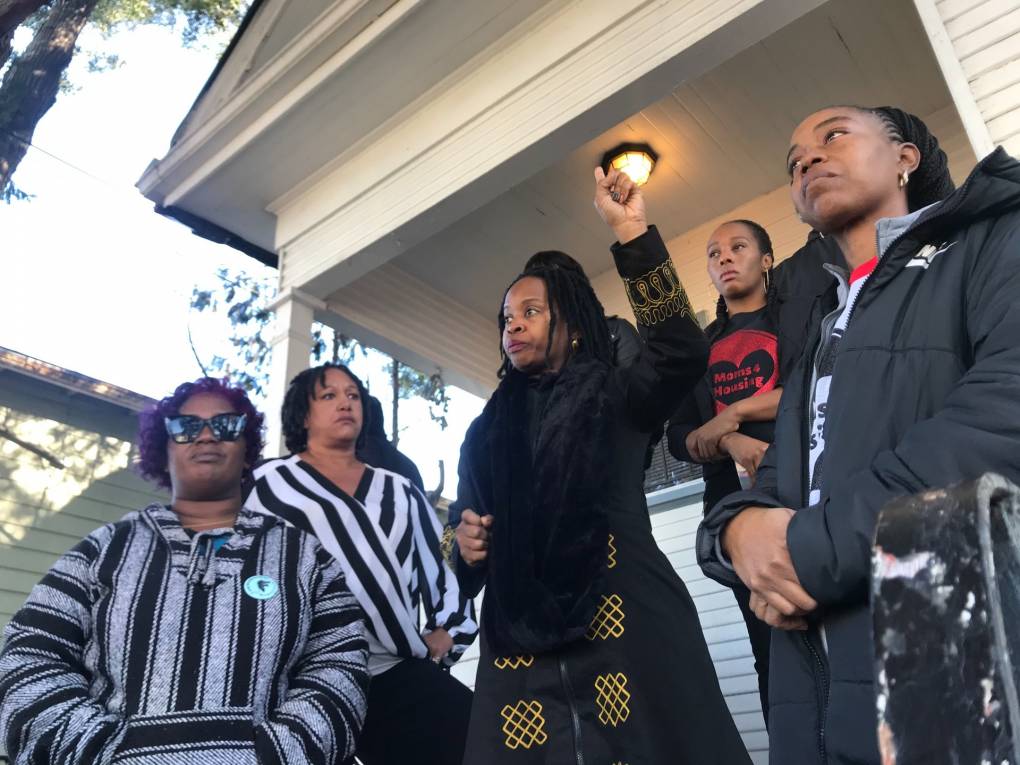
"caption": "Sharena Thomas, left, Carroll Fife, center, Dominique Walker, back right, and Tolani KIng, right, outside a vacant home in West Oakland. The group Moms 4 Housing fought an eviction after occupying the house on Magnolia Street. Fife won a seat on the Oakland City Council in the November 2020 election.",
"description": null,
"title": "RS40615_IMG_2315-qut",
"credit": "Kate Wolffe/KQED",
"status": "inherit",
"isLoading": false,
"fetchFailed": false
},
"news_11691438": {
"type": "attachments",
"id": "news_11691438",
"meta": {
"index": "attachments_1716263798",
"site": "news",
"id": "11691438",
"found": true
},
"parent": 11691407,
"imgSizes": {
"small": {
"file": "https://ww2.kqed.org/app/uploads/sites/10/2018/09/RS31770_sfmayor0712.0003-qut-520x347.jpg",
"width": 520,
"mimeType": "image/jpeg",
"height": 347
},
"twentyfourteen-full-width": {
"file": "https://ww2.kqed.org/app/uploads/sites/10/2018/09/RS31770_sfmayor0712.0003-qut-1038x576.jpg",
"width": 1038,
"mimeType": "image/jpeg",
"height": 576
},
"thumbnail": {
"file": "https://ww2.kqed.org/app/uploads/sites/10/2018/09/RS31770_sfmayor0712.0003-qut-160x107.jpg",
"width": 160,
"mimeType": "image/jpeg",
"height": 107
},
"fd-sm": {
"file": "https://ww2.kqed.org/app/uploads/sites/10/2018/09/RS31770_sfmayor0712.0003-qut-960x641.jpg",
"width": 960,
"mimeType": "image/jpeg",
"height": 641
},
"post-thumbnail": {
"file": "https://ww2.kqed.org/app/uploads/sites/10/2018/09/RS31770_sfmayor0712.0003-qut-672x372.jpg",
"width": 672,
"mimeType": "image/jpeg",
"height": 372
},
"xsmall": {
"file": "https://ww2.kqed.org/app/uploads/sites/10/2018/09/RS31770_sfmayor0712.0003-qut-375x250.jpg",
"width": 375,
"mimeType": "image/jpeg",
"height": 250
},
"kqedFullSize": {
"file": "https://ww2.kqed.org/app/uploads/sites/10/2018/09/RS31770_sfmayor0712.0003-qut.jpg",
"width": 1920,
"height": 1281
},
"large": {
"file": "https://ww2.kqed.org/app/uploads/sites/10/2018/09/RS31770_sfmayor0712.0003-qut-1020x681.jpg",
"width": 1020,
"mimeType": "image/jpeg",
"height": 681
},
"xlarge": {
"file": "https://ww2.kqed.org/app/uploads/sites/10/2018/09/RS31770_sfmayor0712.0003-qut-1180x787.jpg",
"width": 1180,
"mimeType": "image/jpeg",
"height": 787
},
"complete_open_graph": {
"file": "https://ww2.kqed.org/app/uploads/sites/10/2018/09/RS31770_sfmayor0712.0003-qut-1200x801.jpg",
"width": 1200,
"mimeType": "image/jpeg",
"height": 801
},
"guest-author-50": {
"file": "https://ww2.kqed.org/app/uploads/sites/10/2018/09/RS31770_sfmayor0712.0003-qut-50x50.jpg",
"width": 50,
"mimeType": "image/jpeg",
"height": 50
},
"guest-author-96": {
"file": "https://ww2.kqed.org/app/uploads/sites/10/2018/09/RS31770_sfmayor0712.0003-qut-96x96.jpg",
"width": 96,
"mimeType": "image/jpeg",
"height": 96
},
"medium": {
"file": "https://ww2.kqed.org/app/uploads/sites/10/2018/09/RS31770_sfmayor0712.0003-qut-800x534.jpg",
"width": 800,
"mimeType": "image/jpeg",
"height": 534
},
"guest-author-64": {
"file": "https://ww2.kqed.org/app/uploads/sites/10/2018/09/RS31770_sfmayor0712.0003-qut-64x64.jpg",
"width": 64,
"mimeType": "image/jpeg",
"height": 64
},
"guest-author-32": {
"file": "https://ww2.kqed.org/app/uploads/sites/10/2018/09/RS31770_sfmayor0712.0003-qut-32x32.jpg",
"width": 32,
"mimeType": "image/jpeg",
"height": 32
},
"fd-lrg": {
"file": "https://ww2.kqed.org/app/uploads/sites/10/2018/09/RS31770_sfmayor0712.0003-qut-1920x1281.jpg",
"width": 1920,
"mimeType": "image/jpeg",
"height": 1281
},
"fd-med": {
"file": "https://ww2.kqed.org/app/uploads/sites/10/2018/09/RS31770_sfmayor0712.0003-qut-1180x787.jpg",
"width": 1180,
"mimeType": "image/jpeg",
"height": 787
},
"full-width": {
"file": "https://ww2.kqed.org/app/uploads/sites/10/2018/09/RS31770_sfmayor0712.0003-qut-1920x1281.jpg",
"width": 1920,
"mimeType": "image/jpeg",
"height": 1281
},
"detail": {
"file": "https://ww2.kqed.org/app/uploads/sites/10/2018/09/RS31770_sfmayor0712.0003-qut-150x150.jpg",
"width": 150,
"mimeType": "image/jpeg",
"height": 150
},
"guest-author-128": {
"file": "https://ww2.kqed.org/app/uploads/sites/10/2018/09/RS31770_sfmayor0712.0003-qut-128x128.jpg",
"width": 128,
"mimeType": "image/jpeg",
"height": 128
},
"xxsmall": {
"file": "https://ww2.kqed.org/app/uploads/sites/10/2018/09/RS31770_sfmayor0712.0003-qut-240x160.jpg",
"width": 240,
"mimeType": "image/jpeg",
"height": 160
}
},
"publishDate": 1536537508,
"modified": 1604609335,
"caption": "San Francisco Mayor London Breed waits to walk out of City Hall for her inauguration on July 11, 2018.",
"description": "San Francisco Mayor London Breed waits to walk out of City Hall for her inauguration on Wednesday, July 11, 2018.",
"title": "SFMayor0712",
"credit": "Scott Strazzante",
"status": "inherit",
"isLoading": false,
"fetchFailed": false
},
"news_11843463": {
"type": "attachments",
"id": "news_11843463",
"meta": {
"index": "attachments_1716263798",
"site": "news",
"id": "11843463",
"found": true
},
"parent": 11843337,
"imgSizes": {
"apple_news_ca_landscape_5_5": {
"file": "https://ww2.kqed.org/app/uploads/sites/10/2020/10/SFHousingConstruction-1044x783.jpg",
"width": 1044,
"mimeType": "image/jpeg",
"height": 783
},
"apple_news_ca_square_4_0": {
"file": "https://ww2.kqed.org/app/uploads/sites/10/2020/10/SFHousingConstruction-470x470.jpg",
"width": 470,
"mimeType": "image/jpeg",
"height": 470
},
"twentyfourteen-full-width": {
"file": "https://ww2.kqed.org/app/uploads/sites/10/2020/10/SFHousingConstruction-1038x576.jpg",
"width": 1038,
"mimeType": "image/jpeg",
"height": 576
},
"thumbnail": {
"file": "https://ww2.kqed.org/app/uploads/sites/10/2020/10/SFHousingConstruction-160x107.jpg",
"width": 160,
"mimeType": "image/jpeg",
"height": 107
},
"post-thumbnail": {
"file": "https://ww2.kqed.org/app/uploads/sites/10/2020/10/SFHousingConstruction-672x372.jpg",
"width": 672,
"mimeType": "image/jpeg",
"height": 372
},
"kqedFullSize": {
"file": "https://ww2.kqed.org/app/uploads/sites/10/2020/10/SFHousingConstruction.jpg",
"width": 1920,
"height": 1280
},
"apple_news_ca_landscape_4_7": {
"file": "https://ww2.kqed.org/app/uploads/sites/10/2020/10/SFHousingConstruction-632x474.jpg",
"width": 632,
"mimeType": "image/jpeg",
"height": 474
},
"large": {
"file": "https://ww2.kqed.org/app/uploads/sites/10/2020/10/SFHousingConstruction-1020x680.jpg",
"width": 1020,
"mimeType": "image/jpeg",
"height": 680
},
"apple_news_ca_landscape_4_0": {
"file": "https://ww2.kqed.org/app/uploads/sites/10/2020/10/SFHousingConstruction-536x402.jpg",
"width": 536,
"mimeType": "image/jpeg",
"height": 402
},
"apple_news_ca_portrait_12_9": {
"file": "https://ww2.kqed.org/app/uploads/sites/10/2020/10/SFHousingConstruction-1122x1280.jpg",
"width": 1122,
"mimeType": "image/jpeg",
"height": 1280
},
"medium": {
"file": "https://ww2.kqed.org/app/uploads/sites/10/2020/10/SFHousingConstruction-800x533.jpg",
"width": 800,
"mimeType": "image/jpeg",
"height": 533
},
"apple_news_ca_portrait_4_0": {
"file": "https://ww2.kqed.org/app/uploads/sites/10/2020/10/SFHousingConstruction-354x472.jpg",
"width": 354,
"mimeType": "image/jpeg",
"height": 472
},
"apple_news_ca_portrait_9_7": {
"file": "https://ww2.kqed.org/app/uploads/sites/10/2020/10/SFHousingConstruction-840x1120.jpg",
"width": 840,
"mimeType": "image/jpeg",
"height": 1120
},
"apple_news_ca_landscape_12_9": {
"file": "https://ww2.kqed.org/app/uploads/sites/10/2020/10/SFHousingConstruction-1832x1280.jpg",
"width": 1832,
"mimeType": "image/jpeg",
"height": 1280
},
"apple_news_ca_square_9_7": {
"file": "https://ww2.kqed.org/app/uploads/sites/10/2020/10/SFHousingConstruction-1104x1104.jpg",
"width": 1104,
"mimeType": "image/jpeg",
"height": 1104
},
"1536x1536": {
"file": "https://ww2.kqed.org/app/uploads/sites/10/2020/10/SFHousingConstruction-1536x1024.jpg",
"width": 1536,
"mimeType": "image/jpeg",
"height": 1024
},
"apple_news_ca_portrait_4_7": {
"file": "https://ww2.kqed.org/app/uploads/sites/10/2020/10/SFHousingConstruction-414x552.jpg",
"width": 414,
"mimeType": "image/jpeg",
"height": 552
},
"apple_news_ca_square_12_9": {
"file": "https://ww2.kqed.org/app/uploads/sites/10/2020/10/SFHousingConstruction-1472x1280.jpg",
"width": 1472,
"mimeType": "image/jpeg",
"height": 1280
},
"apple_news_ca_portrait_5_5": {
"file": "https://ww2.kqed.org/app/uploads/sites/10/2020/10/SFHousingConstruction-687x916.jpg",
"width": 687,
"mimeType": "image/jpeg",
"height": 916
},
"apple_news_ca_square_4_7": {
"file": "https://ww2.kqed.org/app/uploads/sites/10/2020/10/SFHousingConstruction-550x550.jpg",
"width": 550,
"mimeType": "image/jpeg",
"height": 550
},
"apple_news_ca_landscape_9_7": {
"file": "https://ww2.kqed.org/app/uploads/sites/10/2020/10/SFHousingConstruction-1376x1032.jpg",
"width": 1376,
"mimeType": "image/jpeg",
"height": 1032
},
"apple_news_ca_square_5_5": {
"file": "https://ww2.kqed.org/app/uploads/sites/10/2020/10/SFHousingConstruction-912x912.jpg",
"width": 912,
"mimeType": "image/jpeg",
"height": 912
}
},
"publishDate": 1603468584,
"modified": 1603468638,
"caption": "Proposition K would authorize 10,000 units of affordable housing in San Francisco, and Prop I would impose a new tax to pay for it all. ",
"description": "Proposition K would authorize 10,000 units of affordable housing in San Francisco, and Prop I would impose a new tax to pay for it all. ",
"title": "SFHousingConstruction",
"credit": "Justin Sullivan/Getty Images",
"status": "inherit",
"isLoading": false,
"fetchFailed": false
},
"news_11843054": {
"type": "attachments",
"id": "news_11843054",
"meta": {
"index": "attachments_1716263798",
"site": "news",
"id": "11843054",
"found": true
},
"parent": 11843004,
"imgSizes": {
"apple_news_ca_landscape_5_5": {
"file": "https://ww2.kqed.org/app/uploads/sites/10/2020/10/RS43040_011_KQED_SanFrancisco_TentEncampments_05052020-qut-1044x783.jpg",
"width": 1044,
"mimeType": "image/jpeg",
"height": 783
},
"apple_news_ca_square_4_0": {
"file": "https://ww2.kqed.org/app/uploads/sites/10/2020/10/RS43040_011_KQED_SanFrancisco_TentEncampments_05052020-qut-470x470.jpg",
"width": 470,
"mimeType": "image/jpeg",
"height": 470
},
"twentyfourteen-full-width": {
"file": "https://ww2.kqed.org/app/uploads/sites/10/2020/10/RS43040_011_KQED_SanFrancisco_TentEncampments_05052020-qut-1038x576.jpg",
"width": 1038,
"mimeType": "image/jpeg",
"height": 576
},
"thumbnail": {
"file": "https://ww2.kqed.org/app/uploads/sites/10/2020/10/RS43040_011_KQED_SanFrancisco_TentEncampments_05052020-qut-160x107.jpg",
"width": 160,
"mimeType": "image/jpeg",
"height": 107
},
"post-thumbnail": {
"file": "https://ww2.kqed.org/app/uploads/sites/10/2020/10/RS43040_011_KQED_SanFrancisco_TentEncampments_05052020-qut-672x372.jpg",
"width": 672,
"mimeType": "image/jpeg",
"height": 372
},
"kqedFullSize": {
"file": "https://ww2.kqed.org/app/uploads/sites/10/2020/10/RS43040_011_KQED_SanFrancisco_TentEncampments_05052020-qut.jpg",
"width": 1920,
"height": 1280
},
"apple_news_ca_landscape_4_7": {
"file": "https://ww2.kqed.org/app/uploads/sites/10/2020/10/RS43040_011_KQED_SanFrancisco_TentEncampments_05052020-qut-632x474.jpg",
"width": 632,
"mimeType": "image/jpeg",
"height": 474
},
"large": {
"file": "https://ww2.kqed.org/app/uploads/sites/10/2020/10/RS43040_011_KQED_SanFrancisco_TentEncampments_05052020-qut-1020x680.jpg",
"width": 1020,
"mimeType": "image/jpeg",
"height": 680
},
"apple_news_ca_landscape_4_0": {
"file": "https://ww2.kqed.org/app/uploads/sites/10/2020/10/RS43040_011_KQED_SanFrancisco_TentEncampments_05052020-qut-536x402.jpg",
"width": 536,
"mimeType": "image/jpeg",
"height": 402
},
"apple_news_ca_portrait_12_9": {
"file": "https://ww2.kqed.org/app/uploads/sites/10/2020/10/RS43040_011_KQED_SanFrancisco_TentEncampments_05052020-qut-1122x1280.jpg",
"width": 1122,
"mimeType": "image/jpeg",
"height": 1280
},
"medium": {
"file": "https://ww2.kqed.org/app/uploads/sites/10/2020/10/RS43040_011_KQED_SanFrancisco_TentEncampments_05052020-qut-800x533.jpg",
"width": 800,
"mimeType": "image/jpeg",
"height": 533
},
"apple_news_ca_portrait_4_0": {
"file": "https://ww2.kqed.org/app/uploads/sites/10/2020/10/RS43040_011_KQED_SanFrancisco_TentEncampments_05052020-qut-354x472.jpg",
"width": 354,
"mimeType": "image/jpeg",
"height": 472
},
"apple_news_ca_portrait_9_7": {
"file": "https://ww2.kqed.org/app/uploads/sites/10/2020/10/RS43040_011_KQED_SanFrancisco_TentEncampments_05052020-qut-840x1120.jpg",
"width": 840,
"mimeType": "image/jpeg",
"height": 1120
},
"apple_news_ca_landscape_12_9": {
"file": "https://ww2.kqed.org/app/uploads/sites/10/2020/10/RS43040_011_KQED_SanFrancisco_TentEncampments_05052020-qut-1832x1280.jpg",
"width": 1832,
"mimeType": "image/jpeg",
"height": 1280
},
"apple_news_ca_square_9_7": {
"file": "https://ww2.kqed.org/app/uploads/sites/10/2020/10/RS43040_011_KQED_SanFrancisco_TentEncampments_05052020-qut-1104x1104.jpg",
"width": 1104,
"mimeType": "image/jpeg",
"height": 1104
},
"1536x1536": {
"file": "https://ww2.kqed.org/app/uploads/sites/10/2020/10/RS43040_011_KQED_SanFrancisco_TentEncampments_05052020-qut-1536x1024.jpg",
"width": 1536,
"mimeType": "image/jpeg",
"height": 1024
},
"apple_news_ca_portrait_4_7": {
"file": "https://ww2.kqed.org/app/uploads/sites/10/2020/10/RS43040_011_KQED_SanFrancisco_TentEncampments_05052020-qut-414x552.jpg",
"width": 414,
"mimeType": "image/jpeg",
"height": 552
},
"apple_news_ca_square_12_9": {
"file": "https://ww2.kqed.org/app/uploads/sites/10/2020/10/RS43040_011_KQED_SanFrancisco_TentEncampments_05052020-qut-1472x1280.jpg",
"width": 1472,
"mimeType": "image/jpeg",
"height": 1280
},
"apple_news_ca_portrait_5_5": {
"file": "https://ww2.kqed.org/app/uploads/sites/10/2020/10/RS43040_011_KQED_SanFrancisco_TentEncampments_05052020-qut-687x916.jpg",
"width": 687,
"mimeType": "image/jpeg",
"height": 916
},
"apple_news_ca_square_4_7": {
"file": "https://ww2.kqed.org/app/uploads/sites/10/2020/10/RS43040_011_KQED_SanFrancisco_TentEncampments_05052020-qut-550x550.jpg",
"width": 550,
"mimeType": "image/jpeg",
"height": 550
},
"apple_news_ca_landscape_9_7": {
"file": "https://ww2.kqed.org/app/uploads/sites/10/2020/10/RS43040_011_KQED_SanFrancisco_TentEncampments_05052020-qut-1376x1032.jpg",
"width": 1376,
"mimeType": "image/jpeg",
"height": 1032
},
"apple_news_ca_square_5_5": {
"file": "https://ww2.kqed.org/app/uploads/sites/10/2020/10/RS43040_011_KQED_SanFrancisco_TentEncampments_05052020-qut-912x912.jpg",
"width": 912,
"mimeType": "image/jpeg",
"height": 912
}
},
"publishDate": 1603237048,
"modified": 1603237180,
"caption": "Tents line a gravel sidewalk off Fulton Street near City Hall on May 5, 2020. On Wednesday, city staffers started drawing out socially distant spaces with chalk on the street for the tents to stay. ",
"description": null,
"title": "Tents line Fulton Street near City Hall on April 5, 2020.",
"credit": "Beth LaBerge/KQED",
"status": "inherit",
"isLoading": false,
"fetchFailed": false
},
"news_11842390": {
"type": "attachments",
"id": "news_11842390",
"meta": {
"index": "attachments_1716263798",
"site": "news",
"id": "11842390",
"found": true
},
"parent": 0,
"imgSizes": {
"apple_news_ca_landscape_5_5": {
"file": "https://ww2.kqed.org/app/uploads/sites/10/2020/10/201009-M4H-Oakland-celebration_1-1044x783.jpg",
"width": 1044,
"mimeType": "image/jpeg",
"height": 783
},
"apple_news_ca_square_4_0": {
"file": "https://ww2.kqed.org/app/uploads/sites/10/2020/10/201009-M4H-Oakland-celebration_1-470x470.jpg",
"width": 470,
"mimeType": "image/jpeg",
"height": 470
},
"twentyfourteen-full-width": {
"file": "https://ww2.kqed.org/app/uploads/sites/10/2020/10/201009-M4H-Oakland-celebration_1-1038x576.jpg",
"width": 1038,
"mimeType": "image/jpeg",
"height": 576
},
"thumbnail": {
"file": "https://ww2.kqed.org/app/uploads/sites/10/2020/10/201009-M4H-Oakland-celebration_1-160x107.jpg",
"width": 160,
"mimeType": "image/jpeg",
"height": 107
},
"post-thumbnail": {
"file": "https://ww2.kqed.org/app/uploads/sites/10/2020/10/201009-M4H-Oakland-celebration_1-672x372.jpg",
"width": 672,
"mimeType": "image/jpeg",
"height": 372
},
"kqedFullSize": {
"file": "https://ww2.kqed.org/app/uploads/sites/10/2020/10/201009-M4H-Oakland-celebration_1-scaled.jpg",
"width": 2560,
"height": 1707
},
"2048x2048": {
"file": "https://ww2.kqed.org/app/uploads/sites/10/2020/10/201009-M4H-Oakland-celebration_1-2048x1365.jpg",
"width": 2048,
"mimeType": "image/jpeg",
"height": 1365
},
"apple_news_ca_landscape_4_7": {
"file": "https://ww2.kqed.org/app/uploads/sites/10/2020/10/201009-M4H-Oakland-celebration_1-632x474.jpg",
"width": 632,
"mimeType": "image/jpeg",
"height": 474
},
"large": {
"file": "https://ww2.kqed.org/app/uploads/sites/10/2020/10/201009-M4H-Oakland-celebration_1-1020x680.jpg",
"width": 1020,
"mimeType": "image/jpeg",
"height": 680
},
"apple_news_ca_landscape_4_0": {
"file": "https://ww2.kqed.org/app/uploads/sites/10/2020/10/201009-M4H-Oakland-celebration_1-536x402.jpg",
"width": 536,
"mimeType": "image/jpeg",
"height": 402
},
"apple_news_ca_portrait_12_9": {
"file": "https://ww2.kqed.org/app/uploads/sites/10/2020/10/201009-M4H-Oakland-celebration_1-1122x1496.jpg",
"width": 1122,
"mimeType": "image/jpeg",
"height": 1496
},
"medium": {
"file": "https://ww2.kqed.org/app/uploads/sites/10/2020/10/201009-M4H-Oakland-celebration_1-800x533.jpg",
"width": 800,
"mimeType": "image/jpeg",
"height": 533
},
"apple_news_ca_portrait_4_0": {
"file": "https://ww2.kqed.org/app/uploads/sites/10/2020/10/201009-M4H-Oakland-celebration_1-354x472.jpg",
"width": 354,
"mimeType": "image/jpeg",
"height": 472
},
"apple_news_ca_portrait_9_7": {
"file": "https://ww2.kqed.org/app/uploads/sites/10/2020/10/201009-M4H-Oakland-celebration_1-840x1120.jpg",
"width": 840,
"mimeType": "image/jpeg",
"height": 1120
},
"apple_news_ca_landscape_12_9": {
"file": "https://ww2.kqed.org/app/uploads/sites/10/2020/10/201009-M4H-Oakland-celebration_1-1832x1374.jpg",
"width": 1832,
"mimeType": "image/jpeg",
"height": 1374
},
"apple_news_ca_square_9_7": {
"file": "https://ww2.kqed.org/app/uploads/sites/10/2020/10/201009-M4H-Oakland-celebration_1-1104x1104.jpg",
"width": 1104,
"mimeType": "image/jpeg",
"height": 1104
},
"1536x1536": {
"file": "https://ww2.kqed.org/app/uploads/sites/10/2020/10/201009-M4H-Oakland-celebration_1-1536x1024.jpg",
"width": 1536,
"mimeType": "image/jpeg",
"height": 1024
},
"apple_news_ca_portrait_4_7": {
"file": "https://ww2.kqed.org/app/uploads/sites/10/2020/10/201009-M4H-Oakland-celebration_1-414x552.jpg",
"width": 414,
"mimeType": "image/jpeg",
"height": 552
},
"apple_news_ca_square_12_9": {
"file": "https://ww2.kqed.org/app/uploads/sites/10/2020/10/201009-M4H-Oakland-celebration_1-1472x1472.jpg",
"width": 1472,
"mimeType": "image/jpeg",
"height": 1472
},
"apple_news_ca_portrait_5_5": {
"file": "https://ww2.kqed.org/app/uploads/sites/10/2020/10/201009-M4H-Oakland-celebration_1-687x916.jpg",
"width": 687,
"mimeType": "image/jpeg",
"height": 916
},
"full-width": {
"file": "https://ww2.kqed.org/app/uploads/sites/10/2020/10/201009-M4H-Oakland-celebration_1-1920x1280.jpg",
"width": 1920,
"mimeType": "image/jpeg",
"height": 1280
},
"apple_news_ca_square_4_7": {
"file": "https://ww2.kqed.org/app/uploads/sites/10/2020/10/201009-M4H-Oakland-celebration_1-550x550.jpg",
"width": 550,
"mimeType": "image/jpeg",
"height": 550
},
"apple_news_ca_landscape_9_7": {
"file": "https://ww2.kqed.org/app/uploads/sites/10/2020/10/201009-M4H-Oakland-celebration_1-1376x1032.jpg",
"width": 1376,
"mimeType": "image/jpeg",
"height": 1032
},
"apple_news_ca_square_5_5": {
"file": "https://ww2.kqed.org/app/uploads/sites/10/2020/10/201009-M4H-Oakland-celebration_1-912x912.jpg",
"width": 912,
"mimeType": "image/jpeg",
"height": 912
}
},
"publishDate": 1602728372,
"modified": 1603133056,
"caption": "Dominique Walker stands in front of a home on Magnolia Street in West Oakland on Oct. 9, 2020. She and three other moms occupied the home for two months in late 2019 and early 2020 to protest real estate speculation that leads to high housing costs in Oakland. She returned almost a year later to celebrate after a community land trust bought the home. It will now become transitional housing for homeless mothers.",
"description": "Dominique Walker stands in front of a home on Magnolia Street in West Oakland on Friday, Oct. 9, 2020. She and three other moms occupied the home for two months in late 2019 and early 2020 to protest real estate speculation that leads to high housing costs in Oakland. She returned almost a year later to celebrate after a community land trust bought the home. It will now become transitional housing for homeless mothers. (Photo by Erin Baldassari/KQED)",
"title": "201009 M4H Oakland celebration_1",
"credit": "Erin Baldassari/KQED",
"status": "inherit",
"isLoading": false,
"fetchFailed": false
},
"news_11840710": {
"type": "attachments",
"id": "news_11840710",
"meta": {
"index": "attachments_1716263798",
"site": "news",
"id": "11840710",
"found": true
},
"parent": 11840409,
"imgSizes": {
"apple_news_ca_landscape_5_5": {
"file": "https://ww2.kqed.org/app/uploads/sites/10/2020/10/RS45176_GettyImages-1203411750-qut-1044x783.jpg",
"width": 1044,
"mimeType": "image/jpeg",
"height": 783
},
"apple_news_ca_square_4_0": {
"file": "https://ww2.kqed.org/app/uploads/sites/10/2020/10/RS45176_GettyImages-1203411750-qut-470x470.jpg",
"width": 470,
"mimeType": "image/jpeg",
"height": 470
},
"twentyfourteen-full-width": {
"file": "https://ww2.kqed.org/app/uploads/sites/10/2020/10/RS45176_GettyImages-1203411750-qut-1038x576.jpg",
"width": 1038,
"mimeType": "image/jpeg",
"height": 576
},
"thumbnail": {
"file": "https://ww2.kqed.org/app/uploads/sites/10/2020/10/RS45176_GettyImages-1203411750-qut-160x107.jpg",
"width": 160,
"mimeType": "image/jpeg",
"height": 107
},
"post-thumbnail": {
"file": "https://ww2.kqed.org/app/uploads/sites/10/2020/10/RS45176_GettyImages-1203411750-qut-672x372.jpg",
"width": 672,
"mimeType": "image/jpeg",
"height": 372
},
"kqedFullSize": {
"file": "https://ww2.kqed.org/app/uploads/sites/10/2020/10/RS45176_GettyImages-1203411750-qut.jpg",
"width": 1920,
"height": 1280
},
"apple_news_ca_landscape_4_7": {
"file": "https://ww2.kqed.org/app/uploads/sites/10/2020/10/RS45176_GettyImages-1203411750-qut-632x474.jpg",
"width": 632,
"mimeType": "image/jpeg",
"height": 474
},
"large": {
"file": "https://ww2.kqed.org/app/uploads/sites/10/2020/10/RS45176_GettyImages-1203411750-qut-1020x680.jpg",
"width": 1020,
"mimeType": "image/jpeg",
"height": 680
},
"apple_news_ca_landscape_4_0": {
"file": "https://ww2.kqed.org/app/uploads/sites/10/2020/10/RS45176_GettyImages-1203411750-qut-536x402.jpg",
"width": 536,
"mimeType": "image/jpeg",
"height": 402
},
"apple_news_ca_portrait_12_9": {
"file": "https://ww2.kqed.org/app/uploads/sites/10/2020/10/RS45176_GettyImages-1203411750-qut-1122x1280.jpg",
"width": 1122,
"mimeType": "image/jpeg",
"height": 1280
},
"medium": {
"file": "https://ww2.kqed.org/app/uploads/sites/10/2020/10/RS45176_GettyImages-1203411750-qut-800x533.jpg",
"width": 800,
"mimeType": "image/jpeg",
"height": 533
},
"apple_news_ca_portrait_4_0": {
"file": "https://ww2.kqed.org/app/uploads/sites/10/2020/10/RS45176_GettyImages-1203411750-qut-354x472.jpg",
"width": 354,
"mimeType": "image/jpeg",
"height": 472
},
"apple_news_ca_portrait_9_7": {
"file": "https://ww2.kqed.org/app/uploads/sites/10/2020/10/RS45176_GettyImages-1203411750-qut-840x1120.jpg",
"width": 840,
"mimeType": "image/jpeg",
"height": 1120
},
"apple_news_ca_landscape_12_9": {
"file": "https://ww2.kqed.org/app/uploads/sites/10/2020/10/RS45176_GettyImages-1203411750-qut-1832x1280.jpg",
"width": 1832,
"mimeType": "image/jpeg",
"height": 1280
},
"apple_news_ca_square_9_7": {
"file": "https://ww2.kqed.org/app/uploads/sites/10/2020/10/RS45176_GettyImages-1203411750-qut-1104x1104.jpg",
"width": 1104,
"mimeType": "image/jpeg",
"height": 1104
},
"1536x1536": {
"file": "https://ww2.kqed.org/app/uploads/sites/10/2020/10/RS45176_GettyImages-1203411750-qut-1536x1024.jpg",
"width": 1536,
"mimeType": "image/jpeg",
"height": 1024
},
"apple_news_ca_portrait_4_7": {
"file": "https://ww2.kqed.org/app/uploads/sites/10/2020/10/RS45176_GettyImages-1203411750-qut-414x552.jpg",
"width": 414,
"mimeType": "image/jpeg",
"height": 552
},
"apple_news_ca_square_12_9": {
"file": "https://ww2.kqed.org/app/uploads/sites/10/2020/10/RS45176_GettyImages-1203411750-qut-1472x1280.jpg",
"width": 1472,
"mimeType": "image/jpeg",
"height": 1280
},
"apple_news_ca_portrait_5_5": {
"file": "https://ww2.kqed.org/app/uploads/sites/10/2020/10/RS45176_GettyImages-1203411750-qut-687x916.jpg",
"width": 687,
"mimeType": "image/jpeg",
"height": 916
},
"apple_news_ca_square_4_7": {
"file": "https://ww2.kqed.org/app/uploads/sites/10/2020/10/RS45176_GettyImages-1203411750-qut-550x550.jpg",
"width": 550,
"mimeType": "image/jpeg",
"height": 550
},
"apple_news_ca_landscape_9_7": {
"file": "https://ww2.kqed.org/app/uploads/sites/10/2020/10/RS45176_GettyImages-1203411750-qut-1376x1032.jpg",
"width": 1376,
"mimeType": "image/jpeg",
"height": 1032
},
"apple_news_ca_square_5_5": {
"file": "https://ww2.kqed.org/app/uploads/sites/10/2020/10/RS45176_GettyImages-1203411750-qut-912x912.jpg",
"width": 912,
"mimeType": "image/jpeg",
"height": 912
}
},
"publishDate": 1601598475,
"modified": 1601680085,
"caption": "Visitors attend Disneyland Park on February 25, 2020 in Anaheim, California. Under Proposition 13, passed by voters in 1978, the value of commercial properties is only reassessed when a person or legal entity acquires more than 50% of the ownership interest. As a result, companies like Disneyland, Intel and Chevron are currently paying taxes based on property assessments from the 1970s.",
"description": "Visitors attend Disneyland Park on February 25, 2020 in Anaheim, California. Under Proposition 13, passed by voters in 1978, the value of commercial properties is only reassessed when a person or legal entity acquires more than 50% of the ownership interest. As a result, companies like Disneyland, Intel and Chevron are currently paying taxes based on property assessments from the 1970s.",
"title": "Visitors attend Disneyland Park on February 25, 2020 in Anaheim, California.",
"credit": "David McNew/Getty Images",
"status": "inherit",
"isLoading": false,
"fetchFailed": false
},
"news_11840549": {
"type": "attachments",
"id": "news_11840549",
"meta": {
"index": "attachments_1716263798",
"site": "news",
"id": "11840549",
"found": true
},
"parent": 11840548,
"imgSizes": {
"apple_news_ca_square_4_0": {
"file": "https://ww2.kqed.org/app/uploads/sites/10/2020/10/ClaremontCourtGates_03-1-470x359.jpg",
"width": 470,
"mimeType": "image/jpeg",
"height": 359
},
"thumbnail": {
"file": "https://ww2.kqed.org/app/uploads/sites/10/2020/10/ClaremontCourtGates_03-1-160x99.jpg",
"width": 160,
"mimeType": "image/jpeg",
"height": 99
},
"kqedFullSize": {
"file": "https://ww2.kqed.org/app/uploads/sites/10/2020/10/ClaremontCourtGates_03-1.jpg",
"width": 580,
"height": 359
},
"apple_news_ca_portrait_4_7": {
"file": "https://ww2.kqed.org/app/uploads/sites/10/2020/10/ClaremontCourtGates_03-1-414x359.jpg",
"width": 414,
"mimeType": "image/jpeg",
"height": 359
},
"apple_news_ca_square_4_7": {
"file": "https://ww2.kqed.org/app/uploads/sites/10/2020/10/ClaremontCourtGates_03-1-550x359.jpg",
"width": 550,
"mimeType": "image/jpeg",
"height": 359
},
"apple_news_ca_landscape_4_0": {
"file": "https://ww2.kqed.org/app/uploads/sites/10/2020/10/ClaremontCourtGates_03-1-536x359.jpg",
"width": 536,
"mimeType": "image/jpeg",
"height": 359
},
"apple_news_ca_portrait_4_0": {
"file": "https://ww2.kqed.org/app/uploads/sites/10/2020/10/ClaremontCourtGates_03-1-354x359.jpg",
"width": 354,
"mimeType": "image/jpeg",
"height": 359
}
},
"publishDate": 1601574663,
"modified": 1602022234,
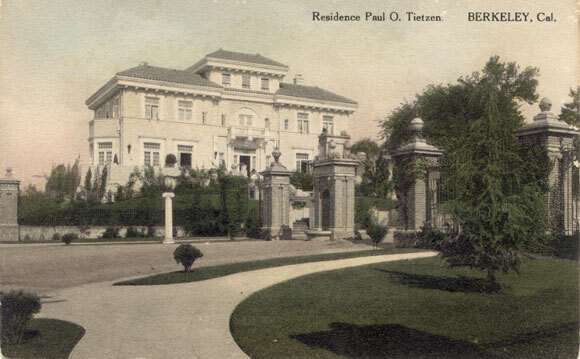
"caption": "A postcard depicting the gates to Claremont Court in Berkeley. The gates were built to signify that Claremont was an exclusive residential community. And it came with a big caveat: it was a neighborhood for whites only. ",
"description": "A postcard depicting the gates to Claremont Court in Berkeley. The gates were built to signify that Claremont was an exclusive residential community. And it came with a big caveat: it was a neighborhood for whites only. ",
"title": "A postcard depicting the gates to Claremont Court in Berkeley. The gates were built to signify that Claremont was an exclusive residential community. And it came with a big caveat: it was a neighborhood for whites only.",
"credit": null,
"status": "inherit",
"isLoading": false,
"fetchFailed": false
},
"news_11825657": {
"type": "attachments",
"id": "news_11825657",
"meta": {
"index": "attachments_1716263798",
"site": "news",
"id": "11825657",
"found": true
},
"parent": 11825653,
"imgSizes": {
"apple_news_ca_landscape_5_5": {
"file": "https://ww2.kqed.org/app/uploads/sites/10/2020/06/AlCo-Hotels_WEB-1044x783.jpg",
"width": 1044,
"mimeType": "image/jpeg",
"height": 783
},
"apple_news_ca_square_4_0": {
"file": "https://ww2.kqed.org/app/uploads/sites/10/2020/06/AlCo-Hotels_WEB-470x470.jpg",
"width": 470,
"mimeType": "image/jpeg",
"height": 470
},
"twentyfourteen-full-width": {
"file": "https://ww2.kqed.org/app/uploads/sites/10/2020/06/AlCo-Hotels_WEB-1038x576.jpg",
"width": 1038,
"mimeType": "image/jpeg",
"height": 576
},
"thumbnail": {
"file": "https://ww2.kqed.org/app/uploads/sites/10/2020/06/AlCo-Hotels_WEB-160x131.jpg",
"width": 160,
"mimeType": "image/jpeg",
"height": 131
},
"post-thumbnail": {
"file": "https://ww2.kqed.org/app/uploads/sites/10/2020/06/AlCo-Hotels_WEB-672x372.jpg",
"width": 672,
"mimeType": "image/jpeg",
"height": 372
},
"kqedFullSize": {
"file": "https://ww2.kqed.org/app/uploads/sites/10/2020/06/AlCo-Hotels_WEB-e1592937750672.jpg",
"width": 1920,
"height": 1576
},
"apple_news_ca_landscape_4_7": {
"file": "https://ww2.kqed.org/app/uploads/sites/10/2020/06/AlCo-Hotels_WEB-632x474.jpg",
"width": 632,
"mimeType": "image/jpeg",
"height": 474
},
"large": {
"file": "https://ww2.kqed.org/app/uploads/sites/10/2020/06/AlCo-Hotels_WEB-1020x837.jpg",
"width": 1020,
"mimeType": "image/jpeg",
"height": 837
},
"apple_news_ca_landscape_4_0": {
"file": "https://ww2.kqed.org/app/uploads/sites/10/2020/06/AlCo-Hotels_WEB-536x402.jpg",
"width": 536,
"mimeType": "image/jpeg",
"height": 402
},
"apple_news_ca_portrait_12_9": {
"file": "https://ww2.kqed.org/app/uploads/sites/10/2020/06/AlCo-Hotels_WEB-1122x1496.jpg",
"width": 1122,
"mimeType": "image/jpeg",
"height": 1496
},
"medium": {
"file": "https://ww2.kqed.org/app/uploads/sites/10/2020/06/AlCo-Hotels_WEB-800x657.jpg",
"width": 800,
"mimeType": "image/jpeg",
"height": 657
},
"apple_news_ca_portrait_4_0": {
"file": "https://ww2.kqed.org/app/uploads/sites/10/2020/06/AlCo-Hotels_WEB-354x472.jpg",
"width": 354,
"mimeType": "image/jpeg",
"height": 472
},
"apple_news_ca_portrait_9_7": {
"file": "https://ww2.kqed.org/app/uploads/sites/10/2020/06/AlCo-Hotels_WEB-840x1120.jpg",
"width": 840,
"mimeType": "image/jpeg",
"height": 1120
},
"apple_news_ca_landscape_12_9": {
"file": "https://ww2.kqed.org/app/uploads/sites/10/2020/06/AlCo-Hotels_WEB-1832x1374.jpg",
"width": 1832,
"mimeType": "image/jpeg",
"height": 1374
},
"apple_news_ca_square_9_7": {
"file": "https://ww2.kqed.org/app/uploads/sites/10/2020/06/AlCo-Hotels_WEB-1104x1104.jpg",
"width": 1104,
"mimeType": "image/jpeg",
"height": 1104
},
"apple_news_ca_portrait_4_7": {
"file": "https://ww2.kqed.org/app/uploads/sites/10/2020/06/AlCo-Hotels_WEB-414x552.jpg",
"width": 414,
"mimeType": "image/jpeg",
"height": 552
},
"apple_news_ca_square_12_9": {
"file": "https://ww2.kqed.org/app/uploads/sites/10/2020/06/AlCo-Hotels_WEB-1472x1472.jpg",
"width": 1472,
"mimeType": "image/jpeg",
"height": 1472
},
"apple_news_ca_portrait_5_5": {
"file": "https://ww2.kqed.org/app/uploads/sites/10/2020/06/AlCo-Hotels_WEB-687x916.jpg",
"width": 687,
"mimeType": "image/jpeg",
"height": 916
},
"full-width": {
"file": "https://ww2.kqed.org/app/uploads/sites/10/2020/06/AlCo-Hotels_WEB-1920x1576.jpg",
"width": 1920,
"mimeType": "image/jpeg",
"height": 1576
},
"apple_news_ca_square_4_7": {
"file": "https://ww2.kqed.org/app/uploads/sites/10/2020/06/AlCo-Hotels_WEB-550x550.jpg",
"width": 550,
"mimeType": "image/jpeg",
"height": 550
},
"apple_news_ca_landscape_9_7": {
"file": "https://ww2.kqed.org/app/uploads/sites/10/2020/06/AlCo-Hotels_WEB-1376x1032.jpg",
"width": 1376,
"mimeType": "image/jpeg",
"height": 1032
},
"apple_news_ca_square_5_5": {
"file": "https://ww2.kqed.org/app/uploads/sites/10/2020/06/AlCo-Hotels_WEB-912x912.jpg",
"width": 912,
"mimeType": "image/jpeg",
"height": 912
}
},
"publishDate": 1592862158,
"modified": 1592940628,
"caption": "This Comfort Inn in Oakland was one of the first hotels to become part of Project Roomkey.",
"description": "This Comfort Inn in Oakland was one of the first hotels to become part of Project Roomkey.",
"title": "AlCo Hotels_WEB",
"credit": "Courtesy Alameda County Health Care Services Agency",
"status": "inherit",
"isLoading": false,
"fetchFailed": false
},
"news_11840307": {
"type": "attachments",
"id": "news_11840307",
"meta": {
"index": "attachments_1716263798",
"site": "news",
"id": "11840307",
"found": true
},
"parent": 11840140,
"imgSizes": {
"apple_news_ca_landscape_5_5": {
"file": "https://ww2.kqed.org/app/uploads/sites/10/2020/09/RS42494_006_KQED_Oakland_RentStrike_04012020-qut-1044x783.jpg",
"width": 1044,
"mimeType": "image/jpeg",
"height": 783
},
"apple_news_ca_square_4_0": {
"file": "https://ww2.kqed.org/app/uploads/sites/10/2020/09/RS42494_006_KQED_Oakland_RentStrike_04012020-qut-470x470.jpg",
"width": 470,
"mimeType": "image/jpeg",
"height": 470
},
"twentyfourteen-full-width": {
"file": "https://ww2.kqed.org/app/uploads/sites/10/2020/09/RS42494_006_KQED_Oakland_RentStrike_04012020-qut-1038x576.jpg",
"width": 1038,
"mimeType": "image/jpeg",
"height": 576
},
"thumbnail": {
"file": "https://ww2.kqed.org/app/uploads/sites/10/2020/09/RS42494_006_KQED_Oakland_RentStrike_04012020-qut-160x107.jpg",
"width": 160,
"mimeType": "image/jpeg",
"height": 107
},
"post-thumbnail": {
"file": "https://ww2.kqed.org/app/uploads/sites/10/2020/09/RS42494_006_KQED_Oakland_RentStrike_04012020-qut-672x372.jpg",
"width": 672,
"mimeType": "image/jpeg",
"height": 372
},
"kqedFullSize": {
"file": "https://ww2.kqed.org/app/uploads/sites/10/2020/09/RS42494_006_KQED_Oakland_RentStrike_04012020-qut.jpg",
"width": 1920,
"height": 1280
},
"apple_news_ca_landscape_4_7": {
"file": "https://ww2.kqed.org/app/uploads/sites/10/2020/09/RS42494_006_KQED_Oakland_RentStrike_04012020-qut-632x474.jpg",
"width": 632,
"mimeType": "image/jpeg",
"height": 474
},
"large": {
"file": "https://ww2.kqed.org/app/uploads/sites/10/2020/09/RS42494_006_KQED_Oakland_RentStrike_04012020-qut-1020x680.jpg",
"width": 1020,
"mimeType": "image/jpeg",
"height": 680
},
"apple_news_ca_landscape_4_0": {
"file": "https://ww2.kqed.org/app/uploads/sites/10/2020/09/RS42494_006_KQED_Oakland_RentStrike_04012020-qut-536x402.jpg",
"width": 536,
"mimeType": "image/jpeg",
"height": 402
},
"apple_news_ca_portrait_12_9": {
"file": "https://ww2.kqed.org/app/uploads/sites/10/2020/09/RS42494_006_KQED_Oakland_RentStrike_04012020-qut-1122x1280.jpg",
"width": 1122,
"mimeType": "image/jpeg",
"height": 1280
},
"medium": {
"file": "https://ww2.kqed.org/app/uploads/sites/10/2020/09/RS42494_006_KQED_Oakland_RentStrike_04012020-qut-800x533.jpg",
"width": 800,
"mimeType": "image/jpeg",
"height": 533
},
"apple_news_ca_portrait_4_0": {
"file": "https://ww2.kqed.org/app/uploads/sites/10/2020/09/RS42494_006_KQED_Oakland_RentStrike_04012020-qut-354x472.jpg",
"width": 354,
"mimeType": "image/jpeg",
"height": 472
},
"apple_news_ca_portrait_9_7": {
"file": "https://ww2.kqed.org/app/uploads/sites/10/2020/09/RS42494_006_KQED_Oakland_RentStrike_04012020-qut-840x1120.jpg",
"width": 840,
"mimeType": "image/jpeg",
"height": 1120
},
"apple_news_ca_landscape_12_9": {
"file": "https://ww2.kqed.org/app/uploads/sites/10/2020/09/RS42494_006_KQED_Oakland_RentStrike_04012020-qut-1832x1280.jpg",
"width": 1832,
"mimeType": "image/jpeg",
"height": 1280
},
"apple_news_ca_square_9_7": {
"file": "https://ww2.kqed.org/app/uploads/sites/10/2020/09/RS42494_006_KQED_Oakland_RentStrike_04012020-qut-1104x1104.jpg",
"width": 1104,
"mimeType": "image/jpeg",
"height": 1104
},
"1536x1536": {
"file": "https://ww2.kqed.org/app/uploads/sites/10/2020/09/RS42494_006_KQED_Oakland_RentStrike_04012020-qut-1536x1024.jpg",
"width": 1536,
"mimeType": "image/jpeg",
"height": 1024
},
"apple_news_ca_portrait_4_7": {
"file": "https://ww2.kqed.org/app/uploads/sites/10/2020/09/RS42494_006_KQED_Oakland_RentStrike_04012020-qut-414x552.jpg",
"width": 414,
"mimeType": "image/jpeg",
"height": 552
},
"apple_news_ca_square_12_9": {
"file": "https://ww2.kqed.org/app/uploads/sites/10/2020/09/RS42494_006_KQED_Oakland_RentStrike_04012020-qut-1472x1280.jpg",
"width": 1472,
"mimeType": "image/jpeg",
"height": 1280
},
"apple_news_ca_portrait_5_5": {
"file": "https://ww2.kqed.org/app/uploads/sites/10/2020/09/RS42494_006_KQED_Oakland_RentStrike_04012020-qut-687x916.jpg",
"width": 687,
"mimeType": "image/jpeg",
"height": 916
},
"apple_news_ca_square_4_7": {
"file": "https://ww2.kqed.org/app/uploads/sites/10/2020/09/RS42494_006_KQED_Oakland_RentStrike_04012020-qut-550x550.jpg",
"width": 550,
"mimeType": "image/jpeg",
"height": 550
},
"apple_news_ca_landscape_9_7": {
"file": "https://ww2.kqed.org/app/uploads/sites/10/2020/09/RS42494_006_KQED_Oakland_RentStrike_04012020-qut-1376x1032.jpg",
"width": 1376,
"mimeType": "image/jpeg",
"height": 1032
},
"apple_news_ca_square_5_5": {
"file": "https://ww2.kqed.org/app/uploads/sites/10/2020/09/RS42494_006_KQED_Oakland_RentStrike_04012020-qut-912x912.jpg",
"width": 912,
"mimeType": "image/jpeg",
"height": 912
}
},
"publishDate": 1601431026,
"modified": 1601431144,
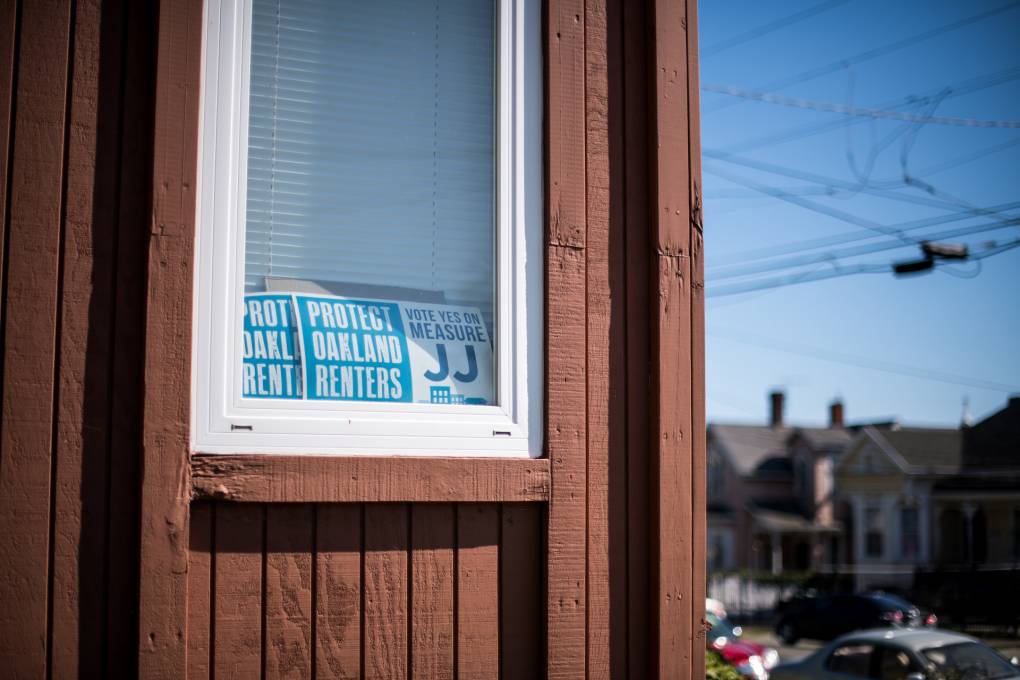
"caption": "A 'protect Oakland renters sign in the window of an apartment on Wednseday, April 1, 2020.",
"description": null,
"title": "An 'Oakland Rent Strike' banner in Oakland on Wednseday, April 1, 2020.",
"credit": "Beth LaBerge/KQED",
"status": "inherit",
"isLoading": false,
"fetchFailed": false
},
"news_11839453": {
"type": "attachments",
"id": "news_11839453",
"meta": {
"index": "attachments_1716263798",
"site": "news",
"id": "11839453",
"found": true
},
"parent": 11839409,
"imgSizes": {
"apple_news_ca_landscape_5_5": {
"file": "https://ww2.kqed.org/app/uploads/sites/10/2020/09/RS44429_033_KQED_Vallejo_FactoryOS_08062020-qut-1044x783.jpg",
"width": 1044,
"mimeType": "image/jpeg",
"height": 783
},
"apple_news_ca_square_4_0": {
"file": "https://ww2.kqed.org/app/uploads/sites/10/2020/09/RS44429_033_KQED_Vallejo_FactoryOS_08062020-qut-470x470.jpg",
"width": 470,
"mimeType": "image/jpeg",
"height": 470
},
"twentyfourteen-full-width": {
"file": "https://ww2.kqed.org/app/uploads/sites/10/2020/09/RS44429_033_KQED_Vallejo_FactoryOS_08062020-qut-1038x576.jpg",
"width": 1038,
"mimeType": "image/jpeg",
"height": 576
},
"thumbnail": {
"file": "https://ww2.kqed.org/app/uploads/sites/10/2020/09/RS44429_033_KQED_Vallejo_FactoryOS_08062020-qut-160x107.jpg",
"width": 160,
"mimeType": "image/jpeg",
"height": 107
},
"post-thumbnail": {
"file": "https://ww2.kqed.org/app/uploads/sites/10/2020/09/RS44429_033_KQED_Vallejo_FactoryOS_08062020-qut-672x372.jpg",
"width": 672,
"mimeType": "image/jpeg",
"height": 372
},
"kqedFullSize": {
"file": "https://ww2.kqed.org/app/uploads/sites/10/2020/09/RS44429_033_KQED_Vallejo_FactoryOS_08062020-qut.jpg",
"width": 1920,
"height": 1280
},
"apple_news_ca_landscape_4_7": {
"file": "https://ww2.kqed.org/app/uploads/sites/10/2020/09/RS44429_033_KQED_Vallejo_FactoryOS_08062020-qut-632x474.jpg",
"width": 632,
"mimeType": "image/jpeg",
"height": 474
},
"large": {
"file": "https://ww2.kqed.org/app/uploads/sites/10/2020/09/RS44429_033_KQED_Vallejo_FactoryOS_08062020-qut-1020x680.jpg",
"width": 1020,
"mimeType": "image/jpeg",
"height": 680
},
"apple_news_ca_landscape_4_0": {
"file": "https://ww2.kqed.org/app/uploads/sites/10/2020/09/RS44429_033_KQED_Vallejo_FactoryOS_08062020-qut-536x402.jpg",
"width": 536,
"mimeType": "image/jpeg",
"height": 402
},
"apple_news_ca_portrait_12_9": {
"file": "https://ww2.kqed.org/app/uploads/sites/10/2020/09/RS44429_033_KQED_Vallejo_FactoryOS_08062020-qut-1122x1280.jpg",
"width": 1122,
"mimeType": "image/jpeg",
"height": 1280
},
"medium": {
"file": "https://ww2.kqed.org/app/uploads/sites/10/2020/09/RS44429_033_KQED_Vallejo_FactoryOS_08062020-qut-800x533.jpg",
"width": 800,
"mimeType": "image/jpeg",
"height": 533
},
"apple_news_ca_portrait_4_0": {
"file": "https://ww2.kqed.org/app/uploads/sites/10/2020/09/RS44429_033_KQED_Vallejo_FactoryOS_08062020-qut-354x472.jpg",
"width": 354,
"mimeType": "image/jpeg",
"height": 472
},
"apple_news_ca_portrait_9_7": {
"file": "https://ww2.kqed.org/app/uploads/sites/10/2020/09/RS44429_033_KQED_Vallejo_FactoryOS_08062020-qut-840x1120.jpg",
"width": 840,
"mimeType": "image/jpeg",
"height": 1120
},
"apple_news_ca_landscape_12_9": {
"file": "https://ww2.kqed.org/app/uploads/sites/10/2020/09/RS44429_033_KQED_Vallejo_FactoryOS_08062020-qut-1832x1280.jpg",
"width": 1832,
"mimeType": "image/jpeg",
"height": 1280
},
"apple_news_ca_square_9_7": {
"file": "https://ww2.kqed.org/app/uploads/sites/10/2020/09/RS44429_033_KQED_Vallejo_FactoryOS_08062020-qut-1104x1104.jpg",
"width": 1104,
"mimeType": "image/jpeg",
"height": 1104
},
"1536x1536": {
"file": "https://ww2.kqed.org/app/uploads/sites/10/2020/09/RS44429_033_KQED_Vallejo_FactoryOS_08062020-qut-1536x1024.jpg",
"width": 1536,
"mimeType": "image/jpeg",
"height": 1024
},
"apple_news_ca_portrait_4_7": {
"file": "https://ww2.kqed.org/app/uploads/sites/10/2020/09/RS44429_033_KQED_Vallejo_FactoryOS_08062020-qut-414x552.jpg",
"width": 414,
"mimeType": "image/jpeg",
"height": 552
},
"apple_news_ca_square_12_9": {
"file": "https://ww2.kqed.org/app/uploads/sites/10/2020/09/RS44429_033_KQED_Vallejo_FactoryOS_08062020-qut-1472x1280.jpg",
"width": 1472,
"mimeType": "image/jpeg",
"height": 1280
},
"apple_news_ca_portrait_5_5": {
"file": "https://ww2.kqed.org/app/uploads/sites/10/2020/09/RS44429_033_KQED_Vallejo_FactoryOS_08062020-qut-687x916.jpg",
"width": 687,
"mimeType": "image/jpeg",
"height": 916
},
"apple_news_ca_square_4_7": {
"file": "https://ww2.kqed.org/app/uploads/sites/10/2020/09/RS44429_033_KQED_Vallejo_FactoryOS_08062020-qut-550x550.jpg",
"width": 550,
"mimeType": "image/jpeg",
"height": 550
},
"apple_news_ca_landscape_9_7": {
"file": "https://ww2.kqed.org/app/uploads/sites/10/2020/09/RS44429_033_KQED_Vallejo_FactoryOS_08062020-qut-1376x1032.jpg",
"width": 1376,
"mimeType": "image/jpeg",
"height": 1032
},
"apple_news_ca_square_5_5": {
"file": "https://ww2.kqed.org/app/uploads/sites/10/2020/09/RS44429_033_KQED_Vallejo_FactoryOS_08062020-qut-912x912.jpg",
"width": 912,
"mimeType": "image/jpeg",
"height": 912
}
},
"publishDate": 1600970682,
"modified": 1601062575,
"caption": "Factory OS employees work on different aspects of the assembly process of modular homes at the Vallejo warehouse on August 6, 2020. Modular, or factory-built, housing is seen as one way to lower construction costs. ",
"description": "Factory OS employees work on different aspects of the assembly process of modular homes at the Vallejo warehouse on August 6, 2020. Modular, or factory-built, housing is seen as one way to lower construction costs. ",
"title": "RS44429_033_KQED_Vallejo_FactoryOS_08062020-qut",
"credit": "Beth LaBerge/KQED",
"status": "inherit",
"isLoading": false,
"fetchFailed": false
},
"news_11816694": {
"type": "attachments",
"id": "news_11816694",
"meta": {
"index": "attachments_1716263798",
"site": "news",
"id": "11816694",
"found": true
},
"parent": 11816648,
"imgSizes": {
"apple_news_ca_landscape_5_5": {
"file": "https://ww2.kqed.org/app/uploads/sites/10/2020/05/RS43034_007_KQED_SanFrancisco_TentEncampments_05052020-qut-1-1044x783.jpg",
"width": 1044,
"mimeType": "image/jpeg",
"height": 783
},
"apple_news_ca_square_4_0": {
"file": "https://ww2.kqed.org/app/uploads/sites/10/2020/05/RS43034_007_KQED_SanFrancisco_TentEncampments_05052020-qut-1-470x470.jpg",
"width": 470,
"mimeType": "image/jpeg",
"height": 470
},
"twentyfourteen-full-width": {
"file": "https://ww2.kqed.org/app/uploads/sites/10/2020/05/RS43034_007_KQED_SanFrancisco_TentEncampments_05052020-qut-1-1038x576.jpg",
"width": 1038,
"mimeType": "image/jpeg",
"height": 576
},
"thumbnail": {
"file": "https://ww2.kqed.org/app/uploads/sites/10/2020/05/RS43034_007_KQED_SanFrancisco_TentEncampments_05052020-qut-1-160x107.jpg",
"width": 160,
"mimeType": "image/jpeg",
"height": 107
},
"post-thumbnail": {
"file": "https://ww2.kqed.org/app/uploads/sites/10/2020/05/RS43034_007_KQED_SanFrancisco_TentEncampments_05052020-qut-1-672x372.jpg",
"width": 672,
"mimeType": "image/jpeg",
"height": 372
},
"kqedFullSize": {
"file": "https://ww2.kqed.org/app/uploads/sites/10/2020/05/RS43034_007_KQED_SanFrancisco_TentEncampments_05052020-qut-1.jpg",
"width": 1920,
"height": 1280
},
"apple_news_ca_landscape_4_7": {
"file": "https://ww2.kqed.org/app/uploads/sites/10/2020/05/RS43034_007_KQED_SanFrancisco_TentEncampments_05052020-qut-1-632x474.jpg",
"width": 632,
"mimeType": "image/jpeg",
"height": 474
},
"large": {
"file": "https://ww2.kqed.org/app/uploads/sites/10/2020/05/RS43034_007_KQED_SanFrancisco_TentEncampments_05052020-qut-1-1020x680.jpg",
"width": 1020,
"mimeType": "image/jpeg",
"height": 680
},
"apple_news_ca_landscape_4_0": {
"file": "https://ww2.kqed.org/app/uploads/sites/10/2020/05/RS43034_007_KQED_SanFrancisco_TentEncampments_05052020-qut-1-536x402.jpg",
"width": 536,
"mimeType": "image/jpeg",
"height": 402
},
"apple_news_ca_portrait_12_9": {
"file": "https://ww2.kqed.org/app/uploads/sites/10/2020/05/RS43034_007_KQED_SanFrancisco_TentEncampments_05052020-qut-1-1122x1280.jpg",
"width": 1122,
"mimeType": "image/jpeg",
"height": 1280
},
"medium": {
"file": "https://ww2.kqed.org/app/uploads/sites/10/2020/05/RS43034_007_KQED_SanFrancisco_TentEncampments_05052020-qut-1-800x533.jpg",
"width": 800,
"mimeType": "image/jpeg",
"height": 533
},
"apple_news_ca_portrait_4_0": {
"file": "https://ww2.kqed.org/app/uploads/sites/10/2020/05/RS43034_007_KQED_SanFrancisco_TentEncampments_05052020-qut-1-354x472.jpg",
"width": 354,
"mimeType": "image/jpeg",
"height": 472
},
"apple_news_ca_portrait_9_7": {
"file": "https://ww2.kqed.org/app/uploads/sites/10/2020/05/RS43034_007_KQED_SanFrancisco_TentEncampments_05052020-qut-1-840x1120.jpg",
"width": 840,
"mimeType": "image/jpeg",
"height": 1120
},
"apple_news_ca_landscape_12_9": {
"file": "https://ww2.kqed.org/app/uploads/sites/10/2020/05/RS43034_007_KQED_SanFrancisco_TentEncampments_05052020-qut-1-1832x1280.jpg",
"width": 1832,
"mimeType": "image/jpeg",
"height": 1280
},
"apple_news_ca_square_9_7": {
"file": "https://ww2.kqed.org/app/uploads/sites/10/2020/05/RS43034_007_KQED_SanFrancisco_TentEncampments_05052020-qut-1-1104x1104.jpg",
"width": 1104,
"mimeType": "image/jpeg",
"height": 1104
},
"apple_news_ca_portrait_4_7": {
"file": "https://ww2.kqed.org/app/uploads/sites/10/2020/05/RS43034_007_KQED_SanFrancisco_TentEncampments_05052020-qut-1-414x552.jpg",
"width": 414,
"mimeType": "image/jpeg",
"height": 552
},
"apple_news_ca_square_12_9": {
"file": "https://ww2.kqed.org/app/uploads/sites/10/2020/05/RS43034_007_KQED_SanFrancisco_TentEncampments_05052020-qut-1-1472x1280.jpg",
"width": 1472,
"mimeType": "image/jpeg",
"height": 1280
},
"apple_news_ca_portrait_5_5": {
"file": "https://ww2.kqed.org/app/uploads/sites/10/2020/05/RS43034_007_KQED_SanFrancisco_TentEncampments_05052020-qut-1-687x916.jpg",
"width": 687,
"mimeType": "image/jpeg",
"height": 916
},
"full-width": {
"file": "https://ww2.kqed.org/app/uploads/sites/10/2020/05/RS43034_007_KQED_SanFrancisco_TentEncampments_05052020-qut-1-1920x1280.jpg",
"width": 1920,
"mimeType": "image/jpeg",
"height": 1280
},
"apple_news_ca_square_4_7": {
"file": "https://ww2.kqed.org/app/uploads/sites/10/2020/05/RS43034_007_KQED_SanFrancisco_TentEncampments_05052020-qut-1-550x550.jpg",
"width": 550,
"mimeType": "image/jpeg",
"height": 550
},
"apple_news_ca_landscape_9_7": {
"file": "https://ww2.kqed.org/app/uploads/sites/10/2020/05/RS43034_007_KQED_SanFrancisco_TentEncampments_05052020-qut-1-1376x1032.jpg",
"width": 1376,
"mimeType": "image/jpeg",
"height": 1032
},
"apple_news_ca_square_5_5": {
"file": "https://ww2.kqed.org/app/uploads/sites/10/2020/05/RS43034_007_KQED_SanFrancisco_TentEncampments_05052020-qut-1-912x912.jpg",
"width": 912,
"mimeType": "image/jpeg",
"height": 912
}
},
"publishDate": 1588812228,
"modified": 1588812294,
"caption": "Tents are spaced for social distancing at Bay View Park K.C. Jones Playground on May 5, 2020.",
"description": "Tents are spaced for social distancing at Bay View Park K.C. Jones Playground on May 5, 2020.",
"title": "RS43034_007_KQED_SanFrancisco_TentEncampments_05052020-qut (1)",
"credit": "Beth LaBerge/KQED",
"status": "inherit",
"isLoading": false,
"fetchFailed": false
},
"news_11835052": {
"type": "attachments",
"id": "news_11835052",
"meta": {
"index": "attachments_1716263798",
"site": "news",
"id": "11835052",
"found": true
},
"parent": 11834950,
"imgSizes": {
"apple_news_ca_landscape_5_5": {
"file": "https://ww2.kqed.org/app/uploads/sites/10/2020/08/SF-For-Rent-Home-1044x783.jpg",
"width": 1044,
"mimeType": "image/jpeg",
"height": 783
},
"apple_news_ca_square_4_0": {
"file": "https://ww2.kqed.org/app/uploads/sites/10/2020/08/SF-For-Rent-Home-470x470.jpg",
"width": 470,
"mimeType": "image/jpeg",
"height": 470
},
"twentyfourteen-full-width": {
"file": "https://ww2.kqed.org/app/uploads/sites/10/2020/08/SF-For-Rent-Home-1038x576.jpg",
"width": 1038,
"mimeType": "image/jpeg",
"height": 576
},
"thumbnail": {
"file": "https://ww2.kqed.org/app/uploads/sites/10/2020/08/SF-For-Rent-Home-160x107.jpg",
"width": 160,
"mimeType": "image/jpeg",
"height": 107
},
"post-thumbnail": {
"file": "https://ww2.kqed.org/app/uploads/sites/10/2020/08/SF-For-Rent-Home-672x372.jpg",
"width": 672,
"mimeType": "image/jpeg",
"height": 372
},
"kqedFullSize": {
"file": "https://ww2.kqed.org/app/uploads/sites/10/2020/08/SF-For-Rent-Home.jpg",
"width": 1920,
"height": 1280
},
"apple_news_ca_landscape_4_7": {
"file": "https://ww2.kqed.org/app/uploads/sites/10/2020/08/SF-For-Rent-Home-632x474.jpg",
"width": 632,
"mimeType": "image/jpeg",
"height": 474
},
"large": {
"file": "https://ww2.kqed.org/app/uploads/sites/10/2020/08/SF-For-Rent-Home-1020x680.jpg",
"width": 1020,
"mimeType": "image/jpeg",
"height": 680
},
"apple_news_ca_landscape_4_0": {
"file": "https://ww2.kqed.org/app/uploads/sites/10/2020/08/SF-For-Rent-Home-536x402.jpg",
"width": 536,
"mimeType": "image/jpeg",
"height": 402
},
"apple_news_ca_portrait_12_9": {
"file": "https://ww2.kqed.org/app/uploads/sites/10/2020/08/SF-For-Rent-Home-1122x1280.jpg",
"width": 1122,
"mimeType": "image/jpeg",
"height": 1280
},
"medium": {
"file": "https://ww2.kqed.org/app/uploads/sites/10/2020/08/SF-For-Rent-Home-800x533.jpg",
"width": 800,
"mimeType": "image/jpeg",
"height": 533
},
"apple_news_ca_portrait_4_0": {
"file": "https://ww2.kqed.org/app/uploads/sites/10/2020/08/SF-For-Rent-Home-354x472.jpg",
"width": 354,
"mimeType": "image/jpeg",
"height": 472
},
"apple_news_ca_portrait_9_7": {
"file": "https://ww2.kqed.org/app/uploads/sites/10/2020/08/SF-For-Rent-Home-840x1120.jpg",
"width": 840,
"mimeType": "image/jpeg",
"height": 1120
},
"apple_news_ca_landscape_12_9": {
"file": "https://ww2.kqed.org/app/uploads/sites/10/2020/08/SF-For-Rent-Home-1832x1280.jpg",
"width": 1832,
"mimeType": "image/jpeg",
"height": 1280
},
"apple_news_ca_square_9_7": {
"file": "https://ww2.kqed.org/app/uploads/sites/10/2020/08/SF-For-Rent-Home-1104x1104.jpg",
"width": 1104,
"mimeType": "image/jpeg",
"height": 1104
},
"1536x1536": {
"file": "https://ww2.kqed.org/app/uploads/sites/10/2020/08/SF-For-Rent-Home-1536x1024.jpg",
"width": 1536,
"mimeType": "image/jpeg",
"height": 1024
},
"apple_news_ca_portrait_4_7": {
"file": "https://ww2.kqed.org/app/uploads/sites/10/2020/08/SF-For-Rent-Home-414x552.jpg",
"width": 414,
"mimeType": "image/jpeg",
"height": 552
},
"apple_news_ca_square_12_9": {
"file": "https://ww2.kqed.org/app/uploads/sites/10/2020/08/SF-For-Rent-Home-1472x1280.jpg",
"width": 1472,
"mimeType": "image/jpeg",
"height": 1280
},
"apple_news_ca_portrait_5_5": {
"file": "https://ww2.kqed.org/app/uploads/sites/10/2020/08/SF-For-Rent-Home-687x916.jpg",
"width": 687,
"mimeType": "image/jpeg",
"height": 916
},
"apple_news_ca_square_4_7": {
"file": "https://ww2.kqed.org/app/uploads/sites/10/2020/08/SF-For-Rent-Home-550x550.jpg",
"width": 550,
"mimeType": "image/jpeg",
"height": 550
},
"apple_news_ca_landscape_9_7": {
"file": "https://ww2.kqed.org/app/uploads/sites/10/2020/08/SF-For-Rent-Home-1376x1032.jpg",
"width": 1376,
"mimeType": "image/jpeg",
"height": 1032
},
"apple_news_ca_square_5_5": {
"file": "https://ww2.kqed.org/app/uploads/sites/10/2020/08/SF-For-Rent-Home-912x912.jpg",
"width": 912,
"mimeType": "image/jpeg",
"height": 912
}
},
"publishDate": 1598374855,
"modified": 1623372777,
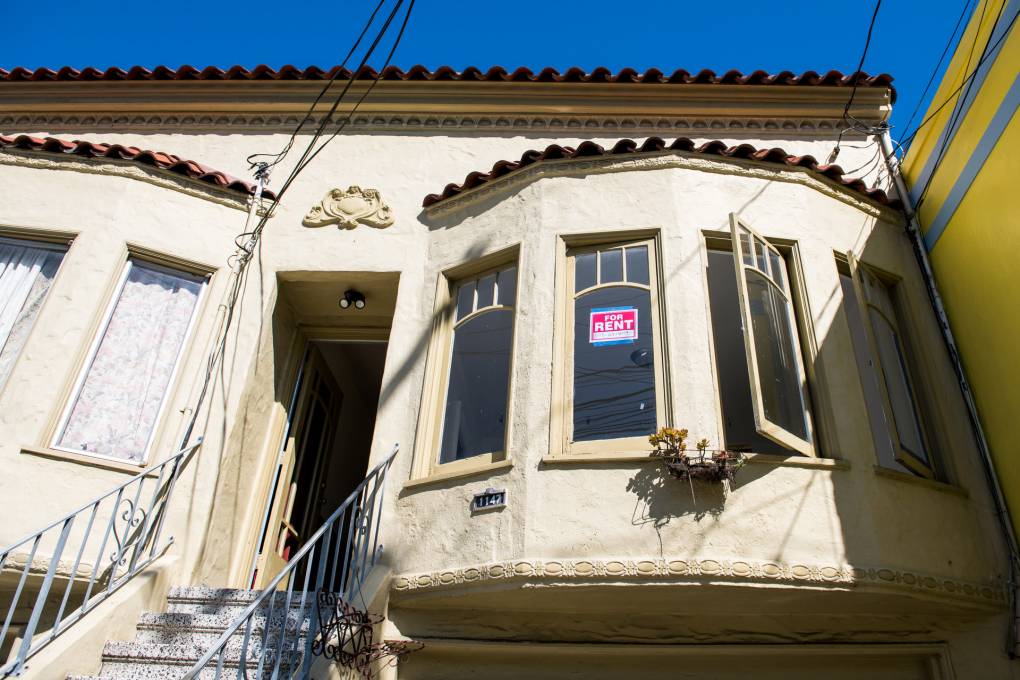
"caption": "A 'For Rent' sign on a house in the Mission District of San Francisco on March 31, 2020.",
"description": "A 'For Rent' sign on a house in the Mission District of San Francisco on Tuesday, March 31, 2020.",
"title": "SF-For-Rent-Home",
"credit": "Beth LaBerge/KQED",
"status": "inherit",
"altTag": "A 'For Rent' sign on a house in the Mission District of San Francisco on Tuesday, March 31, 2020.",
"isLoading": false,
"fetchFailed": false
}
},
"audioPlayerReducer": {
"postId": "stream_live",
"isPaused": true,
"isPlaying": false,
"pfsActive": false,
"pledgeModalIsOpen": true,
"playerDrawerIsOpen": false,
"liveAudioPlayStartedAt": 0,
"liveAudioPlayContext": ""
},
"authorsReducer": {
"byline_news_11840140": {
"type": "authors",
"id": "byline_news_11840140",
"meta": {
"override": true
},
"slug": "byline_news_11840140",
"name": "Don Thompson \u003cbr> Associated Press",
"isLoading": false
},
"kqed": {
"type": "authors",
"id": "236",
"meta": {
"index": "authors_1716337520",
"id": "236",
"found": true
},
"name": "KQED News Staff",
"firstName": "KQED News Staff",
"lastName": null,
"slug": "kqed",
"email": "faq@kqed.org",
"display_author_email": false,
"staff_mastheads": [],
"title": null,
"bio": null,
"avatar": "https://secure.gravatar.com/avatar/ef0e801a68c4c54afa9180db14084167?s=600&d=blank&r=g",
"twitter": null,
"facebook": null,
"instagram": null,
"linkedin": null,
"sites": [
{
"site": "arts",
"roles": [
"contributor"
]
},
{
"site": "news",
"roles": [
"editor"
]
},
{
"site": "futureofyou",
"roles": [
"author"
]
}
],
"headData": {
"title": "KQED News Staff | KQED",
"description": null,
"ogImgSrc": "https://secure.gravatar.com/avatar/ef0e801a68c4c54afa9180db14084167?s=600&d=blank&r=g",
"twImgSrc": "https://secure.gravatar.com/avatar/ef0e801a68c4c54afa9180db14084167?s=600&d=blank&r=g"
},
"isLoading": false,
"link": "/author/kqed"
},
"scottshafer": {
"type": "authors",
"id": "255",
"meta": {
"index": "authors_1716337520",
"id": "255",
"found": true
},
"name": "Scott Shafer",
"firstName": "Scott",
"lastName": "Shafer",
"slug": "scottshafer",
"email": "sshafer@kqed.org",
"display_author_email": false,
"staff_mastheads": [
"news"
],
"title": "KQED Contributor",
"bio": "Scott Shafer is a senior editor with the KQED Politics and Government desk. He is co-host of Political Breakdown, the award-winning radio show and podcast with a personal take on the world of politics. Scott came to KQED in 1998 to host the statewide\u003cem> California Report\u003c/em>. Prior to that he had extended stints in politics and government\u003cem>.\u003c/em> He uses that inside experience at KQED in his, reporting, hosting and analysis for the politics desk. Scott collaborated \u003cem>Political Breakdown a\u003c/em>nd on \u003cem>The Political Mind of Jerry Brown, \u003c/em>an eight-part series about the life and extraordinary political career of the former governor. For fun, he plays water polo with the San Francisco Tsunami.",
"avatar": "https://secure.gravatar.com/avatar/a62ebae45b79d7aed1a39a0e3bf68104?s=600&d=blank&r=g",
"twitter": "scottshafer",
"bluesky": null,
"facebook": null,
"instagram": null,
"linkedin": null,
"sites": [
{
"site": "news",
"roles": [
"editor"
]
},
{
"site": "stateofhealth",
"roles": [
"author"
]
},
{
"site": "science",
"roles": [
"author"
]
},
{
"site": "forum",
"roles": [
"subscriber"
]
},
{
"site": "liveblog",
"roles": [
"author"
]
}
],
"headData": {
"title": "Scott Shafer | KQED",
"description": "KQED Contributor",
"ogImgSrc": "https://secure.gravatar.com/avatar/a62ebae45b79d7aed1a39a0e3bf68104?s=600&d=blank&r=g",
"twImgSrc": "https://secure.gravatar.com/avatar/a62ebae45b79d7aed1a39a0e3bf68104?s=600&d=blank&r=g"
},
"isLoading": false,
"link": "/author/scottshafer"
},
"matthewgreen": {
"type": "authors",
"id": "1263",
"meta": {
"index": "authors_1716337520",
"id": "1263",
"found": true
},
"name": "Matthew Green",
"firstName": "Matthew",
"lastName": "Green",
"slug": "matthewgreen",
"email": "mgreen@kqed.org",
"display_author_email": false,
"staff_mastheads": [],
"title": "KQED Editor/Reporter",
"bio": "Matthew Green is a digital media producer for KQED News. He previously produced \u003ca href=\"http://www.kqed.org/lowdown\">The Lowdown\u003c/a>, KQED’s multimedia news education blog. Matthew's written for numerous Bay Area publications, including the Oakland Tribune and San Francisco Chronicle. He also taught journalism classes at Fremont High School in East Oakland.\r\n\r\nEmail: mgreen@kqed.org; Twitter: @MGreenKQED",
"avatar": "https://secure.gravatar.com/avatar/3bf498d1267ca02c8494f33d8cfc575e?s=600&d=blank&r=g",
"twitter": "MGreenKQED",
"facebook": null,
"instagram": null,
"linkedin": null,
"sites": [
{
"site": "news",
"roles": []
},
{
"site": "lowdown",
"roles": []
},
{
"site": "science",
"roles": []
},
{
"site": "education",
"roles": []
},
{
"site": "quest",
"roles": []
},
{
"site": "liveblog",
"roles": []
}
],
"headData": {
"title": "Matthew Green | KQED",
"description": "KQED Editor/Reporter",
"ogImgSrc": "https://secure.gravatar.com/avatar/3bf498d1267ca02c8494f33d8cfc575e?s=600&d=blank&r=g",
"twImgSrc": "https://secure.gravatar.com/avatar/3bf498d1267ca02c8494f33d8cfc575e?s=600&d=blank&r=g"
},
"isLoading": false,
"link": "/author/matthewgreen"
},
"rdillon": {
"type": "authors",
"id": "11495",
"meta": {
"index": "authors_1716337520",
"id": "11495",
"found": true
},
"name": "Raquel Maria Dillon",
"firstName": "Raquel Maria",
"lastName": "Dillon",
"slug": "rdillon",
"email": "rdillon@kqed.org",
"display_author_email": false,
"staff_mastheads": [],
"title": null,
"bio": "Raquel Maria Dillon was a reporter and host for KQED News. Previously, she produced the daily statewide California Report, edited newscasts, and covered health and education stories. Before returning to the Bay Area in 2016, she worked in Los Angeles as a wire reporter and one-woman-band video journalist for the Associated Press, where she shot, edited and reported breaking news and features across the West. Her work has appeared online and in print around the globe, and also on NPR’s Morning Edition, All Things Considered, Here and Now, Marketplace, On The Media, and Studio 360. She previously edited and mentored up-and-coming reporters at KALW, produced social videos for Timeline.com, and was a local TV news videographer for KTVU and digital producer for KNTV. She got her start as a Radio News Trainee at KQED, produced a weekly public affairs roundtable show for OPB, and covered health and politics at New Hampshire Public Radio. She has a BA in political science from Barnard College and a MA in video journalism from UC Berkeley, where she was awarded the Faith Fancher Scholarship and a Student Emmy. She has received numerous local awards from the Associated Press and the Society of Professional Journalists.",
"avatar": "https://secure.gravatar.com/avatar/b8e02ae982913d0950df605910267c1b?s=600&d=blank&r=g",
"twitter": "RaquelMDillon",
"facebook": null,
"instagram": null,
"linkedin": null,
"sites": [
{
"site": "news",
"roles": [
"subscriber"
]
},
{
"site": "stateofhealth",
"roles": [
"editor"
]
},
{
"site": "science",
"roles": [
"editor"
]
},
{
"site": "forum",
"roles": [
"editor"
]
}
],
"headData": {
"title": "Raquel Maria Dillon | KQED",
"description": null,
"ogImgSrc": "https://secure.gravatar.com/avatar/b8e02ae982913d0950df605910267c1b?s=600&d=blank&r=g",
"twImgSrc": "https://secure.gravatar.com/avatar/b8e02ae982913d0950df605910267c1b?s=600&d=blank&r=g"
},
"isLoading": false,
"link": "/author/rdillon"
},
"msolomon": {
"type": "authors",
"id": "11651",
"meta": {
"index": "authors_1716337520",
"id": "11651",
"found": true
},
"name": "Molly Solomon",
"firstName": "Molly",
"lastName": "Solomon",
"slug": "msolomon",
"email": "msolomon@KQED.org",
"display_author_email": false,
"staff_mastheads": [
"news"
],
"title": "Senior Editor",
"bio": "Molly Solomon is the senior editor of KQED's California Politics and Government Desk. Previously, she was the station's editor-at-large, with a focus on editing early childhood education, politics, and criminal justice. Before that, she managed and edited statewide election coverage for The California Newsroom, a collaboration of local public radio stations, CalMatters and NPR. Molly joined KQED in 2019 to launch the station’s housing affordability desk, where she reported on homelessness, evictions and is the co-host of KQED’s housing podcast, SOLD OUT: Rethinking Housing in America. Before that, she was the Southwest Washington Bureau Chief for Oregon Public Broadcasting and a reporter at Hawaii Public Radio. Her stories have aired on NPR’s \u003cem>Morning Edition\u003c/em>, \u003cem>All Things Considered\u003c/em>, \u003cem>Here & Now\u003c/em>, \u003cem>Science Friday\u003c/em> and \u003cem>Marketplace\u003c/em>. Molly's award-winning reporting has been honored by the Best of the West, Edward R. Murrow awards, Society of Professional Journalists, National Headliner Awards, and the Asian American Journalists Association. Born and raised in Berkeley, Molly is a big fan of burritos and her scruffy terrier, Ollie.",
"avatar": "https://secure.gravatar.com/avatar/9ad9794616923d81c9a79897161545bd?s=600&d=blank&r=g",
"twitter": "solomonout",
"facebook": null,
"instagram": null,
"linkedin": null,
"sites": [
{
"site": "news",
"roles": [
"editor"
]
},
{
"site": "science",
"roles": [
"editor"
]
}
],
"headData": {
"title": "Molly Solomon | KQED",
"description": "Senior Editor",
"ogImgSrc": "https://secure.gravatar.com/avatar/9ad9794616923d81c9a79897161545bd?s=600&d=blank&r=g",
"twImgSrc": "https://secure.gravatar.com/avatar/9ad9794616923d81c9a79897161545bd?s=600&d=blank&r=g"
},
"isLoading": false,
"link": "/author/msolomon"
},
"ebaldassari": {
"type": "authors",
"id": "11652",
"meta": {
"index": "authors_1716337520",
"id": "11652",
"found": true
},
"name": "Erin Baldassari",
"firstName": "Erin",
"lastName": "Baldassari",
"slug": "ebaldassari",
"email": "ebaldassari@KQED.org",
"display_author_email": true,
"staff_mastheads": [
"news"
],
"title": "Staff Writer",
"bio": "Erin Baldassari covers housing for KQED. She's a former print journalist and most recently worked as the transportation reporter for the \u003cem>Mercury News\u003c/em> and \u003cem>East Bay Times. \u003c/em>There, she focused on how the Bay Area’s housing shortage has changed the way people move around the region. She also served on the \u003cem>East Bay Times\u003c/em>’ 2017 Pulitzer Prize-winning team for coverage of the Ghost Ship Fire in Oakland. Prior to that, Erin worked as a breaking news and general assignment reporter for a variety of outlets in the Bay Area and the greater Boston area. A Tufts University alumna, Erin grew up in the foothills of the Sierra Nevada mountains and in Sonoma County. She is a life-long KQED listener.",
"avatar": "https://secure.gravatar.com/avatar/5e95cad64a8ca08288082212e199d2b0cbeb4fd8e8ef5339395f361032bbe005?s=600&d=blank&r=g",
"twitter": "e_baldi",
"bluesky": null,
"facebook": null,
"instagram": null,
"linkedin": null,
"sites": [
{
"site": "news",
"roles": [
"edit_others_posts",
"editor"
]
},
{
"site": "science",
"roles": [
"editor"
]
},
{
"site": "liveblog",
"roles": [
"editor"
]
}
],
"headData": {
"title": "Erin Baldassari | KQED",
"description": "Staff Writer",
"ogImgSrc": "https://secure.gravatar.com/avatar/5e95cad64a8ca08288082212e199d2b0cbeb4fd8e8ef5339395f361032bbe005?s=600&d=blank&r=g",
"twImgSrc": "https://secure.gravatar.com/avatar/5e95cad64a8ca08288082212e199d2b0cbeb4fd8e8ef5339395f361032bbe005?s=600&d=blank&r=g"
},
"isLoading": false,
"link": "/author/ebaldassari"
},
"jrodriguez": {
"type": "authors",
"id": "11690",
"meta": {
"index": "authors_1716337520",
"id": "11690",
"found": true
},
"name": "Joe Fitzgerald Rodriguez",
"firstName": "Joe",
"lastName": "Fitzgerald Rodriguez",
"slug": "jrodriguez",
"email": "jrodriguez@kqed.org",
"display_author_email": true,
"staff_mastheads": [
"news"
],
"title": "Reporter and Producer",
"bio": "Joe Fitzgerald Rodriguez is a reporter and digital producer for KQED covering politics. Joe most recently wrote for the \u003cem>San Francisco Examiner\u003c/em> as a political columnist covering The City. He was raised in San Francisco and has spent his reporting career in his beloved, foggy, city by the bay. Joe was 12-years-old when he conducted his first interview in journalism, grilling former San Francisco Mayor Willie Brown for the Marina Middle School newspaper, \u003cem>The Penguin Press, \u003c/em>and he continues to report on the San Francisco Bay Area to this day.",
"avatar": "https://secure.gravatar.com/avatar/2247beb0564c1e9c62228d5649d2edac?s=600&d=blank&r=g",
"twitter": "FitztheReporter",
"facebook": null,
"instagram": "https://www.instagram.com/fitzthereporter/",
"linkedin": null,
"sites": [
{
"site": "",
"roles": [
"editor"
]
},
{
"site": "arts",
"roles": [
"editor"
]
},
{
"site": "news",
"roles": [
"editor"
]
},
{
"site": "science",
"roles": [
"editor"
]
},
{
"site": "elections",
"roles": [
"editor"
]
},
{
"site": "liveblog",
"roles": [
"editor"
]
}
],
"headData": {
"title": "Joe Fitzgerald Rodriguez | KQED",
"description": "Reporter and Producer",
"ogImgSrc": "https://secure.gravatar.com/avatar/2247beb0564c1e9c62228d5649d2edac?s=600&d=blank&r=g",
"twImgSrc": "https://secure.gravatar.com/avatar/2247beb0564c1e9c62228d5649d2edac?s=600&d=blank&r=g"
},
"isLoading": false,
"link": "/author/jrodriguez"
}
},
"pagesReducer": {
"news_tag_affordable-housing": {
"type": "terms",
"id": "news_3921",
"meta": {
"index": "terms_1716263798",
"site": "news",
"id": "3921",
"score": 9.304576
},
"featImg": null,
"name": "affordable housing",
"description": null,
"taxonomy": "tag",
"headData": {
"twImgId": null,
"twTitle": null,
"ogTitle": null,
"ogImgId": null,
"twDescription": null,
"description": null,
"title": "affordable housing Archives | KQED News",
"ogDescription": null
},
"ttid": 3940,
"slug": "affordable-housing",
"isLoading": false,
"title": "affordable housing",
"pageMeta": {
"site": "news",
"WpPageTemplate": "page-topic-editorial",
"currentPage": 32
},
"blocks": [
{
"blockName": "kqed/post-list",
"attrs": {
"layout": "cardArticle2",
"query": "posts/news?tag=affordable-housing",
"seeMore": false,
"paginated": true,
"page": 32
}
},
{
"blockName": "kqed/ad"
}
]
}
},
"pfsSessionReducer": {},
"postsReducer": {
"stream_live": {
"type": "live",
"id": "stream_live",
"audioUrl": "https://streams.kqed.org/kqedradio",
"title": "Live Stream",
"excerpt": "Live Stream information currently unavailable.",
"link": "/radio",
"featImg": "",
"label": {
"name": "KQED Live",
"link": "/"
}
},
"stream_kqedNewscast": {
"type": "posts",
"id": "stream_kqedNewscast",
"audioUrl": "https://www.kqed.org/.stream/anon/radio/RDnews/newscast.mp3?_=1",
"title": "KQED Newscast",
"featImg": "",
"label": {
"name": "88.5 FM",
"link": "/"
}
},
"news_11846870": {
"type": "posts",
"id": "news_11846870",
"meta": {
"index": "posts_1716263798",
"site": "news",
"id": "11846870",
"score": null,
"sort": [
1605063814000
]
},
"guestAuthors": [],
"slug": "make-housing-a-human-right-activist-carroll-fife-on-her-election-to-the-oakland-city-council",
"title": "‘Make Housing a Human Right’: Activist Carroll Fife on Joining the Oakland City Council",
"publishDate": 1605063814,
"format": "standard",
"headTitle": "‘Make Housing a Human Right’: Activist Carroll Fife on Joining the Oakland City Council | KQED",
"labelTerm": {
"site": "news"
},
"content": "\u003cp>Carroll Fife, the longtime Oakland community organizer and social justice advocate will soon become the newest member of the Oakland City Council, after defeating two-term incumbent Lynette Gibson McElhaney in a major upset.\u003c/p>\n\u003cp>On Monday, Fife was announced as the winner of the race for the District 3 seat, which was among \u003ca href=\"https://www.sfchronicle.com/bayarea/article/In-upset-Oakland-s-Moms-4-Housing-activist-15713520.php\" target=\"_blank\" rel=\"noopener noreferrer\">the most fiercely contested\u003c/a> of the five council contests in the November election. She campaigned on a platform of police reform, environmental justice and the concept of housing as a human right.\u003c/p>\n\u003cp>[pullquote align=\"right\" size=\"medium\" citation=\"Oakland City Councilwoman-elect Carroll Fife\"]‘There’s a huge problem with our entire paradigm. And we need to shift unless we want to continue to see the outcomes that we’re seeing with tent cities under every overpass and every street.’[/pullquote]\u003c/p>\n\u003cp>Fife, who takes office in January, will represent a district that includes parts of West Oakland, Downtown, Uptown, Jack London Square and Lake Merritt.\u003c/p>\n\u003cp>Fife gained widespread recognition as the lead organizer behind \u003ca href=\"https://www.kqed.org/news/11842392/how-moms-4-housing-changed-laws-and-inspired-a-movement\" target=\"_blank\" rel=\"noopener noreferrer\">Moms 4 Housing\u003c/a>, a grassroots collective launched after a group of homeless mothers occupied a vacant West Oakland house late last year that was owned by a real estate investment firm.\u003c/p>\n\u003cp>KQED Forum’s Michael Krasny \u003ca href=\"https://www.kqed.org/forum/2010101880738/housing-activist-carroll-fife-rides-to-victory-in-oaklands-district-three\" target=\"_blank\" rel=\"noopener noreferrer\">spoke with Fife\u003c/a> on Tuesday about her vision for Oakland and the progressive political movement she is building. Below are excerpts from the interview, edited for brevity and clarity.\u003c/p>\n\u003cfigure id=\"attachment_11847013\" class=\"wp-caption alignnone\" style=\"max-width: 800px\">\u003cimg loading=\"lazy\" decoding=\"async\" class=\"size-medium wp-image-11847013\" src=\"https://ww2.kqed.org/app/uploads/sites/10/2020/11/GettyImages-1199285740-800x534.jpg\" alt=\"\" width=\"800\" height=\"534\" srcset=\"https://cdn.kqed.org/wp-content/uploads/sites/10/2020/11/GettyImages-1199285740-800x534.jpg 800w, https://cdn.kqed.org/wp-content/uploads/sites/10/2020/11/GettyImages-1199285740-1020x680.jpg 1020w, https://cdn.kqed.org/wp-content/uploads/sites/10/2020/11/GettyImages-1199285740-160x107.jpg 160w, https://cdn.kqed.org/wp-content/uploads/sites/10/2020/11/GettyImages-1199285740.jpg 1024w\" sizes=\"(max-width: 800px) 100vw, 800px\">\u003cfigcaption class=\"wp-caption-text\">Carroll Fife, the director of the Oakland office for the Alliance of Californians for Community Empowerment, walks outside a homeless encampment in Oakland on Jan. 28, 2020. Fife, who helped form the Moms 4 Housing collective, won a seat on the Oakland City Council in the November 2020 election. \u003ccite>(Philip Pacheco/AFP via Getty Images)\u003c/cite>\u003c/figcaption>\u003c/figure>\n\u003cp>\u003cstrong>What do you mean by “housing as a human right?”\u003c/strong>\u003c/p>\n\u003cp>I have to clarify, because I think there’s still some misunderstanding about that particular civil disobedience action. It was completely to highlight the fact that we believe that housing should not be a commodity. It should not be something that is sold to the highest bidder. And if you do not have the wherewithal to compete in the process of acquiring housing, then you are out of luck.\u003c/p>\n\u003cp>We’re seeing the ramifications of that throughout not just Oakland, but the state of California and the world, really. So we say that housing should be a right and everyone should have access to it, just like they have access to clean water, public education and all of the things that are necessary to build a basic and decent life.\u003c/p>\n\u003cp>\u003cstrong>So, you’re talking about changing the whole nature of what you call the commodification of housing and moving more toward housing for low-and, frankly, no-income people?\u003c/strong>\u003c/p>\n\u003cp>Right. There are many people that are unable to work and have no income. There are seniors who cannot work and can’t earn the money that is necessary to afford to live here. There are people who are disabled permanently, who are born that way or through any situation that leads to disability, just unable to earn income. So are we saying that they shouldn’t have housing because they can’t afford to to live here?\u003c/p>\n\u003cp>[ad fullwidth]\u003c/p>\n\u003cp>That is one of the primary reasons that housing should be a human right. We have foster children. We have young people that are in college; so many people that are barred from having a safe, affordable place to stay because they just do not earn the money necessary. And even working people are out of reach for most of the housing that we see that’s coming onto the market here, [and] that’s on the market. There’s a huge problem with our entire paradigm. And we need to shift unless we want to continue to see the outcomes that we’re seeing with tent cities under every overpass and every street. And it’s just untenable at this moment.\u003c/p>\n\u003cp>And now the home prices are increasing in the Bay Area and we’re going to see an end to [eviction] moratoriums soon. And it’s just a problem that is insurmountable unless we do something completely different than what we’ve been doing.\u003c/p>\n\u003cp>\u003cstrong>How do you implement this? Would you demand, for example, a mandate that 20% of new housing be affordable housing?\u003c/strong>\u003c/p>\n\u003cp>What I would like to see is us put our best thinking towards what it would look like to make housing a human right. That includes people that are, to me, not necessarily doing as much as they possibly could. I think we need all of our best thinking from our developers, from our affordable housing community, from housing rights organizations. Right now, we have public land that could be utilized.\u003c/p>\n\u003cp>What you’re speaking of, the 20% and private developments: I do believe that we all need to do more, especially market-rate housing developers who have been paying impact fees, who’ve reached out to me even before this election. Like, ‘Carroll, can you help us with a campaign? Because we’ve been paying impact fees and we don’t know where they’re going. We don’t know how much is in the impact fee fund.’ So it’s not just a failure, according to me, it’s a failure across the board from every spectrum of individual that’s engaged in housing development.\u003c/p>\n\u003cp>\u003cstrong>Are you also talking about an end to real estate speculation as we’ve come to know it, and things like rent strikes?\u003c/strong>\u003c/p>\n\u003cp>Speculation hurts residents. Speculation harms entire communities and entire neighborhoods. When people are engaged in buying up residential property for the sole purpose of flipping it and making as much money as they can, then that leaves out an entire group of individuals who cannot compete in that type of market.\u003c/p>\n\u003cp>And that’s had a specific impact on Black people in the city of Oakland. And it’s had a drastic impact on the district that I live in, where speculators, including Wedgwood — the LLC that bought Mom’s house — buys properties in bulk. They buy 200 to 300 homes per month for the purpose of speculation.\u003c/p>\n\u003cp>I think that there should be regulation on that type of behavior. I think that’s what’s causing displacement and gentrification, and really, racialized displacement. As you’ve said on your show, 70% of Oakland’s homeless population is Black. That is not a coincidence; it is directly tied to our housing policies.\u003c/p>\n\u003cp>[aside label=\"related coverage\" tag=\"moms-4-housing\"]\u003cstrong>Can you talk about your support for expanding rent control, particularly in light of California voters rejecting Proposition 21, which could have helped expand it? \u003c/strong>\u003c/p>\n\u003cp>The mayor [Libby Schaaf] and the outgoing city councilmember [McElhaney], are far more moderate on their views around rental protections, particularly rent control. They are part of a waning chorus of detractors for rent control. Because the reality is … the state of California and the residents and the voters of California overwhelmingly supported affordable housing. What they are responding to is millions, hundreds of millions of dollars in ad propaganda that say exactly what we are saying, exactly the same thing that I’m saying, which is Californians want more affordable housing.\u003c/p>\n\u003cp>The proponents of Prop. 21 just lied in their advertising. So when you lie in your advertising and say that Prop. 21 will kill affordable housing and people were like, ‘No, we need affordable housing,’ it’s just the voters being lied to. And there’s never enough money on the opposing side to counter the hundreds of millions of dollars that the real estate industry puts into ads that pop up on every possible medium that you can think of. So what needs to happen is just more organizing on the other end, because that’s what’s telling the truth about our current conditions.\u003c/p>\n\u003cp>\u003cstrong>Can you outline where you want to go with police reform?\u003c/strong>\u003c/p>\n\u003cp>For years, city workers, public workers, firefighters, teachers, sewer workers and nurses have received cuts to their budgets. The only institution that consistently gets raises and never has to go through any type of cuts is our police department.\u003c/p>\n\u003cp>I’d like to see an audit of where we’re actually spending our time and have the police bear the same responsibility to caring for our city as all other city workers. I would like to see mental health responses to 911 calls. I would like to see — similar to Albuquerque, New Mexico and Berkeley, California — civilianized traffic stops and things like that.\u003c/p>\n\u003cp>But I do think that we really need to look at where this $330 million dollars a year is going and find out where we can invest some of those funds into city services that truly keep us safe.\u003c/p>\n\u003cp>[ad floatright]\u003c/p>\n",
"blocks": [],
"excerpt": "Fife, who defeated two-term Councilwoman Lynette Gibson McElhaney, gained widespread recognition this year as an organizer of Moms 4 Housing, a grassroots collective launched when a group of homeless moms occupied a vacant West Oakland house.",
"status": "publish",
"parent": 0,
"modified": 1721127613,
"stats": {
"hasAudio": false,
"hasVideo": false,
"hasChartOrMap": false,
"iframeSrcs": [],
"hasGoogleForm": false,
"hasGallery": false,
"hasHearkenModule": false,
"hasPolis": false,
"paragraphCount": 29,
"wordCount": 1526
},
"headData": {
"title": "‘Make Housing a Human Right’: Activist Carroll Fife on Joining the Oakland City Council | KQED",
"description": "Fife, who defeated two-term Councilwoman Lynette Gibson McElhaney, gained widespread recognition this year as an organizer of Moms 4 Housing, a grassroots collective launched when a group of homeless moms occupied a vacant West Oakland house.",
"ogTitle": "",
"ogDescription": "",
"ogImgId": "",
"twTitle": "",
"twDescription": "",
"twImgId": "",
"schema": {
"@context": "https://schema.org",
"@type": "NewsArticle",
"headline": "‘Make Housing a Human Right’: Activist Carroll Fife on Joining the Oakland City Council",
"datePublished": "2020-11-10T19:03:34-08:00",
"dateModified": "2024-07-16T04:00:13-07:00",
"image": "https://cdn.kqed.org/wp-content/uploads/2020/02/KQED-OG-Image@1x.png",
"isAccessibleForFree": "True",
"publisher": {
"@type": "NewsMediaOrganization",
"@id": "https://www.kqed.org/#organization",
"name": "KQED",
"logo": "https://cdn.kqed.org/wp-content/uploads/2020/02/KQED-OG-Image@1x.png",
"url": "https://www.kqed.org",
"sameAs": [
"https://www.facebook.com/KQED",
"https://twitter.com/KQED",
"https://www.instagram.com/kqed/",
"https://www.tiktok.com/@kqedofficial",
"https://www.linkedin.com/company/kqed",
"https://www.youtube.com/channel/UCeC0IOo7i1P_61zVUWbJ4nw"
]
}
}
},
"audioUrl": "https://www.kqed.org/.stream/anon/radio/forum/2020/11/Forum20201110aa.mp3",
"sticky": false,
"path": "/news/11846870/make-housing-a-human-right-activist-carroll-fife-on-her-election-to-the-oakland-city-council",
"audioTrackLength": null,
"parsedContent": [
{
"type": "contentString",
"content": "\u003cdiv class=\"post-body\">\u003cp>\u003cp>Carroll Fife, the longtime Oakland community organizer and social justice advocate will soon become the newest member of the Oakland City Council, after defeating two-term incumbent Lynette Gibson McElhaney in a major upset.\u003c/p>\n\u003cp>On Monday, Fife was announced as the winner of the race for the District 3 seat, which was among \u003ca href=\"https://www.sfchronicle.com/bayarea/article/In-upset-Oakland-s-Moms-4-Housing-activist-15713520.php\" target=\"_blank\" rel=\"noopener noreferrer\">the most fiercely contested\u003c/a> of the five council contests in the November election. She campaigned on a platform of police reform, environmental justice and the concept of housing as a human right.\u003c/p>\n\u003cp>\u003c/p>\u003c/div>",
"attributes": {
"named": {},
"numeric": []
}
},
{
"type": "component",
"content": "‘There’s a huge problem with our entire paradigm. And we need to shift unless we want to continue to see the outcomes that we’re seeing with tent cities under every overpass and every street.’",
"name": "pullquote",
"attributes": {
"named": {
"align": "right",
"size": "medium",
"citation": "Oakland City Councilwoman-elect Carroll Fife",
"label": ""
},
"numeric": []
}
},
{
"type": "contentString",
"content": "\u003cdiv class=\"post-body\">\u003cp>\u003c/p>\n\u003cp>Fife, who takes office in January, will represent a district that includes parts of West Oakland, Downtown, Uptown, Jack London Square and Lake Merritt.\u003c/p>\n\u003cp>Fife gained widespread recognition as the lead organizer behind \u003ca href=\"https://www.kqed.org/news/11842392/how-moms-4-housing-changed-laws-and-inspired-a-movement\" target=\"_blank\" rel=\"noopener noreferrer\">Moms 4 Housing\u003c/a>, a grassroots collective launched after a group of homeless mothers occupied a vacant West Oakland house late last year that was owned by a real estate investment firm.\u003c/p>\n\u003cp>KQED Forum’s Michael Krasny \u003ca href=\"https://www.kqed.org/forum/2010101880738/housing-activist-carroll-fife-rides-to-victory-in-oaklands-district-three\" target=\"_blank\" rel=\"noopener noreferrer\">spoke with Fife\u003c/a> on Tuesday about her vision for Oakland and the progressive political movement she is building. Below are excerpts from the interview, edited for brevity and clarity.\u003c/p>\n\u003cfigure id=\"attachment_11847013\" class=\"wp-caption alignnone\" style=\"max-width: 800px\">\u003cimg loading=\"lazy\" decoding=\"async\" class=\"size-medium wp-image-11847013\" src=\"https://ww2.kqed.org/app/uploads/sites/10/2020/11/GettyImages-1199285740-800x534.jpg\" alt=\"\" width=\"800\" height=\"534\" srcset=\"https://cdn.kqed.org/wp-content/uploads/sites/10/2020/11/GettyImages-1199285740-800x534.jpg 800w, https://cdn.kqed.org/wp-content/uploads/sites/10/2020/11/GettyImages-1199285740-1020x680.jpg 1020w, https://cdn.kqed.org/wp-content/uploads/sites/10/2020/11/GettyImages-1199285740-160x107.jpg 160w, https://cdn.kqed.org/wp-content/uploads/sites/10/2020/11/GettyImages-1199285740.jpg 1024w\" sizes=\"(max-width: 800px) 100vw, 800px\">\u003cfigcaption class=\"wp-caption-text\">Carroll Fife, the director of the Oakland office for the Alliance of Californians for Community Empowerment, walks outside a homeless encampment in Oakland on Jan. 28, 2020. Fife, who helped form the Moms 4 Housing collective, won a seat on the Oakland City Council in the November 2020 election. \u003ccite>(Philip Pacheco/AFP via Getty Images)\u003c/cite>\u003c/figcaption>\u003c/figure>\n\u003cp>\u003cstrong>What do you mean by “housing as a human right?”\u003c/strong>\u003c/p>\n\u003cp>I have to clarify, because I think there’s still some misunderstanding about that particular civil disobedience action. It was completely to highlight the fact that we believe that housing should not be a commodity. It should not be something that is sold to the highest bidder. And if you do not have the wherewithal to compete in the process of acquiring housing, then you are out of luck.\u003c/p>\n\u003cp>We’re seeing the ramifications of that throughout not just Oakland, but the state of California and the world, really. So we say that housing should be a right and everyone should have access to it, just like they have access to clean water, public education and all of the things that are necessary to build a basic and decent life.\u003c/p>\n\u003cp>\u003cstrong>So, you’re talking about changing the whole nature of what you call the commodification of housing and moving more toward housing for low-and, frankly, no-income people?\u003c/strong>\u003c/p>\n\u003cp>Right. There are many people that are unable to work and have no income. There are seniors who cannot work and can’t earn the money that is necessary to afford to live here. There are people who are disabled permanently, who are born that way or through any situation that leads to disability, just unable to earn income. So are we saying that they shouldn’t have housing because they can’t afford to to live here?\u003c/p>\n\u003cp>\u003c/p>\u003c/div>",
"attributes": {
"named": {},
"numeric": []
}
},
{
"type": "component",
"content": "",
"name": "ad",
"attributes": {
"named": {
"label": "fullwidth"
},
"numeric": [
"fullwidth"
]
}
},
{
"type": "contentString",
"content": "\u003cdiv class=\"post-body\">\u003cp>\u003c/p>\n\u003cp>That is one of the primary reasons that housing should be a human right. We have foster children. We have young people that are in college; so many people that are barred from having a safe, affordable place to stay because they just do not earn the money necessary. And even working people are out of reach for most of the housing that we see that’s coming onto the market here, [and] that’s on the market. There’s a huge problem with our entire paradigm. And we need to shift unless we want to continue to see the outcomes that we’re seeing with tent cities under every overpass and every street. And it’s just untenable at this moment.\u003c/p>\n\u003cp>And now the home prices are increasing in the Bay Area and we’re going to see an end to [eviction] moratoriums soon. And it’s just a problem that is insurmountable unless we do something completely different than what we’ve been doing.\u003c/p>\n\u003cp>\u003cstrong>How do you implement this? Would you demand, for example, a mandate that 20% of new housing be affordable housing?\u003c/strong>\u003c/p>\n\u003cp>What I would like to see is us put our best thinking towards what it would look like to make housing a human right. That includes people that are, to me, not necessarily doing as much as they possibly could. I think we need all of our best thinking from our developers, from our affordable housing community, from housing rights organizations. Right now, we have public land that could be utilized.\u003c/p>\n\u003cp>What you’re speaking of, the 20% and private developments: I do believe that we all need to do more, especially market-rate housing developers who have been paying impact fees, who’ve reached out to me even before this election. Like, ‘Carroll, can you help us with a campaign? Because we’ve been paying impact fees and we don’t know where they’re going. We don’t know how much is in the impact fee fund.’ So it’s not just a failure, according to me, it’s a failure across the board from every spectrum of individual that’s engaged in housing development.\u003c/p>\n\u003cp>\u003cstrong>Are you also talking about an end to real estate speculation as we’ve come to know it, and things like rent strikes?\u003c/strong>\u003c/p>\n\u003cp>Speculation hurts residents. Speculation harms entire communities and entire neighborhoods. When people are engaged in buying up residential property for the sole purpose of flipping it and making as much money as they can, then that leaves out an entire group of individuals who cannot compete in that type of market.\u003c/p>\n\u003cp>And that’s had a specific impact on Black people in the city of Oakland. And it’s had a drastic impact on the district that I live in, where speculators, including Wedgwood — the LLC that bought Mom’s house — buys properties in bulk. They buy 200 to 300 homes per month for the purpose of speculation.\u003c/p>\n\u003cp>I think that there should be regulation on that type of behavior. I think that’s what’s causing displacement and gentrification, and really, racialized displacement. As you’ve said on your show, 70% of Oakland’s homeless population is Black. That is not a coincidence; it is directly tied to our housing policies.\u003c/p>\n\u003cp>\u003c/p>\u003c/div>",
"attributes": {
"named": {},
"numeric": []
}
},
{
"type": "component",
"content": "",
"name": "aside",
"attributes": {
"named": {
"label": "related coverage ",
"tag": "moms-4-housing"
},
"numeric": []
}
},
{
"type": "contentString",
"content": "\u003cdiv class=\"post-body\">\u003cp>\u003cstrong>Can you talk about your support for expanding rent control, particularly in light of California voters rejecting Proposition 21, which could have helped expand it? \u003c/strong>\u003c/p>\n\u003cp>The mayor [Libby Schaaf] and the outgoing city councilmember [McElhaney], are far more moderate on their views around rental protections, particularly rent control. They are part of a waning chorus of detractors for rent control. Because the reality is … the state of California and the residents and the voters of California overwhelmingly supported affordable housing. What they are responding to is millions, hundreds of millions of dollars in ad propaganda that say exactly what we are saying, exactly the same thing that I’m saying, which is Californians want more affordable housing.\u003c/p>\n\u003cp>The proponents of Prop. 21 just lied in their advertising. So when you lie in your advertising and say that Prop. 21 will kill affordable housing and people were like, ‘No, we need affordable housing,’ it’s just the voters being lied to. And there’s never enough money on the opposing side to counter the hundreds of millions of dollars that the real estate industry puts into ads that pop up on every possible medium that you can think of. So what needs to happen is just more organizing on the other end, because that’s what’s telling the truth about our current conditions.\u003c/p>\n\u003cp>\u003cstrong>Can you outline where you want to go with police reform?\u003c/strong>\u003c/p>\n\u003cp>For years, city workers, public workers, firefighters, teachers, sewer workers and nurses have received cuts to their budgets. The only institution that consistently gets raises and never has to go through any type of cuts is our police department.\u003c/p>\n\u003cp>I’d like to see an audit of where we’re actually spending our time and have the police bear the same responsibility to caring for our city as all other city workers. I would like to see mental health responses to 911 calls. I would like to see — similar to Albuquerque, New Mexico and Berkeley, California — civilianized traffic stops and things like that.\u003c/p>\n\u003cp>But I do think that we really need to look at where this $330 million dollars a year is going and find out where we can invest some of those funds into city services that truly keep us safe.\u003c/p>\n\u003cp>\u003c/p>\u003c/div>",
"attributes": {
"named": {},
"numeric": []
}
},
{
"type": "component",
"content": "",
"name": "ad",
"attributes": {
"named": {
"label": "floatright"
},
"numeric": [
"floatright"
]
}
},
{
"type": "contentString",
"content": "\u003cdiv class=\"post-body\">\u003cp>\u003c/p>\n\u003c/div>\u003c/p>",
"attributes": {
"named": {},
"numeric": []
}
}
],
"link": "/news/11846870/make-housing-a-human-right-activist-carroll-fife-on-her-election-to-the-oakland-city-council",
"authors": [
"1263"
],
"categories": [
"news_6266",
"news_8"
],
"tags": [
"news_3921",
"news_24805",
"news_27233",
"news_643",
"news_17968"
],
"featImg": "news_11847031",
"label": "news"
},
"news_11845745": {
"type": "posts",
"id": "news_11845745",
"meta": {
"index": "posts_1716263798",
"site": "news",
"id": "11845745",
"score": null,
"sort": [
1604596740000
]
},
"guestAuthors": [],
"slug": "sf-election-may-tilt-board-of-supervisors-in-mayor-breeds-favor",
"title": "SF Election May Tilt Board of Supervisors in Mayor Breed's Favor",
"publishDate": 1604596740,
"format": "standard",
"headTitle": "SF Election May Tilt Board of Supervisors in Mayor Breed’s Favor | KQED",
"labelTerm": {
"site": "news"
},
"content": "\u003cp>Mayor London Breed and San Francisco’s Board of Supervisors largely agree on the city’s most pernicious problems — the pandemic, the rental crisis, homelessness, the survival of small businesses — but find themselves disagreeing on how to solve them.\u003c/p>\n\u003cp>These ideological logjams, however, may clear after this November’s election.\u003c/p>\n\u003cp>Breed is considered a political moderate, generally in ideological opposition to the (for now) progressive-majority Board of Supervisors, and they’re particularly split on how to solve the rental housing crisis.\u003c/p>\n\u003cp>Moderates tend to favor market-rate housing production at any rental price, in a bid to bring down rents through abundant supply, whereas progressives tend to favor city- or developer-subsidized affordable housing with rents targeted at residents with specific income levels.\u003c/p>\n\u003cp>When disagreements over housing solutions or other proposed legislation arise, the 11-member board has an ace in the hole: Any vote backed by a supermajority can’t be vetoed by the mayor, an advantage a solid bloc of eight progressive allies have enjoyed over the last year. Marshaling those eight members on a particular issue gives progressives an open road to author their preferred laws.\u003c/p>\n\u003cp>[ad fullwidth]\u003c/p>\n\u003cp>That supermajority can be tenuous, however, said David Campos, chair of the San Francisco Democratic Party and a former supervisor.\u003c/p>\n\u003cp>“If the other side can split you off and siphon you off, your leverage is diminished,” he said.\u003c/p>\n\u003cp>And while votes are still being counted, this November’s election may shift the balance of power. While no one is calling out “checkmate,” a few vital rooks may be knocked off the board.\u003c/p>\n\u003cp>At least one new ally to the mayor is on a firm path to the board after voting concluded Tuesday, while another of Breed’s allies is only dozens of votes away from winning, with some San Franciscans clicking the “refresh” button on the Department of Elections’ website repeatedly — and nervously — as officials continue to count mail-in ballots.\u003c/p>\n\u003cp>Myrna Melgar, a former Planning Commission president who is a progressive Democrat, declared herself winner after the latest ballot count showed her leading her closest opponent, Joel Engardio, by seven points. The latest count looks poised to clinch Melgar’s win, as of Wednesday afternoon.\u003c/p>\n\u003cp>Melgar will represent District 7 on the southwestern side of San Francisco, which includes Parkmerced. While she is ideologically progressive, she was appointed to the Planning Commission by Breed and is considered a close ally.\u003c/p>\n\u003cp>Melgar and Breed have known each other for years and enjoy a positive working relationship. That’s particularly key for Breed, whose history with the board has shown that she often values the ability to work with someone over how closely they align with her views.\u003c/p>\n\u003cp>https://twitter.com/SFyimby/status/1324184754900463618\u003c/p>\n\u003cp>In the city’s Richmond District, Breed’s former senior adviser, Marjan Philhour, a moderate Democrat, is locked in a tight race with progressive Democrat Connie Chan. In each day’s new count, the two jockey for the lead by mere dozens of votes, amounting to a toss-up that’s still too close to call.\u003c/p>\n\u003cp>There are 90,000 mail-in ballots left to count, according to the San Francisco Department of Elections.\u003c/p>\n\u003cp>Philhour is considered a close ally of Breed’s and if elected, would take the seat of outgoing Supervisor Sandra Lee Fewer, who, while friendly with the mayor, is considered particularly powerful among the progressive camp.\u003c/p>\n\u003cp>Philhour did not return a request for comment.\u003c/p>\n\u003ch3>\u003cstrong>Meeting in the Middle\u003c/strong>\u003c/h3>\n\u003cp>Progressives and moderates play nice on some issues, but add a dash of housing discussion and you’ll often find a combustible mix.\u003c/p>\n\u003cp>Melgar can perhaps douse the powder keg by serving as a conduit between Breed and the progressive camp. As a candidate, Melgar uniquely obtained the backing of SF YIMBY Action, a pro-housing development group, and also of progressives and their allies who are normally opposed to YIMBY ideologies.\u003c/p>\n\u003cp>“Affordable housing built on the West Side is my top priority,” Melgar told KQED, where she’s thinking of pushing for subsidized co-ops in partnership with progressive supervisor Gordon Mar, perhaps in a unique arrangement between government and labor groups.\u003c/p>\n\u003cp>The concept would rely on a funding mechanism favored by progressives and would see the construction of housing in a part of town that moderates have long complained hasn’t borne its fair share of housing development.\u003c/p>\n\u003cp>And beyond housing proposals alone, boasting allies on both sides of the aisle may make it possible for Melgar to serve as a crucial swing vote on the Board of Supervisors more generally, a position once enjoyed by former supervisor David Chiu, who is now serving as a state Assembly member.\u003c/p>\n\u003cp>[pullquote size=\"medium\" align=\"right\" citation=\"Todd David, director of the SF Housing Action Coalition\"]‘I’d like to see the Board of Supervisors put their money where their mouth is, take their mandate, and change zoning in the city to allow for some geographic affordable housing equity.’[/pullquote]The calculation is simple: If you’re ideologically in two camps, both will negotiate with you for your vote. Melgar could use that power to unite Breed and the supervisors on thorny issues where they may not otherwise see eye to eye.\u003c/p>\n\u003cp>“I think it’s possible, she certainly could do that,” Campos said. “But for this kind of unity to really work, there has to be a commitment on the part of everyone involved.”\u003c/p>\n\u003cp>When asked if she thought that dynamic could emerge on the board, Melgar simply answered, “I do.”\u003c/p>\n\u003cp>“I think if the board reaches out to the mayor there will be a good outcome in this city,” Campos said.\u003c/p>\n\u003cp>San Franciscans “elected London Breed mayor and a progressive Board of Supervisors as a balance to one another. I think the hope is that they’ll work together and find a common ground that is needed,” he added.\u003c/p>\n\u003ch3>\u003cstrong>Even More Leverage\u003c/strong>\u003c/h3>\n\u003cp>While Melgar’s win may give Breed a trusted ombudsman with the progressive-led board, an additional Philhour win would give Breed a far higher stack of chips at the poker table.\u003c/p>\n\u003cp>It would give Breed enough allies among the supervisors to break up the progressives’ veto-proof supermajority. It would also give the mayor a chance to stymie higher taxation in future ballot propositions from the board, for instance, or to argue for more affordable housing for middle-income San Franciscans versus low-income residents, two positions she has espoused in previous years.\u003c/p>\n\u003cp>https://twitter.com/MarjanPhilhour/status/1313282016633266177\u003c/p>\n\u003cp>Philhour may carry another trump card: Her time in City Hall has shown she’s not afraid to get in scraps over ideas she backs. In the past, vocal critics of the board’s progressive wing have been successful at drawing public attention to policies they disagree with, and Philhour could fit that mold.\u003c/p>\n\u003cp>Philhour is viewed skeptically by some progressives as perhaps too close to Breed, having served directly in her office. They’re particularly worried that super PAC-like campaign accounts, called independent expenditure committees, spent money to support Philhour’s election in the Richmond District.\u003c/p>\n\u003cp>Some of that funding came from William Oberndorf, a wealthy investor who gave more than $1 million to help Senate Majority Leader Mitch McConnell, R-Kentucky, in his senate race, \u003ca href=\"https://48hills.org/2020/10/the-big-gop-and-real-estate-money-moves-into-district-one/\">according to 48 Hills\u003c/a>.\u003c/p>\n\u003cp>Favorable donations from Republican allies prompted some progressives to question local candidates’ proposals, but Philhour tweeted in October, “I am the only candidate in this race to denounce all Independent Expenditures and Super PACs. I’ve done so from the beginning.”\u003c/p>\n\u003cp>Shanti Singh, a tenants organizer, hopes that Philhour, if elected, will show her independence and favor progressive affordable housing policies.\u003c/p>\n\u003cp>“If Marjan [Philhour] wins, it’s incumbent on her to think about that vision and not what the PAC, big business-backers want to do about housing,” Singh said.\u003c/p>\n\u003cp>[aside link1=\"https://www.kqed.org/elections/results,Full Election Results\" hero=\"https://ww2.kqed.org/app/uploads/sites/10/2020/03/KQED-Election-Results-Hero-1020x574.jpg\"]That’s particularly important with the likely passages of San Francisco’s Propositions I and K, the former of which is a property transfer tax that would raise about $196 million annually for the city’s general fund, and the latter of which is a mandate for the city to build up to 10,000 affordable rental units, a proposal which still needs identified funding.\u003c/p>\n\u003cp>“The city is buying what the progressives are putting on the ballot right now,” Singh said.\u003c/p>\n\u003cp>Todd David, director of the SF Housing Action Coalition, said progressives should strike while the iron is hot, as this week’s likely multiple ballot proposition wins would give progressives more tools to begin tackling the housing affordability crisis in a way he claims they have not yet done.\u003c/p>\n\u003cp>Many political moderates like David, who side with market-rate ideologies, agree that the progressives should aggressively pursue their housing proposals because building more affordable housing on the West Side, for example, would at least see the neighborhood become more housing-dense.\u003c/p>\n\u003cp>“I’d like to see the Board of Supervisors put their money where their mouth is,” David said. “Take their mandate, and change zoning in the city to allow for some geographic affordable housing equity.”\u003c/p>\n\u003cp>David critiqued the progressive supervisors for failing to use their majority to add more housing on San Francisco’s West Side.\u003c/p>\n\u003cp>They have “all said they can do this,” but “last time I checked they haven’t added any new zoning locally,” he said.\u003c/p>\n\u003cp>[ad floatright]\u003c/p>\n\u003cp>Any possible new cooperation between Breed’s camp and the progressives, if pursued, could transform the city, he said.\u003c/p>\n\n",
"blocks": [],
"excerpt": "Potential new allies would give the mayor more leverage in negotiating with the board, especially on thorny issues surrounding housing policy.",
"status": "publish",
"parent": 0,
"modified": 1728430556,
"stats": {
"hasAudio": false,
"hasVideo": false,
"hasChartOrMap": false,
"iframeSrcs": [],
"hasGoogleForm": false,
"hasGallery": false,
"hasHearkenModule": false,
"hasPolis": false,
"paragraphCount": 44,
"wordCount": 1683
},
"headData": {
"title": "SF Election May Tilt Board of Supervisors in Mayor Breed's Favor | KQED",
"description": "Potential new allies would give the mayor more leverage in negotiating with the board, especially on thorny issues surrounding housing policy.",
"ogTitle": "",
"ogDescription": "",
"ogImgId": "",
"twTitle": "",
"twDescription": "",
"twImgId": "",
"schema": {
"@context": "https://schema.org",
"@type": "NewsArticle",
"headline": "SF Election May Tilt Board of Supervisors in Mayor Breed's Favor",
"datePublished": "2020-11-05T09:19:00-08:00",
"dateModified": "2024-10-08T16:35:56-07:00",
"image": "https://cdn.kqed.org/wp-content/uploads/2020/02/KQED-OG-Image@1x.png",
"isAccessibleForFree": "True",
"publisher": {
"@type": "NewsMediaOrganization",
"@id": "https://www.kqed.org/#organization",
"name": "KQED",
"logo": "https://cdn.kqed.org/wp-content/uploads/2020/02/KQED-OG-Image@1x.png",
"url": "https://www.kqed.org",
"sameAs": [
"https://www.facebook.com/KQED",
"https://twitter.com/KQED",
"https://www.instagram.com/kqed/",
"https://www.tiktok.com/@kqedofficial",
"https://www.linkedin.com/company/kqed",
"https://www.youtube.com/channel/UCeC0IOo7i1P_61zVUWbJ4nw"
]
}
}
},
"sticky": false,
"path": "/news/11845745/sf-election-may-tilt-board-of-supervisors-in-mayor-breeds-favor",
"audioTrackLength": null,
"parsedContent": [
{
"type": "contentString",
"content": "\u003cdiv class=\"post-body\">\u003cp>\u003cp>Mayor London Breed and San Francisco’s Board of Supervisors largely agree on the city’s most pernicious problems — the pandemic, the rental crisis, homelessness, the survival of small businesses — but find themselves disagreeing on how to solve them.\u003c/p>\n\u003cp>These ideological logjams, however, may clear after this November’s election.\u003c/p>\n\u003cp>Breed is considered a political moderate, generally in ideological opposition to the (for now) progressive-majority Board of Supervisors, and they’re particularly split on how to solve the rental housing crisis.\u003c/p>\n\u003cp>Moderates tend to favor market-rate housing production at any rental price, in a bid to bring down rents through abundant supply, whereas progressives tend to favor city- or developer-subsidized affordable housing with rents targeted at residents with specific income levels.\u003c/p>\n\u003cp>When disagreements over housing solutions or other proposed legislation arise, the 11-member board has an ace in the hole: Any vote backed by a supermajority can’t be vetoed by the mayor, an advantage a solid bloc of eight progressive allies have enjoyed over the last year. Marshaling those eight members on a particular issue gives progressives an open road to author their preferred laws.\u003c/p>\n\u003cp>\u003c/p>\u003c/div>",
"attributes": {
"named": {},
"numeric": []
}
},
{
"type": "component",
"content": "",
"name": "ad",
"attributes": {
"named": {
"label": "fullwidth"
},
"numeric": [
"fullwidth"
]
}
},
{
"type": "contentString",
"content": "\u003cdiv class=\"post-body\">\u003cp>\u003c/p>\n\u003cp>That supermajority can be tenuous, however, said David Campos, chair of the San Francisco Democratic Party and a former supervisor.\u003c/p>\n\u003cp>“If the other side can split you off and siphon you off, your leverage is diminished,” he said.\u003c/p>\n\u003cp>And while votes are still being counted, this November’s election may shift the balance of power. While no one is calling out “checkmate,” a few vital rooks may be knocked off the board.\u003c/p>\n\u003cp>At least one new ally to the mayor is on a firm path to the board after voting concluded Tuesday, while another of Breed’s allies is only dozens of votes away from winning, with some San Franciscans clicking the “refresh” button on the Department of Elections’ website repeatedly — and nervously — as officials continue to count mail-in ballots.\u003c/p>\n\u003cp>Myrna Melgar, a former Planning Commission president who is a progressive Democrat, declared herself winner after the latest ballot count showed her leading her closest opponent, Joel Engardio, by seven points. The latest count looks poised to clinch Melgar’s win, as of Wednesday afternoon.\u003c/p>\n\u003cp>Melgar will represent District 7 on the southwestern side of San Francisco, which includes Parkmerced. While she is ideologically progressive, she was appointed to the Planning Commission by Breed and is considered a close ally.\u003c/p>\n\u003cp>Melgar and Breed have known each other for years and enjoy a positive working relationship. That’s particularly key for Breed, whose history with the board has shown that she often values the ability to work with someone over how closely they align with her views.\u003c/p>\u003c/p>\u003c/div>",
"attributes": {
"named": {},
"numeric": []
}
},
{
"type": "component",
"content": "",
"name": "singleTwitterStatus",
"attributes": {
"named": {
"id": "1324184754900463618"
},
"numeric": []
}
},
{
"type": "contentString",
"content": "\u003cdiv class=\"post-body\">\u003cp>\n\u003cp>In the city’s Richmond District, Breed’s former senior adviser, Marjan Philhour, a moderate Democrat, is locked in a tight race with progressive Democrat Connie Chan. In each day’s new count, the two jockey for the lead by mere dozens of votes, amounting to a toss-up that’s still too close to call.\u003c/p>\n\u003cp>There are 90,000 mail-in ballots left to count, according to the San Francisco Department of Elections.\u003c/p>\n\u003cp>Philhour is considered a close ally of Breed’s and if elected, would take the seat of outgoing Supervisor Sandra Lee Fewer, who, while friendly with the mayor, is considered particularly powerful among the progressive camp.\u003c/p>\n\u003cp>Philhour did not return a request for comment.\u003c/p>\n\u003ch3>\u003cstrong>Meeting in the Middle\u003c/strong>\u003c/h3>\n\u003cp>Progressives and moderates play nice on some issues, but add a dash of housing discussion and you’ll often find a combustible mix.\u003c/p>\n\u003cp>Melgar can perhaps douse the powder keg by serving as a conduit between Breed and the progressive camp. As a candidate, Melgar uniquely obtained the backing of SF YIMBY Action, a pro-housing development group, and also of progressives and their allies who are normally opposed to YIMBY ideologies.\u003c/p>\n\u003cp>“Affordable housing built on the West Side is my top priority,” Melgar told KQED, where she’s thinking of pushing for subsidized co-ops in partnership with progressive supervisor Gordon Mar, perhaps in a unique arrangement between government and labor groups.\u003c/p>\n\u003cp>The concept would rely on a funding mechanism favored by progressives and would see the construction of housing in a part of town that moderates have long complained hasn’t borne its fair share of housing development.\u003c/p>\n\u003cp>And beyond housing proposals alone, boasting allies on both sides of the aisle may make it possible for Melgar to serve as a crucial swing vote on the Board of Supervisors more generally, a position once enjoyed by former supervisor David Chiu, who is now serving as a state Assembly member.\u003c/p>\n\u003cp>\u003c/p>\u003c/div>",
"attributes": {
"named": {},
"numeric": []
}
},
{
"type": "component",
"content": "‘I’d like to see the Board of Supervisors put their money where their mouth is, take their mandate, and change zoning in the city to allow for some geographic affordable housing equity.’",
"name": "pullquote",
"attributes": {
"named": {
"size": "medium",
"align": "right",
"citation": "Todd David, director of the SF Housing Action Coalition",
"label": ""
},
"numeric": []
}
},
{
"type": "contentString",
"content": "\u003cdiv class=\"post-body\">\u003cp>The calculation is simple: If you’re ideologically in two camps, both will negotiate with you for your vote. Melgar could use that power to unite Breed and the supervisors on thorny issues where they may not otherwise see eye to eye.\u003c/p>\n\u003cp>“I think it’s possible, she certainly could do that,” Campos said. “But for this kind of unity to really work, there has to be a commitment on the part of everyone involved.”\u003c/p>\n\u003cp>When asked if she thought that dynamic could emerge on the board, Melgar simply answered, “I do.”\u003c/p>\n\u003cp>“I think if the board reaches out to the mayor there will be a good outcome in this city,” Campos said.\u003c/p>\n\u003cp>San Franciscans “elected London Breed mayor and a progressive Board of Supervisors as a balance to one another. I think the hope is that they’ll work together and find a common ground that is needed,” he added.\u003c/p>\n\u003ch3>\u003cstrong>Even More Leverage\u003c/strong>\u003c/h3>\n\u003cp>While Melgar’s win may give Breed a trusted ombudsman with the progressive-led board, an additional Philhour win would give Breed a far higher stack of chips at the poker table.\u003c/p>\n\u003cp>It would give Breed enough allies among the supervisors to break up the progressives’ veto-proof supermajority. It would also give the mayor a chance to stymie higher taxation in future ballot propositions from the board, for instance, or to argue for more affordable housing for middle-income San Franciscans versus low-income residents, two positions she has espoused in previous years.\u003c/p>\u003c/p>\u003c/div>",
"attributes": {
"named": {},
"numeric": []
}
},
{
"type": "component",
"content": "",
"name": "singleTwitterStatus",
"attributes": {
"named": {
"id": "1313282016633266177"
},
"numeric": []
}
},
{
"type": "contentString",
"content": "\u003cdiv class=\"post-body\">\u003cp>\n\u003cp>Philhour may carry another trump card: Her time in City Hall has shown she’s not afraid to get in scraps over ideas she backs. In the past, vocal critics of the board’s progressive wing have been successful at drawing public attention to policies they disagree with, and Philhour could fit that mold.\u003c/p>\n\u003cp>Philhour is viewed skeptically by some progressives as perhaps too close to Breed, having served directly in her office. They’re particularly worried that super PAC-like campaign accounts, called independent expenditure committees, spent money to support Philhour’s election in the Richmond District.\u003c/p>\n\u003cp>Some of that funding came from William Oberndorf, a wealthy investor who gave more than $1 million to help Senate Majority Leader Mitch McConnell, R-Kentucky, in his senate race, \u003ca href=\"https://48hills.org/2020/10/the-big-gop-and-real-estate-money-moves-into-district-one/\">according to 48 Hills\u003c/a>.\u003c/p>\n\u003cp>Favorable donations from Republican allies prompted some progressives to question local candidates’ proposals, but Philhour tweeted in October, “I am the only candidate in this race to denounce all Independent Expenditures and Super PACs. I’ve done so from the beginning.”\u003c/p>\n\u003cp>Shanti Singh, a tenants organizer, hopes that Philhour, if elected, will show her independence and favor progressive affordable housing policies.\u003c/p>\n\u003cp>“If Marjan [Philhour] wins, it’s incumbent on her to think about that vision and not what the PAC, big business-backers want to do about housing,” Singh said.\u003c/p>\n\u003cp>\u003c/p>\u003c/div>",
"attributes": {
"named": {},
"numeric": []
}
},
{
"type": "component",
"content": "",
"name": "aside",
"attributes": {
"named": {
"link1": "https://www.kqed.org/elections/results,Full Election Results",
"hero": "https://ww2.kqed.org/app/uploads/sites/10/2020/03/KQED-Election-Results-Hero-1020x574.jpg",
"label": ""
},
"numeric": []
}
},
{
"type": "contentString",
"content": "\u003cdiv class=\"post-body\">\u003cp>That’s particularly important with the likely passages of San Francisco’s Propositions I and K, the former of which is a property transfer tax that would raise about $196 million annually for the city’s general fund, and the latter of which is a mandate for the city to build up to 10,000 affordable rental units, a proposal which still needs identified funding.\u003c/p>\n\u003cp>“The city is buying what the progressives are putting on the ballot right now,” Singh said.\u003c/p>\n\u003cp>Todd David, director of the SF Housing Action Coalition, said progressives should strike while the iron is hot, as this week’s likely multiple ballot proposition wins would give progressives more tools to begin tackling the housing affordability crisis in a way he claims they have not yet done.\u003c/p>\n\u003cp>Many political moderates like David, who side with market-rate ideologies, agree that the progressives should aggressively pursue their housing proposals because building more affordable housing on the West Side, for example, would at least see the neighborhood become more housing-dense.\u003c/p>\n\u003cp>“I’d like to see the Board of Supervisors put their money where their mouth is,” David said. “Take their mandate, and change zoning in the city to allow for some geographic affordable housing equity.”\u003c/p>\n\u003cp>David critiqued the progressive supervisors for failing to use their majority to add more housing on San Francisco’s West Side.\u003c/p>\n\u003cp>They have “all said they can do this,” but “last time I checked they haven’t added any new zoning locally,” he said.\u003c/p>\n\u003cp>\u003c/p>\u003c/div>",
"attributes": {
"named": {},
"numeric": []
}
},
{
"type": "component",
"content": "",
"name": "ad",
"attributes": {
"named": {
"label": "floatright"
},
"numeric": [
"floatright"
]
}
},
{
"type": "contentString",
"content": "\u003cdiv class=\"post-body\">\u003cp>\u003c/p>\n\u003cp>Any possible new cooperation between Breed’s camp and the progressives, if pursued, could transform the city, he said.\u003c/p>\n\n\u003c/div>\u003c/p>",
"attributes": {
"named": {},
"numeric": []
}
}
],
"link": "/news/11845745/sf-election-may-tilt-board-of-supervisors-in-mayor-breeds-favor",
"authors": [
"11690"
],
"categories": [
"news_6266",
"news_8",
"news_13"
],
"tags": [
"news_3921",
"news_28756",
"news_27626",
"news_1775",
"news_21358",
"news_6931",
"news_17968",
"news_38",
"news_196"
],
"featImg": "news_11691438",
"label": "news"
},
"news_11843337": {
"type": "posts",
"id": "news_11843337",
"meta": {
"index": "posts_1716263798",
"site": "news",
"id": "11843337",
"score": null,
"sort": [
1603454480000
]
},
"guestAuthors": [],
"slug": "san-francisco-voters-to-decide-on-new-public-housing-taxes",
"title": "San Francisco Voters to Decide on New Public Housing – and Taxes to Pay for It",
"publishDate": 1603454480,
"format": "standard",
"headTitle": "San Francisco Voters to Decide on New Public Housing – and Taxes to Pay for It | KQED",
"labelTerm": {
"site": "news"
},
"content": "\u003cp>San Francisco voters will decide on two ballot measures next month that would authorize new public housing, as well as a tax to help pay for it all.\u003c/p>\n\u003cp>Supervisor Dean Preston introduced the measures and says the vision is to create stability for renters who are priced out of the city.\u003c/p>\n\u003cp>“The vision is that you can be a working class person who lives in San Francisco and pays a reasonable percentage of your income to rent,” he said, “and that you will never be forced out of that unit by an eviction, that you will never have sharp rent increases … and that you have security.” [pullquote size=\"medium\" align=\"right\" citation=\"Supervisor Dean Preston\"]‘The vision is that you can be a working class person who lives in San Francisco and pays a reasonable percentage of your income to rent, and that you will never be forced out of that unit by an eviction, that you will never have sharp rent increases … and that you have security.’[/pullquote]\u003c/p>\n\u003cp>Preston’s call for new government-owned housing comes amid a \u003ca href=\"https://homesguarantee.com/\" target=\"_blank\" rel=\"noopener noreferrer\">resurgence\u003c/a> of \u003ca href=\"https://www.youtube.com/watch?v=NZ_WulgST3U\" target=\"_blank\" rel=\"noopener noreferrer\">national\u003c/a> \u003ca href=\"https://ocasio-cortez.house.gov/gnd/public-housing\" target=\"_blank\" rel=\"noopener noreferrer\">interest\u003c/a> in \u003ca href=\"https://omar.house.gov/media/press-releases/rep-ilhan-omar-introduces-homes-all-act-new-21st-century-public-housing-vision\" target=\"_blank\" rel=\"noopener noreferrer\">public housing,\u003c/a> as well as calls to build permanently affordable housing that’s financed by the government but managed by nonprofits, called “\u003ca href=\"https://www.peoplespolicyproject.org/wp-content/uploads/2018/04/SocialHousing.pdf\" target=\"_blank\" rel=\"noopener noreferrer\">social housing\u003c/a>.”\u003c/p>\n\u003cp>\u003ca href=\"https://sfelections.sfgov.org/sites/default/files/Documents/candidates/2020Nov/20200624_AuthorizingDevelopmentUnderCaliforniaConstitution_Legisla.pdf\" target=\"_blank\" rel=\"noopener noreferrer\">Prop K\u003c/a> would authorize up to 10,000 units of new affordable housing that could be owned or operated by the city. The California Constitution \u003ca href=\"https://leginfo.legislature.ca.gov/faces/codes_displayText.xhtml?lawCode=CONS&division=&title=&part=&chapter=&article=XXXIV\" target=\"_blank\" rel=\"noopener noreferrer\">requires voters to approve\u003c/a> any new low-income housing that receives public funds.\u003c/p>\n\u003cp>To pay for this new housing, \u003ca href=\"https://sfelections.sfgov.org/sites/default/files/Documents/candidates/2020Nov/20200717_RealPropertyTransferTaxRateIncrease.pdf\" target=\"_blank\" rel=\"noopener noreferrer\">Prop I\u003c/a> would double the transfer tax on buildings that sell for $10 million or more. The San Francisco Controller’s Office \u003ca href=\"https://sfelections.sfgov.org/sites/default/files/Documents/candidates/2020Nov/Prop%20I%20-%20Transfer%20Tax.pdf\" target=\"_blank\" rel=\"noopener noreferrer\">estimates\u003c/a> that if the tax had been in place between 2008 and 2019, it would have generated an average of $196 million per year.\u003c/p>\n\u003cp>But the actual amount would vary widely. According to the report, some years would have generated as little as $13 million or as much as $346 million, making it the “most volatile revenue source” in the city.\u003c/p>\n\u003cp>[ad fullwidth]\u003c/p>\n\u003cp>Randy Shaw, the executive director of the Tenderloin Housing Clinic, questioned whether new city-owned housing is necessary.\u003c/p>\n\u003cp>In 2012, voters \u003ca href=\"https://ballotpedia.org/San_Francisco_Creation_of_a_Housing_Trust_Fund,_Proposition_C_(November_2012)\" target=\"_blank\" rel=\"noopener noreferrer\">approved 30,000 new units\u003c/a> of affordable housing managed by nonprofits and community land trusts. Preston said a new vote is needed to allow the city itself to build and manage that housing.\u003c/p>\n\u003cp>“We have a structure in San Francisco of nonprofits and community land trust being the agent and the engine for affordable housing production,” Shaw said. “Why is that not adequate?”\u003c/p>\n\u003cp>Shaw said that if the city owns more housing, it would have to hire the staff to develop and manage it. That would cost money, he said, which instead could go to nonprofits and community land trusts — that already have staff in place — to actually build housing instead.\u003c/p>\n\u003cp>“What is the reason for a new model?” Shaw said. “I have yet to hear an explanation.”\u003c/p>\n\u003cp>With the housing crisis \u003ca href=\"https://www.kqed.org/news/11818184/bay-area-housing-post-pandemic-whats-in-store\" target=\"_blank\" rel=\"noopener noreferrer\">expected to get worse\u003c/a> as a result of the pandemic, particularly for low-income people, Preston said the city should have every option on the table.\u003c/p>\n\u003cp>“We need all the tools at our disposal,” he said. “And that includes municipal housing as an option.”\u003c/p>\n\u003cp>Public housing in the United States was \u003ca href=\"https://fas.org/sgp/crs/misc/R41654.pdf\" target=\"_blank\" rel=\"noopener noreferrer\">first created\u003c/a> as a response to the Great Depression, intended to serve only the poorest families who couldn’t afford rents on the private market. But it faced chronic underfunding from the start. Today, the National Low Income Housing Coalition \u003ca href=\"https://nlihc.org/resource/public-housing-where-do-we-stand#:~:text=Because%20Congress%20has%20failed%20to,public%20housing%20maintenance%20and%20repairs)\">estimates\u003c/a> the country’s existing public housing — a little more than 1 million units — is facing a $70 billion backlog in needed maintenance and repairs.\u003c/p>\n\u003cp>San Francisco was no exception. And beginning in 2014, it took advantage of a new federal program to rehab its public housing stock, \u003ca href=\"https://www.politico.com/magazine/story/2017/07/20/how-san-francisco-turned-its-tenements-into-treasures-215391\" target=\"_blank\" rel=\"noopener noreferrer\">turning over all of its federally-subsidized public housing to nonprofits\u003c/a>.\u003c/p>\n\u003cp>“We had an existing structure where the government owned (public housing),” Shaw said. “And we had to then work out so that nonprofits could take over. And it’s been a big success.”\u003c/p>\n\u003cp>Preston said that, ultimately, a new steering committee would decide who would own and operate any new housing authorized by Prop K. [aside tag=\"housing\" label=\"More Housing Coverage\"]\u003c/p>\n\u003cp>But others are wondering if the city can afford a new and expensive housing program, particularly at a time when the economy is still struggling.\u003c/p>\n\u003cp>Gwen Kaplan, the CEO of Ace Mailing in San Francisco’s Mission neighborhood, says that ultimately, the new Prop I tax would get passed down to small businesses in the form of higher lease payments. She says those are small businesses that are already hurting as a result of the pandemic.\u003c/p>\n\u003cp>“All you need to do is drive down Castro, 24th Street, Fillmore, Union Street and see the effects of the pandemic,” she said. “And we were in difficult enough conditions before the pandemic.”\u003c/p>\n\u003cp>If Prop K passes but Prop I doesn’t, Preston says the city will have to find another pot of money for the new housing.\u003c/p>\n\u003cp>\u003c/p>\n",
"blocks": [],
"excerpt": "Proposition K would authorize 10,000 units of new affordable housing, which could be owned and operated by the city. And Prop. I would double the transfer tax on properties valued over $10 million.",
"status": "publish",
"parent": 0,
"modified": 1728430632,
"stats": {
"hasAudio": false,
"hasVideo": false,
"hasChartOrMap": false,
"iframeSrcs": [],
"hasGoogleForm": false,
"hasGallery": false,
"hasHearkenModule": false,
"hasPolis": false,
"paragraphCount": 24,
"wordCount": 881
},
"headData": {
"title": "San Francisco Voters to Decide on New Public Housing – and Taxes to Pay for It | KQED",
"description": "Proposition K would authorize 10,000 units of new affordable housing, which could be owned and operated by the city. And Prop. I would double the transfer tax on properties valued over $10 million.",
"ogTitle": "",
"ogDescription": "",
"ogImgId": "",
"twTitle": "",
"twDescription": "",
"twImgId": "",
"schema": {
"@context": "https://schema.org",
"@type": "NewsArticle",
"headline": "San Francisco Voters to Decide on New Public Housing – and Taxes to Pay for It",
"datePublished": "2020-10-23T05:01:20-07:00",
"dateModified": "2024-10-08T16:37:12-07:00",
"image": "https://cdn.kqed.org/wp-content/uploads/2020/02/KQED-OG-Image@1x.png",
"isAccessibleForFree": "True",
"publisher": {
"@type": "NewsMediaOrganization",
"@id": "https://www.kqed.org/#organization",
"name": "KQED",
"logo": "https://cdn.kqed.org/wp-content/uploads/2020/02/KQED-OG-Image@1x.png",
"url": "https://www.kqed.org",
"sameAs": [
"https://www.facebook.com/KQED",
"https://twitter.com/KQED",
"https://www.instagram.com/kqed/",
"https://www.tiktok.com/@kqedofficial",
"https://www.linkedin.com/company/kqed",
"https://www.youtube.com/channel/UCeC0IOo7i1P_61zVUWbJ4nw"
]
}
}
},
"audioUrl": "https://traffic.omny.fm/d/clips/0af137ef-751e-4b19-a055-aaef00d2d578/ffca7e9f-6831-41c5-bcaf-aaef00f5a073/3679145d-6610-40b8-a8fa-ac5c012d9828/audio.mp3",
"sticky": false,
"path": "/news/11843337/san-francisco-voters-to-decide-on-new-public-housing-taxes",
"audioTrackLength": null,
"parsedContent": [
{
"type": "contentString",
"content": "\u003cdiv class=\"post-body\">\u003cp>\u003cp>San Francisco voters will decide on two ballot measures next month that would authorize new public housing, as well as a tax to help pay for it all.\u003c/p>\n\u003cp>Supervisor Dean Preston introduced the measures and says the vision is to create stability for renters who are priced out of the city.\u003c/p>\n\u003cp>“The vision is that you can be a working class person who lives in San Francisco and pays a reasonable percentage of your income to rent,” he said, “and that you will never be forced out of that unit by an eviction, that you will never have sharp rent increases … and that you have security.” \u003c/p>\u003c/div>",
"attributes": {
"named": {},
"numeric": []
}
},
{
"type": "component",
"content": "‘The vision is that you can be a working class person who lives in San Francisco and pays a reasonable percentage of your income to rent, and that you will never be forced out of that unit by an eviction, that you will never have sharp rent increases … and that you have security.’",
"name": "pullquote",
"attributes": {
"named": {
"size": "medium",
"align": "right",
"citation": "Supervisor Dean Preston",
"label": ""
},
"numeric": []
}
},
{
"type": "contentString",
"content": "\u003cdiv class=\"post-body\">\u003cp>\u003c/p>\n\u003cp>Preston’s call for new government-owned housing comes amid a \u003ca href=\"https://homesguarantee.com/\" target=\"_blank\" rel=\"noopener noreferrer\">resurgence\u003c/a> of \u003ca href=\"https://www.youtube.com/watch?v=NZ_WulgST3U\" target=\"_blank\" rel=\"noopener noreferrer\">national\u003c/a> \u003ca href=\"https://ocasio-cortez.house.gov/gnd/public-housing\" target=\"_blank\" rel=\"noopener noreferrer\">interest\u003c/a> in \u003ca href=\"https://omar.house.gov/media/press-releases/rep-ilhan-omar-introduces-homes-all-act-new-21st-century-public-housing-vision\" target=\"_blank\" rel=\"noopener noreferrer\">public housing,\u003c/a> as well as calls to build permanently affordable housing that’s financed by the government but managed by nonprofits, called “\u003ca href=\"https://www.peoplespolicyproject.org/wp-content/uploads/2018/04/SocialHousing.pdf\" target=\"_blank\" rel=\"noopener noreferrer\">social housing\u003c/a>.”\u003c/p>\n\u003cp>\u003ca href=\"https://sfelections.sfgov.org/sites/default/files/Documents/candidates/2020Nov/20200624_AuthorizingDevelopmentUnderCaliforniaConstitution_Legisla.pdf\" target=\"_blank\" rel=\"noopener noreferrer\">Prop K\u003c/a> would authorize up to 10,000 units of new affordable housing that could be owned or operated by the city. The California Constitution \u003ca href=\"https://leginfo.legislature.ca.gov/faces/codes_displayText.xhtml?lawCode=CONS&division=&title=&part=&chapter=&article=XXXIV\" target=\"_blank\" rel=\"noopener noreferrer\">requires voters to approve\u003c/a> any new low-income housing that receives public funds.\u003c/p>\n\u003cp>To pay for this new housing, \u003ca href=\"https://sfelections.sfgov.org/sites/default/files/Documents/candidates/2020Nov/20200717_RealPropertyTransferTaxRateIncrease.pdf\" target=\"_blank\" rel=\"noopener noreferrer\">Prop I\u003c/a> would double the transfer tax on buildings that sell for $10 million or more. The San Francisco Controller’s Office \u003ca href=\"https://sfelections.sfgov.org/sites/default/files/Documents/candidates/2020Nov/Prop%20I%20-%20Transfer%20Tax.pdf\" target=\"_blank\" rel=\"noopener noreferrer\">estimates\u003c/a> that if the tax had been in place between 2008 and 2019, it would have generated an average of $196 million per year.\u003c/p>\n\u003cp>But the actual amount would vary widely. According to the report, some years would have generated as little as $13 million or as much as $346 million, making it the “most volatile revenue source” in the city.\u003c/p>\n\u003cp>\u003c/p>\u003c/div>",
"attributes": {
"named": {},
"numeric": []
}
},
{
"type": "component",
"content": "",
"name": "ad",
"attributes": {
"named": {
"label": "fullwidth"
},
"numeric": [
"fullwidth"
]
}
},
{
"type": "contentString",
"content": "\u003cdiv class=\"post-body\">\u003cp>\u003c/p>\n\u003cp>Randy Shaw, the executive director of the Tenderloin Housing Clinic, questioned whether new city-owned housing is necessary.\u003c/p>\n\u003cp>In 2012, voters \u003ca href=\"https://ballotpedia.org/San_Francisco_Creation_of_a_Housing_Trust_Fund,_Proposition_C_(November_2012)\" target=\"_blank\" rel=\"noopener noreferrer\">approved 30,000 new units\u003c/a> of affordable housing managed by nonprofits and community land trusts. Preston said a new vote is needed to allow the city itself to build and manage that housing.\u003c/p>\n\u003cp>“We have a structure in San Francisco of nonprofits and community land trust being the agent and the engine for affordable housing production,” Shaw said. “Why is that not adequate?”\u003c/p>\n\u003cp>Shaw said that if the city owns more housing, it would have to hire the staff to develop and manage it. That would cost money, he said, which instead could go to nonprofits and community land trusts — that already have staff in place — to actually build housing instead.\u003c/p>\n\u003cp>“What is the reason for a new model?” Shaw said. “I have yet to hear an explanation.”\u003c/p>\n\u003cp>With the housing crisis \u003ca href=\"https://www.kqed.org/news/11818184/bay-area-housing-post-pandemic-whats-in-store\" target=\"_blank\" rel=\"noopener noreferrer\">expected to get worse\u003c/a> as a result of the pandemic, particularly for low-income people, Preston said the city should have every option on the table.\u003c/p>\n\u003cp>“We need all the tools at our disposal,” he said. “And that includes municipal housing as an option.”\u003c/p>\n\u003cp>Public housing in the United States was \u003ca href=\"https://fas.org/sgp/crs/misc/R41654.pdf\" target=\"_blank\" rel=\"noopener noreferrer\">first created\u003c/a> as a response to the Great Depression, intended to serve only the poorest families who couldn’t afford rents on the private market. But it faced chronic underfunding from the start. Today, the National Low Income Housing Coalition \u003ca href=\"https://nlihc.org/resource/public-housing-where-do-we-stand#:~:text=Because%20Congress%20has%20failed%20to,public%20housing%20maintenance%20and%20repairs)\">estimates\u003c/a> the country’s existing public housing — a little more than 1 million units — is facing a $70 billion backlog in needed maintenance and repairs.\u003c/p>\n\u003cp>San Francisco was no exception. And beginning in 2014, it took advantage of a new federal program to rehab its public housing stock, \u003ca href=\"https://www.politico.com/magazine/story/2017/07/20/how-san-francisco-turned-its-tenements-into-treasures-215391\" target=\"_blank\" rel=\"noopener noreferrer\">turning over all of its federally-subsidized public housing to nonprofits\u003c/a>.\u003c/p>\n\u003cp>“We had an existing structure where the government owned (public housing),” Shaw said. “And we had to then work out so that nonprofits could take over. And it’s been a big success.”\u003c/p>\n\u003cp>Preston said that, ultimately, a new steering committee would decide who would own and operate any new housing authorized by Prop K. \u003c/p>\u003c/div>",
"attributes": {
"named": {},
"numeric": []
}
},
{
"type": "component",
"content": "",
"name": "aside",
"attributes": {
"named": {
"tag": "housing",
"label": "More Housing Coverage "
},
"numeric": []
}
},
{
"type": "contentString",
"content": "\u003cdiv class=\"post-body\">\u003cp>\u003c/p>\n\u003cp>But others are wondering if the city can afford a new and expensive housing program, particularly at a time when the economy is still struggling.\u003c/p>\n\u003cp>Gwen Kaplan, the CEO of Ace Mailing in San Francisco’s Mission neighborhood, says that ultimately, the new Prop I tax would get passed down to small businesses in the form of higher lease payments. She says those are small businesses that are already hurting as a result of the pandemic.\u003c/p>\n\u003cp>“All you need to do is drive down Castro, 24th Street, Fillmore, Union Street and see the effects of the pandemic,” she said. “And we were in difficult enough conditions before the pandemic.”\u003c/p>\n\u003cp>If Prop K passes but Prop I doesn’t, Preston says the city will have to find another pot of money for the new housing.\u003c/p>\n\u003cp>\u003c/p>\n\u003c/div>\u003c/p>",
"attributes": {
"named": {},
"numeric": []
}
}
],
"link": "/news/11843337/san-francisco-voters-to-decide-on-new-public-housing-taxes",
"authors": [
"11652"
],
"categories": [
"news_6266",
"news_8"
],
"tags": [
"news_3921",
"news_27045",
"news_28756",
"news_27626",
"news_1775",
"news_21358",
"news_5813",
"news_38"
],
"featImg": "news_11843463",
"label": "news"
},
"news_11843004": {
"type": "posts",
"id": "news_11843004",
"meta": {
"index": "posts_1716263798",
"site": "news",
"id": "11843004",
"score": null,
"sort": [
1603241676000
]
},
"guestAuthors": [],
"slug": "supervisors-propose-expanding-san-franciscos-safe-sleeping-villages",
"title": "Supervisors Propose Expanding San Francisco's Safe Sleeping Villages",
"publishDate": 1603241676,
"format": "standard",
"headTitle": "Supervisors Propose Expanding San Francisco’s Safe Sleeping Villages | KQED",
"labelTerm": {
"site": "news"
},
"content": "\u003cp>Two San Francisco supervisors have introduced legislation that would require the city to expand its system of safe sleeping sites for homeless people. The \u003ca href=\"https://www.kqed.org/news/11816648/sf-used-to-trash-homeless-tents-now-the-city-will-sanction-these-safe-sleeping-sites\" target=\"_blank\" rel=\"noopener noreferrer\">city first opened the sanctioned tent villages in May\u003c/a>, as the pandemic forced shelters to limit the number of people they could take, and more people began sleeping on sidewalks in crowded encampments.\u003c/p>\n\u003cp>If Supervisors approve the proposal, it would mandate enough new safe sleeping sites to accommodate 500 people within nine months. Within 18 months, the city would need to have enough sites for anyone without access to a permanent supportive housing unit, shelter bed or hotel room. While the current number of unhoused people in San Francisco is unknown, the city’s 2019 point-in-time count found about 8,000 homeless people.\u003c/p>\n\u003cp>Supervisor Rafael Mandelman introduced the proposal along with Supervisor Sandra Lee Fewer.\u003c/p>\n\u003cp>Mandelman says the sleeping sites the city has already set up have been successful alternatives to shelters and sidewalks for unhoused people during the coronavirus pandemic.\u003c/p>\n\u003cp>“They are places where folks can set up tents. They’re managed. They have port-a-potties and sometimes showers and services, regular cleaning, 24 hour 24/7 staff.”\u003c/p>\n\u003cp>[ad fullwidth]\u003c/p>\n\u003cp>There are currently five sanctioned safe sleeping sites throughout the city, with a total capacity of 213 people. It’s unclear how many people are currently staying at those sites.\u003c/p>\n\u003cp>The San Francisco Coalition on Homelessness recently \u003ca href=\"https://drive.google.com/file/d/1thWoIG4PXe36QoInR-QiOwEKi4RIccer/view\" target=\"_blank\" rel=\"noopener noreferrer\">surveyed\u003c/a> 584 unhoused people in the city and found that 58% of the people surveyed would prefer a legal, free campsite over sleeping in one of the city’s existing shelters.\u003c/p>\n\u003cp>Keegan Medrano, policy and social media director for the Coalition, says the group doesn’t have an official position on the legislation yet, but supports expanding safe sleeping sites.\u003c/p>\n\u003cp>“If you gave me a choice of someone living in a vehicle, or on streets, someplace where they won’t be policed, where they won’t be harassed, I would be supportive of that,” said Medrano. [aside tag=\"housing\" label=\"More Related Stories\"]\u003c/p>\n\u003cp>At the same time, they recognize that the sites are a harm reduction approach, and are less optimal than hotel rooms or RVs.\u003c/p>\n\u003cp>“I want permanently supportive housing. I want people to have a roof over their heads, but right now we don’t, as a city, have the will to do that completely,” said Medrano.\u003c/p>\n\u003cp>Mandelman said he would prefer if the city could find ways to afford more permanent housing for everyone.\u003c/p>\n\u003cp>“At the very, very least, we should be identifying safe places where people can at least spend the night rather than leaving it to them to figure out which sidewalk it’s okay to be on. And rather than expecting neighbors to sort of accept having an encampment pop up outside their window,” Mandelman said.\u003c/p>\n\u003cp>If the Supervisors adopt the proposal, the Department of Housing and Supportive Services would have 60 days to come up with a budget and plan for implementing it.\u003c/p>\n\u003cp>\u003c/p>\n\u003cp> \u003c/p>\n\n",
"blocks": [],
"excerpt": "City-sanctioned encampments have been alternatives to shelters, which have scaled back capacity due to the pandemic.",
"status": "publish",
"parent": 0,
"modified": 1721127248,
"stats": {
"hasAudio": false,
"hasVideo": false,
"hasChartOrMap": false,
"iframeSrcs": [],
"hasGoogleForm": false,
"hasGallery": false,
"hasHearkenModule": false,
"hasPolis": false,
"paragraphCount": 16,
"wordCount": 513
},
"headData": {
"title": "Supervisors Propose Expanding San Francisco's Safe Sleeping Villages | KQED",
"description": "City-sanctioned encampments have been alternatives to shelters, which have scaled back capacity due to the pandemic.",
"ogTitle": "",
"ogDescription": "",
"ogImgId": "",
"twTitle": "",
"twDescription": "",
"twImgId": "",
"schema": {
"@context": "https://schema.org",
"@type": "NewsArticle",
"headline": "Supervisors Propose Expanding San Francisco's Safe Sleeping Villages",
"datePublished": "2020-10-20T17:54:36-07:00",
"dateModified": "2024-07-16T03:54:08-07:00",
"image": "https://cdn.kqed.org/wp-content/uploads/2020/02/KQED-OG-Image@1x.png",
"isAccessibleForFree": "True",
"publisher": {
"@type": "NewsMediaOrganization",
"@id": "https://www.kqed.org/#organization",
"name": "KQED",
"logo": "https://cdn.kqed.org/wp-content/uploads/2020/02/KQED-OG-Image@1x.png",
"url": "https://www.kqed.org",
"sameAs": [
"https://www.facebook.com/KQED",
"https://twitter.com/KQED",
"https://www.instagram.com/kqed/",
"https://www.tiktok.com/@kqedofficial",
"https://www.linkedin.com/company/kqed",
"https://www.youtube.com/channel/UCeC0IOo7i1P_61zVUWbJ4nw"
]
}
}
},
"sticky": false,
"path": "/news/11843004/supervisors-propose-expanding-san-franciscos-safe-sleeping-villages",
"audioTrackLength": null,
"parsedContent": [
{
"type": "contentString",
"content": "\u003cdiv class=\"post-body\">\u003cp>\u003cp>Two San Francisco supervisors have introduced legislation that would require the city to expand its system of safe sleeping sites for homeless people. The \u003ca href=\"https://www.kqed.org/news/11816648/sf-used-to-trash-homeless-tents-now-the-city-will-sanction-these-safe-sleeping-sites\" target=\"_blank\" rel=\"noopener noreferrer\">city first opened the sanctioned tent villages in May\u003c/a>, as the pandemic forced shelters to limit the number of people they could take, and more people began sleeping on sidewalks in crowded encampments.\u003c/p>\n\u003cp>If Supervisors approve the proposal, it would mandate enough new safe sleeping sites to accommodate 500 people within nine months. Within 18 months, the city would need to have enough sites for anyone without access to a permanent supportive housing unit, shelter bed or hotel room. While the current number of unhoused people in San Francisco is unknown, the city’s 2019 point-in-time count found about 8,000 homeless people.\u003c/p>\n\u003cp>Supervisor Rafael Mandelman introduced the proposal along with Supervisor Sandra Lee Fewer.\u003c/p>\n\u003cp>Mandelman says the sleeping sites the city has already set up have been successful alternatives to shelters and sidewalks for unhoused people during the coronavirus pandemic.\u003c/p>\n\u003cp>“They are places where folks can set up tents. They’re managed. They have port-a-potties and sometimes showers and services, regular cleaning, 24 hour 24/7 staff.”\u003c/p>\n\u003cp>\u003c/p>\u003c/div>",
"attributes": {
"named": {},
"numeric": []
}
},
{
"type": "component",
"content": "",
"name": "ad",
"attributes": {
"named": {
"label": "fullwidth"
},
"numeric": [
"fullwidth"
]
}
},
{
"type": "contentString",
"content": "\u003cdiv class=\"post-body\">\u003cp>\u003c/p>\n\u003cp>There are currently five sanctioned safe sleeping sites throughout the city, with a total capacity of 213 people. It’s unclear how many people are currently staying at those sites.\u003c/p>\n\u003cp>The San Francisco Coalition on Homelessness recently \u003ca href=\"https://drive.google.com/file/d/1thWoIG4PXe36QoInR-QiOwEKi4RIccer/view\" target=\"_blank\" rel=\"noopener noreferrer\">surveyed\u003c/a> 584 unhoused people in the city and found that 58% of the people surveyed would prefer a legal, free campsite over sleeping in one of the city’s existing shelters.\u003c/p>\n\u003cp>Keegan Medrano, policy and social media director for the Coalition, says the group doesn’t have an official position on the legislation yet, but supports expanding safe sleeping sites.\u003c/p>\n\u003cp>“If you gave me a choice of someone living in a vehicle, or on streets, someplace where they won’t be policed, where they won’t be harassed, I would be supportive of that,” said Medrano. \u003c/p>\u003c/div>",
"attributes": {
"named": {},
"numeric": []
}
},
{
"type": "component",
"content": "",
"name": "aside",
"attributes": {
"named": {
"tag": "housing",
"label": "More Related Stories "
},
"numeric": []
}
},
{
"type": "contentString",
"content": "\u003cdiv class=\"post-body\">\u003cp>\u003c/p>\n\u003cp>At the same time, they recognize that the sites are a harm reduction approach, and are less optimal than hotel rooms or RVs.\u003c/p>\n\u003cp>“I want permanently supportive housing. I want people to have a roof over their heads, but right now we don’t, as a city, have the will to do that completely,” said Medrano.\u003c/p>\n\u003cp>Mandelman said he would prefer if the city could find ways to afford more permanent housing for everyone.\u003c/p>\n\u003cp>“At the very, very least, we should be identifying safe places where people can at least spend the night rather than leaving it to them to figure out which sidewalk it’s okay to be on. And rather than expecting neighbors to sort of accept having an encampment pop up outside their window,” Mandelman said.\u003c/p>\n\u003cp>If the Supervisors adopt the proposal, the Department of Housing and Supportive Services would have 60 days to come up with a budget and plan for implementing it.\u003c/p>\n\u003cp>\u003c/p>\n\u003cp> \u003c/p>\n\n\u003c/div>\u003c/p>",
"attributes": {
"named": {},
"numeric": []
}
}
],
"link": "/news/11843004/supervisors-propose-expanding-san-franciscos-safe-sleeping-villages",
"authors": [
"11495"
],
"categories": [
"news_6266",
"news_8"
],
"tags": [
"news_3921",
"news_1775",
"news_25113",
"news_38",
"news_196"
],
"featImg": "news_11843054",
"label": "news"
},
"news_11842392": {
"type": "posts",
"id": "news_11842392",
"meta": {
"index": "posts_1716263798",
"site": "news",
"id": "11842392",
"score": null,
"sort": [
1603090874000
]
},
"guestAuthors": [],
"slug": "how-moms-4-housing-changed-laws-and-inspired-a-movement",
"title": "How Moms 4 Housing Changed Laws and Inspired a Movement",
"publishDate": 1603090874,
"format": "standard",
"headTitle": "How Moms 4 Housing Changed Laws and Inspired a Movement | KQED",
"labelTerm": {},
"content": "\u003cp>Nearly a year after a group of homeless moms \u003ca href=\"https://www.kqed.org/news/11787750/two-homeless-moms-occupy-vacant-house-to-protest-oakland-housing-crisis\" target=\"_blank\" rel=\"noopener noreferrer\">occupied a house\u003c/a> in West Oakland and captured the nation’s attention with their protest against the Bay Area’s high housing costs, they came back to the home to celebrate.\u003c/p>\n\u003cp>On Oct. 9, Moms 4 Housing announced the home would soon become transitional housing for other homeless mothers, with services on-site to help with jobs, credit readiness and permanent housing.\u003c/p>\n\u003cp>“This is officially moms’ house,” said Dominique Walker, one of the moms who occupied the home.\u003c/p>\n\u003cp>She said the date marked her son’s second birthday.\u003c/p>\n\u003cp>“He took his first steps in this house,” she said. “And it’s so important for our children to have that space to pull up and begin to take their first steps.”\u003c/p>\n\u003cp>But it was only the first step for the moms’ movement. The women — all Black, working mothers — became a symbol of the Bay Area’s housing crisis. And their rallying cry, “\u003ca href=\"https://www.kqed.org/news/11801176/what-would-housing-as-a-human-right-look-like-in-california\" target=\"_blank\" rel=\"noopener noreferrer\">housing is a human right,\u003c/a>” added fuel to an already simmering fire among activists, who are demanding a different vision for housing in this country.\u003c/p>\n\u003cp>KQED’s new podcast \u003ca href=\"https://www.kqed.org/podcasts/soldout\">SOLD OUT: Rethinking Housing in America\u003c/a> looks at what it would actually mean to make housing a human right. Listen to episode five below. Read the \u003ca href=\"https://bit.ly/34cVbfe\">transcript\u003c/a>.\u003c/p>\n\u003cp>\u003c!-- iframe plugin v.4.3 wordpress.org/plugins/iframe/ -->\u003cbr>\n\u003ciframe loading=\"lazy\" frameborder=\"0\" height=\"200\" scrolling=\"no\" src=\"https://playlist.megaphone.fm?e=KQINC2804177590&light=true\" width=\"100%\" class=\"iframe-class\">\u003c/iframe>\u003c/p>\n\u003cp>[ad fullwidth]\u003c/p>\n\u003ch3>\u003cstrong>The House the Moms Built\u003c/strong>\u003c/h3>\n\u003cp>On Jan. 20, Wedgewood Properties, the company that owned the house, \u003ca href=\"https://www.kqed.org/news/11797001/moms-4-housing-group-reaches-agreement-to-buy-vacant-house\" target=\"_blank\" rel=\"noopener noreferrer\">agreed to sell it\u003c/a> to the Oakland Community Land Trust on the moms’ behalf. The trust finalized the deal in May, buying the home for $587,500 with donations they raised from supporters of the moms’ movement.\u003c/p>\n\u003cp>The deal was announced less than a week after the moms had been \u003ca href=\"https://www.kqed.org/news/11795944/moms-4-housing-members-evicted-from-oakland-home-4-arrested\" target=\"_blank\" rel=\"noopener noreferrer\">evicted from the home\u003c/a> they had occupied for nearly two months.\u003c/p>\n\u003cp>But it was only the first in a string of changes sparked by their protest, including: a new state law, a proposed amendment to the California Constitution and two proposed city ordinances. Moms 4 Housing also had a broader impact that goes beyond the law — they inspired \u003ca href=\"https://www.mercurynews.com/2020/03/03/we-are-fed-up-new-surge-of-housing-activism-spurs-change-in-oakland/\" target=\"_blank\" rel=\"noopener noreferrer\">others to use activism\u003c/a> to push for change.\u003c/p>\n\u003cp>“The actions that Moms 4 Housing took were bold and courageous like the lunch counters in the South, like the marches in Selma, like the lone protester in Tiananmen,” said Carroll Fife, the director of the Oakland chapter of the Alliance of Californians for Community Empowerment (ACCE) and the lead organizer of the occupation. “It was an act of civil disobedience to highlight the inequity, the violence and the terror of this system of housing.”\u003c/p>\n\u003cp>Fife is now running for a seat on the Oakland City Council.\u003c/p>\n\u003cfigure id=\"attachment_11801369\" class=\"wp-caption aligncenter\" style=\"max-width: 1920px\">\u003ca href=\"https://ww2.kqed.org/app/uploads/sites/10/2020/02/M4H-protest-e1581548044810.jpg\">\u003cimg loading=\"lazy\" decoding=\"async\" class=\"wp-image-11801369 size-full\" src=\"https://ww2.kqed.org/app/uploads/sites/10/2020/02/M4H-protest-e1581548044810.jpg\" alt=\"Supporters of Moms 4 Housing rally in front of the West Oakland house the group occupied for several months before being forcefully evicted in January. A community land trust has since agreed to purchase the house and allow the women move back in.\" width=\"1920\" height=\"1440\">\u003c/a>\u003cfigcaption class=\"wp-caption-text\">Supporters of Moms 4 Housing rally in front of the West Oakland house the group occupied for several months before being forcefully evicted in January. A community land trust has since agreed to purchase the house and allow the women to move back in. \u003ccite>(Molly Solomon/KQED)\u003c/cite>\u003c/figcaption>\u003c/figure>\n\u003cp>\u003cstrong>Here’s some of what the moms’ inspired: \u003c/strong>\u003c/p>\n\u003cul>\n\u003cli>\u003cstrong>More homes available for affordable housing:\u003c/strong> In January, a spokesman for Wedgewood said the company would \u003ca href=\"https://www.kqed.org/news/11797001/moms-4-housing-group-reaches-agreement-to-buy-vacant-house\">give the right of first refusal\u003c/a> for all its properties to the city and the Oakland Community Land Trust whenever it sells a home in Oakland. So far, the land trust hasn’t purchased any of Wedgewood’s \u003ca href=\"https://www.nbcbayarea.com/investigations/examining-wedgewood-a-look-at-the-home-flipping-giant-in-battle-with-homeless-mothers/2208119/\" target=\"_blank\" rel=\"noopener noreferrer\">more than 100 homes\u003c/a> in Oakland. But Steve King, executive director of the Oakland Community Land Trust, said they are talking to Wedgewood about a few of those properties.\u003c/li>\n\u003cli>\u003cstrong>Tenant Opportunity to Purchase Act:\u003c/strong> Two proposals in \u003ca href=\"https://www.mercurynews.com/2020/01/30/oakland-councilwoman-to-introduce-moms-4-housing-inspired-ordinance/\" target=\"_blank\" rel=\"noopener noreferrer\">Oakland\u003c/a> and \u003ca href=\"https://www.berkeleyside.com/2020/03/06/should-berkeley-tenants-get-first-dibs-on-buying-their-landlords-property\" target=\"_blank\" rel=\"noopener noreferrer\">Berkeley\u003c/a> would require property owners who want to sell a building to first offer it to the tenants living there. Owners aren’t required to accept the offer, but if they get a better, higher offer, they would be required to allow the tenants a set number of days to match it. At the celebration outside the home on Oct. 9, City Councilmember Nikki Fortunato Bas said the coronavirus and economic recession had delayed plans for introducing the measure to the City Council, but she planned to put it forward after the election. And, at the \u003ca href=\"https://twitter.com/JesseArreguin/status/1315102819482062850?s=20\" target=\"_blank\" rel=\"noopener noreferrer\">State of the City\u003c/a> earlier this month, Berkeley Mayor Jesse Arreguín said city officials planned to gather more input on the proposal before advancing it early next year: “We think this is really critical to provide some stability for tenants in Berkeley to ensure longtime ownership in the community and to preserve the economic and cultural diversity of the city.”\u003c/li>\n\u003cli>\u003cstrong>Homes for Homeowners, Not Corporations: \u003c/strong>The governor signed a new law this year \u003ca href=\"https://sd09.senate.ca.gov/news/20200928-governor-signs-sb-1079-homes-homeowners-not-corporations\" target=\"_blank\" rel=\"noopener noreferrer\">inspired by the moms\u003c/a>. Senate Bill 1079, authored by state Sen. Nancy Skinner, D-Berkeley, is aimed at making it less lucrative for corporations to buy multiple properties at once during foreclosure auctions — and then let the properties sit vacant. The \u003ca href=\"https://leginfo.legislature.ca.gov/faces/billNavClient.xhtml?bill_id=201920200SB1079\" target=\"_blank\" rel=\"noopener noreferrer\">new law\u003c/a> requires homes to be sold individually, which, in theory, gives families and individuals a better shot at buying the home. After initial bids are received, tenants, families, local governments, affordable housing nonprofits and community land trusts will be given the opportunity to match the highest bid. The new law also increases the fine cities can levy on blighted properties from $1,000 per day for the first 30 days to $2,000 per day, with a maximum of $5,000 per day after the first 30 days. \u003ca href=\"https://sd09.senate.ca.gov/news/20200928-governor-signs-sb-1079-homes-homeowners-not-corporations\" target=\"_blank\" rel=\"noopener noreferrer\">In a statement\u003c/a>, Skinner said “SB 1079 sends a clear message to Wall Street: California homes are not yours to gobble up; we won’t tolerate another corporate takeover of housing.”\u003c/li>\n\u003cli>\u003cstrong>Proposed constitutional amendment would make housing a right in California:\u003c/strong> Earlier this year, Assemblyman Rob Bonta, D-Oakland, proposed the \u003ca href=\"https://www.kqed.org/news/11819691/will-california-guarantee-housing-as-a-right-heres-how-the-pandemic-is-shaping-the-debate#:~:text=Last%20week%2C%20Bonta%20introduced%20the,adequate%20housing%20for%20all%20Californians.%E2%80%9D&text=%E2%80%9CBy%20making%20housing%20a%20human,steps%20to%20move%20things%20forward.%E2%80%9D\" target=\"_blank\" rel=\"noopener noreferrer\">Housing is a Human Right Act\u003c/a>, which would have been the first step to enshrining a right to housing in the California Constitution. The bill died early in the legislative session. It was too big and too complex to get it passed during this year’s chaotic session, which was overwhelmed with responding to the coronavirus pandemic, Bonta said. The bill would need a two-thirds supermajority to get placed on a California ballot. It would then go to voters before it could become part of the state constitution. But Bonta said he’s already working to bring it back next year: “We need to be looking at housing differently than we are now. Because it’s not working right now, and it’s a fundamental need for every single human being.”\u003c/li>\n\u003cli>\u003cstrong>Tons of activism:\u003c/strong> In March, homeless mothers and families \u003ca href=\"https://www.latimes.com/homeless-housing/story/2020-03-14/homeless-moms-occupy-house-los-angeles-caltrans-coronavirus-pandemic\" target=\"_blank\" rel=\"noopener noreferrer\">took over several vacant properties\u003c/a> in Los Angeles owned by Caltrans. In May, two homeless women \u003ca href=\"https://www.kqed.org/news/11815715/inspired-by-oaklands-moms-4-housing-homeless-women-occupy-vacant-sf-house\" target=\"_blank\" rel=\"noopener noreferrer\">occupied a vacant house\u003c/a> in San Francisco’s Castro District. They said they were inspired by Moms 4 Housing, Also in Los Angeles, a group of tenants in an affordable apartment are \u003ca href=\"https://www.latimes.com/homeless-housing/story/2020-02-03/la-me-eminent-doman-proposal-rent-hikes\" target=\"_blank\" rel=\"noopener noreferrer\">fighting for the city to acquire their building through eminent domain\u003c/a>, because the landlord said he planned to more than double some tenants’ rents. Leslie Hernandez, a tenant and organizer at the building, told KQED, “We saw what the moms did and that’s how we knew we could win eminent domain. They inspired us. We said, ‘If they can do it, we can do it, too.’ “\u003c/li>\n\u003c/ul>\n\u003cp>[ad floatright]\u003c/p>\n",
"blocks": [],
"excerpt": "After a group of homeless mothers occupied a home in West Oakland to protest the Bay Area's high housing costs, they won a lot more than the deed to the house. ",
"status": "publish",
"parent": 0,
"modified": 1739919863,
"stats": {
"hasAudio": true,
"hasVideo": false,
"hasChartOrMap": false,
"iframeSrcs": [],
"hasGoogleForm": false,
"hasGallery": false,
"hasHearkenModule": false,
"hasPolis": false,
"paragraphCount": 16,
"wordCount": 1249
},
"headData": {
"title": "How Moms 4 Housing Changed Laws and Inspired a Movement | KQED",
"description": "After a group of homeless mothers occupied a home in West Oakland to protest the Bay Area's high housing costs, they won a lot more than the deed to the house. ",
"ogTitle": "",
"ogDescription": "",
"ogImgId": "",
"twTitle": "",
"twDescription": "",
"twImgId": "",
"schema": {
"@context": "https://schema.org",
"@type": "NewsArticle",
"headline": "How Moms 4 Housing Changed Laws and Inspired a Movement",
"datePublished": "2020-10-19T00:01:14-07:00",
"dateModified": "2025-02-18T15:04:23-08:00",
"image": "https://cdn.kqed.org/wp-content/uploads/2020/02/KQED-OG-Image@1x.png",
"isAccessibleForFree": "True",
"publisher": {
"@type": "NewsMediaOrganization",
"@id": "https://www.kqed.org/#organization",
"name": "KQED",
"logo": "https://cdn.kqed.org/wp-content/uploads/2020/02/KQED-OG-Image@1x.png",
"url": "https://www.kqed.org",
"sameAs": [
"https://www.facebook.com/KQED",
"https://twitter.com/KQED",
"https://www.instagram.com/kqed/",
"https://www.tiktok.com/@kqedofficial",
"https://www.linkedin.com/company/kqed",
"https://www.youtube.com/channel/UCeC0IOo7i1P_61zVUWbJ4nw"
]
}
}
},
"source": "SOLD OUT",
"sourceUrl": "https://www.kqed.org/podcasts/soldout",
"audioUrl": "https://www.podtrac.com/pts/redirect.mp3/traffic.megaphone.fm/KQINC2804177590.mp3",
"sticky": false,
"subhead": "It's been almost a year since a group of homeless mothers occupied a house in West Oakland and captured the nation's attention to demand housing be treated as a human right. What's happened since then?",
"path": "/news/11842392/how-moms-4-housing-changed-laws-and-inspired-a-movement",
"audioTrackLength": null,
"parsedContent": [
{
"type": "contentString",
"content": "\u003cdiv class=\"post-body\">\u003cp>\u003cp>Nearly a year after a group of homeless moms \u003ca href=\"https://www.kqed.org/news/11787750/two-homeless-moms-occupy-vacant-house-to-protest-oakland-housing-crisis\" target=\"_blank\" rel=\"noopener noreferrer\">occupied a house\u003c/a> in West Oakland and captured the nation’s attention with their protest against the Bay Area’s high housing costs, they came back to the home to celebrate.\u003c/p>\n\u003cp>On Oct. 9, Moms 4 Housing announced the home would soon become transitional housing for other homeless mothers, with services on-site to help with jobs, credit readiness and permanent housing.\u003c/p>\n\u003cp>“This is officially moms’ house,” said Dominique Walker, one of the moms who occupied the home.\u003c/p>\n\u003cp>She said the date marked her son’s second birthday.\u003c/p>\n\u003cp>“He took his first steps in this house,” she said. “And it’s so important for our children to have that space to pull up and begin to take their first steps.”\u003c/p>\n\u003cp>But it was only the first step for the moms’ movement. The women — all Black, working mothers — became a symbol of the Bay Area’s housing crisis. And their rallying cry, “\u003ca href=\"https://www.kqed.org/news/11801176/what-would-housing-as-a-human-right-look-like-in-california\" target=\"_blank\" rel=\"noopener noreferrer\">housing is a human right,\u003c/a>” added fuel to an already simmering fire among activists, who are demanding a different vision for housing in this country.\u003c/p>\n\u003cp>KQED’s new podcast \u003ca href=\"https://www.kqed.org/podcasts/soldout\">SOLD OUT: Rethinking Housing in America\u003c/a> looks at what it would actually mean to make housing a human right. Listen to episode five below. Read the \u003ca href=\"https://bit.ly/34cVbfe\">transcript\u003c/a>.\u003c/p>\n\u003cp>\u003c!-- iframe plugin v.4.3 wordpress.org/plugins/iframe/ -->\u003cbr>\n\u003ciframe loading=\"lazy\" frameborder=\"0\" height=\"200\" scrolling=\"no\" src=\"https://playlist.megaphone.fm?e=KQINC2804177590&light=true\" width=\"100%\" class=\"iframe-class\">\u003c/iframe>\u003c/p>\n\u003cp>\u003c/p>\u003c/div>",
"attributes": {
"named": {},
"numeric": []
}
},
{
"type": "component",
"content": "",
"name": "ad",
"attributes": {
"named": {
"label": "fullwidth"
},
"numeric": [
"fullwidth"
]
}
},
{
"type": "contentString",
"content": "\u003cdiv class=\"post-body\">\u003cp>\u003c/p>\n\u003ch3>\u003cstrong>The House the Moms Built\u003c/strong>\u003c/h3>\n\u003cp>On Jan. 20, Wedgewood Properties, the company that owned the house, \u003ca href=\"https://www.kqed.org/news/11797001/moms-4-housing-group-reaches-agreement-to-buy-vacant-house\" target=\"_blank\" rel=\"noopener noreferrer\">agreed to sell it\u003c/a> to the Oakland Community Land Trust on the moms’ behalf. The trust finalized the deal in May, buying the home for $587,500 with donations they raised from supporters of the moms’ movement.\u003c/p>\n\u003cp>The deal was announced less than a week after the moms had been \u003ca href=\"https://www.kqed.org/news/11795944/moms-4-housing-members-evicted-from-oakland-home-4-arrested\" target=\"_blank\" rel=\"noopener noreferrer\">evicted from the home\u003c/a> they had occupied for nearly two months.\u003c/p>\n\u003cp>But it was only the first in a string of changes sparked by their protest, including: a new state law, a proposed amendment to the California Constitution and two proposed city ordinances. Moms 4 Housing also had a broader impact that goes beyond the law — they inspired \u003ca href=\"https://www.mercurynews.com/2020/03/03/we-are-fed-up-new-surge-of-housing-activism-spurs-change-in-oakland/\" target=\"_blank\" rel=\"noopener noreferrer\">others to use activism\u003c/a> to push for change.\u003c/p>\n\u003cp>“The actions that Moms 4 Housing took were bold and courageous like the lunch counters in the South, like the marches in Selma, like the lone protester in Tiananmen,” said Carroll Fife, the director of the Oakland chapter of the Alliance of Californians for Community Empowerment (ACCE) and the lead organizer of the occupation. “It was an act of civil disobedience to highlight the inequity, the violence and the terror of this system of housing.”\u003c/p>\n\u003cp>Fife is now running for a seat on the Oakland City Council.\u003c/p>\n\u003cfigure id=\"attachment_11801369\" class=\"wp-caption aligncenter\" style=\"max-width: 1920px\">\u003ca href=\"https://ww2.kqed.org/app/uploads/sites/10/2020/02/M4H-protest-e1581548044810.jpg\">\u003cimg loading=\"lazy\" decoding=\"async\" class=\"wp-image-11801369 size-full\" src=\"https://ww2.kqed.org/app/uploads/sites/10/2020/02/M4H-protest-e1581548044810.jpg\" alt=\"Supporters of Moms 4 Housing rally in front of the West Oakland house the group occupied for several months before being forcefully evicted in January. A community land trust has since agreed to purchase the house and allow the women move back in.\" width=\"1920\" height=\"1440\">\u003c/a>\u003cfigcaption class=\"wp-caption-text\">Supporters of Moms 4 Housing rally in front of the West Oakland house the group occupied for several months before being forcefully evicted in January. A community land trust has since agreed to purchase the house and allow the women to move back in. \u003ccite>(Molly Solomon/KQED)\u003c/cite>\u003c/figcaption>\u003c/figure>\n\u003cp>\u003cstrong>Here’s some of what the moms’ inspired: \u003c/strong>\u003c/p>\n\u003cul>\n\u003cli>\u003cstrong>More homes available for affordable housing:\u003c/strong> In January, a spokesman for Wedgewood said the company would \u003ca href=\"https://www.kqed.org/news/11797001/moms-4-housing-group-reaches-agreement-to-buy-vacant-house\">give the right of first refusal\u003c/a> for all its properties to the city and the Oakland Community Land Trust whenever it sells a home in Oakland. So far, the land trust hasn’t purchased any of Wedgewood’s \u003ca href=\"https://www.nbcbayarea.com/investigations/examining-wedgewood-a-look-at-the-home-flipping-giant-in-battle-with-homeless-mothers/2208119/\" target=\"_blank\" rel=\"noopener noreferrer\">more than 100 homes\u003c/a> in Oakland. But Steve King, executive director of the Oakland Community Land Trust, said they are talking to Wedgewood about a few of those properties.\u003c/li>\n\u003cli>\u003cstrong>Tenant Opportunity to Purchase Act:\u003c/strong> Two proposals in \u003ca href=\"https://www.mercurynews.com/2020/01/30/oakland-councilwoman-to-introduce-moms-4-housing-inspired-ordinance/\" target=\"_blank\" rel=\"noopener noreferrer\">Oakland\u003c/a> and \u003ca href=\"https://www.berkeleyside.com/2020/03/06/should-berkeley-tenants-get-first-dibs-on-buying-their-landlords-property\" target=\"_blank\" rel=\"noopener noreferrer\">Berkeley\u003c/a> would require property owners who want to sell a building to first offer it to the tenants living there. Owners aren’t required to accept the offer, but if they get a better, higher offer, they would be required to allow the tenants a set number of days to match it. At the celebration outside the home on Oct. 9, City Councilmember Nikki Fortunato Bas said the coronavirus and economic recession had delayed plans for introducing the measure to the City Council, but she planned to put it forward after the election. And, at the \u003ca href=\"https://twitter.com/JesseArreguin/status/1315102819482062850?s=20\" target=\"_blank\" rel=\"noopener noreferrer\">State of the City\u003c/a> earlier this month, Berkeley Mayor Jesse Arreguín said city officials planned to gather more input on the proposal before advancing it early next year: “We think this is really critical to provide some stability for tenants in Berkeley to ensure longtime ownership in the community and to preserve the economic and cultural diversity of the city.”\u003c/li>\n\u003cli>\u003cstrong>Homes for Homeowners, Not Corporations: \u003c/strong>The governor signed a new law this year \u003ca href=\"https://sd09.senate.ca.gov/news/20200928-governor-signs-sb-1079-homes-homeowners-not-corporations\" target=\"_blank\" rel=\"noopener noreferrer\">inspired by the moms\u003c/a>. Senate Bill 1079, authored by state Sen. Nancy Skinner, D-Berkeley, is aimed at making it less lucrative for corporations to buy multiple properties at once during foreclosure auctions — and then let the properties sit vacant. The \u003ca href=\"https://leginfo.legislature.ca.gov/faces/billNavClient.xhtml?bill_id=201920200SB1079\" target=\"_blank\" rel=\"noopener noreferrer\">new law\u003c/a> requires homes to be sold individually, which, in theory, gives families and individuals a better shot at buying the home. After initial bids are received, tenants, families, local governments, affordable housing nonprofits and community land trusts will be given the opportunity to match the highest bid. The new law also increases the fine cities can levy on blighted properties from $1,000 per day for the first 30 days to $2,000 per day, with a maximum of $5,000 per day after the first 30 days. \u003ca href=\"https://sd09.senate.ca.gov/news/20200928-governor-signs-sb-1079-homes-homeowners-not-corporations\" target=\"_blank\" rel=\"noopener noreferrer\">In a statement\u003c/a>, Skinner said “SB 1079 sends a clear message to Wall Street: California homes are not yours to gobble up; we won’t tolerate another corporate takeover of housing.”\u003c/li>\n\u003cli>\u003cstrong>Proposed constitutional amendment would make housing a right in California:\u003c/strong> Earlier this year, Assemblyman Rob Bonta, D-Oakland, proposed the \u003ca href=\"https://www.kqed.org/news/11819691/will-california-guarantee-housing-as-a-right-heres-how-the-pandemic-is-shaping-the-debate#:~:text=Last%20week%2C%20Bonta%20introduced%20the,adequate%20housing%20for%20all%20Californians.%E2%80%9D&text=%E2%80%9CBy%20making%20housing%20a%20human,steps%20to%20move%20things%20forward.%E2%80%9D\" target=\"_blank\" rel=\"noopener noreferrer\">Housing is a Human Right Act\u003c/a>, which would have been the first step to enshrining a right to housing in the California Constitution. The bill died early in the legislative session. It was too big and too complex to get it passed during this year’s chaotic session, which was overwhelmed with responding to the coronavirus pandemic, Bonta said. The bill would need a two-thirds supermajority to get placed on a California ballot. It would then go to voters before it could become part of the state constitution. But Bonta said he’s already working to bring it back next year: “We need to be looking at housing differently than we are now. Because it’s not working right now, and it’s a fundamental need for every single human being.”\u003c/li>\n\u003cli>\u003cstrong>Tons of activism:\u003c/strong> In March, homeless mothers and families \u003ca href=\"https://www.latimes.com/homeless-housing/story/2020-03-14/homeless-moms-occupy-house-los-angeles-caltrans-coronavirus-pandemic\" target=\"_blank\" rel=\"noopener noreferrer\">took over several vacant properties\u003c/a> in Los Angeles owned by Caltrans. In May, two homeless women \u003ca href=\"https://www.kqed.org/news/11815715/inspired-by-oaklands-moms-4-housing-homeless-women-occupy-vacant-sf-house\" target=\"_blank\" rel=\"noopener noreferrer\">occupied a vacant house\u003c/a> in San Francisco’s Castro District. They said they were inspired by Moms 4 Housing, Also in Los Angeles, a group of tenants in an affordable apartment are \u003ca href=\"https://www.latimes.com/homeless-housing/story/2020-02-03/la-me-eminent-doman-proposal-rent-hikes\" target=\"_blank\" rel=\"noopener noreferrer\">fighting for the city to acquire their building through eminent domain\u003c/a>, because the landlord said he planned to more than double some tenants’ rents. Leslie Hernandez, a tenant and organizer at the building, told KQED, “We saw what the moms did and that’s how we knew we could win eminent domain. They inspired us. We said, ‘If they can do it, we can do it, too.’ “\u003c/li>\n\u003c/ul>\n\u003cp>\u003c/p>\u003c/div>",
"attributes": {
"named": {},
"numeric": []
}
},
{
"type": "component",
"content": "",
"name": "ad",
"attributes": {
"named": {
"label": "floatright"
},
"numeric": [
"floatright"
]
}
},
{
"type": "contentString",
"content": "\u003cdiv class=\"post-body\">\u003cp>\u003c/p>\n\u003c/div>\u003c/p>",
"attributes": {
"named": {},
"numeric": []
}
}
],
"link": "/news/11842392/how-moms-4-housing-changed-laws-and-inspired-a-movement",
"authors": [
"11652",
"11651"
],
"programs": [
"news_33522"
],
"categories": [
"news_6266",
"news_8",
"news_33520"
],
"tags": [
"news_3921",
"news_1775",
"news_21358",
"news_27233",
"news_28541"
],
"featImg": "news_11842390",
"label": "source_news_11842392"
},
"news_11840409": {
"type": "posts",
"id": "news_11840409",
"meta": {
"index": "posts_1716263798",
"site": "news",
"id": "11840409",
"score": null,
"sort": [
1601888420000
]
},
"guestAuthors": [],
"slug": "prop-15-would-close-a-corporate-tax-loophole-heres-how-it-got-there-in-the-first-place",
"title": "Prop. 15 Would Close a Corporate Tax Loophole. Here's How It Got There in the First Place",
"publishDate": 1601888420,
"format": "standard",
"headTitle": "Prop. 15 Would Close a Corporate Tax Loophole. Here’s How It Got There in the First Place | KQED",
"labelTerm": {
"site": "news"
},
"content": "\u003cp>When anti-tax crusader Howard Jarvis barnstormed across California for \u003ca href=\"https://lao.ca.gov/publications/report/3497\" target=\"_blank\" rel=\"noopener noreferrer\">Proposition 13\u003c/a> in 1978, he made it clear who the measure to slash property taxes was aimed at helping.\u003c/p>\n\u003cp>“The people that are being hurt are the elderly people on limited income who have spent all their life earning a home,” Jarvis said in a KQED debate that year. “And the state is kicking them out in droves. And this is what this is about.”\u003c/p>\n\u003cp>Voters overwhelmingly passed Prop. 13, but now, 42 years later, voters are being asked with Proposition 15 to undo a major loophole in that 1978 ballot measure which has allowed corporations to keep their property taxes artificially low for decades.\u003c/p>\n\u003cp>Jarvis was correct that with inflation pushing the value of homes in California through the roof in the 1970s, homeowners were seeing their property tax bills increase to the point where some couldn’t keep up.\u003c/p>\n\u003cp>“People were losing their homes because of property taxes. People on fixed incomes, Social Security, who suddenly had their taxes double and triple, couldn’t afford it. And it was causing a tax rebellion,” recalls Randy Goodwin, who ran the “Yes on Prop. 13” campaign.\u003c/p>\n\u003cp>[ad fullwidth]\u003c/p>\n\u003cp>Jarvis capitalized on voter anger and anxiety with Prop. 13, whose passage ushered in the “tax revolt” that swept across the country and helped elect Ronald Reagan president of the United States.\u003c/p>\n\u003cp>Prop. 13 did indeed roll back residential property taxes, setting the tax bill at 1% of the 1976 assessed value and capping annual tax increases at 2%.\u003c/p>\n\u003cp>But the proposition did not distinguish between residential, commercial, industrial or agricultural property. So \u003cem>all\u003c/em> property in California benefited from the measure.\u003c/p>\n\u003cp>It was a point the late San Francisco Assemblymember Leo McCarthy made during the same KQED debate with Jarvis.\u003c/p>\n\u003cp>“Pacific Telephone would have a $130 million cut. Standard Oil, $13 million. Southern Pacific, $12 million. They didn’t ask for the cut but Mr. Jarvis was kind enough to give them to them,” said McCarthy, who was Speaker of the Assembly at the time.\u003c/p>\n\u003cp>The question is, was the windfall to corporations — which saves them billions of dollars on property taxes — a kind of “Trojan horse” benefit deliberately snuck into the measure by pro-business groups?\u003c/p>\n\u003cp>Not according to Joel Fox, who was an assistant to Jarvis at the time and later became director of the Howard Jarvis Taxpayers Association.\u003c/p>\n\u003cp>“All property was taxed the same from 1850 onward. So in writing an amendment to the Constitution on property taxes, it was just simple to maintain what was already in the Constitution,” Fox said recently.\u003c/p>\n\u003cp>[pullquote size=\"medium\" align=\"right\" citation=\"Manuel Pastor, director of the Program for Environmental and Regional Equity at University of Southern California\"]‘The question is, are we the California that passed Prop. 13? Or are we the California that wants to reevaluate that and think about investments in young people?’[/pullquote]\u003c/p>\n\u003cp>In fact, the business community didn’t really support Prop. 13, at least not outwardly, remembers Prop. 13 campaign manager Randy Goodwin.\u003c/p>\n\u003cp>“Not only did they not participate in the drafting, they didn’t support Proposition 13. So that tells you a lot right there. They did not support Proposition 13. They gave no money to it,” Goodwin told KQED recently.\u003c/p>\n\u003cp>“The big corporations in California had a cozy relationship with the powers that ran the state government,” Goodwin said. “And they together paid for the opposition to Proposition 13. We didn’t have Chevron. We didn’t have AT&T. We didn’t have any of those big corporations supporting Proposition 13.”\u003c/p>\n\u003cp>“The argument that business would have the same treatment as residential property was in the ballot arguments. So voters were aware of it, and they had an alternative,” said Jarvis’ former assistant Fox.\u003c/p>\n\u003cp>That alternative was \u003ca href=\"https://ballotpedia.org/California_Proposition_8,_Tax_Rates_on_Owner-Occupied_Dwellings_(June_1978)\" target=\"_blank\" rel=\"noopener noreferrer\">Proposition 8\u003c/a>, another tax cutting measure placed on the same ballot by then-Gov. Jerry Brown and the Legislature in a futile attempt to prevent Prop. 13 from passing.\u003c/p>\n\u003cp>Prop. 13 was simply written and did not specify how it would be applied to commercial property. In fact, the implementation of Prop. 13 was left to the Legislature.\u003c/p>\n\u003cp>“I wrote the implementation process after it had been passed by the voters,” said former Assemblyman Willie Brown recently.\u003c/p>\n\u003cp>Brown chaired the that determined how and when commercial property would be reassessed with higher property taxes.\u003c/p>\n\u003cp>[aside tag=\"election-2020\" label=\"Election 2020 Coverage\"]\u003c/p>\n\u003cp>Under the current rules written back then, a reassessment is only triggered when a person or legal entity acquires more than 50% of the ownership interest. Companies have used that loophole to avoid property tax increases, by selling no more that 49% to any one person or entity.\u003c/p>\n\u003cp>As a result, companies like Disneyland, Intel and Chevron are currently paying taxes based on property assessments from the 1970s.\u003c/p>\n\u003cp>Willie Brown says now that the legislature blew it back then.\u003c/p>\n\u003cp>“We should have said anytime there is a change in the ownership of the property through any means, that constitutes a transfer for reassessment purposes,” Brown said recently.\u003c/p>\n\u003cp>“The legislature can do that. And that’s where it ought to be done,” said Brown, who opposes Prop. 15 and has received consulting fees from the “No on 15” campaign.\u003c/p>\n\u003cp>Whether the legislature “blew it” when it wrote the Prop. 13 implementation rules for commercial property or did it intentionally to please business interests is hard to know. One thing’s for sure: It’s much easier for lobbyists to influence legislation than ballot measures.\u003c/p>\n\u003cp>In fact, the Legislature \u003cem>tried\u003c/em> to revise the law to close the loophole and to reassess commercial property more often. In 2010, \u003ca href=\"http://leginfo.legislature.ca.gov/faces/billTextClient.xhtml?bill_id=200920100AB2492\" target=\"_blank\" rel=\"noopener noreferrer\">Assembly Bill 2492\u003c/a>, authored by former Assemblyman Tom Ammiano, would have defined a “change of ownership” as happening whether or not any one legal entity or person that is a party to the transaction acquires more than 50% of the ownership interests. The bill died in committee.\u003c/p>\n\u003cp>Prop. 15 would require that commercial and industrial properties be reassessed on a regular basis, with property taxes based on current market value, rather than what the property cost when it was purchased. According to the nonpartisan \u003ca href=\"https://lao.ca.gov/ballot/2020/Prop15-110320.pdf\">Legislative Analyst,\u003c/a> the measure would send $6.5 to $11.5 billion in new revenue annually to schools and local governments.\u003c/p>\n\u003cp>Residential and agricultural property along with commercial property worth less than $3 million would be exempted from the change.\u003c/p>\n\u003cp>Prop. 13 passed at a time when California was a much different place than it is today — more white, more conservative and less diverse. Manuel Pastor, director of University of Southern California’s Program for Environmental and Regional Equity, says that over the years, the measure has worked to exacerbate the wealth gap.\u003c/p>\n\u003cp>“You’ve got a system right now that is inequitable in terms of where the burden of the property taxes are more on residential folks and more on the most recent buyers who tend not to be the wealthiest, tend to be more people of color,” Pastor said.\u003c/p>\n\u003cp>He says the fate of this year’s Prop. 15 could indicate how much California has changed.\u003c/p>\n\u003cp>“The question is, are we the California that passed Prop. 13? Or are we the California that wants to reevaluate that and think about investments in young people?” Pastor asked.\u003c/p>\n\u003cp>[ad floatright]\u003c/p>\n\u003cp>\u003ca href=\"https://escholarship.org/uc/item/4cd2r446\" target=\"_blank\" rel=\"noopener noreferrer\">Polls\u003c/a> show Prop. 15 is close to the 50% support threshold needed for passage, but its fate is far from secure.\u003c/p>\n\n",
"blocks": [],
"excerpt": "Corporations have benefited from a property tax loophole for decades, but they say now is not the time to raise taxes.",
"status": "publish",
"parent": 0,
"modified": 1721122516,
"stats": {
"hasAudio": false,
"hasVideo": false,
"hasChartOrMap": false,
"iframeSrcs": [],
"hasGoogleForm": false,
"hasGallery": false,
"hasHearkenModule": false,
"hasPolis": false,
"paragraphCount": 39,
"wordCount": 1299
},
"headData": {
"title": "Prop. 15 Would Close a Corporate Tax Loophole. Here's How It Got There in the First Place | KQED",
"description": "Corporations have benefited from a property tax loophole for decades, but they say now is not the time to raise taxes.",
"ogTitle": "",
"ogDescription": "",
"ogImgId": "",
"twTitle": "",
"twDescription": "",
"twImgId": "",
"schema": {
"@context": "https://schema.org",
"@type": "NewsArticle",
"headline": "Prop. 15 Would Close a Corporate Tax Loophole. Here's How It Got There in the First Place",
"datePublished": "2020-10-05T02:00:20-07:00",
"dateModified": "2024-07-16T02:35:16-07:00",
"image": "https://cdn.kqed.org/wp-content/uploads/2020/02/KQED-OG-Image@1x.png",
"isAccessibleForFree": "True",
"publisher": {
"@type": "NewsMediaOrganization",
"@id": "https://www.kqed.org/#organization",
"name": "KQED",
"logo": "https://cdn.kqed.org/wp-content/uploads/2020/02/KQED-OG-Image@1x.png",
"url": "https://www.kqed.org",
"sameAs": [
"https://www.facebook.com/KQED",
"https://twitter.com/KQED",
"https://www.instagram.com/kqed/",
"https://www.tiktok.com/@kqedofficial",
"https://www.linkedin.com/company/kqed",
"https://www.youtube.com/channel/UCeC0IOo7i1P_61zVUWbJ4nw"
]
}
}
},
"sticky": false,
"subhead": "Corporations have used the loophole to keep their property taxes artificially low for decades.",
"path": "/news/11840409/prop-15-would-close-a-corporate-tax-loophole-heres-how-it-got-there-in-the-first-place",
"audioTrackLength": null,
"parsedContent": [
{
"type": "contentString",
"content": "\u003cdiv class=\"post-body\">\u003cp>\u003cp>When anti-tax crusader Howard Jarvis barnstormed across California for \u003ca href=\"https://lao.ca.gov/publications/report/3497\" target=\"_blank\" rel=\"noopener noreferrer\">Proposition 13\u003c/a> in 1978, he made it clear who the measure to slash property taxes was aimed at helping.\u003c/p>\n\u003cp>“The people that are being hurt are the elderly people on limited income who have spent all their life earning a home,” Jarvis said in a KQED debate that year. “And the state is kicking them out in droves. And this is what this is about.”\u003c/p>\n\u003cp>Voters overwhelmingly passed Prop. 13, but now, 42 years later, voters are being asked with Proposition 15 to undo a major loophole in that 1978 ballot measure which has allowed corporations to keep their property taxes artificially low for decades.\u003c/p>\n\u003cp>Jarvis was correct that with inflation pushing the value of homes in California through the roof in the 1970s, homeowners were seeing their property tax bills increase to the point where some couldn’t keep up.\u003c/p>\n\u003cp>“People were losing their homes because of property taxes. People on fixed incomes, Social Security, who suddenly had their taxes double and triple, couldn’t afford it. And it was causing a tax rebellion,” recalls Randy Goodwin, who ran the “Yes on Prop. 13” campaign.\u003c/p>\n\u003cp>\u003c/p>\u003c/div>",
"attributes": {
"named": {},
"numeric": []
}
},
{
"type": "component",
"content": "",
"name": "ad",
"attributes": {
"named": {
"label": "fullwidth"
},
"numeric": [
"fullwidth"
]
}
},
{
"type": "contentString",
"content": "\u003cdiv class=\"post-body\">\u003cp>\u003c/p>\n\u003cp>Jarvis capitalized on voter anger and anxiety with Prop. 13, whose passage ushered in the “tax revolt” that swept across the country and helped elect Ronald Reagan president of the United States.\u003c/p>\n\u003cp>Prop. 13 did indeed roll back residential property taxes, setting the tax bill at 1% of the 1976 assessed value and capping annual tax increases at 2%.\u003c/p>\n\u003cp>But the proposition did not distinguish between residential, commercial, industrial or agricultural property. So \u003cem>all\u003c/em> property in California benefited from the measure.\u003c/p>\n\u003cp>It was a point the late San Francisco Assemblymember Leo McCarthy made during the same KQED debate with Jarvis.\u003c/p>\n\u003cp>“Pacific Telephone would have a $130 million cut. Standard Oil, $13 million. Southern Pacific, $12 million. They didn’t ask for the cut but Mr. Jarvis was kind enough to give them to them,” said McCarthy, who was Speaker of the Assembly at the time.\u003c/p>\n\u003cp>The question is, was the windfall to corporations — which saves them billions of dollars on property taxes — a kind of “Trojan horse” benefit deliberately snuck into the measure by pro-business groups?\u003c/p>\n\u003cp>Not according to Joel Fox, who was an assistant to Jarvis at the time and later became director of the Howard Jarvis Taxpayers Association.\u003c/p>\n\u003cp>“All property was taxed the same from 1850 onward. So in writing an amendment to the Constitution on property taxes, it was just simple to maintain what was already in the Constitution,” Fox said recently.\u003c/p>\n\u003cp>\u003c/p>\u003c/div>",
"attributes": {
"named": {},
"numeric": []
}
},
{
"type": "component",
"content": "‘The question is, are we the California that passed Prop. 13? Or are we the California that wants to reevaluate that and think about investments in young people?’",
"name": "pullquote",
"attributes": {
"named": {
"size": "medium",
"align": "right",
"citation": "Manuel Pastor, director of the Program for Environmental and Regional Equity at University of Southern California",
"label": ""
},
"numeric": []
}
},
{
"type": "contentString",
"content": "\u003cdiv class=\"post-body\">\u003cp>\u003c/p>\n\u003cp>In fact, the business community didn’t really support Prop. 13, at least not outwardly, remembers Prop. 13 campaign manager Randy Goodwin.\u003c/p>\n\u003cp>“Not only did they not participate in the drafting, they didn’t support Proposition 13. So that tells you a lot right there. They did not support Proposition 13. They gave no money to it,” Goodwin told KQED recently.\u003c/p>\n\u003cp>“The big corporations in California had a cozy relationship with the powers that ran the state government,” Goodwin said. “And they together paid for the opposition to Proposition 13. We didn’t have Chevron. We didn’t have AT&T. We didn’t have any of those big corporations supporting Proposition 13.”\u003c/p>\n\u003cp>“The argument that business would have the same treatment as residential property was in the ballot arguments. So voters were aware of it, and they had an alternative,” said Jarvis’ former assistant Fox.\u003c/p>\n\u003cp>That alternative was \u003ca href=\"https://ballotpedia.org/California_Proposition_8,_Tax_Rates_on_Owner-Occupied_Dwellings_(June_1978)\" target=\"_blank\" rel=\"noopener noreferrer\">Proposition 8\u003c/a>, another tax cutting measure placed on the same ballot by then-Gov. Jerry Brown and the Legislature in a futile attempt to prevent Prop. 13 from passing.\u003c/p>\n\u003cp>Prop. 13 was simply written and did not specify how it would be applied to commercial property. In fact, the implementation of Prop. 13 was left to the Legislature.\u003c/p>\n\u003cp>“I wrote the implementation process after it had been passed by the voters,” said former Assemblyman Willie Brown recently.\u003c/p>\n\u003cp>Brown chaired the that determined how and when commercial property would be reassessed with higher property taxes.\u003c/p>\n\u003cp>\u003c/p>\u003c/div>",
"attributes": {
"named": {},
"numeric": []
}
},
{
"type": "component",
"content": "",
"name": "aside",
"attributes": {
"named": {
"tag": "election-2020",
"label": "Election 2020 Coverage "
},
"numeric": []
}
},
{
"type": "contentString",
"content": "\u003cdiv class=\"post-body\">\u003cp>\u003c/p>\n\u003cp>Under the current rules written back then, a reassessment is only triggered when a person or legal entity acquires more than 50% of the ownership interest. Companies have used that loophole to avoid property tax increases, by selling no more that 49% to any one person or entity.\u003c/p>\n\u003cp>As a result, companies like Disneyland, Intel and Chevron are currently paying taxes based on property assessments from the 1970s.\u003c/p>\n\u003cp>Willie Brown says now that the legislature blew it back then.\u003c/p>\n\u003cp>“We should have said anytime there is a change in the ownership of the property through any means, that constitutes a transfer for reassessment purposes,” Brown said recently.\u003c/p>\n\u003cp>“The legislature can do that. And that’s where it ought to be done,” said Brown, who opposes Prop. 15 and has received consulting fees from the “No on 15” campaign.\u003c/p>\n\u003cp>Whether the legislature “blew it” when it wrote the Prop. 13 implementation rules for commercial property or did it intentionally to please business interests is hard to know. One thing’s for sure: It’s much easier for lobbyists to influence legislation than ballot measures.\u003c/p>\n\u003cp>In fact, the Legislature \u003cem>tried\u003c/em> to revise the law to close the loophole and to reassess commercial property more often. In 2010, \u003ca href=\"http://leginfo.legislature.ca.gov/faces/billTextClient.xhtml?bill_id=200920100AB2492\" target=\"_blank\" rel=\"noopener noreferrer\">Assembly Bill 2492\u003c/a>, authored by former Assemblyman Tom Ammiano, would have defined a “change of ownership” as happening whether or not any one legal entity or person that is a party to the transaction acquires more than 50% of the ownership interests. The bill died in committee.\u003c/p>\n\u003cp>Prop. 15 would require that commercial and industrial properties be reassessed on a regular basis, with property taxes based on current market value, rather than what the property cost when it was purchased. According to the nonpartisan \u003ca href=\"https://lao.ca.gov/ballot/2020/Prop15-110320.pdf\">Legislative Analyst,\u003c/a> the measure would send $6.5 to $11.5 billion in new revenue annually to schools and local governments.\u003c/p>\n\u003cp>Residential and agricultural property along with commercial property worth less than $3 million would be exempted from the change.\u003c/p>\n\u003cp>Prop. 13 passed at a time when California was a much different place than it is today — more white, more conservative and less diverse. Manuel Pastor, director of University of Southern California’s Program for Environmental and Regional Equity, says that over the years, the measure has worked to exacerbate the wealth gap.\u003c/p>\n\u003cp>“You’ve got a system right now that is inequitable in terms of where the burden of the property taxes are more on residential folks and more on the most recent buyers who tend not to be the wealthiest, tend to be more people of color,” Pastor said.\u003c/p>\n\u003cp>He says the fate of this year’s Prop. 15 could indicate how much California has changed.\u003c/p>\n\u003cp>“The question is, are we the California that passed Prop. 13? Or are we the California that wants to reevaluate that and think about investments in young people?” Pastor asked.\u003c/p>\n\u003cp>\u003c/p>\u003c/div>",
"attributes": {
"named": {},
"numeric": []
}
},
{
"type": "component",
"content": "",
"name": "ad",
"attributes": {
"named": {
"label": "floatright"
},
"numeric": [
"floatright"
]
}
},
{
"type": "contentString",
"content": "\u003cdiv class=\"post-body\">\u003cp>\u003c/p>\n\u003cp>\u003ca href=\"https://escholarship.org/uc/item/4cd2r446\" target=\"_blank\" rel=\"noopener noreferrer\">Polls\u003c/a> show Prop. 15 is close to the 50% support threshold needed for passage, but its fate is far from secure.\u003c/p>\n\n\u003c/div>\u003c/p>",
"attributes": {
"named": {},
"numeric": []
}
}
],
"link": "/news/11840409/prop-15-would-close-a-corporate-tax-loophole-heres-how-it-got-there-in-the-first-place",
"authors": [
"255"
],
"categories": [
"news_6266",
"news_8",
"news_13"
],
"tags": [
"news_3921",
"news_28756",
"news_1775",
"news_17968",
"news_28263",
"news_423"
],
"featImg": "news_11840710",
"label": "news"
},
"news_11840548": {
"type": "posts",
"id": "news_11840548",
"meta": {
"index": "posts_1716263798",
"site": "news",
"id": "11840548",
"score": null,
"sort": [
1601881280000
]
},
"guestAuthors": [],
"slug": "the-racist-history-of-single-family-home-zoning",
"title": "The Racist History of Single-Family Home Zoning",
"publishDate": 1601881280,
"format": "audio",
"headTitle": "The Racist History of Single-Family Home Zoning | KQED",
"labelTerm": {},
"content": "\u003cp>As American as apple pie, the single-family home has become synonymous with individual achievement in the United States.\u003c/p>\n\u003cp>And for good reason. Homeownership is the main driver of wealth for most middle-class Americans, with homeowners’ median net worth a whopping \u003ca href=\"https://www.census.gov/library/stories/2019/08/gaps-in-wealth-americans-by-household-type.html\">80 times larger\u003c/a> than that of renters, according to the U.S. Census Bureau.\u003c/p>\n\u003cp>But that Norman Rockwell-esque image of a single home surrounded by a white picket fence comes with a loaded history.\u003c/p>\n\u003cp>When cities first created neighborhoods where only single-family houses were allowed, it was about more than separating homes from apartments; it was about separating white families from everyone else.\u003c/p>\n\u003cp>KQED’s new podcast \u003ca href=\"https://www.kqed.org/podcasts/soldout\">SOLD OUT: Rethinking Housing in America\u003c/a> takes a deep dive into the backstory behind single-family zoning and looks at how it has led to the racial segregation we still see in our neighborhoods today. Listen to episode three below. Read the \u003ca href=\"https://bit.ly/3jDBL8o\">transcript\u003c/a>.\u003c/p>\n\u003cp>\u003c!-- iframe plugin v.4.3 wordpress.org/plugins/iframe/ -->\u003cbr>\n\u003ciframe loading=\"lazy\" frameborder=\"0\" height=\"200\" scrolling=\"no\" src=\"https://playlist.megaphone.fm?e=KQINC7736024153&light=true\" width=\"100%\" class=\"iframe-class\">\u003c/iframe>\u003c/p>\n\u003cp>Single-family zoning makes it illegal for a community to build anything other than a single home on a single lot. That means no apartment buildings, condos or duplexes.\u003c/p>\n\u003cp>We often associate single-family neighborhoods with suburbs, but many cities restrict large portions of their land to this type of building as well.\u003c/p>\n\u003cp>[ad fullwidth]\u003c/p>\n\u003ch2>Where did single-family zoning get its start?\u003c/h2>\n\u003cp>In none other than true-blue Berkeley, California.\u003c/p>\n\u003cp>The progressive Bay Area enclave was the first city in the country to implement single-family zoning. It \u003ca href=\"https://escholarship.org/content/qt26b8d8zh/qt26b8d8zh.pdf?t=poq62p&v=lg\">adopted the zoning rule (PDF)\u003c/a> for the Elmwood neighborhood in 1916, making it illegal to build anything other than one home on one lot in the neighborhood.\u003c/p>\n\u003cfigure id=\"attachment_11841205\" class=\"wp-caption alignnone\" style=\"max-width: 580px\">\u003cimg loading=\"lazy\" decoding=\"async\" class=\"size-full wp-image-11841205\" src=\"https://ww2.kqed.org/app/uploads/sites/10/2020/10/Before-After-Claremont.gif\" alt=\"\" width=\"580\" height=\"359\">\u003cfigcaption class=\"wp-caption-text\">The entrance to the Claremont neighborhood, then and now. \u003ccite>(Carly Severn/KQED)\u003c/cite>\u003c/figcaption>\u003c/figure>\n\u003ch2>Why was it created?\u003c/h2>\n\u003cp>Duncan McDuffie, a \u003ca href=\"https://www.sfgate.com/bayarea/article/SIGNATURE-STYLE-Duncan-McDuffie-Natural-2800658.php\">prominent real estate developer\u003c/a> in Berkeley who built the Claremont Court and Uplands neighborhoods in the early 1900s, was a \u003ca href=\"https://www.google.com/books/edition/Berkeley_Civic_Bulletin/u0reKZelu2MC?hl=en&gbpv=1&dq=elmwood&pg=RA2-PA105&printsec=frontcover\">big champion\u003c/a> of single-family zoning. His developments all came with racial covenants, which barred homeowners from selling or renting their homes to people of color.\u003c/p>\n\u003cp>But he was also concerned about the neighborhoods next to Claremont, including Elmwood, which had been developed as a single-family neighborhood with a \u003ca href=\"https://www.google.com/books/edition/Berkeley_Civic_Bulletin/u0reKZelu2MC?hl=en&gbpv=1&pg=RA1-PA61&printsec=frontcover\">five-year restriction\u003c/a> on “use and occupancy” that had recently expired. As a result, some apartments and stores had been built. Designating the area as off-limits to anything but single-family homes would, as McDuffie wrote in a \u003ca href=\"https://www.google.com/books/edition/Berkeley_Civic_Bulletin/u0reKZelu2MC?hl=en&gbpv=1&dq=elmwood&pg=RA2-PA105&printsec=frontcover\">Berkeley Civic Bulletin in 1916\u003c/a>, provide protection against an “invasion of their district by flats, apartment houses and stores with the deterioration of values that is sure to follow.”\u003c/p>\n\u003cp>The single-family zoning designation in Elmwood made the neighborhood more exclusive, because developers could charge more for single-family homes than they could for duplexes or cottage apartments. Subsequent zoning petitions for other neighborhoods that were filed soon after took aim at Chinese and Japanese-owned laundries and prohibited a \u003ca href=\"https://escholarship.org/uc/item/26b8d8zh\">Black-owned dance hall\u003c/a> from moving in.\u003c/p>\n\u003ch2>What percentage of the Bay Area’s residential land is dedicated to single-family zoning?\u003c/h2>\n\u003cp>Today, single-family homes are the main form of home-building in the Bay Area.\u003c/p>\n\u003cp>A \u003ca href=\"https://belonging.berkeley.edu/racial-segregation-san-francisco-bay-area-part-5\">recent study\u003c/a> from UC Berkeley’s Othering & Belonging Institute found that 83% of residential land in the Bay Area is devoted to single-family zoning. That means that on only 17% of the land, it’s legal to build apartments, condos, duplexes or triplexes.\u003c/p>\n\u003cp>And that’s not unusual. A \u003ca href=\"https://www.nytimes.com/interactive/2019/06/18/upshot/cities-across-america-question-single-family-zoning.html\">\u003cem>New York Times\u003c/em> analysis\u003c/a> found that about 75% of the residential land in major cities across the country is devoted exclusively to single-family homes.\u003c/p>\n\u003cfigure id=\"attachment_11840912\" class=\"wp-caption aligncenter\" style=\"max-width: 964px\">\u003cimg loading=\"lazy\" decoding=\"async\" class=\"size-full wp-image-11840912\" src=\"https://ww2.kqed.org/app/uploads/sites/10/2020/10/SacHome.jpg\" alt=\"A single-family home in the Elk Grove suburb of Sacramento.\" width=\"964\" height=\"644\" srcset=\"https://cdn.kqed.org/wp-content/uploads/sites/10/2020/10/SacHome.jpg 964w, https://cdn.kqed.org/wp-content/uploads/sites/10/2020/10/SacHome-800x534.jpg 800w, https://cdn.kqed.org/wp-content/uploads/sites/10/2020/10/SacHome-160x107.jpg 160w\" sizes=\"auto, (max-width: 964px) 100vw, 964px\">\u003cfigcaption class=\"wp-caption-text\">A single-family home in the Elk Grove suburb of Sacramento. \u003ccite>(Courtesy Veronica Nelson)\u003c/cite>\u003c/figcaption>\u003c/figure>\n\u003ch2>How does single-family zoning lead to racial segregation?\u003c/h2>\n\u003cp>The same Othering & Belonging Institute study found that as you increase the percentage of single-family zoning in a city, you increase the percentage of white residents.\u003c/p>\n\u003cp>Part of that is because renting an apartment or duplex is less expensive than renting or buying a home. It’s also a legacy of \u003ca href=\"https://www.npr.org/2017/05/03/526655831/a-forgotten-history-of-how-the-u-s-government-segregated-america\">racist housing policies\u003c/a>, like \u003ca href=\"https://www.kqed.org/news/11648307/has-oaklands-fruitvale-neighborhood-recovered-from-redlining\">redlining\u003c/a>, that barred Black families from receiving federally-backed loans following the Great Depression and from the GI Bill after WWII.\u003c/p>\n\u003cp>Policies like these were later outlawed, but they \u003ca href=\"https://www.revealnews.org/article/for-people-of-color-banks-are-shutting-the-door-to-homeownership/\">still persist in practice\u003c/a>, with lenders often charging higher interest rates or refusing home loans to Black buyers. Taken together, it’s helped drive a huge \u003ca href=\"https://www.federalreserve.gov/econres/scfindex.htm\">wealth gap\u003c/a> between white and Black families, with white families having an average $188,200 in wealth, compared to $24,100 for Black families. That makes it harder for Black families to purchase homes in single-family neighborhoods.\u003c/p>\n\u003ch2>What are people trying to do about it?\u003c/h2>\n\u003cp>Minneapolis city officials \u003ca href=\"https://www.mprnews.org/story/2018/12/07/minneapolis-city-council-adopts-2040-plan\">voted in 2019\u003c/a> to ban single-family zoning. That doesn’t mean it’s illegal to build a single-family home. It means it \u003cem>is\u003c/em> legal to build things like duplexes or triplexes in most of the city where only single-family homes had been allowed before.\u003c/p>\n\u003cp>Oregon followed suit in 2019 with \u003ca href=\"https://www.npr.org/2019/07/01/737798440/oregon-legislature-votes-to-essentially-ban-single-family-zoning\">a bill that allows fourplexes\u003c/a> in most cities around the state. And in California, the city of San José is considering \u003ca href=\"https://www.sanjoseca.gov/your-government/departments-offices/planning-building-code-enforcement/planning-division/citywide-planning/envision-san-jos-2040-general-plan/general-plan-4-year-review/opportunity-housing\">legalizing fourplexes\u003c/a> in most neighborhoods. The City Council is expected to consider voting on the plan next spring.\u003c/p>\n\u003cp>There was also an effort this year to eliminate single-family zoning across California. Senate Pro Tem Toni Atkins’ bill, SB 1120, would have allowed up to two duplexes on many single-family lots. It was \u003ca href=\"https://www.latimes.com/homeless-housing/story/2020-09-01/california-assembly-sb-1120-duplexes\">approved in both the Senate and Assembly\u003c/a>, but didn’t have enough time to get the final vote it needed before going to the governor. Housing advocates say they’ll push for it again next year.\u003c/p>\n\u003cp>\u003ci>\u003cspan style=\"font-weight: 400\">Editor’s Note: An earlier version of this story repeated an error that originated in academic research used to inform the reporting. A proposed Black-owned dancehall was not seeking to move into the Elmwood neighborhood, but rather \u003c/span>\u003c/i>\u003ca href=\"https://www.google.com/books/edition/Proceedings_of_the_National_Conference_o/DcUUvqEa4JgC?hl=en&gbpv=1&dq=%22Districting+Progress+and+Procedure+in+California%22+cheney&pg=PA183&printsec=frontcover\">\u003ci>\u003cspan style=\"font-weight: 400\">another neighborhood\u003c/span>\u003c/i>\u003c/a>\u003ci>\u003cspan style=\"font-weight: 400\"> in Berkeley. \u003c/span>\u003c/i>\u003c/p>\n\u003carticle class=\"routes-Site-routes-Post-components-Post-components-PostMinisite-___PostMinisite__mpost\">\n\u003cdiv class=\"post-body\">\n\u003cp>\u003cstrong>\u003cem>For more in-depth reporting on the housing crisis, check out our new podcast, SOLD OUT: Rethinking Housing in America. Subscribe on \u003ca href=\"https://podcasts.apple.com/us/podcast/sold-out-rethinking-housing-in-america/id1531354937?itsct=podcast_box&itscg=30200\">Apple Podcasts\u003c/a>, \u003ca href=\"https://open.spotify.com/show/38dTBSk2ISFoPiyYNoKn1X\">Spotify\u003c/a>, \u003ca href=\"https://www.npr.org/podcasts/911586047/s-o-l-d-o-u-t-rethinking-housing-in-america#:~:text=SOLD%20OUT%3A%20Rethinking%20Housing%20in%20America%20%3A%20NPR&text=SOLD%20OUT%3A%20Rethinking%20Housing%20in%20America%20A%20podcast%20that%20examines,solutions%20to%20high%20housing%20costs.\">NPR One\u003c/a>, \u003ca href=\"http://tun.in/pj2qf\">TuneIn\u003c/a> or on your favorite podcast listening app.\u003c/em>\u003c/strong>\u003c/p>\n\u003c/div>\n\u003c/article>\n\u003cp>\u003c/p>\n",
"blocks": [],
"excerpt": "When single-family zoning got its start, it was about more than separating homes from apartments, it was about separating white families from everyone else. ",
"status": "publish",
"parent": 0,
"modified": 1752788538,
"stats": {
"hasAudio": true,
"hasVideo": false,
"hasChartOrMap": false,
"iframeSrcs": [],
"hasGoogleForm": false,
"hasGallery": false,
"hasHearkenModule": false,
"hasPolis": false,
"paragraphCount": 26,
"wordCount": 1042
},
"headData": {
"title": "The Racist History of Single-Family Home Zoning | KQED",
"description": "When single-family zoning got its start, it was about more than separating homes from apartments, it was about separating white families from everyone else. ",
"ogTitle": "",
"ogDescription": "",
"ogImgId": "",
"twTitle": "",
"twDescription": "",
"twImgId": "",
"schema": {
"@context": "https://schema.org",
"@type": "NewsArticle",
"headline": "The Racist History of Single-Family Home Zoning",
"datePublished": "2020-10-05T00:01:20-07:00",
"dateModified": "2025-07-17T14:42:18-07:00",
"image": "https://cdn.kqed.org/wp-content/uploads/2020/02/KQED-OG-Image@1x.png",
"isAccessibleForFree": "True",
"publisher": {
"@type": "NewsMediaOrganization",
"@id": "https://www.kqed.org/#organization",
"name": "KQED",
"logo": "https://cdn.kqed.org/wp-content/uploads/2020/02/KQED-OG-Image@1x.png",
"url": "https://www.kqed.org",
"sameAs": [
"https://www.facebook.com/KQED",
"https://twitter.com/KQED",
"https://www.instagram.com/kqed/",
"https://www.tiktok.com/@kqedofficial",
"https://www.linkedin.com/company/kqed",
"https://www.youtube.com/channel/UCeC0IOo7i1P_61zVUWbJ4nw"
]
}
}
},
"primaryCategory": {
"termId": 6266,
"slug": "housing",
"name": "Housing"
},
"source": "SOLD OUT",
"sourceUrl": "https://www.kqed.org/podcasts/soldout",
"audioUrl": "https://www.podtrac.com/pts/redirect.mp3/traffic.megaphone.fm/KQINC7736024153.mp3",
"sticky": false,
"templateType": "standard",
"featuredImageType": "standard",
"subhead": "When single-family zoning began, it was about separating white families from everyone else. ",
"excludeFromSiteSearch": "Include",
"articleAge": "0",
"path": "/news/11840548/the-racist-history-of-single-family-home-zoning",
"audioTrackLength": null,
"parsedContent": [
{
"type": "contentString",
"content": "\u003cdiv class=\"post-body\">\u003cp>\u003cp>As American as apple pie, the single-family home has become synonymous with individual achievement in the United States.\u003c/p>\n\u003cp>And for good reason. Homeownership is the main driver of wealth for most middle-class Americans, with homeowners’ median net worth a whopping \u003ca href=\"https://www.census.gov/library/stories/2019/08/gaps-in-wealth-americans-by-household-type.html\">80 times larger\u003c/a> than that of renters, according to the U.S. Census Bureau.\u003c/p>\n\u003cp>But that Norman Rockwell-esque image of a single home surrounded by a white picket fence comes with a loaded history.\u003c/p>\n\u003cp>When cities first created neighborhoods where only single-family houses were allowed, it was about more than separating homes from apartments; it was about separating white families from everyone else.\u003c/p>\n\u003cp>KQED’s new podcast \u003ca href=\"https://www.kqed.org/podcasts/soldout\">SOLD OUT: Rethinking Housing in America\u003c/a> takes a deep dive into the backstory behind single-family zoning and looks at how it has led to the racial segregation we still see in our neighborhoods today. Listen to episode three below. Read the \u003ca href=\"https://bit.ly/3jDBL8o\">transcript\u003c/a>.\u003c/p>\n\u003cp>\u003c!-- iframe plugin v.4.3 wordpress.org/plugins/iframe/ -->\u003cbr>\n\u003ciframe loading=\"lazy\" frameborder=\"0\" height=\"200\" scrolling=\"no\" src=\"https://playlist.megaphone.fm?e=KQINC7736024153&light=true\" width=\"100%\" class=\"iframe-class\">\u003c/iframe>\u003c/p>\n\u003cp>Single-family zoning makes it illegal for a community to build anything other than a single home on a single lot. That means no apartment buildings, condos or duplexes.\u003c/p>\n\u003cp>We often associate single-family neighborhoods with suburbs, but many cities restrict large portions of their land to this type of building as well.\u003c/p>\n\u003cp>\u003c/p>\u003c/div>",
"attributes": {
"named": {},
"numeric": []
}
},
{
"type": "component",
"content": "",
"name": "ad",
"attributes": {
"named": {
"label": "fullwidth"
},
"numeric": [
"fullwidth"
]
}
},
{
"type": "contentString",
"content": "\u003cdiv class=\"post-body\">\u003cp>\u003c/p>\n\u003ch2>Where did single-family zoning get its start?\u003c/h2>\n\u003cp>In none other than true-blue Berkeley, California.\u003c/p>\n\u003cp>The progressive Bay Area enclave was the first city in the country to implement single-family zoning. It \u003ca href=\"https://escholarship.org/content/qt26b8d8zh/qt26b8d8zh.pdf?t=poq62p&v=lg\">adopted the zoning rule (PDF)\u003c/a> for the Elmwood neighborhood in 1916, making it illegal to build anything other than one home on one lot in the neighborhood.\u003c/p>\n\u003cfigure id=\"attachment_11841205\" class=\"wp-caption alignnone\" style=\"max-width: 580px\">\u003cimg loading=\"lazy\" decoding=\"async\" class=\"size-full wp-image-11841205\" src=\"https://ww2.kqed.org/app/uploads/sites/10/2020/10/Before-After-Claremont.gif\" alt=\"\" width=\"580\" height=\"359\">\u003cfigcaption class=\"wp-caption-text\">The entrance to the Claremont neighborhood, then and now. \u003ccite>(Carly Severn/KQED)\u003c/cite>\u003c/figcaption>\u003c/figure>\n\u003ch2>Why was it created?\u003c/h2>\n\u003cp>Duncan McDuffie, a \u003ca href=\"https://www.sfgate.com/bayarea/article/SIGNATURE-STYLE-Duncan-McDuffie-Natural-2800658.php\">prominent real estate developer\u003c/a> in Berkeley who built the Claremont Court and Uplands neighborhoods in the early 1900s, was a \u003ca href=\"https://www.google.com/books/edition/Berkeley_Civic_Bulletin/u0reKZelu2MC?hl=en&gbpv=1&dq=elmwood&pg=RA2-PA105&printsec=frontcover\">big champion\u003c/a> of single-family zoning. His developments all came with racial covenants, which barred homeowners from selling or renting their homes to people of color.\u003c/p>\n\u003cp>But he was also concerned about the neighborhoods next to Claremont, including Elmwood, which had been developed as a single-family neighborhood with a \u003ca href=\"https://www.google.com/books/edition/Berkeley_Civic_Bulletin/u0reKZelu2MC?hl=en&gbpv=1&pg=RA1-PA61&printsec=frontcover\">five-year restriction\u003c/a> on “use and occupancy” that had recently expired. As a result, some apartments and stores had been built. Designating the area as off-limits to anything but single-family homes would, as McDuffie wrote in a \u003ca href=\"https://www.google.com/books/edition/Berkeley_Civic_Bulletin/u0reKZelu2MC?hl=en&gbpv=1&dq=elmwood&pg=RA2-PA105&printsec=frontcover\">Berkeley Civic Bulletin in 1916\u003c/a>, provide protection against an “invasion of their district by flats, apartment houses and stores with the deterioration of values that is sure to follow.”\u003c/p>\n\u003cp>The single-family zoning designation in Elmwood made the neighborhood more exclusive, because developers could charge more for single-family homes than they could for duplexes or cottage apartments. Subsequent zoning petitions for other neighborhoods that were filed soon after took aim at Chinese and Japanese-owned laundries and prohibited a \u003ca href=\"https://escholarship.org/uc/item/26b8d8zh\">Black-owned dance hall\u003c/a> from moving in.\u003c/p>\n\u003ch2>What percentage of the Bay Area’s residential land is dedicated to single-family zoning?\u003c/h2>\n\u003cp>Today, single-family homes are the main form of home-building in the Bay Area.\u003c/p>\n\u003cp>A \u003ca href=\"https://belonging.berkeley.edu/racial-segregation-san-francisco-bay-area-part-5\">recent study\u003c/a> from UC Berkeley’s Othering & Belonging Institute found that 83% of residential land in the Bay Area is devoted to single-family zoning. That means that on only 17% of the land, it’s legal to build apartments, condos, duplexes or triplexes.\u003c/p>\n\u003cp>And that’s not unusual. A \u003ca href=\"https://www.nytimes.com/interactive/2019/06/18/upshot/cities-across-america-question-single-family-zoning.html\">\u003cem>New York Times\u003c/em> analysis\u003c/a> found that about 75% of the residential land in major cities across the country is devoted exclusively to single-family homes.\u003c/p>\n\u003cfigure id=\"attachment_11840912\" class=\"wp-caption aligncenter\" style=\"max-width: 964px\">\u003cimg loading=\"lazy\" decoding=\"async\" class=\"size-full wp-image-11840912\" src=\"https://ww2.kqed.org/app/uploads/sites/10/2020/10/SacHome.jpg\" alt=\"A single-family home in the Elk Grove suburb of Sacramento.\" width=\"964\" height=\"644\" srcset=\"https://cdn.kqed.org/wp-content/uploads/sites/10/2020/10/SacHome.jpg 964w, https://cdn.kqed.org/wp-content/uploads/sites/10/2020/10/SacHome-800x534.jpg 800w, https://cdn.kqed.org/wp-content/uploads/sites/10/2020/10/SacHome-160x107.jpg 160w\" sizes=\"auto, (max-width: 964px) 100vw, 964px\">\u003cfigcaption class=\"wp-caption-text\">A single-family home in the Elk Grove suburb of Sacramento. \u003ccite>(Courtesy Veronica Nelson)\u003c/cite>\u003c/figcaption>\u003c/figure>\n\u003ch2>How does single-family zoning lead to racial segregation?\u003c/h2>\n\u003cp>The same Othering & Belonging Institute study found that as you increase the percentage of single-family zoning in a city, you increase the percentage of white residents.\u003c/p>\n\u003cp>Part of that is because renting an apartment or duplex is less expensive than renting or buying a home. It’s also a legacy of \u003ca href=\"https://www.npr.org/2017/05/03/526655831/a-forgotten-history-of-how-the-u-s-government-segregated-america\">racist housing policies\u003c/a>, like \u003ca href=\"https://www.kqed.org/news/11648307/has-oaklands-fruitvale-neighborhood-recovered-from-redlining\">redlining\u003c/a>, that barred Black families from receiving federally-backed loans following the Great Depression and from the GI Bill after WWII.\u003c/p>\n\u003cp>Policies like these were later outlawed, but they \u003ca href=\"https://www.revealnews.org/article/for-people-of-color-banks-are-shutting-the-door-to-homeownership/\">still persist in practice\u003c/a>, with lenders often charging higher interest rates or refusing home loans to Black buyers. Taken together, it’s helped drive a huge \u003ca href=\"https://www.federalreserve.gov/econres/scfindex.htm\">wealth gap\u003c/a> between white and Black families, with white families having an average $188,200 in wealth, compared to $24,100 for Black families. That makes it harder for Black families to purchase homes in single-family neighborhoods.\u003c/p>\n\u003ch2>What are people trying to do about it?\u003c/h2>\n\u003cp>Minneapolis city officials \u003ca href=\"https://www.mprnews.org/story/2018/12/07/minneapolis-city-council-adopts-2040-plan\">voted in 2019\u003c/a> to ban single-family zoning. That doesn’t mean it’s illegal to build a single-family home. It means it \u003cem>is\u003c/em> legal to build things like duplexes or triplexes in most of the city where only single-family homes had been allowed before.\u003c/p>\n\u003cp>Oregon followed suit in 2019 with \u003ca href=\"https://www.npr.org/2019/07/01/737798440/oregon-legislature-votes-to-essentially-ban-single-family-zoning\">a bill that allows fourplexes\u003c/a> in most cities around the state. And in California, the city of San José is considering \u003ca href=\"https://www.sanjoseca.gov/your-government/departments-offices/planning-building-code-enforcement/planning-division/citywide-planning/envision-san-jos-2040-general-plan/general-plan-4-year-review/opportunity-housing\">legalizing fourplexes\u003c/a> in most neighborhoods. The City Council is expected to consider voting on the plan next spring.\u003c/p>\n\u003cp>There was also an effort this year to eliminate single-family zoning across California. Senate Pro Tem Toni Atkins’ bill, SB 1120, would have allowed up to two duplexes on many single-family lots. It was \u003ca href=\"https://www.latimes.com/homeless-housing/story/2020-09-01/california-assembly-sb-1120-duplexes\">approved in both the Senate and Assembly\u003c/a>, but didn’t have enough time to get the final vote it needed before going to the governor. Housing advocates say they’ll push for it again next year.\u003c/p>\n\u003cp>\u003ci>\u003cspan style=\"font-weight: 400\">Editor’s Note: An earlier version of this story repeated an error that originated in academic research used to inform the reporting. A proposed Black-owned dancehall was not seeking to move into the Elmwood neighborhood, but rather \u003c/span>\u003c/i>\u003ca href=\"https://www.google.com/books/edition/Proceedings_of_the_National_Conference_o/DcUUvqEa4JgC?hl=en&gbpv=1&dq=%22Districting+Progress+and+Procedure+in+California%22+cheney&pg=PA183&printsec=frontcover\">\u003ci>\u003cspan style=\"font-weight: 400\">another neighborhood\u003c/span>\u003c/i>\u003c/a>\u003ci>\u003cspan style=\"font-weight: 400\"> in Berkeley. \u003c/span>\u003c/i>\u003c/p>\n\u003carticle class=\"routes-Site-routes-Post-components-Post-components-PostMinisite-___PostMinisite__mpost\">\n\u003cdiv class=\"post-body\">\n\u003cp>\u003cstrong>\u003cem>For more in-depth reporting on the housing crisis, check out our new podcast, SOLD OUT: Rethinking Housing in America. Subscribe on \u003ca href=\"https://podcasts.apple.com/us/podcast/sold-out-rethinking-housing-in-america/id1531354937?itsct=podcast_box&itscg=30200\">Apple Podcasts\u003c/a>, \u003ca href=\"https://open.spotify.com/show/38dTBSk2ISFoPiyYNoKn1X\">Spotify\u003c/a>, \u003ca href=\"https://www.npr.org/podcasts/911586047/s-o-l-d-o-u-t-rethinking-housing-in-america#:~:text=SOLD%20OUT%3A%20Rethinking%20Housing%20in%20America%20%3A%20NPR&text=SOLD%20OUT%3A%20Rethinking%20Housing%20in%20America%20A%20podcast%20that%20examines,solutions%20to%20high%20housing%20costs.\">NPR One\u003c/a>, \u003ca href=\"http://tun.in/pj2qf\">TuneIn\u003c/a> or on your favorite podcast listening app.\u003c/em>\u003c/strong>\u003c/p>\n\u003c/div>\n\u003c/article>\n\u003cp>\u003c/p>\n\u003c/div>\u003c/p>",
"attributes": {
"named": {},
"numeric": []
}
}
],
"link": "/news/11840548/the-racist-history-of-single-family-home-zoning",
"authors": [
"11652",
"11651"
],
"programs": [
"news_33522"
],
"series": [
"news_34369"
],
"categories": [
"news_6266",
"news_8",
"news_33520"
],
"tags": [
"news_3921",
"news_24805",
"news_30652",
"news_1323",
"news_27626",
"news_1775",
"news_28541",
"news_28497"
],
"featImg": "news_11840549",
"label": "source_news_11840548"
},
"news_11840857": {
"type": "posts",
"id": "news_11840857",
"meta": {
"index": "posts_1716263798",
"site": "news",
"id": "11840857",
"score": null,
"sort": [
1601681430000
]
},
"guestAuthors": [],
"slug": "sold-out-explores-the-roots-of-california-housing-crisis",
"title": "'SOLD OUT: Rethinking Housing in America' New KQED Podcast Explores Root Causes, Potential Solutions to California's Housing Crisis",
"publishDate": 1601681430,
"format": "audio",
"headTitle": "‘SOLD OUT: Rethinking Housing in America’ New KQED Podcast Explores Root Causes, Potential Solutions to California’s Housing Crisis | KQED",
"labelTerm": {},
"content": "\u003cp>\u003cem>\u003ca href=\"http://itunes.apple.com/us/podcast/the-california-report-magazine/id1314750545?mt=2\" target=\"_blank\" rel=\"noopener noreferrer\">Listen to this and more in-depth storytelling by subscribing to The California Report Magazine podcast.\u003c/a>\u003c/em>\u003c/p>\n\u003ch2>Here’s How California Is Turning Hotels Into Housing for Formerly Homeless People\u003c/h2>\n\u003cp>\u003cspan style=\"font-weight: 400\">California is the land of record-breaking home prices and climbing rents. But it’s also a place where on any given night, more than 150,000 people live in tents and cars, RVs and shelters. So many wild extremes. But what can we do about it? That’s the question a new KQED podcast is tackling. It’s called \u003c/span>\u003ca href=\"https://www.kqed.org/podcasts/soldout#:~:text=SOLD%20OUT%20envisions%20what%20home,us%20can%20afford%20to%20wait.\">\u003cspan style=\"font-weight: 400\">SOLD OUT: Rethinking Housing in America\u003c/span>\u003c/a>\u003cspan style=\"font-weight: 400\">. It explores how the pandemic has complicated housing for so many people, and looks at some possible solutions. This week on The California Report Magazine, we’ll hear the first episode, and learn \u003c/span>\u003cspan style=\"font-weight: 400\">about the roots of California’s homeless crisis, as well as \u003c/span>\u003cspan style=\"font-weight: 400\">recent efforts to house people struggling with homelessness in hotels. SOLD OUT is hosted and reported by KQED housing reporters Erin Baldassari and Molly Solomon.\u003c/span>\u003c/p>\n\u003cp>[ad fullwidth]\u003c/p>\n\u003cp>\u003c/p>\n",
"blocks": [],
"excerpt": null,
"status": "publish",
"parent": 0,
"modified": 1727134325,
"stats": {
"hasAudio": false,
"hasVideo": false,
"hasChartOrMap": false,
"iframeSrcs": [],
"hasGoogleForm": false,
"hasGallery": false,
"hasHearkenModule": false,
"hasPolis": false,
"paragraphCount": 4,
"wordCount": 172
},
"headData": {
"title": "'SOLD OUT: Rethinking Housing in America' New KQED Podcast Explores Root Causes, Potential Solutions to California's Housing Crisis | KQED",
"description": "This week we’ll hear the first episode of SOLD OUT, KQED's new housing podcast, and learn about the roots of California’s homeless crisis.",
"ogTitle": "",
"ogDescription": "",
"ogImgId": "",
"twTitle": "",
"twDescription": "",
"twImgId": "",
"socialDescription": "This week we’ll hear the first episode of SOLD OUT, KQED's new housing podcast, and learn about the roots of California’s homeless crisis.",
"schema": {
"@context": "https://schema.org",
"@type": "NewsArticle",
"headline": "'SOLD OUT: Rethinking Housing in America' New KQED Podcast Explores Root Causes, Potential Solutions to California's Housing Crisis",
"datePublished": "2020-10-02T16:30:30-07:00",
"dateModified": "2024-09-23T16:32:05-07:00",
"image": "https://cdn.kqed.org/wp-content/uploads/2020/02/KQED-OG-Image@1x.png",
"isAccessibleForFree": "True",
"publisher": {
"@type": "NewsMediaOrganization",
"@id": "https://www.kqed.org/#organization",
"name": "KQED",
"logo": "https://cdn.kqed.org/wp-content/uploads/2020/02/KQED-OG-Image@1x.png",
"url": "https://www.kqed.org",
"sameAs": [
"https://www.facebook.com/KQED",
"https://twitter.com/KQED",
"https://www.instagram.com/kqed/",
"https://www.tiktok.com/@kqedofficial",
"https://www.linkedin.com/company/kqed",
"https://www.youtube.com/channel/UCeC0IOo7i1P_61zVUWbJ4nw"
]
}
}
},
"source": "The California Report Magazine",
"sourceUrl": "https://www.kqed.org/news/tag/tcrmag/",
"audioUrl": "https://www.podtrac.com/pts/redirect.mp3/traffic.megaphone.fm/KQINC5697589821.mp3",
"sticky": false,
"path": "/news/11840857/sold-out-explores-the-roots-of-california-housing-crisis",
"audioTrackLength": null,
"parsedContent": [
{
"type": "contentString",
"content": "\u003cdiv class=\"post-body\">\u003cp>\u003cp>\u003cem>\u003ca href=\"http://itunes.apple.com/us/podcast/the-california-report-magazine/id1314750545?mt=2\" target=\"_blank\" rel=\"noopener noreferrer\">Listen to this and more in-depth storytelling by subscribing to The California Report Magazine podcast.\u003c/a>\u003c/em>\u003c/p>\n\u003ch2>Here’s How California Is Turning Hotels Into Housing for Formerly Homeless People\u003c/h2>\n\u003cp>\u003cspan style=\"font-weight: 400\">California is the land of record-breaking home prices and climbing rents. But it’s also a place where on any given night, more than 150,000 people live in tents and cars, RVs and shelters. So many wild extremes. But what can we do about it? That’s the question a new KQED podcast is tackling. It’s called \u003c/span>\u003ca href=\"https://www.kqed.org/podcasts/soldout#:~:text=SOLD%20OUT%20envisions%20what%20home,us%20can%20afford%20to%20wait.\">\u003cspan style=\"font-weight: 400\">SOLD OUT: Rethinking Housing in America\u003c/span>\u003c/a>\u003cspan style=\"font-weight: 400\">. It explores how the pandemic has complicated housing for so many people, and looks at some possible solutions. This week on The California Report Magazine, we’ll hear the first episode, and learn \u003c/span>\u003cspan style=\"font-weight: 400\">about the roots of California’s homeless crisis, as well as \u003c/span>\u003cspan style=\"font-weight: 400\">recent efforts to house people struggling with homelessness in hotels. SOLD OUT is hosted and reported by KQED housing reporters Erin Baldassari and Molly Solomon.\u003c/span>\u003c/p>\n\u003cp>\u003c/p>\u003c/div>",
"attributes": {
"named": {},
"numeric": []
}
},
{
"type": "component",
"content": "",
"name": "ad",
"attributes": {
"named": {
"label": "fullwidth"
},
"numeric": [
"fullwidth"
]
}
},
{
"type": "contentString",
"content": "\u003cdiv class=\"post-body\">\u003cp>\u003c/p>\n\u003cp>\u003c/p>\n\u003c/div>\u003c/p>",
"attributes": {
"named": {},
"numeric": []
}
}
],
"link": "/news/11840857/sold-out-explores-the-roots-of-california-housing-crisis",
"authors": [
"236"
],
"programs": [
"news_72",
"news_26731",
"news_33522"
],
"categories": [
"news_6266",
"news_33520",
"news_21291"
],
"tags": [
"news_3921",
"news_4020",
"news_1775",
"news_28541"
],
"featImg": "news_11825657",
"label": "source_news_11840857"
},
"news_11840140": {
"type": "posts",
"id": "news_11840140",
"meta": {
"index": "posts_1716263798",
"site": "news",
"id": "11840140",
"score": null,
"sort": [
1601471125000
]
},
"guestAuthors": [],
"slug": "california-law-prioritizes-people-over-corporate-home-buyers",
"title": "California Law Prioritizes People Over Corporate Home-Buyers",
"publishDate": 1601471125,
"format": "standard",
"headTitle": "California Law Prioritizes People Over Corporate Home-Buyers | KQED",
"labelTerm": {
"site": "news"
},
"content": "\u003cp>Tenants, affordable housing groups and local governments will get the first chance to buy foreclosed homes under a measure approved Monday by Gov. Gavin Newsom.\u003c/p>\n\u003cp>The bill, \u003ca href=\"https://leginfo.legislature.ca.gov/faces/billNavClient.xhtml?bill_id=201920200SB1079\" target=\"_blank\" rel=\"noopener noreferrer\">Senate Bill 1079\u003c/a> is designed to keep corporations from snapping up homes and letting some fall into disrepair as they did during the Great Recession. The issue drew national attention a year ago \u003ca href=\"https://www.kqed.org/news/11797001/moms-4-housing-group-reaches-agreement-to-buy-vacant-house\" target=\"_blank\" rel=\"noopener noreferrer\">Moms 4 Housing\u003c/a> moved into a vacant, corporate-owned house in West Oakland.\u003c/p>\n\u003cp>It was among 15 bills Newsom signed into law as renters and home-buyers again struggle during mass layoffs prompted by the pandemic. The governor said the measures “will directly lead to more affordable opportunities for renters and homeowners.”\u003c/p>\n\u003cp>The law bars sellers of foreclosed homes from bundling them at auction for sale to a single buyer. In addition, it will allow tenants, families, local governments, affordable housing nonprofits and community land trusts 45 days to beat the best auction bid to buy the property.\u003c/p>\n\u003cp>Owners of poorly maintained properties can be fined as much as $2,000 a day under the bill.\u003c/p>\n\u003cp>[ad fullwidth]\u003c/p>\n\u003cp>Democratic Sen. Nancy Skinner of Berkeley said her measure gives people who want to live in a house a fair shot at buying it. She said the measure that takes effect Jan. 1 sends the message that “California homes are not yours to gobble up; we won’t tolerate another corporate takeover of housing.”\u003c/p>\n\u003cp>https://twitter.com/NancySkinnerCA/status/1310691265726435333\u003c/p>\n\u003cp>Newsom also signed bills \u003ca href=\"http://leginfo.legislature.ca.gov/faces/billNavClient.xhtml?bill_id=201920200AB2345\" target=\"_blank\" rel=\"noopener noreferrer\">increasing subsidies\u003c/a> for dense, affordable housing projects; allowing \u003ca href=\"http://leginfo.legislature.ca.gov/faces/billNavClient.xhtml?bill_id=201920200AB3308\" target=\"_blank\" rel=\"noopener noreferrer\">school districts\u003c/a> to use low-income housing tax credits to build affordable housing for teachers and school employees on district-owned land; and \u003ca href=\"https://leginfo.legislature.ca.gov/faces/billNavClient.xhtml?bill_id=201920200SB288\" target=\"_blank\" rel=\"noopener noreferrer\">exempting\u003c/a> bicycle, pedestrian, light rail and bus rapid transit projects from California’s strict environmental reviews.\u003c/p>\n\u003cp>Another bill expands a law that allows crime victims to \u003ca href=\"http://leginfo.legislature.ca.gov/faces/billNavClient.xhtml?bill_id=201920200SB1190\" target=\"_blank\" rel=\"noopener noreferrer\">break their leases\u003c/a> without penalty. [aside tag=\"housing\" label=\"More Related Stories\"]\u003c/p>\n\u003cp>The law had applied only to victims of domestic violence, stalking, elder abuse or human trafficking. The expansion adds crimes that result in injury or death and bars landlords from refusing to rent to tenants who have taken advantage of the law. He also approved a \u003ca href=\"http://leginfo.legislature.ca.gov/faces/billNavClient.xhtml?bill_id=201920200AB2992\" target=\"_blank\" rel=\"noopener noreferrer\">separate bill\u003c/a> allowing victims of violent crime and immediate family members of homicide victims to take unpaid leave from work.\u003c/p>\n\u003cp>He vetoed two bills, one that would have created an Office to End Homelessness within his administration and the other that would have created a right to safe, decent and affordable housing.\u003c/p>\n\u003cp>\u003c/p>\n\u003cp>Newsom said he already has made housing and homelessness a priority, and the “laudable goal” of making housing a right could have cost more than $10 billion a year.\u003c/p>\n\n",
"blocks": [],
"excerpt": "The bill is designed to keep corporations from snapping up homes and letting some fall into disrepair as they did during the Great Recession.",
"status": "publish",
"parent": 0,
"modified": 1767830156,
"stats": {
"hasAudio": false,
"hasVideo": false,
"hasChartOrMap": false,
"iframeSrcs": [],
"hasGoogleForm": false,
"hasGallery": false,
"hasHearkenModule": false,
"hasPolis": false,
"paragraphCount": 13,
"wordCount": 446
},
"headData": {
"title": "California Law Prioritizes People Over Corporate Home-Buyers | KQED",
"description": "The bill is designed to keep corporations from snapping up homes and letting some fall into disrepair as they did during the Great Recession.",
"ogTitle": "",
"ogDescription": "",
"ogImgId": "",
"twTitle": "",
"twDescription": "",
"twImgId": "",
"schema": {
"@context": "https://schema.org",
"@type": "NewsArticle",
"headline": "California Law Prioritizes People Over Corporate Home-Buyers",
"datePublished": "2020-09-30T06:05:25-07:00",
"dateModified": "2026-01-07T15:55:56-08:00",
"image": "https://cdn.kqed.org/wp-content/uploads/2020/02/KQED-OG-Image@1x.png",
"isAccessibleForFree": "True",
"publisher": {
"@type": "NewsMediaOrganization",
"@id": "https://www.kqed.org/#organization",
"name": "KQED",
"logo": "https://cdn.kqed.org/wp-content/uploads/2020/02/KQED-OG-Image@1x.png",
"url": "https://www.kqed.org",
"sameAs": [
"https://www.facebook.com/KQED",
"https://twitter.com/KQED",
"https://www.instagram.com/kqed/",
"https://www.tiktok.com/@kqedofficial",
"https://www.linkedin.com/company/kqed",
"https://www.youtube.com/channel/UCeC0IOo7i1P_61zVUWbJ4nw"
]
}
}
},
"primaryCategory": {
"termId": 6266,
"slug": "housing",
"name": "Housing"
},
"sticky": false,
"nprByline": "Don Thompson \u003cbr> Associated Press",
"templateType": "standard",
"featuredImageType": "standard",
"excludeFromSiteSearch": "Include",
"showOnAuthorArchivePages": "No",
"articleAge": "0",
"path": "/news/11840140/california-law-prioritizes-people-over-corporate-home-buyers",
"audioTrackLength": null,
"parsedContent": [
{
"type": "contentString",
"content": "\u003cdiv class=\"post-body\">\u003cp>\u003cp>Tenants, affordable housing groups and local governments will get the first chance to buy foreclosed homes under a measure approved Monday by Gov. Gavin Newsom.\u003c/p>\n\u003cp>The bill, \u003ca href=\"https://leginfo.legislature.ca.gov/faces/billNavClient.xhtml?bill_id=201920200SB1079\" target=\"_blank\" rel=\"noopener noreferrer\">Senate Bill 1079\u003c/a> is designed to keep corporations from snapping up homes and letting some fall into disrepair as they did during the Great Recession. The issue drew national attention a year ago \u003ca href=\"https://www.kqed.org/news/11797001/moms-4-housing-group-reaches-agreement-to-buy-vacant-house\" target=\"_blank\" rel=\"noopener noreferrer\">Moms 4 Housing\u003c/a> moved into a vacant, corporate-owned house in West Oakland.\u003c/p>\n\u003cp>It was among 15 bills Newsom signed into law as renters and home-buyers again struggle during mass layoffs prompted by the pandemic. The governor said the measures “will directly lead to more affordable opportunities for renters and homeowners.”\u003c/p>\n\u003cp>The law bars sellers of foreclosed homes from bundling them at auction for sale to a single buyer. In addition, it will allow tenants, families, local governments, affordable housing nonprofits and community land trusts 45 days to beat the best auction bid to buy the property.\u003c/p>\n\u003cp>Owners of poorly maintained properties can be fined as much as $2,000 a day under the bill.\u003c/p>\n\u003cp>\u003c/p>\u003c/div>",
"attributes": {
"named": {},
"numeric": []
}
},
{
"type": "component",
"content": "",
"name": "ad",
"attributes": {
"named": {
"label": "fullwidth"
},
"numeric": [
"fullwidth"
]
}
},
{
"type": "contentString",
"content": "\u003cdiv class=\"post-body\">\u003cp>\u003c/p>\n\u003cp>Democratic Sen. Nancy Skinner of Berkeley said her measure gives people who want to live in a house a fair shot at buying it. She said the measure that takes effect Jan. 1 sends the message that “California homes are not yours to gobble up; we won’t tolerate another corporate takeover of housing.”\u003c/p>\u003c/p>\u003c/div>",
"attributes": {
"named": {},
"numeric": []
}
},
{
"type": "component",
"content": "",
"name": "singleTwitterStatus",
"attributes": {
"named": {
"id": "1310691265726435333"
},
"numeric": []
}
},
{
"type": "contentString",
"content": "\u003cdiv class=\"post-body\">\u003cp>\n\u003cp>Newsom also signed bills \u003ca href=\"http://leginfo.legislature.ca.gov/faces/billNavClient.xhtml?bill_id=201920200AB2345\" target=\"_blank\" rel=\"noopener noreferrer\">increasing subsidies\u003c/a> for dense, affordable housing projects; allowing \u003ca href=\"http://leginfo.legislature.ca.gov/faces/billNavClient.xhtml?bill_id=201920200AB3308\" target=\"_blank\" rel=\"noopener noreferrer\">school districts\u003c/a> to use low-income housing tax credits to build affordable housing for teachers and school employees on district-owned land; and \u003ca href=\"https://leginfo.legislature.ca.gov/faces/billNavClient.xhtml?bill_id=201920200SB288\" target=\"_blank\" rel=\"noopener noreferrer\">exempting\u003c/a> bicycle, pedestrian, light rail and bus rapid transit projects from California’s strict environmental reviews.\u003c/p>\n\u003cp>Another bill expands a law that allows crime victims to \u003ca href=\"http://leginfo.legislature.ca.gov/faces/billNavClient.xhtml?bill_id=201920200SB1190\" target=\"_blank\" rel=\"noopener noreferrer\">break their leases\u003c/a> without penalty. \u003c/p>\u003c/div>",
"attributes": {
"named": {},
"numeric": []
}
},
{
"type": "component",
"content": "",
"name": "aside",
"attributes": {
"named": {
"tag": "housing",
"label": "More Related Stories "
},
"numeric": []
}
},
{
"type": "contentString",
"content": "\u003cdiv class=\"post-body\">\u003cp>\u003c/p>\n\u003cp>The law had applied only to victims of domestic violence, stalking, elder abuse or human trafficking. The expansion adds crimes that result in injury or death and bars landlords from refusing to rent to tenants who have taken advantage of the law. He also approved a \u003ca href=\"http://leginfo.legislature.ca.gov/faces/billNavClient.xhtml?bill_id=201920200AB2992\" target=\"_blank\" rel=\"noopener noreferrer\">separate bill\u003c/a> allowing victims of violent crime and immediate family members of homicide victims to take unpaid leave from work.\u003c/p>\n\u003cp>He vetoed two bills, one that would have created an Office to End Homelessness within his administration and the other that would have created a right to safe, decent and affordable housing.\u003c/p>\n\u003cp>\u003c/p>\n\u003cp>Newsom said he already has made housing and homelessness a priority, and the “laudable goal” of making housing a right could have cost more than $10 billion a year.\u003c/p>\n\n\u003c/div>\u003c/p>",
"attributes": {
"named": {},
"numeric": []
}
}
],
"link": "/news/11840140/california-law-prioritizes-people-over-corporate-home-buyers",
"authors": [
"byline_news_11840140"
],
"categories": [
"news_6266",
"news_8"
],
"tags": [
"news_3921",
"news_1386",
"news_18538",
"news_1775"
],
"featImg": "news_11840307",
"label": "news"
},
"news_11839409": {
"type": "posts",
"id": "news_11839409",
"meta": {
"index": "posts_1716263798",
"site": "news",
"id": "11839409",
"score": null,
"sort": [
1601276468000
]
},
"guestAuthors": [],
"slug": "5-reasons-its-so-expensive-to-build-housing-in-california",
"title": "5 Reasons It's So Expensive to Build Housing in California",
"publishDate": 1601276468,
"format": "audio",
"headTitle": "5 Reasons It’s So Expensive to Build Housing in California | KQED",
"labelTerm": {},
"content": "\u003cp>California is the worst of the worst when it comes to the cost of housing construction.\u003c/p>\n\u003cp>The average price tag to build just one unit of housing — a home or an apartment — was $326,000 in 2018, \u003ca href=\"https://www.gao.gov/products/gao-18-637\" target=\"_blank\" rel=\"noopener noreferrer\">according to the U.S. Government Accountability Office\u003c/a>. And it’s even worse for affordable housing, which \u003ca href=\"http://ternercenter.berkeley.edu/uploads/LIHTC_Construction_Costs_March_2020.pdf\" target=\"_blank\" rel=\"noopener noreferrer\">averaged $480,000\u003c/a> per unit across the state in 2019.\u003c/p>\n\u003cp>High construction costs are \u003ca href=\"http://ternercenter.berkeley.edu/uploads/Making_It_Pencil_The_Math_Behind_Housing_Development.pdf\" target=\"_blank\" rel=\"noopener noreferrer\">one big reason\u003c/a> why rents and home prices in California are also some of the highest in the nation.\u003c/p>\n\u003cp>But the construction industry has also been one of the slowest to innovate. It’s a $10 trillion operation, globally, employing a whopping 7 percent of the world’s population, according to a 2017 \u003ca href=\"https://www.mckinsey.com/~/media/McKinsey/Industries/Capital%20Projects%20and%20Infrastructure/Our%20Insights/Reinventing%20construction%20through%20a%20productivity%20revolution/MGI-Reinventing-construction-A-route-to-higher-productivity-Full-report.ashx\">McKinsey & Company report\u003c/a>.\u003c/p>\n\u003cp>The report found that, globally, productivity in the construction industry has increased an average of 1% a year over the past two decades, compared with 2.8% for the total world economy and 3.6% for manufacturing. In the U.S., many industries, including agriculture and manufacturing, have increased their productivity by 1500%, while productivity in construction has barely budged.\u003c/p>\n\u003cp>[ad fullwidth]\u003c/p>\n\u003cp>KQED’s new podcast, \u003ca href=\"https://www.kqed.org/podcasts/soldout\">SOLD OUT: Rethinking Housing in America, \u003c/a>takes a look at one solution that’s trying to “hack” the system: factory-built housing, also known as prefabricated or modular housing.\u003c/p>\n\u003cp>\u003c!-- iframe plugin v.4.3 wordpress.org/plugins/iframe/ -->\u003cbr>\n\u003ciframe loading=\"lazy\" frameborder=\"0\" height=\"200\" scrolling=\"no\" src=\"https://playlist.megaphone.fm?e=KQINC6877722347\" width=\"100%\" class=\"iframe-class\">\u003c/iframe>\u003c/p>\n\u003cp>It’s an idea that’s been around for over a century, but it hasn’t always worked. Listen to the second episode, “Prefabulous”, to hear why some people think modular housing construction could now be the big innovation to help us out of our housing crisis.\u003c/p>\n\u003cp>\u003c/p>\n\u003cp>It’s not just the construction industry’s unwillingness or inability to change that’s driving high housing costs. Here are some other reasons why housing is so expensive to build in California:\u003c/p>\n\u003cul>\n\u003cli>\u003cstrong>Land\u003c/strong> is just \u003ca href=\"https://www.gao.gov/products/gao-18-637\" target=\"_blank\" rel=\"noopener noreferrer\">more expensive in California\u003c/a> than other places. In the Golden State, the cost of land is about 12% of total construction costs, compared to about 5% in other states.\u003c/li>\n\u003cli>\u003cstrong>Labor\u003c/strong> is \u003ca href=\"https://www.mercurynews.com/2018/02/25/hidden-cost-of-housing-how-a-shortage-of-construction-workers-is-making-our-crisis-worse/\" target=\"_blank\" rel=\"noopener noreferrer\">also more expensive\u003c/a>. One reason: After the Great Recession in 2008, a lot of construction workers \u003ca href=\"https://www.jlconline.com/article/constructions-exodus-of-labor_c#:~:text=What%20is%20evident%20to%20the,shortage%20of%20skilled%20workers%20in\" target=\"_blank\" rel=\"noopener noreferrer\">left the industry\u003c/a>, creating a shortage of skilled workers. To top it off, the construction boom that followed has far outpaced the growth in the construction industry. \u003ca href=\"http://ternercenter.berkeley.edu/uploads/LIHTC_Construction_Costs_March_2020.pdf\" target=\"_blank\" rel=\"noopener noreferrer\">An analysis\u003c/a> by the Terner Center for Housing Innovation at UC Berkeley found that the number of permitted housing units grew by 430% between 2009 and 2018, while the number of workers grew only 32% during that same time period.\u003c/li>\n\u003cli>\u003cstrong>Density restrictions \u003c/strong>that limit how many apartments can be built on one lot also adds to the cost. As the size of a building increases, developers are able to take advantage of economies of scale, reducing the cost per apartment. But opposition to large affordable apartment buildings makes it difficult to get projects approved. Researchers at the Terner Center \u003ca href=\"http://ternercenter.berkeley.edu/uploads/LIHTC_Construction_Costs_March_2020.pdf\" target=\"_blank\" rel=\"noopener noreferrer\">spoke to one developer\u003c/a> who said, “It is impossible to overstate the continued resistance to new affordable development in most cities in California.”\u003c/li>\n\u003cli>The \u003cstrong>complexity of financing\u003c/strong> affordable housing projects is another big factor when it comes to developing housing for low-income people in particular. \u003ca href=\"https://www.gao.gov/products/gao-18-637\" target=\"_blank\" rel=\"noopener noreferrer\">A report\u003c/a> by the U.S. Government Accountability Office found that affordable housing projects in California had an average of six different funding sources, which contribute to a project’s “soft costs,” which includes things like legal fees, consultants, and appraisals. In California, soft costs added around 14% to the total cost of construction, compared to 7% nationwide. \u003ca href=\"http://ternercenter.berkeley.edu/uploads/LIHTC_Construction_Costs_March_2020.pdf\" target=\"_blank\" rel=\"noopener noreferrer\">Another report\u003c/a> from the Terner Center found that, on average, \u003cem>each\u003c/em> additional source of funding on a project added $6,400 \u003cem>per unit\u003c/em> in total development costs.\u003c/li>\n\u003cli>\u003cstrong>Development fees, \u003c/strong>which cities impose on developers to pay for things like street lighting, sidewalk improvements or sewage upgrades, also contribute to higher costs for housing. The same \u003ca href=\"http://ternercenter.berkeley.edu/uploads/LIHTC_Construction_Costs_March_2020.pdf\" target=\"_blank\" rel=\"noopener noreferrer\">Terner Center report\u003c/a> found that development fees on affordable housing developments added about $16,600 per unit.\u003c/li>\n\u003c/ul>\n\u003carticle class=\"routes-Site-routes-Post-components-Post-components-PostMinisite-___PostMinisite__mpost\">\n\u003cdiv class=\"post-body\">\n\u003cp>\u003cstrong>\u003cem>For more in-depth reporting on the housing crisis, check out our new podcast, \u003ca href=\"https://www.kqed.org/podcasts/soldout\" target=\"_blank\" rel=\"noopener noreferrer\">SOLD OUT: Rethinking Housing in America\u003c/a>. Subscribe on \u003ca href=\"https://podcasts.apple.com/us/podcast/sold-out-rethinking-housing-in-america/id1531354937?itsct=podcast_box&itscg=30200\">Apple Podcasts\u003c/a>, \u003ca href=\"https://open.spotify.com/show/38dTBSk2ISFoPiyYNoKn1X\">Spotify\u003c/a>, \u003ca href=\"https://www.npr.org/podcasts/911586047/s-o-l-d-o-u-t-rethinking-housing-in-america#:~:text=SOLD%20OUT%3A%20Rethinking%20Housing%20in%20America%20%3A%20NPR&text=SOLD%20OUT%3A%20Rethinking%20Housing%20in%20America%20A%20podcast%20that%20examines,solutions%20to%20high%20housing%20costs.\">NPR One\u003c/a>, \u003ca href=\"http://tun.in/pj2qf\">TuneIn\u003c/a> or on your favorite podcast listening app.\u003c/em>\u003c/strong>\u003c/p>\n\u003c/div>\n\u003c/article>\n\n",
"blocks": [],
"excerpt": "California is the most expensive state in the nation to build housing. But why? And what can we do about it? ",
"status": "publish",
"parent": 0,
"modified": 1739919872,
"stats": {
"hasAudio": true,
"hasVideo": false,
"hasChartOrMap": false,
"iframeSrcs": [],
"hasGoogleForm": false,
"hasGallery": false,
"hasHearkenModule": false,
"hasPolis": false,
"paragraphCount": 12,
"wordCount": 715
},
"headData": {
"title": "5 Reasons It's So Expensive to Build Housing in California | KQED",
"description": "California is the most expensive state to build housing in the country. But why? And what can we do about it?",
"ogTitle": "",
"ogDescription": "",
"ogImgId": "",
"twTitle": "",
"twDescription": "",
"twImgId": "",
"socialDescription": "California is the most expensive state to build housing in the country. But why? And what can we do about it?",
"schema": {
"@context": "https://schema.org",
"@type": "NewsArticle",
"headline": "5 Reasons It's So Expensive to Build Housing in California",
"datePublished": "2020-09-28T00:01:08-07:00",
"dateModified": "2025-02-18T15:04:32-08:00",
"image": "https://cdn.kqed.org/wp-content/uploads/2020/02/KQED-OG-Image@1x.png",
"isAccessibleForFree": "True",
"publisher": {
"@type": "NewsMediaOrganization",
"@id": "https://www.kqed.org/#organization",
"name": "KQED",
"logo": "https://cdn.kqed.org/wp-content/uploads/2020/02/KQED-OG-Image@1x.png",
"url": "https://www.kqed.org",
"sameAs": [
"https://www.facebook.com/KQED",
"https://twitter.com/KQED",
"https://www.instagram.com/kqed/",
"https://www.tiktok.com/@kqedofficial",
"https://www.linkedin.com/company/kqed",
"https://www.youtube.com/channel/UCeC0IOo7i1P_61zVUWbJ4nw"
]
}
}
},
"source": "SOLD OUT",
"sourceUrl": "https://www.kqed.org/podcasts/soldout",
"audioUrl": "https://www.podtrac.com/pts/redirect.mp3/traffic.megaphone.fm/KQINC6877722347.mp3",
"sticky": false,
"subhead": "Materials, labor, parking requirements: it all adds up to the crazy high cost of building housing. ",
"path": "/news/11839409/5-reasons-its-so-expensive-to-build-housing-in-california",
"audioTrackLength": null,
"parsedContent": [
{
"type": "contentString",
"content": "\u003cdiv class=\"post-body\">\u003cp>\u003cp>California is the worst of the worst when it comes to the cost of housing construction.\u003c/p>\n\u003cp>The average price tag to build just one unit of housing — a home or an apartment — was $326,000 in 2018, \u003ca href=\"https://www.gao.gov/products/gao-18-637\" target=\"_blank\" rel=\"noopener noreferrer\">according to the U.S. Government Accountability Office\u003c/a>. And it’s even worse for affordable housing, which \u003ca href=\"http://ternercenter.berkeley.edu/uploads/LIHTC_Construction_Costs_March_2020.pdf\" target=\"_blank\" rel=\"noopener noreferrer\">averaged $480,000\u003c/a> per unit across the state in 2019.\u003c/p>\n\u003cp>High construction costs are \u003ca href=\"http://ternercenter.berkeley.edu/uploads/Making_It_Pencil_The_Math_Behind_Housing_Development.pdf\" target=\"_blank\" rel=\"noopener noreferrer\">one big reason\u003c/a> why rents and home prices in California are also some of the highest in the nation.\u003c/p>\n\u003cp>But the construction industry has also been one of the slowest to innovate. It’s a $10 trillion operation, globally, employing a whopping 7 percent of the world’s population, according to a 2017 \u003ca href=\"https://www.mckinsey.com/~/media/McKinsey/Industries/Capital%20Projects%20and%20Infrastructure/Our%20Insights/Reinventing%20construction%20through%20a%20productivity%20revolution/MGI-Reinventing-construction-A-route-to-higher-productivity-Full-report.ashx\">McKinsey & Company report\u003c/a>.\u003c/p>\n\u003cp>The report found that, globally, productivity in the construction industry has increased an average of 1% a year over the past two decades, compared with 2.8% for the total world economy and 3.6% for manufacturing. In the U.S., many industries, including agriculture and manufacturing, have increased their productivity by 1500%, while productivity in construction has barely budged.\u003c/p>\n\u003cp>\u003c/p>\u003c/div>",
"attributes": {
"named": {},
"numeric": []
}
},
{
"type": "component",
"content": "",
"name": "ad",
"attributes": {
"named": {
"label": "fullwidth"
},
"numeric": [
"fullwidth"
]
}
},
{
"type": "contentString",
"content": "\u003cdiv class=\"post-body\">\u003cp>\u003c/p>\n\u003cp>KQED’s new podcast, \u003ca href=\"https://www.kqed.org/podcasts/soldout\">SOLD OUT: Rethinking Housing in America, \u003c/a>takes a look at one solution that’s trying to “hack” the system: factory-built housing, also known as prefabricated or modular housing.\u003c/p>\n\u003cp>\u003c!-- iframe plugin v.4.3 wordpress.org/plugins/iframe/ -->\u003cbr>\n\u003ciframe loading=\"lazy\" frameborder=\"0\" height=\"200\" scrolling=\"no\" src=\"https://playlist.megaphone.fm?e=KQINC6877722347\" width=\"100%\" class=\"iframe-class\">\u003c/iframe>\u003c/p>\n\u003cp>It’s an idea that’s been around for over a century, but it hasn’t always worked. Listen to the second episode, “Prefabulous”, to hear why some people think modular housing construction could now be the big innovation to help us out of our housing crisis.\u003c/p>\n\u003cp>\u003c/p>\n\u003cp>It’s not just the construction industry’s unwillingness or inability to change that’s driving high housing costs. Here are some other reasons why housing is so expensive to build in California:\u003c/p>\n\u003cul>\n\u003cli>\u003cstrong>Land\u003c/strong> is just \u003ca href=\"https://www.gao.gov/products/gao-18-637\" target=\"_blank\" rel=\"noopener noreferrer\">more expensive in California\u003c/a> than other places. In the Golden State, the cost of land is about 12% of total construction costs, compared to about 5% in other states.\u003c/li>\n\u003cli>\u003cstrong>Labor\u003c/strong> is \u003ca href=\"https://www.mercurynews.com/2018/02/25/hidden-cost-of-housing-how-a-shortage-of-construction-workers-is-making-our-crisis-worse/\" target=\"_blank\" rel=\"noopener noreferrer\">also more expensive\u003c/a>. One reason: After the Great Recession in 2008, a lot of construction workers \u003ca href=\"https://www.jlconline.com/article/constructions-exodus-of-labor_c#:~:text=What%20is%20evident%20to%20the,shortage%20of%20skilled%20workers%20in\" target=\"_blank\" rel=\"noopener noreferrer\">left the industry\u003c/a>, creating a shortage of skilled workers. To top it off, the construction boom that followed has far outpaced the growth in the construction industry. \u003ca href=\"http://ternercenter.berkeley.edu/uploads/LIHTC_Construction_Costs_March_2020.pdf\" target=\"_blank\" rel=\"noopener noreferrer\">An analysis\u003c/a> by the Terner Center for Housing Innovation at UC Berkeley found that the number of permitted housing units grew by 430% between 2009 and 2018, while the number of workers grew only 32% during that same time period.\u003c/li>\n\u003cli>\u003cstrong>Density restrictions \u003c/strong>that limit how many apartments can be built on one lot also adds to the cost. As the size of a building increases, developers are able to take advantage of economies of scale, reducing the cost per apartment. But opposition to large affordable apartment buildings makes it difficult to get projects approved. Researchers at the Terner Center \u003ca href=\"http://ternercenter.berkeley.edu/uploads/LIHTC_Construction_Costs_March_2020.pdf\" target=\"_blank\" rel=\"noopener noreferrer\">spoke to one developer\u003c/a> who said, “It is impossible to overstate the continued resistance to new affordable development in most cities in California.”\u003c/li>\n\u003cli>The \u003cstrong>complexity of financing\u003c/strong> affordable housing projects is another big factor when it comes to developing housing for low-income people in particular. \u003ca href=\"https://www.gao.gov/products/gao-18-637\" target=\"_blank\" rel=\"noopener noreferrer\">A report\u003c/a> by the U.S. Government Accountability Office found that affordable housing projects in California had an average of six different funding sources, which contribute to a project’s “soft costs,” which includes things like legal fees, consultants, and appraisals. In California, soft costs added around 14% to the total cost of construction, compared to 7% nationwide. \u003ca href=\"http://ternercenter.berkeley.edu/uploads/LIHTC_Construction_Costs_March_2020.pdf\" target=\"_blank\" rel=\"noopener noreferrer\">Another report\u003c/a> from the Terner Center found that, on average, \u003cem>each\u003c/em> additional source of funding on a project added $6,400 \u003cem>per unit\u003c/em> in total development costs.\u003c/li>\n\u003cli>\u003cstrong>Development fees, \u003c/strong>which cities impose on developers to pay for things like street lighting, sidewalk improvements or sewage upgrades, also contribute to higher costs for housing. The same \u003ca href=\"http://ternercenter.berkeley.edu/uploads/LIHTC_Construction_Costs_March_2020.pdf\" target=\"_blank\" rel=\"noopener noreferrer\">Terner Center report\u003c/a> found that development fees on affordable housing developments added about $16,600 per unit.\u003c/li>\n\u003c/ul>\n\u003carticle class=\"routes-Site-routes-Post-components-Post-components-PostMinisite-___PostMinisite__mpost\">\n\u003cdiv class=\"post-body\">\n\u003cp>\u003cstrong>\u003cem>For more in-depth reporting on the housing crisis, check out our new podcast, \u003ca href=\"https://www.kqed.org/podcasts/soldout\" target=\"_blank\" rel=\"noopener noreferrer\">SOLD OUT: Rethinking Housing in America\u003c/a>. Subscribe on \u003ca href=\"https://podcasts.apple.com/us/podcast/sold-out-rethinking-housing-in-america/id1531354937?itsct=podcast_box&itscg=30200\">Apple Podcasts\u003c/a>, \u003ca href=\"https://open.spotify.com/show/38dTBSk2ISFoPiyYNoKn1X\">Spotify\u003c/a>, \u003ca href=\"https://www.npr.org/podcasts/911586047/s-o-l-d-o-u-t-rethinking-housing-in-america#:~:text=SOLD%20OUT%3A%20Rethinking%20Housing%20in%20America%20%3A%20NPR&text=SOLD%20OUT%3A%20Rethinking%20Housing%20in%20America%20A%20podcast%20that%20examines,solutions%20to%20high%20housing%20costs.\">NPR One\u003c/a>, \u003ca href=\"http://tun.in/pj2qf\">TuneIn\u003c/a> or on your favorite podcast listening app.\u003c/em>\u003c/strong>\u003c/p>\n\u003c/div>\n\u003c/article>\n\n\u003c/div>\u003c/p>",
"attributes": {
"named": {},
"numeric": []
}
}
],
"link": "/news/11839409/5-reasons-its-so-expensive-to-build-housing-in-california",
"authors": [
"11652",
"11651"
],
"programs": [
"news_33522"
],
"categories": [
"news_6266",
"news_8",
"news_33520"
],
"tags": [
"news_3921",
"news_18538",
"news_19542",
"news_1775",
"news_28541"
],
"featImg": "news_11839453",
"label": "source_news_11839409"
},
"news_11836515": {
"type": "posts",
"id": "news_11836515",
"meta": {
"index": "posts_1716263798",
"site": "news",
"id": "11836515",
"score": null,
"sort": [
1599231636000
]
},
"guestAuthors": [],
"slug": "the-system-is-a-revolving-door-says-homeless-study",
"title": "The System Is a ‘Revolving Door’ Says Homeless Study",
"publishDate": 1599231636,
"format": "standard",
"headTitle": "The System Is a ‘Revolving Door’ Says Homeless Study | KQED",
"labelTerm": {},
"content": "\u003cp>Unhoused people in San Francisco say the city’s system for helping them creates a “revolving door,” shuffling homeless people into shelters and right back out again.\u003c/p>\n\u003cp>The entire homeless system needs to change, they say. Throw it out. Reinvent it.\u003c/p>\n\u003cp>Make something new that centers the needs of those suffering addiction, those who are undocumented, transgender people and other key demographics in San Francisco’s population of unhoused people.\u003c/p>\n\u003cp>Take police out of the homelessness response entirely, replace overcrowded shelters with service-oriented tent encampments and provide rental subsidies to tenants on the verge of eviction.\u003c/p>\n\u003cp>Those are the top-level findings of \u003ca href=\"https://drive.google.com/file/d/1thWoIG4PXe36QoInR-QiOwEKi4RIccer/view?usp=sharing\" target=\"_blank\" rel=\"noopener noreferrer\">“Stop the Revolving Door,” a study conducted of homeless people, by homeless people\u003c/a>, who were trained by academics from universities across the Bay Area, including UC Berkeley, Santa Clara University and San Francisco State University. The report was organized by the San Francisco Coalition on Homelessness.\u003c/p>\n\u003cp>[ad fullwidth]\u003c/p>\n\u003cp>The report comes as San Francisco’s homeless response system, long-overstretched, could be on the precipice of a major cash infusion. A legal battle over a tax to fund homeless services may be resolved in the next two years, which could free up roughly $300 million in tax revenue to help those on the streets. [pullquote size=\"small\" align=\"right\" citation=\"Dilara Yarbrough, assistant professor at San Francisco State University\"]‘The crucial transformation our research and report is pointing to is we need to shift from this churning in and out of large congregate shelters to preventing homelessness in the first place.’[/pullquote]\u003c/p>\n\u003cp>Tracey Mixon is one of the peer researchers. She was unhoused when she began working on the survey, she said at a Thursday press briefing. That helped her better connect to the people she was surveying.\u003c/p>\n\u003cp>“When a person knows I’ve been in this struggle, and I’m going through this struggle right along with you, you can always find common ground,” Mixon said. “Some of the stories I heard are touching me now.”\u003c/p>\n\u003cp>Roughly 580 people living on the streets, in shelters and other precarious places were surveyed in a study conducted between June 3 and Aug. 30 this year.\u003c/p>\n\u003cp>“If all these recommendations were put together as a whole, we’d see an incredibly transformative effect on the system,” said Jennifer Friedenbach, executive director of the San Francisco Coalition on Homelessness. “We probably wouldn’t get to zero homelessness, but we’d get to a point where homelessness is much more brief and rare. ”\u003c/p>\n\u003cp>San Francisco’s Department of Homelessness and Supportive Housing did not immediately respond for comment.\u003c/p>\n\u003ch3>Stop Homelessness Before It Happens\u003c/h3>\n\u003cp>While much of the report concentrates on flipping the script in San Francisco’s homeless efforts, a series of questions also focused on prevention.\u003c/p>\n\u003cp>How did people fall into homelessness? For most of those surveyed, it was a job loss or reduced income that led to an eviction.\u003c/p>\n\u003cp>A quarter of respondents had only become homeless in the past year, and 9% had become homeless only within three months prior to the survey.\u003c/p>\n\u003cp>Of those who lost housing, 43% said it was because they were unable to pay rent. And of those who could not pay rent, 37% said it was due to a job loss, with 36% saying they were still working, but their income was too low. [aside tag=\"housing\" label=\"More Related Coverage\"]\u003c/p>\n\u003cp>“The crucial transformation our research and report is pointing to is we need to shift from this churning in and out of large congregate shelters to preventing homelessness in the first place,” said Dilara Yarbrough, an assistant professor from San Francisco State University who worked as a researcher on the effort.\u003c/p>\n\u003cp>When, in a multiple-choice question, surveyors asked what would’ve kept people housed, people overwhelmingly said rental assistance could have helped while they stabilized their income. Four in five study participants said they would have needed rental assistance for one year or less to stay housed.\u003c/p>\n\u003cp>Some of those who lived on the street were evicted from some form of housing meant to help the poor or homeless. About 6% lived in public housing, 10% in a below-market-rate unit and 13% in city-supportive housing.\u003c/p>\n\u003ch3>Proposition C’s New Investment\u003c/h3>\n\u003cp>Proposition C, \u003ca href=\"https://www.kqed.org/news/11702831/voters-show-heavy-support-for-new-bay-area-business-taxes-including-s-f-measure-c\" target=\"_blank\" rel=\"noopener noreferrer\">a gross receipts tax measure on wealthy San Francisco businesses\u003c/a>, passed in 2018 and was expected to infuse $300 million into the city’s coffers, marked for homeless services. But a lawsuit by the Howard Jarvis Tax Association and the California Association of Realtors tied that funding up in court.\u003c/p>\n\u003cp>The Coalition on Homelessness said their report is in anticipation of a decision to allow, or not, the appeal of the case by the Supreme Court, at which point the funds may become available.\u003c/p>\n\u003cp>Improvements to shelters are needed, the report’s authors concluded, because 81% of those they surveyed had used, or tried to access, shelters in the past. The survey’s authors said this shows the shelter wasn’t a pathway to housing in the first place, returning those survey respondents largely to the street.\u003c/p>\n\u003cp>Some new investments recommended by the report include:\u003c/p>\n\u003cul>\n\u003cli>Expanding permanent supportive housing\u003c/li>\n\u003cli>Providing new kinds of shelter, including “wet” shelters where alcohol is permitted, and safe consumption spaces for drug users trying to ditch their habits\u003c/li>\n\u003cli>Providing separate “clean and sober” shelters for those who are successful in recovery\u003c/li>\n\u003cli>Increasing the maintenance budget of shelters\u003c/li>\n\u003cli>Increasing the number of drop-in shelters, which have decreased by 50% in the last 15 years\u003c/li>\n\u003cli>Increasing individualized intensive-care management for drug users in recovery\u003c/li>\n\u003cli>Providing trauma-informed care that acknowledges people’s experiences with childhood sexual and physical traumas that exacerbate homelessness\u003c/li>\n\u003cli>Expanding the availability of voluntary mental health services instead of only offering such help when people are in crisis\u003c/li>\n\u003cli>Creating more neighborhood-based services instead of concentrating services only in the downtown/Tenderloin/South of Market areas\u003c/li>\n\u003c/ul>\n\u003cp>Perhaps one positive nod to San Francisco’s current efforts were favorable views of organized outdoor tent encampments, called “Safe Sleep Sites,” \u003ca href=\"https://www.kqed.org/news/11816648/sf-used-to-trash-homeless-tents-now-the-city-will-sanction-these-safe-sleeping-sites\" target=\"_blank\" rel=\"noopener noreferrer\">which the city piloted in the wake of the COVID-19 pandemic in a few locations\u003c/a>, including the Haight-Ashbury.\u003c/p>\n\u003cp>Roughly 44% of those staying in shelters said they preferred an organized, outdoor camp. Friedenbach, executive director of the San Francisco Coalition on Homelessness, said, “I think it doesn’t speak well of our shelters. People really value their privacy.”\u003c/p>\n\u003cp>Chris Herring, a Harvard fellow who worked as a researcher on the project, said the favorable feeling toward tent encampments stood out to him, too.\u003c/p>\n\u003cp>“This is not people wanting to stay outside on the streets. This is in an organized setting, with some sort of security and amenities such as showers, bathrooms,” he said. “I think with the opening of some ‘safe sleep sites’ there was a real opportunity there. I’d think we should learn to expand that.”\u003c/p>\n\u003cp>Herring also said the high level of people researchers talked to who were now on the streets, but had actually been in shelters previously, “goes against this thing we hear often of people ‘resisting services.’ ”\u003c/p>\n\u003cp>[ad floatright]\u003c/p>\n\u003cp>Service resistance, he said, is a myth.\u003c/p>\n\n",
"blocks": [],
"excerpt": "The city’s current practices shuffle homeless people into shelters and right back out again, says a study conducted by formerly homeless people. Some say the entire system needs to change.",
"status": "publish",
"parent": 0,
"modified": 1721126319,
"stats": {
"hasAudio": false,
"hasVideo": false,
"hasChartOrMap": false,
"iframeSrcs": [],
"hasGoogleForm": false,
"hasGallery": false,
"hasHearkenModule": false,
"hasPolis": false,
"paragraphCount": 30,
"wordCount": 1239
},
"headData": {
"title": "The System Is a ‘Revolving Door’ Says Homeless Study | KQED",
"description": "The city’s current practices shuffle homeless people into shelters and right back out again, says a study conducted by formerly homeless people. Some say the entire system needs to change.",
"ogTitle": "",
"ogDescription": "",
"ogImgId": "",
"twTitle": "",
"twDescription": "",
"twImgId": "",
"schema": {
"@context": "https://schema.org",
"@type": "NewsArticle",
"headline": "The System Is a ‘Revolving Door’ Says Homeless Study",
"datePublished": "2020-09-04T08:00:36-07:00",
"dateModified": "2024-07-16T03:38:39-07:00",
"image": "https://cdn.kqed.org/wp-content/uploads/2020/02/KQED-OG-Image@1x.png",
"isAccessibleForFree": "True",
"publisher": {
"@type": "NewsMediaOrganization",
"@id": "https://www.kqed.org/#organization",
"name": "KQED",
"logo": "https://cdn.kqed.org/wp-content/uploads/2020/02/KQED-OG-Image@1x.png",
"url": "https://www.kqed.org",
"sameAs": [
"https://www.facebook.com/KQED",
"https://twitter.com/KQED",
"https://www.instagram.com/kqed/",
"https://www.tiktok.com/@kqedofficial",
"https://www.linkedin.com/company/kqed",
"https://www.youtube.com/channel/UCeC0IOo7i1P_61zVUWbJ4nw"
]
}
}
},
"source": "News",
"sourceUrl": "http://kqed.org/",
"sticky": false,
"path": "/news/11836515/the-system-is-a-revolving-door-says-homeless-study",
"audioTrackLength": null,
"parsedContent": [
{
"type": "contentString",
"content": "\u003cdiv class=\"post-body\">\u003cp>\u003cp>Unhoused people in San Francisco say the city’s system for helping them creates a “revolving door,” shuffling homeless people into shelters and right back out again.\u003c/p>\n\u003cp>The entire homeless system needs to change, they say. Throw it out. Reinvent it.\u003c/p>\n\u003cp>Make something new that centers the needs of those suffering addiction, those who are undocumented, transgender people and other key demographics in San Francisco’s population of unhoused people.\u003c/p>\n\u003cp>Take police out of the homelessness response entirely, replace overcrowded shelters with service-oriented tent encampments and provide rental subsidies to tenants on the verge of eviction.\u003c/p>\n\u003cp>Those are the top-level findings of \u003ca href=\"https://drive.google.com/file/d/1thWoIG4PXe36QoInR-QiOwEKi4RIccer/view?usp=sharing\" target=\"_blank\" rel=\"noopener noreferrer\">“Stop the Revolving Door,” a study conducted of homeless people, by homeless people\u003c/a>, who were trained by academics from universities across the Bay Area, including UC Berkeley, Santa Clara University and San Francisco State University. The report was organized by the San Francisco Coalition on Homelessness.\u003c/p>\n\u003cp>\u003c/p>\u003c/div>",
"attributes": {
"named": {},
"numeric": []
}
},
{
"type": "component",
"content": "",
"name": "ad",
"attributes": {
"named": {
"label": "fullwidth"
},
"numeric": [
"fullwidth"
]
}
},
{
"type": "contentString",
"content": "\u003cdiv class=\"post-body\">\u003cp>\u003c/p>\n\u003cp>The report comes as San Francisco’s homeless response system, long-overstretched, could be on the precipice of a major cash infusion. A legal battle over a tax to fund homeless services may be resolved in the next two years, which could free up roughly $300 million in tax revenue to help those on the streets. \u003c/p>\u003c/div>",
"attributes": {
"named": {},
"numeric": []
}
},
{
"type": "component",
"content": "‘The crucial transformation our research and report is pointing to is we need to shift from this churning in and out of large congregate shelters to preventing homelessness in the first place.’",
"name": "pullquote",
"attributes": {
"named": {
"size": "small",
"align": "right",
"citation": "Dilara Yarbrough, assistant professor at San Francisco State University",
"label": ""
},
"numeric": []
}
},
{
"type": "contentString",
"content": "\u003cdiv class=\"post-body\">\u003cp>\u003c/p>\n\u003cp>Tracey Mixon is one of the peer researchers. She was unhoused when she began working on the survey, she said at a Thursday press briefing. That helped her better connect to the people she was surveying.\u003c/p>\n\u003cp>“When a person knows I’ve been in this struggle, and I’m going through this struggle right along with you, you can always find common ground,” Mixon said. “Some of the stories I heard are touching me now.”\u003c/p>\n\u003cp>Roughly 580 people living on the streets, in shelters and other precarious places were surveyed in a study conducted between June 3 and Aug. 30 this year.\u003c/p>\n\u003cp>“If all these recommendations were put together as a whole, we’d see an incredibly transformative effect on the system,” said Jennifer Friedenbach, executive director of the San Francisco Coalition on Homelessness. “We probably wouldn’t get to zero homelessness, but we’d get to a point where homelessness is much more brief and rare. ”\u003c/p>\n\u003cp>San Francisco’s Department of Homelessness and Supportive Housing did not immediately respond for comment.\u003c/p>\n\u003ch3>Stop Homelessness Before It Happens\u003c/h3>\n\u003cp>While much of the report concentrates on flipping the script in San Francisco’s homeless efforts, a series of questions also focused on prevention.\u003c/p>\n\u003cp>How did people fall into homelessness? For most of those surveyed, it was a job loss or reduced income that led to an eviction.\u003c/p>\n\u003cp>A quarter of respondents had only become homeless in the past year, and 9% had become homeless only within three months prior to the survey.\u003c/p>\n\u003cp>Of those who lost housing, 43% said it was because they were unable to pay rent. And of those who could not pay rent, 37% said it was due to a job loss, with 36% saying they were still working, but their income was too low. \u003c/p>\u003c/div>",
"attributes": {
"named": {},
"numeric": []
}
},
{
"type": "component",
"content": "",
"name": "aside",
"attributes": {
"named": {
"tag": "housing",
"label": "More Related Coverage "
},
"numeric": []
}
},
{
"type": "contentString",
"content": "\u003cdiv class=\"post-body\">\u003cp>\u003c/p>\n\u003cp>“The crucial transformation our research and report is pointing to is we need to shift from this churning in and out of large congregate shelters to preventing homelessness in the first place,” said Dilara Yarbrough, an assistant professor from San Francisco State University who worked as a researcher on the effort.\u003c/p>\n\u003cp>When, in a multiple-choice question, surveyors asked what would’ve kept people housed, people overwhelmingly said rental assistance could have helped while they stabilized their income. Four in five study participants said they would have needed rental assistance for one year or less to stay housed.\u003c/p>\n\u003cp>Some of those who lived on the street were evicted from some form of housing meant to help the poor or homeless. About 6% lived in public housing, 10% in a below-market-rate unit and 13% in city-supportive housing.\u003c/p>\n\u003ch3>Proposition C’s New Investment\u003c/h3>\n\u003cp>Proposition C, \u003ca href=\"https://www.kqed.org/news/11702831/voters-show-heavy-support-for-new-bay-area-business-taxes-including-s-f-measure-c\" target=\"_blank\" rel=\"noopener noreferrer\">a gross receipts tax measure on wealthy San Francisco businesses\u003c/a>, passed in 2018 and was expected to infuse $300 million into the city’s coffers, marked for homeless services. But a lawsuit by the Howard Jarvis Tax Association and the California Association of Realtors tied that funding up in court.\u003c/p>\n\u003cp>The Coalition on Homelessness said their report is in anticipation of a decision to allow, or not, the appeal of the case by the Supreme Court, at which point the funds may become available.\u003c/p>\n\u003cp>Improvements to shelters are needed, the report’s authors concluded, because 81% of those they surveyed had used, or tried to access, shelters in the past. The survey’s authors said this shows the shelter wasn’t a pathway to housing in the first place, returning those survey respondents largely to the street.\u003c/p>\n\u003cp>Some new investments recommended by the report include:\u003c/p>\n\u003cul>\n\u003cli>Expanding permanent supportive housing\u003c/li>\n\u003cli>Providing new kinds of shelter, including “wet” shelters where alcohol is permitted, and safe consumption spaces for drug users trying to ditch their habits\u003c/li>\n\u003cli>Providing separate “clean and sober” shelters for those who are successful in recovery\u003c/li>\n\u003cli>Increasing the maintenance budget of shelters\u003c/li>\n\u003cli>Increasing the number of drop-in shelters, which have decreased by 50% in the last 15 years\u003c/li>\n\u003cli>Increasing individualized intensive-care management for drug users in recovery\u003c/li>\n\u003cli>Providing trauma-informed care that acknowledges people’s experiences with childhood sexual and physical traumas that exacerbate homelessness\u003c/li>\n\u003cli>Expanding the availability of voluntary mental health services instead of only offering such help when people are in crisis\u003c/li>\n\u003cli>Creating more neighborhood-based services instead of concentrating services only in the downtown/Tenderloin/South of Market areas\u003c/li>\n\u003c/ul>\n\u003cp>Perhaps one positive nod to San Francisco’s current efforts were favorable views of organized outdoor tent encampments, called “Safe Sleep Sites,” \u003ca href=\"https://www.kqed.org/news/11816648/sf-used-to-trash-homeless-tents-now-the-city-will-sanction-these-safe-sleeping-sites\" target=\"_blank\" rel=\"noopener noreferrer\">which the city piloted in the wake of the COVID-19 pandemic in a few locations\u003c/a>, including the Haight-Ashbury.\u003c/p>\n\u003cp>Roughly 44% of those staying in shelters said they preferred an organized, outdoor camp. Friedenbach, executive director of the San Francisco Coalition on Homelessness, said, “I think it doesn’t speak well of our shelters. People really value their privacy.”\u003c/p>\n\u003cp>Chris Herring, a Harvard fellow who worked as a researcher on the project, said the favorable feeling toward tent encampments stood out to him, too.\u003c/p>\n\u003cp>“This is not people wanting to stay outside on the streets. This is in an organized setting, with some sort of security and amenities such as showers, bathrooms,” he said. “I think with the opening of some ‘safe sleep sites’ there was a real opportunity there. I’d think we should learn to expand that.”\u003c/p>\n\u003cp>Herring also said the high level of people researchers talked to who were now on the streets, but had actually been in shelters previously, “goes against this thing we hear often of people ‘resisting services.’ ”\u003c/p>\n\u003cp>\u003c/p>\u003c/div>",
"attributes": {
"named": {},
"numeric": []
}
},
{
"type": "component",
"content": "",
"name": "ad",
"attributes": {
"named": {
"label": "floatright"
},
"numeric": [
"floatright"
]
}
},
{
"type": "contentString",
"content": "\u003cdiv class=\"post-body\">\u003cp>\u003c/p>\n\u003cp>Service resistance, he said, is a myth.\u003c/p>\n\n\u003c/div>\u003c/p>",
"attributes": {
"named": {},
"numeric": []
}
}
],
"link": "/news/11836515/the-system-is-a-revolving-door-says-homeless-study",
"authors": [
"11690"
],
"categories": [
"news_6266",
"news_8"
],
"tags": [
"news_3921",
"news_4020",
"news_1775",
"news_21358",
"news_38"
],
"featImg": "news_11816694",
"label": "source_news_11836515"
},
"news_11834950": {
"type": "posts",
"id": "news_11834950",
"meta": {
"index": "posts_1716263798",
"site": "news",
"id": "11834950",
"score": null,
"sort": [
1598375939000
]
},
"guestAuthors": [],
"slug": "sf-landlords-of-single-family-homes-cant-triple-rent-to-force-tenants-out-court-rules",
"title": "SF Landlords of Single-Family Homes Can't Triple Rent to Force Tenants Out, Court Rules",
"publishDate": 1598375939,
"format": "standard",
"headTitle": "SF Landlords of Single-Family Homes Can’t Triple Rent to Force Tenants Out, Court Rules | KQED",
"labelTerm": {
"site": "news"
},
"content": "\u003cp>Can landlords double, triple or even quadruple a tenant’s rent just to force them to leave?\u003c/p>\n\u003cp>Not in San Francisco.\u003c/p>\n\u003cp>Landlord and realtor groups lost a lawsuit on Friday which was seeking to overturn a city law passed in January 2019. That law bars landlords of single-family homes from raising a tenant’s rent to an exorbitant amount in order to “circumvent” eviction protections.\u003c/p>\n\u003cp>City Attorney Dennis Herrera hailed the decision as a win for tenants.\u003c/p>\n\u003cp>“It shocks the conscience to think a landlord would double or triple somebody’s rent to circumvent eviction regulations and force a tenant out. It’s predatory, and it’s not allowed in San Francisco,” Herrera said in a statement. “I’m pleased we were able to protect San Francisco’s common-sense regulations that prohibit this dangerous ploy — particularly given the economic and health threats we’re all facing.”\u003c/p>\n\u003cp>[pullquote size=\"medium\" align=\"right\" citation=\"San Francisco Superior Court Judge Charles F. Haines\"]‘While the conduct prohibited by the ordinance takes the form of a rent increase, in substance it is an eviction.’[/pullquote]The law, authored by San Francisco Supervisor Hillary Ronen, says that any rent increase specifically intended to “defraud, intimidate, or coerce the tenant” into vacating a rental unit would qualify as tenant harassment.\u003c/p>\n\u003cp>Some tests of whether or not a rental increase constitutes harassment include rent increases “in excess of market rates for comparable units,” or if a rent increase came within six months after a landlord tried to evict a tenant.\u003c/p>\n\u003cp>The San Francisco Apartment Association, the San Francisco Association of Realtors and the Small Property Owners of San Francisco Institute sued to overturn the rent-hike ban a month after it was approved.\u003c/p>\n\u003cp>The San Francisco Apartment Association could not be reached for comment, and it is unclear if they will appeal the case. The San Francisco Association of Realtors did not immediately return a request for comment.\u003c/p>\n\u003cp>[ad fullwidth]\u003c/p>\n\u003cp>San Francisco can’t impose rent control on single-family homes due to the state \u003ca href=\"https://leginfo.legislature.ca.gov/faces/codes_displayText.xhtml?lawCode=CIV&division=3.&title=5.&part=4.&chapter=2.7.&article\">Costa-Hawkins Rental Housing Act\u003c/a>, but the city can mandate eviction protections.\u003c/p>\n\u003cp>In San Francisco Superior Court Judge Charles F. Haines’s ruling, he argued the 2019 rent-hike law constitutes an eviction protection.\u003c/p>\n\u003cp>“While the conduct prohibited by the ordinance takes the form of a rent increase, in substance it is an eviction,” Judge Haines wrote. His argument also mirrored Ronen’s: “Plaintiffs point to nothing that indicates the Legislature intended to elevate form over substance in this way and allow the use of such artifice to evade applicable laws.”\u003c/p>\n\u003cp>[aside label='Related Coverage' tag='eviction-moratorium']While the various landlord and realtor groups suing did not comment on this development, individual landlords told the Board of Supervisors why they opposed the law in a December 2018 City Hall hearing.\u003c/p>\n\u003cp>Wendy Wong, from the San Francisco Coalition for Good Neighborhoods, said “we understand there are hardships for tenants, but you should know we also have hardship from the landlord side. There are so many harassment cases.”\u003c/p>\n\u003cp>Especially in San Francisco, Wong argued, city leaders have been “extreme” in applying laws to limit the rights of small property owners, which often lead to “extremely expensive” lawsuits filed by tenants.\u003c/p>\n\u003cp>But another commenter at the 2018 hearing, Kyle Retzik, \u003ca href=\"https://www.sfchronicle.com/bayarea/article/Supervisor-moves-to-strengthen-renter-protections-13061283.php\">who was profiled by the San Francisco Chronicle\u003c/a>, said real estate companies who were unknown to him bought his property and tried to evict him and his family.\u003c/p>\n\u003cp>After he fought the eviction legally and won, he said they immediately doubled his rent, which he framed as an effort to push his family out.\u003c/p>\n\u003cp>Joseph Tobener, a local tenant attorney, said Monday that he doesn’t expect landlords will stop hiking rents to pressure tenants to leave. But he does think the newly won law will give tenants another way to fight back.\u003c/p>\n\u003cp>\u003c/p>\n",
"blocks": [],
"excerpt": "Landlords cannot hike a tenant's rent to force them to leave a single-family home, a San Francisco Superior Court judge has ruled.",
"status": "publish",
"parent": 0,
"modified": 1738784600,
"stats": {
"hasAudio": false,
"hasVideo": false,
"hasChartOrMap": false,
"iframeSrcs": [],
"hasGoogleForm": false,
"hasGallery": false,
"hasHearkenModule": false,
"hasPolis": false,
"paragraphCount": 20,
"wordCount": 679
},
"headData": {
"title": "SF Landlords of Single-Family Homes Can't Triple Rent to Force Tenants Out, Court Rules | KQED",
"description": "Landlords cannot hike a tenant's rent to force them to leave a single-family home, a San Francisco Superior Court judge has ruled.",
"ogTitle": "",
"ogDescription": "",
"ogImgId": "",
"twTitle": "",
"twDescription": "",
"twImgId": "",
"schema": {
"@context": "https://schema.org",
"@type": "NewsArticle",
"headline": "SF Landlords of Single-Family Homes Can't Triple Rent to Force Tenants Out, Court Rules",
"datePublished": "2020-08-25T10:18:59-07:00",
"dateModified": "2025-02-05T11:43:20-08:00",
"image": "https://cdn.kqed.org/wp-content/uploads/2020/02/KQED-OG-Image@1x.png",
"isAccessibleForFree": "True",
"publisher": {
"@type": "NewsMediaOrganization",
"@id": "https://www.kqed.org/#organization",
"name": "KQED",
"logo": "https://cdn.kqed.org/wp-content/uploads/2020/02/KQED-OG-Image@1x.png",
"url": "https://www.kqed.org",
"sameAs": [
"https://www.facebook.com/KQED",
"https://twitter.com/KQED",
"https://www.instagram.com/kqed/",
"https://www.tiktok.com/@kqedofficial",
"https://www.linkedin.com/company/kqed",
"https://www.youtube.com/channel/UCeC0IOo7i1P_61zVUWbJ4nw"
]
}
}
},
"sticky": false,
"path": "/news/11834950/sf-landlords-of-single-family-homes-cant-triple-rent-to-force-tenants-out-court-rules",
"audioTrackLength": null,
"parsedContent": [
{
"type": "contentString",
"content": "\u003cdiv class=\"post-body\">\u003cp>\u003cp>Can landlords double, triple or even quadruple a tenant’s rent just to force them to leave?\u003c/p>\n\u003cp>Not in San Francisco.\u003c/p>\n\u003cp>Landlord and realtor groups lost a lawsuit on Friday which was seeking to overturn a city law passed in January 2019. That law bars landlords of single-family homes from raising a tenant’s rent to an exorbitant amount in order to “circumvent” eviction protections.\u003c/p>\n\u003cp>City Attorney Dennis Herrera hailed the decision as a win for tenants.\u003c/p>\n\u003cp>“It shocks the conscience to think a landlord would double or triple somebody’s rent to circumvent eviction regulations and force a tenant out. It’s predatory, and it’s not allowed in San Francisco,” Herrera said in a statement. “I’m pleased we were able to protect San Francisco’s common-sense regulations that prohibit this dangerous ploy — particularly given the economic and health threats we’re all facing.”\u003c/p>\n\u003cp>\u003c/p>\u003c/div>",
"attributes": {
"named": {},
"numeric": []
}
},
{
"type": "component",
"content": "‘While the conduct prohibited by the ordinance takes the form of a rent increase, in substance it is an eviction.’",
"name": "pullquote",
"attributes": {
"named": {
"size": "medium",
"align": "right",
"citation": "San Francisco Superior Court Judge Charles F. Haines",
"label": ""
},
"numeric": []
}
},
{
"type": "contentString",
"content": "\u003cdiv class=\"post-body\">\u003cp>The law, authored by San Francisco Supervisor Hillary Ronen, says that any rent increase specifically intended to “defraud, intimidate, or coerce the tenant” into vacating a rental unit would qualify as tenant harassment.\u003c/p>\n\u003cp>Some tests of whether or not a rental increase constitutes harassment include rent increases “in excess of market rates for comparable units,” or if a rent increase came within six months after a landlord tried to evict a tenant.\u003c/p>\n\u003cp>The San Francisco Apartment Association, the San Francisco Association of Realtors and the Small Property Owners of San Francisco Institute sued to overturn the rent-hike ban a month after it was approved.\u003c/p>\n\u003cp>The San Francisco Apartment Association could not be reached for comment, and it is unclear if they will appeal the case. The San Francisco Association of Realtors did not immediately return a request for comment.\u003c/p>\n\u003cp>\u003c/p>\u003c/div>",
"attributes": {
"named": {},
"numeric": []
}
},
{
"type": "component",
"content": "",
"name": "ad",
"attributes": {
"named": {
"label": "fullwidth"
},
"numeric": [
"fullwidth"
]
}
},
{
"type": "contentString",
"content": "\u003cdiv class=\"post-body\">\u003cp>\u003c/p>\n\u003cp>San Francisco can’t impose rent control on single-family homes due to the state \u003ca href=\"https://leginfo.legislature.ca.gov/faces/codes_displayText.xhtml?lawCode=CIV&division=3.&title=5.&part=4.&chapter=2.7.&article\">Costa-Hawkins Rental Housing Act\u003c/a>, but the city can mandate eviction protections.\u003c/p>\n\u003cp>In San Francisco Superior Court Judge Charles F. Haines’s ruling, he argued the 2019 rent-hike law constitutes an eviction protection.\u003c/p>\n\u003cp>“While the conduct prohibited by the ordinance takes the form of a rent increase, in substance it is an eviction,” Judge Haines wrote. His argument also mirrored Ronen’s: “Plaintiffs point to nothing that indicates the Legislature intended to elevate form over substance in this way and allow the use of such artifice to evade applicable laws.”\u003c/p>\n\u003cp>\u003c/p>\u003c/div>",
"attributes": {
"named": {},
"numeric": []
}
},
{
"type": "component",
"content": "",
"name": "aside",
"attributes": {
"named": {
"label": "Related Coverage ",
"tag": "eviction-moratorium"
},
"numeric": []
}
},
{
"type": "contentString",
"content": "\u003cdiv class=\"post-body\">\u003cp>While the various landlord and realtor groups suing did not comment on this development, individual landlords told the Board of Supervisors why they opposed the law in a December 2018 City Hall hearing.\u003c/p>\n\u003cp>Wendy Wong, from the San Francisco Coalition for Good Neighborhoods, said “we understand there are hardships for tenants, but you should know we also have hardship from the landlord side. There are so many harassment cases.”\u003c/p>\n\u003cp>Especially in San Francisco, Wong argued, city leaders have been “extreme” in applying laws to limit the rights of small property owners, which often lead to “extremely expensive” lawsuits filed by tenants.\u003c/p>\n\u003cp>But another commenter at the 2018 hearing, Kyle Retzik, \u003ca href=\"https://www.sfchronicle.com/bayarea/article/Supervisor-moves-to-strengthen-renter-protections-13061283.php\">who was profiled by the San Francisco Chronicle\u003c/a>, said real estate companies who were unknown to him bought his property and tried to evict him and his family.\u003c/p>\n\u003cp>After he fought the eviction legally and won, he said they immediately doubled his rent, which he framed as an effort to push his family out.\u003c/p>\n\u003cp>Joseph Tobener, a local tenant attorney, said Monday that he doesn’t expect landlords will stop hiking rents to pressure tenants to leave. But he does think the newly won law will give tenants another way to fight back.\u003c/p>\n\u003cp>\u003c/p>\n\u003c/div>\u003c/p>",
"attributes": {
"named": {},
"numeric": []
}
}
],
"link": "/news/11834950/sf-landlords-of-single-family-homes-cant-triple-rent-to-force-tenants-out-court-rules",
"authors": [
"11690"
],
"categories": [
"news_6266",
"news_8",
"news_13"
],
"tags": [
"news_3921",
"news_1692",
"news_21883",
"news_18372",
"news_24298",
"news_1775",
"news_38",
"news_27707"
],
"featImg": "news_11835052",
"label": "news"
}
},
"podcastsReducer": {
"isFetching": false,
"fetchFailed": false,
"hasFetched": false,
"podcasts": {}
},
"radioProgramsReducer": {
"isFetching": false,
"fetchFailed": false,
"hasFetched": false,
"radioPrograms": {}
},
"radioSearchSegmentsReducer": {},
"programsReducer": {
"all-things-considered": {
"id": "all-things-considered",
"title": "All Things Considered",
"info": "Every weekday, \u003cem>All Things Considered\u003c/em> hosts Robert Siegel, Audie Cornish, Ari Shapiro, and Kelly McEvers present the program's trademark mix of news, interviews, commentaries, reviews, and offbeat features. Michel Martin hosts on the weekends.",
"airtime": "MON-FRI 1pm-2pm, 4:30pm-6:30pm\u003cbr />SAT-SUN 5pm-6pm",
"imageSrc": "https://cdn.kqed.org/wp-content/uploads/2024/04/All-Things-Considered-Podcast-Tile-360x360-1.jpg",
"officialWebsiteLink": "https://www.npr.org/programs/all-things-considered/",
"meta": {
"site": "news",
"source": "npr"
},
"link": "/radio/program/all-things-considered"
},
"american-suburb-podcast": {
"id": "american-suburb-podcast",
"title": "American Suburb: The Podcast",
"tagline": "The flip side of gentrification, told through one town",
"info": "Gentrification is changing cities across America, forcing people from neighborhoods they have long called home. Call them the displaced. Now those priced out of the Bay Area are looking for a better life in an unlikely place. American Suburb follows this migration to one California town along the Delta, 45 miles from San Francisco. But is this once sleepy suburb ready for them?",
"imageSrc": "https://cdn.kqed.org/wp-content/uploads/2024/04/American-Suburb-Podcast-Tile-703x703-1.jpg",
"officialWebsiteLink": "/news/series/american-suburb-podcast",
"meta": {
"site": "news",
"source": "kqed",
"order": 19
},
"link": "/news/series/american-suburb-podcast/",
"subscribe": {
"npr": "https://rpb3r.app.goo.gl/RBrW",
"apple": "https://itunes.apple.com/WebObjects/MZStore.woa/wa/viewPodcast?mt=2&id=1287748328",
"tuneIn": "https://tunein.com/radio/American-Suburb-p1086805/",
"rss": "https://ww2.kqed.org/news/series/american-suburb-podcast/feed/podcast",
"google": "https://podcasts.google.com/feed/aHR0cHM6Ly9mZWVkcy5tZWdhcGhvbmUuZm0vS1FJTkMzMDExODgxNjA5"
}
},
"baycurious": {
"id": "baycurious",
"title": "Bay Curious",
"tagline": "Exploring the Bay Area, one question at a time",
"info": "KQED’s new podcast, Bay Curious, gets to the bottom of the mysteries — both profound and peculiar — that give the Bay Area its unique identity. And we’ll do it with your help! You ask the questions. You decide what Bay Curious investigates. And you join us on the journey to find the answers.",
"imageSrc": "https://cdn.kqed.org/wp-content/uploads/2024/04/Bay-Curious-Podcast-Tile-703x703-1.jpg",
"imageAlt": "KQED Bay Curious",
"officialWebsiteLink": "/news/series/baycurious",
"meta": {
"site": "news",
"source": "kqed",
"order": 3
},
"link": "/podcasts/baycurious",
"subscribe": {
"apple": "https://podcasts.apple.com/us/podcast/bay-curious/id1172473406",
"npr": "https://www.npr.org/podcasts/500557090/bay-curious",
"rss": "https://ww2.kqed.org/news/category/bay-curious-podcast/feed/podcast",
"amazon": "https://music.amazon.com/podcasts/9a90d476-aa04-455d-9a4c-0871ed6216d4/bay-curious",
"stitcher": "https://www.stitcher.com/podcast/kqed/bay-curious",
"spotify": "https://open.spotify.com/show/6O76IdmhixfijmhTZLIJ8k"
}
},
"bbc-world-service": {
"id": "bbc-world-service",
"title": "BBC World Service",
"info": "The day's top stories from BBC News compiled twice daily in the week, once at weekends.",
"airtime": "MON-FRI 9pm-10pm, TUE-FRI 1am-2am",
"imageSrc": "https://cdn.kqed.org/wp-content/uploads/2024/04/BBC-World-Service-Podcast-Tile-360x360-1.jpg",
"officialWebsiteLink": "https://www.bbc.co.uk/sounds/play/live:bbc_world_service",
"meta": {
"site": "news",
"source": "BBC World Service"
},
"link": "/radio/program/bbc-world-service",
"subscribe": {
"apple": "https://itunes.apple.com/us/podcast/global-news-podcast/id135067274?mt=2",
"tuneIn": "https://tunein.com/radio/BBC-World-Service-p455581/",
"rss": "https://podcasts.files.bbci.co.uk/p02nq0gn.rss"
}
},
"californiareport": {
"id": "californiareport",
"title": "The California Report",
"tagline": "California, day by day",
"info": "KQED’s statewide radio news program providing daily coverage of issues, trends and public policy decisions.",
"imageSrc": "https://cdn.kqed.org/wp-content/uploads/2024/04/The-California-Report-Podcast-Tile-703x703-1.jpg",
"imageAlt": "KQED The California Report",
"officialWebsiteLink": "/californiareport",
"meta": {
"site": "news",
"source": "kqed",
"order": 8
},
"link": "/californiareport",
"subscribe": {
"apple": "https://podcasts.apple.com/us/podcast/kqeds-the-california-report/id79681292",
"amazon": "https://music.amazon.com/podcasts/26099305-72af-4542-9dde-ac1807fe36d5/kqed-s-the-california-report",
"npr": "https://www.npr.org/podcasts/432285393/the-california-report",
"stitcher": "https://www.stitcher.com/podcast/kqedfm-kqeds-the-california-report-podcast-8838",
"rss": "https://ww2.kqed.org/news/tag/tcram/feed/podcast"
}
},
"californiareportmagazine": {
"id": "californiareportmagazine",
"title": "The California Report Magazine",
"tagline": "Your state, your stories",
"info": "Every week, The California Report Magazine takes you on a road trip for the ears: to visit the places and meet the people who make California unique. The in-depth storytelling podcast from the California Report.",
"airtime": "FRI 4:30pm-5pm, 6:30pm-7pm, 11pm-11:30pm",
"imageSrc": "https://cdn.kqed.org/wp-content/uploads/2024/04/The-California-Report-Magazine-Podcast-Tile-703x703-1.jpg",
"imageAlt": "KQED The California Report Magazine",
"officialWebsiteLink": "/californiareportmagazine",
"meta": {
"site": "news",
"source": "kqed",
"order": 10
},
"link": "/californiareportmagazine",
"subscribe": {
"apple": "https://podcasts.apple.com/us/podcast/the-california-report-magazine/id1314750545",
"google": "https://podcasts.google.com/feed/aHR0cHM6Ly9mZWVkcy5tZWdhcGhvbmUuZm0vS1FJTkM3NjkwNjk1OTAz",
"npr": "https://www.npr.org/podcasts/564733126/the-california-report-magazine",
"stitcher": "https://www.stitcher.com/podcast/kqed/the-california-report-magazine",
"rss": "https://ww2.kqed.org/news/tag/tcrmag/feed/podcast"
}
},
"city-arts": {
"id": "city-arts",
"title": "City Arts & Lectures",
"info": "A one-hour radio program to hear celebrated writers, artists and thinkers address contemporary ideas and values, often discussing the creative process. Please note: tapes or transcripts are not available",
"imageSrc": "https://ww2.kqed.org/radio/wp-content/uploads/sites/50/2018/05/cityartsandlecture-300x300.jpg",
"officialWebsiteLink": "https://www.cityarts.net/",
"airtime": "SUN 1pm-2pm, TUE 10pm, WED 1am",
"meta": {
"site": "news",
"source": "City Arts & Lectures"
},
"link": "https://www.cityarts.net",
"subscribe": {
"tuneIn": "https://tunein.com/radio/City-Arts-and-Lectures-p692/",
"rss": "https://www.cityarts.net/feed/"
}
},
"closealltabs": {
"id": "closealltabs",
"title": "Close All Tabs",
"tagline": "Your irreverent guide to the trends redefining our world",
"info": "Close All Tabs breaks down how digital culture shapes our world through thoughtful insights and irreverent humor.",
"imageSrc": "https://cdn.kqed.org/wp-content/uploads/2025/02/CAT_2_Tile-scaled.jpg",
"imageAlt": "KQED Close All Tabs",
"officialWebsiteLink": "/podcasts/closealltabs",
"meta": {
"site": "news",
"source": "kqed",
"order": 1
},
"link": "/podcasts/closealltabs",
"subscribe": {
"apple": "https://podcasts.apple.com/us/podcast/close-all-tabs/id214663465",
"rss": "https://feeds.megaphone.fm/KQINC6993880386",
"amazon": "https://music.amazon.com/podcasts/92d9d4ac-67a3-4eed-b10a-fb45d45b1ef2/close-all-tabs",
"spotify": "https://open.spotify.com/show/6LAJFHnGK1pYXYzv6SIol6?si=deb0cae19813417c"
}
},
"code-switch-life-kit": {
"id": "code-switch-life-kit",
"title": "Code Switch / Life Kit",
"info": "\u003cem>Code Switch\u003c/em>, which listeners will hear in the first part of the hour, has fearless and much-needed conversations about race. Hosted by journalists of color, the show tackles the subject of race head-on, exploring how it impacts every part of society — from politics and pop culture to history, sports and more.\u003cbr />\u003cbr />\u003cem>Life Kit\u003c/em>, which will be in the second part of the hour, guides you through spaces and feelings no one prepares you for — from finances to mental health, from workplace microaggressions to imposter syndrome, from relationships to parenting. The show features experts with real world experience and shares their knowledge. Because everyone needs a little help being human.\u003cbr />\u003cbr />\u003ca href=\"https://www.npr.org/podcasts/510312/codeswitch\">\u003cem>Code Switch\u003c/em> offical site and podcast\u003c/a>\u003cbr />\u003ca href=\"https://www.npr.org/lifekit\">\u003cem>Life Kit\u003c/em> offical site and podcast\u003c/a>\u003cbr />",
"airtime": "SUN 9pm-10pm",
"imageSrc": "https://cdn.kqed.org/wp-content/uploads/2024/04/Code-Switch-Life-Kit-Podcast-Tile-360x360-1.jpg",
"meta": {
"site": "radio",
"source": "npr"
},
"link": "/radio/program/code-switch-life-kit",
"subscribe": {
"apple": "https://podcasts.apple.com/podcast/1112190608?mt=2&at=11l79Y&ct=nprdirectory",
"google": "https://podcasts.google.com/feed/aHR0cHM6Ly93d3cubnByLm9yZy9yc3MvcG9kY2FzdC5waHA_aWQ9NTEwMzEy",
"spotify": "https://open.spotify.com/show/3bExJ9JQpkwNhoHvaIIuyV",
"rss": "https://feeds.npr.org/510312/podcast.xml"
}
},
"commonwealth-club": {
"id": "commonwealth-club",
"title": "Commonwealth Club of California Podcast",
"info": "The Commonwealth Club of California is the nation's oldest and largest public affairs forum. As a non-partisan forum, The Club brings to the public airwaves diverse viewpoints on important topics. The Club's weekly radio broadcast - the oldest in the U.S., dating back to 1924 - is carried across the nation on public radio stations and is now podcasting. Our website archive features audio of our recent programs, as well as selected speeches from our long and distinguished history. This podcast feed is usually updated twice a week and is always un-edited.",
"airtime": "THU 10pm, FRI 1am",
"imageSrc": "https://cdn.kqed.org/wp-content/uploads/2024/04/Commonwealth-Club-Podcast-Tile-360x360-1.jpg",
"officialWebsiteLink": "https://www.commonwealthclub.org/podcasts",
"meta": {
"site": "news",
"source": "Commonwealth Club of California"
},
"link": "/radio/program/commonwealth-club",
"subscribe": {
"apple": "https://itunes.apple.com/us/podcast/commonwealth-club-of-california-podcast/id976334034?mt=2",
"google": "https://podcasts.google.com/feed/aHR0cDovL3d3dy5jb21tb253ZWFsdGhjbHViLm9yZy9hdWRpby9wb2RjYXN0L3dlZWtseS54bWw",
"tuneIn": "https://tunein.com/radio/Commonwealth-Club-of-California-p1060/"
}
},
"forum": {
"id": "forum",
"title": "Forum",
"tagline": "The conversation starts here",
"info": "KQED’s live call-in program discussing local, state, national and international issues, as well as in-depth interviews.",
"airtime": "MON-FRI 9am-11am, 10pm-11pm",
"imageSrc": "https://cdn.kqed.org/wp-content/uploads/2024/04/Forum-Podcast-Tile-703x703-1.jpg",
"imageAlt": "KQED Forum with Mina Kim and Alexis Madrigal",
"officialWebsiteLink": "/forum",
"meta": {
"site": "news",
"source": "kqed",
"order": 9
},
"link": "/forum",
"subscribe": {
"apple": "https://podcasts.apple.com/us/podcast/kqeds-forum/id73329719",
"google": "https://podcasts.google.com/feed/aHR0cHM6Ly9mZWVkcy5tZWdhcGhvbmUuZm0vS1FJTkM5NTU3MzgxNjMz",
"npr": "https://www.npr.org/podcasts/432307980/forum",
"stitcher": "https://www.stitcher.com/podcast/kqedfm-kqeds-forum-podcast",
"rss": "https://feeds.megaphone.fm/KQINC9557381633"
}
},
"freakonomics-radio": {
"id": "freakonomics-radio",
"title": "Freakonomics Radio",
"info": "Freakonomics Radio is a one-hour award-winning podcast and public-radio project hosted by Stephen Dubner, with co-author Steve Levitt as a regular guest. It is produced in partnership with WNYC.",
"imageSrc": "https://ww2.kqed.org/news/wp-content/uploads/sites/10/2018/05/freakonomicsRadio.png",
"officialWebsiteLink": "http://freakonomics.com/",
"airtime": "SUN 1am-2am, SAT 3pm-4pm",
"meta": {
"site": "radio",
"source": "WNYC"
},
"link": "/radio/program/freakonomics-radio",
"subscribe": {
"npr": "https://rpb3r.app.goo.gl/4s8b",
"apple": "https://itunes.apple.com/us/podcast/freakonomics-radio/id354668519",
"tuneIn": "https://tunein.com/podcasts/WNYC-Podcasts/Freakonomics-Radio-p272293/",
"rss": "https://feeds.feedburner.com/freakonomicsradio"
}
},
"fresh-air": {
"id": "fresh-air",
"title": "Fresh Air",
"info": "Hosted by Terry Gross, \u003cem>Fresh Air from WHYY\u003c/em> is the Peabody Award-winning weekday magazine of contemporary arts and issues. One of public radio's most popular programs, Fresh Air features intimate conversations with today's biggest luminaries.",
"airtime": "MON-FRI 7pm-8pm",
"imageSrc": "https://cdn.kqed.org/wp-content/uploads/2024/04/Fresh-Air-Podcast-Tile-360x360-1.jpg",
"officialWebsiteLink": "https://www.npr.org/programs/fresh-air/",
"meta": {
"site": "radio",
"source": "npr"
},
"link": "/radio/program/fresh-air",
"subscribe": {
"npr": "https://rpb3r.app.goo.gl/4s8b",
"apple": "https://itunes.apple.com/WebObjects/MZStore.woa/wa/viewPodcast?s=143441&mt=2&id=214089682&at=11l79Y&ct=nprdirectory",
"tuneIn": "https://tunein.com/radio/Fresh-Air-p17/",
"rss": "https://feeds.npr.org/381444908/podcast.xml"
}
},
"here-and-now": {
"id": "here-and-now",
"title": "Here & Now",
"info": "A live production of NPR and WBUR Boston, in collaboration with stations across the country, Here & Now reflects the fluid world of news as it's happening in the middle of the day, with timely, in-depth news, interviews and conversation. Hosted by Robin Young, Jeremy Hobson and Tonya Mosley.",
"airtime": "MON-THU 11am-12pm",
"imageSrc": "https://cdn.kqed.org/wp-content/uploads/2024/04/Here-And-Now-Podcast-Tile-360x360-1.jpg",
"officialWebsiteLink": "http://www.wbur.org/hereandnow",
"meta": {
"site": "news",
"source": "npr"
},
"link": "/radio/program/here-and-now",
"subsdcribe": {
"apple": "https://itunes.apple.com/WebObjects/MZStore.woa/wa/viewPodcast?mt=2&id=426698661",
"tuneIn": "https://tunein.com/radio/Here--Now-p211/",
"rss": "https://feeds.npr.org/510051/podcast.xml"
}
},
"hidden-brain": {
"id": "hidden-brain",
"title": "Hidden Brain",
"info": "Shankar Vedantam uses science and storytelling to reveal the unconscious patterns that drive human behavior, shape our choices and direct our relationships.",
"imageSrc": "https://ww2.kqed.org/radio/wp-content/uploads/sites/50/2018/05/hiddenbrain.jpg",
"officialWebsiteLink": "https://www.npr.org/series/423302056/hidden-brain",
"airtime": "SUN 7pm-8pm",
"meta": {
"site": "news",
"source": "NPR"
},
"link": "/radio/program/hidden-brain",
"subscribe": {
"apple": "https://itunes.apple.com/us/podcast/hidden-brain/id1028908750?mt=2",
"tuneIn": "https://tunein.com/podcasts/Science-Podcasts/Hidden-Brain-p787503/",
"rss": "https://feeds.npr.org/510308/podcast.xml"
}
},
"how-i-built-this": {
"id": "how-i-built-this",
"title": "How I Built This with Guy Raz",
"info": "Guy Raz dives into the stories behind some of the world's best known companies. How I Built This weaves a narrative journey about innovators, entrepreneurs and idealists—and the movements they built.",
"imageSrc": "https://ww2.kqed.org/news/wp-content/uploads/sites/10/2018/05/howIBuiltThis.png",
"officialWebsiteLink": "https://www.npr.org/podcasts/510313/how-i-built-this",
"airtime": "SUN 7:30pm-8pm",
"meta": {
"site": "news",
"source": "npr"
},
"link": "/radio/program/how-i-built-this",
"subscribe": {
"npr": "https://rpb3r.app.goo.gl/3zxy",
"apple": "https://itunes.apple.com/us/podcast/how-i-built-this-with-guy-raz/id1150510297?mt=2",
"tuneIn": "https://tunein.com/podcasts/Arts--Culture-Podcasts/How-I-Built-This-p910896/",
"rss": "https://feeds.npr.org/510313/podcast.xml"
}
},
"hyphenacion": {
"id": "hyphenacion",
"title": "Hyphenación",
"tagline": "Where conversation and cultura meet",
"info": "What kind of no sabo word is Hyphenación? For us, it’s about living within a hyphenation. Like being a third-gen Mexican-American from the Texas border now living that Bay Area Chicano life. Like Xorje! Each week we bring together a couple of hyphenated Latinos to talk all about personal life choices: family, careers, relationships, belonging … everything is on the table. ",
"imageSrc": "https://cdn.kqed.org/wp-content/uploads/2025/03/Hyphenacion_FinalAssets_PodcastTile.png",
"imageAlt": "KQED Hyphenación",
"officialWebsiteLink": "/podcasts/hyphenacion",
"meta": {
"site": "news",
"source": "kqed",
"order": 15
},
"link": "/podcasts/hyphenacion",
"subscribe": {
"apple": "https://podcasts.apple.com/us/podcast/hyphenaci%C3%B3n/id1191591838",
"spotify": "https://open.spotify.com/show/2p3Fifq96nw9BPcmFdIq0o?si=39209f7b25774f38",
"youtube": "https://www.youtube.com/c/kqedarts",
"amazon": "https://music.amazon.com/podcasts/6c3dd23c-93fb-4aab-97ba-1725fa6315f1/hyphenaci%C3%B3n",
"rss": "https://feeds.megaphone.fm/KQINC2275451163"
}
},
"jerrybrown": {
"id": "jerrybrown",
"title": "The Political Mind of Jerry Brown",
"tagline": "Lessons from a lifetime in politics",
"info": "The Political Mind of Jerry Brown brings listeners the wisdom of the former Governor, Mayor, and presidential candidate. Scott Shafer interviewed Brown for more than 40 hours, covering the former governor's life and half-century in the political game – and Brown has some lessons he'd like to share. ",
"imageSrc": "https://cdn.kqed.org/wp-content/uploads/2024/04/The-Political-Mind-of-Jerry-Brown-Podcast-Tile-703x703-1.jpg",
"imageAlt": "KQED The Political Mind of Jerry Brown",
"officialWebsiteLink": "/podcasts/jerrybrown",
"meta": {
"site": "news",
"source": "kqed",
"order": 18
},
"link": "/podcasts/jerrybrown",
"subscribe": {
"npr": "https://www.npr.org/podcasts/790253322/the-political-mind-of-jerry-brown",
"apple": "https://itunes.apple.com/us/podcast/id1492194549",
"rss": "https://ww2.kqed.org/news/series/jerrybrown/feed/podcast/",
"tuneIn": "http://tun.in/pjGcK",
"stitcher": "https://www.stitcher.com/podcast/kqed/the-political-mind-of-jerry-brown",
"spotify": "https://open.spotify.com/show/54C1dmuyFyKMFttY6X2j6r?si=K8SgRCoISNK6ZbjpXrX5-w",
"amazon": "https://music.amazon.com/podcasts/44420f75-3b0e-4301-ab3b-16da6b09e543/the-political-mind-of-jerry-brown"
}
},
"latino-usa": {
"id": "latino-usa",
"title": "Latino USA",
"airtime": "MON 1am-2am, SUN 6pm-7pm",
"info": "Latino USA, the radio journal of news and culture, is the only national, English-language radio program produced from a Latino perspective.",
"imageSrc": "https://ww2.kqed.org/radio/wp-content/uploads/sites/50/2018/04/latinoUsa.jpg",
"officialWebsiteLink": "http://latinousa.org/",
"meta": {
"site": "news",
"source": "npr"
},
"link": "/radio/program/latino-usa",
"subscribe": {
"npr": "https://rpb3r.app.goo.gl/xtTd",
"apple": "https://itunes.apple.com/WebObjects/MZStore.woa/wa/viewPodcast?s=143441&mt=2&id=79681317&at=11l79Y&ct=nprdirectory",
"tuneIn": "https://tunein.com/radio/Latino-USA-p621/",
"rss": "https://feeds.npr.org/510016/podcast.xml"
}
},
"marketplace": {
"id": "marketplace",
"title": "Marketplace",
"info": "Our flagship program, helmed by Kai Ryssdal, examines what the day in money delivered, through stories, conversations, newsworthy numbers and more. Updated Monday through Friday at about 3:30 p.m. PT.",
"airtime": "MON-FRI 4pm-4:30pm, MON-WED 6:30pm-7pm",
"imageSrc": "https://cdn.kqed.org/wp-content/uploads/2024/04/Marketplace-Podcast-Tile-360x360-1.jpg",
"officialWebsiteLink": "https://www.marketplace.org/",
"meta": {
"site": "news",
"source": "American Public Media"
},
"link": "/radio/program/marketplace",
"subscribe": {
"apple": "https://itunes.apple.com/WebObjects/MZStore.woa/wa/viewPodcast?s=143441&mt=2&id=201853034&at=11l79Y&ct=nprdirectory",
"tuneIn": "https://tunein.com/radio/APM-Marketplace-p88/",
"rss": "https://feeds.publicradio.org/public_feeds/marketplace-pm/rss/rss"
}
},
"masters-of-scale": {
"id": "masters-of-scale",
"title": "Masters of Scale",
"info": "Masters of Scale is an original podcast in which LinkedIn co-founder and Greylock Partner Reid Hoffman sets out to describe and prove theories that explain how great entrepreneurs take their companies from zero to a gazillion in ingenious fashion.",
"airtime": "Every other Wednesday June 12 through October 16 at 8pm (repeats Thursdays at 2am)",
"imageSrc": "https://cdn.kqed.org/wp-content/uploads/2024/04/Masters-of-Scale-Podcast-Tile-360x360-1.jpg",
"officialWebsiteLink": "https://mastersofscale.com/",
"meta": {
"site": "radio",
"source": "WaitWhat"
},
"link": "/radio/program/masters-of-scale",
"subscribe": {
"apple": "http://mastersofscale.app.link/",
"rss": "https://rss.art19.com/masters-of-scale"
}
},
"mindshift": {
"id": "mindshift",
"title": "MindShift",
"tagline": "A podcast about the future of learning and how we raise our kids",
"info": "The MindShift podcast explores the innovations in education that are shaping how kids learn. Hosts Ki Sung and Katrina Schwartz introduce listeners to educators, researchers, parents and students who are developing effective ways to improve how kids learn. We cover topics like how fed-up administrators are developing surprising tactics to deal with classroom disruptions; how listening to podcasts are helping kids develop reading skills; the consequences of overparenting; and why interdisciplinary learning can engage students on all ends of the traditional achievement spectrum. This podcast is part of the MindShift education site, a division of KQED News. KQED is an NPR/PBS member station based in San Francisco. You can also visit the MindShift website for episodes and supplemental blog posts or tweet us \u003ca href=\"https://twitter.com/MindShiftKQED\">@MindShiftKQED\u003c/a> or visit us at \u003ca href=\"/mindshift\">MindShift.KQED.org\u003c/a>",
"imageSrc": "https://cdn.kqed.org/wp-content/uploads/2024/04/Mindshift-Podcast-Tile-703x703-1.jpg",
"imageAlt": "KQED MindShift: How We Will Learn",
"officialWebsiteLink": "/mindshift/",
"meta": {
"site": "news",
"source": "kqed",
"order": 12
},
"link": "/podcasts/mindshift",
"subscribe": {
"apple": "https://podcasts.apple.com/us/podcast/mindshift-podcast/id1078765985",
"google": "https://podcasts.google.com/feed/aHR0cHM6Ly9mZWVkcy5tZWdhcGhvbmUuZm0vS1FJTkM1NzY0NjAwNDI5",
"npr": "https://www.npr.org/podcasts/464615685/mind-shift-podcast",
"stitcher": "https://www.stitcher.com/podcast/kqed/stories-teachers-share",
"spotify": "https://open.spotify.com/show/0MxSpNYZKNprFLCl7eEtyx"
}
},
"morning-edition": {
"id": "morning-edition",
"title": "Morning Edition",
"info": "\u003cem>Morning Edition\u003c/em> takes listeners around the country and the world with multi-faceted stories and commentaries every weekday. Hosts Steve Inskeep, David Greene and Rachel Martin bring you the latest breaking news and features to prepare you for the day.",
"airtime": "MON-FRI 3am-9am",
"imageSrc": "https://cdn.kqed.org/wp-content/uploads/2024/04/Morning-Edition-Podcast-Tile-360x360-1.jpg",
"officialWebsiteLink": "https://www.npr.org/programs/morning-edition/",
"meta": {
"site": "news",
"source": "npr"
},
"link": "/radio/program/morning-edition"
},
"onourwatch": {
"id": "onourwatch",
"title": "On Our Watch",
"tagline": "Deeply-reported investigative journalism",
"info": "For decades, the process for how police police themselves has been inconsistent – if not opaque. In some states, like California, these proceedings were completely hidden. After a new police transparency law unsealed scores of internal affairs files, our reporters set out to examine these cases and the shadow world of police discipline. On Our Watch brings listeners into the rooms where officers are questioned and witnesses are interrogated to find out who this system is really protecting. Is it the officers, or the public they've sworn to serve?",
"imageSrc": "https://cdn.kqed.org/wp-content/uploads/2024/04/On-Our-Watch-Podcast-Tile-703x703-1.jpg",
"imageAlt": "On Our Watch from NPR and KQED",
"officialWebsiteLink": "/podcasts/onourwatch",
"meta": {
"site": "news",
"source": "kqed",
"order": 11
},
"link": "/podcasts/onourwatch",
"subscribe": {
"apple": "https://podcasts.apple.com/podcast/id1567098962",
"google": "https://podcasts.google.com/feed/aHR0cHM6Ly9mZWVkcy5ucHIub3JnLzUxMDM2MC9wb2RjYXN0LnhtbD9zYz1nb29nbGVwb2RjYXN0cw",
"npr": "https://rpb3r.app.goo.gl/onourwatch",
"spotify": "https://open.spotify.com/show/0OLWoyizopu6tY1XiuX70x",
"tuneIn": "https://tunein.com/radio/On-Our-Watch-p1436229/",
"stitcher": "https://www.stitcher.com/show/on-our-watch",
"rss": "https://feeds.npr.org/510360/podcast.xml"
}
},
"on-the-media": {
"id": "on-the-media",
"title": "On The Media",
"info": "Our weekly podcast explores how the media 'sausage' is made, casts an incisive eye on fluctuations in the marketplace of ideas, and examines threats to the freedom of information and expression in America and abroad. For one hour a week, the show tries to lift the veil from the process of \"making media,\" especially news media, because it's through that lens that we see the world and the world sees us",
"airtime": "SUN 2pm-3pm, MON 12am-1am",
"imageSrc": "https://ww2.kqed.org/radio/wp-content/uploads/sites/50/2018/04/onTheMedia.png",
"officialWebsiteLink": "https://www.wnycstudios.org/shows/otm",
"meta": {
"site": "news",
"source": "wnyc"
},
"link": "/radio/program/on-the-media",
"subscribe": {
"apple": "https://itunes.apple.com/us/podcast/on-the-media/id73330715?mt=2",
"tuneIn": "https://tunein.com/radio/On-the-Media-p69/",
"rss": "http://feeds.wnyc.org/onthemedia"
}
},
"pbs-newshour": {
"id": "pbs-newshour",
"title": "PBS NewsHour",
"info": "Analysis, background reports and updates from the PBS NewsHour putting today's news in context.",
"airtime": "MON-FRI 3pm-4pm",
"imageSrc": "https://cdn.kqed.org/wp-content/uploads/2024/04/PBS-News-Hour-Podcast-Tile-360x360-1.jpg",
"officialWebsiteLink": "https://www.pbs.org/newshour/",
"meta": {
"site": "news",
"source": "pbs"
},
"link": "/radio/program/pbs-newshour",
"subscribe": {
"apple": "https://itunes.apple.com/us/podcast/pbs-newshour-full-show/id394432287?mt=2",
"tuneIn": "https://tunein.com/radio/PBS-NewsHour---Full-Show-p425698/",
"rss": "https://www.pbs.org/newshour/feeds/rss/podcasts/show"
}
},
"perspectives": {
"id": "perspectives",
"title": "Perspectives",
"tagline": "KQED's series of daily listener commentaries since 1991",
"info": "KQED's series of daily listener commentaries since 1991.",
"imageSrc": "https://cdn.kqed.org/wp-content/uploads/2025/01/Perspectives_Tile_Final.jpg",
"imageAlt": "KQED Perspectives",
"officialWebsiteLink": "/perspectives/",
"meta": {
"site": "radio",
"source": "kqed",
"order": 14
},
"link": "/perspectives",
"subscribe": {
"apple": "https://podcasts.apple.com/us/podcast/id73801135",
"npr": "https://www.npr.org/podcasts/432309616/perspectives",
"rss": "https://ww2.kqed.org/perspectives/category/perspectives/feed/",
"google": "https://podcasts.google.com/feed/aHR0cHM6Ly93dzIua3FlZC5vcmcvcGVyc3BlY3RpdmVzL2NhdGVnb3J5L3BlcnNwZWN0aXZlcy9mZWVkLw"
}
},
"planet-money": {
"id": "planet-money",
"title": "Planet Money",
"info": "The economy explained. Imagine you could call up a friend and say, Meet me at the bar and tell me what's going on with the economy. Now imagine that's actually a fun evening.",
"airtime": "SUN 3pm-4pm",
"imageSrc": "https://ww2.kqed.org/radio/wp-content/uploads/sites/50/2018/04/planetmoney.jpg",
"officialWebsiteLink": "https://www.npr.org/sections/money/",
"meta": {
"site": "news",
"source": "npr"
},
"link": "/radio/program/planet-money",
"subscribe": {
"npr": "https://rpb3r.app.goo.gl/M4f5",
"apple": "https://itunes.apple.com/us/podcast/planet-money/id290783428?mt=2",
"tuneIn": "https://tunein.com/podcasts/Business--Economics-Podcasts/Planet-Money-p164680/",
"rss": "https://feeds.npr.org/510289/podcast.xml"
}
},
"politicalbreakdown": {
"id": "politicalbreakdown",
"title": "Political Breakdown",
"tagline": "Politics from a personal perspective",
"info": "Political Breakdown is a new series that explores the political intersection of California and the nation. Each week hosts Scott Shafer and Marisa Lagos are joined with a new special guest to unpack politics -- with personality — and offer an insider’s glimpse at how politics happens.",
"airtime": "THU 6:30pm-7pm",
"imageSrc": "https://cdn.kqed.org/wp-content/uploads/2024/04/Political-Breakdown-2024-Podcast-Tile-703x703-1.jpg",
"imageAlt": "KQED Political Breakdown",
"officialWebsiteLink": "/podcasts/politicalbreakdown",
"meta": {
"site": "radio",
"source": "kqed",
"order": 5
},
"link": "/podcasts/politicalbreakdown",
"subscribe": {
"apple": "https://podcasts.apple.com/us/podcast/political-breakdown/id1327641087",
"amazon": "https://music.amazon.com/podcasts/e0c2d153-ad36-4c8d-901d-f1da6a724824/political-breakdown",
"npr": "https://www.npr.org/podcasts/572155894/political-breakdown",
"stitcher": "https://www.stitcher.com/podcast/kqed/political-breakdown",
"spotify": "https://open.spotify.com/show/07RVyIjIdk2WDuVehvBMoN",
"rss": "https://ww2.kqed.org/news/tag/political-breakdown/feed/podcast"
}
},
"possible": {
"id": "possible",
"title": "Possible",
"info": "Possible is hosted by entrepreneur Reid Hoffman and writer Aria Finger. Together in Possible, Hoffman and Finger lead enlightening discussions about building a brighter collective future. The show features interviews with visionary guests like Trevor Noah, Sam Altman and Janette Sadik-Khan. Possible paints an optimistic portrait of the world we can create through science, policy, business, art and our shared humanity. It asks: What if everything goes right for once? How can we get there? Each episode also includes a short fiction story generated by advanced AI GPT-4, serving as a thought-provoking springboard to speculate how humanity could leverage technology for good.",
"airtime": "SUN 2pm",
"imageSrc": "https://cdn.kqed.org/wp-content/uploads/2024/04/Possible-Podcast-Tile-360x360-1.jpg",
"officialWebsiteLink": "https://www.possible.fm/",
"meta": {
"site": "news",
"source": "Possible"
},
"link": "/radio/program/possible",
"subscribe": {
"apple": "https://podcasts.apple.com/us/podcast/possible/id1677184070",
"spotify": "https://open.spotify.com/show/730YpdUSNlMyPQwNnyjp4k"
}
},
"pri-the-world": {
"id": "pri-the-world",
"title": "PRI's The World: Latest Edition",
"info": "Each weekday, host Marco Werman and his team of producers bring you the world's most interesting stories in an hour of radio that reminds us just how small our planet really is.",
"airtime": "MON-FRI 2pm-3pm",
"imageSrc": "https://cdn.kqed.org/wp-content/uploads/2024/04/The-World-Podcast-Tile-360x360-1.jpg",
"officialWebsiteLink": "https://www.pri.org/programs/the-world",
"meta": {
"site": "news",
"source": "PRI"
},
"link": "/radio/program/pri-the-world",
"subscribe": {
"apple": "https://itunes.apple.com/us/podcast/pris-the-world-latest-edition/id278196007?mt=2",
"tuneIn": "https://tunein.com/podcasts/News--Politics-Podcasts/PRIs-The-World-p24/",
"rss": "http://feeds.feedburner.com/pri/theworld"
}
},
"radiolab": {
"id": "radiolab",
"title": "Radiolab",
"info": "A two-time Peabody Award-winner, Radiolab is an investigation told through sounds and stories, and centered around one big idea. In the Radiolab world, information sounds like music and science and culture collide. Hosted by Jad Abumrad and Robert Krulwich, the show is designed for listeners who demand skepticism, but appreciate wonder. WNYC Studios is the producer of other leading podcasts including Freakonomics Radio, Death, Sex & Money, On the Media and many more.",
"airtime": "SUN 12am-1am, SAT 2pm-3pm",
"imageSrc": "https://ww2.kqed.org/radio/wp-content/uploads/sites/50/2018/04/radiolab1400.png",
"officialWebsiteLink": "https://www.wnycstudios.org/shows/radiolab/",
"meta": {
"site": "science",
"source": "WNYC"
},
"link": "/radio/program/radiolab",
"subscribe": {
"apple": "https://itunes.apple.com/us/podcast/radiolab/id152249110?mt=2",
"tuneIn": "https://tunein.com/radio/RadioLab-p68032/",
"rss": "https://feeds.wnyc.org/radiolab"
}
},
"reveal": {
"id": "reveal",
"title": "Reveal",
"info": "Created by The Center for Investigative Reporting and PRX, Reveal is public radios first one-hour weekly radio show and podcast dedicated to investigative reporting. Credible, fact based and without a partisan agenda, Reveal combines the power and artistry of driveway moment storytelling with data-rich reporting on critically important issues. The result is stories that inform and inspire, arming our listeners with information to right injustices, hold the powerful accountable and improve lives.Reveal is hosted by Al Letson and showcases the award-winning work of CIR and newsrooms large and small across the nation. In a radio and podcast market crowded with choices, Reveal focuses on important and often surprising stories that illuminate the world for our listeners.",
"airtime": "SAT 4pm-5pm",
"imageSrc": "https://ww2.kqed.org/radio/wp-content/uploads/sites/50/2018/04/reveal300px.png",
"officialWebsiteLink": "https://www.revealnews.org/episodes/",
"meta": {
"site": "news",
"source": "npr"
},
"link": "/radio/program/reveal",
"subscribe": {
"apple": "https://itunes.apple.com/us/podcast/reveal/id886009669",
"tuneIn": "https://tunein.com/radio/Reveal-p679597/",
"rss": "http://feeds.revealradio.org/revealpodcast"
}
},
"rightnowish": {
"id": "rightnowish",
"title": "Rightnowish",
"tagline": "Art is where you find it",
"info": "Rightnowish digs into life in the Bay Area right now… ish. Journalist Pendarvis Harshaw takes us to galleries painted on the sides of liquor stores in West Oakland. We'll dance in warehouses in the Bayview, make smoothies with kids in South Berkeley, and listen to classical music in a 1984 Cutlass Supreme in Richmond. Every week, Pen talks to movers and shakers about how the Bay Area shapes what they create, and how they shape the place we call home.",
"imageSrc": "https://cdn.kqed.org/wp-content/uploads/2024/04/Rightnowish-Podcast-Tile-500x500-1.jpg",
"imageAlt": "KQED Rightnowish with Pendarvis Harshaw",
"officialWebsiteLink": "/podcasts/rightnowish",
"meta": {
"site": "arts",
"source": "kqed",
"order": 16
},
"link": "/podcasts/rightnowish",
"subscribe": {
"npr": "https://www.npr.org/podcasts/721590300/rightnowish",
"rss": "https://ww2.kqed.org/arts/programs/rightnowish/feed/podcast",
"apple": "https://podcasts.apple.com/us/podcast/rightnowish/id1482187648",
"stitcher": "https://www.stitcher.com/podcast/kqed/rightnowish",
"google": "https://podcasts.google.com/feed/aHR0cHM6Ly9mZWVkcy5tZWdhcGhvbmUuZm0vS1FJTkMxMjU5MTY3NDc4",
"spotify": "https://open.spotify.com/show/7kEJuafTzTVan7B78ttz1I"
}
},
"science-friday": {
"id": "science-friday",
"title": "Science Friday",
"info": "Science Friday is a weekly science talk show, broadcast live over public radio stations nationwide. Each week, the show focuses on science topics that are in the news and tries to bring an educated, balanced discussion to bear on the scientific issues at hand. Panels of expert guests join host Ira Flatow, a veteran science journalist, to discuss science and to take questions from listeners during the call-in portion of the program.",
"airtime": "FRI 11am-1pm",
"imageSrc": "https://cdn.kqed.org/wp-content/uploads/2024/04/Science-Friday-Podcast-Tile-360x360-1.jpg",
"officialWebsiteLink": "https://www.wnycstudios.org/shows/science-friday",
"meta": {
"site": "news",
"source": "npr"
},
"link": "/radio/program/science-friday",
"subscribe": {
"apple": "https://itunes.apple.com/WebObjects/MZStore.woa/wa/viewPodcast?s=143441&mt=2&id=73329284&at=11l79Y&ct=nprdirectory",
"tuneIn": "https://tunein.com/radio/Science-Friday-p394/",
"rss": "http://feeds.wnyc.org/science-friday"
}
},
"snap-judgment": {
"id": "snap-judgment",
"title": "Snap Judgment",
"tagline": "Real stories with killer beats",
"info": "The Snap Judgment radio show and podcast mixes real stories with killer beats to produce cinematic, dramatic radio. Snap's musical brand of storytelling dares listeners to see the world through the eyes of another. This is storytelling... with a BEAT!! Snap first aired on public radio stations nationwide in July 2010. Today, Snap Judgment airs on over 450 public radio stations and is brought to the airwaves by KQED & PRX.",
"airtime": "SAT 1pm-2pm, 9pm-10pm",
"imageSrc": "https://cdn.kqed.org/wp-content/uploads/2024/05/Snap-Judgment-Podcast-Tile-703x703-1.jpg",
"imageAlt": "KQED Snap Judgment",
"officialWebsiteLink": "https://snapjudgment.org",
"meta": {
"site": "arts",
"source": "kqed",
"order": 4
},
"link": "https://snapjudgment.org",
"subscribe": {
"apple": "https://podcasts.apple.com/us/podcast/snap-judgment/id283657561",
"npr": "https://www.npr.org/podcasts/449018144/snap-judgment",
"stitcher": "https://www.pandora.com/podcast/snap-judgment/PC:241?source=stitcher-sunset",
"spotify": "https://open.spotify.com/show/3Cct7ZWmxHNAtLgBTqjC5v",
"rss": "https://snap.feed.snapjudgment.org/"
}
},
"soldout": {
"id": "soldout",
"title": "SOLD OUT: Rethinking Housing in America",
"tagline": "A new future for housing",
"info": "Sold Out: Rethinking Housing in America",
"imageSrc": "https://cdn.kqed.org/wp-content/uploads/2024/04/Sold-Out-Podcast-Tile-703x703-1.jpg",
"imageAlt": "KQED Sold Out: Rethinking Housing in America",
"officialWebsiteLink": "/podcasts/soldout",
"meta": {
"site": "news",
"source": "kqed",
"order": 13
},
"link": "/podcasts/soldout",
"subscribe": {
"npr": "https://www.npr.org/podcasts/911586047/s-o-l-d-o-u-t-a-new-future-for-housing",
"apple": "https://podcasts.apple.com/us/podcast/introducing-sold-out-rethinking-housing-in-america/id1531354937",
"rss": "https://feeds.megaphone.fm/soldout",
"spotify": "https://open.spotify.com/show/38dTBSk2ISFoPiyYNoKn1X",
"stitcher": "https://www.stitcher.com/podcast/kqed/sold-out-rethinking-housing-in-america",
"tunein": "https://tunein.com/radio/SOLD-OUT-Rethinking-Housing-in-America-p1365871/"
}
},
"spooked": {
"id": "spooked",
"title": "Spooked",
"tagline": "True-life supernatural stories",
"info": "",
"imageSrc": "https://cdn.kqed.org/wp-content/uploads/2024/10/Spooked-Podcast-Tile-703x703-1.jpg",
"imageAlt": "KQED Spooked",
"officialWebsiteLink": "https://spookedpodcast.org/",
"meta": {
"site": "news",
"source": "kqed",
"order": 7
},
"link": "https://spookedpodcast.org/",
"subscribe": {
"apple": "https://podcasts.apple.com/us/podcast/spooked/id1279361017",
"npr": "https://www.npr.org/podcasts/549547848/snap-judgment-presents-spooked",
"spotify": "https://open.spotify.com/show/76571Rfl3m7PLJQZKQIGCT",
"rss": "https://feeds.simplecast.com/TBotaapn"
}
},
"tech-nation": {
"id": "tech-nation",
"title": "Tech Nation Radio Podcast",
"info": "Tech Nation is a weekly public radio program, hosted by Dr. Moira Gunn. Founded in 1993, it has grown from a simple interview show to a multi-faceted production, featuring conversations with noted technology and science leaders, and a weekly science and technology-related commentary.",
"airtime": "FRI 10pm",
"imageSrc": "https://cdn.kqed.org/wp-content/uploads/2024/04/Tech-Nation-Radio-Podcast-Tile-360x360-1.jpg",
"officialWebsiteLink": "http://technation.podomatic.com/",
"meta": {
"site": "science",
"source": "Tech Nation Media"
},
"link": "/radio/program/tech-nation",
"subscribe": {
"rss": "https://technation.podomatic.com/rss2.xml"
}
},
"ted-radio-hour": {
"id": "ted-radio-hour",
"title": "TED Radio Hour",
"info": "The TED Radio Hour is a journey through fascinating ideas, astonishing inventions, fresh approaches to old problems, and new ways to think and create.",
"airtime": "SUN 3pm-4pm, SAT 10pm-11pm",
"imageSrc": "https://ww2.kqed.org/radio/wp-content/uploads/sites/50/2018/04/tedRadioHour.jpg",
"officialWebsiteLink": "https://www.npr.org/programs/ted-radio-hour/?showDate=2018-06-22",
"meta": {
"site": "news",
"source": "npr"
},
"link": "/radio/program/ted-radio-hour",
"subscribe": {
"npr": "https://rpb3r.app.goo.gl/8vsS",
"apple": "https://itunes.apple.com/WebObjects/MZStore.woa/wa/viewPodcast?s=143441&mt=2&id=523121474&at=11l79Y&ct=nprdirectory",
"tuneIn": "https://tunein.com/radio/TED-Radio-Hour-p418021/",
"rss": "https://feeds.npr.org/510298/podcast.xml"
}
},
"thebay": {
"id": "thebay",
"title": "The Bay",
"tagline": "Local news to keep you rooted",
"info": "Host Devin Katayama walks you through the biggest story of the day with reporters and newsmakers.",
"imageSrc": "https://cdn.kqed.org/wp-content/uploads/2024/04/The-Bay-Podcast-Tile-703x703-1.jpg",
"imageAlt": "KQED The Bay",
"officialWebsiteLink": "/podcasts/thebay",
"meta": {
"site": "radio",
"source": "kqed",
"order": 2
},
"link": "/podcasts/thebay",
"subscribe": {
"apple": "https://podcasts.apple.com/us/podcast/the-bay/id1350043452",
"amazon": "https://music.amazon.com/podcasts/d800ea4c-7a2c-42f2-b861-edaf78a5db0b/the-bay",
"npr": "https://www.npr.org/podcasts/586725995/the-bay",
"stitcher": "https://www.stitcher.com/podcast/kqed/the-bay",
"spotify": "https://open.spotify.com/show/4BIKBKIujizLHlIlBNaAqQ",
"rss": "https://feeds.megaphone.fm/KQINC8259786327"
}
},
"thelatest": {
"id": "thelatest",
"title": "The Latest",
"tagline": "Trusted local news in real time",
"info": "",
"imageSrc": "https://cdn.kqed.org/wp-content/uploads/2025/05/The-Latest-2025-Podcast-Tile-703x703-1.jpg",
"imageAlt": "KQED The Latest",
"officialWebsiteLink": "/thelatest",
"meta": {
"site": "news",
"source": "kqed",
"order": 6
},
"link": "/thelatest",
"subscribe": {
"apple": "https://podcasts.apple.com/us/podcast/the-latest-from-kqed/id1197721799",
"npr": "https://www.npr.org/podcasts/1257949365/the-latest-from-k-q-e-d",
"spotify": "https://open.spotify.com/show/5KIIXMgM9GTi5AepwOYvIZ?si=bd3053fec7244dba",
"rss": "https://feeds.megaphone.fm/KQINC9137121918"
}
},
"theleap": {
"id": "theleap",
"title": "The Leap",
"tagline": "What if you closed your eyes, and jumped?",
"info": "Stories about people making dramatic, risky changes, told by award-winning public radio reporter Judy Campbell.",
"imageSrc": "https://cdn.kqed.org/wp-content/uploads/2024/04/The-Leap-Podcast-Tile-703x703-1.jpg",
"imageAlt": "KQED The Leap",
"officialWebsiteLink": "/podcasts/theleap",
"meta": {
"site": "news",
"source": "kqed",
"order": 17
},
"link": "/podcasts/theleap",
"subscribe": {
"apple": "https://podcasts.apple.com/us/podcast/the-leap/id1046668171",
"npr": "https://www.npr.org/podcasts/447248267/the-leap",
"stitcher": "https://www.stitcher.com/podcast/kqed/the-leap",
"spotify": "https://open.spotify.com/show/3sSlVHHzU0ytLwuGs1SD1U",
"rss": "https://ww2.kqed.org/news/programs/the-leap/feed/podcast"
}
},
"the-moth-radio-hour": {
"id": "the-moth-radio-hour",
"title": "The Moth Radio Hour",
"info": "Since its launch in 1997, The Moth has presented thousands of true stories, told live and without notes, to standing-room-only crowds worldwide. Moth storytellers stand alone, under a spotlight, with only a microphone and a roomful of strangers. The storyteller and the audience embark on a high-wire act of shared experience which is both terrifying and exhilarating. Since 2008, The Moth podcast has featured many of our favorite stories told live on Moth stages around the country. For information on all of our programs and live events, visit themoth.org.",
"airtime": "SAT 8pm-9pm and SUN 11am-12pm",
"imageSrc": "https://ww2.kqed.org/radio/wp-content/uploads/sites/50/2018/04/theMoth.jpg",
"officialWebsiteLink": "https://themoth.org/",
"meta": {
"site": "arts",
"source": "prx"
},
"link": "/radio/program/the-moth-radio-hour",
"subscribe": {
"apple": "https://itunes.apple.com/us/podcast/the-moth-podcast/id275699983?mt=2",
"tuneIn": "https://tunein.com/radio/The-Moth-p273888/",
"rss": "http://feeds.themoth.org/themothpodcast"
}
},
"the-new-yorker-radio-hour": {
"id": "the-new-yorker-radio-hour",
"title": "The New Yorker Radio Hour",
"info": "The New Yorker Radio Hour is a weekly program presented by the magazine's editor, David Remnick, and produced by WNYC Studios and The New Yorker. Each episode features a diverse mix of interviews, profiles, storytelling, and an occasional burst of humor inspired by the magazine, and shaped by its writers, artists, and editors. This isn't a radio version of a magazine, but something all its own, reflecting the rich possibilities of audio storytelling and conversation. Theme music for the show was composed and performed by Merrill Garbus of tUnE-YArDs.",
"airtime": "SAT 10am-11am",
"imageSrc": "https://cdn.kqed.org/wp-content/uploads/2024/04/The-New-Yorker-Podcast-Tile-360x360-1.jpg",
"officialWebsiteLink": "https://www.wnycstudios.org/shows/tnyradiohour",
"meta": {
"site": "arts",
"source": "WNYC"
},
"link": "/radio/program/the-new-yorker-radio-hour",
"subscribe": {
"apple": "https://itunes.apple.com/us/podcast/id1050430296",
"tuneIn": "https://tunein.com/podcasts/WNYC-Podcasts/New-Yorker-Radio-Hour-p803804/",
"rss": "https://feeds.feedburner.com/newyorkerradiohour"
}
},
"the-sam-sanders-show": {
"id": "the-sam-sanders-show",
"title": "The Sam Sanders Show",
"info": "One of public radio's most dynamic voices, Sam Sanders helped launch The NPR Politics Podcast and hosted NPR's hit show It's Been A Minute. Now, the award-winning host returns with something brand new, The Sam Sanders Show. Every week, Sam Sanders and friends dig into the culture that shapes our lives: what's driving the biggest trends, how artists really think, and even the memes you can't stop scrolling past. Sam is beloved for his way of unpacking the world and bringing you up close to fresh currents and engaging conversations. The Sam Sanders Show is smart, funny and always a good time.",
"airtime": "FRI 12-1pm AND SAT 11am-12pm",
"imageSrc": "https://cdn.kqed.org/wp-content/uploads/2025/11/The-Sam-Sanders-Show-Podcast-Tile-400x400-1.jpg",
"officialWebsiteLink": "https://www.kcrw.com/shows/the-sam-sanders-show/latest",
"meta": {
"site": "arts",
"source": "KCRW"
},
"link": "https://www.kcrw.com/shows/the-sam-sanders-show/latest",
"subscribe": {
"rss": "https://feed.cdnstream1.com/zjb/feed/download/ac/28/59/ac28594c-e1d0-4231-8728-61865cdc80e8.xml"
}
},
"the-splendid-table": {
"id": "the-splendid-table",
"title": "The Splendid Table",
"info": "\u003cem>The Splendid Table\u003c/em> hosts our nation's conversations about cooking, sustainability and food culture.",
"imageSrc": "https://cdn.kqed.org/wp-content/uploads/2024/04/The-Splendid-Table-Podcast-Tile-360x360-1.jpg",
"officialWebsiteLink": "https://www.splendidtable.org/",
"airtime": "SUN 10-11 pm",
"meta": {
"site": "radio",
"source": "npr"
},
"link": "/radio/program/the-splendid-table"
},
"this-american-life": {
"id": "this-american-life",
"title": "This American Life",
"info": "This American Life is a weekly public radio show, heard by 2.2 million people on more than 500 stations. Another 2.5 million people download the weekly podcast. It is hosted by Ira Glass, produced in collaboration with Chicago Public Media, delivered to stations by PRX The Public Radio Exchange, and has won all of the major broadcasting awards.",
"airtime": "SAT 12pm-1pm, 7pm-8pm",
"imageSrc": "https://ww2.kqed.org/radio/wp-content/uploads/sites/50/2018/04/thisAmericanLife.png",
"officialWebsiteLink": "https://www.thisamericanlife.org/",
"meta": {
"site": "news",
"source": "wbez"
},
"link": "/radio/program/this-american-life",
"subscribe": {
"apple": "https://itunes.apple.com/WebObjects/MZStore.woa/wa/viewPodcast?s=143441&mt=2&id=201671138&at=11l79Y&ct=nprdirectory",
"rss": "https://www.thisamericanlife.org/podcast/rss.xml"
}
},
"tinydeskradio": {
"id": "tinydeskradio",
"title": "Tiny Desk Radio",
"info": "We're bringing the best of Tiny Desk to the airwaves, only on public radio.",
"airtime": "SUN 8pm and SAT 9pm",
"imageSrc": "https://cdn.kqed.org/wp-content/uploads/2025/04/300x300-For-Member-Station-Logo-Tiny-Desk-Radio-@2x.png",
"officialWebsiteLink": "https://www.npr.org/series/g-s1-52030/tiny-desk-radio",
"meta": {
"site": "news",
"source": "npr"
},
"link": "/radio/program/tinydeskradio",
"subscribe": {
"rss": "https://feeds.npr.org/g-s1-52030/rss.xml"
}
},
"wait-wait-dont-tell-me": {
"id": "wait-wait-dont-tell-me",
"title": "Wait Wait... Don't Tell Me!",
"info": "Peter Sagal and Bill Kurtis host the weekly NPR News quiz show alongside some of the best and brightest news and entertainment personalities.",
"airtime": "SUN 10am-11am, SAT 11am-12pm, SAT 6pm-7pm",
"imageSrc": "https://cdn.kqed.org/wp-content/uploads/2024/04/Wait-Wait-Podcast-Tile-300x300-1.jpg",
"officialWebsiteLink": "https://www.npr.org/programs/wait-wait-dont-tell-me/",
"meta": {
"site": "news",
"source": "npr"
},
"link": "/radio/program/wait-wait-dont-tell-me",
"subscribe": {
"npr": "https://rpb3r.app.goo.gl/Xogv",
"apple": "https://itunes.apple.com/WebObjects/MZStore.woa/wa/viewPodcast?s=143441&mt=2&id=121493804&at=11l79Y&ct=nprdirectory",
"tuneIn": "https://tunein.com/radio/Wait-Wait-Dont-Tell-Me-p46/",
"rss": "https://feeds.npr.org/344098539/podcast.xml"
}
},
"weekend-edition-saturday": {
"id": "weekend-edition-saturday",
"title": "Weekend Edition Saturday",
"info": "Weekend Edition Saturday wraps up the week's news and offers a mix of analysis and features on a wide range of topics, including arts, sports, entertainment, and human interest stories. The two-hour program is hosted by NPR's Peabody Award-winning Scott Simon.",
"airtime": "SAT 5am-10am",
"imageSrc": "https://cdn.kqed.org/wp-content/uploads/2024/04/Weekend-Edition-Podcast-Tile-360x360-1.jpg",
"officialWebsiteLink": "https://www.npr.org/programs/weekend-edition-saturday/",
"meta": {
"site": "news",
"source": "npr"
},
"link": "/radio/program/weekend-edition-saturday"
},
"weekend-edition-sunday": {
"id": "weekend-edition-sunday",
"title": "Weekend Edition Sunday",
"info": "Weekend Edition Sunday features interviews with newsmakers, artists, scientists, politicians, musicians, writers, theologians and historians. The program has covered news events from Nelson Mandela's 1990 release from a South African prison to the capture of Saddam Hussein.",
"airtime": "SUN 5am-10am",
"imageSrc": "https://cdn.kqed.org/wp-content/uploads/2024/04/Weekend-Edition-Podcast-Tile-360x360-1.jpg",
"officialWebsiteLink": "https://www.npr.org/programs/weekend-edition-sunday/",
"meta": {
"site": "news",
"source": "npr"
},
"link": "/radio/program/weekend-edition-sunday"
}
},
"racesReducer": {},
"racesGenElectionReducer": {},
"racesGenElection2026Reducer": {},
"radioSchedulesReducer": {},
"listsReducer": {
"posts/news?tag=affordable-housing": {
"isFetching": false,
"latestQuery": {
"from": 372,
"size": 12
},
"vitalsOnly": false,
"totalRequested": 12,
"isLoading": false,
"isLoadingMore": true,
"total": {
"value": 645,
"relation": "eq"
},
"items": [
"news_11846870",
"news_11845745",
"news_11843337",
"news_11843004",
"news_11842392",
"news_11840409",
"news_11840548",
"news_11840857",
"news_11840140",
"news_11839409",
"news_11836515",
"news_11834950"
],
"complete": true
}
},
"recallGuideReducer": {
"intros": {},
"policy": {},
"candidates": {}
},
"savedArticleReducer": {
"articles": [],
"status": {}
},
"newslettersReducer": {
"isFetching": false,
"fetchFailed": false,
"hasFetched": false,
"newsletters": {},
"isSubscribing": false,
"isUnsubscribing": false,
"subscribedNewsletters": {}
},
"termsReducer": {
"about": {
"name": "About",
"type": "terms",
"id": "about",
"slug": "about",
"link": "/about",
"taxonomy": "site"
},
"arts": {
"name": "Arts & Culture",
"grouping": [
"arts",
"pop",
"trulyca"
],
"description": "KQED Arts provides daily in-depth coverage of the Bay Area's music, art, film, performing arts, literature and arts news, as well as cultural commentary and criticism.",
"type": "terms",
"id": "arts",
"slug": "arts",
"link": "/arts",
"taxonomy": "site"
},
"artschool": {
"name": "Art School",
"parent": "arts",
"type": "terms",
"id": "artschool",
"slug": "artschool",
"link": "/artschool",
"taxonomy": "site"
},
"bayareabites": {
"name": "KQED food",
"grouping": [
"food",
"bayareabites",
"checkplease"
],
"parent": "food",
"type": "terms",
"id": "bayareabites",
"slug": "bayareabites",
"link": "/food",
"taxonomy": "site"
},
"bayareahiphop": {
"name": "Bay Area Hiphop",
"type": "terms",
"id": "bayareahiphop",
"slug": "bayareahiphop",
"link": "/bayareahiphop",
"taxonomy": "site"
},
"campaign21": {
"name": "Campaign 21",
"type": "terms",
"id": "campaign21",
"slug": "campaign21",
"link": "/campaign21",
"taxonomy": "site"
},
"careers": {
"name": "Careers",
"type": "terms",
"id": "careers",
"slug": "careers",
"link": "/careers",
"taxonomy": "site"
},
"checkplease": {
"name": "KQED food",
"grouping": [
"food",
"bayareabites",
"checkplease"
],
"parent": "food",
"type": "terms",
"id": "checkplease",
"slug": "checkplease",
"link": "/food",
"taxonomy": "site"
},
"education": {
"name": "Education",
"grouping": [
"education"
],
"type": "terms",
"id": "education",
"slug": "education",
"link": "/education",
"taxonomy": "site"
},
"elections": {
"name": "Elections",
"type": "terms",
"id": "elections",
"slug": "elections",
"link": "/elections",
"taxonomy": "site"
},
"events": {
"name": "Events",
"type": "terms",
"id": "events",
"slug": "events",
"link": "/events",
"taxonomy": "site"
},
"event": {
"name": "Event",
"alias": "events",
"type": "terms",
"id": "event",
"slug": "event",
"link": "/event",
"taxonomy": "site"
},
"filmschoolshorts": {
"name": "Film School Shorts",
"type": "terms",
"id": "filmschoolshorts",
"slug": "filmschoolshorts",
"link": "/filmschoolshorts",
"taxonomy": "site"
},
"food": {
"name": "KQED food",
"grouping": [
"food",
"bayareabites",
"checkplease"
],
"type": "terms",
"id": "food",
"slug": "food",
"link": "/food",
"taxonomy": "site"
},
"forum": {
"name": "Forum",
"relatedContentQuery": "posts/forum?",
"parent": "news",
"type": "terms",
"id": "forum",
"slug": "forum",
"link": "/forum",
"taxonomy": "site"
},
"futureofyou": {
"name": "Future of You",
"grouping": [
"science",
"futureofyou"
],
"parent": "science",
"type": "terms",
"id": "futureofyou",
"slug": "futureofyou",
"link": "/futureofyou",
"taxonomy": "site"
},
"jpepinheart": {
"name": "KQED food",
"relatedContentQuery": "posts/food,bayareabites,checkplease",
"parent": "food",
"type": "terms",
"id": "jpepinheart",
"slug": "jpepinheart",
"link": "/food",
"taxonomy": "site"
},
"liveblog": {
"name": "Live Blog",
"type": "terms",
"id": "liveblog",
"slug": "liveblog",
"link": "/liveblog",
"taxonomy": "site"
},
"livetv": {
"name": "Live TV",
"parent": "tv",
"type": "terms",
"id": "livetv",
"slug": "livetv",
"link": "/livetv",
"taxonomy": "site"
},
"lowdown": {
"name": "The Lowdown",
"relatedContentQuery": "posts/lowdown?",
"parent": "news",
"type": "terms",
"id": "lowdown",
"slug": "lowdown",
"link": "/lowdown",
"taxonomy": "site"
},
"mindshift": {
"name": "Mindshift",
"parent": "news",
"description": "MindShift explores the future of education by highlighting the innovative – and sometimes counterintuitive – ways educators and parents are helping all children succeed.",
"type": "terms",
"id": "mindshift",
"slug": "mindshift",
"link": "/mindshift",
"taxonomy": "site"
},
"news": {
"name": "News",
"grouping": [
"news",
"forum"
],
"type": "terms",
"id": "news",
"slug": "news",
"link": "/news",
"taxonomy": "site"
},
"newsletters": {
"name": "newsletters",
"type": "terms",
"id": "newsletters",
"slug": "newsletters",
"link": "/newsletters",
"taxonomy": "site"
},
"perspectives": {
"name": "Perspectives",
"parent": "radio",
"type": "terms",
"id": "perspectives",
"slug": "perspectives",
"link": "/perspectives",
"taxonomy": "site"
},
"podcasts": {
"name": "Podcasts",
"type": "terms",
"id": "podcasts",
"slug": "podcasts",
"link": "/podcasts",
"taxonomy": "site"
},
"pop": {
"name": "Pop",
"parent": "arts",
"type": "terms",
"id": "pop",
"slug": "pop",
"link": "/pop",
"taxonomy": "site"
},
"pressroom": {
"name": "Pressroom",
"type": "terms",
"id": "pressroom",
"slug": "pressroom",
"link": "/pressroom",
"taxonomy": "site"
},
"quest": {
"name": "Quest",
"parent": "science",
"type": "terms",
"id": "quest",
"slug": "quest",
"link": "/quest",
"taxonomy": "site"
},
"radio": {
"name": "Radio",
"grouping": [
"forum",
"perspectives"
],
"description": "Listen to KQED Public Radio – home of Forum and The California Report – on 88.5 FM in San Francisco, 89.3 FM in Sacramento, 88.3 FM in Santa Rosa and 88.1 FM in Martinez.",
"type": "terms",
"id": "radio",
"slug": "radio",
"link": "/radio",
"taxonomy": "site"
},
"root": {
"name": "KQED",
"image": "https://ww2.kqed.org/app/uploads/2020/02/KQED-OG-Image@1x.png",
"imageWidth": 1200,
"imageHeight": 630,
"headData": {
"title": "KQED | News, Radio, Podcasts, TV | Public Media for Northern California",
"description": "KQED provides public radio, television, and independent reporting on issues that matter to the Bay Area. We’re the NPR and PBS member station for Northern California."
},
"type": "terms",
"id": "root",
"slug": "root",
"link": "/root",
"taxonomy": "site"
},
"science": {
"name": "Science",
"grouping": [
"science",
"futureofyou"
],
"description": "KQED Science brings you award-winning science and environment coverage from the Bay Area and beyond.",
"type": "terms",
"id": "science",
"slug": "science",
"link": "/science",
"taxonomy": "site"
},
"stateofhealth": {
"name": "State of Health",
"parent": "science",
"type": "terms",
"id": "stateofhealth",
"slug": "stateofhealth",
"link": "/stateofhealth",
"taxonomy": "site"
},
"support": {
"name": "Support",
"type": "terms",
"id": "support",
"slug": "support",
"link": "/support",
"taxonomy": "site"
},
"thedolist": {
"name": "The Do List",
"parent": "arts",
"type": "terms",
"id": "thedolist",
"slug": "thedolist",
"link": "/thedolist",
"taxonomy": "site"
},
"trulyca": {
"name": "Truly CA",
"grouping": [
"arts",
"pop",
"trulyca"
],
"parent": "arts",
"type": "terms",
"id": "trulyca",
"slug": "trulyca",
"link": "/trulyca",
"taxonomy": "site"
},
"tv": {
"name": "TV",
"type": "terms",
"id": "tv",
"slug": "tv",
"link": "/tv",
"taxonomy": "site"
},
"voterguide": {
"name": "Voter Guide",
"parent": "elections",
"alias": "elections",
"type": "terms",
"id": "voterguide",
"slug": "voterguide",
"link": "/voterguide",
"taxonomy": "site"
},
"guiaelectoral": {
"name": "Guia Electoral",
"parent": "elections",
"alias": "elections",
"type": "terms",
"id": "guiaelectoral",
"slug": "guiaelectoral",
"link": "/guiaelectoral",
"taxonomy": "site"
},
"news_tag_affordable-housing": {
"isLoading": true
},
"news_3921": {
"type": "terms",
"id": "news_3921",
"meta": {
"index": "terms_1716263798",
"site": "news",
"id": "3921",
"found": true
},
"relationships": {},
"featImg": null,
"name": "affordable housing",
"description": null,
"taxonomy": "tag",
"headData": {
"twImgId": null,
"twTitle": null,
"ogTitle": null,
"ogImgId": null,
"twDescription": null,
"description": null,
"title": "affordable housing Archives | KQED News",
"ogDescription": null
},
"ttid": 3940,
"slug": "affordable-housing",
"isLoading": false,
"link": "/news/tag/affordable-housing"
},
"source_news_11842392": {
"type": "terms",
"id": "source_news_11842392",
"meta": {
"override": true
},
"name": "SOLD OUT",
"link": "https://www.kqed.org/podcasts/soldout",
"isLoading": false
},
"source_news_11840548": {
"type": "terms",
"id": "source_news_11840548",
"meta": {
"override": true
},
"name": "SOLD OUT",
"link": "https://www.kqed.org/podcasts/soldout",
"isLoading": false
},
"source_news_11840857": {
"type": "terms",
"id": "source_news_11840857",
"meta": {
"override": true
},
"name": "The California Report Magazine",
"link": "https://www.kqed.org/news/tag/tcrmag/",
"isLoading": false
},
"source_news_11839409": {
"type": "terms",
"id": "source_news_11839409",
"meta": {
"override": true
},
"name": "SOLD OUT",
"link": "https://www.kqed.org/podcasts/soldout",
"isLoading": false
},
"source_news_11836515": {
"type": "terms",
"id": "source_news_11836515",
"meta": {
"override": true
},
"name": "News",
"link": "http://kqed.org/",
"isLoading": false
},
"news_6266": {
"type": "terms",
"id": "news_6266",
"meta": {
"index": "terms_1716263798",
"site": "news",
"id": "6266",
"found": true
},
"relationships": {},
"featImg": null,
"name": "Housing",
"description": null,
"taxonomy": "category",
"headData": {
"twImgId": null,
"twTitle": null,
"ogTitle": null,
"ogImgId": null,
"twDescription": null,
"description": null,
"title": "Housing Archives | KQED News",
"ogDescription": null
},
"ttid": 6290,
"slug": "housing",
"isLoading": false,
"link": "/news/category/housing"
},
"news_8": {
"type": "terms",
"id": "news_8",
"meta": {
"index": "terms_1716263798",
"site": "news",
"id": "8",
"found": true
},
"relationships": {},
"featImg": null,
"name": "News",
"description": null,
"taxonomy": "category",
"headData": {
"twImgId": null,
"twTitle": null,
"ogTitle": null,
"ogImgId": null,
"twDescription": null,
"description": null,
"title": "News Archives | KQED News",
"ogDescription": null
},
"ttid": 8,
"slug": "news",
"isLoading": false,
"link": "/news/category/news"
},
"news_24805": {
"type": "terms",
"id": "news_24805",
"meta": {
"index": "terms_1716263798",
"site": "news",
"id": "24805",
"found": true
},
"relationships": {},
"featImg": null,
"name": "affordable housing crisis",
"description": null,
"taxonomy": "tag",
"headData": {
"twImgId": null,
"twTitle": null,
"ogTitle": null,
"ogImgId": null,
"twDescription": null,
"description": null,
"title": "affordable housing crisis Archives | KQED News",
"ogDescription": null
},
"ttid": 24822,
"slug": "affordable-housing-crisis",
"isLoading": false,
"link": "/news/tag/affordable-housing-crisis"
},
"news_27233": {
"type": "terms",
"id": "news_27233",
"meta": {
"index": "terms_1716263798",
"site": "news",
"id": "27233",
"found": true
},
"relationships": {},
"featImg": null,
"name": "moms 4 housing",
"description": null,
"taxonomy": "tag",
"headData": {
"twImgId": null,
"twTitle": null,
"ogTitle": null,
"ogImgId": null,
"twDescription": null,
"description": null,
"title": "moms 4 housing Archives | KQED News",
"ogDescription": null
},
"ttid": 27250,
"slug": "moms-4-housing",
"isLoading": false,
"link": "/news/tag/moms-4-housing"
},
"news_643": {
"type": "terms",
"id": "news_643",
"meta": {
"index": "terms_1716263798",
"site": "news",
"id": "643",
"found": true
},
"relationships": {},
"featImg": null,
"name": "Oakland City Council",
"description": null,
"taxonomy": "tag",
"headData": {
"twImgId": null,
"twTitle": null,
"ogTitle": null,
"ogImgId": null,
"twDescription": null,
"description": null,
"title": "Oakland City Council Archives | KQED News",
"ogDescription": null
},
"ttid": 652,
"slug": "oakland-city-council",
"isLoading": false,
"link": "/news/tag/oakland-city-council"
},
"news_17968": {
"type": "terms",
"id": "news_17968",
"meta": {
"index": "terms_1716263798",
"site": "news",
"id": "17968",
"found": true
},
"relationships": {},
"name": "Politics",
"slug": "politics",
"taxonomy": "tag",
"description": null,
"featImg": null,
"headData": {
"title": "Politics | KQED News",
"description": null,
"ogTitle": null,
"ogDescription": null,
"ogImgId": null,
"twTitle": null,
"twDescription": null,
"twImgId": null
},
"ttid": 18002,
"isLoading": false,
"link": "/news/tag/politics"
},
"news_13": {
"type": "terms",
"id": "news_13",
"meta": {
"index": "terms_1716263798",
"site": "news",
"id": "13",
"found": true
},
"relationships": {},
"name": "Politics",
"slug": "politics",
"taxonomy": "category",
"description": null,
"featImg": null,
"headData": {
"title": "Politics | KQED News",
"description": null,
"ogTitle": null,
"ogDescription": null,
"ogImgId": null,
"twTitle": null,
"twDescription": null,
"twImgId": null
},
"ttid": 13,
"isLoading": false,
"link": "/news/category/politics"
},
"news_28756": {
"type": "terms",
"id": "news_28756",
"meta": {
"index": "terms_1716263798",
"site": "news",
"id": "28756",
"found": true
},
"relationships": {},
"name": "Election 2020",
"slug": "election-2020",
"taxonomy": "tag",
"description": null,
"featImg": null,
"headData": {
"title": "Election 2020 | KQED News",
"description": null,
"ogTitle": null,
"ogDescription": null,
"ogImgId": null,
"twTitle": null,
"twDescription": null,
"twImgId": null
},
"ttid": 28773,
"isLoading": false,
"link": "/news/tag/election-2020"
},
"news_27626": {
"type": "terms",
"id": "news_27626",
"meta": {
"index": "terms_1716263798",
"site": "news",
"id": "27626",
"found": true
},
"relationships": {},
"featImg": null,
"name": "featured-news",
"description": null,
"taxonomy": "tag",
"headData": {
"twImgId": null,
"twTitle": null,
"ogTitle": null,
"ogImgId": null,
"twDescription": null,
"description": null,
"title": "featured-news Archives | KQED News",
"ogDescription": null
},
"ttid": 27643,
"slug": "featured-news",
"isLoading": false,
"link": "/news/tag/featured-news"
},
"news_1775": {
"type": "terms",
"id": "news_1775",
"meta": {
"index": "terms_1716263798",
"site": "news",
"id": "1775",
"found": true
},
"relationships": {},
"featImg": null,
"name": "housing",
"description": null,
"taxonomy": "tag",
"headData": {
"twImgId": null,
"twTitle": null,
"ogTitle": null,
"ogImgId": null,
"twDescription": null,
"description": null,
"title": "housing Archives | KQED News",
"ogDescription": null
},
"ttid": 1790,
"slug": "housing",
"isLoading": false,
"link": "/news/tag/housing"
},
"news_21358": {
"type": "terms",
"id": "news_21358",
"meta": {
"index": "terms_1716263798",
"site": "news",
"id": "21358",
"found": true
},
"relationships": {},
"featImg": null,
"name": "housing crisis",
"description": null,
"taxonomy": "tag",
"headData": {
"twImgId": null,
"twTitle": null,
"ogTitle": null,
"ogImgId": null,
"twDescription": null,
"description": null,
"title": "housing crisis Archives | KQED News",
"ogDescription": null
},
"ttid": 21375,
"slug": "housing-crisis",
"isLoading": false,
"link": "/news/tag/housing-crisis"
},
"news_6931": {
"type": "terms",
"id": "news_6931",
"meta": {
"index": "terms_1716263798",
"site": "news",
"id": "6931",
"found": true
},
"relationships": {},
"featImg": null,
"name": "London Breed",
"description": null,
"taxonomy": "tag",
"headData": {
"twImgId": null,
"twTitle": null,
"ogTitle": null,
"ogImgId": null,
"twDescription": null,
"description": null,
"title": "London Breed Archives | KQED News",
"ogDescription": null
},
"ttid": 6955,
"slug": "london-breed",
"isLoading": false,
"link": "/news/tag/london-breed"
},
"news_38": {
"type": "terms",
"id": "news_38",
"meta": {
"index": "terms_1716263798",
"site": "news",
"id": "38",
"found": true
},
"relationships": {},
"featImg": null,
"name": "San Francisco",
"description": null,
"taxonomy": "tag",
"headData": {
"twImgId": null,
"twTitle": null,
"ogTitle": null,
"ogImgId": null,
"twDescription": null,
"description": null,
"title": "San Francisco Archives | KQED News",
"ogDescription": null
},
"ttid": 58,
"slug": "san-francisco",
"isLoading": false,
"link": "/news/tag/san-francisco"
},
"news_196": {
"type": "terms",
"id": "news_196",
"meta": {
"index": "terms_1716263798",
"site": "news",
"id": "196",
"found": true
},
"relationships": {},
"featImg": null,
"name": "San Francisco Board of Supervisors",
"description": null,
"taxonomy": "tag",
"headData": {
"twImgId": null,
"twTitle": null,
"ogTitle": null,
"ogImgId": null,
"twDescription": null,
"description": null,
"title": "San Francisco Board of Supervisors Archives | KQED News",
"ogDescription": null
},
"ttid": 204,
"slug": "san-francisco-board-of-supervisors",
"isLoading": false,
"link": "/news/tag/san-francisco-board-of-supervisors"
},
"news_27045": {
"type": "terms",
"id": "news_27045",
"meta": {
"index": "terms_1716263798",
"site": "news",
"id": "27045",
"found": true
},
"relationships": {},
"featImg": null,
"name": "Dean Preston",
"description": null,
"taxonomy": "tag",
"headData": {
"twImgId": null,
"twTitle": null,
"ogTitle": null,
"ogImgId": null,
"twDescription": null,
"description": null,
"title": "Dean Preston Archives | KQED News",
"ogDescription": null
},
"ttid": 27062,
"slug": "dean-preston",
"isLoading": false,
"link": "/news/tag/dean-preston"
},
"news_5813": {
"type": "terms",
"id": "news_5813",
"meta": {
"index": "terms_1716263798",
"site": "news",
"id": "5813",
"found": true
},
"relationships": {},
"featImg": null,
"name": "Public Housing",
"description": null,
"taxonomy": "tag",
"headData": {
"twImgId": null,
"twTitle": null,
"ogTitle": null,
"ogImgId": null,
"twDescription": null,
"description": null,
"title": "Public Housing Archives | KQED News",
"ogDescription": null
},
"ttid": 5837,
"slug": "public-housing",
"isLoading": false,
"link": "/news/tag/public-housing"
},
"news_25113": {
"type": "terms",
"id": "news_25113",
"meta": {
"index": "terms_1716263798",
"site": "news",
"id": "25113",
"found": true
},
"relationships": {},
"featImg": null,
"name": "Rafael Mandelman",
"description": null,
"taxonomy": "tag",
"headData": {
"twImgId": null,
"twTitle": null,
"ogTitle": null,
"ogImgId": null,
"twDescription": null,
"description": null,
"title": "Rafael Mandelman Archives | KQED News",
"ogDescription": null
},
"ttid": 25130,
"slug": "rafael-mandelman",
"isLoading": false,
"link": "/news/tag/rafael-mandelman"
},
"news_33522": {
"type": "terms",
"id": "news_33522",
"meta": {
"index": "terms_1716263798",
"site": "news",
"id": "33522",
"found": true
},
"relationships": {},
"featImg": null,
"name": "SOLD OUT",
"description": null,
"taxonomy": "program",
"headData": {
"twImgId": null,
"twTitle": null,
"ogTitle": null,
"ogImgId": null,
"twDescription": null,
"description": null,
"title": "SOLD OUT Archives | KQED News",
"ogDescription": null
},
"ttid": 33539,
"slug": "sold-out",
"isLoading": false,
"link": "/news/program/sold-out"
},
"news_33520": {
"type": "terms",
"id": "news_33520",
"meta": {
"index": "terms_1716263798",
"site": "news",
"id": "33520",
"found": true
},
"relationships": {},
"featImg": null,
"name": "Podcast",
"description": null,
"taxonomy": "category",
"headData": {
"twImgId": null,
"twTitle": null,
"ogTitle": null,
"ogImgId": null,
"twDescription": null,
"description": null,
"title": "Podcast Archives | KQED News",
"ogDescription": null
},
"ttid": 33537,
"slug": "podcast",
"isLoading": false,
"link": "/news/category/podcast"
},
"news_28541": {
"type": "terms",
"id": "news_28541",
"meta": {
"index": "terms_1716263798",
"site": "news",
"id": "28541",
"found": true
},
"relationships": {},
"featImg": null,
"name": "sold out",
"description": null,
"taxonomy": "tag",
"headData": {
"twImgId": null,
"twTitle": null,
"ogTitle": null,
"ogImgId": null,
"twDescription": null,
"description": null,
"title": "sold out Archives | KQED News",
"ogDescription": null
},
"ttid": 28558,
"slug": "sold-out",
"isLoading": false,
"link": "/news/tag/sold-out"
},
"news_28263": {
"type": "terms",
"id": "news_28263",
"meta": {
"index": "terms_1716263798",
"site": "news",
"id": "28263",
"found": true
},
"relationships": {},
"featImg": null,
"name": "Proposition 15",
"description": null,
"taxonomy": "tag",
"headData": {
"twImgId": null,
"twTitle": null,
"ogTitle": null,
"ogImgId": null,
"twDescription": null,
"description": null,
"title": "Proposition 15 Archives | KQED News",
"ogDescription": null
},
"ttid": 28280,
"slug": "proposition-15",
"isLoading": false,
"link": "/news/tag/proposition-15"
},
"news_423": {
"type": "terms",
"id": "news_423",
"meta": {
"index": "terms_1716263798",
"site": "news",
"id": "423",
"found": true
},
"relationships": {},
"featImg": null,
"name": "taxes",
"description": null,
"taxonomy": "tag",
"headData": {
"twImgId": null,
"twTitle": null,
"ogTitle": null,
"ogImgId": null,
"twDescription": null,
"description": null,
"title": "taxes Archives | KQED News",
"ogDescription": null
},
"ttid": 432,
"slug": "taxes",
"isLoading": false,
"link": "/news/tag/taxes"
},
"news_34369": {
"type": "terms",
"id": "news_34369",
"meta": {
"index": "terms_1716263798",
"site": "news",
"id": "34369",
"found": true
},
"relationships": {},
"name": "Reparations",
"slug": "reparations",
"taxonomy": "series",
"description": null,
"featImg": null,
"headData": {
"title": "Reparations Archives | KQED News",
"description": null,
"ogTitle": null,
"ogDescription": null,
"ogImgId": null,
"twTitle": null,
"twDescription": null,
"twImgId": null
},
"ttid": 34386,
"isLoading": false,
"link": "/news/series/reparations"
},
"news_30652": {
"type": "terms",
"id": "news_30652",
"meta": {
"index": "terms_1716263798",
"site": "news",
"id": "30652",
"found": true
},
"relationships": {},
"featImg": null,
"name": "california-reparations",
"description": null,
"taxonomy": "tag",
"headData": {
"twImgId": null,
"twTitle": null,
"ogTitle": null,
"ogImgId": null,
"twDescription": null,
"description": null,
"title": "california-reparations Archives | KQED News",
"ogDescription": null
},
"ttid": 30669,
"slug": "california-reparations",
"isLoading": false,
"link": "/news/tag/california-reparations"
},
"news_1323": {
"type": "terms",
"id": "news_1323",
"meta": {
"index": "terms_1716263798",
"site": "news",
"id": "1323",
"found": true
},
"relationships": {},
"featImg": null,
"name": "Donald Trump",
"description": null,
"taxonomy": "tag",
"headData": {
"twImgId": null,
"twTitle": null,
"ogTitle": null,
"ogImgId": null,
"twDescription": null,
"description": null,
"title": "Donald Trump Archives | KQED News",
"ogDescription": null
},
"ttid": 1335,
"slug": "donald-trump",
"isLoading": false,
"link": "/news/tag/donald-trump"
},
"news_28497": {
"type": "terms",
"id": "news_28497",
"meta": {
"index": "terms_1716263798",
"site": "news",
"id": "28497",
"found": true
},
"relationships": {},
"featImg": null,
"name": "systemic racism",
"description": null,
"taxonomy": "tag",
"headData": {
"twImgId": null,
"twTitle": null,
"ogTitle": null,
"ogImgId": null,
"twDescription": null,
"description": null,
"title": "systemic racism Archives | KQED News",
"ogDescription": null
},
"ttid": 28514,
"slug": "systemic-racism",
"isLoading": false,
"link": "/news/tag/systemic-racism"
},
"news_72": {
"type": "terms",
"id": "news_72",
"meta": {
"index": "terms_1716263798",
"site": "news",
"id": "72",
"found": true
},
"relationships": {},
"featImg": "https://ww2.kqed.org/app/uploads/sites/10/2014/10/TCR-2-Logo-Web-Banners-03.png",
"name": "The California Report",
"description": null,
"taxonomy": "program",
"headData": {
"twImgId": null,
"twTitle": null,
"ogTitle": null,
"ogImgId": null,
"twDescription": null,
"description": null,
"title": "The California Report Archives | KQED News",
"ogDescription": null
},
"ttid": 6969,
"slug": "the-california-report",
"isLoading": false,
"link": "/news/program/the-california-report"
},
"news_26731": {
"type": "terms",
"id": "news_26731",
"meta": {
"index": "terms_1716263798",
"site": "news",
"id": "26731",
"found": true
},
"relationships": {},
"featImg": null,
"name": "The California Report Magazine",
"description": null,
"taxonomy": "program",
"headData": {
"twImgId": null,
"twTitle": null,
"ogTitle": null,
"ogImgId": null,
"twDescription": null,
"description": null,
"title": "The California Report Magazine Archives | KQED News",
"ogDescription": null
},
"ttid": 26748,
"slug": "the-california-report-magazine",
"isLoading": false,
"link": "/news/program/the-california-report-magazine"
},
"news_21291": {
"type": "terms",
"id": "news_21291",
"meta": {
"index": "terms_1716263798",
"site": "news",
"id": "21291",
"found": true
},
"relationships": {},
"featImg": null,
"name": "Uncategorized",
"description": null,
"taxonomy": "category",
"headData": {
"twImgId": null,
"twTitle": null,
"ogTitle": null,
"ogImgId": null,
"twDescription": null,
"description": null,
"title": "Uncategorized Archives | KQED News",
"ogDescription": null
},
"ttid": 21308,
"slug": "uncategorized",
"isLoading": false,
"link": "/news/category/uncategorized"
},
"news_4020": {
"type": "terms",
"id": "news_4020",
"meta": {
"index": "terms_1716263798",
"site": "news",
"id": "4020",
"found": true
},
"relationships": {},
"name": "Homelessness",
"slug": "homelessness",
"taxonomy": "tag",
"description": null,
"featImg": null,
"headData": {
"title": "Homelessness | KQED News",
"description": null,
"ogTitle": null,
"ogDescription": null,
"ogImgId": null,
"twTitle": null,
"twDescription": null,
"twImgId": null,
"metaRobotsNoIndex": "index"
},
"ttid": 4039,
"isLoading": false,
"link": "/news/tag/homelessness"
},
"news_1386": {
"type": "terms",
"id": "news_1386",
"meta": {
"index": "terms_1716263798",
"site": "news",
"id": "1386",
"found": true
},
"relationships": {},
"featImg": null,
"name": "Bay Area",
"description": null,
"taxonomy": "tag",
"headData": {
"twImgId": null,
"twTitle": null,
"ogTitle": null,
"ogImgId": null,
"twDescription": null,
"description": null,
"title": "Bay Area Archives | KQED News",
"ogDescription": null
},
"ttid": 1398,
"slug": "bay-area",
"isLoading": false,
"link": "/news/tag/bay-area"
},
"news_18538": {
"type": "terms",
"id": "news_18538",
"meta": {
"index": "terms_1716263798",
"site": "news",
"id": "18538",
"found": true
},
"relationships": {},
"featImg": null,
"name": "California",
"description": null,
"taxonomy": "tag",
"headData": {
"twImgId": null,
"twTitle": null,
"ogTitle": null,
"ogImgId": null,
"twDescription": null,
"description": null,
"title": "California Archives | KQED News",
"ogDescription": null
},
"ttid": 31,
"slug": "california",
"isLoading": false,
"link": "/news/tag/california"
},
"news_19542": {
"type": "terms",
"id": "news_19542",
"meta": {
"index": "terms_1716263798",
"site": "news",
"id": "19542",
"found": true
},
"relationships": {},
"featImg": null,
"name": "featured",
"description": null,
"taxonomy": "tag",
"headData": {
"twImgId": null,
"twTitle": null,
"ogTitle": null,
"ogImgId": null,
"twDescription": null,
"description": null,
"title": "featured Archives | KQED News",
"ogDescription": null
},
"ttid": 19559,
"slug": "featured",
"isLoading": false,
"link": "/news/tag/featured"
},
"news_1692": {
"type": "terms",
"id": "news_1692",
"meta": {
"index": "terms_1716263798",
"site": "news",
"id": "1692",
"found": true
},
"relationships": {},
"featImg": null,
"name": "Dennis Herrera",
"description": null,
"taxonomy": "tag",
"headData": {
"twImgId": null,
"twTitle": null,
"ogTitle": null,
"ogImgId": null,
"twDescription": null,
"description": null,
"title": "Dennis Herrera Archives | KQED News",
"ogDescription": null
},
"ttid": 1704,
"slug": "dennis-herrera",
"isLoading": false,
"link": "/news/tag/dennis-herrera"
},
"news_21883": {
"type": "terms",
"id": "news_21883",
"meta": {
"index": "terms_1716263798",
"site": "news",
"id": "21883",
"found": true
},
"relationships": {},
"featImg": null,
"name": "eviction",
"description": null,
"taxonomy": "tag",
"headData": {
"twImgId": null,
"twTitle": null,
"ogTitle": null,
"ogImgId": null,
"twDescription": null,
"description": null,
"title": "eviction Archives | KQED News",
"ogDescription": null
},
"ttid": 21900,
"slug": "eviction",
"isLoading": false,
"link": "/news/tag/eviction"
},
"news_18372": {
"type": "terms",
"id": "news_18372",
"meta": {
"index": "terms_1716263798",
"site": "news",
"id": "18372",
"found": true
},
"relationships": {},
"featImg": null,
"name": "evictions",
"description": null,
"taxonomy": "tag",
"headData": {
"twImgId": null,
"twTitle": null,
"ogTitle": null,
"ogImgId": null,
"twDescription": null,
"description": null,
"title": "evictions Archives | KQED News",
"ogDescription": null
},
"ttid": 18406,
"slug": "evictions",
"isLoading": false,
"link": "/news/tag/evictions"
},
"news_24298": {
"type": "terms",
"id": "news_24298",
"meta": {
"index": "terms_1716263798",
"site": "news",
"id": "24298",
"found": true
},
"relationships": {},
"featImg": null,
"name": "hillary ronen",
"description": null,
"taxonomy": "tag",
"headData": {
"twImgId": null,
"twTitle": null,
"ogTitle": null,
"ogImgId": null,
"twDescription": null,
"description": null,
"title": "hillary ronen Archives | KQED News",
"ogDescription": null
},
"ttid": 24315,
"slug": "hillary-ronen",
"isLoading": false,
"link": "/news/tag/hillary-ronen"
},
"news_27707": {
"type": "terms",
"id": "news_27707",
"meta": {
"index": "terms_1716263798",
"site": "news",
"id": "27707",
"found": true
},
"relationships": {},
"featImg": null,
"name": "tenants",
"description": null,
"taxonomy": "tag",
"headData": {
"twImgId": null,
"twTitle": null,
"ogTitle": null,
"ogImgId": null,
"twDescription": null,
"description": null,
"title": "tenants Archives | KQED News",
"ogDescription": null
},
"ttid": 27724,
"slug": "tenants",
"isLoading": false,
"link": "/news/tag/tenants"
}
},
"userPermissionsReducer": {
"wpLoggedIn": false
},
"eventsReducer": {},
"fssReducer": {},
"tvDailyScheduleReducer": {},
"tvWeeklyScheduleReducer": {},
"tvPrimetimeScheduleReducer": {},
"tvMonthlyScheduleReducer": {},
"userAccountReducer": {
"user": {
"email": null,
"emailStatus": "EMAIL_UNVALIDATED",
"loggedStatus": "LOGGED_OUT",
"loggingChecked": false,
"articles": [],
"firstName": null,
"lastName": null,
"phoneNumber": null,
"fetchingMembership": false,
"membershipError": false,
"memberships": [
{
"id": null,
"startDate": null,
"firstName": null,
"lastName": null,
"familyNumber": null,
"memberNumber": null,
"memberSince": null,
"expirationDate": null,
"pfsEligible": false,
"isSustaining": false,
"membershipLevel": "Prospect",
"membershipStatus": "Non Member",
"lastGiftDate": null,
"renewalDate": null,
"lastDonationAmount": null
}
]
},
"authModal": {
"isOpen": false,
"view": "LANDING_VIEW"
},
"error": null
},
"youthMediaReducer": {},
"checkPleaseReducer": {
"filterData": {
"region": {
"key": "Restaurant Region",
"filters": [
"Any Region"
]
},
"cuisine": {
"key": "Restaurant Cuisine",
"filters": [
"Any Cuisine"
]
}
},
"restaurantDataById": {},
"restaurantIdsSorted": [],
"error": null
},
"userAgentReducer": {
"userAgent": "Mozilla/5.0 AppleWebKit/537.36 (KHTML, like Gecko; compatible; ClaudeBot/1.0; +claudebot@anthropic.com)",
"isBot": true
},
"requestOutcomesReducer": {
"notFound": []
}
}