window.__IS_SSR__=true
window.__INITIAL_STATE__={
"attachmentsReducer": {
"audio_0": {
"type": "attachments",
"id": "audio_0",
"imgSizes": {
"kqedFullSize": {
"file": "https://ww2.kqed.org/news/wp-content/themes/KQED-unified/img/audio_bgs/background0.jpg"
}
}
},
"audio_1": {
"type": "attachments",
"id": "audio_1",
"imgSizes": {
"kqedFullSize": {
"file": "https://ww2.kqed.org/news/wp-content/themes/KQED-unified/img/audio_bgs/background1.jpg"
}
}
},
"audio_2": {
"type": "attachments",
"id": "audio_2",
"imgSizes": {
"kqedFullSize": {
"file": "https://ww2.kqed.org/news/wp-content/themes/KQED-unified/img/audio_bgs/background2.jpg"
}
}
},
"audio_3": {
"type": "attachments",
"id": "audio_3",
"imgSizes": {
"kqedFullSize": {
"file": "https://ww2.kqed.org/news/wp-content/themes/KQED-unified/img/audio_bgs/background3.jpg"
}
}
},
"audio_4": {
"type": "attachments",
"id": "audio_4",
"imgSizes": {
"kqedFullSize": {
"file": "https://ww2.kqed.org/news/wp-content/themes/KQED-unified/img/audio_bgs/background4.jpg"
}
}
},
"placeholder": {
"type": "attachments",
"id": "placeholder",
"imgSizes": {
"thumbnail": {
"file": "https://cdn.kqed.org/wp-content/uploads/2024/12/KQED-Default-Image-816638274-2000x1333-1-160x107.jpg",
"width": 160,
"height": 107,
"mimeType": "image/jpeg"
},
"medium": {
"file": "https://cdn.kqed.org/wp-content/uploads/2024/12/KQED-Default-Image-816638274-2000x1333-1-800x533.jpg",
"width": 800,
"height": 533,
"mimeType": "image/jpeg"
},
"medium_large": {
"file": "https://cdn.kqed.org/wp-content/uploads/2024/12/KQED-Default-Image-816638274-2000x1333-1-768x512.jpg",
"width": 768,
"height": 512,
"mimeType": "image/jpeg"
},
"large": {
"file": "https://cdn.kqed.org/wp-content/uploads/2024/12/KQED-Default-Image-816638274-2000x1333-1-1020x680.jpg",
"width": 1020,
"height": 680,
"mimeType": "image/jpeg"
},
"1536x1536": {
"file": "https://cdn.kqed.org/wp-content/uploads/2024/12/KQED-Default-Image-816638274-2000x1333-1-1536x1024.jpg",
"width": 1536,
"height": 1024,
"mimeType": "image/jpeg"
},
"fd-lrg": {
"file": "https://cdn.kqed.org/wp-content/uploads/2024/12/KQED-Default-Image-816638274-2000x1333-1-1536x1024.jpg",
"width": 1536,
"height": 1024,
"mimeType": "image/jpeg"
},
"fd-med": {
"file": "https://cdn.kqed.org/wp-content/uploads/2024/12/KQED-Default-Image-816638274-2000x1333-1-1020x680.jpg",
"width": 1020,
"height": 680,
"mimeType": "image/jpeg"
},
"fd-sm": {
"file": "https://cdn.kqed.org/wp-content/uploads/2024/12/KQED-Default-Image-816638274-2000x1333-1-800x533.jpg",
"width": 800,
"height": 533,
"mimeType": "image/jpeg"
},
"post-thumbnail": {
"file": "https://cdn.kqed.org/wp-content/uploads/2024/12/KQED-Default-Image-816638274-2000x1333-1-672x372.jpg",
"width": 672,
"height": 372,
"mimeType": "image/jpeg"
},
"twentyfourteen-full-width": {
"file": "https://cdn.kqed.org/wp-content/uploads/2024/12/KQED-Default-Image-816638274-2000x1333-1-1038x576.jpg",
"width": 1038,
"height": 576,
"mimeType": "image/jpeg"
},
"xxsmall": {
"file": "https://cdn.kqed.org/wp-content/uploads/2024/12/KQED-Default-Image-816638274-2000x1333-1-160x107.jpg",
"width": 160,
"height": 107,
"mimeType": "image/jpeg"
},
"xsmall": {
"file": "https://cdn.kqed.org/wp-content/uploads/2024/12/KQED-Default-Image-816638274-2000x1333-1-672x372.jpg",
"width": 672,
"height": 372,
"mimeType": "image/jpeg"
},
"small": {
"file": "https://cdn.kqed.org/wp-content/uploads/2024/12/KQED-Default-Image-816638274-2000x1333-1-672x372.jpg",
"width": 672,
"height": 372,
"mimeType": "image/jpeg"
},
"xlarge": {
"file": "https://cdn.kqed.org/wp-content/uploads/2024/12/KQED-Default-Image-816638274-2000x1333-1-1020x680.jpg",
"width": 1020,
"height": 680,
"mimeType": "image/jpeg"
},
"full-width": {
"file": "https://cdn.kqed.org/wp-content/uploads/2024/12/KQED-Default-Image-816638274-2000x1333-1-1920x1280.jpg",
"width": 1920,
"height": 1280,
"mimeType": "image/jpeg"
},
"guest-author-32": {
"file": "https://cdn.kqed.org/wp-content/uploads/2025/01/KQED-Default-Image-816638274-1333x1333-1-160x160.jpg",
"width": 32,
"height": 32,
"mimeType": "image/jpeg"
},
"guest-author-50": {
"file": "https://cdn.kqed.org/wp-content/uploads/2025/01/KQED-Default-Image-816638274-1333x1333-1-160x160.jpg",
"width": 50,
"height": 50,
"mimeType": "image/jpeg"
},
"guest-author-64": {
"file": "https://cdn.kqed.org/wp-content/uploads/2025/01/KQED-Default-Image-816638274-1333x1333-1-160x160.jpg",
"width": 64,
"height": 64,
"mimeType": "image/jpeg"
},
"guest-author-96": {
"file": "https://cdn.kqed.org/wp-content/uploads/2025/01/KQED-Default-Image-816638274-1333x1333-1-160x160.jpg",
"width": 96,
"height": 96,
"mimeType": "image/jpeg"
},
"guest-author-128": {
"file": "https://cdn.kqed.org/wp-content/uploads/2025/01/KQED-Default-Image-816638274-1333x1333-1-160x160.jpg",
"width": 128,
"height": 128,
"mimeType": "image/jpeg"
},
"detail": {
"file": "https://cdn.kqed.org/wp-content/uploads/2025/01/KQED-Default-Image-816638274-1333x1333-1-160x160.jpg",
"width": 160,
"height": 160,
"mimeType": "image/jpeg"
},
"kqedFullSize": {
"file": "https://cdn.kqed.org/wp-content/uploads/2024/12/KQED-Default-Image-816638274-2000x1333-1.jpg",
"width": 2000,
"height": 1333
}
}
},
"news_12014151": {
"type": "attachments",
"id": "news_12014151",
"meta": {
"index": "attachments_1716263798",
"site": "news",
"id": "12014151",
"found": true
},
"title": "20241112_WAVEORGAN_GC-3-KQED",
"publishDate": 1731457514,
"status": "inherit",
"parent": 0,
"modified": 1731457596,
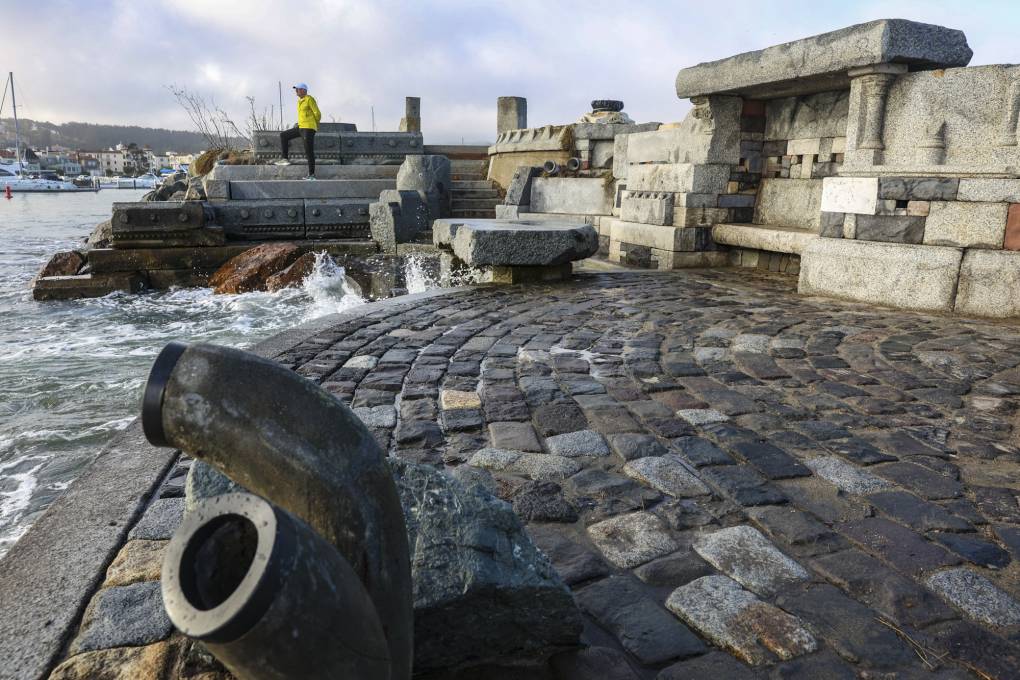
"caption": "The Wave Organ jetty, made of recycled materials including from a demolished cemetery and old street curbs, in San Francisco on Nov. 12, 2024.",
"credit": "Gina Castro/KQED",
"altTag": null,
"description": null,
"imgSizes": {
"medium": {
"file": "https://cdn.kqed.org/wp-content/uploads/sites/10/2024/11/20241112_WAVEORGAN_GC-3-KQED-800x533.jpg",
"width": 800,
"height": 533,
"mimeType": "image/jpeg"
},
"large": {
"file": "https://cdn.kqed.org/wp-content/uploads/sites/10/2024/11/20241112_WAVEORGAN_GC-3-KQED-1020x680.jpg",
"width": 1020,
"height": 680,
"mimeType": "image/jpeg"
},
"thumbnail": {
"file": "https://cdn.kqed.org/wp-content/uploads/sites/10/2024/11/20241112_WAVEORGAN_GC-3-KQED-160x107.jpg",
"width": 160,
"height": 107,
"mimeType": "image/jpeg"
},
"1536x1536": {
"file": "https://cdn.kqed.org/wp-content/uploads/sites/10/2024/11/20241112_WAVEORGAN_GC-3-KQED-1536x1024.jpg",
"width": 1536,
"height": 1024,
"mimeType": "image/jpeg"
},
"post-thumbnail": {
"file": "https://cdn.kqed.org/wp-content/uploads/sites/10/2024/11/20241112_WAVEORGAN_GC-3-KQED-672x372.jpg",
"width": 672,
"height": 372,
"mimeType": "image/jpeg"
},
"twentyfourteen-full-width": {
"file": "https://cdn.kqed.org/wp-content/uploads/sites/10/2024/11/20241112_WAVEORGAN_GC-3-KQED-1038x576.jpg",
"width": 1038,
"height": 576,
"mimeType": "image/jpeg"
},
"full-width": {
"file": "https://cdn.kqed.org/wp-content/uploads/sites/10/2024/11/20241112_WAVEORGAN_GC-3-KQED-1920x1280.jpg",
"width": 1920,
"height": 1280,
"mimeType": "image/jpeg"
},
"kqedFullSize": {
"file": "https://cdn.kqed.org/wp-content/uploads/sites/10/2024/11/20241112_WAVEORGAN_GC-3-KQED.jpg",
"width": 2000,
"height": 1333
}
},
"isLoading": false,
"fetchFailed": false
},
"news_12008392": {
"type": "attachments",
"id": "news_12008392",
"meta": {
"index": "attachments_1716263798",
"site": "news",
"id": "12008392",
"found": true
},
"title": "Oak Community lunch program",
"publishDate": 1728359888,
"status": "inherit",
"parent": 12008389,
"modified": 1728359944,
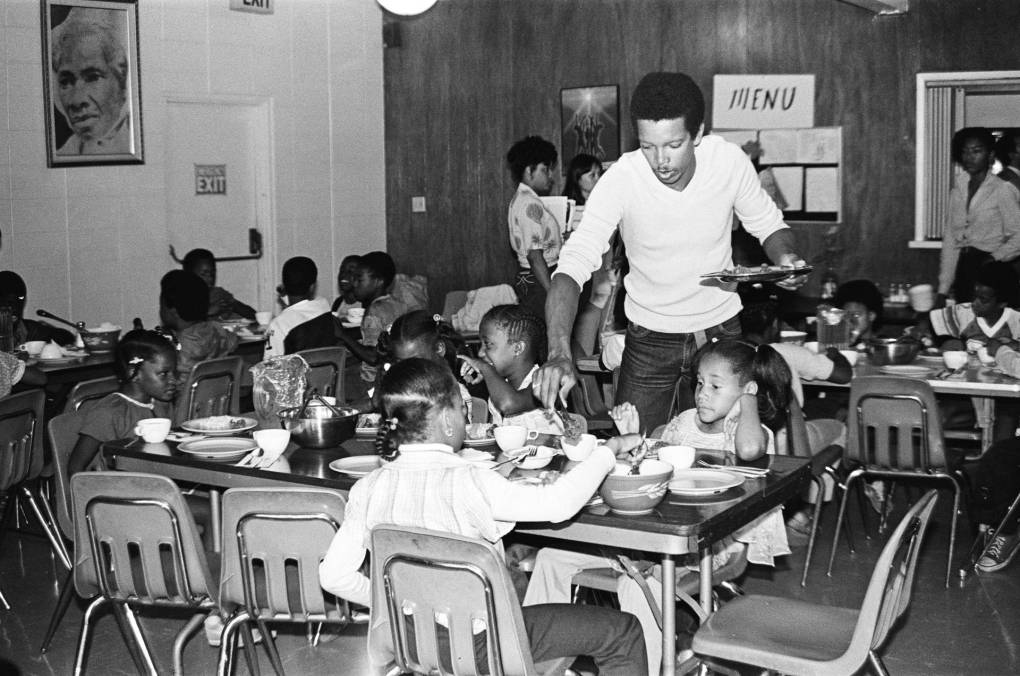
"caption": "Alumnos de Oakland Community School comiendo en el comedor escolar, julio de 1981.",
"credit": "Foto copyright Donald Cunningham/Foto y descripción de foto cortesía The OCS Project",
"altTag": null,
"description": null,
"imgSizes": {
"medium": {
"file": "https://cdn.kqed.org/wp-content/uploads/sites/10/2024/10/Oak-Community-lunch-program-800x530.jpg",
"width": 800,
"height": 530,
"mimeType": "image/jpeg"
},
"large": {
"file": "https://cdn.kqed.org/wp-content/uploads/sites/10/2024/10/Oak-Community-lunch-program-1020x676.jpg",
"width": 1020,
"height": 676,
"mimeType": "image/jpeg"
},
"thumbnail": {
"file": "https://cdn.kqed.org/wp-content/uploads/sites/10/2024/10/Oak-Community-lunch-program-160x106.jpg",
"width": 160,
"height": 106,
"mimeType": "image/jpeg"
},
"1536x1536": {
"file": "https://cdn.kqed.org/wp-content/uploads/sites/10/2024/10/Oak-Community-lunch-program-1536x1018.jpg",
"width": 1536,
"height": 1018,
"mimeType": "image/jpeg"
},
"post-thumbnail": {
"file": "https://cdn.kqed.org/wp-content/uploads/sites/10/2024/10/Oak-Community-lunch-program-672x372.jpg",
"width": 672,
"height": 372,
"mimeType": "image/jpeg"
},
"twentyfourteen-full-width": {
"file": "https://cdn.kqed.org/wp-content/uploads/sites/10/2024/10/Oak-Community-lunch-program-1038x576.jpg",
"width": 1038,
"height": 576,
"mimeType": "image/jpeg"
},
"kqedFullSize": {
"file": "https://cdn.kqed.org/wp-content/uploads/sites/10/2024/10/Oak-Community-lunch-program.jpg",
"width": 1920,
"height": 1273
}
},
"isLoading": false,
"fetchFailed": false
},
"news_12003602": {
"type": "attachments",
"id": "news_12003602",
"meta": {
"index": "attachments_1716263798",
"site": "news",
"id": "12003602",
"found": true
},
"title": "240906-DYNAMITE-15-BL-KQED",
"publishDate": 1725902026,
"status": "inherit",
"parent": 0,
"modified": 1730929263,
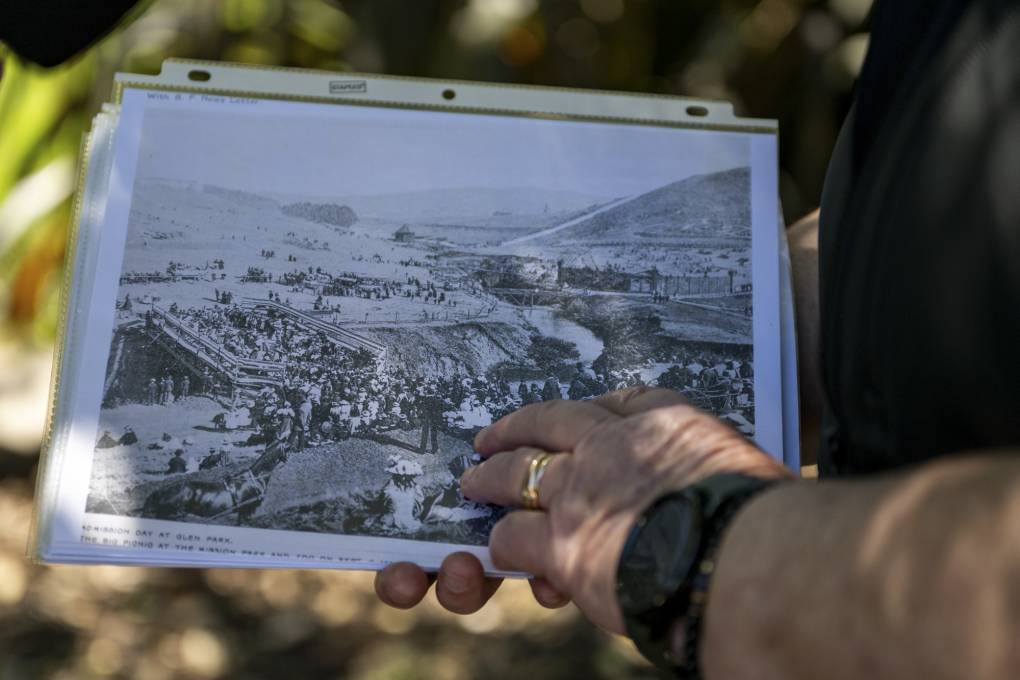
"caption": "Evelyn Rose, director and founder of the Glen Park Neighborhoods History Project, holds a historical photo from where the Giant Powder Company once stood at Glen Canyon Park in San Francisco on Sept. 6, 2024.",
"credit": "Beth LaBerge/KQED",
"altTag": null,
"description": null,
"imgSizes": {
"medium": {
"file": "https://cdn.kqed.org/wp-content/uploads/sites/10/2024/09/240906-DYNAMITE-15-BL-KQED-800x533.jpg",
"width": 800,
"height": 533,
"mimeType": "image/jpeg"
},
"large": {
"file": "https://cdn.kqed.org/wp-content/uploads/sites/10/2024/09/240906-DYNAMITE-15-BL-KQED-1020x680.jpg",
"width": 1020,
"height": 680,
"mimeType": "image/jpeg"
},
"thumbnail": {
"file": "https://cdn.kqed.org/wp-content/uploads/sites/10/2024/09/240906-DYNAMITE-15-BL-KQED-160x107.jpg",
"width": 160,
"height": 107,
"mimeType": "image/jpeg"
},
"1536x1536": {
"file": "https://cdn.kqed.org/wp-content/uploads/sites/10/2024/09/240906-DYNAMITE-15-BL-KQED-1536x1024.jpg",
"width": 1536,
"height": 1024,
"mimeType": "image/jpeg"
},
"post-thumbnail": {
"file": "https://cdn.kqed.org/wp-content/uploads/sites/10/2024/09/240906-DYNAMITE-15-BL-KQED-672x372.jpg",
"width": 672,
"height": 372,
"mimeType": "image/jpeg"
},
"twentyfourteen-full-width": {
"file": "https://cdn.kqed.org/wp-content/uploads/sites/10/2024/09/240906-DYNAMITE-15-BL-KQED-1038x576.jpg",
"width": 1038,
"height": 576,
"mimeType": "image/jpeg"
},
"full-width": {
"file": "https://cdn.kqed.org/wp-content/uploads/sites/10/2024/09/240906-DYNAMITE-15-BL-KQED-1920x1280.jpg",
"width": 1920,
"height": 1280,
"mimeType": "image/jpeg"
},
"kqedFullSize": {
"file": "https://cdn.kqed.org/wp-content/uploads/sites/10/2024/09/240906-DYNAMITE-15-BL-KQED.jpg",
"width": 2000,
"height": 1333
}
},
"isLoading": false,
"fetchFailed": false
},
"news_12011387": {
"type": "attachments",
"id": "news_12011387",
"meta": {
"index": "attachments_1716263798",
"site": "news",
"id": "12011387",
"found": true
},
"title": "USSHornet",
"publishDate": 1730148642,
"status": "inherit",
"parent": 0,
"modified": 1730331558,
"caption": "The sun sets on the USS Hornet in Alameda on Oct. 25, 2024.",
"credit": "Florence Middleton for KQED",
"altTag": "A large battleship, seen from afar.",
"description": null,
"imgSizes": {
"medium": {
"file": "https://cdn.kqed.org/wp-content/uploads/sites/10/2024/10/02_20241025_USSHORNET_MIDDLETON_013-KQED-800x533.jpg",
"width": 800,
"height": 533,
"mimeType": "image/jpeg"
},
"large": {
"file": "https://cdn.kqed.org/wp-content/uploads/sites/10/2024/10/02_20241025_USSHORNET_MIDDLETON_013-KQED-1020x680.jpg",
"width": 1020,
"height": 680,
"mimeType": "image/jpeg"
},
"thumbnail": {
"file": "https://cdn.kqed.org/wp-content/uploads/sites/10/2024/10/02_20241025_USSHORNET_MIDDLETON_013-KQED-160x107.jpg",
"width": 160,
"height": 107,
"mimeType": "image/jpeg"
},
"1536x1536": {
"file": "https://cdn.kqed.org/wp-content/uploads/sites/10/2024/10/02_20241025_USSHORNET_MIDDLETON_013-KQED-1536x1024.jpg",
"width": 1536,
"height": 1024,
"mimeType": "image/jpeg"
},
"post-thumbnail": {
"file": "https://cdn.kqed.org/wp-content/uploads/sites/10/2024/10/02_20241025_USSHORNET_MIDDLETON_013-KQED-672x372.jpg",
"width": 672,
"height": 372,
"mimeType": "image/jpeg"
},
"twentyfourteen-full-width": {
"file": "https://cdn.kqed.org/wp-content/uploads/sites/10/2024/10/02_20241025_USSHORNET_MIDDLETON_013-KQED-1038x576.jpg",
"width": 1038,
"height": 576,
"mimeType": "image/jpeg"
},
"full-width": {
"file": "https://cdn.kqed.org/wp-content/uploads/sites/10/2024/10/02_20241025_USSHORNET_MIDDLETON_013-KQED-1920x1280.jpg",
"width": 1920,
"height": 1280,
"mimeType": "image/jpeg"
},
"kqedFullSize": {
"file": "https://cdn.kqed.org/wp-content/uploads/sites/10/2024/10/02_20241025_USSHORNET_MIDDLETON_013-KQED.jpg",
"width": 2000,
"height": 1333
}
},
"isLoading": false,
"fetchFailed": false
},
"news_12010728": {
"type": "attachments",
"id": "news_12010728",
"meta": {
"index": "attachments_1716263798",
"site": "news",
"id": "12010728",
"found": true
},
"title": "004_BoulderCreek_BigBasinRedwoods_08172021_qed",
"publishDate": 1729710255,
"status": "inherit",
"parent": 12010708,
"modified": 1729710284,
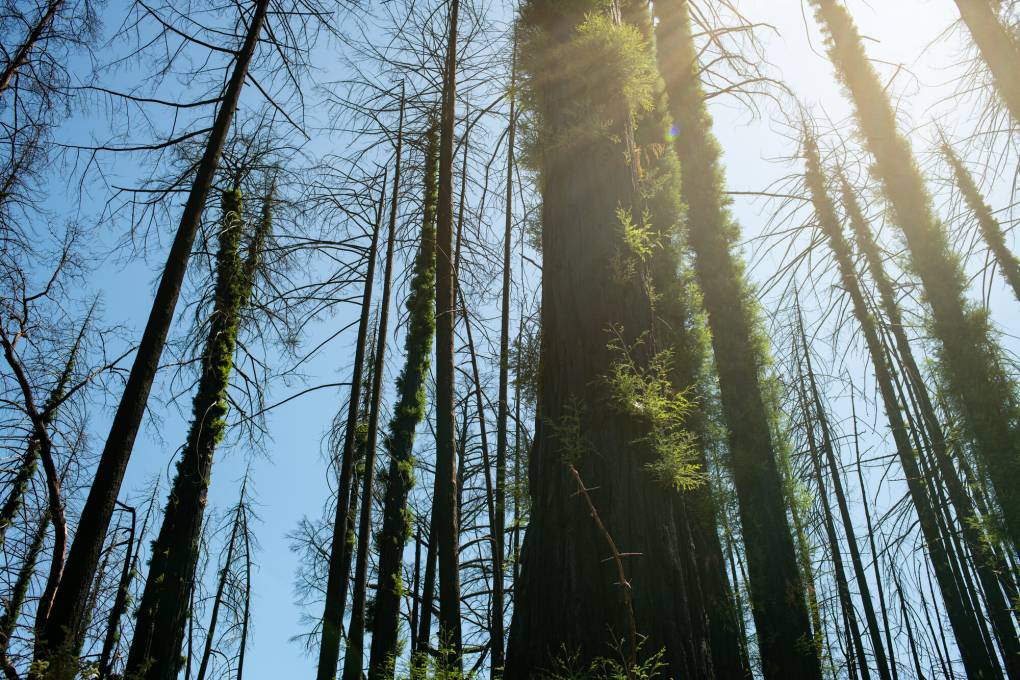
"caption": "New growth on trees in Big Basin Redwoods State Park in Boulder Creek on August 17, 2021, one year after the CZU Lightning Complex wildfire swept through the area.",
"credit": "Beth LaBerge/KQED",
"altTag": null,
"description": null,
"imgSizes": {
"medium": {
"file": "https://cdn.kqed.org/wp-content/uploads/sites/10/2024/10/004_BoulderCreek_BigBasinRedwoods_08172021_qed-800x533.jpg",
"width": 800,
"height": 533,
"mimeType": "image/jpeg"
},
"large": {
"file": "https://cdn.kqed.org/wp-content/uploads/sites/10/2024/10/004_BoulderCreek_BigBasinRedwoods_08172021_qed-1020x680.jpg",
"width": 1020,
"height": 680,
"mimeType": "image/jpeg"
},
"thumbnail": {
"file": "https://cdn.kqed.org/wp-content/uploads/sites/10/2024/10/004_BoulderCreek_BigBasinRedwoods_08172021_qed-160x107.jpg",
"width": 160,
"height": 107,
"mimeType": "image/jpeg"
},
"1536x1536": {
"file": "https://cdn.kqed.org/wp-content/uploads/sites/10/2024/10/004_BoulderCreek_BigBasinRedwoods_08172021_qed-1536x1024.jpg",
"width": 1536,
"height": 1024,
"mimeType": "image/jpeg"
},
"post-thumbnail": {
"file": "https://cdn.kqed.org/wp-content/uploads/sites/10/2024/10/004_BoulderCreek_BigBasinRedwoods_08172021_qed-672x372.jpg",
"width": 672,
"height": 372,
"mimeType": "image/jpeg"
},
"twentyfourteen-full-width": {
"file": "https://cdn.kqed.org/wp-content/uploads/sites/10/2024/10/004_BoulderCreek_BigBasinRedwoods_08172021_qed-1038x576.jpg",
"width": 1038,
"height": 576,
"mimeType": "image/jpeg"
},
"full-width": {
"file": "https://cdn.kqed.org/wp-content/uploads/sites/10/2024/10/004_BoulderCreek_BigBasinRedwoods_08172021_qed-1920x1280.jpg",
"width": 1920,
"height": 1280,
"mimeType": "image/jpeg"
},
"kqedFullSize": {
"file": "https://cdn.kqed.org/wp-content/uploads/sites/10/2024/10/004_BoulderCreek_BigBasinRedwoods_08172021_qed.jpg",
"width": 2000,
"height": 1333
}
},
"isLoading": false,
"fetchFailed": false
},
"news_12009678": {
"type": "attachments",
"id": "news_12009678",
"meta": {
"index": "attachments_1716263798",
"site": "news",
"id": "12009678",
"found": true
},
"title": "241016-PRESIDIO PET CEMETERY-MD-05-KQED",
"publishDate": 1729111722,
"status": "inherit",
"parent": 12060830,
"modified": 1761074332,
"caption": "Tombstones at the Presidio of San Francisco Pet Cemetery in San Francisco on Oct. 16, 2024.",
"credit": "Martin do Nascimento/KQED",
"altTag": "Tombstones in a cemetery.",
"description": null,
"imgSizes": {
"medium": {
"file": "https://cdn.kqed.org/wp-content/uploads/sites/10/2024/10/241016-PRESIDIO-PET-CEMETERY-MD-05-KQED-800x533.jpg",
"width": 800,
"height": 533,
"mimeType": "image/jpeg"
},
"large": {
"file": "https://cdn.kqed.org/wp-content/uploads/sites/10/2024/10/241016-PRESIDIO-PET-CEMETERY-MD-05-KQED-1020x680.jpg",
"width": 1020,
"height": 680,
"mimeType": "image/jpeg"
},
"thumbnail": {
"file": "https://cdn.kqed.org/wp-content/uploads/sites/10/2024/10/241016-PRESIDIO-PET-CEMETERY-MD-05-KQED-160x107.jpg",
"width": 160,
"height": 107,
"mimeType": "image/jpeg"
},
"1536x1536": {
"file": "https://cdn.kqed.org/wp-content/uploads/sites/10/2024/10/241016-PRESIDIO-PET-CEMETERY-MD-05-KQED-1536x1024.jpg",
"width": 1536,
"height": 1024,
"mimeType": "image/jpeg"
},
"post-thumbnail": {
"file": "https://cdn.kqed.org/wp-content/uploads/sites/10/2024/10/241016-PRESIDIO-PET-CEMETERY-MD-05-KQED-672x372.jpg",
"width": 672,
"height": 372,
"mimeType": "image/jpeg"
},
"twentyfourteen-full-width": {
"file": "https://cdn.kqed.org/wp-content/uploads/sites/10/2024/10/241016-PRESIDIO-PET-CEMETERY-MD-05-KQED-1038x576.jpg",
"width": 1038,
"height": 576,
"mimeType": "image/jpeg"
},
"full-width": {
"file": "https://cdn.kqed.org/wp-content/uploads/sites/10/2024/10/241016-PRESIDIO-PET-CEMETERY-MD-05-KQED-1920x1280.jpg",
"width": 1920,
"height": 1280,
"mimeType": "image/jpeg"
},
"kqedFullSize": {
"file": "https://cdn.kqed.org/wp-content/uploads/sites/10/2024/10/241016-PRESIDIO-PET-CEMETERY-MD-05-KQED.jpg",
"width": 2000,
"height": 1333
}
},
"isLoading": false,
"fetchFailed": false
},
"news_11700254": {
"type": "attachments",
"id": "news_11700254",
"meta": {
"index": "attachments_1716263798",
"site": "news",
"id": "11700254",
"found": true
},
"parent": 11700225,
"imgSizes": {
"small": {
"file": "https://ww2.kqed.org/app/uploads/sites/10/2018/10/10062018_AW_GhostStory_103-520x347.jpg",
"width": 520,
"mimeType": "image/jpeg",
"height": 347
},
"twentyfourteen-full-width": {
"file": "https://ww2.kqed.org/app/uploads/sites/10/2018/10/10062018_AW_GhostStory_103-1038x576.jpg",
"width": 1038,
"mimeType": "image/jpeg",
"height": 576
},
"thumbnail": {
"file": "https://ww2.kqed.org/app/uploads/sites/10/2018/10/10062018_AW_GhostStory_103-160x107.jpg",
"width": 160,
"mimeType": "image/jpeg",
"height": 107
},
"fd-sm": {
"file": "https://ww2.kqed.org/app/uploads/sites/10/2018/10/10062018_AW_GhostStory_103-960x640.jpg",
"width": 960,
"mimeType": "image/jpeg",
"height": 640
},
"post-thumbnail": {
"file": "https://ww2.kqed.org/app/uploads/sites/10/2018/10/10062018_AW_GhostStory_103-672x372.jpg",
"width": 672,
"mimeType": "image/jpeg",
"height": 372
},
"xsmall": {
"file": "https://ww2.kqed.org/app/uploads/sites/10/2018/10/10062018_AW_GhostStory_103-375x250.jpg",
"width": 375,
"mimeType": "image/jpeg",
"height": 250
},
"kqedFullSize": {
"file": "https://ww2.kqed.org/app/uploads/sites/10/2018/10/10062018_AW_GhostStory_103-e1540151366310.jpg",
"width": 1920,
"height": 1280
},
"large": {
"file": "https://ww2.kqed.org/app/uploads/sites/10/2018/10/10062018_AW_GhostStory_103-1020x680.jpg",
"width": 1020,
"mimeType": "image/jpeg",
"height": 680
},
"xlarge": {
"file": "https://ww2.kqed.org/app/uploads/sites/10/2018/10/10062018_AW_GhostStory_103-1180x787.jpg",
"width": 1180,
"mimeType": "image/jpeg",
"height": 787
},
"complete_open_graph": {
"file": "https://ww2.kqed.org/app/uploads/sites/10/2018/10/10062018_AW_GhostStory_103-1200x800.jpg",
"width": 1200,
"mimeType": "image/jpeg",
"height": 800
},
"guest-author-50": {
"file": "https://ww2.kqed.org/app/uploads/sites/10/2018/10/10062018_AW_GhostStory_103-50x50.jpg",
"width": 50,
"mimeType": "image/jpeg",
"height": 50
},
"guest-author-96": {
"file": "https://ww2.kqed.org/app/uploads/sites/10/2018/10/10062018_AW_GhostStory_103-96x96.jpg",
"width": 96,
"mimeType": "image/jpeg",
"height": 96
},
"medium": {
"file": "https://ww2.kqed.org/app/uploads/sites/10/2018/10/10062018_AW_GhostStory_103-800x533.jpg",
"width": 800,
"mimeType": "image/jpeg",
"height": 533
},
"guest-author-64": {
"file": "https://ww2.kqed.org/app/uploads/sites/10/2018/10/10062018_AW_GhostStory_103-64x64.jpg",
"width": 64,
"mimeType": "image/jpeg",
"height": 64
},
"guest-author-32": {
"file": "https://ww2.kqed.org/app/uploads/sites/10/2018/10/10062018_AW_GhostStory_103-32x32.jpg",
"width": 32,
"mimeType": "image/jpeg",
"height": 32
},
"fd-lrg": {
"file": "https://ww2.kqed.org/app/uploads/sites/10/2018/10/10062018_AW_GhostStory_103-1920x1280.jpg",
"width": 1920,
"mimeType": "image/jpeg",
"height": 1280
},
"fd-med": {
"file": "https://ww2.kqed.org/app/uploads/sites/10/2018/10/10062018_AW_GhostStory_103-1180x787.jpg",
"width": 1180,
"mimeType": "image/jpeg",
"height": 787
},
"full-width": {
"file": "https://ww2.kqed.org/app/uploads/sites/10/2018/10/10062018_AW_GhostStory_103-1920x1280.jpg",
"width": 1920,
"mimeType": "image/jpeg",
"height": 1280
},
"detail": {
"file": "https://ww2.kqed.org/app/uploads/sites/10/2018/10/10062018_AW_GhostStory_103-150x150.jpg",
"width": 150,
"mimeType": "image/jpeg",
"height": 150
},
"guest-author-128": {
"file": "https://ww2.kqed.org/app/uploads/sites/10/2018/10/10062018_AW_GhostStory_103-128x128.jpg",
"width": 128,
"mimeType": "image/jpeg",
"height": 128
},
"xxsmall": {
"file": "https://ww2.kqed.org/app/uploads/sites/10/2018/10/10062018_AW_GhostStory_103-240x160.jpg",
"width": 240,
"mimeType": "image/jpeg",
"height": 160
}
},
"publishDate": 1540149082,
"modified": 1540149155,
"caption": "A lantern illuminates the sidewalk plaque dedicated to Mary Ellen Pleasant on the San Francisco Ghost Hunt tour",
"description": null,
"title": "10062018_AW_GhostStory_103",
"credit": "Anne Wernikoff / KQED",
"status": "inherit",
"isLoading": false,
"fetchFailed": false
},
"news_12007882": {
"type": "attachments",
"id": "news_12007882",
"meta": {
"index": "attachments_1716263798",
"site": "news",
"id": "12007882",
"found": true
},
"title": "Supreme Court To Rule On California's Overcrowded Prisons",
"publishDate": 1728000644,
"status": "inherit",
"parent": 12007880,
"modified": 1788443887,
"caption": "California Department of Corrections officer looks on as inmates at Chino State Prison exercise in the yard Dec. 10, 2010, in Chino, California. ",
"credit": "Kevork Djansezian/Getty Images",
"altTag": "Imprisoned people wearing orange outfits hang out in an outdoor area of the prison, while a guard watches from a tower overhead.",
"description": null,
"imgSizes": {
"medium": {
"file": "https://cdn.kqed.org/wp-content/uploads/sites/10/2024/10/107520204_qed-800x540.jpg",
"width": 800,
"height": 540,
"mimeType": "image/jpeg"
},
"large": {
"file": "https://cdn.kqed.org/wp-content/uploads/sites/10/2024/10/107520204_qed-1020x689.jpg",
"width": 1020,
"height": 689,
"mimeType": "image/jpeg"
},
"thumbnail": {
"file": "https://cdn.kqed.org/wp-content/uploads/sites/10/2024/10/107520204_qed-160x108.jpg",
"width": 160,
"height": 108,
"mimeType": "image/jpeg"
},
"1536x1536": {
"file": "https://cdn.kqed.org/wp-content/uploads/sites/10/2024/10/107520204_qed-1536x1038.jpg",
"width": 1536,
"height": 1038,
"mimeType": "image/jpeg"
},
"post-thumbnail": {
"file": "https://cdn.kqed.org/wp-content/uploads/sites/10/2024/10/107520204_qed-672x372.jpg",
"width": 672,
"height": 372,
"mimeType": "image/jpeg"
},
"twentyfourteen-full-width": {
"file": "https://cdn.kqed.org/wp-content/uploads/sites/10/2024/10/107520204_qed-1038x576.jpg",
"width": 1038,
"height": 576,
"mimeType": "image/jpeg"
},
"full-width": {
"file": "https://cdn.kqed.org/wp-content/uploads/sites/10/2024/10/107520204_qed-1920x1297.jpg",
"width": 1920,
"height": 1297,
"mimeType": "image/jpeg"
},
"kqedFullSize": {
"file": "https://cdn.kqed.org/wp-content/uploads/sites/10/2024/10/107520204_qed.jpg",
"width": 1973,
"height": 1333
}
},
"isLoading": false,
"fetchFailed": false
},
"news_11753593": {
"type": "attachments",
"id": "news_11753593",
"meta": {
"index": "attachments_1716263798",
"site": "news",
"id": "11753593",
"found": true
},
"title": "Health Care Activists Offer Free Health Screenings In Los Angeles",
"publishDate": 1560132050,
"status": "inherit",
"parent": 11753589,
"modified": 1747261759,
"caption": "Under the governor’s plan, Medi-Cal will stop enrolling new undocumented immigrants starting Jan. 1. Those already covered can keep their benefits, but adults over 18 will face a $100 monthly premium beginning in 2027. ",
"credit": "David McNew/Getty Images",
"altTag": "As part of a budget deal, low-income adults between the ages of 19 and 25 living in California illegally could become eligible for California's Medicaid program, Medi-Cal.",
"description": "As part of a budget deal, low-income adults between the ages of 19 and 25 living in California illegally could become eligible for California's Medicaid program, Medi-Cal. ",
"imgSizes": {
"thumbnail": {
"file": "https://cdn.kqed.org/wp-content/uploads/sites/10/2019/06/RS5067_NurseChecksBloodPressure-160x107.jpg",
"width": 160,
"height": 107,
"mimeType": "image/jpeg"
},
"medium": {
"file": "https://cdn.kqed.org/wp-content/uploads/sites/10/2019/06/RS5067_NurseChecksBloodPressure-800x533.jpg",
"width": 800,
"height": 533,
"mimeType": "image/jpeg"
},
"large": {
"file": "https://cdn.kqed.org/wp-content/uploads/sites/10/2019/06/RS5067_NurseChecksBloodPressure-1020x680.jpg",
"width": 1020,
"height": 680,
"mimeType": "image/jpeg"
},
"complete_open_graph": {
"file": "https://cdn.kqed.org/wp-content/uploads/sites/10/2019/06/RS5067_NurseChecksBloodPressure-1200x800.jpg",
"width": 1200,
"height": 800,
"mimeType": "image/jpeg"
},
"post-thumbnail": {
"file": "https://cdn.kqed.org/wp-content/uploads/sites/10/2019/06/RS5067_NurseChecksBloodPressure-672x372.jpg",
"width": 672,
"height": 372,
"mimeType": "image/jpeg"
},
"twentyfourteen-full-width": {
"file": "https://cdn.kqed.org/wp-content/uploads/sites/10/2019/06/RS5067_NurseChecksBloodPressure-1038x576.jpg",
"width": 1038,
"height": 576,
"mimeType": "image/jpeg"
},
"full-width": {
"file": "https://cdn.kqed.org/wp-content/uploads/sites/10/2019/06/RS5067_NurseChecksBloodPressure-1920x1280.jpg",
"width": 1920,
"height": 1280,
"mimeType": "image/jpeg"
},
"apple_news_ca_landscape_12_9": {
"file": "https://cdn.kqed.org/wp-content/uploads/sites/10/2019/06/RS5067_NurseChecksBloodPressure-1832x1374.jpg",
"width": 1832,
"height": 1374,
"mimeType": "image/jpeg"
},
"apple_news_ca_landscape_9_7": {
"file": "https://cdn.kqed.org/wp-content/uploads/sites/10/2019/06/RS5067_NurseChecksBloodPressure-1376x1032.jpg",
"width": 1376,
"height": 1032,
"mimeType": "image/jpeg"
},
"apple_news_ca_landscape_5_5": {
"file": "https://cdn.kqed.org/wp-content/uploads/sites/10/2019/06/RS5067_NurseChecksBloodPressure-1044x783.jpg",
"width": 1044,
"height": 783,
"mimeType": "image/jpeg"
},
"apple_news_ca_landscape_4_7": {
"file": "https://cdn.kqed.org/wp-content/uploads/sites/10/2019/06/RS5067_NurseChecksBloodPressure-632x474.jpg",
"width": 632,
"height": 474,
"mimeType": "image/jpeg"
},
"apple_news_ca_landscape_4_0": {
"file": "https://cdn.kqed.org/wp-content/uploads/sites/10/2019/06/RS5067_NurseChecksBloodPressure-536x402.jpg",
"width": 536,
"height": 402,
"mimeType": "image/jpeg"
},
"apple_news_ca_portrait_12_9": {
"file": "https://cdn.kqed.org/wp-content/uploads/sites/10/2019/06/RS5067_NurseChecksBloodPressure-1122x1496.jpg",
"width": 1122,
"height": 1496,
"mimeType": "image/jpeg"
},
"apple_news_ca_portrait_9_7": {
"file": "https://cdn.kqed.org/wp-content/uploads/sites/10/2019/06/RS5067_NurseChecksBloodPressure-840x1120.jpg",
"width": 840,
"height": 1120,
"mimeType": "image/jpeg"
},
"apple_news_ca_portrait_5_5": {
"file": "https://cdn.kqed.org/wp-content/uploads/sites/10/2019/06/RS5067_NurseChecksBloodPressure-687x916.jpg",
"width": 687,
"height": 916,
"mimeType": "image/jpeg"
},
"apple_news_ca_portrait_4_7": {
"file": "https://cdn.kqed.org/wp-content/uploads/sites/10/2019/06/RS5067_NurseChecksBloodPressure-414x552.jpg",
"width": 414,
"height": 552,
"mimeType": "image/jpeg"
},
"apple_news_ca_portrait_4_0": {
"file": "https://cdn.kqed.org/wp-content/uploads/sites/10/2019/06/RS5067_NurseChecksBloodPressure-354x472.jpg",
"width": 354,
"height": 472,
"mimeType": "image/jpeg"
},
"apple_news_ca_square_12_9": {
"file": "https://cdn.kqed.org/wp-content/uploads/sites/10/2019/06/RS5067_NurseChecksBloodPressure-1472x1472.jpg",
"width": 1472,
"height": 1472,
"mimeType": "image/jpeg"
},
"apple_news_ca_square_9_7": {
"file": "https://cdn.kqed.org/wp-content/uploads/sites/10/2019/06/RS5067_NurseChecksBloodPressure-1104x1104.jpg",
"width": 1104,
"height": 1104,
"mimeType": "image/jpeg"
},
"apple_news_ca_square_5_5": {
"file": "https://cdn.kqed.org/wp-content/uploads/sites/10/2019/06/RS5067_NurseChecksBloodPressure-912x912.jpg",
"width": 912,
"height": 912,
"mimeType": "image/jpeg"
},
"apple_news_ca_square_4_7": {
"file": "https://cdn.kqed.org/wp-content/uploads/sites/10/2019/06/RS5067_NurseChecksBloodPressure-550x550.jpg",
"width": 550,
"height": 550,
"mimeType": "image/jpeg"
},
"apple_news_ca_square_4_0": {
"file": "https://cdn.kqed.org/wp-content/uploads/sites/10/2019/06/RS5067_NurseChecksBloodPressure-470x470.jpg",
"width": 470,
"height": 470,
"mimeType": "image/jpeg"
},
"kqedFullSize": {
"file": "https://cdn.kqed.org/wp-content/uploads/sites/10/2019/06/RS5067_NurseChecksBloodPressure-e1747249186287.jpg",
"width": 2000,
"height": 1333
}
},
"isLoading": false,
"fetchFailed": false
},
"news_12007365": {
"type": "attachments",
"id": "news_12007365",
"meta": {
"index": "attachments_1716263798",
"site": "news",
"id": "12007365",
"found": true
},
"title": "AIDS Healthcare Foundation converts old Leland Hotel into an affordable rental housing units.",
"publishDate": 1727818223,
"status": "inherit",
"parent": 12007359,
"modified": 1727818479,
"caption": "Supporters of Prop 34 take issue with the political spending and advocacy the AIDS Healthcare has had on the topic of rent control. President \nMichael Weinstein is pictured here at the opening of an affordable housing project in September 2023.",
"credit": "Irfan Khan / Los Angeles Times via Getty Images",
"altTag": "A man wearing a blue suit standing at a podium surrounded by balloons. He has a serious expression. A crowd in front of him has their eyes on him.",
"description": "AHF President Michael Weinstein at the opening of a newly renovated old Leland Hotel building that is converted into an affordable rental housing units",
"imgSizes": {
"medium": {
"file": "https://cdn.kqed.org/wp-content/uploads/sites/10/2024/10/AHF-800x533.jpg",
"width": 800,
"height": 533,
"mimeType": "image/jpeg"
},
"large": {
"file": "https://cdn.kqed.org/wp-content/uploads/sites/10/2024/10/AHF-1020x680.jpg",
"width": 1020,
"height": 680,
"mimeType": "image/jpeg"
},
"thumbnail": {
"file": "https://cdn.kqed.org/wp-content/uploads/sites/10/2024/10/AHF-160x107.jpg",
"width": 160,
"height": 107,
"mimeType": "image/jpeg"
},
"1536x1536": {
"file": "https://cdn.kqed.org/wp-content/uploads/sites/10/2024/10/AHF-1536x1024.jpg",
"width": 1536,
"height": 1024,
"mimeType": "image/jpeg"
},
"post-thumbnail": {
"file": "https://cdn.kqed.org/wp-content/uploads/sites/10/2024/10/AHF-672x372.jpg",
"width": 672,
"height": 372,
"mimeType": "image/jpeg"
},
"twentyfourteen-full-width": {
"file": "https://cdn.kqed.org/wp-content/uploads/sites/10/2024/10/AHF-1038x576.jpg",
"width": 1038,
"height": 576,
"mimeType": "image/jpeg"
},
"kqedFullSize": {
"file": "https://cdn.kqed.org/wp-content/uploads/sites/10/2024/10/AHF.jpg",
"width": 1920,
"height": 1280
}
},
"isLoading": false,
"fetchFailed": false
},
"news_12007210": {
"type": "attachments",
"id": "news_12007210",
"meta": {
"index": "attachments_1716263798",
"site": "news",
"id": "12007210",
"found": true
},
"title": "IMG_9984.JPG_qed",
"publishDate": 1727730283,
"status": "inherit",
"parent": 12007197,
"modified": 1727730355,
"caption": "Advocates have tried to pass pro-rent control propositions in 2018 and 2020, but so far have failed. ",
"credit": "Farida Jhabvala Romero/KQED",
"altTag": "Two young people hold signs saying \"honk if your rent is too high\" and \"we deserve housing\" at a rally.",
"description": null,
"imgSizes": {
"medium": {
"file": "https://cdn.kqed.org/wp-content/uploads/sites/10/2024/10/IMG_9984.JPG_qed-800x533.jpg",
"width": 800,
"height": 533,
"mimeType": "image/jpeg"
},
"large": {
"file": "https://cdn.kqed.org/wp-content/uploads/sites/10/2024/10/IMG_9984.JPG_qed-1020x680.jpg",
"width": 1020,
"height": 680,
"mimeType": "image/jpeg"
},
"thumbnail": {
"file": "https://cdn.kqed.org/wp-content/uploads/sites/10/2024/10/IMG_9984.JPG_qed-160x107.jpg",
"width": 160,
"height": 107,
"mimeType": "image/jpeg"
},
"1536x1536": {
"file": "https://cdn.kqed.org/wp-content/uploads/sites/10/2024/10/IMG_9984.JPG_qed-1536x1024.jpg",
"width": 1536,
"height": 1024,
"mimeType": "image/jpeg"
},
"post-thumbnail": {
"file": "https://cdn.kqed.org/wp-content/uploads/sites/10/2024/10/IMG_9984.JPG_qed-672x372.jpg",
"width": 672,
"height": 372,
"mimeType": "image/jpeg"
},
"twentyfourteen-full-width": {
"file": "https://cdn.kqed.org/wp-content/uploads/sites/10/2024/10/IMG_9984.JPG_qed-1038x576.jpg",
"width": 1038,
"height": 576,
"mimeType": "image/jpeg"
},
"full-width": {
"file": "https://cdn.kqed.org/wp-content/uploads/sites/10/2024/10/IMG_9984.JPG_qed-1920x1280.jpg",
"width": 1920,
"height": 1280,
"mimeType": "image/jpeg"
},
"kqedFullSize": {
"file": "https://cdn.kqed.org/wp-content/uploads/sites/10/2024/10/IMG_9984.JPG_qed.jpg",
"width": 2000,
"height": 1333
}
},
"isLoading": false,
"fetchFailed": false
},
"news_10504575": {
"type": "attachments",
"id": "news_10504575",
"meta": {
"index": "attachments_1716263798",
"site": "news",
"id": "10504575",
"found": true
},
"parent": 10504502,
"imgSizes": {
"twentyfourteen-full-width": {
"file": "https://ww2.kqed.org/app/uploads/sites/10/2015/04/RS2826_cashregister20120522-1038x576.jpg",
"width": 1038,
"mimeType": "image/jpeg",
"height": 576
},
"thumbnail": {
"file": "https://ww2.kqed.org/app/uploads/sites/10/2015/04/RS2826_cashregister20120522-400x267.jpg",
"width": 400,
"mimeType": "image/jpeg",
"height": 267
},
"fd-sm": {
"file": "https://ww2.kqed.org/app/uploads/sites/10/2015/04/RS2826_cashregister20120522-960x640.jpg",
"width": 960,
"mimeType": "image/jpeg",
"height": 640
},
"post-thumbnail": {
"file": "https://ww2.kqed.org/app/uploads/sites/10/2015/04/RS2826_cashregister20120522-672x372.jpg",
"width": 672,
"mimeType": "image/jpeg",
"height": 372
},
"kqedFullSize": {
"file": "https://ww2.kqed.org/app/uploads/sites/10/2015/04/RS2826_cashregister20120522-e1430162029879.jpg",
"width": 1920,
"height": 1280
},
"large": {
"file": "https://ww2.kqed.org/app/uploads/sites/10/2015/04/RS2826_cashregister20120522-1440x960.jpg",
"width": 1440,
"mimeType": "image/jpeg",
"height": 960
},
"guest-author-96": {
"file": "https://ww2.kqed.org/app/uploads/sites/10/2015/04/RS2826_cashregister20120522-96x96.jpg",
"width": 96,
"mimeType": "image/jpeg",
"height": 96
},
"medium": {
"file": "https://ww2.kqed.org/app/uploads/sites/10/2015/04/RS2826_cashregister20120522-800x533.jpg",
"width": 800,
"mimeType": "image/jpeg",
"height": 533
},
"guest-author-64": {
"file": "https://ww2.kqed.org/app/uploads/sites/10/2015/04/RS2826_cashregister20120522-64x64.jpg",
"width": 64,
"mimeType": "image/jpeg",
"height": 64
},
"guest-author-32": {
"file": "https://ww2.kqed.org/app/uploads/sites/10/2015/04/RS2826_cashregister20120522-32x32.jpg",
"width": 32,
"mimeType": "image/jpeg",
"height": 32
},
"fd-med": {
"file": "https://ww2.kqed.org/app/uploads/sites/10/2015/04/RS2826_cashregister20120522-1180x787.jpg",
"width": 1180,
"mimeType": "image/jpeg",
"height": 787
},
"detail": {
"file": "https://ww2.kqed.org/app/uploads/sites/10/2015/04/RS2826_cashregister20120522-75x75.jpg",
"width": 75,
"mimeType": "image/jpeg",
"height": 75
},
"guest-author-128": {
"file": "https://ww2.kqed.org/app/uploads/sites/10/2015/04/RS2826_cashregister20120522-128x128.jpg",
"width": 128,
"mimeType": "image/jpeg",
"height": 128
}
},
"publishDate": 1430161977,
"modified": 1430174103,
"caption": "Labor and business groups could battle over a 2016 statewide initiative to raise the minimum wage.",
"description": "BRIDGEHAMPTON, NY - JUNE 15: Euros, from a recent sale, lay next to American currency in the cash register of Loaves & Fishes Cookshop June 15, 2008 in Bridgehampton, in the Hamptons section of Long Island, New York. Like several Hampton retailers, they have begun accepting Euros as payment, catering to the large amounts of visiting Europeans and the weak dollar. This is the first year they are doing so. (Photo by Annie Tritt/Getty Images)",
"title": "RS2826_cashregister20120522",
"credit": "Annie Tritt/Getty Images",
"status": "inherit",
"isLoading": false,
"fetchFailed": false
}
},
"audioPlayerReducer": {
"postId": "stream_live",
"isPaused": true,
"isPlaying": false,
"pfsActive": false,
"pledgeModalIsOpen": true,
"playerDrawerIsOpen": false,
"liveAudioPlayStartedAt": 0,
"liveAudioPlayContext": ""
},
"authorsReducer": {
"byline_news_12015182": {
"type": "authors",
"id": "byline_news_12015182",
"meta": {
"override": true
},
"slug": "byline_news_12015182",
"name": "Ana De Almeida Amaral",
"isLoading": false
},
"ohubertallen": {
"type": "authors",
"id": "102",
"meta": {
"index": "authors_1716337520",
"id": "102",
"found": true
},
"name": "Olivia Allen-Price",
"firstName": "Olivia",
"lastName": "Allen-Price",
"slug": "ohubertallen",
"email": "oallenprice@kqed.org",
"display_author_email": false,
"staff_mastheads": [
"news"
],
"title": "Senior Editor",
"bio": "Olivia Allen-Price is senior editor and host of the award-winning Bay Curious podcast. Prior to joining KQED in 2013, Olivia worked at The Baltimore Sun and The Virginian-Pilot in Norfolk, Va. She holds degrees in journalism and political science from Elon University. Her work has earned awards from the Society of Professional Journalists, the Hearst Foundation and Hearken. She loves to talk about running and curly hair.\r\n\r\nFollow: \u003ca href=\"https://twitter.com/oallenprice\">@oallenprice\u003c/a>\r\nEmail: \u003ca href=\"mailto:oallenprice@kqed.org\">oallenprice@kqed.org\u003c/a>",
"avatar": "https://secure.gravatar.com/avatar/07f7803c1f6be56f3be58ef276dfa64dce898502e0554408ef4858451a8294f7?s=600&d=blank&r=g",
"twitter": "oallenprice",
"bluesky": null,
"facebook": null,
"instagram": null,
"linkedin": null,
"sites": [
{
"site": "",
"roles": [
"editor"
]
},
{
"site": "arts",
"roles": [
"subscriber"
]
},
{
"site": "news",
"roles": [
"administrator"
]
},
{
"site": "pop",
"roles": [
"administrator"
]
},
{
"site": "bayareabites",
"roles": [
"contributor"
]
},
{
"site": "stateofhealth",
"roles": [
"administrator"
]
},
{
"site": "science",
"roles": [
"editor"
]
}
],
"headData": {
"title": "Olivia Allen-Price | KQED",
"description": "Senior Editor",
"ogImgSrc": "https://secure.gravatar.com/avatar/07f7803c1f6be56f3be58ef276dfa64dce898502e0554408ef4858451a8294f7?s=600&d=blank&r=g",
"twImgSrc": "https://secure.gravatar.com/avatar/07f7803c1f6be56f3be58ef276dfa64dce898502e0554408ef4858451a8294f7?s=600&d=blank&r=g"
},
"isLoading": false,
"link": "/author/ohubertallen"
},
"mlagos": {
"type": "authors",
"id": "3239",
"meta": {
"index": "authors_1716337520",
"id": "3239",
"found": true
},
"name": "Marisa Lagos",
"firstName": "Marisa",
"lastName": "Lagos",
"slug": "mlagos",
"email": "mlagos@kqed.org",
"display_author_email": false,
"staff_mastheads": [
"news"
],
"title": "KQED Contributor",
"bio": "Marisa Lagos is a correspondent for KQED’s California Politics and Government Desk and co-hosts the award-winning show and podcast, Political Breakdown. At KQED, Lagos also conducts reporting, analysis and investigations into state, local and national politics for radio, TV, online and onstage. In 2022, she and co-host, Scott Shafer, moderated the only gubernatorial debate in California. In 2020, the \u003ci>Washington Post\u003c/i> named her one of the top political journalists in California; she was nominated for a Peabody and won several other awards for her work investigating the 2017 California wildfires. She has worked at the \u003ci>San Francisco Chronicle\u003c/i>, \u003ci>San Francisco Examiner\u003c/i> and \u003ci>Los Angeles Times\u003c/i>. A UC Santa Barbara graduate, she lives in San Francisco with her two sons and husband.",
"avatar": "https://secure.gravatar.com/avatar/a261a0d3696fc066871ef96b85b5e7d2?s=600&d=blank&r=g",
"twitter": "@mlagos",
"facebook": null,
"instagram": null,
"linkedin": null,
"sites": [
{
"site": "arts",
"roles": [
"author"
]
},
{
"site": "news",
"roles": [
"editor"
]
},
{
"site": "science",
"roles": [
"editor"
]
},
{
"site": "forum",
"roles": [
"author"
]
},
{
"site": "liveblog",
"roles": [
"author"
]
}
],
"headData": {
"title": "Marisa Lagos | KQED",
"description": "KQED Contributor",
"ogImgSrc": "https://secure.gravatar.com/avatar/a261a0d3696fc066871ef96b85b5e7d2?s=600&d=blank&r=g",
"twImgSrc": "https://secure.gravatar.com/avatar/a261a0d3696fc066871ef96b85b5e7d2?s=600&d=blank&r=g"
},
"isLoading": false,
"link": "/author/mlagos"
},
"carlysevern": {
"type": "authors",
"id": "3243",
"meta": {
"index": "authors_1716337520",
"id": "3243",
"found": true
},
"name": "Carly Severn",
"firstName": "Carly",
"lastName": "Severn",
"slug": "carlysevern",
"email": "csevern@kqed.org",
"display_author_email": false,
"staff_mastheads": [
"news"
],
"title": "Senior Editor, Audience News ",
"bio": "Carly is KQED's Senior Editor of Audience News on the Digital News team, and has reported for the California Report Magazine, Bay Curious and KQED Arts. She's formerly the host of \u003ca href=\"http://ww2.kqed.org/pop/category/the-cooler/\" rel=\"noopener noreferrer\">The Cooler\u003c/a> podcast.",
"avatar": "https://secure.gravatar.com/avatar/54037bf5c128fe678f0ef26cec97a93f2e7f220a22d7285703328f12c42c1b1d?s=600&d=blank&r=g",
"twitter": "teacupinthebay",
"bluesky": null,
"facebook": null,
"instagram": null,
"linkedin": null,
"sites": [
{
"site": "",
"roles": [
"editor"
]
},
{
"site": "arts",
"roles": [
"editor"
]
},
{
"site": "news",
"roles": [
"administrator"
]
},
{
"site": "pop",
"roles": [
"editor"
]
},
{
"site": "futureofyou",
"roles": [
"editor"
]
},
{
"site": "about",
"roles": [
"administrator"
]
},
{
"site": "mindshift",
"roles": [
"editor"
]
},
{
"site": "bayareabites",
"roles": [
"editor"
]
},
{
"site": "stateofhealth",
"roles": [
"editor"
]
},
{
"site": "science",
"roles": [
"editor"
]
},
{
"site": "food",
"roles": [
"contributor"
]
},
{
"site": "forum",
"roles": [
"editor"
]
},
{
"site": "perspectives",
"roles": [
"administrator"
]
},
{
"site": "liveblog",
"roles": [
"editor"
]
}
],
"headData": {
"title": "Carly Severn | KQED",
"description": "Senior Editor, Audience News ",
"ogImgSrc": "https://secure.gravatar.com/avatar/54037bf5c128fe678f0ef26cec97a93f2e7f220a22d7285703328f12c42c1b1d?s=600&d=blank&r=g",
"twImgSrc": "https://secure.gravatar.com/avatar/54037bf5c128fe678f0ef26cec97a93f2e7f220a22d7285703328f12c42c1b1d?s=600&d=blank&r=g"
},
"isLoading": false,
"link": "/author/carlysevern"
},
"afont": {
"type": "authors",
"id": "8637",
"meta": {
"index": "authors_1716337520",
"id": "8637",
"found": true
},
"name": "Amanda Font",
"firstName": "Amanda",
"lastName": "Font",
"slug": "afont",
"email": "afont@kqed.org",
"display_author_email": false,
"staff_mastheads": [],
"title": "KQED Contributor",
"bio": "Amanda Font is a producer on \u003cem>The Latest\u003c/em> podcast, and the host and co-producer of the series \u003cem>Audible Cosmos\u003c/em>. She has previously worked as a producer and reporter on the \u003cem>Bay Curious\u003c/em> podcast, and director of \u003cem>The California Report Magazine\u003c/em>. She grew up in the deserts of Southern California and moved north for the trees. Amanda earned a B.A. from the BECA program at San Francisco State, where she worked in the university's radio station. Amanda Font is represented by SAG-AFTRA.",
"avatar": "https://secure.gravatar.com/avatar/d9e81cf0117d5849b9cfb7ab4b1422f1?s=600&d=blank&r=g",
"twitter": null,
"facebook": null,
"instagram": null,
"linkedin": null,
"sites": [
{
"site": "news",
"roles": [
"add_users",
"create_users"
]
},
{
"site": "science",
"roles": []
},
{
"site": "forum",
"roles": [
"administrator"
]
},
{
"site": "perspectives",
"roles": [
"administrator"
]
},
{
"site": "radio",
"roles": [
"administrator"
]
}
],
"headData": {
"title": "Amanda Font | KQED",
"description": "KQED Contributor",
"ogImgSrc": "https://secure.gravatar.com/avatar/d9e81cf0117d5849b9cfb7ab4b1422f1?s=600&d=blank&r=g",
"twImgSrc": "https://secure.gravatar.com/avatar/d9e81cf0117d5849b9cfb7ab4b1422f1?s=600&d=blank&r=g"
},
"isLoading": false,
"link": "/author/afont"
},
"ecruzguevarra": {
"type": "authors",
"id": "8654",
"meta": {
"index": "authors_1716337520",
"id": "8654",
"found": true
},
"name": "Ericka Cruz Guevarra",
"firstName": "Ericka",
"lastName": "Cruz Guevarra",
"slug": "ecruzguevarra",
"email": "ecruzguevarra@kqed.org",
"display_author_email": true,
"staff_mastheads": [
"news"
],
"title": "Producer, The Bay Podcast",
"bio": "Ericka Cruz Guevarra is host of \u003ca href=\"https://www.kqed.org/podcasts/thebay\">\u003cem>The Bay\u003c/em>\u003c/a> podcast at KQED. Before host, she was the show’s producer. Her work in that capacity includes a three-part reported series on policing in Vallejo, which won a 2020 excellence in journalism award from the Society of Professional Journalists. Ericka has worked as a breaking news reporter at Oregon Public Broadcasting, helped produce the Code Switch podcast, and was KQED’s inaugural Raul Ramirez Diversity Fund intern. She’s also an alumna of NPR’s Next Generation Radio program. Send her an email if you have strong feelings about whether Fairfield and Suisun City are the Bay. Ericka is represented by SAG-AFTRA.",
"avatar": "https://secure.gravatar.com/avatar/accefc1de4bafc7e234b69bcb9b6f6536c130fd84709bc3069ef11a78787e1bb?s=600&d=blank&r=g",
"twitter": "NotoriousECG",
"bluesky": null,
"facebook": null,
"instagram": null,
"linkedin": null,
"sites": [
{
"site": "arts",
"roles": [
"subscriber"
]
},
{
"site": "news",
"roles": [
"editor",
"manage_categories"
]
},
{
"site": "futureofyou",
"roles": [
"subscriber"
]
},
{
"site": "stateofhealth",
"roles": [
"subscriber"
]
},
{
"site": "science",
"roles": [
"editor"
]
},
{
"site": "forum",
"roles": [
"subscriber"
]
}
],
"headData": {
"title": "Ericka Cruz Guevarra | KQED",
"description": "Producer, The Bay Podcast",
"ogImgSrc": "https://secure.gravatar.com/avatar/accefc1de4bafc7e234b69bcb9b6f6536c130fd84709bc3069ef11a78787e1bb?s=600&d=blank&r=g",
"twImgSrc": "https://secure.gravatar.com/avatar/accefc1de4bafc7e234b69bcb9b6f6536c130fd84709bc3069ef11a78787e1bb?s=600&d=blank&r=g"
},
"isLoading": false,
"link": "/author/ecruzguevarra"
},
"fjhabvala": {
"type": "authors",
"id": "8659",
"meta": {
"index": "authors_1716337520",
"id": "8659",
"found": true
},
"name": "Farida Jhabvala Romero",
"firstName": "Farida",
"lastName": "Jhabvala Romero",
"slug": "fjhabvala",
"email": "fjhabvala@kqed.org",
"display_author_email": true,
"staff_mastheads": [
"news"
],
"title": "KQED Contributor",
"bio": "Farida Jhabvala Romero is a Labor Correspondent for KQED. She previously covered immigration. Farida was \u003ca href=\"https://www.ccnma.org/2022-most-influential-latina-journalists\">named\u003c/a> one of the 10 Most Influential Latina Journalists in California in 2022 by the California Chicano News Media Association. Her work has won awards from the Society of Professional Journalists (Northern California), as well as a national and regional Edward M. Murrow Award for the collaborative reporting projects “Dangerous Air” and “Graying California.” Before joining KQED, Farida worked as a producer at Radio Bilingüe, a national public radio network. Farida earned her master’s degree in journalism from Stanford University.",
"avatar": "https://secure.gravatar.com/avatar/f9f022d4e2609741874222a1e9d41f48fea74011aa7c615eef91d9a50c944ebe?s=600&d=blank&r=g",
"twitter": "FaridaJhabvala",
"bluesky": null,
"facebook": null,
"instagram": null,
"linkedin": "https://www.linkedin.com/in/faridajhabvala/",
"sites": [
{
"site": "news",
"roles": [
"editor"
]
},
{
"site": "stateofhealth",
"roles": [
"author"
]
},
{
"site": "liveblog",
"roles": [
"author"
]
}
],
"headData": {
"title": "Farida Jhabvala Romero | KQED",
"description": "KQED Contributor",
"ogImgSrc": "https://secure.gravatar.com/avatar/f9f022d4e2609741874222a1e9d41f48fea74011aa7c615eef91d9a50c944ebe?s=600&d=blank&r=g",
"twImgSrc": "https://secure.gravatar.com/avatar/f9f022d4e2609741874222a1e9d41f48fea74011aa7c615eef91d9a50c944ebe?s=600&d=blank&r=g"
},
"isLoading": false,
"link": "/author/fjhabvala"
},
"dventon": {
"type": "authors",
"id": "11088",
"meta": {
"index": "authors_1716337520",
"id": "11088",
"found": true
},
"name": "Danielle Venton",
"firstName": "Danielle",
"lastName": "Venton",
"slug": "dventon",
"email": "dventon@kqed.org",
"display_author_email": true,
"staff_mastheads": [
"science"
],
"title": "Science reporter",
"bio": "Danielle Venton is a reporter for KQED Science. She covers wildfires, space and oceans (though she is prone to sea sickness).\r\n\r\nBefore joining KQED in 2015, Danielle was a staff reporter at KRCB in Sonoma County and a freelancer. She studied science communication at UC Santa Cruz and formerly worked at CERN in Geneva, Switzerland where she wrote about computing. She lives in Sonoma County and enjoys backpacking.",
"avatar": "https://secure.gravatar.com/avatar/37b292b5c40c8d93959c4f48d73b5286f41b7abd8588277e941905a3ed4c801c?s=600&d=blank&r=g",
"twitter": "DanielleVenton",
"bluesky": null,
"facebook": null,
"instagram": null,
"linkedin": null,
"sites": [
{
"site": "arts",
"roles": [
"contributor"
]
},
{
"site": "news",
"roles": [
"editor"
]
},
{
"site": "futureofyou",
"roles": [
"editor"
]
},
{
"site": "science",
"roles": [
"editor"
]
},
{
"site": "liveblog",
"roles": [
"contributor"
]
}
],
"headData": {
"title": "Danielle Venton | KQED",
"description": "Science reporter",
"ogImgSrc": "https://secure.gravatar.com/avatar/37b292b5c40c8d93959c4f48d73b5286f41b7abd8588277e941905a3ed4c801c?s=600&d=blank&r=g",
"twImgSrc": "https://secure.gravatar.com/avatar/37b292b5c40c8d93959c4f48d73b5286f41b7abd8588277e941905a3ed4c801c?s=600&d=blank&r=g"
},
"isLoading": false,
"link": "/author/dventon"
},
"lesleymcclurg": {
"type": "authors",
"id": "11229",
"meta": {
"index": "authors_1716337520",
"id": "11229",
"found": true
},
"name": "Lesley McClurg",
"firstName": "Lesley",
"lastName": "McClurg",
"slug": "lesleymcclurg",
"email": "lmcclurg@KQED.org",
"display_author_email": false,
"staff_mastheads": [
"news",
"science"
],
"title": "KQED Health Correspondent",
"bio": "Lesley McClurg is a health correspondent and fill-in host whose work is regularly rebroadcast on NPR and PBS programs. She’s earned multiple regional Emmy awards, a national and a regional Edward R. Murrow award, and was named Best Beat Reporter by the Association of Health Care Journalists. The Society of Professional Journalists has recognized her work several times, and the Society of Environmental Journalists spotlighted her coverage of California’s historic drought.\r\n\r\nBefore joining KQED in 2016, Lesley covered food and sustainability for Capital Public Radio, environmental issues for Colorado Public Radio, and reported for KUOW and KCTS 9 in Seattle. Away from the newsroom, she loves skiing with her daughter, mountain biking with her partner, and playing with Ollie, the family’s goldendoodle. On deadline, she runs almost entirely on chocolate chips.\r\n\r\n ",
"avatar": "https://secure.gravatar.com/avatar/bab49e972ea10c774fe0f5e29dba1722b158f7c0d58a360923d1389d380b2978?s=600&d=blank&r=g",
"twitter": "lesleywmcclurg",
"bluesky": null,
"facebook": null,
"instagram": null,
"linkedin": null,
"sites": [
{
"site": "arts",
"roles": [
"author"
]
},
{
"site": "news",
"roles": [
"editor"
]
},
{
"site": "futureofyou",
"roles": [
"editor"
]
},
{
"site": "stateofhealth",
"roles": [
"author"
]
},
{
"site": "science",
"roles": [
"editor"
]
},
{
"site": "quest",
"roles": [
"subscriber"
]
},
{
"site": "forum",
"roles": [
"administrator"
]
},
{
"site": "liveblog",
"roles": [
"author"
]
}
],
"headData": {
"title": "Lesley McClurg | KQED",
"description": "KQED Health Correspondent",
"ogImgSrc": "https://secure.gravatar.com/avatar/bab49e972ea10c774fe0f5e29dba1722b158f7c0d58a360923d1389d380b2978?s=600&d=blank&r=g",
"twImgSrc": "https://secure.gravatar.com/avatar/bab49e972ea10c774fe0f5e29dba1722b158f7c0d58a360923d1389d380b2978?s=600&d=blank&r=g"
},
"isLoading": false,
"link": "/author/lesleymcclurg"
},
"vrancano": {
"type": "authors",
"id": "11276",
"meta": {
"index": "authors_1716337520",
"id": "11276",
"found": true
},
"name": "Vanessa Rancaño",
"firstName": "Vanessa",
"lastName": "Rancaño",
"slug": "vrancano",
"email": "vrancano@kqed.org",
"display_author_email": false,
"staff_mastheads": [
"news"
],
"title": "Reporter",
"bio": "Vanessa Rancaño is a features reporter for KQED. She’s also covered homelessness and education for the station and reported from the Central Valley. Her work has aired across public radio, from flagship national news shows to longform narrative podcasts. Before taking up a mic, she worked as a freelance print journalist. She’s been recognized with a number of national and regional awards. Vanessa grew up in California's Central Valley. She's a former NPR Kroc Fellow, and a graduate of the UC Berkeley Graduate School of Journalism.",
"avatar": "https://secure.gravatar.com/avatar/b3a383dfb0e7ee1c17568f2cf067904ab654d6e3de9743fc661f3c788ade1bed?s=600&d=blank&r=g",
"twitter": "vanessarancano",
"bluesky": null,
"facebook": null,
"instagram": null,
"linkedin": null,
"sites": [
{
"site": "arts",
"roles": [
"editor"
]
},
{
"site": "news",
"roles": [
"editor"
]
},
{
"site": "liveblog",
"roles": [
"contributor"
]
}
],
"headData": {
"title": "Vanessa Rancaño | KQED",
"description": "Reporter",
"ogImgSrc": "https://secure.gravatar.com/avatar/b3a383dfb0e7ee1c17568f2cf067904ab654d6e3de9743fc661f3c788ade1bed?s=600&d=blank&r=g",
"twImgSrc": "https://secure.gravatar.com/avatar/b3a383dfb0e7ee1c17568f2cf067904ab654d6e3de9743fc661f3c788ade1bed?s=600&d=blank&r=g"
},
"isLoading": false,
"link": "/author/vrancano"
},
"amontecillo": {
"type": "authors",
"id": "11649",
"meta": {
"index": "authors_1716337520",
"id": "11649",
"found": true
},
"name": "Alan Montecillo",
"firstName": "Alan",
"lastName": "Montecillo",
"slug": "amontecillo",
"email": "amontecillo@kqed.org",
"display_author_email": false,
"staff_mastheads": [
"news"
],
"title": "KQED Contributor",
"bio": "Alan Montecillo is the senior editor of \u003cem>\u003ca href=\"http://kqed.org/thebay\">The Bay\u003c/a>, \u003c/em> KQED's local news podcast. Before moving to the Bay Area, he worked as a senior talk show producer for WILL in Champaign-Urbana, Illinois and at Oregon Public Broadcasting in Portland, Oregon. He has won journalism awards from the Society of Professional Journalists Northern California, the Public Media Journalists Association, The Signal Awards, and has also received a regional Edward R. Murrow award. Alan is a Filipino American from Hong Kong and a graduate of Reed College.",
"avatar": "https://secure.gravatar.com/avatar/268f53a2066899ea9efdd8a5900218b17c822d9862cbc9326cccec53ef41d349?s=600&d=blank&r=g",
"twitter": "alanmontecillo",
"bluesky": null,
"facebook": null,
"instagram": null,
"linkedin": null,
"sites": [
{
"site": "",
"roles": [
"editor"
]
},
{
"site": "news",
"roles": [
"editor",
"manage_categories"
]
}
],
"headData": {
"title": "Alan Montecillo | KQED",
"description": "KQED Contributor",
"ogImgSrc": "https://secure.gravatar.com/avatar/268f53a2066899ea9efdd8a5900218b17c822d9862cbc9326cccec53ef41d349?s=600&d=blank&r=g",
"twImgSrc": "https://secure.gravatar.com/avatar/268f53a2066899ea9efdd8a5900218b17c822d9862cbc9326cccec53ef41d349?s=600&d=blank&r=g"
},
"isLoading": false,
"link": "/author/amontecillo"
},
"cbeale": {
"type": "authors",
"id": "11749",
"meta": {
"index": "authors_1716337520",
"id": "11749",
"found": true
},
"name": "Christopher Beale",
"firstName": "Christopher",
"lastName": "Beale",
"slug": "cbeale",
"email": "cbeale@kqed.org",
"display_author_email": true,
"staff_mastheads": [
"news"
],
"title": "Engineer/Producer/Reporter",
"bio": "\u003ca href=\"https://linktr.ee/realchrisjbeale\" rel=\"noopener noreferrer\">Christopher J. Beale\u003c/a> is an award winning journalist, audio engineer, and media host living in San Francisco. \r\n\r\nChristopher works primarily as an audio engineer at KQED and serves as the sound designer for both the Bay Curious and Rightnowish podcasts. He is the host and producer of the LGBTQIA podcast and radio segment \u003ca href=\"https://stereotypespodcast.org\">Stereotypes\u003c/a>.",
"avatar": "https://secure.gravatar.com/avatar/dc485bf84788eb7e7414eb638e72407e?s=600&d=blank&r=g",
"twitter": "realchrisjbeale",
"facebook": null,
"instagram": "http://instagram.com/realchrisjbeale",
"linkedin": null,
"sites": [
{
"site": "arts",
"roles": [
"contributor"
]
},
{
"site": "news",
"roles": [
"editor"
]
},
{
"site": "forum",
"roles": [
"editor"
]
}
],
"headData": {
"title": "Christopher Beale | KQED",
"description": "Engineer/Producer/Reporter",
"ogImgSrc": "https://secure.gravatar.com/avatar/dc485bf84788eb7e7414eb638e72407e?s=600&d=blank&r=g",
"twImgSrc": "https://secure.gravatar.com/avatar/dc485bf84788eb7e7414eb638e72407e?s=600&d=blank&r=g"
},
"isLoading": false,
"link": "/author/cbeale"
},
"jessicakariisa": {
"type": "authors",
"id": "11831",
"meta": {
"index": "authors_1716337520",
"id": "11831",
"found": true
},
"name": "Jessica Kariisa",
"firstName": "Jessica",
"lastName": "Kariisa",
"slug": "jessicakariisa",
"email": "jkariisa@kqed.org",
"display_author_email": false,
"staff_mastheads": [],
"title": "Producer, The Bay",
"bio": "Jessica Kariisa is the producer of The Bay. She first joined KQED as an intern for The California Report Magazine, after which she became an on-call producer. She reported a Bay Curious episode on the use of rap lyrics in criminal trials which won a Society of Professional Journalists award in 2023 for Excellence in Features Journalism and the 2023 Signal Award for Best Conversation Starter. She’s worked on podcasts for Snap Judgment and American Public Media. Before embarking on her audio career, she was a music journalist.\r\n\r\nJessica Kariisa is represented by SAG-AFTRA.",
"avatar": "https://secure.gravatar.com/avatar/522e97b28ac0b3d411621c0fde8f3419c7b71ea2c5c262c57c4bb600963f328c?s=600&d=blank&r=g",
"twitter": null,
"bluesky": null,
"facebook": null,
"instagram": null,
"linkedin": null,
"sites": [
{
"site": "arts",
"roles": [
"author"
]
},
{
"site": "news",
"roles": [
"editor",
"manage_categories"
]
}
],
"headData": {
"title": "Jessica Kariisa | KQED",
"description": "Producer, The Bay",
"ogImgSrc": "https://secure.gravatar.com/avatar/522e97b28ac0b3d411621c0fde8f3419c7b71ea2c5c262c57c4bb600963f328c?s=600&d=blank&r=g",
"twImgSrc": "https://secure.gravatar.com/avatar/522e97b28ac0b3d411621c0fde8f3419c7b71ea2c5c262c57c4bb600963f328c?s=600&d=blank&r=g"
},
"isLoading": false,
"link": "/author/jessicakariisa"
},
"kmonahan": {
"type": "authors",
"id": "11842",
"meta": {
"index": "authors_1716337520",
"id": "11842",
"found": true
},
"name": "Katherine Monahan",
"firstName": "Katherine",
"lastName": "Monahan",
"slug": "kmonahan",
"email": "kmonahan@kqed.org",
"display_author_email": true,
"staff_mastheads": [],
"title": "Reporter / Sound Engineer",
"bio": "I cover state and local news. I’m also a sound engineer at the station, mixing stories and running live broadcasts. I link to source materials so that readers can draw their own conclusions, and seek comment from a range of perspectives, including from people directly affected by events. Awards received include from the Society of Professional Journalists, Northern California chapter and the Alaska Press Club. I speak multiple languages and have reported and engineered in the Bay Area, Alaska, West Africa and Latin America.",
"avatar": "https://secure.gravatar.com/avatar/ff257b3a5da88893781a3d3266904b2d2f91c7f0e1bbf728f61f5fb81b74a669?s=600&d=blank&r=g",
"twitter": null,
"bluesky": null,
"facebook": null,
"instagram": null,
"linkedin": null,
"sites": [
{
"site": "news",
"roles": [
"editor"
]
},
{
"site": "science",
"roles": [
"contributor"
]
}
],
"headData": {
"title": "Katherine Monahan | KQED",
"description": "Reporter / Sound Engineer",
"ogImgSrc": "https://secure.gravatar.com/avatar/ff257b3a5da88893781a3d3266904b2d2f91c7f0e1bbf728f61f5fb81b74a669?s=600&d=blank&r=g",
"twImgSrc": "https://secure.gravatar.com/avatar/ff257b3a5da88893781a3d3266904b2d2f91c7f0e1bbf728f61f5fb81b74a669?s=600&d=blank&r=g"
},
"isLoading": false,
"link": "/author/kmonahan"
},
"gglueck": {
"type": "authors",
"id": "11946",
"meta": {
"index": "authors_1716337520",
"id": "11946",
"found": true
},
"name": "Gabriela Glueck",
"firstName": "Gabriela",
"lastName": "Glueck",
"slug": "gglueck",
"email": "gglueck@kqed.org",
"display_author_email": false,
"staff_mastheads": [
"news"
],
"title": "KQED Contributor",
"bio": null,
"avatar": "https://secure.gravatar.com/avatar/ec62b7e3f7727ce1070cc7046dde80271d1e63cf2178d6194f68bb8d1440f841?s=600&d=blank&r=g",
"twitter": null,
"bluesky": null,
"facebook": null,
"instagram": null,
"linkedin": null,
"sites": [
{
"site": "news",
"roles": [
"editor"
]
}
],
"headData": {
"title": "Gabriela Glueck | KQED",
"description": "KQED Contributor",
"ogImgSrc": "https://secure.gravatar.com/avatar/ec62b7e3f7727ce1070cc7046dde80271d1e63cf2178d6194f68bb8d1440f841?s=600&d=blank&r=g",
"twImgSrc": "https://secure.gravatar.com/avatar/ec62b7e3f7727ce1070cc7046dde80271d1e63cf2178d6194f68bb8d1440f841?s=600&d=blank&r=g"
},
"isLoading": false,
"link": "/author/gglueck"
},
"aamaral": {
"type": "authors",
"id": "11947",
"meta": {
"index": "authors_1716337520",
"id": "11947",
"found": true
},
"name": "Ana De Almeida Amaral",
"firstName": "Ana",
"lastName": "De Almeida Amaral",
"slug": "aamaral",
"email": "aamaral@kqed.org",
"display_author_email": false,
"staff_mastheads": [],
"title": "KQED Contributor",
"bio": null,
"avatar": "https://secure.gravatar.com/avatar/eb08e0e3effedf89fc5153d5f7416228a3359f82750571d5de728615b88e8c32?s=600&d=blank&r=g",
"twitter": null,
"bluesky": null,
"facebook": null,
"instagram": null,
"linkedin": null,
"sites": [
{
"site": "arts",
"roles": [
"editor"
]
},
{
"site": "news",
"roles": [
"editor"
]
},
{
"site": "forum",
"roles": [
"editor"
]
}
],
"headData": {
"title": "Ana De Almeida Amaral | KQED",
"description": "KQED Contributor",
"ogImgSrc": "https://secure.gravatar.com/avatar/eb08e0e3effedf89fc5153d5f7416228a3359f82750571d5de728615b88e8c32?s=600&d=blank&r=g",
"twImgSrc": "https://secure.gravatar.com/avatar/eb08e0e3effedf89fc5153d5f7416228a3359f82750571d5de728615b88e8c32?s=600&d=blank&r=g"
},
"isLoading": false,
"link": "/author/aamaral"
}
},
"pagesReducer": {
"news_program_bay-curious": {
"type": "terms",
"id": "news_33523",
"meta": {
"index": "terms_1716263798",
"site": "news",
"id": "33523",
"score": 15.085575
},
"featImg": null,
"name": "Bay Curious",
"description": null,
"taxonomy": "program",
"headData": {
"twImgId": null,
"twTitle": null,
"ogTitle": null,
"ogImgId": null,
"twDescription": null,
"description": null,
"title": "Bay Curious Archives | KQED News",
"ogDescription": null
},
"ttid": 33540,
"slug": "bay-curious",
"isLoading": false,
"title": "Bay Curious",
"pageMeta": {
"site": "news",
"WpPageTemplate": "page-topic-editorial",
"currentPage": 9
},
"blocks": [
{
"blockName": "kqed/post-list",
"attrs": {
"layout": "cardArticle2",
"query": "posts/news?program=bay-curious",
"seeMore": false,
"paginated": true,
"page": 9
}
},
{
"blockName": "kqed/ad"
}
]
}
},
"pfsSessionReducer": {},
"postsReducer": {
"stream_live": {
"type": "live",
"id": "stream_live",
"audioUrl": "https://streams.kqed.org/kqedradio",
"title": "Live Stream",
"excerpt": "Live Stream information currently unavailable.",
"link": "/radio",
"featImg": "",
"label": {
"name": "KQED Live",
"link": "/"
}
},
"stream_kqedNewscast": {
"type": "posts",
"id": "stream_kqedNewscast",
"audioUrl": "https://www.kqed.org/.stream/anon/radio/RDnews/newscast.mp3?_=1",
"title": "KQED Newscast",
"featImg": "",
"label": {
"name": "88.5 FM",
"link": "/"
}
},
"news_12015182": {
"type": "posts",
"id": "news_12015182",
"meta": {
"index": "posts_1716263798",
"site": "news",
"id": "12015182",
"score": null,
"sort": [
1732186813000
]
},
"guestAuthors": [],
"slug": "san-franciscos-wave-organ-brings-sounds-of-the-bay-to-life",
"title": "San Francisco’s Wave Organ Brings Sounds of the Bay to Life",
"publishDate": 1732186813,
"format": "standard",
"headTitle": "San Francisco’s Wave Organ Brings Sounds of the Bay to Life | KQED",
"labelTerm": {
"term": 33523,
"site": "news"
},
"content": "\u003cp>\u003ca href=\"#episode-transcript\">View the full episode transcript\u003c/a>\u003c/p>\n\u003cp>Ever wondered what the San Francisco Bay sounds like beneath the water’s surface? The Wave Organ, a sound sculpture maintained by San Francisco’s Exploratorium, has 25 pipes that shoot down into the bay, creating a unique sonic experience for visitors above. You can find the sculpture, made of recycled granite, at the end of the man-made jetty across the street from the Palace of Fine Arts. There, you can put your ear to a pipe made of PVC and concrete to hear the “music” of the bay.\u003c/p>\n\u003cp>[baycuriouspodcastinfo]\u003c/p>\n\u003cp>The Wave Organ is nothing like the trumpeting organs in a church. The art installation stretches about 60 feet across and is made of rock slabs with different seating levels that visitors can climb on. The artists behind the sculpture chose to use recycled debris from the 1906 earthquake, and remnants of headstones leftover from century-old cemetery relocations.\u003c/p>\n\u003cp>As far as the sound the organ makes — you probably wouldn’t call it musical. This art piece features an orchestra of gurgles, splashes, and booms.\u003c/p>\n\u003cfigure id=\"attachment_12014153\" class=\"wp-caption alignnone\" style=\"max-width: 800px\">\u003cimg loading=\"lazy\" decoding=\"async\" class=\"size-medium wp-image-12014153\" src=\"https://cdn.kqed.org/wp-content/uploads/sites/10/2024/11/20241112_WAVEORGAN_GC-9-KQED-800x533.jpg\" alt=\"\" width=\"800\" height=\"533\" srcset=\"https://cdn.kqed.org/wp-content/uploads/sites/10/2024/11/20241112_WAVEORGAN_GC-9-KQED-800x533.jpg 800w, https://cdn.kqed.org/wp-content/uploads/sites/10/2024/11/20241112_WAVEORGAN_GC-9-KQED-1020x680.jpg 1020w, https://cdn.kqed.org/wp-content/uploads/sites/10/2024/11/20241112_WAVEORGAN_GC-9-KQED-160x107.jpg 160w, https://cdn.kqed.org/wp-content/uploads/sites/10/2024/11/20241112_WAVEORGAN_GC-9-KQED-1536x1024.jpg 1536w, https://cdn.kqed.org/wp-content/uploads/sites/10/2024/11/20241112_WAVEORGAN_GC-9-KQED-1920x1280.jpg 1920w, https://cdn.kqed.org/wp-content/uploads/sites/10/2024/11/20241112_WAVEORGAN_GC-9-KQED.jpg 2000w\" sizes=\"auto, (max-width: 800px) 100vw, 800px\">\u003cfigcaption class=\"wp-caption-text\">A plaque for the Wave Organ in San Francisco on Nov. 12, 2024. \u003ccite>(Gina Castro/KQED)\u003c/cite>\u003c/figcaption>\u003c/figure>\n\u003ch3>The Wave Organ’s origins\u003c/h3>\n\u003cp>Understanding the Wave Organ’s origins requires a little lesson in San Francisco art history.\u003c/p>\n\u003cp>[ad fullwidth]\u003c/p>\n\u003cp>This environmental sculpture was created in 1986 by artist Peter Richards in collaboration with master stonemason George Gonzalez.\u003c/p>\n\u003cp>Richards was inspired to create the Wave Organ after moving to San Francisco in 1970. He was fascinated by how the tides in the bay showed an intimate connection between the sea and the moon.\u003c/p>\n\u003cfigure id=\"attachment_12014150\" class=\"wp-caption alignnone\" style=\"max-width: 800px\">\u003cimg loading=\"lazy\" decoding=\"async\" class=\"size-medium wp-image-12014150\" src=\"https://cdn.kqed.org/wp-content/uploads/sites/10/2024/11/20241112_WAVEORGAN_GC-2-KQED-800x522.jpg\" alt=\"\" width=\"800\" height=\"522\" srcset=\"https://cdn.kqed.org/wp-content/uploads/sites/10/2024/11/20241112_WAVEORGAN_GC-2-KQED-800x522.jpg 800w, https://cdn.kqed.org/wp-content/uploads/sites/10/2024/11/20241112_WAVEORGAN_GC-2-KQED-1020x666.jpg 1020w, https://cdn.kqed.org/wp-content/uploads/sites/10/2024/11/20241112_WAVEORGAN_GC-2-KQED-160x104.jpg 160w, https://cdn.kqed.org/wp-content/uploads/sites/10/2024/11/20241112_WAVEORGAN_GC-2-KQED-1536x1002.jpg 1536w, https://cdn.kqed.org/wp-content/uploads/sites/10/2024/11/20241112_WAVEORGAN_GC-2-KQED-1920x1253.jpg 1920w, https://cdn.kqed.org/wp-content/uploads/sites/10/2024/11/20241112_WAVEORGAN_GC-2-KQED.jpg 2000w\" sizes=\"auto, (max-width: 800px) 100vw, 800px\">\u003cfigcaption class=\"wp-caption-text\">Water flows out of a pipe at the Wave Organ in San Francisco on Nov. 12, 2024. \u003ccite>(Gina Castro/KQED)\u003c/cite>\u003c/figcaption>\u003c/figure>\n\u003cp>“It was the first time I was near a place that had tides,” said Richards, a senior artist emeritus at the Exploratorium in San Francisco, about moving to the West Coast. “I was inherently curious about [tides] and how they worked.”\u003c/p>\n\u003cp>Richards was also inspired by artist Bill Fontana, who had recorded the sounds of pipes in a concrete dock in Sydney, Australia, in 1976. Fontana’s sonic art piece amplified and distorted bubbling and splashing sounds from the water. Richards was intrigued by the connection between physics and art to create the acoustic rhythm.\u003c/p>\n\u003cp>Richards wanted to see if he could do the same using San Francisco’s waters. So he took PVC pipes to the jetty in the city’s Marina district and began testing the sounds of different pipe configurations.\u003c/p>\n\u003cfigure id=\"attachment_12015192\" class=\"wp-caption alignnone\" style=\"max-width: 800px\">\u003cimg loading=\"lazy\" decoding=\"async\" class=\"wp-image-12015192 size-medium\" src=\"https://cdn.kqed.org/wp-content/uploads/sites/10/2024/11/conceptual-1-1-resize-800x547.jpg\" alt=\"\" width=\"800\" height=\"547\" srcset=\"https://cdn.kqed.org/wp-content/uploads/sites/10/2024/11/conceptual-1-1-resize-800x547.jpg 800w, https://cdn.kqed.org/wp-content/uploads/sites/10/2024/11/conceptual-1-1-resize-1020x697.jpg 1020w, https://cdn.kqed.org/wp-content/uploads/sites/10/2024/11/conceptual-1-1-resize-160x109.jpg 160w, https://cdn.kqed.org/wp-content/uploads/sites/10/2024/11/conceptual-1-1-resize-1536x1050.jpg 1536w, https://cdn.kqed.org/wp-content/uploads/sites/10/2024/11/conceptual-1-1-resize.jpg 2000w\" sizes=\"auto, (max-width: 800px) 100vw, 800px\">\u003cfigcaption class=\"wp-caption-text\">A conceptual design of the Wave Organ originally shared at the New Music ’81 Festival. (Courtesy of the Exploratorium)\u003c/figcaption>\u003c/figure>\n\u003cp>What he found was that the sound from the organ pipes changed depending on the water level within the pipe.\u003c/p>\n\u003ch3>How does it work?\u003c/h3>\n\u003cp>In the Wave Organ, each pipe creates a vibrating column of air that amplifies sounds produced by moving water. Certain sound frequencies created by the waves are amplified, depending on the length of the pipe and water level within it.\u003c/p>\n\u003cp>“At high tides, the air columns are shorter, so the sounds are higher,” Richards explains. “The low tides produce lower frequencies.”\u003c/p>\n\u003cfigure id=\"attachment_12014154\" class=\"wp-caption alignnone\" style=\"max-width: 800px\">\u003cimg loading=\"lazy\" decoding=\"async\" class=\"size-medium wp-image-12014154\" src=\"https://cdn.kqed.org/wp-content/uploads/sites/10/2024/11/20241112_WAVEORGAN_GC-12-KQED-800x533.jpg\" alt=\"\" width=\"800\" height=\"533\" srcset=\"https://cdn.kqed.org/wp-content/uploads/sites/10/2024/11/20241112_WAVEORGAN_GC-12-KQED-800x533.jpg 800w, https://cdn.kqed.org/wp-content/uploads/sites/10/2024/11/20241112_WAVEORGAN_GC-12-KQED-1020x680.jpg 1020w, https://cdn.kqed.org/wp-content/uploads/sites/10/2024/11/20241112_WAVEORGAN_GC-12-KQED-160x107.jpg 160w, https://cdn.kqed.org/wp-content/uploads/sites/10/2024/11/20241112_WAVEORGAN_GC-12-KQED-1536x1024.jpg 1536w, https://cdn.kqed.org/wp-content/uploads/sites/10/2024/11/20241112_WAVEORGAN_GC-12-KQED-1920x1280.jpg 1920w, https://cdn.kqed.org/wp-content/uploads/sites/10/2024/11/20241112_WAVEORGAN_GC-12-KQED.jpg 2000w\" sizes=\"auto, (max-width: 800px) 100vw, 800px\">\u003cfigcaption class=\"wp-caption-text\">Pipes made of PVC and concrete at the Wave Organ in San Francisco on Nov. 12, 2024. The installation has 25 organ pipes, which sound best during high tide. \u003ccite>(Gina Castro/KQED)\u003c/cite>\u003c/figcaption>\u003c/figure>\n\u003cp>Richards prototyped his design for the Wave Organ and presented a rudimentary version of the sculpture for the New Music ’81 Festival in San Francisco, a festival for experimental music and instruments.\u003c/p>\n\u003cp>After securing funding to create a permanent installation, Richards met fellow Bay Area-based stonemason George Gonzalez and invited him to be a collaborator on the project. Richard says that before he met Gonzalez, he had made models and drawings of what he imagined the final installation to look like, but Gonzalez brought an innovative vision and elevated the overall project.\u003c/p>\n\u003cp>“When we started working on it, the first thing we did was throw the drawings away and… just allow the stonework to determine what was needed. George [had an] amazing ability to look at this beautiful stonework and be able to put it together in a very clever and functional way,” said Richards.\u003c/p>\n\u003cp>In 1986, the Wave Organ opened to the public. Decades later, it is still a favorite spot for San Franciscans who stop by on their morning walks. It’s also a destination for tourists who want to get off the beaten path and a place for fishermen to cast their lines.\u003c/p>\n\u003cp>Craig Easley, a San Franciscan who visits the Wave Organ twice a week to fish, says, “Fish or no fish, this is heaven. It’s a little bit of paradise with a 360-degree view of the bay and the city that I love.”\u003c/p>\n\u003cp>The Wave Organ is free to visit. It’s one of the few Exploratorium exhibits that is located outside the walls of the museum.\u003c/p>\n\u003cp>[baycuriousquestion]\u003c/p>\n\u003ch2 id=\"episode-transcript\">Episode Transcript\u003c/h2>\n\u003cp>\u003cstrong>Olivia Allen-Price:\u003c/strong> During the early days of the COVID-19 pandemic, we all had our little escapes. Places away from the confines of our quarantined homes to get some fresh air … and remind us that despite the distance, the rest of the world still exists. After moving to San Francisco in 2020, Robbie Rock discovered his special spot: a public art installation called the Wave Organ. It’s at the very end of a jetty sitting out in the bay, across the way from The Palace of Fine Arts.\u003c/p>\n\u003cp>\u003cstrong>Robbie Rock:\u003c/strong> It’s just a really cool place to sit, watch the waves, and also to, like, hear the organ.\u003c/p>\n\u003cp>\u003cstrong>Olivia Allen-Price:\u003c/strong> The Wave organ is not like the massive trumpeting organs that you’ll find in a church. Its appearance and sounds are a bit less opulent, but the organ still produces a pretty grand orchestra of gurgles, hisses, and booms.\u003c/p>\n\u003cp>\u003cem>[distorted gurgling from the Wave Organ]\u003c/em>\u003c/p>\n\u003cp>\u003cstrong>Olivia Allen-Price:\u003c/strong> But after all of his visits, Robbie still never really knew what, exactly, he was listening to.\u003c/p>\n\u003cp>\u003cstrong>Robbie Rock:\u003c/strong> I just had so many questions about it. Why is it there, and how does it even work?\u003c/p>\n\u003cp>\u003cstrong>Olivia Allen-Price:\u003c/strong> And of course…\u003c/p>\n\u003cp>\u003cstrong>Robbie Rock:\u003c/strong> When is the best time to hear it?\u003c/p>\n\u003cp>\u003cstrong>Olivia Allen-Price:\u003c/strong> I’m Olivia Allen-Price. This is Bay Curious — the podcast that answers your questions about the San Francisco Bay Area. This week, we’re turning an ear to the waters of the bay.\u003c/p>\n\u003cp>Now, this episode is probably going to sound best with headphones, but if you’re listening on speakers, you might just want to crank it up. Stay with us.\u003c/p>\n\u003cp>\u003cem>[SPONSOR MESSAGE]\u003c/em>\u003c/p>\n\u003cp>\u003cstrong>Olivia Allen-Price:\u003c/strong> To learn more about this instrument that’s being played by the bay itself, we sent out Bay Curious intern, Ana De Almeida Amaral.\u003c/p>\n\u003cp>\u003cstrong>Ana De Almeida Amaral:\u003c/strong> Out in the Marina district of San Francisco, just off Marina Boulevard, a jetty stretches out into the bay — It’s a man-made stretch of land protecting the docks of St Francis Yacht Club. I went there on a windy morning to visit the Wave Organ. The Wave Organ is an art installation that is partially underwater at the edge of the jetty. It’s an environmental sculpture that interacts with the natural sounds of the waves to create a unique auditory experience.\u003c/p>\n\u003cp>\u003cem>[Ambient sound of the Wave Organ]\u003c/em>\u003c/p>\n\u003cp>\u003cstrong>Ana De Almeida Amaral:\u003c/strong> I called up Ken Finn, an educator at the Exploratorium, which is the interactive science and arts museum in San Francisco. The organ is one of the few exploratorium exhibits that is outside the walls of the museum, and it’s free! I asked Ken to show me around the Wave Organ for the first time.\u003c/p>\n\u003cp>\u003cstrong>Ken Finn:\u003c/strong> A personal favorite time to come out here…[laughs] when a storm is brewing.\u003c/p>\n\u003cp>\u003cstrong>Ana De Almeida Amaral:\u003c/strong> The Wave Organ is a really unique installation. It looks kind of like a Roman ruin — with various slabs of granite creating different viewing levels and stone stairs leading down to the water’s edge. The organ itself is all around the installation. There are 25 organ pipes that peek out like periscopes. And visitors can place their ear next to each pipe in order to hear what is going on underwater. As I climbed around the installation with Ken, we approached an organ pipe.\u003c/p>\n\u003cp>\u003cstrong>Ken Finn:\u003c/strong> Here’s one of the first pipes. And you can see now that the tide is low. You can almost trace it in its winding path down into the bay. I’m going to give it a listen here… Oh, nice.\u003c/p>\n\u003cp>\u003cstrong>Ana De Almeida Amaral:\u003c/strong> Then, it was my turn to listen….\u003c/p>\n\u003cp>\u003cem>[Distorted swishing sounds from the Wave Organ]\u003c/em>\u003c/p>\n\u003cp>\u003cstrong>Ana De Almeida Amaral:\u003c/strong> That’s beautiful!\u003c/p>\n\u003cp>\u003cstrong>Ana De Almeida Amaral:\u003c/strong> With the tide out, the lower water level exposes the length of the pipes. Some only reach out 3 or 4 feet into the bay, while others extend out deep into the water. Then, Ken points at a stone slab on the staircase.\u003c/p>\n\u003cp>\u003cstrong>Ken Finn:\u003c/strong> I like to call out that on some of these, you can see the leftover red paint, so you can tell there’s a red zone. So, some of these were old curb stones from parts of San Francisco.\u003c/p>\n\u003cp>\u003cstrong>Ana De Almeida Amaral:\u003c/strong> That’s because most of the stone slabs used to make the sculpture are recycled pieces of granite. The jetty was originally built using stone slabs from fallen buildings after the 1906 earthquake and headstone remnants from the cemetery relocations of the early 1900s. Many still had beautiful carvings and designs, and they were given a new life with the creation of the Wave Organ.\u003c/p>\n\u003cp>The Wave Organ was created by artist Peter Richards in collaboration with master stonemason, George Gonzalez. Peter Richards is now a senior artist emeritus at the Exploratorium, but back in 1970 he was a recent MFA graduate and new to San Francisco.\u003c/p>\n\u003cp>\u003cstrong>Peter Richards:\u003c/strong> It was the first time I was near a place that had tides. So, I was inherently curious about them and how they worked.\u003c/p>\n\u003cp>\u003cstrong>Ana De Almeida Amaral:\u003c/strong> He was enamored by the changing tides and the way they revealed an intimate connection between us — and the sun and the moon. He was also inspired by a recording he had heard from artist Bill Fontana — who had recorded the sounds of cylindrical pipes he found in a concrete dock in Sydney, Australia. Peter was drawn in by the rhythmic, distorted, and almost mesmerizing qualities of this audio portrait.\u003c/p>\n\u003cp>Here’s a little excerpt of that.\u003c/p>\n\u003cp>\u003cem>[Splashing sounds]\u003c/em>\u003c/p>\n\u003cp>\u003cstrong>Ana De Almeida Amaral:\u003c/strong> Peter wanted to see if he could intentionally create this phenomenon. So he took PVC pipes out onto the jetty just across from the Exploratorium, which at the time was housed at the Palace of Fine Arts. And he began testing the sounds of different pipe lengths and configurations. What he found was that the sound from the pipes changed depending on the water level within the pipe…\u003c/p>\n\u003cp>\u003cstrong>Peter Richards:\u003c/strong> So at High tides, the air columns are shorter, so the sounds are higher. And if you go to the low tide, it produces lower frequencies.\u003c/p>\n\u003cp>\u003cstrong>Ana De Almeida Amaral:\u003c/strong> The pipes function like a pan flute. In the Wave Organ, each pipe is a vibrating column of air that amplifies the sounds produced by the moving water. Certain sound frequencies created by the waves are amplified depending on the length of the pipe. And this is what creates a distorted orchestra of underwater sounds.\u003c/p>\n\u003cp>Once he made this discovery, Peter built a prototype of the Wave Organ for an experimental music festival in 1981. He constructed a rudimentary version at the same spot on the jetty.\u003c/p>\n\u003cp>\u003cstrong>Peter Richards:\u003c/strong> At that point, it was done very crudely. But we did mic it and run a telephone wire back to the Exploratorium.\u003c/p>\n\u003cp>\u003cstrong>Ana De Almeida Amaral:\u003c/strong> The telephone wire ran across Marina Boulevard and all the way to the Palace of Fine Arts.\u003c/p>\n\u003cp>\u003cstrong>Peter Richards:\u003c/strong> So we had the sounds from the Wave Organ sort of echoing through the museum.\u003c/p>\n\u003cp>\u003cem>[Sounds from the Wave Organ]\u003c/em>\u003c/p>\n\u003cp>\u003cstrong>Ana De Almeida Amaral:\u003c/strong> And visitors loved it!\u003c/p>\n\u003cp>\u003cstrong>Peter Richards:\u003c/strong> At that point the Director Frank Oppenheimer said, “Well, we’ve got to do something with this.” So that’s when I started working seriously on it.\u003c/p>\n\u003cp>\u003cstrong>Ana De Almeida Amaral:\u003c/strong> After working to secure funding, the Exploratorium was ready to break ground on a permanent installation. That is when Peter met George Gonzalez and invited him to be the stonemason on the project.\u003c/p>\n\u003cp>\u003cstrong>Peter Richards:\u003c/strong> During the conceptual development of the project, I had built some models, and I made a drawing of what I envisioned happening. And when we started working on it, the first thing we did is to throw the drawings away and put the model away and just allow the stonework to determine what was needed there. And there was George’s amazing ability to look at this beautiful stonework and be able to put it together in a very clever and functional way.\u003c/p>\n\u003cp>\u003cstrong>Ana De Almeida Amaral:\u003c/strong> With an attention to the beautifully carved granite slabs and to the tides… the Wave Organ rose from the rocks on the jetty in 1986. The Wave Organ is a magical integration of the natural and constructed world. It’s an art piece that sits at the center of many intersections — between the sea and moon and between science and art. And here, you get to be an audience to all of it. But before I left the Wave Organ, I had to ask Ken, the educator from the Exploratorium, the question we are all waiting for: When is the best time to hear the Wave Organ?\u003c/p>\n\u003cp>\u003cstrong>Ken Finn:\u003c/strong> Definitely check the tides. And I think that visiting the Wave Organ at high tide is the best time. And it’s definitely a lot more enjoyable to be there when the tide is high, and it’s making some tones that are much more easy for us to hear.\u003c/p>\n\u003cp>\u003cstrong>Ana De Almeida Amaral:\u003c/strong> But, in case you are not able to make it out to the Wave Organ at high tide — we’ll bring it to you. Here’s 30 seconds of oceanic art.\u003c/p>\n\u003cp>\u003cem>[Sounds from the Wave Organ]\u003c/em>\u003c/p>\n\u003cp>\u003cstrong>Olivia Allen-Price:\u003c/strong> That was KQED’s Ana De Almeida Amaral.\u003c/p>\n\u003cp>Thanks to Robbie Rock for asking the question and to Bill Fontana for letting us share a piece of his sonic art.\u003c/p>\n\u003cp>The Bay Curious team is taking a little breather next week, so we won’t have a new episode.\u003cbr>\nBut, we did create a kid-friendly Spotify playlist with some of our greatest hits from over the years. If you’ve got travel plans and need to fill some time — check it out! We’ll drop a link in our show notes. We’ll be back in your feeds on Dec. 5.\u003c/p>\n\u003cp>Gift-buying season is on the way, and I know, at least for some of you, it’s been here since Halloween, so I’d love to humbly suggest you consider giving the Bay Curious book this year. It’s chock full of history, culture, fun facts and more all about the San Francisco Bay Area. You can find it at most local bookstores and all the big online retailers. If audiobooks are more your jam, we’ve got one of those too. Learn more at \u003ca href=\"https://www.kqed.org/podcasts/baycurious\">KQED.org/BayCuriousBook\u003c/a>.\u003c/p>\n\u003cp>Bay Curious is made in San Francisco by Ana De Almeida Amaral, Amanda Font, Christopher Beale and me, Olivia Allen-Price.\u003c/p>\n\u003cp>With additional support from Jen Chien, Katie Sprenger, Maha Sanad, Chris Hambrick, Holly Kernan, Chris Egusa and the whole KQED family.\u003c/p>\n\u003cp>[ad floatright]\u003c/p>\n\u003cp>I’m Olivia Allen-Price. Have a wonderful week!\u003c/p>\n\n",
"blocks": [],
"excerpt": null,
"status": "publish",
"parent": 0,
"modified": 1758150988,
"stats": {
"hasAudio": false,
"hasVideo": false,
"hasChartOrMap": false,
"iframeSrcs": [],
"hasGoogleForm": false,
"hasGallery": false,
"hasHearkenModule": true,
"hasPolis": false,
"paragraphCount": 75,
"wordCount": 2724
},
"headData": {
"title": "San Francisco’s Wave Organ Brings Sounds of the Bay to Life | KQED",
"description": "View the full episode transcript Ever wondered what the San Francisco Bay sounds like beneath the water’s surface? The Wave Organ, a sound sculpture maintained by San Francisco’s Exploratorium, has 25 pipes that shoot down into the bay, creating a unique sonic experience for visitors above. You can find the sculpture, made of recycled granite, at the end of the man-made jetty across the street from the Palace of Fine Arts. There, you can put your ear to a pipe made of PVC and concrete to hear the “music” of the bay. The Wave Organ is nothing like the trumpeting",
"ogTitle": "",
"ogDescription": "",
"ogImgId": "",
"twTitle": "",
"twDescription": "",
"twImgId": "",
"schema": {
"@context": "https://schema.org",
"@type": "NewsArticle",
"headline": "San Francisco’s Wave Organ Brings Sounds of the Bay to Life",
"datePublished": "2024-11-21T03:00:13-08:00",
"dateModified": "2025-09-17T16:16:28-07:00",
"image": "https://cdn.kqed.org/wp-content/uploads/2020/02/KQED-OG-Image@1x.png",
"isAccessibleForFree": "True",
"publisher": {
"@type": "NewsMediaOrganization",
"@id": "https://www.kqed.org/#organization",
"name": "KQED",
"logo": "https://cdn.kqed.org/wp-content/uploads/2020/02/KQED-OG-Image@1x.png",
"url": "https://www.kqed.org",
"sameAs": [
"https://www.facebook.com/KQED",
"https://twitter.com/KQED",
"https://www.instagram.com/kqed/",
"https://www.tiktok.com/@kqedofficial",
"https://www.linkedin.com/company/kqed",
"https://www.youtube.com/channel/UCeC0IOo7i1P_61zVUWbJ4nw"
]
}
}
},
"primaryCategory": {
"termId": 29992,
"slug": "arts",
"name": "Arts"
},
"audioUrl": "https://www.podtrac.com/pts/redirect.mp3/pdst.fm/e/chrt.fm/track/G6C7C3/traffic.megaphone.fm/KQINC6570185477.mp3?updated=1732146698",
"sticky": false,
"nprByline": "Ana De Almeida Amaral",
"nprStoryId": "kqed-12015182",
"templateType": "standard",
"featuredImageType": "standard",
"excludeFromSiteSearch": "Include",
"showOnAuthorArchivePages": "No",
"articleAge": "0",
"path": "/news/12015182/san-franciscos-wave-organ-brings-sounds-of-the-bay-to-life",
"audioTrackLength": null,
"parsedContent": [
{
"type": "contentString",
"content": "\u003cdiv class=\"post-body\">\u003cp>\u003cp>\u003ca href=\"#episode-transcript\">View the full episode transcript\u003c/a>\u003c/p>\n\u003cp>Ever wondered what the San Francisco Bay sounds like beneath the water’s surface? The Wave Organ, a sound sculpture maintained by San Francisco’s Exploratorium, has 25 pipes that shoot down into the bay, creating a unique sonic experience for visitors above. You can find the sculpture, made of recycled granite, at the end of the man-made jetty across the street from the Palace of Fine Arts. There, you can put your ear to a pipe made of PVC and concrete to hear the “music” of the bay.\u003c/p>\n\u003cp>\u003c/p>\u003cp>\u003caside class=\"alignleft utils-parseShortcode-shortcodes-__bayCuriousPodcastShortcode__bayCurious\">\u003cimg src=https://cdn.kqed.org/wp-content/uploads/2023/02/bayCuriousLogo.png alt=\"Bay Curious Podcast\" loading=\"lazy\" />\n \u003ca href=\"/news/series/baycurious\">Bay Curious\u003c/a> is a podcast that answers your questions about the Bay Area.\n Subscribe on \u003ca href=\"https://itunes.apple.com/us/podcast/bay-curious/id1172473406\" target=\"_blank\" rel=\"noopener noreferrer\">Apple Podcasts\u003c/a>,\n \u003ca href=\"http://www.npr.org/podcasts/500557090/bay-curious\" target=\"_blank\" rel=\"noopener noreferrer\">NPR One\u003c/a> or your favorite podcast platform.\u003c/aside>\u003c/p>\u003cp>\u003c/p>\n\u003cp>The Wave Organ is nothing like the trumpeting organs in a church. The art installation stretches about 60 feet across and is made of rock slabs with different seating levels that visitors can climb on. The artists behind the sculpture chose to use recycled debris from the 1906 earthquake, and remnants of headstones leftover from century-old cemetery relocations.\u003c/p>\n\u003cp>As far as the sound the organ makes — you probably wouldn’t call it musical. This art piece features an orchestra of gurgles, splashes, and booms.\u003c/p>\n\u003cfigure id=\"attachment_12014153\" class=\"wp-caption alignnone\" style=\"max-width: 800px\">\u003cimg loading=\"lazy\" decoding=\"async\" class=\"size-medium wp-image-12014153\" src=\"https://cdn.kqed.org/wp-content/uploads/sites/10/2024/11/20241112_WAVEORGAN_GC-9-KQED-800x533.jpg\" alt=\"\" width=\"800\" height=\"533\" srcset=\"https://cdn.kqed.org/wp-content/uploads/sites/10/2024/11/20241112_WAVEORGAN_GC-9-KQED-800x533.jpg 800w, https://cdn.kqed.org/wp-content/uploads/sites/10/2024/11/20241112_WAVEORGAN_GC-9-KQED-1020x680.jpg 1020w, https://cdn.kqed.org/wp-content/uploads/sites/10/2024/11/20241112_WAVEORGAN_GC-9-KQED-160x107.jpg 160w, https://cdn.kqed.org/wp-content/uploads/sites/10/2024/11/20241112_WAVEORGAN_GC-9-KQED-1536x1024.jpg 1536w, https://cdn.kqed.org/wp-content/uploads/sites/10/2024/11/20241112_WAVEORGAN_GC-9-KQED-1920x1280.jpg 1920w, https://cdn.kqed.org/wp-content/uploads/sites/10/2024/11/20241112_WAVEORGAN_GC-9-KQED.jpg 2000w\" sizes=\"auto, (max-width: 800px) 100vw, 800px\">\u003cfigcaption class=\"wp-caption-text\">A plaque for the Wave Organ in San Francisco on Nov. 12, 2024. \u003ccite>(Gina Castro/KQED)\u003c/cite>\u003c/figcaption>\u003c/figure>\n\u003ch3>The Wave Organ’s origins\u003c/h3>\n\u003cp>Understanding the Wave Organ’s origins requires a little lesson in San Francisco art history.\u003c/p>\n\u003cp>\u003c/p>\u003c/div>",
"attributes": {
"named": {},
"numeric": []
}
},
{
"type": "component",
"content": "",
"name": "ad",
"attributes": {
"named": {
"label": "fullwidth"
},
"numeric": [
"fullwidth"
]
}
},
{
"type": "contentString",
"content": "\u003cdiv class=\"post-body\">\u003cp>\u003c/p>\n\u003cp>This environmental sculpture was created in 1986 by artist Peter Richards in collaboration with master stonemason George Gonzalez.\u003c/p>\n\u003cp>Richards was inspired to create the Wave Organ after moving to San Francisco in 1970. He was fascinated by how the tides in the bay showed an intimate connection between the sea and the moon.\u003c/p>\n\u003cfigure id=\"attachment_12014150\" class=\"wp-caption alignnone\" style=\"max-width: 800px\">\u003cimg loading=\"lazy\" decoding=\"async\" class=\"size-medium wp-image-12014150\" src=\"https://cdn.kqed.org/wp-content/uploads/sites/10/2024/11/20241112_WAVEORGAN_GC-2-KQED-800x522.jpg\" alt=\"\" width=\"800\" height=\"522\" srcset=\"https://cdn.kqed.org/wp-content/uploads/sites/10/2024/11/20241112_WAVEORGAN_GC-2-KQED-800x522.jpg 800w, https://cdn.kqed.org/wp-content/uploads/sites/10/2024/11/20241112_WAVEORGAN_GC-2-KQED-1020x666.jpg 1020w, https://cdn.kqed.org/wp-content/uploads/sites/10/2024/11/20241112_WAVEORGAN_GC-2-KQED-160x104.jpg 160w, https://cdn.kqed.org/wp-content/uploads/sites/10/2024/11/20241112_WAVEORGAN_GC-2-KQED-1536x1002.jpg 1536w, https://cdn.kqed.org/wp-content/uploads/sites/10/2024/11/20241112_WAVEORGAN_GC-2-KQED-1920x1253.jpg 1920w, https://cdn.kqed.org/wp-content/uploads/sites/10/2024/11/20241112_WAVEORGAN_GC-2-KQED.jpg 2000w\" sizes=\"auto, (max-width: 800px) 100vw, 800px\">\u003cfigcaption class=\"wp-caption-text\">Water flows out of a pipe at the Wave Organ in San Francisco on Nov. 12, 2024. \u003ccite>(Gina Castro/KQED)\u003c/cite>\u003c/figcaption>\u003c/figure>\n\u003cp>“It was the first time I was near a place that had tides,” said Richards, a senior artist emeritus at the Exploratorium in San Francisco, about moving to the West Coast. “I was inherently curious about [tides] and how they worked.”\u003c/p>\n\u003cp>Richards was also inspired by artist Bill Fontana, who had recorded the sounds of pipes in a concrete dock in Sydney, Australia, in 1976. Fontana’s sonic art piece amplified and distorted bubbling and splashing sounds from the water. Richards was intrigued by the connection between physics and art to create the acoustic rhythm.\u003c/p>\n\u003cp>Richards wanted to see if he could do the same using San Francisco’s waters. So he took PVC pipes to the jetty in the city’s Marina district and began testing the sounds of different pipe configurations.\u003c/p>\n\u003cfigure id=\"attachment_12015192\" class=\"wp-caption alignnone\" style=\"max-width: 800px\">\u003cimg loading=\"lazy\" decoding=\"async\" class=\"wp-image-12015192 size-medium\" src=\"https://cdn.kqed.org/wp-content/uploads/sites/10/2024/11/conceptual-1-1-resize-800x547.jpg\" alt=\"\" width=\"800\" height=\"547\" srcset=\"https://cdn.kqed.org/wp-content/uploads/sites/10/2024/11/conceptual-1-1-resize-800x547.jpg 800w, https://cdn.kqed.org/wp-content/uploads/sites/10/2024/11/conceptual-1-1-resize-1020x697.jpg 1020w, https://cdn.kqed.org/wp-content/uploads/sites/10/2024/11/conceptual-1-1-resize-160x109.jpg 160w, https://cdn.kqed.org/wp-content/uploads/sites/10/2024/11/conceptual-1-1-resize-1536x1050.jpg 1536w, https://cdn.kqed.org/wp-content/uploads/sites/10/2024/11/conceptual-1-1-resize.jpg 2000w\" sizes=\"auto, (max-width: 800px) 100vw, 800px\">\u003cfigcaption class=\"wp-caption-text\">A conceptual design of the Wave Organ originally shared at the New Music ’81 Festival. (Courtesy of the Exploratorium)\u003c/figcaption>\u003c/figure>\n\u003cp>What he found was that the sound from the organ pipes changed depending on the water level within the pipe.\u003c/p>\n\u003ch3>How does it work?\u003c/h3>\n\u003cp>In the Wave Organ, each pipe creates a vibrating column of air that amplifies sounds produced by moving water. Certain sound frequencies created by the waves are amplified, depending on the length of the pipe and water level within it.\u003c/p>\n\u003cp>“At high tides, the air columns are shorter, so the sounds are higher,” Richards explains. “The low tides produce lower frequencies.”\u003c/p>\n\u003cfigure id=\"attachment_12014154\" class=\"wp-caption alignnone\" style=\"max-width: 800px\">\u003cimg loading=\"lazy\" decoding=\"async\" class=\"size-medium wp-image-12014154\" src=\"https://cdn.kqed.org/wp-content/uploads/sites/10/2024/11/20241112_WAVEORGAN_GC-12-KQED-800x533.jpg\" alt=\"\" width=\"800\" height=\"533\" srcset=\"https://cdn.kqed.org/wp-content/uploads/sites/10/2024/11/20241112_WAVEORGAN_GC-12-KQED-800x533.jpg 800w, https://cdn.kqed.org/wp-content/uploads/sites/10/2024/11/20241112_WAVEORGAN_GC-12-KQED-1020x680.jpg 1020w, https://cdn.kqed.org/wp-content/uploads/sites/10/2024/11/20241112_WAVEORGAN_GC-12-KQED-160x107.jpg 160w, https://cdn.kqed.org/wp-content/uploads/sites/10/2024/11/20241112_WAVEORGAN_GC-12-KQED-1536x1024.jpg 1536w, https://cdn.kqed.org/wp-content/uploads/sites/10/2024/11/20241112_WAVEORGAN_GC-12-KQED-1920x1280.jpg 1920w, https://cdn.kqed.org/wp-content/uploads/sites/10/2024/11/20241112_WAVEORGAN_GC-12-KQED.jpg 2000w\" sizes=\"auto, (max-width: 800px) 100vw, 800px\">\u003cfigcaption class=\"wp-caption-text\">Pipes made of PVC and concrete at the Wave Organ in San Francisco on Nov. 12, 2024. The installation has 25 organ pipes, which sound best during high tide. \u003ccite>(Gina Castro/KQED)\u003c/cite>\u003c/figcaption>\u003c/figure>\n\u003cp>Richards prototyped his design for the Wave Organ and presented a rudimentary version of the sculpture for the New Music ’81 Festival in San Francisco, a festival for experimental music and instruments.\u003c/p>\n\u003cp>After securing funding to create a permanent installation, Richards met fellow Bay Area-based stonemason George Gonzalez and invited him to be a collaborator on the project. Richard says that before he met Gonzalez, he had made models and drawings of what he imagined the final installation to look like, but Gonzalez brought an innovative vision and elevated the overall project.\u003c/p>\n\u003cp>“When we started working on it, the first thing we did was throw the drawings away and… just allow the stonework to determine what was needed. George [had an] amazing ability to look at this beautiful stonework and be able to put it together in a very clever and functional way,” said Richards.\u003c/p>\n\u003cp>In 1986, the Wave Organ opened to the public. Decades later, it is still a favorite spot for San Franciscans who stop by on their morning walks. It’s also a destination for tourists who want to get off the beaten path and a place for fishermen to cast their lines.\u003c/p>\n\u003cp>Craig Easley, a San Franciscan who visits the Wave Organ twice a week to fish, says, “Fish or no fish, this is heaven. It’s a little bit of paradise with a 360-degree view of the bay and the city that I love.”\u003c/p>\n\u003cp>The Wave Organ is free to visit. It’s one of the few Exploratorium exhibits that is located outside the walls of the museum.\u003c/p>\n\u003cp>\u003c/p>\u003c/div>",
"attributes": {
"named": {},
"numeric": []
}
},
{
"type": "component",
"content": "",
"name": "baycuriousquestion",
"attributes": {
"named": {
"label": ""
},
"numeric": []
}
},
{
"type": "contentString",
"content": "\u003cdiv class=\"post-body\">\u003c/div>",
"attributes": {
"named": {},
"numeric": []
}
},
{
"type": "contentString",
"content": "\u003cdiv class=\"post-content post-body\">\u003ch2 id=\"episode-transcript\">Episode Transcript\u003c/h2>\n\u003cp>\u003cstrong>Olivia Allen-Price:\u003c/strong> During the early days of the COVID-19 pandemic, we all had our little escapes. Places away from the confines of our quarantined homes to get some fresh air … and remind us that despite the distance, the rest of the world still exists. After moving to San Francisco in 2020, Robbie Rock discovered his special spot: a public art installation called the Wave Organ. It’s at the very end of a jetty sitting out in the bay, across the way from The Palace of Fine Arts.\u003c/p>\n\u003cp>\u003cstrong>Robbie Rock:\u003c/strong> It’s just a really cool place to sit, watch the waves, and also to, like, hear the organ.\u003c/p>\n\u003cp>\u003cstrong>Olivia Allen-Price:\u003c/strong> The Wave organ is not like the massive trumpeting organs that you’ll find in a church. Its appearance and sounds are a bit less opulent, but the organ still produces a pretty grand orchestra of gurgles, hisses, and booms.\u003c/p>\n\u003cp>\u003cem>[distorted gurgling from the Wave Organ]\u003c/em>\u003c/p>\n\u003cp>\u003cstrong>Olivia Allen-Price:\u003c/strong> But after all of his visits, Robbie still never really knew what, exactly, he was listening to.\u003c/p>\n\u003cp>\u003cstrong>Robbie Rock:\u003c/strong> I just had so many questions about it. Why is it there, and how does it even work?\u003c/p>\n\u003cp>\u003cstrong>Olivia Allen-Price:\u003c/strong> And of course…\u003c/p>\n\u003cp>\u003cstrong>Robbie Rock:\u003c/strong> When is the best time to hear it?\u003c/p>\n\u003cp>\u003cstrong>Olivia Allen-Price:\u003c/strong> I’m Olivia Allen-Price. This is Bay Curious — the podcast that answers your questions about the San Francisco Bay Area. This week, we’re turning an ear to the waters of the bay.\u003c/p>\n\u003cp>Now, this episode is probably going to sound best with headphones, but if you’re listening on speakers, you might just want to crank it up. Stay with us.\u003c/p>\n\u003cp>\u003cem>[SPONSOR MESSAGE]\u003c/em>\u003c/p>\n\u003cp>\u003cstrong>Olivia Allen-Price:\u003c/strong> To learn more about this instrument that’s being played by the bay itself, we sent out Bay Curious intern, Ana De Almeida Amaral.\u003c/p>\n\u003cp>\u003cstrong>Ana De Almeida Amaral:\u003c/strong> Out in the Marina district of San Francisco, just off Marina Boulevard, a jetty stretches out into the bay — It’s a man-made stretch of land protecting the docks of St Francis Yacht Club. I went there on a windy morning to visit the Wave Organ. The Wave Organ is an art installation that is partially underwater at the edge of the jetty. It’s an environmental sculpture that interacts with the natural sounds of the waves to create a unique auditory experience.\u003c/p>\n\u003cp>\u003cem>[Ambient sound of the Wave Organ]\u003c/em>\u003c/p>\n\u003cp>\u003cstrong>Ana De Almeida Amaral:\u003c/strong> I called up Ken Finn, an educator at the Exploratorium, which is the interactive science and arts museum in San Francisco. The organ is one of the few exploratorium exhibits that is outside the walls of the museum, and it’s free! I asked Ken to show me around the Wave Organ for the first time.\u003c/p>\n\u003cp>\u003cstrong>Ken Finn:\u003c/strong> A personal favorite time to come out here…[laughs] when a storm is brewing.\u003c/p>\n\u003cp>\u003cstrong>Ana De Almeida Amaral:\u003c/strong> The Wave Organ is a really unique installation. It looks kind of like a Roman ruin — with various slabs of granite creating different viewing levels and stone stairs leading down to the water’s edge. The organ itself is all around the installation. There are 25 organ pipes that peek out like periscopes. And visitors can place their ear next to each pipe in order to hear what is going on underwater. As I climbed around the installation with Ken, we approached an organ pipe.\u003c/p>\n\u003cp>\u003cstrong>Ken Finn:\u003c/strong> Here’s one of the first pipes. And you can see now that the tide is low. You can almost trace it in its winding path down into the bay. I’m going to give it a listen here… Oh, nice.\u003c/p>\n\u003cp>\u003cstrong>Ana De Almeida Amaral:\u003c/strong> Then, it was my turn to listen….\u003c/p>\n\u003cp>\u003cem>[Distorted swishing sounds from the Wave Organ]\u003c/em>\u003c/p>\n\u003cp>\u003cstrong>Ana De Almeida Amaral:\u003c/strong> That’s beautiful!\u003c/p>\n\u003cp>\u003cstrong>Ana De Almeida Amaral:\u003c/strong> With the tide out, the lower water level exposes the length of the pipes. Some only reach out 3 or 4 feet into the bay, while others extend out deep into the water. Then, Ken points at a stone slab on the staircase.\u003c/p>\n\u003cp>\u003cstrong>Ken Finn:\u003c/strong> I like to call out that on some of these, you can see the leftover red paint, so you can tell there’s a red zone. So, some of these were old curb stones from parts of San Francisco.\u003c/p>\n\u003cp>\u003cstrong>Ana De Almeida Amaral:\u003c/strong> That’s because most of the stone slabs used to make the sculpture are recycled pieces of granite. The jetty was originally built using stone slabs from fallen buildings after the 1906 earthquake and headstone remnants from the cemetery relocations of the early 1900s. Many still had beautiful carvings and designs, and they were given a new life with the creation of the Wave Organ.\u003c/p>\n\u003cp>The Wave Organ was created by artist Peter Richards in collaboration with master stonemason, George Gonzalez. Peter Richards is now a senior artist emeritus at the Exploratorium, but back in 1970 he was a recent MFA graduate and new to San Francisco.\u003c/p>\n\u003cp>\u003cstrong>Peter Richards:\u003c/strong> It was the first time I was near a place that had tides. So, I was inherently curious about them and how they worked.\u003c/p>\n\u003cp>\u003cstrong>Ana De Almeida Amaral:\u003c/strong> He was enamored by the changing tides and the way they revealed an intimate connection between us — and the sun and the moon. He was also inspired by a recording he had heard from artist Bill Fontana — who had recorded the sounds of cylindrical pipes he found in a concrete dock in Sydney, Australia. Peter was drawn in by the rhythmic, distorted, and almost mesmerizing qualities of this audio portrait.\u003c/p>\n\u003cp>Here’s a little excerpt of that.\u003c/p>\n\u003cp>\u003cem>[Splashing sounds]\u003c/em>\u003c/p>\n\u003cp>\u003cstrong>Ana De Almeida Amaral:\u003c/strong> Peter wanted to see if he could intentionally create this phenomenon. So he took PVC pipes out onto the jetty just across from the Exploratorium, which at the time was housed at the Palace of Fine Arts. And he began testing the sounds of different pipe lengths and configurations. What he found was that the sound from the pipes changed depending on the water level within the pipe…\u003c/p>\n\u003cp>\u003cstrong>Peter Richards:\u003c/strong> So at High tides, the air columns are shorter, so the sounds are higher. And if you go to the low tide, it produces lower frequencies.\u003c/p>\n\u003cp>\u003cstrong>Ana De Almeida Amaral:\u003c/strong> The pipes function like a pan flute. In the Wave Organ, each pipe is a vibrating column of air that amplifies the sounds produced by the moving water. Certain sound frequencies created by the waves are amplified depending on the length of the pipe. And this is what creates a distorted orchestra of underwater sounds.\u003c/p>\n\u003cp>Once he made this discovery, Peter built a prototype of the Wave Organ for an experimental music festival in 1981. He constructed a rudimentary version at the same spot on the jetty.\u003c/p>\n\u003cp>\u003cstrong>Peter Richards:\u003c/strong> At that point, it was done very crudely. But we did mic it and run a telephone wire back to the Exploratorium.\u003c/p>\n\u003cp>\u003cstrong>Ana De Almeida Amaral:\u003c/strong> The telephone wire ran across Marina Boulevard and all the way to the Palace of Fine Arts.\u003c/p>\n\u003cp>\u003cstrong>Peter Richards:\u003c/strong> So we had the sounds from the Wave Organ sort of echoing through the museum.\u003c/p>\n\u003cp>\u003cem>[Sounds from the Wave Organ]\u003c/em>\u003c/p>\n\u003cp>\u003cstrong>Ana De Almeida Amaral:\u003c/strong> And visitors loved it!\u003c/p>\n\u003cp>\u003cstrong>Peter Richards:\u003c/strong> At that point the Director Frank Oppenheimer said, “Well, we’ve got to do something with this.” So that’s when I started working seriously on it.\u003c/p>\n\u003cp>\u003cstrong>Ana De Almeida Amaral:\u003c/strong> After working to secure funding, the Exploratorium was ready to break ground on a permanent installation. That is when Peter met George Gonzalez and invited him to be the stonemason on the project.\u003c/p>\n\u003cp>\u003cstrong>Peter Richards:\u003c/strong> During the conceptual development of the project, I had built some models, and I made a drawing of what I envisioned happening. And when we started working on it, the first thing we did is to throw the drawings away and put the model away and just allow the stonework to determine what was needed there. And there was George’s amazing ability to look at this beautiful stonework and be able to put it together in a very clever and functional way.\u003c/p>\n\u003cp>\u003cstrong>Ana De Almeida Amaral:\u003c/strong> With an attention to the beautifully carved granite slabs and to the tides… the Wave Organ rose from the rocks on the jetty in 1986. The Wave Organ is a magical integration of the natural and constructed world. It’s an art piece that sits at the center of many intersections — between the sea and moon and between science and art. And here, you get to be an audience to all of it. But before I left the Wave Organ, I had to ask Ken, the educator from the Exploratorium, the question we are all waiting for: When is the best time to hear the Wave Organ?\u003c/p>\n\u003cp>\u003cstrong>Ken Finn:\u003c/strong> Definitely check the tides. And I think that visiting the Wave Organ at high tide is the best time. And it’s definitely a lot more enjoyable to be there when the tide is high, and it’s making some tones that are much more easy for us to hear.\u003c/p>\n\u003cp>\u003cstrong>Ana De Almeida Amaral:\u003c/strong> But, in case you are not able to make it out to the Wave Organ at high tide — we’ll bring it to you. Here’s 30 seconds of oceanic art.\u003c/p>\n\u003cp>\u003cem>[Sounds from the Wave Organ]\u003c/em>\u003c/p>\n\u003cp>\u003cstrong>Olivia Allen-Price:\u003c/strong> That was KQED’s Ana De Almeida Amaral.\u003c/p>\n\u003cp>Thanks to Robbie Rock for asking the question and to Bill Fontana for letting us share a piece of his sonic art.\u003c/p>\n\u003cp>The Bay Curious team is taking a little breather next week, so we won’t have a new episode.\u003cbr>\nBut, we did create a kid-friendly Spotify playlist with some of our greatest hits from over the years. If you’ve got travel plans and need to fill some time — check it out! We’ll drop a link in our show notes. We’ll be back in your feeds on Dec. 5.\u003c/p>\n\u003cp>Gift-buying season is on the way, and I know, at least for some of you, it’s been here since Halloween, so I’d love to humbly suggest you consider giving the Bay Curious book this year. It’s chock full of history, culture, fun facts and more all about the San Francisco Bay Area. You can find it at most local bookstores and all the big online retailers. If audiobooks are more your jam, we’ve got one of those too. Learn more at \u003ca href=\"https://www.kqed.org/podcasts/baycurious\">KQED.org/BayCuriousBook\u003c/a>.\u003c/p>\n\u003cp>Bay Curious is made in San Francisco by Ana De Almeida Amaral, Amanda Font, Christopher Beale and me, Olivia Allen-Price.\u003c/p>\n\u003cp>With additional support from Jen Chien, Katie Sprenger, Maha Sanad, Chris Hambrick, Holly Kernan, Chris Egusa and the whole KQED family.\u003c/p>\n\u003cp>\u003c/p>\n\u003cp>I’m Olivia Allen-Price. Have a wonderful week!\u003c/p>\n\n\u003c/div>"
}
],
"link": "/news/12015182/san-franciscos-wave-organ-brings-sounds-of-the-bay-to-life",
"authors": [
"byline_news_12015182"
],
"programs": [
"news_33523"
],
"series": [
"news_17986"
],
"categories": [
"news_29992",
"news_223",
"news_31795",
"news_19906",
"news_28250",
"news_8",
"news_33520"
],
"tags": [
"news_18426",
"news_27626",
"news_1425",
"news_38",
"news_1861"
],
"featImg": "news_12014151",
"label": "news_33523"
},
"news_12014210": {
"type": "posts",
"id": "news_12014210",
"meta": {
"index": "posts_1716263798",
"site": "news",
"id": "12014210",
"score": null,
"sort": [
1731582026000
]
},
"guestAuthors": [],
"slug": "how-the-black-panthers-shaped-u-s-schools",
"title": "How the Black Panthers Shaped U.S. Schools",
"publishDate": 1731582026,
"format": "audio",
"headTitle": "How the Black Panthers Shaped U.S. Schools | KQED",
"labelTerm": {
"term": 33523,
"site": "news"
},
"content": "\u003cp>\u003cspan style=\"font-weight: 400\">When some people think of the Black Panther Party, they might envision Black men in leather jackets and berets, carrying guns. This was the militant image that appeared in photographs on the front pages of countless newspapers throughout the late 1960s.\u003c/span>\u003c/p>\n\u003cp>\u003c!-- iframe plugin v.4.3 wordpress.org/plugins/iframe/ -->\u003cbr>\n\u003ciframe loading=\"lazy\" frameborder=\"0\" height=\"200\" scrolling=\"no\" src=\"https://playlist.megaphone.fm?e=KQINC4216978716\" width=\"100%\" class=\"iframe-class\">\u003c/iframe>\u003c/p>\n\u003cp>The Black Panther Party for Self Defense was founded in Oakland in 1966, as a strategy for organizing against rampant police violence. They believed in Black nationalism, socialism, and armed self-defense against police brutality. But they did way more than challenge the police and protest against racist policies.\u003c/p>\n\u003cp>This week, we’re playing an excerpt from KQED’s \u003ca href=\"https://www.kqed.org/podcasts/mindshift\">MindShift\u003c/a> podcast about one of the “Black Panther Party’s longest-running programs – an elementary school run mostly by women. It was a small school, but made a big impact, and its legacy lives on today.\u003c/p>\n\u003cp>[baycuriousquestion]\u003c/p>\n\u003ch2>Episode Transcript\u003c/h2>\n\u003cp>\u003cstrong>Olivia Allen-Price:\u003c/strong> When some people think of the Black Panther Party, they might envision Black men in leather jackets and berets, carrying guns. This was the militant image that appeared in photographs on the front pages of countless newspapers throughout the late 1960s.\u003c/p>\n\u003cp>[ad fullwidth]\u003c/p>\n\u003cp>That whole decade was a period of social and cultural change. There was the civil rights movement.\u003c/p>\n\u003cp>\u003cstrong>Martin Luther King, Jr. (clip):\u003c/strong> \u003cem>We will be able to transform the jangling discords of our nation into a beautiful symphony of brotherhood…\u003c/em>\u003c/p>\n\u003cp>\u003cstrong>Olivia Allen-Price:\u003c/strong> Women’s liberation…\u003c/p>\n\u003cp>\u003cstrong>May Craig question to John F. Kennedy (clip):\u003c/strong> \u003cem>…for equal rights for women, including equal pay…\u003c/em>\u003c/p>\n\u003cp>\u003cstrong>Olivia Allen-Price:\u003c/strong> It was a time when the very fabric of society was being questioned, and people were having big ideas about how people think and how people are taught.\u003c/p>\n\u003cp>It was against this backdrop that the Black power movement was getting traction\u003c/p>\n\u003cp>\u003cstrong>Malcolm X (clip):\u003c/strong> \u003cem>We are oppressed. We are exploited. We are downtrodden. We are denied not only civil rights but even human rights.\u003c/em>\u003c/p>\n\u003cp>\u003cstrong>Olivia Allen-Price:\u003c/strong> The Black Panther Party for self defense was founded in Oakland in 1966, as a strategy for organizing against rampant police violence. They believed in Black nationalism, socialism, and armed self-defense against police brutality.\u003c/p>\n\u003cp>\u003cstrong>Ericka Huggins:\u003c/strong> The first thing that drew me to the Black Panther Party that I always remember about it… it said the Black Panther Party for Self-defense and Self-defense, people get their hackles up about that.\u003c/p>\n\u003cp>\u003cstrong>Olivia Allen-Price:\u003c/strong> This is Ericka Huggins. She joined the Black Panther Party in 1968.\u003c/p>\n\u003cp>\u003cstrong>Ericka Huggins:\u003c/strong> People think that self-defense is physical. It can be and needs to be when necessary. However, this was about supporting people who live poor and or oppressed.\u003cbr>\nWe said you cannot continue to kill us. You can’t break down our doors to our homes and shoot at us. You cannot arrest us, wrongly incarcerate us and beat and murder us while we are incarcerated. You cannot deprive us of food, housing, clothing and peace. J. Edgar Hoover said that the Black Panther Party is the greatest threat to the internal security of the United States.\u003c/p>\n\u003cp>\u003cstrong>Olivia Allen-Price:\u003c/strong> While the Black Panthers had a reputation as a militant group, they did way more than challenge the police and protest against racist policies.\u003c/p>\n\u003cp>The panthers created a long list of community service programs that they called “survival programs”. They provided things like Free Health Clinics, Consumer Education Classes, and an Employment Referral Service.\u003c/p>\n\u003cp>I’m Olivia Allen-Price and this is Bay Curious. Today, we’re playing an excerpt from KQED’s MindShift podcast … about one of the “Black Panther Party’s longest-running programs – an elementary school run mostly by women. It was a small school, but made a big impact, and its legacy lives on today. We’ll get into all that right after this….\u003c/p>\n\u003cp>SPONSOR MESSAGE\u003c/p>\n\u003cp>\u003cstrong>Olivia Allen-Price:\u003c/strong> Here to walk us through the history of the Black Panther’s foray into education is Nimah Gobir, host of KQED’s MindShift podcast.\u003c/p>\n\u003cp>\u003cstrong>Nimah Gobir:\u003c/strong> If you look up pictures of the Panthers– yes you’ll see guns and berets, but there are other images too. And the one that sticks with me is this photo of a Black Panther Party member putting down plates of food in front of young children. It’s a photo of their free breakfast program\u003c/p>\n\u003cp>\u003cstrong>Ericka Huggins:\u003c/strong> Children were expected to go to school and learn without any food. We knew because we were those children.\u003c/p>\n\u003cp>\u003cstrong>Nimah Gobir:\u003c/strong> They had a founding charter which included a 10 point platform. I won’t go into all of the points but it basically said that our people – Black people– need to be able to eat, find work and feel safe. This episode we’ll talk about point 5, a focus on a fulfilling and effective education system\u003c/p>\n\u003cp>\u003cstrong>Bobby Seale Speech at Oakland Auditorium (clip):\u003c/strong> \u003cem>We want decent education for our Black people in our community that teaches us the true nature of this decadent racist society and to teach Black people and our young Black brothers and sisters their place in this society because if they don’t know their place in society and in the world, they can’t relate to anything else\u003c/em>.\u003c/p>\n\u003cp>\u003cstrong>Angela LeBlanc-Ernest:\u003c/strong> Education was always important in the party.\u003c/p>\n\u003cp>\u003cstrong>Nimah Gobir:\u003c/strong> Angela LeBlanc-Ernest is a documentarian and community archivist from Texas. She has studied and written books about the Panthers pursuit of education.\u003c/p>\n\u003cp>\u003cstrong>Angela LeBlanc-Ernest:\u003c/strong> Whether it be the study sessions they had reading the different books by revolutionaries – political education classes is what they would call them – that were required, or whether it was party members tutoring kids in the local community.\u003c/p>\n\u003cp>\u003cstrong>Nimah Gobir:\u003c/strong> She told me the idea to create a school came about when party members saw how their own kids were mistreated in mainstream schools\u003c/p>\n\u003cp>\u003cstrong>Angela LeBlanc-Ernest:\u003c/strong> You had to start envisioning what society needed to look like for your child if they survived. Right? There is a sense so many of them didn’t think they would survive\u003c/p>\n\u003cp>\u003cstrong>Nimah Gobir:\u003c/strong> Party members started to conceive of a community-based alternative to the poor educational experiences they had as children. They were often disciplined harder and discouraged from asking questions. Their schools lacked supplies and books, and the curriculum rarely included stories of people who looked like them.\u003c/p>\n\u003cp>\u003cstrong>Nimah Gobir\u003c/strong>: So in response to this they opened the Intercommunal Youth Institute in east Oakland in 1971\u003c/p>\n\u003cp>\u003cstrong>Angela LeBlanc-Ernest:\u003c/strong> It was an old church that they converted into a school and so it was a small space. They decided that they wanted to start with the number they had, which was 50 students.\u003c/p>\n\u003cp>\u003cstrong>Nimah Gobir\u003c/strong>: Gradually, other people noticed that the students and families were being treated well at this scrappy little home school where they used mindfulness practices and restorative justice. Students were engaged, respected, and learning in an environment that valued their heritage and experiences.\u003c/p>\n\u003cp>\u003cstrong>Angela LeBlanc-Ernest:\u003c/strong> When the community approached the Black Panther Party, when it was just the insular home school to say, “Hey, can you make this available to the community, to children in the community?” That was a prompt for them to think more broadly.\u003c/p>\n\u003cp>\u003cstrong>Nimah Gobir:\u003c/strong> As new people joined from outside of the party, they began outgrowing the space and so they had to look for something more permanent. They changed the name to Oakland Community School and Black Panther Party member Ericka Huggins became the director.\u003c/p>\n\u003cp>\u003cstrong>Ericka Huggins:\u003c/strong> We opened the Oakland Community School in the school year of 1973-74.\u003c/p>\n\u003cp>\u003cstrong>Nimah Gobir:\u003c/strong> Students were ages 5 -12, so it was basically an elementary school, but there were no grades. They were grouped according to their academic abilities. They also had childcare for kids who were younger than five.\u003c/p>\n\u003cp>\u003cstrong>Nimah Gobir:\u003c/strong> Many of the students came from the Oakland area but some were coming from the greater bay area too.\u003c/p>\n\u003cp>\u003cstrong>Ericka Huggins:\u003c/strong> We had more than party members on staff. Not only did the people take their children out of public school, the public school teachers left, too, to work at… as it used to be, nicknamed the Panther School.\u003c/p>\n\u003cp>\u003cstrong>Nimah Gobir:\u003c/strong> This school is special for a lot of reasons, but one of the big reasons is that it was one of the earliest versions of community schools in the country.\u003c/p>\n\u003cp>\u003cstrong>Ericka Huggins:\u003c/strong> The school was community based, child centered, tuition free, parent friendly and we paid special attention to children whose families had trouble with clothing and food.\u003c/p>\n\u003cp>\u003cstrong>Nimah Gobir:\u003c/strong> Nowadays when we talk about community schools, we’re talking about schools like this one, that provide for the whole child beyond academics. Often these schools have the things that families need located at or provided by the school. Oakland Community School provided groceries to families in the community and food throughout the school day.\u003c/p>\n\u003cp>\u003cstrong>Ericka Huggins:\u003c/strong> Three meals a day and I said it was tuition free. The meals were also for the students and staff of the school.\u003c/p>\n\u003cp>\u003cstrong>Nimah Gobir:\u003c/strong> If parents couldn’t afford the city bus. A bus from Oakland Community School would come pick their kids up. They used curriculum that actually reflected the students that were going to the school\u003c/p>\n\u003cp>\u003cstrong>Ericka Huggins:\u003c/strong> Our motto was “the world is a child’s classroom.” Which is a little different than the United States is the center of the universe.\u003c/p>\n\u003cp>\u003cstrong>Ericka Huggins:\u003c/strong> We talked about the enslavement of Africans. We talked about the indigenous people. We talked about the resilience and brightness of our ancestors and our generations up to them and how beautiful and bright they are. We always affirmed the children. We wanted them to know about history. We wanted them to know about themselves as people coming from great ancestry no matter their race or ethnicity. We didn’t ever turn away a student because they were not Black.\u003c/p>\n\u003cp>\u003cstrong>Nimah Gobir:\u003c/strong> Students at the so-called Panther school were Black –but they were also Latino they were white students they were Asian students and biracial students\u003c/p>\n\u003cp>\u003cstrong>Ericka Huggins\u003c/strong>: When people see this, they’re shocked, like, oh, why are you shocked? We were the Black Panther Party and they have to think about what they’ve been told.\u003c/p>\n\u003cp>[ad floatright]\u003c/p>\n\u003cp>\u003cstrong>Ericka Huggins:\u003c/strong> We were just brave and committed because it wasn’t easy. I want everybody to understand that it didn’t just appear itself as one community school with all angels floating around making things happen. No, it was hard work and. But the reward was in the faces of those parents and grandparents and aunties and uncles. The faces of the staff. And most importantly, the lives of the children.\u003c/p>\n\u003cdiv class=\"post-body\">\n\u003cp>\u003cstrong>Nimah Gobir:\u003c/strong> After about ten years of operation, The school closed in 1982 — This was around the time when The Black Panther Party officially dissolved after years of government surveillance and attacks. The free breakfast program is believed to have paved the way for expanding the government’s School Breakfast Program, which still exists today. And the Black Panther legacy is still in Oakland. For one thing, many members of the Black Panthers are alive today and physical sites across the city bear the Panthers’ name.\u003c/p>\n\u003cp>\u003cstrong>Olivia Allen-Price:\u003c/strong> That was KQED’s Nimah Gobir in an excerpt from the MindShift podcast about community schools. You can hear the full version of this episode, which explores how the school’s legacy still resonates today by subscribing to the podcast or visiting kqed.org/mindshift. We’ll put those links in our show notes.\u003c/p>\n\u003cp>Bay Curious is made by Amanda Font, Christopher Beale, Ana De Almeida Amaral and me, Olivia Allen-Price.\u003c/p>\n\u003cp>Big thanks also to Chris Hambrick for helping to produce this episode.\u003c/p>\n\u003cp>\u003cstrong>Nimah Gobir:\u003c/strong> The Mindshift team includes me, Nimah Gobir, Ki Sung, Marlena Jackson-Retondo, Kara Newhouse and Jennifer Ng. Our editor is Chris Hambrick. Seth Samuel is our sound designer.\u003c/p>\n\u003cp>\u003cstrong>Olivia Allen-Price:\u003c/strong> Additional support from Jen Chien, Katie Sprenger, Maha Sanad, Holly Kernan, and the whole KQED Family. I’m Olivia Allen-Price. Thank you for listening. And, hey, be sure to stick around for this month’s trivia question … bye!\u003c/p>\n\u003c/div>\n\n",
"blocks": [],
"excerpt": "One of the Black Panther Party's longest running programs was an Oakland elementary school that made a huge impact on education. ",
"status": "publish",
"parent": 0,
"modified": 1731548125,
"stats": {
"hasAudio": true,
"hasVideo": false,
"hasChartOrMap": false,
"iframeSrcs": [],
"hasGoogleForm": false,
"hasGallery": false,
"hasHearkenModule": true,
"hasPolis": false,
"paragraphCount": 59,
"wordCount": 2115
},
"headData": {
"title": "How the Black Panthers Shaped U.S. Schools | KQED",
"description": "One of the Black Panther Party's longest running programs was an Oakland elementary school that made a huge impact on education. ",
"ogTitle": "",
"ogDescription": "",
"ogImgId": "",
"twTitle": "",
"twDescription": "",
"twImgId": "",
"schema": {
"@context": "https://schema.org",
"@type": "NewsArticle",
"headline": "How the Black Panthers Shaped U.S. Schools",
"datePublished": "2024-11-14T03:00:26-08:00",
"dateModified": "2024-11-13T17:35:25-08:00",
"image": "https://cdn.kqed.org/wp-content/uploads/2020/02/KQED-OG-Image@1x.png",
"isAccessibleForFree": "True",
"publisher": {
"@type": "NewsMediaOrganization",
"@id": "https://www.kqed.org/#organization",
"name": "KQED",
"logo": "https://cdn.kqed.org/wp-content/uploads/2020/02/KQED-OG-Image@1x.png",
"url": "https://www.kqed.org",
"sameAs": [
"https://www.facebook.com/KQED",
"https://twitter.com/KQED",
"https://www.instagram.com/kqed/",
"https://www.tiktok.com/@kqedofficial",
"https://www.linkedin.com/company/kqed",
"https://www.youtube.com/channel/UCeC0IOo7i1P_61zVUWbJ4nw"
]
}
}
},
"audioUrl": "https://www.podtrac.com/pts/redirect.mp3/pdst.fm/e/chrt.fm/track/G6C7C3/traffic.megaphone.fm/KQINC4216978716.mp3?updated=1731545894",
"sticky": false,
"excludeFromSiteSearch": "Include",
"articleAge": "0",
"path": "/news/12014210/how-the-black-panthers-shaped-u-s-schools",
"audioTrackLength": null,
"parsedContent": [
{
"type": "contentString",
"content": "\u003cdiv class=\"post-body\">\u003cp>\u003cp>\u003cspan style=\"font-weight: 400\">When some people think of the Black Panther Party, they might envision Black men in leather jackets and berets, carrying guns. This was the militant image that appeared in photographs on the front pages of countless newspapers throughout the late 1960s.\u003c/span>\u003c/p>\n\u003cp>\u003c!-- iframe plugin v.4.3 wordpress.org/plugins/iframe/ -->\u003cbr>\n\u003ciframe loading=\"lazy\" frameborder=\"0\" height=\"200\" scrolling=\"no\" src=\"https://playlist.megaphone.fm?e=KQINC4216978716\" width=\"100%\" class=\"iframe-class\">\u003c/iframe>\u003c/p>\n\u003cp>The Black Panther Party for Self Defense was founded in Oakland in 1966, as a strategy for organizing against rampant police violence. They believed in Black nationalism, socialism, and armed self-defense against police brutality. But they did way more than challenge the police and protest against racist policies.\u003c/p>\n\u003cp>This week, we’re playing an excerpt from KQED’s \u003ca href=\"https://www.kqed.org/podcasts/mindshift\">MindShift\u003c/a> podcast about one of the “Black Panther Party’s longest-running programs – an elementary school run mostly by women. It was a small school, but made a big impact, and its legacy lives on today.\u003c/p>\n\u003cp>\u003c/p>\u003c/div>",
"attributes": {
"named": {},
"numeric": []
}
},
{
"type": "component",
"content": "",
"name": "baycuriousquestion",
"attributes": {
"named": {
"label": ""
},
"numeric": []
}
},
{
"type": "contentString",
"content": "\u003cdiv class=\"post-body\">\u003cp>\u003c/p>\n\u003ch2>Episode Transcript\u003c/h2>\n\u003cp>\u003cstrong>Olivia Allen-Price:\u003c/strong> When some people think of the Black Panther Party, they might envision Black men in leather jackets and berets, carrying guns. This was the militant image that appeared in photographs on the front pages of countless newspapers throughout the late 1960s.\u003c/p>\n\u003cp>\u003c/p>\u003c/div>",
"attributes": {
"named": {},
"numeric": []
}
},
{
"type": "component",
"content": "",
"name": "ad",
"attributes": {
"named": {
"label": "fullwidth"
},
"numeric": [
"fullwidth"
]
}
},
{
"type": "contentString",
"content": "\u003cdiv class=\"post-body\">\u003cp>\u003c/p>\n\u003cp>That whole decade was a period of social and cultural change. There was the civil rights movement.\u003c/p>\n\u003cp>\u003cstrong>Martin Luther King, Jr. (clip):\u003c/strong> \u003cem>We will be able to transform the jangling discords of our nation into a beautiful symphony of brotherhood…\u003c/em>\u003c/p>\n\u003cp>\u003cstrong>Olivia Allen-Price:\u003c/strong> Women’s liberation…\u003c/p>\n\u003cp>\u003cstrong>May Craig question to John F. Kennedy (clip):\u003c/strong> \u003cem>…for equal rights for women, including equal pay…\u003c/em>\u003c/p>\n\u003cp>\u003cstrong>Olivia Allen-Price:\u003c/strong> It was a time when the very fabric of society was being questioned, and people were having big ideas about how people think and how people are taught.\u003c/p>\n\u003cp>It was against this backdrop that the Black power movement was getting traction\u003c/p>\n\u003cp>\u003cstrong>Malcolm X (clip):\u003c/strong> \u003cem>We are oppressed. We are exploited. We are downtrodden. We are denied not only civil rights but even human rights.\u003c/em>\u003c/p>\n\u003cp>\u003cstrong>Olivia Allen-Price:\u003c/strong> The Black Panther Party for self defense was founded in Oakland in 1966, as a strategy for organizing against rampant police violence. They believed in Black nationalism, socialism, and armed self-defense against police brutality.\u003c/p>\n\u003cp>\u003cstrong>Ericka Huggins:\u003c/strong> The first thing that drew me to the Black Panther Party that I always remember about it… it said the Black Panther Party for Self-defense and Self-defense, people get their hackles up about that.\u003c/p>\n\u003cp>\u003cstrong>Olivia Allen-Price:\u003c/strong> This is Ericka Huggins. She joined the Black Panther Party in 1968.\u003c/p>\n\u003cp>\u003cstrong>Ericka Huggins:\u003c/strong> People think that self-defense is physical. It can be and needs to be when necessary. However, this was about supporting people who live poor and or oppressed.\u003cbr>\nWe said you cannot continue to kill us. You can’t break down our doors to our homes and shoot at us. You cannot arrest us, wrongly incarcerate us and beat and murder us while we are incarcerated. You cannot deprive us of food, housing, clothing and peace. J. Edgar Hoover said that the Black Panther Party is the greatest threat to the internal security of the United States.\u003c/p>\n\u003cp>\u003cstrong>Olivia Allen-Price:\u003c/strong> While the Black Panthers had a reputation as a militant group, they did way more than challenge the police and protest against racist policies.\u003c/p>\n\u003cp>The panthers created a long list of community service programs that they called “survival programs”. They provided things like Free Health Clinics, Consumer Education Classes, and an Employment Referral Service.\u003c/p>\n\u003cp>I’m Olivia Allen-Price and this is Bay Curious. Today, we’re playing an excerpt from KQED’s MindShift podcast … about one of the “Black Panther Party’s longest-running programs – an elementary school run mostly by women. It was a small school, but made a big impact, and its legacy lives on today. We’ll get into all that right after this….\u003c/p>\n\u003cp>SPONSOR MESSAGE\u003c/p>\n\u003cp>\u003cstrong>Olivia Allen-Price:\u003c/strong> Here to walk us through the history of the Black Panther’s foray into education is Nimah Gobir, host of KQED’s MindShift podcast.\u003c/p>\n\u003cp>\u003cstrong>Nimah Gobir:\u003c/strong> If you look up pictures of the Panthers– yes you’ll see guns and berets, but there are other images too. And the one that sticks with me is this photo of a Black Panther Party member putting down plates of food in front of young children. It’s a photo of their free breakfast program\u003c/p>\n\u003cp>\u003cstrong>Ericka Huggins:\u003c/strong> Children were expected to go to school and learn without any food. We knew because we were those children.\u003c/p>\n\u003cp>\u003cstrong>Nimah Gobir:\u003c/strong> They had a founding charter which included a 10 point platform. I won’t go into all of the points but it basically said that our people – Black people– need to be able to eat, find work and feel safe. This episode we’ll talk about point 5, a focus on a fulfilling and effective education system\u003c/p>\n\u003cp>\u003cstrong>Bobby Seale Speech at Oakland Auditorium (clip):\u003c/strong> \u003cem>We want decent education for our Black people in our community that teaches us the true nature of this decadent racist society and to teach Black people and our young Black brothers and sisters their place in this society because if they don’t know their place in society and in the world, they can’t relate to anything else\u003c/em>.\u003c/p>\n\u003cp>\u003cstrong>Angela LeBlanc-Ernest:\u003c/strong> Education was always important in the party.\u003c/p>\n\u003cp>\u003cstrong>Nimah Gobir:\u003c/strong> Angela LeBlanc-Ernest is a documentarian and community archivist from Texas. She has studied and written books about the Panthers pursuit of education.\u003c/p>\n\u003cp>\u003cstrong>Angela LeBlanc-Ernest:\u003c/strong> Whether it be the study sessions they had reading the different books by revolutionaries – political education classes is what they would call them – that were required, or whether it was party members tutoring kids in the local community.\u003c/p>\n\u003cp>\u003cstrong>Nimah Gobir:\u003c/strong> She told me the idea to create a school came about when party members saw how their own kids were mistreated in mainstream schools\u003c/p>\n\u003cp>\u003cstrong>Angela LeBlanc-Ernest:\u003c/strong> You had to start envisioning what society needed to look like for your child if they survived. Right? There is a sense so many of them didn’t think they would survive\u003c/p>\n\u003cp>\u003cstrong>Nimah Gobir:\u003c/strong> Party members started to conceive of a community-based alternative to the poor educational experiences they had as children. They were often disciplined harder and discouraged from asking questions. Their schools lacked supplies and books, and the curriculum rarely included stories of people who looked like them.\u003c/p>\n\u003cp>\u003cstrong>Nimah Gobir\u003c/strong>: So in response to this they opened the Intercommunal Youth Institute in east Oakland in 1971\u003c/p>\n\u003cp>\u003cstrong>Angela LeBlanc-Ernest:\u003c/strong> It was an old church that they converted into a school and so it was a small space. They decided that they wanted to start with the number they had, which was 50 students.\u003c/p>\n\u003cp>\u003cstrong>Nimah Gobir\u003c/strong>: Gradually, other people noticed that the students and families were being treated well at this scrappy little home school where they used mindfulness practices and restorative justice. Students were engaged, respected, and learning in an environment that valued their heritage and experiences.\u003c/p>\n\u003cp>\u003cstrong>Angela LeBlanc-Ernest:\u003c/strong> When the community approached the Black Panther Party, when it was just the insular home school to say, “Hey, can you make this available to the community, to children in the community?” That was a prompt for them to think more broadly.\u003c/p>\n\u003cp>\u003cstrong>Nimah Gobir:\u003c/strong> As new people joined from outside of the party, they began outgrowing the space and so they had to look for something more permanent. They changed the name to Oakland Community School and Black Panther Party member Ericka Huggins became the director.\u003c/p>\n\u003cp>\u003cstrong>Ericka Huggins:\u003c/strong> We opened the Oakland Community School in the school year of 1973-74.\u003c/p>\n\u003cp>\u003cstrong>Nimah Gobir:\u003c/strong> Students were ages 5 -12, so it was basically an elementary school, but there were no grades. They were grouped according to their academic abilities. They also had childcare for kids who were younger than five.\u003c/p>\n\u003cp>\u003cstrong>Nimah Gobir:\u003c/strong> Many of the students came from the Oakland area but some were coming from the greater bay area too.\u003c/p>\n\u003cp>\u003cstrong>Ericka Huggins:\u003c/strong> We had more than party members on staff. Not only did the people take their children out of public school, the public school teachers left, too, to work at… as it used to be, nicknamed the Panther School.\u003c/p>\n\u003cp>\u003cstrong>Nimah Gobir:\u003c/strong> This school is special for a lot of reasons, but one of the big reasons is that it was one of the earliest versions of community schools in the country.\u003c/p>\n\u003cp>\u003cstrong>Ericka Huggins:\u003c/strong> The school was community based, child centered, tuition free, parent friendly and we paid special attention to children whose families had trouble with clothing and food.\u003c/p>\n\u003cp>\u003cstrong>Nimah Gobir:\u003c/strong> Nowadays when we talk about community schools, we’re talking about schools like this one, that provide for the whole child beyond academics. Often these schools have the things that families need located at or provided by the school. Oakland Community School provided groceries to families in the community and food throughout the school day.\u003c/p>\n\u003cp>\u003cstrong>Ericka Huggins:\u003c/strong> Three meals a day and I said it was tuition free. The meals were also for the students and staff of the school.\u003c/p>\n\u003cp>\u003cstrong>Nimah Gobir:\u003c/strong> If parents couldn’t afford the city bus. A bus from Oakland Community School would come pick their kids up. They used curriculum that actually reflected the students that were going to the school\u003c/p>\n\u003cp>\u003cstrong>Ericka Huggins:\u003c/strong> Our motto was “the world is a child’s classroom.” Which is a little different than the United States is the center of the universe.\u003c/p>\n\u003cp>\u003cstrong>Ericka Huggins:\u003c/strong> We talked about the enslavement of Africans. We talked about the indigenous people. We talked about the resilience and brightness of our ancestors and our generations up to them and how beautiful and bright they are. We always affirmed the children. We wanted them to know about history. We wanted them to know about themselves as people coming from great ancestry no matter their race or ethnicity. We didn’t ever turn away a student because they were not Black.\u003c/p>\n\u003cp>\u003cstrong>Nimah Gobir:\u003c/strong> Students at the so-called Panther school were Black –but they were also Latino they were white students they were Asian students and biracial students\u003c/p>\n\u003cp>\u003cstrong>Ericka Huggins\u003c/strong>: When people see this, they’re shocked, like, oh, why are you shocked? We were the Black Panther Party and they have to think about what they’ve been told.\u003c/p>\n\u003cp>\u003c/p>\u003c/div>",
"attributes": {
"named": {},
"numeric": []
}
},
{
"type": "component",
"content": "",
"name": "ad",
"attributes": {
"named": {
"label": "floatright"
},
"numeric": [
"floatright"
]
}
},
{
"type": "contentString",
"content": "\u003cdiv class=\"post-body\">\u003cp>\u003c/p>\n\u003cp>\u003cstrong>Ericka Huggins:\u003c/strong> We were just brave and committed because it wasn’t easy. I want everybody to understand that it didn’t just appear itself as one community school with all angels floating around making things happen. No, it was hard work and. But the reward was in the faces of those parents and grandparents and aunties and uncles. The faces of the staff. And most importantly, the lives of the children.\u003c/p>\n\u003cdiv class=\"post-body\">\n\u003cp>\u003cstrong>Nimah Gobir:\u003c/strong> After about ten years of operation, The school closed in 1982 — This was around the time when The Black Panther Party officially dissolved after years of government surveillance and attacks. The free breakfast program is believed to have paved the way for expanding the government’s School Breakfast Program, which still exists today. And the Black Panther legacy is still in Oakland. For one thing, many members of the Black Panthers are alive today and physical sites across the city bear the Panthers’ name.\u003c/p>\n\u003cp>\u003cstrong>Olivia Allen-Price:\u003c/strong> That was KQED’s Nimah Gobir in an excerpt from the MindShift podcast about community schools. You can hear the full version of this episode, which explores how the school’s legacy still resonates today by subscribing to the podcast or visiting kqed.org/mindshift. We’ll put those links in our show notes.\u003c/p>\n\u003cp>Bay Curious is made by Amanda Font, Christopher Beale, Ana De Almeida Amaral and me, Olivia Allen-Price.\u003c/p>\n\u003cp>Big thanks also to Chris Hambrick for helping to produce this episode.\u003c/p>\n\u003cp>\u003cstrong>Nimah Gobir:\u003c/strong> The Mindshift team includes me, Nimah Gobir, Ki Sung, Marlena Jackson-Retondo, Kara Newhouse and Jennifer Ng. Our editor is Chris Hambrick. Seth Samuel is our sound designer.\u003c/p>\n\u003cp>\u003cstrong>Olivia Allen-Price:\u003c/strong> Additional support from Jen Chien, Katie Sprenger, Maha Sanad, Holly Kernan, and the whole KQED Family. I’m Olivia Allen-Price. Thank you for listening. And, hey, be sure to stick around for this month’s trivia question … bye!\u003c/p>\n\u003c/div>\n\n\u003c/div>\u003c/p>",
"attributes": {
"named": {},
"numeric": []
}
}
],
"link": "/news/12014210/how-the-black-panthers-shaped-u-s-schools",
"authors": [
"8637"
],
"programs": [
"news_33523"
],
"series": [
"news_17986"
],
"categories": [
"news_8"
],
"featImg": "news_12008392",
"label": "news_33523"
},
"news_12012729": {
"type": "posts",
"id": "news_12012729",
"meta": {
"index": "posts_1716263798",
"site": "news",
"id": "12012729",
"score": null,
"sort": [
1730977230000
]
},
"guestAuthors": [],
"slug": "the-explosive-history-hidden-in-glen-park-canyon",
"title": "The Explosive History Hidden in Glen Canyon Park",
"publishDate": 1730977230,
"format": "standard",
"headTitle": "The Explosive History Hidden in Glen Canyon Park | KQED",
"labelTerm": {},
"content": "\u003cp>\u003ca href=\"#episode-transcript\">\u003cem>Read a transcript of this episode. \u003c/em>\u003c/a>\u003c/p>\n\u003cp>While searching for new hikes to try in San Francisco, Bay Curious listener Ryan Flynn stumbled across a pin on Google Maps for ‘The First Dynamite Factory in America.’ The pin marked a spot in Glen Canyon Park where visitors can find a weathered plaque mounted to a slab of concrete.\u003c/p>\n\u003cfigure id=\"attachment_12012733\" class=\"wp-caption alignnone\" style=\"max-width: 2000px\">\u003cimg loading=\"lazy\" decoding=\"async\" class=\"size-full wp-image-12012733\" src=\"https://cdn.kqed.org/wp-content/uploads/sites/10/2024/11/240906-Dynamite-03-BL_qed.jpg\" alt=\"An image of a a plaque mounted to a slab of concrete. \" width=\"2000\" height=\"1333\" srcset=\"https://cdn.kqed.org/wp-content/uploads/sites/10/2024/11/240906-Dynamite-03-BL_qed.jpg 2000w, https://cdn.kqed.org/wp-content/uploads/sites/10/2024/11/240906-Dynamite-03-BL_qed-800x533.jpg 800w, https://cdn.kqed.org/wp-content/uploads/sites/10/2024/11/240906-Dynamite-03-BL_qed-1020x680.jpg 1020w, https://cdn.kqed.org/wp-content/uploads/sites/10/2024/11/240906-Dynamite-03-BL_qed-160x107.jpg 160w, https://cdn.kqed.org/wp-content/uploads/sites/10/2024/11/240906-Dynamite-03-BL_qed-1536x1024.jpg 1536w, https://cdn.kqed.org/wp-content/uploads/sites/10/2024/11/240906-Dynamite-03-BL_qed-1920x1280.jpg 1920w\" sizes=\"auto, (max-width: 2000px) 100vw, 2000px\">\u003cfigcaption class=\"wp-caption-text\">A historical landmark for the Giant Powder Company sits at the entrance to Glen Canyon Park in San Francisco. \u003ccite>(Beth LaBerge/KQED)\u003c/cite>\u003c/figcaption>\u003c/figure>\n\u003cp>He wrote into Bay Curious, wanting to learn about the factory’s history. A few clicks down a history rabbit hole, and I found the woman to ask was Evelyn Rose.\u003c/p>\n\u003cp>Rose is a pharmacist by training and a passionate community historian who runs the Glen Park Neighborhood History Project. She first stumbled across Glen Park’s dynamite history in the 1927 edition of the \u003cem>\u003ca href=\"https://www.google.com/books/edition/History_of_the_Explosives_Industry_in_Am/7SUaAQAAMAAJ?hl=en&gbpv=0\">History of the Explosives Industry in America\u003c/a>\u003c/em>.\u003c/p>\n\u003cp>[baycuriouspodcastinfo]\u003c/p>\n\u003cp>“It [was] a very grainy image of what they claim [was] the site of the first dynamite factory in the United States,” she said. “And as I read the caption, it says the Glen Park playground in San Francisco, and I about fell out of my chair because it’s like, ‘Oh my God, that’s like a block from my house.’”\u003c/p>\n\u003cp>That accidental discovery kickstarted a yearslong journey to uncover a hidden history and commemorate it all with a plaque.\u003c/p>\n\u003cfigure id=\"attachment_12012734\" class=\"wp-caption alignnone\" style=\"max-width: 2000px\">\u003cimg loading=\"lazy\" decoding=\"async\" class=\"size-full wp-image-12012734\" src=\"https://cdn.kqed.org/wp-content/uploads/sites/10/2024/11/240906-Dynamite-34-BL_qed.jpg\" alt=\"A person with short hair stands in a shaded park.\" width=\"2000\" height=\"1333\" srcset=\"https://cdn.kqed.org/wp-content/uploads/sites/10/2024/11/240906-Dynamite-34-BL_qed.jpg 2000w, https://cdn.kqed.org/wp-content/uploads/sites/10/2024/11/240906-Dynamite-34-BL_qed-800x533.jpg 800w, https://cdn.kqed.org/wp-content/uploads/sites/10/2024/11/240906-Dynamite-34-BL_qed-1020x680.jpg 1020w, https://cdn.kqed.org/wp-content/uploads/sites/10/2024/11/240906-Dynamite-34-BL_qed-160x107.jpg 160w, https://cdn.kqed.org/wp-content/uploads/sites/10/2024/11/240906-Dynamite-34-BL_qed-1536x1024.jpg 1536w, https://cdn.kqed.org/wp-content/uploads/sites/10/2024/11/240906-Dynamite-34-BL_qed-1920x1280.jpg 1920w\" sizes=\"auto, (max-width: 2000px) 100vw, 2000px\">\u003cfigcaption class=\"wp-caption-text\">Evelyn Rose, director and founder of the Glen Park Neighborhoods History Project, stands in Glen Canyon Park in San Francisco on Sept. 6, 2024. \u003ccite>(Beth LaBerge/KQED)\u003c/cite>\u003c/figcaption>\u003c/figure>\n\u003ch2>Before dynamite, there was nitroglycerin oil\u003c/h2>\n\u003cp>The story of how dynamite ended up in Glen Canyon Park tracks all the way back to its origins in Europe.\u003c/p>\n\u003cp>Nitroglycerin, the highly volatile chemical compound at the center of dynamite, was originally discovered by Italian chemist Ascanio Sobrero in 1846. But when the “oily substance exploded in his face and injured him, he shelved it,” Rose said. Decades later, Swedish chemist Alfred Nobel decided to build on Sobrero’s early experiments. In the 1860s Nobel started manufacturing nitroglycerin at scale and soon developed the blasting cap, a safer detonating mechanism.\u003c/p>\n\u003cfigure id=\"attachment_12012741\" class=\"wp-caption alignright\" style=\"max-width: 235px\">\u003cimg loading=\"lazy\" decoding=\"async\" class=\"wp-image-12012741\" src=\"https://cdn.kqed.org/wp-content/uploads/sites/10/2024/11/GettyImages-3297021-scaled.jpg\" alt=\"A black and white image of a young man in a suit.\" width=\"235\" height=\"317\" srcset=\"https://cdn.kqed.org/wp-content/uploads/sites/10/2024/11/GettyImages-3297021-scaled.jpg 1898w, https://cdn.kqed.org/wp-content/uploads/sites/10/2024/11/GettyImages-3297021-800x1079.jpg 800w, https://cdn.kqed.org/wp-content/uploads/sites/10/2024/11/GettyImages-3297021-1020x1376.jpg 1020w, https://cdn.kqed.org/wp-content/uploads/sites/10/2024/11/GettyImages-3297021-160x216.jpg 160w, https://cdn.kqed.org/wp-content/uploads/sites/10/2024/11/GettyImages-3297021-1139x1536.jpg 1139w, https://cdn.kqed.org/wp-content/uploads/sites/10/2024/11/GettyImages-3297021-1519x2048.jpg 1519w, https://cdn.kqed.org/wp-content/uploads/sites/10/2024/11/GettyImages-3297021-1920x2589.jpg 1920w\" sizes=\"auto, (max-width: 235px) 100vw, 235px\">\u003cfigcaption class=\"wp-caption-text\">Alfred Nobel, aged 20. Private Collection. \u003ccite>(Photo by Fine Art Images/Heritage Images/Getty Images)\u003c/cite>\u003c/figcaption>\u003c/figure>\n\u003cp>With blasting oil ready to go, Nobel began to search for new markets. California, with its collections of mines and railroad projects, seemed like a perfect match. While Nobel never visited the Golden State, he did have a friend in Paris with a brother, Julius Bandmann, in San Francisco. Bandmann wasted no time promoting California to Nobel as the next nitroglycerin business frontier.\u003c/p>\n\u003cp>Rose said Nobel soon licensed nitroglycerin oil to Bandmann, and his company became the exclusive selling agent for it along the Pacific coast.\u003c/p>\n\u003cp>In Rose’s telling of the story, that’s where things take a deadly turn.\u003c/p>\n\u003cp>Nitroglycerin oil explodes when under pressure or when exposed to spontaneous flame. If you were unfortunate enough to be on a train or ship carrying the stuff, and something went wrong, “you were likely not going to survive,” Rose said.\u003c/p>\n\u003cp>After a series of devastating explosions — including one blast at the Wells Fargo office in downtown San Francisco that catapulted body parts across the city — Nobel’s blasting oil was pulled from shelves. The state of California seized private holdings of nitroglycerin and banned its transportation within the state.\u003c/p>\n\u003cp>For Nobel, it was back to the drawing board. During the course of experimentation, he knocked a beaker of nitroglycerin oil to the ground. When it didn’t explode, he realized he’d found his answer. By absorbing nitroglycerin into silica-rich clay, it “created kind of a putty, and [Nobel] realized that it completely stabilized nitroglycerin,” Rose said. He called the new substance dynamite.\u003c/p>\n\u003cfigure id=\"attachment_12012745\" class=\"wp-caption alignnone\" style=\"max-width: 2560px\">\u003cimg loading=\"lazy\" decoding=\"async\" class=\"size-full wp-image-12012745\" src=\"https://cdn.kqed.org/wp-content/uploads/sites/10/2024/11/GettyImages-600088119-scaled.jpg\" alt=\"A tan box of cigar-like forms.\" width=\"2560\" height=\"2521\" srcset=\"https://cdn.kqed.org/wp-content/uploads/sites/10/2024/11/GettyImages-600088119-scaled.jpg 2560w, https://cdn.kqed.org/wp-content/uploads/sites/10/2024/11/GettyImages-600088119-800x788.jpg 800w, https://cdn.kqed.org/wp-content/uploads/sites/10/2024/11/GettyImages-600088119-1020x1004.jpg 1020w, https://cdn.kqed.org/wp-content/uploads/sites/10/2024/11/GettyImages-600088119-160x158.jpg 160w, https://cdn.kqed.org/wp-content/uploads/sites/10/2024/11/GettyImages-600088119-1536x1513.jpg 1536w, https://cdn.kqed.org/wp-content/uploads/sites/10/2024/11/GettyImages-600088119-2048x2017.jpg 2048w, https://cdn.kqed.org/wp-content/uploads/sites/10/2024/11/GettyImages-600088119-1920x1891.jpg 1920w\" sizes=\"auto, (max-width: 2560px) 100vw, 2560px\">\u003cfigcaption class=\"wp-caption-text\">The Nobel’s Extradynamit, found in the collection of Nobelmuseet Stockholm. Artist: Historic Object. \u003ccite>(Photo by Fine Art Images/Heritage Images/Getty Images)\u003c/cite>\u003c/figcaption>\u003c/figure>\n\u003ch2>Dynamite comes to Glen Canyon\u003c/h2>\n\u003cp>In 1866, Nobel gave Bandmann an exclusive license to start manufacturing dynamite in the United States. Bandmann rallied a group of investors around the innovation and founded the Giant Powder Company.\u003c/p>\n\u003cp>At the time, Glen Canyon Park was a pretty barren canyon full of cows. But soon enough, Giant Powder started manufacturing dynamite there. The president of the company had invested in land in Glen Canyon and leased it to the company. The factory was run by a handful of chemists and eight Chinese workers who did most of the heavy lifting.\u003c/p>\n\u003cfigure id=\"attachment_12003601\" class=\"wp-caption alignnone\" style=\"max-width: 2000px\">\u003cimg loading=\"lazy\" decoding=\"async\" class=\"size-full wp-image-12003601\" src=\"https://cdn.kqed.org/wp-content/uploads/sites/10/2024/09/240906-DYNAMITE-10-BL-KQED.jpg\" alt=\"Map of layout of factory.\" width=\"2000\" height=\"1333\" srcset=\"https://cdn.kqed.org/wp-content/uploads/sites/10/2024/09/240906-DYNAMITE-10-BL-KQED.jpg 2000w, https://cdn.kqed.org/wp-content/uploads/sites/10/2024/09/240906-DYNAMITE-10-BL-KQED-800x533.jpg 800w, https://cdn.kqed.org/wp-content/uploads/sites/10/2024/09/240906-DYNAMITE-10-BL-KQED-1020x680.jpg 1020w, https://cdn.kqed.org/wp-content/uploads/sites/10/2024/09/240906-DYNAMITE-10-BL-KQED-160x107.jpg 160w, https://cdn.kqed.org/wp-content/uploads/sites/10/2024/09/240906-DYNAMITE-10-BL-KQED-1536x1024.jpg 1536w, https://cdn.kqed.org/wp-content/uploads/sites/10/2024/09/240906-DYNAMITE-10-BL-KQED-1920x1280.jpg 1920w\" sizes=\"auto, (max-width: 2000px) 100vw, 2000px\">\u003cfigcaption class=\"wp-caption-text\">Evelyn Rose, director and founder of the Glen Park Neighborhoods History Project, holds a possible layout of the Giant Powder Company at Glen Canyon Park in San Francisco on Sept. 6, 2024. \u003ccite>(Beth LaBerge/KQED)\u003c/cite>\u003c/figcaption>\u003c/figure>\n\u003cp>The mock-up of the factory’s layout represents years spent piecing together archival clues. Rose has outlined buildings like the shanty that housed Giant Powder Company’s Chinese workers and the pack house where dynamite was manufactured.\u003c/p>\n\u003ch3>A massive explosion levels it all\u003c/h3>\n\u003cp>In November 1869, the chief chemist of Giant Powder Company, Dr. John Bussenius, sat in his cottage with his assistant, Alfred Wartenweiler.\u003c/p>\n\u003cp>“They just had dinner. The door was open, so it must have been a little bit of a balmy night,” Rose said. “The Chinese workers were in their cottage having dinner, and they were about to play cards. Charles Cook, the teamster, came to the door and said, ‘Everything’s secure. The horses are stabled.’ Wartenweiler, the assistant, just happens to look out the door that faces the manufactory, and he sees a fire, and he yells, ‘Fire!’”\u003c/p>\n\u003cp>He dove for the door, Rose said, and “all of a sudden, there was this massive explosion.”\u003c/p>\n\u003cp>The explosion was so large, a home 300 yards away was nearly taken off its foundation.\u003c/p>\n\u003cp>“The site is obliterated,” Rose said. “The teamsters’ wagon has been thrown 150 yards away. Chinese workers were severely burned. Wartenweiler was found 50 yards away under a bunch of lumber. Diving for the door had saved his life.”\u003c/p>\n\u003cp>[ad fullwidth]\u003c/p>\n\u003cp>It wasn’t until later that they found the burned bodies of Cook and Bussenius.\u003c/p>\n\u003cp>The exact cause of the explosion remains unknown, but there weren’t great safety practices at the time. As for the Chinese workers and how they fared in the aftermath of the explosion, details are sparse.\u003c/p>\n\u003cp>There is, however, brief mention of the laborer’s outcomes in the pages of the Sacramento Daily Union days after the disaster: “On the ground in the vicinity of the Chinese house were six or seven wounded Chinese men. They were taken in a wagon and conveyed to the city, and are now in a house on Commercial Street, above Kearny. Their names are Ah Chum, Ah Chow, Ah Sing, Ah Moy, Ah Gne, and Ah Choy.”\u003c/p>\n\u003ch2>An expanding industry in a growing region\u003c/h2>\n\u003cp>When the site exploded in 1869, most remnants of America’s first dynamite factory disappeared from Glen Canyon Park. But some signs still linger.\u003c/p>\n\u003cp>During our interview, Rose reached into her pocket and pulled out a piece of blue glass, twisted, warped and contorted. Rose believes it might be a fragment from the explosion. She shared a photo of other fragments that have been found.\u003c/p>\n\u003cfigure id=\"attachment_12012750\" class=\"wp-caption alignnone\" style=\"max-width: 1999px\">\u003cimg loading=\"lazy\" decoding=\"async\" class=\"size-full wp-image-12012750\" src=\"https://cdn.kqed.org/wp-content/uploads/sites/10/2024/11/240906-Dynamite-13-BL_qed.jpg\" alt=\"A person with a watch holds an image of blue-colored burned glass.\" width=\"1999\" height=\"1333\" srcset=\"https://cdn.kqed.org/wp-content/uploads/sites/10/2024/11/240906-Dynamite-13-BL_qed.jpg 1999w, https://cdn.kqed.org/wp-content/uploads/sites/10/2024/11/240906-Dynamite-13-BL_qed-800x533.jpg 800w, https://cdn.kqed.org/wp-content/uploads/sites/10/2024/11/240906-Dynamite-13-BL_qed-1020x680.jpg 1020w, https://cdn.kqed.org/wp-content/uploads/sites/10/2024/11/240906-Dynamite-13-BL_qed-160x107.jpg 160w, https://cdn.kqed.org/wp-content/uploads/sites/10/2024/11/240906-Dynamite-13-BL_qed-1536x1024.jpg 1536w, https://cdn.kqed.org/wp-content/uploads/sites/10/2024/11/240906-Dynamite-13-BL_qed-1920x1280.jpg 1920w\" sizes=\"auto, (max-width: 1999px) 100vw, 1999px\">\u003cfigcaption class=\"wp-caption-text\">Evelyn Rose, director and founder of the Glen Park Neighborhoods History Project, holds photos of burned glass she believes came from the dynamite explosion at the Giant Powder Company in 1869. \u003ccite>(Beth LaBerge/KQED)\u003c/cite>\u003c/figcaption>\u003c/figure>\n\u003cp>After the disaster, Giant Powder Company moved to the sand dunes near what is now Golden Gate Park, pulling the dynamite industry to the outskirts of the growing city.\u003c/p>\n\u003cp>For Seth Lunine, continuing lecturer in the Department of Geography at UC Berkeley, this rapid industrial development represented a key moment in San Francisco’s history.\u003c/p>\n\u003cp>The desire to circumvent patents led “to a lot of innovation in different types and classes and categories of high explosives,” Lunine said.\u003c/p>\n\u003cp>But in the realm of explosives, innovation often comes hand-in-hand with disaster. Soon enough, Giant Powder Company’s new factory exploded. This — along with explosions at other SF-based factories — was the last straw for San Francisco residents. The city kicked all dynamite manufacturers out, forcing them across the Bay. (Giant Powder Company’s Berkeley factory blew up, too.)\u003c/p>\n\u003cp>For Lunine, these explosions and relocations still echo through our urban landscape today. Each move expanded “the economic geography of the Bay region,” he said. “Pulling suppliers, pulling chemical works, pulling laborers to the East Bay to create these new factories, and in doing so, sort of stretching out the economic fabric of the Bay region.”\u003c/p>\n\u003cp>While mostly invisible these days, dynamite \u003cem>is\u003c/em> part of this region’s history.\u003c/p>\n\u003cp>If you’re lucky, you might even be able to find a blue-glass souvenir in Glen Canyon Park. But please don’t go digging.\u003c/p>\n\u003cp>[baycuriousquestion]\u003c/p>\n\u003ch2 id=\"episode-transcript\">Episode Transcript\u003c/h2>\n\u003cp>\u003cstrong>Olivia Allen-Price:\u003c/strong> I’ve been hiking around the Bay Area for more than a decade, and really make a point to try and get to new places – but I know I haven’t even discovered half the hikes this region has to offer. I often find myself turning to online guides and maps to find new trails in this outdoor haven.\u003c/p>\n\u003cp>But for San Francisco resident Ryan Flynn, the quest to find a perfect new hike took a more… explosive turn.\u003c/p>\n\u003cp>\u003cstrong>Ryan Flynn:\u003c/strong> I was just kind of looking for hikes for my wife and I to do on a weekend. So I was just on Google Maps, and I happened to see a little pin for, like, a historical marker for the first dynamite factory in the United States. And that was very surprising. So I figured I would reach out to you guys.\u003c/p>\n\u003cp>\u003cstrong>Olivia Allen-Price:\u003c/strong> The pin Ryan stumbled across marks the location of California Registered Historical Landmark No. 1002. If you enter Glen Canyon Park from Elk street, you’ll see it.\u003c/p>\n\u003cp>\u003cstrong>Evelyn Rose:\u003c/strong> So it’s titled “The first dynamite factory in America. Giant powder company, under personal license of inventor Alfred Nobel, began producing dynamite here on March, 1868. On November 26, 1869 a massive explosion leveled the complexes, buildings and fences. [talking fades under…]\u003c/p>\n\u003cp>\u003cstrong>Olivia Allen-Price:\u003c/strong> For Ryan, this all came as a shock. So he sent in this question …\u003c/p>\n\u003cp>\u003cstrong>Ryan Flynn:\u003c/strong> What is the history behind Glen Canyon Park being the first dynamite factory in the US?\u003c/p>\n\u003cp>\u003cstrong>Olivia Allen-Price:\u003c/strong> I’ve run through Glen Canyon Park a few times and – safe to say – dynamite was not top of mind. But turns out, this peaceful park has a turbulent backstory dating back to the mid 19th century, when Alfred Nobel – yeah like the Nobel Peace Prize – invented dynamite.\u003c/p>\n\u003cp>Today we’ll learn how dynamite made its way to San Francisco … and why it was such a transformative product in this state. Plus, we’ll explore the stories of Chinese laborers who often had the most dangerous jobs of all in the high explosives industry.\u003c/p>\n\u003cp>One quick heads up: There are a few gory details about the aftermath of explosions in this episode.\u003c/p>\n\u003cp>You’re listening to Bay Curious. I’m Olivia Allen-Price. Stay with us.\u003c/p>\n\u003cp>[SPONSOR MESSAGE]\u003c/p>\n\u003cp>\u003cstrong>Olivia Allen-Price:\u003c/strong> To help us answer Ryan’s question about the history of the first dynamite factory in the US, right here in SF’s Glen Canyon Park, we’ve put Bay Curious reporter Gabriela Glueck on the job. To kick off her reporting, she headed over to the park to meet up with one of the people responsible for placing that historical plaque.\u003c/p>\n\u003cp>\u003cem>[sounds of wind and birds chirping in a park]\u003c/em>\u003c/p>\n\u003cp>\u003cstrong>Evelyn Rose:\u003c/strong> I see this piece kind of catch my eye in the dirt by the trail. And I lean down and pick it up, and it’s, it’s blue with kind of the shape of a candy corn.\u003c/p>\n\u003cp>\u003cstrong>Gabriela Glueck:\u003c/strong> That’s Evelyn Rose, she’s a long time Glen Park resident, pharmacist by training, and passionate neighborhood historian.\u003c/p>\n\u003cp>\u003cstrong>Evelyn Rose:\u003c/strong> And I’m looking at it and realize, ‘Oh my gosh, this is probably a piece of melted glass from the explosion.’\u003c/p>\n\u003cp>\u003cstrong>Gabriela Glueck:\u003c/strong> For Evelyn, her dynamite journey started in the pages of an old book.\u003c/p>\n\u003cp>\u003cstrong>Evelyn Rose:\u003c/strong> And in it is a very grainy image of what they claim is the first — the site of the first dynamite factory in the United States. And as I read the caption, it says the Glen Park playground in San Francisco, and I about fell out of my chair because it’s like, ‘Oh, my God, that’s like a block from my house.’ Had no idea….. and so it started an 11 year journey to discover the history of the dynamite factory and to get the plaque.\u003c/p>\n\u003cp>\u003cstrong>Gabriela Glueck:\u003c/strong> The story of how dynamite made its way to Glen Canyon Park starts in 1860s Sweden… with a young inventor named Alfred Nobel. He was experimenting with nitroglycerin, a highly explosive yet highly unstable chemical compound that just too often went boom.\u003c/p>\n\u003cp>He became the first to start manufacturing the substance on an industrial scale. And when he came up with a safer way to detonate it, California businessmen began to take notice. With their hands tied up in mining and railroad building, — Nobel’s innovations were… intriguing.\u003c/p>\n\u003cp>\u003cstrong>Evelyn Rose:\u003c/strong> And through a friend in Paris, whose brother was here in San Francisco… he licensed nitroglycerin oil to the brother of his friend, and the company was called Bandmann & Nielsen, and so they were the exclusive agent selling oil of nitroglycerin along the Pacific coast and this is about 1866.\u003c/p>\n\u003cp>\u003cstrong>Gabriela Glueck:\u003c/strong> Soon thereafter, the first crates of nitroglycerin oil arrived in San Francisco. And for California industries, the arrival of Nobel’s blasting oil was transformative.\u003c/p>\n\u003cp>Before nitroglycerin, black powder was America’s main explosive. First brought to California in the late 1840s, when miners started using it in their search for gold, the chalky powder soon became the primary blow-things-up agent in the early California mining and railroad industry. But for more than a handful of construction projects, black powder and a hand chisel just wasn’t going to cut it. And when some of those first crates of nitroglycerin oil arrived at the Central Pacific Railroad, it seemed that Californians might have struck a new kind of gold.\u003c/p>\n\u003cp>\u003cem>[sounds of boxes being moved and bottle clinking]\u003c/em>\u003c/p>\n\u003cp>Yet one of the crates from that first shipment had been left behind in San Francisco… in the back room of the Wells Fargo building, among the other unclaimed freight.\u003c/p>\n\u003cp>And it was leaking….\u003c/p>\n\u003cp>\u003cstrong>Voice Reading Newspaper Clipping:\u003c/strong> “On Monday, 16th, in San Francisco at fifteen minutes past one o’clock, P.M., an explosion took place in the storeroom back of Wells, Fargo & Co.’s building which demolished everything within a circuit of 40 or 50 feet. The explosion was so powerful as to shake the earth like an earthquake for a circuit of a quarter of a mile…\u003c/p>\n\u003cp>Fragments of human remains were found scattered in many places. A piece of human vertebrae was blown over the buildings on the east side of Montgomery street. A piece of skull was lying on California street, east of Leidsdorff, with other fragments of human remains, and a human arm struck the third story window of the building across the street.”\u003c/p>\n\u003cp>\u003cstrong>Gabriela Glueck:\u003c/strong> That’s an excerpt from the pages of The Placer Herald on April 21st, 1866. The nitroglycerin disaster left San Franciscans in a panic, killing at least 15 people and maiming even more. And countless other such explosions of Nobel’s volatile blasting oil in the United States and across the globe did nothing to settle fears.\u003c/p>\n\u003cp>In response, California seized all private holdings of nitroglycerin and banned its transportation within state bounds.\u003c/p>\n\u003cp>\u003cstrong>Evelyn Rose:\u003c/strong> Scores of people were dying around the world, and Nobel became known as the demon of death, and he was a pacifist, you know, and he was devastated that he was being associated with nitroglycerin in that way. So he set out to find a safer form.\u003c/p>\n\u003cp>\u003cstrong>Gabriela Glueck:\u003c/strong> For Nobel, the quest to tame nitroglycerin was personal too. His younger brother had died in an explosion at Nobel’s nitroglycerin factory. But the question of how best to stabilize such a volatile and deadly substance was, as of yet, unanswered.\u003c/p>\n\u003cp>\u003cstrong>Evelyn Rose:\u003c/strong> Quite by accident, when nitroglycerin oil spilled and somehow there was this clay nearby. The clay absorbed it and created kind of a putty, and he realized that completely stabilized nitroglycerin.\u003c/p>\n\u003cp>\u003cstrong>Gabriela Glueck:\u003c/strong> Nobel patented that accidental discovery and named the stabilized nitroglycerin… dynamite. And that’s the story. Dynamite is born and Nobel starts cashing in, his profits from dynamite along with his guilty conscience about its deadly potential eventually motivated him to start the Nobel Prize in the hopes of shifting his legacy from one of destruction to peace.\u003c/p>\n\u003cp>Now, as for when Dynamite made its way to Glen Canyon Park … that comes in 1868, when Nobel gave Julius Bandmann – that brother of a friend from earlier – license to start manufacturing dynamite in the States. Bandmann rallied a group of San Francisco investors around this new innovation and soon founded the Giant Powder Company.\u003c/p>\n\u003cp>\u003cstrong>Evelyn Rose:\u003c/strong> The President was a gentleman named L L Robinson and he had invested, along with some other gentleman in the land that included Glen Canyon. He leased to the company four acres of land that today surrounds where today the Glen Park Recreation Center is.\u003c/p>\n\u003cp>\u003cstrong>Gabriela Glueck:\u003c/strong> At the time, Glen Canyon Park was pretty barren. A canyon full of cows. But soon enough, Giant Powder started manufacturing dynamite. The factory was run by a handful of chemists and eight Chinese workers who did most of the heavy lifting. And with production in full swing… competitors started cropping up.\u003c/p>\n\u003cp>But America’s first dynamite factory didn’t last very long.\u003c/p>\n\u003cp>\u003cem>[dramatic music, sounds of wind blowing]\u003c/em>\u003c/p>\n\u003cp>\u003cstrong>Gabriela Glueck:\u003c/strong> It’s November, 1889 and the Chief Chemist of Giant Powder Company, Dr. John Bussenius, is sitting in his cottage with his assistant, Alfred Wartenweiler.\u003c/p>\n\u003cp>\u003cstrong>Evelyn Rose:\u003c/strong> They just had dinner, the door was open, so it must have been a little bit of a balmy night.\u003c/p>\n\u003cp>\u003cstrong>Gabriela Glueck:\u003c/strong> That’s Evelyn Rose again, Glen Park resident and neighborhood historian.\u003c/p>\n\u003cp>\u003cstrong>Evelyn Rose:\u003c/strong> The Chinese workers were in their cottage having dinner, and they were about to play cards in the cottage. And Charles Cook, the teamster, comes to the door and says, you know, everything’s secure. The horses are stabled. And Wartenweiler, the assistant just happens to look out the door that faces the manufactory, and he sees a fire, and he yells, “Fire!” and he dived for the door… All of a sudden there was this massive explosion.\u003c/p>\n\u003cp>\u003cem>[Explosion sound]\u003c/em>\u003c/p>\n\u003cp>\u003cstrong>Evelyn Rose:\u003c/strong> And a home 300 yards away was nearly taken off its foundation.\u003c/p>\n\u003cp>\u003cem>[sounds of crackling fire and crumbling structures]\u003c/em>\u003c/p>\n\u003cp>\u003cstrong>Evelyn Rose:\u003c/strong> The site is obliterated. The teamsters wagon has been thrown 150 yards away. Chinese workers were severely burned. Waltenweiler was found 50 yards away under a bunch of lumber. Diving for the door had saved his life. He was injured. But you know, survivable, and it wasn’t until later that they found the burned bodies of Cook and Bussenius. Bussenius was identified—he wore a gold watch, he always had it on, and that was the only way they could identify him.\u003c/p>\n\u003cp>\u003cstrong>Gabriela Glueck:\u003c/strong> The exact cause of the explosion remains unknown, but in general there weren’t great safety practices at the time. As for the Chinese workers and how they fared in the aftermath of the explosion, details are sparse. There is however brief mention of the laborer’s outcomes in the pages of the Sacramento Daily Union days after the disaster.\u003c/p>\n\u003cp>\u003cstrong>Voice Reading a Newspaper Article:\u003c/strong> “On the ground in the vicinity of the Chinese house were six or seven wounded Chinese men. They were taken in a wagon and conveyed to the city, and are now in a house on Commercial street, above Kearny. Their names are Ah Chum, Ah Chow, Ah Sing, Ah Moy, Ah Gne, and Ah Choy.”\u003c/p>\n\u003cp>\u003cstrong>Evelyn Rose:\u003c/strong> I still hope someday to find out more about them, because if we have their names, there should be something. There should be reports in perhaps Chinese newspapers from the time that somebody might be able to research and translate, because I would love to know what their outcomes were.\u003c/p>\n\u003cp>\u003cstrong>Gabriela Glueck:\u003c/strong> The story of the Chinese laborers who worked at Glen Canyon Park, producing the first dynamite in the United States, risking limb and life in that effort is one we are still working to piece together.\u003c/p>\n\u003cp>We don’t have personal testimony and there’s little individuality described in the historical record. But in the grand scheme of California industrial history, this oversight is not an anomaly.\u003c/p>\n\u003cp>Before Chinese laborers stepped foot in Glen Canyon Park, Chinese Americans already had a storied history with early explosives like nitroglycerin blasting oil and black powder, as they worked to build the Central Pacific Railroad.\u003c/p>\n\u003cp>\u003cem>[Music gently fades in]\u003c/em>\u003c/p>\n\u003cp>\u003cstrong>Gabriela Glueck:\u003c/strong> And while little is known about Giant Powder Company’s first Chinese workers, recent research has uncovered much about the experience of Chinese railroad workers’ use of early explosives. Understanding that story and context, can help us get a better grip on the contribution of Chinese laborers to dynamite manufacturing in the United States. Which is why I headed over to Stanford’s campus to talk with Roland Hsu.\u003c/p>\n\u003cp>\u003cstrong>Roland Hsu:\u003c/strong> I’m Director of Research of the project at Stanford University on the Chinese railroad workers in North America.\u003c/p>\n\u003cp>\u003cstrong>Gabriela Glueck:\u003c/strong> Roland has spent years digging through the archive, searching for clues in an effort to better understand the experience of Chinese laborers on the railroad.\u003c/p>\n\u003cp>\u003cstrong>Roland Hsu:\u003c/strong> So the Chinese were both, were both useful and expendable from the point of view of the construction company.\u003c/p>\n\u003cp>\u003cstrong>Gabriela Glueck:\u003c/strong> Chinese immigrants originally started coming to California in the mid 19th century. They came with the Gold Rush, with hopes to strike it rich in a new and uncharted land. But they encountered hostile racism, and a lack of legal standing for land claims that made that hope an impossible dream… so they looked elsewhere for work… but they weren’t seen as choice number one for manual labor.\u003c/p>\n\u003cp>\u003cstrong>Roland Hsu:\u003c/strong> We do know that the Irish workers who were brought in quickly found this to be inhuman conditions. Dropped their pickaxes and shovels and walked off the job\u003c/p>\n\u003cp>\u003cstrong>Gabriela Glueck:\u003c/strong> With the clock ticking, the Central Pacific Railroad turned to Chinese labor. By the end of construction, they had hired an estimated 20,000 Chinese workers to build a railroad across America.\u003c/p>\n\u003cp>It’s almost hard to explain just how challenging of a construction project this was. Railroads at that time could only really climb around a 2% grade. But this is the Sierra Nevada range we’re talking about, with its absurdly high granite faces and sheer rock cliffs. And the task was simple: Just tunnel through it all.\u003c/p>\n\u003cp>\u003cem>[Music, the sounds of pickaxes and loud thuds against stone]\u003c/em>\u003c/p>\n\u003cp>\u003cstrong>Roland Hsu:\u003c/strong> So by hand. They’re using iron pickaxes, iron bars to just break granite rock. Four men would take a very large, heavy iron bar, slam it in unison into the face of Granite Mountain to carve out small niches, and then [were] instructed to pack it with nitroglycerin, light it and run.\u003c/p>\n\u003cp>\u003cstrong>Gabriela Glueck:\u003c/strong> If you’ve been paying attention to this story so far, you know that it doesn’t take much for nitroglycerin to go boom… and worker safety wasn’t a big conversation point in 19th century railroad construction.\u003c/p>\n\u003cp>\u003cstrong>Roland Hsu:\u003c/strong> It is a one of the more evocative stories of the experience of the Chinese who built a railroad to be…. lowered in baskets off of long ropes, you know, hundreds of feet down from the top of a sheer cliff by hand, individually cutting a notch and then packing it with they turn use the term black powder, and then pulling frantically on the rope.\u003c/p>\n\u003cp>\u003cstrong>Gabriela Glueck:\u003c/strong> Chinese immigrants built the railroad, using these early explosives, but their story and contribution – much like their contribution to dynamite production in Glen Canyon Park – has largely been erased.\u003c/p>\n\u003cp>\u003cstrong>Roland Hsu:\u003c/strong> We have celebrated the Central Pacific line, the transcontinental railroad, we’ve celebrated it on every 50 years as a tremendous feat. Only recently, on the 150th anniversary, did we finally, finally acknowledge, and not only acknowledge but celebrate that it was predominantly Chinese immigrant labor that built this.\u003c/p>\n\u003cp>\u003cstrong>Gabriela Glueck:\u003c/strong> While these stories didn’t circulate broadly until recently, tales of the railroad and early explosives did make their way through Chinese communities at the time, especially in California. And, pulling this all back to Glen Canyon Park and the eight Chinese laborers who toiled away at that first factory, we can only imagine that they would have been familiar with this history too.\u003c/p>\n\u003cp>\u003cstrong>Roland Hsu:\u003c/strong> We are in the realm of speculation only because, consistently, their identities are obscured so we can’t look for their own personal testimony. We can piece together that the story of the experience of constructing the railroad was passed down with extensive detail to their own families, certainly back in the villages, their home villages, many testimonies that would be perpetuated by song so to the extent that They could transmit their story across the Pacific Ocean, perhaps they could transmit it all the way to Glen Park.\u003c/p>\n\u003cp>\u003cstrong>Gabriela Glueck:\u003c/strong> While the factory in Glen Canyon Park lasted a few short years, the American entrance into high explosive production was just beginning. Nascent competition created new and innovative dynamite-like products and Giant Powder Company continued manufacturing Nobel’s creation… just not in Glen Canyon Park. After the initial explosion, the factory moved to the sand dunes near what is now Golden Gate Park. Then, a few years later, it exploded again, and the city kicked all dynamite manufacturers out. That forced them across the Bay, establishing the East Bay dynamite district, stretching out the economic fabric of the region.\u003c/p>\n\u003cp>As dynamite manufacturing disappeared from the city, the site of the first factory at Glen Canyon Park began to fade away in the minds and memories of its residents.\u003c/p>\n\u003cp>\u003cem>[Park sounds fade in… birds, wind, relaxing music begins]\u003c/em>\u003c/p>\n\u003cp>\u003cstrong>Gabriela Glueck:\u003c/strong> Today, traces of this explosive history are now long gone. The remnants of the dynamite factory are nowhere to be seen and when you walk into Glen Canyon Park, the first thing you see are baseball fields. There are kids, shin guards on, heading to soccer practice. Friends picnicking on the grass. Parents chatting on the playground benches.\u003c/p>\n\u003cp>There’s nothing that might suggest a memory of anything besides peace… save for the lonesome plaque… and Evelyn.\u003c/p>\n\u003cp>\u003cstrong>Evelyn Rose:\u003c/strong> If I’m driving by, walking by, sometimes I’ll sit on the bench and just watch people stop and look at the plaque, and they’re and you can just see them. Their heads go back, you know, they’re puzzled, like what here? And so the fact that you’re interviewing me today because of someone’s experience, just like that, I’m just thrilled you know that the plaque can commemorate that you know, and remember a tragedy did happen here. I mean, it is a recreation area today, but also that we do have this link with Nobel Prizes, you know. So going from destruction to peace, I think is an important connection.\u003c/p>\n\u003cp>\u003cstrong>Olivia Allen-Price:\u003c/strong> That was Reporter Gabriela Glueck.\u003c/p>\n\u003cp>\u003cstrong>Olivia Allen-Price:\u003c/strong> Big thanks to our question asker Ryan Flynn, and to Seth Lunine, with the Department of Geography at UC Berkeley, who was a helpful resource for this story.\u003c/p>\n\u003cp>The holiday season is coming up, and for many of you that means a long car trip to visit friends or family. We’ve created a kid-friendly playlist with some of Bay Curious’s greatest hits for your listening pleasure as you drive. Find it at BayCurious.org, and we’ll drop a link in the show notes too.\u003c/p>\n\u003cp>\u003cstrong>Ryan Flynn:\u003c/strong> Bay Curious is made in San Francisco at member-supported KQED.\u003c/p>\n\u003cp>Our show is produced by Amanda Font, Christopher Beale, Ana De Almeida Amaral and me, Olivia Allen-Price. Extra support from Jen, Chien, Katie Sprenger, Maha Sanad, Holly Kernan and the whole KQED family.\u003c/p>\n\u003cp>I’m Olivia Allen-Price. Have a great week.\u003c/p>\n\u003cp>[ad floatright]\u003c/p>\n",
"blocks": [],
"excerpt": "San Francisco's Glen Park Canyon was once home to the Giant Powder Company, the first dynamite factory in the United States, until it exploded in 1869.",
"status": "publish",
"parent": 0,
"modified": 1740600788,
"stats": {
"hasAudio": false,
"hasVideo": false,
"hasChartOrMap": false,
"iframeSrcs": [],
"hasGoogleForm": false,
"hasGallery": false,
"hasHearkenModule": true,
"hasPolis": false,
"paragraphCount": 121,
"wordCount": 4942
},
"headData": {
"title": "The Explosive History Hidden in Glen Canyon Park | KQED",
"description": "San Francisco's Glen Park Canyon was once home to the Giant Powder Company, the first dynamite factory in the United States, until it exploded in 1869.",
"ogTitle": "",
"ogDescription": "",
"ogImgId": "",
"twTitle": "",
"twDescription": "",
"twImgId": "",
"schema": {
"@context": "https://schema.org",
"@type": "NewsArticle",
"headline": "The Explosive History Hidden in Glen Canyon Park",
"datePublished": "2024-11-07T03:00:30-08:00",
"dateModified": "2025-02-26T12:13:08-08:00",
"image": "https://cdn.kqed.org/wp-content/uploads/2020/02/KQED-OG-Image@1x.png",
"isAccessibleForFree": "True",
"publisher": {
"@type": "NewsMediaOrganization",
"@id": "https://www.kqed.org/#organization",
"name": "KQED",
"logo": "https://cdn.kqed.org/wp-content/uploads/2020/02/KQED-OG-Image@1x.png",
"url": "https://www.kqed.org",
"sameAs": [
"https://www.facebook.com/KQED",
"https://twitter.com/KQED",
"https://www.instagram.com/kqed/",
"https://www.tiktok.com/@kqedofficial",
"https://www.linkedin.com/company/kqed",
"https://www.youtube.com/channel/UCeC0IOo7i1P_61zVUWbJ4nw"
]
}
}
},
"source": "Bay Curious",
"sourceUrl": "https://www.kqed.org/podcasts/baycurious",
"audioUrl": "https://www.podtrac.com/pts/redirect.mp3/pdst.fm/e/chrt.fm/track/G6C7C3/traffic.megaphone.fm/KQINC7287323060.mp3?updated=1730938673",
"sticky": false,
"nprStoryId": "kqed-12012729",
"excludeFromSiteSearch": "Include",
"showOnAuthorArchivePages": "No",
"articleAge": "0",
"path": "/news/12012729/the-explosive-history-hidden-in-glen-park-canyon",
"audioTrackLength": null,
"parsedContent": [
{
"type": "contentString",
"content": "\u003cdiv class=\"post-body\">\u003cp>\u003cp>\u003ca href=\"#episode-transcript\">\u003cem>Read a transcript of this episode. \u003c/em>\u003c/a>\u003c/p>\n\u003cp>While searching for new hikes to try in San Francisco, Bay Curious listener Ryan Flynn stumbled across a pin on Google Maps for ‘The First Dynamite Factory in America.’ The pin marked a spot in Glen Canyon Park where visitors can find a weathered plaque mounted to a slab of concrete.\u003c/p>\n\u003cfigure id=\"attachment_12012733\" class=\"wp-caption alignnone\" style=\"max-width: 2000px\">\u003cimg loading=\"lazy\" decoding=\"async\" class=\"size-full wp-image-12012733\" src=\"https://cdn.kqed.org/wp-content/uploads/sites/10/2024/11/240906-Dynamite-03-BL_qed.jpg\" alt=\"An image of a a plaque mounted to a slab of concrete. \" width=\"2000\" height=\"1333\" srcset=\"https://cdn.kqed.org/wp-content/uploads/sites/10/2024/11/240906-Dynamite-03-BL_qed.jpg 2000w, https://cdn.kqed.org/wp-content/uploads/sites/10/2024/11/240906-Dynamite-03-BL_qed-800x533.jpg 800w, https://cdn.kqed.org/wp-content/uploads/sites/10/2024/11/240906-Dynamite-03-BL_qed-1020x680.jpg 1020w, https://cdn.kqed.org/wp-content/uploads/sites/10/2024/11/240906-Dynamite-03-BL_qed-160x107.jpg 160w, https://cdn.kqed.org/wp-content/uploads/sites/10/2024/11/240906-Dynamite-03-BL_qed-1536x1024.jpg 1536w, https://cdn.kqed.org/wp-content/uploads/sites/10/2024/11/240906-Dynamite-03-BL_qed-1920x1280.jpg 1920w\" sizes=\"auto, (max-width: 2000px) 100vw, 2000px\">\u003cfigcaption class=\"wp-caption-text\">A historical landmark for the Giant Powder Company sits at the entrance to Glen Canyon Park in San Francisco. \u003ccite>(Beth LaBerge/KQED)\u003c/cite>\u003c/figcaption>\u003c/figure>\n\u003cp>He wrote into Bay Curious, wanting to learn about the factory’s history. A few clicks down a history rabbit hole, and I found the woman to ask was Evelyn Rose.\u003c/p>\n\u003cp>Rose is a pharmacist by training and a passionate community historian who runs the Glen Park Neighborhood History Project. She first stumbled across Glen Park’s dynamite history in the 1927 edition of the \u003cem>\u003ca href=\"https://www.google.com/books/edition/History_of_the_Explosives_Industry_in_Am/7SUaAQAAMAAJ?hl=en&gbpv=0\">History of the Explosives Industry in America\u003c/a>\u003c/em>.\u003c/p>\n\u003cp>\u003c/p>\u003cp>\u003caside class=\"alignleft utils-parseShortcode-shortcodes-__bayCuriousPodcastShortcode__bayCurious\">\u003cimg src=https://cdn.kqed.org/wp-content/uploads/2023/02/bayCuriousLogo.png alt=\"Bay Curious Podcast\" loading=\"lazy\" />\n \u003ca href=\"/news/series/baycurious\">Bay Curious\u003c/a> is a podcast that answers your questions about the Bay Area.\n Subscribe on \u003ca href=\"https://itunes.apple.com/us/podcast/bay-curious/id1172473406\" target=\"_blank\" rel=\"noopener noreferrer\">Apple Podcasts\u003c/a>,\n \u003ca href=\"http://www.npr.org/podcasts/500557090/bay-curious\" target=\"_blank\" rel=\"noopener noreferrer\">NPR One\u003c/a> or your favorite podcast platform.\u003c/aside>\u003c/p>\u003cp>\u003c/p>\n\u003cp>“It [was] a very grainy image of what they claim [was] the site of the first dynamite factory in the United States,” she said. “And as I read the caption, it says the Glen Park playground in San Francisco, and I about fell out of my chair because it’s like, ‘Oh my God, that’s like a block from my house.’”\u003c/p>\n\u003cp>That accidental discovery kickstarted a yearslong journey to uncover a hidden history and commemorate it all with a plaque.\u003c/p>\n\u003cfigure id=\"attachment_12012734\" class=\"wp-caption alignnone\" style=\"max-width: 2000px\">\u003cimg loading=\"lazy\" decoding=\"async\" class=\"size-full wp-image-12012734\" src=\"https://cdn.kqed.org/wp-content/uploads/sites/10/2024/11/240906-Dynamite-34-BL_qed.jpg\" alt=\"A person with short hair stands in a shaded park.\" width=\"2000\" height=\"1333\" srcset=\"https://cdn.kqed.org/wp-content/uploads/sites/10/2024/11/240906-Dynamite-34-BL_qed.jpg 2000w, https://cdn.kqed.org/wp-content/uploads/sites/10/2024/11/240906-Dynamite-34-BL_qed-800x533.jpg 800w, https://cdn.kqed.org/wp-content/uploads/sites/10/2024/11/240906-Dynamite-34-BL_qed-1020x680.jpg 1020w, https://cdn.kqed.org/wp-content/uploads/sites/10/2024/11/240906-Dynamite-34-BL_qed-160x107.jpg 160w, https://cdn.kqed.org/wp-content/uploads/sites/10/2024/11/240906-Dynamite-34-BL_qed-1536x1024.jpg 1536w, https://cdn.kqed.org/wp-content/uploads/sites/10/2024/11/240906-Dynamite-34-BL_qed-1920x1280.jpg 1920w\" sizes=\"auto, (max-width: 2000px) 100vw, 2000px\">\u003cfigcaption class=\"wp-caption-text\">Evelyn Rose, director and founder of the Glen Park Neighborhoods History Project, stands in Glen Canyon Park in San Francisco on Sept. 6, 2024. \u003ccite>(Beth LaBerge/KQED)\u003c/cite>\u003c/figcaption>\u003c/figure>\n\u003ch2>Before dynamite, there was nitroglycerin oil\u003c/h2>\n\u003cp>The story of how dynamite ended up in Glen Canyon Park tracks all the way back to its origins in Europe.\u003c/p>\n\u003cp>Nitroglycerin, the highly volatile chemical compound at the center of dynamite, was originally discovered by Italian chemist Ascanio Sobrero in 1846. But when the “oily substance exploded in his face and injured him, he shelved it,” Rose said. Decades later, Swedish chemist Alfred Nobel decided to build on Sobrero’s early experiments. In the 1860s Nobel started manufacturing nitroglycerin at scale and soon developed the blasting cap, a safer detonating mechanism.\u003c/p>\n\u003cfigure id=\"attachment_12012741\" class=\"wp-caption alignright\" style=\"max-width: 235px\">\u003cimg loading=\"lazy\" decoding=\"async\" class=\"wp-image-12012741\" src=\"https://cdn.kqed.org/wp-content/uploads/sites/10/2024/11/GettyImages-3297021-scaled.jpg\" alt=\"A black and white image of a young man in a suit.\" width=\"235\" height=\"317\" srcset=\"https://cdn.kqed.org/wp-content/uploads/sites/10/2024/11/GettyImages-3297021-scaled.jpg 1898w, https://cdn.kqed.org/wp-content/uploads/sites/10/2024/11/GettyImages-3297021-800x1079.jpg 800w, https://cdn.kqed.org/wp-content/uploads/sites/10/2024/11/GettyImages-3297021-1020x1376.jpg 1020w, https://cdn.kqed.org/wp-content/uploads/sites/10/2024/11/GettyImages-3297021-160x216.jpg 160w, https://cdn.kqed.org/wp-content/uploads/sites/10/2024/11/GettyImages-3297021-1139x1536.jpg 1139w, https://cdn.kqed.org/wp-content/uploads/sites/10/2024/11/GettyImages-3297021-1519x2048.jpg 1519w, https://cdn.kqed.org/wp-content/uploads/sites/10/2024/11/GettyImages-3297021-1920x2589.jpg 1920w\" sizes=\"auto, (max-width: 235px) 100vw, 235px\">\u003cfigcaption class=\"wp-caption-text\">Alfred Nobel, aged 20. Private Collection. \u003ccite>(Photo by Fine Art Images/Heritage Images/Getty Images)\u003c/cite>\u003c/figcaption>\u003c/figure>\n\u003cp>With blasting oil ready to go, Nobel began to search for new markets. California, with its collections of mines and railroad projects, seemed like a perfect match. While Nobel never visited the Golden State, he did have a friend in Paris with a brother, Julius Bandmann, in San Francisco. Bandmann wasted no time promoting California to Nobel as the next nitroglycerin business frontier.\u003c/p>\n\u003cp>Rose said Nobel soon licensed nitroglycerin oil to Bandmann, and his company became the exclusive selling agent for it along the Pacific coast.\u003c/p>\n\u003cp>In Rose’s telling of the story, that’s where things take a deadly turn.\u003c/p>\n\u003cp>Nitroglycerin oil explodes when under pressure or when exposed to spontaneous flame. If you were unfortunate enough to be on a train or ship carrying the stuff, and something went wrong, “you were likely not going to survive,” Rose said.\u003c/p>\n\u003cp>After a series of devastating explosions — including one blast at the Wells Fargo office in downtown San Francisco that catapulted body parts across the city — Nobel’s blasting oil was pulled from shelves. The state of California seized private holdings of nitroglycerin and banned its transportation within the state.\u003c/p>\n\u003cp>For Nobel, it was back to the drawing board. During the course of experimentation, he knocked a beaker of nitroglycerin oil to the ground. When it didn’t explode, he realized he’d found his answer. By absorbing nitroglycerin into silica-rich clay, it “created kind of a putty, and [Nobel] realized that it completely stabilized nitroglycerin,” Rose said. He called the new substance dynamite.\u003c/p>\n\u003cfigure id=\"attachment_12012745\" class=\"wp-caption alignnone\" style=\"max-width: 2560px\">\u003cimg loading=\"lazy\" decoding=\"async\" class=\"size-full wp-image-12012745\" src=\"https://cdn.kqed.org/wp-content/uploads/sites/10/2024/11/GettyImages-600088119-scaled.jpg\" alt=\"A tan box of cigar-like forms.\" width=\"2560\" height=\"2521\" srcset=\"https://cdn.kqed.org/wp-content/uploads/sites/10/2024/11/GettyImages-600088119-scaled.jpg 2560w, https://cdn.kqed.org/wp-content/uploads/sites/10/2024/11/GettyImages-600088119-800x788.jpg 800w, https://cdn.kqed.org/wp-content/uploads/sites/10/2024/11/GettyImages-600088119-1020x1004.jpg 1020w, https://cdn.kqed.org/wp-content/uploads/sites/10/2024/11/GettyImages-600088119-160x158.jpg 160w, https://cdn.kqed.org/wp-content/uploads/sites/10/2024/11/GettyImages-600088119-1536x1513.jpg 1536w, https://cdn.kqed.org/wp-content/uploads/sites/10/2024/11/GettyImages-600088119-2048x2017.jpg 2048w, https://cdn.kqed.org/wp-content/uploads/sites/10/2024/11/GettyImages-600088119-1920x1891.jpg 1920w\" sizes=\"auto, (max-width: 2560px) 100vw, 2560px\">\u003cfigcaption class=\"wp-caption-text\">The Nobel’s Extradynamit, found in the collection of Nobelmuseet Stockholm. Artist: Historic Object. \u003ccite>(Photo by Fine Art Images/Heritage Images/Getty Images)\u003c/cite>\u003c/figcaption>\u003c/figure>\n\u003ch2>Dynamite comes to Glen Canyon\u003c/h2>\n\u003cp>In 1866, Nobel gave Bandmann an exclusive license to start manufacturing dynamite in the United States. Bandmann rallied a group of investors around the innovation and founded the Giant Powder Company.\u003c/p>\n\u003cp>At the time, Glen Canyon Park was a pretty barren canyon full of cows. But soon enough, Giant Powder started manufacturing dynamite there. The president of the company had invested in land in Glen Canyon and leased it to the company. The factory was run by a handful of chemists and eight Chinese workers who did most of the heavy lifting.\u003c/p>\n\u003cfigure id=\"attachment_12003601\" class=\"wp-caption alignnone\" style=\"max-width: 2000px\">\u003cimg loading=\"lazy\" decoding=\"async\" class=\"size-full wp-image-12003601\" src=\"https://cdn.kqed.org/wp-content/uploads/sites/10/2024/09/240906-DYNAMITE-10-BL-KQED.jpg\" alt=\"Map of layout of factory.\" width=\"2000\" height=\"1333\" srcset=\"https://cdn.kqed.org/wp-content/uploads/sites/10/2024/09/240906-DYNAMITE-10-BL-KQED.jpg 2000w, https://cdn.kqed.org/wp-content/uploads/sites/10/2024/09/240906-DYNAMITE-10-BL-KQED-800x533.jpg 800w, https://cdn.kqed.org/wp-content/uploads/sites/10/2024/09/240906-DYNAMITE-10-BL-KQED-1020x680.jpg 1020w, https://cdn.kqed.org/wp-content/uploads/sites/10/2024/09/240906-DYNAMITE-10-BL-KQED-160x107.jpg 160w, https://cdn.kqed.org/wp-content/uploads/sites/10/2024/09/240906-DYNAMITE-10-BL-KQED-1536x1024.jpg 1536w, https://cdn.kqed.org/wp-content/uploads/sites/10/2024/09/240906-DYNAMITE-10-BL-KQED-1920x1280.jpg 1920w\" sizes=\"auto, (max-width: 2000px) 100vw, 2000px\">\u003cfigcaption class=\"wp-caption-text\">Evelyn Rose, director and founder of the Glen Park Neighborhoods History Project, holds a possible layout of the Giant Powder Company at Glen Canyon Park in San Francisco on Sept. 6, 2024. \u003ccite>(Beth LaBerge/KQED)\u003c/cite>\u003c/figcaption>\u003c/figure>\n\u003cp>The mock-up of the factory’s layout represents years spent piecing together archival clues. Rose has outlined buildings like the shanty that housed Giant Powder Company’s Chinese workers and the pack house where dynamite was manufactured.\u003c/p>\n\u003ch3>A massive explosion levels it all\u003c/h3>\n\u003cp>In November 1869, the chief chemist of Giant Powder Company, Dr. John Bussenius, sat in his cottage with his assistant, Alfred Wartenweiler.\u003c/p>\n\u003cp>“They just had dinner. The door was open, so it must have been a little bit of a balmy night,” Rose said. “The Chinese workers were in their cottage having dinner, and they were about to play cards. Charles Cook, the teamster, came to the door and said, ‘Everything’s secure. The horses are stabled.’ Wartenweiler, the assistant, just happens to look out the door that faces the manufactory, and he sees a fire, and he yells, ‘Fire!’”\u003c/p>\n\u003cp>He dove for the door, Rose said, and “all of a sudden, there was this massive explosion.”\u003c/p>\n\u003cp>The explosion was so large, a home 300 yards away was nearly taken off its foundation.\u003c/p>\n\u003cp>“The site is obliterated,” Rose said. “The teamsters’ wagon has been thrown 150 yards away. Chinese workers were severely burned. Wartenweiler was found 50 yards away under a bunch of lumber. Diving for the door had saved his life.”\u003c/p>\n\u003cp>\u003c/p>\u003c/div>",
"attributes": {
"named": {},
"numeric": []
}
},
{
"type": "component",
"content": "",
"name": "ad",
"attributes": {
"named": {
"label": "fullwidth"
},
"numeric": [
"fullwidth"
]
}
},
{
"type": "contentString",
"content": "\u003cdiv class=\"post-body\">\u003cp>\u003c/p>\n\u003cp>It wasn’t until later that they found the burned bodies of Cook and Bussenius.\u003c/p>\n\u003cp>The exact cause of the explosion remains unknown, but there weren’t great safety practices at the time. As for the Chinese workers and how they fared in the aftermath of the explosion, details are sparse.\u003c/p>\n\u003cp>There is, however, brief mention of the laborer’s outcomes in the pages of the Sacramento Daily Union days after the disaster: “On the ground in the vicinity of the Chinese house were six or seven wounded Chinese men. They were taken in a wagon and conveyed to the city, and are now in a house on Commercial Street, above Kearny. Their names are Ah Chum, Ah Chow, Ah Sing, Ah Moy, Ah Gne, and Ah Choy.”\u003c/p>\n\u003ch2>An expanding industry in a growing region\u003c/h2>\n\u003cp>When the site exploded in 1869, most remnants of America’s first dynamite factory disappeared from Glen Canyon Park. But some signs still linger.\u003c/p>\n\u003cp>During our interview, Rose reached into her pocket and pulled out a piece of blue glass, twisted, warped and contorted. Rose believes it might be a fragment from the explosion. She shared a photo of other fragments that have been found.\u003c/p>\n\u003cfigure id=\"attachment_12012750\" class=\"wp-caption alignnone\" style=\"max-width: 1999px\">\u003cimg loading=\"lazy\" decoding=\"async\" class=\"size-full wp-image-12012750\" src=\"https://cdn.kqed.org/wp-content/uploads/sites/10/2024/11/240906-Dynamite-13-BL_qed.jpg\" alt=\"A person with a watch holds an image of blue-colored burned glass.\" width=\"1999\" height=\"1333\" srcset=\"https://cdn.kqed.org/wp-content/uploads/sites/10/2024/11/240906-Dynamite-13-BL_qed.jpg 1999w, https://cdn.kqed.org/wp-content/uploads/sites/10/2024/11/240906-Dynamite-13-BL_qed-800x533.jpg 800w, https://cdn.kqed.org/wp-content/uploads/sites/10/2024/11/240906-Dynamite-13-BL_qed-1020x680.jpg 1020w, https://cdn.kqed.org/wp-content/uploads/sites/10/2024/11/240906-Dynamite-13-BL_qed-160x107.jpg 160w, https://cdn.kqed.org/wp-content/uploads/sites/10/2024/11/240906-Dynamite-13-BL_qed-1536x1024.jpg 1536w, https://cdn.kqed.org/wp-content/uploads/sites/10/2024/11/240906-Dynamite-13-BL_qed-1920x1280.jpg 1920w\" sizes=\"auto, (max-width: 1999px) 100vw, 1999px\">\u003cfigcaption class=\"wp-caption-text\">Evelyn Rose, director and founder of the Glen Park Neighborhoods History Project, holds photos of burned glass she believes came from the dynamite explosion at the Giant Powder Company in 1869. \u003ccite>(Beth LaBerge/KQED)\u003c/cite>\u003c/figcaption>\u003c/figure>\n\u003cp>After the disaster, Giant Powder Company moved to the sand dunes near what is now Golden Gate Park, pulling the dynamite industry to the outskirts of the growing city.\u003c/p>\n\u003cp>For Seth Lunine, continuing lecturer in the Department of Geography at UC Berkeley, this rapid industrial development represented a key moment in San Francisco’s history.\u003c/p>\n\u003cp>The desire to circumvent patents led “to a lot of innovation in different types and classes and categories of high explosives,” Lunine said.\u003c/p>\n\u003cp>But in the realm of explosives, innovation often comes hand-in-hand with disaster. Soon enough, Giant Powder Company’s new factory exploded. This — along with explosions at other SF-based factories — was the last straw for San Francisco residents. The city kicked all dynamite manufacturers out, forcing them across the Bay. (Giant Powder Company’s Berkeley factory blew up, too.)\u003c/p>\n\u003cp>For Lunine, these explosions and relocations still echo through our urban landscape today. Each move expanded “the economic geography of the Bay region,” he said. “Pulling suppliers, pulling chemical works, pulling laborers to the East Bay to create these new factories, and in doing so, sort of stretching out the economic fabric of the Bay region.”\u003c/p>\n\u003cp>While mostly invisible these days, dynamite \u003cem>is\u003c/em> part of this region’s history.\u003c/p>\n\u003cp>If you’re lucky, you might even be able to find a blue-glass souvenir in Glen Canyon Park. But please don’t go digging.\u003c/p>\n\u003cp>\u003c/p>\u003c/div>",
"attributes": {
"named": {},
"numeric": []
}
},
{
"type": "component",
"content": "",
"name": "baycuriousquestion",
"attributes": {
"named": {
"label": ""
},
"numeric": []
}
},
{
"type": "contentString",
"content": "\u003cdiv class=\"post-body\">\u003c/div>",
"attributes": {
"named": {},
"numeric": []
}
},
{
"type": "contentString",
"content": "\u003cdiv class=\"post-content post-body\">\u003ch2 id=\"episode-transcript\">Episode Transcript\u003c/h2>\n\u003cp>\u003cstrong>Olivia Allen-Price:\u003c/strong> I’ve been hiking around the Bay Area for more than a decade, and really make a point to try and get to new places – but I know I haven’t even discovered half the hikes this region has to offer. I often find myself turning to online guides and maps to find new trails in this outdoor haven.\u003c/p>\n\u003cp>But for San Francisco resident Ryan Flynn, the quest to find a perfect new hike took a more… explosive turn.\u003c/p>\n\u003cp>\u003cstrong>Ryan Flynn:\u003c/strong> I was just kind of looking for hikes for my wife and I to do on a weekend. So I was just on Google Maps, and I happened to see a little pin for, like, a historical marker for the first dynamite factory in the United States. And that was very surprising. So I figured I would reach out to you guys.\u003c/p>\n\u003cp>\u003cstrong>Olivia Allen-Price:\u003c/strong> The pin Ryan stumbled across marks the location of California Registered Historical Landmark No. 1002. If you enter Glen Canyon Park from Elk street, you’ll see it.\u003c/p>\n\u003cp>\u003cstrong>Evelyn Rose:\u003c/strong> So it’s titled “The first dynamite factory in America. Giant powder company, under personal license of inventor Alfred Nobel, began producing dynamite here on March, 1868. On November 26, 1869 a massive explosion leveled the complexes, buildings and fences. [talking fades under…]\u003c/p>\n\u003cp>\u003cstrong>Olivia Allen-Price:\u003c/strong> For Ryan, this all came as a shock. So he sent in this question …\u003c/p>\n\u003cp>\u003cstrong>Ryan Flynn:\u003c/strong> What is the history behind Glen Canyon Park being the first dynamite factory in the US?\u003c/p>\n\u003cp>\u003cstrong>Olivia Allen-Price:\u003c/strong> I’ve run through Glen Canyon Park a few times and – safe to say – dynamite was not top of mind. But turns out, this peaceful park has a turbulent backstory dating back to the mid 19th century, when Alfred Nobel – yeah like the Nobel Peace Prize – invented dynamite.\u003c/p>\n\u003cp>Today we’ll learn how dynamite made its way to San Francisco … and why it was such a transformative product in this state. Plus, we’ll explore the stories of Chinese laborers who often had the most dangerous jobs of all in the high explosives industry.\u003c/p>\n\u003cp>One quick heads up: There are a few gory details about the aftermath of explosions in this episode.\u003c/p>\n\u003cp>You’re listening to Bay Curious. I’m Olivia Allen-Price. Stay with us.\u003c/p>\n\u003cp>[SPONSOR MESSAGE]\u003c/p>\n\u003cp>\u003cstrong>Olivia Allen-Price:\u003c/strong> To help us answer Ryan’s question about the history of the first dynamite factory in the US, right here in SF’s Glen Canyon Park, we’ve put Bay Curious reporter Gabriela Glueck on the job. To kick off her reporting, she headed over to the park to meet up with one of the people responsible for placing that historical plaque.\u003c/p>\n\u003cp>\u003cem>[sounds of wind and birds chirping in a park]\u003c/em>\u003c/p>\n\u003cp>\u003cstrong>Evelyn Rose:\u003c/strong> I see this piece kind of catch my eye in the dirt by the trail. And I lean down and pick it up, and it’s, it’s blue with kind of the shape of a candy corn.\u003c/p>\n\u003cp>\u003cstrong>Gabriela Glueck:\u003c/strong> That’s Evelyn Rose, she’s a long time Glen Park resident, pharmacist by training, and passionate neighborhood historian.\u003c/p>\n\u003cp>\u003cstrong>Evelyn Rose:\u003c/strong> And I’m looking at it and realize, ‘Oh my gosh, this is probably a piece of melted glass from the explosion.’\u003c/p>\n\u003cp>\u003cstrong>Gabriela Glueck:\u003c/strong> For Evelyn, her dynamite journey started in the pages of an old book.\u003c/p>\n\u003cp>\u003cstrong>Evelyn Rose:\u003c/strong> And in it is a very grainy image of what they claim is the first — the site of the first dynamite factory in the United States. And as I read the caption, it says the Glen Park playground in San Francisco, and I about fell out of my chair because it’s like, ‘Oh, my God, that’s like a block from my house.’ Had no idea….. and so it started an 11 year journey to discover the history of the dynamite factory and to get the plaque.\u003c/p>\n\u003cp>\u003cstrong>Gabriela Glueck:\u003c/strong> The story of how dynamite made its way to Glen Canyon Park starts in 1860s Sweden… with a young inventor named Alfred Nobel. He was experimenting with nitroglycerin, a highly explosive yet highly unstable chemical compound that just too often went boom.\u003c/p>\n\u003cp>He became the first to start manufacturing the substance on an industrial scale. And when he came up with a safer way to detonate it, California businessmen began to take notice. With their hands tied up in mining and railroad building, — Nobel’s innovations were… intriguing.\u003c/p>\n\u003cp>\u003cstrong>Evelyn Rose:\u003c/strong> And through a friend in Paris, whose brother was here in San Francisco… he licensed nitroglycerin oil to the brother of his friend, and the company was called Bandmann & Nielsen, and so they were the exclusive agent selling oil of nitroglycerin along the Pacific coast and this is about 1866.\u003c/p>\n\u003cp>\u003cstrong>Gabriela Glueck:\u003c/strong> Soon thereafter, the first crates of nitroglycerin oil arrived in San Francisco. And for California industries, the arrival of Nobel’s blasting oil was transformative.\u003c/p>\n\u003cp>Before nitroglycerin, black powder was America’s main explosive. First brought to California in the late 1840s, when miners started using it in their search for gold, the chalky powder soon became the primary blow-things-up agent in the early California mining and railroad industry. But for more than a handful of construction projects, black powder and a hand chisel just wasn’t going to cut it. And when some of those first crates of nitroglycerin oil arrived at the Central Pacific Railroad, it seemed that Californians might have struck a new kind of gold.\u003c/p>\n\u003cp>\u003cem>[sounds of boxes being moved and bottle clinking]\u003c/em>\u003c/p>\n\u003cp>Yet one of the crates from that first shipment had been left behind in San Francisco… in the back room of the Wells Fargo building, among the other unclaimed freight.\u003c/p>\n\u003cp>And it was leaking….\u003c/p>\n\u003cp>\u003cstrong>Voice Reading Newspaper Clipping:\u003c/strong> “On Monday, 16th, in San Francisco at fifteen minutes past one o’clock, P.M., an explosion took place in the storeroom back of Wells, Fargo & Co.’s building which demolished everything within a circuit of 40 or 50 feet. The explosion was so powerful as to shake the earth like an earthquake for a circuit of a quarter of a mile…\u003c/p>\n\u003cp>Fragments of human remains were found scattered in many places. A piece of human vertebrae was blown over the buildings on the east side of Montgomery street. A piece of skull was lying on California street, east of Leidsdorff, with other fragments of human remains, and a human arm struck the third story window of the building across the street.”\u003c/p>\n\u003cp>\u003cstrong>Gabriela Glueck:\u003c/strong> That’s an excerpt from the pages of The Placer Herald on April 21st, 1866. The nitroglycerin disaster left San Franciscans in a panic, killing at least 15 people and maiming even more. And countless other such explosions of Nobel’s volatile blasting oil in the United States and across the globe did nothing to settle fears.\u003c/p>\n\u003cp>In response, California seized all private holdings of nitroglycerin and banned its transportation within state bounds.\u003c/p>\n\u003cp>\u003cstrong>Evelyn Rose:\u003c/strong> Scores of people were dying around the world, and Nobel became known as the demon of death, and he was a pacifist, you know, and he was devastated that he was being associated with nitroglycerin in that way. So he set out to find a safer form.\u003c/p>\n\u003cp>\u003cstrong>Gabriela Glueck:\u003c/strong> For Nobel, the quest to tame nitroglycerin was personal too. His younger brother had died in an explosion at Nobel’s nitroglycerin factory. But the question of how best to stabilize such a volatile and deadly substance was, as of yet, unanswered.\u003c/p>\n\u003cp>\u003cstrong>Evelyn Rose:\u003c/strong> Quite by accident, when nitroglycerin oil spilled and somehow there was this clay nearby. The clay absorbed it and created kind of a putty, and he realized that completely stabilized nitroglycerin.\u003c/p>\n\u003cp>\u003cstrong>Gabriela Glueck:\u003c/strong> Nobel patented that accidental discovery and named the stabilized nitroglycerin… dynamite. And that’s the story. Dynamite is born and Nobel starts cashing in, his profits from dynamite along with his guilty conscience about its deadly potential eventually motivated him to start the Nobel Prize in the hopes of shifting his legacy from one of destruction to peace.\u003c/p>\n\u003cp>Now, as for when Dynamite made its way to Glen Canyon Park … that comes in 1868, when Nobel gave Julius Bandmann – that brother of a friend from earlier – license to start manufacturing dynamite in the States. Bandmann rallied a group of San Francisco investors around this new innovation and soon founded the Giant Powder Company.\u003c/p>\n\u003cp>\u003cstrong>Evelyn Rose:\u003c/strong> The President was a gentleman named L L Robinson and he had invested, along with some other gentleman in the land that included Glen Canyon. He leased to the company four acres of land that today surrounds where today the Glen Park Recreation Center is.\u003c/p>\n\u003cp>\u003cstrong>Gabriela Glueck:\u003c/strong> At the time, Glen Canyon Park was pretty barren. A canyon full of cows. But soon enough, Giant Powder started manufacturing dynamite. The factory was run by a handful of chemists and eight Chinese workers who did most of the heavy lifting. And with production in full swing… competitors started cropping up.\u003c/p>\n\u003cp>But America’s first dynamite factory didn’t last very long.\u003c/p>\n\u003cp>\u003cem>[dramatic music, sounds of wind blowing]\u003c/em>\u003c/p>\n\u003cp>\u003cstrong>Gabriela Glueck:\u003c/strong> It’s November, 1889 and the Chief Chemist of Giant Powder Company, Dr. John Bussenius, is sitting in his cottage with his assistant, Alfred Wartenweiler.\u003c/p>\n\u003cp>\u003cstrong>Evelyn Rose:\u003c/strong> They just had dinner, the door was open, so it must have been a little bit of a balmy night.\u003c/p>\n\u003cp>\u003cstrong>Gabriela Glueck:\u003c/strong> That’s Evelyn Rose again, Glen Park resident and neighborhood historian.\u003c/p>\n\u003cp>\u003cstrong>Evelyn Rose:\u003c/strong> The Chinese workers were in their cottage having dinner, and they were about to play cards in the cottage. And Charles Cook, the teamster, comes to the door and says, you know, everything’s secure. The horses are stabled. And Wartenweiler, the assistant just happens to look out the door that faces the manufactory, and he sees a fire, and he yells, “Fire!” and he dived for the door… All of a sudden there was this massive explosion.\u003c/p>\n\u003cp>\u003cem>[Explosion sound]\u003c/em>\u003c/p>\n\u003cp>\u003cstrong>Evelyn Rose:\u003c/strong> And a home 300 yards away was nearly taken off its foundation.\u003c/p>\n\u003cp>\u003cem>[sounds of crackling fire and crumbling structures]\u003c/em>\u003c/p>\n\u003cp>\u003cstrong>Evelyn Rose:\u003c/strong> The site is obliterated. The teamsters wagon has been thrown 150 yards away. Chinese workers were severely burned. Waltenweiler was found 50 yards away under a bunch of lumber. Diving for the door had saved his life. He was injured. But you know, survivable, and it wasn’t until later that they found the burned bodies of Cook and Bussenius. Bussenius was identified—he wore a gold watch, he always had it on, and that was the only way they could identify him.\u003c/p>\n\u003cp>\u003cstrong>Gabriela Glueck:\u003c/strong> The exact cause of the explosion remains unknown, but in general there weren’t great safety practices at the time. As for the Chinese workers and how they fared in the aftermath of the explosion, details are sparse. There is however brief mention of the laborer’s outcomes in the pages of the Sacramento Daily Union days after the disaster.\u003c/p>\n\u003cp>\u003cstrong>Voice Reading a Newspaper Article:\u003c/strong> “On the ground in the vicinity of the Chinese house were six or seven wounded Chinese men. They were taken in a wagon and conveyed to the city, and are now in a house on Commercial street, above Kearny. Their names are Ah Chum, Ah Chow, Ah Sing, Ah Moy, Ah Gne, and Ah Choy.”\u003c/p>\n\u003cp>\u003cstrong>Evelyn Rose:\u003c/strong> I still hope someday to find out more about them, because if we have their names, there should be something. There should be reports in perhaps Chinese newspapers from the time that somebody might be able to research and translate, because I would love to know what their outcomes were.\u003c/p>\n\u003cp>\u003cstrong>Gabriela Glueck:\u003c/strong> The story of the Chinese laborers who worked at Glen Canyon Park, producing the first dynamite in the United States, risking limb and life in that effort is one we are still working to piece together.\u003c/p>\n\u003cp>We don’t have personal testimony and there’s little individuality described in the historical record. But in the grand scheme of California industrial history, this oversight is not an anomaly.\u003c/p>\n\u003cp>Before Chinese laborers stepped foot in Glen Canyon Park, Chinese Americans already had a storied history with early explosives like nitroglycerin blasting oil and black powder, as they worked to build the Central Pacific Railroad.\u003c/p>\n\u003cp>\u003cem>[Music gently fades in]\u003c/em>\u003c/p>\n\u003cp>\u003cstrong>Gabriela Glueck:\u003c/strong> And while little is known about Giant Powder Company’s first Chinese workers, recent research has uncovered much about the experience of Chinese railroad workers’ use of early explosives. Understanding that story and context, can help us get a better grip on the contribution of Chinese laborers to dynamite manufacturing in the United States. Which is why I headed over to Stanford’s campus to talk with Roland Hsu.\u003c/p>\n\u003cp>\u003cstrong>Roland Hsu:\u003c/strong> I’m Director of Research of the project at Stanford University on the Chinese railroad workers in North America.\u003c/p>\n\u003cp>\u003cstrong>Gabriela Glueck:\u003c/strong> Roland has spent years digging through the archive, searching for clues in an effort to better understand the experience of Chinese laborers on the railroad.\u003c/p>\n\u003cp>\u003cstrong>Roland Hsu:\u003c/strong> So the Chinese were both, were both useful and expendable from the point of view of the construction company.\u003c/p>\n\u003cp>\u003cstrong>Gabriela Glueck:\u003c/strong> Chinese immigrants originally started coming to California in the mid 19th century. They came with the Gold Rush, with hopes to strike it rich in a new and uncharted land. But they encountered hostile racism, and a lack of legal standing for land claims that made that hope an impossible dream… so they looked elsewhere for work… but they weren’t seen as choice number one for manual labor.\u003c/p>\n\u003cp>\u003cstrong>Roland Hsu:\u003c/strong> We do know that the Irish workers who were brought in quickly found this to be inhuman conditions. Dropped their pickaxes and shovels and walked off the job\u003c/p>\n\u003cp>\u003cstrong>Gabriela Glueck:\u003c/strong> With the clock ticking, the Central Pacific Railroad turned to Chinese labor. By the end of construction, they had hired an estimated 20,000 Chinese workers to build a railroad across America.\u003c/p>\n\u003cp>It’s almost hard to explain just how challenging of a construction project this was. Railroads at that time could only really climb around a 2% grade. But this is the Sierra Nevada range we’re talking about, with its absurdly high granite faces and sheer rock cliffs. And the task was simple: Just tunnel through it all.\u003c/p>\n\u003cp>\u003cem>[Music, the sounds of pickaxes and loud thuds against stone]\u003c/em>\u003c/p>\n\u003cp>\u003cstrong>Roland Hsu:\u003c/strong> So by hand. They’re using iron pickaxes, iron bars to just break granite rock. Four men would take a very large, heavy iron bar, slam it in unison into the face of Granite Mountain to carve out small niches, and then [were] instructed to pack it with nitroglycerin, light it and run.\u003c/p>\n\u003cp>\u003cstrong>Gabriela Glueck:\u003c/strong> If you’ve been paying attention to this story so far, you know that it doesn’t take much for nitroglycerin to go boom… and worker safety wasn’t a big conversation point in 19th century railroad construction.\u003c/p>\n\u003cp>\u003cstrong>Roland Hsu:\u003c/strong> It is a one of the more evocative stories of the experience of the Chinese who built a railroad to be…. lowered in baskets off of long ropes, you know, hundreds of feet down from the top of a sheer cliff by hand, individually cutting a notch and then packing it with they turn use the term black powder, and then pulling frantically on the rope.\u003c/p>\n\u003cp>\u003cstrong>Gabriela Glueck:\u003c/strong> Chinese immigrants built the railroad, using these early explosives, but their story and contribution – much like their contribution to dynamite production in Glen Canyon Park – has largely been erased.\u003c/p>\n\u003cp>\u003cstrong>Roland Hsu:\u003c/strong> We have celebrated the Central Pacific line, the transcontinental railroad, we’ve celebrated it on every 50 years as a tremendous feat. Only recently, on the 150th anniversary, did we finally, finally acknowledge, and not only acknowledge but celebrate that it was predominantly Chinese immigrant labor that built this.\u003c/p>\n\u003cp>\u003cstrong>Gabriela Glueck:\u003c/strong> While these stories didn’t circulate broadly until recently, tales of the railroad and early explosives did make their way through Chinese communities at the time, especially in California. And, pulling this all back to Glen Canyon Park and the eight Chinese laborers who toiled away at that first factory, we can only imagine that they would have been familiar with this history too.\u003c/p>\n\u003cp>\u003cstrong>Roland Hsu:\u003c/strong> We are in the realm of speculation only because, consistently, their identities are obscured so we can’t look for their own personal testimony. We can piece together that the story of the experience of constructing the railroad was passed down with extensive detail to their own families, certainly back in the villages, their home villages, many testimonies that would be perpetuated by song so to the extent that They could transmit their story across the Pacific Ocean, perhaps they could transmit it all the way to Glen Park.\u003c/p>\n\u003cp>\u003cstrong>Gabriela Glueck:\u003c/strong> While the factory in Glen Canyon Park lasted a few short years, the American entrance into high explosive production was just beginning. Nascent competition created new and innovative dynamite-like products and Giant Powder Company continued manufacturing Nobel’s creation… just not in Glen Canyon Park. After the initial explosion, the factory moved to the sand dunes near what is now Golden Gate Park. Then, a few years later, it exploded again, and the city kicked all dynamite manufacturers out. That forced them across the Bay, establishing the East Bay dynamite district, stretching out the economic fabric of the region.\u003c/p>\n\u003cp>As dynamite manufacturing disappeared from the city, the site of the first factory at Glen Canyon Park began to fade away in the minds and memories of its residents.\u003c/p>\n\u003cp>\u003cem>[Park sounds fade in… birds, wind, relaxing music begins]\u003c/em>\u003c/p>\n\u003cp>\u003cstrong>Gabriela Glueck:\u003c/strong> Today, traces of this explosive history are now long gone. The remnants of the dynamite factory are nowhere to be seen and when you walk into Glen Canyon Park, the first thing you see are baseball fields. There are kids, shin guards on, heading to soccer practice. Friends picnicking on the grass. Parents chatting on the playground benches.\u003c/p>\n\u003cp>There’s nothing that might suggest a memory of anything besides peace… save for the lonesome plaque… and Evelyn.\u003c/p>\n\u003cp>\u003cstrong>Evelyn Rose:\u003c/strong> If I’m driving by, walking by, sometimes I’ll sit on the bench and just watch people stop and look at the plaque, and they’re and you can just see them. Their heads go back, you know, they’re puzzled, like what here? And so the fact that you’re interviewing me today because of someone’s experience, just like that, I’m just thrilled you know that the plaque can commemorate that you know, and remember a tragedy did happen here. I mean, it is a recreation area today, but also that we do have this link with Nobel Prizes, you know. So going from destruction to peace, I think is an important connection.\u003c/p>\n\u003cp>\u003cstrong>Olivia Allen-Price:\u003c/strong> That was Reporter Gabriela Glueck.\u003c/p>\n\u003cp>\u003cstrong>Olivia Allen-Price:\u003c/strong> Big thanks to our question asker Ryan Flynn, and to Seth Lunine, with the Department of Geography at UC Berkeley, who was a helpful resource for this story.\u003c/p>\n\u003cp>The holiday season is coming up, and for many of you that means a long car trip to visit friends or family. We’ve created a kid-friendly playlist with some of Bay Curious’s greatest hits for your listening pleasure as you drive. Find it at BayCurious.org, and we’ll drop a link in the show notes too.\u003c/p>\n\u003cp>\u003cstrong>Ryan Flynn:\u003c/strong> Bay Curious is made in San Francisco at member-supported KQED.\u003c/p>\n\u003cp>Our show is produced by Amanda Font, Christopher Beale, Ana De Almeida Amaral and me, Olivia Allen-Price. Extra support from Jen, Chien, Katie Sprenger, Maha Sanad, Holly Kernan and the whole KQED family.\u003c/p>\n\u003cp>I’m Olivia Allen-Price. Have a great week.\u003c/p>\n\u003cp>\u003c/p>\n\u003c/div>"
}
],
"link": "/news/12012729/the-explosive-history-hidden-in-glen-park-canyon",
"authors": [
"11946"
],
"programs": [
"news_33523"
],
"series": [
"news_17986"
],
"categories": [
"news_31795",
"news_8",
"news_33520",
"news_356"
],
"tags": [
"news_24211",
"news_28199"
],
"featImg": "news_12003602",
"label": "source_news_12012729"
},
"news_12011685": {
"type": "posts",
"id": "news_12011685",
"meta": {
"index": "posts_1716263798",
"site": "news",
"id": "12011685",
"score": null,
"sort": [
1730368803000
]
},
"guestAuthors": [],
"slug": "the-uss-hornet-in-alameda-is-a-destination-for-paranormal-enthusiasts-and-you-can-spend-the-night-there",
"title": "The USS Hornet in Alameda Is a Destination for Paranormal Enthusiasts — and You Can Spend the Night There",
"publishDate": 1730368803,
"format": "audio",
"headTitle": "The USS Hornet in Alameda Is a Destination for Paranormal Enthusiasts — and You Can Spend the Night There | KQED",
"labelTerm": {
"term": 33523,
"site": "news"
},
"content": "\u003cp>\u003cem>\u003ca href=\"#episode-transcript\">View the full episode transcript.\u003c/a>\u003c/em>\u003c/p>\n\u003cp>There are a number of spaces around the Bay Area that attract ghost hunters … people who don’t run away from things that go bump in the night — but rather seek them out. One of those hot spots is floating in Alameda: the USS Hornet, a massive retired aircraft carrier.\u003c/p>\n\u003cp>During World War II, the Hornet carried thousands of crewmen and more than a hundred aircraft as it battled around the Pacific. And decades later, the Hornet picked up American astronauts after splashdown following two of the moon landings.\u003c/p>\n\u003cp>[baycuriouspodcastinfo]\u003c/p>\n\u003cp>But fascinating history aside, the USS Hornet is also said to be haunted and offers overnight tours. Paranormal enthusiasts from near and far come to spend the night in the original sailors’ bunks and set up ghost-detecting instruments in some of the ship’s deepest compartments. To find out more, Bay Curious tagged along on a recent tour with about ten other thrill seekers.\u003c/p>\n\u003ch2>Unsettling Encounters\u003c/h2>\n\u003cp>In the Hornet’s sick bay, rows of WWII-era hospital beds with white sheets and metal frames stretched back into shadowed corners. Faye Navarro, private events manager on the USS Hornet, placed a small, coffin-shaped box on one of the beds: a motion-detecting music box used to sense the presence of spirits.\u003c/p>\n\u003cfigure id=\"attachment_12011402\" class=\"wp-caption alignnone\" style=\"max-width: 2000px\">\u003ca href=\"https://cdn.kqed.org/wp-content/uploads/sites/10/2024/10/29_20241025_USSHORNET_MIDDLETON_362-KQED.jpg\">\u003cimg loading=\"lazy\" decoding=\"async\" class=\"size-full wp-image-12011402\" src=\"https://cdn.kqed.org/wp-content/uploads/sites/10/2024/10/29_20241025_USSHORNET_MIDDLETON_362-KQED.jpg\" alt=\"A group of people walk around on a ship.\" width=\"2000\" height=\"1333\" srcset=\"https://cdn.kqed.org/wp-content/uploads/sites/10/2024/10/29_20241025_USSHORNET_MIDDLETON_362-KQED.jpg 2000w, https://cdn.kqed.org/wp-content/uploads/sites/10/2024/10/29_20241025_USSHORNET_MIDDLETON_362-KQED-800x533.jpg 800w, https://cdn.kqed.org/wp-content/uploads/sites/10/2024/10/29_20241025_USSHORNET_MIDDLETON_362-KQED-1020x680.jpg 1020w, https://cdn.kqed.org/wp-content/uploads/sites/10/2024/10/29_20241025_USSHORNET_MIDDLETON_362-KQED-160x107.jpg 160w, https://cdn.kqed.org/wp-content/uploads/sites/10/2024/10/29_20241025_USSHORNET_MIDDLETON_362-KQED-1536x1024.jpg 1536w, https://cdn.kqed.org/wp-content/uploads/sites/10/2024/10/29_20241025_USSHORNET_MIDDLETON_362-KQED-1920x1280.jpg 1920w\" sizes=\"(max-width: 2000px) 100vw, 2000px\">\u003c/a>\u003cfigcaption class=\"wp-caption-text\">Tour guide, Faye Navarro, left, leads a group of participants on a History Mystery Tour on the USS Hornet in Alameda on Oct. 25, 2024. \u003ccite>(Florence Middleton for KQED)\u003c/cite>\u003c/figcaption>\u003c/figure>\n\u003cp>“When you’re looking down, and this thing is going off, and you don’t see anybody, it gets creepy,” Navarro said.\u003c/p>\n\u003cp>[ad fullwidth]\u003c/p>\n\u003cp>“There’s something particular about this place,” her fellow tour guide Steve Jackson said. He’s been to other spaces rumored to be haunted, like the Winchester Mystery House, but he believes the USS Hornet is exceptionally full of ghosts.\u003c/p>\n\u003cp>“They’re not just the spirits that were here when the ship was active,” Jackson said. “They’re spirits from all over the place.”\u003c/p>\n\u003cp>To communicate with them, Jackson and Navarro used pendulums, dowsing rods, and even Maglite flashlights, which they unscrew just enough so that they were turned off and then lay on the floor.\u003c/p>\n\u003cp>“The theory is the spirits are able to bridge the gap between the battery and the light to be able to answer questions,” Jackson said. “But sadly, they can only answer yes or no questions.”\u003c/p>\n\u003cp>“Is there more than one spirit in here?” Jackson called out into the darkness of the sick bay. The flashlight stayed off, indicating a “no” answer.\u003c/p>\n\u003cfigure id=\"attachment_12011397\" class=\"wp-caption alignnone\" style=\"max-width: 2000px\">\u003ca href=\"https://cdn.kqed.org/wp-content/uploads/sites/10/2024/10/21_20241025_USSHORNET_MIDDLETON_205-KQED.jpg\">\u003cimg loading=\"lazy\" decoding=\"async\" class=\"size-full wp-image-12011397\" src=\"https://cdn.kqed.org/wp-content/uploads/sites/10/2024/10/21_20241025_USSHORNET_MIDDLETON_205-KQED.jpg\" alt=\"A man squats down with a measuring instrument in a red-lit room, as two other people watch.\" width=\"2000\" height=\"1333\" srcset=\"https://cdn.kqed.org/wp-content/uploads/sites/10/2024/10/21_20241025_USSHORNET_MIDDLETON_205-KQED.jpg 2000w, https://cdn.kqed.org/wp-content/uploads/sites/10/2024/10/21_20241025_USSHORNET_MIDDLETON_205-KQED-800x533.jpg 800w, https://cdn.kqed.org/wp-content/uploads/sites/10/2024/10/21_20241025_USSHORNET_MIDDLETON_205-KQED-1020x680.jpg 1020w, https://cdn.kqed.org/wp-content/uploads/sites/10/2024/10/21_20241025_USSHORNET_MIDDLETON_205-KQED-160x107.jpg 160w, https://cdn.kqed.org/wp-content/uploads/sites/10/2024/10/21_20241025_USSHORNET_MIDDLETON_205-KQED-1536x1024.jpg 1536w, https://cdn.kqed.org/wp-content/uploads/sites/10/2024/10/21_20241025_USSHORNET_MIDDLETON_205-KQED-1920x1280.jpg 1920w\" sizes=\"(max-width: 2000px) 100vw, 2000px\">\u003c/a>\u003cfigcaption class=\"wp-caption-text\">Tour guide, Steve Jackson, center, sets up a radiating electromagneticity (REM) pod used to detect paranormal activity during a History Mystery Tour on the USS Hornet in Alameda on Oct. 25, 2024. \u003ccite>(Florence Middleton for KQED)\u003c/cite>\u003c/figcaption>\u003c/figure>\n\u003cp>“Is it just you that’s in here?” he asked.\u003c/p>\n\u003cp>[aside label=\"more Bay Curious stories\" tag=\"bay-curious\"]And the flashlight winked on.\u003c/p>\n\u003cp>In the nearby surgery room, guest Ashley Juarez Bilow climbed onto the operating table, next to a tray of old surgical instruments … and felt something gripping her foot.\u003c/p>\n\u003cp>“It didn’t feel like a bad entity,” Juarez Bilow said. “Felt like someone caring for me, like when your mother looks at your knee when you have a boo-boo.”\u003c/p>\n\u003cp>Deeper inside the ship, in a big metal room with pipes running across the ceiling, guest Zaniah Velazquez felt the presence of her late mother. She said she often feels spirits around her.\u003c/p>\n\u003cp>“I’ve been like that all my life,” she said. “I’m very sensitive to stuff.\u003c/p>\n\u003cp>Velazquez said she had an especially creepy experience the first time she spent the night on the USS Hornet.\u003c/p>\n\u003cfigure id=\"attachment_12011400\" class=\"wp-caption alignnone\" style=\"max-width: 2000px\">\u003ca href=\"https://cdn.kqed.org/wp-content/uploads/sites/10/2024/10/26_20241025_USSHORNET_MIDDLETON_318-KQED.jpg\">\u003cimg loading=\"lazy\" decoding=\"async\" class=\"size-full wp-image-12011400\" src=\"https://cdn.kqed.org/wp-content/uploads/sites/10/2024/10/26_20241025_USSHORNET_MIDDLETON_318-KQED.jpg\" alt=\"Several people stand in a dark, tight enclosure.\" width=\"2000\" height=\"1333\" srcset=\"https://cdn.kqed.org/wp-content/uploads/sites/10/2024/10/26_20241025_USSHORNET_MIDDLETON_318-KQED.jpg 2000w, https://cdn.kqed.org/wp-content/uploads/sites/10/2024/10/26_20241025_USSHORNET_MIDDLETON_318-KQED-800x533.jpg 800w, https://cdn.kqed.org/wp-content/uploads/sites/10/2024/10/26_20241025_USSHORNET_MIDDLETON_318-KQED-1020x680.jpg 1020w, https://cdn.kqed.org/wp-content/uploads/sites/10/2024/10/26_20241025_USSHORNET_MIDDLETON_318-KQED-160x107.jpg 160w, https://cdn.kqed.org/wp-content/uploads/sites/10/2024/10/26_20241025_USSHORNET_MIDDLETON_318-KQED-1536x1024.jpg 1536w, https://cdn.kqed.org/wp-content/uploads/sites/10/2024/10/26_20241025_USSHORNET_MIDDLETON_318-KQED-1920x1280.jpg 1920w\" sizes=\"(max-width: 2000px) 100vw, 2000px\">\u003c/a>\u003cfigcaption class=\"wp-caption-text\">Participants of the History Mystery Tour look into jail cells on the USS Hornet in Alameda on Oct. 25, 2024. \u003ccite>(Florence Middleton for KQED)\u003c/cite>\u003c/figcaption>\u003c/figure>\n\u003cp>“I felt something get on top of me. It wouldn’t let me move. And I started praying,” she said. “I felt it get up off of me. When I turned around, that’s when I seen it pass by. I seen a black shadow pass by,” Velazquez said.\u003c/p>\n\u003cp>As midnight approached, the group walked carefully through the pitch black, even deeper into the heart of the ship. In Radio Central, a small room with walls covered in knobs and switches, the electromagnetic field (EMF) sensors lit up and the flashlights flickered.\u003c/p>\n\u003cfigure id=\"attachment_12011392\" class=\"wp-caption alignnone\" style=\"max-width: 2000px\">\u003ca href=\"https://cdn.kqed.org/wp-content/uploads/sites/10/2024/10/09_20241025_USSHORNET_MIDDLETON_095-KQED.jpg\">\u003cimg loading=\"lazy\" decoding=\"async\" class=\"size-full wp-image-12011392\" src=\"https://cdn.kqed.org/wp-content/uploads/sites/10/2024/10/09_20241025_USSHORNET_MIDDLETON_095-KQED.jpg\" alt=\"A woman lying down under a lamp.\" width=\"2000\" height=\"1333\" srcset=\"https://cdn.kqed.org/wp-content/uploads/sites/10/2024/10/09_20241025_USSHORNET_MIDDLETON_095-KQED.jpg 2000w, https://cdn.kqed.org/wp-content/uploads/sites/10/2024/10/09_20241025_USSHORNET_MIDDLETON_095-KQED-800x533.jpg 800w, https://cdn.kqed.org/wp-content/uploads/sites/10/2024/10/09_20241025_USSHORNET_MIDDLETON_095-KQED-1020x680.jpg 1020w, https://cdn.kqed.org/wp-content/uploads/sites/10/2024/10/09_20241025_USSHORNET_MIDDLETON_095-KQED-160x107.jpg 160w, https://cdn.kqed.org/wp-content/uploads/sites/10/2024/10/09_20241025_USSHORNET_MIDDLETON_095-KQED-1536x1024.jpg 1536w, https://cdn.kqed.org/wp-content/uploads/sites/10/2024/10/09_20241025_USSHORNET_MIDDLETON_095-KQED-1920x1280.jpg 1920w\" sizes=\"(max-width: 2000px) 100vw, 2000px\">\u003c/a>\u003cfigcaption class=\"wp-caption-text\">Liz Gibbons, left, monitors for spirits as Hira Zahir, right, lays on the operating table inside the USS Hornet in Alameda on Oct. 25, 2024. \u003ccite>(Florence Middleton for KQED)\u003c/cite>\u003c/figcaption>\u003c/figure>\n\u003cp>“Did you guys see that little orb?” Velazquez said. “I seen something pass by. Like a little ball of light.”Around midnight, the guides left, and the rest of the guests got ready to spend the night in the sailors’ sleeping compartments.\u003c/p>\n\u003cp>Juarez Bilow brought her Ouija board and tarot cards. She hoped to run into more spirits … but wasn’t afraid.\u003c/p>\n\u003cfigure id=\"attachment_12011401\" class=\"wp-caption alignnone\" style=\"max-width: 2000px\">\u003ca href=\"https://cdn.kqed.org/wp-content/uploads/sites/10/2024/10/28_20241025_USSHORNET_MIDDLETON_331-KQED.jpg\">\u003cimg loading=\"lazy\" decoding=\"async\" class=\"size-full wp-image-12011401\" src=\"https://cdn.kqed.org/wp-content/uploads/sites/10/2024/10/28_20241025_USSHORNET_MIDDLETON_331-KQED.jpg\" alt=\"A man in a red-lit room holds a small pendulum, while a woman sits next to him watching.\" width=\"2000\" height=\"1333\" srcset=\"https://cdn.kqed.org/wp-content/uploads/sites/10/2024/10/28_20241025_USSHORNET_MIDDLETON_331-KQED.jpg 2000w, https://cdn.kqed.org/wp-content/uploads/sites/10/2024/10/28_20241025_USSHORNET_MIDDLETON_331-KQED-800x533.jpg 800w, https://cdn.kqed.org/wp-content/uploads/sites/10/2024/10/28_20241025_USSHORNET_MIDDLETON_331-KQED-1020x680.jpg 1020w, https://cdn.kqed.org/wp-content/uploads/sites/10/2024/10/28_20241025_USSHORNET_MIDDLETON_331-KQED-160x107.jpg 160w, https://cdn.kqed.org/wp-content/uploads/sites/10/2024/10/28_20241025_USSHORNET_MIDDLETON_331-KQED-1536x1024.jpg 1536w, https://cdn.kqed.org/wp-content/uploads/sites/10/2024/10/28_20241025_USSHORNET_MIDDLETON_331-KQED-1920x1280.jpg 1920w\" sizes=\"(max-width: 2000px) 100vw, 2000px\">\u003c/a>\u003cfigcaption class=\"wp-caption-text\">History Mystery Tour guide Faye Navarro, left, watches as her co-guide, Steve Jackson, uses a pendulum to communicate with spirits on the USS Hornet in Alameda on Oct. 25, 2024. \u003ccite>(Florence Middleton for KQED)\u003c/cite>\u003c/figcaption>\u003c/figure>\n\u003cfigure id=\"attachment_12011393\" class=\"wp-caption alignnone\" style=\"max-width: 2000px\">\u003ca href=\"https://cdn.kqed.org/wp-content/uploads/sites/10/2024/10/11_20241025_USSHORNET_MIDDLETON_099-KQED.jpg\">\u003cimg loading=\"lazy\" decoding=\"async\" class=\"size-full wp-image-12011393\" src=\"https://cdn.kqed.org/wp-content/uploads/sites/10/2024/10/11_20241025_USSHORNET_MIDDLETON_099-KQED.jpg\" alt=\"Old-fashioned operating tools on metal table.\" width=\"2000\" height=\"1333\" srcset=\"https://cdn.kqed.org/wp-content/uploads/sites/10/2024/10/11_20241025_USSHORNET_MIDDLETON_099-KQED.jpg 2000w, https://cdn.kqed.org/wp-content/uploads/sites/10/2024/10/11_20241025_USSHORNET_MIDDLETON_099-KQED-800x533.jpg 800w, https://cdn.kqed.org/wp-content/uploads/sites/10/2024/10/11_20241025_USSHORNET_MIDDLETON_099-KQED-1020x680.jpg 1020w, https://cdn.kqed.org/wp-content/uploads/sites/10/2024/10/11_20241025_USSHORNET_MIDDLETON_099-KQED-160x107.jpg 160w, https://cdn.kqed.org/wp-content/uploads/sites/10/2024/10/11_20241025_USSHORNET_MIDDLETON_099-KQED-1536x1024.jpg 1536w, https://cdn.kqed.org/wp-content/uploads/sites/10/2024/10/11_20241025_USSHORNET_MIDDLETON_099-KQED-1920x1280.jpg 1920w\" sizes=\"(max-width: 2000px) 100vw, 2000px\">\u003c/a>\u003cfigcaption class=\"wp-caption-text\">Operating tools on the USS Hornet in Alameda on Oct. 25, 2024. \u003ccite>(Florence Middleton for KQED)\u003c/cite>\u003c/figcaption>\u003c/figure>\n\u003cp>“Because entities, if you don’t interact with them, they generally leave you alone,” she said.\u003c/p>\n\u003cp>The USS Hornet holds paranormal overnight adventure tours about once a month. To find out more, go to their website at uss-hornet.org. And if sleeping on a ship brimming with ghosts isn’t your thing, they also have daytime tours and overnights that focus on the ship’s history — and are presumably way less spooky.\u003c/p>\n\u003cfigure id=\"attachment_12011388\" class=\"wp-caption alignnone\" style=\"max-width: 2000px\">\u003ca href=\"https://cdn.kqed.org/wp-content/uploads/sites/10/2024/10/06_20241025_USSHORNET_MIDDLETON_050-KQED.jpg\">\u003cimg loading=\"lazy\" decoding=\"async\" class=\"size-full wp-image-12011388\" src=\"https://cdn.kqed.org/wp-content/uploads/sites/10/2024/10/06_20241025_USSHORNET_MIDDLETON_050-KQED.jpg\" alt=\"A ramp leading up to a ship.\" width=\"2000\" height=\"1333\" srcset=\"https://cdn.kqed.org/wp-content/uploads/sites/10/2024/10/06_20241025_USSHORNET_MIDDLETON_050-KQED.jpg 2000w, https://cdn.kqed.org/wp-content/uploads/sites/10/2024/10/06_20241025_USSHORNET_MIDDLETON_050-KQED-800x533.jpg 800w, https://cdn.kqed.org/wp-content/uploads/sites/10/2024/10/06_20241025_USSHORNET_MIDDLETON_050-KQED-1020x680.jpg 1020w, https://cdn.kqed.org/wp-content/uploads/sites/10/2024/10/06_20241025_USSHORNET_MIDDLETON_050-KQED-160x107.jpg 160w, https://cdn.kqed.org/wp-content/uploads/sites/10/2024/10/06_20241025_USSHORNET_MIDDLETON_050-KQED-1536x1024.jpg 1536w, https://cdn.kqed.org/wp-content/uploads/sites/10/2024/10/06_20241025_USSHORNET_MIDDLETON_050-KQED-1920x1280.jpg 1920w\" sizes=\"(max-width: 2000px) 100vw, 2000px\">\u003c/a>\u003cfigcaption class=\"wp-caption-text\">The ramp to the USS Hornet in Alameda on Oct. 25, 2024. The ship is open after hours for the History Mystery Tours that run throughout the year. \u003ccite>(Florence Middleton for KQED)\u003c/cite>\u003c/figcaption>\u003c/figure>\n\u003cp>[baycuriousquestion]\u003c/p>\n\u003ch2 id=\"episode-transcript\">Episode Transcript\u003c/h2>\n\u003cp>\u003cb>Olivia Allen-Price: \u003c/b>There’s a number of spaces around the Bay Area that attract ghost hunters … people who don’t run away from things that go bump in the night — but rather, seek them out.\u003c/p>\n\u003cp>And one of those hot spots is floating in Alameda….\u003c/p>\n\u003cp>\u003ci>(large ship rocks and creaks while the sound of water can be heard)\u003c/i>\u003c/p>\n\u003cp>\u003cb>Olivia Allen-Price: \u003c/b>It’s the massive retired aircraft carrier — the USS Hornet.\u003c/p>\n\u003cp>During WWII, the Hornet carried thousands of crewmen, and more than a hundred aircraft, as it battled around the Pacific. And decades later, the Hornet picked up American astronauts after splashdown following two of the moon landings!\u003c/p>\n\u003cp>There’s a lot of history to this place, but today, we’re putting that all aside. Because it’s Halloween, after all. So, instead of \u003ci>history, \u003c/i>we’re going into the \u003ci>mystery.\u003c/i>\u003c/p>\n\u003cp>The USS Hornet is said to be haunted. So today on the show, we’re tagging along on an after-hours tour to see what paranormal activity we can find.\u003c/p>\n\u003cp>I’m Olivia Allen-Price, and this is Bay Curious.\u003c/p>\n\u003cp>SPONSOR MESSAGE\u003c/p>\n\u003cp>\u003cb>Olivia Allen-Price: \u003c/b>It’s a Friday night, around sunset and KQED reporter Katherine Monahan is climbing aboard the USS Hornet in Alameda with ten other curious guests. Many of these are experienced ghost hunters who have brought their own ghost-detecting instruments for tonight’s activities. Just as the sun dips below the horizon, the intrepid team heads into the dark, steely depths of the ship…\u003c/p>\n\u003cp>[sounds of people moving around onboard the ship]\u003c/p>\n\u003cp>\u003cb>Faye Navarro: \u003c/b>We’re gonna go ahead and walk this way. Watch your step\u003c/p>\n\u003cp>\u003cb>Katherine Monahan:\u003c/b> Docent and paranormal investigator Faye Navarro leads us by flashlight through echoing metal hallways, past pitch-black rooms filled with old naval equipment.\u003c/p>\n\u003cp>\u003cb>Faye Navarro: \u003c/b>Watch your head, too.\u003c/p>\n\u003cp>\u003cb>Katherine Monahan: \u003c/b>We step into the Hornet’s sick bay, where wounded crewmembers would have been treated … and where likely some of them died. Rows of WWII-era hospital beds with white sheets and metal frames stretch back into shadowed corners.\u003c/p>\n\u003cp>Navarro places a small, coffin-shaped box on one of the beds. A piece of equipment she’s calibrating so we can use it to sense the presence of spirits.\u003c/p>\n\u003cp>\u003cb>Faye Navarro: \u003c/b>This is our motion detective, uh, music box. We’ll calibrate the space … \u003ci>[a small music box plays a high-pitched tune]\u003c/i> … When you’re looking down, and this thing is going off, and you don’t see anybody, it gets creepy.\u003c/p>\n\u003cp>\u003cb>Katherine Monahan: \u003c/b>Navarro’s partner, Steve Jackson, takes out two little mag flashlights — the kind where you twist the top to turn them on and off.\u003c/p>\n\u003cp>He unscrews them just enough so that they’re off and sets them on the ground.\u003c/p>\n\u003cp>\u003cb>Steve Jackson: \u003c/b>The theory is the spirits are able to bridge the gap between the battery and the light to be able to answer questions.\u003c/p>\n\u003cp>\u003cb>Katherine Monahan: \u003c/b>And they start talking to ghosts.\u003c/p>\n\u003cp>\u003cb>Steve Jackson: \u003c/b>Is there more than one spirit in here?\u003c/p>\n\u003cp>\u003cb>Katherine Monahan: \u003c/b>The flashlight stays off, indicating a no-answer\u003c/p>\n\u003cp>\u003cb>Steve Jackson: \u003c/b>Is it just you that’s in here?\u003c/p>\n\u003cp>\u003cb>Katherine Monahan: \u003c/b>And it comes on\u003c/p>\n\u003cp>\u003cb>Steve Jackson: \u003c/b>Thank you, can you turn the flashlight off please?\u003c/p>\n\u003cp>\u003cb>Katherine Monahan: \u003c/b> … and it goes back off.\u003c/p>\n\u003cp>\u003cb>Steve Jackson: \u003c/b>There’s something particular about this place.\u003c/p>\n\u003cp>\u003cb>Katherine Monahan: \u003c/b>Jackson has been to other spaces that are known as haunted — like the Winchester Mystery House. But he says the USS Hornet is exceptionally full of ghosts.\u003c/p>\n\u003cp>\u003cb>Steve Jackson: \u003c/b>They’re not just the spirits that were here when the ship was active. They’re spirits from all over the place. I mean, the spirit will come with somebody, and it’ll stay, or a spirit will leave with somebody.\u003c/p>\n\u003cp>\u003cb>Katherine Monahan: \u003c/b>Nearby is the surgery room, with an operating table for the patient and a tray of old instruments for the doctor. A single surgical lamp spotlights the bed — the only light in this otherwise dark room. One of the guests, Ashley Juarez Bilow, climbs on, lays down, and reaches out to the past.\u003c/p>\n\u003cp>\u003cb>Ashley Juarez Bilow:\u003c/b> Doctor, could you please check my leg? My right leg? (pause) Oh, it feels like my foot is being held right now.\u003c/p>\n\u003cp>\u003cb>Katherine Monahan: \u003c/b>She says it’s not a frightening feeling.\u003c/p>\n\u003cp>\u003cb>Ashley Juarez Bilow: \u003c/b>I felt like my foot was being gripped, like held on to. It didn’t feel like a bad entity. Felt like someone caring for me and checking something out, like when your mother looks at your knee when you have a boo-boo kind of thing.\u003c/p>\n\u003cp>\u003cb>Katherine Monahan: \u003c/b>She says she’s kind of used to this.\u003c/p>\n\u003cp>\u003cb>Ashley Juarez Bilow:\u003c/b> I’ve been into it since I was about 13. I used to go to my local cemetery with my Ouija board and go talk to the spirits over there. I was a little bit of a weird kid, so I liked the paranormal. I liked the supernatural. I believe in all of it. I believe your spirit can stay on this earth.\u003c/p>\n\u003cp>\u003cb>Katherine Monahan: \u003c/b>Our guides, Navarro and Jackson, lead us on through the dark, up a metal staircase so narrow it’s more of a ladder. We peer through doorways at dusty pieces of the past: sonar buoy casings and old radio equipment. We come to a big, open room with pipes running across the ceiling. And here, we’re introduced to a new means of communication with the spirit world.\u003c/p>\n\u003cp>\u003cb>Faye Navarro: \u003c/b>Has anybody heard of or seen a Human Pendulum?\u003cb> \u003c/b>\u003c/p>\n\u003cp>\u003cb>Guest: \u003c/b>Human what?\u003c/p>\n\u003cp>\u003cb>Faye Navarro:\u003c/b> Pendulum.\u003c/p>\n\u003cp>\u003cb>Guest:\u003c/b> Is that the wires that cross?\u003c/p>\n\u003cp>\u003cb>Faye Navarro: \u003c/b>No. This is with people.\u003c/p>\n\u003cp>\u003cb>Katherine Monahan: \u003c/b>They ask for a volunteer to stand in the middle of the room and just allow their body to go loose.\u003c/p>\n\u003cp>\u003cb>Faye Navarro: \u003c/b>So Spirits, we have a new friend here that is willing to be your, um, talking board, so to speak. So if you can touch her lightly and show us what your yes answer will be.\u003c/p>\n\u003cp>\u003cb>Katherine Monahan: \u003c/b>The volunteer leans slightly forward.\u003c/p>\n\u003cp>\u003cb>Faye Navarro:\u003c/b> Forward is a yes. Okay, can you show us what your no answer is going to be, please? (pause) Yep, backwards. Okay, Spirit, that we’re talking to right now, Are you a crew member? (pause) No. Okay. Is this your first time on the ship? (pause) Yes.\u003c/p>\n\u003cp>\u003cb>Katherine Monahan: \u003c/b>And this is when Zaniah Velazquez, another guest, starts to feel she knows who this is. She reaches out in Spanish.\u003c/p>\n\u003cp>\u003cb>Zaniah Velazquez: \u003c/b>Eres tu Mama?\u003c/p>\n\u003cp>\u003cb>Faye Navarro:\u003c/b> Yes\u003c/p>\n\u003cp>\u003cb>Zaniah Velazquez: \u003c/b>I asked her, ‘Is it you, mom?’ Because my mom passed away, you know.\u003c/p>\n\u003cp>\u003cb>Faye Navarro: \u003c/b>We got a yes. It went forward.\u003c/p>\n\u003cp>\u003cb>Zaniah Velazquez: \u003c/b> Estas aqui ma?\u003c/p>\n\u003cp>\u003cb>Faye Navarro: \u003c/b>Yes.\u003c/p>\n\u003cp>\u003cb>Zaniah Velazquez: \u003c/b> I love you mama.\u003c/p>\n\u003cp>\u003cb>Katherine Monahan: \u003c/b>Velazquez lost her mother three years ago.\u003c/p>\n\u003cp>\u003cb>Zaniah Velazquez: \u003c/b>I’ve lost a lot of friends and family members. But I feel her presence, always. And my friends. They’re always around. But she’s there to protect me. You know?\u003c/p>\n\u003cp>\u003cb>Katherine Monahan: \u003c/b>She says she often feels spirits around her.\u003c/p>\n\u003cp>\u003cb>Zaniah Velazquez: \u003c/b>I’ve been like that all my life. I’m very sensitive to stuff. As soon as I came in the ship, I started feeling like, uh, like I went outside and, you know, started talking. Like, you know, I’m just like, I come in peace. Like, don’t follow me home.\u003c/p>\n\u003cp>\u003cb>Katherine Monahan: \u003c/b>It can be unsettling, she says. Sometimes, she even gets nauseous, overwhelmed. But all in all, she says, it’s fun, and she keeps coming back for more. This is actually her fifth time on the tour.\u003c/p>\n\u003cp>\u003cb>Zaniah Velazquez: The first, first day we spent the night here. It was creepy to me because I felt something get on top of me. \u003c/b>\u003c/p>\n\u003cp>[eerie music plays]\u003c/p>\n\u003cp>\u003cb>Zaniah Velazquez: \u003c/b>It wouldn’t let me move. And I started praying. Once I started praying, that’s when I felt it. I felt it leave. And then it came back again the second time. And then I was like, oh man, that’s when I really, like, started, like I was praying in Spanish. That’s when I, you know, I felt it get up off of me when I turned around. That’s when I see, I seen it pass by. I seen a black shadow pass by.\u003c/p>\n\u003cp>\u003ci>[sounds of people walking around]\u003c/i>\u003c/p>\n\u003cp>\u003cb>Katherine Monahan: \u003c/b>It’s almost midnight now and getting cold. We walk — carefully, it’s pitch black — even deeper into the heart of the ship.\u003c/p>\n\u003cp>\u003cb>Steve Jackson: \u003c/b>This is Radio Central. This is one of the secretest places on the ship.\u003c/p>\n\u003cp>\u003cb>Katherine Monahan: \u003c/b>The walls of this small room are covered with knobs and switches. Jackson and Navarro set up their equipment — including a temperature sensor that beeps if the air gets abruptly colder. They lay the flashlights on the ground, and immediately they start winking on.\u003c/p>\n\u003cp>\u003cb>Faye Navarro: \u003c/b>Okay, can you turn that flashlight off for us, please? Thank you. Did you follow us from the other space? \u003ci>[device beeps] \u003c/i>A temperature change? Mm hmm. It got colder.\u003c/p>\n\u003cp>\u003cb>Steve Jackson: \u003c/b>That wasn’t my stomach either.\u003c/p>\n\u003cp>\u003cb>Katherin Monahan: \u003c/b>I did hear it. Uh-huh.\u003c/p>\n\u003cp>\u003cb>Katherine Monahan: \u003c/b>And then Velazquez sees something\u003c/p>\n\u003cp>\u003cb>Zaniah Velazquez:\u003c/b> Did you guys see that little orb? Mm mm. I seen something pass by. Like a little ball of light.\u003c/p>\n\u003cp>\u003cb>Faye Navarro: \u003c/b>Outside?\u003c/p>\n\u003cp>\u003cb>Zaniah Velazquez: \u003c/b>Yeah, outside the door. I seen it go that way.\u003c/p>\n\u003cp>\u003ci>BEAT / MUSIC / CREEPY SOUNDS\u003c/i>\u003c/p>\n\u003cp>\u003cb>Katherine Monahan: \u003c/b>Around midnight, the guides leave, and the rest of the guests get ready to spend the night in the original sailors’ sleeping compartments. Ashley Juarez Bilow — the one who felt the doctor touch her foot on the operating table — has her ouija board and tarot cards. She’s with her husband, and she’s hoping to communicate with his late mother — whom she sensed earlier in one of the rooms.\u003c/p>\n\u003cp>\u003cb>Ashley Juarez Bilow: \u003c/b>I have a feeling that it might be her. So I want to ask questions to see if she’s here.\u003c/p>\n\u003cp>\u003cb>Katherine Monahan: \u003c/b>Her husband, David Juarez Bilow, is more of a skeptic but happy to be here with his wife.\u003c/p>\n\u003cp>\u003cb>David Juarez Bilow: \u003c/b>I find these cool places that say that they’re haunted, because I know that she likes it, I just bring her along. I mean, happy wife, happy life, right? (laughs)\u003c/p>\n\u003cp>\u003cb>Katherine Monahan: \u003c/b>As he goes to get some snacks from the vending machine, Ashley says that she expects to run into more spirits tonight but … she’s not afraid.\u003c/p>\n\u003cp>\u003cb>Ashley Juarez Bilow:\u003c/b> Because entities, if you don’t interact with them, they generally leave you alone. I learned that in the cemeteries.\u003c/p>\n\u003cp>\u003cb>Katherine Monahan: \u003c/b>Solid advice … if you want to come spend the night on the USS Hornet.\u003c/p>\n\u003cp>Just crawl into a nice WWII-era metal cot, close your eyes, and see what happens.\u003c/p>\n\u003cp>\u003ci>MUSIC BOX MUSIC\u003c/i>\u003c/p>\n\u003cp>\u003cb>Olivia Allen-Price: \u003c/b>That was KQED reporter Katherine Monahan.\u003c/p>\n\u003cp>The USS Hornet holds paranormal overnight adventure tours about once a month. To find out more, go to their website at uss-hornet.org. And if sleeping on a ship brimming with ghosts isn’t your thing, they, of course, have daytime tours and also overnights that focus on the ship’s history — and are presumably way less spooky. Presumably.\u003c/p>\n\u003cp>Bay Curious is made in San Francisco at member-supported KQED. Our show is made by Ana De Almeida Amaral, Amanda Font, Christopher Beale, Olivia Allen-Price. Extra support from Jen, Chien, Katie Sprenger, Maha Sanad, Holly Kernan and the whole KQED family.\u003c/p>\n\u003cp>[ad floatright]\u003c/p>\n\u003cp>I’m Olivia Allen-Price. Nighty Night!\u003c/p>\n\n",
"blocks": [],
"excerpt": "Said to be haunted, the USS Hornet attracts paranormal enthusiasts from near and far who come to spend the night in the original sailors’ bunks, and set up ghost-detecting instruments in some of the ship’s deepest compartments.",
"status": "publish",
"parent": 0,
"modified": 1730378571,
"stats": {
"hasAudio": false,
"hasVideo": false,
"hasChartOrMap": false,
"iframeSrcs": [],
"hasGoogleForm": false,
"hasGallery": false,
"hasHearkenModule": true,
"hasPolis": false,
"paragraphCount": 115,
"wordCount": 3067
},
"headData": {
"title": "The USS Hornet in Alameda Is a Destination for Paranormal Enthusiasts — and You Can Spend the Night There | KQED",
"description": "Said to be haunted, the USS Hornet attracts paranormal enthusiasts from near and far who come to spend the night in the original sailors’ bunks, and set up ghost-detecting instruments in some of the ship’s deepest compartments.",
"ogTitle": "",
"ogDescription": "",
"ogImgId": "",
"twTitle": "",
"twDescription": "",
"twImgId": "",
"schema": {
"@context": "https://schema.org",
"@type": "NewsArticle",
"headline": "The USS Hornet in Alameda Is a Destination for Paranormal Enthusiasts — and You Can Spend the Night There",
"datePublished": "2024-10-31T03:00:03-07:00",
"dateModified": "2024-10-31T05:42:51-07:00",
"image": "https://cdn.kqed.org/wp-content/uploads/2020/02/KQED-OG-Image@1x.png",
"isAccessibleForFree": "True",
"publisher": {
"@type": "NewsMediaOrganization",
"@id": "https://www.kqed.org/#organization",
"name": "KQED",
"logo": "https://cdn.kqed.org/wp-content/uploads/2020/02/KQED-OG-Image@1x.png",
"url": "https://www.kqed.org",
"sameAs": [
"https://www.facebook.com/KQED",
"https://twitter.com/KQED",
"https://www.instagram.com/kqed/",
"https://www.tiktok.com/@kqedofficial",
"https://www.linkedin.com/company/kqed",
"https://www.youtube.com/channel/UCeC0IOo7i1P_61zVUWbJ4nw"
]
}
}
},
"audioUrl": "https://dcs-spotify.megaphone.fm/KQINC5154841846.mp3?key=8fe02a637c9b5d1d8c79e9b05512f700&request_event_id=670c8668-26bb-4312-b8e2-84a2a5dfdb46&timetoken=1730354711_4FA1D1476EE980BA104DC52910C7D61F",
"sticky": false,
"nprStoryId": "kqed-12011685",
"excludeFromSiteSearch": "Include",
"articleAge": "0",
"path": "/news/12011685/the-uss-hornet-in-alameda-is-a-destination-for-paranormal-enthusiasts-and-you-can-spend-the-night-there",
"audioTrackLength": null,
"parsedContent": [
{
"type": "contentString",
"content": "\u003cdiv class=\"post-body\">\u003cp>\u003cp>\u003cem>\u003ca href=\"#episode-transcript\">View the full episode transcript.\u003c/a>\u003c/em>\u003c/p>\n\u003cp>There are a number of spaces around the Bay Area that attract ghost hunters … people who don’t run away from things that go bump in the night — but rather seek them out. One of those hot spots is floating in Alameda: the USS Hornet, a massive retired aircraft carrier.\u003c/p>\n\u003cp>During World War II, the Hornet carried thousands of crewmen and more than a hundred aircraft as it battled around the Pacific. And decades later, the Hornet picked up American astronauts after splashdown following two of the moon landings.\u003c/p>\n\u003cp>\u003c/p>\u003cp>\u003caside class=\"alignleft utils-parseShortcode-shortcodes-__bayCuriousPodcastShortcode__bayCurious\">\u003cimg src=https://cdn.kqed.org/wp-content/uploads/2023/02/bayCuriousLogo.png alt=\"Bay Curious Podcast\" loading=\"lazy\" />\n \u003ca href=\"/news/series/baycurious\">Bay Curious\u003c/a> is a podcast that answers your questions about the Bay Area.\n Subscribe on \u003ca href=\"https://itunes.apple.com/us/podcast/bay-curious/id1172473406\" target=\"_blank\" rel=\"noopener noreferrer\">Apple Podcasts\u003c/a>,\n \u003ca href=\"http://www.npr.org/podcasts/500557090/bay-curious\" target=\"_blank\" rel=\"noopener noreferrer\">NPR One\u003c/a> or your favorite podcast platform.\u003c/aside>\u003c/p>\u003cp>\u003c/p>\n\u003cp>But fascinating history aside, the USS Hornet is also said to be haunted and offers overnight tours. Paranormal enthusiasts from near and far come to spend the night in the original sailors’ bunks and set up ghost-detecting instruments in some of the ship’s deepest compartments. To find out more, Bay Curious tagged along on a recent tour with about ten other thrill seekers.\u003c/p>\n\u003ch2>Unsettling Encounters\u003c/h2>\n\u003cp>In the Hornet’s sick bay, rows of WWII-era hospital beds with white sheets and metal frames stretched back into shadowed corners. Faye Navarro, private events manager on the USS Hornet, placed a small, coffin-shaped box on one of the beds: a motion-detecting music box used to sense the presence of spirits.\u003c/p>\n\u003cfigure id=\"attachment_12011402\" class=\"wp-caption alignnone\" style=\"max-width: 2000px\">\u003ca href=\"https://cdn.kqed.org/wp-content/uploads/sites/10/2024/10/29_20241025_USSHORNET_MIDDLETON_362-KQED.jpg\">\u003cimg loading=\"lazy\" decoding=\"async\" class=\"size-full wp-image-12011402\" src=\"https://cdn.kqed.org/wp-content/uploads/sites/10/2024/10/29_20241025_USSHORNET_MIDDLETON_362-KQED.jpg\" alt=\"A group of people walk around on a ship.\" width=\"2000\" height=\"1333\" srcset=\"https://cdn.kqed.org/wp-content/uploads/sites/10/2024/10/29_20241025_USSHORNET_MIDDLETON_362-KQED.jpg 2000w, https://cdn.kqed.org/wp-content/uploads/sites/10/2024/10/29_20241025_USSHORNET_MIDDLETON_362-KQED-800x533.jpg 800w, https://cdn.kqed.org/wp-content/uploads/sites/10/2024/10/29_20241025_USSHORNET_MIDDLETON_362-KQED-1020x680.jpg 1020w, https://cdn.kqed.org/wp-content/uploads/sites/10/2024/10/29_20241025_USSHORNET_MIDDLETON_362-KQED-160x107.jpg 160w, https://cdn.kqed.org/wp-content/uploads/sites/10/2024/10/29_20241025_USSHORNET_MIDDLETON_362-KQED-1536x1024.jpg 1536w, https://cdn.kqed.org/wp-content/uploads/sites/10/2024/10/29_20241025_USSHORNET_MIDDLETON_362-KQED-1920x1280.jpg 1920w\" sizes=\"(max-width: 2000px) 100vw, 2000px\">\u003c/a>\u003cfigcaption class=\"wp-caption-text\">Tour guide, Faye Navarro, left, leads a group of participants on a History Mystery Tour on the USS Hornet in Alameda on Oct. 25, 2024. \u003ccite>(Florence Middleton for KQED)\u003c/cite>\u003c/figcaption>\u003c/figure>\n\u003cp>“When you’re looking down, and this thing is going off, and you don’t see anybody, it gets creepy,” Navarro said.\u003c/p>\n\u003cp>\u003c/p>\u003c/div>",
"attributes": {
"named": {},
"numeric": []
}
},
{
"type": "component",
"content": "",
"name": "ad",
"attributes": {
"named": {
"label": "fullwidth"
},
"numeric": [
"fullwidth"
]
}
},
{
"type": "contentString",
"content": "\u003cdiv class=\"post-body\">\u003cp>\u003c/p>\n\u003cp>“There’s something particular about this place,” her fellow tour guide Steve Jackson said. He’s been to other spaces rumored to be haunted, like the Winchester Mystery House, but he believes the USS Hornet is exceptionally full of ghosts.\u003c/p>\n\u003cp>“They’re not just the spirits that were here when the ship was active,” Jackson said. “They’re spirits from all over the place.”\u003c/p>\n\u003cp>To communicate with them, Jackson and Navarro used pendulums, dowsing rods, and even Maglite flashlights, which they unscrew just enough so that they were turned off and then lay on the floor.\u003c/p>\n\u003cp>“The theory is the spirits are able to bridge the gap between the battery and the light to be able to answer questions,” Jackson said. “But sadly, they can only answer yes or no questions.”\u003c/p>\n\u003cp>“Is there more than one spirit in here?” Jackson called out into the darkness of the sick bay. The flashlight stayed off, indicating a “no” answer.\u003c/p>\n\u003cfigure id=\"attachment_12011397\" class=\"wp-caption alignnone\" style=\"max-width: 2000px\">\u003ca href=\"https://cdn.kqed.org/wp-content/uploads/sites/10/2024/10/21_20241025_USSHORNET_MIDDLETON_205-KQED.jpg\">\u003cimg loading=\"lazy\" decoding=\"async\" class=\"size-full wp-image-12011397\" src=\"https://cdn.kqed.org/wp-content/uploads/sites/10/2024/10/21_20241025_USSHORNET_MIDDLETON_205-KQED.jpg\" alt=\"A man squats down with a measuring instrument in a red-lit room, as two other people watch.\" width=\"2000\" height=\"1333\" srcset=\"https://cdn.kqed.org/wp-content/uploads/sites/10/2024/10/21_20241025_USSHORNET_MIDDLETON_205-KQED.jpg 2000w, https://cdn.kqed.org/wp-content/uploads/sites/10/2024/10/21_20241025_USSHORNET_MIDDLETON_205-KQED-800x533.jpg 800w, https://cdn.kqed.org/wp-content/uploads/sites/10/2024/10/21_20241025_USSHORNET_MIDDLETON_205-KQED-1020x680.jpg 1020w, https://cdn.kqed.org/wp-content/uploads/sites/10/2024/10/21_20241025_USSHORNET_MIDDLETON_205-KQED-160x107.jpg 160w, https://cdn.kqed.org/wp-content/uploads/sites/10/2024/10/21_20241025_USSHORNET_MIDDLETON_205-KQED-1536x1024.jpg 1536w, https://cdn.kqed.org/wp-content/uploads/sites/10/2024/10/21_20241025_USSHORNET_MIDDLETON_205-KQED-1920x1280.jpg 1920w\" sizes=\"(max-width: 2000px) 100vw, 2000px\">\u003c/a>\u003cfigcaption class=\"wp-caption-text\">Tour guide, Steve Jackson, center, sets up a radiating electromagneticity (REM) pod used to detect paranormal activity during a History Mystery Tour on the USS Hornet in Alameda on Oct. 25, 2024. \u003ccite>(Florence Middleton for KQED)\u003c/cite>\u003c/figcaption>\u003c/figure>\n\u003cp>“Is it just you that’s in here?” he asked.\u003c/p>\n\u003cp>\u003c/p>\u003c/div>",
"attributes": {
"named": {},
"numeric": []
}
},
{
"type": "component",
"content": "",
"name": "aside",
"attributes": {
"named": {
"label": "more Bay Curious stories ",
"tag": "bay-curious"
},
"numeric": []
}
},
{
"type": "contentString",
"content": "\u003cdiv class=\"post-body\">\u003cp>And the flashlight winked on.\u003c/p>\n\u003cp>In the nearby surgery room, guest Ashley Juarez Bilow climbed onto the operating table, next to a tray of old surgical instruments … and felt something gripping her foot.\u003c/p>\n\u003cp>“It didn’t feel like a bad entity,” Juarez Bilow said. “Felt like someone caring for me, like when your mother looks at your knee when you have a boo-boo.”\u003c/p>\n\u003cp>Deeper inside the ship, in a big metal room with pipes running across the ceiling, guest Zaniah Velazquez felt the presence of her late mother. She said she often feels spirits around her.\u003c/p>\n\u003cp>“I’ve been like that all my life,” she said. “I’m very sensitive to stuff.\u003c/p>\n\u003cp>Velazquez said she had an especially creepy experience the first time she spent the night on the USS Hornet.\u003c/p>\n\u003cfigure id=\"attachment_12011400\" class=\"wp-caption alignnone\" style=\"max-width: 2000px\">\u003ca href=\"https://cdn.kqed.org/wp-content/uploads/sites/10/2024/10/26_20241025_USSHORNET_MIDDLETON_318-KQED.jpg\">\u003cimg loading=\"lazy\" decoding=\"async\" class=\"size-full wp-image-12011400\" src=\"https://cdn.kqed.org/wp-content/uploads/sites/10/2024/10/26_20241025_USSHORNET_MIDDLETON_318-KQED.jpg\" alt=\"Several people stand in a dark, tight enclosure.\" width=\"2000\" height=\"1333\" srcset=\"https://cdn.kqed.org/wp-content/uploads/sites/10/2024/10/26_20241025_USSHORNET_MIDDLETON_318-KQED.jpg 2000w, https://cdn.kqed.org/wp-content/uploads/sites/10/2024/10/26_20241025_USSHORNET_MIDDLETON_318-KQED-800x533.jpg 800w, https://cdn.kqed.org/wp-content/uploads/sites/10/2024/10/26_20241025_USSHORNET_MIDDLETON_318-KQED-1020x680.jpg 1020w, https://cdn.kqed.org/wp-content/uploads/sites/10/2024/10/26_20241025_USSHORNET_MIDDLETON_318-KQED-160x107.jpg 160w, https://cdn.kqed.org/wp-content/uploads/sites/10/2024/10/26_20241025_USSHORNET_MIDDLETON_318-KQED-1536x1024.jpg 1536w, https://cdn.kqed.org/wp-content/uploads/sites/10/2024/10/26_20241025_USSHORNET_MIDDLETON_318-KQED-1920x1280.jpg 1920w\" sizes=\"(max-width: 2000px) 100vw, 2000px\">\u003c/a>\u003cfigcaption class=\"wp-caption-text\">Participants of the History Mystery Tour look into jail cells on the USS Hornet in Alameda on Oct. 25, 2024. \u003ccite>(Florence Middleton for KQED)\u003c/cite>\u003c/figcaption>\u003c/figure>\n\u003cp>“I felt something get on top of me. It wouldn’t let me move. And I started praying,” she said. “I felt it get up off of me. When I turned around, that’s when I seen it pass by. I seen a black shadow pass by,” Velazquez said.\u003c/p>\n\u003cp>As midnight approached, the group walked carefully through the pitch black, even deeper into the heart of the ship. In Radio Central, a small room with walls covered in knobs and switches, the electromagnetic field (EMF) sensors lit up and the flashlights flickered.\u003c/p>\n\u003cfigure id=\"attachment_12011392\" class=\"wp-caption alignnone\" style=\"max-width: 2000px\">\u003ca href=\"https://cdn.kqed.org/wp-content/uploads/sites/10/2024/10/09_20241025_USSHORNET_MIDDLETON_095-KQED.jpg\">\u003cimg loading=\"lazy\" decoding=\"async\" class=\"size-full wp-image-12011392\" src=\"https://cdn.kqed.org/wp-content/uploads/sites/10/2024/10/09_20241025_USSHORNET_MIDDLETON_095-KQED.jpg\" alt=\"A woman lying down under a lamp.\" width=\"2000\" height=\"1333\" srcset=\"https://cdn.kqed.org/wp-content/uploads/sites/10/2024/10/09_20241025_USSHORNET_MIDDLETON_095-KQED.jpg 2000w, https://cdn.kqed.org/wp-content/uploads/sites/10/2024/10/09_20241025_USSHORNET_MIDDLETON_095-KQED-800x533.jpg 800w, https://cdn.kqed.org/wp-content/uploads/sites/10/2024/10/09_20241025_USSHORNET_MIDDLETON_095-KQED-1020x680.jpg 1020w, https://cdn.kqed.org/wp-content/uploads/sites/10/2024/10/09_20241025_USSHORNET_MIDDLETON_095-KQED-160x107.jpg 160w, https://cdn.kqed.org/wp-content/uploads/sites/10/2024/10/09_20241025_USSHORNET_MIDDLETON_095-KQED-1536x1024.jpg 1536w, https://cdn.kqed.org/wp-content/uploads/sites/10/2024/10/09_20241025_USSHORNET_MIDDLETON_095-KQED-1920x1280.jpg 1920w\" sizes=\"(max-width: 2000px) 100vw, 2000px\">\u003c/a>\u003cfigcaption class=\"wp-caption-text\">Liz Gibbons, left, monitors for spirits as Hira Zahir, right, lays on the operating table inside the USS Hornet in Alameda on Oct. 25, 2024. \u003ccite>(Florence Middleton for KQED)\u003c/cite>\u003c/figcaption>\u003c/figure>\n\u003cp>“Did you guys see that little orb?” Velazquez said. “I seen something pass by. Like a little ball of light.”Around midnight, the guides left, and the rest of the guests got ready to spend the night in the sailors’ sleeping compartments.\u003c/p>\n\u003cp>Juarez Bilow brought her Ouija board and tarot cards. She hoped to run into more spirits … but wasn’t afraid.\u003c/p>\n\u003cfigure id=\"attachment_12011401\" class=\"wp-caption alignnone\" style=\"max-width: 2000px\">\u003ca href=\"https://cdn.kqed.org/wp-content/uploads/sites/10/2024/10/28_20241025_USSHORNET_MIDDLETON_331-KQED.jpg\">\u003cimg loading=\"lazy\" decoding=\"async\" class=\"size-full wp-image-12011401\" src=\"https://cdn.kqed.org/wp-content/uploads/sites/10/2024/10/28_20241025_USSHORNET_MIDDLETON_331-KQED.jpg\" alt=\"A man in a red-lit room holds a small pendulum, while a woman sits next to him watching.\" width=\"2000\" height=\"1333\" srcset=\"https://cdn.kqed.org/wp-content/uploads/sites/10/2024/10/28_20241025_USSHORNET_MIDDLETON_331-KQED.jpg 2000w, https://cdn.kqed.org/wp-content/uploads/sites/10/2024/10/28_20241025_USSHORNET_MIDDLETON_331-KQED-800x533.jpg 800w, https://cdn.kqed.org/wp-content/uploads/sites/10/2024/10/28_20241025_USSHORNET_MIDDLETON_331-KQED-1020x680.jpg 1020w, https://cdn.kqed.org/wp-content/uploads/sites/10/2024/10/28_20241025_USSHORNET_MIDDLETON_331-KQED-160x107.jpg 160w, https://cdn.kqed.org/wp-content/uploads/sites/10/2024/10/28_20241025_USSHORNET_MIDDLETON_331-KQED-1536x1024.jpg 1536w, https://cdn.kqed.org/wp-content/uploads/sites/10/2024/10/28_20241025_USSHORNET_MIDDLETON_331-KQED-1920x1280.jpg 1920w\" sizes=\"(max-width: 2000px) 100vw, 2000px\">\u003c/a>\u003cfigcaption class=\"wp-caption-text\">History Mystery Tour guide Faye Navarro, left, watches as her co-guide, Steve Jackson, uses a pendulum to communicate with spirits on the USS Hornet in Alameda on Oct. 25, 2024. \u003ccite>(Florence Middleton for KQED)\u003c/cite>\u003c/figcaption>\u003c/figure>\n\u003cfigure id=\"attachment_12011393\" class=\"wp-caption alignnone\" style=\"max-width: 2000px\">\u003ca href=\"https://cdn.kqed.org/wp-content/uploads/sites/10/2024/10/11_20241025_USSHORNET_MIDDLETON_099-KQED.jpg\">\u003cimg loading=\"lazy\" decoding=\"async\" class=\"size-full wp-image-12011393\" src=\"https://cdn.kqed.org/wp-content/uploads/sites/10/2024/10/11_20241025_USSHORNET_MIDDLETON_099-KQED.jpg\" alt=\"Old-fashioned operating tools on metal table.\" width=\"2000\" height=\"1333\" srcset=\"https://cdn.kqed.org/wp-content/uploads/sites/10/2024/10/11_20241025_USSHORNET_MIDDLETON_099-KQED.jpg 2000w, https://cdn.kqed.org/wp-content/uploads/sites/10/2024/10/11_20241025_USSHORNET_MIDDLETON_099-KQED-800x533.jpg 800w, https://cdn.kqed.org/wp-content/uploads/sites/10/2024/10/11_20241025_USSHORNET_MIDDLETON_099-KQED-1020x680.jpg 1020w, https://cdn.kqed.org/wp-content/uploads/sites/10/2024/10/11_20241025_USSHORNET_MIDDLETON_099-KQED-160x107.jpg 160w, https://cdn.kqed.org/wp-content/uploads/sites/10/2024/10/11_20241025_USSHORNET_MIDDLETON_099-KQED-1536x1024.jpg 1536w, https://cdn.kqed.org/wp-content/uploads/sites/10/2024/10/11_20241025_USSHORNET_MIDDLETON_099-KQED-1920x1280.jpg 1920w\" sizes=\"(max-width: 2000px) 100vw, 2000px\">\u003c/a>\u003cfigcaption class=\"wp-caption-text\">Operating tools on the USS Hornet in Alameda on Oct. 25, 2024. \u003ccite>(Florence Middleton for KQED)\u003c/cite>\u003c/figcaption>\u003c/figure>\n\u003cp>“Because entities, if you don’t interact with them, they generally leave you alone,” she said.\u003c/p>\n\u003cp>The USS Hornet holds paranormal overnight adventure tours about once a month. To find out more, go to their website at uss-hornet.org. And if sleeping on a ship brimming with ghosts isn’t your thing, they also have daytime tours and overnights that focus on the ship’s history — and are presumably way less spooky.\u003c/p>\n\u003cfigure id=\"attachment_12011388\" class=\"wp-caption alignnone\" style=\"max-width: 2000px\">\u003ca href=\"https://cdn.kqed.org/wp-content/uploads/sites/10/2024/10/06_20241025_USSHORNET_MIDDLETON_050-KQED.jpg\">\u003cimg loading=\"lazy\" decoding=\"async\" class=\"size-full wp-image-12011388\" src=\"https://cdn.kqed.org/wp-content/uploads/sites/10/2024/10/06_20241025_USSHORNET_MIDDLETON_050-KQED.jpg\" alt=\"A ramp leading up to a ship.\" width=\"2000\" height=\"1333\" srcset=\"https://cdn.kqed.org/wp-content/uploads/sites/10/2024/10/06_20241025_USSHORNET_MIDDLETON_050-KQED.jpg 2000w, https://cdn.kqed.org/wp-content/uploads/sites/10/2024/10/06_20241025_USSHORNET_MIDDLETON_050-KQED-800x533.jpg 800w, https://cdn.kqed.org/wp-content/uploads/sites/10/2024/10/06_20241025_USSHORNET_MIDDLETON_050-KQED-1020x680.jpg 1020w, https://cdn.kqed.org/wp-content/uploads/sites/10/2024/10/06_20241025_USSHORNET_MIDDLETON_050-KQED-160x107.jpg 160w, https://cdn.kqed.org/wp-content/uploads/sites/10/2024/10/06_20241025_USSHORNET_MIDDLETON_050-KQED-1536x1024.jpg 1536w, https://cdn.kqed.org/wp-content/uploads/sites/10/2024/10/06_20241025_USSHORNET_MIDDLETON_050-KQED-1920x1280.jpg 1920w\" sizes=\"(max-width: 2000px) 100vw, 2000px\">\u003c/a>\u003cfigcaption class=\"wp-caption-text\">The ramp to the USS Hornet in Alameda on Oct. 25, 2024. The ship is open after hours for the History Mystery Tours that run throughout the year. \u003ccite>(Florence Middleton for KQED)\u003c/cite>\u003c/figcaption>\u003c/figure>\n\u003cp>\u003c/p>\u003c/div>",
"attributes": {
"named": {},
"numeric": []
}
},
{
"type": "component",
"content": "",
"name": "baycuriousquestion",
"attributes": {
"named": {
"label": ""
},
"numeric": []
}
},
{
"type": "contentString",
"content": "\u003cdiv class=\"post-body\">\u003c/div>",
"attributes": {
"named": {},
"numeric": []
}
},
{
"type": "contentString",
"content": "\u003cdiv class=\"post-content post-body\">\u003ch2 id=\"episode-transcript\">Episode Transcript\u003c/h2>\n\u003cp>\u003cb>Olivia Allen-Price: \u003c/b>There’s a number of spaces around the Bay Area that attract ghost hunters … people who don’t run away from things that go bump in the night — but rather, seek them out.\u003c/p>\n\u003cp>And one of those hot spots is floating in Alameda….\u003c/p>\n\u003cp>\u003ci>(large ship rocks and creaks while the sound of water can be heard)\u003c/i>\u003c/p>\n\u003cp>\u003cb>Olivia Allen-Price: \u003c/b>It’s the massive retired aircraft carrier — the USS Hornet.\u003c/p>\n\u003cp>During WWII, the Hornet carried thousands of crewmen, and more than a hundred aircraft, as it battled around the Pacific. And decades later, the Hornet picked up American astronauts after splashdown following two of the moon landings!\u003c/p>\n\u003cp>There’s a lot of history to this place, but today, we’re putting that all aside. Because it’s Halloween, after all. So, instead of \u003ci>history, \u003c/i>we’re going into the \u003ci>mystery.\u003c/i>\u003c/p>\n\u003cp>The USS Hornet is said to be haunted. So today on the show, we’re tagging along on an after-hours tour to see what paranormal activity we can find.\u003c/p>\n\u003cp>I’m Olivia Allen-Price, and this is Bay Curious.\u003c/p>\n\u003cp>SPONSOR MESSAGE\u003c/p>\n\u003cp>\u003cb>Olivia Allen-Price: \u003c/b>It’s a Friday night, around sunset and KQED reporter Katherine Monahan is climbing aboard the USS Hornet in Alameda with ten other curious guests. Many of these are experienced ghost hunters who have brought their own ghost-detecting instruments for tonight’s activities. Just as the sun dips below the horizon, the intrepid team heads into the dark, steely depths of the ship…\u003c/p>\n\u003cp>[sounds of people moving around onboard the ship]\u003c/p>\n\u003cp>\u003cb>Faye Navarro: \u003c/b>We’re gonna go ahead and walk this way. Watch your step\u003c/p>\n\u003cp>\u003cb>Katherine Monahan:\u003c/b> Docent and paranormal investigator Faye Navarro leads us by flashlight through echoing metal hallways, past pitch-black rooms filled with old naval equipment.\u003c/p>\n\u003cp>\u003cb>Faye Navarro: \u003c/b>Watch your head, too.\u003c/p>\n\u003cp>\u003cb>Katherine Monahan: \u003c/b>We step into the Hornet’s sick bay, where wounded crewmembers would have been treated … and where likely some of them died. Rows of WWII-era hospital beds with white sheets and metal frames stretch back into shadowed corners.\u003c/p>\n\u003cp>Navarro places a small, coffin-shaped box on one of the beds. A piece of equipment she’s calibrating so we can use it to sense the presence of spirits.\u003c/p>\n\u003cp>\u003cb>Faye Navarro: \u003c/b>This is our motion detective, uh, music box. We’ll calibrate the space … \u003ci>[a small music box plays a high-pitched tune]\u003c/i> … When you’re looking down, and this thing is going off, and you don’t see anybody, it gets creepy.\u003c/p>\n\u003cp>\u003cb>Katherine Monahan: \u003c/b>Navarro’s partner, Steve Jackson, takes out two little mag flashlights — the kind where you twist the top to turn them on and off.\u003c/p>\n\u003cp>He unscrews them just enough so that they’re off and sets them on the ground.\u003c/p>\n\u003cp>\u003cb>Steve Jackson: \u003c/b>The theory is the spirits are able to bridge the gap between the battery and the light to be able to answer questions.\u003c/p>\n\u003cp>\u003cb>Katherine Monahan: \u003c/b>And they start talking to ghosts.\u003c/p>\n\u003cp>\u003cb>Steve Jackson: \u003c/b>Is there more than one spirit in here?\u003c/p>\n\u003cp>\u003cb>Katherine Monahan: \u003c/b>The flashlight stays off, indicating a no-answer\u003c/p>\n\u003cp>\u003cb>Steve Jackson: \u003c/b>Is it just you that’s in here?\u003c/p>\n\u003cp>\u003cb>Katherine Monahan: \u003c/b>And it comes on\u003c/p>\n\u003cp>\u003cb>Steve Jackson: \u003c/b>Thank you, can you turn the flashlight off please?\u003c/p>\n\u003cp>\u003cb>Katherine Monahan: \u003c/b> … and it goes back off.\u003c/p>\n\u003cp>\u003cb>Steve Jackson: \u003c/b>There’s something particular about this place.\u003c/p>\n\u003cp>\u003cb>Katherine Monahan: \u003c/b>Jackson has been to other spaces that are known as haunted — like the Winchester Mystery House. But he says the USS Hornet is exceptionally full of ghosts.\u003c/p>\n\u003cp>\u003cb>Steve Jackson: \u003c/b>They’re not just the spirits that were here when the ship was active. They’re spirits from all over the place. I mean, the spirit will come with somebody, and it’ll stay, or a spirit will leave with somebody.\u003c/p>\n\u003cp>\u003cb>Katherine Monahan: \u003c/b>Nearby is the surgery room, with an operating table for the patient and a tray of old instruments for the doctor. A single surgical lamp spotlights the bed — the only light in this otherwise dark room. One of the guests, Ashley Juarez Bilow, climbs on, lays down, and reaches out to the past.\u003c/p>\n\u003cp>\u003cb>Ashley Juarez Bilow:\u003c/b> Doctor, could you please check my leg? My right leg? (pause) Oh, it feels like my foot is being held right now.\u003c/p>\n\u003cp>\u003cb>Katherine Monahan: \u003c/b>She says it’s not a frightening feeling.\u003c/p>\n\u003cp>\u003cb>Ashley Juarez Bilow: \u003c/b>I felt like my foot was being gripped, like held on to. It didn’t feel like a bad entity. Felt like someone caring for me and checking something out, like when your mother looks at your knee when you have a boo-boo kind of thing.\u003c/p>\n\u003cp>\u003cb>Katherine Monahan: \u003c/b>She says she’s kind of used to this.\u003c/p>\n\u003cp>\u003cb>Ashley Juarez Bilow:\u003c/b> I’ve been into it since I was about 13. I used to go to my local cemetery with my Ouija board and go talk to the spirits over there. I was a little bit of a weird kid, so I liked the paranormal. I liked the supernatural. I believe in all of it. I believe your spirit can stay on this earth.\u003c/p>\n\u003cp>\u003cb>Katherine Monahan: \u003c/b>Our guides, Navarro and Jackson, lead us on through the dark, up a metal staircase so narrow it’s more of a ladder. We peer through doorways at dusty pieces of the past: sonar buoy casings and old radio equipment. We come to a big, open room with pipes running across the ceiling. And here, we’re introduced to a new means of communication with the spirit world.\u003c/p>\n\u003cp>\u003cb>Faye Navarro: \u003c/b>Has anybody heard of or seen a Human Pendulum?\u003cb> \u003c/b>\u003c/p>\n\u003cp>\u003cb>Guest: \u003c/b>Human what?\u003c/p>\n\u003cp>\u003cb>Faye Navarro:\u003c/b> Pendulum.\u003c/p>\n\u003cp>\u003cb>Guest:\u003c/b> Is that the wires that cross?\u003c/p>\n\u003cp>\u003cb>Faye Navarro: \u003c/b>No. This is with people.\u003c/p>\n\u003cp>\u003cb>Katherine Monahan: \u003c/b>They ask for a volunteer to stand in the middle of the room and just allow their body to go loose.\u003c/p>\n\u003cp>\u003cb>Faye Navarro: \u003c/b>So Spirits, we have a new friend here that is willing to be your, um, talking board, so to speak. So if you can touch her lightly and show us what your yes answer will be.\u003c/p>\n\u003cp>\u003cb>Katherine Monahan: \u003c/b>The volunteer leans slightly forward.\u003c/p>\n\u003cp>\u003cb>Faye Navarro:\u003c/b> Forward is a yes. Okay, can you show us what your no answer is going to be, please? (pause) Yep, backwards. Okay, Spirit, that we’re talking to right now, Are you a crew member? (pause) No. Okay. Is this your first time on the ship? (pause) Yes.\u003c/p>\n\u003cp>\u003cb>Katherine Monahan: \u003c/b>And this is when Zaniah Velazquez, another guest, starts to feel she knows who this is. She reaches out in Spanish.\u003c/p>\n\u003cp>\u003cb>Zaniah Velazquez: \u003c/b>Eres tu Mama?\u003c/p>\n\u003cp>\u003cb>Faye Navarro:\u003c/b> Yes\u003c/p>\n\u003cp>\u003cb>Zaniah Velazquez: \u003c/b>I asked her, ‘Is it you, mom?’ Because my mom passed away, you know.\u003c/p>\n\u003cp>\u003cb>Faye Navarro: \u003c/b>We got a yes. It went forward.\u003c/p>\n\u003cp>\u003cb>Zaniah Velazquez: \u003c/b> Estas aqui ma?\u003c/p>\n\u003cp>\u003cb>Faye Navarro: \u003c/b>Yes.\u003c/p>\n\u003cp>\u003cb>Zaniah Velazquez: \u003c/b> I love you mama.\u003c/p>\n\u003cp>\u003cb>Katherine Monahan: \u003c/b>Velazquez lost her mother three years ago.\u003c/p>\n\u003cp>\u003cb>Zaniah Velazquez: \u003c/b>I’ve lost a lot of friends and family members. But I feel her presence, always. And my friends. They’re always around. But she’s there to protect me. You know?\u003c/p>\n\u003cp>\u003cb>Katherine Monahan: \u003c/b>She says she often feels spirits around her.\u003c/p>\n\u003cp>\u003cb>Zaniah Velazquez: \u003c/b>I’ve been like that all my life. I’m very sensitive to stuff. As soon as I came in the ship, I started feeling like, uh, like I went outside and, you know, started talking. Like, you know, I’m just like, I come in peace. Like, don’t follow me home.\u003c/p>\n\u003cp>\u003cb>Katherine Monahan: \u003c/b>It can be unsettling, she says. Sometimes, she even gets nauseous, overwhelmed. But all in all, she says, it’s fun, and she keeps coming back for more. This is actually her fifth time on the tour.\u003c/p>\n\u003cp>\u003cb>Zaniah Velazquez: The first, first day we spent the night here. It was creepy to me because I felt something get on top of me. \u003c/b>\u003c/p>\n\u003cp>[eerie music plays]\u003c/p>\n\u003cp>\u003cb>Zaniah Velazquez: \u003c/b>It wouldn’t let me move. And I started praying. Once I started praying, that’s when I felt it. I felt it leave. And then it came back again the second time. And then I was like, oh man, that’s when I really, like, started, like I was praying in Spanish. That’s when I, you know, I felt it get up off of me when I turned around. That’s when I see, I seen it pass by. I seen a black shadow pass by.\u003c/p>\n\u003cp>\u003ci>[sounds of people walking around]\u003c/i>\u003c/p>\n\u003cp>\u003cb>Katherine Monahan: \u003c/b>It’s almost midnight now and getting cold. We walk — carefully, it’s pitch black — even deeper into the heart of the ship.\u003c/p>\n\u003cp>\u003cb>Steve Jackson: \u003c/b>This is Radio Central. This is one of the secretest places on the ship.\u003c/p>\n\u003cp>\u003cb>Katherine Monahan: \u003c/b>The walls of this small room are covered with knobs and switches. Jackson and Navarro set up their equipment — including a temperature sensor that beeps if the air gets abruptly colder. They lay the flashlights on the ground, and immediately they start winking on.\u003c/p>\n\u003cp>\u003cb>Faye Navarro: \u003c/b>Okay, can you turn that flashlight off for us, please? Thank you. Did you follow us from the other space? \u003ci>[device beeps] \u003c/i>A temperature change? Mm hmm. It got colder.\u003c/p>\n\u003cp>\u003cb>Steve Jackson: \u003c/b>That wasn’t my stomach either.\u003c/p>\n\u003cp>\u003cb>Katherin Monahan: \u003c/b>I did hear it. Uh-huh.\u003c/p>\n\u003cp>\u003cb>Katherine Monahan: \u003c/b>And then Velazquez sees something\u003c/p>\n\u003cp>\u003cb>Zaniah Velazquez:\u003c/b> Did you guys see that little orb? Mm mm. I seen something pass by. Like a little ball of light.\u003c/p>\n\u003cp>\u003cb>Faye Navarro: \u003c/b>Outside?\u003c/p>\n\u003cp>\u003cb>Zaniah Velazquez: \u003c/b>Yeah, outside the door. I seen it go that way.\u003c/p>\n\u003cp>\u003ci>BEAT / MUSIC / CREEPY SOUNDS\u003c/i>\u003c/p>\n\u003cp>\u003cb>Katherine Monahan: \u003c/b>Around midnight, the guides leave, and the rest of the guests get ready to spend the night in the original sailors’ sleeping compartments. Ashley Juarez Bilow — the one who felt the doctor touch her foot on the operating table — has her ouija board and tarot cards. She’s with her husband, and she’s hoping to communicate with his late mother — whom she sensed earlier in one of the rooms.\u003c/p>\n\u003cp>\u003cb>Ashley Juarez Bilow: \u003c/b>I have a feeling that it might be her. So I want to ask questions to see if she’s here.\u003c/p>\n\u003cp>\u003cb>Katherine Monahan: \u003c/b>Her husband, David Juarez Bilow, is more of a skeptic but happy to be here with his wife.\u003c/p>\n\u003cp>\u003cb>David Juarez Bilow: \u003c/b>I find these cool places that say that they’re haunted, because I know that she likes it, I just bring her along. I mean, happy wife, happy life, right? (laughs)\u003c/p>\n\u003cp>\u003cb>Katherine Monahan: \u003c/b>As he goes to get some snacks from the vending machine, Ashley says that she expects to run into more spirits tonight but … she’s not afraid.\u003c/p>\n\u003cp>\u003cb>Ashley Juarez Bilow:\u003c/b> Because entities, if you don’t interact with them, they generally leave you alone. I learned that in the cemeteries.\u003c/p>\n\u003cp>\u003cb>Katherine Monahan: \u003c/b>Solid advice … if you want to come spend the night on the USS Hornet.\u003c/p>\n\u003cp>Just crawl into a nice WWII-era metal cot, close your eyes, and see what happens.\u003c/p>\n\u003cp>\u003ci>MUSIC BOX MUSIC\u003c/i>\u003c/p>\n\u003cp>\u003cb>Olivia Allen-Price: \u003c/b>That was KQED reporter Katherine Monahan.\u003c/p>\n\u003cp>The USS Hornet holds paranormal overnight adventure tours about once a month. To find out more, go to their website at uss-hornet.org. And if sleeping on a ship brimming with ghosts isn’t your thing, they, of course, have daytime tours and also overnights that focus on the ship’s history — and are presumably way less spooky. Presumably.\u003c/p>\n\u003cp>Bay Curious is made in San Francisco at member-supported KQED. Our show is made by Ana De Almeida Amaral, Amanda Font, Christopher Beale, Olivia Allen-Price. Extra support from Jen, Chien, Katie Sprenger, Maha Sanad, Holly Kernan and the whole KQED family.\u003c/p>\n\u003cp>\u003c/p>\n\u003cp>I’m Olivia Allen-Price. Nighty Night!\u003c/p>\n\n\u003c/div>"
}
],
"link": "/news/12011685/the-uss-hornet-in-alameda-is-a-destination-for-paranormal-enthusiasts-and-you-can-spend-the-night-there",
"authors": [
"11842"
],
"programs": [
"news_33523"
],
"series": [
"news_17986"
],
"categories": [
"news_8"
],
"tags": [
"news_18848",
"news_18426",
"news_18816"
],
"featImg": "news_12011387",
"label": "news_33523"
},
"news_12010708": {
"type": "posts",
"id": "news_12010708",
"meta": {
"index": "posts_1716263798",
"site": "news",
"id": "12010708",
"score": null,
"sort": [
1729764017000
]
},
"guestAuthors": [],
"slug": "how-often-should-wild-lands-burn-to-stay-healthy",
"title": "How Often Should Wild Lands Burn to Stay Healthy?",
"publishDate": 1729764017,
"format": "audio",
"headTitle": "How Often Should Wild Lands Burn to Stay Healthy? | KQED",
"labelTerm": {
"term": 33523,
"site": "news"
},
"content": "\u003cp>California has more than 33 million acres of forest land, which makes up about a third of the state’s total area, plus grasslands, chaparral and other wild lands. For decades we’ve done everything to prevent fires in wild spaces and put them out as quickly as possible.\u003c/p>\n\u003cp>That’s getting harder and harder as recent wildfire seasons have brought massive, super destructive fires. [baycuriousbug] But part of the reason for that is because of all the fire suppression that has been done. Forests need to burn sometimes, and fairly often, in order to clear out the fuels that lead to the gigantic blazes that destroy too much.\u003c/p>\n\u003cp>So how much \u003cem>should \u003c/em>be burning every year? In this episode of Bay Curious we speak to KQED Science reporter \u003ca href=\"https://www.kqed.org/author/dventon\">Danielle Venton\u003c/a>, who has covered California wildfires extensively, to find out the answer.\u003c/p>\n\u003cp>\u003c!-- iframe plugin v.4.3 wordpress.org/plugins/iframe/ -->\u003cbr>\n\u003ciframe loading=\"lazy\" frameborder=\"0\" height=\"200\" scrolling=\"no\" src=\"https://playlist.megaphone.fm?e=KQINC8933954289\" width=\"100%\" class=\"iframe-class\">\u003c/iframe>\u003c/p>\n\u003ch2>Episode Transcript\u003c/h2>\n\u003cp>\u003cstrong>Olivia Allen-Price:\u003c/strong> Hey everyone – Olivia Allen-Price here. I don’t know about you, but October is the time of year where I feel like we reach peak crispy. The hills in the Bay Area are completely golden … and so many plants have become spiky and brittle. The natural world is clearly ready for the first big rain of the season – and quite frankly, so am I.\u003c/p>\n\u003cp>[ad fullwidth]\u003c/p>\n\u003cp>But until it comes, we live under threat of wildfire. That’s been on the mind of one of our listeners …\u003c/p>\n\u003cp>\u003cstrong>Pete Smoot\u003c/strong>: I’m Pete Smoot. I live in South San Jose. I’ve been living here for many decades at this point … and I love hiking around in our parks.\u003c/p>\n\u003cp>\u003cstrong>Olivia Allen-Price:\u003c/strong> As he hikes around, he thinks a lot about wildfire – and how it’s both vital to the health of our ecosystems … but how it can also have devastating consequences.\u003c/p>\n\u003cp>\u003cstrong>Pete Smoot:\u003c/strong> We keep hearing that we have record numbers of acres of forest burning. And I keep wondering, well, forest people say that the forest should burn all the time just for forest health. What should a normal forest fire year look like? How many acres should be burning?\u003c/p>\n\u003cp>\u003cstrong>Olivia Allen-Price:\u003c/strong> I’ve wondered this too. Today on the show we’ll take a long view at what wildfire looked like in California before colonization – and try to parse out what “normal” should look like today. Plus, we’ll answer this second question from Pete…\u003c/p>\n\u003cp>\u003cstrong>Pete Smoot:\u003c/strong> I live near Quicksilver Park and it’s never had a wildfire in there in all the time I’ve been living here. And I’m kind of wondering like how due are we for a fire?\u003c/p>\n\u003cp>\u003cstrong>Olivia Allen-Price:\u003c/strong> That’s all just ahead on Bay Curious, the show that answers listener questions about the San Francisco Bay Area. Stay with us.\u003c/p>\n\u003cp>[Sponsor Message]\u003c/p>\n\u003cp>\u003cstrong>Olivia Allen-Price:\u003c/strong> Our question asker Pete Smoot has a lot of great questions about wildfires – ones that many of you might have considered too, especially if you live near a fire prone area. Or open land that just looks like it’s ready to burn. Danielle Venton is a climate reporter at KQED, and has been covering wildfires for nine years. Welcome, Danielle.\u003c/p>\n\u003cp>\u003cstrong>Danielle Venton:\u003c/strong> Happy to be here.\u003c/p>\n\u003cp>\u003cstrong>Olivia Allen-Price:\u003c/strong> So, Pete’s got a few questions, but let’s start with this one:\u003c/p>\n\u003cp>\u003cstrong>Pete Smoot:\u003c/strong> What should a normal forest fire year look like? How many acres should be burning?\u003c/p>\n\u003cp>\u003cstrong>Danielle Venton:\u003c/strong> I love this question because it recognizes that fire is this natural, necessary component of the California landscape. We are amid fire adapted ecosystems! And also because this is a really key question for California to come to grips with. But it’s kind of hard and complicated to answer because even if we reconstruct the past, we live in a different reality now. And so the past can’t be a perfect guide of the future but it can be a good place to start considering.\u003c/p>\n\u003cp>\u003cstrong>Olivia Allen-Price:\u003c/strong> Let’s look at California … pre-settlement. What was the scene like then?\u003c/p>\n\u003cp>\u003cstrong>Danielle Venton:\u003c/strong> There was a lot of fire. Both because native people intentionally set fires and because lightning generated fires didn’t get put out. Early accounts of people from European descent visiting the area mention a constant light haze in the sky from the wildfire smoke. So crystal clear skies– not normal. And because there was frequent fire, forests had this open, park-like feeling. You could ride through on horseback, stretch your arms out and not get tangled in anything.\u003c/p>\n\u003cp>\u003cstrong>Olivia Allen-Price:\u003c/strong> Wow, it’s hard to imagine that. Haha. Do we know how many acres would have burned?\u003c/p>\n\u003cp>\u003cstrong>Danielle Venton:\u003c/strong> Yeah. We have an estimate from fire researchers at Berkeley whose work shows an average of around four and a half million acres burned each year. Certainly some years there would be a lot more, some years a lot less. But that number really points to how important fire was in California\u003c/p>\n\u003cp>Now, should that be our goal? Well, I asked Scott Stephens, one of the principal researchers behind this work if that’s a number we should strive for and he said definitely not. He said: “I would never use that number as a goal today, there’s been too much land use change in the state. Including that the whole Central Valley now in agriculture, other valleys used for housing, agriculture, and so on.”\u003c/p>\n\u003cp>So, we shouldn’t strive for 4 million acres. This year we’re closing in on a million acres. Last 5-year-average is around 370 thousand acres a year, so a whole lot less. This number can be all over the place. In 2020 it was over 4 million, so that’s the closest in recent historic long, long-term average.\u003c/p>\n\u003cp>\u003cstrong>Olivia Allen-Price:\u003c/strong> I mean I remember the 2020 fire season and it felt … apocalyptic, really. I mean. That was the year we had the notorious “orange skies day,” with ash raining down all over the region. So it’s wild to think of that as a normal year, if you take the long view into our past.\u003c/p>\n\u003cp>\u003cstrong>Danielle Venton:\u003c/strong> Yeah well, California is so different now that I don’t think it’s fair to consider that a normal year, even if the acreage approached the historic average. Those fires were not burning like they would have 200 years ago. They were burning hot, they were damaging, they were killing mature trees. They were sterilizing soil. We shouldn’t hold up 2020 as something to aspire to, by any means. How the land burns, the effects of the fire, are crucially important.\u003c/p>\n\u003cp>\u003cstrong>Olivia Allen-Price:\u003c/strong> Ok, but is there a sense of … land should burn every 20 years, every 50 years or 100 years, or anything like that?\u003c/p>\n\u003cp>\u003cstrong>Danielle Venton:\u003c/strong> Yeah, it depends on the dominant vegetation is where you are. Scientists have made incredibly detailed estimates of average fire return intervals for certain areas.\u003c/p>\n\u003cp>Oak woodland, maybe one of my favorite ecosystems, the sort of average fire return interval should be around every 12 years. So pretty frequent. Redwood forests, a little bit more, it’s about 23. Lodgepole pine – 37. Dry mixed conifer – 11. Interestingly, chaparral should only get fire about once every 100 years. We’re seeing chaparral burn way too frequently. So it’s all in what’s natural for the area.\u003c/p>\n\u003cp>\u003cstrong>Olivia Allen-Price:\u003c/strong> Yeah, that has me thinking about the redwood forests near me, when was the last time they burned. It definitely wasn’t within the last 23 years. So how far we’ve gotten from some of these regimes, basically how often and intensely an area burns regularly, it’s pretty dramatic really.\u003c/p>\n\u003cp>\u003cstrong>Danielle Venton:\u003c/strong> Yeah, absolutely.\u003c/p>\n\u003cp>\u003cstrong>Olivia Allen-Price:\u003c/strong> OK, so circling back to Pete’s question about how many acres should burn in California. It sounds like the answer is obviously not 4 million acres, like once burned pre-colonization, because we’ve converted a lot of how we use land. It’s farmland, or we’ve developed it in other ways. But Is there a number of acres that’s kind of like … what should be our goal given how land is used today?\u003c/p>\n\u003cp>\u003cstrong>Danielle Venton:\u003c/strong> Well, I asked Scott Stephens, one of the researchers who found the 4 million acre number. And he pointed out that the state of Florida burns over a 1 million acres a year with prescribed fire. Mostly that’s in forests on private land by private people… and that the state’s doing this for decades. Maybe, he suggested, maybe we could use 1 million acres of healthy burning as a reasonable goal for CA. This year, we’ve done only a fraction of that in prescribed fire. Around 150,000 acres, which is not nothing, but there’s a long way to go still.\u003c/p>\n\u003cp>\u003cstrong>Olivia Allen-Price:\u003c/strong> Wow! And I’m imagining that since California is about two and a half times the size of Florida, is 1 million acres even like pretty conservative– a low goal?\u003c/p>\n\u003cp>\u003cstrong>Danielle Venton:\u003c/strong> That’s true, but in Florida the laws and culture are oriented towards this good fire… this prescribed fire. But let’s be clear that even in saying ‘1 million is a nice goal’…we’re talking about a sort of fantasy scenario, where we have healthy forests that have caught up with fire that’s been deprived to them. And again, the effects that fire is having is more important than trying to reach certain numbers.\u003c/p>\n\u003cp>\u003cstrong>Olivia Allen-Price:\u003c/strong> Can you take us through one of these prescribed fires and how they work?\u003c/p>\n\u003cp>\u003cstrong>Danielle Venton:\u003c/strong> Yeah! I’ve observed a couple and they are really fun. They’re even joyful. It feels very different from being out at a wildfire.\u003c/p>\n\u003cp>There’s always a burn boss in charge and sometimes they’re a bit stressed because if anything goes wrong they’re responsible.\u003c/p>\n\u003cp>So here’s how this works: There’s a lot of planning ahead of time, studies, permits, weather forecasts, smoke mitigation plans – often you want to do a fire at a time when the weather is calm, but you’re expecting some wind in the next day or two to carry the smoke away from the area.\u003c/p>\n\u003cp>And then the day of the fire a line is built. Which is basically a box that the fire is supposed to be in, and supposed to stay in. A line is cleared of anything that can burn, like a literal line on the ground, so it’s scraped down to mineral soil. And then sometimes wetted with a water hose.\u003c/p>\n\u003cp>There are different teams. There’s the firing team and they have drip torches. They actually put fire on the ground and I hear that’s the most fun. They kind of look like painters brushing along the ground. They use different patterns depending on what they want to do. The most experienced know to use no more than they need. Newbies can be very enthusiastic, and have a tendency to overdo it.\u003c/p>\n\u003cp>\u003cem>[Sounds of crackling fire and footsteps in the forest]\u003c/em>\u003c/p>\n\u003cp>\u003cstrong>Danielle Venton:\u003c/strong> I went to a fire, it was a training fire, along the Klamath river in the town of Orleans.\u003c/p>\n\u003cp>\u003cstrong>Scot Steinbring:\u003c/strong> So our objective is, is one: we’re learning and working together. Number two is that we want to burn something. This is 12 acres. It’s divided into three sections…(fades under)\u003c/p>\n\u003cp>\u003cstrong>Danielle Venton:\u003c/strong> So there’s the firing team, and then there’s this other team, the holding team, and they’re at the line making sure the fire doesn’t cross over, ready to stamp it out if it does.\u003c/p>\n\u003cp>And throughout all of this the burn boss is watching everything, she or he is noting how long the flame lengths are, how far embers are traveling, what sound the fire is making. And they’re doing any adjustments on the fly as they need.\u003c/p>\n\u003cp>\u003cstrong>Olivia Allen-Price:\u003c/strong> Now our listener, Pete Smoot – who I spoke to in late July – he mentioned that he hikes at Quicksilver Park in Santa Clara County, and that it hasn’t burned in his recent memory. And he’s lived in his house for 30 years. nearby\u003c/p>\n\u003cp>\u003cstrong>Danielle Venton:\u003c/strong> Right and since we spoke, there were actually two fires. One was in the park and one was close to it. So, I wanted to know about that fire that was in the park, and what the fire history of the park is, so I called up Captain Brian Christensen.\u003c/p>\n\u003cp>\u003cstrong>Brian Christensen:\u003c/strong> I’m Brian Christensen with the Santa Clara County Parks and Rec department. I’m the captain for one of our regions and a fire liaison for our agency as well.\u003c/p>\n\u003cp>\u003cstrong>Danielle Venton:\u003c/strong> I asked him how often fire was seen in the area pre-western settlement. And I was surprised about how much detail they know about this…\u003c/p>\n\u003cp>\u003cstrong>Brian Christensen:\u003c/strong> There’s a few historical documents that are out there when it comes to Santa Clara County. And there’s a 5 to 7 regime, sometimes there’s a 7 to 10, and then a 10 to 15 that usually occurs, depending on where it’s at.\u003c/p>\n\u003cp>\u003cstrong>Danielle Venton:\u003c/strong> So basically the county is supposed to burn somewhere every 5 to 15 years. A whole lot more frequently than it really has.\u003c/p>\n\u003cp>\u003cstrong>Olivia Allen-Price:\u003c/strong> Yeah, that really surprises me. Way more than they’ve seen. You know Pete also asked if Quicksilver Park was “due” for a fire — so sounds like the answer is yes, but with the recent fires… maybe it got some?\u003c/p>\n\u003cp>\u003cstrong>Danielle Venton:\u003c/strong> It did get some. You could say it was due for a fire in strictly an ecological sense. But fire is not welcome in this land. The fires pop up from time to time. Christensen said he can remember two from this year, three from last year…\u003c/p>\n\u003cp>\u003cstrong>Danielle Venton:\u003c/strong> But those fires are being suppressed, right? This park is not getting burned every 5 to 10 years.\u003c/p>\n\u003cp>\u003cstrong>Brian Christensen:\u003c/strong> No, not at all. And there isn’t really a fire regime that’s in there. And we do partner with our partnering agencies like Cal Fire, City of San Jose and County Fire. Just for a few of them to put those fires out in those areas, just like we had a recent one that started within the park, and we kept it within the park, where it did not get outside of those areas and threaten any type of subdivisions or other structures in the area.\u003c/p>\n\u003cp>\u003cstrong>Danielle Venton:\u003c/strong> He says right there, there is no fire regime in the park now. When I asked him about the use of prescribed fire he said it could be something they might consider in the future, but there are no current plans for it. So it’s been a long time since the full area burned. Christensen said it probably hadn’t burned since the 1800s.\u003c/p>\n\u003cp>The recent fire that happened in the park was really small. So the Hicks Fire burned about 4 acres in a canyon. It was suppressed quickly. But Christiansen says it behaved mildly. It cleaned up some dead trees, and left the big ones alive. It was very helpful.\u003c/p>\n\u003cp>\u003cstrong>Brian Christensen:\u003c/strong> Yeah. It’s definitely good for that land. It burns that small stuff, that understory. And it takes care of that ladder fuels. Right. You have to have that nexus for fires to go big.\u003c/p>\n\u003cp>\u003cstrong>Danielle Venton:\u003c/strong> Ladder fuels are the brush, and twigs and branches that act like mid-size kindling and allow a fire on the ground to climb up into the canopy. Getting up into the canopy is what leads to crown fires, and the types we want to avoid.\u003c/p>\n\u003cp>\u003cstrong>Brian Christensen:\u003c/strong> And the grasses will be back to it next year, along with their flowers and forbs. And it’ll be a beautiful wildflower display underneath those areas.\u003c/p>\n\u003cp>\u003cstrong>Danielle Venton:\u003c/strong> So! Our listener Peet Smoot might be in for a real treat next spring if his hiking brings him near this area, which is the southeast side of the Guadalupe Reservoir.\u003c/p>\n\u003cp>\u003cstrong>Olivia Allen-Price:\u003c/strong> Well in all this, at least there’s some wildflowers to look forward to. Danielle – KQED science reporter – It is always a pleasure. Thanks so much for stopping by!\u003c/p>\n\u003cp>\u003cstrong>Danielle Venton:\u003c/strong> Thank you Olivia.\u003c/p>\n\u003cp>\u003cstrong>Olivia Allen-Price:\u003c/strong> One note, Danielle and I had this conversation in mid-August and since then more than 1 million acres have burned by wildfire in California.\u003c/p>\n\u003cp>\u003cstrong>Olivia Allen-Price:\u003c/strong> Big thanks to Pete Smoot for asking this week’s question. If there’s something you’re been wondering about the San Francisco Bay Area – head online to BayCurious.org and ask!\u003c/p>\n\u003cp>\u003cstrong>Pete Smoot:\u003c/strong> Bay Curious is made in San Francisco at member-supported KQED.\u003c/p>\n\u003cp>\u003cstrong>Olivia Allen-Price: \u003c/strong>This episode was produced by Annie Fruit, Amanda Font, Christopher Beale, Ana De Almeida Amaral and me, Olivia Allen-Price. We get additional support from Jen Chien, Katie Sprenger, Maha Sanad, Holly Kernan and the whole KQED Family.\u003c/p>\n\u003cp>I’m Olivia Allen-Price and I hope you have a great week!\u003c/p>\n\u003cp>[ad floatright]\u003c/p>\n\u003cp>[baycuriousquestion]\u003c/p>\n\n",
"blocks": [],
"excerpt": "Wildfires conjure up images of terrible destruction, but some fire is not only good, but essential to wild land health. ",
"status": "publish",
"parent": 0,
"modified": 1732041951,
"stats": {
"hasAudio": true,
"hasVideo": false,
"hasChartOrMap": false,
"iframeSrcs": [],
"hasGoogleForm": false,
"hasGallery": false,
"hasHearkenModule": true,
"hasPolis": false,
"paragraphCount": 72,
"wordCount": 3002
},
"headData": {
"title": "How Often Should Wild Lands Burn to Stay Healthy? | KQED",
"description": "Wildfires conjure up images of terrible destruction, but some fire is not only good, but essential to wild land health. ",
"ogTitle": "",
"ogDescription": "",
"ogImgId": "",
"twTitle": "",
"twDescription": "",
"twImgId": "",
"schema": {
"@context": "https://schema.org",
"@type": "NewsArticle",
"headline": "How Often Should Wild Lands Burn to Stay Healthy?",
"datePublished": "2024-10-24T03:00:17-07:00",
"dateModified": "2024-11-19T10:45:51-08:00",
"image": "https://cdn.kqed.org/wp-content/uploads/2020/02/KQED-OG-Image@1x.png",
"isAccessibleForFree": "True",
"publisher": {
"@type": "NewsMediaOrganization",
"@id": "https://www.kqed.org/#organization",
"name": "KQED",
"logo": "https://cdn.kqed.org/wp-content/uploads/2020/02/KQED-OG-Image@1x.png",
"url": "https://www.kqed.org",
"sameAs": [
"https://www.facebook.com/KQED",
"https://twitter.com/KQED",
"https://www.instagram.com/kqed/",
"https://www.tiktok.com/@kqedofficial",
"https://www.linkedin.com/company/kqed",
"https://www.youtube.com/channel/UCeC0IOo7i1P_61zVUWbJ4nw"
]
}
}
},
"audioUrl": "https://www.podtrac.com/pts/redirect.mp3/pdst.fm/e/chrt.fm/track/G6C7C3/traffic.megaphone.fm/KQINC8933954289.mp3?updated=1729714047",
"sticky": false,
"nprStoryId": "kqed-12010708",
"excludeFromSiteSearch": "Include",
"articleAge": "0",
"path": "/news/12010708/how-often-should-wild-lands-burn-to-stay-healthy",
"audioTrackLength": null,
"parsedContent": [
{
"type": "contentString",
"content": "\u003cdiv class=\"post-body\">\u003cp>\u003cp>California has more than 33 million acres of forest land, which makes up about a third of the state’s total area, plus grasslands, chaparral and other wild lands. For decades we’ve done everything to prevent fires in wild spaces and put them out as quickly as possible.\u003c/p>\n\u003cp>That’s getting harder and harder as recent wildfire seasons have brought massive, super destructive fires. \u003c/p>\u003cp>\u003caside class=\"alignleft utils-parseShortcode-shortcodes-__bayCuriousPodcastShortcode__bayCurious\">\u003cimg src=https://cdn.kqed.org/wp-content/uploads/2023/02/bayCuriousLogo.png alt=\"Bay Curious Podcast\" loading=\"lazy\" />\n What do you wonder about the Bay Area, its culture or people that you want KQED to investigate?\n \u003ca href=\"/news/series/baycurious\">Ask Bay Curious.\u003c/a>\u003c/aside>\u003c/p>\u003cp> But part of the reason for that is because of all the fire suppression that has been done. Forests need to burn sometimes, and fairly often, in order to clear out the fuels that lead to the gigantic blazes that destroy too much.\u003c/p>\n\u003cp>So how much \u003cem>should \u003c/em>be burning every year? In this episode of Bay Curious we speak to KQED Science reporter \u003ca href=\"https://www.kqed.org/author/dventon\">Danielle Venton\u003c/a>, who has covered California wildfires extensively, to find out the answer.\u003c/p>\n\u003cp>\u003c!-- iframe plugin v.4.3 wordpress.org/plugins/iframe/ -->\u003cbr>\n\u003ciframe loading=\"lazy\" frameborder=\"0\" height=\"200\" scrolling=\"no\" src=\"https://playlist.megaphone.fm?e=KQINC8933954289\" width=\"100%\" class=\"iframe-class\">\u003c/iframe>\u003c/p>\n\u003ch2>Episode Transcript\u003c/h2>\n\u003cp>\u003cstrong>Olivia Allen-Price:\u003c/strong> Hey everyone – Olivia Allen-Price here. I don’t know about you, but October is the time of year where I feel like we reach peak crispy. The hills in the Bay Area are completely golden … and so many plants have become spiky and brittle. The natural world is clearly ready for the first big rain of the season – and quite frankly, so am I.\u003c/p>\n\u003cp>\u003c/p>\u003c/div>",
"attributes": {
"named": {},
"numeric": []
}
},
{
"type": "component",
"content": "",
"name": "ad",
"attributes": {
"named": {
"label": "fullwidth"
},
"numeric": [
"fullwidth"
]
}
},
{
"type": "contentString",
"content": "\u003cdiv class=\"post-body\">\u003cp>\u003c/p>\n\u003cp>But until it comes, we live under threat of wildfire. That’s been on the mind of one of our listeners …\u003c/p>\n\u003cp>\u003cstrong>Pete Smoot\u003c/strong>: I’m Pete Smoot. I live in South San Jose. I’ve been living here for many decades at this point … and I love hiking around in our parks.\u003c/p>\n\u003cp>\u003cstrong>Olivia Allen-Price:\u003c/strong> As he hikes around, he thinks a lot about wildfire – and how it’s both vital to the health of our ecosystems … but how it can also have devastating consequences.\u003c/p>\n\u003cp>\u003cstrong>Pete Smoot:\u003c/strong> We keep hearing that we have record numbers of acres of forest burning. And I keep wondering, well, forest people say that the forest should burn all the time just for forest health. What should a normal forest fire year look like? How many acres should be burning?\u003c/p>\n\u003cp>\u003cstrong>Olivia Allen-Price:\u003c/strong> I’ve wondered this too. Today on the show we’ll take a long view at what wildfire looked like in California before colonization – and try to parse out what “normal” should look like today. Plus, we’ll answer this second question from Pete…\u003c/p>\n\u003cp>\u003cstrong>Pete Smoot:\u003c/strong> I live near Quicksilver Park and it’s never had a wildfire in there in all the time I’ve been living here. And I’m kind of wondering like how due are we for a fire?\u003c/p>\n\u003cp>\u003cstrong>Olivia Allen-Price:\u003c/strong> That’s all just ahead on Bay Curious, the show that answers listener questions about the San Francisco Bay Area. Stay with us.\u003c/p>\n\u003cp>[Sponsor Message]\u003c/p>\n\u003cp>\u003cstrong>Olivia Allen-Price:\u003c/strong> Our question asker Pete Smoot has a lot of great questions about wildfires – ones that many of you might have considered too, especially if you live near a fire prone area. Or open land that just looks like it’s ready to burn. Danielle Venton is a climate reporter at KQED, and has been covering wildfires for nine years. Welcome, Danielle.\u003c/p>\n\u003cp>\u003cstrong>Danielle Venton:\u003c/strong> Happy to be here.\u003c/p>\n\u003cp>\u003cstrong>Olivia Allen-Price:\u003c/strong> So, Pete’s got a few questions, but let’s start with this one:\u003c/p>\n\u003cp>\u003cstrong>Pete Smoot:\u003c/strong> What should a normal forest fire year look like? How many acres should be burning?\u003c/p>\n\u003cp>\u003cstrong>Danielle Venton:\u003c/strong> I love this question because it recognizes that fire is this natural, necessary component of the California landscape. We are amid fire adapted ecosystems! And also because this is a really key question for California to come to grips with. But it’s kind of hard and complicated to answer because even if we reconstruct the past, we live in a different reality now. And so the past can’t be a perfect guide of the future but it can be a good place to start considering.\u003c/p>\n\u003cp>\u003cstrong>Olivia Allen-Price:\u003c/strong> Let’s look at California … pre-settlement. What was the scene like then?\u003c/p>\n\u003cp>\u003cstrong>Danielle Venton:\u003c/strong> There was a lot of fire. Both because native people intentionally set fires and because lightning generated fires didn’t get put out. Early accounts of people from European descent visiting the area mention a constant light haze in the sky from the wildfire smoke. So crystal clear skies– not normal. And because there was frequent fire, forests had this open, park-like feeling. You could ride through on horseback, stretch your arms out and not get tangled in anything.\u003c/p>\n\u003cp>\u003cstrong>Olivia Allen-Price:\u003c/strong> Wow, it’s hard to imagine that. Haha. Do we know how many acres would have burned?\u003c/p>\n\u003cp>\u003cstrong>Danielle Venton:\u003c/strong> Yeah. We have an estimate from fire researchers at Berkeley whose work shows an average of around four and a half million acres burned each year. Certainly some years there would be a lot more, some years a lot less. But that number really points to how important fire was in California\u003c/p>\n\u003cp>Now, should that be our goal? Well, I asked Scott Stephens, one of the principal researchers behind this work if that’s a number we should strive for and he said definitely not. He said: “I would never use that number as a goal today, there’s been too much land use change in the state. Including that the whole Central Valley now in agriculture, other valleys used for housing, agriculture, and so on.”\u003c/p>\n\u003cp>So, we shouldn’t strive for 4 million acres. This year we’re closing in on a million acres. Last 5-year-average is around 370 thousand acres a year, so a whole lot less. This number can be all over the place. In 2020 it was over 4 million, so that’s the closest in recent historic long, long-term average.\u003c/p>\n\u003cp>\u003cstrong>Olivia Allen-Price:\u003c/strong> I mean I remember the 2020 fire season and it felt … apocalyptic, really. I mean. That was the year we had the notorious “orange skies day,” with ash raining down all over the region. So it’s wild to think of that as a normal year, if you take the long view into our past.\u003c/p>\n\u003cp>\u003cstrong>Danielle Venton:\u003c/strong> Yeah well, California is so different now that I don’t think it’s fair to consider that a normal year, even if the acreage approached the historic average. Those fires were not burning like they would have 200 years ago. They were burning hot, they were damaging, they were killing mature trees. They were sterilizing soil. We shouldn’t hold up 2020 as something to aspire to, by any means. How the land burns, the effects of the fire, are crucially important.\u003c/p>\n\u003cp>\u003cstrong>Olivia Allen-Price:\u003c/strong> Ok, but is there a sense of … land should burn every 20 years, every 50 years or 100 years, or anything like that?\u003c/p>\n\u003cp>\u003cstrong>Danielle Venton:\u003c/strong> Yeah, it depends on the dominant vegetation is where you are. Scientists have made incredibly detailed estimates of average fire return intervals for certain areas.\u003c/p>\n\u003cp>Oak woodland, maybe one of my favorite ecosystems, the sort of average fire return interval should be around every 12 years. So pretty frequent. Redwood forests, a little bit more, it’s about 23. Lodgepole pine – 37. Dry mixed conifer – 11. Interestingly, chaparral should only get fire about once every 100 years. We’re seeing chaparral burn way too frequently. So it’s all in what’s natural for the area.\u003c/p>\n\u003cp>\u003cstrong>Olivia Allen-Price:\u003c/strong> Yeah, that has me thinking about the redwood forests near me, when was the last time they burned. It definitely wasn’t within the last 23 years. So how far we’ve gotten from some of these regimes, basically how often and intensely an area burns regularly, it’s pretty dramatic really.\u003c/p>\n\u003cp>\u003cstrong>Danielle Venton:\u003c/strong> Yeah, absolutely.\u003c/p>\n\u003cp>\u003cstrong>Olivia Allen-Price:\u003c/strong> OK, so circling back to Pete’s question about how many acres should burn in California. It sounds like the answer is obviously not 4 million acres, like once burned pre-colonization, because we’ve converted a lot of how we use land. It’s farmland, or we’ve developed it in other ways. But Is there a number of acres that’s kind of like … what should be our goal given how land is used today?\u003c/p>\n\u003cp>\u003cstrong>Danielle Venton:\u003c/strong> Well, I asked Scott Stephens, one of the researchers who found the 4 million acre number. And he pointed out that the state of Florida burns over a 1 million acres a year with prescribed fire. Mostly that’s in forests on private land by private people… and that the state’s doing this for decades. Maybe, he suggested, maybe we could use 1 million acres of healthy burning as a reasonable goal for CA. This year, we’ve done only a fraction of that in prescribed fire. Around 150,000 acres, which is not nothing, but there’s a long way to go still.\u003c/p>\n\u003cp>\u003cstrong>Olivia Allen-Price:\u003c/strong> Wow! And I’m imagining that since California is about two and a half times the size of Florida, is 1 million acres even like pretty conservative– a low goal?\u003c/p>\n\u003cp>\u003cstrong>Danielle Venton:\u003c/strong> That’s true, but in Florida the laws and culture are oriented towards this good fire… this prescribed fire. But let’s be clear that even in saying ‘1 million is a nice goal’…we’re talking about a sort of fantasy scenario, where we have healthy forests that have caught up with fire that’s been deprived to them. And again, the effects that fire is having is more important than trying to reach certain numbers.\u003c/p>\n\u003cp>\u003cstrong>Olivia Allen-Price:\u003c/strong> Can you take us through one of these prescribed fires and how they work?\u003c/p>\n\u003cp>\u003cstrong>Danielle Venton:\u003c/strong> Yeah! I’ve observed a couple and they are really fun. They’re even joyful. It feels very different from being out at a wildfire.\u003c/p>\n\u003cp>There’s always a burn boss in charge and sometimes they’re a bit stressed because if anything goes wrong they’re responsible.\u003c/p>\n\u003cp>So here’s how this works: There’s a lot of planning ahead of time, studies, permits, weather forecasts, smoke mitigation plans – often you want to do a fire at a time when the weather is calm, but you’re expecting some wind in the next day or two to carry the smoke away from the area.\u003c/p>\n\u003cp>And then the day of the fire a line is built. Which is basically a box that the fire is supposed to be in, and supposed to stay in. A line is cleared of anything that can burn, like a literal line on the ground, so it’s scraped down to mineral soil. And then sometimes wetted with a water hose.\u003c/p>\n\u003cp>There are different teams. There’s the firing team and they have drip torches. They actually put fire on the ground and I hear that’s the most fun. They kind of look like painters brushing along the ground. They use different patterns depending on what they want to do. The most experienced know to use no more than they need. Newbies can be very enthusiastic, and have a tendency to overdo it.\u003c/p>\n\u003cp>\u003cem>[Sounds of crackling fire and footsteps in the forest]\u003c/em>\u003c/p>\n\u003cp>\u003cstrong>Danielle Venton:\u003c/strong> I went to a fire, it was a training fire, along the Klamath river in the town of Orleans.\u003c/p>\n\u003cp>\u003cstrong>Scot Steinbring:\u003c/strong> So our objective is, is one: we’re learning and working together. Number two is that we want to burn something. This is 12 acres. It’s divided into three sections…(fades under)\u003c/p>\n\u003cp>\u003cstrong>Danielle Venton:\u003c/strong> So there’s the firing team, and then there’s this other team, the holding team, and they’re at the line making sure the fire doesn’t cross over, ready to stamp it out if it does.\u003c/p>\n\u003cp>And throughout all of this the burn boss is watching everything, she or he is noting how long the flame lengths are, how far embers are traveling, what sound the fire is making. And they’re doing any adjustments on the fly as they need.\u003c/p>\n\u003cp>\u003cstrong>Olivia Allen-Price:\u003c/strong> Now our listener, Pete Smoot – who I spoke to in late July – he mentioned that he hikes at Quicksilver Park in Santa Clara County, and that it hasn’t burned in his recent memory. And he’s lived in his house for 30 years. nearby\u003c/p>\n\u003cp>\u003cstrong>Danielle Venton:\u003c/strong> Right and since we spoke, there were actually two fires. One was in the park and one was close to it. So, I wanted to know about that fire that was in the park, and what the fire history of the park is, so I called up Captain Brian Christensen.\u003c/p>\n\u003cp>\u003cstrong>Brian Christensen:\u003c/strong> I’m Brian Christensen with the Santa Clara County Parks and Rec department. I’m the captain for one of our regions and a fire liaison for our agency as well.\u003c/p>\n\u003cp>\u003cstrong>Danielle Venton:\u003c/strong> I asked him how often fire was seen in the area pre-western settlement. And I was surprised about how much detail they know about this…\u003c/p>\n\u003cp>\u003cstrong>Brian Christensen:\u003c/strong> There’s a few historical documents that are out there when it comes to Santa Clara County. And there’s a 5 to 7 regime, sometimes there’s a 7 to 10, and then a 10 to 15 that usually occurs, depending on where it’s at.\u003c/p>\n\u003cp>\u003cstrong>Danielle Venton:\u003c/strong> So basically the county is supposed to burn somewhere every 5 to 15 years. A whole lot more frequently than it really has.\u003c/p>\n\u003cp>\u003cstrong>Olivia Allen-Price:\u003c/strong> Yeah, that really surprises me. Way more than they’ve seen. You know Pete also asked if Quicksilver Park was “due” for a fire — so sounds like the answer is yes, but with the recent fires… maybe it got some?\u003c/p>\n\u003cp>\u003cstrong>Danielle Venton:\u003c/strong> It did get some. You could say it was due for a fire in strictly an ecological sense. But fire is not welcome in this land. The fires pop up from time to time. Christensen said he can remember two from this year, three from last year…\u003c/p>\n\u003cp>\u003cstrong>Danielle Venton:\u003c/strong> But those fires are being suppressed, right? This park is not getting burned every 5 to 10 years.\u003c/p>\n\u003cp>\u003cstrong>Brian Christensen:\u003c/strong> No, not at all. And there isn’t really a fire regime that’s in there. And we do partner with our partnering agencies like Cal Fire, City of San Jose and County Fire. Just for a few of them to put those fires out in those areas, just like we had a recent one that started within the park, and we kept it within the park, where it did not get outside of those areas and threaten any type of subdivisions or other structures in the area.\u003c/p>\n\u003cp>\u003cstrong>Danielle Venton:\u003c/strong> He says right there, there is no fire regime in the park now. When I asked him about the use of prescribed fire he said it could be something they might consider in the future, but there are no current plans for it. So it’s been a long time since the full area burned. Christensen said it probably hadn’t burned since the 1800s.\u003c/p>\n\u003cp>The recent fire that happened in the park was really small. So the Hicks Fire burned about 4 acres in a canyon. It was suppressed quickly. But Christiansen says it behaved mildly. It cleaned up some dead trees, and left the big ones alive. It was very helpful.\u003c/p>\n\u003cp>\u003cstrong>Brian Christensen:\u003c/strong> Yeah. It’s definitely good for that land. It burns that small stuff, that understory. And it takes care of that ladder fuels. Right. You have to have that nexus for fires to go big.\u003c/p>\n\u003cp>\u003cstrong>Danielle Venton:\u003c/strong> Ladder fuels are the brush, and twigs and branches that act like mid-size kindling and allow a fire on the ground to climb up into the canopy. Getting up into the canopy is what leads to crown fires, and the types we want to avoid.\u003c/p>\n\u003cp>\u003cstrong>Brian Christensen:\u003c/strong> And the grasses will be back to it next year, along with their flowers and forbs. And it’ll be a beautiful wildflower display underneath those areas.\u003c/p>\n\u003cp>\u003cstrong>Danielle Venton:\u003c/strong> So! Our listener Peet Smoot might be in for a real treat next spring if his hiking brings him near this area, which is the southeast side of the Guadalupe Reservoir.\u003c/p>\n\u003cp>\u003cstrong>Olivia Allen-Price:\u003c/strong> Well in all this, at least there’s some wildflowers to look forward to. Danielle – KQED science reporter – It is always a pleasure. Thanks so much for stopping by!\u003c/p>\n\u003cp>\u003cstrong>Danielle Venton:\u003c/strong> Thank you Olivia.\u003c/p>\n\u003cp>\u003cstrong>Olivia Allen-Price:\u003c/strong> One note, Danielle and I had this conversation in mid-August and since then more than 1 million acres have burned by wildfire in California.\u003c/p>\n\u003cp>\u003cstrong>Olivia Allen-Price:\u003c/strong> Big thanks to Pete Smoot for asking this week’s question. If there’s something you’re been wondering about the San Francisco Bay Area – head online to BayCurious.org and ask!\u003c/p>\n\u003cp>\u003cstrong>Pete Smoot:\u003c/strong> Bay Curious is made in San Francisco at member-supported KQED.\u003c/p>\n\u003cp>\u003cstrong>Olivia Allen-Price: \u003c/strong>This episode was produced by Annie Fruit, Amanda Font, Christopher Beale, Ana De Almeida Amaral and me, Olivia Allen-Price. We get additional support from Jen Chien, Katie Sprenger, Maha Sanad, Holly Kernan and the whole KQED Family.\u003c/p>\n\u003cp>I’m Olivia Allen-Price and I hope you have a great week!\u003c/p>\n\u003cp>\u003c/p>\u003c/div>",
"attributes": {
"named": {},
"numeric": []
}
},
{
"type": "component",
"content": "",
"name": "ad",
"attributes": {
"named": {
"label": "floatright"
},
"numeric": [
"floatright"
]
}
},
{
"type": "contentString",
"content": "\u003cdiv class=\"post-body\">\u003cp>\u003c/p>\n\u003cp>\u003c/p>\u003c/div>",
"attributes": {
"named": {},
"numeric": []
}
},
{
"type": "component",
"content": "",
"name": "baycuriousquestion",
"attributes": {
"named": {
"label": ""
},
"numeric": []
}
},
{
"type": "contentString",
"content": "\u003cdiv class=\"post-body\">\u003cp>\u003c/p>\n\n\u003c/div>\u003c/p>",
"attributes": {
"named": {},
"numeric": []
}
}
],
"link": "/news/12010708/how-often-should-wild-lands-burn-to-stay-healthy",
"authors": [
"11088",
"8637"
],
"programs": [
"news_33523"
],
"series": [
"news_17986"
],
"categories": [
"news_34165",
"news_8",
"news_356"
],
"tags": [
"news_20023",
"news_23932",
"news_33812",
"news_34684"
],
"featImg": "news_12010728",
"label": "news_33523"
},
"news_12009656": {
"type": "posts",
"id": "news_12009656",
"meta": {
"index": "posts_1716263798",
"site": "news",
"id": "12009656",
"score": null,
"sort": [
1729159224000
]
},
"guestAuthors": [],
"slug": "the-presidio-pet-cemetery-a-resting-place-for-furry-friends",
"title": "The Presidio Pet Cemetery: A Resting Place for Furry Friends",
"publishDate": 1729159224,
"format": "standard",
"headTitle": "The Presidio Pet Cemetery: A Resting Place for Furry Friends | KQED",
"labelTerm": {
"term": 33523,
"site": "news"
},
"content": "\u003cp>\u003cem>\u003ca href=\"#episode-transcript\">View the full episode transcript.\u003c/a>\u003c/em>\u003c/p>\n\u003cp>San Francisco has long been a tough place to be dead. For the past hundred years, burying the dead within San Francisco city limits has been banned.\u003c/p>\n\u003cp>One exception to this rule was the Presidio Pet Cemetery — a paradise where the pets of military families were laid to rest for 52 years.\u003c/p>\n\u003cfigure id=\"attachment_12009679\" class=\"wp-caption aligncenter\" style=\"max-width: 2000px\">\u003ca href=\"https://cdn.kqed.org/wp-content/uploads/sites/10/2024/10/241016-PRESIDIO-PET-CEMETERY-MD-06-KQED.jpg\">\u003cimg loading=\"lazy\" decoding=\"async\" class=\"size-full wp-image-12009679\" src=\"https://cdn.kqed.org/wp-content/uploads/sites/10/2024/10/241016-PRESIDIO-PET-CEMETERY-MD-06-KQED.jpg\" alt=\"A building and cemetery in the distance underneath an overpass.\" width=\"2000\" height=\"1333\" srcset=\"https://cdn.kqed.org/wp-content/uploads/sites/10/2024/10/241016-PRESIDIO-PET-CEMETERY-MD-06-KQED.jpg 2000w, https://cdn.kqed.org/wp-content/uploads/sites/10/2024/10/241016-PRESIDIO-PET-CEMETERY-MD-06-KQED-800x533.jpg 800w, https://cdn.kqed.org/wp-content/uploads/sites/10/2024/10/241016-PRESIDIO-PET-CEMETERY-MD-06-KQED-1020x680.jpg 1020w, https://cdn.kqed.org/wp-content/uploads/sites/10/2024/10/241016-PRESIDIO-PET-CEMETERY-MD-06-KQED-160x107.jpg 160w, https://cdn.kqed.org/wp-content/uploads/sites/10/2024/10/241016-PRESIDIO-PET-CEMETERY-MD-06-KQED-1536x1024.jpg 1536w, https://cdn.kqed.org/wp-content/uploads/sites/10/2024/10/241016-PRESIDIO-PET-CEMETERY-MD-06-KQED-1920x1280.jpg 1920w\" sizes=\"auto, (max-width: 2000px) 100vw, 2000px\">\u003c/a>\u003cfigcaption class=\"wp-caption-text\">The Presidio of San Francisco Pet Cemetery in San Francisco on Oct. 16, 2024. \u003ccite>(Martin do Nascimento/KQED)\u003c/cite>\u003c/figcaption>\u003c/figure>\n\u003cp>Directly beneath the Presidio Parkway overpass, a small plot of land in the Presidio holds the remains of over 400 beloved pets. While the cemetery doesn’t have the tidy rows you might imagine, it’s still beautiful. It’s raw and overgrown, with big bushes of white and magenta flowers and charming wooden grave markers peeking out of the greenery. The cemetery is backdropped with a picturesque view of the Golden Gate Bridge.\u003cbr>\n[baycuriouspodcastinfo]\u003c/p>\n\u003cp>The pet cemetery has been in this spot for over 70 years now, surviving eras of active use, neglect, and restoration. It has been closed to new burials since 1994, but some San Franciscans have continued to bury their pets there despite health concerns.\u003c/p>\n\u003ch2>The history of this sacred space\u003c/h2>\n\u003cp>The pet cemetery was established in 1952, in the Presidio’s post-WWII era. At the time, the Presidio was still an active military base and it was undergoing big changes. As the baby boom was happening around the country, more families began living on the base.\u003c/p>\n\u003cp>[ad fullwidth]\u003c/p>\n\u003cp>“This was a time when the Presidio really took on a character of a community that had families,” says Rob Thomson, a Federal Preservation Officer for the Presidio Trust.\u003c/p>\n\u003cp>It was during this era that Lieutenant Colonel Joseph Swing established the pet cemetery so the military families on base could lay their beloved pets to rest.\u003c/p>\n\u003cp>Throughout the 1950s and 1960s, the cemetery was stewarded by Boy Scout Troop 70. Families could pay a fee of $1 and scouts would dig a grave and bury the pet. Many of the graves from this era can still be seen there today.\u003c/p>\n\u003cfigure id=\"attachment_12009677\" class=\"wp-caption aligncenter\" style=\"max-width: 2000px\">\u003ca href=\"https://cdn.kqed.org/wp-content/uploads/sites/10/2024/10/241016-PRESIDIO-PET-CEMETERY-MD-04-KQED.jpg\">\u003cimg loading=\"lazy\" decoding=\"async\" class=\"wp-image-12009677 size-full\" src=\"https://cdn.kqed.org/wp-content/uploads/sites/10/2024/10/241016-PRESIDIO-PET-CEMETERY-MD-04-KQED.jpg\" alt=\"A tombstone statue of a dog next another statue of a dog.\" width=\"2000\" height=\"1333\" srcset=\"https://cdn.kqed.org/wp-content/uploads/sites/10/2024/10/241016-PRESIDIO-PET-CEMETERY-MD-04-KQED.jpg 2000w, https://cdn.kqed.org/wp-content/uploads/sites/10/2024/10/241016-PRESIDIO-PET-CEMETERY-MD-04-KQED-800x533.jpg 800w, https://cdn.kqed.org/wp-content/uploads/sites/10/2024/10/241016-PRESIDIO-PET-CEMETERY-MD-04-KQED-1020x680.jpg 1020w, https://cdn.kqed.org/wp-content/uploads/sites/10/2024/10/241016-PRESIDIO-PET-CEMETERY-MD-04-KQED-160x107.jpg 160w, https://cdn.kqed.org/wp-content/uploads/sites/10/2024/10/241016-PRESIDIO-PET-CEMETERY-MD-04-KQED-1536x1024.jpg 1536w, https://cdn.kqed.org/wp-content/uploads/sites/10/2024/10/241016-PRESIDIO-PET-CEMETERY-MD-04-KQED-1920x1280.jpg 1920w\" sizes=\"auto, (max-width: 2000px) 100vw, 2000px\">\u003c/a>\u003cfigcaption class=\"wp-caption-text\">Dog memorial statues at the Presidio of San Francisco Pet Cemetery. \u003ccite>(Martin do Nascimento/KQED)\u003c/cite>\u003c/figcaption>\u003c/figure>\n\u003cp>The grave markers often contain sweet anecdotes about the pet being memorialized.\u003c/p>\n\u003cp>One headstone has a poem about Raspberry, the basset hound.\u003cbr>\n“It’s true, my basset has gone away.\u003cbr>\nI know we had to part, but she’ll be with me every day\u003cbr>\nwithin my loving heart.”\u003c/p>\n\u003cp>Another reads, “Frodo was a good turtle.” Another simply says, “We know love, we had this little dog.”\u003c/p>\n\u003cp>At some point, the Boy Scouts stopped tending to the grounds, and by the 1970s, after decades of use, the pet cemetery began to fall into disrepair. Phil Gioia remembers running past the cemetery in 1975 while he was stationed at the Presidio and says it was dilapidated and spooky. Many of the wooden gravestones had rotted and fallen.\u003c/p>\n\u003cp>It seemed like the cemetery had become a forgotten piece of land under the freeway overpass, and it may slowly turn to dust — but then life sprang anew.\u003c/p>\n\u003cp>Around 1976, a mysterious veteran was spotted caring for the space. He replaced rotting grave markers and tidied up the landscaping. He was mentioned in the Presidio’s newspaper, \u003cem>The Star Presidian,\u003c/em> but chose to remain anonymous. He told the newspaper that he wasn’t hoping to gain praise or notoriety but simply wanted to honor the memory of his own dog by caring for the cemetery.\u003c/p>\n\u003cp>Years later, Phil Gioia went back to the Presidio to bury his own beloved cat, Fremont. The stocky tabby was a polite and gentle cat named after famous explorer and military officer, John C. Fremont. After living for 16 years, Fremont the cat was laid to rest in the Presidio Pet Cemetery on Halloween.\u003c/p>\n\u003cp>“I’m sure he’s up there in cat heaven playing a harp with all the other cats, having a good time,” Gioia says.\u003c/p>\n\u003ch2>From military base to national park, the pet cemetery lives on\u003c/h2>\n\u003cp>In 1994, the Presidio transitioned from a military base to a national park and as massive renovations changed the Presidio, the pet cemetery remained. Since then, the Presidio Trust has worked to maintain the cemetery by carefully protecting it during construction projects in the area and by bringing the community together to \u003ca href=\"https://www.google.com/url?q=https://www.kqed.org/arts/13875686/dedicated-neighbors-keep-a-pet-cemetery-and-presidio-history-alive&sa=D&source=docs&ust=1729110574209800&usg=AOvVaw0meKJ4SUr-cbn1QAo_j-LB\">restore the space\u003c/a>.\u003c/p>\n\u003cfigure id=\"attachment_12009676\" class=\"wp-caption aligncenter\" style=\"max-width: 2000px\">\u003ca href=\"https://cdn.kqed.org/wp-content/uploads/sites/10/2024/10/241016-PRESIDIO-PET-CEMETERY-MD-03-KQED.jpg\">\u003cimg loading=\"lazy\" decoding=\"async\" class=\"size-full wp-image-12009676\" src=\"https://cdn.kqed.org/wp-content/uploads/sites/10/2024/10/241016-PRESIDIO-PET-CEMETERY-MD-03-KQED.jpg\" alt=\"Tombstones in a cemetery.\" width=\"2000\" height=\"1333\" srcset=\"https://cdn.kqed.org/wp-content/uploads/sites/10/2024/10/241016-PRESIDIO-PET-CEMETERY-MD-03-KQED.jpg 2000w, https://cdn.kqed.org/wp-content/uploads/sites/10/2024/10/241016-PRESIDIO-PET-CEMETERY-MD-03-KQED-800x533.jpg 800w, https://cdn.kqed.org/wp-content/uploads/sites/10/2024/10/241016-PRESIDIO-PET-CEMETERY-MD-03-KQED-1020x680.jpg 1020w, https://cdn.kqed.org/wp-content/uploads/sites/10/2024/10/241016-PRESIDIO-PET-CEMETERY-MD-03-KQED-160x107.jpg 160w, https://cdn.kqed.org/wp-content/uploads/sites/10/2024/10/241016-PRESIDIO-PET-CEMETERY-MD-03-KQED-1536x1024.jpg 1536w, https://cdn.kqed.org/wp-content/uploads/sites/10/2024/10/241016-PRESIDIO-PET-CEMETERY-MD-03-KQED-1920x1280.jpg 1920w\" sizes=\"auto, (max-width: 2000px) 100vw, 2000px\">\u003c/a>\u003cfigcaption class=\"wp-caption-text\">Tombstones at the Presidio of San Francisco Pet Cemetery in San Francisco on Oct. 16, 2024. \u003ccite>(Martin do Nascimento/KQED)\u003c/cite>\u003c/figcaption>\u003c/figure>\n\u003cp>Rob Thomson, from the Presidio Trust, says that the pet cemetery officially closed to new burials in 1994. However, if you look at the dates on many of the grave markers, it seems that, in practice, that might not be true. Many of the grave markers in the cemetery memorialize pets well into the 2000s. Some online Reddit posters even talk about clandestinely going to bury their pets there, too.\u003c/p>\n\u003cp>However, Thompson says this is very unsafe due to lead contamination in the cemetery’s dirt.\u003c/p>\n\u003cp>Prior to the construction of Presidio Parkway, the Doyle Drive overpass ran directly above the cemetery. Originally built in 1936, lead paint was used in its construction and contaminated the soil down below. Even after its demolition in 2012, digging in the pet cemetery can still pose health risks.\u003cbr>\n“It’s not in anybody’s interest to be digging around in the dirt out here,” says Thompson.\u003c/p>\n\u003cp>He warns, “It’s just not a healthy place for people to be digging in the dirt. So, we really discourage people from putting new burials in here. That being said, this is your national park … come here to enjoy the Presidio, but stay above ground.”\u003c/p>\n\u003cp>[baycuriousquestion]\u003c/p>\n\u003ch2 id=\"episode-transcript\">Episode Transcript\u003c/h2>\n\u003cp>\u003cb>Olivia Allen-Price:\u003c/b> San Francisco has long been a tough place to be dead. In 1900, burials within San Francisco city limits were banned. And then, about a decade later, most of the deceased who had been interred were unearthed and shipped down to Colma. This was a law of the land in San Francisco, with a few exceptions.\u003c/p>\n\u003cp>Today’s story takes us to the Presidio to talk about a unique burial site — one that’s not for humans but for pets.\u003c/p>\n\u003cp>\u003cem>[dog bark]\u003c/em>\u003c/p>\n\u003cp>Our question today comes from Willow. They are a Marin resident and parent to an adorable 8-pound schnoodle named Bluebell. Bluebell is a tiny, gray, fluffy-haired dog and a notorious fighter.\u003c/p>\n\u003cp>\u003cem>[dog growl]\u003c/em>\u003c/p>\n\u003cp>Willow wanted to know…\u003c/p>\n\u003cp>\u003cb>Willow Baker: \u003c/b>I was wondering what the story behind the pet cemetery is. I’ve always driven past it and wondered how it started, who takes care of it, and if you can still bury your pet here.\u003c/p>\n\u003cp>\u003cb>Olivia Allen-Price:\u003c/b> I’m Olivia Allen-Price. This week on Bay Curious, we’re heading to the Presidio pet cemetery to explore this special plot of land where more than 400 pets are laid to rest. Stay with us.\u003c/p>\n\u003cp>\u003cem>SPONSOR BREAK\u003c/em>\u003c/p>\n\u003cp>\u003cb>Olivia Allen-Price: \u003c/b>To help answer Willow’s question about the Presidio Pet Cemetery, we sent out KQED’s Bay Curious Intern, Ana De Almeida Amaral.\u003c/p>\n\u003cp>\u003cb>Ana De Almeida Amaral\u003c/b>: I ended up on the north side of the Presidio, on what feels like a backroad. It feels calm, except for the giant highway overpass directly above us — it’s the on-ramp to the Golden Gate Bridge. I’m here at the pet cemetery with Rob Thomson, a Federal Preservation Officer for the Presidio Trust.\u003c/p>\n\u003cp>\u003cb>Rob Thomson:\u003c/b> So mostly dogs and cats are buried here, but you also see your occasional goldfish. There’s even an iguana. There are some birds.\u003c/p>\n\u003cp>\u003cb>Ana De Almeida Amaral\u003c/b>: We step through a short, white picket fence into the cemetery that’s a little bit bigger than a tennis court — and as we are walking around, I realize it’s far more beautiful than I expected.\u003c/p>\n\u003cp>\u003cb>Ana De Almeida Amaral\u003c/b>: I feel like if you drove by it, you might not even realize it’s a cemetery because it is full of, like, these pink and magenta and white flowers. It’s beautiful.\u003c/p>\n\u003cp>Just beyond the cemetery, there’s a picture-perfect view of the Golden Gate Bridge. Rob and I start reading the grave markers. We come across a marker that says, “Woody, one great wiener dog.” Another says, “Frodo was a good turtle.” And one that simply says, “We know love. We had this little dog.”\u003c/p>\n\u003cp>There are four hundred and twenty documented burials here, but the cemetery doesn’t really have the clean rows you’d imagine, it’s overgrown with big bushes of flowers, and grave markers peek out. Most of them are made of wood and painted white, though some families have placed beautiful granite and stone grave markers. Walking through the cemetery, I start to get a sense of the love that is manifested in this place.\u003c/p>\n\u003cp>\u003cb>Ana De Almeida Amaral:\u003c/b> There’s this headstone that just says, “We loved you coco.”\u003c/p>\n\u003cp>The story of the Pet Cemetery starts long before it was even established.\u003c/p>\n\u003cp>\u003cb>Rob Thomson:\u003c/b> So right now, we’re in an area of the Presidio called Cavalry Bowl. It’s an area that has a long history, over 100 years of animal management for the Army right around us right now are four cavalry stables that used to house up to 100 horses and mules. Because really, for most of the 19th and about half of the 20th century, the Army literally ran on horsepower.\u003c/p>\n\u003cp>\u003cb>Ana De Almeida Amaral: \u003c/b>And this area is where those animals lived. You see, the Presidio of that time — the 1800s and early 1900s — was very different from the calm, picturesque national park it is today. It was an active military base filled with barracks, offices and soldiers in training. And notably, most of the men that were stationed here were single. That’s because, prior to the 20th century, many men in lower ranks of the military were not allowed to marry.\u003c/p>\n\u003cp>\u003cb>Rob Thomson:\u003c/b> That really started to change after World War II, when the Army got bigger, but also started to bring more and more women and more and more families as the demographics of not just the Army but the country as a whole.\u003c/p>\n\u003cp>\u003cb>Ana De Almeida Amaral: \u003c/b>Post WWII, the baby boom happened all over the country and also within the Presidio. And in a matter of years, the Presidio was no longer just the home of single men but to wives and children too. And in response, it was changing.\u003c/p>\n\u003cp>\u003cb>Rob Thomson: \u003c/b>We have buildings like a school being built here. There’s a theater, the bowling alley that a lot of people know. Those were all, you know, created by the Army in order to serve the families that lived here.\u003c/p>\n\u003cp>\u003cb>Ana De Almeida Amaral: \u003c/b>Once families started moving in, so did their pets. And so in 1952, Lieutenant Colonel Joseph Swing established the Presidio Pet Cemetery for service families to lay to rest their beloved pets. From the 1950s until the mid-’70s, families could pay a fee of $1 to Boy Scout Troop 70; the Boy Scouts would dig the grave and bury the pet. For the first 20 years of its existence, the pet cemetery was active and well taken care of by the Boy Scouts.\u003c/p>\n\u003cp>I met with Phil Gioia, who lived this new, family era of the Presidio while he was stationed here in 1975. He served on the base and would later go on to host his wedding reception at the Presidio officer’s club. He remembers how unique it was to have the pet cemetery as an official part of the base.\u003c/p>\n\u003cp>\u003cb>Phil Gioia:\u003c/b> I mean, some posts have a kind of an informal place where they buried pets. I remember being at West Point; there was kind of an unofficial place, not at all official, but here at the Presidio, I think it was pretty much, you know, official.\u003c/p>\n\u003cp>\u003cb>Ana De Almeida Amaral: \u003c/b>But at some point, the Boy Scouts stopped working on the cemetery. Many of the families who had buried their pets there moved — to different bases or otherwise. By the mid-’70s, the cemetery fell into disrepair, and it became a forgotten piece of land under the freeway overpass.\u003c/p>\n\u003cp>\u003cb>Phil Gioia:\u003c/b> I used to run every day at lunchtime, and I’d pass the cemetery, which was in a pretty dilapidated state in those days. It was kind of overgrown. A lot of the little tombstones were skewed and everything kind of looked like a spooky little graveyard.\u003c/p>\n\u003cp>\u003cb>Ana De Almeida Amaral: \u003c/b>It remained this way until a mysterious veteran was spotted repairing the cemetery. He is credited with replacing many of the rotting grave markers, caring for the landscaping, and bringing the space back from ruin. He’s mentioned in the Presidio’s newspaper in 1976, but he requested anonymity. He says that he wasn’t doing it for praise or recognition but to honor the memory of his own pup. Phil finished his military service in 1976 and left the base. But years later, he went back …\u003c/p>\n\u003cp>\u003cb>Phil Gioia:\u003c/b> We had a cat named Fremont who was named after John C. Fremont, he was an Army officer and he was called the Explorer. And our cat was always putting his nose in the things that he didn’t really belong. So we named it Fremont after John Fremont. And he was a great cat, he really was. We got him as a really tiny little kitten. He lasted 16 years, which is really old for a cat.\u003c/p>\n\u003cp>\u003cb>Ana De Almeida Amaral: \u003c/b>When Fremont passed, Phil called up a few of his buddies, and they went to bury him under a full moon.\u003c/p>\n\u003cp>\u003cb>Phil Gioia: \u003c/b>So we buried him on Halloween night and my friends knew the cat, they’d known him all the years or so. And then we went to the Presidio Officers Club and had dinner and quite a bit of a bottle of bourbon. I’m sure he’s. Up there in cat heaven playing a harp with all the other cats, you know, having a good time.\u003c/p>\n\u003cp>\u003cb>Ana De Almeida Amaral: \u003c/b>In the 90s, the Presidio transformed from a military base to a national park. The pet cemetery became part of this national park and, officially, it closed to new burials in 1994. But if you pay close attention to the dates on the gravestones, it seems like, realistically, that might not be the case. Some of the dates on grave markers show burials that occurred well into the 2000s. As one of the few places in the city where burials have been allowed in the past hundred years, it seems like San Franciscans have made good use of it. However, Rob, from the presidio trust, says that it’s really not safe to do that.\u003c/p>\n\u003cp>\u003cb>Rob Thomson: \u003c/b>I should mention that today, burials are not allowed any longer, mainly because it’s largely full, but also because the soil out here is contaminated with lead paint from the old Doyle Drive structure that was overhead. So it’s not in anybody’s interest to be digging around in the dirt out here.\u003c/p>\n\u003cp>\u003cstrong>Ana De Almeida Amaral: \u003c/strong>After learning all of this about the pet cemetery, I wanted to bring our question-asker, Willow, here. So we stopped at the cemetery to look around together and read some of the grave markers.\u003c/p>\n\u003cp>\u003cb>Willow Baker:\u003c/b> Raspberry’s says “It’s true. My basset has gone away. I know we had to part, but she’ll be with me every day with In my loving Heart from Ken.”\u003c/p>\n\u003cp>\u003cb>Willow Baker:\u003c/b> Having a space dedicated to pets is really special. You know, they give us so much love, and we create spaces to kind of honor them. And have them live on in some way, I think… It’s nice. I don’t know.\u003c/p>\n\u003cp>\u003cb>Ana De Almeida Amaral: \u003c/b>So, um, you can share as much or as little as you want, but a lot has kind of changed for you since you submitted that question.\u003c/p>\n\u003cp>\u003cb>Willow Baker:\u003c/b> Unfortunately, we did have to put our family dog to sleep, BlueBell. She was 14 and just got sick all of a sudden. She was a terrible dog. She was really awful. But we loved her.\u003c/p>\n\u003cp>\u003cb>Willow Baker: \u003c/b>She thought she was a big dog. She got into so many fights. She fought a raccoon and a deer and big dogs, and I hope that she’s terrorizing raccoons somewhere else now.\u003c/p>\n\u003cp>\u003cem>[laugh]\u003c/em>\u003c/p>\n\u003cp>\u003cb>Ana De Almeida Amaral: \u003c/b>Being there with Willow, I was reminded of just how painful it is to lose a furry friend who you love so much. It had been years since I remembered what that felt like — to have such a special love that crosses the boundaries of species. The pet cemetery has survived for over 70 years, through many states and transitions, brought back to life by community members, an anonymous veteran, and San Franciscans who clandestinely lay their pets to rest here.\u003c/p>\n\u003cp>A lot of people care about this little plot under the bridge, and I think it’s because this place exposes a really tender part of us. It reminds us just how much our pets mean to us and the lengths that we will go to love them, even after they are gone.\u003c/p>\n\u003cp>\u003cb>Olivia Allen-Price: \u003c/b>That was KQED’s Ana De Almeida Amaral. We want to dedicate this episode to Bluebell and her beloved fighting spirit.\u003c/p>\n\u003cp>Thanks to Willow Baker for asking this week’s question. If you’ve got a question you’d like to hear answered on Bay Curious, head to \u003ca href=\"https://www.kqed.org/podcasts/baycurious\">BayCurious.org\u003c/a> and ask! And while you’re there, be sure to sign up for the Bay Curious newsletter. It comes out once a month — so we’re not going to blow up your inbox — and features fascinating stories about our region. Again, that’s all at \u003ca href=\"https://www.kqed.org/podcasts/baycurious\">BayCurious.org\u003c/a>.\u003c/p>\n\u003cp>This Saturday, Oct. 19th, 2024, is KQED Fest! That’s right, KQED’s free block party with live musical performances, food, art, culture and more is back by popular demand. Bay Curious will take to the stage at noon for a deep dive into a few of the propositions on your ballot this year, so swing by and say hello! Find details and register for free at \u003ca href=\"https://www.kqed.org/events\">KQED.org/live\u003c/a>.\u003c/p>\n\u003cp>[ad floatright]\u003c/p>\n\u003cp>Bay Curious is made in San Francisco at member-supported KQED. Our show is made by Christopher Beal, Amanda Font, Ana De Almeida Amaral, and me, Olivia Allen-Price. Additional support from Jen Chien, Kaitie Sprenger, Maha Sanad, Holly Kernen and the whole KQED family. \u003cb>\u003cbr>\n\u003c/b>\u003cbr>\nI’m Olivia Allen-Price, and I hope you have a wonderful week.\u003c/p>\n\n",
"blocks": [],
"excerpt": "A look into the history of the Presidio Pet Cemetery — a paradise where the pets of military families were laid to rest for 52 years. ",
"status": "publish",
"parent": 0,
"modified": 1758150922,
"stats": {
"hasAudio": false,
"hasVideo": false,
"hasChartOrMap": false,
"iframeSrcs": [],
"hasGoogleForm": false,
"hasGallery": false,
"hasHearkenModule": true,
"hasPolis": false,
"paragraphCount": 72,
"wordCount": 3233
},
"headData": {
"title": "The Presidio Pet Cemetery: A Resting Place for Furry Friends | KQED",
"description": "A look into the history of the Presidio Pet Cemetery — a paradise where the pets of military families were laid to rest for 52 years. ",
"ogTitle": "",
"ogDescription": "",
"ogImgId": "",
"twTitle": "",
"twDescription": "",
"twImgId": "",
"schema": {
"@context": "https://schema.org",
"@type": "NewsArticle",
"headline": "The Presidio Pet Cemetery: A Resting Place for Furry Friends",
"datePublished": "2024-10-17T03:00:24-07:00",
"dateModified": "2025-09-17T16:15:22-07:00",
"image": "https://cdn.kqed.org/wp-content/uploads/2020/02/KQED-OG-Image@1x.png",
"isAccessibleForFree": "True",
"publisher": {
"@type": "NewsMediaOrganization",
"@id": "https://www.kqed.org/#organization",
"name": "KQED",
"logo": "https://cdn.kqed.org/wp-content/uploads/2020/02/KQED-OG-Image@1x.png",
"url": "https://www.kqed.org",
"sameAs": [
"https://www.facebook.com/KQED",
"https://twitter.com/KQED",
"https://www.instagram.com/kqed/",
"https://www.tiktok.com/@kqedofficial",
"https://www.linkedin.com/company/kqed",
"https://www.youtube.com/channel/UCeC0IOo7i1P_61zVUWbJ4nw"
]
}
}
},
"primaryCategory": {
"termId": 8,
"slug": "news",
"name": "News"
},
"audioUrl": "https://www.podtrac.com/pts/redirect.mp3/pdst.fm/e/chrt.fm/track/G6C7C3/traffic.megaphone.fm/KQINC6107635421.mp3?updated=1729138641",
"sticky": false,
"nprStoryId": "kqed-12009656",
"templateType": "standard",
"featuredImageType": "standard",
"excludeFromSiteSearch": "Include",
"articleAge": "0",
"path": "/news/12009656/the-presidio-pet-cemetery-a-resting-place-for-furry-friends",
"audioTrackLength": null,
"parsedContent": [
{
"type": "contentString",
"content": "\u003cdiv class=\"post-body\">\u003cp>\u003cp>\u003cem>\u003ca href=\"#episode-transcript\">View the full episode transcript.\u003c/a>\u003c/em>\u003c/p>\n\u003cp>San Francisco has long been a tough place to be dead. For the past hundred years, burying the dead within San Francisco city limits has been banned.\u003c/p>\n\u003cp>One exception to this rule was the Presidio Pet Cemetery — a paradise where the pets of military families were laid to rest for 52 years.\u003c/p>\n\u003cfigure id=\"attachment_12009679\" class=\"wp-caption aligncenter\" style=\"max-width: 2000px\">\u003ca href=\"https://cdn.kqed.org/wp-content/uploads/sites/10/2024/10/241016-PRESIDIO-PET-CEMETERY-MD-06-KQED.jpg\">\u003cimg loading=\"lazy\" decoding=\"async\" class=\"size-full wp-image-12009679\" src=\"https://cdn.kqed.org/wp-content/uploads/sites/10/2024/10/241016-PRESIDIO-PET-CEMETERY-MD-06-KQED.jpg\" alt=\"A building and cemetery in the distance underneath an overpass.\" width=\"2000\" height=\"1333\" srcset=\"https://cdn.kqed.org/wp-content/uploads/sites/10/2024/10/241016-PRESIDIO-PET-CEMETERY-MD-06-KQED.jpg 2000w, https://cdn.kqed.org/wp-content/uploads/sites/10/2024/10/241016-PRESIDIO-PET-CEMETERY-MD-06-KQED-800x533.jpg 800w, https://cdn.kqed.org/wp-content/uploads/sites/10/2024/10/241016-PRESIDIO-PET-CEMETERY-MD-06-KQED-1020x680.jpg 1020w, https://cdn.kqed.org/wp-content/uploads/sites/10/2024/10/241016-PRESIDIO-PET-CEMETERY-MD-06-KQED-160x107.jpg 160w, https://cdn.kqed.org/wp-content/uploads/sites/10/2024/10/241016-PRESIDIO-PET-CEMETERY-MD-06-KQED-1536x1024.jpg 1536w, https://cdn.kqed.org/wp-content/uploads/sites/10/2024/10/241016-PRESIDIO-PET-CEMETERY-MD-06-KQED-1920x1280.jpg 1920w\" sizes=\"auto, (max-width: 2000px) 100vw, 2000px\">\u003c/a>\u003cfigcaption class=\"wp-caption-text\">The Presidio of San Francisco Pet Cemetery in San Francisco on Oct. 16, 2024. \u003ccite>(Martin do Nascimento/KQED)\u003c/cite>\u003c/figcaption>\u003c/figure>\n\u003cp>Directly beneath the Presidio Parkway overpass, a small plot of land in the Presidio holds the remains of over 400 beloved pets. While the cemetery doesn’t have the tidy rows you might imagine, it’s still beautiful. It’s raw and overgrown, with big bushes of white and magenta flowers and charming wooden grave markers peeking out of the greenery. The cemetery is backdropped with a picturesque view of the Golden Gate Bridge.\u003cbr>\n\u003c/p>\u003cp>\u003caside class=\"alignleft utils-parseShortcode-shortcodes-__bayCuriousPodcastShortcode__bayCurious\">\u003cimg src=https://cdn.kqed.org/wp-content/uploads/2023/02/bayCuriousLogo.png alt=\"Bay Curious Podcast\" loading=\"lazy\" />\n \u003ca href=\"/news/series/baycurious\">Bay Curious\u003c/a> is a podcast that answers your questions about the Bay Area.\n Subscribe on \u003ca href=\"https://itunes.apple.com/us/podcast/bay-curious/id1172473406\" target=\"_blank\" rel=\"noopener noreferrer\">Apple Podcasts\u003c/a>,\n \u003ca href=\"http://www.npr.org/podcasts/500557090/bay-curious\" target=\"_blank\" rel=\"noopener noreferrer\">NPR One\u003c/a> or your favorite podcast platform.\u003c/aside>\u003c/p>\u003cp>\u003c/p>\n\u003cp>The pet cemetery has been in this spot for over 70 years now, surviving eras of active use, neglect, and restoration. It has been closed to new burials since 1994, but some San Franciscans have continued to bury their pets there despite health concerns.\u003c/p>\n\u003ch2>The history of this sacred space\u003c/h2>\n\u003cp>The pet cemetery was established in 1952, in the Presidio’s post-WWII era. At the time, the Presidio was still an active military base and it was undergoing big changes. As the baby boom was happening around the country, more families began living on the base.\u003c/p>\n\u003cp>\u003c/p>\u003c/div>",
"attributes": {
"named": {},
"numeric": []
}
},
{
"type": "component",
"content": "",
"name": "ad",
"attributes": {
"named": {
"label": "fullwidth"
},
"numeric": [
"fullwidth"
]
}
},
{
"type": "contentString",
"content": "\u003cdiv class=\"post-body\">\u003cp>\u003c/p>\n\u003cp>“This was a time when the Presidio really took on a character of a community that had families,” says Rob Thomson, a Federal Preservation Officer for the Presidio Trust.\u003c/p>\n\u003cp>It was during this era that Lieutenant Colonel Joseph Swing established the pet cemetery so the military families on base could lay their beloved pets to rest.\u003c/p>\n\u003cp>Throughout the 1950s and 1960s, the cemetery was stewarded by Boy Scout Troop 70. Families could pay a fee of $1 and scouts would dig a grave and bury the pet. Many of the graves from this era can still be seen there today.\u003c/p>\n\u003cfigure id=\"attachment_12009677\" class=\"wp-caption aligncenter\" style=\"max-width: 2000px\">\u003ca href=\"https://cdn.kqed.org/wp-content/uploads/sites/10/2024/10/241016-PRESIDIO-PET-CEMETERY-MD-04-KQED.jpg\">\u003cimg loading=\"lazy\" decoding=\"async\" class=\"wp-image-12009677 size-full\" src=\"https://cdn.kqed.org/wp-content/uploads/sites/10/2024/10/241016-PRESIDIO-PET-CEMETERY-MD-04-KQED.jpg\" alt=\"A tombstone statue of a dog next another statue of a dog.\" width=\"2000\" height=\"1333\" srcset=\"https://cdn.kqed.org/wp-content/uploads/sites/10/2024/10/241016-PRESIDIO-PET-CEMETERY-MD-04-KQED.jpg 2000w, https://cdn.kqed.org/wp-content/uploads/sites/10/2024/10/241016-PRESIDIO-PET-CEMETERY-MD-04-KQED-800x533.jpg 800w, https://cdn.kqed.org/wp-content/uploads/sites/10/2024/10/241016-PRESIDIO-PET-CEMETERY-MD-04-KQED-1020x680.jpg 1020w, https://cdn.kqed.org/wp-content/uploads/sites/10/2024/10/241016-PRESIDIO-PET-CEMETERY-MD-04-KQED-160x107.jpg 160w, https://cdn.kqed.org/wp-content/uploads/sites/10/2024/10/241016-PRESIDIO-PET-CEMETERY-MD-04-KQED-1536x1024.jpg 1536w, https://cdn.kqed.org/wp-content/uploads/sites/10/2024/10/241016-PRESIDIO-PET-CEMETERY-MD-04-KQED-1920x1280.jpg 1920w\" sizes=\"auto, (max-width: 2000px) 100vw, 2000px\">\u003c/a>\u003cfigcaption class=\"wp-caption-text\">Dog memorial statues at the Presidio of San Francisco Pet Cemetery. \u003ccite>(Martin do Nascimento/KQED)\u003c/cite>\u003c/figcaption>\u003c/figure>\n\u003cp>The grave markers often contain sweet anecdotes about the pet being memorialized.\u003c/p>\n\u003cp>One headstone has a poem about Raspberry, the basset hound.\u003cbr>\n“It’s true, my basset has gone away.\u003cbr>\nI know we had to part, but she’ll be with me every day\u003cbr>\nwithin my loving heart.”\u003c/p>\n\u003cp>Another reads, “Frodo was a good turtle.” Another simply says, “We know love, we had this little dog.”\u003c/p>\n\u003cp>At some point, the Boy Scouts stopped tending to the grounds, and by the 1970s, after decades of use, the pet cemetery began to fall into disrepair. Phil Gioia remembers running past the cemetery in 1975 while he was stationed at the Presidio and says it was dilapidated and spooky. Many of the wooden gravestones had rotted and fallen.\u003c/p>\n\u003cp>It seemed like the cemetery had become a forgotten piece of land under the freeway overpass, and it may slowly turn to dust — but then life sprang anew.\u003c/p>\n\u003cp>Around 1976, a mysterious veteran was spotted caring for the space. He replaced rotting grave markers and tidied up the landscaping. He was mentioned in the Presidio’s newspaper, \u003cem>The Star Presidian,\u003c/em> but chose to remain anonymous. He told the newspaper that he wasn’t hoping to gain praise or notoriety but simply wanted to honor the memory of his own dog by caring for the cemetery.\u003c/p>\n\u003cp>Years later, Phil Gioia went back to the Presidio to bury his own beloved cat, Fremont. The stocky tabby was a polite and gentle cat named after famous explorer and military officer, John C. Fremont. After living for 16 years, Fremont the cat was laid to rest in the Presidio Pet Cemetery on Halloween.\u003c/p>\n\u003cp>“I’m sure he’s up there in cat heaven playing a harp with all the other cats, having a good time,” Gioia says.\u003c/p>\n\u003ch2>From military base to national park, the pet cemetery lives on\u003c/h2>\n\u003cp>In 1994, the Presidio transitioned from a military base to a national park and as massive renovations changed the Presidio, the pet cemetery remained. Since then, the Presidio Trust has worked to maintain the cemetery by carefully protecting it during construction projects in the area and by bringing the community together to \u003ca href=\"https://www.google.com/url?q=https://www.kqed.org/arts/13875686/dedicated-neighbors-keep-a-pet-cemetery-and-presidio-history-alive&sa=D&source=docs&ust=1729110574209800&usg=AOvVaw0meKJ4SUr-cbn1QAo_j-LB\">restore the space\u003c/a>.\u003c/p>\n\u003cfigure id=\"attachment_12009676\" class=\"wp-caption aligncenter\" style=\"max-width: 2000px\">\u003ca href=\"https://cdn.kqed.org/wp-content/uploads/sites/10/2024/10/241016-PRESIDIO-PET-CEMETERY-MD-03-KQED.jpg\">\u003cimg loading=\"lazy\" decoding=\"async\" class=\"size-full wp-image-12009676\" src=\"https://cdn.kqed.org/wp-content/uploads/sites/10/2024/10/241016-PRESIDIO-PET-CEMETERY-MD-03-KQED.jpg\" alt=\"Tombstones in a cemetery.\" width=\"2000\" height=\"1333\" srcset=\"https://cdn.kqed.org/wp-content/uploads/sites/10/2024/10/241016-PRESIDIO-PET-CEMETERY-MD-03-KQED.jpg 2000w, https://cdn.kqed.org/wp-content/uploads/sites/10/2024/10/241016-PRESIDIO-PET-CEMETERY-MD-03-KQED-800x533.jpg 800w, https://cdn.kqed.org/wp-content/uploads/sites/10/2024/10/241016-PRESIDIO-PET-CEMETERY-MD-03-KQED-1020x680.jpg 1020w, https://cdn.kqed.org/wp-content/uploads/sites/10/2024/10/241016-PRESIDIO-PET-CEMETERY-MD-03-KQED-160x107.jpg 160w, https://cdn.kqed.org/wp-content/uploads/sites/10/2024/10/241016-PRESIDIO-PET-CEMETERY-MD-03-KQED-1536x1024.jpg 1536w, https://cdn.kqed.org/wp-content/uploads/sites/10/2024/10/241016-PRESIDIO-PET-CEMETERY-MD-03-KQED-1920x1280.jpg 1920w\" sizes=\"auto, (max-width: 2000px) 100vw, 2000px\">\u003c/a>\u003cfigcaption class=\"wp-caption-text\">Tombstones at the Presidio of San Francisco Pet Cemetery in San Francisco on Oct. 16, 2024. \u003ccite>(Martin do Nascimento/KQED)\u003c/cite>\u003c/figcaption>\u003c/figure>\n\u003cp>Rob Thomson, from the Presidio Trust, says that the pet cemetery officially closed to new burials in 1994. However, if you look at the dates on many of the grave markers, it seems that, in practice, that might not be true. Many of the grave markers in the cemetery memorialize pets well into the 2000s. Some online Reddit posters even talk about clandestinely going to bury their pets there, too.\u003c/p>\n\u003cp>However, Thompson says this is very unsafe due to lead contamination in the cemetery’s dirt.\u003c/p>\n\u003cp>Prior to the construction of Presidio Parkway, the Doyle Drive overpass ran directly above the cemetery. Originally built in 1936, lead paint was used in its construction and contaminated the soil down below. Even after its demolition in 2012, digging in the pet cemetery can still pose health risks.\u003cbr>\n“It’s not in anybody’s interest to be digging around in the dirt out here,” says Thompson.\u003c/p>\n\u003cp>He warns, “It’s just not a healthy place for people to be digging in the dirt. So, we really discourage people from putting new burials in here. That being said, this is your national park … come here to enjoy the Presidio, but stay above ground.”\u003c/p>\n\u003cp>\u003c/p>\u003c/div>",
"attributes": {
"named": {},
"numeric": []
}
},
{
"type": "component",
"content": "",
"name": "baycuriousquestion",
"attributes": {
"named": {
"label": ""
},
"numeric": []
}
},
{
"type": "contentString",
"content": "\u003cdiv class=\"post-body\">\u003c/div>",
"attributes": {
"named": {},
"numeric": []
}
},
{
"type": "contentString",
"content": "\u003cdiv class=\"post-content post-body\">\u003ch2 id=\"episode-transcript\">Episode Transcript\u003c/h2>\n\u003cp>\u003cb>Olivia Allen-Price:\u003c/b> San Francisco has long been a tough place to be dead. In 1900, burials within San Francisco city limits were banned. And then, about a decade later, most of the deceased who had been interred were unearthed and shipped down to Colma. This was a law of the land in San Francisco, with a few exceptions.\u003c/p>\n\u003cp>Today’s story takes us to the Presidio to talk about a unique burial site — one that’s not for humans but for pets.\u003c/p>\n\u003cp>\u003cem>[dog bark]\u003c/em>\u003c/p>\n\u003cp>Our question today comes from Willow. They are a Marin resident and parent to an adorable 8-pound schnoodle named Bluebell. Bluebell is a tiny, gray, fluffy-haired dog and a notorious fighter.\u003c/p>\n\u003cp>\u003cem>[dog growl]\u003c/em>\u003c/p>\n\u003cp>Willow wanted to know…\u003c/p>\n\u003cp>\u003cb>Willow Baker: \u003c/b>I was wondering what the story behind the pet cemetery is. I’ve always driven past it and wondered how it started, who takes care of it, and if you can still bury your pet here.\u003c/p>\n\u003cp>\u003cb>Olivia Allen-Price:\u003c/b> I’m Olivia Allen-Price. This week on Bay Curious, we’re heading to the Presidio pet cemetery to explore this special plot of land where more than 400 pets are laid to rest. Stay with us.\u003c/p>\n\u003cp>\u003cem>SPONSOR BREAK\u003c/em>\u003c/p>\n\u003cp>\u003cb>Olivia Allen-Price: \u003c/b>To help answer Willow’s question about the Presidio Pet Cemetery, we sent out KQED’s Bay Curious Intern, Ana De Almeida Amaral.\u003c/p>\n\u003cp>\u003cb>Ana De Almeida Amaral\u003c/b>: I ended up on the north side of the Presidio, on what feels like a backroad. It feels calm, except for the giant highway overpass directly above us — it’s the on-ramp to the Golden Gate Bridge. I’m here at the pet cemetery with Rob Thomson, a Federal Preservation Officer for the Presidio Trust.\u003c/p>\n\u003cp>\u003cb>Rob Thomson:\u003c/b> So mostly dogs and cats are buried here, but you also see your occasional goldfish. There’s even an iguana. There are some birds.\u003c/p>\n\u003cp>\u003cb>Ana De Almeida Amaral\u003c/b>: We step through a short, white picket fence into the cemetery that’s a little bit bigger than a tennis court — and as we are walking around, I realize it’s far more beautiful than I expected.\u003c/p>\n\u003cp>\u003cb>Ana De Almeida Amaral\u003c/b>: I feel like if you drove by it, you might not even realize it’s a cemetery because it is full of, like, these pink and magenta and white flowers. It’s beautiful.\u003c/p>\n\u003cp>Just beyond the cemetery, there’s a picture-perfect view of the Golden Gate Bridge. Rob and I start reading the grave markers. We come across a marker that says, “Woody, one great wiener dog.” Another says, “Frodo was a good turtle.” And one that simply says, “We know love. We had this little dog.”\u003c/p>\n\u003cp>There are four hundred and twenty documented burials here, but the cemetery doesn’t really have the clean rows you’d imagine, it’s overgrown with big bushes of flowers, and grave markers peek out. Most of them are made of wood and painted white, though some families have placed beautiful granite and stone grave markers. Walking through the cemetery, I start to get a sense of the love that is manifested in this place.\u003c/p>\n\u003cp>\u003cb>Ana De Almeida Amaral:\u003c/b> There’s this headstone that just says, “We loved you coco.”\u003c/p>\n\u003cp>The story of the Pet Cemetery starts long before it was even established.\u003c/p>\n\u003cp>\u003cb>Rob Thomson:\u003c/b> So right now, we’re in an area of the Presidio called Cavalry Bowl. It’s an area that has a long history, over 100 years of animal management for the Army right around us right now are four cavalry stables that used to house up to 100 horses and mules. Because really, for most of the 19th and about half of the 20th century, the Army literally ran on horsepower.\u003c/p>\n\u003cp>\u003cb>Ana De Almeida Amaral: \u003c/b>And this area is where those animals lived. You see, the Presidio of that time — the 1800s and early 1900s — was very different from the calm, picturesque national park it is today. It was an active military base filled with barracks, offices and soldiers in training. And notably, most of the men that were stationed here were single. That’s because, prior to the 20th century, many men in lower ranks of the military were not allowed to marry.\u003c/p>\n\u003cp>\u003cb>Rob Thomson:\u003c/b> That really started to change after World War II, when the Army got bigger, but also started to bring more and more women and more and more families as the demographics of not just the Army but the country as a whole.\u003c/p>\n\u003cp>\u003cb>Ana De Almeida Amaral: \u003c/b>Post WWII, the baby boom happened all over the country and also within the Presidio. And in a matter of years, the Presidio was no longer just the home of single men but to wives and children too. And in response, it was changing.\u003c/p>\n\u003cp>\u003cb>Rob Thomson: \u003c/b>We have buildings like a school being built here. There’s a theater, the bowling alley that a lot of people know. Those were all, you know, created by the Army in order to serve the families that lived here.\u003c/p>\n\u003cp>\u003cb>Ana De Almeida Amaral: \u003c/b>Once families started moving in, so did their pets. And so in 1952, Lieutenant Colonel Joseph Swing established the Presidio Pet Cemetery for service families to lay to rest their beloved pets. From the 1950s until the mid-’70s, families could pay a fee of $1 to Boy Scout Troop 70; the Boy Scouts would dig the grave and bury the pet. For the first 20 years of its existence, the pet cemetery was active and well taken care of by the Boy Scouts.\u003c/p>\n\u003cp>I met with Phil Gioia, who lived this new, family era of the Presidio while he was stationed here in 1975. He served on the base and would later go on to host his wedding reception at the Presidio officer’s club. He remembers how unique it was to have the pet cemetery as an official part of the base.\u003c/p>\n\u003cp>\u003cb>Phil Gioia:\u003c/b> I mean, some posts have a kind of an informal place where they buried pets. I remember being at West Point; there was kind of an unofficial place, not at all official, but here at the Presidio, I think it was pretty much, you know, official.\u003c/p>\n\u003cp>\u003cb>Ana De Almeida Amaral: \u003c/b>But at some point, the Boy Scouts stopped working on the cemetery. Many of the families who had buried their pets there moved — to different bases or otherwise. By the mid-’70s, the cemetery fell into disrepair, and it became a forgotten piece of land under the freeway overpass.\u003c/p>\n\u003cp>\u003cb>Phil Gioia:\u003c/b> I used to run every day at lunchtime, and I’d pass the cemetery, which was in a pretty dilapidated state in those days. It was kind of overgrown. A lot of the little tombstones were skewed and everything kind of looked like a spooky little graveyard.\u003c/p>\n\u003cp>\u003cb>Ana De Almeida Amaral: \u003c/b>It remained this way until a mysterious veteran was spotted repairing the cemetery. He is credited with replacing many of the rotting grave markers, caring for the landscaping, and bringing the space back from ruin. He’s mentioned in the Presidio’s newspaper in 1976, but he requested anonymity. He says that he wasn’t doing it for praise or recognition but to honor the memory of his own pup. Phil finished his military service in 1976 and left the base. But years later, he went back …\u003c/p>\n\u003cp>\u003cb>Phil Gioia:\u003c/b> We had a cat named Fremont who was named after John C. Fremont, he was an Army officer and he was called the Explorer. And our cat was always putting his nose in the things that he didn’t really belong. So we named it Fremont after John Fremont. And he was a great cat, he really was. We got him as a really tiny little kitten. He lasted 16 years, which is really old for a cat.\u003c/p>\n\u003cp>\u003cb>Ana De Almeida Amaral: \u003c/b>When Fremont passed, Phil called up a few of his buddies, and they went to bury him under a full moon.\u003c/p>\n\u003cp>\u003cb>Phil Gioia: \u003c/b>So we buried him on Halloween night and my friends knew the cat, they’d known him all the years or so. And then we went to the Presidio Officers Club and had dinner and quite a bit of a bottle of bourbon. I’m sure he’s. Up there in cat heaven playing a harp with all the other cats, you know, having a good time.\u003c/p>\n\u003cp>\u003cb>Ana De Almeida Amaral: \u003c/b>In the 90s, the Presidio transformed from a military base to a national park. The pet cemetery became part of this national park and, officially, it closed to new burials in 1994. But if you pay close attention to the dates on the gravestones, it seems like, realistically, that might not be the case. Some of the dates on grave markers show burials that occurred well into the 2000s. As one of the few places in the city where burials have been allowed in the past hundred years, it seems like San Franciscans have made good use of it. However, Rob, from the presidio trust, says that it’s really not safe to do that.\u003c/p>\n\u003cp>\u003cb>Rob Thomson: \u003c/b>I should mention that today, burials are not allowed any longer, mainly because it’s largely full, but also because the soil out here is contaminated with lead paint from the old Doyle Drive structure that was overhead. So it’s not in anybody’s interest to be digging around in the dirt out here.\u003c/p>\n\u003cp>\u003cstrong>Ana De Almeida Amaral: \u003c/strong>After learning all of this about the pet cemetery, I wanted to bring our question-asker, Willow, here. So we stopped at the cemetery to look around together and read some of the grave markers.\u003c/p>\n\u003cp>\u003cb>Willow Baker:\u003c/b> Raspberry’s says “It’s true. My basset has gone away. I know we had to part, but she’ll be with me every day with In my loving Heart from Ken.”\u003c/p>\n\u003cp>\u003cb>Willow Baker:\u003c/b> Having a space dedicated to pets is really special. You know, they give us so much love, and we create spaces to kind of honor them. And have them live on in some way, I think… It’s nice. I don’t know.\u003c/p>\n\u003cp>\u003cb>Ana De Almeida Amaral: \u003c/b>So, um, you can share as much or as little as you want, but a lot has kind of changed for you since you submitted that question.\u003c/p>\n\u003cp>\u003cb>Willow Baker:\u003c/b> Unfortunately, we did have to put our family dog to sleep, BlueBell. She was 14 and just got sick all of a sudden. She was a terrible dog. She was really awful. But we loved her.\u003c/p>\n\u003cp>\u003cb>Willow Baker: \u003c/b>She thought she was a big dog. She got into so many fights. She fought a raccoon and a deer and big dogs, and I hope that she’s terrorizing raccoons somewhere else now.\u003c/p>\n\u003cp>\u003cem>[laugh]\u003c/em>\u003c/p>\n\u003cp>\u003cb>Ana De Almeida Amaral: \u003c/b>Being there with Willow, I was reminded of just how painful it is to lose a furry friend who you love so much. It had been years since I remembered what that felt like — to have such a special love that crosses the boundaries of species. The pet cemetery has survived for over 70 years, through many states and transitions, brought back to life by community members, an anonymous veteran, and San Franciscans who clandestinely lay their pets to rest here.\u003c/p>\n\u003cp>A lot of people care about this little plot under the bridge, and I think it’s because this place exposes a really tender part of us. It reminds us just how much our pets mean to us and the lengths that we will go to love them, even after they are gone.\u003c/p>\n\u003cp>\u003cb>Olivia Allen-Price: \u003c/b>That was KQED’s Ana De Almeida Amaral. We want to dedicate this episode to Bluebell and her beloved fighting spirit.\u003c/p>\n\u003cp>Thanks to Willow Baker for asking this week’s question. If you’ve got a question you’d like to hear answered on Bay Curious, head to \u003ca href=\"https://www.kqed.org/podcasts/baycurious\">BayCurious.org\u003c/a> and ask! And while you’re there, be sure to sign up for the Bay Curious newsletter. It comes out once a month — so we’re not going to blow up your inbox — and features fascinating stories about our region. Again, that’s all at \u003ca href=\"https://www.kqed.org/podcasts/baycurious\">BayCurious.org\u003c/a>.\u003c/p>\n\u003cp>This Saturday, Oct. 19th, 2024, is KQED Fest! That’s right, KQED’s free block party with live musical performances, food, art, culture and more is back by popular demand. Bay Curious will take to the stage at noon for a deep dive into a few of the propositions on your ballot this year, so swing by and say hello! Find details and register for free at \u003ca href=\"https://www.kqed.org/events\">KQED.org/live\u003c/a>.\u003c/p>\n\u003cp>\u003c/p>\n\u003cp>Bay Curious is made in San Francisco at member-supported KQED. Our show is made by Christopher Beal, Amanda Font, Ana De Almeida Amaral, and me, Olivia Allen-Price. Additional support from Jen Chien, Kaitie Sprenger, Maha Sanad, Holly Kernen and the whole KQED family. \u003cb>\u003cbr>\n\u003c/b>\u003cbr>\nI’m Olivia Allen-Price, and I hope you have a wonderful week.\u003c/p>\n\n\u003c/div>"
}
],
"link": "/news/12009656/the-presidio-pet-cemetery-a-resting-place-for-furry-friends",
"authors": [
"11947"
],
"programs": [
"news_33523"
],
"series": [
"news_17986"
],
"categories": [
"news_8",
"news_33520"
],
"tags": [
"news_80",
"news_6244",
"news_5663"
],
"featImg": "news_12009678",
"label": "news_33523"
},
"news_11700225": {
"type": "posts",
"id": "news_11700225",
"meta": {
"index": "posts_1716263798",
"site": "news",
"id": "11700225",
"score": null,
"sort": [
1728554402000
]
},
"guestAuthors": [],
"slug": "the-ghost-of-a-legend-how-a-san-francisco-civil-rights-icon-was-made-a-monster",
"title": "Ghost of a Legend: How a San Francisco Civil Rights Icon Was Made a Monster",
"publishDate": 1728554402,
"format": "image",
"headTitle": "Ghost of a Legend: How a San Francisco Civil Rights Icon Was Made a Monster | KQED",
"labelTerm": {},
"content": "\u003cp>\u003cem>This story first published online and aired on “Bay Curious” on Oct 25, 2018.\u003c/em>\u003c/p>\n\u003cp>\u003ca href=\"#episode-transcript\">\u003ci>View the full episode transcript.\u003c/i>\u003c/a>\u003c/p>\n\u003cp>“What are the most haunted places in San Francisco?”\u003c/p>\n\u003cp>That’s the question that \u003ca href=\"https://www.kqed.org/news/series/baycurious\">Bay Curious\u003c/a> listener Kelsey Poole asked us a few weeks ago. Which is how I found myself standing with her on the steep streets of San Francisco’s Pacific Heights neighborhood as the sun went down — on the San Francisco Ghost Hunt.\u003c/p>\n\u003cfigure id=\"attachment_11699617\" class=\"wp-caption alignnone\" style=\"max-width: 1920px\">\u003cimg loading=\"lazy\" decoding=\"async\" class=\"size-full wp-image-11699617\" src=\"https://ww2.kqed.org/news/wp-content/uploads/sites/10/2018/10/RS33251_composite_2-qut.jpg\" alt=\"\" width=\"1920\" height=\"1271\" srcset=\"https://cdn.kqed.org/wp-content/uploads/sites/10/2018/10/RS33251_composite_2-qut.jpg 1920w, https://cdn.kqed.org/wp-content/uploads/sites/10/2018/10/RS33251_composite_2-qut-160x106.jpg 160w, https://cdn.kqed.org/wp-content/uploads/sites/10/2018/10/RS33251_composite_2-qut-800x530.jpg 800w, https://cdn.kqed.org/wp-content/uploads/sites/10/2018/10/RS33251_composite_2-qut-1020x675.jpg 1020w, https://cdn.kqed.org/wp-content/uploads/sites/10/2018/10/RS33251_composite_2-qut-1200x794.jpg 1200w, https://cdn.kqed.org/wp-content/uploads/sites/10/2018/10/RS33251_composite_2-qut-1180x781.jpg 1180w, https://cdn.kqed.org/wp-content/uploads/sites/10/2018/10/RS33251_composite_2-qut-960x636.jpg 960w, https://cdn.kqed.org/wp-content/uploads/sites/10/2018/10/RS33251_composite_2-qut-240x159.jpg 240w, https://cdn.kqed.org/wp-content/uploads/sites/10/2018/10/RS33251_composite_2-qut-375x248.jpg 375w, https://cdn.kqed.org/wp-content/uploads/sites/10/2018/10/RS33251_composite_2-qut-520x344.jpg 520w\" sizes=\"(max-width: 1920px) 100vw, 1920px\">\u003cfigcaption class=\"wp-caption-text\">Christian Cagigal leading the San Francisco Ghost Hunt through Pacific Heights \u003ccite>(Anne Wernikoff/KQED)\u003c/cite>\u003c/figcaption>\u003c/figure>\n\u003cp>A Tennessee transplant to the Bay Area, Poole is actually already a fan of going on ghost tours when she travels, as a way to learn the history of a city she’s visiting — plus “you get some spooky stories that keep you up at night,” she says. But she’d never done one in San Francisco. \u003cem>(Want to go on a ghost hunt with the Bay Curious team on Nov. 1? \u003ca href=\"https://www.eventbrite.com/e/bay-curious-sf-ghost-hunt-tour-and-meetup-tickets-51352552868\" target=\"_blank\" rel=\"noopener\">Details and tickets here\u003c/a>!)\u003c/em>\u003c/p>\n\u003cp>[ad fullwidth]\u003c/p>\n\u003cp>The Ghost Hunt tour is led by performer Christian Cagigal, who leads us through these streets in full 19th century dress, top hat and clacking cane. From tales of ghostly apparitions to aristocrats meeting grisly ends, every corner brings another ghoulish story from San Francisco history.\u003c/p>\n\u003cfigure id=\"attachment_11700249\" class=\"wp-caption alignnone\" style=\"max-width: 1920px\">\u003cimg loading=\"lazy\" decoding=\"async\" class=\"size-full wp-image-11700249\" src=\"https://ww2.kqed.org/news/wp-content/uploads/sites/10/2018/10/RS33238_10062018_AW_GhostStory_11-qut.jpg\" alt=\"\" width=\"1920\" height=\"1401\" srcset=\"https://cdn.kqed.org/wp-content/uploads/sites/10/2018/10/RS33238_10062018_AW_GhostStory_11-qut.jpg 1920w, https://cdn.kqed.org/wp-content/uploads/sites/10/2018/10/RS33238_10062018_AW_GhostStory_11-qut-160x117.jpg 160w, https://cdn.kqed.org/wp-content/uploads/sites/10/2018/10/RS33238_10062018_AW_GhostStory_11-qut-800x584.jpg 800w, https://cdn.kqed.org/wp-content/uploads/sites/10/2018/10/RS33238_10062018_AW_GhostStory_11-qut-1020x744.jpg 1020w, https://cdn.kqed.org/wp-content/uploads/sites/10/2018/10/RS33238_10062018_AW_GhostStory_11-qut-1200x876.jpg 1200w, https://cdn.kqed.org/wp-content/uploads/sites/10/2018/10/RS33238_10062018_AW_GhostStory_11-qut-1180x861.jpg 1180w, https://cdn.kqed.org/wp-content/uploads/sites/10/2018/10/RS33238_10062018_AW_GhostStory_11-qut-960x701.jpg 960w, https://cdn.kqed.org/wp-content/uploads/sites/10/2018/10/RS33238_10062018_AW_GhostStory_11-qut-240x175.jpg 240w, https://cdn.kqed.org/wp-content/uploads/sites/10/2018/10/RS33238_10062018_AW_GhostStory_11-qut-375x274.jpg 375w, https://cdn.kqed.org/wp-content/uploads/sites/10/2018/10/RS33238_10062018_AW_GhostStory_11-qut-520x379.jpg 520w\" sizes=\"(max-width: 1920px) 100vw, 1920px\">\u003cfigcaption class=\"wp-caption-text\">Bay Curious listener Kelsey Poole \u003ccite>(Anne Wernikoff / KQED)\u003c/cite>\u003c/figcaption>\u003c/figure>\n\u003cp>There’s one stop on this tour we discovered, however, that tells a real-life story bigger than any Halloween legend: at the corner of Octavia and Bush streets, the place known as Mary Ellen Pleasant Memorial Park.\u003c/p>\n\u003cp>The ghost of Mary Ellen Pleasant — a 19th century entrepreneur who once lived in a now-vanished mansion nearby, and actually planted the eucalyptus trees above our heads — is said to still haunt this unlit corner. Her spirit is said to summon chills, frighten dogs and even throw eucalyptus nuts at passers-by. (For the record, we escaped unscathed that night.)\u003c/p>\n\u003cfigure id=\"attachment_11700253\" class=\"wp-caption alignnone\" style=\"max-width: 1920px\">\u003cimg loading=\"lazy\" decoding=\"async\" class=\"wp-image-11700253 size-full\" src=\"https://ww2.kqed.org/news/wp-content/uploads/sites/10/2018/10/10062018_AW_GhostStory_100-e1540151423725.jpg\" alt=\"\" width=\"1920\" height=\"1343\">\u003cfigcaption class=\"wp-caption-text\">Christian Cagigal holds up a photograph of 19th century San Francisco on his Ghost Hunt tour, at Mary Ellen Memorial Park \u003ccite>(Anne Wernikoff)\u003c/cite>\u003c/figcaption>\u003c/figure>\n\u003cp>Pleasant, Cagigal tells us, was born into slavery in the South and came to San Francisco in the mid-1800s — defying white society’s constraints to not only amass great wealth, but to use her power to advance the cause of civil rights in the city.\u003c/p>\n\u003cfigure id=\"attachment_11700602\" class=\"wp-caption alignright\" style=\"max-width: 291px\">\u003cimg loading=\"lazy\" decoding=\"async\" class=\"wp-image-11700602 size-full\" src=\"https://ww2.kqed.org/news/wp-content/uploads/sites/10/2018/10/AAD-2997.jpg\" alt=\"\" width=\"291\" height=\"400\" srcset=\"https://cdn.kqed.org/wp-content/uploads/sites/10/2018/10/AAD-2997.jpg 291w, https://cdn.kqed.org/wp-content/uploads/sites/10/2018/10/AAD-2997-160x220.jpg 160w, https://cdn.kqed.org/wp-content/uploads/sites/10/2018/10/AAD-2997-240x330.jpg 240w\" sizes=\"(max-width: 291px) 100vw, 291px\">\u003cfigcaption class=\"wp-caption-text\">Photograph of Mary Ellen Pleasant, age 87. \u003ccite>(Courtesy San Francisco Public Library History Center)\u003c/cite>\u003c/figcaption>\u003c/figure>\n\u003cp>Yet she was \u003cem>also\u003c/em> described as a witch, a “voodoo queen” and even a murderer. What’s real here?\u003c/p>\n\u003cp>“Her life is so enshrouded in mystery because she was her own spin doctor,” says Sacramento writer and performer Susheel Bibbs, who has studied Pleasant’s story for decades. Pleasant wrote three autobiographies — but each one contradicts the other on basic facts, such as the year of her birth.\u003c/p>\n\u003cp>We do know that she was born in Georgia, and was raised in Nantucket, Massachusetts, “in indenture,” says Bibbs. There on the East Coast, the young Pleasant became a crucial figure in the civil rights fight, secretly teaming up with abolitionists and rescuing escaped slaves on the Underground Railroad.\u003c/p>\n\u003cp>Her double life actually including presenting as a white woman when she could.\u003c/p>\n\u003cp>“She was very used to being covert,” Bibbs says.\u003c/p>\n\u003cp>The death of her first husband left her rich, and she arrived in San Francisco in 1852 — still passing as white. She invested this sizable fortune in property by establishing boardinghouses and laundries: services that a town full of prospectors relied on.\u003c/p>\n\u003cfigure id=\"attachment_11700259\" class=\"wp-caption alignnone\" style=\"max-width: 1920px\">\u003cimg loading=\"lazy\" decoding=\"async\" class=\"size-full wp-image-11700259\" src=\"https://ww2.kqed.org/news/wp-content/uploads/sites/10/2018/10/RS33344_DSC_1169-qut.jpg\" alt=\"\" width=\"1920\" height=\"1280\" srcset=\"https://cdn.kqed.org/wp-content/uploads/sites/10/2018/10/RS33344_DSC_1169-qut.jpg 1920w, https://cdn.kqed.org/wp-content/uploads/sites/10/2018/10/RS33344_DSC_1169-qut-160x107.jpg 160w, https://cdn.kqed.org/wp-content/uploads/sites/10/2018/10/RS33344_DSC_1169-qut-800x533.jpg 800w, https://cdn.kqed.org/wp-content/uploads/sites/10/2018/10/RS33344_DSC_1169-qut-1020x680.jpg 1020w, https://cdn.kqed.org/wp-content/uploads/sites/10/2018/10/RS33344_DSC_1169-qut-1200x800.jpg 1200w, https://cdn.kqed.org/wp-content/uploads/sites/10/2018/10/RS33344_DSC_1169-qut-1180x787.jpg 1180w, https://cdn.kqed.org/wp-content/uploads/sites/10/2018/10/RS33344_DSC_1169-qut-960x640.jpg 960w, https://cdn.kqed.org/wp-content/uploads/sites/10/2018/10/RS33344_DSC_1169-qut-240x160.jpg 240w, https://cdn.kqed.org/wp-content/uploads/sites/10/2018/10/RS33344_DSC_1169-qut-375x250.jpg 375w, https://cdn.kqed.org/wp-content/uploads/sites/10/2018/10/RS33344_DSC_1169-qut-520x347.jpg 520w\" sizes=\"(max-width: 1920px) 100vw, 1920px\">\u003cfigcaption class=\"wp-caption-text\">Sacramento writer and performer Susheel Bibbs \u003ccite>(Carly Severn / KQED)\u003c/cite>\u003c/figcaption>\u003c/figure>\n\u003cp>In these spaces, she learned the private secrets of powerful men, and used them as another kind of currency, to rise in society. While wealthy white people of San Francisco knew her as the white boardinghouse proprietress, the city’s growing black community knew her \u003cem>real\u003c/em> identity.\u003c/p>\n\u003cp>To them, she was known as “The Black City Hall,” who brought the Underground Railroad to the West and helped black people find employment. And almost a century before Rosa Parks, Pleasant challenged San Francisco’s segregated transit system in court, winning black people the right to ride the streetcars.\u003c/p>\n\u003cp>“My cause,” Pleasant wrote in one of her memoirs, “was the cause of freedom and equality for myself and for my people. And I’d rather be a corpse than a coward.”\u003c/p>\n\u003cfigure id=\"attachment_11700604\" class=\"wp-caption alignnone\" style=\"max-width: 1007px\">\u003cimg loading=\"lazy\" decoding=\"async\" class=\"size-full wp-image-11700604\" src=\"https://ww2.kqed.org/news/wp-content/uploads/sites/10/2018/10/Chron-3.png\" alt=\"\" width=\"1007\" height=\"565\" srcset=\"https://cdn.kqed.org/wp-content/uploads/sites/10/2018/10/Chron-3.png 1007w, https://cdn.kqed.org/wp-content/uploads/sites/10/2018/10/Chron-3-160x90.png 160w, https://cdn.kqed.org/wp-content/uploads/sites/10/2018/10/Chron-3-800x449.png 800w, https://cdn.kqed.org/wp-content/uploads/sites/10/2018/10/Chron-3-960x539.png 960w, https://cdn.kqed.org/wp-content/uploads/sites/10/2018/10/Chron-3-240x135.png 240w, https://cdn.kqed.org/wp-content/uploads/sites/10/2018/10/Chron-3-375x210.png 375w, https://cdn.kqed.org/wp-content/uploads/sites/10/2018/10/Chron-3-520x292.png 520w\" sizes=\"(max-width: 1007px) 100vw, 1007px\">\u003cfigcaption class=\"wp-caption-text\">Mary Ellen Pleasant pictured in the San Francisco Chronicle in 1899 \u003ccite>(Courtesy San Francisco Chronicle)\u003c/cite>\u003c/figcaption>\u003c/figure>\n\u003cp>After the Civil War, over a decade after she arrived in the city, Pleasant finally checked the box that said “Black” on the census of 1865. While this undoubtedly caused a stir, Pleasant continued to move in wealthy white circles.\u003c/p>\n\u003cp>But by the 1880s, the wild, mud-caked San Francisco that Mary Ellen Pleasant the capitalist had carved her way into had itself transformed into a “very much more overtly racist” city, says Bibbs.\u003c/p>\n\u003cp>Across the nation, emancipated slaves became a convenient scapegoat for the economy’s woes — and as a wealthy, older black woman, Pleasant now inspired suspicion, even fear. The press coined a racist nickname: “Mammy Pleasant.”\u003c/p>\n\u003cp>Whispers grew that she had some otherworldly hold over the wealthy white people she was close to — especially when Pleasant became entangled in the scandalous 1883 trial of Nevada Sen. William Sharon, accused of seducing and then abandoning a young woman.\u003c/p>\n\u003cp>“It was like the O.J. Simpson trial” in notoriety, says Bibbs.\u003c/p>\n\u003cfigure id=\"attachment_11700255\" class=\"wp-caption alignnone\" style=\"max-width: 1920px\">\u003cimg loading=\"lazy\" decoding=\"async\" class=\"wp-image-11700255 size-full\" src=\"https://ww2.kqed.org/news/wp-content/uploads/sites/10/2018/10/10062018_AW_GhostStory_102-e1540151451936.jpg\" alt=\"\" width=\"1920\" height=\"1280\">\u003cfigcaption class=\"wp-caption-text\">The crowd listens to Christian Cagigal telling the story of Mary Ellen Pleasant on the San Francisco Ghost Hunt tour \u003ccite>(Anne Wernikoff / KQED)\u003c/cite>\u003c/figcaption>\u003c/figure>\n\u003cp>Lawyers for Sharon claimed that Pleasant, as the young woman’s friend, had used dark forces to manipulate her into entrapping the senator. And rather than rejecting the rumors, she defied them — encouraged them. She carried a voodoo doll in court, claiming she would use it to bring about his death. Wild thing is, he soon \u003cem>did\u003c/em> die during the trial.\u003c/p>\n\u003cp>Pleasant’s status as a “voodoo queen” grew, cementing her reputation as a quasi-mystical figure in San Francisco. To the public, voodoo meant blood magic and malevolent intent.\u003c/p>\n\u003cp>To Mary Ellen Pleasant, however, the real voodoo — vodoun, or vodun — was actually her religion from her ancestral homeland of Haiti, says Bibbs.\u003c/p>\n\u003cp>Scandal followed scandal. When her business partner, a Scotsman named Thomas Bell, was found dead in Pleasant’s mansion in 1899, his widow collaborated on a full-page smear piece in the San Francisco Chronicle with the headline “The Queen of the Voodoos.”\u003c/p>\n\u003cfigure id=\"attachment_11700490\" class=\"wp-caption alignnone\" style=\"max-width: 1359px\">\u003cimg loading=\"lazy\" decoding=\"async\" class=\"size-full wp-image-11700490\" src=\"https://ww2.kqed.org/news/wp-content/uploads/sites/10/2018/10/Chron-2.png\" alt=\"\" width=\"1359\" height=\"867\" srcset=\"https://cdn.kqed.org/wp-content/uploads/sites/10/2018/10/Chron-2.png 1359w, https://cdn.kqed.org/wp-content/uploads/sites/10/2018/10/Chron-2-160x102.png 160w, https://cdn.kqed.org/wp-content/uploads/sites/10/2018/10/Chron-2-800x510.png 800w, https://cdn.kqed.org/wp-content/uploads/sites/10/2018/10/Chron-2-1020x651.png 1020w, https://cdn.kqed.org/wp-content/uploads/sites/10/2018/10/Chron-2-1200x766.png 1200w, https://cdn.kqed.org/wp-content/uploads/sites/10/2018/10/Chron-2-1180x753.png 1180w, https://cdn.kqed.org/wp-content/uploads/sites/10/2018/10/Chron-2-960x612.png 960w, https://cdn.kqed.org/wp-content/uploads/sites/10/2018/10/Chron-2-240x153.png 240w, https://cdn.kqed.org/wp-content/uploads/sites/10/2018/10/Chron-2-375x239.png 375w, https://cdn.kqed.org/wp-content/uploads/sites/10/2018/10/Chron-2-520x332.png 520w\" sizes=\"(max-width: 1359px) 100vw, 1359px\">\u003cfigcaption class=\"wp-caption-text\">The “Queen of the Voodoos” article about Mary Ellen Pleasant in the San Francisco Chronicle \u003ccite>(Courtesy San Francisco Chronicle )\u003c/cite>\u003c/figcaption>\u003c/figure>\n\u003cp>The press had used the language of the supernatural to describe her for years — but now, they made her into a flat-out monster, accusing her of witchcraft and heavily implying she murdered Bell.\u003c/p>\n\u003cp>It’s telling who gets a legend — and who gets a ghost story. Mary Ellen Pleasant was demonized in her own lifetime. Yet in a system so loaded against a black woman in the public eye, playing with rumor, as she did, was perhaps the only way to play the game — even if it was ultimately her undoing.\u003c/p>\n\u003cp>She died in 1904, in her 90s, and her obituary in the San Francisco Examiner was titled: “Mammy Pleasant Will Work Weird Spells No More.”\u003c/p>\n\u003cp>How we’re remembered depends on who’s telling your story. And with such varying accounts, “one could not tell \u003cem>who\u003c/em> she was,” says Bibbs. “Was she the … mother of civil rights, or was she a murderess?”\u003c/p>\n\u003cfigure id=\"attachment_11700257\" class=\"wp-caption alignnone\" style=\"max-width: 1920px\">\u003cimg loading=\"lazy\" decoding=\"async\" class=\"size-full wp-image-11700257\" src=\"https://ww2.kqed.org/news/wp-content/uploads/sites/10/2018/10/RS33243_10062018_AW_GhostStory_76-qut.jpg\" alt=\"\" width=\"1920\" height=\"1311\" srcset=\"https://cdn.kqed.org/wp-content/uploads/sites/10/2018/10/RS33243_10062018_AW_GhostStory_76-qut.jpg 1920w, https://cdn.kqed.org/wp-content/uploads/sites/10/2018/10/RS33243_10062018_AW_GhostStory_76-qut-160x109.jpg 160w, https://cdn.kqed.org/wp-content/uploads/sites/10/2018/10/RS33243_10062018_AW_GhostStory_76-qut-800x546.jpg 800w, https://cdn.kqed.org/wp-content/uploads/sites/10/2018/10/RS33243_10062018_AW_GhostStory_76-qut-1020x696.jpg 1020w, https://cdn.kqed.org/wp-content/uploads/sites/10/2018/10/RS33243_10062018_AW_GhostStory_76-qut-1200x819.jpg 1200w, https://cdn.kqed.org/wp-content/uploads/sites/10/2018/10/RS33243_10062018_AW_GhostStory_76-qut-1180x806.jpg 1180w, https://cdn.kqed.org/wp-content/uploads/sites/10/2018/10/RS33243_10062018_AW_GhostStory_76-qut-960x656.jpg 960w, https://cdn.kqed.org/wp-content/uploads/sites/10/2018/10/RS33243_10062018_AW_GhostStory_76-qut-240x164.jpg 240w, https://cdn.kqed.org/wp-content/uploads/sites/10/2018/10/RS33243_10062018_AW_GhostStory_76-qut-375x256.jpg 375w, https://cdn.kqed.org/wp-content/uploads/sites/10/2018/10/RS33243_10062018_AW_GhostStory_76-qut-520x355.jpg 520w\" sizes=\"(max-width: 1920px) 100vw, 1920px\">\u003cfigcaption class=\"wp-caption-text\">The San Francisco Ghost Hunt concludes in Room 407 — rumored to be haunted — of the Hotel Majestic in Pacific Heights \u003ccite>(Anne Wernikoff / KQED)\u003c/cite>\u003c/figcaption>\u003c/figure>\n\u003cp>Or as Christian Cagigal put it in closing on the San Francisco Ghost Hunt, under those eucalyptus trees she’s said to haunt: “When there’s three versions of your life story. We don’t know what to do with your life story…. And we \u003cem>forget\u003c/em> your story.”\u003c/p>\n\u003cp>He keeps Mary Ellen Pleasant on his ghost hunt, he says, “so we might start to remember.”\u003c/p>\n\u003ch2 id=\"episode-transcript\">Episode Transcript\u003c/h2>\n\u003cp>\u003cb>Olivia Allen-Price: \u003c/b>\u003cspan style=\"font-weight: 400;\">The nights are getting longer. Pumpkins are popping up on doorsteps all over town. And soon ghoulish trick or treaters may be knocking at your door. Today on Bay Curious, we’ve got a treat for you to kick off spooky season, all inspired by this question from a listener.\u003c/span>\u003c/p>\n\u003cp>\u003cb>Kelsey Poole: \u003c/b>\u003cspan style=\"font-weight: 400;\">Hi, I’m Kelsey Poole and my question is, what are the most haunted places in San Francisco?\u003c/span>\u003c/p>\n\u003cp>\u003cb>Olivia Allen-Price: \u003c/b>\u003cspan style=\"font-weight: 400;\">We sent Kelsey on a San Francisco Ghost Hunt tour to learn the haunted side of the city’s history.\u003c/span>\u003c/p>\n\u003cp>\u003cb>Kelsey Poole: \u003c/b>\u003cspan style=\"font-weight: 400;\">It’s a cool way to see the city and you get some spooky stories that keep you up at night.\u003c/span>\u003c/p>\n\u003cp>\u003cb>Olivia Allen-Price: \u003c/b>\u003cspan style=\"font-weight: 400;\">But what we didn’t expect to find on the tour was the real life story that would shake us the most. Something not found in many San Francisco history books. Something more significant than any Halloween legend.\u003c/span>\u003c/p>\n\u003cp>\u003cb>Olivia Allen-Price: \u003c/b>\u003cspan style=\"font-weight: 400;\">I’m Olivia Allen-Price, this is Bay Curious. Today we’re bringing back a story we first aired in 2018 about a crusading heroine who somehow became a demon in her own lifetime. That’s all just ahead. \u003c/span>\u003c/p>\n\u003cp>\u003ci>\u003cspan style=\"font-weight: 400;\">Sponsor message\u003c/span>\u003c/i>\u003c/p>\n\u003cp>\u003cb>Olivia Allen-Price: \u003c/b>\u003cspan style=\"font-weight: 400;\">Bay Curious reporter Carly Seven went along with Kelsey on the ghost tour and brings us the tale.\u003c/span>\u003c/p>\n\u003cp>\u003cb>Christian Cagigal: \u003c/b>\u003cspan style=\"font-weight: 400;\">Alright ghost hunters. Gather ‘round, gather ‘round.\u003c/span>\u003c/p>\n\u003cp>\u003cb>Carly Severn: \u003c/b>\u003cspan style=\"font-weight: 400;\">The San Francisco Ghost Hunt starts at dusk in the city’s Pacific Heights neighborhood in the shadow of those looming Victorians.\u003c/span>\u003c/p>\n\u003cp>\u003cb>Christian Cagigal: \u003c/b>\u003cspan style=\"font-weight: 400;\">Hello and welcome to the San Francisco Ghost Hunt walking tour. Thank you.\u003c/span>\u003c/p>\n\u003cp>\u003cb>Carly Severn: \u003c/b>\u003cspan style=\"font-weight: 400;\">Actor Christian Cagigal leads us around the steep streets in full 19th century dress – top hat and clacking cane. Every corner brings another ghoulish story from San Francisco history, from ghostly apparitions to an aristocrat who disappeared under grisly circumstances.\u003c/span>\u003c/p>\n\u003cp>\u003cb>Christian Cagigal: \u003c/b>\u003cspan style=\"font-weight: 400;\">Windows and doors were said to slam shut throughout the entire house, as inside, they discovered the pickled body of George Atherton.\u003c/span>\u003c/p>\n\u003cp>\u003cb>Carly Severn: \u003c/b>\u003cspan style=\"font-weight: 400;\">But on one particularly dark street corner, our guide Christian places his flickering lantern down on the sidewalk to illuminate a large circular plaque under our feet, dedicated to a woman who lived and died here over a century ago.\u003c/span>\u003c/p>\n\u003cp>\u003cb>Christian Cagigal: \u003c/b>\u003cspan style=\"font-weight: 400;\">She was said to be worth $30 million. For anybody, anytime, that is an accomplishment. For a woman in the Victorian time, quite an accomplishment. For an African-American woman, for that time, almost unheard of. \u003c/span>\u003ci>\u003cspan style=\"font-weight: 400;\">Almost.\u003c/span>\u003c/i>\u003cspan style=\"font-weight: 400;\"> This, my friends, is Miss Mary Ellen Pleasant.\u003c/span>\u003c/p>\n\u003cp>\u003cb>Carly Severn: \u003c/b>\u003cspan style=\"font-weight: 400;\">The excitable crowd on this tour has come to be scared. But sometimes Christian says they get more than they bargained for. Mary’s ghost is said to summon chills, frighten dogs, even throw nuts from the nearby eucalyptus trees at people like us.\u003c/span>\u003c/p>\n\u003cp>\u003cb>Christian Cagigal: \u003c/b>\u003cspan style=\"font-weight: 400;\">Not on your head. From behind … on your back.\u003c/span>\u003c/p>\n\u003cp>\u003cb>Carly Severn: \u003c/b>\u003cspan style=\"font-weight: 400;\">After the crowds disperse into the night, I wondered: why would the soul still be so restless? I wanted to learn more about the flesh and blood Mary. And there’s one person who knows her better than most, Sacramento writer Susheel Bibbs.\u003c/span>\u003c/p>\n\u003cp>\u003cb>Susheel Bibbs: \u003c/b>\u003cspan style=\"font-weight: 400;\">Her life is so enshrouded in mystery because she was her own spin doctor.\u003c/span>\u003c/p>\n\u003cp>\u003cb>Carly Severn: \u003c/b>\u003cspan style=\"font-weight: 400;\">Mary wrote three autobiographies, but each one contradicts the other. Here’s what we do know about her.\u003c/span>\u003c/p>\n\u003cp>\u003cb>Susheel Bibbs: \u003c/b>\u003cspan style=\"font-weight: 400;\">She was born a slave in Georgia. She was raised in Nantucket in indenture.\u003c/span>\u003c/p>\n\u003cp>\u003cb>Carly Severn:\u003c/b> \u003cspan style=\"font-weight: 400;\">There on the East Coast, years before she came to San Francisco, Mary was a crucial figure in the civil rights fight, secretly teaming up with abolitionists and rescuing escaped slaves on the Underground Railroad. In this world, nothing could ever be as it seemed.\u003c/span>\u003c/p>\n\u003cp>\u003cb>Susheel Bibbs: \u003c/b>\u003cspan style=\"font-weight: 400;\">She was very used to being covert, and she often said that words were made to conceal feelings and that she was good at it.\u003c/span>\u003cspan style=\"font-weight: 400;\"> \u003c/span>\u003c/p>\n\u003cp>\u003cb>Carly Severn: \u003c/b>\u003cspan style=\"font-weight: 400;\">And that double life included presenting as a white woman when she could. Early on, she married well, and rich. And when she was widowed, she inherited all that money.\u003c/span>\u003cspan style=\"font-weight: 400;\"> \u003c/span>\u003c/p>\n\u003cp>\u003cb>Susheel Bibbs: \u003c/b>\u003cspan style=\"font-weight: 400;\">$45,000 in gold from her husband’s estate.\u003c/span>\u003c/p>\n\u003cp>\u003cb>Carly Severn: \u003c/b>\u003cspan style=\"font-weight: 400;\">And she made the journey by steamer to San Francisco in 1852, still passing as white. She found a town filled with men come to make their gold rush fortunes. They were far from home and needed somewhere to live. So Mary buys up boarding houses and laundries.\u003c/span>\u003c/p>\n\u003cp>\u003cb>Susheel Bibbs: \u003c/b>\u003cspan style=\"font-weight: 400;\">All kinds of things that she thinks will be a niche in San Francisco to make more money.\u003c/span>\u003c/p>\n\u003cp>\u003cb>Carly Severn: \u003c/b>\u003cspan style=\"font-weight: 400;\">Thing is, Mary also did the cooking and the cleaning for these men. Why? Because you can hear secrets that way. She had the dirty laundry of influential men, literally, and she was using it as leverage to further her real cause, bringing the Underground Railroad out west. You see, only San Francisco’s growing Black community knew her as a Black woman. They called her the Black City Hall, the place where you go to get what you need.\u003c/span>\u003c/p>\n\u003cp>\u003cb>Susheel Bibbs: \u003c/b>\u003cspan style=\"font-weight: 400;\">She helped African Americans get jobs on steamers and in homes and in her own businesses.\u003c/span>\u003cspan style=\"font-weight: 400;\"> \u003c/span>\u003c/p>\n\u003cp>\u003cb>Carly Severn: \u003c/b>\u003cspan style=\"font-weight: 400;\">Not only that, almost a century before Rosa Parks, Mary Ellen Pleasant challenged the city’s segregated transit system.\u003c/span>\u003c/p>\n\u003cp>\u003cb>Susheel Bibbs: \u003c/b>\u003cspan style=\"font-weight: 400;\">She won in and out of court, and in 1868, African Americans could ride the trolleys in San Francisco.\u003c/span>\u003c/p>\n\u003cp>\u003cb>Carly Severn: \u003c/b>\u003cspan style=\"font-weight: 400;\">After the Civil War. Over a decade after she arrived in the city, Mary finally checked the box that said Black on the census of 1865. Susheel, who also performs as Mary on stage, reads from her memoirs.\u003c/span>\u003c/p>\n\u003cp>\u003cb>Susheel Bibbs: \u003c/b>\u003cspan style=\"font-weight: 400;\">My cause was the cause of freedom and equality for myself and for my people, and I’d rather be a corpse than a coward.\u003c/span>\u003c/p>\n\u003cp>\u003cb>Carly Severn: \u003c/b>\u003cspan style=\"font-weight: 400;\">But by the 1880s, the wild mud-caked San Francisco that Mary Ellen Pleasant, the capitalist, had carved her way into, had itself transformed.\u003c/span>\u003c/p>\n\u003cp>\u003cb>Susheel Bibbs: \u003c/b>\u003cspan style=\"font-weight: 400;\">Very much more overtly racist.\u003c/span>\u003c/p>\n\u003cp>\u003cb>Carly Severn: \u003c/b>\u003cspan style=\"font-weight: 400;\">Across the nation, emancipated slaves became a convenient scapegoat for the economy’s woes. And as a wealthy, older Black woman, Mary now inspired suspicion, even fear. And that is how a heroine becomes a villain. Now, the press coined a racist nickname, Mammy Pleasant. And in 1883, she became entangled in the scandalous trial of a Nevada senator accused of seducing, then abandoning a young woman. That woman was Mary’s friend.\u003c/span>\u003c/p>\n\u003cp>\u003cb>Susheel Bibbs: \u003c/b>\u003cspan style=\"font-weight: 400;\">It was a trial like the O.J. Simpson trial of the 20th century and went all the way to New York and it was reported everywhere, every day.\u003c/span>\u003c/p>\n\u003cp>\u003cb>Carly Severn: \u003c/b>\u003cspan style=\"font-weight: 400;\">Though she wasn’t on trial, Mary was painted as a sinister crone with an otherworldly hold over the white people she was close to. But rather than rejecting the rumors, she defied them, encouraged them even, during the senator’s trial.\u003c/span>\u003c/p>\n\u003cp>\u003cb>Susheel Bibbs: \u003c/b>\u003cspan style=\"font-weight: 400;\">At one point, she planted a voodoo doll and said that, you know, he would die. He did die during, over the course of the trials.\u003c/span>\u003c/p>\n\u003cp>\u003cb>Carly Severn: \u003c/b>\u003cspan style=\"font-weight: 400;\">To Mary Ellen Pleasant, voodoo wasn’t just some scare tactic. It was, vodoun, or vodun, a belief system from her ancestral homeland of Haiti.\u003c/span>\u003c/p>\n\u003cp>\u003cb>Susheel Bibbs: \u003c/b>\u003cspan style=\"font-weight: 400;\">It was Pleasant’s religion from the time she was a child. She was born the daughter of a voodoo priestess and the granddaughter of a voodoo priest from Haiti.\u003c/span>\u003c/p>\n\u003cp>\u003cb>Carly Severn: \u003c/b>\u003cspan style=\"font-weight: 400;\">Scandal followed scandal. When her wealthy white business partner was found dead in her mansion, his widow collaborated on a full page smear piece in the San Francisco Chronicle. The headline…\u003c/span>\u003c/p>\n\u003cp>\u003cb>Paul Lancour (reading from newspaper): \u003c/b>\u003cspan style=\"font-weight: 400;\">The Queen of the Voodoos\u003c/span>\u003c/p>\n\u003cp>\u003cb>Carly Severn: \u003c/b>\u003cspan style=\"font-weight: 400;\">The press had used the language of the supernatural to describe her for years, and now they made her into a flat out monster. And the public turned on her.\u003c/span>\u003c/p>\n\u003cp>\u003cb>Susheel Bibbs: \u003c/b>\u003cspan style=\"font-weight: 400;\">They exploited those rumors and called her a blackmailer. They called her a baby stealer. So I would say that it was hate, revenge and racism.\u003c/span>\u003c/p>\n\u003cp>\u003cb>Carly Severn: \u003c/b>\u003cspan style=\"font-weight: 400;\">Pleasant died in 1904, in her 90s. After such a life, so many achievements, this was the obituary she received in the San Francisco Examiner.\u003c/span>\u003c/p>\n\u003cp>\u003cb>Paul Lancour (reading from a newspaper): \u003c/b>\u003cspan style=\"font-weight: 400;\">Mammy Pleasant will work weird spells no more.\u003c/span>\u003c/p>\n\u003cp>\u003cb>Carly Severn: \u003c/b>\u003cspan style=\"font-weight: 400;\">It’s telling who gets a legend and who gets a ghost story. How we are remembered depends on who’s telling your story. Or as our tour guide, Christian put it ,under those haunted eucalyptus trees in San Francisco …\u003c/span>\u003c/p>\n\u003cp>\u003cb>Christian Cagigal: \u003c/b>\u003cspan style=\"font-weight: 400;\">But when there’s three versions of your life story, we don’t know what to do with your life story. We stop telling your life story and we forget your story.\u003c/span>\u003c/p>\n\u003cp>\u003cb>Carly Severn: \u003c/b>\u003cspan style=\"font-weight: 400;\">He keeps Mary Ellen Pleasant on his ghost hunt, he says so that she’s not forgotten. But given Mary’s own penchant for mystery and a good story, then maybe you could choose a worse time to get to know Mary Ellen Pleasant than Halloween.\u003c/span>\u003c/p>\n\u003cp>\u003cb>Olivia Allen-Price: \u003c/b>\u003cspan style=\"font-weight: 400;\">Before we go, let’s check back in with Kelsey, our question asker.\u003c/span>\u003c/p>\n\u003cp>\u003cb>Carly Severn: \u003c/b>\u003cspan style=\"font-weight: 400;\">What do you think about the story of Mary Ellen Pleasant?\u003c/span>\u003c/p>\n\u003cp>\u003cb>Kelsey Poole: \u003c/b>\u003cspan style=\"font-weight: 400;\">It was really cool history I didn’t know before. But I hope she doesn’t throw a gumball at me.\u003c/span>\u003c/p>\n\u003cp>\u003cb>Olivia Allen-Price: \u003c/b>\u003cspan style=\"font-weight: 400;\">Reporter Carly Seven. Thanks for bringing us this story. \u003c/span>\u003c/p>\n\u003cp>\u003cb>Olivia Allen-Price: \u003c/b>\u003cspan style=\"font-weight: 400;\">Mark your calendars for a super fun event we have coming up. It’s a free and festive block party and open house at KQED headquarters in San Francisco’s Mission District. It’s called KQED Fest, and it’s a daylong celebration of local food, music, culture and your favorite KQED, PBS and NPR programs. Bay Curious will be live on stage talking about the statewide propositions that we recently covered in our Prop Fest series. So be sure to swing by and say hello. I’ll be there. It all goes down on October 19th. Find details and register for free at kqed.org/live. \u003c/span>\u003c/p>\n\u003cp>\u003cb>Olivia Allen-Price: \u003c/b>\u003cspan style=\"font-weight: 400;\">Bay Curious is made in San Francisco at member-supported KQED. Our show is produced by Amanda Font, Christopher Beale, Ana De Almeida Amaral and me, Olivia Allen-Price. Additional support from Victoria Mauleon, Jen Chien, Katie Sprenger, Maha Sanad, Holly Kernan and the whole KQED family.\u003c/span>\u003c/p>\n\u003cp>\u003cb>Olivia Allen-Price: \u003c/b>\u003cspan style=\"font-weight: 400;\">I’m Olivia Ellen Price, and I hope to see you at KQED Fest. Thanks for listening!\u003c/span>\u003c/p>\n\u003cp>[ad floatright]\u003c/p>\n\u003cp>[baycuriousquestion]\u003c/p>\n\n",
"blocks": [],
"excerpt": "One of San Francisco's purported 'ghosts' has a remarkable real-life story often left out of San Francisco's history books. ",
"status": "publish",
"parent": 0,
"modified": 1728518035,
"stats": {
"hasAudio": false,
"hasVideo": false,
"hasChartOrMap": false,
"iframeSrcs": [],
"hasGoogleForm": false,
"hasGallery": false,
"hasHearkenModule": true,
"hasPolis": false,
"paragraphCount": 93,
"wordCount": 3242
},
"headData": {
"title": "Ghost of a Legend: How a San Francisco Civil Rights Icon Was Made a Monster | KQED",
"description": "One of San Francisco's purported 'ghosts' has a remarkable real-life story often left out of San Francisco's history books. ",
"ogTitle": "",
"ogDescription": "",
"ogImgId": "",
"twTitle": "",
"twDescription": "",
"twImgId": "",
"schema": {
"@context": "https://schema.org",
"@type": "NewsArticle",
"headline": "Ghost of a Legend: How a San Francisco Civil Rights Icon Was Made a Monster",
"datePublished": "2024-10-10T03:00:02-07:00",
"dateModified": "2024-10-09T16:53:55-07:00",
"image": "https://cdn.kqed.org/wp-content/uploads/2020/02/KQED-OG-Image@1x.png",
"isAccessibleForFree": "True",
"publisher": {
"@type": "NewsMediaOrganization",
"@id": "https://www.kqed.org/#organization",
"name": "KQED",
"logo": "https://cdn.kqed.org/wp-content/uploads/2020/02/KQED-OG-Image@1x.png",
"url": "https://www.kqed.org",
"sameAs": [
"https://www.facebook.com/KQED",
"https://twitter.com/KQED",
"https://www.instagram.com/kqed/",
"https://www.tiktok.com/@kqedofficial",
"https://www.linkedin.com/company/kqed",
"https://www.youtube.com/channel/UCeC0IOo7i1P_61zVUWbJ4nw"
]
}
}
},
"source": "Bay Curious",
"sourceUrl": "https://www.kqed.org/news/series/baycurious",
"audioUrl": "https://www.podtrac.com/pts/redirect.mp3/pdst.fm/e/chrt.fm/track/G6C7C3/traffic.megaphone.fm/KQINC4958860274.mp3?updated=1728503701",
"sticky": false,
"audioTrackLength": 656,
"excludeFromSiteSearch": "Include",
"articleAge": "0",
"path": "/news/11700225/the-ghost-of-a-legend-how-a-san-francisco-civil-rights-icon-was-made-a-monster",
"parsedContent": [
{
"type": "contentString",
"content": "\u003cdiv class=\"post-body\">\u003cp>\u003cp>\u003cem>This story first published online and aired on “Bay Curious” on Oct 25, 2018.\u003c/em>\u003c/p>\n\u003cp>\u003ca href=\"#episode-transcript\">\u003ci>View the full episode transcript.\u003c/i>\u003c/a>\u003c/p>\n\u003cp>“What are the most haunted places in San Francisco?”\u003c/p>\n\u003cp>That’s the question that \u003ca href=\"https://www.kqed.org/news/series/baycurious\">Bay Curious\u003c/a> listener Kelsey Poole asked us a few weeks ago. Which is how I found myself standing with her on the steep streets of San Francisco’s Pacific Heights neighborhood as the sun went down — on the San Francisco Ghost Hunt.\u003c/p>\n\u003cfigure id=\"attachment_11699617\" class=\"wp-caption alignnone\" style=\"max-width: 1920px\">\u003cimg loading=\"lazy\" decoding=\"async\" class=\"size-full wp-image-11699617\" src=\"https://ww2.kqed.org/news/wp-content/uploads/sites/10/2018/10/RS33251_composite_2-qut.jpg\" alt=\"\" width=\"1920\" height=\"1271\" srcset=\"https://cdn.kqed.org/wp-content/uploads/sites/10/2018/10/RS33251_composite_2-qut.jpg 1920w, https://cdn.kqed.org/wp-content/uploads/sites/10/2018/10/RS33251_composite_2-qut-160x106.jpg 160w, https://cdn.kqed.org/wp-content/uploads/sites/10/2018/10/RS33251_composite_2-qut-800x530.jpg 800w, https://cdn.kqed.org/wp-content/uploads/sites/10/2018/10/RS33251_composite_2-qut-1020x675.jpg 1020w, https://cdn.kqed.org/wp-content/uploads/sites/10/2018/10/RS33251_composite_2-qut-1200x794.jpg 1200w, https://cdn.kqed.org/wp-content/uploads/sites/10/2018/10/RS33251_composite_2-qut-1180x781.jpg 1180w, https://cdn.kqed.org/wp-content/uploads/sites/10/2018/10/RS33251_composite_2-qut-960x636.jpg 960w, https://cdn.kqed.org/wp-content/uploads/sites/10/2018/10/RS33251_composite_2-qut-240x159.jpg 240w, https://cdn.kqed.org/wp-content/uploads/sites/10/2018/10/RS33251_composite_2-qut-375x248.jpg 375w, https://cdn.kqed.org/wp-content/uploads/sites/10/2018/10/RS33251_composite_2-qut-520x344.jpg 520w\" sizes=\"(max-width: 1920px) 100vw, 1920px\">\u003cfigcaption class=\"wp-caption-text\">Christian Cagigal leading the San Francisco Ghost Hunt through Pacific Heights \u003ccite>(Anne Wernikoff/KQED)\u003c/cite>\u003c/figcaption>\u003c/figure>\n\u003cp>A Tennessee transplant to the Bay Area, Poole is actually already a fan of going on ghost tours when she travels, as a way to learn the history of a city she’s visiting — plus “you get some spooky stories that keep you up at night,” she says. But she’d never done one in San Francisco. \u003cem>(Want to go on a ghost hunt with the Bay Curious team on Nov. 1? \u003ca href=\"https://www.eventbrite.com/e/bay-curious-sf-ghost-hunt-tour-and-meetup-tickets-51352552868\" target=\"_blank\" rel=\"noopener\">Details and tickets here\u003c/a>!)\u003c/em>\u003c/p>\n\u003cp>\u003c/p>\u003c/div>",
"attributes": {
"named": {},
"numeric": []
}
},
{
"type": "component",
"content": "",
"name": "ad",
"attributes": {
"named": {
"label": "fullwidth"
},
"numeric": [
"fullwidth"
]
}
},
{
"type": "contentString",
"content": "\u003cdiv class=\"post-body\">\u003cp>\u003c/p>\n\u003cp>The Ghost Hunt tour is led by performer Christian Cagigal, who leads us through these streets in full 19th century dress, top hat and clacking cane. From tales of ghostly apparitions to aristocrats meeting grisly ends, every corner brings another ghoulish story from San Francisco history.\u003c/p>\n\u003cfigure id=\"attachment_11700249\" class=\"wp-caption alignnone\" style=\"max-width: 1920px\">\u003cimg loading=\"lazy\" decoding=\"async\" class=\"size-full wp-image-11700249\" src=\"https://ww2.kqed.org/news/wp-content/uploads/sites/10/2018/10/RS33238_10062018_AW_GhostStory_11-qut.jpg\" alt=\"\" width=\"1920\" height=\"1401\" srcset=\"https://cdn.kqed.org/wp-content/uploads/sites/10/2018/10/RS33238_10062018_AW_GhostStory_11-qut.jpg 1920w, https://cdn.kqed.org/wp-content/uploads/sites/10/2018/10/RS33238_10062018_AW_GhostStory_11-qut-160x117.jpg 160w, https://cdn.kqed.org/wp-content/uploads/sites/10/2018/10/RS33238_10062018_AW_GhostStory_11-qut-800x584.jpg 800w, https://cdn.kqed.org/wp-content/uploads/sites/10/2018/10/RS33238_10062018_AW_GhostStory_11-qut-1020x744.jpg 1020w, https://cdn.kqed.org/wp-content/uploads/sites/10/2018/10/RS33238_10062018_AW_GhostStory_11-qut-1200x876.jpg 1200w, https://cdn.kqed.org/wp-content/uploads/sites/10/2018/10/RS33238_10062018_AW_GhostStory_11-qut-1180x861.jpg 1180w, https://cdn.kqed.org/wp-content/uploads/sites/10/2018/10/RS33238_10062018_AW_GhostStory_11-qut-960x701.jpg 960w, https://cdn.kqed.org/wp-content/uploads/sites/10/2018/10/RS33238_10062018_AW_GhostStory_11-qut-240x175.jpg 240w, https://cdn.kqed.org/wp-content/uploads/sites/10/2018/10/RS33238_10062018_AW_GhostStory_11-qut-375x274.jpg 375w, https://cdn.kqed.org/wp-content/uploads/sites/10/2018/10/RS33238_10062018_AW_GhostStory_11-qut-520x379.jpg 520w\" sizes=\"(max-width: 1920px) 100vw, 1920px\">\u003cfigcaption class=\"wp-caption-text\">Bay Curious listener Kelsey Poole \u003ccite>(Anne Wernikoff / KQED)\u003c/cite>\u003c/figcaption>\u003c/figure>\n\u003cp>There’s one stop on this tour we discovered, however, that tells a real-life story bigger than any Halloween legend: at the corner of Octavia and Bush streets, the place known as Mary Ellen Pleasant Memorial Park.\u003c/p>\n\u003cp>The ghost of Mary Ellen Pleasant — a 19th century entrepreneur who once lived in a now-vanished mansion nearby, and actually planted the eucalyptus trees above our heads — is said to still haunt this unlit corner. Her spirit is said to summon chills, frighten dogs and even throw eucalyptus nuts at passers-by. (For the record, we escaped unscathed that night.)\u003c/p>\n\u003cfigure id=\"attachment_11700253\" class=\"wp-caption alignnone\" style=\"max-width: 1920px\">\u003cimg loading=\"lazy\" decoding=\"async\" class=\"wp-image-11700253 size-full\" src=\"https://ww2.kqed.org/news/wp-content/uploads/sites/10/2018/10/10062018_AW_GhostStory_100-e1540151423725.jpg\" alt=\"\" width=\"1920\" height=\"1343\">\u003cfigcaption class=\"wp-caption-text\">Christian Cagigal holds up a photograph of 19th century San Francisco on his Ghost Hunt tour, at Mary Ellen Memorial Park \u003ccite>(Anne Wernikoff)\u003c/cite>\u003c/figcaption>\u003c/figure>\n\u003cp>Pleasant, Cagigal tells us, was born into slavery in the South and came to San Francisco in the mid-1800s — defying white society’s constraints to not only amass great wealth, but to use her power to advance the cause of civil rights in the city.\u003c/p>\n\u003cfigure id=\"attachment_11700602\" class=\"wp-caption alignright\" style=\"max-width: 291px\">\u003cimg loading=\"lazy\" decoding=\"async\" class=\"wp-image-11700602 size-full\" src=\"https://ww2.kqed.org/news/wp-content/uploads/sites/10/2018/10/AAD-2997.jpg\" alt=\"\" width=\"291\" height=\"400\" srcset=\"https://cdn.kqed.org/wp-content/uploads/sites/10/2018/10/AAD-2997.jpg 291w, https://cdn.kqed.org/wp-content/uploads/sites/10/2018/10/AAD-2997-160x220.jpg 160w, https://cdn.kqed.org/wp-content/uploads/sites/10/2018/10/AAD-2997-240x330.jpg 240w\" sizes=\"(max-width: 291px) 100vw, 291px\">\u003cfigcaption class=\"wp-caption-text\">Photograph of Mary Ellen Pleasant, age 87. \u003ccite>(Courtesy San Francisco Public Library History Center)\u003c/cite>\u003c/figcaption>\u003c/figure>\n\u003cp>Yet she was \u003cem>also\u003c/em> described as a witch, a “voodoo queen” and even a murderer. What’s real here?\u003c/p>\n\u003cp>“Her life is so enshrouded in mystery because she was her own spin doctor,” says Sacramento writer and performer Susheel Bibbs, who has studied Pleasant’s story for decades. Pleasant wrote three autobiographies — but each one contradicts the other on basic facts, such as the year of her birth.\u003c/p>\n\u003cp>We do know that she was born in Georgia, and was raised in Nantucket, Massachusetts, “in indenture,” says Bibbs. There on the East Coast, the young Pleasant became a crucial figure in the civil rights fight, secretly teaming up with abolitionists and rescuing escaped slaves on the Underground Railroad.\u003c/p>\n\u003cp>Her double life actually including presenting as a white woman when she could.\u003c/p>\n\u003cp>“She was very used to being covert,” Bibbs says.\u003c/p>\n\u003cp>The death of her first husband left her rich, and she arrived in San Francisco in 1852 — still passing as white. She invested this sizable fortune in property by establishing boardinghouses and laundries: services that a town full of prospectors relied on.\u003c/p>\n\u003cfigure id=\"attachment_11700259\" class=\"wp-caption alignnone\" style=\"max-width: 1920px\">\u003cimg loading=\"lazy\" decoding=\"async\" class=\"size-full wp-image-11700259\" src=\"https://ww2.kqed.org/news/wp-content/uploads/sites/10/2018/10/RS33344_DSC_1169-qut.jpg\" alt=\"\" width=\"1920\" height=\"1280\" srcset=\"https://cdn.kqed.org/wp-content/uploads/sites/10/2018/10/RS33344_DSC_1169-qut.jpg 1920w, https://cdn.kqed.org/wp-content/uploads/sites/10/2018/10/RS33344_DSC_1169-qut-160x107.jpg 160w, https://cdn.kqed.org/wp-content/uploads/sites/10/2018/10/RS33344_DSC_1169-qut-800x533.jpg 800w, https://cdn.kqed.org/wp-content/uploads/sites/10/2018/10/RS33344_DSC_1169-qut-1020x680.jpg 1020w, https://cdn.kqed.org/wp-content/uploads/sites/10/2018/10/RS33344_DSC_1169-qut-1200x800.jpg 1200w, https://cdn.kqed.org/wp-content/uploads/sites/10/2018/10/RS33344_DSC_1169-qut-1180x787.jpg 1180w, https://cdn.kqed.org/wp-content/uploads/sites/10/2018/10/RS33344_DSC_1169-qut-960x640.jpg 960w, https://cdn.kqed.org/wp-content/uploads/sites/10/2018/10/RS33344_DSC_1169-qut-240x160.jpg 240w, https://cdn.kqed.org/wp-content/uploads/sites/10/2018/10/RS33344_DSC_1169-qut-375x250.jpg 375w, https://cdn.kqed.org/wp-content/uploads/sites/10/2018/10/RS33344_DSC_1169-qut-520x347.jpg 520w\" sizes=\"(max-width: 1920px) 100vw, 1920px\">\u003cfigcaption class=\"wp-caption-text\">Sacramento writer and performer Susheel Bibbs \u003ccite>(Carly Severn / KQED)\u003c/cite>\u003c/figcaption>\u003c/figure>\n\u003cp>In these spaces, she learned the private secrets of powerful men, and used them as another kind of currency, to rise in society. While wealthy white people of San Francisco knew her as the white boardinghouse proprietress, the city’s growing black community knew her \u003cem>real\u003c/em> identity.\u003c/p>\n\u003cp>To them, she was known as “The Black City Hall,” who brought the Underground Railroad to the West and helped black people find employment. And almost a century before Rosa Parks, Pleasant challenged San Francisco’s segregated transit system in court, winning black people the right to ride the streetcars.\u003c/p>\n\u003cp>“My cause,” Pleasant wrote in one of her memoirs, “was the cause of freedom and equality for myself and for my people. And I’d rather be a corpse than a coward.”\u003c/p>\n\u003cfigure id=\"attachment_11700604\" class=\"wp-caption alignnone\" style=\"max-width: 1007px\">\u003cimg loading=\"lazy\" decoding=\"async\" class=\"size-full wp-image-11700604\" src=\"https://ww2.kqed.org/news/wp-content/uploads/sites/10/2018/10/Chron-3.png\" alt=\"\" width=\"1007\" height=\"565\" srcset=\"https://cdn.kqed.org/wp-content/uploads/sites/10/2018/10/Chron-3.png 1007w, https://cdn.kqed.org/wp-content/uploads/sites/10/2018/10/Chron-3-160x90.png 160w, https://cdn.kqed.org/wp-content/uploads/sites/10/2018/10/Chron-3-800x449.png 800w, https://cdn.kqed.org/wp-content/uploads/sites/10/2018/10/Chron-3-960x539.png 960w, https://cdn.kqed.org/wp-content/uploads/sites/10/2018/10/Chron-3-240x135.png 240w, https://cdn.kqed.org/wp-content/uploads/sites/10/2018/10/Chron-3-375x210.png 375w, https://cdn.kqed.org/wp-content/uploads/sites/10/2018/10/Chron-3-520x292.png 520w\" sizes=\"(max-width: 1007px) 100vw, 1007px\">\u003cfigcaption class=\"wp-caption-text\">Mary Ellen Pleasant pictured in the San Francisco Chronicle in 1899 \u003ccite>(Courtesy San Francisco Chronicle)\u003c/cite>\u003c/figcaption>\u003c/figure>\n\u003cp>After the Civil War, over a decade after she arrived in the city, Pleasant finally checked the box that said “Black” on the census of 1865. While this undoubtedly caused a stir, Pleasant continued to move in wealthy white circles.\u003c/p>\n\u003cp>But by the 1880s, the wild, mud-caked San Francisco that Mary Ellen Pleasant the capitalist had carved her way into had itself transformed into a “very much more overtly racist” city, says Bibbs.\u003c/p>\n\u003cp>Across the nation, emancipated slaves became a convenient scapegoat for the economy’s woes — and as a wealthy, older black woman, Pleasant now inspired suspicion, even fear. The press coined a racist nickname: “Mammy Pleasant.”\u003c/p>\n\u003cp>Whispers grew that she had some otherworldly hold over the wealthy white people she was close to — especially when Pleasant became entangled in the scandalous 1883 trial of Nevada Sen. William Sharon, accused of seducing and then abandoning a young woman.\u003c/p>\n\u003cp>“It was like the O.J. Simpson trial” in notoriety, says Bibbs.\u003c/p>\n\u003cfigure id=\"attachment_11700255\" class=\"wp-caption alignnone\" style=\"max-width: 1920px\">\u003cimg loading=\"lazy\" decoding=\"async\" class=\"wp-image-11700255 size-full\" src=\"https://ww2.kqed.org/news/wp-content/uploads/sites/10/2018/10/10062018_AW_GhostStory_102-e1540151451936.jpg\" alt=\"\" width=\"1920\" height=\"1280\">\u003cfigcaption class=\"wp-caption-text\">The crowd listens to Christian Cagigal telling the story of Mary Ellen Pleasant on the San Francisco Ghost Hunt tour \u003ccite>(Anne Wernikoff / KQED)\u003c/cite>\u003c/figcaption>\u003c/figure>\n\u003cp>Lawyers for Sharon claimed that Pleasant, as the young woman’s friend, had used dark forces to manipulate her into entrapping the senator. And rather than rejecting the rumors, she defied them — encouraged them. She carried a voodoo doll in court, claiming she would use it to bring about his death. Wild thing is, he soon \u003cem>did\u003c/em> die during the trial.\u003c/p>\n\u003cp>Pleasant’s status as a “voodoo queen” grew, cementing her reputation as a quasi-mystical figure in San Francisco. To the public, voodoo meant blood magic and malevolent intent.\u003c/p>\n\u003cp>To Mary Ellen Pleasant, however, the real voodoo — vodoun, or vodun — was actually her religion from her ancestral homeland of Haiti, says Bibbs.\u003c/p>\n\u003cp>Scandal followed scandal. When her business partner, a Scotsman named Thomas Bell, was found dead in Pleasant’s mansion in 1899, his widow collaborated on a full-page smear piece in the San Francisco Chronicle with the headline “The Queen of the Voodoos.”\u003c/p>\n\u003cfigure id=\"attachment_11700490\" class=\"wp-caption alignnone\" style=\"max-width: 1359px\">\u003cimg loading=\"lazy\" decoding=\"async\" class=\"size-full wp-image-11700490\" src=\"https://ww2.kqed.org/news/wp-content/uploads/sites/10/2018/10/Chron-2.png\" alt=\"\" width=\"1359\" height=\"867\" srcset=\"https://cdn.kqed.org/wp-content/uploads/sites/10/2018/10/Chron-2.png 1359w, https://cdn.kqed.org/wp-content/uploads/sites/10/2018/10/Chron-2-160x102.png 160w, https://cdn.kqed.org/wp-content/uploads/sites/10/2018/10/Chron-2-800x510.png 800w, https://cdn.kqed.org/wp-content/uploads/sites/10/2018/10/Chron-2-1020x651.png 1020w, https://cdn.kqed.org/wp-content/uploads/sites/10/2018/10/Chron-2-1200x766.png 1200w, https://cdn.kqed.org/wp-content/uploads/sites/10/2018/10/Chron-2-1180x753.png 1180w, https://cdn.kqed.org/wp-content/uploads/sites/10/2018/10/Chron-2-960x612.png 960w, https://cdn.kqed.org/wp-content/uploads/sites/10/2018/10/Chron-2-240x153.png 240w, https://cdn.kqed.org/wp-content/uploads/sites/10/2018/10/Chron-2-375x239.png 375w, https://cdn.kqed.org/wp-content/uploads/sites/10/2018/10/Chron-2-520x332.png 520w\" sizes=\"(max-width: 1359px) 100vw, 1359px\">\u003cfigcaption class=\"wp-caption-text\">The “Queen of the Voodoos” article about Mary Ellen Pleasant in the San Francisco Chronicle \u003ccite>(Courtesy San Francisco Chronicle )\u003c/cite>\u003c/figcaption>\u003c/figure>\n\u003cp>The press had used the language of the supernatural to describe her for years — but now, they made her into a flat-out monster, accusing her of witchcraft and heavily implying she murdered Bell.\u003c/p>\n\u003cp>It’s telling who gets a legend — and who gets a ghost story. Mary Ellen Pleasant was demonized in her own lifetime. Yet in a system so loaded against a black woman in the public eye, playing with rumor, as she did, was perhaps the only way to play the game — even if it was ultimately her undoing.\u003c/p>\n\u003cp>She died in 1904, in her 90s, and her obituary in the San Francisco Examiner was titled: “Mammy Pleasant Will Work Weird Spells No More.”\u003c/p>\n\u003cp>How we’re remembered depends on who’s telling your story. And with such varying accounts, “one could not tell \u003cem>who\u003c/em> she was,” says Bibbs. “Was she the … mother of civil rights, or was she a murderess?”\u003c/p>\n\u003cfigure id=\"attachment_11700257\" class=\"wp-caption alignnone\" style=\"max-width: 1920px\">\u003cimg loading=\"lazy\" decoding=\"async\" class=\"size-full wp-image-11700257\" src=\"https://ww2.kqed.org/news/wp-content/uploads/sites/10/2018/10/RS33243_10062018_AW_GhostStory_76-qut.jpg\" alt=\"\" width=\"1920\" height=\"1311\" srcset=\"https://cdn.kqed.org/wp-content/uploads/sites/10/2018/10/RS33243_10062018_AW_GhostStory_76-qut.jpg 1920w, https://cdn.kqed.org/wp-content/uploads/sites/10/2018/10/RS33243_10062018_AW_GhostStory_76-qut-160x109.jpg 160w, https://cdn.kqed.org/wp-content/uploads/sites/10/2018/10/RS33243_10062018_AW_GhostStory_76-qut-800x546.jpg 800w, https://cdn.kqed.org/wp-content/uploads/sites/10/2018/10/RS33243_10062018_AW_GhostStory_76-qut-1020x696.jpg 1020w, https://cdn.kqed.org/wp-content/uploads/sites/10/2018/10/RS33243_10062018_AW_GhostStory_76-qut-1200x819.jpg 1200w, https://cdn.kqed.org/wp-content/uploads/sites/10/2018/10/RS33243_10062018_AW_GhostStory_76-qut-1180x806.jpg 1180w, https://cdn.kqed.org/wp-content/uploads/sites/10/2018/10/RS33243_10062018_AW_GhostStory_76-qut-960x656.jpg 960w, https://cdn.kqed.org/wp-content/uploads/sites/10/2018/10/RS33243_10062018_AW_GhostStory_76-qut-240x164.jpg 240w, https://cdn.kqed.org/wp-content/uploads/sites/10/2018/10/RS33243_10062018_AW_GhostStory_76-qut-375x256.jpg 375w, https://cdn.kqed.org/wp-content/uploads/sites/10/2018/10/RS33243_10062018_AW_GhostStory_76-qut-520x355.jpg 520w\" sizes=\"(max-width: 1920px) 100vw, 1920px\">\u003cfigcaption class=\"wp-caption-text\">The San Francisco Ghost Hunt concludes in Room 407 — rumored to be haunted — of the Hotel Majestic in Pacific Heights \u003ccite>(Anne Wernikoff / KQED)\u003c/cite>\u003c/figcaption>\u003c/figure>\n\u003cp>Or as Christian Cagigal put it in closing on the San Francisco Ghost Hunt, under those eucalyptus trees she’s said to haunt: “When there’s three versions of your life story. We don’t know what to do with your life story…. And we \u003cem>forget\u003c/em> your story.”\u003c/p>\n\u003cp>He keeps Mary Ellen Pleasant on his ghost hunt, he says, “so we might start to remember.”\u003c/div>",
"attributes": {
"named": {},
"numeric": []
}
},
{
"type": "contentString",
"content": "\u003cdiv class=\"post-content post-body\">\u003ch2 id=\"episode-transcript\">Episode Transcript\u003c/h2>\n\u003cp>\u003cb>Olivia Allen-Price: \u003c/b>\u003cspan style=\"font-weight: 400;\">The nights are getting longer. Pumpkins are popping up on doorsteps all over town. And soon ghoulish trick or treaters may be knocking at your door. Today on Bay Curious, we’ve got a treat for you to kick off spooky season, all inspired by this question from a listener.\u003c/span>\u003c/p>\n\u003cp>\u003cb>Kelsey Poole: \u003c/b>\u003cspan style=\"font-weight: 400;\">Hi, I’m Kelsey Poole and my question is, what are the most haunted places in San Francisco?\u003c/span>\u003c/p>\n\u003cp>\u003cb>Olivia Allen-Price: \u003c/b>\u003cspan style=\"font-weight: 400;\">We sent Kelsey on a San Francisco Ghost Hunt tour to learn the haunted side of the city’s history.\u003c/span>\u003c/p>\n\u003cp>\u003cb>Kelsey Poole: \u003c/b>\u003cspan style=\"font-weight: 400;\">It’s a cool way to see the city and you get some spooky stories that keep you up at night.\u003c/span>\u003c/p>\n\u003cp>\u003cb>Olivia Allen-Price: \u003c/b>\u003cspan style=\"font-weight: 400;\">But what we didn’t expect to find on the tour was the real life story that would shake us the most. Something not found in many San Francisco history books. Something more significant than any Halloween legend.\u003c/span>\u003c/p>\n\u003cp>\u003cb>Olivia Allen-Price: \u003c/b>\u003cspan style=\"font-weight: 400;\">I’m Olivia Allen-Price, this is Bay Curious. Today we’re bringing back a story we first aired in 2018 about a crusading heroine who somehow became a demon in her own lifetime. That’s all just ahead. \u003c/span>\u003c/p>\n\u003cp>\u003ci>\u003cspan style=\"font-weight: 400;\">Sponsor message\u003c/span>\u003c/i>\u003c/p>\n\u003cp>\u003cb>Olivia Allen-Price: \u003c/b>\u003cspan style=\"font-weight: 400;\">Bay Curious reporter Carly Seven went along with Kelsey on the ghost tour and brings us the tale.\u003c/span>\u003c/p>\n\u003cp>\u003cb>Christian Cagigal: \u003c/b>\u003cspan style=\"font-weight: 400;\">Alright ghost hunters. Gather ‘round, gather ‘round.\u003c/span>\u003c/p>\n\u003cp>\u003cb>Carly Severn: \u003c/b>\u003cspan style=\"font-weight: 400;\">The San Francisco Ghost Hunt starts at dusk in the city’s Pacific Heights neighborhood in the shadow of those looming Victorians.\u003c/span>\u003c/p>\n\u003cp>\u003cb>Christian Cagigal: \u003c/b>\u003cspan style=\"font-weight: 400;\">Hello and welcome to the San Francisco Ghost Hunt walking tour. Thank you.\u003c/span>\u003c/p>\n\u003cp>\u003cb>Carly Severn: \u003c/b>\u003cspan style=\"font-weight: 400;\">Actor Christian Cagigal leads us around the steep streets in full 19th century dress – top hat and clacking cane. Every corner brings another ghoulish story from San Francisco history, from ghostly apparitions to an aristocrat who disappeared under grisly circumstances.\u003c/span>\u003c/p>\n\u003cp>\u003cb>Christian Cagigal: \u003c/b>\u003cspan style=\"font-weight: 400;\">Windows and doors were said to slam shut throughout the entire house, as inside, they discovered the pickled body of George Atherton.\u003c/span>\u003c/p>\n\u003cp>\u003cb>Carly Severn: \u003c/b>\u003cspan style=\"font-weight: 400;\">But on one particularly dark street corner, our guide Christian places his flickering lantern down on the sidewalk to illuminate a large circular plaque under our feet, dedicated to a woman who lived and died here over a century ago.\u003c/span>\u003c/p>\n\u003cp>\u003cb>Christian Cagigal: \u003c/b>\u003cspan style=\"font-weight: 400;\">She was said to be worth $30 million. For anybody, anytime, that is an accomplishment. For a woman in the Victorian time, quite an accomplishment. For an African-American woman, for that time, almost unheard of. \u003c/span>\u003ci>\u003cspan style=\"font-weight: 400;\">Almost.\u003c/span>\u003c/i>\u003cspan style=\"font-weight: 400;\"> This, my friends, is Miss Mary Ellen Pleasant.\u003c/span>\u003c/p>\n\u003cp>\u003cb>Carly Severn: \u003c/b>\u003cspan style=\"font-weight: 400;\">The excitable crowd on this tour has come to be scared. But sometimes Christian says they get more than they bargained for. Mary’s ghost is said to summon chills, frighten dogs, even throw nuts from the nearby eucalyptus trees at people like us.\u003c/span>\u003c/p>\n\u003cp>\u003cb>Christian Cagigal: \u003c/b>\u003cspan style=\"font-weight: 400;\">Not on your head. From behind … on your back.\u003c/span>\u003c/p>\n\u003cp>\u003cb>Carly Severn: \u003c/b>\u003cspan style=\"font-weight: 400;\">After the crowds disperse into the night, I wondered: why would the soul still be so restless? I wanted to learn more about the flesh and blood Mary. And there’s one person who knows her better than most, Sacramento writer Susheel Bibbs.\u003c/span>\u003c/p>\n\u003cp>\u003cb>Susheel Bibbs: \u003c/b>\u003cspan style=\"font-weight: 400;\">Her life is so enshrouded in mystery because she was her own spin doctor.\u003c/span>\u003c/p>\n\u003cp>\u003cb>Carly Severn: \u003c/b>\u003cspan style=\"font-weight: 400;\">Mary wrote three autobiographies, but each one contradicts the other. Here’s what we do know about her.\u003c/span>\u003c/p>\n\u003cp>\u003cb>Susheel Bibbs: \u003c/b>\u003cspan style=\"font-weight: 400;\">She was born a slave in Georgia. She was raised in Nantucket in indenture.\u003c/span>\u003c/p>\n\u003cp>\u003cb>Carly Severn:\u003c/b> \u003cspan style=\"font-weight: 400;\">There on the East Coast, years before she came to San Francisco, Mary was a crucial figure in the civil rights fight, secretly teaming up with abolitionists and rescuing escaped slaves on the Underground Railroad. In this world, nothing could ever be as it seemed.\u003c/span>\u003c/p>\n\u003cp>\u003cb>Susheel Bibbs: \u003c/b>\u003cspan style=\"font-weight: 400;\">She was very used to being covert, and she often said that words were made to conceal feelings and that she was good at it.\u003c/span>\u003cspan style=\"font-weight: 400;\"> \u003c/span>\u003c/p>\n\u003cp>\u003cb>Carly Severn: \u003c/b>\u003cspan style=\"font-weight: 400;\">And that double life included presenting as a white woman when she could. Early on, she married well, and rich. And when she was widowed, she inherited all that money.\u003c/span>\u003cspan style=\"font-weight: 400;\"> \u003c/span>\u003c/p>\n\u003cp>\u003cb>Susheel Bibbs: \u003c/b>\u003cspan style=\"font-weight: 400;\">$45,000 in gold from her husband’s estate.\u003c/span>\u003c/p>\n\u003cp>\u003cb>Carly Severn: \u003c/b>\u003cspan style=\"font-weight: 400;\">And she made the journey by steamer to San Francisco in 1852, still passing as white. She found a town filled with men come to make their gold rush fortunes. They were far from home and needed somewhere to live. So Mary buys up boarding houses and laundries.\u003c/span>\u003c/p>\n\u003cp>\u003cb>Susheel Bibbs: \u003c/b>\u003cspan style=\"font-weight: 400;\">All kinds of things that she thinks will be a niche in San Francisco to make more money.\u003c/span>\u003c/p>\n\u003cp>\u003cb>Carly Severn: \u003c/b>\u003cspan style=\"font-weight: 400;\">Thing is, Mary also did the cooking and the cleaning for these men. Why? Because you can hear secrets that way. She had the dirty laundry of influential men, literally, and she was using it as leverage to further her real cause, bringing the Underground Railroad out west. You see, only San Francisco’s growing Black community knew her as a Black woman. They called her the Black City Hall, the place where you go to get what you need.\u003c/span>\u003c/p>\n\u003cp>\u003cb>Susheel Bibbs: \u003c/b>\u003cspan style=\"font-weight: 400;\">She helped African Americans get jobs on steamers and in homes and in her own businesses.\u003c/span>\u003cspan style=\"font-weight: 400;\"> \u003c/span>\u003c/p>\n\u003cp>\u003cb>Carly Severn: \u003c/b>\u003cspan style=\"font-weight: 400;\">Not only that, almost a century before Rosa Parks, Mary Ellen Pleasant challenged the city’s segregated transit system.\u003c/span>\u003c/p>\n\u003cp>\u003cb>Susheel Bibbs: \u003c/b>\u003cspan style=\"font-weight: 400;\">She won in and out of court, and in 1868, African Americans could ride the trolleys in San Francisco.\u003c/span>\u003c/p>\n\u003cp>\u003cb>Carly Severn: \u003c/b>\u003cspan style=\"font-weight: 400;\">After the Civil War. Over a decade after she arrived in the city, Mary finally checked the box that said Black on the census of 1865. Susheel, who also performs as Mary on stage, reads from her memoirs.\u003c/span>\u003c/p>\n\u003cp>\u003cb>Susheel Bibbs: \u003c/b>\u003cspan style=\"font-weight: 400;\">My cause was the cause of freedom and equality for myself and for my people, and I’d rather be a corpse than a coward.\u003c/span>\u003c/p>\n\u003cp>\u003cb>Carly Severn: \u003c/b>\u003cspan style=\"font-weight: 400;\">But by the 1880s, the wild mud-caked San Francisco that Mary Ellen Pleasant, the capitalist, had carved her way into, had itself transformed.\u003c/span>\u003c/p>\n\u003cp>\u003cb>Susheel Bibbs: \u003c/b>\u003cspan style=\"font-weight: 400;\">Very much more overtly racist.\u003c/span>\u003c/p>\n\u003cp>\u003cb>Carly Severn: \u003c/b>\u003cspan style=\"font-weight: 400;\">Across the nation, emancipated slaves became a convenient scapegoat for the economy’s woes. And as a wealthy, older Black woman, Mary now inspired suspicion, even fear. And that is how a heroine becomes a villain. Now, the press coined a racist nickname, Mammy Pleasant. And in 1883, she became entangled in the scandalous trial of a Nevada senator accused of seducing, then abandoning a young woman. That woman was Mary’s friend.\u003c/span>\u003c/p>\n\u003cp>\u003cb>Susheel Bibbs: \u003c/b>\u003cspan style=\"font-weight: 400;\">It was a trial like the O.J. Simpson trial of the 20th century and went all the way to New York and it was reported everywhere, every day.\u003c/span>\u003c/p>\n\u003cp>\u003cb>Carly Severn: \u003c/b>\u003cspan style=\"font-weight: 400;\">Though she wasn’t on trial, Mary was painted as a sinister crone with an otherworldly hold over the white people she was close to. But rather than rejecting the rumors, she defied them, encouraged them even, during the senator’s trial.\u003c/span>\u003c/p>\n\u003cp>\u003cb>Susheel Bibbs: \u003c/b>\u003cspan style=\"font-weight: 400;\">At one point, she planted a voodoo doll and said that, you know, he would die. He did die during, over the course of the trials.\u003c/span>\u003c/p>\n\u003cp>\u003cb>Carly Severn: \u003c/b>\u003cspan style=\"font-weight: 400;\">To Mary Ellen Pleasant, voodoo wasn’t just some scare tactic. It was, vodoun, or vodun, a belief system from her ancestral homeland of Haiti.\u003c/span>\u003c/p>\n\u003cp>\u003cb>Susheel Bibbs: \u003c/b>\u003cspan style=\"font-weight: 400;\">It was Pleasant’s religion from the time she was a child. She was born the daughter of a voodoo priestess and the granddaughter of a voodoo priest from Haiti.\u003c/span>\u003c/p>\n\u003cp>\u003cb>Carly Severn: \u003c/b>\u003cspan style=\"font-weight: 400;\">Scandal followed scandal. When her wealthy white business partner was found dead in her mansion, his widow collaborated on a full page smear piece in the San Francisco Chronicle. The headline…\u003c/span>\u003c/p>\n\u003cp>\u003cb>Paul Lancour (reading from newspaper): \u003c/b>\u003cspan style=\"font-weight: 400;\">The Queen of the Voodoos\u003c/span>\u003c/p>\n\u003cp>\u003cb>Carly Severn: \u003c/b>\u003cspan style=\"font-weight: 400;\">The press had used the language of the supernatural to describe her for years, and now they made her into a flat out monster. And the public turned on her.\u003c/span>\u003c/p>\n\u003cp>\u003cb>Susheel Bibbs: \u003c/b>\u003cspan style=\"font-weight: 400;\">They exploited those rumors and called her a blackmailer. They called her a baby stealer. So I would say that it was hate, revenge and racism.\u003c/span>\u003c/p>\n\u003cp>\u003cb>Carly Severn: \u003c/b>\u003cspan style=\"font-weight: 400;\">Pleasant died in 1904, in her 90s. After such a life, so many achievements, this was the obituary she received in the San Francisco Examiner.\u003c/span>\u003c/p>\n\u003cp>\u003cb>Paul Lancour (reading from a newspaper): \u003c/b>\u003cspan style=\"font-weight: 400;\">Mammy Pleasant will work weird spells no more.\u003c/span>\u003c/p>\n\u003cp>\u003cb>Carly Severn: \u003c/b>\u003cspan style=\"font-weight: 400;\">It’s telling who gets a legend and who gets a ghost story. How we are remembered depends on who’s telling your story. Or as our tour guide, Christian put it ,under those haunted eucalyptus trees in San Francisco …\u003c/span>\u003c/p>\n\u003cp>\u003cb>Christian Cagigal: \u003c/b>\u003cspan style=\"font-weight: 400;\">But when there’s three versions of your life story, we don’t know what to do with your life story. We stop telling your life story and we forget your story.\u003c/span>\u003c/p>\n\u003cp>\u003cb>Carly Severn: \u003c/b>\u003cspan style=\"font-weight: 400;\">He keeps Mary Ellen Pleasant on his ghost hunt, he says so that she’s not forgotten. But given Mary’s own penchant for mystery and a good story, then maybe you could choose a worse time to get to know Mary Ellen Pleasant than Halloween.\u003c/span>\u003c/p>\n\u003cp>\u003cb>Olivia Allen-Price: \u003c/b>\u003cspan style=\"font-weight: 400;\">Before we go, let’s check back in with Kelsey, our question asker.\u003c/span>\u003c/p>\n\u003cp>\u003cb>Carly Severn: \u003c/b>\u003cspan style=\"font-weight: 400;\">What do you think about the story of Mary Ellen Pleasant?\u003c/span>\u003c/p>\n\u003cp>\u003cb>Kelsey Poole: \u003c/b>\u003cspan style=\"font-weight: 400;\">It was really cool history I didn’t know before. But I hope she doesn’t throw a gumball at me.\u003c/span>\u003c/p>\n\u003cp>\u003cb>Olivia Allen-Price: \u003c/b>\u003cspan style=\"font-weight: 400;\">Reporter Carly Seven. Thanks for bringing us this story. \u003c/span>\u003c/p>\n\u003cp>\u003cb>Olivia Allen-Price: \u003c/b>\u003cspan style=\"font-weight: 400;\">Mark your calendars for a super fun event we have coming up. It’s a free and festive block party and open house at KQED headquarters in San Francisco’s Mission District. It’s called KQED Fest, and it’s a daylong celebration of local food, music, culture and your favorite KQED, PBS and NPR programs. Bay Curious will be live on stage talking about the statewide propositions that we recently covered in our Prop Fest series. So be sure to swing by and say hello. I’ll be there. It all goes down on October 19th. Find details and register for free at kqed.org/live. \u003c/span>\u003c/p>\n\u003cp>\u003cb>Olivia Allen-Price: \u003c/b>\u003cspan style=\"font-weight: 400;\">Bay Curious is made in San Francisco at member-supported KQED. Our show is produced by Amanda Font, Christopher Beale, Ana De Almeida Amaral and me, Olivia Allen-Price. Additional support from Victoria Mauleon, Jen Chien, Katie Sprenger, Maha Sanad, Holly Kernan and the whole KQED family.\u003c/span>\u003c/p>\n\u003cp>\u003cb>Olivia Allen-Price: \u003c/b>\u003cspan style=\"font-weight: 400;\">I’m Olivia Ellen Price, and I hope to see you at KQED Fest. Thanks for listening!\u003c/span>\u003c/p>\n\u003cp>\u003c/p>\n\u003cp>\u003c/p>\n\n\u003c/div>\u003c/div>"
},
{
"type": "component",
"content": "",
"name": "baycuriousquestion",
"attributes": {
"named": {
"label": ""
},
"numeric": []
}
}
],
"link": "/news/11700225/the-ghost-of-a-legend-how-a-san-francisco-civil-rights-icon-was-made-a-monster",
"authors": [
"3243"
],
"programs": [
"news_33523",
"news_34552"
],
"series": [
"news_17986"
],
"categories": [
"news_8",
"news_33520"
],
"tags": [
"news_18426",
"news_24211",
"news_4750",
"news_18816",
"news_33812"
],
"featImg": "news_11700254",
"label": "source_news_11700225"
},
"news_12007880": {
"type": "posts",
"id": "news_12007880",
"meta": {
"index": "posts_1716263798",
"site": "news",
"id": "12007880",
"score": null,
"sort": [
1728036056000
]
},
"guestAuthors": [],
"slug": "transcript-proposition-36-would-increase-penalties-for-some-drug-and-theft-crimes",
"title": "Proposition 36 Would Increase Penalties for Some Drug and Theft Crimes",
"publishDate": 1728036056,
"format": "standard",
"headTitle": "Proposition 36 Would Increase Penalties for Some Drug and Theft Crimes | KQED",
"labelTerm": {},
"content": "\u003cp>\u003cem>Ana De Almeida Amaral contributed to this episode. \u003c/em>\u003c/p>\n\u003cp>\u003ca href=\"https://www.kqed.org/propfest\">Prop Fest\u003c/a> is a collaboration from Bay Curious and The Bay podcasts, where we break down each of the 10 statewide propositions that will be on your November 2024 ballot. Check out \u003ca href=\"https://www.kqed.org/voterguide\">KQED’s Voter Guide\u003c/a> for more information on state and local races.\u003c/p>\n\u003cp>In 2014, Californians passed Prop 47, a criminal justice reform measure aimed at sending fewer low-level offenders for drug and theft crimes to prison. Now, Californians are being asked if they want to roll back some of those reforms, and increase the penalties. KQED Politics Correspondent and co-host of Political Breakdown Marisa Lagos takes us through the history, data and arguments of this prop.\u003c/p>\n\u003cp>\u003c!-- iframe plugin v.4.3 wordpress.org/plugins/iframe/ -->\u003cbr>\n\u003ciframe loading=\"lazy\" frameborder=\"0\" height=\"200\" scrolling=\"no\" src=\"https://playlist.megaphone.fm?e=KQINC2352266478&light=true\" width=\"100%\" class=\"iframe-class\">\u003c/iframe>\u003c/p>\n\u003cp>\u003cem>This is a transcript of the episode.\u003c/em>\u003cb>\u003cbr>\n\u003c/b>\u003c/p>\n\u003cp>[ad fullwidth]\u003c/p>\n\u003cp>\u003cstrong>Olivia Allen-Price:\u003c/strong> \u003cspan style=\"font-weight: 400;\">So, recently I was in one of those big box stores in search of a humble can of shaving cream… I make my way to the pharmacy section. Find the right aisle. But then I get to the shelf and … my shaving cream is locked behind plexiglass.\u003c/span>\u003c/p>\n\u003cp>\u003cb>Ericka Cruz Guevarra:\u003c/b>\u003cspan style=\"font-weight: 400;\"> Been there before. But with toothpaste. And Tums. \u003c/span>\u003c/p>\n\u003cp>\u003cb>Olivia Allen-Price:\u003c/b>\u003cspan style=\"font-weight: 400;\"> Right. I mean, we’re talking about a can of shaving cream that costs $2.19… and yet, there I was. Ringing a bell, having someone unlock this cabinet for me, annoyed that this is the state of affairs where I live…\u003c/span>\u003c/p>\n\u003cp>\u003cb>Ericka Cruz Guevarra: \u003c/b>\u003cspan style=\"font-weight: 400;\">Also I don’t know if it’s \u003c/span>\u003ci>\u003cspan style=\"font-weight: 400;\">just a me thing, \u003c/span>\u003c/i>\u003cspan style=\"font-weight: 400;\">but I get super self conscious about inconveniencing employees for some toothpaste. But I digress …\u003c/span>\u003c/p>\n\u003cp>\u003cb>Olivia Allen-Price:\u003c/b>\u003cspan style=\"font-weight: 400;\"> Same. The proliferation of these plexiglass cases for shaving cream and toothpaste, is just one example of how rising concerns about crime and theft are changing how we live. \u003c/span>\u003c/p>\n\u003cp>\u003cb>Ericka Cruz Guevarra: \u003c/b>\u003cspan style=\"font-weight: 400;\">But proponents of Prop 36 want to take these measures even further – waaaaay beyond some plexiglass case at the local Target. \u003c/span>\u003c/p>\n\u003cp>\u003cb>Olivia Allen-Price: \u003c/b>\u003cspan style=\"font-weight: 400;\">I’m Olivia Allen-Price, host of Bay Curious.\u003c/span>\u003c/p>\n\u003cp>\u003cb>Ericka Cruz Guevarra:\u003c/b>\u003cspan style=\"font-weight: 400;\"> And I’m Ericka Cruz Guevarra, host of The Bay. And y’all – we’ve made it! To the final episode of Prop Fest, our ten part series that goes deep on the California propositions.\u003c/span>\u003cspan style=\"font-weight: 400;\">\u003cbr>\n\u003c/span>\u003cspan style=\"font-weight: 400;\">\u003cbr>\n\u003c/span>\u003cb>Olivia Allen-Price: \u003c/b>\u003cspan style=\"font-weight: 400;\">All so you can vote with confidence! Today we’re digging into Proposition 36, which would increase penalties for some drug and theft-related crimes. \u003c/span>\u003c/p>\n\u003cp>\u003cb>Ericka Cruz Guevarra:\u003c/b>\u003cspan style=\"font-weight: 400;\"> It’s a rollback of criminal justice reforms from a decade ago – and would put more people behind bars in California.\u003c/span>\u003cspan style=\"font-weight: 400;\">\u003cbr>\n\u003c/span>\u003cspan style=\"font-weight: 400;\">\u003cbr>\n\u003c/span>\u003cb>Olivia Allen-Price:\u003c/b>\u003cspan style=\"font-weight: 400;\"> But doing so would cost the state money that would otherwise be used for treatment programs that are working.\u003c/span>\u003c/p>\n\u003cp>\u003cb>Ericka Cruz Guevarra: \u003c/b>\u003cspan style=\"font-weight: 400;\">We’ll get into it all, right after this. Stay with us. \u003c/span>\u003c/p>\n\u003cp>\u003ci>\u003cspan style=\"font-weight: 400;\">SPONSOR MESSAGE\u003c/span>\u003c/i>\u003c/p>\n\u003cp>\u003cb>Olivia Allen-Price: \u003c/b>\u003cspan style=\"font-weight: 400;\">Alrighty, for our final day of Prop Fest, we’re discussing Prop 36, which will read about like this on your ballot..\u003c/span>\u003c/p>\n\u003cp>\u003cb>Samantha Lim:\u003c/b> Prop 36 is a statute that allows felony charges and increases sentences for certain drug and theft crimes.\u003c/p>\n\u003cp>\u003cb>Olivia Allen-Price: \u003c/b>\u003cspan style=\"font-weight: 400;\"> \u003c/span>\u003cspan style=\"font-weight: 400;\">To help us understand what’s at stake with Prop 36, I’m joined by KQED politics correspondent and co-host of the podcast Political Breakdown, Marisa Lagos. Hey, Marisa.\u003c/span>\u003c/p>\n\u003cp>\u003cb>Marisa Lagos: \u003c/b>\u003cspan style=\"font-weight: 400;\"> \u003c/span>\u003cspan style=\"font-weight: 400;\">Hey, Olivia.\u003c/span>\u003c/p>\n\u003cp>\u003cb>Olivia Allen-Price: \u003c/b>\u003cspan style=\"font-weight: 400;\">So Prop 36 has a lot of parts to it which will break down one at a time in just a minute. But to kick us off broadly, what is Prop 36 flooking to do?\u003c/span>\u003c/p>\n\u003cp>\u003cb>Marisa Lagos:\u003c/b> \u003cspan style=\"font-weight: 400;\">I mean, essentially it is looking to crack down on both shoplifting and sort of low level thefts and drug use, which its backers say are sort of the responsible for a lot of the homelessness and kind of the crisis you see in retail stores where everything is locked up. And what they see is really a chaotic sort of state of play on the ground here in California.\u003c/span>\u003c/p>\n\u003cp>\u003cb>Olivia Allen-Price: \u003c/b>\u003cspan style=\"font-weight: 400;\">Now, Prop 36 has undone some of the changes that voters ushered in in 2014 with the passage of Prop 47, which, you know, is one of the probably biggest criminal justice reforms that California has ever passed. Let’s walk through a little bit like what did that prop do? Because so much of 36 is about unwinding, undoing 47.\u003c/span>\u003c/p>\n\u003cp>\u003cb>Marisa Lagos: \u003c/b>\u003cspan style=\"font-weight: 400;\">When Prop 47 passed, we were kind of in this era of trying to reverse a lot of the tough on crime laws. And that wasn’t just out of the goodness of everybody’s heart in California, it’s because the Supreme Court of the United States told California, your prisons are overcrowded. It’s resulting in unsafe conditions for prisoners, and you must figure out a way to reduce the prison population, or we’re just going to start letting people out of the state prisons. \u003c/span>\u003c/p>\n\u003cp>\u003cspan style=\"font-weight: 400;\">And so this was one in a series of initiatives that were put forward both by the Democratic governor at the time, Jerry Brown, passed by lawmakers. And then this one was one that kind of came from the outside. Proponents gathered signatures and put it on the ballot. And essentially their argument at the time was, hey, why are we wasting bed space on people who aren’t actually a danger to society? They’re drug users. They’re poor people who are stealing because they’re poor. They should not be in state prison. They should be getting help. And if we pass this, we can use the money we’d save on putting them in prison to actually help them. \u003c/span>\u003c/p>\n\u003cp>\u003cspan style=\"font-weight: 400;\">Let’s use it for reentry programs, for drug treatment, programs, for rehabilitation. \u003c/span>\u003c/p>\n\u003cp>\u003cb>Olivia Allen-Price: \u003c/b>\u003cspan style=\"font-weight: 400;\">Prop 47 passed in 2014 with nearly 60% California voters voting in favor. How’s it all gone over?\u003c/span>\u003c/p>\n\u003cp>\u003cb>Marisa Lagos: \u003c/b>\u003cspan style=\"font-weight: 400;\">I think you can argue it did what it set out to do. It saved $800 million a year in prison costs. And that money was invested into programs that have largely had very successful track records. I mean, if you look at the recidivism rates of people who are just let out of state prison versus those who go into Prop 47-funded programs, there’s no comparison. People who participate in these 47 funded programs are incredibly unlikely to re-offend. \u003c/span>\u003c/p>\n\u003cp>\u003cspan style=\"font-weight: 400;\">And so I think part of what we’re talking about here is like. It’s almost like folks are having two different conversations because the proponents of Prop 47 would say, look, we saved this money. We helped people in the process. And the folks on the other side are like, Yeah, but we still have problems with homelessness and drug use and theft. And so, you know, I don’t think anybody who promoted Prop 47 argued that this would end those other issues. I think the question is whether Prop 47 contributed to them. \u003c/span>\u003c/p>\n\u003cp>\u003cb>Olivia Allen-Price:\u003c/b>\u003cspan style=\"font-weight: 400;\"> And that’s a question that’s tricky to answer from a data perspective. What can we say about?\u003c/span>\u003c/p>\n\u003cp>\u003cb>Marisa Lagos:\u003c/b>\u003cspan style=\"font-weight: 400;\"> Alright well first let’s talk about theft. In truth, really, a lot of the of problems we’ve seen from a numbers perspective actually only went up in the last couple of years. The first several years after Prop 47 passed, there was n ot a huge spike in shoplifting, there was not a huge spike in a lot of the types of, you know, retail theft that have gotten so much attention. But since the pandemic, we have seen some upticks. \u003c/span>\u003cspan style=\"font-weight: 400;\">\u003cbr>\n\u003c/span>\u003cspan style=\"font-weight: 400;\">\u003cbr>\n\u003c/span>\u003cspan style=\"font-weight: 400;\">And I’ll just flag because this is who’s backing this: law enforcement never liked Prop 47. And so a lot of what we’re seeing now, I think, is a reaction to a policy that was always sort of reviled within the police and prosecutor community.\u003c/span>\u003c/p>\n\u003cp>\u003cb>Olivia Allen-Price: \u003c/b>\u003cspan style=\"font-weight: 400;\">So you talked a little bit about how Prop 47 worked. What were some of the critiques that people have had about Prop 47?\u003c/span>\u003c/p>\n\u003cp>\u003cb>Marisa Lagos: \u003c/b>\u003cspan style=\"font-weight: 400;\">Right. So I think people who are critical of this see it as kind of letting people off the hook. They think that a misdemeanor is not a serious enough consequence. If somebody is repeatedly shoplifting, if somebody is going into a store again and again and stealing an amount that’s under $950, which is that felony threshold. But that, you know, they know they can get away with it, essentially. And so what we have seen is a real decrease in the number of arrests that are made for those types of thefts. \u003c/span>\u003c/p>\n\u003cp>\u003cspan style=\"font-weight: 400;\">And then obviously, we have seen just an explosion of the fentanyl crisis on our streets. You know, in our hospitals. You just have such a dire situation with this incredibly addictive drug that also is so strong that it leads to a lot of overdoses. And so, you know, I think the people backing Prop 36 think that there is a tie between what changed in 2014 with Prop 47 and the fentanyl crisis, and it’s not just because the drugs are stronger, but it’s because. There is not an incentive for drug users to accept treatment if they get arrested. \u003c/span>\u003cspan style=\"font-weight: 400;\">\u003cbr>\n\u003c/span>\u003cspan style=\"font-weight: 400;\">\u003cbr>\n\u003c/span>\u003cb>Olivia Allen-Price:\u003c/b>\u003cspan style=\"font-weight: 400;\"> I know this is a pretty important nuance in this one – can you explain how those incentives have changed?\u003c/span>\u003c/p>\n\u003cp>\u003cb>Marisa Lagos:\u003c/b>\u003cspan style=\"font-weight: 400;\"> So prior to Prop 47, a lot of district attorneys, if they had somebody who was clearly a drug addict, not necessarily somebody selling drugs, would say, “Hey, you have an option here. You can either take a year in prison or jail. Or you could take drug treatment. And if you complete this drug treatment program, we will wipe that off your record. You will not have a felony drug possession charge anymore.” And a lot of people would take that. But if you’re told it’s going to be a slap on the wrist and a small fine, or maybe you don’t even get arrested at all, you might say, I’m going to keep using.\u003c/span>\u003c/p>\n\u003cp>\u003cspan style=\"font-weight: 400;\">What we have seen since Prop 47 passed is a real decrease in the number of people who are willing to go into these diversion programs like drug court. \u003c/span>\u003c/p>\n\u003cp>\u003cspan style=\"font-weight: 400;\">And I talked to Yolo County District Attorney Jeff Reisig. He’s a big proponent of Prop 36, and he says that he has seen this reality in his own county, even as they’ve really tried to put resources into these drug courts.\u003c/span>\u003c/p>\n\u003cp>\u003cb>Jeff Reisig: \u003c/b>\u003cspan style=\"font-weight: 400;\">The percentage of the population that these new prop 47 programs are serving is like 15% or lower of the total population of individuals that used to be present in drug courts across California. It may be even lower than that in some places, but I can the data in Yolo shows that we used to on average have anywhere from 340 to 500 people a year in drug courts. And the only way you get into a drug court is if, you know, you were caught with possession of hard drugs, right? Meth. Heroin. Cocaine. Fentanyl. PCP. And then after prop 47 passed, those drug courts just slowly started to disappear because there was no incentive anymore for people to participate. \u003c/span>\u003c/p>\n\u003cp>\u003cb>Olivia Allen-Price: \u003c/b>\u003cspan style=\"font-weight: 400;\">Voters are now being asked if they want to bring back these harsher penalties. How did this get on the ballot in the first place and why this 180?\u003c/span>\u003c/p>\n\u003cp>\u003cb>Marisa Lagos: \u003c/b>\u003cspan style=\"font-weight: 400;\">Yeah. So I mentioned before that this has always been a policy that was very disliked by prosecutors and law enforcement. So district attorneys were kind of the lead folks who crafted Prop 36 and went out to get signatures from voters to put it on the ballot. At the time, as they were collecting these signatures, there was a debate happening in Sacramento about what I’ve alluded to, which is a real crisis for retailers in terms of not just simple shoplifting, people coming in and stealing small amounts of things, but also organized retail theft rings who are coming in. You know, you’ve seen those videos of the smash and grabs, but that’s the tip of the iceberg. You know, we’ve seen a lot of organized criminal gangs essentially target big box stores, small mom and pop stores, steal huge amounts of things and then resell them maybe on online marketplaces or on the street. \u003c/span>\u003c/p>\n\u003cp>\u003cspan style=\"font-weight: 400;\">As prosecutors were pushing this ballot measure, a lot of these retailers were getting very frustrated that in the past few years, the legislature and Democratic governor hadn’t been willing to take on this issue. And so a lot of them – Home Depot, Wal-Mart, Target – put in $500,000, $1 million to help get this on the ballot there. It is not clear whether they are going to continue to support this ballot measure, because we did see the legislature and Governor Gavin Newsom actually really tackle this issue this year and pass a huge package of laws that are broadly aimed at the more serious organized retail crime issue. But this is something that I think prosecutors had had their eye on for a long time, and they saw the politics shifting as we came out of the pandemic and the visibility of this retail theft issue became so apparent to voters. \u003c/span>\u003c/p>\n\u003cp>\u003cspan style=\"font-weight: 400;\">And so, you know, it went viral on social media. We’ve seen so much outrage on cable news and in the media in general. And I think it just really built to a breaking point where they were … it was very easy for them to ask voters to sign this. And we’re seeing polling now that it’s very likely to pass.\u003c/span>\u003c/p>\n\u003cp>\u003cb>Olivia Allen-Price: \u003c/b>\u003cspan style=\"font-weight: 400;\">OK, so that all brings us to where we are this year, considering Proposition 36. It proposes a lot of different changes, and I want to step through some of them now. So let’s start with how it would increase punishments for drug crimes.\u003c/span>\u003cspan style=\"font-weight: 400;\">\u003cbr>\n\u003c/span>\u003cspan style=\"font-weight: 400;\">\u003cbr>\n\u003c/span>\u003cb>Marisa Lagos: \u003c/b>\u003cspan style=\"font-weight: 400;\">So Prop 36 would create something they’re calling treatment mandated felonies. Essentially, it would say if you have been arrested and prosecuted \u003c/span>\u003ci>\u003cspan style=\"font-weight: 400;\">previously\u003c/span>\u003c/i>\u003cspan style=\"font-weight: 400;\"> for drug possession that a prosecutor would have the option to charge you with a felony on a third arrest, and if they did they could also offer you something like drug court, where you participate in treatment, and if you complete that treatment the charge would be expunged and you receive no jail time. So, treatment mandated felony is what they’re calling it, but to be clear, nobody would be forced into treatment … they would have the option to take the felony or go into drug treatment.\u003c/span>\u003cspan style=\"font-weight: 400;\">\u003cbr>\n\u003c/span>\u003cspan style=\"font-weight: 400;\">\u003cbr>\n\u003c/span>\u003cspan style=\"font-weight: 400;\">I’ll note that there’s nothing in this ballot measure to increase funding for treatment. And so I think there are open questions about whether if this were to pass, there would actually be enough beds for all the folks who might get arrested and prosecuted under Prop 36. \u003c/span>\u003c/p>\n\u003cp>\u003cb>Olivia Allen-Price:\u003c/b>\u003cspan style=\"font-weight: 400;\"> Alright, and how would Prop 36 impact theft crimes?\u003c/span>\u003c/p>\n\u003cp>\u003cb>Marisa Lagos: \u003c/b>\u003cspan style=\"font-weight: 400;\">Yeah, I mean under Prop 36, if you’re a repeat thief, you can also be charged with a felony, even if it’s for a small amount of something, you know, worth less than $950. And this is for people who have two previous convictions. So, prosecutors could send you to prison or county jail for repeatedly stealing things. \u003c/span>\u003c/p>\n\u003cp>\u003cspan style=\"font-weight: 400;\">This is one of the kind of hearts of the prop 47 criticisms is that one person could sort of repeatedly go into the same store and never face a felony, even if they’re targeting the same place and, you know, really racking up big losses for that store and putting the employees at risk. So this kind of tries to get at that by saying, “hey, look, we’re not going to throw the book at you the first time you steal a small amount of something. But if you keep doing it, we can charge you with a felony by aggregating those offenses together.”\u003c/span>\u003c/p>\n\u003cp>\u003cb>Olivia Allen-Price: \u003c/b>\u003cspan style=\"font-weight: 400;\">And can you just break down for people who aren’t sort of living in the criminal justice world? Felony, misdemeanor. What is the difference there?\u003c/span>\u003c/p>\n\u003cp>\u003cb>Marisa Lagos: \u003c/b>\u003cspan style=\"font-weight: 400;\">Yeah. So a misdemeanor is a crime. It can net you up to a year in county jail and fines. So if you get arrested for a misdemeanor, there’s some sort of discretion for a police officer whether they’re going to cite you right there, say a jaywalking ticket, or maybe if you get arrested for something more serious that they can take you and book you into county jail, you know, a misdemeanor DUI, for example, or something like that. A felony generally comes with more serious criminal penalties, including jail or prison time. It also tends to stick on your record longer. It can affect your ability to get a job later on. It can affect your ability to get housing to coach Little League, things like that. It’s a far more serious criminal penalty and one that has kind of longer lasting impacts on somebody’s life beyond just whatever the sentences for the felony that they’re convicted of.\u003c/span>\u003c/p>\n\u003cp>\u003cb>Olivia Allen-Price: \u003c/b>\u003cspan style=\"font-weight: 400;\">Prop 36 also ups the stakes for people who are charged with selling or providing drugs. Can you sort of explain that, that part of this?\u003c/span>\u003c/p>\n\u003cp>\u003cb>Marisa Lagos:\u003c/b>\u003cspan style=\"font-weight: 400;\"> So essentially, Prop 36 says that if you are caught selling or providing drugs to somebody, you could be admonished in court that if you continue to do this, you could get charged with murder. So, for example, if a dealer is given this warning in court, and then someone were to die because of drugs they sold, a prosecutor would have a better case for a murder charge and it definitely is something that harkens back to the kind of tough on crime laws of the 90s.\u003c/span>\u003c/p>\n\u003cp>\u003cb>Olivia Allen-Price: \u003c/b>\u003cspan style=\"font-weight: 400;\">Now, on the ballot, this prop is titled The Increased Drug and Theft Penalties and Reduce Homelessness Initiative. But we haven’t talked that much about homelessness. What does this prop have to do with homelessness?\u003c/span>\u003c/p>\n\u003cp>\u003cb>Marisa Lagos:\u003c/b> \u003cspan style=\"font-weight: 400;\">I mean, nothing directly. But as I said before, I think some of the proponents are really connecting the dots between poverty, drug use and homelessness, and particularly drug use and homelessness. You know, Jeff Reisig, the Yolo County D.A., has talked to me extensively about his nephew, who is a drug user, who is homeless and who has a very supportive, large family, who is willing to support him and get him into treatment, and he will not do it. \u003c/span>\u003c/p>\n\u003cp>\u003cb>Jeff Reisig:\u003c/b>\u003cspan style=\"font-weight: 400;\"> My nephew, I told you, is a poster child for this whole deal. I mean, literally the poster child because he started using heroin in 2014, and he’s been on the streets ever since, and he steals every day to support his habit. And it’s all misdemeanors. And it’s just a big like, we want to force him into treatment. We want him to be compelled into treatment, but there’s no tool for that. \u003c/span>\u003c/p>\n\u003cp>\u003cb>Marisa Lagos: \u003c/b>\u003cspan style=\"font-weight: 400;\">And so for someone like Reisig, he feels like if people are homeless and using drugs and they just keep getting essentially misdemeanor tickets for stealing or for that drug use, they’re just going to continue to hurt themselves and the communities around them and that this could be a way to essentially get them into that treatment that they need, that it could push them to do something that they may not be willing to do otherwise.\u003c/span>\u003c/p>\n\u003cp>\u003cb>Olivia Allen-Price: \u003c/b>\u003cspan style=\"font-weight: 400;\">If Prop 36 passes, what kind of impact could this have on our prison population and thus the budget?\u003c/span>\u003c/p>\n\u003cp>\u003cb>Marisa Lagos: \u003c/b>\u003cspan style=\"font-weight: 400;\">Right. So it would definitely cut into that $800 million that we have been saving because of Prop 47. The nonpartisan Legislative Analyst’s Office did do their own analysis of this. They’re not sure exactly what will happen because we don’t know, you know, how many people will get caught stealing or doing drugs, how many people prosecutors will choose to charge with felonies. But they’re estimating that it could cost tens of millions of dollars a year, to hundreds of millions of dollars a year in added incarceration costs. It’s a lot of money. It is still in the context of a over $100 billion state budget, a tiny percentage of that, something like one half of 1%. \u003c/span>\u003c/p>\n\u003cp>\u003cspan style=\"font-weight: 400;\">But, you know, I think that you can argue that there will be obviously huge implications for the people who end up locked up. They say that up to a few thousand people could end up in jail and prison who would not be there otherwise. \u003c/span>\u003c/p>\n\u003cp>\u003cspan style=\"font-weight: 400;\">And then also any of these programs that are doing good work in communities around rehabilitation or reentry, if they’re losing out on that money, there could be sort of domino effects there, because it’s not just the people that are going to be, you know, prosecuted under this. The people who will miss out on opportunities to get help because that money is now being spent on those prosecutions and jailings.\u003c/span>\u003c/p>\n\u003cp>\u003cb>Olivia Allen-Price: \u003c/b>\u003cspan style=\"font-weight: 400;\">What are supporters of Prop 36 sort of arguing and who are they?\u003c/span>\u003c/p>\n\u003cp>\u003cb>Marisa Lagos: \u003c/b>\u003cspan style=\"font-weight: 400;\">Right. So I mentioned the prosecutors, the District Attorney Association of California as the biggest proponent. We also saw major retailers like Target, Wal-Mart, Walgreens, Home Depot and initially back this. I’m waiting to hear if they’re going to continue to support this or if they’re just going to stay neutral. \u003c/span>\u003c/p>\n\u003cp>\u003cspan style=\"font-weight: 400;\">I think most interestingly, big city mayors – San Francisco’s London Breed, San Jose’s Matt Mahan, San Diego’s Todd Gloria. These are all pretty liberal Democrats who are backing this. I think that they see what we’re seeing reflected in polls, which show that this is wildly popular and that people are blaming them for a lot of these very visible issues both on the streets and in stores.\u003c/span>\u003c/p>\n\u003cp>\u003cspan style=\"font-weight: 400;\">The California Republican Party is in support and I would say in the state legislature, we’ve seen kind of a split between more moderate members who do support this and more liberal members who are very reticent to return to any sort of tough on crime laws.\u003c/span>\u003c/p>\n\u003cp>\u003cb>Olivia Allen-Price: \u003c/b>\u003cspan style=\"font-weight: 400;\">And let’s talk opposition. What’s the case being made there and who’s making it? \u003c/span>\u003c/p>\n\u003cp>\u003cb>Marisa Lagos: \u003c/b>\u003cspan style=\"font-weight: 400;\">The most high profile opponent of Prop 36 is definitely our Democratic governor, Gavin Newsom. He’s really been a long time proponent for these criminal justice reforms. He also backed Prop 64 to legalize marijuana, which had the effect of essentially like wiping a lot of people’s records. And so this is something I think he feels really strongly about. And he has been really reticent to admit any problems with Prop 47 because it is something that he has backed and I think believes in.\u003c/span>\u003c/p>\n\u003cp>\u003cb>Gov. Gavin Newsom: \u003c/b>\u003cspan style=\"font-weight: 400;\">Everyone I know is rushing to reform Prop 47 to raise the threshold. OK. That’s not the fundamental issue. The fundamental issue is the other issues that are not 47 related. And that is the nature of retail theft has changed. It’s not just the onesie, twosies – yes, that’s an issue, I don’t deny that – but it’s also become deeply organized. And that’s what we need to go after. And that’s a whole different thing. \u003c/span>\u003c/p>\n\u003cp>\u003cb>Marisa Lagos: \u003c/b>\u003cspan style=\"font-weight: 400;\">He’s out there. You have the legislative leadership who also shepherded a lot of these bills to tackle organized retail theft in opposition. The state Democratic Party has voted to oppose it. And then you have, I think, what you would expect, which is a lot of these criminal justice reform and civil liberties groups. Californians for Safety and Justice, who wrote Prop 47, the ACLU, the Anti Recidivism Coalition. These are groups that are largely on the ground working with the populations that were impacted by 47 that would be impacted by 36. And they say we’ve been down this road before and it didn’t work.\u003c/span>\u003c/p>\n\u003cp>\u003cspan style=\"font-weight: 400;\">I sat down this year with Tinisch Hollins. She leads Californians for Safety and Justice, which originally wrote Prop 47 and has been one of the biggest leaders in pushing criminal justice reforms.\u003c/span>\u003c/p>\n\u003cp>\u003cb>Tinisch Hollins:\u003c/b>\u003cspan style=\"font-weight: 400;\"> We’ve tried tough on crime right? Right. You tried. We’ve tried different policy. We don’t. We not only have scientific data or we have lived experience, and we have decades of proof that that doesn’t work. It doesn’t work as appropriate interventions for addiction.\u003c/span>\u003c/p>\n\u003cp>\u003cb>Marisa Lagos:\u003c/b>\u003cspan style=\"font-weight: 400;\"> Another thing, talking to Tinisch and a lot of folks within this world is that they feel like police and law enforcement have not been using the tools that they have at their disposal already to get at these problems. \u003c/span>\u003c/p>\n\u003cp>\u003cspan style=\"font-weight: 400;\">I mentioned before, you know, you can arrest someone for a misdemeanor. We’ve seen a real pulling back by police since Prop 47 passed. Crime rates have held largely steady in a lot of these kind of property crimes. But clearance rates, which is essentially the arrest rates — how likely are you to get arrested for something? — have gone down by almost half in the last decade or two. \u003c/span>\u003c/p>\n\u003cp>\u003cspan style=\"font-weight: 400;\">And so if you’re in San Francisco and you commit a property crime, only 5% of those people get arrested. That’s not to say prosecuted, just arrested. And prosecutors can’t make a case if there’s no arrest. So Tinisch, I think, feels like this is not necessarily calling for a change in law and policy, but a change in how we apply the laws that already exist.\u003c/span>\u003c/p>\n\u003cp>\u003cb>Tinisch Hollins: \u003c/b>\u003cspan style=\"font-weight: 400;\">We already have laws on the books to address those issues, right? Like selling fentanyl is a crime is a felony, right? People can go to jail or prison for that. The question is, “what is the challenge with making arrests?” I’m from San Francisco. I see this all the time. Right? So there’s a lot of public concern around it, and rightfully so, because the tools that law enforcement currently have are not being used. They’re being underutilized.\u003c/span>\u003c/p>\n\u003cp>\u003cb>Olivia Allen-Price: \u003c/b>\u003cspan style=\"font-weight: 400;\">And how are things looking on the spending front for this one?\u003c/span>\u003c/p>\n\u003cp>\u003cb>Marisa Lagos: \u003c/b>\u003cspan style=\"font-weight: 400;\">It is very uneven. I think about $9 million has been raised on the pro-Prop 36 side versus less than $200,000 for the opposition. Again, I think that this campaign is really just starting in earnest. Having someone like the governor on your side, on the no side, is a huge opportunity for what’s called earned media, right? You don’t have to go out and spend money if you’re the governor. You just talk and people put you on TV. But it does seem to me like the criminal justice reform advocates and the people on the no side, in some ways aren’t spending a lot of political capital and money to try to fight this, maybe because they feel like it’s kind of a foregone conclusion.\u003c/span>\u003c/p>\n\u003cp>\u003cb>Olivia Allen-Price:\u003c/b> \u003cspan style=\"font-weight: 400;\">All right. Such a fascinating topic. Thank you for breaking it all down for us, Marisa. \u003c/span>\u003c/p>\n\u003cp>\u003cb>Marisa Lagos: \u003c/b>\u003cspan style=\"font-weight: 400;\">Thank you.\u003c/span>\u003c/p>\n\u003cp>\u003cb>Olivia Allen-Price: \u003c/b>\u003cspan style=\"font-weight: 400;\">Marisa Lagos is KQED’s politics correspondent and co-host of the podcast Political Breakdown.\u003c/span>\u003c/p>\n\u003cp>\u003cb>Olivia Allen-Price: \u003c/b>\u003cspan style=\"font-weight: 400;\">Alrighty, here’s a semi-condensed review of all that….\u003c/span>\u003c/p>\n\u003cp>\u003cspan style=\"font-weight: 400;\">A vote yes on 36 means…\u003c/span>\u003c/p>\n\u003cul>\n\u003cli style=\"font-weight: 400;\">\u003cspan style=\"font-weight: 400;\">You want to increase sentences for certain drug and theft crimes. \u003c/span>\u003c/li>\n\u003cli style=\"font-weight: 400;\">\u003cspan style=\"font-weight: 400;\">You want to establish a new classification of crime, called a \u003c/span>\u003ci>\u003cspan style=\"font-weight: 400;\">treatment-mandated felony \u003c/span>\u003c/i>\u003cspan style=\"font-weight: 400;\">that could be issued for certain drug offenses. These would give people charged with some drug felonies the option to get drug treatment instead, and have their record expunged.\u003c/span>\u003c/li>\n\u003cli style=\"font-weight: 400;\">\u003cspan style=\"font-weight: 400;\">You want judges to be able to warn drug distributors that they could face murder charges if they are caught distributing drugs that lead to a death.\u003c/span>\u003c/li>\n\u003c/ul>\n\u003cp>\u003cspan style=\"font-weight: 400;\">A vote no would keep things they way they are now.\u003c/span>\u003c/p>\n\u003cp>\u003cb>Ericka Cruz Guevarra:\u003c/b>\u003cspan style=\"font-weight: 400;\"> And that’s a wrap on Prop Fest!\u003c/span>\u003c/p>\n\u003cp>\u003cb>Olivia Allen-Price:\u003c/b>\u003cspan style=\"font-weight: 400;\"> Pfew! It has been a journey, but thank you so much for coming along on the ride. \u003c/span>\u003c/p>\n\u003cp>\u003cb>Ericka Cruz Guevarra:\u003c/b>\u003cspan style=\"font-weight: 400;\"> If you found Prop Fest helpful, please share it with a friend, or give us some love on social media. We want to get the word out so everyone can listen before those ballots are due!\u003c/span>\u003c/p>\n\u003cp>\u003cb>Olivia Allen-Price: \u003c/b>\u003cspan style=\"font-weight: 400;\">If you’re a new listener, welcome! We hope you’ll stick around. I’m Olivia Allen-Price, the host of Bay Curious, which is a weekly podcast that explores the hidden true stories of the San Francisco Bay Area.\u003c/span>\u003c/p>\n\u003cp>\u003cb>Ericka Cruz Guevarra: \u003c/b>\u003cspan style=\"font-weight: 400;\">And I’m Ericka Cruz Guevarra, host of The Bay. We are local, Bay Area news to keep you rooted.\u003c/span>\u003c/p>\n\u003cp>\u003cb>Olivia Allen-Price: \u003c/b>\u003cspan style=\"font-weight: 400;\">Subscribe to both shows to feel more connected to your Bay Area community, and in the know about what’s going on here!\u003c/span>\u003c/p>\n\u003cp>\u003cb>Ericka Cruz Guevarra:\u003c/b>\u003cspan style=\"font-weight: 400;\"> Prop Fest is made with love by Alan Montecillo, Jessica Kariisa, Olivia Allen-Price, Amanda Font, Christopher Beale, Ana De Almeda Amaral, and me, Ericka Cruz Guevarra.\u003c/span>\u003c/p>\n\u003cp>\u003cb>Olivia Allen-Price: \u003c/b>\u003cspan style=\"font-weight: 400;\">We get extra support from Katie Sprenger, Jen Chien, Maha Sanad, Holly Kernan …\u003c/span>\u003c/p>\n\u003cp>\u003cb>Ericka Cruz Guevarra: \u003c/b>\u003cspan style=\"font-weight: 400;\">…and the whole KQED family. Thank you so much for listening!\u003c/span>\u003c/p>\n\u003cp>[ad floatright]\u003c/p>\n\u003cp>\u003cb>Olivia Allen-Price:\u003c/b>\u003cspan style=\"font-weight: 400;\"> We hope we’ve helped you to vote with confidence. Have a good one.\u003c/span>\u003c/p>\n\n",
"blocks": [],
"excerpt": "Californians are being asked if they want to increase the penalties for some drug and theft crimes.",
"status": "publish",
"parent": 0,
"modified": 1730240932,
"stats": {
"hasAudio": true,
"hasVideo": false,
"hasChartOrMap": false,
"iframeSrcs": [],
"hasGoogleForm": false,
"hasGallery": false,
"hasHearkenModule": false,
"hasPolis": false,
"paragraphCount": 92,
"wordCount": 5139
},
"headData": {
"title": "Proposition 36 Would Increase Penalties for Some Drug and Theft Crimes | KQED",
"description": "Californians are being asked if they want to increase the penalties for some drug and theft crimes.",
"ogTitle": "",
"ogDescription": "",
"ogImgId": "",
"twTitle": "",
"twDescription": "",
"twImgId": "",
"schema": {
"@context": "https://schema.org",
"@type": "NewsArticle",
"headline": "Proposition 36 Would Increase Penalties for Some Drug and Theft Crimes",
"datePublished": "2024-10-04T03:00:56-07:00",
"dateModified": "2024-10-29T15:28:52-07:00",
"image": "https://cdn.kqed.org/wp-content/uploads/2020/02/KQED-OG-Image@1x.png",
"isAccessibleForFree": "True",
"publisher": {
"@type": "NewsMediaOrganization",
"@id": "https://www.kqed.org/#organization",
"name": "KQED",
"logo": "https://cdn.kqed.org/wp-content/uploads/2020/02/KQED-OG-Image@1x.png",
"url": "https://www.kqed.org",
"sameAs": [
"https://www.facebook.com/KQED",
"https://twitter.com/KQED",
"https://www.instagram.com/kqed/",
"https://www.tiktok.com/@kqedofficial",
"https://www.linkedin.com/company/kqed",
"https://www.youtube.com/channel/UCeC0IOo7i1P_61zVUWbJ4nw"
]
}
}
},
"source": "Prop Fest",
"sourceUrl": "https://www.kqed.org/propfest",
"audioUrl": "https://www.podtrac.com/pts/redirect.mp3/pdst.fm/e/chrt.fm/track/G6C7C3/traffic.megaphone.fm/KQINC2352266478.mp3?updated=1728009391",
"sticky": false,
"nprStoryId": "kqed-12007880",
"excludeFromSiteSearch": "Include",
"articleAge": "0",
"path": "/news/12007880/transcript-proposition-36-would-increase-penalties-for-some-drug-and-theft-crimes",
"audioTrackLength": null,
"parsedContent": [
{
"type": "contentString",
"content": "\u003cdiv class=\"post-body\">\u003cp>\u003cp>\u003cem>Ana De Almeida Amaral contributed to this episode. \u003c/em>\u003c/p>\n\u003cp>\u003ca href=\"https://www.kqed.org/propfest\">Prop Fest\u003c/a> is a collaboration from Bay Curious and The Bay podcasts, where we break down each of the 10 statewide propositions that will be on your November 2024 ballot. Check out \u003ca href=\"https://www.kqed.org/voterguide\">KQED’s Voter Guide\u003c/a> for more information on state and local races.\u003c/p>\n\u003cp>In 2014, Californians passed Prop 47, a criminal justice reform measure aimed at sending fewer low-level offenders for drug and theft crimes to prison. Now, Californians are being asked if they want to roll back some of those reforms, and increase the penalties. KQED Politics Correspondent and co-host of Political Breakdown Marisa Lagos takes us through the history, data and arguments of this prop.\u003c/p>\n\u003cp>\u003c!-- iframe plugin v.4.3 wordpress.org/plugins/iframe/ -->\u003cbr>\n\u003ciframe loading=\"lazy\" frameborder=\"0\" height=\"200\" scrolling=\"no\" src=\"https://playlist.megaphone.fm?e=KQINC2352266478&light=true\" width=\"100%\" class=\"iframe-class\">\u003c/iframe>\u003c/p>\n\u003cp>\u003cem>This is a transcript of the episode.\u003c/em>\u003cb>\u003cbr>\n\u003c/b>\u003c/p>\n\u003cp>\u003c/p>\u003c/div>",
"attributes": {
"named": {},
"numeric": []
}
},
{
"type": "component",
"content": "",
"name": "ad",
"attributes": {
"named": {
"label": "fullwidth"
},
"numeric": [
"fullwidth"
]
}
},
{
"type": "contentString",
"content": "\u003cdiv class=\"post-body\">\u003cp>\u003c/p>\n\u003cp>\u003cstrong>Olivia Allen-Price:\u003c/strong> \u003cspan style=\"font-weight: 400;\">So, recently I was in one of those big box stores in search of a humble can of shaving cream… I make my way to the pharmacy section. Find the right aisle. But then I get to the shelf and … my shaving cream is locked behind plexiglass.\u003c/span>\u003c/p>\n\u003cp>\u003cb>Ericka Cruz Guevarra:\u003c/b>\u003cspan style=\"font-weight: 400;\"> Been there before. But with toothpaste. And Tums. \u003c/span>\u003c/p>\n\u003cp>\u003cb>Olivia Allen-Price:\u003c/b>\u003cspan style=\"font-weight: 400;\"> Right. I mean, we’re talking about a can of shaving cream that costs $2.19… and yet, there I was. Ringing a bell, having someone unlock this cabinet for me, annoyed that this is the state of affairs where I live…\u003c/span>\u003c/p>\n\u003cp>\u003cb>Ericka Cruz Guevarra: \u003c/b>\u003cspan style=\"font-weight: 400;\">Also I don’t know if it’s \u003c/span>\u003ci>\u003cspan style=\"font-weight: 400;\">just a me thing, \u003c/span>\u003c/i>\u003cspan style=\"font-weight: 400;\">but I get super self conscious about inconveniencing employees for some toothpaste. But I digress …\u003c/span>\u003c/p>\n\u003cp>\u003cb>Olivia Allen-Price:\u003c/b>\u003cspan style=\"font-weight: 400;\"> Same. The proliferation of these plexiglass cases for shaving cream and toothpaste, is just one example of how rising concerns about crime and theft are changing how we live. \u003c/span>\u003c/p>\n\u003cp>\u003cb>Ericka Cruz Guevarra: \u003c/b>\u003cspan style=\"font-weight: 400;\">But proponents of Prop 36 want to take these measures even further – waaaaay beyond some plexiglass case at the local Target. \u003c/span>\u003c/p>\n\u003cp>\u003cb>Olivia Allen-Price: \u003c/b>\u003cspan style=\"font-weight: 400;\">I’m Olivia Allen-Price, host of Bay Curious.\u003c/span>\u003c/p>\n\u003cp>\u003cb>Ericka Cruz Guevarra:\u003c/b>\u003cspan style=\"font-weight: 400;\"> And I’m Ericka Cruz Guevarra, host of The Bay. And y’all – we’ve made it! To the final episode of Prop Fest, our ten part series that goes deep on the California propositions.\u003c/span>\u003cspan style=\"font-weight: 400;\">\u003cbr>\n\u003c/span>\u003cspan style=\"font-weight: 400;\">\u003cbr>\n\u003c/span>\u003cb>Olivia Allen-Price: \u003c/b>\u003cspan style=\"font-weight: 400;\">All so you can vote with confidence! Today we’re digging into Proposition 36, which would increase penalties for some drug and theft-related crimes. \u003c/span>\u003c/p>\n\u003cp>\u003cb>Ericka Cruz Guevarra:\u003c/b>\u003cspan style=\"font-weight: 400;\"> It’s a rollback of criminal justice reforms from a decade ago – and would put more people behind bars in California.\u003c/span>\u003cspan style=\"font-weight: 400;\">\u003cbr>\n\u003c/span>\u003cspan style=\"font-weight: 400;\">\u003cbr>\n\u003c/span>\u003cb>Olivia Allen-Price:\u003c/b>\u003cspan style=\"font-weight: 400;\"> But doing so would cost the state money that would otherwise be used for treatment programs that are working.\u003c/span>\u003c/p>\n\u003cp>\u003cb>Ericka Cruz Guevarra: \u003c/b>\u003cspan style=\"font-weight: 400;\">We’ll get into it all, right after this. Stay with us. \u003c/span>\u003c/p>\n\u003cp>\u003ci>\u003cspan style=\"font-weight: 400;\">SPONSOR MESSAGE\u003c/span>\u003c/i>\u003c/p>\n\u003cp>\u003cb>Olivia Allen-Price: \u003c/b>\u003cspan style=\"font-weight: 400;\">Alrighty, for our final day of Prop Fest, we’re discussing Prop 36, which will read about like this on your ballot..\u003c/span>\u003c/p>\n\u003cp>\u003cb>Samantha Lim:\u003c/b> Prop 36 is a statute that allows felony charges and increases sentences for certain drug and theft crimes.\u003c/p>\n\u003cp>\u003cb>Olivia Allen-Price: \u003c/b>\u003cspan style=\"font-weight: 400;\"> \u003c/span>\u003cspan style=\"font-weight: 400;\">To help us understand what’s at stake with Prop 36, I’m joined by KQED politics correspondent and co-host of the podcast Political Breakdown, Marisa Lagos. Hey, Marisa.\u003c/span>\u003c/p>\n\u003cp>\u003cb>Marisa Lagos: \u003c/b>\u003cspan style=\"font-weight: 400;\"> \u003c/span>\u003cspan style=\"font-weight: 400;\">Hey, Olivia.\u003c/span>\u003c/p>\n\u003cp>\u003cb>Olivia Allen-Price: \u003c/b>\u003cspan style=\"font-weight: 400;\">So Prop 36 has a lot of parts to it which will break down one at a time in just a minute. But to kick us off broadly, what is Prop 36 flooking to do?\u003c/span>\u003c/p>\n\u003cp>\u003cb>Marisa Lagos:\u003c/b> \u003cspan style=\"font-weight: 400;\">I mean, essentially it is looking to crack down on both shoplifting and sort of low level thefts and drug use, which its backers say are sort of the responsible for a lot of the homelessness and kind of the crisis you see in retail stores where everything is locked up. And what they see is really a chaotic sort of state of play on the ground here in California.\u003c/span>\u003c/p>\n\u003cp>\u003cb>Olivia Allen-Price: \u003c/b>\u003cspan style=\"font-weight: 400;\">Now, Prop 36 has undone some of the changes that voters ushered in in 2014 with the passage of Prop 47, which, you know, is one of the probably biggest criminal justice reforms that California has ever passed. Let’s walk through a little bit like what did that prop do? Because so much of 36 is about unwinding, undoing 47.\u003c/span>\u003c/p>\n\u003cp>\u003cb>Marisa Lagos: \u003c/b>\u003cspan style=\"font-weight: 400;\">When Prop 47 passed, we were kind of in this era of trying to reverse a lot of the tough on crime laws. And that wasn’t just out of the goodness of everybody’s heart in California, it’s because the Supreme Court of the United States told California, your prisons are overcrowded. It’s resulting in unsafe conditions for prisoners, and you must figure out a way to reduce the prison population, or we’re just going to start letting people out of the state prisons. \u003c/span>\u003c/p>\n\u003cp>\u003cspan style=\"font-weight: 400;\">And so this was one in a series of initiatives that were put forward both by the Democratic governor at the time, Jerry Brown, passed by lawmakers. And then this one was one that kind of came from the outside. Proponents gathered signatures and put it on the ballot. And essentially their argument at the time was, hey, why are we wasting bed space on people who aren’t actually a danger to society? They’re drug users. They’re poor people who are stealing because they’re poor. They should not be in state prison. They should be getting help. And if we pass this, we can use the money we’d save on putting them in prison to actually help them. \u003c/span>\u003c/p>\n\u003cp>\u003cspan style=\"font-weight: 400;\">Let’s use it for reentry programs, for drug treatment, programs, for rehabilitation. \u003c/span>\u003c/p>\n\u003cp>\u003cb>Olivia Allen-Price: \u003c/b>\u003cspan style=\"font-weight: 400;\">Prop 47 passed in 2014 with nearly 60% California voters voting in favor. How’s it all gone over?\u003c/span>\u003c/p>\n\u003cp>\u003cb>Marisa Lagos: \u003c/b>\u003cspan style=\"font-weight: 400;\">I think you can argue it did what it set out to do. It saved $800 million a year in prison costs. And that money was invested into programs that have largely had very successful track records. I mean, if you look at the recidivism rates of people who are just let out of state prison versus those who go into Prop 47-funded programs, there’s no comparison. People who participate in these 47 funded programs are incredibly unlikely to re-offend. \u003c/span>\u003c/p>\n\u003cp>\u003cspan style=\"font-weight: 400;\">And so I think part of what we’re talking about here is like. It’s almost like folks are having two different conversations because the proponents of Prop 47 would say, look, we saved this money. We helped people in the process. And the folks on the other side are like, Yeah, but we still have problems with homelessness and drug use and theft. And so, you know, I don’t think anybody who promoted Prop 47 argued that this would end those other issues. I think the question is whether Prop 47 contributed to them. \u003c/span>\u003c/p>\n\u003cp>\u003cb>Olivia Allen-Price:\u003c/b>\u003cspan style=\"font-weight: 400;\"> And that’s a question that’s tricky to answer from a data perspective. What can we say about?\u003c/span>\u003c/p>\n\u003cp>\u003cb>Marisa Lagos:\u003c/b>\u003cspan style=\"font-weight: 400;\"> Alright well first let’s talk about theft. In truth, really, a lot of the of problems we’ve seen from a numbers perspective actually only went up in the last couple of years. The first several years after Prop 47 passed, there was n ot a huge spike in shoplifting, there was not a huge spike in a lot of the types of, you know, retail theft that have gotten so much attention. But since the pandemic, we have seen some upticks. \u003c/span>\u003cspan style=\"font-weight: 400;\">\u003cbr>\n\u003c/span>\u003cspan style=\"font-weight: 400;\">\u003cbr>\n\u003c/span>\u003cspan style=\"font-weight: 400;\">And I’ll just flag because this is who’s backing this: law enforcement never liked Prop 47. And so a lot of what we’re seeing now, I think, is a reaction to a policy that was always sort of reviled within the police and prosecutor community.\u003c/span>\u003c/p>\n\u003cp>\u003cb>Olivia Allen-Price: \u003c/b>\u003cspan style=\"font-weight: 400;\">So you talked a little bit about how Prop 47 worked. What were some of the critiques that people have had about Prop 47?\u003c/span>\u003c/p>\n\u003cp>\u003cb>Marisa Lagos: \u003c/b>\u003cspan style=\"font-weight: 400;\">Right. So I think people who are critical of this see it as kind of letting people off the hook. They think that a misdemeanor is not a serious enough consequence. If somebody is repeatedly shoplifting, if somebody is going into a store again and again and stealing an amount that’s under $950, which is that felony threshold. But that, you know, they know they can get away with it, essentially. And so what we have seen is a real decrease in the number of arrests that are made for those types of thefts. \u003c/span>\u003c/p>\n\u003cp>\u003cspan style=\"font-weight: 400;\">And then obviously, we have seen just an explosion of the fentanyl crisis on our streets. You know, in our hospitals. You just have such a dire situation with this incredibly addictive drug that also is so strong that it leads to a lot of overdoses. And so, you know, I think the people backing Prop 36 think that there is a tie between what changed in 2014 with Prop 47 and the fentanyl crisis, and it’s not just because the drugs are stronger, but it’s because. There is not an incentive for drug users to accept treatment if they get arrested. \u003c/span>\u003cspan style=\"font-weight: 400;\">\u003cbr>\n\u003c/span>\u003cspan style=\"font-weight: 400;\">\u003cbr>\n\u003c/span>\u003cb>Olivia Allen-Price:\u003c/b>\u003cspan style=\"font-weight: 400;\"> I know this is a pretty important nuance in this one – can you explain how those incentives have changed?\u003c/span>\u003c/p>\n\u003cp>\u003cb>Marisa Lagos:\u003c/b>\u003cspan style=\"font-weight: 400;\"> So prior to Prop 47, a lot of district attorneys, if they had somebody who was clearly a drug addict, not necessarily somebody selling drugs, would say, “Hey, you have an option here. You can either take a year in prison or jail. Or you could take drug treatment. And if you complete this drug treatment program, we will wipe that off your record. You will not have a felony drug possession charge anymore.” And a lot of people would take that. But if you’re told it’s going to be a slap on the wrist and a small fine, or maybe you don’t even get arrested at all, you might say, I’m going to keep using.\u003c/span>\u003c/p>\n\u003cp>\u003cspan style=\"font-weight: 400;\">What we have seen since Prop 47 passed is a real decrease in the number of people who are willing to go into these diversion programs like drug court. \u003c/span>\u003c/p>\n\u003cp>\u003cspan style=\"font-weight: 400;\">And I talked to Yolo County District Attorney Jeff Reisig. He’s a big proponent of Prop 36, and he says that he has seen this reality in his own county, even as they’ve really tried to put resources into these drug courts.\u003c/span>\u003c/p>\n\u003cp>\u003cb>Jeff Reisig: \u003c/b>\u003cspan style=\"font-weight: 400;\">The percentage of the population that these new prop 47 programs are serving is like 15% or lower of the total population of individuals that used to be present in drug courts across California. It may be even lower than that in some places, but I can the data in Yolo shows that we used to on average have anywhere from 340 to 500 people a year in drug courts. And the only way you get into a drug court is if, you know, you were caught with possession of hard drugs, right? Meth. Heroin. Cocaine. Fentanyl. PCP. And then after prop 47 passed, those drug courts just slowly started to disappear because there was no incentive anymore for people to participate. \u003c/span>\u003c/p>\n\u003cp>\u003cb>Olivia Allen-Price: \u003c/b>\u003cspan style=\"font-weight: 400;\">Voters are now being asked if they want to bring back these harsher penalties. How did this get on the ballot in the first place and why this 180?\u003c/span>\u003c/p>\n\u003cp>\u003cb>Marisa Lagos: \u003c/b>\u003cspan style=\"font-weight: 400;\">Yeah. So I mentioned before that this has always been a policy that was very disliked by prosecutors and law enforcement. So district attorneys were kind of the lead folks who crafted Prop 36 and went out to get signatures from voters to put it on the ballot. At the time, as they were collecting these signatures, there was a debate happening in Sacramento about what I’ve alluded to, which is a real crisis for retailers in terms of not just simple shoplifting, people coming in and stealing small amounts of things, but also organized retail theft rings who are coming in. You know, you’ve seen those videos of the smash and grabs, but that’s the tip of the iceberg. You know, we’ve seen a lot of organized criminal gangs essentially target big box stores, small mom and pop stores, steal huge amounts of things and then resell them maybe on online marketplaces or on the street. \u003c/span>\u003c/p>\n\u003cp>\u003cspan style=\"font-weight: 400;\">As prosecutors were pushing this ballot measure, a lot of these retailers were getting very frustrated that in the past few years, the legislature and Democratic governor hadn’t been willing to take on this issue. And so a lot of them – Home Depot, Wal-Mart, Target – put in $500,000, $1 million to help get this on the ballot there. It is not clear whether they are going to continue to support this ballot measure, because we did see the legislature and Governor Gavin Newsom actually really tackle this issue this year and pass a huge package of laws that are broadly aimed at the more serious organized retail crime issue. But this is something that I think prosecutors had had their eye on for a long time, and they saw the politics shifting as we came out of the pandemic and the visibility of this retail theft issue became so apparent to voters. \u003c/span>\u003c/p>\n\u003cp>\u003cspan style=\"font-weight: 400;\">And so, you know, it went viral on social media. We’ve seen so much outrage on cable news and in the media in general. And I think it just really built to a breaking point where they were … it was very easy for them to ask voters to sign this. And we’re seeing polling now that it’s very likely to pass.\u003c/span>\u003c/p>\n\u003cp>\u003cb>Olivia Allen-Price: \u003c/b>\u003cspan style=\"font-weight: 400;\">OK, so that all brings us to where we are this year, considering Proposition 36. It proposes a lot of different changes, and I want to step through some of them now. So let’s start with how it would increase punishments for drug crimes.\u003c/span>\u003cspan style=\"font-weight: 400;\">\u003cbr>\n\u003c/span>\u003cspan style=\"font-weight: 400;\">\u003cbr>\n\u003c/span>\u003cb>Marisa Lagos: \u003c/b>\u003cspan style=\"font-weight: 400;\">So Prop 36 would create something they’re calling treatment mandated felonies. Essentially, it would say if you have been arrested and prosecuted \u003c/span>\u003ci>\u003cspan style=\"font-weight: 400;\">previously\u003c/span>\u003c/i>\u003cspan style=\"font-weight: 400;\"> for drug possession that a prosecutor would have the option to charge you with a felony on a third arrest, and if they did they could also offer you something like drug court, where you participate in treatment, and if you complete that treatment the charge would be expunged and you receive no jail time. So, treatment mandated felony is what they’re calling it, but to be clear, nobody would be forced into treatment … they would have the option to take the felony or go into drug treatment.\u003c/span>\u003cspan style=\"font-weight: 400;\">\u003cbr>\n\u003c/span>\u003cspan style=\"font-weight: 400;\">\u003cbr>\n\u003c/span>\u003cspan style=\"font-weight: 400;\">I’ll note that there’s nothing in this ballot measure to increase funding for treatment. And so I think there are open questions about whether if this were to pass, there would actually be enough beds for all the folks who might get arrested and prosecuted under Prop 36. \u003c/span>\u003c/p>\n\u003cp>\u003cb>Olivia Allen-Price:\u003c/b>\u003cspan style=\"font-weight: 400;\"> Alright, and how would Prop 36 impact theft crimes?\u003c/span>\u003c/p>\n\u003cp>\u003cb>Marisa Lagos: \u003c/b>\u003cspan style=\"font-weight: 400;\">Yeah, I mean under Prop 36, if you’re a repeat thief, you can also be charged with a felony, even if it’s for a small amount of something, you know, worth less than $950. And this is for people who have two previous convictions. So, prosecutors could send you to prison or county jail for repeatedly stealing things. \u003c/span>\u003c/p>\n\u003cp>\u003cspan style=\"font-weight: 400;\">This is one of the kind of hearts of the prop 47 criticisms is that one person could sort of repeatedly go into the same store and never face a felony, even if they’re targeting the same place and, you know, really racking up big losses for that store and putting the employees at risk. So this kind of tries to get at that by saying, “hey, look, we’re not going to throw the book at you the first time you steal a small amount of something. But if you keep doing it, we can charge you with a felony by aggregating those offenses together.”\u003c/span>\u003c/p>\n\u003cp>\u003cb>Olivia Allen-Price: \u003c/b>\u003cspan style=\"font-weight: 400;\">And can you just break down for people who aren’t sort of living in the criminal justice world? Felony, misdemeanor. What is the difference there?\u003c/span>\u003c/p>\n\u003cp>\u003cb>Marisa Lagos: \u003c/b>\u003cspan style=\"font-weight: 400;\">Yeah. So a misdemeanor is a crime. It can net you up to a year in county jail and fines. So if you get arrested for a misdemeanor, there’s some sort of discretion for a police officer whether they’re going to cite you right there, say a jaywalking ticket, or maybe if you get arrested for something more serious that they can take you and book you into county jail, you know, a misdemeanor DUI, for example, or something like that. A felony generally comes with more serious criminal penalties, including jail or prison time. It also tends to stick on your record longer. It can affect your ability to get a job later on. It can affect your ability to get housing to coach Little League, things like that. It’s a far more serious criminal penalty and one that has kind of longer lasting impacts on somebody’s life beyond just whatever the sentences for the felony that they’re convicted of.\u003c/span>\u003c/p>\n\u003cp>\u003cb>Olivia Allen-Price: \u003c/b>\u003cspan style=\"font-weight: 400;\">Prop 36 also ups the stakes for people who are charged with selling or providing drugs. Can you sort of explain that, that part of this?\u003c/span>\u003c/p>\n\u003cp>\u003cb>Marisa Lagos:\u003c/b>\u003cspan style=\"font-weight: 400;\"> So essentially, Prop 36 says that if you are caught selling or providing drugs to somebody, you could be admonished in court that if you continue to do this, you could get charged with murder. So, for example, if a dealer is given this warning in court, and then someone were to die because of drugs they sold, a prosecutor would have a better case for a murder charge and it definitely is something that harkens back to the kind of tough on crime laws of the 90s.\u003c/span>\u003c/p>\n\u003cp>\u003cb>Olivia Allen-Price: \u003c/b>\u003cspan style=\"font-weight: 400;\">Now, on the ballot, this prop is titled The Increased Drug and Theft Penalties and Reduce Homelessness Initiative. But we haven’t talked that much about homelessness. What does this prop have to do with homelessness?\u003c/span>\u003c/p>\n\u003cp>\u003cb>Marisa Lagos:\u003c/b> \u003cspan style=\"font-weight: 400;\">I mean, nothing directly. But as I said before, I think some of the proponents are really connecting the dots between poverty, drug use and homelessness, and particularly drug use and homelessness. You know, Jeff Reisig, the Yolo County D.A., has talked to me extensively about his nephew, who is a drug user, who is homeless and who has a very supportive, large family, who is willing to support him and get him into treatment, and he will not do it. \u003c/span>\u003c/p>\n\u003cp>\u003cb>Jeff Reisig:\u003c/b>\u003cspan style=\"font-weight: 400;\"> My nephew, I told you, is a poster child for this whole deal. I mean, literally the poster child because he started using heroin in 2014, and he’s been on the streets ever since, and he steals every day to support his habit. And it’s all misdemeanors. And it’s just a big like, we want to force him into treatment. We want him to be compelled into treatment, but there’s no tool for that. \u003c/span>\u003c/p>\n\u003cp>\u003cb>Marisa Lagos: \u003c/b>\u003cspan style=\"font-weight: 400;\">And so for someone like Reisig, he feels like if people are homeless and using drugs and they just keep getting essentially misdemeanor tickets for stealing or for that drug use, they’re just going to continue to hurt themselves and the communities around them and that this could be a way to essentially get them into that treatment that they need, that it could push them to do something that they may not be willing to do otherwise.\u003c/span>\u003c/p>\n\u003cp>\u003cb>Olivia Allen-Price: \u003c/b>\u003cspan style=\"font-weight: 400;\">If Prop 36 passes, what kind of impact could this have on our prison population and thus the budget?\u003c/span>\u003c/p>\n\u003cp>\u003cb>Marisa Lagos: \u003c/b>\u003cspan style=\"font-weight: 400;\">Right. So it would definitely cut into that $800 million that we have been saving because of Prop 47. The nonpartisan Legislative Analyst’s Office did do their own analysis of this. They’re not sure exactly what will happen because we don’t know, you know, how many people will get caught stealing or doing drugs, how many people prosecutors will choose to charge with felonies. But they’re estimating that it could cost tens of millions of dollars a year, to hundreds of millions of dollars a year in added incarceration costs. It’s a lot of money. It is still in the context of a over $100 billion state budget, a tiny percentage of that, something like one half of 1%. \u003c/span>\u003c/p>\n\u003cp>\u003cspan style=\"font-weight: 400;\">But, you know, I think that you can argue that there will be obviously huge implications for the people who end up locked up. They say that up to a few thousand people could end up in jail and prison who would not be there otherwise. \u003c/span>\u003c/p>\n\u003cp>\u003cspan style=\"font-weight: 400;\">And then also any of these programs that are doing good work in communities around rehabilitation or reentry, if they’re losing out on that money, there could be sort of domino effects there, because it’s not just the people that are going to be, you know, prosecuted under this. The people who will miss out on opportunities to get help because that money is now being spent on those prosecutions and jailings.\u003c/span>\u003c/p>\n\u003cp>\u003cb>Olivia Allen-Price: \u003c/b>\u003cspan style=\"font-weight: 400;\">What are supporters of Prop 36 sort of arguing and who are they?\u003c/span>\u003c/p>\n\u003cp>\u003cb>Marisa Lagos: \u003c/b>\u003cspan style=\"font-weight: 400;\">Right. So I mentioned the prosecutors, the District Attorney Association of California as the biggest proponent. We also saw major retailers like Target, Wal-Mart, Walgreens, Home Depot and initially back this. I’m waiting to hear if they’re going to continue to support this or if they’re just going to stay neutral. \u003c/span>\u003c/p>\n\u003cp>\u003cspan style=\"font-weight: 400;\">I think most interestingly, big city mayors – San Francisco’s London Breed, San Jose’s Matt Mahan, San Diego’s Todd Gloria. These are all pretty liberal Democrats who are backing this. I think that they see what we’re seeing reflected in polls, which show that this is wildly popular and that people are blaming them for a lot of these very visible issues both on the streets and in stores.\u003c/span>\u003c/p>\n\u003cp>\u003cspan style=\"font-weight: 400;\">The California Republican Party is in support and I would say in the state legislature, we’ve seen kind of a split between more moderate members who do support this and more liberal members who are very reticent to return to any sort of tough on crime laws.\u003c/span>\u003c/p>\n\u003cp>\u003cb>Olivia Allen-Price: \u003c/b>\u003cspan style=\"font-weight: 400;\">And let’s talk opposition. What’s the case being made there and who’s making it? \u003c/span>\u003c/p>\n\u003cp>\u003cb>Marisa Lagos: \u003c/b>\u003cspan style=\"font-weight: 400;\">The most high profile opponent of Prop 36 is definitely our Democratic governor, Gavin Newsom. He’s really been a long time proponent for these criminal justice reforms. He also backed Prop 64 to legalize marijuana, which had the effect of essentially like wiping a lot of people’s records. And so this is something I think he feels really strongly about. And he has been really reticent to admit any problems with Prop 47 because it is something that he has backed and I think believes in.\u003c/span>\u003c/p>\n\u003cp>\u003cb>Gov. Gavin Newsom: \u003c/b>\u003cspan style=\"font-weight: 400;\">Everyone I know is rushing to reform Prop 47 to raise the threshold. OK. That’s not the fundamental issue. The fundamental issue is the other issues that are not 47 related. And that is the nature of retail theft has changed. It’s not just the onesie, twosies – yes, that’s an issue, I don’t deny that – but it’s also become deeply organized. And that’s what we need to go after. And that’s a whole different thing. \u003c/span>\u003c/p>\n\u003cp>\u003cb>Marisa Lagos: \u003c/b>\u003cspan style=\"font-weight: 400;\">He’s out there. You have the legislative leadership who also shepherded a lot of these bills to tackle organized retail theft in opposition. The state Democratic Party has voted to oppose it. And then you have, I think, what you would expect, which is a lot of these criminal justice reform and civil liberties groups. Californians for Safety and Justice, who wrote Prop 47, the ACLU, the Anti Recidivism Coalition. These are groups that are largely on the ground working with the populations that were impacted by 47 that would be impacted by 36. And they say we’ve been down this road before and it didn’t work.\u003c/span>\u003c/p>\n\u003cp>\u003cspan style=\"font-weight: 400;\">I sat down this year with Tinisch Hollins. She leads Californians for Safety and Justice, which originally wrote Prop 47 and has been one of the biggest leaders in pushing criminal justice reforms.\u003c/span>\u003c/p>\n\u003cp>\u003cb>Tinisch Hollins:\u003c/b>\u003cspan style=\"font-weight: 400;\"> We’ve tried tough on crime right? Right. You tried. We’ve tried different policy. We don’t. We not only have scientific data or we have lived experience, and we have decades of proof that that doesn’t work. It doesn’t work as appropriate interventions for addiction.\u003c/span>\u003c/p>\n\u003cp>\u003cb>Marisa Lagos:\u003c/b>\u003cspan style=\"font-weight: 400;\"> Another thing, talking to Tinisch and a lot of folks within this world is that they feel like police and law enforcement have not been using the tools that they have at their disposal already to get at these problems. \u003c/span>\u003c/p>\n\u003cp>\u003cspan style=\"font-weight: 400;\">I mentioned before, you know, you can arrest someone for a misdemeanor. We’ve seen a real pulling back by police since Prop 47 passed. Crime rates have held largely steady in a lot of these kind of property crimes. But clearance rates, which is essentially the arrest rates — how likely are you to get arrested for something? — have gone down by almost half in the last decade or two. \u003c/span>\u003c/p>\n\u003cp>\u003cspan style=\"font-weight: 400;\">And so if you’re in San Francisco and you commit a property crime, only 5% of those people get arrested. That’s not to say prosecuted, just arrested. And prosecutors can’t make a case if there’s no arrest. So Tinisch, I think, feels like this is not necessarily calling for a change in law and policy, but a change in how we apply the laws that already exist.\u003c/span>\u003c/p>\n\u003cp>\u003cb>Tinisch Hollins: \u003c/b>\u003cspan style=\"font-weight: 400;\">We already have laws on the books to address those issues, right? Like selling fentanyl is a crime is a felony, right? People can go to jail or prison for that. The question is, “what is the challenge with making arrests?” I’m from San Francisco. I see this all the time. Right? So there’s a lot of public concern around it, and rightfully so, because the tools that law enforcement currently have are not being used. They’re being underutilized.\u003c/span>\u003c/p>\n\u003cp>\u003cb>Olivia Allen-Price: \u003c/b>\u003cspan style=\"font-weight: 400;\">And how are things looking on the spending front for this one?\u003c/span>\u003c/p>\n\u003cp>\u003cb>Marisa Lagos: \u003c/b>\u003cspan style=\"font-weight: 400;\">It is very uneven. I think about $9 million has been raised on the pro-Prop 36 side versus less than $200,000 for the opposition. Again, I think that this campaign is really just starting in earnest. Having someone like the governor on your side, on the no side, is a huge opportunity for what’s called earned media, right? You don’t have to go out and spend money if you’re the governor. You just talk and people put you on TV. But it does seem to me like the criminal justice reform advocates and the people on the no side, in some ways aren’t spending a lot of political capital and money to try to fight this, maybe because they feel like it’s kind of a foregone conclusion.\u003c/span>\u003c/p>\n\u003cp>\u003cb>Olivia Allen-Price:\u003c/b> \u003cspan style=\"font-weight: 400;\">All right. Such a fascinating topic. Thank you for breaking it all down for us, Marisa. \u003c/span>\u003c/p>\n\u003cp>\u003cb>Marisa Lagos: \u003c/b>\u003cspan style=\"font-weight: 400;\">Thank you.\u003c/span>\u003c/p>\n\u003cp>\u003cb>Olivia Allen-Price: \u003c/b>\u003cspan style=\"font-weight: 400;\">Marisa Lagos is KQED’s politics correspondent and co-host of the podcast Political Breakdown.\u003c/span>\u003c/p>\n\u003cp>\u003cb>Olivia Allen-Price: \u003c/b>\u003cspan style=\"font-weight: 400;\">Alrighty, here’s a semi-condensed review of all that….\u003c/span>\u003c/p>\n\u003cp>\u003cspan style=\"font-weight: 400;\">A vote yes on 36 means…\u003c/span>\u003c/p>\n\u003cul>\n\u003cli style=\"font-weight: 400;\">\u003cspan style=\"font-weight: 400;\">You want to increase sentences for certain drug and theft crimes. \u003c/span>\u003c/li>\n\u003cli style=\"font-weight: 400;\">\u003cspan style=\"font-weight: 400;\">You want to establish a new classification of crime, called a \u003c/span>\u003ci>\u003cspan style=\"font-weight: 400;\">treatment-mandated felony \u003c/span>\u003c/i>\u003cspan style=\"font-weight: 400;\">that could be issued for certain drug offenses. These would give people charged with some drug felonies the option to get drug treatment instead, and have their record expunged.\u003c/span>\u003c/li>\n\u003cli style=\"font-weight: 400;\">\u003cspan style=\"font-weight: 400;\">You want judges to be able to warn drug distributors that they could face murder charges if they are caught distributing drugs that lead to a death.\u003c/span>\u003c/li>\n\u003c/ul>\n\u003cp>\u003cspan style=\"font-weight: 400;\">A vote no would keep things they way they are now.\u003c/span>\u003c/p>\n\u003cp>\u003cb>Ericka Cruz Guevarra:\u003c/b>\u003cspan style=\"font-weight: 400;\"> And that’s a wrap on Prop Fest!\u003c/span>\u003c/p>\n\u003cp>\u003cb>Olivia Allen-Price:\u003c/b>\u003cspan style=\"font-weight: 400;\"> Pfew! It has been a journey, but thank you so much for coming along on the ride. \u003c/span>\u003c/p>\n\u003cp>\u003cb>Ericka Cruz Guevarra:\u003c/b>\u003cspan style=\"font-weight: 400;\"> If you found Prop Fest helpful, please share it with a friend, or give us some love on social media. We want to get the word out so everyone can listen before those ballots are due!\u003c/span>\u003c/p>\n\u003cp>\u003cb>Olivia Allen-Price: \u003c/b>\u003cspan style=\"font-weight: 400;\">If you’re a new listener, welcome! We hope you’ll stick around. I’m Olivia Allen-Price, the host of Bay Curious, which is a weekly podcast that explores the hidden true stories of the San Francisco Bay Area.\u003c/span>\u003c/p>\n\u003cp>\u003cb>Ericka Cruz Guevarra: \u003c/b>\u003cspan style=\"font-weight: 400;\">And I’m Ericka Cruz Guevarra, host of The Bay. We are local, Bay Area news to keep you rooted.\u003c/span>\u003c/p>\n\u003cp>\u003cb>Olivia Allen-Price: \u003c/b>\u003cspan style=\"font-weight: 400;\">Subscribe to both shows to feel more connected to your Bay Area community, and in the know about what’s going on here!\u003c/span>\u003c/p>\n\u003cp>\u003cb>Ericka Cruz Guevarra:\u003c/b>\u003cspan style=\"font-weight: 400;\"> Prop Fest is made with love by Alan Montecillo, Jessica Kariisa, Olivia Allen-Price, Amanda Font, Christopher Beale, Ana De Almeda Amaral, and me, Ericka Cruz Guevarra.\u003c/span>\u003c/p>\n\u003cp>\u003cb>Olivia Allen-Price: \u003c/b>\u003cspan style=\"font-weight: 400;\">We get extra support from Katie Sprenger, Jen Chien, Maha Sanad, Holly Kernan …\u003c/span>\u003c/p>\n\u003cp>\u003cb>Ericka Cruz Guevarra: \u003c/b>\u003cspan style=\"font-weight: 400;\">…and the whole KQED family. Thank you so much for listening!\u003c/span>\u003c/p>\n\u003cp>\u003c/p>\u003c/div>",
"attributes": {
"named": {},
"numeric": []
}
},
{
"type": "component",
"content": "",
"name": "ad",
"attributes": {
"named": {
"label": "floatright"
},
"numeric": [
"floatright"
]
}
},
{
"type": "contentString",
"content": "\u003cdiv class=\"post-body\">\u003cp>\u003c/p>\n\u003cp>\u003cb>Olivia Allen-Price:\u003c/b>\u003cspan style=\"font-weight: 400;\"> We hope we’ve helped you to vote with confidence. Have a good one.\u003c/span>\u003c/p>\n\n\u003c/div>\u003c/p>",
"attributes": {
"named": {},
"numeric": []
}
}
],
"link": "/news/12007880/transcript-proposition-36-would-increase-penalties-for-some-drug-and-theft-crimes",
"authors": [
"3239",
"102",
"11649",
"8654",
"11831",
"8637",
"11749"
],
"programs": [
"news_33523",
"news_28779"
],
"series": [
"news_17986"
],
"categories": [
"news_34167",
"news_8",
"news_33520",
"news_13"
],
"tags": [
"news_28606",
"news_34648"
],
"featImg": "news_12007882",
"label": "source_news_12007880"
},
"news_12007174": {
"type": "posts",
"id": "news_12007174",
"meta": {
"index": "posts_1716263798",
"site": "news",
"id": "12007174",
"score": null,
"sort": [
1727949609000
]
},
"guestAuthors": [],
"slug": "transcript-should-proposition-35-make-a-tax-to-help-fund-medi-cal-permanent-and-limit-how-the-money-is-used",
"title": "Should Proposition 35 Make a Tax to Help Fund Medi-Cal Permanently and Limit How the Money Is Used?",
"publishDate": 1727949609,
"format": "audio",
"headTitle": "Should Proposition 35 Make a Tax to Help Fund Medi-Cal Permanently and Limit How the Money Is Used? | KQED",
"labelTerm": {},
"content": "\u003cp>\u003ca href=\"https://www.kqed.org/propfest\">Prop Fest\u003c/a> is a collaboration from Bay Curious and The Bay podcasts, where we break down each of the 10 statewide propositions that will be on your November 2024 ballot. Check out \u003ca href=\"https://www.kqed.org/voterguide\">KQED’s Voter Guide\u003c/a> for more information on state and local races.\u003c/p>\n\u003cp>\u003cspan style=\"font-weight: 400;\">Today, KQED Health Correspondent Lesley McClurg joins us to explain Prop. 35, which aims to improve Medi-Cal access by making an existing tax on health insurance companies permanent and restricting the allocation of funds to certain Medi-Cal providers.\u003c/span>\u003c/p>\n\u003cp>\u003c!-- iframe plugin v.4.3 wordpress.org/plugins/iframe/ -->\u003cbr>\n\u003ciframe loading=\"lazy\" frameborder=\"0\" height=\"200\" scrolling=\"no\" src=\"https://playlist.megaphone.fm?e=KQINC3989968798&light=true\" width=\"100%\" class=\"iframe-class\">\u003c/iframe>\u003c/p>\n\u003cp>\u003cem>This is a transcript of the episode.\u003c/em>\u003c/p>\n\u003cp>\u003cstrong>Ericka Cruz Guevarra: \u003c/strong>About 14 million Californians rely on Medi-Cal as their primary source of health insurance.\u003c/p>\n\u003cp>[ad fullwidth]\u003c/p>\n\u003cp>\u003cstrong>Olivia Allen-Price:\u003c/strong> Medi-Cal covers some of the state’s most vulnerable patients. Low-income people, seniors and people with disabilities.\u003c/p>\n\u003cp>\u003cstrong>Ericka Cruz Guevarra: \u003c/strong>Despite it being a lifeline for so many people, some folks are worried that state funding for Medi-Cal isn’t stable.\u003c/p>\n\u003cp>\u003cstrong>Olivia Allen-Price: \u003c/strong>I’m Olivia Allen-Price, host of Bay Curious.\u003c/p>\n\u003cp>\u003cstrong>Ericka Cruz Guevarra: \u003c/strong>And I’m Ericka Cruz Guevarra, host of The Bay and welcome to Prop Fest, a 10 part series where we break down all the statewide ballot measures you’ll be deciding on this November.\u003c/p>\n\u003cp>\u003cstrong>Olivia Allen-Price: \u003c/strong>Today on Prop Fest, Prop 35 aims to guarantee state funding for Medi-Cal through this wonky tax that no one really pays much attention to.\u003c/p>\n\u003cp>\u003cstrong>Ericka Cruz Guevarra: \u003c/strong>But it could make the difference between some Medi-Cal providers getting money and others losing out.\u003c/p>\n\u003cp>\u003cstrong>Olivia Allen-Price:\u003c/strong> We’ll get into all that and more right after this.\u003c/p>\n\u003cp>\u003ci>\u003cspan style=\"font-weight: 400;\">[SPONSOR MESSAGE]\u003c/span>\u003c/i>\u003ci>\u003cspan style=\"font-weight: 400;\">\u003cbr>\n\u003c/span>\u003c/i>\u003c/p>\n\u003cp>\u003cstrong>Ericka Cruz Guevarra: \u003c/strong>Today we’re digging into Prop 35. Here’s how it reads on your ballot.\u003c/p>\n\u003cp>\u003cb>VO:\u003c/b> Prop 35 makes permanent the existing tax on managed health care insurance plans, which, if approved by the federal government, provides revenues to pay for Medi-Cal health care services.\u003c/p>\n\u003cp>\u003cstrong>Ericka Cruz Guevarra: \u003c/strong>We hit up KQED health correspondent Lesley McClurg to help us understand how this lifeline for so many Californians is currently funded and how Prop 35 could change that.\u003c/p>\n\u003cp>Prop 35 is about funding Medi-Cal, right? What is the backstory here? Exactly? How did this get on the ballot?\u003c/p>\n\u003cp>\u003cstrong>Lesley McClurg : \u003c/strong>Medi-Cal is the insurance that the state offers to folks with a limited income or who are on disability. Unfortunately, the problem with Medi-Cal is that there aren’t enough providers willing to give those services or open up their doors to Medi-Cal patients because reimbursement rates for Medi-Cal patients are much lower than for private insurers. More and more people need Medi-Cal, so you want to increase what those providers are making so they have the incentives to do so.\u003c/p>\n\u003cp>So the California Hospital Association, the California Medical Association, these big groups, are arguing that we need to increase pay to providers to ensure that patients get that care. One way that they get paid or they get funding for Medi-Cal is through this very obscure policy called the managed care tax. This is basically a tax that the state can levy on managed care plans.\u003c/p>\n\u003cp>A managed care plan is like a Kaiser Permanente or an Anthem Blue Cross and when the state taxes these health care plans, they actually like it. Because the way this sort of works is that the state taxes the health care plans and then the federal government matches those dollars. Let’s say a plan covers 100 patients, a dollar a patient. When the state taxes them that dollar, the feds give the states $2. It doubles the amount of money that’s available for Medi-Cal patients. And this is one way that, since 2009, the state of California has been able to get more money and filter it towards Medi-Cal patients.\u003c/p>\n\u003cp>\u003cstrong>Ericka Cruz Guevarra: \u003c/strong>So what exactly would Prop 35 change?\u003c/p>\n\u003cp>\u003cstrong>Lesley McClurg: \u003c/strong>So right now, every few years, there’s what’s called an MCO tax. This managed care tax has been voted into place by the legislature. What would change under Prop 35 is that it would make this tax permanent. So we’re not giving over the possibility that it wouldn’t be voted into place. Right now it’s a little open about how those funds are going to get spent once they make it from the feds to the state. And Prop 35 narrows that window and make sure that certain groups, certain providers get those funds. So it makes it permanent and it directs the funding more specifically.\u003c/p>\n\u003cp>\u003cstrong>Ericka Cruz Guevarra: \u003c/strong>Yeah, so let’s talk more about who is behind this. I mean, who is really pushing for Prop 35’s success?\u003c/p>\n\u003cp>\u003cstrong>Lesley McClurg: \u003c/strong>So the areas where the allocations will be increased would be primary care, specialty care, emergency services, family planning. These are all areas that would would get more direct funding from this tax. And so it’s not surprising then that the groups that represent these doctors are in favor.\u003c/p>\n\u003cp>\u003cstrong>Jodi Hicks: \u003c/strong>What we’re doing is ensuring that this fee is extended permanently and that it’s sustainable, permanent funding that providers can count on.\u003c/p>\n\u003cp>\u003cstrong>Lesley McClurg:\u003c/strong> So Jodi Hicks is the president of Planned Parenthood Affiliates of California, and she has been a major supporter because family planning is a group that will benefit from this bill. And she says that this will increase access to her patients.\u003c/p>\n\u003cp>\u003cb>Jodi Hicks: \u003c/b>What we want is a primary care provider in any part of the community to be incentivized to take all patients in that community.\u003c/p>\n\u003cp>\u003cstrong>Ericka Cruz Guevarra: \u003c/strong>And what’s the argument for directing the funds through this tax specifically?\u003c/p>\n\u003cp>\u003cstrong>Lesley McClurg: \u003c/strong>No one is arguing that you should take away the MCO tax. In fact, the MCO tax is a necessary way to pull down money from the feds, or a good way for the state to pull down money from the Feds. What is important about Prop 35 is that it is going to make this tax permanent and it also, again, allocates these dollars in a very specific way, rather than giving it up to the legislature to decide how those funds are going to be spent. This has come to a head in our current environment because right now, for example, we’re in this situation where we have a huge budget deficit and there is fear that these dollars that are supposed to be spent on Medi-Cal funding will be used in some other way for different services. And so proponents want to ensure that these dollars coming from the feds go only to health care and go towards Medi-Cal funding.\u003c/p>\n\u003cp>\u003cstrong>Ericka Cruz Guevarra: \u003c/strong> And that said, Lesley, not all providers are on board with Prop 35, right? Who are some of the opponents and what are their arguments against this ballot measure?\u003c/p>\n\u003cp>\u003cstrong>Lesley McClurg: \u003c/strong> There are some definite groups that won’t benefit from Prop 35. Community health workers, community behavioral health workers, private duty nurses. And also, these funds would not go towards Medi-Cal patients who are under the age of five. So that makes certain groups not support the proposition, like the California Pan Ethnic Health Network, The Children’s Partnership, the California Alliance for Retired Americans, Courage California, the League of Women Voters. So these groups are worried about these specific groups that are are not going to benefit from Prop 35.\u003c/p>\n\u003cp>\u003cstrong>Mayra Alvarez: \u003c/strong>The difference driving our opposition to Proposition 35 is the restriction imposed by the proposition on how the funds can be used.\u003c/p>\n\u003cp>\u003cstrong>Lesley McClurg: \u003c/strong> Mayra Alvarez is the president of The Children’s Partnership, which is an advocacy organization to ensure that health care is available for all children. And her primary argument is that there are going to be some groups that don’t benefit and that we shouldn’t limit how the MCO tax or these funds, these billions of dollars are going to be distributed.\u003c/p>\n\u003cp>\u003cb>Mayra Alvarez: \u003c/b> The allocation of funding under Proposition 35 is decided by a group of selected provider organizations. So I don’t disagree about the specificity of making this permanent. What we are concerned with is what are the billions of dollars that will be lost as a result of locking in these rates.\u003c/p>\n\u003cp>\u003cstrong>Ericka Cruz Guevarra: \u003c/strong>And I guess, how do proponents respond to that argument that Prop 35 creates a sort of “winner” and “loser” situation?\u003c/p>\n\u003cp>\u003cstrong>Lesley McClurg: \u003c/strong>They argue that there is some flexibility in the way that it has been written. There’s not automatic funding going to those groups, but there is flexibility and in how the money will be spent and it could be allocated to those groups. So it’s not necessarily going to hurt them. They’re just not automatic recipients.\u003c/p>\n\u003cp>\u003cstrong>Ericka Cruz Guevarra:\u003c/strong> So, Lesley, the California Democratic and Republican parties are both for Prop 35. But one person who is not a big supporter is Governor Gavin Newsom. What is his position on Prop 35?\u003c/p>\n\u003cp>\u003cstrong>Lesley McClurg: \u003c/strong>He has not taken an official position. In some press conferences, he has hinted that he may not support it. And his language has been that he does not want the legislature to be hamstrung or limited in the way that they spend the MCO tax.\u003c/p>\n\u003cp>Prop 35 would limit the MCO taxed to just being used in health care. And in a year like right now, where we have this huge budget deficit that might hamstring other services like education, important services that may be needed. We might need to move these funds around to ensure that other services are not cut. There are some media organizations that have come out in favor of Prop 35 like the Sacramento Bee, but there’s also other media outlets like the Mercury News, the San Francisco Chronicle, the San Diego Union-Tribune. All of these media outlets have argued that this is a maze. This is a budgetary maze that should not be before voters.\u003c/p>\n\u003cp>\u003cstrong>Ericka Cruz Guevarra: \u003c/strong>What do we know about campaign spending on both the yes and the no sides?\u003c/p>\n\u003cp>\u003cstrong>Lesley McClurg : \u003c/strong>So there hasn’t been any spending so far on the no side. There’s been about almost $81 million raised on the pro side. So big, big funding is going into this right now to ensure that it passes.\u003c/p>\n\u003cp>\u003cstrong>Ericka Cruz Guevarra: \u003c/strong> And I guess despite the fact that this is a pretty complicated proposition, do we have any sense yet, Lesley, of whether or not this thing will actually pass or how voters are feeling about it?\u003c/p>\n\u003cp>\u003cstrong>Lesley McClurg: \u003c/strong>Yeah, polling data right now is showing that it would most likely pass by about 63%. So currently right now, it’s looking pretty positive for the proposition.\u003c/p>\n\u003cp>\u003cstrong>Ericka Cruz Guevarra: \u003c/strong>All right, Lesley. Well, thank you so much for breaking this one down. I appreciate it.\u003c/p>\n\u003cp>\u003cstrong>Lesley McClurg: \u003c/strong> Thank you.\u003c/p>\n\u003cp>\u003cstrong>Ericka Cruz Guevarra: \u003c/strong>In a nutshell, a vote yes on Prop 35 means an existing state tax on health plans that provides funding for certain health programs will become permanent, while also creating new rules around how that money can be spent. A vote no means these new rules would not go into effect and that this existing law on health plans would end in 2027 unless the legislature decides to keep it going.\u003c/p>\n\u003cp>\u003cstrong>Olivia Allen-Price: \u003c/strong>And that’s it for this edition of Prop Fest. You can find transcripts for this episode and past ones at \u003ca href=\"https://www.kqed.org/propfest\">kqed.org/prop fest\u003c/a>.\u003c/p>\n\u003cp>\u003cb>Ericka Cruz Guevarra:\u003c/b>\u003cspan style=\"font-weight: 400;\"> Prop Fest is a collaboration between The Bay and Bay Curious. It’s made by Alan Montecillo, Jessica Kariisa, Olivia Allen-Price, Amanda Font, Christopher Beale, Ana De Almeida Amaral, and me, Ericka Cruz Guevarra.\u003c/span>\u003c/p>\n\u003cp>\u003cb>Olivia Allen-Price: \u003c/b>\u003cspan style=\"font-weight: 400;\">We get extra support from Katie Sprenger, Jen Chien, Maha Sanad, Holly Kernan, and the whole KQED family\u003c/span>\u003c/p>\n\u003cp>\u003cstrong>Ericka Cruz Guevarra: \u003c/strong> Tomorrow, we’ll bring you the final episode of Prop Fest with Prop 36.\u003c/p>\n\u003cp>\u003cstrong>Olivia Allen-Price:\u003c/strong> You’ve already made it this far, so make sure you stick around for that one.\u003c/p>\n\u003cp>[ad floatright]\u003c/p>\n\u003cp>\u003cstrong>Ericka Cruz Guevarra: \u003c/strong>Subscribe to The Bay and Bay Curious so you don’t miss out. Peace.\u003c/p>\n\n",
"blocks": [],
"excerpt": "Today, KQED Health Correspondent Lesley McClurg joins us to explain Prop. 35.",
"status": "publish",
"parent": 0,
"modified": 1730169333,
"stats": {
"hasAudio": true,
"hasVideo": false,
"hasChartOrMap": false,
"iframeSrcs": [],
"hasGoogleForm": false,
"hasGallery": false,
"hasHearkenModule": false,
"hasPolis": false,
"paragraphCount": 54,
"wordCount": 2110
},
"headData": {
"title": "Should Proposition 35 Make a Tax to Help Fund Medi-Cal Permanently and Limit How the Money Is Used? | KQED",
"description": "Today, KQED Health Correspondent Lesley McClurg joins us to explain Prop. 35.",
"ogTitle": "",
"ogDescription": "",
"ogImgId": "",
"twTitle": "",
"twDescription": "",
"twImgId": "",
"schema": {
"@context": "https://schema.org",
"@type": "NewsArticle",
"headline": "Should Proposition 35 Make a Tax to Help Fund Medi-Cal Permanently and Limit How the Money Is Used?",
"datePublished": "2024-10-03T03:00:09-07:00",
"dateModified": "2024-10-28T19:35:33-07:00",
"image": "https://cdn.kqed.org/wp-content/uploads/2020/02/KQED-OG-Image@1x.png",
"isAccessibleForFree": "True",
"publisher": {
"@type": "NewsMediaOrganization",
"@id": "https://www.kqed.org/#organization",
"name": "KQED",
"logo": "https://cdn.kqed.org/wp-content/uploads/2020/02/KQED-OG-Image@1x.png",
"url": "https://www.kqed.org",
"sameAs": [
"https://www.facebook.com/KQED",
"https://twitter.com/KQED",
"https://www.instagram.com/kqed/",
"https://www.tiktok.com/@kqedofficial",
"https://www.linkedin.com/company/kqed",
"https://www.youtube.com/channel/UCeC0IOo7i1P_61zVUWbJ4nw"
]
}
}
},
"source": "Prop Fest 2024",
"audioUrl": "https://www.podtrac.com/pts/redirect.mp3/chrt.fm/track/G6C7C3/traffic.megaphone.fm/KQINC3989968798.mp3?updated=1727726812",
"sticky": false,
"nprStoryId": "kqed-12007174",
"excludeFromSiteSearch": "Include",
"articleAge": "0",
"path": "/news/12007174/transcript-should-proposition-35-make-a-tax-to-help-fund-medi-cal-permanent-and-limit-how-the-money-is-used",
"audioTrackLength": null,
"parsedContent": [
{
"type": "contentString",
"content": "\u003cdiv class=\"post-body\">\u003cp>\u003cp>\u003ca href=\"https://www.kqed.org/propfest\">Prop Fest\u003c/a> is a collaboration from Bay Curious and The Bay podcasts, where we break down each of the 10 statewide propositions that will be on your November 2024 ballot. Check out \u003ca href=\"https://www.kqed.org/voterguide\">KQED’s Voter Guide\u003c/a> for more information on state and local races.\u003c/p>\n\u003cp>\u003cspan style=\"font-weight: 400;\">Today, KQED Health Correspondent Lesley McClurg joins us to explain Prop. 35, which aims to improve Medi-Cal access by making an existing tax on health insurance companies permanent and restricting the allocation of funds to certain Medi-Cal providers.\u003c/span>\u003c/p>\n\u003cp>\u003c!-- iframe plugin v.4.3 wordpress.org/plugins/iframe/ -->\u003cbr>\n\u003ciframe loading=\"lazy\" frameborder=\"0\" height=\"200\" scrolling=\"no\" src=\"https://playlist.megaphone.fm?e=KQINC3989968798&light=true\" width=\"100%\" class=\"iframe-class\">\u003c/iframe>\u003c/p>\n\u003cp>\u003cem>This is a transcript of the episode.\u003c/em>\u003c/p>\n\u003cp>\u003cstrong>Ericka Cruz Guevarra: \u003c/strong>About 14 million Californians rely on Medi-Cal as their primary source of health insurance.\u003c/p>\n\u003cp>\u003c/p>\u003c/div>",
"attributes": {
"named": {},
"numeric": []
}
},
{
"type": "component",
"content": "",
"name": "ad",
"attributes": {
"named": {
"label": "fullwidth"
},
"numeric": [
"fullwidth"
]
}
},
{
"type": "contentString",
"content": "\u003cdiv class=\"post-body\">\u003cp>\u003c/p>\n\u003cp>\u003cstrong>Olivia Allen-Price:\u003c/strong> Medi-Cal covers some of the state’s most vulnerable patients. Low-income people, seniors and people with disabilities.\u003c/p>\n\u003cp>\u003cstrong>Ericka Cruz Guevarra: \u003c/strong>Despite it being a lifeline for so many people, some folks are worried that state funding for Medi-Cal isn’t stable.\u003c/p>\n\u003cp>\u003cstrong>Olivia Allen-Price: \u003c/strong>I’m Olivia Allen-Price, host of Bay Curious.\u003c/p>\n\u003cp>\u003cstrong>Ericka Cruz Guevarra: \u003c/strong>And I’m Ericka Cruz Guevarra, host of The Bay and welcome to Prop Fest, a 10 part series where we break down all the statewide ballot measures you’ll be deciding on this November.\u003c/p>\n\u003cp>\u003cstrong>Olivia Allen-Price: \u003c/strong>Today on Prop Fest, Prop 35 aims to guarantee state funding for Medi-Cal through this wonky tax that no one really pays much attention to.\u003c/p>\n\u003cp>\u003cstrong>Ericka Cruz Guevarra: \u003c/strong>But it could make the difference between some Medi-Cal providers getting money and others losing out.\u003c/p>\n\u003cp>\u003cstrong>Olivia Allen-Price:\u003c/strong> We’ll get into all that and more right after this.\u003c/p>\n\u003cp>\u003ci>\u003cspan style=\"font-weight: 400;\">[SPONSOR MESSAGE]\u003c/span>\u003c/i>\u003ci>\u003cspan style=\"font-weight: 400;\">\u003cbr>\n\u003c/span>\u003c/i>\u003c/p>\n\u003cp>\u003cstrong>Ericka Cruz Guevarra: \u003c/strong>Today we’re digging into Prop 35. Here’s how it reads on your ballot.\u003c/p>\n\u003cp>\u003cb>VO:\u003c/b> Prop 35 makes permanent the existing tax on managed health care insurance plans, which, if approved by the federal government, provides revenues to pay for Medi-Cal health care services.\u003c/p>\n\u003cp>\u003cstrong>Ericka Cruz Guevarra: \u003c/strong>We hit up KQED health correspondent Lesley McClurg to help us understand how this lifeline for so many Californians is currently funded and how Prop 35 could change that.\u003c/p>\n\u003cp>Prop 35 is about funding Medi-Cal, right? What is the backstory here? Exactly? How did this get on the ballot?\u003c/p>\n\u003cp>\u003cstrong>Lesley McClurg : \u003c/strong>Medi-Cal is the insurance that the state offers to folks with a limited income or who are on disability. Unfortunately, the problem with Medi-Cal is that there aren’t enough providers willing to give those services or open up their doors to Medi-Cal patients because reimbursement rates for Medi-Cal patients are much lower than for private insurers. More and more people need Medi-Cal, so you want to increase what those providers are making so they have the incentives to do so.\u003c/p>\n\u003cp>So the California Hospital Association, the California Medical Association, these big groups, are arguing that we need to increase pay to providers to ensure that patients get that care. One way that they get paid or they get funding for Medi-Cal is through this very obscure policy called the managed care tax. This is basically a tax that the state can levy on managed care plans.\u003c/p>\n\u003cp>A managed care plan is like a Kaiser Permanente or an Anthem Blue Cross and when the state taxes these health care plans, they actually like it. Because the way this sort of works is that the state taxes the health care plans and then the federal government matches those dollars. Let’s say a plan covers 100 patients, a dollar a patient. When the state taxes them that dollar, the feds give the states $2. It doubles the amount of money that’s available for Medi-Cal patients. And this is one way that, since 2009, the state of California has been able to get more money and filter it towards Medi-Cal patients.\u003c/p>\n\u003cp>\u003cstrong>Ericka Cruz Guevarra: \u003c/strong>So what exactly would Prop 35 change?\u003c/p>\n\u003cp>\u003cstrong>Lesley McClurg: \u003c/strong>So right now, every few years, there’s what’s called an MCO tax. This managed care tax has been voted into place by the legislature. What would change under Prop 35 is that it would make this tax permanent. So we’re not giving over the possibility that it wouldn’t be voted into place. Right now it’s a little open about how those funds are going to get spent once they make it from the feds to the state. And Prop 35 narrows that window and make sure that certain groups, certain providers get those funds. So it makes it permanent and it directs the funding more specifically.\u003c/p>\n\u003cp>\u003cstrong>Ericka Cruz Guevarra: \u003c/strong>Yeah, so let’s talk more about who is behind this. I mean, who is really pushing for Prop 35’s success?\u003c/p>\n\u003cp>\u003cstrong>Lesley McClurg: \u003c/strong>So the areas where the allocations will be increased would be primary care, specialty care, emergency services, family planning. These are all areas that would would get more direct funding from this tax. And so it’s not surprising then that the groups that represent these doctors are in favor.\u003c/p>\n\u003cp>\u003cstrong>Jodi Hicks: \u003c/strong>What we’re doing is ensuring that this fee is extended permanently and that it’s sustainable, permanent funding that providers can count on.\u003c/p>\n\u003cp>\u003cstrong>Lesley McClurg:\u003c/strong> So Jodi Hicks is the president of Planned Parenthood Affiliates of California, and she has been a major supporter because family planning is a group that will benefit from this bill. And she says that this will increase access to her patients.\u003c/p>\n\u003cp>\u003cb>Jodi Hicks: \u003c/b>What we want is a primary care provider in any part of the community to be incentivized to take all patients in that community.\u003c/p>\n\u003cp>\u003cstrong>Ericka Cruz Guevarra: \u003c/strong>And what’s the argument for directing the funds through this tax specifically?\u003c/p>\n\u003cp>\u003cstrong>Lesley McClurg: \u003c/strong>No one is arguing that you should take away the MCO tax. In fact, the MCO tax is a necessary way to pull down money from the feds, or a good way for the state to pull down money from the Feds. What is important about Prop 35 is that it is going to make this tax permanent and it also, again, allocates these dollars in a very specific way, rather than giving it up to the legislature to decide how those funds are going to be spent. This has come to a head in our current environment because right now, for example, we’re in this situation where we have a huge budget deficit and there is fear that these dollars that are supposed to be spent on Medi-Cal funding will be used in some other way for different services. And so proponents want to ensure that these dollars coming from the feds go only to health care and go towards Medi-Cal funding.\u003c/p>\n\u003cp>\u003cstrong>Ericka Cruz Guevarra: \u003c/strong> And that said, Lesley, not all providers are on board with Prop 35, right? Who are some of the opponents and what are their arguments against this ballot measure?\u003c/p>\n\u003cp>\u003cstrong>Lesley McClurg: \u003c/strong> There are some definite groups that won’t benefit from Prop 35. Community health workers, community behavioral health workers, private duty nurses. And also, these funds would not go towards Medi-Cal patients who are under the age of five. So that makes certain groups not support the proposition, like the California Pan Ethnic Health Network, The Children’s Partnership, the California Alliance for Retired Americans, Courage California, the League of Women Voters. So these groups are worried about these specific groups that are are not going to benefit from Prop 35.\u003c/p>\n\u003cp>\u003cstrong>Mayra Alvarez: \u003c/strong>The difference driving our opposition to Proposition 35 is the restriction imposed by the proposition on how the funds can be used.\u003c/p>\n\u003cp>\u003cstrong>Lesley McClurg: \u003c/strong> Mayra Alvarez is the president of The Children’s Partnership, which is an advocacy organization to ensure that health care is available for all children. And her primary argument is that there are going to be some groups that don’t benefit and that we shouldn’t limit how the MCO tax or these funds, these billions of dollars are going to be distributed.\u003c/p>\n\u003cp>\u003cb>Mayra Alvarez: \u003c/b> The allocation of funding under Proposition 35 is decided by a group of selected provider organizations. So I don’t disagree about the specificity of making this permanent. What we are concerned with is what are the billions of dollars that will be lost as a result of locking in these rates.\u003c/p>\n\u003cp>\u003cstrong>Ericka Cruz Guevarra: \u003c/strong>And I guess, how do proponents respond to that argument that Prop 35 creates a sort of “winner” and “loser” situation?\u003c/p>\n\u003cp>\u003cstrong>Lesley McClurg: \u003c/strong>They argue that there is some flexibility in the way that it has been written. There’s not automatic funding going to those groups, but there is flexibility and in how the money will be spent and it could be allocated to those groups. So it’s not necessarily going to hurt them. They’re just not automatic recipients.\u003c/p>\n\u003cp>\u003cstrong>Ericka Cruz Guevarra:\u003c/strong> So, Lesley, the California Democratic and Republican parties are both for Prop 35. But one person who is not a big supporter is Governor Gavin Newsom. What is his position on Prop 35?\u003c/p>\n\u003cp>\u003cstrong>Lesley McClurg: \u003c/strong>He has not taken an official position. In some press conferences, he has hinted that he may not support it. And his language has been that he does not want the legislature to be hamstrung or limited in the way that they spend the MCO tax.\u003c/p>\n\u003cp>Prop 35 would limit the MCO taxed to just being used in health care. And in a year like right now, where we have this huge budget deficit that might hamstring other services like education, important services that may be needed. We might need to move these funds around to ensure that other services are not cut. There are some media organizations that have come out in favor of Prop 35 like the Sacramento Bee, but there’s also other media outlets like the Mercury News, the San Francisco Chronicle, the San Diego Union-Tribune. All of these media outlets have argued that this is a maze. This is a budgetary maze that should not be before voters.\u003c/p>\n\u003cp>\u003cstrong>Ericka Cruz Guevarra: \u003c/strong>What do we know about campaign spending on both the yes and the no sides?\u003c/p>\n\u003cp>\u003cstrong>Lesley McClurg : \u003c/strong>So there hasn’t been any spending so far on the no side. There’s been about almost $81 million raised on the pro side. So big, big funding is going into this right now to ensure that it passes.\u003c/p>\n\u003cp>\u003cstrong>Ericka Cruz Guevarra: \u003c/strong> And I guess despite the fact that this is a pretty complicated proposition, do we have any sense yet, Lesley, of whether or not this thing will actually pass or how voters are feeling about it?\u003c/p>\n\u003cp>\u003cstrong>Lesley McClurg: \u003c/strong>Yeah, polling data right now is showing that it would most likely pass by about 63%. So currently right now, it’s looking pretty positive for the proposition.\u003c/p>\n\u003cp>\u003cstrong>Ericka Cruz Guevarra: \u003c/strong>All right, Lesley. Well, thank you so much for breaking this one down. I appreciate it.\u003c/p>\n\u003cp>\u003cstrong>Lesley McClurg: \u003c/strong> Thank you.\u003c/p>\n\u003cp>\u003cstrong>Ericka Cruz Guevarra: \u003c/strong>In a nutshell, a vote yes on Prop 35 means an existing state tax on health plans that provides funding for certain health programs will become permanent, while also creating new rules around how that money can be spent. A vote no means these new rules would not go into effect and that this existing law on health plans would end in 2027 unless the legislature decides to keep it going.\u003c/p>\n\u003cp>\u003cstrong>Olivia Allen-Price: \u003c/strong>And that’s it for this edition of Prop Fest. You can find transcripts for this episode and past ones at \u003ca href=\"https://www.kqed.org/propfest\">kqed.org/prop fest\u003c/a>.\u003c/p>\n\u003cp>\u003cb>Ericka Cruz Guevarra:\u003c/b>\u003cspan style=\"font-weight: 400;\"> Prop Fest is a collaboration between The Bay and Bay Curious. It’s made by Alan Montecillo, Jessica Kariisa, Olivia Allen-Price, Amanda Font, Christopher Beale, Ana De Almeida Amaral, and me, Ericka Cruz Guevarra.\u003c/span>\u003c/p>\n\u003cp>\u003cb>Olivia Allen-Price: \u003c/b>\u003cspan style=\"font-weight: 400;\">We get extra support from Katie Sprenger, Jen Chien, Maha Sanad, Holly Kernan, and the whole KQED family\u003c/span>\u003c/p>\n\u003cp>\u003cstrong>Ericka Cruz Guevarra: \u003c/strong> Tomorrow, we’ll bring you the final episode of Prop Fest with Prop 36.\u003c/p>\n\u003cp>\u003cstrong>Olivia Allen-Price:\u003c/strong> You’ve already made it this far, so make sure you stick around for that one.\u003c/p>\n\u003cp>\u003c/p>\u003c/div>",
"attributes": {
"named": {},
"numeric": []
}
},
{
"type": "component",
"content": "",
"name": "ad",
"attributes": {
"named": {
"label": "floatright"
},
"numeric": [
"floatright"
]
}
},
{
"type": "contentString",
"content": "\u003cdiv class=\"post-body\">\u003cp>\u003c/p>\n\u003cp>\u003cstrong>Ericka Cruz Guevarra: \u003c/strong>Subscribe to The Bay and Bay Curious so you don’t miss out. Peace.\u003c/p>\n\n\u003c/div>\u003c/p>",
"attributes": {
"named": {},
"numeric": []
}
}
],
"link": "/news/12007174/transcript-should-proposition-35-make-a-tax-to-help-fund-medi-cal-permanent-and-limit-how-the-money-is-used",
"authors": [
"8654",
"11229",
"11649",
"102",
"11831",
"11749",
"8637"
],
"programs": [
"news_33523",
"news_28779"
],
"series": [
"news_17986"
],
"categories": [
"news_457",
"news_8",
"news_33520",
"news_13"
],
"tags": [
"news_28606",
"news_32839",
"news_33812",
"news_34592",
"news_22598"
],
"featImg": "news_11753593",
"label": "source_news_12007174"
},
"news_12007359": {
"type": "posts",
"id": "news_12007359",
"meta": {
"index": "posts_1716263798",
"site": "news",
"id": "12007359",
"score": null,
"sort": [
1727863242000
]
},
"guestAuthors": [],
"slug": "transcript-proposition-34-limits-how-prescription-drug-revenue-can-be-spent-by-certain-providers",
"title": "Proposition 34 Limits How Prescription Drug Revenue Can Be Spent By Certain Providers",
"publishDate": 1727863242,
"format": "standard",
"headTitle": "Proposition 34 Limits How Prescription Drug Revenue Can Be Spent By Certain Providers | KQED",
"labelTerm": {},
"content": "\u003cp>\u003cem>Aaron Schrank and Ana De Almeida Amaral contributed to this episode.\u003c/em>\u003c/p>\n\u003cp>\u003ca href=\"https://www.kqed.org/propfest\">Prop Fest\u003c/a> is a collaboration from Bay Curious and The Bay podcasts, where we break down each of the 10 statewide propositions that will be on your November 2024 ballot. Check out \u003ca href=\"https://www.kqed.org/voterguide\">KQED’s Voter Guide\u003c/a> for more information on state and local races.\u003c/p>\n\u003cp>Today, we take a closer look at Prop 34, which takes aim at how revenues earned through a federal drug pricing program are spent by a very specific number of providers. On the surface it seems like a healthcare prop, but underneath it all is a proxy war over rent control. Reporter \u003ca href=\"https://www.kcrw.com/people/aaron-schrank\">Aaron Schrank\u003c/a>, who has been covering Prop 34 for NPR member station \u003ca href=\"https://www.kcrw.com/\">KCRW\u003c/a> in Los Angeles, helps us understand what’s at stake.\u003c/p>\n\u003cp>\u003c!-- iframe plugin v.4.3 wordpress.org/plugins/iframe/ -->\u003cbr>\n\u003ciframe loading=\"lazy\" frameborder=\"0\" height=\"200\" scrolling=\"no\" src=\"https://playlist.megaphone.fm?e=KQINC5380710933&light=true\" width=\"100%\" class=\"iframe-class\">\u003c/iframe>\u003c/p>\n\u003cp>\u003cem>This is a transcript of the episode.\u003c/em>\u003cb>\u003c/b>\u003c/p>\n\u003cp>[ad fullwidth]\u003c/p>\n\u003cp>\u003cstrong>Olivia Allen-Price:\u003c/strong>\u003cspan style=\"font-weight: 400\"> Quite often there’s a prop or two on California’s ballot that seems like it’s about one thing, but it’s mostly about something else.\u003c/span>\u003c/p>\n\u003cp>\u003cb>Ericka Cruz Guevarra:\u003c/b>\u003cspan style=\"font-weight: 400\"> Meet Proposition 34. The \u003c/span>\u003ci>\u003cspan style=\"font-weight: 400\">healthcare\u003c/span>\u003c/i>\u003cspan style=\"font-weight: 400\"> prop that’s drawing big spending from \u003c/span>\u003ci>\u003cspan style=\"font-weight: 400\">landlord\u003c/span>\u003c/i>\u003cspan style=\"font-weight: 400\"> groups. \u003c/span>\u003c/p>\n\u003cp>\u003cb>Olivia Allen-Price:\u003c/b>\u003cspan style=\"font-weight: 400\"> Behind it all is a proxy war over rent control, and likely how one organization is spending money made through a federal drug pricing program.\u003c/span>\u003c/p>\n\u003cp>\u003cb>Ericka Cruz Guevarra:\u003c/b>\u003cspan style=\"font-weight: 400\"> I’m Ericka Cruz Guevarra. Host of The Bay.\u003c/span>\u003c/p>\n\u003cp>\u003cb>Olivia Allen-Price: \u003c/b>\u003cspan style=\"font-weight: 400\">And I’m Olivia Allen-Price, Host of Bay Curious. This is Prop Fest, our 10 part series that goes in deep on the propositions you’ll be voting on this November. \u003c/span>\u003cspan style=\"font-weight: 400\">\u003cbr>\n\u003c/span>\u003cspan style=\"font-weight: 400\">\u003cbr>\n\u003c/span>\u003cb>Ericka Cruz Guevarra:\u003c/b>\u003cspan style=\"font-weight: 400\"> All so you can vote smart. Today we’re getting into the weeds on what is going on in Proposition 34 – about prescription drug spending.\u003c/span>\u003cspan style=\"font-weight: 400\">\u003cbr>\n\u003c/span>\u003cspan style=\"font-weight: 400\">\u003cbr>\n\u003c/span>\u003cb>Olivia Allen-Price:\u003c/b>\u003cspan style=\"font-weight: 400\"> But also about rent control. We’ll explain why, right after this.\u003c/span>\u003c/p>\n\u003cp>\u003ci>\u003cspan style=\"font-weight: 400\">[SPONSOR MESSAGE]\u003c/span>\u003c/i>\u003ci>\u003cspan style=\"font-weight: 400\">\u003cbr>\n\u003c/span>\u003c/i>\u003ci>\u003cspan style=\"font-weight: 400\">\u003cbr>\n\u003c/span>\u003c/i>\u003cb>Olivia Allen-Price:\u003c/b>\u003cspan style=\"font-weight: 400\"> Proposition 34 is one of the trickier measures California voters must consider this year. Here’s about how it will read on your ballot…\u003c/span>\u003c/p>\n\u003cp>\u003cb>VO: \u003c/b>\u003cspan style=\"font-weight: 400\">Proposition 34 is a statute that restricts spending of prescription drug revenues by certain health care providers. It also authorizes statewide negotiation of Medi-Cal drug prices. \u003c/span>\u003c/p>\n\u003cp>\u003cb>Olivia Allen-Price: \u003c/b>\u003cspan style=\"font-weight: 400\">Joining me today is Reporter Aaron Schrank, who has been covering Prop 34 for NPR member station KCRW in Los Angeles. Welcome Aaron.\u003c/span>\u003c/p>\n\u003cp>\u003cb>Aaron Shrank: \u003c/b>\u003cspan style=\"font-weight: 400\">Happy to be here!\u003c/span>\u003c/p>\n\u003cp>\u003cb>Olivia Allen-Price: \u003c/b>\u003cspan style=\"font-weight: 400\">Before we get too far into the weeds on this one, broadly, what is Prop 34 aiming to do?\u003c/span>\u003c/p>\n\u003cp>\u003cb>Aaron Schrank:\u003c/b>\u003cspan style=\"font-weight: 400\"> Well it is hard to avoid weeds on this particular proposition but broadly, Prop 34 would place new restrictions on how certain\u003c/span> \u003cspan style=\"font-weight: 400\">healthcare providers can use the revenue they earn through a federal drug discount program. \u003c/span>\u003cspan style=\"font-weight: 400\">\u003cbr>\n\u003c/span>\u003cspan style=\"font-weight: 400\">\u003cbr>\n\u003c/span>\u003cspan style=\"font-weight: 400\">But more to the point: the measure is aiming to limit the political spending of one particular health care provider called the AIDS Healthcare Foundation. That foundation (as listeners of the previous Propfest episode may recall) is the primary backer of another measure on this year’s ballot which would expand rent control in California.\u003c/span>\u003cspan style=\"font-weight: 400\">\u003cbr>\n\u003c/span>\u003cspan style=\"font-weight: 400\">\u003cbr>\n\u003c/span>\u003cspan style=\"font-weight: 400\">There’s also another minor provision in Prop 34 that would permanently authorize a program called Medi-Cal Rx, which is already in place, and allows California to negotiate Medi-Cal drug prices on a statewide basis.\u003c/span>\u003cspan style=\"font-weight: 400\">\u003cbr>\n\u003c/span>\u003c/p>\n\u003cp>\u003cb>Olivia Allen-Price: \u003c/b>\u003cspan style=\"font-weight: 400\">At the heart of this is how funding is used that comes from a specific federal program. It’s called the 340B Drug Pricing Program. Can you explain what that is and how it works?\u003c/span>\u003c/p>\n\u003cp>\u003cb>Aaron Schrank: \u003c/b>\u003cspan style=\"font-weight: 400\">Yes. 340B is a piece of federal legislation passed in the early 90s requiring pharmaceutical drug manufacturers to give significant discounts on the price of drugs to health care providers that focus on serving low-income and at-risk patients. Those discounts can be between 25 percent and about 50 percent off the retail price of the drugs. \u003c/span>\u003c/p>\n\u003cp>\u003cspan style=\"font-weight: 400\">Then, if the health providers give the drugs to a patient who has insurance, those providers can bill the insurance company for reimbursement based on the full cost of the drug. This, in turn, creates a stream of revenue for these social safety net health providers, allowing them to basically make money which they can use to further their operations. \u003c/span>\u003cspan style=\"font-weight: 400\">\u003cbr>\n\u003c/span>\u003cspan style=\"font-weight: 400\">\u003cbr>\n\u003c/span>\u003cspan style=\"font-weight: 400\">Now, the intention of 340B was to help these providers stretch their resources in order to serve more patients and to provide more comprehensive services to disadvantaged communities. We’re talking about things like offering free care for uninsured patients or offering free vaccines. However, Congress didn’t actually specify any of that in the law, so there is currently no legal requirement for how this 340B revenue must be used.\u003c/span>\u003cspan style=\"font-weight: 400\">\u003cbr>\n\u003c/span>\u003c/p>\n\u003cp>\u003cb>Olivia Allen-Price: \u003c/b>\u003cspan style=\"font-weight: 400\">And what are the proponents of Prop 34 looking to change about that?\u003c/span>\u003cb>\u003cbr>\n\u003c/b>\u003cb>\u003cbr>\n\u003c/b>\u003cb>Aaron Schrank:\u003c/b>\u003cspan style=\"font-weight: 400\"> Well, they’re looking to establish a legal requirement for how that revenue can be used within the state of California –– or at least how some providers can use it. If approved, Prop 34 would require certain providers to spend 98 percent of those 340B revenues on “direct patient care.” \u003c/span>\u003cspan style=\"font-weight: 400\">\u003cbr>\n\u003c/span>\u003cspan style=\"font-weight: 400\">\u003cbr>\n\u003c/span>\u003cspan style=\"font-weight: 400\">Here’s Yes on 34 spokesperson Nathan Click:\u003c/span>\u003cspan style=\"font-weight: 400\">\u003cbr>\n\u003c/span>\u003c/p>\n\u003cp>\u003cb>Nathan Click: \u003c/b>\u003cspan style=\"font-weight: 400\">We need real transparency on 340b dollars. And we need real guardrails on this program. Fundamentally our entire message is that uh, dollars meant for patients, should be spent on patients.\u003cbr>\n\u003c/span>\u003cspan style=\"font-weight: 400\">\u003cbr>\n\u003c/span>\u003cb>Aaron Schrank: \u003c/b>\u003cspan style=\"font-weight: 400\">The measure’s definition of “direct patient care” includes medical, dental, pharmaceutical or behavioral health services directly administered to individual patients. It also specifies that they must be health care services that are regularly provided by other health providers in the community. \u003c/span>\u003c/p>\n\u003cp>\u003cspan style=\"font-weight: 400\">Prop 34 also establishes penalties. A provider that doesn’t comply with that 98 percent rule would have their healthcare license and tax exempt status permanently revoked. \u003c/span>\u003cspan style=\"font-weight: 400\">\u003cbr>\n\u003c/span>\u003cb>\u003cbr>\n\u003c/b>\u003cb>Olivia Allen-Price: \u003c/b>\u003cspan style=\"font-weight: 400\">But it’s not \u003c/span>\u003ci>\u003cspan style=\"font-weight: 400\">all \u003c/span>\u003c/i>\u003cspan style=\"font-weight: 400\">health care providers who would have to meet these new requirements, right?\u003c/span>\u003c/p>\n\u003cp>\u003cb>Aaron Schrank:\u003c/b>\u003cspan style=\"font-weight: 400\"> That’s right, and that’s where this takes a bit of a turn. The law would only apply to 340B providers who meet some very specific conditions. First, they must have spent at least $100 million over a decade on purposes that do not qualify as direct patient care. Next, they must own –– or have previously owned –– one or more apartment buildings. And finally, the apartment buildings they own have to have been collectively cited for at least 500 health and safety violations.\u003c/span>\u003c/p>\n\u003cp>\u003cspan style=\"font-weight: 400\">So that narrows things down a bit. Now, I should say the backers of this proposal do claim to believe that their measure would apply to more than one health care provider, but there’s really only one entity that we can be fairly certain would be impacted by the passage of Prop 34, and that is the AIDS Healthcare Foundation. \u003c/span>\u003cspan style=\"font-weight: 400\">\u003cbr>\n\u003cb>\u003cbr>\nOlivia Allen-Price:\u003c/b> Okay, so what is the AIDS Healthcare Foundation and why are they seemingly being singled out with this Proposition?\u003c/span>\u003c/p>\n\u003cp>\u003cb>Aaron Schrank:\u003c/b>\u003cspan style=\"font-weight: 400\"> The AIDS Healthcare Foundation, or AHF, is the largest AIDS organization in the world. It was founded in Los Angeles in 1987, initially to provide hospice care to people dying of AIDS. As treatments and life expectancy for AIDS patients improved, AHF began opening clinics and then expanded nationally and internationally over the years. Today, they serve 2 million patients across 17 states and 47 countries.\u003c/span>\u003cspan style=\"font-weight: 400\">\u003cbr>\n\u003c/span>\u003c/p>\n\u003cp>\u003cspan style=\"font-weight: 400\">The organization has more recently also gotten into housing. Back in 2017, they launched the Healthy Housing Foundation, which purchases and renovates existing buildings, primarily here in Los Angeles, where it has about 1,400 apartment units. CEO Michael Weinstein told me he sees housing as an extension of the organization’s existing mission.\u003c/span>\u003c/p>\n\u003cp>\u003cb>Michael Weinstein: \u003c/b>\u003cspan style=\"font-weight: 400\">Our mission is both medicine and advocacy. And under medicine, we consider housing to be a component of that.\u003c/span>\u003cspan style=\"font-weight: 400\">\u003cbr>\n\u003c/span>\u003c/p>\n\u003cp>\u003cb>Aaron Schrank:\u003c/b>\u003cspan style=\"font-weight: 400\"> He says that housing is the number one determinant of health, and that being unhoused is a huge health risk. \u003c/span>\u003cspan style=\"font-weight: 400\">\u003cbr>\n\u003c/span>\u003cspan style=\"font-weight: 400\">\u003cbr>\n\u003c/span>\u003cspan style=\"font-weight: 400\">It’s worth mentioning that AHF has an annual budget of about 2.5 billion dollars. The vast majority of their revenue comes from their network of 62 pharmacies, which is largely a result of its participation in that 340B program. \u003c/span>\u003c/p>\n\u003cp>\u003cspan style=\"font-weight: 400\">Now, as to why they seem to be in the cross-hairs of this ballot measure. The backers of Prop 34 don’t like how AHF uses that revenue, particularly when the organization spends money on political activity. Between 2015 and 2020, AHF spent more than $110 million on ballot measure campaigns in California, including two previous attempts to expand rent control. The California Apartment Association, which is a lobbying group that represents apartment landlords, spent many millions to help defeat those two previous rent control measures. \u003c/span>\u003cspan style=\"font-weight: 400\">\u003cbr>\n\u003c/span>\u003cspan style=\"font-weight: 400\">\u003cbr>\n\u003c/span>\u003cspan style=\"font-weight: 400\">And, again, this year, the AHF is the main sponsor of another rent control proposition – Prop 33. And the same landlord lobbying groups that have spent millions campaigning against AHF’s rent control measures are the ones sponsoring Proposition 34. \u003c/span>\u003c/p>\n\u003cp>\u003cb>Olivia Allen-Price:\u003c/b>\u003cspan style=\"font-weight: 400\"> So, is Prop 34 really about housing, and not that much about health care at all?\u003c/span>\u003c/p>\n\u003cp>\u003cb>Aaron Schrank: \u003c/b>\u003cspan style=\"font-weight: 400\">Well, if you look at who is spending money to convince voters to approve this measure, it’s clear that this does have a lot to do with housing, and with the politics of housing and rent control specifically. The measure’s impact on health care is mostly limited to the question of how this one healthcare provider can spend its money. And backers of the proposition would argue that AIDS Healthcare Foundation’s spending on things like apartment buildings and rent control campaigns comes at the expense of patient care.\u003c/span>\u003cspan style=\"font-weight: 400\">\u003cbr>\n\u003c/span>\u003cspan style=\"font-weight: 400\">\u003cbr>\n\u003c/span>\u003cb>Olivia Allen-Price: \u003c/b>\u003cspan style=\"font-weight: 400\">Now, the AIDS Healthcare Foundation has positioned themselves as a pro-tenant group, and a group trying to help people experiencing homelessness, but to further complicate things, they’ve been criticized for the conditions in some of their low-incoming housing facilities. Can you elaborate on that?\u003c/span>\u003c/p>\n\u003cp>\u003cb>Aaron Schrank:\u003c/b>\u003cspan style=\"font-weight: 400\"> Sure, as I mentioned, AHF has purchased several old hotels and small apartment complexes, mostly in the Skid Row area of downtown Los Angeles. There have been lots of complaints and reports of squalid conditions at those sites. The Los Angeles Times reported that the rate of code enforcement and public health complaints at AHF buildings is three times higher than those at other Skid Row nonprofits. \u003c/span>\u003cspan style=\"font-weight: 400\">\u003cbr>\n\u003c/span>\u003cspan style=\"font-weight: 400\">\u003cbr>\n\u003c/span>\u003cspan style=\"font-weight: 400\">AHF has also been criticized for evicting\u003c/span> \u003cspan style=\"font-weight: 400\">tenants for unpaid rent, while simultaneously publicly advocating against evictions. Many tenants have filed lawsuits against the organization, citing substandard living conditions.\u003c/span>\u003c/p>\n\u003cp>\u003cspan style=\"font-weight: 400\">So, despite the controversy and criticism, CEO Michael Weinstein defends the organization’s approach to housing. He says many of the buildings AHF has purchased are a century-old and that previous owners are in some cases partly liable for their condition. He says his organization has spent millions on renovations, and he stresses that his tenants have some of the cheapest rents available in the city. The tenants I’ve spoken with were paying between $400 and $650 a month. Which is obviously well below the market average. \u003c/span>\u003c/p>\n\u003cp>\u003cspan style=\"font-weight: 400\">But that certainly all contributes to the controversy around AIDS Healthcare Foundation.\u003c/span>\u003c/p>\n\u003cp>\u003cb>Olivia Allen-Price: \u003c/b>\u003cspan style=\"font-weight: 400\">Hm, if Prop 34 passes, what will happen to the AIDS Healthcare Foundation, if they don’t meet the spending requirements?\u003c/span>\u003c/p>\n\u003cp>\u003cb>Aaron Schrank: \u003c/b>\u003cspan style=\"font-weight: 400\">I’ll note that it’s unclear exactly how much AHF spends on direct patient care right now, but it’s safe to say that it is certainly under that 98 percent threshold. So, if Prop 34 passes, it would likely mean that AHF would have to stop operating as a healthcare provider in California.\u003c/span>\u003cspan style=\"font-weight: 400\">\u003cbr>\n\u003c/span>\u003cspan style=\"font-weight: 400\">\u003cbr>\n\u003c/span>\u003cspan style=\"font-weight: 400\">I asked CEO Michael Weinstein what would happen to his organization if voters approve Prop 34…\u003c/span>\u003c/p>\n\u003cp>\u003cb>Michael Weinstein:\u003c/b>\u003cspan style=\"font-weight: 400\"> That’s 16, 000 patients that we serve across California who would have to look for another provider and retaining people with HIV in care is extremely important both in terms of breaking the chain of infection, but also for their health. There’s tens of thousands of more patients who go to our STD services, our free STD services. Yeah, so I mean, it would be very deleterious, and it would put an extra burden on the county and state who have to care for those patients.\u003c/span>\u003c/p>\n\u003cp>\u003cb>Aaron Schrank: \u003c/b>\u003cspan style=\"font-weight: 400\">It’s also worth mentioning that, if voters do approve Prop 34, the AIDS Healthcare Foundation will still have some legal recourse to challenge the law. The organization believes that the measure is unconstitutional, based on the Constitution’s Bill of Attainder Clauses, which prohibit state legislatures from passing targeted statutes imposing punishment on specific actors without trial. So, if passed, this is almost certain to end up before a judge. \u003c/span>\u003cspan style=\"font-weight: 400\">\u003cbr>\n\u003c/span>\u003c/p>\n\u003cp>\u003cb>Olivia Allen-Price: \u003c/b>\u003cspan style=\"font-weight: 400\">This prop also has implications for Medi-Cal drug prices. Can you walk us through that?\u003c/span>\u003c/p>\n\u003cp>\u003cb> Aaron Schrank: \u003c/b>\u003cspan style=\"font-weight: 400\">Sure, so Medi-Cal is the state’s Medicaid program; it’s a public insurance program that provides coverage to low-income Californians, including coverage for prescription drugs.\u003c/span>\u003cspan style=\"font-weight: 400\">\u003cbr>\n\u003c/span>\u003cspan style=\"font-weight: 400\">\u003cbr>\n\u003c/span>\u003cspan style=\"font-weight: 400\">In 2019, Governor Gavin Newsom signed an executive order to save the state money on prescription drug purchases made through Medi-Cal. It did this basically by authorizing state agencies to negotiate with drug manufacturers together as a single entity for lower prices — and by requiring Medi-Cal to pay pharmacies directly for prescription drugs. This is known as the Medi-Cal Rx program. If passed, Prop 34 would enshrine that program into permanent law.\u003c/span>\u003cspan style=\"font-weight: 400\">\u003cbr>\n\u003c/span>\u003cspan style=\"font-weight: 400\">\u003cbr>\n\u003c/span>\u003cspan style=\"font-weight: 400\">The campaign for Prop. 34 has been running a barrage of ads claiming that this particular provision would “drastically cut the costs of prescription drugs for Medi-Cal patients.” While that certainly sounds good, that claim is misleading, because again this is already happening and the measure is not proposing anything new in this regard, just more of an administrative update to keep it going. \u003c/span>\u003cspan style=\"font-weight: 400\">\u003cbr>\n\u003c/span>\u003cspan style=\"font-weight: 400\">\u003cbr>\n\u003c/span>\u003cspan style=\"font-weight: 400\">I asked Yes on 34 spokesperson Nathan Click about this…\u003c/span>\u003c/p>\n\u003cp>\u003cb>Nathan Click: \u003c/b>\u003cspan style=\"font-weight: 400\">The next governor, whoever that might be, could take this executive order off the books. The next governor will be able to do that with a stroke of a pen. It’s not in statute. It’s only by executive order. This would codify that executive order and make those important savings permanent. \u003c/span>\u003c/p>\n\u003cp>\u003cb>Olivia Allen-Price:\u003c/b>\u003cspan style=\"font-weight: 400\"> If this prop fails, what would happen to Medi-cal Rx?\u003c/span>\u003c/p>\n\u003cp>\u003cb>Aaron Schrank: \u003c/b>\u003cspan style=\"font-weight: 400\">Nothing. Newsom’s executive order is in place. But as Click points out, it would remain open to potentially being undone by a future governor. \u003c/span>\u003c/p>\n\u003cp>\u003cb>Olivia Allen-Price: \u003c/b>\u003cspan style=\"font-weight: 400\">Who’s supporting prop 34 and why? \u003c/span>\u003c/p>\n\u003cp>\u003cb>Aaron Schrank:\u003c/b>\u003cspan style=\"font-weight: 400\"> The primary supporter and financial backer of Proposition 34 is the California Apartment Association, which is a lobbying group that represents corporate rental property landlords. The top donors to the campaign for prop 34 are Equity Residential, which is the fifth largest owner of apartments in the country, and Essex Property Trust, which is the 11th largest. The Yes on 34 campaign has also been endorsed by the Republican Party of California, the ALS Association, the San Francisco Women’s Cancer Network, as well State Assemblyman Evan Low, a Democrat who represents Silicon Valley. These supporters all have issues with how the AIDS Healthcare Foundation has been operating, in one domain or another. \u003c/span>\u003c/p>\n\u003cp>\u003cb>Olivia Allen-Price: \u003c/b>\u003cspan style=\"font-weight: 400\">Alright, and I can probably guess but, who opposes Prop 34 and why?\u003c/span>\u003c/p>\n\u003cp>\u003cb>Aaron Schrank: \u003c/b>\u003cspan style=\"font-weight: 400\">The main opposition to Prop 34, unsurprisingly, is the AIDS Healthcare Foundation. They are saying they are being targeted and that the landlord lobby is using the guise of representing patients when this is really about stifling the movement for rent control. Here’s AIDS Healthcare Foundation CEO Michael Weinstein:\u003cbr>\n\u003c/span>\u003cspan style=\"font-weight: 400\">\u003cbr>\n\u003c/span>\u003cb>Michael Weinstein: \u003c/b>\u003cspan style=\"font-weight: 400\">What you’ve seen this year that you’ve never seen before is, um, a moneyed interest putting an initiative on the ballot with the specific purpose of silencing and exacting revenge against their opponent. And that’s what 34 is. It seeks revenge. I mean, pure and simple. It does not pass the laugh test that the California Apartment Association is so concerned about patient care and access. I don’t know of any time they’ve ever taken any interest in that before.\u003c/span>\u003c/p>\n\u003cp>\u003cb>\u003c/b>\u003cb>Aaron Schrank: \u003c/b>\u003cspan style=\"font-weight: 400\">Other groups opposing Prop 34 include Consumer Watchdog, the National Organization for Women, the Dolores Huerta Foundation and the League of Women Voters. \u003c/span>\u003cspan style=\"font-weight: 400\">\u003cbr>\n\u003c/span>\u003cb>\u003cbr>\n\u003c/b>\u003cb>Olivia Allen-Price: \u003c/b>\u003cspan style=\"font-weight: 400\">It sounds like there are, kind of, a few ways voters could approach voting on Prop 34.\u003c/span>\u003c/p>\n\u003cp>\u003cb>Aaron Schrank: \u003c/b>\u003cspan style=\"font-weight: 400\">Yeah. There’s a lot to consider. If you have strong feelings one way or the other about the AIDS Healthcare Foundation’s rent control measure, Prop 33, you might also vote for or against 34 based on that. Or you might vote depending on how you think that 340B money should be spent. But there is also a question of: Do you think propositions should be used in this way? Essentially weaponized in disputes between various interest groups. We’ve seen a lot of this before when labor unions and companies are hashing things out, most recently on the ballot with dialysis clinics. I think some voters will be overwhelmed and frustrated being dragged into this one, and will vote accordingly.\u003c/span>\u003cspan style=\"font-weight: 400\">\u003cbr>\n\u003c/span>\u003c/p>\n\u003cp>\u003cb>Olivia Allen-Price: \u003c/b>\u003cspan style=\"font-weight: 400\">What does funding look like on this prop?\u003c/span>\u003c/p>\n\u003cp>\u003cb>Aaron Schrank:\u003c/b> \u003cspan style=\"font-weight: 400\">As of late last month, the California Apartment Association and its supporters had spent $30 million in support of Proposition 34. Meanwhile, the AIDS Healthcare Foundation had spent just over $1 million fighting it.\u003c/span>\u003c/p>\n\u003cp>\u003cb>\u003ci>\u003c/i>\u003c/b>\u003cb>Olivia Allen-Price: \u003c/b>\u003cspan style=\"font-weight: 400\">Lot’s to consider on this one. Reporter Aaron Shrank, thank you so much for walking us through it.\u003c/span>\u003c/p>\n\u003cp>\u003cb>Aaron Schrank: \u003c/b>\u003cspan style=\"font-weight: 400\">Thank you so much, Olivia.\u003c/span>\u003c/p>\n\u003cp>\u003cb>Olivia Allen-Price: \u003c/b>\u003cspan style=\"font-weight: 400\">In review, a vote yes on prop 34 would limit how a small number of healthcare providers – potentially only one, the AIDS Healthcare Foundation – can spend their revenues from the 340B Drug Price Discount Program. It would also permanently authorize Medi-cal Rx. A vote no means these new rules would not go into effect.\u003c/span>\u003c/p>\n\u003cp>\u003cb>Ericka Cruz Guevarra:\u003c/b>\u003cspan style=\"font-weight: 400\"> We really hope you’ve been getting what you need out of Prop Fest so far. You can find transcripts for this episode, and past ones at \u003c/span>\u003ca href=\"http://kqed.org/propfest\">\u003cspan style=\"font-weight: 400\">KQED.org/propfest\u003c/span>\u003c/a>\u003cspan style=\"font-weight: 400\">. \u003c/span>\u003c/p>\n\u003cp>\u003cb>Olivia Allen-Price: \u003c/b>\u003cspan style=\"font-weight: 400\">If you value the work we’re doing here, please consider donating to KQED to support it! We’re a public media station that runs on listener donations to survive, and every contribution makes a difference. Learn more at \u003c/span>\u003ca href=\"http://kqed.org/donate\">\u003cspan style=\"font-weight: 400\">KQED.org/donate\u003c/span>\u003c/a>\u003cspan style=\"font-weight: 400\">.\u003c/span>\u003c/p>\n\u003cp>\u003cb>Ericka Cruz Guevarra:\u003c/b>\u003cspan style=\"font-weight: 400\"> Prop Fest is a collaboration between The Bay and Bay Curious. It’s made by Alan Montecillo, Jessica Kariisa, Olivia Allen-Price, Amanda Font, Christopher Beale, Ana De Almeida Amaral, and me, Ericka Cruz Guevarra.\u003c/span>\u003c/p>\n\u003cp>\u003cb>Olivia Allen-Price: \u003c/b>\u003cspan style=\"font-weight: 400\">We get extra support from Katie Sprenger, Jen Chien, Maha Sanad, Holly Kernan, and the whole KQED family\u003c/span>\u003cspan style=\"font-weight: 400\">\u003cbr>\n\u003c/span>\u003cspan style=\"font-weight: 400\">\u003cbr>\n\u003c/span>\u003cb>Ericka Cruz Guevarra: \u003c/b>\u003cspan style=\"font-weight: 400\">Tomorrow we will get into Prop 35, which could change how we fund Medical – a lifeline for low income, disabled Californians. \u003c/span>\u003c/p>\n\u003cp>[ad floatright]\u003c/p>\n\u003cp>\u003cb>Olivia Allen-Price: \u003c/b>\u003cspan style=\"font-weight: 400\">Be sure you’re subscribed to The Bay and Bay Curious so you don’t miss out. We’ll see ya tomorrow.\u003c/span>\u003c/p>\n\n",
"blocks": [],
"excerpt": "On the surface, Proposition 34 seems like a healthcare prop, but underneath it all is a proxy war over rent control.",
"status": "publish",
"parent": 0,
"modified": 1730311142,
"stats": {
"hasAudio": true,
"hasVideo": false,
"hasChartOrMap": false,
"iframeSrcs": [],
"hasGoogleForm": false,
"hasGallery": false,
"hasHearkenModule": false,
"hasPolis": false,
"paragraphCount": 60,
"wordCount": 3272
},
"headData": {
"title": "Proposition 34 Limits How Prescription Drug Revenue Can Be Spent By Certain Providers | KQED",
"description": "On the surface, Proposition 34 seems like a healthcare prop, but underneath it all is a proxy war over rent control.",
"ogTitle": "",
"ogDescription": "",
"ogImgId": "",
"twTitle": "",
"twDescription": "",
"twImgId": "",
"schema": {
"@context": "https://schema.org",
"@type": "NewsArticle",
"headline": "Proposition 34 Limits How Prescription Drug Revenue Can Be Spent By Certain Providers",
"datePublished": "2024-10-02T03:00:42-07:00",
"dateModified": "2024-10-30T10:59:02-07:00",
"image": "https://cdn.kqed.org/wp-content/uploads/2020/02/KQED-OG-Image@1x.png",
"isAccessibleForFree": "True",
"publisher": {
"@type": "NewsMediaOrganization",
"@id": "https://www.kqed.org/#organization",
"name": "KQED",
"logo": "https://cdn.kqed.org/wp-content/uploads/2020/02/KQED-OG-Image@1x.png",
"url": "https://www.kqed.org",
"sameAs": [
"https://www.facebook.com/KQED",
"https://twitter.com/KQED",
"https://www.instagram.com/kqed/",
"https://www.tiktok.com/@kqedofficial",
"https://www.linkedin.com/company/kqed",
"https://www.youtube.com/channel/UCeC0IOo7i1P_61zVUWbJ4nw"
]
}
}
},
"source": "Prop Fest",
"sourceUrl": "https://www.kqed.org/propfest",
"audioUrl": "https://www.podtrac.com/pts/redirect.mp3/pdst.fm/e/chrt.fm/track/G6C7C3/traffic.megaphone.fm/KQINC5380710933.mp3?updated=1727829021",
"sticky": false,
"nprStoryId": "kqed-12007359",
"excludeFromSiteSearch": "Include",
"articleAge": "0",
"path": "/news/12007359/transcript-proposition-34-limits-how-prescription-drug-revenue-can-be-spent-by-certain-providers",
"audioTrackLength": null,
"parsedContent": [
{
"type": "contentString",
"content": "\u003cdiv class=\"post-body\">\u003cp>\u003cp>\u003cem>Aaron Schrank and Ana De Almeida Amaral contributed to this episode.\u003c/em>\u003c/p>\n\u003cp>\u003ca href=\"https://www.kqed.org/propfest\">Prop Fest\u003c/a> is a collaboration from Bay Curious and The Bay podcasts, where we break down each of the 10 statewide propositions that will be on your November 2024 ballot. Check out \u003ca href=\"https://www.kqed.org/voterguide\">KQED’s Voter Guide\u003c/a> for more information on state and local races.\u003c/p>\n\u003cp>Today, we take a closer look at Prop 34, which takes aim at how revenues earned through a federal drug pricing program are spent by a very specific number of providers. On the surface it seems like a healthcare prop, but underneath it all is a proxy war over rent control. Reporter \u003ca href=\"https://www.kcrw.com/people/aaron-schrank\">Aaron Schrank\u003c/a>, who has been covering Prop 34 for NPR member station \u003ca href=\"https://www.kcrw.com/\">KCRW\u003c/a> in Los Angeles, helps us understand what’s at stake.\u003c/p>\n\u003cp>\u003c!-- iframe plugin v.4.3 wordpress.org/plugins/iframe/ -->\u003cbr>\n\u003ciframe loading=\"lazy\" frameborder=\"0\" height=\"200\" scrolling=\"no\" src=\"https://playlist.megaphone.fm?e=KQINC5380710933&light=true\" width=\"100%\" class=\"iframe-class\">\u003c/iframe>\u003c/p>\n\u003cp>\u003cem>This is a transcript of the episode.\u003c/em>\u003cb>\u003c/b>\u003c/p>\n\u003cp>\u003c/p>\u003c/div>",
"attributes": {
"named": {},
"numeric": []
}
},
{
"type": "component",
"content": "",
"name": "ad",
"attributes": {
"named": {
"label": "fullwidth"
},
"numeric": [
"fullwidth"
]
}
},
{
"type": "contentString",
"content": "\u003cdiv class=\"post-body\">\u003cp>\u003c/p>\n\u003cp>\u003cstrong>Olivia Allen-Price:\u003c/strong>\u003cspan style=\"font-weight: 400\"> Quite often there’s a prop or two on California’s ballot that seems like it’s about one thing, but it’s mostly about something else.\u003c/span>\u003c/p>\n\u003cp>\u003cb>Ericka Cruz Guevarra:\u003c/b>\u003cspan style=\"font-weight: 400\"> Meet Proposition 34. The \u003c/span>\u003ci>\u003cspan style=\"font-weight: 400\">healthcare\u003c/span>\u003c/i>\u003cspan style=\"font-weight: 400\"> prop that’s drawing big spending from \u003c/span>\u003ci>\u003cspan style=\"font-weight: 400\">landlord\u003c/span>\u003c/i>\u003cspan style=\"font-weight: 400\"> groups. \u003c/span>\u003c/p>\n\u003cp>\u003cb>Olivia Allen-Price:\u003c/b>\u003cspan style=\"font-weight: 400\"> Behind it all is a proxy war over rent control, and likely how one organization is spending money made through a federal drug pricing program.\u003c/span>\u003c/p>\n\u003cp>\u003cb>Ericka Cruz Guevarra:\u003c/b>\u003cspan style=\"font-weight: 400\"> I’m Ericka Cruz Guevarra. Host of The Bay.\u003c/span>\u003c/p>\n\u003cp>\u003cb>Olivia Allen-Price: \u003c/b>\u003cspan style=\"font-weight: 400\">And I’m Olivia Allen-Price, Host of Bay Curious. This is Prop Fest, our 10 part series that goes in deep on the propositions you’ll be voting on this November. \u003c/span>\u003cspan style=\"font-weight: 400\">\u003cbr>\n\u003c/span>\u003cspan style=\"font-weight: 400\">\u003cbr>\n\u003c/span>\u003cb>Ericka Cruz Guevarra:\u003c/b>\u003cspan style=\"font-weight: 400\"> All so you can vote smart. Today we’re getting into the weeds on what is going on in Proposition 34 – about prescription drug spending.\u003c/span>\u003cspan style=\"font-weight: 400\">\u003cbr>\n\u003c/span>\u003cspan style=\"font-weight: 400\">\u003cbr>\n\u003c/span>\u003cb>Olivia Allen-Price:\u003c/b>\u003cspan style=\"font-weight: 400\"> But also about rent control. We’ll explain why, right after this.\u003c/span>\u003c/p>\n\u003cp>\u003ci>\u003cspan style=\"font-weight: 400\">[SPONSOR MESSAGE]\u003c/span>\u003c/i>\u003ci>\u003cspan style=\"font-weight: 400\">\u003cbr>\n\u003c/span>\u003c/i>\u003ci>\u003cspan style=\"font-weight: 400\">\u003cbr>\n\u003c/span>\u003c/i>\u003cb>Olivia Allen-Price:\u003c/b>\u003cspan style=\"font-weight: 400\"> Proposition 34 is one of the trickier measures California voters must consider this year. Here’s about how it will read on your ballot…\u003c/span>\u003c/p>\n\u003cp>\u003cb>VO: \u003c/b>\u003cspan style=\"font-weight: 400\">Proposition 34 is a statute that restricts spending of prescription drug revenues by certain health care providers. It also authorizes statewide negotiation of Medi-Cal drug prices. \u003c/span>\u003c/p>\n\u003cp>\u003cb>Olivia Allen-Price: \u003c/b>\u003cspan style=\"font-weight: 400\">Joining me today is Reporter Aaron Schrank, who has been covering Prop 34 for NPR member station KCRW in Los Angeles. Welcome Aaron.\u003c/span>\u003c/p>\n\u003cp>\u003cb>Aaron Shrank: \u003c/b>\u003cspan style=\"font-weight: 400\">Happy to be here!\u003c/span>\u003c/p>\n\u003cp>\u003cb>Olivia Allen-Price: \u003c/b>\u003cspan style=\"font-weight: 400\">Before we get too far into the weeds on this one, broadly, what is Prop 34 aiming to do?\u003c/span>\u003c/p>\n\u003cp>\u003cb>Aaron Schrank:\u003c/b>\u003cspan style=\"font-weight: 400\"> Well it is hard to avoid weeds on this particular proposition but broadly, Prop 34 would place new restrictions on how certain\u003c/span> \u003cspan style=\"font-weight: 400\">healthcare providers can use the revenue they earn through a federal drug discount program. \u003c/span>\u003cspan style=\"font-weight: 400\">\u003cbr>\n\u003c/span>\u003cspan style=\"font-weight: 400\">\u003cbr>\n\u003c/span>\u003cspan style=\"font-weight: 400\">But more to the point: the measure is aiming to limit the political spending of one particular health care provider called the AIDS Healthcare Foundation. That foundation (as listeners of the previous Propfest episode may recall) is the primary backer of another measure on this year’s ballot which would expand rent control in California.\u003c/span>\u003cspan style=\"font-weight: 400\">\u003cbr>\n\u003c/span>\u003cspan style=\"font-weight: 400\">\u003cbr>\n\u003c/span>\u003cspan style=\"font-weight: 400\">There’s also another minor provision in Prop 34 that would permanently authorize a program called Medi-Cal Rx, which is already in place, and allows California to negotiate Medi-Cal drug prices on a statewide basis.\u003c/span>\u003cspan style=\"font-weight: 400\">\u003cbr>\n\u003c/span>\u003c/p>\n\u003cp>\u003cb>Olivia Allen-Price: \u003c/b>\u003cspan style=\"font-weight: 400\">At the heart of this is how funding is used that comes from a specific federal program. It’s called the 340B Drug Pricing Program. Can you explain what that is and how it works?\u003c/span>\u003c/p>\n\u003cp>\u003cb>Aaron Schrank: \u003c/b>\u003cspan style=\"font-weight: 400\">Yes. 340B is a piece of federal legislation passed in the early 90s requiring pharmaceutical drug manufacturers to give significant discounts on the price of drugs to health care providers that focus on serving low-income and at-risk patients. Those discounts can be between 25 percent and about 50 percent off the retail price of the drugs. \u003c/span>\u003c/p>\n\u003cp>\u003cspan style=\"font-weight: 400\">Then, if the health providers give the drugs to a patient who has insurance, those providers can bill the insurance company for reimbursement based on the full cost of the drug. This, in turn, creates a stream of revenue for these social safety net health providers, allowing them to basically make money which they can use to further their operations. \u003c/span>\u003cspan style=\"font-weight: 400\">\u003cbr>\n\u003c/span>\u003cspan style=\"font-weight: 400\">\u003cbr>\n\u003c/span>\u003cspan style=\"font-weight: 400\">Now, the intention of 340B was to help these providers stretch their resources in order to serve more patients and to provide more comprehensive services to disadvantaged communities. We’re talking about things like offering free care for uninsured patients or offering free vaccines. However, Congress didn’t actually specify any of that in the law, so there is currently no legal requirement for how this 340B revenue must be used.\u003c/span>\u003cspan style=\"font-weight: 400\">\u003cbr>\n\u003c/span>\u003c/p>\n\u003cp>\u003cb>Olivia Allen-Price: \u003c/b>\u003cspan style=\"font-weight: 400\">And what are the proponents of Prop 34 looking to change about that?\u003c/span>\u003cb>\u003cbr>\n\u003c/b>\u003cb>\u003cbr>\n\u003c/b>\u003cb>Aaron Schrank:\u003c/b>\u003cspan style=\"font-weight: 400\"> Well, they’re looking to establish a legal requirement for how that revenue can be used within the state of California –– or at least how some providers can use it. If approved, Prop 34 would require certain providers to spend 98 percent of those 340B revenues on “direct patient care.” \u003c/span>\u003cspan style=\"font-weight: 400\">\u003cbr>\n\u003c/span>\u003cspan style=\"font-weight: 400\">\u003cbr>\n\u003c/span>\u003cspan style=\"font-weight: 400\">Here’s Yes on 34 spokesperson Nathan Click:\u003c/span>\u003cspan style=\"font-weight: 400\">\u003cbr>\n\u003c/span>\u003c/p>\n\u003cp>\u003cb>Nathan Click: \u003c/b>\u003cspan style=\"font-weight: 400\">We need real transparency on 340b dollars. And we need real guardrails on this program. Fundamentally our entire message is that uh, dollars meant for patients, should be spent on patients.\u003cbr>\n\u003c/span>\u003cspan style=\"font-weight: 400\">\u003cbr>\n\u003c/span>\u003cb>Aaron Schrank: \u003c/b>\u003cspan style=\"font-weight: 400\">The measure’s definition of “direct patient care” includes medical, dental, pharmaceutical or behavioral health services directly administered to individual patients. It also specifies that they must be health care services that are regularly provided by other health providers in the community. \u003c/span>\u003c/p>\n\u003cp>\u003cspan style=\"font-weight: 400\">Prop 34 also establishes penalties. A provider that doesn’t comply with that 98 percent rule would have their healthcare license and tax exempt status permanently revoked. \u003c/span>\u003cspan style=\"font-weight: 400\">\u003cbr>\n\u003c/span>\u003cb>\u003cbr>\n\u003c/b>\u003cb>Olivia Allen-Price: \u003c/b>\u003cspan style=\"font-weight: 400\">But it’s not \u003c/span>\u003ci>\u003cspan style=\"font-weight: 400\">all \u003c/span>\u003c/i>\u003cspan style=\"font-weight: 400\">health care providers who would have to meet these new requirements, right?\u003c/span>\u003c/p>\n\u003cp>\u003cb>Aaron Schrank:\u003c/b>\u003cspan style=\"font-weight: 400\"> That’s right, and that’s where this takes a bit of a turn. The law would only apply to 340B providers who meet some very specific conditions. First, they must have spent at least $100 million over a decade on purposes that do not qualify as direct patient care. Next, they must own –– or have previously owned –– one or more apartment buildings. And finally, the apartment buildings they own have to have been collectively cited for at least 500 health and safety violations.\u003c/span>\u003c/p>\n\u003cp>\u003cspan style=\"font-weight: 400\">So that narrows things down a bit. Now, I should say the backers of this proposal do claim to believe that their measure would apply to more than one health care provider, but there’s really only one entity that we can be fairly certain would be impacted by the passage of Prop 34, and that is the AIDS Healthcare Foundation. \u003c/span>\u003cspan style=\"font-weight: 400\">\u003cbr>\n\u003cb>\u003cbr>\nOlivia Allen-Price:\u003c/b> Okay, so what is the AIDS Healthcare Foundation and why are they seemingly being singled out with this Proposition?\u003c/span>\u003c/p>\n\u003cp>\u003cb>Aaron Schrank:\u003c/b>\u003cspan style=\"font-weight: 400\"> The AIDS Healthcare Foundation, or AHF, is the largest AIDS organization in the world. It was founded in Los Angeles in 1987, initially to provide hospice care to people dying of AIDS. As treatments and life expectancy for AIDS patients improved, AHF began opening clinics and then expanded nationally and internationally over the years. Today, they serve 2 million patients across 17 states and 47 countries.\u003c/span>\u003cspan style=\"font-weight: 400\">\u003cbr>\n\u003c/span>\u003c/p>\n\u003cp>\u003cspan style=\"font-weight: 400\">The organization has more recently also gotten into housing. Back in 2017, they launched the Healthy Housing Foundation, which purchases and renovates existing buildings, primarily here in Los Angeles, where it has about 1,400 apartment units. CEO Michael Weinstein told me he sees housing as an extension of the organization’s existing mission.\u003c/span>\u003c/p>\n\u003cp>\u003cb>Michael Weinstein: \u003c/b>\u003cspan style=\"font-weight: 400\">Our mission is both medicine and advocacy. And under medicine, we consider housing to be a component of that.\u003c/span>\u003cspan style=\"font-weight: 400\">\u003cbr>\n\u003c/span>\u003c/p>\n\u003cp>\u003cb>Aaron Schrank:\u003c/b>\u003cspan style=\"font-weight: 400\"> He says that housing is the number one determinant of health, and that being unhoused is a huge health risk. \u003c/span>\u003cspan style=\"font-weight: 400\">\u003cbr>\n\u003c/span>\u003cspan style=\"font-weight: 400\">\u003cbr>\n\u003c/span>\u003cspan style=\"font-weight: 400\">It’s worth mentioning that AHF has an annual budget of about 2.5 billion dollars. The vast majority of their revenue comes from their network of 62 pharmacies, which is largely a result of its participation in that 340B program. \u003c/span>\u003c/p>\n\u003cp>\u003cspan style=\"font-weight: 400\">Now, as to why they seem to be in the cross-hairs of this ballot measure. The backers of Prop 34 don’t like how AHF uses that revenue, particularly when the organization spends money on political activity. Between 2015 and 2020, AHF spent more than $110 million on ballot measure campaigns in California, including two previous attempts to expand rent control. The California Apartment Association, which is a lobbying group that represents apartment landlords, spent many millions to help defeat those two previous rent control measures. \u003c/span>\u003cspan style=\"font-weight: 400\">\u003cbr>\n\u003c/span>\u003cspan style=\"font-weight: 400\">\u003cbr>\n\u003c/span>\u003cspan style=\"font-weight: 400\">And, again, this year, the AHF is the main sponsor of another rent control proposition – Prop 33. And the same landlord lobbying groups that have spent millions campaigning against AHF’s rent control measures are the ones sponsoring Proposition 34. \u003c/span>\u003c/p>\n\u003cp>\u003cb>Olivia Allen-Price:\u003c/b>\u003cspan style=\"font-weight: 400\"> So, is Prop 34 really about housing, and not that much about health care at all?\u003c/span>\u003c/p>\n\u003cp>\u003cb>Aaron Schrank: \u003c/b>\u003cspan style=\"font-weight: 400\">Well, if you look at who is spending money to convince voters to approve this measure, it’s clear that this does have a lot to do with housing, and with the politics of housing and rent control specifically. The measure’s impact on health care is mostly limited to the question of how this one healthcare provider can spend its money. And backers of the proposition would argue that AIDS Healthcare Foundation’s spending on things like apartment buildings and rent control campaigns comes at the expense of patient care.\u003c/span>\u003cspan style=\"font-weight: 400\">\u003cbr>\n\u003c/span>\u003cspan style=\"font-weight: 400\">\u003cbr>\n\u003c/span>\u003cb>Olivia Allen-Price: \u003c/b>\u003cspan style=\"font-weight: 400\">Now, the AIDS Healthcare Foundation has positioned themselves as a pro-tenant group, and a group trying to help people experiencing homelessness, but to further complicate things, they’ve been criticized for the conditions in some of their low-incoming housing facilities. Can you elaborate on that?\u003c/span>\u003c/p>\n\u003cp>\u003cb>Aaron Schrank:\u003c/b>\u003cspan style=\"font-weight: 400\"> Sure, as I mentioned, AHF has purchased several old hotels and small apartment complexes, mostly in the Skid Row area of downtown Los Angeles. There have been lots of complaints and reports of squalid conditions at those sites. The Los Angeles Times reported that the rate of code enforcement and public health complaints at AHF buildings is three times higher than those at other Skid Row nonprofits. \u003c/span>\u003cspan style=\"font-weight: 400\">\u003cbr>\n\u003c/span>\u003cspan style=\"font-weight: 400\">\u003cbr>\n\u003c/span>\u003cspan style=\"font-weight: 400\">AHF has also been criticized for evicting\u003c/span> \u003cspan style=\"font-weight: 400\">tenants for unpaid rent, while simultaneously publicly advocating against evictions. Many tenants have filed lawsuits against the organization, citing substandard living conditions.\u003c/span>\u003c/p>\n\u003cp>\u003cspan style=\"font-weight: 400\">So, despite the controversy and criticism, CEO Michael Weinstein defends the organization’s approach to housing. He says many of the buildings AHF has purchased are a century-old and that previous owners are in some cases partly liable for their condition. He says his organization has spent millions on renovations, and he stresses that his tenants have some of the cheapest rents available in the city. The tenants I’ve spoken with were paying between $400 and $650 a month. Which is obviously well below the market average. \u003c/span>\u003c/p>\n\u003cp>\u003cspan style=\"font-weight: 400\">But that certainly all contributes to the controversy around AIDS Healthcare Foundation.\u003c/span>\u003c/p>\n\u003cp>\u003cb>Olivia Allen-Price: \u003c/b>\u003cspan style=\"font-weight: 400\">Hm, if Prop 34 passes, what will happen to the AIDS Healthcare Foundation, if they don’t meet the spending requirements?\u003c/span>\u003c/p>\n\u003cp>\u003cb>Aaron Schrank: \u003c/b>\u003cspan style=\"font-weight: 400\">I’ll note that it’s unclear exactly how much AHF spends on direct patient care right now, but it’s safe to say that it is certainly under that 98 percent threshold. So, if Prop 34 passes, it would likely mean that AHF would have to stop operating as a healthcare provider in California.\u003c/span>\u003cspan style=\"font-weight: 400\">\u003cbr>\n\u003c/span>\u003cspan style=\"font-weight: 400\">\u003cbr>\n\u003c/span>\u003cspan style=\"font-weight: 400\">I asked CEO Michael Weinstein what would happen to his organization if voters approve Prop 34…\u003c/span>\u003c/p>\n\u003cp>\u003cb>Michael Weinstein:\u003c/b>\u003cspan style=\"font-weight: 400\"> That’s 16, 000 patients that we serve across California who would have to look for another provider and retaining people with HIV in care is extremely important both in terms of breaking the chain of infection, but also for their health. There’s tens of thousands of more patients who go to our STD services, our free STD services. Yeah, so I mean, it would be very deleterious, and it would put an extra burden on the county and state who have to care for those patients.\u003c/span>\u003c/p>\n\u003cp>\u003cb>Aaron Schrank: \u003c/b>\u003cspan style=\"font-weight: 400\">It’s also worth mentioning that, if voters do approve Prop 34, the AIDS Healthcare Foundation will still have some legal recourse to challenge the law. The organization believes that the measure is unconstitutional, based on the Constitution’s Bill of Attainder Clauses, which prohibit state legislatures from passing targeted statutes imposing punishment on specific actors without trial. So, if passed, this is almost certain to end up before a judge. \u003c/span>\u003cspan style=\"font-weight: 400\">\u003cbr>\n\u003c/span>\u003c/p>\n\u003cp>\u003cb>Olivia Allen-Price: \u003c/b>\u003cspan style=\"font-weight: 400\">This prop also has implications for Medi-Cal drug prices. Can you walk us through that?\u003c/span>\u003c/p>\n\u003cp>\u003cb> Aaron Schrank: \u003c/b>\u003cspan style=\"font-weight: 400\">Sure, so Medi-Cal is the state’s Medicaid program; it’s a public insurance program that provides coverage to low-income Californians, including coverage for prescription drugs.\u003c/span>\u003cspan style=\"font-weight: 400\">\u003cbr>\n\u003c/span>\u003cspan style=\"font-weight: 400\">\u003cbr>\n\u003c/span>\u003cspan style=\"font-weight: 400\">In 2019, Governor Gavin Newsom signed an executive order to save the state money on prescription drug purchases made through Medi-Cal. It did this basically by authorizing state agencies to negotiate with drug manufacturers together as a single entity for lower prices — and by requiring Medi-Cal to pay pharmacies directly for prescription drugs. This is known as the Medi-Cal Rx program. If passed, Prop 34 would enshrine that program into permanent law.\u003c/span>\u003cspan style=\"font-weight: 400\">\u003cbr>\n\u003c/span>\u003cspan style=\"font-weight: 400\">\u003cbr>\n\u003c/span>\u003cspan style=\"font-weight: 400\">The campaign for Prop. 34 has been running a barrage of ads claiming that this particular provision would “drastically cut the costs of prescription drugs for Medi-Cal patients.” While that certainly sounds good, that claim is misleading, because again this is already happening and the measure is not proposing anything new in this regard, just more of an administrative update to keep it going. \u003c/span>\u003cspan style=\"font-weight: 400\">\u003cbr>\n\u003c/span>\u003cspan style=\"font-weight: 400\">\u003cbr>\n\u003c/span>\u003cspan style=\"font-weight: 400\">I asked Yes on 34 spokesperson Nathan Click about this…\u003c/span>\u003c/p>\n\u003cp>\u003cb>Nathan Click: \u003c/b>\u003cspan style=\"font-weight: 400\">The next governor, whoever that might be, could take this executive order off the books. The next governor will be able to do that with a stroke of a pen. It’s not in statute. It’s only by executive order. This would codify that executive order and make those important savings permanent. \u003c/span>\u003c/p>\n\u003cp>\u003cb>Olivia Allen-Price:\u003c/b>\u003cspan style=\"font-weight: 400\"> If this prop fails, what would happen to Medi-cal Rx?\u003c/span>\u003c/p>\n\u003cp>\u003cb>Aaron Schrank: \u003c/b>\u003cspan style=\"font-weight: 400\">Nothing. Newsom’s executive order is in place. But as Click points out, it would remain open to potentially being undone by a future governor. \u003c/span>\u003c/p>\n\u003cp>\u003cb>Olivia Allen-Price: \u003c/b>\u003cspan style=\"font-weight: 400\">Who’s supporting prop 34 and why? \u003c/span>\u003c/p>\n\u003cp>\u003cb>Aaron Schrank:\u003c/b>\u003cspan style=\"font-weight: 400\"> The primary supporter and financial backer of Proposition 34 is the California Apartment Association, which is a lobbying group that represents corporate rental property landlords. The top donors to the campaign for prop 34 are Equity Residential, which is the fifth largest owner of apartments in the country, and Essex Property Trust, which is the 11th largest. The Yes on 34 campaign has also been endorsed by the Republican Party of California, the ALS Association, the San Francisco Women’s Cancer Network, as well State Assemblyman Evan Low, a Democrat who represents Silicon Valley. These supporters all have issues with how the AIDS Healthcare Foundation has been operating, in one domain or another. \u003c/span>\u003c/p>\n\u003cp>\u003cb>Olivia Allen-Price: \u003c/b>\u003cspan style=\"font-weight: 400\">Alright, and I can probably guess but, who opposes Prop 34 and why?\u003c/span>\u003c/p>\n\u003cp>\u003cb>Aaron Schrank: \u003c/b>\u003cspan style=\"font-weight: 400\">The main opposition to Prop 34, unsurprisingly, is the AIDS Healthcare Foundation. They are saying they are being targeted and that the landlord lobby is using the guise of representing patients when this is really about stifling the movement for rent control. Here’s AIDS Healthcare Foundation CEO Michael Weinstein:\u003cbr>\n\u003c/span>\u003cspan style=\"font-weight: 400\">\u003cbr>\n\u003c/span>\u003cb>Michael Weinstein: \u003c/b>\u003cspan style=\"font-weight: 400\">What you’ve seen this year that you’ve never seen before is, um, a moneyed interest putting an initiative on the ballot with the specific purpose of silencing and exacting revenge against their opponent. And that’s what 34 is. It seeks revenge. I mean, pure and simple. It does not pass the laugh test that the California Apartment Association is so concerned about patient care and access. I don’t know of any time they’ve ever taken any interest in that before.\u003c/span>\u003c/p>\n\u003cp>\u003cb>\u003c/b>\u003cb>Aaron Schrank: \u003c/b>\u003cspan style=\"font-weight: 400\">Other groups opposing Prop 34 include Consumer Watchdog, the National Organization for Women, the Dolores Huerta Foundation and the League of Women Voters. \u003c/span>\u003cspan style=\"font-weight: 400\">\u003cbr>\n\u003c/span>\u003cb>\u003cbr>\n\u003c/b>\u003cb>Olivia Allen-Price: \u003c/b>\u003cspan style=\"font-weight: 400\">It sounds like there are, kind of, a few ways voters could approach voting on Prop 34.\u003c/span>\u003c/p>\n\u003cp>\u003cb>Aaron Schrank: \u003c/b>\u003cspan style=\"font-weight: 400\">Yeah. There’s a lot to consider. If you have strong feelings one way or the other about the AIDS Healthcare Foundation’s rent control measure, Prop 33, you might also vote for or against 34 based on that. Or you might vote depending on how you think that 340B money should be spent. But there is also a question of: Do you think propositions should be used in this way? Essentially weaponized in disputes between various interest groups. We’ve seen a lot of this before when labor unions and companies are hashing things out, most recently on the ballot with dialysis clinics. I think some voters will be overwhelmed and frustrated being dragged into this one, and will vote accordingly.\u003c/span>\u003cspan style=\"font-weight: 400\">\u003cbr>\n\u003c/span>\u003c/p>\n\u003cp>\u003cb>Olivia Allen-Price: \u003c/b>\u003cspan style=\"font-weight: 400\">What does funding look like on this prop?\u003c/span>\u003c/p>\n\u003cp>\u003cb>Aaron Schrank:\u003c/b> \u003cspan style=\"font-weight: 400\">As of late last month, the California Apartment Association and its supporters had spent $30 million in support of Proposition 34. Meanwhile, the AIDS Healthcare Foundation had spent just over $1 million fighting it.\u003c/span>\u003c/p>\n\u003cp>\u003cb>\u003ci>\u003c/i>\u003c/b>\u003cb>Olivia Allen-Price: \u003c/b>\u003cspan style=\"font-weight: 400\">Lot’s to consider on this one. Reporter Aaron Shrank, thank you so much for walking us through it.\u003c/span>\u003c/p>\n\u003cp>\u003cb>Aaron Schrank: \u003c/b>\u003cspan style=\"font-weight: 400\">Thank you so much, Olivia.\u003c/span>\u003c/p>\n\u003cp>\u003cb>Olivia Allen-Price: \u003c/b>\u003cspan style=\"font-weight: 400\">In review, a vote yes on prop 34 would limit how a small number of healthcare providers – potentially only one, the AIDS Healthcare Foundation – can spend their revenues from the 340B Drug Price Discount Program. It would also permanently authorize Medi-cal Rx. A vote no means these new rules would not go into effect.\u003c/span>\u003c/p>\n\u003cp>\u003cb>Ericka Cruz Guevarra:\u003c/b>\u003cspan style=\"font-weight: 400\"> We really hope you’ve been getting what you need out of Prop Fest so far. You can find transcripts for this episode, and past ones at \u003c/span>\u003ca href=\"http://kqed.org/propfest\">\u003cspan style=\"font-weight: 400\">KQED.org/propfest\u003c/span>\u003c/a>\u003cspan style=\"font-weight: 400\">. \u003c/span>\u003c/p>\n\u003cp>\u003cb>Olivia Allen-Price: \u003c/b>\u003cspan style=\"font-weight: 400\">If you value the work we’re doing here, please consider donating to KQED to support it! We’re a public media station that runs on listener donations to survive, and every contribution makes a difference. Learn more at \u003c/span>\u003ca href=\"http://kqed.org/donate\">\u003cspan style=\"font-weight: 400\">KQED.org/donate\u003c/span>\u003c/a>\u003cspan style=\"font-weight: 400\">.\u003c/span>\u003c/p>\n\u003cp>\u003cb>Ericka Cruz Guevarra:\u003c/b>\u003cspan style=\"font-weight: 400\"> Prop Fest is a collaboration between The Bay and Bay Curious. It’s made by Alan Montecillo, Jessica Kariisa, Olivia Allen-Price, Amanda Font, Christopher Beale, Ana De Almeida Amaral, and me, Ericka Cruz Guevarra.\u003c/span>\u003c/p>\n\u003cp>\u003cb>Olivia Allen-Price: \u003c/b>\u003cspan style=\"font-weight: 400\">We get extra support from Katie Sprenger, Jen Chien, Maha Sanad, Holly Kernan, and the whole KQED family\u003c/span>\u003cspan style=\"font-weight: 400\">\u003cbr>\n\u003c/span>\u003cspan style=\"font-weight: 400\">\u003cbr>\n\u003c/span>\u003cb>Ericka Cruz Guevarra: \u003c/b>\u003cspan style=\"font-weight: 400\">Tomorrow we will get into Prop 35, which could change how we fund Medical – a lifeline for low income, disabled Californians. \u003c/span>\u003c/p>\n\u003cp>\u003c/p>\u003c/div>",
"attributes": {
"named": {},
"numeric": []
}
},
{
"type": "component",
"content": "",
"name": "ad",
"attributes": {
"named": {
"label": "floatright"
},
"numeric": [
"floatright"
]
}
},
{
"type": "contentString",
"content": "\u003cdiv class=\"post-body\">\u003cp>\u003c/p>\n\u003cp>\u003cb>Olivia Allen-Price: \u003c/b>\u003cspan style=\"font-weight: 400\">Be sure you’re subscribed to The Bay and Bay Curious so you don’t miss out. We’ll see ya tomorrow.\u003c/span>\u003c/p>\n\n\u003c/div>\u003c/p>",
"attributes": {
"named": {},
"numeric": []
}
}
],
"link": "/news/12007359/transcript-proposition-34-limits-how-prescription-drug-revenue-can-be-spent-by-certain-providers",
"authors": [
"102",
"8654",
"11649",
"8637",
"11831",
"11749"
],
"programs": [
"news_33523",
"news_28779"
],
"series": [
"news_17986"
],
"categories": [
"news_31795",
"news_457",
"news_6266",
"news_8",
"news_33520"
],
"tags": [
"news_33812"
],
"featImg": "news_12007365",
"label": "source_news_12007359"
},
"news_12007197": {
"type": "posts",
"id": "news_12007197",
"meta": {
"index": "posts_1716263798",
"site": "news",
"id": "12007197",
"score": null,
"sort": [
1727776857000
]
},
"guestAuthors": [],
"slug": "transcript-proposition-33-would-end-state-limits-on-rent-control",
"title": "Proposition 33 Would End State Limits on Rent Control",
"publishDate": 1727776857,
"format": "standard",
"headTitle": "Proposition 33 Would End State Limits on Rent Control | KQED",
"labelTerm": {},
"content": "\u003cp>\u003cem>Editor’s Note: An earlier version of this podcast episode said that nothing would change immediately if Prop 33 passes. In fact, \u003ca href=\"https://www.kqed.org/news/12011500/if-proposition-33-passes-these-bay-area-cities-would-see-big-rent-control-changes\">several communities have laws that would immediately go into effect\u003c/a>. \u003c/em>\u003c/p>\n\u003cp>\u003ca href=\"https://www.kqed.org/propfest\">Prop Fest\u003c/a> is a collaboration from Bay Curious and The Bay podcasts, where we break down each of the 10 statewide propositions that will be on your November 2024 ballot. Check out \u003ca href=\"https://www.kqed.org/voterguide\">KQED’s Voter Guide\u003c/a> for more information on state and local races.\u003c/p>\n\u003cp>Today, reporter Vanessa Rancaño helps us understand what’s at stake in Proposition 33, which would remove state limits on rent control that have been in place since 1995, and give power back to local governments to enact or change rent control policies.\u003c/p>\n\u003cp>\u003c!-- iframe plugin v.4.3 wordpress.org/plugins/iframe/ -->\u003cbr>\n\u003ciframe loading=\"lazy\" frameborder=\"0\" height=\"200\" scrolling=\"no\" src=\"https://playlist.megaphone.fm?e=KQINC3223859608&light=true\" width=\"100%\" class=\"iframe-class\">\u003c/iframe>\u003c/p>\n\u003cp>\u003cem>This is a transcript of the episode.\u003cbr>\n\u003c/em>\u003c/p>\n\u003cp>[ad fullwidth]\u003c/p>\n\u003cp>\u003cb>Olivia Allen-Price:\u003c/b>\u003cspan style=\"font-weight: 400;\"> I’ve been renting my place here in the Bay Area for 9 years and once a year, around the time when our lease terms are due for renewal. I start to get anxious about what that rent increase might look like.\u003c/span>\u003cspan style=\"font-weight: 400;\">\u003cbr>\n\u003c/span>\u003cspan style=\"font-weight: 400;\">\u003cbr>\n\u003c/span>\u003ci>\u003cspan style=\"font-weight: 400;\">(Music)\u003c/span>\u003c/i>\u003c/p>\n\u003cp>\u003cb>Ericka Cruz Guevarra: \u003c/b>\u003cspan style=\"font-weight: 400;\">That’s a real fear! \u003c/span>\u003c/p>\n\u003cp>\u003cb>Olivia Allen-Price: \u003c/b>\u003cspan style=\"font-weight: 400;\">Renters in California pay about 50 percent more for housing than renters in other states. Which means a lot of people are spending about as much as they can afford on rent. \u003c/span>\u003c/p>\n\u003cp>\u003cb>Ericka Cruz Guevarra:\u003c/b>\u003cspan style=\"font-weight: 400;\"> Big rent increases price a lot of people out of their homes every year.\u003c/span>\u003c/p>\n\u003cp>\u003cb>Olivia Allen-Price: \u003c/b>\u003cspan style=\"font-weight: 400;\">One way local governments have tried to give renters a bit more stability is by enacting rent control laws. \u003c/span>\u003c/p>\n\u003cp>\u003cb>Ericka Cruz Guevarra:\u003c/b>\u003cspan style=\"font-weight: 400;\"> But caps set by the state mean they can only go so far… I’m Ericka Cruz Guevarra, host of The Bay\u003c/span>\u003c/p>\n\u003cp>\u003cb>Olivia Allen-Price: \u003c/b>\u003cspan style=\"font-weight: 400;\">And I’m Olivia Allen-Price, host of Bay Curious. Today we’re moving in on Prop 33, which would give authority back to local governments to enact or change rent control laws.\u003c/span>\u003c/p>\n\u003cp>\u003cb>Ericka Cruz Guevarra:\u003c/b>\u003cspan style=\"font-weight: 400;\"> We’ve seen similar props in 2018 and 2020, and voters didn’t go for it. But polling shows the tide could be turning.\u003c/span>\u003c/p>\n\u003cp>\u003cb>Olivia Allen-Price: \u003c/b>\u003cspan style=\"font-weight: 400;\">We’ll get into what exactly Prop 33 would do … plus an overview on the debate about rent control. Does it lower rents? Or have the opposite effect?\u003c/span>\u003c/p>\n\u003cp>\u003cb>Ericka Cruz Guevarra: \u003c/b>\u003cspan style=\"font-weight: 400;\">That’s all just ahead on Prop Fest. Stay tuned…\u003c/span>\u003c/p>\n\u003cp>\u003ci>\u003cspan style=\"font-weight: 400;\">SPONSOR BREAK\u003c/span>\u003c/i>\u003c/p>\n\u003cp>\u003cb>Olivia Allen-Price: \u003c/b>\u003cspan style=\"font-weight: 400;\">Let’s dive deep into Proposition 33, which will read like this on your ballot. \u003c/span>\u003cspan style=\"font-weight: 400;\">\u003cbr>\n\u003c/span>\u003cspan style=\"font-weight: 400;\">\u003cbr>\n\u003c/span>\u003cb>Amanda Font: \u003c/b>\u003cspan style=\"font-weight: 400;\">Proposition 33 is a state statue that expands local governments’ authority to enact rent control on residential property. \u003c/span>\u003cspan style=\"font-weight: 400;\">\u003cbr>\n\u003c/span>\u003cspan style=\"font-weight: 400;\">\u003cbr>\n\u003c/span>\u003cb>Olivia Allen-Price: \u003c/b>\u003cspan style=\"font-weight: 400;\">This is one of the big ticket items on this year’s ballot. With tens of millions of dollars being spent on both sides. Because this one impacts people’s wallets. Here to wade through it with us is KQED housing reporter Vanessa Rancaño. Welcome, Vanessa. \u003c/span>\u003c/p>\n\u003cp>\u003cb>Vanessa Rancaño: \u003c/b>\u003cspan style=\"font-weight: 400;\">Hello. \u003c/span>\u003c/p>\n\u003cp>\u003cb>Olivia Allen-Price: \u003c/b>\u003cspan style=\"font-weight: 400;\">So let’s start big picture. What is Proposition 33 aiming to do? \u003c/span>\u003c/p>\n\u003cp>\u003cb>Vanessa Rancaño:\u003c/b> \u003cspan style=\"font-weight: 400;\">It aims to give local governments more power to regulate rents. They do this via rent control laws. So these are policies that cap annual rent increases. At the moment, there’s a state law that sets some parameters on how far rent control Laws can go in California. But if Prop 33 passes, those limits would be removed. \u003c/span>\u003c/p>\n\u003cp>\u003cb>Olivia Allen-Price: \u003c/b>\u003cspan style=\"font-weight: 400;\">There is rent control already in some Bay Area cities like San Francisco, Oakland, San Jose. So cities do have some ability to enact rent control, right?\u003c/span>\u003c/p>\n\u003cp>\u003cb>Vanessa Rancaño: \u003c/b>\u003cspan style=\"font-weight: 400;\">Yeah, they definitely do, but they can only go so far. And that’s because of this state law called the Costa-Hawkins Rental Housing Act that’s been around since 1995. And it’s sort of key to understand that before we can unpack Prop 33. \u003c/span>\u003cspan style=\"font-weight: 400;\">\u003cbr>\n\u003c/span>\u003cspan style=\"font-weight: 400;\">\u003cbr>\n\u003c/span>\u003ci>\u003cspan style=\"font-weight: 400;\">(Music)\u003c/span>\u003c/i>\u003c/p>\n\u003cp>\u003cb>Olivia Allen-Price: \u003c/b>\u003cspan style=\"font-weight: 400;\">All right. Well, let’s get into Costa-Hawkins, Where to begin? Walk us through it. \u003c/span>\u003c/p>\n\u003cp>\u003cb>Vanessa Rancaño: \u003c/b>\u003cspan style=\"font-weight: 400;\">Sure. So the context for this law is that there was a swell of tenant activism in the 70s and 80s, which led to the passage of a number of local rent control laws. And at the time, people were struggling to pay rent for a bunch of reasons. We weren’t building enough, there was inflation, wages weren’t rising. And in 1978, Prop 13 passed here in California, limiting property taxes homeowners pay. \u003c/span>\u003c/p>\n\u003cp>\u003cspan style=\"font-weight: 400;\">Now, tenants had been promised that because landlords would be paying less in taxes, those savings were going to trickle down to them and they’d be paying less in rent. But that did not happen. Rents, in fact, rose. And tenants rights groups felt duped. \u003c/span>\u003c/p>\n\u003cp>\u003cspan style=\"font-weight: 400;\">So in response to all these different factors, we saw a handful of cities pass rent control laws that limited how much a landlord could raise rent. \u003c/span>\u003c/p>\n\u003cp>\u003cspan style=\"font-weight: 400;\">What we see then is a backlash against that increase in tenant power. Some people blamed rent control for the housing shortage. They thought rent control scared off developers from building new apartments because they wouldn’t be able to make as high a profit. \u003c/span>\u003c/p>\n\u003cp>\u003cspan style=\"font-weight: 400;\">So that’s the background when in 1995 these two state lawmakers, Democratic Senator Jim Costa and Republican Assemblymember Phil Hawkins, put forward legislation to curb rent control. It passes by just one vote and shapes rent control policy across California for decades. \u003c/span>\u003c/p>\n\u003cp>\u003cb>Olivia Allen-Price: \u003c/b>\u003cspan style=\"font-weight: 400;\">Now, what exactly does Costa-Hawkins do? \u003c/span>\u003c/p>\n\u003cp>\u003cb>Vanessa Rancaño: \u003c/b>\u003cspan style=\"font-weight: 400;\">So it does two big things. It exempts single family homes, condos and anything built after 1995 from rent control. That’s why you see rent controlled units tend to be older. The idea there is that to encourage new construction you’ve got to exempt new apartments from rent control. For cities that had existing rent control laws in place Costa-Hawkins froze the cutoff dates for how old a unit had to be to be eligible for rent control under those laws. So, for example, in Oakland, the cutoff is 1983. Berkeley, it’s 1980. San Jose, San Francisco—nothing built after 1979 can have rent control. \u003c/span>\u003c/p>\n\u003cp>\u003cspan style=\"font-weight: 400;\">The second really important thing that Costa-Hawkins does is it eliminates what’s called \u003c/span>\u003ci>\u003cspan style=\"font-weight: 400;\">vacancy control\u003c/span>\u003c/i>\u003cspan style=\"font-weight: 400;\">. That ties rent control to an apartment instead of to the tenant. So under Costa-Hawkins we have \u003c/span>\u003ci>\u003cspan style=\"font-weight: 400;\">vacancy decontrol\u003c/span>\u003c/i>\u003cspan style=\"font-weight: 400;\">. It means that if a tenant moves out of a rent controlled apartment, the landlord can raise the rent up to market rate, as high as they want. They’re only limited in terms of how much they can raise the rent a year to year after a tenant moves in. \u003c/span>\u003c/p>\n\u003cp>\u003cb>Olivia Allen-Price: \u003c/b>\u003cspan style=\"font-weight: 400;\">At this point Costa-Hawkins has been on the books in California for just shy of 30 years. Can you talk about what kind of impacts have seen?\u003c/span>\u003c/p>\n\u003cp>\u003cb>Vanessa Rancaño: \u003c/b>\u003cspan style=\"font-weight: 400;\">Well, I think we can say that we see fewer people Living in rent controlled apartments than we might otherwise. We also see rent control apartments getting older. So our stock of rent controlled apartments dwindles because buildings get redeveloped. I think it’s really hard to say if limits on rent control have had any impact on development because there are just so many other factors in play. \u003c/span>\u003c/p>\n\u003cp>\u003cb>Olivia Allen-Price: \u003c/b>\u003cspan style=\"font-weight: 400;\">But developers would certainly say that they like them, I would assume. \u003c/span>\u003cspan style=\"font-weight: 400;\">\u003cbr>\n\u003c/span>\u003cspan style=\"font-weight: 400;\">\u003cbr>\n\u003c/span>\u003cb>Vanessa Rancaño: \u003c/b>\u003cspan style=\"font-weight: 400;\">Yes. \u003c/span>\u003cspan style=\"font-weight: 400;\">\u003cbr>\n\u003c/span>\u003cspan style=\"font-weight: 400;\">\u003cbr>\n\u003c/span>\u003cb>Olivia Allen-Price: \u003c/b>\u003cspan style=\"font-weight: 400;\">So this year we’re voting on Prop 33. What would it do exactly? \u003c/span>\u003c/p>\n\u003cp>\u003cb>Vanessa Rancaño: \u003c/b>\u003cspan style=\"font-weight: 400;\">It would take us back to before Costa-Hawkins and hand the power to make decisions on rent control back to local governments. To be clear, it does not mean that suddenly rent control is going to be in every town, affecting every home or anything even close to that. But it does open the door for communities to make local rent control decisions without being limited by state law. \u003c/span>\u003c/p>\n\u003cp>\u003cb>Olivia Allen-Price: \u003c/b>\u003cspan style=\"font-weight: 400;\">I feel like I’m having déja vu with this one because people have tried to overturn Costa-Hawkins before. Right? \u003c/span>\u003c/p>\n\u003cp>\u003cb>Vanessa Rancaño: \u003c/b>\u003cspan style=\"font-weight: 400;\">Yeah, there were two efforts, one in 2018 and one in 2020, that took aim at the law and voters shot both of those down. There are some powerful interests that really do not want to see the expansion of rent control. Landlord groups, real estate groups. They have put a lot of money into fighting these statewide initiatives and they have so far been successful. \u003c/span>\u003c/p>\n\u003cp>\u003cb>Olivia Allen-Price: \u003c/b>\u003cspan style=\"font-weight: 400;\">Now, rent control is controversial even among those who want to see lower rents. Can you explain why? \u003c/span>\u003c/p>\n\u003cp>\u003cb>Vanessa Rancaño: \u003c/b>\u003cspan style=\"font-weight: 400;\">Yeah. I mean, traditionally, economists have seen rent control as a really bad idea. They argue that rent caps are inefficient, that they create scarcity and drive up rents in non-regulated buildings. I came across this survey from 1992 that found over 90% of economists agreed that these policies drive down the quantity and quality of available housing. \u003c/span>\u003c/p>\n\u003cp>\u003cb>Olivia Allen-Price: \u003c/b>\u003cspan style=\"font-weight: 400;\">Ya know, Bay Curious actually did an explainer that covered some of those things about rent control back in 2018. So I would say if the efficacy of rent control is really important to how you vote, you might go give that a listen for some additional context. We’ll link to it in our show notes or just head online and search something like: “Bay Curious Rent Control 2018” and it should be the first thing that pops up.\u003c/span>\u003c/p>\n\u003cp>\u003cb>Vanessa Rancaño: \u003c/b>\u003cspan style=\"font-weight: 400;\">Yes, that is a great overview of the arguments. I think the only thing I would add is that more recently we have seen some economists come forward to argue that there is research and there are real world examples that refute this traditional narrative, which they say is based more on economic theory than empirical evidence. \u003c/span>\u003c/p>\n\u003cp>\u003cspan style=\"font-weight: 400;\">Mark Paul is a Rutgers economist who studies rent control and also very much supports it. \u003c/span>\u003c/p>\n\u003cp>\u003cb>Mark Paul: \u003c/b>\u003cspan style=\"font-weight: 400;\">Most mainstream economists are taught these theoretical models where perfect competition exists, there’s no such thing as market power, you know where landlords have more power than renters. In their models that they’re thinking about this there’s unlimited supply of affordable housing, homelessness doesn’t exist, and corporate landlords that use algorithmic pricing to jack prices up, something that we see the Federal Trade Commission going after corporate landlords for, things like that can’t exist because they would just get outcompeted. But I think people underestimate the bias most economists have against government intervention.\u003c/span>\u003c/p>\n\u003cp>\u003cb>Olivia Allen-Price: \u003c/b>\u003cspan style=\"font-weight: 400;\">Hmm so it sounds like not all economists are necessarily on the same page the way they might have been at one time? \u003c/span>\u003c/p>\n\u003cp>\u003cb>Vanessa Rancaño: \u003c/b>\u003cspan style=\"font-weight: 400;\">Yes. So last year, a group of 32 economists wrote this letter to the Federal Housing Finance Agency lobbying for the use of rent control across the country. And what they’re arguing is that all this naysaying that we see about rent control mirrors economists’ traditional opposition to minimum wage laws. They predicted that minimum wage laws were going to lead to widespread joblessness, and we haven’t actually seen that happen. \u003c/span>\u003cspan style=\"font-weight: 400;\">\u003cbr>\n\u003c/span>\u003cspan style=\"font-weight: 400;\">\u003cbr>\n\u003c/span>\u003cb>Olivia Allen-Price:\u003c/b>\u003cspan style=\"font-weight: 400;\"> Hm Interesting. Are there any components of rent control that folks who do study this \u003c/span>\u003ci>\u003cspan style=\"font-weight: 400;\">can \u003c/span>\u003c/i>\u003cspan style=\"font-weight: 400;\">agree on?\u003c/span>\u003cspan style=\"font-weight: 400;\">\u003cbr>\n\u003c/span>\u003cspan style=\"font-weight: 400;\">\u003cbr>\n\u003c/span>\u003ci>\u003cspan style=\"font-weight: 400;\">(music)\u003c/span>\u003c/i>\u003c/p>\n\u003cp>\u003cb>Vanessa Rancaño: \u003c/b>\u003cspan style=\"font-weight: 400;\">So here is what I think we can safely say. There is research evidence that rent control does work to hold rents down for tenants in eligible units. But how much varies a lot across policies and studies. There is also evidence that it can have unintended consequences. \u003c/span>\u003c/p>\n\u003cp>\u003cspan style=\"font-weight: 400;\">So the places where there’s agreement about what those consequences are: that it can lead to a decline in housing quality, because landlords have less incentive to maintain their properties. It can lead to a reduction in the number of rental housing units on the market because landlords convert apartments to condos. So there are studies that have found that more moderate forms of rent control can avoid some of these unintended consequences. And then the economists, those who support rent control argue that if you put in place other regulations, along with rent control, you can get around some of these consequences. \u003c/span>\u003c/p>\n\u003cp>\u003cspan style=\"font-weight: 400;\">So, for instance, you can do things to try to prevent landlords from converting their apartments to condos. You can allow landlords to pass along maintenance costs to renters to sort of incentivize them to continue to maintain their properties. So things like that. \u003c/span>\u003cspan style=\"font-weight: 400;\">\u003cbr>\n\u003c/span>\u003cspan style=\"font-weight: 400;\">\u003cbr>\n\u003c/span>\u003cb>Olivia Allen-Price: \u003c/b>\u003cspan style=\"font-weight: 400;\">I know one critique of rent control has been it can be pretty blunt in terms of who it actually helps. Can you explain that?\u003c/span>\u003c/p>\n\u003cp>\u003cb>Vanessa Rancaño: \u003c/b>\u003cspan style=\"font-weight: 400;\">I will say that you know, there are many people who argue that even if you put in place the strongest, best rent control policy, it’s not necessarily going to reach the right people, right? Because it is tied to a property rather than a person. Michael Manville is a UCLA Urban planning professor who studies rent control. \u003c/span>\u003cspan style=\"font-weight: 400;\">\u003cbr>\n\u003c/span>\u003cspan style=\"font-weight: 400;\">\u003cbr>\n\u003c/span>\u003cb>Michael Manville: \u003c/b>\u003cspan style=\"font-weight: 400;\">If we’re serious about helping our most vulnerable tenants, that’s really going to involve some combination of making housing in general just much more plentiful, and spending money in targeted subsidies for low-income people. Because the thing is, even if you have the most powerful, strong rent control law, you could end up holding down the rent for a bunch of people who don’t necessarily need that assistance. And letting a bunch of people who do need that assistance pay a very high housing costs because they aren’t fortunate enough to be in a rent controlled unit. \u003c/span>\u003c/p>\n\u003cp>\u003cb>Olivia Allen-Price: \u003c/b>\u003cspan style=\"font-weight: 400;\">All right. Walk us through who is opposing Prop 33 and why. \u003c/span>\u003c/p>\n\u003cp>\u003cb>Vanessa Rancaño: \u003c/b>\u003cspan style=\"font-weight: 400;\">In general, it’s landlord and real estate interests. And what they argue is that these policies ultimately are counterproductive, that they will lead to less new construction and ultimately housing prices will just go up, that rental prices will go up. I’ve also heard from landlords that, you know, their property taxes keep going up, but they’re seeing stricter caps on how much they can raise the rent and that makes it really tough for them to maintain their properties. And many of them are just really frustrated. \u003c/span>\u003c/p>\n\u003cp>\u003cb>Olivia Allen-Price: \u003c/b>\u003cspan style=\"font-weight: 400;\">Who is supporting this measure and why? \u003c/span>\u003c/p>\n\u003cp>\u003cb>Vanessa Rancaño: \u003c/b>\u003cspan style=\"font-weight: 400;\">So the AIDS Healthcare Foundation and its president, Michael Weinstein is the chief proponent of not just Prop 33, but also the last two attempts to roll back Costa-Hawkins in 2018 and 2020. The California Democratic Party is also backing it. Some tenant advocacy groups. Some unions. Francisco Dueñas runs Housing Now California it’s a coalition of organizations advocating for pro renter policies. They very much support Prop 33. \u003c/span>\u003c/p>\n\u003cp>\u003cb>Francisco Dueñas: \u003c/b>\u003cspan style=\"font-weight: 400;\">We see that they help provide stability for tenants. That it helps prevent or protect against, you know, surprise increases in rents. And I think that’s the biggest benefit that people really look towards, is just knowing that their rents are not going to rise 100%, you know, from one month to the next when they’re lease ends.\u003c/span>\u003c/p>\n\u003cp>\u003cb>Vanessa Rancaño: \u003c/b>\u003cspan style=\"font-weight: 400;\">And in general all these folks argue that the rent is just too high, that people are getting pushed out of cities. People are ending up homeless. And, you know, at the very least that we should do something to protect people from huge surprise rent increases. They point out that while we do have a state rent control law, it passed in 2019 and it limits annual increases to 10%, it’s just too high, they say. And that law sunsets in 2030 in any case. \u003c/span>\u003c/p>\n\u003cp>\u003cspan style=\"font-weight: 400;\">Other arguments I’ve heard are that homeowners are benefiting from a form of price control in the form of fixed rate mortgages. And we should, you know, extend similar protections to renters. \u003c/span>\u003c/p>\n\u003cp>\u003cspan style=\"font-weight: 400;\">Beyond all that, there are people who argue that we should rethink how we approach housing in this country, that we should reframe it as a fundamental human right rather than a commodity. And they see rent control as one small step in that direction.\u003cbr>\n\u003c/span>\u003cspan style=\"font-weight: 400;\">\u003cbr>\n\u003c/span>\u003cb>Francisco Dueñas: \u003c/b>\u003cspan style=\"font-weight: 400;\">The profit motive shouldn’t be the only thing that leads the policy when it comes to housing because then, you know, everybody but the highest bidder is losing out if our housing policy is only focused on profit and, you know, outcomes.\u003c/span>\u003c/p>\n\u003cp>\u003cb>Olivia Allen-Price: \u003c/b>\u003cspan style=\"font-weight: 400;\">I do want to underline that support coming from the AIDS Healthcare Foundation on this prop, because that plays into what we’ll be talking about tomorrow, Proposition 34, which some have seen as a proposition built specifically to take aim at the AIDS Healthcare Foundation for their advocacy on rent control issues over the years. \u003c/span>\u003c/p>\n\u003cp>\u003cb>Olivia Allen-Price: \u003c/b>\u003cspan style=\"font-weight: 400;\">Vanessa, this is one of the most expensive measures from a spending perspective that we’re seeing. Can you tell us how that’s all shaking out so far?\u003c/span>\u003c/p>\n\u003cp>\u003cb>Vanessa Rancaño: \u003c/b>\u003cspan style=\"font-weight: 400;\">Oh my god. People are spending so much money on this. So to date, it’s over $40 million to support this proposition. The vast majority of that is coming from the AIDS HealthCare Foundation. In terms of opposition, they’ve raised over $65 million. The vast majority of that is coming from the California Apartment Association and the California Association of Realtors. \u003c/span>\u003c/p>\n\u003cp>\u003cb>Olivia Allen-Price: \u003c/b>\u003cspan style=\"font-weight: 400;\">Woo! Spendy. Vanessa Rancaño is a housing reporter at KQED. Vanessa, thanks for breaking this down for us. \u003c/span>\u003c/p>\n\u003cp>\u003cb>Vanessa Rancaño: \u003c/b>\u003cspan style=\"font-weight: 400;\">Thanks for having me.\u003c/span>\u003c/p>\n\u003cp>\u003cb>Olivia Allen-Price:\u003c/b> \u003cspan style=\"font-weight: 400;\">Let’s review. A vote yes on Prop 33 means you want local governments to have the power to enact or change their own rent control laws. A vote no on Prop 33 would keep state limits on rent control in place. \u003c/span>\u003c/p>\n\u003cp>\u003cb>Olivia Allen-Price: \u003c/b>\u003cspan style=\"font-weight: 400;\">That’s it on Prop 33. You can find audio and transcripts of this episode, and all the others in our Prop Fest series at \u003c/span>\u003ca href=\"http://kqed.org/propfest\">\u003cspan style=\"font-weight: 400;\">KQED.org/propfest\u003c/span>\u003c/a>\u003cspan style=\"font-weight: 400;\">. While you’re on the KQED website, be sure to check out our voter guide, which has lots more important information about your statewide and local elections. \u003c/span>\u003c/p>\n\u003cp>\u003cb>Ericka Cruz Guevarra: \u003c/b>\u003cspan style=\"font-weight: 400;\">Prop Fest is a collaboration between The Bay and Bay Curious podcasts. It’s made by…\u003c/span>\u003cspan style=\"font-weight: 400;\">\u003cbr>\n\u003c/span>\u003cspan style=\"font-weight: 400;\">Alan Montecillo\u003cbr>\n\u003c/span>\u003cspan style=\"font-weight: 400;\">Olivia Allen-Price\u003c/span>\u003cspan style=\"font-weight: 400;\">\u003cbr>\n\u003c/span>\u003cspan style=\"font-weight: 400;\">Jessica Kariisa\u003cbr>\n\u003c/span>Amanda Font\u003cbr>\nChristopher Beale\u003cbr>\n\u003cspan style=\"font-weight: 400;\">Ana De Almeda Amaral\u003cbr>\n\u003c/span>\u003cspan style=\"font-weight: 400;\">And me, Ericka Cruz Guevarra\u003c/span>\u003c/p>\n\u003cp>\u003cb>Olivia Allen-Price: \u003c/b>\u003cspan style=\"font-weight: 400;\">We get extra support from\u003cbr>\n\u003c/span>\u003cspan style=\"font-weight: 400;\">Jen Chien\u003c/span>\u003cspan style=\"font-weight: 400;\">\u003cbr>\n\u003c/span>\u003cspan style=\"font-weight: 400;\">Katie Sprenger\u003cbr>\n\u003c/span>\u003cspan style=\"font-weight: 400;\">Maha Sanad\u003cbr>\n\u003c/span>\u003cspan style=\"font-weight: 400;\">Holly Kernan\u003cbr>\n\u003c/span>\u003cspan style=\"font-weight: 400;\">And the whole KQED family\u003c/span>\u003c/p>\n\u003cp>\u003cb>Ericka Cruz Guevarra: \u003c/b>\u003cspan style=\"font-weight: 400;\">Tomorrow we will get into Prop 34, which would limit how some healthcare providers can spend money earned through a federal drug pricing program. \u003c/span>\u003c/p>\n\u003cp>\u003cb>Olivia Allen-Price: \u003c/b>\u003cspan style=\"font-weight: 400;\">It looks like a healthcare bill, but it actually has a lot to do with rent control. We’ll spill the tea on that tomorrow – but be sure you’re subscribed so you don’t miss out.\u003c/span>\u003c/p>\n\u003cp>[ad floatright]\u003c/p>\n\u003cp>\u003cb>Ericka Cruz Guevarra:\u003c/b>\u003cspan style=\"font-weight: 400;\"> Thanks for listening to Prop Fest. Peace.\u003c/span>\u003c/p>\n\n",
"blocks": [],
"excerpt": "Reporter Vanessa Rancaño discusses what's at stake in Proposition 33, which would remove state limits on rent control that have been in place since 1995, and give power back to local governments to enact or change rent control policies.",
"status": "publish",
"parent": 0,
"modified": 1730754747,
"stats": {
"hasAudio": true,
"hasVideo": false,
"hasChartOrMap": false,
"iframeSrcs": [],
"hasGoogleForm": false,
"hasGallery": false,
"hasHearkenModule": false,
"hasPolis": false,
"paragraphCount": 71,
"wordCount": 3321
},
"headData": {
"title": "Proposition 33 Would End State Limits on Rent Control | KQED",
"description": "Reporter Vanessa Rancaño discusses what's at stake in Proposition 33, which would remove state limits on rent control that have been in place since 1995, and give power back to local governments to enact or change rent control policies.",
"ogTitle": "",
"ogDescription": "",
"ogImgId": "",
"twTitle": "",
"twDescription": "",
"twImgId": "",
"schema": {
"@context": "https://schema.org",
"@type": "NewsArticle",
"headline": "Proposition 33 Would End State Limits on Rent Control",
"datePublished": "2024-10-01T03:00:57-07:00",
"dateModified": "2024-11-04T13:12:27-08:00",
"image": "https://cdn.kqed.org/wp-content/uploads/2020/02/KQED-OG-Image@1x.png",
"isAccessibleForFree": "True",
"publisher": {
"@type": "NewsMediaOrganization",
"@id": "https://www.kqed.org/#organization",
"name": "KQED",
"logo": "https://cdn.kqed.org/wp-content/uploads/2020/02/KQED-OG-Image@1x.png",
"url": "https://www.kqed.org",
"sameAs": [
"https://www.facebook.com/KQED",
"https://twitter.com/KQED",
"https://www.instagram.com/kqed/",
"https://www.tiktok.com/@kqedofficial",
"https://www.linkedin.com/company/kqed",
"https://www.youtube.com/channel/UCeC0IOo7i1P_61zVUWbJ4nw"
]
}
}
},
"source": "Prop Fest 2024",
"sourceUrl": "https://www.kqed.org/propfest",
"audioUrl": "https://www.podtrac.com/pts/redirect.mp3/pdst.fm/e/chrt.fm/track/G6C7C3/traffic.megaphone.fm/KQINC3223859608.mp3?updated=1727730711",
"sticky": false,
"nprStoryId": "kqed-12007197",
"excludeFromSiteSearch": "Include",
"articleAge": "0",
"path": "/news/12007197/transcript-proposition-33-would-end-state-limits-on-rent-control",
"audioTrackLength": null,
"parsedContent": [
{
"type": "contentString",
"content": "\u003cdiv class=\"post-body\">\u003cp>\u003cp>\u003cem>Editor’s Note: An earlier version of this podcast episode said that nothing would change immediately if Prop 33 passes. In fact, \u003ca href=\"https://www.kqed.org/news/12011500/if-proposition-33-passes-these-bay-area-cities-would-see-big-rent-control-changes\">several communities have laws that would immediately go into effect\u003c/a>. \u003c/em>\u003c/p>\n\u003cp>\u003ca href=\"https://www.kqed.org/propfest\">Prop Fest\u003c/a> is a collaboration from Bay Curious and The Bay podcasts, where we break down each of the 10 statewide propositions that will be on your November 2024 ballot. Check out \u003ca href=\"https://www.kqed.org/voterguide\">KQED’s Voter Guide\u003c/a> for more information on state and local races.\u003c/p>\n\u003cp>Today, reporter Vanessa Rancaño helps us understand what’s at stake in Proposition 33, which would remove state limits on rent control that have been in place since 1995, and give power back to local governments to enact or change rent control policies.\u003c/p>\n\u003cp>\u003c!-- iframe plugin v.4.3 wordpress.org/plugins/iframe/ -->\u003cbr>\n\u003ciframe loading=\"lazy\" frameborder=\"0\" height=\"200\" scrolling=\"no\" src=\"https://playlist.megaphone.fm?e=KQINC3223859608&light=true\" width=\"100%\" class=\"iframe-class\">\u003c/iframe>\u003c/p>\n\u003cp>\u003cem>This is a transcript of the episode.\u003cbr>\n\u003c/em>\u003c/p>\n\u003cp>\u003c/p>\u003c/div>",
"attributes": {
"named": {},
"numeric": []
}
},
{
"type": "component",
"content": "",
"name": "ad",
"attributes": {
"named": {
"label": "fullwidth"
},
"numeric": [
"fullwidth"
]
}
},
{
"type": "contentString",
"content": "\u003cdiv class=\"post-body\">\u003cp>\u003c/p>\n\u003cp>\u003cb>Olivia Allen-Price:\u003c/b>\u003cspan style=\"font-weight: 400;\"> I’ve been renting my place here in the Bay Area for 9 years and once a year, around the time when our lease terms are due for renewal. I start to get anxious about what that rent increase might look like.\u003c/span>\u003cspan style=\"font-weight: 400;\">\u003cbr>\n\u003c/span>\u003cspan style=\"font-weight: 400;\">\u003cbr>\n\u003c/span>\u003ci>\u003cspan style=\"font-weight: 400;\">(Music)\u003c/span>\u003c/i>\u003c/p>\n\u003cp>\u003cb>Ericka Cruz Guevarra: \u003c/b>\u003cspan style=\"font-weight: 400;\">That’s a real fear! \u003c/span>\u003c/p>\n\u003cp>\u003cb>Olivia Allen-Price: \u003c/b>\u003cspan style=\"font-weight: 400;\">Renters in California pay about 50 percent more for housing than renters in other states. Which means a lot of people are spending about as much as they can afford on rent. \u003c/span>\u003c/p>\n\u003cp>\u003cb>Ericka Cruz Guevarra:\u003c/b>\u003cspan style=\"font-weight: 400;\"> Big rent increases price a lot of people out of their homes every year.\u003c/span>\u003c/p>\n\u003cp>\u003cb>Olivia Allen-Price: \u003c/b>\u003cspan style=\"font-weight: 400;\">One way local governments have tried to give renters a bit more stability is by enacting rent control laws. \u003c/span>\u003c/p>\n\u003cp>\u003cb>Ericka Cruz Guevarra:\u003c/b>\u003cspan style=\"font-weight: 400;\"> But caps set by the state mean they can only go so far… I’m Ericka Cruz Guevarra, host of The Bay\u003c/span>\u003c/p>\n\u003cp>\u003cb>Olivia Allen-Price: \u003c/b>\u003cspan style=\"font-weight: 400;\">And I’m Olivia Allen-Price, host of Bay Curious. Today we’re moving in on Prop 33, which would give authority back to local governments to enact or change rent control laws.\u003c/span>\u003c/p>\n\u003cp>\u003cb>Ericka Cruz Guevarra:\u003c/b>\u003cspan style=\"font-weight: 400;\"> We’ve seen similar props in 2018 and 2020, and voters didn’t go for it. But polling shows the tide could be turning.\u003c/span>\u003c/p>\n\u003cp>\u003cb>Olivia Allen-Price: \u003c/b>\u003cspan style=\"font-weight: 400;\">We’ll get into what exactly Prop 33 would do … plus an overview on the debate about rent control. Does it lower rents? Or have the opposite effect?\u003c/span>\u003c/p>\n\u003cp>\u003cb>Ericka Cruz Guevarra: \u003c/b>\u003cspan style=\"font-weight: 400;\">That’s all just ahead on Prop Fest. Stay tuned…\u003c/span>\u003c/p>\n\u003cp>\u003ci>\u003cspan style=\"font-weight: 400;\">SPONSOR BREAK\u003c/span>\u003c/i>\u003c/p>\n\u003cp>\u003cb>Olivia Allen-Price: \u003c/b>\u003cspan style=\"font-weight: 400;\">Let’s dive deep into Proposition 33, which will read like this on your ballot. \u003c/span>\u003cspan style=\"font-weight: 400;\">\u003cbr>\n\u003c/span>\u003cspan style=\"font-weight: 400;\">\u003cbr>\n\u003c/span>\u003cb>Amanda Font: \u003c/b>\u003cspan style=\"font-weight: 400;\">Proposition 33 is a state statue that expands local governments’ authority to enact rent control on residential property. \u003c/span>\u003cspan style=\"font-weight: 400;\">\u003cbr>\n\u003c/span>\u003cspan style=\"font-weight: 400;\">\u003cbr>\n\u003c/span>\u003cb>Olivia Allen-Price: \u003c/b>\u003cspan style=\"font-weight: 400;\">This is one of the big ticket items on this year’s ballot. With tens of millions of dollars being spent on both sides. Because this one impacts people’s wallets. Here to wade through it with us is KQED housing reporter Vanessa Rancaño. Welcome, Vanessa. \u003c/span>\u003c/p>\n\u003cp>\u003cb>Vanessa Rancaño: \u003c/b>\u003cspan style=\"font-weight: 400;\">Hello. \u003c/span>\u003c/p>\n\u003cp>\u003cb>Olivia Allen-Price: \u003c/b>\u003cspan style=\"font-weight: 400;\">So let’s start big picture. What is Proposition 33 aiming to do? \u003c/span>\u003c/p>\n\u003cp>\u003cb>Vanessa Rancaño:\u003c/b> \u003cspan style=\"font-weight: 400;\">It aims to give local governments more power to regulate rents. They do this via rent control laws. So these are policies that cap annual rent increases. At the moment, there’s a state law that sets some parameters on how far rent control Laws can go in California. But if Prop 33 passes, those limits would be removed. \u003c/span>\u003c/p>\n\u003cp>\u003cb>Olivia Allen-Price: \u003c/b>\u003cspan style=\"font-weight: 400;\">There is rent control already in some Bay Area cities like San Francisco, Oakland, San Jose. So cities do have some ability to enact rent control, right?\u003c/span>\u003c/p>\n\u003cp>\u003cb>Vanessa Rancaño: \u003c/b>\u003cspan style=\"font-weight: 400;\">Yeah, they definitely do, but they can only go so far. And that’s because of this state law called the Costa-Hawkins Rental Housing Act that’s been around since 1995. And it’s sort of key to understand that before we can unpack Prop 33. \u003c/span>\u003cspan style=\"font-weight: 400;\">\u003cbr>\n\u003c/span>\u003cspan style=\"font-weight: 400;\">\u003cbr>\n\u003c/span>\u003ci>\u003cspan style=\"font-weight: 400;\">(Music)\u003c/span>\u003c/i>\u003c/p>\n\u003cp>\u003cb>Olivia Allen-Price: \u003c/b>\u003cspan style=\"font-weight: 400;\">All right. Well, let’s get into Costa-Hawkins, Where to begin? Walk us through it. \u003c/span>\u003c/p>\n\u003cp>\u003cb>Vanessa Rancaño: \u003c/b>\u003cspan style=\"font-weight: 400;\">Sure. So the context for this law is that there was a swell of tenant activism in the 70s and 80s, which led to the passage of a number of local rent control laws. And at the time, people were struggling to pay rent for a bunch of reasons. We weren’t building enough, there was inflation, wages weren’t rising. And in 1978, Prop 13 passed here in California, limiting property taxes homeowners pay. \u003c/span>\u003c/p>\n\u003cp>\u003cspan style=\"font-weight: 400;\">Now, tenants had been promised that because landlords would be paying less in taxes, those savings were going to trickle down to them and they’d be paying less in rent. But that did not happen. Rents, in fact, rose. And tenants rights groups felt duped. \u003c/span>\u003c/p>\n\u003cp>\u003cspan style=\"font-weight: 400;\">So in response to all these different factors, we saw a handful of cities pass rent control laws that limited how much a landlord could raise rent. \u003c/span>\u003c/p>\n\u003cp>\u003cspan style=\"font-weight: 400;\">What we see then is a backlash against that increase in tenant power. Some people blamed rent control for the housing shortage. They thought rent control scared off developers from building new apartments because they wouldn’t be able to make as high a profit. \u003c/span>\u003c/p>\n\u003cp>\u003cspan style=\"font-weight: 400;\">So that’s the background when in 1995 these two state lawmakers, Democratic Senator Jim Costa and Republican Assemblymember Phil Hawkins, put forward legislation to curb rent control. It passes by just one vote and shapes rent control policy across California for decades. \u003c/span>\u003c/p>\n\u003cp>\u003cb>Olivia Allen-Price: \u003c/b>\u003cspan style=\"font-weight: 400;\">Now, what exactly does Costa-Hawkins do? \u003c/span>\u003c/p>\n\u003cp>\u003cb>Vanessa Rancaño: \u003c/b>\u003cspan style=\"font-weight: 400;\">So it does two big things. It exempts single family homes, condos and anything built after 1995 from rent control. That’s why you see rent controlled units tend to be older. The idea there is that to encourage new construction you’ve got to exempt new apartments from rent control. For cities that had existing rent control laws in place Costa-Hawkins froze the cutoff dates for how old a unit had to be to be eligible for rent control under those laws. So, for example, in Oakland, the cutoff is 1983. Berkeley, it’s 1980. San Jose, San Francisco—nothing built after 1979 can have rent control. \u003c/span>\u003c/p>\n\u003cp>\u003cspan style=\"font-weight: 400;\">The second really important thing that Costa-Hawkins does is it eliminates what’s called \u003c/span>\u003ci>\u003cspan style=\"font-weight: 400;\">vacancy control\u003c/span>\u003c/i>\u003cspan style=\"font-weight: 400;\">. That ties rent control to an apartment instead of to the tenant. So under Costa-Hawkins we have \u003c/span>\u003ci>\u003cspan style=\"font-weight: 400;\">vacancy decontrol\u003c/span>\u003c/i>\u003cspan style=\"font-weight: 400;\">. It means that if a tenant moves out of a rent controlled apartment, the landlord can raise the rent up to market rate, as high as they want. They’re only limited in terms of how much they can raise the rent a year to year after a tenant moves in. \u003c/span>\u003c/p>\n\u003cp>\u003cb>Olivia Allen-Price: \u003c/b>\u003cspan style=\"font-weight: 400;\">At this point Costa-Hawkins has been on the books in California for just shy of 30 years. Can you talk about what kind of impacts have seen?\u003c/span>\u003c/p>\n\u003cp>\u003cb>Vanessa Rancaño: \u003c/b>\u003cspan style=\"font-weight: 400;\">Well, I think we can say that we see fewer people Living in rent controlled apartments than we might otherwise. We also see rent control apartments getting older. So our stock of rent controlled apartments dwindles because buildings get redeveloped. I think it’s really hard to say if limits on rent control have had any impact on development because there are just so many other factors in play. \u003c/span>\u003c/p>\n\u003cp>\u003cb>Olivia Allen-Price: \u003c/b>\u003cspan style=\"font-weight: 400;\">But developers would certainly say that they like them, I would assume. \u003c/span>\u003cspan style=\"font-weight: 400;\">\u003cbr>\n\u003c/span>\u003cspan style=\"font-weight: 400;\">\u003cbr>\n\u003c/span>\u003cb>Vanessa Rancaño: \u003c/b>\u003cspan style=\"font-weight: 400;\">Yes. \u003c/span>\u003cspan style=\"font-weight: 400;\">\u003cbr>\n\u003c/span>\u003cspan style=\"font-weight: 400;\">\u003cbr>\n\u003c/span>\u003cb>Olivia Allen-Price: \u003c/b>\u003cspan style=\"font-weight: 400;\">So this year we’re voting on Prop 33. What would it do exactly? \u003c/span>\u003c/p>\n\u003cp>\u003cb>Vanessa Rancaño: \u003c/b>\u003cspan style=\"font-weight: 400;\">It would take us back to before Costa-Hawkins and hand the power to make decisions on rent control back to local governments. To be clear, it does not mean that suddenly rent control is going to be in every town, affecting every home or anything even close to that. But it does open the door for communities to make local rent control decisions without being limited by state law. \u003c/span>\u003c/p>\n\u003cp>\u003cb>Olivia Allen-Price: \u003c/b>\u003cspan style=\"font-weight: 400;\">I feel like I’m having déja vu with this one because people have tried to overturn Costa-Hawkins before. Right? \u003c/span>\u003c/p>\n\u003cp>\u003cb>Vanessa Rancaño: \u003c/b>\u003cspan style=\"font-weight: 400;\">Yeah, there were two efforts, one in 2018 and one in 2020, that took aim at the law and voters shot both of those down. There are some powerful interests that really do not want to see the expansion of rent control. Landlord groups, real estate groups. They have put a lot of money into fighting these statewide initiatives and they have so far been successful. \u003c/span>\u003c/p>\n\u003cp>\u003cb>Olivia Allen-Price: \u003c/b>\u003cspan style=\"font-weight: 400;\">Now, rent control is controversial even among those who want to see lower rents. Can you explain why? \u003c/span>\u003c/p>\n\u003cp>\u003cb>Vanessa Rancaño: \u003c/b>\u003cspan style=\"font-weight: 400;\">Yeah. I mean, traditionally, economists have seen rent control as a really bad idea. They argue that rent caps are inefficient, that they create scarcity and drive up rents in non-regulated buildings. I came across this survey from 1992 that found over 90% of economists agreed that these policies drive down the quantity and quality of available housing. \u003c/span>\u003c/p>\n\u003cp>\u003cb>Olivia Allen-Price: \u003c/b>\u003cspan style=\"font-weight: 400;\">Ya know, Bay Curious actually did an explainer that covered some of those things about rent control back in 2018. So I would say if the efficacy of rent control is really important to how you vote, you might go give that a listen for some additional context. We’ll link to it in our show notes or just head online and search something like: “Bay Curious Rent Control 2018” and it should be the first thing that pops up.\u003c/span>\u003c/p>\n\u003cp>\u003cb>Vanessa Rancaño: \u003c/b>\u003cspan style=\"font-weight: 400;\">Yes, that is a great overview of the arguments. I think the only thing I would add is that more recently we have seen some economists come forward to argue that there is research and there are real world examples that refute this traditional narrative, which they say is based more on economic theory than empirical evidence. \u003c/span>\u003c/p>\n\u003cp>\u003cspan style=\"font-weight: 400;\">Mark Paul is a Rutgers economist who studies rent control and also very much supports it. \u003c/span>\u003c/p>\n\u003cp>\u003cb>Mark Paul: \u003c/b>\u003cspan style=\"font-weight: 400;\">Most mainstream economists are taught these theoretical models where perfect competition exists, there’s no such thing as market power, you know where landlords have more power than renters. In their models that they’re thinking about this there’s unlimited supply of affordable housing, homelessness doesn’t exist, and corporate landlords that use algorithmic pricing to jack prices up, something that we see the Federal Trade Commission going after corporate landlords for, things like that can’t exist because they would just get outcompeted. But I think people underestimate the bias most economists have against government intervention.\u003c/span>\u003c/p>\n\u003cp>\u003cb>Olivia Allen-Price: \u003c/b>\u003cspan style=\"font-weight: 400;\">Hmm so it sounds like not all economists are necessarily on the same page the way they might have been at one time? \u003c/span>\u003c/p>\n\u003cp>\u003cb>Vanessa Rancaño: \u003c/b>\u003cspan style=\"font-weight: 400;\">Yes. So last year, a group of 32 economists wrote this letter to the Federal Housing Finance Agency lobbying for the use of rent control across the country. And what they’re arguing is that all this naysaying that we see about rent control mirrors economists’ traditional opposition to minimum wage laws. They predicted that minimum wage laws were going to lead to widespread joblessness, and we haven’t actually seen that happen. \u003c/span>\u003cspan style=\"font-weight: 400;\">\u003cbr>\n\u003c/span>\u003cspan style=\"font-weight: 400;\">\u003cbr>\n\u003c/span>\u003cb>Olivia Allen-Price:\u003c/b>\u003cspan style=\"font-weight: 400;\"> Hm Interesting. Are there any components of rent control that folks who do study this \u003c/span>\u003ci>\u003cspan style=\"font-weight: 400;\">can \u003c/span>\u003c/i>\u003cspan style=\"font-weight: 400;\">agree on?\u003c/span>\u003cspan style=\"font-weight: 400;\">\u003cbr>\n\u003c/span>\u003cspan style=\"font-weight: 400;\">\u003cbr>\n\u003c/span>\u003ci>\u003cspan style=\"font-weight: 400;\">(music)\u003c/span>\u003c/i>\u003c/p>\n\u003cp>\u003cb>Vanessa Rancaño: \u003c/b>\u003cspan style=\"font-weight: 400;\">So here is what I think we can safely say. There is research evidence that rent control does work to hold rents down for tenants in eligible units. But how much varies a lot across policies and studies. There is also evidence that it can have unintended consequences. \u003c/span>\u003c/p>\n\u003cp>\u003cspan style=\"font-weight: 400;\">So the places where there’s agreement about what those consequences are: that it can lead to a decline in housing quality, because landlords have less incentive to maintain their properties. It can lead to a reduction in the number of rental housing units on the market because landlords convert apartments to condos. So there are studies that have found that more moderate forms of rent control can avoid some of these unintended consequences. And then the economists, those who support rent control argue that if you put in place other regulations, along with rent control, you can get around some of these consequences. \u003c/span>\u003c/p>\n\u003cp>\u003cspan style=\"font-weight: 400;\">So, for instance, you can do things to try to prevent landlords from converting their apartments to condos. You can allow landlords to pass along maintenance costs to renters to sort of incentivize them to continue to maintain their properties. So things like that. \u003c/span>\u003cspan style=\"font-weight: 400;\">\u003cbr>\n\u003c/span>\u003cspan style=\"font-weight: 400;\">\u003cbr>\n\u003c/span>\u003cb>Olivia Allen-Price: \u003c/b>\u003cspan style=\"font-weight: 400;\">I know one critique of rent control has been it can be pretty blunt in terms of who it actually helps. Can you explain that?\u003c/span>\u003c/p>\n\u003cp>\u003cb>Vanessa Rancaño: \u003c/b>\u003cspan style=\"font-weight: 400;\">I will say that you know, there are many people who argue that even if you put in place the strongest, best rent control policy, it’s not necessarily going to reach the right people, right? Because it is tied to a property rather than a person. Michael Manville is a UCLA Urban planning professor who studies rent control. \u003c/span>\u003cspan style=\"font-weight: 400;\">\u003cbr>\n\u003c/span>\u003cspan style=\"font-weight: 400;\">\u003cbr>\n\u003c/span>\u003cb>Michael Manville: \u003c/b>\u003cspan style=\"font-weight: 400;\">If we’re serious about helping our most vulnerable tenants, that’s really going to involve some combination of making housing in general just much more plentiful, and spending money in targeted subsidies for low-income people. Because the thing is, even if you have the most powerful, strong rent control law, you could end up holding down the rent for a bunch of people who don’t necessarily need that assistance. And letting a bunch of people who do need that assistance pay a very high housing costs because they aren’t fortunate enough to be in a rent controlled unit. \u003c/span>\u003c/p>\n\u003cp>\u003cb>Olivia Allen-Price: \u003c/b>\u003cspan style=\"font-weight: 400;\">All right. Walk us through who is opposing Prop 33 and why. \u003c/span>\u003c/p>\n\u003cp>\u003cb>Vanessa Rancaño: \u003c/b>\u003cspan style=\"font-weight: 400;\">In general, it’s landlord and real estate interests. And what they argue is that these policies ultimately are counterproductive, that they will lead to less new construction and ultimately housing prices will just go up, that rental prices will go up. I’ve also heard from landlords that, you know, their property taxes keep going up, but they’re seeing stricter caps on how much they can raise the rent and that makes it really tough for them to maintain their properties. And many of them are just really frustrated. \u003c/span>\u003c/p>\n\u003cp>\u003cb>Olivia Allen-Price: \u003c/b>\u003cspan style=\"font-weight: 400;\">Who is supporting this measure and why? \u003c/span>\u003c/p>\n\u003cp>\u003cb>Vanessa Rancaño: \u003c/b>\u003cspan style=\"font-weight: 400;\">So the AIDS Healthcare Foundation and its president, Michael Weinstein is the chief proponent of not just Prop 33, but also the last two attempts to roll back Costa-Hawkins in 2018 and 2020. The California Democratic Party is also backing it. Some tenant advocacy groups. Some unions. Francisco Dueñas runs Housing Now California it’s a coalition of organizations advocating for pro renter policies. They very much support Prop 33. \u003c/span>\u003c/p>\n\u003cp>\u003cb>Francisco Dueñas: \u003c/b>\u003cspan style=\"font-weight: 400;\">We see that they help provide stability for tenants. That it helps prevent or protect against, you know, surprise increases in rents. And I think that’s the biggest benefit that people really look towards, is just knowing that their rents are not going to rise 100%, you know, from one month to the next when they’re lease ends.\u003c/span>\u003c/p>\n\u003cp>\u003cb>Vanessa Rancaño: \u003c/b>\u003cspan style=\"font-weight: 400;\">And in general all these folks argue that the rent is just too high, that people are getting pushed out of cities. People are ending up homeless. And, you know, at the very least that we should do something to protect people from huge surprise rent increases. They point out that while we do have a state rent control law, it passed in 2019 and it limits annual increases to 10%, it’s just too high, they say. And that law sunsets in 2030 in any case. \u003c/span>\u003c/p>\n\u003cp>\u003cspan style=\"font-weight: 400;\">Other arguments I’ve heard are that homeowners are benefiting from a form of price control in the form of fixed rate mortgages. And we should, you know, extend similar protections to renters. \u003c/span>\u003c/p>\n\u003cp>\u003cspan style=\"font-weight: 400;\">Beyond all that, there are people who argue that we should rethink how we approach housing in this country, that we should reframe it as a fundamental human right rather than a commodity. And they see rent control as one small step in that direction.\u003cbr>\n\u003c/span>\u003cspan style=\"font-weight: 400;\">\u003cbr>\n\u003c/span>\u003cb>Francisco Dueñas: \u003c/b>\u003cspan style=\"font-weight: 400;\">The profit motive shouldn’t be the only thing that leads the policy when it comes to housing because then, you know, everybody but the highest bidder is losing out if our housing policy is only focused on profit and, you know, outcomes.\u003c/span>\u003c/p>\n\u003cp>\u003cb>Olivia Allen-Price: \u003c/b>\u003cspan style=\"font-weight: 400;\">I do want to underline that support coming from the AIDS Healthcare Foundation on this prop, because that plays into what we’ll be talking about tomorrow, Proposition 34, which some have seen as a proposition built specifically to take aim at the AIDS Healthcare Foundation for their advocacy on rent control issues over the years. \u003c/span>\u003c/p>\n\u003cp>\u003cb>Olivia Allen-Price: \u003c/b>\u003cspan style=\"font-weight: 400;\">Vanessa, this is one of the most expensive measures from a spending perspective that we’re seeing. Can you tell us how that’s all shaking out so far?\u003c/span>\u003c/p>\n\u003cp>\u003cb>Vanessa Rancaño: \u003c/b>\u003cspan style=\"font-weight: 400;\">Oh my god. People are spending so much money on this. So to date, it’s over $40 million to support this proposition. The vast majority of that is coming from the AIDS HealthCare Foundation. In terms of opposition, they’ve raised over $65 million. The vast majority of that is coming from the California Apartment Association and the California Association of Realtors. \u003c/span>\u003c/p>\n\u003cp>\u003cb>Olivia Allen-Price: \u003c/b>\u003cspan style=\"font-weight: 400;\">Woo! Spendy. Vanessa Rancaño is a housing reporter at KQED. Vanessa, thanks for breaking this down for us. \u003c/span>\u003c/p>\n\u003cp>\u003cb>Vanessa Rancaño: \u003c/b>\u003cspan style=\"font-weight: 400;\">Thanks for having me.\u003c/span>\u003c/p>\n\u003cp>\u003cb>Olivia Allen-Price:\u003c/b> \u003cspan style=\"font-weight: 400;\">Let’s review. A vote yes on Prop 33 means you want local governments to have the power to enact or change their own rent control laws. A vote no on Prop 33 would keep state limits on rent control in place. \u003c/span>\u003c/p>\n\u003cp>\u003cb>Olivia Allen-Price: \u003c/b>\u003cspan style=\"font-weight: 400;\">That’s it on Prop 33. You can find audio and transcripts of this episode, and all the others in our Prop Fest series at \u003c/span>\u003ca href=\"http://kqed.org/propfest\">\u003cspan style=\"font-weight: 400;\">KQED.org/propfest\u003c/span>\u003c/a>\u003cspan style=\"font-weight: 400;\">. While you’re on the KQED website, be sure to check out our voter guide, which has lots more important information about your statewide and local elections. \u003c/span>\u003c/p>\n\u003cp>\u003cb>Ericka Cruz Guevarra: \u003c/b>\u003cspan style=\"font-weight: 400;\">Prop Fest is a collaboration between The Bay and Bay Curious podcasts. It’s made by…\u003c/span>\u003cspan style=\"font-weight: 400;\">\u003cbr>\n\u003c/span>\u003cspan style=\"font-weight: 400;\">Alan Montecillo\u003cbr>\n\u003c/span>\u003cspan style=\"font-weight: 400;\">Olivia Allen-Price\u003c/span>\u003cspan style=\"font-weight: 400;\">\u003cbr>\n\u003c/span>\u003cspan style=\"font-weight: 400;\">Jessica Kariisa\u003cbr>\n\u003c/span>Amanda Font\u003cbr>\nChristopher Beale\u003cbr>\n\u003cspan style=\"font-weight: 400;\">Ana De Almeda Amaral\u003cbr>\n\u003c/span>\u003cspan style=\"font-weight: 400;\">And me, Ericka Cruz Guevarra\u003c/span>\u003c/p>\n\u003cp>\u003cb>Olivia Allen-Price: \u003c/b>\u003cspan style=\"font-weight: 400;\">We get extra support from\u003cbr>\n\u003c/span>\u003cspan style=\"font-weight: 400;\">Jen Chien\u003c/span>\u003cspan style=\"font-weight: 400;\">\u003cbr>\n\u003c/span>\u003cspan style=\"font-weight: 400;\">Katie Sprenger\u003cbr>\n\u003c/span>\u003cspan style=\"font-weight: 400;\">Maha Sanad\u003cbr>\n\u003c/span>\u003cspan style=\"font-weight: 400;\">Holly Kernan\u003cbr>\n\u003c/span>\u003cspan style=\"font-weight: 400;\">And the whole KQED family\u003c/span>\u003c/p>\n\u003cp>\u003cb>Ericka Cruz Guevarra: \u003c/b>\u003cspan style=\"font-weight: 400;\">Tomorrow we will get into Prop 34, which would limit how some healthcare providers can spend money earned through a federal drug pricing program. \u003c/span>\u003c/p>\n\u003cp>\u003cb>Olivia Allen-Price: \u003c/b>\u003cspan style=\"font-weight: 400;\">It looks like a healthcare bill, but it actually has a lot to do with rent control. We’ll spill the tea on that tomorrow – but be sure you’re subscribed so you don’t miss out.\u003c/span>\u003c/p>\n\u003cp>\u003c/p>\u003c/div>",
"attributes": {
"named": {},
"numeric": []
}
},
{
"type": "component",
"content": "",
"name": "ad",
"attributes": {
"named": {
"label": "floatright"
},
"numeric": [
"floatright"
]
}
},
{
"type": "contentString",
"content": "\u003cdiv class=\"post-body\">\u003cp>\u003c/p>\n\u003cp>\u003cb>Ericka Cruz Guevarra:\u003c/b>\u003cspan style=\"font-weight: 400;\"> Thanks for listening to Prop Fest. Peace.\u003c/span>\u003c/p>\n\n\u003c/div>\u003c/p>",
"attributes": {
"named": {},
"numeric": []
}
}
],
"link": "/news/12007197/transcript-proposition-33-would-end-state-limits-on-rent-control",
"authors": [
"102",
"11276",
"8637",
"8654",
"11649",
"11831",
"11749"
],
"programs": [
"news_33523",
"news_28779"
],
"series": [
"news_17986"
],
"categories": [
"news_6266",
"news_8",
"news_33520",
"news_13"
],
"tags": [
"news_28606",
"news_32839",
"news_1775",
"news_33812",
"news_17968",
"news_34594",
"news_22598"
],
"featImg": "news_12007210",
"label": "source_news_12007197"
},
"news_12006890": {
"type": "posts",
"id": "news_12006890",
"meta": {
"index": "posts_1716263798",
"site": "news",
"id": "12006890",
"score": null,
"sort": [
1727690412000
]
},
"guestAuthors": [],
"slug": "transcript-prop-32-raises-the-minimum-wage-to-18-an-hour",
"title": "Proposition 32 Raises the Minimum Wage to $18 an Hour",
"publishDate": 1727690412,
"format": "audio",
"headTitle": "Proposition 32 Raises the Minimum Wage to $18 an Hour | KQED",
"labelTerm": {},
"content": "\u003cp>\u003ca href=\"https://www.kqed.org/propfest\">Prop Fest\u003c/a> is a collaboration from Bay Curious and The Bay podcasts, where we break down each of the 10 statewide propositions that will be on your November 2024 ballot. Check out \u003ca href=\"https://www.kqed.org/voterguide\">KQED’s Voter Guide\u003c/a> for more information on state and local races.\u003c/p>\n\u003cp>\u003cspan style=\"font-weight: 400\">Today, KQED labor correspondent Farida Jhabvala Romero breaks down Prop. 32, which would raise the statewide minimum wage to $18 an hour.\u003c/span>\u003c/p>\n\u003cp>\u003c!-- iframe plugin v.4.3 wordpress.org/plugins/iframe/ -->\u003cbr>\n\u003ciframe loading=\"lazy\" frameborder=\"0\" height=\"200\" scrolling=\"no\" src=\"https://playlist.megaphone.fm?e=KQINC1869781659&light=true\" width=\"100%\" class=\"iframe-class\">\u003c/iframe>\u003c/p>\n\u003cp>\u003cem>This is a transcript of the episode.\u003c/em>\u003c/p>\n\u003cp style=\"font-weight: 400\">\u003cstrong>Ericka Cruz Guevarra \u003c/strong>[00:00:03] So I was at the grocery store the other day, and I couldn’t believe my eyes when I saw that the jar of mayo that I needed to get was….wait for it…$9.\u003c/p>\n\u003cp>[ad fullwidth]\u003c/p>\n\u003cp style=\"font-weight: 400\">\u003cstrong>Olivia Allen-Price \u003c/strong>[00:00:17] You are not imagining it. Food prices, among other things, are getting more expensive.\u003c/p>\n\u003cp style=\"font-weight: 400\">\u003cstrong>Ericka Cruz Guevarra \u003c/strong>[00:00:22] And as you know, California is already an expensive state to live in. So when you add up rent, gas, and groceries, things get real, real fast.\u003c/p>\n\u003cp style=\"font-weight: 400\">\u003cstrong>Olivia Allen-Price \u003c/strong>[00:00:35] Prop 32 proposes one way to help Californians keep up with the rising cost of everyday life by raising the state’s minimum wage to $18 an hour.\u003c/p>\n\u003cp style=\"font-weight: 400\">\u003cstrong>Ericka Cruz Guevarra \u003c/strong>[00:00:47] But some worry doing this will only make things more expensive than they already are. And when it comes to fights about the minimum wage, we’ve heard that argument before. I’m Ericka Cruz Guevara.\u003c/p>\n\u003cp style=\"font-weight: 400\">\u003cstrong>Olivia Allen-Price \u003c/strong>[00:01:02] And I’m Olivia Allen-Price. Welcome to Prop Fest, a collaboration between the Bay and Bay Curious where we help you get smart on all the statewide propositions on your ballot this November.\u003c/p>\n\u003cp style=\"font-weight: 400\">\u003cstrong>Ericka Cruz Guevarra \u003c/strong>[00:01:13] The push for livable wages in California is not new, and it’s usually driven by workers and labor unions.\u003c/p>\n\u003cp style=\"font-weight: 400\">\u003cstrong>Olivia Allen-Price \u003c/strong>[00:01:22] But the effort to get prop 32 on the ballot has a much more unusual beginning. We’ll get into that and more on prop 32 right after this.\u003c/p>\n\u003cp style=\"font-weight: 400\">\u003cstrong>Ericka Cruz Guevarra \u003c/strong>[00:01:39] Today we’re diving deep into prop 32. The minimum wage increase. Here’s how it’ll look on your ballot.\u003c/p>\n\u003cp style=\"font-weight: 400\">\u003cstrong>Voiceover \u003c/strong>[00:01:48] Prop 32 raises minimum wage as follows. For employers with 26 or more employees to $17 immediately $18 on January 1st, 2025 for employers with 25 or fewer employees to $17 on January 1st, 2025. $18 on January 1st, 2026.\u003c/p>\n\u003cp style=\"font-weight: 400\">\u003cstrong>Ericka Cruz Guevarra \u003c/strong>[00:02:12] Today, we hit up KQED labor correspondent for Farida Jhabvala Romero to help us understand what prop 32 is all about.\u003c/p>\n\u003cp style=\"font-weight: 400\">\u003cstrong>Ericka Cruz Guevarra \u003c/strong>[00:02:22] Farida, California, I feel like, is no stranger to fights around raising the minimum wage. We’ve kind of seen these debates before, but remind us what exactly those debates have look like over the years and where we stand right now.\u003c/p>\n\u003cp style=\"font-weight: 400\">\u003cstrong>Farida Jhabvala Romero \u003c/strong>[00:02:38] Well, we know that over the last decade, the state’s minimum wage has doubled from $8 an hour to 16, which is what we have now. The last big jump came through a bill approved by the legislature and signed by then governor Jerry Brown in 2016. Another thing is that we’ve passed state laws that increase the minimum wage for some industries, like fast food. So now half a million fast food workers in the state are making at least $20 an hour since April. Dozens of local cities and counties have also passed their own higher minimum wage. In L.A., it’s $17.28. In San Francisco, it’s more than $18 an hour. And then in Emeryville, here in the Bay area, it has one of the highest wage floors in the country, actually, at $19.36 an hour.\u003c/p>\n\u003cp style=\"font-weight: 400\">\u003cstrong>Ericka Cruz Guevarra \u003c/strong>[00:03:41] So, I mean, Farida, we know that a lot of folks have pushed to raise the minimum wage in California. Like unions in particular, many Democratic lawmakers, the governor as well. But how did prop 32 get on the ballot? Did it come from the same groups who’ve been pushing for this in the past?\u003c/p>\n\u003cp style=\"font-weight: 400\">\u003cstrong>Farida Jhabvala Romero \u003c/strong>[00:04:03] Well, prop 32 has a sort of unusual story because the main financial backer for it is a guy called Joe Sanberg, who grew up in Orange County.\u003c/p>\n\u003cp style=\"font-weight: 400\">\u003cstrong>Joe Sanberg \u003c/strong>[00:04:15] When you raise wages for your workers, they do better for your company. They have more money to spend in their communities, which creates more economic prosperity for local communities.\u003c/p>\n\u003cp style=\"font-weight: 400\">\u003cstrong>Farida Jhabvala Romero \u003c/strong>[00:04:25] He’s an investor and also an anti-poverty advocate. He spent more than $10 million of his own money to help this measure qualify for the ballot. He says he’s not making any money out of this ad, that he wants to use his resources to help fellow Californians because of his own experience.\u003c/p>\n\u003cp style=\"font-weight: 400\">\u003cstrong>Joe Sanberg \u003c/strong>[00:04:44] I grew up in working class family. My mom raised me by herself. We lost our home to foreclosure when I was a teenager. I saw firsthand how hard it is for a single mom to raise kids in California.\u003c/p>\n\u003cp style=\"font-weight: 400\">\u003cstrong>Farida Jhabvala Romero \u003c/strong>[00:04:56] The main supporters intended to qualify for the ballot in 2022, but they missed a key deadline, and so it was basically delayed for voters to this election in November.\u003c/p>\n\u003cp style=\"font-weight: 400\">\u003cstrong>Ericka Cruz Guevarra \u003c/strong>[00:05:10] Can you break down just a little bit more exactly for you to what proposition 32 would do? Because as you said, the the statewide minimum wage is $16 an hour, but it’s also higher in some cities in certain industries. So what kind of change would prop 32 make exactly.\u003c/p>\n\u003cp style=\"font-weight: 400\">\u003cstrong>Farida Jhabvala Romero \u003c/strong>[00:05:29] Yeah. So prop 32 would not impact the higher minimum wages set by cities, counties or the industry specific, minimum wages that the state has approved for fast food or the health care industry. What it would do is it would raise the minimum wage to at least $18 an hour. By 2026, bigger businesses with more than 25 employees would have to do it faster by 2025, and that employers with 25 or fewer workers would start paying $17 an hour next year, and then 18 in 2026. And then from then on, the minimum wage would adjust annually tied to inflation. So those are smaller increases that are expected. And then it’s important to note that the minimum wage in the state is already set to keep going up. And without this proposition passing, it will likely be around $17 an hour in 2026, according to the Legislative Analyst’s Office. The backers of prop 32 estimate that around 2 million people would directly benefit from the race, especially outside big metro areas. You know, like outside the San Francisco Bay area around L.A., San Diego. And we’re talking about the lowest paid workers in the state. So those are often cashiers, retail salespeople, farm workers, home health and personal personal care aides and other workers. The workers that we’re talking about live mostly in the Central Valley and other rural areas of the state, in the northern part of the state. And that’s actually something that proponents point out is that these are workers that are also often not unionized. So they, you know, they really need this.\u003c/p>\n\u003cp style=\"font-weight: 400\">\u003cstrong>Ericka Cruz Guevarra \u003c/strong>[00:07:30] And Farida, who is lining up behind prop 32 and really coming out in support of it.\u003c/p>\n\u003cp style=\"font-weight: 400\">\u003cstrong>Farida Jhabvala Romero \u003c/strong>[00:07:37] So supporters include some some unions. One of them is Unite Here local 11. They represent thousands of workers in hotels, sports arenas, restaurants. Then there’s the Service Employees International Union, which has many large unions in California, and they’ve endorsed prop 32. You know, they represent people who would definitely benefit from this. And then the other big supporter is One Fair Wage, which is a group that advocates for employers to pay a living wage.\u003c/p>\n\u003cp style=\"font-weight: 400\">\u003cstrong>Saru Jayaraman \u003c/strong>[00:08:09] I know so many workers who work in restaurants in San Francisco and live in Tracy in Stockton, and they go home once a week. They live in their cars during the week.\u003c/p>\n\u003cp style=\"font-weight: 400\">\u003cstrong>Farida Jhabvala Romero \u003c/strong>[00:08:17] Saru Jayaraman directs One Fair Wage. I mean, they make the basic argument that this is a critical time, because we already know that $16 an hour is not enough to afford the basics in California.\u003c/p>\n\u003cp style=\"font-weight: 400\">\u003cstrong>Saru Jayaraman \u003c/strong>[00:08:36] I think the initiative Is critical because the legislature this time has not acted the way it should have. It should have passed a higher minimum wage already.\u003c/p>\n\u003cp style=\"font-weight: 400\">\u003cstrong>Farida Jhabvala Romero \u003c/strong>[00:08:45] And so they see this proposition as a critical first step. She feels like there hasn’t been more mobilization, you know, and noise from unions, on this in part because many of the workers who directly benefit are not unionized.\u003c/p>\n\u003cp style=\"font-weight: 400\">\u003cstrong>Saru Jayaraman \u003c/strong>[00:09:03] The overwhelming majority of minimum wage workers rely on the legislature to give them a raise. And when they don’t get it to the legislature, the only mechanism they then have is at the ballot.\u003c/p>\n\u003cp style=\"font-weight: 400\">\u003cstrong>Farida Jhabvala Romero \u003c/strong>[00:09:15] But, you know, other proponents like Joe Sanberg, the main financial backer for prop 32, also told me that it would have been impossible to qualify the measure for the ballot without union volunteers and without union support. Now that we just have weeks before the election, the coalition of proponents will be more active.\u003c/p>\n\u003cp style=\"font-weight: 400\">\u003cstrong>Ericka Cruz Guevarra \u003c/strong>[00:09:42] And who’s coming out on the no side on this, Frida. And what’s the argument there?\u003c/p>\n\u003cp style=\"font-weight: 400\">\u003cstrong>Farida Jhabvala Romero \u003c/strong>[00:09:48] Opponents are mostly business groups. We’re talking about the California Restaurant Association, the California Chamber of Commerce. Some of the arguments against prop 32 are very similar to those against the fast food minimum wage I was telling you about when that was being considered. And it’s basically that, you know, employers will need to cut work hours and jobs or raise prices to be able to afford the higher payroll costs. And they say it’s bad timing also because Californians are already, reeling from a super high cost of living.\u003c/p>\n\u003cp style=\"font-weight: 400\">\u003cstrong>Ron Fong \u003c/strong>[00:10:32] $2 doesn’t sound like a lot, but when you factor that over thousands of employees, it gets to be a big amount.\u003c/p>\n\u003cp style=\"font-weight: 400\">\u003cstrong>Farida Jhabvala Romero \u003c/strong>[00:10:39] I spoke with Ron Fong, who’s president and CEO of the California Grocers Association. They represent large chains like Whole Foods and Costco and then a lot smaller, you know, grocery retailers.\u003c/p>\n\u003cp style=\"font-weight: 400\">\u003cstrong>Ron Fong \u003c/strong>[00:10:52] Especially for grocery stores. Grocery stores operate on a very low, net margin.\u003c/p>\n\u003cp style=\"font-weight: 400\">\u003cstrong>Farida Jhabvala Romero \u003c/strong>[00:10:58] And he says this proposition will likely make these businesses increase prices because it would affect their bottom line.\u003c/p>\n\u003cp style=\"font-weight: 400\">\u003cstrong>Ron Fong \u003c/strong>[00:11:06] The only way we can recapture that is by raising prices. And, you know, that’s been proven time and time again is the number one concern amongst, you know, U.S. citizens.\u003c/p>\n\u003cp style=\"font-weight: 400\">\u003cstrong>Ericka Cruz Guevarra \u003c/strong>[00:11:18] And, I mean, we’ve heard that argument before, right, Farida? I mean, it’s a it’s a pretty common one when it comes to debates around, raising wages for workers. But what do we actually know about. that and whether or not it’s it’s true — and that actually does happen when wages for workers are increased.\u003c/p>\n\u003cp style=\"font-weight: 400\">\u003cstrong>Farida Jhabvala Romero \u003c/strong>[00:11:41] So I spoke with a couple of economists who do research on minimum wage and follow these debates. They told me that minimum wage increases to the levels that we’ve had so far, you know, which are gradual, relatively small increases. They don’t really have a big impact on jobs. So they’re not the big job killers that, business groups, sometimes, you know, fear. Also, they have a very small impact on prices. You know, one of the impacts might be that the prices end up going, higher, but it’s a relatively small increase as well. California, you know, is the first state to implement a minimum wage for fast food workers of $20 an hour. And so that’s been in effect since April. So we’ve had a couple of months of some data on jobs. You know, a lot of people have a lot of complaints, you know, a lot of business owners saying that they’ve had to work, cut work hours, or cut jobs in and raise some prices. But if you look at the overall data and talk to economists, they’ll tell you, that they haven’t seen a huge impact yet.\u003c/p>\n\u003cp style=\"font-weight: 400\">\u003cstrong>Ericka Cruz Guevarra \u003c/strong>[00:12:55] Let’s talk about the money being spent on the yes and no sides here. Frida. Has there been much campaign spending on either side of this proposition?\u003c/p>\n\u003cp style=\"font-weight: 400\">\u003cstrong>Farida Jhabvala Romero \u003c/strong>[00:13:06] So most of the campaign spending was done to qualify the measure for the ballot. And so that was, you know, before because like I was telling you, there were aiming to put that in the 2022 election ballot. There’s the Working Hero Action for the Living Wage Act, which has reported contributions of almost $11 million, and that’s, backed mostly by Joe Sanberg. Then there’s the Kevin De Leon believing in a better California ballot measure committee, and they’ve, reported contributions of almost $600,000. And then in the opposition side, there’s Californians Against Job Losses and Higher Prices. No, on prop 32. They, have reported contributions of $65,000. I spoke with Joe Sanberg recently and he said there’s going to be a lot more movement now, especially to try to convince younger voters who are more likely to support this proposition. There was a recent Public Policy Institute of California survey that showed likely voters were really divided on prop 32, with just 50% saying they would support it. But their biggest levels of support came among renters and then people making less than $40,000 a year, and also younger voters. Joe Sandberg believes that, you know, with Vice President Kamala Harris entering the race for the white House, that that will attract a lot more voters to the ballot box. And, they will support this proposition. But we’ll we’ll see.\u003c/p>\n\u003cp style=\"font-weight: 400\">\u003cstrong>Ericka Cruz Guevarra \u003c/strong>[00:14:59] Well, for you to thank you so much for breaking this down for us. I really appreciate it.\u003c/p>\n\u003cp style=\"font-weight: 400\">\u003cstrong>Farida Jhabvala Romero \u003c/strong>[00:15:02] Thank you. Ericka.\u003c/p>\n\u003cp style=\"font-weight: 400\">\u003cstrong>Ericka Cruz Guevarra \u003c/strong>[00:15:08] In summary, a vote yes on prop 32 would raise the state minimum wage floor to $18 an hour in 2026. After that, it would go up each year based on how fast prices are rising. A vote no means the state minimum wage would likely be at $17 an hour in 2026, and would go up based on prices after that. And that’s it for proposition 32. If this episode helped you out, do me a favor and tell just one friend about Prop Fest because good friends help their friends vote smart. Just send them to kqed.org/prop fest.\u003c/p>\n\u003cp style=\"font-weight: 400\">\u003cstrong>Olivia Allen-Price \u003c/strong>[00:15:59] Prop Fest is a collaboration between the Bay and Bay Curious Podcasts. It’s produced by Alan Montecillo, Jessica Kariisa, Ericka Cruz Guevara, Amanda Font, Christopher Beale, Ana de Almeida Amaral and me, Olivia Ellen Price.\u003c/p>\n\u003cp style=\"font-weight: 400\">\u003cstrong>Ericka Cruz Guevarra \u003c/strong>[00:16:14] We get extra support from Jen Chien, Katie Sprenger, Maha Sanad, Holly Kernan.\u003c/p>\n\u003cp style=\"font-weight: 400\">\u003cstrong>Olivia Allen-Price \u003c/strong>[00:16:20] Our show is made in San Francisco at member supported KQED. If you value podcasts like this one, please consider becoming a sustaining member of KQED. Learn more at KQED.org/Donate. I’m Olivia Allen-Price.\u003c/p>\n\u003cp style=\"font-weight: 400\">\u003cstrong>Ericka Cruz Guevarra \u003c/strong>[00:16:34] I’m Ericka Cruz Guevara. We’ll be back tomorrow with an explainer on proposition 33, which asks, Should California remove statewide rent control limits?\u003c/p>\n\u003cp>[ad floatright]\u003c/p>\n\u003cp style=\"font-weight: 400\">\u003cstrong>Olivia Allen-Price \u003c/strong>[00:16:46] We’ll talk to you then.\u003c/p>\n\n",
"blocks": [],
"excerpt": "Today, KQED labor correspondent Farida Jhabvala Romero breaks down Prop. 32, which would raise the statewide minimum wage to $18 an hour.",
"status": "publish",
"parent": 0,
"modified": 1729130325,
"stats": {
"hasAudio": true,
"hasVideo": false,
"hasChartOrMap": false,
"iframeSrcs": [],
"hasGoogleForm": false,
"hasGallery": false,
"hasHearkenModule": false,
"hasPolis": false,
"paragraphCount": 6,
"wordCount": 2821
},
"headData": {
"title": "Proposition 32 Raises the Minimum Wage to $18 an Hour | KQED",
"description": "Today, KQED labor correspondent Farida Jhabvala Romero breaks down Prop. 32, which would raise the statewide minimum wage to $18 an hour.",
"ogTitle": "",
"ogDescription": "",
"ogImgId": "",
"twTitle": "",
"twDescription": "",
"twImgId": "",
"schema": {
"@context": "https://schema.org",
"@type": "NewsArticle",
"headline": "Proposition 32 Raises the Minimum Wage to $18 an Hour",
"datePublished": "2024-09-30T03:00:12-07:00",
"dateModified": "2024-10-16T18:58:45-07:00",
"image": "https://cdn.kqed.org/wp-content/uploads/2020/02/KQED-OG-Image@1x.png",
"isAccessibleForFree": "True",
"publisher": {
"@type": "NewsMediaOrganization",
"@id": "https://www.kqed.org/#organization",
"name": "KQED",
"logo": "https://cdn.kqed.org/wp-content/uploads/2020/02/KQED-OG-Image@1x.png",
"url": "https://www.kqed.org",
"sameAs": [
"https://www.facebook.com/KQED",
"https://twitter.com/KQED",
"https://www.instagram.com/kqed/",
"https://www.tiktok.com/@kqedofficial",
"https://www.linkedin.com/company/kqed",
"https://www.youtube.com/channel/UCeC0IOo7i1P_61zVUWbJ4nw"
]
}
}
},
"source": "Prop Fest 2024",
"audioUrl": "https://www.podtrac.com/pts/redirect.mp3/chrt.fm/track/G6C7C3/traffic.megaphone.fm/KQINC1869781659.mp3?updated=1727468288",
"sticky": false,
"nprStoryId": "kqed-12006890",
"excludeFromSiteSearch": "Include",
"articleAge": "0",
"path": "/news/12006890/transcript-prop-32-raises-the-minimum-wage-to-18-an-hour",
"audioTrackLength": null,
"parsedContent": [
{
"type": "contentString",
"content": "\u003cdiv class=\"post-body\">\u003cp>\u003cp>\u003ca href=\"https://www.kqed.org/propfest\">Prop Fest\u003c/a> is a collaboration from Bay Curious and The Bay podcasts, where we break down each of the 10 statewide propositions that will be on your November 2024 ballot. Check out \u003ca href=\"https://www.kqed.org/voterguide\">KQED’s Voter Guide\u003c/a> for more information on state and local races.\u003c/p>\n\u003cp>\u003cspan style=\"font-weight: 400\">Today, KQED labor correspondent Farida Jhabvala Romero breaks down Prop. 32, which would raise the statewide minimum wage to $18 an hour.\u003c/span>\u003c/p>\n\u003cp>\u003c!-- iframe plugin v.4.3 wordpress.org/plugins/iframe/ -->\u003cbr>\n\u003ciframe loading=\"lazy\" frameborder=\"0\" height=\"200\" scrolling=\"no\" src=\"https://playlist.megaphone.fm?e=KQINC1869781659&light=true\" width=\"100%\" class=\"iframe-class\">\u003c/iframe>\u003c/p>\n\u003cp>\u003cem>This is a transcript of the episode.\u003c/em>\u003c/p>\n\u003cp style=\"font-weight: 400\">\u003cstrong>Ericka Cruz Guevarra \u003c/strong>[00:00:03] So I was at the grocery store the other day, and I couldn’t believe my eyes when I saw that the jar of mayo that I needed to get was….wait for it…$9.\u003c/p>\n\u003cp>\u003c/p>\u003c/div>",
"attributes": {
"named": {},
"numeric": []
}
},
{
"type": "component",
"content": "",
"name": "ad",
"attributes": {
"named": {
"label": "fullwidth"
},
"numeric": [
"fullwidth"
]
}
},
{
"type": "contentString",
"content": "\u003cdiv class=\"post-body\">\u003cp>\u003c/p>\n\u003cp style=\"font-weight: 400\">\u003cstrong>Olivia Allen-Price \u003c/strong>[00:00:17] You are not imagining it. Food prices, among other things, are getting more expensive.\u003c/p>\n\u003cp style=\"font-weight: 400\">\u003cstrong>Ericka Cruz Guevarra \u003c/strong>[00:00:22] And as you know, California is already an expensive state to live in. So when you add up rent, gas, and groceries, things get real, real fast.\u003c/p>\n\u003cp style=\"font-weight: 400\">\u003cstrong>Olivia Allen-Price \u003c/strong>[00:00:35] Prop 32 proposes one way to help Californians keep up with the rising cost of everyday life by raising the state’s minimum wage to $18 an hour.\u003c/p>\n\u003cp style=\"font-weight: 400\">\u003cstrong>Ericka Cruz Guevarra \u003c/strong>[00:00:47] But some worry doing this will only make things more expensive than they already are. And when it comes to fights about the minimum wage, we’ve heard that argument before. I’m Ericka Cruz Guevara.\u003c/p>\n\u003cp style=\"font-weight: 400\">\u003cstrong>Olivia Allen-Price \u003c/strong>[00:01:02] And I’m Olivia Allen-Price. Welcome to Prop Fest, a collaboration between the Bay and Bay Curious where we help you get smart on all the statewide propositions on your ballot this November.\u003c/p>\n\u003cp style=\"font-weight: 400\">\u003cstrong>Ericka Cruz Guevarra \u003c/strong>[00:01:13] The push for livable wages in California is not new, and it’s usually driven by workers and labor unions.\u003c/p>\n\u003cp style=\"font-weight: 400\">\u003cstrong>Olivia Allen-Price \u003c/strong>[00:01:22] But the effort to get prop 32 on the ballot has a much more unusual beginning. We’ll get into that and more on prop 32 right after this.\u003c/p>\n\u003cp style=\"font-weight: 400\">\u003cstrong>Ericka Cruz Guevarra \u003c/strong>[00:01:39] Today we’re diving deep into prop 32. The minimum wage increase. Here’s how it’ll look on your ballot.\u003c/p>\n\u003cp style=\"font-weight: 400\">\u003cstrong>Voiceover \u003c/strong>[00:01:48] Prop 32 raises minimum wage as follows. For employers with 26 or more employees to $17 immediately $18 on January 1st, 2025 for employers with 25 or fewer employees to $17 on January 1st, 2025. $18 on January 1st, 2026.\u003c/p>\n\u003cp style=\"font-weight: 400\">\u003cstrong>Ericka Cruz Guevarra \u003c/strong>[00:02:12] Today, we hit up KQED labor correspondent for Farida Jhabvala Romero to help us understand what prop 32 is all about.\u003c/p>\n\u003cp style=\"font-weight: 400\">\u003cstrong>Ericka Cruz Guevarra \u003c/strong>[00:02:22] Farida, California, I feel like, is no stranger to fights around raising the minimum wage. We’ve kind of seen these debates before, but remind us what exactly those debates have look like over the years and where we stand right now.\u003c/p>\n\u003cp style=\"font-weight: 400\">\u003cstrong>Farida Jhabvala Romero \u003c/strong>[00:02:38] Well, we know that over the last decade, the state’s minimum wage has doubled from $8 an hour to 16, which is what we have now. The last big jump came through a bill approved by the legislature and signed by then governor Jerry Brown in 2016. Another thing is that we’ve passed state laws that increase the minimum wage for some industries, like fast food. So now half a million fast food workers in the state are making at least $20 an hour since April. Dozens of local cities and counties have also passed their own higher minimum wage. In L.A., it’s $17.28. In San Francisco, it’s more than $18 an hour. And then in Emeryville, here in the Bay area, it has one of the highest wage floors in the country, actually, at $19.36 an hour.\u003c/p>\n\u003cp style=\"font-weight: 400\">\u003cstrong>Ericka Cruz Guevarra \u003c/strong>[00:03:41] So, I mean, Farida, we know that a lot of folks have pushed to raise the minimum wage in California. Like unions in particular, many Democratic lawmakers, the governor as well. But how did prop 32 get on the ballot? Did it come from the same groups who’ve been pushing for this in the past?\u003c/p>\n\u003cp style=\"font-weight: 400\">\u003cstrong>Farida Jhabvala Romero \u003c/strong>[00:04:03] Well, prop 32 has a sort of unusual story because the main financial backer for it is a guy called Joe Sanberg, who grew up in Orange County.\u003c/p>\n\u003cp style=\"font-weight: 400\">\u003cstrong>Joe Sanberg \u003c/strong>[00:04:15] When you raise wages for your workers, they do better for your company. They have more money to spend in their communities, which creates more economic prosperity for local communities.\u003c/p>\n\u003cp style=\"font-weight: 400\">\u003cstrong>Farida Jhabvala Romero \u003c/strong>[00:04:25] He’s an investor and also an anti-poverty advocate. He spent more than $10 million of his own money to help this measure qualify for the ballot. He says he’s not making any money out of this ad, that he wants to use his resources to help fellow Californians because of his own experience.\u003c/p>\n\u003cp style=\"font-weight: 400\">\u003cstrong>Joe Sanberg \u003c/strong>[00:04:44] I grew up in working class family. My mom raised me by herself. We lost our home to foreclosure when I was a teenager. I saw firsthand how hard it is for a single mom to raise kids in California.\u003c/p>\n\u003cp style=\"font-weight: 400\">\u003cstrong>Farida Jhabvala Romero \u003c/strong>[00:04:56] The main supporters intended to qualify for the ballot in 2022, but they missed a key deadline, and so it was basically delayed for voters to this election in November.\u003c/p>\n\u003cp style=\"font-weight: 400\">\u003cstrong>Ericka Cruz Guevarra \u003c/strong>[00:05:10] Can you break down just a little bit more exactly for you to what proposition 32 would do? Because as you said, the the statewide minimum wage is $16 an hour, but it’s also higher in some cities in certain industries. So what kind of change would prop 32 make exactly.\u003c/p>\n\u003cp style=\"font-weight: 400\">\u003cstrong>Farida Jhabvala Romero \u003c/strong>[00:05:29] Yeah. So prop 32 would not impact the higher minimum wages set by cities, counties or the industry specific, minimum wages that the state has approved for fast food or the health care industry. What it would do is it would raise the minimum wage to at least $18 an hour. By 2026, bigger businesses with more than 25 employees would have to do it faster by 2025, and that employers with 25 or fewer workers would start paying $17 an hour next year, and then 18 in 2026. And then from then on, the minimum wage would adjust annually tied to inflation. So those are smaller increases that are expected. And then it’s important to note that the minimum wage in the state is already set to keep going up. And without this proposition passing, it will likely be around $17 an hour in 2026, according to the Legislative Analyst’s Office. The backers of prop 32 estimate that around 2 million people would directly benefit from the race, especially outside big metro areas. You know, like outside the San Francisco Bay area around L.A., San Diego. And we’re talking about the lowest paid workers in the state. So those are often cashiers, retail salespeople, farm workers, home health and personal personal care aides and other workers. The workers that we’re talking about live mostly in the Central Valley and other rural areas of the state, in the northern part of the state. And that’s actually something that proponents point out is that these are workers that are also often not unionized. So they, you know, they really need this.\u003c/p>\n\u003cp style=\"font-weight: 400\">\u003cstrong>Ericka Cruz Guevarra \u003c/strong>[00:07:30] And Farida, who is lining up behind prop 32 and really coming out in support of it.\u003c/p>\n\u003cp style=\"font-weight: 400\">\u003cstrong>Farida Jhabvala Romero \u003c/strong>[00:07:37] So supporters include some some unions. One of them is Unite Here local 11. They represent thousands of workers in hotels, sports arenas, restaurants. Then there’s the Service Employees International Union, which has many large unions in California, and they’ve endorsed prop 32. You know, they represent people who would definitely benefit from this. And then the other big supporter is One Fair Wage, which is a group that advocates for employers to pay a living wage.\u003c/p>\n\u003cp style=\"font-weight: 400\">\u003cstrong>Saru Jayaraman \u003c/strong>[00:08:09] I know so many workers who work in restaurants in San Francisco and live in Tracy in Stockton, and they go home once a week. They live in their cars during the week.\u003c/p>\n\u003cp style=\"font-weight: 400\">\u003cstrong>Farida Jhabvala Romero \u003c/strong>[00:08:17] Saru Jayaraman directs One Fair Wage. I mean, they make the basic argument that this is a critical time, because we already know that $16 an hour is not enough to afford the basics in California.\u003c/p>\n\u003cp style=\"font-weight: 400\">\u003cstrong>Saru Jayaraman \u003c/strong>[00:08:36] I think the initiative Is critical because the legislature this time has not acted the way it should have. It should have passed a higher minimum wage already.\u003c/p>\n\u003cp style=\"font-weight: 400\">\u003cstrong>Farida Jhabvala Romero \u003c/strong>[00:08:45] And so they see this proposition as a critical first step. She feels like there hasn’t been more mobilization, you know, and noise from unions, on this in part because many of the workers who directly benefit are not unionized.\u003c/p>\n\u003cp style=\"font-weight: 400\">\u003cstrong>Saru Jayaraman \u003c/strong>[00:09:03] The overwhelming majority of minimum wage workers rely on the legislature to give them a raise. And when they don’t get it to the legislature, the only mechanism they then have is at the ballot.\u003c/p>\n\u003cp style=\"font-weight: 400\">\u003cstrong>Farida Jhabvala Romero \u003c/strong>[00:09:15] But, you know, other proponents like Joe Sanberg, the main financial backer for prop 32, also told me that it would have been impossible to qualify the measure for the ballot without union volunteers and without union support. Now that we just have weeks before the election, the coalition of proponents will be more active.\u003c/p>\n\u003cp style=\"font-weight: 400\">\u003cstrong>Ericka Cruz Guevarra \u003c/strong>[00:09:42] And who’s coming out on the no side on this, Frida. And what’s the argument there?\u003c/p>\n\u003cp style=\"font-weight: 400\">\u003cstrong>Farida Jhabvala Romero \u003c/strong>[00:09:48] Opponents are mostly business groups. We’re talking about the California Restaurant Association, the California Chamber of Commerce. Some of the arguments against prop 32 are very similar to those against the fast food minimum wage I was telling you about when that was being considered. And it’s basically that, you know, employers will need to cut work hours and jobs or raise prices to be able to afford the higher payroll costs. And they say it’s bad timing also because Californians are already, reeling from a super high cost of living.\u003c/p>\n\u003cp style=\"font-weight: 400\">\u003cstrong>Ron Fong \u003c/strong>[00:10:32] $2 doesn’t sound like a lot, but when you factor that over thousands of employees, it gets to be a big amount.\u003c/p>\n\u003cp style=\"font-weight: 400\">\u003cstrong>Farida Jhabvala Romero \u003c/strong>[00:10:39] I spoke with Ron Fong, who’s president and CEO of the California Grocers Association. They represent large chains like Whole Foods and Costco and then a lot smaller, you know, grocery retailers.\u003c/p>\n\u003cp style=\"font-weight: 400\">\u003cstrong>Ron Fong \u003c/strong>[00:10:52] Especially for grocery stores. Grocery stores operate on a very low, net margin.\u003c/p>\n\u003cp style=\"font-weight: 400\">\u003cstrong>Farida Jhabvala Romero \u003c/strong>[00:10:58] And he says this proposition will likely make these businesses increase prices because it would affect their bottom line.\u003c/p>\n\u003cp style=\"font-weight: 400\">\u003cstrong>Ron Fong \u003c/strong>[00:11:06] The only way we can recapture that is by raising prices. And, you know, that’s been proven time and time again is the number one concern amongst, you know, U.S. citizens.\u003c/p>\n\u003cp style=\"font-weight: 400\">\u003cstrong>Ericka Cruz Guevarra \u003c/strong>[00:11:18] And, I mean, we’ve heard that argument before, right, Farida? I mean, it’s a it’s a pretty common one when it comes to debates around, raising wages for workers. But what do we actually know about. that and whether or not it’s it’s true — and that actually does happen when wages for workers are increased.\u003c/p>\n\u003cp style=\"font-weight: 400\">\u003cstrong>Farida Jhabvala Romero \u003c/strong>[00:11:41] So I spoke with a couple of economists who do research on minimum wage and follow these debates. They told me that minimum wage increases to the levels that we’ve had so far, you know, which are gradual, relatively small increases. They don’t really have a big impact on jobs. So they’re not the big job killers that, business groups, sometimes, you know, fear. Also, they have a very small impact on prices. You know, one of the impacts might be that the prices end up going, higher, but it’s a relatively small increase as well. California, you know, is the first state to implement a minimum wage for fast food workers of $20 an hour. And so that’s been in effect since April. So we’ve had a couple of months of some data on jobs. You know, a lot of people have a lot of complaints, you know, a lot of business owners saying that they’ve had to work, cut work hours, or cut jobs in and raise some prices. But if you look at the overall data and talk to economists, they’ll tell you, that they haven’t seen a huge impact yet.\u003c/p>\n\u003cp style=\"font-weight: 400\">\u003cstrong>Ericka Cruz Guevarra \u003c/strong>[00:12:55] Let’s talk about the money being spent on the yes and no sides here. Frida. Has there been much campaign spending on either side of this proposition?\u003c/p>\n\u003cp style=\"font-weight: 400\">\u003cstrong>Farida Jhabvala Romero \u003c/strong>[00:13:06] So most of the campaign spending was done to qualify the measure for the ballot. And so that was, you know, before because like I was telling you, there were aiming to put that in the 2022 election ballot. There’s the Working Hero Action for the Living Wage Act, which has reported contributions of almost $11 million, and that’s, backed mostly by Joe Sanberg. Then there’s the Kevin De Leon believing in a better California ballot measure committee, and they’ve, reported contributions of almost $600,000. And then in the opposition side, there’s Californians Against Job Losses and Higher Prices. No, on prop 32. They, have reported contributions of $65,000. I spoke with Joe Sanberg recently and he said there’s going to be a lot more movement now, especially to try to convince younger voters who are more likely to support this proposition. There was a recent Public Policy Institute of California survey that showed likely voters were really divided on prop 32, with just 50% saying they would support it. But their biggest levels of support came among renters and then people making less than $40,000 a year, and also younger voters. Joe Sandberg believes that, you know, with Vice President Kamala Harris entering the race for the white House, that that will attract a lot more voters to the ballot box. And, they will support this proposition. But we’ll we’ll see.\u003c/p>\n\u003cp style=\"font-weight: 400\">\u003cstrong>Ericka Cruz Guevarra \u003c/strong>[00:14:59] Well, for you to thank you so much for breaking this down for us. I really appreciate it.\u003c/p>\n\u003cp style=\"font-weight: 400\">\u003cstrong>Farida Jhabvala Romero \u003c/strong>[00:15:02] Thank you. Ericka.\u003c/p>\n\u003cp style=\"font-weight: 400\">\u003cstrong>Ericka Cruz Guevarra \u003c/strong>[00:15:08] In summary, a vote yes on prop 32 would raise the state minimum wage floor to $18 an hour in 2026. After that, it would go up each year based on how fast prices are rising. A vote no means the state minimum wage would likely be at $17 an hour in 2026, and would go up based on prices after that. And that’s it for proposition 32. If this episode helped you out, do me a favor and tell just one friend about Prop Fest because good friends help their friends vote smart. Just send them to kqed.org/prop fest.\u003c/p>\n\u003cp style=\"font-weight: 400\">\u003cstrong>Olivia Allen-Price \u003c/strong>[00:15:59] Prop Fest is a collaboration between the Bay and Bay Curious Podcasts. It’s produced by Alan Montecillo, Jessica Kariisa, Ericka Cruz Guevara, Amanda Font, Christopher Beale, Ana de Almeida Amaral and me, Olivia Ellen Price.\u003c/p>\n\u003cp style=\"font-weight: 400\">\u003cstrong>Ericka Cruz Guevarra \u003c/strong>[00:16:14] We get extra support from Jen Chien, Katie Sprenger, Maha Sanad, Holly Kernan.\u003c/p>\n\u003cp style=\"font-weight: 400\">\u003cstrong>Olivia Allen-Price \u003c/strong>[00:16:20] Our show is made in San Francisco at member supported KQED. If you value podcasts like this one, please consider becoming a sustaining member of KQED. Learn more at KQED.org/Donate. I’m Olivia Allen-Price.\u003c/p>\n\u003cp style=\"font-weight: 400\">\u003cstrong>Ericka Cruz Guevarra \u003c/strong>[00:16:34] I’m Ericka Cruz Guevara. We’ll be back tomorrow with an explainer on proposition 33, which asks, Should California remove statewide rent control limits?\u003c/p>\n\u003cp>\u003c/p>\u003c/div>",
"attributes": {
"named": {},
"numeric": []
}
},
{
"type": "component",
"content": "",
"name": "ad",
"attributes": {
"named": {
"label": "floatright"
},
"numeric": [
"floatright"
]
}
},
{
"type": "contentString",
"content": "\u003cdiv class=\"post-body\">\u003cp>\u003c/p>\n\u003cp style=\"font-weight: 400\">\u003cstrong>Olivia Allen-Price \u003c/strong>[00:16:46] We’ll talk to you then.\u003c/p>\n\n\u003c/div>\u003c/p>",
"attributes": {
"named": {},
"numeric": []
}
}
],
"link": "/news/12006890/transcript-prop-32-raises-the-minimum-wage-to-18-an-hour",
"authors": [
"8654",
"8659",
"102",
"11749",
"11831",
"11649",
"8637"
],
"programs": [
"news_33523"
],
"series": [
"news_17986"
],
"categories": [
"news_34551",
"news_8",
"news_33520",
"news_13"
],
"tags": [
"news_28606",
"news_32839",
"news_33812",
"news_6675",
"news_22598"
],
"featImg": "news_10504575",
"label": "source_news_12006890"
}
},
"podcastsReducer": {
"isFetching": false,
"fetchFailed": false,
"hasFetched": false,
"podcasts": {}
},
"radioProgramsReducer": {
"isFetching": false,
"fetchFailed": false,
"hasFetched": false,
"radioPrograms": {}
},
"radioSearchSegmentsReducer": {},
"programsReducer": {
"all-things-considered": {
"id": "all-things-considered",
"title": "All Things Considered",
"info": "Every weekday, \u003cem>All Things Considered\u003c/em> hosts Robert Siegel, Audie Cornish, Ari Shapiro, and Kelly McEvers present the program's trademark mix of news, interviews, commentaries, reviews, and offbeat features. Michel Martin hosts on the weekends.",
"airtime": "MON-FRI 1pm-2pm, 4:30pm-6:30pm\u003cbr />SAT-SUN 5pm-6pm",
"imageSrc": "https://cdn.kqed.org/wp-content/uploads/2024/04/All-Things-Considered-Podcast-Tile-360x360-1.jpg",
"officialWebsiteLink": "https://www.npr.org/programs/all-things-considered/",
"meta": {
"site": "news",
"source": "npr"
},
"link": "/radio/program/all-things-considered"
},
"american-suburb-podcast": {
"id": "american-suburb-podcast",
"title": "American Suburb: The Podcast",
"tagline": "The flip side of gentrification, told through one town",
"info": "Gentrification is changing cities across America, forcing people from neighborhoods they have long called home. Call them the displaced. Now those priced out of the Bay Area are looking for a better life in an unlikely place. American Suburb follows this migration to one California town along the Delta, 45 miles from San Francisco. But is this once sleepy suburb ready for them?",
"imageSrc": "https://cdn.kqed.org/wp-content/uploads/2024/04/American-Suburb-Podcast-Tile-703x703-1.jpg",
"officialWebsiteLink": "/news/series/american-suburb-podcast",
"meta": {
"site": "news",
"source": "kqed",
"order": 19
},
"link": "/news/series/american-suburb-podcast/",
"subscribe": {
"npr": "https://rpb3r.app.goo.gl/RBrW",
"apple": "https://itunes.apple.com/WebObjects/MZStore.woa/wa/viewPodcast?mt=2&id=1287748328",
"tuneIn": "https://tunein.com/radio/American-Suburb-p1086805/",
"rss": "https://ww2.kqed.org/news/series/american-suburb-podcast/feed/podcast",
"google": "https://podcasts.google.com/feed/aHR0cHM6Ly9mZWVkcy5tZWdhcGhvbmUuZm0vS1FJTkMzMDExODgxNjA5"
}
},
"baycurious": {
"id": "baycurious",
"title": "Bay Curious",
"tagline": "Exploring the Bay Area, one question at a time",
"info": "KQED’s new podcast, Bay Curious, gets to the bottom of the mysteries — both profound and peculiar — that give the Bay Area its unique identity. And we’ll do it with your help! You ask the questions. You decide what Bay Curious investigates. And you join us on the journey to find the answers.",
"imageSrc": "https://cdn.kqed.org/wp-content/uploads/2024/04/Bay-Curious-Podcast-Tile-703x703-1.jpg",
"imageAlt": "KQED Bay Curious",
"officialWebsiteLink": "/news/series/baycurious",
"meta": {
"site": "news",
"source": "kqed",
"order": 3
},
"link": "/podcasts/baycurious",
"subscribe": {
"apple": "https://podcasts.apple.com/us/podcast/bay-curious/id1172473406",
"npr": "https://www.npr.org/podcasts/500557090/bay-curious",
"rss": "https://ww2.kqed.org/news/category/bay-curious-podcast/feed/podcast",
"amazon": "https://music.amazon.com/podcasts/9a90d476-aa04-455d-9a4c-0871ed6216d4/bay-curious",
"stitcher": "https://www.stitcher.com/podcast/kqed/bay-curious",
"spotify": "https://open.spotify.com/show/6O76IdmhixfijmhTZLIJ8k"
}
},
"bbc-world-service": {
"id": "bbc-world-service",
"title": "BBC World Service",
"info": "The day's top stories from BBC News compiled twice daily in the week, once at weekends.",
"airtime": "MON-FRI 9pm-10pm, TUE-FRI 1am-2am",
"imageSrc": "https://cdn.kqed.org/wp-content/uploads/2024/04/BBC-World-Service-Podcast-Tile-360x360-1.jpg",
"officialWebsiteLink": "https://www.bbc.co.uk/sounds/play/live:bbc_world_service",
"meta": {
"site": "news",
"source": "BBC World Service"
},
"link": "/radio/program/bbc-world-service",
"subscribe": {
"apple": "https://itunes.apple.com/us/podcast/global-news-podcast/id135067274?mt=2",
"tuneIn": "https://tunein.com/radio/BBC-World-Service-p455581/",
"rss": "https://podcasts.files.bbci.co.uk/p02nq0gn.rss"
}
},
"californiareport": {
"id": "californiareport",
"title": "The California Report",
"tagline": "California, day by day",
"info": "KQED’s statewide radio news program providing daily coverage of issues, trends and public policy decisions.",
"imageSrc": "https://cdn.kqed.org/wp-content/uploads/2024/04/The-California-Report-Podcast-Tile-703x703-1.jpg",
"imageAlt": "KQED The California Report",
"officialWebsiteLink": "/californiareport",
"meta": {
"site": "news",
"source": "kqed",
"order": 8
},
"link": "/californiareport",
"subscribe": {
"apple": "https://podcasts.apple.com/us/podcast/kqeds-the-california-report/id79681292",
"amazon": "https://music.amazon.com/podcasts/26099305-72af-4542-9dde-ac1807fe36d5/kqed-s-the-california-report",
"npr": "https://www.npr.org/podcasts/432285393/the-california-report",
"stitcher": "https://www.stitcher.com/podcast/kqedfm-kqeds-the-california-report-podcast-8838",
"rss": "https://ww2.kqed.org/news/tag/tcram/feed/podcast"
}
},
"californiareportmagazine": {
"id": "californiareportmagazine",
"title": "The California Report Magazine",
"tagline": "Your state, your stories",
"info": "Every week, The California Report Magazine takes you on a road trip for the ears: to visit the places and meet the people who make California unique. The in-depth storytelling podcast from the California Report.",
"airtime": "FRI 4:30pm-5pm, 6:30pm-7pm, 11pm-11:30pm",
"imageSrc": "https://cdn.kqed.org/wp-content/uploads/2024/04/The-California-Report-Magazine-Podcast-Tile-703x703-1.jpg",
"imageAlt": "KQED The California Report Magazine",
"officialWebsiteLink": "/californiareportmagazine",
"meta": {
"site": "news",
"source": "kqed",
"order": 10
},
"link": "/californiareportmagazine",
"subscribe": {
"apple": "https://podcasts.apple.com/us/podcast/the-california-report-magazine/id1314750545",
"google": "https://podcasts.google.com/feed/aHR0cHM6Ly9mZWVkcy5tZWdhcGhvbmUuZm0vS1FJTkM3NjkwNjk1OTAz",
"npr": "https://www.npr.org/podcasts/564733126/the-california-report-magazine",
"stitcher": "https://www.stitcher.com/podcast/kqed/the-california-report-magazine",
"rss": "https://ww2.kqed.org/news/tag/tcrmag/feed/podcast"
}
},
"city-arts": {
"id": "city-arts",
"title": "City Arts & Lectures",
"info": "A one-hour radio program to hear celebrated writers, artists and thinkers address contemporary ideas and values, often discussing the creative process. Please note: tapes or transcripts are not available",
"imageSrc": "https://ww2.kqed.org/radio/wp-content/uploads/sites/50/2018/05/cityartsandlecture-300x300.jpg",
"officialWebsiteLink": "https://www.cityarts.net/",
"airtime": "SUN 1pm-2pm, TUE 10pm, WED 1am",
"meta": {
"site": "news",
"source": "City Arts & Lectures"
},
"link": "https://www.cityarts.net",
"subscribe": {
"tuneIn": "https://tunein.com/radio/City-Arts-and-Lectures-p692/",
"rss": "https://www.cityarts.net/feed/"
}
},
"closealltabs": {
"id": "closealltabs",
"title": "Close All Tabs",
"tagline": "Your irreverent guide to the trends redefining our world",
"info": "Close All Tabs breaks down how digital culture shapes our world through thoughtful insights and irreverent humor.",
"imageSrc": "https://cdn.kqed.org/wp-content/uploads/2025/02/CAT_2_Tile-scaled.jpg",
"imageAlt": "KQED Close All Tabs",
"officialWebsiteLink": "/podcasts/closealltabs",
"meta": {
"site": "news",
"source": "kqed",
"order": 1
},
"link": "/podcasts/closealltabs",
"subscribe": {
"apple": "https://podcasts.apple.com/us/podcast/close-all-tabs/id214663465",
"rss": "https://feeds.megaphone.fm/KQINC6993880386",
"amazon": "https://music.amazon.com/podcasts/92d9d4ac-67a3-4eed-b10a-fb45d45b1ef2/close-all-tabs",
"spotify": "https://open.spotify.com/show/6LAJFHnGK1pYXYzv6SIol6?si=deb0cae19813417c"
}
},
"code-switch-life-kit": {
"id": "code-switch-life-kit",
"title": "Code Switch / Life Kit",
"info": "\u003cem>Code Switch\u003c/em>, which listeners will hear in the first part of the hour, has fearless and much-needed conversations about race. Hosted by journalists of color, the show tackles the subject of race head-on, exploring how it impacts every part of society — from politics and pop culture to history, sports and more.\u003cbr />\u003cbr />\u003cem>Life Kit\u003c/em>, which will be in the second part of the hour, guides you through spaces and feelings no one prepares you for — from finances to mental health, from workplace microaggressions to imposter syndrome, from relationships to parenting. The show features experts with real world experience and shares their knowledge. Because everyone needs a little help being human.\u003cbr />\u003cbr />\u003ca href=\"https://www.npr.org/podcasts/510312/codeswitch\">\u003cem>Code Switch\u003c/em> offical site and podcast\u003c/a>\u003cbr />\u003ca href=\"https://www.npr.org/lifekit\">\u003cem>Life Kit\u003c/em> offical site and podcast\u003c/a>\u003cbr />",
"airtime": "SUN 9pm-10pm",
"imageSrc": "https://cdn.kqed.org/wp-content/uploads/2024/04/Code-Switch-Life-Kit-Podcast-Tile-360x360-1.jpg",
"meta": {
"site": "radio",
"source": "npr"
},
"link": "/radio/program/code-switch-life-kit",
"subscribe": {
"apple": "https://podcasts.apple.com/podcast/1112190608?mt=2&at=11l79Y&ct=nprdirectory",
"google": "https://podcasts.google.com/feed/aHR0cHM6Ly93d3cubnByLm9yZy9yc3MvcG9kY2FzdC5waHA_aWQ9NTEwMzEy",
"spotify": "https://open.spotify.com/show/3bExJ9JQpkwNhoHvaIIuyV",
"rss": "https://feeds.npr.org/510312/podcast.xml"
}
},
"commonwealth-club": {
"id": "commonwealth-club",
"title": "Commonwealth Club of California Podcast",
"info": "The Commonwealth Club of California is the nation's oldest and largest public affairs forum. As a non-partisan forum, The Club brings to the public airwaves diverse viewpoints on important topics. The Club's weekly radio broadcast - the oldest in the U.S., dating back to 1924 - is carried across the nation on public radio stations and is now podcasting. Our website archive features audio of our recent programs, as well as selected speeches from our long and distinguished history. This podcast feed is usually updated twice a week and is always un-edited.",
"airtime": "THU 10pm, FRI 1am",
"imageSrc": "https://cdn.kqed.org/wp-content/uploads/2024/04/Commonwealth-Club-Podcast-Tile-360x360-1.jpg",
"officialWebsiteLink": "https://www.commonwealthclub.org/podcasts",
"meta": {
"site": "news",
"source": "Commonwealth Club of California"
},
"link": "/radio/program/commonwealth-club",
"subscribe": {
"apple": "https://itunes.apple.com/us/podcast/commonwealth-club-of-california-podcast/id976334034?mt=2",
"google": "https://podcasts.google.com/feed/aHR0cDovL3d3dy5jb21tb253ZWFsdGhjbHViLm9yZy9hdWRpby9wb2RjYXN0L3dlZWtseS54bWw",
"tuneIn": "https://tunein.com/radio/Commonwealth-Club-of-California-p1060/"
}
},
"forum": {
"id": "forum",
"title": "Forum",
"tagline": "The conversation starts here",
"info": "KQED’s live call-in program discussing local, state, national and international issues, as well as in-depth interviews.",
"airtime": "MON-FRI 9am-11am, 10pm-11pm",
"imageSrc": "https://cdn.kqed.org/wp-content/uploads/2024/04/Forum-Podcast-Tile-703x703-1.jpg",
"imageAlt": "KQED Forum with Mina Kim and Alexis Madrigal",
"officialWebsiteLink": "/forum",
"meta": {
"site": "news",
"source": "kqed",
"order": 9
},
"link": "/forum",
"subscribe": {
"apple": "https://podcasts.apple.com/us/podcast/kqeds-forum/id73329719",
"google": "https://podcasts.google.com/feed/aHR0cHM6Ly9mZWVkcy5tZWdhcGhvbmUuZm0vS1FJTkM5NTU3MzgxNjMz",
"npr": "https://www.npr.org/podcasts/432307980/forum",
"stitcher": "https://www.stitcher.com/podcast/kqedfm-kqeds-forum-podcast",
"rss": "https://feeds.megaphone.fm/KQINC9557381633"
}
},
"freakonomics-radio": {
"id": "freakonomics-radio",
"title": "Freakonomics Radio",
"info": "Freakonomics Radio is a one-hour award-winning podcast and public-radio project hosted by Stephen Dubner, with co-author Steve Levitt as a regular guest. It is produced in partnership with WNYC.",
"imageSrc": "https://ww2.kqed.org/news/wp-content/uploads/sites/10/2018/05/freakonomicsRadio.png",
"officialWebsiteLink": "http://freakonomics.com/",
"airtime": "SUN 1am-2am, SAT 3pm-4pm",
"meta": {
"site": "radio",
"source": "WNYC"
},
"link": "/radio/program/freakonomics-radio",
"subscribe": {
"npr": "https://rpb3r.app.goo.gl/4s8b",
"apple": "https://itunes.apple.com/us/podcast/freakonomics-radio/id354668519",
"tuneIn": "https://tunein.com/podcasts/WNYC-Podcasts/Freakonomics-Radio-p272293/",
"rss": "https://feeds.feedburner.com/freakonomicsradio"
}
},
"fresh-air": {
"id": "fresh-air",
"title": "Fresh Air",
"info": "Hosted by Terry Gross, \u003cem>Fresh Air from WHYY\u003c/em> is the Peabody Award-winning weekday magazine of contemporary arts and issues. One of public radio's most popular programs, Fresh Air features intimate conversations with today's biggest luminaries.",
"airtime": "MON-FRI 7pm-8pm",
"imageSrc": "https://cdn.kqed.org/wp-content/uploads/2024/04/Fresh-Air-Podcast-Tile-360x360-1.jpg",
"officialWebsiteLink": "https://www.npr.org/programs/fresh-air/",
"meta": {
"site": "radio",
"source": "npr"
},
"link": "/radio/program/fresh-air",
"subscribe": {
"npr": "https://rpb3r.app.goo.gl/4s8b",
"apple": "https://itunes.apple.com/WebObjects/MZStore.woa/wa/viewPodcast?s=143441&mt=2&id=214089682&at=11l79Y&ct=nprdirectory",
"tuneIn": "https://tunein.com/radio/Fresh-Air-p17/",
"rss": "https://feeds.npr.org/381444908/podcast.xml"
}
},
"here-and-now": {
"id": "here-and-now",
"title": "Here & Now",
"info": "A live production of NPR and WBUR Boston, in collaboration with stations across the country, Here & Now reflects the fluid world of news as it's happening in the middle of the day, with timely, in-depth news, interviews and conversation. Hosted by Robin Young, Jeremy Hobson and Tonya Mosley.",
"airtime": "MON-THU 11am-12pm",
"imageSrc": "https://cdn.kqed.org/wp-content/uploads/2024/04/Here-And-Now-Podcast-Tile-360x360-1.jpg",
"officialWebsiteLink": "http://www.wbur.org/hereandnow",
"meta": {
"site": "news",
"source": "npr"
},
"link": "/radio/program/here-and-now",
"subsdcribe": {
"apple": "https://itunes.apple.com/WebObjects/MZStore.woa/wa/viewPodcast?mt=2&id=426698661",
"tuneIn": "https://tunein.com/radio/Here--Now-p211/",
"rss": "https://feeds.npr.org/510051/podcast.xml"
}
},
"hidden-brain": {
"id": "hidden-brain",
"title": "Hidden Brain",
"info": "Shankar Vedantam uses science and storytelling to reveal the unconscious patterns that drive human behavior, shape our choices and direct our relationships.",
"imageSrc": "https://ww2.kqed.org/radio/wp-content/uploads/sites/50/2018/05/hiddenbrain.jpg",
"officialWebsiteLink": "https://www.npr.org/series/423302056/hidden-brain",
"airtime": "SUN 7pm-8pm",
"meta": {
"site": "news",
"source": "NPR"
},
"link": "/radio/program/hidden-brain",
"subscribe": {
"apple": "https://itunes.apple.com/us/podcast/hidden-brain/id1028908750?mt=2",
"tuneIn": "https://tunein.com/podcasts/Science-Podcasts/Hidden-Brain-p787503/",
"rss": "https://feeds.npr.org/510308/podcast.xml"
}
},
"how-i-built-this": {
"id": "how-i-built-this",
"title": "How I Built This with Guy Raz",
"info": "Guy Raz dives into the stories behind some of the world's best known companies. How I Built This weaves a narrative journey about innovators, entrepreneurs and idealists—and the movements they built.",
"imageSrc": "https://ww2.kqed.org/news/wp-content/uploads/sites/10/2018/05/howIBuiltThis.png",
"officialWebsiteLink": "https://www.npr.org/podcasts/510313/how-i-built-this",
"airtime": "SUN 7:30pm-8pm",
"meta": {
"site": "news",
"source": "npr"
},
"link": "/radio/program/how-i-built-this",
"subscribe": {
"npr": "https://rpb3r.app.goo.gl/3zxy",
"apple": "https://itunes.apple.com/us/podcast/how-i-built-this-with-guy-raz/id1150510297?mt=2",
"tuneIn": "https://tunein.com/podcasts/Arts--Culture-Podcasts/How-I-Built-This-p910896/",
"rss": "https://feeds.npr.org/510313/podcast.xml"
}
},
"hyphenacion": {
"id": "hyphenacion",
"title": "Hyphenación",
"tagline": "Where conversation and cultura meet",
"info": "What kind of no sabo word is Hyphenación? For us, it’s about living within a hyphenation. Like being a third-gen Mexican-American from the Texas border now living that Bay Area Chicano life. Like Xorje! Each week we bring together a couple of hyphenated Latinos to talk all about personal life choices: family, careers, relationships, belonging … everything is on the table. ",
"imageSrc": "https://cdn.kqed.org/wp-content/uploads/2025/03/Hyphenacion_FinalAssets_PodcastTile.png",
"imageAlt": "KQED Hyphenación",
"officialWebsiteLink": "/podcasts/hyphenacion",
"meta": {
"site": "news",
"source": "kqed",
"order": 15
},
"link": "/podcasts/hyphenacion",
"subscribe": {
"apple": "https://podcasts.apple.com/us/podcast/hyphenaci%C3%B3n/id1191591838",
"spotify": "https://open.spotify.com/show/2p3Fifq96nw9BPcmFdIq0o?si=39209f7b25774f38",
"youtube": "https://www.youtube.com/c/kqedarts",
"amazon": "https://music.amazon.com/podcasts/6c3dd23c-93fb-4aab-97ba-1725fa6315f1/hyphenaci%C3%B3n",
"rss": "https://feeds.megaphone.fm/KQINC2275451163"
}
},
"jerrybrown": {
"id": "jerrybrown",
"title": "The Political Mind of Jerry Brown",
"tagline": "Lessons from a lifetime in politics",
"info": "The Political Mind of Jerry Brown brings listeners the wisdom of the former Governor, Mayor, and presidential candidate. Scott Shafer interviewed Brown for more than 40 hours, covering the former governor's life and half-century in the political game – and Brown has some lessons he'd like to share. ",
"imageSrc": "https://cdn.kqed.org/wp-content/uploads/2024/04/The-Political-Mind-of-Jerry-Brown-Podcast-Tile-703x703-1.jpg",
"imageAlt": "KQED The Political Mind of Jerry Brown",
"officialWebsiteLink": "/podcasts/jerrybrown",
"meta": {
"site": "news",
"source": "kqed",
"order": 18
},
"link": "/podcasts/jerrybrown",
"subscribe": {
"npr": "https://www.npr.org/podcasts/790253322/the-political-mind-of-jerry-brown",
"apple": "https://itunes.apple.com/us/podcast/id1492194549",
"rss": "https://ww2.kqed.org/news/series/jerrybrown/feed/podcast/",
"tuneIn": "http://tun.in/pjGcK",
"stitcher": "https://www.stitcher.com/podcast/kqed/the-political-mind-of-jerry-brown",
"spotify": "https://open.spotify.com/show/54C1dmuyFyKMFttY6X2j6r?si=K8SgRCoISNK6ZbjpXrX5-w",
"amazon": "https://music.amazon.com/podcasts/44420f75-3b0e-4301-ab3b-16da6b09e543/the-political-mind-of-jerry-brown"
}
},
"latino-usa": {
"id": "latino-usa",
"title": "Latino USA",
"airtime": "MON 1am-2am, SUN 6pm-7pm",
"info": "Latino USA, the radio journal of news and culture, is the only national, English-language radio program produced from a Latino perspective.",
"imageSrc": "https://ww2.kqed.org/radio/wp-content/uploads/sites/50/2018/04/latinoUsa.jpg",
"officialWebsiteLink": "http://latinousa.org/",
"meta": {
"site": "news",
"source": "npr"
},
"link": "/radio/program/latino-usa",
"subscribe": {
"npr": "https://rpb3r.app.goo.gl/xtTd",
"apple": "https://itunes.apple.com/WebObjects/MZStore.woa/wa/viewPodcast?s=143441&mt=2&id=79681317&at=11l79Y&ct=nprdirectory",
"tuneIn": "https://tunein.com/radio/Latino-USA-p621/",
"rss": "https://feeds.npr.org/510016/podcast.xml"
}
},
"marketplace": {
"id": "marketplace",
"title": "Marketplace",
"info": "Our flagship program, helmed by Kai Ryssdal, examines what the day in money delivered, through stories, conversations, newsworthy numbers and more. Updated Monday through Friday at about 3:30 p.m. PT.",
"airtime": "MON-FRI 4pm-4:30pm, MON-WED 6:30pm-7pm",
"imageSrc": "https://cdn.kqed.org/wp-content/uploads/2024/04/Marketplace-Podcast-Tile-360x360-1.jpg",
"officialWebsiteLink": "https://www.marketplace.org/",
"meta": {
"site": "news",
"source": "American Public Media"
},
"link": "/radio/program/marketplace",
"subscribe": {
"apple": "https://itunes.apple.com/WebObjects/MZStore.woa/wa/viewPodcast?s=143441&mt=2&id=201853034&at=11l79Y&ct=nprdirectory",
"tuneIn": "https://tunein.com/radio/APM-Marketplace-p88/",
"rss": "https://feeds.publicradio.org/public_feeds/marketplace-pm/rss/rss"
}
},
"masters-of-scale": {
"id": "masters-of-scale",
"title": "Masters of Scale",
"info": "Masters of Scale is an original podcast in which LinkedIn co-founder and Greylock Partner Reid Hoffman sets out to describe and prove theories that explain how great entrepreneurs take their companies from zero to a gazillion in ingenious fashion.",
"airtime": "Every other Wednesday June 12 through October 16 at 8pm (repeats Thursdays at 2am)",
"imageSrc": "https://cdn.kqed.org/wp-content/uploads/2024/04/Masters-of-Scale-Podcast-Tile-360x360-1.jpg",
"officialWebsiteLink": "https://mastersofscale.com/",
"meta": {
"site": "radio",
"source": "WaitWhat"
},
"link": "/radio/program/masters-of-scale",
"subscribe": {
"apple": "http://mastersofscale.app.link/",
"rss": "https://rss.art19.com/masters-of-scale"
}
},
"mindshift": {
"id": "mindshift",
"title": "MindShift",
"tagline": "A podcast about the future of learning and how we raise our kids",
"info": "The MindShift podcast explores the innovations in education that are shaping how kids learn. Hosts Ki Sung and Katrina Schwartz introduce listeners to educators, researchers, parents and students who are developing effective ways to improve how kids learn. We cover topics like how fed-up administrators are developing surprising tactics to deal with classroom disruptions; how listening to podcasts are helping kids develop reading skills; the consequences of overparenting; and why interdisciplinary learning can engage students on all ends of the traditional achievement spectrum. This podcast is part of the MindShift education site, a division of KQED News. KQED is an NPR/PBS member station based in San Francisco. You can also visit the MindShift website for episodes and supplemental blog posts or tweet us \u003ca href=\"https://twitter.com/MindShiftKQED\">@MindShiftKQED\u003c/a> or visit us at \u003ca href=\"/mindshift\">MindShift.KQED.org\u003c/a>",
"imageSrc": "https://cdn.kqed.org/wp-content/uploads/2024/04/Mindshift-Podcast-Tile-703x703-1.jpg",
"imageAlt": "KQED MindShift: How We Will Learn",
"officialWebsiteLink": "/mindshift/",
"meta": {
"site": "news",
"source": "kqed",
"order": 12
},
"link": "/podcasts/mindshift",
"subscribe": {
"apple": "https://podcasts.apple.com/us/podcast/mindshift-podcast/id1078765985",
"google": "https://podcasts.google.com/feed/aHR0cHM6Ly9mZWVkcy5tZWdhcGhvbmUuZm0vS1FJTkM1NzY0NjAwNDI5",
"npr": "https://www.npr.org/podcasts/464615685/mind-shift-podcast",
"stitcher": "https://www.stitcher.com/podcast/kqed/stories-teachers-share",
"spotify": "https://open.spotify.com/show/0MxSpNYZKNprFLCl7eEtyx"
}
},
"morning-edition": {
"id": "morning-edition",
"title": "Morning Edition",
"info": "\u003cem>Morning Edition\u003c/em> takes listeners around the country and the world with multi-faceted stories and commentaries every weekday. Hosts Steve Inskeep, David Greene and Rachel Martin bring you the latest breaking news and features to prepare you for the day.",
"airtime": "MON-FRI 3am-9am",
"imageSrc": "https://cdn.kqed.org/wp-content/uploads/2024/04/Morning-Edition-Podcast-Tile-360x360-1.jpg",
"officialWebsiteLink": "https://www.npr.org/programs/morning-edition/",
"meta": {
"site": "news",
"source": "npr"
},
"link": "/radio/program/morning-edition"
},
"onourwatch": {
"id": "onourwatch",
"title": "On Our Watch",
"tagline": "Deeply-reported investigative journalism",
"info": "For decades, the process for how police police themselves has been inconsistent – if not opaque. In some states, like California, these proceedings were completely hidden. After a new police transparency law unsealed scores of internal affairs files, our reporters set out to examine these cases and the shadow world of police discipline. On Our Watch brings listeners into the rooms where officers are questioned and witnesses are interrogated to find out who this system is really protecting. Is it the officers, or the public they've sworn to serve?",
"imageSrc": "https://cdn.kqed.org/wp-content/uploads/2024/04/On-Our-Watch-Podcast-Tile-703x703-1.jpg",
"imageAlt": "On Our Watch from NPR and KQED",
"officialWebsiteLink": "/podcasts/onourwatch",
"meta": {
"site": "news",
"source": "kqed",
"order": 11
},
"link": "/podcasts/onourwatch",
"subscribe": {
"apple": "https://podcasts.apple.com/podcast/id1567098962",
"google": "https://podcasts.google.com/feed/aHR0cHM6Ly9mZWVkcy5ucHIub3JnLzUxMDM2MC9wb2RjYXN0LnhtbD9zYz1nb29nbGVwb2RjYXN0cw",
"npr": "https://rpb3r.app.goo.gl/onourwatch",
"spotify": "https://open.spotify.com/show/0OLWoyizopu6tY1XiuX70x",
"tuneIn": "https://tunein.com/radio/On-Our-Watch-p1436229/",
"stitcher": "https://www.stitcher.com/show/on-our-watch",
"rss": "https://feeds.npr.org/510360/podcast.xml"
}
},
"on-the-media": {
"id": "on-the-media",
"title": "On The Media",
"info": "Our weekly podcast explores how the media 'sausage' is made, casts an incisive eye on fluctuations in the marketplace of ideas, and examines threats to the freedom of information and expression in America and abroad. For one hour a week, the show tries to lift the veil from the process of \"making media,\" especially news media, because it's through that lens that we see the world and the world sees us",
"airtime": "SUN 2pm-3pm, MON 12am-1am",
"imageSrc": "https://ww2.kqed.org/radio/wp-content/uploads/sites/50/2018/04/onTheMedia.png",
"officialWebsiteLink": "https://www.wnycstudios.org/shows/otm",
"meta": {
"site": "news",
"source": "wnyc"
},
"link": "/radio/program/on-the-media",
"subscribe": {
"apple": "https://itunes.apple.com/us/podcast/on-the-media/id73330715?mt=2",
"tuneIn": "https://tunein.com/radio/On-the-Media-p69/",
"rss": "http://feeds.wnyc.org/onthemedia"
}
},
"pbs-newshour": {
"id": "pbs-newshour",
"title": "PBS NewsHour",
"info": "Analysis, background reports and updates from the PBS NewsHour putting today's news in context.",
"airtime": "MON-FRI 3pm-4pm",
"imageSrc": "https://cdn.kqed.org/wp-content/uploads/2024/04/PBS-News-Hour-Podcast-Tile-360x360-1.jpg",
"officialWebsiteLink": "https://www.pbs.org/newshour/",
"meta": {
"site": "news",
"source": "pbs"
},
"link": "/radio/program/pbs-newshour",
"subscribe": {
"apple": "https://itunes.apple.com/us/podcast/pbs-newshour-full-show/id394432287?mt=2",
"tuneIn": "https://tunein.com/radio/PBS-NewsHour---Full-Show-p425698/",
"rss": "https://www.pbs.org/newshour/feeds/rss/podcasts/show"
}
},
"perspectives": {
"id": "perspectives",
"title": "Perspectives",
"tagline": "KQED's series of daily listener commentaries since 1991",
"info": "KQED's series of daily listener commentaries since 1991.",
"imageSrc": "https://cdn.kqed.org/wp-content/uploads/2025/01/Perspectives_Tile_Final.jpg",
"imageAlt": "KQED Perspectives",
"officialWebsiteLink": "/perspectives/",
"meta": {
"site": "radio",
"source": "kqed",
"order": 14
},
"link": "/perspectives",
"subscribe": {
"apple": "https://podcasts.apple.com/us/podcast/id73801135",
"npr": "https://www.npr.org/podcasts/432309616/perspectives",
"rss": "https://ww2.kqed.org/perspectives/category/perspectives/feed/",
"google": "https://podcasts.google.com/feed/aHR0cHM6Ly93dzIua3FlZC5vcmcvcGVyc3BlY3RpdmVzL2NhdGVnb3J5L3BlcnNwZWN0aXZlcy9mZWVkLw"
}
},
"planet-money": {
"id": "planet-money",
"title": "Planet Money",
"info": "The economy explained. Imagine you could call up a friend and say, Meet me at the bar and tell me what's going on with the economy. Now imagine that's actually a fun evening.",
"airtime": "SUN 3pm-4pm",
"imageSrc": "https://ww2.kqed.org/radio/wp-content/uploads/sites/50/2018/04/planetmoney.jpg",
"officialWebsiteLink": "https://www.npr.org/sections/money/",
"meta": {
"site": "news",
"source": "npr"
},
"link": "/radio/program/planet-money",
"subscribe": {
"npr": "https://rpb3r.app.goo.gl/M4f5",
"apple": "https://itunes.apple.com/us/podcast/planet-money/id290783428?mt=2",
"tuneIn": "https://tunein.com/podcasts/Business--Economics-Podcasts/Planet-Money-p164680/",
"rss": "https://feeds.npr.org/510289/podcast.xml"
}
},
"politicalbreakdown": {
"id": "politicalbreakdown",
"title": "Political Breakdown",
"tagline": "Politics from a personal perspective",
"info": "Political Breakdown is a new series that explores the political intersection of California and the nation. Each week hosts Scott Shafer and Marisa Lagos are joined with a new special guest to unpack politics -- with personality — and offer an insider’s glimpse at how politics happens.",
"airtime": "THU 6:30pm-7pm",
"imageSrc": "https://cdn.kqed.org/wp-content/uploads/2024/04/Political-Breakdown-2024-Podcast-Tile-703x703-1.jpg",
"imageAlt": "KQED Political Breakdown",
"officialWebsiteLink": "/podcasts/politicalbreakdown",
"meta": {
"site": "radio",
"source": "kqed",
"order": 5
},
"link": "/podcasts/politicalbreakdown",
"subscribe": {
"apple": "https://podcasts.apple.com/us/podcast/political-breakdown/id1327641087",
"amazon": "https://music.amazon.com/podcasts/e0c2d153-ad36-4c8d-901d-f1da6a724824/political-breakdown",
"npr": "https://www.npr.org/podcasts/572155894/political-breakdown",
"stitcher": "https://www.stitcher.com/podcast/kqed/political-breakdown",
"spotify": "https://open.spotify.com/show/07RVyIjIdk2WDuVehvBMoN",
"rss": "https://ww2.kqed.org/news/tag/political-breakdown/feed/podcast"
}
},
"possible": {
"id": "possible",
"title": "Possible",
"info": "Possible is hosted by entrepreneur Reid Hoffman and writer Aria Finger. Together in Possible, Hoffman and Finger lead enlightening discussions about building a brighter collective future. The show features interviews with visionary guests like Trevor Noah, Sam Altman and Janette Sadik-Khan. Possible paints an optimistic portrait of the world we can create through science, policy, business, art and our shared humanity. It asks: What if everything goes right for once? How can we get there? Each episode also includes a short fiction story generated by advanced AI GPT-4, serving as a thought-provoking springboard to speculate how humanity could leverage technology for good.",
"airtime": "SUN 2pm",
"imageSrc": "https://cdn.kqed.org/wp-content/uploads/2024/04/Possible-Podcast-Tile-360x360-1.jpg",
"officialWebsiteLink": "https://www.possible.fm/",
"meta": {
"site": "news",
"source": "Possible"
},
"link": "/radio/program/possible",
"subscribe": {
"apple": "https://podcasts.apple.com/us/podcast/possible/id1677184070",
"spotify": "https://open.spotify.com/show/730YpdUSNlMyPQwNnyjp4k"
}
},
"pri-the-world": {
"id": "pri-the-world",
"title": "PRI's The World: Latest Edition",
"info": "Each weekday, host Marco Werman and his team of producers bring you the world's most interesting stories in an hour of radio that reminds us just how small our planet really is.",
"airtime": "MON-FRI 2pm-3pm",
"imageSrc": "https://cdn.kqed.org/wp-content/uploads/2024/04/The-World-Podcast-Tile-360x360-1.jpg",
"officialWebsiteLink": "https://www.pri.org/programs/the-world",
"meta": {
"site": "news",
"source": "PRI"
},
"link": "/radio/program/pri-the-world",
"subscribe": {
"apple": "https://itunes.apple.com/us/podcast/pris-the-world-latest-edition/id278196007?mt=2",
"tuneIn": "https://tunein.com/podcasts/News--Politics-Podcasts/PRIs-The-World-p24/",
"rss": "http://feeds.feedburner.com/pri/theworld"
}
},
"radiolab": {
"id": "radiolab",
"title": "Radiolab",
"info": "A two-time Peabody Award-winner, Radiolab is an investigation told through sounds and stories, and centered around one big idea. In the Radiolab world, information sounds like music and science and culture collide. Hosted by Jad Abumrad and Robert Krulwich, the show is designed for listeners who demand skepticism, but appreciate wonder. WNYC Studios is the producer of other leading podcasts including Freakonomics Radio, Death, Sex & Money, On the Media and many more.",
"airtime": "SUN 12am-1am, SAT 2pm-3pm",
"imageSrc": "https://ww2.kqed.org/radio/wp-content/uploads/sites/50/2018/04/radiolab1400.png",
"officialWebsiteLink": "https://www.wnycstudios.org/shows/radiolab/",
"meta": {
"site": "science",
"source": "WNYC"
},
"link": "/radio/program/radiolab",
"subscribe": {
"apple": "https://itunes.apple.com/us/podcast/radiolab/id152249110?mt=2",
"tuneIn": "https://tunein.com/radio/RadioLab-p68032/",
"rss": "https://feeds.wnyc.org/radiolab"
}
},
"reveal": {
"id": "reveal",
"title": "Reveal",
"info": "Created by The Center for Investigative Reporting and PRX, Reveal is public radios first one-hour weekly radio show and podcast dedicated to investigative reporting. Credible, fact based and without a partisan agenda, Reveal combines the power and artistry of driveway moment storytelling with data-rich reporting on critically important issues. The result is stories that inform and inspire, arming our listeners with information to right injustices, hold the powerful accountable and improve lives.Reveal is hosted by Al Letson and showcases the award-winning work of CIR and newsrooms large and small across the nation. In a radio and podcast market crowded with choices, Reveal focuses on important and often surprising stories that illuminate the world for our listeners.",
"airtime": "SAT 4pm-5pm",
"imageSrc": "https://ww2.kqed.org/radio/wp-content/uploads/sites/50/2018/04/reveal300px.png",
"officialWebsiteLink": "https://www.revealnews.org/episodes/",
"meta": {
"site": "news",
"source": "npr"
},
"link": "/radio/program/reveal",
"subscribe": {
"apple": "https://itunes.apple.com/us/podcast/reveal/id886009669",
"tuneIn": "https://tunein.com/radio/Reveal-p679597/",
"rss": "http://feeds.revealradio.org/revealpodcast"
}
},
"rightnowish": {
"id": "rightnowish",
"title": "Rightnowish",
"tagline": "Art is where you find it",
"info": "Rightnowish digs into life in the Bay Area right now… ish. Journalist Pendarvis Harshaw takes us to galleries painted on the sides of liquor stores in West Oakland. We'll dance in warehouses in the Bayview, make smoothies with kids in South Berkeley, and listen to classical music in a 1984 Cutlass Supreme in Richmond. Every week, Pen talks to movers and shakers about how the Bay Area shapes what they create, and how they shape the place we call home.",
"imageSrc": "https://cdn.kqed.org/wp-content/uploads/2024/04/Rightnowish-Podcast-Tile-500x500-1.jpg",
"imageAlt": "KQED Rightnowish with Pendarvis Harshaw",
"officialWebsiteLink": "/podcasts/rightnowish",
"meta": {
"site": "arts",
"source": "kqed",
"order": 16
},
"link": "/podcasts/rightnowish",
"subscribe": {
"npr": "https://www.npr.org/podcasts/721590300/rightnowish",
"rss": "https://ww2.kqed.org/arts/programs/rightnowish/feed/podcast",
"apple": "https://podcasts.apple.com/us/podcast/rightnowish/id1482187648",
"stitcher": "https://www.stitcher.com/podcast/kqed/rightnowish",
"google": "https://podcasts.google.com/feed/aHR0cHM6Ly9mZWVkcy5tZWdhcGhvbmUuZm0vS1FJTkMxMjU5MTY3NDc4",
"spotify": "https://open.spotify.com/show/7kEJuafTzTVan7B78ttz1I"
}
},
"science-friday": {
"id": "science-friday",
"title": "Science Friday",
"info": "Science Friday is a weekly science talk show, broadcast live over public radio stations nationwide. Each week, the show focuses on science topics that are in the news and tries to bring an educated, balanced discussion to bear on the scientific issues at hand. Panels of expert guests join host Ira Flatow, a veteran science journalist, to discuss science and to take questions from listeners during the call-in portion of the program.",
"airtime": "FRI 11am-1pm",
"imageSrc": "https://cdn.kqed.org/wp-content/uploads/2024/04/Science-Friday-Podcast-Tile-360x360-1.jpg",
"officialWebsiteLink": "https://www.wnycstudios.org/shows/science-friday",
"meta": {
"site": "news",
"source": "npr"
},
"link": "/radio/program/science-friday",
"subscribe": {
"apple": "https://itunes.apple.com/WebObjects/MZStore.woa/wa/viewPodcast?s=143441&mt=2&id=73329284&at=11l79Y&ct=nprdirectory",
"tuneIn": "https://tunein.com/radio/Science-Friday-p394/",
"rss": "http://feeds.wnyc.org/science-friday"
}
},
"snap-judgment": {
"id": "snap-judgment",
"title": "Snap Judgment",
"tagline": "Real stories with killer beats",
"info": "The Snap Judgment radio show and podcast mixes real stories with killer beats to produce cinematic, dramatic radio. Snap's musical brand of storytelling dares listeners to see the world through the eyes of another. This is storytelling... with a BEAT!! Snap first aired on public radio stations nationwide in July 2010. Today, Snap Judgment airs on over 450 public radio stations and is brought to the airwaves by KQED & PRX.",
"airtime": "SAT 1pm-2pm, 9pm-10pm",
"imageSrc": "https://cdn.kqed.org/wp-content/uploads/2024/05/Snap-Judgment-Podcast-Tile-703x703-1.jpg",
"imageAlt": "KQED Snap Judgment",
"officialWebsiteLink": "https://snapjudgment.org",
"meta": {
"site": "arts",
"source": "kqed",
"order": 4
},
"link": "https://snapjudgment.org",
"subscribe": {
"apple": "https://podcasts.apple.com/us/podcast/snap-judgment/id283657561",
"npr": "https://www.npr.org/podcasts/449018144/snap-judgment",
"stitcher": "https://www.pandora.com/podcast/snap-judgment/PC:241?source=stitcher-sunset",
"spotify": "https://open.spotify.com/show/3Cct7ZWmxHNAtLgBTqjC5v",
"rss": "https://snap.feed.snapjudgment.org/"
}
},
"soldout": {
"id": "soldout",
"title": "SOLD OUT: Rethinking Housing in America",
"tagline": "A new future for housing",
"info": "Sold Out: Rethinking Housing in America",
"imageSrc": "https://cdn.kqed.org/wp-content/uploads/2024/04/Sold-Out-Podcast-Tile-703x703-1.jpg",
"imageAlt": "KQED Sold Out: Rethinking Housing in America",
"officialWebsiteLink": "/podcasts/soldout",
"meta": {
"site": "news",
"source": "kqed",
"order": 13
},
"link": "/podcasts/soldout",
"subscribe": {
"npr": "https://www.npr.org/podcasts/911586047/s-o-l-d-o-u-t-a-new-future-for-housing",
"apple": "https://podcasts.apple.com/us/podcast/introducing-sold-out-rethinking-housing-in-america/id1531354937",
"rss": "https://feeds.megaphone.fm/soldout",
"spotify": "https://open.spotify.com/show/38dTBSk2ISFoPiyYNoKn1X",
"stitcher": "https://www.stitcher.com/podcast/kqed/sold-out-rethinking-housing-in-america",
"tunein": "https://tunein.com/radio/SOLD-OUT-Rethinking-Housing-in-America-p1365871/"
}
},
"spooked": {
"id": "spooked",
"title": "Spooked",
"tagline": "True-life supernatural stories",
"info": "",
"imageSrc": "https://cdn.kqed.org/wp-content/uploads/2024/10/Spooked-Podcast-Tile-703x703-1.jpg",
"imageAlt": "KQED Spooked",
"officialWebsiteLink": "https://spookedpodcast.org/",
"meta": {
"site": "news",
"source": "kqed",
"order": 7
},
"link": "https://spookedpodcast.org/",
"subscribe": {
"apple": "https://podcasts.apple.com/us/podcast/spooked/id1279361017",
"npr": "https://www.npr.org/podcasts/549547848/snap-judgment-presents-spooked",
"spotify": "https://open.spotify.com/show/76571Rfl3m7PLJQZKQIGCT",
"rss": "https://feeds.simplecast.com/TBotaapn"
}
},
"tech-nation": {
"id": "tech-nation",
"title": "Tech Nation Radio Podcast",
"info": "Tech Nation is a weekly public radio program, hosted by Dr. Moira Gunn. Founded in 1993, it has grown from a simple interview show to a multi-faceted production, featuring conversations with noted technology and science leaders, and a weekly science and technology-related commentary.",
"airtime": "FRI 10pm",
"imageSrc": "https://cdn.kqed.org/wp-content/uploads/2024/04/Tech-Nation-Radio-Podcast-Tile-360x360-1.jpg",
"officialWebsiteLink": "http://technation.podomatic.com/",
"meta": {
"site": "science",
"source": "Tech Nation Media"
},
"link": "/radio/program/tech-nation",
"subscribe": {
"rss": "https://technation.podomatic.com/rss2.xml"
}
},
"ted-radio-hour": {
"id": "ted-radio-hour",
"title": "TED Radio Hour",
"info": "The TED Radio Hour is a journey through fascinating ideas, astonishing inventions, fresh approaches to old problems, and new ways to think and create.",
"airtime": "SUN 3pm-4pm, SAT 10pm-11pm",
"imageSrc": "https://ww2.kqed.org/radio/wp-content/uploads/sites/50/2018/04/tedRadioHour.jpg",
"officialWebsiteLink": "https://www.npr.org/programs/ted-radio-hour/?showDate=2018-06-22",
"meta": {
"site": "news",
"source": "npr"
},
"link": "/radio/program/ted-radio-hour",
"subscribe": {
"npr": "https://rpb3r.app.goo.gl/8vsS",
"apple": "https://itunes.apple.com/WebObjects/MZStore.woa/wa/viewPodcast?s=143441&mt=2&id=523121474&at=11l79Y&ct=nprdirectory",
"tuneIn": "https://tunein.com/radio/TED-Radio-Hour-p418021/",
"rss": "https://feeds.npr.org/510298/podcast.xml"
}
},
"thebay": {
"id": "thebay",
"title": "The Bay",
"tagline": "Local news to keep you rooted",
"info": "Host Devin Katayama walks you through the biggest story of the day with reporters and newsmakers.",
"imageSrc": "https://cdn.kqed.org/wp-content/uploads/2024/04/The-Bay-Podcast-Tile-703x703-1.jpg",
"imageAlt": "KQED The Bay",
"officialWebsiteLink": "/podcasts/thebay",
"meta": {
"site": "radio",
"source": "kqed",
"order": 2
},
"link": "/podcasts/thebay",
"subscribe": {
"apple": "https://podcasts.apple.com/us/podcast/the-bay/id1350043452",
"amazon": "https://music.amazon.com/podcasts/d800ea4c-7a2c-42f2-b861-edaf78a5db0b/the-bay",
"npr": "https://www.npr.org/podcasts/586725995/the-bay",
"stitcher": "https://www.stitcher.com/podcast/kqed/the-bay",
"spotify": "https://open.spotify.com/show/4BIKBKIujizLHlIlBNaAqQ",
"rss": "https://feeds.megaphone.fm/KQINC8259786327"
}
},
"thelatest": {
"id": "thelatest",
"title": "The Latest",
"tagline": "Trusted local news in real time",
"info": "",
"imageSrc": "https://cdn.kqed.org/wp-content/uploads/2025/05/The-Latest-2025-Podcast-Tile-703x703-1.jpg",
"imageAlt": "KQED The Latest",
"officialWebsiteLink": "/thelatest",
"meta": {
"site": "news",
"source": "kqed",
"order": 6
},
"link": "/thelatest",
"subscribe": {
"apple": "https://podcasts.apple.com/us/podcast/the-latest-from-kqed/id1197721799",
"npr": "https://www.npr.org/podcasts/1257949365/the-latest-from-k-q-e-d",
"spotify": "https://open.spotify.com/show/5KIIXMgM9GTi5AepwOYvIZ?si=bd3053fec7244dba",
"rss": "https://feeds.megaphone.fm/KQINC9137121918"
}
},
"theleap": {
"id": "theleap",
"title": "The Leap",
"tagline": "What if you closed your eyes, and jumped?",
"info": "Stories about people making dramatic, risky changes, told by award-winning public radio reporter Judy Campbell.",
"imageSrc": "https://cdn.kqed.org/wp-content/uploads/2024/04/The-Leap-Podcast-Tile-703x703-1.jpg",
"imageAlt": "KQED The Leap",
"officialWebsiteLink": "/podcasts/theleap",
"meta": {
"site": "news",
"source": "kqed",
"order": 17
},
"link": "/podcasts/theleap",
"subscribe": {
"apple": "https://podcasts.apple.com/us/podcast/the-leap/id1046668171",
"npr": "https://www.npr.org/podcasts/447248267/the-leap",
"stitcher": "https://www.stitcher.com/podcast/kqed/the-leap",
"spotify": "https://open.spotify.com/show/3sSlVHHzU0ytLwuGs1SD1U",
"rss": "https://ww2.kqed.org/news/programs/the-leap/feed/podcast"
}
},
"the-moth-radio-hour": {
"id": "the-moth-radio-hour",
"title": "The Moth Radio Hour",
"info": "Since its launch in 1997, The Moth has presented thousands of true stories, told live and without notes, to standing-room-only crowds worldwide. Moth storytellers stand alone, under a spotlight, with only a microphone and a roomful of strangers. The storyteller and the audience embark on a high-wire act of shared experience which is both terrifying and exhilarating. Since 2008, The Moth podcast has featured many of our favorite stories told live on Moth stages around the country. For information on all of our programs and live events, visit themoth.org.",
"airtime": "SAT 8pm-9pm and SUN 11am-12pm",
"imageSrc": "https://ww2.kqed.org/radio/wp-content/uploads/sites/50/2018/04/theMoth.jpg",
"officialWebsiteLink": "https://themoth.org/",
"meta": {
"site": "arts",
"source": "prx"
},
"link": "/radio/program/the-moth-radio-hour",
"subscribe": {
"apple": "https://itunes.apple.com/us/podcast/the-moth-podcast/id275699983?mt=2",
"tuneIn": "https://tunein.com/radio/The-Moth-p273888/",
"rss": "http://feeds.themoth.org/themothpodcast"
}
},
"the-new-yorker-radio-hour": {
"id": "the-new-yorker-radio-hour",
"title": "The New Yorker Radio Hour",
"info": "The New Yorker Radio Hour is a weekly program presented by the magazine's editor, David Remnick, and produced by WNYC Studios and The New Yorker. Each episode features a diverse mix of interviews, profiles, storytelling, and an occasional burst of humor inspired by the magazine, and shaped by its writers, artists, and editors. This isn't a radio version of a magazine, but something all its own, reflecting the rich possibilities of audio storytelling and conversation. Theme music for the show was composed and performed by Merrill Garbus of tUnE-YArDs.",
"airtime": "SAT 10am-11am",
"imageSrc": "https://cdn.kqed.org/wp-content/uploads/2024/04/The-New-Yorker-Podcast-Tile-360x360-1.jpg",
"officialWebsiteLink": "https://www.wnycstudios.org/shows/tnyradiohour",
"meta": {
"site": "arts",
"source": "WNYC"
},
"link": "/radio/program/the-new-yorker-radio-hour",
"subscribe": {
"apple": "https://itunes.apple.com/us/podcast/id1050430296",
"tuneIn": "https://tunein.com/podcasts/WNYC-Podcasts/New-Yorker-Radio-Hour-p803804/",
"rss": "https://feeds.feedburner.com/newyorkerradiohour"
}
},
"the-sam-sanders-show": {
"id": "the-sam-sanders-show",
"title": "The Sam Sanders Show",
"info": "One of public radio's most dynamic voices, Sam Sanders helped launch The NPR Politics Podcast and hosted NPR's hit show It's Been A Minute. Now, the award-winning host returns with something brand new, The Sam Sanders Show. Every week, Sam Sanders and friends dig into the culture that shapes our lives: what's driving the biggest trends, how artists really think, and even the memes you can't stop scrolling past. Sam is beloved for his way of unpacking the world and bringing you up close to fresh currents and engaging conversations. The Sam Sanders Show is smart, funny and always a good time.",
"airtime": "FRI 12-1pm AND SAT 11am-12pm",
"imageSrc": "https://cdn.kqed.org/wp-content/uploads/2025/11/The-Sam-Sanders-Show-Podcast-Tile-400x400-1.jpg",
"officialWebsiteLink": "https://www.kcrw.com/shows/the-sam-sanders-show/latest",
"meta": {
"site": "arts",
"source": "KCRW"
},
"link": "https://www.kcrw.com/shows/the-sam-sanders-show/latest",
"subscribe": {
"rss": "https://feed.cdnstream1.com/zjb/feed/download/ac/28/59/ac28594c-e1d0-4231-8728-61865cdc80e8.xml"
}
},
"the-splendid-table": {
"id": "the-splendid-table",
"title": "The Splendid Table",
"info": "\u003cem>The Splendid Table\u003c/em> hosts our nation's conversations about cooking, sustainability and food culture.",
"imageSrc": "https://cdn.kqed.org/wp-content/uploads/2024/04/The-Splendid-Table-Podcast-Tile-360x360-1.jpg",
"officialWebsiteLink": "https://www.splendidtable.org/",
"airtime": "SUN 10-11 pm",
"meta": {
"site": "radio",
"source": "npr"
},
"link": "/radio/program/the-splendid-table"
},
"this-american-life": {
"id": "this-american-life",
"title": "This American Life",
"info": "This American Life is a weekly public radio show, heard by 2.2 million people on more than 500 stations. Another 2.5 million people download the weekly podcast. It is hosted by Ira Glass, produced in collaboration with Chicago Public Media, delivered to stations by PRX The Public Radio Exchange, and has won all of the major broadcasting awards.",
"airtime": "SAT 12pm-1pm, 7pm-8pm",
"imageSrc": "https://ww2.kqed.org/radio/wp-content/uploads/sites/50/2018/04/thisAmericanLife.png",
"officialWebsiteLink": "https://www.thisamericanlife.org/",
"meta": {
"site": "news",
"source": "wbez"
},
"link": "/radio/program/this-american-life",
"subscribe": {
"apple": "https://itunes.apple.com/WebObjects/MZStore.woa/wa/viewPodcast?s=143441&mt=2&id=201671138&at=11l79Y&ct=nprdirectory",
"rss": "https://www.thisamericanlife.org/podcast/rss.xml"
}
},
"tinydeskradio": {
"id": "tinydeskradio",
"title": "Tiny Desk Radio",
"info": "We're bringing the best of Tiny Desk to the airwaves, only on public radio.",
"airtime": "SUN 8pm and SAT 9pm",
"imageSrc": "https://cdn.kqed.org/wp-content/uploads/2025/04/300x300-For-Member-Station-Logo-Tiny-Desk-Radio-@2x.png",
"officialWebsiteLink": "https://www.npr.org/series/g-s1-52030/tiny-desk-radio",
"meta": {
"site": "news",
"source": "npr"
},
"link": "/radio/program/tinydeskradio",
"subscribe": {
"rss": "https://feeds.npr.org/g-s1-52030/rss.xml"
}
},
"wait-wait-dont-tell-me": {
"id": "wait-wait-dont-tell-me",
"title": "Wait Wait... Don't Tell Me!",
"info": "Peter Sagal and Bill Kurtis host the weekly NPR News quiz show alongside some of the best and brightest news and entertainment personalities.",
"airtime": "SUN 10am-11am, SAT 11am-12pm, SAT 6pm-7pm",
"imageSrc": "https://cdn.kqed.org/wp-content/uploads/2024/04/Wait-Wait-Podcast-Tile-300x300-1.jpg",
"officialWebsiteLink": "https://www.npr.org/programs/wait-wait-dont-tell-me/",
"meta": {
"site": "news",
"source": "npr"
},
"link": "/radio/program/wait-wait-dont-tell-me",
"subscribe": {
"npr": "https://rpb3r.app.goo.gl/Xogv",
"apple": "https://itunes.apple.com/WebObjects/MZStore.woa/wa/viewPodcast?s=143441&mt=2&id=121493804&at=11l79Y&ct=nprdirectory",
"tuneIn": "https://tunein.com/radio/Wait-Wait-Dont-Tell-Me-p46/",
"rss": "https://feeds.npr.org/344098539/podcast.xml"
}
},
"weekend-edition-saturday": {
"id": "weekend-edition-saturday",
"title": "Weekend Edition Saturday",
"info": "Weekend Edition Saturday wraps up the week's news and offers a mix of analysis and features on a wide range of topics, including arts, sports, entertainment, and human interest stories. The two-hour program is hosted by NPR's Peabody Award-winning Scott Simon.",
"airtime": "SAT 5am-10am",
"imageSrc": "https://cdn.kqed.org/wp-content/uploads/2024/04/Weekend-Edition-Podcast-Tile-360x360-1.jpg",
"officialWebsiteLink": "https://www.npr.org/programs/weekend-edition-saturday/",
"meta": {
"site": "news",
"source": "npr"
},
"link": "/radio/program/weekend-edition-saturday"
},
"weekend-edition-sunday": {
"id": "weekend-edition-sunday",
"title": "Weekend Edition Sunday",
"info": "Weekend Edition Sunday features interviews with newsmakers, artists, scientists, politicians, musicians, writers, theologians and historians. The program has covered news events from Nelson Mandela's 1990 release from a South African prison to the capture of Saddam Hussein.",
"airtime": "SUN 5am-10am",
"imageSrc": "https://cdn.kqed.org/wp-content/uploads/2024/04/Weekend-Edition-Podcast-Tile-360x360-1.jpg",
"officialWebsiteLink": "https://www.npr.org/programs/weekend-edition-sunday/",
"meta": {
"site": "news",
"source": "npr"
},
"link": "/radio/program/weekend-edition-sunday"
}
},
"racesReducer": {},
"racesGenElectionReducer": {},
"racesGenElection2026Reducer": {},
"radioSchedulesReducer": {},
"listsReducer": {
"posts/news?program=bay-curious": {
"isFetching": false,
"latestQuery": {
"from": 96,
"size": 12
},
"vitalsOnly": false,
"totalRequested": 12,
"isLoading": false,
"isLoadingMore": true,
"total": {
"value": 497,
"relation": "eq"
},
"items": [
"news_12015182",
"news_12014210",
"news_12012729",
"news_12011685",
"news_12010708",
"news_12009656",
"news_11700225",
"news_12007880",
"news_12007174",
"news_12007359",
"news_12007197",
"news_12006890"
],
"complete": true
}
},
"recallGuideReducer": {
"intros": {},
"policy": {},
"candidates": {}
},
"savedArticleReducer": {
"articles": [],
"status": {}
},
"newslettersReducer": {
"isFetching": false,
"fetchFailed": false,
"hasFetched": false,
"newsletters": {},
"isSubscribing": false,
"isUnsubscribing": false,
"subscribedNewsletters": {}
},
"termsReducer": {
"about": {
"name": "About",
"type": "terms",
"id": "about",
"slug": "about",
"link": "/about",
"taxonomy": "site"
},
"arts": {
"name": "Arts & Culture",
"grouping": [
"arts",
"pop",
"trulyca"
],
"description": "KQED Arts provides daily in-depth coverage of the Bay Area's music, art, film, performing arts, literature and arts news, as well as cultural commentary and criticism.",
"type": "terms",
"id": "arts",
"slug": "arts",
"link": "/arts",
"taxonomy": "site"
},
"artschool": {
"name": "Art School",
"parent": "arts",
"type": "terms",
"id": "artschool",
"slug": "artschool",
"link": "/artschool",
"taxonomy": "site"
},
"bayareabites": {
"name": "KQED food",
"grouping": [
"food",
"bayareabites",
"checkplease"
],
"parent": "food",
"type": "terms",
"id": "bayareabites",
"slug": "bayareabites",
"link": "/food",
"taxonomy": "site"
},
"bayareahiphop": {
"name": "Bay Area Hiphop",
"type": "terms",
"id": "bayareahiphop",
"slug": "bayareahiphop",
"link": "/bayareahiphop",
"taxonomy": "site"
},
"campaign21": {
"name": "Campaign 21",
"type": "terms",
"id": "campaign21",
"slug": "campaign21",
"link": "/campaign21",
"taxonomy": "site"
},
"careers": {
"name": "Careers",
"type": "terms",
"id": "careers",
"slug": "careers",
"link": "/careers",
"taxonomy": "site"
},
"checkplease": {
"name": "KQED food",
"grouping": [
"food",
"bayareabites",
"checkplease"
],
"parent": "food",
"type": "terms",
"id": "checkplease",
"slug": "checkplease",
"link": "/food",
"taxonomy": "site"
},
"education": {
"name": "Education",
"grouping": [
"education"
],
"type": "terms",
"id": "education",
"slug": "education",
"link": "/education",
"taxonomy": "site"
},
"elections": {
"name": "Elections",
"type": "terms",
"id": "elections",
"slug": "elections",
"link": "/elections",
"taxonomy": "site"
},
"events": {
"name": "Events",
"type": "terms",
"id": "events",
"slug": "events",
"link": "/events",
"taxonomy": "site"
},
"event": {
"name": "Event",
"alias": "events",
"type": "terms",
"id": "event",
"slug": "event",
"link": "/event",
"taxonomy": "site"
},
"filmschoolshorts": {
"name": "Film School Shorts",
"type": "terms",
"id": "filmschoolshorts",
"slug": "filmschoolshorts",
"link": "/filmschoolshorts",
"taxonomy": "site"
},
"food": {
"name": "KQED food",
"grouping": [
"food",
"bayareabites",
"checkplease"
],
"type": "terms",
"id": "food",
"slug": "food",
"link": "/food",
"taxonomy": "site"
},
"forum": {
"name": "Forum",
"relatedContentQuery": "posts/forum?",
"parent": "news",
"type": "terms",
"id": "forum",
"slug": "forum",
"link": "/forum",
"taxonomy": "site"
},
"futureofyou": {
"name": "Future of You",
"grouping": [
"science",
"futureofyou"
],
"parent": "science",
"type": "terms",
"id": "futureofyou",
"slug": "futureofyou",
"link": "/futureofyou",
"taxonomy": "site"
},
"jpepinheart": {
"name": "KQED food",
"relatedContentQuery": "posts/food,bayareabites,checkplease",
"parent": "food",
"type": "terms",
"id": "jpepinheart",
"slug": "jpepinheart",
"link": "/food",
"taxonomy": "site"
},
"liveblog": {
"name": "Live Blog",
"type": "terms",
"id": "liveblog",
"slug": "liveblog",
"link": "/liveblog",
"taxonomy": "site"
},
"livetv": {
"name": "Live TV",
"parent": "tv",
"type": "terms",
"id": "livetv",
"slug": "livetv",
"link": "/livetv",
"taxonomy": "site"
},
"lowdown": {
"name": "The Lowdown",
"relatedContentQuery": "posts/lowdown?",
"parent": "news",
"type": "terms",
"id": "lowdown",
"slug": "lowdown",
"link": "/lowdown",
"taxonomy": "site"
},
"mindshift": {
"name": "Mindshift",
"parent": "news",
"description": "MindShift explores the future of education by highlighting the innovative – and sometimes counterintuitive – ways educators and parents are helping all children succeed.",
"type": "terms",
"id": "mindshift",
"slug": "mindshift",
"link": "/mindshift",
"taxonomy": "site"
},
"news": {
"name": "News",
"grouping": [
"news",
"forum"
],
"type": "terms",
"id": "news",
"slug": "news",
"link": "/news",
"taxonomy": "site"
},
"newsletters": {
"name": "newsletters",
"type": "terms",
"id": "newsletters",
"slug": "newsletters",
"link": "/newsletters",
"taxonomy": "site"
},
"perspectives": {
"name": "Perspectives",
"parent": "radio",
"type": "terms",
"id": "perspectives",
"slug": "perspectives",
"link": "/perspectives",
"taxonomy": "site"
},
"podcasts": {
"name": "Podcasts",
"type": "terms",
"id": "podcasts",
"slug": "podcasts",
"link": "/podcasts",
"taxonomy": "site"
},
"pop": {
"name": "Pop",
"parent": "arts",
"type": "terms",
"id": "pop",
"slug": "pop",
"link": "/pop",
"taxonomy": "site"
},
"pressroom": {
"name": "Pressroom",
"type": "terms",
"id": "pressroom",
"slug": "pressroom",
"link": "/pressroom",
"taxonomy": "site"
},
"quest": {
"name": "Quest",
"parent": "science",
"type": "terms",
"id": "quest",
"slug": "quest",
"link": "/quest",
"taxonomy": "site"
},
"radio": {
"name": "Radio",
"grouping": [
"forum",
"perspectives"
],
"description": "Listen to KQED Public Radio – home of Forum and The California Report – on 88.5 FM in San Francisco, 89.3 FM in Sacramento, 88.3 FM in Santa Rosa and 88.1 FM in Martinez.",
"type": "terms",
"id": "radio",
"slug": "radio",
"link": "/radio",
"taxonomy": "site"
},
"root": {
"name": "KQED",
"image": "https://ww2.kqed.org/app/uploads/2020/02/KQED-OG-Image@1x.png",
"imageWidth": 1200,
"imageHeight": 630,
"headData": {
"title": "KQED | News, Radio, Podcasts, TV | Public Media for Northern California",
"description": "KQED provides public radio, television, and independent reporting on issues that matter to the Bay Area. We’re the NPR and PBS member station for Northern California."
},
"type": "terms",
"id": "root",
"slug": "root",
"link": "/root",
"taxonomy": "site"
},
"science": {
"name": "Science",
"grouping": [
"science",
"futureofyou"
],
"description": "KQED Science brings you award-winning science and environment coverage from the Bay Area and beyond.",
"type": "terms",
"id": "science",
"slug": "science",
"link": "/science",
"taxonomy": "site"
},
"stateofhealth": {
"name": "State of Health",
"parent": "science",
"type": "terms",
"id": "stateofhealth",
"slug": "stateofhealth",
"link": "/stateofhealth",
"taxonomy": "site"
},
"support": {
"name": "Support",
"type": "terms",
"id": "support",
"slug": "support",
"link": "/support",
"taxonomy": "site"
},
"thedolist": {
"name": "The Do List",
"parent": "arts",
"type": "terms",
"id": "thedolist",
"slug": "thedolist",
"link": "/thedolist",
"taxonomy": "site"
},
"trulyca": {
"name": "Truly CA",
"grouping": [
"arts",
"pop",
"trulyca"
],
"parent": "arts",
"type": "terms",
"id": "trulyca",
"slug": "trulyca",
"link": "/trulyca",
"taxonomy": "site"
},
"tv": {
"name": "TV",
"type": "terms",
"id": "tv",
"slug": "tv",
"link": "/tv",
"taxonomy": "site"
},
"voterguide": {
"name": "Voter Guide",
"parent": "elections",
"alias": "elections",
"type": "terms",
"id": "voterguide",
"slug": "voterguide",
"link": "/voterguide",
"taxonomy": "site"
},
"guiaelectoral": {
"name": "Guia Electoral",
"parent": "elections",
"alias": "elections",
"type": "terms",
"id": "guiaelectoral",
"slug": "guiaelectoral",
"link": "/guiaelectoral",
"taxonomy": "site"
},
"news_program_bay-curious": {
"isLoading": true
},
"news_33523": {
"type": "terms",
"id": "news_33523",
"meta": {
"index": "terms_1716263798",
"site": "news",
"id": "33523",
"found": true
},
"relationships": {},
"featImg": null,
"name": "Bay Curious",
"description": null,
"taxonomy": "program",
"headData": {
"twImgId": null,
"twTitle": null,
"ogTitle": null,
"ogImgId": null,
"twDescription": null,
"description": null,
"title": "Bay Curious Archives | KQED News",
"ogDescription": null
},
"ttid": 33540,
"slug": "bay-curious",
"isLoading": false,
"link": "/news/program/bay-curious"
},
"source_news_12012729": {
"type": "terms",
"id": "source_news_12012729",
"meta": {
"override": true
},
"name": "Bay Curious",
"link": "https://www.kqed.org/podcasts/baycurious",
"isLoading": false
},
"source_news_11700225": {
"type": "terms",
"id": "source_news_11700225",
"meta": {
"override": true
},
"name": "Bay Curious",
"link": "https://www.kqed.org/news/series/baycurious",
"isLoading": false
},
"source_news_12007880": {
"type": "terms",
"id": "source_news_12007880",
"meta": {
"override": true
},
"name": "Prop Fest",
"link": "https://www.kqed.org/propfest",
"isLoading": false
},
"source_news_12007174": {
"type": "terms",
"id": "source_news_12007174",
"meta": {
"override": true
},
"name": "Prop Fest 2024",
"isLoading": false
},
"source_news_12007359": {
"type": "terms",
"id": "source_news_12007359",
"meta": {
"override": true
},
"name": "Prop Fest",
"link": "https://www.kqed.org/propfest",
"isLoading": false
},
"source_news_12007197": {
"type": "terms",
"id": "source_news_12007197",
"meta": {
"override": true
},
"name": "Prop Fest 2024",
"link": "https://www.kqed.org/propfest",
"isLoading": false
},
"source_news_12006890": {
"type": "terms",
"id": "source_news_12006890",
"meta": {
"override": true
},
"name": "Prop Fest 2024",
"isLoading": false
},
"news_17986": {
"type": "terms",
"id": "news_17986",
"meta": {
"index": "terms_1716263798",
"site": "news",
"id": "17986",
"found": true
},
"relationships": {},
"featImg": "https://ww2.kqed.org/app/uploads/sites/10/2016/11/BayCuriousLogoFinal01-e1493662037229.png",
"name": "Bay Curious",
"description": "\u003ch2>A podcast exploring the Bay Area one question at a time\u003c/h2>\r\n\r\n\u003caside>\r\n\u003cdiv style=\"width: 100%; padding-right: 20px;\">\r\n\r\nKQED’s \u003cstrong>Bay Curious\u003c/strong> gets to the bottom of the mysteries — both profound and peculiar — that give the Bay Area its unique identity. And we’ll do it with your help! You ask the questions. You decide what Bay Curious investigates. And you join us on the journey to find the answers.\r\n\u003cbr />\r\n\u003cspan class=\"alignleft\">\u003ca href=\"https://itunes.apple.com/us/podcast/id1172473406\">\u003cimg width=\"75px\" src=\"https://ww2.kqed.org/news/wp-content/uploads/sites/10/2016/11/DownloadOniTunes_100x100.png\">\u003c/a> \u003ca href=\"https://goo.gl/app/playmusic?ibi=com.google.PlayMusic&isi=691797987&ius=googleplaymusic&link=https://play.google.com/music/m/Ipi2mc5aqfen4nr2daayiziiyuy?t%3DBay_Curious\">\u003cimg width=\"75px\" src=\"https://ww2.kqed.org/news/wp-content/uploads/sites/10/2016/11/Google_Play_100x100.png\">\u003c/a>\u003c/span>\u003c/div>\r\n\u003c/aside> \r\n\u003ch2>What's your question?\u003c/h2>\r\n\u003cdiv id=\"huxq6\" class=\"curiosity-module\" data-pym-src=\"//modules.wearehearken.com/kqed/curiosity_modules/133\">\u003c/div>\r\n\u003cscript src=\"//assets.wearehearken.com/production/thirdparty/p.m.js\">\u003c/script>\r\n\u003ch2>Bay Curious monthly newsletter\u003c/h2>\r\nWe're launching it soon! \u003ca href=\"https://docs.google.com/forms/d/e/1FAIpQLSdEtzbyNbSQkRHCCAkKhoGiAl3Bd0zWxhk0ZseJ1KH_o_ZDjQ/viewform\" target=\"_blank\">Sign up\u003c/a> so you don't miss it when it drops.\r\n",
"taxonomy": "series",
"headData": {
"twImgId": null,
"twTitle": null,
"ogTitle": null,
"ogImgId": null,
"twDescription": null,
"description": "A podcast exploring the Bay Area one question at a time KQED’s Bay Curious gets to the bottom of the mysteries — both profound and peculiar — that give the Bay Area its unique identity. And we’ll do it with your help! You ask the questions. You decide what Bay Curious investigates. And you join us on the journey to find the answers. What's your question? Bay Curious monthly newsletter We're launching it soon! Sign up so you don't miss it when it drops.",
"title": "Bay Curious Archives | KQED News",
"ogDescription": null
},
"ttid": 18020,
"slug": "baycurious",
"isLoading": false,
"link": "/news/series/baycurious"
},
"news_29992": {
"type": "terms",
"id": "news_29992",
"meta": {
"index": "terms_1716263798",
"site": "news",
"id": "29992",
"found": true
},
"relationships": {},
"featImg": null,
"name": "Arts",
"description": null,
"taxonomy": "category",
"headData": {
"twImgId": null,
"twTitle": null,
"ogTitle": null,
"ogImgId": null,
"twDescription": null,
"description": null,
"title": "Arts Archives | KQED News",
"ogDescription": null
},
"ttid": 30009,
"slug": "arts",
"isLoading": false,
"link": "/news/category/arts"
},
"news_223": {
"type": "terms",
"id": "news_223",
"meta": {
"index": "terms_1716263798",
"site": "news",
"id": "223",
"found": true
},
"relationships": {},
"featImg": null,
"name": "Arts and Culture",
"description": null,
"taxonomy": "category",
"headData": {
"twImgId": null,
"twTitle": null,
"ogTitle": null,
"ogImgId": null,
"twDescription": null,
"description": null,
"title": "Arts and Culture Archives | KQED News",
"ogDescription": null
},
"ttid": 231,
"slug": "arts-and-culture",
"isLoading": false,
"link": "/news/category/arts-and-culture"
},
"news_31795": {
"type": "terms",
"id": "news_31795",
"meta": {
"index": "terms_1716263798",
"site": "news",
"id": "31795",
"found": true
},
"relationships": {},
"featImg": null,
"name": "California",
"description": null,
"taxonomy": "category",
"headData": {
"twImgId": null,
"twTitle": null,
"ogTitle": null,
"ogImgId": null,
"twDescription": null,
"description": null,
"title": "California Archives | KQED News",
"ogDescription": null
},
"ttid": 31812,
"slug": "california",
"isLoading": false,
"link": "/news/category/california"
},
"news_19906": {
"type": "terms",
"id": "news_19906",
"meta": {
"index": "terms_1716263798",
"site": "news",
"id": "19906",
"found": true
},
"relationships": {},
"featImg": null,
"name": "Environment",
"description": null,
"taxonomy": "category",
"headData": {
"twImgId": null,
"twTitle": null,
"ogTitle": null,
"ogImgId": null,
"twDescription": null,
"description": null,
"title": "Environment Archives | KQED News",
"ogDescription": null
},
"ttid": 19923,
"slug": "environment",
"isLoading": false,
"link": "/news/category/environment"
},
"news_28250": {
"type": "terms",
"id": "news_28250",
"meta": {
"index": "terms_1716263798",
"site": "news",
"id": "28250",
"found": true
},
"relationships": {},
"featImg": null,
"name": "Local",
"description": null,
"taxonomy": "category",
"headData": {
"twImgId": null,
"twTitle": null,
"ogTitle": null,
"ogImgId": null,
"twDescription": null,
"description": null,
"title": "Local Archives | KQED News",
"ogDescription": null
},
"ttid": 28267,
"slug": "local",
"isLoading": false,
"link": "/news/category/local"
},
"news_8": {
"type": "terms",
"id": "news_8",
"meta": {
"index": "terms_1716263798",
"site": "news",
"id": "8",
"found": true
},
"relationships": {},
"featImg": null,
"name": "News",
"description": null,
"taxonomy": "category",
"headData": {
"twImgId": null,
"twTitle": null,
"ogTitle": null,
"ogImgId": null,
"twDescription": null,
"description": null,
"title": "News Archives | KQED News",
"ogDescription": null
},
"ttid": 8,
"slug": "news",
"isLoading": false,
"link": "/news/category/news"
},
"news_33520": {
"type": "terms",
"id": "news_33520",
"meta": {
"index": "terms_1716263798",
"site": "news",
"id": "33520",
"found": true
},
"relationships": {},
"featImg": null,
"name": "Podcast",
"description": null,
"taxonomy": "category",
"headData": {
"twImgId": null,
"twTitle": null,
"ogTitle": null,
"ogImgId": null,
"twDescription": null,
"description": null,
"title": "Podcast Archives | KQED News",
"ogDescription": null
},
"ttid": 33537,
"slug": "podcast",
"isLoading": false,
"link": "/news/category/podcast"
},
"news_18426": {
"type": "terms",
"id": "news_18426",
"meta": {
"index": "terms_1716263798",
"site": "news",
"id": "18426",
"found": true
},
"relationships": {},
"featImg": null,
"name": "Bay Curious",
"description": null,
"taxonomy": "tag",
"headData": {
"twImgId": null,
"twTitle": null,
"ogTitle": null,
"ogImgId": null,
"twDescription": null,
"description": null,
"title": "Bay Curious Archives | KQED News",
"ogDescription": null
},
"ttid": 18460,
"slug": "bay-curious",
"isLoading": false,
"link": "/news/tag/bay-curious"
},
"news_27626": {
"type": "terms",
"id": "news_27626",
"meta": {
"index": "terms_1716263798",
"site": "news",
"id": "27626",
"found": true
},
"relationships": {},
"featImg": null,
"name": "featured-news",
"description": null,
"taxonomy": "tag",
"headData": {
"twImgId": null,
"twTitle": null,
"ogTitle": null,
"ogImgId": null,
"twDescription": null,
"description": null,
"title": "featured-news Archives | KQED News",
"ogDescription": null
},
"ttid": 27643,
"slug": "featured-news",
"isLoading": false,
"link": "/news/tag/featured-news"
},
"news_1425": {
"type": "terms",
"id": "news_1425",
"meta": {
"index": "terms_1716263798",
"site": "news",
"id": "1425",
"found": true
},
"relationships": {},
"featImg": null,
"name": "music",
"description": null,
"taxonomy": "tag",
"headData": {
"twImgId": null,
"twTitle": null,
"ogTitle": null,
"ogImgId": null,
"twDescription": null,
"description": null,
"title": "music Archives | KQED News",
"ogDescription": null
},
"ttid": 1437,
"slug": "music",
"isLoading": false,
"link": "/news/tag/music"
},
"news_38": {
"type": "terms",
"id": "news_38",
"meta": {
"index": "terms_1716263798",
"site": "news",
"id": "38",
"found": true
},
"relationships": {},
"featImg": null,
"name": "San Francisco",
"description": null,
"taxonomy": "tag",
"headData": {
"twImgId": null,
"twTitle": null,
"ogTitle": null,
"ogImgId": null,
"twDescription": null,
"description": null,
"title": "San Francisco Archives | KQED News",
"ogDescription": null
},
"ttid": 58,
"slug": "san-francisco",
"isLoading": false,
"link": "/news/tag/san-francisco"
},
"news_1861": {
"type": "terms",
"id": "news_1861",
"meta": {
"index": "terms_1716263798",
"site": "news",
"id": "1861",
"found": true
},
"relationships": {},
"featImg": null,
"name": "San Francisco Bay",
"description": null,
"taxonomy": "tag",
"headData": {
"twImgId": null,
"twTitle": null,
"ogTitle": null,
"ogImgId": null,
"twDescription": null,
"description": null,
"title": "San Francisco Bay Archives | KQED News",
"ogDescription": null
},
"ttid": 1876,
"slug": "san-francisco-bay",
"isLoading": false,
"link": "/news/tag/san-francisco-bay"
},
"news_33736": {
"type": "terms",
"id": "news_33736",
"meta": {
"index": "terms_1716263798",
"site": "news",
"id": "33736",
"found": true
},
"relationships": {},
"featImg": null,
"name": "Arts and Culture",
"description": null,
"taxonomy": "interest",
"headData": {
"twImgId": null,
"twTitle": null,
"ogTitle": null,
"ogImgId": null,
"twDescription": null,
"description": null,
"title": "Arts and Culture Archives | KQED News",
"ogDescription": null
},
"ttid": 33753,
"slug": "arts-and-culture",
"isLoading": false,
"link": "/news/interest/arts-and-culture"
},
"news_33738": {
"type": "terms",
"id": "news_33738",
"meta": {
"index": "terms_1716263798",
"site": "news",
"id": "33738",
"found": true
},
"relationships": {},
"featImg": null,
"name": "California",
"description": null,
"taxonomy": "interest",
"headData": {
"twImgId": null,
"twTitle": null,
"ogTitle": null,
"ogImgId": null,
"twDescription": null,
"description": null,
"title": "California Archives | KQED News",
"ogDescription": null
},
"ttid": 33755,
"slug": "california",
"isLoading": false,
"link": "/news/interest/california"
},
"news_33729": {
"type": "terms",
"id": "news_33729",
"meta": {
"index": "terms_1716263798",
"site": "news",
"id": "33729",
"found": true
},
"relationships": {},
"featImg": null,
"name": "San Francisco",
"description": null,
"taxonomy": "interest",
"headData": {
"twImgId": null,
"twTitle": null,
"ogTitle": null,
"ogImgId": null,
"twDescription": null,
"description": null,
"title": "San Francisco Archives | KQED News",
"ogDescription": null
},
"ttid": 33746,
"slug": "san-francisco",
"isLoading": false,
"link": "/news/interest/san-francisco"
},
"news_356": {
"type": "terms",
"id": "news_356",
"meta": {
"index": "terms_1716263798",
"site": "news",
"id": "356",
"found": true
},
"relationships": {},
"featImg": null,
"name": "Science",
"description": null,
"taxonomy": "category",
"headData": {
"twImgId": null,
"twTitle": null,
"ogTitle": null,
"ogImgId": null,
"twDescription": null,
"description": null,
"title": "Science Archives | KQED News",
"ogDescription": null
},
"ttid": 364,
"slug": "science",
"isLoading": false,
"link": "/news/category/science"
},
"news_24211": {
"type": "terms",
"id": "news_24211",
"meta": {
"index": "terms_1716263798",
"site": "news",
"id": "24211",
"found": true
},
"relationships": {},
"featImg": null,
"name": "BayCurious",
"description": null,
"taxonomy": "tag",
"headData": {
"twImgId": null,
"twTitle": null,
"ogTitle": null,
"ogImgId": null,
"twDescription": null,
"description": null,
"title": "BayCurious Archives | KQED News",
"ogDescription": null
},
"ttid": 24228,
"slug": "baycurious",
"isLoading": false,
"link": "/news/tag/baycurious"
},
"news_28199": {
"type": "terms",
"id": "news_28199",
"meta": {
"index": "terms_1716263798",
"site": "news",
"id": "28199",
"found": true
},
"relationships": {},
"featImg": null,
"name": "featured-science",
"description": null,
"taxonomy": "tag",
"headData": {
"twImgId": null,
"twTitle": null,
"ogTitle": null,
"ogImgId": null,
"twDescription": null,
"description": null,
"title": "featured-science Archives | KQED News",
"ogDescription": null
},
"ttid": 28216,
"slug": "featured-science",
"isLoading": false,
"link": "/news/tag/featured-science"
},
"news_18848": {
"type": "terms",
"id": "news_18848",
"meta": {
"index": "terms_1716263798",
"site": "news",
"id": "18848",
"found": true
},
"relationships": {},
"featImg": null,
"name": "Alameda",
"description": null,
"taxonomy": "tag",
"headData": {
"twImgId": null,
"twTitle": null,
"ogTitle": null,
"ogImgId": null,
"twDescription": null,
"description": null,
"title": "Alameda Archives | KQED News",
"ogDescription": null
},
"ttid": 18865,
"slug": "alameda",
"isLoading": false,
"link": "/news/tag/alameda"
},
"news_18816": {
"type": "terms",
"id": "news_18816",
"meta": {
"index": "terms_1716263798",
"site": "news",
"id": "18816",
"found": true
},
"relationships": {},
"featImg": null,
"name": "Halloween",
"description": null,
"taxonomy": "tag",
"headData": {
"twImgId": null,
"twTitle": null,
"ogTitle": null,
"ogImgId": null,
"twDescription": null,
"description": null,
"title": "Halloween Archives | KQED News",
"ogDescription": null
},
"ttid": 18833,
"slug": "halloween",
"isLoading": false,
"link": "/news/tag/halloween"
},
"news_33741": {
"type": "terms",
"id": "news_33741",
"meta": {
"index": "terms_1716263798",
"site": "news",
"id": "33741",
"found": true
},
"relationships": {},
"featImg": null,
"name": "East Bay",
"description": null,
"taxonomy": "interest",
"headData": {
"twImgId": null,
"twTitle": null,
"ogTitle": null,
"ogImgId": null,
"twDescription": null,
"description": null,
"title": "East Bay Archives | KQED News",
"ogDescription": null
},
"ttid": 33758,
"slug": "east-bay",
"isLoading": false,
"link": "/news/interest/east-bay"
},
"news_33749": {
"type": "terms",
"id": "news_33749",
"meta": {
"index": "terms_1716263798",
"site": "news",
"id": "33749",
"found": true
},
"relationships": {},
"featImg": null,
"name": "Entertainment",
"description": null,
"taxonomy": "interest",
"headData": {
"twImgId": null,
"twTitle": null,
"ogTitle": null,
"ogImgId": null,
"twDescription": null,
"description": null,
"title": "Entertainment Archives | KQED News",
"ogDescription": null
},
"ttid": 33766,
"slug": "entertainment",
"isLoading": false,
"link": "/news/interest/entertainment"
},
"news_33740": {
"type": "terms",
"id": "news_33740",
"meta": {
"index": "terms_1716263798",
"site": "news",
"id": "33740",
"found": true
},
"relationships": {},
"featImg": null,
"name": "Events",
"description": null,
"taxonomy": "interest",
"headData": {
"twImgId": null,
"twTitle": null,
"ogTitle": null,
"ogImgId": null,
"twDescription": null,
"description": null,
"title": "Events Archives | KQED News",
"ogDescription": null
},
"ttid": 33757,
"slug": "events",
"isLoading": false,
"link": "/news/interest/events"
},
"news_34165": {
"type": "terms",
"id": "news_34165",
"meta": {
"index": "terms_1716263798",
"site": "news",
"id": "34165",
"found": true
},
"relationships": {},
"name": "Climate",
"slug": "climate",
"taxonomy": "category",
"description": null,
"featImg": null,
"headData": {
"title": "Climate Archives | KQED News",
"description": null,
"ogTitle": null,
"ogDescription": null,
"ogImgId": null,
"twTitle": null,
"twDescription": null,
"twImgId": null
},
"ttid": 34182,
"isLoading": false,
"link": "/news/category/climate"
},
"news_20023": {
"type": "terms",
"id": "news_20023",
"meta": {
"index": "terms_1716263798",
"site": "news",
"id": "20023",
"found": true
},
"relationships": {},
"featImg": null,
"name": "environment",
"description": null,
"taxonomy": "tag",
"headData": {
"twImgId": null,
"twTitle": null,
"ogTitle": null,
"ogImgId": null,
"twDescription": null,
"description": null,
"title": "environment Archives | KQED News",
"ogDescription": null
},
"ttid": 20040,
"slug": "environment",
"isLoading": false,
"link": "/news/tag/environment"
},
"news_23932": {
"type": "terms",
"id": "news_23932",
"meta": {
"index": "terms_1716263798",
"site": "news",
"id": "23932",
"found": true
},
"relationships": {},
"featImg": null,
"name": "forest management",
"description": null,
"taxonomy": "tag",
"headData": {
"twImgId": null,
"twTitle": null,
"ogTitle": null,
"ogImgId": null,
"twDescription": null,
"description": null,
"title": "forest management Archives | KQED News",
"ogDescription": null
},
"ttid": 23949,
"slug": "forest-management",
"isLoading": false,
"link": "/news/tag/forest-management"
},
"news_33812": {
"type": "terms",
"id": "news_33812",
"meta": {
"index": "terms_1716263798",
"site": "news",
"id": "33812",
"found": true
},
"relationships": {},
"featImg": null,
"name": "Interests",
"description": null,
"taxonomy": "tag",
"headData": {
"twImgId": null,
"twTitle": null,
"ogTitle": null,
"ogImgId": null,
"twDescription": null,
"description": null,
"title": "Interests Archives | KQED News",
"ogDescription": null
},
"ttid": 33829,
"slug": "interests",
"isLoading": false,
"link": "/news/tag/interests"
},
"news_34684": {
"type": "terms",
"id": "news_34684",
"meta": {
"index": "terms_1716263798",
"site": "news",
"id": "34684",
"found": true
},
"relationships": {},
"name": "wildfire",
"slug": "wildfire",
"taxonomy": "tag",
"description": null,
"featImg": null,
"headData": {
"title": "wildfire | KQED News",
"description": null,
"ogTitle": null,
"ogDescription": null,
"ogImgId": null,
"twTitle": null,
"twDescription": null,
"twImgId": null
},
"ttid": 34701,
"isLoading": false,
"link": "/news/tag/wildfire"
},
"news_80": {
"type": "terms",
"id": "news_80",
"meta": {
"index": "terms_1716263798",
"site": "news",
"id": "80",
"found": true
},
"relationships": {},
"featImg": null,
"name": "Military",
"description": null,
"taxonomy": "tag",
"headData": {
"twImgId": null,
"twTitle": null,
"ogTitle": null,
"ogImgId": null,
"twDescription": null,
"description": null,
"title": "Military Archives | KQED News",
"ogDescription": null
},
"ttid": 81,
"slug": "military",
"isLoading": false,
"link": "/news/tag/military"
},
"news_6244": {
"type": "terms",
"id": "news_6244",
"meta": {
"index": "terms_1716263798",
"site": "news",
"id": "6244",
"found": true
},
"relationships": {},
"featImg": null,
"name": "pets",
"description": null,
"taxonomy": "tag",
"headData": {
"twImgId": null,
"twTitle": null,
"ogTitle": null,
"ogImgId": null,
"twDescription": null,
"description": null,
"title": "pets Archives | KQED News",
"ogDescription": null
},
"ttid": 6268,
"slug": "pets",
"isLoading": false,
"link": "/news/tag/pets"
},
"news_5663": {
"type": "terms",
"id": "news_5663",
"meta": {
"index": "terms_1716263798",
"site": "news",
"id": "5663",
"found": true
},
"relationships": {},
"featImg": null,
"name": "Presidio",
"description": null,
"taxonomy": "tag",
"headData": {
"twImgId": null,
"twTitle": null,
"ogTitle": null,
"ogImgId": null,
"twDescription": null,
"description": null,
"title": "Presidio Archives | KQED News",
"ogDescription": null
},
"ttid": 5687,
"slug": "presidio",
"isLoading": false,
"link": "/news/tag/presidio"
},
"news_33733": {
"type": "terms",
"id": "news_33733",
"meta": {
"index": "terms_1716263798",
"site": "news",
"id": "33733",
"found": true
},
"relationships": {},
"featImg": null,
"name": "News",
"description": null,
"taxonomy": "interest",
"headData": {
"twImgId": null,
"twTitle": null,
"ogTitle": null,
"ogImgId": null,
"twDescription": null,
"description": null,
"title": "News Archives | KQED News",
"ogDescription": null
},
"ttid": 33750,
"slug": "news",
"isLoading": false,
"link": "/news/interest/news"
},
"news_34552": {
"type": "terms",
"id": "news_34552",
"meta": {
"index": "terms_1716263798",
"site": "news",
"id": "34552",
"found": true
},
"relationships": {},
"name": "baycurious",
"slug": "baycurious",
"taxonomy": "program",
"description": null,
"featImg": null,
"headData": {
"title": "baycurious | KQED News",
"description": null,
"ogTitle": null,
"ogDescription": null,
"ogImgId": null,
"twTitle": null,
"twDescription": null,
"twImgId": null
},
"ttid": 34569,
"isLoading": false,
"link": "/news/program/baycurious"
},
"news_4750": {
"type": "terms",
"id": "news_4750",
"meta": {
"index": "terms_1716263798",
"site": "news",
"id": "4750",
"found": true
},
"relationships": {},
"featImg": null,
"name": "civil rights",
"description": null,
"taxonomy": "tag",
"headData": {
"twImgId": null,
"twTitle": null,
"ogTitle": null,
"ogImgId": null,
"twDescription": null,
"description": null,
"title": "civil rights Archives | KQED News",
"ogDescription": null
},
"ttid": 4769,
"slug": "civil-rights",
"isLoading": false,
"link": "/news/tag/civil-rights"
},
"news_28779": {
"type": "terms",
"id": "news_28779",
"meta": {
"index": "terms_1716263798",
"site": "news",
"id": "28779",
"found": true
},
"relationships": {},
"featImg": null,
"name": "The Bay",
"description": null,
"taxonomy": "program",
"headData": {
"twImgId": null,
"twTitle": null,
"ogTitle": null,
"ogImgId": null,
"twDescription": null,
"description": "The Bay is a daily news and culture program from KQED that covers the latest headlines, trends, and stories that matter to the Bay Area.",
"title": "The Bay Area Archives | KQED",
"ogDescription": null
},
"ttid": 28796,
"slug": "the-bay",
"isLoading": false,
"link": "/news/program/the-bay"
},
"news_34167": {
"type": "terms",
"id": "news_34167",
"meta": {
"index": "terms_1716263798",
"site": "news",
"id": "34167",
"found": true
},
"relationships": {},
"name": "Criminal Justice",
"slug": "criminal-justice",
"taxonomy": "category",
"description": null,
"featImg": null,
"headData": {
"title": "Criminal Justice Archives | KQED News",
"description": null,
"ogTitle": null,
"ogDescription": null,
"ogImgId": null,
"twTitle": null,
"twDescription": null,
"twImgId": null
},
"ttid": 34184,
"isLoading": false,
"link": "/news/category/criminal-justice"
},
"news_13": {
"type": "terms",
"id": "news_13",
"meta": {
"index": "terms_1716263798",
"site": "news",
"id": "13",
"found": true
},
"relationships": {},
"name": "Politics",
"slug": "politics",
"taxonomy": "category",
"description": null,
"featImg": null,
"headData": {
"title": "Politics | KQED News",
"description": null,
"ogTitle": null,
"ogDescription": null,
"ogImgId": null,
"twTitle": null,
"twDescription": null,
"twImgId": null
},
"ttid": 13,
"isLoading": false,
"link": "/news/category/politics"
},
"news_28606": {
"type": "terms",
"id": "news_28606",
"meta": {
"index": "terms_1716263798",
"site": "news",
"id": "28606",
"found": true
},
"relationships": {},
"featImg": null,
"name": "Bay Curious Prop Fest",
"description": null,
"taxonomy": "tag",
"headData": {
"twImgId": null,
"twTitle": null,
"ogTitle": null,
"ogImgId": null,
"twDescription": null,
"description": null,
"title": "Bay Curious Prop Fest Archives | KQED News",
"ogDescription": null
},
"ttid": 28623,
"slug": "bay-curious-prop-fest",
"isLoading": false,
"link": "/news/tag/bay-curious-prop-fest"
},
"news_34648": {
"type": "terms",
"id": "news_34648",
"meta": {
"index": "terms_1716263798",
"site": "news",
"id": "34648",
"found": true
},
"relationships": {},
"name": "prop 36",
"slug": "prop-36",
"taxonomy": "tag",
"description": null,
"featImg": null,
"headData": {
"title": "prop 36 | KQED News",
"description": null,
"ogTitle": null,
"ogDescription": null,
"ogImgId": null,
"twTitle": null,
"twDescription": null,
"twImgId": null
},
"ttid": 34665,
"isLoading": false,
"link": "/news/tag/prop-36"
},
"news_457": {
"type": "terms",
"id": "news_457",
"meta": {
"index": "terms_1716263798",
"site": "news",
"id": "457",
"found": true
},
"relationships": {},
"featImg": null,
"name": "Health",
"description": null,
"taxonomy": "category",
"headData": {
"twImgId": null,
"twTitle": null,
"ogTitle": null,
"ogImgId": null,
"twDescription": null,
"description": null,
"title": "Health Archives | KQED News",
"ogDescription": null
},
"ttid": 16998,
"slug": "health",
"isLoading": false,
"link": "/news/category/health"
},
"news_32839": {
"type": "terms",
"id": "news_32839",
"meta": {
"index": "terms_1716263798",
"site": "news",
"id": "32839",
"found": true
},
"relationships": {},
"featImg": null,
"name": "Election 2024",
"description": null,
"taxonomy": "tag",
"headData": {
"twImgId": null,
"twTitle": null,
"ogTitle": null,
"ogImgId": null,
"twDescription": null,
"description": null,
"title": "Election 2024 Archives | KQED News",
"ogDescription": null
},
"ttid": 32856,
"slug": "election-2024",
"isLoading": false,
"link": "/news/tag/election-2024"
},
"news_34592": {
"type": "terms",
"id": "news_34592",
"meta": {
"index": "terms_1716263798",
"site": "news",
"id": "34592",
"found": true
},
"relationships": {},
"name": "Proposition 35",
"slug": "proposition-35",
"taxonomy": "tag",
"description": null,
"featImg": null,
"headData": {
"title": "Proposition 35 | KQED News",
"description": null,
"ogTitle": null,
"ogDescription": null,
"ogImgId": null,
"twTitle": null,
"twDescription": null,
"twImgId": null,
"metaRobotsNoIndex": "noindex"
},
"ttid": 34609,
"isLoading": false,
"link": "/news/tag/proposition-35"
},
"news_22598": {
"type": "terms",
"id": "news_22598",
"meta": {
"index": "terms_1716263798",
"site": "news",
"id": "22598",
"found": true
},
"relationships": {},
"featImg": null,
"name": "The Bay",
"description": "\u003cimg class=\"alignnone size-medium wp-image-11638190\" src=\"https://ww2.kqed.org/news/wp-content/uploads/sites/10/2018/02/TheBay_1200x6301.png\" alt=\"\" />\r\n\u003cbr/>\r\n\r\nEvery good story starts local. So that’s where we start. \u003ci>The Bay\u003c/i> is storytelling for daily news. KQED host Devin Katayama talks with reporters to help us make sense of what’s happening in the Bay Area. One story. One conversation. One idea.\r\n\r\n\u003cstrong>Subscribe to The Bay:\u003c/strong>\r\n\r\n\u003ca href=\"https://itunes.apple.com/us/podcast/the-bay/id1350043452?mt=2\">\u003cimg src=\"https://ww2.kqed.org/news/wp-content/uploads/sites/10/2018/01/Listen_on_Apple_Podcasts_sRGB_US-e1515635079510.png\" />\u003c/a>",
"taxonomy": "tag",
"headData": {
"twImgId": null,
"twTitle": null,
"ogTitle": null,
"ogImgId": null,
"twDescription": null,
"description": "Every good story starts local. So that’s where we start. The Bay is storytelling for daily news. KQED host Devin Katayama talks with reporters to help us make sense of what’s happening in the Bay Area. One story. One conversation. One idea. Subscribe to The Bay:",
"title": "The Bay Archives | KQED News",
"ogDescription": null
},
"ttid": 22615,
"slug": "the-bay",
"isLoading": false,
"link": "/news/tag/the-bay"
},
"news_6266": {
"type": "terms",
"id": "news_6266",
"meta": {
"index": "terms_1716263798",
"site": "news",
"id": "6266",
"found": true
},
"relationships": {},
"featImg": null,
"name": "Housing",
"description": null,
"taxonomy": "category",
"headData": {
"twImgId": null,
"twTitle": null,
"ogTitle": null,
"ogImgId": null,
"twDescription": null,
"description": null,
"title": "Housing Archives | KQED News",
"ogDescription": null
},
"ttid": 6290,
"slug": "housing",
"isLoading": false,
"link": "/news/category/housing"
},
"news_1775": {
"type": "terms",
"id": "news_1775",
"meta": {
"index": "terms_1716263798",
"site": "news",
"id": "1775",
"found": true
},
"relationships": {},
"featImg": null,
"name": "housing",
"description": null,
"taxonomy": "tag",
"headData": {
"twImgId": null,
"twTitle": null,
"ogTitle": null,
"ogImgId": null,
"twDescription": null,
"description": null,
"title": "housing Archives | KQED News",
"ogDescription": null
},
"ttid": 1790,
"slug": "housing",
"isLoading": false,
"link": "/news/tag/housing"
},
"news_17968": {
"type": "terms",
"id": "news_17968",
"meta": {
"index": "terms_1716263798",
"site": "news",
"id": "17968",
"found": true
},
"relationships": {},
"name": "Politics",
"slug": "politics",
"taxonomy": "tag",
"description": null,
"featImg": null,
"headData": {
"title": "Politics | KQED News",
"description": null,
"ogTitle": null,
"ogDescription": null,
"ogImgId": null,
"twTitle": null,
"twDescription": null,
"twImgId": null
},
"ttid": 18002,
"isLoading": false,
"link": "/news/tag/politics"
},
"news_34594": {
"type": "terms",
"id": "news_34594",
"meta": {
"index": "terms_1716263798",
"site": "news",
"id": "34594",
"found": true
},
"relationships": {},
"name": "Proposition-33",
"slug": "proposition-33",
"taxonomy": "tag",
"description": null,
"featImg": null,
"headData": {
"title": "Proposition-33 | KQED News",
"description": null,
"ogTitle": null,
"ogDescription": null,
"ogImgId": null,
"twTitle": null,
"twDescription": null,
"twImgId": null
},
"ttid": 34611,
"isLoading": false,
"link": "/news/tag/proposition-33"
},
"news_33739": {
"type": "terms",
"id": "news_33739",
"meta": {
"index": "terms_1716263798",
"site": "news",
"id": "33739",
"found": true
},
"relationships": {},
"featImg": null,
"name": "Housing",
"description": null,
"taxonomy": "interest",
"headData": {
"twImgId": null,
"twTitle": null,
"ogTitle": null,
"ogImgId": null,
"twDescription": null,
"description": null,
"title": "Housing Archives | KQED News",
"ogDescription": null
},
"ttid": 33756,
"slug": "housing",
"isLoading": false,
"link": "/news/interest/housing"
},
"news_34551": {
"type": "terms",
"id": "news_34551",
"meta": {
"index": "terms_1716263798",
"site": "news",
"id": "34551",
"found": true
},
"relationships": {},
"name": "Labor",
"slug": "labor",
"taxonomy": "category",
"description": "We examine worker safety, workplace regulation, employment trends and union organizing.",
"featImg": null,
"headData": {
"title": "Labor | KQED News",
"description": "We examine worker safety, workplace regulation, employment trends and union organizing.",
"ogTitle": null,
"ogDescription": null,
"ogImgId": null,
"twTitle": null,
"twDescription": null,
"twImgId": null
},
"ttid": 34568,
"isLoading": false,
"link": "/news/category/labor"
},
"news_6675": {
"type": "terms",
"id": "news_6675",
"meta": {
"index": "terms_1716263798",
"site": "news",
"id": "6675",
"found": true
},
"relationships": {},
"name": "proposition 32",
"slug": "proposition-32",
"taxonomy": "tag",
"description": null,
"featImg": null,
"headData": {
"title": "proposition 32 | KQED News",
"description": null,
"ogTitle": null,
"ogDescription": null,
"ogImgId": null,
"twTitle": null,
"twDescription": null,
"twImgId": null,
"metaRobotsNoIndex": "noindex"
},
"ttid": 6699,
"isLoading": false,
"link": "/news/tag/proposition-32"
}
},
"userPermissionsReducer": {
"wpLoggedIn": false
},
"eventsReducer": {},
"fssReducer": {},
"tvDailyScheduleReducer": {},
"tvWeeklyScheduleReducer": {},
"tvPrimetimeScheduleReducer": {},
"tvMonthlyScheduleReducer": {},
"userAccountReducer": {
"user": {
"email": null,
"emailStatus": "EMAIL_UNVALIDATED",
"loggedStatus": "LOGGED_OUT",
"loggingChecked": false,
"articles": [],
"firstName": null,
"lastName": null,
"phoneNumber": null,
"fetchingMembership": false,
"membershipError": false,
"memberships": [
{
"id": null,
"startDate": null,
"firstName": null,
"lastName": null,
"familyNumber": null,
"memberNumber": null,
"memberSince": null,
"expirationDate": null,
"pfsEligible": false,
"isSustaining": false,
"membershipLevel": "Prospect",
"membershipStatus": "Non Member",
"lastGiftDate": null,
"renewalDate": null,
"lastDonationAmount": null
}
]
},
"authModal": {
"isOpen": false,
"view": "LANDING_VIEW"
},
"error": null
},
"youthMediaReducer": {},
"checkPleaseReducer": {
"filterData": {
"region": {
"key": "Restaurant Region",
"filters": [
"Any Region"
]
},
"cuisine": {
"key": "Restaurant Cuisine",
"filters": [
"Any Cuisine"
]
}
},
"restaurantDataById": {},
"restaurantIdsSorted": [],
"error": null
},
"userAgentReducer": {
"userAgent": "Mozilla/5.0 AppleWebKit/537.36 (KHTML, like Gecko; compatible; ClaudeBot/1.0; +claudebot@anthropic.com)",
"isBot": true
},
"requestOutcomesReducer": {
"notFound": []
}
}