window.__IS_SSR__=true
window.__INITIAL_STATE__={
"attachmentsReducer": {
"audio_0": {
"type": "attachments",
"id": "audio_0",
"imgSizes": {
"kqedFullSize": {
"file": "https://ww2.kqed.org/news/wp-content/themes/KQED-unified/img/audio_bgs/background0.jpg"
}
}
},
"audio_1": {
"type": "attachments",
"id": "audio_1",
"imgSizes": {
"kqedFullSize": {
"file": "https://ww2.kqed.org/news/wp-content/themes/KQED-unified/img/audio_bgs/background1.jpg"
}
}
},
"audio_2": {
"type": "attachments",
"id": "audio_2",
"imgSizes": {
"kqedFullSize": {
"file": "https://ww2.kqed.org/news/wp-content/themes/KQED-unified/img/audio_bgs/background2.jpg"
}
}
},
"audio_3": {
"type": "attachments",
"id": "audio_3",
"imgSizes": {
"kqedFullSize": {
"file": "https://ww2.kqed.org/news/wp-content/themes/KQED-unified/img/audio_bgs/background3.jpg"
}
}
},
"audio_4": {
"type": "attachments",
"id": "audio_4",
"imgSizes": {
"kqedFullSize": {
"file": "https://ww2.kqed.org/news/wp-content/themes/KQED-unified/img/audio_bgs/background4.jpg"
}
}
},
"placeholder": {
"type": "attachments",
"id": "placeholder",
"imgSizes": {
"thumbnail": {
"file": "https://cdn.kqed.org/wp-content/uploads/2024/12/KQED-Default-Image-816638274-2000x1333-1-160x107.jpg",
"width": 160,
"height": 107,
"mimeType": "image/jpeg"
},
"medium": {
"file": "https://cdn.kqed.org/wp-content/uploads/2024/12/KQED-Default-Image-816638274-2000x1333-1-800x533.jpg",
"width": 800,
"height": 533,
"mimeType": "image/jpeg"
},
"medium_large": {
"file": "https://cdn.kqed.org/wp-content/uploads/2024/12/KQED-Default-Image-816638274-2000x1333-1-768x512.jpg",
"width": 768,
"height": 512,
"mimeType": "image/jpeg"
},
"large": {
"file": "https://cdn.kqed.org/wp-content/uploads/2024/12/KQED-Default-Image-816638274-2000x1333-1-1020x680.jpg",
"width": 1020,
"height": 680,
"mimeType": "image/jpeg"
},
"1536x1536": {
"file": "https://cdn.kqed.org/wp-content/uploads/2024/12/KQED-Default-Image-816638274-2000x1333-1-1536x1024.jpg",
"width": 1536,
"height": 1024,
"mimeType": "image/jpeg"
},
"fd-lrg": {
"file": "https://cdn.kqed.org/wp-content/uploads/2024/12/KQED-Default-Image-816638274-2000x1333-1-1536x1024.jpg",
"width": 1536,
"height": 1024,
"mimeType": "image/jpeg"
},
"fd-med": {
"file": "https://cdn.kqed.org/wp-content/uploads/2024/12/KQED-Default-Image-816638274-2000x1333-1-1020x680.jpg",
"width": 1020,
"height": 680,
"mimeType": "image/jpeg"
},
"fd-sm": {
"file": "https://cdn.kqed.org/wp-content/uploads/2024/12/KQED-Default-Image-816638274-2000x1333-1-800x533.jpg",
"width": 800,
"height": 533,
"mimeType": "image/jpeg"
},
"post-thumbnail": {
"file": "https://cdn.kqed.org/wp-content/uploads/2024/12/KQED-Default-Image-816638274-2000x1333-1-672x372.jpg",
"width": 672,
"height": 372,
"mimeType": "image/jpeg"
},
"twentyfourteen-full-width": {
"file": "https://cdn.kqed.org/wp-content/uploads/2024/12/KQED-Default-Image-816638274-2000x1333-1-1038x576.jpg",
"width": 1038,
"height": 576,
"mimeType": "image/jpeg"
},
"xxsmall": {
"file": "https://cdn.kqed.org/wp-content/uploads/2024/12/KQED-Default-Image-816638274-2000x1333-1-160x107.jpg",
"width": 160,
"height": 107,
"mimeType": "image/jpeg"
},
"xsmall": {
"file": "https://cdn.kqed.org/wp-content/uploads/2024/12/KQED-Default-Image-816638274-2000x1333-1-672x372.jpg",
"width": 672,
"height": 372,
"mimeType": "image/jpeg"
},
"small": {
"file": "https://cdn.kqed.org/wp-content/uploads/2024/12/KQED-Default-Image-816638274-2000x1333-1-672x372.jpg",
"width": 672,
"height": 372,
"mimeType": "image/jpeg"
},
"xlarge": {
"file": "https://cdn.kqed.org/wp-content/uploads/2024/12/KQED-Default-Image-816638274-2000x1333-1-1020x680.jpg",
"width": 1020,
"height": 680,
"mimeType": "image/jpeg"
},
"full-width": {
"file": "https://cdn.kqed.org/wp-content/uploads/2024/12/KQED-Default-Image-816638274-2000x1333-1-1920x1280.jpg",
"width": 1920,
"height": 1280,
"mimeType": "image/jpeg"
},
"guest-author-32": {
"file": "https://cdn.kqed.org/wp-content/uploads/2025/01/KQED-Default-Image-816638274-1333x1333-1-160x160.jpg",
"width": 32,
"height": 32,
"mimeType": "image/jpeg"
},
"guest-author-50": {
"file": "https://cdn.kqed.org/wp-content/uploads/2025/01/KQED-Default-Image-816638274-1333x1333-1-160x160.jpg",
"width": 50,
"height": 50,
"mimeType": "image/jpeg"
},
"guest-author-64": {
"file": "https://cdn.kqed.org/wp-content/uploads/2025/01/KQED-Default-Image-816638274-1333x1333-1-160x160.jpg",
"width": 64,
"height": 64,
"mimeType": "image/jpeg"
},
"guest-author-96": {
"file": "https://cdn.kqed.org/wp-content/uploads/2025/01/KQED-Default-Image-816638274-1333x1333-1-160x160.jpg",
"width": 96,
"height": 96,
"mimeType": "image/jpeg"
},
"guest-author-128": {
"file": "https://cdn.kqed.org/wp-content/uploads/2025/01/KQED-Default-Image-816638274-1333x1333-1-160x160.jpg",
"width": 128,
"height": 128,
"mimeType": "image/jpeg"
},
"detail": {
"file": "https://cdn.kqed.org/wp-content/uploads/2025/01/KQED-Default-Image-816638274-1333x1333-1-160x160.jpg",
"width": 160,
"height": 160,
"mimeType": "image/jpeg"
},
"kqedFullSize": {
"file": "https://cdn.kqed.org/wp-content/uploads/2024/12/KQED-Default-Image-816638274-2000x1333-1.jpg",
"width": 2000,
"height": 1333
}
}
},
"news_12102151": {
"type": "attachments",
"id": "news_12102151",
"meta": {
"index": "attachments_1716263798",
"site": "news",
"id": "12102151",
"found": true
},
"title": "GettyImages-1087127564",
"publishDate": 1790793727,
"status": "inherit",
"parent": 12102150,
"modified": 1790793727,
"caption": "Scientist using multi-channel pipette",
"credit": null,
"altTag": null,
"description": null,
"imgSizes": {
"medium": {
"file": "https://cdn.kqed.org/wp-content/uploads/sites/10/2026/09/GettyImages-1087127564-2000x1333.jpg",
"width": 2000,
"height": 1333,
"mimeType": "image/jpeg"
},
"large": {
"file": "https://cdn.kqed.org/wp-content/uploads/sites/10/2026/09/GettyImages-1087127564-2000x1333.jpg",
"width": 2000,
"height": 1333,
"mimeType": "image/jpeg"
},
"thumbnail": {
"file": "https://cdn.kqed.org/wp-content/uploads/sites/10/2026/09/GettyImages-1087127564-160x107.jpg",
"width": 160,
"height": 107,
"mimeType": "image/jpeg"
},
"1536x1536": {
"file": "https://cdn.kqed.org/wp-content/uploads/sites/10/2026/09/GettyImages-1087127564-1536x1024.jpg",
"width": 1536,
"height": 1024,
"mimeType": "image/jpeg"
},
"2048x2048": {
"file": "https://cdn.kqed.org/wp-content/uploads/sites/10/2026/09/GettyImages-1087127564-2048x1365.jpg",
"width": 2048,
"height": 1365,
"mimeType": "image/jpeg"
},
"post-thumbnail": {
"file": "https://cdn.kqed.org/wp-content/uploads/sites/10/2026/09/GettyImages-1087127564-672x372.jpg",
"width": 672,
"height": 372,
"mimeType": "image/jpeg"
},
"twentyfourteen-full-width": {
"file": "https://cdn.kqed.org/wp-content/uploads/sites/10/2026/09/GettyImages-1087127564-1038x576.jpg",
"width": 1038,
"height": 576,
"mimeType": "image/jpeg"
},
"full-width": {
"file": "https://cdn.kqed.org/wp-content/uploads/sites/10/2026/09/GettyImages-1087127564-2000x1333.jpg",
"width": 2000,
"height": 1333,
"mimeType": "image/jpeg"
},
"npr-cds-wide": {
"file": "https://cdn.kqed.org/wp-content/uploads/sites/10/2026/09/GettyImages-1087127564-1200x675.jpg",
"width": 1200,
"height": 675,
"mimeType": "image/jpeg"
},
"npr-cds-square": {
"file": "https://cdn.kqed.org/wp-content/uploads/sites/10/2026/09/GettyImages-1087127564-600x600.jpg",
"width": 600,
"height": 600,
"mimeType": "image/jpeg"
},
"kqedFullSize": {
"file": "https://cdn.kqed.org/wp-content/uploads/sites/10/2026/09/GettyImages-1087127564.jpg",
"width": 2121,
"height": 1414
}
},
"isLoading": false,
"fetchFailed": false
},
"news_12101459": {
"type": "attachments",
"id": "news_12101459",
"meta": {
"index": "attachments_1716263798",
"site": "news",
"id": "12101459",
"found": true
},
"title": "_DSC0888_qed",
"publishDate": 1790369540,
"status": "inherit",
"parent": 12101434,
"modified": 1790369605,
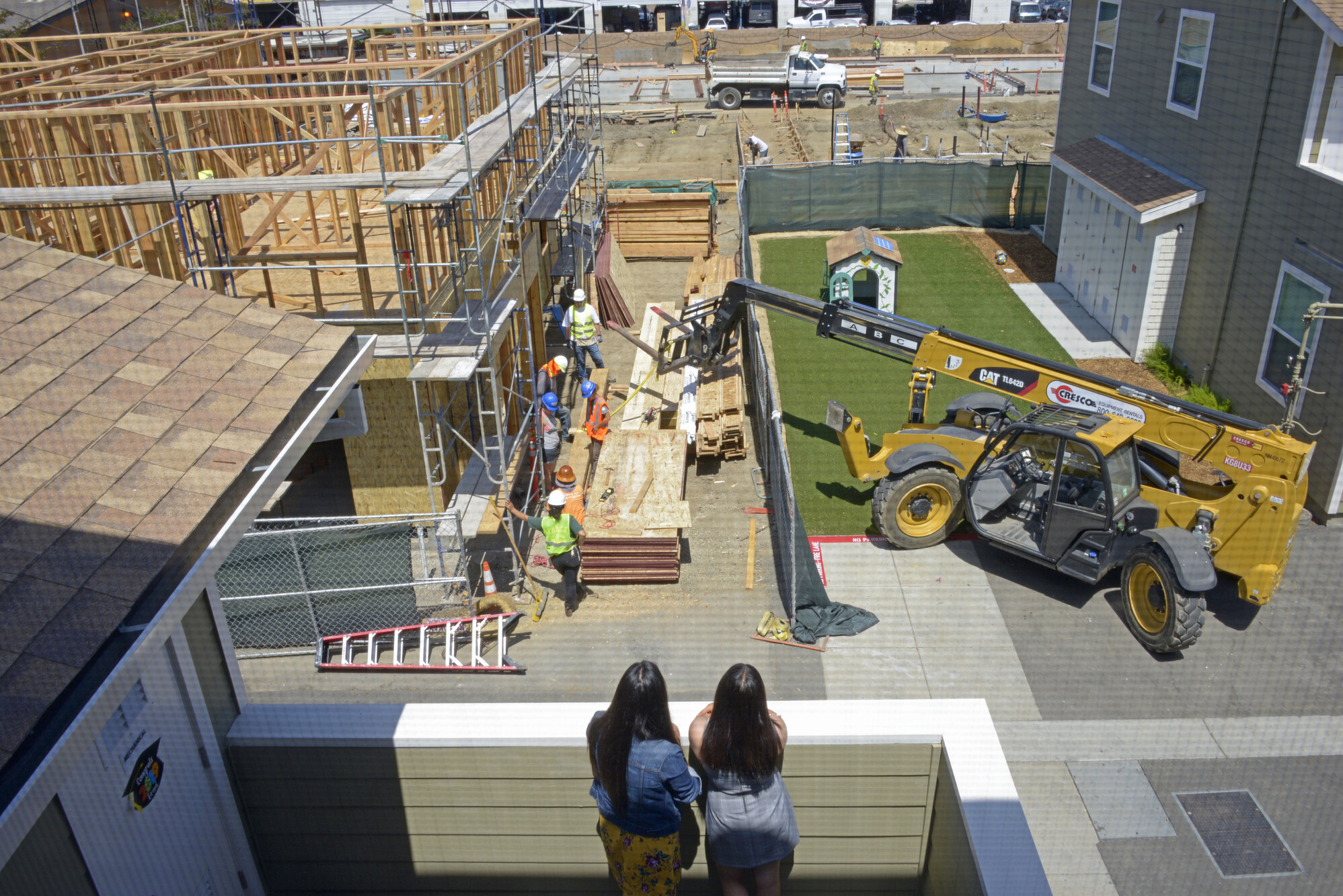
"caption": "Prop 37 aims to spur home construction and help middle-income Californians afford mortgages.",
"credit": "Stephanie Lister/KQED",
"altTag": null,
"description": null,
"imgSizes": {
"thumbnail": {
"file": "https://cdn.kqed.org/wp-content/uploads/sites/10/2026/10/DSC0888_qed-160x107.jpg",
"width": 160,
"height": 107,
"mimeType": "image/jpeg"
},
"1536x1536": {
"file": "https://cdn.kqed.org/wp-content/uploads/sites/10/2026/10/DSC0888_qed-1536x1025.jpg",
"width": 1536,
"height": 1025,
"mimeType": "image/jpeg"
},
"post-thumbnail": {
"file": "https://cdn.kqed.org/wp-content/uploads/sites/10/2026/10/DSC0888_qed-672x372.jpg",
"width": 672,
"height": 372,
"mimeType": "image/jpeg"
},
"twentyfourteen-full-width": {
"file": "https://cdn.kqed.org/wp-content/uploads/sites/10/2026/10/DSC0888_qed-1038x576.jpg",
"width": 1038,
"height": 576,
"mimeType": "image/jpeg"
},
"npr-cds-wide": {
"file": "https://cdn.kqed.org/wp-content/uploads/sites/10/2026/10/DSC0888_qed-1200x675.jpg",
"width": 1200,
"height": 675,
"mimeType": "image/jpeg"
},
"npr-cds-square": {
"file": "https://cdn.kqed.org/wp-content/uploads/sites/10/2026/10/DSC0888_qed-600x600.jpg",
"width": 600,
"height": 600,
"mimeType": "image/jpeg"
},
"kqedFullSize": {
"file": "https://cdn.kqed.org/wp-content/uploads/sites/10/2026/10/DSC0888_qed.jpg",
"width": 1997,
"height": 1333
}
},
"isLoading": false,
"fetchFailed": false
},
"news_12101751": {
"type": "attachments",
"id": "news_12101751",
"meta": {
"index": "attachments_1716263798",
"site": "news",
"id": "12101751",
"found": true
},
"title": "PointReyesLighthouseGetty",
"publishDate": 1790638788,
"status": "inherit",
"parent": 12101714,
"modified": 1790638845,
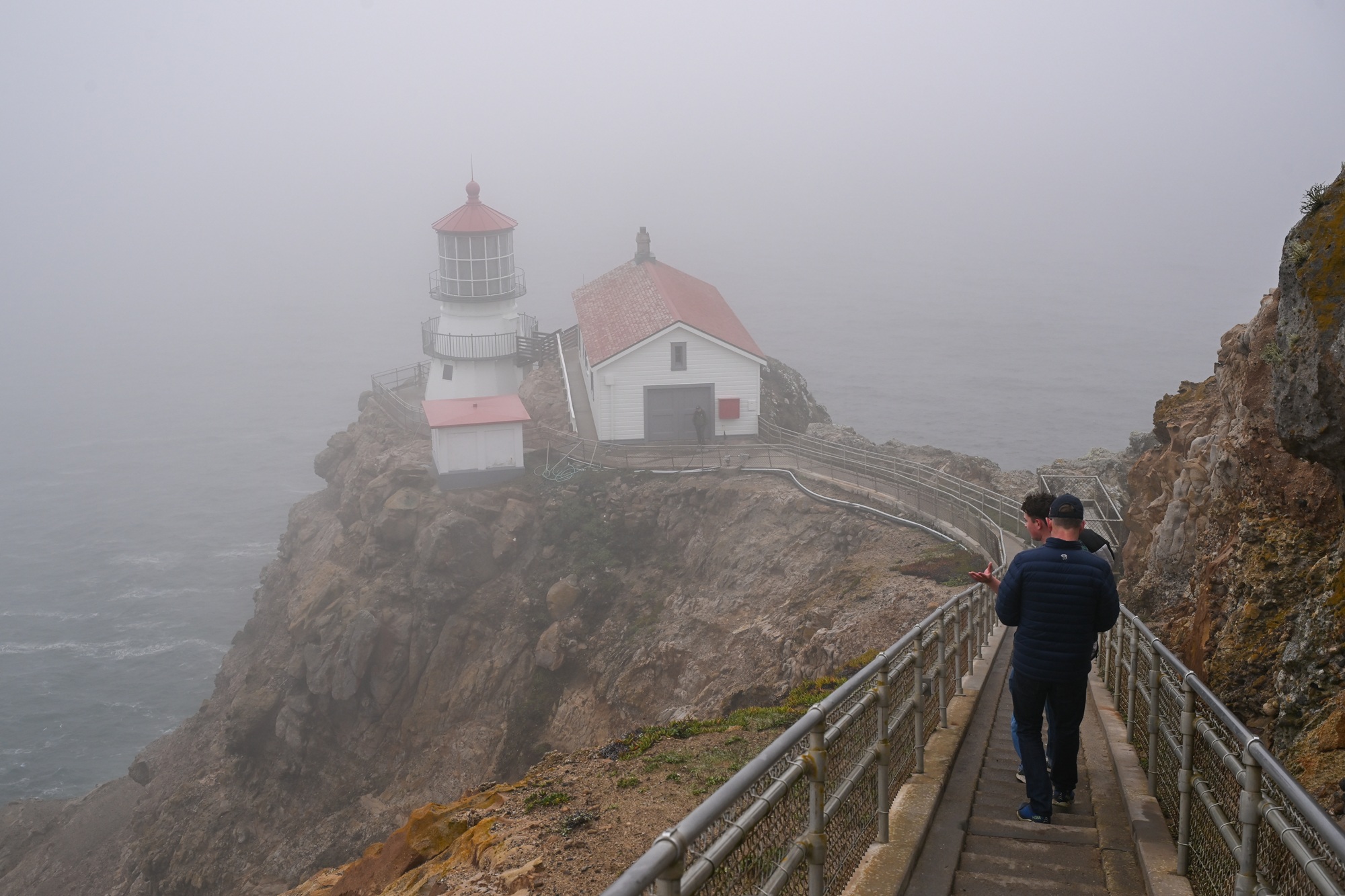
"caption": "People visit Point Reyes Lighthouse during heavy fog at Point Reyes National Seashore of Inverness in California, on Jan. 6, 2025.",
"credit": "Tayfun Coskun/Anadolu via Getty Images",
"altTag": null,
"description": null,
"imgSizes": {
"thumbnail": {
"file": "https://cdn.kqed.org/wp-content/uploads/sites/10/2026/09/PointReyesLighthouseGetty-160x107.jpg",
"width": 160,
"height": 107,
"mimeType": "image/jpeg"
},
"1536x1536": {
"file": "https://cdn.kqed.org/wp-content/uploads/sites/10/2026/09/PointReyesLighthouseGetty-1536x1024.jpg",
"width": 1536,
"height": 1024,
"mimeType": "image/jpeg"
},
"post-thumbnail": {
"file": "https://cdn.kqed.org/wp-content/uploads/sites/10/2026/09/PointReyesLighthouseGetty-672x372.jpg",
"width": 672,
"height": 372,
"mimeType": "image/jpeg"
},
"twentyfourteen-full-width": {
"file": "https://cdn.kqed.org/wp-content/uploads/sites/10/2026/09/PointReyesLighthouseGetty-1038x576.jpg",
"width": 1038,
"height": 576,
"mimeType": "image/jpeg"
},
"npr-cds-wide": {
"file": "https://cdn.kqed.org/wp-content/uploads/sites/10/2026/09/PointReyesLighthouseGetty-1200x675.jpg",
"width": 1200,
"height": 675,
"mimeType": "image/jpeg"
},
"npr-cds-square": {
"file": "https://cdn.kqed.org/wp-content/uploads/sites/10/2026/09/PointReyesLighthouseGetty-600x600.jpg",
"width": 600,
"height": 600,
"mimeType": "image/jpeg"
},
"kqedFullSize": {
"file": "https://cdn.kqed.org/wp-content/uploads/sites/10/2026/09/PointReyesLighthouseGetty.jpg",
"width": 2000,
"height": 1333
}
},
"isLoading": false,
"fetchFailed": false
},
"news_12101406": {
"type": "attachments",
"id": "news_12101406",
"meta": {
"index": "attachments_1716263798",
"site": "news",
"id": "12101406",
"found": true
},
"title": "KarenBass",
"publishDate": 1790361442,
"status": "inherit",
"parent": 12101308,
"modified": 1790361576,
"caption": "Los Angeles Mayor Karen Bass speaks at Vermont/Santa Monica Metro Center on Wednesday, Sept. 23, 2026 in Los Angeles, CA. Bass used Los Angeles' public financing system when running for election.",
"credit": "Kayla Bartkowski / Getty Images",
"altTag": "A woman speaks at a podium.",
"description": null,
"imgSizes": {
"medium": {
"file": "https://cdn.kqed.org/wp-content/uploads/sites/10/2026/09/KarenBass-2000x1125.jpg",
"width": 2000,
"height": 1125,
"mimeType": "image/jpeg"
},
"large": {
"file": "https://cdn.kqed.org/wp-content/uploads/sites/10/2026/09/KarenBass-2000x1125.jpg",
"width": 2000,
"height": 1125,
"mimeType": "image/jpeg"
},
"thumbnail": {
"file": "https://cdn.kqed.org/wp-content/uploads/sites/10/2026/09/KarenBass-160x90.jpg",
"width": 160,
"height": 90,
"mimeType": "image/jpeg"
},
"1536x1536": {
"file": "https://cdn.kqed.org/wp-content/uploads/sites/10/2026/09/KarenBass-1536x864.jpg",
"width": 1536,
"height": 864,
"mimeType": "image/jpeg"
},
"2048x2048": {
"file": "https://cdn.kqed.org/wp-content/uploads/sites/10/2026/09/KarenBass-2048x1152.jpg",
"width": 2048,
"height": 1152,
"mimeType": "image/jpeg"
},
"post-thumbnail": {
"file": "https://cdn.kqed.org/wp-content/uploads/sites/10/2026/09/KarenBass-672x372.jpg",
"width": 672,
"height": 372,
"mimeType": "image/jpeg"
},
"twentyfourteen-full-width": {
"file": "https://cdn.kqed.org/wp-content/uploads/sites/10/2026/09/KarenBass-1038x576.jpg",
"width": 1038,
"height": 576,
"mimeType": "image/jpeg"
},
"full-width": {
"file": "https://cdn.kqed.org/wp-content/uploads/sites/10/2026/09/KarenBass-2000x1125.jpg",
"width": 2000,
"height": 1125,
"mimeType": "image/jpeg"
},
"npr-cds-wide": {
"file": "https://cdn.kqed.org/wp-content/uploads/sites/10/2026/09/KarenBass-1200x675.jpg",
"width": 1200,
"height": 675,
"mimeType": "image/jpeg"
},
"npr-cds-square": {
"file": "https://cdn.kqed.org/wp-content/uploads/sites/10/2026/09/KarenBass-600x600.jpg",
"width": 600,
"height": 600,
"mimeType": "image/jpeg"
},
"kqedFullSize": {
"file": "https://cdn.kqed.org/wp-content/uploads/sites/10/2026/09/KarenBass.jpg",
"width": 2500,
"height": 1406
}
},
"isLoading": false,
"fetchFailed": false
},
"news_12073509": {
"type": "attachments",
"id": "news_12073509",
"meta": {
"index": "attachments_1716263798",
"site": "news",
"id": "12073509",
"found": true
},
"title": "Panel Recommends Major Tax Law Changes",
"publishDate": 1771018747,
"status": "inherit",
"parent": 12073445,
"modified": 1771018775,
"caption": "Federal tax forms being distributed at the offices of the Internal Revenue Service in Chicago, Illinois. ",
"credit": "Scott Olson",
"altTag": null,
"description": null,
"imgSizes": {
"thumbnail": {
"file": "https://cdn.kqed.org/wp-content/uploads/sites/10/2026/02/taxes041511_qed-160x107.jpg",
"width": 160,
"height": 107,
"mimeType": "image/jpeg"
},
"1536x1536": {
"file": "https://cdn.kqed.org/wp-content/uploads/sites/10/2026/02/taxes041511_qed-1536x1027.jpg",
"width": 1536,
"height": 1027,
"mimeType": "image/jpeg"
},
"post-thumbnail": {
"file": "https://cdn.kqed.org/wp-content/uploads/sites/10/2026/02/taxes041511_qed-672x372.jpg",
"width": 672,
"height": 372,
"mimeType": "image/jpeg"
},
"twentyfourteen-full-width": {
"file": "https://cdn.kqed.org/wp-content/uploads/sites/10/2026/02/taxes041511_qed-1038x576.jpg",
"width": 1038,
"height": 576,
"mimeType": "image/jpeg"
},
"npr-cds-wide": {
"file": "https://cdn.kqed.org/wp-content/uploads/sites/10/2026/02/taxes041511_qed-1200x675.jpg",
"width": 1200,
"height": 675,
"mimeType": "image/jpeg"
},
"kqedFullSize": {
"file": "https://cdn.kqed.org/wp-content/uploads/sites/10/2026/02/taxes041511_qed.jpg",
"width": 1993,
"height": 1333
}
},
"isLoading": false,
"fetchFailed": false
},
"news_11964950": {
"type": "attachments",
"id": "news_11964950",
"meta": {
"index": "attachments_1716263798",
"site": "news",
"id": "11964950",
"found": true
},
"parent": 11964949,
"imgSizes": {
"twentyfourteen-full-width": {
"file": "https://ww2.kqed.org/app/uploads/sites/10/2023/10/GettyImages-515103210-scaled-e1697737890511-1038x576.jpg",
"width": 1038,
"mimeType": "image/jpeg",
"height": 576
},
"thumbnail": {
"file": "https://ww2.kqed.org/app/uploads/sites/10/2023/10/GettyImages-515103210-scaled-e1697737890511-160x114.jpg",
"width": 160,
"mimeType": "image/jpeg",
"height": 114
},
"post-thumbnail": {
"file": "https://ww2.kqed.org/app/uploads/sites/10/2023/10/GettyImages-515103210-scaled-e1697737890511-672x372.jpg",
"width": 672,
"mimeType": "image/jpeg",
"height": 372
},
"kqedFullSize": {
"file": "https://ww2.kqed.org/app/uploads/sites/10/2023/10/GettyImages-515103210-scaled-e1697737890511.jpg",
"width": 1920,
"height": 1371
},
"2048x2048": {
"file": "https://ww2.kqed.org/app/uploads/sites/10/2023/10/GettyImages-515103210-2048x1462.jpg",
"width": 2048,
"mimeType": "image/jpeg",
"height": 1462
},
"large": {
"file": "https://ww2.kqed.org/app/uploads/sites/10/2023/10/GettyImages-515103210-scaled-e1697737890511-1020x728.jpg",
"width": 1020,
"mimeType": "image/jpeg",
"height": 728
},
"1536x1536": {
"file": "https://ww2.kqed.org/app/uploads/sites/10/2023/10/GettyImages-515103210-scaled-e1697737890511-1536x1097.jpg",
"width": 1536,
"mimeType": "image/jpeg",
"height": 1097
},
"full-width": {
"file": "https://ww2.kqed.org/app/uploads/sites/10/2023/10/GettyImages-515103210-1920x1371.jpg",
"width": 1920,
"mimeType": "image/jpeg",
"height": 1371
},
"medium": {
"file": "https://ww2.kqed.org/app/uploads/sites/10/2023/10/GettyImages-515103210-scaled-e1697737890511-800x571.jpg",
"width": 800,
"mimeType": "image/jpeg",
"height": 571
}
},
"publishDate": 1697737869,
"modified": 1697763119,
"caption": "Anton Szandor LaVey, head of the First Satanic Church, is assisted by his partner, Diane, as they go through a satanic ceremony in 1970.",
"description": null,
"title": "A Satanic Ceremony",
"credit": "Bettmann/Getty",
"status": "inherit",
"altTag": "A black-and-white image of a man with a polished bald head wearing all black and a large cloak stands center, holding a chalice in one hand. To his right, a woman with long blonde hair holds a candle aloft. The pair are illuminated by candlelight in an otherwise dark room.",
"isLoading": false,
"fetchFailed": false
},
"news_12100626": {
"type": "attachments",
"id": "news_12100626",
"meta": {
"index": "attachments_1716263798",
"site": "news",
"id": "12100626",
"found": true
},
"title": "013_KQED_AlamedaAffordableHousing_01122023_qed",
"publishDate": 1789771469,
"status": "inherit",
"parent": 12100622,
"modified": 1789771503,
"caption": "The Del Monte warehouse is under construction to become an apartment building in Alameda on Jan. 12, 2023.",
"credit": "Beth LaBerge/KQED",
"altTag": null,
"description": null,
"imgSizes": {
"thumbnail": {
"file": "https://cdn.kqed.org/wp-content/uploads/sites/10/2026/09/013_KQED_AlamedaAffordableHousing_01122023_qed-160x107.jpg",
"width": 160,
"height": 107,
"mimeType": "image/jpeg"
},
"1536x1536": {
"file": "https://cdn.kqed.org/wp-content/uploads/sites/10/2026/09/013_KQED_AlamedaAffordableHousing_01122023_qed-1536x1024.jpg",
"width": 1536,
"height": 1024,
"mimeType": "image/jpeg"
},
"post-thumbnail": {
"file": "https://cdn.kqed.org/wp-content/uploads/sites/10/2026/09/013_KQED_AlamedaAffordableHousing_01122023_qed-672x372.jpg",
"width": 672,
"height": 372,
"mimeType": "image/jpeg"
},
"twentyfourteen-full-width": {
"file": "https://cdn.kqed.org/wp-content/uploads/sites/10/2026/09/013_KQED_AlamedaAffordableHousing_01122023_qed-1038x576.jpg",
"width": 1038,
"height": 576,
"mimeType": "image/jpeg"
},
"npr-cds-wide": {
"file": "https://cdn.kqed.org/wp-content/uploads/sites/10/2026/09/013_KQED_AlamedaAffordableHousing_01122023_qed-1200x675.jpg",
"width": 1200,
"height": 675,
"mimeType": "image/jpeg"
},
"npr-cds-square": {
"file": "https://cdn.kqed.org/wp-content/uploads/sites/10/2026/09/013_KQED_AlamedaAffordableHousing_01122023_qed-600x600.jpg",
"width": 600,
"height": 600,
"mimeType": "image/jpeg"
},
"kqedFullSize": {
"file": "https://cdn.kqed.org/wp-content/uploads/sites/10/2026/09/013_KQED_AlamedaAffordableHousing_01122023_qed.jpg",
"width": 1999,
"height": 1333
}
},
"isLoading": false,
"fetchFailed": false
},
"news_12089261": {
"type": "attachments",
"id": "news_12089261",
"meta": {
"index": "attachments_1716263798",
"site": "news",
"id": "12089261",
"found": true
},
"title": "260629_ForgottenFlowers_05-KQED",
"publishDate": 1782770341,
"status": "inherit",
"parent": 12090069,
"modified": 1789598365,
"caption": "A Stanford-themed corsage made during a corsage-making workshop.",
"credit": "Courtesy of Diego Bustamante",
"altTag": null,
"description": null,
"imgSizes": {
"thumbnail": {
"file": "https://cdn.kqed.org/wp-content/uploads/sites/10/2026/06/260629_ForgottenFlowers_05-KQED-160x107.jpg",
"width": 160,
"height": 107,
"mimeType": "image/jpeg"
},
"1536x1536": {
"file": "https://cdn.kqed.org/wp-content/uploads/sites/10/2026/06/260629_ForgottenFlowers_05-KQED-1536x1024.jpg",
"width": 1536,
"height": 1024,
"mimeType": "image/jpeg"
},
"post-thumbnail": {
"file": "https://cdn.kqed.org/wp-content/uploads/sites/10/2026/06/260629_ForgottenFlowers_05-KQED-672x372.jpg",
"width": 672,
"height": 372,
"mimeType": "image/jpeg"
},
"twentyfourteen-full-width": {
"file": "https://cdn.kqed.org/wp-content/uploads/sites/10/2026/06/260629_ForgottenFlowers_05-KQED-1038x576.jpg",
"width": 1038,
"height": 576,
"mimeType": "image/jpeg"
},
"npr-cds-wide": {
"file": "https://cdn.kqed.org/wp-content/uploads/sites/10/2026/06/260629_ForgottenFlowers_05-KQED-1200x675.jpg",
"width": 1200,
"height": 675,
"mimeType": "image/jpeg"
},
"npr-cds-square": {
"file": "https://cdn.kqed.org/wp-content/uploads/sites/10/2026/06/260629_ForgottenFlowers_05-KQED-600x600.jpg",
"width": 600,
"height": 600,
"mimeType": "image/jpeg"
},
"kqedFullSize": {
"file": "https://cdn.kqed.org/wp-content/uploads/sites/10/2026/06/260629_ForgottenFlowers_05-KQED.jpg",
"width": 2000,
"height": 1333
}
},
"isLoading": false,
"fetchFailed": false
},
"news_12066573": {
"type": "attachments",
"id": "news_12066573",
"meta": {
"index": "attachments_1716263798",
"site": "news",
"id": "12066573",
"found": true
},
"title": "251208-EASTBROTHER-44-BL-KQED",
"publishDate": 1765328005,
"status": "inherit",
"parent": 0,
"modified": 1765328015,
"caption": "The inn at East Brother Light Station, an island just off the Richmond shoreline, on Dec. 8, 2025. The historic lighthouse sits on a small, rocky outcrop in San Pablo Bay and is accessible only by boat, and the inn provides overnight stays in the restored 19th-century keeper’s quarters.",
"credit": "Beth LaBerge/KQED",
"altTag": null,
"description": null,
"imgSizes": {
"thumbnail": {
"file": "https://cdn.kqed.org/wp-content/uploads/sites/10/2025/12/251208-EASTBROTHER-44-BL-KQED-160x107.jpg",
"width": 160,
"height": 107,
"mimeType": "image/jpeg"
},
"1536x1536": {
"file": "https://cdn.kqed.org/wp-content/uploads/sites/10/2025/12/251208-EASTBROTHER-44-BL-KQED-1536x1024.jpg",
"width": 1536,
"height": 1024,
"mimeType": "image/jpeg"
},
"post-thumbnail": {
"file": "https://cdn.kqed.org/wp-content/uploads/sites/10/2025/12/251208-EASTBROTHER-44-BL-KQED-672x372.jpg",
"width": 672,
"height": 372,
"mimeType": "image/jpeg"
},
"twentyfourteen-full-width": {
"file": "https://cdn.kqed.org/wp-content/uploads/sites/10/2025/12/251208-EASTBROTHER-44-BL-KQED-1038x576.jpg",
"width": 1038,
"height": 576,
"mimeType": "image/jpeg"
},
"npr-cds-wide": {
"file": "https://cdn.kqed.org/wp-content/uploads/sites/10/2025/12/251208-EASTBROTHER-44-BL-KQED-1200x675.jpg",
"width": 1200,
"height": 675,
"mimeType": "image/jpeg"
},
"kqedFullSize": {
"file": "https://cdn.kqed.org/wp-content/uploads/sites/10/2025/12/251208-EASTBROTHER-44-BL-KQED.jpg",
"width": 2000,
"height": 1333
}
},
"isLoading": false,
"fetchFailed": false
},
"news_12083081": {
"type": "attachments",
"id": "news_12083081",
"meta": {
"index": "attachments_1716263798",
"site": "news",
"id": "12083081",
"found": true
},
"title": "260506-GOLFINGBAYCURIOUS-TV-03842-KQED",
"publishDate": 1778516396,
"status": "inherit",
"parent": 0,
"modified": 1787693485,
"caption": "Golfers play a game at the Golden Gate Park Golf Course Clubhouse in San Francisco on May 6, 2026.",
"credit": "Tâm Vũ/KQED",
"altTag": null,
"description": null,
"imgSizes": {
"thumbnail": {
"file": "https://cdn.kqed.org/wp-content/uploads/sites/10/2026/05/260506-GOLFINGBAYCURIOUS-TV-03842-KQED-160x107.jpg",
"width": 160,
"height": 107,
"mimeType": "image/jpeg"
},
"1536x1536": {
"file": "https://cdn.kqed.org/wp-content/uploads/sites/10/2026/05/260506-GOLFINGBAYCURIOUS-TV-03842-KQED-1536x1024.jpg",
"width": 1536,
"height": 1024,
"mimeType": "image/jpeg"
},
"post-thumbnail": {
"file": "https://cdn.kqed.org/wp-content/uploads/sites/10/2026/05/260506-GOLFINGBAYCURIOUS-TV-03842-KQED-672x372.jpg",
"width": 672,
"height": 372,
"mimeType": "image/jpeg"
},
"twentyfourteen-full-width": {
"file": "https://cdn.kqed.org/wp-content/uploads/sites/10/2026/05/260506-GOLFINGBAYCURIOUS-TV-03842-KQED-1038x576.jpg",
"width": 1038,
"height": 576,
"mimeType": "image/jpeg"
},
"npr-cds-wide": {
"file": "https://cdn.kqed.org/wp-content/uploads/sites/10/2026/05/260506-GOLFINGBAYCURIOUS-TV-03842-KQED-1200x675.jpg",
"width": 1200,
"height": 675,
"mimeType": "image/jpeg"
},
"npr-cds-square": {
"file": "https://cdn.kqed.org/wp-content/uploads/sites/10/2026/05/260506-GOLFINGBAYCURIOUS-TV-03842-KQED-600x600.jpg",
"width": 600,
"height": 600,
"mimeType": "image/jpeg"
},
"kqedFullSize": {
"file": "https://cdn.kqed.org/wp-content/uploads/sites/10/2026/05/260506-GOLFINGBAYCURIOUS-TV-03842-KQED.jpg",
"width": 2000,
"height": 1333
}
},
"isLoading": false,
"fetchFailed": false
},
"news_12095776": {
"type": "attachments",
"id": "news_12095776",
"meta": {
"index": "attachments_1716263798",
"site": "news",
"id": "12095776",
"found": true
},
"title": "240423-SanJoseLicensePlateReaders-JG-12",
"publishDate": 1787076602,
"status": "inherit",
"parent": 12095764,
"modified": 1787077309,
"caption": "A Flock Safety worker holds up a new Automated License Plate Reader that was being installed in East San Jose on Tuesday, April 23, 2024.",
"credit": "Joseph Geha/KQED",
"altTag": "A worker in a high visibility vest holds up a black camera.",
"description": null,
"imgSizes": {
"thumbnail": {
"file": "https://cdn.kqed.org/wp-content/uploads/sites/10/2026/08/240423-SanJoseLicensePlateReaders-JG-12-160x107.jpg",
"width": 160,
"height": 107,
"mimeType": "image/jpeg"
},
"1536x1536": {
"file": "https://cdn.kqed.org/wp-content/uploads/sites/10/2026/08/240423-SanJoseLicensePlateReaders-JG-12-1536x1024.jpg",
"width": 1536,
"height": 1024,
"mimeType": "image/jpeg"
},
"post-thumbnail": {
"file": "https://cdn.kqed.org/wp-content/uploads/sites/10/2026/08/240423-SanJoseLicensePlateReaders-JG-12-672x372.jpg",
"width": 672,
"height": 372,
"mimeType": "image/jpeg"
},
"twentyfourteen-full-width": {
"file": "https://cdn.kqed.org/wp-content/uploads/sites/10/2026/08/240423-SanJoseLicensePlateReaders-JG-12-1038x576.jpg",
"width": 1038,
"height": 576,
"mimeType": "image/jpeg"
},
"npr-cds-wide": {
"file": "https://cdn.kqed.org/wp-content/uploads/sites/10/2026/08/240423-SanJoseLicensePlateReaders-JG-12-1200x675.jpg",
"width": 1200,
"height": 675,
"mimeType": "image/jpeg"
},
"npr-cds-square": {
"file": "https://cdn.kqed.org/wp-content/uploads/sites/10/2026/08/240423-SanJoseLicensePlateReaders-JG-12-600x600.jpg",
"width": 600,
"height": 600,
"mimeType": "image/jpeg"
},
"kqedFullSize": {
"file": "https://cdn.kqed.org/wp-content/uploads/sites/10/2026/08/240423-SanJoseLicensePlateReaders-JG-12.jpg",
"width": 2000,
"height": 1333
}
},
"isLoading": false,
"fetchFailed": false
},
"news_12094713": {
"type": "attachments",
"id": "news_12094713",
"meta": {
"index": "attachments_1716263798",
"site": "news",
"id": "12094713",
"found": true
},
"title": "260810-BeaverStreetPortraits-01-BL-KQED",
"publishDate": 1786469747,
"status": "inherit",
"parent": 0,
"modified": 1786476456,
"caption": "Ravi Bhoraskar stands beside the Beaver Street Wall in Corona Heights Park in San Francisco on Aug. 10, 2026. The rock wall is open to climbing and is primarily used for top-rope climbing.",
"credit": "Beth LaBerge/KQED",
"altTag": null,
"description": null,
"imgSizes": {
"thumbnail": {
"file": "https://cdn.kqed.org/wp-content/uploads/sites/10/2026/08/260810-BeaverStreetPortraits-01-BL-KQED-160x107.jpg",
"width": 160,
"height": 107,
"mimeType": "image/jpeg"
},
"1536x1536": {
"file": "https://cdn.kqed.org/wp-content/uploads/sites/10/2026/08/260810-BeaverStreetPortraits-01-BL-KQED-1536x1024.jpg",
"width": 1536,
"height": 1024,
"mimeType": "image/jpeg"
},
"post-thumbnail": {
"file": "https://cdn.kqed.org/wp-content/uploads/sites/10/2026/08/260810-BeaverStreetPortraits-01-BL-KQED-672x372.jpg",
"width": 672,
"height": 372,
"mimeType": "image/jpeg"
},
"twentyfourteen-full-width": {
"file": "https://cdn.kqed.org/wp-content/uploads/sites/10/2026/08/260810-BeaverStreetPortraits-01-BL-KQED-1038x576.jpg",
"width": 1038,
"height": 576,
"mimeType": "image/jpeg"
},
"npr-cds-wide": {
"file": "https://cdn.kqed.org/wp-content/uploads/sites/10/2026/08/260810-BeaverStreetPortraits-01-BL-KQED-1200x675.jpg",
"width": 1200,
"height": 675,
"mimeType": "image/jpeg"
},
"npr-cds-square": {
"file": "https://cdn.kqed.org/wp-content/uploads/sites/10/2026/08/260810-BeaverStreetPortraits-01-BL-KQED-600x600.jpg",
"width": 600,
"height": 600,
"mimeType": "image/jpeg"
},
"kqedFullSize": {
"file": "https://cdn.kqed.org/wp-content/uploads/sites/10/2026/08/260810-BeaverStreetPortraits-01-BL-KQED.jpg",
"width": 2000,
"height": 1333
}
},
"isLoading": false,
"fetchFailed": false
}
},
"audioPlayerReducer": {
"postId": "stream_live",
"isPaused": true,
"isPlaying": false,
"pfsActive": false,
"pledgeModalIsOpen": true,
"playerDrawerIsOpen": false,
"liveAudioPlayStartedAt": 0,
"liveAudioPlayContext": ""
},
"authorsReducer": {
"byline_news_12101714": {
"type": "authors",
"id": "byline_news_12101714",
"meta": {
"override": true
},
"slug": "byline_news_12101714",
"name": "Carly Severn, Peter Hartlaub and Olivia Allen-Price",
"isLoading": false
},
"ohubertallen": {
"type": "authors",
"id": "102",
"meta": {
"index": "authors_1716337520",
"id": "102",
"found": true
},
"name": "Olivia Allen-Price",
"firstName": "Olivia",
"lastName": "Allen-Price",
"slug": "ohubertallen",
"email": "oallenprice@kqed.org",
"display_author_email": false,
"staff_mastheads": [
"news"
],
"title": "Senior Editor",
"bio": "Olivia Allen-Price is senior editor and host of the award-winning Bay Curious podcast. Prior to joining KQED in 2013, Olivia worked at The Baltimore Sun and The Virginian-Pilot in Norfolk, Va. She holds degrees in journalism and political science from Elon University. Her work has earned awards from the Society of Professional Journalists, the Hearst Foundation and Hearken. She loves to talk about running and curly hair.\r\n\r\nFollow: \u003ca href=\"https://twitter.com/oallenprice\">@oallenprice\u003c/a>\r\nEmail: \u003ca href=\"mailto:oallenprice@kqed.org\">oallenprice@kqed.org\u003c/a>",
"avatar": "https://secure.gravatar.com/avatar/07f7803c1f6be56f3be58ef276dfa64dce898502e0554408ef4858451a8294f7?s=600&d=blank&r=g",
"twitter": "oallenprice",
"bluesky": null,
"facebook": null,
"instagram": null,
"linkedin": null,
"sites": [
{
"site": "",
"roles": [
"editor"
]
},
{
"site": "arts",
"roles": [
"subscriber"
]
},
{
"site": "news",
"roles": [
"administrator"
]
},
{
"site": "pop",
"roles": [
"administrator"
]
},
{
"site": "bayareabites",
"roles": [
"contributor"
]
},
{
"site": "stateofhealth",
"roles": [
"administrator"
]
},
{
"site": "science",
"roles": [
"editor"
]
}
],
"headData": {
"title": "Olivia Allen-Price | KQED",
"description": "Senior Editor",
"ogImgSrc": "https://secure.gravatar.com/avatar/07f7803c1f6be56f3be58ef276dfa64dce898502e0554408ef4858451a8294f7?s=600&d=blank&r=g",
"twImgSrc": "https://secure.gravatar.com/avatar/07f7803c1f6be56f3be58ef276dfa64dce898502e0554408ef4858451a8294f7?s=600&d=blank&r=g"
},
"isLoading": false,
"link": "/author/ohubertallen"
},
"gmarzorati": {
"type": "authors",
"id": "227",
"meta": {
"index": "authors_1716337520",
"id": "227",
"found": true
},
"name": "Guy Marzorati",
"firstName": "Guy",
"lastName": "Marzorati",
"slug": "gmarzorati",
"email": "gmarzorati@KQED.org",
"display_author_email": true,
"staff_mastheads": [
"news"
],
"title": "Correspondent",
"bio": "Guy Marzorati is a correspondent on KQED's California Politics and Government Desk, based in San Jose. A graduate of Santa Clara University, Guy joined KQED in 2013. He reports on state and local politics and produces KQED's digital voter guide.",
"avatar": "https://secure.gravatar.com/avatar/771cddf45ce3a8ed533d82dcc214e9ef925d76d2af5794a33da1ce439eb54a32?s=600&d=blank&r=g",
"twitter": "guymarzorati",
"bluesky": null,
"facebook": null,
"instagram": null,
"linkedin": null,
"sites": [
{
"site": "",
"roles": [
"editor"
]
},
{
"site": "news",
"roles": [
"editor"
]
},
{
"site": "science",
"roles": [
"editor"
]
},
{
"site": "forum",
"roles": [
"editor"
]
},
{
"site": "elections",
"roles": [
"editor"
]
},
{
"site": "liveblog",
"roles": [
"editor"
]
}
],
"headData": {
"title": "Guy Marzorati | KQED",
"description": "Correspondent",
"ogImgSrc": "https://secure.gravatar.com/avatar/771cddf45ce3a8ed533d82dcc214e9ef925d76d2af5794a33da1ce439eb54a32?s=600&d=blank&r=g",
"twImgSrc": "https://secure.gravatar.com/avatar/771cddf45ce3a8ed533d82dcc214e9ef925d76d2af5794a33da1ce439eb54a32?s=600&d=blank&r=g"
},
"isLoading": false,
"link": "/author/gmarzorati"
},
"katrinaschwartz": {
"type": "authors",
"id": "234",
"meta": {
"index": "authors_1716337520",
"id": "234",
"found": true
},
"name": "Katrina Schwartz",
"firstName": "Katrina",
"lastName": "Schwartz",
"slug": "katrinaschwartz",
"email": "kschwartz@kqed.org",
"display_author_email": false,
"staff_mastheads": [
"news"
],
"title": "Producer",
"bio": "Katrina Schwartz is a journalist based in San Francisco. She's worked at KPCC public radio in LA and has reported on air and online for KQED since 2010. She covered how teaching and learning is changing for MindShift between 2012 and 2020. She is the co-host of the MindShift podcast and now produces KQED's Bay Curious podcast.",
"avatar": "https://secure.gravatar.com/avatar/edb4ee79070447a018538c9aae6eeecf28786515b8a0c30e43b6b7dce5aa44c8?s=600&d=blank&r=g",
"twitter": "kschwart",
"bluesky": null,
"facebook": null,
"instagram": null,
"linkedin": null,
"sites": [
{
"site": "",
"roles": [
"editor"
]
},
{
"site": "news",
"roles": [
"editor"
]
},
{
"site": "mindshift",
"roles": [
"administrator"
]
},
{
"site": "stateofhealth",
"roles": [
"author"
]
},
{
"site": "science",
"roles": [
"editor"
]
}
],
"headData": {
"title": "Katrina Schwartz | KQED",
"description": "Producer",
"ogImgSrc": "https://secure.gravatar.com/avatar/edb4ee79070447a018538c9aae6eeecf28786515b8a0c30e43b6b7dce5aa44c8?s=600&d=blank&r=g",
"twImgSrc": "https://secure.gravatar.com/avatar/edb4ee79070447a018538c9aae6eeecf28786515b8a0c30e43b6b7dce5aa44c8?s=600&d=blank&r=g"
},
"isLoading": false,
"link": "/author/katrinaschwartz"
},
"kqed": {
"type": "authors",
"id": "236",
"meta": {
"index": "authors_1716337520",
"id": "236",
"found": true
},
"name": "KQED News Staff",
"firstName": "KQED News Staff",
"lastName": null,
"slug": "kqed",
"email": "faq@kqed.org",
"display_author_email": false,
"staff_mastheads": [],
"title": null,
"bio": null,
"avatar": "https://secure.gravatar.com/avatar/ef0e801a68c4c54afa9180db14084167?s=600&d=blank&r=g",
"twitter": null,
"facebook": null,
"instagram": null,
"linkedin": null,
"sites": [
{
"site": "arts",
"roles": [
"contributor"
]
},
{
"site": "news",
"roles": [
"editor"
]
},
{
"site": "futureofyou",
"roles": [
"author"
]
}
],
"headData": {
"title": "KQED News Staff | KQED",
"description": null,
"ogImgSrc": "https://secure.gravatar.com/avatar/ef0e801a68c4c54afa9180db14084167?s=600&d=blank&r=g",
"twImgSrc": "https://secure.gravatar.com/avatar/ef0e801a68c4c54afa9180db14084167?s=600&d=blank&r=g"
},
"isLoading": false,
"link": "/author/kqed"
},
"adembosky": {
"type": "authors",
"id": "3205",
"meta": {
"index": "authors_1716337520",
"id": "3205",
"found": true
},
"name": "April Dembosky",
"firstName": "April",
"lastName": "Dembosky",
"slug": "adembosky",
"email": "adembosky@kqed.org",
"display_author_email": false,
"staff_mastheads": [
"news",
"science"
],
"title": "KQED Health Correspondent",
"bio": "April Dembosky is the health correspondent for KQED News and a regular contributor to NPR. She specializes in covering altered states of mind, from postpartum depression to methamphetamine-induced psychosis to the insanity defense. Her investigative series on insurance companies sidestepping mental health laws won multiple awards, including first place in beat reporting from the national Association of Health Care Journalists. She is the recipient of numerous other prizes and fellowships, including a national Edward R. Murrow award for investigative reporting, a Society of Professional Journalists award for long-form storytelling, and a Carter Center Fellowship for Mental Health Journalism.\r\n\r\nDembosky reported and produced \u003cem>Soundtrack of Silence\u003c/em>, an audio documentary about music and memory that is currently being made into a feature film by Paramount Pictures.\r\n\r\nBefore joining KQED in 2013, Dembosky covered technology and Silicon Valley for \u003cem>The Financial Times of London,\u003c/em> and contributed business and arts stories to \u003cem>Marketplace \u003c/em>and \u003cem>The New York Times.\u003c/em> She got her undergraduate degree in philosophy from Smith College and her master's in journalism from the University of California, Berkeley. She is a classically trained violinist and proud alum of the first symphony orchestra at Burning Man.",
"avatar": "https://secure.gravatar.com/avatar/d6593cd737b732102fe0b6250b5351c2d3bc9b2987566514aa3c9a106494d684?s=600&d=blank&r=g",
"twitter": "adembosky",
"bluesky": null,
"facebook": null,
"instagram": null,
"linkedin": null,
"sites": [
{
"site": "arts",
"roles": [
"author"
]
},
{
"site": "news",
"roles": [
"editor"
]
},
{
"site": "futureofyou",
"roles": [
"author"
]
},
{
"site": "stateofhealth",
"roles": [
"editor"
]
},
{
"site": "science",
"roles": [
"editor"
]
},
{
"site": "forum",
"roles": [
"editor"
]
}
],
"headData": {
"title": "April Dembosky | KQED",
"description": "KQED Health Correspondent",
"ogImgSrc": "https://secure.gravatar.com/avatar/d6593cd737b732102fe0b6250b5351c2d3bc9b2987566514aa3c9a106494d684?s=600&d=blank&r=g",
"twImgSrc": "https://secure.gravatar.com/avatar/d6593cd737b732102fe0b6250b5351c2d3bc9b2987566514aa3c9a106494d684?s=600&d=blank&r=g"
},
"isLoading": false,
"link": "/author/adembosky"
},
"afont": {
"type": "authors",
"id": "8637",
"meta": {
"index": "authors_1716337520",
"id": "8637",
"found": true
},
"name": "Amanda Font",
"firstName": "Amanda",
"lastName": "Font",
"slug": "afont",
"email": "afont@kqed.org",
"display_author_email": false,
"staff_mastheads": [],
"title": "KQED Contributor",
"bio": "Amanda Font is a producer on \u003cem>The Latest\u003c/em> podcast, and the host and co-producer of the series \u003cem>Audible Cosmos\u003c/em>. She has previously worked as a producer and reporter on the \u003cem>Bay Curious\u003c/em> podcast, and director of \u003cem>The California Report Magazine\u003c/em>. She grew up in the deserts of Southern California and moved north for the trees. Amanda earned a B.A. from the BECA program at San Francisco State, where she worked in the university's radio station. Amanda Font is represented by SAG-AFTRA.",
"avatar": "https://secure.gravatar.com/avatar/d9e81cf0117d5849b9cfb7ab4b1422f1?s=600&d=blank&r=g",
"twitter": null,
"facebook": null,
"instagram": null,
"linkedin": null,
"sites": [
{
"site": "news",
"roles": [
"add_users",
"create_users"
]
},
{
"site": "science",
"roles": []
},
{
"site": "forum",
"roles": [
"administrator"
]
},
{
"site": "perspectives",
"roles": [
"administrator"
]
},
{
"site": "radio",
"roles": [
"administrator"
]
}
],
"headData": {
"title": "Amanda Font | KQED",
"description": "KQED Contributor",
"ogImgSrc": "https://secure.gravatar.com/avatar/d9e81cf0117d5849b9cfb7ab4b1422f1?s=600&d=blank&r=g",
"twImgSrc": "https://secure.gravatar.com/avatar/d9e81cf0117d5849b9cfb7ab4b1422f1?s=600&d=blank&r=g"
},
"isLoading": false,
"link": "/author/afont"
},
"ecruzguevarra": {
"type": "authors",
"id": "8654",
"meta": {
"index": "authors_1716337520",
"id": "8654",
"found": true
},
"name": "Ericka Cruz Guevarra",
"firstName": "Ericka",
"lastName": "Cruz Guevarra",
"slug": "ecruzguevarra",
"email": "ecruzguevarra@kqed.org",
"display_author_email": true,
"staff_mastheads": [
"news"
],
"title": "Producer, The Bay Podcast",
"bio": "Ericka Cruz Guevarra is host of \u003ca href=\"https://www.kqed.org/podcasts/thebay\">\u003cem>The Bay\u003c/em>\u003c/a> podcast at KQED. Before host, she was the show’s producer. Her work in that capacity includes a three-part reported series on policing in Vallejo, which won a 2020 excellence in journalism award from the Society of Professional Journalists. Ericka has worked as a breaking news reporter at Oregon Public Broadcasting, helped produce the Code Switch podcast, and was KQED’s inaugural Raul Ramirez Diversity Fund intern. She’s also an alumna of NPR’s Next Generation Radio program. Send her an email if you have strong feelings about whether Fairfield and Suisun City are the Bay. Ericka is represented by SAG-AFTRA.",
"avatar": "https://secure.gravatar.com/avatar/accefc1de4bafc7e234b69bcb9b6f6536c130fd84709bc3069ef11a78787e1bb?s=600&d=blank&r=g",
"twitter": "NotoriousECG",
"bluesky": null,
"facebook": null,
"instagram": null,
"linkedin": null,
"sites": [
{
"site": "arts",
"roles": [
"subscriber"
]
},
{
"site": "news",
"roles": [
"editor",
"manage_categories"
]
},
{
"site": "futureofyou",
"roles": [
"subscriber"
]
},
{
"site": "stateofhealth",
"roles": [
"subscriber"
]
},
{
"site": "science",
"roles": [
"editor"
]
},
{
"site": "forum",
"roles": [
"subscriber"
]
}
],
"headData": {
"title": "Ericka Cruz Guevarra | KQED",
"description": "Producer, The Bay Podcast",
"ogImgSrc": "https://secure.gravatar.com/avatar/accefc1de4bafc7e234b69bcb9b6f6536c130fd84709bc3069ef11a78787e1bb?s=600&d=blank&r=g",
"twImgSrc": "https://secure.gravatar.com/avatar/accefc1de4bafc7e234b69bcb9b6f6536c130fd84709bc3069ef11a78787e1bb?s=600&d=blank&r=g"
},
"isLoading": false,
"link": "/author/ecruzguevarra"
},
"amontecillo": {
"type": "authors",
"id": "11649",
"meta": {
"index": "authors_1716337520",
"id": "11649",
"found": true
},
"name": "Alan Montecillo",
"firstName": "Alan",
"lastName": "Montecillo",
"slug": "amontecillo",
"email": "amontecillo@kqed.org",
"display_author_email": false,
"staff_mastheads": [
"news"
],
"title": "KQED Contributor",
"bio": "Alan Montecillo is the senior editor of \u003cem>\u003ca href=\"http://kqed.org/thebay\">The Bay\u003c/a>, \u003c/em> KQED's local news podcast. Before moving to the Bay Area, he worked as a senior talk show producer for WILL in Champaign-Urbana, Illinois and at Oregon Public Broadcasting in Portland, Oregon. He has won journalism awards from the Society of Professional Journalists Northern California, the Public Media Journalists Association, The Signal Awards, and has also received a regional Edward R. Murrow award. Alan is a Filipino American from Hong Kong and a graduate of Reed College.",
"avatar": "https://secure.gravatar.com/avatar/268f53a2066899ea9efdd8a5900218b17c822d9862cbc9326cccec53ef41d349?s=600&d=blank&r=g",
"twitter": "alanmontecillo",
"bluesky": null,
"facebook": null,
"instagram": null,
"linkedin": null,
"sites": [
{
"site": "",
"roles": [
"editor"
]
},
{
"site": "news",
"roles": [
"editor",
"manage_categories"
]
}
],
"headData": {
"title": "Alan Montecillo | KQED",
"description": "KQED Contributor",
"ogImgSrc": "https://secure.gravatar.com/avatar/268f53a2066899ea9efdd8a5900218b17c822d9862cbc9326cccec53ef41d349?s=600&d=blank&r=g",
"twImgSrc": "https://secure.gravatar.com/avatar/268f53a2066899ea9efdd8a5900218b17c822d9862cbc9326cccec53ef41d349?s=600&d=blank&r=g"
},
"isLoading": false,
"link": "/author/amontecillo"
},
"abandlamudi": {
"type": "authors",
"id": "11672",
"meta": {
"index": "authors_1716337520",
"id": "11672",
"found": true
},
"name": "Adhiti Bandlamudi",
"firstName": "Adhiti",
"lastName": "Bandlamudi",
"slug": "abandlamudi",
"email": "abandlamudi@kqed.org",
"display_author_email": false,
"staff_mastheads": [
"news"
],
"title": "KQED Housing Reporter",
"bio": "Adhiti Bandlamudi reports for KQED's Housing desk. She focuses on how housing gets built across the Bay Area. Before joining KQED in 2020, she reported for WUNC in Durham, North Carolina, WABE in Atlanta, Georgia and Capital Public Radio in Sacramento. In 2017, she was awarded a Kroc Fellowship at NPR where she reported on everything from sprinkles to the Golden State Killer's arrest. When she's not reporting, she's baking new recipes in her kitchen or watching movies with friends and family. She's originally from Georgia and has strong opinions about Great British Bake Off.",
"avatar": "https://secure.gravatar.com/avatar/868129c8b257bb99a3500e2c86a65400?s=600&d=mm&r=g",
"twitter": "oddity_adhiti",
"facebook": null,
"instagram": null,
"linkedin": null,
"sites": [
{
"site": "arts",
"roles": [
"author"
]
},
{
"site": "news",
"roles": [
"editor"
]
},
{
"site": "liveblog",
"roles": [
"author"
]
}
],
"headData": {
"title": "Adhiti Bandlamudi | KQED",
"description": "KQED Housing Reporter",
"ogImgSrc": "https://secure.gravatar.com/avatar/868129c8b257bb99a3500e2c86a65400?s=600&d=mm&r=g",
"twImgSrc": "https://secure.gravatar.com/avatar/868129c8b257bb99a3500e2c86a65400?s=600&d=mm&r=g"
},
"isLoading": false,
"link": "/author/abandlamudi"
},
"ibloom": {
"type": "authors",
"id": "11805",
"meta": {
"index": "authors_1716337520",
"id": "11805",
"found": true
},
"name": "Izzy Bloom",
"firstName": "Izzy",
"lastName": "Bloom",
"slug": "ibloom",
"email": "ibloom@kqed.org",
"display_author_email": false,
"staff_mastheads": [],
"title": "KQED Reporter & Producer",
"bio": "Izzy is a reporter and producer on KQED's California Politics & Government Desk. She joined the desk in 2024 to produce Political Breakdown, covering local and national elections and attending the RNC and DNC in Milwaukee and Chicago. \r\n\r\nBefore that, Izzy was a producer on The California Report and reported long-form stories for The California Report Magazine. She was a finalist for the Third Coast/Richard H. Driehaus Foundation Competition and was awarded for her reporting on indigenous land back by the Society of Professional Journalists. Izzy received her master's in journalism from the University of California, Berkeley.",
"avatar": "https://secure.gravatar.com/avatar/cc4d272ca430783ee1a8efac470a6b1e0fdd082c3beb61da019801d0ff751c8c?s=600&d=blank&r=g",
"twitter": null,
"bluesky": null,
"facebook": null,
"instagram": null,
"linkedin": null,
"sites": [
{
"site": "news",
"roles": [
"editor"
]
},
{
"site": "perspectives",
"roles": [
"editor"
]
}
],
"headData": {
"title": "Izzy Bloom | KQED",
"description": "KQED Reporter & Producer",
"ogImgSrc": "https://secure.gravatar.com/avatar/cc4d272ca430783ee1a8efac470a6b1e0fdd082c3beb61da019801d0ff751c8c?s=600&d=blank&r=g",
"twImgSrc": "https://secure.gravatar.com/avatar/cc4d272ca430783ee1a8efac470a6b1e0fdd082c3beb61da019801d0ff751c8c?s=600&d=blank&r=g"
},
"isLoading": false,
"link": "/author/ibloom"
},
"pbartolone": {
"type": "authors",
"id": "11879",
"meta": {
"index": "authors_1716337520",
"id": "11879",
"found": true
},
"name": "Pauline Bartolone",
"firstName": "Pauline",
"lastName": "Bartolone",
"slug": "pbartolone",
"email": "pbartolone@kqed.org",
"display_author_email": false,
"staff_mastheads": [],
"title": "KQED Contributor",
"bio": "Pauline Bartolone has been a journalist for two decades, specializing in longform audio storytelling. Before editing and producing for podcasts like Bay Curious, she was a health care journalist for public radio and print outlets such as CalMatters and Kaiser Health News. Her reporting has won several regional Edward R. Murrow awards, national recognition from the Society of Professional Journalists and a first-place prize from the Association of Health Care Journalists.\r\n\r\nPauline’s work has aired frequently on National Public Radio, and bylines have appeared in The Los Angeles Times, CNN.com, Washingtonpost.com, USA Today and Scientific American.\r\n\r\nPauline has lived in Northern California for 20 years. Her other passions are crafts (now done in collaboration with her daughter) and the Brazilian martial art of capoeira.",
"avatar": "https://secure.gravatar.com/avatar/95001c30374b0d3878007af9cf1e120a?s=600&d=blank&r=g",
"twitter": "pbartolone",
"facebook": null,
"instagram": null,
"linkedin": null,
"sites": [
{
"site": "news",
"roles": [
"editor"
]
},
{
"site": "podcasts",
"roles": [
"subscriber"
]
}
],
"headData": {
"title": "Pauline Bartolone | KQED",
"description": "KQED Contributor",
"ogImgSrc": "https://secure.gravatar.com/avatar/95001c30374b0d3878007af9cf1e120a?s=600&d=blank&r=g",
"twImgSrc": "https://secure.gravatar.com/avatar/95001c30374b0d3878007af9cf1e120a?s=600&d=blank&r=g"
},
"isLoading": false,
"link": "/author/pbartolone"
},
"ffenzi": {
"type": "authors",
"id": "11926",
"meta": {
"index": "authors_1716337520",
"id": "11926",
"found": true
},
"name": "Francesca Fenzi",
"firstName": "Francesca",
"lastName": "Fenzi",
"slug": "ffenzi",
"email": "ffenzi@kqed.org",
"display_author_email": false,
"staff_mastheads": [
"news"
],
"title": "Producer, Forum",
"bio": "Francesca Fenzi is a journalist and audio producer focused on making news media as transparent, participatory, and community-driven as possible. Since joining KQED's \u003cem>Forum\u003c/em> team in 2022, she's produced both local and statewide hours of the live public affairs show, and has reported other radio, podcast, and digital content for KQED News. She previously managed \u003ca href=\"https://discord.gg/kqed\">KQED's digital community on Discord\u003c/a> – connecting listeners with journalists, subject matter experts, and each other online.",
"avatar": "https://secure.gravatar.com/avatar/ee77ef428c83307d7264619607140c84dd260b93748a969ce2d97016025feef3?s=600&d=blank&r=g",
"twitter": null,
"bluesky": null,
"facebook": null,
"instagram": null,
"linkedin": null,
"sites": [
{
"site": "",
"roles": [
"editor"
]
},
{
"site": "news",
"roles": [
"editor"
]
},
{
"site": "about",
"roles": [
"editor"
]
},
{
"site": "forum",
"roles": [
"editor"
]
}
],
"headData": {
"title": "Francesca Fenzi | KQED",
"description": "Producer, Forum",
"ogImgSrc": "https://secure.gravatar.com/avatar/ee77ef428c83307d7264619607140c84dd260b93748a969ce2d97016025feef3?s=600&d=blank&r=g",
"twImgSrc": "https://secure.gravatar.com/avatar/ee77ef428c83307d7264619607140c84dd260b93748a969ce2d97016025feef3?s=600&d=blank&r=g"
},
"isLoading": false,
"link": "/author/ffenzi"
},
"gglueck": {
"type": "authors",
"id": "11946",
"meta": {
"index": "authors_1716337520",
"id": "11946",
"found": true
},
"name": "Gabriela Glueck",
"firstName": "Gabriela",
"lastName": "Glueck",
"slug": "gglueck",
"email": "gglueck@kqed.org",
"display_author_email": false,
"staff_mastheads": [
"news"
],
"title": "KQED Contributor",
"bio": null,
"avatar": "https://secure.gravatar.com/avatar/ec62b7e3f7727ce1070cc7046dde80271d1e63cf2178d6194f68bb8d1440f841?s=600&d=blank&r=g",
"twitter": null,
"bluesky": null,
"facebook": null,
"instagram": null,
"linkedin": null,
"sites": [
{
"site": "news",
"roles": [
"editor"
]
}
],
"headData": {
"title": "Gabriela Glueck | KQED",
"description": "KQED Contributor",
"ogImgSrc": "https://secure.gravatar.com/avatar/ec62b7e3f7727ce1070cc7046dde80271d1e63cf2178d6194f68bb8d1440f841?s=600&d=blank&r=g",
"twImgSrc": "https://secure.gravatar.com/avatar/ec62b7e3f7727ce1070cc7046dde80271d1e63cf2178d6194f68bb8d1440f841?s=600&d=blank&r=g"
},
"isLoading": false,
"link": "/author/gglueck"
},
"sarahwright": {
"type": "authors",
"id": "11956",
"meta": {
"index": "authors_1716337520",
"id": "11956",
"found": true
},
"name": "Sarah Wright",
"firstName": "Sarah",
"lastName": "Wright",
"slug": "sarahwright",
"email": "swright@kqed.org",
"display_author_email": true,
"staff_mastheads": [],
"title": "Outdoors Engagement Reporter",
"bio": "Sarah Wright is KQED's Outdoors Engagement Reporter. Originally from Lake Tahoe, she completed a thru-hike of the Pacific Crest Trail in 2019 and was a U.S. Fulbright Program grantee to Argentina in 2023. Her journalism has appeared in The Guardian, The San Francisco Standard, The Palo Alto Weekly and the Half Moon Bay Review.",
"avatar": "https://secure.gravatar.com/avatar/c161a3d6441865cba25e6db4fa561099ad665799e9432e34da2b84d7e371524c?s=600&d=blank&r=g",
"twitter": null,
"bluesky": null,
"facebook": null,
"instagram": null,
"linkedin": null,
"sites": [
{
"site": "arts",
"roles": [
"editor"
]
},
{
"site": "news",
"roles": [
"editor"
]
},
{
"site": "science",
"roles": [
"contributor",
"author"
]
},
{
"site": "forum",
"roles": [
"editor"
]
}
],
"headData": {
"title": "Sarah Wright | KQED",
"description": "Outdoors Engagement Reporter",
"ogImgSrc": "https://secure.gravatar.com/avatar/c161a3d6441865cba25e6db4fa561099ad665799e9432e34da2b84d7e371524c?s=600&d=blank&r=g",
"twImgSrc": "https://secure.gravatar.com/avatar/c161a3d6441865cba25e6db4fa561099ad665799e9432e34da2b84d7e371524c?s=600&d=blank&r=g"
},
"isLoading": false,
"link": "/author/sarahwright"
}
},
"pagesReducer": {
"news_program_bay-curious": {
"type": "terms",
"id": "news_33523",
"meta": {
"index": "terms_1716263798",
"site": "news",
"id": "33523",
"score": 15.084971
},
"featImg": null,
"name": "Bay Curious",
"description": null,
"taxonomy": "program",
"headData": {
"twImgId": null,
"twTitle": null,
"ogTitle": null,
"ogImgId": null,
"twDescription": null,
"description": null,
"title": "Bay Curious Archives | KQED News",
"ogDescription": null
},
"ttid": 33540,
"slug": "bay-curious",
"isLoading": false,
"title": "Bay Curious",
"pageMeta": {
"site": "news",
"WpPageTemplate": "page-topic-editorial",
"currentPage": 2
},
"blocks": [
{
"blockName": "kqed/post-list",
"attrs": {
"layout": "cardArticle2",
"query": "posts/news?program=bay-curious",
"seeMore": false,
"paginated": true,
"page": 2
}
},
{
"blockName": "kqed/ad"
}
]
}
},
"pfsSessionReducer": {},
"postsReducer": {
"stream_live": {
"type": "live",
"id": "stream_live",
"audioUrl": "https://hls.kqed.org/hls/kqed_app/playlist.m3u8",
"title": "Live Stream",
"excerpt": "Live Stream information currently unavailable.",
"link": "/radio",
"featImg": "",
"label": {
"name": "KQED Live",
"link": "/"
}
},
"stream_kqedNewscast": {
"type": "posts",
"id": "stream_kqedNewscast",
"audioUrl": "https://www.kqed.org/.stream/anon/radio/RDnews/newscast.mp3?_=1",
"title": "KQED Newscast",
"featImg": "",
"label": {
"name": "88.5 FM",
"link": "/"
}
},
"news_12102150": {
"type": "posts",
"id": "news_12102150",
"meta": {
"index": "posts_1716263798",
"site": "news",
"id": "12102150",
"score": null,
"sort": [
1790935200000
]
},
"guestAuthors": [],
"slug": "prop-38-borrows-8-4-billion-to-fund-immunology-research",
"title": "Prop 38: Borrows $8.4 Billion to Fund Immunology Research",
"publishDate": 1790935200,
"format": "standard",
"headTitle": "Prop 38: Borrows $8.4 Billion to Fund Immunology Research | KQED",
"labelTerm": {},
"content": "\n\u003ch2 class=\"wp-block-heading\">Transcript\u003c/h2>\n\n\n\n\u003cp>\u003cstrong>Ericka Cruz Guevarra: \u003c/strong>\u003cem>[00:00:00] \u003c/em>Immunotherapy has been around for a really long time. Things like vaccines are considered part of immunology, but it also includes more recent innovations like newer treatments for blood and skin cancers. \u003c/p>\n\n\n\n\u003cp>\u003cstrong>Olivia Allen-Price: \u003c/strong>\u003cem>[00:00:15] \u003c/em>In simple terms, immunotherapy is individualized treatment designed to harness a patient’s immune system to fight disease. For some, immunotherapy has been life-changing. And voters are being asked this November whether to fund immunology and immunotherapy research with one very specific beneficiary in mind. \u003c/p>\n\n\n\n\u003cp>\u003cstrong>Ericka Cruz Guevarra: \u003c/strong>\u003cem>[00:00:38] \u003c/em>I’m Ericka Cruz Guevarra, host of The Bay. \u003c/p>\n\n\n\n\u003cp>\u003cstrong>Olivia Allen-Price: \u003c/strong>\u003cem>[00:00:41] \u003c/em>And I’m Olivia Allen-Price, host of Bay Curious. \u003c/p>\n\n\n\n\u003cp>\u003cstrong>Ericka Cruz Guevarra: \u003c/strong>\u003cem>[00:00:44] \u003c/em>And welcome to Prop Fest. A collaboration between the Bay and Bay Curious, where we break down all 14 statewide propositions on your ballot this year November. \u003c/p>\n\n\n\n\u003cp>\u003cstrong>Olivia Allen-Price: \u003c/strong>\u003cem>[00:00:54] \u003c/em>And we’re back at it again with Proposition 38. Here’s how it reads on your ballot. \u003c/p>\n\n\n\n\u003cp>\u003cstrong>Reporter: \u003c/strong>\u003cem>[00:01:01] \u003c/em>Prop 38 authorizes bonds for immunology medical research. \u003c/p>\n\n\n\n\u003cp>\u003cstrong>Ericka Cruz Guevarra: \u003c/strong>\u003cem>[00:01:08] \u003c/em>Here to walk us through all of this is KQED Health Correspondent April Dembosky. April, first of all, what is Prop 38 all about? \u003c/p>\n\n\n\n\u003cp>\u003cstrong>April Dembosky: \u003c/strong>\u003cem>[00:01:16] \u003c/em>Prop 38 is a bond measure that would fund immunology and immunotherapy research. It would allow the state to borrow $8.4 billion and distribute it to nonprofit research centers that are studying immunotherapy treatments for cancer, heart disease, and Alzheimer’s. The measure is expected to cost the state about $500 million a year for 20 years in bond repayments. And about $4 billion of that would be interest payments on top of the original 8.4 billion for a total cost of about $12 billion. \u003c/p>\n\n\n\n\u003cp>\u003cstrong>Ericka Cruz Guevarra: \u003c/strong>\u003cem>[00:01:58] \u003c/em>There is sort of an interesting story about how this came on the ballot in the first place, right? Can you actually talk about why voters are even being asked to fund immunotherapy in this year’s election?\u003c/p>\n\n\n\n\u003cp>\u003cstrong>April Dembosky: \u003c/strong>\u003cem>[00:02:11] \u003c/em>Prop 38 was the brainchild of a philanthropist named Gary Michelson. He raised the money to collect the signatures and put Prop 38 on the ballot. Something that’s really interesting about the initiative is how it’s worded. The language is very careful. It lists very strict criteria for the type of academic institution that should receive half of the money. This criteria is so specific. That only one university in the state meets the criteria, and that is UCLA. Half the funds would go toward launching a new immunology institute at UCLA, and the other half would be awarded through competitive grants to other institutes also in California. And so, as it turns out, Michelson has already donated $120 million of his own money to establish a new institute for immunotherapy at UCLA. It’s called the California Institute for Immunology and Immunotherapy. That same institution would also be the touch point for all the research. So the other half of the funding that would get distributed in competitive grants would all be sort of centered at UCLA. So it’s safe to say that this is on the ballot because a very wealthy philanthropist put it there as a way to finance a research institution focused on his interest, which is immunology and immunotherapy.\u003c/p>\n\n\n\n\u003cp>\u003cstrong>Ericka Cruz Guevarra: \u003c/strong>\u003cem>[00:03:50] \u003c/em>Okay, April, so Prop 38 was put on the ballot by this wealthy philanthropist, Gary Michelson, and it’s written in this way that would, it sounds like directly benefit a research institute at UCLA that he’s helping to fund. So clearly he has some skin in the game here. Is Prop 38 getting much support from elsewhere? Like how else is the pro-Prop 38 side kind of shaping up?\u003c/p>\n\n\n\n\u003cp>\u003cstrong>April Dembosky: \u003c/strong>\u003cem>[00:04:18] \u003c/em>There’s a long list of foundations and advocacy groups that have signed on in support of Prop 38, places like Blood Cancer United, the Melanoma Research Alliance, the Alzheimer’s Association, the ALS Association, the National Multiple Sclerosis Society, the Michael J. Fox Foundation for Parkinson’s Research. So these are groups that hope and believe that new immunotherapies could be developed to treat these specific diseases. Proponents also say this initiative is necessary because federal funding for this kind of research has become unreliable under the current administration. \u003c/p>\n\n\n\n\u003cp>\u003cstrong>Jillian McCool: \u003c/strong>\u003cem>[00:04:58] \u003c/em>The big thing right now is that current CAR T therapy is really expensive. It’s not as efficient as we want it to be. \u003c/p>\n\n\n\n\u003cp>\u003cstrong>April Dembosky: \u003c/strong>\u003cem>[00:05:05] \u003c/em>So I spoke to one researcher who was working on a project funded by the NIH, the National Institutes of Health. Her name is Jillian McCool, and she was working at Lawrence Livermore National Laboratory studying vaccines and a kind of therapy for cancer. \u003c/p>\n\n\n\n\u003cp>\u003cstrong>Jillian McCool: \u003c/strong>\u003cem>[00:05:20] \u003c/em>We basically can take your immune cells and we can take them out of your body and we an alter them so they’re better fit and better suited to fight cancer cells specifically. \u003c/p>\n\n\n\n\u003cp>\u003cstrong>April Dembosky: \u003c/strong>\u003cem>[00:05:29] \u003c/em>And then some of their grants ran out after they reached the end of the term, but then some of the funding was paused because of the most recent government shutdown. \u003c/p>\n\n\n\n\u003cp>\u003cstrong>Jillian McCool: \u003c/strong>\u003cem>[00:05:38] \u003c/em>All of the sudden we have this weird rhetoric around vaccines and all of the sudden there’s this new administration coming in that’s kind of pushing that rhetoric. \u003c/p>\n\n\n\n\u003cp>\u003cstrong>April Dembosky: \u003c/strong>\u003cem>[00:05:47] \u003c/em>McCool says about 100 scientists were laid off, including her. She was out of work for a year and a half. \u003c/p>\n\n\n\n\u003cp>\u003cstrong>Jillian McCool: \u003c/strong>\u003cem>[00:05:54] \u003c/em>And then the public is no longer trusting scientists and what they have to say in the data we’ve collected, it kind of makes you question your whole career in general. \u003c/p>\n\n\n\n\u003cp>\u003cstrong>April Dembosky: \u003c/strong>\u003cem>[00:06:05] \u003c/em>So it’s personal for McCool, but she says Prop 38 is a way to correct what’s happening at the federal level and protect the jobs of lots of other scientists. She also says, you know, California is a center of excellence in this kind of research, and so it makes sense to root it here. She also points out that the measure is designed to be cost neutral, with 10% of revenues generated from successful discoveries being funneled back to the state. Californians would also be entitled to a 20% discount on any new therapies that are generated from the bond money.\u003c/p>\n\n\n\n\u003cp>\u003cstrong>Ericka Cruz Guevarra: \u003c/strong>\u003cem>[00:06:41] \u003c/em>And a big part of immunotherapy research is directed towards cancer research and you actually met a cancer patient who’s pretty gung-ho about Prop 38, right? Tell me about her. \u003c/p>\n\n\n\n\u003cp>\u003cstrong>Laurie Adami: \u003c/strong>\u003cem>[00:06:52] \u003c/em>My name is Laurie Adami and I live in Los Angeles, California. \u003c/p>\n\n\n\n\u003cp>\u003cstrong>April Dembosky: \u003c/strong>\u003cem>[00:06:57] \u003c/em>Laurie was diagnosed with non-Hodgkin’s lymphoma. It’s a kind of blood cancer, and this was 20 years ago. \u003c/p>\n\n\n\n\u003cp>\u003cstrong>Laurie Adami: \u003c/strong>\u003cem>[00:07:04] \u003c/em>And when I got sick and I ended up losing my career as a result of my very long battle with cancer. \u003c/p>\n\n\n\n\u003cp>\u003cstrong>April Dembosky: \u003c/strong>\u003cem>[00:07:13] \u003c/em>Several years ago, she enrolled in a clinical trial for an immunotherapy called CAR-T. So, Laurie had one infusion of this immunotherapy about eight years ago and her cancer has not come back since. Now, she’s only one person. You know, it’s important to point out there’s still a large proportion of patients who participated in these trials who did not respond in the same way. But as you can imagine, Laurie is pretty gung-ho for Prop 38. Because of the prospect that it could fund more research and develop more treatments like this to fight other kinds of cancers and other diseases and help more people. \u003c/p>\n\n\n\n\u003cp>\u003cstrong>Laurie Adami: \u003c/strong>\u003cem>[00:07:54] \u003c/em>You know, not every family is gonna be affected by cancer, but every family is gonna affected by these other diseases. And so I am a huge proponent and supporter because immunotherapy saved my life. So why wouldn’t I believe? And why wouldn’t I want more patients to be able to access the type of treatment that finally saved my live? \u003c/p>\n\n\n\n\u003cp>\u003cstrong>Ericka Cruz Guevarra: \u003c/strong>\u003cem>[00:08:23] \u003c/em>We’ll have more on Proposition 38 right after this. By the way, if you appreciate the work we’re doing here on PropFest, consider becoming a sustaining member of KQED. We can’t do this work without you. Just go to donate.kqed.org slash podcasts. We’ll be right back. \u003c/p>\n\n\n\n\u003cp>\u003cstrong>Ericka Cruz Guevarra: \u003c/strong>\u003cem>[00:08:47] \u003c/em>And we’re back breaking down Proposition 38 with KQED’s April Dembosky. April, you talked about the various different groups supporting Prop 38, including a patient who really believes in the power of immunotherapy research to potentially save lives. So who’s coming out against Prop 38 and what is their argument? \u003c/p>\n\n\n\n\u003cp>\u003cstrong>April Dembosky: \u003c/strong>\u003cem>[00:09:10] \u003c/em>Yeah, so there’s a very small group of opponents. They’re pretty much all volunteers. It’s very grassroots. And they have organized to point out what they see as the weaknesses and even what they might call the dangers of Prop 38\u003cem>.\u003c/em>\u003c/p>\n\n\n\n\u003cp>\u003cstrong>Robert Kaplan: \u003c/strong>\u003cem>[00:09:26] \u003c/em>I just think that there are inherent conflicts of interest. \u003c/p>\n\n\n\n\u003cp>\u003cstrong>April Dembosky: \u003c/strong>\u003cem>[00:09:29] \u003c/em>The main one is Robert Kaplan. He’s a biomedical researcher and administrator at Stanford University School of Medicine. And he also worked at the NIH, the National Institutes of Health. So he has a lot of experience coordinating the kind of research that we’re talking about and at a really grand scale. So he says he supports biomedical research. He’s in favor of science, including immunotherapy. But he says this proposition is not the way to fund it. \u003c/p>\n\n\n\n\u003cp>\u003cstrong>Robert Kaplan: \u003c/strong>\u003cem>[00:09:58] \u003c/em>If you look at NIH support for biomedical research in general or immunology research, there are several institutions in California that are the national leaders, but because of the sort of arbitrary criteria in Proposition 38, they’re not eligible to compete. And we think that’s not right.\u003c/p>\n\n\n\n\u003cp>\u003cstrong>April Dembosky: \u003c/strong>\u003cem>[00:10:17] \u003c/em>So science grants are usually awarded based on an open, competitive process. People have to have a proven track record. He says it’s a good idea to spread that kind of research across different institutions, so you have different people with different ideas and different methodology. But half of the money for Prop 38 goes directly to one brand new institute that is barely off the ground yet, and it has zero track record. \u003c/p>\n\n\n\n\u003cp>\u003cstrong>Robert Kaplan: \u003c/strong>\u003cem>[00:10:47] \u003c/em>I think [if] taxpayers are going to have to repay these bonds. We think that should be a fair competition that allows all of these excellent institutions in California to have an opportunity to be in that competition. \u003c/p>\n\n\n\n\u003cp>\u003cstrong>April Dembosky: \u003c/strong>\u003cem>[00:10:59] \u003c/em>The opponents would really point out it’s only for immunotherapy and immunology research. So if you think that there are other kinds of health priorities, like mental illness or kidney disease or other kinds treatments, those are not included here. The other people speaking out against Prop 38, they’re a very interesting group. They are financial analysts who used to work at the LAO. That’s the Legislative Analyst’s Office. And this is a nonpartisan state agency. It’s tasked with evaluating proposed legislation and ballot measures like this one. And they are trained to never take a stand on political issues. And in this case, three retired analysts from the LAOs are breaking that wall, because of their concerns on Prop 38.\u003c/p>\n\n\n\n\u003cp>\u003cstrong>Dan Carson: \u003c/strong>\u003cem>[00:11:56] \u003c/em>Hi. I’m Dan Carson. I’m here today as a cancer survivor myself, who is obviously not against good medical research.\u003c/p>\n\n\n\n\u003cp>\u003cstrong>April Dembosky: \u003c/strong>\u003cem>[00:12:05] \u003c/em>So one of them is Dan Carson. He ran the health section of the LAO back in 2004 when another bond measure was on the ballot to fund stem cell research. So proponents said the $3 billion for that initiative would be paid back by all the new stem cell discoveries that researchers made with the money.\u003c/p>\n\n\n\n\u003cp>\u003cstrong>Dan Carson: \u003c/strong>\u003cem>[00:12:26] \u003c/em>In fact, as our analysis at the time made really clear, the state eventually received only a tiny fraction of the billions of dollars we were promised. So here we go again with Prop 38. \u003c/p>\n\n\n\n\u003cp>\u003cstrong>April Dembosky: \u003c/strong>\u003cem>[00:12:41] \u003c/em>The opponents of Prop 38 take issue with one of the main claims that the supporters of Prop 38 have, which is they say that the proposition will be cost neutral, that the money that California borrows and spends on the research will be made back by revenues from all of the scientific discoveries that they made. The LAO analysts say the math just doesn’t add up. \u003c/p>\n\n\n\n\u003cp>\u003cstrong>Dan Carson: \u003c/strong>\u003cem>[00:13:08] \u003c/em>Oh, once again, we’re being promised in this initiative and by its advocates that will quote, pay for itself with no net cost to the state or taxpayers, closed quote. I’m here to tell you that after reviewing the fine print of this ballot measure, that won’t happen. \u003c/p>\n\n\n\n\u003cp>\u003cstrong>Ericka Cruz Guevarra: \u003c/strong>\u003cem>[00:13:32] \u003c/em>April, what’s spending on Prop 38 looking like on either side, the yes and the no side? \u003c/p>\n\n\n\n\u003cp>\u003cstrong>April Dembosky: \u003c/strong>\u003cem>[00:13:38] \u003c/em>So the Yes on Prop 38 campaign has raised about $27 million so far, and that comes mainly from Gary Michaelson and another billionaire who have donated to the same institute that would be the main beneficiary of the Prop 38 funds. The no side has not raised any money so far.\u003c/p>\n\n\n\n\u003cp>\u003cstrong>Ericka Cruz Guevarra: \u003c/strong>\u003cem>[00:13:59] \u003c/em>It seems like we as voters are sort of being asked to decide how scientific research should happen almost and the best way to go about that. How do you think voters should sort of navigate the question being asked before them? \u003c/p>\n\n\n\n\u003cp>\u003cstrong>April Dembosky: \u003c/strong>\u003cem>[00:14:15] \u003c/em>It’s such a tricky one to put voters in a position of having to become experts on a field of science that maybe they haven’t even heard about. Totally, that’s how I feel. Right. You know, I think on its face, Prop 38 is very appealing and we’ve seen various ballot measures over the years that are healthcare oriented and we find that they often play well. For people who feel really strongly about this area of research, they may feel happy to have the opportunity to vote on something like this and set aside a pot of money that is just for this kind of research. On the other hand, the way that this proposition is worded and the way the money would be distributed looks very, very different from the kind of process that’s used at the federal level. So you’re not just creating a new fund for stability, you’re actually creating a new way of how that science gets funded and how the money gets distributed. Propositions like this, you could say are direct democracy, but in another way, they also circumvent that other democratic process.\u003c/p>\n\n\n\n\u003cp>\u003cstrong>Ericka Cruz Guevarra: \u003c/strong>\u003cem>[00:15:35] \u003c/em>Well, April Dombosky, thank you so much for breaking this down. Appreciate it.\u003c/p>\n\n\n\n\u003cp>\u003cstrong>April Dembosky: \u003c/strong>\u003cem>[00:15:40] \u003c/em>Thanks, Ericka.\u003c/p>\n\n\n\n\u003cp>\u003cstrong>Ericka Cruz Guevarra: \u003c/strong>\u003cem>[00:15:42] \u003c/em>In a nutshell, a yes vote on this measure means the state could borrow $8.4 billion to support medical research in immunology and immunotherapy. A no vote means the state cannot borrow 8.4 billion for immunology, and immunotherapy research. \u003c/p>\n\n\n\n\u003cp>\u003cstrong>Olivia Allen-Price: \u003c/strong>\u003cem>[00:16:02] \u003c/em>And that’s it for our latest episode of PropFest, a collaboration between The Bay and Bay Curious. If this series is helping you get educated on all the statewide props, we sure hope that you’re going to share them with your friends and family. \u003c/p>\n\n\n\n\u003cp>\u003cstrong>Ericka Cruz Guevarra: \u003c/strong>\u003cem>[00:16:16] \u003c/em>The link is kqed.org slash propfest and we’ll be dropping new breakdowns until October 9th. \u003c/p>\n\n\n\n\u003cp>\u003cstrong>Olivia Allen-Price: \u003c/strong>\u003cem>[00:16:24] \u003c/em>PropFest is made possible thanks to Katrina Schwartz, Pauline Bartolone, Anna Casalme, Ericka Cruz Guevara, Gabriela Glueck. Christopher Beale, Alan Montecillo. \u003c/p>\n\n\n\n\u003cp>\u003cstrong>Olivia Allen-Price: \u003c/strong>\u003cem>[00:16:35] \u003c/em>And me, Olivia Allen Price. \u003c/p>\n\n\n\n\u003cp>\u003cstrong>Ericka Cruz Guevarra: \u003c/strong>\u003cem>[00:16:37] \u003c/em>We get extra support from Maha Sanad, Katie Springer, Jen Chien. Ethan Tovan Lindsey and everyone on Team KQED. \u003c/p>\n\n\n\n\u003cp>\u003cstrong>Olivia Allen-Price: \u003c/strong>\u003cem>[00:16:46] \u003c/em>Our show is made in San Francisco at member-supported KQED.\u003c/p>\n\n\n\n\u003cp>\u003cstrong>Ericka Cruz Guevarra: \u003c/strong>\u003cem>[00:16:51] \u003c/em>Support for The Bay is provided in part by the Osher Production Fund. Some members of the KQED podcast team are represented by the Screen Actors Guild, American Federation of Television and Radio Artists, San Francisco, Northern California Local. I’m Ericka Cruz Guevarra. \u003c/p>\n\n\n\n\u003cp>\u003cstrong>Olivia Allen-Price: \u003c/strong>\u003cem>[00:17:08] \u003c/em>And I’m Olivia Allen-Price. Have a good one. \u003c/p>\n\n\n\n\u003cp>\u003cem>Some members of the KQED podcast team are represented by The Screen Actors Guild, American Federation of Television and Radio Artists, San Francisco-Northern California Local.\u003c/em>\u003c/p>\n\n\n\n\u003cp>\u003c/p>\n",
"blocks": [
{
"blockName": "core/heading",
"attrs": {
"text": "Transcript",
"level": 2
},
"innerHTML": "\n\u003ch2 class=\"wp-block-heading\">Transcript\u003c/h2>\n",
"innerContent": [
"\n\u003ch2 class=\"wp-block-heading\">Transcript\u003c/h2>\n"
],
"innerBlocks": []
},
{
"blockName": "core/paragraph",
"attrs": {
"dropCap": false
},
"innerHTML": "\n\u003cp>\u003cstrong>Ericka Cruz Guevarra: \u003c/strong>\u003cem>[00:00:00] \u003c/em>Immunotherapy has been around for a really long time. Things like vaccines are considered part of immunology, but it also includes more recent innovations like newer treatments for blood and skin cancers. \u003c/p>\n",
"innerContent": [
"\n\u003cp>\u003cstrong>Ericka Cruz Guevarra: \u003c/strong>\u003cem>[00:00:00] \u003c/em>Immunotherapy has been around for a really long time. Things like vaccines are considered part of immunology, but it also includes more recent innovations like newer treatments for blood and skin cancers. \u003c/p>\n"
],
"innerBlocks": []
},
{
"blockName": "core/paragraph",
"attrs": {
"dropCap": false
},
"innerHTML": "\n\u003cp>\u003cstrong>Olivia Allen-Price: \u003c/strong>\u003cem>[00:00:15] \u003c/em>In simple terms, immunotherapy is individualized treatment designed to harness a patient’s immune system to fight disease. For some, immunotherapy has been life-changing. And voters are being asked this November whether to fund immunology and immunotherapy research with one very specific beneficiary in mind. \u003c/p>\n",
"innerContent": [
"\n\u003cp>\u003cstrong>Olivia Allen-Price: \u003c/strong>\u003cem>[00:00:15] \u003c/em>In simple terms, immunotherapy is individualized treatment designed to harness a patient’s immune system to fight disease. For some, immunotherapy has been life-changing. And voters are being asked this November whether to fund immunology and immunotherapy research with one very specific beneficiary in mind. \u003c/p>\n"
],
"innerBlocks": []
},
{
"blockName": "core/paragraph",
"attrs": {
"dropCap": false
},
"innerHTML": "\n\u003cp>\u003cstrong>Ericka Cruz Guevarra: \u003c/strong>\u003cem>[00:00:38] \u003c/em>I’m Ericka Cruz Guevarra, host of The Bay. \u003c/p>\n",
"innerContent": [
"\n\u003cp>\u003cstrong>Ericka Cruz Guevarra: \u003c/strong>\u003cem>[00:00:38] \u003c/em>I’m Ericka Cruz Guevarra, host of The Bay. \u003c/p>\n"
],
"innerBlocks": []
},
{
"blockName": "core/paragraph",
"attrs": {
"dropCap": false
},
"innerHTML": "\n\u003cp>\u003cstrong>Olivia Allen-Price: \u003c/strong>\u003cem>[00:00:41] \u003c/em>And I’m Olivia Allen-Price, host of Bay Curious. \u003c/p>\n",
"innerContent": [
"\n\u003cp>\u003cstrong>Olivia Allen-Price: \u003c/strong>\u003cem>[00:00:41] \u003c/em>And I’m Olivia Allen-Price, host of Bay Curious. \u003c/p>\n"
],
"innerBlocks": []
},
{
"blockName": "core/paragraph",
"attrs": {
"dropCap": false
},
"innerHTML": "\n\u003cp>\u003cstrong>Ericka Cruz Guevarra: \u003c/strong>\u003cem>[00:00:44] \u003c/em>And welcome to Prop Fest. A collaboration between the Bay and Bay Curious, where we break down all 14 statewide propositions on your ballot this year November. \u003c/p>\n",
"innerContent": [
"\n\u003cp>\u003cstrong>Ericka Cruz Guevarra: \u003c/strong>\u003cem>[00:00:44] \u003c/em>And welcome to Prop Fest. A collaboration between the Bay and Bay Curious, where we break down all 14 statewide propositions on your ballot this year November. \u003c/p>\n"
],
"innerBlocks": []
},
{
"blockName": "core/paragraph",
"attrs": {
"dropCap": false
},
"innerHTML": "\n\u003cp>\u003cstrong>Olivia Allen-Price: \u003c/strong>\u003cem>[00:00:54] \u003c/em>And we’re back at it again with Proposition 38. Here’s how it reads on your ballot. \u003c/p>\n",
"innerContent": [
"\n\u003cp>\u003cstrong>Olivia Allen-Price: \u003c/strong>\u003cem>[00:00:54] \u003c/em>And we’re back at it again with Proposition 38. Here’s how it reads on your ballot. \u003c/p>\n"
],
"innerBlocks": []
},
{
"blockName": "core/paragraph",
"attrs": {
"dropCap": false
},
"innerHTML": "\n\u003cp>\u003cstrong>Reporter: \u003c/strong>\u003cem>[00:01:01] \u003c/em>Prop 38 authorizes bonds for immunology medical research. \u003c/p>\n",
"innerContent": [
"\n\u003cp>\u003cstrong>Reporter: \u003c/strong>\u003cem>[00:01:01] \u003c/em>Prop 38 authorizes bonds for immunology medical research. \u003c/p>\n"
],
"innerBlocks": []
},
{
"blockName": "core/paragraph",
"attrs": {
"dropCap": false
},
"innerHTML": "\n\u003cp>\u003cstrong>Ericka Cruz Guevarra: \u003c/strong>\u003cem>[00:01:08] \u003c/em>Here to walk us through all of this is KQED Health Correspondent April Dembosky. April, first of all, what is Prop 38 all about? \u003c/p>\n",
"innerContent": [
"\n\u003cp>\u003cstrong>Ericka Cruz Guevarra: \u003c/strong>\u003cem>[00:01:08] \u003c/em>Here to walk us through all of this is KQED Health Correspondent April Dembosky. April, first of all, what is Prop 38 all about? \u003c/p>\n"
],
"innerBlocks": []
},
{
"blockName": "core/paragraph",
"attrs": {
"dropCap": false
},
"innerHTML": "\n\u003cp>\u003cstrong>April Dembosky: \u003c/strong>\u003cem>[00:01:16] \u003c/em>Prop 38 is a bond measure that would fund immunology and immunotherapy research. It would allow the state to borrow $8.4 billion and distribute it to nonprofit research centers that are studying immunotherapy treatments for cancer, heart disease, and Alzheimer’s. The measure is expected to cost the state about $500 million a year for 20 years in bond repayments. And about $4 billion of that would be interest payments on top of the original 8.4 billion for a total cost of about $12 billion. \u003c/p>\n",
"innerContent": [
"\n\u003cp>\u003cstrong>April Dembosky: \u003c/strong>\u003cem>[00:01:16] \u003c/em>Prop 38 is a bond measure that would fund immunology and immunotherapy research. It would allow the state to borrow $8.4 billion and distribute it to nonprofit research centers that are studying immunotherapy treatments for cancer, heart disease, and Alzheimer’s. The measure is expected to cost the state about $500 million a year for 20 years in bond repayments. And about $4 billion of that would be interest payments on top of the original 8.4 billion for a total cost of about $12 billion. \u003c/p>\n"
],
"innerBlocks": []
},
{
"blockName": "core/paragraph",
"attrs": {
"dropCap": false
},
"innerHTML": "\n\u003cp>\u003cstrong>Ericka Cruz Guevarra: \u003c/strong>\u003cem>[00:01:58] \u003c/em>There is sort of an interesting story about how this came on the ballot in the first place, right? Can you actually talk about why voters are even being asked to fund immunotherapy in this year’s election?\u003c/p>\n",
"innerContent": [
"\n\u003cp>\u003cstrong>Ericka Cruz Guevarra: \u003c/strong>\u003cem>[00:01:58] \u003c/em>There is sort of an interesting story about how this came on the ballot in the first place, right? Can you actually talk about why voters are even being asked to fund immunotherapy in this year’s election?\u003c/p>\n"
],
"innerBlocks": []
},
{
"blockName": "core/paragraph",
"attrs": {
"dropCap": false
},
"innerHTML": "\n\u003cp>\u003cstrong>April Dembosky: \u003c/strong>\u003cem>[00:02:11] \u003c/em>Prop 38 was the brainchild of a philanthropist named Gary Michelson. He raised the money to collect the signatures and put Prop 38 on the ballot. Something that’s really interesting about the initiative is how it’s worded. The language is very careful. It lists very strict criteria for the type of academic institution that should receive half of the money. This criteria is so specific. That only one university in the state meets the criteria, and that is UCLA. Half the funds would go toward launching a new immunology institute at UCLA, and the other half would be awarded through competitive grants to other institutes also in California. And so, as it turns out, Michelson has already donated $120 million of his own money to establish a new institute for immunotherapy at UCLA. It’s called the California Institute for Immunology and Immunotherapy. That same institution would also be the touch point for all the research. So the other half of the funding that would get distributed in competitive grants would all be sort of centered at UCLA. So it’s safe to say that this is on the ballot because a very wealthy philanthropist put it there as a way to finance a research institution focused on his interest, which is immunology and immunotherapy.\u003c/p>\n",
"innerContent": [
"\n\u003cp>\u003cstrong>April Dembosky: \u003c/strong>\u003cem>[00:02:11] \u003c/em>Prop 38 was the brainchild of a philanthropist named Gary Michelson. He raised the money to collect the signatures and put Prop 38 on the ballot. Something that’s really interesting about the initiative is how it’s worded. The language is very careful. It lists very strict criteria for the type of academic institution that should receive half of the money. This criteria is so specific. That only one university in the state meets the criteria, and that is UCLA. Half the funds would go toward launching a new immunology institute at UCLA, and the other half would be awarded through competitive grants to other institutes also in California. And so, as it turns out, Michelson has already donated $120 million of his own money to establish a new institute for immunotherapy at UCLA. It’s called the California Institute for Immunology and Immunotherapy. That same institution would also be the touch point for all the research. So the other half of the funding that would get distributed in competitive grants would all be sort of centered at UCLA. So it’s safe to say that this is on the ballot because a very wealthy philanthropist put it there as a way to finance a research institution focused on his interest, which is immunology and immunotherapy.\u003c/p>\n"
],
"innerBlocks": []
},
{
"blockName": "core/paragraph",
"attrs": {
"dropCap": false
},
"innerHTML": "\n\u003cp>\u003cstrong>Ericka Cruz Guevarra: \u003c/strong>\u003cem>[00:03:50] \u003c/em>Okay, April, so Prop 38 was put on the ballot by this wealthy philanthropist, Gary Michelson, and it’s written in this way that would, it sounds like directly benefit a research institute at UCLA that he’s helping to fund. So clearly he has some skin in the game here. Is Prop 38 getting much support from elsewhere? Like how else is the pro-Prop 38 side kind of shaping up?\u003c/p>\n",
"innerContent": [
"\n\u003cp>\u003cstrong>Ericka Cruz Guevarra: \u003c/strong>\u003cem>[00:03:50] \u003c/em>Okay, April, so Prop 38 was put on the ballot by this wealthy philanthropist, Gary Michelson, and it’s written in this way that would, it sounds like directly benefit a research institute at UCLA that he’s helping to fund. So clearly he has some skin in the game here. Is Prop 38 getting much support from elsewhere? Like how else is the pro-Prop 38 side kind of shaping up?\u003c/p>\n"
],
"innerBlocks": []
},
{
"blockName": "core/paragraph",
"attrs": {
"dropCap": false
},
"innerHTML": "\n\u003cp>\u003cstrong>April Dembosky: \u003c/strong>\u003cem>[00:04:18] \u003c/em>There’s a long list of foundations and advocacy groups that have signed on in support of Prop 38, places like Blood Cancer United, the Melanoma Research Alliance, the Alzheimer’s Association, the ALS Association, the National Multiple Sclerosis Society, the Michael J. Fox Foundation for Parkinson’s Research. So these are groups that hope and believe that new immunotherapies could be developed to treat these specific diseases. Proponents also say this initiative is necessary because federal funding for this kind of research has become unreliable under the current administration. \u003c/p>\n",
"innerContent": [
"\n\u003cp>\u003cstrong>April Dembosky: \u003c/strong>\u003cem>[00:04:18] \u003c/em>There’s a long list of foundations and advocacy groups that have signed on in support of Prop 38, places like Blood Cancer United, the Melanoma Research Alliance, the Alzheimer’s Association, the ALS Association, the National Multiple Sclerosis Society, the Michael J. Fox Foundation for Parkinson’s Research. So these are groups that hope and believe that new immunotherapies could be developed to treat these specific diseases. Proponents also say this initiative is necessary because federal funding for this kind of research has become unreliable under the current administration. \u003c/p>\n"
],
"innerBlocks": []
},
{
"blockName": "core/paragraph",
"attrs": {
"dropCap": false
},
"innerHTML": "\n\u003cp>\u003cstrong>Jillian McCool: \u003c/strong>\u003cem>[00:04:58] \u003c/em>The big thing right now is that current CAR T therapy is really expensive. It’s not as efficient as we want it to be. \u003c/p>\n",
"innerContent": [
"\n\u003cp>\u003cstrong>Jillian McCool: \u003c/strong>\u003cem>[00:04:58] \u003c/em>The big thing right now is that current CAR T therapy is really expensive. It’s not as efficient as we want it to be. \u003c/p>\n"
],
"innerBlocks": []
},
{
"blockName": "core/paragraph",
"attrs": {
"dropCap": false
},
"innerHTML": "\n\u003cp>\u003cstrong>April Dembosky: \u003c/strong>\u003cem>[00:05:05] \u003c/em>So I spoke to one researcher who was working on a project funded by the NIH, the National Institutes of Health. Her name is Jillian McCool, and she was working at Lawrence Livermore National Laboratory studying vaccines and a kind of therapy for cancer. \u003c/p>\n",
"innerContent": [
"\n\u003cp>\u003cstrong>April Dembosky: \u003c/strong>\u003cem>[00:05:05] \u003c/em>So I spoke to one researcher who was working on a project funded by the NIH, the National Institutes of Health. Her name is Jillian McCool, and she was working at Lawrence Livermore National Laboratory studying vaccines and a kind of therapy for cancer. \u003c/p>\n"
],
"innerBlocks": []
},
{
"blockName": "core/paragraph",
"attrs": {
"dropCap": false
},
"innerHTML": "\n\u003cp>\u003cstrong>Jillian McCool: \u003c/strong>\u003cem>[00:05:20] \u003c/em>We basically can take your immune cells and we can take them out of your body and we an alter them so they’re better fit and better suited to fight cancer cells specifically. \u003c/p>\n",
"innerContent": [
"\n\u003cp>\u003cstrong>Jillian McCool: \u003c/strong>\u003cem>[00:05:20] \u003c/em>We basically can take your immune cells and we can take them out of your body and we an alter them so they’re better fit and better suited to fight cancer cells specifically. \u003c/p>\n"
],
"innerBlocks": []
},
{
"blockName": "core/paragraph",
"attrs": {
"dropCap": false
},
"innerHTML": "\n\u003cp>\u003cstrong>April Dembosky: \u003c/strong>\u003cem>[00:05:29] \u003c/em>And then some of their grants ran out after they reached the end of the term, but then some of the funding was paused because of the most recent government shutdown. \u003c/p>\n",
"innerContent": [
"\n\u003cp>\u003cstrong>April Dembosky: \u003c/strong>\u003cem>[00:05:29] \u003c/em>And then some of their grants ran out after they reached the end of the term, but then some of the funding was paused because of the most recent government shutdown. \u003c/p>\n"
],
"innerBlocks": []
},
{
"blockName": "core/paragraph",
"attrs": {
"dropCap": false
},
"innerHTML": "\n\u003cp>\u003cstrong>Jillian McCool: \u003c/strong>\u003cem>[00:05:38] \u003c/em>All of the sudden we have this weird rhetoric around vaccines and all of the sudden there’s this new administration coming in that’s kind of pushing that rhetoric. \u003c/p>\n",
"innerContent": [
"\n\u003cp>\u003cstrong>Jillian McCool: \u003c/strong>\u003cem>[00:05:38] \u003c/em>All of the sudden we have this weird rhetoric around vaccines and all of the sudden there’s this new administration coming in that’s kind of pushing that rhetoric. \u003c/p>\n"
],
"innerBlocks": []
},
{
"blockName": "core/paragraph",
"attrs": {
"dropCap": false
},
"innerHTML": "\n\u003cp>\u003cstrong>April Dembosky: \u003c/strong>\u003cem>[00:05:47] \u003c/em>McCool says about 100 scientists were laid off, including her. She was out of work for a year and a half. \u003c/p>\n",
"innerContent": [
"\n\u003cp>\u003cstrong>April Dembosky: \u003c/strong>\u003cem>[00:05:47] \u003c/em>McCool says about 100 scientists were laid off, including her. She was out of work for a year and a half. \u003c/p>\n"
],
"innerBlocks": []
},
{
"blockName": "core/paragraph",
"attrs": {
"dropCap": false
},
"innerHTML": "\n\u003cp>\u003cstrong>Jillian McCool: \u003c/strong>\u003cem>[00:05:54] \u003c/em>And then the public is no longer trusting scientists and what they have to say in the data we’ve collected, it kind of makes you question your whole career in general. \u003c/p>\n",
"innerContent": [
"\n\u003cp>\u003cstrong>Jillian McCool: \u003c/strong>\u003cem>[00:05:54] \u003c/em>And then the public is no longer trusting scientists and what they have to say in the data we’ve collected, it kind of makes you question your whole career in general. \u003c/p>\n"
],
"innerBlocks": []
},
{
"blockName": "core/paragraph",
"attrs": {
"dropCap": false
},
"innerHTML": "\n\u003cp>\u003cstrong>April Dembosky: \u003c/strong>\u003cem>[00:06:05] \u003c/em>So it’s personal for McCool, but she says Prop 38 is a way to correct what’s happening at the federal level and protect the jobs of lots of other scientists. She also says, you know, California is a center of excellence in this kind of research, and so it makes sense to root it here. She also points out that the measure is designed to be cost neutral, with 10% of revenues generated from successful discoveries being funneled back to the state. Californians would also be entitled to a 20% discount on any new therapies that are generated from the bond money.\u003c/p>\n",
"innerContent": [
"\n\u003cp>\u003cstrong>April Dembosky: \u003c/strong>\u003cem>[00:06:05] \u003c/em>So it’s personal for McCool, but she says Prop 38 is a way to correct what’s happening at the federal level and protect the jobs of lots of other scientists. She also says, you know, California is a center of excellence in this kind of research, and so it makes sense to root it here. She also points out that the measure is designed to be cost neutral, with 10% of revenues generated from successful discoveries being funneled back to the state. Californians would also be entitled to a 20% discount on any new therapies that are generated from the bond money.\u003c/p>\n"
],
"innerBlocks": []
},
{
"blockName": "core/paragraph",
"attrs": {
"dropCap": false
},
"innerHTML": "\n\u003cp>\u003cstrong>Ericka Cruz Guevarra: \u003c/strong>\u003cem>[00:06:41] \u003c/em>And a big part of immunotherapy research is directed towards cancer research and you actually met a cancer patient who’s pretty gung-ho about Prop 38, right? Tell me about her. \u003c/p>\n",
"innerContent": [
"\n\u003cp>\u003cstrong>Ericka Cruz Guevarra: \u003c/strong>\u003cem>[00:06:41] \u003c/em>And a big part of immunotherapy research is directed towards cancer research and you actually met a cancer patient who’s pretty gung-ho about Prop 38, right? Tell me about her. \u003c/p>\n"
],
"innerBlocks": []
},
{
"blockName": "core/paragraph",
"attrs": {
"dropCap": false
},
"innerHTML": "\n\u003cp>\u003cstrong>Laurie Adami: \u003c/strong>\u003cem>[00:06:52] \u003c/em>My name is Laurie Adami and I live in Los Angeles, California. \u003c/p>\n",
"innerContent": [
"\n\u003cp>\u003cstrong>Laurie Adami: \u003c/strong>\u003cem>[00:06:52] \u003c/em>My name is Laurie Adami and I live in Los Angeles, California. \u003c/p>\n"
],
"innerBlocks": []
},
{
"blockName": "core/paragraph",
"attrs": {
"dropCap": false
},
"innerHTML": "\n\u003cp>\u003cstrong>April Dembosky: \u003c/strong>\u003cem>[00:06:57] \u003c/em>Laurie was diagnosed with non-Hodgkin’s lymphoma. It’s a kind of blood cancer, and this was 20 years ago. \u003c/p>\n",
"innerContent": [
"\n\u003cp>\u003cstrong>April Dembosky: \u003c/strong>\u003cem>[00:06:57] \u003c/em>Laurie was diagnosed with non-Hodgkin’s lymphoma. It’s a kind of blood cancer, and this was 20 years ago. \u003c/p>\n"
],
"innerBlocks": []
},
{
"blockName": "core/paragraph",
"attrs": {
"dropCap": false
},
"innerHTML": "\n\u003cp>\u003cstrong>Laurie Adami: \u003c/strong>\u003cem>[00:07:04] \u003c/em>And when I got sick and I ended up losing my career as a result of my very long battle with cancer. \u003c/p>\n",
"innerContent": [
"\n\u003cp>\u003cstrong>Laurie Adami: \u003c/strong>\u003cem>[00:07:04] \u003c/em>And when I got sick and I ended up losing my career as a result of my very long battle with cancer. \u003c/p>\n"
],
"innerBlocks": []
},
{
"blockName": "core/paragraph",
"attrs": {
"dropCap": false
},
"innerHTML": "\n\u003cp>\u003cstrong>April Dembosky: \u003c/strong>\u003cem>[00:07:13] \u003c/em>Several years ago, she enrolled in a clinical trial for an immunotherapy called CAR-T. So, Laurie had one infusion of this immunotherapy about eight years ago and her cancer has not come back since. Now, she’s only one person. You know, it’s important to point out there’s still a large proportion of patients who participated in these trials who did not respond in the same way. But as you can imagine, Laurie is pretty gung-ho for Prop 38. Because of the prospect that it could fund more research and develop more treatments like this to fight other kinds of cancers and other diseases and help more people. \u003c/p>\n",
"innerContent": [
"\n\u003cp>\u003cstrong>April Dembosky: \u003c/strong>\u003cem>[00:07:13] \u003c/em>Several years ago, she enrolled in a clinical trial for an immunotherapy called CAR-T. So, Laurie had one infusion of this immunotherapy about eight years ago and her cancer has not come back since. Now, she’s only one person. You know, it’s important to point out there’s still a large proportion of patients who participated in these trials who did not respond in the same way. But as you can imagine, Laurie is pretty gung-ho for Prop 38. Because of the prospect that it could fund more research and develop more treatments like this to fight other kinds of cancers and other diseases and help more people. \u003c/p>\n"
],
"innerBlocks": []
},
{
"blockName": "core/paragraph",
"attrs": {
"dropCap": false
},
"innerHTML": "\n\u003cp>\u003cstrong>Laurie Adami: \u003c/strong>\u003cem>[00:07:54] \u003c/em>You know, not every family is gonna be affected by cancer, but every family is gonna affected by these other diseases. And so I am a huge proponent and supporter because immunotherapy saved my life. So why wouldn’t I believe? And why wouldn’t I want more patients to be able to access the type of treatment that finally saved my live? \u003c/p>\n",
"innerContent": [
"\n\u003cp>\u003cstrong>Laurie Adami: \u003c/strong>\u003cem>[00:07:54] \u003c/em>You know, not every family is gonna be affected by cancer, but every family is gonna affected by these other diseases. And so I am a huge proponent and supporter because immunotherapy saved my life. So why wouldn’t I believe? And why wouldn’t I want more patients to be able to access the type of treatment that finally saved my live? \u003c/p>\n"
],
"innerBlocks": []
},
{
"blockName": "core/paragraph",
"attrs": {
"dropCap": false
},
"innerHTML": "\n\u003cp>\u003cstrong>Ericka Cruz Guevarra: \u003c/strong>\u003cem>[00:08:23] \u003c/em>We’ll have more on Proposition 38 right after this. By the way, if you appreciate the work we’re doing here on PropFest, consider becoming a sustaining member of KQED. We can’t do this work without you. Just go to donate.kqed.org slash podcasts. We’ll be right back. \u003c/p>\n",
"innerContent": [
"\n\u003cp>\u003cstrong>Ericka Cruz Guevarra: \u003c/strong>\u003cem>[00:08:23] \u003c/em>We’ll have more on Proposition 38 right after this. By the way, if you appreciate the work we’re doing here on PropFest, consider becoming a sustaining member of KQED. We can’t do this work without you. Just go to donate.kqed.org slash podcasts. We’ll be right back. \u003c/p>\n"
],
"innerBlocks": []
},
{
"blockName": "core/paragraph",
"attrs": {
"dropCap": false
},
"innerHTML": "\n\u003cp>\u003cstrong>Ericka Cruz Guevarra: \u003c/strong>\u003cem>[00:08:47] \u003c/em>And we’re back breaking down Proposition 38 with KQED’s April Dembosky. April, you talked about the various different groups supporting Prop 38, including a patient who really believes in the power of immunotherapy research to potentially save lives. So who’s coming out against Prop 38 and what is their argument? \u003c/p>\n",
"innerContent": [
"\n\u003cp>\u003cstrong>Ericka Cruz Guevarra: \u003c/strong>\u003cem>[00:08:47] \u003c/em>And we’re back breaking down Proposition 38 with KQED’s April Dembosky. April, you talked about the various different groups supporting Prop 38, including a patient who really believes in the power of immunotherapy research to potentially save lives. So who’s coming out against Prop 38 and what is their argument? \u003c/p>\n"
],
"innerBlocks": []
},
{
"blockName": "core/paragraph",
"attrs": {
"dropCap": false
},
"innerHTML": "\n\u003cp>\u003cstrong>April Dembosky: \u003c/strong>\u003cem>[00:09:10] \u003c/em>Yeah, so there’s a very small group of opponents. They’re pretty much all volunteers. It’s very grassroots. And they have organized to point out what they see as the weaknesses and even what they might call the dangers of Prop 38\u003cem>.\u003c/em>\u003c/p>\n",
"innerContent": [
"\n\u003cp>\u003cstrong>April Dembosky: \u003c/strong>\u003cem>[00:09:10] \u003c/em>Yeah, so there’s a very small group of opponents. They’re pretty much all volunteers. It’s very grassroots. And they have organized to point out what they see as the weaknesses and even what they might call the dangers of Prop 38\u003cem>.\u003c/em>\u003c/p>\n"
],
"innerBlocks": []
},
{
"blockName": "core/paragraph",
"attrs": {
"dropCap": false
},
"innerHTML": "\n\u003cp>\u003cstrong>Robert Kaplan: \u003c/strong>\u003cem>[00:09:26] \u003c/em>I just think that there are inherent conflicts of interest. \u003c/p>\n",
"innerContent": [
"\n\u003cp>\u003cstrong>Robert Kaplan: \u003c/strong>\u003cem>[00:09:26] \u003c/em>I just think that there are inherent conflicts of interest. \u003c/p>\n"
],
"innerBlocks": []
},
{
"blockName": "core/paragraph",
"attrs": {
"dropCap": false
},
"innerHTML": "\n\u003cp>\u003cstrong>April Dembosky: \u003c/strong>\u003cem>[00:09:29] \u003c/em>The main one is Robert Kaplan. He’s a biomedical researcher and administrator at Stanford University School of Medicine. And he also worked at the NIH, the National Institutes of Health. So he has a lot of experience coordinating the kind of research that we’re talking about and at a really grand scale. So he says he supports biomedical research. He’s in favor of science, including immunotherapy. But he says this proposition is not the way to fund it. \u003c/p>\n",
"innerContent": [
"\n\u003cp>\u003cstrong>April Dembosky: \u003c/strong>\u003cem>[00:09:29] \u003c/em>The main one is Robert Kaplan. He’s a biomedical researcher and administrator at Stanford University School of Medicine. And he also worked at the NIH, the National Institutes of Health. So he has a lot of experience coordinating the kind of research that we’re talking about and at a really grand scale. So he says he supports biomedical research. He’s in favor of science, including immunotherapy. But he says this proposition is not the way to fund it. \u003c/p>\n"
],
"innerBlocks": []
},
{
"blockName": "core/paragraph",
"attrs": {
"dropCap": false
},
"innerHTML": "\n\u003cp>\u003cstrong>Robert Kaplan: \u003c/strong>\u003cem>[00:09:58] \u003c/em>If you look at NIH support for biomedical research in general or immunology research, there are several institutions in California that are the national leaders, but because of the sort of arbitrary criteria in Proposition 38, they’re not eligible to compete. And we think that’s not right.\u003c/p>\n",
"innerContent": [
"\n\u003cp>\u003cstrong>Robert Kaplan: \u003c/strong>\u003cem>[00:09:58] \u003c/em>If you look at NIH support for biomedical research in general or immunology research, there are several institutions in California that are the national leaders, but because of the sort of arbitrary criteria in Proposition 38, they’re not eligible to compete. And we think that’s not right.\u003c/p>\n"
],
"innerBlocks": []
},
{
"blockName": "core/paragraph",
"attrs": {
"dropCap": false
},
"innerHTML": "\n\u003cp>\u003cstrong>April Dembosky: \u003c/strong>\u003cem>[00:10:17] \u003c/em>So science grants are usually awarded based on an open, competitive process. People have to have a proven track record. He says it’s a good idea to spread that kind of research across different institutions, so you have different people with different ideas and different methodology. But half of the money for Prop 38 goes directly to one brand new institute that is barely off the ground yet, and it has zero track record. \u003c/p>\n",
"innerContent": [
"\n\u003cp>\u003cstrong>April Dembosky: \u003c/strong>\u003cem>[00:10:17] \u003c/em>So science grants are usually awarded based on an open, competitive process. People have to have a proven track record. He says it’s a good idea to spread that kind of research across different institutions, so you have different people with different ideas and different methodology. But half of the money for Prop 38 goes directly to one brand new institute that is barely off the ground yet, and it has zero track record. \u003c/p>\n"
],
"innerBlocks": []
},
{
"blockName": "core/paragraph",
"attrs": {
"dropCap": false
},
"innerHTML": "\n\u003cp>\u003cstrong>Robert Kaplan: \u003c/strong>\u003cem>[00:10:47] \u003c/em>I think [if] taxpayers are going to have to repay these bonds. We think that should be a fair competition that allows all of these excellent institutions in California to have an opportunity to be in that competition. \u003c/p>\n",
"innerContent": [
"\n\u003cp>\u003cstrong>Robert Kaplan: \u003c/strong>\u003cem>[00:10:47] \u003c/em>I think [if] taxpayers are going to have to repay these bonds. We think that should be a fair competition that allows all of these excellent institutions in California to have an opportunity to be in that competition. \u003c/p>\n"
],
"innerBlocks": []
},
{
"blockName": "core/paragraph",
"attrs": {
"dropCap": false
},
"innerHTML": "\n\u003cp>\u003cstrong>April Dembosky: \u003c/strong>\u003cem>[00:10:59] \u003c/em>The opponents would really point out it’s only for immunotherapy and immunology research. So if you think that there are other kinds of health priorities, like mental illness or kidney disease or other kinds treatments, those are not included here. The other people speaking out against Prop 38, they’re a very interesting group. They are financial analysts who used to work at the LAO. That’s the Legislative Analyst’s Office. And this is a nonpartisan state agency. It’s tasked with evaluating proposed legislation and ballot measures like this one. And they are trained to never take a stand on political issues. And in this case, three retired analysts from the LAOs are breaking that wall, because of their concerns on Prop 38.\u003c/p>\n",
"innerContent": [
"\n\u003cp>\u003cstrong>April Dembosky: \u003c/strong>\u003cem>[00:10:59] \u003c/em>The opponents would really point out it’s only for immunotherapy and immunology research. So if you think that there are other kinds of health priorities, like mental illness or kidney disease or other kinds treatments, those are not included here. The other people speaking out against Prop 38, they’re a very interesting group. They are financial analysts who used to work at the LAO. That’s the Legislative Analyst’s Office. And this is a nonpartisan state agency. It’s tasked with evaluating proposed legislation and ballot measures like this one. And they are trained to never take a stand on political issues. And in this case, three retired analysts from the LAOs are breaking that wall, because of their concerns on Prop 38.\u003c/p>\n"
],
"innerBlocks": []
},
{
"blockName": "core/paragraph",
"attrs": {
"dropCap": false
},
"innerHTML": "\n\u003cp>\u003cstrong>Dan Carson: \u003c/strong>\u003cem>[00:11:56] \u003c/em>Hi. I’m Dan Carson. I’m here today as a cancer survivor myself, who is obviously not against good medical research.\u003c/p>\n",
"innerContent": [
"\n\u003cp>\u003cstrong>Dan Carson: \u003c/strong>\u003cem>[00:11:56] \u003c/em>Hi. I’m Dan Carson. I’m here today as a cancer survivor myself, who is obviously not against good medical research.\u003c/p>\n"
],
"innerBlocks": []
},
{
"blockName": "core/paragraph",
"attrs": {
"dropCap": false
},
"innerHTML": "\n\u003cp>\u003cstrong>April Dembosky: \u003c/strong>\u003cem>[00:12:05] \u003c/em>So one of them is Dan Carson. He ran the health section of the LAO back in 2004 when another bond measure was on the ballot to fund stem cell research. So proponents said the $3 billion for that initiative would be paid back by all the new stem cell discoveries that researchers made with the money.\u003c/p>\n",
"innerContent": [
"\n\u003cp>\u003cstrong>April Dembosky: \u003c/strong>\u003cem>[00:12:05] \u003c/em>So one of them is Dan Carson. He ran the health section of the LAO back in 2004 when another bond measure was on the ballot to fund stem cell research. So proponents said the $3 billion for that initiative would be paid back by all the new stem cell discoveries that researchers made with the money.\u003c/p>\n"
],
"innerBlocks": []
},
{
"blockName": "core/paragraph",
"attrs": {
"dropCap": false
},
"innerHTML": "\n\u003cp>\u003cstrong>Dan Carson: \u003c/strong>\u003cem>[00:12:26] \u003c/em>In fact, as our analysis at the time made really clear, the state eventually received only a tiny fraction of the billions of dollars we were promised. So here we go again with Prop 38. \u003c/p>\n",
"innerContent": [
"\n\u003cp>\u003cstrong>Dan Carson: \u003c/strong>\u003cem>[00:12:26] \u003c/em>In fact, as our analysis at the time made really clear, the state eventually received only a tiny fraction of the billions of dollars we were promised. So here we go again with Prop 38. \u003c/p>\n"
],
"innerBlocks": []
},
{
"blockName": "core/paragraph",
"attrs": {
"dropCap": false
},
"innerHTML": "\n\u003cp>\u003cstrong>April Dembosky: \u003c/strong>\u003cem>[00:12:41] \u003c/em>The opponents of Prop 38 take issue with one of the main claims that the supporters of Prop 38 have, which is they say that the proposition will be cost neutral, that the money that California borrows and spends on the research will be made back by revenues from all of the scientific discoveries that they made. The LAO analysts say the math just doesn’t add up. \u003c/p>\n",
"innerContent": [
"\n\u003cp>\u003cstrong>April Dembosky: \u003c/strong>\u003cem>[00:12:41] \u003c/em>The opponents of Prop 38 take issue with one of the main claims that the supporters of Prop 38 have, which is they say that the proposition will be cost neutral, that the money that California borrows and spends on the research will be made back by revenues from all of the scientific discoveries that they made. The LAO analysts say the math just doesn’t add up. \u003c/p>\n"
],
"innerBlocks": []
},
{
"blockName": "core/paragraph",
"attrs": {
"dropCap": false
},
"innerHTML": "\n\u003cp>\u003cstrong>Dan Carson: \u003c/strong>\u003cem>[00:13:08] \u003c/em>Oh, once again, we’re being promised in this initiative and by its advocates that will quote, pay for itself with no net cost to the state or taxpayers, closed quote. I’m here to tell you that after reviewing the fine print of this ballot measure, that won’t happen. \u003c/p>\n",
"innerContent": [
"\n\u003cp>\u003cstrong>Dan Carson: \u003c/strong>\u003cem>[00:13:08] \u003c/em>Oh, once again, we’re being promised in this initiative and by its advocates that will quote, pay for itself with no net cost to the state or taxpayers, closed quote. I’m here to tell you that after reviewing the fine print of this ballot measure, that won’t happen. \u003c/p>\n"
],
"innerBlocks": []
},
{
"blockName": "core/paragraph",
"attrs": {
"dropCap": false
},
"innerHTML": "\n\u003cp>\u003cstrong>Ericka Cruz Guevarra: \u003c/strong>\u003cem>[00:13:32] \u003c/em>April, what’s spending on Prop 38 looking like on either side, the yes and the no side? \u003c/p>\n",
"innerContent": [
"\n\u003cp>\u003cstrong>Ericka Cruz Guevarra: \u003c/strong>\u003cem>[00:13:32] \u003c/em>April, what’s spending on Prop 38 looking like on either side, the yes and the no side? \u003c/p>\n"
],
"innerBlocks": []
},
{
"blockName": "core/paragraph",
"attrs": {
"dropCap": false
},
"innerHTML": "\n\u003cp>\u003cstrong>April Dembosky: \u003c/strong>\u003cem>[00:13:38] \u003c/em>So the Yes on Prop 38 campaign has raised about $27 million so far, and that comes mainly from Gary Michaelson and another billionaire who have donated to the same institute that would be the main beneficiary of the Prop 38 funds. The no side has not raised any money so far.\u003c/p>\n",
"innerContent": [
"\n\u003cp>\u003cstrong>April Dembosky: \u003c/strong>\u003cem>[00:13:38] \u003c/em>So the Yes on Prop 38 campaign has raised about $27 million so far, and that comes mainly from Gary Michaelson and another billionaire who have donated to the same institute that would be the main beneficiary of the Prop 38 funds. The no side has not raised any money so far.\u003c/p>\n"
],
"innerBlocks": []
},
{
"blockName": "core/paragraph",
"attrs": {
"dropCap": false
},
"innerHTML": "\n\u003cp>\u003cstrong>Ericka Cruz Guevarra: \u003c/strong>\u003cem>[00:13:59] \u003c/em>It seems like we as voters are sort of being asked to decide how scientific research should happen almost and the best way to go about that. How do you think voters should sort of navigate the question being asked before them? \u003c/p>\n",
"innerContent": [
"\n\u003cp>\u003cstrong>Ericka Cruz Guevarra: \u003c/strong>\u003cem>[00:13:59] \u003c/em>It seems like we as voters are sort of being asked to decide how scientific research should happen almost and the best way to go about that. How do you think voters should sort of navigate the question being asked before them? \u003c/p>\n"
],
"innerBlocks": []
},
{
"blockName": "core/paragraph",
"attrs": {
"dropCap": false
},
"innerHTML": "\n\u003cp>\u003cstrong>April Dembosky: \u003c/strong>\u003cem>[00:14:15] \u003c/em>It’s such a tricky one to put voters in a position of having to become experts on a field of science that maybe they haven’t even heard about. Totally, that’s how I feel. Right. You know, I think on its face, Prop 38 is very appealing and we’ve seen various ballot measures over the years that are healthcare oriented and we find that they often play well. For people who feel really strongly about this area of research, they may feel happy to have the opportunity to vote on something like this and set aside a pot of money that is just for this kind of research. On the other hand, the way that this proposition is worded and the way the money would be distributed looks very, very different from the kind of process that’s used at the federal level. So you’re not just creating a new fund for stability, you’re actually creating a new way of how that science gets funded and how the money gets distributed. Propositions like this, you could say are direct democracy, but in another way, they also circumvent that other democratic process.\u003c/p>\n",
"innerContent": [
"\n\u003cp>\u003cstrong>April Dembosky: \u003c/strong>\u003cem>[00:14:15] \u003c/em>It’s such a tricky one to put voters in a position of having to become experts on a field of science that maybe they haven’t even heard about. Totally, that’s how I feel. Right. You know, I think on its face, Prop 38 is very appealing and we’ve seen various ballot measures over the years that are healthcare oriented and we find that they often play well. For people who feel really strongly about this area of research, they may feel happy to have the opportunity to vote on something like this and set aside a pot of money that is just for this kind of research. On the other hand, the way that this proposition is worded and the way the money would be distributed looks very, very different from the kind of process that’s used at the federal level. So you’re not just creating a new fund for stability, you’re actually creating a new way of how that science gets funded and how the money gets distributed. Propositions like this, you could say are direct democracy, but in another way, they also circumvent that other democratic process.\u003c/p>\n"
],
"innerBlocks": []
},
{
"blockName": "core/paragraph",
"attrs": {
"dropCap": false
},
"innerHTML": "\n\u003cp>\u003cstrong>Ericka Cruz Guevarra: \u003c/strong>\u003cem>[00:15:35] \u003c/em>Well, April Dombosky, thank you so much for breaking this down. Appreciate it.\u003c/p>\n",
"innerContent": [
"\n\u003cp>\u003cstrong>Ericka Cruz Guevarra: \u003c/strong>\u003cem>[00:15:35] \u003c/em>Well, April Dombosky, thank you so much for breaking this down. Appreciate it.\u003c/p>\n"
],
"innerBlocks": []
},
{
"blockName": "core/paragraph",
"attrs": {
"dropCap": false
},
"innerHTML": "\n\u003cp>\u003cstrong>April Dembosky: \u003c/strong>\u003cem>[00:15:40] \u003c/em>Thanks, Ericka.\u003c/p>\n",
"innerContent": [
"\n\u003cp>\u003cstrong>April Dembosky: \u003c/strong>\u003cem>[00:15:40] \u003c/em>Thanks, Ericka.\u003c/p>\n"
],
"innerBlocks": []
},
{
"blockName": "core/paragraph",
"attrs": {
"dropCap": false
},
"innerHTML": "\n\u003cp>\u003cstrong>Ericka Cruz Guevarra: \u003c/strong>\u003cem>[00:15:42] \u003c/em>In a nutshell, a yes vote on this measure means the state could borrow $8.4 billion to support medical research in immunology and immunotherapy. A no vote means the state cannot borrow 8.4 billion for immunology, and immunotherapy research. \u003c/p>\n",
"innerContent": [
"\n\u003cp>\u003cstrong>Ericka Cruz Guevarra: \u003c/strong>\u003cem>[00:15:42] \u003c/em>In a nutshell, a yes vote on this measure means the state could borrow $8.4 billion to support medical research in immunology and immunotherapy. A no vote means the state cannot borrow 8.4 billion for immunology, and immunotherapy research. \u003c/p>\n"
],
"innerBlocks": []
},
{
"blockName": "core/paragraph",
"attrs": {
"dropCap": false
},
"innerHTML": "\n\u003cp>\u003cstrong>Olivia Allen-Price: \u003c/strong>\u003cem>[00:16:02] \u003c/em>And that’s it for our latest episode of PropFest, a collaboration between The Bay and Bay Curious. If this series is helping you get educated on all the statewide props, we sure hope that you’re going to share them with your friends and family. \u003c/p>\n",
"innerContent": [
"\n\u003cp>\u003cstrong>Olivia Allen-Price: \u003c/strong>\u003cem>[00:16:02] \u003c/em>And that’s it for our latest episode of PropFest, a collaboration between The Bay and Bay Curious. If this series is helping you get educated on all the statewide props, we sure hope that you’re going to share them with your friends and family. \u003c/p>\n"
],
"innerBlocks": []
},
{
"blockName": "core/paragraph",
"attrs": {
"dropCap": false
},
"innerHTML": "\n\u003cp>\u003cstrong>Ericka Cruz Guevarra: \u003c/strong>\u003cem>[00:16:16] \u003c/em>The link is kqed.org slash propfest and we’ll be dropping new breakdowns until October 9th. \u003c/p>\n",
"innerContent": [
"\n\u003cp>\u003cstrong>Ericka Cruz Guevarra: \u003c/strong>\u003cem>[00:16:16] \u003c/em>The link is kqed.org slash propfest and we’ll be dropping new breakdowns until October 9th. \u003c/p>\n"
],
"innerBlocks": []
},
{
"blockName": "core/paragraph",
"attrs": {
"dropCap": false
},
"innerHTML": "\n\u003cp>\u003cstrong>Olivia Allen-Price: \u003c/strong>\u003cem>[00:16:24] \u003c/em>PropFest is made possible thanks to Katrina Schwartz, Pauline Bartolone, Anna Casalme, Ericka Cruz Guevara, Gabriela Glueck. Christopher Beale, Alan Montecillo. \u003c/p>\n",
"innerContent": [
"\n\u003cp>\u003cstrong>Olivia Allen-Price: \u003c/strong>\u003cem>[00:16:24] \u003c/em>PropFest is made possible thanks to Katrina Schwartz, Pauline Bartolone, Anna Casalme, Ericka Cruz Guevara, Gabriela Glueck. Christopher Beale, Alan Montecillo. \u003c/p>\n"
],
"innerBlocks": []
},
{
"blockName": "core/paragraph",
"attrs": {
"dropCap": false
},
"innerHTML": "\n\u003cp>\u003cstrong>Olivia Allen-Price: \u003c/strong>\u003cem>[00:16:35] \u003c/em>And me, Olivia Allen Price. \u003c/p>\n",
"innerContent": [
"\n\u003cp>\u003cstrong>Olivia Allen-Price: \u003c/strong>\u003cem>[00:16:35] \u003c/em>And me, Olivia Allen Price. \u003c/p>\n"
],
"innerBlocks": []
},
{
"blockName": "core/paragraph",
"attrs": {
"dropCap": false
},
"innerHTML": "\n\u003cp>\u003cstrong>Ericka Cruz Guevarra: \u003c/strong>\u003cem>[00:16:37] \u003c/em>We get extra support from Maha Sanad, Katie Springer, Jen Chien. Ethan Tovan Lindsey and everyone on Team KQED. \u003c/p>\n",
"innerContent": [
"\n\u003cp>\u003cstrong>Ericka Cruz Guevarra: \u003c/strong>\u003cem>[00:16:37] \u003c/em>We get extra support from Maha Sanad, Katie Springer, Jen Chien. Ethan Tovan Lindsey and everyone on Team KQED. \u003c/p>\n"
],
"innerBlocks": []
},
{
"blockName": "core/paragraph",
"attrs": {
"dropCap": false
},
"innerHTML": "\n\u003cp>\u003cstrong>Olivia Allen-Price: \u003c/strong>\u003cem>[00:16:46] \u003c/em>Our show is made in San Francisco at member-supported KQED.\u003c/p>\n",
"innerContent": [
"\n\u003cp>\u003cstrong>Olivia Allen-Price: \u003c/strong>\u003cem>[00:16:46] \u003c/em>Our show is made in San Francisco at member-supported KQED.\u003c/p>\n"
],
"innerBlocks": []
},
{
"blockName": "core/paragraph",
"attrs": {
"dropCap": false
},
"innerHTML": "\n\u003cp>\u003cstrong>Ericka Cruz Guevarra: \u003c/strong>\u003cem>[00:16:51] \u003c/em>Support for The Bay is provided in part by the Osher Production Fund. Some members of the KQED podcast team are represented by the Screen Actors Guild, American Federation of Television and Radio Artists, San Francisco, Northern California Local. I’m Ericka Cruz Guevarra. \u003c/p>\n",
"innerContent": [
"\n\u003cp>\u003cstrong>Ericka Cruz Guevarra: \u003c/strong>\u003cem>[00:16:51] \u003c/em>Support for The Bay is provided in part by the Osher Production Fund. Some members of the KQED podcast team are represented by the Screen Actors Guild, American Federation of Television and Radio Artists, San Francisco, Northern California Local. I’m Ericka Cruz Guevarra. \u003c/p>\n"
],
"innerBlocks": []
},
{
"blockName": "core/paragraph",
"attrs": {
"dropCap": false
},
"innerHTML": "\n\u003cp>\u003cstrong>Olivia Allen-Price: \u003c/strong>\u003cem>[00:17:08] \u003c/em>And I’m Olivia Allen-Price. Have a good one. \u003c/p>\n",
"innerContent": [
"\n\u003cp>\u003cstrong>Olivia Allen-Price: \u003c/strong>\u003cem>[00:17:08] \u003c/em>And I’m Olivia Allen-Price. Have a good one. \u003c/p>\n"
],
"innerBlocks": []
},
{
"blockName": "core/paragraph",
"attrs": {
"dropCap": false
},
"innerHTML": "\n\u003cp>\u003cem>Some members of the KQED podcast team are represented by The Screen Actors Guild, American Federation of Television and Radio Artists, San Francisco-Northern California Local.\u003c/em>\u003c/p>\n",
"innerContent": [
"\n\u003cp>\u003cem>Some members of the KQED podcast team are represented by The Screen Actors Guild, American Federation of Television and Radio Artists, San Francisco-Northern California Local.\u003c/em>\u003c/p>\n"
],
"innerBlocks": []
},
{
"blockName": "core/paragraph",
"attrs": {
"dropCap": false
},
"innerHTML": "\n\u003cp>\u003c/p>\n",
"innerContent": [
"\n\u003cp>\u003c/p>\n"
],
"innerBlocks": []
}
],
"excerpt": "This $8.4 billion bond measure would fund immunology research, with half of the funds going to UCLA.",
"status": "publish",
"parent": 0,
"modified": 1790891793,
"stats": {
"hasAudio": false,
"hasVideo": false,
"hasChartOrMap": false,
"iframeSrcs": [],
"hasGoogleForm": false,
"hasGallery": false,
"hasHearkenModule": false,
"hasPolis": false,
"paragraphCount": 58,
"wordCount": 2960
},
"headData": {
"title": "Prop 38: Borrows $8.4 Billion to Fund Immunology Research | KQED",
"description": "This $8.4 billion bond measure would fund immunology research, with half of the funds going to UCLA.",
"ogTitle": "",
"ogDescription": "",
"ogImgId": "",
"twTitle": "",
"twDescription": "",
"twImgId": "",
"socialDescription": "This $8.4 billion bond measure would fund immunology research, with half of the funds going to UCLA.",
"schema": {
"@context": "https://schema.org",
"@type": "NewsArticle",
"headline": "Prop 38: Borrows $8.4 Billion to Fund Immunology Research",
"datePublished": "2026-10-02T03:00:00-07:00",
"dateModified": "2026-10-01T14:56:33-07:00",
"image": "https://cdn.kqed.org/wp-content/uploads/2020/02/KQED-OG-Image@1x.png",
"isAccessibleForFree": "True",
"publisher": {
"@type": "NewsMediaOrganization",
"@id": "https://www.kqed.org/#organization",
"name": "KQED",
"logo": "https://cdn.kqed.org/wp-content/uploads/2020/02/KQED-OG-Image@1x.png",
"url": "https://www.kqed.org",
"sameAs": [
"https://www.facebook.com/KQED",
"https://twitter.com/KQED",
"https://www.instagram.com/kqed/",
"https://www.tiktok.com/@kqedofficial",
"https://www.linkedin.com/company/kqed",
"https://www.youtube.com/channel/UCeC0IOo7i1P_61zVUWbJ4nw"
]
}
}
},
"primaryCategory": {
"termId": 33520,
"slug": "podcast",
"name": "Podcast"
},
"source": "Prop Fest 2026",
"sourceUrl": "https://www.kqed.org/propfest",
"audioUrl": "https://www.podtrac.com/pts/redirect.mp3/traffic.megaphone.fm/KQINC1095371918.mp3",
"sticky": false,
"templateType": "standard",
"featuredImageType": "standard",
"excludeFromSiteSearch": "Include",
"articleAge": "0",
"path": "/news/12102150/prop-38-borrows-8-4-billion-to-fund-immunology-research",
"audioTrackLength": null,
"parsedContent": [
{
"type": "contentString",
"content": "\u003cdiv class=\"post-body\">\u003cp>\n\u003ch2 class=\"wp-block-heading\">Transcript\u003c/h2>\n\n\n\n\u003cp>\u003cstrong>Ericka Cruz Guevarra: \u003c/strong>\u003cem>[00:00:00] \u003c/em>Immunotherapy has been around for a really long time. Things like vaccines are considered part of immunology, but it also includes more recent innovations like newer treatments for blood and skin cancers. \u003c/p>\n\n\n\n\u003cp>\u003cstrong>Olivia Allen-Price: \u003c/strong>\u003cem>[00:00:15] \u003c/em>In simple terms, immunotherapy is individualized treatment designed to harness a patient’s immune system to fight disease. For some, immunotherapy has been life-changing. And voters are being asked this November whether to fund immunology and immunotherapy research with one very specific beneficiary in mind. \u003c/p>\n\n\n\n\u003cp>\u003cstrong>Ericka Cruz Guevarra: \u003c/strong>\u003cem>[00:00:38] \u003c/em>I’m Ericka Cruz Guevarra, host of The Bay. \u003c/p>\n\n\n\n\u003cp>\u003cstrong>Olivia Allen-Price: \u003c/strong>\u003cem>[00:00:41] \u003c/em>And I’m Olivia Allen-Price, host of Bay Curious. \u003c/p>\n\n\n\n\u003cp>\u003cstrong>Ericka Cruz Guevarra: \u003c/strong>\u003cem>[00:00:44] \u003c/em>And welcome to Prop Fest. A collaboration between the Bay and Bay Curious, where we break down all 14 statewide propositions on your ballot this year November. \u003c/p>\n\n\n\n\u003cp>\u003cstrong>Olivia Allen-Price: \u003c/strong>\u003cem>[00:00:54] \u003c/em>And we’re back at it again with Proposition 38. Here’s how it reads on your ballot. \u003c/p>\n\n\n\n\u003cp>\u003cstrong>Reporter: \u003c/strong>\u003cem>[00:01:01] \u003c/em>Prop 38 authorizes bonds for immunology medical research. \u003c/p>\n\n\n\n\u003cp>\u003cstrong>Ericka Cruz Guevarra: \u003c/strong>\u003cem>[00:01:08] \u003c/em>Here to walk us through all of this is KQED Health Correspondent April Dembosky. April, first of all, what is Prop 38 all about? \u003c/p>\n\n\n\n\u003cp>\u003cstrong>April Dembosky: \u003c/strong>\u003cem>[00:01:16] \u003c/em>Prop 38 is a bond measure that would fund immunology and immunotherapy research. It would allow the state to borrow $8.4 billion and distribute it to nonprofit research centers that are studying immunotherapy treatments for cancer, heart disease, and Alzheimer’s. The measure is expected to cost the state about $500 million a year for 20 years in bond repayments. And about $4 billion of that would be interest payments on top of the original 8.4 billion for a total cost of about $12 billion. \u003c/p>\n\n\n\n\u003cp>\u003cstrong>Ericka Cruz Guevarra: \u003c/strong>\u003cem>[00:01:58] \u003c/em>There is sort of an interesting story about how this came on the ballot in the first place, right? Can you actually talk about why voters are even being asked to fund immunotherapy in this year’s election?\u003c/p>\n\n\n\n\u003cp>\u003cstrong>April Dembosky: \u003c/strong>\u003cem>[00:02:11] \u003c/em>Prop 38 was the brainchild of a philanthropist named Gary Michelson. He raised the money to collect the signatures and put Prop 38 on the ballot. Something that’s really interesting about the initiative is how it’s worded. The language is very careful. It lists very strict criteria for the type of academic institution that should receive half of the money. This criteria is so specific. That only one university in the state meets the criteria, and that is UCLA. Half the funds would go toward launching a new immunology institute at UCLA, and the other half would be awarded through competitive grants to other institutes also in California. And so, as it turns out, Michelson has already donated $120 million of his own money to establish a new institute for immunotherapy at UCLA. It’s called the California Institute for Immunology and Immunotherapy. That same institution would also be the touch point for all the research. So the other half of the funding that would get distributed in competitive grants would all be sort of centered at UCLA. So it’s safe to say that this is on the ballot because a very wealthy philanthropist put it there as a way to finance a research institution focused on his interest, which is immunology and immunotherapy.\u003c/p>\n\n\n\n\u003cp>\u003cstrong>Ericka Cruz Guevarra: \u003c/strong>\u003cem>[00:03:50] \u003c/em>Okay, April, so Prop 38 was put on the ballot by this wealthy philanthropist, Gary Michelson, and it’s written in this way that would, it sounds like directly benefit a research institute at UCLA that he’s helping to fund. So clearly he has some skin in the game here. Is Prop 38 getting much support from elsewhere? Like how else is the pro-Prop 38 side kind of shaping up?\u003c/p>\n\n\n\n\u003cp>\u003cstrong>April Dembosky: \u003c/strong>\u003cem>[00:04:18] \u003c/em>There’s a long list of foundations and advocacy groups that have signed on in support of Prop 38, places like Blood Cancer United, the Melanoma Research Alliance, the Alzheimer’s Association, the ALS Association, the National Multiple Sclerosis Society, the Michael J. Fox Foundation for Parkinson’s Research. So these are groups that hope and believe that new immunotherapies could be developed to treat these specific diseases. Proponents also say this initiative is necessary because federal funding for this kind of research has become unreliable under the current administration. \u003c/p>\n\n\n\n\u003cp>\u003cstrong>Jillian McCool: \u003c/strong>\u003cem>[00:04:58] \u003c/em>The big thing right now is that current CAR T therapy is really expensive. It’s not as efficient as we want it to be. \u003c/p>\n\n\n\n\u003cp>\u003cstrong>April Dembosky: \u003c/strong>\u003cem>[00:05:05] \u003c/em>So I spoke to one researcher who was working on a project funded by the NIH, the National Institutes of Health. Her name is Jillian McCool, and she was working at Lawrence Livermore National Laboratory studying vaccines and a kind of therapy for cancer. \u003c/p>\n\n\n\n\u003cp>\u003cstrong>Jillian McCool: \u003c/strong>\u003cem>[00:05:20] \u003c/em>We basically can take your immune cells and we can take them out of your body and we an alter them so they’re better fit and better suited to fight cancer cells specifically. \u003c/p>\n\n\n\n\u003cp>\u003cstrong>April Dembosky: \u003c/strong>\u003cem>[00:05:29] \u003c/em>And then some of their grants ran out after they reached the end of the term, but then some of the funding was paused because of the most recent government shutdown. \u003c/p>\n\n\n\n\u003cp>\u003cstrong>Jillian McCool: \u003c/strong>\u003cem>[00:05:38] \u003c/em>All of the sudden we have this weird rhetoric around vaccines and all of the sudden there’s this new administration coming in that’s kind of pushing that rhetoric. \u003c/p>\n\n\n\n\u003cp>\u003cstrong>April Dembosky: \u003c/strong>\u003cem>[00:05:47] \u003c/em>McCool says about 100 scientists were laid off, including her. She was out of work for a year and a half. \u003c/p>\n\n\n\n\u003cp>\u003cstrong>Jillian McCool: \u003c/strong>\u003cem>[00:05:54] \u003c/em>And then the public is no longer trusting scientists and what they have to say in the data we’ve collected, it kind of makes you question your whole career in general. \u003c/p>\n\n\n\n\u003cp>\u003cstrong>April Dembosky: \u003c/strong>\u003cem>[00:06:05] \u003c/em>So it’s personal for McCool, but she says Prop 38 is a way to correct what’s happening at the federal level and protect the jobs of lots of other scientists. She also says, you know, California is a center of excellence in this kind of research, and so it makes sense to root it here. She also points out that the measure is designed to be cost neutral, with 10% of revenues generated from successful discoveries being funneled back to the state. Californians would also be entitled to a 20% discount on any new therapies that are generated from the bond money.\u003c/p>\n\n\n\n\u003cp>\u003cstrong>Ericka Cruz Guevarra: \u003c/strong>\u003cem>[00:06:41] \u003c/em>And a big part of immunotherapy research is directed towards cancer research and you actually met a cancer patient who’s pretty gung-ho about Prop 38, right? Tell me about her. \u003c/p>\n\n\n\n\u003cp>\u003cstrong>Laurie Adami: \u003c/strong>\u003cem>[00:06:52] \u003c/em>My name is Laurie Adami and I live in Los Angeles, California. \u003c/p>\n\n\n\n\u003cp>\u003cstrong>April Dembosky: \u003c/strong>\u003cem>[00:06:57] \u003c/em>Laurie was diagnosed with non-Hodgkin’s lymphoma. It’s a kind of blood cancer, and this was 20 years ago. \u003c/p>\n\n\n\n\u003cp>\u003cstrong>Laurie Adami: \u003c/strong>\u003cem>[00:07:04] \u003c/em>And when I got sick and I ended up losing my career as a result of my very long battle with cancer. \u003c/p>\n\n\n\n\u003cp>\u003cstrong>April Dembosky: \u003c/strong>\u003cem>[00:07:13] \u003c/em>Several years ago, she enrolled in a clinical trial for an immunotherapy called CAR-T. So, Laurie had one infusion of this immunotherapy about eight years ago and her cancer has not come back since. Now, she’s only one person. You know, it’s important to point out there’s still a large proportion of patients who participated in these trials who did not respond in the same way. But as you can imagine, Laurie is pretty gung-ho for Prop 38. Because of the prospect that it could fund more research and develop more treatments like this to fight other kinds of cancers and other diseases and help more people. \u003c/p>\n\n\n\n\u003cp>\u003cstrong>Laurie Adami: \u003c/strong>\u003cem>[00:07:54] \u003c/em>You know, not every family is gonna be affected by cancer, but every family is gonna affected by these other diseases. And so I am a huge proponent and supporter because immunotherapy saved my life. So why wouldn’t I believe? And why wouldn’t I want more patients to be able to access the type of treatment that finally saved my live? \u003c/p>\n\n\n\n\u003cp>\u003cstrong>Ericka Cruz Guevarra: \u003c/strong>\u003cem>[00:08:23] \u003c/em>We’ll have more on Proposition 38 right after this. By the way, if you appreciate the work we’re doing here on PropFest, consider becoming a sustaining member of KQED. We can’t do this work without you. Just go to donate.kqed.org slash podcasts. We’ll be right back. \u003c/p>\n\n\n\n\u003cp>\u003cstrong>Ericka Cruz Guevarra: \u003c/strong>\u003cem>[00:08:47] \u003c/em>And we’re back breaking down Proposition 38 with KQED’s April Dembosky. April, you talked about the various different groups supporting Prop 38, including a patient who really believes in the power of immunotherapy research to potentially save lives. So who’s coming out against Prop 38 and what is their argument? \u003c/p>\n\n\n\n\u003cp>\u003cstrong>April Dembosky: \u003c/strong>\u003cem>[00:09:10] \u003c/em>Yeah, so there’s a very small group of opponents. They’re pretty much all volunteers. It’s very grassroots. And they have organized to point out what they see as the weaknesses and even what they might call the dangers of Prop 38\u003cem>.\u003c/em>\u003c/p>\n\n\n\n\u003cp>\u003cstrong>Robert Kaplan: \u003c/strong>\u003cem>[00:09:26] \u003c/em>I just think that there are inherent conflicts of interest. \u003c/p>\n\n\n\n\u003cp>\u003cstrong>April Dembosky: \u003c/strong>\u003cem>[00:09:29] \u003c/em>The main one is Robert Kaplan. He’s a biomedical researcher and administrator at Stanford University School of Medicine. And he also worked at the NIH, the National Institutes of Health. So he has a lot of experience coordinating the kind of research that we’re talking about and at a really grand scale. So he says he supports biomedical research. He’s in favor of science, including immunotherapy. But he says this proposition is not the way to fund it. \u003c/p>\n\n\n\n\u003cp>\u003cstrong>Robert Kaplan: \u003c/strong>\u003cem>[00:09:58] \u003c/em>If you look at NIH support for biomedical research in general or immunology research, there are several institutions in California that are the national leaders, but because of the sort of arbitrary criteria in Proposition 38, they’re not eligible to compete. And we think that’s not right.\u003c/p>\n\n\n\n\u003cp>\u003cstrong>April Dembosky: \u003c/strong>\u003cem>[00:10:17] \u003c/em>So science grants are usually awarded based on an open, competitive process. People have to have a proven track record. He says it’s a good idea to spread that kind of research across different institutions, so you have different people with different ideas and different methodology. But half of the money for Prop 38 goes directly to one brand new institute that is barely off the ground yet, and it has zero track record. \u003c/p>\n\n\n\n\u003cp>\u003cstrong>Robert Kaplan: \u003c/strong>\u003cem>[00:10:47] \u003c/em>I think [if] taxpayers are going to have to repay these bonds. We think that should be a fair competition that allows all of these excellent institutions in California to have an opportunity to be in that competition. \u003c/p>\n\n\n\n\u003cp>\u003cstrong>April Dembosky: \u003c/strong>\u003cem>[00:10:59] \u003c/em>The opponents would really point out it’s only for immunotherapy and immunology research. So if you think that there are other kinds of health priorities, like mental illness or kidney disease or other kinds treatments, those are not included here. The other people speaking out against Prop 38, they’re a very interesting group. They are financial analysts who used to work at the LAO. That’s the Legislative Analyst’s Office. And this is a nonpartisan state agency. It’s tasked with evaluating proposed legislation and ballot measures like this one. And they are trained to never take a stand on political issues. And in this case, three retired analysts from the LAOs are breaking that wall, because of their concerns on Prop 38.\u003c/p>\n\n\n\n\u003cp>\u003cstrong>Dan Carson: \u003c/strong>\u003cem>[00:11:56] \u003c/em>Hi. I’m Dan Carson. I’m here today as a cancer survivor myself, who is obviously not against good medical research.\u003c/p>\n\n\n\n\u003cp>\u003cstrong>April Dembosky: \u003c/strong>\u003cem>[00:12:05] \u003c/em>So one of them is Dan Carson. He ran the health section of the LAO back in 2004 when another bond measure was on the ballot to fund stem cell research. So proponents said the $3 billion for that initiative would be paid back by all the new stem cell discoveries that researchers made with the money.\u003c/p>\n\n\n\n\u003cp>\u003cstrong>Dan Carson: \u003c/strong>\u003cem>[00:12:26] \u003c/em>In fact, as our analysis at the time made really clear, the state eventually received only a tiny fraction of the billions of dollars we were promised. So here we go again with Prop 38. \u003c/p>\n\n\n\n\u003cp>\u003cstrong>April Dembosky: \u003c/strong>\u003cem>[00:12:41] \u003c/em>The opponents of Prop 38 take issue with one of the main claims that the supporters of Prop 38 have, which is they say that the proposition will be cost neutral, that the money that California borrows and spends on the research will be made back by revenues from all of the scientific discoveries that they made. The LAO analysts say the math just doesn’t add up. \u003c/p>\n\n\n\n\u003cp>\u003cstrong>Dan Carson: \u003c/strong>\u003cem>[00:13:08] \u003c/em>Oh, once again, we’re being promised in this initiative and by its advocates that will quote, pay for itself with no net cost to the state or taxpayers, closed quote. I’m here to tell you that after reviewing the fine print of this ballot measure, that won’t happen. \u003c/p>\n\n\n\n\u003cp>\u003cstrong>Ericka Cruz Guevarra: \u003c/strong>\u003cem>[00:13:32] \u003c/em>April, what’s spending on Prop 38 looking like on either side, the yes and the no side? \u003c/p>\n\n\n\n\u003cp>\u003cstrong>April Dembosky: \u003c/strong>\u003cem>[00:13:38] \u003c/em>So the Yes on Prop 38 campaign has raised about $27 million so far, and that comes mainly from Gary Michaelson and another billionaire who have donated to the same institute that would be the main beneficiary of the Prop 38 funds. The no side has not raised any money so far.\u003c/p>\n\n\n\n\u003cp>\u003cstrong>Ericka Cruz Guevarra: \u003c/strong>\u003cem>[00:13:59] \u003c/em>It seems like we as voters are sort of being asked to decide how scientific research should happen almost and the best way to go about that. How do you think voters should sort of navigate the question being asked before them? \u003c/p>\n\n\n\n\u003cp>\u003cstrong>April Dembosky: \u003c/strong>\u003cem>[00:14:15] \u003c/em>It’s such a tricky one to put voters in a position of having to become experts on a field of science that maybe they haven’t even heard about. Totally, that’s how I feel. Right. You know, I think on its face, Prop 38 is very appealing and we’ve seen various ballot measures over the years that are healthcare oriented and we find that they often play well. For people who feel really strongly about this area of research, they may feel happy to have the opportunity to vote on something like this and set aside a pot of money that is just for this kind of research. On the other hand, the way that this proposition is worded and the way the money would be distributed looks very, very different from the kind of process that’s used at the federal level. So you’re not just creating a new fund for stability, you’re actually creating a new way of how that science gets funded and how the money gets distributed. Propositions like this, you could say are direct democracy, but in another way, they also circumvent that other democratic process.\u003c/p>\n\n\n\n\u003cp>\u003cstrong>Ericka Cruz Guevarra: \u003c/strong>\u003cem>[00:15:35] \u003c/em>Well, April Dombosky, thank you so much for breaking this down. Appreciate it.\u003c/p>\n\n\n\n\u003cp>\u003cstrong>April Dembosky: \u003c/strong>\u003cem>[00:15:40] \u003c/em>Thanks, Ericka.\u003c/p>\n\n\n\n\u003cp>\u003cstrong>Ericka Cruz Guevarra: \u003c/strong>\u003cem>[00:15:42] \u003c/em>In a nutshell, a yes vote on this measure means the state could borrow $8.4 billion to support medical research in immunology and immunotherapy. A no vote means the state cannot borrow 8.4 billion for immunology, and immunotherapy research. \u003c/p>\n\n\n\n\u003cp>\u003cstrong>Olivia Allen-Price: \u003c/strong>\u003cem>[00:16:02] \u003c/em>And that’s it for our latest episode of PropFest, a collaboration between The Bay and Bay Curious. If this series is helping you get educated on all the statewide props, we sure hope that you’re going to share them with your friends and family. \u003c/p>\n\n\n\n\u003cp>\u003cstrong>Ericka Cruz Guevarra: \u003c/strong>\u003cem>[00:16:16] \u003c/em>The link is kqed.org slash propfest and we’ll be dropping new breakdowns until October 9th. \u003c/p>\n\n\n\n\u003cp>\u003cstrong>Olivia Allen-Price: \u003c/strong>\u003cem>[00:16:24] \u003c/em>PropFest is made possible thanks to Katrina Schwartz, Pauline Bartolone, Anna Casalme, Ericka Cruz Guevara, Gabriela Glueck. Christopher Beale, Alan Montecillo. \u003c/p>\n\n\n\n\u003cp>\u003cstrong>Olivia Allen-Price: \u003c/strong>\u003cem>[00:16:35] \u003c/em>And me, Olivia Allen Price. \u003c/p>\n\n\n\n\u003cp>\u003cstrong>Ericka Cruz Guevarra: \u003c/strong>\u003cem>[00:16:37] \u003c/em>We get extra support from Maha Sanad, Katie Springer, Jen Chien. Ethan Tovan Lindsey and everyone on Team KQED. \u003c/p>\n\n\n\n\u003cp>\u003cstrong>Olivia Allen-Price: \u003c/strong>\u003cem>[00:16:46] \u003c/em>Our show is made in San Francisco at member-supported KQED.\u003c/p>\n\n\n\n\u003cp>\u003cstrong>Ericka Cruz Guevarra: \u003c/strong>\u003cem>[00:16:51] \u003c/em>Support for The Bay is provided in part by the Osher Production Fund. Some members of the KQED podcast team are represented by the Screen Actors Guild, American Federation of Television and Radio Artists, San Francisco, Northern California Local. I’m Ericka Cruz Guevarra. \u003c/p>\n\n\n\n\u003cp>\u003cstrong>Olivia Allen-Price: \u003c/strong>\u003cem>[00:17:08] \u003c/em>And I’m Olivia Allen-Price. Have a good one. \u003c/p>\n\n\n\n\u003cp>\u003cem>Some members of the KQED podcast team are represented by The Screen Actors Guild, American Federation of Television and Radio Artists, San Francisco-Northern California Local.\u003c/em>\u003c/p>\n\n\n\n\u003cp>\u003c/p>\n\u003c/div>\u003c/p>",
"attributes": {
"named": {},
"numeric": []
}
}
],
"link": "/news/12102150/prop-38-borrows-8-4-billion-to-fund-immunology-research",
"authors": [
"8654",
"3205",
"11946",
"11649"
],
"programs": [
"news_33523",
"news_34552"
],
"series": [
"news_17986"
],
"categories": [
"news_457",
"news_8",
"news_33520"
],
"tags": [
"news_35118",
"news_33812",
"news_28645",
"news_37131",
"news_22598"
],
"featImg": "news_12102151",
"label": "source_news_12102150"
},
"news_12101434": {
"type": "posts",
"id": "news_12101434",
"meta": {
"index": "posts_1716263798",
"site": "news",
"id": "12101434",
"score": null,
"sort": [
1790848800000
]
},
"guestAuthors": [],
"slug": "prop-37-creates-middle-income-homebuying-program",
"title": "Prop 37: Creates Middle-Income Homebuying Program",
"publishDate": 1790848800,
"format": "standard",
"headTitle": "Prop 37: Creates Middle-Income Homebuying Program | KQED",
"labelTerm": {},
"content": "\n\u003ch2 class=\"wp-block-heading\">Episode Transcript:\u003c/h2>\n\n\n\n\u003cp>\u003cstrong>Olivia Allen-Price: \u003c/strong>For would-be homebuyers in California, there are a seemingly endless number of hurdles to jump over. But perhaps the biggest one for most people is saving for the down payment. When homes cost as much as they do in California, coming up with that initial chunk of cash hurts.\u003c/p>\n\n\n\n\u003cp>\u003cstrong>Ericka Cruz Guevarra: \u003c/strong>It’s pretty standard to put down 20% of the cost of a home for a down payment. And if you can’t, you may be required to get mortgage insurance, which is just one more extra fee. The median cost of a single-family home in California is $980,000. That means you’ll need $200,000 for a down payment.\u003c/p>\n\n\n\n\u003cp>\u003cstrong>Olivia Allen-Price: \u003c/strong>And of course most homes here in the Bay Area where we’re recording cost way, way more.\u003c/p>\n\n\n\n\u003cp>\u003cstrong>Ericka Cruz Guevarra: \u003c/strong>It’s this issue that the proponents of Proposition 37 set out to tackle. Here’s how the measure reads on your ballot. \u003c/p>\n\n\n\n\u003cp>\u003cstrong>Voice Over: \u003c/strong>Proposition37 creates a loan program for middle-income buyers of qualified new homes. \u003c/p>\n\n\n\n\u003cp>\u003cstrong>Ericka Cruz Guevarra: \u003c/strong>I’m Ericka Cruz Guevarra, host of The Bay.\u003c/p>\n\n\n\n\u003cp>\u003cstrong>Olivia Allen-Price: \u003c/strong>And I’m Olivia Allen-Price, host of Bay Curious. Today, we continue on with PropFest, breaking down each of the 14 initiatives on the statewide ballot.\u003c/p>\n\n\n\n\u003cp>\u003cstrong>Ericka Cruz Guevarra: \u003c/strong>You heard that right, 14. \u003c/p>\n\n\n\n\u003cp>\u003cstrong>Olivia Allen-Price: \u003c/strong>Direct democracy, baby. Here we go. \u003c/p>\n\n\n\n\u003cp>Today, we’re going through Proposition 37, a $25 billion bond to fund a program to help moderate income Californians buy homes. Here to walk us through it is KQED’s housing reporter, Adhiti Bandlamudi. Welcome, Adhiti. \u003c/p>\n\n\n\n\u003cp>\u003cstrong>Adhiti Bandlamudi: \u003c/strong>Hey Olivia, I’m ready to talk bonds. \u003c/p>\n\n\n\n\u003cp>\u003cstrong>Olivia Allen-Price: \u003c/strong>Let’s do it. Let’s start big picture on this one. What’s the context for Prop 37 and why is it on our ballot?\u003c/p>\n\n\n\n\u003cp>\u003cstrong>Adhiti Bandlamudi: \u003c/strong>Yeah, California has one of the lowest rates of homeownership compared to other states. The national average is 66 percent, but California’s is 10 percent lower. It’s like 56 percent. That’s largely because the homes here are so expensive. More than half of Californians don’t own a home until they’re in their late 40s. And for a lot of people, the down payment is the sticking point. They could make a mortgage, but they don’t have enough savings to get into the game. And what could Prop 37 do to help that situation? So it directs the California Housing Finance Agency, also called Cal HFA, to create a middle-class home buyer down payment assistance program funded with up to $25 billion in revenue bonds, which means the bond would be paid back by mortgage payments home buyers make, not by taxpayers who aren’t buying homes. There’s an interesting catch here though. This program only applies to newly constructed homes. So on the whole, this bond is trying to do two things, help middle-class home buyers buy homes and also jumpstart the housing construction industry. \u003c/p>\n\n\n\n\u003cp>\u003cstrong>Olivia Allen-Price: \u003c/strong>Okay, so unlike Prop 1, the other housing bond on this year’s ballot, which we talked about the other day. \u003c/p>\n\n\n\n\u003cp>\u003cstrong>Adhiti Bandlamudi: \u003c/strong>I’m familiar with it, yes. Yes, \u003c/p>\n\n\n\n\u003cp>\u003cstrong>Olivia Allen-Price: \u003c/strong>Which funds all sorts of programs. This one is specifically targeting that middle income group of people who often don’t qualify for other programs from the state.\u003c/p>\n\n\n\n\u003cp>\u003cstrong>Adhiti Bandlamudi: \u003c/strong>Correct, and we should be clear, the way that this bond defines middle class is a bit tricky. So it’s defined as making 200% of area median income. Another way of thinking about that is that it’s roughly double of what a typical family in the area makes. Now, because it’s tied to what local incomes are in a particular place, qualifying for this program is going to vary greatly depending on where you are living in California. The California Budget Center has a really nice breakdown of what this would mean on a county level for a family of one, two, three, four. So let’s take a family four. This would mean that in San Francisco, for example, the family could make up to $342,000 and still qualify. If the family lived in San Mateo, that number would be a little bit higher. In Solano County, on the other hand, that number would be about $100,000 lower. So again, qualifying for this program really depends on where you live in the state. And this proposition really focuses on connecting new homeowners to new housing by helping people come up with the money for a down payment, which is really interesting to watch if this passes because it can only be used for newly constructed homes, which also means that it’s gonna take time for people to use this program to buy a home because the homes have to be built.\u003c/p>\n\n\n\n\u003cp>\u003cstrong>Olivia Allen-Price: \u003c/strong>And really it will be more useful for potential home buyers in certain places where new homes can be built.\u003c/p>\n\n\n\n\u003cp>\u003cstrong>Adhiti Bandlamudi: \u003c/strong>Exactly. It’s really going to depend on the cities and the counties that are willing to build more homes, that have space to build, more homes that have public political pressure to build more homes. So it’ll be interesting to watch. Walk me through how this would actually work from the homebuyers’ perspective. Okay, so here are the mechanics of it. So buyers would have to put down at least 3% of the down payment themselves. The bond would basically allow the state to cover 17% of home price. So 17 plus three, we got 20% down, which is the standard amount needed to avoid paying mortgage insurance. Now, the bond would require that home buyers pay back that 17% down payment assistance with interest, which means they’d be paying that back along with their monthly mortgage payments. What’s required of homebuyers who want to take part in this program? Unlike other down payment assistance programs, it doesn’t require the applicant to be a first-time or first-generation homebuyer. And it also doesn’t have any rules that would mean the homebuyer owes the state any equity gained on the house. Homebuyers have to qualify for a mortgage, meet the income requirements, occupy the home as their primary residence, make monthly payments, and they would have to fully repay their loans. What’s all this going to cost taxpayers? This would not cost taxpayers anything because the interest payments homebuyers would make to the state would cover the interest on the bond.\u003c/p>\n\n\n\n\u003cp>\u003cstrong>Olivia Allen-Price: \u003c/strong>We’ve got to hit pause for a minute, but when we return, more on Prop 37, including who’s behind it and what supporters and opponents say. Stay with us. \u003c/p>\n\n\n\n\u003cp>\u003cem>Sponsor messages\u003c/em>\u003c/p>\n\n\n\n\u003cp>\u003cstrong>Olivia Allen-Price: \u003c/strong>Welcome back to PropFest. We’re talking about Proposition 37. Arati, this measure was placed on the ballot by a group, not the state legislature. Who’s behind it?\u003c/p>\n\n\n\n\u003cp>\u003cstrong>Adhiti Bandlamudi: \u003c/strong>Bob Hertzberg, he is the former state Senate majority leader. He’s now retired from the legislature, but he still gets involved with causes he cares about. He started thinking about this bill back in 2008, right after the financial crash. He saw that we immediately stopped building homes, and there weren’t a lot of incentives for developers to build middle class housing.\u003c/p>\n\n\n\n\u003cp>\u003cstrong>Bob Hertzberg: \u003c/strong>You know, so many things we do in government either help the super wealthy and powerful or the people that are otherwise in trouble in so many ways, and it’s the right thing to do, but the middle class feels like they’re out of the loop.\u003c/p>\n\n\n\n\u003cp>\u003cstrong>Olivia Allen-Price: \u003c/strong>In addition to Hertzberg, who else is supporting this measure? \u003c/p>\n\n\n\n\u003cp>\u003cstrong>Adhiti Bandlamudi: \u003c/strong>There’s a lot of broad support for this proposition. The Democratic Party, various construction and realtor groups have also shown support, as well as Javier Becerra, who’s running for governor. \u003c/p>\n\n\n\n\u003cp>\u003cstrong>Olivia Allen-Price: \u003c/strong>Hmm. And what about opponents? What do they have to say, and who are they? \u003c/p>\n\n\n\n\u003cp>\u003cstrong>Adhiti Bandlamudi: \u003c/strong>So there are no official opponents to this bill, but there are some arguments for why it may not have its intended effect. So first off, there’s a real question right now as to whether home ownership in a state like California is still the most advantageous path. The premium to buy a house, like all those extra fees and things like insurance and interest, they can outweigh the historical benefit of buying a home and owning one. Second, while this proposition states an intent to keep the interest rate on the down payment loans low, it doesn’t guarantee it. Critics argue that because home buyers would be paying their mortgage and paying back the down payment assistance loan, it’s a second mortgage. And investors could see that as more risky and in turn that could lead to higher interest rates. \u003c/p>\n\n\n\n\u003cp>Also, some people say that this could actually exacerbate racial disparities in home ownership because there are barriers to participating. According to the Public Policy Institute of California, the median amount in Californians’ checking and savings accounts was just over $18,000 in 2025. This means that a 3% down payment could still almost or entirely wipe out the savings of what an average family has. \u003c/p>\n\n\n\n\u003cp>Third, California already has several down payment assistance programs. There are estate ones, there are ones run by counties, by local banks. Does it really need another one, especially one that’s so focused on newly built homes? And also, while we’re on the topic of newly built homes, right now, home building is pretty slow going with borrowing costs, labor costs, materials, all being really expensive. So while this bond is trying to provide incentives, there’s no guarantee that developers will bite and actually build the homes. Reform California has come out against it. Carl DeMaio is a Republican assembly member from San Diego, and he says it’s a lot of money to be borrowing right now. And he’s also worried that this bond isn’t really for home buyers, but for developers.\u003c/p>\n\n\n\n\u003cp>\u003cstrong>Carl DeMaio: \u003c/strong>This bond program basically becomes a subsidy for rich developers who give campaign contributions back to politicians. It really only helps a few people when it comes to housing, the lucky few that might win the lottery. This is not the approach for affordable housing.\u003c/p>\n\n\n\n\u003cp>\u003cstrong>Olivia Allen-Price: \u003c/strong>What does spending look like for Prop 37?\u003c/p>\n\n\n\n\u003cp>\u003cstrong>Adhiti Bandlamudi: \u003c/strong>Supporters of the proposition have raised $12.7 million as of this taping. The opposition hasn’t spent any money on this measure. All right.\u003c/p>\n\n\n\n\u003cp>\u003cstrong>Olivia Allen-Price: \u003c/strong>Aditi Bandlamudi, thank you for breaking Prop 37 down for us. \u003c/p>\n\n\n\n\u003cp>\u003cstrong>Adhiti Bandlamudi: \u003c/strong>Yeah, thanks for having me. \u003c/p>\n\n\n\n\u003cp>\u003cstrong>Olivia Allen-Price: \u003c/strong>In a nutshell, a vote yes on Prop 37 gives the state permission to borrow up to $25 billion to create a down-payment assistance program for middle-income people. It would be repaid by people who receive those loans. A vote no means you do not want the state to borrow up to 25 billion dollars to create this program.\u003c/p>\n\n\n\n\u003cp>\u003cstrong>Ericka Cruz Guevarra: \u003c/strong>That’s it for PropFest today. We’ll be back tomorrow with an explainer on Proposition 38, another bond, this time for immunology and immunotherapy research, and Proposition 39 about voter ID.\u003c/p>\n\n\n\n\u003cp>\u003cstrong>Olivia Allen-Price: \u003c/strong>We’re dropping episodes every weekday from now until October 9th on the Bay and Bay Curious podcast feeds. Make sure you’re subscribed so you don’t miss out.\u003c/p>\n\n\n\n\u003cp>\u003cstrong>Ericka Cruz Guevarra: \u003c/strong>PropFest is a collaboration between the Bay and Bay Curious podcasts. It’s produced by Alan Montecillo, Gabriella Glueck, Pauline Bartolone, Olivia Allen-Price, Katrina Schwartz, Christopher Beale, Anna Casalme, and me.\u003c/p>\n\n\n\n\u003cp>\u003cstrong>Olivia Allen-Price: \u003c/strong>We get extra support from Ethan Tovan Lindsey, Maha Sanad, and the whole KQED family. \u003c/p>\n\n\n\n\u003cp>You can find audio and transcripts for this series at kqed.org slash prop fest. Some members of the KQEd podcast team are represented by the Screen Actors Guild, American Federation of Television and Radio Artists, San Francisco, Northern California local.\u003c/p>\n\n\n\n\u003cp>\u003cstrong>Ericka Cruz Guevarra: \u003c/strong>Support for The Bay is provided in part by the Osher Production Fund. \u003c/p>\n\n\n\n\u003cp>\u003cstrong>Olivia Allen-Price: \u003c/strong>Our show is made in San Francisco at member-supported KQED. If you value podcasts like this one, please consider becoming a sustaining KQed member. Learn more at donate.kqed.org. I’m Olivia Ellen Price. \u003c/p>\n\n\n\n\u003cp>\u003cstrong>Ericka Cruz Guevarra: \u003c/strong>And I’m Erika Cruz-Gavarra. We’ll see you tomorrow. Bye!\u003c/p>\n\n\n\n\u003cp>\u003c/p>\n",
"blocks": [
{
"blockName": "core/heading",
"attrs": {
"text": "Episode Transcript:",
"level": 2
},
"innerHTML": "\n\u003ch2 class=\"wp-block-heading\">Episode Transcript:\u003c/h2>\n",
"innerContent": [
"\n\u003ch2 class=\"wp-block-heading\">Episode Transcript:\u003c/h2>\n"
],
"innerBlocks": []
},
{
"blockName": "core/paragraph",
"attrs": {
"dropCap": false
},
"innerHTML": "\n\u003cp>\u003cstrong>Olivia Allen-Price: \u003c/strong>For would-be homebuyers in California, there are a seemingly endless number of hurdles to jump over. But perhaps the biggest one for most people is saving for the down payment. When homes cost as much as they do in California, coming up with that initial chunk of cash hurts.\u003c/p>\n",
"innerContent": [
"\n\u003cp>\u003cstrong>Olivia Allen-Price: \u003c/strong>For would-be homebuyers in California, there are a seemingly endless number of hurdles to jump over. But perhaps the biggest one for most people is saving for the down payment. When homes cost as much as they do in California, coming up with that initial chunk of cash hurts.\u003c/p>\n"
],
"innerBlocks": []
},
{
"blockName": "core/paragraph",
"attrs": {
"dropCap": false
},
"innerHTML": "\n\u003cp>\u003cstrong>Ericka Cruz Guevarra: \u003c/strong>It’s pretty standard to put down 20% of the cost of a home for a down payment. And if you can’t, you may be required to get mortgage insurance, which is just one more extra fee. The median cost of a single-family home in California is $980,000. That means you’ll need $200,000 for a down payment.\u003c/p>\n",
"innerContent": [
"\n\u003cp>\u003cstrong>Ericka Cruz Guevarra: \u003c/strong>It’s pretty standard to put down 20% of the cost of a home for a down payment. And if you can’t, you may be required to get mortgage insurance, which is just one more extra fee. The median cost of a single-family home in California is $980,000. That means you’ll need $200,000 for a down payment.\u003c/p>\n"
],
"innerBlocks": []
},
{
"blockName": "core/paragraph",
"attrs": {
"dropCap": false
},
"innerHTML": "\n\u003cp>\u003cstrong>Olivia Allen-Price: \u003c/strong>And of course most homes here in the Bay Area where we’re recording cost way, way more.\u003c/p>\n",
"innerContent": [
"\n\u003cp>\u003cstrong>Olivia Allen-Price: \u003c/strong>And of course most homes here in the Bay Area where we’re recording cost way, way more.\u003c/p>\n"
],
"innerBlocks": []
},
{
"blockName": "core/paragraph",
"attrs": {
"dropCap": false
},
"innerHTML": "\n\u003cp>\u003cstrong>Ericka Cruz Guevarra: \u003c/strong>It’s this issue that the proponents of Proposition 37 set out to tackle. Here’s how the measure reads on your ballot. \u003c/p>\n",
"innerContent": [
"\n\u003cp>\u003cstrong>Ericka Cruz Guevarra: \u003c/strong>It’s this issue that the proponents of Proposition 37 set out to tackle. Here’s how the measure reads on your ballot. \u003c/p>\n"
],
"innerBlocks": []
},
{
"blockName": "core/paragraph",
"attrs": {
"dropCap": false
},
"innerHTML": "\n\u003cp>\u003cstrong>Voice Over: \u003c/strong>Proposition37 creates a loan program for middle-income buyers of qualified new homes. \u003c/p>\n",
"innerContent": [
"\n\u003cp>\u003cstrong>Voice Over: \u003c/strong>Proposition37 creates a loan program for middle-income buyers of qualified new homes. \u003c/p>\n"
],
"innerBlocks": []
},
{
"blockName": "core/paragraph",
"attrs": {
"dropCap": false
},
"innerHTML": "\n\u003cp>\u003cstrong>Ericka Cruz Guevarra: \u003c/strong>I’m Ericka Cruz Guevarra, host of The Bay.\u003c/p>\n",
"innerContent": [
"\n\u003cp>\u003cstrong>Ericka Cruz Guevarra: \u003c/strong>I’m Ericka Cruz Guevarra, host of The Bay.\u003c/p>\n"
],
"innerBlocks": []
},
{
"blockName": "core/paragraph",
"attrs": {
"dropCap": false
},
"innerHTML": "\n\u003cp>\u003cstrong>Olivia Allen-Price: \u003c/strong>And I’m Olivia Allen-Price, host of Bay Curious. Today, we continue on with PropFest, breaking down each of the 14 initiatives on the statewide ballot.\u003c/p>\n",
"innerContent": [
"\n\u003cp>\u003cstrong>Olivia Allen-Price: \u003c/strong>And I’m Olivia Allen-Price, host of Bay Curious. Today, we continue on with PropFest, breaking down each of the 14 initiatives on the statewide ballot.\u003c/p>\n"
],
"innerBlocks": []
},
{
"blockName": "core/paragraph",
"attrs": {
"dropCap": false
},
"innerHTML": "\n\u003cp>\u003cstrong>Ericka Cruz Guevarra: \u003c/strong>You heard that right, 14. \u003c/p>\n",
"innerContent": [
"\n\u003cp>\u003cstrong>Ericka Cruz Guevarra: \u003c/strong>You heard that right, 14. \u003c/p>\n"
],
"innerBlocks": []
},
{
"blockName": "core/paragraph",
"attrs": {
"dropCap": false
},
"innerHTML": "\n\u003cp>\u003cstrong>Olivia Allen-Price: \u003c/strong>Direct democracy, baby. Here we go. \u003c/p>\n",
"innerContent": [
"\n\u003cp>\u003cstrong>Olivia Allen-Price: \u003c/strong>Direct democracy, baby. Here we go. \u003c/p>\n"
],
"innerBlocks": []
},
{
"blockName": "core/paragraph",
"attrs": {
"dropCap": false
},
"innerHTML": "\n\u003cp>Today, we’re going through Proposition 37, a $25 billion bond to fund a program to help moderate income Californians buy homes. Here to walk us through it is KQED’s housing reporter, Adhiti Bandlamudi. Welcome, Adhiti. \u003c/p>\n",
"innerContent": [
"\n\u003cp>Today, we’re going through Proposition 37, a $25 billion bond to fund a program to help moderate income Californians buy homes. Here to walk us through it is KQED’s housing reporter, Adhiti Bandlamudi. Welcome, Adhiti. \u003c/p>\n"
],
"innerBlocks": []
},
{
"blockName": "core/paragraph",
"attrs": {
"dropCap": false
},
"innerHTML": "\n\u003cp>\u003cstrong>Adhiti Bandlamudi: \u003c/strong>Hey Olivia, I’m ready to talk bonds. \u003c/p>\n",
"innerContent": [
"\n\u003cp>\u003cstrong>Adhiti Bandlamudi: \u003c/strong>Hey Olivia, I’m ready to talk bonds. \u003c/p>\n"
],
"innerBlocks": []
},
{
"blockName": "core/paragraph",
"attrs": {
"dropCap": false
},
"innerHTML": "\n\u003cp>\u003cstrong>Olivia Allen-Price: \u003c/strong>Let’s do it. Let’s start big picture on this one. What’s the context for Prop 37 and why is it on our ballot?\u003c/p>\n",
"innerContent": [
"\n\u003cp>\u003cstrong>Olivia Allen-Price: \u003c/strong>Let’s do it. Let’s start big picture on this one. What’s the context for Prop 37 and why is it on our ballot?\u003c/p>\n"
],
"innerBlocks": []
},
{
"blockName": "core/paragraph",
"attrs": {
"dropCap": false
},
"innerHTML": "\n\u003cp>\u003cstrong>Adhiti Bandlamudi: \u003c/strong>Yeah, California has one of the lowest rates of homeownership compared to other states. The national average is 66 percent, but California’s is 10 percent lower. It’s like 56 percent. That’s largely because the homes here are so expensive. More than half of Californians don’t own a home until they’re in their late 40s. And for a lot of people, the down payment is the sticking point. They could make a mortgage, but they don’t have enough savings to get into the game. And what could Prop 37 do to help that situation? So it directs the California Housing Finance Agency, also called Cal HFA, to create a middle-class home buyer down payment assistance program funded with up to $25 billion in revenue bonds, which means the bond would be paid back by mortgage payments home buyers make, not by taxpayers who aren’t buying homes. There’s an interesting catch here though. This program only applies to newly constructed homes. So on the whole, this bond is trying to do two things, help middle-class home buyers buy homes and also jumpstart the housing construction industry. \u003c/p>\n",
"innerContent": [
"\n\u003cp>\u003cstrong>Adhiti Bandlamudi: \u003c/strong>Yeah, California has one of the lowest rates of homeownership compared to other states. The national average is 66 percent, but California’s is 10 percent lower. It’s like 56 percent. That’s largely because the homes here are so expensive. More than half of Californians don’t own a home until they’re in their late 40s. And for a lot of people, the down payment is the sticking point. They could make a mortgage, but they don’t have enough savings to get into the game. And what could Prop 37 do to help that situation? So it directs the California Housing Finance Agency, also called Cal HFA, to create a middle-class home buyer down payment assistance program funded with up to $25 billion in revenue bonds, which means the bond would be paid back by mortgage payments home buyers make, not by taxpayers who aren’t buying homes. There’s an interesting catch here though. This program only applies to newly constructed homes. So on the whole, this bond is trying to do two things, help middle-class home buyers buy homes and also jumpstart the housing construction industry. \u003c/p>\n"
],
"innerBlocks": []
},
{
"blockName": "core/paragraph",
"attrs": {
"dropCap": false
},
"innerHTML": "\n\u003cp>\u003cstrong>Olivia Allen-Price: \u003c/strong>Okay, so unlike Prop 1, the other housing bond on this year’s ballot, which we talked about the other day. \u003c/p>\n",
"innerContent": [
"\n\u003cp>\u003cstrong>Olivia Allen-Price: \u003c/strong>Okay, so unlike Prop 1, the other housing bond on this year’s ballot, which we talked about the other day. \u003c/p>\n"
],
"innerBlocks": []
},
{
"blockName": "core/paragraph",
"attrs": {
"dropCap": false
},
"innerHTML": "\n\u003cp>\u003cstrong>Adhiti Bandlamudi: \u003c/strong>I’m familiar with it, yes. Yes, \u003c/p>\n",
"innerContent": [
"\n\u003cp>\u003cstrong>Adhiti Bandlamudi: \u003c/strong>I’m familiar with it, yes. Yes, \u003c/p>\n"
],
"innerBlocks": []
},
{
"blockName": "core/paragraph",
"attrs": {
"dropCap": false
},
"innerHTML": "\n\u003cp>\u003cstrong>Olivia Allen-Price: \u003c/strong>Which funds all sorts of programs. This one is specifically targeting that middle income group of people who often don’t qualify for other programs from the state.\u003c/p>\n",
"innerContent": [
"\n\u003cp>\u003cstrong>Olivia Allen-Price: \u003c/strong>Which funds all sorts of programs. This one is specifically targeting that middle income group of people who often don’t qualify for other programs from the state.\u003c/p>\n"
],
"innerBlocks": []
},
{
"blockName": "core/paragraph",
"attrs": {
"dropCap": false
},
"innerHTML": "\n\u003cp>\u003cstrong>Adhiti Bandlamudi: \u003c/strong>Correct, and we should be clear, the way that this bond defines middle class is a bit tricky. So it’s defined as making 200% of area median income. Another way of thinking about that is that it’s roughly double of what a typical family in the area makes. Now, because it’s tied to what local incomes are in a particular place, qualifying for this program is going to vary greatly depending on where you are living in California. The California Budget Center has a really nice breakdown of what this would mean on a county level for a family of one, two, three, four. So let’s take a family four. This would mean that in San Francisco, for example, the family could make up to $342,000 and still qualify. If the family lived in San Mateo, that number would be a little bit higher. In Solano County, on the other hand, that number would be about $100,000 lower. So again, qualifying for this program really depends on where you live in the state. And this proposition really focuses on connecting new homeowners to new housing by helping people come up with the money for a down payment, which is really interesting to watch if this passes because it can only be used for newly constructed homes, which also means that it’s gonna take time for people to use this program to buy a home because the homes have to be built.\u003c/p>\n",
"innerContent": [
"\n\u003cp>\u003cstrong>Adhiti Bandlamudi: \u003c/strong>Correct, and we should be clear, the way that this bond defines middle class is a bit tricky. So it’s defined as making 200% of area median income. Another way of thinking about that is that it’s roughly double of what a typical family in the area makes. Now, because it’s tied to what local incomes are in a particular place, qualifying for this program is going to vary greatly depending on where you are living in California. The California Budget Center has a really nice breakdown of what this would mean on a county level for a family of one, two, three, four. So let’s take a family four. This would mean that in San Francisco, for example, the family could make up to $342,000 and still qualify. If the family lived in San Mateo, that number would be a little bit higher. In Solano County, on the other hand, that number would be about $100,000 lower. So again, qualifying for this program really depends on where you live in the state. And this proposition really focuses on connecting new homeowners to new housing by helping people come up with the money for a down payment, which is really interesting to watch if this passes because it can only be used for newly constructed homes, which also means that it’s gonna take time for people to use this program to buy a home because the homes have to be built.\u003c/p>\n"
],
"innerBlocks": []
},
{
"blockName": "core/paragraph",
"attrs": {
"dropCap": false
},
"innerHTML": "\n\u003cp>\u003cstrong>Olivia Allen-Price: \u003c/strong>And really it will be more useful for potential home buyers in certain places where new homes can be built.\u003c/p>\n",
"innerContent": [
"\n\u003cp>\u003cstrong>Olivia Allen-Price: \u003c/strong>And really it will be more useful for potential home buyers in certain places where new homes can be built.\u003c/p>\n"
],
"innerBlocks": []
},
{
"blockName": "core/paragraph",
"attrs": {
"dropCap": false
},
"innerHTML": "\n\u003cp>\u003cstrong>Adhiti Bandlamudi: \u003c/strong>Exactly. It’s really going to depend on the cities and the counties that are willing to build more homes, that have space to build, more homes that have public political pressure to build more homes. So it’ll be interesting to watch. Walk me through how this would actually work from the homebuyers’ perspective. Okay, so here are the mechanics of it. So buyers would have to put down at least 3% of the down payment themselves. The bond would basically allow the state to cover 17% of home price. So 17 plus three, we got 20% down, which is the standard amount needed to avoid paying mortgage insurance. Now, the bond would require that home buyers pay back that 17% down payment assistance with interest, which means they’d be paying that back along with their monthly mortgage payments. What’s required of homebuyers who want to take part in this program? Unlike other down payment assistance programs, it doesn’t require the applicant to be a first-time or first-generation homebuyer. And it also doesn’t have any rules that would mean the homebuyer owes the state any equity gained on the house. Homebuyers have to qualify for a mortgage, meet the income requirements, occupy the home as their primary residence, make monthly payments, and they would have to fully repay their loans. What’s all this going to cost taxpayers? This would not cost taxpayers anything because the interest payments homebuyers would make to the state would cover the interest on the bond.\u003c/p>\n",
"innerContent": [
"\n\u003cp>\u003cstrong>Adhiti Bandlamudi: \u003c/strong>Exactly. It’s really going to depend on the cities and the counties that are willing to build more homes, that have space to build, more homes that have public political pressure to build more homes. So it’ll be interesting to watch. Walk me through how this would actually work from the homebuyers’ perspective. Okay, so here are the mechanics of it. So buyers would have to put down at least 3% of the down payment themselves. The bond would basically allow the state to cover 17% of home price. So 17 plus three, we got 20% down, which is the standard amount needed to avoid paying mortgage insurance. Now, the bond would require that home buyers pay back that 17% down payment assistance with interest, which means they’d be paying that back along with their monthly mortgage payments. What’s required of homebuyers who want to take part in this program? Unlike other down payment assistance programs, it doesn’t require the applicant to be a first-time or first-generation homebuyer. And it also doesn’t have any rules that would mean the homebuyer owes the state any equity gained on the house. Homebuyers have to qualify for a mortgage, meet the income requirements, occupy the home as their primary residence, make monthly payments, and they would have to fully repay their loans. What’s all this going to cost taxpayers? This would not cost taxpayers anything because the interest payments homebuyers would make to the state would cover the interest on the bond.\u003c/p>\n"
],
"innerBlocks": []
},
{
"blockName": "core/paragraph",
"attrs": {
"dropCap": false
},
"innerHTML": "\n\u003cp>\u003cstrong>Olivia Allen-Price: \u003c/strong>We’ve got to hit pause for a minute, but when we return, more on Prop 37, including who’s behind it and what supporters and opponents say. Stay with us. \u003c/p>\n",
"innerContent": [
"\n\u003cp>\u003cstrong>Olivia Allen-Price: \u003c/strong>We’ve got to hit pause for a minute, but when we return, more on Prop 37, including who’s behind it and what supporters and opponents say. Stay with us. \u003c/p>\n"
],
"innerBlocks": []
},
{
"blockName": "core/paragraph",
"attrs": {
"dropCap": false
},
"innerHTML": "\n\u003cp>\u003cem>Sponsor messages\u003c/em>\u003c/p>\n",
"innerContent": [
"\n\u003cp>\u003cem>Sponsor messages\u003c/em>\u003c/p>\n"
],
"innerBlocks": []
},
{
"blockName": "core/paragraph",
"attrs": {
"dropCap": false
},
"innerHTML": "\n\u003cp>\u003cstrong>Olivia Allen-Price: \u003c/strong>Welcome back to PropFest. We’re talking about Proposition 37. Arati, this measure was placed on the ballot by a group, not the state legislature. Who’s behind it?\u003c/p>\n",
"innerContent": [
"\n\u003cp>\u003cstrong>Olivia Allen-Price: \u003c/strong>Welcome back to PropFest. We’re talking about Proposition 37. Arati, this measure was placed on the ballot by a group, not the state legislature. Who’s behind it?\u003c/p>\n"
],
"innerBlocks": []
},
{
"blockName": "core/paragraph",
"attrs": {
"dropCap": false
},
"innerHTML": "\n\u003cp>\u003cstrong>Adhiti Bandlamudi: \u003c/strong>Bob Hertzberg, he is the former state Senate majority leader. He’s now retired from the legislature, but he still gets involved with causes he cares about. He started thinking about this bill back in 2008, right after the financial crash. He saw that we immediately stopped building homes, and there weren’t a lot of incentives for developers to build middle class housing.\u003c/p>\n",
"innerContent": [
"\n\u003cp>\u003cstrong>Adhiti Bandlamudi: \u003c/strong>Bob Hertzberg, he is the former state Senate majority leader. He’s now retired from the legislature, but he still gets involved with causes he cares about. He started thinking about this bill back in 2008, right after the financial crash. He saw that we immediately stopped building homes, and there weren’t a lot of incentives for developers to build middle class housing.\u003c/p>\n"
],
"innerBlocks": []
},
{
"blockName": "core/paragraph",
"attrs": {
"dropCap": false
},
"innerHTML": "\n\u003cp>\u003cstrong>Bob Hertzberg: \u003c/strong>You know, so many things we do in government either help the super wealthy and powerful or the people that are otherwise in trouble in so many ways, and it’s the right thing to do, but the middle class feels like they’re out of the loop.\u003c/p>\n",
"innerContent": [
"\n\u003cp>\u003cstrong>Bob Hertzberg: \u003c/strong>You know, so many things we do in government either help the super wealthy and powerful or the people that are otherwise in trouble in so many ways, and it’s the right thing to do, but the middle class feels like they’re out of the loop.\u003c/p>\n"
],
"innerBlocks": []
},
{
"blockName": "core/paragraph",
"attrs": {
"dropCap": false
},
"innerHTML": "\n\u003cp>\u003cstrong>Olivia Allen-Price: \u003c/strong>In addition to Hertzberg, who else is supporting this measure? \u003c/p>\n",
"innerContent": [
"\n\u003cp>\u003cstrong>Olivia Allen-Price: \u003c/strong>In addition to Hertzberg, who else is supporting this measure? \u003c/p>\n"
],
"innerBlocks": []
},
{
"blockName": "core/paragraph",
"attrs": {
"dropCap": false
},
"innerHTML": "\n\u003cp>\u003cstrong>Adhiti Bandlamudi: \u003c/strong>There’s a lot of broad support for this proposition. The Democratic Party, various construction and realtor groups have also shown support, as well as Javier Becerra, who’s running for governor. \u003c/p>\n",
"innerContent": [
"\n\u003cp>\u003cstrong>Adhiti Bandlamudi: \u003c/strong>There’s a lot of broad support for this proposition. The Democratic Party, various construction and realtor groups have also shown support, as well as Javier Becerra, who’s running for governor. \u003c/p>\n"
],
"innerBlocks": []
},
{
"blockName": "core/paragraph",
"attrs": {
"dropCap": false
},
"innerHTML": "\n\u003cp>\u003cstrong>Olivia Allen-Price: \u003c/strong>Hmm. And what about opponents? What do they have to say, and who are they? \u003c/p>\n",
"innerContent": [
"\n\u003cp>\u003cstrong>Olivia Allen-Price: \u003c/strong>Hmm. And what about opponents? What do they have to say, and who are they? \u003c/p>\n"
],
"innerBlocks": []
},
{
"blockName": "core/paragraph",
"attrs": {
"dropCap": false
},
"innerHTML": "\n\u003cp>\u003cstrong>Adhiti Bandlamudi: \u003c/strong>So there are no official opponents to this bill, but there are some arguments for why it may not have its intended effect. So first off, there’s a real question right now as to whether home ownership in a state like California is still the most advantageous path. The premium to buy a house, like all those extra fees and things like insurance and interest, they can outweigh the historical benefit of buying a home and owning one. Second, while this proposition states an intent to keep the interest rate on the down payment loans low, it doesn’t guarantee it. Critics argue that because home buyers would be paying their mortgage and paying back the down payment assistance loan, it’s a second mortgage. And investors could see that as more risky and in turn that could lead to higher interest rates. \u003c/p>\n",
"innerContent": [
"\n\u003cp>\u003cstrong>Adhiti Bandlamudi: \u003c/strong>So there are no official opponents to this bill, but there are some arguments for why it may not have its intended effect. So first off, there’s a real question right now as to whether home ownership in a state like California is still the most advantageous path. The premium to buy a house, like all those extra fees and things like insurance and interest, they can outweigh the historical benefit of buying a home and owning one. Second, while this proposition states an intent to keep the interest rate on the down payment loans low, it doesn’t guarantee it. Critics argue that because home buyers would be paying their mortgage and paying back the down payment assistance loan, it’s a second mortgage. And investors could see that as more risky and in turn that could lead to higher interest rates. \u003c/p>\n"
],
"innerBlocks": []
},
{
"blockName": "core/paragraph",
"attrs": {
"dropCap": false
},
"innerHTML": "\n\u003cp>Also, some people say that this could actually exacerbate racial disparities in home ownership because there are barriers to participating. According to the Public Policy Institute of California, the median amount in Californians’ checking and savings accounts was just over $18,000 in 2025. This means that a 3% down payment could still almost or entirely wipe out the savings of what an average family has. \u003c/p>\n",
"innerContent": [
"\n\u003cp>Also, some people say that this could actually exacerbate racial disparities in home ownership because there are barriers to participating. According to the Public Policy Institute of California, the median amount in Californians’ checking and savings accounts was just over $18,000 in 2025. This means that a 3% down payment could still almost or entirely wipe out the savings of what an average family has. \u003c/p>\n"
],
"innerBlocks": []
},
{
"blockName": "core/paragraph",
"attrs": {
"dropCap": false
},
"innerHTML": "\n\u003cp>Third, California already has several down payment assistance programs. There are estate ones, there are ones run by counties, by local banks. Does it really need another one, especially one that’s so focused on newly built homes? And also, while we’re on the topic of newly built homes, right now, home building is pretty slow going with borrowing costs, labor costs, materials, all being really expensive. So while this bond is trying to provide incentives, there’s no guarantee that developers will bite and actually build the homes. Reform California has come out against it. Carl DeMaio is a Republican assembly member from San Diego, and he says it’s a lot of money to be borrowing right now. And he’s also worried that this bond isn’t really for home buyers, but for developers.\u003c/p>\n",
"innerContent": [
"\n\u003cp>Third, California already has several down payment assistance programs. There are estate ones, there are ones run by counties, by local banks. Does it really need another one, especially one that’s so focused on newly built homes? And also, while we’re on the topic of newly built homes, right now, home building is pretty slow going with borrowing costs, labor costs, materials, all being really expensive. So while this bond is trying to provide incentives, there’s no guarantee that developers will bite and actually build the homes. Reform California has come out against it. Carl DeMaio is a Republican assembly member from San Diego, and he says it’s a lot of money to be borrowing right now. And he’s also worried that this bond isn’t really for home buyers, but for developers.\u003c/p>\n"
],
"innerBlocks": []
},
{
"blockName": "core/paragraph",
"attrs": {
"dropCap": false
},
"innerHTML": "\n\u003cp>\u003cstrong>Carl DeMaio: \u003c/strong>This bond program basically becomes a subsidy for rich developers who give campaign contributions back to politicians. It really only helps a few people when it comes to housing, the lucky few that might win the lottery. This is not the approach for affordable housing.\u003c/p>\n",
"innerContent": [
"\n\u003cp>\u003cstrong>Carl DeMaio: \u003c/strong>This bond program basically becomes a subsidy for rich developers who give campaign contributions back to politicians. It really only helps a few people when it comes to housing, the lucky few that might win the lottery. This is not the approach for affordable housing.\u003c/p>\n"
],
"innerBlocks": []
},
{
"blockName": "core/paragraph",
"attrs": {
"dropCap": false
},
"innerHTML": "\n\u003cp>\u003cstrong>Olivia Allen-Price: \u003c/strong>What does spending look like for Prop 37?\u003c/p>\n",
"innerContent": [
"\n\u003cp>\u003cstrong>Olivia Allen-Price: \u003c/strong>What does spending look like for Prop 37?\u003c/p>\n"
],
"innerBlocks": []
},
{
"blockName": "core/paragraph",
"attrs": {
"dropCap": false
},
"innerHTML": "\n\u003cp>\u003cstrong>Adhiti Bandlamudi: \u003c/strong>Supporters of the proposition have raised $12.7 million as of this taping. The opposition hasn’t spent any money on this measure. All right.\u003c/p>\n",
"innerContent": [
"\n\u003cp>\u003cstrong>Adhiti Bandlamudi: \u003c/strong>Supporters of the proposition have raised $12.7 million as of this taping. The opposition hasn’t spent any money on this measure. All right.\u003c/p>\n"
],
"innerBlocks": []
},
{
"blockName": "core/paragraph",
"attrs": {
"dropCap": false
},
"innerHTML": "\n\u003cp>\u003cstrong>Olivia Allen-Price: \u003c/strong>Aditi Bandlamudi, thank you for breaking Prop 37 down for us. \u003c/p>\n",
"innerContent": [
"\n\u003cp>\u003cstrong>Olivia Allen-Price: \u003c/strong>Aditi Bandlamudi, thank you for breaking Prop 37 down for us. \u003c/p>\n"
],
"innerBlocks": []
},
{
"blockName": "core/paragraph",
"attrs": {
"dropCap": false
},
"innerHTML": "\n\u003cp>\u003cstrong>Adhiti Bandlamudi: \u003c/strong>Yeah, thanks for having me. \u003c/p>\n",
"innerContent": [
"\n\u003cp>\u003cstrong>Adhiti Bandlamudi: \u003c/strong>Yeah, thanks for having me. \u003c/p>\n"
],
"innerBlocks": []
},
{
"blockName": "core/paragraph",
"attrs": {
"dropCap": false
},
"innerHTML": "\n\u003cp>\u003cstrong>Olivia Allen-Price: \u003c/strong>In a nutshell, a vote yes on Prop 37 gives the state permission to borrow up to $25 billion to create a down-payment assistance program for middle-income people. It would be repaid by people who receive those loans. A vote no means you do not want the state to borrow up to 25 billion dollars to create this program.\u003c/p>\n",
"innerContent": [
"\n\u003cp>\u003cstrong>Olivia Allen-Price: \u003c/strong>In a nutshell, a vote yes on Prop 37 gives the state permission to borrow up to $25 billion to create a down-payment assistance program for middle-income people. It would be repaid by people who receive those loans. A vote no means you do not want the state to borrow up to 25 billion dollars to create this program.\u003c/p>\n"
],
"innerBlocks": []
},
{
"blockName": "core/paragraph",
"attrs": {
"dropCap": false
},
"innerHTML": "\n\u003cp>\u003cstrong>Ericka Cruz Guevarra: \u003c/strong>That’s it for PropFest today. We’ll be back tomorrow with an explainer on Proposition 38, another bond, this time for immunology and immunotherapy research, and Proposition 39 about voter ID.\u003c/p>\n",
"innerContent": [
"\n\u003cp>\u003cstrong>Ericka Cruz Guevarra: \u003c/strong>That’s it for PropFest today. We’ll be back tomorrow with an explainer on Proposition 38, another bond, this time for immunology and immunotherapy research, and Proposition 39 about voter ID.\u003c/p>\n"
],
"innerBlocks": []
},
{
"blockName": "core/paragraph",
"attrs": {
"dropCap": false
},
"innerHTML": "\n\u003cp>\u003cstrong>Olivia Allen-Price: \u003c/strong>We’re dropping episodes every weekday from now until October 9th on the Bay and Bay Curious podcast feeds. Make sure you’re subscribed so you don’t miss out.\u003c/p>\n",
"innerContent": [
"\n\u003cp>\u003cstrong>Olivia Allen-Price: \u003c/strong>We’re dropping episodes every weekday from now until October 9th on the Bay and Bay Curious podcast feeds. Make sure you’re subscribed so you don’t miss out.\u003c/p>\n"
],
"innerBlocks": []
},
{
"blockName": "core/paragraph",
"attrs": {
"dropCap": false
},
"innerHTML": "\n\u003cp>\u003cstrong>Ericka Cruz Guevarra: \u003c/strong>PropFest is a collaboration between the Bay and Bay Curious podcasts. It’s produced by Alan Montecillo, Gabriella Glueck, Pauline Bartolone, Olivia Allen-Price, Katrina Schwartz, Christopher Beale, Anna Casalme, and me.\u003c/p>\n",
"innerContent": [
"\n\u003cp>\u003cstrong>Ericka Cruz Guevarra: \u003c/strong>PropFest is a collaboration between the Bay and Bay Curious podcasts. It’s produced by Alan Montecillo, Gabriella Glueck, Pauline Bartolone, Olivia Allen-Price, Katrina Schwartz, Christopher Beale, Anna Casalme, and me.\u003c/p>\n"
],
"innerBlocks": []
},
{
"blockName": "core/paragraph",
"attrs": {
"dropCap": false
},
"innerHTML": "\n\u003cp>\u003cstrong>Olivia Allen-Price: \u003c/strong>We get extra support from Ethan Tovan Lindsey, Maha Sanad, and the whole KQED family. \u003c/p>\n",
"innerContent": [
"\n\u003cp>\u003cstrong>Olivia Allen-Price: \u003c/strong>We get extra support from Ethan Tovan Lindsey, Maha Sanad, and the whole KQED family. \u003c/p>\n"
],
"innerBlocks": []
},
{
"blockName": "core/paragraph",
"attrs": {
"dropCap": false
},
"innerHTML": "\n\u003cp>You can find audio and transcripts for this series at kqed.org slash prop fest. Some members of the KQEd podcast team are represented by the Screen Actors Guild, American Federation of Television and Radio Artists, San Francisco, Northern California local.\u003c/p>\n",
"innerContent": [
"\n\u003cp>You can find audio and transcripts for this series at kqed.org slash prop fest. Some members of the KQEd podcast team are represented by the Screen Actors Guild, American Federation of Television and Radio Artists, San Francisco, Northern California local.\u003c/p>\n"
],
"innerBlocks": []
},
{
"blockName": "core/paragraph",
"attrs": {
"dropCap": false
},
"innerHTML": "\n\u003cp>\u003cstrong>Ericka Cruz Guevarra: \u003c/strong>Support for The Bay is provided in part by the Osher Production Fund. \u003c/p>\n",
"innerContent": [
"\n\u003cp>\u003cstrong>Ericka Cruz Guevarra: \u003c/strong>Support for The Bay is provided in part by the Osher Production Fund. \u003c/p>\n"
],
"innerBlocks": []
},
{
"blockName": "core/paragraph",
"attrs": {
"dropCap": false
},
"innerHTML": "\n\u003cp>\u003cstrong>Olivia Allen-Price: \u003c/strong>Our show is made in San Francisco at member-supported KQED. If you value podcasts like this one, please consider becoming a sustaining KQed member. Learn more at donate.kqed.org. I’m Olivia Ellen Price. \u003c/p>\n",
"innerContent": [
"\n\u003cp>\u003cstrong>Olivia Allen-Price: \u003c/strong>Our show is made in San Francisco at member-supported KQED. If you value podcasts like this one, please consider becoming a sustaining KQed member. Learn more at donate.kqed.org. I’m Olivia Ellen Price. \u003c/p>\n"
],
"innerBlocks": []
},
{
"blockName": "core/paragraph",
"attrs": {
"dropCap": false
},
"innerHTML": "\n\u003cp>\u003cstrong>Ericka Cruz Guevarra: \u003c/strong>And I’m Erika Cruz-Gavarra. We’ll see you tomorrow. Bye!\u003c/p>\n",
"innerContent": [
"\n\u003cp>\u003cstrong>Ericka Cruz Guevarra: \u003c/strong>And I’m Erika Cruz-Gavarra. We’ll see you tomorrow. Bye!\u003c/p>\n"
],
"innerBlocks": []
},
{
"blockName": "core/paragraph",
"attrs": {
"dropCap": false
},
"innerHTML": "\n\u003cp>\u003c/p>\n",
"innerContent": [
"\n\u003cp>\u003c/p>\n"
],
"innerBlocks": []
}
],
"excerpt": "Prop 37 authorizes the state to borrow money for a home buying program for middle-income Californians.",
"status": "publish",
"parent": 0,
"modified": 1790721793,
"stats": {
"hasAudio": false,
"hasVideo": false,
"hasChartOrMap": false,
"iframeSrcs": [],
"hasGoogleForm": false,
"hasGallery": false,
"hasHearkenModule": false,
"hasPolis": false,
"paragraphCount": 45,
"wordCount": 2201
},
"headData": {
"title": "Prop 37: Creates Middle-Income Homebuying Program | KQED",
"description": "Prop 37 authorizes the state to borrow money for a home buying program for middle-income Californians.",
"ogTitle": "",
"ogDescription": "",
"ogImgId": "",
"twTitle": "",
"twDescription": "",
"twImgId": "",
"schema": {
"@context": "https://schema.org",
"@type": "NewsArticle",
"headline": "Prop 37: Creates Middle-Income Homebuying Program",
"datePublished": "2026-10-01T03:00:00-07:00",
"dateModified": "2026-09-29T15:43:13-07:00",
"image": "https://cdn.kqed.org/wp-content/uploads/2020/02/KQED-OG-Image@1x.png",
"isAccessibleForFree": "True",
"publisher": {
"@type": "NewsMediaOrganization",
"@id": "https://www.kqed.org/#organization",
"name": "KQED",
"logo": "https://cdn.kqed.org/wp-content/uploads/2020/02/KQED-OG-Image@1x.png",
"url": "https://www.kqed.org",
"sameAs": [
"https://www.facebook.com/KQED",
"https://twitter.com/KQED",
"https://www.instagram.com/kqed/",
"https://www.tiktok.com/@kqedofficial",
"https://www.linkedin.com/company/kqed",
"https://www.youtube.com/channel/UCeC0IOo7i1P_61zVUWbJ4nw"
]
}
}
},
"primaryCategory": {
"termId": 31795,
"slug": "california",
"name": "California"
},
"source": "Prop Fest 2026",
"sourceUrl": "http://kqed.org/propfest",
"audioUrl": "https://www.podtrac.com/pts/redirect.mp3/pdst.fm/e/traffic.megaphone.fm/KQINC6322228604.mp3",
"sticky": false,
"templateType": "standard",
"featuredImageType": "standard",
"excludeFromSiteSearch": "Include",
"articleAge": "0",
"path": "/news/12101434/prop-37-creates-middle-income-homebuying-program",
"audioTrackLength": null,
"parsedContent": [
{
"type": "contentString",
"content": "\u003cdiv class=\"post-body\">\u003cp>\n\u003ch2 class=\"wp-block-heading\">Episode Transcript:\u003c/h2>\n\n\n\n\u003cp>\u003cstrong>Olivia Allen-Price: \u003c/strong>For would-be homebuyers in California, there are a seemingly endless number of hurdles to jump over. But perhaps the biggest one for most people is saving for the down payment. When homes cost as much as they do in California, coming up with that initial chunk of cash hurts.\u003c/p>\n\n\n\n\u003cp>\u003cstrong>Ericka Cruz Guevarra: \u003c/strong>It’s pretty standard to put down 20% of the cost of a home for a down payment. And if you can’t, you may be required to get mortgage insurance, which is just one more extra fee. The median cost of a single-family home in California is $980,000. That means you’ll need $200,000 for a down payment.\u003c/p>\n\n\n\n\u003cp>\u003cstrong>Olivia Allen-Price: \u003c/strong>And of course most homes here in the Bay Area where we’re recording cost way, way more.\u003c/p>\n\n\n\n\u003cp>\u003cstrong>Ericka Cruz Guevarra: \u003c/strong>It’s this issue that the proponents of Proposition 37 set out to tackle. Here’s how the measure reads on your ballot. \u003c/p>\n\n\n\n\u003cp>\u003cstrong>Voice Over: \u003c/strong>Proposition37 creates a loan program for middle-income buyers of qualified new homes. \u003c/p>\n\n\n\n\u003cp>\u003cstrong>Ericka Cruz Guevarra: \u003c/strong>I’m Ericka Cruz Guevarra, host of The Bay.\u003c/p>\n\n\n\n\u003cp>\u003cstrong>Olivia Allen-Price: \u003c/strong>And I’m Olivia Allen-Price, host of Bay Curious. Today, we continue on with PropFest, breaking down each of the 14 initiatives on the statewide ballot.\u003c/p>\n\n\n\n\u003cp>\u003cstrong>Ericka Cruz Guevarra: \u003c/strong>You heard that right, 14. \u003c/p>\n\n\n\n\u003cp>\u003cstrong>Olivia Allen-Price: \u003c/strong>Direct democracy, baby. Here we go. \u003c/p>\n\n\n\n\u003cp>Today, we’re going through Proposition 37, a $25 billion bond to fund a program to help moderate income Californians buy homes. Here to walk us through it is KQED’s housing reporter, Adhiti Bandlamudi. Welcome, Adhiti. \u003c/p>\n\n\n\n\u003cp>\u003cstrong>Adhiti Bandlamudi: \u003c/strong>Hey Olivia, I’m ready to talk bonds. \u003c/p>\n\n\n\n\u003cp>\u003cstrong>Olivia Allen-Price: \u003c/strong>Let’s do it. Let’s start big picture on this one. What’s the context for Prop 37 and why is it on our ballot?\u003c/p>\n\n\n\n\u003cp>\u003cstrong>Adhiti Bandlamudi: \u003c/strong>Yeah, California has one of the lowest rates of homeownership compared to other states. The national average is 66 percent, but California’s is 10 percent lower. It’s like 56 percent. That’s largely because the homes here are so expensive. More than half of Californians don’t own a home until they’re in their late 40s. And for a lot of people, the down payment is the sticking point. They could make a mortgage, but they don’t have enough savings to get into the game. And what could Prop 37 do to help that situation? So it directs the California Housing Finance Agency, also called Cal HFA, to create a middle-class home buyer down payment assistance program funded with up to $25 billion in revenue bonds, which means the bond would be paid back by mortgage payments home buyers make, not by taxpayers who aren’t buying homes. There’s an interesting catch here though. This program only applies to newly constructed homes. So on the whole, this bond is trying to do two things, help middle-class home buyers buy homes and also jumpstart the housing construction industry. \u003c/p>\n\n\n\n\u003cp>\u003cstrong>Olivia Allen-Price: \u003c/strong>Okay, so unlike Prop 1, the other housing bond on this year’s ballot, which we talked about the other day. \u003c/p>\n\n\n\n\u003cp>\u003cstrong>Adhiti Bandlamudi: \u003c/strong>I’m familiar with it, yes. Yes, \u003c/p>\n\n\n\n\u003cp>\u003cstrong>Olivia Allen-Price: \u003c/strong>Which funds all sorts of programs. This one is specifically targeting that middle income group of people who often don’t qualify for other programs from the state.\u003c/p>\n\n\n\n\u003cp>\u003cstrong>Adhiti Bandlamudi: \u003c/strong>Correct, and we should be clear, the way that this bond defines middle class is a bit tricky. So it’s defined as making 200% of area median income. Another way of thinking about that is that it’s roughly double of what a typical family in the area makes. Now, because it’s tied to what local incomes are in a particular place, qualifying for this program is going to vary greatly depending on where you are living in California. The California Budget Center has a really nice breakdown of what this would mean on a county level for a family of one, two, three, four. So let’s take a family four. This would mean that in San Francisco, for example, the family could make up to $342,000 and still qualify. If the family lived in San Mateo, that number would be a little bit higher. In Solano County, on the other hand, that number would be about $100,000 lower. So again, qualifying for this program really depends on where you live in the state. And this proposition really focuses on connecting new homeowners to new housing by helping people come up with the money for a down payment, which is really interesting to watch if this passes because it can only be used for newly constructed homes, which also means that it’s gonna take time for people to use this program to buy a home because the homes have to be built.\u003c/p>\n\n\n\n\u003cp>\u003cstrong>Olivia Allen-Price: \u003c/strong>And really it will be more useful for potential home buyers in certain places where new homes can be built.\u003c/p>\n\n\n\n\u003cp>\u003cstrong>Adhiti Bandlamudi: \u003c/strong>Exactly. It’s really going to depend on the cities and the counties that are willing to build more homes, that have space to build, more homes that have public political pressure to build more homes. So it’ll be interesting to watch. Walk me through how this would actually work from the homebuyers’ perspective. Okay, so here are the mechanics of it. So buyers would have to put down at least 3% of the down payment themselves. The bond would basically allow the state to cover 17% of home price. So 17 plus three, we got 20% down, which is the standard amount needed to avoid paying mortgage insurance. Now, the bond would require that home buyers pay back that 17% down payment assistance with interest, which means they’d be paying that back along with their monthly mortgage payments. What’s required of homebuyers who want to take part in this program? Unlike other down payment assistance programs, it doesn’t require the applicant to be a first-time or first-generation homebuyer. And it also doesn’t have any rules that would mean the homebuyer owes the state any equity gained on the house. Homebuyers have to qualify for a mortgage, meet the income requirements, occupy the home as their primary residence, make monthly payments, and they would have to fully repay their loans. What’s all this going to cost taxpayers? This would not cost taxpayers anything because the interest payments homebuyers would make to the state would cover the interest on the bond.\u003c/p>\n\n\n\n\u003cp>\u003cstrong>Olivia Allen-Price: \u003c/strong>We’ve got to hit pause for a minute, but when we return, more on Prop 37, including who’s behind it and what supporters and opponents say. Stay with us. \u003c/p>\n\n\n\n\u003cp>\u003cem>Sponsor messages\u003c/em>\u003c/p>\n\n\n\n\u003cp>\u003cstrong>Olivia Allen-Price: \u003c/strong>Welcome back to PropFest. We’re talking about Proposition 37. Arati, this measure was placed on the ballot by a group, not the state legislature. Who’s behind it?\u003c/p>\n\n\n\n\u003cp>\u003cstrong>Adhiti Bandlamudi: \u003c/strong>Bob Hertzberg, he is the former state Senate majority leader. He’s now retired from the legislature, but he still gets involved with causes he cares about. He started thinking about this bill back in 2008, right after the financial crash. He saw that we immediately stopped building homes, and there weren’t a lot of incentives for developers to build middle class housing.\u003c/p>\n\n\n\n\u003cp>\u003cstrong>Bob Hertzberg: \u003c/strong>You know, so many things we do in government either help the super wealthy and powerful or the people that are otherwise in trouble in so many ways, and it’s the right thing to do, but the middle class feels like they’re out of the loop.\u003c/p>\n\n\n\n\u003cp>\u003cstrong>Olivia Allen-Price: \u003c/strong>In addition to Hertzberg, who else is supporting this measure? \u003c/p>\n\n\n\n\u003cp>\u003cstrong>Adhiti Bandlamudi: \u003c/strong>There’s a lot of broad support for this proposition. The Democratic Party, various construction and realtor groups have also shown support, as well as Javier Becerra, who’s running for governor. \u003c/p>\n\n\n\n\u003cp>\u003cstrong>Olivia Allen-Price: \u003c/strong>Hmm. And what about opponents? What do they have to say, and who are they? \u003c/p>\n\n\n\n\u003cp>\u003cstrong>Adhiti Bandlamudi: \u003c/strong>So there are no official opponents to this bill, but there are some arguments for why it may not have its intended effect. So first off, there’s a real question right now as to whether home ownership in a state like California is still the most advantageous path. The premium to buy a house, like all those extra fees and things like insurance and interest, they can outweigh the historical benefit of buying a home and owning one. Second, while this proposition states an intent to keep the interest rate on the down payment loans low, it doesn’t guarantee it. Critics argue that because home buyers would be paying their mortgage and paying back the down payment assistance loan, it’s a second mortgage. And investors could see that as more risky and in turn that could lead to higher interest rates. \u003c/p>\n\n\n\n\u003cp>Also, some people say that this could actually exacerbate racial disparities in home ownership because there are barriers to participating. According to the Public Policy Institute of California, the median amount in Californians’ checking and savings accounts was just over $18,000 in 2025. This means that a 3% down payment could still almost or entirely wipe out the savings of what an average family has. \u003c/p>\n\n\n\n\u003cp>Third, California already has several down payment assistance programs. There are estate ones, there are ones run by counties, by local banks. Does it really need another one, especially one that’s so focused on newly built homes? And also, while we’re on the topic of newly built homes, right now, home building is pretty slow going with borrowing costs, labor costs, materials, all being really expensive. So while this bond is trying to provide incentives, there’s no guarantee that developers will bite and actually build the homes. Reform California has come out against it. Carl DeMaio is a Republican assembly member from San Diego, and he says it’s a lot of money to be borrowing right now. And he’s also worried that this bond isn’t really for home buyers, but for developers.\u003c/p>\n\n\n\n\u003cp>\u003cstrong>Carl DeMaio: \u003c/strong>This bond program basically becomes a subsidy for rich developers who give campaign contributions back to politicians. It really only helps a few people when it comes to housing, the lucky few that might win the lottery. This is not the approach for affordable housing.\u003c/p>\n\n\n\n\u003cp>\u003cstrong>Olivia Allen-Price: \u003c/strong>What does spending look like for Prop 37?\u003c/p>\n\n\n\n\u003cp>\u003cstrong>Adhiti Bandlamudi: \u003c/strong>Supporters of the proposition have raised $12.7 million as of this taping. The opposition hasn’t spent any money on this measure. All right.\u003c/p>\n\n\n\n\u003cp>\u003cstrong>Olivia Allen-Price: \u003c/strong>Aditi Bandlamudi, thank you for breaking Prop 37 down for us. \u003c/p>\n\n\n\n\u003cp>\u003cstrong>Adhiti Bandlamudi: \u003c/strong>Yeah, thanks for having me. \u003c/p>\n\n\n\n\u003cp>\u003cstrong>Olivia Allen-Price: \u003c/strong>In a nutshell, a vote yes on Prop 37 gives the state permission to borrow up to $25 billion to create a down-payment assistance program for middle-income people. It would be repaid by people who receive those loans. A vote no means you do not want the state to borrow up to 25 billion dollars to create this program.\u003c/p>\n\n\n\n\u003cp>\u003cstrong>Ericka Cruz Guevarra: \u003c/strong>That’s it for PropFest today. We’ll be back tomorrow with an explainer on Proposition 38, another bond, this time for immunology and immunotherapy research, and Proposition 39 about voter ID.\u003c/p>\n\n\n\n\u003cp>\u003cstrong>Olivia Allen-Price: \u003c/strong>We’re dropping episodes every weekday from now until October 9th on the Bay and Bay Curious podcast feeds. Make sure you’re subscribed so you don’t miss out.\u003c/p>\n\n\n\n\u003cp>\u003cstrong>Ericka Cruz Guevarra: \u003c/strong>PropFest is a collaboration between the Bay and Bay Curious podcasts. It’s produced by Alan Montecillo, Gabriella Glueck, Pauline Bartolone, Olivia Allen-Price, Katrina Schwartz, Christopher Beale, Anna Casalme, and me.\u003c/p>\n\n\n\n\u003cp>\u003cstrong>Olivia Allen-Price: \u003c/strong>We get extra support from Ethan Tovan Lindsey, Maha Sanad, and the whole KQED family. \u003c/p>\n\n\n\n\u003cp>You can find audio and transcripts for this series at kqed.org slash prop fest. Some members of the KQEd podcast team are represented by the Screen Actors Guild, American Federation of Television and Radio Artists, San Francisco, Northern California local.\u003c/p>\n\n\n\n\u003cp>\u003cstrong>Ericka Cruz Guevarra: \u003c/strong>Support for The Bay is provided in part by the Osher Production Fund. \u003c/p>\n\n\n\n\u003cp>\u003cstrong>Olivia Allen-Price: \u003c/strong>Our show is made in San Francisco at member-supported KQED. If you value podcasts like this one, please consider becoming a sustaining KQed member. Learn more at donate.kqed.org. I’m Olivia Ellen Price. \u003c/p>\n\n\n\n\u003cp>\u003cstrong>Ericka Cruz Guevarra: \u003c/strong>And I’m Erika Cruz-Gavarra. We’ll see you tomorrow. Bye!\u003c/p>\n\n\n\n\u003cp>\u003c/p>\n\u003c/div>\u003c/p>",
"attributes": {
"named": {},
"numeric": []
}
}
],
"link": "/news/12101434/prop-37-creates-middle-income-homebuying-program",
"authors": [
"234",
"11672",
"102"
],
"programs": [
"news_28779",
"news_33523",
"news_34552"
],
"series": [
"news_17986"
],
"categories": [
"news_31795",
"news_13"
],
"tags": [
"news_28645",
"news_22598"
],
"featImg": "news_12101459",
"label": "source_news_12101434"
},
"news_12101714": {
"type": "posts",
"id": "news_12101714",
"meta": {
"index": "posts_1716263798",
"site": "news",
"id": "12101714",
"score": null,
"sort": [
1790762400000
]
},
"guestAuthors": [],
"slug": "the-spookiest-bay-area-films-to-stream-this-halloween",
"title": "The Spookiest Bay Area Films to Stream This Halloween",
"publishDate": 1790762400,
"format": "standard",
"headTitle": "The Spookiest Bay Area Films to Stream This Halloween | KQED",
"labelTerm": {},
"content": "\n\u003cp>\u003cem>\u003ca href=\"#episode-transcript\">View the full episode transcript.\u003c/a>\u003c/em>\u003c/p>\n\n\n\n\u003cp>As longtime locals and film obsessives, we’ll admit our bias up front: the \u003ca href=\"https://www.kqed.org/news/tag/bay-area\">Bay Area\u003c/a> puts on a masterclass in horror atmosphere.\u003c/p>\n\n\n\n\u003cp>Alongside the postcard views is a landscape engineered for suspense. Thick fog strips visibility to zero without warning. Hilly terrain turns every curve into a blind leap. And hanging over it all is the eerie geography of being at the edge of the continent — on the precipice of the deep, freezing Pacific.\u003c/p>\n\n\n\n\u003cp>That’s why we put together this list of our favorite scary movies filmed in the Bay Area. Spend spooky season with local thrills you may not know. \u003c/p>\n\n\n\n\u003cfigure class=\"wp-block-embed is-type-video is-provider-youtube wp-block-embed-youtube wp-embed-aspect-16-9 wp-has-aspect-ratio\">\u003cdiv class=\"wp-block-embed__wrapper\">\nhttps://www.youtube.com/watch?v=5m9c0gBgh6c\n\u003c/div>\u003c/figure>\n\n\n\n\u003ch2 class=\"wp-block-heading\">\u003cem>The Fog\u003c/em> (1980)\u003c/h2>\n\n\n\n\u003cp>\u003cstrong>Plot summary from \u003c/strong>\u003ca href=\"https://www.imdb.com/title/tt0080749/\">\u003cstrong>IMDB\u003c/strong>\u003c/a>\u003cstrong>: \u003c/strong>Local legend tells of a ship lured onto the rocks of Antonio Bay being enveloped by a supernatural cloud as it sank; the myth says that when this mysterious fog returns, the victims will rise up from the depths seeking vengeance.\u003c/p>\n\n\n\n\u003cp>\u003cstrong>Why we love it: \u003c/strong>Peep scenic North Bay locations like Stinson Beach and Point Reyes in this oft-overlooked John Carpenter film made on the heels of his smash hit, Halloween. In the film, the Point Reyes Lighthouse was chosen as the headquarters of K.A.B. radio, a central location in the film. It happens to be one of the windiest and foggiest places in North America — so the ambiance for this horror film was ready-made. \u003c/p>\n\n\n\n\u003cp>“It’s a cozy classic as well,” KQED’s Carly Severn said. “It’s just so evocative of the fall to me. I always regarded this movie as an oddball curio, but now it’s become one of my very favorite horror movies.”\u003c/p>\n\n\n\n\u003cp>Plus, we love to see our eternal weather pattern cast in a spooky light.\u003cstrong> \u003c/strong>\u003c/p>\n\n\n\n\u003cp>“Fog has gotten too cute,” said Peter Hartlaub, culture critic with the \u003cem>San Francisco Chronicle\u003c/em>. “There’s Karl the Fog. We’re wearing all these little foggy T-shirts. Fog should be horrifying. Bring horrifying fog back.”\u003c/p>\n\n\n\n\u003cfigure class=\"wp-block-embed is-type-video is-provider-youtube wp-block-embed-youtube wp-embed-aspect-16-9 wp-has-aspect-ratio\">\u003cdiv class=\"wp-block-embed__wrapper\">\nhttps://www.youtube.com/watch?v=q9VqUzdEQsk\n\u003c/div>\u003c/figure>\n\n\n\n\u003ch2 class=\"wp-block-heading\">\u003cem>Invasion of the Body Snatchers\u003c/em> (1978)\u003c/h2>\n\n\n\n\u003cp>\u003cstrong>Plot summary from \u003c/strong>\u003ca href=\"https://www.imdb.com/title/tt0077745/\">\u003cstrong>IMDB\u003c/strong>\u003c/a>\u003cstrong>:\u003c/strong> When strange seeds drift to Earth from space, mysterious pods begin to grow and invade San Francisco, replicating the city’s residents one body at a time.\u003c/p>\n\n\n\n\u003cp>\u003cstrong>Why we love it:\u003c/strong> If you want a horror film with a strong sense of San Francisco, this one is tough to beat. “One of the best uses of locations,” Hartlaub said. “City Hall is involved. The waterfront’s involved. The Civic Center. The Painted Ladies.”\u003c/p>\n\n\n\n\u003cp>Nearly every scene feels like San Francisco — even the interior shots. Plus, the old-school special effects are straight up \u003cem>creepy\u003c/em> in a way CGI just can’t touch. \u003c/p>\n\n\n\n\u003cp>“I’ve watched it probably 10 times. I think it’s one of the best San Francisco films, maybe the most underrated,” Hartlaub said.\u003c/p>\n\n\n\n\u003cfigure class=\"wp-block-embed is-type-video is-provider-youtube wp-block-embed-youtube wp-embed-aspect-16-9 wp-has-aspect-ratio\">\u003cdiv class=\"wp-block-embed__wrapper\">\nhttps://www.youtube.com/watch?v=lCxR7dlavwg\n\u003c/div>\u003c/figure>\n\n\n\n\u003ch2 class=\"wp-block-heading\">\u003cem>The Birds\u003c/em> (1963) \u003c/h2>\n\n\n\n\u003cp>\u003cstrong>Plot summary from \u003c/strong>\u003ca href=\"https://www.imdb.com/title/tt0056869/?ref_=nv_sr_srsg_0_tt_8_nm_0_in_0_q_the%20birds\">\u003cstrong>IMDB\u003c/strong>\u003c/a>\u003cstrong>: \u003c/strong>A wealthy San Francisco socialite follows a potential boyfriend to a small Northern California town that slowly takes a turn toward the bizarre when birds of all kinds suddenly begin to attack people.\u003c/p>\n\n\n\n\u003cp>\u003cstrong>Why we love it:\u003c/strong> Look, it just doesn’t get more “classic Bay Area horror film” than \u003cem>The Birds\u003c/em>. Alfred Hitchcock is one of cinema’s greatest, and he delivers in this nature-strikes-back film. The movie starts in Union Square in downtown San Francisco, but spends most of its time in the North Bay.\u003c/p>\n\n\n\n\u003cp>“Tippi Hedren’s costumes are just a star in this because she’s wearing the same green blazer and green pencil skirt,” Hartlaub said. “She falls for a guy, follows him out to Bodega Bay with a bird and then the rest of the birds in the world turn on them.”\u003c/p>\n\n\n\n\u003cfigure class=\"wp-block-embed is-type-video is-provider-youtube wp-block-embed-youtube wp-embed-aspect-16-9 wp-has-aspect-ratio\">\u003cdiv class=\"wp-block-embed__wrapper\">\nhttps://www.youtube.com/watch?v=kPrqsdlgqCw\n\u003c/div>\u003c/figure>\n\n\n\n\u003ch2 class=\"wp-block-heading\">\u003cem>The Lost Boys\u003c/em> (1987)\u003c/h2>\n\n\n\n\u003cp>\u003cstrong>Plot summary from \u003c/strong>\u003ca href=\"https://www.imdb.com/title/tt0093437/?ref_=nv_sr_srsg_0_tt_8_nm_0_in_0_q_the%20lost%20boys\">\u003cstrong>IMDB\u003c/strong>\u003c/a>\u003cstrong>: \u003c/strong>When a recently divorced mother and her two teenage boys move to a coastal town to stay with her father, it doesn’t take long for the brothers to realize the area is a haven for something much more sinister than party-going surfers.\u003c/p>\n\n\n\n\u003cp>\u003cstrong>Why we love it: \u003c/strong>Santa Cruz may technically be beyond the nine-county Bay Area, but spiritually it feels the part. The Santa Cruz Boardwalk and surrounding area are core to the film and help underscore the film’s 1980s teenage nostalgia. Atlantis Fantasyworld Comic Book Shop plays a central role, too. Every once in a while they’ll show it on the beach in Santa Cruz, which is absolutely the most primo way to watch it.\u003cbr>\u003cbr>“I feel like the torture of being young forever is the horror in this film. The torture of being a teenager forever, the torture not fitting in in a new town,” Hartlaub said. “There’s cliques, there’s peer pressure, there’s Chinese food that turns into maggots.”\u003c/p>\n\n\n\n\u003cp>Chilling!\u003c/p>\n\n\n\n\u003cfigure class=\"wp-block-embed is-type-video is-provider-youtube wp-block-embed-youtube wp-embed-aspect-16-9 wp-has-aspect-ratio\">\u003cdiv class=\"wp-block-embed__wrapper\">\nhttps://www.youtube.com/watch?v=yNncHPl1UXg\n\u003c/div>\u003c/figure>\n\n\n\n\u003ch2 class=\"wp-block-heading\">\u003cem>Zodiac\u003c/em> (2007)\u003c/h2>\n\n\n\n\u003cp>\u003cstrong>Plot summary from \u003c/strong>\u003ca href=\"https://www.imdb.com/title/tt0443706/?ref_=fn_t_1\">\u003cstrong>IMDB\u003c/strong>\u003c/a>\u003cstrong>:\u003c/strong> Between 1968 and 1983, a San Francisco cartoonist becomes an amateur detective obsessed with tracking down the Zodiac Killer, an unidentified individual who terrorizes Northern California with a killing spree.\u003c/p>\n\n\n\n\u003cp>\u003cstrong>Why we love it: \u003c/strong>It’s not just one of the best scary movies set in the Bay Area; we’d argue it’s one of the best Bay Area movies, period. It should be on anybody’s watch list who has moved to San Francisco because it’s based on a true story — so you’ll learn some local history too!\u003c/p>\n\n\n\n\u003cp>In the film, you’ll spot familiar sites like Original Joe’s, San Francisco City Hall, Lake Berryessa and ACT Theatre. \u003cem>The San Francisco Chronicle\u003c/em> newsroom scenes were shot on a soundstage in Hollywood, but the set is so darn close to reality, we’ll count it.\u003c/p>\n\n\n\n\u003cp>“How the movie manages the passage of time is so interesting,” Severn said. “Because that’s the whole point, that time keeps slipping away from these people that are investigating the Zodiac murders.”\u003c/p>\n\n\n\n\u003cp>Though decades have passed since the real-life murders took place, \u003cem>The San Francisco Chronicle\u003c/em> still has a reporter assigned to updates on the Zodiac killer.\u003c/p>\n\n\n\n\u003cp>\u003cstrong>“\u003c/strong>It’s not their full-time job, but the Zodiac is always somebody’s job,” Hartlaub said. “It was [reporter] Kevin Fagan’s for decades, and he thinks that this thing could get solved. I mean, as DNA technology gets better, the tips keep coming in … it’s not over.\u003cem>”\u003c/em>\u003c/p>\n\n\n\n\u003cfigure class=\"wp-block-embed is-type-video is-provider-youtube wp-block-embed-youtube wp-embed-aspect-4-3 wp-has-aspect-ratio\">\u003cdiv class=\"wp-block-embed__wrapper\">\nhttps://www.youtube.com/watch?v=JidGAt7zXT0\n\u003c/div>\u003c/figure>\n\n\n\n\u003ch2 class=\"wp-block-heading\">\u003cem>Pacific Heights \u003c/em>(1990)\u003cstrong> \u003c/strong>\u003c/h2>\n\n\n\n\u003cp>\u003cstrong>Plot summary from \u003c/strong>\u003ca href=\"https://www.imdb.com/title/tt0100318/?ref_=nv_sr_srsg_0_tt_2_nm_0_in_0_q_pacific%20heights\">\u003cstrong>IMDB\u003c/strong>\u003c/a>\u003cstrong>: \u003c/strong>Drake and Patty purchase a San Francisco Victorian hoping to fund their future through rental income. Their stability collapses when Carter Hayes occupies the studio, weaponizing tenant laws to drain their finances and sanity.\u003c/p>\n\n\n\n\u003cp>\u003cstrong>Why we love it: \u003c/strong>OK, this film should have been called “Potrero Hill” because that’s where it was nearly entirely filmed. “And it dares to suggest that the real monster is tenant rights laws,” Hartlaub said. But we’ll overlook both those details because there are so many other things to love about this film.\u003cbr>\u003cbr>Director John Schlesinger clearly drew inspiration from Alfred Hitchcock’s \u003cem>The Birds\u003c/em> and \u003cem>Vertigo\u003c/em> because there are callbacks throughout the film — including casting Melanie Griffith, the daughter of \u003cem>The Birds’\u003c/em> star Tippi Hedren. And Hedren makes a brief wordless cameo herself.\u003c/p>\n\n\n\n\u003cp>“Much like David Fincher’s \u003cem>The Game\u003c/em>, it takes place right before the city really shifted from the old money to the tech money,” Hartlaub said. “So you get this slice of the city that kind of isn’t totally there anymore.”\u003c/p>\n\n\n\n\u003cfigure class=\"wp-block-embed is-type-video is-provider-youtube wp-block-embed-youtube wp-embed-aspect-16-9 wp-has-aspect-ratio\">\u003cdiv class=\"wp-block-embed__wrapper\">\nhttps://www.youtube.com/watch?v=dmINBAFhveM\n\u003c/div>\u003c/figure>\n\n\n\n\u003ch2 class=\"wp-block-heading\">\u003cem>Burnt Offerings\u003c/em> (1976)\u003c/h2>\n\n\n\n\u003cp>\u003cstrong>Plot summary from \u003c/strong>\u003ca href=\"https://www.imdb.com/title/tt0074258/?ref_=fn_t_1\">\u003cstrong>IMDB\u003c/strong>\u003c/a>\u003cstrong>: \u003c/strong>A family moves into a large old mansion in the countryside which seems to have a mysterious and sinister power over its new residents.\u003c/p>\n\n\n\n\u003cp>\u003cstrong>Why we love it: \u003c/strong>It was filmed in and around the Dunsmuir House in the Oakland Hills, a large neoclassical mansion that dates back to 1899. The house is a gem of real estate in the Bay Area in many ways, though it has fallen into disrepair in recent decades. \u003ca href=\"https://actionnetwork.org/petitions/restore-the-dunsmuir-hellman-historic-estate-protect-oaklands-most-storied-mansion\">Grassroots efforts are underway\u003c/a> to try to urge the City of Oakland to take action.\u003cbr>\u003cbr>Burnt Offerings is a scary house movie, but not in the haunted sense you might expect. There are no ghosts, creaking doors or jump scares. This film is all about the sinister way the people who live inside the house start acting.\u003cbr>\u003cbr>“In the first five or 10 minutes, they set up that this family loves each other; they banter with each other,” Severn said. “And then seeing how the house starts to affect them. It just kind of gets under your skin.”\u003c/p>\n\n\n\n\u003cp>This one also has an awesome cast, including Oliver Reed and Bette Davis in her final role. \u003c/p>\n\n\n\n\u003cfigure class=\"wp-block-embed is-type-video is-provider-youtube wp-block-embed-youtube wp-embed-aspect-16-9 wp-has-aspect-ratio\">\u003cdiv class=\"wp-block-embed__wrapper\">\nhttps://www.youtube.com/watch?v=4sYSyuuLk5g\n\u003c/div>\u003c/figure>\n\n\n\n\u003ch2 class=\"wp-block-heading\">\u003cem>Contagion \u003c/em>(2011) \u003c/h2>\n\n\n\n\u003cp>\u003cstrong>Plot summary from \u003c/strong>\u003ca href=\"https://www.imdb.com/title/tt1598778/\">\u003cstrong>IMDB\u003c/strong>\u003c/a>\u003cstrong>:\u003c/strong> Healthcare professionals, government officials and everyday people find themselves in the midst of a pandemic as the CDC works to find a cure.\u003c/p>\n\n\n\n\u003cp>\u003cstrong>Why we love it: \u003c/strong>San Francisco features heavily in this thriller that had us all wondering during the COVID-19 pandemic: “Did they know this was coming?” Locals will spot scenes set in North Beach, outside Bill Graham Civic Auditorium and inside Candlestick Park (RIP!). \u003c/p>\n\n\n\n\u003cp>This recommendation came from Bay Curious listener Kai Ando, who had this to say about it: “Because I watched it during the COVID pandemic and because it was set in the Bay … I think it stuck with me pretty deeply and even afterwards.”\u003c/p>\n\n\n\n\u003cp>Did we leave out one of your favorites? Let us know by emailing \u003ca href=\"mailto:baycurious@kqed.org\">baycurious@kqed.org\u003c/a>. \u003c/p>\n\n\n\u003cp>[baycuriousquestion]\u003c/p>\n\n\n\n\u003ch2 class=\"wp-block-heading\" id=\"episode-transcript\">Episode transcript\u003c/h2>\n\n\n\n\u003cp>\u003cstrong>Olivia Allen-Price: \u003c/strong>If you’ve been following Bay Curious over the years, you may have detected by now that Halloween is my favorite holiday, and it’s not even close. I think part of my obsession is the changing of the season, of course, from the go-go-go of summer to the, you know, cup of tea vibes we get in early fall. And I feel like during trick-or-treating, the streets of our neighborhoods come alive like no other time of year, all packed with excited kids, adults laughing with each other. And teenagers in the shadows doing whatever it is teenagers do. And of course, the costumes. Now I love an elaborate something that takes weeks of planning, multiple trips to the craft store and several late nights to come together. But to get into the spirit this year, I am feeling called to the couch. It’s been a busy summer and I’m ready to just sit and chill a little bit and watch some scary movies. As is my inclination, perhaps obsession, I figure I may as well make them Bay Area scary movies. \u003c/p>\n\n\n\n\u003cp>So as I was creating my watch list, I decided to call my two most trusted friends when it comes to all things Bay Area film and ask them, “What should we be watching this spooky season?” So here to offer their top recommendations are Carly Severn, KQED’s senior editor of Audience News. Hey, Carly.\u003cbr> \u003c/p>\n\n\n\n\u003cp>\u003cstrong>Carly Severn: \u003c/strong>Hello Olivia, the calls are coming from inside the house.\u003c/p>\n\n\n\n\u003cp>\u003cstrong>Olivia Allen-Price: \u003c/strong>Ahhh, they are. Spoiler alert, we’re all sitting around one table. And Peter Hartlaub, San Francisco Chronicle’s Culture Critic. Welcome, Peter.\u003c/p>\n\n\n\n\u003cp>\u003cstrong>Peter Hartlaub: \u003c/strong>I am so glad to be back with you all.\u003c/p>\n\n\n\n\u003cp>\u003cstrong>Olivia Allen-Price: \u003c/strong>Yay! I’m glad you’re saying ‘glad to be back’ because this is getting the gang back together because a few years ago, this same trio, we made an episode around Christmas time with your recommendations for Bay Area movies at the request of a listener, but today we’re back with a spooky twist on the theme and I couldn’t be more excited.\u003cbr>\u003cbr>\u003cstrong>Carly Severn: \u003c/strong>Oh we’re like the killer that just won’t die. \u003c/p>\n\n\n\n\u003cp>\u003cstrong>Olivia Allen-Price: \u003c/strong>Before we get into your recs, I want to establish your credentials as people who know scary things. So I’ve got a quick list of warm up questions, and I’m looking for quick and punchy answers here. Are you ready?\u003c/p>\n\n\n\n\u003cp>\u003cstrong>Carly Severn: \u003c/strong>Ready.\u003cbr>\u003cbr>\u003cstrong>Peter Hartlaub: \u003c/strong>I’m ready.\u003c/p>\n\n\n\n\u003cp>\u003cstrong>Olivia Allen-Price: \u003c/strong>All right, Carly, starting with you. Best Halloween candy?\u003c/p>\n\n\n\n\u003cp>\u003cstrong>Carly Severn:\u003c/strong> Mini Twix or Mini Snickers, no question.\u003cbr>\u003cbr>\u003cstrong>Olivia Allen-Price: \u003c/strong>Mini?\u003cbr>\u003cbr>\u003cstrong>Carly Severn:\u003c/strong> I love a little fun size because then you can eat 5,000 of them.\u003cbr>\u003cbr>\u003cstrong>Olivia Allen-Price: \u003c/strong>Wonderful. Peter, favorite Halloween candy?\u003c/p>\n\n\n\n\u003cp>\u003cstrong>Peter Hartlaub:\u003c/strong> Fun-size Heath bar. And here’s the thing, the people giving away the full-size candy bar often are so wealthy you have to walk way up the path and you’re getting less candy overall so hot tip the fun size is OK.\u003c/p>\n\n\n\n\u003cp>\u003cstrong>Olivia Allen-Price:\u003c/strong> All right, what about worst Halloween candy? What do you get and you just groan? \u003c/p>\n\n\n\n\u003cp>\u003cstrong>Carly Severn: \u003c/strong>What’s that corn thing?\u003cbr>\u003cbr>\u003cstrong>Olivia Allen-Price: \u003c/strong>Candy corn?\u003cbr>\u003cbr>\u003cstrong>Carly Severn: \u003c/strong>Yeah. Candy corn, yeah. Horrible. Get it off the planet.\u003cbr>\u003cbr>\u003cstrong>Olivia Allen-Price: \u003c/strong>Oh my God, I love candy corn. I’m sorry. This recording is over.\u003cbr>\u003cbr>\u003cstrong>Carly Severn: \u003c/strong>I’ll see myself out. \u003c/p>\n\n\n\n\u003cp>\u003cstrong>Peter Hartlaub: \u003c/strong>This is like black licorice. This is a very, very controversial one. I’m going with those black and orange wrapped up little peanut butter toffee things that always end up in the bottom of your kid’s Halloween bag after you’ve stolen all of the rest of their candy.\u003c/p>\n\n\n\n\u003cp>\u003cstrong>Olivia Allen-Price:\u003c/strong> It’s interesting that toffee shows up in both your favorite and least favorite candies though.\u003c/p>\n\n\n\n\u003cp>\u003cstrong>Peter Hartlaub: \u003c/strong>Yes, there’s good and bad toffee.\u003c/p>\n\n\n\n\u003cp>\u003cstrong>Olivia Allen-Price:\u003c/strong> All right, what about the place in the Bay Area you would be most afraid to spend the night by yourself?\u003c/p>\n\n\n\n\u003cp>\u003cstrong>Carly Severn: \u003c/strong>I had to think about this, because I think there’s some haunted hotel rooms, but I think I’d kind of be into that in a sort of 1408 way. So I decided Golden Gate Park, because the lighting there is not good, and what if I cannot find my way out?\u003c/p>\n\n\n\n\u003cp>\u003cstrong>Olivia Allen-Price:\u003c/strong> OK, so you’re afraid of getting lost?\u003cbr>\u003cbr>\u003cstrong>Carly Severn: \u003c/strong>I am.\u003c/p>\n\n\n\n\u003cp>\u003cstrong>Peter Hartlaub:\u003c/strong> Peter, what about you? I’m afraid of heights, so the top of Sutro Tower, which in addition to being super scary from a heights point of view, has a haunted elevator going up. I’ve been on it. It’s … we don’t wanna talk about it.\u003c/p>\n\n\n\n\u003cp>\u003cstrong>Olivia Allen-Price:\u003c/strong> All right, and what about … oh, this is my favorite question actually, the favorite costume you’ve ever worn. I’m going to Peter first for this one.\u003c/p>\n\n\n\n\u003cp>\u003cstrong>Peter Hartlaub:\u003c/strong> I made a Gandalf costume for my son that had a light up staff and I loved it so much that I altered it and wore it myself two years later.\u003c/p>\n\n\n\n\u003cp>\u003cstrong>Olivia Allen-Price: \u003c/strong>Nice. How old was he at the time?\u003c/p>\n\n\n\n\u003cp>\u003cstrong>Peter Hartlaub: \u003c/strong>He was seven and didn’t know who Gandalf was. This was strictly performative parenting, but I did have him slamming it on the ground and saying, ‘you shall not pass.’ Really entertaining.\u003c/p>\n\n\n\n\u003cp>\u003cstrong>Carly Severn:\u003c/strong> The parental equivalent of making your kid wear the Ramones t-shirt.\u003c/p>\n\n\n\n\u003cp>\u003cstrong>Peter Hartlaub:\u003c/strong> Very much so, yeah.\u003c/p>\n\n\n\n\u003cp>\u003cstrong>Olivia Allen-Price:\u003c/strong> I feel personally attacked by that. Carly, what about you?\u003c/p>\n\n\n\n\u003cp>\u003cstrong>Carly Severn:\u003c/strong> I made a really good Shelley Duvall from The Shining, but I think a couple of years previous I was Pris, the Daryl Hannah robot character from Blade Runner, and I looked fine, I’m just going to say.\u003c/p>\n\n\n\n\u003cp>\u003cstrong>Olivia Allen-Price: \u003c/strong>Not to humble brag but\u003c/p>\n\n\n\n\u003cp>\u003cstrong>Carly Severn:\u003c/strong> No, no, it’s a long time and you can boast about yourself if it’s a long time ago. \u003c/p>\n\n\n\n\u003cp>\u003cstrong>Olivia Allen-Price: \u003c/strong>What do you think makes the Bay Area such a good background for a horror film?\u003c/p>\n\n\n\n\u003cp>\u003cstrong>Peter Hartlaub:\u003c/strong> I think there are two things that elevate the Bay Area over a lot of other cities. The climate and the topography. And with climate, the fog, what is scarier than that? What could come through the fog? Constantly changing unpredictable weather I think is scarier than being in Los Angeles and oh, it’s 70 degrees again. Topography, you’re going over the hill. What’s gonna be over that hill? It’s kind of, there’s this living element to … Exploring a city and not knowing what’s going to be around the next curve, not knowing what’s gonna be over the next hill and I think those two things sort of like become characters in some of these films that we’re going to discuss today.\u003c/p>\n\n\n\n\u003cp>\u003cstrong>Carly Severn: \u003c/strong>Completely agree. And I think a lot about this patch of the West Coast as well, that it can have that end of the line feeling. You have gone as far west as you can and now there is just a great expanse of nothing, the Pacific Ocean. There’s also a history as well. The Golden State literally built on wealth accumulated during the gold rush. And you always wonder, like, what’s behind that? Too good to be true. What are the real stories behind that, what are the darker hidden histories behind that? And that’s something that- I think a lot of Bay Area-set horror movies, either directly or indirectly, are also wrestling.\u003c/p>\n\n\n\n\u003cp>\u003cem>Music transition\u003c/em>\u003c/p>\n\n\n\n\u003cp>\u003cstrong>Olivia Allen-Price: \u003c/strong>So let’s get onto the main business for today, your scary movie recommendations. Now, I had each of you come with three recommendations, and then we also have one from a Bay Curious listener who responded to a call out. So let us delay no longer and get to it. Peter, I’m gonna start with you. What is the first movie you would recommend?\u003c/p>\n\n\n\n\u003cp>\u003cstrong>Peter Hartlaub:\u003c/strong> Alfred Hitchcock’s The Birds. So The Birds is a 1963 film starring Tippi Hedren as a little bit of a socialite, starts in Union Square at a Union Square pet shop. I’m trying to figure out where it was. I think it’s where the Disney store is now. Tippi Hedren’s costumes are just a star in this because she’s wearing the same green blazer and green kind of pencil skirt, falls for a guy, follows him out to Bodega Bay with a bird and then the rest of the birds in the world turn on them, quickly turns into a horror film.\u003c/p>\n\n\n\n\u003cp>\u003cstrong>The Birds clip:\u003c/strong> I want you to go as quietly as possible. Do not make a sound until I tell you to run. Then run as quickly as you can. Now does everybody understand? Yes, sir. All right, John, you lead the way.\u003c/p>\n\n\n\n\u003cp>\u003cstrong>Peter Hartlaub: \u003c/strong>Where everyone from school children to people in a diner are trying to survive this attack of all the birds in the world.\u003c/p>\n\n\n\n\u003cp>\u003cstrong>Carly Severn: \u003c/strong>All right, Carly, what is your first recommendation? My first recommendation is The Fog by John Carpenter, which is about a town on the Northern California coast that is about to celebrate its 100th anniversary. And 100 years ago, something happened off the waters of this town that the town would rather forget, and the sins of the past come back to haunt them.\u003c/p>\n\n\n\n\u003cp>\u003cstrong>The Fog clip: \u003c/strong>Where’s the fog now? Well, it should be right outside my door now. Well, there’s something different about this fog. Dan, stay away from the door!\u003c/p>\n\n\n\n\u003cp>\u003cstrong>Carly Severn:\u003c/strong> I always kind of regarded this movie as like a kind of oddball curio, but now it’s become one of my very favorite horror movies. It’s absolutely in the yearly rotation. This movie was made on the heels of Halloween, like John Carpenter’s Halloween, so that was a huge success and just was a bit of a whoop when it came out. Everyone was just like, well, scary fog, what’s going on? It is set in the fictional California coastal town of Antonio Bay, but that is actually the Stinson Beach, Point Reyes area. So there is so much wonderful local photography, places that you can just go to and be like, yes, one-to-one, I match that with the fog. The lighthouse is probably the one that everyone thinks about automatically. It’s called Spivey Point in the movie, but that’s actually the Point Reyes lighthouse. And there’s also incredible shots of Point Reyes station in Olayma. And there was a point I love in the movie when there’s just been a big scare in a morgue. And night starts to fall and you’re like, oh no, it’s all gonna kick off. And as kind of a bridge into the nightfall, there are these gorgeous dusky shots of like that part of the coastline, there’s like forests, it’s just incredible.\u003c/p>\n\n\n\n\u003cp>\u003cstrong>Peter Hartlaub:\u003c/strong> And horrifying. I’m always shocked that this movie isn’t mentioned more among carpenters, oeuvres, among horror movies. It’s scary, and it’s local.\u003c/p>\n\n\n\n\u003cp>\u003cstrong>Carly Severn:\u003c/strong> It’s so scary and it’s a cozy classic as well, it’s just so evocative of the fall to me and ugh.\u003c/p>\n\n\n\n\u003cp>\u003cstrong>Peter Hartlaub:\u003c/strong> Fog has gotten too cute. We’ve got Carl the Fog, we’re like wearing all these little foggy t-shirts. Fog should be horrifying. Bring horrifying fog back.\u003c/p>\n\n\n\n\u003cp>\u003cstrong>Carly Severn:\u003c/strong> What a movie, everyone should see it.\u003c/p>\n\n\n\n\u003cp>\u003cstrong>Olivia Allen-Price: \u003c/strong>And who doesn’t want to watch fog while you’re curled up under a blanket? Ok, The Fog. Going on the list. Peter, you have another offering for us.\u003c/p>\n\n\n\n\u003cp>\u003cstrong>Peter Hartlaub:\u003c/strong> Yeah, The Lost Boys, 1987.\u003c/p>\n\n\n\n\u003cp>\u003cstrong>The Lost Boys clip: \u003c/strong>You’ll never grow old, Michael. And you’ll never die. Be one of us.\u003c/p>\n\n\n\n\u003cp>\u003cstrong>Peter Hartlaub:\u003c/strong> Joel Schumacher, who really got started with his 80s movies, with St. Elmo’s Fire, two bad Batman movies, and right in between, he kind of reinvented the vampire film to make it kind of a Peter Pan thing, really focused on teenage angst. We’ve got Kiefer Sutherland, we’ve got both Corey’s, Haim and Feldman, and they’re in Santa Cruz. They’re in a small town. New kids in town realize that this town might have some vampires in them, bond with some dorky vampire hunters. Go to the beach boardwalk, go to Atlantis Fantasy World, the comic book store. And I feel like the torture of being young forever is the horror in this film. The torture of a teenager forever, the torture not fitting in in a new town. There’s cliques, there’s peer pressure … Um, there’s a Chinese food that turns into maggots.\u003c/p>\n\n\n\n\u003cp>\u003cstrong>Lost Boys clip: \u003c/strong>Guess first, how about those maggots?\u003c/p>\n\n\n\n\u003cp>\u003cstrong>Peter Hartlaub: \u003c/strong>You Jamie Gertz is the love interest. Just a completely 80s, over the top, fantastic to watch with as many people as possible. Every once in a while, they’ll show it on the beach in Santa Cruz. I think that’s the best time to do it. But I just love this film, and it has aged in this way that Joel Schumacher was an adult in the 80s. He wasn’t a kid, but he really, really seemed to love that teen culture because he really captured it well. And it’s like going back to a place I wasn’t sure I wanted to go back to, but, uh, enjoyable film.\u003c/p>\n\n\n\n\u003cp>\u003cstrong>Carly Severn:\u003c/strong> Great music. \u003c/p>\n\n\n\n\u003cp>\u003cstrong>Olivia Allen-Price: \u003c/strong>Excellent music. \u003c/p>\n\n\n\n\u003cp>\u003cstrong>Carly Severn: \u003c/strong>I love it. It’s got that like, the kids have got to take on the vampires because no one else will DNA with Fright Night as well, which is nice.\u003c/p>\n\n\n\n\u003cp>\u003cstrong>Olivia Allen-Price:\u003c/strong> So you can pick your monster and the era. Birds in the 60s. Fog in the 70s/80s era. Or Vampires in the 1980s… \u003c/p>\n\n\n\n\u003cp>What about the 90s? We got a movie recommendation from a listener slash KQED colleague that fits the bill … Let’s hear it.\u003c/p>\n\n\n\n\u003cp>\u003cstrong>Gabe Meline:\u003c/strong> Hey, it’s Gabe Meline, senior editor of Arts and Culture at KQED. Let’s talk about Scream, the classic high school slasher movie that’s a meta-commentary on every other horror movie before it. Scream was filmed in the North Bay. Healdsburg, Sonoma, Tomales, and what I like about it, also filmed in my hometown of Santa Rosa. In fact, in the end credits, you will see a curious note. It reads, no thanks whatsoever to the Santa Rosa City School District Governing Board. That’s because director Wes Craven originally had an agreement to shoot the high school scenes at Santa Rosa High School. That is, until pearl-clutching parents caught word that a horror movie was being filmed at their kid’s school, and they got the ear of the school board, who called for a delay in filming. Wes Cravin threatened to, quote, sue their asses, a quote that appeared on the front page of the local paper, and he went out to Sonoma to film the high-school scenes at the Sonoma Community Center. Every time that credit comes up, students from Santa Rosa High School always roll their eyes and laugh to themselves about what could have been.\u003c/p>\n\n\n\n\u003cp>\u003cstrong>Olivia Allen-Price:\u003c/strong> We will be back in just a minute with more recommendations from Carly Severn and Peter Hartlaub, but first a brief intermission. Stay with us. \u003c/p>\n\n\n\n\u003cp>We’re back talking scary Bay Area movies. One listener, Kai Ando from Foster City, had this recommendation for us… \u003c/p>\n\n\n\n\u003cp>\u003cstrong>Kai Ando: \u003c/strong>2011’s Contagion it’s the movie I think a lot of us saw during the COVID pandemic because of the eerie similarities that the plot had with the reality that we were all living in during\u003c/p>\n\n\n\n\u003cp>\u003cstrong>Contagion Clip: \u003c/strong>pandemic. The average person touches their face three to five times every waking minute. In between, we’re touching doorknobs, water fountains, and each other.\u003c/p>\n\n\n\n\u003cp>\u003cstrong>Kai Ando: \u003c/strong>Jude Law’s character lives in San Francisco as a conspiracy theorist, I believe, who spreads misinformation and panic. I specifically remember his character walking around this trashed barren landscape of a San Francisco street in full hazmat suits.\u003c/p>\n\n\n\n\u003cp>\u003cstrong>Olivia Allen-Price:\u003c/strong> Peter, Carly, any thoughts on Contagion?\u003c/p>\n\n\n\n\u003cp>\u003cstrong>Peter Hartlaub:\u003c/strong> Filmed in the Chronicle newsroom and speaking of hazmat suits, the desk, Benny Evangelista’s desk was specifically chosen because it was so messy, which is very much, usually in journalism movies I get angry because everybody’s desks are too clean, but they leaned into it. Our newsroom is as messy as those streets when the garbage stops getting collected. Great film.\u003c/p>\n\n\n\n\u003cp>\u003cstrong>Carly Severn: \u003c/strong>Contagion, good movie, it’s Stephen Soderbergh, right?\u003c/p>\n\n\n\n\u003cp>\u003cstrong>Peter Hartlaub: \u003c/strong>Stephen Soderbergh, you have to have an experienced director, and spoiler for a 2011 movie, kill Gwyneth Paltrow off in like the first 12 seconds.\u003c/p>\n\n\n\n\u003cp>\u003cstrong>Carly Severn:\u003c/strong> That’s their psycho moment as well, where it’s like, oh, you thought Gwyneth was going to be in this movie? Guess again.\u003c/p>\n\n\n\n\u003cp>\u003cstrong>Peter Hartlaub:\u003c/strong> Yeah, I guess again.\u003c/p>\n\n\n\n\u003cp>\u003cstrong>Olivia Allen-Price:\u003c/strong> We just need to hear it for the publicity.\u003c/p>\n\n\n\n\u003cp>\u003cstrong>Carly Severn:\u003c/strong> My next movie I want to recommend is called Burnt Offerings, which is 1976, and it is filmed in and around the Dunsmuir House in the Oakland Hills, which a big old neoclassical, this sprawling mansion and grounds that was built in I think 1899. And this movie’s great. I’d seen it once, I re-watched it for this and I think it’s genuinely great now. It’s got this killer cast, it’s got Oliver Reed, it has got Karen Black, Bette Davis in I believe her last ever movie role. It is one of those lovely family moves into a clearly quite scary house and stuff starts happening to them. And it’s so upsetting because they set up the family so well in the first five or ten minutes that this family loves each other, they banter with each other. And then seeing what happens and how the house starts to affect them is, it’s, yeah, it just kind of gets under your skin.\u003c/p>\n\n\n\n\u003cp>\u003cstrong>Carly Severn:\u003c/strong> There’s this iconic scene in the house’s pool … where Oliver Reed is playing with his son, but it keeps getting rougher and rougher until he’s basically drowning him. Meanwhile his aunt, Bette Davis’ character, is anxiously watching from land, not quite sure how to intervene.\u003c/p>\n\n\n\n\u003cp>\u003cstrong>Burnt Offerings clip: \u003c/strong>All right now, you two. That’s quite enough.\u003c/p>\n\n\n\n\u003cp>\u003cstrong>Carly Severn: \u003c/strong>It’s not a haunted house movie, there’s no possessions, there is no, did you hear that sound? A lot of it is filmed in the daylight. It’s all about the effect that the house has on this family and what it starts making them do and the location itself. It was featured in another classic 1980s horror movie, Phantasm. It’s so evocative the fact that it’s really dilapidated as part of the point when they arrive and the house starts to kind of regenerate themselves as it’s feeding off literally you know the fresh blood of the family. If you haven’t seen it, really check it out. It’s pretty great. Oliver Reed is one big ham sandwich, which is how I like my Oliver Reed. Bette Davis is great and really sparky and what happens to her character is again quite genuinely upsetting. Yeah, this movie rules. Everyone should see it.\u003c/p>\n\n\n\n\u003cp>\u003cstrong>Olivia Allen-Price: \u003c/strong>I should mention here Bay Curious has done an episode on the Dunsmuir House — worth a listen if you want to learn more. Unfortunately right now the house is closed to the public because, quite honestly, it’s in rough shape.\u003c/p>\n\n\n\n\u003cp>\u003cstrong>Carly Severn:\u003c/strong> When I saw the beginning of the movie, when it looks so dilapidated, that’s kind of like where it’s going now, unfortunately. I think a lot of people are sounding the alarm in the local community about this place being allowed to slip into disrepair.\u003c/p>\n\n\n\n\u003cp>\u003cstrong>Olivia Allen-Price:\u003c/strong> All right. Peter, what do you have next for us?\u003c/p>\n\n\n\n\u003cp>\u003cstrong>Peter Hartlaub:\u003c/strong> Pacific Heights, 1990 movie, which I like to call Petrero Hill because not a single frame of it is filmed in Pacific Heights. It’s actually the house in Pacific Heights is about three blocks from where we’re sitting in Potrero Hill. 1990 film that dares to suggest that the real monster is tenant rights laws. Matthew Modine and Melanie Griffith are moving into what looks like a fixer upper Victorian in Pacific Heights, a lot of things wrong with that, $750,000 and they’re going to rent a studio and a one bedroom and just try to make the narrow margins of home ownership and San Francisco work. \u003c/p>\n\n\n\n\u003cp>\u003cstrong>Olivia Allen-Price: \u003c/strong>Terrifying \u003c/p>\n\n\n\n\u003cp>\u003cstrong>Peter Hartlaub: \u003c/strong>Terrifying. \u003c/p>\n\n\n\n\u003cp>\u003cstrong>Olivia Allen-Price: \u003c/strong>Yeah my spine is tingling \u003c/p>\n\n\n\n\u003cp>\u003cstrong>Peter Hartlaub: \u003c/strong>Michael Keaton pulls up in a Porsche and just seals himself in a room and just becomes the tenant from hell, cockroaches are involved, multiple identities are involved and Michael Keaton is so good in this. We’ve got to remember this is right after Batman. This is in his Mr. Mom era. He was not doing these, you know villainous roles and kind of what sort of a B movie and he is so good in this. He is so evil. He’s done things like this since, but at the time this was a real shock. And John Schlesinger is the director. He directed Midnight Cowboy Marathon Man. He’s kind of slumming it in this film, but you get the feeling he just wanted to do a Hitchcock film and it feels a little bit like a lost B movie Hitchcock film in all the best ways.\u003c/p>\n\n\n\n\u003cp>\u003cstrong>Carly Severn:\u003c/strong> Do you think casting Melanie Griffith is a nod to that since Tippi Hedren is her mom?\u003c/p>\n\n\n\n\u003cp>\u003cstrong>Peter Hartlaub:\u003c/strong> Oh, yes. And Tippi Hedren, Melanie Griffith’s mother, has a short cameo in this film that I’m not even sure if it’s credited, but she’s in it very, very briefly. So, no, very clearly this director was a big Hitchcock fan and probably a big The Birds and Vertigo fan because there’s feelings throughout.\u003c/p>\n\n\n\n\u003cp>\u003cstrong>Carly Severn:\u003c/strong> Peter, I’m so glad you brought Pacific Heights because we don’t talk about Pacific Heights enough as a society. It’s such a relic of a specific time. Michael Keaton is my guy. One of my very first crushes, I think, as Batman. And yeah, this movie is just really fun and like very San Francisco centric.\u003c/p>\n\n\n\n\u003cp>\u003cstrong>Peter Hartlaub:\u003c/strong> Much like the game, David Fincher’s The Game, it takes place right before the city really shifted from kind of the old money to the tech money. So you get this slice of the city that kind of isn’t totally there anymore.\u003c/p>\n\n\n\n\u003cp>\u003cstrong>Olivia Allen-Price:\u003c/strong> All right, Carly, well onto your third and final recommendation.\u003c/p>\n\n\n\n\u003cp>\u003cstrong>Carly Severn:\u003c/strong> OK, so I know we discussed this movie on our previous movie podcast. I just have to bring it again. It’s Zodiac. I think it’s the scariest movie ever set and filmed in and around the San Francisco Bay Area. It is based on the true story of the still unsolved Zodiac murders in the 60s and 70s. This movie is just fantastic. I could watch it I think every year for the rest of my life. It was David Fincher. Well, Lake Berryessa scene, which recreates one of the murders, it is one of the very few scenes I just am unable to watch. I will always go and do something else. I will walk away from the screen and go and make like a cup of tea or use the bathroom. I physically cannot watch that scene. And I love my horror movies and that one just gets under my skin. It is too upsetting. And it’s all in broad daylight as well. Just a real example of broad daylight horror. Yeah, and just all these other little locations sprinkled throughout. There’s Geary outside, I think it’s the Tony Rembey Theater, ACT Theater, where the Zodiac Killer hails the cab that he then gets into that takes him to the intersection of Washington and Cherry Streets where another murder takes place. But I got to say my favorite location for this movie is not actually real. It is the gorgeous CGI rendering, the time lapse of the Transamerica pyramid being built to the sound of Marvin Gaye’s inner city blues.\u003c/p>\n\n\n\n\u003cp>\u003cstrong>Peter Hartlaub: \u003c/strong>It’s such a great scene. The visual effects are seamless there. Yeah, I mean, you listen to a song on the Zodiac soundtrack and it brings you back there. That’s a special, special kind of soundtrack.\u003c/p>\n\n\n\n\u003cp>\u003cstrong>Carly Severn: \u003c/strong>How that movie just manages the passage of time as well. Because that’s the whole point, that time keeps slipping away from these people that are investigating the Zodiac murders and eventually just, they run out of time. It’s too late. The chief suspect is dead. Yeah, what a movie. If you haven’t seen Zodiac, just come watch it. \u003c/p>\n\n\n\n\u003cp>\u003cstrong>Olivia Allen-Price: \u003c/strong>And any update on the Zodiac killer?\u003c/p>\n\n\n\n\u003cp>\u003cstrong>Peter Hartlaub:\u003c/strong> I know you guys are still working on it, right? So we have a Zodiac beat writer. It’s not their full-time job, but the Zodiac is always somebody’s job. It was Kevin Fagan’s for decades, and then now it’s been passed on to a couple other people. Kevin thinks that this thing could get solved. I mean, as DNA technology gets better, the tips keep coming in, of course. It’s not over. And people, when they did tours of the 901 Mission Chronicle site, would always say, I wanna see the Zodiac stuff. And my answer was always, it’s an active case. All of the stuff that the Zodiac sent is still at the Hall of Justice in San Francisco. This case is not solved. So, yeah, amazing piece of our history that continues.\u003c/p>\n\n\n\n\u003cp>\u003cstrong>Olivia Allen-Price:\u003c/strong> OK, so we did say at the top you each could bring three, but there was one more that just can’t be left out. Initially we thought we’d leave it out because we talked about it before, but it just can’t be helped… \u003c/p>\n\n\n\n\u003cp>\u003cstrong>Peter Hartlaub:\u003c/strong> Yeah and this would be number one on the list if we hadn’t talked about it before. Invasion of the Body Snatchers is just so stellar. One of the best uses of locations in San Francisco. Terrifying. City Hall is involved. The waterfront’s involved. The Civic Center. Painted Ladies, but you don’t even know that they are the Painted Ladies. It’s one of the ones on the end just a very terrifying film of the city getting taken over, but are you paranoid or is it really happening? And I’ve watched it probably 10 times. I think it’s one of the best San Francisco films, maybe the most underrated.\u003c/p>\n\n\n\n\u003cp>\u003cstrong>Olivia Allen-Price:\u003c/strong> Well, and I love that all these recommendations, because they are set in the Bay Area, to me that makes them more real, more believable somehow, because you’re not just watching something that takes place in an abstract city that you’ve maybe never been to, or you don’t even know what it is, maybe it doesn’t even have a name, but when you’re seeing these places on film that you recognize that you’re been to somehow it makes everything else that’s painted on top of those backgrounds feel more real which is scary.\u003c/p>\n\n\n\n\u003cp>\u003cstrong>Carly Severn:\u003c/strong> Super special to watch as well there’s just something about that like tactility which as a viewer let your brain just goes it just feels great\u003c/p>\n\n\n\n\u003cp>\u003cstrong>Olivia Allen-Price: \u003c/strong>These are some fantastic recommendations I cannot wait to tuck in and watch them. Just to recap, we talked about The Birds, The Fog, Lost Boys, Scream, Contagion, Burnt Offerings, Pacific Heights, Zodiac and Invasion of the Body Snatchers. You’ve got 5 weeks until Halloween, how many can you see? Peter Hartlob, Culture Critic with the San Francisco Chronicle. What’s the best way that people can kind of keep up with what you’re doing?\u003c/p>\n\n\n\n\u003cp>\u003cstrong>Peter Hartlaub:\u003c/strong> Subscribe to The Chronicle or whatever station or publication that you love, but I’m in The Chronicle all the time.\u003c/p>\n\n\n\n\u003cp>\u003cstrong>Olivia Allen-Price:\u003c/strong> Carly Severn, senior editor of audience news here at KQED. What about you? You got some spooky stuff going on?\u003c/p>\n\n\n\n\u003cp>\u003cstrong>Carly Severn:\u003c/strong> We do. Our desk does explainers and guides. You can see it all at KQED.org slash explainers. And while we do a lot of serious stuff, we also like to have fun too. So we have a lot of spooky season explainers, and guides coming up, including a guide to the North Bay’s historic cemeteries that you can replicate the tour, a guide to immersive experiences around the Bay Area. And for all you history nerds, we have a guide to the Spooky Feeling History Tours you can embark on too.\u003c/p>\n\n\n\n\u003cp>\u003cstrong>Olivia Allen-Price: \u003c/strong>Thank you both so much. This has been such a fun morning and I can’t wait to watch some of these films. \u003c/p>\n\n\n\n\u003cp>\u003cstrong>Carly Severn:\u003c/strong> Thanks, Olivia.\u003c/p>\n\n\n\n\u003cp>\u003cstrong>Peter Hartlaub:\u003c/strong> Thank you for having us. \u003c/p>\n\n\n\n\u003cp>\u003cstrong>Olivia Allen-Price: \u003c/strong>Bay Curious is made in San Francisco at member-supported KQED. Our show is produced by, and me, Olivia Allen-Price. We get extra support from, and everyone on team KQED. Some members of the KQED podcast team are represented by the Screen Actors Guild, American Federation of Television and Radio Artists, San Francisco, Northern California Local. I’m Olivia Allen-Price. Have a spooky one.\u003c/p>\n",
"blocks": [
{
"blockName": "core/paragraph",
"attrs": {
"dropCap": false
},
"innerHTML": "\n\u003cp>\u003cem>\u003ca href=\"#episode-transcript\">View the full episode transcript.\u003c/a>\u003c/em>\u003c/p>\n",
"innerContent": [
"\n\u003cp>\u003cem>\u003ca href=\"#episode-transcript\">View the full episode transcript.\u003c/a>\u003c/em>\u003c/p>\n"
],
"innerBlocks": []
},
{
"blockName": "core/paragraph",
"attrs": {
"dropCap": false
},
"innerHTML": "\n\u003cp>As longtime locals and film obsessives, we’ll admit our bias up front: the \u003ca href=\"https://www.kqed.org/news/tag/bay-area\">Bay Area\u003c/a> puts on a masterclass in horror atmosphere.\u003c/p>\n",
"innerContent": [
"\n\u003cp>As longtime locals and film obsessives, we’ll admit our bias up front: the \u003ca href=\"https://www.kqed.org/news/tag/bay-area\">Bay Area\u003c/a> puts on a masterclass in horror atmosphere.\u003c/p>\n"
],
"innerBlocks": []
},
{
"blockName": "core/paragraph",
"attrs": {
"dropCap": false
},
"innerHTML": "\n\u003cp>Alongside the postcard views is a landscape engineered for suspense. Thick fog strips visibility to zero without warning. Hilly terrain turns every curve into a blind leap. And hanging over it all is the eerie geography of being at the edge of the continent — on the precipice of the deep, freezing Pacific.\u003c/p>\n",
"innerContent": [
"\n\u003cp>Alongside the postcard views is a landscape engineered for suspense. Thick fog strips visibility to zero without warning. Hilly terrain turns every curve into a blind leap. And hanging over it all is the eerie geography of being at the edge of the continent — on the precipice of the deep, freezing Pacific.\u003c/p>\n"
],
"innerBlocks": []
},
{
"blockName": "core/paragraph",
"attrs": {
"dropCap": false
},
"innerHTML": "\n\u003cp>That’s why we put together this list of our favorite scary movies filmed in the Bay Area. Spend spooky season with local thrills you may not know. \u003c/p>\n",
"innerContent": [
"\n\u003cp>That’s why we put together this list of our favorite scary movies filmed in the Bay Area. Spend spooky season with local thrills you may not know. \u003c/p>\n"
],
"innerBlocks": []
},
{
"blockName": "core/embed",
"attrs": {
"url": "https://www.youtube.com/watch?v=5m9c0gBgh6c",
"type": "video",
"providerNameSlug": "youtube",
"responsive": true,
"className": "wp-embed-aspect-16-9 wp-has-aspect-ratio",
"allowResponsive": true,
"previewable": true
},
"innerHTML": "\n\u003cfigure class=\"wp-block-embed is-type-video is-provider-youtube wp-block-embed-youtube wp-embed-aspect-16-9 wp-has-aspect-ratio\">\u003cdiv class=\"wp-block-embed__wrapper\">\nhttps://www.youtube.com/watch?v=5m9c0gBgh6c\n\u003c/div>\u003c/figure>\n",
"innerContent": [
"\n\u003cfigure class=\"wp-block-embed is-type-video is-provider-youtube wp-block-embed-youtube wp-embed-aspect-16-9 wp-has-aspect-ratio\">\u003cdiv class=\"wp-block-embed__wrapper\">\nhttps://www.youtube.com/watch?v=5m9c0gBgh6c\n\u003c/div>\u003c/figure>\n"
],
"innerBlocks": []
},
{
"blockName": "core/heading",
"attrs": {
"text": "The Fog (1980)",
"level": 2
},
"innerHTML": "\n\u003ch2 class=\"wp-block-heading\">\u003cem>The Fog\u003c/em> (1980)\u003c/h2>\n",
"innerContent": [
"\n\u003ch2 class=\"wp-block-heading\">\u003cem>The Fog\u003c/em> (1980)\u003c/h2>\n"
],
"innerBlocks": []
},
{
"blockName": "core/paragraph",
"attrs": {
"dropCap": false
},
"innerHTML": "\n\u003cp>\u003cstrong>Plot summary from \u003c/strong>\u003ca href=\"https://www.imdb.com/title/tt0080749/\">\u003cstrong>IMDB\u003c/strong>\u003c/a>\u003cstrong>: \u003c/strong>Local legend tells of a ship lured onto the rocks of Antonio Bay being enveloped by a supernatural cloud as it sank; the myth says that when this mysterious fog returns, the victims will rise up from the depths seeking vengeance.\u003c/p>\n",
"innerContent": [
"\n\u003cp>\u003cstrong>Plot summary from \u003c/strong>\u003ca href=\"https://www.imdb.com/title/tt0080749/\">\u003cstrong>IMDB\u003c/strong>\u003c/a>\u003cstrong>: \u003c/strong>Local legend tells of a ship lured onto the rocks of Antonio Bay being enveloped by a supernatural cloud as it sank; the myth says that when this mysterious fog returns, the victims will rise up from the depths seeking vengeance.\u003c/p>\n"
],
"innerBlocks": []
},
{
"blockName": "core/paragraph",
"attrs": {
"dropCap": false
},
"innerHTML": "\n\u003cp>\u003cstrong>Why we love it: \u003c/strong>Peep scenic North Bay locations like Stinson Beach and Point Reyes in this oft-overlooked John Carpenter film made on the heels of his smash hit, Halloween. In the film, the Point Reyes Lighthouse was chosen as the headquarters of K.A.B. radio, a central location in the film. It happens to be one of the windiest and foggiest places in North America — so the ambiance for this horror film was ready-made. \u003c/p>\n",
"innerContent": [
"\n\u003cp>\u003cstrong>Why we love it: \u003c/strong>Peep scenic North Bay locations like Stinson Beach and Point Reyes in this oft-overlooked John Carpenter film made on the heels of his smash hit, Halloween. In the film, the Point Reyes Lighthouse was chosen as the headquarters of K.A.B. radio, a central location in the film. It happens to be one of the windiest and foggiest places in North America — so the ambiance for this horror film was ready-made. \u003c/p>\n"
],
"innerBlocks": []
},
{
"blockName": "core/paragraph",
"attrs": {
"dropCap": false
},
"innerHTML": "\n\u003cp>“It’s a cozy classic as well,” KQED’s Carly Severn said. “It’s just so evocative of the fall to me. I always regarded this movie as an oddball curio, but now it’s become one of my very favorite horror movies.”\u003c/p>\n",
"innerContent": [
"\n\u003cp>“It’s a cozy classic as well,” KQED’s Carly Severn said. “It’s just so evocative of the fall to me. I always regarded this movie as an oddball curio, but now it’s become one of my very favorite horror movies.”\u003c/p>\n"
],
"innerBlocks": []
},
{
"blockName": "core/paragraph",
"attrs": {
"dropCap": false
},
"innerHTML": "\n\u003cp>Plus, we love to see our eternal weather pattern cast in a spooky light.\u003cstrong> \u003c/strong>\u003c/p>\n",
"innerContent": [
"\n\u003cp>Plus, we love to see our eternal weather pattern cast in a spooky light.\u003cstrong> \u003c/strong>\u003c/p>\n"
],
"innerBlocks": []
},
{
"blockName": "core/paragraph",
"attrs": {
"dropCap": false
},
"innerHTML": "\n\u003cp>“Fog has gotten too cute,” said Peter Hartlaub, culture critic with the \u003cem>San Francisco Chronicle\u003c/em>. “There’s Karl the Fog. We’re wearing all these little foggy T-shirts. Fog should be horrifying. Bring horrifying fog back.”\u003c/p>\n",
"innerContent": [
"\n\u003cp>“Fog has gotten too cute,” said Peter Hartlaub, culture critic with the \u003cem>San Francisco Chronicle\u003c/em>. “There’s Karl the Fog. We’re wearing all these little foggy T-shirts. Fog should be horrifying. Bring horrifying fog back.”\u003c/p>\n"
],
"innerBlocks": []
},
{
"blockName": "core/embed",
"attrs": {
"url": "https://www.youtube.com/watch?v=q9VqUzdEQsk",
"type": "video",
"providerNameSlug": "youtube",
"responsive": true,
"className": "wp-embed-aspect-16-9 wp-has-aspect-ratio",
"allowResponsive": true,
"previewable": true
},
"innerHTML": "\n\u003cfigure class=\"wp-block-embed is-type-video is-provider-youtube wp-block-embed-youtube wp-embed-aspect-16-9 wp-has-aspect-ratio\">\u003cdiv class=\"wp-block-embed__wrapper\">\nhttps://www.youtube.com/watch?v=q9VqUzdEQsk\n\u003c/div>\u003c/figure>\n",
"innerContent": [
"\n\u003cfigure class=\"wp-block-embed is-type-video is-provider-youtube wp-block-embed-youtube wp-embed-aspect-16-9 wp-has-aspect-ratio\">\u003cdiv class=\"wp-block-embed__wrapper\">\nhttps://www.youtube.com/watch?v=q9VqUzdEQsk\n\u003c/div>\u003c/figure>\n"
],
"innerBlocks": []
},
{
"blockName": "core/heading",
"attrs": {
"text": "Invasion of the Body Snatchers (1978)",
"level": 2
},
"innerHTML": "\n\u003ch2 class=\"wp-block-heading\">\u003cem>Invasion of the Body Snatchers\u003c/em> (1978)\u003c/h2>\n",
"innerContent": [
"\n\u003ch2 class=\"wp-block-heading\">\u003cem>Invasion of the Body Snatchers\u003c/em> (1978)\u003c/h2>\n"
],
"innerBlocks": []
},
{
"blockName": "core/paragraph",
"attrs": {
"dropCap": false
},
"innerHTML": "\n\u003cp>\u003cstrong>Plot summary from \u003c/strong>\u003ca href=\"https://www.imdb.com/title/tt0077745/\">\u003cstrong>IMDB\u003c/strong>\u003c/a>\u003cstrong>:\u003c/strong> When strange seeds drift to Earth from space, mysterious pods begin to grow and invade San Francisco, replicating the city’s residents one body at a time.\u003c/p>\n",
"innerContent": [
"\n\u003cp>\u003cstrong>Plot summary from \u003c/strong>\u003ca href=\"https://www.imdb.com/title/tt0077745/\">\u003cstrong>IMDB\u003c/strong>\u003c/a>\u003cstrong>:\u003c/strong> When strange seeds drift to Earth from space, mysterious pods begin to grow and invade San Francisco, replicating the city’s residents one body at a time.\u003c/p>\n"
],
"innerBlocks": []
},
{
"blockName": "core/paragraph",
"attrs": {
"dropCap": false
},
"innerHTML": "\n\u003cp>\u003cstrong>Why we love it:\u003c/strong> If you want a horror film with a strong sense of San Francisco, this one is tough to beat. “One of the best uses of locations,” Hartlaub said. “City Hall is involved. The waterfront’s involved. The Civic Center. The Painted Ladies.”\u003c/p>\n",
"innerContent": [
"\n\u003cp>\u003cstrong>Why we love it:\u003c/strong> If you want a horror film with a strong sense of San Francisco, this one is tough to beat. “One of the best uses of locations,” Hartlaub said. “City Hall is involved. The waterfront’s involved. The Civic Center. The Painted Ladies.”\u003c/p>\n"
],
"innerBlocks": []
},
{
"blockName": "core/paragraph",
"attrs": {
"dropCap": false
},
"innerHTML": "\n\u003cp>Nearly every scene feels like San Francisco — even the interior shots. Plus, the old-school special effects are straight up \u003cem>creepy\u003c/em> in a way CGI just can’t touch. \u003c/p>\n",
"innerContent": [
"\n\u003cp>Nearly every scene feels like San Francisco — even the interior shots. Plus, the old-school special effects are straight up \u003cem>creepy\u003c/em> in a way CGI just can’t touch. \u003c/p>\n"
],
"innerBlocks": []
},
{
"blockName": "core/paragraph",
"attrs": {
"dropCap": false
},
"innerHTML": "\n\u003cp>“I’ve watched it probably 10 times. I think it’s one of the best San Francisco films, maybe the most underrated,” Hartlaub said.\u003c/p>\n",
"innerContent": [
"\n\u003cp>“I’ve watched it probably 10 times. I think it’s one of the best San Francisco films, maybe the most underrated,” Hartlaub said.\u003c/p>\n"
],
"innerBlocks": []
},
{
"blockName": "core/embed",
"attrs": {
"url": "https://www.youtube.com/watch?v=lCxR7dlavwg",
"type": "video",
"providerNameSlug": "youtube",
"responsive": true,
"className": "wp-embed-aspect-16-9 wp-has-aspect-ratio",
"allowResponsive": true,
"previewable": true
},
"innerHTML": "\n\u003cfigure class=\"wp-block-embed is-type-video is-provider-youtube wp-block-embed-youtube wp-embed-aspect-16-9 wp-has-aspect-ratio\">\u003cdiv class=\"wp-block-embed__wrapper\">\nhttps://www.youtube.com/watch?v=lCxR7dlavwg\n\u003c/div>\u003c/figure>\n",
"innerContent": [
"\n\u003cfigure class=\"wp-block-embed is-type-video is-provider-youtube wp-block-embed-youtube wp-embed-aspect-16-9 wp-has-aspect-ratio\">\u003cdiv class=\"wp-block-embed__wrapper\">\nhttps://www.youtube.com/watch?v=lCxR7dlavwg\n\u003c/div>\u003c/figure>\n"
],
"innerBlocks": []
},
{
"blockName": "core/heading",
"attrs": {
"text": "The Birds (1963)",
"level": 2
},
"innerHTML": "\n\u003ch2 class=\"wp-block-heading\">\u003cem>The Birds\u003c/em> (1963) \u003c/h2>\n",
"innerContent": [
"\n\u003ch2 class=\"wp-block-heading\">\u003cem>The Birds\u003c/em> (1963) \u003c/h2>\n"
],
"innerBlocks": []
},
{
"blockName": "core/paragraph",
"attrs": {
"dropCap": false
},
"innerHTML": "\n\u003cp>\u003cstrong>Plot summary from \u003c/strong>\u003ca href=\"https://www.imdb.com/title/tt0056869/?ref_=nv_sr_srsg_0_tt_8_nm_0_in_0_q_the%20birds\">\u003cstrong>IMDB\u003c/strong>\u003c/a>\u003cstrong>: \u003c/strong>A wealthy San Francisco socialite follows a potential boyfriend to a small Northern California town that slowly takes a turn toward the bizarre when birds of all kinds suddenly begin to attack people.\u003c/p>\n",
"innerContent": [
"\n\u003cp>\u003cstrong>Plot summary from \u003c/strong>\u003ca href=\"https://www.imdb.com/title/tt0056869/?ref_=nv_sr_srsg_0_tt_8_nm_0_in_0_q_the%20birds\">\u003cstrong>IMDB\u003c/strong>\u003c/a>\u003cstrong>: \u003c/strong>A wealthy San Francisco socialite follows a potential boyfriend to a small Northern California town that slowly takes a turn toward the bizarre when birds of all kinds suddenly begin to attack people.\u003c/p>\n"
],
"innerBlocks": []
},
{
"blockName": "core/paragraph",
"attrs": {
"dropCap": false
},
"innerHTML": "\n\u003cp>\u003cstrong>Why we love it:\u003c/strong> Look, it just doesn’t get more “classic Bay Area horror film” than \u003cem>The Birds\u003c/em>. Alfred Hitchcock is one of cinema’s greatest, and he delivers in this nature-strikes-back film. The movie starts in Union Square in downtown San Francisco, but spends most of its time in the North Bay.\u003c/p>\n",
"innerContent": [
"\n\u003cp>\u003cstrong>Why we love it:\u003c/strong> Look, it just doesn’t get more “classic Bay Area horror film” than \u003cem>The Birds\u003c/em>. Alfred Hitchcock is one of cinema’s greatest, and he delivers in this nature-strikes-back film. The movie starts in Union Square in downtown San Francisco, but spends most of its time in the North Bay.\u003c/p>\n"
],
"innerBlocks": []
},
{
"blockName": "core/paragraph",
"attrs": {
"dropCap": false
},
"innerHTML": "\n\u003cp>“Tippi Hedren’s costumes are just a star in this because she’s wearing the same green blazer and green pencil skirt,” Hartlaub said. “She falls for a guy, follows him out to Bodega Bay with a bird and then the rest of the birds in the world turn on them.”\u003c/p>\n",
"innerContent": [
"\n\u003cp>“Tippi Hedren’s costumes are just a star in this because she’s wearing the same green blazer and green pencil skirt,” Hartlaub said. “She falls for a guy, follows him out to Bodega Bay with a bird and then the rest of the birds in the world turn on them.”\u003c/p>\n"
],
"innerBlocks": []
},
{
"blockName": "core/embed",
"attrs": {
"url": "https://www.youtube.com/watch?v=kPrqsdlgqCw",
"type": "video",
"providerNameSlug": "youtube",
"responsive": true,
"className": "wp-embed-aspect-16-9 wp-has-aspect-ratio",
"allowResponsive": true,
"previewable": true
},
"innerHTML": "\n\u003cfigure class=\"wp-block-embed is-type-video is-provider-youtube wp-block-embed-youtube wp-embed-aspect-16-9 wp-has-aspect-ratio\">\u003cdiv class=\"wp-block-embed__wrapper\">\nhttps://www.youtube.com/watch?v=kPrqsdlgqCw\n\u003c/div>\u003c/figure>\n",
"innerContent": [
"\n\u003cfigure class=\"wp-block-embed is-type-video is-provider-youtube wp-block-embed-youtube wp-embed-aspect-16-9 wp-has-aspect-ratio\">\u003cdiv class=\"wp-block-embed__wrapper\">\nhttps://www.youtube.com/watch?v=kPrqsdlgqCw\n\u003c/div>\u003c/figure>\n"
],
"innerBlocks": []
},
{
"blockName": "core/heading",
"attrs": {
"text": "The Lost Boys (1987)",
"level": 2
},
"innerHTML": "\n\u003ch2 class=\"wp-block-heading\">\u003cem>The Lost Boys\u003c/em> (1987)\u003c/h2>\n",
"innerContent": [
"\n\u003ch2 class=\"wp-block-heading\">\u003cem>The Lost Boys\u003c/em> (1987)\u003c/h2>\n"
],
"innerBlocks": []
},
{
"blockName": "core/paragraph",
"attrs": {
"dropCap": false
},
"innerHTML": "\n\u003cp>\u003cstrong>Plot summary from \u003c/strong>\u003ca href=\"https://www.imdb.com/title/tt0093437/?ref_=nv_sr_srsg_0_tt_8_nm_0_in_0_q_the%20lost%20boys\">\u003cstrong>IMDB\u003c/strong>\u003c/a>\u003cstrong>: \u003c/strong>When a recently divorced mother and her two teenage boys move to a coastal town to stay with her father, it doesn’t take long for the brothers to realize the area is a haven for something much more sinister than party-going surfers.\u003c/p>\n",
"innerContent": [
"\n\u003cp>\u003cstrong>Plot summary from \u003c/strong>\u003ca href=\"https://www.imdb.com/title/tt0093437/?ref_=nv_sr_srsg_0_tt_8_nm_0_in_0_q_the%20lost%20boys\">\u003cstrong>IMDB\u003c/strong>\u003c/a>\u003cstrong>: \u003c/strong>When a recently divorced mother and her two teenage boys move to a coastal town to stay with her father, it doesn’t take long for the brothers to realize the area is a haven for something much more sinister than party-going surfers.\u003c/p>\n"
],
"innerBlocks": []
},
{
"blockName": "core/paragraph",
"attrs": {
"dropCap": false
},
"innerHTML": "\n\u003cp>\u003cstrong>Why we love it: \u003c/strong>Santa Cruz may technically be beyond the nine-county Bay Area, but spiritually it feels the part. The Santa Cruz Boardwalk and surrounding area are core to the film and help underscore the film’s 1980s teenage nostalgia. Atlantis Fantasyworld Comic Book Shop plays a central role, too. Every once in a while they’ll show it on the beach in Santa Cruz, which is absolutely the most primo way to watch it.\u003cbr>\u003cbr>“I feel like the torture of being young forever is the horror in this film. The torture of being a teenager forever, the torture not fitting in in a new town,” Hartlaub said. “There’s cliques, there’s peer pressure, there’s Chinese food that turns into maggots.”\u003c/p>\n",
"innerContent": [
"\n\u003cp>\u003cstrong>Why we love it: \u003c/strong>Santa Cruz may technically be beyond the nine-county Bay Area, but spiritually it feels the part. The Santa Cruz Boardwalk and surrounding area are core to the film and help underscore the film’s 1980s teenage nostalgia. Atlantis Fantasyworld Comic Book Shop plays a central role, too. Every once in a while they’ll show it on the beach in Santa Cruz, which is absolutely the most primo way to watch it.\u003cbr>\u003cbr>“I feel like the torture of being young forever is the horror in this film. The torture of being a teenager forever, the torture not fitting in in a new town,” Hartlaub said. “There’s cliques, there’s peer pressure, there’s Chinese food that turns into maggots.”\u003c/p>\n"
],
"innerBlocks": []
},
{
"blockName": "core/paragraph",
"attrs": {
"dropCap": false
},
"innerHTML": "\n\u003cp>Chilling!\u003c/p>\n",
"innerContent": [
"\n\u003cp>Chilling!\u003c/p>\n"
],
"innerBlocks": []
},
{
"blockName": "core/embed",
"attrs": {
"url": "https://www.youtube.com/watch?v=yNncHPl1UXg",
"type": "video",
"providerNameSlug": "youtube",
"responsive": true,
"className": "wp-embed-aspect-16-9 wp-has-aspect-ratio",
"allowResponsive": true,
"previewable": true
},
"innerHTML": "\n\u003cfigure class=\"wp-block-embed is-type-video is-provider-youtube wp-block-embed-youtube wp-embed-aspect-16-9 wp-has-aspect-ratio\">\u003cdiv class=\"wp-block-embed__wrapper\">\nhttps://www.youtube.com/watch?v=yNncHPl1UXg\n\u003c/div>\u003c/figure>\n",
"innerContent": [
"\n\u003cfigure class=\"wp-block-embed is-type-video is-provider-youtube wp-block-embed-youtube wp-embed-aspect-16-9 wp-has-aspect-ratio\">\u003cdiv class=\"wp-block-embed__wrapper\">\nhttps://www.youtube.com/watch?v=yNncHPl1UXg\n\u003c/div>\u003c/figure>\n"
],
"innerBlocks": []
},
{
"blockName": "core/heading",
"attrs": {
"text": "Zodiac (2007)",
"level": 2
},
"innerHTML": "\n\u003ch2 class=\"wp-block-heading\">\u003cem>Zodiac\u003c/em> (2007)\u003c/h2>\n",
"innerContent": [
"\n\u003ch2 class=\"wp-block-heading\">\u003cem>Zodiac\u003c/em> (2007)\u003c/h2>\n"
],
"innerBlocks": []
},
{
"blockName": "core/paragraph",
"attrs": {
"dropCap": false
},
"innerHTML": "\n\u003cp>\u003cstrong>Plot summary from \u003c/strong>\u003ca href=\"https://www.imdb.com/title/tt0443706/?ref_=fn_t_1\">\u003cstrong>IMDB\u003c/strong>\u003c/a>\u003cstrong>:\u003c/strong> Between 1968 and 1983, a San Francisco cartoonist becomes an amateur detective obsessed with tracking down the Zodiac Killer, an unidentified individual who terrorizes Northern California with a killing spree.\u003c/p>\n",
"innerContent": [
"\n\u003cp>\u003cstrong>Plot summary from \u003c/strong>\u003ca href=\"https://www.imdb.com/title/tt0443706/?ref_=fn_t_1\">\u003cstrong>IMDB\u003c/strong>\u003c/a>\u003cstrong>:\u003c/strong> Between 1968 and 1983, a San Francisco cartoonist becomes an amateur detective obsessed with tracking down the Zodiac Killer, an unidentified individual who terrorizes Northern California with a killing spree.\u003c/p>\n"
],
"innerBlocks": []
},
{
"blockName": "core/paragraph",
"attrs": {
"dropCap": false
},
"innerHTML": "\n\u003cp>\u003cstrong>Why we love it: \u003c/strong>It’s not just one of the best scary movies set in the Bay Area; we’d argue it’s one of the best Bay Area movies, period. It should be on anybody’s watch list who has moved to San Francisco because it’s based on a true story — so you’ll learn some local history too!\u003c/p>\n",
"innerContent": [
"\n\u003cp>\u003cstrong>Why we love it: \u003c/strong>It’s not just one of the best scary movies set in the Bay Area; we’d argue it’s one of the best Bay Area movies, period. It should be on anybody’s watch list who has moved to San Francisco because it’s based on a true story — so you’ll learn some local history too!\u003c/p>\n"
],
"innerBlocks": []
},
{
"blockName": "core/paragraph",
"attrs": {
"dropCap": false
},
"innerHTML": "\n\u003cp>In the film, you’ll spot familiar sites like Original Joe’s, San Francisco City Hall, Lake Berryessa and ACT Theatre. \u003cem>The San Francisco Chronicle\u003c/em> newsroom scenes were shot on a soundstage in Hollywood, but the set is so darn close to reality, we’ll count it.\u003c/p>\n",
"innerContent": [
"\n\u003cp>In the film, you’ll spot familiar sites like Original Joe’s, San Francisco City Hall, Lake Berryessa and ACT Theatre. \u003cem>The San Francisco Chronicle\u003c/em> newsroom scenes were shot on a soundstage in Hollywood, but the set is so darn close to reality, we’ll count it.\u003c/p>\n"
],
"innerBlocks": []
},
{
"blockName": "core/paragraph",
"attrs": {
"dropCap": false
},
"innerHTML": "\n\u003cp>“How the movie manages the passage of time is so interesting,” Severn said. “Because that’s the whole point, that time keeps slipping away from these people that are investigating the Zodiac murders.”\u003c/p>\n",
"innerContent": [
"\n\u003cp>“How the movie manages the passage of time is so interesting,” Severn said. “Because that’s the whole point, that time keeps slipping away from these people that are investigating the Zodiac murders.”\u003c/p>\n"
],
"innerBlocks": []
},
{
"blockName": "core/paragraph",
"attrs": {
"dropCap": false
},
"innerHTML": "\n\u003cp>Though decades have passed since the real-life murders took place, \u003cem>The San Francisco Chronicle\u003c/em> still has a reporter assigned to updates on the Zodiac killer.\u003c/p>\n",
"innerContent": [
"\n\u003cp>Though decades have passed since the real-life murders took place, \u003cem>The San Francisco Chronicle\u003c/em> still has a reporter assigned to updates on the Zodiac killer.\u003c/p>\n"
],
"innerBlocks": []
},
{
"blockName": "core/paragraph",
"attrs": {
"dropCap": false
},
"innerHTML": "\n\u003cp>\u003cstrong>“\u003c/strong>It’s not their full-time job, but the Zodiac is always somebody’s job,” Hartlaub said. “It was [reporter] Kevin Fagan’s for decades, and he thinks that this thing could get solved. I mean, as DNA technology gets better, the tips keep coming in … it’s not over.\u003cem>”\u003c/em>\u003c/p>\n",
"innerContent": [
"\n\u003cp>\u003cstrong>“\u003c/strong>It’s not their full-time job, but the Zodiac is always somebody’s job,” Hartlaub said. “It was [reporter] Kevin Fagan’s for decades, and he thinks that this thing could get solved. I mean, as DNA technology gets better, the tips keep coming in … it’s not over.\u003cem>”\u003c/em>\u003c/p>\n"
],
"innerBlocks": []
},
{
"blockName": "core/embed",
"attrs": {
"url": "https://www.youtube.com/watch?v=JidGAt7zXT0",
"type": "video",
"providerNameSlug": "youtube",
"responsive": true,
"className": "wp-embed-aspect-4-3 wp-has-aspect-ratio",
"allowResponsive": true,
"previewable": true
},
"innerHTML": "\n\u003cfigure class=\"wp-block-embed is-type-video is-provider-youtube wp-block-embed-youtube wp-embed-aspect-4-3 wp-has-aspect-ratio\">\u003cdiv class=\"wp-block-embed__wrapper\">\nhttps://www.youtube.com/watch?v=JidGAt7zXT0\n\u003c/div>\u003c/figure>\n",
"innerContent": [
"\n\u003cfigure class=\"wp-block-embed is-type-video is-provider-youtube wp-block-embed-youtube wp-embed-aspect-4-3 wp-has-aspect-ratio\">\u003cdiv class=\"wp-block-embed__wrapper\">\nhttps://www.youtube.com/watch?v=JidGAt7zXT0\n\u003c/div>\u003c/figure>\n"
],
"innerBlocks": []
},
{
"blockName": "core/heading",
"attrs": {
"text": "Pacific Heights (1990)",
"level": 2
},
"innerHTML": "\n\u003ch2 class=\"wp-block-heading\">\u003cem>Pacific Heights \u003c/em>(1990)\u003cstrong> \u003c/strong>\u003c/h2>\n",
"innerContent": [
"\n\u003ch2 class=\"wp-block-heading\">\u003cem>Pacific Heights \u003c/em>(1990)\u003cstrong> \u003c/strong>\u003c/h2>\n"
],
"innerBlocks": []
},
{
"blockName": "core/paragraph",
"attrs": {
"dropCap": false
},
"innerHTML": "\n\u003cp>\u003cstrong>Plot summary from \u003c/strong>\u003ca href=\"https://www.imdb.com/title/tt0100318/?ref_=nv_sr_srsg_0_tt_2_nm_0_in_0_q_pacific%20heights\">\u003cstrong>IMDB\u003c/strong>\u003c/a>\u003cstrong>: \u003c/strong>Drake and Patty purchase a San Francisco Victorian hoping to fund their future through rental income. Their stability collapses when Carter Hayes occupies the studio, weaponizing tenant laws to drain their finances and sanity.\u003c/p>\n",
"innerContent": [
"\n\u003cp>\u003cstrong>Plot summary from \u003c/strong>\u003ca href=\"https://www.imdb.com/title/tt0100318/?ref_=nv_sr_srsg_0_tt_2_nm_0_in_0_q_pacific%20heights\">\u003cstrong>IMDB\u003c/strong>\u003c/a>\u003cstrong>: \u003c/strong>Drake and Patty purchase a San Francisco Victorian hoping to fund their future through rental income. Their stability collapses when Carter Hayes occupies the studio, weaponizing tenant laws to drain their finances and sanity.\u003c/p>\n"
],
"innerBlocks": []
},
{
"blockName": "core/paragraph",
"attrs": {
"dropCap": false
},
"innerHTML": "\n\u003cp>\u003cstrong>Why we love it: \u003c/strong>OK, this film should have been called “Potrero Hill” because that’s where it was nearly entirely filmed. “And it dares to suggest that the real monster is tenant rights laws,” Hartlaub said. But we’ll overlook both those details because there are so many other things to love about this film.\u003cbr>\u003cbr>Director John Schlesinger clearly drew inspiration from Alfred Hitchcock’s \u003cem>The Birds\u003c/em> and \u003cem>Vertigo\u003c/em> because there are callbacks throughout the film — including casting Melanie Griffith, the daughter of \u003cem>The Birds’\u003c/em> star Tippi Hedren. And Hedren makes a brief wordless cameo herself.\u003c/p>\n",
"innerContent": [
"\n\u003cp>\u003cstrong>Why we love it: \u003c/strong>OK, this film should have been called “Potrero Hill” because that’s where it was nearly entirely filmed. “And it dares to suggest that the real monster is tenant rights laws,” Hartlaub said. But we’ll overlook both those details because there are so many other things to love about this film.\u003cbr>\u003cbr>Director John Schlesinger clearly drew inspiration from Alfred Hitchcock’s \u003cem>The Birds\u003c/em> and \u003cem>Vertigo\u003c/em> because there are callbacks throughout the film — including casting Melanie Griffith, the daughter of \u003cem>The Birds’\u003c/em> star Tippi Hedren. And Hedren makes a brief wordless cameo herself.\u003c/p>\n"
],
"innerBlocks": []
},
{
"blockName": "core/paragraph",
"attrs": {
"dropCap": false
},
"innerHTML": "\n\u003cp>“Much like David Fincher’s \u003cem>The Game\u003c/em>, it takes place right before the city really shifted from the old money to the tech money,” Hartlaub said. “So you get this slice of the city that kind of isn’t totally there anymore.”\u003c/p>\n",
"innerContent": [
"\n\u003cp>“Much like David Fincher’s \u003cem>The Game\u003c/em>, it takes place right before the city really shifted from the old money to the tech money,” Hartlaub said. “So you get this slice of the city that kind of isn’t totally there anymore.”\u003c/p>\n"
],
"innerBlocks": []
},
{
"blockName": "core/embed",
"attrs": {
"url": "https://www.youtube.com/watch?v=dmINBAFhveM",
"type": "video",
"providerNameSlug": "youtube",
"responsive": true,
"className": "wp-embed-aspect-16-9 wp-has-aspect-ratio",
"allowResponsive": true,
"previewable": true
},
"innerHTML": "\n\u003cfigure class=\"wp-block-embed is-type-video is-provider-youtube wp-block-embed-youtube wp-embed-aspect-16-9 wp-has-aspect-ratio\">\u003cdiv class=\"wp-block-embed__wrapper\">\nhttps://www.youtube.com/watch?v=dmINBAFhveM\n\u003c/div>\u003c/figure>\n",
"innerContent": [
"\n\u003cfigure class=\"wp-block-embed is-type-video is-provider-youtube wp-block-embed-youtube wp-embed-aspect-16-9 wp-has-aspect-ratio\">\u003cdiv class=\"wp-block-embed__wrapper\">\nhttps://www.youtube.com/watch?v=dmINBAFhveM\n\u003c/div>\u003c/figure>\n"
],
"innerBlocks": []
},
{
"blockName": "core/heading",
"attrs": {
"text": "Burnt Offerings (1976)",
"level": 2
},
"innerHTML": "\n\u003ch2 class=\"wp-block-heading\">\u003cem>Burnt Offerings\u003c/em> (1976)\u003c/h2>\n",
"innerContent": [
"\n\u003ch2 class=\"wp-block-heading\">\u003cem>Burnt Offerings\u003c/em> (1976)\u003c/h2>\n"
],
"innerBlocks": []
},
{
"blockName": "core/paragraph",
"attrs": {
"dropCap": false
},
"innerHTML": "\n\u003cp>\u003cstrong>Plot summary from \u003c/strong>\u003ca href=\"https://www.imdb.com/title/tt0074258/?ref_=fn_t_1\">\u003cstrong>IMDB\u003c/strong>\u003c/a>\u003cstrong>: \u003c/strong>A family moves into a large old mansion in the countryside which seems to have a mysterious and sinister power over its new residents.\u003c/p>\n",
"innerContent": [
"\n\u003cp>\u003cstrong>Plot summary from \u003c/strong>\u003ca href=\"https://www.imdb.com/title/tt0074258/?ref_=fn_t_1\">\u003cstrong>IMDB\u003c/strong>\u003c/a>\u003cstrong>: \u003c/strong>A family moves into a large old mansion in the countryside which seems to have a mysterious and sinister power over its new residents.\u003c/p>\n"
],
"innerBlocks": []
},
{
"blockName": "core/paragraph",
"attrs": {
"dropCap": false
},
"innerHTML": "\n\u003cp>\u003cstrong>Why we love it: \u003c/strong>It was filmed in and around the Dunsmuir House in the Oakland Hills, a large neoclassical mansion that dates back to 1899. The house is a gem of real estate in the Bay Area in many ways, though it has fallen into disrepair in recent decades. \u003ca href=\"https://actionnetwork.org/petitions/restore-the-dunsmuir-hellman-historic-estate-protect-oaklands-most-storied-mansion\">Grassroots efforts are underway\u003c/a> to try to urge the City of Oakland to take action.\u003cbr>\u003cbr>Burnt Offerings is a scary house movie, but not in the haunted sense you might expect. There are no ghosts, creaking doors or jump scares. This film is all about the sinister way the people who live inside the house start acting.\u003cbr>\u003cbr>“In the first five or 10 minutes, they set up that this family loves each other; they banter with each other,” Severn said. “And then seeing how the house starts to affect them. It just kind of gets under your skin.”\u003c/p>\n",
"innerContent": [
"\n\u003cp>\u003cstrong>Why we love it: \u003c/strong>It was filmed in and around the Dunsmuir House in the Oakland Hills, a large neoclassical mansion that dates back to 1899. The house is a gem of real estate in the Bay Area in many ways, though it has fallen into disrepair in recent decades. \u003ca href=\"https://actionnetwork.org/petitions/restore-the-dunsmuir-hellman-historic-estate-protect-oaklands-most-storied-mansion\">Grassroots efforts are underway\u003c/a> to try to urge the City of Oakland to take action.\u003cbr>\u003cbr>Burnt Offerings is a scary house movie, but not in the haunted sense you might expect. There are no ghosts, creaking doors or jump scares. This film is all about the sinister way the people who live inside the house start acting.\u003cbr>\u003cbr>“In the first five or 10 minutes, they set up that this family loves each other; they banter with each other,” Severn said. “And then seeing how the house starts to affect them. It just kind of gets under your skin.”\u003c/p>\n"
],
"innerBlocks": []
},
{
"blockName": "core/paragraph",
"attrs": {
"dropCap": false
},
"innerHTML": "\n\u003cp>This one also has an awesome cast, including Oliver Reed and Bette Davis in her final role. \u003c/p>\n",
"innerContent": [
"\n\u003cp>This one also has an awesome cast, including Oliver Reed and Bette Davis in her final role. \u003c/p>\n"
],
"innerBlocks": []
},
{
"blockName": "core/embed",
"attrs": {
"url": "https://www.youtube.com/watch?v=4sYSyuuLk5g",
"type": "video",
"providerNameSlug": "youtube",
"responsive": true,
"className": "wp-embed-aspect-16-9 wp-has-aspect-ratio",
"allowResponsive": true,
"previewable": true
},
"innerHTML": "\n\u003cfigure class=\"wp-block-embed is-type-video is-provider-youtube wp-block-embed-youtube wp-embed-aspect-16-9 wp-has-aspect-ratio\">\u003cdiv class=\"wp-block-embed__wrapper\">\nhttps://www.youtube.com/watch?v=4sYSyuuLk5g\n\u003c/div>\u003c/figure>\n",
"innerContent": [
"\n\u003cfigure class=\"wp-block-embed is-type-video is-provider-youtube wp-block-embed-youtube wp-embed-aspect-16-9 wp-has-aspect-ratio\">\u003cdiv class=\"wp-block-embed__wrapper\">\nhttps://www.youtube.com/watch?v=4sYSyuuLk5g\n\u003c/div>\u003c/figure>\n"
],
"innerBlocks": []
},
{
"blockName": "core/heading",
"attrs": {
"text": "Contagion (2011) ",
"level": 2
},
"innerHTML": "\n\u003ch2 class=\"wp-block-heading\">\u003cem>Contagion \u003c/em>(2011) \u003c/h2>\n",
"innerContent": [
"\n\u003ch2 class=\"wp-block-heading\">\u003cem>Contagion \u003c/em>(2011) \u003c/h2>\n"
],
"innerBlocks": []
},
{
"blockName": "core/paragraph",
"attrs": {
"dropCap": false
},
"innerHTML": "\n\u003cp>\u003cstrong>Plot summary from \u003c/strong>\u003ca href=\"https://www.imdb.com/title/tt1598778/\">\u003cstrong>IMDB\u003c/strong>\u003c/a>\u003cstrong>:\u003c/strong> Healthcare professionals, government officials and everyday people find themselves in the midst of a pandemic as the CDC works to find a cure.\u003c/p>\n",
"innerContent": [
"\n\u003cp>\u003cstrong>Plot summary from \u003c/strong>\u003ca href=\"https://www.imdb.com/title/tt1598778/\">\u003cstrong>IMDB\u003c/strong>\u003c/a>\u003cstrong>:\u003c/strong> Healthcare professionals, government officials and everyday people find themselves in the midst of a pandemic as the CDC works to find a cure.\u003c/p>\n"
],
"innerBlocks": []
},
{
"blockName": "core/paragraph",
"attrs": {
"dropCap": false
},
"innerHTML": "\n\u003cp>\u003cstrong>Why we love it: \u003c/strong>San Francisco features heavily in this thriller that had us all wondering during the COVID-19 pandemic: “Did they know this was coming?” Locals will spot scenes set in North Beach, outside Bill Graham Civic Auditorium and inside Candlestick Park (RIP!). \u003c/p>\n",
"innerContent": [
"\n\u003cp>\u003cstrong>Why we love it: \u003c/strong>San Francisco features heavily in this thriller that had us all wondering during the COVID-19 pandemic: “Did they know this was coming?” Locals will spot scenes set in North Beach, outside Bill Graham Civic Auditorium and inside Candlestick Park (RIP!). \u003c/p>\n"
],
"innerBlocks": []
},
{
"blockName": "core/paragraph",
"attrs": {
"dropCap": false
},
"innerHTML": "\n\u003cp>This recommendation came from Bay Curious listener Kai Ando, who had this to say about it: “Because I watched it during the COVID pandemic and because it was set in the Bay … I think it stuck with me pretty deeply and even afterwards.”\u003c/p>\n",
"innerContent": [
"\n\u003cp>This recommendation came from Bay Curious listener Kai Ando, who had this to say about it: “Because I watched it during the COVID pandemic and because it was set in the Bay … I think it stuck with me pretty deeply and even afterwards.”\u003c/p>\n"
],
"innerBlocks": []
},
{
"blockName": "core/paragraph",
"attrs": {
"dropCap": false
},
"innerHTML": "\n\u003cp>Did we leave out one of your favorites? Let us know by emailing \u003ca href=\"mailto:baycurious@kqed.org\">baycurious@kqed.org\u003c/a>. \u003c/p>\n",
"innerContent": [
"\n\u003cp>Did we leave out one of your favorites? Let us know by emailing \u003ca href=\"mailto:baycurious@kqed.org\">baycurious@kqed.org\u003c/a>. \u003c/p>\n"
],
"innerBlocks": []
},
{
"blockName": "core/shortcode",
"attrs": {
"shortcode_type": "self_closing",
"shortcode_name": "baycuriousquestion"
},
"innerHTML": "\n[baycuriousquestion]\n",
"innerContent": [
"\n[baycuriousquestion]\n"
],
"innerBlocks": []
},
{
"blockName": "core/heading",
"attrs": {
"text": "Episode transcript",
"level": 2
},
"innerHTML": "\n\u003ch2 class=\"wp-block-heading\" id=\"episode-transcript\">Episode transcript\u003c/h2>\n",
"innerContent": [
"\n\u003ch2 class=\"wp-block-heading\" id=\"episode-transcript\">Episode transcript\u003c/h2>\n"
],
"innerBlocks": []
},
{
"blockName": "core/paragraph",
"attrs": {
"dropCap": false
},
"innerHTML": "\n\u003cp>\u003cstrong>Olivia Allen-Price: \u003c/strong>If you’ve been following Bay Curious over the years, you may have detected by now that Halloween is my favorite holiday, and it’s not even close. I think part of my obsession is the changing of the season, of course, from the go-go-go of summer to the, you know, cup of tea vibes we get in early fall. And I feel like during trick-or-treating, the streets of our neighborhoods come alive like no other time of year, all packed with excited kids, adults laughing with each other. And teenagers in the shadows doing whatever it is teenagers do. And of course, the costumes. Now I love an elaborate something that takes weeks of planning, multiple trips to the craft store and several late nights to come together. But to get into the spirit this year, I am feeling called to the couch. It’s been a busy summer and I’m ready to just sit and chill a little bit and watch some scary movies. As is my inclination, perhaps obsession, I figure I may as well make them Bay Area scary movies. \u003c/p>\n",
"innerContent": [
"\n\u003cp>\u003cstrong>Olivia Allen-Price: \u003c/strong>If you’ve been following Bay Curious over the years, you may have detected by now that Halloween is my favorite holiday, and it’s not even close. I think part of my obsession is the changing of the season, of course, from the go-go-go of summer to the, you know, cup of tea vibes we get in early fall. And I feel like during trick-or-treating, the streets of our neighborhoods come alive like no other time of year, all packed with excited kids, adults laughing with each other. And teenagers in the shadows doing whatever it is teenagers do. And of course, the costumes. Now I love an elaborate something that takes weeks of planning, multiple trips to the craft store and several late nights to come together. But to get into the spirit this year, I am feeling called to the couch. It’s been a busy summer and I’m ready to just sit and chill a little bit and watch some scary movies. As is my inclination, perhaps obsession, I figure I may as well make them Bay Area scary movies. \u003c/p>\n"
],
"innerBlocks": []
},
{
"blockName": "core/paragraph",
"attrs": {
"dropCap": false
},
"innerHTML": "\n\u003cp>So as I was creating my watch list, I decided to call my two most trusted friends when it comes to all things Bay Area film and ask them, “What should we be watching this spooky season?” So here to offer their top recommendations are Carly Severn, KQED’s senior editor of Audience News. Hey, Carly.\u003cbr> \u003c/p>\n",
"innerContent": [
"\n\u003cp>So as I was creating my watch list, I decided to call my two most trusted friends when it comes to all things Bay Area film and ask them, “What should we be watching this spooky season?” So here to offer their top recommendations are Carly Severn, KQED’s senior editor of Audience News. Hey, Carly.\u003cbr> \u003c/p>\n"
],
"innerBlocks": []
},
{
"blockName": "core/paragraph",
"attrs": {
"dropCap": false
},
"innerHTML": "\n\u003cp>\u003cstrong>Carly Severn: \u003c/strong>Hello Olivia, the calls are coming from inside the house.\u003c/p>\n",
"innerContent": [
"\n\u003cp>\u003cstrong>Carly Severn: \u003c/strong>Hello Olivia, the calls are coming from inside the house.\u003c/p>\n"
],
"innerBlocks": []
},
{
"blockName": "core/paragraph",
"attrs": {
"dropCap": false
},
"innerHTML": "\n\u003cp>\u003cstrong>Olivia Allen-Price: \u003c/strong>Ahhh, they are. Spoiler alert, we’re all sitting around one table. And Peter Hartlaub, San Francisco Chronicle’s Culture Critic. Welcome, Peter.\u003c/p>\n",
"innerContent": [
"\n\u003cp>\u003cstrong>Olivia Allen-Price: \u003c/strong>Ahhh, they are. Spoiler alert, we’re all sitting around one table. And Peter Hartlaub, San Francisco Chronicle’s Culture Critic. Welcome, Peter.\u003c/p>\n"
],
"innerBlocks": []
},
{
"blockName": "core/paragraph",
"attrs": {
"dropCap": false
},
"innerHTML": "\n\u003cp>\u003cstrong>Peter Hartlaub: \u003c/strong>I am so glad to be back with you all.\u003c/p>\n",
"innerContent": [
"\n\u003cp>\u003cstrong>Peter Hartlaub: \u003c/strong>I am so glad to be back with you all.\u003c/p>\n"
],
"innerBlocks": []
},
{
"blockName": "core/paragraph",
"attrs": {
"dropCap": false
},
"innerHTML": "\n\u003cp>\u003cstrong>Olivia Allen-Price: \u003c/strong>Yay! I’m glad you’re saying ‘glad to be back’ because this is getting the gang back together because a few years ago, this same trio, we made an episode around Christmas time with your recommendations for Bay Area movies at the request of a listener, but today we’re back with a spooky twist on the theme and I couldn’t be more excited.\u003cbr>\u003cbr>\u003cstrong>Carly Severn: \u003c/strong>Oh we’re like the killer that just won’t die. \u003c/p>\n",
"innerContent": [
"\n\u003cp>\u003cstrong>Olivia Allen-Price: \u003c/strong>Yay! I’m glad you’re saying ‘glad to be back’ because this is getting the gang back together because a few years ago, this same trio, we made an episode around Christmas time with your recommendations for Bay Area movies at the request of a listener, but today we’re back with a spooky twist on the theme and I couldn’t be more excited.\u003cbr>\u003cbr>\u003cstrong>Carly Severn: \u003c/strong>Oh we’re like the killer that just won’t die. \u003c/p>\n"
],
"innerBlocks": []
},
{
"blockName": "core/paragraph",
"attrs": {
"dropCap": false
},
"innerHTML": "\n\u003cp>\u003cstrong>Olivia Allen-Price: \u003c/strong>Before we get into your recs, I want to establish your credentials as people who know scary things. So I’ve got a quick list of warm up questions, and I’m looking for quick and punchy answers here. Are you ready?\u003c/p>\n",
"innerContent": [
"\n\u003cp>\u003cstrong>Olivia Allen-Price: \u003c/strong>Before we get into your recs, I want to establish your credentials as people who know scary things. So I’ve got a quick list of warm up questions, and I’m looking for quick and punchy answers here. Are you ready?\u003c/p>\n"
],
"innerBlocks": []
},
{
"blockName": "core/paragraph",
"attrs": {
"dropCap": false
},
"innerHTML": "\n\u003cp>\u003cstrong>Carly Severn: \u003c/strong>Ready.\u003cbr>\u003cbr>\u003cstrong>Peter Hartlaub: \u003c/strong>I’m ready.\u003c/p>\n",
"innerContent": [
"\n\u003cp>\u003cstrong>Carly Severn: \u003c/strong>Ready.\u003cbr>\u003cbr>\u003cstrong>Peter Hartlaub: \u003c/strong>I’m ready.\u003c/p>\n"
],
"innerBlocks": []
},
{
"blockName": "core/paragraph",
"attrs": {
"dropCap": false
},
"innerHTML": "\n\u003cp>\u003cstrong>Olivia Allen-Price: \u003c/strong>All right, Carly, starting with you. Best Halloween candy?\u003c/p>\n",
"innerContent": [
"\n\u003cp>\u003cstrong>Olivia Allen-Price: \u003c/strong>All right, Carly, starting with you. Best Halloween candy?\u003c/p>\n"
],
"innerBlocks": []
},
{
"blockName": "core/paragraph",
"attrs": {
"dropCap": false
},
"innerHTML": "\n\u003cp>\u003cstrong>Carly Severn:\u003c/strong> Mini Twix or Mini Snickers, no question.\u003cbr>\u003cbr>\u003cstrong>Olivia Allen-Price: \u003c/strong>Mini?\u003cbr>\u003cbr>\u003cstrong>Carly Severn:\u003c/strong> I love a little fun size because then you can eat 5,000 of them.\u003cbr>\u003cbr>\u003cstrong>Olivia Allen-Price: \u003c/strong>Wonderful. Peter, favorite Halloween candy?\u003c/p>\n",
"innerContent": [
"\n\u003cp>\u003cstrong>Carly Severn:\u003c/strong> Mini Twix or Mini Snickers, no question.\u003cbr>\u003cbr>\u003cstrong>Olivia Allen-Price: \u003c/strong>Mini?\u003cbr>\u003cbr>\u003cstrong>Carly Severn:\u003c/strong> I love a little fun size because then you can eat 5,000 of them.\u003cbr>\u003cbr>\u003cstrong>Olivia Allen-Price: \u003c/strong>Wonderful. Peter, favorite Halloween candy?\u003c/p>\n"
],
"innerBlocks": []
},
{
"blockName": "core/paragraph",
"attrs": {
"dropCap": false
},
"innerHTML": "\n\u003cp>\u003cstrong>Peter Hartlaub:\u003c/strong> Fun-size Heath bar. And here’s the thing, the people giving away the full-size candy bar often are so wealthy you have to walk way up the path and you’re getting less candy overall so hot tip the fun size is OK.\u003c/p>\n",
"innerContent": [
"\n\u003cp>\u003cstrong>Peter Hartlaub:\u003c/strong> Fun-size Heath bar. And here’s the thing, the people giving away the full-size candy bar often are so wealthy you have to walk way up the path and you’re getting less candy overall so hot tip the fun size is OK.\u003c/p>\n"
],
"innerBlocks": []
},
{
"blockName": "core/paragraph",
"attrs": {
"dropCap": false
},
"innerHTML": "\n\u003cp>\u003cstrong>Olivia Allen-Price:\u003c/strong> All right, what about worst Halloween candy? What do you get and you just groan? \u003c/p>\n",
"innerContent": [
"\n\u003cp>\u003cstrong>Olivia Allen-Price:\u003c/strong> All right, what about worst Halloween candy? What do you get and you just groan? \u003c/p>\n"
],
"innerBlocks": []
},
{
"blockName": "core/paragraph",
"attrs": {
"dropCap": false
},
"innerHTML": "\n\u003cp>\u003cstrong>Carly Severn: \u003c/strong>What’s that corn thing?\u003cbr>\u003cbr>\u003cstrong>Olivia Allen-Price: \u003c/strong>Candy corn?\u003cbr>\u003cbr>\u003cstrong>Carly Severn: \u003c/strong>Yeah. Candy corn, yeah. Horrible. Get it off the planet.\u003cbr>\u003cbr>\u003cstrong>Olivia Allen-Price: \u003c/strong>Oh my God, I love candy corn. I’m sorry. This recording is over.\u003cbr>\u003cbr>\u003cstrong>Carly Severn: \u003c/strong>I’ll see myself out. \u003c/p>\n",
"innerContent": [
"\n\u003cp>\u003cstrong>Carly Severn: \u003c/strong>What’s that corn thing?\u003cbr>\u003cbr>\u003cstrong>Olivia Allen-Price: \u003c/strong>Candy corn?\u003cbr>\u003cbr>\u003cstrong>Carly Severn: \u003c/strong>Yeah. Candy corn, yeah. Horrible. Get it off the planet.\u003cbr>\u003cbr>\u003cstrong>Olivia Allen-Price: \u003c/strong>Oh my God, I love candy corn. I’m sorry. This recording is over.\u003cbr>\u003cbr>\u003cstrong>Carly Severn: \u003c/strong>I’ll see myself out. \u003c/p>\n"
],
"innerBlocks": []
},
{
"blockName": "core/paragraph",
"attrs": {
"dropCap": false
},
"innerHTML": "\n\u003cp>\u003cstrong>Peter Hartlaub: \u003c/strong>This is like black licorice. This is a very, very controversial one. I’m going with those black and orange wrapped up little peanut butter toffee things that always end up in the bottom of your kid’s Halloween bag after you’ve stolen all of the rest of their candy.\u003c/p>\n",
"innerContent": [
"\n\u003cp>\u003cstrong>Peter Hartlaub: \u003c/strong>This is like black licorice. This is a very, very controversial one. I’m going with those black and orange wrapped up little peanut butter toffee things that always end up in the bottom of your kid’s Halloween bag after you’ve stolen all of the rest of their candy.\u003c/p>\n"
],
"innerBlocks": []
},
{
"blockName": "core/paragraph",
"attrs": {
"dropCap": false
},
"innerHTML": "\n\u003cp>\u003cstrong>Olivia Allen-Price:\u003c/strong> It’s interesting that toffee shows up in both your favorite and least favorite candies though.\u003c/p>\n",
"innerContent": [
"\n\u003cp>\u003cstrong>Olivia Allen-Price:\u003c/strong> It’s interesting that toffee shows up in both your favorite and least favorite candies though.\u003c/p>\n"
],
"innerBlocks": []
},
{
"blockName": "core/paragraph",
"attrs": {
"dropCap": false
},
"innerHTML": "\n\u003cp>\u003cstrong>Peter Hartlaub: \u003c/strong>Yes, there’s good and bad toffee.\u003c/p>\n",
"innerContent": [
"\n\u003cp>\u003cstrong>Peter Hartlaub: \u003c/strong>Yes, there’s good and bad toffee.\u003c/p>\n"
],
"innerBlocks": []
},
{
"blockName": "core/paragraph",
"attrs": {
"dropCap": false
},
"innerHTML": "\n\u003cp>\u003cstrong>Olivia Allen-Price:\u003c/strong> All right, what about the place in the Bay Area you would be most afraid to spend the night by yourself?\u003c/p>\n",
"innerContent": [
"\n\u003cp>\u003cstrong>Olivia Allen-Price:\u003c/strong> All right, what about the place in the Bay Area you would be most afraid to spend the night by yourself?\u003c/p>\n"
],
"innerBlocks": []
},
{
"blockName": "core/paragraph",
"attrs": {
"dropCap": false
},
"innerHTML": "\n\u003cp>\u003cstrong>Carly Severn: \u003c/strong>I had to think about this, because I think there’s some haunted hotel rooms, but I think I’d kind of be into that in a sort of 1408 way. So I decided Golden Gate Park, because the lighting there is not good, and what if I cannot find my way out?\u003c/p>\n",
"innerContent": [
"\n\u003cp>\u003cstrong>Carly Severn: \u003c/strong>I had to think about this, because I think there’s some haunted hotel rooms, but I think I’d kind of be into that in a sort of 1408 way. So I decided Golden Gate Park, because the lighting there is not good, and what if I cannot find my way out?\u003c/p>\n"
],
"innerBlocks": []
},
{
"blockName": "core/paragraph",
"attrs": {
"dropCap": false
},
"innerHTML": "\n\u003cp>\u003cstrong>Olivia Allen-Price:\u003c/strong> OK, so you’re afraid of getting lost?\u003cbr>\u003cbr>\u003cstrong>Carly Severn: \u003c/strong>I am.\u003c/p>\n",
"innerContent": [
"\n\u003cp>\u003cstrong>Olivia Allen-Price:\u003c/strong> OK, so you’re afraid of getting lost?\u003cbr>\u003cbr>\u003cstrong>Carly Severn: \u003c/strong>I am.\u003c/p>\n"
],
"innerBlocks": []
},
{
"blockName": "core/paragraph",
"attrs": {
"dropCap": false
},
"innerHTML": "\n\u003cp>\u003cstrong>Peter Hartlaub:\u003c/strong> Peter, what about you? I’m afraid of heights, so the top of Sutro Tower, which in addition to being super scary from a heights point of view, has a haunted elevator going up. I’ve been on it. It’s … we don’t wanna talk about it.\u003c/p>\n",
"innerContent": [
"\n\u003cp>\u003cstrong>Peter Hartlaub:\u003c/strong> Peter, what about you? I’m afraid of heights, so the top of Sutro Tower, which in addition to being super scary from a heights point of view, has a haunted elevator going up. I’ve been on it. It’s … we don’t wanna talk about it.\u003c/p>\n"
],
"innerBlocks": []
},
{
"blockName": "core/paragraph",
"attrs": {
"dropCap": false
},
"innerHTML": "\n\u003cp>\u003cstrong>Olivia Allen-Price:\u003c/strong> All right, and what about … oh, this is my favorite question actually, the favorite costume you’ve ever worn. I’m going to Peter first for this one.\u003c/p>\n",
"innerContent": [
"\n\u003cp>\u003cstrong>Olivia Allen-Price:\u003c/strong> All right, and what about … oh, this is my favorite question actually, the favorite costume you’ve ever worn. I’m going to Peter first for this one.\u003c/p>\n"
],
"innerBlocks": []
},
{
"blockName": "core/paragraph",
"attrs": {
"dropCap": false
},
"innerHTML": "\n\u003cp>\u003cstrong>Peter Hartlaub:\u003c/strong> I made a Gandalf costume for my son that had a light up staff and I loved it so much that I altered it and wore it myself two years later.\u003c/p>\n",
"innerContent": [
"\n\u003cp>\u003cstrong>Peter Hartlaub:\u003c/strong> I made a Gandalf costume for my son that had a light up staff and I loved it so much that I altered it and wore it myself two years later.\u003c/p>\n"
],
"innerBlocks": []
},
{
"blockName": "core/paragraph",
"attrs": {
"dropCap": false
},
"innerHTML": "\n\u003cp>\u003cstrong>Olivia Allen-Price: \u003c/strong>Nice. How old was he at the time?\u003c/p>\n",
"innerContent": [
"\n\u003cp>\u003cstrong>Olivia Allen-Price: \u003c/strong>Nice. How old was he at the time?\u003c/p>\n"
],
"innerBlocks": []
},
{
"blockName": "core/paragraph",
"attrs": {
"dropCap": false
},
"innerHTML": "\n\u003cp>\u003cstrong>Peter Hartlaub: \u003c/strong>He was seven and didn’t know who Gandalf was. This was strictly performative parenting, but I did have him slamming it on the ground and saying, ‘you shall not pass.’ Really entertaining.\u003c/p>\n",
"innerContent": [
"\n\u003cp>\u003cstrong>Peter Hartlaub: \u003c/strong>He was seven and didn’t know who Gandalf was. This was strictly performative parenting, but I did have him slamming it on the ground and saying, ‘you shall not pass.’ Really entertaining.\u003c/p>\n"
],
"innerBlocks": []
},
{
"blockName": "core/paragraph",
"attrs": {
"dropCap": false
},
"innerHTML": "\n\u003cp>\u003cstrong>Carly Severn:\u003c/strong> The parental equivalent of making your kid wear the Ramones t-shirt.\u003c/p>\n",
"innerContent": [
"\n\u003cp>\u003cstrong>Carly Severn:\u003c/strong> The parental equivalent of making your kid wear the Ramones t-shirt.\u003c/p>\n"
],
"innerBlocks": []
},
{
"blockName": "core/paragraph",
"attrs": {
"dropCap": false
},
"innerHTML": "\n\u003cp>\u003cstrong>Peter Hartlaub:\u003c/strong> Very much so, yeah.\u003c/p>\n",
"innerContent": [
"\n\u003cp>\u003cstrong>Peter Hartlaub:\u003c/strong> Very much so, yeah.\u003c/p>\n"
],
"innerBlocks": []
},
{
"blockName": "core/paragraph",
"attrs": {
"dropCap": false
},
"innerHTML": "\n\u003cp>\u003cstrong>Olivia Allen-Price:\u003c/strong> I feel personally attacked by that. Carly, what about you?\u003c/p>\n",
"innerContent": [
"\n\u003cp>\u003cstrong>Olivia Allen-Price:\u003c/strong> I feel personally attacked by that. Carly, what about you?\u003c/p>\n"
],
"innerBlocks": []
},
{
"blockName": "core/paragraph",
"attrs": {
"dropCap": false
},
"innerHTML": "\n\u003cp>\u003cstrong>Carly Severn:\u003c/strong> I made a really good Shelley Duvall from The Shining, but I think a couple of years previous I was Pris, the Daryl Hannah robot character from Blade Runner, and I looked fine, I’m just going to say.\u003c/p>\n",
"innerContent": [
"\n\u003cp>\u003cstrong>Carly Severn:\u003c/strong> I made a really good Shelley Duvall from The Shining, but I think a couple of years previous I was Pris, the Daryl Hannah robot character from Blade Runner, and I looked fine, I’m just going to say.\u003c/p>\n"
],
"innerBlocks": []
},
{
"blockName": "core/paragraph",
"attrs": {
"dropCap": false
},
"innerHTML": "\n\u003cp>\u003cstrong>Olivia Allen-Price: \u003c/strong>Not to humble brag but\u003c/p>\n",
"innerContent": [
"\n\u003cp>\u003cstrong>Olivia Allen-Price: \u003c/strong>Not to humble brag but\u003c/p>\n"
],
"innerBlocks": []
},
{
"blockName": "core/paragraph",
"attrs": {
"dropCap": false
},
"innerHTML": "\n\u003cp>\u003cstrong>Carly Severn:\u003c/strong> No, no, it’s a long time and you can boast about yourself if it’s a long time ago. \u003c/p>\n",
"innerContent": [
"\n\u003cp>\u003cstrong>Carly Severn:\u003c/strong> No, no, it’s a long time and you can boast about yourself if it’s a long time ago. \u003c/p>\n"
],
"innerBlocks": []
},
{
"blockName": "core/paragraph",
"attrs": {
"dropCap": false
},
"innerHTML": "\n\u003cp>\u003cstrong>Olivia Allen-Price: \u003c/strong>What do you think makes the Bay Area such a good background for a horror film?\u003c/p>\n",
"innerContent": [
"\n\u003cp>\u003cstrong>Olivia Allen-Price: \u003c/strong>What do you think makes the Bay Area such a good background for a horror film?\u003c/p>\n"
],
"innerBlocks": []
},
{
"blockName": "core/paragraph",
"attrs": {
"dropCap": false
},
"innerHTML": "\n\u003cp>\u003cstrong>Peter Hartlaub:\u003c/strong> I think there are two things that elevate the Bay Area over a lot of other cities. The climate and the topography. And with climate, the fog, what is scarier than that? What could come through the fog? Constantly changing unpredictable weather I think is scarier than being in Los Angeles and oh, it’s 70 degrees again. Topography, you’re going over the hill. What’s gonna be over that hill? It’s kind of, there’s this living element to … Exploring a city and not knowing what’s going to be around the next curve, not knowing what’s gonna be over the next hill and I think those two things sort of like become characters in some of these films that we’re going to discuss today.\u003c/p>\n",
"innerContent": [
"\n\u003cp>\u003cstrong>Peter Hartlaub:\u003c/strong> I think there are two things that elevate the Bay Area over a lot of other cities. The climate and the topography. And with climate, the fog, what is scarier than that? What could come through the fog? Constantly changing unpredictable weather I think is scarier than being in Los Angeles and oh, it’s 70 degrees again. Topography, you’re going over the hill. What’s gonna be over that hill? It’s kind of, there’s this living element to … Exploring a city and not knowing what’s going to be around the next curve, not knowing what’s gonna be over the next hill and I think those two things sort of like become characters in some of these films that we’re going to discuss today.\u003c/p>\n"
],
"innerBlocks": []
},
{
"blockName": "core/paragraph",
"attrs": {
"dropCap": false
},
"innerHTML": "\n\u003cp>\u003cstrong>Carly Severn: \u003c/strong>Completely agree. And I think a lot about this patch of the West Coast as well, that it can have that end of the line feeling. You have gone as far west as you can and now there is just a great expanse of nothing, the Pacific Ocean. There’s also a history as well. The Golden State literally built on wealth accumulated during the gold rush. And you always wonder, like, what’s behind that? Too good to be true. What are the real stories behind that, what are the darker hidden histories behind that? And that’s something that- I think a lot of Bay Area-set horror movies, either directly or indirectly, are also wrestling.\u003c/p>\n",
"innerContent": [
"\n\u003cp>\u003cstrong>Carly Severn: \u003c/strong>Completely agree. And I think a lot about this patch of the West Coast as well, that it can have that end of the line feeling. You have gone as far west as you can and now there is just a great expanse of nothing, the Pacific Ocean. There’s also a history as well. The Golden State literally built on wealth accumulated during the gold rush. And you always wonder, like, what’s behind that? Too good to be true. What are the real stories behind that, what are the darker hidden histories behind that? And that’s something that- I think a lot of Bay Area-set horror movies, either directly or indirectly, are also wrestling.\u003c/p>\n"
],
"innerBlocks": []
},
{
"blockName": "core/paragraph",
"attrs": {
"dropCap": false
},
"innerHTML": "\n\u003cp>\u003cem>Music transition\u003c/em>\u003c/p>\n",
"innerContent": [
"\n\u003cp>\u003cem>Music transition\u003c/em>\u003c/p>\n"
],
"innerBlocks": []
},
{
"blockName": "core/paragraph",
"attrs": {
"dropCap": false
},
"innerHTML": "\n\u003cp>\u003cstrong>Olivia Allen-Price: \u003c/strong>So let’s get onto the main business for today, your scary movie recommendations. Now, I had each of you come with three recommendations, and then we also have one from a Bay Curious listener who responded to a call out. So let us delay no longer and get to it. Peter, I’m gonna start with you. What is the first movie you would recommend?\u003c/p>\n",
"innerContent": [
"\n\u003cp>\u003cstrong>Olivia Allen-Price: \u003c/strong>So let’s get onto the main business for today, your scary movie recommendations. Now, I had each of you come with three recommendations, and then we also have one from a Bay Curious listener who responded to a call out. So let us delay no longer and get to it. Peter, I’m gonna start with you. What is the first movie you would recommend?\u003c/p>\n"
],
"innerBlocks": []
},
{
"blockName": "core/paragraph",
"attrs": {
"dropCap": false
},
"innerHTML": "\n\u003cp>\u003cstrong>Peter Hartlaub:\u003c/strong> Alfred Hitchcock’s The Birds. So The Birds is a 1963 film starring Tippi Hedren as a little bit of a socialite, starts in Union Square at a Union Square pet shop. I’m trying to figure out where it was. I think it’s where the Disney store is now. Tippi Hedren’s costumes are just a star in this because she’s wearing the same green blazer and green kind of pencil skirt, falls for a guy, follows him out to Bodega Bay with a bird and then the rest of the birds in the world turn on them, quickly turns into a horror film.\u003c/p>\n",
"innerContent": [
"\n\u003cp>\u003cstrong>Peter Hartlaub:\u003c/strong> Alfred Hitchcock’s The Birds. So The Birds is a 1963 film starring Tippi Hedren as a little bit of a socialite, starts in Union Square at a Union Square pet shop. I’m trying to figure out where it was. I think it’s where the Disney store is now. Tippi Hedren’s costumes are just a star in this because she’s wearing the same green blazer and green kind of pencil skirt, falls for a guy, follows him out to Bodega Bay with a bird and then the rest of the birds in the world turn on them, quickly turns into a horror film.\u003c/p>\n"
],
"innerBlocks": []
},
{
"blockName": "core/paragraph",
"attrs": {
"dropCap": false
},
"innerHTML": "\n\u003cp>\u003cstrong>The Birds clip:\u003c/strong> I want you to go as quietly as possible. Do not make a sound until I tell you to run. Then run as quickly as you can. Now does everybody understand? Yes, sir. All right, John, you lead the way.\u003c/p>\n",
"innerContent": [
"\n\u003cp>\u003cstrong>The Birds clip:\u003c/strong> I want you to go as quietly as possible. Do not make a sound until I tell you to run. Then run as quickly as you can. Now does everybody understand? Yes, sir. All right, John, you lead the way.\u003c/p>\n"
],
"innerBlocks": []
},
{
"blockName": "core/paragraph",
"attrs": {
"dropCap": false
},
"innerHTML": "\n\u003cp>\u003cstrong>Peter Hartlaub: \u003c/strong>Where everyone from school children to people in a diner are trying to survive this attack of all the birds in the world.\u003c/p>\n",
"innerContent": [
"\n\u003cp>\u003cstrong>Peter Hartlaub: \u003c/strong>Where everyone from school children to people in a diner are trying to survive this attack of all the birds in the world.\u003c/p>\n"
],
"innerBlocks": []
},
{
"blockName": "core/paragraph",
"attrs": {
"dropCap": false
},
"innerHTML": "\n\u003cp>\u003cstrong>Carly Severn: \u003c/strong>All right, Carly, what is your first recommendation? My first recommendation is The Fog by John Carpenter, which is about a town on the Northern California coast that is about to celebrate its 100th anniversary. And 100 years ago, something happened off the waters of this town that the town would rather forget, and the sins of the past come back to haunt them.\u003c/p>\n",
"innerContent": [
"\n\u003cp>\u003cstrong>Carly Severn: \u003c/strong>All right, Carly, what is your first recommendation? My first recommendation is The Fog by John Carpenter, which is about a town on the Northern California coast that is about to celebrate its 100th anniversary. And 100 years ago, something happened off the waters of this town that the town would rather forget, and the sins of the past come back to haunt them.\u003c/p>\n"
],
"innerBlocks": []
},
{
"blockName": "core/paragraph",
"attrs": {
"dropCap": false
},
"innerHTML": "\n\u003cp>\u003cstrong>The Fog clip: \u003c/strong>Where’s the fog now? Well, it should be right outside my door now. Well, there’s something different about this fog. Dan, stay away from the door!\u003c/p>\n",
"innerContent": [
"\n\u003cp>\u003cstrong>The Fog clip: \u003c/strong>Where’s the fog now? Well, it should be right outside my door now. Well, there’s something different about this fog. Dan, stay away from the door!\u003c/p>\n"
],
"innerBlocks": []
},
{
"blockName": "core/paragraph",
"attrs": {
"dropCap": false
},
"innerHTML": "\n\u003cp>\u003cstrong>Carly Severn:\u003c/strong> I always kind of regarded this movie as like a kind of oddball curio, but now it’s become one of my very favorite horror movies. It’s absolutely in the yearly rotation. This movie was made on the heels of Halloween, like John Carpenter’s Halloween, so that was a huge success and just was a bit of a whoop when it came out. Everyone was just like, well, scary fog, what’s going on? It is set in the fictional California coastal town of Antonio Bay, but that is actually the Stinson Beach, Point Reyes area. So there is so much wonderful local photography, places that you can just go to and be like, yes, one-to-one, I match that with the fog. The lighthouse is probably the one that everyone thinks about automatically. It’s called Spivey Point in the movie, but that’s actually the Point Reyes lighthouse. And there’s also incredible shots of Point Reyes station in Olayma. And there was a point I love in the movie when there’s just been a big scare in a morgue. And night starts to fall and you’re like, oh no, it’s all gonna kick off. And as kind of a bridge into the nightfall, there are these gorgeous dusky shots of like that part of the coastline, there’s like forests, it’s just incredible.\u003c/p>\n",
"innerContent": [
"\n\u003cp>\u003cstrong>Carly Severn:\u003c/strong> I always kind of regarded this movie as like a kind of oddball curio, but now it’s become one of my very favorite horror movies. It’s absolutely in the yearly rotation. This movie was made on the heels of Halloween, like John Carpenter’s Halloween, so that was a huge success and just was a bit of a whoop when it came out. Everyone was just like, well, scary fog, what’s going on? It is set in the fictional California coastal town of Antonio Bay, but that is actually the Stinson Beach, Point Reyes area. So there is so much wonderful local photography, places that you can just go to and be like, yes, one-to-one, I match that with the fog. The lighthouse is probably the one that everyone thinks about automatically. It’s called Spivey Point in the movie, but that’s actually the Point Reyes lighthouse. And there’s also incredible shots of Point Reyes station in Olayma. And there was a point I love in the movie when there’s just been a big scare in a morgue. And night starts to fall and you’re like, oh no, it’s all gonna kick off. And as kind of a bridge into the nightfall, there are these gorgeous dusky shots of like that part of the coastline, there’s like forests, it’s just incredible.\u003c/p>\n"
],
"innerBlocks": []
},
{
"blockName": "core/paragraph",
"attrs": {
"dropCap": false
},
"innerHTML": "\n\u003cp>\u003cstrong>Peter Hartlaub:\u003c/strong> And horrifying. I’m always shocked that this movie isn’t mentioned more among carpenters, oeuvres, among horror movies. It’s scary, and it’s local.\u003c/p>\n",
"innerContent": [
"\n\u003cp>\u003cstrong>Peter Hartlaub:\u003c/strong> And horrifying. I’m always shocked that this movie isn’t mentioned more among carpenters, oeuvres, among horror movies. It’s scary, and it’s local.\u003c/p>\n"
],
"innerBlocks": []
},
{
"blockName": "core/paragraph",
"attrs": {
"dropCap": false
},
"innerHTML": "\n\u003cp>\u003cstrong>Carly Severn:\u003c/strong> It’s so scary and it’s a cozy classic as well, it’s just so evocative of the fall to me and ugh.\u003c/p>\n",
"innerContent": [
"\n\u003cp>\u003cstrong>Carly Severn:\u003c/strong> It’s so scary and it’s a cozy classic as well, it’s just so evocative of the fall to me and ugh.\u003c/p>\n"
],
"innerBlocks": []
},
{
"blockName": "core/paragraph",
"attrs": {
"dropCap": false
},
"innerHTML": "\n\u003cp>\u003cstrong>Peter Hartlaub:\u003c/strong> Fog has gotten too cute. We’ve got Carl the Fog, we’re like wearing all these little foggy t-shirts. Fog should be horrifying. Bring horrifying fog back.\u003c/p>\n",
"innerContent": [
"\n\u003cp>\u003cstrong>Peter Hartlaub:\u003c/strong> Fog has gotten too cute. We’ve got Carl the Fog, we’re like wearing all these little foggy t-shirts. Fog should be horrifying. Bring horrifying fog back.\u003c/p>\n"
],
"innerBlocks": []
},
{
"blockName": "core/paragraph",
"attrs": {
"dropCap": false
},
"innerHTML": "\n\u003cp>\u003cstrong>Carly Severn:\u003c/strong> What a movie, everyone should see it.\u003c/p>\n",
"innerContent": [
"\n\u003cp>\u003cstrong>Carly Severn:\u003c/strong> What a movie, everyone should see it.\u003c/p>\n"
],
"innerBlocks": []
},
{
"blockName": "core/paragraph",
"attrs": {
"dropCap": false
},
"innerHTML": "\n\u003cp>\u003cstrong>Olivia Allen-Price: \u003c/strong>And who doesn’t want to watch fog while you’re curled up under a blanket? Ok, The Fog. Going on the list. Peter, you have another offering for us.\u003c/p>\n",
"innerContent": [
"\n\u003cp>\u003cstrong>Olivia Allen-Price: \u003c/strong>And who doesn’t want to watch fog while you’re curled up under a blanket? Ok, The Fog. Going on the list. Peter, you have another offering for us.\u003c/p>\n"
],
"innerBlocks": []
},
{
"blockName": "core/paragraph",
"attrs": {
"dropCap": false
},
"innerHTML": "\n\u003cp>\u003cstrong>Peter Hartlaub:\u003c/strong> Yeah, The Lost Boys, 1987.\u003c/p>\n",
"innerContent": [
"\n\u003cp>\u003cstrong>Peter Hartlaub:\u003c/strong> Yeah, The Lost Boys, 1987.\u003c/p>\n"
],
"innerBlocks": []
},
{
"blockName": "core/paragraph",
"attrs": {
"dropCap": false
},
"innerHTML": "\n\u003cp>\u003cstrong>The Lost Boys clip: \u003c/strong>You’ll never grow old, Michael. And you’ll never die. Be one of us.\u003c/p>\n",
"innerContent": [
"\n\u003cp>\u003cstrong>The Lost Boys clip: \u003c/strong>You’ll never grow old, Michael. And you’ll never die. Be one of us.\u003c/p>\n"
],
"innerBlocks": []
},
{
"blockName": "core/paragraph",
"attrs": {
"dropCap": false
},
"innerHTML": "\n\u003cp>\u003cstrong>Peter Hartlaub:\u003c/strong> Joel Schumacher, who really got started with his 80s movies, with St. Elmo’s Fire, two bad Batman movies, and right in between, he kind of reinvented the vampire film to make it kind of a Peter Pan thing, really focused on teenage angst. We’ve got Kiefer Sutherland, we’ve got both Corey’s, Haim and Feldman, and they’re in Santa Cruz. They’re in a small town. New kids in town realize that this town might have some vampires in them, bond with some dorky vampire hunters. Go to the beach boardwalk, go to Atlantis Fantasy World, the comic book store. And I feel like the torture of being young forever is the horror in this film. The torture of a teenager forever, the torture not fitting in in a new town. There’s cliques, there’s peer pressure … Um, there’s a Chinese food that turns into maggots.\u003c/p>\n",
"innerContent": [
"\n\u003cp>\u003cstrong>Peter Hartlaub:\u003c/strong> Joel Schumacher, who really got started with his 80s movies, with St. Elmo’s Fire, two bad Batman movies, and right in between, he kind of reinvented the vampire film to make it kind of a Peter Pan thing, really focused on teenage angst. We’ve got Kiefer Sutherland, we’ve got both Corey’s, Haim and Feldman, and they’re in Santa Cruz. They’re in a small town. New kids in town realize that this town might have some vampires in them, bond with some dorky vampire hunters. Go to the beach boardwalk, go to Atlantis Fantasy World, the comic book store. And I feel like the torture of being young forever is the horror in this film. The torture of a teenager forever, the torture not fitting in in a new town. There’s cliques, there’s peer pressure … Um, there’s a Chinese food that turns into maggots.\u003c/p>\n"
],
"innerBlocks": []
},
{
"blockName": "core/paragraph",
"attrs": {
"dropCap": false
},
"innerHTML": "\n\u003cp>\u003cstrong>Lost Boys clip: \u003c/strong>Guess first, how about those maggots?\u003c/p>\n",
"innerContent": [
"\n\u003cp>\u003cstrong>Lost Boys clip: \u003c/strong>Guess first, how about those maggots?\u003c/p>\n"
],
"innerBlocks": []
},
{
"blockName": "core/paragraph",
"attrs": {
"dropCap": false
},
"innerHTML": "\n\u003cp>\u003cstrong>Peter Hartlaub: \u003c/strong>You Jamie Gertz is the love interest. Just a completely 80s, over the top, fantastic to watch with as many people as possible. Every once in a while, they’ll show it on the beach in Santa Cruz. I think that’s the best time to do it. But I just love this film, and it has aged in this way that Joel Schumacher was an adult in the 80s. He wasn’t a kid, but he really, really seemed to love that teen culture because he really captured it well. And it’s like going back to a place I wasn’t sure I wanted to go back to, but, uh, enjoyable film.\u003c/p>\n",
"innerContent": [
"\n\u003cp>\u003cstrong>Peter Hartlaub: \u003c/strong>You Jamie Gertz is the love interest. Just a completely 80s, over the top, fantastic to watch with as many people as possible. Every once in a while, they’ll show it on the beach in Santa Cruz. I think that’s the best time to do it. But I just love this film, and it has aged in this way that Joel Schumacher was an adult in the 80s. He wasn’t a kid, but he really, really seemed to love that teen culture because he really captured it well. And it’s like going back to a place I wasn’t sure I wanted to go back to, but, uh, enjoyable film.\u003c/p>\n"
],
"innerBlocks": []
},
{
"blockName": "core/paragraph",
"attrs": {
"dropCap": false
},
"innerHTML": "\n\u003cp>\u003cstrong>Carly Severn:\u003c/strong> Great music. \u003c/p>\n",
"innerContent": [
"\n\u003cp>\u003cstrong>Carly Severn:\u003c/strong> Great music. \u003c/p>\n"
],
"innerBlocks": []
},
{
"blockName": "core/paragraph",
"attrs": {
"dropCap": false
},
"innerHTML": "\n\u003cp>\u003cstrong>Olivia Allen-Price: \u003c/strong>Excellent music. \u003c/p>\n",
"innerContent": [
"\n\u003cp>\u003cstrong>Olivia Allen-Price: \u003c/strong>Excellent music. \u003c/p>\n"
],
"innerBlocks": []
},
{
"blockName": "core/paragraph",
"attrs": {
"dropCap": false
},
"innerHTML": "\n\u003cp>\u003cstrong>Carly Severn: \u003c/strong>I love it. It’s got that like, the kids have got to take on the vampires because no one else will DNA with Fright Night as well, which is nice.\u003c/p>\n",
"innerContent": [
"\n\u003cp>\u003cstrong>Carly Severn: \u003c/strong>I love it. It’s got that like, the kids have got to take on the vampires because no one else will DNA with Fright Night as well, which is nice.\u003c/p>\n"
],
"innerBlocks": []
},
{
"blockName": "core/paragraph",
"attrs": {
"dropCap": false
},
"innerHTML": "\n\u003cp>\u003cstrong>Olivia Allen-Price:\u003c/strong> So you can pick your monster and the era. Birds in the 60s. Fog in the 70s/80s era. Or Vampires in the 1980s… \u003c/p>\n",
"innerContent": [
"\n\u003cp>\u003cstrong>Olivia Allen-Price:\u003c/strong> So you can pick your monster and the era. Birds in the 60s. Fog in the 70s/80s era. Or Vampires in the 1980s… \u003c/p>\n"
],
"innerBlocks": []
},
{
"blockName": "core/paragraph",
"attrs": {
"dropCap": false
},
"innerHTML": "\n\u003cp>What about the 90s? We got a movie recommendation from a listener slash KQED colleague that fits the bill … Let’s hear it.\u003c/p>\n",
"innerContent": [
"\n\u003cp>What about the 90s? We got a movie recommendation from a listener slash KQED colleague that fits the bill … Let’s hear it.\u003c/p>\n"
],
"innerBlocks": []
},
{
"blockName": "core/paragraph",
"attrs": {
"dropCap": false
},
"innerHTML": "\n\u003cp>\u003cstrong>Gabe Meline:\u003c/strong> Hey, it’s Gabe Meline, senior editor of Arts and Culture at KQED. Let’s talk about Scream, the classic high school slasher movie that’s a meta-commentary on every other horror movie before it. Scream was filmed in the North Bay. Healdsburg, Sonoma, Tomales, and what I like about it, also filmed in my hometown of Santa Rosa. In fact, in the end credits, you will see a curious note. It reads, no thanks whatsoever to the Santa Rosa City School District Governing Board. That’s because director Wes Craven originally had an agreement to shoot the high school scenes at Santa Rosa High School. That is, until pearl-clutching parents caught word that a horror movie was being filmed at their kid’s school, and they got the ear of the school board, who called for a delay in filming. Wes Cravin threatened to, quote, sue their asses, a quote that appeared on the front page of the local paper, and he went out to Sonoma to film the high-school scenes at the Sonoma Community Center. Every time that credit comes up, students from Santa Rosa High School always roll their eyes and laugh to themselves about what could have been.\u003c/p>\n",
"innerContent": [
"\n\u003cp>\u003cstrong>Gabe Meline:\u003c/strong> Hey, it’s Gabe Meline, senior editor of Arts and Culture at KQED. Let’s talk about Scream, the classic high school slasher movie that’s a meta-commentary on every other horror movie before it. Scream was filmed in the North Bay. Healdsburg, Sonoma, Tomales, and what I like about it, also filmed in my hometown of Santa Rosa. In fact, in the end credits, you will see a curious note. It reads, no thanks whatsoever to the Santa Rosa City School District Governing Board. That’s because director Wes Craven originally had an agreement to shoot the high school scenes at Santa Rosa High School. That is, until pearl-clutching parents caught word that a horror movie was being filmed at their kid’s school, and they got the ear of the school board, who called for a delay in filming. Wes Cravin threatened to, quote, sue their asses, a quote that appeared on the front page of the local paper, and he went out to Sonoma to film the high-school scenes at the Sonoma Community Center. Every time that credit comes up, students from Santa Rosa High School always roll their eyes and laugh to themselves about what could have been.\u003c/p>\n"
],
"innerBlocks": []
},
{
"blockName": "core/paragraph",
"attrs": {
"dropCap": false
},
"innerHTML": "\n\u003cp>\u003cstrong>Olivia Allen-Price:\u003c/strong> We will be back in just a minute with more recommendations from Carly Severn and Peter Hartlaub, but first a brief intermission. Stay with us. \u003c/p>\n",
"innerContent": [
"\n\u003cp>\u003cstrong>Olivia Allen-Price:\u003c/strong> We will be back in just a minute with more recommendations from Carly Severn and Peter Hartlaub, but first a brief intermission. Stay with us. \u003c/p>\n"
],
"innerBlocks": []
},
{
"blockName": "core/paragraph",
"attrs": {
"dropCap": false
},
"innerHTML": "\n\u003cp>We’re back talking scary Bay Area movies. One listener, Kai Ando from Foster City, had this recommendation for us… \u003c/p>\n",
"innerContent": [
"\n\u003cp>We’re back talking scary Bay Area movies. One listener, Kai Ando from Foster City, had this recommendation for us… \u003c/p>\n"
],
"innerBlocks": []
},
{
"blockName": "core/paragraph",
"attrs": {
"dropCap": false
},
"innerHTML": "\n\u003cp>\u003cstrong>Kai Ando: \u003c/strong>2011’s Contagion it’s the movie I think a lot of us saw during the COVID pandemic because of the eerie similarities that the plot had with the reality that we were all living in during\u003c/p>\n",
"innerContent": [
"\n\u003cp>\u003cstrong>Kai Ando: \u003c/strong>2011’s Contagion it’s the movie I think a lot of us saw during the COVID pandemic because of the eerie similarities that the plot had with the reality that we were all living in during\u003c/p>\n"
],
"innerBlocks": []
},
{
"blockName": "core/paragraph",
"attrs": {
"dropCap": false
},
"innerHTML": "\n\u003cp>\u003cstrong>Contagion Clip: \u003c/strong>pandemic. The average person touches their face three to five times every waking minute. In between, we’re touching doorknobs, water fountains, and each other.\u003c/p>\n",
"innerContent": [
"\n\u003cp>\u003cstrong>Contagion Clip: \u003c/strong>pandemic. The average person touches their face three to five times every waking minute. In between, we’re touching doorknobs, water fountains, and each other.\u003c/p>\n"
],
"innerBlocks": []
},
{
"blockName": "core/paragraph",
"attrs": {
"dropCap": false
},
"innerHTML": "\n\u003cp>\u003cstrong>Kai Ando: \u003c/strong>Jude Law’s character lives in San Francisco as a conspiracy theorist, I believe, who spreads misinformation and panic. I specifically remember his character walking around this trashed barren landscape of a San Francisco street in full hazmat suits.\u003c/p>\n",
"innerContent": [
"\n\u003cp>\u003cstrong>Kai Ando: \u003c/strong>Jude Law’s character lives in San Francisco as a conspiracy theorist, I believe, who spreads misinformation and panic. I specifically remember his character walking around this trashed barren landscape of a San Francisco street in full hazmat suits.\u003c/p>\n"
],
"innerBlocks": []
},
{
"blockName": "core/paragraph",
"attrs": {
"dropCap": false
},
"innerHTML": "\n\u003cp>\u003cstrong>Olivia Allen-Price:\u003c/strong> Peter, Carly, any thoughts on Contagion?\u003c/p>\n",
"innerContent": [
"\n\u003cp>\u003cstrong>Olivia Allen-Price:\u003c/strong> Peter, Carly, any thoughts on Contagion?\u003c/p>\n"
],
"innerBlocks": []
},
{
"blockName": "core/paragraph",
"attrs": {
"dropCap": false
},
"innerHTML": "\n\u003cp>\u003cstrong>Peter Hartlaub:\u003c/strong> Filmed in the Chronicle newsroom and speaking of hazmat suits, the desk, Benny Evangelista’s desk was specifically chosen because it was so messy, which is very much, usually in journalism movies I get angry because everybody’s desks are too clean, but they leaned into it. Our newsroom is as messy as those streets when the garbage stops getting collected. Great film.\u003c/p>\n",
"innerContent": [
"\n\u003cp>\u003cstrong>Peter Hartlaub:\u003c/strong> Filmed in the Chronicle newsroom and speaking of hazmat suits, the desk, Benny Evangelista’s desk was specifically chosen because it was so messy, which is very much, usually in journalism movies I get angry because everybody’s desks are too clean, but they leaned into it. Our newsroom is as messy as those streets when the garbage stops getting collected. Great film.\u003c/p>\n"
],
"innerBlocks": []
},
{
"blockName": "core/paragraph",
"attrs": {
"dropCap": false
},
"innerHTML": "\n\u003cp>\u003cstrong>Carly Severn: \u003c/strong>Contagion, good movie, it’s Stephen Soderbergh, right?\u003c/p>\n",
"innerContent": [
"\n\u003cp>\u003cstrong>Carly Severn: \u003c/strong>Contagion, good movie, it’s Stephen Soderbergh, right?\u003c/p>\n"
],
"innerBlocks": []
},
{
"blockName": "core/paragraph",
"attrs": {
"dropCap": false
},
"innerHTML": "\n\u003cp>\u003cstrong>Peter Hartlaub: \u003c/strong>Stephen Soderbergh, you have to have an experienced director, and spoiler for a 2011 movie, kill Gwyneth Paltrow off in like the first 12 seconds.\u003c/p>\n",
"innerContent": [
"\n\u003cp>\u003cstrong>Peter Hartlaub: \u003c/strong>Stephen Soderbergh, you have to have an experienced director, and spoiler for a 2011 movie, kill Gwyneth Paltrow off in like the first 12 seconds.\u003c/p>\n"
],
"innerBlocks": []
},
{
"blockName": "core/paragraph",
"attrs": {
"dropCap": false
},
"innerHTML": "\n\u003cp>\u003cstrong>Carly Severn:\u003c/strong> That’s their psycho moment as well, where it’s like, oh, you thought Gwyneth was going to be in this movie? Guess again.\u003c/p>\n",
"innerContent": [
"\n\u003cp>\u003cstrong>Carly Severn:\u003c/strong> That’s their psycho moment as well, where it’s like, oh, you thought Gwyneth was going to be in this movie? Guess again.\u003c/p>\n"
],
"innerBlocks": []
},
{
"blockName": "core/paragraph",
"attrs": {
"dropCap": false
},
"innerHTML": "\n\u003cp>\u003cstrong>Peter Hartlaub:\u003c/strong> Yeah, I guess again.\u003c/p>\n",
"innerContent": [
"\n\u003cp>\u003cstrong>Peter Hartlaub:\u003c/strong> Yeah, I guess again.\u003c/p>\n"
],
"innerBlocks": []
},
{
"blockName": "core/paragraph",
"attrs": {
"dropCap": false
},
"innerHTML": "\n\u003cp>\u003cstrong>Olivia Allen-Price:\u003c/strong> We just need to hear it for the publicity.\u003c/p>\n",
"innerContent": [
"\n\u003cp>\u003cstrong>Olivia Allen-Price:\u003c/strong> We just need to hear it for the publicity.\u003c/p>\n"
],
"innerBlocks": []
},
{
"blockName": "core/paragraph",
"attrs": {
"dropCap": false
},
"innerHTML": "\n\u003cp>\u003cstrong>Carly Severn:\u003c/strong> My next movie I want to recommend is called Burnt Offerings, which is 1976, and it is filmed in and around the Dunsmuir House in the Oakland Hills, which a big old neoclassical, this sprawling mansion and grounds that was built in I think 1899. And this movie’s great. I’d seen it once, I re-watched it for this and I think it’s genuinely great now. It’s got this killer cast, it’s got Oliver Reed, it has got Karen Black, Bette Davis in I believe her last ever movie role. It is one of those lovely family moves into a clearly quite scary house and stuff starts happening to them. And it’s so upsetting because they set up the family so well in the first five or ten minutes that this family loves each other, they banter with each other. And then seeing what happens and how the house starts to affect them is, it’s, yeah, it just kind of gets under your skin.\u003c/p>\n",
"innerContent": [
"\n\u003cp>\u003cstrong>Carly Severn:\u003c/strong> My next movie I want to recommend is called Burnt Offerings, which is 1976, and it is filmed in and around the Dunsmuir House in the Oakland Hills, which a big old neoclassical, this sprawling mansion and grounds that was built in I think 1899. And this movie’s great. I’d seen it once, I re-watched it for this and I think it’s genuinely great now. It’s got this killer cast, it’s got Oliver Reed, it has got Karen Black, Bette Davis in I believe her last ever movie role. It is one of those lovely family moves into a clearly quite scary house and stuff starts happening to them. And it’s so upsetting because they set up the family so well in the first five or ten minutes that this family loves each other, they banter with each other. And then seeing what happens and how the house starts to affect them is, it’s, yeah, it just kind of gets under your skin.\u003c/p>\n"
],
"innerBlocks": []
},
{
"blockName": "core/paragraph",
"attrs": {
"dropCap": false
},
"innerHTML": "\n\u003cp>\u003cstrong>Carly Severn:\u003c/strong> There’s this iconic scene in the house’s pool … where Oliver Reed is playing with his son, but it keeps getting rougher and rougher until he’s basically drowning him. Meanwhile his aunt, Bette Davis’ character, is anxiously watching from land, not quite sure how to intervene.\u003c/p>\n",
"innerContent": [
"\n\u003cp>\u003cstrong>Carly Severn:\u003c/strong> There’s this iconic scene in the house’s pool … where Oliver Reed is playing with his son, but it keeps getting rougher and rougher until he’s basically drowning him. Meanwhile his aunt, Bette Davis’ character, is anxiously watching from land, not quite sure how to intervene.\u003c/p>\n"
],
"innerBlocks": []
},
{
"blockName": "core/paragraph",
"attrs": {
"dropCap": false
},
"innerHTML": "\n\u003cp>\u003cstrong>Burnt Offerings clip: \u003c/strong>All right now, you two. That’s quite enough.\u003c/p>\n",
"innerContent": [
"\n\u003cp>\u003cstrong>Burnt Offerings clip: \u003c/strong>All right now, you two. That’s quite enough.\u003c/p>\n"
],
"innerBlocks": []
},
{
"blockName": "core/paragraph",
"attrs": {
"dropCap": false
},
"innerHTML": "\n\u003cp>\u003cstrong>Carly Severn: \u003c/strong>It’s not a haunted house movie, there’s no possessions, there is no, did you hear that sound? A lot of it is filmed in the daylight. It’s all about the effect that the house has on this family and what it starts making them do and the location itself. It was featured in another classic 1980s horror movie, Phantasm. It’s so evocative the fact that it’s really dilapidated as part of the point when they arrive and the house starts to kind of regenerate themselves as it’s feeding off literally you know the fresh blood of the family. If you haven’t seen it, really check it out. It’s pretty great. Oliver Reed is one big ham sandwich, which is how I like my Oliver Reed. Bette Davis is great and really sparky and what happens to her character is again quite genuinely upsetting. Yeah, this movie rules. Everyone should see it.\u003c/p>\n",
"innerContent": [
"\n\u003cp>\u003cstrong>Carly Severn: \u003c/strong>It’s not a haunted house movie, there’s no possessions, there is no, did you hear that sound? A lot of it is filmed in the daylight. It’s all about the effect that the house has on this family and what it starts making them do and the location itself. It was featured in another classic 1980s horror movie, Phantasm. It’s so evocative the fact that it’s really dilapidated as part of the point when they arrive and the house starts to kind of regenerate themselves as it’s feeding off literally you know the fresh blood of the family. If you haven’t seen it, really check it out. It’s pretty great. Oliver Reed is one big ham sandwich, which is how I like my Oliver Reed. Bette Davis is great and really sparky and what happens to her character is again quite genuinely upsetting. Yeah, this movie rules. Everyone should see it.\u003c/p>\n"
],
"innerBlocks": []
},
{
"blockName": "core/paragraph",
"attrs": {
"dropCap": false
},
"innerHTML": "\n\u003cp>\u003cstrong>Olivia Allen-Price: \u003c/strong>I should mention here Bay Curious has done an episode on the Dunsmuir House — worth a listen if you want to learn more. Unfortunately right now the house is closed to the public because, quite honestly, it’s in rough shape.\u003c/p>\n",
"innerContent": [
"\n\u003cp>\u003cstrong>Olivia Allen-Price: \u003c/strong>I should mention here Bay Curious has done an episode on the Dunsmuir House — worth a listen if you want to learn more. Unfortunately right now the house is closed to the public because, quite honestly, it’s in rough shape.\u003c/p>\n"
],
"innerBlocks": []
},
{
"blockName": "core/paragraph",
"attrs": {
"dropCap": false
},
"innerHTML": "\n\u003cp>\u003cstrong>Carly Severn:\u003c/strong> When I saw the beginning of the movie, when it looks so dilapidated, that’s kind of like where it’s going now, unfortunately. I think a lot of people are sounding the alarm in the local community about this place being allowed to slip into disrepair.\u003c/p>\n",
"innerContent": [
"\n\u003cp>\u003cstrong>Carly Severn:\u003c/strong> When I saw the beginning of the movie, when it looks so dilapidated, that’s kind of like where it’s going now, unfortunately. I think a lot of people are sounding the alarm in the local community about this place being allowed to slip into disrepair.\u003c/p>\n"
],
"innerBlocks": []
},
{
"blockName": "core/paragraph",
"attrs": {
"dropCap": false
},
"innerHTML": "\n\u003cp>\u003cstrong>Olivia Allen-Price:\u003c/strong> All right. Peter, what do you have next for us?\u003c/p>\n",
"innerContent": [
"\n\u003cp>\u003cstrong>Olivia Allen-Price:\u003c/strong> All right. Peter, what do you have next for us?\u003c/p>\n"
],
"innerBlocks": []
},
{
"blockName": "core/paragraph",
"attrs": {
"dropCap": false
},
"innerHTML": "\n\u003cp>\u003cstrong>Peter Hartlaub:\u003c/strong> Pacific Heights, 1990 movie, which I like to call Petrero Hill because not a single frame of it is filmed in Pacific Heights. It’s actually the house in Pacific Heights is about three blocks from where we’re sitting in Potrero Hill. 1990 film that dares to suggest that the real monster is tenant rights laws. Matthew Modine and Melanie Griffith are moving into what looks like a fixer upper Victorian in Pacific Heights, a lot of things wrong with that, $750,000 and they’re going to rent a studio and a one bedroom and just try to make the narrow margins of home ownership and San Francisco work. \u003c/p>\n",
"innerContent": [
"\n\u003cp>\u003cstrong>Peter Hartlaub:\u003c/strong> Pacific Heights, 1990 movie, which I like to call Petrero Hill because not a single frame of it is filmed in Pacific Heights. It’s actually the house in Pacific Heights is about three blocks from where we’re sitting in Potrero Hill. 1990 film that dares to suggest that the real monster is tenant rights laws. Matthew Modine and Melanie Griffith are moving into what looks like a fixer upper Victorian in Pacific Heights, a lot of things wrong with that, $750,000 and they’re going to rent a studio and a one bedroom and just try to make the narrow margins of home ownership and San Francisco work. \u003c/p>\n"
],
"innerBlocks": []
},
{
"blockName": "core/paragraph",
"attrs": {
"dropCap": false
},
"innerHTML": "\n\u003cp>\u003cstrong>Olivia Allen-Price: \u003c/strong>Terrifying \u003c/p>\n",
"innerContent": [
"\n\u003cp>\u003cstrong>Olivia Allen-Price: \u003c/strong>Terrifying \u003c/p>\n"
],
"innerBlocks": []
},
{
"blockName": "core/paragraph",
"attrs": {
"dropCap": false
},
"innerHTML": "\n\u003cp>\u003cstrong>Peter Hartlaub: \u003c/strong>Terrifying. \u003c/p>\n",
"innerContent": [
"\n\u003cp>\u003cstrong>Peter Hartlaub: \u003c/strong>Terrifying. \u003c/p>\n"
],
"innerBlocks": []
},
{
"blockName": "core/paragraph",
"attrs": {
"dropCap": false
},
"innerHTML": "\n\u003cp>\u003cstrong>Olivia Allen-Price: \u003c/strong>Yeah my spine is tingling \u003c/p>\n",
"innerContent": [
"\n\u003cp>\u003cstrong>Olivia Allen-Price: \u003c/strong>Yeah my spine is tingling \u003c/p>\n"
],
"innerBlocks": []
},
{
"blockName": "core/paragraph",
"attrs": {
"dropCap": false
},
"innerHTML": "\n\u003cp>\u003cstrong>Peter Hartlaub: \u003c/strong>Michael Keaton pulls up in a Porsche and just seals himself in a room and just becomes the tenant from hell, cockroaches are involved, multiple identities are involved and Michael Keaton is so good in this. We’ve got to remember this is right after Batman. This is in his Mr. Mom era. He was not doing these, you know villainous roles and kind of what sort of a B movie and he is so good in this. He is so evil. He’s done things like this since, but at the time this was a real shock. And John Schlesinger is the director. He directed Midnight Cowboy Marathon Man. He’s kind of slumming it in this film, but you get the feeling he just wanted to do a Hitchcock film and it feels a little bit like a lost B movie Hitchcock film in all the best ways.\u003c/p>\n",
"innerContent": [
"\n\u003cp>\u003cstrong>Peter Hartlaub: \u003c/strong>Michael Keaton pulls up in a Porsche and just seals himself in a room and just becomes the tenant from hell, cockroaches are involved, multiple identities are involved and Michael Keaton is so good in this. We’ve got to remember this is right after Batman. This is in his Mr. Mom era. He was not doing these, you know villainous roles and kind of what sort of a B movie and he is so good in this. He is so evil. He’s done things like this since, but at the time this was a real shock. And John Schlesinger is the director. He directed Midnight Cowboy Marathon Man. He’s kind of slumming it in this film, but you get the feeling he just wanted to do a Hitchcock film and it feels a little bit like a lost B movie Hitchcock film in all the best ways.\u003c/p>\n"
],
"innerBlocks": []
},
{
"blockName": "core/paragraph",
"attrs": {
"dropCap": false
},
"innerHTML": "\n\u003cp>\u003cstrong>Carly Severn:\u003c/strong> Do you think casting Melanie Griffith is a nod to that since Tippi Hedren is her mom?\u003c/p>\n",
"innerContent": [
"\n\u003cp>\u003cstrong>Carly Severn:\u003c/strong> Do you think casting Melanie Griffith is a nod to that since Tippi Hedren is her mom?\u003c/p>\n"
],
"innerBlocks": []
},
{
"blockName": "core/paragraph",
"attrs": {
"dropCap": false
},
"innerHTML": "\n\u003cp>\u003cstrong>Peter Hartlaub:\u003c/strong> Oh, yes. And Tippi Hedren, Melanie Griffith’s mother, has a short cameo in this film that I’m not even sure if it’s credited, but she’s in it very, very briefly. So, no, very clearly this director was a big Hitchcock fan and probably a big The Birds and Vertigo fan because there’s feelings throughout.\u003c/p>\n",
"innerContent": [
"\n\u003cp>\u003cstrong>Peter Hartlaub:\u003c/strong> Oh, yes. And Tippi Hedren, Melanie Griffith’s mother, has a short cameo in this film that I’m not even sure if it’s credited, but she’s in it very, very briefly. So, no, very clearly this director was a big Hitchcock fan and probably a big The Birds and Vertigo fan because there’s feelings throughout.\u003c/p>\n"
],
"innerBlocks": []
},
{
"blockName": "core/paragraph",
"attrs": {
"dropCap": false
},
"innerHTML": "\n\u003cp>\u003cstrong>Carly Severn:\u003c/strong> Peter, I’m so glad you brought Pacific Heights because we don’t talk about Pacific Heights enough as a society. It’s such a relic of a specific time. Michael Keaton is my guy. One of my very first crushes, I think, as Batman. And yeah, this movie is just really fun and like very San Francisco centric.\u003c/p>\n",
"innerContent": [
"\n\u003cp>\u003cstrong>Carly Severn:\u003c/strong> Peter, I’m so glad you brought Pacific Heights because we don’t talk about Pacific Heights enough as a society. It’s such a relic of a specific time. Michael Keaton is my guy. One of my very first crushes, I think, as Batman. And yeah, this movie is just really fun and like very San Francisco centric.\u003c/p>\n"
],
"innerBlocks": []
},
{
"blockName": "core/paragraph",
"attrs": {
"dropCap": false
},
"innerHTML": "\n\u003cp>\u003cstrong>Peter Hartlaub:\u003c/strong> Much like the game, David Fincher’s The Game, it takes place right before the city really shifted from kind of the old money to the tech money. So you get this slice of the city that kind of isn’t totally there anymore.\u003c/p>\n",
"innerContent": [
"\n\u003cp>\u003cstrong>Peter Hartlaub:\u003c/strong> Much like the game, David Fincher’s The Game, it takes place right before the city really shifted from kind of the old money to the tech money. So you get this slice of the city that kind of isn’t totally there anymore.\u003c/p>\n"
],
"innerBlocks": []
},
{
"blockName": "core/paragraph",
"attrs": {
"dropCap": false
},
"innerHTML": "\n\u003cp>\u003cstrong>Olivia Allen-Price:\u003c/strong> All right, Carly, well onto your third and final recommendation.\u003c/p>\n",
"innerContent": [
"\n\u003cp>\u003cstrong>Olivia Allen-Price:\u003c/strong> All right, Carly, well onto your third and final recommendation.\u003c/p>\n"
],
"innerBlocks": []
},
{
"blockName": "core/paragraph",
"attrs": {
"dropCap": false
},
"innerHTML": "\n\u003cp>\u003cstrong>Carly Severn:\u003c/strong> OK, so I know we discussed this movie on our previous movie podcast. I just have to bring it again. It’s Zodiac. I think it’s the scariest movie ever set and filmed in and around the San Francisco Bay Area. It is based on the true story of the still unsolved Zodiac murders in the 60s and 70s. This movie is just fantastic. I could watch it I think every year for the rest of my life. It was David Fincher. Well, Lake Berryessa scene, which recreates one of the murders, it is one of the very few scenes I just am unable to watch. I will always go and do something else. I will walk away from the screen and go and make like a cup of tea or use the bathroom. I physically cannot watch that scene. And I love my horror movies and that one just gets under my skin. It is too upsetting. And it’s all in broad daylight as well. Just a real example of broad daylight horror. Yeah, and just all these other little locations sprinkled throughout. There’s Geary outside, I think it’s the Tony Rembey Theater, ACT Theater, where the Zodiac Killer hails the cab that he then gets into that takes him to the intersection of Washington and Cherry Streets where another murder takes place. But I got to say my favorite location for this movie is not actually real. It is the gorgeous CGI rendering, the time lapse of the Transamerica pyramid being built to the sound of Marvin Gaye’s inner city blues.\u003c/p>\n",
"innerContent": [
"\n\u003cp>\u003cstrong>Carly Severn:\u003c/strong> OK, so I know we discussed this movie on our previous movie podcast. I just have to bring it again. It’s Zodiac. I think it’s the scariest movie ever set and filmed in and around the San Francisco Bay Area. It is based on the true story of the still unsolved Zodiac murders in the 60s and 70s. This movie is just fantastic. I could watch it I think every year for the rest of my life. It was David Fincher. Well, Lake Berryessa scene, which recreates one of the murders, it is one of the very few scenes I just am unable to watch. I will always go and do something else. I will walk away from the screen and go and make like a cup of tea or use the bathroom. I physically cannot watch that scene. And I love my horror movies and that one just gets under my skin. It is too upsetting. And it’s all in broad daylight as well. Just a real example of broad daylight horror. Yeah, and just all these other little locations sprinkled throughout. There’s Geary outside, I think it’s the Tony Rembey Theater, ACT Theater, where the Zodiac Killer hails the cab that he then gets into that takes him to the intersection of Washington and Cherry Streets where another murder takes place. But I got to say my favorite location for this movie is not actually real. It is the gorgeous CGI rendering, the time lapse of the Transamerica pyramid being built to the sound of Marvin Gaye’s inner city blues.\u003c/p>\n"
],
"innerBlocks": []
},
{
"blockName": "core/paragraph",
"attrs": {
"dropCap": false
},
"innerHTML": "\n\u003cp>\u003cstrong>Peter Hartlaub: \u003c/strong>It’s such a great scene. The visual effects are seamless there. Yeah, I mean, you listen to a song on the Zodiac soundtrack and it brings you back there. That’s a special, special kind of soundtrack.\u003c/p>\n",
"innerContent": [
"\n\u003cp>\u003cstrong>Peter Hartlaub: \u003c/strong>It’s such a great scene. The visual effects are seamless there. Yeah, I mean, you listen to a song on the Zodiac soundtrack and it brings you back there. That’s a special, special kind of soundtrack.\u003c/p>\n"
],
"innerBlocks": []
},
{
"blockName": "core/paragraph",
"attrs": {
"dropCap": false
},
"innerHTML": "\n\u003cp>\u003cstrong>Carly Severn: \u003c/strong>How that movie just manages the passage of time as well. Because that’s the whole point, that time keeps slipping away from these people that are investigating the Zodiac murders and eventually just, they run out of time. It’s too late. The chief suspect is dead. Yeah, what a movie. If you haven’t seen Zodiac, just come watch it. \u003c/p>\n",
"innerContent": [
"\n\u003cp>\u003cstrong>Carly Severn: \u003c/strong>How that movie just manages the passage of time as well. Because that’s the whole point, that time keeps slipping away from these people that are investigating the Zodiac murders and eventually just, they run out of time. It’s too late. The chief suspect is dead. Yeah, what a movie. If you haven’t seen Zodiac, just come watch it. \u003c/p>\n"
],
"innerBlocks": []
},
{
"blockName": "core/paragraph",
"attrs": {
"dropCap": false
},
"innerHTML": "\n\u003cp>\u003cstrong>Olivia Allen-Price: \u003c/strong>And any update on the Zodiac killer?\u003c/p>\n",
"innerContent": [
"\n\u003cp>\u003cstrong>Olivia Allen-Price: \u003c/strong>And any update on the Zodiac killer?\u003c/p>\n"
],
"innerBlocks": []
},
{
"blockName": "core/paragraph",
"attrs": {
"dropCap": false
},
"innerHTML": "\n\u003cp>\u003cstrong>Peter Hartlaub:\u003c/strong> I know you guys are still working on it, right? So we have a Zodiac beat writer. It’s not their full-time job, but the Zodiac is always somebody’s job. It was Kevin Fagan’s for decades, and then now it’s been passed on to a couple other people. Kevin thinks that this thing could get solved. I mean, as DNA technology gets better, the tips keep coming in, of course. It’s not over. And people, when they did tours of the 901 Mission Chronicle site, would always say, I wanna see the Zodiac stuff. And my answer was always, it’s an active case. All of the stuff that the Zodiac sent is still at the Hall of Justice in San Francisco. This case is not solved. So, yeah, amazing piece of our history that continues.\u003c/p>\n",
"innerContent": [
"\n\u003cp>\u003cstrong>Peter Hartlaub:\u003c/strong> I know you guys are still working on it, right? So we have a Zodiac beat writer. It’s not their full-time job, but the Zodiac is always somebody’s job. It was Kevin Fagan’s for decades, and then now it’s been passed on to a couple other people. Kevin thinks that this thing could get solved. I mean, as DNA technology gets better, the tips keep coming in, of course. It’s not over. And people, when they did tours of the 901 Mission Chronicle site, would always say, I wanna see the Zodiac stuff. And my answer was always, it’s an active case. All of the stuff that the Zodiac sent is still at the Hall of Justice in San Francisco. This case is not solved. So, yeah, amazing piece of our history that continues.\u003c/p>\n"
],
"innerBlocks": []
},
{
"blockName": "core/paragraph",
"attrs": {
"dropCap": false
},
"innerHTML": "\n\u003cp>\u003cstrong>Olivia Allen-Price:\u003c/strong> OK, so we did say at the top you each could bring three, but there was one more that just can’t be left out. Initially we thought we’d leave it out because we talked about it before, but it just can’t be helped… \u003c/p>\n",
"innerContent": [
"\n\u003cp>\u003cstrong>Olivia Allen-Price:\u003c/strong> OK, so we did say at the top you each could bring three, but there was one more that just can’t be left out. Initially we thought we’d leave it out because we talked about it before, but it just can’t be helped… \u003c/p>\n"
],
"innerBlocks": []
},
{
"blockName": "core/paragraph",
"attrs": {
"dropCap": false
},
"innerHTML": "\n\u003cp>\u003cstrong>Peter Hartlaub:\u003c/strong> Yeah and this would be number one on the list if we hadn’t talked about it before. Invasion of the Body Snatchers is just so stellar. One of the best uses of locations in San Francisco. Terrifying. City Hall is involved. The waterfront’s involved. The Civic Center. Painted Ladies, but you don’t even know that they are the Painted Ladies. It’s one of the ones on the end just a very terrifying film of the city getting taken over, but are you paranoid or is it really happening? And I’ve watched it probably 10 times. I think it’s one of the best San Francisco films, maybe the most underrated.\u003c/p>\n",
"innerContent": [
"\n\u003cp>\u003cstrong>Peter Hartlaub:\u003c/strong> Yeah and this would be number one on the list if we hadn’t talked about it before. Invasion of the Body Snatchers is just so stellar. One of the best uses of locations in San Francisco. Terrifying. City Hall is involved. The waterfront’s involved. The Civic Center. Painted Ladies, but you don’t even know that they are the Painted Ladies. It’s one of the ones on the end just a very terrifying film of the city getting taken over, but are you paranoid or is it really happening? And I’ve watched it probably 10 times. I think it’s one of the best San Francisco films, maybe the most underrated.\u003c/p>\n"
],
"innerBlocks": []
},
{
"blockName": "core/paragraph",
"attrs": {
"dropCap": false
},
"innerHTML": "\n\u003cp>\u003cstrong>Olivia Allen-Price:\u003c/strong> Well, and I love that all these recommendations, because they are set in the Bay Area, to me that makes them more real, more believable somehow, because you’re not just watching something that takes place in an abstract city that you’ve maybe never been to, or you don’t even know what it is, maybe it doesn’t even have a name, but when you’re seeing these places on film that you recognize that you’re been to somehow it makes everything else that’s painted on top of those backgrounds feel more real which is scary.\u003c/p>\n",
"innerContent": [
"\n\u003cp>\u003cstrong>Olivia Allen-Price:\u003c/strong> Well, and I love that all these recommendations, because they are set in the Bay Area, to me that makes them more real, more believable somehow, because you’re not just watching something that takes place in an abstract city that you’ve maybe never been to, or you don’t even know what it is, maybe it doesn’t even have a name, but when you’re seeing these places on film that you recognize that you’re been to somehow it makes everything else that’s painted on top of those backgrounds feel more real which is scary.\u003c/p>\n"
],
"innerBlocks": []
},
{
"blockName": "core/paragraph",
"attrs": {
"dropCap": false
},
"innerHTML": "\n\u003cp>\u003cstrong>Carly Severn:\u003c/strong> Super special to watch as well there’s just something about that like tactility which as a viewer let your brain just goes it just feels great\u003c/p>\n",
"innerContent": [
"\n\u003cp>\u003cstrong>Carly Severn:\u003c/strong> Super special to watch as well there’s just something about that like tactility which as a viewer let your brain just goes it just feels great\u003c/p>\n"
],
"innerBlocks": []
},
{
"blockName": "core/paragraph",
"attrs": {
"dropCap": false
},
"innerHTML": "\n\u003cp>\u003cstrong>Olivia Allen-Price: \u003c/strong>These are some fantastic recommendations I cannot wait to tuck in and watch them. Just to recap, we talked about The Birds, The Fog, Lost Boys, Scream, Contagion, Burnt Offerings, Pacific Heights, Zodiac and Invasion of the Body Snatchers. You’ve got 5 weeks until Halloween, how many can you see? Peter Hartlob, Culture Critic with the San Francisco Chronicle. What’s the best way that people can kind of keep up with what you’re doing?\u003c/p>\n",
"innerContent": [
"\n\u003cp>\u003cstrong>Olivia Allen-Price: \u003c/strong>These are some fantastic recommendations I cannot wait to tuck in and watch them. Just to recap, we talked about The Birds, The Fog, Lost Boys, Scream, Contagion, Burnt Offerings, Pacific Heights, Zodiac and Invasion of the Body Snatchers. You’ve got 5 weeks until Halloween, how many can you see? Peter Hartlob, Culture Critic with the San Francisco Chronicle. What’s the best way that people can kind of keep up with what you’re doing?\u003c/p>\n"
],
"innerBlocks": []
},
{
"blockName": "core/paragraph",
"attrs": {
"dropCap": false
},
"innerHTML": "\n\u003cp>\u003cstrong>Peter Hartlaub:\u003c/strong> Subscribe to The Chronicle or whatever station or publication that you love, but I’m in The Chronicle all the time.\u003c/p>\n",
"innerContent": [
"\n\u003cp>\u003cstrong>Peter Hartlaub:\u003c/strong> Subscribe to The Chronicle or whatever station or publication that you love, but I’m in The Chronicle all the time.\u003c/p>\n"
],
"innerBlocks": []
},
{
"blockName": "core/paragraph",
"attrs": {
"dropCap": false
},
"innerHTML": "\n\u003cp>\u003cstrong>Olivia Allen-Price:\u003c/strong> Carly Severn, senior editor of audience news here at KQED. What about you? You got some spooky stuff going on?\u003c/p>\n",
"innerContent": [
"\n\u003cp>\u003cstrong>Olivia Allen-Price:\u003c/strong> Carly Severn, senior editor of audience news here at KQED. What about you? You got some spooky stuff going on?\u003c/p>\n"
],
"innerBlocks": []
},
{
"blockName": "core/paragraph",
"attrs": {
"dropCap": false
},
"innerHTML": "\n\u003cp>\u003cstrong>Carly Severn:\u003c/strong> We do. Our desk does explainers and guides. You can see it all at KQED.org slash explainers. And while we do a lot of serious stuff, we also like to have fun too. So we have a lot of spooky season explainers, and guides coming up, including a guide to the North Bay’s historic cemeteries that you can replicate the tour, a guide to immersive experiences around the Bay Area. And for all you history nerds, we have a guide to the Spooky Feeling History Tours you can embark on too.\u003c/p>\n",
"innerContent": [
"\n\u003cp>\u003cstrong>Carly Severn:\u003c/strong> We do. Our desk does explainers and guides. You can see it all at KQED.org slash explainers. And while we do a lot of serious stuff, we also like to have fun too. So we have a lot of spooky season explainers, and guides coming up, including a guide to the North Bay’s historic cemeteries that you can replicate the tour, a guide to immersive experiences around the Bay Area. And for all you history nerds, we have a guide to the Spooky Feeling History Tours you can embark on too.\u003c/p>\n"
],
"innerBlocks": []
},
{
"blockName": "core/paragraph",
"attrs": {
"dropCap": false
},
"innerHTML": "\n\u003cp>\u003cstrong>Olivia Allen-Price: \u003c/strong>Thank you both so much. This has been such a fun morning and I can’t wait to watch some of these films. \u003c/p>\n",
"innerContent": [
"\n\u003cp>\u003cstrong>Olivia Allen-Price: \u003c/strong>Thank you both so much. This has been such a fun morning and I can’t wait to watch some of these films. \u003c/p>\n"
],
"innerBlocks": []
},
{
"blockName": "core/paragraph",
"attrs": {
"dropCap": false
},
"innerHTML": "\n\u003cp>\u003cstrong>Carly Severn:\u003c/strong> Thanks, Olivia.\u003c/p>\n",
"innerContent": [
"\n\u003cp>\u003cstrong>Carly Severn:\u003c/strong> Thanks, Olivia.\u003c/p>\n"
],
"innerBlocks": []
},
{
"blockName": "core/paragraph",
"attrs": {
"dropCap": false
},
"innerHTML": "\n\u003cp>\u003cstrong>Peter Hartlaub:\u003c/strong> Thank you for having us. \u003c/p>\n",
"innerContent": [
"\n\u003cp>\u003cstrong>Peter Hartlaub:\u003c/strong> Thank you for having us. \u003c/p>\n"
],
"innerBlocks": []
},
{
"blockName": "core/paragraph",
"attrs": {
"dropCap": false
},
"innerHTML": "\n\u003cp>\u003cstrong>Olivia Allen-Price: \u003c/strong>Bay Curious is made in San Francisco at member-supported KQED. Our show is produced by, and me, Olivia Allen-Price. We get extra support from, and everyone on team KQED. Some members of the KQED podcast team are represented by the Screen Actors Guild, American Federation of Television and Radio Artists, San Francisco, Northern California Local. I’m Olivia Allen-Price. Have a spooky one.\u003c/p>\n",
"innerContent": [
"\n\u003cp>\u003cstrong>Olivia Allen-Price: \u003c/strong>Bay Curious is made in San Francisco at member-supported KQED. Our show is produced by, and me, Olivia Allen-Price. We get extra support from, and everyone on team KQED. Some members of the KQED podcast team are represented by the Screen Actors Guild, American Federation of Television and Radio Artists, San Francisco, Northern California Local. I’m Olivia Allen-Price. Have a spooky one.\u003c/p>\n"
],
"innerBlocks": []
}
],
"excerpt": "Eight movies top our list of the best scary films set in the Bay Area.",
"status": "publish",
"parent": 0,
"modified": 1790641478,
"stats": {
"hasAudio": false,
"hasVideo": false,
"hasChartOrMap": false,
"iframeSrcs": [],
"hasGoogleForm": false,
"hasGallery": false,
"hasHearkenModule": true,
"hasPolis": false,
"paragraphCount": 139,
"wordCount": 6901
},
"headData": {
"title": "The Spookiest Bay Area Films to Stream This Halloween | KQED",
"description": "Eight movies top our list of the best scary films set in the Bay Area.",
"ogTitle": "",
"ogDescription": "",
"ogImgId": "",
"twTitle": "",
"twDescription": "",
"twImgId": "",
"schema": {
"@context": "https://schema.org",
"@type": "NewsArticle",
"headline": "The Spookiest Bay Area Films to Stream This Halloween",
"datePublished": "2026-09-30T03:00:00-07:00",
"dateModified": "2026-09-28T17:24:38-07:00",
"image": "https://cdn.kqed.org/wp-content/uploads/2020/02/KQED-OG-Image@1x.png",
"isAccessibleForFree": "True",
"publisher": {
"@type": "NewsMediaOrganization",
"@id": "https://www.kqed.org/#organization",
"name": "KQED",
"logo": "https://cdn.kqed.org/wp-content/uploads/2020/02/KQED-OG-Image@1x.png",
"url": "https://www.kqed.org",
"sameAs": [
"https://www.facebook.com/KQED",
"https://twitter.com/KQED",
"https://www.instagram.com/kqed/",
"https://www.tiktok.com/@kqedofficial",
"https://www.linkedin.com/company/kqed",
"https://www.youtube.com/channel/UCeC0IOo7i1P_61zVUWbJ4nw"
]
}
}
},
"primaryCategory": {
"termId": 33520,
"slug": "podcast",
"name": "Podcast"
},
"source": "Bay Curious",
"sourceUrl": "https://www.kqed.org/podcasts/baycurious",
"audioUrl": "https://dcs-spotify.megaphone.fm/KQINC1604726830.mp3?key=c04fa110afb8fe7e1d2991c9c030c53b&request_event_id=6e56ecc1-8e2d-474f-8680-f92cb679987d&session_id=6e56ecc1-8e2d-474f-8680-f92cb679987d&timetoken=1790641617_E90A58D61F6A1844F886F14C0E2DD05F",
"sticky": false,
"nprByline": "Carly Severn, Peter Hartlaub and Olivia Allen-Price",
"templateType": "standard",
"featuredImageType": "standard",
"excludeFromSiteSearch": "Include",
"showOnAuthorArchivePages": "Yes",
"articleAge": "0",
"path": "/news/12101714/the-spookiest-bay-area-films-to-stream-this-halloween",
"audioTrackLength": null,
"parsedContent": [
{
"type": "contentString",
"content": "\u003cdiv class=\"post-body\">\u003cp>\n\u003cp>\u003cem>\u003ca href=\"#episode-transcript\">View the full episode transcript.\u003c/a>\u003c/em>\u003c/p>\n\n\n\n\u003cp>As longtime locals and film obsessives, we’ll admit our bias up front: the \u003ca href=\"https://www.kqed.org/news/tag/bay-area\">Bay Area\u003c/a> puts on a masterclass in horror atmosphere.\u003c/p>\n\n\n\n\u003cp>Alongside the postcard views is a landscape engineered for suspense. Thick fog strips visibility to zero without warning. Hilly terrain turns every curve into a blind leap. And hanging over it all is the eerie geography of being at the edge of the continent — on the precipice of the deep, freezing Pacific.\u003c/p>\n\n\n\n\u003cp>That’s why we put together this list of our favorite scary movies filmed in the Bay Area. Spend spooky season with local thrills you may not know. \u003c/p>\n\n\n\n\u003cfigure class=\"wp-block-embed is-type-video is-provider-youtube wp-block-embed-youtube wp-embed-aspect-16-9 wp-has-aspect-ratio\">\u003cdiv class=\"wp-block-embed__wrapper\">\u003c/p>\u003cp>\u003cspan class='utils-parseShortcode-shortcodes-__youtubeShortcode__embedYoutube'>\n \u003cspan class='utils-parseShortcode-shortcodes-__youtubeShortcode__embedYoutubeInside'>\n \u003ciframe\n loading='lazy'\n class='utils-parseShortcode-shortcodes-__youtubeShortcode__youtubePlayer'\n type='text/html'\n src='//www.youtube.com/embed/5m9c0gBgh6c'\n title='//www.youtube.com/embed/5m9c0gBgh6c'\n allowfullscreen='true'\n style='border:0;'>\u003c/iframe>\n \u003c/span>\n \u003c/span>\u003c/p>\u003cp>\u003c/div>\u003c/figure>\n\n\n\n\u003ch2 class=\"wp-block-heading\">\u003cem>The Fog\u003c/em> (1980)\u003c/h2>\n\n\n\n\u003cp>\u003cstrong>Plot summary from \u003c/strong>\u003ca href=\"https://www.imdb.com/title/tt0080749/\">\u003cstrong>IMDB\u003c/strong>\u003c/a>\u003cstrong>: \u003c/strong>Local legend tells of a ship lured onto the rocks of Antonio Bay being enveloped by a supernatural cloud as it sank; the myth says that when this mysterious fog returns, the victims will rise up from the depths seeking vengeance.\u003c/p>\n\n\n\n\u003cp>\u003cstrong>Why we love it: \u003c/strong>Peep scenic North Bay locations like Stinson Beach and Point Reyes in this oft-overlooked John Carpenter film made on the heels of his smash hit, Halloween. In the film, the Point Reyes Lighthouse was chosen as the headquarters of K.A.B. radio, a central location in the film. It happens to be one of the windiest and foggiest places in North America — so the ambiance for this horror film was ready-made. \u003c/p>\n\n\n\n\u003cp>“It’s a cozy classic as well,” KQED’s Carly Severn said. “It’s just so evocative of the fall to me. I always regarded this movie as an oddball curio, but now it’s become one of my very favorite horror movies.”\u003c/p>\n\n\n\n\u003cp>Plus, we love to see our eternal weather pattern cast in a spooky light.\u003cstrong> \u003c/strong>\u003c/p>\n\n\n\n\u003cp>“Fog has gotten too cute,” said Peter Hartlaub, culture critic with the \u003cem>San Francisco Chronicle\u003c/em>. “There’s Karl the Fog. We’re wearing all these little foggy T-shirts. Fog should be horrifying. Bring horrifying fog back.”\u003c/p>\n\n\n\n\u003cfigure class=\"wp-block-embed is-type-video is-provider-youtube wp-block-embed-youtube wp-embed-aspect-16-9 wp-has-aspect-ratio\">\u003cdiv class=\"wp-block-embed__wrapper\">\u003c/p>\u003cp>\u003cspan class='utils-parseShortcode-shortcodes-__youtubeShortcode__embedYoutube'>\n \u003cspan class='utils-parseShortcode-shortcodes-__youtubeShortcode__embedYoutubeInside'>\n \u003ciframe\n loading='lazy'\n class='utils-parseShortcode-shortcodes-__youtubeShortcode__youtubePlayer'\n type='text/html'\n src='//www.youtube.com/embed/q9VqUzdEQsk'\n title='//www.youtube.com/embed/q9VqUzdEQsk'\n allowfullscreen='true'\n style='border:0;'>\u003c/iframe>\n \u003c/span>\n \u003c/span>\u003c/p>\u003cp>\u003c/div>\u003c/figure>\n\n\n\n\u003ch2 class=\"wp-block-heading\">\u003cem>Invasion of the Body Snatchers\u003c/em> (1978)\u003c/h2>\n\n\n\n\u003cp>\u003cstrong>Plot summary from \u003c/strong>\u003ca href=\"https://www.imdb.com/title/tt0077745/\">\u003cstrong>IMDB\u003c/strong>\u003c/a>\u003cstrong>:\u003c/strong> When strange seeds drift to Earth from space, mysterious pods begin to grow and invade San Francisco, replicating the city’s residents one body at a time.\u003c/p>\n\n\n\n\u003cp>\u003cstrong>Why we love it:\u003c/strong> If you want a horror film with a strong sense of San Francisco, this one is tough to beat. “One of the best uses of locations,” Hartlaub said. “City Hall is involved. The waterfront’s involved. The Civic Center. The Painted Ladies.”\u003c/p>\n\n\n\n\u003cp>Nearly every scene feels like San Francisco — even the interior shots. Plus, the old-school special effects are straight up \u003cem>creepy\u003c/em> in a way CGI just can’t touch. \u003c/p>\n\n\n\n\u003cp>“I’ve watched it probably 10 times. I think it’s one of the best San Francisco films, maybe the most underrated,” Hartlaub said.\u003c/p>\n\n\n\n\u003cfigure class=\"wp-block-embed is-type-video is-provider-youtube wp-block-embed-youtube wp-embed-aspect-16-9 wp-has-aspect-ratio\">\u003cdiv class=\"wp-block-embed__wrapper\">\u003c/p>\u003cp>\u003cspan class='utils-parseShortcode-shortcodes-__youtubeShortcode__embedYoutube'>\n \u003cspan class='utils-parseShortcode-shortcodes-__youtubeShortcode__embedYoutubeInside'>\n \u003ciframe\n loading='lazy'\n class='utils-parseShortcode-shortcodes-__youtubeShortcode__youtubePlayer'\n type='text/html'\n src='//www.youtube.com/embed/lCxR7dlavwg'\n title='//www.youtube.com/embed/lCxR7dlavwg'\n allowfullscreen='true'\n style='border:0;'>\u003c/iframe>\n \u003c/span>\n \u003c/span>\u003c/p>\u003cp>\u003c/div>\u003c/figure>\n\n\n\n\u003ch2 class=\"wp-block-heading\">\u003cem>The Birds\u003c/em> (1963) \u003c/h2>\n\n\n\n\u003cp>\u003cstrong>Plot summary from \u003c/strong>\u003ca href=\"https://www.imdb.com/title/tt0056869/?ref_=nv_sr_srsg_0_tt_8_nm_0_in_0_q_the%20birds\">\u003cstrong>IMDB\u003c/strong>\u003c/a>\u003cstrong>: \u003c/strong>A wealthy San Francisco socialite follows a potential boyfriend to a small Northern California town that slowly takes a turn toward the bizarre when birds of all kinds suddenly begin to attack people.\u003c/p>\n\n\n\n\u003cp>\u003cstrong>Why we love it:\u003c/strong> Look, it just doesn’t get more “classic Bay Area horror film” than \u003cem>The Birds\u003c/em>. Alfred Hitchcock is one of cinema’s greatest, and he delivers in this nature-strikes-back film. The movie starts in Union Square in downtown San Francisco, but spends most of its time in the North Bay.\u003c/p>\n\n\n\n\u003cp>“Tippi Hedren’s costumes are just a star in this because she’s wearing the same green blazer and green pencil skirt,” Hartlaub said. “She falls for a guy, follows him out to Bodega Bay with a bird and then the rest of the birds in the world turn on them.”\u003c/p>\n\n\n\n\u003cfigure class=\"wp-block-embed is-type-video is-provider-youtube wp-block-embed-youtube wp-embed-aspect-16-9 wp-has-aspect-ratio\">\u003cdiv class=\"wp-block-embed__wrapper\">\u003c/p>\u003cp>\u003cspan class='utils-parseShortcode-shortcodes-__youtubeShortcode__embedYoutube'>\n \u003cspan class='utils-parseShortcode-shortcodes-__youtubeShortcode__embedYoutubeInside'>\n \u003ciframe\n loading='lazy'\n class='utils-parseShortcode-shortcodes-__youtubeShortcode__youtubePlayer'\n type='text/html'\n src='//www.youtube.com/embed/kPrqsdlgqCw'\n title='//www.youtube.com/embed/kPrqsdlgqCw'\n allowfullscreen='true'\n style='border:0;'>\u003c/iframe>\n \u003c/span>\n \u003c/span>\u003c/p>\u003cp>\u003c/div>\u003c/figure>\n\n\n\n\u003ch2 class=\"wp-block-heading\">\u003cem>The Lost Boys\u003c/em> (1987)\u003c/h2>\n\n\n\n\u003cp>\u003cstrong>Plot summary from \u003c/strong>\u003ca href=\"https://www.imdb.com/title/tt0093437/?ref_=nv_sr_srsg_0_tt_8_nm_0_in_0_q_the%20lost%20boys\">\u003cstrong>IMDB\u003c/strong>\u003c/a>\u003cstrong>: \u003c/strong>When a recently divorced mother and her two teenage boys move to a coastal town to stay with her father, it doesn’t take long for the brothers to realize the area is a haven for something much more sinister than party-going surfers.\u003c/p>\n\n\n\n\u003cp>\u003cstrong>Why we love it: \u003c/strong>Santa Cruz may technically be beyond the nine-county Bay Area, but spiritually it feels the part. The Santa Cruz Boardwalk and surrounding area are core to the film and help underscore the film’s 1980s teenage nostalgia. Atlantis Fantasyworld Comic Book Shop plays a central role, too. Every once in a while they’ll show it on the beach in Santa Cruz, which is absolutely the most primo way to watch it.\u003cbr>\u003cbr>“I feel like the torture of being young forever is the horror in this film. The torture of being a teenager forever, the torture not fitting in in a new town,” Hartlaub said. “There’s cliques, there’s peer pressure, there’s Chinese food that turns into maggots.”\u003c/p>\n\n\n\n\u003cp>Chilling!\u003c/p>\n\n\n\n\u003cfigure class=\"wp-block-embed is-type-video is-provider-youtube wp-block-embed-youtube wp-embed-aspect-16-9 wp-has-aspect-ratio\">\u003cdiv class=\"wp-block-embed__wrapper\">\u003c/p>\u003cp>\u003cspan class='utils-parseShortcode-shortcodes-__youtubeShortcode__embedYoutube'>\n \u003cspan class='utils-parseShortcode-shortcodes-__youtubeShortcode__embedYoutubeInside'>\n \u003ciframe\n loading='lazy'\n class='utils-parseShortcode-shortcodes-__youtubeShortcode__youtubePlayer'\n type='text/html'\n src='//www.youtube.com/embed/yNncHPl1UXg'\n title='//www.youtube.com/embed/yNncHPl1UXg'\n allowfullscreen='true'\n style='border:0;'>\u003c/iframe>\n \u003c/span>\n \u003c/span>\u003c/p>\u003cp>\u003c/div>\u003c/figure>\n\n\n\n\u003ch2 class=\"wp-block-heading\">\u003cem>Zodiac\u003c/em> (2007)\u003c/h2>\n\n\n\n\u003cp>\u003cstrong>Plot summary from \u003c/strong>\u003ca href=\"https://www.imdb.com/title/tt0443706/?ref_=fn_t_1\">\u003cstrong>IMDB\u003c/strong>\u003c/a>\u003cstrong>:\u003c/strong> Between 1968 and 1983, a San Francisco cartoonist becomes an amateur detective obsessed with tracking down the Zodiac Killer, an unidentified individual who terrorizes Northern California with a killing spree.\u003c/p>\n\n\n\n\u003cp>\u003cstrong>Why we love it: \u003c/strong>It’s not just one of the best scary movies set in the Bay Area; we’d argue it’s one of the best Bay Area movies, period. It should be on anybody’s watch list who has moved to San Francisco because it’s based on a true story — so you’ll learn some local history too!\u003c/p>\n\n\n\n\u003cp>In the film, you’ll spot familiar sites like Original Joe’s, San Francisco City Hall, Lake Berryessa and ACT Theatre. \u003cem>The San Francisco Chronicle\u003c/em> newsroom scenes were shot on a soundstage in Hollywood, but the set is so darn close to reality, we’ll count it.\u003c/p>\n\n\n\n\u003cp>“How the movie manages the passage of time is so interesting,” Severn said. “Because that’s the whole point, that time keeps slipping away from these people that are investigating the Zodiac murders.”\u003c/p>\n\n\n\n\u003cp>Though decades have passed since the real-life murders took place, \u003cem>The San Francisco Chronicle\u003c/em> still has a reporter assigned to updates on the Zodiac killer.\u003c/p>\n\n\n\n\u003cp>\u003cstrong>“\u003c/strong>It’s not their full-time job, but the Zodiac is always somebody’s job,” Hartlaub said. “It was [reporter] Kevin Fagan’s for decades, and he thinks that this thing could get solved. I mean, as DNA technology gets better, the tips keep coming in … it’s not over.\u003cem>”\u003c/em>\u003c/p>\n\n\n\n\u003cfigure class=\"wp-block-embed is-type-video is-provider-youtube wp-block-embed-youtube wp-embed-aspect-4-3 wp-has-aspect-ratio\">\u003cdiv class=\"wp-block-embed__wrapper\">\u003c/p>\u003cp>\u003cspan class='utils-parseShortcode-shortcodes-__youtubeShortcode__embedYoutube'>\n \u003cspan class='utils-parseShortcode-shortcodes-__youtubeShortcode__embedYoutubeInside'>\n \u003ciframe\n loading='lazy'\n class='utils-parseShortcode-shortcodes-__youtubeShortcode__youtubePlayer'\n type='text/html'\n src='//www.youtube.com/embed/JidGAt7zXT0'\n title='//www.youtube.com/embed/JidGAt7zXT0'\n allowfullscreen='true'\n style='border:0;'>\u003c/iframe>\n \u003c/span>\n \u003c/span>\u003c/p>\u003cp>\u003c/div>\u003c/figure>\n\n\n\n\u003ch2 class=\"wp-block-heading\">\u003cem>Pacific Heights \u003c/em>(1990)\u003cstrong> \u003c/strong>\u003c/h2>\n\n\n\n\u003cp>\u003cstrong>Plot summary from \u003c/strong>\u003ca href=\"https://www.imdb.com/title/tt0100318/?ref_=nv_sr_srsg_0_tt_2_nm_0_in_0_q_pacific%20heights\">\u003cstrong>IMDB\u003c/strong>\u003c/a>\u003cstrong>: \u003c/strong>Drake and Patty purchase a San Francisco Victorian hoping to fund their future through rental income. Their stability collapses when Carter Hayes occupies the studio, weaponizing tenant laws to drain their finances and sanity.\u003c/p>\n\n\n\n\u003cp>\u003cstrong>Why we love it: \u003c/strong>OK, this film should have been called “Potrero Hill” because that’s where it was nearly entirely filmed. “And it dares to suggest that the real monster is tenant rights laws,” Hartlaub said. But we’ll overlook both those details because there are so many other things to love about this film.\u003cbr>\u003cbr>Director John Schlesinger clearly drew inspiration from Alfred Hitchcock’s \u003cem>The Birds\u003c/em> and \u003cem>Vertigo\u003c/em> because there are callbacks throughout the film — including casting Melanie Griffith, the daughter of \u003cem>The Birds’\u003c/em> star Tippi Hedren. And Hedren makes a brief wordless cameo herself.\u003c/p>\n\n\n\n\u003cp>“Much like David Fincher’s \u003cem>The Game\u003c/em>, it takes place right before the city really shifted from the old money to the tech money,” Hartlaub said. “So you get this slice of the city that kind of isn’t totally there anymore.”\u003c/p>\n\n\n\n\u003cfigure class=\"wp-block-embed is-type-video is-provider-youtube wp-block-embed-youtube wp-embed-aspect-16-9 wp-has-aspect-ratio\">\u003cdiv class=\"wp-block-embed__wrapper\">\u003c/p>\u003cp>\u003cspan class='utils-parseShortcode-shortcodes-__youtubeShortcode__embedYoutube'>\n \u003cspan class='utils-parseShortcode-shortcodes-__youtubeShortcode__embedYoutubeInside'>\n \u003ciframe\n loading='lazy'\n class='utils-parseShortcode-shortcodes-__youtubeShortcode__youtubePlayer'\n type='text/html'\n src='//www.youtube.com/embed/dmINBAFhveM'\n title='//www.youtube.com/embed/dmINBAFhveM'\n allowfullscreen='true'\n style='border:0;'>\u003c/iframe>\n \u003c/span>\n \u003c/span>\u003c/p>\u003cp>\u003c/div>\u003c/figure>\n\n\n\n\u003ch2 class=\"wp-block-heading\">\u003cem>Burnt Offerings\u003c/em> (1976)\u003c/h2>\n\n\n\n\u003cp>\u003cstrong>Plot summary from \u003c/strong>\u003ca href=\"https://www.imdb.com/title/tt0074258/?ref_=fn_t_1\">\u003cstrong>IMDB\u003c/strong>\u003c/a>\u003cstrong>: \u003c/strong>A family moves into a large old mansion in the countryside which seems to have a mysterious and sinister power over its new residents.\u003c/p>\n\n\n\n\u003cp>\u003cstrong>Why we love it: \u003c/strong>It was filmed in and around the Dunsmuir House in the Oakland Hills, a large neoclassical mansion that dates back to 1899. The house is a gem of real estate in the Bay Area in many ways, though it has fallen into disrepair in recent decades. \u003ca href=\"https://actionnetwork.org/petitions/restore-the-dunsmuir-hellman-historic-estate-protect-oaklands-most-storied-mansion\">Grassroots efforts are underway\u003c/a> to try to urge the City of Oakland to take action.\u003cbr>\u003cbr>Burnt Offerings is a scary house movie, but not in the haunted sense you might expect. There are no ghosts, creaking doors or jump scares. This film is all about the sinister way the people who live inside the house start acting.\u003cbr>\u003cbr>“In the first five or 10 minutes, they set up that this family loves each other; they banter with each other,” Severn said. “And then seeing how the house starts to affect them. It just kind of gets under your skin.”\u003c/p>\n\n\n\n\u003cp>This one also has an awesome cast, including Oliver Reed and Bette Davis in her final role. \u003c/p>\n\n\n\n\u003cfigure class=\"wp-block-embed is-type-video is-provider-youtube wp-block-embed-youtube wp-embed-aspect-16-9 wp-has-aspect-ratio\">\u003cdiv class=\"wp-block-embed__wrapper\">\u003c/p>\u003cp>\u003cspan class='utils-parseShortcode-shortcodes-__youtubeShortcode__embedYoutube'>\n \u003cspan class='utils-parseShortcode-shortcodes-__youtubeShortcode__embedYoutubeInside'>\n \u003ciframe\n loading='lazy'\n class='utils-parseShortcode-shortcodes-__youtubeShortcode__youtubePlayer'\n type='text/html'\n src='//www.youtube.com/embed/4sYSyuuLk5g'\n title='//www.youtube.com/embed/4sYSyuuLk5g'\n allowfullscreen='true'\n style='border:0;'>\u003c/iframe>\n \u003c/span>\n \u003c/span>\u003c/p>\u003cp>\u003c/div>\u003c/figure>\n\n\n\n\u003ch2 class=\"wp-block-heading\">\u003cem>Contagion \u003c/em>(2011) \u003c/h2>\n\n\n\n\u003cp>\u003cstrong>Plot summary from \u003c/strong>\u003ca href=\"https://www.imdb.com/title/tt1598778/\">\u003cstrong>IMDB\u003c/strong>\u003c/a>\u003cstrong>:\u003c/strong> Healthcare professionals, government officials and everyday people find themselves in the midst of a pandemic as the CDC works to find a cure.\u003c/p>\n\n\n\n\u003cp>\u003cstrong>Why we love it: \u003c/strong>San Francisco features heavily in this thriller that had us all wondering during the COVID-19 pandemic: “Did they know this was coming?” Locals will spot scenes set in North Beach, outside Bill Graham Civic Auditorium and inside Candlestick Park (RIP!). \u003c/p>\n\n\n\n\u003cp>This recommendation came from Bay Curious listener Kai Ando, who had this to say about it: “Because I watched it during the COVID pandemic and because it was set in the Bay … I think it stuck with me pretty deeply and even afterwards.”\u003c/p>\n\n\n\n\u003cp>Did we leave out one of your favorites? Let us know by emailing \u003ca href=\"mailto:baycurious@kqed.org\">baycurious@kqed.org\u003c/a>. \u003c/p>\n\n\n\u003cp>\u003c/p>\u003c/div>",
"attributes": {
"named": {},
"numeric": []
}
},
{
"type": "component",
"content": "",
"name": "baycuriousquestion",
"attributes": {
"named": {
"label": ""
},
"numeric": []
}
},
{
"type": "contentString",
"content": "\u003cdiv class=\"post-body\">\u003c/div>",
"attributes": {
"named": {},
"numeric": []
}
},
{
"type": "contentString",
"content": "\u003cdiv class=\"post-content post-body\">\u003ch2 class=\"wp-block-heading\" id=\"episode-transcript\">Episode transcript\u003c/h2>\n\n\n\n\u003cp>\u003cstrong>Olivia Allen-Price: \u003c/strong>If you’ve been following Bay Curious over the years, you may have detected by now that Halloween is my favorite holiday, and it’s not even close. I think part of my obsession is the changing of the season, of course, from the go-go-go of summer to the, you know, cup of tea vibes we get in early fall. And I feel like during trick-or-treating, the streets of our neighborhoods come alive like no other time of year, all packed with excited kids, adults laughing with each other. And teenagers in the shadows doing whatever it is teenagers do. And of course, the costumes. Now I love an elaborate something that takes weeks of planning, multiple trips to the craft store and several late nights to come together. But to get into the spirit this year, I am feeling called to the couch. It’s been a busy summer and I’m ready to just sit and chill a little bit and watch some scary movies. As is my inclination, perhaps obsession, I figure I may as well make them Bay Area scary movies. \u003c/p>\n\n\n\n\u003cp>So as I was creating my watch list, I decided to call my two most trusted friends when it comes to all things Bay Area film and ask them, “What should we be watching this spooky season?” So here to offer their top recommendations are Carly Severn, KQED’s senior editor of Audience News. Hey, Carly.\u003cbr> \u003c/p>\n\n\n\n\u003cp>\u003cstrong>Carly Severn: \u003c/strong>Hello Olivia, the calls are coming from inside the house.\u003c/p>\n\n\n\n\u003cp>\u003cstrong>Olivia Allen-Price: \u003c/strong>Ahhh, they are. Spoiler alert, we’re all sitting around one table. And Peter Hartlaub, San Francisco Chronicle’s Culture Critic. Welcome, Peter.\u003c/p>\n\n\n\n\u003cp>\u003cstrong>Peter Hartlaub: \u003c/strong>I am so glad to be back with you all.\u003c/p>\n\n\n\n\u003cp>\u003cstrong>Olivia Allen-Price: \u003c/strong>Yay! I’m glad you’re saying ‘glad to be back’ because this is getting the gang back together because a few years ago, this same trio, we made an episode around Christmas time with your recommendations for Bay Area movies at the request of a listener, but today we’re back with a spooky twist on the theme and I couldn’t be more excited.\u003cbr>\u003cbr>\u003cstrong>Carly Severn: \u003c/strong>Oh we’re like the killer that just won’t die. \u003c/p>\n\n\n\n\u003cp>\u003cstrong>Olivia Allen-Price: \u003c/strong>Before we get into your recs, I want to establish your credentials as people who know scary things. So I’ve got a quick list of warm up questions, and I’m looking for quick and punchy answers here. Are you ready?\u003c/p>\n\n\n\n\u003cp>\u003cstrong>Carly Severn: \u003c/strong>Ready.\u003cbr>\u003cbr>\u003cstrong>Peter Hartlaub: \u003c/strong>I’m ready.\u003c/p>\n\n\n\n\u003cp>\u003cstrong>Olivia Allen-Price: \u003c/strong>All right, Carly, starting with you. Best Halloween candy?\u003c/p>\n\n\n\n\u003cp>\u003cstrong>Carly Severn:\u003c/strong> Mini Twix or Mini Snickers, no question.\u003cbr>\u003cbr>\u003cstrong>Olivia Allen-Price: \u003c/strong>Mini?\u003cbr>\u003cbr>\u003cstrong>Carly Severn:\u003c/strong> I love a little fun size because then you can eat 5,000 of them.\u003cbr>\u003cbr>\u003cstrong>Olivia Allen-Price: \u003c/strong>Wonderful. Peter, favorite Halloween candy?\u003c/p>\n\n\n\n\u003cp>\u003cstrong>Peter Hartlaub:\u003c/strong> Fun-size Heath bar. And here’s the thing, the people giving away the full-size candy bar often are so wealthy you have to walk way up the path and you’re getting less candy overall so hot tip the fun size is OK.\u003c/p>\n\n\n\n\u003cp>\u003cstrong>Olivia Allen-Price:\u003c/strong> All right, what about worst Halloween candy? What do you get and you just groan? \u003c/p>\n\n\n\n\u003cp>\u003cstrong>Carly Severn: \u003c/strong>What’s that corn thing?\u003cbr>\u003cbr>\u003cstrong>Olivia Allen-Price: \u003c/strong>Candy corn?\u003cbr>\u003cbr>\u003cstrong>Carly Severn: \u003c/strong>Yeah. Candy corn, yeah. Horrible. Get it off the planet.\u003cbr>\u003cbr>\u003cstrong>Olivia Allen-Price: \u003c/strong>Oh my God, I love candy corn. I’m sorry. This recording is over.\u003cbr>\u003cbr>\u003cstrong>Carly Severn: \u003c/strong>I’ll see myself out. \u003c/p>\n\n\n\n\u003cp>\u003cstrong>Peter Hartlaub: \u003c/strong>This is like black licorice. This is a very, very controversial one. I’m going with those black and orange wrapped up little peanut butter toffee things that always end up in the bottom of your kid’s Halloween bag after you’ve stolen all of the rest of their candy.\u003c/p>\n\n\n\n\u003cp>\u003cstrong>Olivia Allen-Price:\u003c/strong> It’s interesting that toffee shows up in both your favorite and least favorite candies though.\u003c/p>\n\n\n\n\u003cp>\u003cstrong>Peter Hartlaub: \u003c/strong>Yes, there’s good and bad toffee.\u003c/p>\n\n\n\n\u003cp>\u003cstrong>Olivia Allen-Price:\u003c/strong> All right, what about the place in the Bay Area you would be most afraid to spend the night by yourself?\u003c/p>\n\n\n\n\u003cp>\u003cstrong>Carly Severn: \u003c/strong>I had to think about this, because I think there’s some haunted hotel rooms, but I think I’d kind of be into that in a sort of 1408 way. So I decided Golden Gate Park, because the lighting there is not good, and what if I cannot find my way out?\u003c/p>\n\n\n\n\u003cp>\u003cstrong>Olivia Allen-Price:\u003c/strong> OK, so you’re afraid of getting lost?\u003cbr>\u003cbr>\u003cstrong>Carly Severn: \u003c/strong>I am.\u003c/p>\n\n\n\n\u003cp>\u003cstrong>Peter Hartlaub:\u003c/strong> Peter, what about you? I’m afraid of heights, so the top of Sutro Tower, which in addition to being super scary from a heights point of view, has a haunted elevator going up. I’ve been on it. It’s … we don’t wanna talk about it.\u003c/p>\n\n\n\n\u003cp>\u003cstrong>Olivia Allen-Price:\u003c/strong> All right, and what about … oh, this is my favorite question actually, the favorite costume you’ve ever worn. I’m going to Peter first for this one.\u003c/p>\n\n\n\n\u003cp>\u003cstrong>Peter Hartlaub:\u003c/strong> I made a Gandalf costume for my son that had a light up staff and I loved it so much that I altered it and wore it myself two years later.\u003c/p>\n\n\n\n\u003cp>\u003cstrong>Olivia Allen-Price: \u003c/strong>Nice. How old was he at the time?\u003c/p>\n\n\n\n\u003cp>\u003cstrong>Peter Hartlaub: \u003c/strong>He was seven and didn’t know who Gandalf was. This was strictly performative parenting, but I did have him slamming it on the ground and saying, ‘you shall not pass.’ Really entertaining.\u003c/p>\n\n\n\n\u003cp>\u003cstrong>Carly Severn:\u003c/strong> The parental equivalent of making your kid wear the Ramones t-shirt.\u003c/p>\n\n\n\n\u003cp>\u003cstrong>Peter Hartlaub:\u003c/strong> Very much so, yeah.\u003c/p>\n\n\n\n\u003cp>\u003cstrong>Olivia Allen-Price:\u003c/strong> I feel personally attacked by that. Carly, what about you?\u003c/p>\n\n\n\n\u003cp>\u003cstrong>Carly Severn:\u003c/strong> I made a really good Shelley Duvall from The Shining, but I think a couple of years previous I was Pris, the Daryl Hannah robot character from Blade Runner, and I looked fine, I’m just going to say.\u003c/p>\n\n\n\n\u003cp>\u003cstrong>Olivia Allen-Price: \u003c/strong>Not to humble brag but\u003c/p>\n\n\n\n\u003cp>\u003cstrong>Carly Severn:\u003c/strong> No, no, it’s a long time and you can boast about yourself if it’s a long time ago. \u003c/p>\n\n\n\n\u003cp>\u003cstrong>Olivia Allen-Price: \u003c/strong>What do you think makes the Bay Area such a good background for a horror film?\u003c/p>\n\n\n\n\u003cp>\u003cstrong>Peter Hartlaub:\u003c/strong> I think there are two things that elevate the Bay Area over a lot of other cities. The climate and the topography. And with climate, the fog, what is scarier than that? What could come through the fog? Constantly changing unpredictable weather I think is scarier than being in Los Angeles and oh, it’s 70 degrees again. Topography, you’re going over the hill. What’s gonna be over that hill? It’s kind of, there’s this living element to … Exploring a city and not knowing what’s going to be around the next curve, not knowing what’s gonna be over the next hill and I think those two things sort of like become characters in some of these films that we’re going to discuss today.\u003c/p>\n\n\n\n\u003cp>\u003cstrong>Carly Severn: \u003c/strong>Completely agree. And I think a lot about this patch of the West Coast as well, that it can have that end of the line feeling. You have gone as far west as you can and now there is just a great expanse of nothing, the Pacific Ocean. There’s also a history as well. The Golden State literally built on wealth accumulated during the gold rush. And you always wonder, like, what’s behind that? Too good to be true. What are the real stories behind that, what are the darker hidden histories behind that? And that’s something that- I think a lot of Bay Area-set horror movies, either directly or indirectly, are also wrestling.\u003c/p>\n\n\n\n\u003cp>\u003cem>Music transition\u003c/em>\u003c/p>\n\n\n\n\u003cp>\u003cstrong>Olivia Allen-Price: \u003c/strong>So let’s get onto the main business for today, your scary movie recommendations. Now, I had each of you come with three recommendations, and then we also have one from a Bay Curious listener who responded to a call out. So let us delay no longer and get to it. Peter, I’m gonna start with you. What is the first movie you would recommend?\u003c/p>\n\n\n\n\u003cp>\u003cstrong>Peter Hartlaub:\u003c/strong> Alfred Hitchcock’s The Birds. So The Birds is a 1963 film starring Tippi Hedren as a little bit of a socialite, starts in Union Square at a Union Square pet shop. I’m trying to figure out where it was. I think it’s where the Disney store is now. Tippi Hedren’s costumes are just a star in this because she’s wearing the same green blazer and green kind of pencil skirt, falls for a guy, follows him out to Bodega Bay with a bird and then the rest of the birds in the world turn on them, quickly turns into a horror film.\u003c/p>\n\n\n\n\u003cp>\u003cstrong>The Birds clip:\u003c/strong> I want you to go as quietly as possible. Do not make a sound until I tell you to run. Then run as quickly as you can. Now does everybody understand? Yes, sir. All right, John, you lead the way.\u003c/p>\n\n\n\n\u003cp>\u003cstrong>Peter Hartlaub: \u003c/strong>Where everyone from school children to people in a diner are trying to survive this attack of all the birds in the world.\u003c/p>\n\n\n\n\u003cp>\u003cstrong>Carly Severn: \u003c/strong>All right, Carly, what is your first recommendation? My first recommendation is The Fog by John Carpenter, which is about a town on the Northern California coast that is about to celebrate its 100th anniversary. And 100 years ago, something happened off the waters of this town that the town would rather forget, and the sins of the past come back to haunt them.\u003c/p>\n\n\n\n\u003cp>\u003cstrong>The Fog clip: \u003c/strong>Where’s the fog now? Well, it should be right outside my door now. Well, there’s something different about this fog. Dan, stay away from the door!\u003c/p>\n\n\n\n\u003cp>\u003cstrong>Carly Severn:\u003c/strong> I always kind of regarded this movie as like a kind of oddball curio, but now it’s become one of my very favorite horror movies. It’s absolutely in the yearly rotation. This movie was made on the heels of Halloween, like John Carpenter’s Halloween, so that was a huge success and just was a bit of a whoop when it came out. Everyone was just like, well, scary fog, what’s going on? It is set in the fictional California coastal town of Antonio Bay, but that is actually the Stinson Beach, Point Reyes area. So there is so much wonderful local photography, places that you can just go to and be like, yes, one-to-one, I match that with the fog. The lighthouse is probably the one that everyone thinks about automatically. It’s called Spivey Point in the movie, but that’s actually the Point Reyes lighthouse. And there’s also incredible shots of Point Reyes station in Olayma. And there was a point I love in the movie when there’s just been a big scare in a morgue. And night starts to fall and you’re like, oh no, it’s all gonna kick off. And as kind of a bridge into the nightfall, there are these gorgeous dusky shots of like that part of the coastline, there’s like forests, it’s just incredible.\u003c/p>\n\n\n\n\u003cp>\u003cstrong>Peter Hartlaub:\u003c/strong> And horrifying. I’m always shocked that this movie isn’t mentioned more among carpenters, oeuvres, among horror movies. It’s scary, and it’s local.\u003c/p>\n\n\n\n\u003cp>\u003cstrong>Carly Severn:\u003c/strong> It’s so scary and it’s a cozy classic as well, it’s just so evocative of the fall to me and ugh.\u003c/p>\n\n\n\n\u003cp>\u003cstrong>Peter Hartlaub:\u003c/strong> Fog has gotten too cute. We’ve got Carl the Fog, we’re like wearing all these little foggy t-shirts. Fog should be horrifying. Bring horrifying fog back.\u003c/p>\n\n\n\n\u003cp>\u003cstrong>Carly Severn:\u003c/strong> What a movie, everyone should see it.\u003c/p>\n\n\n\n\u003cp>\u003cstrong>Olivia Allen-Price: \u003c/strong>And who doesn’t want to watch fog while you’re curled up under a blanket? Ok, The Fog. Going on the list. Peter, you have another offering for us.\u003c/p>\n\n\n\n\u003cp>\u003cstrong>Peter Hartlaub:\u003c/strong> Yeah, The Lost Boys, 1987.\u003c/p>\n\n\n\n\u003cp>\u003cstrong>The Lost Boys clip: \u003c/strong>You’ll never grow old, Michael. And you’ll never die. Be one of us.\u003c/p>\n\n\n\n\u003cp>\u003cstrong>Peter Hartlaub:\u003c/strong> Joel Schumacher, who really got started with his 80s movies, with St. Elmo’s Fire, two bad Batman movies, and right in between, he kind of reinvented the vampire film to make it kind of a Peter Pan thing, really focused on teenage angst. We’ve got Kiefer Sutherland, we’ve got both Corey’s, Haim and Feldman, and they’re in Santa Cruz. They’re in a small town. New kids in town realize that this town might have some vampires in them, bond with some dorky vampire hunters. Go to the beach boardwalk, go to Atlantis Fantasy World, the comic book store. And I feel like the torture of being young forever is the horror in this film. The torture of a teenager forever, the torture not fitting in in a new town. There’s cliques, there’s peer pressure … Um, there’s a Chinese food that turns into maggots.\u003c/p>\n\n\n\n\u003cp>\u003cstrong>Lost Boys clip: \u003c/strong>Guess first, how about those maggots?\u003c/p>\n\n\n\n\u003cp>\u003cstrong>Peter Hartlaub: \u003c/strong>You Jamie Gertz is the love interest. Just a completely 80s, over the top, fantastic to watch with as many people as possible. Every once in a while, they’ll show it on the beach in Santa Cruz. I think that’s the best time to do it. But I just love this film, and it has aged in this way that Joel Schumacher was an adult in the 80s. He wasn’t a kid, but he really, really seemed to love that teen culture because he really captured it well. And it’s like going back to a place I wasn’t sure I wanted to go back to, but, uh, enjoyable film.\u003c/p>\n\n\n\n\u003cp>\u003cstrong>Carly Severn:\u003c/strong> Great music. \u003c/p>\n\n\n\n\u003cp>\u003cstrong>Olivia Allen-Price: \u003c/strong>Excellent music. \u003c/p>\n\n\n\n\u003cp>\u003cstrong>Carly Severn: \u003c/strong>I love it. It’s got that like, the kids have got to take on the vampires because no one else will DNA with Fright Night as well, which is nice.\u003c/p>\n\n\n\n\u003cp>\u003cstrong>Olivia Allen-Price:\u003c/strong> So you can pick your monster and the era. Birds in the 60s. Fog in the 70s/80s era. Or Vampires in the 1980s… \u003c/p>\n\n\n\n\u003cp>What about the 90s? We got a movie recommendation from a listener slash KQED colleague that fits the bill … Let’s hear it.\u003c/p>\n\n\n\n\u003cp>\u003cstrong>Gabe Meline:\u003c/strong> Hey, it’s Gabe Meline, senior editor of Arts and Culture at KQED. Let’s talk about Scream, the classic high school slasher movie that’s a meta-commentary on every other horror movie before it. Scream was filmed in the North Bay. Healdsburg, Sonoma, Tomales, and what I like about it, also filmed in my hometown of Santa Rosa. In fact, in the end credits, you will see a curious note. It reads, no thanks whatsoever to the Santa Rosa City School District Governing Board. That’s because director Wes Craven originally had an agreement to shoot the high school scenes at Santa Rosa High School. That is, until pearl-clutching parents caught word that a horror movie was being filmed at their kid’s school, and they got the ear of the school board, who called for a delay in filming. Wes Cravin threatened to, quote, sue their asses, a quote that appeared on the front page of the local paper, and he went out to Sonoma to film the high-school scenes at the Sonoma Community Center. Every time that credit comes up, students from Santa Rosa High School always roll their eyes and laugh to themselves about what could have been.\u003c/p>\n\n\n\n\u003cp>\u003cstrong>Olivia Allen-Price:\u003c/strong> We will be back in just a minute with more recommendations from Carly Severn and Peter Hartlaub, but first a brief intermission. Stay with us. \u003c/p>\n\n\n\n\u003cp>We’re back talking scary Bay Area movies. One listener, Kai Ando from Foster City, had this recommendation for us… \u003c/p>\n\n\n\n\u003cp>\u003cstrong>Kai Ando: \u003c/strong>2011’s Contagion it’s the movie I think a lot of us saw during the COVID pandemic because of the eerie similarities that the plot had with the reality that we were all living in during\u003c/p>\n\n\n\n\u003cp>\u003cstrong>Contagion Clip: \u003c/strong>pandemic. The average person touches their face three to five times every waking minute. In between, we’re touching doorknobs, water fountains, and each other.\u003c/p>\n\n\n\n\u003cp>\u003cstrong>Kai Ando: \u003c/strong>Jude Law’s character lives in San Francisco as a conspiracy theorist, I believe, who spreads misinformation and panic. I specifically remember his character walking around this trashed barren landscape of a San Francisco street in full hazmat suits.\u003c/p>\n\n\n\n\u003cp>\u003cstrong>Olivia Allen-Price:\u003c/strong> Peter, Carly, any thoughts on Contagion?\u003c/p>\n\n\n\n\u003cp>\u003cstrong>Peter Hartlaub:\u003c/strong> Filmed in the Chronicle newsroom and speaking of hazmat suits, the desk, Benny Evangelista’s desk was specifically chosen because it was so messy, which is very much, usually in journalism movies I get angry because everybody’s desks are too clean, but they leaned into it. Our newsroom is as messy as those streets when the garbage stops getting collected. Great film.\u003c/p>\n\n\n\n\u003cp>\u003cstrong>Carly Severn: \u003c/strong>Contagion, good movie, it’s Stephen Soderbergh, right?\u003c/p>\n\n\n\n\u003cp>\u003cstrong>Peter Hartlaub: \u003c/strong>Stephen Soderbergh, you have to have an experienced director, and spoiler for a 2011 movie, kill Gwyneth Paltrow off in like the first 12 seconds.\u003c/p>\n\n\n\n\u003cp>\u003cstrong>Carly Severn:\u003c/strong> That’s their psycho moment as well, where it’s like, oh, you thought Gwyneth was going to be in this movie? Guess again.\u003c/p>\n\n\n\n\u003cp>\u003cstrong>Peter Hartlaub:\u003c/strong> Yeah, I guess again.\u003c/p>\n\n\n\n\u003cp>\u003cstrong>Olivia Allen-Price:\u003c/strong> We just need to hear it for the publicity.\u003c/p>\n\n\n\n\u003cp>\u003cstrong>Carly Severn:\u003c/strong> My next movie I want to recommend is called Burnt Offerings, which is 1976, and it is filmed in and around the Dunsmuir House in the Oakland Hills, which a big old neoclassical, this sprawling mansion and grounds that was built in I think 1899. And this movie’s great. I’d seen it once, I re-watched it for this and I think it’s genuinely great now. It’s got this killer cast, it’s got Oliver Reed, it has got Karen Black, Bette Davis in I believe her last ever movie role. It is one of those lovely family moves into a clearly quite scary house and stuff starts happening to them. And it’s so upsetting because they set up the family so well in the first five or ten minutes that this family loves each other, they banter with each other. And then seeing what happens and how the house starts to affect them is, it’s, yeah, it just kind of gets under your skin.\u003c/p>\n\n\n\n\u003cp>\u003cstrong>Carly Severn:\u003c/strong> There’s this iconic scene in the house’s pool … where Oliver Reed is playing with his son, but it keeps getting rougher and rougher until he’s basically drowning him. Meanwhile his aunt, Bette Davis’ character, is anxiously watching from land, not quite sure how to intervene.\u003c/p>\n\n\n\n\u003cp>\u003cstrong>Burnt Offerings clip: \u003c/strong>All right now, you two. That’s quite enough.\u003c/p>\n\n\n\n\u003cp>\u003cstrong>Carly Severn: \u003c/strong>It’s not a haunted house movie, there’s no possessions, there is no, did you hear that sound? A lot of it is filmed in the daylight. It’s all about the effect that the house has on this family and what it starts making them do and the location itself. It was featured in another classic 1980s horror movie, Phantasm. It’s so evocative the fact that it’s really dilapidated as part of the point when they arrive and the house starts to kind of regenerate themselves as it’s feeding off literally you know the fresh blood of the family. If you haven’t seen it, really check it out. It’s pretty great. Oliver Reed is one big ham sandwich, which is how I like my Oliver Reed. Bette Davis is great and really sparky and what happens to her character is again quite genuinely upsetting. Yeah, this movie rules. Everyone should see it.\u003c/p>\n\n\n\n\u003cp>\u003cstrong>Olivia Allen-Price: \u003c/strong>I should mention here Bay Curious has done an episode on the Dunsmuir House — worth a listen if you want to learn more. Unfortunately right now the house is closed to the public because, quite honestly, it’s in rough shape.\u003c/p>\n\n\n\n\u003cp>\u003cstrong>Carly Severn:\u003c/strong> When I saw the beginning of the movie, when it looks so dilapidated, that’s kind of like where it’s going now, unfortunately. I think a lot of people are sounding the alarm in the local community about this place being allowed to slip into disrepair.\u003c/p>\n\n\n\n\u003cp>\u003cstrong>Olivia Allen-Price:\u003c/strong> All right. Peter, what do you have next for us?\u003c/p>\n\n\n\n\u003cp>\u003cstrong>Peter Hartlaub:\u003c/strong> Pacific Heights, 1990 movie, which I like to call Petrero Hill because not a single frame of it is filmed in Pacific Heights. It’s actually the house in Pacific Heights is about three blocks from where we’re sitting in Potrero Hill. 1990 film that dares to suggest that the real monster is tenant rights laws. Matthew Modine and Melanie Griffith are moving into what looks like a fixer upper Victorian in Pacific Heights, a lot of things wrong with that, $750,000 and they’re going to rent a studio and a one bedroom and just try to make the narrow margins of home ownership and San Francisco work. \u003c/p>\n\n\n\n\u003cp>\u003cstrong>Olivia Allen-Price: \u003c/strong>Terrifying \u003c/p>\n\n\n\n\u003cp>\u003cstrong>Peter Hartlaub: \u003c/strong>Terrifying. \u003c/p>\n\n\n\n\u003cp>\u003cstrong>Olivia Allen-Price: \u003c/strong>Yeah my spine is tingling \u003c/p>\n\n\n\n\u003cp>\u003cstrong>Peter Hartlaub: \u003c/strong>Michael Keaton pulls up in a Porsche and just seals himself in a room and just becomes the tenant from hell, cockroaches are involved, multiple identities are involved and Michael Keaton is so good in this. We’ve got to remember this is right after Batman. This is in his Mr. Mom era. He was not doing these, you know villainous roles and kind of what sort of a B movie and he is so good in this. He is so evil. He’s done things like this since, but at the time this was a real shock. And John Schlesinger is the director. He directed Midnight Cowboy Marathon Man. He’s kind of slumming it in this film, but you get the feeling he just wanted to do a Hitchcock film and it feels a little bit like a lost B movie Hitchcock film in all the best ways.\u003c/p>\n\n\n\n\u003cp>\u003cstrong>Carly Severn:\u003c/strong> Do you think casting Melanie Griffith is a nod to that since Tippi Hedren is her mom?\u003c/p>\n\n\n\n\u003cp>\u003cstrong>Peter Hartlaub:\u003c/strong> Oh, yes. And Tippi Hedren, Melanie Griffith’s mother, has a short cameo in this film that I’m not even sure if it’s credited, but she’s in it very, very briefly. So, no, very clearly this director was a big Hitchcock fan and probably a big The Birds and Vertigo fan because there’s feelings throughout.\u003c/p>\n\n\n\n\u003cp>\u003cstrong>Carly Severn:\u003c/strong> Peter, I’m so glad you brought Pacific Heights because we don’t talk about Pacific Heights enough as a society. It’s such a relic of a specific time. Michael Keaton is my guy. One of my very first crushes, I think, as Batman. And yeah, this movie is just really fun and like very San Francisco centric.\u003c/p>\n\n\n\n\u003cp>\u003cstrong>Peter Hartlaub:\u003c/strong> Much like the game, David Fincher’s The Game, it takes place right before the city really shifted from kind of the old money to the tech money. So you get this slice of the city that kind of isn’t totally there anymore.\u003c/p>\n\n\n\n\u003cp>\u003cstrong>Olivia Allen-Price:\u003c/strong> All right, Carly, well onto your third and final recommendation.\u003c/p>\n\n\n\n\u003cp>\u003cstrong>Carly Severn:\u003c/strong> OK, so I know we discussed this movie on our previous movie podcast. I just have to bring it again. It’s Zodiac. I think it’s the scariest movie ever set and filmed in and around the San Francisco Bay Area. It is based on the true story of the still unsolved Zodiac murders in the 60s and 70s. This movie is just fantastic. I could watch it I think every year for the rest of my life. It was David Fincher. Well, Lake Berryessa scene, which recreates one of the murders, it is one of the very few scenes I just am unable to watch. I will always go and do something else. I will walk away from the screen and go and make like a cup of tea or use the bathroom. I physically cannot watch that scene. And I love my horror movies and that one just gets under my skin. It is too upsetting. And it’s all in broad daylight as well. Just a real example of broad daylight horror. Yeah, and just all these other little locations sprinkled throughout. There’s Geary outside, I think it’s the Tony Rembey Theater, ACT Theater, where the Zodiac Killer hails the cab that he then gets into that takes him to the intersection of Washington and Cherry Streets where another murder takes place. But I got to say my favorite location for this movie is not actually real. It is the gorgeous CGI rendering, the time lapse of the Transamerica pyramid being built to the sound of Marvin Gaye’s inner city blues.\u003c/p>\n\n\n\n\u003cp>\u003cstrong>Peter Hartlaub: \u003c/strong>It’s such a great scene. The visual effects are seamless there. Yeah, I mean, you listen to a song on the Zodiac soundtrack and it brings you back there. That’s a special, special kind of soundtrack.\u003c/p>\n\n\n\n\u003cp>\u003cstrong>Carly Severn: \u003c/strong>How that movie just manages the passage of time as well. Because that’s the whole point, that time keeps slipping away from these people that are investigating the Zodiac murders and eventually just, they run out of time. It’s too late. The chief suspect is dead. Yeah, what a movie. If you haven’t seen Zodiac, just come watch it. \u003c/p>\n\n\n\n\u003cp>\u003cstrong>Olivia Allen-Price: \u003c/strong>And any update on the Zodiac killer?\u003c/p>\n\n\n\n\u003cp>\u003cstrong>Peter Hartlaub:\u003c/strong> I know you guys are still working on it, right? So we have a Zodiac beat writer. It’s not their full-time job, but the Zodiac is always somebody’s job. It was Kevin Fagan’s for decades, and then now it’s been passed on to a couple other people. Kevin thinks that this thing could get solved. I mean, as DNA technology gets better, the tips keep coming in, of course. It’s not over. And people, when they did tours of the 901 Mission Chronicle site, would always say, I wanna see the Zodiac stuff. And my answer was always, it’s an active case. All of the stuff that the Zodiac sent is still at the Hall of Justice in San Francisco. This case is not solved. So, yeah, amazing piece of our history that continues.\u003c/p>\n\n\n\n\u003cp>\u003cstrong>Olivia Allen-Price:\u003c/strong> OK, so we did say at the top you each could bring three, but there was one more that just can’t be left out. Initially we thought we’d leave it out because we talked about it before, but it just can’t be helped… \u003c/p>\n\n\n\n\u003cp>\u003cstrong>Peter Hartlaub:\u003c/strong> Yeah and this would be number one on the list if we hadn’t talked about it before. Invasion of the Body Snatchers is just so stellar. One of the best uses of locations in San Francisco. Terrifying. City Hall is involved. The waterfront’s involved. The Civic Center. Painted Ladies, but you don’t even know that they are the Painted Ladies. It’s one of the ones on the end just a very terrifying film of the city getting taken over, but are you paranoid or is it really happening? And I’ve watched it probably 10 times. I think it’s one of the best San Francisco films, maybe the most underrated.\u003c/p>\n\n\n\n\u003cp>\u003cstrong>Olivia Allen-Price:\u003c/strong> Well, and I love that all these recommendations, because they are set in the Bay Area, to me that makes them more real, more believable somehow, because you’re not just watching something that takes place in an abstract city that you’ve maybe never been to, or you don’t even know what it is, maybe it doesn’t even have a name, but when you’re seeing these places on film that you recognize that you’re been to somehow it makes everything else that’s painted on top of those backgrounds feel more real which is scary.\u003c/p>\n\n\n\n\u003cp>\u003cstrong>Carly Severn:\u003c/strong> Super special to watch as well there’s just something about that like tactility which as a viewer let your brain just goes it just feels great\u003c/p>\n\n\n\n\u003cp>\u003cstrong>Olivia Allen-Price: \u003c/strong>These are some fantastic recommendations I cannot wait to tuck in and watch them. Just to recap, we talked about The Birds, The Fog, Lost Boys, Scream, Contagion, Burnt Offerings, Pacific Heights, Zodiac and Invasion of the Body Snatchers. You’ve got 5 weeks until Halloween, how many can you see? Peter Hartlob, Culture Critic with the San Francisco Chronicle. What’s the best way that people can kind of keep up with what you’re doing?\u003c/p>\n\n\n\n\u003cp>\u003cstrong>Peter Hartlaub:\u003c/strong> Subscribe to The Chronicle or whatever station or publication that you love, but I’m in The Chronicle all the time.\u003c/p>\n\n\n\n\u003cp>\u003cstrong>Olivia Allen-Price:\u003c/strong> Carly Severn, senior editor of audience news here at KQED. What about you? You got some spooky stuff going on?\u003c/p>\n\n\n\n\u003cp>\u003cstrong>Carly Severn:\u003c/strong> We do. Our desk does explainers and guides. You can see it all at KQED.org slash explainers. And while we do a lot of serious stuff, we also like to have fun too. So we have a lot of spooky season explainers, and guides coming up, including a guide to the North Bay’s historic cemeteries that you can replicate the tour, a guide to immersive experiences around the Bay Area. And for all you history nerds, we have a guide to the Spooky Feeling History Tours you can embark on too.\u003c/p>\n\n\n\n\u003cp>\u003cstrong>Olivia Allen-Price: \u003c/strong>Thank you both so much. This has been such a fun morning and I can’t wait to watch some of these films. \u003c/p>\n\n\n\n\u003cp>\u003cstrong>Carly Severn:\u003c/strong> Thanks, Olivia.\u003c/p>\n\n\n\n\u003cp>\u003cstrong>Peter Hartlaub:\u003c/strong> Thank you for having us. \u003c/p>\n\n\n\n\u003cp>\u003cstrong>Olivia Allen-Price: \u003c/strong>Bay Curious is made in San Francisco at member-supported KQED. Our show is produced by, and me, Olivia Allen-Price. We get extra support from, and everyone on team KQED. Some members of the KQED podcast team are represented by the Screen Actors Guild, American Federation of Television and Radio Artists, San Francisco, Northern California Local. I’m Olivia Allen-Price. Have a spooky one.\u003c/p>\n\u003c/div>"
}
],
"link": "/news/12101714/the-spookiest-bay-area-films-to-stream-this-halloween",
"authors": [
"byline_news_12101714"
],
"programs": [
"news_33523",
"news_34552"
],
"series": [
"news_17986"
],
"categories": [
"news_29992",
"news_223",
"news_31795",
"news_28250",
"news_8",
"news_33520"
],
"tags": [
"news_1386",
"news_18426",
"news_18538",
"news_27626",
"news_17719",
"news_18816",
"news_701",
"news_5930",
"news_34054",
"news_34560",
"news_3286",
"news_38"
],
"featImg": "news_12101751",
"label": "source_news_12101714"
},
"news_12101308": {
"type": "posts",
"id": "news_12101308",
"meta": {
"index": "posts_1716263798",
"site": "news",
"id": "12101308",
"score": null,
"sort": [
1790762400000
]
},
"guestAuthors": [],
"slug": "prop-4-allows-cities-to-create-public-campaign-financing-programs",
"title": "Prop 4: Allows Cities to Create Public Campaign Financing Programs",
"publishDate": 1790762400,
"format": "standard",
"headTitle": "Prop 4: Allows Cities to Create Public Campaign Financing Programs | KQED",
"labelTerm": {},
"content": "\n\u003ch2 class=\"wp-block-heading\">Episode Transcript:\u003c/h2>\n\n\n\n\u003cp>\u003cstrong>Olivia Allen-Price: \u003c/strong>If you want to get elected to office in California, it’s no big secret that you’ll need to raise money.\u003c/p>\n\n\n\n\u003cp>\u003cstrong>Ericka Cruz Guevarra: \u003c/strong>And in some cases, a lot of money. State legislative campaigns can run into the million.\u003c/p>\n\n\n\n\u003cp>\u003cstrong>Olivia Allen-Price: \u003c/strong>That puts candidates who don’t come from money or have rich connections at a disadvantage, some say. And that’s the issue that creators of Proposition 4 are trying to address. \u003c/p>\n\n\n\n\u003cp>\u003cstrong>Ericka Cruz Guevarra: \u003c/strong>Here’s how it reads on your ballot.\u003c/p>\n\n\n\n\u003cp>\u003cstrong>Voice Over:\u003c/strong> Proposition four, repeals prohibition against public funding of election campaigns. \u003c/p>\n\n\n\n\u003cp>\u003cstrong>Olivia Allen-Price: \u003c/strong>I’m Olivia Allen Price. \u003c/p>\n\n\n\n\u003cp>\u003cstrong>Ericka Cruz Guevarra: \u003c/strong>And I’m Erika Cruz Guevara. This is Prop Fest, a collaboration between the Bay and Bay Curious, where we break down the propositions on the statewide ballot.\u003c/p>\n\n\n\n\u003cp>\u003cstrong>Olivia Allen-Price: \u003c/strong>It’s a marathon this year with 14 initiatives. So let’s get right to it, shall we? Here to talk campaign finance with us is reporter Izzy Bloom from KQED’s politics desk. Welcome, Izzy.\u003c/p>\n\n\n\n\u003cp>\u003cstrong>Izzy Bloom: \u003c/strong>Hi, thanks for having me.\u003c/p>\n\n\n\n\u003cp>\u003cstrong>Olivia Allen-Price: \u003c/strong>Okay, so Prop 4 would repeal part of a proposition that was passed by voters back in 1988. What was the deal with that prop?\u003c/p>\n\n\n\n\u003cp>\u003cstrong>Izzy Bloom: \u003c/strong>So,\u003cstrong> \u003c/strong>in 1988, there was a feeling very similar to right now that there’s too much money in politics, especially corporate money, special interest money. On top of that, the mood in the 80s when Reagan was president was very pro-business, anti-tax, anti-spending. So in 1988, Prop 73 banned public funds for campaign expenses. Basically, that meant governments can’t allow politicians to use taxpayer money for their campaigns. And then that proposition did a second thing, which is set new limits on campaign contributions. But a few years later, a federal judge threw out that second tenant, and just the public financing ban remained. \u003c/p>\n\n\n\n\u003cp>\u003cstrong>Olivia Allen-Price: \u003c/strong>So then how do we get from there to Prop 4? \u003c/p>\n\n\n\n\u003cp>\u003cstrong>Izzy Bloom: \u003c/strong>So state Senator Tom Umberg wrote the bill that ended up becoming Prop 4. It’s similarly a response to this growing feeling that big money and corporate interests and super PACs have too much influence in politics. And that public financing helps candidates who don’t have a ton of personal wealth or access to those special interests. \u003c/p>\n\n\n\n\u003cp>\u003cstrong>Olivia Allen-Price: \u003c/strong>Let’s look under the hood. How does this actually work if passed? \u003c/p>\n\n\n\n\u003cp>\u003cstrong>Izzy Bloom: \u003c/strong>What it does is repeal the ban from Prop 73 to allow state and local governments to set up public financing programs for election campaigns. Candidates would have to meet certain eligibility criteria and agree to spending limits. And the initiative also spells out that the funds could not be used for legal defense costs, fines, or repayment of personal loans. It also has this provision that allows the legislature to amend the rules about how public financing works, like the mechanics and eligibility requirements without needing to go back to the ballot and ask voters to approve it again.\u003c/p>\n\n\n\n\u003cp>\u003cstrong>Olivia Allen-Price: \u003c/strong>Does this mean that automatically there will be a pool of money for political candidates to pull from?\u003c/p>\n\n\n\n\u003cp>\u003cstrong>Izzy Bloom: \u003c/strong>No, it’s basically just allowing governments to create programs and they will have, you know, specific eligibility requirements that they’ll have to decide for themselves, like raising a certain amount of small dollar donations or not accepting PAC money or capping how many personal funds they donate to their campaigns.\u003c/p>\n\n\n\n\u003cp>\u003cstrong>Olivia Allen-Price: \u003c/strong>But I understand that there are some cities that have already been providing public funding for campaigns. Is that true? And if so, like how?\u003c/p>\n\n\n\n\u003cp>\u003cstrong>Izzy Bloom: \u003c/strong>Yeah, so there’s an exception in Prop 73 for charter cities, which have their own constitution and that gives the state less authority over them. A lot of the biggest cities in California are charter cities like Los Angeles and San Francisco, Oakland, Berkeley. And so they already have public financing programs. Supporters of this initiative point to the success of candidates like Los Angeles Mayor Karen Bass.\u003c/p>\n\n\n\n\u003cp>\u003cstrong>Karen Bass: \u003c/strong>Thanks to L.A.’s Supermatch program, every qualified donation from Los Angeles residents is matched 6-1 by the city.\u003c/p>\n\n\n\n\u003cp>\u003cstrong>Izzy Bloom: \u003c/strong>Or New York City Mayor Zohran Mamdani who accessed public finance systems and won their elections.\u003c/p>\n\n\n\n\u003cp>\u003cstrong>Olivia Allen-Price: \u003c/strong>Us through how one of these programs works so we can kind of get a sense for it. Let’s take a look at San Francisco, for example.\u003c/p>\n\n\n\n\u003cp>\u003cstrong>Izzy Bloom: \u003c/strong>There are a lot of hurdles a candidate has to pass to qualify for the money. So a candidate for mayor in San Francisco can receive up to $1.2 million in public funds. There are minimum qualifying contributions. So you have to show you have support from actual voters. You need to be opposed by a candidate who raises or spends at least $50,000. You have to agree to a spending limit of roughly $1,500,000 and agree to limits on how much. You donate to your own campaign. And then it’s a match program in San Francisco. That’s a lot, but essentially there are many rules and you need to prove you’re a serious candidate. And the program can’t favor candidates in one party over the other.\u003c/p>\n\n\n\n\u003cp>\u003cstrong>Olivia Allen-Price: \u003c/strong>Is that how all the programs in California would look if Proposition 4 passes? \u003c/p>\n\n\n\n\u003cp>\u003cstrong>Izzy Bloom: \u003c/strong>No, there’s a lot of different ways a state or local government could set up a program like this. Like in Seattle, Washington, they have democracy vouchers, giving residents $100. They get to decide which candidates to distribute that money to. And that’s supposed to encourage candidates to engage with the people they hope to represent instead of appealing to special interests.\u003c/p>\n\n\n\n\u003cp>\u003cstrong>Olivia Allen-Price: \u003c/strong>While we pause for a quick break, won’t you consider becoming a member of KQED? Donate whatever works for your budget at donate.kqed.org slash podcasts. One-time gifts, ongoing donations, we are here for it all. Thanks! \u003c/p>\n\n\n\n\u003cp>\u003cem>Sponsor messages\u003c/em>\u003c/p>\n\n\n\n\u003cp>\u003cstrong>Olivia Allen-Price: \u003c/strong>And we’re back talking about proposition four, the public funding for campaigns prop with KQED’s Izzy Bloom. Izzy, who is supporting this measure and why?\u003c/p>\n\n\n\n\u003cp>\u003cstrong>Izzy Bloom: \u003c/strong>This measure is supported by the California Democratic Party, California Common Cause, the League of Women Voters of California, California Clean Money Campaign. Jenny Farrell, the executive director of the League for Women Voters of California said this.\u003c/p>\n\n\n\n\u003cp>\u003cstrong>Jenny Farrell: \u003c/strong>Public financing can make it possible for someone who is deeply connected to their community, but doesn’t have a Rolodex full of wealthy donors to run a viable campaign. Before public financing, women made up a minority of Los Angeles City Council. Once Los Angeles put public financing in place, 14 or 15 of the members were elected using matching funds, and a majority of members now are women, a majority members are people of color. And it’s the most diverse city council in the city’s history.\u003c/p>\n\n\n\n\u003cp>\u003cstrong>Izzy Bloom: \u003c/strong>Who is opposing this measure and why? Anti-tax groups like the California Taxpayers Association, the Howard Jarvis Taxpayers’ Association, as well as the PAC Reform California run by Republican Assemblymember Carl DeMaio, a former chair of the Fair Political Practices Commission, Dan Schnurr, and they all argue that the measure is written too broadly. It leaves each government to set its own eligibility criteria and spending limits, and that makes the system vulnerable to abuse. David Kline is spokesperson for the California Taxpayers Association, and he thinks taxpayer dollars shouldn’t be used for campaigns.\u003c/p>\n\n\n\n\u003cp>\u003cstrong>David Kline: \u003c/strong>The whole idea on its face is bad. Tax dollars should be used to help the taxpayers, to help constituents by promoting reasonable, efficient government services. Not to give money to a candidate to then put out a hit piece mailer on an opponent, and not to flood our mailboxes with even more junk mail from campaigns every election season.\u003c/p>\n\n\n\n\u003cp>\u003cstrong>Izzy Bloom: \u003c/strong>Also, candidates already have to file campaign finance reports disclosing contributions and expenditures, which Kline says creates a lot of transparency around where big money is putting their influence and voters can decide for themselves whether they support that or not. \u003c/p>\n\n\n\n\u003cp>\u003cstrong>Olivia Allen-Price: \u003c/strong>What does spending look like on this spending prop? \u003c/p>\n\n\n\n\u003cp>\u003cstrong>Izzy Bloom: \u003c/strong>Not much spending on this initiative, just $7,500 in opposition from Reform California. As for the cost to the state, the Nonpartisan Legislative Analyst’s Office estimates it could cost the state a few hundred thousand dollars a year just to cover the additional hours and staffing for the Fair Political Practices Commission to answer state and local government’s questions about the programs.\u003c/p>\n\n\n\n\u003cp>\u003cstrong>Olivia Allen-Price: \u003c/strong>Reporter Izzy Bloom from KQED’s Politics Desk, thank you for walking us through this one.\u003c/p>\n\n\n\n\u003cp>\u003cstrong>Izzy Bloom: \u003c/strong>Thanks for having me.\u003c/p>\n\n\n\n\u003cp>\u003cstrong>Olivia Allen-Price: \u003c/strong>In a nutshell, a vote yes on Prop 4 means you want to remove the ban on public funding for election campaigns, opening the door for state or local governments to create new programs. A vote no means you wanna keep the ban in place.\u003c/p>\n\n\n\n\u003cp>\u003cstrong>Ericka Cruz Guevarra: \u003c/strong>That’s all for our episode on Prop Four. Also in your podcast feed today is our show on Prop Five, which takes on statewide recalls. And we’ll be back with even more tomorrow.\u003c/p>\n\n\n\n\u003cp>\u003cstrong>Olivia Allen-Price: \u003c/strong>PropFest is a collaboration between the Bay and Bay Curious podcasts. It’s produced by Erica Cruz Guevarra, Alan Montecillo, Gabriella Glueck,Pauline Bartolone, Katrina Schwartz, Christopher Beale, Anna Casalme and me, Olivia Allen Price. \u003c/p>\n\n\n\n\u003cp>\u003cstrong>Ericka Cruz Guevarra: \u003c/strong>We get extra support from Katie Springer, Jen Chien, Maha Sanad, Ethan Toven-Lindsey, and everyone on Team KQED. \u003c/p>\n\n\n\n\u003cp>\u003cstrong>Olivia Allen-Price: \u003c/strong>Some members of the KQD podcast team are represented by the Screen Actors Guild, American Federation of Television and Radio Artists, San Francisco, Northern California Local.\u003c/p>\n\n\n\n\u003cp>\u003cstrong>Ericka Cruz Guevarra: \u003c/strong>Support for The Bay is provided in part by the Osher Production Fund. \u003c/p>\n\n\n\n\u003cp>\u003cstrong>Olivia Allen-Price: \u003c/strong>I’m Olivia Allen Price. And I’m Erika Cruz-Gavarra. Talk to you next time.\u003c/p>\n",
"blocks": [
{
"blockName": "core/heading",
"attrs": {
"text": "Episode Transcript:",
"level": 2
},
"innerHTML": "\n\u003ch2 class=\"wp-block-heading\">Episode Transcript:\u003c/h2>\n",
"innerContent": [
"\n\u003ch2 class=\"wp-block-heading\">Episode Transcript:\u003c/h2>\n"
],
"innerBlocks": []
},
{
"blockName": "core/paragraph",
"attrs": {
"dropCap": false
},
"innerHTML": "\n\u003cp>\u003cstrong>Olivia Allen-Price: \u003c/strong>If you want to get elected to office in California, it’s no big secret that you’ll need to raise money.\u003c/p>\n",
"innerContent": [
"\n\u003cp>\u003cstrong>Olivia Allen-Price: \u003c/strong>If you want to get elected to office in California, it’s no big secret that you’ll need to raise money.\u003c/p>\n"
],
"innerBlocks": []
},
{
"blockName": "core/paragraph",
"attrs": {
"dropCap": false
},
"innerHTML": "\n\u003cp>\u003cstrong>Ericka Cruz Guevarra: \u003c/strong>And in some cases, a lot of money. State legislative campaigns can run into the million.\u003c/p>\n",
"innerContent": [
"\n\u003cp>\u003cstrong>Ericka Cruz Guevarra: \u003c/strong>And in some cases, a lot of money. State legislative campaigns can run into the million.\u003c/p>\n"
],
"innerBlocks": []
},
{
"blockName": "core/paragraph",
"attrs": {
"dropCap": false
},
"innerHTML": "\n\u003cp>\u003cstrong>Olivia Allen-Price: \u003c/strong>That puts candidates who don’t come from money or have rich connections at a disadvantage, some say. And that’s the issue that creators of Proposition 4 are trying to address. \u003c/p>\n",
"innerContent": [
"\n\u003cp>\u003cstrong>Olivia Allen-Price: \u003c/strong>That puts candidates who don’t come from money or have rich connections at a disadvantage, some say. And that’s the issue that creators of Proposition 4 are trying to address. \u003c/p>\n"
],
"innerBlocks": []
},
{
"blockName": "core/paragraph",
"attrs": {
"dropCap": false
},
"innerHTML": "\n\u003cp>\u003cstrong>Ericka Cruz Guevarra: \u003c/strong>Here’s how it reads on your ballot.\u003c/p>\n",
"innerContent": [
"\n\u003cp>\u003cstrong>Ericka Cruz Guevarra: \u003c/strong>Here’s how it reads on your ballot.\u003c/p>\n"
],
"innerBlocks": []
},
{
"blockName": "core/paragraph",
"attrs": {
"dropCap": false
},
"innerHTML": "\n\u003cp>\u003cstrong>Voice Over:\u003c/strong> Proposition four, repeals prohibition against public funding of election campaigns. \u003c/p>\n",
"innerContent": [
"\n\u003cp>\u003cstrong>Voice Over:\u003c/strong> Proposition four, repeals prohibition against public funding of election campaigns. \u003c/p>\n"
],
"innerBlocks": []
},
{
"blockName": "core/paragraph",
"attrs": {
"dropCap": false
},
"innerHTML": "\n\u003cp>\u003cstrong>Olivia Allen-Price: \u003c/strong>I’m Olivia Allen Price. \u003c/p>\n",
"innerContent": [
"\n\u003cp>\u003cstrong>Olivia Allen-Price: \u003c/strong>I’m Olivia Allen Price. \u003c/p>\n"
],
"innerBlocks": []
},
{
"blockName": "core/paragraph",
"attrs": {
"dropCap": false
},
"innerHTML": "\n\u003cp>\u003cstrong>Ericka Cruz Guevarra: \u003c/strong>And I’m Erika Cruz Guevara. This is Prop Fest, a collaboration between the Bay and Bay Curious, where we break down the propositions on the statewide ballot.\u003c/p>\n",
"innerContent": [
"\n\u003cp>\u003cstrong>Ericka Cruz Guevarra: \u003c/strong>And I’m Erika Cruz Guevara. This is Prop Fest, a collaboration between the Bay and Bay Curious, where we break down the propositions on the statewide ballot.\u003c/p>\n"
],
"innerBlocks": []
},
{
"blockName": "core/paragraph",
"attrs": {
"dropCap": false
},
"innerHTML": "\n\u003cp>\u003cstrong>Olivia Allen-Price: \u003c/strong>It’s a marathon this year with 14 initiatives. So let’s get right to it, shall we? Here to talk campaign finance with us is reporter Izzy Bloom from KQED’s politics desk. Welcome, Izzy.\u003c/p>\n",
"innerContent": [
"\n\u003cp>\u003cstrong>Olivia Allen-Price: \u003c/strong>It’s a marathon this year with 14 initiatives. So let’s get right to it, shall we? Here to talk campaign finance with us is reporter Izzy Bloom from KQED’s politics desk. Welcome, Izzy.\u003c/p>\n"
],
"innerBlocks": []
},
{
"blockName": "core/paragraph",
"attrs": {
"dropCap": false
},
"innerHTML": "\n\u003cp>\u003cstrong>Izzy Bloom: \u003c/strong>Hi, thanks for having me.\u003c/p>\n",
"innerContent": [
"\n\u003cp>\u003cstrong>Izzy Bloom: \u003c/strong>Hi, thanks for having me.\u003c/p>\n"
],
"innerBlocks": []
},
{
"blockName": "core/paragraph",
"attrs": {
"dropCap": false
},
"innerHTML": "\n\u003cp>\u003cstrong>Olivia Allen-Price: \u003c/strong>Okay, so Prop 4 would repeal part of a proposition that was passed by voters back in 1988. What was the deal with that prop?\u003c/p>\n",
"innerContent": [
"\n\u003cp>\u003cstrong>Olivia Allen-Price: \u003c/strong>Okay, so Prop 4 would repeal part of a proposition that was passed by voters back in 1988. What was the deal with that prop?\u003c/p>\n"
],
"innerBlocks": []
},
{
"blockName": "core/paragraph",
"attrs": {
"dropCap": false
},
"innerHTML": "\n\u003cp>\u003cstrong>Izzy Bloom: \u003c/strong>So,\u003cstrong> \u003c/strong>in 1988, there was a feeling very similar to right now that there’s too much money in politics, especially corporate money, special interest money. On top of that, the mood in the 80s when Reagan was president was very pro-business, anti-tax, anti-spending. So in 1988, Prop 73 banned public funds for campaign expenses. Basically, that meant governments can’t allow politicians to use taxpayer money for their campaigns. And then that proposition did a second thing, which is set new limits on campaign contributions. But a few years later, a federal judge threw out that second tenant, and just the public financing ban remained. \u003c/p>\n",
"innerContent": [
"\n\u003cp>\u003cstrong>Izzy Bloom: \u003c/strong>So,\u003cstrong> \u003c/strong>in 1988, there was a feeling very similar to right now that there’s too much money in politics, especially corporate money, special interest money. On top of that, the mood in the 80s when Reagan was president was very pro-business, anti-tax, anti-spending. So in 1988, Prop 73 banned public funds for campaign expenses. Basically, that meant governments can’t allow politicians to use taxpayer money for their campaigns. And then that proposition did a second thing, which is set new limits on campaign contributions. But a few years later, a federal judge threw out that second tenant, and just the public financing ban remained. \u003c/p>\n"
],
"innerBlocks": []
},
{
"blockName": "core/paragraph",
"attrs": {
"dropCap": false
},
"innerHTML": "\n\u003cp>\u003cstrong>Olivia Allen-Price: \u003c/strong>So then how do we get from there to Prop 4? \u003c/p>\n",
"innerContent": [
"\n\u003cp>\u003cstrong>Olivia Allen-Price: \u003c/strong>So then how do we get from there to Prop 4? \u003c/p>\n"
],
"innerBlocks": []
},
{
"blockName": "core/paragraph",
"attrs": {
"dropCap": false
},
"innerHTML": "\n\u003cp>\u003cstrong>Izzy Bloom: \u003c/strong>So state Senator Tom Umberg wrote the bill that ended up becoming Prop 4. It’s similarly a response to this growing feeling that big money and corporate interests and super PACs have too much influence in politics. And that public financing helps candidates who don’t have a ton of personal wealth or access to those special interests. \u003c/p>\n",
"innerContent": [
"\n\u003cp>\u003cstrong>Izzy Bloom: \u003c/strong>So state Senator Tom Umberg wrote the bill that ended up becoming Prop 4. It’s similarly a response to this growing feeling that big money and corporate interests and super PACs have too much influence in politics. And that public financing helps candidates who don’t have a ton of personal wealth or access to those special interests. \u003c/p>\n"
],
"innerBlocks": []
},
{
"blockName": "core/paragraph",
"attrs": {
"dropCap": false
},
"innerHTML": "\n\u003cp>\u003cstrong>Olivia Allen-Price: \u003c/strong>Let’s look under the hood. How does this actually work if passed? \u003c/p>\n",
"innerContent": [
"\n\u003cp>\u003cstrong>Olivia Allen-Price: \u003c/strong>Let’s look under the hood. How does this actually work if passed? \u003c/p>\n"
],
"innerBlocks": []
},
{
"blockName": "core/paragraph",
"attrs": {
"dropCap": false
},
"innerHTML": "\n\u003cp>\u003cstrong>Izzy Bloom: \u003c/strong>What it does is repeal the ban from Prop 73 to allow state and local governments to set up public financing programs for election campaigns. Candidates would have to meet certain eligibility criteria and agree to spending limits. And the initiative also spells out that the funds could not be used for legal defense costs, fines, or repayment of personal loans. It also has this provision that allows the legislature to amend the rules about how public financing works, like the mechanics and eligibility requirements without needing to go back to the ballot and ask voters to approve it again.\u003c/p>\n",
"innerContent": [
"\n\u003cp>\u003cstrong>Izzy Bloom: \u003c/strong>What it does is repeal the ban from Prop 73 to allow state and local governments to set up public financing programs for election campaigns. Candidates would have to meet certain eligibility criteria and agree to spending limits. And the initiative also spells out that the funds could not be used for legal defense costs, fines, or repayment of personal loans. It also has this provision that allows the legislature to amend the rules about how public financing works, like the mechanics and eligibility requirements without needing to go back to the ballot and ask voters to approve it again.\u003c/p>\n"
],
"innerBlocks": []
},
{
"blockName": "core/paragraph",
"attrs": {
"dropCap": false
},
"innerHTML": "\n\u003cp>\u003cstrong>Olivia Allen-Price: \u003c/strong>Does this mean that automatically there will be a pool of money for political candidates to pull from?\u003c/p>\n",
"innerContent": [
"\n\u003cp>\u003cstrong>Olivia Allen-Price: \u003c/strong>Does this mean that automatically there will be a pool of money for political candidates to pull from?\u003c/p>\n"
],
"innerBlocks": []
},
{
"blockName": "core/paragraph",
"attrs": {
"dropCap": false
},
"innerHTML": "\n\u003cp>\u003cstrong>Izzy Bloom: \u003c/strong>No, it’s basically just allowing governments to create programs and they will have, you know, specific eligibility requirements that they’ll have to decide for themselves, like raising a certain amount of small dollar donations or not accepting PAC money or capping how many personal funds they donate to their campaigns.\u003c/p>\n",
"innerContent": [
"\n\u003cp>\u003cstrong>Izzy Bloom: \u003c/strong>No, it’s basically just allowing governments to create programs and they will have, you know, specific eligibility requirements that they’ll have to decide for themselves, like raising a certain amount of small dollar donations or not accepting PAC money or capping how many personal funds they donate to their campaigns.\u003c/p>\n"
],
"innerBlocks": []
},
{
"blockName": "core/paragraph",
"attrs": {
"dropCap": false
},
"innerHTML": "\n\u003cp>\u003cstrong>Olivia Allen-Price: \u003c/strong>But I understand that there are some cities that have already been providing public funding for campaigns. Is that true? And if so, like how?\u003c/p>\n",
"innerContent": [
"\n\u003cp>\u003cstrong>Olivia Allen-Price: \u003c/strong>But I understand that there are some cities that have already been providing public funding for campaigns. Is that true? And if so, like how?\u003c/p>\n"
],
"innerBlocks": []
},
{
"blockName": "core/paragraph",
"attrs": {
"dropCap": false
},
"innerHTML": "\n\u003cp>\u003cstrong>Izzy Bloom: \u003c/strong>Yeah, so there’s an exception in Prop 73 for charter cities, which have their own constitution and that gives the state less authority over them. A lot of the biggest cities in California are charter cities like Los Angeles and San Francisco, Oakland, Berkeley. And so they already have public financing programs. Supporters of this initiative point to the success of candidates like Los Angeles Mayor Karen Bass.\u003c/p>\n",
"innerContent": [
"\n\u003cp>\u003cstrong>Izzy Bloom: \u003c/strong>Yeah, so there’s an exception in Prop 73 for charter cities, which have their own constitution and that gives the state less authority over them. A lot of the biggest cities in California are charter cities like Los Angeles and San Francisco, Oakland, Berkeley. And so they already have public financing programs. Supporters of this initiative point to the success of candidates like Los Angeles Mayor Karen Bass.\u003c/p>\n"
],
"innerBlocks": []
},
{
"blockName": "core/paragraph",
"attrs": {
"dropCap": false
},
"innerHTML": "\n\u003cp>\u003cstrong>Karen Bass: \u003c/strong>Thanks to L.A.’s Supermatch program, every qualified donation from Los Angeles residents is matched 6-1 by the city.\u003c/p>\n",
"innerContent": [
"\n\u003cp>\u003cstrong>Karen Bass: \u003c/strong>Thanks to L.A.’s Supermatch program, every qualified donation from Los Angeles residents is matched 6-1 by the city.\u003c/p>\n"
],
"innerBlocks": []
},
{
"blockName": "core/paragraph",
"attrs": {
"dropCap": false
},
"innerHTML": "\n\u003cp>\u003cstrong>Izzy Bloom: \u003c/strong>Or New York City Mayor Zohran Mamdani who accessed public finance systems and won their elections.\u003c/p>\n",
"innerContent": [
"\n\u003cp>\u003cstrong>Izzy Bloom: \u003c/strong>Or New York City Mayor Zohran Mamdani who accessed public finance systems and won their elections.\u003c/p>\n"
],
"innerBlocks": []
},
{
"blockName": "core/paragraph",
"attrs": {
"dropCap": false
},
"innerHTML": "\n\u003cp>\u003cstrong>Olivia Allen-Price: \u003c/strong>Us through how one of these programs works so we can kind of get a sense for it. Let’s take a look at San Francisco, for example.\u003c/p>\n",
"innerContent": [
"\n\u003cp>\u003cstrong>Olivia Allen-Price: \u003c/strong>Us through how one of these programs works so we can kind of get a sense for it. Let’s take a look at San Francisco, for example.\u003c/p>\n"
],
"innerBlocks": []
},
{
"blockName": "core/paragraph",
"attrs": {
"dropCap": false
},
"innerHTML": "\n\u003cp>\u003cstrong>Izzy Bloom: \u003c/strong>There are a lot of hurdles a candidate has to pass to qualify for the money. So a candidate for mayor in San Francisco can receive up to $1.2 million in public funds. There are minimum qualifying contributions. So you have to show you have support from actual voters. You need to be opposed by a candidate who raises or spends at least $50,000. You have to agree to a spending limit of roughly $1,500,000 and agree to limits on how much. You donate to your own campaign. And then it’s a match program in San Francisco. That’s a lot, but essentially there are many rules and you need to prove you’re a serious candidate. And the program can’t favor candidates in one party over the other.\u003c/p>\n",
"innerContent": [
"\n\u003cp>\u003cstrong>Izzy Bloom: \u003c/strong>There are a lot of hurdles a candidate has to pass to qualify for the money. So a candidate for mayor in San Francisco can receive up to $1.2 million in public funds. There are minimum qualifying contributions. So you have to show you have support from actual voters. You need to be opposed by a candidate who raises or spends at least $50,000. You have to agree to a spending limit of roughly $1,500,000 and agree to limits on how much. You donate to your own campaign. And then it’s a match program in San Francisco. That’s a lot, but essentially there are many rules and you need to prove you’re a serious candidate. And the program can’t favor candidates in one party over the other.\u003c/p>\n"
],
"innerBlocks": []
},
{
"blockName": "core/paragraph",
"attrs": {
"dropCap": false
},
"innerHTML": "\n\u003cp>\u003cstrong>Olivia Allen-Price: \u003c/strong>Is that how all the programs in California would look if Proposition 4 passes? \u003c/p>\n",
"innerContent": [
"\n\u003cp>\u003cstrong>Olivia Allen-Price: \u003c/strong>Is that how all the programs in California would look if Proposition 4 passes? \u003c/p>\n"
],
"innerBlocks": []
},
{
"blockName": "core/paragraph",
"attrs": {
"dropCap": false
},
"innerHTML": "\n\u003cp>\u003cstrong>Izzy Bloom: \u003c/strong>No, there’s a lot of different ways a state or local government could set up a program like this. Like in Seattle, Washington, they have democracy vouchers, giving residents $100. They get to decide which candidates to distribute that money to. And that’s supposed to encourage candidates to engage with the people they hope to represent instead of appealing to special interests.\u003c/p>\n",
"innerContent": [
"\n\u003cp>\u003cstrong>Izzy Bloom: \u003c/strong>No, there’s a lot of different ways a state or local government could set up a program like this. Like in Seattle, Washington, they have democracy vouchers, giving residents $100. They get to decide which candidates to distribute that money to. And that’s supposed to encourage candidates to engage with the people they hope to represent instead of appealing to special interests.\u003c/p>\n"
],
"innerBlocks": []
},
{
"blockName": "core/paragraph",
"attrs": {
"dropCap": false
},
"innerHTML": "\n\u003cp>\u003cstrong>Olivia Allen-Price: \u003c/strong>While we pause for a quick break, won’t you consider becoming a member of KQED? Donate whatever works for your budget at donate.kqed.org slash podcasts. One-time gifts, ongoing donations, we are here for it all. Thanks! \u003c/p>\n",
"innerContent": [
"\n\u003cp>\u003cstrong>Olivia Allen-Price: \u003c/strong>While we pause for a quick break, won’t you consider becoming a member of KQED? Donate whatever works for your budget at donate.kqed.org slash podcasts. One-time gifts, ongoing donations, we are here for it all. Thanks! \u003c/p>\n"
],
"innerBlocks": []
},
{
"blockName": "core/paragraph",
"attrs": {
"dropCap": false
},
"innerHTML": "\n\u003cp>\u003cem>Sponsor messages\u003c/em>\u003c/p>\n",
"innerContent": [
"\n\u003cp>\u003cem>Sponsor messages\u003c/em>\u003c/p>\n"
],
"innerBlocks": []
},
{
"blockName": "core/paragraph",
"attrs": {
"dropCap": false
},
"innerHTML": "\n\u003cp>\u003cstrong>Olivia Allen-Price: \u003c/strong>And we’re back talking about proposition four, the public funding for campaigns prop with KQED’s Izzy Bloom. Izzy, who is supporting this measure and why?\u003c/p>\n",
"innerContent": [
"\n\u003cp>\u003cstrong>Olivia Allen-Price: \u003c/strong>And we’re back talking about proposition four, the public funding for campaigns prop with KQED’s Izzy Bloom. Izzy, who is supporting this measure and why?\u003c/p>\n"
],
"innerBlocks": []
},
{
"blockName": "core/paragraph",
"attrs": {
"dropCap": false
},
"innerHTML": "\n\u003cp>\u003cstrong>Izzy Bloom: \u003c/strong>This measure is supported by the California Democratic Party, California Common Cause, the League of Women Voters of California, California Clean Money Campaign. Jenny Farrell, the executive director of the League for Women Voters of California said this.\u003c/p>\n",
"innerContent": [
"\n\u003cp>\u003cstrong>Izzy Bloom: \u003c/strong>This measure is supported by the California Democratic Party, California Common Cause, the League of Women Voters of California, California Clean Money Campaign. Jenny Farrell, the executive director of the League for Women Voters of California said this.\u003c/p>\n"
],
"innerBlocks": []
},
{
"blockName": "core/paragraph",
"attrs": {
"dropCap": false
},
"innerHTML": "\n\u003cp>\u003cstrong>Jenny Farrell: \u003c/strong>Public financing can make it possible for someone who is deeply connected to their community, but doesn’t have a Rolodex full of wealthy donors to run a viable campaign. Before public financing, women made up a minority of Los Angeles City Council. Once Los Angeles put public financing in place, 14 or 15 of the members were elected using matching funds, and a majority of members now are women, a majority members are people of color. And it’s the most diverse city council in the city’s history.\u003c/p>\n",
"innerContent": [
"\n\u003cp>\u003cstrong>Jenny Farrell: \u003c/strong>Public financing can make it possible for someone who is deeply connected to their community, but doesn’t have a Rolodex full of wealthy donors to run a viable campaign. Before public financing, women made up a minority of Los Angeles City Council. Once Los Angeles put public financing in place, 14 or 15 of the members were elected using matching funds, and a majority of members now are women, a majority members are people of color. And it’s the most diverse city council in the city’s history.\u003c/p>\n"
],
"innerBlocks": []
},
{
"blockName": "core/paragraph",
"attrs": {
"dropCap": false
},
"innerHTML": "\n\u003cp>\u003cstrong>Izzy Bloom: \u003c/strong>Who is opposing this measure and why? Anti-tax groups like the California Taxpayers Association, the Howard Jarvis Taxpayers’ Association, as well as the PAC Reform California run by Republican Assemblymember Carl DeMaio, a former chair of the Fair Political Practices Commission, Dan Schnurr, and they all argue that the measure is written too broadly. It leaves each government to set its own eligibility criteria and spending limits, and that makes the system vulnerable to abuse. David Kline is spokesperson for the California Taxpayers Association, and he thinks taxpayer dollars shouldn’t be used for campaigns.\u003c/p>\n",
"innerContent": [
"\n\u003cp>\u003cstrong>Izzy Bloom: \u003c/strong>Who is opposing this measure and why? Anti-tax groups like the California Taxpayers Association, the Howard Jarvis Taxpayers’ Association, as well as the PAC Reform California run by Republican Assemblymember Carl DeMaio, a former chair of the Fair Political Practices Commission, Dan Schnurr, and they all argue that the measure is written too broadly. It leaves each government to set its own eligibility criteria and spending limits, and that makes the system vulnerable to abuse. David Kline is spokesperson for the California Taxpayers Association, and he thinks taxpayer dollars shouldn’t be used for campaigns.\u003c/p>\n"
],
"innerBlocks": []
},
{
"blockName": "core/paragraph",
"attrs": {
"dropCap": false
},
"innerHTML": "\n\u003cp>\u003cstrong>David Kline: \u003c/strong>The whole idea on its face is bad. Tax dollars should be used to help the taxpayers, to help constituents by promoting reasonable, efficient government services. Not to give money to a candidate to then put out a hit piece mailer on an opponent, and not to flood our mailboxes with even more junk mail from campaigns every election season.\u003c/p>\n",
"innerContent": [
"\n\u003cp>\u003cstrong>David Kline: \u003c/strong>The whole idea on its face is bad. Tax dollars should be used to help the taxpayers, to help constituents by promoting reasonable, efficient government services. Not to give money to a candidate to then put out a hit piece mailer on an opponent, and not to flood our mailboxes with even more junk mail from campaigns every election season.\u003c/p>\n"
],
"innerBlocks": []
},
{
"blockName": "core/paragraph",
"attrs": {
"dropCap": false
},
"innerHTML": "\n\u003cp>\u003cstrong>Izzy Bloom: \u003c/strong>Also, candidates already have to file campaign finance reports disclosing contributions and expenditures, which Kline says creates a lot of transparency around where big money is putting their influence and voters can decide for themselves whether they support that or not. \u003c/p>\n",
"innerContent": [
"\n\u003cp>\u003cstrong>Izzy Bloom: \u003c/strong>Also, candidates already have to file campaign finance reports disclosing contributions and expenditures, which Kline says creates a lot of transparency around where big money is putting their influence and voters can decide for themselves whether they support that or not. \u003c/p>\n"
],
"innerBlocks": []
},
{
"blockName": "core/paragraph",
"attrs": {
"dropCap": false
},
"innerHTML": "\n\u003cp>\u003cstrong>Olivia Allen-Price: \u003c/strong>What does spending look like on this spending prop? \u003c/p>\n",
"innerContent": [
"\n\u003cp>\u003cstrong>Olivia Allen-Price: \u003c/strong>What does spending look like on this spending prop? \u003c/p>\n"
],
"innerBlocks": []
},
{
"blockName": "core/paragraph",
"attrs": {
"dropCap": false
},
"innerHTML": "\n\u003cp>\u003cstrong>Izzy Bloom: \u003c/strong>Not much spending on this initiative, just $7,500 in opposition from Reform California. As for the cost to the state, the Nonpartisan Legislative Analyst’s Office estimates it could cost the state a few hundred thousand dollars a year just to cover the additional hours and staffing for the Fair Political Practices Commission to answer state and local government’s questions about the programs.\u003c/p>\n",
"innerContent": [
"\n\u003cp>\u003cstrong>Izzy Bloom: \u003c/strong>Not much spending on this initiative, just $7,500 in opposition from Reform California. As for the cost to the state, the Nonpartisan Legislative Analyst’s Office estimates it could cost the state a few hundred thousand dollars a year just to cover the additional hours and staffing for the Fair Political Practices Commission to answer state and local government’s questions about the programs.\u003c/p>\n"
],
"innerBlocks": []
},
{
"blockName": "core/paragraph",
"attrs": {
"dropCap": false
},
"innerHTML": "\n\u003cp>\u003cstrong>Olivia Allen-Price: \u003c/strong>Reporter Izzy Bloom from KQED’s Politics Desk, thank you for walking us through this one.\u003c/p>\n",
"innerContent": [
"\n\u003cp>\u003cstrong>Olivia Allen-Price: \u003c/strong>Reporter Izzy Bloom from KQED’s Politics Desk, thank you for walking us through this one.\u003c/p>\n"
],
"innerBlocks": []
},
{
"blockName": "core/paragraph",
"attrs": {
"dropCap": false
},
"innerHTML": "\n\u003cp>\u003cstrong>Izzy Bloom: \u003c/strong>Thanks for having me.\u003c/p>\n",
"innerContent": [
"\n\u003cp>\u003cstrong>Izzy Bloom: \u003c/strong>Thanks for having me.\u003c/p>\n"
],
"innerBlocks": []
},
{
"blockName": "core/paragraph",
"attrs": {
"dropCap": false
},
"innerHTML": "\n\u003cp>\u003cstrong>Olivia Allen-Price: \u003c/strong>In a nutshell, a vote yes on Prop 4 means you want to remove the ban on public funding for election campaigns, opening the door for state or local governments to create new programs. A vote no means you wanna keep the ban in place.\u003c/p>\n",
"innerContent": [
"\n\u003cp>\u003cstrong>Olivia Allen-Price: \u003c/strong>In a nutshell, a vote yes on Prop 4 means you want to remove the ban on public funding for election campaigns, opening the door for state or local governments to create new programs. A vote no means you wanna keep the ban in place.\u003c/p>\n"
],
"innerBlocks": []
},
{
"blockName": "core/paragraph",
"attrs": {
"dropCap": false
},
"innerHTML": "\n\u003cp>\u003cstrong>Ericka Cruz Guevarra: \u003c/strong>That’s all for our episode on Prop Four. Also in your podcast feed today is our show on Prop Five, which takes on statewide recalls. And we’ll be back with even more tomorrow.\u003c/p>\n",
"innerContent": [
"\n\u003cp>\u003cstrong>Ericka Cruz Guevarra: \u003c/strong>That’s all for our episode on Prop Four. Also in your podcast feed today is our show on Prop Five, which takes on statewide recalls. And we’ll be back with even more tomorrow.\u003c/p>\n"
],
"innerBlocks": []
},
{
"blockName": "core/paragraph",
"attrs": {
"dropCap": false
},
"innerHTML": "\n\u003cp>\u003cstrong>Olivia Allen-Price: \u003c/strong>PropFest is a collaboration between the Bay and Bay Curious podcasts. It’s produced by Erica Cruz Guevarra, Alan Montecillo, Gabriella Glueck,Pauline Bartolone, Katrina Schwartz, Christopher Beale, Anna Casalme and me, Olivia Allen Price. \u003c/p>\n",
"innerContent": [
"\n\u003cp>\u003cstrong>Olivia Allen-Price: \u003c/strong>PropFest is a collaboration between the Bay and Bay Curious podcasts. It’s produced by Erica Cruz Guevarra, Alan Montecillo, Gabriella Glueck,Pauline Bartolone, Katrina Schwartz, Christopher Beale, Anna Casalme and me, Olivia Allen Price. \u003c/p>\n"
],
"innerBlocks": []
},
{
"blockName": "core/paragraph",
"attrs": {
"dropCap": false
},
"innerHTML": "\n\u003cp>\u003cstrong>Ericka Cruz Guevarra: \u003c/strong>We get extra support from Katie Springer, Jen Chien, Maha Sanad, Ethan Toven-Lindsey, and everyone on Team KQED. \u003c/p>\n",
"innerContent": [
"\n\u003cp>\u003cstrong>Ericka Cruz Guevarra: \u003c/strong>We get extra support from Katie Springer, Jen Chien, Maha Sanad, Ethan Toven-Lindsey, and everyone on Team KQED. \u003c/p>\n"
],
"innerBlocks": []
},
{
"blockName": "core/paragraph",
"attrs": {
"dropCap": false
},
"innerHTML": "\n\u003cp>\u003cstrong>Olivia Allen-Price: \u003c/strong>Some members of the KQD podcast team are represented by the Screen Actors Guild, American Federation of Television and Radio Artists, San Francisco, Northern California Local.\u003c/p>\n",
"innerContent": [
"\n\u003cp>\u003cstrong>Olivia Allen-Price: \u003c/strong>Some members of the KQD podcast team are represented by the Screen Actors Guild, American Federation of Television and Radio Artists, San Francisco, Northern California Local.\u003c/p>\n"
],
"innerBlocks": []
},
{
"blockName": "core/paragraph",
"attrs": {
"dropCap": false
},
"innerHTML": "\n\u003cp>\u003cstrong>Ericka Cruz Guevarra: \u003c/strong>Support for The Bay is provided in part by the Osher Production Fund. \u003c/p>\n",
"innerContent": [
"\n\u003cp>\u003cstrong>Ericka Cruz Guevarra: \u003c/strong>Support for The Bay is provided in part by the Osher Production Fund. \u003c/p>\n"
],
"innerBlocks": []
},
{
"blockName": "core/paragraph",
"attrs": {
"dropCap": false
},
"innerHTML": "\n\u003cp>\u003cstrong>Olivia Allen-Price: \u003c/strong>I’m Olivia Allen Price. And I’m Erika Cruz-Gavarra. Talk to you next time.\u003c/p>\n",
"innerContent": [
"\n\u003cp>\u003cstrong>Olivia Allen-Price: \u003c/strong>I’m Olivia Allen Price. And I’m Erika Cruz-Gavarra. Talk to you next time.\u003c/p>\n"
],
"innerBlocks": []
}
],
"excerpt": "Proposition 4 would overturn a prior ban on publicly funded financing programs for political candidates.",
"status": "publish",
"parent": 0,
"modified": 1790810184,
"stats": {
"hasAudio": false,
"hasVideo": false,
"hasChartOrMap": false,
"iframeSrcs": [],
"hasGoogleForm": false,
"hasGallery": false,
"hasHearkenModule": false,
"hasPolis": false,
"paragraphCount": 44,
"wordCount": 1767
},
"headData": {
"title": "Prop 4: Allows Cities to Create Public Campaign Financing Programs | KQED",
"description": "Proposition 4 would overturn a prior ban on publicly funded financing programs for political candidates.",
"ogTitle": "",
"ogDescription": "",
"ogImgId": "",
"twTitle": "",
"twDescription": "",
"twImgId": "",
"schema": {
"@context": "https://schema.org",
"@type": "NewsArticle",
"headline": "Prop 4: Allows Cities to Create Public Campaign Financing Programs",
"datePublished": "2026-09-30T03:00:00-07:00",
"dateModified": "2026-09-30T16:16:24-07:00",
"image": "https://cdn.kqed.org/wp-content/uploads/2020/02/KQED-OG-Image@1x.png",
"isAccessibleForFree": "True",
"publisher": {
"@type": "NewsMediaOrganization",
"@id": "https://www.kqed.org/#organization",
"name": "KQED",
"logo": "https://cdn.kqed.org/wp-content/uploads/2020/02/KQED-OG-Image@1x.png",
"url": "https://www.kqed.org",
"sameAs": [
"https://www.facebook.com/KQED",
"https://twitter.com/KQED",
"https://www.instagram.com/kqed/",
"https://www.tiktok.com/@kqedofficial",
"https://www.linkedin.com/company/kqed",
"https://www.youtube.com/channel/UCeC0IOo7i1P_61zVUWbJ4nw"
]
}
}
},
"primaryCategory": {
"termId": 31795,
"slug": "california",
"name": "California"
},
"source": "Prop Fest 2026",
"sourceUrl": "http://kqed.org/propfest",
"audioUrl": "https://www.podtrac.com/pts/redirect.mp3/pdst.fm/e/traffic.megaphone.fm/KQINC8193792272.mp3",
"sticky": false,
"nprStoryId": "kqed-12101308",
"templateType": "standard",
"featuredImageType": "standard",
"excludeFromSiteSearch": "Include",
"articleAge": "0",
"path": "/news/12101308/prop-4-allows-cities-to-create-public-campaign-financing-programs",
"audioTrackLength": null,
"parsedContent": [
{
"type": "contentString",
"content": "\u003cdiv class=\"post-body\">\u003cp>\n\u003ch2 class=\"wp-block-heading\">Episode Transcript:\u003c/h2>\n\n\n\n\u003cp>\u003cstrong>Olivia Allen-Price: \u003c/strong>If you want to get elected to office in California, it’s no big secret that you’ll need to raise money.\u003c/p>\n\n\n\n\u003cp>\u003cstrong>Ericka Cruz Guevarra: \u003c/strong>And in some cases, a lot of money. State legislative campaigns can run into the million.\u003c/p>\n\n\n\n\u003cp>\u003cstrong>Olivia Allen-Price: \u003c/strong>That puts candidates who don’t come from money or have rich connections at a disadvantage, some say. And that’s the issue that creators of Proposition 4 are trying to address. \u003c/p>\n\n\n\n\u003cp>\u003cstrong>Ericka Cruz Guevarra: \u003c/strong>Here’s how it reads on your ballot.\u003c/p>\n\n\n\n\u003cp>\u003cstrong>Voice Over:\u003c/strong> Proposition four, repeals prohibition against public funding of election campaigns. \u003c/p>\n\n\n\n\u003cp>\u003cstrong>Olivia Allen-Price: \u003c/strong>I’m Olivia Allen Price. \u003c/p>\n\n\n\n\u003cp>\u003cstrong>Ericka Cruz Guevarra: \u003c/strong>And I’m Erika Cruz Guevara. This is Prop Fest, a collaboration between the Bay and Bay Curious, where we break down the propositions on the statewide ballot.\u003c/p>\n\n\n\n\u003cp>\u003cstrong>Olivia Allen-Price: \u003c/strong>It’s a marathon this year with 14 initiatives. So let’s get right to it, shall we? Here to talk campaign finance with us is reporter Izzy Bloom from KQED’s politics desk. Welcome, Izzy.\u003c/p>\n\n\n\n\u003cp>\u003cstrong>Izzy Bloom: \u003c/strong>Hi, thanks for having me.\u003c/p>\n\n\n\n\u003cp>\u003cstrong>Olivia Allen-Price: \u003c/strong>Okay, so Prop 4 would repeal part of a proposition that was passed by voters back in 1988. What was the deal with that prop?\u003c/p>\n\n\n\n\u003cp>\u003cstrong>Izzy Bloom: \u003c/strong>So,\u003cstrong> \u003c/strong>in 1988, there was a feeling very similar to right now that there’s too much money in politics, especially corporate money, special interest money. On top of that, the mood in the 80s when Reagan was president was very pro-business, anti-tax, anti-spending. So in 1988, Prop 73 banned public funds for campaign expenses. Basically, that meant governments can’t allow politicians to use taxpayer money for their campaigns. And then that proposition did a second thing, which is set new limits on campaign contributions. But a few years later, a federal judge threw out that second tenant, and just the public financing ban remained. \u003c/p>\n\n\n\n\u003cp>\u003cstrong>Olivia Allen-Price: \u003c/strong>So then how do we get from there to Prop 4? \u003c/p>\n\n\n\n\u003cp>\u003cstrong>Izzy Bloom: \u003c/strong>So state Senator Tom Umberg wrote the bill that ended up becoming Prop 4. It’s similarly a response to this growing feeling that big money and corporate interests and super PACs have too much influence in politics. And that public financing helps candidates who don’t have a ton of personal wealth or access to those special interests. \u003c/p>\n\n\n\n\u003cp>\u003cstrong>Olivia Allen-Price: \u003c/strong>Let’s look under the hood. How does this actually work if passed? \u003c/p>\n\n\n\n\u003cp>\u003cstrong>Izzy Bloom: \u003c/strong>What it does is repeal the ban from Prop 73 to allow state and local governments to set up public financing programs for election campaigns. Candidates would have to meet certain eligibility criteria and agree to spending limits. And the initiative also spells out that the funds could not be used for legal defense costs, fines, or repayment of personal loans. It also has this provision that allows the legislature to amend the rules about how public financing works, like the mechanics and eligibility requirements without needing to go back to the ballot and ask voters to approve it again.\u003c/p>\n\n\n\n\u003cp>\u003cstrong>Olivia Allen-Price: \u003c/strong>Does this mean that automatically there will be a pool of money for political candidates to pull from?\u003c/p>\n\n\n\n\u003cp>\u003cstrong>Izzy Bloom: \u003c/strong>No, it’s basically just allowing governments to create programs and they will have, you know, specific eligibility requirements that they’ll have to decide for themselves, like raising a certain amount of small dollar donations or not accepting PAC money or capping how many personal funds they donate to their campaigns.\u003c/p>\n\n\n\n\u003cp>\u003cstrong>Olivia Allen-Price: \u003c/strong>But I understand that there are some cities that have already been providing public funding for campaigns. Is that true? And if so, like how?\u003c/p>\n\n\n\n\u003cp>\u003cstrong>Izzy Bloom: \u003c/strong>Yeah, so there’s an exception in Prop 73 for charter cities, which have their own constitution and that gives the state less authority over them. A lot of the biggest cities in California are charter cities like Los Angeles and San Francisco, Oakland, Berkeley. And so they already have public financing programs. Supporters of this initiative point to the success of candidates like Los Angeles Mayor Karen Bass.\u003c/p>\n\n\n\n\u003cp>\u003cstrong>Karen Bass: \u003c/strong>Thanks to L.A.’s Supermatch program, every qualified donation from Los Angeles residents is matched 6-1 by the city.\u003c/p>\n\n\n\n\u003cp>\u003cstrong>Izzy Bloom: \u003c/strong>Or New York City Mayor Zohran Mamdani who accessed public finance systems and won their elections.\u003c/p>\n\n\n\n\u003cp>\u003cstrong>Olivia Allen-Price: \u003c/strong>Us through how one of these programs works so we can kind of get a sense for it. Let’s take a look at San Francisco, for example.\u003c/p>\n\n\n\n\u003cp>\u003cstrong>Izzy Bloom: \u003c/strong>There are a lot of hurdles a candidate has to pass to qualify for the money. So a candidate for mayor in San Francisco can receive up to $1.2 million in public funds. There are minimum qualifying contributions. So you have to show you have support from actual voters. You need to be opposed by a candidate who raises or spends at least $50,000. You have to agree to a spending limit of roughly $1,500,000 and agree to limits on how much. You donate to your own campaign. And then it’s a match program in San Francisco. That’s a lot, but essentially there are many rules and you need to prove you’re a serious candidate. And the program can’t favor candidates in one party over the other.\u003c/p>\n\n\n\n\u003cp>\u003cstrong>Olivia Allen-Price: \u003c/strong>Is that how all the programs in California would look if Proposition 4 passes? \u003c/p>\n\n\n\n\u003cp>\u003cstrong>Izzy Bloom: \u003c/strong>No, there’s a lot of different ways a state or local government could set up a program like this. Like in Seattle, Washington, they have democracy vouchers, giving residents $100. They get to decide which candidates to distribute that money to. And that’s supposed to encourage candidates to engage with the people they hope to represent instead of appealing to special interests.\u003c/p>\n\n\n\n\u003cp>\u003cstrong>Olivia Allen-Price: \u003c/strong>While we pause for a quick break, won’t you consider becoming a member of KQED? Donate whatever works for your budget at donate.kqed.org slash podcasts. One-time gifts, ongoing donations, we are here for it all. Thanks! \u003c/p>\n\n\n\n\u003cp>\u003cem>Sponsor messages\u003c/em>\u003c/p>\n\n\n\n\u003cp>\u003cstrong>Olivia Allen-Price: \u003c/strong>And we’re back talking about proposition four, the public funding for campaigns prop with KQED’s Izzy Bloom. Izzy, who is supporting this measure and why?\u003c/p>\n\n\n\n\u003cp>\u003cstrong>Izzy Bloom: \u003c/strong>This measure is supported by the California Democratic Party, California Common Cause, the League of Women Voters of California, California Clean Money Campaign. Jenny Farrell, the executive director of the League for Women Voters of California said this.\u003c/p>\n\n\n\n\u003cp>\u003cstrong>Jenny Farrell: \u003c/strong>Public financing can make it possible for someone who is deeply connected to their community, but doesn’t have a Rolodex full of wealthy donors to run a viable campaign. Before public financing, women made up a minority of Los Angeles City Council. Once Los Angeles put public financing in place, 14 or 15 of the members were elected using matching funds, and a majority of members now are women, a majority members are people of color. And it’s the most diverse city council in the city’s history.\u003c/p>\n\n\n\n\u003cp>\u003cstrong>Izzy Bloom: \u003c/strong>Who is opposing this measure and why? Anti-tax groups like the California Taxpayers Association, the Howard Jarvis Taxpayers’ Association, as well as the PAC Reform California run by Republican Assemblymember Carl DeMaio, a former chair of the Fair Political Practices Commission, Dan Schnurr, and they all argue that the measure is written too broadly. It leaves each government to set its own eligibility criteria and spending limits, and that makes the system vulnerable to abuse. David Kline is spokesperson for the California Taxpayers Association, and he thinks taxpayer dollars shouldn’t be used for campaigns.\u003c/p>\n\n\n\n\u003cp>\u003cstrong>David Kline: \u003c/strong>The whole idea on its face is bad. Tax dollars should be used to help the taxpayers, to help constituents by promoting reasonable, efficient government services. Not to give money to a candidate to then put out a hit piece mailer on an opponent, and not to flood our mailboxes with even more junk mail from campaigns every election season.\u003c/p>\n\n\n\n\u003cp>\u003cstrong>Izzy Bloom: \u003c/strong>Also, candidates already have to file campaign finance reports disclosing contributions and expenditures, which Kline says creates a lot of transparency around where big money is putting their influence and voters can decide for themselves whether they support that or not. \u003c/p>\n\n\n\n\u003cp>\u003cstrong>Olivia Allen-Price: \u003c/strong>What does spending look like on this spending prop? \u003c/p>\n\n\n\n\u003cp>\u003cstrong>Izzy Bloom: \u003c/strong>Not much spending on this initiative, just $7,500 in opposition from Reform California. As for the cost to the state, the Nonpartisan Legislative Analyst’s Office estimates it could cost the state a few hundred thousand dollars a year just to cover the additional hours and staffing for the Fair Political Practices Commission to answer state and local government’s questions about the programs.\u003c/p>\n\n\n\n\u003cp>\u003cstrong>Olivia Allen-Price: \u003c/strong>Reporter Izzy Bloom from KQED’s Politics Desk, thank you for walking us through this one.\u003c/p>\n\n\n\n\u003cp>\u003cstrong>Izzy Bloom: \u003c/strong>Thanks for having me.\u003c/p>\n\n\n\n\u003cp>\u003cstrong>Olivia Allen-Price: \u003c/strong>In a nutshell, a vote yes on Prop 4 means you want to remove the ban on public funding for election campaigns, opening the door for state or local governments to create new programs. A vote no means you wanna keep the ban in place.\u003c/p>\n\n\n\n\u003cp>\u003cstrong>Ericka Cruz Guevarra: \u003c/strong>That’s all for our episode on Prop Four. Also in your podcast feed today is our show on Prop Five, which takes on statewide recalls. And we’ll be back with even more tomorrow.\u003c/p>\n\n\n\n\u003cp>\u003cstrong>Olivia Allen-Price: \u003c/strong>PropFest is a collaboration between the Bay and Bay Curious podcasts. It’s produced by Erica Cruz Guevarra, Alan Montecillo, Gabriella Glueck,Pauline Bartolone, Katrina Schwartz, Christopher Beale, Anna Casalme and me, Olivia Allen Price. \u003c/p>\n\n\n\n\u003cp>\u003cstrong>Ericka Cruz Guevarra: \u003c/strong>We get extra support from Katie Springer, Jen Chien, Maha Sanad, Ethan Toven-Lindsey, and everyone on Team KQED. \u003c/p>\n\n\n\n\u003cp>\u003cstrong>Olivia Allen-Price: \u003c/strong>Some members of the KQD podcast team are represented by the Screen Actors Guild, American Federation of Television and Radio Artists, San Francisco, Northern California Local.\u003c/p>\n\n\n\n\u003cp>\u003cstrong>Ericka Cruz Guevarra: \u003c/strong>Support for The Bay is provided in part by the Osher Production Fund. \u003c/p>\n\n\n\n\u003cp>\u003cstrong>Olivia Allen-Price: \u003c/strong>I’m Olivia Allen Price. And I’m Erika Cruz-Gavarra. Talk to you next time.\u003c/p>\n\u003c/div>\u003c/p>",
"attributes": {
"named": {},
"numeric": []
}
}
],
"link": "/news/12101308/prop-4-allows-cities-to-create-public-campaign-financing-programs",
"authors": [
"234",
"11805",
"102"
],
"programs": [
"news_33523",
"news_34552",
"news_28779"
],
"series": [
"news_17986"
],
"categories": [
"news_31795",
"news_13"
],
"tags": [
"news_28645",
"news_22598"
],
"featImg": "news_12101406",
"label": "source_news_12101308"
},
"news_12100607": {
"type": "posts",
"id": "news_12100607",
"meta": {
"index": "posts_1716263798",
"site": "news",
"id": "12100607",
"score": null,
"sort": [
1790676300000
]
},
"guestAuthors": [],
"slug": "proposition-3-would-make-the-income-tax-rate-on-high-earners-permanent",
"title": "Prop 3: Making the Income Tax Rate on High Earners Permanent",
"publishDate": 1790676300,
"format": "standard",
"headTitle": "Prop 3: Making the Income Tax Rate on High Earners Permanent | KQED",
"labelTerm": {},
"content": "\n\u003ch2 class=\"wp-block-heading\">Transcript\u003c/h2>\n\n\n\n\u003cp>\u003cstrong>Ericka Cruz Guevarra \u003c/strong>[00:00:00] California has what’s known as a progressive tax system. Basically, the more money you make, the more you pay in income taxes.\u003c/p>\n\n\n\n\u003cp>\u003cstrong>Olivia Allen-Price \u003c/strong>[00:00:09] For years, California voters have approved certain tax rates for high-income earners. And now, Prop 3 could make some of those rates permanent.\u003c/p>\n\n\n\n\u003cp>\u003cstrong>Ericka Cruz Guevarra \u003c/strong>[00:00:20] I’m Ericka Cruz Guevarra, host of The Bay.\u003c/p>\n\n\n\n\u003cp>\u003cstrong>Olivia Allen-Price \u003c/strong>[00:00:23] And I’m Olivia Allen-Price, host of Bay Curious. Welcome to Prop Fest. For two weeks, our teams at The Bay and Bay Curious are bringing you breakdowns of each statewide proposition on the California ballot, so you can vote smart this November.\u003c/p>\n\n\n\n\u003cp>\u003cstrong>Ericka Cruz Guevarra \u003c/strong>[00:00:37] There are 14 propositions on the ballot this year, and we’ll be taking you through all of them.\u003c/p>\n\n\n\n\u003cp>\u003cstrong>Olivia Allen-Price \u003c/strong>[00:00:43] Today, we’re talking about Proposition 3. A bill that aims to lock in tax rates for high-income earners to pay for schools and health care in California. Here’s how it’ll read on your ballot.\u003c/p>\n\n\n\n\u003cp>\u003cstrong>Voiceover \u003c/strong>[00:00:56] Prop 3 provides permanent funding for schools and health care by extending existing tax on high incomes.\u003c/p>\n\n\n\n\u003cp>\u003cstrong>Ericka Cruz Guevarra \u003c/strong>[00:01:04] Here to walk us through Proposition 3 is politics and government correspondent Guy Marzorati. What’s up, Guy?\u003c/p>\n\n\n\n\u003cp>\u003cstrong>Guy Marzorati \u003c/strong>[00:01:10] Hey, you may remember me from Prop 2.\u003c/p>\n\n\n\n\u003cp>\u003cstrong>Ericka Cruz Guevarra \u003c/strong>[00:01:14] I sure do. Thank you so much again for joining us on this one. This one seems pretty straightforward, I gotta say. But walk us through what Proposition 3 might do.\u003c/p>\n\n\n\n\u003cp>\u003cstrong>Guy Marzorati \u003c/strong>[00:01:24] Yeah, so this would permanently extend California’s current income tax rates on our top earners. So back in 2012, California voters approved a new higher tax bracket for the top 2% of income earners, California. Voters extended those taxes in 2016. Now it’s on the ballot again to make it permanent.\u003c/p>\n\n\n\n\u003cp>\u003cstrong>Ericka Cruz Guevarra \u003c/strong>[00:01:45] Who are we talking about when we say high earners in California?\u003c/p>\n\n\n\n\u003cp>\u003cstrong>Guy Marzorati \u003c/strong>[00:01:49] Yeah, that’s a great question. So the folks who pay these taxes that are being proposed to be permanent under Proposition 3 are really just the top 2% of California income tax filers. Those individuals and families pay a marginal tax rate of a little over 10% on income above $371,000 for an individual or $743,000 for a family. And there are higher rates of just over 11% and 12% as you go up the income ladder to families making more than $1.5 million.\u003c/p>\n\n\n\n\u003cp>\u003cstrong>Ericka Cruz Guevarra \u003c/strong>[00:02:23] So when you’re saying top earners also, just to be clear, we’re not talking about the billionaire’s tax.\u003c/p>\n\n\n\n\u003cp>\u003cstrong>Guy Marzorati \u003c/strong>[00:02:29] That’s right. No, we are not talking about Prop 40, the billionaire wealth tax. That is a measure about overall wealth for California billionaires. Proposition 3 is just about income taxes.\u003c/p>\n\n\n\n\u003cp>\u003cstrong>Ericka Cruz Guevarra \u003c/strong>[00:02:43] And how much money could this bring in for California every year? And what are the kinds of things that this money would pay for?\u003c/p>\n\n\n\n\u003cp>\u003cstrong>Guy Marzorati \u003c/strong>[00:02:52] Yeah, so the California Budget and Policy Center has went back and looked at what kind of impact these higher tax rates have had. And basically, since they were enacted in 2012, these higher taxes have brought in about $120 billion for the state. In recent years, that’s been about $10 billion a year, so roughly like 4% of the overall state general fund. And so the big winners of these taxes are schools and health care because the vast majority of California state spending from the general fund goes to schools and goes to health care.\u003c/p>\n\n\n\n\u003cp>\u003cstrong>Ericka Cruz Guevarra \u003c/strong>[00:03:27] And when you say health, Guy, you mean health and human services, so things like Medi-Cal.\u003c/p>\n\n\n\n\u003cp>\u003cstrong>Guy Marzorati \u003c/strong>[00:03:33] Yeah, so the biggest piece of that is Medi-Cal, which is our Medicaid system in California, basically our healthcare safety net for low-income working-class Californians.\u003c/p>\n\n\n\n\u003cp>\u003cstrong>Ericka Cruz Guevarra \u003c/strong>[00:03:45] And let’s get into the politics of this measure. Who are the main proponents of preposition three and what are their arguments?\u003c/p>\n\n\n\n\u003cp>\u003cstrong>Guy Marzorati \u003c/strong>[00:03:53] So the main proponents of Proposition 3 are Democrats and Democrat-aligned groups, specifically the California Teachers Association, which is the biggest single proponent of Proposition 3. Their argument is these taxes are working. We’ve had them in place for more than a decade. They’re bringing in billions of dollars, and they really have championed California’s progressive tax system, saying it’s fair for the folks who earn the most income in state to pay at a higher rate. They’re also the biggest beneficiaries of these taxes. Again, the biggest slice of the pie for a California tax revenue is going to schools. And so I think it’s no surprise that you see the state’s biggest teachers unions getting behind Proposition 3 and wanting to make it permanent. Here’s David Goldberg, who’s president of the California Teachers Association, making an appeal for Prop 3 on Instagram.\u003c/p>\n\n\n\n\u003cp>\u003cstrong>David Goldberg \u003c/strong>[00:04:45] Prop 3 will make permanent an already existing tax on wealthy Californians. We’re making out like gangbusters right now. We have to make the case to make sure that people know that investing and voting for Prop 3 is investing in us, in our communities, in our students, in our families, and in education.\u003c/p>\n\n\n\n\u003cp>\u003cstrong>Ericka Cruz Guevarra \u003c/strong>[00:05:05] And then the California Budget and Policy Center has said that if the income tax on top earners doesn’t extend, the state’s income tax would become more regressive. Can you explain what they mean by that?\u003c/p>\n\n\n\n\u003cp>\u003cstrong>Guy Marzorati \u003c/strong>[00:05:19] Yeah, so basically the way that the state’s income tax system is set up right now is you have top earners paying at a higher rate, not just paying more because they earn more, but actually paying at higher rate than lower income earners. And so what that does is it creates a system that supporters say is fair, that you have people who are making the most money, paying a higher share into the state government. What that also does create though is more volatility because the people who were who the largest share of state taxation, it’s a smaller group. So if the stock market goes down or the economy goes down and that group is affected, you’re gonna see these swings up and down in state tax revenue.\u003c/p>\n\n\n\n\u003cp>\u003cstrong>Ericka Cruz Guevarra \u003c/strong>[00:06:03] Or if our top earners leave California.\u003c/p>\n\n\n\n\u003cp>\u003cstrong>Guy Marzorati \u003c/strong>[00:06:07] Yes, and that’s I mean, this this kind of ties into the arguments that we’re seeing around Prop 40, the billionaire wealth tax, but this idea that if you know those high earners leave the state, then that could have an outsize impact on how much money the state is able to bring in because the state is relying so much on that kind of smaller group of wealthy individuals.\u003c/p>\n\n\n\n\u003cp>\u003cstrong>Ericka Cruz Guevarra \u003c/strong>[00:06:31] We’ll have more on Proposition 3 with KQED’s Guy Marzorati right after this break. If you appreciate the work we’re doing here on Prop Fest, consider supporting the journalism we do here at KQED by becoming a sustaining member. We can’t do this work without you. Just go to donate.kqed.org/podcasts. We’ll be right back.\u003c/p>\n\n\n\n\u003cp>\u003cstrong>Ericka Cruz Guevarra \u003c/strong>[00:07:07] Who’s coming out against Proposition 3, and what’s the argument on their end?\u003c/p>\n\n\n\n\u003cp>\u003cstrong>Guy Marzorati \u003c/strong>[00:07:12] Yeah, you really see an opposition from Republicans and kind of taxpayer advocacy groups, including the California Taxpayers Association, the Howard Jarvis Taxpayers Association, who have basically made the argument that Californians face too much of a burden in taxes, and that the state needs to start doing things to lower the tax burden on individuals. There is a group reform California led by Republican Assemblymember Carl DeMaio. He has come out against Proposition 3, but also against Proposition 40, which is the billionaire wealth tax. And here he is kind of wrapping up his opposition to multiple tax ideas that are on the ballot.\u003c/p>\n\n\n\n\u003cp>\u003cstrong>Carl DeMaio \u003c/strong>[00:07:54] I know some of you are probably saying, well, if it’s just going to apply to the rich, why not do it? They’re coming for you. But it also has a negative impact on our state budget. What happens when a high income earner leaves the state? Instead of paying a little bit more in taxes with the higher Prop 3 or Prop 40 tax rates, They take a hundred percent of their tax increment to another state and that state gets the revenue. We get zero.\u003c/p>\n\n\n\n\u003cp>\u003cstrong>Guy Marzorati \u003c/strong>[00:08:26] You also hear the argument that this tax was never meant to be permanent. When it was initially enacted back in 2012, it was championed by former Governor Jerry Brown. It came after Brown’s first two years in office where he really made some difficult cuts to state programs. And he turned to voters and said, look, I’ve been frugal. I’ve made these cuts. Now I need to ask you to pay more in order to kind of make the budget more stable. Voters approved that, but it was pitched as a temporary increase. Uh, that temporary increase was extended again in 2016 as a temporary increase. Now proposition three would make those higher income taxes permanent. So opponents of this say, you know, This is a bait and switch.\u003c/p>\n\n\n\n\u003cp>\u003cstrong>Ericka Cruz Guevarra \u003c/strong>[00:09:13] Let’s talk about the money here. Is there anyone coming out to spend any money for or against this measure?\u003c/p>\n\n\n\n\u003cp>\u003cstrong>Guy Marzorati \u003c/strong>[00:09:20] We’ve seen funding for Proposition 3 overwhelmingly on the Yes campaign. There’s been over $40 million in support so far, and the vast majority of that — $33 million of the $43 million comes from the California Teachers Association.\u003c/p>\n\n\n\n\u003cp>\u003cstrong>Ericka Cruz Guevarra \u003c/strong>[00:09:43] What about any of California’s highest earners, Guy? I mean, have they spoken out against this tax or have they been, for the most part, pretty quiet?\u003c/p>\n\n\n\n\u003cp>\u003cstrong>Guy Marzorati \u003c/strong>[00:09:52] No, we really haven’t heard any kind of organized opposition to Proposition 3, nothing like the money that we’re seeing coming in in support of prop three, especially from the teachers unions. And I think a big reason for that is the richest Californians, they might be a little bit more focused on another measure, which is Prop 40, the billionaire wealth tax, we are seeing some of the wealthiest residents of the state organized against that. And really not as much of a big campaign around proposition three.\u003c/p>\n\n\n\n\u003cp>\u003cstrong>Ericka Cruz Guevarra \u003c/strong>[00:10:22] Yeah, and I mean, as you said earlier, this proposition builds on previous ballot initiatives that Californians have approved in the past. So how likely do you think is this one to pass?\u003c/p>\n\n\n\n\u003cp>\u003cstrong>Guy Marzorati \u003c/strong>[00:10:35] You know, we had initial support for this back in 2012. I think as this has just become part of the state budget and part of the way California taxation works, you’re likely to see voters kind of just like get used to it and say, look, this has been in place, you know, only the top 2% of income earners are paying this. I do think one potential iceberg for this measure is just voter confusion because we are seeing so many different measures on the ballot related to taxes. Maybe this gets confused or conflated with Prop 40, the billionaire wealth tax, and voters who are opposed to that turn against this. That’s speculation. But certainly, taking the last two elections where this was on the ballot, 2012 and 2016, voters said yes to this idea of taxing our highest income earners in California have more.\u003c/p>\n\n\n\n\u003cp>\u003cstrong>Ericka Cruz Guevarra \u003c/strong>[00:11:28] Guy, thank you so much.\u003c/p>\n\n\n\n\u003cp>\u003cstrong>Guy Marzorati \u003c/strong>[00:11:30] Yeah, thank you.\u003c/p>\n\n\n\n\u003cp>Your support makes KQED podcasts possible. You can show your love by going to\u003ca href=\"https://kqed.org/donate/podcasts\"> https://kqed.org/donate/podcasts\u003c/a>\u003c/p>\n\n\n\n\u003cp>This story was reported by Guy Marzorati. Prop Fest is a collaboration between Bay Curious and The Bay. It’s made by Olivia Allen-Price, Katrina Schwartz, Christopher Beale, Anna Casalme, Ericka Cruz Guevarra, Alan Montecillo, Gabriela Glueck and Pauline Bartolone. Additional support from Jen Chien, Katie Sprenger, Maha Sanad, Ethan Toven-Lindsey and everyone on Team KQED.\u003c/p>\n\n\n\n\u003cp>\u003cem>Some members of the KQED podcast team are represented by The Screen Actors Guild, American Federation of Television and Radio Artists, San Francisco-Northern California Local.\u003c/em>\u003c/p>\n",
"blocks": [
{
"blockName": "core/heading",
"attrs": {
"text": "Transcript",
"level": 2
},
"innerHTML": "\n\u003ch2 class=\"wp-block-heading\">Transcript\u003c/h2>\n",
"innerContent": [
"\n\u003ch2 class=\"wp-block-heading\">Transcript\u003c/h2>\n"
],
"innerBlocks": []
},
{
"blockName": "core/paragraph",
"attrs": {
"dropCap": false
},
"innerHTML": "\n\u003cp>\u003cstrong>Ericka Cruz Guevarra \u003c/strong>[00:00:00] California has what’s known as a progressive tax system. Basically, the more money you make, the more you pay in income taxes.\u003c/p>\n",
"innerContent": [
"\n\u003cp>\u003cstrong>Ericka Cruz Guevarra \u003c/strong>[00:00:00] California has what’s known as a progressive tax system. Basically, the more money you make, the more you pay in income taxes.\u003c/p>\n"
],
"innerBlocks": []
},
{
"blockName": "core/paragraph",
"attrs": {
"dropCap": false
},
"innerHTML": "\n\u003cp>\u003cstrong>Olivia Allen-Price \u003c/strong>[00:00:09] For years, California voters have approved certain tax rates for high-income earners. And now, Prop 3 could make some of those rates permanent.\u003c/p>\n",
"innerContent": [
"\n\u003cp>\u003cstrong>Olivia Allen-Price \u003c/strong>[00:00:09] For years, California voters have approved certain tax rates for high-income earners. And now, Prop 3 could make some of those rates permanent.\u003c/p>\n"
],
"innerBlocks": []
},
{
"blockName": "core/paragraph",
"attrs": {
"dropCap": false
},
"innerHTML": "\n\u003cp>\u003cstrong>Ericka Cruz Guevarra \u003c/strong>[00:00:20] I’m Ericka Cruz Guevarra, host of The Bay.\u003c/p>\n",
"innerContent": [
"\n\u003cp>\u003cstrong>Ericka Cruz Guevarra \u003c/strong>[00:00:20] I’m Ericka Cruz Guevarra, host of The Bay.\u003c/p>\n"
],
"innerBlocks": []
},
{
"blockName": "core/paragraph",
"attrs": {
"dropCap": false
},
"innerHTML": "\n\u003cp>\u003cstrong>Olivia Allen-Price \u003c/strong>[00:00:23] And I’m Olivia Allen-Price, host of Bay Curious. Welcome to Prop Fest. For two weeks, our teams at The Bay and Bay Curious are bringing you breakdowns of each statewide proposition on the California ballot, so you can vote smart this November.\u003c/p>\n",
"innerContent": [
"\n\u003cp>\u003cstrong>Olivia Allen-Price \u003c/strong>[00:00:23] And I’m Olivia Allen-Price, host of Bay Curious. Welcome to Prop Fest. For two weeks, our teams at The Bay and Bay Curious are bringing you breakdowns of each statewide proposition on the California ballot, so you can vote smart this November.\u003c/p>\n"
],
"innerBlocks": []
},
{
"blockName": "core/paragraph",
"attrs": {
"dropCap": false
},
"innerHTML": "\n\u003cp>\u003cstrong>Ericka Cruz Guevarra \u003c/strong>[00:00:37] There are 14 propositions on the ballot this year, and we’ll be taking you through all of them.\u003c/p>\n",
"innerContent": [
"\n\u003cp>\u003cstrong>Ericka Cruz Guevarra \u003c/strong>[00:00:37] There are 14 propositions on the ballot this year, and we’ll be taking you through all of them.\u003c/p>\n"
],
"innerBlocks": []
},
{
"blockName": "core/paragraph",
"attrs": {
"dropCap": false
},
"innerHTML": "\n\u003cp>\u003cstrong>Olivia Allen-Price \u003c/strong>[00:00:43] Today, we’re talking about Proposition 3. A bill that aims to lock in tax rates for high-income earners to pay for schools and health care in California. Here’s how it’ll read on your ballot.\u003c/p>\n",
"innerContent": [
"\n\u003cp>\u003cstrong>Olivia Allen-Price \u003c/strong>[00:00:43] Today, we’re talking about Proposition 3. A bill that aims to lock in tax rates for high-income earners to pay for schools and health care in California. Here’s how it’ll read on your ballot.\u003c/p>\n"
],
"innerBlocks": []
},
{
"blockName": "core/paragraph",
"attrs": {
"dropCap": false
},
"innerHTML": "\n\u003cp>\u003cstrong>Voiceover \u003c/strong>[00:00:56] Prop 3 provides permanent funding for schools and health care by extending existing tax on high incomes.\u003c/p>\n",
"innerContent": [
"\n\u003cp>\u003cstrong>Voiceover \u003c/strong>[00:00:56] Prop 3 provides permanent funding for schools and health care by extending existing tax on high incomes.\u003c/p>\n"
],
"innerBlocks": []
},
{
"blockName": "core/paragraph",
"attrs": {
"dropCap": false
},
"innerHTML": "\n\u003cp>\u003cstrong>Ericka Cruz Guevarra \u003c/strong>[00:01:04] Here to walk us through Proposition 3 is politics and government correspondent Guy Marzorati. What’s up, Guy?\u003c/p>\n",
"innerContent": [
"\n\u003cp>\u003cstrong>Ericka Cruz Guevarra \u003c/strong>[00:01:04] Here to walk us through Proposition 3 is politics and government correspondent Guy Marzorati. What’s up, Guy?\u003c/p>\n"
],
"innerBlocks": []
},
{
"blockName": "core/paragraph",
"attrs": {
"dropCap": false
},
"innerHTML": "\n\u003cp>\u003cstrong>Guy Marzorati \u003c/strong>[00:01:10] Hey, you may remember me from Prop 2.\u003c/p>\n",
"innerContent": [
"\n\u003cp>\u003cstrong>Guy Marzorati \u003c/strong>[00:01:10] Hey, you may remember me from Prop 2.\u003c/p>\n"
],
"innerBlocks": []
},
{
"blockName": "core/paragraph",
"attrs": {
"dropCap": false
},
"innerHTML": "\n\u003cp>\u003cstrong>Ericka Cruz Guevarra \u003c/strong>[00:01:14] I sure do. Thank you so much again for joining us on this one. This one seems pretty straightforward, I gotta say. But walk us through what Proposition 3 might do.\u003c/p>\n",
"innerContent": [
"\n\u003cp>\u003cstrong>Ericka Cruz Guevarra \u003c/strong>[00:01:14] I sure do. Thank you so much again for joining us on this one. This one seems pretty straightforward, I gotta say. But walk us through what Proposition 3 might do.\u003c/p>\n"
],
"innerBlocks": []
},
{
"blockName": "core/paragraph",
"attrs": {
"dropCap": false
},
"innerHTML": "\n\u003cp>\u003cstrong>Guy Marzorati \u003c/strong>[00:01:24] Yeah, so this would permanently extend California’s current income tax rates on our top earners. So back in 2012, California voters approved a new higher tax bracket for the top 2% of income earners, California. Voters extended those taxes in 2016. Now it’s on the ballot again to make it permanent.\u003c/p>\n",
"innerContent": [
"\n\u003cp>\u003cstrong>Guy Marzorati \u003c/strong>[00:01:24] Yeah, so this would permanently extend California’s current income tax rates on our top earners. So back in 2012, California voters approved a new higher tax bracket for the top 2% of income earners, California. Voters extended those taxes in 2016. Now it’s on the ballot again to make it permanent.\u003c/p>\n"
],
"innerBlocks": []
},
{
"blockName": "core/paragraph",
"attrs": {
"dropCap": false
},
"innerHTML": "\n\u003cp>\u003cstrong>Ericka Cruz Guevarra \u003c/strong>[00:01:45] Who are we talking about when we say high earners in California?\u003c/p>\n",
"innerContent": [
"\n\u003cp>\u003cstrong>Ericka Cruz Guevarra \u003c/strong>[00:01:45] Who are we talking about when we say high earners in California?\u003c/p>\n"
],
"innerBlocks": []
},
{
"blockName": "core/paragraph",
"attrs": {
"dropCap": false
},
"innerHTML": "\n\u003cp>\u003cstrong>Guy Marzorati \u003c/strong>[00:01:49] Yeah, that’s a great question. So the folks who pay these taxes that are being proposed to be permanent under Proposition 3 are really just the top 2% of California income tax filers. Those individuals and families pay a marginal tax rate of a little over 10% on income above $371,000 for an individual or $743,000 for a family. And there are higher rates of just over 11% and 12% as you go up the income ladder to families making more than $1.5 million.\u003c/p>\n",
"innerContent": [
"\n\u003cp>\u003cstrong>Guy Marzorati \u003c/strong>[00:01:49] Yeah, that’s a great question. So the folks who pay these taxes that are being proposed to be permanent under Proposition 3 are really just the top 2% of California income tax filers. Those individuals and families pay a marginal tax rate of a little over 10% on income above $371,000 for an individual or $743,000 for a family. And there are higher rates of just over 11% and 12% as you go up the income ladder to families making more than $1.5 million.\u003c/p>\n"
],
"innerBlocks": []
},
{
"blockName": "core/paragraph",
"attrs": {
"dropCap": false
},
"innerHTML": "\n\u003cp>\u003cstrong>Ericka Cruz Guevarra \u003c/strong>[00:02:23] So when you’re saying top earners also, just to be clear, we’re not talking about the billionaire’s tax.\u003c/p>\n",
"innerContent": [
"\n\u003cp>\u003cstrong>Ericka Cruz Guevarra \u003c/strong>[00:02:23] So when you’re saying top earners also, just to be clear, we’re not talking about the billionaire’s tax.\u003c/p>\n"
],
"innerBlocks": []
},
{
"blockName": "core/paragraph",
"attrs": {
"dropCap": false
},
"innerHTML": "\n\u003cp>\u003cstrong>Guy Marzorati \u003c/strong>[00:02:29] That’s right. No, we are not talking about Prop 40, the billionaire wealth tax. That is a measure about overall wealth for California billionaires. Proposition 3 is just about income taxes.\u003c/p>\n",
"innerContent": [
"\n\u003cp>\u003cstrong>Guy Marzorati \u003c/strong>[00:02:29] That’s right. No, we are not talking about Prop 40, the billionaire wealth tax. That is a measure about overall wealth for California billionaires. Proposition 3 is just about income taxes.\u003c/p>\n"
],
"innerBlocks": []
},
{
"blockName": "core/paragraph",
"attrs": {
"dropCap": false
},
"innerHTML": "\n\u003cp>\u003cstrong>Ericka Cruz Guevarra \u003c/strong>[00:02:43] And how much money could this bring in for California every year? And what are the kinds of things that this money would pay for?\u003c/p>\n",
"innerContent": [
"\n\u003cp>\u003cstrong>Ericka Cruz Guevarra \u003c/strong>[00:02:43] And how much money could this bring in for California every year? And what are the kinds of things that this money would pay for?\u003c/p>\n"
],
"innerBlocks": []
},
{
"blockName": "core/paragraph",
"attrs": {
"dropCap": false
},
"innerHTML": "\n\u003cp>\u003cstrong>Guy Marzorati \u003c/strong>[00:02:52] Yeah, so the California Budget and Policy Center has went back and looked at what kind of impact these higher tax rates have had. And basically, since they were enacted in 2012, these higher taxes have brought in about $120 billion for the state. In recent years, that’s been about $10 billion a year, so roughly like 4% of the overall state general fund. And so the big winners of these taxes are schools and health care because the vast majority of California state spending from the general fund goes to schools and goes to health care.\u003c/p>\n",
"innerContent": [
"\n\u003cp>\u003cstrong>Guy Marzorati \u003c/strong>[00:02:52] Yeah, so the California Budget and Policy Center has went back and looked at what kind of impact these higher tax rates have had. And basically, since they were enacted in 2012, these higher taxes have brought in about $120 billion for the state. In recent years, that’s been about $10 billion a year, so roughly like 4% of the overall state general fund. And so the big winners of these taxes are schools and health care because the vast majority of California state spending from the general fund goes to schools and goes to health care.\u003c/p>\n"
],
"innerBlocks": []
},
{
"blockName": "core/paragraph",
"attrs": {
"dropCap": false
},
"innerHTML": "\n\u003cp>\u003cstrong>Ericka Cruz Guevarra \u003c/strong>[00:03:27] And when you say health, Guy, you mean health and human services, so things like Medi-Cal.\u003c/p>\n",
"innerContent": [
"\n\u003cp>\u003cstrong>Ericka Cruz Guevarra \u003c/strong>[00:03:27] And when you say health, Guy, you mean health and human services, so things like Medi-Cal.\u003c/p>\n"
],
"innerBlocks": []
},
{
"blockName": "core/paragraph",
"attrs": {
"dropCap": false
},
"innerHTML": "\n\u003cp>\u003cstrong>Guy Marzorati \u003c/strong>[00:03:33] Yeah, so the biggest piece of that is Medi-Cal, which is our Medicaid system in California, basically our healthcare safety net for low-income working-class Californians.\u003c/p>\n",
"innerContent": [
"\n\u003cp>\u003cstrong>Guy Marzorati \u003c/strong>[00:03:33] Yeah, so the biggest piece of that is Medi-Cal, which is our Medicaid system in California, basically our healthcare safety net for low-income working-class Californians.\u003c/p>\n"
],
"innerBlocks": []
},
{
"blockName": "core/paragraph",
"attrs": {
"dropCap": false
},
"innerHTML": "\n\u003cp>\u003cstrong>Ericka Cruz Guevarra \u003c/strong>[00:03:45] And let’s get into the politics of this measure. Who are the main proponents of preposition three and what are their arguments?\u003c/p>\n",
"innerContent": [
"\n\u003cp>\u003cstrong>Ericka Cruz Guevarra \u003c/strong>[00:03:45] And let’s get into the politics of this measure. Who are the main proponents of preposition three and what are their arguments?\u003c/p>\n"
],
"innerBlocks": []
},
{
"blockName": "core/paragraph",
"attrs": {
"dropCap": false
},
"innerHTML": "\n\u003cp>\u003cstrong>Guy Marzorati \u003c/strong>[00:03:53] So the main proponents of Proposition 3 are Democrats and Democrat-aligned groups, specifically the California Teachers Association, which is the biggest single proponent of Proposition 3. Their argument is these taxes are working. We’ve had them in place for more than a decade. They’re bringing in billions of dollars, and they really have championed California’s progressive tax system, saying it’s fair for the folks who earn the most income in state to pay at a higher rate. They’re also the biggest beneficiaries of these taxes. Again, the biggest slice of the pie for a California tax revenue is going to schools. And so I think it’s no surprise that you see the state’s biggest teachers unions getting behind Proposition 3 and wanting to make it permanent. Here’s David Goldberg, who’s president of the California Teachers Association, making an appeal for Prop 3 on Instagram.\u003c/p>\n",
"innerContent": [
"\n\u003cp>\u003cstrong>Guy Marzorati \u003c/strong>[00:03:53] So the main proponents of Proposition 3 are Democrats and Democrat-aligned groups, specifically the California Teachers Association, which is the biggest single proponent of Proposition 3. Their argument is these taxes are working. We’ve had them in place for more than a decade. They’re bringing in billions of dollars, and they really have championed California’s progressive tax system, saying it’s fair for the folks who earn the most income in state to pay at a higher rate. They’re also the biggest beneficiaries of these taxes. Again, the biggest slice of the pie for a California tax revenue is going to schools. And so I think it’s no surprise that you see the state’s biggest teachers unions getting behind Proposition 3 and wanting to make it permanent. Here’s David Goldberg, who’s president of the California Teachers Association, making an appeal for Prop 3 on Instagram.\u003c/p>\n"
],
"innerBlocks": []
},
{
"blockName": "core/paragraph",
"attrs": {
"dropCap": false
},
"innerHTML": "\n\u003cp>\u003cstrong>David Goldberg \u003c/strong>[00:04:45] Prop 3 will make permanent an already existing tax on wealthy Californians. We’re making out like gangbusters right now. We have to make the case to make sure that people know that investing and voting for Prop 3 is investing in us, in our communities, in our students, in our families, and in education.\u003c/p>\n",
"innerContent": [
"\n\u003cp>\u003cstrong>David Goldberg \u003c/strong>[00:04:45] Prop 3 will make permanent an already existing tax on wealthy Californians. We’re making out like gangbusters right now. We have to make the case to make sure that people know that investing and voting for Prop 3 is investing in us, in our communities, in our students, in our families, and in education.\u003c/p>\n"
],
"innerBlocks": []
},
{
"blockName": "core/paragraph",
"attrs": {
"dropCap": false
},
"innerHTML": "\n\u003cp>\u003cstrong>Ericka Cruz Guevarra \u003c/strong>[00:05:05] And then the California Budget and Policy Center has said that if the income tax on top earners doesn’t extend, the state’s income tax would become more regressive. Can you explain what they mean by that?\u003c/p>\n",
"innerContent": [
"\n\u003cp>\u003cstrong>Ericka Cruz Guevarra \u003c/strong>[00:05:05] And then the California Budget and Policy Center has said that if the income tax on top earners doesn’t extend, the state’s income tax would become more regressive. Can you explain what they mean by that?\u003c/p>\n"
],
"innerBlocks": []
},
{
"blockName": "core/paragraph",
"attrs": {
"dropCap": false
},
"innerHTML": "\n\u003cp>\u003cstrong>Guy Marzorati \u003c/strong>[00:05:19] Yeah, so basically the way that the state’s income tax system is set up right now is you have top earners paying at a higher rate, not just paying more because they earn more, but actually paying at higher rate than lower income earners. And so what that does is it creates a system that supporters say is fair, that you have people who are making the most money, paying a higher share into the state government. What that also does create though is more volatility because the people who were who the largest share of state taxation, it’s a smaller group. So if the stock market goes down or the economy goes down and that group is affected, you’re gonna see these swings up and down in state tax revenue.\u003c/p>\n",
"innerContent": [
"\n\u003cp>\u003cstrong>Guy Marzorati \u003c/strong>[00:05:19] Yeah, so basically the way that the state’s income tax system is set up right now is you have top earners paying at a higher rate, not just paying more because they earn more, but actually paying at higher rate than lower income earners. And so what that does is it creates a system that supporters say is fair, that you have people who are making the most money, paying a higher share into the state government. What that also does create though is more volatility because the people who were who the largest share of state taxation, it’s a smaller group. So if the stock market goes down or the economy goes down and that group is affected, you’re gonna see these swings up and down in state tax revenue.\u003c/p>\n"
],
"innerBlocks": []
},
{
"blockName": "core/paragraph",
"attrs": {
"dropCap": false
},
"innerHTML": "\n\u003cp>\u003cstrong>Ericka Cruz Guevarra \u003c/strong>[00:06:03] Or if our top earners leave California.\u003c/p>\n",
"innerContent": [
"\n\u003cp>\u003cstrong>Ericka Cruz Guevarra \u003c/strong>[00:06:03] Or if our top earners leave California.\u003c/p>\n"
],
"innerBlocks": []
},
{
"blockName": "core/paragraph",
"attrs": {
"dropCap": false
},
"innerHTML": "\n\u003cp>\u003cstrong>Guy Marzorati \u003c/strong>[00:06:07] Yes, and that’s I mean, this this kind of ties into the arguments that we’re seeing around Prop 40, the billionaire wealth tax, but this idea that if you know those high earners leave the state, then that could have an outsize impact on how much money the state is able to bring in because the state is relying so much on that kind of smaller group of wealthy individuals.\u003c/p>\n",
"innerContent": [
"\n\u003cp>\u003cstrong>Guy Marzorati \u003c/strong>[00:06:07] Yes, and that’s I mean, this this kind of ties into the arguments that we’re seeing around Prop 40, the billionaire wealth tax, but this idea that if you know those high earners leave the state, then that could have an outsize impact on how much money the state is able to bring in because the state is relying so much on that kind of smaller group of wealthy individuals.\u003c/p>\n"
],
"innerBlocks": []
},
{
"blockName": "core/paragraph",
"attrs": {
"dropCap": false
},
"innerHTML": "\n\u003cp>\u003cstrong>Ericka Cruz Guevarra \u003c/strong>[00:06:31] We’ll have more on Proposition 3 with KQED’s Guy Marzorati right after this break. If you appreciate the work we’re doing here on Prop Fest, consider supporting the journalism we do here at KQED by becoming a sustaining member. We can’t do this work without you. Just go to donate.kqed.org/podcasts. We’ll be right back.\u003c/p>\n",
"innerContent": [
"\n\u003cp>\u003cstrong>Ericka Cruz Guevarra \u003c/strong>[00:06:31] We’ll have more on Proposition 3 with KQED’s Guy Marzorati right after this break. If you appreciate the work we’re doing here on Prop Fest, consider supporting the journalism we do here at KQED by becoming a sustaining member. We can’t do this work without you. Just go to donate.kqed.org/podcasts. We’ll be right back.\u003c/p>\n"
],
"innerBlocks": []
},
{
"blockName": "core/paragraph",
"attrs": {
"dropCap": false
},
"innerHTML": "\n\u003cp>\u003cstrong>Ericka Cruz Guevarra \u003c/strong>[00:07:07] Who’s coming out against Proposition 3, and what’s the argument on their end?\u003c/p>\n",
"innerContent": [
"\n\u003cp>\u003cstrong>Ericka Cruz Guevarra \u003c/strong>[00:07:07] Who’s coming out against Proposition 3, and what’s the argument on their end?\u003c/p>\n"
],
"innerBlocks": []
},
{
"blockName": "core/paragraph",
"attrs": {
"dropCap": false
},
"innerHTML": "\n\u003cp>\u003cstrong>Guy Marzorati \u003c/strong>[00:07:12] Yeah, you really see an opposition from Republicans and kind of taxpayer advocacy groups, including the California Taxpayers Association, the Howard Jarvis Taxpayers Association, who have basically made the argument that Californians face too much of a burden in taxes, and that the state needs to start doing things to lower the tax burden on individuals. There is a group reform California led by Republican Assemblymember Carl DeMaio. He has come out against Proposition 3, but also against Proposition 40, which is the billionaire wealth tax. And here he is kind of wrapping up his opposition to multiple tax ideas that are on the ballot.\u003c/p>\n",
"innerContent": [
"\n\u003cp>\u003cstrong>Guy Marzorati \u003c/strong>[00:07:12] Yeah, you really see an opposition from Republicans and kind of taxpayer advocacy groups, including the California Taxpayers Association, the Howard Jarvis Taxpayers Association, who have basically made the argument that Californians face too much of a burden in taxes, and that the state needs to start doing things to lower the tax burden on individuals. There is a group reform California led by Republican Assemblymember Carl DeMaio. He has come out against Proposition 3, but also against Proposition 40, which is the billionaire wealth tax. And here he is kind of wrapping up his opposition to multiple tax ideas that are on the ballot.\u003c/p>\n"
],
"innerBlocks": []
},
{
"blockName": "core/paragraph",
"attrs": {
"dropCap": false
},
"innerHTML": "\n\u003cp>\u003cstrong>Carl DeMaio \u003c/strong>[00:07:54] I know some of you are probably saying, well, if it’s just going to apply to the rich, why not do it? They’re coming for you. But it also has a negative impact on our state budget. What happens when a high income earner leaves the state? Instead of paying a little bit more in taxes with the higher Prop 3 or Prop 40 tax rates, They take a hundred percent of their tax increment to another state and that state gets the revenue. We get zero.\u003c/p>\n",
"innerContent": [
"\n\u003cp>\u003cstrong>Carl DeMaio \u003c/strong>[00:07:54] I know some of you are probably saying, well, if it’s just going to apply to the rich, why not do it? They’re coming for you. But it also has a negative impact on our state budget. What happens when a high income earner leaves the state? Instead of paying a little bit more in taxes with the higher Prop 3 or Prop 40 tax rates, They take a hundred percent of their tax increment to another state and that state gets the revenue. We get zero.\u003c/p>\n"
],
"innerBlocks": []
},
{
"blockName": "core/paragraph",
"attrs": {
"dropCap": false
},
"innerHTML": "\n\u003cp>\u003cstrong>Guy Marzorati \u003c/strong>[00:08:26] You also hear the argument that this tax was never meant to be permanent. When it was initially enacted back in 2012, it was championed by former Governor Jerry Brown. It came after Brown’s first two years in office where he really made some difficult cuts to state programs. And he turned to voters and said, look, I’ve been frugal. I’ve made these cuts. Now I need to ask you to pay more in order to kind of make the budget more stable. Voters approved that, but it was pitched as a temporary increase. Uh, that temporary increase was extended again in 2016 as a temporary increase. Now proposition three would make those higher income taxes permanent. So opponents of this say, you know, This is a bait and switch.\u003c/p>\n",
"innerContent": [
"\n\u003cp>\u003cstrong>Guy Marzorati \u003c/strong>[00:08:26] You also hear the argument that this tax was never meant to be permanent. When it was initially enacted back in 2012, it was championed by former Governor Jerry Brown. It came after Brown’s first two years in office where he really made some difficult cuts to state programs. And he turned to voters and said, look, I’ve been frugal. I’ve made these cuts. Now I need to ask you to pay more in order to kind of make the budget more stable. Voters approved that, but it was pitched as a temporary increase. Uh, that temporary increase was extended again in 2016 as a temporary increase. Now proposition three would make those higher income taxes permanent. So opponents of this say, you know, This is a bait and switch.\u003c/p>\n"
],
"innerBlocks": []
},
{
"blockName": "core/paragraph",
"attrs": {
"dropCap": false
},
"innerHTML": "\n\u003cp>\u003cstrong>Ericka Cruz Guevarra \u003c/strong>[00:09:13] Let’s talk about the money here. Is there anyone coming out to spend any money for or against this measure?\u003c/p>\n",
"innerContent": [
"\n\u003cp>\u003cstrong>Ericka Cruz Guevarra \u003c/strong>[00:09:13] Let’s talk about the money here. Is there anyone coming out to spend any money for or against this measure?\u003c/p>\n"
],
"innerBlocks": []
},
{
"blockName": "core/paragraph",
"attrs": {
"dropCap": false
},
"innerHTML": "\n\u003cp>\u003cstrong>Guy Marzorati \u003c/strong>[00:09:20] We’ve seen funding for Proposition 3 overwhelmingly on the Yes campaign. There’s been over $40 million in support so far, and the vast majority of that — $33 million of the $43 million comes from the California Teachers Association.\u003c/p>\n",
"innerContent": [
"\n\u003cp>\u003cstrong>Guy Marzorati \u003c/strong>[00:09:20] We’ve seen funding for Proposition 3 overwhelmingly on the Yes campaign. There’s been over $40 million in support so far, and the vast majority of that — $33 million of the $43 million comes from the California Teachers Association.\u003c/p>\n"
],
"innerBlocks": []
},
{
"blockName": "core/paragraph",
"attrs": {
"dropCap": false
},
"innerHTML": "\n\u003cp>\u003cstrong>Ericka Cruz Guevarra \u003c/strong>[00:09:43] What about any of California’s highest earners, Guy? I mean, have they spoken out against this tax or have they been, for the most part, pretty quiet?\u003c/p>\n",
"innerContent": [
"\n\u003cp>\u003cstrong>Ericka Cruz Guevarra \u003c/strong>[00:09:43] What about any of California’s highest earners, Guy? I mean, have they spoken out against this tax or have they been, for the most part, pretty quiet?\u003c/p>\n"
],
"innerBlocks": []
},
{
"blockName": "core/paragraph",
"attrs": {
"dropCap": false
},
"innerHTML": "\n\u003cp>\u003cstrong>Guy Marzorati \u003c/strong>[00:09:52] No, we really haven’t heard any kind of organized opposition to Proposition 3, nothing like the money that we’re seeing coming in in support of prop three, especially from the teachers unions. And I think a big reason for that is the richest Californians, they might be a little bit more focused on another measure, which is Prop 40, the billionaire wealth tax, we are seeing some of the wealthiest residents of the state organized against that. And really not as much of a big campaign around proposition three.\u003c/p>\n",
"innerContent": [
"\n\u003cp>\u003cstrong>Guy Marzorati \u003c/strong>[00:09:52] No, we really haven’t heard any kind of organized opposition to Proposition 3, nothing like the money that we’re seeing coming in in support of prop three, especially from the teachers unions. And I think a big reason for that is the richest Californians, they might be a little bit more focused on another measure, which is Prop 40, the billionaire wealth tax, we are seeing some of the wealthiest residents of the state organized against that. And really not as much of a big campaign around proposition three.\u003c/p>\n"
],
"innerBlocks": []
},
{
"blockName": "core/paragraph",
"attrs": {
"dropCap": false
},
"innerHTML": "\n\u003cp>\u003cstrong>Ericka Cruz Guevarra \u003c/strong>[00:10:22] Yeah, and I mean, as you said earlier, this proposition builds on previous ballot initiatives that Californians have approved in the past. So how likely do you think is this one to pass?\u003c/p>\n",
"innerContent": [
"\n\u003cp>\u003cstrong>Ericka Cruz Guevarra \u003c/strong>[00:10:22] Yeah, and I mean, as you said earlier, this proposition builds on previous ballot initiatives that Californians have approved in the past. So how likely do you think is this one to pass?\u003c/p>\n"
],
"innerBlocks": []
},
{
"blockName": "core/paragraph",
"attrs": {
"dropCap": false
},
"innerHTML": "\n\u003cp>\u003cstrong>Guy Marzorati \u003c/strong>[00:10:35] You know, we had initial support for this back in 2012. I think as this has just become part of the state budget and part of the way California taxation works, you’re likely to see voters kind of just like get used to it and say, look, this has been in place, you know, only the top 2% of income earners are paying this. I do think one potential iceberg for this measure is just voter confusion because we are seeing so many different measures on the ballot related to taxes. Maybe this gets confused or conflated with Prop 40, the billionaire wealth tax, and voters who are opposed to that turn against this. That’s speculation. But certainly, taking the last two elections where this was on the ballot, 2012 and 2016, voters said yes to this idea of taxing our highest income earners in California have more.\u003c/p>\n",
"innerContent": [
"\n\u003cp>\u003cstrong>Guy Marzorati \u003c/strong>[00:10:35] You know, we had initial support for this back in 2012. I think as this has just become part of the state budget and part of the way California taxation works, you’re likely to see voters kind of just like get used to it and say, look, this has been in place, you know, only the top 2% of income earners are paying this. I do think one potential iceberg for this measure is just voter confusion because we are seeing so many different measures on the ballot related to taxes. Maybe this gets confused or conflated with Prop 40, the billionaire wealth tax, and voters who are opposed to that turn against this. That’s speculation. But certainly, taking the last two elections where this was on the ballot, 2012 and 2016, voters said yes to this idea of taxing our highest income earners in California have more.\u003c/p>\n"
],
"innerBlocks": []
},
{
"blockName": "core/paragraph",
"attrs": {
"dropCap": false
},
"innerHTML": "\n\u003cp>\u003cstrong>Ericka Cruz Guevarra \u003c/strong>[00:11:28] Guy, thank you so much.\u003c/p>\n",
"innerContent": [
"\n\u003cp>\u003cstrong>Ericka Cruz Guevarra \u003c/strong>[00:11:28] Guy, thank you so much.\u003c/p>\n"
],
"innerBlocks": []
},
{
"blockName": "core/paragraph",
"attrs": {
"dropCap": false
},
"innerHTML": "\n\u003cp>\u003cstrong>Guy Marzorati \u003c/strong>[00:11:30] Yeah, thank you.\u003c/p>\n",
"innerContent": [
"\n\u003cp>\u003cstrong>Guy Marzorati \u003c/strong>[00:11:30] Yeah, thank you.\u003c/p>\n"
],
"innerBlocks": []
},
{
"blockName": "core/paragraph",
"attrs": {
"dropCap": false
},
"innerHTML": "\n\u003cp>Your support makes KQED podcasts possible. You can show your love by going to\u003ca href=\"https://kqed.org/donate/podcasts\"> https://kqed.org/donate/podcasts\u003c/a>\u003c/p>\n",
"innerContent": [
"\n\u003cp>Your support makes KQED podcasts possible. You can show your love by going to\u003ca href=\"https://kqed.org/donate/podcasts\"> https://kqed.org/donate/podcasts\u003c/a>\u003c/p>\n"
],
"innerBlocks": []
},
{
"blockName": "core/paragraph",
"attrs": {
"dropCap": false
},
"innerHTML": "\n\u003cp>This story was reported by Guy Marzorati. Prop Fest is a collaboration between Bay Curious and The Bay. It’s made by Olivia Allen-Price, Katrina Schwartz, Christopher Beale, Anna Casalme, Ericka Cruz Guevarra, Alan Montecillo, Gabriela Glueck and Pauline Bartolone. Additional support from Jen Chien, Katie Sprenger, Maha Sanad, Ethan Toven-Lindsey and everyone on Team KQED.\u003c/p>\n",
"innerContent": [
"\n\u003cp>This story was reported by Guy Marzorati. Prop Fest is a collaboration between Bay Curious and The Bay. It’s made by Olivia Allen-Price, Katrina Schwartz, Christopher Beale, Anna Casalme, Ericka Cruz Guevarra, Alan Montecillo, Gabriela Glueck and Pauline Bartolone. Additional support from Jen Chien, Katie Sprenger, Maha Sanad, Ethan Toven-Lindsey and everyone on Team KQED.\u003c/p>\n"
],
"innerBlocks": []
},
{
"blockName": "core/paragraph",
"attrs": {
"dropCap": false
},
"innerHTML": "\n\u003cp>\u003cem>Some members of the KQED podcast team are represented by The Screen Actors Guild, American Federation of Television and Radio Artists, San Francisco-Northern California Local.\u003c/em>\u003c/p>\n",
"innerContent": [
"\n\u003cp>\u003cem>Some members of the KQED podcast team are represented by The Screen Actors Guild, American Federation of Television and Radio Artists, San Francisco-Northern California Local.\u003c/em>\u003c/p>\n"
],
"innerBlocks": []
}
],
"excerpt": "Proposition 3 would lock in a marginal tax rate of 10.3% to 12.3% for the state's highest earners.",
"status": "publish",
"parent": 0,
"modified": 1790720673,
"stats": {
"hasAudio": false,
"hasVideo": false,
"hasChartOrMap": false,
"iframeSrcs": [],
"hasGoogleForm": false,
"hasGallery": false,
"hasHearkenModule": false,
"hasPolis": false,
"paragraphCount": 42,
"wordCount": 2236
},
"headData": {
"title": "Prop 3: Making the Income Tax Rate on High Earners Permanent | KQED",
"description": "Proposition 3 would lock in a marginal tax rate of 10.3% to 12.3% for the state's highest earners.",
"ogTitle": "",
"ogDescription": "",
"ogImgId": "",
"twTitle": "",
"twDescription": "",
"twImgId": "",
"socialDescription": "Proposition 3 would lock in a marginal tax rate of 10.3% to 12.3% for the state's highest earners.",
"schema": {
"@context": "https://schema.org",
"@type": "NewsArticle",
"headline": "Prop 3: Making the Income Tax Rate on High Earners Permanent",
"datePublished": "2026-09-29T03:05:00-07:00",
"dateModified": "2026-09-29T15:24:33-07:00",
"image": "https://cdn.kqed.org/wp-content/uploads/2020/02/KQED-OG-Image@1x.png",
"isAccessibleForFree": "True",
"publisher": {
"@type": "NewsMediaOrganization",
"@id": "https://www.kqed.org/#organization",
"name": "KQED",
"logo": "https://cdn.kqed.org/wp-content/uploads/2020/02/KQED-OG-Image@1x.png",
"url": "https://www.kqed.org",
"sameAs": [
"https://www.facebook.com/KQED",
"https://twitter.com/KQED",
"https://www.instagram.com/kqed/",
"https://www.tiktok.com/@kqedofficial",
"https://www.linkedin.com/company/kqed",
"https://www.youtube.com/channel/UCeC0IOo7i1P_61zVUWbJ4nw"
]
}
}
},
"primaryCategory": {
"termId": 33520,
"slug": "podcast",
"name": "Podcast"
},
"source": "Prop Fest 2026",
"sourceUrl": "https://www.kqed.org/propfest",
"audioUrl": "https://www.podtrac.com/pts/redirect.mp3/traffic.megaphone.fm/KQINC5115871179.mp3",
"sticky": false,
"nprStoryId": "kqed-12100607",
"templateType": "standard",
"featuredImageType": "standard",
"excludeFromSiteSearch": "Include",
"articleAge": "0",
"path": "/news/12100607/proposition-3-would-make-the-income-tax-rate-on-high-earners-permanent",
"audioTrackLength": null,
"parsedContent": [
{
"type": "contentString",
"content": "\u003cdiv class=\"post-body\">\u003cp>\n\u003ch2 class=\"wp-block-heading\">Transcript\u003c/h2>\n\n\n\n\u003cp>\u003cstrong>Ericka Cruz Guevarra \u003c/strong>[00:00:00] California has what’s known as a progressive tax system. Basically, the more money you make, the more you pay in income taxes.\u003c/p>\n\n\n\n\u003cp>\u003cstrong>Olivia Allen-Price \u003c/strong>[00:00:09] For years, California voters have approved certain tax rates for high-income earners. And now, Prop 3 could make some of those rates permanent.\u003c/p>\n\n\n\n\u003cp>\u003cstrong>Ericka Cruz Guevarra \u003c/strong>[00:00:20] I’m Ericka Cruz Guevarra, host of The Bay.\u003c/p>\n\n\n\n\u003cp>\u003cstrong>Olivia Allen-Price \u003c/strong>[00:00:23] And I’m Olivia Allen-Price, host of Bay Curious. Welcome to Prop Fest. For two weeks, our teams at The Bay and Bay Curious are bringing you breakdowns of each statewide proposition on the California ballot, so you can vote smart this November.\u003c/p>\n\n\n\n\u003cp>\u003cstrong>Ericka Cruz Guevarra \u003c/strong>[00:00:37] There are 14 propositions on the ballot this year, and we’ll be taking you through all of them.\u003c/p>\n\n\n\n\u003cp>\u003cstrong>Olivia Allen-Price \u003c/strong>[00:00:43] Today, we’re talking about Proposition 3. A bill that aims to lock in tax rates for high-income earners to pay for schools and health care in California. Here’s how it’ll read on your ballot.\u003c/p>\n\n\n\n\u003cp>\u003cstrong>Voiceover \u003c/strong>[00:00:56] Prop 3 provides permanent funding for schools and health care by extending existing tax on high incomes.\u003c/p>\n\n\n\n\u003cp>\u003cstrong>Ericka Cruz Guevarra \u003c/strong>[00:01:04] Here to walk us through Proposition 3 is politics and government correspondent Guy Marzorati. What’s up, Guy?\u003c/p>\n\n\n\n\u003cp>\u003cstrong>Guy Marzorati \u003c/strong>[00:01:10] Hey, you may remember me from Prop 2.\u003c/p>\n\n\n\n\u003cp>\u003cstrong>Ericka Cruz Guevarra \u003c/strong>[00:01:14] I sure do. Thank you so much again for joining us on this one. This one seems pretty straightforward, I gotta say. But walk us through what Proposition 3 might do.\u003c/p>\n\n\n\n\u003cp>\u003cstrong>Guy Marzorati \u003c/strong>[00:01:24] Yeah, so this would permanently extend California’s current income tax rates on our top earners. So back in 2012, California voters approved a new higher tax bracket for the top 2% of income earners, California. Voters extended those taxes in 2016. Now it’s on the ballot again to make it permanent.\u003c/p>\n\n\n\n\u003cp>\u003cstrong>Ericka Cruz Guevarra \u003c/strong>[00:01:45] Who are we talking about when we say high earners in California?\u003c/p>\n\n\n\n\u003cp>\u003cstrong>Guy Marzorati \u003c/strong>[00:01:49] Yeah, that’s a great question. So the folks who pay these taxes that are being proposed to be permanent under Proposition 3 are really just the top 2% of California income tax filers. Those individuals and families pay a marginal tax rate of a little over 10% on income above $371,000 for an individual or $743,000 for a family. And there are higher rates of just over 11% and 12% as you go up the income ladder to families making more than $1.5 million.\u003c/p>\n\n\n\n\u003cp>\u003cstrong>Ericka Cruz Guevarra \u003c/strong>[00:02:23] So when you’re saying top earners also, just to be clear, we’re not talking about the billionaire’s tax.\u003c/p>\n\n\n\n\u003cp>\u003cstrong>Guy Marzorati \u003c/strong>[00:02:29] That’s right. No, we are not talking about Prop 40, the billionaire wealth tax. That is a measure about overall wealth for California billionaires. Proposition 3 is just about income taxes.\u003c/p>\n\n\n\n\u003cp>\u003cstrong>Ericka Cruz Guevarra \u003c/strong>[00:02:43] And how much money could this bring in for California every year? And what are the kinds of things that this money would pay for?\u003c/p>\n\n\n\n\u003cp>\u003cstrong>Guy Marzorati \u003c/strong>[00:02:52] Yeah, so the California Budget and Policy Center has went back and looked at what kind of impact these higher tax rates have had. And basically, since they were enacted in 2012, these higher taxes have brought in about $120 billion for the state. In recent years, that’s been about $10 billion a year, so roughly like 4% of the overall state general fund. And so the big winners of these taxes are schools and health care because the vast majority of California state spending from the general fund goes to schools and goes to health care.\u003c/p>\n\n\n\n\u003cp>\u003cstrong>Ericka Cruz Guevarra \u003c/strong>[00:03:27] And when you say health, Guy, you mean health and human services, so things like Medi-Cal.\u003c/p>\n\n\n\n\u003cp>\u003cstrong>Guy Marzorati \u003c/strong>[00:03:33] Yeah, so the biggest piece of that is Medi-Cal, which is our Medicaid system in California, basically our healthcare safety net for low-income working-class Californians.\u003c/p>\n\n\n\n\u003cp>\u003cstrong>Ericka Cruz Guevarra \u003c/strong>[00:03:45] And let’s get into the politics of this measure. Who are the main proponents of preposition three and what are their arguments?\u003c/p>\n\n\n\n\u003cp>\u003cstrong>Guy Marzorati \u003c/strong>[00:03:53] So the main proponents of Proposition 3 are Democrats and Democrat-aligned groups, specifically the California Teachers Association, which is the biggest single proponent of Proposition 3. Their argument is these taxes are working. We’ve had them in place for more than a decade. They’re bringing in billions of dollars, and they really have championed California’s progressive tax system, saying it’s fair for the folks who earn the most income in state to pay at a higher rate. They’re also the biggest beneficiaries of these taxes. Again, the biggest slice of the pie for a California tax revenue is going to schools. And so I think it’s no surprise that you see the state’s biggest teachers unions getting behind Proposition 3 and wanting to make it permanent. Here’s David Goldberg, who’s president of the California Teachers Association, making an appeal for Prop 3 on Instagram.\u003c/p>\n\n\n\n\u003cp>\u003cstrong>David Goldberg \u003c/strong>[00:04:45] Prop 3 will make permanent an already existing tax on wealthy Californians. We’re making out like gangbusters right now. We have to make the case to make sure that people know that investing and voting for Prop 3 is investing in us, in our communities, in our students, in our families, and in education.\u003c/p>\n\n\n\n\u003cp>\u003cstrong>Ericka Cruz Guevarra \u003c/strong>[00:05:05] And then the California Budget and Policy Center has said that if the income tax on top earners doesn’t extend, the state’s income tax would become more regressive. Can you explain what they mean by that?\u003c/p>\n\n\n\n\u003cp>\u003cstrong>Guy Marzorati \u003c/strong>[00:05:19] Yeah, so basically the way that the state’s income tax system is set up right now is you have top earners paying at a higher rate, not just paying more because they earn more, but actually paying at higher rate than lower income earners. And so what that does is it creates a system that supporters say is fair, that you have people who are making the most money, paying a higher share into the state government. What that also does create though is more volatility because the people who were who the largest share of state taxation, it’s a smaller group. So if the stock market goes down or the economy goes down and that group is affected, you’re gonna see these swings up and down in state tax revenue.\u003c/p>\n\n\n\n\u003cp>\u003cstrong>Ericka Cruz Guevarra \u003c/strong>[00:06:03] Or if our top earners leave California.\u003c/p>\n\n\n\n\u003cp>\u003cstrong>Guy Marzorati \u003c/strong>[00:06:07] Yes, and that’s I mean, this this kind of ties into the arguments that we’re seeing around Prop 40, the billionaire wealth tax, but this idea that if you know those high earners leave the state, then that could have an outsize impact on how much money the state is able to bring in because the state is relying so much on that kind of smaller group of wealthy individuals.\u003c/p>\n\n\n\n\u003cp>\u003cstrong>Ericka Cruz Guevarra \u003c/strong>[00:06:31] We’ll have more on Proposition 3 with KQED’s Guy Marzorati right after this break. If you appreciate the work we’re doing here on Prop Fest, consider supporting the journalism we do here at KQED by becoming a sustaining member. We can’t do this work without you. Just go to donate.kqed.org/podcasts. We’ll be right back.\u003c/p>\n\n\n\n\u003cp>\u003cstrong>Ericka Cruz Guevarra \u003c/strong>[00:07:07] Who’s coming out against Proposition 3, and what’s the argument on their end?\u003c/p>\n\n\n\n\u003cp>\u003cstrong>Guy Marzorati \u003c/strong>[00:07:12] Yeah, you really see an opposition from Republicans and kind of taxpayer advocacy groups, including the California Taxpayers Association, the Howard Jarvis Taxpayers Association, who have basically made the argument that Californians face too much of a burden in taxes, and that the state needs to start doing things to lower the tax burden on individuals. There is a group reform California led by Republican Assemblymember Carl DeMaio. He has come out against Proposition 3, but also against Proposition 40, which is the billionaire wealth tax. And here he is kind of wrapping up his opposition to multiple tax ideas that are on the ballot.\u003c/p>\n\n\n\n\u003cp>\u003cstrong>Carl DeMaio \u003c/strong>[00:07:54] I know some of you are probably saying, well, if it’s just going to apply to the rich, why not do it? They’re coming for you. But it also has a negative impact on our state budget. What happens when a high income earner leaves the state? Instead of paying a little bit more in taxes with the higher Prop 3 or Prop 40 tax rates, They take a hundred percent of their tax increment to another state and that state gets the revenue. We get zero.\u003c/p>\n\n\n\n\u003cp>\u003cstrong>Guy Marzorati \u003c/strong>[00:08:26] You also hear the argument that this tax was never meant to be permanent. When it was initially enacted back in 2012, it was championed by former Governor Jerry Brown. It came after Brown’s first two years in office where he really made some difficult cuts to state programs. And he turned to voters and said, look, I’ve been frugal. I’ve made these cuts. Now I need to ask you to pay more in order to kind of make the budget more stable. Voters approved that, but it was pitched as a temporary increase. Uh, that temporary increase was extended again in 2016 as a temporary increase. Now proposition three would make those higher income taxes permanent. So opponents of this say, you know, This is a bait and switch.\u003c/p>\n\n\n\n\u003cp>\u003cstrong>Ericka Cruz Guevarra \u003c/strong>[00:09:13] Let’s talk about the money here. Is there anyone coming out to spend any money for or against this measure?\u003c/p>\n\n\n\n\u003cp>\u003cstrong>Guy Marzorati \u003c/strong>[00:09:20] We’ve seen funding for Proposition 3 overwhelmingly on the Yes campaign. There’s been over $40 million in support so far, and the vast majority of that — $33 million of the $43 million comes from the California Teachers Association.\u003c/p>\n\n\n\n\u003cp>\u003cstrong>Ericka Cruz Guevarra \u003c/strong>[00:09:43] What about any of California’s highest earners, Guy? I mean, have they spoken out against this tax or have they been, for the most part, pretty quiet?\u003c/p>\n\n\n\n\u003cp>\u003cstrong>Guy Marzorati \u003c/strong>[00:09:52] No, we really haven’t heard any kind of organized opposition to Proposition 3, nothing like the money that we’re seeing coming in in support of prop three, especially from the teachers unions. And I think a big reason for that is the richest Californians, they might be a little bit more focused on another measure, which is Prop 40, the billionaire wealth tax, we are seeing some of the wealthiest residents of the state organized against that. And really not as much of a big campaign around proposition three.\u003c/p>\n\n\n\n\u003cp>\u003cstrong>Ericka Cruz Guevarra \u003c/strong>[00:10:22] Yeah, and I mean, as you said earlier, this proposition builds on previous ballot initiatives that Californians have approved in the past. So how likely do you think is this one to pass?\u003c/p>\n\n\n\n\u003cp>\u003cstrong>Guy Marzorati \u003c/strong>[00:10:35] You know, we had initial support for this back in 2012. I think as this has just become part of the state budget and part of the way California taxation works, you’re likely to see voters kind of just like get used to it and say, look, this has been in place, you know, only the top 2% of income earners are paying this. I do think one potential iceberg for this measure is just voter confusion because we are seeing so many different measures on the ballot related to taxes. Maybe this gets confused or conflated with Prop 40, the billionaire wealth tax, and voters who are opposed to that turn against this. That’s speculation. But certainly, taking the last two elections where this was on the ballot, 2012 and 2016, voters said yes to this idea of taxing our highest income earners in California have more.\u003c/p>\n\n\n\n\u003cp>\u003cstrong>Ericka Cruz Guevarra \u003c/strong>[00:11:28] Guy, thank you so much.\u003c/p>\n\n\n\n\u003cp>\u003cstrong>Guy Marzorati \u003c/strong>[00:11:30] Yeah, thank you.\u003c/p>\n\n\n\n\u003cp>Your support makes KQED podcasts possible. You can show your love by going to\u003ca href=\"https://kqed.org/donate/podcasts\"> https://kqed.org/donate/podcasts\u003c/a>\u003c/p>\n\n\n\n\u003cp>This story was reported by Guy Marzorati. Prop Fest is a collaboration between Bay Curious and The Bay. It’s made by Olivia Allen-Price, Katrina Schwartz, Christopher Beale, Anna Casalme, Ericka Cruz Guevarra, Alan Montecillo, Gabriela Glueck and Pauline Bartolone. Additional support from Jen Chien, Katie Sprenger, Maha Sanad, Ethan Toven-Lindsey and everyone on Team KQED.\u003c/p>\n\n\n\n\u003cp>\u003cem>Some members of the KQED podcast team are represented by The Screen Actors Guild, American Federation of Television and Radio Artists, San Francisco-Northern California Local.\u003c/em>\u003c/p>\n\u003c/div>\u003c/p>",
"attributes": {
"named": {},
"numeric": []
}
}
],
"link": "/news/12100607/proposition-3-would-make-the-income-tax-rate-on-high-earners-permanent",
"authors": [
"8654",
"227",
"11649",
"11946",
"11879"
],
"programs": [
"news_33523",
"news_34552"
],
"series": [
"news_17986"
],
"categories": [
"news_31795",
"news_1758",
"news_33520",
"news_13"
],
"tags": [
"news_18538",
"news_25694",
"news_33812",
"news_28645",
"news_70",
"news_22598"
],
"featImg": "news_12073509",
"label": "source_news_12100607"
},
"news_11964949": {
"type": "posts",
"id": "news_11964949",
"meta": {
"index": "posts_1716263798",
"site": "news",
"id": "11964949",
"score": null,
"sort": [
1790676002000
]
},
"guestAuthors": [],
"slug": "how-the-church-of-satan-was-born-in-san-francisco",
"title": "How the Church of Satan Was Born in San Francisco",
"publishDate": 1790676002,
"format": "standard",
"headTitle": "How the Church of Satan Was Born in San Francisco | KQED",
"labelTerm": {
"term": 28779,
"site": "news"
},
"content": "\u003cp>\u003ca href=\"#episode-transcript\">\u003cem>Read a transcript of this episode.\u003c/em>\u003c/a>\u003c/p>\n\u003cp>\u003cem>This story was first published October 20, 2023. We’re bringing it back for spooky season.\u003c/em>\u003c/p>\n\u003cp>The Bay Area has long been associated with countercultural movements — whether it was the Beats of the 1950s, the hippies of the 1960s or the Black Panthers of the 1970s. But often overlooked in that long tradition of local subcultures is the emergence of America’s first official satanic church, which was founded right here in San Francisco.\u003c/p>\n\u003cp>From its beginnings in a black Victorian house in the Richmond District, to its rapid growth that may have helped kick off a wave of “satanic panic” across the country, the story of the Church of Satan is filled with lust, intrigue and a fair amount of theatrics.\u003c/p>\n\u003ch2>\u003cb>A born showman\u003c/b>\u003c/h2>\n\u003cp>You can’t describe the \u003ca href=\"https://www.churchofsatan.com/\">Church of Satan\u003c/a> without talking about the man who was its founder and central figure for decades, and who even posthumously is probably still the most iconic Satanist. Anton Szandor LaVey was born Howard Stanton Levey in Chicago in 1930. His family moved to the Bay Area when he was still a child, and he \u003ca href=\"https://web.archive.org/web/20120314024245/http://www.pacificsun.com/story.php?story_id=2313\">supposedly attended Tamalpais High School\u003c/a> in Mill Valley.\u003c/p>\n\u003cp>From a young age, LaVey had an interest in magic, the supernatural, and the idea of trickery. In a 1993 documentary about him called “\u003ca href=\"https://mubi.com/en/us/films/speak-of-the-devil\">Speak of the Devil\u003c/a>,” LaVey describes how fascinated he was as a little kid when a friend showed him a copy of the Johnson and Smith Company’s \u003ca href=\"https://en.wikipedia.org/wiki/Johnson_Smith_Company\">novelty catalog\u003c/a>.\u003c/p>\n\u003cp>“[It was] filled with all of these jokes, tricks, and books on forbidden subjects,” LaVey said. “It had all the most horrid examples of man’s inhumanity to man, all of course presented in the form of good fun and entertainment.”\u003c/p>\n\u003cp>LaVey got his own copy of the catalog, and ordered several novelty trick toys from it, including a ‘recorder box’ that would stab a sharp needle into the finger of an unsuspecting victim when a button was pushed. LaVey said he felt the trick was too mean to play on his own friends, but he didn’t feel bad about handing the toy over to a bully. That distinction was perhaps a precursor to the later development of his satanic philosophy, which advocates for bestowing kindness on those who deserve it, but seeking revenge on those who wrong you.\u003c/p>\n\u003cp>That curious nature led LaVey to pursue somewhat unusual jobs. He claimed to have joined the circus at 16, where he said he’d worked with the big cats as a “cage boy.” Likewise, he said he’d done stints as a psychic investigator, paranormal researcher, and hypnotist. He also claimed to have briefly been a crime scene photographer for the SFPD, although there are no official records to back that up.[pullquote align=\"right\" size=\"medium\" citation=\"Anton Szandor LaVey, founder of the Church of Satan\"]‘All religions are based on abstinence instead of indulgence. All religions therefore have to be based on fear. Well, we don’t feel that fear is necessary to base a religion on.’[/pullquote]Some have suggested that LaVey may have embellished some details of his early life, but \u003ca href=\"https://www.churchofsatan.com/history-anton-szandor-lavey/\">The Church of Satan, on its site, contends it has evidence\u003c/a> to support his claims.\u003c/p>\n\u003cp>LaVey is also known to have worked as an organist and musician and performed at clubs around San Francisco beginning in the late 1940s.\u003c/p>\n\u003cp>By the early 1950s, he was already cultivating the kind of dark aesthetic and occult interests that would lead him to found his church. In 1956, he purchased a Victorian house at 6114 California Street, a few blocks from the edge of the Presidio near the center of San Francisco’s Richmond neighborhood, and painted it black. The house had a brick staircase leading up to the front door, with a parlor and a bar downstairs. The room that would become the primary ritual chamber contained a large mantle piece, one that would be featured prominently in future ceremonies.\u003c/p>\n\u003cp>“The Church of Satan sort of grew out of what he called the Magic Circle,” said Blanche Barton, who is the current \u003ca href=\"https://www.churchofsatan.com/history-blanche-barton/\">Magistra Templi Rex\u003c/a> — a ranking member — of the Church of Satan, and one of \u003ca href=\"https://www.amazon.com/Secret-Life-Satanist-Authorized-Biography/dp/1627310029/churchofsatan\">LaVey’s biographers\u003c/a> and a former lover, with whom he had his only son: Satan Xerxes Carnacki LaVey.\u003c/p>\n\u003cp>Barton says LaVey surrounded himself with friends who shared similar interests. “They were all intrigued by the weird and the unexplained. They started having soirées and that sort of led into ritualizing to see, practically, what happens or if anything happens,” she said. “[LaVey] started presenting seminars on the various topics that he was interested in, from vampires to cannibalism — everything weird and wonderful.”\u003c/p>\n\u003cfigure id=\"attachment_11964952\" class=\"wp-caption alignnone\" style=\"max-width: 800px\">\u003ca href=\"https://ww2.kqed.org/app/uploads/sites/10/2023/10/GettyImages-515098328-scaled.jpg\">\u003cimg loading=\"lazy\" decoding=\"async\" class=\"wp-image-11964952 size-medium\" src=\"https://ww2.kqed.org/app/uploads/sites/10/2023/10/GettyImages-515098328-800x535.jpg\" alt=\"Black and white close up image of a man wearing a hooded cloak with devil horns. He is holding the point of a sword in front of his face. He casts a shadow onto the wall behind him, which features a large pentagram.\" width=\"800\" height=\"535\" srcset=\"https://cdn.kqed.org/wp-content/uploads/sites/10/2023/10/GettyImages-515098328-800x535.jpg 800w, https://cdn.kqed.org/wp-content/uploads/sites/10/2023/10/GettyImages-515098328-1020x683.jpg 1020w, https://cdn.kqed.org/wp-content/uploads/sites/10/2023/10/GettyImages-515098328-160x107.jpg 160w, https://cdn.kqed.org/wp-content/uploads/sites/10/2023/10/GettyImages-515098328-1536x1028.jpg 1536w, https://cdn.kqed.org/wp-content/uploads/sites/10/2023/10/GettyImages-515098328-2048x1370.jpg 2048w, https://cdn.kqed.org/wp-content/uploads/sites/10/2023/10/GettyImages-515098328-1920x1285.jpg 1920w\" sizes=\"auto, (max-width: 800px) 100vw, 800px\" />\u003c/a>\u003cfigcaption class=\"wp-caption-text\">Anton LaVey poses in his Black House in 1967. \u003ccite>(Bettmann/Getty)\u003c/cite>\u003c/figcaption>\u003c/figure>\n\u003ch2>\u003cb>‘First year of the reign of Satan’\u003c/b>\u003c/h2>\n\u003cp>In the spring of 1966, the Church of Satan was officially launched and its congregation was comprised of a handful of people in LaVey’s inner circle. They gathered in his home — which was by then known as “The Black House” — on the night of April 30 to celebrate Walpurgisnacht, a German holiday with pagan origins that’s sometimes called the “night of the witches.” The holiday is, ironically, on the eve of the Christian feast day of Saint Walpurga, which commemorates the saint who is believed to offer protection from witchcraft.\u003c/p>\n\u003cp>LaVey ritualistically shaved his head in the tradition of medieval executioners and dark magicians and declared 1966 to be the “first year of the reign of Satan.”\u003c/p>\n\u003cp>To attract followers to the church outside of his exclusive group of like-minded parishioners, LaVey quickly began spreading word of his satanic philosophy through public speaking engagements and by inviting reporters — and whoever else had interest — into his Black House to witness satanic rituals and masses.\u003c/p>\n\u003cp>The rituals themselves were a highly theatrical affair, akin to performance art, featuring satanic iconography and moody organ music. LaVey would wear a hooded cloak with devil horns and a pentagram medallion while invoking the many names of the devil. He’d often wield a sword or sometimes a large snake while a nude woman was draped over an altar in the house’s ritual chamber.\u003c/p>\n\u003cp>Blanche Barton says the aesthetics of Satanism were rooted in LaVey’s artistic nature: He was a painter, sculptor and musician, who just happened to have a penchant for dark things.\u003c/p>\n\u003cp>Examples of the early rituals he led can be seen in the 1970 documentary, “\u003ca href=\"https://archive.org/details/satanis-the-devils-mass-1970\">Satanis: The Devil’s Mass,\u003c/a>” which chronicles the early years of the church.\u003c/p>\n\u003cp>“One of the most amusing parts of the film, almost endearing, is when they go out and talk to the neighbors,” Barton said. “And it’s pretty funny. You know, they say that they see the nude people dancing around in the front. And they saw the lion … eating something! Really quite devilish and intriguing.”\u003c/p>\n\u003cfigure id=\"attachment_11964956\" class=\"wp-caption alignnone\" style=\"max-width: 800px\">\u003ca href=\"https://ww2.kqed.org/app/uploads/sites/10/2023/10/GettyImages-1310361512-scaled-e1697739531621.jpg\">\u003cimg loading=\"lazy\" decoding=\"async\" class=\"size-medium wp-image-11964956\" src=\"https://ww2.kqed.org/app/uploads/sites/10/2023/10/GettyImages-1310361512-scaled-e1697739531621-800x759.jpg\" alt=\"Black and white image of a man with dark curly hair and a goatee seated cross legged on the floor of a room. In front of him is a lion cub, which looks at the camera.\" width=\"800\" height=\"759\" srcset=\"https://cdn.kqed.org/wp-content/uploads/sites/10/2023/10/GettyImages-1310361512-scaled-e1697739531621-800x759.jpg 800w, https://cdn.kqed.org/wp-content/uploads/sites/10/2023/10/GettyImages-1310361512-scaled-e1697739531621-1020x967.jpg 1020w, https://cdn.kqed.org/wp-content/uploads/sites/10/2023/10/GettyImages-1310361512-scaled-e1697739531621-160x152.jpg 160w, https://cdn.kqed.org/wp-content/uploads/sites/10/2023/10/GettyImages-1310361512-scaled-e1697739531621-1536x1457.jpg 1536w, https://cdn.kqed.org/wp-content/uploads/sites/10/2023/10/GettyImages-1310361512-scaled-e1697739531621.jpg 1920w\" sizes=\"auto, (max-width: 800px) 100vw, 800px\" />\u003c/a>\u003cfigcaption class=\"wp-caption-text\">Anton LaVey, founder and self-proclaimed high priest of the Church of Satan, is photographed at home in San Francisco with his pet lion on June 26, 1964. \u003ccite>(Art Frisch/The San Francisco Chronicle via Getty Images)\u003c/cite>\u003c/figcaption>\u003c/figure>\n\u003cp>That’s right — LaVey actually owned a 500-pound pet lion named Togare, who he’d raised from a cub, and who lived with him in the Black House and slept in his bedroom at night. In the late 1960s, when his neighbors successfully petitioned to have the lion removed, Lavey ended up giving his oversized pet to actress Tippi Hedren, who starred in “The Birds,” and had founded (and apparently still lives on) \u003ca href=\"https://www.shambala.org/about.htm\">a big cat sanctuary\u003c/a> in Southern California.\u003c/p>\n\u003cp>LaVey soon became a well-known personality throughout California and increasingly nationwide, largely supporting himself by collecting church initiation fees and doing paid public speaking engagements. He was frequently interviewed in print publications and on TV, including on \u003cem>The Tonight Show\u003c/em>. Even people who seemed to despise his ideology wanted to talk to him — as is evident in this interview with antagonistic talk show host Joe Pyne:\u003c/p>\n\u003cp>https://youtu.be/Kqb54soKU8M?si=mX0JQztCFy7tjOj2\u003c/p>\n\u003cp> \u003c/p>\n\u003cp>A wide variety of people were drawn to LaVey’s dark charm and hedonistic philosophy that promoted a guilt-free, indulgent lifestyle. The church is rumored to have drawn in several notable celebrities in its early years, including Sammy Davis Jr. and Liberace.\u003c/p>\n\u003cp>LaVey also \u003ca href=\"https://www.dailymail.co.uk/news/article-4718112/Hollywood-Satanist-Bizarre-Jayne-Mansfield-Anton-LaVey.html\">developed a friendship\u003c/a> with blonde bombshell Jayne Mansfield, an actress, nightclub entertainer and Playboy playmate, and the mother of Law and Order: Special Victims Unit star Mariska Hargitay. There was even speculation that Mansfield’s death in 1967, a year after meeting LaVey, was the result of a curse he is believed to have placed on the driver of the car.\u003c/p>\n\u003cp>Not surprisingly, LaVey openly courted controversy. In 1967, he \u003ca href=\"https://www.facebook.com/SFGate/videos/anton-lavey-oversees-a-satanic-wedding-ceremony-in-san-francisco/10156878589425594/\">publicized and officiated a satanic wedding\u003c/a> between a New York socialite and a journalist. He also performed satanic funerals for servicemen in the Bay Area, at the request of their families.\u003c/p>\n\u003cp>By the time he started the church, LaVey had divorced his first wife and became involved with another woman, with whom he had a daughter, his second child. In 1967, he baptized the 3-year-old girl into the church, dedicating her to Satan as she sat in a hooded robe next to the nude altar.\u003c/p>\n\u003cfigure id=\"attachment_11964962\" class=\"wp-caption alignright\" style=\"max-width: 800px\">\u003ca href=\"https://ww2.kqed.org/app/uploads/sites/10/2023/10/GettyImages-515036094-scaled-e1697741210672.jpg\">\u003cimg loading=\"lazy\" decoding=\"async\" class=\"size-medium wp-image-11964962\" src=\"https://ww2.kqed.org/app/uploads/sites/10/2023/10/GettyImages-515036094-scaled-e1697741210672-800x923.jpg\" alt=\"A man in a hooded devil costume kneels in front of a large brick fireplace. A blonde woman kneels to his right. They are both reaching up towards a small girl wearing a hooded robe, who sits on the edge of the mantle, over which is draped a nude woman. A large pentagram featuring the head of Baphomet is painted on the wall behind them.\" width=\"800\" height=\"923\" srcset=\"https://cdn.kqed.org/wp-content/uploads/sites/10/2023/10/GettyImages-515036094-scaled-e1697741210672-800x923.jpg 800w, https://cdn.kqed.org/wp-content/uploads/sites/10/2023/10/GettyImages-515036094-scaled-e1697741210672-1020x1176.jpg 1020w, https://cdn.kqed.org/wp-content/uploads/sites/10/2023/10/GettyImages-515036094-scaled-e1697741210672-160x185.jpg 160w, https://cdn.kqed.org/wp-content/uploads/sites/10/2023/10/GettyImages-515036094-scaled-e1697741210672-1332x1536.jpg 1332w, https://cdn.kqed.org/wp-content/uploads/sites/10/2023/10/GettyImages-515036094-scaled-e1697741210672-1776x2048.jpg 1776w, https://cdn.kqed.org/wp-content/uploads/sites/10/2023/10/GettyImages-515036094-scaled-e1697741210672.jpg 1920w\" sizes=\"auto, (max-width: 800px) 100vw, 800px\" />\u003c/a>\u003cfigcaption class=\"wp-caption-text\">Anton Szandor LaVey, the leader of the First Church of Satan, taps his gum-chewing 3-year-old daughter, Zeena Galatea LaVey, on the head with a sword during “baptism ceremonies” in San Francisco on May 23, 1967. A naked woman reclines on the altar during the anti-religious ceremony. \u003ccite>(Bettmann/Getty)\u003c/cite>\u003c/figcaption>\u003c/figure>\n\u003ch2>\u003cb>The Satanic Bible\u003c/b>\u003c/h2>\n\u003cp>In 1969, LaVey published \u003ca href=\"https://www.harvard.com/book/the_satanic_bible/\">The Satanic Bible\u003c/a>, outlining his philosophy and detailing the official tenets of his church. At the core are \u003ca href=\"https://www.churchofsatan.com/nine-satanic-statements/\">the 9 Satanic Statements\u003c/a>, the last of which is: “Satan has been the best friend the Church has ever had, as He has kept it in business all these years!”\u003c/p>\n\u003cp>Here LaVey refers to the Christian Church, which he said he found hypocritical for its denial of human nature. “No religion had ever been based on man’s carnal needs or his fleshly pursuits,” he said, in a 1970 interview. “All religions are based on abstinence instead of indulgence. All religions therefore have to be based on fear. Well, we don’t feel that fear is necessary to base a religion on.”\u003c/p>\n\u003cp>The word Satan means adversary, he explained. “I’m supplying a much-needed opposition.”\u003c/p>\n\u003cp>Most of the nine statements begin with “Satan represents…” Many people incorrectly assume that Satanists worship the devil. In fact, the Church of Satan’s official position is that the devil doesn’t exist at all. It’s an atheistic religion — really more like a philosophy.\u003c/p>\n\u003cp>“What the Satanic Bible tries to advocate is independent study, not worship,” Blanche Barton, his biographer and former lover, said. “There is no dogma.”\u003c/p>\n\u003cp>LaVey’s philosophy grew in popularity throughout the 1970s. But even as the church continued to openly insist that it didn’t worship or believe in the devil, a centuries-old fear inevitably came bubbling to the surface.\u003c/p>\n\u003ch2>\u003cb>The satanic panic\u003c/b>\u003c/h2>\n\u003cp>Beginning in the 1980s, and lasting through the 1990s, LaVey’s church spurred a national wave of fear and conspiracy theories around “satanic cults,” resulting in over 12,000 unsubstantiated claims of satanic ritual abuse and crimes, many centered around children, \u003ca href=\"https://www.nytimes.com/2021/03/31/us/satanic-panic.html\">according to the New York Times\u003c/a>.\u003c/p>\n\u003cp>A series of high-profile court cases drew national headlines during this period of “satanic panic.” One notorious case in the early 1980s — the \u003ca href=\"https://famous-trials.com/mcmartin/902-home\">McMartin Preschool trial\u003c/a> in Manhattan Beach in Southern California — originated from a mother’s claim that her son had been sexually abused by his preschool, which she accused of being run by Satanists.[pullquote align=\"right\" size=\"medium\" citation=\"Blanche Barton, LaVey's biographer (and former lover)\"]‘What the Satanic Bible tries to advocate is independent study, not worship. There is no dogma.’[/pullquote]That incited a set of increasingly bizarre claims of satanic child abuse and led to hundreds of children being interrogated by state investigators over allegations that they had been forced to do things like drink the blood of sacrificed animals or dig up graves. The mother who made the initial claim was later found to be prone to schizophrenic delusions.\u003c/p>\n\u003cp>Tapes of the children’s interviews were reviewed by a clinical psychologist who said they were coercive and extremely suggestive, leading children to give the answers the interviewers wanted to hear.\u003c/p>\n\u003cp>Two separate trials over the course of seven years resulted in no convictions. And at a cost of $15 million, it became the most expensive criminal trial in U.S. history.\u003c/p>\n\u003cp>Other similar cases resulted in actual convictions, a large number of them in the state of Texas. Most, however, were ultimately \u003ca href=\"https://www.washingtonpost.com/news/acts-of-faith/wp/2017/08/24/accused-of-satanism-they-spent-21-years-in-prison-they-were-just-declared-innocent-and-were-paid-millions/\">overturned\u003c/a> due to lack of evidence, sometimes \u003ca href=\"https://www.ksat.com/news/local/2022/10/26/how-satanic-panic-led-a-10-year-old-son-to-falsely-accuse-his-father/\">decades later\u003c/a> after the convicted parties had served \u003ca href=\"https://www.tpr.org/criminal-justice/2023-04-11/after-30-years-a-father-is-exonerated-in-satanic-panic-case\">years in prison\u003c/a>.\u003c/p>\n\u003cp>Accusations weren’t lobbed directly at the Church of Satan, but the group was sometimes cited by police as having an influence on the spread of the ideology — as is the case in this \u003ca href=\"https://archive.org/details/LawEnforcementGuideToSatanicCults1994VHSOccultHilarity\">police training video\u003c/a>. Filmed in San Francisco in the early 1990s, the video includes stereotypical claims about crimes Satanists might commit, from cannibalism and necrophilia to corpse theft and black market baby sales — despite any evidence of the church ever doing or condoning such things.\u003c/p>\n\u003ch2>\u003cb>The Fate of the Black House\u003c/b>\u003c/h2>\n\u003cp>Blanche Barton moved to San Francisco in 1984 at the age of 22 and became romantically involved with LaVey that same year. Five years later, Barton moved into the Black House with LaVey, who sold it to pay off debts, but continued renting it.\u003c/p>\n\u003cp>Barton says, like so many other San Francisco Victorians, the house itself had a long and interesting history dating back to its construction in 1887.\u003c/p>\n\u003cp>“It had trapdoors and it had been used as a [brothel] and a speakeasy,” she said, “It had a bar downstairs. It had secret passageways.”\u003c/p>\n\u003cfigure id=\"attachment_11964959\" class=\"wp-caption alignnone\" style=\"max-width: 800px\">\u003ca href=\"https://ww2.kqed.org/app/uploads/sites/10/2023/10/GettyImages-515098326-scaled-e1697741191291.jpg\">\u003cimg loading=\"lazy\" decoding=\"async\" class=\"size-medium wp-image-11964959\" src=\"https://ww2.kqed.org/app/uploads/sites/10/2023/10/GettyImages-515098326-scaled-e1697741191291-800x532.jpg\" alt=\"A mean in a hooded devil costume and cloak emerges from a secret passage way in the fireplace of a a room in his house. There are bookshelves above hi, and a human skeleton mounted in a large display case on the wall to the right.\" width=\"800\" height=\"532\" srcset=\"https://cdn.kqed.org/wp-content/uploads/sites/10/2023/10/GettyImages-515098326-scaled-e1697741191291-800x532.jpg 800w, https://cdn.kqed.org/wp-content/uploads/sites/10/2023/10/GettyImages-515098326-scaled-e1697741191291-1020x678.jpg 1020w, https://cdn.kqed.org/wp-content/uploads/sites/10/2023/10/GettyImages-515098326-scaled-e1697741191291-160x106.jpg 160w, https://cdn.kqed.org/wp-content/uploads/sites/10/2023/10/GettyImages-515098326-scaled-e1697741191291-1536x1022.jpg 1536w, https://cdn.kqed.org/wp-content/uploads/sites/10/2023/10/GettyImages-515098326-scaled-e1697741191291.jpg 1920w\" sizes=\"auto, (max-width: 800px) 100vw, 800px\" />\u003c/a>\u003cfigcaption class=\"wp-caption-text\">Anton LaVey, founder of the Church of Satan, rises out from a hidden corridor behind a false fireplace in his study in 1967. \u003ccite>(Bettmann/Getty)\u003c/cite>\u003c/figcaption>\u003c/figure>\n\u003cp>LaVey died from heart disease on Oct. 29, 1997, at the age of 67, although according to an \u003ca href=\"https://www.washingtonpost.com/archive/local/1997/11/09/anton-s-lavey-dies-at-67/c546b323-acb9-463e-ad96-7da298f9e4d8/\">obituary in \u003cem>The Washington Post\u003c/em>\u003c/a>, his death certificate listed him as dying several days later, on Halloween. He left behind three children, all from different women.\u003c/p>\n\u003cp>Leadership of the church was eventually turned over to longtime church member Peter Gilmore, who still serves as its high priest. The church’s headquarters have since been moved to New York state, where Gilmore and his partner Peggy Nadramia built a new “Black House.”\u003c/p>\n\u003cp>Barton said she and a group of followers attempted to raise money to buy LaVey’s house back so that it could be preserved as a museum, but those efforts ultimately failed, and the house was eventually sold and torn down in 2001.\u003c/p>\n\u003cp>“It was so much a part of his soul,” said Barton, “And as he said, ‘The roots went all the way to hell.’ So he was able to be there until the last, which was great.”\u003c/p>\n\u003cp>What now stands in its place is a rather normal-looking beige apartment building, devoid of any signs that it was once the site of a satanic sanctuary.\u003c/p>\n\u003cp>[baycuriousquestion]\u003c/p>\n\u003ch2 id=\"episode-transcript\">Episode Transcript\u003c/h2>\n\u003cp>\u003ci>This is a computer-generated transcript. While our team has reviewed it, there may be errors.\u003c/i>\u003c/p>\n\u003cp>\u003cb>Olivia Allen-Price: \u003c/b>If you visited San Francisco’s Richmond District before 2001, and made your way to 6114 California Street, you would have found yourself facing a tall Victorian house that was entirely \u003ci>black.\u003c/i>\u003c/p>\n\u003cp>An attention grabbing paint scheme for sure. But it’s what happened inside The Black House that truly intrigued curious San Francsicans.\u003c/p>\n\u003cp>It was the first headquarters of the Church of Satan … and the personal home of its founder Anton LaVey. His theatrical nature, and controversial beliefs, turned him into a kind of celebrity… here he is in an interview in 1970…\u003c/p>\n\u003cp>\u003cb>Joe Pyne:\u003c/b> Who ordained you a atanic priest?\u003c/p>\n\u003cp>\u003cb>Anton LaVey:\u003c/b> I would say, probably, I received the call. Just as any fundamentalist—\u003c/p>\n\u003cp>\u003cb>Pyne:\u003c/b> Well most of us do, but we fight it.\u003c/p>\n\u003cp>\u003cb>LaVey:\u003c/b> Why fight it? This is, of course, the whole principle of my religion. All—\u003c/p>\n\u003cp>\u003cb>Pyne:\u003c/b> What do you mean you received the call? You mean one day the devil said “Go out, Anton Szandor LaVey, and give people hell!” [audience laughs]\u003c/p>\n\u003cp>\u003cb>LaVey:\u003c/b> That’s about it. That’s about it. Because people like to have a hell of a time, don’t they?\u003c/p>\n\u003cp>[Spooky music]\u003c/p>\n\u003cp>\u003cb>Olivia Allen-Price:\u003c/b> \u003cspan style=\"font-weight: 400;\">OAP: This is Bay Curious, I’m Olivia Allen-Price. Should I say it? I have to say it. Spooky season is here… and if you’ve been listening to the show for a while you know we love to bring you stories with a certain vibe around this time of year. Today, we are dusting off an episode from 2023 that explores what was going on inside that Black House. And who, really, was Anton LaVey? \u003c/span>\u003cspan style=\"font-weight: 400;\">\u003cbr />\n\u003c/span>\u003c/p>\n\u003cp>[spooky laugh]\u003c/p>\n\u003cp>\u003cb>Olivia Allen-Price: \u003c/b> We sent producer Amanda Font to make a deal with the devil…\u003c/p>\n\u003cp>\u003cb>Amanda Font: \u003c/b>The Bay Area is often associated with countercultural movements. You had the beat poets of the 1950s getting arrested for protesting censorship, the free-loving hippies of the 1960s dropping acid in the park, and the Black Panthers in the 1970s fighting back against institutional racism. What you don’t often hear about alongside those other cultural phenomena is that the late 1960s in San Francisco also gave rise to the notorious, indulgent, and wickedly provocative Church of Satan. [\u003ci>demonic vocal effect on “Church of Satan”]\u003c/i>\u003c/p>\n\u003cp>\u003cb>Amanda Font: \u003c/b>In this case, when we use the word “church,” it might not be exactly what you’re picturing. They do describe themselves as a religious organization, but there aren’t a lot of physical church buildings associated with Satanism. It’s more like an organization of like-minded people.\u003c/p>\n\u003cp>For decades, the black heart of the church, and perhaps still the most recognizable Satanist, was its founder Anton Szandor LaVey. He was born Howard Stanton Levey in Chicago in 1930, and later his family moved to the Bay Area. From a young age, he had a fascination with the supernatural, magic and the idea of trickery.\u003c/p>\n\u003cp>\u003cb>Anton LaVey [archival]: \u003c/b>When I was about 5 years old, I had a friend that had a catalog from the Johnson and Smith company, filled with all of these jokes, tricks, and books on forbidden subjects.\u003c/p>\n\u003cp>\u003cb>Amanda Font: \u003c/b>This is a clip of LaVey from a 1993 documentary about him called “Speak of the Devil.”\u003c/p>\n\u003cp>\u003cb>Anton LaVey [archival]:\u003c/b> It had all the most horrid examples of man’s inhumanity to man, all of course presented in the form of good fun and entertainment.\u003c/p>\n\u003cp>\u003cb>Amanda Font: \u003c/b>Like a toy “recorder box,” that, when you pushed a button, would stab a sharp needle into the finger of an unsuspecting victim. LaVey recalls he didn’t want to play such a mean trick on his friends… but he didn’t mind if it was a kid who was a bully. A similar thought came into play later, when he developed his satanic philosophy. It’s big on the idea of being kind to those who deserve it, but seeking revenge on those who wrong you.\u003c/p>\n\u003cp>As he got older, LaVey’s curious nature led him to pursue somewhat unusual jobs. In his early life, he claimed to have worked in a circus with big cats, as a psychic investigator, an organist, a hypnotist, and to have been a police photographer for the SFPD (although there are no official records to back that last one.)\u003c/p>\n\u003cp>In 1956, a decade before he officially created the Church of Satan, he was already cultivating the kind of dark aesthetic that people would come to know him for. LaVey bought the Victorian house at 6114 California Street and painted it black.\u003c/p>\n\u003cp>\u003cb>Blanche Barton:\u003c/b> And as he said, the roots went all The way to hell.\u003c/p>\n\u003cp>\u003cb>Amanda Font: \u003c/b> This is Blanche Barton…\u003c/p>\n\u003cp>\u003cb>Blanche Barton:\u003c/b> I am the current Magistra Templi Rex of the Church of Satan. I’ve been a member of the organization. Wow, almost 50 years now. And I was a high priestess for a time.\u003c/p>\n\u003cp>\u003cb>Amanda Font: \u003c/b>She also was Anton LaVey’s romantic partner for 13 years, and they had a child together. Blanche, or Magistra Barton has written two books about the Church of Satan, including a biography of Anton LaVey called “The Secret Life of a Satanist,” and “The Church of Satan: A History of the World’s Most Notorious Religion.” Blanche says even before the house became a satanic sanctuary, like so many old San Francisco Victorians, the house itself had an interesting history.\u003c/p>\n\u003cp>\u003cb>Blanche Barton:\u003c/b> It was Built in 1887, as far as the stories go, by a Scottish sea captain. And there were timbers in the lower levels that had come to San Francisco During the gold rush, and it had trapdoors and it had been used as a whorehouse and a speakeasy. It had a bar downstairs. It had secret passageways.\u003c/p>\n\u003cp>\u003cb>Amanda Font: \u003c/b>When he purchased the house in ‘56, LaVey lived there with his first wife and their young daughter, Karla. And as his interests in the supernatural deepened, he surrounded himself with a group of friends who were curious about the same things.\u003c/p>\n\u003cp>\u003cb>Blanche Barton: \u003c/b>The Church of Satan, sort of grew out of what he called the Magic Circle. They were all intrigued by the weird and the unexplained. They started sort of having soirees and that sort of led into ritualizing, to see, practically, what happens or if anything happens. He started presenting seminars on the various topics that he was interested in from, vampires to cannibalism. Everything weird and wonderful.\u003c/p>\n\u003cp>[spooky music]\u003c/p>\n\u003cp>\u003cb>Amanda Font:\u003c/b> And in 1966, the people in that magic circle became the first members of the Church of Satan… picture it… a dark night, April 30th, Walpurgisnacht — a German holiday with Pagan origins, sometimes called “The night of the witches.” On that night Anton LaVey ritualistically shaved his head in the tradition of medieval executioners and dark magicians, adopting the look he’d have for the rest of his life, and declared 1966 to be the first year of the reign of Satan, thus founding America’s first official Satanic church.\u003c/p>\n\u003cp>And from there, it became a kind of hit…\u003c/p>\n\u003cp>[swinging music]\u003c/p>\n\u003cp>LaVey claimed that the church had hundreds of members in San Francisco and thousands throughout the world. He was a natural showman, with his shiny polished bald head, black goatee, and intense eyes. He wore all black, a long cloak, large rings, a pentagram medallion, and would make appearances wearing a hooded devil costume with little horns.\u003c/p>\n\u003cp>He had a 500-pound pet lion named Togare who he’d raised from a cub, that slept in his bedroom at night. He invited reporters and the public inside the Black House to attend Satanic Mass…\u003c/p>\n\u003cp>\u003cstrong>[Archival recording of Satanic Mass]\u003c/strong>\u003c/p>\n\u003cp>…Where he’d invoke the devil while wielding a large sword or sometimes a boa constrictor while a nude woman was draped across the altar in the ritual chamber. He even married people.\u003c/p>\n\u003cp>\u003cb>News clip of LaVey marrying couple:\u003c/b> “Former New York socialite Judith Chase and John Raymond were joined in unholy wedlock before a live altar, a nude redhead. Self-ordained sorcerer/minister Anton Levey presided at the San Francisco ceremony.”\u003c/p>\n\u003cp>\u003cb>Amanda Font: \u003c/b>The media absolutely ate it up. They started calling him the Black Pope.\u003c/p>\n\u003cp>\u003cb>News clip of LaVey marrying couple:\u003c/b> “As the worst man looks on, the blessings of Lucifer and Beelzebub are invoked. The elaborate rite smacked of publicity, because next day the bride and groom secured a conventional wedding license”\u003c/p>\n\u003cp>\u003cb>Amanda Font: \u003c/b>LaVey was charismatic and people seemed to gravitate to him. He became a kind of overnight celebrity. He was interviewed on national television, in magazines, people across the country were seeing his face. Even people who seemed to \u003ci>hate\u003c/i> him wanted to interview him… Like talk show host Joe Pyne…\u003c/p>\n\u003cp>\u003cb>Pyne:\u003c/b> Are you married?\u003c/p>\n\u003cp>\u003cb>LaVey:\u003c/b> Oh yes\u003c/p>\n\u003cp>\u003cb>Pyne:\u003c/b> You have any little devils?\u003c/p>\n\u003cp>\u003cb>LaVey:\u003c/b> Oh yes. I have two.\u003c/p>\n\u003cp>\u003cb> Pyne: \u003c/b>Are you gonna raise them as satanic kids?\u003c/p>\n\u003cp>\u003cb>LaVey:\u003c/b> Certainly, but not to go around chopping people up as sacrificing human beings just to—\u003c/p>\n\u003cp>\u003cb>Pyne: \u003c/b> That would be the greatest reward of all. If your kids some night would creep in and set fire to you and your lion, then dance around with pitchforks saying “Hey look at daddy, look at daddy!” (audience laughs)\u003c/p>\n\u003cp>\u003cb>Amanda Font: \u003c/b>But it seemed like all kinds of people were at least curious about the church. At one time, Sammy Davis Jr. and Liberace were linked to the Church of Satan. In 1966 the actress Jayne Mansfield met LaVey at a film festival in San Francisco and they began an unlikely friendship. There are numerous photos of them together, even performing a ritual at Mansfield’s home, though Mansfield said she was a Catholic and simply found LaVey intriguing. Some people blame her untimely death in a car crash a year later on an alleged curse LaVey put on the driver of the car… but who’s to say?\u003c/p>\n\u003cp>\u003cspan style=\"font-weight: 400;\">\u003cstrong>Olivia Allen-Price:\u003c/strong> When we return, more controversy for Anton LeVey and the Satanic Panic… stay with us.\u003c/span>\u003c/p>\n\u003cp>\u003cem>Sponsor messages\u003c/em>\u003c/p>\n\u003cp>\u003cspan style=\"font-weight: 400;\">\u003cstrong>Olivia Allen-Price: \u003c/strong>\u003c/span>\u003cspan style=\"font-weight: 400;\">Anton LeVey was no stranger to bad press. The media was infatuated with his dark styling and outlandish comments … and LeVey seemed to relish the attention. Here’s Amanda Font again…\u003c/span>\u003c/p>\n\u003cp>Famously, in 1967 he baptized his then 3-year-old daughter Zeena into the church, dedicating her to Satan while her mother, LaVey’s 2nd partner Diane Hegarty, looked on.\u003c/p>\n\u003cp>\u003cb>Archival clip of LaVey baptizing Zeena: \u003c/b>In the name of our great god, Satan Lucifer, I command thee to come forth an bestow these blessings upon us…(fades down and LaVey continues)\u003c/p>\n\u003cp>\u003cb>Amanda Font: \u003c/b>So how much of LaVey’s highly theatrical image was serious? Well, while much of the ritualizing was akin to performance art, he was sincere in his philosophy. LaVey published “The Satanic Bible,” which by now has sold over a million copies, outlining his beliefs. The number one sin in Satanism is stupidity or willful ignorance. Herd conformity is also up there. He founded the Church of Satan as an alternative to what he saw as the repression of many other mainstream religions. Denying human nature, he said, was the real sin. Indulgence is key.\u003c/p>\n\u003cp>\u003cb>Anton LaVey [archival]:\u003c/b> No religion had ever been based on man’s carnal needs or his fleshly pursuits.\u003c/p>\n\u003cp>\u003cb>Amanda Font: \u003c/b>This is a clip of LaVey from a documentary filmed in those first few years of the church called “Satanis: The Devil’s Mass”\u003c/p>\n\u003cp>\u003cb>Anton LaVey [archival]:\u003c/b> All religions are based on abstinence instead of indulgence. All religions therefore have to be based on fear. Well, we don’t feel that fear is necessary to base a religion on.\u003c/p>\n\u003cp>\u003cb>Amanda Font: \u003c/b>Not everyone was a fan, of course. He was telling people to embrace their animal nature… give in to their dark and lustful desires. Christian groups were appalled, obviously, and what about the neighbors? Here’s Blanche Barton again…\u003c/p>\n\u003cp>\u003cb>Blanche Barton:\u003c/b> One of the most amusing parts of the film, almost endearing, is when they go out and talk to the neighbors. And it’s pretty funny. You know, they say that they see the nude people dancing around in the front. And they saw the lion — eating something! Really quite, quite devilish and intriguing. (laughs)\u003c/p>\n\u003cp>\u003cb>[Clip from ‘Satanis: The Devil’s Mass]\u003c/b>\u003c/p>\n\u003cp>\u003cb>Neighbor 1:\u003c/b> He’s been in the neighborhood about 14 years and I always knew him as Tony. Just a nice ordinary — well — a little more dramatic than most men in the neighborhood, perhaps.\u003c/p>\n\u003cp>\u003cb>Neighbor 2:\u003c/b> Actually I don’t know what kind of man he is. As soon as you meet him, you think he’s a very very nice man, you know. I just had a feeling I can trust him.\u003c/p>\n\u003cp>\u003cb>Neighbor 3:\u003c/b> (grumbling) A very undesirable type of a neighbor.\u003c/p>\n\u003cp>\u003cb>Amanda Font: \u003c/b>Neighbors successfully petitioned to have LaVey’s pet lion relocated in the late 60s. He first landed in a zoo, then ended up at a big cat sanctuary in Southern California.\u003c/p>\n\u003cp>As for the goings on at the church, the nude rituals, wild events, blaspheming…well, freedom of religion! They weren’t doing anything illegal. Still, by the 70s, LaVey had stopped inviting the press in for all the rituals, instead focusing more on cultivating new members. He was living in a world of his own aesthetic making, which is a primary tenet of his satanic philosophy.\u003c/p>\n\u003cp>\u003cb>Blanche Barton:\u003c/b> Anton Levey was first and foremost an artist. He felt that aesthetics, whatever you are most drawn to, is what you should use. If you’re really excited about Frankenstein or if you are very drawn to technology. Because what you do in the ritual chamber is you’re evoking your emotions. Nothing comes from outside. It’s not coming from Satan or demons or anything. But we know the power that Humans have for creating a world and a life for yourself.\u003c/p>\n\u003cp>\u003cb>Amanda Font: \u003c/b>LaVey was making a living through the church, taking speaking engagements and charging initiation fees for new members. He also sometimes worked as an organist at local clubs. He spent more of his time making art, and music, another passion.\u003c/p>\n\u003cp>\u003cb>Blanche Barton: \u003c/b>He got the most joy out of playing. Keyboards because he could control the entire orchestra.\u003c/p>\n\u003cp>[Clip of Anton LaVey playing keyboards]\u003c/p>\n\u003cp>\u003cb>Amanda Font: \u003c/b>He even pressed a record. Much of it includes recordings of early satanic masses, but also just, you know, some songs…\u003c/p>\n\u003cp>[Anton LaVey singing a song called ‘Honolulu Baby’]\u003c/p>\n\u003cp>\u003cb>Blanche Barton: \u003c/b>His specific aesthetics were very much in the forties. A lot of the precepts of Satanism that he developed are very much, sort of, grounded in his creative self.\u003c/p>\n\u003cp>[Anton LaVey singing, music fades out]\u003c/p>\n\u003cp>\u003cb>Blanche Barton:\u003c/b> And then in the Eighties, there was the Satanic Panic going on.\u003c/p>\n\u003cp>\u003cb>Amanda Font:\u003c/b> In the 1980s and through the 90s there was a national wave of fear that “Satanic Cults” were taking over.\u003c/p>\n\u003cp>\u003cb>Clip from training video: \u003c/b>Anton LaVey, perhaps the best-known Satanist in America compiled his years of cult knowledge into two books: the Satanic Bible, and the Satanic Rituals.\u003c/p>\n\u003cp>\u003cb>Amanda Font: \u003c/b>This is from an hourlong police training video from 1993, filmed in San Francisco, that was created to teach law enforcement how to spot satanic symbols and investigate “satanic crimes.”\u003c/p>\n\u003cp>\u003cb>Clip from training video:\u003c/b> Now remember, not all satanic people commit crimes. Some of their activities may be perfectly legal.\u003c/p>\n\u003cp>\u003cb>Amanda Font: \u003c/b>It has all the highly stereotypical suggestions about what kinds of \u003ci>illegal\u003c/i> activities Satanists might engage in….\u003c/p>\n\u003cp>\u003cb>Clip from training video: \u003c/b>Murder, which might include human sacrifice, or mass murders or cannibalism…(fade under)\u003c/p>\n\u003cp>\u003cb>Amanda Font: \u003c/b>Some of them, frankly, are pretty macabre.\u003c/p>\n\u003cp>\u003cb>Clip from training video:\u003c/b> Corpse theft, cemetery vandalism, black market sales of bones and skulls, black market baby selling…(fade under)\u003c/p>\n\u003cp>[Dramatic music]\u003c/p>\n\u003cp>\u003cb>Amanda Font: \u003c/b>To be clear, these things weren’t happening. It’s kind of funny now, especially set to\u003ci> that \u003c/i>music, but at that time the fear that these things \u003ci>were actually\u003c/i> happening was intense. Through the 80s and 90s upwards of 10-thousand unsubstantiated claims of ritualistic abuse by supposed satanic cults were made, though not directly against the Church of Satan.\u003c/p>\n\u003cp>This was happening in California, and all over the United States. It was like the witch trials all over again. There were numerous high-profile cases where people were convicted of satanic crimes, only to be exonerated after serving years, sometimes decades, in prison.\u003c/p>\n\u003cp>\u003cb>Blanche Barton:\u003c/b> But at the same time, there was a real excitement. From younger people who were. Sort of discovering Satanism because of the satanic. Panic. You know, people were jumping up and down and. Saying, “Oh, this is so evil, this is so. Bad.” And yet they would. Publish the satanic statements and the young kids would say, Well, that seems pretty sensible. To me.\u003c/p>\n\u003cp>\u003cb>Amanda Font: \u003c/b>Because, here’s the thing a lot of people get wrong about The Church of Satan. Satanists don’t worship the devil. They don’t drink blood, sacrifice babies or animals. They don’t even believe in the literal devil. They’re atheists. Satanism is more of a philosophy.\u003c/p>\n\u003cp>\u003cb>Blanche Barton: \u003c/b>What the Satanic Bible tries to advocate is independent study, not worship. There is no dogma. You know, we honor animals. We honor children. It’s against self-deceit, kindness to those who deserve it rather than love wasted on ingrates. And the last one, of course, people get a chuckle out of because we say, we recognize that Satan is the best friend that the church has ever had…\u003c/p>\n\u003cp>\u003cb>Anton LaVey [archival]:\u003c/b> The devil is the guy that’s kept the church in business for many many years. Without him, and the concept of evil, where would the church be?\u003c/p>\n\u003cp>\u003cb>Amanda Font:\u003c/b> Using a satanic adversary to represent an ideology of personal freedom and indulging without guilt… Blanche says it’s really more of a style choice. That’s what drew her in…She wanted to embrace her dark and sensual side.\u003c/p>\n\u003cp>\u003cb>Blanche Barton:\u003c/b> I was looking for a philosophy that really represented women and a freedom for women and their lust. And their desires and their habits and their beauty and their wisdom. And I felt that most organized religions just did not have a voice for me.\u003c/p>\n\u003cp>\u003cb>Amanda Font: \u003c/b>Blanche had been following the Church of Satan through her teenage years and early 20s in Southern California, even coming to San Francisco to meet Anton LaVey.\u003c/p>\n\u003cp>\u003cb>Blanche Barton:\u003c/b> From our first meeting we felt a draw to each other. And from that time we spent a lot of time on the phone and corresponding back and forth.\u003c/p>\n\u003cp>\u003cb>Amanda Font: \u003c/b>Less than a year later in 1984, just after graduating college, she moves to San Francisco at the age of 22. Shortly thereafter they became romantically involved. Blanche moved into the Black House in 1989.\u003c/p>\n\u003cp>\u003cb>Blanche Barton: \u003c/b>We had a wonderful life together. It had a rhythm. Of course, he was very nocturnal. So a lot of times we would get up at four or five in the evening and meet people. Play music, converse, maybe watch a Movie And then we would go to sleep around dawn.\u003c/p>\n\u003cp>\u003cb>Amanda Font: \u003c/b>Rituals were no longer public, but occasional private events. LaVey wasn’t willing to present the Church of Satan as just a curiosity anymore. In 1993, Blanche gave birth to their son, his third child, Satan Xerxes. At that point, LaVey was 63 years old.\u003c/p>\n\u003cp>MUSIC\u003c/p>\n\u003cp>\u003cb>Joe Pyne:\u003c/b> So is it necessary to drive a stake through your heart to kill you, or would an ordinary knock on the head do it?\u003c/p>\n\u003cp>\u003cb>LaVey:\u003c/b> I will never die.\u003c/p>\n\u003cp>\u003cb>Pyne:\u003c/b> You won’t?\u003c/p>\n\u003cp>\u003cb>LaVey:\u003c/b> No, of course not. I’ve made arrangements. (audience ooohs)\u003c/p>\n\u003cp>\u003cb>Amanda Font: \u003c/b>Anton LaVey died from heart disease at St. Mary’s in San Francisco on October 29th, 1997. Although his official death certificate lists his expiration date as Halloween.\u003c/p>\n\u003cp>So what happens when the core of the Church of Satan, the man who was its central flame, gets snuffed out?\u003c/p>\n\u003cp>Well, Blanche served as high priestess, the top leadership position, for a few years, before stepping down and handing the reins over to longtime member Peter Gilmore, who is still its high priest. The church left San Francisco and now has a new ‘Black House’ in New York state.\u003c/p>\n\u003cp>LaVey’s oldest daughter, Karla, was also high-priestess for a time but left the Church of Satan to start her own “First Satanic Church” in San Francisco. It’s a lot more exclusive and is known for throwing a great Black X-Mass concert in the city every year for the last couple decades.\u003c/p>\n\u003cp>Zeena, who was dedicated to Satan as a toddler, left Satanism entirely and became a Tantric Buddhist.\u003c/p>\n\u003cp>His son, Satan Xerxes, isn’t involved at all and lives a private life.\u003c/p>\n\u003cp>As for the infamous Black House…\u003c/p>\n\u003cp>\u003cb>Blanche Barton:\u003c/b> It was an amazing house and it should have been preserved. And we did try.\u003c/p>\n\u003cp>\u003cb>Amanda Font: \u003c/b>LaVey had been forced to sell the house to a friend in the early 90s though he was allowed to live there until his death. But the house was in disrepair, and the land was just too valuable. When efforts to find a preservation group willing to take it on failed, the property was sold and torn down in 2001.\u003c/p>\n\u003cp>What stands there now is a very normal-looking apartment building. No lingering signs that it was once a raucous den of sin.\u003c/p>\n\u003cp>\u003cspan style=\"font-weight: 400;\">\u003cstrong>Olivia Allen-Price:\u003c/strong> That was Bay Curious producer Amanda Font.\u003cbr />\n\u003c/span>\u003cspan style=\"font-weight: 400;\">\u003cbr />\n\u003c/span>\u003cspan style=\"font-weight: 400;\">This episode was produced by Amanda Font, Christopher Beale, Brendan Willard, and me, Olivia Allen-Price. Additional support from Katrina Schwartz, Anna Casalme, Jen Chien, Katie Sprenger, Maha Sanad, Ethan Toven-Lindsey and the whole KQED family.\u003c/span>\u003c/p>\n\u003cp>\u003cspan style=\"font-weight: 400;\">Some members of the KQED podcast team are represented by The Screen Actors Guild, American Federation of Television and Radio Artists, San Francisco Northern California Local.\u003c/span>\u003c/p>\n\u003cp>\u003cspan style=\"font-weight: 400;\">I’m Olivia Allen-Price. Have a great week!\u003c/span>\u003c/p>\n",
"blocks": [],
"excerpt": "From its humble beginnings in a black Victorian house in the Richmond District, to its rapid growth that helped kick off a wave of “satanic panic” across the country, the story of the Church of Satan is filled with lust, intrigue and a fair amount of theatrics.",
"status": "publish",
"parent": 0,
"modified": 1790711582,
"stats": {
"hasAudio": false,
"hasVideo": false,
"hasChartOrMap": false,
"iframeSrcs": [],
"hasGoogleForm": false,
"hasGallery": false,
"hasHearkenModule": true,
"hasPolis": false,
"paragraphCount": 163,
"wordCount": 6252
},
"headData": {
"title": "How the Church of Satan Was Born in San Francisco | KQED",
"description": "From its humble beginnings in a black Victorian house in the Richmond District, to its rapid growth that helped kick off a wave of “satanic panic” across the country, the story of the Church of Satan is filled with lust, intrigue and a fair amount of theatrics.",
"ogTitle": "",
"ogDescription": "",
"ogImgId": "",
"twTitle": "",
"twDescription": "",
"twImgId": "",
"schema": {
"@context": "https://schema.org",
"@type": "NewsArticle",
"headline": "How the Church of Satan Was Born in San Francisco",
"datePublished": "2026-09-29T03:00:02-07:00",
"dateModified": "2026-09-29T12:53:02-07:00",
"image": "https://cdn.kqed.org/wp-content/uploads/2020/02/KQED-OG-Image@1x.png",
"isAccessibleForFree": "True",
"publisher": {
"@type": "NewsMediaOrganization",
"@id": "https://www.kqed.org/#organization",
"name": "KQED",
"logo": "https://cdn.kqed.org/wp-content/uploads/2020/02/KQED-OG-Image@1x.png",
"url": "https://www.kqed.org",
"sameAs": [
"https://www.facebook.com/KQED",
"https://twitter.com/KQED",
"https://www.instagram.com/kqed/",
"https://www.tiktok.com/@kqedofficial",
"https://www.linkedin.com/company/kqed",
"https://www.youtube.com/channel/UCeC0IOo7i1P_61zVUWbJ4nw"
]
}
}
},
"primaryCategory": {
"termId": 8,
"slug": "news",
"name": "News"
},
"sticky": false,
"templateType": "standard",
"featuredImageType": "standard",
"excludeFromSiteSearch": "Include",
"articleAge": "0",
"path": "/news/11964949/how-the-church-of-satan-was-born-in-san-francisco",
"audioTrackLength": null,
"parsedContent": [
{
"type": "contentString",
"content": "\u003cdiv class=\"post-body\">\u003cp>\u003cp>\u003ca href=\"#episode-transcript\">\u003cem>Read a transcript of this episode.\u003c/em>\u003c/a>\u003c/p>\n\u003cp>\u003cem>This story was first published October 20, 2023. We’re bringing it back for spooky season.\u003c/em>\u003c/p>\n\u003cp>The Bay Area has long been associated with countercultural movements — whether it was the Beats of the 1950s, the hippies of the 1960s or the Black Panthers of the 1970s. But often overlooked in that long tradition of local subcultures is the emergence of America’s first official satanic church, which was founded right here in San Francisco.\u003c/p>\n\u003cp>From its beginnings in a black Victorian house in the Richmond District, to its rapid growth that may have helped kick off a wave of “satanic panic” across the country, the story of the Church of Satan is filled with lust, intrigue and a fair amount of theatrics.\u003c/p>\n\u003ch2>\u003cb>A born showman\u003c/b>\u003c/h2>\n\u003cp>You can’t describe the \u003ca href=\"https://www.churchofsatan.com/\">Church of Satan\u003c/a> without talking about the man who was its founder and central figure for decades, and who even posthumously is probably still the most iconic Satanist. Anton Szandor LaVey was born Howard Stanton Levey in Chicago in 1930. His family moved to the Bay Area when he was still a child, and he \u003ca href=\"https://web.archive.org/web/20120314024245/http://www.pacificsun.com/story.php?story_id=2313\">supposedly attended Tamalpais High School\u003c/a> in Mill Valley.\u003c/p>\n\u003cp>From a young age, LaVey had an interest in magic, the supernatural, and the idea of trickery. In a 1993 documentary about him called “\u003ca href=\"https://mubi.com/en/us/films/speak-of-the-devil\">Speak of the Devil\u003c/a>,” LaVey describes how fascinated he was as a little kid when a friend showed him a copy of the Johnson and Smith Company’s \u003ca href=\"https://en.wikipedia.org/wiki/Johnson_Smith_Company\">novelty catalog\u003c/a>.\u003c/p>\n\u003cp>“[It was] filled with all of these jokes, tricks, and books on forbidden subjects,” LaVey said. “It had all the most horrid examples of man’s inhumanity to man, all of course presented in the form of good fun and entertainment.”\u003c/p>\n\u003cp>LaVey got his own copy of the catalog, and ordered several novelty trick toys from it, including a ‘recorder box’ that would stab a sharp needle into the finger of an unsuspecting victim when a button was pushed. LaVey said he felt the trick was too mean to play on his own friends, but he didn’t feel bad about handing the toy over to a bully. That distinction was perhaps a precursor to the later development of his satanic philosophy, which advocates for bestowing kindness on those who deserve it, but seeking revenge on those who wrong you.\u003c/p>\n\u003cp>That curious nature led LaVey to pursue somewhat unusual jobs. He claimed to have joined the circus at 16, where he said he’d worked with the big cats as a “cage boy.” Likewise, he said he’d done stints as a psychic investigator, paranormal researcher, and hypnotist. He also claimed to have briefly been a crime scene photographer for the SFPD, although there are no official records to back that up.\u003c/p>\u003c/div>",
"attributes": {
"named": {},
"numeric": []
}
},
{
"type": "component",
"content": "‘All religions are based on abstinence instead of indulgence. All religions therefore have to be based on fear. Well, we don’t feel that fear is necessary to base a religion on.’",
"name": "pullquote",
"attributes": {
"named": {
"align": "right",
"size": "medium",
"citation": "Anton Szandor LaVey, founder of the Church of Satan",
"label": ""
},
"numeric": []
}
},
{
"type": "contentString",
"content": "\u003cdiv class=\"post-body\">\u003cp>Some have suggested that LaVey may have embellished some details of his early life, but \u003ca href=\"https://www.churchofsatan.com/history-anton-szandor-lavey/\">The Church of Satan, on its site, contends it has evidence\u003c/a> to support his claims.\u003c/p>\n\u003cp>LaVey is also known to have worked as an organist and musician and performed at clubs around San Francisco beginning in the late 1940s.\u003c/p>\n\u003cp>By the early 1950s, he was already cultivating the kind of dark aesthetic and occult interests that would lead him to found his church. In 1956, he purchased a Victorian house at 6114 California Street, a few blocks from the edge of the Presidio near the center of San Francisco’s Richmond neighborhood, and painted it black. The house had a brick staircase leading up to the front door, with a parlor and a bar downstairs. The room that would become the primary ritual chamber contained a large mantle piece, one that would be featured prominently in future ceremonies.\u003c/p>\n\u003cp>“The Church of Satan sort of grew out of what he called the Magic Circle,” said Blanche Barton, who is the current \u003ca href=\"https://www.churchofsatan.com/history-blanche-barton/\">Magistra Templi Rex\u003c/a> — a ranking member — of the Church of Satan, and one of \u003ca href=\"https://www.amazon.com/Secret-Life-Satanist-Authorized-Biography/dp/1627310029/churchofsatan\">LaVey’s biographers\u003c/a> and a former lover, with whom he had his only son: Satan Xerxes Carnacki LaVey.\u003c/p>\n\u003cp>Barton says LaVey surrounded himself with friends who shared similar interests. “They were all intrigued by the weird and the unexplained. They started having soirées and that sort of led into ritualizing to see, practically, what happens or if anything happens,” she said. “[LaVey] started presenting seminars on the various topics that he was interested in, from vampires to cannibalism — everything weird and wonderful.”\u003c/p>\n\u003cfigure id=\"attachment_11964952\" class=\"wp-caption alignnone\" style=\"max-width: 800px\">\u003ca href=\"https://ww2.kqed.org/app/uploads/sites/10/2023/10/GettyImages-515098328-scaled.jpg\">\u003cimg loading=\"lazy\" decoding=\"async\" class=\"wp-image-11964952 size-medium\" src=\"https://ww2.kqed.org/app/uploads/sites/10/2023/10/GettyImages-515098328-800x535.jpg\" alt=\"Black and white close up image of a man wearing a hooded cloak with devil horns. He is holding the point of a sword in front of his face. He casts a shadow onto the wall behind him, which features a large pentagram.\" width=\"800\" height=\"535\" srcset=\"https://cdn.kqed.org/wp-content/uploads/sites/10/2023/10/GettyImages-515098328-800x535.jpg 800w, https://cdn.kqed.org/wp-content/uploads/sites/10/2023/10/GettyImages-515098328-1020x683.jpg 1020w, https://cdn.kqed.org/wp-content/uploads/sites/10/2023/10/GettyImages-515098328-160x107.jpg 160w, https://cdn.kqed.org/wp-content/uploads/sites/10/2023/10/GettyImages-515098328-1536x1028.jpg 1536w, https://cdn.kqed.org/wp-content/uploads/sites/10/2023/10/GettyImages-515098328-2048x1370.jpg 2048w, https://cdn.kqed.org/wp-content/uploads/sites/10/2023/10/GettyImages-515098328-1920x1285.jpg 1920w\" sizes=\"auto, (max-width: 800px) 100vw, 800px\" />\u003c/a>\u003cfigcaption class=\"wp-caption-text\">Anton LaVey poses in his Black House in 1967. \u003ccite>(Bettmann/Getty)\u003c/cite>\u003c/figcaption>\u003c/figure>\n\u003ch2>\u003cb>‘First year of the reign of Satan’\u003c/b>\u003c/h2>\n\u003cp>In the spring of 1966, the Church of Satan was officially launched and its congregation was comprised of a handful of people in LaVey’s inner circle. They gathered in his home — which was by then known as “The Black House” — on the night of April 30 to celebrate Walpurgisnacht, a German holiday with pagan origins that’s sometimes called the “night of the witches.” The holiday is, ironically, on the eve of the Christian feast day of Saint Walpurga, which commemorates the saint who is believed to offer protection from witchcraft.\u003c/p>\n\u003cp>LaVey ritualistically shaved his head in the tradition of medieval executioners and dark magicians and declared 1966 to be the “first year of the reign of Satan.”\u003c/p>\n\u003cp>To attract followers to the church outside of his exclusive group of like-minded parishioners, LaVey quickly began spreading word of his satanic philosophy through public speaking engagements and by inviting reporters — and whoever else had interest — into his Black House to witness satanic rituals and masses.\u003c/p>\n\u003cp>The rituals themselves were a highly theatrical affair, akin to performance art, featuring satanic iconography and moody organ music. LaVey would wear a hooded cloak with devil horns and a pentagram medallion while invoking the many names of the devil. He’d often wield a sword or sometimes a large snake while a nude woman was draped over an altar in the house’s ritual chamber.\u003c/p>\n\u003cp>Blanche Barton says the aesthetics of Satanism were rooted in LaVey’s artistic nature: He was a painter, sculptor and musician, who just happened to have a penchant for dark things.\u003c/p>\n\u003cp>Examples of the early rituals he led can be seen in the 1970 documentary, “\u003ca href=\"https://archive.org/details/satanis-the-devils-mass-1970\">Satanis: The Devil’s Mass,\u003c/a>” which chronicles the early years of the church.\u003c/p>\n\u003cp>“One of the most amusing parts of the film, almost endearing, is when they go out and talk to the neighbors,” Barton said. “And it’s pretty funny. You know, they say that they see the nude people dancing around in the front. And they saw the lion … eating something! Really quite devilish and intriguing.”\u003c/p>\n\u003cfigure id=\"attachment_11964956\" class=\"wp-caption alignnone\" style=\"max-width: 800px\">\u003ca href=\"https://ww2.kqed.org/app/uploads/sites/10/2023/10/GettyImages-1310361512-scaled-e1697739531621.jpg\">\u003cimg loading=\"lazy\" decoding=\"async\" class=\"size-medium wp-image-11964956\" src=\"https://ww2.kqed.org/app/uploads/sites/10/2023/10/GettyImages-1310361512-scaled-e1697739531621-800x759.jpg\" alt=\"Black and white image of a man with dark curly hair and a goatee seated cross legged on the floor of a room. In front of him is a lion cub, which looks at the camera.\" width=\"800\" height=\"759\" srcset=\"https://cdn.kqed.org/wp-content/uploads/sites/10/2023/10/GettyImages-1310361512-scaled-e1697739531621-800x759.jpg 800w, https://cdn.kqed.org/wp-content/uploads/sites/10/2023/10/GettyImages-1310361512-scaled-e1697739531621-1020x967.jpg 1020w, https://cdn.kqed.org/wp-content/uploads/sites/10/2023/10/GettyImages-1310361512-scaled-e1697739531621-160x152.jpg 160w, https://cdn.kqed.org/wp-content/uploads/sites/10/2023/10/GettyImages-1310361512-scaled-e1697739531621-1536x1457.jpg 1536w, https://cdn.kqed.org/wp-content/uploads/sites/10/2023/10/GettyImages-1310361512-scaled-e1697739531621.jpg 1920w\" sizes=\"auto, (max-width: 800px) 100vw, 800px\" />\u003c/a>\u003cfigcaption class=\"wp-caption-text\">Anton LaVey, founder and self-proclaimed high priest of the Church of Satan, is photographed at home in San Francisco with his pet lion on June 26, 1964. \u003ccite>(Art Frisch/The San Francisco Chronicle via Getty Images)\u003c/cite>\u003c/figcaption>\u003c/figure>\n\u003cp>That’s right — LaVey actually owned a 500-pound pet lion named Togare, who he’d raised from a cub, and who lived with him in the Black House and slept in his bedroom at night. In the late 1960s, when his neighbors successfully petitioned to have the lion removed, Lavey ended up giving his oversized pet to actress Tippi Hedren, who starred in “The Birds,” and had founded (and apparently still lives on) \u003ca href=\"https://www.shambala.org/about.htm\">a big cat sanctuary\u003c/a> in Southern California.\u003c/p>\n\u003cp>LaVey soon became a well-known personality throughout California and increasingly nationwide, largely supporting himself by collecting church initiation fees and doing paid public speaking engagements. He was frequently interviewed in print publications and on TV, including on \u003cem>The Tonight Show\u003c/em>. Even people who seemed to despise his ideology wanted to talk to him — as is evident in this interview with antagonistic talk show host Joe Pyne:\u003c/p>\u003c/p>\u003cp>\u003cspan class='utils-parseShortcode-shortcodes-__youtubeShortcode__embedYoutube'>\n \u003cspan class='utils-parseShortcode-shortcodes-__youtubeShortcode__embedYoutubeInside'>\n \u003ciframe\n loading='lazy'\n class='utils-parseShortcode-shortcodes-__youtubeShortcode__youtubePlayer'\n type='text/html'\n src='//www.youtube.com/embed/Kqb54soKU8M'\n title='//www.youtube.com/embed/Kqb54soKU8M'\n allowfullscreen='true'\n style='border:0;'>\u003c/iframe>\n \u003c/span>\n \u003c/span>\u003c/p>\u003cp>\u003cp> \u003c/p>\n\u003cp>A wide variety of people were drawn to LaVey’s dark charm and hedonistic philosophy that promoted a guilt-free, indulgent lifestyle. The church is rumored to have drawn in several notable celebrities in its early years, including Sammy Davis Jr. and Liberace.\u003c/p>\n\u003cp>LaVey also \u003ca href=\"https://www.dailymail.co.uk/news/article-4718112/Hollywood-Satanist-Bizarre-Jayne-Mansfield-Anton-LaVey.html\">developed a friendship\u003c/a> with blonde bombshell Jayne Mansfield, an actress, nightclub entertainer and Playboy playmate, and the mother of Law and Order: Special Victims Unit star Mariska Hargitay. There was even speculation that Mansfield’s death in 1967, a year after meeting LaVey, was the result of a curse he is believed to have placed on the driver of the car.\u003c/p>\n\u003cp>Not surprisingly, LaVey openly courted controversy. In 1967, he \u003ca href=\"https://www.facebook.com/SFGate/videos/anton-lavey-oversees-a-satanic-wedding-ceremony-in-san-francisco/10156878589425594/\">publicized and officiated a satanic wedding\u003c/a> between a New York socialite and a journalist. He also performed satanic funerals for servicemen in the Bay Area, at the request of their families.\u003c/p>\n\u003cp>By the time he started the church, LaVey had divorced his first wife and became involved with another woman, with whom he had a daughter, his second child. In 1967, he baptized the 3-year-old girl into the church, dedicating her to Satan as she sat in a hooded robe next to the nude altar.\u003c/p>\n\u003cfigure id=\"attachment_11964962\" class=\"wp-caption alignright\" style=\"max-width: 800px\">\u003ca href=\"https://ww2.kqed.org/app/uploads/sites/10/2023/10/GettyImages-515036094-scaled-e1697741210672.jpg\">\u003cimg loading=\"lazy\" decoding=\"async\" class=\"size-medium wp-image-11964962\" src=\"https://ww2.kqed.org/app/uploads/sites/10/2023/10/GettyImages-515036094-scaled-e1697741210672-800x923.jpg\" alt=\"A man in a hooded devil costume kneels in front of a large brick fireplace. A blonde woman kneels to his right. They are both reaching up towards a small girl wearing a hooded robe, who sits on the edge of the mantle, over which is draped a nude woman. A large pentagram featuring the head of Baphomet is painted on the wall behind them.\" width=\"800\" height=\"923\" srcset=\"https://cdn.kqed.org/wp-content/uploads/sites/10/2023/10/GettyImages-515036094-scaled-e1697741210672-800x923.jpg 800w, https://cdn.kqed.org/wp-content/uploads/sites/10/2023/10/GettyImages-515036094-scaled-e1697741210672-1020x1176.jpg 1020w, https://cdn.kqed.org/wp-content/uploads/sites/10/2023/10/GettyImages-515036094-scaled-e1697741210672-160x185.jpg 160w, https://cdn.kqed.org/wp-content/uploads/sites/10/2023/10/GettyImages-515036094-scaled-e1697741210672-1332x1536.jpg 1332w, https://cdn.kqed.org/wp-content/uploads/sites/10/2023/10/GettyImages-515036094-scaled-e1697741210672-1776x2048.jpg 1776w, https://cdn.kqed.org/wp-content/uploads/sites/10/2023/10/GettyImages-515036094-scaled-e1697741210672.jpg 1920w\" sizes=\"auto, (max-width: 800px) 100vw, 800px\" />\u003c/a>\u003cfigcaption class=\"wp-caption-text\">Anton Szandor LaVey, the leader of the First Church of Satan, taps his gum-chewing 3-year-old daughter, Zeena Galatea LaVey, on the head with a sword during “baptism ceremonies” in San Francisco on May 23, 1967. A naked woman reclines on the altar during the anti-religious ceremony. \u003ccite>(Bettmann/Getty)\u003c/cite>\u003c/figcaption>\u003c/figure>\n\u003ch2>\u003cb>The Satanic Bible\u003c/b>\u003c/h2>\n\u003cp>In 1969, LaVey published \u003ca href=\"https://www.harvard.com/book/the_satanic_bible/\">The Satanic Bible\u003c/a>, outlining his philosophy and detailing the official tenets of his church. At the core are \u003ca href=\"https://www.churchofsatan.com/nine-satanic-statements/\">the 9 Satanic Statements\u003c/a>, the last of which is: “Satan has been the best friend the Church has ever had, as He has kept it in business all these years!”\u003c/p>\n\u003cp>Here LaVey refers to the Christian Church, which he said he found hypocritical for its denial of human nature. “No religion had ever been based on man’s carnal needs or his fleshly pursuits,” he said, in a 1970 interview. “All religions are based on abstinence instead of indulgence. All religions therefore have to be based on fear. Well, we don’t feel that fear is necessary to base a religion on.”\u003c/p>\n\u003cp>The word Satan means adversary, he explained. “I’m supplying a much-needed opposition.”\u003c/p>\n\u003cp>Most of the nine statements begin with “Satan represents…” Many people incorrectly assume that Satanists worship the devil. In fact, the Church of Satan’s official position is that the devil doesn’t exist at all. It’s an atheistic religion — really more like a philosophy.\u003c/p>\n\u003cp>“What the Satanic Bible tries to advocate is independent study, not worship,” Blanche Barton, his biographer and former lover, said. “There is no dogma.”\u003c/p>\n\u003cp>LaVey’s philosophy grew in popularity throughout the 1970s. But even as the church continued to openly insist that it didn’t worship or believe in the devil, a centuries-old fear inevitably came bubbling to the surface.\u003c/p>\n\u003ch2>\u003cb>The satanic panic\u003c/b>\u003c/h2>\n\u003cp>Beginning in the 1980s, and lasting through the 1990s, LaVey’s church spurred a national wave of fear and conspiracy theories around “satanic cults,” resulting in over 12,000 unsubstantiated claims of satanic ritual abuse and crimes, many centered around children, \u003ca href=\"https://www.nytimes.com/2021/03/31/us/satanic-panic.html\">according to the New York Times\u003c/a>.\u003c/p>\n\u003cp>A series of high-profile court cases drew national headlines during this period of “satanic panic.” One notorious case in the early 1980s — the \u003ca href=\"https://famous-trials.com/mcmartin/902-home\">McMartin Preschool trial\u003c/a> in Manhattan Beach in Southern California — originated from a mother’s claim that her son had been sexually abused by his preschool, which she accused of being run by Satanists.\u003c/p>\u003c/div>",
"attributes": {
"named": {},
"numeric": []
}
},
{
"type": "component",
"content": "‘What the Satanic Bible tries to advocate is independent study, not worship. There is no dogma.’",
"name": "pullquote",
"attributes": {
"named": {
"align": "right",
"size": "medium",
"citation": "Blanche Barton, LaVey's biographer (and former lover)",
"label": ""
},
"numeric": []
}
},
{
"type": "contentString",
"content": "\u003cdiv class=\"post-body\">\u003cp>That incited a set of increasingly bizarre claims of satanic child abuse and led to hundreds of children being interrogated by state investigators over allegations that they had been forced to do things like drink the blood of sacrificed animals or dig up graves. The mother who made the initial claim was later found to be prone to schizophrenic delusions.\u003c/p>\n\u003cp>Tapes of the children’s interviews were reviewed by a clinical psychologist who said they were coercive and extremely suggestive, leading children to give the answers the interviewers wanted to hear.\u003c/p>\n\u003cp>Two separate trials over the course of seven years resulted in no convictions. And at a cost of $15 million, it became the most expensive criminal trial in U.S. history.\u003c/p>\n\u003cp>Other similar cases resulted in actual convictions, a large number of them in the state of Texas. Most, however, were ultimately \u003ca href=\"https://www.washingtonpost.com/news/acts-of-faith/wp/2017/08/24/accused-of-satanism-they-spent-21-years-in-prison-they-were-just-declared-innocent-and-were-paid-millions/\">overturned\u003c/a> due to lack of evidence, sometimes \u003ca href=\"https://www.ksat.com/news/local/2022/10/26/how-satanic-panic-led-a-10-year-old-son-to-falsely-accuse-his-father/\">decades later\u003c/a> after the convicted parties had served \u003ca href=\"https://www.tpr.org/criminal-justice/2023-04-11/after-30-years-a-father-is-exonerated-in-satanic-panic-case\">years in prison\u003c/a>.\u003c/p>\n\u003cp>Accusations weren’t lobbed directly at the Church of Satan, but the group was sometimes cited by police as having an influence on the spread of the ideology — as is the case in this \u003ca href=\"https://archive.org/details/LawEnforcementGuideToSatanicCults1994VHSOccultHilarity\">police training video\u003c/a>. Filmed in San Francisco in the early 1990s, the video includes stereotypical claims about crimes Satanists might commit, from cannibalism and necrophilia to corpse theft and black market baby sales — despite any evidence of the church ever doing or condoning such things.\u003c/p>\n\u003ch2>\u003cb>The Fate of the Black House\u003c/b>\u003c/h2>\n\u003cp>Blanche Barton moved to San Francisco in 1984 at the age of 22 and became romantically involved with LaVey that same year. Five years later, Barton moved into the Black House with LaVey, who sold it to pay off debts, but continued renting it.\u003c/p>\n\u003cp>Barton says, like so many other San Francisco Victorians, the house itself had a long and interesting history dating back to its construction in 1887.\u003c/p>\n\u003cp>“It had trapdoors and it had been used as a [brothel] and a speakeasy,” she said, “It had a bar downstairs. It had secret passageways.”\u003c/p>\n\u003cfigure id=\"attachment_11964959\" class=\"wp-caption alignnone\" style=\"max-width: 800px\">\u003ca href=\"https://ww2.kqed.org/app/uploads/sites/10/2023/10/GettyImages-515098326-scaled-e1697741191291.jpg\">\u003cimg loading=\"lazy\" decoding=\"async\" class=\"size-medium wp-image-11964959\" src=\"https://ww2.kqed.org/app/uploads/sites/10/2023/10/GettyImages-515098326-scaled-e1697741191291-800x532.jpg\" alt=\"A mean in a hooded devil costume and cloak emerges from a secret passage way in the fireplace of a a room in his house. There are bookshelves above hi, and a human skeleton mounted in a large display case on the wall to the right.\" width=\"800\" height=\"532\" srcset=\"https://cdn.kqed.org/wp-content/uploads/sites/10/2023/10/GettyImages-515098326-scaled-e1697741191291-800x532.jpg 800w, https://cdn.kqed.org/wp-content/uploads/sites/10/2023/10/GettyImages-515098326-scaled-e1697741191291-1020x678.jpg 1020w, https://cdn.kqed.org/wp-content/uploads/sites/10/2023/10/GettyImages-515098326-scaled-e1697741191291-160x106.jpg 160w, https://cdn.kqed.org/wp-content/uploads/sites/10/2023/10/GettyImages-515098326-scaled-e1697741191291-1536x1022.jpg 1536w, https://cdn.kqed.org/wp-content/uploads/sites/10/2023/10/GettyImages-515098326-scaled-e1697741191291.jpg 1920w\" sizes=\"auto, (max-width: 800px) 100vw, 800px\" />\u003c/a>\u003cfigcaption class=\"wp-caption-text\">Anton LaVey, founder of the Church of Satan, rises out from a hidden corridor behind a false fireplace in his study in 1967. \u003ccite>(Bettmann/Getty)\u003c/cite>\u003c/figcaption>\u003c/figure>\n\u003cp>LaVey died from heart disease on Oct. 29, 1997, at the age of 67, although according to an \u003ca href=\"https://www.washingtonpost.com/archive/local/1997/11/09/anton-s-lavey-dies-at-67/c546b323-acb9-463e-ad96-7da298f9e4d8/\">obituary in \u003cem>The Washington Post\u003c/em>\u003c/a>, his death certificate listed him as dying several days later, on Halloween. He left behind three children, all from different women.\u003c/p>\n\u003cp>Leadership of the church was eventually turned over to longtime church member Peter Gilmore, who still serves as its high priest. The church’s headquarters have since been moved to New York state, where Gilmore and his partner Peggy Nadramia built a new “Black House.”\u003c/p>\n\u003cp>Barton said she and a group of followers attempted to raise money to buy LaVey’s house back so that it could be preserved as a museum, but those efforts ultimately failed, and the house was eventually sold and torn down in 2001.\u003c/p>\n\u003cp>“It was so much a part of his soul,” said Barton, “And as he said, ‘The roots went all the way to hell.’ So he was able to be there until the last, which was great.”\u003c/p>\n\u003cp>What now stands in its place is a rather normal-looking beige apartment building, devoid of any signs that it was once the site of a satanic sanctuary.\u003c/p>\n\u003cp>\u003c/p>\u003c/div>",
"attributes": {
"named": {},
"numeric": []
}
},
{
"type": "component",
"content": "",
"name": "baycuriousquestion",
"attributes": {
"named": {
"label": ""
},
"numeric": []
}
},
{
"type": "contentString",
"content": "\u003cdiv class=\"post-body\">\u003c/div>",
"attributes": {
"named": {},
"numeric": []
}
},
{
"type": "contentString",
"content": "\u003cdiv class=\"post-content post-body\">\u003ch2 id=\"episode-transcript\">Episode Transcript\u003c/h2>\n\u003cp>\u003ci>This is a computer-generated transcript. While our team has reviewed it, there may be errors.\u003c/i>\u003c/p>\n\u003cp>\u003cb>Olivia Allen-Price: \u003c/b>If you visited San Francisco’s Richmond District before 2001, and made your way to 6114 California Street, you would have found yourself facing a tall Victorian house that was entirely \u003ci>black.\u003c/i>\u003c/p>\n\u003cp>An attention grabbing paint scheme for sure. But it’s what happened inside The Black House that truly intrigued curious San Francsicans.\u003c/p>\n\u003cp>It was the first headquarters of the Church of Satan … and the personal home of its founder Anton LaVey. His theatrical nature, and controversial beliefs, turned him into a kind of celebrity… here he is in an interview in 1970…\u003c/p>\n\u003cp>\u003cb>Joe Pyne:\u003c/b> Who ordained you a atanic priest?\u003c/p>\n\u003cp>\u003cb>Anton LaVey:\u003c/b> I would say, probably, I received the call. Just as any fundamentalist—\u003c/p>\n\u003cp>\u003cb>Pyne:\u003c/b> Well most of us do, but we fight it.\u003c/p>\n\u003cp>\u003cb>LaVey:\u003c/b> Why fight it? This is, of course, the whole principle of my religion. All—\u003c/p>\n\u003cp>\u003cb>Pyne:\u003c/b> What do you mean you received the call? You mean one day the devil said “Go out, Anton Szandor LaVey, and give people hell!” [audience laughs]\u003c/p>\n\u003cp>\u003cb>LaVey:\u003c/b> That’s about it. That’s about it. Because people like to have a hell of a time, don’t they?\u003c/p>\n\u003cp>[Spooky music]\u003c/p>\n\u003cp>\u003cb>Olivia Allen-Price:\u003c/b> \u003cspan style=\"font-weight: 400;\">OAP: This is Bay Curious, I’m Olivia Allen-Price. Should I say it? I have to say it. Spooky season is here… and if you’ve been listening to the show for a while you know we love to bring you stories with a certain vibe around this time of year. Today, we are dusting off an episode from 2023 that explores what was going on inside that Black House. And who, really, was Anton LaVey? \u003c/span>\u003cspan style=\"font-weight: 400;\">\u003cbr />\n\u003c/span>\u003c/p>\n\u003cp>[spooky laugh]\u003c/p>\n\u003cp>\u003cb>Olivia Allen-Price: \u003c/b> We sent producer Amanda Font to make a deal with the devil…\u003c/p>\n\u003cp>\u003cb>Amanda Font: \u003c/b>The Bay Area is often associated with countercultural movements. You had the beat poets of the 1950s getting arrested for protesting censorship, the free-loving hippies of the 1960s dropping acid in the park, and the Black Panthers in the 1970s fighting back against institutional racism. What you don’t often hear about alongside those other cultural phenomena is that the late 1960s in San Francisco also gave rise to the notorious, indulgent, and wickedly provocative Church of Satan. [\u003ci>demonic vocal effect on “Church of Satan”]\u003c/i>\u003c/p>\n\u003cp>\u003cb>Amanda Font: \u003c/b>In this case, when we use the word “church,” it might not be exactly what you’re picturing. They do describe themselves as a religious organization, but there aren’t a lot of physical church buildings associated with Satanism. It’s more like an organization of like-minded people.\u003c/p>\n\u003cp>For decades, the black heart of the church, and perhaps still the most recognizable Satanist, was its founder Anton Szandor LaVey. He was born Howard Stanton Levey in Chicago in 1930, and later his family moved to the Bay Area. From a young age, he had a fascination with the supernatural, magic and the idea of trickery.\u003c/p>\n\u003cp>\u003cb>Anton LaVey [archival]: \u003c/b>When I was about 5 years old, I had a friend that had a catalog from the Johnson and Smith company, filled with all of these jokes, tricks, and books on forbidden subjects.\u003c/p>\n\u003cp>\u003cb>Amanda Font: \u003c/b>This is a clip of LaVey from a 1993 documentary about him called “Speak of the Devil.”\u003c/p>\n\u003cp>\u003cb>Anton LaVey [archival]:\u003c/b> It had all the most horrid examples of man’s inhumanity to man, all of course presented in the form of good fun and entertainment.\u003c/p>\n\u003cp>\u003cb>Amanda Font: \u003c/b>Like a toy “recorder box,” that, when you pushed a button, would stab a sharp needle into the finger of an unsuspecting victim. LaVey recalls he didn’t want to play such a mean trick on his friends… but he didn’t mind if it was a kid who was a bully. A similar thought came into play later, when he developed his satanic philosophy. It’s big on the idea of being kind to those who deserve it, but seeking revenge on those who wrong you.\u003c/p>\n\u003cp>As he got older, LaVey’s curious nature led him to pursue somewhat unusual jobs. In his early life, he claimed to have worked in a circus with big cats, as a psychic investigator, an organist, a hypnotist, and to have been a police photographer for the SFPD (although there are no official records to back that last one.)\u003c/p>\n\u003cp>In 1956, a decade before he officially created the Church of Satan, he was already cultivating the kind of dark aesthetic that people would come to know him for. LaVey bought the Victorian house at 6114 California Street and painted it black.\u003c/p>\n\u003cp>\u003cb>Blanche Barton:\u003c/b> And as he said, the roots went all The way to hell.\u003c/p>\n\u003cp>\u003cb>Amanda Font: \u003c/b> This is Blanche Barton…\u003c/p>\n\u003cp>\u003cb>Blanche Barton:\u003c/b> I am the current Magistra Templi Rex of the Church of Satan. I’ve been a member of the organization. Wow, almost 50 years now. And I was a high priestess for a time.\u003c/p>\n\u003cp>\u003cb>Amanda Font: \u003c/b>She also was Anton LaVey’s romantic partner for 13 years, and they had a child together. Blanche, or Magistra Barton has written two books about the Church of Satan, including a biography of Anton LaVey called “The Secret Life of a Satanist,” and “The Church of Satan: A History of the World’s Most Notorious Religion.” Blanche says even before the house became a satanic sanctuary, like so many old San Francisco Victorians, the house itself had an interesting history.\u003c/p>\n\u003cp>\u003cb>Blanche Barton:\u003c/b> It was Built in 1887, as far as the stories go, by a Scottish sea captain. And there were timbers in the lower levels that had come to San Francisco During the gold rush, and it had trapdoors and it had been used as a whorehouse and a speakeasy. It had a bar downstairs. It had secret passageways.\u003c/p>\n\u003cp>\u003cb>Amanda Font: \u003c/b>When he purchased the house in ‘56, LaVey lived there with his first wife and their young daughter, Karla. And as his interests in the supernatural deepened, he surrounded himself with a group of friends who were curious about the same things.\u003c/p>\n\u003cp>\u003cb>Blanche Barton: \u003c/b>The Church of Satan, sort of grew out of what he called the Magic Circle. They were all intrigued by the weird and the unexplained. They started sort of having soirees and that sort of led into ritualizing, to see, practically, what happens or if anything happens. He started presenting seminars on the various topics that he was interested in from, vampires to cannibalism. Everything weird and wonderful.\u003c/p>\n\u003cp>[spooky music]\u003c/p>\n\u003cp>\u003cb>Amanda Font:\u003c/b> And in 1966, the people in that magic circle became the first members of the Church of Satan… picture it… a dark night, April 30th, Walpurgisnacht — a German holiday with Pagan origins, sometimes called “The night of the witches.” On that night Anton LaVey ritualistically shaved his head in the tradition of medieval executioners and dark magicians, adopting the look he’d have for the rest of his life, and declared 1966 to be the first year of the reign of Satan, thus founding America’s first official Satanic church.\u003c/p>\n\u003cp>And from there, it became a kind of hit…\u003c/p>\n\u003cp>[swinging music]\u003c/p>\n\u003cp>LaVey claimed that the church had hundreds of members in San Francisco and thousands throughout the world. He was a natural showman, with his shiny polished bald head, black goatee, and intense eyes. He wore all black, a long cloak, large rings, a pentagram medallion, and would make appearances wearing a hooded devil costume with little horns.\u003c/p>\n\u003cp>He had a 500-pound pet lion named Togare who he’d raised from a cub, that slept in his bedroom at night. He invited reporters and the public inside the Black House to attend Satanic Mass…\u003c/p>\n\u003cp>\u003cstrong>[Archival recording of Satanic Mass]\u003c/strong>\u003c/p>\n\u003cp>…Where he’d invoke the devil while wielding a large sword or sometimes a boa constrictor while a nude woman was draped across the altar in the ritual chamber. He even married people.\u003c/p>\n\u003cp>\u003cb>News clip of LaVey marrying couple:\u003c/b> “Former New York socialite Judith Chase and John Raymond were joined in unholy wedlock before a live altar, a nude redhead. Self-ordained sorcerer/minister Anton Levey presided at the San Francisco ceremony.”\u003c/p>\n\u003cp>\u003cb>Amanda Font: \u003c/b>The media absolutely ate it up. They started calling him the Black Pope.\u003c/p>\n\u003cp>\u003cb>News clip of LaVey marrying couple:\u003c/b> “As the worst man looks on, the blessings of Lucifer and Beelzebub are invoked. The elaborate rite smacked of publicity, because next day the bride and groom secured a conventional wedding license”\u003c/p>\n\u003cp>\u003cb>Amanda Font: \u003c/b>LaVey was charismatic and people seemed to gravitate to him. He became a kind of overnight celebrity. He was interviewed on national television, in magazines, people across the country were seeing his face. Even people who seemed to \u003ci>hate\u003c/i> him wanted to interview him… Like talk show host Joe Pyne…\u003c/p>\n\u003cp>\u003cb>Pyne:\u003c/b> Are you married?\u003c/p>\n\u003cp>\u003cb>LaVey:\u003c/b> Oh yes\u003c/p>\n\u003cp>\u003cb>Pyne:\u003c/b> You have any little devils?\u003c/p>\n\u003cp>\u003cb>LaVey:\u003c/b> Oh yes. I have two.\u003c/p>\n\u003cp>\u003cb> Pyne: \u003c/b>Are you gonna raise them as satanic kids?\u003c/p>\n\u003cp>\u003cb>LaVey:\u003c/b> Certainly, but not to go around chopping people up as sacrificing human beings just to—\u003c/p>\n\u003cp>\u003cb>Pyne: \u003c/b> That would be the greatest reward of all. If your kids some night would creep in and set fire to you and your lion, then dance around with pitchforks saying “Hey look at daddy, look at daddy!” (audience laughs)\u003c/p>\n\u003cp>\u003cb>Amanda Font: \u003c/b>But it seemed like all kinds of people were at least curious about the church. At one time, Sammy Davis Jr. and Liberace were linked to the Church of Satan. In 1966 the actress Jayne Mansfield met LaVey at a film festival in San Francisco and they began an unlikely friendship. There are numerous photos of them together, even performing a ritual at Mansfield’s home, though Mansfield said she was a Catholic and simply found LaVey intriguing. Some people blame her untimely death in a car crash a year later on an alleged curse LaVey put on the driver of the car… but who’s to say?\u003c/p>\n\u003cp>\u003cspan style=\"font-weight: 400;\">\u003cstrong>Olivia Allen-Price:\u003c/strong> When we return, more controversy for Anton LeVey and the Satanic Panic… stay with us.\u003c/span>\u003c/p>\n\u003cp>\u003cem>Sponsor messages\u003c/em>\u003c/p>\n\u003cp>\u003cspan style=\"font-weight: 400;\">\u003cstrong>Olivia Allen-Price: \u003c/strong>\u003c/span>\u003cspan style=\"font-weight: 400;\">Anton LeVey was no stranger to bad press. The media was infatuated with his dark styling and outlandish comments … and LeVey seemed to relish the attention. Here’s Amanda Font again…\u003c/span>\u003c/p>\n\u003cp>Famously, in 1967 he baptized his then 3-year-old daughter Zeena into the church, dedicating her to Satan while her mother, LaVey’s 2nd partner Diane Hegarty, looked on.\u003c/p>\n\u003cp>\u003cb>Archival clip of LaVey baptizing Zeena: \u003c/b>In the name of our great god, Satan Lucifer, I command thee to come forth an bestow these blessings upon us…(fades down and LaVey continues)\u003c/p>\n\u003cp>\u003cb>Amanda Font: \u003c/b>So how much of LaVey’s highly theatrical image was serious? Well, while much of the ritualizing was akin to performance art, he was sincere in his philosophy. LaVey published “The Satanic Bible,” which by now has sold over a million copies, outlining his beliefs. The number one sin in Satanism is stupidity or willful ignorance. Herd conformity is also up there. He founded the Church of Satan as an alternative to what he saw as the repression of many other mainstream religions. Denying human nature, he said, was the real sin. Indulgence is key.\u003c/p>\n\u003cp>\u003cb>Anton LaVey [archival]:\u003c/b> No religion had ever been based on man’s carnal needs or his fleshly pursuits.\u003c/p>\n\u003cp>\u003cb>Amanda Font: \u003c/b>This is a clip of LaVey from a documentary filmed in those first few years of the church called “Satanis: The Devil’s Mass”\u003c/p>\n\u003cp>\u003cb>Anton LaVey [archival]:\u003c/b> All religions are based on abstinence instead of indulgence. All religions therefore have to be based on fear. Well, we don’t feel that fear is necessary to base a religion on.\u003c/p>\n\u003cp>\u003cb>Amanda Font: \u003c/b>Not everyone was a fan, of course. He was telling people to embrace their animal nature… give in to their dark and lustful desires. Christian groups were appalled, obviously, and what about the neighbors? Here’s Blanche Barton again…\u003c/p>\n\u003cp>\u003cb>Blanche Barton:\u003c/b> One of the most amusing parts of the film, almost endearing, is when they go out and talk to the neighbors. And it’s pretty funny. You know, they say that they see the nude people dancing around in the front. And they saw the lion — eating something! Really quite, quite devilish and intriguing. (laughs)\u003c/p>\n\u003cp>\u003cb>[Clip from ‘Satanis: The Devil’s Mass]\u003c/b>\u003c/p>\n\u003cp>\u003cb>Neighbor 1:\u003c/b> He’s been in the neighborhood about 14 years and I always knew him as Tony. Just a nice ordinary — well — a little more dramatic than most men in the neighborhood, perhaps.\u003c/p>\n\u003cp>\u003cb>Neighbor 2:\u003c/b> Actually I don’t know what kind of man he is. As soon as you meet him, you think he’s a very very nice man, you know. I just had a feeling I can trust him.\u003c/p>\n\u003cp>\u003cb>Neighbor 3:\u003c/b> (grumbling) A very undesirable type of a neighbor.\u003c/p>\n\u003cp>\u003cb>Amanda Font: \u003c/b>Neighbors successfully petitioned to have LaVey’s pet lion relocated in the late 60s. He first landed in a zoo, then ended up at a big cat sanctuary in Southern California.\u003c/p>\n\u003cp>As for the goings on at the church, the nude rituals, wild events, blaspheming…well, freedom of religion! They weren’t doing anything illegal. Still, by the 70s, LaVey had stopped inviting the press in for all the rituals, instead focusing more on cultivating new members. He was living in a world of his own aesthetic making, which is a primary tenet of his satanic philosophy.\u003c/p>\n\u003cp>\u003cb>Blanche Barton:\u003c/b> Anton Levey was first and foremost an artist. He felt that aesthetics, whatever you are most drawn to, is what you should use. If you’re really excited about Frankenstein or if you are very drawn to technology. Because what you do in the ritual chamber is you’re evoking your emotions. Nothing comes from outside. It’s not coming from Satan or demons or anything. But we know the power that Humans have for creating a world and a life for yourself.\u003c/p>\n\u003cp>\u003cb>Amanda Font: \u003c/b>LaVey was making a living through the church, taking speaking engagements and charging initiation fees for new members. He also sometimes worked as an organist at local clubs. He spent more of his time making art, and music, another passion.\u003c/p>\n\u003cp>\u003cb>Blanche Barton: \u003c/b>He got the most joy out of playing. Keyboards because he could control the entire orchestra.\u003c/p>\n\u003cp>[Clip of Anton LaVey playing keyboards]\u003c/p>\n\u003cp>\u003cb>Amanda Font: \u003c/b>He even pressed a record. Much of it includes recordings of early satanic masses, but also just, you know, some songs…\u003c/p>\n\u003cp>[Anton LaVey singing a song called ‘Honolulu Baby’]\u003c/p>\n\u003cp>\u003cb>Blanche Barton: \u003c/b>His specific aesthetics were very much in the forties. A lot of the precepts of Satanism that he developed are very much, sort of, grounded in his creative self.\u003c/p>\n\u003cp>[Anton LaVey singing, music fades out]\u003c/p>\n\u003cp>\u003cb>Blanche Barton:\u003c/b> And then in the Eighties, there was the Satanic Panic going on.\u003c/p>\n\u003cp>\u003cb>Amanda Font:\u003c/b> In the 1980s and through the 90s there was a national wave of fear that “Satanic Cults” were taking over.\u003c/p>\n\u003cp>\u003cb>Clip from training video: \u003c/b>Anton LaVey, perhaps the best-known Satanist in America compiled his years of cult knowledge into two books: the Satanic Bible, and the Satanic Rituals.\u003c/p>\n\u003cp>\u003cb>Amanda Font: \u003c/b>This is from an hourlong police training video from 1993, filmed in San Francisco, that was created to teach law enforcement how to spot satanic symbols and investigate “satanic crimes.”\u003c/p>\n\u003cp>\u003cb>Clip from training video:\u003c/b> Now remember, not all satanic people commit crimes. Some of their activities may be perfectly legal.\u003c/p>\n\u003cp>\u003cb>Amanda Font: \u003c/b>It has all the highly stereotypical suggestions about what kinds of \u003ci>illegal\u003c/i> activities Satanists might engage in….\u003c/p>\n\u003cp>\u003cb>Clip from training video: \u003c/b>Murder, which might include human sacrifice, or mass murders or cannibalism…(fade under)\u003c/p>\n\u003cp>\u003cb>Amanda Font: \u003c/b>Some of them, frankly, are pretty macabre.\u003c/p>\n\u003cp>\u003cb>Clip from training video:\u003c/b> Corpse theft, cemetery vandalism, black market sales of bones and skulls, black market baby selling…(fade under)\u003c/p>\n\u003cp>[Dramatic music]\u003c/p>\n\u003cp>\u003cb>Amanda Font: \u003c/b>To be clear, these things weren’t happening. It’s kind of funny now, especially set to\u003ci> that \u003c/i>music, but at that time the fear that these things \u003ci>were actually\u003c/i> happening was intense. Through the 80s and 90s upwards of 10-thousand unsubstantiated claims of ritualistic abuse by supposed satanic cults were made, though not directly against the Church of Satan.\u003c/p>\n\u003cp>This was happening in California, and all over the United States. It was like the witch trials all over again. There were numerous high-profile cases where people were convicted of satanic crimes, only to be exonerated after serving years, sometimes decades, in prison.\u003c/p>\n\u003cp>\u003cb>Blanche Barton:\u003c/b> But at the same time, there was a real excitement. From younger people who were. Sort of discovering Satanism because of the satanic. Panic. You know, people were jumping up and down and. Saying, “Oh, this is so evil, this is so. Bad.” And yet they would. Publish the satanic statements and the young kids would say, Well, that seems pretty sensible. To me.\u003c/p>\n\u003cp>\u003cb>Amanda Font: \u003c/b>Because, here’s the thing a lot of people get wrong about The Church of Satan. Satanists don’t worship the devil. They don’t drink blood, sacrifice babies or animals. They don’t even believe in the literal devil. They’re atheists. Satanism is more of a philosophy.\u003c/p>\n\u003cp>\u003cb>Blanche Barton: \u003c/b>What the Satanic Bible tries to advocate is independent study, not worship. There is no dogma. You know, we honor animals. We honor children. It’s against self-deceit, kindness to those who deserve it rather than love wasted on ingrates. And the last one, of course, people get a chuckle out of because we say, we recognize that Satan is the best friend that the church has ever had…\u003c/p>\n\u003cp>\u003cb>Anton LaVey [archival]:\u003c/b> The devil is the guy that’s kept the church in business for many many years. Without him, and the concept of evil, where would the church be?\u003c/p>\n\u003cp>\u003cb>Amanda Font:\u003c/b> Using a satanic adversary to represent an ideology of personal freedom and indulging without guilt… Blanche says it’s really more of a style choice. That’s what drew her in…She wanted to embrace her dark and sensual side.\u003c/p>\n\u003cp>\u003cb>Blanche Barton:\u003c/b> I was looking for a philosophy that really represented women and a freedom for women and their lust. And their desires and their habits and their beauty and their wisdom. And I felt that most organized religions just did not have a voice for me.\u003c/p>\n\u003cp>\u003cb>Amanda Font: \u003c/b>Blanche had been following the Church of Satan through her teenage years and early 20s in Southern California, even coming to San Francisco to meet Anton LaVey.\u003c/p>\n\u003cp>\u003cb>Blanche Barton:\u003c/b> From our first meeting we felt a draw to each other. And from that time we spent a lot of time on the phone and corresponding back and forth.\u003c/p>\n\u003cp>\u003cb>Amanda Font: \u003c/b>Less than a year later in 1984, just after graduating college, she moves to San Francisco at the age of 22. Shortly thereafter they became romantically involved. Blanche moved into the Black House in 1989.\u003c/p>\n\u003cp>\u003cb>Blanche Barton: \u003c/b>We had a wonderful life together. It had a rhythm. Of course, he was very nocturnal. So a lot of times we would get up at four or five in the evening and meet people. Play music, converse, maybe watch a Movie And then we would go to sleep around dawn.\u003c/p>\n\u003cp>\u003cb>Amanda Font: \u003c/b>Rituals were no longer public, but occasional private events. LaVey wasn’t willing to present the Church of Satan as just a curiosity anymore. In 1993, Blanche gave birth to their son, his third child, Satan Xerxes. At that point, LaVey was 63 years old.\u003c/p>\n\u003cp>MUSIC\u003c/p>\n\u003cp>\u003cb>Joe Pyne:\u003c/b> So is it necessary to drive a stake through your heart to kill you, or would an ordinary knock on the head do it?\u003c/p>\n\u003cp>\u003cb>LaVey:\u003c/b> I will never die.\u003c/p>\n\u003cp>\u003cb>Pyne:\u003c/b> You won’t?\u003c/p>\n\u003cp>\u003cb>LaVey:\u003c/b> No, of course not. I’ve made arrangements. (audience ooohs)\u003c/p>\n\u003cp>\u003cb>Amanda Font: \u003c/b>Anton LaVey died from heart disease at St. Mary’s in San Francisco on October 29th, 1997. Although his official death certificate lists his expiration date as Halloween.\u003c/p>\n\u003cp>So what happens when the core of the Church of Satan, the man who was its central flame, gets snuffed out?\u003c/p>\n\u003cp>Well, Blanche served as high priestess, the top leadership position, for a few years, before stepping down and handing the reins over to longtime member Peter Gilmore, who is still its high priest. The church left San Francisco and now has a new ‘Black House’ in New York state.\u003c/p>\n\u003cp>LaVey’s oldest daughter, Karla, was also high-priestess for a time but left the Church of Satan to start her own “First Satanic Church” in San Francisco. It’s a lot more exclusive and is known for throwing a great Black X-Mass concert in the city every year for the last couple decades.\u003c/p>\n\u003cp>Zeena, who was dedicated to Satan as a toddler, left Satanism entirely and became a Tantric Buddhist.\u003c/p>\n\u003cp>His son, Satan Xerxes, isn’t involved at all and lives a private life.\u003c/p>\n\u003cp>As for the infamous Black House…\u003c/p>\n\u003cp>\u003cb>Blanche Barton:\u003c/b> It was an amazing house and it should have been preserved. And we did try.\u003c/p>\n\u003cp>\u003cb>Amanda Font: \u003c/b>LaVey had been forced to sell the house to a friend in the early 90s though he was allowed to live there until his death. But the house was in disrepair, and the land was just too valuable. When efforts to find a preservation group willing to take it on failed, the property was sold and torn down in 2001.\u003c/p>\n\u003cp>What stands there now is a very normal-looking apartment building. No lingering signs that it was once a raucous den of sin.\u003c/p>\n\u003cp>\u003cspan style=\"font-weight: 400;\">\u003cstrong>Olivia Allen-Price:\u003c/strong> That was Bay Curious producer Amanda Font.\u003cbr />\n\u003c/span>\u003cspan style=\"font-weight: 400;\">\u003cbr />\n\u003c/span>\u003cspan style=\"font-weight: 400;\">This episode was produced by Amanda Font, Christopher Beale, Brendan Willard, and me, Olivia Allen-Price. Additional support from Katrina Schwartz, Anna Casalme, Jen Chien, Katie Sprenger, Maha Sanad, Ethan Toven-Lindsey and the whole KQED family.\u003c/span>\u003c/p>\n\u003cp>\u003cspan style=\"font-weight: 400;\">Some members of the KQED podcast team are represented by The Screen Actors Guild, American Federation of Television and Radio Artists, San Francisco Northern California Local.\u003c/span>\u003c/p>\n\u003cp>\u003cspan style=\"font-weight: 400;\">I’m Olivia Allen-Price. Have a great week!\u003c/span>\u003c/p>\n\u003c/div>"
}
],
"link": "/news/11964949/how-the-church-of-satan-was-born-in-san-francisco",
"authors": [
"8637"
],
"programs": [
"news_33523",
"news_34552",
"news_28779"
],
"series": [
"news_17986"
],
"categories": [
"news_8",
"news_33520"
],
"tags": [
"news_856",
"news_38",
"news_32749"
],
"featImg": "news_11964950",
"label": "news_28779"
},
"news_12100622": {
"type": "posts",
"id": "news_12100622",
"meta": {
"index": "posts_1716263798",
"site": "news",
"id": "12100622",
"score": null,
"sort": [
1790589600000
]
},
"guestAuthors": [],
"slug": "proposition-1-authorizes-california-to-issue-a-11-25-billion-bond-to-fund-affordable-housing",
"title": "Prop 1: Authorizes California to Issue a $11.25 Billion Bond to Fund Affordable Housing",
"publishDate": 1790589600,
"format": "standard",
"headTitle": "Prop 1: Authorizes California to Issue a $11.25 Billion Bond to Fund Affordable Housing | KQED",
"labelTerm": {},
"content": "\n\u003ch2 class=\"wp-block-heading\">Transcript:\u003c/h2>\n\n\n\n\u003cp>\u003c/p>\n\n\n\n\u003cp>\u003cstrong>Ericka Cruz Guevarra: \u003c/strong>When asked in a recent statewide survey, what’s the most important issue facing Californians today? The top responses were affordability, cost of living, housing costs, and availability.\u003c/p>\n\n\n\n\u003cp>\u003cstrong>Olivia Allen-Price: \u003c/strong>In other words, nothing new to see here. These are issues that California has struggled with for a long time. On the November ballot this year are a few initiatives that legislators or interest groups think could help. Among them is Proposition 1, which would allow the state to borrow $11.25 billion for housing programs.\u003c/p>\n\n\n\n\u003cp>\u003cstrong>Ericka Cruz Guevarra: \u003c/strong>Here’s how it reads on your ballot.\u003c/p>\n\n\n\n\u003cp>\u003cstrong>Voice Over: \u003c/strong>Prop 1, authorizes bonds for housing affordability programs.\u003c/p>\n\n\n\n\u003cp>\u003cstrong>Ericka Cruz Guevarra: \u003c/strong>I’m Erika Cruz Guevara, host of The Bay.\u003c/p>\n\n\n\n\u003cp>\u003cstrong>Olivia Allen-Price: \u003c/strong>And I’m Olivia Allen-Price, host of Bay Curious. Welcome to PropFest. For the next few weeks, our teams at The Bay and Bay Curious are bringing you breakdowns of each statewide proposition on the California ballot so you can vote with confidence in the November election.\u003c/p>\n\n\n\n\u003cp>\u003cstrong>Ericka Cruz Guevarra: \u003c/strong>There are 14 propositions on the ballot this year, and we’ll be taking you through all of them between now and October 9th. We’ll be looking at how they got on the ballet, the arguments for and against each one, talk about how things could play out if they pass, and the money fueling it all.\u003c/p>\n\n\n\n\u003cp>\u003cstrong>Olivia Allen-Price: \u003c/strong>Are you ready for this, Ericka?\u003c/p>\n\n\n\n\u003cp>\u003cstrong>Ericka Cruz Guevarra: \u003c/strong>Let’s do this.\u003c/p>\n\n\n\n\u003cp>\u003cstrong>Olivia Allen-Price: \u003c/strong>Today in our first installment, we’re going through Proposition 1, a housing bond with KQED’s housing reporter, Adhiti Bandlamudi. Welcome, Aditi. Hey, thanks for having me. Let’s start at the top level. What does Proposition one do?\u003c/p>\n\n\n\n\u003cp>\u003cstrong>Adhiti Bandlamudi: \u003c/strong>So Prop 1 issues an $11.25 billion bond, mostly for the construction and preservation of affordable housing. Included in that $11,25 billion, there’s a $1.25 million portion that goes towards the CalVet home loan program, which helps veterans become homeowners. The legislative analyst’s office did a report on Prop 1, and it says the money from this bond could build up to 40,000 rental units. And it could help 40,000 households buy a home. So in total, it could help more than 80,000 families stay housed.\u003c/p>\n\n\n\n\u003cp>\u003cstrong>Olivia Allen-Price: \u003c/strong>All right, so we’re at the beginning of PropFest. We’re kind of getting our brains in the right place for all this stuff. Can you remind us how bonds work?\u003c/p>\n\n\n\n\u003cp>\u003cstrong>Adhiti Bandlamudi: \u003c/strong>Yeah, so most of this bond, about $10 billion, is a general obligation bond, also called a GO bond. A state-issued GO bond means that the government will borrow money from investors or anyone who buys the bonds and will then pay it back with interest over the next 25 years out of California’s general fund. It’s kind of like a mortgage. And then The $1.25 billion for the Veterans Home Buying Assistance Program. That is also a go-bond, but it’s self-supporting, meaning that it’ll be repaid through home loans that veterans take out through the program.\u003c/p>\n\n\n\n\u003cp>\u003cstrong>Olivia Allen-Price: \u003c/strong>Do we have any idea how that $11.25 billion will be spent if this passes?\u003c/p>\n\n\n\n\u003cp>\u003cstrong>Adhiti Bandlamudi: \u003c/strong>It is going to be split into a bunch of different programs. So let me break it down. So a very large chunk, about 5.1 billion, goes towards the multifamily housing program, which is this really big state program for affordable housing development. Some of the units that are built under this program have to be available for extremely low income households who are at risk of becoming homeless. And that money can be used towards the construction, rehabilitation, or preservation of affordable housing. About a billion dollars goes towards supportive housing through the multifamily housing program. Supportive housing basically, it’s housing that comes with wraparound services, stuff like drug abuse support, counseling, help finding a job, and that’s specifically for people who were chronically homeless or who are at risk of becoming chronically harmless. The bond also goes towards a bunch of other programs like making existing cities more dense, housing for farm workers, students, tribes, and other groups. And then, as we talked about before, there’s 1.25 billion which goes towards the CalVet program, and then another 1.1 billion that goes towards programs which promote home ownership for other groups\u003c/p>\n\n\n\n\u003cp>\u003cstrong>Olivia Allen-Price: \u003c/strong>Wow, so really funding a pretty big number of programs there. Very much so. This proposition was placed on the ballot by the California legislature. So we know it’s something that at least the majority of our elected officials want to see passed. How does Prop 1 play into larger goals that the state has for housing?\u003c/p>\n\n\n\n\u003cp>\u003cstrong>Adhiti Bandlamudi: \u003c/strong>This proposition has been many years in the making and affordable housing advocates say, it’s a long time coming. So there was a bond voters passed in 2018 that was called the Veterans and Affordable Housing Bond Act. It was also called Prop 1. There’s no deja vu, like that is very similar to this year’s bond. But the 2018 bond was for $4 billion. Similar to this year’s bond that was split into funding for affordable housing and the CalVet program. That funding very quickly ran out in 2023 due to overwhelming demand. Housing advocates say we need more money for these programs and so this year, bond money would basically replace those exhausted funds. I talked with assembly member Buffy Wicks. She represents Berkeley and she’s been working on getting this bond on the ballot for the past four years. She says that every election cycle, lawmakers will fight for a bond for one cause or another, whether it’s housing, climate, schools, transportation.\u003c/p>\n\n\n\n\u003cp>\u003cstrong>Buffy Wicks: \u003c/strong>But there’s really only so much bond debt we can take on as a state So we want to be mindful because every dollar we’ve put into a bond is we’re sort of borrowing from our future self\u003c/p>\n\n\n\n\u003cp>\u003cstrong>Adhiti Bandlamudi: \u003c/strong>And last election cycle, the housing bond lost out to the climate bond and won about school facilities. From then until now, WIC says that money for affordable housing got really tight, partially because the state has allocated less and less for these programs in the state budget in recent years.\u003c/p>\n\n\n\n\u003cp>\u003cstrong>Buffy Wicks: \u003c/strong>This year, the housing bond really became the priority because we’re running out of these resources. And so it was very clear from the assembly, the Senate and the governor that this was the top priority this year is to get it on the ballot.\u003c/p>\n\n\n\n\u003cp>\u003cstrong>Adhiti Bandlamudi: \u003c/strong>Wicks says there are about 40,000 shovel-ready affordable housing projects ready to break ground, but they need just a little bit more money to close their financing and actually put the shovels in the ground. She said that this bond could bridge that funding gap for those projects.\u003c/p>\n\n\n\n\u003cp>\u003cstrong>Olivia Allen-Price: \u003c/strong>We’re going to take a quick break, but when we return, we’ll learn who is supporting the measure and hear from the opposition. Stay with us.\u003c/p>\n\n\n\n\u003cp>\u003cem>Sponsor messages\u003c/em>\u003c/p>\n\n\n\n\u003cp>\u003cstrong>Olivia Allen-Price: \u003c/strong>And we’re back with more on Proposition 1, a bond for housing affordability programs. Adhiti, who is supporting Prop 1.\u003c/p>\n\n\n\n\u003cp>\u003cstrong>Adhiti Bandlamudi: \u003c/strong>There are a lot of Democratic lawmakers who supported this bond when it was working its way through the legislature, but there are also a bunch of organizations that support it, including the California Association of Veterans, ACLU California Action, United Brotherhood of Carpenters and Joiners of America, the California Apartment Association, and so many others. Governor Gavin Newsom also supports this bill. And what about the opposition? So, there isn’t a formal opposition campaign. But there are a handful of Republican lawmakers who voted against the bill while it was in the legislature. Their main concern is that number one, it’s called the Veterans and Affordable Housing Bond Act of 2026, but only 1.25 billion out of the 11 billion goes towards veterans. Here’s state assembly member Carl DeMaio. He represents San Diego. He was speaking on the assembly floor back in June.\u003c/p>\n\n\n\n\u003cp>\u003cstrong>Carl DeMaio: \u003c/strong>Let’s get the vets and let’s put them front and center and say it’s all about the vats. Everyone loves veterans, shameful. The window dressing on an absolutely awful package.\u003c/p>\n\n\n\n\u003cp>\u003cstrong>Olivia Allen-Price: \u003c/strong>Mm, I see, so arguing it’s not right to have the word veterans in there when only about 11% of this bond measure is actually for veterans.\u003c/p>\n\n\n\n\u003cp>\u003cstrong>Adhiti Bandlamudi: \u003c/strong>Yeah, that’s their argument. Their other concern is that the state would be borrowing money if this bond passes, and that could be bad news for future taxpayers. Assemblymember David Tangipa, he represents Fresno. He also spoke about that on that same assembly floor session.\u003c/p>\n\n\n\n\u003cp>\u003cstrong>David Tangipa: \u003c/strong>Why do we need to borrow money? If we wanted to appropriate money right now to take care of our veterans, to make affordable housing, you would do so.\u003c/p>\n\n\n\n\u003cp>\u003cstrong>Adhiti Bandlamudi: \u003c/strong>There are some Californians who are worried about taking on debt. Yes, these programs will be funded, but the legislative analyst office predicts that it would cost about 500 to 600 million annually to repay this bond for the next 25 years. That’s about a quarter of a percent of the state’s total general fund budget. And since the state has to pay interest, the total cost of this bond would be 15% more than if the state just paid upfront with the money that it already has.\u003c/p>\n\n\n\n\u003cp>\u003cstrong>Olivia Allen-Price: \u003c/strong>Interesting. We should also mention that this isn’t the only housing bond on the ballot and not the only one you’re covering.\u003c/p>\n\n\n\n\u003cp>\u003cstrong>Adhiti Bandlamudi: \u003c/strong>That’s right, there’s another bond I’m covering, Prop 37, and it focuses specifically on middle-class homeownership. I think that says something really interesting about how people are feeling about housing affordability right now. It’s clear that this is a top issue for lawmakers, but it’s also a reflection of what they’re hearing from their constituents. It’s clearly a concern for people. And in my conversation with Assemblymember Wix, she mentioned that, you know, if Prop 37… Passes, it could work in tandem with Prop 1 if voters approve both of them. Because it would basically mean that both groups, both low-income residents and middle-class residents, could get the much needed help to afford housing. And it also feels like it’s building off of this national momentum. Congress recently passed the 21st Century Road to Housing Act, which is a huge package of bills, which is also trying to stimulate homeownership, but also home building. And so Wicks is saying that if everything kind of happens and voters approve all of this, it could have a really nice compounding effect, potentially.\u003c/p>\n\n\n\n\u003cp>\u003cstrong>Olivia Allen-Price: \u003c/strong>Who is spending to support or oppose Prop 1?\u003c/p>\n\n\n\n\u003cp>\u003cstrong>Adhiti Bandlamudi: \u003c/strong>Given the most recent data, the spending is pretty lopsided. So $2.65 million have been spent to support the proposition. That mostly comes from affordable housing groups. Only $7,500 have been spent to oppose this prop, and that mostly come from Reform California, an organization led by Republican assembly member Carl DeMaio, who we heard from earlier.\u003c/p>\n\n\n\n\u003cp>\u003cstrong>Olivia Allen-Price: \u003c/strong>Adhiti Bandlamudi is a housing reporter at KQED. Thanks, Adhiti.\u003c/p>\n\n\n\n\u003cp>\u003cstrong>Adhiti Bandlamudi: \u003c/strong>Thanks for having me, Olivia.\u003c/p>\n\n\n\n\u003cp>\u003cstrong>Olivia Allen-Price: \u003c/strong>In a nutshell, a vote yes on Prop 1 means you want California to issue $11.25 billion in bonds for all those housing projects we talked about, targeting primarily low-income families and veterans. And a vote no means you don’t.\u003c/p>\n\n\n\n\u003cp>\u003cstrong>Ericka Cruz Guevarra: \u003c/strong>That’s it for Proposition 1, coming tomorrow is Propositions 2 and 3, so make sure you’re subscribed to The Bay and Bay Curious so you don’t miss a beat. And stay tuned over the next few weeks as we make our way through all 14 statewide propositions.\u003c/p>\n\n\n\n\u003cp>\u003cstrong>Olivia Allen-Price: \u003c/strong>Whew, we got a ways to go, Erica.\u003c/p>\n\n\n\n\u003cp>\u003cstrong>Ericka Cruz Guevarra: \u003c/strong>\u003cem>Laughs\u003c/em>\u003c/p>\n\n\n\n\u003cp>\u003cstrong>Olivia Allen-Price:\u003c/strong> Prop Fest is a collaboration between The Bay and Bay Curious podcasts. It is produced by: Alan Montecillo, Ericka Cruz Guevarra, Gabriella Glueck, Pauline Bartolone, Katrina Schwartz, Christopher Beale, Anna Casalme, and me, Olivia Allen-Price\u003c/p>\n\n\n\n\u003cp>\u003cstrong>Ericka Cruz Guevarra: \u003c/strong>We get extra support from, Katie Sprenger, Jen Chien, Maha Sanad, Ethan Toven-Lindsey and the whole KQED family.\u003c/p>\n\n\n\n\u003cp>\u003cstrong>Olivia Allen-Price: \u003c/strong>You can find audio and transcripts for this series at \u003ca href=\"https://www.kqed.org/propfest\">KQED.org/PropFest\u003c/a>.\u003c/p>\n\n\n\n\u003cp>\u003cstrong>Ericka Cruz Guevarra: \u003c/strong>Our show is made in San Francisco at member-supported KQED. If you appreciate Prop Fest, please consider becoming a sustaining member of KQED. We cant do this work without you! Become a member at \u003ca href=\"https://donate.kqed.org/podcasts\">donate.kqed.org/podcasts\u003c/a>.\u003c/p>\n\n\n\n\u003cp>\u003cstrong>Olivia Allen-Price:\u003c/strong> I’m Olivia Allen-Price.\u003c/p>\n\n\n\n\u003cp>\u003cstrong>Ericka Cruz Guevarra: \u003c/strong>And I’m Ericka Cruz Guevarra. Have a good one.\u003c/p>\n",
"blocks": [
{
"blockName": "core/heading",
"attrs": {
"text": "Transcript:",
"level": 2
},
"innerHTML": "\n\u003ch2 class=\"wp-block-heading\">Transcript:\u003c/h2>\n",
"innerContent": [
"\n\u003ch2 class=\"wp-block-heading\">Transcript:\u003c/h2>\n"
],
"innerBlocks": []
},
{
"blockName": "core/paragraph",
"attrs": {
"dropCap": false
},
"innerHTML": "\n\u003cp>\u003c/p>\n",
"innerContent": [
"\n\u003cp>\u003c/p>\n"
],
"innerBlocks": []
},
{
"blockName": "core/paragraph",
"attrs": {
"dropCap": false
},
"innerHTML": "\n\u003cp>\u003cstrong>Ericka Cruz Guevarra: \u003c/strong>When asked in a recent statewide survey, what’s the most important issue facing Californians today? The top responses were affordability, cost of living, housing costs, and availability.\u003c/p>\n",
"innerContent": [
"\n\u003cp>\u003cstrong>Ericka Cruz Guevarra: \u003c/strong>When asked in a recent statewide survey, what’s the most important issue facing Californians today? The top responses were affordability, cost of living, housing costs, and availability.\u003c/p>\n"
],
"innerBlocks": []
},
{
"blockName": "core/paragraph",
"attrs": {
"dropCap": false
},
"innerHTML": "\n\u003cp>\u003cstrong>Olivia Allen-Price: \u003c/strong>In other words, nothing new to see here. These are issues that California has struggled with for a long time. On the November ballot this year are a few initiatives that legislators or interest groups think could help. Among them is Proposition 1, which would allow the state to borrow $11.25 billion for housing programs.\u003c/p>\n",
"innerContent": [
"\n\u003cp>\u003cstrong>Olivia Allen-Price: \u003c/strong>In other words, nothing new to see here. These are issues that California has struggled with for a long time. On the November ballot this year are a few initiatives that legislators or interest groups think could help. Among them is Proposition 1, which would allow the state to borrow $11.25 billion for housing programs.\u003c/p>\n"
],
"innerBlocks": []
},
{
"blockName": "core/paragraph",
"attrs": {
"dropCap": false
},
"innerHTML": "\n\u003cp>\u003cstrong>Ericka Cruz Guevarra: \u003c/strong>Here’s how it reads on your ballot.\u003c/p>\n",
"innerContent": [
"\n\u003cp>\u003cstrong>Ericka Cruz Guevarra: \u003c/strong>Here’s how it reads on your ballot.\u003c/p>\n"
],
"innerBlocks": []
},
{
"blockName": "core/paragraph",
"attrs": {
"dropCap": false
},
"innerHTML": "\n\u003cp>\u003cstrong>Voice Over: \u003c/strong>Prop 1, authorizes bonds for housing affordability programs.\u003c/p>\n",
"innerContent": [
"\n\u003cp>\u003cstrong>Voice Over: \u003c/strong>Prop 1, authorizes bonds for housing affordability programs.\u003c/p>\n"
],
"innerBlocks": []
},
{
"blockName": "core/paragraph",
"attrs": {
"dropCap": false
},
"innerHTML": "\n\u003cp>\u003cstrong>Ericka Cruz Guevarra: \u003c/strong>I’m Erika Cruz Guevara, host of The Bay.\u003c/p>\n",
"innerContent": [
"\n\u003cp>\u003cstrong>Ericka Cruz Guevarra: \u003c/strong>I’m Erika Cruz Guevara, host of The Bay.\u003c/p>\n"
],
"innerBlocks": []
},
{
"blockName": "core/paragraph",
"attrs": {
"dropCap": false
},
"innerHTML": "\n\u003cp>\u003cstrong>Olivia Allen-Price: \u003c/strong>And I’m Olivia Allen-Price, host of Bay Curious. Welcome to PropFest. For the next few weeks, our teams at The Bay and Bay Curious are bringing you breakdowns of each statewide proposition on the California ballot so you can vote with confidence in the November election.\u003c/p>\n",
"innerContent": [
"\n\u003cp>\u003cstrong>Olivia Allen-Price: \u003c/strong>And I’m Olivia Allen-Price, host of Bay Curious. Welcome to PropFest. For the next few weeks, our teams at The Bay and Bay Curious are bringing you breakdowns of each statewide proposition on the California ballot so you can vote with confidence in the November election.\u003c/p>\n"
],
"innerBlocks": []
},
{
"blockName": "core/paragraph",
"attrs": {
"dropCap": false
},
"innerHTML": "\n\u003cp>\u003cstrong>Ericka Cruz Guevarra: \u003c/strong>There are 14 propositions on the ballot this year, and we’ll be taking you through all of them between now and October 9th. We’ll be looking at how they got on the ballet, the arguments for and against each one, talk about how things could play out if they pass, and the money fueling it all.\u003c/p>\n",
"innerContent": [
"\n\u003cp>\u003cstrong>Ericka Cruz Guevarra: \u003c/strong>There are 14 propositions on the ballot this year, and we’ll be taking you through all of them between now and October 9th. We’ll be looking at how they got on the ballet, the arguments for and against each one, talk about how things could play out if they pass, and the money fueling it all.\u003c/p>\n"
],
"innerBlocks": []
},
{
"blockName": "core/paragraph",
"attrs": {
"dropCap": false
},
"innerHTML": "\n\u003cp>\u003cstrong>Olivia Allen-Price: \u003c/strong>Are you ready for this, Ericka?\u003c/p>\n",
"innerContent": [
"\n\u003cp>\u003cstrong>Olivia Allen-Price: \u003c/strong>Are you ready for this, Ericka?\u003c/p>\n"
],
"innerBlocks": []
},
{
"blockName": "core/paragraph",
"attrs": {
"dropCap": false
},
"innerHTML": "\n\u003cp>\u003cstrong>Ericka Cruz Guevarra: \u003c/strong>Let’s do this.\u003c/p>\n",
"innerContent": [
"\n\u003cp>\u003cstrong>Ericka Cruz Guevarra: \u003c/strong>Let’s do this.\u003c/p>\n"
],
"innerBlocks": []
},
{
"blockName": "core/paragraph",
"attrs": {
"dropCap": false
},
"innerHTML": "\n\u003cp>\u003cstrong>Olivia Allen-Price: \u003c/strong>Today in our first installment, we’re going through Proposition 1, a housing bond with KQED’s housing reporter, Adhiti Bandlamudi. Welcome, Aditi. Hey, thanks for having me. Let’s start at the top level. What does Proposition one do?\u003c/p>\n",
"innerContent": [
"\n\u003cp>\u003cstrong>Olivia Allen-Price: \u003c/strong>Today in our first installment, we’re going through Proposition 1, a housing bond with KQED’s housing reporter, Adhiti Bandlamudi. Welcome, Aditi. Hey, thanks for having me. Let’s start at the top level. What does Proposition one do?\u003c/p>\n"
],
"innerBlocks": []
},
{
"blockName": "core/paragraph",
"attrs": {
"dropCap": false
},
"innerHTML": "\n\u003cp>\u003cstrong>Adhiti Bandlamudi: \u003c/strong>So Prop 1 issues an $11.25 billion bond, mostly for the construction and preservation of affordable housing. Included in that $11,25 billion, there’s a $1.25 million portion that goes towards the CalVet home loan program, which helps veterans become homeowners. The legislative analyst’s office did a report on Prop 1, and it says the money from this bond could build up to 40,000 rental units. And it could help 40,000 households buy a home. So in total, it could help more than 80,000 families stay housed.\u003c/p>\n",
"innerContent": [
"\n\u003cp>\u003cstrong>Adhiti Bandlamudi: \u003c/strong>So Prop 1 issues an $11.25 billion bond, mostly for the construction and preservation of affordable housing. Included in that $11,25 billion, there’s a $1.25 million portion that goes towards the CalVet home loan program, which helps veterans become homeowners. The legislative analyst’s office did a report on Prop 1, and it says the money from this bond could build up to 40,000 rental units. And it could help 40,000 households buy a home. So in total, it could help more than 80,000 families stay housed.\u003c/p>\n"
],
"innerBlocks": []
},
{
"blockName": "core/paragraph",
"attrs": {
"dropCap": false
},
"innerHTML": "\n\u003cp>\u003cstrong>Olivia Allen-Price: \u003c/strong>All right, so we’re at the beginning of PropFest. We’re kind of getting our brains in the right place for all this stuff. Can you remind us how bonds work?\u003c/p>\n",
"innerContent": [
"\n\u003cp>\u003cstrong>Olivia Allen-Price: \u003c/strong>All right, so we’re at the beginning of PropFest. We’re kind of getting our brains in the right place for all this stuff. Can you remind us how bonds work?\u003c/p>\n"
],
"innerBlocks": []
},
{
"blockName": "core/paragraph",
"attrs": {
"dropCap": false
},
"innerHTML": "\n\u003cp>\u003cstrong>Adhiti Bandlamudi: \u003c/strong>Yeah, so most of this bond, about $10 billion, is a general obligation bond, also called a GO bond. A state-issued GO bond means that the government will borrow money from investors or anyone who buys the bonds and will then pay it back with interest over the next 25 years out of California’s general fund. It’s kind of like a mortgage. And then The $1.25 billion for the Veterans Home Buying Assistance Program. That is also a go-bond, but it’s self-supporting, meaning that it’ll be repaid through home loans that veterans take out through the program.\u003c/p>\n",
"innerContent": [
"\n\u003cp>\u003cstrong>Adhiti Bandlamudi: \u003c/strong>Yeah, so most of this bond, about $10 billion, is a general obligation bond, also called a GO bond. A state-issued GO bond means that the government will borrow money from investors or anyone who buys the bonds and will then pay it back with interest over the next 25 years out of California’s general fund. It’s kind of like a mortgage. And then The $1.25 billion for the Veterans Home Buying Assistance Program. That is also a go-bond, but it’s self-supporting, meaning that it’ll be repaid through home loans that veterans take out through the program.\u003c/p>\n"
],
"innerBlocks": []
},
{
"blockName": "core/paragraph",
"attrs": {
"dropCap": false
},
"innerHTML": "\n\u003cp>\u003cstrong>Olivia Allen-Price: \u003c/strong>Do we have any idea how that $11.25 billion will be spent if this passes?\u003c/p>\n",
"innerContent": [
"\n\u003cp>\u003cstrong>Olivia Allen-Price: \u003c/strong>Do we have any idea how that $11.25 billion will be spent if this passes?\u003c/p>\n"
],
"innerBlocks": []
},
{
"blockName": "core/paragraph",
"attrs": {
"dropCap": false
},
"innerHTML": "\n\u003cp>\u003cstrong>Adhiti Bandlamudi: \u003c/strong>It is going to be split into a bunch of different programs. So let me break it down. So a very large chunk, about 5.1 billion, goes towards the multifamily housing program, which is this really big state program for affordable housing development. Some of the units that are built under this program have to be available for extremely low income households who are at risk of becoming homeless. And that money can be used towards the construction, rehabilitation, or preservation of affordable housing. About a billion dollars goes towards supportive housing through the multifamily housing program. Supportive housing basically, it’s housing that comes with wraparound services, stuff like drug abuse support, counseling, help finding a job, and that’s specifically for people who were chronically homeless or who are at risk of becoming chronically harmless. The bond also goes towards a bunch of other programs like making existing cities more dense, housing for farm workers, students, tribes, and other groups. And then, as we talked about before, there’s 1.25 billion which goes towards the CalVet program, and then another 1.1 billion that goes towards programs which promote home ownership for other groups\u003c/p>\n",
"innerContent": [
"\n\u003cp>\u003cstrong>Adhiti Bandlamudi: \u003c/strong>It is going to be split into a bunch of different programs. So let me break it down. So a very large chunk, about 5.1 billion, goes towards the multifamily housing program, which is this really big state program for affordable housing development. Some of the units that are built under this program have to be available for extremely low income households who are at risk of becoming homeless. And that money can be used towards the construction, rehabilitation, or preservation of affordable housing. About a billion dollars goes towards supportive housing through the multifamily housing program. Supportive housing basically, it’s housing that comes with wraparound services, stuff like drug abuse support, counseling, help finding a job, and that’s specifically for people who were chronically homeless or who are at risk of becoming chronically harmless. The bond also goes towards a bunch of other programs like making existing cities more dense, housing for farm workers, students, tribes, and other groups. And then, as we talked about before, there’s 1.25 billion which goes towards the CalVet program, and then another 1.1 billion that goes towards programs which promote home ownership for other groups\u003c/p>\n"
],
"innerBlocks": []
},
{
"blockName": "core/paragraph",
"attrs": {
"dropCap": false
},
"innerHTML": "\n\u003cp>\u003cstrong>Olivia Allen-Price: \u003c/strong>Wow, so really funding a pretty big number of programs there. Very much so. This proposition was placed on the ballot by the California legislature. So we know it’s something that at least the majority of our elected officials want to see passed. How does Prop 1 play into larger goals that the state has for housing?\u003c/p>\n",
"innerContent": [
"\n\u003cp>\u003cstrong>Olivia Allen-Price: \u003c/strong>Wow, so really funding a pretty big number of programs there. Very much so. This proposition was placed on the ballot by the California legislature. So we know it’s something that at least the majority of our elected officials want to see passed. How does Prop 1 play into larger goals that the state has for housing?\u003c/p>\n"
],
"innerBlocks": []
},
{
"blockName": "core/paragraph",
"attrs": {
"dropCap": false
},
"innerHTML": "\n\u003cp>\u003cstrong>Adhiti Bandlamudi: \u003c/strong>This proposition has been many years in the making and affordable housing advocates say, it’s a long time coming. So there was a bond voters passed in 2018 that was called the Veterans and Affordable Housing Bond Act. It was also called Prop 1. There’s no deja vu, like that is very similar to this year’s bond. But the 2018 bond was for $4 billion. Similar to this year’s bond that was split into funding for affordable housing and the CalVet program. That funding very quickly ran out in 2023 due to overwhelming demand. Housing advocates say we need more money for these programs and so this year, bond money would basically replace those exhausted funds. I talked with assembly member Buffy Wicks. She represents Berkeley and she’s been working on getting this bond on the ballot for the past four years. She says that every election cycle, lawmakers will fight for a bond for one cause or another, whether it’s housing, climate, schools, transportation.\u003c/p>\n",
"innerContent": [
"\n\u003cp>\u003cstrong>Adhiti Bandlamudi: \u003c/strong>This proposition has been many years in the making and affordable housing advocates say, it’s a long time coming. So there was a bond voters passed in 2018 that was called the Veterans and Affordable Housing Bond Act. It was also called Prop 1. There’s no deja vu, like that is very similar to this year’s bond. But the 2018 bond was for $4 billion. Similar to this year’s bond that was split into funding for affordable housing and the CalVet program. That funding very quickly ran out in 2023 due to overwhelming demand. Housing advocates say we need more money for these programs and so this year, bond money would basically replace those exhausted funds. I talked with assembly member Buffy Wicks. She represents Berkeley and she’s been working on getting this bond on the ballot for the past four years. She says that every election cycle, lawmakers will fight for a bond for one cause or another, whether it’s housing, climate, schools, transportation.\u003c/p>\n"
],
"innerBlocks": []
},
{
"blockName": "core/paragraph",
"attrs": {
"dropCap": false
},
"innerHTML": "\n\u003cp>\u003cstrong>Buffy Wicks: \u003c/strong>But there’s really only so much bond debt we can take on as a state So we want to be mindful because every dollar we’ve put into a bond is we’re sort of borrowing from our future self\u003c/p>\n",
"innerContent": [
"\n\u003cp>\u003cstrong>Buffy Wicks: \u003c/strong>But there’s really only so much bond debt we can take on as a state So we want to be mindful because every dollar we’ve put into a bond is we’re sort of borrowing from our future self\u003c/p>\n"
],
"innerBlocks": []
},
{
"blockName": "core/paragraph",
"attrs": {
"dropCap": false
},
"innerHTML": "\n\u003cp>\u003cstrong>Adhiti Bandlamudi: \u003c/strong>And last election cycle, the housing bond lost out to the climate bond and won about school facilities. From then until now, WIC says that money for affordable housing got really tight, partially because the state has allocated less and less for these programs in the state budget in recent years.\u003c/p>\n",
"innerContent": [
"\n\u003cp>\u003cstrong>Adhiti Bandlamudi: \u003c/strong>And last election cycle, the housing bond lost out to the climate bond and won about school facilities. From then until now, WIC says that money for affordable housing got really tight, partially because the state has allocated less and less for these programs in the state budget in recent years.\u003c/p>\n"
],
"innerBlocks": []
},
{
"blockName": "core/paragraph",
"attrs": {
"dropCap": false
},
"innerHTML": "\n\u003cp>\u003cstrong>Buffy Wicks: \u003c/strong>This year, the housing bond really became the priority because we’re running out of these resources. And so it was very clear from the assembly, the Senate and the governor that this was the top priority this year is to get it on the ballot.\u003c/p>\n",
"innerContent": [
"\n\u003cp>\u003cstrong>Buffy Wicks: \u003c/strong>This year, the housing bond really became the priority because we’re running out of these resources. And so it was very clear from the assembly, the Senate and the governor that this was the top priority this year is to get it on the ballot.\u003c/p>\n"
],
"innerBlocks": []
},
{
"blockName": "core/paragraph",
"attrs": {
"dropCap": false
},
"innerHTML": "\n\u003cp>\u003cstrong>Adhiti Bandlamudi: \u003c/strong>Wicks says there are about 40,000 shovel-ready affordable housing projects ready to break ground, but they need just a little bit more money to close their financing and actually put the shovels in the ground. She said that this bond could bridge that funding gap for those projects.\u003c/p>\n",
"innerContent": [
"\n\u003cp>\u003cstrong>Adhiti Bandlamudi: \u003c/strong>Wicks says there are about 40,000 shovel-ready affordable housing projects ready to break ground, but they need just a little bit more money to close their financing and actually put the shovels in the ground. She said that this bond could bridge that funding gap for those projects.\u003c/p>\n"
],
"innerBlocks": []
},
{
"blockName": "core/paragraph",
"attrs": {
"dropCap": false
},
"innerHTML": "\n\u003cp>\u003cstrong>Olivia Allen-Price: \u003c/strong>We’re going to take a quick break, but when we return, we’ll learn who is supporting the measure and hear from the opposition. Stay with us.\u003c/p>\n",
"innerContent": [
"\n\u003cp>\u003cstrong>Olivia Allen-Price: \u003c/strong>We’re going to take a quick break, but when we return, we’ll learn who is supporting the measure and hear from the opposition. Stay with us.\u003c/p>\n"
],
"innerBlocks": []
},
{
"blockName": "core/paragraph",
"attrs": {
"dropCap": false
},
"innerHTML": "\n\u003cp>\u003cem>Sponsor messages\u003c/em>\u003c/p>\n",
"innerContent": [
"\n\u003cp>\u003cem>Sponsor messages\u003c/em>\u003c/p>\n"
],
"innerBlocks": []
},
{
"blockName": "core/paragraph",
"attrs": {
"dropCap": false
},
"innerHTML": "\n\u003cp>\u003cstrong>Olivia Allen-Price: \u003c/strong>And we’re back with more on Proposition 1, a bond for housing affordability programs. Adhiti, who is supporting Prop 1.\u003c/p>\n",
"innerContent": [
"\n\u003cp>\u003cstrong>Olivia Allen-Price: \u003c/strong>And we’re back with more on Proposition 1, a bond for housing affordability programs. Adhiti, who is supporting Prop 1.\u003c/p>\n"
],
"innerBlocks": []
},
{
"blockName": "core/paragraph",
"attrs": {
"dropCap": false
},
"innerHTML": "\n\u003cp>\u003cstrong>Adhiti Bandlamudi: \u003c/strong>There are a lot of Democratic lawmakers who supported this bond when it was working its way through the legislature, but there are also a bunch of organizations that support it, including the California Association of Veterans, ACLU California Action, United Brotherhood of Carpenters and Joiners of America, the California Apartment Association, and so many others. Governor Gavin Newsom also supports this bill. And what about the opposition? So, there isn’t a formal opposition campaign. But there are a handful of Republican lawmakers who voted against the bill while it was in the legislature. Their main concern is that number one, it’s called the Veterans and Affordable Housing Bond Act of 2026, but only 1.25 billion out of the 11 billion goes towards veterans. Here’s state assembly member Carl DeMaio. He represents San Diego. He was speaking on the assembly floor back in June.\u003c/p>\n",
"innerContent": [
"\n\u003cp>\u003cstrong>Adhiti Bandlamudi: \u003c/strong>There are a lot of Democratic lawmakers who supported this bond when it was working its way through the legislature, but there are also a bunch of organizations that support it, including the California Association of Veterans, ACLU California Action, United Brotherhood of Carpenters and Joiners of America, the California Apartment Association, and so many others. Governor Gavin Newsom also supports this bill. And what about the opposition? So, there isn’t a formal opposition campaign. But there are a handful of Republican lawmakers who voted against the bill while it was in the legislature. Their main concern is that number one, it’s called the Veterans and Affordable Housing Bond Act of 2026, but only 1.25 billion out of the 11 billion goes towards veterans. Here’s state assembly member Carl DeMaio. He represents San Diego. He was speaking on the assembly floor back in June.\u003c/p>\n"
],
"innerBlocks": []
},
{
"blockName": "core/paragraph",
"attrs": {
"dropCap": false
},
"innerHTML": "\n\u003cp>\u003cstrong>Carl DeMaio: \u003c/strong>Let’s get the vets and let’s put them front and center and say it’s all about the vats. Everyone loves veterans, shameful. The window dressing on an absolutely awful package.\u003c/p>\n",
"innerContent": [
"\n\u003cp>\u003cstrong>Carl DeMaio: \u003c/strong>Let’s get the vets and let’s put them front and center and say it’s all about the vats. Everyone loves veterans, shameful. The window dressing on an absolutely awful package.\u003c/p>\n"
],
"innerBlocks": []
},
{
"blockName": "core/paragraph",
"attrs": {
"dropCap": false
},
"innerHTML": "\n\u003cp>\u003cstrong>Olivia Allen-Price: \u003c/strong>Mm, I see, so arguing it’s not right to have the word veterans in there when only about 11% of this bond measure is actually for veterans.\u003c/p>\n",
"innerContent": [
"\n\u003cp>\u003cstrong>Olivia Allen-Price: \u003c/strong>Mm, I see, so arguing it’s not right to have the word veterans in there when only about 11% of this bond measure is actually for veterans.\u003c/p>\n"
],
"innerBlocks": []
},
{
"blockName": "core/paragraph",
"attrs": {
"dropCap": false
},
"innerHTML": "\n\u003cp>\u003cstrong>Adhiti Bandlamudi: \u003c/strong>Yeah, that’s their argument. Their other concern is that the state would be borrowing money if this bond passes, and that could be bad news for future taxpayers. Assemblymember David Tangipa, he represents Fresno. He also spoke about that on that same assembly floor session.\u003c/p>\n",
"innerContent": [
"\n\u003cp>\u003cstrong>Adhiti Bandlamudi: \u003c/strong>Yeah, that’s their argument. Their other concern is that the state would be borrowing money if this bond passes, and that could be bad news for future taxpayers. Assemblymember David Tangipa, he represents Fresno. He also spoke about that on that same assembly floor session.\u003c/p>\n"
],
"innerBlocks": []
},
{
"blockName": "core/paragraph",
"attrs": {
"dropCap": false
},
"innerHTML": "\n\u003cp>\u003cstrong>David Tangipa: \u003c/strong>Why do we need to borrow money? If we wanted to appropriate money right now to take care of our veterans, to make affordable housing, you would do so.\u003c/p>\n",
"innerContent": [
"\n\u003cp>\u003cstrong>David Tangipa: \u003c/strong>Why do we need to borrow money? If we wanted to appropriate money right now to take care of our veterans, to make affordable housing, you would do so.\u003c/p>\n"
],
"innerBlocks": []
},
{
"blockName": "core/paragraph",
"attrs": {
"dropCap": false
},
"innerHTML": "\n\u003cp>\u003cstrong>Adhiti Bandlamudi: \u003c/strong>There are some Californians who are worried about taking on debt. Yes, these programs will be funded, but the legislative analyst office predicts that it would cost about 500 to 600 million annually to repay this bond for the next 25 years. That’s about a quarter of a percent of the state’s total general fund budget. And since the state has to pay interest, the total cost of this bond would be 15% more than if the state just paid upfront with the money that it already has.\u003c/p>\n",
"innerContent": [
"\n\u003cp>\u003cstrong>Adhiti Bandlamudi: \u003c/strong>There are some Californians who are worried about taking on debt. Yes, these programs will be funded, but the legislative analyst office predicts that it would cost about 500 to 600 million annually to repay this bond for the next 25 years. That’s about a quarter of a percent of the state’s total general fund budget. And since the state has to pay interest, the total cost of this bond would be 15% more than if the state just paid upfront with the money that it already has.\u003c/p>\n"
],
"innerBlocks": []
},
{
"blockName": "core/paragraph",
"attrs": {
"dropCap": false
},
"innerHTML": "\n\u003cp>\u003cstrong>Olivia Allen-Price: \u003c/strong>Interesting. We should also mention that this isn’t the only housing bond on the ballot and not the only one you’re covering.\u003c/p>\n",
"innerContent": [
"\n\u003cp>\u003cstrong>Olivia Allen-Price: \u003c/strong>Interesting. We should also mention that this isn’t the only housing bond on the ballot and not the only one you’re covering.\u003c/p>\n"
],
"innerBlocks": []
},
{
"blockName": "core/paragraph",
"attrs": {
"dropCap": false
},
"innerHTML": "\n\u003cp>\u003cstrong>Adhiti Bandlamudi: \u003c/strong>That’s right, there’s another bond I’m covering, Prop 37, and it focuses specifically on middle-class homeownership. I think that says something really interesting about how people are feeling about housing affordability right now. It’s clear that this is a top issue for lawmakers, but it’s also a reflection of what they’re hearing from their constituents. It’s clearly a concern for people. And in my conversation with Assemblymember Wix, she mentioned that, you know, if Prop 37… Passes, it could work in tandem with Prop 1 if voters approve both of them. Because it would basically mean that both groups, both low-income residents and middle-class residents, could get the much needed help to afford housing. And it also feels like it’s building off of this national momentum. Congress recently passed the 21st Century Road to Housing Act, which is a huge package of bills, which is also trying to stimulate homeownership, but also home building. And so Wicks is saying that if everything kind of happens and voters approve all of this, it could have a really nice compounding effect, potentially.\u003c/p>\n",
"innerContent": [
"\n\u003cp>\u003cstrong>Adhiti Bandlamudi: \u003c/strong>That’s right, there’s another bond I’m covering, Prop 37, and it focuses specifically on middle-class homeownership. I think that says something really interesting about how people are feeling about housing affordability right now. It’s clear that this is a top issue for lawmakers, but it’s also a reflection of what they’re hearing from their constituents. It’s clearly a concern for people. And in my conversation with Assemblymember Wix, she mentioned that, you know, if Prop 37… Passes, it could work in tandem with Prop 1 if voters approve both of them. Because it would basically mean that both groups, both low-income residents and middle-class residents, could get the much needed help to afford housing. And it also feels like it’s building off of this national momentum. Congress recently passed the 21st Century Road to Housing Act, which is a huge package of bills, which is also trying to stimulate homeownership, but also home building. And so Wicks is saying that if everything kind of happens and voters approve all of this, it could have a really nice compounding effect, potentially.\u003c/p>\n"
],
"innerBlocks": []
},
{
"blockName": "core/paragraph",
"attrs": {
"dropCap": false
},
"innerHTML": "\n\u003cp>\u003cstrong>Olivia Allen-Price: \u003c/strong>Who is spending to support or oppose Prop 1?\u003c/p>\n",
"innerContent": [
"\n\u003cp>\u003cstrong>Olivia Allen-Price: \u003c/strong>Who is spending to support or oppose Prop 1?\u003c/p>\n"
],
"innerBlocks": []
},
{
"blockName": "core/paragraph",
"attrs": {
"dropCap": false
},
"innerHTML": "\n\u003cp>\u003cstrong>Adhiti Bandlamudi: \u003c/strong>Given the most recent data, the spending is pretty lopsided. So $2.65 million have been spent to support the proposition. That mostly comes from affordable housing groups. Only $7,500 have been spent to oppose this prop, and that mostly come from Reform California, an organization led by Republican assembly member Carl DeMaio, who we heard from earlier.\u003c/p>\n",
"innerContent": [
"\n\u003cp>\u003cstrong>Adhiti Bandlamudi: \u003c/strong>Given the most recent data, the spending is pretty lopsided. So $2.65 million have been spent to support the proposition. That mostly comes from affordable housing groups. Only $7,500 have been spent to oppose this prop, and that mostly come from Reform California, an organization led by Republican assembly member Carl DeMaio, who we heard from earlier.\u003c/p>\n"
],
"innerBlocks": []
},
{
"blockName": "core/paragraph",
"attrs": {
"dropCap": false
},
"innerHTML": "\n\u003cp>\u003cstrong>Olivia Allen-Price: \u003c/strong>Adhiti Bandlamudi is a housing reporter at KQED. Thanks, Adhiti.\u003c/p>\n",
"innerContent": [
"\n\u003cp>\u003cstrong>Olivia Allen-Price: \u003c/strong>Adhiti Bandlamudi is a housing reporter at KQED. Thanks, Adhiti.\u003c/p>\n"
],
"innerBlocks": []
},
{
"blockName": "core/paragraph",
"attrs": {
"dropCap": false
},
"innerHTML": "\n\u003cp>\u003cstrong>Adhiti Bandlamudi: \u003c/strong>Thanks for having me, Olivia.\u003c/p>\n",
"innerContent": [
"\n\u003cp>\u003cstrong>Adhiti Bandlamudi: \u003c/strong>Thanks for having me, Olivia.\u003c/p>\n"
],
"innerBlocks": []
},
{
"blockName": "core/paragraph",
"attrs": {
"dropCap": false
},
"innerHTML": "\n\u003cp>\u003cstrong>Olivia Allen-Price: \u003c/strong>In a nutshell, a vote yes on Prop 1 means you want California to issue $11.25 billion in bonds for all those housing projects we talked about, targeting primarily low-income families and veterans. And a vote no means you don’t.\u003c/p>\n",
"innerContent": [
"\n\u003cp>\u003cstrong>Olivia Allen-Price: \u003c/strong>In a nutshell, a vote yes on Prop 1 means you want California to issue $11.25 billion in bonds for all those housing projects we talked about, targeting primarily low-income families and veterans. And a vote no means you don’t.\u003c/p>\n"
],
"innerBlocks": []
},
{
"blockName": "core/paragraph",
"attrs": {
"dropCap": false
},
"innerHTML": "\n\u003cp>\u003cstrong>Ericka Cruz Guevarra: \u003c/strong>That’s it for Proposition 1, coming tomorrow is Propositions 2 and 3, so make sure you’re subscribed to The Bay and Bay Curious so you don’t miss a beat. And stay tuned over the next few weeks as we make our way through all 14 statewide propositions.\u003c/p>\n",
"innerContent": [
"\n\u003cp>\u003cstrong>Ericka Cruz Guevarra: \u003c/strong>That’s it for Proposition 1, coming tomorrow is Propositions 2 and 3, so make sure you’re subscribed to The Bay and Bay Curious so you don’t miss a beat. And stay tuned over the next few weeks as we make our way through all 14 statewide propositions.\u003c/p>\n"
],
"innerBlocks": []
},
{
"blockName": "core/paragraph",
"attrs": {
"dropCap": false
},
"innerHTML": "\n\u003cp>\u003cstrong>Olivia Allen-Price: \u003c/strong>Whew, we got a ways to go, Erica.\u003c/p>\n",
"innerContent": [
"\n\u003cp>\u003cstrong>Olivia Allen-Price: \u003c/strong>Whew, we got a ways to go, Erica.\u003c/p>\n"
],
"innerBlocks": []
},
{
"blockName": "core/paragraph",
"attrs": {
"dropCap": false
},
"innerHTML": "\n\u003cp>\u003cstrong>Ericka Cruz Guevarra: \u003c/strong>\u003cem>Laughs\u003c/em>\u003c/p>\n",
"innerContent": [
"\n\u003cp>\u003cstrong>Ericka Cruz Guevarra: \u003c/strong>\u003cem>Laughs\u003c/em>\u003c/p>\n"
],
"innerBlocks": []
},
{
"blockName": "core/paragraph",
"attrs": {
"dropCap": false
},
"innerHTML": "\n\u003cp>\u003cstrong>Olivia Allen-Price:\u003c/strong> Prop Fest is a collaboration between The Bay and Bay Curious podcasts. It is produced by: Alan Montecillo, Ericka Cruz Guevarra, Gabriella Glueck, Pauline Bartolone, Katrina Schwartz, Christopher Beale, Anna Casalme, and me, Olivia Allen-Price\u003c/p>\n",
"innerContent": [
"\n\u003cp>\u003cstrong>Olivia Allen-Price:\u003c/strong> Prop Fest is a collaboration between The Bay and Bay Curious podcasts. It is produced by: Alan Montecillo, Ericka Cruz Guevarra, Gabriella Glueck, Pauline Bartolone, Katrina Schwartz, Christopher Beale, Anna Casalme, and me, Olivia Allen-Price\u003c/p>\n"
],
"innerBlocks": []
},
{
"blockName": "core/paragraph",
"attrs": {
"dropCap": false
},
"innerHTML": "\n\u003cp>\u003cstrong>Ericka Cruz Guevarra: \u003c/strong>We get extra support from, Katie Sprenger, Jen Chien, Maha Sanad, Ethan Toven-Lindsey and the whole KQED family.\u003c/p>\n",
"innerContent": [
"\n\u003cp>\u003cstrong>Ericka Cruz Guevarra: \u003c/strong>We get extra support from, Katie Sprenger, Jen Chien, Maha Sanad, Ethan Toven-Lindsey and the whole KQED family.\u003c/p>\n"
],
"innerBlocks": []
},
{
"blockName": "core/paragraph",
"attrs": {
"dropCap": false
},
"innerHTML": "\n\u003cp>\u003cstrong>Olivia Allen-Price: \u003c/strong>You can find audio and transcripts for this series at \u003ca href=\"https://www.kqed.org/propfest\">KQED.org/PropFest\u003c/a>.\u003c/p>\n",
"innerContent": [
"\n\u003cp>\u003cstrong>Olivia Allen-Price: \u003c/strong>You can find audio and transcripts for this series at \u003ca href=\"https://www.kqed.org/propfest\">KQED.org/PropFest\u003c/a>.\u003c/p>\n"
],
"innerBlocks": []
},
{
"blockName": "core/paragraph",
"attrs": {
"dropCap": false
},
"innerHTML": "\n\u003cp>\u003cstrong>Ericka Cruz Guevarra: \u003c/strong>Our show is made in San Francisco at member-supported KQED. If you appreciate Prop Fest, please consider becoming a sustaining member of KQED. We cant do this work without you! Become a member at \u003ca href=\"https://donate.kqed.org/podcasts\">donate.kqed.org/podcasts\u003c/a>.\u003c/p>\n",
"innerContent": [
"\n\u003cp>\u003cstrong>Ericka Cruz Guevarra: \u003c/strong>Our show is made in San Francisco at member-supported KQED. If you appreciate Prop Fest, please consider becoming a sustaining member of KQED. We cant do this work without you! Become a member at \u003ca href=\"https://donate.kqed.org/podcasts\">donate.kqed.org/podcasts\u003c/a>.\u003c/p>\n"
],
"innerBlocks": []
},
{
"blockName": "core/paragraph",
"attrs": {
"dropCap": false
},
"innerHTML": "\n\u003cp>\u003cstrong>Olivia Allen-Price:\u003c/strong> I’m Olivia Allen-Price.\u003c/p>\n",
"innerContent": [
"\n\u003cp>\u003cstrong>Olivia Allen-Price:\u003c/strong> I’m Olivia Allen-Price.\u003c/p>\n"
],
"innerBlocks": []
},
{
"blockName": "core/paragraph",
"attrs": {
"dropCap": false
},
"innerHTML": "\n\u003cp>\u003cstrong>Ericka Cruz Guevarra: \u003c/strong>And I’m Ericka Cruz Guevarra. Have a good one.\u003c/p>\n",
"innerContent": [
"\n\u003cp>\u003cstrong>Ericka Cruz Guevarra: \u003c/strong>And I’m Ericka Cruz Guevarra. Have a good one.\u003c/p>\n"
],
"innerBlocks": []
}
],
"excerpt": "Proposition 1 would authorize the state to issue bonds to fund affordable housing programs.",
"status": "publish",
"parent": 0,
"modified": 1790614315,
"stats": {
"hasAudio": false,
"hasVideo": false,
"hasChartOrMap": false,
"iframeSrcs": [],
"hasGoogleForm": false,
"hasGallery": false,
"hasHearkenModule": false,
"hasPolis": false,
"paragraphCount": 47,
"wordCount": 2253
},
"headData": {
"title": "Prop 1: Authorizes California to Issue a $11.25 Billion Bond to Fund Affordable Housing | KQED",
"description": "Proposition 1 would authorize the state to issue bonds to fund affordable housing programs.",
"ogTitle": "",
"ogDescription": "",
"ogImgId": "",
"twTitle": "",
"twDescription": "",
"twImgId": "",
"socialDescription": "Proposition 1 would authorize the state to issue bonds to fund affordable housing programs.",
"schema": {
"@context": "https://schema.org",
"@type": "NewsArticle",
"headline": "Prop 1: Authorizes California to Issue a $11.25 Billion Bond to Fund Affordable Housing",
"datePublished": "2026-09-28T03:00:00-07:00",
"dateModified": "2026-09-28T09:51:55-07:00",
"image": "https://cdn.kqed.org/wp-content/uploads/2020/02/KQED-OG-Image@1x.png",
"isAccessibleForFree": "True",
"publisher": {
"@type": "NewsMediaOrganization",
"@id": "https://www.kqed.org/#organization",
"name": "KQED",
"logo": "https://cdn.kqed.org/wp-content/uploads/2020/02/KQED-OG-Image@1x.png",
"url": "https://www.kqed.org",
"sameAs": [
"https://www.facebook.com/KQED",
"https://twitter.com/KQED",
"https://www.instagram.com/kqed/",
"https://www.tiktok.com/@kqedofficial",
"https://www.linkedin.com/company/kqed",
"https://www.youtube.com/channel/UCeC0IOo7i1P_61zVUWbJ4nw"
]
}
}
},
"primaryCategory": {
"termId": 33520,
"slug": "podcast",
"name": "Podcast"
},
"source": "Prop Fest 2026",
"sourceUrl": "https://www.kqed.org/propfest",
"audioUrl": "https://www.podtrac.com/pts/redirect.mp3/pdst.fm/e/traffic.megaphone.fm/KQINC9629804988.mp3",
"sticky": false,
"nprStoryId": "kqed-12100622",
"templateType": "audio",
"featuredImageType": "standard",
"excludeFromSiteSearch": "Include",
"articleAge": "0",
"path": "/news/12100622/proposition-1-authorizes-california-to-issue-a-11-25-billion-bond-to-fund-affordable-housing",
"audioTrackLength": null,
"parsedContent": [
{
"type": "contentString",
"content": "\u003cdiv class=\"post-body\">\u003cp>\n\u003ch2 class=\"wp-block-heading\">Transcript:\u003c/h2>\n\n\n\n\u003cp>\u003c/p>\n\n\n\n\u003cp>\u003cstrong>Ericka Cruz Guevarra: \u003c/strong>When asked in a recent statewide survey, what’s the most important issue facing Californians today? The top responses were affordability, cost of living, housing costs, and availability.\u003c/p>\n\n\n\n\u003cp>\u003cstrong>Olivia Allen-Price: \u003c/strong>In other words, nothing new to see here. These are issues that California has struggled with for a long time. On the November ballot this year are a few initiatives that legislators or interest groups think could help. Among them is Proposition 1, which would allow the state to borrow $11.25 billion for housing programs.\u003c/p>\n\n\n\n\u003cp>\u003cstrong>Ericka Cruz Guevarra: \u003c/strong>Here’s how it reads on your ballot.\u003c/p>\n\n\n\n\u003cp>\u003cstrong>Voice Over: \u003c/strong>Prop 1, authorizes bonds for housing affordability programs.\u003c/p>\n\n\n\n\u003cp>\u003cstrong>Ericka Cruz Guevarra: \u003c/strong>I’m Erika Cruz Guevara, host of The Bay.\u003c/p>\n\n\n\n\u003cp>\u003cstrong>Olivia Allen-Price: \u003c/strong>And I’m Olivia Allen-Price, host of Bay Curious. Welcome to PropFest. For the next few weeks, our teams at The Bay and Bay Curious are bringing you breakdowns of each statewide proposition on the California ballot so you can vote with confidence in the November election.\u003c/p>\n\n\n\n\u003cp>\u003cstrong>Ericka Cruz Guevarra: \u003c/strong>There are 14 propositions on the ballot this year, and we’ll be taking you through all of them between now and October 9th. We’ll be looking at how they got on the ballet, the arguments for and against each one, talk about how things could play out if they pass, and the money fueling it all.\u003c/p>\n\n\n\n\u003cp>\u003cstrong>Olivia Allen-Price: \u003c/strong>Are you ready for this, Ericka?\u003c/p>\n\n\n\n\u003cp>\u003cstrong>Ericka Cruz Guevarra: \u003c/strong>Let’s do this.\u003c/p>\n\n\n\n\u003cp>\u003cstrong>Olivia Allen-Price: \u003c/strong>Today in our first installment, we’re going through Proposition 1, a housing bond with KQED’s housing reporter, Adhiti Bandlamudi. Welcome, Aditi. Hey, thanks for having me. Let’s start at the top level. What does Proposition one do?\u003c/p>\n\n\n\n\u003cp>\u003cstrong>Adhiti Bandlamudi: \u003c/strong>So Prop 1 issues an $11.25 billion bond, mostly for the construction and preservation of affordable housing. Included in that $11,25 billion, there’s a $1.25 million portion that goes towards the CalVet home loan program, which helps veterans become homeowners. The legislative analyst’s office did a report on Prop 1, and it says the money from this bond could build up to 40,000 rental units. And it could help 40,000 households buy a home. So in total, it could help more than 80,000 families stay housed.\u003c/p>\n\n\n\n\u003cp>\u003cstrong>Olivia Allen-Price: \u003c/strong>All right, so we’re at the beginning of PropFest. We’re kind of getting our brains in the right place for all this stuff. Can you remind us how bonds work?\u003c/p>\n\n\n\n\u003cp>\u003cstrong>Adhiti Bandlamudi: \u003c/strong>Yeah, so most of this bond, about $10 billion, is a general obligation bond, also called a GO bond. A state-issued GO bond means that the government will borrow money from investors or anyone who buys the bonds and will then pay it back with interest over the next 25 years out of California’s general fund. It’s kind of like a mortgage. And then The $1.25 billion for the Veterans Home Buying Assistance Program. That is also a go-bond, but it’s self-supporting, meaning that it’ll be repaid through home loans that veterans take out through the program.\u003c/p>\n\n\n\n\u003cp>\u003cstrong>Olivia Allen-Price: \u003c/strong>Do we have any idea how that $11.25 billion will be spent if this passes?\u003c/p>\n\n\n\n\u003cp>\u003cstrong>Adhiti Bandlamudi: \u003c/strong>It is going to be split into a bunch of different programs. So let me break it down. So a very large chunk, about 5.1 billion, goes towards the multifamily housing program, which is this really big state program for affordable housing development. Some of the units that are built under this program have to be available for extremely low income households who are at risk of becoming homeless. And that money can be used towards the construction, rehabilitation, or preservation of affordable housing. About a billion dollars goes towards supportive housing through the multifamily housing program. Supportive housing basically, it’s housing that comes with wraparound services, stuff like drug abuse support, counseling, help finding a job, and that’s specifically for people who were chronically homeless or who are at risk of becoming chronically harmless. The bond also goes towards a bunch of other programs like making existing cities more dense, housing for farm workers, students, tribes, and other groups. And then, as we talked about before, there’s 1.25 billion which goes towards the CalVet program, and then another 1.1 billion that goes towards programs which promote home ownership for other groups\u003c/p>\n\n\n\n\u003cp>\u003cstrong>Olivia Allen-Price: \u003c/strong>Wow, so really funding a pretty big number of programs there. Very much so. This proposition was placed on the ballot by the California legislature. So we know it’s something that at least the majority of our elected officials want to see passed. How does Prop 1 play into larger goals that the state has for housing?\u003c/p>\n\n\n\n\u003cp>\u003cstrong>Adhiti Bandlamudi: \u003c/strong>This proposition has been many years in the making and affordable housing advocates say, it’s a long time coming. So there was a bond voters passed in 2018 that was called the Veterans and Affordable Housing Bond Act. It was also called Prop 1. There’s no deja vu, like that is very similar to this year’s bond. But the 2018 bond was for $4 billion. Similar to this year’s bond that was split into funding for affordable housing and the CalVet program. That funding very quickly ran out in 2023 due to overwhelming demand. Housing advocates say we need more money for these programs and so this year, bond money would basically replace those exhausted funds. I talked with assembly member Buffy Wicks. She represents Berkeley and she’s been working on getting this bond on the ballot for the past four years. She says that every election cycle, lawmakers will fight for a bond for one cause or another, whether it’s housing, climate, schools, transportation.\u003c/p>\n\n\n\n\u003cp>\u003cstrong>Buffy Wicks: \u003c/strong>But there’s really only so much bond debt we can take on as a state So we want to be mindful because every dollar we’ve put into a bond is we’re sort of borrowing from our future self\u003c/p>\n\n\n\n\u003cp>\u003cstrong>Adhiti Bandlamudi: \u003c/strong>And last election cycle, the housing bond lost out to the climate bond and won about school facilities. From then until now, WIC says that money for affordable housing got really tight, partially because the state has allocated less and less for these programs in the state budget in recent years.\u003c/p>\n\n\n\n\u003cp>\u003cstrong>Buffy Wicks: \u003c/strong>This year, the housing bond really became the priority because we’re running out of these resources. And so it was very clear from the assembly, the Senate and the governor that this was the top priority this year is to get it on the ballot.\u003c/p>\n\n\n\n\u003cp>\u003cstrong>Adhiti Bandlamudi: \u003c/strong>Wicks says there are about 40,000 shovel-ready affordable housing projects ready to break ground, but they need just a little bit more money to close their financing and actually put the shovels in the ground. She said that this bond could bridge that funding gap for those projects.\u003c/p>\n\n\n\n\u003cp>\u003cstrong>Olivia Allen-Price: \u003c/strong>We’re going to take a quick break, but when we return, we’ll learn who is supporting the measure and hear from the opposition. Stay with us.\u003c/p>\n\n\n\n\u003cp>\u003cem>Sponsor messages\u003c/em>\u003c/p>\n\n\n\n\u003cp>\u003cstrong>Olivia Allen-Price: \u003c/strong>And we’re back with more on Proposition 1, a bond for housing affordability programs. Adhiti, who is supporting Prop 1.\u003c/p>\n\n\n\n\u003cp>\u003cstrong>Adhiti Bandlamudi: \u003c/strong>There are a lot of Democratic lawmakers who supported this bond when it was working its way through the legislature, but there are also a bunch of organizations that support it, including the California Association of Veterans, ACLU California Action, United Brotherhood of Carpenters and Joiners of America, the California Apartment Association, and so many others. Governor Gavin Newsom also supports this bill. And what about the opposition? So, there isn’t a formal opposition campaign. But there are a handful of Republican lawmakers who voted against the bill while it was in the legislature. Their main concern is that number one, it’s called the Veterans and Affordable Housing Bond Act of 2026, but only 1.25 billion out of the 11 billion goes towards veterans. Here’s state assembly member Carl DeMaio. He represents San Diego. He was speaking on the assembly floor back in June.\u003c/p>\n\n\n\n\u003cp>\u003cstrong>Carl DeMaio: \u003c/strong>Let’s get the vets and let’s put them front and center and say it’s all about the vats. Everyone loves veterans, shameful. The window dressing on an absolutely awful package.\u003c/p>\n\n\n\n\u003cp>\u003cstrong>Olivia Allen-Price: \u003c/strong>Mm, I see, so arguing it’s not right to have the word veterans in there when only about 11% of this bond measure is actually for veterans.\u003c/p>\n\n\n\n\u003cp>\u003cstrong>Adhiti Bandlamudi: \u003c/strong>Yeah, that’s their argument. Their other concern is that the state would be borrowing money if this bond passes, and that could be bad news for future taxpayers. Assemblymember David Tangipa, he represents Fresno. He also spoke about that on that same assembly floor session.\u003c/p>\n\n\n\n\u003cp>\u003cstrong>David Tangipa: \u003c/strong>Why do we need to borrow money? If we wanted to appropriate money right now to take care of our veterans, to make affordable housing, you would do so.\u003c/p>\n\n\n\n\u003cp>\u003cstrong>Adhiti Bandlamudi: \u003c/strong>There are some Californians who are worried about taking on debt. Yes, these programs will be funded, but the legislative analyst office predicts that it would cost about 500 to 600 million annually to repay this bond for the next 25 years. That’s about a quarter of a percent of the state’s total general fund budget. And since the state has to pay interest, the total cost of this bond would be 15% more than if the state just paid upfront with the money that it already has.\u003c/p>\n\n\n\n\u003cp>\u003cstrong>Olivia Allen-Price: \u003c/strong>Interesting. We should also mention that this isn’t the only housing bond on the ballot and not the only one you’re covering.\u003c/p>\n\n\n\n\u003cp>\u003cstrong>Adhiti Bandlamudi: \u003c/strong>That’s right, there’s another bond I’m covering, Prop 37, and it focuses specifically on middle-class homeownership. I think that says something really interesting about how people are feeling about housing affordability right now. It’s clear that this is a top issue for lawmakers, but it’s also a reflection of what they’re hearing from their constituents. It’s clearly a concern for people. And in my conversation with Assemblymember Wix, she mentioned that, you know, if Prop 37… Passes, it could work in tandem with Prop 1 if voters approve both of them. Because it would basically mean that both groups, both low-income residents and middle-class residents, could get the much needed help to afford housing. And it also feels like it’s building off of this national momentum. Congress recently passed the 21st Century Road to Housing Act, which is a huge package of bills, which is also trying to stimulate homeownership, but also home building. And so Wicks is saying that if everything kind of happens and voters approve all of this, it could have a really nice compounding effect, potentially.\u003c/p>\n\n\n\n\u003cp>\u003cstrong>Olivia Allen-Price: \u003c/strong>Who is spending to support or oppose Prop 1?\u003c/p>\n\n\n\n\u003cp>\u003cstrong>Adhiti Bandlamudi: \u003c/strong>Given the most recent data, the spending is pretty lopsided. So $2.65 million have been spent to support the proposition. That mostly comes from affordable housing groups. Only $7,500 have been spent to oppose this prop, and that mostly come from Reform California, an organization led by Republican assembly member Carl DeMaio, who we heard from earlier.\u003c/p>\n\n\n\n\u003cp>\u003cstrong>Olivia Allen-Price: \u003c/strong>Adhiti Bandlamudi is a housing reporter at KQED. Thanks, Adhiti.\u003c/p>\n\n\n\n\u003cp>\u003cstrong>Adhiti Bandlamudi: \u003c/strong>Thanks for having me, Olivia.\u003c/p>\n\n\n\n\u003cp>\u003cstrong>Olivia Allen-Price: \u003c/strong>In a nutshell, a vote yes on Prop 1 means you want California to issue $11.25 billion in bonds for all those housing projects we talked about, targeting primarily low-income families and veterans. And a vote no means you don’t.\u003c/p>\n\n\n\n\u003cp>\u003cstrong>Ericka Cruz Guevarra: \u003c/strong>That’s it for Proposition 1, coming tomorrow is Propositions 2 and 3, so make sure you’re subscribed to The Bay and Bay Curious so you don’t miss a beat. And stay tuned over the next few weeks as we make our way through all 14 statewide propositions.\u003c/p>\n\n\n\n\u003cp>\u003cstrong>Olivia Allen-Price: \u003c/strong>Whew, we got a ways to go, Erica.\u003c/p>\n\n\n\n\u003cp>\u003cstrong>Ericka Cruz Guevarra: \u003c/strong>\u003cem>Laughs\u003c/em>\u003c/p>\n\n\n\n\u003cp>\u003cstrong>Olivia Allen-Price:\u003c/strong> Prop Fest is a collaboration between The Bay and Bay Curious podcasts. It is produced by: Alan Montecillo, Ericka Cruz Guevarra, Gabriella Glueck, Pauline Bartolone, Katrina Schwartz, Christopher Beale, Anna Casalme, and me, Olivia Allen-Price\u003c/p>\n\n\n\n\u003cp>\u003cstrong>Ericka Cruz Guevarra: \u003c/strong>We get extra support from, Katie Sprenger, Jen Chien, Maha Sanad, Ethan Toven-Lindsey and the whole KQED family.\u003c/p>\n\n\n\n\u003cp>\u003cstrong>Olivia Allen-Price: \u003c/strong>You can find audio and transcripts for this series at \u003ca href=\"https://www.kqed.org/propfest\">KQED.org/PropFest\u003c/a>.\u003c/p>\n\n\n\n\u003cp>\u003cstrong>Ericka Cruz Guevarra: \u003c/strong>Our show is made in San Francisco at member-supported KQED. If you appreciate Prop Fest, please consider becoming a sustaining member of KQED. We cant do this work without you! Become a member at \u003ca href=\"https://donate.kqed.org/podcasts\">donate.kqed.org/podcasts\u003c/a>.\u003c/p>\n\n\n\n\u003cp>\u003cstrong>Olivia Allen-Price:\u003c/strong> I’m Olivia Allen-Price.\u003c/p>\n\n\n\n\u003cp>\u003cstrong>Ericka Cruz Guevarra: \u003c/strong>And I’m Ericka Cruz Guevarra. Have a good one.\u003c/p>\n\u003c/div>\u003c/p>",
"attributes": {
"named": {},
"numeric": []
}
}
],
"link": "/news/12100622/proposition-1-authorizes-california-to-issue-a-11-25-billion-bond-to-fund-affordable-housing",
"authors": [
"102",
"11672",
"234"
],
"programs": [
"news_33523",
"news_28779"
],
"series": [
"news_17986"
],
"categories": [
"news_33520",
"news_13"
],
"tags": [
"news_18426",
"news_36336",
"news_33812",
"news_28645",
"news_22598"
],
"featImg": "news_12100626",
"label": "source_news_12100622"
},
"news_12100105": {
"type": "posts",
"id": "news_12100105",
"meta": {
"index": "posts_1716263798",
"site": "news",
"id": "12100105",
"score": null,
"sort": [
1789639200000
]
},
"guestAuthors": [],
"slug": "silicon-valley-used-to-be-carpeted-with-flower-farms",
"title": "Silicon Valley Used to Be Carpeted With Flower Farms",
"publishDate": 1789639200,
"format": "standard",
"headTitle": "Silicon Valley Used to Be Carpeted With Flower Farms | KQED",
"labelTerm": {
"term": 33523,
"site": "news"
},
"content": "\n\u003cp>For almost a hundred years, huge swaths of San Mateo and Santa Clara counties were used to grow flowers. Hundreds of acres of chrysanthemums, asters and irises dotted the landscape, part of a two million dollar flower industry. And many of the people growing these flowers were immigrants from Italy, Japan and China.\u003c/p>\n\n\n\n\u003cp>Because of racist laws around land ownership at the time, most of the Chinese growers had to lease land from white people. Leland and Jane Stanford were willing landlords. The land where Stanford Shopping Center, the school’s research park and graduate student housing are today all used to be flower farms. \u003c/p>\n\n\n\n\u003cp>Read Gabriela Glueck’s full story \u003ca href=\"https://www.kqed.org/news/12090069/when-chinese-flower-growers-helped-the-bay-area-bloom\">“When Chinese Flower Growers Helped the Bay Area Bloom”\u003c/a> on The California Report Magazine.\u003c/p>\n\n\n\n\u003cfigure class=\"wp-block-embed is-type-wp-embed is-provider-megaphone wp-block-embed-megaphone\">\u003cdiv class=\"wp-block-embed__wrapper\">\nhttps://playlist.megaphone.fm?e=KQINC4358921968&light=true\n\u003c/div>\u003c/figure>\n\n\n\n\u003ch2 class=\"wp-block-heading\">Episode Transcript\u003c/h2>\n\n\n\n\u003cp>\u003cstrong>Olivia Allen-Price: \u003c/strong>I’m Olivia Allen-Price. This is Bay Curious. We start today’s story at Stanford University at the office of archeologist Laura Jones.\u003c/p>\n\n\n\n\u003cp>The first big surprise is the sculpture just outside. A half human, half animal figure that she’s storing for an indigenous tribe.Then there’s the colorfully embroidered tapestry of campus landmarks inside… and the 3 dimensional map on her wall…\u003c/p>\n\n\n\n\u003cp>Things that don’t quite make the cut for a museum end up here, in Laura Jones’ office. So when a retiring colleague offered her some old Stanford maps from the 1950s, Laura says it was an easy yes.\u003c/p>\n\n\n\n\u003cp>\u003cstrong>Laura Jones: \u003c/strong>She shows me this map that’s got all these colored pencil areas on it, where the Stanford shopping center is today, where the Stanford Research Park is today, where our graduate student housing is today, and they’re coded for what flower is being grown.\u003c/p>\n\n\n\n\u003cp>\u003cstrong>Olivia Allen-Price: \u003c/strong>Fields and field of flowers blooming, as far as the eye could see.\u003c/p>\n\n\n\n\u003cp>\u003cstrong>Laura Jones: \u003c/strong>In black pencil, dark black pencil, are the names of the farmers, and they’re all Chinese and Japanese… \u003c/p>\n\n\n\n\u003cp>\u003cstrong>Olivia Allen-Price: \u003c/strong>For a solid stretch of the 20th century, the Bay Area was home to a burgeoning flower industry, shaped in part by Japanese, Italian, and Chinese farmers.\u003cbr>\u003cbr>In 1948 about 200 acres of chrysanthemums were grown in San Mateo and Santa Clara counties. Imagine, that’s about 150 football fields!\u003c/p>\n\n\n\n\u003cp>Some of these flowers were grown on Stanford lands between the 1890s and 1960s, in plots leased to Asian American farmers. \u003c/p>\n\n\n\n\u003cp>\u003cstrong>Laura Jones:\u003c/strong> If you could imagine, as you go down towards El Camino Real at the shopping center, or where our graduate students live today, you would have seen just fields of flowers.\u003c/p>\n\n\n\n\u003cp>\u003cstrong>Olivia Allen-Price: \u003c/strong>KQED reporter Gabriela Glueck met up with Laura to learn more about this history and the contributions of Chinese American growers in particular. \u003c/p>\n\n\n\n\u003cp>This story first aired on The California Report Magazine.\u003c/p>\n\n\n\n\u003cp>\u003cem>Music begins\u003c/em>\u003c/p>\n\n\n\n\u003cp>\u003cstrong>Gabriela Glueck: \u003c/strong>Beginning in the late 1800s, farmers in Santa Clara Valley began planting fruit orchards, and the area’s rich, fertile soil helped the region develop into an agricultural powerhouse. \u003c/p>\n\n\n\n\u003cp>One that came to be known as the “Garden of the World.”\u003c/p>\n\n\n\n\u003cp>Much of this agricultural land was owned by white farmers. But they regularly hired Chinese immigrant laborers and also leased them land. \u003c/p>\n\n\n\n\u003cp>\u003cstrong>Laura Jones: \u003c/strong>Chinese immigrants arrive in California in the 1840s and 1850s during the Gold Rush, not everybody found gold. So Chinese immigrants fan out across California looking for other things to do…\u003c/p>\n\n\n\n\u003cp>\u003cstrong>Gabriela Glueck: \u003c/strong>Discriminatory laws made land ownership nearly impossible for many immigrants. So leasing was the next best option.\u003c/p>\n\n\n\n\u003cp>\u003cem>Music fades\u003c/em>\u003c/p>\n\n\n\n\u003cp>\u003cstrong>Gabriela Glueck: \u003c/strong>As Laura tells it, Leland and Jane Stanford – the founders of Stanford University – were eager landlords.\u003c/p>\n\n\n\n\u003cp>\u003cstrong>Laura Jones:\u003c/strong> Leland Stanford, for example, employed hundreds of Chinese on his ranches and farms and here in Palo Alto. Mrs. Stanford had a number of leases with Chinese farmers. \u003c/p>\n\n\n\n\u003cp>\u003cstrong>Gabriela Glueck: \u003c/strong>Jim Mok was one such Chinese worker employed by the Stanfords. He worked as a foreman on their farm and at the University.\u003c/p>\n\n\n\n\u003cp>He helped lead the team of Chinese gardeners who planted the palm trees on Stanford’s famous palm drive.\u003c/p>\n\n\n\n\u003cp>\u003cstrong>Laura Jones:\u003c/strong>\u003cstrong>\u003cem> \u003c/em>\u003c/strong>He was a really gifted supervisor… he was paid well for it, too. And he saved his money, and then he leased some land from Jane, and he did his vegetable farm.\u003c/p>\n\n\n\n\u003cp>\u003cstrong>Gabriela Glueck: \u003c/strong>Mok was also a leader in his own community, helping other Chinese immigrants find work and land.\u003c/p>\n\n\n\n\u003cp>\u003cstrong>George Chin: \u003c/strong>Because he’s a foreman, he employed some of the fellow clansmen, relatives and whatnot. \u003c/p>\n\n\n\n\u003cp>\u003cstrong>Gabriela Glueck: \u003c/strong>That’s George Chin. He heads San Francisco’s Chinatown History & Culture Association.\u003c/p>\n\n\n\n\u003cp>\u003cs>\u003cbr>\u003c/s>\u003cstrong>George Chin: \u003c/strong>A lot of the Stanford Chinese workers came from particular place. This place is called Huangliang Du in Cantonese, this is southern part of Guangdong in China.\u003c/p>\n\n\n\n\u003cp>\u003cstrong>Gabriela Glueck: \u003c/strong>George says that at the start, Chinese land leasees were focused on growing vegetables. First for their own consumption, then for selling locally. \u003c/p>\n\n\n\n\u003cp>\u003cstrong>George Chin:\u003c/strong> And then they discover that they can sell flowers in San Francisco and make much more profit compared to vegetables.\u003c/p>\n\n\n\n\u003cp>\u003cstrong>Gabriela Glueck: \u003c/strong>So Mok switched gears, opting for asters and chrysanthemums in lieu of vegetables… Other Chinese immigrants followed suit.\u003c/p>\n\n\n\n\u003cp>It was a gradual transition, taking shape in the early 1900s, as the demand for cut flowers started to accelerate.\u003c/p>\n\n\n\n\u003cp>At the same time, Japanese and Italian immigrant farmers were making similar shifts, building their own greenhouses, and networks.\u003c/p>\n\n\n\n\u003cp>\u003cem>Music begins\u003c/em>\u003c/p>\n\n\n\n\u003cp>\u003cstrong>Gabriela Glueck: \u003c/strong>That’s when George’s dad, Arthur Y. Chin, came into the picture. He arrived in the United States in 1923, hailing from Guangdong Province in China, just like Mok did. And pretty quickly he got into the flower business, getting a lease in Palo Alto.\u003c/p>\n\n\n\n\u003cp>George spent much of his childhood on the farm. And he’s still got pictures of the place…including one black and white still of him and his two siblings in front of their house…\u003c/p>\n\n\n\n\u003cp>\u003cstrong>George Chin:\u003c/strong> And the background you see part of the greenhouse, which is the nurse part of the nursery, and that’s where my father grew the flowers.\u003c/p>\n\n\n\n\u003cp>Inside would be various row of chrysanthemums various color.\u003c/p>\n\n\n\n\u003cp>\u003cstrong>Gabriela Glueck: \u003c/strong>George says the business was truly a family operation, and in many ways, his mom was the backbone of it. She worked the fields, helped prepare cut flowers, cooked meals for the crew, and raised three children.\u003c/p>\n\n\n\n\u003cp>As a kid, George pitched in too, helping his parents with the hard work of flower growing.\u003c/p>\n\n\n\n\u003cp>\u003cstrong>George Chin:\u003c/strong>\u003cstrong>\u003cem> \u003c/em>\u003c/strong>When I’m a teenager, there’s a little bit of resentment because I cannot go to after school sports… I cannot join in the sports club, after school activity, because I have to be home working.\u003c/p>\n\n\n\n\u003cp>\u003cstrong>Gabriela Glueck: \u003c/strong>He’d help build and repair green houses. And pick buds on growing flower bushes to make sure only the biggest mum would bloom.\u003c/p>\n\n\n\n\u003cp>George says he remembers his dad packing up their family truck with fresh cut flowers to sell at the wholesaler. He’d also collect some other farmer’s flowers to take with him. It was just one of many ways this group of Chinese American growers — looked out for each other.\u003c/p>\n\n\n\n\u003cp>\u003cstrong>George Chin:\u003c/strong>\u003cstrong>\u003cem> \u003c/em>\u003c/strong>In order to protect each other and fought against the competitions the Chinese growers form a Bay Area Chrysanthemums Growers Association.\u003c/p>\n\n\n\n\u003cp>\u003cstrong>Olivia Allen-Price: \u003c/strong>You’re listening to Bay Curious – a podcast produced by listener supported KQED. You can join the hundreds of thousands of members in the Bay Area today but donate at \u003ca href=\"http://donate.kqed.org/podcasts\">donate.kqed.org/podcasts\u003c/a>. We’ve got to take a quick break – when we return The Chinese Growers scale up to meet a tide of demand.\u003c/p>\n\n\n\n\u003cp>\u003cstrong>Olivia Allen-Price: \u003c/strong>And we’re back…\u003cbr>\u003cbr>Jim Mok had helped build a community of Chinese flower growers on and around the Stanford campus. What started out as a small solo operation, grew into a large coordinated effort. \u003c/p>\n\n\n\n\u003cp>\u003cem>Music begins\u003c/em>\u003c/p>\n\n\n\n\u003cp>\u003cstrong>Gabriela Glueck: \u003c/strong>By the late 1970s, one report shows that the association had grown to nearly 140 Chinese growers.\u003c/p>\n\n\n\n\u003cp>The blueprint Mok and other enterprising immigrants laid out had really taken shape.\u003c/p>\n\n\n\n\u003cp>\u003cstrong>Laura Jones: \u003c/strong>These growers had essentially self organized into cooperatives so that they could, in fact, afford mass shipping…\u003c/p>\n\n\n\n\u003cp>\u003cstrong>Gabriela Glueck: \u003c/strong>Stanford archaeologist Laura Jones again.\u003c/p>\n\n\n\n\u003cp>\u003cstrong>Laura Jones:\u003c/strong> This is you providing thousands of flowers that are packed into a semi trailer truck, refrigerated truck, with other growers flowers, right? And going off to wholesalers somewhere but they’re banding together to access mass markets. \u003c/p>\n\n\n\n\u003cp>\u003cstrong>Gabriela Glueck: \u003c/strong>And those markets – both local and around the country – wanted chrysanthemums.\u003c/p>\n\n\n\n\u003cp>\u003cstrong>Laura Jones:\u003c/strong> In large part, for corsages, which is a tradition we don’t really follow as much anymore; it’s really rare but it was huge, huge between 1920 and about 1960. Men wore corsages as well as women. And it was just a major market.\u003c/p>\n\n\n\n\u003cp>\u003cem>Music begins\u003c/em>\u003cstrong>\u003cem>\u003cbr>\u003c/em>\u003c/strong>\u003cstrong>\u003cem>\u003cbr>\u003c/em>\u003c/strong>\u003cstrong>Gabriela Glueck: \u003c/strong>If you dig up pictures of old Cal versus Stanford football games and zoom in on the spectators, you’ll see them. White chrysanthemum corsages with a pipe cleaner shaped into a red S. And a yellow version with a blue C for Cal.\u003c/p>\n\n\n\n\u003cp>\u003cstrong>Laura Jones:\u003c/strong> And we found these ads in the local newspapers for chrysanthemum corsages. And they had the, they were about the big game. And so there’ll be a drawing of a, you know, a pretty girl with a giant corsage with a big S on it for the big game.\u003c/p>\n\n\n\n\u003cp>\u003cem>Music fades\u003c/em>\u003c/p>\n\n\n\n\u003cp>\u003cstrong>Gabriela Glueck: \u003c/strong>Cut flowers for your dining room table and for all other occasions were also popular. At every step, as new business opportunities arose, the Chinese growers worked together to take advantage.\u003c/p>\n\n\n\n\u003cp>\u003cstrong>Laura Jones:\u003c/strong>\u003cstrong>\u003cem> \u003c/em>\u003c/strong>These small growers on these small farms are banding together. They buy warehouses near trail train lines, right? They buy warehouses at the airport together. Because, I mean, who’s what? Person with six acres is going to buy a hangar at the airport.\u003c/p>\n\n\n\n\u003cp>\u003cstrong>Gabriela Glueck: \u003c/strong>That cooperation helped the industry scale. And it also gave immigrants a chance at upward mobility.\u003c/p>\n\n\n\n\u003cp>\u003cstrong>Laura Jones:\u003c/strong>\u003cstrong>\u003cem> \u003c/em>\u003c/strong>One of the things that’s interesting about flower growing and also true about vegetable farms is you can make a living with a fairly small acreage. You could be running, you know, a multi family operation on six leased acres. That’s real opportunity, right for immigrants to come in and start something for their families.\u003c/p>\n\n\n\n\u003cp>\u003cstrong>Gabriela Glueck: \u003c/strong>For George and his family, flower farming was supposed to be a stepping stone, a path to the middle class. And it was.\u003c/p>\n\n\n\n\u003cp>\u003cstrong>George Chin:\u003c/strong> Farming is not easy. I’m sure my father doesn’t really want to see his son actually just taking over the business so to speak.\u003c/p>\n\n\n\n\u003cp>\u003cstrong>Gabriela Glueck: \u003c/strong>After serving in the U.S. Air Force, George became an engineer, and when his parents retired from flower growing they just stopped leasing the plot. Today, it’s a condo.\u003c/p>\n\n\n\n\u003cp>\u003cem>Music begins\u003c/em>\u003c/p>\n\n\n\n\u003cp>\u003cstrong>Gabriela Glueck: \u003c/strong>In the 1980s, it became economical to ship cut flowers from South America. And Bay Area real estate was also starting to get Silicon-Valley pricey.\u003c/p>\n\n\n\n\u003cp>\u003cstrong>Laura Jones:\u003c/strong> So it’s like the perfect storm of wiping out these small flower farms.\u003c/p>\n\n\n\n\u003cp>\u003cstrong>Gabriela Glueck: \u003c/strong>For George, watching the history fade away was sad… but he says the best we can do now is make sure the story’s not forgotten.\u003c/p>\n\n\n\n\u003cp>It’s part of the reason he’s been so excited about the work Laura is doing. Since she first came across that map, she’s been researching this history, and plans to turn her findings into a digital exhibit called the Forgotten Flowers project.\u003c/p>\n\n\n\n\u003cp>Last year, Laura and George also helped put on a corsage making event on Stanford’s campus… as part of the initiative.\u003c/p>\n\n\n\n\u003cp>\u003cstrong>Laura Jones: \u003c/strong>We had a lot of the flower growers who came. It was a joyful event, right to recover that tradition at Stanford.\u003c/p>\n\n\n\n\u003cp>\u003cstrong>Gabriela Glueck: \u003c/strong>The corsage making kits came from a florist in San Francisco’s Chinatown. White chrysanthemums, pipe cleaners to make the Stanford S, and instruction sheets. \u003c/p>\n\n\n\n\u003cp>About 200 people showed up to take part.\u003c/p>\n\n\n\n\u003cp>\u003cstrong>George Chin:\u003c/strong>\u003cstrong>\u003cem> \u003c/em>\u003c/strong>It’s kind of exciting because, you are seeing people really intense of learning from the past. I think we’re there’s certain joy to be able to pass down this tradition.\u003c/p>\n\n\n\n\u003cp>\u003cbr>\u003cstrong>Gabriela Glueck: \u003c/strong>Corsage making has always been an intricate art form – arranging fresh cut flowers and carefully trimmed leaves into a balanced and wearable composition.\u003c/p>\n\n\n\n\u003cp>And at the event, it also offered crafters a way to connect with a not so distant past. When Stanford’s campus and the area surrounding it were blooming with flower farms and chrysanthemum fields were king.\u003c/p>\n\n\n\n\u003cp>\u003cem>Music begins\u003c/em>\u003cbr>\u003cbr>\u003cstrong>Olivia Allen-Price\u003c/strong>: That was KQED reporter Gabriella Glueck. Thanks to the team at The California Report Magazine for their work producing that story. The team includes Sasha Khokha, Victoria Mauleon, Suzie Racho and Brendan Willard.\u003c/p>\n\n\n\n\u003cp>Bay Curious is made in San Francisco at member-supported KQED. Our show is produced by Katrina Schwartz, Christopher Beale, Anna Casalme, and me, Olivia Allen-Price. We get extra support from Maha Sanad, Katie Sprenger, Jen Chien, Ethan Toven-Lindsey and everyone on team KQED.\u003c/p>\n\n\n\n\u003cp>Some members of the KQED podcast team are represented by The Screen Actors Guild, American Federation of Television and Radio Artists, San Francisco Northern California Local.\u003c/p>\n\n\n\n\u003cp>I’m Olivia Allen-Price. Have a wonderful week!\u003c/p>\n",
"blocks": [
{
"blockName": "core/paragraph",
"attrs": {
"dropCap": false
},
"innerHTML": "\n\u003cp>For almost a hundred years, huge swaths of San Mateo and Santa Clara counties were used to grow flowers. Hundreds of acres of chrysanthemums, asters and irises dotted the landscape, part of a two million dollar flower industry. And many of the people growing these flowers were immigrants from Italy, Japan and China.\u003c/p>\n",
"innerContent": [
"\n\u003cp>For almost a hundred years, huge swaths of San Mateo and Santa Clara counties were used to grow flowers. Hundreds of acres of chrysanthemums, asters and irises dotted the landscape, part of a two million dollar flower industry. And many of the people growing these flowers were immigrants from Italy, Japan and China.\u003c/p>\n"
],
"innerBlocks": []
},
{
"blockName": "core/paragraph",
"attrs": {
"dropCap": false
},
"innerHTML": "\n\u003cp>Because of racist laws around land ownership at the time, most of the Chinese growers had to lease land from white people. Leland and Jane Stanford were willing landlords. The land where Stanford Shopping Center, the school’s research park and graduate student housing are today all used to be flower farms. \u003c/p>\n",
"innerContent": [
"\n\u003cp>Because of racist laws around land ownership at the time, most of the Chinese growers had to lease land from white people. Leland and Jane Stanford were willing landlords. The land where Stanford Shopping Center, the school’s research park and graduate student housing are today all used to be flower farms. \u003c/p>\n"
],
"innerBlocks": []
},
{
"blockName": "core/paragraph",
"attrs": {
"dropCap": false
},
"innerHTML": "\n\u003cp>Read Gabriela Glueck’s full story \u003ca href=\"https://www.kqed.org/news/12090069/when-chinese-flower-growers-helped-the-bay-area-bloom\">“When Chinese Flower Growers Helped the Bay Area Bloom”\u003c/a> on The California Report Magazine.\u003c/p>\n",
"innerContent": [
"\n\u003cp>Read Gabriela Glueck’s full story \u003ca href=\"https://www.kqed.org/news/12090069/when-chinese-flower-growers-helped-the-bay-area-bloom\">“When Chinese Flower Growers Helped the Bay Area Bloom”\u003c/a> on The California Report Magazine.\u003c/p>\n"
],
"innerBlocks": []
},
{
"blockName": "core/embed",
"attrs": {
"url": "https://playlist.megaphone.fm?e=KQINC4358921968&light=true",
"type": "wp-embed",
"providerNameSlug": "megaphone",
"allowResponsive": true,
"responsive": false,
"previewable": true
},
"innerHTML": "\n\u003cfigure class=\"wp-block-embed is-type-wp-embed is-provider-megaphone wp-block-embed-megaphone\">\u003cdiv class=\"wp-block-embed__wrapper\">\nhttps://playlist.megaphone.fm?e=KQINC4358921968&light=true\n\u003c/div>\u003c/figure>\n",
"innerContent": [
"\n\u003cfigure class=\"wp-block-embed is-type-wp-embed is-provider-megaphone wp-block-embed-megaphone\">\u003cdiv class=\"wp-block-embed__wrapper\">\nhttps://playlist.megaphone.fm?e=KQINC4358921968&light=true\n\u003c/div>\u003c/figure>\n"
],
"innerBlocks": []
},
{
"blockName": "core/heading",
"attrs": {
"text": "Episode Transcript",
"level": 2
},
"innerHTML": "\n\u003ch2 class=\"wp-block-heading\">Episode Transcript\u003c/h2>\n",
"innerContent": [
"\n\u003ch2 class=\"wp-block-heading\">Episode Transcript\u003c/h2>\n"
],
"innerBlocks": []
},
{
"blockName": "core/paragraph",
"attrs": {
"dropCap": false
},
"innerHTML": "\n\u003cp>\u003cstrong>Olivia Allen-Price: \u003c/strong>I’m Olivia Allen-Price. This is Bay Curious. We start today’s story at Stanford University at the office of archeologist Laura Jones.\u003c/p>\n",
"innerContent": [
"\n\u003cp>\u003cstrong>Olivia Allen-Price: \u003c/strong>I’m Olivia Allen-Price. This is Bay Curious. We start today’s story at Stanford University at the office of archeologist Laura Jones.\u003c/p>\n"
],
"innerBlocks": []
},
{
"blockName": "core/paragraph",
"attrs": {
"dropCap": false
},
"innerHTML": "\n\u003cp>The first big surprise is the sculpture just outside. A half human, half animal figure that she’s storing for an indigenous tribe.Then there’s the colorfully embroidered tapestry of campus landmarks inside… and the 3 dimensional map on her wall…\u003c/p>\n",
"innerContent": [
"\n\u003cp>The first big surprise is the sculpture just outside. A half human, half animal figure that she’s storing for an indigenous tribe.Then there’s the colorfully embroidered tapestry of campus landmarks inside… and the 3 dimensional map on her wall…\u003c/p>\n"
],
"innerBlocks": []
},
{
"blockName": "core/paragraph",
"attrs": {
"dropCap": false
},
"innerHTML": "\n\u003cp>Things that don’t quite make the cut for a museum end up here, in Laura Jones’ office. So when a retiring colleague offered her some old Stanford maps from the 1950s, Laura says it was an easy yes.\u003c/p>\n",
"innerContent": [
"\n\u003cp>Things that don’t quite make the cut for a museum end up here, in Laura Jones’ office. So when a retiring colleague offered her some old Stanford maps from the 1950s, Laura says it was an easy yes.\u003c/p>\n"
],
"innerBlocks": []
},
{
"blockName": "core/paragraph",
"attrs": {
"dropCap": false
},
"innerHTML": "\n\u003cp>\u003cstrong>Laura Jones: \u003c/strong>She shows me this map that’s got all these colored pencil areas on it, where the Stanford shopping center is today, where the Stanford Research Park is today, where our graduate student housing is today, and they’re coded for what flower is being grown.\u003c/p>\n",
"innerContent": [
"\n\u003cp>\u003cstrong>Laura Jones: \u003c/strong>She shows me this map that’s got all these colored pencil areas on it, where the Stanford shopping center is today, where the Stanford Research Park is today, where our graduate student housing is today, and they’re coded for what flower is being grown.\u003c/p>\n"
],
"innerBlocks": []
},
{
"blockName": "core/paragraph",
"attrs": {
"dropCap": false
},
"innerHTML": "\n\u003cp>\u003cstrong>Olivia Allen-Price: \u003c/strong>Fields and field of flowers blooming, as far as the eye could see.\u003c/p>\n",
"innerContent": [
"\n\u003cp>\u003cstrong>Olivia Allen-Price: \u003c/strong>Fields and field of flowers blooming, as far as the eye could see.\u003c/p>\n"
],
"innerBlocks": []
},
{
"blockName": "core/paragraph",
"attrs": {
"dropCap": false
},
"innerHTML": "\n\u003cp>\u003cstrong>Laura Jones: \u003c/strong>In black pencil, dark black pencil, are the names of the farmers, and they’re all Chinese and Japanese… \u003c/p>\n",
"innerContent": [
"\n\u003cp>\u003cstrong>Laura Jones: \u003c/strong>In black pencil, dark black pencil, are the names of the farmers, and they’re all Chinese and Japanese… \u003c/p>\n"
],
"innerBlocks": []
},
{
"blockName": "core/paragraph",
"attrs": {
"dropCap": false
},
"innerHTML": "\n\u003cp>\u003cstrong>Olivia Allen-Price: \u003c/strong>For a solid stretch of the 20th century, the Bay Area was home to a burgeoning flower industry, shaped in part by Japanese, Italian, and Chinese farmers.\u003cbr>\u003cbr>In 1948 about 200 acres of chrysanthemums were grown in San Mateo and Santa Clara counties. Imagine, that’s about 150 football fields!\u003c/p>\n",
"innerContent": [
"\n\u003cp>\u003cstrong>Olivia Allen-Price: \u003c/strong>For a solid stretch of the 20th century, the Bay Area was home to a burgeoning flower industry, shaped in part by Japanese, Italian, and Chinese farmers.\u003cbr>\u003cbr>In 1948 about 200 acres of chrysanthemums were grown in San Mateo and Santa Clara counties. Imagine, that’s about 150 football fields!\u003c/p>\n"
],
"innerBlocks": []
},
{
"blockName": "core/paragraph",
"attrs": {
"dropCap": false
},
"innerHTML": "\n\u003cp>Some of these flowers were grown on Stanford lands between the 1890s and 1960s, in plots leased to Asian American farmers. \u003c/p>\n",
"innerContent": [
"\n\u003cp>Some of these flowers were grown on Stanford lands between the 1890s and 1960s, in plots leased to Asian American farmers. \u003c/p>\n"
],
"innerBlocks": []
},
{
"blockName": "core/paragraph",
"attrs": {
"dropCap": false
},
"innerHTML": "\n\u003cp>\u003cstrong>Laura Jones:\u003c/strong> If you could imagine, as you go down towards El Camino Real at the shopping center, or where our graduate students live today, you would have seen just fields of flowers.\u003c/p>\n",
"innerContent": [
"\n\u003cp>\u003cstrong>Laura Jones:\u003c/strong> If you could imagine, as you go down towards El Camino Real at the shopping center, or where our graduate students live today, you would have seen just fields of flowers.\u003c/p>\n"
],
"innerBlocks": []
},
{
"blockName": "core/paragraph",
"attrs": {
"dropCap": false
},
"innerHTML": "\n\u003cp>\u003cstrong>Olivia Allen-Price: \u003c/strong>KQED reporter Gabriela Glueck met up with Laura to learn more about this history and the contributions of Chinese American growers in particular. \u003c/p>\n",
"innerContent": [
"\n\u003cp>\u003cstrong>Olivia Allen-Price: \u003c/strong>KQED reporter Gabriela Glueck met up with Laura to learn more about this history and the contributions of Chinese American growers in particular. \u003c/p>\n"
],
"innerBlocks": []
},
{
"blockName": "core/paragraph",
"attrs": {
"dropCap": false
},
"innerHTML": "\n\u003cp>This story first aired on The California Report Magazine.\u003c/p>\n",
"innerContent": [
"\n\u003cp>This story first aired on The California Report Magazine.\u003c/p>\n"
],
"innerBlocks": []
},
{
"blockName": "core/paragraph",
"attrs": {
"dropCap": false
},
"innerHTML": "\n\u003cp>\u003cem>Music begins\u003c/em>\u003c/p>\n",
"innerContent": [
"\n\u003cp>\u003cem>Music begins\u003c/em>\u003c/p>\n"
],
"innerBlocks": []
},
{
"blockName": "core/paragraph",
"attrs": {
"dropCap": false
},
"innerHTML": "\n\u003cp>\u003cstrong>Gabriela Glueck: \u003c/strong>Beginning in the late 1800s, farmers in Santa Clara Valley began planting fruit orchards, and the area’s rich, fertile soil helped the region develop into an agricultural powerhouse. \u003c/p>\n",
"innerContent": [
"\n\u003cp>\u003cstrong>Gabriela Glueck: \u003c/strong>Beginning in the late 1800s, farmers in Santa Clara Valley began planting fruit orchards, and the area’s rich, fertile soil helped the region develop into an agricultural powerhouse. \u003c/p>\n"
],
"innerBlocks": []
},
{
"blockName": "core/paragraph",
"attrs": {
"dropCap": false
},
"innerHTML": "\n\u003cp>One that came to be known as the “Garden of the World.”\u003c/p>\n",
"innerContent": [
"\n\u003cp>One that came to be known as the “Garden of the World.”\u003c/p>\n"
],
"innerBlocks": []
},
{
"blockName": "core/paragraph",
"attrs": {
"dropCap": false
},
"innerHTML": "\n\u003cp>Much of this agricultural land was owned by white farmers. But they regularly hired Chinese immigrant laborers and also leased them land. \u003c/p>\n",
"innerContent": [
"\n\u003cp>Much of this agricultural land was owned by white farmers. But they regularly hired Chinese immigrant laborers and also leased them land. \u003c/p>\n"
],
"innerBlocks": []
},
{
"blockName": "core/paragraph",
"attrs": {
"dropCap": false
},
"innerHTML": "\n\u003cp>\u003cstrong>Laura Jones: \u003c/strong>Chinese immigrants arrive in California in the 1840s and 1850s during the Gold Rush, not everybody found gold. So Chinese immigrants fan out across California looking for other things to do…\u003c/p>\n",
"innerContent": [
"\n\u003cp>\u003cstrong>Laura Jones: \u003c/strong>Chinese immigrants arrive in California in the 1840s and 1850s during the Gold Rush, not everybody found gold. So Chinese immigrants fan out across California looking for other things to do…\u003c/p>\n"
],
"innerBlocks": []
},
{
"blockName": "core/paragraph",
"attrs": {
"dropCap": false
},
"innerHTML": "\n\u003cp>\u003cstrong>Gabriela Glueck: \u003c/strong>Discriminatory laws made land ownership nearly impossible for many immigrants. So leasing was the next best option.\u003c/p>\n",
"innerContent": [
"\n\u003cp>\u003cstrong>Gabriela Glueck: \u003c/strong>Discriminatory laws made land ownership nearly impossible for many immigrants. So leasing was the next best option.\u003c/p>\n"
],
"innerBlocks": []
},
{
"blockName": "core/paragraph",
"attrs": {
"dropCap": false
},
"innerHTML": "\n\u003cp>\u003cem>Music fades\u003c/em>\u003c/p>\n",
"innerContent": [
"\n\u003cp>\u003cem>Music fades\u003c/em>\u003c/p>\n"
],
"innerBlocks": []
},
{
"blockName": "core/paragraph",
"attrs": {
"dropCap": false
},
"innerHTML": "\n\u003cp>\u003cstrong>Gabriela Glueck: \u003c/strong>As Laura tells it, Leland and Jane Stanford – the founders of Stanford University – were eager landlords.\u003c/p>\n",
"innerContent": [
"\n\u003cp>\u003cstrong>Gabriela Glueck: \u003c/strong>As Laura tells it, Leland and Jane Stanford – the founders of Stanford University – were eager landlords.\u003c/p>\n"
],
"innerBlocks": []
},
{
"blockName": "core/paragraph",
"attrs": {
"dropCap": false
},
"innerHTML": "\n\u003cp>\u003cstrong>Laura Jones:\u003c/strong> Leland Stanford, for example, employed hundreds of Chinese on his ranches and farms and here in Palo Alto. Mrs. Stanford had a number of leases with Chinese farmers. \u003c/p>\n",
"innerContent": [
"\n\u003cp>\u003cstrong>Laura Jones:\u003c/strong> Leland Stanford, for example, employed hundreds of Chinese on his ranches and farms and here in Palo Alto. Mrs. Stanford had a number of leases with Chinese farmers. \u003c/p>\n"
],
"innerBlocks": []
},
{
"blockName": "core/paragraph",
"attrs": {
"dropCap": false
},
"innerHTML": "\n\u003cp>\u003cstrong>Gabriela Glueck: \u003c/strong>Jim Mok was one such Chinese worker employed by the Stanfords. He worked as a foreman on their farm and at the University.\u003c/p>\n",
"innerContent": [
"\n\u003cp>\u003cstrong>Gabriela Glueck: \u003c/strong>Jim Mok was one such Chinese worker employed by the Stanfords. He worked as a foreman on their farm and at the University.\u003c/p>\n"
],
"innerBlocks": []
},
{
"blockName": "core/paragraph",
"attrs": {
"dropCap": false
},
"innerHTML": "\n\u003cp>He helped lead the team of Chinese gardeners who planted the palm trees on Stanford’s famous palm drive.\u003c/p>\n",
"innerContent": [
"\n\u003cp>He helped lead the team of Chinese gardeners who planted the palm trees on Stanford’s famous palm drive.\u003c/p>\n"
],
"innerBlocks": []
},
{
"blockName": "core/paragraph",
"attrs": {
"dropCap": false
},
"innerHTML": "\n\u003cp>\u003cstrong>Laura Jones:\u003c/strong>\u003cstrong>\u003cem> \u003c/em>\u003c/strong>He was a really gifted supervisor… he was paid well for it, too. And he saved his money, and then he leased some land from Jane, and he did his vegetable farm.\u003c/p>\n",
"innerContent": [
"\n\u003cp>\u003cstrong>Laura Jones:\u003c/strong>\u003cstrong>\u003cem> \u003c/em>\u003c/strong>He was a really gifted supervisor… he was paid well for it, too. And he saved his money, and then he leased some land from Jane, and he did his vegetable farm.\u003c/p>\n"
],
"innerBlocks": []
},
{
"blockName": "core/paragraph",
"attrs": {
"dropCap": false
},
"innerHTML": "\n\u003cp>\u003cstrong>Gabriela Glueck: \u003c/strong>Mok was also a leader in his own community, helping other Chinese immigrants find work and land.\u003c/p>\n",
"innerContent": [
"\n\u003cp>\u003cstrong>Gabriela Glueck: \u003c/strong>Mok was also a leader in his own community, helping other Chinese immigrants find work and land.\u003c/p>\n"
],
"innerBlocks": []
},
{
"blockName": "core/paragraph",
"attrs": {
"dropCap": false
},
"innerHTML": "\n\u003cp>\u003cstrong>George Chin: \u003c/strong>Because he’s a foreman, he employed some of the fellow clansmen, relatives and whatnot. \u003c/p>\n",
"innerContent": [
"\n\u003cp>\u003cstrong>George Chin: \u003c/strong>Because he’s a foreman, he employed some of the fellow clansmen, relatives and whatnot. \u003c/p>\n"
],
"innerBlocks": []
},
{
"blockName": "core/paragraph",
"attrs": {
"dropCap": false
},
"innerHTML": "\n\u003cp>\u003cstrong>Gabriela Glueck: \u003c/strong>That’s George Chin. He heads San Francisco’s Chinatown History & Culture Association.\u003c/p>\n",
"innerContent": [
"\n\u003cp>\u003cstrong>Gabriela Glueck: \u003c/strong>That’s George Chin. He heads San Francisco’s Chinatown History & Culture Association.\u003c/p>\n"
],
"innerBlocks": []
},
{
"blockName": "core/paragraph",
"attrs": {
"dropCap": false
},
"innerHTML": "\n\u003cp>\u003cs>\u003cbr>\u003c/s>\u003cstrong>George Chin: \u003c/strong>A lot of the Stanford Chinese workers came from particular place. This place is called Huangliang Du in Cantonese, this is southern part of Guangdong in China.\u003c/p>\n",
"innerContent": [
"\n\u003cp>\u003cs>\u003cbr>\u003c/s>\u003cstrong>George Chin: \u003c/strong>A lot of the Stanford Chinese workers came from particular place. This place is called Huangliang Du in Cantonese, this is southern part of Guangdong in China.\u003c/p>\n"
],
"innerBlocks": []
},
{
"blockName": "core/paragraph",
"attrs": {
"dropCap": false
},
"innerHTML": "\n\u003cp>\u003cstrong>Gabriela Glueck: \u003c/strong>George says that at the start, Chinese land leasees were focused on growing vegetables. First for their own consumption, then for selling locally. \u003c/p>\n",
"innerContent": [
"\n\u003cp>\u003cstrong>Gabriela Glueck: \u003c/strong>George says that at the start, Chinese land leasees were focused on growing vegetables. First for their own consumption, then for selling locally. \u003c/p>\n"
],
"innerBlocks": []
},
{
"blockName": "core/paragraph",
"attrs": {
"dropCap": false
},
"innerHTML": "\n\u003cp>\u003cstrong>George Chin:\u003c/strong> And then they discover that they can sell flowers in San Francisco and make much more profit compared to vegetables.\u003c/p>\n",
"innerContent": [
"\n\u003cp>\u003cstrong>George Chin:\u003c/strong> And then they discover that they can sell flowers in San Francisco and make much more profit compared to vegetables.\u003c/p>\n"
],
"innerBlocks": []
},
{
"blockName": "core/paragraph",
"attrs": {
"dropCap": false
},
"innerHTML": "\n\u003cp>\u003cstrong>Gabriela Glueck: \u003c/strong>So Mok switched gears, opting for asters and chrysanthemums in lieu of vegetables… Other Chinese immigrants followed suit.\u003c/p>\n",
"innerContent": [
"\n\u003cp>\u003cstrong>Gabriela Glueck: \u003c/strong>So Mok switched gears, opting for asters and chrysanthemums in lieu of vegetables… Other Chinese immigrants followed suit.\u003c/p>\n"
],
"innerBlocks": []
},
{
"blockName": "core/paragraph",
"attrs": {
"dropCap": false
},
"innerHTML": "\n\u003cp>It was a gradual transition, taking shape in the early 1900s, as the demand for cut flowers started to accelerate.\u003c/p>\n",
"innerContent": [
"\n\u003cp>It was a gradual transition, taking shape in the early 1900s, as the demand for cut flowers started to accelerate.\u003c/p>\n"
],
"innerBlocks": []
},
{
"blockName": "core/paragraph",
"attrs": {
"dropCap": false
},
"innerHTML": "\n\u003cp>At the same time, Japanese and Italian immigrant farmers were making similar shifts, building their own greenhouses, and networks.\u003c/p>\n",
"innerContent": [
"\n\u003cp>At the same time, Japanese and Italian immigrant farmers were making similar shifts, building their own greenhouses, and networks.\u003c/p>\n"
],
"innerBlocks": []
},
{
"blockName": "core/paragraph",
"attrs": {
"dropCap": false
},
"innerHTML": "\n\u003cp>\u003cem>Music begins\u003c/em>\u003c/p>\n",
"innerContent": [
"\n\u003cp>\u003cem>Music begins\u003c/em>\u003c/p>\n"
],
"innerBlocks": []
},
{
"blockName": "core/paragraph",
"attrs": {
"dropCap": false
},
"innerHTML": "\n\u003cp>\u003cstrong>Gabriela Glueck: \u003c/strong>That’s when George’s dad, Arthur Y. Chin, came into the picture. He arrived in the United States in 1923, hailing from Guangdong Province in China, just like Mok did. And pretty quickly he got into the flower business, getting a lease in Palo Alto.\u003c/p>\n",
"innerContent": [
"\n\u003cp>\u003cstrong>Gabriela Glueck: \u003c/strong>That’s when George’s dad, Arthur Y. Chin, came into the picture. He arrived in the United States in 1923, hailing from Guangdong Province in China, just like Mok did. And pretty quickly he got into the flower business, getting a lease in Palo Alto.\u003c/p>\n"
],
"innerBlocks": []
},
{
"blockName": "core/paragraph",
"attrs": {
"dropCap": false
},
"innerHTML": "\n\u003cp>George spent much of his childhood on the farm. And he’s still got pictures of the place…including one black and white still of him and his two siblings in front of their house…\u003c/p>\n",
"innerContent": [
"\n\u003cp>George spent much of his childhood on the farm. And he’s still got pictures of the place…including one black and white still of him and his two siblings in front of their house…\u003c/p>\n"
],
"innerBlocks": []
},
{
"blockName": "core/paragraph",
"attrs": {
"dropCap": false
},
"innerHTML": "\n\u003cp>\u003cstrong>George Chin:\u003c/strong> And the background you see part of the greenhouse, which is the nurse part of the nursery, and that’s where my father grew the flowers.\u003c/p>\n",
"innerContent": [
"\n\u003cp>\u003cstrong>George Chin:\u003c/strong> And the background you see part of the greenhouse, which is the nurse part of the nursery, and that’s where my father grew the flowers.\u003c/p>\n"
],
"innerBlocks": []
},
{
"blockName": "core/paragraph",
"attrs": {
"dropCap": false
},
"innerHTML": "\n\u003cp>Inside would be various row of chrysanthemums various color.\u003c/p>\n",
"innerContent": [
"\n\u003cp>Inside would be various row of chrysanthemums various color.\u003c/p>\n"
],
"innerBlocks": []
},
{
"blockName": "core/paragraph",
"attrs": {
"dropCap": false
},
"innerHTML": "\n\u003cp>\u003cstrong>Gabriela Glueck: \u003c/strong>George says the business was truly a family operation, and in many ways, his mom was the backbone of it. She worked the fields, helped prepare cut flowers, cooked meals for the crew, and raised three children.\u003c/p>\n",
"innerContent": [
"\n\u003cp>\u003cstrong>Gabriela Glueck: \u003c/strong>George says the business was truly a family operation, and in many ways, his mom was the backbone of it. She worked the fields, helped prepare cut flowers, cooked meals for the crew, and raised three children.\u003c/p>\n"
],
"innerBlocks": []
},
{
"blockName": "core/paragraph",
"attrs": {
"dropCap": false
},
"innerHTML": "\n\u003cp>As a kid, George pitched in too, helping his parents with the hard work of flower growing.\u003c/p>\n",
"innerContent": [
"\n\u003cp>As a kid, George pitched in too, helping his parents with the hard work of flower growing.\u003c/p>\n"
],
"innerBlocks": []
},
{
"blockName": "core/paragraph",
"attrs": {
"dropCap": false
},
"innerHTML": "\n\u003cp>\u003cstrong>George Chin:\u003c/strong>\u003cstrong>\u003cem> \u003c/em>\u003c/strong>When I’m a teenager, there’s a little bit of resentment because I cannot go to after school sports… I cannot join in the sports club, after school activity, because I have to be home working.\u003c/p>\n",
"innerContent": [
"\n\u003cp>\u003cstrong>George Chin:\u003c/strong>\u003cstrong>\u003cem> \u003c/em>\u003c/strong>When I’m a teenager, there’s a little bit of resentment because I cannot go to after school sports… I cannot join in the sports club, after school activity, because I have to be home working.\u003c/p>\n"
],
"innerBlocks": []
},
{
"blockName": "core/paragraph",
"attrs": {
"dropCap": false
},
"innerHTML": "\n\u003cp>\u003cstrong>Gabriela Glueck: \u003c/strong>He’d help build and repair green houses. And pick buds on growing flower bushes to make sure only the biggest mum would bloom.\u003c/p>\n",
"innerContent": [
"\n\u003cp>\u003cstrong>Gabriela Glueck: \u003c/strong>He’d help build and repair green houses. And pick buds on growing flower bushes to make sure only the biggest mum would bloom.\u003c/p>\n"
],
"innerBlocks": []
},
{
"blockName": "core/paragraph",
"attrs": {
"dropCap": false
},
"innerHTML": "\n\u003cp>George says he remembers his dad packing up their family truck with fresh cut flowers to sell at the wholesaler. He’d also collect some other farmer’s flowers to take with him. It was just one of many ways this group of Chinese American growers — looked out for each other.\u003c/p>\n",
"innerContent": [
"\n\u003cp>George says he remembers his dad packing up their family truck with fresh cut flowers to sell at the wholesaler. He’d also collect some other farmer’s flowers to take with him. It was just one of many ways this group of Chinese American growers — looked out for each other.\u003c/p>\n"
],
"innerBlocks": []
},
{
"blockName": "core/paragraph",
"attrs": {
"dropCap": false
},
"innerHTML": "\n\u003cp>\u003cstrong>George Chin:\u003c/strong>\u003cstrong>\u003cem> \u003c/em>\u003c/strong>In order to protect each other and fought against the competitions the Chinese growers form a Bay Area Chrysanthemums Growers Association.\u003c/p>\n",
"innerContent": [
"\n\u003cp>\u003cstrong>George Chin:\u003c/strong>\u003cstrong>\u003cem> \u003c/em>\u003c/strong>In order to protect each other and fought against the competitions the Chinese growers form a Bay Area Chrysanthemums Growers Association.\u003c/p>\n"
],
"innerBlocks": []
},
{
"blockName": "core/paragraph",
"attrs": {
"dropCap": false
},
"innerHTML": "\n\u003cp>\u003cstrong>Olivia Allen-Price: \u003c/strong>You’re listening to Bay Curious – a podcast produced by listener supported KQED. You can join the hundreds of thousands of members in the Bay Area today but donate at \u003ca href=\"http://donate.kqed.org/podcasts\">donate.kqed.org/podcasts\u003c/a>. We’ve got to take a quick break – when we return The Chinese Growers scale up to meet a tide of demand.\u003c/p>\n",
"innerContent": [
"\n\u003cp>\u003cstrong>Olivia Allen-Price: \u003c/strong>You’re listening to Bay Curious – a podcast produced by listener supported KQED. You can join the hundreds of thousands of members in the Bay Area today but donate at \u003ca href=\"http://donate.kqed.org/podcasts\">donate.kqed.org/podcasts\u003c/a>. We’ve got to take a quick break – when we return The Chinese Growers scale up to meet a tide of demand.\u003c/p>\n"
],
"innerBlocks": []
},
{
"blockName": "core/paragraph",
"attrs": {
"dropCap": false
},
"innerHTML": "\n\u003cp>\u003cstrong>Olivia Allen-Price: \u003c/strong>And we’re back…\u003cbr>\u003cbr>Jim Mok had helped build a community of Chinese flower growers on and around the Stanford campus. What started out as a small solo operation, grew into a large coordinated effort. \u003c/p>\n",
"innerContent": [
"\n\u003cp>\u003cstrong>Olivia Allen-Price: \u003c/strong>And we’re back…\u003cbr>\u003cbr>Jim Mok had helped build a community of Chinese flower growers on and around the Stanford campus. What started out as a small solo operation, grew into a large coordinated effort. \u003c/p>\n"
],
"innerBlocks": []
},
{
"blockName": "core/paragraph",
"attrs": {
"dropCap": false
},
"innerHTML": "\n\u003cp>\u003cem>Music begins\u003c/em>\u003c/p>\n",
"innerContent": [
"\n\u003cp>\u003cem>Music begins\u003c/em>\u003c/p>\n"
],
"innerBlocks": []
},
{
"blockName": "core/paragraph",
"attrs": {
"dropCap": false
},
"innerHTML": "\n\u003cp>\u003cstrong>Gabriela Glueck: \u003c/strong>By the late 1970s, one report shows that the association had grown to nearly 140 Chinese growers.\u003c/p>\n",
"innerContent": [
"\n\u003cp>\u003cstrong>Gabriela Glueck: \u003c/strong>By the late 1970s, one report shows that the association had grown to nearly 140 Chinese growers.\u003c/p>\n"
],
"innerBlocks": []
},
{
"blockName": "core/paragraph",
"attrs": {
"dropCap": false
},
"innerHTML": "\n\u003cp>The blueprint Mok and other enterprising immigrants laid out had really taken shape.\u003c/p>\n",
"innerContent": [
"\n\u003cp>The blueprint Mok and other enterprising immigrants laid out had really taken shape.\u003c/p>\n"
],
"innerBlocks": []
},
{
"blockName": "core/paragraph",
"attrs": {
"dropCap": false
},
"innerHTML": "\n\u003cp>\u003cstrong>Laura Jones: \u003c/strong>These growers had essentially self organized into cooperatives so that they could, in fact, afford mass shipping…\u003c/p>\n",
"innerContent": [
"\n\u003cp>\u003cstrong>Laura Jones: \u003c/strong>These growers had essentially self organized into cooperatives so that they could, in fact, afford mass shipping…\u003c/p>\n"
],
"innerBlocks": []
},
{
"blockName": "core/paragraph",
"attrs": {
"dropCap": false
},
"innerHTML": "\n\u003cp>\u003cstrong>Gabriela Glueck: \u003c/strong>Stanford archaeologist Laura Jones again.\u003c/p>\n",
"innerContent": [
"\n\u003cp>\u003cstrong>Gabriela Glueck: \u003c/strong>Stanford archaeologist Laura Jones again.\u003c/p>\n"
],
"innerBlocks": []
},
{
"blockName": "core/paragraph",
"attrs": {
"dropCap": false
},
"innerHTML": "\n\u003cp>\u003cstrong>Laura Jones:\u003c/strong> This is you providing thousands of flowers that are packed into a semi trailer truck, refrigerated truck, with other growers flowers, right? And going off to wholesalers somewhere but they’re banding together to access mass markets. \u003c/p>\n",
"innerContent": [
"\n\u003cp>\u003cstrong>Laura Jones:\u003c/strong> This is you providing thousands of flowers that are packed into a semi trailer truck, refrigerated truck, with other growers flowers, right? And going off to wholesalers somewhere but they’re banding together to access mass markets. \u003c/p>\n"
],
"innerBlocks": []
},
{
"blockName": "core/paragraph",
"attrs": {
"dropCap": false
},
"innerHTML": "\n\u003cp>\u003cstrong>Gabriela Glueck: \u003c/strong>And those markets – both local and around the country – wanted chrysanthemums.\u003c/p>\n",
"innerContent": [
"\n\u003cp>\u003cstrong>Gabriela Glueck: \u003c/strong>And those markets – both local and around the country – wanted chrysanthemums.\u003c/p>\n"
],
"innerBlocks": []
},
{
"blockName": "core/paragraph",
"attrs": {
"dropCap": false
},
"innerHTML": "\n\u003cp>\u003cstrong>Laura Jones:\u003c/strong> In large part, for corsages, which is a tradition we don’t really follow as much anymore; it’s really rare but it was huge, huge between 1920 and about 1960. Men wore corsages as well as women. And it was just a major market.\u003c/p>\n",
"innerContent": [
"\n\u003cp>\u003cstrong>Laura Jones:\u003c/strong> In large part, for corsages, which is a tradition we don’t really follow as much anymore; it’s really rare but it was huge, huge between 1920 and about 1960. Men wore corsages as well as women. And it was just a major market.\u003c/p>\n"
],
"innerBlocks": []
},
{
"blockName": "core/paragraph",
"attrs": {
"dropCap": false
},
"innerHTML": "\n\u003cp>\u003cem>Music begins\u003c/em>\u003cstrong>\u003cem>\u003cbr>\u003c/em>\u003c/strong>\u003cstrong>\u003cem>\u003cbr>\u003c/em>\u003c/strong>\u003cstrong>Gabriela Glueck: \u003c/strong>If you dig up pictures of old Cal versus Stanford football games and zoom in on the spectators, you’ll see them. White chrysanthemum corsages with a pipe cleaner shaped into a red S. And a yellow version with a blue C for Cal.\u003c/p>\n",
"innerContent": [
"\n\u003cp>\u003cem>Music begins\u003c/em>\u003cstrong>\u003cem>\u003cbr>\u003c/em>\u003c/strong>\u003cstrong>\u003cem>\u003cbr>\u003c/em>\u003c/strong>\u003cstrong>Gabriela Glueck: \u003c/strong>If you dig up pictures of old Cal versus Stanford football games and zoom in on the spectators, you’ll see them. White chrysanthemum corsages with a pipe cleaner shaped into a red S. And a yellow version with a blue C for Cal.\u003c/p>\n"
],
"innerBlocks": []
},
{
"blockName": "core/paragraph",
"attrs": {
"dropCap": false
},
"innerHTML": "\n\u003cp>\u003cstrong>Laura Jones:\u003c/strong> And we found these ads in the local newspapers for chrysanthemum corsages. And they had the, they were about the big game. And so there’ll be a drawing of a, you know, a pretty girl with a giant corsage with a big S on it for the big game.\u003c/p>\n",
"innerContent": [
"\n\u003cp>\u003cstrong>Laura Jones:\u003c/strong> And we found these ads in the local newspapers for chrysanthemum corsages. And they had the, they were about the big game. And so there’ll be a drawing of a, you know, a pretty girl with a giant corsage with a big S on it for the big game.\u003c/p>\n"
],
"innerBlocks": []
},
{
"blockName": "core/paragraph",
"attrs": {
"dropCap": false
},
"innerHTML": "\n\u003cp>\u003cem>Music fades\u003c/em>\u003c/p>\n",
"innerContent": [
"\n\u003cp>\u003cem>Music fades\u003c/em>\u003c/p>\n"
],
"innerBlocks": []
},
{
"blockName": "core/paragraph",
"attrs": {
"dropCap": false
},
"innerHTML": "\n\u003cp>\u003cstrong>Gabriela Glueck: \u003c/strong>Cut flowers for your dining room table and for all other occasions were also popular. At every step, as new business opportunities arose, the Chinese growers worked together to take advantage.\u003c/p>\n",
"innerContent": [
"\n\u003cp>\u003cstrong>Gabriela Glueck: \u003c/strong>Cut flowers for your dining room table and for all other occasions were also popular. At every step, as new business opportunities arose, the Chinese growers worked together to take advantage.\u003c/p>\n"
],
"innerBlocks": []
},
{
"blockName": "core/paragraph",
"attrs": {
"dropCap": false
},
"innerHTML": "\n\u003cp>\u003cstrong>Laura Jones:\u003c/strong>\u003cstrong>\u003cem> \u003c/em>\u003c/strong>These small growers on these small farms are banding together. They buy warehouses near trail train lines, right? They buy warehouses at the airport together. Because, I mean, who’s what? Person with six acres is going to buy a hangar at the airport.\u003c/p>\n",
"innerContent": [
"\n\u003cp>\u003cstrong>Laura Jones:\u003c/strong>\u003cstrong>\u003cem> \u003c/em>\u003c/strong>These small growers on these small farms are banding together. They buy warehouses near trail train lines, right? They buy warehouses at the airport together. Because, I mean, who’s what? Person with six acres is going to buy a hangar at the airport.\u003c/p>\n"
],
"innerBlocks": []
},
{
"blockName": "core/paragraph",
"attrs": {
"dropCap": false
},
"innerHTML": "\n\u003cp>\u003cstrong>Gabriela Glueck: \u003c/strong>That cooperation helped the industry scale. And it also gave immigrants a chance at upward mobility.\u003c/p>\n",
"innerContent": [
"\n\u003cp>\u003cstrong>Gabriela Glueck: \u003c/strong>That cooperation helped the industry scale. And it also gave immigrants a chance at upward mobility.\u003c/p>\n"
],
"innerBlocks": []
},
{
"blockName": "core/paragraph",
"attrs": {
"dropCap": false
},
"innerHTML": "\n\u003cp>\u003cstrong>Laura Jones:\u003c/strong>\u003cstrong>\u003cem> \u003c/em>\u003c/strong>One of the things that’s interesting about flower growing and also true about vegetable farms is you can make a living with a fairly small acreage. You could be running, you know, a multi family operation on six leased acres. That’s real opportunity, right for immigrants to come in and start something for their families.\u003c/p>\n",
"innerContent": [
"\n\u003cp>\u003cstrong>Laura Jones:\u003c/strong>\u003cstrong>\u003cem> \u003c/em>\u003c/strong>One of the things that’s interesting about flower growing and also true about vegetable farms is you can make a living with a fairly small acreage. You could be running, you know, a multi family operation on six leased acres. That’s real opportunity, right for immigrants to come in and start something for their families.\u003c/p>\n"
],
"innerBlocks": []
},
{
"blockName": "core/paragraph",
"attrs": {
"dropCap": false
},
"innerHTML": "\n\u003cp>\u003cstrong>Gabriela Glueck: \u003c/strong>For George and his family, flower farming was supposed to be a stepping stone, a path to the middle class. And it was.\u003c/p>\n",
"innerContent": [
"\n\u003cp>\u003cstrong>Gabriela Glueck: \u003c/strong>For George and his family, flower farming was supposed to be a stepping stone, a path to the middle class. And it was.\u003c/p>\n"
],
"innerBlocks": []
},
{
"blockName": "core/paragraph",
"attrs": {
"dropCap": false
},
"innerHTML": "\n\u003cp>\u003cstrong>George Chin:\u003c/strong> Farming is not easy. I’m sure my father doesn’t really want to see his son actually just taking over the business so to speak.\u003c/p>\n",
"innerContent": [
"\n\u003cp>\u003cstrong>George Chin:\u003c/strong> Farming is not easy. I’m sure my father doesn’t really want to see his son actually just taking over the business so to speak.\u003c/p>\n"
],
"innerBlocks": []
},
{
"blockName": "core/paragraph",
"attrs": {
"dropCap": false
},
"innerHTML": "\n\u003cp>\u003cstrong>Gabriela Glueck: \u003c/strong>After serving in the U.S. Air Force, George became an engineer, and when his parents retired from flower growing they just stopped leasing the plot. Today, it’s a condo.\u003c/p>\n",
"innerContent": [
"\n\u003cp>\u003cstrong>Gabriela Glueck: \u003c/strong>After serving in the U.S. Air Force, George became an engineer, and when his parents retired from flower growing they just stopped leasing the plot. Today, it’s a condo.\u003c/p>\n"
],
"innerBlocks": []
},
{
"blockName": "core/paragraph",
"attrs": {
"dropCap": false
},
"innerHTML": "\n\u003cp>\u003cem>Music begins\u003c/em>\u003c/p>\n",
"innerContent": [
"\n\u003cp>\u003cem>Music begins\u003c/em>\u003c/p>\n"
],
"innerBlocks": []
},
{
"blockName": "core/paragraph",
"attrs": {
"dropCap": false
},
"innerHTML": "\n\u003cp>\u003cstrong>Gabriela Glueck: \u003c/strong>In the 1980s, it became economical to ship cut flowers from South America. And Bay Area real estate was also starting to get Silicon-Valley pricey.\u003c/p>\n",
"innerContent": [
"\n\u003cp>\u003cstrong>Gabriela Glueck: \u003c/strong>In the 1980s, it became economical to ship cut flowers from South America. And Bay Area real estate was also starting to get Silicon-Valley pricey.\u003c/p>\n"
],
"innerBlocks": []
},
{
"blockName": "core/paragraph",
"attrs": {
"dropCap": false
},
"innerHTML": "\n\u003cp>\u003cstrong>Laura Jones:\u003c/strong> So it’s like the perfect storm of wiping out these small flower farms.\u003c/p>\n",
"innerContent": [
"\n\u003cp>\u003cstrong>Laura Jones:\u003c/strong> So it’s like the perfect storm of wiping out these small flower farms.\u003c/p>\n"
],
"innerBlocks": []
},
{
"blockName": "core/paragraph",
"attrs": {
"dropCap": false
},
"innerHTML": "\n\u003cp>\u003cstrong>Gabriela Glueck: \u003c/strong>For George, watching the history fade away was sad… but he says the best we can do now is make sure the story’s not forgotten.\u003c/p>\n",
"innerContent": [
"\n\u003cp>\u003cstrong>Gabriela Glueck: \u003c/strong>For George, watching the history fade away was sad… but he says the best we can do now is make sure the story’s not forgotten.\u003c/p>\n"
],
"innerBlocks": []
},
{
"blockName": "core/paragraph",
"attrs": {
"dropCap": false
},
"innerHTML": "\n\u003cp>It’s part of the reason he’s been so excited about the work Laura is doing. Since she first came across that map, she’s been researching this history, and plans to turn her findings into a digital exhibit called the Forgotten Flowers project.\u003c/p>\n",
"innerContent": [
"\n\u003cp>It’s part of the reason he’s been so excited about the work Laura is doing. Since she first came across that map, she’s been researching this history, and plans to turn her findings into a digital exhibit called the Forgotten Flowers project.\u003c/p>\n"
],
"innerBlocks": []
},
{
"blockName": "core/paragraph",
"attrs": {
"dropCap": false
},
"innerHTML": "\n\u003cp>Last year, Laura and George also helped put on a corsage making event on Stanford’s campus… as part of the initiative.\u003c/p>\n",
"innerContent": [
"\n\u003cp>Last year, Laura and George also helped put on a corsage making event on Stanford’s campus… as part of the initiative.\u003c/p>\n"
],
"innerBlocks": []
},
{
"blockName": "core/paragraph",
"attrs": {
"dropCap": false
},
"innerHTML": "\n\u003cp>\u003cstrong>Laura Jones: \u003c/strong>We had a lot of the flower growers who came. It was a joyful event, right to recover that tradition at Stanford.\u003c/p>\n",
"innerContent": [
"\n\u003cp>\u003cstrong>Laura Jones: \u003c/strong>We had a lot of the flower growers who came. It was a joyful event, right to recover that tradition at Stanford.\u003c/p>\n"
],
"innerBlocks": []
},
{
"blockName": "core/paragraph",
"attrs": {
"dropCap": false
},
"innerHTML": "\n\u003cp>\u003cstrong>Gabriela Glueck: \u003c/strong>The corsage making kits came from a florist in San Francisco’s Chinatown. White chrysanthemums, pipe cleaners to make the Stanford S, and instruction sheets. \u003c/p>\n",
"innerContent": [
"\n\u003cp>\u003cstrong>Gabriela Glueck: \u003c/strong>The corsage making kits came from a florist in San Francisco’s Chinatown. White chrysanthemums, pipe cleaners to make the Stanford S, and instruction sheets. \u003c/p>\n"
],
"innerBlocks": []
},
{
"blockName": "core/paragraph",
"attrs": {
"dropCap": false
},
"innerHTML": "\n\u003cp>About 200 people showed up to take part.\u003c/p>\n",
"innerContent": [
"\n\u003cp>About 200 people showed up to take part.\u003c/p>\n"
],
"innerBlocks": []
},
{
"blockName": "core/paragraph",
"attrs": {
"dropCap": false
},
"innerHTML": "\n\u003cp>\u003cstrong>George Chin:\u003c/strong>\u003cstrong>\u003cem> \u003c/em>\u003c/strong>It’s kind of exciting because, you are seeing people really intense of learning from the past. I think we’re there’s certain joy to be able to pass down this tradition.\u003c/p>\n",
"innerContent": [
"\n\u003cp>\u003cstrong>George Chin:\u003c/strong>\u003cstrong>\u003cem> \u003c/em>\u003c/strong>It’s kind of exciting because, you are seeing people really intense of learning from the past. I think we’re there’s certain joy to be able to pass down this tradition.\u003c/p>\n"
],
"innerBlocks": []
},
{
"blockName": "core/paragraph",
"attrs": {
"dropCap": false
},
"innerHTML": "\n\u003cp>\u003cbr>\u003cstrong>Gabriela Glueck: \u003c/strong>Corsage making has always been an intricate art form – arranging fresh cut flowers and carefully trimmed leaves into a balanced and wearable composition.\u003c/p>\n",
"innerContent": [
"\n\u003cp>\u003cbr>\u003cstrong>Gabriela Glueck: \u003c/strong>Corsage making has always been an intricate art form – arranging fresh cut flowers and carefully trimmed leaves into a balanced and wearable composition.\u003c/p>\n"
],
"innerBlocks": []
},
{
"blockName": "core/paragraph",
"attrs": {
"dropCap": false
},
"innerHTML": "\n\u003cp>And at the event, it also offered crafters a way to connect with a not so distant past. When Stanford’s campus and the area surrounding it were blooming with flower farms and chrysanthemum fields were king.\u003c/p>\n",
"innerContent": [
"\n\u003cp>And at the event, it also offered crafters a way to connect with a not so distant past. When Stanford’s campus and the area surrounding it were blooming with flower farms and chrysanthemum fields were king.\u003c/p>\n"
],
"innerBlocks": []
},
{
"blockName": "core/paragraph",
"attrs": {
"dropCap": false
},
"innerHTML": "\n\u003cp>\u003cem>Music begins\u003c/em>\u003cbr>\u003cbr>\u003cstrong>Olivia Allen-Price\u003c/strong>: That was KQED reporter Gabriella Glueck. Thanks to the team at The California Report Magazine for their work producing that story. The team includes Sasha Khokha, Victoria Mauleon, Suzie Racho and Brendan Willard.\u003c/p>\n",
"innerContent": [
"\n\u003cp>\u003cem>Music begins\u003c/em>\u003cbr>\u003cbr>\u003cstrong>Olivia Allen-Price\u003c/strong>: That was KQED reporter Gabriella Glueck. Thanks to the team at The California Report Magazine for their work producing that story. The team includes Sasha Khokha, Victoria Mauleon, Suzie Racho and Brendan Willard.\u003c/p>\n"
],
"innerBlocks": []
},
{
"blockName": "core/paragraph",
"attrs": {
"dropCap": false
},
"innerHTML": "\n\u003cp>Bay Curious is made in San Francisco at member-supported KQED. Our show is produced by Katrina Schwartz, Christopher Beale, Anna Casalme, and me, Olivia Allen-Price. We get extra support from Maha Sanad, Katie Sprenger, Jen Chien, Ethan Toven-Lindsey and everyone on team KQED.\u003c/p>\n",
"innerContent": [
"\n\u003cp>Bay Curious is made in San Francisco at member-supported KQED. Our show is produced by Katrina Schwartz, Christopher Beale, Anna Casalme, and me, Olivia Allen-Price. We get extra support from Maha Sanad, Katie Sprenger, Jen Chien, Ethan Toven-Lindsey and everyone on team KQED.\u003c/p>\n"
],
"innerBlocks": []
},
{
"blockName": "core/paragraph",
"attrs": {
"dropCap": false
},
"innerHTML": "\n\u003cp>Some members of the KQED podcast team are represented by The Screen Actors Guild, American Federation of Television and Radio Artists, San Francisco Northern California Local.\u003c/p>\n",
"innerContent": [
"\n\u003cp>Some members of the KQED podcast team are represented by The Screen Actors Guild, American Federation of Television and Radio Artists, San Francisco Northern California Local.\u003c/p>\n"
],
"innerBlocks": []
},
{
"blockName": "core/paragraph",
"attrs": {
"dropCap": false
},
"innerHTML": "\n\u003cp>I’m Olivia Allen-Price. Have a wonderful week!\u003c/p>\n",
"innerContent": [
"\n\u003cp>I’m Olivia Allen-Price. Have a wonderful week!\u003c/p>\n"
],
"innerBlocks": []
}
],
"excerpt": null,
"status": "publish",
"parent": 0,
"modified": 1789598824,
"stats": {
"hasAudio": false,
"hasVideo": false,
"hasChartOrMap": false,
"iframeSrcs": [],
"hasGoogleForm": false,
"hasGallery": false,
"hasHearkenModule": false,
"hasPolis": false,
"paragraphCount": 82,
"wordCount": 2270
},
"headData": {
"title": "Silicon Valley Used to Be Carpeted With Flower Farms | KQED",
"description": "For almost a hundred years, huge swaths of San Mateo and Santa Clara counties were used to grow flowers. Hundreds of acres of chrysanthemums, asters and irises dotted the landscape, part of a two million dollar flower industry. And many of the people growing these flowers were immigrants from Italy, Japan and China. Because of",
"ogTitle": "",
"ogDescription": "",
"ogImgId": "",
"twTitle": "",
"twDescription": "",
"twImgId": "",
"schema": {
"@context": "https://schema.org",
"@type": "NewsArticle",
"headline": "Silicon Valley Used to Be Carpeted With Flower Farms",
"datePublished": "2026-09-17T03:00:00-07:00",
"dateModified": "2026-09-16T15:47:04-07:00",
"image": "https://cdn.kqed.org/wp-content/uploads/2020/02/KQED-OG-Image@1x.png",
"isAccessibleForFree": "True",
"publisher": {
"@type": "NewsMediaOrganization",
"@id": "https://www.kqed.org/#organization",
"name": "KQED",
"logo": "https://cdn.kqed.org/wp-content/uploads/2020/02/KQED-OG-Image@1x.png",
"url": "https://www.kqed.org",
"sameAs": [
"https://www.facebook.com/KQED",
"https://twitter.com/KQED",
"https://www.instagram.com/kqed/",
"https://www.tiktok.com/@kqedofficial",
"https://www.linkedin.com/company/kqed",
"https://www.youtube.com/channel/UCeC0IOo7i1P_61zVUWbJ4nw"
]
}
}
},
"primaryCategory": {
"termId": 33520,
"slug": "podcast",
"name": "Podcast"
},
"sticky": false,
"templateType": "standard",
"featuredImageType": "standard",
"excludeFromSiteSearch": "Include",
"articleAge": "0",
"path": "/news/12100105/silicon-valley-used-to-be-carpeted-with-flower-farms",
"audioTrackLength": null,
"parsedContent": [
{
"type": "contentString",
"content": "\u003cdiv class=\"post-body\">\u003cp>\n\u003cp>For almost a hundred years, huge swaths of San Mateo and Santa Clara counties were used to grow flowers. Hundreds of acres of chrysanthemums, asters and irises dotted the landscape, part of a two million dollar flower industry. And many of the people growing these flowers were immigrants from Italy, Japan and China.\u003c/p>\n\n\n\n\u003cp>Because of racist laws around land ownership at the time, most of the Chinese growers had to lease land from white people. Leland and Jane Stanford were willing landlords. The land where Stanford Shopping Center, the school’s research park and graduate student housing are today all used to be flower farms. \u003c/p>\n\n\n\n\u003cp>Read Gabriela Glueck’s full story \u003ca href=\"https://www.kqed.org/news/12090069/when-chinese-flower-growers-helped-the-bay-area-bloom\">“When Chinese Flower Growers Helped the Bay Area Bloom”\u003c/a> on The California Report Magazine.\u003c/p>\n\n\n\n\u003cfigure class=\"wp-block-embed is-type-wp-embed is-provider-megaphone wp-block-embed-megaphone\">\u003cdiv class=\"wp-block-embed__wrapper\">\nhttps://playlist.megaphone.fm?e=KQINC4358921968&light=true\n\u003c/div>\u003c/figure>\n\n\n\n\u003ch2 class=\"wp-block-heading\">Episode Transcript\u003c/h2>\n\n\n\n\u003cp>\u003cstrong>Olivia Allen-Price: \u003c/strong>I’m Olivia Allen-Price. This is Bay Curious. We start today’s story at Stanford University at the office of archeologist Laura Jones.\u003c/p>\n\n\n\n\u003cp>The first big surprise is the sculpture just outside. A half human, half animal figure that she’s storing for an indigenous tribe.Then there’s the colorfully embroidered tapestry of campus landmarks inside… and the 3 dimensional map on her wall…\u003c/p>\n\n\n\n\u003cp>Things that don’t quite make the cut for a museum end up here, in Laura Jones’ office. So when a retiring colleague offered her some old Stanford maps from the 1950s, Laura says it was an easy yes.\u003c/p>\n\n\n\n\u003cp>\u003cstrong>Laura Jones: \u003c/strong>She shows me this map that’s got all these colored pencil areas on it, where the Stanford shopping center is today, where the Stanford Research Park is today, where our graduate student housing is today, and they’re coded for what flower is being grown.\u003c/p>\n\n\n\n\u003cp>\u003cstrong>Olivia Allen-Price: \u003c/strong>Fields and field of flowers blooming, as far as the eye could see.\u003c/p>\n\n\n\n\u003cp>\u003cstrong>Laura Jones: \u003c/strong>In black pencil, dark black pencil, are the names of the farmers, and they’re all Chinese and Japanese… \u003c/p>\n\n\n\n\u003cp>\u003cstrong>Olivia Allen-Price: \u003c/strong>For a solid stretch of the 20th century, the Bay Area was home to a burgeoning flower industry, shaped in part by Japanese, Italian, and Chinese farmers.\u003cbr>\u003cbr>In 1948 about 200 acres of chrysanthemums were grown in San Mateo and Santa Clara counties. Imagine, that’s about 150 football fields!\u003c/p>\n\n\n\n\u003cp>Some of these flowers were grown on Stanford lands between the 1890s and 1960s, in plots leased to Asian American farmers. \u003c/p>\n\n\n\n\u003cp>\u003cstrong>Laura Jones:\u003c/strong> If you could imagine, as you go down towards El Camino Real at the shopping center, or where our graduate students live today, you would have seen just fields of flowers.\u003c/p>\n\n\n\n\u003cp>\u003cstrong>Olivia Allen-Price: \u003c/strong>KQED reporter Gabriela Glueck met up with Laura to learn more about this history and the contributions of Chinese American growers in particular. \u003c/p>\n\n\n\n\u003cp>This story first aired on The California Report Magazine.\u003c/p>\n\n\n\n\u003cp>\u003cem>Music begins\u003c/em>\u003c/p>\n\n\n\n\u003cp>\u003cstrong>Gabriela Glueck: \u003c/strong>Beginning in the late 1800s, farmers in Santa Clara Valley began planting fruit orchards, and the area’s rich, fertile soil helped the region develop into an agricultural powerhouse. \u003c/p>\n\n\n\n\u003cp>One that came to be known as the “Garden of the World.”\u003c/p>\n\n\n\n\u003cp>Much of this agricultural land was owned by white farmers. But they regularly hired Chinese immigrant laborers and also leased them land. \u003c/p>\n\n\n\n\u003cp>\u003cstrong>Laura Jones: \u003c/strong>Chinese immigrants arrive in California in the 1840s and 1850s during the Gold Rush, not everybody found gold. So Chinese immigrants fan out across California looking for other things to do…\u003c/p>\n\n\n\n\u003cp>\u003cstrong>Gabriela Glueck: \u003c/strong>Discriminatory laws made land ownership nearly impossible for many immigrants. So leasing was the next best option.\u003c/p>\n\n\n\n\u003cp>\u003cem>Music fades\u003c/em>\u003c/p>\n\n\n\n\u003cp>\u003cstrong>Gabriela Glueck: \u003c/strong>As Laura tells it, Leland and Jane Stanford – the founders of Stanford University – were eager landlords.\u003c/p>\n\n\n\n\u003cp>\u003cstrong>Laura Jones:\u003c/strong> Leland Stanford, for example, employed hundreds of Chinese on his ranches and farms and here in Palo Alto. Mrs. Stanford had a number of leases with Chinese farmers. \u003c/p>\n\n\n\n\u003cp>\u003cstrong>Gabriela Glueck: \u003c/strong>Jim Mok was one such Chinese worker employed by the Stanfords. He worked as a foreman on their farm and at the University.\u003c/p>\n\n\n\n\u003cp>He helped lead the team of Chinese gardeners who planted the palm trees on Stanford’s famous palm drive.\u003c/p>\n\n\n\n\u003cp>\u003cstrong>Laura Jones:\u003c/strong>\u003cstrong>\u003cem> \u003c/em>\u003c/strong>He was a really gifted supervisor… he was paid well for it, too. And he saved his money, and then he leased some land from Jane, and he did his vegetable farm.\u003c/p>\n\n\n\n\u003cp>\u003cstrong>Gabriela Glueck: \u003c/strong>Mok was also a leader in his own community, helping other Chinese immigrants find work and land.\u003c/p>\n\n\n\n\u003cp>\u003cstrong>George Chin: \u003c/strong>Because he’s a foreman, he employed some of the fellow clansmen, relatives and whatnot. \u003c/p>\n\n\n\n\u003cp>\u003cstrong>Gabriela Glueck: \u003c/strong>That’s George Chin. He heads San Francisco’s Chinatown History & Culture Association.\u003c/p>\n\n\n\n\u003cp>\u003cs>\u003cbr>\u003c/s>\u003cstrong>George Chin: \u003c/strong>A lot of the Stanford Chinese workers came from particular place. This place is called Huangliang Du in Cantonese, this is southern part of Guangdong in China.\u003c/p>\n\n\n\n\u003cp>\u003cstrong>Gabriela Glueck: \u003c/strong>George says that at the start, Chinese land leasees were focused on growing vegetables. First for their own consumption, then for selling locally. \u003c/p>\n\n\n\n\u003cp>\u003cstrong>George Chin:\u003c/strong> And then they discover that they can sell flowers in San Francisco and make much more profit compared to vegetables.\u003c/p>\n\n\n\n\u003cp>\u003cstrong>Gabriela Glueck: \u003c/strong>So Mok switched gears, opting for asters and chrysanthemums in lieu of vegetables… Other Chinese immigrants followed suit.\u003c/p>\n\n\n\n\u003cp>It was a gradual transition, taking shape in the early 1900s, as the demand for cut flowers started to accelerate.\u003c/p>\n\n\n\n\u003cp>At the same time, Japanese and Italian immigrant farmers were making similar shifts, building their own greenhouses, and networks.\u003c/p>\n\n\n\n\u003cp>\u003cem>Music begins\u003c/em>\u003c/p>\n\n\n\n\u003cp>\u003cstrong>Gabriela Glueck: \u003c/strong>That’s when George’s dad, Arthur Y. Chin, came into the picture. He arrived in the United States in 1923, hailing from Guangdong Province in China, just like Mok did. And pretty quickly he got into the flower business, getting a lease in Palo Alto.\u003c/p>\n\n\n\n\u003cp>George spent much of his childhood on the farm. And he’s still got pictures of the place…including one black and white still of him and his two siblings in front of their house…\u003c/p>\n\n\n\n\u003cp>\u003cstrong>George Chin:\u003c/strong> And the background you see part of the greenhouse, which is the nurse part of the nursery, and that’s where my father grew the flowers.\u003c/p>\n\n\n\n\u003cp>Inside would be various row of chrysanthemums various color.\u003c/p>\n\n\n\n\u003cp>\u003cstrong>Gabriela Glueck: \u003c/strong>George says the business was truly a family operation, and in many ways, his mom was the backbone of it. She worked the fields, helped prepare cut flowers, cooked meals for the crew, and raised three children.\u003c/p>\n\n\n\n\u003cp>As a kid, George pitched in too, helping his parents with the hard work of flower growing.\u003c/p>\n\n\n\n\u003cp>\u003cstrong>George Chin:\u003c/strong>\u003cstrong>\u003cem> \u003c/em>\u003c/strong>When I’m a teenager, there’s a little bit of resentment because I cannot go to after school sports… I cannot join in the sports club, after school activity, because I have to be home working.\u003c/p>\n\n\n\n\u003cp>\u003cstrong>Gabriela Glueck: \u003c/strong>He’d help build and repair green houses. And pick buds on growing flower bushes to make sure only the biggest mum would bloom.\u003c/p>\n\n\n\n\u003cp>George says he remembers his dad packing up their family truck with fresh cut flowers to sell at the wholesaler. He’d also collect some other farmer’s flowers to take with him. It was just one of many ways this group of Chinese American growers — looked out for each other.\u003c/p>\n\n\n\n\u003cp>\u003cstrong>George Chin:\u003c/strong>\u003cstrong>\u003cem> \u003c/em>\u003c/strong>In order to protect each other and fought against the competitions the Chinese growers form a Bay Area Chrysanthemums Growers Association.\u003c/p>\n\n\n\n\u003cp>\u003cstrong>Olivia Allen-Price: \u003c/strong>You’re listening to Bay Curious – a podcast produced by listener supported KQED. You can join the hundreds of thousands of members in the Bay Area today but donate at \u003ca href=\"http://donate.kqed.org/podcasts\">donate.kqed.org/podcasts\u003c/a>. We’ve got to take a quick break – when we return The Chinese Growers scale up to meet a tide of demand.\u003c/p>\n\n\n\n\u003cp>\u003cstrong>Olivia Allen-Price: \u003c/strong>And we’re back…\u003cbr>\u003cbr>Jim Mok had helped build a community of Chinese flower growers on and around the Stanford campus. What started out as a small solo operation, grew into a large coordinated effort. \u003c/p>\n\n\n\n\u003cp>\u003cem>Music begins\u003c/em>\u003c/p>\n\n\n\n\u003cp>\u003cstrong>Gabriela Glueck: \u003c/strong>By the late 1970s, one report shows that the association had grown to nearly 140 Chinese growers.\u003c/p>\n\n\n\n\u003cp>The blueprint Mok and other enterprising immigrants laid out had really taken shape.\u003c/p>\n\n\n\n\u003cp>\u003cstrong>Laura Jones: \u003c/strong>These growers had essentially self organized into cooperatives so that they could, in fact, afford mass shipping…\u003c/p>\n\n\n\n\u003cp>\u003cstrong>Gabriela Glueck: \u003c/strong>Stanford archaeologist Laura Jones again.\u003c/p>\n\n\n\n\u003cp>\u003cstrong>Laura Jones:\u003c/strong> This is you providing thousands of flowers that are packed into a semi trailer truck, refrigerated truck, with other growers flowers, right? And going off to wholesalers somewhere but they’re banding together to access mass markets. \u003c/p>\n\n\n\n\u003cp>\u003cstrong>Gabriela Glueck: \u003c/strong>And those markets – both local and around the country – wanted chrysanthemums.\u003c/p>\n\n\n\n\u003cp>\u003cstrong>Laura Jones:\u003c/strong> In large part, for corsages, which is a tradition we don’t really follow as much anymore; it’s really rare but it was huge, huge between 1920 and about 1960. Men wore corsages as well as women. And it was just a major market.\u003c/p>\n\n\n\n\u003cp>\u003cem>Music begins\u003c/em>\u003cstrong>\u003cem>\u003cbr>\u003c/em>\u003c/strong>\u003cstrong>\u003cem>\u003cbr>\u003c/em>\u003c/strong>\u003cstrong>Gabriela Glueck: \u003c/strong>If you dig up pictures of old Cal versus Stanford football games and zoom in on the spectators, you’ll see them. White chrysanthemum corsages with a pipe cleaner shaped into a red S. And a yellow version with a blue C for Cal.\u003c/p>\n\n\n\n\u003cp>\u003cstrong>Laura Jones:\u003c/strong> And we found these ads in the local newspapers for chrysanthemum corsages. And they had the, they were about the big game. And so there’ll be a drawing of a, you know, a pretty girl with a giant corsage with a big S on it for the big game.\u003c/p>\n\n\n\n\u003cp>\u003cem>Music fades\u003c/em>\u003c/p>\n\n\n\n\u003cp>\u003cstrong>Gabriela Glueck: \u003c/strong>Cut flowers for your dining room table and for all other occasions were also popular. At every step, as new business opportunities arose, the Chinese growers worked together to take advantage.\u003c/p>\n\n\n\n\u003cp>\u003cstrong>Laura Jones:\u003c/strong>\u003cstrong>\u003cem> \u003c/em>\u003c/strong>These small growers on these small farms are banding together. They buy warehouses near trail train lines, right? They buy warehouses at the airport together. Because, I mean, who’s what? Person with six acres is going to buy a hangar at the airport.\u003c/p>\n\n\n\n\u003cp>\u003cstrong>Gabriela Glueck: \u003c/strong>That cooperation helped the industry scale. And it also gave immigrants a chance at upward mobility.\u003c/p>\n\n\n\n\u003cp>\u003cstrong>Laura Jones:\u003c/strong>\u003cstrong>\u003cem> \u003c/em>\u003c/strong>One of the things that’s interesting about flower growing and also true about vegetable farms is you can make a living with a fairly small acreage. You could be running, you know, a multi family operation on six leased acres. That’s real opportunity, right for immigrants to come in and start something for their families.\u003c/p>\n\n\n\n\u003cp>\u003cstrong>Gabriela Glueck: \u003c/strong>For George and his family, flower farming was supposed to be a stepping stone, a path to the middle class. And it was.\u003c/p>\n\n\n\n\u003cp>\u003cstrong>George Chin:\u003c/strong> Farming is not easy. I’m sure my father doesn’t really want to see his son actually just taking over the business so to speak.\u003c/p>\n\n\n\n\u003cp>\u003cstrong>Gabriela Glueck: \u003c/strong>After serving in the U.S. Air Force, George became an engineer, and when his parents retired from flower growing they just stopped leasing the plot. Today, it’s a condo.\u003c/p>\n\n\n\n\u003cp>\u003cem>Music begins\u003c/em>\u003c/p>\n\n\n\n\u003cp>\u003cstrong>Gabriela Glueck: \u003c/strong>In the 1980s, it became economical to ship cut flowers from South America. And Bay Area real estate was also starting to get Silicon-Valley pricey.\u003c/p>\n\n\n\n\u003cp>\u003cstrong>Laura Jones:\u003c/strong> So it’s like the perfect storm of wiping out these small flower farms.\u003c/p>\n\n\n\n\u003cp>\u003cstrong>Gabriela Glueck: \u003c/strong>For George, watching the history fade away was sad… but he says the best we can do now is make sure the story’s not forgotten.\u003c/p>\n\n\n\n\u003cp>It’s part of the reason he’s been so excited about the work Laura is doing. Since she first came across that map, she’s been researching this history, and plans to turn her findings into a digital exhibit called the Forgotten Flowers project.\u003c/p>\n\n\n\n\u003cp>Last year, Laura and George also helped put on a corsage making event on Stanford’s campus… as part of the initiative.\u003c/p>\n\n\n\n\u003cp>\u003cstrong>Laura Jones: \u003c/strong>We had a lot of the flower growers who came. It was a joyful event, right to recover that tradition at Stanford.\u003c/p>\n\n\n\n\u003cp>\u003cstrong>Gabriela Glueck: \u003c/strong>The corsage making kits came from a florist in San Francisco’s Chinatown. White chrysanthemums, pipe cleaners to make the Stanford S, and instruction sheets. \u003c/p>\n\n\n\n\u003cp>About 200 people showed up to take part.\u003c/p>\n\n\n\n\u003cp>\u003cstrong>George Chin:\u003c/strong>\u003cstrong>\u003cem> \u003c/em>\u003c/strong>It’s kind of exciting because, you are seeing people really intense of learning from the past. I think we’re there’s certain joy to be able to pass down this tradition.\u003c/p>\n\n\n\n\u003cp>\u003cbr>\u003cstrong>Gabriela Glueck: \u003c/strong>Corsage making has always been an intricate art form – arranging fresh cut flowers and carefully trimmed leaves into a balanced and wearable composition.\u003c/p>\n\n\n\n\u003cp>And at the event, it also offered crafters a way to connect with a not so distant past. When Stanford’s campus and the area surrounding it were blooming with flower farms and chrysanthemum fields were king.\u003c/p>\n\n\n\n\u003cp>\u003cem>Music begins\u003c/em>\u003cbr>\u003cbr>\u003cstrong>Olivia Allen-Price\u003c/strong>: That was KQED reporter Gabriella Glueck. Thanks to the team at The California Report Magazine for their work producing that story. The team includes Sasha Khokha, Victoria Mauleon, Suzie Racho and Brendan Willard.\u003c/p>\n\n\n\n\u003cp>Bay Curious is made in San Francisco at member-supported KQED. Our show is produced by Katrina Schwartz, Christopher Beale, Anna Casalme, and me, Olivia Allen-Price. We get extra support from Maha Sanad, Katie Sprenger, Jen Chien, Ethan Toven-Lindsey and everyone on team KQED.\u003c/p>\n\n\n\n\u003cp>Some members of the KQED podcast team are represented by The Screen Actors Guild, American Federation of Television and Radio Artists, San Francisco Northern California Local.\u003c/p>\n\n\n\n\u003cp>I’m Olivia Allen-Price. Have a wonderful week!\u003c/p>\n\u003c/div>\u003c/p>",
"attributes": {
"named": {},
"numeric": []
}
}
],
"link": "/news/12100105/silicon-valley-used-to-be-carpeted-with-flower-farms",
"authors": [
"236"
],
"programs": [
"news_33523"
],
"series": [
"news_17986"
],
"categories": [
"news_28250",
"news_33520"
],
"featImg": "news_12089261",
"label": "news_33523"
},
"news_12097809": {
"type": "posts",
"id": "news_12097809",
"meta": {
"index": "posts_1716263798",
"site": "news",
"id": "12097809",
"score": null,
"sort": [
1788461039000
]
},
"guestAuthors": [],
"slug": "a-trip-to-the-remote-island-lighthouse-in-the-middle-of-san-francisco-bay",
"title": "A Trip to the Remote Island Lighthouse in the Middle of San Francisco Bay",
"publishDate": 1788461039,
"format": "standard",
"headTitle": "A Trip to the Remote Island Lighthouse in the Middle of San Francisco Bay | KQED",
"labelTerm": {},
"content": "\n\u003cp>\u003cem>\u003ca href=\"#episode-transcript\">View the full episode transcript.\u003c/a>\u003c/em>\u003c/p>\n\n\n\n\u003cp>A few years ago, a friend sent me the link for a job listing that seemed like an absolute dream. The opening was for a resident innkeeper at a bed and breakfast on an island in the middle of \u003ca href=\"https://www.kqed.org/news/tag/san-francisco-bay\">San Francisco Bay\u003c/a>. Even better, the B&B was housed in a 152-year-old working Victorian lighthouse! \u003c/p>\n\n\n\n\u003cp>From my cramped desk, I fantasized about a simpler life, spent outside in one of the most gorgeous settings I could imagine. And living rent-free while earning a salary! But reality came crashing down when I read the job required a boat operator’s license and high-quality culinary experience — both of which I lacked. Alas. \u003c/p>\n\n\n\n\u003cp>But the fantasy of East Brother Light Station stayed with me. So I was delighted when a Bay Curious listener named Kathleen Taylor wrote in, looking to learn more about the place. \u003c/p>\n\n\n\u003cdiv class=\"wp-block-image\">\n\u003cfigure class=\"aligncenter size-full\">\u003cimg loading=\"lazy\" decoding=\"async\" width=\"2000\" height=\"1333\" src=\"https://cdn.kqed.org/wp-content/uploads/sites/10/2025/12/251208-EASTBROTHER-15-BL-KQED.jpg\" alt=\"\" class=\"wp-image-12066562\" srcset=\"https://cdn.kqed.org/wp-content/uploads/sites/10/2025/12/251208-EASTBROTHER-15-BL-KQED.jpg 2000w, https://cdn.kqed.org/wp-content/uploads/sites/10/2025/12/251208-EASTBROTHER-15-BL-KQED-160x107.jpg 160w, https://cdn.kqed.org/wp-content/uploads/sites/10/2025/12/251208-EASTBROTHER-15-BL-KQED-1536x1024.jpg 1536w\" sizes=\"auto, (max-width: 2000px) 100vw, 2000px\" />\u003cfigcaption class=\"wp-element-caption\">The inn at East Brother Light Station, an island just off the Richmond shoreline, on Dec. 8, 2025. The historic lighthouse sits on a small, rocky outcrop in San Pablo Bay and is accessible only by boat, and the inn provides overnight stays in the restored 19th-century keeper’s quarters. (Beth LaBerge/KQED)\u003c/figcaption>\u003c/figure>\n\u003c/div>\n\n\n\u003cp>“We were taking the ferry from Vallejo to a Giants game and passed by what looked like a small island with an East Coast-style lighthouse on it,” she recalled. It captured her imagination, too, and she got to wondering: “What’s the history? Did somebody live on that island previously? Just how far back do we have documentation of what went on on that island?”\u003cbr>\u003cbr>So we headed to the island together to get some answers.\u003c/p>\n\n\n\n\u003cp>Jump straight to:\u003c/p>\n\n\n\n\u003cul class=\"wp-block-list\">\n\u003cli>\u003ca href=\"#history-east-brother\">History of East Brother Light Station \u003c/a>\u003c/li>\n\n\n\n\u003cli>\u003ca href=\"#early-lightkeepers\">What life was like for early lighthouse keepers\u003c/a>\u003c/li>\n\n\n\n\u003cli>\u003ca href=\"#bed-and-breakfast\">How it was converted to a bed and breakfast\u003c/a>\u003c/li>\n\n\n\n\u003cli>\u003ca href=\"#visiting-today\">Visiting East Brother Light Station today\u003c/a>\u003c/li>\n\u003c/ul>\n\n\n\n\u003ch2 class=\"wp-block-heading\" id=\"history-east-brother\">History of East Brother Light Station\u003c/h2>\n\n\n\n\u003cp>In the decades after gold was first found in California in 1848, mining activity in the Sierra ramped up. Getting supplies from San Francisco up into the mountains often meant floating things up the Sacramento and San Joaquin rivers. To get there, boats had to skirt around Point San Pablo, the thumb sticking out from Richmond, California. This part of the bay can be especially tough for mariners.\u003c/p>\n\n\n\n\u003cp>“The topography under the water is pretty interesting,” said Rae Colvin, one of the resident innkeepers at East Brother Light Station. “There’s a 160-foot-deep chasm right off the island. But most of the [water] off to the side averages about 15 feet deep.” \u003c/p>\n\n\n\n\u003cp>Ships passing through this channel were constantly at risk of running aground even in good weather. Add in some dense fog, and it’s pretty precarious. So in the early 1870s, it was decided a lighthouse and fog horn were needed. Initially, the Lighthouse Board hoped to put the light station on the mainland, but landowners fought back. They delayed things so profoundly that eventually an alternative site was chosen — East Brother Island. \u003c/p>\n\n\n\u003cdiv class=\"wp-block-image\">\n\u003cfigure class=\"aligncenter size-full\">\u003cimg loading=\"lazy\" decoding=\"async\" width=\"2000\" height=\"1333\" src=\"https://cdn.kqed.org/wp-content/uploads/sites/10/2025/12/251208-EASTBROTHER-05-BL-KQED.jpg\" alt=\"\" class=\"wp-image-12066561\" srcset=\"https://cdn.kqed.org/wp-content/uploads/sites/10/2025/12/251208-EASTBROTHER-05-BL-KQED.jpg 2000w, https://cdn.kqed.org/wp-content/uploads/sites/10/2025/12/251208-EASTBROTHER-05-BL-KQED-160x107.jpg 160w, https://cdn.kqed.org/wp-content/uploads/sites/10/2025/12/251208-EASTBROTHER-05-BL-KQED-1536x1024.jpg 1536w\" sizes=\"auto, (max-width: 2000px) 100vw, 2000px\" />\u003cfigcaption class=\"wp-element-caption\">Inn keeper Danielle La Vigne pilots a boat from Point San Pablo Harbor to East Brother Light Station in Richmond, California, on Dec. 8, 2025. (Beth LaBerge/KQED)\u003c/figcaption>\u003c/figure>\n\u003c/div>\n\n\n\u003cp>It was small, less than an acre in size, but it was land the U.S. government already owned. Construction began in 1873.\u003c/p>\n\n\n\n\u003cp>The exterior of the light station features gingerbread trim, scrollwork and a generous second-floor porch. Not the standard-issue government building we’ve come to expect today. \u003c/p>\n\n\n\n\u003cp>The six-room Victorian light station was intended to house three lightkeepers, and two of them could have families. Downstairs was a bedroom and parlor for the principal keeper. Upstairs was a smaller bedroom and parlor for the assistant keeper. There was also a third bedroom for the most junior keeper. Things were cozy, to say the least.\u003c/p>\n\n\n\n\u003cp>Stacked on top of the living quarters was also the tower that housed the light. When the light station began operating on March 1, 1874, the light’s flame was powered by lard oil and featured a fourth-order \u003ca href=\"https://en.wikipedia.org/wiki/Fresnel_lens\">Fresnel lens\u003c/a>. The lens rotated on a clockwork mechanism. On a clear night, this beam, which appeared to flash every 30 seconds because of the design of the lens, could be seen from about 15 miles away. \u003c/p>\n\n\n\n\u003ch2 class=\"wp-block-heading\" id=\"early-lightkeepers\">What life was like for early lightkeepers\u003c/h2>\n\n\n\n\u003cp>“Despite the romantic portrayal of lighthouse keeping in novels, poems and art, the job was monotonous, and the Lighthouse Board knew it. Pay was modest and much of the work boring,” Frank Perry wrote in his book, \u003ca href=\"https://www.amazon.com/East-Brother-History-Island-Station/dp/0578211750\">\u003cem>East Brother: History of an Island Light Station\u003c/em>\u003c/a>. Much of what we know about life on the island comes from Perry’s book, which was compiled using primary sources.\u003c/p>\n\n\n\n\u003cp>In 1874, the primary keeper earned $800 a year — the equivalent to about a $24,000 salary today. The assistants earned even less. Their primary responsibility was keeping the light running from sunset to sunrise every night and keeping the fog signal sounding during inclement weather.\u003c/p>\n\n\n\n\u003cp>The nightly routine would begin at sunset. Lightkeepers would fill the lamp with lard oil, light the wick, and slowly bring the flame up to the optimal size of about 1 and 13/16 inches. If they did this too quickly, the glass chimney inside the rotating Fresnel lens could crack from the change in temperature. That alone was a 30-minute job. Then the keepers had to sit in the watch room all night, tending to the needs of the light.\u003c/p>\n\n\n\u003cdiv class=\"wp-block-image\">\n\u003cfigure class=\"aligncenter size-full\">\u003cimg loading=\"lazy\" decoding=\"async\" width=\"2000\" height=\"1333\" src=\"https://cdn.kqed.org/wp-content/uploads/sites/10/2025/12/251208-EASTBROTHER-69-BL-KQED.jpg\" alt=\"\" class=\"wp-image-12066570\" srcset=\"https://cdn.kqed.org/wp-content/uploads/sites/10/2025/12/251208-EASTBROTHER-69-BL-KQED.jpg 2000w, https://cdn.kqed.org/wp-content/uploads/sites/10/2025/12/251208-EASTBROTHER-69-BL-KQED-160x107.jpg 160w, https://cdn.kqed.org/wp-content/uploads/sites/10/2025/12/251208-EASTBROTHER-69-BL-KQED-1536x1024.jpg 1536w\" sizes=\"auto, (max-width: 2000px) 100vw, 2000px\" />\u003cfigcaption class=\"wp-element-caption\">Historic photos hang on the wall at East Brother Light Station, an island just off the Richmond shoreline, on Dec. 8, 2025. One lighthouse keeper, John Stenmark, brought his wife and children to live on the island. They had many friends in the community and would host large gatherings on the island. (Beth LaBerge/KQED)\u003c/figcaption>\u003c/figure>\n\u003c/div>\n\n\n\u003cp>“Because of the timing on that clockwork mechanism and how quickly the wicks would burn down, you gotta check it every half hour,” said Danielle La Vigne, one of the resident innkeepers at East Brother Light Station. \u003c/p>\n\n\n\n\u003cp>The innkeepers also had to wipe the glass panes of the lantern room with dry towels to keep moisture away.\u003c/p>\n\n\n\n\u003cp>On foggy nights, the keepers’ jobs were doubly hard. They had to run the fog signal, too, which sits in another building on the island.\u003c/p>\n\n\n\n\u003cp>“The whistle was sometimes more important in aiding mariners than the light,” wrote Perry. “In dense fog or heavy rain, East Brother’s powerful light was virtually useless. The 10-inch whistle, on the other hand, could often be heard from 10 or 12 miles away.”\u003c/p>\n\n\n\n\u003cp>It took about 45 minutes to build up enough steam in the boiler for the fog whistle to work. So in the meantime, one of the keepers went outside and struck a large bell every 15 seconds until the whistle could be sounded. \u003c/p>\n\n\n\n\u003cp>Beyond the core responsibilities, keepers kept up with a long list of chores: cooking, cleaning, maintenance and repairs. \u003c/p>\n\n\n\n\u003cfigure class=\"wp-block-gallery has-nested-images columns-default is-cropped wp-block-gallery-5 is-layout-flex wp-block-gallery-is-layout-flex\">\n\u003cfigure class=\"wp-block-image size-large\">\u003cimg loading=\"lazy\" decoding=\"async\" width=\"2000\" height=\"1333\" data-id=\"12066564\" src=\"https://cdn.kqed.org/wp-content/uploads/sites/10/2025/12/251208-EASTBROTHER-22-BL-KQED.jpg\" alt=\"\" class=\"wp-image-12066564\" srcset=\"https://cdn.kqed.org/wp-content/uploads/sites/10/2025/12/251208-EASTBROTHER-22-BL-KQED.jpg 2000w, https://cdn.kqed.org/wp-content/uploads/sites/10/2025/12/251208-EASTBROTHER-22-BL-KQED-160x107.jpg 160w, https://cdn.kqed.org/wp-content/uploads/sites/10/2025/12/251208-EASTBROTHER-22-BL-KQED-1536x1024.jpg 1536w\" sizes=\"auto, (max-width: 2000px) 100vw, 2000px\" />\u003cfigcaption class=\"wp-element-caption\">The foghorn machinery at East Brother Light Station, an island just off the Richmond shoreline, on Dec. 8, 2025. The 19th-century lighthouse complex includes a restored fog signal that once warned ships navigating San Pablo Bay. (Beth LaBerge/KQED)\u003c/figcaption>\u003c/figure>\n\n\n\n\u003cfigure class=\"wp-block-image size-large\">\u003cimg loading=\"lazy\" decoding=\"async\" width=\"2000\" height=\"1333\" data-id=\"12066563\" src=\"https://cdn.kqed.org/wp-content/uploads/sites/10/2025/12/251208-EASTBROTHER-17-BL-KQED.jpg\" alt=\"\" class=\"wp-image-12066563\" srcset=\"https://cdn.kqed.org/wp-content/uploads/sites/10/2025/12/251208-EASTBROTHER-17-BL-KQED.jpg 2000w, https://cdn.kqed.org/wp-content/uploads/sites/10/2025/12/251208-EASTBROTHER-17-BL-KQED-160x107.jpg 160w, https://cdn.kqed.org/wp-content/uploads/sites/10/2025/12/251208-EASTBROTHER-17-BL-KQED-1536x1024.jpg 1536w\" sizes=\"auto, (max-width: 2000px) 100vw, 2000px\" />\u003cfigcaption class=\"wp-element-caption\">The foghorn machinery at East Brother Light Station, an island just off the Richmond shoreline, on Dec. 8, 2025. (Beth LaBerge/KQED)\u003c/figcaption>\u003c/figure>\n\u003c/figure>\n\n\n\n\u003cp>When they needed food to supplement the dry rations that got delivered once a year or so, they had to leave the island for the nearest town. At the time, that was San Quentin, about 2 1/2 miles away.\u003c/p>\n\n\n\n\u003cp>“I have a 200 horsepower motorboat to get back and forth to our little harbor,” said La Vigne. “They had to row.”\u003c/p>\n\n\n\n\u003cp>A daily log was kept by the primary keeper, accounting for the day’s weather and work. Most entries are not more than a sentence, but they do give us a glimpse at the day-to-day life on East Brother. A string of entries in 1882 mention an assistant keeper named Mr. Page, who was a bit of a screw-up.\u003c/p>\n\n\n\n\u003cblockquote class=\"wp-block-quote is-layout-flow wp-block-quote-is-layout-flow\">\n\u003cp>\u003cem>July 14, 1882 – Wind S.W., strong. Mr. Page left for San Quentin A.M., capsized off the buoy near the West Brother at 12:15 p.m. Capt. Windsor hailed the Steamer Reform passing up at the time and sent her to his relief. The Reform picked him up ¼ of a mile N.N.E. of the Light House and landed him and the boat at the dock at 1:15 p.m. Oars, rudder, mail and all the marketing – consisting of mutton, cabbages, peas, etc., etc., lost, also milk and can.\u003c/em>\u003cbr>\u003cem>\u003cbr>Dec. 14, 1882 – Wind N.E. Foggy from 4 a.m. to 10 a.m. Mr. Page went to San Quentin for mail, returned as usual, drunk.\u003cbr>\u003c/em>\u003cbr>\u003cem>Feb. 8 1883 – Wind N.E. Light, clear. Mr. Page went for mail and stores, drunk, no mail.\u003c/em>\u003c/p>\n\u003c/blockquote>\n\n\n\n\u003cp>On Feb. 10, 1883, a new assistant, Mr. Tippett, is mentioned, and Mr. Page is never spoken of again. \u003c/p>\n\n\n\n\u003ch2 class=\"wp-block-heading\">The Stenmark era\u003c/h2>\n\n\n\n\u003cp>Though some keepers were men living on their own, passing through East Brother for only a few years, families lived here, too. John Stenmark moved here in 1894 with his wife and 3-month-old daughter, Annie, and they stayed for 20 years.\u003c/p>\n\n\n\n\n\n\u003cp>They set up a vegetable garden and raised pigs, goats, rabbits and chickens.\u003c/p>\n\n\n\n\u003cp>“Prior to the birth of each of his two sons [Mr. Stenmark] rowed all the way to San Quentin and back to fetch the doctor,” wrote Perry.\u003c/p>\n\n\n\n\u003cp>When the kids grew older, the government paid for a teacher to live on the island for a time. \u003c/p>\n\n\n\n\u003cp>On April 18, 1906, Stenmark wrote about one of the most infamous days in local history in the logbook.\u003c/p>\n\n\n\n\u003cblockquote class=\"wp-block-quote is-layout-flow wp-block-quote-is-layout-flow\">\n\u003cp>\u003cem>A heavy earthquake this morning at 5:15 a.m. Lenses of the light broken and glassware broke, and everything of glass broke. \u003c/em>\u003cbr>\u003cem>Doors open of themselves and the whole island rocking. All the lenses broke.\u003c/em>\u003c/p>\n\u003c/blockquote>\n\n\n\n\u003cp>Over the next two days, the Stenmarks watched from their quiet island as the fire that followed the \u003ca href=\"https://www.kqed.org/news/12068602/san-franciscos-historic-relief-cottages-built-after-the-1906-earthquake-are-hidden-in-plain-sight\">earthquake consumed San Francisco\u003c/a>.\u003c/p>\n\n\n\n\u003ch2 class=\"wp-block-heading\">The end of lighthouse keepers\u003c/h2>\n\n\n\n\u003cp>Over the decades, technological improvements came regularly to East Brother Light Station, most often to the fuel source used to power the light.\u003cbr>\u003cbr>“The original used lard oil lamps, and then they switched to mineral oil, and then they used kerosene,” Colvin said. \u003c/p>\n\n\n\n\u003cfigure class=\"wp-block-image size-full\">\u003cimg loading=\"lazy\" decoding=\"async\" width=\"2000\" height=\"1333\" src=\"https://cdn.kqed.org/wp-content/uploads/sites/10/2025/12/251208-EASTBROTHER-40-BL-KQED.jpg\" alt=\"\" class=\"wp-image-12066565\" srcset=\"https://cdn.kqed.org/wp-content/uploads/sites/10/2025/12/251208-EASTBROTHER-40-BL-KQED.jpg 2000w, https://cdn.kqed.org/wp-content/uploads/sites/10/2025/12/251208-EASTBROTHER-40-BL-KQED-160x107.jpg 160w, https://cdn.kqed.org/wp-content/uploads/sites/10/2025/12/251208-EASTBROTHER-40-BL-KQED-1536x1024.jpg 1536w\" sizes=\"auto, (max-width: 2000px) 100vw, 2000px\" />\u003cfigcaption class=\"wp-element-caption\">A view from the inn at East Brother Light Station, an island just off the Richmond shoreline, on Dec. 8, 2025. (Beth LaBerge/KQED)\u003c/figcaption>\u003c/figure>\n\n\n\n\u003cp>One big change came in 1934 when electricity arrived on the island via an underwater cable that connected it to shore. A lightkeeper was no longer needed to keep a flame burning all night — greatly reducing their daily chore load. The steam-powered fog signal was replaced with a diaphonic horn that can still be operated today and is one of only eight like it in the world. \u003c/p>\n\n\n\n\u003cp>To save on salaries, the U.S. Coast Guard automated everything and pulled the last resident personnel from the island in 1969. They planned to demolish all the buildings and put the light on a steel tower. But residents living in Point Richmond had other plans. They had grown attached to the charming lighthouse off their shoreline and were ready to fight for it. \u003c/p>\n\n\n\n\u003ch2 class=\"wp-block-heading\" id=\"bed-and-breakfast\">How it was converted to a bed and breakfast\u003c/h2>\n\n\n\n\u003cp>“One of the first things [local residents] did was write a National Register nomination for it, which was successful,” said Tom Butt, founder and president of East Brother Light Station Inc., the nonprofit that operates the bed and breakfast. He’s also the former mayor of Richmond and a longtime city council member. “That didn’t save it, but it made it harder for the Coast Guard to tear it down because it invoked the Historic Preservation Act of 1966.”\u003c/p>\n\n\n\n\u003cp>The group then tried to find a local organization to take on rehabilitating the site, because by that point it was more than a decade behind on maintenance and needed serious work. They focused on organizations like the National Park Service and East Bay Regional Park District, but no one was interested.\u003c/p>\n\n\n\n\u003cp>“I think everybody looked at it and [thought] it was just too much,” said Butt. \u003c/p>\n\n\n\n\u003cp>He went to the island in 1978. “Looking back now,” he said, “I was a lot younger and not near as smart as I am now, and I was intrigued by it and said, ‘you know, we can do this.’”\u003c/p>\n\n\n\u003cdiv class=\"wp-block-image\">\n\u003cfigure class=\"aligncenter size-full\">\u003cimg loading=\"lazy\" decoding=\"async\" width=\"2000\" height=\"1333\" src=\"https://cdn.kqed.org/wp-content/uploads/sites/10/2025/12/251208-EASTBROTHER-68-BL-KQED.jpg\" alt=\"\" class=\"wp-image-12066569\" srcset=\"https://cdn.kqed.org/wp-content/uploads/sites/10/2025/12/251208-EASTBROTHER-68-BL-KQED.jpg 2000w, https://cdn.kqed.org/wp-content/uploads/sites/10/2025/12/251208-EASTBROTHER-68-BL-KQED-160x107.jpg 160w, https://cdn.kqed.org/wp-content/uploads/sites/10/2025/12/251208-EASTBROTHER-68-BL-KQED-1536x1024.jpg 1536w\" sizes=\"auto, (max-width: 2000px) 100vw, 2000px\" />\u003cfigcaption class=\"wp-element-caption\">The Marin Room, which faces Mount Tamalpais, at East Brother Light Station, an island just off the Richmond shoreline, on Dec. 8, 2025. The historic lighthouse sits on a small, rocky outcrop in San Pablo Bay and is accessible only by boat, and the inn provides overnight stays in the restored 19th-century keeper’s quarters. (Beth LaBerge/KQED)\u003c/figcaption>\u003c/figure>\n\u003c/div>\n\n\n\u003cfigure class=\"wp-block-gallery has-nested-images columns-default is-cropped wp-block-gallery-6 is-layout-flex wp-block-gallery-is-layout-flex\">\n\u003cfigure class=\"wp-block-image size-large\">\u003cimg loading=\"lazy\" decoding=\"async\" width=\"2000\" height=\"1333\" data-id=\"12066567\" src=\"https://cdn.kqed.org/wp-content/uploads/sites/10/2025/12/251208-EASTBROTHER-54-BL-KQED.jpg\" alt=\"\" class=\"wp-image-12066567\" srcset=\"https://cdn.kqed.org/wp-content/uploads/sites/10/2025/12/251208-EASTBROTHER-54-BL-KQED.jpg 2000w, https://cdn.kqed.org/wp-content/uploads/sites/10/2025/12/251208-EASTBROTHER-54-BL-KQED-160x107.jpg 160w, https://cdn.kqed.org/wp-content/uploads/sites/10/2025/12/251208-EASTBROTHER-54-BL-KQED-1536x1024.jpg 1536w\" sizes=\"auto, (max-width: 2000px) 100vw, 2000px\" />\u003cfigcaption class=\"wp-element-caption\">A lighthouse shower curtain hangs in a bathroom at the inn on East Brother Light Station, an island just off the Richmond shoreline, on Dec. 8, 2025. (Beth LaBerge/KQED)\u003c/figcaption>\u003c/figure>\n\n\n\n\u003cfigure class=\"wp-block-image size-large\">\u003cimg loading=\"lazy\" decoding=\"async\" width=\"2000\" height=\"1333\" data-id=\"12066571\" src=\"https://cdn.kqed.org/wp-content/uploads/sites/10/2025/12/251208-EASTBROTHER-76-BL-KQED.jpg\" alt=\"\" class=\"wp-image-12066571\" srcset=\"https://cdn.kqed.org/wp-content/uploads/sites/10/2025/12/251208-EASTBROTHER-76-BL-KQED.jpg 2000w, https://cdn.kqed.org/wp-content/uploads/sites/10/2025/12/251208-EASTBROTHER-76-BL-KQED-160x107.jpg 160w, https://cdn.kqed.org/wp-content/uploads/sites/10/2025/12/251208-EASTBROTHER-76-BL-KQED-1536x1024.jpg 1536w\" sizes=\"auto, (max-width: 2000px) 100vw, 2000px\" />\u003cfigcaption class=\"wp-element-caption\">A room at East Brother Light Station, an island just off the Richmond shoreline, on Dec. 8, 2025. The historic lighthouse sits on a small, rocky outcrop in San Pablo Bay and is accessible only by boat. The inn provides overnight stays in the restored 19th-century keeper’s quarters. (Beth LaBerge/KQED)\u003c/figcaption>\u003c/figure>\n\u003c/figure>\n\n\n\n\u003cp>He and others formed a nonprofit and started leasing the site from the Coast Guard. They spent a year rehabilitating everything, mostly with volunteer work.\u003c/p>\n\n\n\n\u003cp>“All the buildings at that point were covered with asbestos shingles,” Butt said. “All of the ornamental railings had long since been taken off. We were lucky we had original plans from the National Archives, so we were able to replicate all that trim and put that back on.”\u003c/p>\n\n\n\n\u003cp>Volunteers did electrical work, plumbing, plastering and painting. It was a ton of work, but they managed to get it all done in about a year. The nonprofit began running the site as a bed and breakfast in 1980 to provide a stream of revenue to keep up with the maintenance.\u003c/p>\n\n\n\n\u003cp>Though most of the operational costs and maintenance for the B&B are now covered by the nightly fee guests pay, \u003ca href=\"https://www.gofundme.com/f/save-east-brother-lighthouse-replace-the-pier?cp_src=d\">a major fundraising effort\u003c/a> is underway to replace the dock and gangway on the east side of the island. It must be replaced, or access to the island could be threatened. \u003c/p>\n\n\n\n\u003ch2 class=\"wp-block-heading\" id=\"visiting-today\">Visiting East Brother Light Station today\u003c/h2>\n\n\n\n\u003cp>The nonprofit B&B is open four nights a week for overnight guests, and it’s recommended you \u003ca href=\"https://ebls.org/?_gl=1%2A1oq51ai%2A_ga%2AMjkzMDI3NzY5LjE3ODYxMzI2MjI.%2A_ga_J5B5MW125P%2AczE3ODc4NzI0MjUkbzckZzEkdDE3ODc4NzI0NDMkajQyJGwwJGgw\">book one of the five rooms well in advance\u003c/a>. Rates range from $525 to $575 per night. During summer months, there is once-monthly day-use access for $45, which includes the boat ride to and from the island.\u003c/p>\n\n\n\n\u003cp>At the beginning of the overnight stays, guests are taken by boat from Point San Pablo Marina by innkeepers Colvin and La Vigne. Once on the island, hors d’oeuvre and champagne are served, Colvin gives a history talk, and then comes a four-course dinner with wine.\u003c/p>\n\n\n\n\u003cp>“We try to focus as much as we can on keeping things local,” La Vigne said. “We collaborate with the little goat farm that’s in the harbor, and we tend to plan the meals around what is being harvested now, what’s in season.”\u003c/p>\n\n\n\u003cdiv class=\"wp-block-image\">\n\u003cfigure class=\"aligncenter size-full\">\u003cimg loading=\"lazy\" decoding=\"async\" width=\"2000\" height=\"1333\" src=\"https://cdn.kqed.org/wp-content/uploads/sites/10/2025/12/251208-EASTBROTHER-64-BL-KQED.jpg\" alt=\"\" class=\"wp-image-12066568\" srcset=\"https://cdn.kqed.org/wp-content/uploads/sites/10/2025/12/251208-EASTBROTHER-64-BL-KQED.jpg 2000w, https://cdn.kqed.org/wp-content/uploads/sites/10/2025/12/251208-EASTBROTHER-64-BL-KQED-160x107.jpg 160w, https://cdn.kqed.org/wp-content/uploads/sites/10/2025/12/251208-EASTBROTHER-64-BL-KQED-1536x1024.jpg 1536w\" sizes=\"auto, (max-width: 2000px) 100vw, 2000px\" />\u003cfigcaption class=\"wp-element-caption\">Innkeepers Rachel (Rae) Colvin (left) and Danielle La Vigne at East Brother Light Station in Richmond on Dec. 8, 2025. The historic lighthouse sits on a small, rocky outcrop in San Pablo Bay and is accessible only by boat, and the inn provides overnight stays in the restored 19th-century keeper’s quarters. (Beth LaBerge/KQED)\u003c/figcaption>\u003c/figure>\n\u003c/div>\n\n\n\u003cp>They also try to make meals part of the historical experience, using ingredients the keepers would have received as part of their rations — like potatoes, rice and salted pork.\u003c/p>\n\n\n\n\u003cp>“We have recipes from the Lighthouse Keeper’s Manual from 1891 that had recipes for how to stretch your rations. Last night we served for the first course a corn chowder that is from that original Lighthouse Keeper’s handbook,” La Vigne said. “Although their recipe was incredibly bland, and I spruced it up a lot.”\u003c/p>\n\n\n\n\u003cp>So, historically inspired … but for a modern palate. \u003c/p>\n\n\n\n\u003cp>Guests sleep in rooms neatly decorated with antiques. Most rooms are named after the view you see from the room, so there’s West Brother (the neighboring island), Marin Room, San Francisco Room. \u003c/p>\n\n\n\n\u003cp>A more modest room is out in the fog signal building — a popular choice for returning guests looking for a different experience, Colvin said. \u003c/p>\n\n\n\n\u003cp>Most of the clientele are couples looking for a romantic getaway, but the house is also regularly rented out entirely by groups for birthdays, anniversaries or themed experiences.\u003c/p>\n\n\n\n\u003cp>“We had two murder mystery dinner parties in the past month,” La Vigne said. “Both parties dressed up. They were in character the whole time. It was 1920 the whole time they were here.”\u003c/p>\n\n\n\n\u003cp>In the morning, before guests depart, they offer a demonstration of the fog signal — I can attest, it’s loud!\u003c/p>\n\n\n\u003cp>[baycuriousquestion]\u003c/p>\n\n\n\n\u003ch2 class=\"wp-block-heading\" id=\"episode-transcript\">Episode transcript\u003c/h2>\n\n\n\n\u003cp>\u003cstrong>Olivia Allen-Price:\u003c/strong> I’m Olivia Allen-Price. This is Bay Curious.\u003cbr>\u003cbr>\u003cem>sound design of the sea: waves, gulls\u003c/em>\u003c/p>\n\n\n\n\u003cp>\u003cstrong>Olivia Allen-Price: \u003c/strong>There’s something dreamy about lighthouses.\u003c/p>\n\n\n\n\u003cp>Their striking architecture, rising high above our human scale.\u003c/p>\n\n\n\n\u003cp>Their symbolism. A literal light in the darkness.\u003c/p>\n\n\n\n\u003cp>In me, lighthouses stir something nostalgic. A time before GPS and radar — when navigation was done with charts and stars.\u003c/p>\n\n\n\n\u003cp>Today, many lighthouses across the United States have become tourism attractions, like Cape Hatteras in North Carolina and the St. Augustine Lighthouse in Florida.\u003c/p>\n\n\n\n\u003cp>But there’s a lighthouse near San Francisco that offers an experience like none other. Not just a quick trip to the top, but an opportunity to live like a lighthouse keeper of yore!\u003c/p>\n\n\n\n\u003cp>East Brother Light Station looks like it could have been plucked from a child’s storybook. It’s a charming three-story wooden house, painted a creamy yellow with white gingerbread trim. At the top, stands a tower, where the brilliant light beckons through the fog.\u003c/p>\n\n\n\n\u003cp>Kathleen got to wondering a lot of things about this lighthouse.\u003c/p>\n\n\n\n\u003cp>\u003cstrong>Kathleen Taylor: \u003c/strong>What’s the history? Did somebody live on that island previously? Just how far back do we have documentation of, you know, what went on on that Island?\u003c/p>\n\n\n\n\u003cp>\u003cstrong>Olivia Allen-Price: \u003c/strong>So today we’re on a mission for answers. \u003c/p>\n\n\n\n\u003cp>Step one! We have to get to the lighthouse. At a marina north of the Richmond-San Rafael Bridge, Kathleen and I make our way toward a small boat.\u003c/p>\n\n\n\n\u003cp>There we meet Danielle La Vigne and Rae Colvin — the two keepers currently living on the island.\u003c/p>\n\n\n\n\u003cp>\u003cstrong>Danielle La Vigne:\u003c/strong> Oh, you guys can hop on board. Our insurance company does ask that you wear those.\u003c/p>\n\n\n\n\u003cp>\u003cstrong>Olivia Allen-Price: \u003c/strong>Life vests are on, and we are off. Danielle and Rae have been living at the East Brother Light Station for about a year and half. But the helm of a boat is a familiar place for them.\u003cem>\u003cbr>\u003cbr>\u003c/em>\u003cstrong>Olivia Allen-Price in scene:\u003c/strong> Did you know how to drive a boat, or is this a recent skill you’ve had to acquire? ‘Cause you’ve, you guys have been on the job for…\u003cbr>\u003cstrong>\u003cem>\u003cbr>\u003c/em>Danielle La Vigne: \u003c/strong>I’ve been a commercial captain for almost 20 years. This is the smallest boat that I’ve ever operated professionally. \u003c/p>\n\n\n\n\u003cp>\u003cstrong>Olivia Allen-Price: \u003c/strong>As we’re making our way out of the marina, Rae spots a seal.\u003cbr>\u003cbr>\u003cstrong>Rae Colvin: \u003c/strong>A lot of seals live out by the island. … we have a bunch of birds and the harbor seals and sometimes a sea lion.\u003cem>\u003cs>\u003cbr>\u003c/s>\u003c/em>\u003cbr>\u003cstrong>Olivia Allen-Price: \u003c/strong>Danielle and Rae are the only two full-time \u003cem>human\u003c/em> residents of East Brother Light Station. But they’re far from alone out there. Because keeping the light running is not their main focus. Instead it’s catering to the weekly overnight guests who join them at the Light Station. Because these days East Brother is a one-of-a-kind bed and breakfast. \u003c/p>\n\n\n\n\u003cp>\u003cstrong>Olivia Allen-Price in scene: \u003c/strong>Oh, we just snuck around the bend, and I am seeing the light station probably 400 feet away or so.\u003cem>\u003cbr>\u003cbr>\u003c/em>\u003cstrong>Olivia Allen-Price: \u003c/strong>I can’t see it from up on the water, but down beneath our boat lies the answer to one of Kathleen’s questions. Why is this lighthouse \u003cem>here\u003c/em>, some 15 miles from the open ocean?\u003c/p>\n\n\n\n\u003cp>\u003cem>Music begins\u003c/em>\u003c/p>\n\n\n\n\u003cp>\u003cstrong>Olivia Allen-Price: \u003c/strong>In the decades after gold was first found in California in 1848, mining activity in the Sierra really ramped up. Getting supplies from San Francisco up into the mountains often meant taking a boat — floating things up the Sacramento and San Joaquin rivers. \u003c/p>\n\n\n\n\u003cp>Ships had to skirt around Point San Pablo — where our little boat just departed from. Rae Colvin explains.\u003c/p>\n\n\n\n\u003cp>\u003cstrong>Rae Colvin: \u003c/strong>And they put a lighthouse out here because the topography under the water is pretty interesting. There’s a 160-foot-deep chasm right off the island. But most of the open ocean off to the side that you can see averages out to about 15 feet deep. \u003c/p>\n\n\n\n\u003cp>\u003cstrong>Olivia Allen-Price: \u003c/strong>Ships passing through this channel were constantly at risk of running aground even in good weather. Add in some dense fog and it’s pretty precarious.\u003c/p>\n\n\n\n\u003cp>So in the early 1870s, it was decided a lighthouse and foghorn were needed. Initially, they hoped to put the light station on the mainland, but quickly ran into issues…\u003c/p>\n\n\n\n\u003cp>\u003cstrong>Rae Colvin: \u003c/strong>The people who owned the land on the East Bay there didn’t want to sell to the government to let them build a lighthouse.\u003c/p>\n\n\n\n\u003cp>\u003cstrong>Olivia Allen-Price: \u003c/strong>After years of trying and failing to get the landowners to relent, the government changed course. Just offshore was \u003cem>East Brother Island\u003c/em> — a speck of land really, smaller than an acre — but it was enough. And better yet, it was land the U.S. government already owned. \u003c/p>\n\n\n\n\u003cp>\u003cem>Music starts\u003c/em>\u003c/p>\n\n\n\n\u003cp>\u003cstrong>Olivia Allen-Price: \u003c/strong>Workers blasted sandstone from the top of the island to create a level plot. A foundation went in, walls went up, and in less than a year the six-room Victorian light station was complete. The design is quite striking…\u003c/p>\n\n\n\n\u003cp>\u003cstrong>Rae Colvin: \u003c/strong>There’s a lot of ornamental woodwork on it, and it’s three stories.\u003c/p>\n\n\n\n\u003cp>\u003cstrong>Olivia Allen-Price:\u003c/strong> But it’s not exactly unique. Lighthouses with a similar design were built all over the West Coast. This is the oldest one still standing.\u003c/p>\n\n\n\n\u003cp>\u003cem>Music ends\u003c/em>\u003c/p>\n\n\n\n\u003cp>\u003cem>Fade up on sound of boat slowing down and approaching dock. Ambi of arriving sounds.\u003c/em>\u003c/p>\n\n\n\n\u003cp>\u003cstrong>Olivia Allen-Price: \u003c/strong>The wind picks up as our little boat approaches the island and sidles up to the dock. Once we’re off, Danielle and Rae work to get the boat lifted out of the water.\u003c/p>\n\n\n\n\u003cp>\u003cstrong>Danielle La Vigne: \u003c/strong>If we left it in the water, it would just get thrashed against the dock all day long, and this dock already needs help so.\u003c/p>\n\n\n\n\u003cp>\u003cstrong>Rae Colvin: \u003c/strong>This one’s been here since I think the 1960s, and, you know, it’s seen better days.\u003cem> \u003c/em>\u003c/p>\n\n\n\n\u003cp>\u003cstrong>Olivia Allen-Price: \u003c/strong>The dock may need work, but as we make our way up some stairs and onto the property, a tidy semicircle of three buildings emerges. The main light station to the west, a small cottage to the north, and a fog signal building to the east. All fit on about three-quarters of an acre. \u003c/p>\n\n\n\n\u003cp>The buildings surround a low white dome covering something beneath the pavement. Danielle explains…\u003c/p>\n\n\n\n\u003cp>\u003cstrong>Danielle La Vigne: \u003c/strong>We need to collect rainwater to survive out here, this whole courtyard is set up to direct all of the rain flow down into the cistern.\u003c/p>\n\n\n\n\u003cp>\u003cstrong>Olivia Allen-Price: \u003c/strong>Across the courtyard we head into the main house, where today most of the overnight bed-and-breakfast guests stay.\u003c/p>\n\n\n\n\u003cp>\u003cstrong>Danielle La Vigne: \u003c/strong>So of course we have to do the shameless product placement. As you enter the house, the first room you see is the gift shop.\u003cbr>\u003cstrong>\u003cbr>Olivia Allen-Price: \u003c/strong>OK, so, the gift shop is not original to the light station, but the mugs they sell are popular with B&B guests. Couples often come out for romantic getaways. Kathleen and I learn learn groups stay here for birding weekends or murder-mystery parties.\u003c/p>\n\n\n\n\u003cp>\u003cstrong>Kathleen Taylor:\u003c/strong> How often do you get groups that rent the whole island? \u003c/p>\n\n\n\n\u003cp>\u003cstrong>Danielle La Vigne:\u003c/strong> Two, yeah, two to three times a month. \u003c/p>\n\n\n\n\u003cp>\u003cstrong>Olivia Allen-Price: \u003c/strong>The house has seen some changes over its 152-year life, but it’s not hard to imagine what it once was. \u003c/p>\n\n\n\n\u003cp>Most often three lighthouse keepers, and sometimes their families, shared the home. There’d be a primary keeper, aka the boss, living downstairs. And then the first assistant upstairs, along with a junior keeper, someone just learning the ropes.\u003c/p>\n\n\n\n\u003cp>They all lived, ate and slept beneath the tower that housed the light. Staying close because it needed constant attention. \u003c/p>\n\n\n\n\u003cp>\u003cstrong>Danielle La Vigne:\u003c/strong> This is the parlor, which is the comfy hangout spot for the guests. Originally this would have been the junior keeper’s parlor. And the bedroom right over here, the Marin room, would have been the junior keeper’s bedroom. So it was kind of like a little apartment.\u003c/p>\n\n\n\n\u003cp>\u003cstrong>Olivia Allen-Price: \u003c/strong>Today, B&B guests stay in bedrooms with cozy beds, decorated with beautiful antiques. Historical maps and pictures of boats hang on the walls. And each room gets a name, based on what is visible outside the window.\u003c/p>\n\n\n\n\u003cp>\u003cstrong>Rae Colvin:\u003c/strong> So this is the San Francisco room, and it’s my personal favorite room. \u003cs>I\u003c/s>t has an arched ceiling, and it looks out to San Francisco.\u003c/p>\n\n\n\n\u003cp>\u003cstrong>Olivia Allen-Price: \u003c/strong>We make our way to the main attraction: the tower … which is made up of three tiny rooms stacked on top of each other. We start at the base.\u003c/p>\n\n\n\n\u003cp>\u003cstrong>Danielle La Vigne: \u003c/strong>So this is kind of the prep room where they’d get everything ready, but every half hour they had to go up there and trim the wick and refill the oil.\u003cem>\u003cbr>\u003cbr>\u003c/em>\u003cstrong>Olivia Allen-Price: \u003c/strong>Next we head up to the Watch room.\u003c/p>\n\n\n\n\u003cp>\u003cstrong>Rae Colvin:\u003c/strong> It’s a tightly winding staircase like you would expect in a Victorian mansion.\u003c/p>\n\n\n\n\u003cp>\u003cstrong>Danielle La Vigne: \u003c/strong>We’re now 40 feet up. So you’ve got a pretty good view. If it’s stormy out, if it seems like it’s there’s a danger of a ship not seeing the light or whatever, that’s where you’re watching from so that you can signal those people if you need to.\u003c/p>\n\n\n\n\u003cp>\u003cstrong>Olivia Allen-Price: \u003c/strong>Finally, we head to the pinnacle. \u003c/p>\n\n\n\n\u003cp>\u003cstrong>Rae Colvin:\u003c/strong> Up here is more winding stairs up into the actual lighthouse. \u003c/p>\n\n\n\n\u003cp>\u003cstrong>Olivia Allen-Price:\u003c/strong> I will say, the view from this room is spectacular. The light itself, a little bit of a letdown. Today a 4 inch LED sits in the space.\u003c/p>\n\n\n\n\u003cp>\u003cstrong>Rae Colvin:\u003c/strong> So the original light, it was a Fresnel lens with a little lantern torch in the middle. And originally that torch on this station was powered by lard oil.\u003c/p>\n\n\n\n\u003cp>\u003cstrong>Olivia Allen-Price: \u003c/strong>A fourth-order Fresnel lens! Imagine a magnificent orb of glass, made up of neat rows of prisms, standing several feet tall. They were designed to concentrate the light of a single flame so intensely it could be seen for about 15 miles.\u003c/p>\n\n\n\n\u003cp>On March 1, 1874, as sunset approached, three lighthouse keepers climbed up into this very tower, and lit the oil lamp for the very first time. \u003c/p>\n\n\n\n\u003cp>The lighthouse has been operating, in some fashion or another, ever since.\u003cbr>\u003cbr>\u003cem>[Music moment]\u003c/em>\u003c/p>\n\n\n\n\u003cp>\u003cstrong>Olivia Allen-Price: \u003c/strong>When we return, we explore what life was like living and working at East Brother. And it might not be like you expect! Stay with us.\u003c/p>\n\n\n\n\u003cp>\u003cem>Sponsor messages\u003c/em>\u003cbr>\u003cbr>\u003cstrong>Olivia Allen-Price: \u003c/strong>If you enjoy stories like this one, consider becoming a financial supporter of KQED. Learn more at donate.kqed.org/podcasts.\u003c/p>\n\n\n\n\u003cp>\u003cem>Music begins\u003c/em>\u003c/p>\n\n\n\n\u003cp>\u003cstrong>Olivia Allen-Price: \u003c/strong>It’s easy to get enamored by the apparent simplicity of life on an island in the middle of the Bay. I know I imagine myself reading in a hammock. Our question asker, Kathleen, loves that cell reception out on East Brother is limited.\u003c/p>\n\n\n\n\u003cp>\u003cstrong>Kathleen Taylor:\u003c/strong> It is great to decompress and turn your phone off, and we don’t have a lot of opportunities to do that.\u003c/p>\n\n\n\n\u003cp>\u003cstrong>Olivia Allen-Price:\u003c/strong> And sure, that is the experience you will get here today as a guest at the B&B. But working here is hard, as Danielle can attest.\u003c/p>\n\n\n\n\u003cp>\u003cstrong>Danielle La Vigne: \u003c/strong>The work is never-ending. Because it’s just the two of us … So we’re the phones and the emails and the booking. There’s some degree of maintenance work that is pretty much always happening. The house needs to be deep cleaned every week between guests.\u003c/p>\n\n\n\n\u003cp>\u003cstrong>Olivia Allen-Price: \u003c/strong>Working here has always been hard. Historian Frank Perry makes clear that his book, \u003cem>East Brother: History of an Island Light Station.\u003c/em> Here’s an excerpt…\u003c/p>\n\n\n\n\u003cp>\u003cstrong>BOOK VO: \u003c/strong>Despite the romantic portrayal of lighthouse keeping in novels, poems and art, the job was monotonous, and the Lighthouse Board knew it. Pay was modest and much of the work boring. \u003c/p>\n\n\n\n\u003cp>\u003cstrong>Olivia Allen-Price: \u003c/strong>The nightly routine would begin at sunset. Innkeepers would fill the lamp with lard oil, light the wick, and bring the flame slowly up to the optimal size, just shy of 2 inches. If they did this too quickly, the glass chimney inside the rotating Fresnel lens could crack from the change in temperature. That alone was a 30-minute job. Then the keepers had to sit in the watch room all night, tending to its various needs.\u003c/p>\n\n\n\n\u003cp>\u003cstrong>Danielle \u003cstrong>La Vigne\u003c/strong>: \u003c/strong>And because of the timing on that clockwork mechanism and how quickly the wicks would burn down, you gotta check it every half hour.\u003c/p>\n\n\n\n\u003cp>\u003cstrong>Olivia Allen-Price: \u003c/strong>On a clear night, the tiny flame, refracted through that powerful lens, could be seen from parts of San Francisco.\u003c/p>\n\n\n\n\u003cp>On a foggy night, things got more complicated. Keepers had to run the fog signal across the courtyard too. \u003c/p>\n\n\n\n\u003cp>\u003cstrong>Book VO: \u003c/strong>The whistle was sometimes more important in aiding mariners than the light. In dense fog or heavy rain, East Brother’s powerful light was virtually useless. The 10-inch whistle, on the other hand, could often be heard from 10 or 12 miles away.\u003c/p>\n\n\n\n\u003cp>\u003cstrong>Olivia Allen-Price: \u003c/strong>It took about 45 minutes to build up enough steam in the boiler for the fog whistle to work. So in the meantime, one of the keepers went outside and struck a large bell until the whistle could be sounded. Danielle gave us a demonstration.\u003c/p>\n\n\n\n\u003cp>\u003cem>Sound of Danielle whacking the bell\u003c/em>\u003c/p>\n\n\n\n\u003cp>\u003cstrong>Olivia Allen-Price: \u003c/strong>What a job.\u003c/p>\n\n\n\n\u003cp>\u003cem>Bell ambi\u003c/em>\u003c/p>\n\n\n\n\u003cp>\u003cstrong>Book VO: \u003c/strong>Since the whistle might be put in operation night or day, off-duty keepers had to learn to sleep in spite of the noise. Some keepers apparently got quite good at this.\u003c/p>\n\n\n\n\u003cp>\u003cstrong>Olivia Allen-Price: \u003c/strong>Keepers were also quite busy with chores. Cooking, cleaning, maintenance, repairs. When they needed food to supplement the rations that got delivered once a year or so, they had to leave the island for the nearest town, which at the time was San Quentin.\u003c/p>\n\n\n\n\u003cp>\u003cstrong>Danielle La Vigne:\u003c/strong> So in order to get anything, they had to go to San Quentin. And I have a 200 horsepower motorboat to get back and forth to our little harbor. They had to row.\u003c/p>\n\n\n\n\u003cp>\u003cstrong>Kathleen Taylor:\u003c/strong> So how far would the trip have been from here to San Quentin? \u003c/p>\n\n\n\n\u003cp>\u003cstrong>Danielle La Vigne:\u003c/strong> Two and a half miles.\u003c/p>\n\n\n\n\u003cp>\u003cstrong>Olivia Allen-Price: \u003c/strong>Light Keepers also kept daily logbooks with short entries about the day’s work.\u003c/p>\n\n\n\n\u003cp>\u003cstrong>Voice Over: \u003c/strong>Feb. 14 1883 – Wind S.W. Squally, strong. Employed all day cleaning engine room and lens in lantern.\u003c/p>\n\n\n\n\u003cp>\u003cstrong>Olivia Allen-Price: \u003c/strong>…but sometimes you get a glimpse of more. \u003c/p>\n\n\n\n\u003cp>\u003cem>Music start\u003c/em>\u003c/p>\n\n\n\n\u003cp>\u003cstrong>Rae Colvin: \u003c/strong>There was an assistant keeper who got put down in the logbook as a drunken screw-up. He’s one of my favorites.\u003c/p>\n\n\n\n\u003cp>\u003cstrong>Olivia Allen-Price: \u003c/strong>Joseph Page was his name. And let’s just say the head keeper at the time was not a fan.\u003c/p>\n\n\n\n\u003cp>\u003cstrong>Voice Over: \u003c/strong>Dec. 14, 1882 – Mr. Page went to San Quentin for mail, returned as usual, drunk.\u003c/p>\n\n\n\n\u003cp>\u003cstrong>Voice Over: \u003c/strong>July 14, 1882 – Mr. Page left for San Quentin. Capsized off the buoy at 12:15 p.m. … \u003cem>The Reform\u003c/em> picked him up ¼ mile NNE of light house. Oars, rudder, mail and all the marketing – consisting of mutton, cabbages, peas, lost. Also milk.\u003c/p>\n\n\n\n\u003cp>\u003cem>Music end\u003cbr>\u003c/em>\u003cbr>\u003cstrong>Olivia Allen-Price: \u003c/strong>Over the decades, technological improvements came regularly to East Brother Light Station … most often to the fuel source used to power the light.\u003c/p>\n\n\n\n\u003cp>\u003cstrong>Rae Colvin: \u003c/strong>The originals used lard oil lamps, and then they switched to mineral oil, and then they used kerosene.\u003c/p>\n\n\n\n\u003cp>\u003cstrong>Olivia Allen-Price: \u003c/strong>One big change came in 1934 when the lens was electrified – via an underwater cable that connected the island to shore. \u003c/p>\n\n\n\n\u003cp>A light keeper was no longer needed to keep a flame burning all night – greatly reducing their daily chore load – and probably greatly improving their quality of life. \u003c/p>\n\n\n\n\u003cp>But it was also the first step toward automation – and eliminating the need for lighthouse keepers altogether.\u003c/p>\n\n\n\n\u003cp>Eventually that came, of course, in 1969. To save on salaries, the U.S. Coast Guard automated everything and pulled the last resident keeper from the island. They planned to demolish the light station, and all the buildings on the island, and put the light on a steel tower.\u003c/p>\n\n\n\n\u003cp>\u003cem>Music end\u003c/em>\u003c/p>\n\n\n\n\u003cp>But locals living nearby in Point Richmond had other plans. They had grown attached to the charming lighthouse out in the bay, and vowed to save it.\u003c/p>\n\n\n\n\u003cp>\u003cstrong>Tom Butt: \u003c/strong>One of the first things they did was write a national register nomination for it, which was successful.\u003cbr>\u003cbr>\u003cstrong>Olivia Allen-Price: \u003c/strong>Tom Butt is the president of East Brother Light Station Inc., the nonprofit that operates the bed and breakfast. He’s also the former mayor of Richmond.\u003c/p>\n\n\n\n\u003cp>East Brother Light Station made it onto the National Register of Historic Places in 1971. \u003c/p>\n\n\n\n\u003cp>\u003cstrong>Tom Butt:\u003c/strong> That didn’t save it, but it made it harder for the Coast Guard to tear it down.\u003c/p>\n\n\n\n\u003cp>\u003cstrong>Olivia Allen-Price: \u003c/strong>The local group then tried to find a local organization to take on restoring the site — by that point it was more than a decade behind on maintenance and needed serious work. They focused on groups like the National Parks Service and East Bay Regional Park District. But no one bit.\u003c/p>\n\n\n\n\u003cp>\u003cstrong>Tom Butt:\u003c/strong> I think everybody looked at it, and they just it was it it it was just too much.\u003c/p>\n\n\n\n\u003cp>\u003cstrong>Olivia Allen-Price: \u003c/strong>Tom went out to the island in 1978.\u003c/p>\n\n\n\n\u003cp>\u003cstrong>Tom Butt: \u003c/strong>Looking back now, I was a lot younger and not near as smart as I am now, and I was intrigued by it and said, you know, we can do this.\u003c/p>\n\n\n\n\u003cp>\u003cstrong>Olivia Allen-Price: \u003c/strong>He and others formed a nonprofit and started leasing the site from the Coast Guard. They spent a year rehabbing everything, mostly with volunteer work.\u003c/p>\n\n\n\n\u003cp>New concrete around the cistern.\u003c/p>\n\n\n\n\u003cp>\u003cstrong>Tom Butt:\u003c/strong> We had to do electrical work, we had to do plumbing.\u003c/p>\n\n\n\n\u003cp>\u003cstrong>Olivia Allen-Price: \u003c/strong>All the ornamental railings had been taken off, so they made new ones using the original plans they found in the National Archives.\u003cbr>\u003cbr>\u003cstrong>Tom Butt: \u003c/strong>Repainted everything on the inside. \u003c/p>\n\n\n\n\u003cp>\u003cstrong>Olivia Allen-Price: \u003c/strong>There was asbestos to remove.\u003c/p>\n\n\n\n\u003cp>\u003cstrong>Tom Butt: \u003c/strong>It was a lot of work. And you know … it took a year, but we got it done. \u003c/p>\n\n\n\n\u003cp>\u003cstrong>Olivia Allen-Price: \u003c/strong>When the work was complete around 1980, the nonprofit began running the site as a bed and breakfast to provide a stream of revenue to keep up on the maintenance. And … well … because it’s fun!\u003c/p>\n\n\n\n\u003cp>At the beginning of the stay, guests get a boat ride out with innkeepers Danielle and Rae, just like we did at the beginning of the story. \u003c/p>\n\n\n\n\u003cp>\u003cstrong>Rae Colvin: \u003c/strong>We do charcuterie and champagne…\u003c/p>\n\n\n\n\u003cp>\u003cstrong>Olivia Allen-Price: \u003c/strong>A history tour with Rae.\u003c/p>\n\n\n\n\u003cp>\u003cstrong>Rae Colvin: \u003c/strong>And then dinner is a four-course dinner with wine.\u003c/p>\n\n\n\n\u003cp>\u003cstrong>Olivia Allen-Price: \u003c/strong>A fantastic sunset, if the weather cooperates…\u003c/p>\n\n\n\n\u003cp>\u003cstrong>Rae Colvin: \u003c/strong>And then in the morning it’s a full breakfast.\u003c/p>\n\n\n\n\u003cp>\u003cstrong>Olivia Allen-Price: \u003c/strong>Just before heading back to shore, guests get a special demonstration that we also get to see on our tour…\u003c/p>\n\n\n\n\u003cp>\u003cstrong>Rae Colvin: \u003c/strong>So the gasoline starter engine here is what actually starts the diesel … And this one starts with a ripped cord. \u003c/p>\n\n\n\n\u003cp>\u003cstrong>Olivia Allen-Price: \u003c/strong>In the fog signal building, Rae shows us the multistep process it takes to blow the foghorn like they did in the 1930s. The small room is packed with old mechanical equipment, some more than 100 years old. It smells like… old military? Is that a smell?\u003c/p>\n\n\n\n\u003cp>There’s a couple diesel engines, a few air compressors … and they’re all kept running today as a museum piece … because the diaphonic horn is one of only eight like it still functioning in the world.\u003c/p>\n\n\n\n\u003cp>\u003cstrong>Rae Colvin: \u003c/strong>The horn sounds cool in here, but it’s really cool out there.\u003c/p>\n\n\n\n\u003cp>\u003cstrong>Olivia Allen-Price: \u003c/strong>After 12 minutes of warming up, we head outside for the grand finale of our tour.\u003c/p>\n\n\n\n\u003cp>\u003cem>Foghorn blows loudly\u003c/em>\u003c/p>\n\n\n\n\u003cp>\u003cstrong>Olivia Allen-Price in scene: \u003c/strong>You jumped.\u003c/p>\n\n\n\n\u003cp>\u003cstrong>Katrina Schwartz in scene: \u003c/strong>Well I didn’t know it was coming. I know you’re kinda counting 15, but you’re like…\u003c/p>\n\n\n\n\u003cp>\u003cstrong>Olivia Allen-Price: \u003c/strong>Despite being ready, it still startled us all. Absolutely thrilling. \u003c/p>\n\n\n\n\u003cp>I checked in with our question asker Kathleen, to see what she made of our tour today…\u003cbr>\u003cbr>\u003cstrong>Kathleen Taylor: \u003c/strong>I think that a lot of times we see us in something we see something that interests us and we do a quick Google search and we think that we’ve kind of learned all we there is to know, but it isn’t until you actually take that boat ride, get out on the island to realize that it is just such a unique experience and really such a hidden secret in the Bay Area. \u003c/p>\n\n\n\n\u003cp>\u003cstrong>Olivia Allen-Price: \u003c/strong>East Brother Light Station is such a special place. An improbable compromise carved into stone. A beacon of safety. The sound of warning. \u003c/p>\n\n\n\n\u003cp>For decades, keepers traded modern comfort for cold, salt air. They measured their lives in lonely night shifts spent tending a 2-inch flame.\u003cbr>\u003cbr>Today this light station offers something softer – a chance to step off the boat, leave the modern world behind and sleep inside a piece of living history.\u003c/p>\n\n\n\n\u003cp>We hinted at it in this story, but the pier platform where boats dock at East Brother is in need of repair. The nonprofit is working to raise $750,000 to replace it, along with the gangway. Access to the island could be threatened if it’s not repaired. We’ll link to their fundraising page in the show notes.\u003c/p>\n\n\n\n\u003cp>Big thanks to historian and author Frank Perry, whose book about East Brother Light Station provided much of the historical information in this episode. And to Kathleen Taylor, our question asker.\u003c/p>\n\n\n\n\u003cp>We just launched a new voting round at \u003ca href=\"http://baycurious.org\">BayCurious.org\u003c/a>, so that means we need your help picking a question to answer in an upcoming episode. Here are your options!\u003c/p>\n\n\n\n\u003cp>\u003cstrong>Question 1:\u003c/strong> Why does this area have so many community colleges and won’t demographics result in fewer students and some needing to eventually close? How does the ratio of colleges to population compare with other states?\u003c/p>\n\n\n\n\u003cp>\u003cstrong>Question 2:\u003c/strong> Why did rogue botanists plant Venus flytraps in the Albion Pygmy Forest in Mendocino in the 1960s?\u003c/p>\n\n\n\n\u003cp>\u003cstrong>Question 3: \u003c/strong>I would love to hear about Sally Stanford, the renowned madam turned mayor. I recall my parents having many colorful conversations about her and her “Damn Bird” when we were living in Sausalito.\u003c/p>\n\n\n\n\u003cp>\u003cstrong>Olivia Allen-Price: \u003c/strong>Vote anytime this month at \u003ca href=\"http://baycurious.org\">BayCurious.org\u003c/a>. \u003c/p>\n\n\n\n\u003cp>\u003cstrong>Kathleen Taylor: \u003c/strong>Bay Curious is made in San Francisco at member-supported KQED.\u003c/p>\n\n\n\n\u003cp>\u003cstrong>Olivia Allen-Price: \u003c/strong>Our show is produced by Katrina Schwartz, Christopher Beale, Anna Casalme, and me, Olivia Allen-Price.\u003c/p>\n\n\n\n\u003cp>We get extra support from Maha Sanad, Katie Sprenger, Jen Chien, Ethan Toven-Lindsey and everyone on team KQED.\u003c/p>\n\n\n\n\u003cp>Some members of the KQED podcast team are represented by The Screen Actors Guild, American Federation of Television and Radio Artists, San Francisco Northern California Local.\u003c/p>\n\n\n\n\u003cp>I’m Olivia Allen-Price. Have a wonderful week!\u003c/p>\n",
"blocks": [
{
"blockName": "core/paragraph",
"attrs": {
"dropCap": false
},
"innerHTML": "\n\u003cp>\u003cem>\u003ca href=\"#episode-transcript\">View the full episode transcript.\u003c/a>\u003c/em>\u003c/p>\n",
"innerContent": [
"\n\u003cp>\u003cem>\u003ca href=\"#episode-transcript\">View the full episode transcript.\u003c/a>\u003c/em>\u003c/p>\n"
],
"innerBlocks": []
},
{
"blockName": "core/paragraph",
"attrs": {
"dropCap": false
},
"innerHTML": "\n\u003cp>A few years ago, a friend sent me the link for a job listing that seemed like an absolute dream. The opening was for a resident innkeeper at a bed and breakfast on an island in the middle of \u003ca href=\"https://www.kqed.org/news/tag/san-francisco-bay\">San Francisco Bay\u003c/a>. Even better, the B&B was housed in a 152-year-old working Victorian lighthouse! \u003c/p>\n",
"innerContent": [
"\n\u003cp>A few years ago, a friend sent me the link for a job listing that seemed like an absolute dream. The opening was for a resident innkeeper at a bed and breakfast on an island in the middle of \u003ca href=\"https://www.kqed.org/news/tag/san-francisco-bay\">San Francisco Bay\u003c/a>. Even better, the B&B was housed in a 152-year-old working Victorian lighthouse! \u003c/p>\n"
],
"innerBlocks": []
},
{
"blockName": "core/paragraph",
"attrs": {
"dropCap": false
},
"innerHTML": "\n\u003cp>From my cramped desk, I fantasized about a simpler life, spent outside in one of the most gorgeous settings I could imagine. And living rent-free while earning a salary! But reality came crashing down when I read the job required a boat operator’s license and high-quality culinary experience — both of which I lacked. Alas. \u003c/p>\n",
"innerContent": [
"\n\u003cp>From my cramped desk, I fantasized about a simpler life, spent outside in one of the most gorgeous settings I could imagine. And living rent-free while earning a salary! But reality came crashing down when I read the job required a boat operator’s license and high-quality culinary experience — both of which I lacked. Alas. \u003c/p>\n"
],
"innerBlocks": []
},
{
"blockName": "core/paragraph",
"attrs": {
"dropCap": false
},
"innerHTML": "\n\u003cp>But the fantasy of East Brother Light Station stayed with me. So I was delighted when a Bay Curious listener named Kathleen Taylor wrote in, looking to learn more about the place. \u003c/p>\n",
"innerContent": [
"\n\u003cp>But the fantasy of East Brother Light Station stayed with me. So I was delighted when a Bay Curious listener named Kathleen Taylor wrote in, looking to learn more about the place. \u003c/p>\n"
],
"innerBlocks": []
},
{
"blockName": "core/image",
"attrs": {
"id": 12066562,
"sizeSlug": "full",
"linkDestination": "none",
"align": "center",
"alt": "",
"srcset": "https://cdn.kqed.org/wp-content/uploads/sites/10/2025/12/251208-EASTBROTHER-15-BL-KQED.jpg 2000w, https://cdn.kqed.org/wp-content/uploads/sites/10/2025/12/251208-EASTBROTHER-15-BL-KQED-160x107.jpg 160w, https://cdn.kqed.org/wp-content/uploads/sites/10/2025/12/251208-EASTBROTHER-15-BL-KQED-1536x1024.jpg 1536w",
"sizes": "(min-width: 992px) min(100vw, 1536px), (min-width: 768px) min(100vw, 1280px), min(100vw, 1020px)"
},
"innerHTML": "\n\u003cfigure class=\"wp-block-image aligncenter size-full\">\u003cimg src=\"https://cdn.kqed.org/wp-content/uploads/sites/10/2025/12/251208-EASTBROTHER-15-BL-KQED.jpg\" alt=\"\" class=\"wp-image-12066562\" srcset=\"https://cdn.kqed.org/wp-content/uploads/sites/10/2025/12/251208-EASTBROTHER-15-BL-KQED.jpg 2000w, https://cdn.kqed.org/wp-content/uploads/sites/10/2025/12/251208-EASTBROTHER-15-BL-KQED-160x107.jpg 160w, https://cdn.kqed.org/wp-content/uploads/sites/10/2025/12/251208-EASTBROTHER-15-BL-KQED-1536x1024.jpg 1536w\" sizes=\"(min-width: 992px) min(100vw, 1536px), (min-width: 768px) min(100vw, 1280px), min(100vw, 1020px)\" />\u003cfigcaption class=\"wp-element-caption\">The inn at East Brother Light Station, an island just off the Richmond shoreline, on Dec. 8, 2025. The historic lighthouse sits on a small, rocky outcrop in San Pablo Bay and is accessible only by boat, and the inn provides overnight stays in the restored 19th-century keeper’s quarters.\u003ccite class=\"wp-inline-image-credit\"> (Beth LaBerge/KQED)\u003c/cite>\u003c/figcaption>\u003c/figure>\n",
"innerContent": [
"\n\u003cfigure class=\"wp-block-image aligncenter size-full\">\u003cimg src=\"https://cdn.kqed.org/wp-content/uploads/sites/10/2025/12/251208-EASTBROTHER-15-BL-KQED.jpg\" alt=\"\" class=\"wp-image-12066562\" />\u003cfigcaption class=\"wp-element-caption\">The inn at East Brother Light Station, an island just off the Richmond shoreline, on Dec. 8, 2025. The historic lighthouse sits on a small, rocky outcrop in San Pablo Bay and is accessible only by boat, and the inn provides overnight stays in the restored 19th-century keeper’s quarters.\u003ccite class=\"wp-inline-image-credit\"> (Beth LaBerge/KQED)\u003c/cite>\u003c/figcaption>\u003c/figure>\n"
],
"innerBlocks": []
},
{
"blockName": "core/paragraph",
"attrs": {
"dropCap": false
},
"innerHTML": "\n\u003cp>“We were taking the ferry from Vallejo to a Giants game and passed by what looked like a small island with an East Coast-style lighthouse on it,” she recalled. It captured her imagination, too, and she got to wondering: “What’s the history? Did somebody live on that island previously? Just how far back do we have documentation of what went on on that island?”\u003cbr>\u003cbr>So we headed to the island together to get some answers.\u003c/p>\n",
"innerContent": [
"\n\u003cp>“We were taking the ferry from Vallejo to a Giants game and passed by what looked like a small island with an East Coast-style lighthouse on it,” she recalled. It captured her imagination, too, and she got to wondering: “What’s the history? Did somebody live on that island previously? Just how far back do we have documentation of what went on on that island?”\u003cbr>\u003cbr>So we headed to the island together to get some answers.\u003c/p>\n"
],
"innerBlocks": []
},
{
"blockName": "core/paragraph",
"attrs": {
"dropCap": false
},
"innerHTML": "\n\u003cp>Jump straight to:\u003c/p>\n",
"innerContent": [
"\n\u003cp>Jump straight to:\u003c/p>\n"
],
"innerBlocks": []
},
{
"blockName": "core/list",
"attrs": {
"items": [
"History of East Brother Light Station ",
"What life was like for early lighthouse keepers",
"How it was converted to a bed and breakfast",
"Visiting East Brother Light Station today"
],
"ordered": false,
"values": ""
},
"innerHTML": "\n\u003cul class=\"wp-block-list\">\n\n\n\n\n\n\u003c/ul>\n",
"innerContent": [
"\n\u003cul class=\"wp-block-list\">",
null,
"\n\n",
null,
"\n\n",
null,
"\n\n",
null,
"\u003c/ul>\n"
],
"innerBlocks": [
{
"blockName": "core/list-item",
"attrs": [],
"innerBlocks": [],
"innerHTML": "\n\u003cli>\u003ca href=\"#history-east-brother\">History of East Brother Light Station \u003c/a>\u003c/li>\n",
"innerContent": [
"\n\u003cli>\u003ca href=\"#history-east-brother\">History of East Brother Light Station \u003c/a>\u003c/li>\n"
]
},
{
"blockName": "core/list-item",
"attrs": [],
"innerBlocks": [],
"innerHTML": "\n\u003cli>\u003ca href=\"#early-lightkeepers\">What life was like for early lighthouse keepers\u003c/a>\u003c/li>\n",
"innerContent": [
"\n\u003cli>\u003ca href=\"#early-lightkeepers\">What life was like for early lighthouse keepers\u003c/a>\u003c/li>\n"
]
},
{
"blockName": "core/list-item",
"attrs": [],
"innerBlocks": [],
"innerHTML": "\n\u003cli>\u003ca href=\"#bed-and-breakfast\">How it was converted to a bed and breakfast\u003c/a>\u003c/li>\n",
"innerContent": [
"\n\u003cli>\u003ca href=\"#bed-and-breakfast\">How it was converted to a bed and breakfast\u003c/a>\u003c/li>\n"
]
},
{
"blockName": "core/list-item",
"attrs": [],
"innerBlocks": [],
"innerHTML": "\n\u003cli>\u003ca href=\"#visiting-today\">Visiting East Brother Light Station today\u003c/a>\u003c/li>\n",
"innerContent": [
"\n\u003cli>\u003ca href=\"#visiting-today\">Visiting East Brother Light Station today\u003c/a>\u003c/li>\n"
]
}
]
},
{
"blockName": "core/heading",
"attrs": {
"text": "History of East Brother Light Station",
"level": 2
},
"innerHTML": "\n\u003ch2 class=\"wp-block-heading\" id=\"history-east-brother\">History of East Brother Light Station\u003c/h2>\n",
"innerContent": [
"\n\u003ch2 class=\"wp-block-heading\" id=\"history-east-brother\">History of East Brother Light Station\u003c/h2>\n"
],
"innerBlocks": []
},
{
"blockName": "core/paragraph",
"attrs": {
"dropCap": false
},
"innerHTML": "\n\u003cp>In the decades after gold was first found in California in 1848, mining activity in the Sierra ramped up. Getting supplies from San Francisco up into the mountains often meant floating things up the Sacramento and San Joaquin rivers. To get there, boats had to skirt around Point San Pablo, the thumb sticking out from Richmond, California. This part of the bay can be especially tough for mariners.\u003c/p>\n",
"innerContent": [
"\n\u003cp>In the decades after gold was first found in California in 1848, mining activity in the Sierra ramped up. Getting supplies from San Francisco up into the mountains often meant floating things up the Sacramento and San Joaquin rivers. To get there, boats had to skirt around Point San Pablo, the thumb sticking out from Richmond, California. This part of the bay can be especially tough for mariners.\u003c/p>\n"
],
"innerBlocks": []
},
{
"blockName": "core/paragraph",
"attrs": {
"dropCap": false
},
"innerHTML": "\n\u003cp>“The topography under the water is pretty interesting,” said Rae Colvin, one of the resident innkeepers at East Brother Light Station. “There’s a 160-foot-deep chasm right off the island. But most of the [water] off to the side averages about 15 feet deep.” \u003c/p>\n",
"innerContent": [
"\n\u003cp>“The topography under the water is pretty interesting,” said Rae Colvin, one of the resident innkeepers at East Brother Light Station. “There’s a 160-foot-deep chasm right off the island. But most of the [water] off to the side averages about 15 feet deep.” \u003c/p>\n"
],
"innerBlocks": []
},
{
"blockName": "core/paragraph",
"attrs": {
"dropCap": false
},
"innerHTML": "\n\u003cp>Ships passing through this channel were constantly at risk of running aground even in good weather. Add in some dense fog, and it’s pretty precarious. So in the early 1870s, it was decided a lighthouse and fog horn were needed. Initially, the Lighthouse Board hoped to put the light station on the mainland, but landowners fought back. They delayed things so profoundly that eventually an alternative site was chosen — East Brother Island. \u003c/p>\n",
"innerContent": [
"\n\u003cp>Ships passing through this channel were constantly at risk of running aground even in good weather. Add in some dense fog, and it’s pretty precarious. So in the early 1870s, it was decided a lighthouse and fog horn were needed. Initially, the Lighthouse Board hoped to put the light station on the mainland, but landowners fought back. They delayed things so profoundly that eventually an alternative site was chosen — East Brother Island. \u003c/p>\n"
],
"innerBlocks": []
},
{
"blockName": "core/image",
"attrs": {
"id": 12066561,
"sizeSlug": "full",
"linkDestination": "none",
"align": "center",
"alt": "",
"srcset": "https://cdn.kqed.org/wp-content/uploads/sites/10/2025/12/251208-EASTBROTHER-05-BL-KQED.jpg 2000w, https://cdn.kqed.org/wp-content/uploads/sites/10/2025/12/251208-EASTBROTHER-05-BL-KQED-160x107.jpg 160w, https://cdn.kqed.org/wp-content/uploads/sites/10/2025/12/251208-EASTBROTHER-05-BL-KQED-1536x1024.jpg 1536w",
"sizes": "(min-width: 992px) min(100vw, 1536px), (min-width: 768px) min(100vw, 1280px), min(100vw, 1020px)"
},
"innerHTML": "\n\u003cfigure class=\"wp-block-image aligncenter size-full\">\u003cimg src=\"https://cdn.kqed.org/wp-content/uploads/sites/10/2025/12/251208-EASTBROTHER-05-BL-KQED.jpg\" alt=\"\" class=\"wp-image-12066561\" srcset=\"https://cdn.kqed.org/wp-content/uploads/sites/10/2025/12/251208-EASTBROTHER-05-BL-KQED.jpg 2000w, https://cdn.kqed.org/wp-content/uploads/sites/10/2025/12/251208-EASTBROTHER-05-BL-KQED-160x107.jpg 160w, https://cdn.kqed.org/wp-content/uploads/sites/10/2025/12/251208-EASTBROTHER-05-BL-KQED-1536x1024.jpg 1536w\" sizes=\"(min-width: 992px) min(100vw, 1536px), (min-width: 768px) min(100vw, 1280px), min(100vw, 1020px)\" />\u003cfigcaption class=\"wp-element-caption\">Inn keeper Danielle La Vigne pilots a boat from Point San Pablo Harbor to East Brother Light Station in Richmond, California, on Dec. 8, 2025.\u003ccite class=\"wp-inline-image-credit\"> (Beth LaBerge/KQED)\u003c/cite>\u003c/figcaption>\u003c/figure>\n",
"innerContent": [
"\n\u003cfigure class=\"wp-block-image aligncenter size-full\">\u003cimg src=\"https://cdn.kqed.org/wp-content/uploads/sites/10/2025/12/251208-EASTBROTHER-05-BL-KQED.jpg\" alt=\"\" class=\"wp-image-12066561\" />\u003cfigcaption class=\"wp-element-caption\">Inn keeper Danielle La Vigne pilots a boat from Point San Pablo Harbor to East Brother Light Station in Richmond, California, on Dec. 8, 2025.\u003ccite class=\"wp-inline-image-credit\"> (Beth LaBerge/KQED)\u003c/cite>\u003c/figcaption>\u003c/figure>\n"
],
"innerBlocks": []
},
{
"blockName": "core/paragraph",
"attrs": {
"dropCap": false
},
"innerHTML": "\n\u003cp>It was small, less than an acre in size, but it was land the U.S. government already owned. Construction began in 1873.\u003c/p>\n",
"innerContent": [
"\n\u003cp>It was small, less than an acre in size, but it was land the U.S. government already owned. Construction began in 1873.\u003c/p>\n"
],
"innerBlocks": []
},
{
"blockName": "core/paragraph",
"attrs": {
"dropCap": false
},
"innerHTML": "\n\u003cp>The exterior of the light station features gingerbread trim, scrollwork and a generous second-floor porch. Not the standard-issue government building we’ve come to expect today. \u003c/p>\n",
"innerContent": [
"\n\u003cp>The exterior of the light station features gingerbread trim, scrollwork and a generous second-floor porch. Not the standard-issue government building we’ve come to expect today. \u003c/p>\n"
],
"innerBlocks": []
},
{
"blockName": "core/paragraph",
"attrs": {
"dropCap": false
},
"innerHTML": "\n\u003cp>The six-room Victorian light station was intended to house three lightkeepers, and two of them could have families. Downstairs was a bedroom and parlor for the principal keeper. Upstairs was a smaller bedroom and parlor for the assistant keeper. There was also a third bedroom for the most junior keeper. Things were cozy, to say the least.\u003c/p>\n",
"innerContent": [
"\n\u003cp>The six-room Victorian light station was intended to house three lightkeepers, and two of them could have families. Downstairs was a bedroom and parlor for the principal keeper. Upstairs was a smaller bedroom and parlor for the assistant keeper. There was also a third bedroom for the most junior keeper. Things were cozy, to say the least.\u003c/p>\n"
],
"innerBlocks": []
},
{
"blockName": "core/paragraph",
"attrs": {
"dropCap": false
},
"innerHTML": "\n\u003cp>Stacked on top of the living quarters was also the tower that housed the light. When the light station began operating on March 1, 1874, the light’s flame was powered by lard oil and featured a fourth-order \u003ca href=\"https://en.wikipedia.org/wiki/Fresnel_lens\">Fresnel lens\u003c/a>. The lens rotated on a clockwork mechanism. On a clear night, this beam, which appeared to flash every 30 seconds because of the design of the lens, could be seen from about 15 miles away. \u003c/p>\n",
"innerContent": [
"\n\u003cp>Stacked on top of the living quarters was also the tower that housed the light. When the light station began operating on March 1, 1874, the light’s flame was powered by lard oil and featured a fourth-order \u003ca href=\"https://en.wikipedia.org/wiki/Fresnel_lens\">Fresnel lens\u003c/a>. The lens rotated on a clockwork mechanism. On a clear night, this beam, which appeared to flash every 30 seconds because of the design of the lens, could be seen from about 15 miles away. \u003c/p>\n"
],
"innerBlocks": []
},
{
"blockName": "core/heading",
"attrs": {
"text": "What life was like for early lightkeepers",
"level": 2
},
"innerHTML": "\n\u003ch2 class=\"wp-block-heading\" id=\"early-lightkeepers\">What life was like for early lightkeepers\u003c/h2>\n",
"innerContent": [
"\n\u003ch2 class=\"wp-block-heading\" id=\"early-lightkeepers\">What life was like for early lightkeepers\u003c/h2>\n"
],
"innerBlocks": []
},
{
"blockName": "core/paragraph",
"attrs": {
"dropCap": false
},
"innerHTML": "\n\u003cp>“Despite the romantic portrayal of lighthouse keeping in novels, poems and art, the job was monotonous, and the Lighthouse Board knew it. Pay was modest and much of the work boring,” Frank Perry wrote in his book, \u003ca href=\"https://www.amazon.com/East-Brother-History-Island-Station/dp/0578211750\">\u003cem>East Brother: History of an Island Light Station\u003c/em>\u003c/a>. Much of what we know about life on the island comes from Perry’s book, which was compiled using primary sources.\u003c/p>\n",
"innerContent": [
"\n\u003cp>“Despite the romantic portrayal of lighthouse keeping in novels, poems and art, the job was monotonous, and the Lighthouse Board knew it. Pay was modest and much of the work boring,” Frank Perry wrote in his book, \u003ca href=\"https://www.amazon.com/East-Brother-History-Island-Station/dp/0578211750\">\u003cem>East Brother: History of an Island Light Station\u003c/em>\u003c/a>. Much of what we know about life on the island comes from Perry’s book, which was compiled using primary sources.\u003c/p>\n"
],
"innerBlocks": []
},
{
"blockName": "core/paragraph",
"attrs": {
"dropCap": false
},
"innerHTML": "\n\u003cp>In 1874, the primary keeper earned $800 a year — the equivalent to about a $24,000 salary today. The assistants earned even less. Their primary responsibility was keeping the light running from sunset to sunrise every night and keeping the fog signal sounding during inclement weather.\u003c/p>\n",
"innerContent": [
"\n\u003cp>In 1874, the primary keeper earned $800 a year — the equivalent to about a $24,000 salary today. The assistants earned even less. Their primary responsibility was keeping the light running from sunset to sunrise every night and keeping the fog signal sounding during inclement weather.\u003c/p>\n"
],
"innerBlocks": []
},
{
"blockName": "core/paragraph",
"attrs": {
"dropCap": false
},
"innerHTML": "\n\u003cp>The nightly routine would begin at sunset. Lightkeepers would fill the lamp with lard oil, light the wick, and slowly bring the flame up to the optimal size of about 1 and 13/16 inches. If they did this too quickly, the glass chimney inside the rotating Fresnel lens could crack from the change in temperature. That alone was a 30-minute job. Then the keepers had to sit in the watch room all night, tending to the needs of the light.\u003c/p>\n",
"innerContent": [
"\n\u003cp>The nightly routine would begin at sunset. Lightkeepers would fill the lamp with lard oil, light the wick, and slowly bring the flame up to the optimal size of about 1 and 13/16 inches. If they did this too quickly, the glass chimney inside the rotating Fresnel lens could crack from the change in temperature. That alone was a 30-minute job. Then the keepers had to sit in the watch room all night, tending to the needs of the light.\u003c/p>\n"
],
"innerBlocks": []
},
{
"blockName": "core/image",
"attrs": {
"id": 12066570,
"sizeSlug": "full",
"linkDestination": "none",
"align": "center",
"alt": "",
"srcset": "https://cdn.kqed.org/wp-content/uploads/sites/10/2025/12/251208-EASTBROTHER-69-BL-KQED.jpg 2000w, https://cdn.kqed.org/wp-content/uploads/sites/10/2025/12/251208-EASTBROTHER-69-BL-KQED-160x107.jpg 160w, https://cdn.kqed.org/wp-content/uploads/sites/10/2025/12/251208-EASTBROTHER-69-BL-KQED-1536x1024.jpg 1536w",
"sizes": "(min-width: 992px) min(100vw, 1536px), (min-width: 768px) min(100vw, 1280px), min(100vw, 1020px)"
},
"innerHTML": "\n\u003cfigure class=\"wp-block-image aligncenter size-full\">\u003cimg src=\"https://cdn.kqed.org/wp-content/uploads/sites/10/2025/12/251208-EASTBROTHER-69-BL-KQED.jpg\" alt=\"\" class=\"wp-image-12066570\" srcset=\"https://cdn.kqed.org/wp-content/uploads/sites/10/2025/12/251208-EASTBROTHER-69-BL-KQED.jpg 2000w, https://cdn.kqed.org/wp-content/uploads/sites/10/2025/12/251208-EASTBROTHER-69-BL-KQED-160x107.jpg 160w, https://cdn.kqed.org/wp-content/uploads/sites/10/2025/12/251208-EASTBROTHER-69-BL-KQED-1536x1024.jpg 1536w\" sizes=\"(min-width: 992px) min(100vw, 1536px), (min-width: 768px) min(100vw, 1280px), min(100vw, 1020px)\" />\u003cfigcaption class=\"wp-element-caption\">Historic photos hang on the wall at East Brother Light Station, an island just off the Richmond shoreline, on Dec. 8, 2025. One lighthouse keeper, John Stenmark, brought his wife and children to live on the island. They had many friends in the community and would host large gatherings on the island.\u003ccite class=\"wp-inline-image-credit\"> (Beth LaBerge/KQED)\u003c/cite>\u003c/figcaption>\u003c/figure>\n",
"innerContent": [
"\n\u003cfigure class=\"wp-block-image aligncenter size-full\">\u003cimg src=\"https://cdn.kqed.org/wp-content/uploads/sites/10/2025/12/251208-EASTBROTHER-69-BL-KQED.jpg\" alt=\"\" class=\"wp-image-12066570\" />\u003cfigcaption class=\"wp-element-caption\">Historic photos hang on the wall at East Brother Light Station, an island just off the Richmond shoreline, on Dec. 8, 2025. One lighthouse keeper, John Stenmark, brought his wife and children to live on the island. They had many friends in the community and would host large gatherings on the island.\u003ccite class=\"wp-inline-image-credit\"> (Beth LaBerge/KQED)\u003c/cite>\u003c/figcaption>\u003c/figure>\n"
],
"innerBlocks": []
},
{
"blockName": "core/paragraph",
"attrs": {
"dropCap": false
},
"innerHTML": "\n\u003cp>“Because of the timing on that clockwork mechanism and how quickly the wicks would burn down, you gotta check it every half hour,” said Danielle La Vigne, one of the resident innkeepers at East Brother Light Station. \u003c/p>\n",
"innerContent": [
"\n\u003cp>“Because of the timing on that clockwork mechanism and how quickly the wicks would burn down, you gotta check it every half hour,” said Danielle La Vigne, one of the resident innkeepers at East Brother Light Station. \u003c/p>\n"
],
"innerBlocks": []
},
{
"blockName": "core/paragraph",
"attrs": {
"dropCap": false
},
"innerHTML": "\n\u003cp>The innkeepers also had to wipe the glass panes of the lantern room with dry towels to keep moisture away.\u003c/p>\n",
"innerContent": [
"\n\u003cp>The innkeepers also had to wipe the glass panes of the lantern room with dry towels to keep moisture away.\u003c/p>\n"
],
"innerBlocks": []
},
{
"blockName": "core/paragraph",
"attrs": {
"dropCap": false
},
"innerHTML": "\n\u003cp>On foggy nights, the keepers’ jobs were doubly hard. They had to run the fog signal, too, which sits in another building on the island.\u003c/p>\n",
"innerContent": [
"\n\u003cp>On foggy nights, the keepers’ jobs were doubly hard. They had to run the fog signal, too, which sits in another building on the island.\u003c/p>\n"
],
"innerBlocks": []
},
{
"blockName": "core/paragraph",
"attrs": {
"dropCap": false
},
"innerHTML": "\n\u003cp>“The whistle was sometimes more important in aiding mariners than the light,” wrote Perry. “In dense fog or heavy rain, East Brother’s powerful light was virtually useless. The 10-inch whistle, on the other hand, could often be heard from 10 or 12 miles away.”\u003c/p>\n",
"innerContent": [
"\n\u003cp>“The whistle was sometimes more important in aiding mariners than the light,” wrote Perry. “In dense fog or heavy rain, East Brother’s powerful light was virtually useless. The 10-inch whistle, on the other hand, could often be heard from 10 or 12 miles away.”\u003c/p>\n"
],
"innerBlocks": []
},
{
"blockName": "core/paragraph",
"attrs": {
"dropCap": false
},
"innerHTML": "\n\u003cp>It took about 45 minutes to build up enough steam in the boiler for the fog whistle to work. So in the meantime, one of the keepers went outside and struck a large bell every 15 seconds until the whistle could be sounded. \u003c/p>\n",
"innerContent": [
"\n\u003cp>It took about 45 minutes to build up enough steam in the boiler for the fog whistle to work. So in the meantime, one of the keepers went outside and struck a large bell every 15 seconds until the whistle could be sounded. \u003c/p>\n"
],
"innerBlocks": []
},
{
"blockName": "core/paragraph",
"attrs": {
"dropCap": false
},
"innerHTML": "\n\u003cp>Beyond the core responsibilities, keepers kept up with a long list of chores: cooking, cleaning, maintenance and repairs. \u003c/p>\n",
"innerContent": [
"\n\u003cp>Beyond the core responsibilities, keepers kept up with a long list of chores: cooking, cleaning, maintenance and repairs. \u003c/p>\n"
],
"innerBlocks": []
},
{
"blockName": "core/gallery",
"attrs": {
"linkTo": "none",
"images": [],
"ids": [],
"shortCodeTransforms": [],
"imageCrop": true,
"randomOrder": false,
"fixedHeight": true,
"sizeSlug": "large",
"allowResize": false,
"aspectRatio": "auto"
},
"innerHTML": "\n\u003cfigure class=\"wp-block-gallery has-nested-images columns-default is-cropped\">\n\n\u003c/figure>\n",
"innerContent": [
"\n\u003cfigure class=\"wp-block-gallery has-nested-images columns-default is-cropped\">",
null,
"\n\n",
null,
"\u003c/figure>\n"
],
"innerBlocks": [
{
"blockName": "core/image",
"attrs": {
"id": 12066564,
"sizeSlug": "large",
"linkDestination": "none",
"alt": ""
},
"innerBlocks": [],
"innerHTML": "\n\u003cfigure class=\"wp-block-image size-large\">\u003cimg src=\"https://cdn.kqed.org/wp-content/uploads/sites/10/2025/12/251208-EASTBROTHER-22-BL-KQED.jpg\" alt=\"\" class=\"wp-image-12066564\" />\u003cfigcaption class=\"wp-element-caption\">The foghorn machinery at East Brother Light Station, an island just off the Richmond shoreline, on Dec. 8, 2025. The 19th-century lighthouse complex includes a restored fog signal that once warned ships navigating San Pablo Bay.\u003c/figcaption>\u003c/figure>\n",
"innerContent": [
"\n\u003cfigure class=\"wp-block-image size-large\">\u003cimg src=\"https://cdn.kqed.org/wp-content/uploads/sites/10/2025/12/251208-EASTBROTHER-22-BL-KQED.jpg\" alt=\"\" class=\"wp-image-12066564\" />\u003cfigcaption class=\"wp-element-caption\">The foghorn machinery at East Brother Light Station, an island just off the Richmond shoreline, on Dec. 8, 2025. The 19th-century lighthouse complex includes a restored fog signal that once warned ships navigating San Pablo Bay.\u003c/figcaption>\u003c/figure>\n"
]
},
{
"blockName": "core/image",
"attrs": {
"id": 12066563,
"sizeSlug": "large",
"linkDestination": "none",
"alt": ""
},
"innerBlocks": [],
"innerHTML": "\n\u003cfigure class=\"wp-block-image size-large\">\u003cimg src=\"https://cdn.kqed.org/wp-content/uploads/sites/10/2025/12/251208-EASTBROTHER-17-BL-KQED.jpg\" alt=\"\" class=\"wp-image-12066563\" />\u003cfigcaption class=\"wp-element-caption\">The foghorn machinery at East Brother Light Station, an island just off the Richmond shoreline, on Dec. 8, 2025. \u003c/figcaption>\u003c/figure>\n",
"innerContent": [
"\n\u003cfigure class=\"wp-block-image size-large\">\u003cimg src=\"https://cdn.kqed.org/wp-content/uploads/sites/10/2025/12/251208-EASTBROTHER-17-BL-KQED.jpg\" alt=\"\" class=\"wp-image-12066563\" />\u003cfigcaption class=\"wp-element-caption\">The foghorn machinery at East Brother Light Station, an island just off the Richmond shoreline, on Dec. 8, 2025. \u003c/figcaption>\u003c/figure>\n"
]
}
]
},
{
"blockName": "core/paragraph",
"attrs": {
"dropCap": false
},
"innerHTML": "\n\u003cp>When they needed food to supplement the dry rations that got delivered once a year or so, they had to leave the island for the nearest town. At the time, that was San Quentin, about 2 1/2 miles away.\u003c/p>\n",
"innerContent": [
"\n\u003cp>When they needed food to supplement the dry rations that got delivered once a year or so, they had to leave the island for the nearest town. At the time, that was San Quentin, about 2 1/2 miles away.\u003c/p>\n"
],
"innerBlocks": []
},
{
"blockName": "core/paragraph",
"attrs": {
"dropCap": false
},
"innerHTML": "\n\u003cp>“I have a 200 horsepower motorboat to get back and forth to our little harbor,” said La Vigne. “They had to row.”\u003c/p>\n",
"innerContent": [
"\n\u003cp>“I have a 200 horsepower motorboat to get back and forth to our little harbor,” said La Vigne. “They had to row.”\u003c/p>\n"
],
"innerBlocks": []
},
{
"blockName": "core/paragraph",
"attrs": {
"dropCap": false
},
"innerHTML": "\n\u003cp>A daily log was kept by the primary keeper, accounting for the day’s weather and work. Most entries are not more than a sentence, but they do give us a glimpse at the day-to-day life on East Brother. A string of entries in 1882 mention an assistant keeper named Mr. Page, who was a bit of a screw-up.\u003c/p>\n",
"innerContent": [
"\n\u003cp>A daily log was kept by the primary keeper, accounting for the day’s weather and work. Most entries are not more than a sentence, but they do give us a glimpse at the day-to-day life on East Brother. A string of entries in 1882 mention an assistant keeper named Mr. Page, who was a bit of a screw-up.\u003c/p>\n"
],
"innerBlocks": []
},
{
"blockName": "core/quote",
"attrs": {
"value": ""
},
"innerHTML": "\n\u003cblockquote class=\"wp-block-quote\">\u003c/blockquote>\n",
"innerContent": [
"\n\u003cblockquote class=\"wp-block-quote\">",
null,
"\u003c/blockquote>\n"
],
"innerBlocks": [
{
"blockName": "core/paragraph",
"attrs": {
"dropCap": false
},
"innerBlocks": [],
"innerHTML": "\n\u003cp>\u003cem>July 14, 1882 – Wind S.W., strong. Mr. Page left for San Quentin A.M., capsized off the buoy near the West Brother at 12:15 p.m. Capt. Windsor hailed the Steamer Reform passing up at the time and sent her to his relief. The Reform picked him up ¼ of a mile N.N.E. of the Light House and landed him and the boat at the dock at 1:15 p.m. Oars, rudder, mail and all the marketing – consisting of mutton, cabbages, peas, etc., etc., lost, also milk and can.\u003c/em>\u003cbr>\u003cem>\u003cbr>Dec. 14, 1882 – Wind N.E. Foggy from 4 a.m. to 10 a.m. Mr. Page went to San Quentin for mail, returned as usual, drunk.\u003cbr>\u003c/em>\u003cbr>\u003cem>Feb. 8 1883 – Wind N.E. Light, clear. Mr. Page went for mail and stores, drunk, no mail.\u003c/em>\u003c/p>\n",
"innerContent": [
"\n\u003cp>\u003cem>July 14, 1882 – Wind S.W., strong. Mr. Page left for San Quentin A.M., capsized off the buoy near the West Brother at 12:15 p.m. Capt. Windsor hailed the Steamer Reform passing up at the time and sent her to his relief. The Reform picked him up ¼ of a mile N.N.E. of the Light House and landed him and the boat at the dock at 1:15 p.m. Oars, rudder, mail and all the marketing – consisting of mutton, cabbages, peas, etc., etc., lost, also milk and can.\u003c/em>\u003cbr>\u003cem>\u003cbr>Dec. 14, 1882 – Wind N.E. Foggy from 4 a.m. to 10 a.m. Mr. Page went to San Quentin for mail, returned as usual, drunk.\u003cbr>\u003c/em>\u003cbr>\u003cem>Feb. 8 1883 – Wind N.E. Light, clear. Mr. Page went for mail and stores, drunk, no mail.\u003c/em>\u003c/p>\n"
]
}
]
},
{
"blockName": "core/paragraph",
"attrs": {
"dropCap": false
},
"innerHTML": "\n\u003cp>On Feb. 10, 1883, a new assistant, Mr. Tippett, is mentioned, and Mr. Page is never spoken of again. \u003c/p>\n",
"innerContent": [
"\n\u003cp>On Feb. 10, 1883, a new assistant, Mr. Tippett, is mentioned, and Mr. Page is never spoken of again. \u003c/p>\n"
],
"innerBlocks": []
},
{
"blockName": "core/heading",
"attrs": {
"text": "The Stenmark era",
"level": 2
},
"innerHTML": "\n\u003ch2 class=\"wp-block-heading\">The Stenmark era\u003c/h2>\n",
"innerContent": [
"\n\u003ch2 class=\"wp-block-heading\">The Stenmark era\u003c/h2>\n"
],
"innerBlocks": []
},
{
"blockName": "core/paragraph",
"attrs": {
"dropCap": false
},
"innerHTML": "\n\u003cp>Though some keepers were men living on their own, passing through East Brother for only a few years, families lived here, too. John Stenmark moved here in 1894 with his wife and 3-month-old daughter, Annie, and they stayed for 20 years.\u003c/p>\n",
"innerContent": [
"\n\u003cp>Though some keepers were men living on their own, passing through East Brother for only a few years, families lived here, too. John Stenmark moved here in 1894 with his wife and 3-month-old daughter, Annie, and they stayed for 20 years.\u003c/p>\n"
],
"innerBlocks": []
},
{
"blockName": "kqed-v2/related-articles",
"attrs": {
"postIds": [
"news_12096541"
],
"label": "Related Articles",
"maxPosts": 1,
"showImages": false,
"heroImage": "https://cdn.kqed.org/wp-content/uploads/sites/10/2026/05/260506-GOLFINGBAYCURIOUS-TV-03842-KQED.jpg",
"query": "",
"labelWasCleared": false,
"heroImageAlt": "",
"heroImageLink": "",
"labelLink": "",
"alignment": "right",
"target": "_self",
"manualLinks": [],
"posts": []
},
"innerHTML": "",
"innerContent": [],
"innerBlocks": []
},
{
"blockName": "core/paragraph",
"attrs": {
"dropCap": false
},
"innerHTML": "\n\u003cp>They set up a vegetable garden and raised pigs, goats, rabbits and chickens.\u003c/p>\n",
"innerContent": [
"\n\u003cp>They set up a vegetable garden and raised pigs, goats, rabbits and chickens.\u003c/p>\n"
],
"innerBlocks": []
},
{
"blockName": "core/paragraph",
"attrs": {
"dropCap": false
},
"innerHTML": "\n\u003cp>“Prior to the birth of each of his two sons [Mr. Stenmark] rowed all the way to San Quentin and back to fetch the doctor,” wrote Perry.\u003c/p>\n",
"innerContent": [
"\n\u003cp>“Prior to the birth of each of his two sons [Mr. Stenmark] rowed all the way to San Quentin and back to fetch the doctor,” wrote Perry.\u003c/p>\n"
],
"innerBlocks": []
},
{
"blockName": "core/paragraph",
"attrs": {
"dropCap": false
},
"innerHTML": "\n\u003cp>When the kids grew older, the government paid for a teacher to live on the island for a time. \u003c/p>\n",
"innerContent": [
"\n\u003cp>When the kids grew older, the government paid for a teacher to live on the island for a time. \u003c/p>\n"
],
"innerBlocks": []
},
{
"blockName": "core/paragraph",
"attrs": {
"dropCap": false
},
"innerHTML": "\n\u003cp>On April 18, 1906, Stenmark wrote about one of the most infamous days in local history in the logbook.\u003c/p>\n",
"innerContent": [
"\n\u003cp>On April 18, 1906, Stenmark wrote about one of the most infamous days in local history in the logbook.\u003c/p>\n"
],
"innerBlocks": []
},
{
"blockName": "core/quote",
"attrs": {
"value": ""
},
"innerHTML": "\n\u003cblockquote class=\"wp-block-quote\">\u003c/blockquote>\n",
"innerContent": [
"\n\u003cblockquote class=\"wp-block-quote\">",
null,
"\u003c/blockquote>\n"
],
"innerBlocks": [
{
"blockName": "core/paragraph",
"attrs": {
"dropCap": false
},
"innerBlocks": [],
"innerHTML": "\n\u003cp>\u003cem>A heavy earthquake this morning at 5:15 a.m. Lenses of the light broken and glassware broke, and everything of glass broke. \u003c/em>\u003cbr>\u003cem>Doors open of themselves and the whole island rocking. All the lenses broke.\u003c/em>\u003c/p>\n",
"innerContent": [
"\n\u003cp>\u003cem>A heavy earthquake this morning at 5:15 a.m. Lenses of the light broken and glassware broke, and everything of glass broke. \u003c/em>\u003cbr>\u003cem>Doors open of themselves and the whole island rocking. All the lenses broke.\u003c/em>\u003c/p>\n"
]
}
]
},
{
"blockName": "core/paragraph",
"attrs": {
"dropCap": false
},
"innerHTML": "\n\u003cp>Over the next two days, the Stenmarks watched from their quiet island as the fire that followed the \u003ca href=\"https://www.kqed.org/news/12068602/san-franciscos-historic-relief-cottages-built-after-the-1906-earthquake-are-hidden-in-plain-sight\">earthquake consumed San Francisco\u003c/a>.\u003c/p>\n",
"innerContent": [
"\n\u003cp>Over the next two days, the Stenmarks watched from their quiet island as the fire that followed the \u003ca href=\"https://www.kqed.org/news/12068602/san-franciscos-historic-relief-cottages-built-after-the-1906-earthquake-are-hidden-in-plain-sight\">earthquake consumed San Francisco\u003c/a>.\u003c/p>\n"
],
"innerBlocks": []
},
{
"blockName": "core/heading",
"attrs": {
"text": "The end of lighthouse keepers",
"level": 2
},
"innerHTML": "\n\u003ch2 class=\"wp-block-heading\">The end of lighthouse keepers\u003c/h2>\n",
"innerContent": [
"\n\u003ch2 class=\"wp-block-heading\">The end of lighthouse keepers\u003c/h2>\n"
],
"innerBlocks": []
},
{
"blockName": "core/paragraph",
"attrs": {
"dropCap": false
},
"innerHTML": "\n\u003cp>Over the decades, technological improvements came regularly to East Brother Light Station, most often to the fuel source used to power the light.\u003cbr>\u003cbr>“The original used lard oil lamps, and then they switched to mineral oil, and then they used kerosene,” Colvin said. \u003c/p>\n",
"innerContent": [
"\n\u003cp>Over the decades, technological improvements came regularly to East Brother Light Station, most often to the fuel source used to power the light.\u003cbr>\u003cbr>“The original used lard oil lamps, and then they switched to mineral oil, and then they used kerosene,” Colvin said. \u003c/p>\n"
],
"innerBlocks": []
},
{
"blockName": "core/image",
"attrs": {
"id": 12066565,
"sizeSlug": "full",
"linkDestination": "none",
"alt": "",
"srcset": "https://cdn.kqed.org/wp-content/uploads/sites/10/2025/12/251208-EASTBROTHER-40-BL-KQED.jpg 2000w, https://cdn.kqed.org/wp-content/uploads/sites/10/2025/12/251208-EASTBROTHER-40-BL-KQED-160x107.jpg 160w, https://cdn.kqed.org/wp-content/uploads/sites/10/2025/12/251208-EASTBROTHER-40-BL-KQED-1536x1024.jpg 1536w",
"sizes": "(min-width: 992px) min(100vw, 1536px), (min-width: 768px) min(100vw, 1280px), min(100vw, 1020px)"
},
"innerHTML": "\n\u003cfigure class=\"wp-block-image size-full\">\u003cimg src=\"https://cdn.kqed.org/wp-content/uploads/sites/10/2025/12/251208-EASTBROTHER-40-BL-KQED.jpg\" alt=\"\" class=\"wp-image-12066565\" srcset=\"https://cdn.kqed.org/wp-content/uploads/sites/10/2025/12/251208-EASTBROTHER-40-BL-KQED.jpg 2000w, https://cdn.kqed.org/wp-content/uploads/sites/10/2025/12/251208-EASTBROTHER-40-BL-KQED-160x107.jpg 160w, https://cdn.kqed.org/wp-content/uploads/sites/10/2025/12/251208-EASTBROTHER-40-BL-KQED-1536x1024.jpg 1536w\" sizes=\"(min-width: 992px) min(100vw, 1536px), (min-width: 768px) min(100vw, 1280px), min(100vw, 1020px)\" />\u003cfigcaption class=\"wp-element-caption\">A view from the inn at East Brother Light Station, an island just off the Richmond shoreline, on Dec. 8, 2025. \u003ccite class=\"wp-inline-image-credit\"> (Beth LaBerge/KQED)\u003c/cite>\u003c/figcaption>\u003c/figure>\n",
"innerContent": [
"\n\u003cfigure class=\"wp-block-image size-full\">\u003cimg src=\"https://cdn.kqed.org/wp-content/uploads/sites/10/2025/12/251208-EASTBROTHER-40-BL-KQED.jpg\" alt=\"\" class=\"wp-image-12066565\" />\u003cfigcaption class=\"wp-element-caption\">A view from the inn at East Brother Light Station, an island just off the Richmond shoreline, on Dec. 8, 2025. \u003ccite class=\"wp-inline-image-credit\"> (Beth LaBerge/KQED)\u003c/cite>\u003c/figcaption>\u003c/figure>\n"
],
"innerBlocks": []
},
{
"blockName": "core/paragraph",
"attrs": {
"dropCap": false
},
"innerHTML": "\n\u003cp>One big change came in 1934 when electricity arrived on the island via an underwater cable that connected it to shore. A lightkeeper was no longer needed to keep a flame burning all night — greatly reducing their daily chore load. The steam-powered fog signal was replaced with a diaphonic horn that can still be operated today and is one of only eight like it in the world. \u003c/p>\n",
"innerContent": [
"\n\u003cp>One big change came in 1934 when electricity arrived on the island via an underwater cable that connected it to shore. A lightkeeper was no longer needed to keep a flame burning all night — greatly reducing their daily chore load. The steam-powered fog signal was replaced with a diaphonic horn that can still be operated today and is one of only eight like it in the world. \u003c/p>\n"
],
"innerBlocks": []
},
{
"blockName": "core/paragraph",
"attrs": {
"dropCap": false
},
"innerHTML": "\n\u003cp>To save on salaries, the U.S. Coast Guard automated everything and pulled the last resident personnel from the island in 1969. They planned to demolish all the buildings and put the light on a steel tower. But residents living in Point Richmond had other plans. They had grown attached to the charming lighthouse off their shoreline and were ready to fight for it. \u003c/p>\n",
"innerContent": [
"\n\u003cp>To save on salaries, the U.S. Coast Guard automated everything and pulled the last resident personnel from the island in 1969. They planned to demolish all the buildings and put the light on a steel tower. But residents living in Point Richmond had other plans. They had grown attached to the charming lighthouse off their shoreline and were ready to fight for it. \u003c/p>\n"
],
"innerBlocks": []
},
{
"blockName": "core/heading",
"attrs": {
"text": "How it was converted to a bed and breakfast",
"level": 2
},
"innerHTML": "\n\u003ch2 class=\"wp-block-heading\" id=\"bed-and-breakfast\">How it was converted to a bed and breakfast\u003c/h2>\n",
"innerContent": [
"\n\u003ch2 class=\"wp-block-heading\" id=\"bed-and-breakfast\">How it was converted to a bed and breakfast\u003c/h2>\n"
],
"innerBlocks": []
},
{
"blockName": "core/paragraph",
"attrs": {
"dropCap": false
},
"innerHTML": "\n\u003cp>“One of the first things [local residents] did was write a National Register nomination for it, which was successful,” said Tom Butt, founder and president of East Brother Light Station Inc., the nonprofit that operates the bed and breakfast. He’s also the former mayor of Richmond and a longtime city council member. “That didn’t save it, but it made it harder for the Coast Guard to tear it down because it invoked the Historic Preservation Act of 1966.”\u003c/p>\n",
"innerContent": [
"\n\u003cp>“One of the first things [local residents] did was write a National Register nomination for it, which was successful,” said Tom Butt, founder and president of East Brother Light Station Inc., the nonprofit that operates the bed and breakfast. He’s also the former mayor of Richmond and a longtime city council member. “That didn’t save it, but it made it harder for the Coast Guard to tear it down because it invoked the Historic Preservation Act of 1966.”\u003c/p>\n"
],
"innerBlocks": []
},
{
"blockName": "core/paragraph",
"attrs": {
"dropCap": false
},
"innerHTML": "\n\u003cp>The group then tried to find a local organization to take on rehabilitating the site, because by that point it was more than a decade behind on maintenance and needed serious work. They focused on organizations like the National Park Service and East Bay Regional Park District, but no one was interested.\u003c/p>\n",
"innerContent": [
"\n\u003cp>The group then tried to find a local organization to take on rehabilitating the site, because by that point it was more than a decade behind on maintenance and needed serious work. They focused on organizations like the National Park Service and East Bay Regional Park District, but no one was interested.\u003c/p>\n"
],
"innerBlocks": []
},
{
"blockName": "core/paragraph",
"attrs": {
"dropCap": false
},
"innerHTML": "\n\u003cp>“I think everybody looked at it and [thought] it was just too much,” said Butt. \u003c/p>\n",
"innerContent": [
"\n\u003cp>“I think everybody looked at it and [thought] it was just too much,” said Butt. \u003c/p>\n"
],
"innerBlocks": []
},
{
"blockName": "core/paragraph",
"attrs": {
"dropCap": false
},
"innerHTML": "\n\u003cp>He went to the island in 1978. “Looking back now,” he said, “I was a lot younger and not near as smart as I am now, and I was intrigued by it and said, ‘you know, we can do this.’”\u003c/p>\n",
"innerContent": [
"\n\u003cp>He went to the island in 1978. “Looking back now,” he said, “I was a lot younger and not near as smart as I am now, and I was intrigued by it and said, ‘you know, we can do this.’”\u003c/p>\n"
],
"innerBlocks": []
},
{
"blockName": "core/image",
"attrs": {
"id": 12066569,
"sizeSlug": "full",
"linkDestination": "none",
"align": "center",
"alt": "",
"srcset": "https://cdn.kqed.org/wp-content/uploads/sites/10/2025/12/251208-EASTBROTHER-68-BL-KQED.jpg 2000w, https://cdn.kqed.org/wp-content/uploads/sites/10/2025/12/251208-EASTBROTHER-68-BL-KQED-160x107.jpg 160w, https://cdn.kqed.org/wp-content/uploads/sites/10/2025/12/251208-EASTBROTHER-68-BL-KQED-1536x1024.jpg 1536w",
"sizes": "(min-width: 992px) min(100vw, 1536px), (min-width: 768px) min(100vw, 1280px), min(100vw, 1020px)"
},
"innerHTML": "\n\u003cfigure class=\"wp-block-image aligncenter size-full\">\u003cimg src=\"https://cdn.kqed.org/wp-content/uploads/sites/10/2025/12/251208-EASTBROTHER-68-BL-KQED.jpg\" alt=\"\" class=\"wp-image-12066569\" srcset=\"https://cdn.kqed.org/wp-content/uploads/sites/10/2025/12/251208-EASTBROTHER-68-BL-KQED.jpg 2000w, https://cdn.kqed.org/wp-content/uploads/sites/10/2025/12/251208-EASTBROTHER-68-BL-KQED-160x107.jpg 160w, https://cdn.kqed.org/wp-content/uploads/sites/10/2025/12/251208-EASTBROTHER-68-BL-KQED-1536x1024.jpg 1536w\" sizes=\"(min-width: 992px) min(100vw, 1536px), (min-width: 768px) min(100vw, 1280px), min(100vw, 1020px)\" />\u003cfigcaption class=\"wp-element-caption\">The Marin Room, which faces Mount Tamalpais, at East Brother Light Station, an island just off the Richmond shoreline, on Dec. 8, 2025. The historic lighthouse sits on a small, rocky outcrop in San Pablo Bay and is accessible only by boat, and the inn provides overnight stays in the restored 19th-century keeper’s quarters.\u003ccite class=\"wp-inline-image-credit\"> (Beth LaBerge/KQED)\u003c/cite>\u003c/figcaption>\u003c/figure>\n",
"innerContent": [
"\n\u003cfigure class=\"wp-block-image aligncenter size-full\">\u003cimg src=\"https://cdn.kqed.org/wp-content/uploads/sites/10/2025/12/251208-EASTBROTHER-68-BL-KQED.jpg\" alt=\"\" class=\"wp-image-12066569\" />\u003cfigcaption class=\"wp-element-caption\">The Marin Room, which faces Mount Tamalpais, at East Brother Light Station, an island just off the Richmond shoreline, on Dec. 8, 2025. The historic lighthouse sits on a small, rocky outcrop in San Pablo Bay and is accessible only by boat, and the inn provides overnight stays in the restored 19th-century keeper’s quarters.\u003ccite class=\"wp-inline-image-credit\"> (Beth LaBerge/KQED)\u003c/cite>\u003c/figcaption>\u003c/figure>\n"
],
"innerBlocks": []
},
{
"blockName": "core/gallery",
"attrs": {
"linkTo": "none",
"images": [],
"ids": [],
"shortCodeTransforms": [],
"imageCrop": true,
"randomOrder": false,
"fixedHeight": true,
"sizeSlug": "large",
"allowResize": false,
"aspectRatio": "auto"
},
"innerHTML": "\n\u003cfigure class=\"wp-block-gallery has-nested-images columns-default is-cropped\">\n\n\u003c/figure>\n",
"innerContent": [
"\n\u003cfigure class=\"wp-block-gallery has-nested-images columns-default is-cropped\">",
null,
"\n\n",
null,
"\u003c/figure>\n"
],
"innerBlocks": [
{
"blockName": "core/image",
"attrs": {
"id": 12066567,
"sizeSlug": "large",
"linkDestination": "none",
"alt": ""
},
"innerBlocks": [],
"innerHTML": "\n\u003cfigure class=\"wp-block-image size-large\">\u003cimg src=\"https://cdn.kqed.org/wp-content/uploads/sites/10/2025/12/251208-EASTBROTHER-54-BL-KQED.jpg\" alt=\"\" class=\"wp-image-12066567\" />\u003cfigcaption class=\"wp-element-caption\">A lighthouse shower curtain hangs in a bathroom at the inn on East Brother Light Station, an island just off the Richmond shoreline, on Dec. 8, 2025. \u003c/figcaption>\u003c/figure>\n",
"innerContent": [
"\n\u003cfigure class=\"wp-block-image size-large\">\u003cimg src=\"https://cdn.kqed.org/wp-content/uploads/sites/10/2025/12/251208-EASTBROTHER-54-BL-KQED.jpg\" alt=\"\" class=\"wp-image-12066567\" />\u003cfigcaption class=\"wp-element-caption\">A lighthouse shower curtain hangs in a bathroom at the inn on East Brother Light Station, an island just off the Richmond shoreline, on Dec. 8, 2025. \u003c/figcaption>\u003c/figure>\n"
]
},
{
"blockName": "core/image",
"attrs": {
"id": 12066571,
"sizeSlug": "large",
"linkDestination": "none",
"alt": ""
},
"innerBlocks": [],
"innerHTML": "\n\u003cfigure class=\"wp-block-image size-large\">\u003cimg src=\"https://cdn.kqed.org/wp-content/uploads/sites/10/2025/12/251208-EASTBROTHER-76-BL-KQED.jpg\" alt=\"\" class=\"wp-image-12066571\" />\u003cfigcaption class=\"wp-element-caption\">A room at East Brother Light Station, an island just off the Richmond shoreline, on Dec. 8, 2025. The historic lighthouse sits on a small, rocky outcrop in San Pablo Bay and is accessible only by boat. The inn provides overnight stays in the restored 19th-century keeper’s quarters.\u003c/figcaption>\u003c/figure>\n",
"innerContent": [
"\n\u003cfigure class=\"wp-block-image size-large\">\u003cimg src=\"https://cdn.kqed.org/wp-content/uploads/sites/10/2025/12/251208-EASTBROTHER-76-BL-KQED.jpg\" alt=\"\" class=\"wp-image-12066571\" />\u003cfigcaption class=\"wp-element-caption\">A room at East Brother Light Station, an island just off the Richmond shoreline, on Dec. 8, 2025. The historic lighthouse sits on a small, rocky outcrop in San Pablo Bay and is accessible only by boat. The inn provides overnight stays in the restored 19th-century keeper’s quarters.\u003c/figcaption>\u003c/figure>\n"
]
}
]
},
{
"blockName": "core/paragraph",
"attrs": {
"dropCap": false
},
"innerHTML": "\n\u003cp>He and others formed a nonprofit and started leasing the site from the Coast Guard. They spent a year rehabilitating everything, mostly with volunteer work.\u003c/p>\n",
"innerContent": [
"\n\u003cp>He and others formed a nonprofit and started leasing the site from the Coast Guard. They spent a year rehabilitating everything, mostly with volunteer work.\u003c/p>\n"
],
"innerBlocks": []
},
{
"blockName": "core/paragraph",
"attrs": {
"dropCap": false
},
"innerHTML": "\n\u003cp>“All the buildings at that point were covered with asbestos shingles,” Butt said. “All of the ornamental railings had long since been taken off. We were lucky we had original plans from the National Archives, so we were able to replicate all that trim and put that back on.”\u003c/p>\n",
"innerContent": [
"\n\u003cp>“All the buildings at that point were covered with asbestos shingles,” Butt said. “All of the ornamental railings had long since been taken off. We were lucky we had original plans from the National Archives, so we were able to replicate all that trim and put that back on.”\u003c/p>\n"
],
"innerBlocks": []
},
{
"blockName": "core/paragraph",
"attrs": {
"dropCap": false
},
"innerHTML": "\n\u003cp>Volunteers did electrical work, plumbing, plastering and painting. It was a ton of work, but they managed to get it all done in about a year. The nonprofit began running the site as a bed and breakfast in 1980 to provide a stream of revenue to keep up with the maintenance.\u003c/p>\n",
"innerContent": [
"\n\u003cp>Volunteers did electrical work, plumbing, plastering and painting. It was a ton of work, but they managed to get it all done in about a year. The nonprofit began running the site as a bed and breakfast in 1980 to provide a stream of revenue to keep up with the maintenance.\u003c/p>\n"
],
"innerBlocks": []
},
{
"blockName": "core/paragraph",
"attrs": {
"dropCap": false
},
"innerHTML": "\n\u003cp>Though most of the operational costs and maintenance for the B&B are now covered by the nightly fee guests pay, \u003ca href=\"https://www.gofundme.com/f/save-east-brother-lighthouse-replace-the-pier?cp_src=d\">a major fundraising effort\u003c/a> is underway to replace the dock and gangway on the east side of the island. It must be replaced, or access to the island could be threatened. \u003c/p>\n",
"innerContent": [
"\n\u003cp>Though most of the operational costs and maintenance for the B&B are now covered by the nightly fee guests pay, \u003ca href=\"https://www.gofundme.com/f/save-east-brother-lighthouse-replace-the-pier?cp_src=d\">a major fundraising effort\u003c/a> is underway to replace the dock and gangway on the east side of the island. It must be replaced, or access to the island could be threatened. \u003c/p>\n"
],
"innerBlocks": []
},
{
"blockName": "core/heading",
"attrs": {
"text": "Visiting East Brother Light Station today",
"level": 2
},
"innerHTML": "\n\u003ch2 class=\"wp-block-heading\" id=\"visiting-today\">Visiting East Brother Light Station today\u003c/h2>\n",
"innerContent": [
"\n\u003ch2 class=\"wp-block-heading\" id=\"visiting-today\">Visiting East Brother Light Station today\u003c/h2>\n"
],
"innerBlocks": []
},
{
"blockName": "core/paragraph",
"attrs": {
"dropCap": false
},
"innerHTML": "\n\u003cp>The nonprofit B&B is open four nights a week for overnight guests, and it’s recommended you \u003ca href=\"https://ebls.org/?_gl=1%2A1oq51ai%2A_ga%2AMjkzMDI3NzY5LjE3ODYxMzI2MjI.%2A_ga_J5B5MW125P%2AczE3ODc4NzI0MjUkbzckZzEkdDE3ODc4NzI0NDMkajQyJGwwJGgw\">book one of the five rooms well in advance\u003c/a>. Rates range from $525 to $575 per night. During summer months, there is once-monthly day-use access for $45, which includes the boat ride to and from the island.\u003c/p>\n",
"innerContent": [
"\n\u003cp>The nonprofit B&B is open four nights a week for overnight guests, and it’s recommended you \u003ca href=\"https://ebls.org/?_gl=1%2A1oq51ai%2A_ga%2AMjkzMDI3NzY5LjE3ODYxMzI2MjI.%2A_ga_J5B5MW125P%2AczE3ODc4NzI0MjUkbzckZzEkdDE3ODc4NzI0NDMkajQyJGwwJGgw\">book one of the five rooms well in advance\u003c/a>. Rates range from $525 to $575 per night. During summer months, there is once-monthly day-use access for $45, which includes the boat ride to and from the island.\u003c/p>\n"
],
"innerBlocks": []
},
{
"blockName": "core/paragraph",
"attrs": {
"dropCap": false
},
"innerHTML": "\n\u003cp>At the beginning of the overnight stays, guests are taken by boat from Point San Pablo Marina by innkeepers Colvin and La Vigne. Once on the island, hors d’oeuvre and champagne are served, Colvin gives a history talk, and then comes a four-course dinner with wine.\u003c/p>\n",
"innerContent": [
"\n\u003cp>At the beginning of the overnight stays, guests are taken by boat from Point San Pablo Marina by innkeepers Colvin and La Vigne. Once on the island, hors d’oeuvre and champagne are served, Colvin gives a history talk, and then comes a four-course dinner with wine.\u003c/p>\n"
],
"innerBlocks": []
},
{
"blockName": "core/paragraph",
"attrs": {
"dropCap": false
},
"innerHTML": "\n\u003cp>“We try to focus as much as we can on keeping things local,” La Vigne said. “We collaborate with the little goat farm that’s in the harbor, and we tend to plan the meals around what is being harvested now, what’s in season.”\u003c/p>\n",
"innerContent": [
"\n\u003cp>“We try to focus as much as we can on keeping things local,” La Vigne said. “We collaborate with the little goat farm that’s in the harbor, and we tend to plan the meals around what is being harvested now, what’s in season.”\u003c/p>\n"
],
"innerBlocks": []
},
{
"blockName": "core/image",
"attrs": {
"id": 12066568,
"sizeSlug": "full",
"linkDestination": "none",
"align": "center",
"alt": "",
"srcset": "https://cdn.kqed.org/wp-content/uploads/sites/10/2025/12/251208-EASTBROTHER-64-BL-KQED.jpg 2000w, https://cdn.kqed.org/wp-content/uploads/sites/10/2025/12/251208-EASTBROTHER-64-BL-KQED-160x107.jpg 160w, https://cdn.kqed.org/wp-content/uploads/sites/10/2025/12/251208-EASTBROTHER-64-BL-KQED-1536x1024.jpg 1536w",
"sizes": "(min-width: 992px) min(100vw, 1536px), (min-width: 768px) min(100vw, 1280px), min(100vw, 1020px)"
},
"innerHTML": "\n\u003cfigure class=\"wp-block-image aligncenter size-full\">\u003cimg src=\"https://cdn.kqed.org/wp-content/uploads/sites/10/2025/12/251208-EASTBROTHER-64-BL-KQED.jpg\" alt=\"\" class=\"wp-image-12066568\" srcset=\"https://cdn.kqed.org/wp-content/uploads/sites/10/2025/12/251208-EASTBROTHER-64-BL-KQED.jpg 2000w, https://cdn.kqed.org/wp-content/uploads/sites/10/2025/12/251208-EASTBROTHER-64-BL-KQED-160x107.jpg 160w, https://cdn.kqed.org/wp-content/uploads/sites/10/2025/12/251208-EASTBROTHER-64-BL-KQED-1536x1024.jpg 1536w\" sizes=\"(min-width: 992px) min(100vw, 1536px), (min-width: 768px) min(100vw, 1280px), min(100vw, 1020px)\" />\u003cfigcaption class=\"wp-element-caption\">Innkeepers Rachel (Rae) Colvin (left) and Danielle La Vigne at East Brother Light Station in Richmond on Dec. 8, 2025. The historic lighthouse sits on a small, rocky outcrop in San Pablo Bay and is accessible only by boat, and the inn provides overnight stays in the restored 19th-century keeper’s quarters.\u003ccite class=\"wp-inline-image-credit\"> (Beth LaBerge/KQED)\u003c/cite>\u003c/figcaption>\u003c/figure>\n",
"innerContent": [
"\n\u003cfigure class=\"wp-block-image aligncenter size-full\">\u003cimg src=\"https://cdn.kqed.org/wp-content/uploads/sites/10/2025/12/251208-EASTBROTHER-64-BL-KQED.jpg\" alt=\"\" class=\"wp-image-12066568\" />\u003cfigcaption class=\"wp-element-caption\">Innkeepers Rachel (Rae) Colvin (left) and Danielle La Vigne at East Brother Light Station in Richmond on Dec. 8, 2025. The historic lighthouse sits on a small, rocky outcrop in San Pablo Bay and is accessible only by boat, and the inn provides overnight stays in the restored 19th-century keeper’s quarters.\u003ccite class=\"wp-inline-image-credit\"> (Beth LaBerge/KQED)\u003c/cite>\u003c/figcaption>\u003c/figure>\n"
],
"innerBlocks": []
},
{
"blockName": "core/paragraph",
"attrs": {
"dropCap": false
},
"innerHTML": "\n\u003cp>They also try to make meals part of the historical experience, using ingredients the keepers would have received as part of their rations — like potatoes, rice and salted pork.\u003c/p>\n",
"innerContent": [
"\n\u003cp>They also try to make meals part of the historical experience, using ingredients the keepers would have received as part of their rations — like potatoes, rice and salted pork.\u003c/p>\n"
],
"innerBlocks": []
},
{
"blockName": "core/paragraph",
"attrs": {
"dropCap": false
},
"innerHTML": "\n\u003cp>“We have recipes from the Lighthouse Keeper’s Manual from 1891 that had recipes for how to stretch your rations. Last night we served for the first course a corn chowder that is from that original Lighthouse Keeper’s handbook,” La Vigne said. “Although their recipe was incredibly bland, and I spruced it up a lot.”\u003c/p>\n",
"innerContent": [
"\n\u003cp>“We have recipes from the Lighthouse Keeper’s Manual from 1891 that had recipes for how to stretch your rations. Last night we served for the first course a corn chowder that is from that original Lighthouse Keeper’s handbook,” La Vigne said. “Although their recipe was incredibly bland, and I spruced it up a lot.”\u003c/p>\n"
],
"innerBlocks": []
},
{
"blockName": "core/paragraph",
"attrs": {
"dropCap": false
},
"innerHTML": "\n\u003cp>So, historically inspired … but for a modern palate. \u003c/p>\n",
"innerContent": [
"\n\u003cp>So, historically inspired … but for a modern palate. \u003c/p>\n"
],
"innerBlocks": []
},
{
"blockName": "core/paragraph",
"attrs": {
"dropCap": false
},
"innerHTML": "\n\u003cp>Guests sleep in rooms neatly decorated with antiques. Most rooms are named after the view you see from the room, so there’s West Brother (the neighboring island), Marin Room, San Francisco Room. \u003c/p>\n",
"innerContent": [
"\n\u003cp>Guests sleep in rooms neatly decorated with antiques. Most rooms are named after the view you see from the room, so there’s West Brother (the neighboring island), Marin Room, San Francisco Room. \u003c/p>\n"
],
"innerBlocks": []
},
{
"blockName": "core/paragraph",
"attrs": {
"dropCap": false
},
"innerHTML": "\n\u003cp>A more modest room is out in the fog signal building — a popular choice for returning guests looking for a different experience, Colvin said. \u003c/p>\n",
"innerContent": [
"\n\u003cp>A more modest room is out in the fog signal building — a popular choice for returning guests looking for a different experience, Colvin said. \u003c/p>\n"
],
"innerBlocks": []
},
{
"blockName": "core/paragraph",
"attrs": {
"dropCap": false
},
"innerHTML": "\n\u003cp>Most of the clientele are couples looking for a romantic getaway, but the house is also regularly rented out entirely by groups for birthdays, anniversaries or themed experiences.\u003c/p>\n",
"innerContent": [
"\n\u003cp>Most of the clientele are couples looking for a romantic getaway, but the house is also regularly rented out entirely by groups for birthdays, anniversaries or themed experiences.\u003c/p>\n"
],
"innerBlocks": []
},
{
"blockName": "core/paragraph",
"attrs": {
"dropCap": false
},
"innerHTML": "\n\u003cp>“We had two murder mystery dinner parties in the past month,” La Vigne said. “Both parties dressed up. They were in character the whole time. It was 1920 the whole time they were here.”\u003c/p>\n",
"innerContent": [
"\n\u003cp>“We had two murder mystery dinner parties in the past month,” La Vigne said. “Both parties dressed up. They were in character the whole time. It was 1920 the whole time they were here.”\u003c/p>\n"
],
"innerBlocks": []
},
{
"blockName": "core/paragraph",
"attrs": {
"dropCap": false
},
"innerHTML": "\n\u003cp>In the morning, before guests depart, they offer a demonstration of the fog signal — I can attest, it’s loud!\u003c/p>\n",
"innerContent": [
"\n\u003cp>In the morning, before guests depart, they offer a demonstration of the fog signal — I can attest, it’s loud!\u003c/p>\n"
],
"innerBlocks": []
},
{
"blockName": "core/shortcode",
"attrs": {
"shortcode_type": "self_closing",
"shortcode_name": "baycuriousquestion"
},
"innerHTML": "\n[baycuriousquestion]\n",
"innerContent": [
"\n[baycuriousquestion]\n"
],
"innerBlocks": []
},
{
"blockName": "core/heading",
"attrs": {
"text": "Episode transcript",
"level": 2
},
"innerHTML": "\n\u003ch2 class=\"wp-block-heading\" id=\"episode-transcript\">Episode transcript\u003c/h2>\n",
"innerContent": [
"\n\u003ch2 class=\"wp-block-heading\" id=\"episode-transcript\">Episode transcript\u003c/h2>\n"
],
"innerBlocks": []
},
{
"blockName": "core/paragraph",
"attrs": {
"dropCap": false
},
"innerHTML": "\n\u003cp>\u003cstrong>Olivia Allen-Price:\u003c/strong> I’m Olivia Allen-Price. This is Bay Curious.\u003cbr>\u003cbr>\u003cem>sound design of the sea: waves, gulls\u003c/em>\u003c/p>\n",
"innerContent": [
"\n\u003cp>\u003cstrong>Olivia Allen-Price:\u003c/strong> I’m Olivia Allen-Price. This is Bay Curious.\u003cbr>\u003cbr>\u003cem>sound design of the sea: waves, gulls\u003c/em>\u003c/p>\n"
],
"innerBlocks": []
},
{
"blockName": "core/paragraph",
"attrs": {
"dropCap": false
},
"innerHTML": "\n\u003cp>\u003cstrong>Olivia Allen-Price: \u003c/strong>There’s something dreamy about lighthouses.\u003c/p>\n",
"innerContent": [
"\n\u003cp>\u003cstrong>Olivia Allen-Price: \u003c/strong>There’s something dreamy about lighthouses.\u003c/p>\n"
],
"innerBlocks": []
},
{
"blockName": "core/paragraph",
"attrs": {
"dropCap": false
},
"innerHTML": "\n\u003cp>Their striking architecture, rising high above our human scale.\u003c/p>\n",
"innerContent": [
"\n\u003cp>Their striking architecture, rising high above our human scale.\u003c/p>\n"
],
"innerBlocks": []
},
{
"blockName": "core/paragraph",
"attrs": {
"dropCap": false
},
"innerHTML": "\n\u003cp>Their symbolism. A literal light in the darkness.\u003c/p>\n",
"innerContent": [
"\n\u003cp>Their symbolism. A literal light in the darkness.\u003c/p>\n"
],
"innerBlocks": []
},
{
"blockName": "core/paragraph",
"attrs": {
"dropCap": false
},
"innerHTML": "\n\u003cp>In me, lighthouses stir something nostalgic. A time before GPS and radar — when navigation was done with charts and stars.\u003c/p>\n",
"innerContent": [
"\n\u003cp>In me, lighthouses stir something nostalgic. A time before GPS and radar — when navigation was done with charts and stars.\u003c/p>\n"
],
"innerBlocks": []
},
{
"blockName": "core/paragraph",
"attrs": {
"dropCap": false
},
"innerHTML": "\n\u003cp>Today, many lighthouses across the United States have become tourism attractions, like Cape Hatteras in North Carolina and the St. Augustine Lighthouse in Florida.\u003c/p>\n",
"innerContent": [
"\n\u003cp>Today, many lighthouses across the United States have become tourism attractions, like Cape Hatteras in North Carolina and the St. Augustine Lighthouse in Florida.\u003c/p>\n"
],
"innerBlocks": []
},
{
"blockName": "core/paragraph",
"attrs": {
"dropCap": false
},
"innerHTML": "\n\u003cp>But there’s a lighthouse near San Francisco that offers an experience like none other. Not just a quick trip to the top, but an opportunity to live like a lighthouse keeper of yore!\u003c/p>\n",
"innerContent": [
"\n\u003cp>But there’s a lighthouse near San Francisco that offers an experience like none other. Not just a quick trip to the top, but an opportunity to live like a lighthouse keeper of yore!\u003c/p>\n"
],
"innerBlocks": []
},
{
"blockName": "core/paragraph",
"attrs": {
"dropCap": false
},
"innerHTML": "\n\u003cp>East Brother Light Station looks like it could have been plucked from a child’s storybook. It’s a charming three-story wooden house, painted a creamy yellow with white gingerbread trim. At the top, stands a tower, where the brilliant light beckons through the fog.\u003c/p>\n",
"innerContent": [
"\n\u003cp>East Brother Light Station looks like it could have been plucked from a child’s storybook. It’s a charming three-story wooden house, painted a creamy yellow with white gingerbread trim. At the top, stands a tower, where the brilliant light beckons through the fog.\u003c/p>\n"
],
"innerBlocks": []
},
{
"blockName": "core/paragraph",
"attrs": {
"dropCap": false
},
"innerHTML": "\n\u003cp>Kathleen got to wondering a lot of things about this lighthouse.\u003c/p>\n",
"innerContent": [
"\n\u003cp>Kathleen got to wondering a lot of things about this lighthouse.\u003c/p>\n"
],
"innerBlocks": []
},
{
"blockName": "core/paragraph",
"attrs": {
"dropCap": false
},
"innerHTML": "\n\u003cp>\u003cstrong>Kathleen Taylor: \u003c/strong>What’s the history? Did somebody live on that island previously? Just how far back do we have documentation of, you know, what went on on that Island?\u003c/p>\n",
"innerContent": [
"\n\u003cp>\u003cstrong>Kathleen Taylor: \u003c/strong>What’s the history? Did somebody live on that island previously? Just how far back do we have documentation of, you know, what went on on that Island?\u003c/p>\n"
],
"innerBlocks": []
},
{
"blockName": "core/paragraph",
"attrs": {
"dropCap": false
},
"innerHTML": "\n\u003cp>\u003cstrong>Olivia Allen-Price: \u003c/strong>So today we’re on a mission for answers. \u003c/p>\n",
"innerContent": [
"\n\u003cp>\u003cstrong>Olivia Allen-Price: \u003c/strong>So today we’re on a mission for answers. \u003c/p>\n"
],
"innerBlocks": []
},
{
"blockName": "core/paragraph",
"attrs": {
"dropCap": false
},
"innerHTML": "\n\u003cp>Step one! We have to get to the lighthouse. At a marina north of the Richmond-San Rafael Bridge, Kathleen and I make our way toward a small boat.\u003c/p>\n",
"innerContent": [
"\n\u003cp>Step one! We have to get to the lighthouse. At a marina north of the Richmond-San Rafael Bridge, Kathleen and I make our way toward a small boat.\u003c/p>\n"
],
"innerBlocks": []
},
{
"blockName": "core/paragraph",
"attrs": {
"dropCap": false
},
"innerHTML": "\n\u003cp>There we meet Danielle La Vigne and Rae Colvin — the two keepers currently living on the island.\u003c/p>\n",
"innerContent": [
"\n\u003cp>There we meet Danielle La Vigne and Rae Colvin — the two keepers currently living on the island.\u003c/p>\n"
],
"innerBlocks": []
},
{
"blockName": "core/paragraph",
"attrs": {
"dropCap": false
},
"innerHTML": "\n\u003cp>\u003cstrong>Danielle La Vigne:\u003c/strong> Oh, you guys can hop on board. Our insurance company does ask that you wear those.\u003c/p>\n",
"innerContent": [
"\n\u003cp>\u003cstrong>Danielle La Vigne:\u003c/strong> Oh, you guys can hop on board. Our insurance company does ask that you wear those.\u003c/p>\n"
],
"innerBlocks": []
},
{
"blockName": "core/paragraph",
"attrs": {
"dropCap": false
},
"innerHTML": "\n\u003cp>\u003cstrong>Olivia Allen-Price: \u003c/strong>Life vests are on, and we are off. Danielle and Rae have been living at the East Brother Light Station for about a year and half. But the helm of a boat is a familiar place for them.\u003cem>\u003cbr>\u003cbr>\u003c/em>\u003cstrong>Olivia Allen-Price in scene:\u003c/strong> Did you know how to drive a boat, or is this a recent skill you’ve had to acquire? ‘Cause you’ve, you guys have been on the job for…\u003cbr>\u003cstrong>\u003cem>\u003cbr>\u003c/em>Danielle La Vigne: \u003c/strong>I’ve been a commercial captain for almost 20 years. This is the smallest boat that I’ve ever operated professionally. \u003c/p>\n",
"innerContent": [
"\n\u003cp>\u003cstrong>Olivia Allen-Price: \u003c/strong>Life vests are on, and we are off. Danielle and Rae have been living at the East Brother Light Station for about a year and half. But the helm of a boat is a familiar place for them.\u003cem>\u003cbr>\u003cbr>\u003c/em>\u003cstrong>Olivia Allen-Price in scene:\u003c/strong> Did you know how to drive a boat, or is this a recent skill you’ve had to acquire? ‘Cause you’ve, you guys have been on the job for…\u003cbr>\u003cstrong>\u003cem>\u003cbr>\u003c/em>Danielle La Vigne: \u003c/strong>I’ve been a commercial captain for almost 20 years. This is the smallest boat that I’ve ever operated professionally. \u003c/p>\n"
],
"innerBlocks": []
},
{
"blockName": "core/paragraph",
"attrs": {
"dropCap": false
},
"innerHTML": "\n\u003cp>\u003cstrong>Olivia Allen-Price: \u003c/strong>As we’re making our way out of the marina, Rae spots a seal.\u003cbr>\u003cbr>\u003cstrong>Rae Colvin: \u003c/strong>A lot of seals live out by the island. … we have a bunch of birds and the harbor seals and sometimes a sea lion.\u003cem>\u003cs>\u003cbr>\u003c/s>\u003c/em>\u003cbr>\u003cstrong>Olivia Allen-Price: \u003c/strong>Danielle and Rae are the only two full-time \u003cem>human\u003c/em> residents of East Brother Light Station. But they’re far from alone out there. Because keeping the light running is not their main focus. Instead it’s catering to the weekly overnight guests who join them at the Light Station. Because these days East Brother is a one-of-a-kind bed and breakfast. \u003c/p>\n",
"innerContent": [
"\n\u003cp>\u003cstrong>Olivia Allen-Price: \u003c/strong>As we’re making our way out of the marina, Rae spots a seal.\u003cbr>\u003cbr>\u003cstrong>Rae Colvin: \u003c/strong>A lot of seals live out by the island. … we have a bunch of birds and the harbor seals and sometimes a sea lion.\u003cem>\u003cs>\u003cbr>\u003c/s>\u003c/em>\u003cbr>\u003cstrong>Olivia Allen-Price: \u003c/strong>Danielle and Rae are the only two full-time \u003cem>human\u003c/em> residents of East Brother Light Station. But they’re far from alone out there. Because keeping the light running is not their main focus. Instead it’s catering to the weekly overnight guests who join them at the Light Station. Because these days East Brother is a one-of-a-kind bed and breakfast. \u003c/p>\n"
],
"innerBlocks": []
},
{
"blockName": "core/paragraph",
"attrs": {
"dropCap": false
},
"innerHTML": "\n\u003cp>\u003cstrong>Olivia Allen-Price in scene: \u003c/strong>Oh, we just snuck around the bend, and I am seeing the light station probably 400 feet away or so.\u003cem>\u003cbr>\u003cbr>\u003c/em>\u003cstrong>Olivia Allen-Price: \u003c/strong>I can’t see it from up on the water, but down beneath our boat lies the answer to one of Kathleen’s questions. Why is this lighthouse \u003cem>here\u003c/em>, some 15 miles from the open ocean?\u003c/p>\n",
"innerContent": [
"\n\u003cp>\u003cstrong>Olivia Allen-Price in scene: \u003c/strong>Oh, we just snuck around the bend, and I am seeing the light station probably 400 feet away or so.\u003cem>\u003cbr>\u003cbr>\u003c/em>\u003cstrong>Olivia Allen-Price: \u003c/strong>I can’t see it from up on the water, but down beneath our boat lies the answer to one of Kathleen’s questions. Why is this lighthouse \u003cem>here\u003c/em>, some 15 miles from the open ocean?\u003c/p>\n"
],
"innerBlocks": []
},
{
"blockName": "core/paragraph",
"attrs": {
"dropCap": false
},
"innerHTML": "\n\u003cp>\u003cem>Music begins\u003c/em>\u003c/p>\n",
"innerContent": [
"\n\u003cp>\u003cem>Music begins\u003c/em>\u003c/p>\n"
],
"innerBlocks": []
},
{
"blockName": "core/paragraph",
"attrs": {
"dropCap": false
},
"innerHTML": "\n\u003cp>\u003cstrong>Olivia Allen-Price: \u003c/strong>In the decades after gold was first found in California in 1848, mining activity in the Sierra really ramped up. Getting supplies from San Francisco up into the mountains often meant taking a boat — floating things up the Sacramento and San Joaquin rivers. \u003c/p>\n",
"innerContent": [
"\n\u003cp>\u003cstrong>Olivia Allen-Price: \u003c/strong>In the decades after gold was first found in California in 1848, mining activity in the Sierra really ramped up. Getting supplies from San Francisco up into the mountains often meant taking a boat — floating things up the Sacramento and San Joaquin rivers. \u003c/p>\n"
],
"innerBlocks": []
},
{
"blockName": "core/paragraph",
"attrs": {
"dropCap": false
},
"innerHTML": "\n\u003cp>Ships had to skirt around Point San Pablo — where our little boat just departed from. Rae Colvin explains.\u003c/p>\n",
"innerContent": [
"\n\u003cp>Ships had to skirt around Point San Pablo — where our little boat just departed from. Rae Colvin explains.\u003c/p>\n"
],
"innerBlocks": []
},
{
"blockName": "core/paragraph",
"attrs": {
"dropCap": false
},
"innerHTML": "\n\u003cp>\u003cstrong>Rae Colvin: \u003c/strong>And they put a lighthouse out here because the topography under the water is pretty interesting. There’s a 160-foot-deep chasm right off the island. But most of the open ocean off to the side that you can see averages out to about 15 feet deep. \u003c/p>\n",
"innerContent": [
"\n\u003cp>\u003cstrong>Rae Colvin: \u003c/strong>And they put a lighthouse out here because the topography under the water is pretty interesting. There’s a 160-foot-deep chasm right off the island. But most of the open ocean off to the side that you can see averages out to about 15 feet deep. \u003c/p>\n"
],
"innerBlocks": []
},
{
"blockName": "core/paragraph",
"attrs": {
"dropCap": false
},
"innerHTML": "\n\u003cp>\u003cstrong>Olivia Allen-Price: \u003c/strong>Ships passing through this channel were constantly at risk of running aground even in good weather. Add in some dense fog and it’s pretty precarious.\u003c/p>\n",
"innerContent": [
"\n\u003cp>\u003cstrong>Olivia Allen-Price: \u003c/strong>Ships passing through this channel were constantly at risk of running aground even in good weather. Add in some dense fog and it’s pretty precarious.\u003c/p>\n"
],
"innerBlocks": []
},
{
"blockName": "core/paragraph",
"attrs": {
"dropCap": false
},
"innerHTML": "\n\u003cp>So in the early 1870s, it was decided a lighthouse and foghorn were needed. Initially, they hoped to put the light station on the mainland, but quickly ran into issues…\u003c/p>\n",
"innerContent": [
"\n\u003cp>So in the early 1870s, it was decided a lighthouse and foghorn were needed. Initially, they hoped to put the light station on the mainland, but quickly ran into issues…\u003c/p>\n"
],
"innerBlocks": []
},
{
"blockName": "core/paragraph",
"attrs": {
"dropCap": false
},
"innerHTML": "\n\u003cp>\u003cstrong>Rae Colvin: \u003c/strong>The people who owned the land on the East Bay there didn’t want to sell to the government to let them build a lighthouse.\u003c/p>\n",
"innerContent": [
"\n\u003cp>\u003cstrong>Rae Colvin: \u003c/strong>The people who owned the land on the East Bay there didn’t want to sell to the government to let them build a lighthouse.\u003c/p>\n"
],
"innerBlocks": []
},
{
"blockName": "core/paragraph",
"attrs": {
"dropCap": false
},
"innerHTML": "\n\u003cp>\u003cstrong>Olivia Allen-Price: \u003c/strong>After years of trying and failing to get the landowners to relent, the government changed course. Just offshore was \u003cem>East Brother Island\u003c/em> — a speck of land really, smaller than an acre — but it was enough. And better yet, it was land the U.S. government already owned. \u003c/p>\n",
"innerContent": [
"\n\u003cp>\u003cstrong>Olivia Allen-Price: \u003c/strong>After years of trying and failing to get the landowners to relent, the government changed course. Just offshore was \u003cem>East Brother Island\u003c/em> — a speck of land really, smaller than an acre — but it was enough. And better yet, it was land the U.S. government already owned. \u003c/p>\n"
],
"innerBlocks": []
},
{
"blockName": "core/paragraph",
"attrs": {
"dropCap": false
},
"innerHTML": "\n\u003cp>\u003cem>Music starts\u003c/em>\u003c/p>\n",
"innerContent": [
"\n\u003cp>\u003cem>Music starts\u003c/em>\u003c/p>\n"
],
"innerBlocks": []
},
{
"blockName": "core/paragraph",
"attrs": {
"dropCap": false
},
"innerHTML": "\n\u003cp>\u003cstrong>Olivia Allen-Price: \u003c/strong>Workers blasted sandstone from the top of the island to create a level plot. A foundation went in, walls went up, and in less than a year the six-room Victorian light station was complete. The design is quite striking…\u003c/p>\n",
"innerContent": [
"\n\u003cp>\u003cstrong>Olivia Allen-Price: \u003c/strong>Workers blasted sandstone from the top of the island to create a level plot. A foundation went in, walls went up, and in less than a year the six-room Victorian light station was complete. The design is quite striking…\u003c/p>\n"
],
"innerBlocks": []
},
{
"blockName": "core/paragraph",
"attrs": {
"dropCap": false
},
"innerHTML": "\n\u003cp>\u003cstrong>Rae Colvin: \u003c/strong>There’s a lot of ornamental woodwork on it, and it’s three stories.\u003c/p>\n",
"innerContent": [
"\n\u003cp>\u003cstrong>Rae Colvin: \u003c/strong>There’s a lot of ornamental woodwork on it, and it’s three stories.\u003c/p>\n"
],
"innerBlocks": []
},
{
"blockName": "core/paragraph",
"attrs": {
"dropCap": false
},
"innerHTML": "\n\u003cp>\u003cstrong>Olivia Allen-Price:\u003c/strong> But it’s not exactly unique. Lighthouses with a similar design were built all over the West Coast. This is the oldest one still standing.\u003c/p>\n",
"innerContent": [
"\n\u003cp>\u003cstrong>Olivia Allen-Price:\u003c/strong> But it’s not exactly unique. Lighthouses with a similar design were built all over the West Coast. This is the oldest one still standing.\u003c/p>\n"
],
"innerBlocks": []
},
{
"blockName": "core/paragraph",
"attrs": {
"dropCap": false
},
"innerHTML": "\n\u003cp>\u003cem>Music ends\u003c/em>\u003c/p>\n",
"innerContent": [
"\n\u003cp>\u003cem>Music ends\u003c/em>\u003c/p>\n"
],
"innerBlocks": []
},
{
"blockName": "core/paragraph",
"attrs": {
"dropCap": false
},
"innerHTML": "\n\u003cp>\u003cem>Fade up on sound of boat slowing down and approaching dock. Ambi of arriving sounds.\u003c/em>\u003c/p>\n",
"innerContent": [
"\n\u003cp>\u003cem>Fade up on sound of boat slowing down and approaching dock. Ambi of arriving sounds.\u003c/em>\u003c/p>\n"
],
"innerBlocks": []
},
{
"blockName": "core/paragraph",
"attrs": {
"dropCap": false
},
"innerHTML": "\n\u003cp>\u003cstrong>Olivia Allen-Price: \u003c/strong>The wind picks up as our little boat approaches the island and sidles up to the dock. Once we’re off, Danielle and Rae work to get the boat lifted out of the water.\u003c/p>\n",
"innerContent": [
"\n\u003cp>\u003cstrong>Olivia Allen-Price: \u003c/strong>The wind picks up as our little boat approaches the island and sidles up to the dock. Once we’re off, Danielle and Rae work to get the boat lifted out of the water.\u003c/p>\n"
],
"innerBlocks": []
},
{
"blockName": "core/paragraph",
"attrs": {
"dropCap": false
},
"innerHTML": "\n\u003cp>\u003cstrong>Danielle La Vigne: \u003c/strong>If we left it in the water, it would just get thrashed against the dock all day long, and this dock already needs help so.\u003c/p>\n",
"innerContent": [
"\n\u003cp>\u003cstrong>Danielle La Vigne: \u003c/strong>If we left it in the water, it would just get thrashed against the dock all day long, and this dock already needs help so.\u003c/p>\n"
],
"innerBlocks": []
},
{
"blockName": "core/paragraph",
"attrs": {
"dropCap": false
},
"innerHTML": "\n\u003cp>\u003cstrong>Rae Colvin: \u003c/strong>This one’s been here since I think the 1960s, and, you know, it’s seen better days.\u003cem> \u003c/em>\u003c/p>\n",
"innerContent": [
"\n\u003cp>\u003cstrong>Rae Colvin: \u003c/strong>This one’s been here since I think the 1960s, and, you know, it’s seen better days.\u003cem> \u003c/em>\u003c/p>\n"
],
"innerBlocks": []
},
{
"blockName": "core/paragraph",
"attrs": {
"dropCap": false
},
"innerHTML": "\n\u003cp>\u003cstrong>Olivia Allen-Price: \u003c/strong>The dock may need work, but as we make our way up some stairs and onto the property, a tidy semicircle of three buildings emerges. The main light station to the west, a small cottage to the north, and a fog signal building to the east. All fit on about three-quarters of an acre. \u003c/p>\n",
"innerContent": [
"\n\u003cp>\u003cstrong>Olivia Allen-Price: \u003c/strong>The dock may need work, but as we make our way up some stairs and onto the property, a tidy semicircle of three buildings emerges. The main light station to the west, a small cottage to the north, and a fog signal building to the east. All fit on about three-quarters of an acre. \u003c/p>\n"
],
"innerBlocks": []
},
{
"blockName": "core/paragraph",
"attrs": {
"dropCap": false
},
"innerHTML": "\n\u003cp>The buildings surround a low white dome covering something beneath the pavement. Danielle explains…\u003c/p>\n",
"innerContent": [
"\n\u003cp>The buildings surround a low white dome covering something beneath the pavement. Danielle explains…\u003c/p>\n"
],
"innerBlocks": []
},
{
"blockName": "core/paragraph",
"attrs": {
"dropCap": false
},
"innerHTML": "\n\u003cp>\u003cstrong>Danielle La Vigne: \u003c/strong>We need to collect rainwater to survive out here, this whole courtyard is set up to direct all of the rain flow down into the cistern.\u003c/p>\n",
"innerContent": [
"\n\u003cp>\u003cstrong>Danielle La Vigne: \u003c/strong>We need to collect rainwater to survive out here, this whole courtyard is set up to direct all of the rain flow down into the cistern.\u003c/p>\n"
],
"innerBlocks": []
},
{
"blockName": "core/paragraph",
"attrs": {
"dropCap": false
},
"innerHTML": "\n\u003cp>\u003cstrong>Olivia Allen-Price: \u003c/strong>Across the courtyard we head into the main house, where today most of the overnight bed-and-breakfast guests stay.\u003c/p>\n",
"innerContent": [
"\n\u003cp>\u003cstrong>Olivia Allen-Price: \u003c/strong>Across the courtyard we head into the main house, where today most of the overnight bed-and-breakfast guests stay.\u003c/p>\n"
],
"innerBlocks": []
},
{
"blockName": "core/paragraph",
"attrs": {
"dropCap": false
},
"innerHTML": "\n\u003cp>\u003cstrong>Danielle La Vigne: \u003c/strong>So of course we have to do the shameless product placement. As you enter the house, the first room you see is the gift shop.\u003cbr>\u003cstrong>\u003cbr>Olivia Allen-Price: \u003c/strong>OK, so, the gift shop is not original to the light station, but the mugs they sell are popular with B&B guests. Couples often come out for romantic getaways. Kathleen and I learn learn groups stay here for birding weekends or murder-mystery parties.\u003c/p>\n",
"innerContent": [
"\n\u003cp>\u003cstrong>Danielle La Vigne: \u003c/strong>So of course we have to do the shameless product placement. As you enter the house, the first room you see is the gift shop.\u003cbr>\u003cstrong>\u003cbr>Olivia Allen-Price: \u003c/strong>OK, so, the gift shop is not original to the light station, but the mugs they sell are popular with B&B guests. Couples often come out for romantic getaways. Kathleen and I learn learn groups stay here for birding weekends or murder-mystery parties.\u003c/p>\n"
],
"innerBlocks": []
},
{
"blockName": "core/paragraph",
"attrs": {
"dropCap": false
},
"innerHTML": "\n\u003cp>\u003cstrong>Kathleen Taylor:\u003c/strong> How often do you get groups that rent the whole island? \u003c/p>\n",
"innerContent": [
"\n\u003cp>\u003cstrong>Kathleen Taylor:\u003c/strong> How often do you get groups that rent the whole island? \u003c/p>\n"
],
"innerBlocks": []
},
{
"blockName": "core/paragraph",
"attrs": {
"dropCap": false
},
"innerHTML": "\n\u003cp>\u003cstrong>Danielle La Vigne:\u003c/strong> Two, yeah, two to three times a month. \u003c/p>\n",
"innerContent": [
"\n\u003cp>\u003cstrong>Danielle La Vigne:\u003c/strong> Two, yeah, two to three times a month. \u003c/p>\n"
],
"innerBlocks": []
},
{
"blockName": "core/paragraph",
"attrs": {
"dropCap": false
},
"innerHTML": "\n\u003cp>\u003cstrong>Olivia Allen-Price: \u003c/strong>The house has seen some changes over its 152-year life, but it’s not hard to imagine what it once was. \u003c/p>\n",
"innerContent": [
"\n\u003cp>\u003cstrong>Olivia Allen-Price: \u003c/strong>The house has seen some changes over its 152-year life, but it’s not hard to imagine what it once was. \u003c/p>\n"
],
"innerBlocks": []
},
{
"blockName": "core/paragraph",
"attrs": {
"dropCap": false
},
"innerHTML": "\n\u003cp>Most often three lighthouse keepers, and sometimes their families, shared the home. There’d be a primary keeper, aka the boss, living downstairs. And then the first assistant upstairs, along with a junior keeper, someone just learning the ropes.\u003c/p>\n",
"innerContent": [
"\n\u003cp>Most often three lighthouse keepers, and sometimes their families, shared the home. There’d be a primary keeper, aka the boss, living downstairs. And then the first assistant upstairs, along with a junior keeper, someone just learning the ropes.\u003c/p>\n"
],
"innerBlocks": []
},
{
"blockName": "core/paragraph",
"attrs": {
"dropCap": false
},
"innerHTML": "\n\u003cp>They all lived, ate and slept beneath the tower that housed the light. Staying close because it needed constant attention. \u003c/p>\n",
"innerContent": [
"\n\u003cp>They all lived, ate and slept beneath the tower that housed the light. Staying close because it needed constant attention. \u003c/p>\n"
],
"innerBlocks": []
},
{
"blockName": "core/paragraph",
"attrs": {
"dropCap": false
},
"innerHTML": "\n\u003cp>\u003cstrong>Danielle La Vigne:\u003c/strong> This is the parlor, which is the comfy hangout spot for the guests. Originally this would have been the junior keeper’s parlor. And the bedroom right over here, the Marin room, would have been the junior keeper’s bedroom. So it was kind of like a little apartment.\u003c/p>\n",
"innerContent": [
"\n\u003cp>\u003cstrong>Danielle La Vigne:\u003c/strong> This is the parlor, which is the comfy hangout spot for the guests. Originally this would have been the junior keeper’s parlor. And the bedroom right over here, the Marin room, would have been the junior keeper’s bedroom. So it was kind of like a little apartment.\u003c/p>\n"
],
"innerBlocks": []
},
{
"blockName": "core/paragraph",
"attrs": {
"dropCap": false
},
"innerHTML": "\n\u003cp>\u003cstrong>Olivia Allen-Price: \u003c/strong>Today, B&B guests stay in bedrooms with cozy beds, decorated with beautiful antiques. Historical maps and pictures of boats hang on the walls. And each room gets a name, based on what is visible outside the window.\u003c/p>\n",
"innerContent": [
"\n\u003cp>\u003cstrong>Olivia Allen-Price: \u003c/strong>Today, B&B guests stay in bedrooms with cozy beds, decorated with beautiful antiques. Historical maps and pictures of boats hang on the walls. And each room gets a name, based on what is visible outside the window.\u003c/p>\n"
],
"innerBlocks": []
},
{
"blockName": "core/paragraph",
"attrs": {
"dropCap": false
},
"innerHTML": "\n\u003cp>\u003cstrong>Rae Colvin:\u003c/strong> So this is the San Francisco room, and it’s my personal favorite room. \u003cs>I\u003c/s>t has an arched ceiling, and it looks out to San Francisco.\u003c/p>\n",
"innerContent": [
"\n\u003cp>\u003cstrong>Rae Colvin:\u003c/strong> So this is the San Francisco room, and it’s my personal favorite room. \u003cs>I\u003c/s>t has an arched ceiling, and it looks out to San Francisco.\u003c/p>\n"
],
"innerBlocks": []
},
{
"blockName": "core/paragraph",
"attrs": {
"dropCap": false
},
"innerHTML": "\n\u003cp>\u003cstrong>Olivia Allen-Price: \u003c/strong>We make our way to the main attraction: the tower … which is made up of three tiny rooms stacked on top of each other. We start at the base.\u003c/p>\n",
"innerContent": [
"\n\u003cp>\u003cstrong>Olivia Allen-Price: \u003c/strong>We make our way to the main attraction: the tower … which is made up of three tiny rooms stacked on top of each other. We start at the base.\u003c/p>\n"
],
"innerBlocks": []
},
{
"blockName": "core/paragraph",
"attrs": {
"dropCap": false
},
"innerHTML": "\n\u003cp>\u003cstrong>Danielle La Vigne: \u003c/strong>So this is kind of the prep room where they’d get everything ready, but every half hour they had to go up there and trim the wick and refill the oil.\u003cem>\u003cbr>\u003cbr>\u003c/em>\u003cstrong>Olivia Allen-Price: \u003c/strong>Next we head up to the Watch room.\u003c/p>\n",
"innerContent": [
"\n\u003cp>\u003cstrong>Danielle La Vigne: \u003c/strong>So this is kind of the prep room where they’d get everything ready, but every half hour they had to go up there and trim the wick and refill the oil.\u003cem>\u003cbr>\u003cbr>\u003c/em>\u003cstrong>Olivia Allen-Price: \u003c/strong>Next we head up to the Watch room.\u003c/p>\n"
],
"innerBlocks": []
},
{
"blockName": "core/paragraph",
"attrs": {
"dropCap": false
},
"innerHTML": "\n\u003cp>\u003cstrong>Rae Colvin:\u003c/strong> It’s a tightly winding staircase like you would expect in a Victorian mansion.\u003c/p>\n",
"innerContent": [
"\n\u003cp>\u003cstrong>Rae Colvin:\u003c/strong> It’s a tightly winding staircase like you would expect in a Victorian mansion.\u003c/p>\n"
],
"innerBlocks": []
},
{
"blockName": "core/paragraph",
"attrs": {
"dropCap": false
},
"innerHTML": "\n\u003cp>\u003cstrong>Danielle La Vigne: \u003c/strong>We’re now 40 feet up. So you’ve got a pretty good view. If it’s stormy out, if it seems like it’s there’s a danger of a ship not seeing the light or whatever, that’s where you’re watching from so that you can signal those people if you need to.\u003c/p>\n",
"innerContent": [
"\n\u003cp>\u003cstrong>Danielle La Vigne: \u003c/strong>We’re now 40 feet up. So you’ve got a pretty good view. If it’s stormy out, if it seems like it’s there’s a danger of a ship not seeing the light or whatever, that’s where you’re watching from so that you can signal those people if you need to.\u003c/p>\n"
],
"innerBlocks": []
},
{
"blockName": "core/paragraph",
"attrs": {
"dropCap": false
},
"innerHTML": "\n\u003cp>\u003cstrong>Olivia Allen-Price: \u003c/strong>Finally, we head to the pinnacle. \u003c/p>\n",
"innerContent": [
"\n\u003cp>\u003cstrong>Olivia Allen-Price: \u003c/strong>Finally, we head to the pinnacle. \u003c/p>\n"
],
"innerBlocks": []
},
{
"blockName": "core/paragraph",
"attrs": {
"dropCap": false
},
"innerHTML": "\n\u003cp>\u003cstrong>Rae Colvin:\u003c/strong> Up here is more winding stairs up into the actual lighthouse. \u003c/p>\n",
"innerContent": [
"\n\u003cp>\u003cstrong>Rae Colvin:\u003c/strong> Up here is more winding stairs up into the actual lighthouse. \u003c/p>\n"
],
"innerBlocks": []
},
{
"blockName": "core/paragraph",
"attrs": {
"dropCap": false
},
"innerHTML": "\n\u003cp>\u003cstrong>Olivia Allen-Price:\u003c/strong> I will say, the view from this room is spectacular. The light itself, a little bit of a letdown. Today a 4 inch LED sits in the space.\u003c/p>\n",
"innerContent": [
"\n\u003cp>\u003cstrong>Olivia Allen-Price:\u003c/strong> I will say, the view from this room is spectacular. The light itself, a little bit of a letdown. Today a 4 inch LED sits in the space.\u003c/p>\n"
],
"innerBlocks": []
},
{
"blockName": "core/paragraph",
"attrs": {
"dropCap": false
},
"innerHTML": "\n\u003cp>\u003cstrong>Rae Colvin:\u003c/strong> So the original light, it was a Fresnel lens with a little lantern torch in the middle. And originally that torch on this station was powered by lard oil.\u003c/p>\n",
"innerContent": [
"\n\u003cp>\u003cstrong>Rae Colvin:\u003c/strong> So the original light, it was a Fresnel lens with a little lantern torch in the middle. And originally that torch on this station was powered by lard oil.\u003c/p>\n"
],
"innerBlocks": []
},
{
"blockName": "core/paragraph",
"attrs": {
"dropCap": false
},
"innerHTML": "\n\u003cp>\u003cstrong>Olivia Allen-Price: \u003c/strong>A fourth-order Fresnel lens! Imagine a magnificent orb of glass, made up of neat rows of prisms, standing several feet tall. They were designed to concentrate the light of a single flame so intensely it could be seen for about 15 miles.\u003c/p>\n",
"innerContent": [
"\n\u003cp>\u003cstrong>Olivia Allen-Price: \u003c/strong>A fourth-order Fresnel lens! Imagine a magnificent orb of glass, made up of neat rows of prisms, standing several feet tall. They were designed to concentrate the light of a single flame so intensely it could be seen for about 15 miles.\u003c/p>\n"
],
"innerBlocks": []
},
{
"blockName": "core/paragraph",
"attrs": {
"dropCap": false
},
"innerHTML": "\n\u003cp>On March 1, 1874, as sunset approached, three lighthouse keepers climbed up into this very tower, and lit the oil lamp for the very first time. \u003c/p>\n",
"innerContent": [
"\n\u003cp>On March 1, 1874, as sunset approached, three lighthouse keepers climbed up into this very tower, and lit the oil lamp for the very first time. \u003c/p>\n"
],
"innerBlocks": []
},
{
"blockName": "core/paragraph",
"attrs": {
"dropCap": false
},
"innerHTML": "\n\u003cp>The lighthouse has been operating, in some fashion or another, ever since.\u003cbr>\u003cbr>\u003cem>[Music moment]\u003c/em>\u003c/p>\n",
"innerContent": [
"\n\u003cp>The lighthouse has been operating, in some fashion or another, ever since.\u003cbr>\u003cbr>\u003cem>[Music moment]\u003c/em>\u003c/p>\n"
],
"innerBlocks": []
},
{
"blockName": "core/paragraph",
"attrs": {
"dropCap": false
},
"innerHTML": "\n\u003cp>\u003cstrong>Olivia Allen-Price: \u003c/strong>When we return, we explore what life was like living and working at East Brother. And it might not be like you expect! Stay with us.\u003c/p>\n",
"innerContent": [
"\n\u003cp>\u003cstrong>Olivia Allen-Price: \u003c/strong>When we return, we explore what life was like living and working at East Brother. And it might not be like you expect! Stay with us.\u003c/p>\n"
],
"innerBlocks": []
},
{
"blockName": "core/paragraph",
"attrs": {
"dropCap": false
},
"innerHTML": "\n\u003cp>\u003cem>Sponsor messages\u003c/em>\u003cbr>\u003cbr>\u003cstrong>Olivia Allen-Price: \u003c/strong>If you enjoy stories like this one, consider becoming a financial supporter of KQED. Learn more at donate.kqed.org/podcasts.\u003c/p>\n",
"innerContent": [
"\n\u003cp>\u003cem>Sponsor messages\u003c/em>\u003cbr>\u003cbr>\u003cstrong>Olivia Allen-Price: \u003c/strong>If you enjoy stories like this one, consider becoming a financial supporter of KQED. Learn more at donate.kqed.org/podcasts.\u003c/p>\n"
],
"innerBlocks": []
},
{
"blockName": "core/paragraph",
"attrs": {
"dropCap": false
},
"innerHTML": "\n\u003cp>\u003cem>Music begins\u003c/em>\u003c/p>\n",
"innerContent": [
"\n\u003cp>\u003cem>Music begins\u003c/em>\u003c/p>\n"
],
"innerBlocks": []
},
{
"blockName": "core/paragraph",
"attrs": {
"dropCap": false
},
"innerHTML": "\n\u003cp>\u003cstrong>Olivia Allen-Price: \u003c/strong>It’s easy to get enamored by the apparent simplicity of life on an island in the middle of the Bay. I know I imagine myself reading in a hammock. Our question asker, Kathleen, loves that cell reception out on East Brother is limited.\u003c/p>\n",
"innerContent": [
"\n\u003cp>\u003cstrong>Olivia Allen-Price: \u003c/strong>It’s easy to get enamored by the apparent simplicity of life on an island in the middle of the Bay. I know I imagine myself reading in a hammock. Our question asker, Kathleen, loves that cell reception out on East Brother is limited.\u003c/p>\n"
],
"innerBlocks": []
},
{
"blockName": "core/paragraph",
"attrs": {
"dropCap": false
},
"innerHTML": "\n\u003cp>\u003cstrong>Kathleen Taylor:\u003c/strong> It is great to decompress and turn your phone off, and we don’t have a lot of opportunities to do that.\u003c/p>\n",
"innerContent": [
"\n\u003cp>\u003cstrong>Kathleen Taylor:\u003c/strong> It is great to decompress and turn your phone off, and we don’t have a lot of opportunities to do that.\u003c/p>\n"
],
"innerBlocks": []
},
{
"blockName": "core/paragraph",
"attrs": {
"dropCap": false
},
"innerHTML": "\n\u003cp>\u003cstrong>Olivia Allen-Price:\u003c/strong> And sure, that is the experience you will get here today as a guest at the B&B. But working here is hard, as Danielle can attest.\u003c/p>\n",
"innerContent": [
"\n\u003cp>\u003cstrong>Olivia Allen-Price:\u003c/strong> And sure, that is the experience you will get here today as a guest at the B&B. But working here is hard, as Danielle can attest.\u003c/p>\n"
],
"innerBlocks": []
},
{
"blockName": "core/paragraph",
"attrs": {
"dropCap": false
},
"innerHTML": "\n\u003cp>\u003cstrong>Danielle La Vigne: \u003c/strong>The work is never-ending. Because it’s just the two of us … So we’re the phones and the emails and the booking. There’s some degree of maintenance work that is pretty much always happening. The house needs to be deep cleaned every week between guests.\u003c/p>\n",
"innerContent": [
"\n\u003cp>\u003cstrong>Danielle La Vigne: \u003c/strong>The work is never-ending. Because it’s just the two of us … So we’re the phones and the emails and the booking. There’s some degree of maintenance work that is pretty much always happening. The house needs to be deep cleaned every week between guests.\u003c/p>\n"
],
"innerBlocks": []
},
{
"blockName": "core/paragraph",
"attrs": {
"dropCap": false
},
"innerHTML": "\n\u003cp>\u003cstrong>Olivia Allen-Price: \u003c/strong>Working here has always been hard. Historian Frank Perry makes clear that his book, \u003cem>East Brother: History of an Island Light Station.\u003c/em> Here’s an excerpt…\u003c/p>\n",
"innerContent": [
"\n\u003cp>\u003cstrong>Olivia Allen-Price: \u003c/strong>Working here has always been hard. Historian Frank Perry makes clear that his book, \u003cem>East Brother: History of an Island Light Station.\u003c/em> Here’s an excerpt…\u003c/p>\n"
],
"innerBlocks": []
},
{
"blockName": "core/paragraph",
"attrs": {
"dropCap": false
},
"innerHTML": "\n\u003cp>\u003cstrong>BOOK VO: \u003c/strong>Despite the romantic portrayal of lighthouse keeping in novels, poems and art, the job was monotonous, and the Lighthouse Board knew it. Pay was modest and much of the work boring. \u003c/p>\n",
"innerContent": [
"\n\u003cp>\u003cstrong>BOOK VO: \u003c/strong>Despite the romantic portrayal of lighthouse keeping in novels, poems and art, the job was monotonous, and the Lighthouse Board knew it. Pay was modest and much of the work boring. \u003c/p>\n"
],
"innerBlocks": []
},
{
"blockName": "core/paragraph",
"attrs": {
"dropCap": false
},
"innerHTML": "\n\u003cp>\u003cstrong>Olivia Allen-Price: \u003c/strong>The nightly routine would begin at sunset. Innkeepers would fill the lamp with lard oil, light the wick, and bring the flame slowly up to the optimal size, just shy of 2 inches. If they did this too quickly, the glass chimney inside the rotating Fresnel lens could crack from the change in temperature. That alone was a 30-minute job. Then the keepers had to sit in the watch room all night, tending to its various needs.\u003c/p>\n",
"innerContent": [
"\n\u003cp>\u003cstrong>Olivia Allen-Price: \u003c/strong>The nightly routine would begin at sunset. Innkeepers would fill the lamp with lard oil, light the wick, and bring the flame slowly up to the optimal size, just shy of 2 inches. If they did this too quickly, the glass chimney inside the rotating Fresnel lens could crack from the change in temperature. That alone was a 30-minute job. Then the keepers had to sit in the watch room all night, tending to its various needs.\u003c/p>\n"
],
"innerBlocks": []
},
{
"blockName": "core/paragraph",
"attrs": {
"dropCap": false
},
"innerHTML": "\n\u003cp>\u003cstrong>Danielle \u003cstrong>La Vigne\u003c/strong>: \u003c/strong>And because of the timing on that clockwork mechanism and how quickly the wicks would burn down, you gotta check it every half hour.\u003c/p>\n",
"innerContent": [
"\n\u003cp>\u003cstrong>Danielle \u003cstrong>La Vigne\u003c/strong>: \u003c/strong>And because of the timing on that clockwork mechanism and how quickly the wicks would burn down, you gotta check it every half hour.\u003c/p>\n"
],
"innerBlocks": []
},
{
"blockName": "core/paragraph",
"attrs": {
"dropCap": false
},
"innerHTML": "\n\u003cp>\u003cstrong>Olivia Allen-Price: \u003c/strong>On a clear night, the tiny flame, refracted through that powerful lens, could be seen from parts of San Francisco.\u003c/p>\n",
"innerContent": [
"\n\u003cp>\u003cstrong>Olivia Allen-Price: \u003c/strong>On a clear night, the tiny flame, refracted through that powerful lens, could be seen from parts of San Francisco.\u003c/p>\n"
],
"innerBlocks": []
},
{
"blockName": "core/paragraph",
"attrs": {
"dropCap": false
},
"innerHTML": "\n\u003cp>On a foggy night, things got more complicated. Keepers had to run the fog signal across the courtyard too. \u003c/p>\n",
"innerContent": [
"\n\u003cp>On a foggy night, things got more complicated. Keepers had to run the fog signal across the courtyard too. \u003c/p>\n"
],
"innerBlocks": []
},
{
"blockName": "core/paragraph",
"attrs": {
"dropCap": false
},
"innerHTML": "\n\u003cp>\u003cstrong>Book VO: \u003c/strong>The whistle was sometimes more important in aiding mariners than the light. In dense fog or heavy rain, East Brother’s powerful light was virtually useless. The 10-inch whistle, on the other hand, could often be heard from 10 or 12 miles away.\u003c/p>\n",
"innerContent": [
"\n\u003cp>\u003cstrong>Book VO: \u003c/strong>The whistle was sometimes more important in aiding mariners than the light. In dense fog or heavy rain, East Brother’s powerful light was virtually useless. The 10-inch whistle, on the other hand, could often be heard from 10 or 12 miles away.\u003c/p>\n"
],
"innerBlocks": []
},
{
"blockName": "core/paragraph",
"attrs": {
"dropCap": false
},
"innerHTML": "\n\u003cp>\u003cstrong>Olivia Allen-Price: \u003c/strong>It took about 45 minutes to build up enough steam in the boiler for the fog whistle to work. So in the meantime, one of the keepers went outside and struck a large bell until the whistle could be sounded. Danielle gave us a demonstration.\u003c/p>\n",
"innerContent": [
"\n\u003cp>\u003cstrong>Olivia Allen-Price: \u003c/strong>It took about 45 minutes to build up enough steam in the boiler for the fog whistle to work. So in the meantime, one of the keepers went outside and struck a large bell until the whistle could be sounded. Danielle gave us a demonstration.\u003c/p>\n"
],
"innerBlocks": []
},
{
"blockName": "core/paragraph",
"attrs": {
"dropCap": false
},
"innerHTML": "\n\u003cp>\u003cem>Sound of Danielle whacking the bell\u003c/em>\u003c/p>\n",
"innerContent": [
"\n\u003cp>\u003cem>Sound of Danielle whacking the bell\u003c/em>\u003c/p>\n"
],
"innerBlocks": []
},
{
"blockName": "core/paragraph",
"attrs": {
"dropCap": false
},
"innerHTML": "\n\u003cp>\u003cstrong>Olivia Allen-Price: \u003c/strong>What a job.\u003c/p>\n",
"innerContent": [
"\n\u003cp>\u003cstrong>Olivia Allen-Price: \u003c/strong>What a job.\u003c/p>\n"
],
"innerBlocks": []
},
{
"blockName": "core/paragraph",
"attrs": {
"dropCap": false
},
"innerHTML": "\n\u003cp>\u003cem>Bell ambi\u003c/em>\u003c/p>\n",
"innerContent": [
"\n\u003cp>\u003cem>Bell ambi\u003c/em>\u003c/p>\n"
],
"innerBlocks": []
},
{
"blockName": "core/paragraph",
"attrs": {
"dropCap": false
},
"innerHTML": "\n\u003cp>\u003cstrong>Book VO: \u003c/strong>Since the whistle might be put in operation night or day, off-duty keepers had to learn to sleep in spite of the noise. Some keepers apparently got quite good at this.\u003c/p>\n",
"innerContent": [
"\n\u003cp>\u003cstrong>Book VO: \u003c/strong>Since the whistle might be put in operation night or day, off-duty keepers had to learn to sleep in spite of the noise. Some keepers apparently got quite good at this.\u003c/p>\n"
],
"innerBlocks": []
},
{
"blockName": "core/paragraph",
"attrs": {
"dropCap": false
},
"innerHTML": "\n\u003cp>\u003cstrong>Olivia Allen-Price: \u003c/strong>Keepers were also quite busy with chores. Cooking, cleaning, maintenance, repairs. When they needed food to supplement the rations that got delivered once a year or so, they had to leave the island for the nearest town, which at the time was San Quentin.\u003c/p>\n",
"innerContent": [
"\n\u003cp>\u003cstrong>Olivia Allen-Price: \u003c/strong>Keepers were also quite busy with chores. Cooking, cleaning, maintenance, repairs. When they needed food to supplement the rations that got delivered once a year or so, they had to leave the island for the nearest town, which at the time was San Quentin.\u003c/p>\n"
],
"innerBlocks": []
},
{
"blockName": "core/paragraph",
"attrs": {
"dropCap": false
},
"innerHTML": "\n\u003cp>\u003cstrong>Danielle La Vigne:\u003c/strong> So in order to get anything, they had to go to San Quentin. And I have a 200 horsepower motorboat to get back and forth to our little harbor. They had to row.\u003c/p>\n",
"innerContent": [
"\n\u003cp>\u003cstrong>Danielle La Vigne:\u003c/strong> So in order to get anything, they had to go to San Quentin. And I have a 200 horsepower motorboat to get back and forth to our little harbor. They had to row.\u003c/p>\n"
],
"innerBlocks": []
},
{
"blockName": "core/paragraph",
"attrs": {
"dropCap": false
},
"innerHTML": "\n\u003cp>\u003cstrong>Kathleen Taylor:\u003c/strong> So how far would the trip have been from here to San Quentin? \u003c/p>\n",
"innerContent": [
"\n\u003cp>\u003cstrong>Kathleen Taylor:\u003c/strong> So how far would the trip have been from here to San Quentin? \u003c/p>\n"
],
"innerBlocks": []
},
{
"blockName": "core/paragraph",
"attrs": {
"dropCap": false
},
"innerHTML": "\n\u003cp>\u003cstrong>Danielle La Vigne:\u003c/strong> Two and a half miles.\u003c/p>\n",
"innerContent": [
"\n\u003cp>\u003cstrong>Danielle La Vigne:\u003c/strong> Two and a half miles.\u003c/p>\n"
],
"innerBlocks": []
},
{
"blockName": "core/paragraph",
"attrs": {
"dropCap": false
},
"innerHTML": "\n\u003cp>\u003cstrong>Olivia Allen-Price: \u003c/strong>Light Keepers also kept daily logbooks with short entries about the day’s work.\u003c/p>\n",
"innerContent": [
"\n\u003cp>\u003cstrong>Olivia Allen-Price: \u003c/strong>Light Keepers also kept daily logbooks with short entries about the day’s work.\u003c/p>\n"
],
"innerBlocks": []
},
{
"blockName": "core/paragraph",
"attrs": {
"dropCap": false
},
"innerHTML": "\n\u003cp>\u003cstrong>Voice Over: \u003c/strong>Feb. 14 1883 – Wind S.W. Squally, strong. Employed all day cleaning engine room and lens in lantern.\u003c/p>\n",
"innerContent": [
"\n\u003cp>\u003cstrong>Voice Over: \u003c/strong>Feb. 14 1883 – Wind S.W. Squally, strong. Employed all day cleaning engine room and lens in lantern.\u003c/p>\n"
],
"innerBlocks": []
},
{
"blockName": "core/paragraph",
"attrs": {
"dropCap": false
},
"innerHTML": "\n\u003cp>\u003cstrong>Olivia Allen-Price: \u003c/strong>…but sometimes you get a glimpse of more. \u003c/p>\n",
"innerContent": [
"\n\u003cp>\u003cstrong>Olivia Allen-Price: \u003c/strong>…but sometimes you get a glimpse of more. \u003c/p>\n"
],
"innerBlocks": []
},
{
"blockName": "core/paragraph",
"attrs": {
"dropCap": false
},
"innerHTML": "\n\u003cp>\u003cem>Music start\u003c/em>\u003c/p>\n",
"innerContent": [
"\n\u003cp>\u003cem>Music start\u003c/em>\u003c/p>\n"
],
"innerBlocks": []
},
{
"blockName": "core/paragraph",
"attrs": {
"dropCap": false
},
"innerHTML": "\n\u003cp>\u003cstrong>Rae Colvin: \u003c/strong>There was an assistant keeper who got put down in the logbook as a drunken screw-up. He’s one of my favorites.\u003c/p>\n",
"innerContent": [
"\n\u003cp>\u003cstrong>Rae Colvin: \u003c/strong>There was an assistant keeper who got put down in the logbook as a drunken screw-up. He’s one of my favorites.\u003c/p>\n"
],
"innerBlocks": []
},
{
"blockName": "core/paragraph",
"attrs": {
"dropCap": false
},
"innerHTML": "\n\u003cp>\u003cstrong>Olivia Allen-Price: \u003c/strong>Joseph Page was his name. And let’s just say the head keeper at the time was not a fan.\u003c/p>\n",
"innerContent": [
"\n\u003cp>\u003cstrong>Olivia Allen-Price: \u003c/strong>Joseph Page was his name. And let’s just say the head keeper at the time was not a fan.\u003c/p>\n"
],
"innerBlocks": []
},
{
"blockName": "core/paragraph",
"attrs": {
"dropCap": false
},
"innerHTML": "\n\u003cp>\u003cstrong>Voice Over: \u003c/strong>Dec. 14, 1882 – Mr. Page went to San Quentin for mail, returned as usual, drunk.\u003c/p>\n",
"innerContent": [
"\n\u003cp>\u003cstrong>Voice Over: \u003c/strong>Dec. 14, 1882 – Mr. Page went to San Quentin for mail, returned as usual, drunk.\u003c/p>\n"
],
"innerBlocks": []
},
{
"blockName": "core/paragraph",
"attrs": {
"dropCap": false
},
"innerHTML": "\n\u003cp>\u003cstrong>Voice Over: \u003c/strong>July 14, 1882 – Mr. Page left for San Quentin. Capsized off the buoy at 12:15 p.m. … \u003cem>The Reform\u003c/em> picked him up ¼ mile NNE of light house. Oars, rudder, mail and all the marketing – consisting of mutton, cabbages, peas, lost. Also milk.\u003c/p>\n",
"innerContent": [
"\n\u003cp>\u003cstrong>Voice Over: \u003c/strong>July 14, 1882 – Mr. Page left for San Quentin. Capsized off the buoy at 12:15 p.m. … \u003cem>The Reform\u003c/em> picked him up ¼ mile NNE of light house. Oars, rudder, mail and all the marketing – consisting of mutton, cabbages, peas, lost. Also milk.\u003c/p>\n"
],
"innerBlocks": []
},
{
"blockName": "core/paragraph",
"attrs": {
"dropCap": false
},
"innerHTML": "\n\u003cp>\u003cem>Music end\u003cbr>\u003c/em>\u003cbr>\u003cstrong>Olivia Allen-Price: \u003c/strong>Over the decades, technological improvements came regularly to East Brother Light Station … most often to the fuel source used to power the light.\u003c/p>\n",
"innerContent": [
"\n\u003cp>\u003cem>Music end\u003cbr>\u003c/em>\u003cbr>\u003cstrong>Olivia Allen-Price: \u003c/strong>Over the decades, technological improvements came regularly to East Brother Light Station … most often to the fuel source used to power the light.\u003c/p>\n"
],
"innerBlocks": []
},
{
"blockName": "core/paragraph",
"attrs": {
"dropCap": false
},
"innerHTML": "\n\u003cp>\u003cstrong>Rae Colvin: \u003c/strong>The originals used lard oil lamps, and then they switched to mineral oil, and then they used kerosene.\u003c/p>\n",
"innerContent": [
"\n\u003cp>\u003cstrong>Rae Colvin: \u003c/strong>The originals used lard oil lamps, and then they switched to mineral oil, and then they used kerosene.\u003c/p>\n"
],
"innerBlocks": []
},
{
"blockName": "core/paragraph",
"attrs": {
"dropCap": false
},
"innerHTML": "\n\u003cp>\u003cstrong>Olivia Allen-Price: \u003c/strong>One big change came in 1934 when the lens was electrified – via an underwater cable that connected the island to shore. \u003c/p>\n",
"innerContent": [
"\n\u003cp>\u003cstrong>Olivia Allen-Price: \u003c/strong>One big change came in 1934 when the lens was electrified – via an underwater cable that connected the island to shore. \u003c/p>\n"
],
"innerBlocks": []
},
{
"blockName": "core/paragraph",
"attrs": {
"dropCap": false
},
"innerHTML": "\n\u003cp>A light keeper was no longer needed to keep a flame burning all night – greatly reducing their daily chore load – and probably greatly improving their quality of life. \u003c/p>\n",
"innerContent": [
"\n\u003cp>A light keeper was no longer needed to keep a flame burning all night – greatly reducing their daily chore load – and probably greatly improving their quality of life. \u003c/p>\n"
],
"innerBlocks": []
},
{
"blockName": "core/paragraph",
"attrs": {
"dropCap": false
},
"innerHTML": "\n\u003cp>But it was also the first step toward automation – and eliminating the need for lighthouse keepers altogether.\u003c/p>\n",
"innerContent": [
"\n\u003cp>But it was also the first step toward automation – and eliminating the need for lighthouse keepers altogether.\u003c/p>\n"
],
"innerBlocks": []
},
{
"blockName": "core/paragraph",
"attrs": {
"dropCap": false
},
"innerHTML": "\n\u003cp>Eventually that came, of course, in 1969. To save on salaries, the U.S. Coast Guard automated everything and pulled the last resident keeper from the island. They planned to demolish the light station, and all the buildings on the island, and put the light on a steel tower.\u003c/p>\n",
"innerContent": [
"\n\u003cp>Eventually that came, of course, in 1969. To save on salaries, the U.S. Coast Guard automated everything and pulled the last resident keeper from the island. They planned to demolish the light station, and all the buildings on the island, and put the light on a steel tower.\u003c/p>\n"
],
"innerBlocks": []
},
{
"blockName": "core/paragraph",
"attrs": {
"dropCap": false
},
"innerHTML": "\n\u003cp>\u003cem>Music end\u003c/em>\u003c/p>\n",
"innerContent": [
"\n\u003cp>\u003cem>Music end\u003c/em>\u003c/p>\n"
],
"innerBlocks": []
},
{
"blockName": "core/paragraph",
"attrs": {
"dropCap": false
},
"innerHTML": "\n\u003cp>But locals living nearby in Point Richmond had other plans. They had grown attached to the charming lighthouse out in the bay, and vowed to save it.\u003c/p>\n",
"innerContent": [
"\n\u003cp>But locals living nearby in Point Richmond had other plans. They had grown attached to the charming lighthouse out in the bay, and vowed to save it.\u003c/p>\n"
],
"innerBlocks": []
},
{
"blockName": "core/paragraph",
"attrs": {
"dropCap": false
},
"innerHTML": "\n\u003cp>\u003cstrong>Tom Butt: \u003c/strong>One of the first things they did was write a national register nomination for it, which was successful.\u003cbr>\u003cbr>\u003cstrong>Olivia Allen-Price: \u003c/strong>Tom Butt is the president of East Brother Light Station Inc., the nonprofit that operates the bed and breakfast. He’s also the former mayor of Richmond.\u003c/p>\n",
"innerContent": [
"\n\u003cp>\u003cstrong>Tom Butt: \u003c/strong>One of the first things they did was write a national register nomination for it, which was successful.\u003cbr>\u003cbr>\u003cstrong>Olivia Allen-Price: \u003c/strong>Tom Butt is the president of East Brother Light Station Inc., the nonprofit that operates the bed and breakfast. He’s also the former mayor of Richmond.\u003c/p>\n"
],
"innerBlocks": []
},
{
"blockName": "core/paragraph",
"attrs": {
"dropCap": false
},
"innerHTML": "\n\u003cp>East Brother Light Station made it onto the National Register of Historic Places in 1971. \u003c/p>\n",
"innerContent": [
"\n\u003cp>East Brother Light Station made it onto the National Register of Historic Places in 1971. \u003c/p>\n"
],
"innerBlocks": []
},
{
"blockName": "core/paragraph",
"attrs": {
"dropCap": false
},
"innerHTML": "\n\u003cp>\u003cstrong>Tom Butt:\u003c/strong> That didn’t save it, but it made it harder for the Coast Guard to tear it down.\u003c/p>\n",
"innerContent": [
"\n\u003cp>\u003cstrong>Tom Butt:\u003c/strong> That didn’t save it, but it made it harder for the Coast Guard to tear it down.\u003c/p>\n"
],
"innerBlocks": []
},
{
"blockName": "core/paragraph",
"attrs": {
"dropCap": false
},
"innerHTML": "\n\u003cp>\u003cstrong>Olivia Allen-Price: \u003c/strong>The local group then tried to find a local organization to take on restoring the site — by that point it was more than a decade behind on maintenance and needed serious work. They focused on groups like the National Parks Service and East Bay Regional Park District. But no one bit.\u003c/p>\n",
"innerContent": [
"\n\u003cp>\u003cstrong>Olivia Allen-Price: \u003c/strong>The local group then tried to find a local organization to take on restoring the site — by that point it was more than a decade behind on maintenance and needed serious work. They focused on groups like the National Parks Service and East Bay Regional Park District. But no one bit.\u003c/p>\n"
],
"innerBlocks": []
},
{
"blockName": "core/paragraph",
"attrs": {
"dropCap": false
},
"innerHTML": "\n\u003cp>\u003cstrong>Tom Butt:\u003c/strong> I think everybody looked at it, and they just it was it it it was just too much.\u003c/p>\n",
"innerContent": [
"\n\u003cp>\u003cstrong>Tom Butt:\u003c/strong> I think everybody looked at it, and they just it was it it it was just too much.\u003c/p>\n"
],
"innerBlocks": []
},
{
"blockName": "core/paragraph",
"attrs": {
"dropCap": false
},
"innerHTML": "\n\u003cp>\u003cstrong>Olivia Allen-Price: \u003c/strong>Tom went out to the island in 1978.\u003c/p>\n",
"innerContent": [
"\n\u003cp>\u003cstrong>Olivia Allen-Price: \u003c/strong>Tom went out to the island in 1978.\u003c/p>\n"
],
"innerBlocks": []
},
{
"blockName": "core/paragraph",
"attrs": {
"dropCap": false
},
"innerHTML": "\n\u003cp>\u003cstrong>Tom Butt: \u003c/strong>Looking back now, I was a lot younger and not near as smart as I am now, and I was intrigued by it and said, you know, we can do this.\u003c/p>\n",
"innerContent": [
"\n\u003cp>\u003cstrong>Tom Butt: \u003c/strong>Looking back now, I was a lot younger and not near as smart as I am now, and I was intrigued by it and said, you know, we can do this.\u003c/p>\n"
],
"innerBlocks": []
},
{
"blockName": "core/paragraph",
"attrs": {
"dropCap": false
},
"innerHTML": "\n\u003cp>\u003cstrong>Olivia Allen-Price: \u003c/strong>He and others formed a nonprofit and started leasing the site from the Coast Guard. They spent a year rehabbing everything, mostly with volunteer work.\u003c/p>\n",
"innerContent": [
"\n\u003cp>\u003cstrong>Olivia Allen-Price: \u003c/strong>He and others formed a nonprofit and started leasing the site from the Coast Guard. They spent a year rehabbing everything, mostly with volunteer work.\u003c/p>\n"
],
"innerBlocks": []
},
{
"blockName": "core/paragraph",
"attrs": {
"dropCap": false
},
"innerHTML": "\n\u003cp>New concrete around the cistern.\u003c/p>\n",
"innerContent": [
"\n\u003cp>New concrete around the cistern.\u003c/p>\n"
],
"innerBlocks": []
},
{
"blockName": "core/paragraph",
"attrs": {
"dropCap": false
},
"innerHTML": "\n\u003cp>\u003cstrong>Tom Butt:\u003c/strong> We had to do electrical work, we had to do plumbing.\u003c/p>\n",
"innerContent": [
"\n\u003cp>\u003cstrong>Tom Butt:\u003c/strong> We had to do electrical work, we had to do plumbing.\u003c/p>\n"
],
"innerBlocks": []
},
{
"blockName": "core/paragraph",
"attrs": {
"dropCap": false
},
"innerHTML": "\n\u003cp>\u003cstrong>Olivia Allen-Price: \u003c/strong>All the ornamental railings had been taken off, so they made new ones using the original plans they found in the National Archives.\u003cbr>\u003cbr>\u003cstrong>Tom Butt: \u003c/strong>Repainted everything on the inside. \u003c/p>\n",
"innerContent": [
"\n\u003cp>\u003cstrong>Olivia Allen-Price: \u003c/strong>All the ornamental railings had been taken off, so they made new ones using the original plans they found in the National Archives.\u003cbr>\u003cbr>\u003cstrong>Tom Butt: \u003c/strong>Repainted everything on the inside. \u003c/p>\n"
],
"innerBlocks": []
},
{
"blockName": "core/paragraph",
"attrs": {
"dropCap": false
},
"innerHTML": "\n\u003cp>\u003cstrong>Olivia Allen-Price: \u003c/strong>There was asbestos to remove.\u003c/p>\n",
"innerContent": [
"\n\u003cp>\u003cstrong>Olivia Allen-Price: \u003c/strong>There was asbestos to remove.\u003c/p>\n"
],
"innerBlocks": []
},
{
"blockName": "core/paragraph",
"attrs": {
"dropCap": false
},
"innerHTML": "\n\u003cp>\u003cstrong>Tom Butt: \u003c/strong>It was a lot of work. And you know … it took a year, but we got it done. \u003c/p>\n",
"innerContent": [
"\n\u003cp>\u003cstrong>Tom Butt: \u003c/strong>It was a lot of work. And you know … it took a year, but we got it done. \u003c/p>\n"
],
"innerBlocks": []
},
{
"blockName": "core/paragraph",
"attrs": {
"dropCap": false
},
"innerHTML": "\n\u003cp>\u003cstrong>Olivia Allen-Price: \u003c/strong>When the work was complete around 1980, the nonprofit began running the site as a bed and breakfast to provide a stream of revenue to keep up on the maintenance. And … well … because it’s fun!\u003c/p>\n",
"innerContent": [
"\n\u003cp>\u003cstrong>Olivia Allen-Price: \u003c/strong>When the work was complete around 1980, the nonprofit began running the site as a bed and breakfast to provide a stream of revenue to keep up on the maintenance. And … well … because it’s fun!\u003c/p>\n"
],
"innerBlocks": []
},
{
"blockName": "core/paragraph",
"attrs": {
"dropCap": false
},
"innerHTML": "\n\u003cp>At the beginning of the stay, guests get a boat ride out with innkeepers Danielle and Rae, just like we did at the beginning of the story. \u003c/p>\n",
"innerContent": [
"\n\u003cp>At the beginning of the stay, guests get a boat ride out with innkeepers Danielle and Rae, just like we did at the beginning of the story. \u003c/p>\n"
],
"innerBlocks": []
},
{
"blockName": "core/paragraph",
"attrs": {
"dropCap": false
},
"innerHTML": "\n\u003cp>\u003cstrong>Rae Colvin: \u003c/strong>We do charcuterie and champagne…\u003c/p>\n",
"innerContent": [
"\n\u003cp>\u003cstrong>Rae Colvin: \u003c/strong>We do charcuterie and champagne…\u003c/p>\n"
],
"innerBlocks": []
},
{
"blockName": "core/paragraph",
"attrs": {
"dropCap": false
},
"innerHTML": "\n\u003cp>\u003cstrong>Olivia Allen-Price: \u003c/strong>A history tour with Rae.\u003c/p>\n",
"innerContent": [
"\n\u003cp>\u003cstrong>Olivia Allen-Price: \u003c/strong>A history tour with Rae.\u003c/p>\n"
],
"innerBlocks": []
},
{
"blockName": "core/paragraph",
"attrs": {
"dropCap": false
},
"innerHTML": "\n\u003cp>\u003cstrong>Rae Colvin: \u003c/strong>And then dinner is a four-course dinner with wine.\u003c/p>\n",
"innerContent": [
"\n\u003cp>\u003cstrong>Rae Colvin: \u003c/strong>And then dinner is a four-course dinner with wine.\u003c/p>\n"
],
"innerBlocks": []
},
{
"blockName": "core/paragraph",
"attrs": {
"dropCap": false
},
"innerHTML": "\n\u003cp>\u003cstrong>Olivia Allen-Price: \u003c/strong>A fantastic sunset, if the weather cooperates…\u003c/p>\n",
"innerContent": [
"\n\u003cp>\u003cstrong>Olivia Allen-Price: \u003c/strong>A fantastic sunset, if the weather cooperates…\u003c/p>\n"
],
"innerBlocks": []
},
{
"blockName": "core/paragraph",
"attrs": {
"dropCap": false
},
"innerHTML": "\n\u003cp>\u003cstrong>Rae Colvin: \u003c/strong>And then in the morning it’s a full breakfast.\u003c/p>\n",
"innerContent": [
"\n\u003cp>\u003cstrong>Rae Colvin: \u003c/strong>And then in the morning it’s a full breakfast.\u003c/p>\n"
],
"innerBlocks": []
},
{
"blockName": "core/paragraph",
"attrs": {
"dropCap": false
},
"innerHTML": "\n\u003cp>\u003cstrong>Olivia Allen-Price: \u003c/strong>Just before heading back to shore, guests get a special demonstration that we also get to see on our tour…\u003c/p>\n",
"innerContent": [
"\n\u003cp>\u003cstrong>Olivia Allen-Price: \u003c/strong>Just before heading back to shore, guests get a special demonstration that we also get to see on our tour…\u003c/p>\n"
],
"innerBlocks": []
},
{
"blockName": "core/paragraph",
"attrs": {
"dropCap": false
},
"innerHTML": "\n\u003cp>\u003cstrong>Rae Colvin: \u003c/strong>So the gasoline starter engine here is what actually starts the diesel … And this one starts with a ripped cord. \u003c/p>\n",
"innerContent": [
"\n\u003cp>\u003cstrong>Rae Colvin: \u003c/strong>So the gasoline starter engine here is what actually starts the diesel … And this one starts with a ripped cord. \u003c/p>\n"
],
"innerBlocks": []
},
{
"blockName": "core/paragraph",
"attrs": {
"dropCap": false
},
"innerHTML": "\n\u003cp>\u003cstrong>Olivia Allen-Price: \u003c/strong>In the fog signal building, Rae shows us the multistep process it takes to blow the foghorn like they did in the 1930s. The small room is packed with old mechanical equipment, some more than 100 years old. It smells like… old military? Is that a smell?\u003c/p>\n",
"innerContent": [
"\n\u003cp>\u003cstrong>Olivia Allen-Price: \u003c/strong>In the fog signal building, Rae shows us the multistep process it takes to blow the foghorn like they did in the 1930s. The small room is packed with old mechanical equipment, some more than 100 years old. It smells like… old military? Is that a smell?\u003c/p>\n"
],
"innerBlocks": []
},
{
"blockName": "core/paragraph",
"attrs": {
"dropCap": false
},
"innerHTML": "\n\u003cp>There’s a couple diesel engines, a few air compressors … and they’re all kept running today as a museum piece … because the diaphonic horn is one of only eight like it still functioning in the world.\u003c/p>\n",
"innerContent": [
"\n\u003cp>There’s a couple diesel engines, a few air compressors … and they’re all kept running today as a museum piece … because the diaphonic horn is one of only eight like it still functioning in the world.\u003c/p>\n"
],
"innerBlocks": []
},
{
"blockName": "core/paragraph",
"attrs": {
"dropCap": false
},
"innerHTML": "\n\u003cp>\u003cstrong>Rae Colvin: \u003c/strong>The horn sounds cool in here, but it’s really cool out there.\u003c/p>\n",
"innerContent": [
"\n\u003cp>\u003cstrong>Rae Colvin: \u003c/strong>The horn sounds cool in here, but it’s really cool out there.\u003c/p>\n"
],
"innerBlocks": []
},
{
"blockName": "core/paragraph",
"attrs": {
"dropCap": false
},
"innerHTML": "\n\u003cp>\u003cstrong>Olivia Allen-Price: \u003c/strong>After 12 minutes of warming up, we head outside for the grand finale of our tour.\u003c/p>\n",
"innerContent": [
"\n\u003cp>\u003cstrong>Olivia Allen-Price: \u003c/strong>After 12 minutes of warming up, we head outside for the grand finale of our tour.\u003c/p>\n"
],
"innerBlocks": []
},
{
"blockName": "core/paragraph",
"attrs": {
"dropCap": false
},
"innerHTML": "\n\u003cp>\u003cem>Foghorn blows loudly\u003c/em>\u003c/p>\n",
"innerContent": [
"\n\u003cp>\u003cem>Foghorn blows loudly\u003c/em>\u003c/p>\n"
],
"innerBlocks": []
},
{
"blockName": "core/paragraph",
"attrs": {
"dropCap": false
},
"innerHTML": "\n\u003cp>\u003cstrong>Olivia Allen-Price in scene: \u003c/strong>You jumped.\u003c/p>\n",
"innerContent": [
"\n\u003cp>\u003cstrong>Olivia Allen-Price in scene: \u003c/strong>You jumped.\u003c/p>\n"
],
"innerBlocks": []
},
{
"blockName": "core/paragraph",
"attrs": {
"dropCap": false
},
"innerHTML": "\n\u003cp>\u003cstrong>Katrina Schwartz in scene: \u003c/strong>Well I didn’t know it was coming. I know you’re kinda counting 15, but you’re like…\u003c/p>\n",
"innerContent": [
"\n\u003cp>\u003cstrong>Katrina Schwartz in scene: \u003c/strong>Well I didn’t know it was coming. I know you’re kinda counting 15, but you’re like…\u003c/p>\n"
],
"innerBlocks": []
},
{
"blockName": "core/paragraph",
"attrs": {
"dropCap": false
},
"innerHTML": "\n\u003cp>\u003cstrong>Olivia Allen-Price: \u003c/strong>Despite being ready, it still startled us all. Absolutely thrilling. \u003c/p>\n",
"innerContent": [
"\n\u003cp>\u003cstrong>Olivia Allen-Price: \u003c/strong>Despite being ready, it still startled us all. Absolutely thrilling. \u003c/p>\n"
],
"innerBlocks": []
},
{
"blockName": "core/paragraph",
"attrs": {
"dropCap": false
},
"innerHTML": "\n\u003cp>I checked in with our question asker Kathleen, to see what she made of our tour today…\u003cbr>\u003cbr>\u003cstrong>Kathleen Taylor: \u003c/strong>I think that a lot of times we see us in something we see something that interests us and we do a quick Google search and we think that we’ve kind of learned all we there is to know, but it isn’t until you actually take that boat ride, get out on the island to realize that it is just such a unique experience and really such a hidden secret in the Bay Area. \u003c/p>\n",
"innerContent": [
"\n\u003cp>I checked in with our question asker Kathleen, to see what she made of our tour today…\u003cbr>\u003cbr>\u003cstrong>Kathleen Taylor: \u003c/strong>I think that a lot of times we see us in something we see something that interests us and we do a quick Google search and we think that we’ve kind of learned all we there is to know, but it isn’t until you actually take that boat ride, get out on the island to realize that it is just such a unique experience and really such a hidden secret in the Bay Area. \u003c/p>\n"
],
"innerBlocks": []
},
{
"blockName": "core/paragraph",
"attrs": {
"dropCap": false
},
"innerHTML": "\n\u003cp>\u003cstrong>Olivia Allen-Price: \u003c/strong>East Brother Light Station is such a special place. An improbable compromise carved into stone. A beacon of safety. The sound of warning. \u003c/p>\n",
"innerContent": [
"\n\u003cp>\u003cstrong>Olivia Allen-Price: \u003c/strong>East Brother Light Station is such a special place. An improbable compromise carved into stone. A beacon of safety. The sound of warning. \u003c/p>\n"
],
"innerBlocks": []
},
{
"blockName": "core/paragraph",
"attrs": {
"dropCap": false
},
"innerHTML": "\n\u003cp>For decades, keepers traded modern comfort for cold, salt air. They measured their lives in lonely night shifts spent tending a 2-inch flame.\u003cbr>\u003cbr>Today this light station offers something softer – a chance to step off the boat, leave the modern world behind and sleep inside a piece of living history.\u003c/p>\n",
"innerContent": [
"\n\u003cp>For decades, keepers traded modern comfort for cold, salt air. They measured their lives in lonely night shifts spent tending a 2-inch flame.\u003cbr>\u003cbr>Today this light station offers something softer – a chance to step off the boat, leave the modern world behind and sleep inside a piece of living history.\u003c/p>\n"
],
"innerBlocks": []
},
{
"blockName": "core/paragraph",
"attrs": {
"dropCap": false
},
"innerHTML": "\n\u003cp>We hinted at it in this story, but the pier platform where boats dock at East Brother is in need of repair. The nonprofit is working to raise $750,000 to replace it, along with the gangway. Access to the island could be threatened if it’s not repaired. We’ll link to their fundraising page in the show notes.\u003c/p>\n",
"innerContent": [
"\n\u003cp>We hinted at it in this story, but the pier platform where boats dock at East Brother is in need of repair. The nonprofit is working to raise $750,000 to replace it, along with the gangway. Access to the island could be threatened if it’s not repaired. We’ll link to their fundraising page in the show notes.\u003c/p>\n"
],
"innerBlocks": []
},
{
"blockName": "core/paragraph",
"attrs": {
"dropCap": false
},
"innerHTML": "\n\u003cp>Big thanks to historian and author Frank Perry, whose book about East Brother Light Station provided much of the historical information in this episode. And to Kathleen Taylor, our question asker.\u003c/p>\n",
"innerContent": [
"\n\u003cp>Big thanks to historian and author Frank Perry, whose book about East Brother Light Station provided much of the historical information in this episode. And to Kathleen Taylor, our question asker.\u003c/p>\n"
],
"innerBlocks": []
},
{
"blockName": "core/paragraph",
"attrs": {
"dropCap": false
},
"innerHTML": "\n\u003cp>We just launched a new voting round at \u003ca href=\"http://baycurious.org\">BayCurious.org\u003c/a>, so that means we need your help picking a question to answer in an upcoming episode. Here are your options!\u003c/p>\n",
"innerContent": [
"\n\u003cp>We just launched a new voting round at \u003ca href=\"http://baycurious.org\">BayCurious.org\u003c/a>, so that means we need your help picking a question to answer in an upcoming episode. Here are your options!\u003c/p>\n"
],
"innerBlocks": []
},
{
"blockName": "core/paragraph",
"attrs": {
"dropCap": false
},
"innerHTML": "\n\u003cp>\u003cstrong>Question 1:\u003c/strong> Why does this area have so many community colleges and won’t demographics result in fewer students and some needing to eventually close? How does the ratio of colleges to population compare with other states?\u003c/p>\n",
"innerContent": [
"\n\u003cp>\u003cstrong>Question 1:\u003c/strong> Why does this area have so many community colleges and won’t demographics result in fewer students and some needing to eventually close? How does the ratio of colleges to population compare with other states?\u003c/p>\n"
],
"innerBlocks": []
},
{
"blockName": "core/paragraph",
"attrs": {
"dropCap": false
},
"innerHTML": "\n\u003cp>\u003cstrong>Question 2:\u003c/strong> Why did rogue botanists plant Venus flytraps in the Albion Pygmy Forest in Mendocino in the 1960s?\u003c/p>\n",
"innerContent": [
"\n\u003cp>\u003cstrong>Question 2:\u003c/strong> Why did rogue botanists plant Venus flytraps in the Albion Pygmy Forest in Mendocino in the 1960s?\u003c/p>\n"
],
"innerBlocks": []
},
{
"blockName": "core/paragraph",
"attrs": {
"dropCap": false
},
"innerHTML": "\n\u003cp>\u003cstrong>Question 3: \u003c/strong>I would love to hear about Sally Stanford, the renowned madam turned mayor. I recall my parents having many colorful conversations about her and her “Damn Bird” when we were living in Sausalito.\u003c/p>\n",
"innerContent": [
"\n\u003cp>\u003cstrong>Question 3: \u003c/strong>I would love to hear about Sally Stanford, the renowned madam turned mayor. I recall my parents having many colorful conversations about her and her “Damn Bird” when we were living in Sausalito.\u003c/p>\n"
],
"innerBlocks": []
},
{
"blockName": "core/paragraph",
"attrs": {
"dropCap": false
},
"innerHTML": "\n\u003cp>\u003cstrong>Olivia Allen-Price: \u003c/strong>Vote anytime this month at \u003ca href=\"http://baycurious.org\">BayCurious.org\u003c/a>. \u003c/p>\n",
"innerContent": [
"\n\u003cp>\u003cstrong>Olivia Allen-Price: \u003c/strong>Vote anytime this month at \u003ca href=\"http://baycurious.org\">BayCurious.org\u003c/a>. \u003c/p>\n"
],
"innerBlocks": []
},
{
"blockName": "core/paragraph",
"attrs": {
"dropCap": false
},
"innerHTML": "\n\u003cp>\u003cstrong>Kathleen Taylor: \u003c/strong>Bay Curious is made in San Francisco at member-supported KQED.\u003c/p>\n",
"innerContent": [
"\n\u003cp>\u003cstrong>Kathleen Taylor: \u003c/strong>Bay Curious is made in San Francisco at member-supported KQED.\u003c/p>\n"
],
"innerBlocks": []
},
{
"blockName": "core/paragraph",
"attrs": {
"dropCap": false
},
"innerHTML": "\n\u003cp>\u003cstrong>Olivia Allen-Price: \u003c/strong>Our show is produced by Katrina Schwartz, Christopher Beale, Anna Casalme, and me, Olivia Allen-Price.\u003c/p>\n",
"innerContent": [
"\n\u003cp>\u003cstrong>Olivia Allen-Price: \u003c/strong>Our show is produced by Katrina Schwartz, Christopher Beale, Anna Casalme, and me, Olivia Allen-Price.\u003c/p>\n"
],
"innerBlocks": []
},
{
"blockName": "core/paragraph",
"attrs": {
"dropCap": false
},
"innerHTML": "\n\u003cp>We get extra support from Maha Sanad, Katie Sprenger, Jen Chien, Ethan Toven-Lindsey and everyone on team KQED.\u003c/p>\n",
"innerContent": [
"\n\u003cp>We get extra support from Maha Sanad, Katie Sprenger, Jen Chien, Ethan Toven-Lindsey and everyone on team KQED.\u003c/p>\n"
],
"innerBlocks": []
},
{
"blockName": "core/paragraph",
"attrs": {
"dropCap": false
},
"innerHTML": "\n\u003cp>Some members of the KQED podcast team are represented by The Screen Actors Guild, American Federation of Television and Radio Artists, San Francisco Northern California Local.\u003c/p>\n",
"innerContent": [
"\n\u003cp>Some members of the KQED podcast team are represented by The Screen Actors Guild, American Federation of Television and Radio Artists, San Francisco Northern California Local.\u003c/p>\n"
],
"innerBlocks": []
},
{
"blockName": "core/paragraph",
"attrs": {
"dropCap": false
},
"innerHTML": "\n\u003cp>I’m Olivia Allen-Price. Have a wonderful week!\u003c/p>\n",
"innerContent": [
"\n\u003cp>I’m Olivia Allen-Price. Have a wonderful week!\u003c/p>\n"
],
"innerBlocks": []
}
],
"excerpt": "East Brother Light Station is a gold-rush era relic that was almost torn down. Spending the night there can feel like time traveling.",
"status": "publish",
"parent": 0,
"modified": 1788470682,
"stats": {
"hasAudio": false,
"hasVideo": false,
"hasChartOrMap": false,
"iframeSrcs": [],
"hasGoogleForm": false,
"hasGallery": false,
"hasHearkenModule": true,
"hasPolis": false,
"paragraphCount": 199,
"wordCount": 6861
},
"headData": {
"title": "A Trip to the Remote Island Lighthouse in the Middle of San Francisco Bay | KQED",
"description": "East Brother Light Station is a gold-rush era relic that was almost torn down. Spending the night there can feel like time traveling.",
"ogTitle": "",
"ogDescription": "",
"ogImgId": "",
"twTitle": "",
"twDescription": "",
"twImgId": "",
"schema": {
"@context": "https://schema.org",
"@type": "NewsArticle",
"headline": "A Trip to the Remote Island Lighthouse in the Middle of San Francisco Bay",
"datePublished": "2026-09-03T11:43:59-07:00",
"dateModified": "2026-09-03T14:24:42-07:00",
"image": "https://cdn.kqed.org/wp-content/uploads/2020/02/KQED-OG-Image@1x.png",
"isAccessibleForFree": "True",
"publisher": {
"@type": "NewsMediaOrganization",
"@id": "https://www.kqed.org/#organization",
"name": "KQED",
"logo": "https://cdn.kqed.org/wp-content/uploads/2020/02/KQED-OG-Image@1x.png",
"url": "https://www.kqed.org",
"sameAs": [
"https://www.facebook.com/KQED",
"https://twitter.com/KQED",
"https://www.instagram.com/kqed/",
"https://www.tiktok.com/@kqedofficial",
"https://www.linkedin.com/company/kqed",
"https://www.youtube.com/channel/UCeC0IOo7i1P_61zVUWbJ4nw"
]
}
}
},
"primaryCategory": {
"termId": 33520,
"slug": "podcast",
"name": "Podcast"
},
"source": "Bay Curious",
"sourceUrl": "https://www.kqed.org/podcasts/baycurious",
"audioUrl": "https://www.podtrac.com/pts/redirect.mp3/pdst.fm/e/traffic.megaphone.fm/KQINC2726728848.mp3",
"sticky": false,
"nprStoryId": "kqed-12097809",
"templateType": "standard",
"featuredImageType": "standard",
"excludeFromSiteSearch": "Include",
"articleAge": "0",
"path": "/news/12097809/a-trip-to-the-remote-island-lighthouse-in-the-middle-of-san-francisco-bay",
"audioTrackLength": null,
"parsedContent": [
{
"type": "contentString",
"content": "\u003cdiv class=\"post-body\">\u003cp>\n\u003cp>\u003cem>\u003ca href=\"#episode-transcript\">View the full episode transcript.\u003c/a>\u003c/em>\u003c/p>\n\n\n\n\u003cp>A few years ago, a friend sent me the link for a job listing that seemed like an absolute dream. The opening was for a resident innkeeper at a bed and breakfast on an island in the middle of \u003ca href=\"https://www.kqed.org/news/tag/san-francisco-bay\">San Francisco Bay\u003c/a>. Even better, the B&B was housed in a 152-year-old working Victorian lighthouse! \u003c/p>\n\n\n\n\u003cp>From my cramped desk, I fantasized about a simpler life, spent outside in one of the most gorgeous settings I could imagine. And living rent-free while earning a salary! But reality came crashing down when I read the job required a boat operator’s license and high-quality culinary experience — both of which I lacked. Alas. \u003c/p>\n\n\n\n\u003cp>But the fantasy of East Brother Light Station stayed with me. So I was delighted when a Bay Curious listener named Kathleen Taylor wrote in, looking to learn more about the place. \u003c/p>\n\n\n\u003cdiv class=\"wp-block-image\">\n\u003cfigure class=\"aligncenter size-full\">\u003cimg loading=\"lazy\" decoding=\"async\" width=\"2000\" height=\"1333\" src=\"https://cdn.kqed.org/wp-content/uploads/sites/10/2025/12/251208-EASTBROTHER-15-BL-KQED.jpg\" alt=\"\" class=\"wp-image-12066562\" srcset=\"https://cdn.kqed.org/wp-content/uploads/sites/10/2025/12/251208-EASTBROTHER-15-BL-KQED.jpg 2000w, https://cdn.kqed.org/wp-content/uploads/sites/10/2025/12/251208-EASTBROTHER-15-BL-KQED-160x107.jpg 160w, https://cdn.kqed.org/wp-content/uploads/sites/10/2025/12/251208-EASTBROTHER-15-BL-KQED-1536x1024.jpg 1536w\" sizes=\"auto, (max-width: 2000px) 100vw, 2000px\" />\u003cfigcaption class=\"wp-element-caption\">The inn at East Brother Light Station, an island just off the Richmond shoreline, on Dec. 8, 2025. The historic lighthouse sits on a small, rocky outcrop in San Pablo Bay and is accessible only by boat, and the inn provides overnight stays in the restored 19th-century keeper’s quarters. (Beth LaBerge/KQED)\u003c/figcaption>\u003c/figure>\n\u003c/div>\n\n\n\u003cp>“We were taking the ferry from Vallejo to a Giants game and passed by what looked like a small island with an East Coast-style lighthouse on it,” she recalled. It captured her imagination, too, and she got to wondering: “What’s the history? Did somebody live on that island previously? Just how far back do we have documentation of what went on on that island?”\u003cbr>\u003cbr>So we headed to the island together to get some answers.\u003c/p>\n\n\n\n\u003cp>Jump straight to:\u003c/p>\n\n\n\n\u003cul class=\"wp-block-list\">\n\u003cli>\u003ca href=\"#history-east-brother\">History of East Brother Light Station \u003c/a>\u003c/li>\n\n\n\n\u003cli>\u003ca href=\"#early-lightkeepers\">What life was like for early lighthouse keepers\u003c/a>\u003c/li>\n\n\n\n\u003cli>\u003ca href=\"#bed-and-breakfast\">How it was converted to a bed and breakfast\u003c/a>\u003c/li>\n\n\n\n\u003cli>\u003ca href=\"#visiting-today\">Visiting East Brother Light Station today\u003c/a>\u003c/li>\n\u003c/ul>\n\n\n\n\u003ch2 class=\"wp-block-heading\" id=\"history-east-brother\">History of East Brother Light Station\u003c/h2>\n\n\n\n\u003cp>In the decades after gold was first found in California in 1848, mining activity in the Sierra ramped up. Getting supplies from San Francisco up into the mountains often meant floating things up the Sacramento and San Joaquin rivers. To get there, boats had to skirt around Point San Pablo, the thumb sticking out from Richmond, California. This part of the bay can be especially tough for mariners.\u003c/p>\n\n\n\n\u003cp>“The topography under the water is pretty interesting,” said Rae Colvin, one of the resident innkeepers at East Brother Light Station. “There’s a 160-foot-deep chasm right off the island. But most of the [water] off to the side averages about 15 feet deep.” \u003c/p>\n\n\n\n\u003cp>Ships passing through this channel were constantly at risk of running aground even in good weather. Add in some dense fog, and it’s pretty precarious. So in the early 1870s, it was decided a lighthouse and fog horn were needed. Initially, the Lighthouse Board hoped to put the light station on the mainland, but landowners fought back. They delayed things so profoundly that eventually an alternative site was chosen — East Brother Island. \u003c/p>\n\n\n\u003cdiv class=\"wp-block-image\">\n\u003cfigure class=\"aligncenter size-full\">\u003cimg loading=\"lazy\" decoding=\"async\" width=\"2000\" height=\"1333\" src=\"https://cdn.kqed.org/wp-content/uploads/sites/10/2025/12/251208-EASTBROTHER-05-BL-KQED.jpg\" alt=\"\" class=\"wp-image-12066561\" srcset=\"https://cdn.kqed.org/wp-content/uploads/sites/10/2025/12/251208-EASTBROTHER-05-BL-KQED.jpg 2000w, https://cdn.kqed.org/wp-content/uploads/sites/10/2025/12/251208-EASTBROTHER-05-BL-KQED-160x107.jpg 160w, https://cdn.kqed.org/wp-content/uploads/sites/10/2025/12/251208-EASTBROTHER-05-BL-KQED-1536x1024.jpg 1536w\" sizes=\"auto, (max-width: 2000px) 100vw, 2000px\" />\u003cfigcaption class=\"wp-element-caption\">Inn keeper Danielle La Vigne pilots a boat from Point San Pablo Harbor to East Brother Light Station in Richmond, California, on Dec. 8, 2025. (Beth LaBerge/KQED)\u003c/figcaption>\u003c/figure>\n\u003c/div>\n\n\n\u003cp>It was small, less than an acre in size, but it was land the U.S. government already owned. Construction began in 1873.\u003c/p>\n\n\n\n\u003cp>The exterior of the light station features gingerbread trim, scrollwork and a generous second-floor porch. Not the standard-issue government building we’ve come to expect today. \u003c/p>\n\n\n\n\u003cp>The six-room Victorian light station was intended to house three lightkeepers, and two of them could have families. Downstairs was a bedroom and parlor for the principal keeper. Upstairs was a smaller bedroom and parlor for the assistant keeper. There was also a third bedroom for the most junior keeper. Things were cozy, to say the least.\u003c/p>\n\n\n\n\u003cp>Stacked on top of the living quarters was also the tower that housed the light. When the light station began operating on March 1, 1874, the light’s flame was powered by lard oil and featured a fourth-order \u003ca href=\"https://en.wikipedia.org/wiki/Fresnel_lens\">Fresnel lens\u003c/a>. The lens rotated on a clockwork mechanism. On a clear night, this beam, which appeared to flash every 30 seconds because of the design of the lens, could be seen from about 15 miles away. \u003c/p>\n\n\n\n\u003ch2 class=\"wp-block-heading\" id=\"early-lightkeepers\">What life was like for early lightkeepers\u003c/h2>\n\n\n\n\u003cp>“Despite the romantic portrayal of lighthouse keeping in novels, poems and art, the job was monotonous, and the Lighthouse Board knew it. Pay was modest and much of the work boring,” Frank Perry wrote in his book, \u003ca href=\"https://www.amazon.com/East-Brother-History-Island-Station/dp/0578211750\">\u003cem>East Brother: History of an Island Light Station\u003c/em>\u003c/a>. Much of what we know about life on the island comes from Perry’s book, which was compiled using primary sources.\u003c/p>\n\n\n\n\u003cp>In 1874, the primary keeper earned $800 a year — the equivalent to about a $24,000 salary today. The assistants earned even less. Their primary responsibility was keeping the light running from sunset to sunrise every night and keeping the fog signal sounding during inclement weather.\u003c/p>\n\n\n\n\u003cp>The nightly routine would begin at sunset. Lightkeepers would fill the lamp with lard oil, light the wick, and slowly bring the flame up to the optimal size of about 1 and 13/16 inches. If they did this too quickly, the glass chimney inside the rotating Fresnel lens could crack from the change in temperature. That alone was a 30-minute job. Then the keepers had to sit in the watch room all night, tending to the needs of the light.\u003c/p>\n\n\n\u003cdiv class=\"wp-block-image\">\n\u003cfigure class=\"aligncenter size-full\">\u003cimg loading=\"lazy\" decoding=\"async\" width=\"2000\" height=\"1333\" src=\"https://cdn.kqed.org/wp-content/uploads/sites/10/2025/12/251208-EASTBROTHER-69-BL-KQED.jpg\" alt=\"\" class=\"wp-image-12066570\" srcset=\"https://cdn.kqed.org/wp-content/uploads/sites/10/2025/12/251208-EASTBROTHER-69-BL-KQED.jpg 2000w, https://cdn.kqed.org/wp-content/uploads/sites/10/2025/12/251208-EASTBROTHER-69-BL-KQED-160x107.jpg 160w, https://cdn.kqed.org/wp-content/uploads/sites/10/2025/12/251208-EASTBROTHER-69-BL-KQED-1536x1024.jpg 1536w\" sizes=\"auto, (max-width: 2000px) 100vw, 2000px\" />\u003cfigcaption class=\"wp-element-caption\">Historic photos hang on the wall at East Brother Light Station, an island just off the Richmond shoreline, on Dec. 8, 2025. One lighthouse keeper, John Stenmark, brought his wife and children to live on the island. They had many friends in the community and would host large gatherings on the island. (Beth LaBerge/KQED)\u003c/figcaption>\u003c/figure>\n\u003c/div>\n\n\n\u003cp>“Because of the timing on that clockwork mechanism and how quickly the wicks would burn down, you gotta check it every half hour,” said Danielle La Vigne, one of the resident innkeepers at East Brother Light Station. \u003c/p>\n\n\n\n\u003cp>The innkeepers also had to wipe the glass panes of the lantern room with dry towels to keep moisture away.\u003c/p>\n\n\n\n\u003cp>On foggy nights, the keepers’ jobs were doubly hard. They had to run the fog signal, too, which sits in another building on the island.\u003c/p>\n\n\n\n\u003cp>“The whistle was sometimes more important in aiding mariners than the light,” wrote Perry. “In dense fog or heavy rain, East Brother’s powerful light was virtually useless. The 10-inch whistle, on the other hand, could often be heard from 10 or 12 miles away.”\u003c/p>\n\n\n\n\u003cp>It took about 45 minutes to build up enough steam in the boiler for the fog whistle to work. So in the meantime, one of the keepers went outside and struck a large bell every 15 seconds until the whistle could be sounded. \u003c/p>\n\n\n\n\u003cp>Beyond the core responsibilities, keepers kept up with a long list of chores: cooking, cleaning, maintenance and repairs. \u003c/p>\n\n\n\n\u003cfigure class=\"wp-block-gallery has-nested-images columns-default is-cropped wp-block-gallery-5 is-layout-flex wp-block-gallery-is-layout-flex\">\n\u003cfigure class=\"wp-block-image size-large\">\u003cimg loading=\"lazy\" decoding=\"async\" width=\"2000\" height=\"1333\" data-id=\"12066564\" src=\"https://cdn.kqed.org/wp-content/uploads/sites/10/2025/12/251208-EASTBROTHER-22-BL-KQED.jpg\" alt=\"\" class=\"wp-image-12066564\" srcset=\"https://cdn.kqed.org/wp-content/uploads/sites/10/2025/12/251208-EASTBROTHER-22-BL-KQED.jpg 2000w, https://cdn.kqed.org/wp-content/uploads/sites/10/2025/12/251208-EASTBROTHER-22-BL-KQED-160x107.jpg 160w, https://cdn.kqed.org/wp-content/uploads/sites/10/2025/12/251208-EASTBROTHER-22-BL-KQED-1536x1024.jpg 1536w\" sizes=\"auto, (max-width: 2000px) 100vw, 2000px\" />\u003cfigcaption class=\"wp-element-caption\">The foghorn machinery at East Brother Light Station, an island just off the Richmond shoreline, on Dec. 8, 2025. The 19th-century lighthouse complex includes a restored fog signal that once warned ships navigating San Pablo Bay. (Beth LaBerge/KQED)\u003c/figcaption>\u003c/figure>\n\n\n\n\u003cfigure class=\"wp-block-image size-large\">\u003cimg loading=\"lazy\" decoding=\"async\" width=\"2000\" height=\"1333\" data-id=\"12066563\" src=\"https://cdn.kqed.org/wp-content/uploads/sites/10/2025/12/251208-EASTBROTHER-17-BL-KQED.jpg\" alt=\"\" class=\"wp-image-12066563\" srcset=\"https://cdn.kqed.org/wp-content/uploads/sites/10/2025/12/251208-EASTBROTHER-17-BL-KQED.jpg 2000w, https://cdn.kqed.org/wp-content/uploads/sites/10/2025/12/251208-EASTBROTHER-17-BL-KQED-160x107.jpg 160w, https://cdn.kqed.org/wp-content/uploads/sites/10/2025/12/251208-EASTBROTHER-17-BL-KQED-1536x1024.jpg 1536w\" sizes=\"auto, (max-width: 2000px) 100vw, 2000px\" />\u003cfigcaption class=\"wp-element-caption\">The foghorn machinery at East Brother Light Station, an island just off the Richmond shoreline, on Dec. 8, 2025. (Beth LaBerge/KQED)\u003c/figcaption>\u003c/figure>\n\u003c/figure>\n\n\n\n\u003cp>When they needed food to supplement the dry rations that got delivered once a year or so, they had to leave the island for the nearest town. At the time, that was San Quentin, about 2 1/2 miles away.\u003c/p>\n\n\n\n\u003cp>“I have a 200 horsepower motorboat to get back and forth to our little harbor,” said La Vigne. “They had to row.”\u003c/p>\n\n\n\n\u003cp>A daily log was kept by the primary keeper, accounting for the day’s weather and work. Most entries are not more than a sentence, but they do give us a glimpse at the day-to-day life on East Brother. A string of entries in 1882 mention an assistant keeper named Mr. Page, who was a bit of a screw-up.\u003c/p>\n\n\n\n\u003cblockquote class=\"wp-block-quote is-layout-flow wp-block-quote-is-layout-flow\">\n\u003cp>\u003cem>July 14, 1882 – Wind S.W., strong. Mr. Page left for San Quentin A.M., capsized off the buoy near the West Brother at 12:15 p.m. Capt. Windsor hailed the Steamer Reform passing up at the time and sent her to his relief. The Reform picked him up ¼ of a mile N.N.E. of the Light House and landed him and the boat at the dock at 1:15 p.m. Oars, rudder, mail and all the marketing – consisting of mutton, cabbages, peas, etc., etc., lost, also milk and can.\u003c/em>\u003cbr>\u003cem>\u003cbr>Dec. 14, 1882 – Wind N.E. Foggy from 4 a.m. to 10 a.m. Mr. Page went to San Quentin for mail, returned as usual, drunk.\u003cbr>\u003c/em>\u003cbr>\u003cem>Feb. 8 1883 – Wind N.E. Light, clear. Mr. Page went for mail and stores, drunk, no mail.\u003c/em>\u003c/p>\n\u003c/blockquote>\n\n\n\n\u003cp>On Feb. 10, 1883, a new assistant, Mr. Tippett, is mentioned, and Mr. Page is never spoken of again. \u003c/p>\n\n\n\n\u003ch2 class=\"wp-block-heading\">The Stenmark era\u003c/h2>\n\n\n\n\u003cp>Though some keepers were men living on their own, passing through East Brother for only a few years, families lived here, too. John Stenmark moved here in 1894 with his wife and 3-month-old daughter, Annie, and they stayed for 20 years.\u003c/p>\n\n\n\n\n\n\u003cp>They set up a vegetable garden and raised pigs, goats, rabbits and chickens.\u003c/p>\n\n\n\n\u003cp>“Prior to the birth of each of his two sons [Mr. Stenmark] rowed all the way to San Quentin and back to fetch the doctor,” wrote Perry.\u003c/p>\n\n\n\n\u003cp>When the kids grew older, the government paid for a teacher to live on the island for a time. \u003c/p>\n\n\n\n\u003cp>On April 18, 1906, Stenmark wrote about one of the most infamous days in local history in the logbook.\u003c/p>\n\n\n\n\u003cblockquote class=\"wp-block-quote is-layout-flow wp-block-quote-is-layout-flow\">\n\u003cp>\u003cem>A heavy earthquake this morning at 5:15 a.m. Lenses of the light broken and glassware broke, and everything of glass broke. \u003c/em>\u003cbr>\u003cem>Doors open of themselves and the whole island rocking. All the lenses broke.\u003c/em>\u003c/p>\n\u003c/blockquote>\n\n\n\n\u003cp>Over the next two days, the Stenmarks watched from their quiet island as the fire that followed the \u003ca href=\"https://www.kqed.org/news/12068602/san-franciscos-historic-relief-cottages-built-after-the-1906-earthquake-are-hidden-in-plain-sight\">earthquake consumed San Francisco\u003c/a>.\u003c/p>\n\n\n\n\u003ch2 class=\"wp-block-heading\">The end of lighthouse keepers\u003c/h2>\n\n\n\n\u003cp>Over the decades, technological improvements came regularly to East Brother Light Station, most often to the fuel source used to power the light.\u003cbr>\u003cbr>“The original used lard oil lamps, and then they switched to mineral oil, and then they used kerosene,” Colvin said. \u003c/p>\n\n\n\n\u003cfigure class=\"wp-block-image size-full\">\u003cimg loading=\"lazy\" decoding=\"async\" width=\"2000\" height=\"1333\" src=\"https://cdn.kqed.org/wp-content/uploads/sites/10/2025/12/251208-EASTBROTHER-40-BL-KQED.jpg\" alt=\"\" class=\"wp-image-12066565\" srcset=\"https://cdn.kqed.org/wp-content/uploads/sites/10/2025/12/251208-EASTBROTHER-40-BL-KQED.jpg 2000w, https://cdn.kqed.org/wp-content/uploads/sites/10/2025/12/251208-EASTBROTHER-40-BL-KQED-160x107.jpg 160w, https://cdn.kqed.org/wp-content/uploads/sites/10/2025/12/251208-EASTBROTHER-40-BL-KQED-1536x1024.jpg 1536w\" sizes=\"auto, (max-width: 2000px) 100vw, 2000px\" />\u003cfigcaption class=\"wp-element-caption\">A view from the inn at East Brother Light Station, an island just off the Richmond shoreline, on Dec. 8, 2025. (Beth LaBerge/KQED)\u003c/figcaption>\u003c/figure>\n\n\n\n\u003cp>One big change came in 1934 when electricity arrived on the island via an underwater cable that connected it to shore. A lightkeeper was no longer needed to keep a flame burning all night — greatly reducing their daily chore load. The steam-powered fog signal was replaced with a diaphonic horn that can still be operated today and is one of only eight like it in the world. \u003c/p>\n\n\n\n\u003cp>To save on salaries, the U.S. Coast Guard automated everything and pulled the last resident personnel from the island in 1969. They planned to demolish all the buildings and put the light on a steel tower. But residents living in Point Richmond had other plans. They had grown attached to the charming lighthouse off their shoreline and were ready to fight for it. \u003c/p>\n\n\n\n\u003ch2 class=\"wp-block-heading\" id=\"bed-and-breakfast\">How it was converted to a bed and breakfast\u003c/h2>\n\n\n\n\u003cp>“One of the first things [local residents] did was write a National Register nomination for it, which was successful,” said Tom Butt, founder and president of East Brother Light Station Inc., the nonprofit that operates the bed and breakfast. He’s also the former mayor of Richmond and a longtime city council member. “That didn’t save it, but it made it harder for the Coast Guard to tear it down because it invoked the Historic Preservation Act of 1966.”\u003c/p>\n\n\n\n\u003cp>The group then tried to find a local organization to take on rehabilitating the site, because by that point it was more than a decade behind on maintenance and needed serious work. They focused on organizations like the National Park Service and East Bay Regional Park District, but no one was interested.\u003c/p>\n\n\n\n\u003cp>“I think everybody looked at it and [thought] it was just too much,” said Butt. \u003c/p>\n\n\n\n\u003cp>He went to the island in 1978. “Looking back now,” he said, “I was a lot younger and not near as smart as I am now, and I was intrigued by it and said, ‘you know, we can do this.’”\u003c/p>\n\n\n\u003cdiv class=\"wp-block-image\">\n\u003cfigure class=\"aligncenter size-full\">\u003cimg loading=\"lazy\" decoding=\"async\" width=\"2000\" height=\"1333\" src=\"https://cdn.kqed.org/wp-content/uploads/sites/10/2025/12/251208-EASTBROTHER-68-BL-KQED.jpg\" alt=\"\" class=\"wp-image-12066569\" srcset=\"https://cdn.kqed.org/wp-content/uploads/sites/10/2025/12/251208-EASTBROTHER-68-BL-KQED.jpg 2000w, https://cdn.kqed.org/wp-content/uploads/sites/10/2025/12/251208-EASTBROTHER-68-BL-KQED-160x107.jpg 160w, https://cdn.kqed.org/wp-content/uploads/sites/10/2025/12/251208-EASTBROTHER-68-BL-KQED-1536x1024.jpg 1536w\" sizes=\"auto, (max-width: 2000px) 100vw, 2000px\" />\u003cfigcaption class=\"wp-element-caption\">The Marin Room, which faces Mount Tamalpais, at East Brother Light Station, an island just off the Richmond shoreline, on Dec. 8, 2025. The historic lighthouse sits on a small, rocky outcrop in San Pablo Bay and is accessible only by boat, and the inn provides overnight stays in the restored 19th-century keeper’s quarters. (Beth LaBerge/KQED)\u003c/figcaption>\u003c/figure>\n\u003c/div>\n\n\n\u003cfigure class=\"wp-block-gallery has-nested-images columns-default is-cropped wp-block-gallery-6 is-layout-flex wp-block-gallery-is-layout-flex\">\n\u003cfigure class=\"wp-block-image size-large\">\u003cimg loading=\"lazy\" decoding=\"async\" width=\"2000\" height=\"1333\" data-id=\"12066567\" src=\"https://cdn.kqed.org/wp-content/uploads/sites/10/2025/12/251208-EASTBROTHER-54-BL-KQED.jpg\" alt=\"\" class=\"wp-image-12066567\" srcset=\"https://cdn.kqed.org/wp-content/uploads/sites/10/2025/12/251208-EASTBROTHER-54-BL-KQED.jpg 2000w, https://cdn.kqed.org/wp-content/uploads/sites/10/2025/12/251208-EASTBROTHER-54-BL-KQED-160x107.jpg 160w, https://cdn.kqed.org/wp-content/uploads/sites/10/2025/12/251208-EASTBROTHER-54-BL-KQED-1536x1024.jpg 1536w\" sizes=\"auto, (max-width: 2000px) 100vw, 2000px\" />\u003cfigcaption class=\"wp-element-caption\">A lighthouse shower curtain hangs in a bathroom at the inn on East Brother Light Station, an island just off the Richmond shoreline, on Dec. 8, 2025. (Beth LaBerge/KQED)\u003c/figcaption>\u003c/figure>\n\n\n\n\u003cfigure class=\"wp-block-image size-large\">\u003cimg loading=\"lazy\" decoding=\"async\" width=\"2000\" height=\"1333\" data-id=\"12066571\" src=\"https://cdn.kqed.org/wp-content/uploads/sites/10/2025/12/251208-EASTBROTHER-76-BL-KQED.jpg\" alt=\"\" class=\"wp-image-12066571\" srcset=\"https://cdn.kqed.org/wp-content/uploads/sites/10/2025/12/251208-EASTBROTHER-76-BL-KQED.jpg 2000w, https://cdn.kqed.org/wp-content/uploads/sites/10/2025/12/251208-EASTBROTHER-76-BL-KQED-160x107.jpg 160w, https://cdn.kqed.org/wp-content/uploads/sites/10/2025/12/251208-EASTBROTHER-76-BL-KQED-1536x1024.jpg 1536w\" sizes=\"auto, (max-width: 2000px) 100vw, 2000px\" />\u003cfigcaption class=\"wp-element-caption\">A room at East Brother Light Station, an island just off the Richmond shoreline, on Dec. 8, 2025. The historic lighthouse sits on a small, rocky outcrop in San Pablo Bay and is accessible only by boat. The inn provides overnight stays in the restored 19th-century keeper’s quarters. (Beth LaBerge/KQED)\u003c/figcaption>\u003c/figure>\n\u003c/figure>\n\n\n\n\u003cp>He and others formed a nonprofit and started leasing the site from the Coast Guard. They spent a year rehabilitating everything, mostly with volunteer work.\u003c/p>\n\n\n\n\u003cp>“All the buildings at that point were covered with asbestos shingles,” Butt said. “All of the ornamental railings had long since been taken off. We were lucky we had original plans from the National Archives, so we were able to replicate all that trim and put that back on.”\u003c/p>\n\n\n\n\u003cp>Volunteers did electrical work, plumbing, plastering and painting. It was a ton of work, but they managed to get it all done in about a year. The nonprofit began running the site as a bed and breakfast in 1980 to provide a stream of revenue to keep up with the maintenance.\u003c/p>\n\n\n\n\u003cp>Though most of the operational costs and maintenance for the B&B are now covered by the nightly fee guests pay, \u003ca href=\"https://www.gofundme.com/f/save-east-brother-lighthouse-replace-the-pier?cp_src=d\">a major fundraising effort\u003c/a> is underway to replace the dock and gangway on the east side of the island. It must be replaced, or access to the island could be threatened. \u003c/p>\n\n\n\n\u003ch2 class=\"wp-block-heading\" id=\"visiting-today\">Visiting East Brother Light Station today\u003c/h2>\n\n\n\n\u003cp>The nonprofit B&B is open four nights a week for overnight guests, and it’s recommended you \u003ca href=\"https://ebls.org/?_gl=1%2A1oq51ai%2A_ga%2AMjkzMDI3NzY5LjE3ODYxMzI2MjI.%2A_ga_J5B5MW125P%2AczE3ODc4NzI0MjUkbzckZzEkdDE3ODc4NzI0NDMkajQyJGwwJGgw\">book one of the five rooms well in advance\u003c/a>. Rates range from $525 to $575 per night. During summer months, there is once-monthly day-use access for $45, which includes the boat ride to and from the island.\u003c/p>\n\n\n\n\u003cp>At the beginning of the overnight stays, guests are taken by boat from Point San Pablo Marina by innkeepers Colvin and La Vigne. Once on the island, hors d’oeuvre and champagne are served, Colvin gives a history talk, and then comes a four-course dinner with wine.\u003c/p>\n\n\n\n\u003cp>“We try to focus as much as we can on keeping things local,” La Vigne said. “We collaborate with the little goat farm that’s in the harbor, and we tend to plan the meals around what is being harvested now, what’s in season.”\u003c/p>\n\n\n\u003cdiv class=\"wp-block-image\">\n\u003cfigure class=\"aligncenter size-full\">\u003cimg loading=\"lazy\" decoding=\"async\" width=\"2000\" height=\"1333\" src=\"https://cdn.kqed.org/wp-content/uploads/sites/10/2025/12/251208-EASTBROTHER-64-BL-KQED.jpg\" alt=\"\" class=\"wp-image-12066568\" srcset=\"https://cdn.kqed.org/wp-content/uploads/sites/10/2025/12/251208-EASTBROTHER-64-BL-KQED.jpg 2000w, https://cdn.kqed.org/wp-content/uploads/sites/10/2025/12/251208-EASTBROTHER-64-BL-KQED-160x107.jpg 160w, https://cdn.kqed.org/wp-content/uploads/sites/10/2025/12/251208-EASTBROTHER-64-BL-KQED-1536x1024.jpg 1536w\" sizes=\"auto, (max-width: 2000px) 100vw, 2000px\" />\u003cfigcaption class=\"wp-element-caption\">Innkeepers Rachel (Rae) Colvin (left) and Danielle La Vigne at East Brother Light Station in Richmond on Dec. 8, 2025. The historic lighthouse sits on a small, rocky outcrop in San Pablo Bay and is accessible only by boat, and the inn provides overnight stays in the restored 19th-century keeper’s quarters. (Beth LaBerge/KQED)\u003c/figcaption>\u003c/figure>\n\u003c/div>\n\n\n\u003cp>They also try to make meals part of the historical experience, using ingredients the keepers would have received as part of their rations — like potatoes, rice and salted pork.\u003c/p>\n\n\n\n\u003cp>“We have recipes from the Lighthouse Keeper’s Manual from 1891 that had recipes for how to stretch your rations. Last night we served for the first course a corn chowder that is from that original Lighthouse Keeper’s handbook,” La Vigne said. “Although their recipe was incredibly bland, and I spruced it up a lot.”\u003c/p>\n\n\n\n\u003cp>So, historically inspired … but for a modern palate. \u003c/p>\n\n\n\n\u003cp>Guests sleep in rooms neatly decorated with antiques. Most rooms are named after the view you see from the room, so there’s West Brother (the neighboring island), Marin Room, San Francisco Room. \u003c/p>\n\n\n\n\u003cp>A more modest room is out in the fog signal building — a popular choice for returning guests looking for a different experience, Colvin said. \u003c/p>\n\n\n\n\u003cp>Most of the clientele are couples looking for a romantic getaway, but the house is also regularly rented out entirely by groups for birthdays, anniversaries or themed experiences.\u003c/p>\n\n\n\n\u003cp>“We had two murder mystery dinner parties in the past month,” La Vigne said. “Both parties dressed up. They were in character the whole time. It was 1920 the whole time they were here.”\u003c/p>\n\n\n\n\u003cp>In the morning, before guests depart, they offer a demonstration of the fog signal — I can attest, it’s loud!\u003c/p>\n\n\n\u003cp>\u003c/p>\u003c/div>",
"attributes": {
"named": {},
"numeric": []
}
},
{
"type": "component",
"content": "",
"name": "baycuriousquestion",
"attributes": {
"named": {
"label": ""
},
"numeric": []
}
},
{
"type": "contentString",
"content": "\u003cdiv class=\"post-body\">\u003c/div>",
"attributes": {
"named": {},
"numeric": []
}
},
{
"type": "contentString",
"content": "\u003cdiv class=\"post-content post-body\">\u003ch2 class=\"wp-block-heading\" id=\"episode-transcript\">Episode transcript\u003c/h2>\n\n\n\n\u003cp>\u003cstrong>Olivia Allen-Price:\u003c/strong> I’m Olivia Allen-Price. This is Bay Curious.\u003cbr>\u003cbr>\u003cem>sound design of the sea: waves, gulls\u003c/em>\u003c/p>\n\n\n\n\u003cp>\u003cstrong>Olivia Allen-Price: \u003c/strong>There’s something dreamy about lighthouses.\u003c/p>\n\n\n\n\u003cp>Their striking architecture, rising high above our human scale.\u003c/p>\n\n\n\n\u003cp>Their symbolism. A literal light in the darkness.\u003c/p>\n\n\n\n\u003cp>In me, lighthouses stir something nostalgic. A time before GPS and radar — when navigation was done with charts and stars.\u003c/p>\n\n\n\n\u003cp>Today, many lighthouses across the United States have become tourism attractions, like Cape Hatteras in North Carolina and the St. Augustine Lighthouse in Florida.\u003c/p>\n\n\n\n\u003cp>But there’s a lighthouse near San Francisco that offers an experience like none other. Not just a quick trip to the top, but an opportunity to live like a lighthouse keeper of yore!\u003c/p>\n\n\n\n\u003cp>East Brother Light Station looks like it could have been plucked from a child’s storybook. It’s a charming three-story wooden house, painted a creamy yellow with white gingerbread trim. At the top, stands a tower, where the brilliant light beckons through the fog.\u003c/p>\n\n\n\n\u003cp>Kathleen got to wondering a lot of things about this lighthouse.\u003c/p>\n\n\n\n\u003cp>\u003cstrong>Kathleen Taylor: \u003c/strong>What’s the history? Did somebody live on that island previously? Just how far back do we have documentation of, you know, what went on on that Island?\u003c/p>\n\n\n\n\u003cp>\u003cstrong>Olivia Allen-Price: \u003c/strong>So today we’re on a mission for answers. \u003c/p>\n\n\n\n\u003cp>Step one! We have to get to the lighthouse. At a marina north of the Richmond-San Rafael Bridge, Kathleen and I make our way toward a small boat.\u003c/p>\n\n\n\n\u003cp>There we meet Danielle La Vigne and Rae Colvin — the two keepers currently living on the island.\u003c/p>\n\n\n\n\u003cp>\u003cstrong>Danielle La Vigne:\u003c/strong> Oh, you guys can hop on board. Our insurance company does ask that you wear those.\u003c/p>\n\n\n\n\u003cp>\u003cstrong>Olivia Allen-Price: \u003c/strong>Life vests are on, and we are off. Danielle and Rae have been living at the East Brother Light Station for about a year and half. But the helm of a boat is a familiar place for them.\u003cem>\u003cbr>\u003cbr>\u003c/em>\u003cstrong>Olivia Allen-Price in scene:\u003c/strong> Did you know how to drive a boat, or is this a recent skill you’ve had to acquire? ‘Cause you’ve, you guys have been on the job for…\u003cbr>\u003cstrong>\u003cem>\u003cbr>\u003c/em>Danielle La Vigne: \u003c/strong>I’ve been a commercial captain for almost 20 years. This is the smallest boat that I’ve ever operated professionally. \u003c/p>\n\n\n\n\u003cp>\u003cstrong>Olivia Allen-Price: \u003c/strong>As we’re making our way out of the marina, Rae spots a seal.\u003cbr>\u003cbr>\u003cstrong>Rae Colvin: \u003c/strong>A lot of seals live out by the island. … we have a bunch of birds and the harbor seals and sometimes a sea lion.\u003cem>\u003cs>\u003cbr>\u003c/s>\u003c/em>\u003cbr>\u003cstrong>Olivia Allen-Price: \u003c/strong>Danielle and Rae are the only two full-time \u003cem>human\u003c/em> residents of East Brother Light Station. But they’re far from alone out there. Because keeping the light running is not their main focus. Instead it’s catering to the weekly overnight guests who join them at the Light Station. Because these days East Brother is a one-of-a-kind bed and breakfast. \u003c/p>\n\n\n\n\u003cp>\u003cstrong>Olivia Allen-Price in scene: \u003c/strong>Oh, we just snuck around the bend, and I am seeing the light station probably 400 feet away or so.\u003cem>\u003cbr>\u003cbr>\u003c/em>\u003cstrong>Olivia Allen-Price: \u003c/strong>I can’t see it from up on the water, but down beneath our boat lies the answer to one of Kathleen’s questions. Why is this lighthouse \u003cem>here\u003c/em>, some 15 miles from the open ocean?\u003c/p>\n\n\n\n\u003cp>\u003cem>Music begins\u003c/em>\u003c/p>\n\n\n\n\u003cp>\u003cstrong>Olivia Allen-Price: \u003c/strong>In the decades after gold was first found in California in 1848, mining activity in the Sierra really ramped up. Getting supplies from San Francisco up into the mountains often meant taking a boat — floating things up the Sacramento and San Joaquin rivers. \u003c/p>\n\n\n\n\u003cp>Ships had to skirt around Point San Pablo — where our little boat just departed from. Rae Colvin explains.\u003c/p>\n\n\n\n\u003cp>\u003cstrong>Rae Colvin: \u003c/strong>And they put a lighthouse out here because the topography under the water is pretty interesting. There’s a 160-foot-deep chasm right off the island. But most of the open ocean off to the side that you can see averages out to about 15 feet deep. \u003c/p>\n\n\n\n\u003cp>\u003cstrong>Olivia Allen-Price: \u003c/strong>Ships passing through this channel were constantly at risk of running aground even in good weather. Add in some dense fog and it’s pretty precarious.\u003c/p>\n\n\n\n\u003cp>So in the early 1870s, it was decided a lighthouse and foghorn were needed. Initially, they hoped to put the light station on the mainland, but quickly ran into issues…\u003c/p>\n\n\n\n\u003cp>\u003cstrong>Rae Colvin: \u003c/strong>The people who owned the land on the East Bay there didn’t want to sell to the government to let them build a lighthouse.\u003c/p>\n\n\n\n\u003cp>\u003cstrong>Olivia Allen-Price: \u003c/strong>After years of trying and failing to get the landowners to relent, the government changed course. Just offshore was \u003cem>East Brother Island\u003c/em> — a speck of land really, smaller than an acre — but it was enough. And better yet, it was land the U.S. government already owned. \u003c/p>\n\n\n\n\u003cp>\u003cem>Music starts\u003c/em>\u003c/p>\n\n\n\n\u003cp>\u003cstrong>Olivia Allen-Price: \u003c/strong>Workers blasted sandstone from the top of the island to create a level plot. A foundation went in, walls went up, and in less than a year the six-room Victorian light station was complete. The design is quite striking…\u003c/p>\n\n\n\n\u003cp>\u003cstrong>Rae Colvin: \u003c/strong>There’s a lot of ornamental woodwork on it, and it’s three stories.\u003c/p>\n\n\n\n\u003cp>\u003cstrong>Olivia Allen-Price:\u003c/strong> But it’s not exactly unique. Lighthouses with a similar design were built all over the West Coast. This is the oldest one still standing.\u003c/p>\n\n\n\n\u003cp>\u003cem>Music ends\u003c/em>\u003c/p>\n\n\n\n\u003cp>\u003cem>Fade up on sound of boat slowing down and approaching dock. Ambi of arriving sounds.\u003c/em>\u003c/p>\n\n\n\n\u003cp>\u003cstrong>Olivia Allen-Price: \u003c/strong>The wind picks up as our little boat approaches the island and sidles up to the dock. Once we’re off, Danielle and Rae work to get the boat lifted out of the water.\u003c/p>\n\n\n\n\u003cp>\u003cstrong>Danielle La Vigne: \u003c/strong>If we left it in the water, it would just get thrashed against the dock all day long, and this dock already needs help so.\u003c/p>\n\n\n\n\u003cp>\u003cstrong>Rae Colvin: \u003c/strong>This one’s been here since I think the 1960s, and, you know, it’s seen better days.\u003cem> \u003c/em>\u003c/p>\n\n\n\n\u003cp>\u003cstrong>Olivia Allen-Price: \u003c/strong>The dock may need work, but as we make our way up some stairs and onto the property, a tidy semicircle of three buildings emerges. The main light station to the west, a small cottage to the north, and a fog signal building to the east. All fit on about three-quarters of an acre. \u003c/p>\n\n\n\n\u003cp>The buildings surround a low white dome covering something beneath the pavement. Danielle explains…\u003c/p>\n\n\n\n\u003cp>\u003cstrong>Danielle La Vigne: \u003c/strong>We need to collect rainwater to survive out here, this whole courtyard is set up to direct all of the rain flow down into the cistern.\u003c/p>\n\n\n\n\u003cp>\u003cstrong>Olivia Allen-Price: \u003c/strong>Across the courtyard we head into the main house, where today most of the overnight bed-and-breakfast guests stay.\u003c/p>\n\n\n\n\u003cp>\u003cstrong>Danielle La Vigne: \u003c/strong>So of course we have to do the shameless product placement. As you enter the house, the first room you see is the gift shop.\u003cbr>\u003cstrong>\u003cbr>Olivia Allen-Price: \u003c/strong>OK, so, the gift shop is not original to the light station, but the mugs they sell are popular with B&B guests. Couples often come out for romantic getaways. Kathleen and I learn learn groups stay here for birding weekends or murder-mystery parties.\u003c/p>\n\n\n\n\u003cp>\u003cstrong>Kathleen Taylor:\u003c/strong> How often do you get groups that rent the whole island? \u003c/p>\n\n\n\n\u003cp>\u003cstrong>Danielle La Vigne:\u003c/strong> Two, yeah, two to three times a month. \u003c/p>\n\n\n\n\u003cp>\u003cstrong>Olivia Allen-Price: \u003c/strong>The house has seen some changes over its 152-year life, but it’s not hard to imagine what it once was. \u003c/p>\n\n\n\n\u003cp>Most often three lighthouse keepers, and sometimes their families, shared the home. There’d be a primary keeper, aka the boss, living downstairs. And then the first assistant upstairs, along with a junior keeper, someone just learning the ropes.\u003c/p>\n\n\n\n\u003cp>They all lived, ate and slept beneath the tower that housed the light. Staying close because it needed constant attention. \u003c/p>\n\n\n\n\u003cp>\u003cstrong>Danielle La Vigne:\u003c/strong> This is the parlor, which is the comfy hangout spot for the guests. Originally this would have been the junior keeper’s parlor. And the bedroom right over here, the Marin room, would have been the junior keeper’s bedroom. So it was kind of like a little apartment.\u003c/p>\n\n\n\n\u003cp>\u003cstrong>Olivia Allen-Price: \u003c/strong>Today, B&B guests stay in bedrooms with cozy beds, decorated with beautiful antiques. Historical maps and pictures of boats hang on the walls. And each room gets a name, based on what is visible outside the window.\u003c/p>\n\n\n\n\u003cp>\u003cstrong>Rae Colvin:\u003c/strong> So this is the San Francisco room, and it’s my personal favorite room. \u003cs>I\u003c/s>t has an arched ceiling, and it looks out to San Francisco.\u003c/p>\n\n\n\n\u003cp>\u003cstrong>Olivia Allen-Price: \u003c/strong>We make our way to the main attraction: the tower … which is made up of three tiny rooms stacked on top of each other. We start at the base.\u003c/p>\n\n\n\n\u003cp>\u003cstrong>Danielle La Vigne: \u003c/strong>So this is kind of the prep room where they’d get everything ready, but every half hour they had to go up there and trim the wick and refill the oil.\u003cem>\u003cbr>\u003cbr>\u003c/em>\u003cstrong>Olivia Allen-Price: \u003c/strong>Next we head up to the Watch room.\u003c/p>\n\n\n\n\u003cp>\u003cstrong>Rae Colvin:\u003c/strong> It’s a tightly winding staircase like you would expect in a Victorian mansion.\u003c/p>\n\n\n\n\u003cp>\u003cstrong>Danielle La Vigne: \u003c/strong>We’re now 40 feet up. So you’ve got a pretty good view. If it’s stormy out, if it seems like it’s there’s a danger of a ship not seeing the light or whatever, that’s where you’re watching from so that you can signal those people if you need to.\u003c/p>\n\n\n\n\u003cp>\u003cstrong>Olivia Allen-Price: \u003c/strong>Finally, we head to the pinnacle. \u003c/p>\n\n\n\n\u003cp>\u003cstrong>Rae Colvin:\u003c/strong> Up here is more winding stairs up into the actual lighthouse. \u003c/p>\n\n\n\n\u003cp>\u003cstrong>Olivia Allen-Price:\u003c/strong> I will say, the view from this room is spectacular. The light itself, a little bit of a letdown. Today a 4 inch LED sits in the space.\u003c/p>\n\n\n\n\u003cp>\u003cstrong>Rae Colvin:\u003c/strong> So the original light, it was a Fresnel lens with a little lantern torch in the middle. And originally that torch on this station was powered by lard oil.\u003c/p>\n\n\n\n\u003cp>\u003cstrong>Olivia Allen-Price: \u003c/strong>A fourth-order Fresnel lens! Imagine a magnificent orb of glass, made up of neat rows of prisms, standing several feet tall. They were designed to concentrate the light of a single flame so intensely it could be seen for about 15 miles.\u003c/p>\n\n\n\n\u003cp>On March 1, 1874, as sunset approached, three lighthouse keepers climbed up into this very tower, and lit the oil lamp for the very first time. \u003c/p>\n\n\n\n\u003cp>The lighthouse has been operating, in some fashion or another, ever since.\u003cbr>\u003cbr>\u003cem>[Music moment]\u003c/em>\u003c/p>\n\n\n\n\u003cp>\u003cstrong>Olivia Allen-Price: \u003c/strong>When we return, we explore what life was like living and working at East Brother. And it might not be like you expect! Stay with us.\u003c/p>\n\n\n\n\u003cp>\u003cem>Sponsor messages\u003c/em>\u003cbr>\u003cbr>\u003cstrong>Olivia Allen-Price: \u003c/strong>If you enjoy stories like this one, consider becoming a financial supporter of KQED. Learn more at donate.kqed.org/podcasts.\u003c/p>\n\n\n\n\u003cp>\u003cem>Music begins\u003c/em>\u003c/p>\n\n\n\n\u003cp>\u003cstrong>Olivia Allen-Price: \u003c/strong>It’s easy to get enamored by the apparent simplicity of life on an island in the middle of the Bay. I know I imagine myself reading in a hammock. Our question asker, Kathleen, loves that cell reception out on East Brother is limited.\u003c/p>\n\n\n\n\u003cp>\u003cstrong>Kathleen Taylor:\u003c/strong> It is great to decompress and turn your phone off, and we don’t have a lot of opportunities to do that.\u003c/p>\n\n\n\n\u003cp>\u003cstrong>Olivia Allen-Price:\u003c/strong> And sure, that is the experience you will get here today as a guest at the B&B. But working here is hard, as Danielle can attest.\u003c/p>\n\n\n\n\u003cp>\u003cstrong>Danielle La Vigne: \u003c/strong>The work is never-ending. Because it’s just the two of us … So we’re the phones and the emails and the booking. There’s some degree of maintenance work that is pretty much always happening. The house needs to be deep cleaned every week between guests.\u003c/p>\n\n\n\n\u003cp>\u003cstrong>Olivia Allen-Price: \u003c/strong>Working here has always been hard. Historian Frank Perry makes clear that his book, \u003cem>East Brother: History of an Island Light Station.\u003c/em> Here’s an excerpt…\u003c/p>\n\n\n\n\u003cp>\u003cstrong>BOOK VO: \u003c/strong>Despite the romantic portrayal of lighthouse keeping in novels, poems and art, the job was monotonous, and the Lighthouse Board knew it. Pay was modest and much of the work boring. \u003c/p>\n\n\n\n\u003cp>\u003cstrong>Olivia Allen-Price: \u003c/strong>The nightly routine would begin at sunset. Innkeepers would fill the lamp with lard oil, light the wick, and bring the flame slowly up to the optimal size, just shy of 2 inches. If they did this too quickly, the glass chimney inside the rotating Fresnel lens could crack from the change in temperature. That alone was a 30-minute job. Then the keepers had to sit in the watch room all night, tending to its various needs.\u003c/p>\n\n\n\n\u003cp>\u003cstrong>Danielle \u003cstrong>La Vigne\u003c/strong>: \u003c/strong>And because of the timing on that clockwork mechanism and how quickly the wicks would burn down, you gotta check it every half hour.\u003c/p>\n\n\n\n\u003cp>\u003cstrong>Olivia Allen-Price: \u003c/strong>On a clear night, the tiny flame, refracted through that powerful lens, could be seen from parts of San Francisco.\u003c/p>\n\n\n\n\u003cp>On a foggy night, things got more complicated. Keepers had to run the fog signal across the courtyard too. \u003c/p>\n\n\n\n\u003cp>\u003cstrong>Book VO: \u003c/strong>The whistle was sometimes more important in aiding mariners than the light. In dense fog or heavy rain, East Brother’s powerful light was virtually useless. The 10-inch whistle, on the other hand, could often be heard from 10 or 12 miles away.\u003c/p>\n\n\n\n\u003cp>\u003cstrong>Olivia Allen-Price: \u003c/strong>It took about 45 minutes to build up enough steam in the boiler for the fog whistle to work. So in the meantime, one of the keepers went outside and struck a large bell until the whistle could be sounded. Danielle gave us a demonstration.\u003c/p>\n\n\n\n\u003cp>\u003cem>Sound of Danielle whacking the bell\u003c/em>\u003c/p>\n\n\n\n\u003cp>\u003cstrong>Olivia Allen-Price: \u003c/strong>What a job.\u003c/p>\n\n\n\n\u003cp>\u003cem>Bell ambi\u003c/em>\u003c/p>\n\n\n\n\u003cp>\u003cstrong>Book VO: \u003c/strong>Since the whistle might be put in operation night or day, off-duty keepers had to learn to sleep in spite of the noise. Some keepers apparently got quite good at this.\u003c/p>\n\n\n\n\u003cp>\u003cstrong>Olivia Allen-Price: \u003c/strong>Keepers were also quite busy with chores. Cooking, cleaning, maintenance, repairs. When they needed food to supplement the rations that got delivered once a year or so, they had to leave the island for the nearest town, which at the time was San Quentin.\u003c/p>\n\n\n\n\u003cp>\u003cstrong>Danielle La Vigne:\u003c/strong> So in order to get anything, they had to go to San Quentin. And I have a 200 horsepower motorboat to get back and forth to our little harbor. They had to row.\u003c/p>\n\n\n\n\u003cp>\u003cstrong>Kathleen Taylor:\u003c/strong> So how far would the trip have been from here to San Quentin? \u003c/p>\n\n\n\n\u003cp>\u003cstrong>Danielle La Vigne:\u003c/strong> Two and a half miles.\u003c/p>\n\n\n\n\u003cp>\u003cstrong>Olivia Allen-Price: \u003c/strong>Light Keepers also kept daily logbooks with short entries about the day’s work.\u003c/p>\n\n\n\n\u003cp>\u003cstrong>Voice Over: \u003c/strong>Feb. 14 1883 – Wind S.W. Squally, strong. Employed all day cleaning engine room and lens in lantern.\u003c/p>\n\n\n\n\u003cp>\u003cstrong>Olivia Allen-Price: \u003c/strong>…but sometimes you get a glimpse of more. \u003c/p>\n\n\n\n\u003cp>\u003cem>Music start\u003c/em>\u003c/p>\n\n\n\n\u003cp>\u003cstrong>Rae Colvin: \u003c/strong>There was an assistant keeper who got put down in the logbook as a drunken screw-up. He’s one of my favorites.\u003c/p>\n\n\n\n\u003cp>\u003cstrong>Olivia Allen-Price: \u003c/strong>Joseph Page was his name. And let’s just say the head keeper at the time was not a fan.\u003c/p>\n\n\n\n\u003cp>\u003cstrong>Voice Over: \u003c/strong>Dec. 14, 1882 – Mr. Page went to San Quentin for mail, returned as usual, drunk.\u003c/p>\n\n\n\n\u003cp>\u003cstrong>Voice Over: \u003c/strong>July 14, 1882 – Mr. Page left for San Quentin. Capsized off the buoy at 12:15 p.m. … \u003cem>The Reform\u003c/em> picked him up ¼ mile NNE of light house. Oars, rudder, mail and all the marketing – consisting of mutton, cabbages, peas, lost. Also milk.\u003c/p>\n\n\n\n\u003cp>\u003cem>Music end\u003cbr>\u003c/em>\u003cbr>\u003cstrong>Olivia Allen-Price: \u003c/strong>Over the decades, technological improvements came regularly to East Brother Light Station … most often to the fuel source used to power the light.\u003c/p>\n\n\n\n\u003cp>\u003cstrong>Rae Colvin: \u003c/strong>The originals used lard oil lamps, and then they switched to mineral oil, and then they used kerosene.\u003c/p>\n\n\n\n\u003cp>\u003cstrong>Olivia Allen-Price: \u003c/strong>One big change came in 1934 when the lens was electrified – via an underwater cable that connected the island to shore. \u003c/p>\n\n\n\n\u003cp>A light keeper was no longer needed to keep a flame burning all night – greatly reducing their daily chore load – and probably greatly improving their quality of life. \u003c/p>\n\n\n\n\u003cp>But it was also the first step toward automation – and eliminating the need for lighthouse keepers altogether.\u003c/p>\n\n\n\n\u003cp>Eventually that came, of course, in 1969. To save on salaries, the U.S. Coast Guard automated everything and pulled the last resident keeper from the island. They planned to demolish the light station, and all the buildings on the island, and put the light on a steel tower.\u003c/p>\n\n\n\n\u003cp>\u003cem>Music end\u003c/em>\u003c/p>\n\n\n\n\u003cp>But locals living nearby in Point Richmond had other plans. They had grown attached to the charming lighthouse out in the bay, and vowed to save it.\u003c/p>\n\n\n\n\u003cp>\u003cstrong>Tom Butt: \u003c/strong>One of the first things they did was write a national register nomination for it, which was successful.\u003cbr>\u003cbr>\u003cstrong>Olivia Allen-Price: \u003c/strong>Tom Butt is the president of East Brother Light Station Inc., the nonprofit that operates the bed and breakfast. He’s also the former mayor of Richmond.\u003c/p>\n\n\n\n\u003cp>East Brother Light Station made it onto the National Register of Historic Places in 1971. \u003c/p>\n\n\n\n\u003cp>\u003cstrong>Tom Butt:\u003c/strong> That didn’t save it, but it made it harder for the Coast Guard to tear it down.\u003c/p>\n\n\n\n\u003cp>\u003cstrong>Olivia Allen-Price: \u003c/strong>The local group then tried to find a local organization to take on restoring the site — by that point it was more than a decade behind on maintenance and needed serious work. They focused on groups like the National Parks Service and East Bay Regional Park District. But no one bit.\u003c/p>\n\n\n\n\u003cp>\u003cstrong>Tom Butt:\u003c/strong> I think everybody looked at it, and they just it was it it it was just too much.\u003c/p>\n\n\n\n\u003cp>\u003cstrong>Olivia Allen-Price: \u003c/strong>Tom went out to the island in 1978.\u003c/p>\n\n\n\n\u003cp>\u003cstrong>Tom Butt: \u003c/strong>Looking back now, I was a lot younger and not near as smart as I am now, and I was intrigued by it and said, you know, we can do this.\u003c/p>\n\n\n\n\u003cp>\u003cstrong>Olivia Allen-Price: \u003c/strong>He and others formed a nonprofit and started leasing the site from the Coast Guard. They spent a year rehabbing everything, mostly with volunteer work.\u003c/p>\n\n\n\n\u003cp>New concrete around the cistern.\u003c/p>\n\n\n\n\u003cp>\u003cstrong>Tom Butt:\u003c/strong> We had to do electrical work, we had to do plumbing.\u003c/p>\n\n\n\n\u003cp>\u003cstrong>Olivia Allen-Price: \u003c/strong>All the ornamental railings had been taken off, so they made new ones using the original plans they found in the National Archives.\u003cbr>\u003cbr>\u003cstrong>Tom Butt: \u003c/strong>Repainted everything on the inside. \u003c/p>\n\n\n\n\u003cp>\u003cstrong>Olivia Allen-Price: \u003c/strong>There was asbestos to remove.\u003c/p>\n\n\n\n\u003cp>\u003cstrong>Tom Butt: \u003c/strong>It was a lot of work. And you know … it took a year, but we got it done. \u003c/p>\n\n\n\n\u003cp>\u003cstrong>Olivia Allen-Price: \u003c/strong>When the work was complete around 1980, the nonprofit began running the site as a bed and breakfast to provide a stream of revenue to keep up on the maintenance. And … well … because it’s fun!\u003c/p>\n\n\n\n\u003cp>At the beginning of the stay, guests get a boat ride out with innkeepers Danielle and Rae, just like we did at the beginning of the story. \u003c/p>\n\n\n\n\u003cp>\u003cstrong>Rae Colvin: \u003c/strong>We do charcuterie and champagne…\u003c/p>\n\n\n\n\u003cp>\u003cstrong>Olivia Allen-Price: \u003c/strong>A history tour with Rae.\u003c/p>\n\n\n\n\u003cp>\u003cstrong>Rae Colvin: \u003c/strong>And then dinner is a four-course dinner with wine.\u003c/p>\n\n\n\n\u003cp>\u003cstrong>Olivia Allen-Price: \u003c/strong>A fantastic sunset, if the weather cooperates…\u003c/p>\n\n\n\n\u003cp>\u003cstrong>Rae Colvin: \u003c/strong>And then in the morning it’s a full breakfast.\u003c/p>\n\n\n\n\u003cp>\u003cstrong>Olivia Allen-Price: \u003c/strong>Just before heading back to shore, guests get a special demonstration that we also get to see on our tour…\u003c/p>\n\n\n\n\u003cp>\u003cstrong>Rae Colvin: \u003c/strong>So the gasoline starter engine here is what actually starts the diesel … And this one starts with a ripped cord. \u003c/p>\n\n\n\n\u003cp>\u003cstrong>Olivia Allen-Price: \u003c/strong>In the fog signal building, Rae shows us the multistep process it takes to blow the foghorn like they did in the 1930s. The small room is packed with old mechanical equipment, some more than 100 years old. It smells like… old military? Is that a smell?\u003c/p>\n\n\n\n\u003cp>There’s a couple diesel engines, a few air compressors … and they’re all kept running today as a museum piece … because the diaphonic horn is one of only eight like it still functioning in the world.\u003c/p>\n\n\n\n\u003cp>\u003cstrong>Rae Colvin: \u003c/strong>The horn sounds cool in here, but it’s really cool out there.\u003c/p>\n\n\n\n\u003cp>\u003cstrong>Olivia Allen-Price: \u003c/strong>After 12 minutes of warming up, we head outside for the grand finale of our tour.\u003c/p>\n\n\n\n\u003cp>\u003cem>Foghorn blows loudly\u003c/em>\u003c/p>\n\n\n\n\u003cp>\u003cstrong>Olivia Allen-Price in scene: \u003c/strong>You jumped.\u003c/p>\n\n\n\n\u003cp>\u003cstrong>Katrina Schwartz in scene: \u003c/strong>Well I didn’t know it was coming. I know you’re kinda counting 15, but you’re like…\u003c/p>\n\n\n\n\u003cp>\u003cstrong>Olivia Allen-Price: \u003c/strong>Despite being ready, it still startled us all. Absolutely thrilling. \u003c/p>\n\n\n\n\u003cp>I checked in with our question asker Kathleen, to see what she made of our tour today…\u003cbr>\u003cbr>\u003cstrong>Kathleen Taylor: \u003c/strong>I think that a lot of times we see us in something we see something that interests us and we do a quick Google search and we think that we’ve kind of learned all we there is to know, but it isn’t until you actually take that boat ride, get out on the island to realize that it is just such a unique experience and really such a hidden secret in the Bay Area. \u003c/p>\n\n\n\n\u003cp>\u003cstrong>Olivia Allen-Price: \u003c/strong>East Brother Light Station is such a special place. An improbable compromise carved into stone. A beacon of safety. The sound of warning. \u003c/p>\n\n\n\n\u003cp>For decades, keepers traded modern comfort for cold, salt air. They measured their lives in lonely night shifts spent tending a 2-inch flame.\u003cbr>\u003cbr>Today this light station offers something softer – a chance to step off the boat, leave the modern world behind and sleep inside a piece of living history.\u003c/p>\n\n\n\n\u003cp>We hinted at it in this story, but the pier platform where boats dock at East Brother is in need of repair. The nonprofit is working to raise $750,000 to replace it, along with the gangway. Access to the island could be threatened if it’s not repaired. We’ll link to their fundraising page in the show notes.\u003c/p>\n\n\n\n\u003cp>Big thanks to historian and author Frank Perry, whose book about East Brother Light Station provided much of the historical information in this episode. And to Kathleen Taylor, our question asker.\u003c/p>\n\n\n\n\u003cp>We just launched a new voting round at \u003ca href=\"http://baycurious.org\">BayCurious.org\u003c/a>, so that means we need your help picking a question to answer in an upcoming episode. Here are your options!\u003c/p>\n\n\n\n\u003cp>\u003cstrong>Question 1:\u003c/strong> Why does this area have so many community colleges and won’t demographics result in fewer students and some needing to eventually close? How does the ratio of colleges to population compare with other states?\u003c/p>\n\n\n\n\u003cp>\u003cstrong>Question 2:\u003c/strong> Why did rogue botanists plant Venus flytraps in the Albion Pygmy Forest in Mendocino in the 1960s?\u003c/p>\n\n\n\n\u003cp>\u003cstrong>Question 3: \u003c/strong>I would love to hear about Sally Stanford, the renowned madam turned mayor. I recall my parents having many colorful conversations about her and her “Damn Bird” when we were living in Sausalito.\u003c/p>\n\n\n\n\u003cp>\u003cstrong>Olivia Allen-Price: \u003c/strong>Vote anytime this month at \u003ca href=\"http://baycurious.org\">BayCurious.org\u003c/a>. \u003c/p>\n\n\n\n\u003cp>\u003cstrong>Kathleen Taylor: \u003c/strong>Bay Curious is made in San Francisco at member-supported KQED.\u003c/p>\n\n\n\n\u003cp>\u003cstrong>Olivia Allen-Price: \u003c/strong>Our show is produced by Katrina Schwartz, Christopher Beale, Anna Casalme, and me, Olivia Allen-Price.\u003c/p>\n\n\n\n\u003cp>We get extra support from Maha Sanad, Katie Sprenger, Jen Chien, Ethan Toven-Lindsey and everyone on team KQED.\u003c/p>\n\n\n\n\u003cp>Some members of the KQED podcast team are represented by The Screen Actors Guild, American Federation of Television and Radio Artists, San Francisco Northern California Local.\u003c/p>\n\n\n\n\u003cp>I’m Olivia Allen-Price. Have a wonderful week!\u003c/p>\n\u003c/div>"
}
],
"link": "/news/12097809/a-trip-to-the-remote-island-lighthouse-in-the-middle-of-san-francisco-bay",
"authors": [
"102"
],
"programs": [
"news_33523",
"news_34552"
],
"series": [
"news_17986"
],
"categories": [
"news_31795",
"news_8",
"news_33520"
],
"tags": [
"news_3631",
"news_18426",
"news_18352",
"news_27626",
"news_4352",
"news_579",
"news_1861",
"news_19990",
"news_35611"
],
"featImg": "news_12066573",
"label": "source_news_12097809"
},
"news_12096541": {
"type": "posts",
"id": "news_12096541",
"meta": {
"index": "posts_1716263798",
"site": "news",
"id": "12096541",
"score": null,
"sort": [
1787824800000
]
},
"guestAuthors": [],
"slug": "why-are-there-so-many-public-golf-courses-in-the-bay-area",
"title": "Why Are There So Many Public Golf Courses in the Bay Area?",
"publishDate": 1787824800,
"format": "standard",
"headTitle": "Why Are There So Many Public Golf Courses in the Bay Area? | KQED",
"labelTerm": {},
"content": "\n\u003cp>\u003cem>\u003ca href=\"#episode-transcript\">View the full episode transcript.\u003c/a>\u003c/em>\u003c/p>\n\n\n\n\u003cp>During the height of the COVID-19 pandemic, Oakland resident Mary Newson would hike regularly in the parks up in the Oakland and Berkeley hills. It was a pleasant way to get outside, and there was no one around — even on a usually busy golf course near \u003ca href=\"https://www.ebparks.org/parks/anthony-chabot\">Anthony Chabot Regional Park.\u003c/a>\u003c/p>\n\n\n\n\u003cp>“There were deer and bunnies and geese and ducks and turkeys and all these animals that had just converged onto the golf course because nobody was using it,” she said. “That was really a beautiful thing to see.”\u003c/p>\n\n\n\n\u003cp>But then, the restrictions started to let up, things started to reopen, and Mary would start to find dozens of golf balls on her walks. It made her wonder: Why are there so many golf courses in public parks around the Bay Area? Can and should she visit as a non-golfer? And what is their financial relationship to the park?\u003c/p>\n\n\n\u003cdiv class=\"wp-block-image\">\n\u003cfigure class=\"aligncenter size-full\">\u003cimg loading=\"lazy\" decoding=\"async\" width=\"2000\" height=\"1333\" src=\"https://cdn.kqed.org/wp-content/uploads/sites/10/2026/05/260506-GOLFINGBAYCURIOUS-TV-03134-KQED.jpg\" alt=\"\" class=\"wp-image-12083077\" srcset=\"https://cdn.kqed.org/wp-content/uploads/sites/10/2026/05/260506-GOLFINGBAYCURIOUS-TV-03134-KQED.jpg 2000w, https://cdn.kqed.org/wp-content/uploads/sites/10/2026/05/260506-GOLFINGBAYCURIOUS-TV-03134-KQED-160x107.jpg 160w, https://cdn.kqed.org/wp-content/uploads/sites/10/2026/05/260506-GOLFINGBAYCURIOUS-TV-03134-KQED-1536x1024.jpg 1536w\" sizes=\"auto, (max-width: 2000px) 100vw, 2000px\" />\u003cfigcaption class=\"wp-element-caption\">Golfers practice at Golden Gate Park Golf Course Clubhouse in San Francisco on May 6, 2026. (Tâm Vũ/KQED)\u003c/figcaption>\u003c/figure>\n\u003c/div>\n\n\n\u003cp>“I wasn’t sure how they worked, and if there was any sort of financial relationship, administrative relationship between the larger park and the golf course that sort of made them work together,” she said. \u003c/p>\n\n\n\n\u003cp>As it turns out, golf — and public golf, in particular — has a storied history in the Bay Area. And apart from a few conversions, mostly of private golf courses, these public greens are unlikely to be going anywhere soon.\u003c/p>\n\n\n\n\u003cp>Jump straight to:\u003c/p>\n\n\n\n\u003cul class=\"wp-block-list\">\n\u003cli>\u003ca href=\"#private\">The difference between public and private golf courses\u003c/a>\u003c/li>\n\n\n\n\u003cli>\u003ca href=\"#make-money\">How public courses do or don’t make money for local parks\u003c/a>\u003c/li>\n\n\n\n\u003cli>\u003ca href=\"#converting-golf-courses\">Golf course conversions underway in the Bay Area\u003c/a>\u003c/li>\n\n\n\n\u003cli>\u003ca href=\"#visit-a-golf-course\">What to know if you’re visiting a public golf course for the first time\u003c/a>\u003c/li>\n\u003c/ul>\n\n\n\n\u003ch2 class=\"wp-block-heading\">What is the history of golf courses in the Bay Area?\u003c/h2>\n\n\n\n\u003cp>The sport of golf made its way to the Bay Area with the arrival of Scottish immigrants in the 1890s and early 20th century, explained Richard Harris, who advocates for accessible golf with the \u003ca href=\"https://www.sfpublicgolf.org/\">San Francisco Public Golf Alliance.\u003c/a> \u003c/p>\n\n\n\n\u003cp>That included influential city leaders like John McLaren, the “father of Golden Gate Park,” who was a Scot. \u003c/p>\n\n\n\u003cdiv class=\"wp-block-image\">\n\u003cfigure class=\"aligncenter size-full\">\u003cimg loading=\"lazy\" decoding=\"async\" width=\"2000\" height=\"1333\" src=\"https://cdn.kqed.org/wp-content/uploads/sites/10/2026/05/260506-GOLFINGBAYCURIOUS-TV-04079-KQED.jpg\" alt=\"\" class=\"wp-image-12083083\" srcset=\"https://cdn.kqed.org/wp-content/uploads/sites/10/2026/05/260506-GOLFINGBAYCURIOUS-TV-04079-KQED.jpg 2000w, https://cdn.kqed.org/wp-content/uploads/sites/10/2026/05/260506-GOLFINGBAYCURIOUS-TV-04079-KQED-160x107.jpg 160w, https://cdn.kqed.org/wp-content/uploads/sites/10/2026/05/260506-GOLFINGBAYCURIOUS-TV-04079-KQED-1536x1024.jpg 1536w\" sizes=\"auto, (max-width: 2000px) 100vw, 2000px\" />\u003cfigcaption class=\"wp-element-caption\">Richard Harris, president of the SF Public Golf Alliance, poses for a portrait at Golden Gate Park Golf Course Clubhouse in San Francisco on May 6, 2026. (Tâm Vũ/KQED)\u003c/figcaption>\u003c/figure>\n\u003c/div>\n\n\n\u003cp>McLaren, Harris said, was influential in creating Lincoln Park and Harding Park in San Francisco, as well as \u003ca href=\"https://www.sfpublicgolf.org/index.php/save/alister-mackenzies-sharp-park\">Pacifica’s Sharp Park\u003c/a>, designed by famous golf architect Alister MacKenzie. These are all public, not private golf courses, and are considered to be world-class, he said. \u003c/p>\n\n\n\n\u003cp>“Golf has been an important part of the Bay Area for a long time,” Harris said. “It’s one of the major golf areas in the country, and, for that matter, in the world.”\u003c/p>\n\n\n\n\u003ch2 class=\"wp-block-heading\" id=\"private\">What makes a public golf course different from a private one?\u003c/h2>\n\n\n\n\u003cp>Public golf courses are those owned by local governments or parks districts. In the Bay Area, they tend to be inside or next to public parks you may know or frequent.\u003c/p>\n\n\n\n\u003cp>Municipal golf courses help lower barriers to the sport by being accessible and relatively cheap, said Lily Achatz, president of the Harding Park Women’s Golf Club and a member of the San Francisco Public Golf Alliance. \u003c/p>\n\n\n\u003cdiv class=\"wp-block-image\">\n\u003cfigure class=\"aligncenter size-full\">\u003cimg loading=\"lazy\" decoding=\"async\" width=\"2000\" height=\"1333\" src=\"https://cdn.kqed.org/wp-content/uploads/sites/10/2026/05/260506-GOLFINGBAYCURIOUS-TV-04136-KQED.jpg\" alt=\"\" class=\"wp-image-12083084\" srcset=\"https://cdn.kqed.org/wp-content/uploads/sites/10/2026/05/260506-GOLFINGBAYCURIOUS-TV-04136-KQED.jpg 2000w, https://cdn.kqed.org/wp-content/uploads/sites/10/2026/05/260506-GOLFINGBAYCURIOUS-TV-04136-KQED-160x107.jpg 160w, https://cdn.kqed.org/wp-content/uploads/sites/10/2026/05/260506-GOLFINGBAYCURIOUS-TV-04136-KQED-1536x1024.jpg 1536w\" sizes=\"auto, (max-width: 2000px) 100vw, 2000px\" />\u003cfigcaption class=\"wp-element-caption\">Lily Achatz, president of Harding Park Women’s Golf Club, poses for a portrait at Golden Gate Park Golf Course Clubhouse in San Francisco on May 6, 2026. (Tâm Vũ/KQED)\u003c/figcaption>\u003c/figure>\n\u003c/div>\n\n\n\u003cp>A private golf club could run you thousands of dollars in initiation fees, monthly dues and food and beverage minimums. A round at a public golf course, meanwhile, ranges from $30 to $100, with discounts for residents. \u003c/p>\n\n\n\n\u003cp>“It’s stunning and what makes it so wonderful is that there’s all different generations here,” Achatz said. “The municipal courses are so important because it’s hard to get access to a country club or even be accepted.”\u003c/p>\n\n\n\n\u003ch2 class=\"wp-block-heading\" id=\"make-money\">Do golf courses make money for public parks?\u003c/h2>\n\n\n\n\u003cp>Depending on the city or parks district, public golf courses can be real money-makers. Max Korten, acting general manager of the East Bay Regional Parks District, said Tilden Golf Course made the district $800,000 last year. It was the most profitable concession in the entire parks district last year, \u003ca href=\"https://www.ebparks.org/sites/default/files/fy26-adopted-operating-capital-projects-budgets-w-bookmarks.pdf\">according to district documents.\u003c/a>\u003c/p>\n\n\n\n\u003cp>That’s not the case with every city or district. In San Francisco, \u003ca href=\"https://www.sfchronicle.com/bayarea/article/sf-golfers-grumble-over-course-privatization-plan-20184922.php\">the city is subsidizing the courses’ expected $6 million deficit\u003c/a> and has \u003ca href=\"https://sfstandard.com/2025/07/22/sf-parks-fees/\">begun raising rates\u003c/a> at some public courses to help close the gap. \u003c/p>\n\n\n\n\u003cp>In the East Bay, course fees are limited by a public board to keep fees low-cost for residents, Korten said. \u003c/p>\n\n\n\n\u003ch2 class=\"wp-block-heading\" id=\"converting-golf-courses\">Have there been any talks of converting golf courses to other uses?\u003c/h2>\n\n\n\n\u003cp>There’s no widespread movement to convert golf courses in the Bay Area into other uses. But there are two notable examples of private golf courses undergoing their own transformations. \u003c/p>\n\n\n\n\u003cp>The most controversial right now is Pleasant Hills in San José. It’s \u003ca href=\"https://www.kqed.org/news/12074738/housing-advocates-call-this-big-plot-of-san-jose-land-the-most-important-in-a-century\">a former private 115-acre golf course\u003c/a> that may become 2,000 new homes with some commercial and open space. It’s currently in environmental review as the community goes back and forth on what to do with it. What to do has become a fight, said Manira Sandhir, deputy director of planning for the city of San José. \u003c/p>\n\n\n\u003cdiv class=\"wp-block-image\">\n\u003cfigure class=\"aligncenter size-full\">\u003cimg loading=\"lazy\" decoding=\"async\" width=\"2000\" height=\"1333\" src=\"https://cdn.kqed.org/wp-content/uploads/sites/10/2026/05/260506-GOLFINGBAYCURIOUS-TV-03581-KQED.jpg\" alt=\"\" class=\"wp-image-12083080\" srcset=\"https://cdn.kqed.org/wp-content/uploads/sites/10/2026/05/260506-GOLFINGBAYCURIOUS-TV-03581-KQED.jpg 2000w, https://cdn.kqed.org/wp-content/uploads/sites/10/2026/05/260506-GOLFINGBAYCURIOUS-TV-03581-KQED-160x107.jpg 160w, https://cdn.kqed.org/wp-content/uploads/sites/10/2026/05/260506-GOLFINGBAYCURIOUS-TV-03581-KQED-1536x1024.jpg 1536w\" sizes=\"auto, (max-width: 2000px) 100vw, 2000px\" />\u003cfigcaption class=\"wp-element-caption\">Golden Gate Park Golf Course Clubhouse in San Francisco on May 6, 2026. (Tâm Vũ/KQED)\u003c/figcaption>\u003c/figure>\n\u003c/div>\n\n\n\u003cfigure class=\"wp-block-gallery has-nested-images columns-default is-cropped wp-block-gallery-3 is-layout-flex wp-block-gallery-is-layout-flex\">\n\u003cfigure class=\"wp-block-image size-large\">\u003cimg loading=\"lazy\" decoding=\"async\" width=\"2000\" height=\"1333\" data-id=\"12083082\" src=\"https://cdn.kqed.org/wp-content/uploads/sites/10/2026/05/260506-GOLFINGBAYCURIOUS-TV-04043-KQED.jpg\" alt=\"\" class=\"wp-image-12083082\" srcset=\"https://cdn.kqed.org/wp-content/uploads/sites/10/2026/05/260506-GOLFINGBAYCURIOUS-TV-04043-KQED.jpg 2000w, https://cdn.kqed.org/wp-content/uploads/sites/10/2026/05/260506-GOLFINGBAYCURIOUS-TV-04043-KQED-160x107.jpg 160w, https://cdn.kqed.org/wp-content/uploads/sites/10/2026/05/260506-GOLFINGBAYCURIOUS-TV-04043-KQED-1536x1024.jpg 1536w\" sizes=\"auto, (max-width: 2000px) 100vw, 2000px\" />\u003cfigcaption class=\"wp-element-caption\">Golfers play a game at Golden Gate Park Golf Course Clubhouse in San Francisco on May 6, 2026. (Tâm Vũ/KQED)\u003c/figcaption>\u003c/figure>\n\n\n\n\u003cfigure class=\"wp-block-image size-large\">\u003cimg loading=\"lazy\" decoding=\"async\" width=\"2000\" height=\"1333\" data-id=\"12083078\" src=\"https://cdn.kqed.org/wp-content/uploads/sites/10/2026/05/260506-GOLFINGBAYCURIOUS-TV-03155-KQED.jpg\" alt=\"\" class=\"wp-image-12083078\" srcset=\"https://cdn.kqed.org/wp-content/uploads/sites/10/2026/05/260506-GOLFINGBAYCURIOUS-TV-03155-KQED.jpg 2000w, https://cdn.kqed.org/wp-content/uploads/sites/10/2026/05/260506-GOLFINGBAYCURIOUS-TV-03155-KQED-160x107.jpg 160w, https://cdn.kqed.org/wp-content/uploads/sites/10/2026/05/260506-GOLFINGBAYCURIOUS-TV-03155-KQED-1536x1024.jpg 1536w\" sizes=\"auto, (max-width: 2000px) 100vw, 2000px\" />\u003cfigcaption class=\"wp-element-caption\">Golf balls line the ground at Golden Gate Park Golf Course Clubhouse in San Francisco on May 6, 2026. (Tâm Vũ/KQED)\u003c/figcaption>\u003c/figure>\n\u003c/figure>\n\n\n\n\u003cp>“On one hand we have the community who’s directly affected by this project and has expressed concerns about the traffic that it would generate,” she said. It’s located in a highly car-dependent area, and there’s not a lot of transit or freeway access there either. “But then on the other hand, we have housing advocates who want to see more housing at the site, and they feel that putting 2,000 units at the site would be underutilization of this really large acreage that’s available for development.”\u003c/p>\n\n\n\n\u003cp>The course, Sandhir said, was established in the 1960s but closed in 2004, likely for financial reasons — so not explicitly for this conversion. Sandhir said it’s likely to be years before the dust settles and a coherent plan for the site emerges.\u003c/p>\n\n\n\n\u003cp>Farther to the north, in Marin County’s San Geronimo Valley, another golf course has seen the end of its days. The Trust for Public Land, a land conservation organization, converted what was once a private 18-hole golf course into \u003ca href=\"https://www.tpl.org/our-work/san-geronimo-commons\">San Geronimo Commons\u003c/a>, a public park that fills a missing connection to surrounding open spaces, restores water rights to the Larson Creek and returns the land to its former function as a wetland. A county firehouse has even taken over the old golf clubhouse.\u003c/p>\n\n\n\n\u003cp>“I do think cities, park systems across the country, certainly in California, are rethinking their inventory and what can happen,” he said. \u003c/p>\n\n\n\n\n\n\u003cp>“The car paths became walking paths, the sand traps became sandboxes for the kids,” said Guillermo Rodriguez, Trust for Public Land’s California director. He said this is one of four golf course conversions they have helped lead in the state, part of what he sees as a growing trend in California.\u003c/p>\n\n\n\n\u003cp>The San Geronimo conversion wasn’t without its own controversy. After purchasing the property in 2018, Trust for Public Land launched a two-year process to narrow down what the community wanted from the property – and not everyone agreed.\u003c/p>\n\n\n\n\u003cp>“We had a lot of passionate golfers who had lots of memories tied to that facility,” he said. “And while, yes, there were other facilities they could go play golf in, they had history there, and so we had to work through that.” \u003c/p>\n\n\n\n\u003cp>Senior manager on the project Erica Williams said in some ways, the COVID-19 pandemic set the stage for the transition of the property — opening people’s imaginations to how their community spaces could look. \u003c/p>\n\n\n\n\u003cp>“With the pandemic, I think that really allowed people to connect with the landscape, to reconnect with the land and to imagine a future,” she said. “It became a sanctuary.”\u003c/p>\n\n\n\n\u003ch2 class=\"wp-block-heading\" id=\"visit-a-golf-course\">Can I visit a golf course as a non-golfer?\u003c/h2>\n\n\n\n\u003cp>Municipal golf courses are open to everyone, whether you want to reserve a tee time to try your hand at playing, practice your swing at the driving range, or just hang out at the cafes and restaurants onsite. Unlike private courses, there is no dress code at public golf courses. Dogs are not allowed.\u003c/p>\n\n\n\n\u003cp>While walking along the course if you’re not playing generally isn’t allowed (getting hit by a ball is a real risk), many courses like Tilden have walking trails nearby that are open to anyone. \u003c/p>\n\n\n\n\u003cp>If you want to play a round of golf, you should plan to book a tee time in advance. Public courses also offer golf club rentals if you don’t have any of your own.\u003c/p>\n\n\n\u003cp>[baycuriousquestion]\u003c/p>\n\n\n\n\u003ch2 class=\"wp-block-heading\" id=\"episode-transcript\">Episode transcript\u003c/h2>\n\n\n\n\u003cp>\u003cstrong>Olivia Allen-Price:\u003c/strong> It’s the middle of the COVID-19 pandemic, and everything is shut down – even the gym. So Bay Curious listener Mary Newsom decided to go for a walk. \u003c/p>\n\n\n\n\u003cp>\u003cem>Music starts\u003c/em>\u003c/p>\n\n\n\n\u003cp>\u003cstrong>Mary Newsom:\u003c/strong> I live in Oakland. And so I would usually sort of go up to the ridgeline and start hiking and all the regional parks that are up on the ridgeline.\u003c/p>\n\n\n\n\u003cp>\u003cstrong>Olivia Allen-Price:\u003c/strong> Eventually, Mary made her way up to Anthony Chabot Regional Park. Given the pandemic, there was no one around.\u003c/p>\n\n\n\n\u003cp>\u003cstrong>Mary Newsom: \u003c/strong>And so one of the golf courses that’s right alongside Chabot was completely empty. There were, like, deer and bunnies and geese and ducks and turkeys and like all these animals. That it just converged onto the golf course because nobody was using it.\u003c/p>\n\n\n\n\u003cp>\u003cstrong>Olivia Allen-Price:\u003c/strong> But then, the restrictions started to let up, and things started to reopen, and Mary would start to find dozens of golf balls on her walks.\u003c/p>\n\n\n\n\u003cp>\u003cstrong>Mary Newsom: \u003c/strong>It sort of made me wonder about the relationship between the park and the golf course that’s right up against it.\u003c/p>\n\n\n\n\u003cp>\u003cstrong>Olivia Allen-Price:\u003c/strong> Mary looked into what other municipal golf courses are located inside public parks, and the list is really quite long…\u003c/p>\n\n\n\n\u003cp>\u003cstrong>Mary Newsom: \u003c/strong>Golden Gate Park, Presidio, Lincoln Park, Gleneagles, Tilden Park, Lake Chabot, Redwood Canyon, Sequoia…\u003c/p>\n\n\n\n\u003cp>\u003cstrong>Olivia Allen-Price: \u003c/strong>And that’s just a partial list. This all got Mary wondering about the relationship between public parks and the golf courses within them.\u003c/p>\n\n\n\n\u003cp>\u003cstrong>Mary Newsom: \u003c/strong>Why are there so many golf courses in the Bay Area right next to, or inside public parks? Do they subsidize the parks? \u003c/p>\n\n\n\n\u003cp>\u003cstrong>Olivia Allen-Price: \u003c/strong>We sent KQED’s outdoors reporter, Sarah Wright, to take a swing at finding some answers. She started, as you might expect, at Hole 1.\u003c/p>\n\n\n\n\u003cp>\u003cem>Birds chirping, golf balls getting whacked\u003c/em>\u003c/p>\n\n\n\n\u003cp>\u003cstrong>Sarah Wright:\u003c/strong> The Golden Gate Park Golf Course is set up on a hill, right by San Francisco’s Ocean Beach. The breeze is strong, and a hawk has been circling overhead as a new set of golfers sets up at the first hole every 15 minutes. Here, I run into Lizzie Yurchak. She lives in the Pacific Heights neighborhood, and she came out to play the course today with a coworker who is from out of town.\u003c/p>\n\n\n\n\u003cp>\u003cstrong>Lizzie Yurchak: \u003c/strong>He lives in Texas, so we were like, what’s something fun we can do while he’s visiting the Bay.\u003c/p>\n\n\n\n\u003cp>\u003cstrong>Sarah Wright:\u003c/strong> It’s her first time out to this course — actually, her first time golfing in the Bay Area since she moved here from Philadelphia.\u003c/p>\n\n\n\n\u003cp>\u003cstrong>Lizzie Yurchak:\u003c/strong> I don’t have my clubs out here, so maybe I’ll feel inspired today. \u003c/p>\n\n\n\n\u003cp>\u003cstrong>Sarah Wright: \u003c/strong>And what are your goals for today on the golf course?\u003c/p>\n\n\n\n\u003cp>\u003cstrong>Lizzie Yurchak: \u003c/strong>Um, don’t shank it. And don’t lose foul balls. I think that’s about it. \u003c/p>\n\n\n\n\u003cp>\u003cstrong>Sarah Wright: \u003c/strong>She does not, in fact, shank it. I watch as she lines up for a stroke.\u003c/p>\n\n\n\n\u003cp>\u003cem>Sound of Lizzie hitting the golf ball\u003c/em>\u003c/p>\n\n\n\n\u003cp>\u003cstrong>Man:\u003c/strong> There we go!\u003c/p>\n\n\n\n\u003cp>\u003cstrong>Sarah Wright: \u003c/strong>Besides meeting golfers like Lizzie, I’m actually here to meet Richard Harris and Lily Achatz. They’re with the San Francisco Public Golf Alliance, which advocates for affordable golf in the Bay Area.\u003c/p>\n\n\n\n\u003cp>\u003cstrong>Lily Achatz: \u003c/strong>Hi, Sarah.\u003c/p>\n\n\n\n\u003cp>\u003cstrong>Sarah Wright:\u003c/strong> Lily, great to meet you. Thanks for having me.\u003c/p>\n\n\n\n\u003cp>\u003cstrong>Lily Achatz: \u003c/strong>Of course!\u003c/p>\n\n\n\n\u003cp>\u003cstrong>Sarah Wright:\u003c/strong> I am here to ask them Mary’s question. Why are there so many golf courses in public parks in the Bay Area?\u003c/p>\n\n\n\n\u003cp>To answer that, Richard says, we have to dig into history.\u003c/p>\n\n\n\n\u003cp>\u003cstrong>Richard Harris: \u003c/strong>Golf has been an important part of the Bay Area for a long time. And it’s one of the major golf areas in the country, and for that matter, in the world.\u003c/p>\n\n\n\n\u003cp>\u003cstrong>Sarah Wright: \u003c/strong>Golf traces its origins to Scotland — Richard explains.\u003cbr>\u003cbr>\u003cem>Scottish music plays\u003c/em>\u003cbr>\u003cbr>\u003cstrong>Richard Harris: \u003c/strong>Originated in what they called the Links Land, which is the land between the cities and the coast, which was not much use for anything. \u003c/p>\n\n\n\n\u003cp>\u003cstrong>Sarah Wright: \u003c/strong>Richard says that in the 1890s and early 20th century, immigrants, including Scots, came here and brought golf with them. Among them was a man who had a huge impact on recreation in our region. The father of Golden Gate Park – John McLaren. \u003c/p>\n\n\n\n\u003cp>\u003cstrong>Richard Harris: \u003c/strong>John McLaren was a Scot. John McLaren liked golf. \u003c/p>\n\n\n\n\u003cp>\u003cstrong>Sarah Wright: \u003c/strong>He first built Lincoln Park, a golf course by the Legion of Honor.\u003c/p>\n\n\n\n\u003cp>\u003cstrong>Richard Harris:\u003c/strong> And then quickly, he found another Scot to design Harding Park…\u003c/p>\n\n\n\n\u003cp>\u003cstrong>Sarah Wright: \u003c/strong>… A legendary course near Lake Merced.\u003c/p>\n\n\n\n\u003cp>\u003cstrong>Richard Harris: \u003c/strong>And then another Scot to design Sharp Park…\u003c/p>\n\n\n\n\u003cp>\u003cstrong>Sarah Wright: \u003c/strong>… Just steps from the ocean in Pacifica.\u003c/p>\n\n\n\n\u003cp>\u003cstrong>Richard Harris: \u003c/strong>That Scot being Alistair McKenzie. \u003c/p>\n\n\n\n\u003cp>\u003cstrong>Sarah Wright: \u003c/strong>McKenzie is most famous for having designed Augusta, in Georgia, where the Masters is played.\u003c/p>\n\n\n\n\u003cp>Those iconic early courses built in the Bay Area were — and still are — all public, not private, golf courses. And today they’re known as some of the most premium municipal courses in the nation.\u003c/p>\n\n\n\n\u003cp>In California, Richard said, publicly owned courses make up about a third of all courses statewide. And they’re at the forefront of welcoming new players into the sport and combating golf’s reputation for being overly white, male and exclusive.\u003c/p>\n\n\n\n\u003cp>Lily Achatz, president of the Harding Park Women’s Golf Club, knows that firsthand. \u003c/p>\n\n\n\n\u003cp>\u003cstrong>Lily Achatz:\u003c/strong> I didn’t grow up playing golf. I got into golf much later, about like six years ago. I don’t know how many sports there are that you can get into, you know, get into it so late. \u003c/p>\n\n\n\n\u003cp>\u003cstrong>Sarah Wright: \u003c/strong>She says municipal golf courses, with their relatively cheap fees and open access, are critical to help lower barriers to the sport.\u003cstrong> \u003c/strong>A private golf club could run you thousands of dollars in initiation fees, monthly dues and food and beverage minimums. A round at a public golf course, meanwhile, ranges from about $30 to $100, with discounts for residents. \u003c/p>\n\n\n\n\u003cp>\u003cstrong>Lily Achatz:\u003c/strong> What makes it so wonderful is that there’s all different generations here. There’s friends, all different backgrounds. The municipal courses are so important because it’s hard to get access to a country club or even be accepted.\u003c/p>\n\n\n\n\u003cp>\u003cstrong>Sarah Wright: \u003c/strong>In fact, golf wasn’t even racially integrated until the 1950s. And Bay Area municipal courses had a role in that, too. Richard shows me a photo of a plaque that hangs at Pacifica’s Sharp Park course. At the time, the course was known for denying tee times to Black players. But in 1955, that changed when Sharp Park became the site of the inaugural championship tournament of the Western States Golf Association, one of the country’s oldest and largest African American golfing organizations.\u003c/p>\n\n\n\n\u003cp>\u003cstrong>Richard Harris:\u003c/strong> It was swimming pools in the south. In San Francisco, it was golf courses. \u003c/p>\n\n\n\n\u003cp>\u003cstrong>Sarah Wright: \u003c/strong>Still, even today, municipal courses can feel exclusive. When Mary asked her question originally, she actually pointed out this bias she feels. \u003c/p>\n\n\n\n\u003cp>\u003cstrong>Mary Newsom: \u003c/strong>If I’m walking through a city park and I pass by tennis courts, I don’t really blink an eye, or basketball courts. But it’s funny that to me, like a golf course strikes me differently, you know that I sort of wonder, oh, wait, why is this here? And who actually uses this? You know? \u003c/p>\n\n\n\n\u003cp>\u003cstrong>Olivia Allen-Price:\u003c/strong> When we return, we explore who these golf courses are for. And get into the finances. Stay with us.\u003c/p>\n\n\n\n\u003cp>\u003cem>Music starts\u003c/em>\u003c/p>\n\n\n\n\u003cp>\u003cstrong>Olivia Allen-Price: \u003c/strong>KQED’s Outdoors reporter Sarah Wright is very familiar with the condemnation golf courses sometimes face.\u003c/p>\n\n\n\n\u003cp>\u003cstrong>Sarah Wright: \u003c/strong>Any type of golf course will inevitably draw criticism from those worried about its environmental impact. They are, after all, enormous, frequently watered, heavily manicured lawns. Many golf courses are\u003cem> \u003c/em>working to become more sustainable, but that could be its own story for another day.\u003c/p>\n\n\n\n\u003cp>To keep things focused on Mary’s question, I spoke with Max Korten, acting general manager of the East Bay Regional Parks District.\u003c/p>\n\n\n\n\u003cp>He says the public has just as much a right to nice turf on a golf course as any other park amenity. \u003c/p>\n\n\n\n\u003cp>\u003cstrong>Max Korten: \u003c/strong>I think it’s one of the really cool things about some of our parks is like, in Tilden, there’s like the merry-go-round, the steam trains, the golf course, like some of these things that… You kind of feel like you’re visiting another era.\u003cstrong>\u003cbr>\u003cbr>Sarah Wright: \u003c/strong>East Bay Regional Parks has two golf courses, Tilden and Redwood Canyon, and Max says they take up just a combined 240 acres of the 120,000 the district manages. And the golf courses aren’t just for golfers. \u003c/p>\n\n\n\n\u003cp>\u003cstrong>Max Korten:\u003c/strong> The driving range is something that like anybody could do. I’ve taken my son there, my dad and step-mom, like who haven’t really ever played golf, and go just try to hit balls. And it’s really fun and fairly inexpensive. \u003c/p>\n\n\n\n\u003cp>\u003cstrong>Sarah Wright: \u003c/strong>Max explained that golf courses in East Bay parks are operated as concessions. So a private company, in this case, called Touchstone, operates the courses and then a percentage of their profits, around 10 percent, goes to the parks district. \u003c/p>\n\n\n\n\u003cp>They can also be a major money maker for the parks. Last year, Max said, Tilden brought in over $800,000 in revenue — it’s the most profitable concession in the entire parks district. \u003c/p>\n\n\n\n\u003cp>In the East Bay, fees are limited by the public parks district board to keep things affordable for the golfers themselves, Max said. \u003c/p>\n\n\n\n\u003cp>\u003cstrong>Max Korten:\u003c/strong> Keeping these public courses around to provide low-cost ways for community members to access golf is really important because I think they’re sort of an equity opportunity to make sure that this sport is available to everyone. \u003cstrong>\u003cbr>\u003c/strong>\u003cstrong>\u003cbr>\u003c/strong>\u003cstrong>Sarah Wright: \u003c/strong>Now, not every city can say public golf is a money maker. In San Francisco, for example, the city is subsidizing the courses’ expected $6 million deficit for the 2026-27 fiscal year, and the city has begun raising rates at some public courses to help close the gap.\u003c/p>\n\n\n\n\u003cp>So, to answer Mary’s question, there often is a symbiotic relationship between the parks departments and the courses – but not always. \u003c/p>\n\n\n\n\u003cp>I went and told Mary what I found — about how the golf courses she was walking by during the pandemic — do help fund the park.\u003c/p>\n\n\n\n\u003cp>\u003cstrong>Mary: \u003c/strong>I’m glad to hear that they’re actually making money for East Bay Regional Parks. I feel like, you know, parks are always underfunded, you know, they’re always sort of like the first to be cut. So, to hear that they’re actually supporting the park, I think, is great.\u003c/p>\n\n\n\n\u003cp>\u003cstrong>Sarah Wright: \u003c/strong>I admit — I was surprised to learn that too.\u003c/p>\n\n\n\n\u003cp>\u003cstrong>Mary Newsom: \u003c/strong>Yeah, it’s definitely sort of changed my mind and sort of given me more of a positive perspective on them than I had before.\u003c/p>\n\n\n\n\u003cp>\u003cstrong>Sarah Wright: \u003c/strong>So much so that she was even willing to give it a try herself. Olivia and I asked Mary and Lily Achatz, from the San Francisco Public Golf Alliance, to join us at Corica Park in Alameda. It’s hot and sunny, and for a Thursday afternoon, the golf course is bustling.\u003c/p>\n\n\n\n\u003cp>\u003cstrong>Lily Achatz: \u003c/strong>You guys brought the good weather. \u003c/p>\n\n\n\n\u003cp>\u003cstrong>Sarah Wright: \u003c/strong>Corica Park actually has several golf courses, and even a foot golf course where you can kick soccer balls into giant holes in the green. We convened at the smaller Par 3 course, which is a great option for kids, beginners or anyone looking for a lower-key experience — which was perfect for our group of just one expert and three complete amateurs.\u003c/p>\n\n\n\n\u003cp>\u003cstrong>Mary Newsom:\u003c/strong> I have never played golf before ever in my life. Not even miniature golf, actually, neither one. \u003c/p>\n\n\n\n\u003cp>\u003cstrong>Olivia Allen-Price: \u003c/strong>So how do you predict this is going to go?\u003c/p>\n\n\n\n\u003cp>\u003cstrong>Mary Newsom: \u003c/strong>I honestly don’t know, but I do see some water over here and I imagine one of my balls would go in there.\u003c/p>\n\n\n\n\u003cp>\u003cstrong>Sarah Wright: \u003c/strong>Well, as it turns out, Mary is an athlete – she grew up playing basketball, volleyball, soccer, tennis, rowing — you name it. So she got the hang of it quick.\u003c/p>\n\n\n\n\u003cp>\u003cstrong>Mary Newsom: \u003c/strong>Here, I’m just going to do a gentle putt.\u003c/p>\n\n\n\n\u003cp>\u003cem>Sound of Mary hitting the golf ball\u003c/em>\u003c/p>\n\n\n\n\u003cp>\u003cstrong>Sarah Wright: \u003c/strong>Nice, woohoo!\u003c/p>\n\n\n\n\u003cp>\u003cstrong>Mary Newsom: \u003c/strong>My first ever!\u003c/p>\n\n\n\n\u003cp>\u003cstrong>Sarah Wright: \u003c/strong>Olivia and I, we did our best… \u003c/p>\n\n\n\n\u003cp>\u003cstrong>Olivia Allen-Price:\u003c/strong> Okay, it only took three swings to make contact.\u003c/p>\n\n\n\n\u003cp>\u003cstrong>Sarah Wright:\u003c/strong> And you did it. And you were lined up perfectly. \u003c/p>\n\n\n\n\u003cp>\u003cstrong>Sarah Wright: \u003c/strong>And, no surprise, Lily crushed us all. \u003c/p>\n\n\n\n\u003cp>\u003cem>Sound of Lily hitting the golf ball\u003c/em>\u003c/p>\n\n\n\n\u003cp>\u003cstrong>Sarah Wright: \u003c/strong>That was incredible, I don’t even know where it went! \u003c/p>\n\n\n\n\u003cp>\u003cstrong>Lily Achatz: \u003c/strong>It sliced to the right.\u003c/p>\n\n\n\n\u003cp>\u003cstrong>Sarah Wright: \u003c/strong>After around an hour, we called it quits. I asked Mary how she thought it went.\u003c/p>\n\n\n\n\u003cp>\u003cstrong>Mary Newsom:\u003c/strong> It felt a little funny, but I think if I did it more, I would definitely get used to it, you know, and it would be something, like, I would be at home, right? You know before bed or something like that, practicing my swing, like, okay, you know.\u003c/p>\n\n\n\n\u003cp>\u003cstrong>Sarah Wright:\u003c/strong> So, Olivia, what do you think? Is there more golfing in our future?\u003c/p>\n\n\n\n\u003cp>\u003cstrong>Olivia Allen-Price:\u003c/strong> I think I’m going to stick to podcasting, for now. But I don’t know, Mary seemed to be getting into it. Maybe we’ll have to check in with her in a year and see how things are coming along.\u003c/p>\n\n\n\n\u003cp>\u003cstrong>Sarah Wright:\u003c/strong> I know that I’ll be practicing my swing. \u003c/p>\n\n\n\n\u003cp>\u003cstrong>Olivia Allen-Price: \u003c/strong>Sarah Wright, outdoors reporter for KQED. Thank you!\u003c/p>\n\n\n\n\u003cp>\u003cstrong>Sarah Wright:\u003c/strong> Thank you so much.\u003c/p>\n\n\n\n\u003cp>\u003cstrong>Olivia Allen-Price: \u003c/strong>Bay Curious is made in San Francisco at member-supported KQED. Our show is produced by Katrina Schwartz, Christopher Beale, Anna Casalme, and me, Olivia Allen-Price. We get extra support from Maha Sanad, Katie Sprenger, Jen Chien, Ethan Toven-Lindsey and everyone on team KQED.\u003c/p>\n\n\n\n\u003cp>Some members of the KQED podcast team are represented by the Screen Actors Guild American Federation of Television and Radio Artists San Francisco Northern California Local.\u003c/p>\n\n\n\n\u003cp>I’m Olivia Allen-Price. Have a great week.\u003c/p>\n",
"blocks": [
{
"blockName": "core/paragraph",
"attrs": {
"dropCap": false
},
"innerHTML": "\n\u003cp>\u003cem>\u003ca href=\"#episode-transcript\">View the full episode transcript.\u003c/a>\u003c/em>\u003c/p>\n",
"innerContent": [
"\n\u003cp>\u003cem>\u003ca href=\"#episode-transcript\">View the full episode transcript.\u003c/a>\u003c/em>\u003c/p>\n"
],
"innerBlocks": []
},
{
"blockName": "core/paragraph",
"attrs": {
"dropCap": false
},
"innerHTML": "\n\u003cp>During the height of the COVID-19 pandemic, Oakland resident Mary Newson would hike regularly in the parks up in the Oakland and Berkeley hills. It was a pleasant way to get outside, and there was no one around — even on a usually busy golf course near \u003ca href=\"https://www.ebparks.org/parks/anthony-chabot\">Anthony Chabot Regional Park.\u003c/a>\u003c/p>\n",
"innerContent": [
"\n\u003cp>During the height of the COVID-19 pandemic, Oakland resident Mary Newson would hike regularly in the parks up in the Oakland and Berkeley hills. It was a pleasant way to get outside, and there was no one around — even on a usually busy golf course near \u003ca href=\"https://www.ebparks.org/parks/anthony-chabot\">Anthony Chabot Regional Park.\u003c/a>\u003c/p>\n"
],
"innerBlocks": []
},
{
"blockName": "core/paragraph",
"attrs": {
"dropCap": false
},
"innerHTML": "\n\u003cp>“There were deer and bunnies and geese and ducks and turkeys and all these animals that had just converged onto the golf course because nobody was using it,” she said. “That was really a beautiful thing to see.”\u003c/p>\n",
"innerContent": [
"\n\u003cp>“There were deer and bunnies and geese and ducks and turkeys and all these animals that had just converged onto the golf course because nobody was using it,” she said. “That was really a beautiful thing to see.”\u003c/p>\n"
],
"innerBlocks": []
},
{
"blockName": "core/paragraph",
"attrs": {
"dropCap": false
},
"innerHTML": "\n\u003cp>But then, the restrictions started to let up, things started to reopen, and Mary would start to find dozens of golf balls on her walks. It made her wonder: Why are there so many golf courses in public parks around the Bay Area? Can and should she visit as a non-golfer? And what is their financial relationship to the park?\u003c/p>\n",
"innerContent": [
"\n\u003cp>But then, the restrictions started to let up, things started to reopen, and Mary would start to find dozens of golf balls on her walks. It made her wonder: Why are there so many golf courses in public parks around the Bay Area? Can and should she visit as a non-golfer? And what is their financial relationship to the park?\u003c/p>\n"
],
"innerBlocks": []
},
{
"blockName": "core/image",
"attrs": {
"id": 12083077,
"sizeSlug": "full",
"linkDestination": "none",
"align": "center",
"alt": "",
"srcset": "https://cdn.kqed.org/wp-content/uploads/sites/10/2026/05/260506-GOLFINGBAYCURIOUS-TV-03134-KQED.jpg 2000w, https://cdn.kqed.org/wp-content/uploads/sites/10/2026/05/260506-GOLFINGBAYCURIOUS-TV-03134-KQED-160x107.jpg 160w, https://cdn.kqed.org/wp-content/uploads/sites/10/2026/05/260506-GOLFINGBAYCURIOUS-TV-03134-KQED-1536x1024.jpg 1536w",
"sizes": "(min-width: 992px) min(100vw, 1536px), (min-width: 768px) min(100vw, 1280px), min(100vw, 1020px)"
},
"innerHTML": "\n\u003cfigure class=\"wp-block-image aligncenter size-full\">\u003cimg src=\"https://cdn.kqed.org/wp-content/uploads/sites/10/2026/05/260506-GOLFINGBAYCURIOUS-TV-03134-KQED.jpg\" alt=\"\" class=\"wp-image-12083077\" srcset=\"https://cdn.kqed.org/wp-content/uploads/sites/10/2026/05/260506-GOLFINGBAYCURIOUS-TV-03134-KQED.jpg 2000w, https://cdn.kqed.org/wp-content/uploads/sites/10/2026/05/260506-GOLFINGBAYCURIOUS-TV-03134-KQED-160x107.jpg 160w, https://cdn.kqed.org/wp-content/uploads/sites/10/2026/05/260506-GOLFINGBAYCURIOUS-TV-03134-KQED-1536x1024.jpg 1536w\" sizes=\"(min-width: 992px) min(100vw, 1536px), (min-width: 768px) min(100vw, 1280px), min(100vw, 1020px)\" />\u003cfigcaption class=\"wp-element-caption\">Golfers practice at Golden Gate Park Golf Course Clubhouse in San Francisco on May 6, 2026.\u003ccite class=\"wp-inline-image-credit\"> (Tâm Vũ/KQED)\u003c/cite>\u003c/figcaption>\u003c/figure>\n",
"innerContent": [
"\n\u003cfigure class=\"wp-block-image aligncenter size-full\">\u003cimg src=\"https://cdn.kqed.org/wp-content/uploads/sites/10/2026/05/260506-GOLFINGBAYCURIOUS-TV-03134-KQED.jpg\" alt=\"\" class=\"wp-image-12083077\" />\u003cfigcaption class=\"wp-element-caption\">Golfers practice at Golden Gate Park Golf Course Clubhouse in San Francisco on May 6, 2026.\u003ccite class=\"wp-inline-image-credit\"> (Tâm Vũ/KQED)\u003c/cite>\u003c/figcaption>\u003c/figure>\n"
],
"innerBlocks": []
},
{
"blockName": "core/paragraph",
"attrs": {
"dropCap": false
},
"innerHTML": "\n\u003cp>“I wasn’t sure how they worked, and if there was any sort of financial relationship, administrative relationship between the larger park and the golf course that sort of made them work together,” she said. \u003c/p>\n",
"innerContent": [
"\n\u003cp>“I wasn’t sure how they worked, and if there was any sort of financial relationship, administrative relationship between the larger park and the golf course that sort of made them work together,” she said. \u003c/p>\n"
],
"innerBlocks": []
},
{
"blockName": "core/paragraph",
"attrs": {
"dropCap": false
},
"innerHTML": "\n\u003cp>As it turns out, golf — and public golf, in particular — has a storied history in the Bay Area. And apart from a few conversions, mostly of private golf courses, these public greens are unlikely to be going anywhere soon.\u003c/p>\n",
"innerContent": [
"\n\u003cp>As it turns out, golf — and public golf, in particular — has a storied history in the Bay Area. And apart from a few conversions, mostly of private golf courses, these public greens are unlikely to be going anywhere soon.\u003c/p>\n"
],
"innerBlocks": []
},
{
"blockName": "core/paragraph",
"attrs": {
"dropCap": false
},
"innerHTML": "\n\u003cp>Jump straight to:\u003c/p>\n",
"innerContent": [
"\n\u003cp>Jump straight to:\u003c/p>\n"
],
"innerBlocks": []
},
{
"blockName": "core/list",
"attrs": {
"items": [
"The difference between public and private golf courses",
"How public courses do or don’t make money for local parks",
"Golf course conversions underway in the Bay Area",
"What to know if you’re visiting a public golf course for the first time"
],
"ordered": false,
"values": ""
},
"innerHTML": "\n\u003cul class=\"wp-block-list\">\n\n\n\n\n\n\u003c/ul>\n",
"innerContent": [
"\n\u003cul class=\"wp-block-list\">",
null,
"\n\n",
null,
"\n\n",
null,
"\n\n",
null,
"\u003c/ul>\n"
],
"innerBlocks": [
{
"blockName": "core/list-item",
"attrs": [],
"innerBlocks": [],
"innerHTML": "\n\u003cli>\u003ca href=\"#private\">The difference between public and private golf courses\u003c/a>\u003c/li>\n",
"innerContent": [
"\n\u003cli>\u003ca href=\"#private\">The difference between public and private golf courses\u003c/a>\u003c/li>\n"
]
},
{
"blockName": "core/list-item",
"attrs": [],
"innerBlocks": [],
"innerHTML": "\n\u003cli>\u003ca href=\"#make-money\">How public courses do or don’t make money for local parks\u003c/a>\u003c/li>\n",
"innerContent": [
"\n\u003cli>\u003ca href=\"#make-money\">How public courses do or don’t make money for local parks\u003c/a>\u003c/li>\n"
]
},
{
"blockName": "core/list-item",
"attrs": [],
"innerBlocks": [],
"innerHTML": "\n\u003cli>\u003ca href=\"#converting-golf-courses\">Golf course conversions underway in the Bay Area\u003c/a>\u003c/li>\n",
"innerContent": [
"\n\u003cli>\u003ca href=\"#converting-golf-courses\">Golf course conversions underway in the Bay Area\u003c/a>\u003c/li>\n"
]
},
{
"blockName": "core/list-item",
"attrs": [],
"innerBlocks": [],
"innerHTML": "\n\u003cli>\u003ca href=\"#visit-a-golf-course\">What to know if you’re visiting a public golf course for the first time\u003c/a>\u003c/li>\n",
"innerContent": [
"\n\u003cli>\u003ca href=\"#visit-a-golf-course\">What to know if you’re visiting a public golf course for the first time\u003c/a>\u003c/li>\n"
]
}
]
},
{
"blockName": "core/heading",
"attrs": {
"text": "What is the history of golf courses in the Bay Area?",
"level": 2
},
"innerHTML": "\n\u003ch2 class=\"wp-block-heading\">What is the history of golf courses in the Bay Area?\u003c/h2>\n",
"innerContent": [
"\n\u003ch2 class=\"wp-block-heading\">What is the history of golf courses in the Bay Area?\u003c/h2>\n"
],
"innerBlocks": []
},
{
"blockName": "core/paragraph",
"attrs": {
"dropCap": false
},
"innerHTML": "\n\u003cp>The sport of golf made its way to the Bay Area with the arrival of Scottish immigrants in the 1890s and early 20th century, explained Richard Harris, who advocates for accessible golf with the \u003ca href=\"https://www.sfpublicgolf.org/\">San Francisco Public Golf Alliance.\u003c/a> \u003c/p>\n",
"innerContent": [
"\n\u003cp>The sport of golf made its way to the Bay Area with the arrival of Scottish immigrants in the 1890s and early 20th century, explained Richard Harris, who advocates for accessible golf with the \u003ca href=\"https://www.sfpublicgolf.org/\">San Francisco Public Golf Alliance.\u003c/a> \u003c/p>\n"
],
"innerBlocks": []
},
{
"blockName": "core/paragraph",
"attrs": {
"dropCap": false
},
"innerHTML": "\n\u003cp>That included influential city leaders like John McLaren, the “father of Golden Gate Park,” who was a Scot. \u003c/p>\n",
"innerContent": [
"\n\u003cp>That included influential city leaders like John McLaren, the “father of Golden Gate Park,” who was a Scot. \u003c/p>\n"
],
"innerBlocks": []
},
{
"blockName": "core/image",
"attrs": {
"id": 12083083,
"sizeSlug": "full",
"linkDestination": "none",
"align": "center",
"alt": "",
"srcset": "https://cdn.kqed.org/wp-content/uploads/sites/10/2026/05/260506-GOLFINGBAYCURIOUS-TV-04079-KQED.jpg 2000w, https://cdn.kqed.org/wp-content/uploads/sites/10/2026/05/260506-GOLFINGBAYCURIOUS-TV-04079-KQED-160x107.jpg 160w, https://cdn.kqed.org/wp-content/uploads/sites/10/2026/05/260506-GOLFINGBAYCURIOUS-TV-04079-KQED-1536x1024.jpg 1536w",
"sizes": "(min-width: 992px) min(100vw, 1536px), (min-width: 768px) min(100vw, 1280px), min(100vw, 1020px)"
},
"innerHTML": "\n\u003cfigure class=\"wp-block-image aligncenter size-full\">\u003cimg src=\"https://cdn.kqed.org/wp-content/uploads/sites/10/2026/05/260506-GOLFINGBAYCURIOUS-TV-04079-KQED.jpg\" alt=\"\" class=\"wp-image-12083083\" srcset=\"https://cdn.kqed.org/wp-content/uploads/sites/10/2026/05/260506-GOLFINGBAYCURIOUS-TV-04079-KQED.jpg 2000w, https://cdn.kqed.org/wp-content/uploads/sites/10/2026/05/260506-GOLFINGBAYCURIOUS-TV-04079-KQED-160x107.jpg 160w, https://cdn.kqed.org/wp-content/uploads/sites/10/2026/05/260506-GOLFINGBAYCURIOUS-TV-04079-KQED-1536x1024.jpg 1536w\" sizes=\"(min-width: 992px) min(100vw, 1536px), (min-width: 768px) min(100vw, 1280px), min(100vw, 1020px)\" />\u003cfigcaption class=\"wp-element-caption\">Richard Harris, president of the SF Public Golf Alliance, poses for a portrait at Golden Gate Park Golf Course Clubhouse in San Francisco on May 6, 2026.\u003ccite class=\"wp-inline-image-credit\"> (Tâm Vũ/KQED)\u003c/cite>\u003c/figcaption>\u003c/figure>\n",
"innerContent": [
"\n\u003cfigure class=\"wp-block-image aligncenter size-full\">\u003cimg src=\"https://cdn.kqed.org/wp-content/uploads/sites/10/2026/05/260506-GOLFINGBAYCURIOUS-TV-04079-KQED.jpg\" alt=\"\" class=\"wp-image-12083083\" />\u003cfigcaption class=\"wp-element-caption\">Richard Harris, president of the SF Public Golf Alliance, poses for a portrait at Golden Gate Park Golf Course Clubhouse in San Francisco on May 6, 2026.\u003ccite class=\"wp-inline-image-credit\"> (Tâm Vũ/KQED)\u003c/cite>\u003c/figcaption>\u003c/figure>\n"
],
"innerBlocks": []
},
{
"blockName": "core/paragraph",
"attrs": {
"dropCap": false
},
"innerHTML": "\n\u003cp>McLaren, Harris said, was influential in creating Lincoln Park and Harding Park in San Francisco, as well as \u003ca href=\"https://www.sfpublicgolf.org/index.php/save/alister-mackenzies-sharp-park\">Pacifica’s Sharp Park\u003c/a>, designed by famous golf architect Alister MacKenzie. These are all public, not private golf courses, and are considered to be world-class, he said. \u003c/p>\n",
"innerContent": [
"\n\u003cp>McLaren, Harris said, was influential in creating Lincoln Park and Harding Park in San Francisco, as well as \u003ca href=\"https://www.sfpublicgolf.org/index.php/save/alister-mackenzies-sharp-park\">Pacifica’s Sharp Park\u003c/a>, designed by famous golf architect Alister MacKenzie. These are all public, not private golf courses, and are considered to be world-class, he said. \u003c/p>\n"
],
"innerBlocks": []
},
{
"blockName": "core/paragraph",
"attrs": {
"dropCap": false
},
"innerHTML": "\n\u003cp>“Golf has been an important part of the Bay Area for a long time,” Harris said. “It’s one of the major golf areas in the country, and, for that matter, in the world.”\u003c/p>\n",
"innerContent": [
"\n\u003cp>“Golf has been an important part of the Bay Area for a long time,” Harris said. “It’s one of the major golf areas in the country, and, for that matter, in the world.”\u003c/p>\n"
],
"innerBlocks": []
},
{
"blockName": "core/heading",
"attrs": {
"text": "What makes a public golf course different from a private one?",
"level": 2
},
"innerHTML": "\n\u003ch2 class=\"wp-block-heading\" id=\"private\">What makes a public golf course different from a private one?\u003c/h2>\n",
"innerContent": [
"\n\u003ch2 class=\"wp-block-heading\" id=\"private\">What makes a public golf course different from a private one?\u003c/h2>\n"
],
"innerBlocks": []
},
{
"blockName": "core/paragraph",
"attrs": {
"dropCap": false
},
"innerHTML": "\n\u003cp>Public golf courses are those owned by local governments or parks districts. In the Bay Area, they tend to be inside or next to public parks you may know or frequent.\u003c/p>\n",
"innerContent": [
"\n\u003cp>Public golf courses are those owned by local governments or parks districts. In the Bay Area, they tend to be inside or next to public parks you may know or frequent.\u003c/p>\n"
],
"innerBlocks": []
},
{
"blockName": "core/paragraph",
"attrs": {
"dropCap": false
},
"innerHTML": "\n\u003cp>Municipal golf courses help lower barriers to the sport by being accessible and relatively cheap, said Lily Achatz, president of the Harding Park Women’s Golf Club and a member of the San Francisco Public Golf Alliance. \u003c/p>\n",
"innerContent": [
"\n\u003cp>Municipal golf courses help lower barriers to the sport by being accessible and relatively cheap, said Lily Achatz, president of the Harding Park Women’s Golf Club and a member of the San Francisco Public Golf Alliance. \u003c/p>\n"
],
"innerBlocks": []
},
{
"blockName": "core/image",
"attrs": {
"id": 12083084,
"sizeSlug": "full",
"linkDestination": "none",
"align": "center",
"alt": "",
"srcset": "https://cdn.kqed.org/wp-content/uploads/sites/10/2026/05/260506-GOLFINGBAYCURIOUS-TV-04136-KQED.jpg 2000w, https://cdn.kqed.org/wp-content/uploads/sites/10/2026/05/260506-GOLFINGBAYCURIOUS-TV-04136-KQED-160x107.jpg 160w, https://cdn.kqed.org/wp-content/uploads/sites/10/2026/05/260506-GOLFINGBAYCURIOUS-TV-04136-KQED-1536x1024.jpg 1536w",
"sizes": "(min-width: 992px) min(100vw, 1536px), (min-width: 768px) min(100vw, 1280px), min(100vw, 1020px)"
},
"innerHTML": "\n\u003cfigure class=\"wp-block-image aligncenter size-full\">\u003cimg src=\"https://cdn.kqed.org/wp-content/uploads/sites/10/2026/05/260506-GOLFINGBAYCURIOUS-TV-04136-KQED.jpg\" alt=\"\" class=\"wp-image-12083084\" srcset=\"https://cdn.kqed.org/wp-content/uploads/sites/10/2026/05/260506-GOLFINGBAYCURIOUS-TV-04136-KQED.jpg 2000w, https://cdn.kqed.org/wp-content/uploads/sites/10/2026/05/260506-GOLFINGBAYCURIOUS-TV-04136-KQED-160x107.jpg 160w, https://cdn.kqed.org/wp-content/uploads/sites/10/2026/05/260506-GOLFINGBAYCURIOUS-TV-04136-KQED-1536x1024.jpg 1536w\" sizes=\"(min-width: 992px) min(100vw, 1536px), (min-width: 768px) min(100vw, 1280px), min(100vw, 1020px)\" />\u003cfigcaption class=\"wp-element-caption\">Lily Achatz, president of Harding Park Women’s Golf Club, poses for a portrait at Golden Gate Park Golf Course Clubhouse in San Francisco on May 6, 2026.\u003ccite class=\"wp-inline-image-credit\"> (Tâm Vũ/KQED)\u003c/cite>\u003c/figcaption>\u003c/figure>\n",
"innerContent": [
"\n\u003cfigure class=\"wp-block-image aligncenter size-full\">\u003cimg src=\"https://cdn.kqed.org/wp-content/uploads/sites/10/2026/05/260506-GOLFINGBAYCURIOUS-TV-04136-KQED.jpg\" alt=\"\" class=\"wp-image-12083084\" />\u003cfigcaption class=\"wp-element-caption\">Lily Achatz, president of Harding Park Women’s Golf Club, poses for a portrait at Golden Gate Park Golf Course Clubhouse in San Francisco on May 6, 2026.\u003ccite class=\"wp-inline-image-credit\"> (Tâm Vũ/KQED)\u003c/cite>\u003c/figcaption>\u003c/figure>\n"
],
"innerBlocks": []
},
{
"blockName": "core/paragraph",
"attrs": {
"dropCap": false
},
"innerHTML": "\n\u003cp>A private golf club could run you thousands of dollars in initiation fees, monthly dues and food and beverage minimums. A round at a public golf course, meanwhile, ranges from $30 to $100, with discounts for residents. \u003c/p>\n",
"innerContent": [
"\n\u003cp>A private golf club could run you thousands of dollars in initiation fees, monthly dues and food and beverage minimums. A round at a public golf course, meanwhile, ranges from $30 to $100, with discounts for residents. \u003c/p>\n"
],
"innerBlocks": []
},
{
"blockName": "core/paragraph",
"attrs": {
"dropCap": false
},
"innerHTML": "\n\u003cp>“It’s stunning and what makes it so wonderful is that there’s all different generations here,” Achatz said. “The municipal courses are so important because it’s hard to get access to a country club or even be accepted.”\u003c/p>\n",
"innerContent": [
"\n\u003cp>“It’s stunning and what makes it so wonderful is that there’s all different generations here,” Achatz said. “The municipal courses are so important because it’s hard to get access to a country club or even be accepted.”\u003c/p>\n"
],
"innerBlocks": []
},
{
"blockName": "core/heading",
"attrs": {
"text": "Do golf courses make money for public parks?",
"level": 2
},
"innerHTML": "\n\u003ch2 class=\"wp-block-heading\" id=\"make-money\">Do golf courses make money for public parks?\u003c/h2>\n",
"innerContent": [
"\n\u003ch2 class=\"wp-block-heading\" id=\"make-money\">Do golf courses make money for public parks?\u003c/h2>\n"
],
"innerBlocks": []
},
{
"blockName": "core/paragraph",
"attrs": {
"dropCap": false
},
"innerHTML": "\n\u003cp>Depending on the city or parks district, public golf courses can be real money-makers. Max Korten, acting general manager of the East Bay Regional Parks District, said Tilden Golf Course made the district $800,000 last year. It was the most profitable concession in the entire parks district last year, \u003ca href=\"https://www.ebparks.org/sites/default/files/fy26-adopted-operating-capital-projects-budgets-w-bookmarks.pdf\">according to district documents.\u003c/a>\u003c/p>\n",
"innerContent": [
"\n\u003cp>Depending on the city or parks district, public golf courses can be real money-makers. Max Korten, acting general manager of the East Bay Regional Parks District, said Tilden Golf Course made the district $800,000 last year. It was the most profitable concession in the entire parks district last year, \u003ca href=\"https://www.ebparks.org/sites/default/files/fy26-adopted-operating-capital-projects-budgets-w-bookmarks.pdf\">according to district documents.\u003c/a>\u003c/p>\n"
],
"innerBlocks": []
},
{
"blockName": "core/paragraph",
"attrs": {
"dropCap": false
},
"innerHTML": "\n\u003cp>That’s not the case with every city or district. In San Francisco, \u003ca href=\"https://www.sfchronicle.com/bayarea/article/sf-golfers-grumble-over-course-privatization-plan-20184922.php\">the city is subsidizing the courses’ expected $6 million deficit\u003c/a> and has \u003ca href=\"https://sfstandard.com/2025/07/22/sf-parks-fees/\">begun raising rates\u003c/a> at some public courses to help close the gap. \u003c/p>\n",
"innerContent": [
"\n\u003cp>That’s not the case with every city or district. In San Francisco, \u003ca href=\"https://www.sfchronicle.com/bayarea/article/sf-golfers-grumble-over-course-privatization-plan-20184922.php\">the city is subsidizing the courses’ expected $6 million deficit\u003c/a> and has \u003ca href=\"https://sfstandard.com/2025/07/22/sf-parks-fees/\">begun raising rates\u003c/a> at some public courses to help close the gap. \u003c/p>\n"
],
"innerBlocks": []
},
{
"blockName": "core/paragraph",
"attrs": {
"dropCap": false
},
"innerHTML": "\n\u003cp>In the East Bay, course fees are limited by a public board to keep fees low-cost for residents, Korten said. \u003c/p>\n",
"innerContent": [
"\n\u003cp>In the East Bay, course fees are limited by a public board to keep fees low-cost for residents, Korten said. \u003c/p>\n"
],
"innerBlocks": []
},
{
"blockName": "core/heading",
"attrs": {
"text": "Have there been any talks of converting golf courses to other uses?",
"level": 2
},
"innerHTML": "\n\u003ch2 class=\"wp-block-heading\" id=\"converting-golf-courses\">Have there been any talks of converting golf courses to other uses?\u003c/h2>\n",
"innerContent": [
"\n\u003ch2 class=\"wp-block-heading\" id=\"converting-golf-courses\">Have there been any talks of converting golf courses to other uses?\u003c/h2>\n"
],
"innerBlocks": []
},
{
"blockName": "core/paragraph",
"attrs": {
"dropCap": false
},
"innerHTML": "\n\u003cp>There’s no widespread movement to convert golf courses in the Bay Area into other uses. But there are two notable examples of private golf courses undergoing their own transformations. \u003c/p>\n",
"innerContent": [
"\n\u003cp>There’s no widespread movement to convert golf courses in the Bay Area into other uses. But there are two notable examples of private golf courses undergoing their own transformations. \u003c/p>\n"
],
"innerBlocks": []
},
{
"blockName": "core/paragraph",
"attrs": {
"dropCap": false
},
"innerHTML": "\n\u003cp>The most controversial right now is Pleasant Hills in San José. It’s \u003ca href=\"https://www.kqed.org/news/12074738/housing-advocates-call-this-big-plot-of-san-jose-land-the-most-important-in-a-century\">a former private 115-acre golf course\u003c/a> that may become 2,000 new homes with some commercial and open space. It’s currently in environmental review as the community goes back and forth on what to do with it. What to do has become a fight, said Manira Sandhir, deputy director of planning for the city of San José. \u003c/p>\n",
"innerContent": [
"\n\u003cp>The most controversial right now is Pleasant Hills in San José. It’s \u003ca href=\"https://www.kqed.org/news/12074738/housing-advocates-call-this-big-plot-of-san-jose-land-the-most-important-in-a-century\">a former private 115-acre golf course\u003c/a> that may become 2,000 new homes with some commercial and open space. It’s currently in environmental review as the community goes back and forth on what to do with it. What to do has become a fight, said Manira Sandhir, deputy director of planning for the city of San José. \u003c/p>\n"
],
"innerBlocks": []
},
{
"blockName": "core/image",
"attrs": {
"id": 12083080,
"sizeSlug": "full",
"linkDestination": "none",
"align": "center",
"alt": "",
"srcset": "https://cdn.kqed.org/wp-content/uploads/sites/10/2026/05/260506-GOLFINGBAYCURIOUS-TV-03581-KQED.jpg 2000w, https://cdn.kqed.org/wp-content/uploads/sites/10/2026/05/260506-GOLFINGBAYCURIOUS-TV-03581-KQED-160x107.jpg 160w, https://cdn.kqed.org/wp-content/uploads/sites/10/2026/05/260506-GOLFINGBAYCURIOUS-TV-03581-KQED-1536x1024.jpg 1536w",
"sizes": "(min-width: 992px) min(100vw, 1536px), (min-width: 768px) min(100vw, 1280px), min(100vw, 1020px)"
},
"innerHTML": "\n\u003cfigure class=\"wp-block-image aligncenter size-full\">\u003cimg src=\"https://cdn.kqed.org/wp-content/uploads/sites/10/2026/05/260506-GOLFINGBAYCURIOUS-TV-03581-KQED.jpg\" alt=\"\" class=\"wp-image-12083080\" srcset=\"https://cdn.kqed.org/wp-content/uploads/sites/10/2026/05/260506-GOLFINGBAYCURIOUS-TV-03581-KQED.jpg 2000w, https://cdn.kqed.org/wp-content/uploads/sites/10/2026/05/260506-GOLFINGBAYCURIOUS-TV-03581-KQED-160x107.jpg 160w, https://cdn.kqed.org/wp-content/uploads/sites/10/2026/05/260506-GOLFINGBAYCURIOUS-TV-03581-KQED-1536x1024.jpg 1536w\" sizes=\"(min-width: 992px) min(100vw, 1536px), (min-width: 768px) min(100vw, 1280px), min(100vw, 1020px)\" />\u003cfigcaption class=\"wp-element-caption\">Golden Gate Park Golf Course Clubhouse in San Francisco on May 6, 2026.\u003ccite class=\"wp-inline-image-credit\"> (Tâm Vũ/KQED)\u003c/cite>\u003c/figcaption>\u003c/figure>\n",
"innerContent": [
"\n\u003cfigure class=\"wp-block-image aligncenter size-full\">\u003cimg src=\"https://cdn.kqed.org/wp-content/uploads/sites/10/2026/05/260506-GOLFINGBAYCURIOUS-TV-03581-KQED.jpg\" alt=\"\" class=\"wp-image-12083080\" />\u003cfigcaption class=\"wp-element-caption\">Golden Gate Park Golf Course Clubhouse in San Francisco on May 6, 2026.\u003ccite class=\"wp-inline-image-credit\"> (Tâm Vũ/KQED)\u003c/cite>\u003c/figcaption>\u003c/figure>\n"
],
"innerBlocks": []
},
{
"blockName": "core/gallery",
"attrs": {
"linkTo": "none",
"images": [],
"ids": [],
"shortCodeTransforms": [],
"imageCrop": true,
"randomOrder": false,
"fixedHeight": true,
"sizeSlug": "large",
"allowResize": false,
"aspectRatio": "auto"
},
"innerHTML": "\n\u003cfigure class=\"wp-block-gallery has-nested-images columns-default is-cropped\">\n\n\u003c/figure>\n",
"innerContent": [
"\n\u003cfigure class=\"wp-block-gallery has-nested-images columns-default is-cropped\">",
null,
"\n\n",
null,
"\u003c/figure>\n"
],
"innerBlocks": [
{
"blockName": "core/image",
"attrs": {
"id": 12083082,
"sizeSlug": "large",
"linkDestination": "none",
"alt": ""
},
"innerBlocks": [],
"innerHTML": "\n\u003cfigure class=\"wp-block-image size-large\">\u003cimg src=\"https://cdn.kqed.org/wp-content/uploads/sites/10/2026/05/260506-GOLFINGBAYCURIOUS-TV-04043-KQED.jpg\" alt=\"\" class=\"wp-image-12083082\" />\u003cfigcaption class=\"wp-element-caption\">Golfers play a game at Golden Gate Park Golf Course Clubhouse in San Francisco on May 6, 2026.\u003c/figcaption>\u003c/figure>\n",
"innerContent": [
"\n\u003cfigure class=\"wp-block-image size-large\">\u003cimg src=\"https://cdn.kqed.org/wp-content/uploads/sites/10/2026/05/260506-GOLFINGBAYCURIOUS-TV-04043-KQED.jpg\" alt=\"\" class=\"wp-image-12083082\" />\u003cfigcaption class=\"wp-element-caption\">Golfers play a game at Golden Gate Park Golf Course Clubhouse in San Francisco on May 6, 2026.\u003c/figcaption>\u003c/figure>\n"
]
},
{
"blockName": "core/image",
"attrs": {
"id": 12083078,
"sizeSlug": "large",
"linkDestination": "none",
"alt": ""
},
"innerBlocks": [],
"innerHTML": "\n\u003cfigure class=\"wp-block-image size-large\">\u003cimg src=\"https://cdn.kqed.org/wp-content/uploads/sites/10/2026/05/260506-GOLFINGBAYCURIOUS-TV-03155-KQED.jpg\" alt=\"\" class=\"wp-image-12083078\" />\u003cfigcaption class=\"wp-element-caption\">Golf balls line the ground at Golden Gate Park Golf Course Clubhouse in San Francisco on May 6, 2026.\u003c/figcaption>\u003c/figure>\n",
"innerContent": [
"\n\u003cfigure class=\"wp-block-image size-large\">\u003cimg src=\"https://cdn.kqed.org/wp-content/uploads/sites/10/2026/05/260506-GOLFINGBAYCURIOUS-TV-03155-KQED.jpg\" alt=\"\" class=\"wp-image-12083078\" />\u003cfigcaption class=\"wp-element-caption\">Golf balls line the ground at Golden Gate Park Golf Course Clubhouse in San Francisco on May 6, 2026.\u003c/figcaption>\u003c/figure>\n"
]
}
]
},
{
"blockName": "core/paragraph",
"attrs": {
"dropCap": false
},
"innerHTML": "\n\u003cp>“On one hand we have the community who’s directly affected by this project and has expressed concerns about the traffic that it would generate,” she said. It’s located in a highly car-dependent area, and there’s not a lot of transit or freeway access there either. “But then on the other hand, we have housing advocates who want to see more housing at the site, and they feel that putting 2,000 units at the site would be underutilization of this really large acreage that’s available for development.”\u003c/p>\n",
"innerContent": [
"\n\u003cp>“On one hand we have the community who’s directly affected by this project and has expressed concerns about the traffic that it would generate,” she said. It’s located in a highly car-dependent area, and there’s not a lot of transit or freeway access there either. “But then on the other hand, we have housing advocates who want to see more housing at the site, and they feel that putting 2,000 units at the site would be underutilization of this really large acreage that’s available for development.”\u003c/p>\n"
],
"innerBlocks": []
},
{
"blockName": "core/paragraph",
"attrs": {
"dropCap": false
},
"innerHTML": "\n\u003cp>The course, Sandhir said, was established in the 1960s but closed in 2004, likely for financial reasons — so not explicitly for this conversion. Sandhir said it’s likely to be years before the dust settles and a coherent plan for the site emerges.\u003c/p>\n",
"innerContent": [
"\n\u003cp>The course, Sandhir said, was established in the 1960s but closed in 2004, likely for financial reasons — so not explicitly for this conversion. Sandhir said it’s likely to be years before the dust settles and a coherent plan for the site emerges.\u003c/p>\n"
],
"innerBlocks": []
},
{
"blockName": "core/paragraph",
"attrs": {
"dropCap": false
},
"innerHTML": "\n\u003cp>Farther to the north, in Marin County’s San Geronimo Valley, another golf course has seen the end of its days. The Trust for Public Land, a land conservation organization, converted what was once a private 18-hole golf course into \u003ca href=\"https://www.tpl.org/our-work/san-geronimo-commons\">San Geronimo Commons\u003c/a>, a public park that fills a missing connection to surrounding open spaces, restores water rights to the Larson Creek and returns the land to its former function as a wetland. A county firehouse has even taken over the old golf clubhouse.\u003c/p>\n",
"innerContent": [
"\n\u003cp>Farther to the north, in Marin County’s San Geronimo Valley, another golf course has seen the end of its days. The Trust for Public Land, a land conservation organization, converted what was once a private 18-hole golf course into \u003ca href=\"https://www.tpl.org/our-work/san-geronimo-commons\">San Geronimo Commons\u003c/a>, a public park that fills a missing connection to surrounding open spaces, restores water rights to the Larson Creek and returns the land to its former function as a wetland. A county firehouse has even taken over the old golf clubhouse.\u003c/p>\n"
],
"innerBlocks": []
},
{
"blockName": "core/paragraph",
"attrs": {
"dropCap": false
},
"innerHTML": "\n\u003cp>“I do think cities, park systems across the country, certainly in California, are rethinking their inventory and what can happen,” he said. \u003c/p>\n",
"innerContent": [
"\n\u003cp>“I do think cities, park systems across the country, certainly in California, are rethinking their inventory and what can happen,” he said. \u003c/p>\n"
],
"innerBlocks": []
},
{
"blockName": "kqed-v2/related-articles",
"attrs": {
"postIds": [
"news_12074738"
],
"label": "Related Articles",
"maxPosts": 1,
"showImages": false,
"heroImage": "https://cdn.kqed.org/wp-content/uploads/sites/10/2026/02/260223-PLEASANTHILLSDEV-12-BL-KQED.jpg",
"query": "",
"labelWasCleared": false,
"heroImageAlt": "",
"heroImageLink": "",
"labelLink": "",
"alignment": "right",
"target": "_self",
"manualLinks": [],
"posts": []
},
"innerHTML": "",
"innerContent": [],
"innerBlocks": []
},
{
"blockName": "core/paragraph",
"attrs": {
"dropCap": false
},
"innerHTML": "\n\u003cp>“The car paths became walking paths, the sand traps became sandboxes for the kids,” said Guillermo Rodriguez, Trust for Public Land’s California director. He said this is one of four golf course conversions they have helped lead in the state, part of what he sees as a growing trend in California.\u003c/p>\n",
"innerContent": [
"\n\u003cp>“The car paths became walking paths, the sand traps became sandboxes for the kids,” said Guillermo Rodriguez, Trust for Public Land’s California director. He said this is one of four golf course conversions they have helped lead in the state, part of what he sees as a growing trend in California.\u003c/p>\n"
],
"innerBlocks": []
},
{
"blockName": "core/paragraph",
"attrs": {
"dropCap": false
},
"innerHTML": "\n\u003cp>The San Geronimo conversion wasn’t without its own controversy. After purchasing the property in 2018, Trust for Public Land launched a two-year process to narrow down what the community wanted from the property – and not everyone agreed.\u003c/p>\n",
"innerContent": [
"\n\u003cp>The San Geronimo conversion wasn’t without its own controversy. After purchasing the property in 2018, Trust for Public Land launched a two-year process to narrow down what the community wanted from the property – and not everyone agreed.\u003c/p>\n"
],
"innerBlocks": []
},
{
"blockName": "core/paragraph",
"attrs": {
"dropCap": false
},
"innerHTML": "\n\u003cp>“We had a lot of passionate golfers who had lots of memories tied to that facility,” he said. “And while, yes, there were other facilities they could go play golf in, they had history there, and so we had to work through that.” \u003c/p>\n",
"innerContent": [
"\n\u003cp>“We had a lot of passionate golfers who had lots of memories tied to that facility,” he said. “And while, yes, there were other facilities they could go play golf in, they had history there, and so we had to work through that.” \u003c/p>\n"
],
"innerBlocks": []
},
{
"blockName": "core/paragraph",
"attrs": {
"dropCap": false
},
"innerHTML": "\n\u003cp>Senior manager on the project Erica Williams said in some ways, the COVID-19 pandemic set the stage for the transition of the property — opening people’s imaginations to how their community spaces could look. \u003c/p>\n",
"innerContent": [
"\n\u003cp>Senior manager on the project Erica Williams said in some ways, the COVID-19 pandemic set the stage for the transition of the property — opening people’s imaginations to how their community spaces could look. \u003c/p>\n"
],
"innerBlocks": []
},
{
"blockName": "core/paragraph",
"attrs": {
"dropCap": false
},
"innerHTML": "\n\u003cp>“With the pandemic, I think that really allowed people to connect with the landscape, to reconnect with the land and to imagine a future,” she said. “It became a sanctuary.”\u003c/p>\n",
"innerContent": [
"\n\u003cp>“With the pandemic, I think that really allowed people to connect with the landscape, to reconnect with the land and to imagine a future,” she said. “It became a sanctuary.”\u003c/p>\n"
],
"innerBlocks": []
},
{
"blockName": "core/heading",
"attrs": {
"text": "Can I visit a golf course as a non-golfer?",
"level": 2
},
"innerHTML": "\n\u003ch2 class=\"wp-block-heading\" id=\"visit-a-golf-course\">Can I visit a golf course as a non-golfer?\u003c/h2>\n",
"innerContent": [
"\n\u003ch2 class=\"wp-block-heading\" id=\"visit-a-golf-course\">Can I visit a golf course as a non-golfer?\u003c/h2>\n"
],
"innerBlocks": []
},
{
"blockName": "core/paragraph",
"attrs": {
"dropCap": false
},
"innerHTML": "\n\u003cp>Municipal golf courses are open to everyone, whether you want to reserve a tee time to try your hand at playing, practice your swing at the driving range, or just hang out at the cafes and restaurants onsite. Unlike private courses, there is no dress code at public golf courses. Dogs are not allowed.\u003c/p>\n",
"innerContent": [
"\n\u003cp>Municipal golf courses are open to everyone, whether you want to reserve a tee time to try your hand at playing, practice your swing at the driving range, or just hang out at the cafes and restaurants onsite. Unlike private courses, there is no dress code at public golf courses. Dogs are not allowed.\u003c/p>\n"
],
"innerBlocks": []
},
{
"blockName": "core/paragraph",
"attrs": {
"dropCap": false
},
"innerHTML": "\n\u003cp>While walking along the course if you’re not playing generally isn’t allowed (getting hit by a ball is a real risk), many courses like Tilden have walking trails nearby that are open to anyone. \u003c/p>\n",
"innerContent": [
"\n\u003cp>While walking along the course if you’re not playing generally isn’t allowed (getting hit by a ball is a real risk), many courses like Tilden have walking trails nearby that are open to anyone. \u003c/p>\n"
],
"innerBlocks": []
},
{
"blockName": "core/paragraph",
"attrs": {
"dropCap": false
},
"innerHTML": "\n\u003cp>If you want to play a round of golf, you should plan to book a tee time in advance. Public courses also offer golf club rentals if you don’t have any of your own.\u003c/p>\n",
"innerContent": [
"\n\u003cp>If you want to play a round of golf, you should plan to book a tee time in advance. Public courses also offer golf club rentals if you don’t have any of your own.\u003c/p>\n"
],
"innerBlocks": []
},
{
"blockName": "core/shortcode",
"attrs": {
"shortcode_type": "self_closing",
"shortcode_name": "baycuriousquestion"
},
"innerHTML": "\n[baycuriousquestion]\n",
"innerContent": [
"\n[baycuriousquestion]\n"
],
"innerBlocks": []
},
{
"blockName": "core/heading",
"attrs": {
"text": "Episode transcript",
"level": 2
},
"innerHTML": "\n\u003ch2 class=\"wp-block-heading\" id=\"episode-transcript\">Episode transcript\u003c/h2>\n",
"innerContent": [
"\n\u003ch2 class=\"wp-block-heading\" id=\"episode-transcript\">Episode transcript\u003c/h2>\n"
],
"innerBlocks": []
},
{
"blockName": "core/paragraph",
"attrs": {
"dropCap": false
},
"innerHTML": "\n\u003cp>\u003cstrong>Olivia Allen-Price:\u003c/strong> It’s the middle of the COVID-19 pandemic, and everything is shut down – even the gym. So Bay Curious listener Mary Newsom decided to go for a walk. \u003c/p>\n",
"innerContent": [
"\n\u003cp>\u003cstrong>Olivia Allen-Price:\u003c/strong> It’s the middle of the COVID-19 pandemic, and everything is shut down – even the gym. So Bay Curious listener Mary Newsom decided to go for a walk. \u003c/p>\n"
],
"innerBlocks": []
},
{
"blockName": "core/paragraph",
"attrs": {
"dropCap": false
},
"innerHTML": "\n\u003cp>\u003cem>Music starts\u003c/em>\u003c/p>\n",
"innerContent": [
"\n\u003cp>\u003cem>Music starts\u003c/em>\u003c/p>\n"
],
"innerBlocks": []
},
{
"blockName": "core/paragraph",
"attrs": {
"dropCap": false
},
"innerHTML": "\n\u003cp>\u003cstrong>Mary Newsom:\u003c/strong> I live in Oakland. And so I would usually sort of go up to the ridgeline and start hiking and all the regional parks that are up on the ridgeline.\u003c/p>\n",
"innerContent": [
"\n\u003cp>\u003cstrong>Mary Newsom:\u003c/strong> I live in Oakland. And so I would usually sort of go up to the ridgeline and start hiking and all the regional parks that are up on the ridgeline.\u003c/p>\n"
],
"innerBlocks": []
},
{
"blockName": "core/paragraph",
"attrs": {
"dropCap": false
},
"innerHTML": "\n\u003cp>\u003cstrong>Olivia Allen-Price:\u003c/strong> Eventually, Mary made her way up to Anthony Chabot Regional Park. Given the pandemic, there was no one around.\u003c/p>\n",
"innerContent": [
"\n\u003cp>\u003cstrong>Olivia Allen-Price:\u003c/strong> Eventually, Mary made her way up to Anthony Chabot Regional Park. Given the pandemic, there was no one around.\u003c/p>\n"
],
"innerBlocks": []
},
{
"blockName": "core/paragraph",
"attrs": {
"dropCap": false
},
"innerHTML": "\n\u003cp>\u003cstrong>Mary Newsom: \u003c/strong>And so one of the golf courses that’s right alongside Chabot was completely empty. There were, like, deer and bunnies and geese and ducks and turkeys and like all these animals. That it just converged onto the golf course because nobody was using it.\u003c/p>\n",
"innerContent": [
"\n\u003cp>\u003cstrong>Mary Newsom: \u003c/strong>And so one of the golf courses that’s right alongside Chabot was completely empty. There were, like, deer and bunnies and geese and ducks and turkeys and like all these animals. That it just converged onto the golf course because nobody was using it.\u003c/p>\n"
],
"innerBlocks": []
},
{
"blockName": "core/paragraph",
"attrs": {
"dropCap": false
},
"innerHTML": "\n\u003cp>\u003cstrong>Olivia Allen-Price:\u003c/strong> But then, the restrictions started to let up, and things started to reopen, and Mary would start to find dozens of golf balls on her walks.\u003c/p>\n",
"innerContent": [
"\n\u003cp>\u003cstrong>Olivia Allen-Price:\u003c/strong> But then, the restrictions started to let up, and things started to reopen, and Mary would start to find dozens of golf balls on her walks.\u003c/p>\n"
],
"innerBlocks": []
},
{
"blockName": "core/paragraph",
"attrs": {
"dropCap": false
},
"innerHTML": "\n\u003cp>\u003cstrong>Mary Newsom: \u003c/strong>It sort of made me wonder about the relationship between the park and the golf course that’s right up against it.\u003c/p>\n",
"innerContent": [
"\n\u003cp>\u003cstrong>Mary Newsom: \u003c/strong>It sort of made me wonder about the relationship between the park and the golf course that’s right up against it.\u003c/p>\n"
],
"innerBlocks": []
},
{
"blockName": "core/paragraph",
"attrs": {
"dropCap": false
},
"innerHTML": "\n\u003cp>\u003cstrong>Olivia Allen-Price:\u003c/strong> Mary looked into what other municipal golf courses are located inside public parks, and the list is really quite long…\u003c/p>\n",
"innerContent": [
"\n\u003cp>\u003cstrong>Olivia Allen-Price:\u003c/strong> Mary looked into what other municipal golf courses are located inside public parks, and the list is really quite long…\u003c/p>\n"
],
"innerBlocks": []
},
{
"blockName": "core/paragraph",
"attrs": {
"dropCap": false
},
"innerHTML": "\n\u003cp>\u003cstrong>Mary Newsom: \u003c/strong>Golden Gate Park, Presidio, Lincoln Park, Gleneagles, Tilden Park, Lake Chabot, Redwood Canyon, Sequoia…\u003c/p>\n",
"innerContent": [
"\n\u003cp>\u003cstrong>Mary Newsom: \u003c/strong>Golden Gate Park, Presidio, Lincoln Park, Gleneagles, Tilden Park, Lake Chabot, Redwood Canyon, Sequoia…\u003c/p>\n"
],
"innerBlocks": []
},
{
"blockName": "core/paragraph",
"attrs": {
"dropCap": false
},
"innerHTML": "\n\u003cp>\u003cstrong>Olivia Allen-Price: \u003c/strong>And that’s just a partial list. This all got Mary wondering about the relationship between public parks and the golf courses within them.\u003c/p>\n",
"innerContent": [
"\n\u003cp>\u003cstrong>Olivia Allen-Price: \u003c/strong>And that’s just a partial list. This all got Mary wondering about the relationship between public parks and the golf courses within them.\u003c/p>\n"
],
"innerBlocks": []
},
{
"blockName": "core/paragraph",
"attrs": {
"dropCap": false
},
"innerHTML": "\n\u003cp>\u003cstrong>Mary Newsom: \u003c/strong>Why are there so many golf courses in the Bay Area right next to, or inside public parks? Do they subsidize the parks? \u003c/p>\n",
"innerContent": [
"\n\u003cp>\u003cstrong>Mary Newsom: \u003c/strong>Why are there so many golf courses in the Bay Area right next to, or inside public parks? Do they subsidize the parks? \u003c/p>\n"
],
"innerBlocks": []
},
{
"blockName": "core/paragraph",
"attrs": {
"dropCap": false
},
"innerHTML": "\n\u003cp>\u003cstrong>Olivia Allen-Price: \u003c/strong>We sent KQED’s outdoors reporter, Sarah Wright, to take a swing at finding some answers. She started, as you might expect, at Hole 1.\u003c/p>\n",
"innerContent": [
"\n\u003cp>\u003cstrong>Olivia Allen-Price: \u003c/strong>We sent KQED’s outdoors reporter, Sarah Wright, to take a swing at finding some answers. She started, as you might expect, at Hole 1.\u003c/p>\n"
],
"innerBlocks": []
},
{
"blockName": "core/paragraph",
"attrs": {
"dropCap": false
},
"innerHTML": "\n\u003cp>\u003cem>Birds chirping, golf balls getting whacked\u003c/em>\u003c/p>\n",
"innerContent": [
"\n\u003cp>\u003cem>Birds chirping, golf balls getting whacked\u003c/em>\u003c/p>\n"
],
"innerBlocks": []
},
{
"blockName": "core/paragraph",
"attrs": {
"dropCap": false
},
"innerHTML": "\n\u003cp>\u003cstrong>Sarah Wright:\u003c/strong> The Golden Gate Park Golf Course is set up on a hill, right by San Francisco’s Ocean Beach. The breeze is strong, and a hawk has been circling overhead as a new set of golfers sets up at the first hole every 15 minutes. Here, I run into Lizzie Yurchak. She lives in the Pacific Heights neighborhood, and she came out to play the course today with a coworker who is from out of town.\u003c/p>\n",
"innerContent": [
"\n\u003cp>\u003cstrong>Sarah Wright:\u003c/strong> The Golden Gate Park Golf Course is set up on a hill, right by San Francisco’s Ocean Beach. The breeze is strong, and a hawk has been circling overhead as a new set of golfers sets up at the first hole every 15 minutes. Here, I run into Lizzie Yurchak. She lives in the Pacific Heights neighborhood, and she came out to play the course today with a coworker who is from out of town.\u003c/p>\n"
],
"innerBlocks": []
},
{
"blockName": "core/paragraph",
"attrs": {
"dropCap": false
},
"innerHTML": "\n\u003cp>\u003cstrong>Lizzie Yurchak: \u003c/strong>He lives in Texas, so we were like, what’s something fun we can do while he’s visiting the Bay.\u003c/p>\n",
"innerContent": [
"\n\u003cp>\u003cstrong>Lizzie Yurchak: \u003c/strong>He lives in Texas, so we were like, what’s something fun we can do while he’s visiting the Bay.\u003c/p>\n"
],
"innerBlocks": []
},
{
"blockName": "core/paragraph",
"attrs": {
"dropCap": false
},
"innerHTML": "\n\u003cp>\u003cstrong>Sarah Wright:\u003c/strong> It’s her first time out to this course — actually, her first time golfing in the Bay Area since she moved here from Philadelphia.\u003c/p>\n",
"innerContent": [
"\n\u003cp>\u003cstrong>Sarah Wright:\u003c/strong> It’s her first time out to this course — actually, her first time golfing in the Bay Area since she moved here from Philadelphia.\u003c/p>\n"
],
"innerBlocks": []
},
{
"blockName": "core/paragraph",
"attrs": {
"dropCap": false
},
"innerHTML": "\n\u003cp>\u003cstrong>Lizzie Yurchak:\u003c/strong> I don’t have my clubs out here, so maybe I’ll feel inspired today. \u003c/p>\n",
"innerContent": [
"\n\u003cp>\u003cstrong>Lizzie Yurchak:\u003c/strong> I don’t have my clubs out here, so maybe I’ll feel inspired today. \u003c/p>\n"
],
"innerBlocks": []
},
{
"blockName": "core/paragraph",
"attrs": {
"dropCap": false
},
"innerHTML": "\n\u003cp>\u003cstrong>Sarah Wright: \u003c/strong>And what are your goals for today on the golf course?\u003c/p>\n",
"innerContent": [
"\n\u003cp>\u003cstrong>Sarah Wright: \u003c/strong>And what are your goals for today on the golf course?\u003c/p>\n"
],
"innerBlocks": []
},
{
"blockName": "core/paragraph",
"attrs": {
"dropCap": false
},
"innerHTML": "\n\u003cp>\u003cstrong>Lizzie Yurchak: \u003c/strong>Um, don’t shank it. And don’t lose foul balls. I think that’s about it. \u003c/p>\n",
"innerContent": [
"\n\u003cp>\u003cstrong>Lizzie Yurchak: \u003c/strong>Um, don’t shank it. And don’t lose foul balls. I think that’s about it. \u003c/p>\n"
],
"innerBlocks": []
},
{
"blockName": "core/paragraph",
"attrs": {
"dropCap": false
},
"innerHTML": "\n\u003cp>\u003cstrong>Sarah Wright: \u003c/strong>She does not, in fact, shank it. I watch as she lines up for a stroke.\u003c/p>\n",
"innerContent": [
"\n\u003cp>\u003cstrong>Sarah Wright: \u003c/strong>She does not, in fact, shank it. I watch as she lines up for a stroke.\u003c/p>\n"
],
"innerBlocks": []
},
{
"blockName": "core/paragraph",
"attrs": {
"dropCap": false
},
"innerHTML": "\n\u003cp>\u003cem>Sound of Lizzie hitting the golf ball\u003c/em>\u003c/p>\n",
"innerContent": [
"\n\u003cp>\u003cem>Sound of Lizzie hitting the golf ball\u003c/em>\u003c/p>\n"
],
"innerBlocks": []
},
{
"blockName": "core/paragraph",
"attrs": {
"dropCap": false
},
"innerHTML": "\n\u003cp>\u003cstrong>Man:\u003c/strong> There we go!\u003c/p>\n",
"innerContent": [
"\n\u003cp>\u003cstrong>Man:\u003c/strong> There we go!\u003c/p>\n"
],
"innerBlocks": []
},
{
"blockName": "core/paragraph",
"attrs": {
"dropCap": false
},
"innerHTML": "\n\u003cp>\u003cstrong>Sarah Wright: \u003c/strong>Besides meeting golfers like Lizzie, I’m actually here to meet Richard Harris and Lily Achatz. They’re with the San Francisco Public Golf Alliance, which advocates for affordable golf in the Bay Area.\u003c/p>\n",
"innerContent": [
"\n\u003cp>\u003cstrong>Sarah Wright: \u003c/strong>Besides meeting golfers like Lizzie, I’m actually here to meet Richard Harris and Lily Achatz. They’re with the San Francisco Public Golf Alliance, which advocates for affordable golf in the Bay Area.\u003c/p>\n"
],
"innerBlocks": []
},
{
"blockName": "core/paragraph",
"attrs": {
"dropCap": false
},
"innerHTML": "\n\u003cp>\u003cstrong>Lily Achatz: \u003c/strong>Hi, Sarah.\u003c/p>\n",
"innerContent": [
"\n\u003cp>\u003cstrong>Lily Achatz: \u003c/strong>Hi, Sarah.\u003c/p>\n"
],
"innerBlocks": []
},
{
"blockName": "core/paragraph",
"attrs": {
"dropCap": false
},
"innerHTML": "\n\u003cp>\u003cstrong>Sarah Wright:\u003c/strong> Lily, great to meet you. Thanks for having me.\u003c/p>\n",
"innerContent": [
"\n\u003cp>\u003cstrong>Sarah Wright:\u003c/strong> Lily, great to meet you. Thanks for having me.\u003c/p>\n"
],
"innerBlocks": []
},
{
"blockName": "core/paragraph",
"attrs": {
"dropCap": false
},
"innerHTML": "\n\u003cp>\u003cstrong>Lily Achatz: \u003c/strong>Of course!\u003c/p>\n",
"innerContent": [
"\n\u003cp>\u003cstrong>Lily Achatz: \u003c/strong>Of course!\u003c/p>\n"
],
"innerBlocks": []
},
{
"blockName": "core/paragraph",
"attrs": {
"dropCap": false
},
"innerHTML": "\n\u003cp>\u003cstrong>Sarah Wright:\u003c/strong> I am here to ask them Mary’s question. Why are there so many golf courses in public parks in the Bay Area?\u003c/p>\n",
"innerContent": [
"\n\u003cp>\u003cstrong>Sarah Wright:\u003c/strong> I am here to ask them Mary’s question. Why are there so many golf courses in public parks in the Bay Area?\u003c/p>\n"
],
"innerBlocks": []
},
{
"blockName": "core/paragraph",
"attrs": {
"dropCap": false
},
"innerHTML": "\n\u003cp>To answer that, Richard says, we have to dig into history.\u003c/p>\n",
"innerContent": [
"\n\u003cp>To answer that, Richard says, we have to dig into history.\u003c/p>\n"
],
"innerBlocks": []
},
{
"blockName": "core/paragraph",
"attrs": {
"dropCap": false
},
"innerHTML": "\n\u003cp>\u003cstrong>Richard Harris: \u003c/strong>Golf has been an important part of the Bay Area for a long time. And it’s one of the major golf areas in the country, and for that matter, in the world.\u003c/p>\n",
"innerContent": [
"\n\u003cp>\u003cstrong>Richard Harris: \u003c/strong>Golf has been an important part of the Bay Area for a long time. And it’s one of the major golf areas in the country, and for that matter, in the world.\u003c/p>\n"
],
"innerBlocks": []
},
{
"blockName": "core/paragraph",
"attrs": {
"dropCap": false
},
"innerHTML": "\n\u003cp>\u003cstrong>Sarah Wright: \u003c/strong>Golf traces its origins to Scotland — Richard explains.\u003cbr>\u003cbr>\u003cem>Scottish music plays\u003c/em>\u003cbr>\u003cbr>\u003cstrong>Richard Harris: \u003c/strong>Originated in what they called the Links Land, which is the land between the cities and the coast, which was not much use for anything. \u003c/p>\n",
"innerContent": [
"\n\u003cp>\u003cstrong>Sarah Wright: \u003c/strong>Golf traces its origins to Scotland — Richard explains.\u003cbr>\u003cbr>\u003cem>Scottish music plays\u003c/em>\u003cbr>\u003cbr>\u003cstrong>Richard Harris: \u003c/strong>Originated in what they called the Links Land, which is the land between the cities and the coast, which was not much use for anything. \u003c/p>\n"
],
"innerBlocks": []
},
{
"blockName": "core/paragraph",
"attrs": {
"dropCap": false
},
"innerHTML": "\n\u003cp>\u003cstrong>Sarah Wright: \u003c/strong>Richard says that in the 1890s and early 20th century, immigrants, including Scots, came here and brought golf with them. Among them was a man who had a huge impact on recreation in our region. The father of Golden Gate Park – John McLaren. \u003c/p>\n",
"innerContent": [
"\n\u003cp>\u003cstrong>Sarah Wright: \u003c/strong>Richard says that in the 1890s and early 20th century, immigrants, including Scots, came here and brought golf with them. Among them was a man who had a huge impact on recreation in our region. The father of Golden Gate Park – John McLaren. \u003c/p>\n"
],
"innerBlocks": []
},
{
"blockName": "core/paragraph",
"attrs": {
"dropCap": false
},
"innerHTML": "\n\u003cp>\u003cstrong>Richard Harris: \u003c/strong>John McLaren was a Scot. John McLaren liked golf. \u003c/p>\n",
"innerContent": [
"\n\u003cp>\u003cstrong>Richard Harris: \u003c/strong>John McLaren was a Scot. John McLaren liked golf. \u003c/p>\n"
],
"innerBlocks": []
},
{
"blockName": "core/paragraph",
"attrs": {
"dropCap": false
},
"innerHTML": "\n\u003cp>\u003cstrong>Sarah Wright: \u003c/strong>He first built Lincoln Park, a golf course by the Legion of Honor.\u003c/p>\n",
"innerContent": [
"\n\u003cp>\u003cstrong>Sarah Wright: \u003c/strong>He first built Lincoln Park, a golf course by the Legion of Honor.\u003c/p>\n"
],
"innerBlocks": []
},
{
"blockName": "core/paragraph",
"attrs": {
"dropCap": false
},
"innerHTML": "\n\u003cp>\u003cstrong>Richard Harris:\u003c/strong> And then quickly, he found another Scot to design Harding Park…\u003c/p>\n",
"innerContent": [
"\n\u003cp>\u003cstrong>Richard Harris:\u003c/strong> And then quickly, he found another Scot to design Harding Park…\u003c/p>\n"
],
"innerBlocks": []
},
{
"blockName": "core/paragraph",
"attrs": {
"dropCap": false
},
"innerHTML": "\n\u003cp>\u003cstrong>Sarah Wright: \u003c/strong>… A legendary course near Lake Merced.\u003c/p>\n",
"innerContent": [
"\n\u003cp>\u003cstrong>Sarah Wright: \u003c/strong>… A legendary course near Lake Merced.\u003c/p>\n"
],
"innerBlocks": []
},
{
"blockName": "core/paragraph",
"attrs": {
"dropCap": false
},
"innerHTML": "\n\u003cp>\u003cstrong>Richard Harris: \u003c/strong>And then another Scot to design Sharp Park…\u003c/p>\n",
"innerContent": [
"\n\u003cp>\u003cstrong>Richard Harris: \u003c/strong>And then another Scot to design Sharp Park…\u003c/p>\n"
],
"innerBlocks": []
},
{
"blockName": "core/paragraph",
"attrs": {
"dropCap": false
},
"innerHTML": "\n\u003cp>\u003cstrong>Sarah Wright: \u003c/strong>… Just steps from the ocean in Pacifica.\u003c/p>\n",
"innerContent": [
"\n\u003cp>\u003cstrong>Sarah Wright: \u003c/strong>… Just steps from the ocean in Pacifica.\u003c/p>\n"
],
"innerBlocks": []
},
{
"blockName": "core/paragraph",
"attrs": {
"dropCap": false
},
"innerHTML": "\n\u003cp>\u003cstrong>Richard Harris: \u003c/strong>That Scot being Alistair McKenzie. \u003c/p>\n",
"innerContent": [
"\n\u003cp>\u003cstrong>Richard Harris: \u003c/strong>That Scot being Alistair McKenzie. \u003c/p>\n"
],
"innerBlocks": []
},
{
"blockName": "core/paragraph",
"attrs": {
"dropCap": false
},
"innerHTML": "\n\u003cp>\u003cstrong>Sarah Wright: \u003c/strong>McKenzie is most famous for having designed Augusta, in Georgia, where the Masters is played.\u003c/p>\n",
"innerContent": [
"\n\u003cp>\u003cstrong>Sarah Wright: \u003c/strong>McKenzie is most famous for having designed Augusta, in Georgia, where the Masters is played.\u003c/p>\n"
],
"innerBlocks": []
},
{
"blockName": "core/paragraph",
"attrs": {
"dropCap": false
},
"innerHTML": "\n\u003cp>Those iconic early courses built in the Bay Area were — and still are — all public, not private, golf courses. And today they’re known as some of the most premium municipal courses in the nation.\u003c/p>\n",
"innerContent": [
"\n\u003cp>Those iconic early courses built in the Bay Area were — and still are — all public, not private, golf courses. And today they’re known as some of the most premium municipal courses in the nation.\u003c/p>\n"
],
"innerBlocks": []
},
{
"blockName": "core/paragraph",
"attrs": {
"dropCap": false
},
"innerHTML": "\n\u003cp>In California, Richard said, publicly owned courses make up about a third of all courses statewide. And they’re at the forefront of welcoming new players into the sport and combating golf’s reputation for being overly white, male and exclusive.\u003c/p>\n",
"innerContent": [
"\n\u003cp>In California, Richard said, publicly owned courses make up about a third of all courses statewide. And they’re at the forefront of welcoming new players into the sport and combating golf’s reputation for being overly white, male and exclusive.\u003c/p>\n"
],
"innerBlocks": []
},
{
"blockName": "core/paragraph",
"attrs": {
"dropCap": false
},
"innerHTML": "\n\u003cp>Lily Achatz, president of the Harding Park Women’s Golf Club, knows that firsthand. \u003c/p>\n",
"innerContent": [
"\n\u003cp>Lily Achatz, president of the Harding Park Women’s Golf Club, knows that firsthand. \u003c/p>\n"
],
"innerBlocks": []
},
{
"blockName": "core/paragraph",
"attrs": {
"dropCap": false
},
"innerHTML": "\n\u003cp>\u003cstrong>Lily Achatz:\u003c/strong> I didn’t grow up playing golf. I got into golf much later, about like six years ago. I don’t know how many sports there are that you can get into, you know, get into it so late. \u003c/p>\n",
"innerContent": [
"\n\u003cp>\u003cstrong>Lily Achatz:\u003c/strong> I didn’t grow up playing golf. I got into golf much later, about like six years ago. I don’t know how many sports there are that you can get into, you know, get into it so late. \u003c/p>\n"
],
"innerBlocks": []
},
{
"blockName": "core/paragraph",
"attrs": {
"dropCap": false
},
"innerHTML": "\n\u003cp>\u003cstrong>Sarah Wright: \u003c/strong>She says municipal golf courses, with their relatively cheap fees and open access, are critical to help lower barriers to the sport.\u003cstrong> \u003c/strong>A private golf club could run you thousands of dollars in initiation fees, monthly dues and food and beverage minimums. A round at a public golf course, meanwhile, ranges from about $30 to $100, with discounts for residents. \u003c/p>\n",
"innerContent": [
"\n\u003cp>\u003cstrong>Sarah Wright: \u003c/strong>She says municipal golf courses, with their relatively cheap fees and open access, are critical to help lower barriers to the sport.\u003cstrong> \u003c/strong>A private golf club could run you thousands of dollars in initiation fees, monthly dues and food and beverage minimums. A round at a public golf course, meanwhile, ranges from about $30 to $100, with discounts for residents. \u003c/p>\n"
],
"innerBlocks": []
},
{
"blockName": "core/paragraph",
"attrs": {
"dropCap": false
},
"innerHTML": "\n\u003cp>\u003cstrong>Lily Achatz:\u003c/strong> What makes it so wonderful is that there’s all different generations here. There’s friends, all different backgrounds. The municipal courses are so important because it’s hard to get access to a country club or even be accepted.\u003c/p>\n",
"innerContent": [
"\n\u003cp>\u003cstrong>Lily Achatz:\u003c/strong> What makes it so wonderful is that there’s all different generations here. There’s friends, all different backgrounds. The municipal courses are so important because it’s hard to get access to a country club or even be accepted.\u003c/p>\n"
],
"innerBlocks": []
},
{
"blockName": "core/paragraph",
"attrs": {
"dropCap": false
},
"innerHTML": "\n\u003cp>\u003cstrong>Sarah Wright: \u003c/strong>In fact, golf wasn’t even racially integrated until the 1950s. And Bay Area municipal courses had a role in that, too. Richard shows me a photo of a plaque that hangs at Pacifica’s Sharp Park course. At the time, the course was known for denying tee times to Black players. But in 1955, that changed when Sharp Park became the site of the inaugural championship tournament of the Western States Golf Association, one of the country’s oldest and largest African American golfing organizations.\u003c/p>\n",
"innerContent": [
"\n\u003cp>\u003cstrong>Sarah Wright: \u003c/strong>In fact, golf wasn’t even racially integrated until the 1950s. And Bay Area municipal courses had a role in that, too. Richard shows me a photo of a plaque that hangs at Pacifica’s Sharp Park course. At the time, the course was known for denying tee times to Black players. But in 1955, that changed when Sharp Park became the site of the inaugural championship tournament of the Western States Golf Association, one of the country’s oldest and largest African American golfing organizations.\u003c/p>\n"
],
"innerBlocks": []
},
{
"blockName": "core/paragraph",
"attrs": {
"dropCap": false
},
"innerHTML": "\n\u003cp>\u003cstrong>Richard Harris:\u003c/strong> It was swimming pools in the south. In San Francisco, it was golf courses. \u003c/p>\n",
"innerContent": [
"\n\u003cp>\u003cstrong>Richard Harris:\u003c/strong> It was swimming pools in the south. In San Francisco, it was golf courses. \u003c/p>\n"
],
"innerBlocks": []
},
{
"blockName": "core/paragraph",
"attrs": {
"dropCap": false
},
"innerHTML": "\n\u003cp>\u003cstrong>Sarah Wright: \u003c/strong>Still, even today, municipal courses can feel exclusive. When Mary asked her question originally, she actually pointed out this bias she feels. \u003c/p>\n",
"innerContent": [
"\n\u003cp>\u003cstrong>Sarah Wright: \u003c/strong>Still, even today, municipal courses can feel exclusive. When Mary asked her question originally, she actually pointed out this bias she feels. \u003c/p>\n"
],
"innerBlocks": []
},
{
"blockName": "core/paragraph",
"attrs": {
"dropCap": false
},
"innerHTML": "\n\u003cp>\u003cstrong>Mary Newsom: \u003c/strong>If I’m walking through a city park and I pass by tennis courts, I don’t really blink an eye, or basketball courts. But it’s funny that to me, like a golf course strikes me differently, you know that I sort of wonder, oh, wait, why is this here? And who actually uses this? You know? \u003c/p>\n",
"innerContent": [
"\n\u003cp>\u003cstrong>Mary Newsom: \u003c/strong>If I’m walking through a city park and I pass by tennis courts, I don’t really blink an eye, or basketball courts. But it’s funny that to me, like a golf course strikes me differently, you know that I sort of wonder, oh, wait, why is this here? And who actually uses this? You know? \u003c/p>\n"
],
"innerBlocks": []
},
{
"blockName": "core/paragraph",
"attrs": {
"dropCap": false
},
"innerHTML": "\n\u003cp>\u003cstrong>Olivia Allen-Price:\u003c/strong> When we return, we explore who these golf courses are for. And get into the finances. Stay with us.\u003c/p>\n",
"innerContent": [
"\n\u003cp>\u003cstrong>Olivia Allen-Price:\u003c/strong> When we return, we explore who these golf courses are for. And get into the finances. Stay with us.\u003c/p>\n"
],
"innerBlocks": []
},
{
"blockName": "core/paragraph",
"attrs": {
"dropCap": false
},
"innerHTML": "\n\u003cp>\u003cem>Music starts\u003c/em>\u003c/p>\n",
"innerContent": [
"\n\u003cp>\u003cem>Music starts\u003c/em>\u003c/p>\n"
],
"innerBlocks": []
},
{
"blockName": "core/paragraph",
"attrs": {
"dropCap": false
},
"innerHTML": "\n\u003cp>\u003cstrong>Olivia Allen-Price: \u003c/strong>KQED’s Outdoors reporter Sarah Wright is very familiar with the condemnation golf courses sometimes face.\u003c/p>\n",
"innerContent": [
"\n\u003cp>\u003cstrong>Olivia Allen-Price: \u003c/strong>KQED’s Outdoors reporter Sarah Wright is very familiar with the condemnation golf courses sometimes face.\u003c/p>\n"
],
"innerBlocks": []
},
{
"blockName": "core/paragraph",
"attrs": {
"dropCap": false
},
"innerHTML": "\n\u003cp>\u003cstrong>Sarah Wright: \u003c/strong>Any type of golf course will inevitably draw criticism from those worried about its environmental impact. They are, after all, enormous, frequently watered, heavily manicured lawns. Many golf courses are\u003cem> \u003c/em>working to become more sustainable, but that could be its own story for another day.\u003c/p>\n",
"innerContent": [
"\n\u003cp>\u003cstrong>Sarah Wright: \u003c/strong>Any type of golf course will inevitably draw criticism from those worried about its environmental impact. They are, after all, enormous, frequently watered, heavily manicured lawns. Many golf courses are\u003cem> \u003c/em>working to become more sustainable, but that could be its own story for another day.\u003c/p>\n"
],
"innerBlocks": []
},
{
"blockName": "core/paragraph",
"attrs": {
"dropCap": false
},
"innerHTML": "\n\u003cp>To keep things focused on Mary’s question, I spoke with Max Korten, acting general manager of the East Bay Regional Parks District.\u003c/p>\n",
"innerContent": [
"\n\u003cp>To keep things focused on Mary’s question, I spoke with Max Korten, acting general manager of the East Bay Regional Parks District.\u003c/p>\n"
],
"innerBlocks": []
},
{
"blockName": "core/paragraph",
"attrs": {
"dropCap": false
},
"innerHTML": "\n\u003cp>He says the public has just as much a right to nice turf on a golf course as any other park amenity. \u003c/p>\n",
"innerContent": [
"\n\u003cp>He says the public has just as much a right to nice turf on a golf course as any other park amenity. \u003c/p>\n"
],
"innerBlocks": []
},
{
"blockName": "core/paragraph",
"attrs": {
"dropCap": false
},
"innerHTML": "\n\u003cp>\u003cstrong>Max Korten: \u003c/strong>I think it’s one of the really cool things about some of our parks is like, in Tilden, there’s like the merry-go-round, the steam trains, the golf course, like some of these things that… You kind of feel like you’re visiting another era.\u003cstrong>\u003cbr>\u003cbr>Sarah Wright: \u003c/strong>East Bay Regional Parks has two golf courses, Tilden and Redwood Canyon, and Max says they take up just a combined 240 acres of the 120,000 the district manages. And the golf courses aren’t just for golfers. \u003c/p>\n",
"innerContent": [
"\n\u003cp>\u003cstrong>Max Korten: \u003c/strong>I think it’s one of the really cool things about some of our parks is like, in Tilden, there’s like the merry-go-round, the steam trains, the golf course, like some of these things that… You kind of feel like you’re visiting another era.\u003cstrong>\u003cbr>\u003cbr>Sarah Wright: \u003c/strong>East Bay Regional Parks has two golf courses, Tilden and Redwood Canyon, and Max says they take up just a combined 240 acres of the 120,000 the district manages. And the golf courses aren’t just for golfers. \u003c/p>\n"
],
"innerBlocks": []
},
{
"blockName": "core/paragraph",
"attrs": {
"dropCap": false
},
"innerHTML": "\n\u003cp>\u003cstrong>Max Korten:\u003c/strong> The driving range is something that like anybody could do. I’ve taken my son there, my dad and step-mom, like who haven’t really ever played golf, and go just try to hit balls. And it’s really fun and fairly inexpensive. \u003c/p>\n",
"innerContent": [
"\n\u003cp>\u003cstrong>Max Korten:\u003c/strong> The driving range is something that like anybody could do. I’ve taken my son there, my dad and step-mom, like who haven’t really ever played golf, and go just try to hit balls. And it’s really fun and fairly inexpensive. \u003c/p>\n"
],
"innerBlocks": []
},
{
"blockName": "core/paragraph",
"attrs": {
"dropCap": false
},
"innerHTML": "\n\u003cp>\u003cstrong>Sarah Wright: \u003c/strong>Max explained that golf courses in East Bay parks are operated as concessions. So a private company, in this case, called Touchstone, operates the courses and then a percentage of their profits, around 10 percent, goes to the parks district. \u003c/p>\n",
"innerContent": [
"\n\u003cp>\u003cstrong>Sarah Wright: \u003c/strong>Max explained that golf courses in East Bay parks are operated as concessions. So a private company, in this case, called Touchstone, operates the courses and then a percentage of their profits, around 10 percent, goes to the parks district. \u003c/p>\n"
],
"innerBlocks": []
},
{
"blockName": "core/paragraph",
"attrs": {
"dropCap": false
},
"innerHTML": "\n\u003cp>They can also be a major money maker for the parks. Last year, Max said, Tilden brought in over $800,000 in revenue — it’s the most profitable concession in the entire parks district. \u003c/p>\n",
"innerContent": [
"\n\u003cp>They can also be a major money maker for the parks. Last year, Max said, Tilden brought in over $800,000 in revenue — it’s the most profitable concession in the entire parks district. \u003c/p>\n"
],
"innerBlocks": []
},
{
"blockName": "core/paragraph",
"attrs": {
"dropCap": false
},
"innerHTML": "\n\u003cp>In the East Bay, fees are limited by the public parks district board to keep things affordable for the golfers themselves, Max said. \u003c/p>\n",
"innerContent": [
"\n\u003cp>In the East Bay, fees are limited by the public parks district board to keep things affordable for the golfers themselves, Max said. \u003c/p>\n"
],
"innerBlocks": []
},
{
"blockName": "core/paragraph",
"attrs": {
"dropCap": false
},
"innerHTML": "\n\u003cp>\u003cstrong>Max Korten:\u003c/strong> Keeping these public courses around to provide low-cost ways for community members to access golf is really important because I think they’re sort of an equity opportunity to make sure that this sport is available to everyone. \u003cstrong>\u003cbr>\u003c/strong>\u003cstrong>\u003cbr>\u003c/strong>\u003cstrong>Sarah Wright: \u003c/strong>Now, not every city can say public golf is a money maker. In San Francisco, for example, the city is subsidizing the courses’ expected $6 million deficit for the 2026-27 fiscal year, and the city has begun raising rates at some public courses to help close the gap.\u003c/p>\n",
"innerContent": [
"\n\u003cp>\u003cstrong>Max Korten:\u003c/strong> Keeping these public courses around to provide low-cost ways for community members to access golf is really important because I think they’re sort of an equity opportunity to make sure that this sport is available to everyone. \u003cstrong>\u003cbr>\u003c/strong>\u003cstrong>\u003cbr>\u003c/strong>\u003cstrong>Sarah Wright: \u003c/strong>Now, not every city can say public golf is a money maker. In San Francisco, for example, the city is subsidizing the courses’ expected $6 million deficit for the 2026-27 fiscal year, and the city has begun raising rates at some public courses to help close the gap.\u003c/p>\n"
],
"innerBlocks": []
},
{
"blockName": "core/paragraph",
"attrs": {
"dropCap": false
},
"innerHTML": "\n\u003cp>So, to answer Mary’s question, there often is a symbiotic relationship between the parks departments and the courses – but not always. \u003c/p>\n",
"innerContent": [
"\n\u003cp>So, to answer Mary’s question, there often is a symbiotic relationship between the parks departments and the courses – but not always. \u003c/p>\n"
],
"innerBlocks": []
},
{
"blockName": "core/paragraph",
"attrs": {
"dropCap": false
},
"innerHTML": "\n\u003cp>I went and told Mary what I found — about how the golf courses she was walking by during the pandemic — do help fund the park.\u003c/p>\n",
"innerContent": [
"\n\u003cp>I went and told Mary what I found — about how the golf courses she was walking by during the pandemic — do help fund the park.\u003c/p>\n"
],
"innerBlocks": []
},
{
"blockName": "core/paragraph",
"attrs": {
"dropCap": false
},
"innerHTML": "\n\u003cp>\u003cstrong>Mary: \u003c/strong>I’m glad to hear that they’re actually making money for East Bay Regional Parks. I feel like, you know, parks are always underfunded, you know, they’re always sort of like the first to be cut. So, to hear that they’re actually supporting the park, I think, is great.\u003c/p>\n",
"innerContent": [
"\n\u003cp>\u003cstrong>Mary: \u003c/strong>I’m glad to hear that they’re actually making money for East Bay Regional Parks. I feel like, you know, parks are always underfunded, you know, they’re always sort of like the first to be cut. So, to hear that they’re actually supporting the park, I think, is great.\u003c/p>\n"
],
"innerBlocks": []
},
{
"blockName": "core/paragraph",
"attrs": {
"dropCap": false
},
"innerHTML": "\n\u003cp>\u003cstrong>Sarah Wright: \u003c/strong>I admit — I was surprised to learn that too.\u003c/p>\n",
"innerContent": [
"\n\u003cp>\u003cstrong>Sarah Wright: \u003c/strong>I admit — I was surprised to learn that too.\u003c/p>\n"
],
"innerBlocks": []
},
{
"blockName": "core/paragraph",
"attrs": {
"dropCap": false
},
"innerHTML": "\n\u003cp>\u003cstrong>Mary Newsom: \u003c/strong>Yeah, it’s definitely sort of changed my mind and sort of given me more of a positive perspective on them than I had before.\u003c/p>\n",
"innerContent": [
"\n\u003cp>\u003cstrong>Mary Newsom: \u003c/strong>Yeah, it’s definitely sort of changed my mind and sort of given me more of a positive perspective on them than I had before.\u003c/p>\n"
],
"innerBlocks": []
},
{
"blockName": "core/paragraph",
"attrs": {
"dropCap": false
},
"innerHTML": "\n\u003cp>\u003cstrong>Sarah Wright: \u003c/strong>So much so that she was even willing to give it a try herself. Olivia and I asked Mary and Lily Achatz, from the San Francisco Public Golf Alliance, to join us at Corica Park in Alameda. It’s hot and sunny, and for a Thursday afternoon, the golf course is bustling.\u003c/p>\n",
"innerContent": [
"\n\u003cp>\u003cstrong>Sarah Wright: \u003c/strong>So much so that she was even willing to give it a try herself. Olivia and I asked Mary and Lily Achatz, from the San Francisco Public Golf Alliance, to join us at Corica Park in Alameda. It’s hot and sunny, and for a Thursday afternoon, the golf course is bustling.\u003c/p>\n"
],
"innerBlocks": []
},
{
"blockName": "core/paragraph",
"attrs": {
"dropCap": false
},
"innerHTML": "\n\u003cp>\u003cstrong>Lily Achatz: \u003c/strong>You guys brought the good weather. \u003c/p>\n",
"innerContent": [
"\n\u003cp>\u003cstrong>Lily Achatz: \u003c/strong>You guys brought the good weather. \u003c/p>\n"
],
"innerBlocks": []
},
{
"blockName": "core/paragraph",
"attrs": {
"dropCap": false
},
"innerHTML": "\n\u003cp>\u003cstrong>Sarah Wright: \u003c/strong>Corica Park actually has several golf courses, and even a foot golf course where you can kick soccer balls into giant holes in the green. We convened at the smaller Par 3 course, which is a great option for kids, beginners or anyone looking for a lower-key experience — which was perfect for our group of just one expert and three complete amateurs.\u003c/p>\n",
"innerContent": [
"\n\u003cp>\u003cstrong>Sarah Wright: \u003c/strong>Corica Park actually has several golf courses, and even a foot golf course where you can kick soccer balls into giant holes in the green. We convened at the smaller Par 3 course, which is a great option for kids, beginners or anyone looking for a lower-key experience — which was perfect for our group of just one expert and three complete amateurs.\u003c/p>\n"
],
"innerBlocks": []
},
{
"blockName": "core/paragraph",
"attrs": {
"dropCap": false
},
"innerHTML": "\n\u003cp>\u003cstrong>Mary Newsom:\u003c/strong> I have never played golf before ever in my life. Not even miniature golf, actually, neither one. \u003c/p>\n",
"innerContent": [
"\n\u003cp>\u003cstrong>Mary Newsom:\u003c/strong> I have never played golf before ever in my life. Not even miniature golf, actually, neither one. \u003c/p>\n"
],
"innerBlocks": []
},
{
"blockName": "core/paragraph",
"attrs": {
"dropCap": false
},
"innerHTML": "\n\u003cp>\u003cstrong>Olivia Allen-Price: \u003c/strong>So how do you predict this is going to go?\u003c/p>\n",
"innerContent": [
"\n\u003cp>\u003cstrong>Olivia Allen-Price: \u003c/strong>So how do you predict this is going to go?\u003c/p>\n"
],
"innerBlocks": []
},
{
"blockName": "core/paragraph",
"attrs": {
"dropCap": false
},
"innerHTML": "\n\u003cp>\u003cstrong>Mary Newsom: \u003c/strong>I honestly don’t know, but I do see some water over here and I imagine one of my balls would go in there.\u003c/p>\n",
"innerContent": [
"\n\u003cp>\u003cstrong>Mary Newsom: \u003c/strong>I honestly don’t know, but I do see some water over here and I imagine one of my balls would go in there.\u003c/p>\n"
],
"innerBlocks": []
},
{
"blockName": "core/paragraph",
"attrs": {
"dropCap": false
},
"innerHTML": "\n\u003cp>\u003cstrong>Sarah Wright: \u003c/strong>Well, as it turns out, Mary is an athlete – she grew up playing basketball, volleyball, soccer, tennis, rowing — you name it. So she got the hang of it quick.\u003c/p>\n",
"innerContent": [
"\n\u003cp>\u003cstrong>Sarah Wright: \u003c/strong>Well, as it turns out, Mary is an athlete – she grew up playing basketball, volleyball, soccer, tennis, rowing — you name it. So she got the hang of it quick.\u003c/p>\n"
],
"innerBlocks": []
},
{
"blockName": "core/paragraph",
"attrs": {
"dropCap": false
},
"innerHTML": "\n\u003cp>\u003cstrong>Mary Newsom: \u003c/strong>Here, I’m just going to do a gentle putt.\u003c/p>\n",
"innerContent": [
"\n\u003cp>\u003cstrong>Mary Newsom: \u003c/strong>Here, I’m just going to do a gentle putt.\u003c/p>\n"
],
"innerBlocks": []
},
{
"blockName": "core/paragraph",
"attrs": {
"dropCap": false
},
"innerHTML": "\n\u003cp>\u003cem>Sound of Mary hitting the golf ball\u003c/em>\u003c/p>\n",
"innerContent": [
"\n\u003cp>\u003cem>Sound of Mary hitting the golf ball\u003c/em>\u003c/p>\n"
],
"innerBlocks": []
},
{
"blockName": "core/paragraph",
"attrs": {
"dropCap": false
},
"innerHTML": "\n\u003cp>\u003cstrong>Sarah Wright: \u003c/strong>Nice, woohoo!\u003c/p>\n",
"innerContent": [
"\n\u003cp>\u003cstrong>Sarah Wright: \u003c/strong>Nice, woohoo!\u003c/p>\n"
],
"innerBlocks": []
},
{
"blockName": "core/paragraph",
"attrs": {
"dropCap": false
},
"innerHTML": "\n\u003cp>\u003cstrong>Mary Newsom: \u003c/strong>My first ever!\u003c/p>\n",
"innerContent": [
"\n\u003cp>\u003cstrong>Mary Newsom: \u003c/strong>My first ever!\u003c/p>\n"
],
"innerBlocks": []
},
{
"blockName": "core/paragraph",
"attrs": {
"dropCap": false
},
"innerHTML": "\n\u003cp>\u003cstrong>Sarah Wright: \u003c/strong>Olivia and I, we did our best… \u003c/p>\n",
"innerContent": [
"\n\u003cp>\u003cstrong>Sarah Wright: \u003c/strong>Olivia and I, we did our best… \u003c/p>\n"
],
"innerBlocks": []
},
{
"blockName": "core/paragraph",
"attrs": {
"dropCap": false
},
"innerHTML": "\n\u003cp>\u003cstrong>Olivia Allen-Price:\u003c/strong> Okay, it only took three swings to make contact.\u003c/p>\n",
"innerContent": [
"\n\u003cp>\u003cstrong>Olivia Allen-Price:\u003c/strong> Okay, it only took three swings to make contact.\u003c/p>\n"
],
"innerBlocks": []
},
{
"blockName": "core/paragraph",
"attrs": {
"dropCap": false
},
"innerHTML": "\n\u003cp>\u003cstrong>Sarah Wright:\u003c/strong> And you did it. And you were lined up perfectly. \u003c/p>\n",
"innerContent": [
"\n\u003cp>\u003cstrong>Sarah Wright:\u003c/strong> And you did it. And you were lined up perfectly. \u003c/p>\n"
],
"innerBlocks": []
},
{
"blockName": "core/paragraph",
"attrs": {
"dropCap": false
},
"innerHTML": "\n\u003cp>\u003cstrong>Sarah Wright: \u003c/strong>And, no surprise, Lily crushed us all. \u003c/p>\n",
"innerContent": [
"\n\u003cp>\u003cstrong>Sarah Wright: \u003c/strong>And, no surprise, Lily crushed us all. \u003c/p>\n"
],
"innerBlocks": []
},
{
"blockName": "core/paragraph",
"attrs": {
"dropCap": false
},
"innerHTML": "\n\u003cp>\u003cem>Sound of Lily hitting the golf ball\u003c/em>\u003c/p>\n",
"innerContent": [
"\n\u003cp>\u003cem>Sound of Lily hitting the golf ball\u003c/em>\u003c/p>\n"
],
"innerBlocks": []
},
{
"blockName": "core/paragraph",
"attrs": {
"dropCap": false
},
"innerHTML": "\n\u003cp>\u003cstrong>Sarah Wright: \u003c/strong>That was incredible, I don’t even know where it went! \u003c/p>\n",
"innerContent": [
"\n\u003cp>\u003cstrong>Sarah Wright: \u003c/strong>That was incredible, I don’t even know where it went! \u003c/p>\n"
],
"innerBlocks": []
},
{
"blockName": "core/paragraph",
"attrs": {
"dropCap": false
},
"innerHTML": "\n\u003cp>\u003cstrong>Lily Achatz: \u003c/strong>It sliced to the right.\u003c/p>\n",
"innerContent": [
"\n\u003cp>\u003cstrong>Lily Achatz: \u003c/strong>It sliced to the right.\u003c/p>\n"
],
"innerBlocks": []
},
{
"blockName": "core/paragraph",
"attrs": {
"dropCap": false
},
"innerHTML": "\n\u003cp>\u003cstrong>Sarah Wright: \u003c/strong>After around an hour, we called it quits. I asked Mary how she thought it went.\u003c/p>\n",
"innerContent": [
"\n\u003cp>\u003cstrong>Sarah Wright: \u003c/strong>After around an hour, we called it quits. I asked Mary how she thought it went.\u003c/p>\n"
],
"innerBlocks": []
},
{
"blockName": "core/paragraph",
"attrs": {
"dropCap": false
},
"innerHTML": "\n\u003cp>\u003cstrong>Mary Newsom:\u003c/strong> It felt a little funny, but I think if I did it more, I would definitely get used to it, you know, and it would be something, like, I would be at home, right? You know before bed or something like that, practicing my swing, like, okay, you know.\u003c/p>\n",
"innerContent": [
"\n\u003cp>\u003cstrong>Mary Newsom:\u003c/strong> It felt a little funny, but I think if I did it more, I would definitely get used to it, you know, and it would be something, like, I would be at home, right? You know before bed or something like that, practicing my swing, like, okay, you know.\u003c/p>\n"
],
"innerBlocks": []
},
{
"blockName": "core/paragraph",
"attrs": {
"dropCap": false
},
"innerHTML": "\n\u003cp>\u003cstrong>Sarah Wright:\u003c/strong> So, Olivia, what do you think? Is there more golfing in our future?\u003c/p>\n",
"innerContent": [
"\n\u003cp>\u003cstrong>Sarah Wright:\u003c/strong> So, Olivia, what do you think? Is there more golfing in our future?\u003c/p>\n"
],
"innerBlocks": []
},
{
"blockName": "core/paragraph",
"attrs": {
"dropCap": false
},
"innerHTML": "\n\u003cp>\u003cstrong>Olivia Allen-Price:\u003c/strong> I think I’m going to stick to podcasting, for now. But I don’t know, Mary seemed to be getting into it. Maybe we’ll have to check in with her in a year and see how things are coming along.\u003c/p>\n",
"innerContent": [
"\n\u003cp>\u003cstrong>Olivia Allen-Price:\u003c/strong> I think I’m going to stick to podcasting, for now. But I don’t know, Mary seemed to be getting into it. Maybe we’ll have to check in with her in a year and see how things are coming along.\u003c/p>\n"
],
"innerBlocks": []
},
{
"blockName": "core/paragraph",
"attrs": {
"dropCap": false
},
"innerHTML": "\n\u003cp>\u003cstrong>Sarah Wright:\u003c/strong> I know that I’ll be practicing my swing. \u003c/p>\n",
"innerContent": [
"\n\u003cp>\u003cstrong>Sarah Wright:\u003c/strong> I know that I’ll be practicing my swing. \u003c/p>\n"
],
"innerBlocks": []
},
{
"blockName": "core/paragraph",
"attrs": {
"dropCap": false
},
"innerHTML": "\n\u003cp>\u003cstrong>Olivia Allen-Price: \u003c/strong>Sarah Wright, outdoors reporter for KQED. Thank you!\u003c/p>\n",
"innerContent": [
"\n\u003cp>\u003cstrong>Olivia Allen-Price: \u003c/strong>Sarah Wright, outdoors reporter for KQED. Thank you!\u003c/p>\n"
],
"innerBlocks": []
},
{
"blockName": "core/paragraph",
"attrs": {
"dropCap": false
},
"innerHTML": "\n\u003cp>\u003cstrong>Sarah Wright:\u003c/strong> Thank you so much.\u003c/p>\n",
"innerContent": [
"\n\u003cp>\u003cstrong>Sarah Wright:\u003c/strong> Thank you so much.\u003c/p>\n"
],
"innerBlocks": []
},
{
"blockName": "core/paragraph",
"attrs": {
"dropCap": false
},
"innerHTML": "\n\u003cp>\u003cstrong>Olivia Allen-Price: \u003c/strong>Bay Curious is made in San Francisco at member-supported KQED. Our show is produced by Katrina Schwartz, Christopher Beale, Anna Casalme, and me, Olivia Allen-Price. We get extra support from Maha Sanad, Katie Sprenger, Jen Chien, Ethan Toven-Lindsey and everyone on team KQED.\u003c/p>\n",
"innerContent": [
"\n\u003cp>\u003cstrong>Olivia Allen-Price: \u003c/strong>Bay Curious is made in San Francisco at member-supported KQED. Our show is produced by Katrina Schwartz, Christopher Beale, Anna Casalme, and me, Olivia Allen-Price. We get extra support from Maha Sanad, Katie Sprenger, Jen Chien, Ethan Toven-Lindsey and everyone on team KQED.\u003c/p>\n"
],
"innerBlocks": []
},
{
"blockName": "core/paragraph",
"attrs": {
"dropCap": false
},
"innerHTML": "\n\u003cp>Some members of the KQED podcast team are represented by the Screen Actors Guild American Federation of Television and Radio Artists San Francisco Northern California Local.\u003c/p>\n",
"innerContent": [
"\n\u003cp>Some members of the KQED podcast team are represented by the Screen Actors Guild American Federation of Television and Radio Artists San Francisco Northern California Local.\u003c/p>\n"
],
"innerBlocks": []
},
{
"blockName": "core/paragraph",
"attrs": {
"dropCap": false
},
"innerHTML": "\n\u003cp>I’m Olivia Allen-Price. Have a great week.\u003c/p>\n",
"innerContent": [
"\n\u003cp>I’m Olivia Allen-Price. Have a great week.\u003c/p>\n"
],
"innerBlocks": []
}
],
"excerpt": "Public golf’s storied Bay Area history and why its picturesque courses endure today.",
"status": "publish",
"parent": 0,
"modified": 1787874603,
"stats": {
"hasAudio": false,
"hasVideo": false,
"hasChartOrMap": false,
"iframeSrcs": [],
"hasGoogleForm": false,
"hasGallery": false,
"hasHearkenModule": true,
"hasPolis": false,
"paragraphCount": 127,
"wordCount": 4002
},
"headData": {
"title": "Why Are There So Many Public Golf Courses in the Bay Area? | KQED",
"description": "Public golf’s storied Bay Area history and why its picturesque courses endure today.",
"ogTitle": "",
"ogDescription": "",
"ogImgId": "",
"twTitle": "",
"twDescription": "",
"twImgId": "",
"schema": {
"@context": "https://schema.org",
"@type": "NewsArticle",
"headline": "Why Are There So Many Public Golf Courses in the Bay Area?",
"datePublished": "2026-08-27T03:00:00-07:00",
"dateModified": "2026-08-27T16:50:03-07:00",
"image": "https://cdn.kqed.org/wp-content/uploads/2020/02/KQED-OG-Image@1x.png",
"isAccessibleForFree": "True",
"publisher": {
"@type": "NewsMediaOrganization",
"@id": "https://www.kqed.org/#organization",
"name": "KQED",
"logo": "https://cdn.kqed.org/wp-content/uploads/2020/02/KQED-OG-Image@1x.png",
"url": "https://www.kqed.org",
"sameAs": [
"https://www.facebook.com/KQED",
"https://twitter.com/KQED",
"https://www.instagram.com/kqed/",
"https://www.tiktok.com/@kqedofficial",
"https://www.linkedin.com/company/kqed",
"https://www.youtube.com/channel/UCeC0IOo7i1P_61zVUWbJ4nw"
]
}
}
},
"primaryCategory": {
"termId": 33520,
"slug": "podcast",
"name": "Podcast"
},
"source": "Bay Curious",
"sourceUrl": "https://www.kqed.org/podcasts/baycurious",
"audioUrl": "https://www.podtrac.com/pts/redirect.mp3/pdst.fm/e/traffic.megaphone.fm/KQINC5143595974.mp3",
"sticky": false,
"nprStoryId": "kqed-12096541",
"templateType": "standard",
"featuredImageType": "standard",
"excludeFromSiteSearch": "Include",
"articleAge": "0",
"path": "/news/12096541/why-are-there-so-many-public-golf-courses-in-the-bay-area",
"audioTrackLength": null,
"parsedContent": [
{
"type": "contentString",
"content": "\u003cdiv class=\"post-body\">\u003cp>\n\u003cp>\u003cem>\u003ca href=\"#episode-transcript\">View the full episode transcript.\u003c/a>\u003c/em>\u003c/p>\n\n\n\n\u003cp>During the height of the COVID-19 pandemic, Oakland resident Mary Newson would hike regularly in the parks up in the Oakland and Berkeley hills. It was a pleasant way to get outside, and there was no one around — even on a usually busy golf course near \u003ca href=\"https://www.ebparks.org/parks/anthony-chabot\">Anthony Chabot Regional Park.\u003c/a>\u003c/p>\n\n\n\n\u003cp>“There were deer and bunnies and geese and ducks and turkeys and all these animals that had just converged onto the golf course because nobody was using it,” she said. “That was really a beautiful thing to see.”\u003c/p>\n\n\n\n\u003cp>But then, the restrictions started to let up, things started to reopen, and Mary would start to find dozens of golf balls on her walks. It made her wonder: Why are there so many golf courses in public parks around the Bay Area? Can and should she visit as a non-golfer? And what is their financial relationship to the park?\u003c/p>\n\n\n\u003cdiv class=\"wp-block-image\">\n\u003cfigure class=\"aligncenter size-full\">\u003cimg loading=\"lazy\" decoding=\"async\" width=\"2000\" height=\"1333\" src=\"https://cdn.kqed.org/wp-content/uploads/sites/10/2026/05/260506-GOLFINGBAYCURIOUS-TV-03134-KQED.jpg\" alt=\"\" class=\"wp-image-12083077\" srcset=\"https://cdn.kqed.org/wp-content/uploads/sites/10/2026/05/260506-GOLFINGBAYCURIOUS-TV-03134-KQED.jpg 2000w, https://cdn.kqed.org/wp-content/uploads/sites/10/2026/05/260506-GOLFINGBAYCURIOUS-TV-03134-KQED-160x107.jpg 160w, https://cdn.kqed.org/wp-content/uploads/sites/10/2026/05/260506-GOLFINGBAYCURIOUS-TV-03134-KQED-1536x1024.jpg 1536w\" sizes=\"auto, (max-width: 2000px) 100vw, 2000px\" />\u003cfigcaption class=\"wp-element-caption\">Golfers practice at Golden Gate Park Golf Course Clubhouse in San Francisco on May 6, 2026. (Tâm Vũ/KQED)\u003c/figcaption>\u003c/figure>\n\u003c/div>\n\n\n\u003cp>“I wasn’t sure how they worked, and if there was any sort of financial relationship, administrative relationship between the larger park and the golf course that sort of made them work together,” she said. \u003c/p>\n\n\n\n\u003cp>As it turns out, golf — and public golf, in particular — has a storied history in the Bay Area. And apart from a few conversions, mostly of private golf courses, these public greens are unlikely to be going anywhere soon.\u003c/p>\n\n\n\n\u003cp>Jump straight to:\u003c/p>\n\n\n\n\u003cul class=\"wp-block-list\">\n\u003cli>\u003ca href=\"#private\">The difference between public and private golf courses\u003c/a>\u003c/li>\n\n\n\n\u003cli>\u003ca href=\"#make-money\">How public courses do or don’t make money for local parks\u003c/a>\u003c/li>\n\n\n\n\u003cli>\u003ca href=\"#converting-golf-courses\">Golf course conversions underway in the Bay Area\u003c/a>\u003c/li>\n\n\n\n\u003cli>\u003ca href=\"#visit-a-golf-course\">What to know if you’re visiting a public golf course for the first time\u003c/a>\u003c/li>\n\u003c/ul>\n\n\n\n\u003ch2 class=\"wp-block-heading\">What is the history of golf courses in the Bay Area?\u003c/h2>\n\n\n\n\u003cp>The sport of golf made its way to the Bay Area with the arrival of Scottish immigrants in the 1890s and early 20th century, explained Richard Harris, who advocates for accessible golf with the \u003ca href=\"https://www.sfpublicgolf.org/\">San Francisco Public Golf Alliance.\u003c/a> \u003c/p>\n\n\n\n\u003cp>That included influential city leaders like John McLaren, the “father of Golden Gate Park,” who was a Scot. \u003c/p>\n\n\n\u003cdiv class=\"wp-block-image\">\n\u003cfigure class=\"aligncenter size-full\">\u003cimg loading=\"lazy\" decoding=\"async\" width=\"2000\" height=\"1333\" src=\"https://cdn.kqed.org/wp-content/uploads/sites/10/2026/05/260506-GOLFINGBAYCURIOUS-TV-04079-KQED.jpg\" alt=\"\" class=\"wp-image-12083083\" srcset=\"https://cdn.kqed.org/wp-content/uploads/sites/10/2026/05/260506-GOLFINGBAYCURIOUS-TV-04079-KQED.jpg 2000w, https://cdn.kqed.org/wp-content/uploads/sites/10/2026/05/260506-GOLFINGBAYCURIOUS-TV-04079-KQED-160x107.jpg 160w, https://cdn.kqed.org/wp-content/uploads/sites/10/2026/05/260506-GOLFINGBAYCURIOUS-TV-04079-KQED-1536x1024.jpg 1536w\" sizes=\"auto, (max-width: 2000px) 100vw, 2000px\" />\u003cfigcaption class=\"wp-element-caption\">Richard Harris, president of the SF Public Golf Alliance, poses for a portrait at Golden Gate Park Golf Course Clubhouse in San Francisco on May 6, 2026. (Tâm Vũ/KQED)\u003c/figcaption>\u003c/figure>\n\u003c/div>\n\n\n\u003cp>McLaren, Harris said, was influential in creating Lincoln Park and Harding Park in San Francisco, as well as \u003ca href=\"https://www.sfpublicgolf.org/index.php/save/alister-mackenzies-sharp-park\">Pacifica’s Sharp Park\u003c/a>, designed by famous golf architect Alister MacKenzie. These are all public, not private golf courses, and are considered to be world-class, he said. \u003c/p>\n\n\n\n\u003cp>“Golf has been an important part of the Bay Area for a long time,” Harris said. “It’s one of the major golf areas in the country, and, for that matter, in the world.”\u003c/p>\n\n\n\n\u003ch2 class=\"wp-block-heading\" id=\"private\">What makes a public golf course different from a private one?\u003c/h2>\n\n\n\n\u003cp>Public golf courses are those owned by local governments or parks districts. In the Bay Area, they tend to be inside or next to public parks you may know or frequent.\u003c/p>\n\n\n\n\u003cp>Municipal golf courses help lower barriers to the sport by being accessible and relatively cheap, said Lily Achatz, president of the Harding Park Women’s Golf Club and a member of the San Francisco Public Golf Alliance. \u003c/p>\n\n\n\u003cdiv class=\"wp-block-image\">\n\u003cfigure class=\"aligncenter size-full\">\u003cimg loading=\"lazy\" decoding=\"async\" width=\"2000\" height=\"1333\" src=\"https://cdn.kqed.org/wp-content/uploads/sites/10/2026/05/260506-GOLFINGBAYCURIOUS-TV-04136-KQED.jpg\" alt=\"\" class=\"wp-image-12083084\" srcset=\"https://cdn.kqed.org/wp-content/uploads/sites/10/2026/05/260506-GOLFINGBAYCURIOUS-TV-04136-KQED.jpg 2000w, https://cdn.kqed.org/wp-content/uploads/sites/10/2026/05/260506-GOLFINGBAYCURIOUS-TV-04136-KQED-160x107.jpg 160w, https://cdn.kqed.org/wp-content/uploads/sites/10/2026/05/260506-GOLFINGBAYCURIOUS-TV-04136-KQED-1536x1024.jpg 1536w\" sizes=\"auto, (max-width: 2000px) 100vw, 2000px\" />\u003cfigcaption class=\"wp-element-caption\">Lily Achatz, president of Harding Park Women’s Golf Club, poses for a portrait at Golden Gate Park Golf Course Clubhouse in San Francisco on May 6, 2026. (Tâm Vũ/KQED)\u003c/figcaption>\u003c/figure>\n\u003c/div>\n\n\n\u003cp>A private golf club could run you thousands of dollars in initiation fees, monthly dues and food and beverage minimums. A round at a public golf course, meanwhile, ranges from $30 to $100, with discounts for residents. \u003c/p>\n\n\n\n\u003cp>“It’s stunning and what makes it so wonderful is that there’s all different generations here,” Achatz said. “The municipal courses are so important because it’s hard to get access to a country club or even be accepted.”\u003c/p>\n\n\n\n\u003ch2 class=\"wp-block-heading\" id=\"make-money\">Do golf courses make money for public parks?\u003c/h2>\n\n\n\n\u003cp>Depending on the city or parks district, public golf courses can be real money-makers. Max Korten, acting general manager of the East Bay Regional Parks District, said Tilden Golf Course made the district $800,000 last year. It was the most profitable concession in the entire parks district last year, \u003ca href=\"https://www.ebparks.org/sites/default/files/fy26-adopted-operating-capital-projects-budgets-w-bookmarks.pdf\">according to district documents.\u003c/a>\u003c/p>\n\n\n\n\u003cp>That’s not the case with every city or district. In San Francisco, \u003ca href=\"https://www.sfchronicle.com/bayarea/article/sf-golfers-grumble-over-course-privatization-plan-20184922.php\">the city is subsidizing the courses’ expected $6 million deficit\u003c/a> and has \u003ca href=\"https://sfstandard.com/2025/07/22/sf-parks-fees/\">begun raising rates\u003c/a> at some public courses to help close the gap. \u003c/p>\n\n\n\n\u003cp>In the East Bay, course fees are limited by a public board to keep fees low-cost for residents, Korten said. \u003c/p>\n\n\n\n\u003ch2 class=\"wp-block-heading\" id=\"converting-golf-courses\">Have there been any talks of converting golf courses to other uses?\u003c/h2>\n\n\n\n\u003cp>There’s no widespread movement to convert golf courses in the Bay Area into other uses. But there are two notable examples of private golf courses undergoing their own transformations. \u003c/p>\n\n\n\n\u003cp>The most controversial right now is Pleasant Hills in San José. It’s \u003ca href=\"https://www.kqed.org/news/12074738/housing-advocates-call-this-big-plot-of-san-jose-land-the-most-important-in-a-century\">a former private 115-acre golf course\u003c/a> that may become 2,000 new homes with some commercial and open space. It’s currently in environmental review as the community goes back and forth on what to do with it. What to do has become a fight, said Manira Sandhir, deputy director of planning for the city of San José. \u003c/p>\n\n\n\u003cdiv class=\"wp-block-image\">\n\u003cfigure class=\"aligncenter size-full\">\u003cimg loading=\"lazy\" decoding=\"async\" width=\"2000\" height=\"1333\" src=\"https://cdn.kqed.org/wp-content/uploads/sites/10/2026/05/260506-GOLFINGBAYCURIOUS-TV-03581-KQED.jpg\" alt=\"\" class=\"wp-image-12083080\" srcset=\"https://cdn.kqed.org/wp-content/uploads/sites/10/2026/05/260506-GOLFINGBAYCURIOUS-TV-03581-KQED.jpg 2000w, https://cdn.kqed.org/wp-content/uploads/sites/10/2026/05/260506-GOLFINGBAYCURIOUS-TV-03581-KQED-160x107.jpg 160w, https://cdn.kqed.org/wp-content/uploads/sites/10/2026/05/260506-GOLFINGBAYCURIOUS-TV-03581-KQED-1536x1024.jpg 1536w\" sizes=\"auto, (max-width: 2000px) 100vw, 2000px\" />\u003cfigcaption class=\"wp-element-caption\">Golden Gate Park Golf Course Clubhouse in San Francisco on May 6, 2026. (Tâm Vũ/KQED)\u003c/figcaption>\u003c/figure>\n\u003c/div>\n\n\n\u003cfigure class=\"wp-block-gallery has-nested-images columns-default is-cropped wp-block-gallery-3 is-layout-flex wp-block-gallery-is-layout-flex\">\n\u003cfigure class=\"wp-block-image size-large\">\u003cimg loading=\"lazy\" decoding=\"async\" width=\"2000\" height=\"1333\" data-id=\"12083082\" src=\"https://cdn.kqed.org/wp-content/uploads/sites/10/2026/05/260506-GOLFINGBAYCURIOUS-TV-04043-KQED.jpg\" alt=\"\" class=\"wp-image-12083082\" srcset=\"https://cdn.kqed.org/wp-content/uploads/sites/10/2026/05/260506-GOLFINGBAYCURIOUS-TV-04043-KQED.jpg 2000w, https://cdn.kqed.org/wp-content/uploads/sites/10/2026/05/260506-GOLFINGBAYCURIOUS-TV-04043-KQED-160x107.jpg 160w, https://cdn.kqed.org/wp-content/uploads/sites/10/2026/05/260506-GOLFINGBAYCURIOUS-TV-04043-KQED-1536x1024.jpg 1536w\" sizes=\"auto, (max-width: 2000px) 100vw, 2000px\" />\u003cfigcaption class=\"wp-element-caption\">Golfers play a game at Golden Gate Park Golf Course Clubhouse in San Francisco on May 6, 2026. (Tâm Vũ/KQED)\u003c/figcaption>\u003c/figure>\n\n\n\n\u003cfigure class=\"wp-block-image size-large\">\u003cimg loading=\"lazy\" decoding=\"async\" width=\"2000\" height=\"1333\" data-id=\"12083078\" src=\"https://cdn.kqed.org/wp-content/uploads/sites/10/2026/05/260506-GOLFINGBAYCURIOUS-TV-03155-KQED.jpg\" alt=\"\" class=\"wp-image-12083078\" srcset=\"https://cdn.kqed.org/wp-content/uploads/sites/10/2026/05/260506-GOLFINGBAYCURIOUS-TV-03155-KQED.jpg 2000w, https://cdn.kqed.org/wp-content/uploads/sites/10/2026/05/260506-GOLFINGBAYCURIOUS-TV-03155-KQED-160x107.jpg 160w, https://cdn.kqed.org/wp-content/uploads/sites/10/2026/05/260506-GOLFINGBAYCURIOUS-TV-03155-KQED-1536x1024.jpg 1536w\" sizes=\"auto, (max-width: 2000px) 100vw, 2000px\" />\u003cfigcaption class=\"wp-element-caption\">Golf balls line the ground at Golden Gate Park Golf Course Clubhouse in San Francisco on May 6, 2026. (Tâm Vũ/KQED)\u003c/figcaption>\u003c/figure>\n\u003c/figure>\n\n\n\n\u003cp>“On one hand we have the community who’s directly affected by this project and has expressed concerns about the traffic that it would generate,” she said. It’s located in a highly car-dependent area, and there’s not a lot of transit or freeway access there either. “But then on the other hand, we have housing advocates who want to see more housing at the site, and they feel that putting 2,000 units at the site would be underutilization of this really large acreage that’s available for development.”\u003c/p>\n\n\n\n\u003cp>The course, Sandhir said, was established in the 1960s but closed in 2004, likely for financial reasons — so not explicitly for this conversion. Sandhir said it’s likely to be years before the dust settles and a coherent plan for the site emerges.\u003c/p>\n\n\n\n\u003cp>Farther to the north, in Marin County’s San Geronimo Valley, another golf course has seen the end of its days. The Trust for Public Land, a land conservation organization, converted what was once a private 18-hole golf course into \u003ca href=\"https://www.tpl.org/our-work/san-geronimo-commons\">San Geronimo Commons\u003c/a>, a public park that fills a missing connection to surrounding open spaces, restores water rights to the Larson Creek and returns the land to its former function as a wetland. A county firehouse has even taken over the old golf clubhouse.\u003c/p>\n\n\n\n\u003cp>“I do think cities, park systems across the country, certainly in California, are rethinking their inventory and what can happen,” he said. \u003c/p>\n\n\n\n\n\n\u003cp>“The car paths became walking paths, the sand traps became sandboxes for the kids,” said Guillermo Rodriguez, Trust for Public Land’s California director. He said this is one of four golf course conversions they have helped lead in the state, part of what he sees as a growing trend in California.\u003c/p>\n\n\n\n\u003cp>The San Geronimo conversion wasn’t without its own controversy. After purchasing the property in 2018, Trust for Public Land launched a two-year process to narrow down what the community wanted from the property – and not everyone agreed.\u003c/p>\n\n\n\n\u003cp>“We had a lot of passionate golfers who had lots of memories tied to that facility,” he said. “And while, yes, there were other facilities they could go play golf in, they had history there, and so we had to work through that.” \u003c/p>\n\n\n\n\u003cp>Senior manager on the project Erica Williams said in some ways, the COVID-19 pandemic set the stage for the transition of the property — opening people’s imaginations to how their community spaces could look. \u003c/p>\n\n\n\n\u003cp>“With the pandemic, I think that really allowed people to connect with the landscape, to reconnect with the land and to imagine a future,” she said. “It became a sanctuary.”\u003c/p>\n\n\n\n\u003ch2 class=\"wp-block-heading\" id=\"visit-a-golf-course\">Can I visit a golf course as a non-golfer?\u003c/h2>\n\n\n\n\u003cp>Municipal golf courses are open to everyone, whether you want to reserve a tee time to try your hand at playing, practice your swing at the driving range, or just hang out at the cafes and restaurants onsite. Unlike private courses, there is no dress code at public golf courses. Dogs are not allowed.\u003c/p>\n\n\n\n\u003cp>While walking along the course if you’re not playing generally isn’t allowed (getting hit by a ball is a real risk), many courses like Tilden have walking trails nearby that are open to anyone. \u003c/p>\n\n\n\n\u003cp>If you want to play a round of golf, you should plan to book a tee time in advance. Public courses also offer golf club rentals if you don’t have any of your own.\u003c/p>\n\n\n\u003cp>\u003c/p>\u003c/div>",
"attributes": {
"named": {},
"numeric": []
}
},
{
"type": "component",
"content": "",
"name": "baycuriousquestion",
"attributes": {
"named": {
"label": ""
},
"numeric": []
}
},
{
"type": "contentString",
"content": "\u003cdiv class=\"post-body\">\u003c/div>",
"attributes": {
"named": {},
"numeric": []
}
},
{
"type": "contentString",
"content": "\u003cdiv class=\"post-content post-body\">\u003ch2 class=\"wp-block-heading\" id=\"episode-transcript\">Episode transcript\u003c/h2>\n\n\n\n\u003cp>\u003cstrong>Olivia Allen-Price:\u003c/strong> It’s the middle of the COVID-19 pandemic, and everything is shut down – even the gym. So Bay Curious listener Mary Newsom decided to go for a walk. \u003c/p>\n\n\n\n\u003cp>\u003cem>Music starts\u003c/em>\u003c/p>\n\n\n\n\u003cp>\u003cstrong>Mary Newsom:\u003c/strong> I live in Oakland. And so I would usually sort of go up to the ridgeline and start hiking and all the regional parks that are up on the ridgeline.\u003c/p>\n\n\n\n\u003cp>\u003cstrong>Olivia Allen-Price:\u003c/strong> Eventually, Mary made her way up to Anthony Chabot Regional Park. Given the pandemic, there was no one around.\u003c/p>\n\n\n\n\u003cp>\u003cstrong>Mary Newsom: \u003c/strong>And so one of the golf courses that’s right alongside Chabot was completely empty. There were, like, deer and bunnies and geese and ducks and turkeys and like all these animals. That it just converged onto the golf course because nobody was using it.\u003c/p>\n\n\n\n\u003cp>\u003cstrong>Olivia Allen-Price:\u003c/strong> But then, the restrictions started to let up, and things started to reopen, and Mary would start to find dozens of golf balls on her walks.\u003c/p>\n\n\n\n\u003cp>\u003cstrong>Mary Newsom: \u003c/strong>It sort of made me wonder about the relationship between the park and the golf course that’s right up against it.\u003c/p>\n\n\n\n\u003cp>\u003cstrong>Olivia Allen-Price:\u003c/strong> Mary looked into what other municipal golf courses are located inside public parks, and the list is really quite long…\u003c/p>\n\n\n\n\u003cp>\u003cstrong>Mary Newsom: \u003c/strong>Golden Gate Park, Presidio, Lincoln Park, Gleneagles, Tilden Park, Lake Chabot, Redwood Canyon, Sequoia…\u003c/p>\n\n\n\n\u003cp>\u003cstrong>Olivia Allen-Price: \u003c/strong>And that’s just a partial list. This all got Mary wondering about the relationship between public parks and the golf courses within them.\u003c/p>\n\n\n\n\u003cp>\u003cstrong>Mary Newsom: \u003c/strong>Why are there so many golf courses in the Bay Area right next to, or inside public parks? Do they subsidize the parks? \u003c/p>\n\n\n\n\u003cp>\u003cstrong>Olivia Allen-Price: \u003c/strong>We sent KQED’s outdoors reporter, Sarah Wright, to take a swing at finding some answers. She started, as you might expect, at Hole 1.\u003c/p>\n\n\n\n\u003cp>\u003cem>Birds chirping, golf balls getting whacked\u003c/em>\u003c/p>\n\n\n\n\u003cp>\u003cstrong>Sarah Wright:\u003c/strong> The Golden Gate Park Golf Course is set up on a hill, right by San Francisco’s Ocean Beach. The breeze is strong, and a hawk has been circling overhead as a new set of golfers sets up at the first hole every 15 minutes. Here, I run into Lizzie Yurchak. She lives in the Pacific Heights neighborhood, and she came out to play the course today with a coworker who is from out of town.\u003c/p>\n\n\n\n\u003cp>\u003cstrong>Lizzie Yurchak: \u003c/strong>He lives in Texas, so we were like, what’s something fun we can do while he’s visiting the Bay.\u003c/p>\n\n\n\n\u003cp>\u003cstrong>Sarah Wright:\u003c/strong> It’s her first time out to this course — actually, her first time golfing in the Bay Area since she moved here from Philadelphia.\u003c/p>\n\n\n\n\u003cp>\u003cstrong>Lizzie Yurchak:\u003c/strong> I don’t have my clubs out here, so maybe I’ll feel inspired today. \u003c/p>\n\n\n\n\u003cp>\u003cstrong>Sarah Wright: \u003c/strong>And what are your goals for today on the golf course?\u003c/p>\n\n\n\n\u003cp>\u003cstrong>Lizzie Yurchak: \u003c/strong>Um, don’t shank it. And don’t lose foul balls. I think that’s about it. \u003c/p>\n\n\n\n\u003cp>\u003cstrong>Sarah Wright: \u003c/strong>She does not, in fact, shank it. I watch as she lines up for a stroke.\u003c/p>\n\n\n\n\u003cp>\u003cem>Sound of Lizzie hitting the golf ball\u003c/em>\u003c/p>\n\n\n\n\u003cp>\u003cstrong>Man:\u003c/strong> There we go!\u003c/p>\n\n\n\n\u003cp>\u003cstrong>Sarah Wright: \u003c/strong>Besides meeting golfers like Lizzie, I’m actually here to meet Richard Harris and Lily Achatz. They’re with the San Francisco Public Golf Alliance, which advocates for affordable golf in the Bay Area.\u003c/p>\n\n\n\n\u003cp>\u003cstrong>Lily Achatz: \u003c/strong>Hi, Sarah.\u003c/p>\n\n\n\n\u003cp>\u003cstrong>Sarah Wright:\u003c/strong> Lily, great to meet you. Thanks for having me.\u003c/p>\n\n\n\n\u003cp>\u003cstrong>Lily Achatz: \u003c/strong>Of course!\u003c/p>\n\n\n\n\u003cp>\u003cstrong>Sarah Wright:\u003c/strong> I am here to ask them Mary’s question. Why are there so many golf courses in public parks in the Bay Area?\u003c/p>\n\n\n\n\u003cp>To answer that, Richard says, we have to dig into history.\u003c/p>\n\n\n\n\u003cp>\u003cstrong>Richard Harris: \u003c/strong>Golf has been an important part of the Bay Area for a long time. And it’s one of the major golf areas in the country, and for that matter, in the world.\u003c/p>\n\n\n\n\u003cp>\u003cstrong>Sarah Wright: \u003c/strong>Golf traces its origins to Scotland — Richard explains.\u003cbr>\u003cbr>\u003cem>Scottish music plays\u003c/em>\u003cbr>\u003cbr>\u003cstrong>Richard Harris: \u003c/strong>Originated in what they called the Links Land, which is the land between the cities and the coast, which was not much use for anything. \u003c/p>\n\n\n\n\u003cp>\u003cstrong>Sarah Wright: \u003c/strong>Richard says that in the 1890s and early 20th century, immigrants, including Scots, came here and brought golf with them. Among them was a man who had a huge impact on recreation in our region. The father of Golden Gate Park – John McLaren. \u003c/p>\n\n\n\n\u003cp>\u003cstrong>Richard Harris: \u003c/strong>John McLaren was a Scot. John McLaren liked golf. \u003c/p>\n\n\n\n\u003cp>\u003cstrong>Sarah Wright: \u003c/strong>He first built Lincoln Park, a golf course by the Legion of Honor.\u003c/p>\n\n\n\n\u003cp>\u003cstrong>Richard Harris:\u003c/strong> And then quickly, he found another Scot to design Harding Park…\u003c/p>\n\n\n\n\u003cp>\u003cstrong>Sarah Wright: \u003c/strong>… A legendary course near Lake Merced.\u003c/p>\n\n\n\n\u003cp>\u003cstrong>Richard Harris: \u003c/strong>And then another Scot to design Sharp Park…\u003c/p>\n\n\n\n\u003cp>\u003cstrong>Sarah Wright: \u003c/strong>… Just steps from the ocean in Pacifica.\u003c/p>\n\n\n\n\u003cp>\u003cstrong>Richard Harris: \u003c/strong>That Scot being Alistair McKenzie. \u003c/p>\n\n\n\n\u003cp>\u003cstrong>Sarah Wright: \u003c/strong>McKenzie is most famous for having designed Augusta, in Georgia, where the Masters is played.\u003c/p>\n\n\n\n\u003cp>Those iconic early courses built in the Bay Area were — and still are — all public, not private, golf courses. And today they’re known as some of the most premium municipal courses in the nation.\u003c/p>\n\n\n\n\u003cp>In California, Richard said, publicly owned courses make up about a third of all courses statewide. And they’re at the forefront of welcoming new players into the sport and combating golf’s reputation for being overly white, male and exclusive.\u003c/p>\n\n\n\n\u003cp>Lily Achatz, president of the Harding Park Women’s Golf Club, knows that firsthand. \u003c/p>\n\n\n\n\u003cp>\u003cstrong>Lily Achatz:\u003c/strong> I didn’t grow up playing golf. I got into golf much later, about like six years ago. I don’t know how many sports there are that you can get into, you know, get into it so late. \u003c/p>\n\n\n\n\u003cp>\u003cstrong>Sarah Wright: \u003c/strong>She says municipal golf courses, with their relatively cheap fees and open access, are critical to help lower barriers to the sport.\u003cstrong> \u003c/strong>A private golf club could run you thousands of dollars in initiation fees, monthly dues and food and beverage minimums. A round at a public golf course, meanwhile, ranges from about $30 to $100, with discounts for residents. \u003c/p>\n\n\n\n\u003cp>\u003cstrong>Lily Achatz:\u003c/strong> What makes it so wonderful is that there’s all different generations here. There’s friends, all different backgrounds. The municipal courses are so important because it’s hard to get access to a country club or even be accepted.\u003c/p>\n\n\n\n\u003cp>\u003cstrong>Sarah Wright: \u003c/strong>In fact, golf wasn’t even racially integrated until the 1950s. And Bay Area municipal courses had a role in that, too. Richard shows me a photo of a plaque that hangs at Pacifica’s Sharp Park course. At the time, the course was known for denying tee times to Black players. But in 1955, that changed when Sharp Park became the site of the inaugural championship tournament of the Western States Golf Association, one of the country’s oldest and largest African American golfing organizations.\u003c/p>\n\n\n\n\u003cp>\u003cstrong>Richard Harris:\u003c/strong> It was swimming pools in the south. In San Francisco, it was golf courses. \u003c/p>\n\n\n\n\u003cp>\u003cstrong>Sarah Wright: \u003c/strong>Still, even today, municipal courses can feel exclusive. When Mary asked her question originally, she actually pointed out this bias she feels. \u003c/p>\n\n\n\n\u003cp>\u003cstrong>Mary Newsom: \u003c/strong>If I’m walking through a city park and I pass by tennis courts, I don’t really blink an eye, or basketball courts. But it’s funny that to me, like a golf course strikes me differently, you know that I sort of wonder, oh, wait, why is this here? And who actually uses this? You know? \u003c/p>\n\n\n\n\u003cp>\u003cstrong>Olivia Allen-Price:\u003c/strong> When we return, we explore who these golf courses are for. And get into the finances. Stay with us.\u003c/p>\n\n\n\n\u003cp>\u003cem>Music starts\u003c/em>\u003c/p>\n\n\n\n\u003cp>\u003cstrong>Olivia Allen-Price: \u003c/strong>KQED’s Outdoors reporter Sarah Wright is very familiar with the condemnation golf courses sometimes face.\u003c/p>\n\n\n\n\u003cp>\u003cstrong>Sarah Wright: \u003c/strong>Any type of golf course will inevitably draw criticism from those worried about its environmental impact. They are, after all, enormous, frequently watered, heavily manicured lawns. Many golf courses are\u003cem> \u003c/em>working to become more sustainable, but that could be its own story for another day.\u003c/p>\n\n\n\n\u003cp>To keep things focused on Mary’s question, I spoke with Max Korten, acting general manager of the East Bay Regional Parks District.\u003c/p>\n\n\n\n\u003cp>He says the public has just as much a right to nice turf on a golf course as any other park amenity. \u003c/p>\n\n\n\n\u003cp>\u003cstrong>Max Korten: \u003c/strong>I think it’s one of the really cool things about some of our parks is like, in Tilden, there’s like the merry-go-round, the steam trains, the golf course, like some of these things that… You kind of feel like you’re visiting another era.\u003cstrong>\u003cbr>\u003cbr>Sarah Wright: \u003c/strong>East Bay Regional Parks has two golf courses, Tilden and Redwood Canyon, and Max says they take up just a combined 240 acres of the 120,000 the district manages. And the golf courses aren’t just for golfers. \u003c/p>\n\n\n\n\u003cp>\u003cstrong>Max Korten:\u003c/strong> The driving range is something that like anybody could do. I’ve taken my son there, my dad and step-mom, like who haven’t really ever played golf, and go just try to hit balls. And it’s really fun and fairly inexpensive. \u003c/p>\n\n\n\n\u003cp>\u003cstrong>Sarah Wright: \u003c/strong>Max explained that golf courses in East Bay parks are operated as concessions. So a private company, in this case, called Touchstone, operates the courses and then a percentage of their profits, around 10 percent, goes to the parks district. \u003c/p>\n\n\n\n\u003cp>They can also be a major money maker for the parks. Last year, Max said, Tilden brought in over $800,000 in revenue — it’s the most profitable concession in the entire parks district. \u003c/p>\n\n\n\n\u003cp>In the East Bay, fees are limited by the public parks district board to keep things affordable for the golfers themselves, Max said. \u003c/p>\n\n\n\n\u003cp>\u003cstrong>Max Korten:\u003c/strong> Keeping these public courses around to provide low-cost ways for community members to access golf is really important because I think they’re sort of an equity opportunity to make sure that this sport is available to everyone. \u003cstrong>\u003cbr>\u003c/strong>\u003cstrong>\u003cbr>\u003c/strong>\u003cstrong>Sarah Wright: \u003c/strong>Now, not every city can say public golf is a money maker. In San Francisco, for example, the city is subsidizing the courses’ expected $6 million deficit for the 2026-27 fiscal year, and the city has begun raising rates at some public courses to help close the gap.\u003c/p>\n\n\n\n\u003cp>So, to answer Mary’s question, there often is a symbiotic relationship between the parks departments and the courses – but not always. \u003c/p>\n\n\n\n\u003cp>I went and told Mary what I found — about how the golf courses she was walking by during the pandemic — do help fund the park.\u003c/p>\n\n\n\n\u003cp>\u003cstrong>Mary: \u003c/strong>I’m glad to hear that they’re actually making money for East Bay Regional Parks. I feel like, you know, parks are always underfunded, you know, they’re always sort of like the first to be cut. So, to hear that they’re actually supporting the park, I think, is great.\u003c/p>\n\n\n\n\u003cp>\u003cstrong>Sarah Wright: \u003c/strong>I admit — I was surprised to learn that too.\u003c/p>\n\n\n\n\u003cp>\u003cstrong>Mary Newsom: \u003c/strong>Yeah, it’s definitely sort of changed my mind and sort of given me more of a positive perspective on them than I had before.\u003c/p>\n\n\n\n\u003cp>\u003cstrong>Sarah Wright: \u003c/strong>So much so that she was even willing to give it a try herself. Olivia and I asked Mary and Lily Achatz, from the San Francisco Public Golf Alliance, to join us at Corica Park in Alameda. It’s hot and sunny, and for a Thursday afternoon, the golf course is bustling.\u003c/p>\n\n\n\n\u003cp>\u003cstrong>Lily Achatz: \u003c/strong>You guys brought the good weather. \u003c/p>\n\n\n\n\u003cp>\u003cstrong>Sarah Wright: \u003c/strong>Corica Park actually has several golf courses, and even a foot golf course where you can kick soccer balls into giant holes in the green. We convened at the smaller Par 3 course, which is a great option for kids, beginners or anyone looking for a lower-key experience — which was perfect for our group of just one expert and three complete amateurs.\u003c/p>\n\n\n\n\u003cp>\u003cstrong>Mary Newsom:\u003c/strong> I have never played golf before ever in my life. Not even miniature golf, actually, neither one. \u003c/p>\n\n\n\n\u003cp>\u003cstrong>Olivia Allen-Price: \u003c/strong>So how do you predict this is going to go?\u003c/p>\n\n\n\n\u003cp>\u003cstrong>Mary Newsom: \u003c/strong>I honestly don’t know, but I do see some water over here and I imagine one of my balls would go in there.\u003c/p>\n\n\n\n\u003cp>\u003cstrong>Sarah Wright: \u003c/strong>Well, as it turns out, Mary is an athlete – she grew up playing basketball, volleyball, soccer, tennis, rowing — you name it. So she got the hang of it quick.\u003c/p>\n\n\n\n\u003cp>\u003cstrong>Mary Newsom: \u003c/strong>Here, I’m just going to do a gentle putt.\u003c/p>\n\n\n\n\u003cp>\u003cem>Sound of Mary hitting the golf ball\u003c/em>\u003c/p>\n\n\n\n\u003cp>\u003cstrong>Sarah Wright: \u003c/strong>Nice, woohoo!\u003c/p>\n\n\n\n\u003cp>\u003cstrong>Mary Newsom: \u003c/strong>My first ever!\u003c/p>\n\n\n\n\u003cp>\u003cstrong>Sarah Wright: \u003c/strong>Olivia and I, we did our best… \u003c/p>\n\n\n\n\u003cp>\u003cstrong>Olivia Allen-Price:\u003c/strong> Okay, it only took three swings to make contact.\u003c/p>\n\n\n\n\u003cp>\u003cstrong>Sarah Wright:\u003c/strong> And you did it. And you were lined up perfectly. \u003c/p>\n\n\n\n\u003cp>\u003cstrong>Sarah Wright: \u003c/strong>And, no surprise, Lily crushed us all. \u003c/p>\n\n\n\n\u003cp>\u003cem>Sound of Lily hitting the golf ball\u003c/em>\u003c/p>\n\n\n\n\u003cp>\u003cstrong>Sarah Wright: \u003c/strong>That was incredible, I don’t even know where it went! \u003c/p>\n\n\n\n\u003cp>\u003cstrong>Lily Achatz: \u003c/strong>It sliced to the right.\u003c/p>\n\n\n\n\u003cp>\u003cstrong>Sarah Wright: \u003c/strong>After around an hour, we called it quits. I asked Mary how she thought it went.\u003c/p>\n\n\n\n\u003cp>\u003cstrong>Mary Newsom:\u003c/strong> It felt a little funny, but I think if I did it more, I would definitely get used to it, you know, and it would be something, like, I would be at home, right? You know before bed or something like that, practicing my swing, like, okay, you know.\u003c/p>\n\n\n\n\u003cp>\u003cstrong>Sarah Wright:\u003c/strong> So, Olivia, what do you think? Is there more golfing in our future?\u003c/p>\n\n\n\n\u003cp>\u003cstrong>Olivia Allen-Price:\u003c/strong> I think I’m going to stick to podcasting, for now. But I don’t know, Mary seemed to be getting into it. Maybe we’ll have to check in with her in a year and see how things are coming along.\u003c/p>\n\n\n\n\u003cp>\u003cstrong>Sarah Wright:\u003c/strong> I know that I’ll be practicing my swing. \u003c/p>\n\n\n\n\u003cp>\u003cstrong>Olivia Allen-Price: \u003c/strong>Sarah Wright, outdoors reporter for KQED. Thank you!\u003c/p>\n\n\n\n\u003cp>\u003cstrong>Sarah Wright:\u003c/strong> Thank you so much.\u003c/p>\n\n\n\n\u003cp>\u003cstrong>Olivia Allen-Price: \u003c/strong>Bay Curious is made in San Francisco at member-supported KQED. Our show is produced by Katrina Schwartz, Christopher Beale, Anna Casalme, and me, Olivia Allen-Price. We get extra support from Maha Sanad, Katie Sprenger, Jen Chien, Ethan Toven-Lindsey and everyone on team KQED.\u003c/p>\n\n\n\n\u003cp>Some members of the KQED podcast team are represented by the Screen Actors Guild American Federation of Television and Radio Artists San Francisco Northern California Local.\u003c/p>\n\n\n\n\u003cp>I’m Olivia Allen-Price. Have a great week.\u003c/p>\n\u003c/div>"
}
],
"link": "/news/12096541/why-are-there-so-many-public-golf-courses-in-the-bay-area",
"authors": [
"11956"
],
"programs": [
"news_33523",
"news_34552"
],
"series": [
"news_17986"
],
"categories": [
"news_28250",
"news_8",
"news_33520",
"news_10"
],
"tags": [
"news_32707",
"news_1386",
"news_18426",
"news_129",
"news_823",
"news_34054",
"news_34560",
"news_383",
"news_38",
"news_18541",
"news_34078",
"news_1855"
],
"featImg": "news_12083081",
"label": "source_news_12096541"
},
"news_12095764": {
"type": "posts",
"id": "news_12095764",
"meta": {
"index": "posts_1716263798",
"site": "news",
"id": "12095764",
"score": null,
"sort": [
1787220000000
]
},
"guestAuthors": [],
"slug": "why-is-flock-safety-so-controversial-in-the-bay-area",
"title": "Why Is Flock Safety So Controversial in the Bay Area?",
"publishDate": 1787220000,
"format": "standard",
"headTitle": "Why Is Flock Safety So Controversial in the Bay Area? | KQED",
"labelTerm": {
"term": 33523,
"site": "news"
},
"content": "\u003cp>Flock Safety automated license plate readers have proliferated across the Bay Area over the past several years. But as residents learn more about the type of data captured and how it can be used by law enforcement agencies across the country, pushback has grown. Proponents of the system say it helps make our streets safer. Opponents worry it violates our Fourth Amendment right to privacy. Morgan Sung from KQED’s Close All Tabs podcast \u003ca href=\"https://www.kqed.org/news/12090103/get-the-flock-out-the-heated-debate-over-license-plate-readers\">dug into these questions\u003c/a>.\u003c/p>\n\n\n\n\u003cp>\u003c/p>\n\n\n\n\u003cfigure class=\"wp-block-embed is-type-wp-embed is-provider-megaphone wp-block-embed-megaphone\">\u003cdiv class=\"wp-block-embed__wrapper\">\nhttps://playlist.megaphone.fm?e=KQINC1473065417&light=true\n\u003c/div>\u003c/figure>\n\n\n\n\u003cp>\u003cstrong>Further Reading:\u003c/strong>\u003c/p>\n\n\n\n\u003cul class=\"wp-block-list\">\n\u003cli>\u003ca href=\"https://www.kqed.org/news/12090103/get-the-flock-out-the-heated-debate-over-license-plate-readers\">‘Get the Flock Out’: The Fight Over License-Plate Readers Heats Up\u003c/a>\u003c/li>\n\n\n\n\u003cli>\u003ca href=\"https://www.kqed.org/news/12088076/san-francisco-police-audit-shows-feds-accessed-license-plate-data-hundreds-of-times\">San Francisco Police Audit Shows Feds ‘Improperly’ Accessed License Plate Data Hundreds of Times\u003c/a>\u003c/li>\n\n\n\n\u003cli>\u003ca href=\"https://www.kqed.org/news/12094101/stanford-cuts-ties-with-flock-safety-shifts-to-new-surveillance-vendor\">Stanford Cuts Ties With Flock Safety, Shifts to New Surveillance Vendor\u003c/a>\u003c/li>\n\u003c/ul>\n\n\n\n\u003ch2 class=\"wp-block-heading\">Episode Transcript:\u003c/h2>\n\n\n\n\u003cp>\u003c/p>\n\n\n\n\u003cp>\u003cstrong>Olivia Allen-Price: \u003c/strong>In April, Bay Area residents crowded into the downtown Oakland Administration building for what was supposed to be a routine budget meeting for the Alameda County Board of Supervisors. But it was unusually packed, because of one meaty agenda item: approving a contract extension for Flock Safety cameras. \u003c/p>\n\n\n\n\u003cp>[ad fullwidth]\u003c/p>\n\u003cp>Resident after resident came to the mic during public comment …\u003cstrong>\u003cbr>\u003c/strong>\u003cstrong>\u003cbr>\u003c/strong>\u003cstrong>Bay Area Resident: \u003c/strong>Having Flock cameras will not keep us safe. These cameras will go up in the neighborhoods where people of color live and we can be damn sure that this information will be taken by the feds and shared with ICE.\u003c/p>\n\n\n\n\u003cp>\u003cstrong>Olivia Allen-Price: \u003c/strong>Flock is a controversial surveillance company that runs AI-powered license plate readers. \u003c/p>\n\n\n\n\u003cp>\u003cstrong>Robert Battinich:\u003c/strong> I own property in San Leandro and I’ve been robbed 24 times. Recently, they put Flock cameras in San Leandro, and it seems to be that they haven’t been breaking in. So, please vote “yes” on renewing the contract with the Flock cameras. \u003c/p>\n\n\n\n\u003cp>\u003cstrong>Olivia Allen-Price: \u003c/strong>On one side of the debate: law enforcement and their supporters, who say the cameras reduce crime and improve public safety. On the other: residents and advocates who are concerned about a creeping surveillance state, an erosion of privacy, and the security issues Flock has been exposed for.\u003cbr>\u003cbr>\u003cstrong>Narayan: \u003c/strong>Good evening. I urge you to reject Flock’s $854,000 contract extension. This isn’t a camera system, it’s a mass surveillance network. You guys say you care about immigrant communities, but this system puts them directly in danger. \u003c/p>\n\n\n\n\u003cp>\u003cstrong>\u003cbr>\u003c/strong>\u003cstrong>Olivia Allen-Price: \u003c/strong>The budget meeting lasted hours — and in the end, the board of supervisors voted 3-2 in favor of extending the contract. Protests broke out. \u003c/p>\n\n\n\n\u003cp>\u003cstrong>[Protesters outside of budget meeting]: \u003c/strong>Get Flock off our block! Get Flock off our block! Get Flock off our block! \u003c/p>\n\n\n\n\u003cp>Olivia Allen-Price: Since that April meeting, the Flock contract was extended in Alameda County again through the end of 2027 to the tune of $2.4 million. And it’s against this backdrop that listener Dennis Riley wrote in to Bay Curious…\u003cbr>\u003cbr>\u003cstrong>Dennis Riley: \u003c/strong>I’ve seen flock cameras all around the city, all around the Bay Area. .. there’s really no escape from them. I don’t really know what information they record. Um, how much I’m documented on camera.\u003cbr>\u003cbr>\u003cstrong>Olivia Allen-Price: \u003c/strong>He wants to know what Flock is doing with the information they record…\u003c/p>\n\n\n\n\u003cp>\u003cstrong>Dennis Riley: \u003c/strong>Who are they selling it to? What are they recording? What is this information being used for? It really unsettles me how much I’m being tracked by private companies.\u003c/p>\n\n\n\n\u003cp>\u003cstrong>Olivia Allen-Price: \u003c/strong>To answer this one we turn to Morgan Sung, a tech journalist and the host of KQED’s Close All Tabs podcast, who recently took on this topic…\u003c/p>\n\n\n\n\u003cp>\u003cstrong>Morgan Sung:\u003c/strong> Automated license plate readers, or ALPRs, have been rapidly rolled out by cities and communities around the country, with Flock Safety’s tech at the lead. Before we get any deeper into this, we need to talk about what Flock actually is — and how it was adopted so quickly.\u003c/p>\n\n\n\n\u003cp>Let’s get into the origin story. So, Flock Safety is based in Atlanta, Georgia. It operates a whole host of surveillance devices: cameras, drones, and, importantly, for this story, ALPRs. Back in 2017, this Georgia Tech alum, Garrett Langley, noticed the uptake in break-ins around his Atlanta neighborhood. Police told him that grainy surveillance camera footage was actually unhelpful, and what they really needed to find perpetrators were license plates.\u003c/p>\n\n\n\n\u003cp>So, Garrett called up two of his college buddies. Together, they worked on a prototype camera that could record and share what he called “evidence,” not just footage. Here he is speaking to Forbes last year. \u003c/p>\n\n\n\n\u003cp>\u003cstrong>[Clip of Garrett’s interview with @Forbes on YouTube]: \u003c/strong>Yeah, it’s pretty wild. At the end of ’17, we were sitting at my dining room table in Atlanta, building cameras by hand. And now, today, we’re in a roughly 100,000 square foot facility building cameras, building trailers, building drones — all right here in Georgia, which is pretty fun. \u003c/p>\n\n\n\n\u003cp>\u003cstrong>Morgan Sung:\u003c/strong> “Fun” is certainly one way to put it. This entrepreneurial, neighborly concern has grown into an operation of at least 90,000 cameras nationwide, scanning over 20 billion license plates per month. Over 1,000 private businesses have also installed the cameras, adding to Flock’s massive surveillance database.\u003c/p>\n\n\n\n\u003cp>In Oakland, the push for installing Flock’s ALPRs was fueled by local frustration over BIP-ing — you know, breaking into a parked car and looting whatever’s inside. Here’s Roselyn Romero, a reporter for the independent local news outlet, The Oaklandside. She’s been covering Flock Safety cameras for the region. \u003c/p>\n\n\n\n\u003cp>\u003cstrong>Roselyn Romero: \u003c/strong>BIP-ing, or car break-ins, were also understandably making a lot of residents angry. \u003c/p>\n\n\n\n\u003cp>\u003cstrong>Morgan Sung:\u003c/strong> The city took action around 2024. \u003c/p>\n\n\n\n\u003cp>\u003cstrong>Roselyn Romero:\u003c/strong> The Oakland Police Department eventually signed a contract with Flock Safety for cameras to be installed throughout the city, primarily on freeway entrances and exits. And right now, today, there are 293 Flock cameras in Oakland — specifically, automated license plate readers. \u003c/p>\n\n\n\n\u003cp>\u003cstrong>Morgan Sung:\u003c/strong> Flock’s ALPRs go way further than the standard traffic cam that tickets drivers for speeding. The cameras automatically capture the license plate of every car that drives by — as well as 6 to 12 images of other identifying information. All of this is used to create what Flock calls: a vehicle fingerprint. \u003c/p>\n\n\n\n\u003cp>\u003cstrong>Roselyn Romero:\u003c/strong> The make and the model of that vehicle, if there is a scrape on the bumper, or if there are bumper stickers on the car — Flock keeps a database of all of that information of every car that passes by the ALPRs. And that database can be used by the law enforcement agencies that contract with Flock to investigate crimes. \u003c/p>\n\n\n\n\u003cp>\u003cstrong>Morgan Sung: \u003c/strong>Flock will send officers alerts when a camera captures a vehicle that’s been marked stolen or wanted. Or, the police can search the database to trace a specific vehicle’s movements across the country. Car break-ins in San Francisco have plummeted since 2023.\u003c/p>\n\n\n\n\u003cp>But whether Flock has any part in that is dubious. The city started cracking down on car break-ins long before it adopted Flock cameras. Still, supporters say that Flock is necessary to prevent crime and catch those who do it. Now, the company says its devices are not equipped to track individual people — but recent expansions have residents concerned. \u003c/p>\n\n\n\n\u003cp>\u003cstrong>Roselyn Romero: \u003c/strong>Flock also has cameras that are called pan, tilt, and zoom cameras. Those cameras, which are currently being used by the Alameda County Sheriff’s Office, can be used to track pedestrians in addition to vehicles. \u003c/p>\n\n\n\n\u003cp>\u003cstrong>Morgan Sung:\u003c/strong> All of the data collected by Flock cameras around the country is shared and stored in a massive aggregated database, which can be accessed by anyone in the network. That means that police in Texas can hunt a woman who travels out of state for an abortion, or that ICE agents can ask local police in Illinois to track undocumented families.\u003c/p>\n\n\n\n\u003cp>Both of these scenarios are real. They’ve already happened. Privacy activists and civil liberties groups are especially worried. Given the Trump administration’s recent immigration crackdown. \u003c/p>\n\n\n\n\u003cp>Roselyn Romero: People are scared — even putting Flock cameras aside, many immigrants are afraid of immigration enforcement knocking on their doors. We’re hearing a lot of newly arrived immigrants, refugee and asylum seekers, and other vulnerable populations say that they don’t even want to go outside anymore. They don’t even want to go grocery shopping or send their children to school because they’re afraid of ICE coming in and taking them away from their families.\u003c/p>\n\n\n\n\u003cp>We’ve been seeing reports of law enforcement agencies and police departments in places outside of California that have shared data with Border Patrol, with U.S. Customs and Immigration Enforcement, and other federal law enforcement agencies that deal with deporting people.\u003c/p>\n\n\n\n\u003cp>And so a lot of people are understandably afraid. And really concerned about, well, if this technology is continued here in Alameda County, who’s to say that that data is gonna end up in the wrong hands? \u003c/p>\n\n\n\n\u003cp>A big part of the concern is around data privacy. Flock says it deletes all the information after 30 days. But the company isn’t very transparent about how they handle all of this data. \u003c/p>\n\n\n\n\u003cp>\u003cstrong>Roselyn Romero:\u003c/strong> There have been a lot of concerns from community members I’ve interviewed who say, you know, even if this data is stored in this database for 30 days, what happens after those 30 days? There have just been a whole host of concerns about the type of data that is stored, for how long it’s stored, and who has access to that data before and after it’s retained. \u003c/p>\n\n\n\n\u003cp>\u003cstrong>Morgan Sung: \u003c/strong>Flock also says all of this data, and their camera feeds, are encrypted. These assurances fall flat, though. Around the U.S., amateur hackers have been able to get around the company’s security systems. Tech YouTuber Benn Jordan explained how he did it in a video posted last year. \u003c/p>\n\n\n\n\u003cp>\u003cstrong>[Clip from @BennJordan on YouTube]:\u003c/strong> You may remember me from this video, where I told you about 40,000 of these things that your tax dollars pay for that are tracking your every move and repurposing data collected about you every time that you drive past them. Upon further investigation, it turns out that there are over 80,000 of them — and, um, we got some, and we hacked them. \u003c/p>\n\n\n\n\u003cp>\u003cstrong>Morgan Sung: \u003c/strong>With the help of a cybersecurity expert, Benn was able to hack Flock safety cameras in a whopping 30 seconds. \u003c/p>\n\n\n\n\u003cp>\u003cstrong>[Clip from @BennJordan on YouTube]:\u003c/strong> First thing you’re going to want to do is go ahead and press the button to turn on that police camera. Then press the button on the back a number of times I can’t disclose in this video. There she is: the Flock wireless access point. Go on and connect. Send a command to enable ADB. Connect. And now you can connect to the Flock Safety device and access its data. Or install whatever the hell you want on it. Have fun! \u003c/p>\n\n\n\n\u003cp>\u003cstrong>Morgan Sung: \u003c/strong>Apparently, hacking a Flock camera really is that easy. At least, it was when that video was published. And once you’re in, there’s a lot you can do. \u003c/p>\n\n\n\n\u003cp>\u003cstrong>[Clip from @BennJordan on YouTube]: \u003c/strong>You can clone or decompile the apps. You could send the video stream data to a remote server. You could use it as a botnet client for malware. You could have it capture Wi-Fi handshake credentials and do middleman or honeypot attacks — or replace or modify captured footage or images. And if that is the case, this could bring into question the integrity of the data being used as admissible evidence in court, like, in general. \u003c/p>\n\n\n\n\u003cp>\u003cstrong>Roselyn Romero:\u003c/strong> When these cameras can be hacked and used to spy on people or watch kids, watch everyday people, it really makes you think: how comfortable are we with this type of mass surveillance in our communities? \u003c/p>\n\n\n\n\u003cp>\u003cstrong>Morgan Sung:\u003c/strong> In a follow-up video, Benn showed how easy it was to find the control panels for Flock’s cameras. 404 Media confirmed that at least 60 of Flock’s Condor cameras — the ones that can pan, zoom, and tilt — were left unsecured on the open internet. That means that the live streams and administrator panels could be accessed by anyone with the right link — no login credentials needed. With the panels, anyone could download 30 days of archive footage, manually control the cameras, and run diagnostics.\u003c/p>\n\n\n\n\u003cp>So, if Flock cameras can be easily hacked or are left totally unsecured, what does it mean for the troves of data? All the photos, the live feeds, the vehicle fingerprints that are stored on Flock’s cloud servers — how is this data being used, authorized or not? Who can access it? That’s a new tab: How is Flock being misused? \u003c/p>\n\n\n\n\u003cp>\u003cstrong>Roselyn Romero: \u003c/strong>There have been a lot of red flags raised by privacy experts and technology experts who say that Flock doesn’t have enough data privacy safeguards to protect itself from liability, as well as protect community members who may be vulnerable to civil immigration enforcement, or enforcement as it relates to seeking abortions or reproductive health care in states where it’s illegal. \u003c/p>\n\n\n\n\u003cp>\u003cstrong>Morgan Sung: \u003c/strong>There have been reports of law enforcement using Flock data for both of these purposes — as well as more… personal uses. \u003c/p>\n\n\n\n\u003cp>\u003cstrong>Roselyn Romero: \u003c/strong>We’ve seen reports from other parts of the country where police officers have used Flock’s database to track down their ex-girlfriends and stalk them. \u003c/p>\n\n\n\n\u003cp>\u003cstrong>Morgan Sung:\u003c/strong> A Wisconsin cop used Flock to stalk his ex-girlfriend and her partner. He submitted 179 database searches for their license plates. In fact, multiple officers have been accused of using Flock’s database to stalk romantic interests — there are at least 21 reported incidents of this in recent years. \u003c/p>\n\n\n\n\u003cp>\u003cstrong>Roselyn Romero:\u003c/strong> So, even though we have Flock and law enforcement saying one thing about Flock cameras’ original intent and purpose, there’s always the potential for something to happen where this technology is used beyond its original intent. \u003c/p>\n\n\n\n\u003cp>\u003cstrong>Morgan Sung:\u003c/strong> And that’s all assuming that technology is working correctly. What if Flock’s vehicle fingerprint is wrong? Just a few months ago, police stopped a 62-year-old woman in Oakland who was driving to her job at a nursing home. Flock had connected her plates to a “serious crime.” \u003c/p>\n\n\n\n\u003cp>\u003cstrong>Roselyn Romero:\u003c/strong> So, she exited the vehicle with her hands up, her car registration was in her hand, and she saw these sheriff’s deputies pointing their guns at her — and she was really confused.\u003c/p>\n\n\n\n\u003cp>And so, eventually the sheriff’s deputies told her, “Oh, you might not be the suspect we’re looking for because the license plate reader tracked down your license plate. And we essentially connected your license plate number to a crime that had been committed not that long ago.”\u003c/p>\n\n\n\n\u003cp>\u003cstrong>Morgan Sung:\u003c/strong> What the woman didn’t know was that her plates had been stolen, and replaced with the ones associated with the crime. \u003c/p>\n\n\n\n\u003cp>\u003cstrong>Roselyn Romero: \u003c/strong>She came to the realization, “I’m being treated like I’m a violent criminal.” That could have gone so much worse than it did, right? \u003c/p>\n\n\n\n\u003cp>\u003cstrong>Morgan Sung: \u003c/strong>But here’s the thing: Flock flagged a black Honda Civic. This woman drove a silver car. Flock’s “vehicle fingerprint” is supposed to be holistic, taking into account way more details about a car than just its license plates. Were these other details checked before officers made the stop? \u003c/p>\n\n\n\n\u003cp>\u003cstrong>Roselyn Romero:\u003c/strong> It opens up this scary question of: can this happen to me? Can this happen to someone I love, someone I know — completely unsuspecting — who may have had their license plate stolen?\u003c/p>\n\n\n\n\u003cp>\u003cstrong>Morgan Sung:\u003c/strong> And here’s another issue with this technology: racial bias. Black and Brown communities are already more likely to be overpoliced and are disproportionately targeted for traffic stops. The existing bias is evident in Flock’s search records — law enforcement officials still use racist and derogatory language when they search through Flock’s ALPR database.\u003c/p>\n\n\n\n\u003cp>And as one study showed, Flock Safety cameras have been found to surveil predominantly Black communities more intensely than white ones. In Virginia’s Hampton Roads area, neighborhoods where at least 50% of residents are Black have four times the number of Flock cameras as majority-white neighborhoods. One of the highest concentrations of cameras is around the only HBCU in the area. \u003c/p>\n\n\n\n\u003cp>\u003cstrong>Roselyn Romero:\u003c/strong> In neighborhoods where Black and Brown people are already overly policed, overly surveilled, and overly criminalized, these cameras can play a big role in terms of the types of enforcement actions police take against these communities. \u003c/p>\n\n\n\n\u003cp>\u003cstrong>Morgan Sung:\u003c/strong> And, the company has been long-resistant to efforts to track and log its devices, like in the case of a project called DeFlock. It’s an open-source, community-run tool that identifies and maps the locations of Flock’s cameras. Flock CEO and Co-Founder Garrett Langley is not a fan. Here he is speaking to Forbes again. \u003c/p>\n\n\n\n\u003cp>\u003cstrong>[Clip of Garrett’s interview with @Forbes on YouTube]: \u003c/strong>Unfortunately, there’s terroristic organizations like DeFlock, whose primary motivation is chaos. They are closer to Antifa than they are anything else. And that, I think, is unfortunate — because we don’t want chaos, or I don’t want chaos. I like law and order, I like a society that has a bedrock of safety. \u003c/p>\n\n\n\n\u003cp>\u003cstrong>Morgan Sung:\u003c/strong> That interview is from September of last year. A few months later, he sent an unsolicited email to all Flock law enforcement clients. \u003c/p>\n\n\n\n\u003cp>\u003cstrong>Roselyn Romero: \u003c/strong>And in that email, the CEO attacked activist groups who were against Flock. He said that they wanted to normalize lawlessness and let murderers go free. The CEO also called these activists, quote, “terrorists.” \u003c/p>\n\n\n\n\u003cp>\u003cstrong>Morgan Sung: \u003c/strong>This prompted the city of Staunton, Virginia, as well as several others, to officially terminate their contracts. \u003c/p>\n\n\n\n\u003cp>\u003cstrong>Roselyn Romero:\u003c/strong> And in a press release, the police chief of Staunton, Virginia, basically was like, “We will not tolerate this type of rhetoric.” They said, quote, “The city of Staunton wants to make it clear that the Flock Safety CEO’s narrative does not reflect the city’s values.” \u003c/p>\n\n\n\n\u003cp>\u003cstrong>Morgan Sung: \u003c/strong>Langley’s comments also came amid intense debate over local police sharing Flock data with ICE, which is a violation of city policy in some places. Altogether, it was a PR disaster. As of March, at least 30 localities have canceled their contracts with Flock, or deactivated the ALPRs. The city of Dayton, Ohio is still deciding whether to turn off their cameras — so, while they deliberate, they covered them up with trash bags.\u003c/p>\n\n\n\n\u003cp>Despite all the vocal opposition, Flock has a lot of support from businesses looking to improve public safety around their buildings — whether it’s private companies trying to protect employees in downtown corporate offices, or mom-and-pop shops trying to protect their storefronts. \u003c/p>\n\n\n\n\u003cp>\u003cstrong>Roselyn Romero: \u003c/strong>Flock Safety cameras have been used by many business leaders and commercial districts throughout the Bay Area to address crime, prevent crime, track down people who may have broken into restaurants, vandalized businesses. So there’s just been a lot of support from large corporations, in addition to local business leaders, who argue that Flock cameras have actually been a really good thing for business, and for the safety of their employees, and customers. \u003c/p>\n\n\n\n\u003cp>\u003cstrong>Morgan Sung:\u003c/strong> But residents are becoming more vocal about their distrust in Flock — in part, because it’s unclear who exactly has access to Flock’s data once it’s collected. \u003c/p>\n\n\n\n\u003cp>\u003cstrong>Roselyn Romero:\u003c/strong> Who’s to say that these law enforcement agencies from other states can also use data from California law enforcement agencies? \u003c/p>\n\n\n\n\u003cp>\u003cstrong>Morgan Sung:\u003c/strong> How far is this data being shared? Is Flock breaking local laws? One reporter in Palo Alto uncovered a slew of Flock search requests that violated the city’s own policies. We’re getting into that after this break.\u003c/p>\n\n\n\n\u003cp>\u003cstrong>Olivia Allen-Price:\u003c/strong> Stay with us.\u003c/p>\n\n\n\n\u003cp>\u003cem>Sponsor message\u003c/em>\u003c/p>\n\n\n\n\u003cp>\u003cbr>\u003cstrong>Olivia Allen-Price: \u003c/strong>One huge concern for advocates is how Flock data is being shared. Reporter and Podcast Host Morgan Sung digs in on a scandal that broke out in Palo Alto.\u003cbr>\u003c/p>\n\n\n\n\u003cp>\u003cstrong>Riley Cooke:\u003c/strong> People were just as fired up about a pickleball debate a couple of weeks ago in Palo Alto — so there are certain issues that definitely get people to turn out, whether it’s converting a pickleball court or, you know, cameras that are watching your every move when you’re moving about the city. \u003c/p>\n\n\n\n\u003cp>\u003cstrong>Morgan Sung: \u003c/strong>Riley Cooke is a City Hall reporter at Palo Alto Weekly. Earlier this year, a publication in nearby Mountain View had discovered that the city’s Flock data had been accessed by a slew of outside entities. Riley wanted to find out if the same thing was happening in Palo Alto. \u003c/p>\n\n\n\n\u003cp>\u003cstrong>Riley Cooke: \u003c/strong>So what I did is I filed a records request for these search audits that Flock and the police department maintain. So, every time a search is conducted, whether by a local officer or by an out-of-state agency, or outside agency at all into Palo Alto — that’s logged in a giant spreadsheet with the time, the date, and the reason for the search. \u003c/p>\n\n\n\n\u003cp>\u003cstrong>Morgan Sung:\u003c/strong> The request was approved, but at first, the police chief didn’t hand over the specific documents that Riley was looking for. \u003c/p>\n\n\n\n\u003cp>\u003cstrong>Riley Cooke:\u003c/strong> So, I reopened the request and said, “Hey, I actually want these spreadsheets.” And eventually they gave them to me in March. And my editor was- he was out on some, like, coffee chat with a source, and so I was blowing up his texts, like, “We got the ALPR records, we’ve got them.” And it’s thousands and thousands of pages that detail every single search: the time, the date, who conducted it. \u003c/p>\n\n\n\n\u003cp>\u003cstrong>Morgan Sung:\u003c/strong> The search records revealed that police departments from all over the country were also searching Palo Alto’s Flock data, without the permission of the city, or the Palo Alto Police Department. \u003c/p>\n\n\n\n\u003cp>\u003cstrong>Riley Cooke:\u003c/strong> The police department told me that they didn’t actually access any of the data or download it, but Palo Alto’s cameras still appeared in search results from, you know, Mississippi, Illinois — basically all 50 states, including some federal agencies, such as the ATF. \u003c/p>\n\n\n\n\u003cp>\u003cstrong>Morgan Sung: \u003c/strong>ATF is short for the Bureau of Alcohol, Tobacco, Firearms, and Explosives. Riley’s reporting shows that, for about a year and a half, tens of thousands of searches from outside agencies were performed in Palo Alto. \u003c/p>\n\n\n\n\u003cp>\u003cstrong>Riley Cooke:\u003c/strong> I think my hope with doing that was to sort of beg the question of: what do these agencies have anything to do with Palo Alto? Or why is Palo Alto’s ALPR data appearing in search results by, you know, police departments from halfway across the country? \u003c/p>\n\n\n\n\u003cp>\u003cstrong>Morgan Sung:\u003c/strong> This is actually super illegal. California law prohibits the sharing of ALPR data with out-of-state and federal agencies — and this has been the case since 2016. The Palo Alto Police Department told Riley that they didn’t know the city had been opted into the national lookup feature. \u003c/p>\n\n\n\n\u003cp>\u003cstrong>Riley Cooke:\u003c/strong> And, they went above and beyond existing California law about not sharing with any out-of-state or federal agencies. And, what my reporting shows is that Flock was still able to bypass those without telling anybody. They didn’t tell the police department, they didn’t tell city officials, they just quietly rolled out this nationwide data-sharing effort, which completely went past local and California regulations.\u003c/p>\n\n\n\n\u003cp>I think city officials were really confident at first that they had enacted these protections, that they were protecting residents and heeding those surveillance concerns. And yet, at the end of the day, the company still did what they wanted to do. \u003c/p>\n\n\n\n\u003cp>\u003cstrong>Morgan Sung:\u003c/strong> It begs the question: why did Flock bypass the police department and make this data available nationwide? And what is the point of privacy protections if Flock can just access the data and share it anyway? \u003c/p>\n\n\n\n\u003cp>\u003cstrong>Riley Cooke:\u003c/strong> Recently there’s been hundreds of people turning out to city government meetings to protest the Flock contract and urging Palo Alto to do what neighboring cities have done, which is to shut down the cameras or terminate their contract with Flock. \u003c/p>\n\n\n\n\u003cp>\u003cstrong>Morgan Sung:\u003c/strong> Now, thanks to Riley’s reporting, the Palo Alto Police Department is proactively sharing license plate search logs on its website. \u003c/p>\n\n\n\n\u003cp>\u003cstrong>Riley Cooke: \u003c/strong>So, everyone’s able to go and find that information on their own, and can verify that no out-of-state or illegal searches are being performed. I don’t know any other city that’s currently doing that by practically publishing those, so I think that’s pretty cool. And Palo Alto is also auditing its Flock contract. \u003c/p>\n\n\n\n\u003cp>\u003cstrong>Morgan Sung:\u003c/strong> The consulting firm in charge of the Flock audit — called the OIR Group — has managed to hold Palo Alto’s cops accountable in the past — like standardizing bodycam usage. Will these data protections do anything, though? Riley says that residents are concerned that Flock could easily disregard them and go over the city again, like it did in Mountain View. \u003c/p>\n\n\n\n\u003cp>\u003cstrong>Riley Cooke:\u003c/strong> They don’t like that they were lied to. And so, I think a lot of residents had their suspicions about this, couldn’t exactly confirm that it was happening in Palo Alto, and my reporting was just — again, that confirmation that they were looking for. \u003c/p>\n\n\n\n\u003cp>\u003cstrong>Morgan Sung:\u003c/strong> Riley said the Palo Alto Police Department will probably listen to resident demands for greater transparency around Flock. But, even if the city gets rid of Flock cameras, law enforcement will likely still use ALPRs. If not Flock’s, then another company’s. There’s nationwide pushback against Flock — are these community efforts going anywhere though? Let’s open one last tab: can Flock be stopped?\u003c/p>\n\n\n\n\u003cp>We’re heading back to Alameda County, where Oakland is partnering with Flock to operate nearly 300 ALPRs throughout the city. But organizers remain committed to protesting the contracts. Roselyn Romero, the Oaklandside reporter from earlier, pointed out that Alameda County has a history of social movements. \u003c/p>\n\n\n\n\u003cp>\u003cstrong>Roselyn Romero:\u003c/strong> Because of Alameda County’s location, situated where all of these technological and AI advancements are originated, and the fact that Alameda County is home to many social justice movements over the years — I’m thinking about the Black Panther Party in Oakland, right?\u003c/p>\n\n\n\n\u003cp>A lot of these social justice movements, racial justice movements, and activists are also on the side of: we shouldn’t have Flock in our communities, and why are we continuing to expand these sorts of police technologies in our neighborhoods, when there are already so many community members who are vulnerable and afraid?\u003c/p>\n\n\n\n\u003cp>So I think it speaks to this crucial moment in Alameda County of: everybody agrees that Flock Safety’s cameras are really powerful. It’s just- now, the debate is: what to use that power for, how comfortable we are with that power, and where we see our society going with this type of powerful tool in our communities. \u003c/p>\n\n\n\n\u003cp>\u003cstrong>Morgan Sung:\u003c/strong> In California, organizers have actually made real progress in stopping Flock — or getting it removed. Santa Cruz was the first city to turn off its cameras. Mountain View, South Pasadena, El Cerrito, Campbell, Oxnard, and other California cities followed. And, like we talked about earlier, some residents have taken matters into their own hands. \u003c/p>\n\n\n\n\u003cp>\u003cstrong>Roselyn Romero:\u003c/strong> In Oakland, we’ve seen people paintbombing these Flock cameras, where cameras in Oakland have just been splashed with paint and vandalized, if you will. \u003c/p>\n\n\n\n\u003cp>\u003cstrong>Morgan Sung:\u003c/strong> And beyond the concerns about Flock’s capabilities, the company’s services are expensive. Flock contracts add up to millions of dollars. And this has many residents questioning how else this funding could be used. \u003c/p>\n\n\n\n\u003cp>\u003cstrong>Roselyn Romero:\u003c/strong> When crime is at near historic lows, why are we continuing to put more money and more power into these powerful technologies? Right now, the Oakland City Council is debating its budget for the next fiscal year. And, we’re seeing all of these programs for violence prevention and for other community events being cut.\u003c/p>\n\n\n\n\u003cp>A lot of community members are saying, “Why are we continuing to invest in police technologies and surveillance tools when we could instead allocate that money toward, say, health care or childhood education — early childhood education — more social programs for people who really need it during the summertime, or homelessness services?”\u003c/p>\n\n\n\n\u003cp>It’s a really interesting and seemingly endless debate that we’re seeing in Oakland and Alameda County and across the country. \u003c/p>\n\n\n\n\u003cp>\u003cstrong>Alameda County Supervisor David Haubert: \u003c/strong>[bangs gavel] We have to take a vote on this. \u003c/p>\n\n\n\n\u003cp>\u003cstrong>Morgan Sung:\u003c/strong> Back in April, at the Alameda Board of Supervisors meeting, the board voted in favor of extending the Flock contract until July 1st. That’s despite the vocal pushback from residents. \u003c/p>\n\n\n\n\u003cp>[Protesters outside of budget meeting]: Get Flock off our block! Get Flock off our block! Get Flock off our block! \u003c/p>\n\n\n\n\u003cp>\u003cstrong>Morgan Sung:\u003c/strong> Last Tuesday — the day before the contract expired —the Alameda Board of Supervisors once again voted to extend Flock’s contract… This time, until the end of next year. \u003c/p>\n\n\n\n\u003cp>\u003cstrong>Alameda County Supervisor David Haubert:\u003c/strong> So that motion passes. We’re not entertaining comments from the gallery. \u003c/p>\n\n\n\n\u003cp>\u003cstrong>Morgan Sung:\u003c/strong> Once that’s up, the County Sheriff’s Office will have the opportunity to look for alternative vendors: surveillance tech companies that offer the same services as Flock. There are about a dozen or so competitors that could replace Flock cameras.\u003c/p>\n\n\n\n\u003cp>So, even if the board votes to end its contract, this larger question still exists: Does mass surveillance of people who aren’t suspected of a crime violate their Fourth Amendment right to privacy? Is that worth giving up in the name of public safety? \u003c/p>\n\n\n\n\u003cp>\u003cstrong>Roselyn Romero:\u003c/strong> This debate is not unique to the Bay Area. We’re seeing — at the federal level — President Donald Trump’s mass deportation agenda playing out in full force. What does that say about the type of surveillance, technology, and society that we want to have here in the Bay Area? What does that say about the types of companies and values we want to support and continue funding, not just at the national level, but even here, in our own communities. \u003c/p>\n\n\n\n\u003cp>\u003cstrong>Morgan Sung: \u003c/strong>This debate gets at the heart of the right to privacy, guaranteed by the Constitution, but chipped away at every year. Communities across the country have made it clear that they oppose the partnerships between surveillance tech companies and the government. Will city leaders listen? Who knows? But paintbombing Flock cameras is a growing trend. And, as we’ve seen from other incidents across the country, people will find alternative — and creative —ways to make their anger heard.\u003c/p>\n\n\n\n\u003cp>\u003cstrong>Olivia Allen-Price: \u003c/strong>That was KQED tech journalist Morgan Sung who reported on this for the Close All Tabs podcast, which she hosts. Their team includes Maya Cueva, Chris Egusa, Chris Hambrick and Brendan Willard.\u003c/p>\n\n\n\n\u003cp>Thanks to Dennis Riley, for asking this week’s question.\u003c/p>\n\n\n\n\u003cp>Bay Curious is produced in SF at member-supported KQED.\u003c/p>\n\n\n\n\u003cp>Our show is produced by Katrina Schwartz, Christopher Beale and me, Olivia Allen-Price.\u003c/p>\n\n\n\n\u003cp>With extra support from Maha Sanad, Katie Sprenger, Jen Chien, Ethan Toven-Lindsey and everyone on team KQED.\u003c/p>\n\n\n\n\u003cp>Some members of the KQED Podcast team are represented by the Screen Actors Guild, American Federation of Television and Radio Artists, San Francisco, Northern California Local.\u003c/p>\n\n\n\n\u003cp>[ad floatright]\u003c/p>\n\u003cp>I’m Olivia Allen-Price. Have a great week.\u003c/p>\n\n",
"blocks": [
{
"blockName": "core/paragraph",
"attrs": {
"dropCap": false
},
"innerHTML": "\n\u003cp>Flock Safety automated license plate readers have proliferated across the Bay Area over the past several years. But as residents learn more about the type of data captured and how it can be used by law enforcement agencies across the country, pushback has grown. Proponents of the system say it helps make our streets safer. Opponents worry it violates our Fourth Amendment right to privacy. Morgan Sung from KQED’s Close All Tabs podcast \u003ca href=\"https://www.kqed.org/news/12090103/get-the-flock-out-the-heated-debate-over-license-plate-readers\">dug into these questions\u003c/a>.\u003c/p>\n",
"innerContent": [
"\n\u003cp>Flock Safety automated license plate readers have proliferated across the Bay Area over the past several years. But as residents learn more about the type of data captured and how it can be used by law enforcement agencies across the country, pushback has grown. Proponents of the system say it helps make our streets safer. Opponents worry it violates our Fourth Amendment right to privacy. Morgan Sung from KQED’s Close All Tabs podcast \u003ca href=\"https://www.kqed.org/news/12090103/get-the-flock-out-the-heated-debate-over-license-plate-readers\">dug into these questions\u003c/a>.\u003c/p>\n"
],
"innerBlocks": []
},
{
"blockName": "core/paragraph",
"attrs": {
"dropCap": false
},
"innerHTML": "\n\u003cp>\u003c/p>\n",
"innerContent": [
"\n\u003cp>\u003c/p>\n"
],
"innerBlocks": []
},
{
"blockName": "core/embed",
"attrs": {
"url": "https://playlist.megaphone.fm?e=KQINC1473065417&light=true",
"type": "wp-embed",
"providerNameSlug": "megaphone",
"allowResponsive": true,
"responsive": false,
"previewable": true
},
"innerHTML": "\n\u003cfigure class=\"wp-block-embed is-type-wp-embed is-provider-megaphone wp-block-embed-megaphone\">\u003cdiv class=\"wp-block-embed__wrapper\">\nhttps://playlist.megaphone.fm?e=KQINC1473065417&light=true\n\u003c/div>\u003c/figure>\n",
"innerContent": [
"\n\u003cfigure class=\"wp-block-embed is-type-wp-embed is-provider-megaphone wp-block-embed-megaphone\">\u003cdiv class=\"wp-block-embed__wrapper\">\nhttps://playlist.megaphone.fm?e=KQINC1473065417&light=true\n\u003c/div>\u003c/figure>\n"
],
"innerBlocks": []
},
{
"blockName": "core/paragraph",
"attrs": {
"dropCap": false
},
"innerHTML": "\n\u003cp>\u003cstrong>Further Reading:\u003c/strong>\u003c/p>\n",
"innerContent": [
"\n\u003cp>\u003cstrong>Further Reading:\u003c/strong>\u003c/p>\n"
],
"innerBlocks": []
},
{
"blockName": "core/list",
"attrs": {
"items": [
"‘Get the Flock Out’: The Fight Over License-Plate Readers Heats Up",
"San Francisco Police Audit Shows Feds ‘Improperly’ Accessed License Plate Data Hundreds of Times",
"Stanford Cuts Ties With Flock Safety, Shifts to New Surveillance Vendor"
],
"ordered": false,
"values": ""
},
"innerHTML": "\n\u003cul class=\"wp-block-list\">\n\n\n\n\u003c/ul>\n",
"innerContent": [
"\n\u003cul class=\"wp-block-list\">",
null,
"\n\n",
null,
"\n\n",
null,
"\u003c/ul>\n"
],
"innerBlocks": [
{
"blockName": "core/list-item",
"attrs": [],
"innerBlocks": [],
"innerHTML": "\n\u003cli>\u003ca href=\"https://www.kqed.org/news/12090103/get-the-flock-out-the-heated-debate-over-license-plate-readers\">‘Get the Flock Out’: The Fight Over License-Plate Readers Heats Up\u003c/a>\u003c/li>\n",
"innerContent": [
"\n\u003cli>\u003ca href=\"https://www.kqed.org/news/12090103/get-the-flock-out-the-heated-debate-over-license-plate-readers\">‘Get the Flock Out’: The Fight Over License-Plate Readers Heats Up\u003c/a>\u003c/li>\n"
]
},
{
"blockName": "core/list-item",
"attrs": [],
"innerBlocks": [],
"innerHTML": "\n\u003cli>\u003ca href=\"https://www.kqed.org/news/12088076/san-francisco-police-audit-shows-feds-accessed-license-plate-data-hundreds-of-times\">San Francisco Police Audit Shows Feds ‘Improperly’ Accessed License Plate Data Hundreds of Times\u003c/a>\u003c/li>\n",
"innerContent": [
"\n\u003cli>\u003ca href=\"https://www.kqed.org/news/12088076/san-francisco-police-audit-shows-feds-accessed-license-plate-data-hundreds-of-times\">San Francisco Police Audit Shows Feds ‘Improperly’ Accessed License Plate Data Hundreds of Times\u003c/a>\u003c/li>\n"
]
},
{
"blockName": "core/list-item",
"attrs": [],
"innerBlocks": [],
"innerHTML": "\n\u003cli>\u003ca href=\"https://www.kqed.org/news/12094101/stanford-cuts-ties-with-flock-safety-shifts-to-new-surveillance-vendor\">Stanford Cuts Ties With Flock Safety, Shifts to New Surveillance Vendor\u003c/a>\u003c/li>\n",
"innerContent": [
"\n\u003cli>\u003ca href=\"https://www.kqed.org/news/12094101/stanford-cuts-ties-with-flock-safety-shifts-to-new-surveillance-vendor\">Stanford Cuts Ties With Flock Safety, Shifts to New Surveillance Vendor\u003c/a>\u003c/li>\n"
]
}
]
},
{
"blockName": "core/heading",
"attrs": {
"text": "Episode Transcript:",
"level": 2
},
"innerHTML": "\n\u003ch2 class=\"wp-block-heading\">Episode Transcript:\u003c/h2>\n",
"innerContent": [
"\n\u003ch2 class=\"wp-block-heading\">Episode Transcript:\u003c/h2>\n"
],
"innerBlocks": []
},
{
"blockName": "core/paragraph",
"attrs": {
"dropCap": false
},
"innerHTML": "\n\u003cp>\u003c/p>\n",
"innerContent": [
"\n\u003cp>\u003c/p>\n"
],
"innerBlocks": []
},
{
"blockName": "core/paragraph",
"attrs": {
"dropCap": false
},
"innerHTML": "\n\u003cp>\u003cstrong>Olivia Allen-Price: \u003c/strong>In April, Bay Area residents crowded into the downtown Oakland Administration building for what was supposed to be a routine budget meeting for the Alameda County Board of Supervisors. But it was unusually packed, because of one meaty agenda item: approving a contract extension for Flock Safety cameras. \u003c/p>\n",
"innerContent": [
"\n\u003cp>\u003cstrong>Olivia Allen-Price: \u003c/strong>In April, Bay Area residents crowded into the downtown Oakland Administration building for what was supposed to be a routine budget meeting for the Alameda County Board of Supervisors. But it was unusually packed, because of one meaty agenda item: approving a contract extension for Flock Safety cameras. \u003c/p>\n"
],
"innerBlocks": []
},
{
"blockName": "kqed/ad",
"attrs": {
"format": "fullwidth"
},
"innerBlocks": [],
"innerHTML": "",
"innerContent": []
},
{
"blockName": "core/paragraph",
"attrs": {
"dropCap": false
},
"innerHTML": "\n\u003cp>Resident after resident came to the mic during public comment …\u003cstrong>\u003cbr>\u003c/strong>\u003cstrong>\u003cbr>\u003c/strong>\u003cstrong>Bay Area Resident: \u003c/strong>Having Flock cameras will not keep us safe. These cameras will go up in the neighborhoods where people of color live and we can be damn sure that this information will be taken by the feds and shared with ICE.\u003c/p>\n",
"innerContent": [
"\n\u003cp>Resident after resident came to the mic during public comment …\u003cstrong>\u003cbr>\u003c/strong>\u003cstrong>\u003cbr>\u003c/strong>\u003cstrong>Bay Area Resident: \u003c/strong>Having Flock cameras will not keep us safe. These cameras will go up in the neighborhoods where people of color live and we can be damn sure that this information will be taken by the feds and shared with ICE.\u003c/p>\n"
],
"innerBlocks": []
},
{
"blockName": "core/paragraph",
"attrs": {
"dropCap": false
},
"innerHTML": "\n\u003cp>\u003cstrong>Olivia Allen-Price: \u003c/strong>Flock is a controversial surveillance company that runs AI-powered license plate readers. \u003c/p>\n",
"innerContent": [
"\n\u003cp>\u003cstrong>Olivia Allen-Price: \u003c/strong>Flock is a controversial surveillance company that runs AI-powered license plate readers. \u003c/p>\n"
],
"innerBlocks": []
},
{
"blockName": "core/paragraph",
"attrs": {
"dropCap": false
},
"innerHTML": "\n\u003cp>\u003cstrong>Robert Battinich:\u003c/strong> I own property in San Leandro and I’ve been robbed 24 times. Recently, they put Flock cameras in San Leandro, and it seems to be that they haven’t been breaking in. So, please vote “yes” on renewing the contract with the Flock cameras. \u003c/p>\n",
"innerContent": [
"\n\u003cp>\u003cstrong>Robert Battinich:\u003c/strong> I own property in San Leandro and I’ve been robbed 24 times. Recently, they put Flock cameras in San Leandro, and it seems to be that they haven’t been breaking in. So, please vote “yes” on renewing the contract with the Flock cameras. \u003c/p>\n"
],
"innerBlocks": []
},
{
"blockName": "core/paragraph",
"attrs": {
"dropCap": false
},
"innerHTML": "\n\u003cp>\u003cstrong>Olivia Allen-Price: \u003c/strong>On one side of the debate: law enforcement and their supporters, who say the cameras reduce crime and improve public safety. On the other: residents and advocates who are concerned about a creeping surveillance state, an erosion of privacy, and the security issues Flock has been exposed for.\u003cbr>\u003cbr>\u003cstrong>Narayan: \u003c/strong>Good evening. I urge you to reject Flock’s $854,000 contract extension. This isn’t a camera system, it’s a mass surveillance network. You guys say you care about immigrant communities, but this system puts them directly in danger. \u003c/p>\n",
"innerContent": [
"\n\u003cp>\u003cstrong>Olivia Allen-Price: \u003c/strong>On one side of the debate: law enforcement and their supporters, who say the cameras reduce crime and improve public safety. On the other: residents and advocates who are concerned about a creeping surveillance state, an erosion of privacy, and the security issues Flock has been exposed for.\u003cbr>\u003cbr>\u003cstrong>Narayan: \u003c/strong>Good evening. I urge you to reject Flock’s $854,000 contract extension. This isn’t a camera system, it’s a mass surveillance network. You guys say you care about immigrant communities, but this system puts them directly in danger. \u003c/p>\n"
],
"innerBlocks": []
},
{
"blockName": "core/paragraph",
"attrs": {
"dropCap": false
},
"innerHTML": "\n\u003cp>\u003cstrong>\u003cbr>\u003c/strong>\u003cstrong>Olivia Allen-Price: \u003c/strong>The budget meeting lasted hours — and in the end, the board of supervisors voted 3-2 in favor of extending the contract. Protests broke out. \u003c/p>\n",
"innerContent": [
"\n\u003cp>\u003cstrong>\u003cbr>\u003c/strong>\u003cstrong>Olivia Allen-Price: \u003c/strong>The budget meeting lasted hours — and in the end, the board of supervisors voted 3-2 in favor of extending the contract. Protests broke out. \u003c/p>\n"
],
"innerBlocks": []
},
{
"blockName": "core/paragraph",
"attrs": {
"dropCap": false
},
"innerHTML": "\n\u003cp>\u003cstrong>[Protesters outside of budget meeting]: \u003c/strong>Get Flock off our block! Get Flock off our block! Get Flock off our block! \u003c/p>\n",
"innerContent": [
"\n\u003cp>\u003cstrong>[Protesters outside of budget meeting]: \u003c/strong>Get Flock off our block! Get Flock off our block! Get Flock off our block! \u003c/p>\n"
],
"innerBlocks": []
},
{
"blockName": "core/paragraph",
"attrs": {
"dropCap": false
},
"innerHTML": "\n\u003cp>Olivia Allen-Price: Since that April meeting, the Flock contract was extended in Alameda County again through the end of 2027 to the tune of $2.4 million. And it’s against this backdrop that listener Dennis Riley wrote in to Bay Curious…\u003cbr>\u003cbr>\u003cstrong>Dennis Riley: \u003c/strong>I’ve seen flock cameras all around the city, all around the Bay Area. .. there’s really no escape from them. I don’t really know what information they record. Um, how much I’m documented on camera.\u003cbr>\u003cbr>\u003cstrong>Olivia Allen-Price: \u003c/strong>He wants to know what Flock is doing with the information they record…\u003c/p>\n",
"innerContent": [
"\n\u003cp>Olivia Allen-Price: Since that April meeting, the Flock contract was extended in Alameda County again through the end of 2027 to the tune of $2.4 million. And it’s against this backdrop that listener Dennis Riley wrote in to Bay Curious…\u003cbr>\u003cbr>\u003cstrong>Dennis Riley: \u003c/strong>I’ve seen flock cameras all around the city, all around the Bay Area. .. there’s really no escape from them. I don’t really know what information they record. Um, how much I’m documented on camera.\u003cbr>\u003cbr>\u003cstrong>Olivia Allen-Price: \u003c/strong>He wants to know what Flock is doing with the information they record…\u003c/p>\n"
],
"innerBlocks": []
},
{
"blockName": "core/paragraph",
"attrs": {
"dropCap": false
},
"innerHTML": "\n\u003cp>\u003cstrong>Dennis Riley: \u003c/strong>Who are they selling it to? What are they recording? What is this information being used for? It really unsettles me how much I’m being tracked by private companies.\u003c/p>\n",
"innerContent": [
"\n\u003cp>\u003cstrong>Dennis Riley: \u003c/strong>Who are they selling it to? What are they recording? What is this information being used for? It really unsettles me how much I’m being tracked by private companies.\u003c/p>\n"
],
"innerBlocks": []
},
{
"blockName": "core/paragraph",
"attrs": {
"dropCap": false
},
"innerHTML": "\n\u003cp>\u003cstrong>Olivia Allen-Price: \u003c/strong>To answer this one we turn to Morgan Sung, a tech journalist and the host of KQED’s Close All Tabs podcast, who recently took on this topic…\u003c/p>\n",
"innerContent": [
"\n\u003cp>\u003cstrong>Olivia Allen-Price: \u003c/strong>To answer this one we turn to Morgan Sung, a tech journalist and the host of KQED’s Close All Tabs podcast, who recently took on this topic…\u003c/p>\n"
],
"innerBlocks": []
},
{
"blockName": "core/paragraph",
"attrs": {
"dropCap": false
},
"innerHTML": "\n\u003cp>\u003cstrong>Morgan Sung:\u003c/strong> Automated license plate readers, or ALPRs, have been rapidly rolled out by cities and communities around the country, with Flock Safety’s tech at the lead. Before we get any deeper into this, we need to talk about what Flock actually is — and how it was adopted so quickly.\u003c/p>\n",
"innerContent": [
"\n\u003cp>\u003cstrong>Morgan Sung:\u003c/strong> Automated license plate readers, or ALPRs, have been rapidly rolled out by cities and communities around the country, with Flock Safety’s tech at the lead. Before we get any deeper into this, we need to talk about what Flock actually is — and how it was adopted so quickly.\u003c/p>\n"
],
"innerBlocks": []
},
{
"blockName": "core/paragraph",
"attrs": {
"dropCap": false
},
"innerHTML": "\n\u003cp>Let’s get into the origin story. So, Flock Safety is based in Atlanta, Georgia. It operates a whole host of surveillance devices: cameras, drones, and, importantly, for this story, ALPRs. Back in 2017, this Georgia Tech alum, Garrett Langley, noticed the uptake in break-ins around his Atlanta neighborhood. Police told him that grainy surveillance camera footage was actually unhelpful, and what they really needed to find perpetrators were license plates.\u003c/p>\n",
"innerContent": [
"\n\u003cp>Let’s get into the origin story. So, Flock Safety is based in Atlanta, Georgia. It operates a whole host of surveillance devices: cameras, drones, and, importantly, for this story, ALPRs. Back in 2017, this Georgia Tech alum, Garrett Langley, noticed the uptake in break-ins around his Atlanta neighborhood. Police told him that grainy surveillance camera footage was actually unhelpful, and what they really needed to find perpetrators were license plates.\u003c/p>\n"
],
"innerBlocks": []
},
{
"blockName": "core/paragraph",
"attrs": {
"dropCap": false
},
"innerHTML": "\n\u003cp>So, Garrett called up two of his college buddies. Together, they worked on a prototype camera that could record and share what he called “evidence,” not just footage. Here he is speaking to Forbes last year. \u003c/p>\n",
"innerContent": [
"\n\u003cp>So, Garrett called up two of his college buddies. Together, they worked on a prototype camera that could record and share what he called “evidence,” not just footage. Here he is speaking to Forbes last year. \u003c/p>\n"
],
"innerBlocks": []
},
{
"blockName": "core/paragraph",
"attrs": {
"dropCap": false
},
"innerHTML": "\n\u003cp>\u003cstrong>[Clip of Garrett’s interview with @Forbes on YouTube]: \u003c/strong>Yeah, it’s pretty wild. At the end of ’17, we were sitting at my dining room table in Atlanta, building cameras by hand. And now, today, we’re in a roughly 100,000 square foot facility building cameras, building trailers, building drones — all right here in Georgia, which is pretty fun. \u003c/p>\n",
"innerContent": [
"\n\u003cp>\u003cstrong>[Clip of Garrett’s interview with @Forbes on YouTube]: \u003c/strong>Yeah, it’s pretty wild. At the end of ’17, we were sitting at my dining room table in Atlanta, building cameras by hand. And now, today, we’re in a roughly 100,000 square foot facility building cameras, building trailers, building drones — all right here in Georgia, which is pretty fun. \u003c/p>\n"
],
"innerBlocks": []
},
{
"blockName": "core/paragraph",
"attrs": {
"dropCap": false
},
"innerHTML": "\n\u003cp>\u003cstrong>Morgan Sung:\u003c/strong> “Fun” is certainly one way to put it. This entrepreneurial, neighborly concern has grown into an operation of at least 90,000 cameras nationwide, scanning over 20 billion license plates per month. Over 1,000 private businesses have also installed the cameras, adding to Flock’s massive surveillance database.\u003c/p>\n",
"innerContent": [
"\n\u003cp>\u003cstrong>Morgan Sung:\u003c/strong> “Fun” is certainly one way to put it. This entrepreneurial, neighborly concern has grown into an operation of at least 90,000 cameras nationwide, scanning over 20 billion license plates per month. Over 1,000 private businesses have also installed the cameras, adding to Flock’s massive surveillance database.\u003c/p>\n"
],
"innerBlocks": []
},
{
"blockName": "core/paragraph",
"attrs": {
"dropCap": false
},
"innerHTML": "\n\u003cp>In Oakland, the push for installing Flock’s ALPRs was fueled by local frustration over BIP-ing — you know, breaking into a parked car and looting whatever’s inside. Here’s Roselyn Romero, a reporter for the independent local news outlet, The Oaklandside. She’s been covering Flock Safety cameras for the region. \u003c/p>\n",
"innerContent": [
"\n\u003cp>In Oakland, the push for installing Flock’s ALPRs was fueled by local frustration over BIP-ing — you know, breaking into a parked car and looting whatever’s inside. Here’s Roselyn Romero, a reporter for the independent local news outlet, The Oaklandside. She’s been covering Flock Safety cameras for the region. \u003c/p>\n"
],
"innerBlocks": []
},
{
"blockName": "core/paragraph",
"attrs": {
"dropCap": false
},
"innerHTML": "\n\u003cp>\u003cstrong>Roselyn Romero: \u003c/strong>BIP-ing, or car break-ins, were also understandably making a lot of residents angry. \u003c/p>\n",
"innerContent": [
"\n\u003cp>\u003cstrong>Roselyn Romero: \u003c/strong>BIP-ing, or car break-ins, were also understandably making a lot of residents angry. \u003c/p>\n"
],
"innerBlocks": []
},
{
"blockName": "core/paragraph",
"attrs": {
"dropCap": false
},
"innerHTML": "\n\u003cp>\u003cstrong>Morgan Sung:\u003c/strong> The city took action around 2024. \u003c/p>\n",
"innerContent": [
"\n\u003cp>\u003cstrong>Morgan Sung:\u003c/strong> The city took action around 2024. \u003c/p>\n"
],
"innerBlocks": []
},
{
"blockName": "core/paragraph",
"attrs": {
"dropCap": false
},
"innerHTML": "\n\u003cp>\u003cstrong>Roselyn Romero:\u003c/strong> The Oakland Police Department eventually signed a contract with Flock Safety for cameras to be installed throughout the city, primarily on freeway entrances and exits. And right now, today, there are 293 Flock cameras in Oakland — specifically, automated license plate readers. \u003c/p>\n",
"innerContent": [
"\n\u003cp>\u003cstrong>Roselyn Romero:\u003c/strong> The Oakland Police Department eventually signed a contract with Flock Safety for cameras to be installed throughout the city, primarily on freeway entrances and exits. And right now, today, there are 293 Flock cameras in Oakland — specifically, automated license plate readers. \u003c/p>\n"
],
"innerBlocks": []
},
{
"blockName": "core/paragraph",
"attrs": {
"dropCap": false
},
"innerHTML": "\n\u003cp>\u003cstrong>Morgan Sung:\u003c/strong> Flock’s ALPRs go way further than the standard traffic cam that tickets drivers for speeding. The cameras automatically capture the license plate of every car that drives by — as well as 6 to 12 images of other identifying information. All of this is used to create what Flock calls: a vehicle fingerprint. \u003c/p>\n",
"innerContent": [
"\n\u003cp>\u003cstrong>Morgan Sung:\u003c/strong> Flock’s ALPRs go way further than the standard traffic cam that tickets drivers for speeding. The cameras automatically capture the license plate of every car that drives by — as well as 6 to 12 images of other identifying information. All of this is used to create what Flock calls: a vehicle fingerprint. \u003c/p>\n"
],
"innerBlocks": []
},
{
"blockName": "core/paragraph",
"attrs": {
"dropCap": false
},
"innerHTML": "\n\u003cp>\u003cstrong>Roselyn Romero:\u003c/strong> The make and the model of that vehicle, if there is a scrape on the bumper, or if there are bumper stickers on the car — Flock keeps a database of all of that information of every car that passes by the ALPRs. And that database can be used by the law enforcement agencies that contract with Flock to investigate crimes. \u003c/p>\n",
"innerContent": [
"\n\u003cp>\u003cstrong>Roselyn Romero:\u003c/strong> The make and the model of that vehicle, if there is a scrape on the bumper, or if there are bumper stickers on the car — Flock keeps a database of all of that information of every car that passes by the ALPRs. And that database can be used by the law enforcement agencies that contract with Flock to investigate crimes. \u003c/p>\n"
],
"innerBlocks": []
},
{
"blockName": "core/paragraph",
"attrs": {
"dropCap": false
},
"innerHTML": "\n\u003cp>\u003cstrong>Morgan Sung: \u003c/strong>Flock will send officers alerts when a camera captures a vehicle that’s been marked stolen or wanted. Or, the police can search the database to trace a specific vehicle’s movements across the country. Car break-ins in San Francisco have plummeted since 2023.\u003c/p>\n",
"innerContent": [
"\n\u003cp>\u003cstrong>Morgan Sung: \u003c/strong>Flock will send officers alerts when a camera captures a vehicle that’s been marked stolen or wanted. Or, the police can search the database to trace a specific vehicle’s movements across the country. Car break-ins in San Francisco have plummeted since 2023.\u003c/p>\n"
],
"innerBlocks": []
},
{
"blockName": "core/paragraph",
"attrs": {
"dropCap": false
},
"innerHTML": "\n\u003cp>But whether Flock has any part in that is dubious. The city started cracking down on car break-ins long before it adopted Flock cameras. Still, supporters say that Flock is necessary to prevent crime and catch those who do it. Now, the company says its devices are not equipped to track individual people — but recent expansions have residents concerned. \u003c/p>\n",
"innerContent": [
"\n\u003cp>But whether Flock has any part in that is dubious. The city started cracking down on car break-ins long before it adopted Flock cameras. Still, supporters say that Flock is necessary to prevent crime and catch those who do it. Now, the company says its devices are not equipped to track individual people — but recent expansions have residents concerned. \u003c/p>\n"
],
"innerBlocks": []
},
{
"blockName": "core/paragraph",
"attrs": {
"dropCap": false
},
"innerHTML": "\n\u003cp>\u003cstrong>Roselyn Romero: \u003c/strong>Flock also has cameras that are called pan, tilt, and zoom cameras. Those cameras, which are currently being used by the Alameda County Sheriff’s Office, can be used to track pedestrians in addition to vehicles. \u003c/p>\n",
"innerContent": [
"\n\u003cp>\u003cstrong>Roselyn Romero: \u003c/strong>Flock also has cameras that are called pan, tilt, and zoom cameras. Those cameras, which are currently being used by the Alameda County Sheriff’s Office, can be used to track pedestrians in addition to vehicles. \u003c/p>\n"
],
"innerBlocks": []
},
{
"blockName": "core/paragraph",
"attrs": {
"dropCap": false
},
"innerHTML": "\n\u003cp>\u003cstrong>Morgan Sung:\u003c/strong> All of the data collected by Flock cameras around the country is shared and stored in a massive aggregated database, which can be accessed by anyone in the network. That means that police in Texas can hunt a woman who travels out of state for an abortion, or that ICE agents can ask local police in Illinois to track undocumented families.\u003c/p>\n",
"innerContent": [
"\n\u003cp>\u003cstrong>Morgan Sung:\u003c/strong> All of the data collected by Flock cameras around the country is shared and stored in a massive aggregated database, which can be accessed by anyone in the network. That means that police in Texas can hunt a woman who travels out of state for an abortion, or that ICE agents can ask local police in Illinois to track undocumented families.\u003c/p>\n"
],
"innerBlocks": []
},
{
"blockName": "core/paragraph",
"attrs": {
"dropCap": false
},
"innerHTML": "\n\u003cp>Both of these scenarios are real. They’ve already happened. Privacy activists and civil liberties groups are especially worried. Given the Trump administration’s recent immigration crackdown. \u003c/p>\n",
"innerContent": [
"\n\u003cp>Both of these scenarios are real. They’ve already happened. Privacy activists and civil liberties groups are especially worried. Given the Trump administration’s recent immigration crackdown. \u003c/p>\n"
],
"innerBlocks": []
},
{
"blockName": "core/paragraph",
"attrs": {
"dropCap": false
},
"innerHTML": "\n\u003cp>Roselyn Romero: People are scared — even putting Flock cameras aside, many immigrants are afraid of immigration enforcement knocking on their doors. We’re hearing a lot of newly arrived immigrants, refugee and asylum seekers, and other vulnerable populations say that they don’t even want to go outside anymore. They don’t even want to go grocery shopping or send their children to school because they’re afraid of ICE coming in and taking them away from their families.\u003c/p>\n",
"innerContent": [
"\n\u003cp>Roselyn Romero: People are scared — even putting Flock cameras aside, many immigrants are afraid of immigration enforcement knocking on their doors. We’re hearing a lot of newly arrived immigrants, refugee and asylum seekers, and other vulnerable populations say that they don’t even want to go outside anymore. They don’t even want to go grocery shopping or send their children to school because they’re afraid of ICE coming in and taking them away from their families.\u003c/p>\n"
],
"innerBlocks": []
},
{
"blockName": "core/paragraph",
"attrs": {
"dropCap": false
},
"innerHTML": "\n\u003cp>We’ve been seeing reports of law enforcement agencies and police departments in places outside of California that have shared data with Border Patrol, with U.S. Customs and Immigration Enforcement, and other federal law enforcement agencies that deal with deporting people.\u003c/p>\n",
"innerContent": [
"\n\u003cp>We’ve been seeing reports of law enforcement agencies and police departments in places outside of California that have shared data with Border Patrol, with U.S. Customs and Immigration Enforcement, and other federal law enforcement agencies that deal with deporting people.\u003c/p>\n"
],
"innerBlocks": []
},
{
"blockName": "core/paragraph",
"attrs": {
"dropCap": false
},
"innerHTML": "\n\u003cp>And so a lot of people are understandably afraid. And really concerned about, well, if this technology is continued here in Alameda County, who’s to say that that data is gonna end up in the wrong hands? \u003c/p>\n",
"innerContent": [
"\n\u003cp>And so a lot of people are understandably afraid. And really concerned about, well, if this technology is continued here in Alameda County, who’s to say that that data is gonna end up in the wrong hands? \u003c/p>\n"
],
"innerBlocks": []
},
{
"blockName": "core/paragraph",
"attrs": {
"dropCap": false
},
"innerHTML": "\n\u003cp>A big part of the concern is around data privacy. Flock says it deletes all the information after 30 days. But the company isn’t very transparent about how they handle all of this data. \u003c/p>\n",
"innerContent": [
"\n\u003cp>A big part of the concern is around data privacy. Flock says it deletes all the information after 30 days. But the company isn’t very transparent about how they handle all of this data. \u003c/p>\n"
],
"innerBlocks": []
},
{
"blockName": "core/paragraph",
"attrs": {
"dropCap": false
},
"innerHTML": "\n\u003cp>\u003cstrong>Roselyn Romero:\u003c/strong> There have been a lot of concerns from community members I’ve interviewed who say, you know, even if this data is stored in this database for 30 days, what happens after those 30 days? There have just been a whole host of concerns about the type of data that is stored, for how long it’s stored, and who has access to that data before and after it’s retained. \u003c/p>\n",
"innerContent": [
"\n\u003cp>\u003cstrong>Roselyn Romero:\u003c/strong> There have been a lot of concerns from community members I’ve interviewed who say, you know, even if this data is stored in this database for 30 days, what happens after those 30 days? There have just been a whole host of concerns about the type of data that is stored, for how long it’s stored, and who has access to that data before and after it’s retained. \u003c/p>\n"
],
"innerBlocks": []
},
{
"blockName": "core/paragraph",
"attrs": {
"dropCap": false
},
"innerHTML": "\n\u003cp>\u003cstrong>Morgan Sung: \u003c/strong>Flock also says all of this data, and their camera feeds, are encrypted. These assurances fall flat, though. Around the U.S., amateur hackers have been able to get around the company’s security systems. Tech YouTuber Benn Jordan explained how he did it in a video posted last year. \u003c/p>\n",
"innerContent": [
"\n\u003cp>\u003cstrong>Morgan Sung: \u003c/strong>Flock also says all of this data, and their camera feeds, are encrypted. These assurances fall flat, though. Around the U.S., amateur hackers have been able to get around the company’s security systems. Tech YouTuber Benn Jordan explained how he did it in a video posted last year. \u003c/p>\n"
],
"innerBlocks": []
},
{
"blockName": "core/paragraph",
"attrs": {
"dropCap": false
},
"innerHTML": "\n\u003cp>\u003cstrong>[Clip from @BennJordan on YouTube]:\u003c/strong> You may remember me from this video, where I told you about 40,000 of these things that your tax dollars pay for that are tracking your every move and repurposing data collected about you every time that you drive past them. Upon further investigation, it turns out that there are over 80,000 of them — and, um, we got some, and we hacked them. \u003c/p>\n",
"innerContent": [
"\n\u003cp>\u003cstrong>[Clip from @BennJordan on YouTube]:\u003c/strong> You may remember me from this video, where I told you about 40,000 of these things that your tax dollars pay for that are tracking your every move and repurposing data collected about you every time that you drive past them. Upon further investigation, it turns out that there are over 80,000 of them — and, um, we got some, and we hacked them. \u003c/p>\n"
],
"innerBlocks": []
},
{
"blockName": "core/paragraph",
"attrs": {
"dropCap": false
},
"innerHTML": "\n\u003cp>\u003cstrong>Morgan Sung: \u003c/strong>With the help of a cybersecurity expert, Benn was able to hack Flock safety cameras in a whopping 30 seconds. \u003c/p>\n",
"innerContent": [
"\n\u003cp>\u003cstrong>Morgan Sung: \u003c/strong>With the help of a cybersecurity expert, Benn was able to hack Flock safety cameras in a whopping 30 seconds. \u003c/p>\n"
],
"innerBlocks": []
},
{
"blockName": "core/paragraph",
"attrs": {
"dropCap": false
},
"innerHTML": "\n\u003cp>\u003cstrong>[Clip from @BennJordan on YouTube]:\u003c/strong> First thing you’re going to want to do is go ahead and press the button to turn on that police camera. Then press the button on the back a number of times I can’t disclose in this video. There she is: the Flock wireless access point. Go on and connect. Send a command to enable ADB. Connect. And now you can connect to the Flock Safety device and access its data. Or install whatever the hell you want on it. Have fun! \u003c/p>\n",
"innerContent": [
"\n\u003cp>\u003cstrong>[Clip from @BennJordan on YouTube]:\u003c/strong> First thing you’re going to want to do is go ahead and press the button to turn on that police camera. Then press the button on the back a number of times I can’t disclose in this video. There she is: the Flock wireless access point. Go on and connect. Send a command to enable ADB. Connect. And now you can connect to the Flock Safety device and access its data. Or install whatever the hell you want on it. Have fun! \u003c/p>\n"
],
"innerBlocks": []
},
{
"blockName": "core/paragraph",
"attrs": {
"dropCap": false
},
"innerHTML": "\n\u003cp>\u003cstrong>Morgan Sung: \u003c/strong>Apparently, hacking a Flock camera really is that easy. At least, it was when that video was published. And once you’re in, there’s a lot you can do. \u003c/p>\n",
"innerContent": [
"\n\u003cp>\u003cstrong>Morgan Sung: \u003c/strong>Apparently, hacking a Flock camera really is that easy. At least, it was when that video was published. And once you’re in, there’s a lot you can do. \u003c/p>\n"
],
"innerBlocks": []
},
{
"blockName": "core/paragraph",
"attrs": {
"dropCap": false
},
"innerHTML": "\n\u003cp>\u003cstrong>[Clip from @BennJordan on YouTube]: \u003c/strong>You can clone or decompile the apps. You could send the video stream data to a remote server. You could use it as a botnet client for malware. You could have it capture Wi-Fi handshake credentials and do middleman or honeypot attacks — or replace or modify captured footage or images. And if that is the case, this could bring into question the integrity of the data being used as admissible evidence in court, like, in general. \u003c/p>\n",
"innerContent": [
"\n\u003cp>\u003cstrong>[Clip from @BennJordan on YouTube]: \u003c/strong>You can clone or decompile the apps. You could send the video stream data to a remote server. You could use it as a botnet client for malware. You could have it capture Wi-Fi handshake credentials and do middleman or honeypot attacks — or replace or modify captured footage or images. And if that is the case, this could bring into question the integrity of the data being used as admissible evidence in court, like, in general. \u003c/p>\n"
],
"innerBlocks": []
},
{
"blockName": "core/paragraph",
"attrs": {
"dropCap": false
},
"innerHTML": "\n\u003cp>\u003cstrong>Roselyn Romero:\u003c/strong> When these cameras can be hacked and used to spy on people or watch kids, watch everyday people, it really makes you think: how comfortable are we with this type of mass surveillance in our communities? \u003c/p>\n",
"innerContent": [
"\n\u003cp>\u003cstrong>Roselyn Romero:\u003c/strong> When these cameras can be hacked and used to spy on people or watch kids, watch everyday people, it really makes you think: how comfortable are we with this type of mass surveillance in our communities? \u003c/p>\n"
],
"innerBlocks": []
},
{
"blockName": "core/paragraph",
"attrs": {
"dropCap": false
},
"innerHTML": "\n\u003cp>\u003cstrong>Morgan Sung:\u003c/strong> In a follow-up video, Benn showed how easy it was to find the control panels for Flock’s cameras. 404 Media confirmed that at least 60 of Flock’s Condor cameras — the ones that can pan, zoom, and tilt — were left unsecured on the open internet. That means that the live streams and administrator panels could be accessed by anyone with the right link — no login credentials needed. With the panels, anyone could download 30 days of archive footage, manually control the cameras, and run diagnostics.\u003c/p>\n",
"innerContent": [
"\n\u003cp>\u003cstrong>Morgan Sung:\u003c/strong> In a follow-up video, Benn showed how easy it was to find the control panels for Flock’s cameras. 404 Media confirmed that at least 60 of Flock’s Condor cameras — the ones that can pan, zoom, and tilt — were left unsecured on the open internet. That means that the live streams and administrator panels could be accessed by anyone with the right link — no login credentials needed. With the panels, anyone could download 30 days of archive footage, manually control the cameras, and run diagnostics.\u003c/p>\n"
],
"innerBlocks": []
},
{
"blockName": "core/paragraph",
"attrs": {
"dropCap": false
},
"innerHTML": "\n\u003cp>So, if Flock cameras can be easily hacked or are left totally unsecured, what does it mean for the troves of data? All the photos, the live feeds, the vehicle fingerprints that are stored on Flock’s cloud servers — how is this data being used, authorized or not? Who can access it? That’s a new tab: How is Flock being misused? \u003c/p>\n",
"innerContent": [
"\n\u003cp>So, if Flock cameras can be easily hacked or are left totally unsecured, what does it mean for the troves of data? All the photos, the live feeds, the vehicle fingerprints that are stored on Flock’s cloud servers — how is this data being used, authorized or not? Who can access it? That’s a new tab: How is Flock being misused? \u003c/p>\n"
],
"innerBlocks": []
},
{
"blockName": "core/paragraph",
"attrs": {
"dropCap": false
},
"innerHTML": "\n\u003cp>\u003cstrong>Roselyn Romero: \u003c/strong>There have been a lot of red flags raised by privacy experts and technology experts who say that Flock doesn’t have enough data privacy safeguards to protect itself from liability, as well as protect community members who may be vulnerable to civil immigration enforcement, or enforcement as it relates to seeking abortions or reproductive health care in states where it’s illegal. \u003c/p>\n",
"innerContent": [
"\n\u003cp>\u003cstrong>Roselyn Romero: \u003c/strong>There have been a lot of red flags raised by privacy experts and technology experts who say that Flock doesn’t have enough data privacy safeguards to protect itself from liability, as well as protect community members who may be vulnerable to civil immigration enforcement, or enforcement as it relates to seeking abortions or reproductive health care in states where it’s illegal. \u003c/p>\n"
],
"innerBlocks": []
},
{
"blockName": "core/paragraph",
"attrs": {
"dropCap": false
},
"innerHTML": "\n\u003cp>\u003cstrong>Morgan Sung: \u003c/strong>There have been reports of law enforcement using Flock data for both of these purposes — as well as more… personal uses. \u003c/p>\n",
"innerContent": [
"\n\u003cp>\u003cstrong>Morgan Sung: \u003c/strong>There have been reports of law enforcement using Flock data for both of these purposes — as well as more… personal uses. \u003c/p>\n"
],
"innerBlocks": []
},
{
"blockName": "core/paragraph",
"attrs": {
"dropCap": false
},
"innerHTML": "\n\u003cp>\u003cstrong>Roselyn Romero: \u003c/strong>We’ve seen reports from other parts of the country where police officers have used Flock’s database to track down their ex-girlfriends and stalk them. \u003c/p>\n",
"innerContent": [
"\n\u003cp>\u003cstrong>Roselyn Romero: \u003c/strong>We’ve seen reports from other parts of the country where police officers have used Flock’s database to track down their ex-girlfriends and stalk them. \u003c/p>\n"
],
"innerBlocks": []
},
{
"blockName": "core/paragraph",
"attrs": {
"dropCap": false
},
"innerHTML": "\n\u003cp>\u003cstrong>Morgan Sung:\u003c/strong> A Wisconsin cop used Flock to stalk his ex-girlfriend and her partner. He submitted 179 database searches for their license plates. In fact, multiple officers have been accused of using Flock’s database to stalk romantic interests — there are at least 21 reported incidents of this in recent years. \u003c/p>\n",
"innerContent": [
"\n\u003cp>\u003cstrong>Morgan Sung:\u003c/strong> A Wisconsin cop used Flock to stalk his ex-girlfriend and her partner. He submitted 179 database searches for their license plates. In fact, multiple officers have been accused of using Flock’s database to stalk romantic interests — there are at least 21 reported incidents of this in recent years. \u003c/p>\n"
],
"innerBlocks": []
},
{
"blockName": "core/paragraph",
"attrs": {
"dropCap": false
},
"innerHTML": "\n\u003cp>\u003cstrong>Roselyn Romero:\u003c/strong> So, even though we have Flock and law enforcement saying one thing about Flock cameras’ original intent and purpose, there’s always the potential for something to happen where this technology is used beyond its original intent. \u003c/p>\n",
"innerContent": [
"\n\u003cp>\u003cstrong>Roselyn Romero:\u003c/strong> So, even though we have Flock and law enforcement saying one thing about Flock cameras’ original intent and purpose, there’s always the potential for something to happen where this technology is used beyond its original intent. \u003c/p>\n"
],
"innerBlocks": []
},
{
"blockName": "core/paragraph",
"attrs": {
"dropCap": false
},
"innerHTML": "\n\u003cp>\u003cstrong>Morgan Sung:\u003c/strong> And that’s all assuming that technology is working correctly. What if Flock’s vehicle fingerprint is wrong? Just a few months ago, police stopped a 62-year-old woman in Oakland who was driving to her job at a nursing home. Flock had connected her plates to a “serious crime.” \u003c/p>\n",
"innerContent": [
"\n\u003cp>\u003cstrong>Morgan Sung:\u003c/strong> And that’s all assuming that technology is working correctly. What if Flock’s vehicle fingerprint is wrong? Just a few months ago, police stopped a 62-year-old woman in Oakland who was driving to her job at a nursing home. Flock had connected her plates to a “serious crime.” \u003c/p>\n"
],
"innerBlocks": []
},
{
"blockName": "core/paragraph",
"attrs": {
"dropCap": false
},
"innerHTML": "\n\u003cp>\u003cstrong>Roselyn Romero:\u003c/strong> So, she exited the vehicle with her hands up, her car registration was in her hand, and she saw these sheriff’s deputies pointing their guns at her — and she was really confused.\u003c/p>\n",
"innerContent": [
"\n\u003cp>\u003cstrong>Roselyn Romero:\u003c/strong> So, she exited the vehicle with her hands up, her car registration was in her hand, and she saw these sheriff’s deputies pointing their guns at her — and she was really confused.\u003c/p>\n"
],
"innerBlocks": []
},
{
"blockName": "core/paragraph",
"attrs": {
"dropCap": false
},
"innerHTML": "\n\u003cp>And so, eventually the sheriff’s deputies told her, “Oh, you might not be the suspect we’re looking for because the license plate reader tracked down your license plate. And we essentially connected your license plate number to a crime that had been committed not that long ago.”\u003c/p>\n",
"innerContent": [
"\n\u003cp>And so, eventually the sheriff’s deputies told her, “Oh, you might not be the suspect we’re looking for because the license plate reader tracked down your license plate. And we essentially connected your license plate number to a crime that had been committed not that long ago.”\u003c/p>\n"
],
"innerBlocks": []
},
{
"blockName": "core/paragraph",
"attrs": {
"dropCap": false
},
"innerHTML": "\n\u003cp>\u003cstrong>Morgan Sung:\u003c/strong> What the woman didn’t know was that her plates had been stolen, and replaced with the ones associated with the crime. \u003c/p>\n",
"innerContent": [
"\n\u003cp>\u003cstrong>Morgan Sung:\u003c/strong> What the woman didn’t know was that her plates had been stolen, and replaced with the ones associated with the crime. \u003c/p>\n"
],
"innerBlocks": []
},
{
"blockName": "core/paragraph",
"attrs": {
"dropCap": false
},
"innerHTML": "\n\u003cp>\u003cstrong>Roselyn Romero: \u003c/strong>She came to the realization, “I’m being treated like I’m a violent criminal.” That could have gone so much worse than it did, right? \u003c/p>\n",
"innerContent": [
"\n\u003cp>\u003cstrong>Roselyn Romero: \u003c/strong>She came to the realization, “I’m being treated like I’m a violent criminal.” That could have gone so much worse than it did, right? \u003c/p>\n"
],
"innerBlocks": []
},
{
"blockName": "core/paragraph",
"attrs": {
"dropCap": false
},
"innerHTML": "\n\u003cp>\u003cstrong>Morgan Sung: \u003c/strong>But here’s the thing: Flock flagged a black Honda Civic. This woman drove a silver car. Flock’s “vehicle fingerprint” is supposed to be holistic, taking into account way more details about a car than just its license plates. Were these other details checked before officers made the stop? \u003c/p>\n",
"innerContent": [
"\n\u003cp>\u003cstrong>Morgan Sung: \u003c/strong>But here’s the thing: Flock flagged a black Honda Civic. This woman drove a silver car. Flock’s “vehicle fingerprint” is supposed to be holistic, taking into account way more details about a car than just its license plates. Were these other details checked before officers made the stop? \u003c/p>\n"
],
"innerBlocks": []
},
{
"blockName": "core/paragraph",
"attrs": {
"dropCap": false
},
"innerHTML": "\n\u003cp>\u003cstrong>Roselyn Romero:\u003c/strong> It opens up this scary question of: can this happen to me? Can this happen to someone I love, someone I know — completely unsuspecting — who may have had their license plate stolen?\u003c/p>\n",
"innerContent": [
"\n\u003cp>\u003cstrong>Roselyn Romero:\u003c/strong> It opens up this scary question of: can this happen to me? Can this happen to someone I love, someone I know — completely unsuspecting — who may have had their license plate stolen?\u003c/p>\n"
],
"innerBlocks": []
},
{
"blockName": "core/paragraph",
"attrs": {
"dropCap": false
},
"innerHTML": "\n\u003cp>\u003cstrong>Morgan Sung:\u003c/strong> And here’s another issue with this technology: racial bias. Black and Brown communities are already more likely to be overpoliced and are disproportionately targeted for traffic stops. The existing bias is evident in Flock’s search records — law enforcement officials still use racist and derogatory language when they search through Flock’s ALPR database.\u003c/p>\n",
"innerContent": [
"\n\u003cp>\u003cstrong>Morgan Sung:\u003c/strong> And here’s another issue with this technology: racial bias. Black and Brown communities are already more likely to be overpoliced and are disproportionately targeted for traffic stops. The existing bias is evident in Flock’s search records — law enforcement officials still use racist and derogatory language when they search through Flock’s ALPR database.\u003c/p>\n"
],
"innerBlocks": []
},
{
"blockName": "core/paragraph",
"attrs": {
"dropCap": false
},
"innerHTML": "\n\u003cp>And as one study showed, Flock Safety cameras have been found to surveil predominantly Black communities more intensely than white ones. In Virginia’s Hampton Roads area, neighborhoods where at least 50% of residents are Black have four times the number of Flock cameras as majority-white neighborhoods. One of the highest concentrations of cameras is around the only HBCU in the area. \u003c/p>\n",
"innerContent": [
"\n\u003cp>And as one study showed, Flock Safety cameras have been found to surveil predominantly Black communities more intensely than white ones. In Virginia’s Hampton Roads area, neighborhoods where at least 50% of residents are Black have four times the number of Flock cameras as majority-white neighborhoods. One of the highest concentrations of cameras is around the only HBCU in the area. \u003c/p>\n"
],
"innerBlocks": []
},
{
"blockName": "core/paragraph",
"attrs": {
"dropCap": false
},
"innerHTML": "\n\u003cp>\u003cstrong>Roselyn Romero:\u003c/strong> In neighborhoods where Black and Brown people are already overly policed, overly surveilled, and overly criminalized, these cameras can play a big role in terms of the types of enforcement actions police take against these communities. \u003c/p>\n",
"innerContent": [
"\n\u003cp>\u003cstrong>Roselyn Romero:\u003c/strong> In neighborhoods where Black and Brown people are already overly policed, overly surveilled, and overly criminalized, these cameras can play a big role in terms of the types of enforcement actions police take against these communities. \u003c/p>\n"
],
"innerBlocks": []
},
{
"blockName": "core/paragraph",
"attrs": {
"dropCap": false
},
"innerHTML": "\n\u003cp>\u003cstrong>Morgan Sung:\u003c/strong> And, the company has been long-resistant to efforts to track and log its devices, like in the case of a project called DeFlock. It’s an open-source, community-run tool that identifies and maps the locations of Flock’s cameras. Flock CEO and Co-Founder Garrett Langley is not a fan. Here he is speaking to Forbes again. \u003c/p>\n",
"innerContent": [
"\n\u003cp>\u003cstrong>Morgan Sung:\u003c/strong> And, the company has been long-resistant to efforts to track and log its devices, like in the case of a project called DeFlock. It’s an open-source, community-run tool that identifies and maps the locations of Flock’s cameras. Flock CEO and Co-Founder Garrett Langley is not a fan. Here he is speaking to Forbes again. \u003c/p>\n"
],
"innerBlocks": []
},
{
"blockName": "core/paragraph",
"attrs": {
"dropCap": false
},
"innerHTML": "\n\u003cp>\u003cstrong>[Clip of Garrett’s interview with @Forbes on YouTube]: \u003c/strong>Unfortunately, there’s terroristic organizations like DeFlock, whose primary motivation is chaos. They are closer to Antifa than they are anything else. And that, I think, is unfortunate — because we don’t want chaos, or I don’t want chaos. I like law and order, I like a society that has a bedrock of safety. \u003c/p>\n",
"innerContent": [
"\n\u003cp>\u003cstrong>[Clip of Garrett’s interview with @Forbes on YouTube]: \u003c/strong>Unfortunately, there’s terroristic organizations like DeFlock, whose primary motivation is chaos. They are closer to Antifa than they are anything else. And that, I think, is unfortunate — because we don’t want chaos, or I don’t want chaos. I like law and order, I like a society that has a bedrock of safety. \u003c/p>\n"
],
"innerBlocks": []
},
{
"blockName": "core/paragraph",
"attrs": {
"dropCap": false
},
"innerHTML": "\n\u003cp>\u003cstrong>Morgan Sung:\u003c/strong> That interview is from September of last year. A few months later, he sent an unsolicited email to all Flock law enforcement clients. \u003c/p>\n",
"innerContent": [
"\n\u003cp>\u003cstrong>Morgan Sung:\u003c/strong> That interview is from September of last year. A few months later, he sent an unsolicited email to all Flock law enforcement clients. \u003c/p>\n"
],
"innerBlocks": []
},
{
"blockName": "core/paragraph",
"attrs": {
"dropCap": false
},
"innerHTML": "\n\u003cp>\u003cstrong>Roselyn Romero: \u003c/strong>And in that email, the CEO attacked activist groups who were against Flock. He said that they wanted to normalize lawlessness and let murderers go free. The CEO also called these activists, quote, “terrorists.” \u003c/p>\n",
"innerContent": [
"\n\u003cp>\u003cstrong>Roselyn Romero: \u003c/strong>And in that email, the CEO attacked activist groups who were against Flock. He said that they wanted to normalize lawlessness and let murderers go free. The CEO also called these activists, quote, “terrorists.” \u003c/p>\n"
],
"innerBlocks": []
},
{
"blockName": "core/paragraph",
"attrs": {
"dropCap": false
},
"innerHTML": "\n\u003cp>\u003cstrong>Morgan Sung: \u003c/strong>This prompted the city of Staunton, Virginia, as well as several others, to officially terminate their contracts. \u003c/p>\n",
"innerContent": [
"\n\u003cp>\u003cstrong>Morgan Sung: \u003c/strong>This prompted the city of Staunton, Virginia, as well as several others, to officially terminate their contracts. \u003c/p>\n"
],
"innerBlocks": []
},
{
"blockName": "core/paragraph",
"attrs": {
"dropCap": false
},
"innerHTML": "\n\u003cp>\u003cstrong>Roselyn Romero:\u003c/strong> And in a press release, the police chief of Staunton, Virginia, basically was like, “We will not tolerate this type of rhetoric.” They said, quote, “The city of Staunton wants to make it clear that the Flock Safety CEO’s narrative does not reflect the city’s values.” \u003c/p>\n",
"innerContent": [
"\n\u003cp>\u003cstrong>Roselyn Romero:\u003c/strong> And in a press release, the police chief of Staunton, Virginia, basically was like, “We will not tolerate this type of rhetoric.” They said, quote, “The city of Staunton wants to make it clear that the Flock Safety CEO’s narrative does not reflect the city’s values.” \u003c/p>\n"
],
"innerBlocks": []
},
{
"blockName": "core/paragraph",
"attrs": {
"dropCap": false
},
"innerHTML": "\n\u003cp>\u003cstrong>Morgan Sung: \u003c/strong>Langley’s comments also came amid intense debate over local police sharing Flock data with ICE, which is a violation of city policy in some places. Altogether, it was a PR disaster. As of March, at least 30 localities have canceled their contracts with Flock, or deactivated the ALPRs. The city of Dayton, Ohio is still deciding whether to turn off their cameras — so, while they deliberate, they covered them up with trash bags.\u003c/p>\n",
"innerContent": [
"\n\u003cp>\u003cstrong>Morgan Sung: \u003c/strong>Langley’s comments also came amid intense debate over local police sharing Flock data with ICE, which is a violation of city policy in some places. Altogether, it was a PR disaster. As of March, at least 30 localities have canceled their contracts with Flock, or deactivated the ALPRs. The city of Dayton, Ohio is still deciding whether to turn off their cameras — so, while they deliberate, they covered them up with trash bags.\u003c/p>\n"
],
"innerBlocks": []
},
{
"blockName": "core/paragraph",
"attrs": {
"dropCap": false
},
"innerHTML": "\n\u003cp>Despite all the vocal opposition, Flock has a lot of support from businesses looking to improve public safety around their buildings — whether it’s private companies trying to protect employees in downtown corporate offices, or mom-and-pop shops trying to protect their storefronts. \u003c/p>\n",
"innerContent": [
"\n\u003cp>Despite all the vocal opposition, Flock has a lot of support from businesses looking to improve public safety around their buildings — whether it’s private companies trying to protect employees in downtown corporate offices, or mom-and-pop shops trying to protect their storefronts. \u003c/p>\n"
],
"innerBlocks": []
},
{
"blockName": "core/paragraph",
"attrs": {
"dropCap": false
},
"innerHTML": "\n\u003cp>\u003cstrong>Roselyn Romero: \u003c/strong>Flock Safety cameras have been used by many business leaders and commercial districts throughout the Bay Area to address crime, prevent crime, track down people who may have broken into restaurants, vandalized businesses. So there’s just been a lot of support from large corporations, in addition to local business leaders, who argue that Flock cameras have actually been a really good thing for business, and for the safety of their employees, and customers. \u003c/p>\n",
"innerContent": [
"\n\u003cp>\u003cstrong>Roselyn Romero: \u003c/strong>Flock Safety cameras have been used by many business leaders and commercial districts throughout the Bay Area to address crime, prevent crime, track down people who may have broken into restaurants, vandalized businesses. So there’s just been a lot of support from large corporations, in addition to local business leaders, who argue that Flock cameras have actually been a really good thing for business, and for the safety of their employees, and customers. \u003c/p>\n"
],
"innerBlocks": []
},
{
"blockName": "core/paragraph",
"attrs": {
"dropCap": false
},
"innerHTML": "\n\u003cp>\u003cstrong>Morgan Sung:\u003c/strong> But residents are becoming more vocal about their distrust in Flock — in part, because it’s unclear who exactly has access to Flock’s data once it’s collected. \u003c/p>\n",
"innerContent": [
"\n\u003cp>\u003cstrong>Morgan Sung:\u003c/strong> But residents are becoming more vocal about their distrust in Flock — in part, because it’s unclear who exactly has access to Flock’s data once it’s collected. \u003c/p>\n"
],
"innerBlocks": []
},
{
"blockName": "core/paragraph",
"attrs": {
"dropCap": false
},
"innerHTML": "\n\u003cp>\u003cstrong>Roselyn Romero:\u003c/strong> Who’s to say that these law enforcement agencies from other states can also use data from California law enforcement agencies? \u003c/p>\n",
"innerContent": [
"\n\u003cp>\u003cstrong>Roselyn Romero:\u003c/strong> Who’s to say that these law enforcement agencies from other states can also use data from California law enforcement agencies? \u003c/p>\n"
],
"innerBlocks": []
},
{
"blockName": "core/paragraph",
"attrs": {
"dropCap": false
},
"innerHTML": "\n\u003cp>\u003cstrong>Morgan Sung:\u003c/strong> How far is this data being shared? Is Flock breaking local laws? One reporter in Palo Alto uncovered a slew of Flock search requests that violated the city’s own policies. We’re getting into that after this break.\u003c/p>\n",
"innerContent": [
"\n\u003cp>\u003cstrong>Morgan Sung:\u003c/strong> How far is this data being shared? Is Flock breaking local laws? One reporter in Palo Alto uncovered a slew of Flock search requests that violated the city’s own policies. We’re getting into that after this break.\u003c/p>\n"
],
"innerBlocks": []
},
{
"blockName": "core/paragraph",
"attrs": {
"dropCap": false
},
"innerHTML": "\n\u003cp>\u003cstrong>Olivia Allen-Price:\u003c/strong> Stay with us.\u003c/p>\n",
"innerContent": [
"\n\u003cp>\u003cstrong>Olivia Allen-Price:\u003c/strong> Stay with us.\u003c/p>\n"
],
"innerBlocks": []
},
{
"blockName": "core/paragraph",
"attrs": {
"dropCap": false
},
"innerHTML": "\n\u003cp>\u003cem>Sponsor message\u003c/em>\u003c/p>\n",
"innerContent": [
"\n\u003cp>\u003cem>Sponsor message\u003c/em>\u003c/p>\n"
],
"innerBlocks": []
},
{
"blockName": "core/paragraph",
"attrs": {
"dropCap": false
},
"innerHTML": "\n\u003cp>\u003cbr>\u003cstrong>Olivia Allen-Price: \u003c/strong>One huge concern for advocates is how Flock data is being shared. Reporter and Podcast Host Morgan Sung digs in on a scandal that broke out in Palo Alto.\u003cbr>\u003c/p>\n",
"innerContent": [
"\n\u003cp>\u003cbr>\u003cstrong>Olivia Allen-Price: \u003c/strong>One huge concern for advocates is how Flock data is being shared. Reporter and Podcast Host Morgan Sung digs in on a scandal that broke out in Palo Alto.\u003cbr>\u003c/p>\n"
],
"innerBlocks": []
},
{
"blockName": "core/paragraph",
"attrs": {
"dropCap": false
},
"innerHTML": "\n\u003cp>\u003cstrong>Riley Cooke:\u003c/strong> People were just as fired up about a pickleball debate a couple of weeks ago in Palo Alto — so there are certain issues that definitely get people to turn out, whether it’s converting a pickleball court or, you know, cameras that are watching your every move when you’re moving about the city. \u003c/p>\n",
"innerContent": [
"\n\u003cp>\u003cstrong>Riley Cooke:\u003c/strong> People were just as fired up about a pickleball debate a couple of weeks ago in Palo Alto — so there are certain issues that definitely get people to turn out, whether it’s converting a pickleball court or, you know, cameras that are watching your every move when you’re moving about the city. \u003c/p>\n"
],
"innerBlocks": []
},
{
"blockName": "core/paragraph",
"attrs": {
"dropCap": false
},
"innerHTML": "\n\u003cp>\u003cstrong>Morgan Sung: \u003c/strong>Riley Cooke is a City Hall reporter at Palo Alto Weekly. Earlier this year, a publication in nearby Mountain View had discovered that the city’s Flock data had been accessed by a slew of outside entities. Riley wanted to find out if the same thing was happening in Palo Alto. \u003c/p>\n",
"innerContent": [
"\n\u003cp>\u003cstrong>Morgan Sung: \u003c/strong>Riley Cooke is a City Hall reporter at Palo Alto Weekly. Earlier this year, a publication in nearby Mountain View had discovered that the city’s Flock data had been accessed by a slew of outside entities. Riley wanted to find out if the same thing was happening in Palo Alto. \u003c/p>\n"
],
"innerBlocks": []
},
{
"blockName": "core/paragraph",
"attrs": {
"dropCap": false
},
"innerHTML": "\n\u003cp>\u003cstrong>Riley Cooke: \u003c/strong>So what I did is I filed a records request for these search audits that Flock and the police department maintain. So, every time a search is conducted, whether by a local officer or by an out-of-state agency, or outside agency at all into Palo Alto — that’s logged in a giant spreadsheet with the time, the date, and the reason for the search. \u003c/p>\n",
"innerContent": [
"\n\u003cp>\u003cstrong>Riley Cooke: \u003c/strong>So what I did is I filed a records request for these search audits that Flock and the police department maintain. So, every time a search is conducted, whether by a local officer or by an out-of-state agency, or outside agency at all into Palo Alto — that’s logged in a giant spreadsheet with the time, the date, and the reason for the search. \u003c/p>\n"
],
"innerBlocks": []
},
{
"blockName": "core/paragraph",
"attrs": {
"dropCap": false
},
"innerHTML": "\n\u003cp>\u003cstrong>Morgan Sung:\u003c/strong> The request was approved, but at first, the police chief didn’t hand over the specific documents that Riley was looking for. \u003c/p>\n",
"innerContent": [
"\n\u003cp>\u003cstrong>Morgan Sung:\u003c/strong> The request was approved, but at first, the police chief didn’t hand over the specific documents that Riley was looking for. \u003c/p>\n"
],
"innerBlocks": []
},
{
"blockName": "core/paragraph",
"attrs": {
"dropCap": false
},
"innerHTML": "\n\u003cp>\u003cstrong>Riley Cooke:\u003c/strong> So, I reopened the request and said, “Hey, I actually want these spreadsheets.” And eventually they gave them to me in March. And my editor was- he was out on some, like, coffee chat with a source, and so I was blowing up his texts, like, “We got the ALPR records, we’ve got them.” And it’s thousands and thousands of pages that detail every single search: the time, the date, who conducted it. \u003c/p>\n",
"innerContent": [
"\n\u003cp>\u003cstrong>Riley Cooke:\u003c/strong> So, I reopened the request and said, “Hey, I actually want these spreadsheets.” And eventually they gave them to me in March. And my editor was- he was out on some, like, coffee chat with a source, and so I was blowing up his texts, like, “We got the ALPR records, we’ve got them.” And it’s thousands and thousands of pages that detail every single search: the time, the date, who conducted it. \u003c/p>\n"
],
"innerBlocks": []
},
{
"blockName": "core/paragraph",
"attrs": {
"dropCap": false
},
"innerHTML": "\n\u003cp>\u003cstrong>Morgan Sung:\u003c/strong> The search records revealed that police departments from all over the country were also searching Palo Alto’s Flock data, without the permission of the city, or the Palo Alto Police Department. \u003c/p>\n",
"innerContent": [
"\n\u003cp>\u003cstrong>Morgan Sung:\u003c/strong> The search records revealed that police departments from all over the country were also searching Palo Alto’s Flock data, without the permission of the city, or the Palo Alto Police Department. \u003c/p>\n"
],
"innerBlocks": []
},
{
"blockName": "core/paragraph",
"attrs": {
"dropCap": false
},
"innerHTML": "\n\u003cp>\u003cstrong>Riley Cooke:\u003c/strong> The police department told me that they didn’t actually access any of the data or download it, but Palo Alto’s cameras still appeared in search results from, you know, Mississippi, Illinois — basically all 50 states, including some federal agencies, such as the ATF. \u003c/p>\n",
"innerContent": [
"\n\u003cp>\u003cstrong>Riley Cooke:\u003c/strong> The police department told me that they didn’t actually access any of the data or download it, but Palo Alto’s cameras still appeared in search results from, you know, Mississippi, Illinois — basically all 50 states, including some federal agencies, such as the ATF. \u003c/p>\n"
],
"innerBlocks": []
},
{
"blockName": "core/paragraph",
"attrs": {
"dropCap": false
},
"innerHTML": "\n\u003cp>\u003cstrong>Morgan Sung: \u003c/strong>ATF is short for the Bureau of Alcohol, Tobacco, Firearms, and Explosives. Riley’s reporting shows that, for about a year and a half, tens of thousands of searches from outside agencies were performed in Palo Alto. \u003c/p>\n",
"innerContent": [
"\n\u003cp>\u003cstrong>Morgan Sung: \u003c/strong>ATF is short for the Bureau of Alcohol, Tobacco, Firearms, and Explosives. Riley’s reporting shows that, for about a year and a half, tens of thousands of searches from outside agencies were performed in Palo Alto. \u003c/p>\n"
],
"innerBlocks": []
},
{
"blockName": "core/paragraph",
"attrs": {
"dropCap": false
},
"innerHTML": "\n\u003cp>\u003cstrong>Riley Cooke:\u003c/strong> I think my hope with doing that was to sort of beg the question of: what do these agencies have anything to do with Palo Alto? Or why is Palo Alto’s ALPR data appearing in search results by, you know, police departments from halfway across the country? \u003c/p>\n",
"innerContent": [
"\n\u003cp>\u003cstrong>Riley Cooke:\u003c/strong> I think my hope with doing that was to sort of beg the question of: what do these agencies have anything to do with Palo Alto? Or why is Palo Alto’s ALPR data appearing in search results by, you know, police departments from halfway across the country? \u003c/p>\n"
],
"innerBlocks": []
},
{
"blockName": "core/paragraph",
"attrs": {
"dropCap": false
},
"innerHTML": "\n\u003cp>\u003cstrong>Morgan Sung:\u003c/strong> This is actually super illegal. California law prohibits the sharing of ALPR data with out-of-state and federal agencies — and this has been the case since 2016. The Palo Alto Police Department told Riley that they didn’t know the city had been opted into the national lookup feature. \u003c/p>\n",
"innerContent": [
"\n\u003cp>\u003cstrong>Morgan Sung:\u003c/strong> This is actually super illegal. California law prohibits the sharing of ALPR data with out-of-state and federal agencies — and this has been the case since 2016. The Palo Alto Police Department told Riley that they didn’t know the city had been opted into the national lookup feature. \u003c/p>\n"
],
"innerBlocks": []
},
{
"blockName": "core/paragraph",
"attrs": {
"dropCap": false
},
"innerHTML": "\n\u003cp>\u003cstrong>Riley Cooke:\u003c/strong> And, they went above and beyond existing California law about not sharing with any out-of-state or federal agencies. And, what my reporting shows is that Flock was still able to bypass those without telling anybody. They didn’t tell the police department, they didn’t tell city officials, they just quietly rolled out this nationwide data-sharing effort, which completely went past local and California regulations.\u003c/p>\n",
"innerContent": [
"\n\u003cp>\u003cstrong>Riley Cooke:\u003c/strong> And, they went above and beyond existing California law about not sharing with any out-of-state or federal agencies. And, what my reporting shows is that Flock was still able to bypass those without telling anybody. They didn’t tell the police department, they didn’t tell city officials, they just quietly rolled out this nationwide data-sharing effort, which completely went past local and California regulations.\u003c/p>\n"
],
"innerBlocks": []
},
{
"blockName": "core/paragraph",
"attrs": {
"dropCap": false
},
"innerHTML": "\n\u003cp>I think city officials were really confident at first that they had enacted these protections, that they were protecting residents and heeding those surveillance concerns. And yet, at the end of the day, the company still did what they wanted to do. \u003c/p>\n",
"innerContent": [
"\n\u003cp>I think city officials were really confident at first that they had enacted these protections, that they were protecting residents and heeding those surveillance concerns. And yet, at the end of the day, the company still did what they wanted to do. \u003c/p>\n"
],
"innerBlocks": []
},
{
"blockName": "core/paragraph",
"attrs": {
"dropCap": false
},
"innerHTML": "\n\u003cp>\u003cstrong>Morgan Sung:\u003c/strong> It begs the question: why did Flock bypass the police department and make this data available nationwide? And what is the point of privacy protections if Flock can just access the data and share it anyway? \u003c/p>\n",
"innerContent": [
"\n\u003cp>\u003cstrong>Morgan Sung:\u003c/strong> It begs the question: why did Flock bypass the police department and make this data available nationwide? And what is the point of privacy protections if Flock can just access the data and share it anyway? \u003c/p>\n"
],
"innerBlocks": []
},
{
"blockName": "core/paragraph",
"attrs": {
"dropCap": false
},
"innerHTML": "\n\u003cp>\u003cstrong>Riley Cooke:\u003c/strong> Recently there’s been hundreds of people turning out to city government meetings to protest the Flock contract and urging Palo Alto to do what neighboring cities have done, which is to shut down the cameras or terminate their contract with Flock. \u003c/p>\n",
"innerContent": [
"\n\u003cp>\u003cstrong>Riley Cooke:\u003c/strong> Recently there’s been hundreds of people turning out to city government meetings to protest the Flock contract and urging Palo Alto to do what neighboring cities have done, which is to shut down the cameras or terminate their contract with Flock. \u003c/p>\n"
],
"innerBlocks": []
},
{
"blockName": "core/paragraph",
"attrs": {
"dropCap": false
},
"innerHTML": "\n\u003cp>\u003cstrong>Morgan Sung:\u003c/strong> Now, thanks to Riley’s reporting, the Palo Alto Police Department is proactively sharing license plate search logs on its website. \u003c/p>\n",
"innerContent": [
"\n\u003cp>\u003cstrong>Morgan Sung:\u003c/strong> Now, thanks to Riley’s reporting, the Palo Alto Police Department is proactively sharing license plate search logs on its website. \u003c/p>\n"
],
"innerBlocks": []
},
{
"blockName": "core/paragraph",
"attrs": {
"dropCap": false
},
"innerHTML": "\n\u003cp>\u003cstrong>Riley Cooke: \u003c/strong>So, everyone’s able to go and find that information on their own, and can verify that no out-of-state or illegal searches are being performed. I don’t know any other city that’s currently doing that by practically publishing those, so I think that’s pretty cool. And Palo Alto is also auditing its Flock contract. \u003c/p>\n",
"innerContent": [
"\n\u003cp>\u003cstrong>Riley Cooke: \u003c/strong>So, everyone’s able to go and find that information on their own, and can verify that no out-of-state or illegal searches are being performed. I don’t know any other city that’s currently doing that by practically publishing those, so I think that’s pretty cool. And Palo Alto is also auditing its Flock contract. \u003c/p>\n"
],
"innerBlocks": []
},
{
"blockName": "core/paragraph",
"attrs": {
"dropCap": false
},
"innerHTML": "\n\u003cp>\u003cstrong>Morgan Sung:\u003c/strong> The consulting firm in charge of the Flock audit — called the OIR Group — has managed to hold Palo Alto’s cops accountable in the past — like standardizing bodycam usage. Will these data protections do anything, though? Riley says that residents are concerned that Flock could easily disregard them and go over the city again, like it did in Mountain View. \u003c/p>\n",
"innerContent": [
"\n\u003cp>\u003cstrong>Morgan Sung:\u003c/strong> The consulting firm in charge of the Flock audit — called the OIR Group — has managed to hold Palo Alto’s cops accountable in the past — like standardizing bodycam usage. Will these data protections do anything, though? Riley says that residents are concerned that Flock could easily disregard them and go over the city again, like it did in Mountain View. \u003c/p>\n"
],
"innerBlocks": []
},
{
"blockName": "core/paragraph",
"attrs": {
"dropCap": false
},
"innerHTML": "\n\u003cp>\u003cstrong>Riley Cooke:\u003c/strong> They don’t like that they were lied to. And so, I think a lot of residents had their suspicions about this, couldn’t exactly confirm that it was happening in Palo Alto, and my reporting was just — again, that confirmation that they were looking for. \u003c/p>\n",
"innerContent": [
"\n\u003cp>\u003cstrong>Riley Cooke:\u003c/strong> They don’t like that they were lied to. And so, I think a lot of residents had their suspicions about this, couldn’t exactly confirm that it was happening in Palo Alto, and my reporting was just — again, that confirmation that they were looking for. \u003c/p>\n"
],
"innerBlocks": []
},
{
"blockName": "core/paragraph",
"attrs": {
"dropCap": false
},
"innerHTML": "\n\u003cp>\u003cstrong>Morgan Sung:\u003c/strong> Riley said the Palo Alto Police Department will probably listen to resident demands for greater transparency around Flock. But, even if the city gets rid of Flock cameras, law enforcement will likely still use ALPRs. If not Flock’s, then another company’s. There’s nationwide pushback against Flock — are these community efforts going anywhere though? Let’s open one last tab: can Flock be stopped?\u003c/p>\n",
"innerContent": [
"\n\u003cp>\u003cstrong>Morgan Sung:\u003c/strong> Riley said the Palo Alto Police Department will probably listen to resident demands for greater transparency around Flock. But, even if the city gets rid of Flock cameras, law enforcement will likely still use ALPRs. If not Flock’s, then another company’s. There’s nationwide pushback against Flock — are these community efforts going anywhere though? Let’s open one last tab: can Flock be stopped?\u003c/p>\n"
],
"innerBlocks": []
},
{
"blockName": "core/paragraph",
"attrs": {
"dropCap": false
},
"innerHTML": "\n\u003cp>We’re heading back to Alameda County, where Oakland is partnering with Flock to operate nearly 300 ALPRs throughout the city. But organizers remain committed to protesting the contracts. Roselyn Romero, the Oaklandside reporter from earlier, pointed out that Alameda County has a history of social movements. \u003c/p>\n",
"innerContent": [
"\n\u003cp>We’re heading back to Alameda County, where Oakland is partnering with Flock to operate nearly 300 ALPRs throughout the city. But organizers remain committed to protesting the contracts. Roselyn Romero, the Oaklandside reporter from earlier, pointed out that Alameda County has a history of social movements. \u003c/p>\n"
],
"innerBlocks": []
},
{
"blockName": "core/paragraph",
"attrs": {
"dropCap": false
},
"innerHTML": "\n\u003cp>\u003cstrong>Roselyn Romero:\u003c/strong> Because of Alameda County’s location, situated where all of these technological and AI advancements are originated, and the fact that Alameda County is home to many social justice movements over the years — I’m thinking about the Black Panther Party in Oakland, right?\u003c/p>\n",
"innerContent": [
"\n\u003cp>\u003cstrong>Roselyn Romero:\u003c/strong> Because of Alameda County’s location, situated where all of these technological and AI advancements are originated, and the fact that Alameda County is home to many social justice movements over the years — I’m thinking about the Black Panther Party in Oakland, right?\u003c/p>\n"
],
"innerBlocks": []
},
{
"blockName": "core/paragraph",
"attrs": {
"dropCap": false
},
"innerHTML": "\n\u003cp>A lot of these social justice movements, racial justice movements, and activists are also on the side of: we shouldn’t have Flock in our communities, and why are we continuing to expand these sorts of police technologies in our neighborhoods, when there are already so many community members who are vulnerable and afraid?\u003c/p>\n",
"innerContent": [
"\n\u003cp>A lot of these social justice movements, racial justice movements, and activists are also on the side of: we shouldn’t have Flock in our communities, and why are we continuing to expand these sorts of police technologies in our neighborhoods, when there are already so many community members who are vulnerable and afraid?\u003c/p>\n"
],
"innerBlocks": []
},
{
"blockName": "core/paragraph",
"attrs": {
"dropCap": false
},
"innerHTML": "\n\u003cp>So I think it speaks to this crucial moment in Alameda County of: everybody agrees that Flock Safety’s cameras are really powerful. It’s just- now, the debate is: what to use that power for, how comfortable we are with that power, and where we see our society going with this type of powerful tool in our communities. \u003c/p>\n",
"innerContent": [
"\n\u003cp>So I think it speaks to this crucial moment in Alameda County of: everybody agrees that Flock Safety’s cameras are really powerful. It’s just- now, the debate is: what to use that power for, how comfortable we are with that power, and where we see our society going with this type of powerful tool in our communities. \u003c/p>\n"
],
"innerBlocks": []
},
{
"blockName": "core/paragraph",
"attrs": {
"dropCap": false
},
"innerHTML": "\n\u003cp>\u003cstrong>Morgan Sung:\u003c/strong> In California, organizers have actually made real progress in stopping Flock — or getting it removed. Santa Cruz was the first city to turn off its cameras. Mountain View, South Pasadena, El Cerrito, Campbell, Oxnard, and other California cities followed. And, like we talked about earlier, some residents have taken matters into their own hands. \u003c/p>\n",
"innerContent": [
"\n\u003cp>\u003cstrong>Morgan Sung:\u003c/strong> In California, organizers have actually made real progress in stopping Flock — or getting it removed. Santa Cruz was the first city to turn off its cameras. Mountain View, South Pasadena, El Cerrito, Campbell, Oxnard, and other California cities followed. And, like we talked about earlier, some residents have taken matters into their own hands. \u003c/p>\n"
],
"innerBlocks": []
},
{
"blockName": "core/paragraph",
"attrs": {
"dropCap": false
},
"innerHTML": "\n\u003cp>\u003cstrong>Roselyn Romero:\u003c/strong> In Oakland, we’ve seen people paintbombing these Flock cameras, where cameras in Oakland have just been splashed with paint and vandalized, if you will. \u003c/p>\n",
"innerContent": [
"\n\u003cp>\u003cstrong>Roselyn Romero:\u003c/strong> In Oakland, we’ve seen people paintbombing these Flock cameras, where cameras in Oakland have just been splashed with paint and vandalized, if you will. \u003c/p>\n"
],
"innerBlocks": []
},
{
"blockName": "core/paragraph",
"attrs": {
"dropCap": false
},
"innerHTML": "\n\u003cp>\u003cstrong>Morgan Sung:\u003c/strong> And beyond the concerns about Flock’s capabilities, the company’s services are expensive. Flock contracts add up to millions of dollars. And this has many residents questioning how else this funding could be used. \u003c/p>\n",
"innerContent": [
"\n\u003cp>\u003cstrong>Morgan Sung:\u003c/strong> And beyond the concerns about Flock’s capabilities, the company’s services are expensive. Flock contracts add up to millions of dollars. And this has many residents questioning how else this funding could be used. \u003c/p>\n"
],
"innerBlocks": []
},
{
"blockName": "core/paragraph",
"attrs": {
"dropCap": false
},
"innerHTML": "\n\u003cp>\u003cstrong>Roselyn Romero:\u003c/strong> When crime is at near historic lows, why are we continuing to put more money and more power into these powerful technologies? Right now, the Oakland City Council is debating its budget for the next fiscal year. And, we’re seeing all of these programs for violence prevention and for other community events being cut.\u003c/p>\n",
"innerContent": [
"\n\u003cp>\u003cstrong>Roselyn Romero:\u003c/strong> When crime is at near historic lows, why are we continuing to put more money and more power into these powerful technologies? Right now, the Oakland City Council is debating its budget for the next fiscal year. And, we’re seeing all of these programs for violence prevention and for other community events being cut.\u003c/p>\n"
],
"innerBlocks": []
},
{
"blockName": "core/paragraph",
"attrs": {
"dropCap": false
},
"innerHTML": "\n\u003cp>A lot of community members are saying, “Why are we continuing to invest in police technologies and surveillance tools when we could instead allocate that money toward, say, health care or childhood education — early childhood education — more social programs for people who really need it during the summertime, or homelessness services?”\u003c/p>\n",
"innerContent": [
"\n\u003cp>A lot of community members are saying, “Why are we continuing to invest in police technologies and surveillance tools when we could instead allocate that money toward, say, health care or childhood education — early childhood education — more social programs for people who really need it during the summertime, or homelessness services?”\u003c/p>\n"
],
"innerBlocks": []
},
{
"blockName": "core/paragraph",
"attrs": {
"dropCap": false
},
"innerHTML": "\n\u003cp>It’s a really interesting and seemingly endless debate that we’re seeing in Oakland and Alameda County and across the country. \u003c/p>\n",
"innerContent": [
"\n\u003cp>It’s a really interesting and seemingly endless debate that we’re seeing in Oakland and Alameda County and across the country. \u003c/p>\n"
],
"innerBlocks": []
},
{
"blockName": "core/paragraph",
"attrs": {
"dropCap": false
},
"innerHTML": "\n\u003cp>\u003cstrong>Alameda County Supervisor David Haubert: \u003c/strong>[bangs gavel] We have to take a vote on this. \u003c/p>\n",
"innerContent": [
"\n\u003cp>\u003cstrong>Alameda County Supervisor David Haubert: \u003c/strong>[bangs gavel] We have to take a vote on this. \u003c/p>\n"
],
"innerBlocks": []
},
{
"blockName": "core/paragraph",
"attrs": {
"dropCap": false
},
"innerHTML": "\n\u003cp>\u003cstrong>Morgan Sung:\u003c/strong> Back in April, at the Alameda Board of Supervisors meeting, the board voted in favor of extending the Flock contract until July 1st. That’s despite the vocal pushback from residents. \u003c/p>\n",
"innerContent": [
"\n\u003cp>\u003cstrong>Morgan Sung:\u003c/strong> Back in April, at the Alameda Board of Supervisors meeting, the board voted in favor of extending the Flock contract until July 1st. That’s despite the vocal pushback from residents. \u003c/p>\n"
],
"innerBlocks": []
},
{
"blockName": "core/paragraph",
"attrs": {
"dropCap": false
},
"innerHTML": "\n\u003cp>[Protesters outside of budget meeting]: Get Flock off our block! Get Flock off our block! Get Flock off our block! \u003c/p>\n",
"innerContent": [
"\n\u003cp>[Protesters outside of budget meeting]: Get Flock off our block! Get Flock off our block! Get Flock off our block! \u003c/p>\n"
],
"innerBlocks": []
},
{
"blockName": "core/paragraph",
"attrs": {
"dropCap": false
},
"innerHTML": "\n\u003cp>\u003cstrong>Morgan Sung:\u003c/strong> Last Tuesday — the day before the contract expired —the Alameda Board of Supervisors once again voted to extend Flock’s contract… This time, until the end of next year. \u003c/p>\n",
"innerContent": [
"\n\u003cp>\u003cstrong>Morgan Sung:\u003c/strong> Last Tuesday — the day before the contract expired —the Alameda Board of Supervisors once again voted to extend Flock’s contract… This time, until the end of next year. \u003c/p>\n"
],
"innerBlocks": []
},
{
"blockName": "core/paragraph",
"attrs": {
"dropCap": false
},
"innerHTML": "\n\u003cp>\u003cstrong>Alameda County Supervisor David Haubert:\u003c/strong> So that motion passes. We’re not entertaining comments from the gallery. \u003c/p>\n",
"innerContent": [
"\n\u003cp>\u003cstrong>Alameda County Supervisor David Haubert:\u003c/strong> So that motion passes. We’re not entertaining comments from the gallery. \u003c/p>\n"
],
"innerBlocks": []
},
{
"blockName": "core/paragraph",
"attrs": {
"dropCap": false
},
"innerHTML": "\n\u003cp>\u003cstrong>Morgan Sung:\u003c/strong> Once that’s up, the County Sheriff’s Office will have the opportunity to look for alternative vendors: surveillance tech companies that offer the same services as Flock. There are about a dozen or so competitors that could replace Flock cameras.\u003c/p>\n",
"innerContent": [
"\n\u003cp>\u003cstrong>Morgan Sung:\u003c/strong> Once that’s up, the County Sheriff’s Office will have the opportunity to look for alternative vendors: surveillance tech companies that offer the same services as Flock. There are about a dozen or so competitors that could replace Flock cameras.\u003c/p>\n"
],
"innerBlocks": []
},
{
"blockName": "core/paragraph",
"attrs": {
"dropCap": false
},
"innerHTML": "\n\u003cp>So, even if the board votes to end its contract, this larger question still exists: Does mass surveillance of people who aren’t suspected of a crime violate their Fourth Amendment right to privacy? Is that worth giving up in the name of public safety? \u003c/p>\n",
"innerContent": [
"\n\u003cp>So, even if the board votes to end its contract, this larger question still exists: Does mass surveillance of people who aren’t suspected of a crime violate their Fourth Amendment right to privacy? Is that worth giving up in the name of public safety? \u003c/p>\n"
],
"innerBlocks": []
},
{
"blockName": "core/paragraph",
"attrs": {
"dropCap": false
},
"innerHTML": "\n\u003cp>\u003cstrong>Roselyn Romero:\u003c/strong> This debate is not unique to the Bay Area. We’re seeing — at the federal level — President Donald Trump’s mass deportation agenda playing out in full force. What does that say about the type of surveillance, technology, and society that we want to have here in the Bay Area? What does that say about the types of companies and values we want to support and continue funding, not just at the national level, but even here, in our own communities. \u003c/p>\n",
"innerContent": [
"\n\u003cp>\u003cstrong>Roselyn Romero:\u003c/strong> This debate is not unique to the Bay Area. We’re seeing — at the federal level — President Donald Trump’s mass deportation agenda playing out in full force. What does that say about the type of surveillance, technology, and society that we want to have here in the Bay Area? What does that say about the types of companies and values we want to support and continue funding, not just at the national level, but even here, in our own communities. \u003c/p>\n"
],
"innerBlocks": []
},
{
"blockName": "core/paragraph",
"attrs": {
"dropCap": false
},
"innerHTML": "\n\u003cp>\u003cstrong>Morgan Sung: \u003c/strong>This debate gets at the heart of the right to privacy, guaranteed by the Constitution, but chipped away at every year. Communities across the country have made it clear that they oppose the partnerships between surveillance tech companies and the government. Will city leaders listen? Who knows? But paintbombing Flock cameras is a growing trend. And, as we’ve seen from other incidents across the country, people will find alternative — and creative —ways to make their anger heard.\u003c/p>\n",
"innerContent": [
"\n\u003cp>\u003cstrong>Morgan Sung: \u003c/strong>This debate gets at the heart of the right to privacy, guaranteed by the Constitution, but chipped away at every year. Communities across the country have made it clear that they oppose the partnerships between surveillance tech companies and the government. Will city leaders listen? Who knows? But paintbombing Flock cameras is a growing trend. And, as we’ve seen from other incidents across the country, people will find alternative — and creative —ways to make their anger heard.\u003c/p>\n"
],
"innerBlocks": []
},
{
"blockName": "core/paragraph",
"attrs": {
"dropCap": false
},
"innerHTML": "\n\u003cp>\u003cstrong>Olivia Allen-Price: \u003c/strong>That was KQED tech journalist Morgan Sung who reported on this for the Close All Tabs podcast, which she hosts. Their team includes Maya Cueva, Chris Egusa, Chris Hambrick and Brendan Willard.\u003c/p>\n",
"innerContent": [
"\n\u003cp>\u003cstrong>Olivia Allen-Price: \u003c/strong>That was KQED tech journalist Morgan Sung who reported on this for the Close All Tabs podcast, which she hosts. Their team includes Maya Cueva, Chris Egusa, Chris Hambrick and Brendan Willard.\u003c/p>\n"
],
"innerBlocks": []
},
{
"blockName": "core/paragraph",
"attrs": {
"dropCap": false
},
"innerHTML": "\n\u003cp>Thanks to Dennis Riley, for asking this week’s question.\u003c/p>\n",
"innerContent": [
"\n\u003cp>Thanks to Dennis Riley, for asking this week’s question.\u003c/p>\n"
],
"innerBlocks": []
},
{
"blockName": "core/paragraph",
"attrs": {
"dropCap": false
},
"innerHTML": "\n\u003cp>Bay Curious is produced in SF at member-supported KQED.\u003c/p>\n",
"innerContent": [
"\n\u003cp>Bay Curious is produced in SF at member-supported KQED.\u003c/p>\n"
],
"innerBlocks": []
},
{
"blockName": "core/paragraph",
"attrs": {
"dropCap": false
},
"innerHTML": "\n\u003cp>Our show is produced by Katrina Schwartz, Christopher Beale and me, Olivia Allen-Price.\u003c/p>\n",
"innerContent": [
"\n\u003cp>Our show is produced by Katrina Schwartz, Christopher Beale and me, Olivia Allen-Price.\u003c/p>\n"
],
"innerBlocks": []
},
{
"blockName": "core/paragraph",
"attrs": {
"dropCap": false
},
"innerHTML": "\n\u003cp>With extra support from Maha Sanad, Katie Sprenger, Jen Chien, Ethan Toven-Lindsey and everyone on team KQED.\u003c/p>\n",
"innerContent": [
"\n\u003cp>With extra support from Maha Sanad, Katie Sprenger, Jen Chien, Ethan Toven-Lindsey and everyone on team KQED.\u003c/p>\n"
],
"innerBlocks": []
},
{
"blockName": "core/paragraph",
"attrs": {
"dropCap": false
},
"innerHTML": "\n\u003cp>Some members of the KQED Podcast team are represented by the Screen Actors Guild, American Federation of Television and Radio Artists, San Francisco, Northern California Local.\u003c/p>\n",
"innerContent": [
"\n\u003cp>Some members of the KQED Podcast team are represented by the Screen Actors Guild, American Federation of Television and Radio Artists, San Francisco, Northern California Local.\u003c/p>\n"
],
"innerBlocks": []
},
{
"blockName": "kqed/ad",
"attrs": {
"format": "floatright"
},
"innerBlocks": [],
"innerHTML": "",
"innerContent": []
},
{
"blockName": "core/paragraph",
"attrs": {
"dropCap": false
},
"innerHTML": "\n\u003cp>I’m Olivia Allen-Price. Have a great week.\u003c/p>\n",
"innerContent": [
"\n\u003cp>I’m Olivia Allen-Price. Have a great week.\u003c/p>\n"
],
"innerBlocks": []
}
],
"excerpt": "Flock Safety technology has been implemented by cities across the Bay Area. Are they here to stay? ",
"status": "publish",
"parent": 0,
"modified": 1787182783,
"stats": {
"hasAudio": false,
"hasVideo": false,
"hasChartOrMap": false,
"iframeSrcs": [],
"hasGoogleForm": false,
"hasGallery": false,
"hasHearkenModule": false,
"hasPolis": false,
"paragraphCount": 121,
"wordCount": 5576
},
"headData": {
"title": "Why Is Flock Safety So Controversial in the Bay Area? | KQED",
"description": "Flock Safety technology has been implemented by cities across the Bay Area. Are they here to stay? ",
"ogTitle": "",
"ogDescription": "",
"ogImgId": "",
"twTitle": "",
"twDescription": "",
"twImgId": "",
"schema": {
"@context": "https://schema.org",
"@type": "NewsArticle",
"headline": "Why Is Flock Safety So Controversial in the Bay Area?",
"datePublished": "2026-08-20T03:00:00-07:00",
"dateModified": "2026-08-19T16:39:43-07:00",
"image": "https://cdn.kqed.org/wp-content/uploads/2020/02/KQED-OG-Image@1x.png",
"isAccessibleForFree": "True",
"publisher": {
"@type": "NewsMediaOrganization",
"@id": "https://www.kqed.org/#organization",
"name": "KQED",
"logo": "https://cdn.kqed.org/wp-content/uploads/2020/02/KQED-OG-Image@1x.png",
"url": "https://www.kqed.org",
"sameAs": [
"https://www.facebook.com/KQED",
"https://twitter.com/KQED",
"https://www.instagram.com/kqed/",
"https://www.tiktok.com/@kqedofficial",
"https://www.linkedin.com/company/kqed",
"https://www.youtube.com/channel/UCeC0IOo7i1P_61zVUWbJ4nw"
]
}
}
},
"primaryCategory": {
"termId": 8,
"slug": "news",
"name": "News"
},
"sticky": false,
"templateType": "standard",
"featuredImageType": "standard",
"excludeFromSiteSearch": "Include",
"articleAge": "0",
"path": "/news/12095764/why-is-flock-safety-so-controversial-in-the-bay-area",
"audioTrackLength": null,
"parsedContent": [
{
"type": "contentString",
"content": "\u003cdiv class=\"post-body\">\u003cp>\u003cp>Flock Safety automated license plate readers have proliferated across the Bay Area over the past several years. But as residents learn more about the type of data captured and how it can be used by law enforcement agencies across the country, pushback has grown. Proponents of the system say it helps make our streets safer. Opponents worry it violates our Fourth Amendment right to privacy. Morgan Sung from KQED’s Close All Tabs podcast \u003ca href=\"https://www.kqed.org/news/12090103/get-the-flock-out-the-heated-debate-over-license-plate-readers\">dug into these questions\u003c/a>.\u003c/p>\n\n\n\n\u003cp>\u003c/p>\n\n\n\n\u003cfigure class=\"wp-block-embed is-type-wp-embed is-provider-megaphone wp-block-embed-megaphone\">\u003cdiv class=\"wp-block-embed__wrapper\">\nhttps://playlist.megaphone.fm?e=KQINC1473065417&light=true\n\u003c/div>\u003c/figure>\n\n\n\n\u003cp>\u003cstrong>Further Reading:\u003c/strong>\u003c/p>\n\n\n\n\u003cul class=\"wp-block-list\">\n\u003cli>\u003ca href=\"https://www.kqed.org/news/12090103/get-the-flock-out-the-heated-debate-over-license-plate-readers\">‘Get the Flock Out’: The Fight Over License-Plate Readers Heats Up\u003c/a>\u003c/li>\n\n\n\n\u003cli>\u003ca href=\"https://www.kqed.org/news/12088076/san-francisco-police-audit-shows-feds-accessed-license-plate-data-hundreds-of-times\">San Francisco Police Audit Shows Feds ‘Improperly’ Accessed License Plate Data Hundreds of Times\u003c/a>\u003c/li>\n\n\n\n\u003cli>\u003ca href=\"https://www.kqed.org/news/12094101/stanford-cuts-ties-with-flock-safety-shifts-to-new-surveillance-vendor\">Stanford Cuts Ties With Flock Safety, Shifts to New Surveillance Vendor\u003c/a>\u003c/li>\n\u003c/ul>\n\n\n\n\u003ch2 class=\"wp-block-heading\">Episode Transcript:\u003c/h2>\n\n\n\n\u003cp>\u003c/p>\n\n\n\n\u003cp>\u003cstrong>Olivia Allen-Price: \u003c/strong>In April, Bay Area residents crowded into the downtown Oakland Administration building for what was supposed to be a routine budget meeting for the Alameda County Board of Supervisors. But it was unusually packed, because of one meaty agenda item: approving a contract extension for Flock Safety cameras. \u003c/p>\n\n\n\n\u003cp>\u003c/p>\u003c/div>",
"attributes": {
"named": {},
"numeric": []
}
},
{
"type": "component",
"content": "",
"name": "ad",
"attributes": {
"named": {
"label": "fullwidth"
},
"numeric": [
"fullwidth"
]
}
},
{
"type": "contentString",
"content": "\u003cdiv class=\"post-body\">\u003cp>\u003c/p>\n\u003cp>Resident after resident came to the mic during public comment …\u003cstrong>\u003cbr>\u003c/strong>\u003cstrong>\u003cbr>\u003c/strong>\u003cstrong>Bay Area Resident: \u003c/strong>Having Flock cameras will not keep us safe. These cameras will go up in the neighborhoods where people of color live and we can be damn sure that this information will be taken by the feds and shared with ICE.\u003c/p>\n\n\n\n\u003cp>\u003cstrong>Olivia Allen-Price: \u003c/strong>Flock is a controversial surveillance company that runs AI-powered license plate readers. \u003c/p>\n\n\n\n\u003cp>\u003cstrong>Robert Battinich:\u003c/strong> I own property in San Leandro and I’ve been robbed 24 times. Recently, they put Flock cameras in San Leandro, and it seems to be that they haven’t been breaking in. So, please vote “yes” on renewing the contract with the Flock cameras. \u003c/p>\n\n\n\n\u003cp>\u003cstrong>Olivia Allen-Price: \u003c/strong>On one side of the debate: law enforcement and their supporters, who say the cameras reduce crime and improve public safety. On the other: residents and advocates who are concerned about a creeping surveillance state, an erosion of privacy, and the security issues Flock has been exposed for.\u003cbr>\u003cbr>\u003cstrong>Narayan: \u003c/strong>Good evening. I urge you to reject Flock’s $854,000 contract extension. This isn’t a camera system, it’s a mass surveillance network. You guys say you care about immigrant communities, but this system puts them directly in danger. \u003c/p>\n\n\n\n\u003cp>\u003cstrong>\u003cbr>\u003c/strong>\u003cstrong>Olivia Allen-Price: \u003c/strong>The budget meeting lasted hours — and in the end, the board of supervisors voted 3-2 in favor of extending the contract. Protests broke out. \u003c/p>\n\n\n\n\u003cp>\u003cstrong>[Protesters outside of budget meeting]: \u003c/strong>Get Flock off our block! Get Flock off our block! Get Flock off our block! \u003c/p>\n\n\n\n\u003cp>Olivia Allen-Price: Since that April meeting, the Flock contract was extended in Alameda County again through the end of 2027 to the tune of $2.4 million. And it’s against this backdrop that listener Dennis Riley wrote in to Bay Curious…\u003cbr>\u003cbr>\u003cstrong>Dennis Riley: \u003c/strong>I’ve seen flock cameras all around the city, all around the Bay Area. .. there’s really no escape from them. I don’t really know what information they record. Um, how much I’m documented on camera.\u003cbr>\u003cbr>\u003cstrong>Olivia Allen-Price: \u003c/strong>He wants to know what Flock is doing with the information they record…\u003c/p>\n\n\n\n\u003cp>\u003cstrong>Dennis Riley: \u003c/strong>Who are they selling it to? What are they recording? What is this information being used for? It really unsettles me how much I’m being tracked by private companies.\u003c/p>\n\n\n\n\u003cp>\u003cstrong>Olivia Allen-Price: \u003c/strong>To answer this one we turn to Morgan Sung, a tech journalist and the host of KQED’s Close All Tabs podcast, who recently took on this topic…\u003c/p>\n\n\n\n\u003cp>\u003cstrong>Morgan Sung:\u003c/strong> Automated license plate readers, or ALPRs, have been rapidly rolled out by cities and communities around the country, with Flock Safety’s tech at the lead. Before we get any deeper into this, we need to talk about what Flock actually is — and how it was adopted so quickly.\u003c/p>\n\n\n\n\u003cp>Let’s get into the origin story. So, Flock Safety is based in Atlanta, Georgia. It operates a whole host of surveillance devices: cameras, drones, and, importantly, for this story, ALPRs. Back in 2017, this Georgia Tech alum, Garrett Langley, noticed the uptake in break-ins around his Atlanta neighborhood. Police told him that grainy surveillance camera footage was actually unhelpful, and what they really needed to find perpetrators were license plates.\u003c/p>\n\n\n\n\u003cp>So, Garrett called up two of his college buddies. Together, they worked on a prototype camera that could record and share what he called “evidence,” not just footage. Here he is speaking to Forbes last year. \u003c/p>\n\n\n\n\u003cp>\u003cstrong>[Clip of Garrett’s interview with @Forbes on YouTube]: \u003c/strong>Yeah, it’s pretty wild. At the end of ’17, we were sitting at my dining room table in Atlanta, building cameras by hand. And now, today, we’re in a roughly 100,000 square foot facility building cameras, building trailers, building drones — all right here in Georgia, which is pretty fun. \u003c/p>\n\n\n\n\u003cp>\u003cstrong>Morgan Sung:\u003c/strong> “Fun” is certainly one way to put it. This entrepreneurial, neighborly concern has grown into an operation of at least 90,000 cameras nationwide, scanning over 20 billion license plates per month. Over 1,000 private businesses have also installed the cameras, adding to Flock’s massive surveillance database.\u003c/p>\n\n\n\n\u003cp>In Oakland, the push for installing Flock’s ALPRs was fueled by local frustration over BIP-ing — you know, breaking into a parked car and looting whatever’s inside. Here’s Roselyn Romero, a reporter for the independent local news outlet, The Oaklandside. She’s been covering Flock Safety cameras for the region. \u003c/p>\n\n\n\n\u003cp>\u003cstrong>Roselyn Romero: \u003c/strong>BIP-ing, or car break-ins, were also understandably making a lot of residents angry. \u003c/p>\n\n\n\n\u003cp>\u003cstrong>Morgan Sung:\u003c/strong> The city took action around 2024. \u003c/p>\n\n\n\n\u003cp>\u003cstrong>Roselyn Romero:\u003c/strong> The Oakland Police Department eventually signed a contract with Flock Safety for cameras to be installed throughout the city, primarily on freeway entrances and exits. And right now, today, there are 293 Flock cameras in Oakland — specifically, automated license plate readers. \u003c/p>\n\n\n\n\u003cp>\u003cstrong>Morgan Sung:\u003c/strong> Flock’s ALPRs go way further than the standard traffic cam that tickets drivers for speeding. The cameras automatically capture the license plate of every car that drives by — as well as 6 to 12 images of other identifying information. All of this is used to create what Flock calls: a vehicle fingerprint. \u003c/p>\n\n\n\n\u003cp>\u003cstrong>Roselyn Romero:\u003c/strong> The make and the model of that vehicle, if there is a scrape on the bumper, or if there are bumper stickers on the car — Flock keeps a database of all of that information of every car that passes by the ALPRs. And that database can be used by the law enforcement agencies that contract with Flock to investigate crimes. \u003c/p>\n\n\n\n\u003cp>\u003cstrong>Morgan Sung: \u003c/strong>Flock will send officers alerts when a camera captures a vehicle that’s been marked stolen or wanted. Or, the police can search the database to trace a specific vehicle’s movements across the country. Car break-ins in San Francisco have plummeted since 2023.\u003c/p>\n\n\n\n\u003cp>But whether Flock has any part in that is dubious. The city started cracking down on car break-ins long before it adopted Flock cameras. Still, supporters say that Flock is necessary to prevent crime and catch those who do it. Now, the company says its devices are not equipped to track individual people — but recent expansions have residents concerned. \u003c/p>\n\n\n\n\u003cp>\u003cstrong>Roselyn Romero: \u003c/strong>Flock also has cameras that are called pan, tilt, and zoom cameras. Those cameras, which are currently being used by the Alameda County Sheriff’s Office, can be used to track pedestrians in addition to vehicles. \u003c/p>\n\n\n\n\u003cp>\u003cstrong>Morgan Sung:\u003c/strong> All of the data collected by Flock cameras around the country is shared and stored in a massive aggregated database, which can be accessed by anyone in the network. That means that police in Texas can hunt a woman who travels out of state for an abortion, or that ICE agents can ask local police in Illinois to track undocumented families.\u003c/p>\n\n\n\n\u003cp>Both of these scenarios are real. They’ve already happened. Privacy activists and civil liberties groups are especially worried. Given the Trump administration’s recent immigration crackdown. \u003c/p>\n\n\n\n\u003cp>Roselyn Romero: People are scared — even putting Flock cameras aside, many immigrants are afraid of immigration enforcement knocking on their doors. We’re hearing a lot of newly arrived immigrants, refugee and asylum seekers, and other vulnerable populations say that they don’t even want to go outside anymore. They don’t even want to go grocery shopping or send their children to school because they’re afraid of ICE coming in and taking them away from their families.\u003c/p>\n\n\n\n\u003cp>We’ve been seeing reports of law enforcement agencies and police departments in places outside of California that have shared data with Border Patrol, with U.S. Customs and Immigration Enforcement, and other federal law enforcement agencies that deal with deporting people.\u003c/p>\n\n\n\n\u003cp>And so a lot of people are understandably afraid. And really concerned about, well, if this technology is continued here in Alameda County, who’s to say that that data is gonna end up in the wrong hands? \u003c/p>\n\n\n\n\u003cp>A big part of the concern is around data privacy. Flock says it deletes all the information after 30 days. But the company isn’t very transparent about how they handle all of this data. \u003c/p>\n\n\n\n\u003cp>\u003cstrong>Roselyn Romero:\u003c/strong> There have been a lot of concerns from community members I’ve interviewed who say, you know, even if this data is stored in this database for 30 days, what happens after those 30 days? There have just been a whole host of concerns about the type of data that is stored, for how long it’s stored, and who has access to that data before and after it’s retained. \u003c/p>\n\n\n\n\u003cp>\u003cstrong>Morgan Sung: \u003c/strong>Flock also says all of this data, and their camera feeds, are encrypted. These assurances fall flat, though. Around the U.S., amateur hackers have been able to get around the company’s security systems. Tech YouTuber Benn Jordan explained how he did it in a video posted last year. \u003c/p>\n\n\n\n\u003cp>\u003cstrong>[Clip from @BennJordan on YouTube]:\u003c/strong> You may remember me from this video, where I told you about 40,000 of these things that your tax dollars pay for that are tracking your every move and repurposing data collected about you every time that you drive past them. Upon further investigation, it turns out that there are over 80,000 of them — and, um, we got some, and we hacked them. \u003c/p>\n\n\n\n\u003cp>\u003cstrong>Morgan Sung: \u003c/strong>With the help of a cybersecurity expert, Benn was able to hack Flock safety cameras in a whopping 30 seconds. \u003c/p>\n\n\n\n\u003cp>\u003cstrong>[Clip from @BennJordan on YouTube]:\u003c/strong> First thing you’re going to want to do is go ahead and press the button to turn on that police camera. Then press the button on the back a number of times I can’t disclose in this video. There she is: the Flock wireless access point. Go on and connect. Send a command to enable ADB. Connect. And now you can connect to the Flock Safety device and access its data. Or install whatever the hell you want on it. Have fun! \u003c/p>\n\n\n\n\u003cp>\u003cstrong>Morgan Sung: \u003c/strong>Apparently, hacking a Flock camera really is that easy. At least, it was when that video was published. And once you’re in, there’s a lot you can do. \u003c/p>\n\n\n\n\u003cp>\u003cstrong>[Clip from @BennJordan on YouTube]: \u003c/strong>You can clone or decompile the apps. You could send the video stream data to a remote server. You could use it as a botnet client for malware. You could have it capture Wi-Fi handshake credentials and do middleman or honeypot attacks — or replace or modify captured footage or images. And if that is the case, this could bring into question the integrity of the data being used as admissible evidence in court, like, in general. \u003c/p>\n\n\n\n\u003cp>\u003cstrong>Roselyn Romero:\u003c/strong> When these cameras can be hacked and used to spy on people or watch kids, watch everyday people, it really makes you think: how comfortable are we with this type of mass surveillance in our communities? \u003c/p>\n\n\n\n\u003cp>\u003cstrong>Morgan Sung:\u003c/strong> In a follow-up video, Benn showed how easy it was to find the control panels for Flock’s cameras. 404 Media confirmed that at least 60 of Flock’s Condor cameras — the ones that can pan, zoom, and tilt — were left unsecured on the open internet. That means that the live streams and administrator panels could be accessed by anyone with the right link — no login credentials needed. With the panels, anyone could download 30 days of archive footage, manually control the cameras, and run diagnostics.\u003c/p>\n\n\n\n\u003cp>So, if Flock cameras can be easily hacked or are left totally unsecured, what does it mean for the troves of data? All the photos, the live feeds, the vehicle fingerprints that are stored on Flock’s cloud servers — how is this data being used, authorized or not? Who can access it? That’s a new tab: How is Flock being misused? \u003c/p>\n\n\n\n\u003cp>\u003cstrong>Roselyn Romero: \u003c/strong>There have been a lot of red flags raised by privacy experts and technology experts who say that Flock doesn’t have enough data privacy safeguards to protect itself from liability, as well as protect community members who may be vulnerable to civil immigration enforcement, or enforcement as it relates to seeking abortions or reproductive health care in states where it’s illegal. \u003c/p>\n\n\n\n\u003cp>\u003cstrong>Morgan Sung: \u003c/strong>There have been reports of law enforcement using Flock data for both of these purposes — as well as more… personal uses. \u003c/p>\n\n\n\n\u003cp>\u003cstrong>Roselyn Romero: \u003c/strong>We’ve seen reports from other parts of the country where police officers have used Flock’s database to track down their ex-girlfriends and stalk them. \u003c/p>\n\n\n\n\u003cp>\u003cstrong>Morgan Sung:\u003c/strong> A Wisconsin cop used Flock to stalk his ex-girlfriend and her partner. He submitted 179 database searches for their license plates. In fact, multiple officers have been accused of using Flock’s database to stalk romantic interests — there are at least 21 reported incidents of this in recent years. \u003c/p>\n\n\n\n\u003cp>\u003cstrong>Roselyn Romero:\u003c/strong> So, even though we have Flock and law enforcement saying one thing about Flock cameras’ original intent and purpose, there’s always the potential for something to happen where this technology is used beyond its original intent. \u003c/p>\n\n\n\n\u003cp>\u003cstrong>Morgan Sung:\u003c/strong> And that’s all assuming that technology is working correctly. What if Flock’s vehicle fingerprint is wrong? Just a few months ago, police stopped a 62-year-old woman in Oakland who was driving to her job at a nursing home. Flock had connected her plates to a “serious crime.” \u003c/p>\n\n\n\n\u003cp>\u003cstrong>Roselyn Romero:\u003c/strong> So, she exited the vehicle with her hands up, her car registration was in her hand, and she saw these sheriff’s deputies pointing their guns at her — and she was really confused.\u003c/p>\n\n\n\n\u003cp>And so, eventually the sheriff’s deputies told her, “Oh, you might not be the suspect we’re looking for because the license plate reader tracked down your license plate. And we essentially connected your license plate number to a crime that had been committed not that long ago.”\u003c/p>\n\n\n\n\u003cp>\u003cstrong>Morgan Sung:\u003c/strong> What the woman didn’t know was that her plates had been stolen, and replaced with the ones associated with the crime. \u003c/p>\n\n\n\n\u003cp>\u003cstrong>Roselyn Romero: \u003c/strong>She came to the realization, “I’m being treated like I’m a violent criminal.” That could have gone so much worse than it did, right? \u003c/p>\n\n\n\n\u003cp>\u003cstrong>Morgan Sung: \u003c/strong>But here’s the thing: Flock flagged a black Honda Civic. This woman drove a silver car. Flock’s “vehicle fingerprint” is supposed to be holistic, taking into account way more details about a car than just its license plates. Were these other details checked before officers made the stop? \u003c/p>\n\n\n\n\u003cp>\u003cstrong>Roselyn Romero:\u003c/strong> It opens up this scary question of: can this happen to me? Can this happen to someone I love, someone I know — completely unsuspecting — who may have had their license plate stolen?\u003c/p>\n\n\n\n\u003cp>\u003cstrong>Morgan Sung:\u003c/strong> And here’s another issue with this technology: racial bias. Black and Brown communities are already more likely to be overpoliced and are disproportionately targeted for traffic stops. The existing bias is evident in Flock’s search records — law enforcement officials still use racist and derogatory language when they search through Flock’s ALPR database.\u003c/p>\n\n\n\n\u003cp>And as one study showed, Flock Safety cameras have been found to surveil predominantly Black communities more intensely than white ones. In Virginia’s Hampton Roads area, neighborhoods where at least 50% of residents are Black have four times the number of Flock cameras as majority-white neighborhoods. One of the highest concentrations of cameras is around the only HBCU in the area. \u003c/p>\n\n\n\n\u003cp>\u003cstrong>Roselyn Romero:\u003c/strong> In neighborhoods where Black and Brown people are already overly policed, overly surveilled, and overly criminalized, these cameras can play a big role in terms of the types of enforcement actions police take against these communities. \u003c/p>\n\n\n\n\u003cp>\u003cstrong>Morgan Sung:\u003c/strong> And, the company has been long-resistant to efforts to track and log its devices, like in the case of a project called DeFlock. It’s an open-source, community-run tool that identifies and maps the locations of Flock’s cameras. Flock CEO and Co-Founder Garrett Langley is not a fan. Here he is speaking to Forbes again. \u003c/p>\n\n\n\n\u003cp>\u003cstrong>[Clip of Garrett’s interview with @Forbes on YouTube]: \u003c/strong>Unfortunately, there’s terroristic organizations like DeFlock, whose primary motivation is chaos. They are closer to Antifa than they are anything else. And that, I think, is unfortunate — because we don’t want chaos, or I don’t want chaos. I like law and order, I like a society that has a bedrock of safety. \u003c/p>\n\n\n\n\u003cp>\u003cstrong>Morgan Sung:\u003c/strong> That interview is from September of last year. A few months later, he sent an unsolicited email to all Flock law enforcement clients. \u003c/p>\n\n\n\n\u003cp>\u003cstrong>Roselyn Romero: \u003c/strong>And in that email, the CEO attacked activist groups who were against Flock. He said that they wanted to normalize lawlessness and let murderers go free. The CEO also called these activists, quote, “terrorists.” \u003c/p>\n\n\n\n\u003cp>\u003cstrong>Morgan Sung: \u003c/strong>This prompted the city of Staunton, Virginia, as well as several others, to officially terminate their contracts. \u003c/p>\n\n\n\n\u003cp>\u003cstrong>Roselyn Romero:\u003c/strong> And in a press release, the police chief of Staunton, Virginia, basically was like, “We will not tolerate this type of rhetoric.” They said, quote, “The city of Staunton wants to make it clear that the Flock Safety CEO’s narrative does not reflect the city’s values.” \u003c/p>\n\n\n\n\u003cp>\u003cstrong>Morgan Sung: \u003c/strong>Langley’s comments also came amid intense debate over local police sharing Flock data with ICE, which is a violation of city policy in some places. Altogether, it was a PR disaster. As of March, at least 30 localities have canceled their contracts with Flock, or deactivated the ALPRs. The city of Dayton, Ohio is still deciding whether to turn off their cameras — so, while they deliberate, they covered them up with trash bags.\u003c/p>\n\n\n\n\u003cp>Despite all the vocal opposition, Flock has a lot of support from businesses looking to improve public safety around their buildings — whether it’s private companies trying to protect employees in downtown corporate offices, or mom-and-pop shops trying to protect their storefronts. \u003c/p>\n\n\n\n\u003cp>\u003cstrong>Roselyn Romero: \u003c/strong>Flock Safety cameras have been used by many business leaders and commercial districts throughout the Bay Area to address crime, prevent crime, track down people who may have broken into restaurants, vandalized businesses. So there’s just been a lot of support from large corporations, in addition to local business leaders, who argue that Flock cameras have actually been a really good thing for business, and for the safety of their employees, and customers. \u003c/p>\n\n\n\n\u003cp>\u003cstrong>Morgan Sung:\u003c/strong> But residents are becoming more vocal about their distrust in Flock — in part, because it’s unclear who exactly has access to Flock’s data once it’s collected. \u003c/p>\n\n\n\n\u003cp>\u003cstrong>Roselyn Romero:\u003c/strong> Who’s to say that these law enforcement agencies from other states can also use data from California law enforcement agencies? \u003c/p>\n\n\n\n\u003cp>\u003cstrong>Morgan Sung:\u003c/strong> How far is this data being shared? Is Flock breaking local laws? One reporter in Palo Alto uncovered a slew of Flock search requests that violated the city’s own policies. We’re getting into that after this break.\u003c/p>\n\n\n\n\u003cp>\u003cstrong>Olivia Allen-Price:\u003c/strong> Stay with us.\u003c/p>\n\n\n\n\u003cp>\u003cem>Sponsor message\u003c/em>\u003c/p>\n\n\n\n\u003cp>\u003cbr>\u003cstrong>Olivia Allen-Price: \u003c/strong>One huge concern for advocates is how Flock data is being shared. Reporter and Podcast Host Morgan Sung digs in on a scandal that broke out in Palo Alto.\u003cbr>\u003c/p>\n\n\n\n\u003cp>\u003cstrong>Riley Cooke:\u003c/strong> People were just as fired up about a pickleball debate a couple of weeks ago in Palo Alto — so there are certain issues that definitely get people to turn out, whether it’s converting a pickleball court or, you know, cameras that are watching your every move when you’re moving about the city. \u003c/p>\n\n\n\n\u003cp>\u003cstrong>Morgan Sung: \u003c/strong>Riley Cooke is a City Hall reporter at Palo Alto Weekly. Earlier this year, a publication in nearby Mountain View had discovered that the city’s Flock data had been accessed by a slew of outside entities. Riley wanted to find out if the same thing was happening in Palo Alto. \u003c/p>\n\n\n\n\u003cp>\u003cstrong>Riley Cooke: \u003c/strong>So what I did is I filed a records request for these search audits that Flock and the police department maintain. So, every time a search is conducted, whether by a local officer or by an out-of-state agency, or outside agency at all into Palo Alto — that’s logged in a giant spreadsheet with the time, the date, and the reason for the search. \u003c/p>\n\n\n\n\u003cp>\u003cstrong>Morgan Sung:\u003c/strong> The request was approved, but at first, the police chief didn’t hand over the specific documents that Riley was looking for. \u003c/p>\n\n\n\n\u003cp>\u003cstrong>Riley Cooke:\u003c/strong> So, I reopened the request and said, “Hey, I actually want these spreadsheets.” And eventually they gave them to me in March. And my editor was- he was out on some, like, coffee chat with a source, and so I was blowing up his texts, like, “We got the ALPR records, we’ve got them.” And it’s thousands and thousands of pages that detail every single search: the time, the date, who conducted it. \u003c/p>\n\n\n\n\u003cp>\u003cstrong>Morgan Sung:\u003c/strong> The search records revealed that police departments from all over the country were also searching Palo Alto’s Flock data, without the permission of the city, or the Palo Alto Police Department. \u003c/p>\n\n\n\n\u003cp>\u003cstrong>Riley Cooke:\u003c/strong> The police department told me that they didn’t actually access any of the data or download it, but Palo Alto’s cameras still appeared in search results from, you know, Mississippi, Illinois — basically all 50 states, including some federal agencies, such as the ATF. \u003c/p>\n\n\n\n\u003cp>\u003cstrong>Morgan Sung: \u003c/strong>ATF is short for the Bureau of Alcohol, Tobacco, Firearms, and Explosives. Riley’s reporting shows that, for about a year and a half, tens of thousands of searches from outside agencies were performed in Palo Alto. \u003c/p>\n\n\n\n\u003cp>\u003cstrong>Riley Cooke:\u003c/strong> I think my hope with doing that was to sort of beg the question of: what do these agencies have anything to do with Palo Alto? Or why is Palo Alto’s ALPR data appearing in search results by, you know, police departments from halfway across the country? \u003c/p>\n\n\n\n\u003cp>\u003cstrong>Morgan Sung:\u003c/strong> This is actually super illegal. California law prohibits the sharing of ALPR data with out-of-state and federal agencies — and this has been the case since 2016. The Palo Alto Police Department told Riley that they didn’t know the city had been opted into the national lookup feature. \u003c/p>\n\n\n\n\u003cp>\u003cstrong>Riley Cooke:\u003c/strong> And, they went above and beyond existing California law about not sharing with any out-of-state or federal agencies. And, what my reporting shows is that Flock was still able to bypass those without telling anybody. They didn’t tell the police department, they didn’t tell city officials, they just quietly rolled out this nationwide data-sharing effort, which completely went past local and California regulations.\u003c/p>\n\n\n\n\u003cp>I think city officials were really confident at first that they had enacted these protections, that they were protecting residents and heeding those surveillance concerns. And yet, at the end of the day, the company still did what they wanted to do. \u003c/p>\n\n\n\n\u003cp>\u003cstrong>Morgan Sung:\u003c/strong> It begs the question: why did Flock bypass the police department and make this data available nationwide? And what is the point of privacy protections if Flock can just access the data and share it anyway? \u003c/p>\n\n\n\n\u003cp>\u003cstrong>Riley Cooke:\u003c/strong> Recently there’s been hundreds of people turning out to city government meetings to protest the Flock contract and urging Palo Alto to do what neighboring cities have done, which is to shut down the cameras or terminate their contract with Flock. \u003c/p>\n\n\n\n\u003cp>\u003cstrong>Morgan Sung:\u003c/strong> Now, thanks to Riley’s reporting, the Palo Alto Police Department is proactively sharing license plate search logs on its website. \u003c/p>\n\n\n\n\u003cp>\u003cstrong>Riley Cooke: \u003c/strong>So, everyone’s able to go and find that information on their own, and can verify that no out-of-state or illegal searches are being performed. I don’t know any other city that’s currently doing that by practically publishing those, so I think that’s pretty cool. And Palo Alto is also auditing its Flock contract. \u003c/p>\n\n\n\n\u003cp>\u003cstrong>Morgan Sung:\u003c/strong> The consulting firm in charge of the Flock audit — called the OIR Group — has managed to hold Palo Alto’s cops accountable in the past — like standardizing bodycam usage. Will these data protections do anything, though? Riley says that residents are concerned that Flock could easily disregard them and go over the city again, like it did in Mountain View. \u003c/p>\n\n\n\n\u003cp>\u003cstrong>Riley Cooke:\u003c/strong> They don’t like that they were lied to. And so, I think a lot of residents had their suspicions about this, couldn’t exactly confirm that it was happening in Palo Alto, and my reporting was just — again, that confirmation that they were looking for. \u003c/p>\n\n\n\n\u003cp>\u003cstrong>Morgan Sung:\u003c/strong> Riley said the Palo Alto Police Department will probably listen to resident demands for greater transparency around Flock. But, even if the city gets rid of Flock cameras, law enforcement will likely still use ALPRs. If not Flock’s, then another company’s. There’s nationwide pushback against Flock — are these community efforts going anywhere though? Let’s open one last tab: can Flock be stopped?\u003c/p>\n\n\n\n\u003cp>We’re heading back to Alameda County, where Oakland is partnering with Flock to operate nearly 300 ALPRs throughout the city. But organizers remain committed to protesting the contracts. Roselyn Romero, the Oaklandside reporter from earlier, pointed out that Alameda County has a history of social movements. \u003c/p>\n\n\n\n\u003cp>\u003cstrong>Roselyn Romero:\u003c/strong> Because of Alameda County’s location, situated where all of these technological and AI advancements are originated, and the fact that Alameda County is home to many social justice movements over the years — I’m thinking about the Black Panther Party in Oakland, right?\u003c/p>\n\n\n\n\u003cp>A lot of these social justice movements, racial justice movements, and activists are also on the side of: we shouldn’t have Flock in our communities, and why are we continuing to expand these sorts of police technologies in our neighborhoods, when there are already so many community members who are vulnerable and afraid?\u003c/p>\n\n\n\n\u003cp>So I think it speaks to this crucial moment in Alameda County of: everybody agrees that Flock Safety’s cameras are really powerful. It’s just- now, the debate is: what to use that power for, how comfortable we are with that power, and where we see our society going with this type of powerful tool in our communities. \u003c/p>\n\n\n\n\u003cp>\u003cstrong>Morgan Sung:\u003c/strong> In California, organizers have actually made real progress in stopping Flock — or getting it removed. Santa Cruz was the first city to turn off its cameras. Mountain View, South Pasadena, El Cerrito, Campbell, Oxnard, and other California cities followed. And, like we talked about earlier, some residents have taken matters into their own hands. \u003c/p>\n\n\n\n\u003cp>\u003cstrong>Roselyn Romero:\u003c/strong> In Oakland, we’ve seen people paintbombing these Flock cameras, where cameras in Oakland have just been splashed with paint and vandalized, if you will. \u003c/p>\n\n\n\n\u003cp>\u003cstrong>Morgan Sung:\u003c/strong> And beyond the concerns about Flock’s capabilities, the company’s services are expensive. Flock contracts add up to millions of dollars. And this has many residents questioning how else this funding could be used. \u003c/p>\n\n\n\n\u003cp>\u003cstrong>Roselyn Romero:\u003c/strong> When crime is at near historic lows, why are we continuing to put more money and more power into these powerful technologies? Right now, the Oakland City Council is debating its budget for the next fiscal year. And, we’re seeing all of these programs for violence prevention and for other community events being cut.\u003c/p>\n\n\n\n\u003cp>A lot of community members are saying, “Why are we continuing to invest in police technologies and surveillance tools when we could instead allocate that money toward, say, health care or childhood education — early childhood education — more social programs for people who really need it during the summertime, or homelessness services?”\u003c/p>\n\n\n\n\u003cp>It’s a really interesting and seemingly endless debate that we’re seeing in Oakland and Alameda County and across the country. \u003c/p>\n\n\n\n\u003cp>\u003cstrong>Alameda County Supervisor David Haubert: \u003c/strong>[bangs gavel] We have to take a vote on this. \u003c/p>\n\n\n\n\u003cp>\u003cstrong>Morgan Sung:\u003c/strong> Back in April, at the Alameda Board of Supervisors meeting, the board voted in favor of extending the Flock contract until July 1st. That’s despite the vocal pushback from residents. \u003c/p>\n\n\n\n\u003cp>[Protesters outside of budget meeting]: Get Flock off our block! Get Flock off our block! Get Flock off our block! \u003c/p>\n\n\n\n\u003cp>\u003cstrong>Morgan Sung:\u003c/strong> Last Tuesday — the day before the contract expired —the Alameda Board of Supervisors once again voted to extend Flock’s contract… This time, until the end of next year. \u003c/p>\n\n\n\n\u003cp>\u003cstrong>Alameda County Supervisor David Haubert:\u003c/strong> So that motion passes. We’re not entertaining comments from the gallery. \u003c/p>\n\n\n\n\u003cp>\u003cstrong>Morgan Sung:\u003c/strong> Once that’s up, the County Sheriff’s Office will have the opportunity to look for alternative vendors: surveillance tech companies that offer the same services as Flock. There are about a dozen or so competitors that could replace Flock cameras.\u003c/p>\n\n\n\n\u003cp>So, even if the board votes to end its contract, this larger question still exists: Does mass surveillance of people who aren’t suspected of a crime violate their Fourth Amendment right to privacy? Is that worth giving up in the name of public safety? \u003c/p>\n\n\n\n\u003cp>\u003cstrong>Roselyn Romero:\u003c/strong> This debate is not unique to the Bay Area. We’re seeing — at the federal level — President Donald Trump’s mass deportation agenda playing out in full force. What does that say about the type of surveillance, technology, and society that we want to have here in the Bay Area? What does that say about the types of companies and values we want to support and continue funding, not just at the national level, but even here, in our own communities. \u003c/p>\n\n\n\n\u003cp>\u003cstrong>Morgan Sung: \u003c/strong>This debate gets at the heart of the right to privacy, guaranteed by the Constitution, but chipped away at every year. Communities across the country have made it clear that they oppose the partnerships between surveillance tech companies and the government. Will city leaders listen? Who knows? But paintbombing Flock cameras is a growing trend. And, as we’ve seen from other incidents across the country, people will find alternative — and creative —ways to make their anger heard.\u003c/p>\n\n\n\n\u003cp>\u003cstrong>Olivia Allen-Price: \u003c/strong>That was KQED tech journalist Morgan Sung who reported on this for the Close All Tabs podcast, which she hosts. Their team includes Maya Cueva, Chris Egusa, Chris Hambrick and Brendan Willard.\u003c/p>\n\n\n\n\u003cp>Thanks to Dennis Riley, for asking this week’s question.\u003c/p>\n\n\n\n\u003cp>Bay Curious is produced in SF at member-supported KQED.\u003c/p>\n\n\n\n\u003cp>Our show is produced by Katrina Schwartz, Christopher Beale and me, Olivia Allen-Price.\u003c/p>\n\n\n\n\u003cp>With extra support from Maha Sanad, Katie Sprenger, Jen Chien, Ethan Toven-Lindsey and everyone on team KQED.\u003c/p>\n\n\n\n\u003cp>Some members of the KQED Podcast team are represented by the Screen Actors Guild, American Federation of Television and Radio Artists, San Francisco, Northern California Local.\u003c/p>\n\n\n\n\u003cp>\u003c/p>\u003c/div>",
"attributes": {
"named": {},
"numeric": []
}
},
{
"type": "component",
"content": "",
"name": "ad",
"attributes": {
"named": {
"label": "floatright"
},
"numeric": [
"floatright"
]
}
},
{
"type": "contentString",
"content": "\u003cdiv class=\"post-body\">\u003cp>\u003c/p>\n\u003cp>I’m Olivia Allen-Price. Have a great week.\u003c/p>\n\n\u003c/div>\u003c/p>",
"attributes": {
"named": {},
"numeric": []
}
}
],
"link": "/news/12095764/why-is-flock-safety-so-controversial-in-the-bay-area",
"authors": [
"236"
],
"programs": [
"news_33523"
],
"series": [
"news_17986"
],
"categories": [
"news_8"
],
"featImg": "news_12095776",
"label": "news_33523"
},
"news_12094577": {
"type": "posts",
"id": "news_12094577",
"meta": {
"index": "posts_1716263798",
"site": "news",
"id": "12094577",
"score": null,
"sort": [
1786615200000
]
},
"guestAuthors": [],
"slug": "the-san-francisco-rock-climbing-spot-known-for-its-shiny-surface",
"title": "The San Francisco Rock Climbing Spot Known For Its Shiny Surface",
"publishDate": 1786615200,
"format": "standard",
"headTitle": "The San Francisco Rock Climbing Spot Known For Its Shiny Surface | KQED",
"labelTerm": {},
"content": "\u003cp>\u003cem>\u003ca href=\"#transcript\">View the full episode transcript\u003c/a>\u003c/em>.\u003c/p>\n\n\n\n\u003cp>\u003ca href=\"https://www.kqed.org/news/tag/san-francisco\">San Francisco’s\u003c/a> Beaver Street is just two blocks long. It climbs from Castro Street up a steep hill toward Corona Heights, a few blocks from the Castro Theater.\u003c/p>\n\n\n\n\u003cp>Tucked into the curve of this tiny street is a narrow park, and inside it, a 60-foot slab of rock that towers over a public playground. The rock is streaked with diagonal bands of red and tan that make it look almost like a slice of bacon — with a surface unlike any rock Bay Curious listener Ravi Bhoraskar had seen.\u003c/p>\n\n\n\n\u003cp>Bhoraskar first stumbled across the \u003ca href=\"https://www.mountainproject.com/area/105733887/beaver-street-wall\">Beaver Street rock wall\u003c/a> during a weekend outing with his daughters, to the Randall Museum of Science in Corona Heights Park.\u003c/p>\n\n\n\n\u003cfigure class=\"wp-block-image size-full\">\u003cimg loading=\"lazy\" decoding=\"async\" width=\"2000\" height=\"1500\" src=\"https://cdn.kqed.org/wp-content/uploads/sites/10/2026/08/BeaverStreetClimbing_FF-3-KQED.jpg\" alt=\"\" class=\"wp-image-12093864\" srcset=\"https://cdn.kqed.org/wp-content/uploads/sites/10/2026/08/BeaverStreetClimbing_FF-3-KQED.jpg 2000w, https://cdn.kqed.org/wp-content/uploads/sites/10/2026/08/BeaverStreetClimbing_FF-3-KQED-160x120.jpg 160w, https://cdn.kqed.org/wp-content/uploads/sites/10/2026/08/BeaverStreetClimbing_FF-3-KQED-1536x1152.jpg 1536w\" sizes=\"auto, (max-width: 2000px) 100vw, 2000px\">\u003cfigcaption class=\"wp-element-caption\">Max Stewart belays Ravi Bhoraskar as he climbs the Beaver Street wall in San Francisco’s Corona Heights Park. (Francesca Fenzi/KQED)\u003c/figcaption>\u003c/figure>\n\n\n\n\u003cp>He described it as a “shiny, almost slippery-looking surface” with a few sparse holes “that you can potentially use to climb on.”\u003c/p>\n\n\n\n\u003cp>[ad fullwidth]\u003c/p>\n\u003cp>The secluded crag felt like a revelation. He recently started rock climbing, and climbs weekly at his neighborhood gym in the Mission.\u003c/p>\n\n\n\n\u003cp>“I was excited to learn that there is at least one [outdoor] climbing spot within the city, easily reachable by bus,” Bhoraskar said.\u003c/p>\n\n\n\n\u003ch2 class=\"wp-block-heading\">A visible record of Bay Area geology\u003c/h2>\n\n\n\n\u003cp>Bhoraskar’s first clue to the origins of the Beaver Street rock came from a sign posted at its base. Known as a “slickenside,” the sign explained: “This smooth rock face was once inside a fault. Its surface was polished by millions of years of geological activity.”\u003c/p>\n\n\n\n\u003cp>Slickenside is a type of rock that forms along fault lines, like the San Andreas Fault that slashes diagonally across San Francisco. When two rocks on either side of the fault rub against each other, the friction between them can generate heat and super-fine particles of dust. \u003c/p>\n\n\n\n\u003cp>That dust acts like a lubricant, polishing the rock surface until it becomes glassy and smooth, just like the rock on Beaver Street. The colorful stripes on a slickenside formation even record the direction the rocks were moving, allowing geologists to track the movement of different faults across time. \u003c/p>\n\n\n\n\u003cfigure class=\"wp-block-image size-full\">\u003cimg loading=\"lazy\" decoding=\"async\" width=\"2000\" height=\"1333\" src=\"https://cdn.kqed.org/wp-content/uploads/sites/10/2026/08/260810-BeaverStreetPortraits-06-BL-KQED.jpg\" alt=\"\" class=\"wp-image-12094715\" srcset=\"https://cdn.kqed.org/wp-content/uploads/sites/10/2026/08/260810-BeaverStreetPortraits-06-BL-KQED.jpg 2000w, https://cdn.kqed.org/wp-content/uploads/sites/10/2026/08/260810-BeaverStreetPortraits-06-BL-KQED-160x107.jpg 160w, https://cdn.kqed.org/wp-content/uploads/sites/10/2026/08/260810-BeaverStreetPortraits-06-BL-KQED-1536x1024.jpg 1536w\" sizes=\"auto, (max-width: 2000px) 100vw, 2000px\">\u003cfigcaption class=\"wp-element-caption\">The Beaver Street Wall in Corona Heights Park in San Francisco on Aug. 10, 2026. The rock wall is open to climbing and is primarily used for top-rope climbing. (Beth LaBerge/KQED)\u003c/figcaption>\u003c/figure>\n\n\n\n\u003cp>According to the City of San Francisco’s posted signage, the rock wall on Beaver Street is thought to be one of the largest exposed slickenside formations in the world.\u003c/p>\n\n\n\n\u003cp>This sign also serves as a reminder of a \u003ca href=\"https://www.facebook.com/savebsw/\">small municipal battle over access to the rock\u003c/a>. In 2014, the city instituted a permitting process for climbers hoping to scale the slick stone wall. \u003c/p>\n\n\n\n\u003cp>San Francisco climbers protested and eventually persuaded the city to drop the permits — on the condition that local climbing groups and the signage at Beaver Street emphasized a “leave no trace” policy.\u003c/p>\n\n\n\n\u003ch2 class=\"wp-block-heading\">How a Berkeley park changed climbing history\u003c/h2>\n\n\n\n\u003cp>The rock on Beaver Street is one of a handful of outdoor climbing areas in San Francisco proper, but across the bay in the Berkeley Hills sits another city park where climbers have pushed the sport forward for nearly a century.\u003c/p>\n\n\n\n\u003cp>\u003ca href=\"https://berkeleyca.gov/community-recreation/parks-recreation/parks/indian-rock-park\">Indian Rock Park\u003c/a> encompasses a collection of volcanic boulders in the hills overlooking the UC Berkeley campus. Long a \u003ca href=\"https://sogoreate-landtrust.org/slt_resources/indian-rock/\">place of significance to Ohlone people\u003c/a>, these boulders have also played an outsized role in the Bay Area’s climbing history. John Sherman remembers getting introduced to the sport here in the 1970s, when he was a student at El Cerrito High.\u003c/p>\n\n\n\n\u003cp>“Well, it’s kind of a funny story,” Sherman said. “Some friends and I scored some beer. Of course, we weren’t of legal drinking age, so we were really excited, and we wanted to find some place where we’d be semi-hidden to drink it.”\u003c/p>\n\n\n\u003cdiv class=\"wp-block-image\">\n\u003cfigure class=\"alignleft size-full\">\u003cimg loading=\"lazy\" decoding=\"async\" width=\"1500\" height=\"2000\" src=\"https://cdn.kqed.org/wp-content/uploads/sites/10/2026/08/BeaverStreetClimbing_FF-5-KQED.jpg\" alt=\"A man in orange shirt and grey pants wearing a helmet and rock climbing shoes climbs a rock wall.\" class=\"wp-image-12093866\" srcset=\"https://cdn.kqed.org/wp-content/uploads/sites/10/2026/08/BeaverStreetClimbing_FF-5-KQED.jpg 1500w, https://cdn.kqed.org/wp-content/uploads/sites/10/2026/08/BeaverStreetClimbing_FF-5-KQED-160x213.jpg 160w, https://cdn.kqed.org/wp-content/uploads/sites/10/2026/08/BeaverStreetClimbing_FF-5-KQED-1152x1536.jpg 1152w\" sizes=\"auto, (max-width: 1500px) 100vw, 1500px\">\u003cfigcaption class=\"wp-element-caption\">Ravi Bhoraskar climbs the Beaver Street wall, his first outdoor climbing experience. (Francesca Fenzi/KQED)\u003c/figcaption>\u003c/figure>\n\u003c/div>\n\n\n\u003cp>A friend suggested that they take their contraband to Indian Rock Park. While they were sitting on the steps enjoying these illicit beverages, Sherman noticed people scrambling on the rocks nearby, practicing gymnastic moves just a few feet off the ground.\u003c/p>\n\n\n\n\u003cp>“That day I got fascinated with it, and I wanted to try it myself,” he said. He came back a few days later, blundering his way through the first of many bouldering climbs in what would become his 50-year love affair with rock climbing.\u003c/p>\n\n\n\n\u003cp>“I got hooked, and I’ve been doing it every day since,” Sherman said. Bay Area climbers might recognize Sherman by his nickname: Verm, short for Vermin.\u003c/p>\n\n\n\n\u003cp>Verm would go on to become one of the pioneers of a relatively new style of climbing, called bouldering, where climbers perform ambitious, gymnastic moves with no ropes — all while staying relatively close to the ground.\u003c/p>\n\n\n\n\u003cp>Just because bouldering involves less consequential falls than those taken by climbers on California’s soaring cliff faces, doesn’t mean falling off a boulder didn’t hurt.\u003c/p>\n\n\n\n\u003cp>“We took a real beating back in those days,” Sherman explained of his early bouldering experiments at Indian Rock. “There weren’t that many people, like myself, who were daft enough to go through that and keep beating themselves up.”\u003c/p>\n\n\n\n\u003cp>\u003ca href=\"https://www.climbinggold.com/voices/john-sherman\">Sherman is now a climbing legend\u003c/a> within the Bay Area and beyond.\u003c/p>\n\n\n\n\u003cp>He was the first person to scale and document hundreds of new routes in a now-esteemed bouldering area in Texas, called \u003ca href=\"https://tpwd.texas.gov/state-parks/hueco-tanks/activities/#rock-climbing\">Hueco Tanks\u003c/a>, and he \u003ca href=\"https://www.climbing.com/gear/crash-pads-safety-changed-bouldering-forever/\">helped to invent the “crash pads” that boulderers use to cushion their falls\u003c/a> today.\u003c/p>\n\n\n\n\u003cp>But his most recognizable contribution to the Bay Area’s climbing culture is one that Sherman doesn’t like to talk about. \u003c/p>\n\n\n\n\u003cfigure class=\"wp-block-image size-full\">\u003cimg loading=\"lazy\" decoding=\"async\" width=\"2000\" height=\"1333\" src=\"https://cdn.kqed.org/wp-content/uploads/sites/10/2026/08/260810-BeaverStreetPortraits-14-BL-KQED.jpg\" alt=\"\" class=\"wp-image-12094719\" srcset=\"https://cdn.kqed.org/wp-content/uploads/sites/10/2026/08/260810-BeaverStreetPortraits-14-BL-KQED.jpg 2000w, https://cdn.kqed.org/wp-content/uploads/sites/10/2026/08/260810-BeaverStreetPortraits-14-BL-KQED-160x107.jpg 160w, https://cdn.kqed.org/wp-content/uploads/sites/10/2026/08/260810-BeaverStreetPortraits-14-BL-KQED-1536x1024.jpg 1536w\" sizes=\"auto, (max-width: 2000px) 100vw, 2000px\">\u003cfigcaption class=\"wp-element-caption\">A view of the skyline from the Beaver Street Wall in Corona Heights Park in San Francisco on Aug. 10, 2026. The rock wall is open to climbing and is primarily used for top-rope climbing. (Beth LaBerge/KQED)\u003c/figcaption>\u003c/figure>\n\n\n\n\u003cp>He invented a system to grade the difficulty of bouldering climbs, dubbed the \u003ca href=\"https://rockclimbingrealms.com/bouldering-grades-explained/\">“V grading system” \u003c/a>— as in, the Vermin grading system. This is a system now widely used by climbing gyms, which rates the easiest climbs at V0 and goes up numerically (V1, V2, V3 and so on) as the difficulty increases.\u003c/p>\n\n\n\n\u003cp>Sherman said he dislikes how fixated other climbers have become with his grading system.\u003c/p>\n\n\n\n\u003cp>“I just think of climbing grades as the excrement of the climbing experience,” he said. He described the “nutrition” of the climbing experience as being all the things that make climbing worthwhile: the camaraderie, the “kinesthetic flow of the movement” and a communion with nature.\u003c/p>\n\n\n\n\u003cp>“And then what happens afterwards?” he said. “Out pops a V grade.”\u003c/p>\n\n\n\n\u003ch2 class=\"wp-block-heading\">A safer way to fall\u003c/h2>\n\n\n\n\u003cp>Sherman prefers to think of himself as part of a long lineage of Bay Area climbers who have sharpened their skills on the urban rock faces available to them.\u003c/p>\n\n\n\n\u003cp>At Indian Rock, for example, a group of Berkeley law students and mountaineers were \u003ca href=\"https://www.berkeleyside.org/2023/12/07/rock-climbing-indian-rock-mortar-rock\">preparing for ascents in Yosemite Valley as early as the 1930s\u003c/a>. \u003c/p>\n\n\n\n\u003cp>Mountain climbing at the time was extraordinarily dangerous. The gear was heavy and awkward, and the safety equipment didn’t really work. Climbers used ropes made of hemp — stiff, dry, and prone to snapping if pulled too quickly. Most people assumed a fall on a climbing route was fatal.\u003c/p>\n\n\n\n\u003cp>“The rope’s gonna break, and that’s it, you know?” Sherman said.\u003c/p>\n\n\n\n\u003cfigure class=\"wp-block-image size-full\">\u003cimg loading=\"lazy\" decoding=\"async\" width=\"2000\" height=\"1333\" src=\"https://cdn.kqed.org/wp-content/uploads/sites/10/2026/08/260810-BeaverStreetPortraits-09-BL-KQED.jpg\" alt=\"\" class=\"wp-image-12094716\" srcset=\"https://cdn.kqed.org/wp-content/uploads/sites/10/2026/08/260810-BeaverStreetPortraits-09-BL-KQED.jpg 2000w, https://cdn.kqed.org/wp-content/uploads/sites/10/2026/08/260810-BeaverStreetPortraits-09-BL-KQED-160x107.jpg 160w, https://cdn.kqed.org/wp-content/uploads/sites/10/2026/08/260810-BeaverStreetPortraits-09-BL-KQED-1536x1024.jpg 1536w\" sizes=\"auto, (max-width: 2000px) 100vw, 2000px\">\u003cfigcaption class=\"wp-element-caption\">An anchor chain at the top of the Beaver Street Wall in Corona Heights Park in San Francisco on Aug. 10, 2026. The rock wall is open to climbing and is primarily used for top-rope climbing. (Beth LaBerge/KQED)\u003c/figcaption>\u003c/figure>\n\n\n\n\u003cp>But the Berkeley students climbing at Indian Rock developed a counterintuitive idea to change that.\u003c/p>\n\n\n\n\u003cp>The solution was all in how climbers handled the rope. If a belayer let the rope run through their hands and slowly absorbed the force of a fall, the rope was far less likely to snap — and could actually catch a falling climber without killing them.\u003c/p>\n\n\n\n\u003cp>Climbers began practicing these controlled, “slow” rope falls by jumping off the boulders at Indian Rock, and they carried the life-saving technique with them to Yosemite. \u003ca href=\"https://www.sciencehistory.org/stories/magazine/nylon-a-revolution-in-textiles/\">By the 1940s, nylon was commercially accessible\u003c/a>, and climbers began making stronger, more shock-absorbent ropes from it.\u003c/p>\n\n\n\n\u003cp>“And then all of a sudden things got a lot safer,” Sherman said. “The nylon ropes were less prone to breaking than hemp ropes were.”\u003c/p>\n\n\n\n\u003cp>Falling was no longer a death sentence, and the sport became more popular as a result. As new tools and techniques made climbing safer, the goals of the sport shifted too.\u003c/p>\n\n\n\n\u003cp>“Style was more important than difficulty, and you were more respected if you could walk up to a climb and climb it without falling … just figuring it out,” Sherman said. \u003c/p>\n\n\n\n\u003cp>By the 1960s, climbing was no longer just about the summit — it was about finding a creative way up each rock, and making the act of climbing itself beautiful. \u003c/p>\n\n\n\n\u003ch2 class=\"wp-block-heading\">The secret climbs on University of California, Berkeley campus\u003c/h2>\n\n\n\n\u003cp>Climbers still wanted to test themselves on big routes in Yosemite and Joshua Tree, but the Bay Area’s natural geology was limited, and climbing gyms weren’t yet common. So climbers had to look for training grounds in some unexpected places.\u003c/p>\n\n\n\n\u003cp>Jordan Schultz is the kind of climber who sees potential everywhere — even across the UC Berkeley campus, where he’s cataloged hundreds of “buildering” routes.\u003c/p>\n\n\n\n\u003cp>“I think I listed, like, 300-plus routes just on campus,” Schultz said. “Pretty much every building is climbable, is what I found out, if you look at it in the right way.”\u003c/p>\n\n\n\n\u003cfigure class=\"wp-block-image size-full\">\u003cimg loading=\"lazy\" decoding=\"async\" width=\"2000\" height=\"1333\" src=\"https://cdn.kqed.org/wp-content/uploads/sites/10/2026/08/260811-BEAVER-STREET-CLIMBING-01-KQED.jpg\" alt=\"\" class=\"wp-image-12094710\" srcset=\"https://cdn.kqed.org/wp-content/uploads/sites/10/2026/08/260811-BEAVER-STREET-CLIMBING-01-KQED.jpg 2000w, https://cdn.kqed.org/wp-content/uploads/sites/10/2026/08/260811-BEAVER-STREET-CLIMBING-01-KQED-160x107.jpg 160w, https://cdn.kqed.org/wp-content/uploads/sites/10/2026/08/260811-BEAVER-STREET-CLIMBING-01-KQED-1536x1024.jpg 1536w\" sizes=\"auto, (max-width: 2000px) 100vw, 2000px\">\u003cfigcaption class=\"wp-element-caption\">From left to right, climbers Ace Landauer, Jordan Schultz, Tilly Holtz and Colin Wills hang from cracks in the “penny wall,” a spot on the UC Berkeley campus where rock climbers practice crack climbing techniques required for climbs in Yosemite Valley. ((Courtesy Jordan Schultz))\u003c/figcaption>\u003c/figure>\n\n\n\n\u003cp>Schultz documented these routes — and the history behind them — in his guidebook, \u003ca href=\"https://campusingbook.com\">\u003cem>Campusing: A Secret History and Buildering Guide to UC Berkeley\u003c/em>\u003c/a>\u003cem>. \u003c/em>One of the university’s most famous unofficial routes is a crack running up the side of a brick building that houses the chemistry department.\u003c/p>\n\n\n\n\u003cp>“It doesn’t really look like much when you look at it,” Schultz said. “I think that’s the beautiful part about it. You need to open your eyes to it, you know?”\u003c/p>\n\n\n\n\u003cp>Climbers have used this crack to practice technique since at least the 1960s, Schultz said, because it mirrors the kind of crack climbing common in Yosemite and other parts of the Sierra.\u003c/p>\n\n\n\n\n\n\u003cp>The spot has another name, too: the Penny Wall. According to Schultz, back in the 1960s, climbers practicing at the crack would stick a penny onto the highest brick they could reach — a marker and quiet challenge to whoever climbed the crack next.\u003c/p>\n\n\n\n\u003cp>John Sherman honed his own crack-climbing technique on the Penny Wall. \u003c/p>\n\n\n\n\u003cp>And as much as the Bay Area’s outdoor climbing sites have been the home of real breakthroughs in the sport of climbing, he said their true value is in the community of climbers that are drawn to them.\u003c/p>\n\n\n\n\u003cp>Climbing something like the rock on Beaver Street, tucked into the corner of a busy city, can still feel like being let in on a local secret — passed down by generations of climbers who have left something behind for the next adventurous climber: a penny, a piece of gear, or simply a tip to help newcomers navigate a tricky stretch of rock.\u003c/p>\n\n\n\n\u003cp>“When you do go to these little areas, and make the effort to meet the locals [climbing there], the experience is so much richer,” Sherman said. “It doesn’t have to be Yosemite to give you a climbing experience and a community to hang out with.”\u003c/p>\n\n\n\u003cp>[baycuriousquestion]\u003c/p>\n\n\n\n\u003ch2 class=\"wp-block-heading\" id=\"transcript\">Episode transcript\u003c/h2>\n\n\n\n\u003cp>\u003cstrong>Olivia Allen-Price:\u003c/strong> I’m Olivia Allen-Price and you’re listening to Bay Curious.\u003c/p>\n\n\n\n\u003cp>When I was about six months pregnant with my first child, a friend of a friend passed along a maternity climbing harness … a full body nylon contraption that allows pregnant people to keep rock climbing.\u003c/p>\n\n\n\n\u003cp>Now, I was not a rock climber at the time, but thought — “hey, why not? A lot of other activities I love, like running, have gotten really hard, but my legs are stronger than ever. Let’s climb!”\u003c/p>\n\n\n\n\u003cp>Soon I found myself halfway up a wall in Pinnacles National Park … having a blast, but also hearing the voice of my mother inside my head: \u003cem>“Oh, Olivia. You would.”\u003c/em>\u003c/p>\n\n\n\n\u003cp>To be honest, my stint with rock climbing was relatively short, but I was into it long enough to hit up most of the bigger climbing areas in the Bay Area. And I learned you don’t have to drive all the way to Yosemite to feel the thrill of scaling a cliff. \u003c/p>\n\n\n\n\u003cp>There are a handful of urban climbing areas you might have walked past without a second look.\u003c/p>\n\n\n\n\u003cp>Bay Curious listener Ravi Bhoraskar [[boh-RAHS-car]] stumbled across one of those hidden rock walls … tucked into the hills of San Francisco.\u003c/p>\n\n\n\n\u003cp>\u003cstrong>Ravi Bhoraskar: \u003c/strong>It looked to me like a residential street. A bunch of cute houses, \u003cs>uh,\u003c/s> and, like, a little narrow path in the middle.\u003c/p>\n\n\n\n\u003cp>\u003cstrong>Olivia Allen-Price: \u003c/strong>Beaver Street itself is just two blocks long. It climbs from Castro Street up a steep hill towards Corona Heights. The Castro Theater is just a few blocks away.\u003c/p>\n\n\n\n\u003cp>And tucked into the curve of Beaver Street is a narrow park.\u003c/p>\n\n\n\n\u003cp>\u003cstrong>Ravi Bhoraskar: \u003c/strong>And as you come in, you get this giant piece of shiny rock, which is the Beaver Street Wall. \u003c/p>\n\n\n\n\u003cp>\u003cstrong>Olivia Allen-Price: \u003c/strong>This big slab of rock towers 60 feet above a kids’ playground. It’s got these diagonal streaks of red and tan rock that honestly make it look almost like a slice of bacon. And it has an unusual texture…\u003c/p>\n\n\n\n\u003cp>\u003cstrong>Ravi Bhoraskar: \u003c/strong>It’s kind of like a shiny, almost slippery-looking surface, with some holes that you can potentially use to climb on.\u003c/p>\n\n\n\n\u003cp>\u003cstrong>Olivia Allen-Price: \u003c/strong>This interested Ravi because he recently got into rock climbing. \u003c/p>\n\n\n\n\u003cp>\u003cstrong>Ravi Bhoraskar: \u003c/strong>Mostly indoors at the climbing gym. I was excited to learn that there is, like, at least one climbing spot right within the city, like, easily reachable by bus.\u003c/p>\n\n\n\n\u003cp>\u003cstrong>Olivia Allen-Price: \u003c/strong>And he wants to know … what is that slippery, striped bacon rock?\u003c/p>\n\n\n\n\u003cp>\u003cstrong>Ravi Bhoraskar: \u003c/strong>How did it end up there, and why does it look so cool?\u003c/p>\n\n\n\n\u003cp>\u003cstrong>Olivia Allen-Price: \u003c/strong>And most importantly…\u003c/p>\n\n\n\n\u003cp>\u003cstrong>Ravi Bhoraskar: \u003c/strong>Like, can I climb it?\u003c/p>\n\n\n\n\u003cp>\u003cstrong>Olivia Allen-Price: \u003c/strong>Today we’re going to get answers for Ravi, of course. But we’ll also explore how Bay Area climbers have used city parks to practice their skills for decades — and ultimately push the sport forward. Turns out there’s a lot of rock climbing history anchored right here in the Bay Area.\u003c/p>\n\n\n\n\u003cp>KQED producer Francesca Fenzi headed to Beaver Street with Ravi … to check out this unusual rock.\u003c/p>\n\n\n\n\u003cp>\u003cem>Birds singing, slight traffic sounds\u003c/em>\u003c/p>\n\n\n\n\u003cp>\u003cstrong>Francesca Fenzi:\u003c/strong> Ravi and I arrive at Corona Heights Park on a sunny weekend afternoon. We can hear birds singing … and the faint sound of traffic from Market Street carrying up the hill.\u003c/p>\n\n\n\n\u003cp>There’s a playground, a dense pocket of trees, and then … this glistening rock wall.\u003c/p>\n\n\n\n\u003cp>\u003cstrong>Ravi Bhoraskar: \u003c/strong>It’s not wet, but it \u003cem>looks\u003c/em> wet. \u003c/p>\n\n\n\n\u003cp>\u003cstrong>Francesca Fenzi: \u003c/strong>The shiny surface is interrupted by a single jagged crack, which runs about six stories high. And at the base of the rock is a sign … which gives us a clue about how it got here.\u003c/p>\n\n\n\n\u003cp>\u003cstrong>Ravi Bhoraskar:\u003c/strong> Known as a slickenslide, this smooth rock face was once inside a fault. Its surface was polished by millions of years of geological activity.\u003c/p>\n\n\n\n\u003cp>\u003cstrong>Francesca Fenzi: \u003c/strong>It’s Slicken SIDE actually. Try saying that three times fast! \u003c/p>\n\n\n\n\u003cp>Slickenside forms when two rocks inside a fault rub against each other. Imagine pressing your hands together as hard as you can and then sliding them back and forth. \u003c/p>\n\n\n\n\u003cp>That friction creates heat — and tiny dust particles which act like a fluid — to polish the rock until it looks glassy and smooth. Just like the wall at Beaver Street. The colorful stripes even show the direction the fault was moving when a Slickenside was formed.\u003c/p>\n\n\n\n\u003cp>According to the sign, this rock is thought to be one of the largest exposed Slickenside formations in the world. \u003c/p>\n\n\n\n\u003cp>\u003cstrong>Ravi Bhoraskar:\u003c/strong> Capitals, “Please do not chip holes in the rock face or alter the rock in any way.” And then it’s taped over Um, climbing on these rocks is by permit only. To obtain a permit, call some number.\u003c/p>\n\n\n\n\u003cp>\u003cstrong>Francesca Fenzi: \u003c/strong>I looked into getting a permit and it turns out you no longer need one to climb at Beaver Street. So Ravi is going to try to climb it today.\u003c/p>\n\n\n\n\u003cp>And to make sure we don’t damage the rock, we’ve enlisted some help.\u003c/p>\n\n\n\n\u003cp>\u003cstrong>Max Stewart:\u003c/strong> Hey, how you doing? I’m Max. Hey, Ravi. Ravi, nice to meet you. Nice to meet you. \u003c/p>\n\n\n\n\u003cp>\u003cstrong>Francesca Fenzi: \u003c/strong>Max Stewart owns a guiding company, called SAANO Adventures. And he’s offered to help us set up an anchor and climbing rope on the Beaver Street wall… \u003c/p>\n\n\n\n\u003cp>\u003cstrong>Max Stewart:\u003c/strong> I’d be happy to. Did you bring some shoes? \u003c/p>\n\n\n\n\u003cp>\u003cstrong>Ravi Bhoraskar:\u003c/strong> I brought some shoes. \u003c/p>\n\n\n\n\u003cp>\u003cstrong>Max Stewart: \u003c/strong>Yeah? Okay. Cool.\u003c/p>\n\n\n\n\u003cp>\u003cstrong>Francesca Fenzi: \u003c/strong>Outdoor rocks don’t come with built-in safety equipment like the climbs in a gym, so we’ll need to secure our rope to something sturdy at the top of the rock wall.\u003c/p>\n\n\n\n\u003cp>\u003cstrong>Max Stewart: \u003c/strong>There’s a little staircase here. Yep, there it is.\u003c/p>\n\n\n\n\u003cp>\u003cstrong>Francesca Fenzi: \u003c/strong>Max leads us up and around the back side of the rock, to the top of a windy hill. \u003c/p>\n\n\n\n\u003cp>I can pick out landmarks like the diagonal slash of Market Street below, the Salesforce tower and the Bay Bridge in the distance. \u003c/p>\n\n\n\n\u003cp>Directly in front of us is a steep drop off. It looks a lot more intimidating from up here! \u003c/p>\n\n\n\n\u003cp>\u003cstrong>Max Stewart:\u003c/strong> Isn’t that wild? So the playground. we met just right down there. There’s the sign that you were reading.\u003c/p>\n\n\n\n\u003cp>\u003cstrong>Francesca Fenzi: \u003c/strong>Separating us from the edge of the cliff is a chain link fence. \u003c/p>\n\n\n\n\u003cp>\u003cstrong>Max Stewart:\u003c/strong> And then a bunch of heavy duty chains that we’re gonna use.\u003c/p>\n\n\n\n\u003cp>\u003cstrong>Francesca Fenzi: \u003c/strong>These heavy duty chains bolted into the top of the wall are perfect for setting up what’s called a “top rope” climb, where a rope runs from the ground, up to an anchor, and back down to the climber, catching them if they fall.\u003c/p>\n\n\n\n\u003cp>\u003cstrong>Max Stewart:\u003c/strong> Always a little weird!\u003c/p>\n\n\n\n\u003cp>\u003cstrong>Francesca Fenzi: \u003c/strong>Max explains that this is the same setup used by climbing gyms … even if it looks a bit different outside.\u003c/p>\n\n\n\n\u003cp>\u003cstrong>Francesca Fenzi in scene: \u003c/strong>Oh, man. That was impressive. [to Ravi] Is this what you were expecting? \u003c/p>\n\n\n\n\u003cp>\u003cstrong>Ravi Bhoraskar:\u003c/strong> No, not at all. \u003c/p>\n\n\n\n\u003cp>\u003cstrong>Francesca Fenzi in scene: \u003c/strong>A little different than the climbing gym, huh? \u003c/p>\n\n\n\n\u003cp>\u003cstrong>Ravi Bhoraskar:\u003c/strong> Yeah, yeah, definitely.\u003c/p>\n\n\n\n\u003cp>\u003cstrong>Francesca Fenzi: \u003c/strong>I’ve climbed outside a bit myself and part of what I love is the sense of possibility. There aren’t any predetermined holds, you can find your own route up to the top. \u003c/p>\n\n\n\n\u003cp>\u003cstrong>Max Stewart: \u003c/strong>Every single person is gonna have their own method for solving this. the gyms I think are a really good place to get started, to kinda just learn the ropes, but I really encourage people as soon as, you feel like you can do it, to get outside.\u003c/p>\n\n\n\n\u003cp>\u003cstrong>Francesca Fenzi in scene: \u003c/strong>Is this gonna be your first time climbing outside? \u003c/p>\n\n\n\n\u003cp>\u003cstrong>Ravi Bhoraskar:\u003c/strong> Uh, yes. Yes, this will be. \u003c/p>\n\n\n\n\u003cp>\u003cstrong>Max Stewart: \u003c/strong>No way, really? \u003c/p>\n\n\n\n\u003cp>\u003cstrong>Ravi Bhoraskar:\u003c/strong> Yeah.\u003c/p>\n\n\n\n\u003cp>\u003cstrong>Max Stewart: \u003c/strong>Oh, it’s so fun.\u003c/p>\n\n\n\n\u003cp>\u003cem>Sound of climbing over chain link fence\u003c/em>\u003c/p>\n\n\n\n\u003cp>\u003cstrong>Max Stewart:\u003c/strong> When was the last time you were hopping [00:07:00] fences to go climbing. Hey. It feels kinda like you’re doing stuff you’re not supposed to do, hopping fences and … It’s like good clean fun, but still kind of a throwback, you know?\u003c/p>\n\n\n\n\u003cp>\u003cstrong>Francesca Fenzi: \u003c/strong>No laws were broken in the making of this podcast! But Max is right. Setting up the rope above Beaver Street really does feel like getting away with something.\u003c/p>\n\n\n\n\u003cp>\u003cem>Music starts\u003c/em>\u003c/p>\n\n\n\n\u003cp>\u003cstrong>Francesca Fenzi: \u003c/strong>A lot of urban climbs FEEL illicit because it seems kind of unnatural to be doing something we associate with mountains right in our backyards. \u003c/p>\n\n\n\n\u003cp>But, there’s actually a long history of Bay Area climbers using whatever they can find to ready themselves for those more ambitious, wild ascents. \u003c/p>\n\n\n\n\u003cp>Beaver Street is one of the only rocks you can climb outdoors in San Francisco, but just across the bay, in the Berkeley Hills, is another city park where climbers have been pushing the limits of the sport for almost a century.\u003c/p>\n\n\n\n\u003cp>John Sherman grew up in Berkeley. And he remembers getting introduced to climbing there.\u003c/p>\n\n\n\n\u003cp>\u003cstrong>John Sherman:\u003c/strong> Well, it’s kind of a funny story. Some friends and I in high school, we scored some beer. Of course, we weren’t of legal drinking age, so we were really excited, and we wanted to find some place where \u003cs>we, you know, \u003c/s>we’d be semi-hidden to drink it.\u003c/p>\n\n\n\n\u003cp>\u003cstrong>Francesca Fenzi: \u003c/strong>So they made their way to Indian Rock park, a collection of volcanic boulders that was once an Ohlone meeting spot. \u003c/p>\n\n\n\n\u003cp>\u003cstrong>John Sherman: \u003c/strong>And we were sitting on the steps there drinking this beer we had gotten, and I saw people climbing there.\u003c/p>\n\n\n\n\u003cp>\u003cstrong>Francesca Fenzi: \u003c/strong>The climbers were just a few feet off the ground … practicing gravity-defying moves.\u003c/p>\n\n\n\n\u003cp>\u003cstrong>John Sherman: \u003c/strong>That day I got fascinated with it, and I wanted to try it myself.\u003c/p>\n\n\n\n\u003cp>\u003cstrong>Francesca Fenzi: \u003c/strong>Pretty soon, he was taking the bus to Indian Rock every day after school.\u003c/p>\n\n\n\n\u003cp>\u003cstrong>John Sherman: \u003c/strong>And I would always have my climbing shoes in my book bag along with my textbooks and stuff, and I would stop there on the way home every day, go to Indian Rock and boulder till it got dark and then walk home.\u003c/p>\n\n\n\n\u003cp>\u003cstrong>Francesca Fenzi: \u003c/strong>He was at the rock so often that his brother started describing himself as an only child.\u003c/p>\n\n\n\n\u003cp>\u003cstrong>John Sherman: \u003c/strong>I got hooked, and I’ve been doing it every day since. And, you know, it’s been over 50 years now.\u003c/p>\n\n\n\n\u003cp>\u003cstrong>Francesca Fenzi: \u003c/strong>The type of climbing John was doing is called bouldering. There aren’t any ropes, but people climb closer to the ground, using pads to cushion a fall. At least, they do now. But in the early days…\u003c/p>\n\n\n\n\u003cp>\u003cstrong>John Sherman: \u003c/strong>We took a real beating and there weren’t that many people like myself who were daft enough to go through that and keep beating themselves up like that.\u003c/p>\n\n\n\n\u003cp>\u003cstrong>Francesca Fenzi: \u003c/strong>John is a bit of a legend. He was the first person to climb a bunch of famous bouldering routes, he helped invent those cushioned pads, AND he created a system for ranking the difficulty of climbs — called the V grading system — that’s widely used today. It starts with the easiest climbs at V0 and goes up from there as the climbing gets harder — V1, V2 and so on. \u003c/p>\n\n\n\n\u003cp>The V comes from John’s lifelong nickname, given to him by a biology teacher at El Cerrito High.\u003c/p>\n\n\n\n\u003cp>\u003cstrong>John Sherman: \u003c/strong>So he called me Sherman the Vermin. Got shortened to Verm and just kind of stuck.\u003c/p>\n\n\n\n\u003cp>\u003cstrong>Francesca Fenzi: \u003c/strong>John actually hates how fixated other climbers get on his V grading system.\u003c/p>\n\n\n\n\u003cp>\u003cstrong>John Sherman: \u003c/strong>I just think of climbing grades as the excrement of the climbing experience. After you do a wonderful, you know, boulder problem, and you enjoy the setting that you’re in, the camaraderie of your climbing partners, the kinesthetic flow of the moves and everything, and then what happens afterwards? Out pops a V grade.\u003c/p>\n\n\n\n\u003cp>\u003cstrong>Francesca Fenzi: \u003c/strong>Instead, John likes to think of himself as part of a long line of climbers honing their skills at Indian Rock.\u003c/p>\n\n\n\n\u003cp>\u003cstrong>John Sherman: \u003c/strong>The early history that I know of that’s documented goes back to like the 1930s\u003c/p>\n\n\n\n\u003cp>\u003cstrong>Francesca Fenzi: \u003c/strong>At that time, a group of Berkeley law students — and mountaineers — had their sights on Yosemite Valley.\u003c/p>\n\n\n\n\u003cp>\u003cstrong>John Sherman: \u003c/strong>And here is a collection of rocks where they could train.\u003c/p>\n\n\n\n\u003cp>\u003cstrong>Francesca Fenzi: \u003c/strong>The training part was important. Because at the time mountain climbing was super dangerous. The gear was heavy and awkward. The safety equipment didn’t really work.\u003c/p>\n\n\n\n\u003cp>Climbers were using these flimsy ropes made out of hemp that were stiff and dry and tended to break if they got pulled apart too quickly.\u003c/p>\n\n\n\n\u003cp>John says most people assumed that falling on a climbing route was a death sentence.\u003c/p>\n\n\n\n\u003cp>\u003cstrong>John Sherman: \u003c/strong>The rope’s gonna break and that’s it, you know?\u003c/p>\n\n\n\n\u003cp>\u003cstrong>Francesca Fenzi: \u003c/strong>But these Berkeley students, climbing at Indian Rock. They came up with a counterintuitive idea.\u003cbr>\u003cbr>\u003cstrong>Olivia Allen-Price:\u003c/strong> More on their idea and how it revolutionized climbing after this quick break. Stay with us.\u003c/p>\n\n\n\n\u003cp>\u003cem>Sponsor message\u003c/em>\u003c/p>\n\n\n\n\u003cp>\u003cstrong>Olivia Allen-Price:\u003c/strong> UC Berkeley Students climbing at Indian Rock wanted to make climbing safer, and they discovered a technique that would really change the game. Francesca Fenzi takes it from here.\u003c/p>\n\n\n\n\u003cp>\u003cstrong>Francesca Fenzi:\u003c/strong> It was all in how you handled the rope… \u003c/p>\n\n\n\n\u003cp>\u003cstrong>John Sherman: \u003c/strong>If you let it run through your hands and slowly break the fall, that rope might not snap, and you can actually catch the leader if they fall, and they’re not gonna die.\u003c/p>\n\n\n\n\u003cp>\u003cstrong>Francesca Fenzi: \u003c/strong>This was huge. Climbers started practicing these “slow” rope falls by jumping off the boulders at Indian Rock. And they brought these life-saving skills to Yosemite with them.\u003c/p>\n\n\n\n\u003cp>A decade later, in the 1940s, nylon was widely available. And climbers started using the stretchy fiber to make stronger, more shock-absorbant ropes.\u003c/p>\n\n\n\n\u003cp>\u003cstrong>John Sherman: \u003c/strong>And then all of a sudden things got a lot safer. The nylon ropes were less prone to breaking than hemp ropes were.\u003c/p>\n\n\n\n\u003cp>\u003cstrong>Francesca Fenzi: \u003c/strong>Falling on a rock climb was no longer a death sentence and that made the sport a lot more popular.\u003c/p>\n\n\n\n\u003cp>As new tools and techniques made climbs safer, the goals of climbing changed, too.\u003c/p>\n\n\n\n\u003cp>\u003cstrong>John Sherman: \u003c/strong>Style was more important than difficulty.\u003c/p>\n\n\n\n\u003cp>\u003cstrong>Francesca Fenzi: \u003c/strong>John says by the time he got hooked, rock climbing was no longer just about getting to the top. It was about finding creative ways up a rock, and making the act of climbing itself beautiful.\u003c/p>\n\n\n\n\u003cp>Climbers were \u003cem>still \u003c/em>eager to test themselves on the big climbs in places like Yosemite and Joshua Tree. But the Bay Area’s natural geology was limiting. And climbing gyms — with their variety of simulated rock types — weren’t as common as they are today.\u003c/p>\n\n\n\n\u003cp>So for Bay Area climbers to take their skills to the next level … they had to look in some unexpected places.\u003c/p>\n\n\n\n\u003cp>\u003cstrong>Jordan Schulz: \u003c/strong>Pretty much every building is climbable is what I found out, if you look at it in the right way.\u003c/p>\n\n\n\n\u003cp>\u003cstrong>Francesca Fenzi: \u003c/strong>Jordan Schulz is the kind of climber who looks at it “the right way.”\u003c/p>\n\n\n\n\u003cp>\u003cstrong>Francesca Fenzi: \u003c/strong>He’s 23 and sees climbing opportunities everywhere. Even the UC Berkeley campus, where he’s showing me one of the university’s most famous climbing “routes.” \u003c/p>\n\n\n\n\u003cp>It’s a crack in the side of a brick building that houses the Chemistry department. \u003c/p>\n\n\n\n\u003cp>\u003cstrong>Jordan Schulz: \u003c/strong>This is the crack we’re looking at right here. \u003c/p>\n\n\n\n\u003cp>\u003cstrong>Francesca Fenzi: \u003c/strong>It takes me a moment to “see” it the way Jordan does.\u003c/p>\n\n\n\n\u003cp>\u003cstrong>Francesca Fenzi in scene: \u003c/strong>To me, I’m looking at a brick wall with a parking sign on it. Yeah. And there’s a gap in the wall that’s maybe about an inch and a half thick. And it runs from the base of the wall to the the next story up.\u003c/p>\n\n\n\n\u003cp>\u003cstrong>Jordan Schulz: \u003c/strong>Yeah. That’s the climb. It doesn’t really look like much when you look at it. And then I think that’s the beautiful part about it, is that you need to open your eyes to it, you know?\u003c/p>\n\n\n\n\u003cp>\u003cstrong>Francesca Fenzi: \u003c/strong>Jordan says climbers have been using the crack in this building to practice their technique since at least the 1960s\u003c/p>\n\n\n\n\u003cp>\u003cstrong>Jordan Schulz: \u003c/strong>A lot of the style of climbing in Yosemite and the Sierras features a lot of cracks in the rock. And so, it offers a good training ground to learn some crack climbing technique that would help people climb better in the mountains.\u003c/p>\n\n\n\n\u003cp>\u003cstrong>Francesca Fenzi: \u003c/strong>Jordan says this spot has another name: the Penny Wall. Back in the 60s, when a climber was practicing at the crack, they’d stick a penny onto the highest brick they could reach.\u003c/p>\n\n\n\n\u003cp>\u003cstrong>Jordan Schulz: \u003c/strong>And so people would see, like, how high was the penny, and every so often it would get higher.\u003c/p>\n\n\n\n\u003cp>\u003cstrong>Francesca Fenzi: \u003c/strong>A challenge to the next climber…\u003c/p>\n\n\n\n\u003cp>\u003cstrong>Jordan Schulz: \u003c/strong>A subtle way of communicating you know, who climbed a little higher and moved the penny up.\u003c/p>\n\n\n\n\u003cp>\u003cstrong>Francesca Fenzi: \u003c/strong>Back at Beaver Street, our question asker Ravi is getting ready to place his own metaphorical penny on the wall.\u003c/p>\n\n\n\n\u003cp>\u003cstrong>Max Stewart: All right, Ravi, let’s get your shoes on- Yep\u003c/strong>\u003c/p>\n\n\n\n\u003cp>\u003cstrong>Francesca Fenzi: \u003c/strong>He’s about to climb outside for the first time.\u003c/p>\n\n\n\n\u003cp>\u003cstrong>Francesca Fenzi in scene:\u003c/strong> How are you feeling about climbing it? \u003c/p>\n\n\n\n\u003cp>\u003cstrong>Ravi Bhoraskar:\u003c/strong> I’m excited. I’m also, yeah, a li- little nervous. Like, I don’t want to slip, but, no, mostly excited. Mostly feeling excited about climbing this.\u003c/p>\n\n\n\n\u003cp>\u003cstrong>Max Stewart: \u003c/strong>Your belay is on. And climbing. Okay. Climb on, sir.\u003c/p>\n\n\n\n\u003cp>\u003cstrong>Francesca Fenzi: \u003c/strong>The Bay Area’s outdoor rock walls have been home to major breakthroughs in the sport. But as Max would say, they’re also good clean fun.\u003cstrong> \u003c/strong>\u003c/p>\n\n\n\n\u003cp>\u003cstrong>Max Stewart: \u003c/strong>What do you think of outdoor climbing versus, uh, in the gym? \u003c/p>\n\n\n\n\u003cp>\u003cstrong>Ravi Bhoraskar:\u003c/strong> This is great. \u003c/p>\n\n\n\n\u003cp>\u003cstrong>Max Stewart: \u003c/strong>Isn’t it so nice?\u003c/p>\n\n\n\n\u003cp>\u003cstrong>Francesca Fenzi: \u003c/strong>And urban climbs like this one — tucked into corners of busy cities — feel like secrets, passed along by other members of this special club. People who’ve contributed a penny, or a pair of chains, or advice about how to get around a tricky stretch of rock.\u003c/p>\n\n\n\n\u003cp>\u003cstrong>Max Stewart: \u003c/strong>Try and utilize that crack as much as possible. This guy’s got some bragging rights having this be his first outdoor climb, and he’s just absolutely sending it. Okay, I’m gonna lower you nice and slow. Just walk those feet down. Hey, nice work, man. That was amazing. Good job, man. \u003c/p>\n\n\n\n\u003cp>\u003cstrong>Ravi Bhoraskar:\u003c/strong> Thank you. \u003c/p>\n\n\n\n\u003cp>\u003cstrong>Max Stewart: \u003c/strong>First outdoor climb. Yeah. What a classic too, man. This is a, uh- That was amazing … that’s no slouch of a climb, man. That was, uh, you worked hard for that.\u003c/p>\n\n\n\n\u003cp>\u003cstrong>Francesca Fenzi: \u003c/strong>Whether you’re a seasoned mountaineer, or a new climber, like Ravi, a neighborhood rock can feel just as magical as Yosemite.\u003c/p>\n\n\n\n\u003cp>\u003cstrong>Max Stewart: \u003c/strong>What’d you think of that glass section in the middle there? \u003c/p>\n\n\n\n\u003cp>\u003cstrong>Ravi Bhoraskar:\u003c/strong> The glass section was definitely interesting. That was wild. \u003c/p>\n\n\n\n\u003cp>\u003cstrong>Max Stewart: \u003c/strong>Well, what do you think? Should we, uh, pull these ropes?\u003c/p>\n\n\n\n\u003cp>\u003cem>Sounds or rope falling from a great height\u003c/em>\u003c/p>\n\n\n\n\u003cp>\u003cstrong>Max Stewart: \u003c/strong>Boom. That’s it. That’s the sound of the end of it.\u003c/p>\n\n\n\n\u003cp>\u003cem>Classical music plays\u003c/em>\u003c/p>\n\n\n\n\u003cp>\u003cstrong>Francesca Fenzi in scene: \u003c/strong>That song is the perfect soundtrack. Was that your cellphone?\u003c/p>\n\n\n\n\u003cp>\u003cstrong>Ravi Bhoraskar:\u003c/strong> Yeah, it was.\u003c/p>\n\n\n\n\u003cp>\u003cstrong>Olivia Allen-Price:\u003c/strong> That story was brought to us by KQED reporter Francesca Fenzi.\u003c/p>\n\n\n\n\u003cp>I’ve got two requests for you on our way out. First, Head to \u003ca href=\"http://baycurious.org\">BayCurious.org\u003c/a> and VOTE in our public voting round to help us decide what story we should tackle next. All it takes is a few seconds and one click.\u003c/p>\n\n\n\n\u003cp>[ad floatright]\u003c/p>\n\u003cp>Second, consider becoming a member of KQED and supporting Bay Curious. We are relying more on listener donations than we have in the past and every dollar helps us to keep bringing you stories like this one. Head to \u003ca href=\"http://donate.kqed.org/podcasts\">donate.kqed.org/podcasts\u003c/a> to get started.\u003c/p>\n\n",
"blocks": [
{
"blockName": "core/paragraph",
"attrs": [],
"innerHTML": "\n\u003cp>\u003cem>\u003ca href=\"#transcript\">View the full episode transcript\u003c/a>\u003c/em>.\u003c/p>\n",
"innerContent": [
"\n\u003cp>\u003cem>\u003ca href=\"#transcript\">View the full episode transcript\u003c/a>\u003c/em>.\u003c/p>\n"
],
"innerBlocks": []
},
{
"blockName": "core/paragraph",
"attrs": [],
"innerHTML": "\n\u003cp>\u003ca href=\"https://www.kqed.org/news/tag/san-francisco\">San Francisco’s\u003c/a> Beaver Street is just two blocks long. It climbs from Castro Street up a steep hill toward Corona Heights, a few blocks from the Castro Theater.\u003c/p>\n",
"innerContent": [
"\n\u003cp>\u003ca href=\"https://www.kqed.org/news/tag/san-francisco\">San Francisco’s\u003c/a> Beaver Street is just two blocks long. It climbs from Castro Street up a steep hill toward Corona Heights, a few blocks from the Castro Theater.\u003c/p>\n"
],
"innerBlocks": []
},
{
"blockName": "core/paragraph",
"attrs": [],
"innerHTML": "\n\u003cp>Tucked into the curve of this tiny street is a narrow park, and inside it, a 60-foot slab of rock that towers over a public playground. The rock is streaked with diagonal bands of red and tan that make it look almost like a slice of bacon — with a surface unlike any rock Bay Curious listener Ravi Bhoraskar had seen.\u003c/p>\n",
"innerContent": [
"\n\u003cp>Tucked into the curve of this tiny street is a narrow park, and inside it, a 60-foot slab of rock that towers over a public playground. The rock is streaked with diagonal bands of red and tan that make it look almost like a slice of bacon — with a surface unlike any rock Bay Curious listener Ravi Bhoraskar had seen.\u003c/p>\n"
],
"innerBlocks": []
},
{
"blockName": "core/paragraph",
"attrs": [],
"innerHTML": "\n\u003cp>Bhoraskar first stumbled across the \u003ca href=\"https://www.mountainproject.com/area/105733887/beaver-street-wall\">Beaver Street rock wall\u003c/a> during a weekend outing with his daughters, to the Randall Museum of Science in Corona Heights Park.\u003c/p>\n",
"innerContent": [
"\n\u003cp>Bhoraskar first stumbled across the \u003ca href=\"https://www.mountainproject.com/area/105733887/beaver-street-wall\">Beaver Street rock wall\u003c/a> during a weekend outing with his daughters, to the Randall Museum of Science in Corona Heights Park.\u003c/p>\n"
],
"innerBlocks": []
},
{
"blockName": "core/image",
"attrs": {
"id": 12093864,
"sizeSlug": "full",
"linkDestination": "none",
"imageCredit": "Francesca Fenzi/KQED",
"srcset": "https://cdn.kqed.org/wp-content/uploads/sites/10/2026/08/BeaverStreetClimbing_FF-3-KQED.jpg 2000w, https://cdn.kqed.org/wp-content/uploads/sites/10/2026/08/BeaverStreetClimbing_FF-3-KQED-160x120.jpg 160w, https://cdn.kqed.org/wp-content/uploads/sites/10/2026/08/BeaverStreetClimbing_FF-3-KQED-1536x1152.jpg 1536w",
"sizes": "(min-width: 992px) min(100vw, 1536px), (min-width: 768px) min(100vw, 1280px), min(100vw, 1020px)"
},
"innerHTML": "\n\u003cfigure class=\"wp-block-image size-full\">\u003cimg src=\"https://cdn.kqed.org/wp-content/uploads/sites/10/2026/08/BeaverStreetClimbing_FF-3-KQED.jpg\" alt=\"\" class=\"wp-image-12093864\" srcset=\"https://cdn.kqed.org/wp-content/uploads/sites/10/2026/08/BeaverStreetClimbing_FF-3-KQED.jpg 2000w, https://cdn.kqed.org/wp-content/uploads/sites/10/2026/08/BeaverStreetClimbing_FF-3-KQED-160x120.jpg 160w, https://cdn.kqed.org/wp-content/uploads/sites/10/2026/08/BeaverStreetClimbing_FF-3-KQED-1536x1152.jpg 1536w\" sizes=\"(min-width: 992px) min(100vw, 1536px), (min-width: 768px) min(100vw, 1280px), min(100vw, 1020px)\" />\u003cfigcaption class=\"wp-element-caption\">Max Stewart belays Ravi Bhoraskar as he climbs the Beaver Street wall in San Francisco’s Corona Heights Park.\u003c/figcaption>\u003c/figure>\n",
"innerContent": [
"\n\u003cfigure class=\"wp-block-image size-full\">\u003cimg src=\"https://cdn.kqed.org/wp-content/uploads/sites/10/2026/08/BeaverStreetClimbing_FF-3-KQED.jpg\" alt=\"\" class=\"wp-image-12093864\" />\u003cfigcaption class=\"wp-element-caption\">Max Stewart belays Ravi Bhoraskar as he climbs the Beaver Street wall in San Francisco’s Corona Heights Park.\u003c/figcaption>\u003c/figure>\n"
],
"innerBlocks": []
},
{
"blockName": "core/paragraph",
"attrs": [],
"innerHTML": "\n\u003cp>He described it as a “shiny, almost slippery-looking surface” with a few sparse holes “that you can potentially use to climb on.”\u003c/p>\n",
"innerContent": [
"\n\u003cp>He described it as a “shiny, almost slippery-looking surface” with a few sparse holes “that you can potentially use to climb on.”\u003c/p>\n"
],
"innerBlocks": []
},
{
"blockName": "kqed/ad",
"attrs": {
"format": "fullwidth"
},
"innerBlocks": [],
"innerHTML": "",
"innerContent": []
},
{
"blockName": "core/paragraph",
"attrs": [],
"innerHTML": "\n\u003cp>The secluded crag felt like a revelation. He recently started rock climbing, and climbs weekly at his neighborhood gym in the Mission.\u003c/p>\n",
"innerContent": [
"\n\u003cp>The secluded crag felt like a revelation. He recently started rock climbing, and climbs weekly at his neighborhood gym in the Mission.\u003c/p>\n"
],
"innerBlocks": []
},
{
"blockName": "core/paragraph",
"attrs": [],
"innerHTML": "\n\u003cp>“I was excited to learn that there is at least one [outdoor] climbing spot within the city, easily reachable by bus,” Bhoraskar said.\u003c/p>\n",
"innerContent": [
"\n\u003cp>“I was excited to learn that there is at least one [outdoor] climbing spot within the city, easily reachable by bus,” Bhoraskar said.\u003c/p>\n"
],
"innerBlocks": []
},
{
"blockName": "core/heading",
"attrs": {
"text": "A visible record of Bay Area geology",
"level": 2
},
"innerHTML": "\n\u003ch2 class=\"wp-block-heading\">A visible record of Bay Area geology\u003c/h2>\n",
"innerContent": [
"\n\u003ch2 class=\"wp-block-heading\">A visible record of Bay Area geology\u003c/h2>\n"
],
"innerBlocks": []
},
{
"blockName": "core/paragraph",
"attrs": [],
"innerHTML": "\n\u003cp>Bhoraskar’s first clue to the origins of the Beaver Street rock came from a sign posted at its base. Known as a “slickenside,” the sign explained: “This smooth rock face was once inside a fault. Its surface was polished by millions of years of geological activity.”\u003c/p>\n",
"innerContent": [
"\n\u003cp>Bhoraskar’s first clue to the origins of the Beaver Street rock came from a sign posted at its base. Known as a “slickenside,” the sign explained: “This smooth rock face was once inside a fault. Its surface was polished by millions of years of geological activity.”\u003c/p>\n"
],
"innerBlocks": []
},
{
"blockName": "core/paragraph",
"attrs": [],
"innerHTML": "\n\u003cp>Slickenside is a type of rock that forms along fault lines, like the San Andreas Fault that slashes diagonally across San Francisco. When two rocks on either side of the fault rub against each other, the friction between them can generate heat and super-fine particles of dust. \u003c/p>\n",
"innerContent": [
"\n\u003cp>Slickenside is a type of rock that forms along fault lines, like the San Andreas Fault that slashes diagonally across San Francisco. When two rocks on either side of the fault rub against each other, the friction between them can generate heat and super-fine particles of dust. \u003c/p>\n"
],
"innerBlocks": []
},
{
"blockName": "core/paragraph",
"attrs": [],
"innerHTML": "\n\u003cp>That dust acts like a lubricant, polishing the rock surface until it becomes glassy and smooth, just like the rock on Beaver Street. The colorful stripes on a slickenside formation even record the direction the rocks were moving, allowing geologists to track the movement of different faults across time. \u003c/p>\n",
"innerContent": [
"\n\u003cp>That dust acts like a lubricant, polishing the rock surface until it becomes glassy and smooth, just like the rock on Beaver Street. The colorful stripes on a slickenside formation even record the direction the rocks were moving, allowing geologists to track the movement of different faults across time. \u003c/p>\n"
],
"innerBlocks": []
},
{
"blockName": "core/image",
"attrs": {
"id": 12094715,
"sizeSlug": "full",
"linkDestination": "none",
"imageCredit": "Beth LaBerge/KQED",
"srcset": "https://cdn.kqed.org/wp-content/uploads/sites/10/2026/08/260810-BeaverStreetPortraits-06-BL-KQED.jpg 2000w, https://cdn.kqed.org/wp-content/uploads/sites/10/2026/08/260810-BeaverStreetPortraits-06-BL-KQED-160x107.jpg 160w, https://cdn.kqed.org/wp-content/uploads/sites/10/2026/08/260810-BeaverStreetPortraits-06-BL-KQED-1536x1024.jpg 1536w",
"sizes": "(min-width: 992px) min(100vw, 1536px), (min-width: 768px) min(100vw, 1280px), min(100vw, 1020px)"
},
"innerHTML": "\n\u003cfigure class=\"wp-block-image size-full\">\u003cimg src=\"https://cdn.kqed.org/wp-content/uploads/sites/10/2026/08/260810-BeaverStreetPortraits-06-BL-KQED.jpg\" alt=\"\" class=\"wp-image-12094715\" srcset=\"https://cdn.kqed.org/wp-content/uploads/sites/10/2026/08/260810-BeaverStreetPortraits-06-BL-KQED.jpg 2000w, https://cdn.kqed.org/wp-content/uploads/sites/10/2026/08/260810-BeaverStreetPortraits-06-BL-KQED-160x107.jpg 160w, https://cdn.kqed.org/wp-content/uploads/sites/10/2026/08/260810-BeaverStreetPortraits-06-BL-KQED-1536x1024.jpg 1536w\" sizes=\"(min-width: 992px) min(100vw, 1536px), (min-width: 768px) min(100vw, 1280px), min(100vw, 1020px)\" />\u003cfigcaption class=\"wp-element-caption\">The Beaver Street Wall in Corona Heights Park in San Francisco on Aug. 10, 2026. The rock wall is open to climbing and is primarily used for top-rope climbing.\u003c/figcaption>\u003c/figure>\n",
"innerContent": [
"\n\u003cfigure class=\"wp-block-image size-full\">\u003cimg src=\"https://cdn.kqed.org/wp-content/uploads/sites/10/2026/08/260810-BeaverStreetPortraits-06-BL-KQED.jpg\" alt=\"\" class=\"wp-image-12094715\" />\u003cfigcaption class=\"wp-element-caption\">The Beaver Street Wall in Corona Heights Park in San Francisco on Aug. 10, 2026. The rock wall is open to climbing and is primarily used for top-rope climbing.\u003c/figcaption>\u003c/figure>\n"
],
"innerBlocks": []
},
{
"blockName": "core/paragraph",
"attrs": [],
"innerHTML": "\n\u003cp>According to the City of San Francisco’s posted signage, the rock wall on Beaver Street is thought to be one of the largest exposed slickenside formations in the world.\u003c/p>\n",
"innerContent": [
"\n\u003cp>According to the City of San Francisco’s posted signage, the rock wall on Beaver Street is thought to be one of the largest exposed slickenside formations in the world.\u003c/p>\n"
],
"innerBlocks": []
},
{
"blockName": "core/paragraph",
"attrs": [],
"innerHTML": "\n\u003cp>This sign also serves as a reminder of a \u003ca href=\"https://www.facebook.com/savebsw/\">small municipal battle over access to the rock\u003c/a>. In 2014, the city instituted a permitting process for climbers hoping to scale the slick stone wall. \u003c/p>\n",
"innerContent": [
"\n\u003cp>This sign also serves as a reminder of a \u003ca href=\"https://www.facebook.com/savebsw/\">small municipal battle over access to the rock\u003c/a>. In 2014, the city instituted a permitting process for climbers hoping to scale the slick stone wall. \u003c/p>\n"
],
"innerBlocks": []
},
{
"blockName": "core/paragraph",
"attrs": [],
"innerHTML": "\n\u003cp>San Francisco climbers protested and eventually persuaded the city to drop the permits — on the condition that local climbing groups and the signage at Beaver Street emphasized a “leave no trace” policy.\u003c/p>\n",
"innerContent": [
"\n\u003cp>San Francisco climbers protested and eventually persuaded the city to drop the permits — on the condition that local climbing groups and the signage at Beaver Street emphasized a “leave no trace” policy.\u003c/p>\n"
],
"innerBlocks": []
},
{
"blockName": "core/heading",
"attrs": {
"text": "How a Berkeley park changed climbing history",
"level": 2
},
"innerHTML": "\n\u003ch2 class=\"wp-block-heading\">How a Berkeley park changed climbing history\u003c/h2>\n",
"innerContent": [
"\n\u003ch2 class=\"wp-block-heading\">How a Berkeley park changed climbing history\u003c/h2>\n"
],
"innerBlocks": []
},
{
"blockName": "core/paragraph",
"attrs": [],
"innerHTML": "\n\u003cp>The rock on Beaver Street is one of a handful of outdoor climbing areas in San Francisco proper, but across the bay in the Berkeley Hills sits another city park where climbers have pushed the sport forward for nearly a century.\u003c/p>\n",
"innerContent": [
"\n\u003cp>The rock on Beaver Street is one of a handful of outdoor climbing areas in San Francisco proper, but across the bay in the Berkeley Hills sits another city park where climbers have pushed the sport forward for nearly a century.\u003c/p>\n"
],
"innerBlocks": []
},
{
"blockName": "core/paragraph",
"attrs": [],
"innerHTML": "\n\u003cp>\u003ca href=\"https://berkeleyca.gov/community-recreation/parks-recreation/parks/indian-rock-park\">Indian Rock Park\u003c/a> encompasses a collection of volcanic boulders in the hills overlooking the UC Berkeley campus. Long a \u003ca href=\"https://sogoreate-landtrust.org/slt_resources/indian-rock/\">place of significance to Ohlone people\u003c/a>, these boulders have also played an outsized role in the Bay Area’s climbing history. John Sherman remembers getting introduced to the sport here in the 1970s, when he was a student at El Cerrito High.\u003c/p>\n",
"innerContent": [
"\n\u003cp>\u003ca href=\"https://berkeleyca.gov/community-recreation/parks-recreation/parks/indian-rock-park\">Indian Rock Park\u003c/a> encompasses a collection of volcanic boulders in the hills overlooking the UC Berkeley campus. Long a \u003ca href=\"https://sogoreate-landtrust.org/slt_resources/indian-rock/\">place of significance to Ohlone people\u003c/a>, these boulders have also played an outsized role in the Bay Area’s climbing history. John Sherman remembers getting introduced to the sport here in the 1970s, when he was a student at El Cerrito High.\u003c/p>\n"
],
"innerBlocks": []
},
{
"blockName": "core/paragraph",
"attrs": [],
"innerHTML": "\n\u003cp>“Well, it’s kind of a funny story,” Sherman said. “Some friends and I scored some beer. Of course, we weren’t of legal drinking age, so we were really excited, and we wanted to find some place where we’d be semi-hidden to drink it.”\u003c/p>\n",
"innerContent": [
"\n\u003cp>“Well, it’s kind of a funny story,” Sherman said. “Some friends and I scored some beer. Of course, we weren’t of legal drinking age, so we were really excited, and we wanted to find some place where we’d be semi-hidden to drink it.”\u003c/p>\n"
],
"innerBlocks": []
},
{
"blockName": "core/image",
"attrs": {
"id": 12093866,
"sizeSlug": "full",
"linkDestination": "none",
"align": "left",
"imageCredit": "Francesca Fenzi/KQED",
"srcset": "https://cdn.kqed.org/wp-content/uploads/sites/10/2026/08/BeaverStreetClimbing_FF-5-KQED.jpg 1500w, https://cdn.kqed.org/wp-content/uploads/sites/10/2026/08/BeaverStreetClimbing_FF-5-KQED-160x213.jpg 160w, https://cdn.kqed.org/wp-content/uploads/sites/10/2026/08/BeaverStreetClimbing_FF-5-KQED-1152x1536.jpg 1152w",
"sizes": "(min-width: 992px) min(100vw, 1536px), (min-width: 768px) min(100vw, 1280px), min(100vw, 1020px)"
},
"innerHTML": "\n\u003cfigure class=\"wp-block-image alignleft size-full\">\u003cimg src=\"https://cdn.kqed.org/wp-content/uploads/sites/10/2026/08/BeaverStreetClimbing_FF-5-KQED.jpg\" alt=\"A man in orange shirt and grey pants wearing a helmet and rock climbing shoes climbs a rock wall.\" class=\"wp-image-12093866\" srcset=\"https://cdn.kqed.org/wp-content/uploads/sites/10/2026/08/BeaverStreetClimbing_FF-5-KQED.jpg 1500w, https://cdn.kqed.org/wp-content/uploads/sites/10/2026/08/BeaverStreetClimbing_FF-5-KQED-160x213.jpg 160w, https://cdn.kqed.org/wp-content/uploads/sites/10/2026/08/BeaverStreetClimbing_FF-5-KQED-1152x1536.jpg 1152w\" sizes=\"(min-width: 992px) min(100vw, 1536px), (min-width: 768px) min(100vw, 1280px), min(100vw, 1020px)\" />\u003cfigcaption class=\"wp-element-caption\">Ravi Bhoraskar climbs the Beaver Street wall, his first outdoor climbing experience.\u003c/figcaption>\u003c/figure>\n",
"innerContent": [
"\n\u003cfigure class=\"wp-block-image alignleft size-full\">\u003cimg src=\"https://cdn.kqed.org/wp-content/uploads/sites/10/2026/08/BeaverStreetClimbing_FF-5-KQED.jpg\" alt=\"A man in orange shirt and grey pants wearing a helmet and rock climbing shoes climbs a rock wall.\" class=\"wp-image-12093866\" />\u003cfigcaption class=\"wp-element-caption\">Ravi Bhoraskar climbs the Beaver Street wall, his first outdoor climbing experience.\u003c/figcaption>\u003c/figure>\n"
],
"innerBlocks": []
},
{
"blockName": "core/paragraph",
"attrs": [],
"innerHTML": "\n\u003cp>A friend suggested that they take their contraband to Indian Rock Park. While they were sitting on the steps enjoying these illicit beverages, Sherman noticed people scrambling on the rocks nearby, practicing gymnastic moves just a few feet off the ground.\u003c/p>\n",
"innerContent": [
"\n\u003cp>A friend suggested that they take their contraband to Indian Rock Park. While they were sitting on the steps enjoying these illicit beverages, Sherman noticed people scrambling on the rocks nearby, practicing gymnastic moves just a few feet off the ground.\u003c/p>\n"
],
"innerBlocks": []
},
{
"blockName": "core/paragraph",
"attrs": [],
"innerHTML": "\n\u003cp>“That day I got fascinated with it, and I wanted to try it myself,” he said. He came back a few days later, blundering his way through the first of many bouldering climbs in what would become his 50-year love affair with rock climbing.\u003c/p>\n",
"innerContent": [
"\n\u003cp>“That day I got fascinated with it, and I wanted to try it myself,” he said. He came back a few days later, blundering his way through the first of many bouldering climbs in what would become his 50-year love affair with rock climbing.\u003c/p>\n"
],
"innerBlocks": []
},
{
"blockName": "core/paragraph",
"attrs": [],
"innerHTML": "\n\u003cp>“I got hooked, and I’ve been doing it every day since,” Sherman said. Bay Area climbers might recognize Sherman by his nickname: Verm, short for Vermin.\u003c/p>\n",
"innerContent": [
"\n\u003cp>“I got hooked, and I’ve been doing it every day since,” Sherman said. Bay Area climbers might recognize Sherman by his nickname: Verm, short for Vermin.\u003c/p>\n"
],
"innerBlocks": []
},
{
"blockName": "core/paragraph",
"attrs": [],
"innerHTML": "\n\u003cp>Verm would go on to become one of the pioneers of a relatively new style of climbing, called bouldering, where climbers perform ambitious, gymnastic moves with no ropes — all while staying relatively close to the ground.\u003c/p>\n",
"innerContent": [
"\n\u003cp>Verm would go on to become one of the pioneers of a relatively new style of climbing, called bouldering, where climbers perform ambitious, gymnastic moves with no ropes — all while staying relatively close to the ground.\u003c/p>\n"
],
"innerBlocks": []
},
{
"blockName": "core/paragraph",
"attrs": [],
"innerHTML": "\n\u003cp>Just because bouldering involves less consequential falls than those taken by climbers on California’s soaring cliff faces, doesn’t mean falling off a boulder didn’t hurt.\u003c/p>\n",
"innerContent": [
"\n\u003cp>Just because bouldering involves less consequential falls than those taken by climbers on California’s soaring cliff faces, doesn’t mean falling off a boulder didn’t hurt.\u003c/p>\n"
],
"innerBlocks": []
},
{
"blockName": "core/paragraph",
"attrs": [],
"innerHTML": "\n\u003cp>“We took a real beating back in those days,” Sherman explained of his early bouldering experiments at Indian Rock. “There weren’t that many people, like myself, who were daft enough to go through that and keep beating themselves up.”\u003c/p>\n",
"innerContent": [
"\n\u003cp>“We took a real beating back in those days,” Sherman explained of his early bouldering experiments at Indian Rock. “There weren’t that many people, like myself, who were daft enough to go through that and keep beating themselves up.”\u003c/p>\n"
],
"innerBlocks": []
},
{
"blockName": "core/paragraph",
"attrs": [],
"innerHTML": "\n\u003cp>\u003ca href=\"https://www.climbinggold.com/voices/john-sherman\">Sherman is now a climbing legend\u003c/a> within the Bay Area and beyond.\u003c/p>\n",
"innerContent": [
"\n\u003cp>\u003ca href=\"https://www.climbinggold.com/voices/john-sherman\">Sherman is now a climbing legend\u003c/a> within the Bay Area and beyond.\u003c/p>\n"
],
"innerBlocks": []
},
{
"blockName": "core/paragraph",
"attrs": [],
"innerHTML": "\n\u003cp>He was the first person to scale and document hundreds of new routes in a now-esteemed bouldering area in Texas, called \u003ca href=\"https://tpwd.texas.gov/state-parks/hueco-tanks/activities/#rock-climbing\">Hueco Tanks\u003c/a>, and he \u003ca href=\"https://www.climbing.com/gear/crash-pads-safety-changed-bouldering-forever/\">helped to invent the “crash pads” that boulderers use to cushion their falls\u003c/a> today.\u003c/p>\n",
"innerContent": [
"\n\u003cp>He was the first person to scale and document hundreds of new routes in a now-esteemed bouldering area in Texas, called \u003ca href=\"https://tpwd.texas.gov/state-parks/hueco-tanks/activities/#rock-climbing\">Hueco Tanks\u003c/a>, and he \u003ca href=\"https://www.climbing.com/gear/crash-pads-safety-changed-bouldering-forever/\">helped to invent the “crash pads” that boulderers use to cushion their falls\u003c/a> today.\u003c/p>\n"
],
"innerBlocks": []
},
{
"blockName": "core/paragraph",
"attrs": [],
"innerHTML": "\n\u003cp>But his most recognizable contribution to the Bay Area’s climbing culture is one that Sherman doesn’t like to talk about. \u003c/p>\n",
"innerContent": [
"\n\u003cp>But his most recognizable contribution to the Bay Area’s climbing culture is one that Sherman doesn’t like to talk about. \u003c/p>\n"
],
"innerBlocks": []
},
{
"blockName": "core/image",
"attrs": {
"id": 12094719,
"sizeSlug": "full",
"linkDestination": "none",
"imageCredit": "Beth LaBerge/KQED",
"srcset": "https://cdn.kqed.org/wp-content/uploads/sites/10/2026/08/260810-BeaverStreetPortraits-14-BL-KQED.jpg 2000w, https://cdn.kqed.org/wp-content/uploads/sites/10/2026/08/260810-BeaverStreetPortraits-14-BL-KQED-160x107.jpg 160w, https://cdn.kqed.org/wp-content/uploads/sites/10/2026/08/260810-BeaverStreetPortraits-14-BL-KQED-1536x1024.jpg 1536w",
"sizes": "(min-width: 992px) min(100vw, 1536px), (min-width: 768px) min(100vw, 1280px), min(100vw, 1020px)"
},
"innerHTML": "\n\u003cfigure class=\"wp-block-image size-full\">\u003cimg src=\"https://cdn.kqed.org/wp-content/uploads/sites/10/2026/08/260810-BeaverStreetPortraits-14-BL-KQED.jpg\" alt=\"\" class=\"wp-image-12094719\" srcset=\"https://cdn.kqed.org/wp-content/uploads/sites/10/2026/08/260810-BeaverStreetPortraits-14-BL-KQED.jpg 2000w, https://cdn.kqed.org/wp-content/uploads/sites/10/2026/08/260810-BeaverStreetPortraits-14-BL-KQED-160x107.jpg 160w, https://cdn.kqed.org/wp-content/uploads/sites/10/2026/08/260810-BeaverStreetPortraits-14-BL-KQED-1536x1024.jpg 1536w\" sizes=\"(min-width: 992px) min(100vw, 1536px), (min-width: 768px) min(100vw, 1280px), min(100vw, 1020px)\" />\u003cfigcaption class=\"wp-element-caption\">A view of the skyline from the Beaver Street Wall in Corona Heights Park in San Francisco on Aug. 10, 2026. The rock wall is open to climbing and is primarily used for top-rope climbing.\u003c/figcaption>\u003c/figure>\n",
"innerContent": [
"\n\u003cfigure class=\"wp-block-image size-full\">\u003cimg src=\"https://cdn.kqed.org/wp-content/uploads/sites/10/2026/08/260810-BeaverStreetPortraits-14-BL-KQED.jpg\" alt=\"\" class=\"wp-image-12094719\" />\u003cfigcaption class=\"wp-element-caption\">A view of the skyline from the Beaver Street Wall in Corona Heights Park in San Francisco on Aug. 10, 2026. The rock wall is open to climbing and is primarily used for top-rope climbing.\u003c/figcaption>\u003c/figure>\n"
],
"innerBlocks": []
},
{
"blockName": "core/paragraph",
"attrs": [],
"innerHTML": "\n\u003cp>He invented a system to grade the difficulty of bouldering climbs, dubbed the \u003ca href=\"https://rockclimbingrealms.com/bouldering-grades-explained/\">“V grading system” \u003c/a>— as in, the Vermin grading system. This is a system now widely used by climbing gyms, which rates the easiest climbs at V0 and goes up numerically (V1, V2, V3 and so on) as the difficulty increases.\u003c/p>\n",
"innerContent": [
"\n\u003cp>He invented a system to grade the difficulty of bouldering climbs, dubbed the \u003ca href=\"https://rockclimbingrealms.com/bouldering-grades-explained/\">“V grading system” \u003c/a>— as in, the Vermin grading system. This is a system now widely used by climbing gyms, which rates the easiest climbs at V0 and goes up numerically (V1, V2, V3 and so on) as the difficulty increases.\u003c/p>\n"
],
"innerBlocks": []
},
{
"blockName": "core/paragraph",
"attrs": [],
"innerHTML": "\n\u003cp>Sherman said he dislikes how fixated other climbers have become with his grading system.\u003c/p>\n",
"innerContent": [
"\n\u003cp>Sherman said he dislikes how fixated other climbers have become with his grading system.\u003c/p>\n"
],
"innerBlocks": []
},
{
"blockName": "core/paragraph",
"attrs": [],
"innerHTML": "\n\u003cp>“I just think of climbing grades as the excrement of the climbing experience,” he said. He described the “nutrition” of the climbing experience as being all the things that make climbing worthwhile: the camaraderie, the “kinesthetic flow of the movement” and a communion with nature.\u003c/p>\n",
"innerContent": [
"\n\u003cp>“I just think of climbing grades as the excrement of the climbing experience,” he said. He described the “nutrition” of the climbing experience as being all the things that make climbing worthwhile: the camaraderie, the “kinesthetic flow of the movement” and a communion with nature.\u003c/p>\n"
],
"innerBlocks": []
},
{
"blockName": "core/paragraph",
"attrs": [],
"innerHTML": "\n\u003cp>“And then what happens afterwards?” he said. “Out pops a V grade.”\u003c/p>\n",
"innerContent": [
"\n\u003cp>“And then what happens afterwards?” he said. “Out pops a V grade.”\u003c/p>\n"
],
"innerBlocks": []
},
{
"blockName": "core/heading",
"attrs": {
"text": "A safer way to fall",
"level": 2
},
"innerHTML": "\n\u003ch2 class=\"wp-block-heading\">A safer way to fall\u003c/h2>\n",
"innerContent": [
"\n\u003ch2 class=\"wp-block-heading\">A safer way to fall\u003c/h2>\n"
],
"innerBlocks": []
},
{
"blockName": "core/paragraph",
"attrs": [],
"innerHTML": "\n\u003cp>Sherman prefers to think of himself as part of a long lineage of Bay Area climbers who have sharpened their skills on the urban rock faces available to them.\u003c/p>\n",
"innerContent": [
"\n\u003cp>Sherman prefers to think of himself as part of a long lineage of Bay Area climbers who have sharpened their skills on the urban rock faces available to them.\u003c/p>\n"
],
"innerBlocks": []
},
{
"blockName": "core/paragraph",
"attrs": [],
"innerHTML": "\n\u003cp>At Indian Rock, for example, a group of Berkeley law students and mountaineers were \u003ca href=\"https://www.berkeleyside.org/2023/12/07/rock-climbing-indian-rock-mortar-rock\">preparing for ascents in Yosemite Valley as early as the 1930s\u003c/a>. \u003c/p>\n",
"innerContent": [
"\n\u003cp>At Indian Rock, for example, a group of Berkeley law students and mountaineers were \u003ca href=\"https://www.berkeleyside.org/2023/12/07/rock-climbing-indian-rock-mortar-rock\">preparing for ascents in Yosemite Valley as early as the 1930s\u003c/a>. \u003c/p>\n"
],
"innerBlocks": []
},
{
"blockName": "core/paragraph",
"attrs": [],
"innerHTML": "\n\u003cp>Mountain climbing at the time was extraordinarily dangerous. The gear was heavy and awkward, and the safety equipment didn’t really work. Climbers used ropes made of hemp — stiff, dry, and prone to snapping if pulled too quickly. Most people assumed a fall on a climbing route was fatal.\u003c/p>\n",
"innerContent": [
"\n\u003cp>Mountain climbing at the time was extraordinarily dangerous. The gear was heavy and awkward, and the safety equipment didn’t really work. Climbers used ropes made of hemp — stiff, dry, and prone to snapping if pulled too quickly. Most people assumed a fall on a climbing route was fatal.\u003c/p>\n"
],
"innerBlocks": []
},
{
"blockName": "core/paragraph",
"attrs": [],
"innerHTML": "\n\u003cp>“The rope’s gonna break, and that’s it, you know?” Sherman said.\u003c/p>\n",
"innerContent": [
"\n\u003cp>“The rope’s gonna break, and that’s it, you know?” Sherman said.\u003c/p>\n"
],
"innerBlocks": []
},
{
"blockName": "core/image",
"attrs": {
"id": 12094716,
"sizeSlug": "full",
"linkDestination": "none",
"imageCredit": "Beth LaBerge/KQED",
"srcset": "https://cdn.kqed.org/wp-content/uploads/sites/10/2026/08/260810-BeaverStreetPortraits-09-BL-KQED.jpg 2000w, https://cdn.kqed.org/wp-content/uploads/sites/10/2026/08/260810-BeaverStreetPortraits-09-BL-KQED-160x107.jpg 160w, https://cdn.kqed.org/wp-content/uploads/sites/10/2026/08/260810-BeaverStreetPortraits-09-BL-KQED-1536x1024.jpg 1536w",
"sizes": "(min-width: 992px) min(100vw, 1536px), (min-width: 768px) min(100vw, 1280px), min(100vw, 1020px)"
},
"innerHTML": "\n\u003cfigure class=\"wp-block-image size-full\">\u003cimg src=\"https://cdn.kqed.org/wp-content/uploads/sites/10/2026/08/260810-BeaverStreetPortraits-09-BL-KQED.jpg\" alt=\"\" class=\"wp-image-12094716\" srcset=\"https://cdn.kqed.org/wp-content/uploads/sites/10/2026/08/260810-BeaverStreetPortraits-09-BL-KQED.jpg 2000w, https://cdn.kqed.org/wp-content/uploads/sites/10/2026/08/260810-BeaverStreetPortraits-09-BL-KQED-160x107.jpg 160w, https://cdn.kqed.org/wp-content/uploads/sites/10/2026/08/260810-BeaverStreetPortraits-09-BL-KQED-1536x1024.jpg 1536w\" sizes=\"(min-width: 992px) min(100vw, 1536px), (min-width: 768px) min(100vw, 1280px), min(100vw, 1020px)\" />\u003cfigcaption class=\"wp-element-caption\">An anchor chain at the top of the Beaver Street Wall in Corona Heights Park in San Francisco on Aug. 10, 2026. The rock wall is open to climbing and is primarily used for top-rope climbing.\u003c/figcaption>\u003c/figure>\n",
"innerContent": [
"\n\u003cfigure class=\"wp-block-image size-full\">\u003cimg src=\"https://cdn.kqed.org/wp-content/uploads/sites/10/2026/08/260810-BeaverStreetPortraits-09-BL-KQED.jpg\" alt=\"\" class=\"wp-image-12094716\" />\u003cfigcaption class=\"wp-element-caption\">An anchor chain at the top of the Beaver Street Wall in Corona Heights Park in San Francisco on Aug. 10, 2026. The rock wall is open to climbing and is primarily used for top-rope climbing.\u003c/figcaption>\u003c/figure>\n"
],
"innerBlocks": []
},
{
"blockName": "core/paragraph",
"attrs": [],
"innerHTML": "\n\u003cp>But the Berkeley students climbing at Indian Rock developed a counterintuitive idea to change that.\u003c/p>\n",
"innerContent": [
"\n\u003cp>But the Berkeley students climbing at Indian Rock developed a counterintuitive idea to change that.\u003c/p>\n"
],
"innerBlocks": []
},
{
"blockName": "core/paragraph",
"attrs": [],
"innerHTML": "\n\u003cp>The solution was all in how climbers handled the rope. If a belayer let the rope run through their hands and slowly absorbed the force of a fall, the rope was far less likely to snap — and could actually catch a falling climber without killing them.\u003c/p>\n",
"innerContent": [
"\n\u003cp>The solution was all in how climbers handled the rope. If a belayer let the rope run through their hands and slowly absorbed the force of a fall, the rope was far less likely to snap — and could actually catch a falling climber without killing them.\u003c/p>\n"
],
"innerBlocks": []
},
{
"blockName": "core/paragraph",
"attrs": [],
"innerHTML": "\n\u003cp>Climbers began practicing these controlled, “slow” rope falls by jumping off the boulders at Indian Rock, and they carried the life-saving technique with them to Yosemite. \u003ca href=\"https://www.sciencehistory.org/stories/magazine/nylon-a-revolution-in-textiles/\">By the 1940s, nylon was commercially accessible\u003c/a>, and climbers began making stronger, more shock-absorbent ropes from it.\u003c/p>\n",
"innerContent": [
"\n\u003cp>Climbers began practicing these controlled, “slow” rope falls by jumping off the boulders at Indian Rock, and they carried the life-saving technique with them to Yosemite. \u003ca href=\"https://www.sciencehistory.org/stories/magazine/nylon-a-revolution-in-textiles/\">By the 1940s, nylon was commercially accessible\u003c/a>, and climbers began making stronger, more shock-absorbent ropes from it.\u003c/p>\n"
],
"innerBlocks": []
},
{
"blockName": "core/paragraph",
"attrs": [],
"innerHTML": "\n\u003cp>“And then all of a sudden things got a lot safer,” Sherman said. “The nylon ropes were less prone to breaking than hemp ropes were.”\u003c/p>\n",
"innerContent": [
"\n\u003cp>“And then all of a sudden things got a lot safer,” Sherman said. “The nylon ropes were less prone to breaking than hemp ropes were.”\u003c/p>\n"
],
"innerBlocks": []
},
{
"blockName": "core/paragraph",
"attrs": [],
"innerHTML": "\n\u003cp>Falling was no longer a death sentence, and the sport became more popular as a result. As new tools and techniques made climbing safer, the goals of the sport shifted too.\u003c/p>\n",
"innerContent": [
"\n\u003cp>Falling was no longer a death sentence, and the sport became more popular as a result. As new tools and techniques made climbing safer, the goals of the sport shifted too.\u003c/p>\n"
],
"innerBlocks": []
},
{
"blockName": "core/paragraph",
"attrs": [],
"innerHTML": "\n\u003cp>“Style was more important than difficulty, and you were more respected if you could walk up to a climb and climb it without falling … just figuring it out,” Sherman said. \u003c/p>\n",
"innerContent": [
"\n\u003cp>“Style was more important than difficulty, and you were more respected if you could walk up to a climb and climb it without falling … just figuring it out,” Sherman said. \u003c/p>\n"
],
"innerBlocks": []
},
{
"blockName": "core/paragraph",
"attrs": [],
"innerHTML": "\n\u003cp>By the 1960s, climbing was no longer just about the summit — it was about finding a creative way up each rock, and making the act of climbing itself beautiful. \u003c/p>\n",
"innerContent": [
"\n\u003cp>By the 1960s, climbing was no longer just about the summit — it was about finding a creative way up each rock, and making the act of climbing itself beautiful. \u003c/p>\n"
],
"innerBlocks": []
},
{
"blockName": "core/heading",
"attrs": {
"text": "The secret climbs on University of California, Berkeley campus",
"level": 2
},
"innerHTML": "\n\u003ch2 class=\"wp-block-heading\">The secret climbs on University of California, Berkeley campus\u003c/h2>\n",
"innerContent": [
"\n\u003ch2 class=\"wp-block-heading\">The secret climbs on University of California, Berkeley campus\u003c/h2>\n"
],
"innerBlocks": []
},
{
"blockName": "core/paragraph",
"attrs": [],
"innerHTML": "\n\u003cp>Climbers still wanted to test themselves on big routes in Yosemite and Joshua Tree, but the Bay Area’s natural geology was limited, and climbing gyms weren’t yet common. So climbers had to look for training grounds in some unexpected places.\u003c/p>\n",
"innerContent": [
"\n\u003cp>Climbers still wanted to test themselves on big routes in Yosemite and Joshua Tree, but the Bay Area’s natural geology was limited, and climbing gyms weren’t yet common. So climbers had to look for training grounds in some unexpected places.\u003c/p>\n"
],
"innerBlocks": []
},
{
"blockName": "core/paragraph",
"attrs": [],
"innerHTML": "\n\u003cp>Jordan Schultz is the kind of climber who sees potential everywhere — even across the UC Berkeley campus, where he’s cataloged hundreds of “buildering” routes.\u003c/p>\n",
"innerContent": [
"\n\u003cp>Jordan Schultz is the kind of climber who sees potential everywhere — even across the UC Berkeley campus, where he’s cataloged hundreds of “buildering” routes.\u003c/p>\n"
],
"innerBlocks": []
},
{
"blockName": "core/paragraph",
"attrs": [],
"innerHTML": "\n\u003cp>“I think I listed, like, 300-plus routes just on campus,” Schultz said. “Pretty much every building is climbable, is what I found out, if you look at it in the right way.”\u003c/p>\n",
"innerContent": [
"\n\u003cp>“I think I listed, like, 300-plus routes just on campus,” Schultz said. “Pretty much every building is climbable, is what I found out, if you look at it in the right way.”\u003c/p>\n"
],
"innerBlocks": []
},
{
"blockName": "core/image",
"attrs": {
"id": 12094710,
"sizeSlug": "full",
"linkDestination": "none",
"imageCredit": "(Courtesy Jordan Schultz)",
"srcset": "https://cdn.kqed.org/wp-content/uploads/sites/10/2026/08/260811-BEAVER-STREET-CLIMBING-01-KQED.jpg 2000w, https://cdn.kqed.org/wp-content/uploads/sites/10/2026/08/260811-BEAVER-STREET-CLIMBING-01-KQED-160x107.jpg 160w, https://cdn.kqed.org/wp-content/uploads/sites/10/2026/08/260811-BEAVER-STREET-CLIMBING-01-KQED-1536x1024.jpg 1536w",
"sizes": "(min-width: 992px) min(100vw, 1536px), (min-width: 768px) min(100vw, 1280px), min(100vw, 1020px)"
},
"innerHTML": "\n\u003cfigure class=\"wp-block-image size-full\">\u003cimg src=\"https://cdn.kqed.org/wp-content/uploads/sites/10/2026/08/260811-BEAVER-STREET-CLIMBING-01-KQED.jpg\" alt=\"\" class=\"wp-image-12094710\" srcset=\"https://cdn.kqed.org/wp-content/uploads/sites/10/2026/08/260811-BEAVER-STREET-CLIMBING-01-KQED.jpg 2000w, https://cdn.kqed.org/wp-content/uploads/sites/10/2026/08/260811-BEAVER-STREET-CLIMBING-01-KQED-160x107.jpg 160w, https://cdn.kqed.org/wp-content/uploads/sites/10/2026/08/260811-BEAVER-STREET-CLIMBING-01-KQED-1536x1024.jpg 1536w\" sizes=\"(min-width: 992px) min(100vw, 1536px), (min-width: 768px) min(100vw, 1280px), min(100vw, 1020px)\" />\u003cfigcaption class=\"wp-element-caption\">From left to right, climbers Ace Landauer, Jordan Schultz, Tilly Holtz and Colin Wills hang from cracks in the “penny wall,” a spot on the UC Berkeley campus where rock climbers practice crack climbing techniques required for climbs in Yosemite Valley.\u003c/figcaption>\u003c/figure>\n",
"innerContent": [
"\n\u003cfigure class=\"wp-block-image size-full\">\u003cimg src=\"https://cdn.kqed.org/wp-content/uploads/sites/10/2026/08/260811-BEAVER-STREET-CLIMBING-01-KQED.jpg\" alt=\"\" class=\"wp-image-12094710\" />\u003cfigcaption class=\"wp-element-caption\">From left to right, climbers Ace Landauer, Jordan Schultz, Tilly Holtz and Colin Wills hang from cracks in the “penny wall,” a spot on the UC Berkeley campus where rock climbers practice crack climbing techniques required for climbs in Yosemite Valley.\u003c/figcaption>\u003c/figure>\n"
],
"innerBlocks": []
},
{
"blockName": "core/paragraph",
"attrs": [],
"innerHTML": "\n\u003cp>Schultz documented these routes — and the history behind them — in his guidebook, \u003ca href=\"https://campusingbook.com\">\u003cem>Campusing: A Secret History and Buildering Guide to UC Berkeley\u003c/em>\u003c/a>\u003cem>. \u003c/em>One of the university’s most famous unofficial routes is a crack running up the side of a brick building that houses the chemistry department.\u003c/p>\n",
"innerContent": [
"\n\u003cp>Schultz documented these routes — and the history behind them — in his guidebook, \u003ca href=\"https://campusingbook.com\">\u003cem>Campusing: A Secret History and Buildering Guide to UC Berkeley\u003c/em>\u003c/a>\u003cem>. \u003c/em>One of the university’s most famous unofficial routes is a crack running up the side of a brick building that houses the chemistry department.\u003c/p>\n"
],
"innerBlocks": []
},
{
"blockName": "core/paragraph",
"attrs": [],
"innerHTML": "\n\u003cp>“It doesn’t really look like much when you look at it,” Schultz said. “I think that’s the beautiful part about it. You need to open your eyes to it, you know?”\u003c/p>\n",
"innerContent": [
"\n\u003cp>“It doesn’t really look like much when you look at it,” Schultz said. “I think that’s the beautiful part about it. You need to open your eyes to it, you know?”\u003c/p>\n"
],
"innerBlocks": []
},
{
"blockName": "core/paragraph",
"attrs": [],
"innerHTML": "\n\u003cp>Climbers have used this crack to practice technique since at least the 1960s, Schultz said, because it mirrors the kind of crack climbing common in Yosemite and other parts of the Sierra.\u003c/p>\n",
"innerContent": [
"\n\u003cp>Climbers have used this crack to practice technique since at least the 1960s, Schultz said, because it mirrors the kind of crack climbing common in Yosemite and other parts of the Sierra.\u003c/p>\n"
],
"innerBlocks": []
},
{
"blockName": "kqed-v2/related-articles",
"attrs": {
"postIds": [
"arts_13988572"
],
"label": "Related Articles",
"maxPosts": 1,
"showImages": false,
"heroImage": "https://cdn.kqed.org/wp-content/uploads/sites/2/2026/08/260507-RollerDerby-25-BL.jpg"
},
"innerHTML": "",
"innerContent": [],
"innerBlocks": []
},
{
"blockName": "core/paragraph",
"attrs": [],
"innerHTML": "\n\u003cp>The spot has another name, too: the Penny Wall. According to Schultz, back in the 1960s, climbers practicing at the crack would stick a penny onto the highest brick they could reach — a marker and quiet challenge to whoever climbed the crack next.\u003c/p>\n",
"innerContent": [
"\n\u003cp>The spot has another name, too: the Penny Wall. According to Schultz, back in the 1960s, climbers practicing at the crack would stick a penny onto the highest brick they could reach — a marker and quiet challenge to whoever climbed the crack next.\u003c/p>\n"
],
"innerBlocks": []
},
{
"blockName": "core/paragraph",
"attrs": [],
"innerHTML": "\n\u003cp>John Sherman honed his own crack-climbing technique on the Penny Wall. \u003c/p>\n",
"innerContent": [
"\n\u003cp>John Sherman honed his own crack-climbing technique on the Penny Wall. \u003c/p>\n"
],
"innerBlocks": []
},
{
"blockName": "core/paragraph",
"attrs": [],
"innerHTML": "\n\u003cp>And as much as the Bay Area’s outdoor climbing sites have been the home of real breakthroughs in the sport of climbing, he said their true value is in the community of climbers that are drawn to them.\u003c/p>\n",
"innerContent": [
"\n\u003cp>And as much as the Bay Area’s outdoor climbing sites have been the home of real breakthroughs in the sport of climbing, he said their true value is in the community of climbers that are drawn to them.\u003c/p>\n"
],
"innerBlocks": []
},
{
"blockName": "core/paragraph",
"attrs": [],
"innerHTML": "\n\u003cp>Climbing something like the rock on Beaver Street, tucked into the corner of a busy city, can still feel like being let in on a local secret — passed down by generations of climbers who have left something behind for the next adventurous climber: a penny, a piece of gear, or simply a tip to help newcomers navigate a tricky stretch of rock.\u003c/p>\n",
"innerContent": [
"\n\u003cp>Climbing something like the rock on Beaver Street, tucked into the corner of a busy city, can still feel like being let in on a local secret — passed down by generations of climbers who have left something behind for the next adventurous climber: a penny, a piece of gear, or simply a tip to help newcomers navigate a tricky stretch of rock.\u003c/p>\n"
],
"innerBlocks": []
},
{
"blockName": "core/paragraph",
"attrs": [],
"innerHTML": "\n\u003cp>“When you do go to these little areas, and make the effort to meet the locals [climbing there], the experience is so much richer,” Sherman said. “It doesn’t have to be Yosemite to give you a climbing experience and a community to hang out with.”\u003c/p>\n",
"innerContent": [
"\n\u003cp>“When you do go to these little areas, and make the effort to meet the locals [climbing there], the experience is so much richer,” Sherman said. “It doesn’t have to be Yosemite to give you a climbing experience and a community to hang out with.”\u003c/p>\n"
],
"innerBlocks": []
},
{
"blockName": "core/shortcode",
"attrs": {
"shortcode_type": "self_closing",
"shortcode_name": "baycuriousquestion"
},
"innerHTML": "\n[baycuriousquestion]\n",
"innerContent": [
"\n[baycuriousquestion]\n"
],
"innerBlocks": []
},
{
"blockName": "core/heading",
"attrs": {
"text": "Episode transcript",
"level": 2
},
"innerHTML": "\n\u003ch2 class=\"wp-block-heading\" id=\"transcript\">Episode transcript\u003c/h2>\n",
"innerContent": [
"\n\u003ch2 class=\"wp-block-heading\" id=\"transcript\">Episode transcript\u003c/h2>\n"
],
"innerBlocks": []
},
{
"blockName": "core/paragraph",
"attrs": [],
"innerHTML": "\n\u003cp>\u003cstrong>Olivia Allen-Price:\u003c/strong> I’m Olivia Allen-Price and you’re listening to Bay Curious.\u003c/p>\n",
"innerContent": [
"\n\u003cp>\u003cstrong>Olivia Allen-Price:\u003c/strong> I’m Olivia Allen-Price and you’re listening to Bay Curious.\u003c/p>\n"
],
"innerBlocks": []
},
{
"blockName": "core/paragraph",
"attrs": [],
"innerHTML": "\n\u003cp>When I was about six months pregnant with my first child, a friend of a friend passed along a maternity climbing harness … a full body nylon contraption that allows pregnant people to keep rock climbing.\u003c/p>\n",
"innerContent": [
"\n\u003cp>When I was about six months pregnant with my first child, a friend of a friend passed along a maternity climbing harness … a full body nylon contraption that allows pregnant people to keep rock climbing.\u003c/p>\n"
],
"innerBlocks": []
},
{
"blockName": "core/paragraph",
"attrs": [],
"innerHTML": "\n\u003cp>Now, I was not a rock climber at the time, but thought — “hey, why not? A lot of other activities I love, like running, have gotten really hard, but my legs are stronger than ever. Let’s climb!”\u003c/p>\n",
"innerContent": [
"\n\u003cp>Now, I was not a rock climber at the time, but thought — “hey, why not? A lot of other activities I love, like running, have gotten really hard, but my legs are stronger than ever. Let’s climb!”\u003c/p>\n"
],
"innerBlocks": []
},
{
"blockName": "core/paragraph",
"attrs": [],
"innerHTML": "\n\u003cp>Soon I found myself halfway up a wall in Pinnacles National Park … having a blast, but also hearing the voice of my mother inside my head: \u003cem>“Oh, Olivia. You would.”\u003c/em>\u003c/p>\n",
"innerContent": [
"\n\u003cp>Soon I found myself halfway up a wall in Pinnacles National Park … having a blast, but also hearing the voice of my mother inside my head: \u003cem>“Oh, Olivia. You would.”\u003c/em>\u003c/p>\n"
],
"innerBlocks": []
},
{
"blockName": "core/paragraph",
"attrs": [],
"innerHTML": "\n\u003cp>To be honest, my stint with rock climbing was relatively short, but I was into it long enough to hit up most of the bigger climbing areas in the Bay Area. And I learned you don’t have to drive all the way to Yosemite to feel the thrill of scaling a cliff. \u003c/p>\n",
"innerContent": [
"\n\u003cp>To be honest, my stint with rock climbing was relatively short, but I was into it long enough to hit up most of the bigger climbing areas in the Bay Area. And I learned you don’t have to drive all the way to Yosemite to feel the thrill of scaling a cliff. \u003c/p>\n"
],
"innerBlocks": []
},
{
"blockName": "core/paragraph",
"attrs": [],
"innerHTML": "\n\u003cp>There are a handful of urban climbing areas you might have walked past without a second look.\u003c/p>\n",
"innerContent": [
"\n\u003cp>There are a handful of urban climbing areas you might have walked past without a second look.\u003c/p>\n"
],
"innerBlocks": []
},
{
"blockName": "core/paragraph",
"attrs": [],
"innerHTML": "\n\u003cp>Bay Curious listener Ravi Bhoraskar [[boh-RAHS-car]] stumbled across one of those hidden rock walls … tucked into the hills of San Francisco.\u003c/p>\n",
"innerContent": [
"\n\u003cp>Bay Curious listener Ravi Bhoraskar [[boh-RAHS-car]] stumbled across one of those hidden rock walls … tucked into the hills of San Francisco.\u003c/p>\n"
],
"innerBlocks": []
},
{
"blockName": "core/paragraph",
"attrs": [],
"innerHTML": "\n\u003cp>\u003cstrong>Ravi Bhoraskar: \u003c/strong>It looked to me like a residential street. A bunch of cute houses, \u003cs>uh,\u003c/s> and, like, a little narrow path in the middle.\u003c/p>\n",
"innerContent": [
"\n\u003cp>\u003cstrong>Ravi Bhoraskar: \u003c/strong>It looked to me like a residential street. A bunch of cute houses, \u003cs>uh,\u003c/s> and, like, a little narrow path in the middle.\u003c/p>\n"
],
"innerBlocks": []
},
{
"blockName": "core/paragraph",
"attrs": [],
"innerHTML": "\n\u003cp>\u003cstrong>Olivia Allen-Price: \u003c/strong>Beaver Street itself is just two blocks long. It climbs from Castro Street up a steep hill towards Corona Heights. The Castro Theater is just a few blocks away.\u003c/p>\n",
"innerContent": [
"\n\u003cp>\u003cstrong>Olivia Allen-Price: \u003c/strong>Beaver Street itself is just two blocks long. It climbs from Castro Street up a steep hill towards Corona Heights. The Castro Theater is just a few blocks away.\u003c/p>\n"
],
"innerBlocks": []
},
{
"blockName": "core/paragraph",
"attrs": [],
"innerHTML": "\n\u003cp>And tucked into the curve of Beaver Street is a narrow park.\u003c/p>\n",
"innerContent": [
"\n\u003cp>And tucked into the curve of Beaver Street is a narrow park.\u003c/p>\n"
],
"innerBlocks": []
},
{
"blockName": "core/paragraph",
"attrs": [],
"innerHTML": "\n\u003cp>\u003cstrong>Ravi Bhoraskar: \u003c/strong>And as you come in, you get this giant piece of shiny rock, which is the Beaver Street Wall. \u003c/p>\n",
"innerContent": [
"\n\u003cp>\u003cstrong>Ravi Bhoraskar: \u003c/strong>And as you come in, you get this giant piece of shiny rock, which is the Beaver Street Wall. \u003c/p>\n"
],
"innerBlocks": []
},
{
"blockName": "core/paragraph",
"attrs": [],
"innerHTML": "\n\u003cp>\u003cstrong>Olivia Allen-Price: \u003c/strong>This big slab of rock towers 60 feet above a kids’ playground. It’s got these diagonal streaks of red and tan rock that honestly make it look almost like a slice of bacon. And it has an unusual texture…\u003c/p>\n",
"innerContent": [
"\n\u003cp>\u003cstrong>Olivia Allen-Price: \u003c/strong>This big slab of rock towers 60 feet above a kids’ playground. It’s got these diagonal streaks of red and tan rock that honestly make it look almost like a slice of bacon. And it has an unusual texture…\u003c/p>\n"
],
"innerBlocks": []
},
{
"blockName": "core/paragraph",
"attrs": [],
"innerHTML": "\n\u003cp>\u003cstrong>Ravi Bhoraskar: \u003c/strong>It’s kind of like a shiny, almost slippery-looking surface, with some holes that you can potentially use to climb on.\u003c/p>\n",
"innerContent": [
"\n\u003cp>\u003cstrong>Ravi Bhoraskar: \u003c/strong>It’s kind of like a shiny, almost slippery-looking surface, with some holes that you can potentially use to climb on.\u003c/p>\n"
],
"innerBlocks": []
},
{
"blockName": "core/paragraph",
"attrs": [],
"innerHTML": "\n\u003cp>\u003cstrong>Olivia Allen-Price: \u003c/strong>This interested Ravi because he recently got into rock climbing. \u003c/p>\n",
"innerContent": [
"\n\u003cp>\u003cstrong>Olivia Allen-Price: \u003c/strong>This interested Ravi because he recently got into rock climbing. \u003c/p>\n"
],
"innerBlocks": []
},
{
"blockName": "core/paragraph",
"attrs": [],
"innerHTML": "\n\u003cp>\u003cstrong>Ravi Bhoraskar: \u003c/strong>Mostly indoors at the climbing gym. I was excited to learn that there is, like, at least one climbing spot right within the city, like, easily reachable by bus.\u003c/p>\n",
"innerContent": [
"\n\u003cp>\u003cstrong>Ravi Bhoraskar: \u003c/strong>Mostly indoors at the climbing gym. I was excited to learn that there is, like, at least one climbing spot right within the city, like, easily reachable by bus.\u003c/p>\n"
],
"innerBlocks": []
},
{
"blockName": "core/paragraph",
"attrs": [],
"innerHTML": "\n\u003cp>\u003cstrong>Olivia Allen-Price: \u003c/strong>And he wants to know … what is that slippery, striped bacon rock?\u003c/p>\n",
"innerContent": [
"\n\u003cp>\u003cstrong>Olivia Allen-Price: \u003c/strong>And he wants to know … what is that slippery, striped bacon rock?\u003c/p>\n"
],
"innerBlocks": []
},
{
"blockName": "core/paragraph",
"attrs": [],
"innerHTML": "\n\u003cp>\u003cstrong>Ravi Bhoraskar: \u003c/strong>How did it end up there, and why does it look so cool?\u003c/p>\n",
"innerContent": [
"\n\u003cp>\u003cstrong>Ravi Bhoraskar: \u003c/strong>How did it end up there, and why does it look so cool?\u003c/p>\n"
],
"innerBlocks": []
},
{
"blockName": "core/paragraph",
"attrs": [],
"innerHTML": "\n\u003cp>\u003cstrong>Olivia Allen-Price: \u003c/strong>And most importantly…\u003c/p>\n",
"innerContent": [
"\n\u003cp>\u003cstrong>Olivia Allen-Price: \u003c/strong>And most importantly…\u003c/p>\n"
],
"innerBlocks": []
},
{
"blockName": "core/paragraph",
"attrs": [],
"innerHTML": "\n\u003cp>\u003cstrong>Ravi Bhoraskar: \u003c/strong>Like, can I climb it?\u003c/p>\n",
"innerContent": [
"\n\u003cp>\u003cstrong>Ravi Bhoraskar: \u003c/strong>Like, can I climb it?\u003c/p>\n"
],
"innerBlocks": []
},
{
"blockName": "core/paragraph",
"attrs": [],
"innerHTML": "\n\u003cp>\u003cstrong>Olivia Allen-Price: \u003c/strong>Today we’re going to get answers for Ravi, of course. But we’ll also explore how Bay Area climbers have used city parks to practice their skills for decades — and ultimately push the sport forward. Turns out there’s a lot of rock climbing history anchored right here in the Bay Area.\u003c/p>\n",
"innerContent": [
"\n\u003cp>\u003cstrong>Olivia Allen-Price: \u003c/strong>Today we’re going to get answers for Ravi, of course. But we’ll also explore how Bay Area climbers have used city parks to practice their skills for decades — and ultimately push the sport forward. Turns out there’s a lot of rock climbing history anchored right here in the Bay Area.\u003c/p>\n"
],
"innerBlocks": []
},
{
"blockName": "core/paragraph",
"attrs": [],
"innerHTML": "\n\u003cp>KQED producer Francesca Fenzi headed to Beaver Street with Ravi … to check out this unusual rock.\u003c/p>\n",
"innerContent": [
"\n\u003cp>KQED producer Francesca Fenzi headed to Beaver Street with Ravi … to check out this unusual rock.\u003c/p>\n"
],
"innerBlocks": []
},
{
"blockName": "core/paragraph",
"attrs": [],
"innerHTML": "\n\u003cp>\u003cem>Birds singing, slight traffic sounds\u003c/em>\u003c/p>\n",
"innerContent": [
"\n\u003cp>\u003cem>Birds singing, slight traffic sounds\u003c/em>\u003c/p>\n"
],
"innerBlocks": []
},
{
"blockName": "core/paragraph",
"attrs": [],
"innerHTML": "\n\u003cp>\u003cstrong>Francesca Fenzi:\u003c/strong> Ravi and I arrive at Corona Heights Park on a sunny weekend afternoon. We can hear birds singing … and the faint sound of traffic from Market Street carrying up the hill.\u003c/p>\n",
"innerContent": [
"\n\u003cp>\u003cstrong>Francesca Fenzi:\u003c/strong> Ravi and I arrive at Corona Heights Park on a sunny weekend afternoon. We can hear birds singing … and the faint sound of traffic from Market Street carrying up the hill.\u003c/p>\n"
],
"innerBlocks": []
},
{
"blockName": "core/paragraph",
"attrs": [],
"innerHTML": "\n\u003cp>There’s a playground, a dense pocket of trees, and then … this glistening rock wall.\u003c/p>\n",
"innerContent": [
"\n\u003cp>There’s a playground, a dense pocket of trees, and then … this glistening rock wall.\u003c/p>\n"
],
"innerBlocks": []
},
{
"blockName": "core/paragraph",
"attrs": [],
"innerHTML": "\n\u003cp>\u003cstrong>Ravi Bhoraskar: \u003c/strong>It’s not wet, but it \u003cem>looks\u003c/em> wet. \u003c/p>\n",
"innerContent": [
"\n\u003cp>\u003cstrong>Ravi Bhoraskar: \u003c/strong>It’s not wet, but it \u003cem>looks\u003c/em> wet. \u003c/p>\n"
],
"innerBlocks": []
},
{
"blockName": "core/paragraph",
"attrs": [],
"innerHTML": "\n\u003cp>\u003cstrong>Francesca Fenzi: \u003c/strong>The shiny surface is interrupted by a single jagged crack, which runs about six stories high. And at the base of the rock is a sign … which gives us a clue about how it got here.\u003c/p>\n",
"innerContent": [
"\n\u003cp>\u003cstrong>Francesca Fenzi: \u003c/strong>The shiny surface is interrupted by a single jagged crack, which runs about six stories high. And at the base of the rock is a sign … which gives us a clue about how it got here.\u003c/p>\n"
],
"innerBlocks": []
},
{
"blockName": "core/paragraph",
"attrs": [],
"innerHTML": "\n\u003cp>\u003cstrong>Ravi Bhoraskar:\u003c/strong> Known as a slickenslide, this smooth rock face was once inside a fault. Its surface was polished by millions of years of geological activity.\u003c/p>\n",
"innerContent": [
"\n\u003cp>\u003cstrong>Ravi Bhoraskar:\u003c/strong> Known as a slickenslide, this smooth rock face was once inside a fault. Its surface was polished by millions of years of geological activity.\u003c/p>\n"
],
"innerBlocks": []
},
{
"blockName": "core/paragraph",
"attrs": [],
"innerHTML": "\n\u003cp>\u003cstrong>Francesca Fenzi: \u003c/strong>It’s Slicken SIDE actually. Try saying that three times fast! \u003c/p>\n",
"innerContent": [
"\n\u003cp>\u003cstrong>Francesca Fenzi: \u003c/strong>It’s Slicken SIDE actually. Try saying that three times fast! \u003c/p>\n"
],
"innerBlocks": []
},
{
"blockName": "core/paragraph",
"attrs": [],
"innerHTML": "\n\u003cp>Slickenside forms when two rocks inside a fault rub against each other. Imagine pressing your hands together as hard as you can and then sliding them back and forth. \u003c/p>\n",
"innerContent": [
"\n\u003cp>Slickenside forms when two rocks inside a fault rub against each other. Imagine pressing your hands together as hard as you can and then sliding them back and forth. \u003c/p>\n"
],
"innerBlocks": []
},
{
"blockName": "core/paragraph",
"attrs": [],
"innerHTML": "\n\u003cp>That friction creates heat — and tiny dust particles which act like a fluid — to polish the rock until it looks glassy and smooth. Just like the wall at Beaver Street. The colorful stripes even show the direction the fault was moving when a Slickenside was formed.\u003c/p>\n",
"innerContent": [
"\n\u003cp>That friction creates heat — and tiny dust particles which act like a fluid — to polish the rock until it looks glassy and smooth. Just like the wall at Beaver Street. The colorful stripes even show the direction the fault was moving when a Slickenside was formed.\u003c/p>\n"
],
"innerBlocks": []
},
{
"blockName": "core/paragraph",
"attrs": [],
"innerHTML": "\n\u003cp>According to the sign, this rock is thought to be one of the largest exposed Slickenside formations in the world. \u003c/p>\n",
"innerContent": [
"\n\u003cp>According to the sign, this rock is thought to be one of the largest exposed Slickenside formations in the world. \u003c/p>\n"
],
"innerBlocks": []
},
{
"blockName": "core/paragraph",
"attrs": [],
"innerHTML": "\n\u003cp>\u003cstrong>Ravi Bhoraskar:\u003c/strong> Capitals, “Please do not chip holes in the rock face or alter the rock in any way.” And then it’s taped over Um, climbing on these rocks is by permit only. To obtain a permit, call some number.\u003c/p>\n",
"innerContent": [
"\n\u003cp>\u003cstrong>Ravi Bhoraskar:\u003c/strong> Capitals, “Please do not chip holes in the rock face or alter the rock in any way.” And then it’s taped over Um, climbing on these rocks is by permit only. To obtain a permit, call some number.\u003c/p>\n"
],
"innerBlocks": []
},
{
"blockName": "core/paragraph",
"attrs": [],
"innerHTML": "\n\u003cp>\u003cstrong>Francesca Fenzi: \u003c/strong>I looked into getting a permit and it turns out you no longer need one to climb at Beaver Street. So Ravi is going to try to climb it today.\u003c/p>\n",
"innerContent": [
"\n\u003cp>\u003cstrong>Francesca Fenzi: \u003c/strong>I looked into getting a permit and it turns out you no longer need one to climb at Beaver Street. So Ravi is going to try to climb it today.\u003c/p>\n"
],
"innerBlocks": []
},
{
"blockName": "core/paragraph",
"attrs": [],
"innerHTML": "\n\u003cp>And to make sure we don’t damage the rock, we’ve enlisted some help.\u003c/p>\n",
"innerContent": [
"\n\u003cp>And to make sure we don’t damage the rock, we’ve enlisted some help.\u003c/p>\n"
],
"innerBlocks": []
},
{
"blockName": "core/paragraph",
"attrs": [],
"innerHTML": "\n\u003cp>\u003cstrong>Max Stewart:\u003c/strong> Hey, how you doing? I’m Max. Hey, Ravi. Ravi, nice to meet you. Nice to meet you. \u003c/p>\n",
"innerContent": [
"\n\u003cp>\u003cstrong>Max Stewart:\u003c/strong> Hey, how you doing? I’m Max. Hey, Ravi. Ravi, nice to meet you. Nice to meet you. \u003c/p>\n"
],
"innerBlocks": []
},
{
"blockName": "core/paragraph",
"attrs": [],
"innerHTML": "\n\u003cp>\u003cstrong>Francesca Fenzi: \u003c/strong>Max Stewart owns a guiding company, called SAANO Adventures. And he’s offered to help us set up an anchor and climbing rope on the Beaver Street wall… \u003c/p>\n",
"innerContent": [
"\n\u003cp>\u003cstrong>Francesca Fenzi: \u003c/strong>Max Stewart owns a guiding company, called SAANO Adventures. And he’s offered to help us set up an anchor and climbing rope on the Beaver Street wall… \u003c/p>\n"
],
"innerBlocks": []
},
{
"blockName": "core/paragraph",
"attrs": [],
"innerHTML": "\n\u003cp>\u003cstrong>Max Stewart:\u003c/strong> I’d be happy to. Did you bring some shoes? \u003c/p>\n",
"innerContent": [
"\n\u003cp>\u003cstrong>Max Stewart:\u003c/strong> I’d be happy to. Did you bring some shoes? \u003c/p>\n"
],
"innerBlocks": []
},
{
"blockName": "core/paragraph",
"attrs": [],
"innerHTML": "\n\u003cp>\u003cstrong>Ravi Bhoraskar:\u003c/strong> I brought some shoes. \u003c/p>\n",
"innerContent": [
"\n\u003cp>\u003cstrong>Ravi Bhoraskar:\u003c/strong> I brought some shoes. \u003c/p>\n"
],
"innerBlocks": []
},
{
"blockName": "core/paragraph",
"attrs": [],
"innerHTML": "\n\u003cp>\u003cstrong>Max Stewart: \u003c/strong>Yeah? Okay. Cool.\u003c/p>\n",
"innerContent": [
"\n\u003cp>\u003cstrong>Max Stewart: \u003c/strong>Yeah? Okay. Cool.\u003c/p>\n"
],
"innerBlocks": []
},
{
"blockName": "core/paragraph",
"attrs": [],
"innerHTML": "\n\u003cp>\u003cstrong>Francesca Fenzi: \u003c/strong>Outdoor rocks don’t come with built-in safety equipment like the climbs in a gym, so we’ll need to secure our rope to something sturdy at the top of the rock wall.\u003c/p>\n",
"innerContent": [
"\n\u003cp>\u003cstrong>Francesca Fenzi: \u003c/strong>Outdoor rocks don’t come with built-in safety equipment like the climbs in a gym, so we’ll need to secure our rope to something sturdy at the top of the rock wall.\u003c/p>\n"
],
"innerBlocks": []
},
{
"blockName": "core/paragraph",
"attrs": [],
"innerHTML": "\n\u003cp>\u003cstrong>Max Stewart: \u003c/strong>There’s a little staircase here. Yep, there it is.\u003c/p>\n",
"innerContent": [
"\n\u003cp>\u003cstrong>Max Stewart: \u003c/strong>There’s a little staircase here. Yep, there it is.\u003c/p>\n"
],
"innerBlocks": []
},
{
"blockName": "core/paragraph",
"attrs": [],
"innerHTML": "\n\u003cp>\u003cstrong>Francesca Fenzi: \u003c/strong>Max leads us up and around the back side of the rock, to the top of a windy hill. \u003c/p>\n",
"innerContent": [
"\n\u003cp>\u003cstrong>Francesca Fenzi: \u003c/strong>Max leads us up and around the back side of the rock, to the top of a windy hill. \u003c/p>\n"
],
"innerBlocks": []
},
{
"blockName": "core/paragraph",
"attrs": [],
"innerHTML": "\n\u003cp>I can pick out landmarks like the diagonal slash of Market Street below, the Salesforce tower and the Bay Bridge in the distance. \u003c/p>\n",
"innerContent": [
"\n\u003cp>I can pick out landmarks like the diagonal slash of Market Street below, the Salesforce tower and the Bay Bridge in the distance. \u003c/p>\n"
],
"innerBlocks": []
},
{
"blockName": "core/paragraph",
"attrs": [],
"innerHTML": "\n\u003cp>Directly in front of us is a steep drop off. It looks a lot more intimidating from up here! \u003c/p>\n",
"innerContent": [
"\n\u003cp>Directly in front of us is a steep drop off. It looks a lot more intimidating from up here! \u003c/p>\n"
],
"innerBlocks": []
},
{
"blockName": "core/paragraph",
"attrs": [],
"innerHTML": "\n\u003cp>\u003cstrong>Max Stewart:\u003c/strong> Isn’t that wild? So the playground. we met just right down there. There’s the sign that you were reading.\u003c/p>\n",
"innerContent": [
"\n\u003cp>\u003cstrong>Max Stewart:\u003c/strong> Isn’t that wild? So the playground. we met just right down there. There’s the sign that you were reading.\u003c/p>\n"
],
"innerBlocks": []
},
{
"blockName": "core/paragraph",
"attrs": [],
"innerHTML": "\n\u003cp>\u003cstrong>Francesca Fenzi: \u003c/strong>Separating us from the edge of the cliff is a chain link fence. \u003c/p>\n",
"innerContent": [
"\n\u003cp>\u003cstrong>Francesca Fenzi: \u003c/strong>Separating us from the edge of the cliff is a chain link fence. \u003c/p>\n"
],
"innerBlocks": []
},
{
"blockName": "core/paragraph",
"attrs": [],
"innerHTML": "\n\u003cp>\u003cstrong>Max Stewart:\u003c/strong> And then a bunch of heavy duty chains that we’re gonna use.\u003c/p>\n",
"innerContent": [
"\n\u003cp>\u003cstrong>Max Stewart:\u003c/strong> And then a bunch of heavy duty chains that we’re gonna use.\u003c/p>\n"
],
"innerBlocks": []
},
{
"blockName": "core/paragraph",
"attrs": [],
"innerHTML": "\n\u003cp>\u003cstrong>Francesca Fenzi: \u003c/strong>These heavy duty chains bolted into the top of the wall are perfect for setting up what’s called a “top rope” climb, where a rope runs from the ground, up to an anchor, and back down to the climber, catching them if they fall.\u003c/p>\n",
"innerContent": [
"\n\u003cp>\u003cstrong>Francesca Fenzi: \u003c/strong>These heavy duty chains bolted into the top of the wall are perfect for setting up what’s called a “top rope” climb, where a rope runs from the ground, up to an anchor, and back down to the climber, catching them if they fall.\u003c/p>\n"
],
"innerBlocks": []
},
{
"blockName": "core/paragraph",
"attrs": [],
"innerHTML": "\n\u003cp>\u003cstrong>Max Stewart:\u003c/strong> Always a little weird!\u003c/p>\n",
"innerContent": [
"\n\u003cp>\u003cstrong>Max Stewart:\u003c/strong> Always a little weird!\u003c/p>\n"
],
"innerBlocks": []
},
{
"blockName": "core/paragraph",
"attrs": [],
"innerHTML": "\n\u003cp>\u003cstrong>Francesca Fenzi: \u003c/strong>Max explains that this is the same setup used by climbing gyms … even if it looks a bit different outside.\u003c/p>\n",
"innerContent": [
"\n\u003cp>\u003cstrong>Francesca Fenzi: \u003c/strong>Max explains that this is the same setup used by climbing gyms … even if it looks a bit different outside.\u003c/p>\n"
],
"innerBlocks": []
},
{
"blockName": "core/paragraph",
"attrs": [],
"innerHTML": "\n\u003cp>\u003cstrong>Francesca Fenzi in scene: \u003c/strong>Oh, man. That was impressive. [to Ravi] Is this what you were expecting? \u003c/p>\n",
"innerContent": [
"\n\u003cp>\u003cstrong>Francesca Fenzi in scene: \u003c/strong>Oh, man. That was impressive. [to Ravi] Is this what you were expecting? \u003c/p>\n"
],
"innerBlocks": []
},
{
"blockName": "core/paragraph",
"attrs": [],
"innerHTML": "\n\u003cp>\u003cstrong>Ravi Bhoraskar:\u003c/strong> No, not at all. \u003c/p>\n",
"innerContent": [
"\n\u003cp>\u003cstrong>Ravi Bhoraskar:\u003c/strong> No, not at all. \u003c/p>\n"
],
"innerBlocks": []
},
{
"blockName": "core/paragraph",
"attrs": [],
"innerHTML": "\n\u003cp>\u003cstrong>Francesca Fenzi in scene: \u003c/strong>A little different than the climbing gym, huh? \u003c/p>\n",
"innerContent": [
"\n\u003cp>\u003cstrong>Francesca Fenzi in scene: \u003c/strong>A little different than the climbing gym, huh? \u003c/p>\n"
],
"innerBlocks": []
},
{
"blockName": "core/paragraph",
"attrs": [],
"innerHTML": "\n\u003cp>\u003cstrong>Ravi Bhoraskar:\u003c/strong> Yeah, yeah, definitely.\u003c/p>\n",
"innerContent": [
"\n\u003cp>\u003cstrong>Ravi Bhoraskar:\u003c/strong> Yeah, yeah, definitely.\u003c/p>\n"
],
"innerBlocks": []
},
{
"blockName": "core/paragraph",
"attrs": [],
"innerHTML": "\n\u003cp>\u003cstrong>Francesca Fenzi: \u003c/strong>I’ve climbed outside a bit myself and part of what I love is the sense of possibility. There aren’t any predetermined holds, you can find your own route up to the top. \u003c/p>\n",
"innerContent": [
"\n\u003cp>\u003cstrong>Francesca Fenzi: \u003c/strong>I’ve climbed outside a bit myself and part of what I love is the sense of possibility. There aren’t any predetermined holds, you can find your own route up to the top. \u003c/p>\n"
],
"innerBlocks": []
},
{
"blockName": "core/paragraph",
"attrs": [],
"innerHTML": "\n\u003cp>\u003cstrong>Max Stewart: \u003c/strong>Every single person is gonna have their own method for solving this. the gyms I think are a really good place to get started, to kinda just learn the ropes, but I really encourage people as soon as, you feel like you can do it, to get outside.\u003c/p>\n",
"innerContent": [
"\n\u003cp>\u003cstrong>Max Stewart: \u003c/strong>Every single person is gonna have their own method for solving this. the gyms I think are a really good place to get started, to kinda just learn the ropes, but I really encourage people as soon as, you feel like you can do it, to get outside.\u003c/p>\n"
],
"innerBlocks": []
},
{
"blockName": "core/paragraph",
"attrs": [],
"innerHTML": "\n\u003cp>\u003cstrong>Francesca Fenzi in scene: \u003c/strong>Is this gonna be your first time climbing outside? \u003c/p>\n",
"innerContent": [
"\n\u003cp>\u003cstrong>Francesca Fenzi in scene: \u003c/strong>Is this gonna be your first time climbing outside? \u003c/p>\n"
],
"innerBlocks": []
},
{
"blockName": "core/paragraph",
"attrs": [],
"innerHTML": "\n\u003cp>\u003cstrong>Ravi Bhoraskar:\u003c/strong> Uh, yes. Yes, this will be. \u003c/p>\n",
"innerContent": [
"\n\u003cp>\u003cstrong>Ravi Bhoraskar:\u003c/strong> Uh, yes. Yes, this will be. \u003c/p>\n"
],
"innerBlocks": []
},
{
"blockName": "core/paragraph",
"attrs": [],
"innerHTML": "\n\u003cp>\u003cstrong>Max Stewart: \u003c/strong>No way, really? \u003c/p>\n",
"innerContent": [
"\n\u003cp>\u003cstrong>Max Stewart: \u003c/strong>No way, really? \u003c/p>\n"
],
"innerBlocks": []
},
{
"blockName": "core/paragraph",
"attrs": [],
"innerHTML": "\n\u003cp>\u003cstrong>Ravi Bhoraskar:\u003c/strong> Yeah.\u003c/p>\n",
"innerContent": [
"\n\u003cp>\u003cstrong>Ravi Bhoraskar:\u003c/strong> Yeah.\u003c/p>\n"
],
"innerBlocks": []
},
{
"blockName": "core/paragraph",
"attrs": [],
"innerHTML": "\n\u003cp>\u003cstrong>Max Stewart: \u003c/strong>Oh, it’s so fun.\u003c/p>\n",
"innerContent": [
"\n\u003cp>\u003cstrong>Max Stewart: \u003c/strong>Oh, it’s so fun.\u003c/p>\n"
],
"innerBlocks": []
},
{
"blockName": "core/paragraph",
"attrs": [],
"innerHTML": "\n\u003cp>\u003cem>Sound of climbing over chain link fence\u003c/em>\u003c/p>\n",
"innerContent": [
"\n\u003cp>\u003cem>Sound of climbing over chain link fence\u003c/em>\u003c/p>\n"
],
"innerBlocks": []
},
{
"blockName": "core/paragraph",
"attrs": [],
"innerHTML": "\n\u003cp>\u003cstrong>Max Stewart:\u003c/strong> When was the last time you were hopping [00:07:00] fences to go climbing. Hey. It feels kinda like you’re doing stuff you’re not supposed to do, hopping fences and … It’s like good clean fun, but still kind of a throwback, you know?\u003c/p>\n",
"innerContent": [
"\n\u003cp>\u003cstrong>Max Stewart:\u003c/strong> When was the last time you were hopping [00:07:00] fences to go climbing. Hey. It feels kinda like you’re doing stuff you’re not supposed to do, hopping fences and … It’s like good clean fun, but still kind of a throwback, you know?\u003c/p>\n"
],
"innerBlocks": []
},
{
"blockName": "core/paragraph",
"attrs": [],
"innerHTML": "\n\u003cp>\u003cstrong>Francesca Fenzi: \u003c/strong>No laws were broken in the making of this podcast! But Max is right. Setting up the rope above Beaver Street really does feel like getting away with something.\u003c/p>\n",
"innerContent": [
"\n\u003cp>\u003cstrong>Francesca Fenzi: \u003c/strong>No laws were broken in the making of this podcast! But Max is right. Setting up the rope above Beaver Street really does feel like getting away with something.\u003c/p>\n"
],
"innerBlocks": []
},
{
"blockName": "core/paragraph",
"attrs": [],
"innerHTML": "\n\u003cp>\u003cem>Music starts\u003c/em>\u003c/p>\n",
"innerContent": [
"\n\u003cp>\u003cem>Music starts\u003c/em>\u003c/p>\n"
],
"innerBlocks": []
},
{
"blockName": "core/paragraph",
"attrs": [],
"innerHTML": "\n\u003cp>\u003cstrong>Francesca Fenzi: \u003c/strong>A lot of urban climbs FEEL illicit because it seems kind of unnatural to be doing something we associate with mountains right in our backyards. \u003c/p>\n",
"innerContent": [
"\n\u003cp>\u003cstrong>Francesca Fenzi: \u003c/strong>A lot of urban climbs FEEL illicit because it seems kind of unnatural to be doing something we associate with mountains right in our backyards. \u003c/p>\n"
],
"innerBlocks": []
},
{
"blockName": "core/paragraph",
"attrs": [],
"innerHTML": "\n\u003cp>But, there’s actually a long history of Bay Area climbers using whatever they can find to ready themselves for those more ambitious, wild ascents. \u003c/p>\n",
"innerContent": [
"\n\u003cp>But, there’s actually a long history of Bay Area climbers using whatever they can find to ready themselves for those more ambitious, wild ascents. \u003c/p>\n"
],
"innerBlocks": []
},
{
"blockName": "core/paragraph",
"attrs": [],
"innerHTML": "\n\u003cp>Beaver Street is one of the only rocks you can climb outdoors in San Francisco, but just across the bay, in the Berkeley Hills, is another city park where climbers have been pushing the limits of the sport for almost a century.\u003c/p>\n",
"innerContent": [
"\n\u003cp>Beaver Street is one of the only rocks you can climb outdoors in San Francisco, but just across the bay, in the Berkeley Hills, is another city park where climbers have been pushing the limits of the sport for almost a century.\u003c/p>\n"
],
"innerBlocks": []
},
{
"blockName": "core/paragraph",
"attrs": [],
"innerHTML": "\n\u003cp>John Sherman grew up in Berkeley. And he remembers getting introduced to climbing there.\u003c/p>\n",
"innerContent": [
"\n\u003cp>John Sherman grew up in Berkeley. And he remembers getting introduced to climbing there.\u003c/p>\n"
],
"innerBlocks": []
},
{
"blockName": "core/paragraph",
"attrs": [],
"innerHTML": "\n\u003cp>\u003cstrong>John Sherman:\u003c/strong> Well, it’s kind of a funny story. Some friends and I in high school, we scored some beer. Of course, we weren’t of legal drinking age, so we were really excited, and we wanted to find some place where \u003cs>we, you know, \u003c/s>we’d be semi-hidden to drink it.\u003c/p>\n",
"innerContent": [
"\n\u003cp>\u003cstrong>John Sherman:\u003c/strong> Well, it’s kind of a funny story. Some friends and I in high school, we scored some beer. Of course, we weren’t of legal drinking age, so we were really excited, and we wanted to find some place where \u003cs>we, you know, \u003c/s>we’d be semi-hidden to drink it.\u003c/p>\n"
],
"innerBlocks": []
},
{
"blockName": "core/paragraph",
"attrs": [],
"innerHTML": "\n\u003cp>\u003cstrong>Francesca Fenzi: \u003c/strong>So they made their way to Indian Rock park, a collection of volcanic boulders that was once an Ohlone meeting spot. \u003c/p>\n",
"innerContent": [
"\n\u003cp>\u003cstrong>Francesca Fenzi: \u003c/strong>So they made their way to Indian Rock park, a collection of volcanic boulders that was once an Ohlone meeting spot. \u003c/p>\n"
],
"innerBlocks": []
},
{
"blockName": "core/paragraph",
"attrs": [],
"innerHTML": "\n\u003cp>\u003cstrong>John Sherman: \u003c/strong>And we were sitting on the steps there drinking this beer we had gotten, and I saw people climbing there.\u003c/p>\n",
"innerContent": [
"\n\u003cp>\u003cstrong>John Sherman: \u003c/strong>And we were sitting on the steps there drinking this beer we had gotten, and I saw people climbing there.\u003c/p>\n"
],
"innerBlocks": []
},
{
"blockName": "core/paragraph",
"attrs": [],
"innerHTML": "\n\u003cp>\u003cstrong>Francesca Fenzi: \u003c/strong>The climbers were just a few feet off the ground … practicing gravity-defying moves.\u003c/p>\n",
"innerContent": [
"\n\u003cp>\u003cstrong>Francesca Fenzi: \u003c/strong>The climbers were just a few feet off the ground … practicing gravity-defying moves.\u003c/p>\n"
],
"innerBlocks": []
},
{
"blockName": "core/paragraph",
"attrs": [],
"innerHTML": "\n\u003cp>\u003cstrong>John Sherman: \u003c/strong>That day I got fascinated with it, and I wanted to try it myself.\u003c/p>\n",
"innerContent": [
"\n\u003cp>\u003cstrong>John Sherman: \u003c/strong>That day I got fascinated with it, and I wanted to try it myself.\u003c/p>\n"
],
"innerBlocks": []
},
{
"blockName": "core/paragraph",
"attrs": [],
"innerHTML": "\n\u003cp>\u003cstrong>Francesca Fenzi: \u003c/strong>Pretty soon, he was taking the bus to Indian Rock every day after school.\u003c/p>\n",
"innerContent": [
"\n\u003cp>\u003cstrong>Francesca Fenzi: \u003c/strong>Pretty soon, he was taking the bus to Indian Rock every day after school.\u003c/p>\n"
],
"innerBlocks": []
},
{
"blockName": "core/paragraph",
"attrs": [],
"innerHTML": "\n\u003cp>\u003cstrong>John Sherman: \u003c/strong>And I would always have my climbing shoes in my book bag along with my textbooks and stuff, and I would stop there on the way home every day, go to Indian Rock and boulder till it got dark and then walk home.\u003c/p>\n",
"innerContent": [
"\n\u003cp>\u003cstrong>John Sherman: \u003c/strong>And I would always have my climbing shoes in my book bag along with my textbooks and stuff, and I would stop there on the way home every day, go to Indian Rock and boulder till it got dark and then walk home.\u003c/p>\n"
],
"innerBlocks": []
},
{
"blockName": "core/paragraph",
"attrs": [],
"innerHTML": "\n\u003cp>\u003cstrong>Francesca Fenzi: \u003c/strong>He was at the rock so often that his brother started describing himself as an only child.\u003c/p>\n",
"innerContent": [
"\n\u003cp>\u003cstrong>Francesca Fenzi: \u003c/strong>He was at the rock so often that his brother started describing himself as an only child.\u003c/p>\n"
],
"innerBlocks": []
},
{
"blockName": "core/paragraph",
"attrs": [],
"innerHTML": "\n\u003cp>\u003cstrong>John Sherman: \u003c/strong>I got hooked, and I’ve been doing it every day since. And, you know, it’s been over 50 years now.\u003c/p>\n",
"innerContent": [
"\n\u003cp>\u003cstrong>John Sherman: \u003c/strong>I got hooked, and I’ve been doing it every day since. And, you know, it’s been over 50 years now.\u003c/p>\n"
],
"innerBlocks": []
},
{
"blockName": "core/paragraph",
"attrs": [],
"innerHTML": "\n\u003cp>\u003cstrong>Francesca Fenzi: \u003c/strong>The type of climbing John was doing is called bouldering. There aren’t any ropes, but people climb closer to the ground, using pads to cushion a fall. At least, they do now. But in the early days…\u003c/p>\n",
"innerContent": [
"\n\u003cp>\u003cstrong>Francesca Fenzi: \u003c/strong>The type of climbing John was doing is called bouldering. There aren’t any ropes, but people climb closer to the ground, using pads to cushion a fall. At least, they do now. But in the early days…\u003c/p>\n"
],
"innerBlocks": []
},
{
"blockName": "core/paragraph",
"attrs": [],
"innerHTML": "\n\u003cp>\u003cstrong>John Sherman: \u003c/strong>We took a real beating and there weren’t that many people like myself who were daft enough to go through that and keep beating themselves up like that.\u003c/p>\n",
"innerContent": [
"\n\u003cp>\u003cstrong>John Sherman: \u003c/strong>We took a real beating and there weren’t that many people like myself who were daft enough to go through that and keep beating themselves up like that.\u003c/p>\n"
],
"innerBlocks": []
},
{
"blockName": "core/paragraph",
"attrs": [],
"innerHTML": "\n\u003cp>\u003cstrong>Francesca Fenzi: \u003c/strong>John is a bit of a legend. He was the first person to climb a bunch of famous bouldering routes, he helped invent those cushioned pads, AND he created a system for ranking the difficulty of climbs — called the V grading system — that’s widely used today. It starts with the easiest climbs at V0 and goes up from there as the climbing gets harder — V1, V2 and so on. \u003c/p>\n",
"innerContent": [
"\n\u003cp>\u003cstrong>Francesca Fenzi: \u003c/strong>John is a bit of a legend. He was the first person to climb a bunch of famous bouldering routes, he helped invent those cushioned pads, AND he created a system for ranking the difficulty of climbs — called the V grading system — that’s widely used today. It starts with the easiest climbs at V0 and goes up from there as the climbing gets harder — V1, V2 and so on. \u003c/p>\n"
],
"innerBlocks": []
},
{
"blockName": "core/paragraph",
"attrs": [],
"innerHTML": "\n\u003cp>The V comes from John’s lifelong nickname, given to him by a biology teacher at El Cerrito High.\u003c/p>\n",
"innerContent": [
"\n\u003cp>The V comes from John’s lifelong nickname, given to him by a biology teacher at El Cerrito High.\u003c/p>\n"
],
"innerBlocks": []
},
{
"blockName": "core/paragraph",
"attrs": [],
"innerHTML": "\n\u003cp>\u003cstrong>John Sherman: \u003c/strong>So he called me Sherman the Vermin. Got shortened to Verm and just kind of stuck.\u003c/p>\n",
"innerContent": [
"\n\u003cp>\u003cstrong>John Sherman: \u003c/strong>So he called me Sherman the Vermin. Got shortened to Verm and just kind of stuck.\u003c/p>\n"
],
"innerBlocks": []
},
{
"blockName": "core/paragraph",
"attrs": [],
"innerHTML": "\n\u003cp>\u003cstrong>Francesca Fenzi: \u003c/strong>John actually hates how fixated other climbers get on his V grading system.\u003c/p>\n",
"innerContent": [
"\n\u003cp>\u003cstrong>Francesca Fenzi: \u003c/strong>John actually hates how fixated other climbers get on his V grading system.\u003c/p>\n"
],
"innerBlocks": []
},
{
"blockName": "core/paragraph",
"attrs": [],
"innerHTML": "\n\u003cp>\u003cstrong>John Sherman: \u003c/strong>I just think of climbing grades as the excrement of the climbing experience. After you do a wonderful, you know, boulder problem, and you enjoy the setting that you’re in, the camaraderie of your climbing partners, the kinesthetic flow of the moves and everything, and then what happens afterwards? Out pops a V grade.\u003c/p>\n",
"innerContent": [
"\n\u003cp>\u003cstrong>John Sherman: \u003c/strong>I just think of climbing grades as the excrement of the climbing experience. After you do a wonderful, you know, boulder problem, and you enjoy the setting that you’re in, the camaraderie of your climbing partners, the kinesthetic flow of the moves and everything, and then what happens afterwards? Out pops a V grade.\u003c/p>\n"
],
"innerBlocks": []
},
{
"blockName": "core/paragraph",
"attrs": [],
"innerHTML": "\n\u003cp>\u003cstrong>Francesca Fenzi: \u003c/strong>Instead, John likes to think of himself as part of a long line of climbers honing their skills at Indian Rock.\u003c/p>\n",
"innerContent": [
"\n\u003cp>\u003cstrong>Francesca Fenzi: \u003c/strong>Instead, John likes to think of himself as part of a long line of climbers honing their skills at Indian Rock.\u003c/p>\n"
],
"innerBlocks": []
},
{
"blockName": "core/paragraph",
"attrs": [],
"innerHTML": "\n\u003cp>\u003cstrong>John Sherman: \u003c/strong>The early history that I know of that’s documented goes back to like the 1930s\u003c/p>\n",
"innerContent": [
"\n\u003cp>\u003cstrong>John Sherman: \u003c/strong>The early history that I know of that’s documented goes back to like the 1930s\u003c/p>\n"
],
"innerBlocks": []
},
{
"blockName": "core/paragraph",
"attrs": [],
"innerHTML": "\n\u003cp>\u003cstrong>Francesca Fenzi: \u003c/strong>At that time, a group of Berkeley law students — and mountaineers — had their sights on Yosemite Valley.\u003c/p>\n",
"innerContent": [
"\n\u003cp>\u003cstrong>Francesca Fenzi: \u003c/strong>At that time, a group of Berkeley law students — and mountaineers — had their sights on Yosemite Valley.\u003c/p>\n"
],
"innerBlocks": []
},
{
"blockName": "core/paragraph",
"attrs": [],
"innerHTML": "\n\u003cp>\u003cstrong>John Sherman: \u003c/strong>And here is a collection of rocks where they could train.\u003c/p>\n",
"innerContent": [
"\n\u003cp>\u003cstrong>John Sherman: \u003c/strong>And here is a collection of rocks where they could train.\u003c/p>\n"
],
"innerBlocks": []
},
{
"blockName": "core/paragraph",
"attrs": [],
"innerHTML": "\n\u003cp>\u003cstrong>Francesca Fenzi: \u003c/strong>The training part was important. Because at the time mountain climbing was super dangerous. The gear was heavy and awkward. The safety equipment didn’t really work.\u003c/p>\n",
"innerContent": [
"\n\u003cp>\u003cstrong>Francesca Fenzi: \u003c/strong>The training part was important. Because at the time mountain climbing was super dangerous. The gear was heavy and awkward. The safety equipment didn’t really work.\u003c/p>\n"
],
"innerBlocks": []
},
{
"blockName": "core/paragraph",
"attrs": [],
"innerHTML": "\n\u003cp>Climbers were using these flimsy ropes made out of hemp that were stiff and dry and tended to break if they got pulled apart too quickly.\u003c/p>\n",
"innerContent": [
"\n\u003cp>Climbers were using these flimsy ropes made out of hemp that were stiff and dry and tended to break if they got pulled apart too quickly.\u003c/p>\n"
],
"innerBlocks": []
},
{
"blockName": "core/paragraph",
"attrs": [],
"innerHTML": "\n\u003cp>John says most people assumed that falling on a climbing route was a death sentence.\u003c/p>\n",
"innerContent": [
"\n\u003cp>John says most people assumed that falling on a climbing route was a death sentence.\u003c/p>\n"
],
"innerBlocks": []
},
{
"blockName": "core/paragraph",
"attrs": [],
"innerHTML": "\n\u003cp>\u003cstrong>John Sherman: \u003c/strong>The rope’s gonna break and that’s it, you know?\u003c/p>\n",
"innerContent": [
"\n\u003cp>\u003cstrong>John Sherman: \u003c/strong>The rope’s gonna break and that’s it, you know?\u003c/p>\n"
],
"innerBlocks": []
},
{
"blockName": "core/paragraph",
"attrs": [],
"innerHTML": "\n\u003cp>\u003cstrong>Francesca Fenzi: \u003c/strong>But these Berkeley students, climbing at Indian Rock. They came up with a counterintuitive idea.\u003cbr>\u003cbr>\u003cstrong>Olivia Allen-Price:\u003c/strong> More on their idea and how it revolutionized climbing after this quick break. Stay with us.\u003c/p>\n",
"innerContent": [
"\n\u003cp>\u003cstrong>Francesca Fenzi: \u003c/strong>But these Berkeley students, climbing at Indian Rock. They came up with a counterintuitive idea.\u003cbr>\u003cbr>\u003cstrong>Olivia Allen-Price:\u003c/strong> More on their idea and how it revolutionized climbing after this quick break. Stay with us.\u003c/p>\n"
],
"innerBlocks": []
},
{
"blockName": "core/paragraph",
"attrs": [],
"innerHTML": "\n\u003cp>\u003cem>Sponsor message\u003c/em>\u003c/p>\n",
"innerContent": [
"\n\u003cp>\u003cem>Sponsor message\u003c/em>\u003c/p>\n"
],
"innerBlocks": []
},
{
"blockName": "core/paragraph",
"attrs": [],
"innerHTML": "\n\u003cp>\u003cstrong>Olivia Allen-Price:\u003c/strong> UC Berkeley Students climbing at Indian Rock wanted to make climbing safer, and they discovered a technique that would really change the game. Francesca Fenzi takes it from here.\u003c/p>\n",
"innerContent": [
"\n\u003cp>\u003cstrong>Olivia Allen-Price:\u003c/strong> UC Berkeley Students climbing at Indian Rock wanted to make climbing safer, and they discovered a technique that would really change the game. Francesca Fenzi takes it from here.\u003c/p>\n"
],
"innerBlocks": []
},
{
"blockName": "core/paragraph",
"attrs": [],
"innerHTML": "\n\u003cp>\u003cstrong>Francesca Fenzi:\u003c/strong> It was all in how you handled the rope… \u003c/p>\n",
"innerContent": [
"\n\u003cp>\u003cstrong>Francesca Fenzi:\u003c/strong> It was all in how you handled the rope… \u003c/p>\n"
],
"innerBlocks": []
},
{
"blockName": "core/paragraph",
"attrs": [],
"innerHTML": "\n\u003cp>\u003cstrong>John Sherman: \u003c/strong>If you let it run through your hands and slowly break the fall, that rope might not snap, and you can actually catch the leader if they fall, and they’re not gonna die.\u003c/p>\n",
"innerContent": [
"\n\u003cp>\u003cstrong>John Sherman: \u003c/strong>If you let it run through your hands and slowly break the fall, that rope might not snap, and you can actually catch the leader if they fall, and they’re not gonna die.\u003c/p>\n"
],
"innerBlocks": []
},
{
"blockName": "core/paragraph",
"attrs": [],
"innerHTML": "\n\u003cp>\u003cstrong>Francesca Fenzi: \u003c/strong>This was huge. Climbers started practicing these “slow” rope falls by jumping off the boulders at Indian Rock. And they brought these life-saving skills to Yosemite with them.\u003c/p>\n",
"innerContent": [
"\n\u003cp>\u003cstrong>Francesca Fenzi: \u003c/strong>This was huge. Climbers started practicing these “slow” rope falls by jumping off the boulders at Indian Rock. And they brought these life-saving skills to Yosemite with them.\u003c/p>\n"
],
"innerBlocks": []
},
{
"blockName": "core/paragraph",
"attrs": [],
"innerHTML": "\n\u003cp>A decade later, in the 1940s, nylon was widely available. And climbers started using the stretchy fiber to make stronger, more shock-absorbant ropes.\u003c/p>\n",
"innerContent": [
"\n\u003cp>A decade later, in the 1940s, nylon was widely available. And climbers started using the stretchy fiber to make stronger, more shock-absorbant ropes.\u003c/p>\n"
],
"innerBlocks": []
},
{
"blockName": "core/paragraph",
"attrs": [],
"innerHTML": "\n\u003cp>\u003cstrong>John Sherman: \u003c/strong>And then all of a sudden things got a lot safer. The nylon ropes were less prone to breaking than hemp ropes were.\u003c/p>\n",
"innerContent": [
"\n\u003cp>\u003cstrong>John Sherman: \u003c/strong>And then all of a sudden things got a lot safer. The nylon ropes were less prone to breaking than hemp ropes were.\u003c/p>\n"
],
"innerBlocks": []
},
{
"blockName": "core/paragraph",
"attrs": [],
"innerHTML": "\n\u003cp>\u003cstrong>Francesca Fenzi: \u003c/strong>Falling on a rock climb was no longer a death sentence and that made the sport a lot more popular.\u003c/p>\n",
"innerContent": [
"\n\u003cp>\u003cstrong>Francesca Fenzi: \u003c/strong>Falling on a rock climb was no longer a death sentence and that made the sport a lot more popular.\u003c/p>\n"
],
"innerBlocks": []
},
{
"blockName": "core/paragraph",
"attrs": [],
"innerHTML": "\n\u003cp>As new tools and techniques made climbs safer, the goals of climbing changed, too.\u003c/p>\n",
"innerContent": [
"\n\u003cp>As new tools and techniques made climbs safer, the goals of climbing changed, too.\u003c/p>\n"
],
"innerBlocks": []
},
{
"blockName": "core/paragraph",
"attrs": [],
"innerHTML": "\n\u003cp>\u003cstrong>John Sherman: \u003c/strong>Style was more important than difficulty.\u003c/p>\n",
"innerContent": [
"\n\u003cp>\u003cstrong>John Sherman: \u003c/strong>Style was more important than difficulty.\u003c/p>\n"
],
"innerBlocks": []
},
{
"blockName": "core/paragraph",
"attrs": [],
"innerHTML": "\n\u003cp>\u003cstrong>Francesca Fenzi: \u003c/strong>John says by the time he got hooked, rock climbing was no longer just about getting to the top. It was about finding creative ways up a rock, and making the act of climbing itself beautiful.\u003c/p>\n",
"innerContent": [
"\n\u003cp>\u003cstrong>Francesca Fenzi: \u003c/strong>John says by the time he got hooked, rock climbing was no longer just about getting to the top. It was about finding creative ways up a rock, and making the act of climbing itself beautiful.\u003c/p>\n"
],
"innerBlocks": []
},
{
"blockName": "core/paragraph",
"attrs": [],
"innerHTML": "\n\u003cp>Climbers were \u003cem>still \u003c/em>eager to test themselves on the big climbs in places like Yosemite and Joshua Tree. But the Bay Area’s natural geology was limiting. And climbing gyms — with their variety of simulated rock types — weren’t as common as they are today.\u003c/p>\n",
"innerContent": [
"\n\u003cp>Climbers were \u003cem>still \u003c/em>eager to test themselves on the big climbs in places like Yosemite and Joshua Tree. But the Bay Area’s natural geology was limiting. And climbing gyms — with their variety of simulated rock types — weren’t as common as they are today.\u003c/p>\n"
],
"innerBlocks": []
},
{
"blockName": "core/paragraph",
"attrs": [],
"innerHTML": "\n\u003cp>So for Bay Area climbers to take their skills to the next level … they had to look in some unexpected places.\u003c/p>\n",
"innerContent": [
"\n\u003cp>So for Bay Area climbers to take their skills to the next level … they had to look in some unexpected places.\u003c/p>\n"
],
"innerBlocks": []
},
{
"blockName": "core/paragraph",
"attrs": [],
"innerHTML": "\n\u003cp>\u003cstrong>Jordan Schulz: \u003c/strong>Pretty much every building is climbable is what I found out, if you look at it in the right way.\u003c/p>\n",
"innerContent": [
"\n\u003cp>\u003cstrong>Jordan Schulz: \u003c/strong>Pretty much every building is climbable is what I found out, if you look at it in the right way.\u003c/p>\n"
],
"innerBlocks": []
},
{
"blockName": "core/paragraph",
"attrs": [],
"innerHTML": "\n\u003cp>\u003cstrong>Francesca Fenzi: \u003c/strong>Jordan Schulz is the kind of climber who looks at it “the right way.”\u003c/p>\n",
"innerContent": [
"\n\u003cp>\u003cstrong>Francesca Fenzi: \u003c/strong>Jordan Schulz is the kind of climber who looks at it “the right way.”\u003c/p>\n"
],
"innerBlocks": []
},
{
"blockName": "core/paragraph",
"attrs": [],
"innerHTML": "\n\u003cp>\u003cstrong>Francesca Fenzi: \u003c/strong>He’s 23 and sees climbing opportunities everywhere. Even the UC Berkeley campus, where he’s showing me one of the university’s most famous climbing “routes.” \u003c/p>\n",
"innerContent": [
"\n\u003cp>\u003cstrong>Francesca Fenzi: \u003c/strong>He’s 23 and sees climbing opportunities everywhere. Even the UC Berkeley campus, where he’s showing me one of the university’s most famous climbing “routes.” \u003c/p>\n"
],
"innerBlocks": []
},
{
"blockName": "core/paragraph",
"attrs": [],
"innerHTML": "\n\u003cp>It’s a crack in the side of a brick building that houses the Chemistry department. \u003c/p>\n",
"innerContent": [
"\n\u003cp>It’s a crack in the side of a brick building that houses the Chemistry department. \u003c/p>\n"
],
"innerBlocks": []
},
{
"blockName": "core/paragraph",
"attrs": [],
"innerHTML": "\n\u003cp>\u003cstrong>Jordan Schulz: \u003c/strong>This is the crack we’re looking at right here. \u003c/p>\n",
"innerContent": [
"\n\u003cp>\u003cstrong>Jordan Schulz: \u003c/strong>This is the crack we’re looking at right here. \u003c/p>\n"
],
"innerBlocks": []
},
{
"blockName": "core/paragraph",
"attrs": [],
"innerHTML": "\n\u003cp>\u003cstrong>Francesca Fenzi: \u003c/strong>It takes me a moment to “see” it the way Jordan does.\u003c/p>\n",
"innerContent": [
"\n\u003cp>\u003cstrong>Francesca Fenzi: \u003c/strong>It takes me a moment to “see” it the way Jordan does.\u003c/p>\n"
],
"innerBlocks": []
},
{
"blockName": "core/paragraph",
"attrs": [],
"innerHTML": "\n\u003cp>\u003cstrong>Francesca Fenzi in scene: \u003c/strong>To me, I’m looking at a brick wall with a parking sign on it. Yeah. And there’s a gap in the wall that’s maybe about an inch and a half thick. And it runs from the base of the wall to the the next story up.\u003c/p>\n",
"innerContent": [
"\n\u003cp>\u003cstrong>Francesca Fenzi in scene: \u003c/strong>To me, I’m looking at a brick wall with a parking sign on it. Yeah. And there’s a gap in the wall that’s maybe about an inch and a half thick. And it runs from the base of the wall to the the next story up.\u003c/p>\n"
],
"innerBlocks": []
},
{
"blockName": "core/paragraph",
"attrs": [],
"innerHTML": "\n\u003cp>\u003cstrong>Jordan Schulz: \u003c/strong>Yeah. That’s the climb. It doesn’t really look like much when you look at it. And then I think that’s the beautiful part about it, is that you need to open your eyes to it, you know?\u003c/p>\n",
"innerContent": [
"\n\u003cp>\u003cstrong>Jordan Schulz: \u003c/strong>Yeah. That’s the climb. It doesn’t really look like much when you look at it. And then I think that’s the beautiful part about it, is that you need to open your eyes to it, you know?\u003c/p>\n"
],
"innerBlocks": []
},
{
"blockName": "core/paragraph",
"attrs": [],
"innerHTML": "\n\u003cp>\u003cstrong>Francesca Fenzi: \u003c/strong>Jordan says climbers have been using the crack in this building to practice their technique since at least the 1960s\u003c/p>\n",
"innerContent": [
"\n\u003cp>\u003cstrong>Francesca Fenzi: \u003c/strong>Jordan says climbers have been using the crack in this building to practice their technique since at least the 1960s\u003c/p>\n"
],
"innerBlocks": []
},
{
"blockName": "core/paragraph",
"attrs": [],
"innerHTML": "\n\u003cp>\u003cstrong>Jordan Schulz: \u003c/strong>A lot of the style of climbing in Yosemite and the Sierras features a lot of cracks in the rock. And so, it offers a good training ground to learn some crack climbing technique that would help people climb better in the mountains.\u003c/p>\n",
"innerContent": [
"\n\u003cp>\u003cstrong>Jordan Schulz: \u003c/strong>A lot of the style of climbing in Yosemite and the Sierras features a lot of cracks in the rock. And so, it offers a good training ground to learn some crack climbing technique that would help people climb better in the mountains.\u003c/p>\n"
],
"innerBlocks": []
},
{
"blockName": "core/paragraph",
"attrs": [],
"innerHTML": "\n\u003cp>\u003cstrong>Francesca Fenzi: \u003c/strong>Jordan says this spot has another name: the Penny Wall. Back in the 60s, when a climber was practicing at the crack, they’d stick a penny onto the highest brick they could reach.\u003c/p>\n",
"innerContent": [
"\n\u003cp>\u003cstrong>Francesca Fenzi: \u003c/strong>Jordan says this spot has another name: the Penny Wall. Back in the 60s, when a climber was practicing at the crack, they’d stick a penny onto the highest brick they could reach.\u003c/p>\n"
],
"innerBlocks": []
},
{
"blockName": "core/paragraph",
"attrs": [],
"innerHTML": "\n\u003cp>\u003cstrong>Jordan Schulz: \u003c/strong>And so people would see, like, how high was the penny, and every so often it would get higher.\u003c/p>\n",
"innerContent": [
"\n\u003cp>\u003cstrong>Jordan Schulz: \u003c/strong>And so people would see, like, how high was the penny, and every so often it would get higher.\u003c/p>\n"
],
"innerBlocks": []
},
{
"blockName": "core/paragraph",
"attrs": [],
"innerHTML": "\n\u003cp>\u003cstrong>Francesca Fenzi: \u003c/strong>A challenge to the next climber…\u003c/p>\n",
"innerContent": [
"\n\u003cp>\u003cstrong>Francesca Fenzi: \u003c/strong>A challenge to the next climber…\u003c/p>\n"
],
"innerBlocks": []
},
{
"blockName": "core/paragraph",
"attrs": [],
"innerHTML": "\n\u003cp>\u003cstrong>Jordan Schulz: \u003c/strong>A subtle way of communicating you know, who climbed a little higher and moved the penny up.\u003c/p>\n",
"innerContent": [
"\n\u003cp>\u003cstrong>Jordan Schulz: \u003c/strong>A subtle way of communicating you know, who climbed a little higher and moved the penny up.\u003c/p>\n"
],
"innerBlocks": []
},
{
"blockName": "core/paragraph",
"attrs": [],
"innerHTML": "\n\u003cp>\u003cstrong>Francesca Fenzi: \u003c/strong>Back at Beaver Street, our question asker Ravi is getting ready to place his own metaphorical penny on the wall.\u003c/p>\n",
"innerContent": [
"\n\u003cp>\u003cstrong>Francesca Fenzi: \u003c/strong>Back at Beaver Street, our question asker Ravi is getting ready to place his own metaphorical penny on the wall.\u003c/p>\n"
],
"innerBlocks": []
},
{
"blockName": "core/paragraph",
"attrs": [],
"innerHTML": "\n\u003cp>\u003cstrong>Max Stewart: All right, Ravi, let’s get your shoes on- Yep\u003c/strong>\u003c/p>\n",
"innerContent": [
"\n\u003cp>\u003cstrong>Max Stewart: All right, Ravi, let’s get your shoes on- Yep\u003c/strong>\u003c/p>\n"
],
"innerBlocks": []
},
{
"blockName": "core/paragraph",
"attrs": [],
"innerHTML": "\n\u003cp>\u003cstrong>Francesca Fenzi: \u003c/strong>He’s about to climb outside for the first time.\u003c/p>\n",
"innerContent": [
"\n\u003cp>\u003cstrong>Francesca Fenzi: \u003c/strong>He’s about to climb outside for the first time.\u003c/p>\n"
],
"innerBlocks": []
},
{
"blockName": "core/paragraph",
"attrs": [],
"innerHTML": "\n\u003cp>\u003cstrong>Francesca Fenzi in scene:\u003c/strong> How are you feeling about climbing it? \u003c/p>\n",
"innerContent": [
"\n\u003cp>\u003cstrong>Francesca Fenzi in scene:\u003c/strong> How are you feeling about climbing it? \u003c/p>\n"
],
"innerBlocks": []
},
{
"blockName": "core/paragraph",
"attrs": [],
"innerHTML": "\n\u003cp>\u003cstrong>Ravi Bhoraskar:\u003c/strong> I’m excited. I’m also, yeah, a li- little nervous. Like, I don’t want to slip, but, no, mostly excited. Mostly feeling excited about climbing this.\u003c/p>\n",
"innerContent": [
"\n\u003cp>\u003cstrong>Ravi Bhoraskar:\u003c/strong> I’m excited. I’m also, yeah, a li- little nervous. Like, I don’t want to slip, but, no, mostly excited. Mostly feeling excited about climbing this.\u003c/p>\n"
],
"innerBlocks": []
},
{
"blockName": "core/paragraph",
"attrs": [],
"innerHTML": "\n\u003cp>\u003cstrong>Max Stewart: \u003c/strong>Your belay is on. And climbing. Okay. Climb on, sir.\u003c/p>\n",
"innerContent": [
"\n\u003cp>\u003cstrong>Max Stewart: \u003c/strong>Your belay is on. And climbing. Okay. Climb on, sir.\u003c/p>\n"
],
"innerBlocks": []
},
{
"blockName": "core/paragraph",
"attrs": [],
"innerHTML": "\n\u003cp>\u003cstrong>Francesca Fenzi: \u003c/strong>The Bay Area’s outdoor rock walls have been home to major breakthroughs in the sport. But as Max would say, they’re also good clean fun.\u003cstrong> \u003c/strong>\u003c/p>\n",
"innerContent": [
"\n\u003cp>\u003cstrong>Francesca Fenzi: \u003c/strong>The Bay Area’s outdoor rock walls have been home to major breakthroughs in the sport. But as Max would say, they’re also good clean fun.\u003cstrong> \u003c/strong>\u003c/p>\n"
],
"innerBlocks": []
},
{
"blockName": "core/paragraph",
"attrs": [],
"innerHTML": "\n\u003cp>\u003cstrong>Max Stewart: \u003c/strong>What do you think of outdoor climbing versus, uh, in the gym? \u003c/p>\n",
"innerContent": [
"\n\u003cp>\u003cstrong>Max Stewart: \u003c/strong>What do you think of outdoor climbing versus, uh, in the gym? \u003c/p>\n"
],
"innerBlocks": []
},
{
"blockName": "core/paragraph",
"attrs": [],
"innerHTML": "\n\u003cp>\u003cstrong>Ravi Bhoraskar:\u003c/strong> This is great. \u003c/p>\n",
"innerContent": [
"\n\u003cp>\u003cstrong>Ravi Bhoraskar:\u003c/strong> This is great. \u003c/p>\n"
],
"innerBlocks": []
},
{
"blockName": "core/paragraph",
"attrs": [],
"innerHTML": "\n\u003cp>\u003cstrong>Max Stewart: \u003c/strong>Isn’t it so nice?\u003c/p>\n",
"innerContent": [
"\n\u003cp>\u003cstrong>Max Stewart: \u003c/strong>Isn’t it so nice?\u003c/p>\n"
],
"innerBlocks": []
},
{
"blockName": "core/paragraph",
"attrs": [],
"innerHTML": "\n\u003cp>\u003cstrong>Francesca Fenzi: \u003c/strong>And urban climbs like this one — tucked into corners of busy cities — feel like secrets, passed along by other members of this special club. People who’ve contributed a penny, or a pair of chains, or advice about how to get around a tricky stretch of rock.\u003c/p>\n",
"innerContent": [
"\n\u003cp>\u003cstrong>Francesca Fenzi: \u003c/strong>And urban climbs like this one — tucked into corners of busy cities — feel like secrets, passed along by other members of this special club. People who’ve contributed a penny, or a pair of chains, or advice about how to get around a tricky stretch of rock.\u003c/p>\n"
],
"innerBlocks": []
},
{
"blockName": "core/paragraph",
"attrs": [],
"innerHTML": "\n\u003cp>\u003cstrong>Max Stewart: \u003c/strong>Try and utilize that crack as much as possible. This guy’s got some bragging rights having this be his first outdoor climb, and he’s just absolutely sending it. Okay, I’m gonna lower you nice and slow. Just walk those feet down. Hey, nice work, man. That was amazing. Good job, man. \u003c/p>\n",
"innerContent": [
"\n\u003cp>\u003cstrong>Max Stewart: \u003c/strong>Try and utilize that crack as much as possible. This guy’s got some bragging rights having this be his first outdoor climb, and he’s just absolutely sending it. Okay, I’m gonna lower you nice and slow. Just walk those feet down. Hey, nice work, man. That was amazing. Good job, man. \u003c/p>\n"
],
"innerBlocks": []
},
{
"blockName": "core/paragraph",
"attrs": [],
"innerHTML": "\n\u003cp>\u003cstrong>Ravi Bhoraskar:\u003c/strong> Thank you. \u003c/p>\n",
"innerContent": [
"\n\u003cp>\u003cstrong>Ravi Bhoraskar:\u003c/strong> Thank you. \u003c/p>\n"
],
"innerBlocks": []
},
{
"blockName": "core/paragraph",
"attrs": [],
"innerHTML": "\n\u003cp>\u003cstrong>Max Stewart: \u003c/strong>First outdoor climb. Yeah. What a classic too, man. This is a, uh- That was amazing … that’s no slouch of a climb, man. That was, uh, you worked hard for that.\u003c/p>\n",
"innerContent": [
"\n\u003cp>\u003cstrong>Max Stewart: \u003c/strong>First outdoor climb. Yeah. What a classic too, man. This is a, uh- That was amazing … that’s no slouch of a climb, man. That was, uh, you worked hard for that.\u003c/p>\n"
],
"innerBlocks": []
},
{
"blockName": "core/paragraph",
"attrs": [],
"innerHTML": "\n\u003cp>\u003cstrong>Francesca Fenzi: \u003c/strong>Whether you’re a seasoned mountaineer, or a new climber, like Ravi, a neighborhood rock can feel just as magical as Yosemite.\u003c/p>\n",
"innerContent": [
"\n\u003cp>\u003cstrong>Francesca Fenzi: \u003c/strong>Whether you’re a seasoned mountaineer, or a new climber, like Ravi, a neighborhood rock can feel just as magical as Yosemite.\u003c/p>\n"
],
"innerBlocks": []
},
{
"blockName": "core/paragraph",
"attrs": [],
"innerHTML": "\n\u003cp>\u003cstrong>Max Stewart: \u003c/strong>What’d you think of that glass section in the middle there? \u003c/p>\n",
"innerContent": [
"\n\u003cp>\u003cstrong>Max Stewart: \u003c/strong>What’d you think of that glass section in the middle there? \u003c/p>\n"
],
"innerBlocks": []
},
{
"blockName": "core/paragraph",
"attrs": [],
"innerHTML": "\n\u003cp>\u003cstrong>Ravi Bhoraskar:\u003c/strong> The glass section was definitely interesting. That was wild. \u003c/p>\n",
"innerContent": [
"\n\u003cp>\u003cstrong>Ravi Bhoraskar:\u003c/strong> The glass section was definitely interesting. That was wild. \u003c/p>\n"
],
"innerBlocks": []
},
{
"blockName": "core/paragraph",
"attrs": [],
"innerHTML": "\n\u003cp>\u003cstrong>Max Stewart: \u003c/strong>Well, what do you think? Should we, uh, pull these ropes?\u003c/p>\n",
"innerContent": [
"\n\u003cp>\u003cstrong>Max Stewart: \u003c/strong>Well, what do you think? Should we, uh, pull these ropes?\u003c/p>\n"
],
"innerBlocks": []
},
{
"blockName": "core/paragraph",
"attrs": [],
"innerHTML": "\n\u003cp>\u003cem>Sounds or rope falling from a great height\u003c/em>\u003c/p>\n",
"innerContent": [
"\n\u003cp>\u003cem>Sounds or rope falling from a great height\u003c/em>\u003c/p>\n"
],
"innerBlocks": []
},
{
"blockName": "core/paragraph",
"attrs": [],
"innerHTML": "\n\u003cp>\u003cstrong>Max Stewart: \u003c/strong>Boom. That’s it. That’s the sound of the end of it.\u003c/p>\n",
"innerContent": [
"\n\u003cp>\u003cstrong>Max Stewart: \u003c/strong>Boom. That’s it. That’s the sound of the end of it.\u003c/p>\n"
],
"innerBlocks": []
},
{
"blockName": "core/paragraph",
"attrs": [],
"innerHTML": "\n\u003cp>\u003cem>Classical music plays\u003c/em>\u003c/p>\n",
"innerContent": [
"\n\u003cp>\u003cem>Classical music plays\u003c/em>\u003c/p>\n"
],
"innerBlocks": []
},
{
"blockName": "core/paragraph",
"attrs": [],
"innerHTML": "\n\u003cp>\u003cstrong>Francesca Fenzi in scene: \u003c/strong>That song is the perfect soundtrack. Was that your cellphone?\u003c/p>\n",
"innerContent": [
"\n\u003cp>\u003cstrong>Francesca Fenzi in scene: \u003c/strong>That song is the perfect soundtrack. Was that your cellphone?\u003c/p>\n"
],
"innerBlocks": []
},
{
"blockName": "core/paragraph",
"attrs": [],
"innerHTML": "\n\u003cp>\u003cstrong>Ravi Bhoraskar:\u003c/strong> Yeah, it was.\u003c/p>\n",
"innerContent": [
"\n\u003cp>\u003cstrong>Ravi Bhoraskar:\u003c/strong> Yeah, it was.\u003c/p>\n"
],
"innerBlocks": []
},
{
"blockName": "core/paragraph",
"attrs": [],
"innerHTML": "\n\u003cp>\u003cstrong>Olivia Allen-Price:\u003c/strong> That story was brought to us by KQED reporter Francesca Fenzi.\u003c/p>\n",
"innerContent": [
"\n\u003cp>\u003cstrong>Olivia Allen-Price:\u003c/strong> That story was brought to us by KQED reporter Francesca Fenzi.\u003c/p>\n"
],
"innerBlocks": []
},
{
"blockName": "core/paragraph",
"attrs": [],
"innerHTML": "\n\u003cp>I’ve got two requests for you on our way out. First, Head to \u003ca href=\"http://baycurious.org\">BayCurious.org\u003c/a> and VOTE in our public voting round to help us decide what story we should tackle next. All it takes is a few seconds and one click.\u003c/p>\n",
"innerContent": [
"\n\u003cp>I’ve got two requests for you on our way out. First, Head to \u003ca href=\"http://baycurious.org\">BayCurious.org\u003c/a> and VOTE in our public voting round to help us decide what story we should tackle next. All it takes is a few seconds and one click.\u003c/p>\n"
],
"innerBlocks": []
},
{
"blockName": "kqed/ad",
"attrs": {
"format": "floatright"
},
"innerBlocks": [],
"innerHTML": "",
"innerContent": []
},
{
"blockName": "core/paragraph",
"attrs": [],
"innerHTML": "\n\u003cp>Second, consider becoming a member of KQED and supporting Bay Curious. We are relying more on listener donations than we have in the past and every dollar helps us to keep bringing you stories like this one. Head to \u003ca href=\"http://donate.kqed.org/podcasts\">donate.kqed.org/podcasts\u003c/a> to get started.\u003c/p>\n",
"innerContent": [
"\n\u003cp>Second, consider becoming a member of KQED and supporting Bay Curious. We are relying more on listener donations than we have in the past and every dollar helps us to keep bringing you stories like this one. Head to \u003ca href=\"http://donate.kqed.org/podcasts\">donate.kqed.org/podcasts\u003c/a> to get started.\u003c/p>\n"
],
"innerBlocks": []
}
],
"excerpt": "Beaver Street’s shiny slab isn’t just a geologic curiosity — it’s part of a long legacy for Bay Area climbers who have used city rocks and buildings to train for the heights of Yosemite Valley.",
"status": "publish",
"parent": 0,
"modified": 1786557056,
"stats": {
"hasAudio": false,
"hasVideo": false,
"hasChartOrMap": false,
"iframeSrcs": [],
"hasGoogleForm": false,
"hasGallery": false,
"hasHearkenModule": true,
"hasPolis": false,
"paragraphCount": 201,
"wordCount": 5621
},
"headData": {
"title": "The San Francisco Rock Climbing Spot Known For Its Shiny Surface | KQED",
"description": "Beaver Street’s shiny slab isn’t just a geologic curiosity — it’s part of a long legacy for Bay Area climbers who have used city rocks and buildings to train for the heights of Yosemite Valley.",
"ogTitle": "",
"ogDescription": "",
"ogImgId": "",
"twTitle": "",
"twDescription": "",
"twImgId": "",
"schema": {
"@context": "https://schema.org",
"@type": "NewsArticle",
"headline": "The San Francisco Rock Climbing Spot Known For Its Shiny Surface",
"datePublished": "2026-08-13T03:00:00-07:00",
"dateModified": "2026-08-12T10:50:56-07:00",
"image": "https://cdn.kqed.org/wp-content/uploads/2020/02/KQED-OG-Image@1x.png",
"isAccessibleForFree": "True",
"publisher": {
"@type": "NewsMediaOrganization",
"@id": "https://www.kqed.org/#organization",
"name": "KQED",
"logo": "https://cdn.kqed.org/wp-content/uploads/2020/02/KQED-OG-Image@1x.png",
"url": "https://www.kqed.org",
"sameAs": [
"https://www.facebook.com/KQED",
"https://twitter.com/KQED",
"https://www.instagram.com/kqed/",
"https://www.tiktok.com/@kqedofficial",
"https://www.linkedin.com/company/kqed",
"https://www.youtube.com/channel/UCeC0IOo7i1P_61zVUWbJ4nw"
]
}
}
},
"primaryCategory": {
"termId": 33520,
"slug": "podcast",
"name": "Podcast"
},
"source": "Bay Curious",
"sourceUrl": "https://www.kqed.org/podcasts/baycurious",
"audioUrl": "https://www.podtrac.com/pts/redirect.mp3/pdst.fm/e/traffic.megaphone.fm/KQINC1379669330.mp3",
"sticky": false,
"templateType": "standard",
"featuredImageType": "standard",
"excludeFromSiteSearch": "Include",
"articleAge": "0",
"path": "/news/12094577/the-san-francisco-rock-climbing-spot-known-for-its-shiny-surface",
"audioTrackLength": null,
"parsedContent": [
{
"type": "contentString",
"content": "\u003cdiv class=\"post-body\">\u003cp>\u003cp>\u003cem>\u003ca href=\"#transcript\">View the full episode transcript\u003c/a>\u003c/em>.\u003c/p>\n\n\n\n\u003cp>\u003ca href=\"https://www.kqed.org/news/tag/san-francisco\">San Francisco’s\u003c/a> Beaver Street is just two blocks long. It climbs from Castro Street up a steep hill toward Corona Heights, a few blocks from the Castro Theater.\u003c/p>\n\n\n\n\u003cp>Tucked into the curve of this tiny street is a narrow park, and inside it, a 60-foot slab of rock that towers over a public playground. The rock is streaked with diagonal bands of red and tan that make it look almost like a slice of bacon — with a surface unlike any rock Bay Curious listener Ravi Bhoraskar had seen.\u003c/p>\n\n\n\n\u003cp>Bhoraskar first stumbled across the \u003ca href=\"https://www.mountainproject.com/area/105733887/beaver-street-wall\">Beaver Street rock wall\u003c/a> during a weekend outing with his daughters, to the Randall Museum of Science in Corona Heights Park.\u003c/p>\n\n\n\n\u003cfigure class=\"wp-block-image size-full\">\u003cimg loading=\"lazy\" decoding=\"async\" width=\"2000\" height=\"1500\" src=\"https://cdn.kqed.org/wp-content/uploads/sites/10/2026/08/BeaverStreetClimbing_FF-3-KQED.jpg\" alt=\"\" class=\"wp-image-12093864\" srcset=\"https://cdn.kqed.org/wp-content/uploads/sites/10/2026/08/BeaverStreetClimbing_FF-3-KQED.jpg 2000w, https://cdn.kqed.org/wp-content/uploads/sites/10/2026/08/BeaverStreetClimbing_FF-3-KQED-160x120.jpg 160w, https://cdn.kqed.org/wp-content/uploads/sites/10/2026/08/BeaverStreetClimbing_FF-3-KQED-1536x1152.jpg 1536w\" sizes=\"auto, (max-width: 2000px) 100vw, 2000px\">\u003cfigcaption class=\"wp-element-caption\">Max Stewart belays Ravi Bhoraskar as he climbs the Beaver Street wall in San Francisco’s Corona Heights Park. (Francesca Fenzi/KQED)\u003c/figcaption>\u003c/figure>\n\n\n\n\u003cp>He described it as a “shiny, almost slippery-looking surface” with a few sparse holes “that you can potentially use to climb on.”\u003c/p>\n\n\n\n\u003cp>\u003c/p>\u003c/div>",
"attributes": {
"named": {},
"numeric": []
}
},
{
"type": "component",
"content": "",
"name": "ad",
"attributes": {
"named": {
"label": "fullwidth"
},
"numeric": [
"fullwidth"
]
}
},
{
"type": "contentString",
"content": "\u003cdiv class=\"post-body\">\u003cp>\u003c/p>\n\u003cp>The secluded crag felt like a revelation. He recently started rock climbing, and climbs weekly at his neighborhood gym in the Mission.\u003c/p>\n\n\n\n\u003cp>“I was excited to learn that there is at least one [outdoor] climbing spot within the city, easily reachable by bus,” Bhoraskar said.\u003c/p>\n\n\n\n\u003ch2 class=\"wp-block-heading\">A visible record of Bay Area geology\u003c/h2>\n\n\n\n\u003cp>Bhoraskar’s first clue to the origins of the Beaver Street rock came from a sign posted at its base. Known as a “slickenside,” the sign explained: “This smooth rock face was once inside a fault. Its surface was polished by millions of years of geological activity.”\u003c/p>\n\n\n\n\u003cp>Slickenside is a type of rock that forms along fault lines, like the San Andreas Fault that slashes diagonally across San Francisco. When two rocks on either side of the fault rub against each other, the friction between them can generate heat and super-fine particles of dust. \u003c/p>\n\n\n\n\u003cp>That dust acts like a lubricant, polishing the rock surface until it becomes glassy and smooth, just like the rock on Beaver Street. The colorful stripes on a slickenside formation even record the direction the rocks were moving, allowing geologists to track the movement of different faults across time. \u003c/p>\n\n\n\n\u003cfigure class=\"wp-block-image size-full\">\u003cimg loading=\"lazy\" decoding=\"async\" width=\"2000\" height=\"1333\" src=\"https://cdn.kqed.org/wp-content/uploads/sites/10/2026/08/260810-BeaverStreetPortraits-06-BL-KQED.jpg\" alt=\"\" class=\"wp-image-12094715\" srcset=\"https://cdn.kqed.org/wp-content/uploads/sites/10/2026/08/260810-BeaverStreetPortraits-06-BL-KQED.jpg 2000w, https://cdn.kqed.org/wp-content/uploads/sites/10/2026/08/260810-BeaverStreetPortraits-06-BL-KQED-160x107.jpg 160w, https://cdn.kqed.org/wp-content/uploads/sites/10/2026/08/260810-BeaverStreetPortraits-06-BL-KQED-1536x1024.jpg 1536w\" sizes=\"auto, (max-width: 2000px) 100vw, 2000px\">\u003cfigcaption class=\"wp-element-caption\">The Beaver Street Wall in Corona Heights Park in San Francisco on Aug. 10, 2026. The rock wall is open to climbing and is primarily used for top-rope climbing. (Beth LaBerge/KQED)\u003c/figcaption>\u003c/figure>\n\n\n\n\u003cp>According to the City of San Francisco’s posted signage, the rock wall on Beaver Street is thought to be one of the largest exposed slickenside formations in the world.\u003c/p>\n\n\n\n\u003cp>This sign also serves as a reminder of a \u003ca href=\"https://www.facebook.com/savebsw/\">small municipal battle over access to the rock\u003c/a>. In 2014, the city instituted a permitting process for climbers hoping to scale the slick stone wall. \u003c/p>\n\n\n\n\u003cp>San Francisco climbers protested and eventually persuaded the city to drop the permits — on the condition that local climbing groups and the signage at Beaver Street emphasized a “leave no trace” policy.\u003c/p>\n\n\n\n\u003ch2 class=\"wp-block-heading\">How a Berkeley park changed climbing history\u003c/h2>\n\n\n\n\u003cp>The rock on Beaver Street is one of a handful of outdoor climbing areas in San Francisco proper, but across the bay in the Berkeley Hills sits another city park where climbers have pushed the sport forward for nearly a century.\u003c/p>\n\n\n\n\u003cp>\u003ca href=\"https://berkeleyca.gov/community-recreation/parks-recreation/parks/indian-rock-park\">Indian Rock Park\u003c/a> encompasses a collection of volcanic boulders in the hills overlooking the UC Berkeley campus. Long a \u003ca href=\"https://sogoreate-landtrust.org/slt_resources/indian-rock/\">place of significance to Ohlone people\u003c/a>, these boulders have also played an outsized role in the Bay Area’s climbing history. John Sherman remembers getting introduced to the sport here in the 1970s, when he was a student at El Cerrito High.\u003c/p>\n\n\n\n\u003cp>“Well, it’s kind of a funny story,” Sherman said. “Some friends and I scored some beer. Of course, we weren’t of legal drinking age, so we were really excited, and we wanted to find some place where we’d be semi-hidden to drink it.”\u003c/p>\n\n\n\u003cdiv class=\"wp-block-image\">\n\u003cfigure class=\"alignleft size-full\">\u003cimg loading=\"lazy\" decoding=\"async\" width=\"1500\" height=\"2000\" src=\"https://cdn.kqed.org/wp-content/uploads/sites/10/2026/08/BeaverStreetClimbing_FF-5-KQED.jpg\" alt=\"A man in orange shirt and grey pants wearing a helmet and rock climbing shoes climbs a rock wall.\" class=\"wp-image-12093866\" srcset=\"https://cdn.kqed.org/wp-content/uploads/sites/10/2026/08/BeaverStreetClimbing_FF-5-KQED.jpg 1500w, https://cdn.kqed.org/wp-content/uploads/sites/10/2026/08/BeaverStreetClimbing_FF-5-KQED-160x213.jpg 160w, https://cdn.kqed.org/wp-content/uploads/sites/10/2026/08/BeaverStreetClimbing_FF-5-KQED-1152x1536.jpg 1152w\" sizes=\"auto, (max-width: 1500px) 100vw, 1500px\">\u003cfigcaption class=\"wp-element-caption\">Ravi Bhoraskar climbs the Beaver Street wall, his first outdoor climbing experience. (Francesca Fenzi/KQED)\u003c/figcaption>\u003c/figure>\n\u003c/div>\n\n\n\u003cp>A friend suggested that they take their contraband to Indian Rock Park. While they were sitting on the steps enjoying these illicit beverages, Sherman noticed people scrambling on the rocks nearby, practicing gymnastic moves just a few feet off the ground.\u003c/p>\n\n\n\n\u003cp>“That day I got fascinated with it, and I wanted to try it myself,” he said. He came back a few days later, blundering his way through the first of many bouldering climbs in what would become his 50-year love affair with rock climbing.\u003c/p>\n\n\n\n\u003cp>“I got hooked, and I’ve been doing it every day since,” Sherman said. Bay Area climbers might recognize Sherman by his nickname: Verm, short for Vermin.\u003c/p>\n\n\n\n\u003cp>Verm would go on to become one of the pioneers of a relatively new style of climbing, called bouldering, where climbers perform ambitious, gymnastic moves with no ropes — all while staying relatively close to the ground.\u003c/p>\n\n\n\n\u003cp>Just because bouldering involves less consequential falls than those taken by climbers on California’s soaring cliff faces, doesn’t mean falling off a boulder didn’t hurt.\u003c/p>\n\n\n\n\u003cp>“We took a real beating back in those days,” Sherman explained of his early bouldering experiments at Indian Rock. “There weren’t that many people, like myself, who were daft enough to go through that and keep beating themselves up.”\u003c/p>\n\n\n\n\u003cp>\u003ca href=\"https://www.climbinggold.com/voices/john-sherman\">Sherman is now a climbing legend\u003c/a> within the Bay Area and beyond.\u003c/p>\n\n\n\n\u003cp>He was the first person to scale and document hundreds of new routes in a now-esteemed bouldering area in Texas, called \u003ca href=\"https://tpwd.texas.gov/state-parks/hueco-tanks/activities/#rock-climbing\">Hueco Tanks\u003c/a>, and he \u003ca href=\"https://www.climbing.com/gear/crash-pads-safety-changed-bouldering-forever/\">helped to invent the “crash pads” that boulderers use to cushion their falls\u003c/a> today.\u003c/p>\n\n\n\n\u003cp>But his most recognizable contribution to the Bay Area’s climbing culture is one that Sherman doesn’t like to talk about. \u003c/p>\n\n\n\n\u003cfigure class=\"wp-block-image size-full\">\u003cimg loading=\"lazy\" decoding=\"async\" width=\"2000\" height=\"1333\" src=\"https://cdn.kqed.org/wp-content/uploads/sites/10/2026/08/260810-BeaverStreetPortraits-14-BL-KQED.jpg\" alt=\"\" class=\"wp-image-12094719\" srcset=\"https://cdn.kqed.org/wp-content/uploads/sites/10/2026/08/260810-BeaverStreetPortraits-14-BL-KQED.jpg 2000w, https://cdn.kqed.org/wp-content/uploads/sites/10/2026/08/260810-BeaverStreetPortraits-14-BL-KQED-160x107.jpg 160w, https://cdn.kqed.org/wp-content/uploads/sites/10/2026/08/260810-BeaverStreetPortraits-14-BL-KQED-1536x1024.jpg 1536w\" sizes=\"auto, (max-width: 2000px) 100vw, 2000px\">\u003cfigcaption class=\"wp-element-caption\">A view of the skyline from the Beaver Street Wall in Corona Heights Park in San Francisco on Aug. 10, 2026. The rock wall is open to climbing and is primarily used for top-rope climbing. (Beth LaBerge/KQED)\u003c/figcaption>\u003c/figure>\n\n\n\n\u003cp>He invented a system to grade the difficulty of bouldering climbs, dubbed the \u003ca href=\"https://rockclimbingrealms.com/bouldering-grades-explained/\">“V grading system” \u003c/a>— as in, the Vermin grading system. This is a system now widely used by climbing gyms, which rates the easiest climbs at V0 and goes up numerically (V1, V2, V3 and so on) as the difficulty increases.\u003c/p>\n\n\n\n\u003cp>Sherman said he dislikes how fixated other climbers have become with his grading system.\u003c/p>\n\n\n\n\u003cp>“I just think of climbing grades as the excrement of the climbing experience,” he said. He described the “nutrition” of the climbing experience as being all the things that make climbing worthwhile: the camaraderie, the “kinesthetic flow of the movement” and a communion with nature.\u003c/p>\n\n\n\n\u003cp>“And then what happens afterwards?” he said. “Out pops a V grade.”\u003c/p>\n\n\n\n\u003ch2 class=\"wp-block-heading\">A safer way to fall\u003c/h2>\n\n\n\n\u003cp>Sherman prefers to think of himself as part of a long lineage of Bay Area climbers who have sharpened their skills on the urban rock faces available to them.\u003c/p>\n\n\n\n\u003cp>At Indian Rock, for example, a group of Berkeley law students and mountaineers were \u003ca href=\"https://www.berkeleyside.org/2023/12/07/rock-climbing-indian-rock-mortar-rock\">preparing for ascents in Yosemite Valley as early as the 1930s\u003c/a>. \u003c/p>\n\n\n\n\u003cp>Mountain climbing at the time was extraordinarily dangerous. The gear was heavy and awkward, and the safety equipment didn’t really work. Climbers used ropes made of hemp — stiff, dry, and prone to snapping if pulled too quickly. Most people assumed a fall on a climbing route was fatal.\u003c/p>\n\n\n\n\u003cp>“The rope’s gonna break, and that’s it, you know?” Sherman said.\u003c/p>\n\n\n\n\u003cfigure class=\"wp-block-image size-full\">\u003cimg loading=\"lazy\" decoding=\"async\" width=\"2000\" height=\"1333\" src=\"https://cdn.kqed.org/wp-content/uploads/sites/10/2026/08/260810-BeaverStreetPortraits-09-BL-KQED.jpg\" alt=\"\" class=\"wp-image-12094716\" srcset=\"https://cdn.kqed.org/wp-content/uploads/sites/10/2026/08/260810-BeaverStreetPortraits-09-BL-KQED.jpg 2000w, https://cdn.kqed.org/wp-content/uploads/sites/10/2026/08/260810-BeaverStreetPortraits-09-BL-KQED-160x107.jpg 160w, https://cdn.kqed.org/wp-content/uploads/sites/10/2026/08/260810-BeaverStreetPortraits-09-BL-KQED-1536x1024.jpg 1536w\" sizes=\"auto, (max-width: 2000px) 100vw, 2000px\">\u003cfigcaption class=\"wp-element-caption\">An anchor chain at the top of the Beaver Street Wall in Corona Heights Park in San Francisco on Aug. 10, 2026. The rock wall is open to climbing and is primarily used for top-rope climbing. (Beth LaBerge/KQED)\u003c/figcaption>\u003c/figure>\n\n\n\n\u003cp>But the Berkeley students climbing at Indian Rock developed a counterintuitive idea to change that.\u003c/p>\n\n\n\n\u003cp>The solution was all in how climbers handled the rope. If a belayer let the rope run through their hands and slowly absorbed the force of a fall, the rope was far less likely to snap — and could actually catch a falling climber without killing them.\u003c/p>\n\n\n\n\u003cp>Climbers began practicing these controlled, “slow” rope falls by jumping off the boulders at Indian Rock, and they carried the life-saving technique with them to Yosemite. \u003ca href=\"https://www.sciencehistory.org/stories/magazine/nylon-a-revolution-in-textiles/\">By the 1940s, nylon was commercially accessible\u003c/a>, and climbers began making stronger, more shock-absorbent ropes from it.\u003c/p>\n\n\n\n\u003cp>“And then all of a sudden things got a lot safer,” Sherman said. “The nylon ropes were less prone to breaking than hemp ropes were.”\u003c/p>\n\n\n\n\u003cp>Falling was no longer a death sentence, and the sport became more popular as a result. As new tools and techniques made climbing safer, the goals of the sport shifted too.\u003c/p>\n\n\n\n\u003cp>“Style was more important than difficulty, and you were more respected if you could walk up to a climb and climb it without falling … just figuring it out,” Sherman said. \u003c/p>\n\n\n\n\u003cp>By the 1960s, climbing was no longer just about the summit — it was about finding a creative way up each rock, and making the act of climbing itself beautiful. \u003c/p>\n\n\n\n\u003ch2 class=\"wp-block-heading\">The secret climbs on University of California, Berkeley campus\u003c/h2>\n\n\n\n\u003cp>Climbers still wanted to test themselves on big routes in Yosemite and Joshua Tree, but the Bay Area’s natural geology was limited, and climbing gyms weren’t yet common. So climbers had to look for training grounds in some unexpected places.\u003c/p>\n\n\n\n\u003cp>Jordan Schultz is the kind of climber who sees potential everywhere — even across the UC Berkeley campus, where he’s cataloged hundreds of “buildering” routes.\u003c/p>\n\n\n\n\u003cp>“I think I listed, like, 300-plus routes just on campus,” Schultz said. “Pretty much every building is climbable, is what I found out, if you look at it in the right way.”\u003c/p>\n\n\n\n\u003cfigure class=\"wp-block-image size-full\">\u003cimg loading=\"lazy\" decoding=\"async\" width=\"2000\" height=\"1333\" src=\"https://cdn.kqed.org/wp-content/uploads/sites/10/2026/08/260811-BEAVER-STREET-CLIMBING-01-KQED.jpg\" alt=\"\" class=\"wp-image-12094710\" srcset=\"https://cdn.kqed.org/wp-content/uploads/sites/10/2026/08/260811-BEAVER-STREET-CLIMBING-01-KQED.jpg 2000w, https://cdn.kqed.org/wp-content/uploads/sites/10/2026/08/260811-BEAVER-STREET-CLIMBING-01-KQED-160x107.jpg 160w, https://cdn.kqed.org/wp-content/uploads/sites/10/2026/08/260811-BEAVER-STREET-CLIMBING-01-KQED-1536x1024.jpg 1536w\" sizes=\"auto, (max-width: 2000px) 100vw, 2000px\">\u003cfigcaption class=\"wp-element-caption\">From left to right, climbers Ace Landauer, Jordan Schultz, Tilly Holtz and Colin Wills hang from cracks in the “penny wall,” a spot on the UC Berkeley campus where rock climbers practice crack climbing techniques required for climbs in Yosemite Valley. ((Courtesy Jordan Schultz))\u003c/figcaption>\u003c/figure>\n\n\n\n\u003cp>Schultz documented these routes — and the history behind them — in his guidebook, \u003ca href=\"https://campusingbook.com\">\u003cem>Campusing: A Secret History and Buildering Guide to UC Berkeley\u003c/em>\u003c/a>\u003cem>. \u003c/em>One of the university’s most famous unofficial routes is a crack running up the side of a brick building that houses the chemistry department.\u003c/p>\n\n\n\n\u003cp>“It doesn’t really look like much when you look at it,” Schultz said. “I think that’s the beautiful part about it. You need to open your eyes to it, you know?”\u003c/p>\n\n\n\n\u003cp>Climbers have used this crack to practice technique since at least the 1960s, Schultz said, because it mirrors the kind of crack climbing common in Yosemite and other parts of the Sierra.\u003c/p>\n\n\n\n\n\n\u003cp>The spot has another name, too: the Penny Wall. According to Schultz, back in the 1960s, climbers practicing at the crack would stick a penny onto the highest brick they could reach — a marker and quiet challenge to whoever climbed the crack next.\u003c/p>\n\n\n\n\u003cp>John Sherman honed his own crack-climbing technique on the Penny Wall. \u003c/p>\n\n\n\n\u003cp>And as much as the Bay Area’s outdoor climbing sites have been the home of real breakthroughs in the sport of climbing, he said their true value is in the community of climbers that are drawn to them.\u003c/p>\n\n\n\n\u003cp>Climbing something like the rock on Beaver Street, tucked into the corner of a busy city, can still feel like being let in on a local secret — passed down by generations of climbers who have left something behind for the next adventurous climber: a penny, a piece of gear, or simply a tip to help newcomers navigate a tricky stretch of rock.\u003c/p>\n\n\n\n\u003cp>“When you do go to these little areas, and make the effort to meet the locals [climbing there], the experience is so much richer,” Sherman said. “It doesn’t have to be Yosemite to give you a climbing experience and a community to hang out with.”\u003c/p>\n\n\n\u003cp>\u003c/p>\u003c/div>",
"attributes": {
"named": {},
"numeric": []
}
},
{
"type": "component",
"content": "",
"name": "baycuriousquestion",
"attributes": {
"named": {
"label": ""
},
"numeric": []
}
},
{
"type": "contentString",
"content": "\u003cdiv class=\"post-body\">\u003cp>\u003c/p>\n\n\n\n\u003ch2 class=\"wp-block-heading\" id=\"transcript\">Episode transcript\u003c/h2>\n\n\n\n\u003cp>\u003cstrong>Olivia Allen-Price:\u003c/strong> I’m Olivia Allen-Price and you’re listening to Bay Curious.\u003c/p>\n\n\n\n\u003cp>When I was about six months pregnant with my first child, a friend of a friend passed along a maternity climbing harness … a full body nylon contraption that allows pregnant people to keep rock climbing.\u003c/p>\n\n\n\n\u003cp>Now, I was not a rock climber at the time, but thought — “hey, why not? A lot of other activities I love, like running, have gotten really hard, but my legs are stronger than ever. Let’s climb!”\u003c/p>\n\n\n\n\u003cp>Soon I found myself halfway up a wall in Pinnacles National Park … having a blast, but also hearing the voice of my mother inside my head: \u003cem>“Oh, Olivia. You would.”\u003c/em>\u003c/p>\n\n\n\n\u003cp>To be honest, my stint with rock climbing was relatively short, but I was into it long enough to hit up most of the bigger climbing areas in the Bay Area. And I learned you don’t have to drive all the way to Yosemite to feel the thrill of scaling a cliff. \u003c/p>\n\n\n\n\u003cp>There are a handful of urban climbing areas you might have walked past without a second look.\u003c/p>\n\n\n\n\u003cp>Bay Curious listener Ravi Bhoraskar [[boh-RAHS-car]] stumbled across one of those hidden rock walls … tucked into the hills of San Francisco.\u003c/p>\n\n\n\n\u003cp>\u003cstrong>Ravi Bhoraskar: \u003c/strong>It looked to me like a residential street. A bunch of cute houses, \u003cs>uh,\u003c/s> and, like, a little narrow path in the middle.\u003c/p>\n\n\n\n\u003cp>\u003cstrong>Olivia Allen-Price: \u003c/strong>Beaver Street itself is just two blocks long. It climbs from Castro Street up a steep hill towards Corona Heights. The Castro Theater is just a few blocks away.\u003c/p>\n\n\n\n\u003cp>And tucked into the curve of Beaver Street is a narrow park.\u003c/p>\n\n\n\n\u003cp>\u003cstrong>Ravi Bhoraskar: \u003c/strong>And as you come in, you get this giant piece of shiny rock, which is the Beaver Street Wall. \u003c/p>\n\n\n\n\u003cp>\u003cstrong>Olivia Allen-Price: \u003c/strong>This big slab of rock towers 60 feet above a kids’ playground. It’s got these diagonal streaks of red and tan rock that honestly make it look almost like a slice of bacon. And it has an unusual texture…\u003c/p>\n\n\n\n\u003cp>\u003cstrong>Ravi Bhoraskar: \u003c/strong>It’s kind of like a shiny, almost slippery-looking surface, with some holes that you can potentially use to climb on.\u003c/p>\n\n\n\n\u003cp>\u003cstrong>Olivia Allen-Price: \u003c/strong>This interested Ravi because he recently got into rock climbing. \u003c/p>\n\n\n\n\u003cp>\u003cstrong>Ravi Bhoraskar: \u003c/strong>Mostly indoors at the climbing gym. I was excited to learn that there is, like, at least one climbing spot right within the city, like, easily reachable by bus.\u003c/p>\n\n\n\n\u003cp>\u003cstrong>Olivia Allen-Price: \u003c/strong>And he wants to know … what is that slippery, striped bacon rock?\u003c/p>\n\n\n\n\u003cp>\u003cstrong>Ravi Bhoraskar: \u003c/strong>How did it end up there, and why does it look so cool?\u003c/p>\n\n\n\n\u003cp>\u003cstrong>Olivia Allen-Price: \u003c/strong>And most importantly…\u003c/p>\n\n\n\n\u003cp>\u003cstrong>Ravi Bhoraskar: \u003c/strong>Like, can I climb it?\u003c/p>\n\n\n\n\u003cp>\u003cstrong>Olivia Allen-Price: \u003c/strong>Today we’re going to get answers for Ravi, of course. But we’ll also explore how Bay Area climbers have used city parks to practice their skills for decades — and ultimately push the sport forward. Turns out there’s a lot of rock climbing history anchored right here in the Bay Area.\u003c/p>\n\n\n\n\u003cp>KQED producer Francesca Fenzi headed to Beaver Street with Ravi … to check out this unusual rock.\u003c/p>\n\n\n\n\u003cp>\u003cem>Birds singing, slight traffic sounds\u003c/em>\u003c/p>\n\n\n\n\u003cp>\u003cstrong>Francesca Fenzi:\u003c/strong> Ravi and I arrive at Corona Heights Park on a sunny weekend afternoon. We can hear birds singing … and the faint sound of traffic from Market Street carrying up the hill.\u003c/p>\n\n\n\n\u003cp>There’s a playground, a dense pocket of trees, and then … this glistening rock wall.\u003c/p>\n\n\n\n\u003cp>\u003cstrong>Ravi Bhoraskar: \u003c/strong>It’s not wet, but it \u003cem>looks\u003c/em> wet. \u003c/p>\n\n\n\n\u003cp>\u003cstrong>Francesca Fenzi: \u003c/strong>The shiny surface is interrupted by a single jagged crack, which runs about six stories high. And at the base of the rock is a sign … which gives us a clue about how it got here.\u003c/p>\n\n\n\n\u003cp>\u003cstrong>Ravi Bhoraskar:\u003c/strong> Known as a slickenslide, this smooth rock face was once inside a fault. Its surface was polished by millions of years of geological activity.\u003c/p>\n\n\n\n\u003cp>\u003cstrong>Francesca Fenzi: \u003c/strong>It’s Slicken SIDE actually. Try saying that three times fast! \u003c/p>\n\n\n\n\u003cp>Slickenside forms when two rocks inside a fault rub against each other. Imagine pressing your hands together as hard as you can and then sliding them back and forth. \u003c/p>\n\n\n\n\u003cp>That friction creates heat — and tiny dust particles which act like a fluid — to polish the rock until it looks glassy and smooth. Just like the wall at Beaver Street. The colorful stripes even show the direction the fault was moving when a Slickenside was formed.\u003c/p>\n\n\n\n\u003cp>According to the sign, this rock is thought to be one of the largest exposed Slickenside formations in the world. \u003c/p>\n\n\n\n\u003cp>\u003cstrong>Ravi Bhoraskar:\u003c/strong> Capitals, “Please do not chip holes in the rock face or alter the rock in any way.” And then it’s taped over Um, climbing on these rocks is by permit only. To obtain a permit, call some number.\u003c/p>\n\n\n\n\u003cp>\u003cstrong>Francesca Fenzi: \u003c/strong>I looked into getting a permit and it turns out you no longer need one to climb at Beaver Street. So Ravi is going to try to climb it today.\u003c/p>\n\n\n\n\u003cp>And to make sure we don’t damage the rock, we’ve enlisted some help.\u003c/p>\n\n\n\n\u003cp>\u003cstrong>Max Stewart:\u003c/strong> Hey, how you doing? I’m Max. Hey, Ravi. Ravi, nice to meet you. Nice to meet you. \u003c/p>\n\n\n\n\u003cp>\u003cstrong>Francesca Fenzi: \u003c/strong>Max Stewart owns a guiding company, called SAANO Adventures. And he’s offered to help us set up an anchor and climbing rope on the Beaver Street wall… \u003c/p>\n\n\n\n\u003cp>\u003cstrong>Max Stewart:\u003c/strong> I’d be happy to. Did you bring some shoes? \u003c/p>\n\n\n\n\u003cp>\u003cstrong>Ravi Bhoraskar:\u003c/strong> I brought some shoes. \u003c/p>\n\n\n\n\u003cp>\u003cstrong>Max Stewart: \u003c/strong>Yeah? Okay. Cool.\u003c/p>\n\n\n\n\u003cp>\u003cstrong>Francesca Fenzi: \u003c/strong>Outdoor rocks don’t come with built-in safety equipment like the climbs in a gym, so we’ll need to secure our rope to something sturdy at the top of the rock wall.\u003c/p>\n\n\n\n\u003cp>\u003cstrong>Max Stewart: \u003c/strong>There’s a little staircase here. Yep, there it is.\u003c/p>\n\n\n\n\u003cp>\u003cstrong>Francesca Fenzi: \u003c/strong>Max leads us up and around the back side of the rock, to the top of a windy hill. \u003c/p>\n\n\n\n\u003cp>I can pick out landmarks like the diagonal slash of Market Street below, the Salesforce tower and the Bay Bridge in the distance. \u003c/p>\n\n\n\n\u003cp>Directly in front of us is a steep drop off. It looks a lot more intimidating from up here! \u003c/p>\n\n\n\n\u003cp>\u003cstrong>Max Stewart:\u003c/strong> Isn’t that wild? So the playground. we met just right down there. There’s the sign that you were reading.\u003c/p>\n\n\n\n\u003cp>\u003cstrong>Francesca Fenzi: \u003c/strong>Separating us from the edge of the cliff is a chain link fence. \u003c/p>\n\n\n\n\u003cp>\u003cstrong>Max Stewart:\u003c/strong> And then a bunch of heavy duty chains that we’re gonna use.\u003c/p>\n\n\n\n\u003cp>\u003cstrong>Francesca Fenzi: \u003c/strong>These heavy duty chains bolted into the top of the wall are perfect for setting up what’s called a “top rope” climb, where a rope runs from the ground, up to an anchor, and back down to the climber, catching them if they fall.\u003c/p>\n\n\n\n\u003cp>\u003cstrong>Max Stewart:\u003c/strong> Always a little weird!\u003c/p>\n\n\n\n\u003cp>\u003cstrong>Francesca Fenzi: \u003c/strong>Max explains that this is the same setup used by climbing gyms … even if it looks a bit different outside.\u003c/p>\n\n\n\n\u003cp>\u003cstrong>Francesca Fenzi in scene: \u003c/strong>Oh, man. That was impressive. [to Ravi] Is this what you were expecting? \u003c/p>\n\n\n\n\u003cp>\u003cstrong>Ravi Bhoraskar:\u003c/strong> No, not at all. \u003c/p>\n\n\n\n\u003cp>\u003cstrong>Francesca Fenzi in scene: \u003c/strong>A little different than the climbing gym, huh? \u003c/p>\n\n\n\n\u003cp>\u003cstrong>Ravi Bhoraskar:\u003c/strong> Yeah, yeah, definitely.\u003c/p>\n\n\n\n\u003cp>\u003cstrong>Francesca Fenzi: \u003c/strong>I’ve climbed outside a bit myself and part of what I love is the sense of possibility. There aren’t any predetermined holds, you can find your own route up to the top. \u003c/p>\n\n\n\n\u003cp>\u003cstrong>Max Stewart: \u003c/strong>Every single person is gonna have their own method for solving this. the gyms I think are a really good place to get started, to kinda just learn the ropes, but I really encourage people as soon as, you feel like you can do it, to get outside.\u003c/p>\n\n\n\n\u003cp>\u003cstrong>Francesca Fenzi in scene: \u003c/strong>Is this gonna be your first time climbing outside? \u003c/p>\n\n\n\n\u003cp>\u003cstrong>Ravi Bhoraskar:\u003c/strong> Uh, yes. Yes, this will be. \u003c/p>\n\n\n\n\u003cp>\u003cstrong>Max Stewart: \u003c/strong>No way, really? \u003c/p>\n\n\n\n\u003cp>\u003cstrong>Ravi Bhoraskar:\u003c/strong> Yeah.\u003c/p>\n\n\n\n\u003cp>\u003cstrong>Max Stewart: \u003c/strong>Oh, it’s so fun.\u003c/p>\n\n\n\n\u003cp>\u003cem>Sound of climbing over chain link fence\u003c/em>\u003c/p>\n\n\n\n\u003cp>\u003cstrong>Max Stewart:\u003c/strong> When was the last time you were hopping [00:07:00] fences to go climbing. Hey. It feels kinda like you’re doing stuff you’re not supposed to do, hopping fences and … It’s like good clean fun, but still kind of a throwback, you know?\u003c/p>\n\n\n\n\u003cp>\u003cstrong>Francesca Fenzi: \u003c/strong>No laws were broken in the making of this podcast! But Max is right. Setting up the rope above Beaver Street really does feel like getting away with something.\u003c/p>\n\n\n\n\u003cp>\u003cem>Music starts\u003c/em>\u003c/p>\n\n\n\n\u003cp>\u003cstrong>Francesca Fenzi: \u003c/strong>A lot of urban climbs FEEL illicit because it seems kind of unnatural to be doing something we associate with mountains right in our backyards. \u003c/p>\n\n\n\n\u003cp>But, there’s actually a long history of Bay Area climbers using whatever they can find to ready themselves for those more ambitious, wild ascents. \u003c/p>\n\n\n\n\u003cp>Beaver Street is one of the only rocks you can climb outdoors in San Francisco, but just across the bay, in the Berkeley Hills, is another city park where climbers have been pushing the limits of the sport for almost a century.\u003c/p>\n\n\n\n\u003cp>John Sherman grew up in Berkeley. And he remembers getting introduced to climbing there.\u003c/p>\n\n\n\n\u003cp>\u003cstrong>John Sherman:\u003c/strong> Well, it’s kind of a funny story. Some friends and I in high school, we scored some beer. Of course, we weren’t of legal drinking age, so we were really excited, and we wanted to find some place where \u003cs>we, you know, \u003c/s>we’d be semi-hidden to drink it.\u003c/p>\n\n\n\n\u003cp>\u003cstrong>Francesca Fenzi: \u003c/strong>So they made their way to Indian Rock park, a collection of volcanic boulders that was once an Ohlone meeting spot. \u003c/p>\n\n\n\n\u003cp>\u003cstrong>John Sherman: \u003c/strong>And we were sitting on the steps there drinking this beer we had gotten, and I saw people climbing there.\u003c/p>\n\n\n\n\u003cp>\u003cstrong>Francesca Fenzi: \u003c/strong>The climbers were just a few feet off the ground … practicing gravity-defying moves.\u003c/p>\n\n\n\n\u003cp>\u003cstrong>John Sherman: \u003c/strong>That day I got fascinated with it, and I wanted to try it myself.\u003c/p>\n\n\n\n\u003cp>\u003cstrong>Francesca Fenzi: \u003c/strong>Pretty soon, he was taking the bus to Indian Rock every day after school.\u003c/p>\n\n\n\n\u003cp>\u003cstrong>John Sherman: \u003c/strong>And I would always have my climbing shoes in my book bag along with my textbooks and stuff, and I would stop there on the way home every day, go to Indian Rock and boulder till it got dark and then walk home.\u003c/p>\n\n\n\n\u003cp>\u003cstrong>Francesca Fenzi: \u003c/strong>He was at the rock so often that his brother started describing himself as an only child.\u003c/p>\n\n\n\n\u003cp>\u003cstrong>John Sherman: \u003c/strong>I got hooked, and I’ve been doing it every day since. And, you know, it’s been over 50 years now.\u003c/p>\n\n\n\n\u003cp>\u003cstrong>Francesca Fenzi: \u003c/strong>The type of climbing John was doing is called bouldering. There aren’t any ropes, but people climb closer to the ground, using pads to cushion a fall. At least, they do now. But in the early days…\u003c/p>\n\n\n\n\u003cp>\u003cstrong>John Sherman: \u003c/strong>We took a real beating and there weren’t that many people like myself who were daft enough to go through that and keep beating themselves up like that.\u003c/p>\n\n\n\n\u003cp>\u003cstrong>Francesca Fenzi: \u003c/strong>John is a bit of a legend. He was the first person to climb a bunch of famous bouldering routes, he helped invent those cushioned pads, AND he created a system for ranking the difficulty of climbs — called the V grading system — that’s widely used today. It starts with the easiest climbs at V0 and goes up from there as the climbing gets harder — V1, V2 and so on. \u003c/p>\n\n\n\n\u003cp>The V comes from John’s lifelong nickname, given to him by a biology teacher at El Cerrito High.\u003c/p>\n\n\n\n\u003cp>\u003cstrong>John Sherman: \u003c/strong>So he called me Sherman the Vermin. Got shortened to Verm and just kind of stuck.\u003c/p>\n\n\n\n\u003cp>\u003cstrong>Francesca Fenzi: \u003c/strong>John actually hates how fixated other climbers get on his V grading system.\u003c/p>\n\n\n\n\u003cp>\u003cstrong>John Sherman: \u003c/strong>I just think of climbing grades as the excrement of the climbing experience. After you do a wonderful, you know, boulder problem, and you enjoy the setting that you’re in, the camaraderie of your climbing partners, the kinesthetic flow of the moves and everything, and then what happens afterwards? Out pops a V grade.\u003c/p>\n\n\n\n\u003cp>\u003cstrong>Francesca Fenzi: \u003c/strong>Instead, John likes to think of himself as part of a long line of climbers honing their skills at Indian Rock.\u003c/p>\n\n\n\n\u003cp>\u003cstrong>John Sherman: \u003c/strong>The early history that I know of that’s documented goes back to like the 1930s\u003c/p>\n\n\n\n\u003cp>\u003cstrong>Francesca Fenzi: \u003c/strong>At that time, a group of Berkeley law students — and mountaineers — had their sights on Yosemite Valley.\u003c/p>\n\n\n\n\u003cp>\u003cstrong>John Sherman: \u003c/strong>And here is a collection of rocks where they could train.\u003c/p>\n\n\n\n\u003cp>\u003cstrong>Francesca Fenzi: \u003c/strong>The training part was important. Because at the time mountain climbing was super dangerous. The gear was heavy and awkward. The safety equipment didn’t really work.\u003c/p>\n\n\n\n\u003cp>Climbers were using these flimsy ropes made out of hemp that were stiff and dry and tended to break if they got pulled apart too quickly.\u003c/p>\n\n\n\n\u003cp>John says most people assumed that falling on a climbing route was a death sentence.\u003c/p>\n\n\n\n\u003cp>\u003cstrong>John Sherman: \u003c/strong>The rope’s gonna break and that’s it, you know?\u003c/p>\n\n\n\n\u003cp>\u003cstrong>Francesca Fenzi: \u003c/strong>But these Berkeley students, climbing at Indian Rock. They came up with a counterintuitive idea.\u003cbr>\u003cbr>\u003cstrong>Olivia Allen-Price:\u003c/strong> More on their idea and how it revolutionized climbing after this quick break. Stay with us.\u003c/p>\n\n\n\n\u003cp>\u003cem>Sponsor message\u003c/em>\u003c/p>\n\n\n\n\u003cp>\u003cstrong>Olivia Allen-Price:\u003c/strong> UC Berkeley Students climbing at Indian Rock wanted to make climbing safer, and they discovered a technique that would really change the game. Francesca Fenzi takes it from here.\u003c/p>\n\n\n\n\u003cp>\u003cstrong>Francesca Fenzi:\u003c/strong> It was all in how you handled the rope… \u003c/p>\n\n\n\n\u003cp>\u003cstrong>John Sherman: \u003c/strong>If you let it run through your hands and slowly break the fall, that rope might not snap, and you can actually catch the leader if they fall, and they’re not gonna die.\u003c/p>\n\n\n\n\u003cp>\u003cstrong>Francesca Fenzi: \u003c/strong>This was huge. Climbers started practicing these “slow” rope falls by jumping off the boulders at Indian Rock. And they brought these life-saving skills to Yosemite with them.\u003c/p>\n\n\n\n\u003cp>A decade later, in the 1940s, nylon was widely available. And climbers started using the stretchy fiber to make stronger, more shock-absorbant ropes.\u003c/p>\n\n\n\n\u003cp>\u003cstrong>John Sherman: \u003c/strong>And then all of a sudden things got a lot safer. The nylon ropes were less prone to breaking than hemp ropes were.\u003c/p>\n\n\n\n\u003cp>\u003cstrong>Francesca Fenzi: \u003c/strong>Falling on a rock climb was no longer a death sentence and that made the sport a lot more popular.\u003c/p>\n\n\n\n\u003cp>As new tools and techniques made climbs safer, the goals of climbing changed, too.\u003c/p>\n\n\n\n\u003cp>\u003cstrong>John Sherman: \u003c/strong>Style was more important than difficulty.\u003c/p>\n\n\n\n\u003cp>\u003cstrong>Francesca Fenzi: \u003c/strong>John says by the time he got hooked, rock climbing was no longer just about getting to the top. It was about finding creative ways up a rock, and making the act of climbing itself beautiful.\u003c/p>\n\n\n\n\u003cp>Climbers were \u003cem>still \u003c/em>eager to test themselves on the big climbs in places like Yosemite and Joshua Tree. But the Bay Area’s natural geology was limiting. And climbing gyms — with their variety of simulated rock types — weren’t as common as they are today.\u003c/p>\n\n\n\n\u003cp>So for Bay Area climbers to take their skills to the next level … they had to look in some unexpected places.\u003c/p>\n\n\n\n\u003cp>\u003cstrong>Jordan Schulz: \u003c/strong>Pretty much every building is climbable is what I found out, if you look at it in the right way.\u003c/p>\n\n\n\n\u003cp>\u003cstrong>Francesca Fenzi: \u003c/strong>Jordan Schulz is the kind of climber who looks at it “the right way.”\u003c/p>\n\n\n\n\u003cp>\u003cstrong>Francesca Fenzi: \u003c/strong>He’s 23 and sees climbing opportunities everywhere. Even the UC Berkeley campus, where he’s showing me one of the university’s most famous climbing “routes.” \u003c/p>\n\n\n\n\u003cp>It’s a crack in the side of a brick building that houses the Chemistry department. \u003c/p>\n\n\n\n\u003cp>\u003cstrong>Jordan Schulz: \u003c/strong>This is the crack we’re looking at right here. \u003c/p>\n\n\n\n\u003cp>\u003cstrong>Francesca Fenzi: \u003c/strong>It takes me a moment to “see” it the way Jordan does.\u003c/p>\n\n\n\n\u003cp>\u003cstrong>Francesca Fenzi in scene: \u003c/strong>To me, I’m looking at a brick wall with a parking sign on it. Yeah. And there’s a gap in the wall that’s maybe about an inch and a half thick. And it runs from the base of the wall to the the next story up.\u003c/p>\n\n\n\n\u003cp>\u003cstrong>Jordan Schulz: \u003c/strong>Yeah. That’s the climb. It doesn’t really look like much when you look at it. And then I think that’s the beautiful part about it, is that you need to open your eyes to it, you know?\u003c/p>\n\n\n\n\u003cp>\u003cstrong>Francesca Fenzi: \u003c/strong>Jordan says climbers have been using the crack in this building to practice their technique since at least the 1960s\u003c/p>\n\n\n\n\u003cp>\u003cstrong>Jordan Schulz: \u003c/strong>A lot of the style of climbing in Yosemite and the Sierras features a lot of cracks in the rock. And so, it offers a good training ground to learn some crack climbing technique that would help people climb better in the mountains.\u003c/p>\n\n\n\n\u003cp>\u003cstrong>Francesca Fenzi: \u003c/strong>Jordan says this spot has another name: the Penny Wall. Back in the 60s, when a climber was practicing at the crack, they’d stick a penny onto the highest brick they could reach.\u003c/p>\n\n\n\n\u003cp>\u003cstrong>Jordan Schulz: \u003c/strong>And so people would see, like, how high was the penny, and every so often it would get higher.\u003c/p>\n\n\n\n\u003cp>\u003cstrong>Francesca Fenzi: \u003c/strong>A challenge to the next climber…\u003c/p>\n\n\n\n\u003cp>\u003cstrong>Jordan Schulz: \u003c/strong>A subtle way of communicating you know, who climbed a little higher and moved the penny up.\u003c/p>\n\n\n\n\u003cp>\u003cstrong>Francesca Fenzi: \u003c/strong>Back at Beaver Street, our question asker Ravi is getting ready to place his own metaphorical penny on the wall.\u003c/p>\n\n\n\n\u003cp>\u003cstrong>Max Stewart: All right, Ravi, let’s get your shoes on- Yep\u003c/strong>\u003c/p>\n\n\n\n\u003cp>\u003cstrong>Francesca Fenzi: \u003c/strong>He’s about to climb outside for the first time.\u003c/p>\n\n\n\n\u003cp>\u003cstrong>Francesca Fenzi in scene:\u003c/strong> How are you feeling about climbing it? \u003c/p>\n\n\n\n\u003cp>\u003cstrong>Ravi Bhoraskar:\u003c/strong> I’m excited. I’m also, yeah, a li- little nervous. Like, I don’t want to slip, but, no, mostly excited. Mostly feeling excited about climbing this.\u003c/p>\n\n\n\n\u003cp>\u003cstrong>Max Stewart: \u003c/strong>Your belay is on. And climbing. Okay. Climb on, sir.\u003c/p>\n\n\n\n\u003cp>\u003cstrong>Francesca Fenzi: \u003c/strong>The Bay Area’s outdoor rock walls have been home to major breakthroughs in the sport. But as Max would say, they’re also good clean fun.\u003cstrong> \u003c/strong>\u003c/p>\n\n\n\n\u003cp>\u003cstrong>Max Stewart: \u003c/strong>What do you think of outdoor climbing versus, uh, in the gym? \u003c/p>\n\n\n\n\u003cp>\u003cstrong>Ravi Bhoraskar:\u003c/strong> This is great. \u003c/p>\n\n\n\n\u003cp>\u003cstrong>Max Stewart: \u003c/strong>Isn’t it so nice?\u003c/p>\n\n\n\n\u003cp>\u003cstrong>Francesca Fenzi: \u003c/strong>And urban climbs like this one — tucked into corners of busy cities — feel like secrets, passed along by other members of this special club. People who’ve contributed a penny, or a pair of chains, or advice about how to get around a tricky stretch of rock.\u003c/p>\n\n\n\n\u003cp>\u003cstrong>Max Stewart: \u003c/strong>Try and utilize that crack as much as possible. This guy’s got some bragging rights having this be his first outdoor climb, and he’s just absolutely sending it. Okay, I’m gonna lower you nice and slow. Just walk those feet down. Hey, nice work, man. That was amazing. Good job, man. \u003c/p>\n\n\n\n\u003cp>\u003cstrong>Ravi Bhoraskar:\u003c/strong> Thank you. \u003c/p>\n\n\n\n\u003cp>\u003cstrong>Max Stewart: \u003c/strong>First outdoor climb. Yeah. What a classic too, man. This is a, uh- That was amazing … that’s no slouch of a climb, man. That was, uh, you worked hard for that.\u003c/p>\n\n\n\n\u003cp>\u003cstrong>Francesca Fenzi: \u003c/strong>Whether you’re a seasoned mountaineer, or a new climber, like Ravi, a neighborhood rock can feel just as magical as Yosemite.\u003c/p>\n\n\n\n\u003cp>\u003cstrong>Max Stewart: \u003c/strong>What’d you think of that glass section in the middle there? \u003c/p>\n\n\n\n\u003cp>\u003cstrong>Ravi Bhoraskar:\u003c/strong> The glass section was definitely interesting. That was wild. \u003c/p>\n\n\n\n\u003cp>\u003cstrong>Max Stewart: \u003c/strong>Well, what do you think? Should we, uh, pull these ropes?\u003c/p>\n\n\n\n\u003cp>\u003cem>Sounds or rope falling from a great height\u003c/em>\u003c/p>\n\n\n\n\u003cp>\u003cstrong>Max Stewart: \u003c/strong>Boom. That’s it. That’s the sound of the end of it.\u003c/p>\n\n\n\n\u003cp>\u003cem>Classical music plays\u003c/em>\u003c/p>\n\n\n\n\u003cp>\u003cstrong>Francesca Fenzi in scene: \u003c/strong>That song is the perfect soundtrack. Was that your cellphone?\u003c/p>\n\n\n\n\u003cp>\u003cstrong>Ravi Bhoraskar:\u003c/strong> Yeah, it was.\u003c/p>\n\n\n\n\u003cp>\u003cstrong>Olivia Allen-Price:\u003c/strong> That story was brought to us by KQED reporter Francesca Fenzi.\u003c/p>\n\n\n\n\u003cp>I’ve got two requests for you on our way out. First, Head to \u003ca href=\"http://baycurious.org\">BayCurious.org\u003c/a> and VOTE in our public voting round to help us decide what story we should tackle next. All it takes is a few seconds and one click.\u003c/p>\n\n\n\n\u003cp>\u003c/p>\u003c/div>",
"attributes": {
"named": {},
"numeric": []
}
},
{
"type": "component",
"content": "",
"name": "ad",
"attributes": {
"named": {
"label": "floatright"
},
"numeric": [
"floatright"
]
}
},
{
"type": "contentString",
"content": "\u003cdiv class=\"post-body\">\u003cp>\u003c/p>\n\u003cp>Second, consider becoming a member of KQED and supporting Bay Curious. We are relying more on listener donations than we have in the past and every dollar helps us to keep bringing you stories like this one. Head to \u003ca href=\"http://donate.kqed.org/podcasts\">donate.kqed.org/podcasts\u003c/a> to get started.\u003c/p>\n\n\u003c/div>\u003c/p>",
"attributes": {
"named": {},
"numeric": []
}
}
],
"link": "/news/12094577/the-san-francisco-rock-climbing-spot-known-for-its-shiny-surface",
"authors": [
"11926"
],
"programs": [
"news_33523",
"news_34552"
],
"series": [
"news_17986"
],
"categories": [
"news_31795",
"news_8",
"news_33520"
],
"tags": [
"news_1386",
"news_18426",
"news_18538",
"news_21534",
"news_27626",
"news_34560",
"news_38"
],
"featImg": "news_12094713",
"label": "source_news_12094577"
}
},
"podcastsReducer": {
"isFetching": false,
"fetchFailed": false,
"hasFetched": false,
"podcasts": {}
},
"radioProgramsReducer": {
"isFetching": false,
"fetchFailed": false,
"hasFetched": false,
"radioPrograms": {}
},
"radioSearchSegmentsReducer": {},
"programsReducer": {
"all-things-considered": {
"id": "all-things-considered",
"title": "All Things Considered",
"info": "Every weekday, \u003cem>All Things Considered\u003c/em> hosts Robert Siegel, Audie Cornish, Ari Shapiro, and Kelly McEvers present the program's trademark mix of news, interviews, commentaries, reviews, and offbeat features. Michel Martin hosts on the weekends.",
"airtime": "MON-FRI 1pm-2pm, 4:30pm-6:30pm\u003cbr />SAT-SUN 5pm-6pm",
"imageSrc": "https://cdn.kqed.org/wp-content/uploads/2024/04/All-Things-Considered-Podcast-Tile-360x360-1.jpg",
"officialWebsiteLink": "https://www.npr.org/programs/all-things-considered/",
"meta": {
"site": "news",
"source": "npr"
},
"link": "/radio/program/all-things-considered"
},
"american-suburb-podcast": {
"id": "american-suburb-podcast",
"title": "American Suburb: The Podcast",
"tagline": "The flip side of gentrification, told through one town",
"info": "Gentrification is changing cities across America, forcing people from neighborhoods they have long called home. Call them the displaced. Now those priced out of the Bay Area are looking for a better life in an unlikely place. American Suburb follows this migration to one California town along the Delta, 45 miles from San Francisco. But is this once sleepy suburb ready for them?",
"imageSrc": "https://cdn.kqed.org/wp-content/uploads/2024/04/American-Suburb-Podcast-Tile-703x703-1.jpg",
"officialWebsiteLink": "/news/series/american-suburb-podcast",
"meta": {
"site": "news",
"source": "kqed",
"order": 19
},
"link": "/news/series/american-suburb-podcast/",
"subscribe": {
"npr": "https://rpb3r.app.goo.gl/RBrW",
"apple": "https://itunes.apple.com/WebObjects/MZStore.woa/wa/viewPodcast?mt=2&id=1287748328",
"tuneIn": "https://tunein.com/radio/American-Suburb-p1086805/",
"rss": "https://ww2.kqed.org/news/series/american-suburb-podcast/feed/podcast",
"google": "https://podcasts.google.com/feed/aHR0cHM6Ly9mZWVkcy5tZWdhcGhvbmUuZm0vS1FJTkMzMDExODgxNjA5"
}
},
"baycurious": {
"id": "baycurious",
"title": "Bay Curious",
"tagline": "Exploring the Bay Area, one question at a time",
"info": "KQED’s new podcast, Bay Curious, gets to the bottom of the mysteries — both profound and peculiar — that give the Bay Area its unique identity. And we’ll do it with your help! You ask the questions. You decide what Bay Curious investigates. And you join us on the journey to find the answers.",
"imageSrc": "https://cdn.kqed.org/wp-content/uploads/2024/04/Bay-Curious-Podcast-Tile-703x703-1.jpg",
"imageAlt": "KQED Bay Curious",
"officialWebsiteLink": "/news/series/baycurious",
"meta": {
"site": "news",
"source": "kqed",
"order": 3
},
"link": "/podcasts/baycurious",
"subscribe": {
"apple": "https://podcasts.apple.com/us/podcast/bay-curious/id1172473406",
"npr": "https://www.npr.org/podcasts/500557090/bay-curious",
"rss": "https://ww2.kqed.org/news/category/bay-curious-podcast/feed/podcast",
"amazon": "https://music.amazon.com/podcasts/9a90d476-aa04-455d-9a4c-0871ed6216d4/bay-curious",
"stitcher": "https://www.stitcher.com/podcast/kqed/bay-curious",
"spotify": "https://open.spotify.com/show/6O76IdmhixfijmhTZLIJ8k"
}
},
"bbc-world-service": {
"id": "bbc-world-service",
"title": "BBC World Service",
"info": "The day's top stories from BBC News compiled twice daily in the week, once at weekends.",
"airtime": "MON-FRI 9pm-10pm, TUE-FRI 1am-2am",
"imageSrc": "https://cdn.kqed.org/wp-content/uploads/2024/04/BBC-World-Service-Podcast-Tile-360x360-1.jpg",
"officialWebsiteLink": "https://www.bbc.co.uk/sounds/play/live:bbc_world_service",
"meta": {
"site": "news",
"source": "BBC World Service"
},
"link": "/radio/program/bbc-world-service",
"subscribe": {
"apple": "https://itunes.apple.com/us/podcast/global-news-podcast/id135067274?mt=2",
"tuneIn": "https://tunein.com/radio/BBC-World-Service-p455581/",
"rss": "https://podcasts.files.bbci.co.uk/p02nq0gn.rss"
}
},
"californiareport": {
"id": "californiareport",
"title": "The California Report",
"tagline": "California, day by day",
"info": "KQED’s statewide radio news program providing daily coverage of issues, trends and public policy decisions.",
"imageSrc": "https://cdn.kqed.org/wp-content/uploads/2024/04/The-California-Report-Podcast-Tile-703x703-1.jpg",
"imageAlt": "KQED The California Report",
"officialWebsiteLink": "/californiareport",
"meta": {
"site": "news",
"source": "kqed",
"order": 8
},
"link": "/californiareport",
"subscribe": {
"apple": "https://podcasts.apple.com/us/podcast/kqeds-the-california-report/id79681292",
"amazon": "https://music.amazon.com/podcasts/26099305-72af-4542-9dde-ac1807fe36d5/kqed-s-the-california-report",
"npr": "https://www.npr.org/podcasts/432285393/the-california-report",
"stitcher": "https://www.stitcher.com/podcast/kqedfm-kqeds-the-california-report-podcast-8838",
"rss": "https://ww2.kqed.org/news/tag/tcram/feed/podcast"
}
},
"californiareportmagazine": {
"id": "californiareportmagazine",
"title": "The California Report Magazine",
"tagline": "Your state, your stories",
"info": "Every week, The California Report Magazine takes you on a road trip for the ears: to visit the places and meet the people who make California unique. The in-depth storytelling podcast from the California Report.",
"airtime": "FRI 4:30pm-5pm, 6:30pm-7pm, 11pm-11:30pm",
"imageSrc": "https://cdn.kqed.org/wp-content/uploads/2024/04/The-California-Report-Magazine-Podcast-Tile-703x703-1.jpg",
"imageAlt": "KQED The California Report Magazine",
"officialWebsiteLink": "/californiareportmagazine",
"meta": {
"site": "news",
"source": "kqed",
"order": 10
},
"link": "/californiareportmagazine",
"subscribe": {
"apple": "https://podcasts.apple.com/us/podcast/the-california-report-magazine/id1314750545",
"google": "https://podcasts.google.com/feed/aHR0cHM6Ly9mZWVkcy5tZWdhcGhvbmUuZm0vS1FJTkM3NjkwNjk1OTAz",
"npr": "https://www.npr.org/podcasts/564733126/the-california-report-magazine",
"stitcher": "https://www.stitcher.com/podcast/kqed/the-california-report-magazine",
"rss": "https://ww2.kqed.org/news/tag/tcrmag/feed/podcast"
}
},
"city-arts": {
"id": "city-arts",
"title": "City Arts & Lectures",
"info": "A one-hour radio program to hear celebrated writers, artists and thinkers address contemporary ideas and values, often discussing the creative process. Please note: tapes or transcripts are not available",
"imageSrc": "https://ww2.kqed.org/radio/wp-content/uploads/sites/50/2018/05/cityartsandlecture-300x300.jpg",
"officialWebsiteLink": "https://www.cityarts.net/",
"airtime": "SUN 1pm-2pm, TUE 10pm, WED 1am",
"meta": {
"site": "news",
"source": "City Arts & Lectures"
},
"link": "https://www.cityarts.net",
"subscribe": {
"tuneIn": "https://tunein.com/radio/City-Arts-and-Lectures-p692/",
"rss": "https://www.cityarts.net/feed/"
}
},
"closealltabs": {
"id": "closealltabs",
"title": "Close All Tabs",
"tagline": "Your irreverent guide to the trends redefining our world",
"info": "Close All Tabs breaks down how digital culture shapes our world through thoughtful insights and irreverent humor.",
"imageSrc": "https://cdn.kqed.org/wp-content/uploads/2025/02/CAT_2_Tile-scaled.jpg",
"imageAlt": "KQED Close All Tabs",
"officialWebsiteLink": "/podcasts/closealltabs",
"meta": {
"site": "news",
"source": "kqed",
"order": 1
},
"link": "/podcasts/closealltabs",
"subscribe": {
"apple": "https://podcasts.apple.com/us/podcast/close-all-tabs/id214663465",
"rss": "https://feeds.megaphone.fm/KQINC6993880386",
"amazon": "https://music.amazon.com/podcasts/92d9d4ac-67a3-4eed-b10a-fb45d45b1ef2/close-all-tabs",
"spotify": "https://open.spotify.com/show/6LAJFHnGK1pYXYzv6SIol6?si=deb0cae19813417c"
}
},
"code-switch-life-kit": {
"id": "code-switch-life-kit",
"title": "Code Switch / Life Kit",
"info": "\u003cem>Code Switch\u003c/em>, which listeners will hear in the first part of the hour, has fearless and much-needed conversations about race. Hosted by journalists of color, the show tackles the subject of race head-on, exploring how it impacts every part of society — from politics and pop culture to history, sports and more.\u003cbr />\u003cbr />\u003cem>Life Kit\u003c/em>, which will be in the second part of the hour, guides you through spaces and feelings no one prepares you for — from finances to mental health, from workplace microaggressions to imposter syndrome, from relationships to parenting. The show features experts with real world experience and shares their knowledge. Because everyone needs a little help being human.\u003cbr />\u003cbr />\u003ca href=\"https://www.npr.org/podcasts/510312/codeswitch\">\u003cem>Code Switch\u003c/em> offical site and podcast\u003c/a>\u003cbr />\u003ca href=\"https://www.npr.org/lifekit\">\u003cem>Life Kit\u003c/em> offical site and podcast\u003c/a>\u003cbr />",
"airtime": "SUN 9pm-10pm",
"imageSrc": "https://cdn.kqed.org/wp-content/uploads/2024/04/Code-Switch-Life-Kit-Podcast-Tile-360x360-1.jpg",
"meta": {
"site": "radio",
"source": "npr"
},
"link": "/radio/program/code-switch-life-kit",
"subscribe": {
"apple": "https://podcasts.apple.com/podcast/1112190608?mt=2&at=11l79Y&ct=nprdirectory",
"google": "https://podcasts.google.com/feed/aHR0cHM6Ly93d3cubnByLm9yZy9yc3MvcG9kY2FzdC5waHA_aWQ9NTEwMzEy",
"spotify": "https://open.spotify.com/show/3bExJ9JQpkwNhoHvaIIuyV",
"rss": "https://feeds.npr.org/510312/podcast.xml"
}
},
"commonwealth-club": {
"id": "commonwealth-club",
"title": "Commonwealth Club of California Podcast",
"info": "The Commonwealth Club of California is the nation's oldest and largest public affairs forum. As a non-partisan forum, The Club brings to the public airwaves diverse viewpoints on important topics. The Club's weekly radio broadcast - the oldest in the U.S., dating back to 1924 - is carried across the nation on public radio stations and is now podcasting. Our website archive features audio of our recent programs, as well as selected speeches from our long and distinguished history. This podcast feed is usually updated twice a week and is always un-edited.",
"airtime": "THU 10pm, FRI 1am",
"imageSrc": "https://cdn.kqed.org/wp-content/uploads/2024/04/Commonwealth-Club-Podcast-Tile-360x360-1.jpg",
"officialWebsiteLink": "https://www.commonwealthclub.org/podcasts",
"meta": {
"site": "news",
"source": "Commonwealth Club of California"
},
"link": "/radio/program/commonwealth-club",
"subscribe": {
"apple": "https://itunes.apple.com/us/podcast/commonwealth-club-of-california-podcast/id976334034?mt=2",
"google": "https://podcasts.google.com/feed/aHR0cDovL3d3dy5jb21tb253ZWFsdGhjbHViLm9yZy9hdWRpby9wb2RjYXN0L3dlZWtseS54bWw",
"tuneIn": "https://tunein.com/radio/Commonwealth-Club-of-California-p1060/"
}
},
"forum": {
"id": "forum",
"title": "Forum",
"tagline": "The conversation starts here",
"info": "KQED’s live call-in program discussing local, state, national and international issues, as well as in-depth interviews.",
"airtime": "MON-FRI 9am-11am, 10pm-11pm",
"imageSrc": "https://cdn.kqed.org/wp-content/uploads/2024/04/Forum-Podcast-Tile-703x703-1.jpg",
"imageAlt": "KQED Forum with Mina Kim and Alexis Madrigal",
"officialWebsiteLink": "/forum",
"meta": {
"site": "news",
"source": "kqed",
"order": 9
},
"link": "/forum",
"subscribe": {
"apple": "https://podcasts.apple.com/us/podcast/kqeds-forum/id73329719",
"google": "https://podcasts.google.com/feed/aHR0cHM6Ly9mZWVkcy5tZWdhcGhvbmUuZm0vS1FJTkM5NTU3MzgxNjMz",
"npr": "https://www.npr.org/podcasts/432307980/forum",
"stitcher": "https://www.stitcher.com/podcast/kqedfm-kqeds-forum-podcast",
"rss": "https://feeds.megaphone.fm/KQINC9557381633"
}
},
"freakonomics-radio": {
"id": "freakonomics-radio",
"title": "Freakonomics Radio",
"info": "Freakonomics Radio is a one-hour award-winning podcast and public-radio project hosted by Stephen Dubner, with co-author Steve Levitt as a regular guest. It is produced in partnership with WNYC.",
"imageSrc": "https://ww2.kqed.org/news/wp-content/uploads/sites/10/2018/05/freakonomicsRadio.png",
"officialWebsiteLink": "http://freakonomics.com/",
"airtime": "SUN 1am-2am, SAT 3pm-4pm",
"meta": {
"site": "radio",
"source": "WNYC"
},
"link": "/radio/program/freakonomics-radio",
"subscribe": {
"npr": "https://rpb3r.app.goo.gl/4s8b",
"apple": "https://itunes.apple.com/us/podcast/freakonomics-radio/id354668519",
"tuneIn": "https://tunein.com/podcasts/WNYC-Podcasts/Freakonomics-Radio-p272293/",
"rss": "https://feeds.feedburner.com/freakonomicsradio"
}
},
"fresh-air": {
"id": "fresh-air",
"title": "Fresh Air",
"info": "Hosted by Terry Gross, \u003cem>Fresh Air from WHYY\u003c/em> is the Peabody Award-winning weekday magazine of contemporary arts and issues. One of public radio's most popular programs, Fresh Air features intimate conversations with today's biggest luminaries.",
"airtime": "MON-FRI 7pm-8pm",
"imageSrc": "https://cdn.kqed.org/wp-content/uploads/2024/04/Fresh-Air-Podcast-Tile-360x360-1.jpg",
"officialWebsiteLink": "https://www.npr.org/programs/fresh-air/",
"meta": {
"site": "radio",
"source": "npr"
},
"link": "/radio/program/fresh-air",
"subscribe": {
"npr": "https://rpb3r.app.goo.gl/4s8b",
"apple": "https://itunes.apple.com/WebObjects/MZStore.woa/wa/viewPodcast?s=143441&mt=2&id=214089682&at=11l79Y&ct=nprdirectory",
"tuneIn": "https://tunein.com/radio/Fresh-Air-p17/",
"rss": "https://feeds.npr.org/381444908/podcast.xml"
}
},
"here-and-now": {
"id": "here-and-now",
"title": "Here & Now",
"info": "A live production of NPR and WBUR Boston, in collaboration with stations across the country, Here & Now reflects the fluid world of news as it's happening in the middle of the day, with timely, in-depth news, interviews and conversation. Hosted by Robin Young, Jeremy Hobson and Tonya Mosley.",
"airtime": "MON-THU 11am-12pm",
"imageSrc": "https://cdn.kqed.org/wp-content/uploads/2024/04/Here-And-Now-Podcast-Tile-360x360-1.jpg",
"officialWebsiteLink": "http://www.wbur.org/hereandnow",
"meta": {
"site": "news",
"source": "npr"
},
"link": "/radio/program/here-and-now",
"subsdcribe": {
"apple": "https://itunes.apple.com/WebObjects/MZStore.woa/wa/viewPodcast?mt=2&id=426698661",
"tuneIn": "https://tunein.com/radio/Here--Now-p211/",
"rss": "https://feeds.npr.org/510051/podcast.xml"
}
},
"hidden-brain": {
"id": "hidden-brain",
"title": "Hidden Brain",
"info": "Shankar Vedantam uses science and storytelling to reveal the unconscious patterns that drive human behavior, shape our choices and direct our relationships.",
"imageSrc": "https://ww2.kqed.org/radio/wp-content/uploads/sites/50/2018/05/hiddenbrain.jpg",
"officialWebsiteLink": "https://www.npr.org/series/423302056/hidden-brain",
"airtime": "SUN 7pm-8pm",
"meta": {
"site": "news",
"source": "NPR"
},
"link": "/radio/program/hidden-brain",
"subscribe": {
"apple": "https://itunes.apple.com/us/podcast/hidden-brain/id1028908750?mt=2",
"tuneIn": "https://tunein.com/podcasts/Science-Podcasts/Hidden-Brain-p787503/",
"rss": "https://feeds.npr.org/510308/podcast.xml"
}
},
"how-i-built-this": {
"id": "how-i-built-this",
"title": "How I Built This with Guy Raz",
"info": "Guy Raz dives into the stories behind some of the world's best known companies. How I Built This weaves a narrative journey about innovators, entrepreneurs and idealists—and the movements they built.",
"imageSrc": "https://ww2.kqed.org/news/wp-content/uploads/sites/10/2018/05/howIBuiltThis.png",
"officialWebsiteLink": "https://www.npr.org/podcasts/510313/how-i-built-this",
"airtime": "SUN 7:30pm-8pm",
"meta": {
"site": "news",
"source": "npr"
},
"link": "/radio/program/how-i-built-this",
"subscribe": {
"npr": "https://rpb3r.app.goo.gl/3zxy",
"apple": "https://itunes.apple.com/us/podcast/how-i-built-this-with-guy-raz/id1150510297?mt=2",
"tuneIn": "https://tunein.com/podcasts/Arts--Culture-Podcasts/How-I-Built-This-p910896/",
"rss": "https://feeds.npr.org/510313/podcast.xml"
}
},
"hyphenacion": {
"id": "hyphenacion",
"title": "Hyphenación",
"tagline": "Where conversation and cultura meet",
"info": "What kind of no sabo word is Hyphenación? For us, it’s about living within a hyphenation. Like being a third-gen Mexican-American from the Texas border now living that Bay Area Chicano life. Like Xorje! Each week we bring together a couple of hyphenated Latinos to talk all about personal life choices: family, careers, relationships, belonging … everything is on the table. ",
"imageSrc": "https://cdn.kqed.org/wp-content/uploads/2025/03/Hyphenacion_FinalAssets_PodcastTile.png",
"imageAlt": "KQED Hyphenación",
"officialWebsiteLink": "/podcasts/hyphenacion",
"meta": {
"site": "news",
"source": "kqed",
"order": 15
},
"link": "/podcasts/hyphenacion",
"subscribe": {
"apple": "https://podcasts.apple.com/us/podcast/hyphenaci%C3%B3n/id1191591838",
"spotify": "https://open.spotify.com/show/2p3Fifq96nw9BPcmFdIq0o?si=39209f7b25774f38",
"youtube": "https://www.youtube.com/c/kqedarts",
"amazon": "https://music.amazon.com/podcasts/6c3dd23c-93fb-4aab-97ba-1725fa6315f1/hyphenaci%C3%B3n",
"rss": "https://feeds.megaphone.fm/KQINC2275451163"
}
},
"jerrybrown": {
"id": "jerrybrown",
"title": "The Political Mind of Jerry Brown",
"tagline": "Lessons from a lifetime in politics",
"info": "The Political Mind of Jerry Brown brings listeners the wisdom of the former Governor, Mayor, and presidential candidate. Scott Shafer interviewed Brown for more than 40 hours, covering the former governor's life and half-century in the political game – and Brown has some lessons he'd like to share. ",
"imageSrc": "https://cdn.kqed.org/wp-content/uploads/2024/04/The-Political-Mind-of-Jerry-Brown-Podcast-Tile-703x703-1.jpg",
"imageAlt": "KQED The Political Mind of Jerry Brown",
"officialWebsiteLink": "/podcasts/jerrybrown",
"meta": {
"site": "news",
"source": "kqed",
"order": 18
},
"link": "/podcasts/jerrybrown",
"subscribe": {
"npr": "https://www.npr.org/podcasts/790253322/the-political-mind-of-jerry-brown",
"apple": "https://itunes.apple.com/us/podcast/id1492194549",
"rss": "https://ww2.kqed.org/news/series/jerrybrown/feed/podcast/",
"tuneIn": "http://tun.in/pjGcK",
"stitcher": "https://www.stitcher.com/podcast/kqed/the-political-mind-of-jerry-brown",
"spotify": "https://open.spotify.com/show/54C1dmuyFyKMFttY6X2j6r?si=K8SgRCoISNK6ZbjpXrX5-w",
"amazon": "https://music.amazon.com/podcasts/44420f75-3b0e-4301-ab3b-16da6b09e543/the-political-mind-of-jerry-brown"
}
},
"latino-usa": {
"id": "latino-usa",
"title": "Latino USA",
"airtime": "MON 1am-2am, SUN 6pm-7pm",
"info": "Latino USA, the radio journal of news and culture, is the only national, English-language radio program produced from a Latino perspective.",
"imageSrc": "https://ww2.kqed.org/radio/wp-content/uploads/sites/50/2018/04/latinoUsa.jpg",
"officialWebsiteLink": "http://latinousa.org/",
"meta": {
"site": "news",
"source": "npr"
},
"link": "/radio/program/latino-usa",
"subscribe": {
"npr": "https://rpb3r.app.goo.gl/xtTd",
"apple": "https://itunes.apple.com/WebObjects/MZStore.woa/wa/viewPodcast?s=143441&mt=2&id=79681317&at=11l79Y&ct=nprdirectory",
"tuneIn": "https://tunein.com/radio/Latino-USA-p621/",
"rss": "https://feeds.npr.org/510016/podcast.xml"
}
},
"marketplace": {
"id": "marketplace",
"title": "Marketplace",
"info": "Our flagship program, helmed by Kai Ryssdal, examines what the day in money delivered, through stories, conversations, newsworthy numbers and more. Updated Monday through Friday at about 3:30 p.m. PT.",
"airtime": "MON-FRI 4pm-4:30pm, MON-WED 6:30pm-7pm",
"imageSrc": "https://cdn.kqed.org/wp-content/uploads/2024/04/Marketplace-Podcast-Tile-360x360-1.jpg",
"officialWebsiteLink": "https://www.marketplace.org/",
"meta": {
"site": "news",
"source": "American Public Media"
},
"link": "/radio/program/marketplace",
"subscribe": {
"apple": "https://itunes.apple.com/WebObjects/MZStore.woa/wa/viewPodcast?s=143441&mt=2&id=201853034&at=11l79Y&ct=nprdirectory",
"tuneIn": "https://tunein.com/radio/APM-Marketplace-p88/",
"rss": "https://feeds.publicradio.org/public_feeds/marketplace-pm/rss/rss"
}
},
"masters-of-scale": {
"id": "masters-of-scale",
"title": "Masters of Scale",
"info": "Masters of Scale is an original podcast in which LinkedIn co-founder and Greylock Partner Reid Hoffman sets out to describe and prove theories that explain how great entrepreneurs take their companies from zero to a gazillion in ingenious fashion.",
"airtime": "Every other Wednesday June 12 through October 16 at 8pm (repeats Thursdays at 2am)",
"imageSrc": "https://cdn.kqed.org/wp-content/uploads/2024/04/Masters-of-Scale-Podcast-Tile-360x360-1.jpg",
"officialWebsiteLink": "https://mastersofscale.com/",
"meta": {
"site": "radio",
"source": "WaitWhat"
},
"link": "/radio/program/masters-of-scale",
"subscribe": {
"apple": "http://mastersofscale.app.link/",
"rss": "https://rss.art19.com/masters-of-scale"
}
},
"mindshift": {
"id": "mindshift",
"title": "MindShift",
"tagline": "A podcast about the future of learning and how we raise our kids",
"info": "The MindShift podcast explores the innovations in education that are shaping how kids learn. Hosts Ki Sung and Katrina Schwartz introduce listeners to educators, researchers, parents and students who are developing effective ways to improve how kids learn. We cover topics like how fed-up administrators are developing surprising tactics to deal with classroom disruptions; how listening to podcasts are helping kids develop reading skills; the consequences of overparenting; and why interdisciplinary learning can engage students on all ends of the traditional achievement spectrum. This podcast is part of the MindShift education site, a division of KQED News. KQED is an NPR/PBS member station based in San Francisco. You can also visit the MindShift website for episodes and supplemental blog posts or tweet us \u003ca href=\"https://twitter.com/MindShiftKQED\">@MindShiftKQED\u003c/a> or visit us at \u003ca href=\"/mindshift\">MindShift.KQED.org\u003c/a>",
"imageSrc": "https://cdn.kqed.org/wp-content/uploads/2024/04/Mindshift-Podcast-Tile-703x703-1.jpg",
"imageAlt": "KQED MindShift: How We Will Learn",
"officialWebsiteLink": "/mindshift/",
"meta": {
"site": "news",
"source": "kqed",
"order": 12
},
"link": "/podcasts/mindshift",
"subscribe": {
"apple": "https://podcasts.apple.com/us/podcast/mindshift-podcast/id1078765985",
"google": "https://podcasts.google.com/feed/aHR0cHM6Ly9mZWVkcy5tZWdhcGhvbmUuZm0vS1FJTkM1NzY0NjAwNDI5",
"npr": "https://www.npr.org/podcasts/464615685/mind-shift-podcast",
"stitcher": "https://www.stitcher.com/podcast/kqed/stories-teachers-share",
"spotify": "https://open.spotify.com/show/0MxSpNYZKNprFLCl7eEtyx"
}
},
"morning-edition": {
"id": "morning-edition",
"title": "Morning Edition",
"info": "\u003cem>Morning Edition\u003c/em> takes listeners around the country and the world with multi-faceted stories and commentaries every weekday. Hosts Steve Inskeep, David Greene and Rachel Martin bring you the latest breaking news and features to prepare you for the day.",
"airtime": "MON-FRI 3am-9am",
"imageSrc": "https://cdn.kqed.org/wp-content/uploads/2024/04/Morning-Edition-Podcast-Tile-360x360-1.jpg",
"officialWebsiteLink": "https://www.npr.org/programs/morning-edition/",
"meta": {
"site": "news",
"source": "npr"
},
"link": "/radio/program/morning-edition"
},
"onourwatch": {
"id": "onourwatch",
"title": "On Our Watch",
"tagline": "Deeply-reported investigative journalism",
"info": "For decades, the process for how police police themselves has been inconsistent – if not opaque. In some states, like California, these proceedings were completely hidden. After a new police transparency law unsealed scores of internal affairs files, our reporters set out to examine these cases and the shadow world of police discipline. On Our Watch brings listeners into the rooms where officers are questioned and witnesses are interrogated to find out who this system is really protecting. Is it the officers, or the public they've sworn to serve?",
"imageSrc": "https://cdn.kqed.org/wp-content/uploads/2024/04/On-Our-Watch-Podcast-Tile-703x703-1.jpg",
"imageAlt": "On Our Watch from NPR and KQED",
"officialWebsiteLink": "/podcasts/onourwatch",
"meta": {
"site": "news",
"source": "kqed",
"order": 11
},
"link": "/podcasts/onourwatch",
"subscribe": {
"apple": "https://podcasts.apple.com/podcast/id1567098962",
"google": "https://podcasts.google.com/feed/aHR0cHM6Ly9mZWVkcy5ucHIub3JnLzUxMDM2MC9wb2RjYXN0LnhtbD9zYz1nb29nbGVwb2RjYXN0cw",
"npr": "https://rpb3r.app.goo.gl/onourwatch",
"spotify": "https://open.spotify.com/show/0OLWoyizopu6tY1XiuX70x",
"tuneIn": "https://tunein.com/radio/On-Our-Watch-p1436229/",
"stitcher": "https://www.stitcher.com/show/on-our-watch",
"rss": "https://feeds.npr.org/510360/podcast.xml"
}
},
"on-the-media": {
"id": "on-the-media",
"title": "On The Media",
"info": "Our weekly podcast explores how the media 'sausage' is made, casts an incisive eye on fluctuations in the marketplace of ideas, and examines threats to the freedom of information and expression in America and abroad. For one hour a week, the show tries to lift the veil from the process of \"making media,\" especially news media, because it's through that lens that we see the world and the world sees us",
"airtime": "SUN 2pm-3pm, MON 12am-1am",
"imageSrc": "https://ww2.kqed.org/radio/wp-content/uploads/sites/50/2018/04/onTheMedia.png",
"officialWebsiteLink": "https://www.wnycstudios.org/shows/otm",
"meta": {
"site": "news",
"source": "wnyc"
},
"link": "/radio/program/on-the-media",
"subscribe": {
"apple": "https://itunes.apple.com/us/podcast/on-the-media/id73330715?mt=2",
"tuneIn": "https://tunein.com/radio/On-the-Media-p69/",
"rss": "http://feeds.wnyc.org/onthemedia"
}
},
"pbs-newshour": {
"id": "pbs-newshour",
"title": "PBS NewsHour",
"info": "Analysis, background reports and updates from the PBS NewsHour putting today's news in context.",
"airtime": "MON-FRI 3pm-4pm",
"imageSrc": "https://cdn.kqed.org/wp-content/uploads/2024/04/PBS-News-Hour-Podcast-Tile-360x360-1.jpg",
"officialWebsiteLink": "https://www.pbs.org/newshour/",
"meta": {
"site": "news",
"source": "pbs"
},
"link": "/radio/program/pbs-newshour",
"subscribe": {
"apple": "https://itunes.apple.com/us/podcast/pbs-newshour-full-show/id394432287?mt=2",
"tuneIn": "https://tunein.com/radio/PBS-NewsHour---Full-Show-p425698/",
"rss": "https://www.pbs.org/newshour/feeds/rss/podcasts/show"
}
},
"perspectives": {
"id": "perspectives",
"title": "Perspectives",
"tagline": "KQED's series of daily listener commentaries since 1991",
"info": "KQED's series of daily listener commentaries since 1991.",
"imageSrc": "https://cdn.kqed.org/wp-content/uploads/2025/01/Perspectives_Tile_Final.jpg",
"imageAlt": "KQED Perspectives",
"officialWebsiteLink": "/perspectives/",
"meta": {
"site": "radio",
"source": "kqed",
"order": 14
},
"link": "/perspectives",
"subscribe": {
"apple": "https://podcasts.apple.com/us/podcast/id73801135",
"npr": "https://www.npr.org/podcasts/432309616/perspectives",
"rss": "https://ww2.kqed.org/perspectives/category/perspectives/feed/",
"google": "https://podcasts.google.com/feed/aHR0cHM6Ly93dzIua3FlZC5vcmcvcGVyc3BlY3RpdmVzL2NhdGVnb3J5L3BlcnNwZWN0aXZlcy9mZWVkLw"
}
},
"planet-money": {
"id": "planet-money",
"title": "Planet Money",
"info": "The economy explained. Imagine you could call up a friend and say, Meet me at the bar and tell me what's going on with the economy. Now imagine that's actually a fun evening.",
"airtime": "SUN 3pm-4pm",
"imageSrc": "https://ww2.kqed.org/radio/wp-content/uploads/sites/50/2018/04/planetmoney.jpg",
"officialWebsiteLink": "https://www.npr.org/sections/money/",
"meta": {
"site": "news",
"source": "npr"
},
"link": "/radio/program/planet-money",
"subscribe": {
"npr": "https://rpb3r.app.goo.gl/M4f5",
"apple": "https://itunes.apple.com/us/podcast/planet-money/id290783428?mt=2",
"tuneIn": "https://tunein.com/podcasts/Business--Economics-Podcasts/Planet-Money-p164680/",
"rss": "https://feeds.npr.org/510289/podcast.xml"
}
},
"politicalbreakdown": {
"id": "politicalbreakdown",
"title": "Political Breakdown",
"tagline": "Politics from a personal perspective",
"info": "Political Breakdown is a new series that explores the political intersection of California and the nation. Each week hosts Scott Shafer and Marisa Lagos are joined with a new special guest to unpack politics -- with personality — and offer an insider’s glimpse at how politics happens.",
"airtime": "THU 6:30pm-7pm",
"imageSrc": "https://cdn.kqed.org/wp-content/uploads/2024/04/Political-Breakdown-2024-Podcast-Tile-703x703-1.jpg",
"imageAlt": "KQED Political Breakdown",
"officialWebsiteLink": "/podcasts/politicalbreakdown",
"meta": {
"site": "radio",
"source": "kqed",
"order": 5
},
"link": "/podcasts/politicalbreakdown",
"subscribe": {
"apple": "https://podcasts.apple.com/us/podcast/political-breakdown/id1327641087",
"amazon": "https://music.amazon.com/podcasts/e0c2d153-ad36-4c8d-901d-f1da6a724824/political-breakdown",
"npr": "https://www.npr.org/podcasts/572155894/political-breakdown",
"stitcher": "https://www.stitcher.com/podcast/kqed/political-breakdown",
"spotify": "https://open.spotify.com/show/07RVyIjIdk2WDuVehvBMoN",
"rss": "https://ww2.kqed.org/news/tag/political-breakdown/feed/podcast"
}
},
"possible": {
"id": "possible",
"title": "Possible",
"info": "Possible is hosted by entrepreneur Reid Hoffman and writer Aria Finger. Together in Possible, Hoffman and Finger lead enlightening discussions about building a brighter collective future. The show features interviews with visionary guests like Trevor Noah, Sam Altman and Janette Sadik-Khan. Possible paints an optimistic portrait of the world we can create through science, policy, business, art and our shared humanity. It asks: What if everything goes right for once? How can we get there? Each episode also includes a short fiction story generated by advanced AI GPT-4, serving as a thought-provoking springboard to speculate how humanity could leverage technology for good.",
"airtime": "SUN 2pm",
"imageSrc": "https://cdn.kqed.org/wp-content/uploads/2024/04/Possible-Podcast-Tile-360x360-1.jpg",
"officialWebsiteLink": "https://www.possible.fm/",
"meta": {
"site": "news",
"source": "Possible"
},
"link": "/radio/program/possible",
"subscribe": {
"apple": "https://podcasts.apple.com/us/podcast/possible/id1677184070",
"spotify": "https://open.spotify.com/show/730YpdUSNlMyPQwNnyjp4k"
}
},
"pri-the-world": {
"id": "pri-the-world",
"title": "PRI's The World: Latest Edition",
"info": "Each weekday, host Marco Werman and his team of producers bring you the world's most interesting stories in an hour of radio that reminds us just how small our planet really is.",
"airtime": "MON-FRI 2pm-3pm",
"imageSrc": "https://cdn.kqed.org/wp-content/uploads/2024/04/The-World-Podcast-Tile-360x360-1.jpg",
"officialWebsiteLink": "https://www.pri.org/programs/the-world",
"meta": {
"site": "news",
"source": "PRI"
},
"link": "/radio/program/pri-the-world",
"subscribe": {
"apple": "https://itunes.apple.com/us/podcast/pris-the-world-latest-edition/id278196007?mt=2",
"tuneIn": "https://tunein.com/podcasts/News--Politics-Podcasts/PRIs-The-World-p24/",
"rss": "http://feeds.feedburner.com/pri/theworld"
}
},
"radiolab": {
"id": "radiolab",
"title": "Radiolab",
"info": "A two-time Peabody Award-winner, Radiolab is an investigation told through sounds and stories, and centered around one big idea. In the Radiolab world, information sounds like music and science and culture collide. Hosted by Jad Abumrad and Robert Krulwich, the show is designed for listeners who demand skepticism, but appreciate wonder. WNYC Studios is the producer of other leading podcasts including Freakonomics Radio, Death, Sex & Money, On the Media and many more.",
"airtime": "SUN 12am-1am, SAT 2pm-3pm",
"imageSrc": "https://ww2.kqed.org/radio/wp-content/uploads/sites/50/2018/04/radiolab1400.png",
"officialWebsiteLink": "https://www.wnycstudios.org/shows/radiolab/",
"meta": {
"site": "science",
"source": "WNYC"
},
"link": "/radio/program/radiolab",
"subscribe": {
"apple": "https://itunes.apple.com/us/podcast/radiolab/id152249110?mt=2",
"tuneIn": "https://tunein.com/radio/RadioLab-p68032/",
"rss": "https://feeds.wnyc.org/radiolab"
}
},
"reveal": {
"id": "reveal",
"title": "Reveal",
"info": "Created by The Center for Investigative Reporting and PRX, Reveal is public radios first one-hour weekly radio show and podcast dedicated to investigative reporting. Credible, fact based and without a partisan agenda, Reveal combines the power and artistry of driveway moment storytelling with data-rich reporting on critically important issues. The result is stories that inform and inspire, arming our listeners with information to right injustices, hold the powerful accountable and improve lives.Reveal is hosted by Al Letson and showcases the award-winning work of CIR and newsrooms large and small across the nation. In a radio and podcast market crowded with choices, Reveal focuses on important and often surprising stories that illuminate the world for our listeners.",
"airtime": "SAT 4pm-5pm",
"imageSrc": "https://ww2.kqed.org/radio/wp-content/uploads/sites/50/2018/04/reveal300px.png",
"officialWebsiteLink": "https://www.revealnews.org/episodes/",
"meta": {
"site": "news",
"source": "npr"
},
"link": "/radio/program/reveal",
"subscribe": {
"apple": "https://itunes.apple.com/us/podcast/reveal/id886009669",
"tuneIn": "https://tunein.com/radio/Reveal-p679597/",
"rss": "http://feeds.revealradio.org/revealpodcast"
}
},
"rightnowish": {
"id": "rightnowish",
"title": "Rightnowish",
"tagline": "Art is where you find it",
"info": "Rightnowish digs into life in the Bay Area right now… ish. Journalist Pendarvis Harshaw takes us to galleries painted on the sides of liquor stores in West Oakland. We'll dance in warehouses in the Bayview, make smoothies with kids in South Berkeley, and listen to classical music in a 1984 Cutlass Supreme in Richmond. Every week, Pen talks to movers and shakers about how the Bay Area shapes what they create, and how they shape the place we call home.",
"imageSrc": "https://cdn.kqed.org/wp-content/uploads/2024/04/Rightnowish-Podcast-Tile-500x500-1.jpg",
"imageAlt": "KQED Rightnowish with Pendarvis Harshaw",
"officialWebsiteLink": "/podcasts/rightnowish",
"meta": {
"site": "arts",
"source": "kqed",
"order": 16
},
"link": "/podcasts/rightnowish",
"subscribe": {
"npr": "https://www.npr.org/podcasts/721590300/rightnowish",
"rss": "https://ww2.kqed.org/arts/programs/rightnowish/feed/podcast",
"apple": "https://podcasts.apple.com/us/podcast/rightnowish/id1482187648",
"stitcher": "https://www.stitcher.com/podcast/kqed/rightnowish",
"google": "https://podcasts.google.com/feed/aHR0cHM6Ly9mZWVkcy5tZWdhcGhvbmUuZm0vS1FJTkMxMjU5MTY3NDc4",
"spotify": "https://open.spotify.com/show/7kEJuafTzTVan7B78ttz1I"
}
},
"science-friday": {
"id": "science-friday",
"title": "Science Friday",
"info": "Science Friday is a weekly science talk show, broadcast live over public radio stations nationwide. Each week, the show focuses on science topics that are in the news and tries to bring an educated, balanced discussion to bear on the scientific issues at hand. Panels of expert guests join host Ira Flatow, a veteran science journalist, to discuss science and to take questions from listeners during the call-in portion of the program.",
"airtime": "FRI 11am-1pm",
"imageSrc": "https://cdn.kqed.org/wp-content/uploads/2024/04/Science-Friday-Podcast-Tile-360x360-1.jpg",
"officialWebsiteLink": "https://www.wnycstudios.org/shows/science-friday",
"meta": {
"site": "news",
"source": "npr"
},
"link": "/radio/program/science-friday",
"subscribe": {
"apple": "https://itunes.apple.com/WebObjects/MZStore.woa/wa/viewPodcast?s=143441&mt=2&id=73329284&at=11l79Y&ct=nprdirectory",
"tuneIn": "https://tunein.com/radio/Science-Friday-p394/",
"rss": "http://feeds.wnyc.org/science-friday"
}
},
"snap-judgment": {
"id": "snap-judgment",
"title": "Snap Judgment",
"tagline": "Real stories with killer beats",
"info": "The Snap Judgment radio show and podcast mixes real stories with killer beats to produce cinematic, dramatic radio. Snap's musical brand of storytelling dares listeners to see the world through the eyes of another. This is storytelling... with a BEAT!! Snap first aired on public radio stations nationwide in July 2010. Today, Snap Judgment airs on over 450 public radio stations and is brought to the airwaves by KQED & PRX.",
"airtime": "SAT 1pm-2pm, 9pm-10pm",
"imageSrc": "https://cdn.kqed.org/wp-content/uploads/2024/05/Snap-Judgment-Podcast-Tile-703x703-1.jpg",
"imageAlt": "KQED Snap Judgment",
"officialWebsiteLink": "https://snapjudgment.org",
"meta": {
"site": "arts",
"source": "kqed",
"order": 4
},
"link": "https://snapjudgment.org",
"subscribe": {
"apple": "https://podcasts.apple.com/us/podcast/snap-judgment/id283657561",
"npr": "https://www.npr.org/podcasts/449018144/snap-judgment",
"stitcher": "https://www.pandora.com/podcast/snap-judgment/PC:241?source=stitcher-sunset",
"spotify": "https://open.spotify.com/show/3Cct7ZWmxHNAtLgBTqjC5v",
"rss": "https://snap.feed.snapjudgment.org/"
}
},
"soldout": {
"id": "soldout",
"title": "SOLD OUT: Rethinking Housing in America",
"tagline": "A new future for housing",
"info": "Sold Out: Rethinking Housing in America",
"imageSrc": "https://cdn.kqed.org/wp-content/uploads/2024/04/Sold-Out-Podcast-Tile-703x703-1.jpg",
"imageAlt": "KQED Sold Out: Rethinking Housing in America",
"officialWebsiteLink": "/podcasts/soldout",
"meta": {
"site": "news",
"source": "kqed",
"order": 13
},
"link": "/podcasts/soldout",
"subscribe": {
"npr": "https://www.npr.org/podcasts/911586047/s-o-l-d-o-u-t-a-new-future-for-housing",
"apple": "https://podcasts.apple.com/us/podcast/introducing-sold-out-rethinking-housing-in-america/id1531354937",
"rss": "https://feeds.megaphone.fm/soldout",
"spotify": "https://open.spotify.com/show/38dTBSk2ISFoPiyYNoKn1X",
"stitcher": "https://www.stitcher.com/podcast/kqed/sold-out-rethinking-housing-in-america",
"tunein": "https://tunein.com/radio/SOLD-OUT-Rethinking-Housing-in-America-p1365871/"
}
},
"spooked": {
"id": "spooked",
"title": "Spooked",
"tagline": "True-life supernatural stories",
"info": "",
"imageSrc": "https://cdn.kqed.org/wp-content/uploads/2024/10/Spooked-Podcast-Tile-703x703-1.jpg",
"imageAlt": "KQED Spooked",
"officialWebsiteLink": "https://spookedpodcast.org/",
"meta": {
"site": "news",
"source": "kqed",
"order": 7
},
"link": "https://spookedpodcast.org/",
"subscribe": {
"apple": "https://podcasts.apple.com/us/podcast/spooked/id1279361017",
"npr": "https://www.npr.org/podcasts/549547848/snap-judgment-presents-spooked",
"spotify": "https://open.spotify.com/show/76571Rfl3m7PLJQZKQIGCT",
"rss": "https://feeds.simplecast.com/TBotaapn"
}
},
"tech-nation": {
"id": "tech-nation",
"title": "Tech Nation Radio Podcast",
"info": "Tech Nation is a weekly public radio program, hosted by Dr. Moira Gunn. Founded in 1993, it has grown from a simple interview show to a multi-faceted production, featuring conversations with noted technology and science leaders, and a weekly science and technology-related commentary.",
"airtime": "FRI 10pm",
"imageSrc": "https://cdn.kqed.org/wp-content/uploads/2024/04/Tech-Nation-Radio-Podcast-Tile-360x360-1.jpg",
"officialWebsiteLink": "http://technation.podomatic.com/",
"meta": {
"site": "science",
"source": "Tech Nation Media"
},
"link": "/radio/program/tech-nation",
"subscribe": {
"rss": "https://technation.podomatic.com/rss2.xml"
}
},
"ted-radio-hour": {
"id": "ted-radio-hour",
"title": "TED Radio Hour",
"info": "The TED Radio Hour is a journey through fascinating ideas, astonishing inventions, fresh approaches to old problems, and new ways to think and create.",
"airtime": "SUN 3pm-4pm, SAT 10pm-11pm",
"imageSrc": "https://ww2.kqed.org/radio/wp-content/uploads/sites/50/2018/04/tedRadioHour.jpg",
"officialWebsiteLink": "https://www.npr.org/programs/ted-radio-hour/?showDate=2018-06-22",
"meta": {
"site": "news",
"source": "npr"
},
"link": "/radio/program/ted-radio-hour",
"subscribe": {
"npr": "https://rpb3r.app.goo.gl/8vsS",
"apple": "https://itunes.apple.com/WebObjects/MZStore.woa/wa/viewPodcast?s=143441&mt=2&id=523121474&at=11l79Y&ct=nprdirectory",
"tuneIn": "https://tunein.com/radio/TED-Radio-Hour-p418021/",
"rss": "https://feeds.npr.org/510298/podcast.xml"
}
},
"thebay": {
"id": "thebay",
"title": "The Bay",
"tagline": "Local news to keep you rooted",
"info": "Host Devin Katayama walks you through the biggest story of the day with reporters and newsmakers.",
"imageSrc": "https://cdn.kqed.org/wp-content/uploads/2024/04/The-Bay-Podcast-Tile-703x703-1.jpg",
"imageAlt": "KQED The Bay",
"officialWebsiteLink": "/podcasts/thebay",
"meta": {
"site": "radio",
"source": "kqed",
"order": 2
},
"link": "/podcasts/thebay",
"subscribe": {
"apple": "https://podcasts.apple.com/us/podcast/the-bay/id1350043452",
"amazon": "https://music.amazon.com/podcasts/d800ea4c-7a2c-42f2-b861-edaf78a5db0b/the-bay",
"npr": "https://www.npr.org/podcasts/586725995/the-bay",
"stitcher": "https://www.stitcher.com/podcast/kqed/the-bay",
"spotify": "https://open.spotify.com/show/4BIKBKIujizLHlIlBNaAqQ",
"rss": "https://feeds.megaphone.fm/KQINC8259786327"
}
},
"thelatest": {
"id": "thelatest",
"title": "The Latest",
"tagline": "Trusted local news in real time",
"info": "",
"imageSrc": "https://cdn.kqed.org/wp-content/uploads/2025/05/The-Latest-2025-Podcast-Tile-703x703-1.jpg",
"imageAlt": "KQED The Latest",
"officialWebsiteLink": "/thelatest",
"meta": {
"site": "news",
"source": "kqed",
"order": 6
},
"link": "/thelatest",
"subscribe": {
"apple": "https://podcasts.apple.com/us/podcast/the-latest-from-kqed/id1197721799",
"npr": "https://www.npr.org/podcasts/1257949365/the-latest-from-k-q-e-d",
"spotify": "https://open.spotify.com/show/5KIIXMgM9GTi5AepwOYvIZ?si=bd3053fec7244dba",
"rss": "https://feeds.megaphone.fm/KQINC9137121918"
}
},
"theleap": {
"id": "theleap",
"title": "The Leap",
"tagline": "What if you closed your eyes, and jumped?",
"info": "Stories about people making dramatic, risky changes, told by award-winning public radio reporter Judy Campbell.",
"imageSrc": "https://cdn.kqed.org/wp-content/uploads/2024/04/The-Leap-Podcast-Tile-703x703-1.jpg",
"imageAlt": "KQED The Leap",
"officialWebsiteLink": "/podcasts/theleap",
"meta": {
"site": "news",
"source": "kqed",
"order": 17
},
"link": "/podcasts/theleap",
"subscribe": {
"apple": "https://podcasts.apple.com/us/podcast/the-leap/id1046668171",
"npr": "https://www.npr.org/podcasts/447248267/the-leap",
"stitcher": "https://www.stitcher.com/podcast/kqed/the-leap",
"spotify": "https://open.spotify.com/show/3sSlVHHzU0ytLwuGs1SD1U",
"rss": "https://ww2.kqed.org/news/programs/the-leap/feed/podcast"
}
},
"the-moth-radio-hour": {
"id": "the-moth-radio-hour",
"title": "The Moth Radio Hour",
"info": "Since its launch in 1997, The Moth has presented thousands of true stories, told live and without notes, to standing-room-only crowds worldwide. Moth storytellers stand alone, under a spotlight, with only a microphone and a roomful of strangers. The storyteller and the audience embark on a high-wire act of shared experience which is both terrifying and exhilarating. Since 2008, The Moth podcast has featured many of our favorite stories told live on Moth stages around the country. For information on all of our programs and live events, visit themoth.org.",
"airtime": "SAT 8pm-9pm and SUN 11am-12pm",
"imageSrc": "https://ww2.kqed.org/radio/wp-content/uploads/sites/50/2018/04/theMoth.jpg",
"officialWebsiteLink": "https://themoth.org/",
"meta": {
"site": "arts",
"source": "prx"
},
"link": "/radio/program/the-moth-radio-hour",
"subscribe": {
"apple": "https://itunes.apple.com/us/podcast/the-moth-podcast/id275699983?mt=2",
"tuneIn": "https://tunein.com/radio/The-Moth-p273888/",
"rss": "http://feeds.themoth.org/themothpodcast"
}
},
"the-new-yorker-radio-hour": {
"id": "the-new-yorker-radio-hour",
"title": "The New Yorker Radio Hour",
"info": "The New Yorker Radio Hour is a weekly program presented by the magazine's editor, David Remnick, and produced by WNYC Studios and The New Yorker. Each episode features a diverse mix of interviews, profiles, storytelling, and an occasional burst of humor inspired by the magazine, and shaped by its writers, artists, and editors. This isn't a radio version of a magazine, but something all its own, reflecting the rich possibilities of audio storytelling and conversation. Theme music for the show was composed and performed by Merrill Garbus of tUnE-YArDs.",
"airtime": "SAT 10am-11am",
"imageSrc": "https://cdn.kqed.org/wp-content/uploads/2024/04/The-New-Yorker-Podcast-Tile-360x360-1.jpg",
"officialWebsiteLink": "https://www.wnycstudios.org/shows/tnyradiohour",
"meta": {
"site": "arts",
"source": "WNYC"
},
"link": "/radio/program/the-new-yorker-radio-hour",
"subscribe": {
"apple": "https://itunes.apple.com/us/podcast/id1050430296",
"tuneIn": "https://tunein.com/podcasts/WNYC-Podcasts/New-Yorker-Radio-Hour-p803804/",
"rss": "https://feeds.feedburner.com/newyorkerradiohour"
}
},
"the-sam-sanders-show": {
"id": "the-sam-sanders-show",
"title": "The Sam Sanders Show",
"info": "One of public radio's most dynamic voices, Sam Sanders helped launch The NPR Politics Podcast and hosted NPR's hit show It's Been A Minute. Now, the award-winning host returns with something brand new, The Sam Sanders Show. Every week, Sam Sanders and friends dig into the culture that shapes our lives: what's driving the biggest trends, how artists really think, and even the memes you can't stop scrolling past. Sam is beloved for his way of unpacking the world and bringing you up close to fresh currents and engaging conversations. The Sam Sanders Show is smart, funny and always a good time.",
"airtime": "FRI 12-1pm AND SAT 11am-12pm",
"imageSrc": "https://cdn.kqed.org/wp-content/uploads/2025/11/The-Sam-Sanders-Show-Podcast-Tile-400x400-1.jpg",
"officialWebsiteLink": "https://www.kcrw.com/shows/the-sam-sanders-show/latest",
"meta": {
"site": "arts",
"source": "KCRW"
},
"link": "https://www.kcrw.com/shows/the-sam-sanders-show/latest",
"subscribe": {
"rss": "https://feed.cdnstream1.com/zjb/feed/download/ac/28/59/ac28594c-e1d0-4231-8728-61865cdc80e8.xml"
}
},
"the-splendid-table": {
"id": "the-splendid-table",
"title": "The Splendid Table",
"info": "\u003cem>The Splendid Table\u003c/em> hosts our nation's conversations about cooking, sustainability and food culture.",
"imageSrc": "https://cdn.kqed.org/wp-content/uploads/2024/04/The-Splendid-Table-Podcast-Tile-360x360-1.jpg",
"officialWebsiteLink": "https://www.splendidtable.org/",
"airtime": "SUN 10-11 pm",
"meta": {
"site": "radio",
"source": "npr"
},
"link": "/radio/program/the-splendid-table"
},
"this-american-life": {
"id": "this-american-life",
"title": "This American Life",
"info": "This American Life is a weekly public radio show, heard by 2.2 million people on more than 500 stations. Another 2.5 million people download the weekly podcast. It is hosted by Ira Glass, produced in collaboration with Chicago Public Media, delivered to stations by PRX The Public Radio Exchange, and has won all of the major broadcasting awards.",
"airtime": "SAT 12pm-1pm, 7pm-8pm",
"imageSrc": "https://ww2.kqed.org/radio/wp-content/uploads/sites/50/2018/04/thisAmericanLife.png",
"officialWebsiteLink": "https://www.thisamericanlife.org/",
"meta": {
"site": "news",
"source": "wbez"
},
"link": "/radio/program/this-american-life",
"subscribe": {
"apple": "https://itunes.apple.com/WebObjects/MZStore.woa/wa/viewPodcast?s=143441&mt=2&id=201671138&at=11l79Y&ct=nprdirectory",
"rss": "https://www.thisamericanlife.org/podcast/rss.xml"
}
},
"tinydeskradio": {
"id": "tinydeskradio",
"title": "Tiny Desk Radio",
"info": "We're bringing the best of Tiny Desk to the airwaves, only on public radio.",
"airtime": "SUN 8pm and SAT 9pm",
"imageSrc": "https://cdn.kqed.org/wp-content/uploads/2025/04/300x300-For-Member-Station-Logo-Tiny-Desk-Radio-@2x.png",
"officialWebsiteLink": "https://www.npr.org/series/g-s1-52030/tiny-desk-radio",
"meta": {
"site": "news",
"source": "npr"
},
"link": "/radio/program/tinydeskradio",
"subscribe": {
"rss": "https://feeds.npr.org/g-s1-52030/rss.xml"
}
},
"wait-wait-dont-tell-me": {
"id": "wait-wait-dont-tell-me",
"title": "Wait Wait... Don't Tell Me!",
"info": "Peter Sagal and Bill Kurtis host the weekly NPR News quiz show alongside some of the best and brightest news and entertainment personalities.",
"airtime": "SUN 10am-11am, SAT 11am-12pm, SAT 6pm-7pm",
"imageSrc": "https://cdn.kqed.org/wp-content/uploads/2024/04/Wait-Wait-Podcast-Tile-300x300-1.jpg",
"officialWebsiteLink": "https://www.npr.org/programs/wait-wait-dont-tell-me/",
"meta": {
"site": "news",
"source": "npr"
},
"link": "/radio/program/wait-wait-dont-tell-me",
"subscribe": {
"npr": "https://rpb3r.app.goo.gl/Xogv",
"apple": "https://itunes.apple.com/WebObjects/MZStore.woa/wa/viewPodcast?s=143441&mt=2&id=121493804&at=11l79Y&ct=nprdirectory",
"tuneIn": "https://tunein.com/radio/Wait-Wait-Dont-Tell-Me-p46/",
"rss": "https://feeds.npr.org/344098539/podcast.xml"
}
},
"weekend-edition-saturday": {
"id": "weekend-edition-saturday",
"title": "Weekend Edition Saturday",
"info": "Weekend Edition Saturday wraps up the week's news and offers a mix of analysis and features on a wide range of topics, including arts, sports, entertainment, and human interest stories. The two-hour program is hosted by NPR's Peabody Award-winning Scott Simon.",
"airtime": "SAT 5am-10am",
"imageSrc": "https://cdn.kqed.org/wp-content/uploads/2024/04/Weekend-Edition-Podcast-Tile-360x360-1.jpg",
"officialWebsiteLink": "https://www.npr.org/programs/weekend-edition-saturday/",
"meta": {
"site": "news",
"source": "npr"
},
"link": "/radio/program/weekend-edition-saturday"
},
"weekend-edition-sunday": {
"id": "weekend-edition-sunday",
"title": "Weekend Edition Sunday",
"info": "Weekend Edition Sunday features interviews with newsmakers, artists, scientists, politicians, musicians, writers, theologians and historians. The program has covered news events from Nelson Mandela's 1990 release from a South African prison to the capture of Saddam Hussein.",
"airtime": "SUN 5am-10am",
"imageSrc": "https://cdn.kqed.org/wp-content/uploads/2024/04/Weekend-Edition-Podcast-Tile-360x360-1.jpg",
"officialWebsiteLink": "https://www.npr.org/programs/weekend-edition-sunday/",
"meta": {
"site": "news",
"source": "npr"
},
"link": "/radio/program/weekend-edition-sunday"
}
},
"racesReducer": {},
"racesGenElectionReducer": {},
"racesGenElection2026Reducer": {},
"racesGeneralEl2026Reducer": {},
"radioSchedulesReducer": {},
"listsReducer": {
"posts/news?program=bay-curious": {
"isFetching": false,
"latestQuery": {
"from": 12,
"size": 12
},
"vitalsOnly": false,
"totalRequested": 12,
"isLoading": false,
"isLoadingMore": true,
"total": {
"value": 516,
"relation": "eq"
},
"items": [
"news_12102150",
"news_12101434",
"news_12101714",
"news_12101308",
"news_12100607",
"news_11964949",
"news_12100622",
"news_12100105",
"news_12097809",
"news_12096541",
"news_12095764",
"news_12094577"
],
"complete": true
}
},
"recallGuideReducer": {
"intros": {},
"policy": {},
"candidates": {}
},
"savedArticleReducer": {
"articles": [],
"status": {}
},
"newslettersReducer": {
"isFetching": false,
"fetchFailed": false,
"hasFetched": false,
"newsletters": {},
"isSubscribing": false,
"isUnsubscribing": false,
"subscribedNewsletters": {}
},
"termsReducer": {
"about": {
"name": "About",
"type": "terms",
"id": "about",
"slug": "about",
"link": "/about",
"taxonomy": "site"
},
"arts": {
"name": "Arts & Culture",
"grouping": [
"arts",
"pop",
"trulyca"
],
"description": "KQED Arts provides daily in-depth coverage of the Bay Area's music, art, film, performing arts, literature and arts news, as well as cultural commentary and criticism.",
"type": "terms",
"id": "arts",
"slug": "arts",
"link": "/arts",
"taxonomy": "site"
},
"artschool": {
"name": "Art School",
"parent": "arts",
"type": "terms",
"id": "artschool",
"slug": "artschool",
"link": "/artschool",
"taxonomy": "site"
},
"bayareabites": {
"name": "KQED food",
"grouping": [
"food",
"bayareabites",
"checkplease"
],
"parent": "food",
"type": "terms",
"id": "bayareabites",
"slug": "bayareabites",
"link": "/food",
"taxonomy": "site"
},
"bayareahiphop": {
"name": "Bay Area Hiphop",
"type": "terms",
"id": "bayareahiphop",
"slug": "bayareahiphop",
"link": "/bayareahiphop",
"taxonomy": "site"
},
"campaign21": {
"name": "Campaign 21",
"type": "terms",
"id": "campaign21",
"slug": "campaign21",
"link": "/campaign21",
"taxonomy": "site"
},
"careers": {
"name": "Careers",
"type": "terms",
"id": "careers",
"slug": "careers",
"link": "/careers",
"taxonomy": "site"
},
"checkplease": {
"name": "KQED food",
"grouping": [
"food",
"bayareabites",
"checkplease"
],
"parent": "food",
"type": "terms",
"id": "checkplease",
"slug": "checkplease",
"link": "/food",
"taxonomy": "site"
},
"education": {
"name": "Education",
"grouping": [
"education"
],
"type": "terms",
"id": "education",
"slug": "education",
"link": "/education",
"taxonomy": "site"
},
"elections": {
"name": "Elections",
"type": "terms",
"id": "elections",
"slug": "elections",
"link": "/elections",
"taxonomy": "site"
},
"events": {
"name": "Events",
"type": "terms",
"id": "events",
"slug": "events",
"link": "/events",
"taxonomy": "site"
},
"event": {
"name": "Event",
"alias": "events",
"type": "terms",
"id": "event",
"slug": "event",
"link": "/event",
"taxonomy": "site"
},
"filmschoolshorts": {
"name": "Film School Shorts",
"type": "terms",
"id": "filmschoolshorts",
"slug": "filmschoolshorts",
"link": "/filmschoolshorts",
"taxonomy": "site"
},
"food": {
"name": "KQED food",
"grouping": [
"food",
"bayareabites",
"checkplease"
],
"type": "terms",
"id": "food",
"slug": "food",
"link": "/food",
"taxonomy": "site"
},
"forum": {
"name": "Forum",
"relatedContentQuery": "posts/forum?",
"parent": "news",
"type": "terms",
"id": "forum",
"slug": "forum",
"link": "/forum",
"taxonomy": "site"
},
"futureofyou": {
"name": "Future of You",
"grouping": [
"science",
"futureofyou"
],
"parent": "science",
"type": "terms",
"id": "futureofyou",
"slug": "futureofyou",
"link": "/futureofyou",
"taxonomy": "site"
},
"jpepinheart": {
"name": "KQED food",
"relatedContentQuery": "posts/food,bayareabites,checkplease",
"parent": "food",
"type": "terms",
"id": "jpepinheart",
"slug": "jpepinheart",
"link": "/food",
"taxonomy": "site"
},
"liveblog": {
"name": "Live Blog",
"type": "terms",
"id": "liveblog",
"slug": "liveblog",
"link": "/liveblog",
"taxonomy": "site"
},
"livetv": {
"name": "Live TV",
"parent": "tv",
"type": "terms",
"id": "livetv",
"slug": "livetv",
"link": "/livetv",
"taxonomy": "site"
},
"lowdown": {
"name": "The Lowdown",
"relatedContentQuery": "posts/lowdown?",
"parent": "news",
"type": "terms",
"id": "lowdown",
"slug": "lowdown",
"link": "/lowdown",
"taxonomy": "site"
},
"mindshift": {
"name": "Mindshift",
"parent": "news",
"description": "MindShift explores the future of education by highlighting the innovative – and sometimes counterintuitive – ways educators and parents are helping all children succeed.",
"type": "terms",
"id": "mindshift",
"slug": "mindshift",
"link": "/mindshift",
"taxonomy": "site"
},
"news": {
"name": "News",
"grouping": [
"news",
"forum"
],
"type": "terms",
"id": "news",
"slug": "news",
"link": "/news",
"taxonomy": "site"
},
"newsletters": {
"name": "newsletters",
"type": "terms",
"id": "newsletters",
"slug": "newsletters",
"link": "/newsletters",
"taxonomy": "site"
},
"perspectives": {
"name": "Perspectives",
"parent": "radio",
"type": "terms",
"id": "perspectives",
"slug": "perspectives",
"link": "/perspectives",
"taxonomy": "site"
},
"podcasts": {
"name": "Podcasts",
"type": "terms",
"id": "podcasts",
"slug": "podcasts",
"link": "/podcasts",
"taxonomy": "site"
},
"pop": {
"name": "Pop",
"parent": "arts",
"type": "terms",
"id": "pop",
"slug": "pop",
"link": "/pop",
"taxonomy": "site"
},
"pressroom": {
"name": "Pressroom",
"type": "terms",
"id": "pressroom",
"slug": "pressroom",
"link": "/pressroom",
"taxonomy": "site"
},
"quest": {
"name": "Quest",
"parent": "science",
"type": "terms",
"id": "quest",
"slug": "quest",
"link": "/quest",
"taxonomy": "site"
},
"radio": {
"name": "Radio",
"grouping": [
"forum",
"perspectives"
],
"description": "Listen to KQED Public Radio – home of Forum and The California Report – on 88.5 FM in San Francisco, 89.3 FM in Sacramento, 88.3 FM in Santa Rosa and 88.1 FM in Martinez.",
"type": "terms",
"id": "radio",
"slug": "radio",
"link": "/radio",
"taxonomy": "site"
},
"root": {
"name": "KQED",
"image": "https://ww2.kqed.org/app/uploads/2020/02/KQED-OG-Image@1x.png",
"imageWidth": 1200,
"imageHeight": 630,
"headData": {
"title": "KQED | News, Radio, Podcasts, TV | Public Media for Northern California",
"description": "KQED provides public radio, television, and independent reporting on issues that matter to the Bay Area. We’re the NPR and PBS member station for Northern California."
},
"type": "terms",
"id": "root",
"slug": "root",
"link": "/root",
"taxonomy": "site"
},
"science": {
"name": "Science",
"grouping": [
"science",
"futureofyou"
],
"description": "KQED Science brings you award-winning science and environment coverage from the Bay Area and beyond.",
"type": "terms",
"id": "science",
"slug": "science",
"link": "/science",
"taxonomy": "site"
},
"stateofhealth": {
"name": "State of Health",
"parent": "science",
"type": "terms",
"id": "stateofhealth",
"slug": "stateofhealth",
"link": "/stateofhealth",
"taxonomy": "site"
},
"support": {
"name": "Support",
"type": "terms",
"id": "support",
"slug": "support",
"link": "/support",
"taxonomy": "site"
},
"thedolist": {
"name": "The Do List",
"parent": "arts",
"type": "terms",
"id": "thedolist",
"slug": "thedolist",
"link": "/thedolist",
"taxonomy": "site"
},
"trulyca": {
"name": "Truly CA",
"grouping": [
"arts",
"pop",
"trulyca"
],
"parent": "arts",
"type": "terms",
"id": "trulyca",
"slug": "trulyca",
"link": "/trulyca",
"taxonomy": "site"
},
"tv": {
"name": "TV",
"type": "terms",
"id": "tv",
"slug": "tv",
"link": "/tv",
"taxonomy": "site"
},
"voterguide": {
"name": "Voter Guide",
"parent": "elections",
"alias": "elections",
"type": "terms",
"id": "voterguide",
"slug": "voterguide",
"link": "/voterguide",
"taxonomy": "site"
},
"guiaelectoral": {
"name": "Guia Electoral",
"parent": "elections",
"alias": "elections",
"type": "terms",
"id": "guiaelectoral",
"slug": "guiaelectoral",
"link": "/guiaelectoral",
"taxonomy": "site"
},
"news_program_bay-curious": {
"isLoading": true
},
"news_33523": {
"type": "terms",
"id": "news_33523",
"meta": {
"index": "terms_1716263798",
"site": "news",
"id": "33523",
"found": true
},
"relationships": {},
"featImg": null,
"name": "Bay Curious",
"description": null,
"taxonomy": "program",
"headData": {
"twImgId": null,
"twTitle": null,
"ogTitle": null,
"ogImgId": null,
"twDescription": null,
"description": null,
"title": "Bay Curious Archives | KQED News",
"ogDescription": null
},
"ttid": 33540,
"slug": "bay-curious",
"isLoading": false,
"link": "/news/program/bay-curious"
},
"source_news_12102150": {
"type": "terms",
"id": "source_news_12102150",
"meta": {
"override": true
},
"name": "Prop Fest 2026",
"link": "https://www.kqed.org/propfest",
"isLoading": false
},
"source_news_12101434": {
"type": "terms",
"id": "source_news_12101434",
"meta": {
"override": true
},
"name": "Prop Fest 2026",
"link": "http://kqed.org/propfest",
"isLoading": false
},
"source_news_12101714": {
"type": "terms",
"id": "source_news_12101714",
"meta": {
"override": true
},
"name": "Bay Curious",
"link": "https://www.kqed.org/podcasts/baycurious",
"isLoading": false
},
"source_news_12101308": {
"type": "terms",
"id": "source_news_12101308",
"meta": {
"override": true
},
"name": "Prop Fest 2026",
"link": "http://kqed.org/propfest",
"isLoading": false
},
"source_news_12100607": {
"type": "terms",
"id": "source_news_12100607",
"meta": {
"override": true
},
"name": "Prop Fest 2026",
"link": "https://www.kqed.org/propfest",
"isLoading": false
},
"source_news_12100622": {
"type": "terms",
"id": "source_news_12100622",
"meta": {
"override": true
},
"name": "Prop Fest 2026",
"link": "https://www.kqed.org/propfest",
"isLoading": false
},
"source_news_12097809": {
"type": "terms",
"id": "source_news_12097809",
"meta": {
"override": true
},
"name": "Bay Curious",
"link": "https://www.kqed.org/podcasts/baycurious",
"isLoading": false
},
"source_news_12096541": {
"type": "terms",
"id": "source_news_12096541",
"meta": {
"override": true
},
"name": "Bay Curious",
"link": "https://www.kqed.org/podcasts/baycurious",
"isLoading": false
},
"source_news_12094577": {
"type": "terms",
"id": "source_news_12094577",
"meta": {
"override": true
},
"name": "Bay Curious",
"link": "https://www.kqed.org/podcasts/baycurious",
"isLoading": false
},
"news_34552": {
"type": "terms",
"id": "news_34552",
"meta": {
"index": "terms_1716263798",
"site": "news",
"id": "34552",
"found": true
},
"relationships": {},
"name": "baycurious",
"slug": "baycurious",
"taxonomy": "program",
"description": null,
"featImg": null,
"headData": {
"title": "baycurious | KQED News",
"description": null,
"ogTitle": null,
"ogDescription": null,
"ogImgId": null,
"twTitle": null,
"twDescription": null,
"twImgId": null
},
"ttid": 34569,
"isLoading": false,
"link": "/news/program/baycurious"
},
"news_17986": {
"type": "terms",
"id": "news_17986",
"meta": {
"index": "terms_1716263798",
"site": "news",
"id": "17986",
"found": true
},
"relationships": {},
"featImg": "https://ww2.kqed.org/app/uploads/sites/10/2016/11/BayCuriousLogoFinal01-e1493662037229.png",
"name": "Bay Curious",
"description": "\u003ch2>A podcast exploring the Bay Area one question at a time\u003c/h2>\r\n\r\n\u003caside>\r\n\u003cdiv style=\"width: 100%; padding-right: 20px;\">\r\n\r\nKQED’s \u003cstrong>Bay Curious\u003c/strong> gets to the bottom of the mysteries — both profound and peculiar — that give the Bay Area its unique identity. And we’ll do it with your help! You ask the questions. You decide what Bay Curious investigates. And you join us on the journey to find the answers.\r\n\u003cbr />\r\n\u003cspan class=\"alignleft\">\u003ca href=\"https://itunes.apple.com/us/podcast/id1172473406\">\u003cimg width=\"75px\" src=\"https://ww2.kqed.org/news/wp-content/uploads/sites/10/2016/11/DownloadOniTunes_100x100.png\">\u003c/a> \u003ca href=\"https://goo.gl/app/playmusic?ibi=com.google.PlayMusic&isi=691797987&ius=googleplaymusic&link=https://play.google.com/music/m/Ipi2mc5aqfen4nr2daayiziiyuy?t%3DBay_Curious\">\u003cimg width=\"75px\" src=\"https://ww2.kqed.org/news/wp-content/uploads/sites/10/2016/11/Google_Play_100x100.png\">\u003c/a>\u003c/span>\u003c/div>\r\n\u003c/aside> \r\n\u003ch2>What's your question?\u003c/h2>\r\n\u003cdiv id=\"huxq6\" class=\"curiosity-module\" data-pym-src=\"//modules.wearehearken.com/kqed/curiosity_modules/133\">\u003c/div>\r\n\u003cscript src=\"//assets.wearehearken.com/production/thirdparty/p.m.js\">\u003c/script>\r\n\u003ch2>Bay Curious monthly newsletter\u003c/h2>\r\nWe're launching it soon! \u003ca href=\"https://docs.google.com/forms/d/e/1FAIpQLSdEtzbyNbSQkRHCCAkKhoGiAl3Bd0zWxhk0ZseJ1KH_o_ZDjQ/viewform\" target=\"_blank\">Sign up\u003c/a> so you don't miss it when it drops.\r\n",
"taxonomy": "series",
"headData": {
"twImgId": null,
"twTitle": null,
"ogTitle": null,
"ogImgId": null,
"twDescription": null,
"description": "A podcast exploring the Bay Area one question at a time KQED’s Bay Curious gets to the bottom of the mysteries — both profound and peculiar — that give the Bay Area its unique identity. And we’ll do it with your help! You ask the questions. You decide what Bay Curious investigates. And you join us on the journey to find the answers. What's your question? Bay Curious monthly newsletter We're launching it soon! Sign up so you don't miss it when it drops.",
"title": "Bay Curious Archives | KQED News",
"ogDescription": null
},
"ttid": 18020,
"slug": "baycurious",
"isLoading": false,
"link": "/news/series/baycurious"
},
"news_457": {
"type": "terms",
"id": "news_457",
"meta": {
"index": "terms_1716263798",
"site": "news",
"id": "457",
"found": true
},
"relationships": {},
"featImg": null,
"name": "Health",
"description": null,
"taxonomy": "category",
"headData": {
"twImgId": null,
"twTitle": null,
"ogTitle": null,
"ogImgId": null,
"twDescription": null,
"description": null,
"title": "Health Archives | KQED News",
"ogDescription": null
},
"ttid": 16998,
"slug": "health",
"isLoading": false,
"link": "/news/category/health"
},
"news_8": {
"type": "terms",
"id": "news_8",
"meta": {
"index": "terms_1716263798",
"site": "news",
"id": "8",
"found": true
},
"relationships": {},
"featImg": null,
"name": "News",
"description": null,
"taxonomy": "category",
"headData": {
"twImgId": null,
"twTitle": null,
"ogTitle": null,
"ogImgId": null,
"twDescription": null,
"description": null,
"title": "News Archives | KQED News",
"ogDescription": null
},
"ttid": 8,
"slug": "news",
"isLoading": false,
"link": "/news/category/news"
},
"news_33520": {
"type": "terms",
"id": "news_33520",
"meta": {
"index": "terms_1716263798",
"site": "news",
"id": "33520",
"found": true
},
"relationships": {},
"featImg": null,
"name": "Podcast",
"description": null,
"taxonomy": "category",
"headData": {
"twImgId": null,
"twTitle": null,
"ogTitle": null,
"ogImgId": null,
"twDescription": null,
"description": null,
"title": "Podcast Archives | KQED News",
"ogDescription": null
},
"ttid": 33537,
"slug": "podcast",
"isLoading": false,
"link": "/news/category/podcast"
},
"news_35118": {
"type": "terms",
"id": "news_35118",
"meta": {
"index": "terms_1716263798",
"site": "news",
"id": "35118",
"found": true
},
"relationships": {},
"name": "health care",
"slug": "health-care",
"taxonomy": "tag",
"description": null,
"featImg": null,
"headData": {
"title": "health care | KQED News",
"description": null,
"ogTitle": null,
"ogDescription": null,
"ogImgId": null,
"twTitle": null,
"twDescription": null,
"twImgId": null
},
"ttid": 35135,
"isLoading": false,
"link": "/news/tag/health-care"
},
"news_33812": {
"type": "terms",
"id": "news_33812",
"meta": {
"index": "terms_1716263798",
"site": "news",
"id": "33812",
"found": true
},
"relationships": {},
"featImg": null,
"name": "Interests",
"description": null,
"taxonomy": "tag",
"headData": {
"twImgId": null,
"twTitle": null,
"ogTitle": null,
"ogImgId": null,
"twDescription": null,
"description": null,
"title": "Interests Archives | KQED News",
"ogDescription": null
},
"ttid": 33829,
"slug": "interests",
"isLoading": false,
"link": "/news/tag/interests"
},
"news_28645": {
"type": "terms",
"id": "news_28645",
"meta": {
"index": "terms_1716263798",
"site": "news",
"id": "28645",
"found": true
},
"relationships": {},
"featImg": null,
"name": "prop fest",
"description": null,
"taxonomy": "tag",
"headData": {
"twImgId": null,
"twTitle": null,
"ogTitle": null,
"ogImgId": null,
"twDescription": null,
"description": null,
"title": "prop fest Archives | KQED News",
"ogDescription": null
},
"ttid": 28662,
"slug": "prop-fest",
"isLoading": false,
"link": "/news/tag/prop-fest"
},
"news_37131": {
"type": "terms",
"id": "news_37131",
"meta": {
"index": "terms_1716263798",
"site": "news",
"id": "37131",
"found": true
},
"relationships": {},
"name": "research",
"slug": "research",
"taxonomy": "tag",
"description": null,
"featImg": null,
"headData": {
"title": "research | KQED News",
"description": null,
"ogTitle": null,
"ogDescription": null,
"ogImgId": null,
"twTitle": null,
"twDescription": null,
"twImgId": null
},
"ttid": 37148,
"isLoading": false,
"link": "/news/tag/research"
},
"news_22598": {
"type": "terms",
"id": "news_22598",
"meta": {
"index": "terms_1716263798",
"site": "news",
"id": "22598",
"found": true
},
"relationships": {},
"featImg": null,
"name": "The Bay",
"description": "\u003cimg class=\"alignnone size-medium wp-image-11638190\" src=\"https://ww2.kqed.org/news/wp-content/uploads/sites/10/2018/02/TheBay_1200x6301.png\" alt=\"\" />\r\n\u003cbr/>\r\n\r\nEvery good story starts local. So that’s where we start. \u003ci>The Bay\u003c/i> is storytelling for daily news. KQED host Devin Katayama talks with reporters to help us make sense of what’s happening in the Bay Area. One story. One conversation. One idea.\r\n\r\n\u003cstrong>Subscribe to The Bay:\u003c/strong>\r\n\r\n\u003ca href=\"https://itunes.apple.com/us/podcast/the-bay/id1350043452?mt=2\">\u003cimg src=\"https://ww2.kqed.org/news/wp-content/uploads/sites/10/2018/01/Listen_on_Apple_Podcasts_sRGB_US-e1515635079510.png\" />\u003c/a>",
"taxonomy": "tag",
"headData": {
"twImgId": null,
"twTitle": null,
"ogTitle": null,
"ogImgId": null,
"twDescription": null,
"description": "Every good story starts local. So that’s where we start. The Bay is storytelling for daily news. KQED host Devin Katayama talks with reporters to help us make sense of what’s happening in the Bay Area. One story. One conversation. One idea. Subscribe to The Bay:",
"title": "The Bay Archives | KQED News",
"ogDescription": null
},
"ttid": 22615,
"slug": "the-bay",
"isLoading": false,
"link": "/news/tag/the-bay"
},
"news_28779": {
"type": "terms",
"id": "news_28779",
"meta": {
"index": "terms_1716263798",
"site": "news",
"id": "28779",
"found": true
},
"relationships": {},
"featImg": null,
"name": "The Bay",
"description": null,
"taxonomy": "program",
"headData": {
"twImgId": null,
"twTitle": null,
"ogTitle": null,
"ogImgId": null,
"twDescription": null,
"description": "The Bay is a daily news and culture program from KQED that covers the latest headlines, trends, and stories that matter to the Bay Area.",
"title": "The Bay Area Archives | KQED",
"ogDescription": null
},
"ttid": 28796,
"slug": "the-bay",
"isLoading": false,
"link": "/news/program/the-bay"
},
"news_31795": {
"type": "terms",
"id": "news_31795",
"meta": {
"index": "terms_1716263798",
"site": "news",
"id": "31795",
"found": true
},
"relationships": {},
"featImg": null,
"name": "California",
"description": null,
"taxonomy": "category",
"headData": {
"twImgId": null,
"twTitle": null,
"ogTitle": null,
"ogImgId": null,
"twDescription": null,
"description": null,
"title": "California Archives | KQED News",
"ogDescription": null
},
"ttid": 31812,
"slug": "california",
"isLoading": false,
"link": "/news/category/california"
},
"news_13": {
"type": "terms",
"id": "news_13",
"meta": {
"index": "terms_1716263798",
"site": "news",
"id": "13",
"found": true
},
"relationships": {},
"name": "Politics",
"slug": "politics",
"taxonomy": "category",
"description": null,
"featImg": null,
"headData": {
"title": "Politics | KQED News",
"description": null,
"ogTitle": null,
"ogDescription": null,
"ogImgId": null,
"twTitle": null,
"twDescription": null,
"twImgId": null
},
"ttid": 13,
"isLoading": false,
"link": "/news/category/politics"
},
"news_33738": {
"type": "terms",
"id": "news_33738",
"meta": {
"index": "terms_1716263798",
"site": "news",
"id": "33738",
"found": true
},
"relationships": {},
"featImg": null,
"name": "California",
"description": null,
"taxonomy": "interest",
"headData": {
"twImgId": null,
"twTitle": null,
"ogTitle": null,
"ogImgId": null,
"twDescription": null,
"description": null,
"title": "California Archives | KQED News",
"ogDescription": null
},
"ttid": 33755,
"slug": "california",
"isLoading": false,
"link": "/news/interest/california"
},
"news_33734": {
"type": "terms",
"id": "news_33734",
"meta": {
"index": "terms_1716263798",
"site": "news",
"id": "33734",
"found": true
},
"relationships": {},
"featImg": null,
"name": "Local Politics",
"description": null,
"taxonomy": "interest",
"headData": {
"twImgId": null,
"twTitle": null,
"ogTitle": null,
"ogImgId": null,
"twDescription": null,
"description": null,
"title": "Local Politics Archives | KQED News",
"ogDescription": null
},
"ttid": 33751,
"slug": "local-politics",
"isLoading": false,
"link": "/news/interest/local-politics"
},
"news_29992": {
"type": "terms",
"id": "news_29992",
"meta": {
"index": "terms_1716263798",
"site": "news",
"id": "29992",
"found": true
},
"relationships": {},
"featImg": null,
"name": "Arts",
"description": null,
"taxonomy": "category",
"headData": {
"twImgId": null,
"twTitle": null,
"ogTitle": null,
"ogImgId": null,
"twDescription": null,
"description": null,
"title": "Arts Archives | KQED News",
"ogDescription": null
},
"ttid": 30009,
"slug": "arts",
"isLoading": false,
"link": "/news/category/arts"
},
"news_223": {
"type": "terms",
"id": "news_223",
"meta": {
"index": "terms_1716263798",
"site": "news",
"id": "223",
"found": true
},
"relationships": {},
"featImg": null,
"name": "Arts and Culture",
"description": null,
"taxonomy": "category",
"headData": {
"twImgId": null,
"twTitle": null,
"ogTitle": null,
"ogImgId": null,
"twDescription": null,
"description": null,
"title": "Arts and Culture Archives | KQED News",
"ogDescription": null
},
"ttid": 231,
"slug": "arts-and-culture",
"isLoading": false,
"link": "/news/category/arts-and-culture"
},
"news_28250": {
"type": "terms",
"id": "news_28250",
"meta": {
"index": "terms_1716263798",
"site": "news",
"id": "28250",
"found": true
},
"relationships": {},
"featImg": null,
"name": "Local",
"description": null,
"taxonomy": "category",
"headData": {
"twImgId": null,
"twTitle": null,
"ogTitle": null,
"ogImgId": null,
"twDescription": null,
"description": null,
"title": "Local Archives | KQED News",
"ogDescription": null
},
"ttid": 28267,
"slug": "local",
"isLoading": false,
"link": "/news/category/local"
},
"news_1386": {
"type": "terms",
"id": "news_1386",
"meta": {
"index": "terms_1716263798",
"site": "news",
"id": "1386",
"found": true
},
"relationships": {},
"featImg": null,
"name": "Bay Area",
"description": null,
"taxonomy": "tag",
"headData": {
"twImgId": null,
"twTitle": null,
"ogTitle": null,
"ogImgId": null,
"twDescription": null,
"description": null,
"title": "Bay Area Archives | KQED News",
"ogDescription": null
},
"ttid": 1398,
"slug": "bay-area",
"isLoading": false,
"link": "/news/tag/bay-area"
},
"news_18426": {
"type": "terms",
"id": "news_18426",
"meta": {
"index": "terms_1716263798",
"site": "news",
"id": "18426",
"found": true
},
"relationships": {},
"featImg": null,
"name": "Bay Curious",
"description": null,
"taxonomy": "tag",
"headData": {
"twImgId": null,
"twTitle": null,
"ogTitle": null,
"ogImgId": null,
"twDescription": null,
"description": null,
"title": "Bay Curious Archives | KQED News",
"ogDescription": null
},
"ttid": 18460,
"slug": "bay-curious",
"isLoading": false,
"link": "/news/tag/bay-curious"
},
"news_18538": {
"type": "terms",
"id": "news_18538",
"meta": {
"index": "terms_1716263798",
"site": "news",
"id": "18538",
"found": true
},
"relationships": {},
"featImg": null,
"name": "California",
"description": null,
"taxonomy": "tag",
"headData": {
"twImgId": null,
"twTitle": null,
"ogTitle": null,
"ogImgId": null,
"twDescription": null,
"description": null,
"title": "California Archives | KQED News",
"ogDescription": null
},
"ttid": 31,
"slug": "california",
"isLoading": false,
"link": "/news/tag/california"
},
"news_27626": {
"type": "terms",
"id": "news_27626",
"meta": {
"index": "terms_1716263798",
"site": "news",
"id": "27626",
"found": true
},
"relationships": {},
"featImg": null,
"name": "featured-news",
"description": null,
"taxonomy": "tag",
"headData": {
"twImgId": null,
"twTitle": null,
"ogTitle": null,
"ogImgId": null,
"twDescription": null,
"description": null,
"title": "featured-news Archives | KQED News",
"ogDescription": null
},
"ttid": 27643,
"slug": "featured-news",
"isLoading": false,
"link": "/news/tag/featured-news"
},
"news_17719": {
"type": "terms",
"id": "news_17719",
"meta": {
"index": "terms_1716263798",
"site": "news",
"id": "17719",
"found": true
},
"relationships": {},
"featImg": null,
"name": "film",
"description": null,
"taxonomy": "tag",
"headData": {
"twImgId": null,
"twTitle": null,
"ogTitle": null,
"ogImgId": null,
"twDescription": null,
"description": null,
"title": "film Archives | KQED News",
"ogDescription": null
},
"ttid": 17753,
"slug": "film",
"isLoading": false,
"link": "/news/tag/film"
},
"news_18816": {
"type": "terms",
"id": "news_18816",
"meta": {
"index": "terms_1716263798",
"site": "news",
"id": "18816",
"found": true
},
"relationships": {},
"featImg": null,
"name": "Halloween",
"description": null,
"taxonomy": "tag",
"headData": {
"twImgId": null,
"twTitle": null,
"ogTitle": null,
"ogImgId": null,
"twDescription": null,
"description": null,
"title": "Halloween Archives | KQED News",
"ogDescription": null
},
"ttid": 18833,
"slug": "halloween",
"isLoading": false,
"link": "/news/tag/halloween"
},
"news_701": {
"type": "terms",
"id": "news_701",
"meta": {
"index": "terms_1716263798",
"site": "news",
"id": "701",
"found": true
},
"relationships": {},
"featImg": null,
"name": "movies",
"description": null,
"taxonomy": "tag",
"headData": {
"twImgId": null,
"twTitle": null,
"ogTitle": null,
"ogImgId": null,
"twDescription": null,
"description": null,
"title": "movies Archives | KQED News",
"ogDescription": null
},
"ttid": 710,
"slug": "movies",
"isLoading": false,
"link": "/news/tag/movies"
},
"news_5930": {
"type": "terms",
"id": "news_5930",
"meta": {
"index": "terms_1716263798",
"site": "news",
"id": "5930",
"found": true
},
"relationships": {},
"featImg": null,
"name": "Northern California",
"description": null,
"taxonomy": "tag",
"headData": {
"twImgId": null,
"twTitle": null,
"ogTitle": null,
"ogImgId": null,
"twDescription": null,
"description": null,
"title": "Northern California Archives | KQED News",
"ogDescription": null
},
"ttid": 5954,
"slug": "northern-california",
"isLoading": false,
"link": "/news/tag/northern-california"
},
"news_34054": {
"type": "terms",
"id": "news_34054",
"meta": {
"index": "terms_1716263798",
"site": "news",
"id": "34054",
"found": true
},
"relationships": {},
"featImg": null,
"name": "oakland",
"description": null,
"taxonomy": "tag",
"headData": {
"twImgId": null,
"twTitle": null,
"ogTitle": null,
"ogImgId": null,
"twDescription": null,
"description": null,
"title": "oakland Archives | KQED News",
"ogDescription": null
},
"ttid": 34071,
"slug": "oakland",
"isLoading": false,
"link": "/news/tag/oakland"
},
"news_34560": {
"type": "terms",
"id": "news_34560",
"meta": {
"index": "terms_1716263798",
"site": "news",
"id": "34560",
"found": true
},
"relationships": {},
"name": "podcasts",
"slug": "podcasts",
"taxonomy": "tag",
"description": null,
"featImg": null,
"headData": {
"title": "podcasts | KQED News",
"description": null,
"ogTitle": null,
"ogDescription": null,
"ogImgId": null,
"twTitle": null,
"twDescription": null,
"twImgId": null
},
"ttid": 34577,
"isLoading": false,
"link": "/news/tag/podcasts"
},
"news_3286": {
"type": "terms",
"id": "news_3286",
"meta": {
"index": "terms_1716263798",
"site": "news",
"id": "3286",
"found": true
},
"relationships": {},
"featImg": null,
"name": "Point Reyes",
"description": null,
"taxonomy": "tag",
"headData": {
"twImgId": null,
"twTitle": null,
"ogTitle": null,
"ogImgId": null,
"twDescription": null,
"description": null,
"title": "Point Reyes Archives | KQED News",
"ogDescription": null
},
"ttid": 3304,
"slug": "point-reyes",
"isLoading": false,
"link": "/news/tag/point-reyes"
},
"news_38": {
"type": "terms",
"id": "news_38",
"meta": {
"index": "terms_1716263798",
"site": "news",
"id": "38",
"found": true
},
"relationships": {},
"featImg": null,
"name": "San Francisco",
"description": null,
"taxonomy": "tag",
"headData": {
"twImgId": null,
"twTitle": null,
"ogTitle": null,
"ogImgId": null,
"twDescription": null,
"description": null,
"title": "San Francisco Archives | KQED News",
"ogDescription": null
},
"ttid": 58,
"slug": "san-francisco",
"isLoading": false,
"link": "/news/tag/san-francisco"
},
"news_33736": {
"type": "terms",
"id": "news_33736",
"meta": {
"index": "terms_1716263798",
"site": "news",
"id": "33736",
"found": true
},
"relationships": {},
"featImg": null,
"name": "Arts and Culture",
"description": null,
"taxonomy": "interest",
"headData": {
"twImgId": null,
"twTitle": null,
"ogTitle": null,
"ogImgId": null,
"twDescription": null,
"description": null,
"title": "Arts and Culture Archives | KQED News",
"ogDescription": null
},
"ttid": 33753,
"slug": "arts-and-culture",
"isLoading": false,
"link": "/news/interest/arts-and-culture"
},
"news_33733": {
"type": "terms",
"id": "news_33733",
"meta": {
"index": "terms_1716263798",
"site": "news",
"id": "33733",
"found": true
},
"relationships": {},
"featImg": null,
"name": "News",
"description": null,
"taxonomy": "interest",
"headData": {
"twImgId": null,
"twTitle": null,
"ogTitle": null,
"ogImgId": null,
"twDescription": null,
"description": null,
"title": "News Archives | KQED News",
"ogDescription": null
},
"ttid": 33750,
"slug": "news",
"isLoading": false,
"link": "/news/interest/news"
},
"news_1758": {
"type": "terms",
"id": "news_1758",
"meta": {
"index": "terms_1716263798",
"site": "news",
"id": "1758",
"found": true
},
"relationships": {},
"featImg": null,
"name": "Economy",
"description": null,
"taxonomy": "category",
"headData": {
"twImgId": null,
"twTitle": null,
"ogTitle": null,
"ogImgId": null,
"twDescription": null,
"description": "Full coverage of the economy",
"title": "Economy Archives | KQED News",
"ogDescription": null
},
"ttid": 2648,
"slug": "economy",
"isLoading": false,
"link": "/news/category/economy"
},
"news_25694": {
"type": "terms",
"id": "news_25694",
"meta": {
"index": "terms_1716263798",
"site": "news",
"id": "25694",
"found": true
},
"relationships": {},
"featImg": null,
"name": "income taxes",
"description": null,
"taxonomy": "tag",
"headData": {
"twImgId": null,
"twTitle": null,
"ogTitle": null,
"ogImgId": null,
"twDescription": null,
"description": null,
"title": "income taxes Archives | KQED News",
"ogDescription": null
},
"ttid": 25711,
"slug": "income-taxes",
"isLoading": false,
"link": "/news/tag/income-taxes"
},
"news_70": {
"type": "terms",
"id": "news_70",
"meta": {
"index": "terms_1716263798",
"site": "news",
"id": "70",
"found": true
},
"relationships": {},
"featImg": null,
"name": "state budget",
"description": null,
"taxonomy": "tag",
"headData": {
"twImgId": null,
"twTitle": null,
"ogTitle": null,
"ogImgId": null,
"twDescription": null,
"description": null,
"title": "state budget Archives | KQED News",
"ogDescription": null
},
"ttid": 71,
"slug": "state-budget",
"isLoading": false,
"link": "/news/tag/state-budget"
},
"news_856": {
"type": "terms",
"id": "news_856",
"meta": {
"index": "terms_1716263798",
"site": "news",
"id": "856",
"found": true
},
"relationships": {},
"featImg": null,
"name": "Religion",
"description": null,
"taxonomy": "tag",
"headData": {
"twImgId": null,
"twTitle": null,
"ogTitle": null,
"ogImgId": null,
"twDescription": null,
"description": null,
"title": "Religion Archives | KQED News",
"ogDescription": null
},
"ttid": 866,
"slug": "religion",
"isLoading": false,
"link": "/news/tag/religion"
},
"news_32749": {
"type": "terms",
"id": "news_32749",
"meta": {
"index": "terms_1716263798",
"site": "news",
"id": "32749",
"found": true
},
"relationships": {},
"featImg": null,
"name": "spooky",
"description": null,
"taxonomy": "tag",
"headData": {
"twImgId": null,
"twTitle": null,
"ogTitle": null,
"ogImgId": null,
"twDescription": null,
"description": null,
"title": "spooky Archives | KQED News",
"ogDescription": null
},
"ttid": 32766,
"slug": "spooky",
"isLoading": false,
"link": "/news/tag/spooky"
},
"news_36336": {
"type": "terms",
"id": "news_36336",
"meta": {
"index": "terms_1716263798",
"site": "news",
"id": "36336",
"found": true
},
"relationships": {},
"name": "Election 2026",
"slug": "election-2026",
"taxonomy": "tag",
"description": null,
"featImg": null,
"headData": {
"title": "Election 2026 | KQED News",
"description": null,
"ogTitle": null,
"ogDescription": null,
"ogImgId": null,
"twTitle": null,
"twDescription": null,
"twImgId": null
},
"ttid": 36353,
"isLoading": false,
"link": "/news/tag/election-2026"
},
"news_33739": {
"type": "terms",
"id": "news_33739",
"meta": {
"index": "terms_1716263798",
"site": "news",
"id": "33739",
"found": true
},
"relationships": {},
"featImg": null,
"name": "Housing",
"description": null,
"taxonomy": "interest",
"headData": {
"twImgId": null,
"twTitle": null,
"ogTitle": null,
"ogImgId": null,
"twDescription": null,
"description": null,
"title": "Housing Archives | KQED News",
"ogDescription": null
},
"ttid": 33756,
"slug": "housing",
"isLoading": false,
"link": "/news/interest/housing"
},
"news_33744": {
"type": "terms",
"id": "news_33744",
"meta": {
"index": "terms_1716263798",
"site": "news",
"id": "33744",
"found": true
},
"relationships": {},
"featImg": null,
"name": "Peninsula",
"description": null,
"taxonomy": "interest",
"headData": {
"twImgId": null,
"twTitle": null,
"ogTitle": null,
"ogImgId": null,
"twDescription": null,
"description": null,
"title": "Peninsula Archives | KQED News",
"ogDescription": null
},
"ttid": 33761,
"slug": "peninsula",
"isLoading": false,
"link": "/news/interest/peninsula"
},
"news_33731": {
"type": "terms",
"id": "news_33731",
"meta": {
"index": "terms_1716263798",
"site": "news",
"id": "33731",
"found": true
},
"relationships": {},
"featImg": null,
"name": "South Bay",
"description": null,
"taxonomy": "interest",
"headData": {
"twImgId": null,
"twTitle": null,
"ogTitle": null,
"ogImgId": null,
"twDescription": null,
"description": null,
"title": "South Bay Archives | KQED News",
"ogDescription": null
},
"ttid": 33748,
"slug": "south-bay",
"isLoading": false,
"link": "/news/interest/south-bay"
},
"news_3631": {
"type": "terms",
"id": "news_3631",
"meta": {
"index": "terms_1716263798",
"site": "news",
"id": "3631",
"found": true
},
"relationships": {},
"featImg": null,
"name": "Bay Area History",
"description": null,
"taxonomy": "tag",
"headData": {
"twImgId": null,
"twTitle": null,
"ogTitle": null,
"ogImgId": null,
"twDescription": null,
"description": null,
"title": "Bay Area History Archives | KQED News",
"ogDescription": null
},
"ttid": 3649,
"slug": "bay-area-history",
"isLoading": false,
"link": "/news/tag/bay-area-history"
},
"news_18352": {
"type": "terms",
"id": "news_18352",
"meta": {
"index": "terms_1716263798",
"site": "news",
"id": "18352",
"found": true
},
"relationships": {},
"featImg": null,
"name": "East Bay",
"description": null,
"taxonomy": "tag",
"headData": {
"twImgId": null,
"twTitle": null,
"ogTitle": null,
"ogImgId": null,
"twDescription": null,
"description": null,
"title": "East Bay Archives | KQED News",
"ogDescription": null
},
"ttid": 18386,
"slug": "east-bay",
"isLoading": false,
"link": "/news/tag/east-bay"
},
"news_4352": {
"type": "terms",
"id": "news_4352",
"meta": {
"index": "terms_1716263798",
"site": "news",
"id": "4352",
"found": true
},
"relationships": {},
"name": "lights",
"slug": "lights",
"taxonomy": "tag",
"description": null,
"featImg": null,
"headData": {
"title": "lights | KQED News",
"description": null,
"ogTitle": null,
"ogDescription": null,
"ogImgId": null,
"twTitle": null,
"twDescription": null,
"twImgId": null,
"metaRobotsNoIndex": "noindex"
},
"ttid": 4371,
"isLoading": false,
"link": "/news/tag/lights"
},
"news_579": {
"type": "terms",
"id": "news_579",
"meta": {
"index": "terms_1716263798",
"site": "news",
"id": "579",
"found": true
},
"relationships": {},
"featImg": null,
"name": "Richmond",
"description": null,
"taxonomy": "tag",
"headData": {
"twImgId": null,
"twTitle": null,
"ogTitle": null,
"ogImgId": null,
"twDescription": null,
"description": null,
"title": "Richmond Archives | KQED News",
"ogDescription": null
},
"ttid": 2717,
"slug": "richmond",
"isLoading": false,
"link": "/news/tag/richmond"
},
"news_1861": {
"type": "terms",
"id": "news_1861",
"meta": {
"index": "terms_1716263798",
"site": "news",
"id": "1861",
"found": true
},
"relationships": {},
"featImg": null,
"name": "San Francisco Bay",
"description": null,
"taxonomy": "tag",
"headData": {
"twImgId": null,
"twTitle": null,
"ogTitle": null,
"ogImgId": null,
"twDescription": null,
"description": null,
"title": "San Francisco Bay Archives | KQED News",
"ogDescription": null
},
"ttid": 1876,
"slug": "san-francisco-bay",
"isLoading": false,
"link": "/news/tag/san-francisco-bay"
},
"news_19990": {
"type": "terms",
"id": "news_19990",
"meta": {
"index": "terms_1716263798",
"site": "news",
"id": "19990",
"found": true
},
"relationships": {},
"name": "San Pablo Bay",
"slug": "san-pablo-bay",
"taxonomy": "tag",
"description": null,
"featImg": null,
"headData": {
"title": "San Pablo Bay | KQED News",
"description": null,
"ogTitle": null,
"ogDescription": null,
"ogImgId": null,
"twTitle": null,
"twDescription": null,
"twImgId": null,
"metaRobotsNoIndex": "noindex"
},
"ttid": 20007,
"isLoading": false,
"link": "/news/tag/san-pablo-bay"
},
"news_35611": {
"type": "terms",
"id": "news_35611",
"meta": {
"index": "terms_1716263798",
"site": "news",
"id": "35611",
"found": true
},
"relationships": {},
"name": "ships",
"slug": "ships",
"taxonomy": "tag",
"description": null,
"featImg": null,
"headData": {
"title": "ships | KQED News",
"description": null,
"ogTitle": null,
"ogDescription": null,
"ogImgId": null,
"twTitle": null,
"twDescription": null,
"twImgId": null
},
"ttid": 35628,
"isLoading": false,
"link": "/news/tag/ships"
},
"news_33741": {
"type": "terms",
"id": "news_33741",
"meta": {
"index": "terms_1716263798",
"site": "news",
"id": "33741",
"found": true
},
"relationships": {},
"featImg": null,
"name": "East Bay",
"description": null,
"taxonomy": "interest",
"headData": {
"twImgId": null,
"twTitle": null,
"ogTitle": null,
"ogImgId": null,
"twDescription": null,
"description": null,
"title": "East Bay Archives | KQED News",
"ogDescription": null
},
"ttid": 33758,
"slug": "east-bay",
"isLoading": false,
"link": "/news/interest/east-bay"
},
"news_10": {
"type": "terms",
"id": "news_10",
"meta": {
"index": "terms_1716263798",
"site": "news",
"id": "10",
"found": true
},
"relationships": {},
"featImg": null,
"name": "Sports",
"description": null,
"taxonomy": "category",
"headData": {
"twImgId": null,
"twTitle": null,
"ogTitle": null,
"ogImgId": null,
"twDescription": null,
"description": null,
"title": "Sports Archives | KQED News",
"ogDescription": null
},
"ttid": 10,
"slug": "sports",
"isLoading": false,
"link": "/news/category/sports"
},
"news_32707": {
"type": "terms",
"id": "news_32707",
"meta": {
"index": "terms_1716263798",
"site": "news",
"id": "32707",
"found": true
},
"relationships": {},
"featImg": null,
"name": "audience-news",
"description": null,
"taxonomy": "tag",
"headData": {
"twImgId": null,
"twTitle": null,
"ogTitle": null,
"ogImgId": null,
"twDescription": null,
"description": null,
"title": "audience-news Archives | KQED News",
"ogDescription": null
},
"ttid": 32724,
"slug": "audience-news",
"isLoading": false,
"link": "/news/tag/audience-news"
},
"news_129": {
"type": "terms",
"id": "news_129",
"meta": {
"index": "terms_1716263798",
"site": "news",
"id": "129",
"found": true
},
"relationships": {},
"featImg": null,
"name": "Berkeley",
"description": null,
"taxonomy": "tag",
"headData": {
"twImgId": null,
"twTitle": null,
"ogTitle": null,
"ogImgId": null,
"twDescription": null,
"description": null,
"title": "Berkeley Archives | KQED News",
"ogDescription": null
},
"ttid": 133,
"slug": "berkeley",
"isLoading": false,
"link": "/news/tag/berkeley"
},
"news_823": {
"type": "terms",
"id": "news_823",
"meta": {
"index": "terms_1716263798",
"site": "news",
"id": "823",
"found": true
},
"relationships": {},
"featImg": null,
"name": "Golden Gate Park",
"description": null,
"taxonomy": "tag",
"headData": {
"twImgId": null,
"twTitle": null,
"ogTitle": null,
"ogImgId": null,
"twDescription": null,
"description": null,
"title": "Golden Gate Park Archives | KQED News",
"ogDescription": null
},
"ttid": 833,
"slug": "golden-gate-park",
"isLoading": false,
"link": "/news/tag/golden-gate-park"
},
"news_383": {
"type": "terms",
"id": "news_383",
"meta": {
"index": "terms_1716263798",
"site": "news",
"id": "383",
"found": true
},
"relationships": {},
"featImg": null,
"name": "Recreation",
"description": null,
"taxonomy": "tag",
"headData": {
"twImgId": null,
"twTitle": null,
"ogTitle": null,
"ogImgId": null,
"twDescription": null,
"description": null,
"title": "Recreation Archives | KQED News",
"ogDescription": null
},
"ttid": 391,
"slug": "recreation",
"isLoading": false,
"link": "/news/tag/recreation"
},
"news_18541": {
"type": "terms",
"id": "news_18541",
"meta": {
"index": "terms_1716263798",
"site": "news",
"id": "18541",
"found": true
},
"relationships": {},
"featImg": null,
"name": "San Jose",
"description": null,
"taxonomy": "tag",
"headData": {
"twImgId": null,
"twTitle": null,
"ogTitle": null,
"ogImgId": null,
"twDescription": null,
"description": null,
"title": "San Jose Archives | KQED News",
"ogDescription": null
},
"ttid": 91,
"slug": "san-jose",
"isLoading": false,
"link": "/news/tag/san-jose"
},
"news_34078": {
"type": "terms",
"id": "news_34078",
"meta": {
"index": "terms_1716263798",
"site": "news",
"id": "34078",
"found": true
},
"relationships": {},
"featImg": null,
"name": "sports",
"description": null,
"taxonomy": "tag",
"headData": {
"twImgId": null,
"twTitle": null,
"ogTitle": null,
"ogImgId": null,
"twDescription": null,
"description": null,
"title": "sports Archives | KQED News",
"ogDescription": null
},
"ttid": 34095,
"slug": "sports",
"isLoading": false,
"link": "/news/tag/sports"
},
"news_1855": {
"type": "terms",
"id": "news_1855",
"meta": {
"index": "terms_1716263798",
"site": "news",
"id": "1855",
"found": true
},
"relationships": {},
"featImg": null,
"name": "travel",
"description": null,
"taxonomy": "tag",
"headData": {
"twImgId": null,
"twTitle": null,
"ogTitle": null,
"ogImgId": null,
"twDescription": null,
"description": null,
"title": "travel Archives | KQED News",
"ogDescription": null
},
"ttid": 1870,
"slug": "travel",
"isLoading": false,
"link": "/news/tag/travel"
},
"news_33749": {
"type": "terms",
"id": "news_33749",
"meta": {
"index": "terms_1716263798",
"site": "news",
"id": "33749",
"found": true
},
"relationships": {},
"featImg": null,
"name": "Entertainment",
"description": null,
"taxonomy": "interest",
"headData": {
"twImgId": null,
"twTitle": null,
"ogTitle": null,
"ogImgId": null,
"twDescription": null,
"description": null,
"title": "Entertainment Archives | KQED News",
"ogDescription": null
},
"ttid": 33766,
"slug": "entertainment",
"isLoading": false,
"link": "/news/interest/entertainment"
},
"news_33729": {
"type": "terms",
"id": "news_33729",
"meta": {
"index": "terms_1716263798",
"site": "news",
"id": "33729",
"found": true
},
"relationships": {},
"featImg": null,
"name": "San Francisco",
"description": null,
"taxonomy": "interest",
"headData": {
"twImgId": null,
"twTitle": null,
"ogTitle": null,
"ogImgId": null,
"twDescription": null,
"description": null,
"title": "San Francisco Archives | KQED News",
"ogDescription": null
},
"ttid": 33746,
"slug": "san-francisco",
"isLoading": false,
"link": "/news/interest/san-francisco"
},
"news_33732": {
"type": "terms",
"id": "news_33732",
"meta": {
"index": "terms_1716263798",
"site": "news",
"id": "33732",
"found": true
},
"relationships": {},
"featImg": null,
"name": "Technology",
"description": null,
"taxonomy": "interest",
"headData": {
"twImgId": null,
"twTitle": null,
"ogTitle": null,
"ogImgId": null,
"twDescription": null,
"description": null,
"title": "Technology Archives | KQED News",
"ogDescription": null
},
"ttid": 33749,
"slug": "technology",
"isLoading": false,
"link": "/news/interest/technology"
},
"news_21534": {
"type": "terms",
"id": "news_21534",
"meta": {
"index": "terms_1716263798",
"site": "news",
"id": "21534",
"found": true
},
"relationships": {},
"featImg": null,
"name": "Castro",
"description": null,
"taxonomy": "tag",
"headData": {
"twImgId": null,
"twTitle": null,
"ogTitle": null,
"ogImgId": null,
"twDescription": null,
"description": null,
"title": "Castro Archives | KQED News",
"ogDescription": null
},
"ttid": 21551,
"slug": "castro",
"isLoading": false,
"link": "/news/tag/castro"
}
},
"userPermissionsReducer": {
"wpLoggedIn": false
},
"eventsReducer": {},
"fssReducer": {},
"tvDailyScheduleReducer": {},
"tvWeeklyScheduleReducer": {},
"tvPrimetimeScheduleReducer": {},
"tvMonthlyScheduleReducer": {},
"userAccountReducer": {
"user": {
"email": null,
"emailStatus": "EMAIL_UNVALIDATED",
"loggedStatus": "LOGGED_OUT",
"loggingChecked": false,
"articles": [],
"firstName": null,
"lastName": null,
"phoneNumber": null,
"fetchingMembership": false,
"membershipError": false,
"memberships": [
{
"id": null,
"startDate": null,
"firstName": null,
"lastName": null,
"familyNumber": null,
"memberNumber": null,
"memberSince": null,
"expirationDate": null,
"pfsEligible": false,
"isSustaining": false,
"membershipLevel": "Prospect",
"membershipStatus": "Non Member",
"lastGiftDate": null,
"renewalDate": null,
"lastDonationAmount": null
}
]
},
"authModal": {
"isOpen": false,
"view": "LANDING_VIEW"
},
"error": null
},
"youthMediaReducer": {},
"checkPleaseReducer": {
"filterData": {
"region": {
"key": "Restaurant Region",
"filters": [
"Any Region"
]
},
"cuisine": {
"key": "Restaurant Cuisine",
"filters": [
"Any Cuisine"
]
}
},
"restaurantDataById": {},
"restaurantIdsSorted": [],
"error": null
},
"userAgentReducer": {
"userAgent": "Mozilla/5.0 AppleWebKit/537.36 (KHTML, like Gecko; compatible; ClaudeBot/1.0; +claudebot@anthropic.com)",
"isBot": true
},
"requestOutcomesReducer": {
"notFound": []
},
"navPromosReducer": {
"isFetching": false,
"fetchFailed": false,
"hasFetched": true,
"promos": {
"news": {},
"podcasts-radio": {},
"video-tv": {},
"events": {},
"support": {
"name": "Shop exclusive Bay Area offers",
"link": "https://shop.kqed.org/",
"imageURL": "https://cdn.kqed.org/wp-content/uploads/2026/11/Nav-Support-KQED-Marketplace@2x-e29b8111.png",
"description": "100% of net proceeds go to support KQED’s mission."
}
}
}
}