window.__IS_SSR__=true
window.__INITIAL_STATE__={
"attachmentsReducer": {
"audio_0": {
"type": "attachments",
"id": "audio_0",
"imgSizes": {
"kqedFullSize": {
"file": "https://ww2.kqed.org/news/wp-content/themes/KQED-unified/img/audio_bgs/background0.jpg"
}
}
},
"audio_1": {
"type": "attachments",
"id": "audio_1",
"imgSizes": {
"kqedFullSize": {
"file": "https://ww2.kqed.org/news/wp-content/themes/KQED-unified/img/audio_bgs/background1.jpg"
}
}
},
"audio_2": {
"type": "attachments",
"id": "audio_2",
"imgSizes": {
"kqedFullSize": {
"file": "https://ww2.kqed.org/news/wp-content/themes/KQED-unified/img/audio_bgs/background2.jpg"
}
}
},
"audio_3": {
"type": "attachments",
"id": "audio_3",
"imgSizes": {
"kqedFullSize": {
"file": "https://ww2.kqed.org/news/wp-content/themes/KQED-unified/img/audio_bgs/background3.jpg"
}
}
},
"audio_4": {
"type": "attachments",
"id": "audio_4",
"imgSizes": {
"kqedFullSize": {
"file": "https://ww2.kqed.org/news/wp-content/themes/KQED-unified/img/audio_bgs/background4.jpg"
}
}
},
"placeholder": {
"type": "attachments",
"id": "placeholder",
"imgSizes": {
"thumbnail": {
"file": "https://cdn.kqed.org/wp-content/uploads/2024/12/KQED-Default-Image-816638274-2000x1333-1-160x107.jpg",
"width": 160,
"height": 107,
"mimeType": "image/jpeg"
},
"medium": {
"file": "https://cdn.kqed.org/wp-content/uploads/2024/12/KQED-Default-Image-816638274-2000x1333-1-800x533.jpg",
"width": 800,
"height": 533,
"mimeType": "image/jpeg"
},
"medium_large": {
"file": "https://cdn.kqed.org/wp-content/uploads/2024/12/KQED-Default-Image-816638274-2000x1333-1-768x512.jpg",
"width": 768,
"height": 512,
"mimeType": "image/jpeg"
},
"large": {
"file": "https://cdn.kqed.org/wp-content/uploads/2024/12/KQED-Default-Image-816638274-2000x1333-1-1020x680.jpg",
"width": 1020,
"height": 680,
"mimeType": "image/jpeg"
},
"1536x1536": {
"file": "https://cdn.kqed.org/wp-content/uploads/2024/12/KQED-Default-Image-816638274-2000x1333-1-1536x1024.jpg",
"width": 1536,
"height": 1024,
"mimeType": "image/jpeg"
},
"fd-lrg": {
"file": "https://cdn.kqed.org/wp-content/uploads/2024/12/KQED-Default-Image-816638274-2000x1333-1-1536x1024.jpg",
"width": 1536,
"height": 1024,
"mimeType": "image/jpeg"
},
"fd-med": {
"file": "https://cdn.kqed.org/wp-content/uploads/2024/12/KQED-Default-Image-816638274-2000x1333-1-1020x680.jpg",
"width": 1020,
"height": 680,
"mimeType": "image/jpeg"
},
"fd-sm": {
"file": "https://cdn.kqed.org/wp-content/uploads/2024/12/KQED-Default-Image-816638274-2000x1333-1-800x533.jpg",
"width": 800,
"height": 533,
"mimeType": "image/jpeg"
},
"post-thumbnail": {
"file": "https://cdn.kqed.org/wp-content/uploads/2024/12/KQED-Default-Image-816638274-2000x1333-1-672x372.jpg",
"width": 672,
"height": 372,
"mimeType": "image/jpeg"
},
"twentyfourteen-full-width": {
"file": "https://cdn.kqed.org/wp-content/uploads/2024/12/KQED-Default-Image-816638274-2000x1333-1-1038x576.jpg",
"width": 1038,
"height": 576,
"mimeType": "image/jpeg"
},
"xxsmall": {
"file": "https://cdn.kqed.org/wp-content/uploads/2024/12/KQED-Default-Image-816638274-2000x1333-1-160x107.jpg",
"width": 160,
"height": 107,
"mimeType": "image/jpeg"
},
"xsmall": {
"file": "https://cdn.kqed.org/wp-content/uploads/2024/12/KQED-Default-Image-816638274-2000x1333-1-672x372.jpg",
"width": 672,
"height": 372,
"mimeType": "image/jpeg"
},
"small": {
"file": "https://cdn.kqed.org/wp-content/uploads/2024/12/KQED-Default-Image-816638274-2000x1333-1-672x372.jpg",
"width": 672,
"height": 372,
"mimeType": "image/jpeg"
},
"xlarge": {
"file": "https://cdn.kqed.org/wp-content/uploads/2024/12/KQED-Default-Image-816638274-2000x1333-1-1020x680.jpg",
"width": 1020,
"height": 680,
"mimeType": "image/jpeg"
},
"full-width": {
"file": "https://cdn.kqed.org/wp-content/uploads/2024/12/KQED-Default-Image-816638274-2000x1333-1-1920x1280.jpg",
"width": 1920,
"height": 1280,
"mimeType": "image/jpeg"
},
"guest-author-32": {
"file": "https://cdn.kqed.org/wp-content/uploads/2025/01/KQED-Default-Image-816638274-1333x1333-1-160x160.jpg",
"width": 32,
"height": 32,
"mimeType": "image/jpeg"
},
"guest-author-50": {
"file": "https://cdn.kqed.org/wp-content/uploads/2025/01/KQED-Default-Image-816638274-1333x1333-1-160x160.jpg",
"width": 50,
"height": 50,
"mimeType": "image/jpeg"
},
"guest-author-64": {
"file": "https://cdn.kqed.org/wp-content/uploads/2025/01/KQED-Default-Image-816638274-1333x1333-1-160x160.jpg",
"width": 64,
"height": 64,
"mimeType": "image/jpeg"
},
"guest-author-96": {
"file": "https://cdn.kqed.org/wp-content/uploads/2025/01/KQED-Default-Image-816638274-1333x1333-1-160x160.jpg",
"width": 96,
"height": 96,
"mimeType": "image/jpeg"
},
"guest-author-128": {
"file": "https://cdn.kqed.org/wp-content/uploads/2025/01/KQED-Default-Image-816638274-1333x1333-1-160x160.jpg",
"width": 128,
"height": 128,
"mimeType": "image/jpeg"
},
"detail": {
"file": "https://cdn.kqed.org/wp-content/uploads/2025/01/KQED-Default-Image-816638274-1333x1333-1-160x160.jpg",
"width": 160,
"height": 160,
"mimeType": "image/jpeg"
},
"kqedFullSize": {
"file": "https://cdn.kqed.org/wp-content/uploads/2024/12/KQED-Default-Image-816638274-2000x1333-1.jpg",
"width": 2000,
"height": 1333
}
}
},
"news_11766127": {
"type": "attachments",
"id": "news_11766127",
"meta": {
"index": "attachments_1716263798",
"site": "news",
"id": "11766127",
"found": true
},
"parent": 11765841,
"imgSizes": {
"apple_news_ca_landscape_5_5": {
"file": "https://ww2.kqed.org/app/uploads/sites/10/2019/08/GettyImages-1160088494-1-1044x783.jpg",
"width": 1044,
"mimeType": "image/jpeg",
"height": 783
},
"apple_news_ca_square_4_0": {
"file": "https://ww2.kqed.org/app/uploads/sites/10/2019/08/GettyImages-1160088494-1-470x470.jpg",
"width": 470,
"mimeType": "image/jpeg",
"height": 470
},
"twentyfourteen-full-width": {
"file": "https://ww2.kqed.org/app/uploads/sites/10/2019/08/GettyImages-1160088494-1-1038x576.jpg",
"width": 1038,
"mimeType": "image/jpeg",
"height": 576
},
"thumbnail": {
"file": "https://ww2.kqed.org/app/uploads/sites/10/2019/08/GettyImages-1160088494-1-160x110.jpg",
"width": 160,
"mimeType": "image/jpeg",
"height": 110
},
"post-thumbnail": {
"file": "https://ww2.kqed.org/app/uploads/sites/10/2019/08/GettyImages-1160088494-1-672x372.jpg",
"width": 672,
"mimeType": "image/jpeg",
"height": 372
},
"kqedFullSize": {
"file": "https://ww2.kqed.org/app/uploads/sites/10/2019/08/GettyImages-1160088494-1-e1565197762809.jpg",
"width": 1920,
"height": 1315
},
"apple_news_ca_landscape_4_7": {
"file": "https://ww2.kqed.org/app/uploads/sites/10/2019/08/GettyImages-1160088494-1-632x474.jpg",
"width": 632,
"mimeType": "image/jpeg",
"height": 474
},
"large": {
"file": "https://ww2.kqed.org/app/uploads/sites/10/2019/08/GettyImages-1160088494-1-1020x699.jpg",
"width": 1020,
"mimeType": "image/jpeg",
"height": 699
},
"complete_open_graph": {
"file": "https://ww2.kqed.org/app/uploads/sites/10/2019/08/GettyImages-1160088494-1-1200x822.jpg",
"width": 1200,
"mimeType": "image/jpeg",
"height": 822
},
"apple_news_ca_landscape_4_0": {
"file": "https://ww2.kqed.org/app/uploads/sites/10/2019/08/GettyImages-1160088494-1-536x402.jpg",
"width": 536,
"mimeType": "image/jpeg",
"height": 402
},
"apple_news_ca_portrait_12_9": {
"file": "https://ww2.kqed.org/app/uploads/sites/10/2019/08/GettyImages-1160088494-1-1122x1496.jpg",
"width": 1122,
"mimeType": "image/jpeg",
"height": 1496
},
"medium": {
"file": "https://ww2.kqed.org/app/uploads/sites/10/2019/08/GettyImages-1160088494-1-800x548.jpg",
"width": 800,
"mimeType": "image/jpeg",
"height": 548
},
"apple_news_ca_portrait_4_0": {
"file": "https://ww2.kqed.org/app/uploads/sites/10/2019/08/GettyImages-1160088494-1-354x472.jpg",
"width": 354,
"mimeType": "image/jpeg",
"height": 472
},
"apple_news_ca_portrait_9_7": {
"file": "https://ww2.kqed.org/app/uploads/sites/10/2019/08/GettyImages-1160088494-1-840x1120.jpg",
"width": 840,
"mimeType": "image/jpeg",
"height": 1120
},
"apple_news_ca_landscape_12_9": {
"file": "https://ww2.kqed.org/app/uploads/sites/10/2019/08/GettyImages-1160088494-1-1832x1374.jpg",
"width": 1832,
"mimeType": "image/jpeg",
"height": 1374
},
"apple_news_ca_square_9_7": {
"file": "https://ww2.kqed.org/app/uploads/sites/10/2019/08/GettyImages-1160088494-1-1104x1104.jpg",
"width": 1104,
"mimeType": "image/jpeg",
"height": 1104
},
"apple_news_ca_portrait_4_7": {
"file": "https://ww2.kqed.org/app/uploads/sites/10/2019/08/GettyImages-1160088494-1-414x552.jpg",
"width": 414,
"mimeType": "image/jpeg",
"height": 552
},
"apple_news_ca_square_12_9": {
"file": "https://ww2.kqed.org/app/uploads/sites/10/2019/08/GettyImages-1160088494-1-1472x1472.jpg",
"width": 1472,
"mimeType": "image/jpeg",
"height": 1472
},
"apple_news_ca_portrait_5_5": {
"file": "https://ww2.kqed.org/app/uploads/sites/10/2019/08/GettyImages-1160088494-1-687x916.jpg",
"width": 687,
"mimeType": "image/jpeg",
"height": 916
},
"full-width": {
"file": "https://ww2.kqed.org/app/uploads/sites/10/2019/08/GettyImages-1160088494-1-1920x1315.jpg",
"width": 1920,
"mimeType": "image/jpeg",
"height": 1315
},
"apple_news_ca_square_4_7": {
"file": "https://ww2.kqed.org/app/uploads/sites/10/2019/08/GettyImages-1160088494-1-550x550.jpg",
"width": 550,
"mimeType": "image/jpeg",
"height": 550
},
"apple_news_ca_landscape_9_7": {
"file": "https://ww2.kqed.org/app/uploads/sites/10/2019/08/GettyImages-1160088494-1-1376x1032.jpg",
"width": 1376,
"mimeType": "image/jpeg",
"height": 1032
},
"apple_news_ca_square_5_5": {
"file": "https://ww2.kqed.org/app/uploads/sites/10/2019/08/GettyImages-1160088494-1-912x912.jpg",
"width": 912,
"mimeType": "image/jpeg",
"height": 912
}
},
"publishDate": 1565197662,
"modified": 1565392000,
"caption": "People pay their respects on Aug. 6, 2019, at the makeshift memorial for victims of the Aug. 3 shooting that left a total of 22 people dead at the Cielo Vista Mall Walmart in El Paso, Texas. ",
"description": "People pay their respects at the makeshift memorial for victims of the shooting that left a total of 22 people dead at the Cielo Vista Mall WalMart in El Paso, Texas, on August 6, 2019. ",
"title": "US-CRIME-SHOOTING-TOLL",
"credit": "Mark Ralston/AFP/Getty Images",
"status": "inherit",
"isLoading": false,
"fetchFailed": false
},
"news_11765547": {
"type": "attachments",
"id": "news_11765547",
"meta": {
"index": "attachments_1716263798",
"site": "news",
"id": "11765547",
"found": true
},
"parent": 11765543,
"imgSizes": {
"apple_news_ca_landscape_5_5": {
"file": "https://ww2.kqed.org/app/uploads/sites/10/2019/08/IMG_20190803_153435908-1044x783.jpg",
"width": 1044,
"mimeType": "image/jpeg",
"height": 783
},
"apple_news_ca_square_4_0": {
"file": "https://ww2.kqed.org/app/uploads/sites/10/2019/08/IMG_20190803_153435908-470x470.jpg",
"width": 470,
"mimeType": "image/jpeg",
"height": 470
},
"twentyfourteen-full-width": {
"file": "https://ww2.kqed.org/app/uploads/sites/10/2019/08/IMG_20190803_153435908-1038x576.jpg",
"width": 1038,
"mimeType": "image/jpeg",
"height": 576
},
"thumbnail": {
"file": "https://ww2.kqed.org/app/uploads/sites/10/2019/08/IMG_20190803_153435908-160x120.jpg",
"width": 160,
"mimeType": "image/jpeg",
"height": 120
},
"post-thumbnail": {
"file": "https://ww2.kqed.org/app/uploads/sites/10/2019/08/IMG_20190803_153435908-672x372.jpg",
"width": 672,
"mimeType": "image/jpeg",
"height": 372
},
"kqedFullSize": {
"file": "https://ww2.kqed.org/app/uploads/sites/10/2019/08/IMG_20190803_153435908-e1564960988296.jpg",
"width": 1920,
"height": 1440
},
"apple_news_ca_landscape_4_7": {
"file": "https://ww2.kqed.org/app/uploads/sites/10/2019/08/IMG_20190803_153435908-632x474.jpg",
"width": 632,
"mimeType": "image/jpeg",
"height": 474
},
"large": {
"file": "https://ww2.kqed.org/app/uploads/sites/10/2019/08/IMG_20190803_153435908-1020x765.jpg",
"width": 1020,
"mimeType": "image/jpeg",
"height": 765
},
"complete_open_graph": {
"file": "https://ww2.kqed.org/app/uploads/sites/10/2019/08/IMG_20190803_153435908-1200x900.jpg",
"width": 1200,
"mimeType": "image/jpeg",
"height": 900
},
"apple_news_ca_landscape_4_0": {
"file": "https://ww2.kqed.org/app/uploads/sites/10/2019/08/IMG_20190803_153435908-536x402.jpg",
"width": 536,
"mimeType": "image/jpeg",
"height": 402
},
"apple_news_ca_portrait_12_9": {
"file": "https://ww2.kqed.org/app/uploads/sites/10/2019/08/IMG_20190803_153435908-1122x1496.jpg",
"width": 1122,
"mimeType": "image/jpeg",
"height": 1496
},
"medium": {
"file": "https://ww2.kqed.org/app/uploads/sites/10/2019/08/IMG_20190803_153435908-800x600.jpg",
"width": 800,
"mimeType": "image/jpeg",
"height": 600
},
"apple_news_ca_portrait_4_0": {
"file": "https://ww2.kqed.org/app/uploads/sites/10/2019/08/IMG_20190803_153435908-354x472.jpg",
"width": 354,
"mimeType": "image/jpeg",
"height": 472
},
"apple_news_ca_portrait_9_7": {
"file": "https://ww2.kqed.org/app/uploads/sites/10/2019/08/IMG_20190803_153435908-840x1120.jpg",
"width": 840,
"mimeType": "image/jpeg",
"height": 1120
},
"apple_news_ca_landscape_12_9": {
"file": "https://ww2.kqed.org/app/uploads/sites/10/2019/08/IMG_20190803_153435908-1832x1374.jpg",
"width": 1832,
"mimeType": "image/jpeg",
"height": 1374
},
"apple_news_ca_square_9_7": {
"file": "https://ww2.kqed.org/app/uploads/sites/10/2019/08/IMG_20190803_153435908-1104x1104.jpg",
"width": 1104,
"mimeType": "image/jpeg",
"height": 1104
},
"apple_news_ca_portrait_4_7": {
"file": "https://ww2.kqed.org/app/uploads/sites/10/2019/08/IMG_20190803_153435908-414x552.jpg",
"width": 414,
"mimeType": "image/jpeg",
"height": 552
},
"apple_news_ca_square_12_9": {
"file": "https://ww2.kqed.org/app/uploads/sites/10/2019/08/IMG_20190803_153435908-1472x1472.jpg",
"width": 1472,
"mimeType": "image/jpeg",
"height": 1472
},
"apple_news_ca_portrait_5_5": {
"file": "https://ww2.kqed.org/app/uploads/sites/10/2019/08/IMG_20190803_153435908-687x916.jpg",
"width": 687,
"mimeType": "image/jpeg",
"height": 916
},
"full-width": {
"file": "https://ww2.kqed.org/app/uploads/sites/10/2019/08/IMG_20190803_153435908-1920x1440.jpg",
"width": 1920,
"mimeType": "image/jpeg",
"height": 1440
},
"apple_news_ca_square_4_7": {
"file": "https://ww2.kqed.org/app/uploads/sites/10/2019/08/IMG_20190803_153435908-550x550.jpg",
"width": 550,
"mimeType": "image/jpeg",
"height": 550
},
"apple_news_ca_landscape_9_7": {
"file": "https://ww2.kqed.org/app/uploads/sites/10/2019/08/IMG_20190803_153435908-1376x1032.jpg",
"width": 1376,
"mimeType": "image/jpeg",
"height": 1032
},
"apple_news_ca_square_5_5": {
"file": "https://ww2.kqed.org/app/uploads/sites/10/2019/08/IMG_20190803_153435908-912x912.jpg",
"width": 912,
"mimeType": "image/jpeg",
"height": 912
}
},
"publishDate": 1564960925,
"modified": 1564961035,
"caption": "While a breadboard’s colorful mishmash of circuits and plugs is hardly recognizable as an integral part of computer hard drives, Rosenbloom said even today computers are built from similar components found in the earliest-vintage breadboards.",
"description": "While a breadboard’s colorful mishmash of circuits and plugs is hardly recognizable as an integral part of computer hard drives, Rosenbloom said even today computers are built from similar components found in the earliest-vintage breadboards.",
"title": "IMG_20190803_153435908",
"credit": "Hannah Hagemann/KQED",
"status": "inherit",
"isLoading": false,
"fetchFailed": false
},
"news_11764678": {
"type": "attachments",
"id": "news_11764678",
"meta": {
"index": "attachments_1716263798",
"site": "news",
"id": "11764678",
"found": true
},
"parent": 11764649,
"imgSizes": {
"apple_news_ca_landscape_5_5": {
"file": "https://ww2.kqed.org/app/uploads/sites/10/2019/07/GettyImages-135323409-1044x783.jpg",
"width": 1044,
"mimeType": "image/jpeg",
"height": 783
},
"apple_news_ca_square_4_0": {
"file": "https://ww2.kqed.org/app/uploads/sites/10/2019/07/GettyImages-135323409-470x470.jpg",
"width": 470,
"mimeType": "image/jpeg",
"height": 470
},
"twentyfourteen-full-width": {
"file": "https://ww2.kqed.org/app/uploads/sites/10/2019/07/GettyImages-135323409-1038x576.jpg",
"width": 1038,
"mimeType": "image/jpeg",
"height": 576
},
"thumbnail": {
"file": "https://ww2.kqed.org/app/uploads/sites/10/2019/07/GettyImages-135323409-160x98.jpg",
"width": 160,
"mimeType": "image/jpeg",
"height": 98
},
"post-thumbnail": {
"file": "https://ww2.kqed.org/app/uploads/sites/10/2019/07/GettyImages-135323409-672x372.jpg",
"width": 672,
"mimeType": "image/jpeg",
"height": 372
},
"kqedFullSize": {
"file": "https://ww2.kqed.org/app/uploads/sites/10/2019/07/GettyImages-135323409-e1564609911874.jpg",
"width": 1920,
"height": 1177
},
"apple_news_ca_landscape_4_7": {
"file": "https://ww2.kqed.org/app/uploads/sites/10/2019/07/GettyImages-135323409-632x474.jpg",
"width": 632,
"mimeType": "image/jpeg",
"height": 474
},
"large": {
"file": "https://ww2.kqed.org/app/uploads/sites/10/2019/07/GettyImages-135323409-1020x625.jpg",
"width": 1020,
"mimeType": "image/jpeg",
"height": 625
},
"complete_open_graph": {
"file": "https://ww2.kqed.org/app/uploads/sites/10/2019/07/GettyImages-135323409-1200x735.jpg",
"width": 1200,
"mimeType": "image/jpeg",
"height": 735
},
"apple_news_ca_landscape_4_0": {
"file": "https://ww2.kqed.org/app/uploads/sites/10/2019/07/GettyImages-135323409-536x402.jpg",
"width": 536,
"mimeType": "image/jpeg",
"height": 402
},
"apple_news_ca_portrait_12_9": {
"file": "https://ww2.kqed.org/app/uploads/sites/10/2019/07/GettyImages-135323409-1122x1496.jpg",
"width": 1122,
"mimeType": "image/jpeg",
"height": 1496
},
"medium": {
"file": "https://ww2.kqed.org/app/uploads/sites/10/2019/07/GettyImages-135323409-800x490.jpg",
"width": 800,
"mimeType": "image/jpeg",
"height": 490
},
"apple_news_ca_portrait_4_0": {
"file": "https://ww2.kqed.org/app/uploads/sites/10/2019/07/GettyImages-135323409-354x472.jpg",
"width": 354,
"mimeType": "image/jpeg",
"height": 472
},
"apple_news_ca_portrait_9_7": {
"file": "https://ww2.kqed.org/app/uploads/sites/10/2019/07/GettyImages-135323409-840x1120.jpg",
"width": 840,
"mimeType": "image/jpeg",
"height": 1120
},
"apple_news_ca_landscape_12_9": {
"file": "https://ww2.kqed.org/app/uploads/sites/10/2019/07/GettyImages-135323409-1832x1374.jpg",
"width": 1832,
"mimeType": "image/jpeg",
"height": 1374
},
"apple_news_ca_square_9_7": {
"file": "https://ww2.kqed.org/app/uploads/sites/10/2019/07/GettyImages-135323409-1104x1104.jpg",
"width": 1104,
"mimeType": "image/jpeg",
"height": 1104
},
"apple_news_ca_portrait_4_7": {
"file": "https://ww2.kqed.org/app/uploads/sites/10/2019/07/GettyImages-135323409-414x552.jpg",
"width": 414,
"mimeType": "image/jpeg",
"height": 552
},
"apple_news_ca_square_12_9": {
"file": "https://ww2.kqed.org/app/uploads/sites/10/2019/07/GettyImages-135323409-1472x1472.jpg",
"width": 1472,
"mimeType": "image/jpeg",
"height": 1472
},
"apple_news_ca_portrait_5_5": {
"file": "https://ww2.kqed.org/app/uploads/sites/10/2019/07/GettyImages-135323409-687x916.jpg",
"width": 687,
"mimeType": "image/jpeg",
"height": 916
},
"full-width": {
"file": "https://ww2.kqed.org/app/uploads/sites/10/2019/07/GettyImages-135323409-1920x1176.jpg",
"width": 1920,
"mimeType": "image/jpeg",
"height": 1176
},
"apple_news_ca_square_4_7": {
"file": "https://ww2.kqed.org/app/uploads/sites/10/2019/07/GettyImages-135323409-550x550.jpg",
"width": 550,
"mimeType": "image/jpeg",
"height": 550
},
"apple_news_ca_landscape_9_7": {
"file": "https://ww2.kqed.org/app/uploads/sites/10/2019/07/GettyImages-135323409-1376x1032.jpg",
"width": 1376,
"mimeType": "image/jpeg",
"height": 1032
},
"apple_news_ca_square_5_5": {
"file": "https://ww2.kqed.org/app/uploads/sites/10/2019/07/GettyImages-135323409-912x912.jpg",
"width": 912,
"mimeType": "image/jpeg",
"height": 912
}
},
"publishDate": 1564609889,
"modified": 1564609988,
"caption": "Two Chinese paramilitary police officers patrol in front of the People's Bank of China, the country's central bank, in Beijing. The bank plans to launch a cryptocurrency.",
"description": null,
"title": "Two Chinese paramilitary police officers",
"credit": "Liu Jin/AFP/Getty Images",
"status": "inherit",
"isLoading": false,
"fetchFailed": false
},
"pop_113071": {
"type": "attachments",
"id": "pop_113071",
"meta": {
"index": "attachments_1716263798",
"site": "pop",
"id": "113071",
"found": true
},
"parent": 113061,
"imgSizes": {
"twentyfourteen-full-width": {
"file": "https://ww2.kqed.org/app/uploads/sites/12/2019/07/ScottAdams1-1038x576.jpg",
"width": 1038,
"mimeType": "image/jpeg",
"height": 576
},
"thumbnail": {
"file": "https://ww2.kqed.org/app/uploads/sites/12/2019/07/ScottAdams1-160x100.jpg",
"width": 160,
"mimeType": "image/jpeg",
"height": 100
},
"post-thumbnail": {
"file": "https://ww2.kqed.org/app/uploads/sites/12/2019/07/ScottAdams1-672x372.jpg",
"width": 672,
"mimeType": "image/jpeg",
"height": 372
},
"kqedFullSize": {
"file": "https://ww2.kqed.org/app/uploads/sites/12/2019/07/ScottAdams1.jpg",
"width": 1080,
"height": 675
},
"large": {
"file": "https://ww2.kqed.org/app/uploads/sites/12/2019/07/ScottAdams1-1020x638.jpg",
"width": 1020,
"mimeType": "image/jpeg",
"height": 638
},
"medium": {
"file": "https://ww2.kqed.org/app/uploads/sites/12/2019/07/ScottAdams1-800x500.jpg",
"width": 800,
"mimeType": "image/jpeg",
"height": 500
},
"medium_large": {
"file": "https://ww2.kqed.org/app/uploads/sites/12/2019/07/ScottAdams1-768x480.jpg",
"width": 768,
"mimeType": "image/jpeg",
"height": 480
}
},
"publishDate": 1564442780,
"modified": 1564442838,
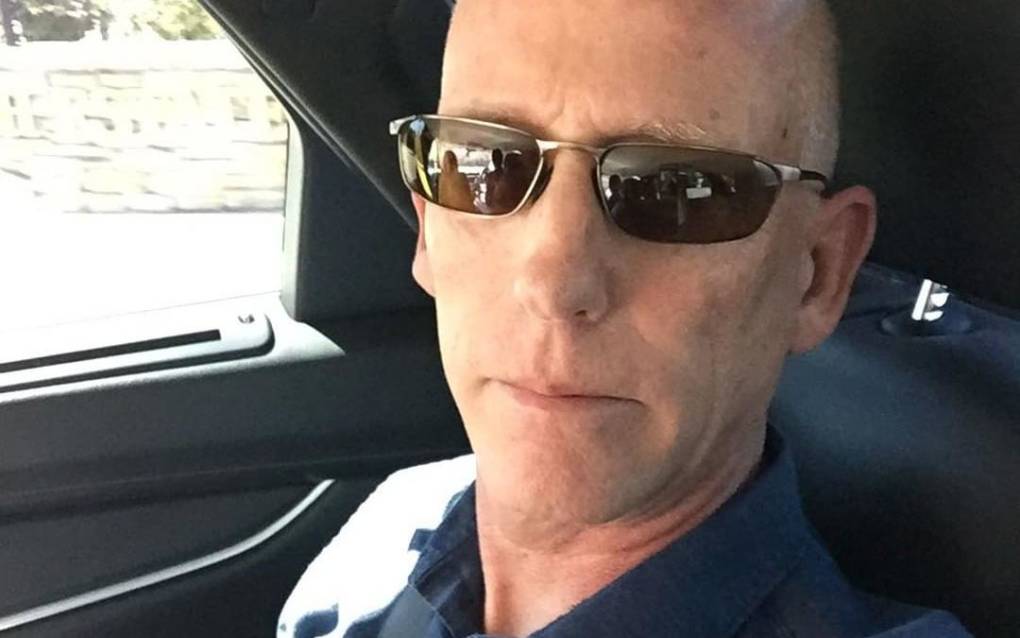
"caption": "Scott Adams.",
"description": "Scott Adams.",
"title": "Scott Adams.",
"credit": "Instagram/ @scottadams925",
"status": "inherit",
"isLoading": false,
"fetchFailed": false
},
"news_11763864": {
"type": "attachments",
"id": "news_11763864",
"meta": {
"index": "attachments_1716263798",
"site": "news",
"id": "11763864",
"found": true
},
"parent": 11763863,
"imgSizes": {
"apple_news_ca_landscape_5_5": {
"file": "https://ww2.kqed.org/app/uploads/sites/10/2019/07/ap_18101571429274-41320deb4b0412db5c2caba54bbab4baf2aa2bd0-1044x783.jpg",
"width": 1044,
"mimeType": "image/jpeg",
"height": 783
},
"apple_news_ca_square_4_0": {
"file": "https://ww2.kqed.org/app/uploads/sites/10/2019/07/ap_18101571429274-41320deb4b0412db5c2caba54bbab4baf2aa2bd0-470x470.jpg",
"width": 470,
"mimeType": "image/jpeg",
"height": 470
},
"twentyfourteen-full-width": {
"file": "https://ww2.kqed.org/app/uploads/sites/10/2019/07/ap_18101571429274-41320deb4b0412db5c2caba54bbab4baf2aa2bd0-1038x576.jpg",
"width": 1038,
"mimeType": "image/jpeg",
"height": 576
},
"thumbnail": {
"file": "https://ww2.kqed.org/app/uploads/sites/10/2019/07/ap_18101571429274-41320deb4b0412db5c2caba54bbab4baf2aa2bd0-160x120.jpg",
"width": 160,
"mimeType": "image/jpeg",
"height": 120
},
"post-thumbnail": {
"file": "https://ww2.kqed.org/app/uploads/sites/10/2019/07/ap_18101571429274-41320deb4b0412db5c2caba54bbab4baf2aa2bd0-672x372.jpg",
"width": 672,
"mimeType": "image/jpeg",
"height": 372
},
"kqedFullSize": {
"file": "https://ww2.kqed.org/app/uploads/sites/10/2019/07/ap_18101571429274-41320deb4b0412db5c2caba54bbab4baf2aa2bd0-e1564333556491.jpg",
"width": 1920,
"height": 1440
},
"apple_news_ca_landscape_4_7": {
"file": "https://ww2.kqed.org/app/uploads/sites/10/2019/07/ap_18101571429274-41320deb4b0412db5c2caba54bbab4baf2aa2bd0-632x474.jpg",
"width": 632,
"mimeType": "image/jpeg",
"height": 474
},
"large": {
"file": "https://ww2.kqed.org/app/uploads/sites/10/2019/07/ap_18101571429274-41320deb4b0412db5c2caba54bbab4baf2aa2bd0-1020x765.jpg",
"width": 1020,
"mimeType": "image/jpeg",
"height": 765
},
"complete_open_graph": {
"file": "https://ww2.kqed.org/app/uploads/sites/10/2019/07/ap_18101571429274-41320deb4b0412db5c2caba54bbab4baf2aa2bd0-1200x900.jpg",
"width": 1200,
"mimeType": "image/jpeg",
"height": 900
},
"apple_news_ca_landscape_4_0": {
"file": "https://ww2.kqed.org/app/uploads/sites/10/2019/07/ap_18101571429274-41320deb4b0412db5c2caba54bbab4baf2aa2bd0-536x402.jpg",
"width": 536,
"mimeType": "image/jpeg",
"height": 402
},
"apple_news_ca_portrait_12_9": {
"file": "https://ww2.kqed.org/app/uploads/sites/10/2019/07/ap_18101571429274-41320deb4b0412db5c2caba54bbab4baf2aa2bd0-1122x1496.jpg",
"width": 1122,
"mimeType": "image/jpeg",
"height": 1496
},
"medium": {
"file": "https://ww2.kqed.org/app/uploads/sites/10/2019/07/ap_18101571429274-41320deb4b0412db5c2caba54bbab4baf2aa2bd0-800x600.jpg",
"width": 800,
"mimeType": "image/jpeg",
"height": 600
},
"apple_news_ca_portrait_4_0": {
"file": "https://ww2.kqed.org/app/uploads/sites/10/2019/07/ap_18101571429274-41320deb4b0412db5c2caba54bbab4baf2aa2bd0-354x472.jpg",
"width": 354,
"mimeType": "image/jpeg",
"height": 472
},
"apple_news_ca_portrait_9_7": {
"file": "https://ww2.kqed.org/app/uploads/sites/10/2019/07/ap_18101571429274-41320deb4b0412db5c2caba54bbab4baf2aa2bd0-840x1120.jpg",
"width": 840,
"mimeType": "image/jpeg",
"height": 1120
},
"apple_news_ca_landscape_12_9": {
"file": "https://ww2.kqed.org/app/uploads/sites/10/2019/07/ap_18101571429274-41320deb4b0412db5c2caba54bbab4baf2aa2bd0-1832x1374.jpg",
"width": 1832,
"mimeType": "image/jpeg",
"height": 1374
},
"apple_news_ca_square_9_7": {
"file": "https://ww2.kqed.org/app/uploads/sites/10/2019/07/ap_18101571429274-41320deb4b0412db5c2caba54bbab4baf2aa2bd0-1104x1104.jpg",
"width": 1104,
"mimeType": "image/jpeg",
"height": 1104
},
"apple_news_ca_portrait_4_7": {
"file": "https://ww2.kqed.org/app/uploads/sites/10/2019/07/ap_18101571429274-41320deb4b0412db5c2caba54bbab4baf2aa2bd0-414x552.jpg",
"width": 414,
"mimeType": "image/jpeg",
"height": 552
},
"apple_news_ca_square_12_9": {
"file": "https://ww2.kqed.org/app/uploads/sites/10/2019/07/ap_18101571429274-41320deb4b0412db5c2caba54bbab4baf2aa2bd0-1472x1472.jpg",
"width": 1472,
"mimeType": "image/jpeg",
"height": 1472
},
"apple_news_ca_portrait_5_5": {
"file": "https://ww2.kqed.org/app/uploads/sites/10/2019/07/ap_18101571429274-41320deb4b0412db5c2caba54bbab4baf2aa2bd0-687x916.jpg",
"width": 687,
"mimeType": "image/jpeg",
"height": 916
},
"full-width": {
"file": "https://ww2.kqed.org/app/uploads/sites/10/2019/07/ap_18101571429274-41320deb4b0412db5c2caba54bbab4baf2aa2bd0-1920x1440.jpg",
"width": 1920,
"mimeType": "image/jpeg",
"height": 1440
},
"apple_news_ca_square_4_7": {
"file": "https://ww2.kqed.org/app/uploads/sites/10/2019/07/ap_18101571429274-41320deb4b0412db5c2caba54bbab4baf2aa2bd0-550x550.jpg",
"width": 550,
"mimeType": "image/jpeg",
"height": 550
},
"apple_news_ca_landscape_9_7": {
"file": "https://ww2.kqed.org/app/uploads/sites/10/2019/07/ap_18101571429274-41320deb4b0412db5c2caba54bbab4baf2aa2bd0-1376x1032.jpg",
"width": 1376,
"mimeType": "image/jpeg",
"height": 1032
},
"apple_news_ca_square_5_5": {
"file": "https://ww2.kqed.org/app/uploads/sites/10/2019/07/ap_18101571429274-41320deb4b0412db5c2caba54bbab4baf2aa2bd0-912x912.jpg",
"width": 912,
"mimeType": "image/jpeg",
"height": 912
}
},
"publishDate": 1564330492,
"modified": 1564333547,
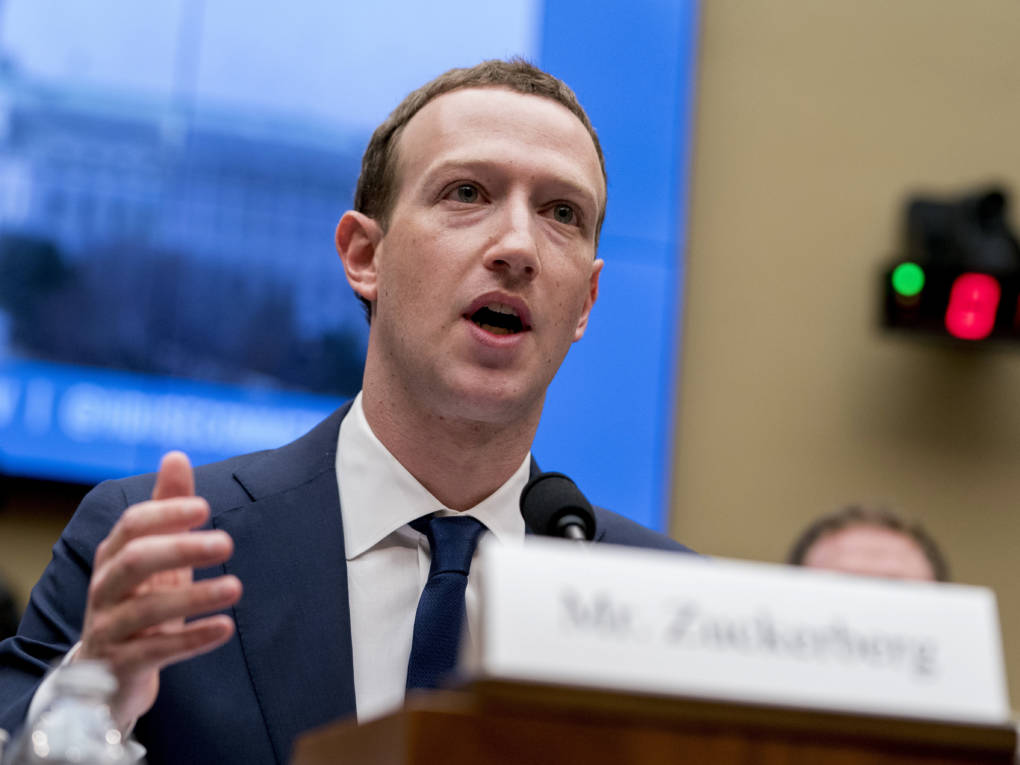
"caption": "Facebook CEO Mark Zuckerberg testifies before the House Energy and Commerce Committee on April 11, 2018.",
"description": "Facebook CEO Mark Zuckerberg testifies before the House Energy and Commerce Committee on April 11, 2018.",
"title": "Facebook CEO Mark Zuckerberg testifies before the House Energy and Commerce Committee on April 11, 2018.",
"credit": "Andrew Harnik/AP",
"status": "inherit",
"isLoading": false,
"fetchFailed": false
},
"news_11763786": {
"type": "attachments",
"id": "news_11763786",
"meta": {
"index": "attachments_1716263798",
"site": "news",
"id": "11763786",
"found": true
},
"parent": 11763784,
"imgSizes": {
"apple_news_ca_landscape_5_5": {
"file": "https://ww2.kqed.org/app/uploads/sites/10/2019/07/NR638-MARQUEE-1044x721.jpg",
"width": 1044,
"mimeType": "image/jpeg",
"height": 721
},
"apple_news_ca_square_4_0": {
"file": "https://ww2.kqed.org/app/uploads/sites/10/2019/07/NR638-MARQUEE-470x470.jpg",
"width": 470,
"mimeType": "image/jpeg",
"height": 470
},
"twentyfourteen-full-width": {
"file": "https://ww2.kqed.org/app/uploads/sites/10/2019/07/NR638-MARQUEE-1038x576.jpg",
"width": 1038,
"mimeType": "image/jpeg",
"height": 576
},
"thumbnail": {
"file": "https://ww2.kqed.org/app/uploads/sites/10/2019/07/NR638-MARQUEE-160x99.jpg",
"width": 160,
"mimeType": "image/jpeg",
"height": 99
},
"post-thumbnail": {
"file": "https://ww2.kqed.org/app/uploads/sites/10/2019/07/NR638-MARQUEE-672x372.jpg",
"width": 672,
"mimeType": "image/jpeg",
"height": 372
},
"kqedFullSize": {
"file": "https://ww2.kqed.org/app/uploads/sites/10/2019/07/NR638-MARQUEE.jpg",
"width": 1169,
"height": 721
},
"apple_news_ca_landscape_4_7": {
"file": "https://ww2.kqed.org/app/uploads/sites/10/2019/07/NR638-MARQUEE-632x474.jpg",
"width": 632,
"mimeType": "image/jpeg",
"height": 474
},
"large": {
"file": "https://ww2.kqed.org/app/uploads/sites/10/2019/07/NR638-MARQUEE-1020x629.jpg",
"width": 1020,
"mimeType": "image/jpeg",
"height": 629
},
"apple_news_ca_landscape_4_0": {
"file": "https://ww2.kqed.org/app/uploads/sites/10/2019/07/NR638-MARQUEE-536x402.jpg",
"width": 536,
"mimeType": "image/jpeg",
"height": 402
},
"apple_news_ca_portrait_12_9": {
"file": "https://ww2.kqed.org/app/uploads/sites/10/2019/07/NR638-MARQUEE-1122x721.jpg",
"width": 1122,
"mimeType": "image/jpeg",
"height": 721
},
"medium": {
"file": "https://ww2.kqed.org/app/uploads/sites/10/2019/07/NR638-MARQUEE-800x493.jpg",
"width": 800,
"mimeType": "image/jpeg",
"height": 493
},
"apple_news_ca_portrait_4_0": {
"file": "https://ww2.kqed.org/app/uploads/sites/10/2019/07/NR638-MARQUEE-354x472.jpg",
"width": 354,
"mimeType": "image/jpeg",
"height": 472
},
"apple_news_ca_portrait_9_7": {
"file": "https://ww2.kqed.org/app/uploads/sites/10/2019/07/NR638-MARQUEE-840x721.jpg",
"width": 840,
"mimeType": "image/jpeg",
"height": 721
},
"apple_news_ca_square_9_7": {
"file": "https://ww2.kqed.org/app/uploads/sites/10/2019/07/NR638-MARQUEE-1104x721.jpg",
"width": 1104,
"mimeType": "image/jpeg",
"height": 721
},
"apple_news_ca_portrait_4_7": {
"file": "https://ww2.kqed.org/app/uploads/sites/10/2019/07/NR638-MARQUEE-414x552.jpg",
"width": 414,
"mimeType": "image/jpeg",
"height": 552
},
"apple_news_ca_portrait_5_5": {
"file": "https://ww2.kqed.org/app/uploads/sites/10/2019/07/NR638-MARQUEE-687x721.jpg",
"width": 687,
"mimeType": "image/jpeg",
"height": 721
},
"apple_news_ca_square_4_7": {
"file": "https://ww2.kqed.org/app/uploads/sites/10/2019/07/NR638-MARQUEE-550x550.jpg",
"width": 550,
"mimeType": "image/jpeg",
"height": 550
},
"apple_news_ca_square_5_5": {
"file": "https://ww2.kqed.org/app/uploads/sites/10/2019/07/NR638-MARQUEE-912x721.jpg",
"width": 912,
"mimeType": "image/jpeg",
"height": 721
}
},
"publishDate": 1564187594,
"modified": 1564187594,
"caption": null,
"description": null,
"title": "NR638 MARQUEE",
"credit": null,
"status": "inherit",
"isLoading": false,
"fetchFailed": false
},
"news_11763074": {
"type": "attachments",
"id": "news_11763074",
"meta": {
"index": "attachments_1716263798",
"site": "news",
"id": "11763074",
"found": true
},
"parent": 11763073,
"imgSizes": {
"apple_news_ca_landscape_5_5": {
"file": "https://ww2.kqed.org/app/uploads/sites/10/2019/07/ap_19161688958399-8b069c0a64536c44726d8ed0e27e9b66f0170e2f-1044x783.jpg",
"width": 1044,
"mimeType": "image/jpeg",
"height": 783
},
"apple_news_ca_square_4_0": {
"file": "https://ww2.kqed.org/app/uploads/sites/10/2019/07/ap_19161688958399-8b069c0a64536c44726d8ed0e27e9b66f0170e2f-470x470.jpg",
"width": 470,
"mimeType": "image/jpeg",
"height": 470
},
"twentyfourteen-full-width": {
"file": "https://ww2.kqed.org/app/uploads/sites/10/2019/07/ap_19161688958399-8b069c0a64536c44726d8ed0e27e9b66f0170e2f-1038x576.jpg",
"width": 1038,
"mimeType": "image/jpeg",
"height": 576
},
"thumbnail": {
"file": "https://ww2.kqed.org/app/uploads/sites/10/2019/07/ap_19161688958399-8b069c0a64536c44726d8ed0e27e9b66f0170e2f-160x120.jpg",
"width": 160,
"mimeType": "image/jpeg",
"height": 120
},
"post-thumbnail": {
"file": "https://ww2.kqed.org/app/uploads/sites/10/2019/07/ap_19161688958399-8b069c0a64536c44726d8ed0e27e9b66f0170e2f-672x372.jpg",
"width": 672,
"mimeType": "image/jpeg",
"height": 372
},
"kqedFullSize": {
"file": "https://ww2.kqed.org/app/uploads/sites/10/2019/07/ap_19161688958399-8b069c0a64536c44726d8ed0e27e9b66f0170e2f.jpg",
"width": 1806,
"height": 1354
},
"apple_news_ca_landscape_4_7": {
"file": "https://ww2.kqed.org/app/uploads/sites/10/2019/07/ap_19161688958399-8b069c0a64536c44726d8ed0e27e9b66f0170e2f-632x474.jpg",
"width": 632,
"mimeType": "image/jpeg",
"height": 474
},
"large": {
"file": "https://ww2.kqed.org/app/uploads/sites/10/2019/07/ap_19161688958399-8b069c0a64536c44726d8ed0e27e9b66f0170e2f-1020x765.jpg",
"width": 1020,
"mimeType": "image/jpeg",
"height": 765
},
"complete_open_graph": {
"file": "https://ww2.kqed.org/app/uploads/sites/10/2019/07/ap_19161688958399-8b069c0a64536c44726d8ed0e27e9b66f0170e2f-1200x900.jpg",
"width": 1200,
"mimeType": "image/jpeg",
"height": 900
},
"apple_news_ca_landscape_4_0": {
"file": "https://ww2.kqed.org/app/uploads/sites/10/2019/07/ap_19161688958399-8b069c0a64536c44726d8ed0e27e9b66f0170e2f-536x402.jpg",
"width": 536,
"mimeType": "image/jpeg",
"height": 402
},
"apple_news_ca_portrait_12_9": {
"file": "https://ww2.kqed.org/app/uploads/sites/10/2019/07/ap_19161688958399-8b069c0a64536c44726d8ed0e27e9b66f0170e2f-1122x1354.jpg",
"width": 1122,
"mimeType": "image/jpeg",
"height": 1354
},
"medium": {
"file": "https://ww2.kqed.org/app/uploads/sites/10/2019/07/ap_19161688958399-8b069c0a64536c44726d8ed0e27e9b66f0170e2f-800x600.jpg",
"width": 800,
"mimeType": "image/jpeg",
"height": 600
},
"apple_news_ca_portrait_4_0": {
"file": "https://ww2.kqed.org/app/uploads/sites/10/2019/07/ap_19161688958399-8b069c0a64536c44726d8ed0e27e9b66f0170e2f-354x472.jpg",
"width": 354,
"mimeType": "image/jpeg",
"height": 472
},
"apple_news_ca_portrait_9_7": {
"file": "https://ww2.kqed.org/app/uploads/sites/10/2019/07/ap_19161688958399-8b069c0a64536c44726d8ed0e27e9b66f0170e2f-840x1120.jpg",
"width": 840,
"mimeType": "image/jpeg",
"height": 1120
},
"apple_news_ca_square_9_7": {
"file": "https://ww2.kqed.org/app/uploads/sites/10/2019/07/ap_19161688958399-8b069c0a64536c44726d8ed0e27e9b66f0170e2f-1104x1104.jpg",
"width": 1104,
"mimeType": "image/jpeg",
"height": 1104
},
"apple_news_ca_portrait_4_7": {
"file": "https://ww2.kqed.org/app/uploads/sites/10/2019/07/ap_19161688958399-8b069c0a64536c44726d8ed0e27e9b66f0170e2f-414x552.jpg",
"width": 414,
"mimeType": "image/jpeg",
"height": 552
},
"apple_news_ca_square_12_9": {
"file": "https://ww2.kqed.org/app/uploads/sites/10/2019/07/ap_19161688958399-8b069c0a64536c44726d8ed0e27e9b66f0170e2f-1472x1354.jpg",
"width": 1472,
"mimeType": "image/jpeg",
"height": 1354
},
"apple_news_ca_portrait_5_5": {
"file": "https://ww2.kqed.org/app/uploads/sites/10/2019/07/ap_19161688958399-8b069c0a64536c44726d8ed0e27e9b66f0170e2f-687x916.jpg",
"width": 687,
"mimeType": "image/jpeg",
"height": 916
},
"apple_news_ca_square_4_7": {
"file": "https://ww2.kqed.org/app/uploads/sites/10/2019/07/ap_19161688958399-8b069c0a64536c44726d8ed0e27e9b66f0170e2f-550x550.jpg",
"width": 550,
"mimeType": "image/jpeg",
"height": 550
},
"apple_news_ca_landscape_9_7": {
"file": "https://ww2.kqed.org/app/uploads/sites/10/2019/07/ap_19161688958399-8b069c0a64536c44726d8ed0e27e9b66f0170e2f-1376x1032.jpg",
"width": 1376,
"mimeType": "image/jpeg",
"height": 1032
},
"apple_news_ca_square_5_5": {
"file": "https://ww2.kqed.org/app/uploads/sites/10/2019/07/ap_19161688958399-8b069c0a64536c44726d8ed0e27e9b66f0170e2f-912x912.jpg",
"width": 912,
"mimeType": "image/jpeg",
"height": 912
}
},
"publishDate": 1563979979,
"modified": 1563980032,
"caption": "As part of a settlement with the Federal Trade Commission, Facebook CEO Mark Zuckerberg could be subject to penalties if his company doesn't comply with an agreement over privacy violations.",
"description": "As part of a settlement with the Federal Trade Commission, Facebook CEO Mark Zuckerberg could be subject to penalties if his company doesn't comply with an agreement over privacy violations.",
"title": "As part of a settlement with the Federal Trade Commission, Facebook CEO Mark Zuckerberg could be subject to penalties if his company doesn't comply with an agreement over privacy violations.",
"credit": "Ben Margot/AP",
"status": "inherit",
"isLoading": false,
"fetchFailed": false
},
"news_11762719": {
"type": "attachments",
"id": "news_11762719",
"meta": {
"index": "attachments_1716263798",
"site": "news",
"id": "11762719",
"found": true
},
"parent": 11762718,
"imgSizes": {
"apple_news_ca_landscape_5_5": {
"file": "https://ww2.kqed.org/app/uploads/sites/10/2019/07/ap_19203407929592_wide-cbf58d01f2c3efff2cea86dcfab5d08005bff13e-1044x783.jpg",
"width": 1044,
"mimeType": "image/jpeg",
"height": 783
},
"apple_news_ca_square_4_0": {
"file": "https://ww2.kqed.org/app/uploads/sites/10/2019/07/ap_19203407929592_wide-cbf58d01f2c3efff2cea86dcfab5d08005bff13e-470x470.jpg",
"width": 470,
"mimeType": "image/jpeg",
"height": 470
},
"twentyfourteen-full-width": {
"file": "https://ww2.kqed.org/app/uploads/sites/10/2019/07/ap_19203407929592_wide-cbf58d01f2c3efff2cea86dcfab5d08005bff13e-1038x576.jpg",
"width": 1038,
"mimeType": "image/jpeg",
"height": 576
},
"thumbnail": {
"file": "https://ww2.kqed.org/app/uploads/sites/10/2019/07/ap_19203407929592_wide-cbf58d01f2c3efff2cea86dcfab5d08005bff13e-160x90.jpg",
"width": 160,
"mimeType": "image/jpeg",
"height": 90
},
"post-thumbnail": {
"file": "https://ww2.kqed.org/app/uploads/sites/10/2019/07/ap_19203407929592_wide-cbf58d01f2c3efff2cea86dcfab5d08005bff13e-672x372.jpg",
"width": 672,
"mimeType": "image/jpeg",
"height": 372
},
"kqedFullSize": {
"file": "https://ww2.kqed.org/app/uploads/sites/10/2019/07/ap_19203407929592_wide-cbf58d01f2c3efff2cea86dcfab5d08005bff13e-e1563820166115.jpg",
"width": 1920,
"height": 1079
},
"apple_news_ca_landscape_4_7": {
"file": "https://ww2.kqed.org/app/uploads/sites/10/2019/07/ap_19203407929592_wide-cbf58d01f2c3efff2cea86dcfab5d08005bff13e-632x474.jpg",
"width": 632,
"mimeType": "image/jpeg",
"height": 474
},
"large": {
"file": "https://ww2.kqed.org/app/uploads/sites/10/2019/07/ap_19203407929592_wide-cbf58d01f2c3efff2cea86dcfab5d08005bff13e-1020x573.jpg",
"width": 1020,
"mimeType": "image/jpeg",
"height": 573
},
"complete_open_graph": {
"file": "https://ww2.kqed.org/app/uploads/sites/10/2019/07/ap_19203407929592_wide-cbf58d01f2c3efff2cea86dcfab5d08005bff13e-1200x675.jpg",
"width": 1200,
"mimeType": "image/jpeg",
"height": 675
},
"apple_news_ca_landscape_4_0": {
"file": "https://ww2.kqed.org/app/uploads/sites/10/2019/07/ap_19203407929592_wide-cbf58d01f2c3efff2cea86dcfab5d08005bff13e-536x402.jpg",
"width": 536,
"mimeType": "image/jpeg",
"height": 402
},
"apple_news_ca_portrait_12_9": {
"file": "https://ww2.kqed.org/app/uploads/sites/10/2019/07/ap_19203407929592_wide-cbf58d01f2c3efff2cea86dcfab5d08005bff13e-1122x1496.jpg",
"width": 1122,
"mimeType": "image/jpeg",
"height": 1496
},
"medium": {
"file": "https://ww2.kqed.org/app/uploads/sites/10/2019/07/ap_19203407929592_wide-cbf58d01f2c3efff2cea86dcfab5d08005bff13e-800x450.jpg",
"width": 800,
"mimeType": "image/jpeg",
"height": 450
},
"apple_news_ca_portrait_4_0": {
"file": "https://ww2.kqed.org/app/uploads/sites/10/2019/07/ap_19203407929592_wide-cbf58d01f2c3efff2cea86dcfab5d08005bff13e-354x472.jpg",
"width": 354,
"mimeType": "image/jpeg",
"height": 472
},
"apple_news_ca_portrait_9_7": {
"file": "https://ww2.kqed.org/app/uploads/sites/10/2019/07/ap_19203407929592_wide-cbf58d01f2c3efff2cea86dcfab5d08005bff13e-840x1120.jpg",
"width": 840,
"mimeType": "image/jpeg",
"height": 1120
},
"apple_news_ca_landscape_12_9": {
"file": "https://ww2.kqed.org/app/uploads/sites/10/2019/07/ap_19203407929592_wide-cbf58d01f2c3efff2cea86dcfab5d08005bff13e-1832x1374.jpg",
"width": 1832,
"mimeType": "image/jpeg",
"height": 1374
},
"apple_news_ca_square_9_7": {
"file": "https://ww2.kqed.org/app/uploads/sites/10/2019/07/ap_19203407929592_wide-cbf58d01f2c3efff2cea86dcfab5d08005bff13e-1104x1104.jpg",
"width": 1104,
"mimeType": "image/jpeg",
"height": 1104
},
"apple_news_ca_portrait_4_7": {
"file": "https://ww2.kqed.org/app/uploads/sites/10/2019/07/ap_19203407929592_wide-cbf58d01f2c3efff2cea86dcfab5d08005bff13e-414x552.jpg",
"width": 414,
"mimeType": "image/jpeg",
"height": 552
},
"apple_news_ca_square_12_9": {
"file": "https://ww2.kqed.org/app/uploads/sites/10/2019/07/ap_19203407929592_wide-cbf58d01f2c3efff2cea86dcfab5d08005bff13e-1472x1472.jpg",
"width": 1472,
"mimeType": "image/jpeg",
"height": 1472
},
"apple_news_ca_portrait_5_5": {
"file": "https://ww2.kqed.org/app/uploads/sites/10/2019/07/ap_19203407929592_wide-cbf58d01f2c3efff2cea86dcfab5d08005bff13e-687x916.jpg",
"width": 687,
"mimeType": "image/jpeg",
"height": 916
},
"full-width": {
"file": "https://ww2.kqed.org/app/uploads/sites/10/2019/07/ap_19203407929592_wide-cbf58d01f2c3efff2cea86dcfab5d08005bff13e-1920x1079.jpg",
"width": 1920,
"mimeType": "image/jpeg",
"height": 1079
},
"apple_news_ca_square_4_7": {
"file": "https://ww2.kqed.org/app/uploads/sites/10/2019/07/ap_19203407929592_wide-cbf58d01f2c3efff2cea86dcfab5d08005bff13e-550x550.jpg",
"width": 550,
"mimeType": "image/jpeg",
"height": 550
},
"apple_news_ca_landscape_9_7": {
"file": "https://ww2.kqed.org/app/uploads/sites/10/2019/07/ap_19203407929592_wide-cbf58d01f2c3efff2cea86dcfab5d08005bff13e-1376x1032.jpg",
"width": 1376,
"mimeType": "image/jpeg",
"height": 1032
},
"apple_news_ca_square_5_5": {
"file": "https://ww2.kqed.org/app/uploads/sites/10/2019/07/ap_19203407929592_wide-cbf58d01f2c3efff2cea86dcfab5d08005bff13e-912x912.jpg",
"width": 912,
"mimeType": "image/jpeg",
"height": 912
}
},
"publishDate": 1563819628,
"modified": 1563820159,
"caption": "Equifax will pay up to $700 million in a proposed settlement over its 2017 data breach.",
"description": "Equifax will pay up to $700 million in a proposed settlement over its 2017 data breach.",
"title": "Equifax will pay up to $700 million in a proposed settlement over its 2017 data breach.",
"credit": "Mike Stewart/AP",
"status": "inherit",
"isLoading": false,
"fetchFailed": false
},
"news_11762495": {
"type": "attachments",
"id": "news_11762495",
"meta": {
"index": "attachments_1716263798",
"site": "news",
"id": "11762495",
"found": true
},
"parent": 11762469,
"imgSizes": {
"apple_news_ca_square_4_0": {
"file": "https://ww2.kqed.org/app/uploads/sites/10/2019/07/Screen-Shot-2019-07-19-at-1.38.28-PM-470x470.png",
"width": 470,
"mimeType": "image/png",
"height": 470
},
"thumbnail": {
"file": "https://ww2.kqed.org/app/uploads/sites/10/2019/07/Screen-Shot-2019-07-19-at-1.38.28-PM-160x82.png",
"width": 160,
"mimeType": "image/png",
"height": 82
},
"post-thumbnail": {
"file": "https://ww2.kqed.org/app/uploads/sites/10/2019/07/Screen-Shot-2019-07-19-at-1.38.28-PM-672x372.png",
"width": 672,
"mimeType": "image/png",
"height": 372
},
"kqedFullSize": {
"file": "https://ww2.kqed.org/app/uploads/sites/10/2019/07/Screen-Shot-2019-07-19-at-1.38.28-PM.png",
"width": 971,
"height": 497
},
"apple_news_ca_landscape_4_7": {
"file": "https://ww2.kqed.org/app/uploads/sites/10/2019/07/Screen-Shot-2019-07-19-at-1.38.28-PM-632x474.png",
"width": 632,
"mimeType": "image/png",
"height": 474
},
"apple_news_ca_landscape_4_0": {
"file": "https://ww2.kqed.org/app/uploads/sites/10/2019/07/Screen-Shot-2019-07-19-at-1.38.28-PM-536x402.png",
"width": 536,
"mimeType": "image/png",
"height": 402
},
"medium": {
"file": "https://ww2.kqed.org/app/uploads/sites/10/2019/07/Screen-Shot-2019-07-19-at-1.38.28-PM-800x409.png",
"width": 800,
"mimeType": "image/png",
"height": 409
},
"apple_news_ca_portrait_4_0": {
"file": "https://ww2.kqed.org/app/uploads/sites/10/2019/07/Screen-Shot-2019-07-19-at-1.38.28-PM-354x472.png",
"width": 354,
"mimeType": "image/png",
"height": 472
},
"apple_news_ca_portrait_9_7": {
"file": "https://ww2.kqed.org/app/uploads/sites/10/2019/07/Screen-Shot-2019-07-19-at-1.38.28-PM-840x497.png",
"width": 840,
"mimeType": "image/png",
"height": 497
},
"apple_news_ca_portrait_4_7": {
"file": "https://ww2.kqed.org/app/uploads/sites/10/2019/07/Screen-Shot-2019-07-19-at-1.38.28-PM-414x497.png",
"width": 414,
"mimeType": "image/png",
"height": 497
},
"apple_news_ca_portrait_5_5": {
"file": "https://ww2.kqed.org/app/uploads/sites/10/2019/07/Screen-Shot-2019-07-19-at-1.38.28-PM-687x497.png",
"width": 687,
"mimeType": "image/png",
"height": 497
},
"apple_news_ca_square_4_7": {
"file": "https://ww2.kqed.org/app/uploads/sites/10/2019/07/Screen-Shot-2019-07-19-at-1.38.28-PM-550x497.png",
"width": 550,
"mimeType": "image/png",
"height": 497
},
"apple_news_ca_square_5_5": {
"file": "https://ww2.kqed.org/app/uploads/sites/10/2019/07/Screen-Shot-2019-07-19-at-1.38.28-PM-912x497.png",
"width": 912,
"mimeType": "image/png",
"height": 497
}
},
"publishDate": 1563568759,
"modified": 1563569108,
"caption": "A fabricated Trump video posted on the Facebook page of \"Paul Lee Ticks,\" among a growing group of social media users who make popular \"dumbfake\" political videos. ",
"description": null,
"title": "Screen Shot 2019-07-19 at 1.38.28 PM",
"credit": "Courtesy of Facebook",
"status": "inherit",
"isLoading": false,
"fetchFailed": false
},
"news_11762486": {
"type": "attachments",
"id": "news_11762486",
"meta": {
"index": "attachments_1716263798",
"site": "news",
"id": "11762486",
"found": true
},
"parent": 11762477,
"imgSizes": {
"apple_news_ca_landscape_5_5": {
"file": "https://ww2.kqed.org/app/uploads/sites/10/2019/07/moonlanding_071919_final-1044x783.jpg",
"width": 1044,
"mimeType": "image/jpeg",
"height": 783
},
"apple_news_ca_square_4_0": {
"file": "https://ww2.kqed.org/app/uploads/sites/10/2019/07/moonlanding_071919_final-470x470.jpg",
"width": 470,
"mimeType": "image/jpeg",
"height": 470
},
"twentyfourteen-full-width": {
"file": "https://ww2.kqed.org/app/uploads/sites/10/2019/07/moonlanding_071919_final-1038x576.jpg",
"width": 1038,
"mimeType": "image/jpeg",
"height": 576
},
"thumbnail": {
"file": "https://ww2.kqed.org/app/uploads/sites/10/2019/07/moonlanding_071919_final-160x119.jpg",
"width": 160,
"mimeType": "image/jpeg",
"height": 119
},
"post-thumbnail": {
"file": "https://ww2.kqed.org/app/uploads/sites/10/2019/07/moonlanding_071919_final-672x372.jpg",
"width": 672,
"mimeType": "image/jpeg",
"height": 372
},
"kqedFullSize": {
"file": "https://ww2.kqed.org/app/uploads/sites/10/2019/07/moonlanding_071919_final.jpg",
"width": 1920,
"height": 1422
},
"apple_news_ca_landscape_4_7": {
"file": "https://ww2.kqed.org/app/uploads/sites/10/2019/07/moonlanding_071919_final-632x474.jpg",
"width": 632,
"mimeType": "image/jpeg",
"height": 474
},
"large": {
"file": "https://ww2.kqed.org/app/uploads/sites/10/2019/07/moonlanding_071919_final-1020x755.jpg",
"width": 1020,
"mimeType": "image/jpeg",
"height": 755
},
"complete_open_graph": {
"file": "https://ww2.kqed.org/app/uploads/sites/10/2019/07/moonlanding_071919_final-1200x889.jpg",
"width": 1200,
"mimeType": "image/jpeg",
"height": 889
},
"apple_news_ca_landscape_4_0": {
"file": "https://ww2.kqed.org/app/uploads/sites/10/2019/07/moonlanding_071919_final-536x402.jpg",
"width": 536,
"mimeType": "image/jpeg",
"height": 402
},
"apple_news_ca_portrait_12_9": {
"file": "https://ww2.kqed.org/app/uploads/sites/10/2019/07/moonlanding_071919_final-1122x1422.jpg",
"width": 1122,
"mimeType": "image/jpeg",
"height": 1422
},
"medium": {
"file": "https://ww2.kqed.org/app/uploads/sites/10/2019/07/moonlanding_071919_final-800x593.jpg",
"width": 800,
"mimeType": "image/jpeg",
"height": 593
},
"apple_news_ca_portrait_4_0": {
"file": "https://ww2.kqed.org/app/uploads/sites/10/2019/07/moonlanding_071919_final-354x472.jpg",
"width": 354,
"mimeType": "image/jpeg",
"height": 472
},
"apple_news_ca_portrait_9_7": {
"file": "https://ww2.kqed.org/app/uploads/sites/10/2019/07/moonlanding_071919_final-840x1120.jpg",
"width": 840,
"mimeType": "image/jpeg",
"height": 1120
},
"apple_news_ca_landscape_12_9": {
"file": "https://ww2.kqed.org/app/uploads/sites/10/2019/07/moonlanding_071919_final-1832x1374.jpg",
"width": 1832,
"mimeType": "image/jpeg",
"height": 1374
},
"apple_news_ca_square_9_7": {
"file": "https://ww2.kqed.org/app/uploads/sites/10/2019/07/moonlanding_071919_final-1104x1104.jpg",
"width": 1104,
"mimeType": "image/jpeg",
"height": 1104
},
"apple_news_ca_portrait_4_7": {
"file": "https://ww2.kqed.org/app/uploads/sites/10/2019/07/moonlanding_071919_final-414x552.jpg",
"width": 414,
"mimeType": "image/jpeg",
"height": 552
},
"apple_news_ca_square_12_9": {
"file": "https://ww2.kqed.org/app/uploads/sites/10/2019/07/moonlanding_071919_final-1472x1422.jpg",
"width": 1472,
"mimeType": "image/jpeg",
"height": 1422
},
"apple_news_ca_portrait_5_5": {
"file": "https://ww2.kqed.org/app/uploads/sites/10/2019/07/moonlanding_071919_final-687x916.jpg",
"width": 687,
"mimeType": "image/jpeg",
"height": 916
},
"full-width": {
"file": "https://ww2.kqed.org/app/uploads/sites/10/2019/07/moonlanding_071919_final-1920x1422.jpg",
"width": 1920,
"mimeType": "image/jpeg",
"height": 1422
},
"apple_news_ca_square_4_7": {
"file": "https://ww2.kqed.org/app/uploads/sites/10/2019/07/moonlanding_071919_final-550x550.jpg",
"width": 550,
"mimeType": "image/jpeg",
"height": 550
},
"apple_news_ca_landscape_9_7": {
"file": "https://ww2.kqed.org/app/uploads/sites/10/2019/07/moonlanding_071919_final-1376x1032.jpg",
"width": 1376,
"mimeType": "image/jpeg",
"height": 1032
},
"apple_news_ca_square_5_5": {
"file": "https://ww2.kqed.org/app/uploads/sites/10/2019/07/moonlanding_071919_final-912x912.jpg",
"width": 912,
"mimeType": "image/jpeg",
"height": 912
}
},
"publishDate": 1563568243,
"modified": 1563568266,
"caption": null,
"description": null,
"title": "moonlanding_071919_final",
"credit": null,
"status": "inherit",
"isLoading": false,
"fetchFailed": false
},
"news_11682965": {
"type": "attachments",
"id": "news_11682965",
"meta": {
"index": "attachments_1716263798",
"site": "news",
"id": "11682965",
"found": true
},
"parent": 11682863,
"imgSizes": {
"small": {
"file": "https://ww2.kqed.org/app/uploads/sites/10/2018/07/iStock-851960058-520x347.jpg",
"width": 520,
"mimeType": "image/jpeg",
"height": 347
},
"twentyfourteen-full-width": {
"file": "https://ww2.kqed.org/app/uploads/sites/10/2018/07/iStock-851960058-1038x576.jpg",
"width": 1038,
"mimeType": "image/jpeg",
"height": 576
},
"thumbnail": {
"file": "https://ww2.kqed.org/app/uploads/sites/10/2018/07/iStock-851960058-160x107.jpg",
"width": 160,
"mimeType": "image/jpeg",
"height": 107
},
"fd-sm": {
"file": "https://ww2.kqed.org/app/uploads/sites/10/2018/07/iStock-851960058-960x640.jpg",
"width": 960,
"mimeType": "image/jpeg",
"height": 640
},
"post-thumbnail": {
"file": "https://ww2.kqed.org/app/uploads/sites/10/2018/07/iStock-851960058-672x372.jpg",
"width": 672,
"mimeType": "image/jpeg",
"height": 372
},
"xsmall": {
"file": "https://ww2.kqed.org/app/uploads/sites/10/2018/07/iStock-851960058-375x250.jpg",
"width": 375,
"mimeType": "image/jpeg",
"height": 250
},
"kqedFullSize": {
"file": "https://ww2.kqed.org/app/uploads/sites/10/2018/07/iStock-851960058-e1532646093485.jpg",
"width": 1920,
"height": 1280
},
"large": {
"file": "https://ww2.kqed.org/app/uploads/sites/10/2018/07/iStock-851960058-1020x680.jpg",
"width": 1020,
"mimeType": "image/jpeg",
"height": 680
},
"xlarge": {
"file": "https://ww2.kqed.org/app/uploads/sites/10/2018/07/iStock-851960058-1180x787.jpg",
"width": 1180,
"mimeType": "image/jpeg",
"height": 787
},
"complete_open_graph": {
"file": "https://ww2.kqed.org/app/uploads/sites/10/2018/07/iStock-851960058-1200x800.jpg",
"width": 1200,
"mimeType": "image/jpeg",
"height": 800
},
"guest-author-50": {
"file": "https://ww2.kqed.org/app/uploads/sites/10/2018/07/iStock-851960058-50x50.jpg",
"width": 50,
"mimeType": "image/jpeg",
"height": 50
},
"guest-author-96": {
"file": "https://ww2.kqed.org/app/uploads/sites/10/2018/07/iStock-851960058-96x96.jpg",
"width": 96,
"mimeType": "image/jpeg",
"height": 96
},
"medium": {
"file": "https://ww2.kqed.org/app/uploads/sites/10/2018/07/iStock-851960058-800x533.jpg",
"width": 800,
"mimeType": "image/jpeg",
"height": 533
},
"guest-author-64": {
"file": "https://ww2.kqed.org/app/uploads/sites/10/2018/07/iStock-851960058-64x64.jpg",
"width": 64,
"mimeType": "image/jpeg",
"height": 64
},
"guest-author-32": {
"file": "https://ww2.kqed.org/app/uploads/sites/10/2018/07/iStock-851960058-32x32.jpg",
"width": 32,
"mimeType": "image/jpeg",
"height": 32
},
"fd-lrg": {
"file": "https://ww2.kqed.org/app/uploads/sites/10/2018/07/iStock-851960058-1920x1280.jpg",
"width": 1920,
"mimeType": "image/jpeg",
"height": 1280
},
"fd-med": {
"file": "https://ww2.kqed.org/app/uploads/sites/10/2018/07/iStock-851960058-1180x787.jpg",
"width": 1180,
"mimeType": "image/jpeg",
"height": 787
},
"full-width": {
"file": "https://ww2.kqed.org/app/uploads/sites/10/2018/07/iStock-851960058-1920x1280.jpg",
"width": 1920,
"mimeType": "image/jpeg",
"height": 1280
},
"detail": {
"file": "https://ww2.kqed.org/app/uploads/sites/10/2018/07/iStock-851960058-150x150.jpg",
"width": 150,
"mimeType": "image/jpeg",
"height": 150
},
"guest-author-128": {
"file": "https://ww2.kqed.org/app/uploads/sites/10/2018/07/iStock-851960058-128x128.jpg",
"width": 128,
"mimeType": "image/jpeg",
"height": 128
},
"xxsmall": {
"file": "https://ww2.kqed.org/app/uploads/sites/10/2018/07/iStock-851960058-240x160.jpg",
"width": 240,
"mimeType": "image/jpeg",
"height": 160
}
},
"publishDate": 1532646023,
"modified": 1563376882,
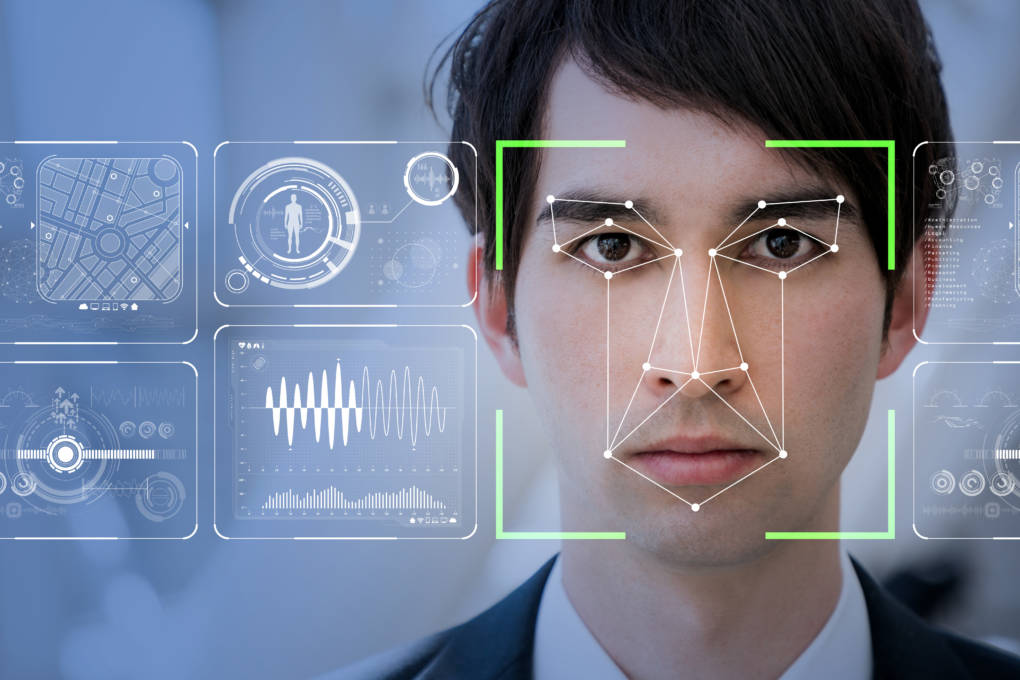
"caption": "File photo of a facial recognition system. The ACLU used Amazon's facial recognition software, Rekognition, to compare the photos of all federal lawmakers to a database of 25,000 mugshots.",
"description": "File photo of a facial recognition system. The ACLU used Amazon's facial recognition software, Rekognition, to compare the photos of all federal lawmakers to a database of 25,000 mug shots.",
"title": "Facial Recognition System concept.",
"credit": "Getty Images",
"status": "inherit",
"isLoading": false,
"fetchFailed": false
},
"news_11761712": {
"type": "attachments",
"id": "news_11761712",
"meta": {
"index": "attachments_1716263798",
"site": "news",
"id": "11761712",
"found": true
},
"parent": 11761697,
"imgSizes": {
"apple_news_ca_landscape_5_5": {
"file": "https://ww2.kqed.org/app/uploads/sites/10/2019/07/surface_071619_final-1044x783.jpg",
"width": 1044,
"mimeType": "image/jpeg",
"height": 783
},
"apple_news_ca_square_4_0": {
"file": "https://ww2.kqed.org/app/uploads/sites/10/2019/07/surface_071619_final-470x470.jpg",
"width": 470,
"mimeType": "image/jpeg",
"height": 470
},
"twentyfourteen-full-width": {
"file": "https://ww2.kqed.org/app/uploads/sites/10/2019/07/surface_071619_final-1038x576.jpg",
"width": 1038,
"mimeType": "image/jpeg",
"height": 576
},
"thumbnail": {
"file": "https://ww2.kqed.org/app/uploads/sites/10/2019/07/surface_071619_final-160x121.jpg",
"width": 160,
"mimeType": "image/jpeg",
"height": 121
},
"post-thumbnail": {
"file": "https://ww2.kqed.org/app/uploads/sites/10/2019/07/surface_071619_final-672x372.jpg",
"width": 672,
"mimeType": "image/jpeg",
"height": 372
},
"kqedFullSize": {
"file": "https://ww2.kqed.org/app/uploads/sites/10/2019/07/surface_071619_final.jpg",
"width": 1920,
"height": 1452
},
"apple_news_ca_landscape_4_7": {
"file": "https://ww2.kqed.org/app/uploads/sites/10/2019/07/surface_071619_final-632x474.jpg",
"width": 632,
"mimeType": "image/jpeg",
"height": 474
},
"large": {
"file": "https://ww2.kqed.org/app/uploads/sites/10/2019/07/surface_071619_final-1020x771.jpg",
"width": 1020,
"mimeType": "image/jpeg",
"height": 771
},
"complete_open_graph": {
"file": "https://ww2.kqed.org/app/uploads/sites/10/2019/07/surface_071619_final-1200x908.jpg",
"width": 1200,
"mimeType": "image/jpeg",
"height": 908
},
"apple_news_ca_landscape_4_0": {
"file": "https://ww2.kqed.org/app/uploads/sites/10/2019/07/surface_071619_final-536x402.jpg",
"width": 536,
"mimeType": "image/jpeg",
"height": 402
},
"apple_news_ca_portrait_12_9": {
"file": "https://ww2.kqed.org/app/uploads/sites/10/2019/07/surface_071619_final-1122x1452.jpg",
"width": 1122,
"mimeType": "image/jpeg",
"height": 1452
},
"medium": {
"file": "https://ww2.kqed.org/app/uploads/sites/10/2019/07/surface_071619_final-800x605.jpg",
"width": 800,
"mimeType": "image/jpeg",
"height": 605
},
"apple_news_ca_portrait_4_0": {
"file": "https://ww2.kqed.org/app/uploads/sites/10/2019/07/surface_071619_final-354x472.jpg",
"width": 354,
"mimeType": "image/jpeg",
"height": 472
},
"apple_news_ca_portrait_9_7": {
"file": "https://ww2.kqed.org/app/uploads/sites/10/2019/07/surface_071619_final-840x1120.jpg",
"width": 840,
"mimeType": "image/jpeg",
"height": 1120
},
"apple_news_ca_landscape_12_9": {
"file": "https://ww2.kqed.org/app/uploads/sites/10/2019/07/surface_071619_final-1832x1374.jpg",
"width": 1832,
"mimeType": "image/jpeg",
"height": 1374
},
"apple_news_ca_square_9_7": {
"file": "https://ww2.kqed.org/app/uploads/sites/10/2019/07/surface_071619_final-1104x1104.jpg",
"width": 1104,
"mimeType": "image/jpeg",
"height": 1104
},
"apple_news_ca_portrait_4_7": {
"file": "https://ww2.kqed.org/app/uploads/sites/10/2019/07/surface_071619_final-414x552.jpg",
"width": 414,
"mimeType": "image/jpeg",
"height": 552
},
"apple_news_ca_square_12_9": {
"file": "https://ww2.kqed.org/app/uploads/sites/10/2019/07/surface_071619_final-1472x1452.jpg",
"width": 1472,
"mimeType": "image/jpeg",
"height": 1452
},
"apple_news_ca_portrait_5_5": {
"file": "https://ww2.kqed.org/app/uploads/sites/10/2019/07/surface_071619_final-687x916.jpg",
"width": 687,
"mimeType": "image/jpeg",
"height": 916
},
"full-width": {
"file": "https://ww2.kqed.org/app/uploads/sites/10/2019/07/surface_071619_final-1920x1452.jpg",
"width": 1920,
"mimeType": "image/jpeg",
"height": 1452
},
"apple_news_ca_square_4_7": {
"file": "https://ww2.kqed.org/app/uploads/sites/10/2019/07/surface_071619_final-550x550.jpg",
"width": 550,
"mimeType": "image/jpeg",
"height": 550
},
"apple_news_ca_landscape_9_7": {
"file": "https://ww2.kqed.org/app/uploads/sites/10/2019/07/surface_071619_final-1376x1032.jpg",
"width": 1376,
"mimeType": "image/jpeg",
"height": 1032
},
"apple_news_ca_square_5_5": {
"file": "https://ww2.kqed.org/app/uploads/sites/10/2019/07/surface_071619_final-912x912.jpg",
"width": 912,
"mimeType": "image/jpeg",
"height": 912
}
},
"publishDate": 1563310072,
"modified": 1563310098,
"caption": null,
"description": null,
"title": "surface_071619_final",
"credit": null,
"status": "inherit",
"isLoading": false,
"fetchFailed": false
}
},
"audioPlayerReducer": {
"postId": "stream_live",
"isPaused": true,
"isPlaying": false,
"pfsActive": false,
"pledgeModalIsOpen": true,
"playerDrawerIsOpen": false,
"liveAudioPlayStartedAt": 0,
"liveAudioPlayContext": ""
},
"authorsReducer": {
"byline_news_11764649": {
"type": "authors",
"id": "byline_news_11764649",
"meta": {
"override": true
},
"slug": "byline_news_11764649",
"name": "\u003ca href= \"https://www.npr.org/people/705255512/emily-feng\"> Emily Feng \u003ca/>",
"isLoading": false
},
"byline_news_11763863": {
"type": "authors",
"id": "byline_news_11763863",
"meta": {
"override": true
},
"slug": "byline_news_11763863",
"name": "Aarti Shahani \u003cbr> NPR",
"isLoading": false
},
"byline_news_11763073": {
"type": "authors",
"id": "byline_news_11763073",
"meta": {
"override": true
},
"slug": "byline_news_11763073",
"name": "\u003cstrong>Aarti Shahani and Avie Schneider\u003cbr />NPR\u003c/strong>",
"isLoading": false
},
"byline_news_11762718": {
"type": "authors",
"id": "byline_news_11762718",
"meta": {
"override": true
},
"slug": "byline_news_11762718",
"name": "\u003cstrong>Avie Schneider and Chris Arnold\u003cbr />NPR\u003c/strong>",
"isLoading": false
},
"byline_news_11762469": {
"type": "authors",
"id": "byline_news_11762469",
"meta": {
"override": true
},
"slug": "byline_news_11762469",
"name": "Beatrice Dupuy and Barbara Ortutay\u003cbr>Associated Press",
"isLoading": false
},
"kqed": {
"type": "authors",
"id": "236",
"meta": {
"index": "authors_1716337520",
"id": "236",
"found": true
},
"name": "KQED News Staff",
"firstName": "KQED News Staff",
"lastName": null,
"slug": "kqed",
"email": "faq@kqed.org",
"display_author_email": false,
"staff_mastheads": [],
"title": null,
"bio": null,
"avatar": "https://secure.gravatar.com/avatar/ef0e801a68c4c54afa9180db14084167?s=600&d=blank&r=g",
"twitter": null,
"facebook": null,
"instagram": null,
"linkedin": null,
"sites": [
{
"site": "arts",
"roles": [
"contributor"
]
},
{
"site": "news",
"roles": [
"editor"
]
},
{
"site": "futureofyou",
"roles": [
"author"
]
}
],
"headData": {
"title": "KQED News Staff | KQED",
"description": null,
"ogImgSrc": "https://secure.gravatar.com/avatar/ef0e801a68c4c54afa9180db14084167?s=600&d=blank&r=g",
"twImgSrc": "https://secure.gravatar.com/avatar/ef0e801a68c4c54afa9180db14084167?s=600&d=blank&r=g"
},
"isLoading": false,
"link": "/author/kqed"
},
"rachael-myrow": {
"type": "authors",
"id": "251",
"meta": {
"index": "authors_1716337520",
"id": "251",
"found": true
},
"name": "Rachael Myrow",
"firstName": "Rachael",
"lastName": "Myrow",
"slug": "rachael-myrow",
"email": "rmyrow@kqed.org",
"display_author_email": true,
"staff_mastheads": [
"news"
],
"title": "Senior Editor of KQED's Silicon Valley News Desk",
"bio": "• I write and edit stories about how Silicon Valley power and policies shape everyday life in California. I’m also passionate about making Bay Area history and culture more accessible to a broad public. • I’ve been a journalist for most of my life, starting in high school with The Franklin Press in Los Angeles, where I grew up. While earning my first degree in English at UC Berkeley, I got my start in public radio at KALX-FM. After completing a second degree in journalism at Cal, I landed my first professional job at Marketplace, then moved on to KPCC (now LAist), and then KQED, where I hosted The California Report for more than seven years. • My reporting has appeared on NPR, The World, WBUR’s \u003ci>Here & Now\u003c/i>, and the BBC. I also guest host for KQED’s \u003ci>Forum\u003c/i>, as well as the Commonwealth Club in San Francisco. • I speak periodically on media, democracy and technology issues, and do voiceover work for documentaries and educational video projects. • Outside of the studio, you'll find me hiking Bay Area trails and whipping up Insta-ready meals in my kitchen. • I do not accept gifts, money, or favors from anyone connected to my reporting, I don't pay people for information, and I do not support or donate to political causes. • I strive to treat the people I report on with fairness, honesty, and respect. I also recognize there are often multiple sides to a story and work to verify information through multiple sources and documentation. If I get something wrong, I correct it.",
"avatar": "https://secure.gravatar.com/avatar/3ed8a3c5f26025e4a805ba634cda8cd764906b97438a6d9ce216b044e340da4e?s=600&d=blank&r=g",
"twitter": "rachaelmyrow",
"bluesky": null,
"facebook": null,
"instagram": null,
"linkedin": "https://www.linkedin.com/in/rachaelmyrow/",
"sites": [
{
"site": "arts",
"roles": [
"administrator"
]
},
{
"site": "news",
"roles": [
"edit_others_posts",
"editor"
]
},
{
"site": "futureofyou",
"roles": [
"editor"
]
},
{
"site": "bayareabites",
"roles": [
"editor"
]
},
{
"site": "stateofhealth",
"roles": [
"editor"
]
},
{
"site": "science",
"roles": [
"editor"
]
},
{
"site": "food",
"roles": [
"editor"
]
},
{
"site": "forum",
"roles": [
"editor"
]
},
{
"site": "liveblog",
"roles": [
"author"
]
}
],
"headData": {
"title": "Rachael Myrow | KQED",
"description": "Senior Editor of KQED's Silicon Valley News Desk",
"ogImgSrc": "https://secure.gravatar.com/avatar/3ed8a3c5f26025e4a805ba634cda8cd764906b97438a6d9ce216b044e340da4e?s=600&d=blank&r=g",
"twImgSrc": "https://secure.gravatar.com/avatar/3ed8a3c5f26025e4a805ba634cda8cd764906b97438a6d9ce216b044e340da4e?s=600&d=blank&r=g"
},
"isLoading": false,
"link": "/author/rachael-myrow"
},
"markfiore": {
"type": "authors",
"id": "3236",
"meta": {
"index": "authors_1716337520",
"id": "3236",
"found": true
},
"name": "Mark Fiore",
"firstName": "Mark",
"lastName": "Fiore",
"slug": "markfiore",
"email": "mark@markfiore.com",
"display_author_email": false,
"staff_mastheads": [
"news"
],
"title": "KQED News Cartoonist",
"bio": "\u003ca href=\"http://www.MarkFiore.com\">MarkFiore.com\u003c/a> | \u003ca href=\"https://twitter.com/markfiore\">Follow on Twitter\u003c/a> | \u003ca href=\"https://www.facebook.com/pages/Mark-Fiore-Animated-Political-Cartoons/94451707396?ref=bookmarks\">Facebook\u003c/a> | \u003ca href=\"mailto:mark@markfiore.com\">email\u003c/a>\r\n\r\nPulitzer Prize-winner, Mark Fiore, who the Wall Street Journal has called “the undisputed guru of the form,” creates animated political cartoons in San Francisco, where his work has been featured regularly on the San Francisco Chronicle’s web site, SFGate.com. His work has appeared on Newsweek.com, Slate.com, CBSNews.com, MotherJones.com, DailyKos.com and NPR’s web site. Fiore’s political animation has appeared on CNN, Frontline, Bill Moyers Journal, Salon.com and cable and broadcast outlets across the globe.\r\n\r\nBeginning his professional life by drawing traditional political cartoons for newspapers, Fiore’s work appeared in publications ranging from the Washington Post to the Los Angeles Times. In the late 1990s, he began to experiment with animating political cartoons and, after a short stint at the San Jose Mercury News as their staff cartoonist, Fiore devoted all his energies to animation.\r\nGrowing up in California, Fiore also spent a good portion of his life in the backwoods of Idaho. It was this combination that shaped him politically. Mark majored in political science at Colorado College, where, in a perfect send-off for a cartoonist, he received his diploma in 1991 as commencement speaker Dick Cheney smiled approvingly.\r\nMark Fiore was awarded the Pulitzer Prize for political cartooning in 2010, a Robert F. Kennedy Journalism Award in 2004 and has twice received an Online Journalism Award for commentary from the Online News Association (2002, 2008). Fiore has received two awards for his work in new media from the National Cartoonists Society (2001, 2002), and in 2006 received The James Madison Freedom of Information Award from The Society of Professional Journalists.",
"avatar": "https://secure.gravatar.com/avatar/fc4e2a612b15b67bad0c6f0e1db4ca9b?s=600&d=blank&r=g",
"twitter": "MarkFiore",
"facebook": null,
"instagram": "https://www.instagram.com/markfiore/?hl=en",
"linkedin": null,
"sites": [
{
"site": "arts",
"roles": [
"contributor"
]
},
{
"site": "news",
"roles": [
"editor"
]
},
{
"site": "futureofyou",
"roles": [
"editor"
]
},
{
"site": "science",
"roles": [
"editor"
]
}
],
"headData": {
"title": "Mark Fiore | KQED",
"description": "KQED News Cartoonist",
"ogImgSrc": "https://secure.gravatar.com/avatar/fc4e2a612b15b67bad0c6f0e1db4ca9b?s=600&d=blank&r=g",
"twImgSrc": "https://secure.gravatar.com/avatar/fc4e2a612b15b67bad0c6f0e1db4ca9b?s=600&d=blank&r=g"
},
"isLoading": false,
"link": "/author/markfiore"
},
"ralexandra": {
"type": "authors",
"id": "11242",
"meta": {
"index": "authors_1716337520",
"id": "11242",
"found": true
},
"name": "Rae Alexandra",
"firstName": "Rae",
"lastName": "Alexandra",
"slug": "ralexandra",
"email": "ralexandra@kqed.org",
"display_author_email": true,
"staff_mastheads": [],
"title": "Reporter/Producer",
"bio": "Rae Alexandra is a Reporter/Producer for KQED Arts & Culture, and the creator/author of the \u003ca href=\"https://www.kqed.org/arts/program/rebel-girls-from-bay-area-history\">Rebel Girls From Bay Area History\u003c/a> and \u003ca href=\"https://www.kqed.org/bizarrebayarea\">Bizarre Bay Area\u003c/a> series. Her debut book, \u003ca href=\"https://citylights.com/politics-current-events-history/unsung-heroines35-women-who-changed/\">Unsung Heroines: 35 Women Who Changed the Bay Area\u003c/a> was published by City Lights in March 2026. In 2023, Rae was awarded an SPJ Excellence in Journalism Award for Arts & Culture. Rae was born and raised in Wales and subsequently — even after two decades in Northern California — still uses phrases that regularly baffle her coworkers.",
"avatar": "https://secure.gravatar.com/avatar/edfee8176c80cc0a382b051190f5341997df378a934a5774dcb0977732dfd401?s=600&d=blank&r=g",
"twitter": null,
"bluesky": null,
"facebook": null,
"instagram": null,
"linkedin": null,
"sites": [
{
"site": "arts",
"roles": [
"subscriber"
]
},
{
"site": "news",
"roles": [
"subscriber"
]
},
{
"site": "pop",
"roles": [
"subscriber"
]
},
{
"site": "bayareabites",
"roles": [
"subscriber"
]
},
{
"site": "science",
"roles": [
"subscriber"
]
}
],
"headData": {
"title": "Rae Alexandra | KQED",
"description": "Reporter/Producer",
"ogImgSrc": "https://secure.gravatar.com/avatar/edfee8176c80cc0a382b051190f5341997df378a934a5774dcb0977732dfd401?s=600&d=blank&r=g",
"twImgSrc": "https://secure.gravatar.com/avatar/edfee8176c80cc0a382b051190f5341997df378a934a5774dcb0977732dfd401?s=600&d=blank&r=g"
},
"isLoading": false,
"link": "/author/ralexandra"
},
"hhagemann": {
"type": "authors",
"id": "11578",
"meta": {
"index": "authors_1716337520",
"id": "11578",
"found": true
},
"name": "Hannah Hagemann",
"firstName": "Hannah",
"lastName": "Hagemann",
"slug": "hhagemann",
"email": "hhagemann@KQED.org",
"display_author_email": false,
"staff_mastheads": [],
"title": "KQED Contributor",
"bio": null,
"avatar": "https://secure.gravatar.com/avatar/c3af389deff545c719141a87524965d8?s=600&d=blank&r=g",
"twitter": null,
"facebook": null,
"instagram": null,
"linkedin": null,
"sites": [
{
"site": "news",
"roles": [
"author"
]
},
{
"site": "science",
"roles": [
"editor"
]
}
],
"headData": {
"title": "Hannah Hagemann | KQED",
"description": "KQED Contributor",
"ogImgSrc": "https://secure.gravatar.com/avatar/c3af389deff545c719141a87524965d8?s=600&d=blank&r=g",
"twImgSrc": "https://secure.gravatar.com/avatar/c3af389deff545c719141a87524965d8?s=600&d=blank&r=g"
},
"isLoading": false,
"link": "/author/hhagemann"
}
},
"pagesReducer": {
"news_category_technology": {
"type": "terms",
"id": "news_248",
"meta": {
"index": "terms_1716263798",
"site": "news",
"id": "248",
"score": 10.931574
},
"featImg": null,
"name": "Technology",
"description": null,
"taxonomy": "category",
"headData": {
"twImgId": null,
"twTitle": null,
"ogTitle": null,
"ogImgId": null,
"twDescription": null,
"description": null,
"title": "Technology Archives | KQED News",
"ogDescription": null
},
"ttid": 256,
"slug": "technology",
"isLoading": false,
"title": "Technology",
"pageMeta": {
"site": "news",
"WpPageTemplate": "page-topic-editorial",
"currentPage": 62
},
"blocks": [
{
"blockName": "kqed/post-list",
"attrs": {
"layout": "cardArticle2",
"query": "posts/news?category=technology",
"seeMore": false,
"paginated": true,
"page": 62
}
},
{
"blockName": "kqed/ad"
}
]
}
},
"pfsSessionReducer": {},
"postsReducer": {
"stream_live": {
"type": "live",
"id": "stream_live",
"audioUrl": "https://streams.kqed.org/kqedradio",
"title": "Live Stream",
"excerpt": "Live Stream information currently unavailable.",
"link": "/radio",
"featImg": "",
"label": {
"name": "KQED Live",
"link": "/"
}
},
"stream_kqedNewscast": {
"type": "posts",
"id": "stream_kqedNewscast",
"audioUrl": "https://www.kqed.org/.stream/anon/radio/RDnews/newscast.mp3?_=1",
"title": "KQED Newscast",
"featImg": "",
"label": {
"name": "88.5 FM",
"link": "/"
}
},
"news_11765841": {
"type": "posts",
"id": "news_11765841",
"meta": {
"index": "posts_1716263798",
"site": "news",
"id": "11765841",
"score": null,
"sort": [
1565184610000
]
},
"guestAuthors": [],
"slug": "how-hate-filled-online-groups-encourage-budding-psychopaths-to-kill-others",
"title": "How Hate-Filled Groups Incite Violence From the Extreme Corners of the Internet",
"publishDate": 1565184610,
"format": "audio",
"headTitle": "How Hate-Filled Groups Incite Violence From the Extreme Corners of the Internet | KQED",
"labelTerm": {
"site": "news"
},
"content": "\u003cp>\u003cem>Note: this article’s visual assets contain offensive language.\u003c/em>\u003c/p>\n\u003cp>Mass shootings have become \u003cspan style=\"font-weight: 400;\">all too common in America\u003c/span>, with attacks weekly, if not daily, now. In the wake of Gilroy, Dayton and El Paso, it’s worth noting that the frequency of these attacks was predicted a year ago by a man who studies hate speech on social media.\u003c/p>\n\u003cp>Joel Finkelstein, director of \u003ca href=\"http://ncri.io\" target=\"_blank\" rel=\"noopener\">Network Contagion Research Institute,\u003c/a> says the attacks may seem random, but they’re not. “They’re not coming out of nowhere,” he said.\u003c/p>\n\u003cp>Finkelstein’s institute uses machine learning tools to identify, track and expose hate speech online, drawing from mainstream as well as extremist communities. The typically young, white, male gunmen more often than not reference language seen on platforms like 4chan, 8chan and Gab.\u003c/p>\n\u003cfigure id=\"attachment_11766129\" class=\"wp-caption alignnone\" style=\"max-width: 800px\">\u003cimg loading=\"lazy\" decoding=\"async\" class=\"size-medium wp-image-11766129\" src=\"https://ww2.kqed.org/news/wp-content/uploads/sites/10/2019/08/nigger_graph-1020x675-1-800x529.jpeg\" alt=\"Detail of a word cloud based on more than 50 million comments on 4chan through October 2018. The comments were pulled from Politically Incorrect, 4chan's board for discussing and debating politics and current events. \" width=\"800\" height=\"529\" srcset=\"https://cdn.kqed.org/wp-content/uploads/sites/10/2019/08/nigger_graph-1020x675-1-800x529.jpeg 800w, https://cdn.kqed.org/wp-content/uploads/sites/10/2019/08/nigger_graph-1020x675-1-160x106.jpeg 160w, https://cdn.kqed.org/wp-content/uploads/sites/10/2019/08/nigger_graph-1020x675-1.jpeg 1020w\" sizes=\"(max-width: 800px) 100vw, 800px\">\u003cfigcaption class=\"wp-caption-text\">Detail of a word cloud based on more than 50 million comments on 4chan through October 2018. The comments were pulled from Politically Incorrect, 4chan’s board for discussing and debating politics and current events. \u003ccite>(Courtesy of Network Contagion Research Institute)\u003c/cite>\u003c/figcaption>\u003c/figure>\n\u003cp>Finkelstein said these platforms need to be held legally accountable, perhaps by the families of those killed in mass shootings, who could sue platforms over their willingness to host conversations inciting readers to violence.\u003c/p>\n\u003cp>Recall what Matthew Prince, CEO of \u003cspan class=\"r-18u37iz\">Cloudflare, wrote as he \u003c/span>\u003cspan class=\"r-18u37iz\">\u003ca href=\"https://new.blog.cloudflare.com/terminating-service-for-8chan/\" target=\"_blank\" rel=\"noopener\">announced\u003c/a>\u003c/span>\u003cspan class=\"r-18u37iz\"> that the San Francisco-based web infrastructure company \u003c/span>\u003cspan class=\"css-901oao css-16my406 r-1qd0xha r-ad9z0x r-bcqeeo r-qvutc0\">terminated its support services for \u003c/span>\u003cspan class=\"r-18u37iz\">8chan\u003c/span>\u003cspan class=\"css-901oao css-16my406 r-1qd0xha r-ad9z0x r-bcqeeo r-qvutc0\"> earlier this week: “The rationale is simple: they have proven themselves to be lawless and that lawlessness has caused multiple tragic deaths.”\u003c/span>\u003c/p>\n\u003cp>8chan has been unreachable since Cloudflare cut its ties. But 4chan, home of the message board Politically Incorrect, where the words in the graphic above were pulled from, is still up and running. Should that platform be taken down, it’s not difficult to imagine another entity, perhaps overseas, hosting something like 16chan.\u003c/p>\n\u003cp>[pullquote size='medium' align='right' citation='Joel Finkelstein, director of Network Contagion Research Institute']A platform can be a psychopath. Their business plan is murder.[/pullquote]\u003c/p>\n\u003cp>“This isn’t state-sponsored terror. It’s platform-sponsored terror,” said Finkelstein. “Instead of going deep, indoctrinating people, investing the energy, they’re doing like Twitter. They’re going wide. People that fall into it, they don’t have to come in with a lot of convictions. They just have to be lost, and they have to find meaning in these terrible ideologies.”\u003c/p>\n\u003cp>As he said in conversation with the\u003ca href=\"https://www.adl.org\" target=\"_blank\" rel=\"noopener\"> Anti-Defamation League\u003c/a> earlier this year, “This is what AI (artificial intelligence) learned, not from studying the murders, but from studying their communities. [The shooters are] downloading the language of their stated motives for murder. What does that sound like, guys? That sounds like ISIS.”\u003c/p>\n\u003cp>[youtube https://www.youtube.com/watch?v=OZTYoD8DYxQ]\u003c/p>\n\u003cp>In the case of North American white supremacists, the short list of target groups include Jews, Muslims, African-Americans and Latinos.\u003c/p>\n\u003cp>Take the relatively modern conspiracy theory that \u003ca href=\"https://www.kqed.org/news/11746552/no-lone-shooter-how-anti-semitism-is-winning-new-converts-on-the-internet\" target=\"_blank\" rel=\"noopener\">Jews\u003c/a> are somehow organizing or promoting nonwhite immigration to Western Europe and the United States, thus threatening to effect “white genocide.” The corollary to that conversation in the U.S. is hatred toward Latinos, the demographic most represented in the debate over illegal immigration.\u003c/p>\n\u003cp>[aside label=\"related coverage\" tag=\"hate-speech\"]\u003c/p>\n\u003cp>Finkelstein argues that impressionable, anti-social readers of hate speech quickly learn there’s a clear path to action that will give them a sense of self-importance in front of peers they may never know by their real names.\u003c/p>\n\u003cp>“They begin to train one another as to how to become more expertly anti-social. Now you have a race to the bottom. Who can say the edgiest, craziest thing?” he said “Now, someone goes out and actually commits something. That then causes the entire community to rally, to celebrate. They can’t stop thinking about these horrible things to do. Eventually, that feeds an impulse to actually do the thing.”\u003c/p>\n\u003cp>Finkelstein is building an argument that a platform that makes psychopathy its focus is really psychopathic itself. “A platform can be a psychopath. Their business plan is murder,” he said.\u003c/p>\n\u003cp>So what can be legally done? It depends, said Craig Fair, assistant special agent in charge of the San Francisco division of the FBI.\u003c/p>\n\u003cp>“The internet is a vast, vast wilderness of opinions, dogma, data points, billboards where people can post virtually anything they want. The U.S. government has to be very selective about not only where we go, but lawfully, where we can go, and what we can watch,” Fair said. “Anything that is considered free speech that does not contain threats of violence is simply something we are not going to monitor on an ongoing basis.”\u003c/p>\n\u003cp>[ad fullwidth]\u003c/p>\n\u003cp>Fair said Silicon Valley companies can help the FBI identify where they are legally able to tread. “For example, social media companies, when they see communications that go beyond what they assess would be First Amendment-protected activities, report that to law enforcement,” he said. “It gives law enforcement the opportunity to step in and actually neutralize that threat before anything bad can happen.”\u003c/p>\n\u003cp>Despite hiring tens of thousands of contract workers to screen out hate speech, mainstream social media companies like Facebook and Twitter still struggle to keep offensive material off their platforms.\u003c/p>\n\u003cp>But the more that mainstream platforms screen, the more people who want to read hate speech move to platforms that will allow it, like 8chan. For that matter, the more that U.S.-based support services like Cloudflare shut down platforms like 8chan, the more likely purveyors of hate speech will pop up where U.S. law enforcement and others cannot reach them.\u003c/p>\n\u003cp>And that’s why, Finkelstein predicts, the U.S. will increasingly look like a war zone. “Where is the corporate responsibility, if it’s not in the platform? If it’s not in the platform, then nobody has responsibility,” Finkelstein said. “That’s the problem. That’s why we can’t police this.”\u003c/p>\n\u003cp>\u003cem>KQED’s Polly Stryker contributed to this report.\u003c/em>\u003c/p>\n\u003cp>\u003c/p>\n",
"blocks": [],
"excerpt": "A leading hate speech researcher warns social media will continue to be a breeding ground for mass shooters unless there's a legal crackdown.",
"status": "publish",
"parent": 0,
"modified": 1721118765,
"stats": {
"hasAudio": false,
"hasVideo": true,
"hasChartOrMap": false,
"iframeSrcs": [],
"hasGoogleForm": false,
"hasGallery": false,
"hasHearkenModule": false,
"hasPolis": false,
"paragraphCount": 26,
"wordCount": 1057
},
"headData": {
"title": "How Hate-Filled Groups Incite Violence From the Extreme Corners of the Internet | KQED",
"description": "A leading hate speech researcher warns social media will continue to be a breeding ground for mass shooters unless there's a legal crackdown.",
"ogTitle": "",
"ogDescription": "",
"ogImgId": "",
"twTitle": "",
"twDescription": "",
"twImgId": "",
"schema": {
"@context": "https://schema.org",
"@type": "NewsArticle",
"headline": "How Hate-Filled Groups Incite Violence From the Extreme Corners of the Internet",
"datePublished": "2019-08-07T06:30:10-07:00",
"dateModified": "2024-07-16T01:32:45-07:00",
"image": "https://cdn.kqed.org/wp-content/uploads/2020/02/KQED-OG-Image@1x.png",
"isAccessibleForFree": "True",
"publisher": {
"@type": "NewsMediaOrganization",
"@id": "https://www.kqed.org/#organization",
"name": "KQED",
"logo": "https://cdn.kqed.org/wp-content/uploads/2020/02/KQED-OG-Image@1x.png",
"url": "https://www.kqed.org",
"sameAs": [
"https://www.facebook.com/KQED",
"https://twitter.com/KQED",
"https://www.instagram.com/kqed/",
"https://www.tiktok.com/@kqedofficial",
"https://www.linkedin.com/company/kqed",
"https://www.youtube.com/channel/UCeC0IOo7i1P_61zVUWbJ4nw"
]
}
}
},
"audioUrl": "https://ww2.kqed.org/news/wp-content/uploads/sites/10/2019/08/MyrowOnlineextremism.mp3",
"sticky": false,
"audioTrackLength": 65,
"path": "/news/11765841/how-hate-filled-online-groups-encourage-budding-psychopaths-to-kill-others",
"audioDuration": 65000,
"parsedContent": [
{
"type": "contentString",
"content": "\u003cdiv class=\"post-body\">\u003cp>\u003cp>\u003cem>Note: this article’s visual assets contain offensive language.\u003c/em>\u003c/p>\n\u003cp>Mass shootings have become \u003cspan style=\"font-weight: 400;\">all too common in America\u003c/span>, with attacks weekly, if not daily, now. In the wake of Gilroy, Dayton and El Paso, it’s worth noting that the frequency of these attacks was predicted a year ago by a man who studies hate speech on social media.\u003c/p>\n\u003cp>Joel Finkelstein, director of \u003ca href=\"http://ncri.io\" target=\"_blank\" rel=\"noopener\">Network Contagion Research Institute,\u003c/a> says the attacks may seem random, but they’re not. “They’re not coming out of nowhere,” he said.\u003c/p>\n\u003cp>Finkelstein’s institute uses machine learning tools to identify, track and expose hate speech online, drawing from mainstream as well as extremist communities. The typically young, white, male gunmen more often than not reference language seen on platforms like 4chan, 8chan and Gab.\u003c/p>\n\u003cfigure id=\"attachment_11766129\" class=\"wp-caption alignnone\" style=\"max-width: 800px\">\u003cimg loading=\"lazy\" decoding=\"async\" class=\"size-medium wp-image-11766129\" src=\"https://ww2.kqed.org/news/wp-content/uploads/sites/10/2019/08/nigger_graph-1020x675-1-800x529.jpeg\" alt=\"Detail of a word cloud based on more than 50 million comments on 4chan through October 2018. The comments were pulled from Politically Incorrect, 4chan's board for discussing and debating politics and current events. \" width=\"800\" height=\"529\" srcset=\"https://cdn.kqed.org/wp-content/uploads/sites/10/2019/08/nigger_graph-1020x675-1-800x529.jpeg 800w, https://cdn.kqed.org/wp-content/uploads/sites/10/2019/08/nigger_graph-1020x675-1-160x106.jpeg 160w, https://cdn.kqed.org/wp-content/uploads/sites/10/2019/08/nigger_graph-1020x675-1.jpeg 1020w\" sizes=\"(max-width: 800px) 100vw, 800px\">\u003cfigcaption class=\"wp-caption-text\">Detail of a word cloud based on more than 50 million comments on 4chan through October 2018. The comments were pulled from Politically Incorrect, 4chan’s board for discussing and debating politics and current events. \u003ccite>(Courtesy of Network Contagion Research Institute)\u003c/cite>\u003c/figcaption>\u003c/figure>\n\u003cp>Finkelstein said these platforms need to be held legally accountable, perhaps by the families of those killed in mass shootings, who could sue platforms over their willingness to host conversations inciting readers to violence.\u003c/p>\n\u003cp>Recall what Matthew Prince, CEO of \u003cspan class=\"r-18u37iz\">Cloudflare, wrote as he \u003c/span>\u003cspan class=\"r-18u37iz\">\u003ca href=\"https://new.blog.cloudflare.com/terminating-service-for-8chan/\" target=\"_blank\" rel=\"noopener\">announced\u003c/a>\u003c/span>\u003cspan class=\"r-18u37iz\"> that the San Francisco-based web infrastructure company \u003c/span>\u003cspan class=\"css-901oao css-16my406 r-1qd0xha r-ad9z0x r-bcqeeo r-qvutc0\">terminated its support services for \u003c/span>\u003cspan class=\"r-18u37iz\">8chan\u003c/span>\u003cspan class=\"css-901oao css-16my406 r-1qd0xha r-ad9z0x r-bcqeeo r-qvutc0\"> earlier this week: “The rationale is simple: they have proven themselves to be lawless and that lawlessness has caused multiple tragic deaths.”\u003c/span>\u003c/p>\n\u003cp>8chan has been unreachable since Cloudflare cut its ties. But 4chan, home of the message board Politically Incorrect, where the words in the graphic above were pulled from, is still up and running. Should that platform be taken down, it’s not difficult to imagine another entity, perhaps overseas, hosting something like 16chan.\u003c/p>\n\u003cp>\u003c/p>\u003c/div>",
"attributes": {
"named": {},
"numeric": []
}
},
{
"type": "component",
"content": "A platform can be a psychopath. Their business plan is murder.",
"name": "pullquote",
"attributes": {
"named": {
"size": "medium",
"align": "right",
"citation": "Joel Finkelstein, director of Network Contagion Research Institute",
"label": ""
},
"numeric": []
}
},
{
"type": "contentString",
"content": "\u003cdiv class=\"post-body\">\u003cp>\u003c/p>\n\u003cp>“This isn’t state-sponsored terror. It’s platform-sponsored terror,” said Finkelstein. “Instead of going deep, indoctrinating people, investing the energy, they’re doing like Twitter. They’re going wide. People that fall into it, they don’t have to come in with a lot of convictions. They just have to be lost, and they have to find meaning in these terrible ideologies.”\u003c/p>\n\u003cp>As he said in conversation with the\u003ca href=\"https://www.adl.org\" target=\"_blank\" rel=\"noopener\"> Anti-Defamation League\u003c/a> earlier this year, “This is what AI (artificial intelligence) learned, not from studying the murders, but from studying their communities. [The shooters are] downloading the language of their stated motives for murder. What does that sound like, guys? That sounds like ISIS.”\u003c/p>\n\u003cp>\u003c/p>\u003cp>\u003cspan class='utils-parseShortcode-shortcodes-__youtubeShortcode__embedYoutube'>\n \u003cspan class='utils-parseShortcode-shortcodes-__youtubeShortcode__embedYoutubeInside'>\n \u003ciframe\n loading='lazy'\n class='utils-parseShortcode-shortcodes-__youtubeShortcode__youtubePlayer'\n type='text/html'\n src='//www.youtube.com/embed/OZTYoD8DYxQ'\n title='//www.youtube.com/embed/OZTYoD8DYxQ'\n allowfullscreen='true'\n style='border:0;'>\u003c/iframe>\n \u003c/span>\n \u003c/span>\u003c/p>\u003cp>\u003c/p>\n\u003cp>In the case of North American white supremacists, the short list of target groups include Jews, Muslims, African-Americans and Latinos.\u003c/p>\n\u003cp>Take the relatively modern conspiracy theory that \u003ca href=\"https://www.kqed.org/news/11746552/no-lone-shooter-how-anti-semitism-is-winning-new-converts-on-the-internet\" target=\"_blank\" rel=\"noopener\">Jews\u003c/a> are somehow organizing or promoting nonwhite immigration to Western Europe and the United States, thus threatening to effect “white genocide.” The corollary to that conversation in the U.S. is hatred toward Latinos, the demographic most represented in the debate over illegal immigration.\u003c/p>\n\u003cp>\u003c/p>\u003c/div>",
"attributes": {
"named": {},
"numeric": []
}
},
{
"type": "component",
"content": "",
"name": "aside",
"attributes": {
"named": {
"label": "related coverage ",
"tag": "hate-speech"
},
"numeric": []
}
},
{
"type": "contentString",
"content": "\u003cdiv class=\"post-body\">\u003cp>\u003c/p>\n\u003cp>Finkelstein argues that impressionable, anti-social readers of hate speech quickly learn there’s a clear path to action that will give them a sense of self-importance in front of peers they may never know by their real names.\u003c/p>\n\u003cp>“They begin to train one another as to how to become more expertly anti-social. Now you have a race to the bottom. Who can say the edgiest, craziest thing?” he said “Now, someone goes out and actually commits something. That then causes the entire community to rally, to celebrate. They can’t stop thinking about these horrible things to do. Eventually, that feeds an impulse to actually do the thing.”\u003c/p>\n\u003cp>Finkelstein is building an argument that a platform that makes psychopathy its focus is really psychopathic itself. “A platform can be a psychopath. Their business plan is murder,” he said.\u003c/p>\n\u003cp>So what can be legally done? It depends, said Craig Fair, assistant special agent in charge of the San Francisco division of the FBI.\u003c/p>\n\u003cp>“The internet is a vast, vast wilderness of opinions, dogma, data points, billboards where people can post virtually anything they want. The U.S. government has to be very selective about not only where we go, but lawfully, where we can go, and what we can watch,” Fair said. “Anything that is considered free speech that does not contain threats of violence is simply something we are not going to monitor on an ongoing basis.”\u003c/p>\n\u003cp>\u003c/p>\u003c/div>",
"attributes": {
"named": {},
"numeric": []
}
},
{
"type": "component",
"content": "",
"name": "ad",
"attributes": {
"named": {
"label": "fullwidth"
},
"numeric": [
"fullwidth"
]
}
},
{
"type": "contentString",
"content": "\u003cdiv class=\"post-body\">\u003cp>\u003c/p>\n\u003cp>Fair said Silicon Valley companies can help the FBI identify where they are legally able to tread. “For example, social media companies, when they see communications that go beyond what they assess would be First Amendment-protected activities, report that to law enforcement,” he said. “It gives law enforcement the opportunity to step in and actually neutralize that threat before anything bad can happen.”\u003c/p>\n\u003cp>Despite hiring tens of thousands of contract workers to screen out hate speech, mainstream social media companies like Facebook and Twitter still struggle to keep offensive material off their platforms.\u003c/p>\n\u003cp>But the more that mainstream platforms screen, the more people who want to read hate speech move to platforms that will allow it, like 8chan. For that matter, the more that U.S.-based support services like Cloudflare shut down platforms like 8chan, the more likely purveyors of hate speech will pop up where U.S. law enforcement and others cannot reach them.\u003c/p>\n\u003cp>And that’s why, Finkelstein predicts, the U.S. will increasingly look like a war zone. “Where is the corporate responsibility, if it’s not in the platform? If it’s not in the platform, then nobody has responsibility,” Finkelstein said. “That’s the problem. That’s why we can’t police this.”\u003c/p>\n\u003cp>\u003cem>KQED’s Polly Stryker contributed to this report.\u003c/em>\u003c/p>\n\u003cp>\u003c/p>\n\u003c/div>\u003c/p>",
"attributes": {
"named": {},
"numeric": []
}
}
],
"link": "/news/11765841/how-hate-filled-online-groups-encourage-budding-psychopaths-to-kill-others",
"authors": [
"251"
],
"categories": [
"news_6188",
"news_8",
"news_248"
],
"tags": [
"news_25689",
"news_25586",
"news_24414",
"news_24276",
"news_19542",
"news_23960",
"news_25066",
"news_26310",
"news_20202",
"news_2011",
"news_1631",
"news_17041"
],
"featImg": "news_11766127",
"label": "news"
},
"news_11765543": {
"type": "posts",
"id": "news_11765543",
"meta": {
"index": "posts_1716263798",
"site": "news",
"id": "11765543",
"score": null,
"sort": [
1564963758000
]
},
"parent": 0,
"labelTerm": {
"site": "news"
},
"blocks": [],
"publishDate": 1564963758,
"format": "standard",
"disqusTitle": "Bay Area Vintage Computer Fest Takes Tech-Enthusiasts Back in Time",
"title": "Bay Area Vintage Computer Fest Takes Tech-Enthusiasts Back in Time",
"headTitle": "KQED News",
"content": "\u003cp>Nearly 1,000 tech-enthusiasts gathered this weekend in Mountain View to travel back in time at the Vintage Computer Festival. The event, which was held at the \u003ca href=\"https://www.computerhistory.org/\" target=\"_blank\" rel=\"noopener\">Computer History Museum\u003c/a>, explores how modern tech has evolved from the 1950's to now.\u003c/p>\n\u003cfigure id=\"attachment_11765548\" class=\"wp-caption aligncenter\" style=\"max-width: 800px\">\u003cimg class=\"size-medium wp-image-11765548\" src=\"https://ww2.kqed.org/news/wp-content/uploads/sites/10/2019/08/IMG_20190803_153738304-800x600.jpg\" alt=\"Exhibitors displayed floppy disks as thick as 8 inches at the Festival.\" width=\"800\" height=\"600\">\u003cfigcaption class=\"wp-caption-text\">Exhibitors displayed floppy disks as thick as 8 inches at the Festival. \u003ccite>(Hannah Hagemann/KQED)\u003c/cite>\u003c/figcaption>\u003c/figure>\n\u003cp>Computer aficionados from across the country gathered to put collections of floppy disks, Apple-1’s, and Commodore-64’s on display.\u003c/p>\n\u003cp>Also on display: breadboards, which are essentially circuit boards that trained early computers how to work.\u003c/p>\n\u003cp>[aside tag='technology' label='More Technology Stories']\u003c/p>\n\u003cp>While a breadboard’s colorful mishmash of circuits and plugs is hardly recognizable as an integral part of computer hard drives, festival-goer Bob Rosenbloom said even today computers are built from similar components found in the earliest-vintage breadboards.\u003c/p>\n\u003cp>“This is the fundamentals of digital logic,” explained Rosenbloom, who \u003cspan style=\"font-weight: 400\">restores breadboards.\u003c/span> “All the computers that we have today are built out of this.”\u003c/p>\n\u003cp>Alexander Pierson, who flew 3,000 miles to get to the fest, said that in addition to refurbishing just being fun, it also helps him gain a deeper insight into modern computing.\u003c/p>\n\u003cp>“It lets folks see the building blocks on which skyscrapers are made,” said Pierson.\u003c/p>\n\u003cp>While 28-year old Pierson missed out on days when much of this technology would have flourished, others like Evie Salomon found that renovating vintage computers of the 70’s and 80’s brings back fond childhood memories.\u003c/p>\n\u003cfigure id=\"attachment_11765549\" class=\"wp-caption aligncenter\" style=\"max-width: 800px\">\u003cimg class=\"size-medium wp-image-11765549\" src=\"https://ww2.kqed.org/news/wp-content/uploads/sites/10/2019/08/IMG_20190803_152225544-800x600.jpg\" alt=\"Pierson with his custom-built Cactus Computer, which simulates the computer culture of the 70’s.\" width=\"800\" height=\"600\">\u003cfigcaption class=\"wp-caption-text\">Pierson with his custom-built Cactus Computer, which simulates the computer culture of the 70’s. \u003ccite>(Hannah Hagemann/KQED)\u003c/cite>\u003c/figcaption>\u003c/figure>\n\u003cp>“My brother earned enough money on a paper route bought this computer,” said Salomon of the Commodore-64s she works on. “It was the first color computer that I had.”\u003c/p>\n\u003cp>Playing games like Frogger and Bubble Bobble was “a good distraction from family life at home,” said Salomon. “It was always something I could go to no matter what was going on.”\u003c/p>\n\u003cp>[ad fullwidth]\u003c/p>\n\u003cp>\u003c/p>\n",
"disqusIdentifier": "11765543 https://ww2.kqed.org/news/?p=11765543",
"disqusUrl": "https://ww2.kqed.org/news/2019/08/04/bay-area-vintage-computer-fest-takes-tech-enthusiasts-back-in-time/",
"stats": {
"hasVideo": false,
"hasChartOrMap": false,
"hasAudio": false,
"hasPolis": false,
"wordCount": 355,
"hasGoogleForm": false,
"hasGallery": false,
"hasHearkenModule": false,
"iframeSrcs": [],
"paragraphCount": 13
},
"modified": 1564963758,
"excerpt": "Nearly 1,000 tech-enthusiasts gathered this weekend to travel back in time at the Vintage Computer Festival. An event that explores how modern tech has evolved from the 1950's to now.",
"headData": {
"twImgId": "",
"twTitle": "",
"ogTitle": "",
"ogImgId": "",
"twDescription": "",
"description": "Nearly 1,000 tech-enthusiasts gathered this weekend to travel back in time at the Vintage Computer Festival. An event that explores how modern tech has evolved from the 1950's to now.",
"title": "Bay Area Vintage Computer Fest Takes Tech-Enthusiasts Back in Time | KQED",
"ogDescription": "",
"schema": {
"@context": "https://schema.org",
"@type": "NewsArticle",
"headline": "Bay Area Vintage Computer Fest Takes Tech-Enthusiasts Back in Time",
"datePublished": "2019-08-04T17:09:18-07:00",
"dateModified": "2019-08-04T17:09:18-07:00",
"image": "https://cdn.kqed.org/wp-content/uploads/2020/02/KQED-OG-Image@1x.png",
"isAccessibleForFree": "True",
"publisher": {
"@type": "NewsMediaOrganization",
"@id": "https://www.kqed.org/#organization",
"name": "KQED",
"logo": "https://cdn.kqed.org/wp-content/uploads/2020/02/KQED-OG-Image@1x.png",
"url": "https://www.kqed.org",
"sameAs": [
"https://www.facebook.com/KQED",
"https://twitter.com/KQED",
"https://www.instagram.com/kqed/",
"https://www.tiktok.com/@kqedofficial",
"https://www.linkedin.com/company/kqed",
"https://www.youtube.com/channel/UCeC0IOo7i1P_61zVUWbJ4nw"
]
}
}
},
"guestAuthors": [],
"slug": "bay-area-vintage-computer-fest-takes-tech-enthusiasts-back-in-time",
"status": "publish",
"path": "/news/11765543/bay-area-vintage-computer-fest-takes-tech-enthusiasts-back-in-time",
"audioTrackLength": null,
"parsedContent": [
{
"type": "contentString",
"content": "\u003cdiv class=\"post-body\">\u003cp>\u003cp>Nearly 1,000 tech-enthusiasts gathered this weekend in Mountain View to travel back in time at the Vintage Computer Festival. The event, which was held at the \u003ca href=\"https://www.computerhistory.org/\" target=\"_blank\" rel=\"noopener\">Computer History Museum\u003c/a>, explores how modern tech has evolved from the 1950's to now.\u003c/p>\n\u003cfigure id=\"attachment_11765548\" class=\"wp-caption aligncenter\" style=\"max-width: 800px\">\u003cimg class=\"size-medium wp-image-11765548\" src=\"https://ww2.kqed.org/news/wp-content/uploads/sites/10/2019/08/IMG_20190803_153738304-800x600.jpg\" alt=\"Exhibitors displayed floppy disks as thick as 8 inches at the Festival.\" width=\"800\" height=\"600\">\u003cfigcaption class=\"wp-caption-text\">Exhibitors displayed floppy disks as thick as 8 inches at the Festival. \u003ccite>(Hannah Hagemann/KQED)\u003c/cite>\u003c/figcaption>\u003c/figure>\n\u003cp>Computer aficionados from across the country gathered to put collections of floppy disks, Apple-1’s, and Commodore-64’s on display.\u003c/p>\n\u003cp>Also on display: breadboards, which are essentially circuit boards that trained early computers how to work.\u003c/p>\n\u003cp>\u003c/p>\u003c/div>",
"attributes": {
"named": {},
"numeric": []
}
},
{
"type": "component",
"content": "",
"name": "aside",
"attributes": {
"named": {
"tag": "technology",
"label": "More Technology Stories "
},
"numeric": []
}
},
{
"type": "contentString",
"content": "\u003cdiv class=\"post-body\">\u003cp>\u003c/p>\n\u003cp>While a breadboard’s colorful mishmash of circuits and plugs is hardly recognizable as an integral part of computer hard drives, festival-goer Bob Rosenbloom said even today computers are built from similar components found in the earliest-vintage breadboards.\u003c/p>\n\u003cp>“This is the fundamentals of digital logic,” explained Rosenbloom, who \u003cspan style=\"font-weight: 400\">restores breadboards.\u003c/span> “All the computers that we have today are built out of this.”\u003c/p>\n\u003cp>Alexander Pierson, who flew 3,000 miles to get to the fest, said that in addition to refurbishing just being fun, it also helps him gain a deeper insight into modern computing.\u003c/p>\n\u003cp>“It lets folks see the building blocks on which skyscrapers are made,” said Pierson.\u003c/p>\n\u003cp>While 28-year old Pierson missed out on days when much of this technology would have flourished, others like Evie Salomon found that renovating vintage computers of the 70’s and 80’s brings back fond childhood memories.\u003c/p>\n\u003cfigure id=\"attachment_11765549\" class=\"wp-caption aligncenter\" style=\"max-width: 800px\">\u003cimg class=\"size-medium wp-image-11765549\" src=\"https://ww2.kqed.org/news/wp-content/uploads/sites/10/2019/08/IMG_20190803_152225544-800x600.jpg\" alt=\"Pierson with his custom-built Cactus Computer, which simulates the computer culture of the 70’s.\" width=\"800\" height=\"600\">\u003cfigcaption class=\"wp-caption-text\">Pierson with his custom-built Cactus Computer, which simulates the computer culture of the 70’s. \u003ccite>(Hannah Hagemann/KQED)\u003c/cite>\u003c/figcaption>\u003c/figure>\n\u003cp>“My brother earned enough money on a paper route bought this computer,” said Salomon of the Commodore-64s she works on. “It was the first color computer that I had.”\u003c/p>\n\u003cp>Playing games like Frogger and Bubble Bobble was “a good distraction from family life at home,” said Salomon. “It was always something I could go to no matter what was going on.”\u003c/p>\n\u003cp>\u003c/p>\u003c/div>",
"attributes": {
"named": {},
"numeric": []
}
},
{
"type": "component",
"content": "",
"name": "ad",
"attributes": {
"named": {
"label": "fullwidth"
},
"numeric": [
"fullwidth"
]
}
},
{
"type": "contentString",
"content": "\u003cdiv class=\"post-body\">\u003cp>\u003c/p>\n\u003cp>\u003c/p>\n\u003c/div>\u003c/p>",
"attributes": {
"named": {},
"numeric": []
}
}
],
"link": "/news/11765543/bay-area-vintage-computer-fest-takes-tech-enthusiasts-back-in-time",
"authors": [
"11578"
],
"categories": [
"news_8",
"news_248"
],
"tags": [
"news_1631"
],
"featImg": "news_11765547",
"label": "news"
},
"news_11764649": {
"type": "posts",
"id": "news_11764649",
"meta": {
"index": "posts_1716263798",
"site": "news",
"id": "11764649",
"score": null,
"sort": [
1564618738000
]
},
"guestAuthors": [],
"slug": "facebooks-digital-money-plan-raises-stakes-for-chinas-cryptocurrency-ambitions",
"title": "Facebook's Digital Money Plan Raises Stakes for China's Cryptocurrency Ambitions",
"publishDate": 1564618738,
"format": "standard",
"headTitle": "Facebook’s Digital Money Plan Raises Stakes for China’s Cryptocurrency Ambitions | KQED",
"labelTerm": {},
"content": "\u003cp>When Facebook announced plans in June to launch a new digital currency called Libra, the news sent monetary officials scrambling in China.\u003c/p>\n\u003cp>That’s because since 2014, the People’s Bank of China has been looking into building its own, centrally controlled cryptocurrency.\u003c/p>\n\u003cp>[pullquote size='medium' align='right' citation='Martin Chorzempa, a research fellow at the Peterson Institute of International Economics']‘If Facebook is able to attract and turn a good number of its current users of Facebook and WhatsApp into Libra coin holders and users, it could immediately leapfrog all of what China has done in terms of building up users.’[/pullquote]\u003c/p>\n\u003cp>“We will keep a close eye on the new global digital currency,” Wang Xin, research director at China’s central bank, said of Libra at a conference in early July in Beijing. “We had an early start … but lots of work is needed to consolidate our lead.”\u003c/p>\n\u003cp>A digital currency would allow China’s central bank to record every single transaction with high precision in real time. China’s mobile payments already capture vast troves of data; estimates of nearly 2 billion accounts are registered between the two major platforms, Alibaba’s Alipay and Tencent’s WeChat Pay\u003cem>. \u003c/em>A centralized digital currency would further cement China’s dominance in financial technology.\u003c/p>\n\u003cp>“China relies on the mobile payments sector immensely. We have had a long lead time [over Libra] with the success of WeChat and Alipay, but Libra represents a huge threat on mobile payments,” says Chuanwei Zou, chief economist at Bitmain, a large Chinese company that sells equipment used to create or “mine” cryptocurrencies.\u003c/p>\n\u003cp>Facebook hopes to \u003ca href=\"https://www.npr.org/2019/06/18/733809352/facebook-announces-plans-for-libra-its-own-cryptocurrency\" target=\"_blank\" rel=\"noopener\">roll out Libra\u003c/a> in the first half of 2020, presenting the most significant competition to China’s cryptocurrency ambitions. The U.S. social media company has 2.5 billion users, more than twice the amount commanded by WeChat. That gives Facebook an immediate leg up in the race for a global cryptocurrency.\u003c/p>\n\u003cp>“If Facebook is able to attract and turn a good number of its current users of Facebook and WhatsApp into Libra coin holders and users, it could immediately leapfrog all of what China has done in terms of building up users,” says Martin Chorzempa, a \u003ca href=\"https://www.piie.com/experts/senior-research-staff/martin-chorzempa\" target=\"_blank\" rel=\"noopener\">research fellow at\u003c/a> the Peterson Institute of International Economics.\u003c/p>\n\u003cp>Facebook is building a global coalition of partners, each with a stake in the Libra Association, a nonprofit organization registered in Switzerland that will manage the cryptocurrency day to day. Facebook says it has already signed on 27 partners, including Visa, PayPal and Lyft.\u003c/p>\n\u003cp>[pullquote size='medium' align='right' citation='Chuanwei Zou, chief economist at Bitmain']‘Having a global currency is a demonstration of a country’s influence. It reflects the competitiveness of your country’s economy.’[/pullquote]\u003c/p>\n\u003cp>At stake in the cryptocurrency competition is control over financial data collection and the ability to conduct trade worldwide. The United States currently has an effective veto power over the global financial transactions system because so much of the world’s commerce is done in U.S. dollars, allowing it to sanction its enemies and let its companies operate globally with little to no transaction costs.\u003c/p>\n\u003cp>China has long sought to unseat the dollar as the world’s top currency with the yuan, also known as the renminbi.\u003c/p>\n\u003cp>“Having a global currency is a demonstration of a country’s influence. It reflects the competitiveness of your country’s economy,” says Bitmain’s Zou. “The fear is that Libra might replace renminbi’s position in the world.”\u003c/p>\n\u003cp>Libra will draw its value from a combination of major currencies, such as the dollar and the euro. Facebook has not said whether the yuan will be included. Depending on the final ratio, the new money could rely heavily on the dollar for stability.\u003c/p>\n\u003cp>China was once the biggest miner of Bitcoin and other cryptocurrencies, thanks to the country’s cheap and plentiful hydropower used to fuel the processing power needed to create new digital coins.\u003c/p>\n\u003cp>But in 2017, Chinese regulators began a crackdown on Bitcoin and other digital currencies that persists to this day. The authorities wiped out private exchanges and banned the creation of new cryptocurrencies, over concerns that they would enable an exodus of money and destabilize the economy.\u003c/p>\n\u003cp>[aside postID='news_11756199,news_11755366,forum_2010101866365' label='KQED coverage of cryptocurrency']\u003c/p>\n\u003cp>Should Libra take off, China might be convinced to loosen up its restrictive cryptocurrency regulations to allow big Chinese technology companies such as Alibaba and Tencent to issue competing digital currencies. Zhou Xiaochuan, the former director of the People’s Bank of China, floated the idea of allowing “commercial entities” to issue tokens in a speech this month, according to a transcript.\u003c/p>\n\u003cp>Of course, China could also ban Libra from its cyberspace, just as it has already barred access to Facebook and its suite of products, Instagram and WhatsApp. But such a gamble might only work if Libra is not widely adopted.\u003c/p>\n\u003cp>“The problem for China is if Libra is really successful around the world and it’s banned in China then China is in a losing position and its companies might be in a disadvantage in the digital economy versus companies that are able to accept Libra,” says the Peterson Institute’s Chorzempa. “That’s quite a scary prospect.”\u003c/p>\n\u003cp>Facebook executives are framing Libra as a necessary move to challenge China’s advances in cryptocurrencies and the new money’s record-keeping technology known as blockchain. “I believe that if America does not lead innovation in the digital currency and payments area, others will,” David Marcus, the man in charge of making Libra happen, told members of the House Financial Services Committee in \u003ca href=\"https://financialservices.house.gov/uploadedfiles/hhrg-116-ba00-wstate-marcusd-20190717.pdf\" target=\"_blank\" rel=\"noopener\">prepared testimony\u003c/a> on July 17.\u003c/p>\n\u003cp>However, bipartisan \u003ca href=\"https://www.cnbc.com/2019/07/15/treasury-secretary-mnuchin-will-hold-a-news-conference-on-cryptocurrencies-at-2-pm-et.html\" target=\"_blank\" rel=\"noopener\">concerns over the potential\u003c/a> use of the Libra in illicit activities could delay its launch.\u003c/p>\n\u003cdiv class=\"fullattribution\">\u003cem>Copyright 2019 NPR. To see more, visit \u003ca href=\"https://www.npr.org\" target=\"_blank\" rel=\"noopener\">https://www.npr.org\u003c/a>.\u003cimg decoding=\"async\" src=\"https://www.google-analytics.com/__utm.gif?utmac=UA-5828686-4&utmdt=Facebook%27s+Digital+Money+Plan+Raises+Stakes+For+China%27s+Cryptocurrency+Ambitions&utme=8(APIKey)9(MDAxOTAwOTE4MDEyMTkxMDAzNjczZDljZA004)\">\u003c/em>\u003c/div>\n\u003cp>[ad fullwidth]\u003c/p>\n\u003cp>\u003c/p>\n",
"blocks": [],
"excerpt": "Facebook's plans for a new digital currency have sent Chinese monetary officials scrambling. Since 2014, China's central bank has been looking into launching a cryptocurrency too.",
"status": "publish",
"parent": 0,
"modified": 1721154877,
"stats": {
"hasAudio": false,
"hasVideo": false,
"hasChartOrMap": false,
"iframeSrcs": [],
"hasGoogleForm": false,
"hasGallery": false,
"hasHearkenModule": false,
"hasPolis": false,
"paragraphCount": 24,
"wordCount": 1022
},
"headData": {
"title": "Facebook's Digital Money Plan Raises Stakes for China's Cryptocurrency Ambitions | KQED",
"description": "Facebook's plans for a new digital currency have sent Chinese monetary officials scrambling. Since 2014, China's central bank has been looking into launching a cryptocurrency too.",
"ogTitle": "",
"ogDescription": "",
"ogImgId": "",
"twTitle": "",
"twDescription": "",
"twImgId": "",
"schema": {
"@context": "https://schema.org",
"@type": "NewsArticle",
"headline": "Facebook's Digital Money Plan Raises Stakes for China's Cryptocurrency Ambitions",
"datePublished": "2019-07-31T17:18:58-07:00",
"dateModified": "2024-07-16T11:34:37-07:00",
"image": "https://cdn.kqed.org/wp-content/uploads/2020/02/KQED-OG-Image@1x.png",
"isAccessibleForFree": "True",
"publisher": {
"@type": "NewsMediaOrganization",
"@id": "https://www.kqed.org/#organization",
"name": "KQED",
"logo": "https://cdn.kqed.org/wp-content/uploads/2020/02/KQED-OG-Image@1x.png",
"url": "https://www.kqed.org",
"sameAs": [
"https://www.facebook.com/KQED",
"https://twitter.com/KQED",
"https://www.instagram.com/kqed/",
"https://www.tiktok.com/@kqedofficial",
"https://www.linkedin.com/company/kqed",
"https://www.youtube.com/channel/UCeC0IOo7i1P_61zVUWbJ4nw"
]
}
}
},
"source": "NPR",
"sourceUrl": "https://www.npr.org",
"sticky": false,
"nprImageCredit": "Andy Wong",
"nprByline": "\u003ca href= \"https://www.npr.org/people/705255512/emily-feng\"> Emily Feng \u003ca/>",
"nprImageAgency": "AP",
"nprStoryId": "742223881",
"nprApiLink": "http://api.npr.org/query?id=742223881&apiKey=MDAxOTAwOTE4MDEyMTkxMDAzNjczZDljZA004",
"nprHtmlLink": "https://www.npr.org/2019/07/31/742223881/facebooks-digital-money-plan-raises-stakes-for-china-s-cryptocurrency-ambitions?ft=nprml&f=742223881",
"nprRetrievedStory": "1",
"nprPubDate": "Wed, 31 Jul 2019 08:46:00 -0400",
"nprStoryDate": "Wed, 31 Jul 2019 08:46:22 -0400",
"nprLastModifiedDate": "Wed, 31 Jul 2019 08:46:22 -0400",
"path": "/news/11764649/facebooks-digital-money-plan-raises-stakes-for-chinas-cryptocurrency-ambitions",
"audioTrackLength": null,
"parsedContent": [
{
"type": "contentString",
"content": "\u003cdiv class=\"post-body\">\u003cp>\u003cp>When Facebook announced plans in June to launch a new digital currency called Libra, the news sent monetary officials scrambling in China.\u003c/p>\n\u003cp>That’s because since 2014, the People’s Bank of China has been looking into building its own, centrally controlled cryptocurrency.\u003c/p>\n\u003cp>\u003c/p>\u003c/div>",
"attributes": {
"named": {},
"numeric": []
}
},
{
"type": "component",
"content": "‘If Facebook is able to attract and turn a good number of its current users of Facebook and WhatsApp into Libra coin holders and users, it could immediately leapfrog all of what China has done in terms of building up users.’",
"name": "pullquote",
"attributes": {
"named": {
"size": "medium",
"align": "right",
"citation": "Martin Chorzempa, a research fellow at the Peterson Institute of International Economics",
"label": ""
},
"numeric": []
}
},
{
"type": "contentString",
"content": "\u003cdiv class=\"post-body\">\u003cp>\u003c/p>\n\u003cp>“We will keep a close eye on the new global digital currency,” Wang Xin, research director at China’s central bank, said of Libra at a conference in early July in Beijing. “We had an early start … but lots of work is needed to consolidate our lead.”\u003c/p>\n\u003cp>A digital currency would allow China’s central bank to record every single transaction with high precision in real time. China’s mobile payments already capture vast troves of data; estimates of nearly 2 billion accounts are registered between the two major platforms, Alibaba’s Alipay and Tencent’s WeChat Pay\u003cem>. \u003c/em>A centralized digital currency would further cement China’s dominance in financial technology.\u003c/p>\n\u003cp>“China relies on the mobile payments sector immensely. We have had a long lead time [over Libra] with the success of WeChat and Alipay, but Libra represents a huge threat on mobile payments,” says Chuanwei Zou, chief economist at Bitmain, a large Chinese company that sells equipment used to create or “mine” cryptocurrencies.\u003c/p>\n\u003cp>Facebook hopes to \u003ca href=\"https://www.npr.org/2019/06/18/733809352/facebook-announces-plans-for-libra-its-own-cryptocurrency\" target=\"_blank\" rel=\"noopener\">roll out Libra\u003c/a> in the first half of 2020, presenting the most significant competition to China’s cryptocurrency ambitions. The U.S. social media company has 2.5 billion users, more than twice the amount commanded by WeChat. That gives Facebook an immediate leg up in the race for a global cryptocurrency.\u003c/p>\n\u003cp>“If Facebook is able to attract and turn a good number of its current users of Facebook and WhatsApp into Libra coin holders and users, it could immediately leapfrog all of what China has done in terms of building up users,” says Martin Chorzempa, a \u003ca href=\"https://www.piie.com/experts/senior-research-staff/martin-chorzempa\" target=\"_blank\" rel=\"noopener\">research fellow at\u003c/a> the Peterson Institute of International Economics.\u003c/p>\n\u003cp>Facebook is building a global coalition of partners, each with a stake in the Libra Association, a nonprofit organization registered in Switzerland that will manage the cryptocurrency day to day. Facebook says it has already signed on 27 partners, including Visa, PayPal and Lyft.\u003c/p>\n\u003cp>\u003c/p>\u003c/div>",
"attributes": {
"named": {},
"numeric": []
}
},
{
"type": "component",
"content": "‘Having a global currency is a demonstration of a country’s influence. It reflects the competitiveness of your country’s economy.’",
"name": "pullquote",
"attributes": {
"named": {
"size": "medium",
"align": "right",
"citation": "Chuanwei Zou, chief economist at Bitmain",
"label": ""
},
"numeric": []
}
},
{
"type": "contentString",
"content": "\u003cdiv class=\"post-body\">\u003cp>\u003c/p>\n\u003cp>At stake in the cryptocurrency competition is control over financial data collection and the ability to conduct trade worldwide. The United States currently has an effective veto power over the global financial transactions system because so much of the world’s commerce is done in U.S. dollars, allowing it to sanction its enemies and let its companies operate globally with little to no transaction costs.\u003c/p>\n\u003cp>China has long sought to unseat the dollar as the world’s top currency with the yuan, also known as the renminbi.\u003c/p>\n\u003cp>“Having a global currency is a demonstration of a country’s influence. It reflects the competitiveness of your country’s economy,” says Bitmain’s Zou. “The fear is that Libra might replace renminbi’s position in the world.”\u003c/p>\n\u003cp>Libra will draw its value from a combination of major currencies, such as the dollar and the euro. Facebook has not said whether the yuan will be included. Depending on the final ratio, the new money could rely heavily on the dollar for stability.\u003c/p>\n\u003cp>China was once the biggest miner of Bitcoin and other cryptocurrencies, thanks to the country’s cheap and plentiful hydropower used to fuel the processing power needed to create new digital coins.\u003c/p>\n\u003cp>But in 2017, Chinese regulators began a crackdown on Bitcoin and other digital currencies that persists to this day. The authorities wiped out private exchanges and banned the creation of new cryptocurrencies, over concerns that they would enable an exodus of money and destabilize the economy.\u003c/p>\n\u003cp>\u003c/p>\u003c/div>",
"attributes": {
"named": {},
"numeric": []
}
},
{
"type": "component",
"content": "",
"name": "aside",
"attributes": {
"named": {
"postid": "news_11756199,news_11755366,forum_2010101866365",
"label": "KQED coverage of cryptocurrency "
},
"numeric": []
}
},
{
"type": "contentString",
"content": "\u003cdiv class=\"post-body\">\u003cp>\u003c/p>\n\u003cp>Should Libra take off, China might be convinced to loosen up its restrictive cryptocurrency regulations to allow big Chinese technology companies such as Alibaba and Tencent to issue competing digital currencies. Zhou Xiaochuan, the former director of the People’s Bank of China, floated the idea of allowing “commercial entities” to issue tokens in a speech this month, according to a transcript.\u003c/p>\n\u003cp>Of course, China could also ban Libra from its cyberspace, just as it has already barred access to Facebook and its suite of products, Instagram and WhatsApp. But such a gamble might only work if Libra is not widely adopted.\u003c/p>\n\u003cp>“The problem for China is if Libra is really successful around the world and it’s banned in China then China is in a losing position and its companies might be in a disadvantage in the digital economy versus companies that are able to accept Libra,” says the Peterson Institute’s Chorzempa. “That’s quite a scary prospect.”\u003c/p>\n\u003cp>Facebook executives are framing Libra as a necessary move to challenge China’s advances in cryptocurrencies and the new money’s record-keeping technology known as blockchain. “I believe that if America does not lead innovation in the digital currency and payments area, others will,” David Marcus, the man in charge of making Libra happen, told members of the House Financial Services Committee in \u003ca href=\"https://financialservices.house.gov/uploadedfiles/hhrg-116-ba00-wstate-marcusd-20190717.pdf\" target=\"_blank\" rel=\"noopener\">prepared testimony\u003c/a> on July 17.\u003c/p>\n\u003cp>However, bipartisan \u003ca href=\"https://www.cnbc.com/2019/07/15/treasury-secretary-mnuchin-will-hold-a-news-conference-on-cryptocurrencies-at-2-pm-et.html\" target=\"_blank\" rel=\"noopener\">concerns over the potential\u003c/a> use of the Libra in illicit activities could delay its launch.\u003c/p>\n\u003cdiv class=\"fullattribution\">\u003cem>Copyright 2019 NPR. To see more, visit \u003ca href=\"https://www.npr.org\" target=\"_blank\" rel=\"noopener\">https://www.npr.org\u003c/a>.\u003cimg decoding=\"async\" src=\"https://www.google-analytics.com/__utm.gif?utmac=UA-5828686-4&utmdt=Facebook%27s+Digital+Money+Plan+Raises+Stakes+For+China%27s+Cryptocurrency+Ambitions&utme=8(APIKey)9(MDAxOTAwOTE4MDEyMTkxMDAzNjczZDljZA004)\">\u003c/em>\u003c/div>\n\u003cp>\u003c/p>\u003c/div>",
"attributes": {
"named": {},
"numeric": []
}
},
{
"type": "component",
"content": "",
"name": "ad",
"attributes": {
"named": {
"label": "fullwidth"
},
"numeric": [
"fullwidth"
]
}
},
{
"type": "contentString",
"content": "\u003cdiv class=\"post-body\">\u003cp>\u003c/p>\n\u003cp>\u003c/p>\n\u003c/div>\u003c/p>",
"attributes": {
"named": {},
"numeric": []
}
}
],
"link": "/news/11764649/facebooks-digital-money-plan-raises-stakes-for-chinas-cryptocurrency-ambitions",
"authors": [
"byline_news_11764649"
],
"programs": [
"news_72"
],
"categories": [
"news_1758",
"news_8",
"news_248"
],
"tags": [
"news_22757",
"news_249",
"news_2619"
],
"affiliates": [
"news_253"
],
"featImg": "news_11764678",
"label": "source_news_11764649"
},
"pop_113061": {
"type": "posts",
"id": "pop_113061",
"meta": {
"index": "posts_1716263798",
"site": "pop",
"id": "113061",
"score": null,
"sort": [
1564442146000
]
},
"parent": 0,
"labelTerm": {
"site": "pop"
},
"blocks": [],
"publishDate": 1564442146,
"format": "standard",
"title": "Scott Adams Tried to Exploit Gilroy—But He's Not the First to See Profit in Tragedy",
"headTitle": "KQED Pop | KQED Arts",
"content": "\u003cp>For the majority of people, news of the Gilroy Garlic Festival shooting was shocking, confusing and, especially for locals, deeply upsetting. For Scott Adams, \u003cem>Dilbert\u003c/em> comic strip creator, right-wing pundit and Chief Strategy Officer of \u003ca href=\"https://www.whenhub.com/\" target=\"_blank\" rel=\"noopener\">WhenHub\u003c/a>, it was an opportunity to promote his business.\u003c/p>\n\u003cp>https://twitter.com/ScottAdamsSays/status/1155679797223182337\u003c/p>\n\u003cp>The concept behind WhenHub is that the app allows users to search, consult and video chat with experts on specific topics for an hourly fee. WhenHub takes 20% of that fee as payment for using the service. Adams' attempt to use it as a means to connect the media with witnesses to the Gilroy shooting was greeted with outrage on Twitter and sent Adams, a Danville resident, into defensive mode.\u003c/p>\n\u003cp>In an \u003ca href=\"https://twitter.com/ScottAdamsSays/status/1155840713654857728\" target=\"_blank\" rel=\"noopener\">almost-hour-long video\u003c/a>, purporting to be about \"fake outrage trolls,\" Adams explained that several months ago, he sent out a tweet similar to the one he posted in regards to Gilroy, trying to bring journalists and witnesses together after a deadly helicopter crash in New York. “I think there were zero people who complained,\" he said. \"Here’s why. There’s no political interest group that is involved with helicopter crashes. I did exactly the same thing… and nobody complained.”\u003c/p>\n\u003cp>Usually when there are attempts to profit from a tragedy as it's unfolding, it's a large company taking advantage of social media trending topics to shill its products or to increase website hits. The day after the Boston bombing, Condé Nast's \u003cem>Epicurious\u003c/em> food website posted two \u003ca href=\"https://www.cnet.com/news/epicurious-honors-boston-on-twitter-eat-cranberry-scones/\">ill-advised tweets\u003c/a>: \"Boston, our hearts are with you. Here’s a bowl of breakfast energy we could all use to start today\" and \"In honor of Boston and New England, may we suggest: whole-grain cranberry scones!\"\u003c/p>\n\u003cp>[ad fullwidth]\u003c/p>\n\u003cp>It was a major misstep given the disgust that had greeted companies the year prior after attempts to capitalize on Hurricane Sandy. The day of the storm, \u003ca href=\"https://www.thedrum.com/news/2012/10/30/gap-joins-american-apparel-suggesting-hurricane-sandy-could-be-good-time-online\">The Gap tweeted\u003c/a>: \"All impacted by #Sandy, stay safe. We’ll be doing lots of Gap.com shopping today. How about you?\" Simultaneously, American Apparel was sending a targeted email to customers in nine East Coast states that read: “In case you’re bored during the storm...\" and offered a discount for anyone entering the code \"SANDYSALE at Checkout.”\u003c/p>\n\u003cp>Though The Gap removed the offending tweet and replaced it with a clarification, American Apparel CEO Dov Charney felt no remorse for his company's insensitivity. “We’re here to sell clothing,” \u003ca href=\"https://www.huffpost.com/entry/groupon-hurricane-sandy-marketing-fail-company-continues-to-advertise_n_2058182\" target=\"_blank\" rel=\"noopener\">he later told \u003cem>Bloomberg Businessweek\u003c/em>\u003c/a>. “I’m sleeping well at night knowing this was not a serious matter.\"\u003c/p>\n\u003cp>It is Kenneth Cole, though, that offers us the most insight into why companies are willing to make such obvious gaffes. In 2011, the designer tweeted that the chaotic scenes accompanying that year's Egyptian revolution were, in fact, caused by excitement over his new collection. Two years later, as the Syrian civil war escalated, he borrowed a phrase Barack Obama had used about the conflict and tweeted: \"'boots on the ground’ or not, let’s not forget about sandals, pumps and loafers. #Footwear.”\u003c/p>\n\u003cp>In an October 2013 issue of \u003cem>Details\u003c/em>, \u003ca href=\"https://www.huffpost.com/entry/kenneth-cole-twitter_n_3881085\">Cole explained\u003c/a>: \"Billions of people read my inappropriate, self-promoting tweet, I got a lot of harsh responses, and we hired a crisis management firm… But our stock went up that day, our e-commerce business was better, the business at every one of our stores improved, and I picked up 3,000 new followers on Twitter. So on what criteria is this a gaffe? … I’m not even sure I used the words 'I’m sorry'—because I wasn’t sorry.”\u003c/p>\n\u003cp>\u003c/p>\n\u003cp>With that in mind, it's not that surprising to see the kind of insensitivity displayed by Scott Adams this week. For his part, like Cole and Charney, Adams is sticking by his decision to use tragedy for profit. “I do plan on doing the same thing in the future,\" he said in a Twitter video. \"Now, if it’s a mass shooting, I might think twice,” he laughed, “...just because of the pushback.”\u003c/p>\n\n",
"stats": {
"hasVideo": false,
"hasChartOrMap": false,
"hasAudio": false,
"hasPolis": false,
"wordCount": 710,
"hasGoogleForm": false,
"hasGallery": false,
"hasHearkenModule": false,
"iframeSrcs": [],
"paragraphCount": 11
},
"modified": 1677536417,
"excerpt": "The 'Dilbert' comic strip creator asked Gilroy survivors to use his app to charge journalists for interviews. The backlash was swift.",
"headData": {
"twImgId": "",
"twTitle": "",
"ogTitle": "",
"ogImgId": "",
"twDescription": "",
"description": "The 'Dilbert' comic strip creator asked Gilroy survivors to use his app to charge journalists for interviews. The backlash was swift.",
"title": "Scott Adams Tried to Exploit Gilroy—But He's Not the First to See Profit in Tragedy | KQED",
"ogDescription": "",
"schema": {
"@context": "https://schema.org",
"@type": "Article",
"headline": "Scott Adams Tried to Exploit Gilroy—But He's Not the First to See Profit in Tragedy",
"datePublished": "2019-07-29T16:15:46-07:00",
"dateModified": "2023-02-27T14:20:17-08:00",
"image": "https://cdn.kqed.org/wp-content/uploads/2020/02/KQED-OG-Image@1x.png"
}
},
"guestAuthors": [],
"slug": "scott-adams-tried-to-exploit-gilroy-but-hes-not-the-first-to-see-profit-in-tragedy",
"status": "publish",
"templateType": "standard",
"excludeFromSiteSearch": "Include",
"featuredImageType": "standard",
"articleAge": "0",
"path": "/pop/113061/scott-adams-tried-to-exploit-gilroy-but-hes-not-the-first-to-see-profit-in-tragedy",
"audioTrackLength": null,
"parsedContent": [
{
"type": "contentString",
"content": "\u003cdiv class=\"post-body\">\u003cp>\u003cp>For the majority of people, news of the Gilroy Garlic Festival shooting was shocking, confusing and, especially for locals, deeply upsetting. For Scott Adams, \u003cem>Dilbert\u003c/em> comic strip creator, right-wing pundit and Chief Strategy Officer of \u003ca href=\"https://www.whenhub.com/\" target=\"_blank\" rel=\"noopener\">WhenHub\u003c/a>, it was an opportunity to promote his business.\u003c/p>\u003c/p>\u003c/div>",
"attributes": {
"named": {},
"numeric": []
}
},
{
"type": "component",
"content": "",
"name": "singleTwitterStatus",
"attributes": {
"named": {
"id": "1155679797223182337"
},
"numeric": []
}
},
{
"type": "contentString",
"content": "\u003cdiv class=\"post-body\">\u003cp>\n\u003cp>The concept behind WhenHub is that the app allows users to search, consult and video chat with experts on specific topics for an hourly fee. WhenHub takes 20% of that fee as payment for using the service. Adams' attempt to use it as a means to connect the media with witnesses to the Gilroy shooting was greeted with outrage on Twitter and sent Adams, a Danville resident, into defensive mode.\u003c/p>\n\u003cp>In an \u003ca href=\"https://twitter.com/ScottAdamsSays/status/1155840713654857728\" target=\"_blank\" rel=\"noopener\">almost-hour-long video\u003c/a>, purporting to be about \"fake outrage trolls,\" Adams explained that several months ago, he sent out a tweet similar to the one he posted in regards to Gilroy, trying to bring journalists and witnesses together after a deadly helicopter crash in New York. “I think there were zero people who complained,\" he said. \"Here’s why. There’s no political interest group that is involved with helicopter crashes. I did exactly the same thing… and nobody complained.”\u003c/p>\n\u003cp>Usually when there are attempts to profit from a tragedy as it's unfolding, it's a large company taking advantage of social media trending topics to shill its products or to increase website hits. The day after the Boston bombing, Condé Nast's \u003cem>Epicurious\u003c/em> food website posted two \u003ca href=\"https://www.cnet.com/news/epicurious-honors-boston-on-twitter-eat-cranberry-scones/\">ill-advised tweets\u003c/a>: \"Boston, our hearts are with you. Here’s a bowl of breakfast energy we could all use to start today\" and \"In honor of Boston and New England, may we suggest: whole-grain cranberry scones!\"\u003c/p>\n\u003cp>\u003c/p>\u003c/div>",
"attributes": {
"named": {},
"numeric": []
}
},
{
"type": "component",
"content": "",
"name": "ad",
"attributes": {
"named": {
"label": "fullwidth"
},
"numeric": [
"fullwidth"
]
}
},
{
"type": "contentString",
"content": "\u003cdiv class=\"post-body\">\u003cp>\u003c/p>\n\u003cp>It was a major misstep given the disgust that had greeted companies the year prior after attempts to capitalize on Hurricane Sandy. The day of the storm, \u003ca href=\"https://www.thedrum.com/news/2012/10/30/gap-joins-american-apparel-suggesting-hurricane-sandy-could-be-good-time-online\">The Gap tweeted\u003c/a>: \"All impacted by #Sandy, stay safe. We’ll be doing lots of Gap.com shopping today. How about you?\" Simultaneously, American Apparel was sending a targeted email to customers in nine East Coast states that read: “In case you’re bored during the storm...\" and offered a discount for anyone entering the code \"SANDYSALE at Checkout.”\u003c/p>\n\u003cp>Though The Gap removed the offending tweet and replaced it with a clarification, American Apparel CEO Dov Charney felt no remorse for his company's insensitivity. “We’re here to sell clothing,” \u003ca href=\"https://www.huffpost.com/entry/groupon-hurricane-sandy-marketing-fail-company-continues-to-advertise_n_2058182\" target=\"_blank\" rel=\"noopener\">he later told \u003cem>Bloomberg Businessweek\u003c/em>\u003c/a>. “I’m sleeping well at night knowing this was not a serious matter.\"\u003c/p>\n\u003cp>It is Kenneth Cole, though, that offers us the most insight into why companies are willing to make such obvious gaffes. In 2011, the designer tweeted that the chaotic scenes accompanying that year's Egyptian revolution were, in fact, caused by excitement over his new collection. Two years later, as the Syrian civil war escalated, he borrowed a phrase Barack Obama had used about the conflict and tweeted: \"'boots on the ground’ or not, let’s not forget about sandals, pumps and loafers. #Footwear.”\u003c/p>\n\u003cp>In an October 2013 issue of \u003cem>Details\u003c/em>, \u003ca href=\"https://www.huffpost.com/entry/kenneth-cole-twitter_n_3881085\">Cole explained\u003c/a>: \"Billions of people read my inappropriate, self-promoting tweet, I got a lot of harsh responses, and we hired a crisis management firm… But our stock went up that day, our e-commerce business was better, the business at every one of our stores improved, and I picked up 3,000 new followers on Twitter. So on what criteria is this a gaffe? … I’m not even sure I used the words 'I’m sorry'—because I wasn’t sorry.”\u003c/p>\n\u003cp>\u003c/p>\n\u003cp>With that in mind, it's not that surprising to see the kind of insensitivity displayed by Scott Adams this week. For his part, like Cole and Charney, Adams is sticking by his decision to use tragedy for profit. “I do plan on doing the same thing in the future,\" he said in a Twitter video. \"Now, if it’s a mass shooting, I might think twice,” he laughed, “...just because of the pushback.”\u003c/p>\n\n\u003c/div>\u003c/p>",
"attributes": {
"named": {},
"numeric": []
}
}
],
"link": "/pop/113061/scott-adams-tried-to-exploit-gilroy-but-hes-not-the-first-to-see-profit-in-tragedy",
"authors": [
"11242"
],
"categories": [
"pop_1536",
"pop_5"
],
"tags": [
"pop_3802",
"pop_3804",
"pop_3805",
"pop_3341",
"pop_3799",
"pop_3798",
"pop_3803",
"pop_3800",
"pop_3797",
"pop_3801"
],
"featImg": "pop_113071",
"label": "pop"
},
"news_11763863": {
"type": "posts",
"id": "news_11763863",
"meta": {
"index": "posts_1716263798",
"site": "news",
"id": "11763863",
"score": null,
"sort": [
1564333818000
]
},
"parent": 0,
"labelTerm": {},
"blocks": [],
"publishDate": 1564333818,
"format": "standard",
"disqusTitle": "Federal Trade Commission Cannot Find Truth Behind Facebook's Mark Zuckerberg",
"title": "Federal Trade Commission Cannot Find Truth Behind Facebook's Mark Zuckerberg",
"headTitle": "KQED News",
"content": "\u003cp>Facebook has a long track record in deception: telling people one thing, while doing another. That's according to federal regulators, at least one of whom says the government missed its chance to find out why the company has repeatedly misled its users.\u003c/p>\n\u003cp>This past week, the Federal Trade Commission decided to enter into \u003ca href=\"https://www.npr.org/2019/07/24/741282397/facebook-to-pay-5-billion-to-settle-ftc-privacy-case\" target=\"_blank\" rel=\"noopener\">a settlement\u003c/a> with Mark Zuckerberg without interviewing him first.\u003c/p>\n\u003cp>The FTC secured a $5 billion penalty from Facebook but, FTC Commissioner Rohit Chopra says, the agency sacrificed discovering the truth about the CEO in the process.\u003c/p>\n\u003cp>\"It's still really a mystery to me as to what role [Zuckerberg] played,\" says Chopra, who opposed the settlement.\u003c/p>\n\u003cp>The \u003ca href=\"https://www.ftc.gov/system/files/documents/cases/182_3109_facebook_complaint_filed_7-24-19.pdf\" target=\"_blank\" rel=\"noopener\">FTC complaint\u003c/a> against Facebook highlights a prominent moment when Zuckerberg said one thing while his company did another.\u003c/p>\n\u003cp>[ad fullwidth]\u003c/p>\n\u003cp>\"The thing is, we don't ever want anyone to be surprised about how they're sharing on Facebook. I mean that's not good for anyone,\" Zuckerberg told the audience of Facebook's annual F8 conference in 2014.\u003c/p>\n\u003cp>Regulators at the FTC had investigated Facebook for taking the personal data of users and, without consent, handing it off to outsiders — third-party app developers. Following that and other embarrassing revelations, Zuckerberg made a promise.\u003c/p>\n\u003cp>\"Now, everyone has to choose to share their own data with an app themselves,\" he said. \"We think that this is a really important step for giving people power and control.\"\u003c/p>\n\u003cp>Sounds great. Only, it wasn't true. According to the FTC, Facebook kept handing over user data secretly — without consent — to dozens of outside developers (like \u003ca href=\"https://www.npr.org/sections/thetwo-way/2018/04/04/599542151/facebook-says-cambridge-analytica-data-grab-may-be-much-bigger-than-first-report\" target=\"_blank\" rel=\"noopener\">Cambridge Analytica\u003c/a>, the political research firm that worked on President Trump's campaign).\u003c/p>\n\u003cp>It wasn't the only time Zuckerberg misrepresented the truth. In 2018, he did it again — this time not on his own stage, but in front of the entire country.\u003c/p>\n\u003cp>Zuckerberg — summoned to the U.S. Congress — apologized for enabling Russian interference in the American elections, for helping to spread fake news and hate speech, and for violating the privacy of users.\u003c/p>\n\u003cp>\"It's clear now that we didn't do enough to prevent these tools from being used for harm as well,\" he testified. \"And that was a big mistake, and it was my mistake, and I'm sorry. I started Facebook. I run it, and I'm responsible for what happens here.\"\u003c/p>\n\u003cp>Sounds great. Only, in the same month Zuckerberg gave that testimony (it was in April 2018), regulators say, the company began to use facial-recognition tracking on some 60 million users — again, without consent.\u003c/p>\n\u003cp>The FTC's Chopra voted against entering the settlement with Facebook.\u003c/p>\n\u003cp>\"We cut off this investigation too early, [and] Facebook was willing to pay more money in order to hide Mark Zuckerberg's testimony from this investigation,\" he says.\u003c/p>\n\u003cp>Three Republican FTC members voted in favor of settling. The FTC extracted a $5 billion penalty from Facebook. Agency officials say that's more than the government would have gotten in court, if they'd litigated.\u003c/p>\n\u003cp>Chopra, a Democrat, says his agency underplayed its hand, and missed the opportunity to uncover if Zuckerberg's misrepresentations were intentional.\u003c/p>\n\u003cp>The FTC spoke to Zuckerberg's lawyers, but not to him. He was not required to answer questions or turn over his emails; and the settlement lets the CEO off the hook for the many privacy mishaps the FTC scrutinized.\u003c/p>\n\u003cp>Zuckerberg did not personally face charges for violating an earlier \u003ca href=\"https://www.ftc.gov/news-events/press-releases/2011/11/facebook-settles-ftc-charges-it-deceived-consumers-failing-keep\" target=\"_blank\" rel=\"noopener\">settlement\u003c/a> his company had reached with the FTC in 2011 settlement, though he could have been.\u003c/p>\n\u003cp>The new FTC settlement includes provisions that could hold Zuckerberg liable, through civil and criminal penalties, for any future violations of the agreement with the commission.\u003c/p>\n\u003cp>Zuckerberg's actions may stand at odds with the philanthropic, altruistic image he's worked hard to cultivate. CEOs break rules all the time. The ousted chief of Uber appeared to take pride in bulldozing his way into cities, assuming the laws that apply to cabs didn't apply to his operation.\u003c/p>\n\u003cp>But Zuckerberg has worked very hard to project the image of model super citizen: Harvard dropout committed to connecting the world with an American brand that's more omnipresent that Coca-Cola; funding woefully neglected \u003ca href=\"https://www.npr.org/templates/story/story.php?storyId=130101294\" target=\"_blank\" rel=\"noopener\">school systems\u003c/a>; and conducting a \u003ca href=\"https://www.nytimes.com/2017/05/25/technology/zuckerberg-harvard-commencement-road-trip.html\">listening tour\u003c/a> to hear real people.\u003c/p>\n\u003cp>(Facebook is one of NPR's financial sponsors.)\u003c/p>\n\u003cp>It bothers Chopra that his agency didn't pursue the truth because Zuckerberg isn't just a CEO. He has structured the stock so that he controls the majority of \u003ca href=\"https://www.cnbc.com/2018/03/20/shareholders-wont-force-zuckerbergs-hand-in-facebook-management.html\" target=\"_blank\" rel=\"noopener\">votes\u003c/a> in Facebook. Chopra explained in his \u003ca href=\"https://www.ftc.gov/system/files/documents/public_statements/1536911/chopra_dissenting_statement_on_facebook_7-24-19.pdf\" target=\"_blank\" rel=\"noopener\">written\u003c/a> dissent hat in other cases, when a chief calls the shots in a company, the FTC takes a hard look at them.\u003c/p>\n\u003cp>\"We didn't even want to look at something that seemed fundamentally important, and instead traded it away for a higher fine, and none of that money will actually go to Facebook's users,\" Chopra says. The $5 billion goes to the \u003ca href=\"https://www.consumer.ftc.gov/blog/2019/07/what-ftc-facebook-settlement-means-consumers\" target=\"_blank\" rel=\"noopener\">U.S. Treasury\u003c/a>, as mandated by law.\u003c/p>\n\u003cp>Zuckerberg lauded the settlement, saying \u003ca href=\"https://www.facebook.com/zuck/posts/10108276550917411\" target=\"_blank\" rel=\"noopener\">in a post\u003c/a> that his company has a \"privacy-focused vision\" and that, while Facebook already works hard to protect people's privacy, \"now we're going to set a completely new standard for our industry.\"\u003c/p>\n\u003cp>He did not mention that his company fought tooth and nail, according to regulators, against the fine and new external oversight the deal imposed on Facebook. The company did not respond to NPR about Chopra's criticism.\u003c/p>\n\u003cp>Meanwhile, Zuckerberg's team is on Capitol Hill, trying to get permission to mint money — \u003ca href=\"https://www.npr.org/2019/07/16/742168185/tech-firms-to-face-lawmakers-over-antitrust-digital-currency\" target=\"_blank\" rel=\"noopener\">a new digital currency\u003c/a>. This cannot succeed without the public trust. Facebook is making the case that lawmakers and regulators should trust it. But Chopra says he doesn't trust Zuckerberg or his company.\u003c/p>\n\u003cp>\u003c/p>\n\u003cp>\u003cem>NPR business desk intern Amy Scott contributed to this report.\u003c/em>\u003c/p>\n\u003cdiv class=\"fullattribution\">Copyright 2019 NPR. To see more, visit https://www.npr.org.\u003cimg src=\"https://www.google-analytics.com/__utm.gif?utmac=UA-5828686-4&utmdt=Did+Facebook+CEO+Mark+Zuckerberg+Intend+To+Deceive%3F&utme=8(APIKey)9(MDAxOTAwOTE4MDEyMTkxMDAzNjczZDljZA004)\">\u003c/div>\n\n",
"disqusIdentifier": "11763863 https://ww2.kqed.org/news/?p=11763863",
"disqusUrl": "https://ww2.kqed.org/news/2019/07/28/federal-trade-commission-cannot-find-truth-behind-facebooks-mark-zuckerberg/",
"stats": {
"hasVideo": false,
"hasChartOrMap": false,
"hasAudio": false,
"hasPolis": false,
"wordCount": 988,
"hasGoogleForm": false,
"hasGallery": false,
"hasHearkenModule": false,
"iframeSrcs": [],
"paragraphCount": 31
},
"modified": 1564333882,
"excerpt": "Regulators missed a chance to find out if deceptive practices at Facebook came from the top when they decided to enter into a settlement with Zuckerberg instead of questioning him, an FTC member says.",
"headData": {
"twImgId": "",
"twTitle": "",
"ogTitle": "",
"ogImgId": "",
"twDescription": "",
"description": "Regulators missed a chance to find out if deceptive practices at Facebook came from the top when they decided to enter into a settlement with Zuckerberg instead of questioning him, an FTC member says.",
"title": "Federal Trade Commission Cannot Find Truth Behind Facebook's Mark Zuckerberg | KQED",
"ogDescription": "",
"schema": {
"@context": "https://schema.org",
"@type": "NewsArticle",
"headline": "Federal Trade Commission Cannot Find Truth Behind Facebook's Mark Zuckerberg",
"datePublished": "2019-07-28T10:10:18-07:00",
"dateModified": "2019-07-28T10:11:22-07:00",
"image": "https://cdn.kqed.org/wp-content/uploads/2020/02/KQED-OG-Image@1x.png",
"isAccessibleForFree": "True",
"publisher": {
"@type": "NewsMediaOrganization",
"@id": "https://www.kqed.org/#organization",
"name": "KQED",
"logo": "https://cdn.kqed.org/wp-content/uploads/2020/02/KQED-OG-Image@1x.png",
"url": "https://www.kqed.org",
"sameAs": [
"https://www.facebook.com/KQED",
"https://twitter.com/KQED",
"https://www.instagram.com/kqed/",
"https://www.tiktok.com/@kqedofficial",
"https://www.linkedin.com/company/kqed",
"https://www.youtube.com/channel/UCeC0IOo7i1P_61zVUWbJ4nw"
]
}
}
},
"guestAuthors": [
{
"lastName": "Shahani",
"yahooim": "",
"website": "",
"jabber": "",
"aim": "",
"displayName": "Aarti Shahani",
"linkedAccount": "aartishahani",
"description": "",
"type": "guest-author",
"userNicename": "aarti-shahani",
"userLogin": "aarti-shahani",
"firstName": "Aarti",
"userEmail": "ashahani@kqed.org",
"ID": "98603"
}
],
"slug": "federal-trade-commission-cannot-find-truth-behind-facebooks-mark-zuckerberg",
"status": "publish",
"nprApiLink": "http://api.npr.org/query?id=745949428&apiKey=MDAxOTAwOTE4MDEyMTkxMDAzNjczZDljZA004",
"nprStoryDate": "Sun, 28 Jul 2019 08:00:00 -0400",
"nprLastModifiedDate": "Sun, 28 Jul 2019 08:47:53 -0400",
"nprHtmlLink": "https://www.npr.org/2019/07/28/745949428/did-facebook-ceo-mark-zuckerberg-intend-to-deceive?ft=nprml&f=745949428",
"nprAudio": "https://ondemand.npr.org/anon.npr-mp3/npr/wesun/2019/07/20190728_wesun_did_facebook_ceo_mark_zuckerberg_intend_to_deceive.mp3?orgId=1&topicId=1006&d=258&p=10&story=745949428&ft=nprml&f=745949428",
"nprImageAgency": "AP",
"source": "npr",
"nprAudioM3u": "http://api.npr.org/m3u/1745990087-3acce7.m3u?orgId=1&topicId=1006&d=258&p=10&story=745949428&ft=nprml&f=745949428",
"nprStoryId": "745949428",
"nprByline": "Aarti Shahani \u003cbr> NPR",
"audioTrackLength": 258,
"nprImageCredit": "Andrew Harnik",
"nprRetrievedStory": "1",
"nprPubDate": "Sun, 28 Jul 2019 08:00:00 -0400",
"path": "/news/11763863/federal-trade-commission-cannot-find-truth-behind-facebooks-mark-zuckerberg",
"audioUrl": "https://ondemand.npr.org/anon.npr-mp3/npr/wesun/2019/07/20190728_wesun_did_facebook_ceo_mark_zuckerberg_intend_to_deceive.mp3?orgId=1&topicId=1006&d=258&p=10&story=745949428&ft=nprml&f=745949428",
"parsedContent": [
{
"type": "contentString",
"content": "\u003cdiv class=\"post-body\">\u003cp>\u003cp>Facebook has a long track record in deception: telling people one thing, while doing another. That's according to federal regulators, at least one of whom says the government missed its chance to find out why the company has repeatedly misled its users.\u003c/p>\n\u003cp>This past week, the Federal Trade Commission decided to enter into \u003ca href=\"https://www.npr.org/2019/07/24/741282397/facebook-to-pay-5-billion-to-settle-ftc-privacy-case\" target=\"_blank\" rel=\"noopener\">a settlement\u003c/a> with Mark Zuckerberg without interviewing him first.\u003c/p>\n\u003cp>The FTC secured a $5 billion penalty from Facebook but, FTC Commissioner Rohit Chopra says, the agency sacrificed discovering the truth about the CEO in the process.\u003c/p>\n\u003cp>\"It's still really a mystery to me as to what role [Zuckerberg] played,\" says Chopra, who opposed the settlement.\u003c/p>\n\u003cp>The \u003ca href=\"https://www.ftc.gov/system/files/documents/cases/182_3109_facebook_complaint_filed_7-24-19.pdf\" target=\"_blank\" rel=\"noopener\">FTC complaint\u003c/a> against Facebook highlights a prominent moment when Zuckerberg said one thing while his company did another.\u003c/p>\n\u003cp>\u003c/p>\u003c/div>",
"attributes": {
"named": {},
"numeric": []
}
},
{
"type": "component",
"content": "",
"name": "ad",
"attributes": {
"named": {
"label": "fullwidth"
},
"numeric": [
"fullwidth"
]
}
},
{
"type": "contentString",
"content": "\u003cdiv class=\"post-body\">\u003cp>\u003c/p>\n\u003cp>\"The thing is, we don't ever want anyone to be surprised about how they're sharing on Facebook. I mean that's not good for anyone,\" Zuckerberg told the audience of Facebook's annual F8 conference in 2014.\u003c/p>\n\u003cp>Regulators at the FTC had investigated Facebook for taking the personal data of users and, without consent, handing it off to outsiders — third-party app developers. Following that and other embarrassing revelations, Zuckerberg made a promise.\u003c/p>\n\u003cp>\"Now, everyone has to choose to share their own data with an app themselves,\" he said. \"We think that this is a really important step for giving people power and control.\"\u003c/p>\n\u003cp>Sounds great. Only, it wasn't true. According to the FTC, Facebook kept handing over user data secretly — without consent — to dozens of outside developers (like \u003ca href=\"https://www.npr.org/sections/thetwo-way/2018/04/04/599542151/facebook-says-cambridge-analytica-data-grab-may-be-much-bigger-than-first-report\" target=\"_blank\" rel=\"noopener\">Cambridge Analytica\u003c/a>, the political research firm that worked on President Trump's campaign).\u003c/p>\n\u003cp>It wasn't the only time Zuckerberg misrepresented the truth. In 2018, he did it again — this time not on his own stage, but in front of the entire country.\u003c/p>\n\u003cp>Zuckerberg — summoned to the U.S. Congress — apologized for enabling Russian interference in the American elections, for helping to spread fake news and hate speech, and for violating the privacy of users.\u003c/p>\n\u003cp>\"It's clear now that we didn't do enough to prevent these tools from being used for harm as well,\" he testified. \"And that was a big mistake, and it was my mistake, and I'm sorry. I started Facebook. I run it, and I'm responsible for what happens here.\"\u003c/p>\n\u003cp>Sounds great. Only, in the same month Zuckerberg gave that testimony (it was in April 2018), regulators say, the company began to use facial-recognition tracking on some 60 million users — again, without consent.\u003c/p>\n\u003cp>The FTC's Chopra voted against entering the settlement with Facebook.\u003c/p>\n\u003cp>\"We cut off this investigation too early, [and] Facebook was willing to pay more money in order to hide Mark Zuckerberg's testimony from this investigation,\" he says.\u003c/p>\n\u003cp>Three Republican FTC members voted in favor of settling. The FTC extracted a $5 billion penalty from Facebook. Agency officials say that's more than the government would have gotten in court, if they'd litigated.\u003c/p>\n\u003cp>Chopra, a Democrat, says his agency underplayed its hand, and missed the opportunity to uncover if Zuckerberg's misrepresentations were intentional.\u003c/p>\n\u003cp>The FTC spoke to Zuckerberg's lawyers, but not to him. He was not required to answer questions or turn over his emails; and the settlement lets the CEO off the hook for the many privacy mishaps the FTC scrutinized.\u003c/p>\n\u003cp>Zuckerberg did not personally face charges for violating an earlier \u003ca href=\"https://www.ftc.gov/news-events/press-releases/2011/11/facebook-settles-ftc-charges-it-deceived-consumers-failing-keep\" target=\"_blank\" rel=\"noopener\">settlement\u003c/a> his company had reached with the FTC in 2011 settlement, though he could have been.\u003c/p>\n\u003cp>The new FTC settlement includes provisions that could hold Zuckerberg liable, through civil and criminal penalties, for any future violations of the agreement with the commission.\u003c/p>\n\u003cp>Zuckerberg's actions may stand at odds with the philanthropic, altruistic image he's worked hard to cultivate. CEOs break rules all the time. The ousted chief of Uber appeared to take pride in bulldozing his way into cities, assuming the laws that apply to cabs didn't apply to his operation.\u003c/p>\n\u003cp>But Zuckerberg has worked very hard to project the image of model super citizen: Harvard dropout committed to connecting the world with an American brand that's more omnipresent that Coca-Cola; funding woefully neglected \u003ca href=\"https://www.npr.org/templates/story/story.php?storyId=130101294\" target=\"_blank\" rel=\"noopener\">school systems\u003c/a>; and conducting a \u003ca href=\"https://www.nytimes.com/2017/05/25/technology/zuckerberg-harvard-commencement-road-trip.html\">listening tour\u003c/a> to hear real people.\u003c/p>\n\u003cp>(Facebook is one of NPR's financial sponsors.)\u003c/p>\n\u003cp>It bothers Chopra that his agency didn't pursue the truth because Zuckerberg isn't just a CEO. He has structured the stock so that he controls the majority of \u003ca href=\"https://www.cnbc.com/2018/03/20/shareholders-wont-force-zuckerbergs-hand-in-facebook-management.html\" target=\"_blank\" rel=\"noopener\">votes\u003c/a> in Facebook. Chopra explained in his \u003ca href=\"https://www.ftc.gov/system/files/documents/public_statements/1536911/chopra_dissenting_statement_on_facebook_7-24-19.pdf\" target=\"_blank\" rel=\"noopener\">written\u003c/a> dissent hat in other cases, when a chief calls the shots in a company, the FTC takes a hard look at them.\u003c/p>\n\u003cp>\"We didn't even want to look at something that seemed fundamentally important, and instead traded it away for a higher fine, and none of that money will actually go to Facebook's users,\" Chopra says. The $5 billion goes to the \u003ca href=\"https://www.consumer.ftc.gov/blog/2019/07/what-ftc-facebook-settlement-means-consumers\" target=\"_blank\" rel=\"noopener\">U.S. Treasury\u003c/a>, as mandated by law.\u003c/p>\n\u003cp>Zuckerberg lauded the settlement, saying \u003ca href=\"https://www.facebook.com/zuck/posts/10108276550917411\" target=\"_blank\" rel=\"noopener\">in a post\u003c/a> that his company has a \"privacy-focused vision\" and that, while Facebook already works hard to protect people's privacy, \"now we're going to set a completely new standard for our industry.\"\u003c/p>\n\u003cp>He did not mention that his company fought tooth and nail, according to regulators, against the fine and new external oversight the deal imposed on Facebook. The company did not respond to NPR about Chopra's criticism.\u003c/p>\n\u003cp>Meanwhile, Zuckerberg's team is on Capitol Hill, trying to get permission to mint money — \u003ca href=\"https://www.npr.org/2019/07/16/742168185/tech-firms-to-face-lawmakers-over-antitrust-digital-currency\" target=\"_blank\" rel=\"noopener\">a new digital currency\u003c/a>. This cannot succeed without the public trust. Facebook is making the case that lawmakers and regulators should trust it. But Chopra says he doesn't trust Zuckerberg or his company.\u003c/p>\n\u003cp>\u003c/p>\n\u003cp>\u003cem>NPR business desk intern Amy Scott contributed to this report.\u003c/em>\u003c/p>\n\u003cdiv class=\"fullattribution\">Copyright 2019 NPR. To see more, visit https://www.npr.org.\u003cimg src=\"https://www.google-analytics.com/__utm.gif?utmac=UA-5828686-4&utmdt=Did+Facebook+CEO+Mark+Zuckerberg+Intend+To+Deceive%3F&utme=8(APIKey)9(MDAxOTAwOTE4MDEyMTkxMDAzNjczZDljZA004)\">\u003c/div>\n\n\u003c/div>\u003c/p>",
"attributes": {
"named": {},
"numeric": []
}
}
],
"link": "/news/11763863/federal-trade-commission-cannot-find-truth-behind-facebooks-mark-zuckerberg",
"authors": [
"byline_news_11763863"
],
"categories": [
"news_8",
"news_248"
],
"tags": [
"news_249",
"news_2103",
"news_250"
],
"featImg": "news_11763864",
"label": "source_news_11763863"
},
"news_11763784": {
"type": "posts",
"id": "news_11763784",
"meta": {
"index": "posts_1716263798",
"site": "news",
"id": "11763784",
"score": null,
"sort": [
1564187814000
]
},
"guestAuthors": [],
"slug": "robert-mueller-testifies-on-capitol-hill-san-bruno-housing-project-fails-facebook-settles-with-ftc",
"title": "Robert Mueller Testifies on Capitol Hill, San Bruno Housing Project Fails, Facebook Settles with FTC",
"publishDate": 1564187814,
"format": "video",
"headTitle": "Robert Mueller Testifies on Capitol Hill, San Bruno Housing Project Fails, Facebook Settles with FTC | KQED",
"labelTerm": {
"term": 7052,
"site": "news"
},
"content": "\u003cp>\u003cb>Robert Mueller Testifies on Capitol Hill\u003cbr>\n\u003c/b>\u003cspan style=\"font-weight: 400\">Former special counsel Robert Mueller testified in front of the House Judiciary and Intelligence committees on Wednesday, sounding the alarm on Russian interference in our elections, and pushing back on President Trump’s insistence that the two-year investigation into the 2016 presidential election was a “witch hunt.” Mueller’s testimony wasn’t seen as giving the Democrats the game-changing moment they were looking for, dimming the prospect of an impeachment push. It remains unclear whether Republicans in Washington will do anything to combat what Mueller warned was an active threat from Russia. Meanwhile, a Senate Intelligence Committee report released Thursday found that all 50 states were targeted by Russia in the 2016 election.\u003c/span>\u003c/p>\n\u003cp>\u003cb>Guests:\u003c/b>\u003cspan style=\"font-weight: 400\"> \u003c/span>\u003c/p>\n\u003cul>\n\u003cli style=\"font-weight: 400\">\u003cspan style=\"font-weight: 400\">Lanhee Chen, fellow, Hoover Institution\u003c/span>\u003c/li>\n\u003cli style=\"font-weight: 400\">\u003cspan style=\"font-weight: 400\">Jeremy B. White, California reporter, Politico\u003c/span>\u003c/li>\n\u003c/ul>\n\u003cp>\u003cb>San Bruno Housing Project Fails\u003cbr>\n\u003c/b>\u003cspan style=\"font-weight: 400\">Earlier this month in San Bruno, the Mills Park Plaza housing project, slated to provide 425 units of housing near BART and Caltrain, was rejected by San Bruno’s City Council with a single “no” vote. A report from the San Francisco Chronicle this week cited resident concerns over increased traffic and that the building was out of scale with other housing in the area. This was despite the project’s developer, Signature Development Group, following the guidelines of the city’s transit corridor plan and incorporating requests from residents and city officials. The failed project comes at a time when San Bruno is rapidly adding jobs with little housing to match, and raises questions about the housing approval process in this time of crisis in housing supply and affordability.\u003c/span>\u003c/p>\n\u003cp>\u003cb>Guests:\u003c/b>\u003cspan style=\"font-weight: 400\"> \u003c/span>\u003c/p>\n\u003cul>\n\u003cli style=\"font-weight: 400\">\u003cspan style=\"font-weight: 400\">Susan Kirsch, founder, Livable California\u003c/span>\u003c/li>\n\u003cli style=\"font-weight: 400\">\u003cspan style=\"font-weight: 400\">Heather Knight, columnist, San Francisco Chronicle\u003c/span>\u003c/li>\n\u003c/ul>\n\u003cp>\u003cb>Facebook Settles with FTC \u003c/b>\u003cspan style=\"font-weight: 400\">\u003cbr>\n\u003c/span>\u003cspan style=\"font-weight: 400\">On Wednesday, Facebook agreed to pay $5 billion in a settlement with the Federal Trade Commission over the tech giant’s role in the Cambridge Analytica scandal. FTC Chairman Joe Simons asserted in a press conference that “Facebook betrayed the trust of its users and deceived them about their ability to control their personal information.” Part of the FTC agreement requires Facebook to establish an independent privacy committee with the understanding that any false certification will make it subject to individual civil and criminal penalties. On the same day, Facebook reported $16 billion in revenue for the second quarter, a 28 percent increase from the same period a year ago.\u003c/span>\u003c/p>\n\u003cp>[ad fullwidth]\u003c/p>\n\u003cp>\u003c/p>\n\u003cp>\u003cstrong>Guest:\u003c/strong>\u003c/p>\n\u003cul>\n\u003cli>Jeremy Owens, San Francisco bureau chief, MarketWatch\u003c/li>\n\u003c/ul>\n\n",
"blocks": [],
"excerpt": "Former special counsel Robert Mueller testified in front of the House Judiciary and Intelligence committees on Wednesday, sounding the alarm on Russian interference into our elections.",
"status": "publish",
"parent": 0,
"modified": 1729028812,
"stats": {
"hasAudio": false,
"hasVideo": false,
"hasChartOrMap": false,
"iframeSrcs": [],
"hasGoogleForm": false,
"hasGallery": false,
"hasHearkenModule": false,
"hasPolis": false,
"paragraphCount": 8,
"wordCount": 420
},
"headData": {
"title": "Robert Mueller Testifies on Capitol Hill, San Bruno Housing Project Fails, Facebook Settles with FTC | KQED",
"description": "Former special counsel Robert Mueller testified in front of the House Judiciary and Intelligence committees on Wednesday, sounding the alarm on Russian interference into our elections.",
"ogTitle": "",
"ogDescription": "",
"ogImgId": "",
"twTitle": "",
"twDescription": "",
"twImgId": "",
"schema": {
"@context": "https://schema.org",
"@type": "NewsArticle",
"headline": "Robert Mueller Testifies on Capitol Hill, San Bruno Housing Project Fails, Facebook Settles with FTC",
"datePublished": "2019-07-26T17:36:54-07:00",
"dateModified": "2024-10-15T14:46:52-07:00",
"image": "https://cdn.kqed.org/wp-content/uploads/2020/02/KQED-OG-Image@1x.png",
"isAccessibleForFree": "True",
"publisher": {
"@type": "NewsMediaOrganization",
"@id": "https://www.kqed.org/#organization",
"name": "KQED",
"logo": "https://cdn.kqed.org/wp-content/uploads/2020/02/KQED-OG-Image@1x.png",
"url": "https://www.kqed.org",
"sameAs": [
"https://www.facebook.com/KQED",
"https://twitter.com/KQED",
"https://www.instagram.com/kqed/",
"https://www.tiktok.com/@kqedofficial",
"https://www.linkedin.com/company/kqed",
"https://www.youtube.com/channel/UCeC0IOo7i1P_61zVUWbJ4nw"
]
}
}
},
"videoEmbed": "https://youtu.be/jJPK68VptMI",
"sticky": false,
"path": "/news/11763784/robert-mueller-testifies-on-capitol-hill-san-bruno-housing-project-fails-facebook-settles-with-ftc",
"audioTrackLength": null,
"parsedContent": [
{
"type": "contentString",
"content": "\u003cdiv class=\"post-body\">\u003cp>\u003cp>\u003cb>Robert Mueller Testifies on Capitol Hill\u003cbr>\n\u003c/b>\u003cspan style=\"font-weight: 400\">Former special counsel Robert Mueller testified in front of the House Judiciary and Intelligence committees on Wednesday, sounding the alarm on Russian interference in our elections, and pushing back on President Trump’s insistence that the two-year investigation into the 2016 presidential election was a “witch hunt.” Mueller’s testimony wasn’t seen as giving the Democrats the game-changing moment they were looking for, dimming the prospect of an impeachment push. It remains unclear whether Republicans in Washington will do anything to combat what Mueller warned was an active threat from Russia. Meanwhile, a Senate Intelligence Committee report released Thursday found that all 50 states were targeted by Russia in the 2016 election.\u003c/span>\u003c/p>\n\u003cp>\u003cb>Guests:\u003c/b>\u003cspan style=\"font-weight: 400\"> \u003c/span>\u003c/p>\n\u003cul>\n\u003cli style=\"font-weight: 400\">\u003cspan style=\"font-weight: 400\">Lanhee Chen, fellow, Hoover Institution\u003c/span>\u003c/li>\n\u003cli style=\"font-weight: 400\">\u003cspan style=\"font-weight: 400\">Jeremy B. White, California reporter, Politico\u003c/span>\u003c/li>\n\u003c/ul>\n\u003cp>\u003cb>San Bruno Housing Project Fails\u003cbr>\n\u003c/b>\u003cspan style=\"font-weight: 400\">Earlier this month in San Bruno, the Mills Park Plaza housing project, slated to provide 425 units of housing near BART and Caltrain, was rejected by San Bruno’s City Council with a single “no” vote. A report from the San Francisco Chronicle this week cited resident concerns over increased traffic and that the building was out of scale with other housing in the area. This was despite the project’s developer, Signature Development Group, following the guidelines of the city’s transit corridor plan and incorporating requests from residents and city officials. The failed project comes at a time when San Bruno is rapidly adding jobs with little housing to match, and raises questions about the housing approval process in this time of crisis in housing supply and affordability.\u003c/span>\u003c/p>\n\u003cp>\u003cb>Guests:\u003c/b>\u003cspan style=\"font-weight: 400\"> \u003c/span>\u003c/p>\n\u003cul>\n\u003cli style=\"font-weight: 400\">\u003cspan style=\"font-weight: 400\">Susan Kirsch, founder, Livable California\u003c/span>\u003c/li>\n\u003cli style=\"font-weight: 400\">\u003cspan style=\"font-weight: 400\">Heather Knight, columnist, San Francisco Chronicle\u003c/span>\u003c/li>\n\u003c/ul>\n\u003cp>\u003cb>Facebook Settles with FTC \u003c/b>\u003cspan style=\"font-weight: 400\">\u003cbr>\n\u003c/span>\u003cspan style=\"font-weight: 400\">On Wednesday, Facebook agreed to pay $5 billion in a settlement with the Federal Trade Commission over the tech giant’s role in the Cambridge Analytica scandal. FTC Chairman Joe Simons asserted in a press conference that “Facebook betrayed the trust of its users and deceived them about their ability to control their personal information.” Part of the FTC agreement requires Facebook to establish an independent privacy committee with the understanding that any false certification will make it subject to individual civil and criminal penalties. On the same day, Facebook reported $16 billion in revenue for the second quarter, a 28 percent increase from the same period a year ago.\u003c/span>\u003c/p>\n\u003cp>\u003c/p>\u003c/div>",
"attributes": {
"named": {},
"numeric": []
}
},
{
"type": "component",
"content": "",
"name": "ad",
"attributes": {
"named": {
"label": "fullwidth"
},
"numeric": [
"fullwidth"
]
}
},
{
"type": "contentString",
"content": "\u003cdiv class=\"post-body\">\u003cp>\u003c/p>\n\u003cp>\u003c/p>\n\u003cp>\u003cstrong>Guest:\u003c/strong>\u003c/p>\n\u003cul>\n\u003cli>Jeremy Owens, San Francisco bureau chief, MarketWatch\u003c/li>\n\u003c/ul>\n\n\u003c/div>\u003c/p>",
"attributes": {
"named": {},
"numeric": []
}
}
],
"link": "/news/11763784/robert-mueller-testifies-on-capitol-hill-san-bruno-housing-project-fails-facebook-settles-with-ftc",
"authors": [
"236"
],
"programs": [
"news_7052"
],
"categories": [
"news_6266",
"news_6188",
"news_8",
"news_13",
"news_248"
],
"tags": [
"news_249",
"news_21358",
"news_22831",
"news_20297",
"news_20052",
"news_19177",
"news_21899",
"news_20562",
"news_20963",
"news_930",
"news_1631"
],
"featImg": "news_11763786",
"label": "news_7052"
},
"news_11763073": {
"type": "posts",
"id": "news_11763073",
"meta": {
"index": "posts_1716263798",
"site": "news",
"id": "11763073",
"score": null,
"sort": [
1563982358000
]
},
"parent": 0,
"labelTerm": {},
"blocks": [],
"publishDate": 1563982358,
"format": "standard",
"disqusTitle": "FTC to Hold Facebook CEO Mark Zuckerberg Liable for Any Future Privacy Violations",
"title": "FTC to Hold Facebook CEO Mark Zuckerberg Liable for Any Future Privacy Violations",
"headTitle": "NPR | KQED News",
"content": "\u003cp>\u003cstrong>Updated at 9:07 a.m. ET\u003c/strong>\u003c/p>\n\u003cp>Facebook CEO Mark Zuckerberg will have to personally answer to federal regulators under an agreement to settle a privacy case with the Federal Trade Commission that includes a $5 billion penalty for the giant social media company, the agency announced Wednesday. Separately, Facebook will \u003ca href=\"https://www.sec.gov/news/press-release/2019-140\">pay $100 million\u003c/a> to settle a case with the Securities and Exchange Commission for making misleading disclosures about the risk that users' data would be misused, the SEC said.\u003c/p>\n\u003cp>Under \u003ca href=\"https://www.ftc.gov/news-events/press-releases/2019/07/ftc-imposes-5-billion-penalty-sweeping-new-privacy-restrictions\">the FTC agreement\u003c/a>, Zuckerberg will be required to submit quarterly compliance reports directly to the federal regulators and to Facebook's board of directors. If the Facebook co-founder or \"designated compliance officers\" violate the agreement, they could be subject to civil and criminal penalties, the FTC said.\u003c/p>\n\u003cp>\"There's no way that the CEO can bury his head in the sand,\" James Kohm, head of the FTC's enforcement unit, told NPR. \"There's no ostrich defense.\"\u003c/p>\n\u003cp>[aside tag=\"facebook\" label=\"More Facebook Coverage\"]\u003c/p>\n\u003cp>According to FTC investigators, Facebook violated the terms of its \u003ca href=\"https://www.ftc.gov/news-events/press-releases/2011/11/facebook-settles-ftc-charges-it-deceived-consumers-failing-keep\">2011 settlement\u003c/a> with the agency, in which it promised to protect user data from broad sharing with third-party apps. The company also committed new violations, they said.\u003c/p>\n\u003cp>Kohm described two major incidents in which Facebook effectively lied to users.\u003c/p>\n\u003cp>First, the company solicited phone numbers, saying they were being collected to verify users' identity if a password needed to be reset. Millions of people trusted the company, and then Facebook took those phone numbers and used them not just for security, but also for advertising purposes, the FTC said.\u003c/p>\n\u003cp>Also, according to regulators, the company conducted facial recognition tracking on 60 million users without proper consent. Facebook must notify users who were affected and offer to delete the data collected.\u003c/p>\n\u003cp>In \u003ca href=\"https://newsroom.fb.com/news/2019/07/ftc-agreement/\">a blog post\u003c/a> Wednesday, Facebook said the FTC agreement \"is not only about regulators, it's about rebuilding trust with people. ...\u003c/p>\n\u003cp>\"We have heard that words and apologies are not enough and that we need to show action. By resolving both the SEC and the FTC investigations, we hope to close this chapter and turn our focus and resources toward the future,\" the company said.\u003c/p>\n\u003cp>In a separate post, Zuckerberg wrote: \"We have a responsibility to protect people's privacy. We already work hard to live up to this responsibility, but now we're going to set a completely new standard for our industry.\"\u003c/p>\n\u003cp>In an earnings call earlier this year, Facebook disclosed it was expected to pay a multibillion-dollar fine to regulators. Following the company's announcement, the stock price jumped. Investors continued to have faith in the business.\u003c/p>\n\u003cp>Some critics charge the FTC fine is too small, but Kohm said it sends a tough message.\u003c/p>\n\u003cp>[ad fullwidth]\u003c/p>\n\u003cp>\"The idea that $5 billion is a slap on the wrist just doesn't pass the laugh test. It is an enormous amount of profits,\" he said. \"[Facebook] didn't give it up easily. It is way higher than any case in U.S. history other than Deepwater Horizon [the Gulf of Mexico oil spill], where there was massive amounts of harm.\"\u003c/p>\n\u003cp>Data privacy harm is less tangible than oil spill harm. But the FTC says the $5 billion is for deterrence — to send a message to other tech companies. Kohm says Facebook fought against it, though the company didn't want to litigate.\u003c/p>\n\u003cp>The settlement comes as big tech companies such as Facebook, Google and Amazon face increased calls for regulation amid scrutiny over whether they're too big and powerful.\u003c/p>\n\u003cp>It follows by one day \u003ca href=\"https://www.justice.gov/opa/pr/justice-department-reviewing-practices-market-leading-online-platforms\">the Justice Department's announcement\u003c/a> that its antitrust division is reviewing \"whether and how market-leading online platforms have achieved market power and are engaging in practices that have reduced competition, stifled innovation, or otherwise harmed consumers.\" The department did not say which companies are under review.\u003c/p>\n\u003cp>The FTC's investigation of Facebook began more than a year ago in the wake of revelations that Cambridge Analytica, a firm that had worked with President Trump's 2016 campaign, had gathered \u003ca href=\"https://www.npr.org/sections/thetwo-way/2018/05/02/607782799/cambridge-analytica-is-shutting-down-after-facebook-data-controversy\">personal data\u003c/a> from up to 87 million Facebook users.\u003c/p>\n\u003cp>Facebook had been in negotiations with the FTC following concerns that the social media giant violated the 2011 consent decree in which it promised to give consumers \"clear and prominent notice\" when sharing their data with others and to get \"express consent.\"\u003c/p>\n\u003cp>And on Wednesday, the company settled a case with securities regulators over the Cambridge Analytica matter. The SEC said Facebook \"discovered the misuse of its users' information in 2015, but did not correct its existing disclosure for more than two years.\" Instead, the agency said, \"Facebook continued to tell investors that \"our users' data may be improperly accessed, used or disclosed.' \"\u003c/p>\n\u003cp>\"Facebook presented the risk of misuse of user data as hypothetical when they knew user data had in fact been misused,\" Stephanie Avakian, co-director of the SEC's Enforcement Division, said in a statement. \"Public companies must have procedures in place to make accurate disclosures about material business risks.\"\u003c/p>\n\u003cp>Facebook told investors in April that it \u003ca href=\"https://www.npr.org/2019/04/24/716886822/facebook-could-face-up-to-5-billion-fine-for-privacy-violations\">expected to pay\u003c/a> a fine of up to $5 billion in a settlement with the FTC. By comparison, the company reported $55.8 billion in revenues and a profit of $22.1 billion last year.\u003c/p>\n\u003cp>Facebook is one of NPR's financial sponsors.\u003c/p>\n\u003cp>Zuckerberg faced \u003ca href=\"https://www.npr.org/sections/thetwo-way/2018/04/10/599808766/i-m-responsible-for-what-happens-at-facebook-mark-zuckerberg-will-tell-senate\">hours of questioning\u003c/a> in congressional hearings in April 2018 over the Cambridge Analytica scandal and how Facebook handled user data. \"We didn't take a broad enough view of our responsibility, and that was a big mistake. It was my mistake, and I'm sorry,\" he told lawmakers.\u003c/p>\n\u003cp>Days earlier, Facebook Chief Operating Officer Sheryl Sandberg\u003ca href=\"https://www.npr.org/sections/thetwo-way/2018/04/05/599770568/facebooks-sheryl-sandberg-on-data-privacy-fail-we-were-way-too-idealistic\"> told NPR\u003c/a> in an interview: \"We really believed in protecting privacy. But we were way too idealistic. We did not think enough about the abuse cases.\"\u003c/p>\n\u003cp>In March 2019, Zuckerberg promised to bring encryption and self-destruct features to Messenger and other Facebook apps, in a move meant to signal the company's \u003ca href=\"https://www.npr.org/2019/03/06/700896972/facebook-promises-more-private-and-self-destructing-messages\">commitment to privacy\u003c/a>.\u003c/p>\n\u003cp>Facebook \u003ca href=\"https://www.npr.org/sections/thetwo-way/2018/06/04/616792341/facebook-defends-giving-device-makers-access-to-users-data-for-years\">denied reports\u003c/a> in June 2018 that the company exposed its users' private information to other big tech companies as part of a plan to become ubiquitous on mobile devices.\u003c/p>\n\u003cp>Earlier this year, several groups that advocate for children's rights and privacy rights asked the FTC to investigate whether Facebook illegally \u003ca href=\"https://www.npr.org/2019/02/21/696430478/advocates-ask-ftc-to-investigate-facebook-deception-over-kids-in-game-purchases\">enticed children to spend money\u003c/a> on in-game purchases without their parents' consent.\u003c/p>\n\u003cp>And Facebook's plan to launch a digital currency has \u003ca href=\"https://www.npr.org/2019/07/16/742168185/tech-firms-to-face-lawmakers-over-antitrust-digital-currency\">drawn skepticism from lawmakers\u003c/a>, who cited the company's repeated missteps over privacy.\u003c/p>\n\u003cp>Copyright 2019 NPR. To see more, visit https://www.npr.org.\u003c/p>\n\u003cp>[ad floatright]\u003c/p>\n",
"disqusIdentifier": "11763073 https://ww2.kqed.org/news/?p=11763073",
"disqusUrl": "https://ww2.kqed.org/news/2019/07/24/ftc-to-hold-facebook-ceo-mark-zuckerberg-liable-for-any-future-privacy-violations/",
"stats": {
"hasVideo": false,
"hasChartOrMap": false,
"hasAudio": false,
"hasPolis": false,
"wordCount": 1103,
"hasGoogleForm": false,
"hasGallery": false,
"hasHearkenModule": false,
"iframeSrcs": [],
"paragraphCount": 33
},
"modified": 1564006911,
"excerpt": "Under a settlement with the Federal Trade Commission, Facebook will pay $5 billion and the Facebook co-founder could be subject to penalties if his company doesn't comply with the agreement.",
"headData": {
"twImgId": "",
"twTitle": "",
"ogTitle": "",
"ogImgId": "",
"twDescription": "",
"description": "Under a settlement with the Federal Trade Commission, Facebook will pay $5 billion and the Facebook co-founder could be subject to penalties if his company doesn't comply with the agreement.",
"title": "FTC to Hold Facebook CEO Mark Zuckerberg Liable for Any Future Privacy Violations | KQED",
"ogDescription": "",
"schema": {
"@context": "https://schema.org",
"@type": "NewsArticle",
"headline": "FTC to Hold Facebook CEO Mark Zuckerberg Liable for Any Future Privacy Violations",
"datePublished": "2019-07-24T08:32:38-07:00",
"dateModified": "2019-07-24T15:21:51-07:00",
"image": "https://cdn.kqed.org/wp-content/uploads/2020/02/KQED-OG-Image@1x.png",
"isAccessibleForFree": "True",
"publisher": {
"@type": "NewsMediaOrganization",
"@id": "https://www.kqed.org/#organization",
"name": "KQED",
"logo": "https://cdn.kqed.org/wp-content/uploads/2020/02/KQED-OG-Image@1x.png",
"url": "https://www.kqed.org",
"sameAs": [
"https://www.facebook.com/KQED",
"https://twitter.com/KQED",
"https://www.instagram.com/kqed/",
"https://www.tiktok.com/@kqedofficial",
"https://www.linkedin.com/company/kqed",
"https://www.youtube.com/channel/UCeC0IOo7i1P_61zVUWbJ4nw"
]
}
}
},
"guestAuthors": [],
"slug": "ftc-to-hold-facebook-ceo-mark-zuckerberg-liable-for-any-future-privacy-violations",
"status": "publish",
"sourceUrl": "https://www.npr.org/",
"nprApiLink": "http://api.npr.org/query?id=741282397&apiKey=MDAxOTAwOTE4MDEyMTkxMDAzNjczZDljZA004",
"nprByline": "\u003cstrong>Aarti Shahani and Avie Schneider\u003cbr />NPR\u003c/strong>",
"nprStoryDate": "Wed, 24 Jul 2019 08:30:16 -0400",
"nprLastModifiedDate": "Wed, 24 Jul 2019 09:24:16 -0400",
"nprHtmlLink": "https://www.npr.org/2019/07/24/741282397/facebook-to-pay-5-billion-to-settle-ftc-privacy-case?ft=nprml&f=741282397",
"nprImageAgency": "AP",
"nprImageCredit": "Ben Margot",
"source": "NPR",
"nprStoryId": "741282397",
"nprRetrievedStory": "1",
"nprPubDate": "Wed, 24 Jul 2019 09:24:00 -0400",
"path": "/news/11763073/ftc-to-hold-facebook-ceo-mark-zuckerberg-liable-for-any-future-privacy-violations",
"audioTrackLength": null,
"parsedContent": [
{
"type": "contentString",
"content": "\u003cdiv class=\"post-body\">\u003cp>\u003cp>\u003cstrong>Updated at 9:07 a.m. ET\u003c/strong>\u003c/p>\n\u003cp>Facebook CEO Mark Zuckerberg will have to personally answer to federal regulators under an agreement to settle a privacy case with the Federal Trade Commission that includes a $5 billion penalty for the giant social media company, the agency announced Wednesday. Separately, Facebook will \u003ca href=\"https://www.sec.gov/news/press-release/2019-140\">pay $100 million\u003c/a> to settle a case with the Securities and Exchange Commission for making misleading disclosures about the risk that users' data would be misused, the SEC said.\u003c/p>\n\u003cp>Under \u003ca href=\"https://www.ftc.gov/news-events/press-releases/2019/07/ftc-imposes-5-billion-penalty-sweeping-new-privacy-restrictions\">the FTC agreement\u003c/a>, Zuckerberg will be required to submit quarterly compliance reports directly to the federal regulators and to Facebook's board of directors. If the Facebook co-founder or \"designated compliance officers\" violate the agreement, they could be subject to civil and criminal penalties, the FTC said.\u003c/p>\n\u003cp>\"There's no way that the CEO can bury his head in the sand,\" James Kohm, head of the FTC's enforcement unit, told NPR. \"There's no ostrich defense.\"\u003c/p>\n\u003cp>\u003c/p>\u003c/div>",
"attributes": {
"named": {},
"numeric": []
}
},
{
"type": "component",
"content": "",
"name": "aside",
"attributes": {
"named": {
"tag": "facebook",
"label": "More Facebook Coverage "
},
"numeric": []
}
},
{
"type": "contentString",
"content": "\u003cdiv class=\"post-body\">\u003cp>\u003c/p>\n\u003cp>According to FTC investigators, Facebook violated the terms of its \u003ca href=\"https://www.ftc.gov/news-events/press-releases/2011/11/facebook-settles-ftc-charges-it-deceived-consumers-failing-keep\">2011 settlement\u003c/a> with the agency, in which it promised to protect user data from broad sharing with third-party apps. The company also committed new violations, they said.\u003c/p>\n\u003cp>Kohm described two major incidents in which Facebook effectively lied to users.\u003c/p>\n\u003cp>First, the company solicited phone numbers, saying they were being collected to verify users' identity if a password needed to be reset. Millions of people trusted the company, and then Facebook took those phone numbers and used them not just for security, but also for advertising purposes, the FTC said.\u003c/p>\n\u003cp>Also, according to regulators, the company conducted facial recognition tracking on 60 million users without proper consent. Facebook must notify users who were affected and offer to delete the data collected.\u003c/p>\n\u003cp>In \u003ca href=\"https://newsroom.fb.com/news/2019/07/ftc-agreement/\">a blog post\u003c/a> Wednesday, Facebook said the FTC agreement \"is not only about regulators, it's about rebuilding trust with people. ...\u003c/p>\n\u003cp>\"We have heard that words and apologies are not enough and that we need to show action. By resolving both the SEC and the FTC investigations, we hope to close this chapter and turn our focus and resources toward the future,\" the company said.\u003c/p>\n\u003cp>In a separate post, Zuckerberg wrote: \"We have a responsibility to protect people's privacy. We already work hard to live up to this responsibility, but now we're going to set a completely new standard for our industry.\"\u003c/p>\n\u003cp>In an earnings call earlier this year, Facebook disclosed it was expected to pay a multibillion-dollar fine to regulators. Following the company's announcement, the stock price jumped. Investors continued to have faith in the business.\u003c/p>\n\u003cp>Some critics charge the FTC fine is too small, but Kohm said it sends a tough message.\u003c/p>\n\u003cp>\u003c/p>\u003c/div>",
"attributes": {
"named": {},
"numeric": []
}
},
{
"type": "component",
"content": "",
"name": "ad",
"attributes": {
"named": {
"label": "fullwidth"
},
"numeric": [
"fullwidth"
]
}
},
{
"type": "contentString",
"content": "\u003cdiv class=\"post-body\">\u003cp>\u003c/p>\n\u003cp>\"The idea that $5 billion is a slap on the wrist just doesn't pass the laugh test. It is an enormous amount of profits,\" he said. \"[Facebook] didn't give it up easily. It is way higher than any case in U.S. history other than Deepwater Horizon [the Gulf of Mexico oil spill], where there was massive amounts of harm.\"\u003c/p>\n\u003cp>Data privacy harm is less tangible than oil spill harm. But the FTC says the $5 billion is for deterrence — to send a message to other tech companies. Kohm says Facebook fought against it, though the company didn't want to litigate.\u003c/p>\n\u003cp>The settlement comes as big tech companies such as Facebook, Google and Amazon face increased calls for regulation amid scrutiny over whether they're too big and powerful.\u003c/p>\n\u003cp>It follows by one day \u003ca href=\"https://www.justice.gov/opa/pr/justice-department-reviewing-practices-market-leading-online-platforms\">the Justice Department's announcement\u003c/a> that its antitrust division is reviewing \"whether and how market-leading online platforms have achieved market power and are engaging in practices that have reduced competition, stifled innovation, or otherwise harmed consumers.\" The department did not say which companies are under review.\u003c/p>\n\u003cp>The FTC's investigation of Facebook began more than a year ago in the wake of revelations that Cambridge Analytica, a firm that had worked with President Trump's 2016 campaign, had gathered \u003ca href=\"https://www.npr.org/sections/thetwo-way/2018/05/02/607782799/cambridge-analytica-is-shutting-down-after-facebook-data-controversy\">personal data\u003c/a> from up to 87 million Facebook users.\u003c/p>\n\u003cp>Facebook had been in negotiations with the FTC following concerns that the social media giant violated the 2011 consent decree in which it promised to give consumers \"clear and prominent notice\" when sharing their data with others and to get \"express consent.\"\u003c/p>\n\u003cp>And on Wednesday, the company settled a case with securities regulators over the Cambridge Analytica matter. The SEC said Facebook \"discovered the misuse of its users' information in 2015, but did not correct its existing disclosure for more than two years.\" Instead, the agency said, \"Facebook continued to tell investors that \"our users' data may be improperly accessed, used or disclosed.' \"\u003c/p>\n\u003cp>\"Facebook presented the risk of misuse of user data as hypothetical when they knew user data had in fact been misused,\" Stephanie Avakian, co-director of the SEC's Enforcement Division, said in a statement. \"Public companies must have procedures in place to make accurate disclosures about material business risks.\"\u003c/p>\n\u003cp>Facebook told investors in April that it \u003ca href=\"https://www.npr.org/2019/04/24/716886822/facebook-could-face-up-to-5-billion-fine-for-privacy-violations\">expected to pay\u003c/a> a fine of up to $5 billion in a settlement with the FTC. By comparison, the company reported $55.8 billion in revenues and a profit of $22.1 billion last year.\u003c/p>\n\u003cp>Facebook is one of NPR's financial sponsors.\u003c/p>\n\u003cp>Zuckerberg faced \u003ca href=\"https://www.npr.org/sections/thetwo-way/2018/04/10/599808766/i-m-responsible-for-what-happens-at-facebook-mark-zuckerberg-will-tell-senate\">hours of questioning\u003c/a> in congressional hearings in April 2018 over the Cambridge Analytica scandal and how Facebook handled user data. \"We didn't take a broad enough view of our responsibility, and that was a big mistake. It was my mistake, and I'm sorry,\" he told lawmakers.\u003c/p>\n\u003cp>Days earlier, Facebook Chief Operating Officer Sheryl Sandberg\u003ca href=\"https://www.npr.org/sections/thetwo-way/2018/04/05/599770568/facebooks-sheryl-sandberg-on-data-privacy-fail-we-were-way-too-idealistic\"> told NPR\u003c/a> in an interview: \"We really believed in protecting privacy. But we were way too idealistic. We did not think enough about the abuse cases.\"\u003c/p>\n\u003cp>In March 2019, Zuckerberg promised to bring encryption and self-destruct features to Messenger and other Facebook apps, in a move meant to signal the company's \u003ca href=\"https://www.npr.org/2019/03/06/700896972/facebook-promises-more-private-and-self-destructing-messages\">commitment to privacy\u003c/a>.\u003c/p>\n\u003cp>Facebook \u003ca href=\"https://www.npr.org/sections/thetwo-way/2018/06/04/616792341/facebook-defends-giving-device-makers-access-to-users-data-for-years\">denied reports\u003c/a> in June 2018 that the company exposed its users' private information to other big tech companies as part of a plan to become ubiquitous on mobile devices.\u003c/p>\n\u003cp>Earlier this year, several groups that advocate for children's rights and privacy rights asked the FTC to investigate whether Facebook illegally \u003ca href=\"https://www.npr.org/2019/02/21/696430478/advocates-ask-ftc-to-investigate-facebook-deception-over-kids-in-game-purchases\">enticed children to spend money\u003c/a> on in-game purchases without their parents' consent.\u003c/p>\n\u003cp>And Facebook's plan to launch a digital currency has \u003ca href=\"https://www.npr.org/2019/07/16/742168185/tech-firms-to-face-lawmakers-over-antitrust-digital-currency\">drawn skepticism from lawmakers\u003c/a>, who cited the company's repeated missteps over privacy.\u003c/p>\n\u003cp>Copyright 2019 NPR. To see more, visit https://www.npr.org.\u003c/p>\n\u003cp>\u003c/p>\u003c/div>",
"attributes": {
"named": {},
"numeric": []
}
},
{
"type": "component",
"content": "",
"name": "ad",
"attributes": {
"named": {
"label": "floatright"
},
"numeric": [
"floatright"
]
}
},
{
"type": "contentString",
"content": "\u003cdiv class=\"post-body\">\u003cp>\u003c/p>\n\u003c/div>\u003c/p>",
"attributes": {
"named": {},
"numeric": []
}
}
],
"link": "/news/11763073/ftc-to-hold-facebook-ceo-mark-zuckerberg-liable-for-any-future-privacy-violations",
"authors": [
"byline_news_11763073"
],
"categories": [
"news_8",
"news_248"
],
"tags": [
"news_249",
"news_2103",
"news_250",
"news_3374"
],
"affiliates": [
"news_253"
],
"featImg": "news_11763074",
"label": "source_news_11763073"
},
"news_11762718": {
"type": "posts",
"id": "news_11762718",
"meta": {
"index": "posts_1716263798",
"site": "news",
"id": "11762718",
"score": null,
"sort": [
1563825541000
]
},
"guestAuthors": [],
"slug": "equifax-to-pay-up-to-700-million-in-data-breach-settlement",
"title": "Equifax to Pay Up to $700 Million in Data Breach Settlement",
"publishDate": 1563825541,
"format": "standard",
"headTitle": "Equifax to Pay Up to $700 Million in Data Breach Settlement | KQED",
"labelTerm": {},
"content": "\u003cp>Equifax will pay up to $700 million in fines and monetary relief to consumers over a 2017 data breach at the credit reporting bureau that affected nearly 150 million people, including 15 million Californians.\u003c/p>\n\u003cp>The \u003ca href=\"https://files.consumerfinance.gov/f/documents/cfpb_equifax-inc_proposed-stipulated-order_2019-07.pdf\">proposed settlement\u003c/a>, which is subject to approval by a federal court, was \u003ca href=\"https://www.consumerfinance.gov/about-us/newsroom/cfpb-ftc-states-announce-settlement-with-equifax-over-2017-data-breach/\">announced Monday\u003c/a> by the company, the Federal Trade Commission, the Consumer Financial Protection Bureau, 48 states, the District of Columbia and Puerto Rico.\u003c/p>\n\u003cp>“On top of holding Equifax accountable for one of the most devastating data breaches to face our nation, we have now recovered hundreds of millions of dollars to help our families who fell victim,” said California Attorney General Becerra, who led the multistate coalition, \u003ca href=\"https://oag.ca.gov/news/press-releases/attorney-general-becerra-announces-settlement-against-equifax-providing-600\" target=\"_blank\" rel=\"noopener\">in a statement\u003c/a>. “Equifax, one of only three major credit reporting agencies, had a responsibility to secure and protect Americans’ data. Instead, it breached public trust.”\u003c/p>\n\u003cp>[aside label=\"Related Coverage\" tag=\"online-privacy\"]\u003c/p>\n\u003cp>The consumer data exposed in the breach included Social Security numbers, birthdates and addresses and, in some cases, driver’s license numbers.\u003c/p>\n\u003cp>CFPB Director Kathleen Kraninger said the settlement includes $425 million to cover the “time and money [people affected by the breach] spent to protect themselves from potential threats of identity theft or addressing incidents of identity theft as a result of the breach.”\u003c/p>\n\u003cp>Equifax \u003ca href=\"https://www.ftc.gov/news-events/press-releases/2019/07/equifax-pay-575-million-part-settlement-ftc-cfpb-states-related\">also agreed\u003c/a> to pay $175 million to the states, including more than $18.7 million to California, and $100 million to the CFPB in civil penalties.\u003c/p>\n\u003cp>And, starting in January, Equifax “will provide all U.S. consumers with six free credit reports each year for seven years,” the FTC said. That’s in addition to the free annual credit reports that Equifax, and the two other nationwide credit reporting agencies — Experian and TransUnion — currently provide.\u003c/p>\n\u003cp>Under the settlement, affected consumers will be eligible for free credit monitoring. Those who already have credit monitoring services for at least six months can request a $125 cash payment.\u003c/p>\n\u003cp>“Our credit status impacts nearly every aspect of our lives — from purchasing a home or a car to finding a job,” Becerra said. “The same Americans who had to immediately protect themselves from fraudsters or identify thieves will have to be vigilant for the rest of their lives. We encourage every eligible person to apply for the relief they are entitled to as part of our settlement.”\u003c/p>\n\u003cp>People affected by the breach may also qualify for cash payments of up to $20,000 for: the time they spent dealing with fraud, identity theft or other misuses of their personal information, or taking preventative steps such as placing or removing security freezes; for out-of-pocket losses; and for 25% of the cost of Equifax credit or identity-monitoring products they paid for in the year before the breach was announced.\u003c/p>\n\u003cp>“Equifax failed to take basic steps that may have prevented the breach,” FTC Chairman Joe Simons said in the agency’s announcement. “This settlement requires that the company take steps to improve its data security.”\u003c/p>\n\u003cp>[ad fullwidth]\u003c/p>\n\u003cp>The FTC alleges that Equifax “failed to patch its network after being alerted in March 2017 to a critical security vulnerability” and that the company didn’t discover that its database was unpatched until four months later, when it detected suspicious traffic on its network. Multiple hackers were able to exploit the vulnerability, the FTC said.\u003c/p>\n\u003cp>In \u003ca href=\"https://investor.equifax.com/news-and-events/news/2019/07-22-2019-125543228\">a statement\u003c/a>, Equifax called the proposed settlement “a positive step for U.S. consumers.” Equifax CEO Mark Begor said the $425 million consumer fund “reinforces our commitment to putting consumers first and safeguarding their data — and reflects the seriousness with which we take this matter.”\u003c/p>\n\u003cp>Some consumer advocates said the proposed settlement didn’t go far enough, given the long-term harm the breach inflicted. “The shelf life of financial DNA is forever so this sounds like a sweetheart deal for a company that failed to do its basic job: protect consumer data,” the U.S. Public Interest Research Group said \u003ca href=\"https://uspirg.org/news/usp/equifax-penalty-%E2%80%9Csweetheart-deal%E2%80%9D-leaves-consumers-risk\">in a statement\u003c/a>.\u003c/p>\n\u003cp>But others praised the agreement. Justin Brookman, director of privacy and technology policy for Consumer Reports, said the FTC \u003ca href=\"https://www.consumerreports.org/credit-bureaus/equifax-settlement/\">was able to force Equifax\u003c/a> to “spend a fair amount of money as far as improving security, paying for credit monitoring, and reimbursing consumers for their expenses.”\u003c/p>\n\u003cp>Sen. Mark Warner, D-Va., a member of the Senate Banking Committee, said in a statement that he was happy consumers will be compensated but added, “we need structural reforms and increased oversight of credit reporting agencies in order to make sure that this never happens again.” Warner is co-sponsoring legislation that would give the FTC more authority to supervise data security at the credit agencies.\u003c/p>\n\u003cp>\u003cem>KQED’s Don Clyde contributed to this report.\u003c/em>\u003c/p>\n\u003cp>Copyright 2019 NPR. To see more, visit https://www.npr.org.\u003c/p>\n\u003cp>\u003c/p>\n",
"blocks": [],
"excerpt": "The credit reporting agency will pay up to $700 million in fines and monetary relief to consumers over a 2017 data breach that affected nearly 150 million people.",
"status": "publish",
"parent": 0,
"modified": 1721118460,
"stats": {
"hasAudio": false,
"hasVideo": false,
"hasChartOrMap": false,
"iframeSrcs": [],
"hasGoogleForm": false,
"hasGallery": false,
"hasHearkenModule": false,
"hasPolis": false,
"paragraphCount": 21,
"wordCount": 827
},
"headData": {
"title": "Equifax to Pay Up to $700 Million in Data Breach Settlement | KQED",
"description": "The credit reporting agency will pay up to $700 million in fines and monetary relief to consumers over a 2017 data breach that affected nearly 150 million people.",
"ogTitle": "",
"ogDescription": "",
"ogImgId": "",
"twTitle": "",
"twDescription": "",
"twImgId": "",
"schema": {
"@context": "https://schema.org",
"@type": "NewsArticle",
"headline": "Equifax to Pay Up to $700 Million in Data Breach Settlement",
"datePublished": "2019-07-22T12:59:01-07:00",
"dateModified": "2024-07-16T01:27:40-07:00",
"image": "https://cdn.kqed.org/wp-content/uploads/2020/02/KQED-OG-Image@1x.png",
"isAccessibleForFree": "True",
"publisher": {
"@type": "NewsMediaOrganization",
"@id": "https://www.kqed.org/#organization",
"name": "KQED",
"logo": "https://cdn.kqed.org/wp-content/uploads/2020/02/KQED-OG-Image@1x.png",
"url": "https://www.kqed.org",
"sameAs": [
"https://www.facebook.com/KQED",
"https://twitter.com/KQED",
"https://www.instagram.com/kqed/",
"https://www.tiktok.com/@kqedofficial",
"https://www.linkedin.com/company/kqed",
"https://www.youtube.com/channel/UCeC0IOo7i1P_61zVUWbJ4nw"
]
}
}
},
"source": "NPR",
"sourceUrl": "https://www.npr.org/",
"sticky": false,
"nprImageCredit": "Mike Stewart",
"nprByline": "\u003cstrong>Avie Schneider and Chris Arnold\u003cbr />NPR\u003c/strong>",
"nprImageAgency": "AP",
"nprStoryId": "744050565",
"nprApiLink": "http://api.npr.org/query?id=744050565&apiKey=MDAxOTAwOTE4MDEyMTkxMDAzNjczZDljZA004",
"nprHtmlLink": "https://www.npr.org/2019/07/22/744050565/equifax-to-pay-up-to-700-million-in-data-breach-settlement?ft=nprml&f=744050565",
"nprRetrievedStory": "1",
"nprPubDate": "Mon, 22 Jul 2019 12:11:00 -0400",
"nprStoryDate": "Mon, 22 Jul 2019 09:25:00 -0400",
"nprLastModifiedDate": "Mon, 22 Jul 2019 12:11:14 -0400",
"nprAudio": "https://ondemand.npr.org/anon.npr-mp3/npr/me/2019/07/20190722_me_equifax_settlement.mp3?orgId=1&topicId=1006&d=239&p=3&story=744050565&ft=nprml&f=744050565",
"nprAudioM3u": "http://api.npr.org/m3u/1744063328-db119f.m3u?orgId=1&topicId=1006&d=239&p=3&story=744050565&ft=nprml&f=744050565",
"audioTrackLength": 240,
"path": "/news/11762718/equifax-to-pay-up-to-700-million-in-data-breach-settlement",
"audioUrl": "https://ondemand.npr.org/anon.npr-mp3/npr/me/2019/07/20190722_me_equifax_settlement.mp3?orgId=1&topicId=1006&d=239&p=3&story=744050565&ft=nprml&f=744050565",
"parsedContent": [
{
"type": "contentString",
"content": "\u003cdiv class=\"post-body\">\u003cp>\u003cp>Equifax will pay up to $700 million in fines and monetary relief to consumers over a 2017 data breach at the credit reporting bureau that affected nearly 150 million people, including 15 million Californians.\u003c/p>\n\u003cp>The \u003ca href=\"https://files.consumerfinance.gov/f/documents/cfpb_equifax-inc_proposed-stipulated-order_2019-07.pdf\">proposed settlement\u003c/a>, which is subject to approval by a federal court, was \u003ca href=\"https://www.consumerfinance.gov/about-us/newsroom/cfpb-ftc-states-announce-settlement-with-equifax-over-2017-data-breach/\">announced Monday\u003c/a> by the company, the Federal Trade Commission, the Consumer Financial Protection Bureau, 48 states, the District of Columbia and Puerto Rico.\u003c/p>\n\u003cp>“On top of holding Equifax accountable for one of the most devastating data breaches to face our nation, we have now recovered hundreds of millions of dollars to help our families who fell victim,” said California Attorney General Becerra, who led the multistate coalition, \u003ca href=\"https://oag.ca.gov/news/press-releases/attorney-general-becerra-announces-settlement-against-equifax-providing-600\" target=\"_blank\" rel=\"noopener\">in a statement\u003c/a>. “Equifax, one of only three major credit reporting agencies, had a responsibility to secure and protect Americans’ data. Instead, it breached public trust.”\u003c/p>\n\u003cp>\u003c/p>\u003c/div>",
"attributes": {
"named": {},
"numeric": []
}
},
{
"type": "component",
"content": "",
"name": "aside",
"attributes": {
"named": {
"label": "Related Coverage ",
"tag": "online-privacy"
},
"numeric": []
}
},
{
"type": "contentString",
"content": "\u003cdiv class=\"post-body\">\u003cp>\u003c/p>\n\u003cp>The consumer data exposed in the breach included Social Security numbers, birthdates and addresses and, in some cases, driver’s license numbers.\u003c/p>\n\u003cp>CFPB Director Kathleen Kraninger said the settlement includes $425 million to cover the “time and money [people affected by the breach] spent to protect themselves from potential threats of identity theft or addressing incidents of identity theft as a result of the breach.”\u003c/p>\n\u003cp>Equifax \u003ca href=\"https://www.ftc.gov/news-events/press-releases/2019/07/equifax-pay-575-million-part-settlement-ftc-cfpb-states-related\">also agreed\u003c/a> to pay $175 million to the states, including more than $18.7 million to California, and $100 million to the CFPB in civil penalties.\u003c/p>\n\u003cp>And, starting in January, Equifax “will provide all U.S. consumers with six free credit reports each year for seven years,” the FTC said. That’s in addition to the free annual credit reports that Equifax, and the two other nationwide credit reporting agencies — Experian and TransUnion — currently provide.\u003c/p>\n\u003cp>Under the settlement, affected consumers will be eligible for free credit monitoring. Those who already have credit monitoring services for at least six months can request a $125 cash payment.\u003c/p>\n\u003cp>“Our credit status impacts nearly every aspect of our lives — from purchasing a home or a car to finding a job,” Becerra said. “The same Americans who had to immediately protect themselves from fraudsters or identify thieves will have to be vigilant for the rest of their lives. We encourage every eligible person to apply for the relief they are entitled to as part of our settlement.”\u003c/p>\n\u003cp>People affected by the breach may also qualify for cash payments of up to $20,000 for: the time they spent dealing with fraud, identity theft or other misuses of their personal information, or taking preventative steps such as placing or removing security freezes; for out-of-pocket losses; and for 25% of the cost of Equifax credit or identity-monitoring products they paid for in the year before the breach was announced.\u003c/p>\n\u003cp>“Equifax failed to take basic steps that may have prevented the breach,” FTC Chairman Joe Simons said in the agency’s announcement. “This settlement requires that the company take steps to improve its data security.”\u003c/p>\n\u003cp>\u003c/p>\u003c/div>",
"attributes": {
"named": {},
"numeric": []
}
},
{
"type": "component",
"content": "",
"name": "ad",
"attributes": {
"named": {
"label": "fullwidth"
},
"numeric": [
"fullwidth"
]
}
},
{
"type": "contentString",
"content": "\u003cdiv class=\"post-body\">\u003cp>\u003c/p>\n\u003cp>The FTC alleges that Equifax “failed to patch its network after being alerted in March 2017 to a critical security vulnerability” and that the company didn’t discover that its database was unpatched until four months later, when it detected suspicious traffic on its network. Multiple hackers were able to exploit the vulnerability, the FTC said.\u003c/p>\n\u003cp>In \u003ca href=\"https://investor.equifax.com/news-and-events/news/2019/07-22-2019-125543228\">a statement\u003c/a>, Equifax called the proposed settlement “a positive step for U.S. consumers.” Equifax CEO Mark Begor said the $425 million consumer fund “reinforces our commitment to putting consumers first and safeguarding their data — and reflects the seriousness with which we take this matter.”\u003c/p>\n\u003cp>Some consumer advocates said the proposed settlement didn’t go far enough, given the long-term harm the breach inflicted. “The shelf life of financial DNA is forever so this sounds like a sweetheart deal for a company that failed to do its basic job: protect consumer data,” the U.S. Public Interest Research Group said \u003ca href=\"https://uspirg.org/news/usp/equifax-penalty-%E2%80%9Csweetheart-deal%E2%80%9D-leaves-consumers-risk\">in a statement\u003c/a>.\u003c/p>\n\u003cp>But others praised the agreement. Justin Brookman, director of privacy and technology policy for Consumer Reports, said the FTC \u003ca href=\"https://www.consumerreports.org/credit-bureaus/equifax-settlement/\">was able to force Equifax\u003c/a> to “spend a fair amount of money as far as improving security, paying for credit monitoring, and reimbursing consumers for their expenses.”\u003c/p>\n\u003cp>Sen. Mark Warner, D-Va., a member of the Senate Banking Committee, said in a statement that he was happy consumers will be compensated but added, “we need structural reforms and increased oversight of credit reporting agencies in order to make sure that this never happens again.” Warner is co-sponsoring legislation that would give the FTC more authority to supervise data security at the credit agencies.\u003c/p>\n\u003cp>\u003cem>KQED’s Don Clyde contributed to this report.\u003c/em>\u003c/p>\n\u003cp>Copyright 2019 NPR. To see more, visit https://www.npr.org.\u003c/p>\n\u003cp>\u003c/p>\n\u003c/div>\u003c/p>",
"attributes": {
"named": {},
"numeric": []
}
}
],
"link": "/news/11762718/equifax-to-pay-up-to-700-million-in-data-breach-settlement",
"authors": [
"byline_news_11762718"
],
"programs": [
"news_72"
],
"categories": [
"news_6188",
"news_8",
"news_248"
],
"tags": [
"news_17619",
"news_22844",
"news_2619",
"news_1432",
"news_2125",
"news_1631",
"news_20378"
],
"affiliates": [
"news_253"
],
"featImg": "news_11762719",
"label": "source_news_11762718"
},
"news_11762469": {
"type": "posts",
"id": "news_11762469",
"meta": {
"index": "posts_1716263798",
"site": "news",
"id": "11762469",
"score": null,
"sort": [
1563569112000
]
},
"guestAuthors": [],
"slug": "deepfake-videos-pose-a-threat-but-dumbfakes-may-be-worse",
"title": "Deepfake Videos Pose a Threat, But 'Dumbfakes' May Be Worse",
"publishDate": 1563569112,
"format": "standard",
"headTitle": "Deepfake Videos Pose a Threat, But ‘Dumbfakes’ May Be Worse | KQED",
"labelTerm": {
"site": "news"
},
"content": "\u003cp>Sophisticated phony videos called \u003ca href=\"https://apnews.com/21fa207a1254401197fd1e0d7ecd14cb\" target=\"_blank\" rel=\"noopener\">deepfakes\u003c/a> have attracted plenty of attention as a possible threat to election integrity. But a bigger problem for the 2020 U.S. presidential contest may be “dumbfakes” — simpler and more easily unmasked bogus videos that are easy and often cheap to produce.\u003c/p>\n\u003cp>Unlike deepfakes, which require sophisticated artificial intelligence, audio manipulation and facial mapping technology, dumbfakes can be made simply by varying the speed of video or selective editing. They are easier to create and can be convincing to an unsuspecting viewer, which makes them a much more immediate worry.\u003c/p>\n\u003cp>A slowed-down \u003ca href=\"https://www.apnews.com/4841d0ebcc704524a38b1c8e213764d0\" target=\"_blank\" rel=\"noopener\">video\u003c/a> of House Speaker Nancy Pelosi that made her appear impaired garnered more than 2 million views on Facebook in May. In November, then-White House Press Secretary Sarah Sanders tweeted a sped-up \u003ca href=\"https://www.apnews.com/c575bd1cc3b1456cb3057ef670c7fe2a\" target=\"_blank\" rel=\"noopener\">video\u003c/a> of CNN reporter Jim Acosta that made him look more aggressive than he was during an exchange with an intern. Her post received thousands of retweets.\u003c/p>\n\u003caside class=\"pullquote alignright\">‘If we can’t get it right, I mean the public and Facebook, where are we going to be when we have more complex fakes?’\u003ccite>Hany Farid, UC Berkeley digital forensics expert\u003c/cite>\u003c/aside>\n\u003cp>The fact that these videos are made so easily and then widely shared across social media platforms does not bode well for 2020, said Hany Farid, a digital forensics expert at UC Berkeley.\u003c/p>\n\u003cp>“The clock is ticking,” Farid said. “The Nancy Pelosi video was a canary in a coal mine.”\u003c/p>\n\u003cp>Social media companies don’t have clear-cut policies banning fake videos, in part because they don’t want to be in the position of deciding whether something is satire or intended to mislead people — or both. Doing so could also open them to charges of censorship or political bias.\u003c/p>\n\u003cp>Facebook, however, will “downrank” false or misleading posts — including videos — so that fewer people will see them. Such material will also be paired with fact checks produced by outside organizations, including The Associated Press.\u003c/p>\n\u003cp>https://twitter.com/brianstelter/status/1131909191101288450\u003c/p>\n\u003cp>There are also vast gray areas depending on political affiliation or one’s sense of humor.\u003c/p>\n\u003cp>One social media user who calls himself Paul Lee Ticks— a play on the word “politics”— often makes fabricated videos, mostly of President Donald Trump. In one of his most recent video edits, he added a “concentration camps” sign to the Trump International Hotel & Tower in Chicago.\u003c/p>\n\u003cp>Another social media user, who goes by the handle Carpe Donktum, makes edited videos in support of the president. Following Trump’s June comments that Joe Biden appeared slow, Carpe Donktum slowed down video footage of Biden and spliced two clips, making the former vice president appear to say something he did not.\u003c/p>\n\u003cp>Trump often retweets Carpe Donktum and last week met him in person during the \u003ca href=\"https://apnews.com/6bffba9456e5419190a5478117b30607\" target=\"_blank\" rel=\"noopener\">White House’s “social media summit”\u003c/a> featuring well-known conservative online personalities. Carpe Donktum says he makes parody videos and disputes the notion that his videos are “doctored,” arguing that their intent is satirical and the manipulations obvious.\u003c/p>\n\u003cp>“These are memes and have been on the Internet since the Internet’s inception,” he said.\u003c/p>\n\u003cp>Both Paul Lee Ticks and Carpe Donktum, who spoke to the AP on the condition of anonymity due to fear of threats and harassment, started off making videos that were more simplistic and comical. But their products have become more sophisticated, convincingly blurring the line between what is real and fake for an audience that is unsuspecting or unfamiliar with their comedic style.\u003c/p>\n\u003cp>Concern about these videos is growing among experts, politicians and the general public.\u003c/p>\n\u003cp>During a House Intelligence Committee hearing on June 13, Rep. Adam Schiff, a California Democrat, said the Pelosi video represents the scale of the problem ahead. According to a June \u003ca href=\"https://www.journalism.org/2019/06/05/many-americans-say-made-up-news-is-a-critical-problem-that-needs-to-be-fixed/\" target=\"_blank\" rel=\"noopener\">Pew Research Center study\u003c/a>, 63% of Americans surveyed about made-up news and information said that videos and images altered to mislead the public create a great deal of confusion around the facts of current issues.\u003c/p>\n\u003cp>[aside label=\"related stories\" tag=\"fake-news\"]\u003c/p>\n\u003cp>Other manipulations are equally crude, yet more subtle. Some fake videos, for instance, mislabel authentic historical footage of public unrest or police activity with incorrect dates or locations to falsely suggest they depict breaking news.\u003c/p>\n\u003cp>“Disinformation is so powerful in our levels of political polarization,” said Ohio State University professor Erik Nisbet, who co-authored a study in 2018 that found fake news may have contributed to Trump’s 2016 win. “People are angry, worried and anxious. They are more vulnerable to misinformation and disinformation that validates their feelings.”\u003c/p>\n\u003cp>Demographics also play a role. Cliff Lampe, a professor at the University of Michigan, said older generations that were raised on mass media “tend to trust video more.” A \u003ca href=\"https://www.apnews.com/c2e7517984a64c6a922e84d550e1e041\" target=\"_blank\" rel=\"noopener\">study\u003c/a> published in the Science Advances journal in January found that people over 65 and ultra-conservatives were more likely to share false information.\u003c/p>\n\u003cp>Edward Delp, director of the Video and Imaging Processing Laboratory at Purdue University, and his team were able to develop an algorithm to detect deepfakes. Finding ways to protect and authenticate videos, he said, could help minimize the impact of manipulated video.\u003c/p>\n\u003cp>However, video authentication may do little to change people’s views. With the manipulated Pelosi video, for instance, users could easily find the original clips of the House speaker online but were still willing to believe the false video was real, said Farid, the UC Berkeley professor.\u003c/p>\n\u003cp>“If we can’t get it right, I mean the public and Facebook, where are we going to be when we have more complex fakes?” he said.\u003c/p>\n\u003cp>[ad fullwidth]\u003c/p>\n\u003cp>\u003c/p>\n",
"blocks": [],
"excerpt": "\"Dumbfakes\" — simple, often obviously bogus videos that are easy to produce — may pose a serious threat to the integrity of the 2020 U.S. presidential contest.\r\n",
"status": "publish",
"parent": 0,
"modified": 1721119278,
"stats": {
"hasAudio": false,
"hasVideo": false,
"hasChartOrMap": false,
"iframeSrcs": [],
"hasGoogleForm": false,
"hasGallery": false,
"hasHearkenModule": false,
"hasPolis": false,
"paragraphCount": 24,
"wordCount": 979
},
"headData": {
"title": "Deepfake Videos Pose a Threat, But 'Dumbfakes' May Be Worse | KQED",
"description": ""Dumbfakes" — simple, often obviously bogus videos that are easy to produce — may pose a serious threat to the integrity of the 2020 U.S. presidential contest.\r\n",
"ogTitle": "",
"ogDescription": "",
"ogImgId": "",
"twTitle": "",
"twDescription": "",
"twImgId": "",
"schema": {
"@context": "https://schema.org",
"@type": "NewsArticle",
"headline": "Deepfake Videos Pose a Threat, But 'Dumbfakes' May Be Worse",
"datePublished": "2019-07-19T13:45:12-07:00",
"dateModified": "2024-07-16T01:41:18-07:00",
"image": "https://cdn.kqed.org/wp-content/uploads/2020/02/KQED-OG-Image@1x.png",
"isAccessibleForFree": "True",
"publisher": {
"@type": "NewsMediaOrganization",
"@id": "https://www.kqed.org/#organization",
"name": "KQED",
"logo": "https://cdn.kqed.org/wp-content/uploads/2020/02/KQED-OG-Image@1x.png",
"url": "https://www.kqed.org",
"sameAs": [
"https://www.facebook.com/KQED",
"https://twitter.com/KQED",
"https://www.instagram.com/kqed/",
"https://www.tiktok.com/@kqedofficial",
"https://www.linkedin.com/company/kqed",
"https://www.youtube.com/channel/UCeC0IOo7i1P_61zVUWbJ4nw"
]
}
}
},
"sticky": false,
"nprByline": "Beatrice Dupuy and Barbara Ortutay\u003cbr>Associated Press",
"path": "/news/11762469/deepfake-videos-pose-a-threat-but-dumbfakes-may-be-worse",
"audioTrackLength": null,
"parsedContent": [
{
"type": "contentString",
"content": "\u003cdiv class=\"post-body\">\u003cp>\u003cp>Sophisticated phony videos called \u003ca href=\"https://apnews.com/21fa207a1254401197fd1e0d7ecd14cb\" target=\"_blank\" rel=\"noopener\">deepfakes\u003c/a> have attracted plenty of attention as a possible threat to election integrity. But a bigger problem for the 2020 U.S. presidential contest may be “dumbfakes” — simpler and more easily unmasked bogus videos that are easy and often cheap to produce.\u003c/p>\n\u003cp>Unlike deepfakes, which require sophisticated artificial intelligence, audio manipulation and facial mapping technology, dumbfakes can be made simply by varying the speed of video or selective editing. They are easier to create and can be convincing to an unsuspecting viewer, which makes them a much more immediate worry.\u003c/p>\n\u003cp>A slowed-down \u003ca href=\"https://www.apnews.com/4841d0ebcc704524a38b1c8e213764d0\" target=\"_blank\" rel=\"noopener\">video\u003c/a> of House Speaker Nancy Pelosi that made her appear impaired garnered more than 2 million views on Facebook in May. In November, then-White House Press Secretary Sarah Sanders tweeted a sped-up \u003ca href=\"https://www.apnews.com/c575bd1cc3b1456cb3057ef670c7fe2a\" target=\"_blank\" rel=\"noopener\">video\u003c/a> of CNN reporter Jim Acosta that made him look more aggressive than he was during an exchange with an intern. Her post received thousands of retweets.\u003c/p>\n\u003caside class=\"pullquote alignright\">‘If we can’t get it right, I mean the public and Facebook, where are we going to be when we have more complex fakes?’\u003ccite>Hany Farid, UC Berkeley digital forensics expert\u003c/cite>\u003c/aside>\n\u003cp>The fact that these videos are made so easily and then widely shared across social media platforms does not bode well for 2020, said Hany Farid, a digital forensics expert at UC Berkeley.\u003c/p>\n\u003cp>“The clock is ticking,” Farid said. “The Nancy Pelosi video was a canary in a coal mine.”\u003c/p>\n\u003cp>Social media companies don’t have clear-cut policies banning fake videos, in part because they don’t want to be in the position of deciding whether something is satire or intended to mislead people — or both. Doing so could also open them to charges of censorship or political bias.\u003c/p>\n\u003cp>Facebook, however, will “downrank” false or misleading posts — including videos — so that fewer people will see them. Such material will also be paired with fact checks produced by outside organizations, including The Associated Press.\u003c/p>\u003c/p>\u003c/div>",
"attributes": {
"named": {},
"numeric": []
}
},
{
"type": "component",
"content": "",
"name": "singleTwitterStatus",
"attributes": {
"named": {
"id": "1131909191101288450"
},
"numeric": []
}
},
{
"type": "contentString",
"content": "\u003cdiv class=\"post-body\">\u003cp>\n\u003cp>There are also vast gray areas depending on political affiliation or one’s sense of humor.\u003c/p>\n\u003cp>One social media user who calls himself Paul Lee Ticks— a play on the word “politics”— often makes fabricated videos, mostly of President Donald Trump. In one of his most recent video edits, he added a “concentration camps” sign to the Trump International Hotel & Tower in Chicago.\u003c/p>\n\u003cp>Another social media user, who goes by the handle Carpe Donktum, makes edited videos in support of the president. Following Trump’s June comments that Joe Biden appeared slow, Carpe Donktum slowed down video footage of Biden and spliced two clips, making the former vice president appear to say something he did not.\u003c/p>\n\u003cp>Trump often retweets Carpe Donktum and last week met him in person during the \u003ca href=\"https://apnews.com/6bffba9456e5419190a5478117b30607\" target=\"_blank\" rel=\"noopener\">White House’s “social media summit”\u003c/a> featuring well-known conservative online personalities. Carpe Donktum says he makes parody videos and disputes the notion that his videos are “doctored,” arguing that their intent is satirical and the manipulations obvious.\u003c/p>\n\u003cp>“These are memes and have been on the Internet since the Internet’s inception,” he said.\u003c/p>\n\u003cp>Both Paul Lee Ticks and Carpe Donktum, who spoke to the AP on the condition of anonymity due to fear of threats and harassment, started off making videos that were more simplistic and comical. But their products have become more sophisticated, convincingly blurring the line between what is real and fake for an audience that is unsuspecting or unfamiliar with their comedic style.\u003c/p>\n\u003cp>Concern about these videos is growing among experts, politicians and the general public.\u003c/p>\n\u003cp>During a House Intelligence Committee hearing on June 13, Rep. Adam Schiff, a California Democrat, said the Pelosi video represents the scale of the problem ahead. According to a June \u003ca href=\"https://www.journalism.org/2019/06/05/many-americans-say-made-up-news-is-a-critical-problem-that-needs-to-be-fixed/\" target=\"_blank\" rel=\"noopener\">Pew Research Center study\u003c/a>, 63% of Americans surveyed about made-up news and information said that videos and images altered to mislead the public create a great deal of confusion around the facts of current issues.\u003c/p>\n\u003cp>\u003c/p>\u003c/div>",
"attributes": {
"named": {},
"numeric": []
}
},
{
"type": "component",
"content": "",
"name": "aside",
"attributes": {
"named": {
"label": "related stories ",
"tag": "fake-news"
},
"numeric": []
}
},
{
"type": "contentString",
"content": "\u003cdiv class=\"post-body\">\u003cp>\u003c/p>\n\u003cp>Other manipulations are equally crude, yet more subtle. Some fake videos, for instance, mislabel authentic historical footage of public unrest or police activity with incorrect dates or locations to falsely suggest they depict breaking news.\u003c/p>\n\u003cp>“Disinformation is so powerful in our levels of political polarization,” said Ohio State University professor Erik Nisbet, who co-authored a study in 2018 that found fake news may have contributed to Trump’s 2016 win. “People are angry, worried and anxious. They are more vulnerable to misinformation and disinformation that validates their feelings.”\u003c/p>\n\u003cp>Demographics also play a role. Cliff Lampe, a professor at the University of Michigan, said older generations that were raised on mass media “tend to trust video more.” A \u003ca href=\"https://www.apnews.com/c2e7517984a64c6a922e84d550e1e041\" target=\"_blank\" rel=\"noopener\">study\u003c/a> published in the Science Advances journal in January found that people over 65 and ultra-conservatives were more likely to share false information.\u003c/p>\n\u003cp>Edward Delp, director of the Video and Imaging Processing Laboratory at Purdue University, and his team were able to develop an algorithm to detect deepfakes. Finding ways to protect and authenticate videos, he said, could help minimize the impact of manipulated video.\u003c/p>\n\u003cp>However, video authentication may do little to change people’s views. With the manipulated Pelosi video, for instance, users could easily find the original clips of the House speaker online but were still willing to believe the false video was real, said Farid, the UC Berkeley professor.\u003c/p>\n\u003cp>“If we can’t get it right, I mean the public and Facebook, where are we going to be when we have more complex fakes?” he said.\u003c/p>\n\u003cp>\u003c/p>\u003c/div>",
"attributes": {
"named": {},
"numeric": []
}
},
{
"type": "component",
"content": "",
"name": "ad",
"attributes": {
"named": {
"label": "fullwidth"
},
"numeric": [
"fullwidth"
]
}
},
{
"type": "contentString",
"content": "\u003cdiv class=\"post-body\">\u003cp>\u003c/p>\n\u003cp>\u003c/p>\n\u003c/div>\u003c/p>",
"attributes": {
"named": {},
"numeric": []
}
}
],
"link": "/news/11762469/deepfake-videos-pose-a-threat-but-dumbfakes-may-be-worse",
"authors": [
"byline_news_11762469"
],
"categories": [
"news_8",
"news_13",
"news_248"
],
"tags": [
"news_23394",
"news_20261",
"news_205",
"news_26264",
"news_1089"
],
"featImg": "news_11762495",
"label": "news"
},
"news_11762477": {
"type": "posts",
"id": "news_11762477",
"meta": {
"index": "posts_1716263798",
"site": "news",
"id": "11762477",
"score": null,
"sort": [
1563568763000
]
},
"guestAuthors": [],
"slug": "moon-landing-memories",
"title": "Moon Landing Memories . . .",
"publishDate": 1563568763,
"format": "standard",
"headTitle": "Moon Landing Memories . . . | KQED",
"labelTerm": {
"term": 18515,
"site": "news"
},
"content": "\u003cp>I wasn’t quite born in time for the \u003ca href=\"http://bit.ly/fioremoonlanding\" target=\"_blank\" rel=\"noopener\">Apollo 11 moon landing\u003c/a>, but I was there in spirit.\u003c/p>\n\u003cp>The Fiore family was camping at the Twin Lakes Campground in Mammoth Lakes on July 20, 1969.\u003c/p>\n\u003cp>I’m the youngest of six kids, and family lore has it that everyone was standing outside our VW bus looking up at the moon listening to the radio broadcast . . . probably wearing bell-bottom jeans and hiking boots.\u003c/p>\n\u003cp>My most memorable spaceflight experience recently was watching the live stream of Elon Musk launching his Tesla roadster into space in what was probably the \u003ca href=\"https://www.kqed.org/news/11648332/watch-spacex-launches-most-powerful-rocket-in-decades\" target=\"_blank\" rel=\"noopener\">most expensive car advertisement in history\u003c/a>.\u003c/p>\n\u003cp>Cool nonetheless, though.\u003c/p>\n\u003cp>https://vimeo.com/349143280\u003c/p>\n\u003cp>[ad fullwidth]\u003c/p>\n\u003cp>\u003c/p>\n",
"blocks": [],
"excerpt": "I wasn't quite born in time for the Apollo 11 mission, but I was there in spirit. Where did you or your family catch the moon landing?",
"status": "publish",
"parent": 0,
"modified": 1721154545,
"stats": {
"hasAudio": false,
"hasVideo": false,
"hasChartOrMap": false,
"iframeSrcs": [],
"hasGoogleForm": false,
"hasGallery": false,
"hasHearkenModule": false,
"hasPolis": false,
"paragraphCount": 7,
"wordCount": 116
},
"headData": {
"title": "Moon Landing Memories . . . | KQED",
"description": "I wasn't quite born in time for the Apollo 11 mission, but I was there in spirit. Where did you or your family catch the moon landing?",
"ogTitle": "",
"ogDescription": "",
"ogImgId": "",
"twTitle": "",
"twDescription": "",
"twImgId": "",
"schema": {
"@context": "https://schema.org",
"@type": "NewsArticle",
"headline": "Moon Landing Memories . . .",
"datePublished": "2019-07-19T13:39:23-07:00",
"dateModified": "2024-07-16T11:29:05-07:00",
"image": "https://cdn.kqed.org/wp-content/uploads/2020/02/KQED-OG-Image@1x.png",
"isAccessibleForFree": "True",
"publisher": {
"@type": "NewsMediaOrganization",
"@id": "https://www.kqed.org/#organization",
"name": "KQED",
"logo": "https://cdn.kqed.org/wp-content/uploads/2020/02/KQED-OG-Image@1x.png",
"url": "https://www.kqed.org",
"sameAs": [
"https://www.facebook.com/KQED",
"https://twitter.com/KQED",
"https://www.instagram.com/kqed/",
"https://www.tiktok.com/@kqedofficial",
"https://www.linkedin.com/company/kqed",
"https://www.youtube.com/channel/UCeC0IOo7i1P_61zVUWbJ4nw"
]
}
}
},
"sticky": false,
"path": "/news/11762477/moon-landing-memories",
"audioTrackLength": null,
"parsedContent": [
{
"type": "contentString",
"content": "\u003cdiv class=\"post-body\">\u003cp>\u003cp>I wasn’t quite born in time for the \u003ca href=\"http://bit.ly/fioremoonlanding\" target=\"_blank\" rel=\"noopener\">Apollo 11 moon landing\u003c/a>, but I was there in spirit.\u003c/p>\n\u003cp>The Fiore family was camping at the Twin Lakes Campground in Mammoth Lakes on July 20, 1969.\u003c/p>\n\u003cp>I’m the youngest of six kids, and family lore has it that everyone was standing outside our VW bus looking up at the moon listening to the radio broadcast . . . probably wearing bell-bottom jeans and hiking boots.\u003c/p>\n\u003cp>My most memorable spaceflight experience recently was watching the live stream of Elon Musk launching his Tesla roadster into space in what was probably the \u003ca href=\"https://www.kqed.org/news/11648332/watch-spacex-launches-most-powerful-rocket-in-decades\" target=\"_blank\" rel=\"noopener\">most expensive car advertisement in history\u003c/a>.\u003c/p>\n\u003cp>Cool nonetheless, though.\u003c/p>\u003c/p>\u003c/div>",
"attributes": {
"named": {},
"numeric": []
}
},
{
"type": "component",
"content": "",
"name": "vimeoLink",
"attributes": {
"named": {
"vimeoId": "349143280"
},
"numeric": []
}
},
{
"type": "contentString",
"content": "\u003cdiv class=\"post-body\">\u003cp>\u003cp>\u003c/p>\u003c/div>",
"attributes": {
"named": {},
"numeric": []
}
},
{
"type": "component",
"content": "",
"name": "ad",
"attributes": {
"named": {
"label": "fullwidth"
},
"numeric": [
"fullwidth"
]
}
},
{
"type": "contentString",
"content": "\u003cdiv class=\"post-body\">\u003cp>\u003c/p>\n\u003cp>\u003c/p>\n\u003c/div>\u003c/p>",
"attributes": {
"named": {},
"numeric": []
}
}
],
"link": "/news/11762477/moon-landing-memories",
"authors": [
"3236"
],
"series": [
"news_18515"
],
"categories": [
"news_8",
"news_248",
"news_1397"
],
"tags": [
"news_442",
"news_20949",
"news_355",
"news_1770"
],
"featImg": "news_11762486",
"label": "news_18515"
},
"news_11761849": {
"type": "posts",
"id": "news_11761849",
"meta": {
"index": "posts_1716263798",
"site": "news",
"id": "11761849",
"score": null,
"sort": [
1563375035000
]
},
"guestAuthors": [],
"slug": "oakland-city-council-votes-to-ban-facial-recognition-software",
"title": "Oakland City Council Votes to Ban Facial Recognition Software",
"publishDate": 1563375035,
"format": "audio",
"headTitle": "Oakland City Council Votes to Ban Facial Recognition Software | KQED",
"labelTerm": {
"site": "news"
},
"content": "\u003cp>Oakland’s City Council looks set to ban facial recognition software by city agencies after voting unanimously Tuesday night to approve the measure. A second vote in mid-September would finalize the ban, which would take effect immediately.\u003c/p>\n\u003cp>This makes Oakland the third city in the nation to do so after \u003ca href=\"https://www.kqed.org/news/11746658/san-francisco-may-ban-police-city-use-of-facial-recognition-technology\" target=\"_blank\" rel=\"noopener\">San Francisco\u003c/a> and Somerville, Massachusetts. Berkeley is considering a ban as well.\u003c/p>\n\u003cp>The Oakland ban is similar to San Francisco’s, in part because activists like \u003ca href=\"https://secure-justice.org/team/brian-hofer/\" target=\"_blank\" rel=\"noopener\">Brian Hofer\u003c/a>, executive director of the nonprofit Secure Justice, helped craft both measures. He was in attendance at the City Council meeting.\u003c/p>\n\u003cp>https://twitter.com/b_haddy/status/1151344536804679681\u003c/p>\n\u003cp>Activists in other cities have talked to Hofer about doing something similar and in California.\u003c/p>\n\u003cp>[ad fullwidth]\u003c/p>\n\u003cp>“I hope we can build a national movement against dangerous face surveillance. We don’t need it,” Hofer said.\u003c/p>\n\u003cp>Facial recognition software uses machine learning algorithms to track human faces in digital footage and match them to names. But if the databases those software systems pull from are inaccurate or distorted by historic policing patterns, people of color can become the victim of false positives. Researchers argue that commercially available products for law enforcement aren’t able to correct for these systemic human biases, \u003ca href=\"https://www.kqed.org/news/11742529/report-warns-a-i-algorithms-not-quite-ready-for-prime-time-in-criminal-justice\" target=\"_blank\" rel=\"noopener\">especially in criminal justice\u003c/a>.\u003c/p>\n\u003cp>Oakland City Council President \u003ca href=\"https://www.oaklandca.gov/officials/rebecca-kaplan\" target=\"_blank\" rel=\"noopener\">Rebecca Kaplan\u003c/a> cited such concerns in a report written for the council. “Face recognition technology runs the risk of making Oakland residents less safe as the misidentification of individuals could lead to the misuse of force, false incarceration, and minority-based persecution.”\u003c/p>\n\u003cp>[aside postID='news_11746658' label='Related Coverage']\u003c/p>\n\u003cp>Law enforcement agencies have argued against outright bans, arguing that artificial intelligence has the capacity to improve with time and oversight, but they appear to be losing the political battle with a growing number of cities. The San Francisco ban, for instance, singled out facial recognition in a broader ordinance that required city departments to establish use policies and obtain board approval for all other kinds of surveillance technology they want to purchase or are using at present.\u003c/p>\n\u003cp>Among those testifying before the Oakland vote was \u003ca href=\"https://www.aclu.org/bio/matt-cagle\" target=\"_blank\" rel=\"noopener\">Matt Cagle\u003c/a>, an attorney with the Northern California chapter of the American Civil Liberties Union.\u003c/p>\n\u003cp>“You cannot leave your face at home,” Cagle said. “We do not want a world in which police are making decisions based on inaccurate information, misidentifying people and potentially using force based on flawed and inaccurate technology.”\u003c/p>\n\u003cp>[pullquote size='medium' align='right' citation='Matt Cagle, attorney with the Northern California chapter of the American Civil Liberties Union.']‘You cannot leave your face at home. We do not want a world in which police are making decisions based on inaccurate information, misidentifying people and potentially using force based on flawed and inaccurate technology.’[/pullquote]\u003c/p>\n\u003cp>The big software companies marketing facial recognition software are split on its use. In April, Microsoft \u003ca href=\"https://www.reuters.com/article/us-microsoft-ai/microsoft-turned-down-facial-recognition-sales-on-human-rights-concerns-idUSKCN1RS2FV\" target=\"_blank\" rel=\"noopener\">refused to sell its technology\u003c/a> to a California law enforcement agency over human rights concerns, and Microsoft President Brad Smith called for regulation to prevent “a commercial race to the bottom.”\u003c/p>\n\u003cp>Amazon, however, continues to sell its Rekognition software to law enforcement agencies. In a \u003ca href=\"https://aws.amazon.com/rekognition/the-facts-on-facial-recognition-with-artificial-intelligence/\" target=\"_blank\" rel=\"noopener\">statement\u003c/a>, the company argued, “Technology like Amazon Rekognition should only be used to narrow the field of potential matches. The responses from Amazon Rekognition allow officials to quickly get a set of potential faces for further human analysis. Given the seriousness of public safety use cases, human judgment is necessary to augment facial recognition, and facial recognition software should not be used autonomously.”\u003c/p>\n\u003cp>Regardless of the municipal bans, and a statewide moratorium on facial recognition for police body cams under consideration now in Sacramento, federal agencies like the FBI can and do use the software nationwide.\u003c/p>\n\u003cp>Facial recognition has been the subject of two House Oversight and Reform Committee hearings, in which concern over the technology appeared to be bipartisan.\u003c/p>\n\u003cp>Those hearings have yet to lead to a change in federal law, but they did reveal the \u003ca href=\"https://www.washingtonpost.com/technology/2019/07/07/fbi-ice-find-state-drivers-license-photos-are-gold-mine-facial-recognition-searches/\" target=\"_blank\" rel=\"noopener\">FBI has amassed a database\u003c/a> of more than 640 million photographs for its facial recognition program, including driver’s license photos from 21 states, not including California.\u003c/p>\n\u003cp>\u003c/p>\n\u003cp>San Francisco Supervisor\u003ca href=\"https://sfbos.org/supervisor-peskin\" target=\"_blank\" rel=\"noopener\"> Aaron Peskin\u003c/a> took that revelation as confirmation he made the right choice in voting for a ban. In an opinion piece published in \u003ca href=\"https://www.newsweek.com/why-us-must-follow-our-lead-san-francisco-risk-becoming-surveillance-state-opinion-1449379\" target=\"_blank\" rel=\"noopener\">Newsweek\u003c/a>, he wrote, “Even if 100 percent accurate, mass surveillance by facial recognition — the likes of which authoritarian governments like \u003ca href=\"https://www.nytimes.com/2019/04/14/technology/china-surveillance-artificial-intelligence-racial-profiling.html\" rel=\"nofollow\">China are already using\u003c/a> — exposes Americans to an Orwellian dystopia.”\u003c/p>\n\n",
"blocks": [],
"excerpt": "Oakland has become the third U.S. city, and the second in California, to move in the direction of banning facial recognition software.",
"status": "publish",
"parent": 0,
"modified": 1729028817,
"stats": {
"hasAudio": false,
"hasVideo": false,
"hasChartOrMap": false,
"iframeSrcs": [],
"hasGoogleForm": false,
"hasGallery": false,
"hasHearkenModule": false,
"hasPolis": false,
"paragraphCount": 20,
"wordCount": 762
},
"headData": {
"title": "Oakland City Council Votes to Ban Facial Recognition Software | KQED",
"description": "Oakland has become the third U.S. city, and the second in California, to move in the direction of banning facial recognition software.",
"ogTitle": "",
"ogDescription": "",
"ogImgId": "",
"twTitle": "",
"twDescription": "",
"twImgId": "",
"schema": {
"@context": "https://schema.org",
"@type": "NewsArticle",
"headline": "Oakland City Council Votes to Ban Facial Recognition Software",
"datePublished": "2019-07-17T07:50:35-07:00",
"dateModified": "2024-10-15T14:46:57-07:00",
"image": "https://cdn.kqed.org/wp-content/uploads/2020/02/KQED-OG-Image@1x.png",
"isAccessibleForFree": "True",
"publisher": {
"@type": "NewsMediaOrganization",
"@id": "https://www.kqed.org/#organization",
"name": "KQED",
"logo": "https://cdn.kqed.org/wp-content/uploads/2020/02/KQED-OG-Image@1x.png",
"url": "https://www.kqed.org",
"sameAs": [
"https://www.facebook.com/KQED",
"https://twitter.com/KQED",
"https://www.instagram.com/kqed/",
"https://www.tiktok.com/@kqedofficial",
"https://www.linkedin.com/company/kqed",
"https://www.youtube.com/channel/UCeC0IOo7i1P_61zVUWbJ4nw"
]
}
}
},
"audioUrl": "https://www.kqed.org/.stream/anon/radio/tcr/2019/07/Myrowfacerecognitionv2.mp3",
"sticky": false,
"audioTrackLength": 117,
"path": "/news/11761849/oakland-city-council-votes-to-ban-facial-recognition-software",
"parsedContent": [
{
"type": "contentString",
"content": "\u003cdiv class=\"post-body\">\u003cp>\u003cp>Oakland’s City Council looks set to ban facial recognition software by city agencies after voting unanimously Tuesday night to approve the measure. A second vote in mid-September would finalize the ban, which would take effect immediately.\u003c/p>\n\u003cp>This makes Oakland the third city in the nation to do so after \u003ca href=\"https://www.kqed.org/news/11746658/san-francisco-may-ban-police-city-use-of-facial-recognition-technology\" target=\"_blank\" rel=\"noopener\">San Francisco\u003c/a> and Somerville, Massachusetts. Berkeley is considering a ban as well.\u003c/p>\n\u003cp>The Oakland ban is similar to San Francisco’s, in part because activists like \u003ca href=\"https://secure-justice.org/team/brian-hofer/\" target=\"_blank\" rel=\"noopener\">Brian Hofer\u003c/a>, executive director of the nonprofit Secure Justice, helped craft both measures. He was in attendance at the City Council meeting.\u003c/p>\u003c/p>\u003c/div>",
"attributes": {
"named": {},
"numeric": []
}
},
{
"type": "component",
"content": "",
"name": "singleTwitterStatus",
"attributes": {
"named": {
"id": "1151344536804679681"
},
"numeric": []
}
},
{
"type": "contentString",
"content": "\u003cdiv class=\"post-body\">\u003cp>\n\u003cp>Activists in other cities have talked to Hofer about doing something similar and in California.\u003c/p>\n\u003cp>\u003c/p>\u003c/div>",
"attributes": {
"named": {},
"numeric": []
}
},
{
"type": "component",
"content": "",
"name": "ad",
"attributes": {
"named": {
"label": "fullwidth"
},
"numeric": [
"fullwidth"
]
}
},
{
"type": "contentString",
"content": "\u003cdiv class=\"post-body\">\u003cp>\u003c/p>\n\u003cp>“I hope we can build a national movement against dangerous face surveillance. We don’t need it,” Hofer said.\u003c/p>\n\u003cp>Facial recognition software uses machine learning algorithms to track human faces in digital footage and match them to names. But if the databases those software systems pull from are inaccurate or distorted by historic policing patterns, people of color can become the victim of false positives. Researchers argue that commercially available products for law enforcement aren’t able to correct for these systemic human biases, \u003ca href=\"https://www.kqed.org/news/11742529/report-warns-a-i-algorithms-not-quite-ready-for-prime-time-in-criminal-justice\" target=\"_blank\" rel=\"noopener\">especially in criminal justice\u003c/a>.\u003c/p>\n\u003cp>Oakland City Council President \u003ca href=\"https://www.oaklandca.gov/officials/rebecca-kaplan\" target=\"_blank\" rel=\"noopener\">Rebecca Kaplan\u003c/a> cited such concerns in a report written for the council. “Face recognition technology runs the risk of making Oakland residents less safe as the misidentification of individuals could lead to the misuse of force, false incarceration, and minority-based persecution.”\u003c/p>\n\u003cp>\u003c/p>\u003c/div>",
"attributes": {
"named": {},
"numeric": []
}
},
{
"type": "component",
"content": "",
"name": "aside",
"attributes": {
"named": {
"postid": "news_11746658",
"label": "Related Coverage "
},
"numeric": []
}
},
{
"type": "contentString",
"content": "\u003cdiv class=\"post-body\">\u003cp>\u003c/p>\n\u003cp>Law enforcement agencies have argued against outright bans, arguing that artificial intelligence has the capacity to improve with time and oversight, but they appear to be losing the political battle with a growing number of cities. The San Francisco ban, for instance, singled out facial recognition in a broader ordinance that required city departments to establish use policies and obtain board approval for all other kinds of surveillance technology they want to purchase or are using at present.\u003c/p>\n\u003cp>Among those testifying before the Oakland vote was \u003ca href=\"https://www.aclu.org/bio/matt-cagle\" target=\"_blank\" rel=\"noopener\">Matt Cagle\u003c/a>, an attorney with the Northern California chapter of the American Civil Liberties Union.\u003c/p>\n\u003cp>“You cannot leave your face at home,” Cagle said. “We do not want a world in which police are making decisions based on inaccurate information, misidentifying people and potentially using force based on flawed and inaccurate technology.”\u003c/p>\n\u003cp>\u003c/p>\u003c/div>",
"attributes": {
"named": {},
"numeric": []
}
},
{
"type": "component",
"content": "‘You cannot leave your face at home. We do not want a world in which police are making decisions based on inaccurate information, misidentifying people and potentially using force based on flawed and inaccurate technology.’",
"name": "pullquote",
"attributes": {
"named": {
"size": "medium",
"align": "right",
"citation": "Matt Cagle, attorney with the Northern California chapter of the American Civil Liberties Union.",
"label": ""
},
"numeric": []
}
},
{
"type": "contentString",
"content": "\u003cdiv class=\"post-body\">\u003cp>\u003c/p>\n\u003cp>The big software companies marketing facial recognition software are split on its use. In April, Microsoft \u003ca href=\"https://www.reuters.com/article/us-microsoft-ai/microsoft-turned-down-facial-recognition-sales-on-human-rights-concerns-idUSKCN1RS2FV\" target=\"_blank\" rel=\"noopener\">refused to sell its technology\u003c/a> to a California law enforcement agency over human rights concerns, and Microsoft President Brad Smith called for regulation to prevent “a commercial race to the bottom.”\u003c/p>\n\u003cp>Amazon, however, continues to sell its Rekognition software to law enforcement agencies. In a \u003ca href=\"https://aws.amazon.com/rekognition/the-facts-on-facial-recognition-with-artificial-intelligence/\" target=\"_blank\" rel=\"noopener\">statement\u003c/a>, the company argued, “Technology like Amazon Rekognition should only be used to narrow the field of potential matches. The responses from Amazon Rekognition allow officials to quickly get a set of potential faces for further human analysis. Given the seriousness of public safety use cases, human judgment is necessary to augment facial recognition, and facial recognition software should not be used autonomously.”\u003c/p>\n\u003cp>Regardless of the municipal bans, and a statewide moratorium on facial recognition for police body cams under consideration now in Sacramento, federal agencies like the FBI can and do use the software nationwide.\u003c/p>\n\u003cp>Facial recognition has been the subject of two House Oversight and Reform Committee hearings, in which concern over the technology appeared to be bipartisan.\u003c/p>\n\u003cp>Those hearings have yet to lead to a change in federal law, but they did reveal the \u003ca href=\"https://www.washingtonpost.com/technology/2019/07/07/fbi-ice-find-state-drivers-license-photos-are-gold-mine-facial-recognition-searches/\" target=\"_blank\" rel=\"noopener\">FBI has amassed a database\u003c/a> of more than 640 million photographs for its facial recognition program, including driver’s license photos from 21 states, not including California.\u003c/p>\n\u003cp>\u003c/p>\n\u003cp>San Francisco Supervisor\u003ca href=\"https://sfbos.org/supervisor-peskin\" target=\"_blank\" rel=\"noopener\"> Aaron Peskin\u003c/a> took that revelation as confirmation he made the right choice in voting for a ban. In an opinion piece published in \u003ca href=\"https://www.newsweek.com/why-us-must-follow-our-lead-san-francisco-risk-becoming-surveillance-state-opinion-1449379\" target=\"_blank\" rel=\"noopener\">Newsweek\u003c/a>, he wrote, “Even if 100 percent accurate, mass surveillance by facial recognition — the likes of which authoritarian governments like \u003ca href=\"https://www.nytimes.com/2019/04/14/technology/china-surveillance-artificial-intelligence-racial-profiling.html\" rel=\"nofollow\">China are already using\u003c/a> — exposes Americans to an Orwellian dystopia.”\u003c/p>\n\n\u003c/div>\u003c/p>",
"attributes": {
"named": {},
"numeric": []
}
}
],
"link": "/news/11761849/oakland-city-council-votes-to-ban-facial-recognition-software",
"authors": [
"251"
],
"categories": [
"news_1758",
"news_18540",
"news_6188",
"news_8",
"news_13",
"news_248"
],
"tags": [
"news_195",
"news_350",
"news_1611",
"news_129",
"news_20013",
"news_23800",
"news_643",
"news_2011",
"news_38",
"news_1631"
],
"featImg": "news_11682965",
"label": "news"
},
"news_11761697": {
"type": "posts",
"id": "news_11761697",
"meta": {
"index": "posts_1716263798",
"site": "news",
"id": "11761697",
"score": null,
"sort": [
1563311273000
]
},
"guestAuthors": [],
"slug": "the-language-of-oops",
"title": "The Language of 'Oops!'",
"publishDate": 1563311273,
"format": "standard",
"headTitle": "The Language of ‘Oops!’ | KQED",
"labelTerm": {
"term": 18515,
"site": "news"
},
"content": "\u003cp>That \u003ca href=\"http://bit.ly/fiorechevronoilspill\" target=\"_blank\" rel=\"noopener\">265,000-gallon oil spill\u003c/a> down near Bakersfield? State regulators refer to it as a “surface expression.”\u003c/p>\n\u003cp>If you include the water and other gunk that were forced up to the surface it’s about 800,000 gallons, but Chevron and the state Division of Oil, Gas and Geothermal Resources (DOGGR) are still trying to figure out just how much “expressed” onto the surface.\u003c/p>\n\u003cp>I have a sick fascination with pleasant-sounding euphemisms for bad things.\u003c/p>\n\u003cp>Chevron has called the spill a “seep” and mentioned “fluids to the surface,” while state regulators seem to use the Orwellian “surface expression” term.\u003c/p>\n\u003cp>At least no one is calling it “misplaced energy” … yet.\u003c/p>\n\u003cp>[ad fullwidth]\u003c/p>\u003cp>\u003c/p>\n",
"blocks": [],
"excerpt": "That 265,000-gallon oil spill down near Bakersfield? State regulators refer to it as a 'surface expression.'",
"status": "publish",
"parent": 0,
"modified": 1721122289,
"stats": {
"hasAudio": false,
"hasVideo": false,
"hasChartOrMap": false,
"iframeSrcs": [],
"hasGoogleForm": false,
"hasGallery": false,
"hasHearkenModule": false,
"hasPolis": false,
"paragraphCount": 7,
"wordCount": 127
},
"headData": {
"title": "The Language of 'Oops!' | KQED",
"description": "That 265,000-gallon oil spill down near Bakersfield? State regulators refer to it as a 'surface expression.'",
"ogTitle": "",
"ogDescription": "",
"ogImgId": "",
"twTitle": "",
"twDescription": "",
"twImgId": "",
"schema": {
"@context": "https://schema.org",
"@type": "NewsArticle",
"headline": "The Language of 'Oops!'",
"datePublished": "2019-07-16T14:07:53-07:00",
"dateModified": "2024-07-16T02:31:29-07:00",
"image": "https://cdn.kqed.org/wp-content/uploads/2020/02/KQED-OG-Image@1x.png",
"isAccessibleForFree": "True",
"publisher": {
"@type": "NewsMediaOrganization",
"@id": "https://www.kqed.org/#organization",
"name": "KQED",
"logo": "https://cdn.kqed.org/wp-content/uploads/2020/02/KQED-OG-Image@1x.png",
"url": "https://www.kqed.org",
"sameAs": [
"https://www.facebook.com/KQED",
"https://twitter.com/KQED",
"https://www.instagram.com/kqed/",
"https://www.tiktok.com/@kqedofficial",
"https://www.linkedin.com/company/kqed",
"https://www.youtube.com/channel/UCeC0IOo7i1P_61zVUWbJ4nw"
]
}
}
},
"sticky": false,
"path": "/news/11761697/the-language-of-oops",
"audioTrackLength": null,
"parsedContent": [
{
"type": "contentString",
"content": "\u003cdiv class=\"post-body\">\u003cp>\u003cp>That \u003ca href=\"http://bit.ly/fiorechevronoilspill\" target=\"_blank\" rel=\"noopener\">265,000-gallon oil spill\u003c/a> down near Bakersfield? State regulators refer to it as a “surface expression.”\u003c/p>\n\u003cp>If you include the water and other gunk that were forced up to the surface it’s about 800,000 gallons, but Chevron and the state Division of Oil, Gas and Geothermal Resources (DOGGR) are still trying to figure out just how much “expressed” onto the surface.\u003c/p>\n\u003cp>I have a sick fascination with pleasant-sounding euphemisms for bad things.\u003c/p>\n\u003cp>Chevron has called the spill a “seep” and mentioned “fluids to the surface,” while state regulators seem to use the Orwellian “surface expression” term.\u003c/p>\n\u003cp>At least no one is calling it “misplaced energy” … yet.\u003c/p>\n\u003cp>\u003c/p>\u003c/div>",
"attributes": {
"named": {},
"numeric": []
}
},
{
"type": "component",
"content": "",
"name": "ad",
"attributes": {
"named": {
"label": "fullwidth"
},
"numeric": [
"fullwidth"
]
}
},
{
"type": "contentString",
"content": "\u003cdiv class=\"post-body\">\u003cp>\u003c/p>\u003cp>\u003c/p>\n\u003c/div>\u003c/p>",
"attributes": {
"named": {},
"numeric": []
}
}
],
"link": "/news/11761697/the-language-of-oops",
"authors": [
"3236"
],
"series": [
"news_18515"
],
"categories": [
"news_19906",
"news_8",
"news_248",
"news_1397"
],
"tags": [
"news_5563",
"news_424",
"news_22716",
"news_20023",
"news_20320",
"news_26266",
"news_20949",
"news_17663"
],
"featImg": "news_11761712",
"label": "news_18515"
}
},
"podcastsReducer": {
"isFetching": false,
"fetchFailed": false,
"hasFetched": false,
"podcasts": {}
},
"radioProgramsReducer": {
"isFetching": false,
"fetchFailed": false,
"hasFetched": false,
"radioPrograms": {}
},
"radioSearchSegmentsReducer": {},
"programsReducer": {
"all-things-considered": {
"id": "all-things-considered",
"title": "All Things Considered",
"info": "Every weekday, \u003cem>All Things Considered\u003c/em> hosts Robert Siegel, Audie Cornish, Ari Shapiro, and Kelly McEvers present the program's trademark mix of news, interviews, commentaries, reviews, and offbeat features. Michel Martin hosts on the weekends.",
"airtime": "MON-FRI 1pm-2pm, 4:30pm-6:30pm\u003cbr />SAT-SUN 5pm-6pm",
"imageSrc": "https://cdn.kqed.org/wp-content/uploads/2024/04/All-Things-Considered-Podcast-Tile-360x360-1.jpg",
"officialWebsiteLink": "https://www.npr.org/programs/all-things-considered/",
"meta": {
"site": "news",
"source": "npr"
},
"link": "/radio/program/all-things-considered"
},
"american-suburb-podcast": {
"id": "american-suburb-podcast",
"title": "American Suburb: The Podcast",
"tagline": "The flip side of gentrification, told through one town",
"info": "Gentrification is changing cities across America, forcing people from neighborhoods they have long called home. Call them the displaced. Now those priced out of the Bay Area are looking for a better life in an unlikely place. American Suburb follows this migration to one California town along the Delta, 45 miles from San Francisco. But is this once sleepy suburb ready for them?",
"imageSrc": "https://cdn.kqed.org/wp-content/uploads/2024/04/American-Suburb-Podcast-Tile-703x703-1.jpg",
"officialWebsiteLink": "/news/series/american-suburb-podcast",
"meta": {
"site": "news",
"source": "kqed",
"order": 19
},
"link": "/news/series/american-suburb-podcast/",
"subscribe": {
"npr": "https://rpb3r.app.goo.gl/RBrW",
"apple": "https://itunes.apple.com/WebObjects/MZStore.woa/wa/viewPodcast?mt=2&id=1287748328",
"tuneIn": "https://tunein.com/radio/American-Suburb-p1086805/",
"rss": "https://ww2.kqed.org/news/series/american-suburb-podcast/feed/podcast",
"google": "https://podcasts.google.com/feed/aHR0cHM6Ly9mZWVkcy5tZWdhcGhvbmUuZm0vS1FJTkMzMDExODgxNjA5"
}
},
"baycurious": {
"id": "baycurious",
"title": "Bay Curious",
"tagline": "Exploring the Bay Area, one question at a time",
"info": "KQED’s new podcast, Bay Curious, gets to the bottom of the mysteries — both profound and peculiar — that give the Bay Area its unique identity. And we’ll do it with your help! You ask the questions. You decide what Bay Curious investigates. And you join us on the journey to find the answers.",
"imageSrc": "https://cdn.kqed.org/wp-content/uploads/2024/04/Bay-Curious-Podcast-Tile-703x703-1.jpg",
"imageAlt": "KQED Bay Curious",
"officialWebsiteLink": "/news/series/baycurious",
"meta": {
"site": "news",
"source": "kqed",
"order": 3
},
"link": "/podcasts/baycurious",
"subscribe": {
"apple": "https://podcasts.apple.com/us/podcast/bay-curious/id1172473406",
"npr": "https://www.npr.org/podcasts/500557090/bay-curious",
"rss": "https://ww2.kqed.org/news/category/bay-curious-podcast/feed/podcast",
"amazon": "https://music.amazon.com/podcasts/9a90d476-aa04-455d-9a4c-0871ed6216d4/bay-curious",
"stitcher": "https://www.stitcher.com/podcast/kqed/bay-curious",
"spotify": "https://open.spotify.com/show/6O76IdmhixfijmhTZLIJ8k"
}
},
"bbc-world-service": {
"id": "bbc-world-service",
"title": "BBC World Service",
"info": "The day's top stories from BBC News compiled twice daily in the week, once at weekends.",
"airtime": "MON-FRI 9pm-10pm, TUE-FRI 1am-2am",
"imageSrc": "https://cdn.kqed.org/wp-content/uploads/2024/04/BBC-World-Service-Podcast-Tile-360x360-1.jpg",
"officialWebsiteLink": "https://www.bbc.co.uk/sounds/play/live:bbc_world_service",
"meta": {
"site": "news",
"source": "BBC World Service"
},
"link": "/radio/program/bbc-world-service",
"subscribe": {
"apple": "https://itunes.apple.com/us/podcast/global-news-podcast/id135067274?mt=2",
"tuneIn": "https://tunein.com/radio/BBC-World-Service-p455581/",
"rss": "https://podcasts.files.bbci.co.uk/p02nq0gn.rss"
}
},
"californiareport": {
"id": "californiareport",
"title": "The California Report",
"tagline": "California, day by day",
"info": "KQED’s statewide radio news program providing daily coverage of issues, trends and public policy decisions.",
"imageSrc": "https://cdn.kqed.org/wp-content/uploads/2024/04/The-California-Report-Podcast-Tile-703x703-1.jpg",
"imageAlt": "KQED The California Report",
"officialWebsiteLink": "/californiareport",
"meta": {
"site": "news",
"source": "kqed",
"order": 8
},
"link": "/californiareport",
"subscribe": {
"apple": "https://podcasts.apple.com/us/podcast/kqeds-the-california-report/id79681292",
"amazon": "https://music.amazon.com/podcasts/26099305-72af-4542-9dde-ac1807fe36d5/kqed-s-the-california-report",
"npr": "https://www.npr.org/podcasts/432285393/the-california-report",
"stitcher": "https://www.stitcher.com/podcast/kqedfm-kqeds-the-california-report-podcast-8838",
"rss": "https://ww2.kqed.org/news/tag/tcram/feed/podcast"
}
},
"californiareportmagazine": {
"id": "californiareportmagazine",
"title": "The California Report Magazine",
"tagline": "Your state, your stories",
"info": "Every week, The California Report Magazine takes you on a road trip for the ears: to visit the places and meet the people who make California unique. The in-depth storytelling podcast from the California Report.",
"airtime": "FRI 4:30pm-5pm, 6:30pm-7pm, 11pm-11:30pm",
"imageSrc": "https://cdn.kqed.org/wp-content/uploads/2024/04/The-California-Report-Magazine-Podcast-Tile-703x703-1.jpg",
"imageAlt": "KQED The California Report Magazine",
"officialWebsiteLink": "/californiareportmagazine",
"meta": {
"site": "news",
"source": "kqed",
"order": 10
},
"link": "/californiareportmagazine",
"subscribe": {
"apple": "https://podcasts.apple.com/us/podcast/the-california-report-magazine/id1314750545",
"google": "https://podcasts.google.com/feed/aHR0cHM6Ly9mZWVkcy5tZWdhcGhvbmUuZm0vS1FJTkM3NjkwNjk1OTAz",
"npr": "https://www.npr.org/podcasts/564733126/the-california-report-magazine",
"stitcher": "https://www.stitcher.com/podcast/kqed/the-california-report-magazine",
"rss": "https://ww2.kqed.org/news/tag/tcrmag/feed/podcast"
}
},
"city-arts": {
"id": "city-arts",
"title": "City Arts & Lectures",
"info": "A one-hour radio program to hear celebrated writers, artists and thinkers address contemporary ideas and values, often discussing the creative process. Please note: tapes or transcripts are not available",
"imageSrc": "https://ww2.kqed.org/radio/wp-content/uploads/sites/50/2018/05/cityartsandlecture-300x300.jpg",
"officialWebsiteLink": "https://www.cityarts.net/",
"airtime": "SUN 1pm-2pm, TUE 10pm, WED 1am",
"meta": {
"site": "news",
"source": "City Arts & Lectures"
},
"link": "https://www.cityarts.net",
"subscribe": {
"tuneIn": "https://tunein.com/radio/City-Arts-and-Lectures-p692/",
"rss": "https://www.cityarts.net/feed/"
}
},
"closealltabs": {
"id": "closealltabs",
"title": "Close All Tabs",
"tagline": "Your irreverent guide to the trends redefining our world",
"info": "Close All Tabs breaks down how digital culture shapes our world through thoughtful insights and irreverent humor.",
"imageSrc": "https://cdn.kqed.org/wp-content/uploads/2025/02/CAT_2_Tile-scaled.jpg",
"imageAlt": "KQED Close All Tabs",
"officialWebsiteLink": "/podcasts/closealltabs",
"meta": {
"site": "news",
"source": "kqed",
"order": 1
},
"link": "/podcasts/closealltabs",
"subscribe": {
"apple": "https://podcasts.apple.com/us/podcast/close-all-tabs/id214663465",
"rss": "https://feeds.megaphone.fm/KQINC6993880386",
"amazon": "https://music.amazon.com/podcasts/92d9d4ac-67a3-4eed-b10a-fb45d45b1ef2/close-all-tabs",
"spotify": "https://open.spotify.com/show/6LAJFHnGK1pYXYzv6SIol6?si=deb0cae19813417c"
}
},
"code-switch-life-kit": {
"id": "code-switch-life-kit",
"title": "Code Switch / Life Kit",
"info": "\u003cem>Code Switch\u003c/em>, which listeners will hear in the first part of the hour, has fearless and much-needed conversations about race. Hosted by journalists of color, the show tackles the subject of race head-on, exploring how it impacts every part of society — from politics and pop culture to history, sports and more.\u003cbr />\u003cbr />\u003cem>Life Kit\u003c/em>, which will be in the second part of the hour, guides you through spaces and feelings no one prepares you for — from finances to mental health, from workplace microaggressions to imposter syndrome, from relationships to parenting. The show features experts with real world experience and shares their knowledge. Because everyone needs a little help being human.\u003cbr />\u003cbr />\u003ca href=\"https://www.npr.org/podcasts/510312/codeswitch\">\u003cem>Code Switch\u003c/em> offical site and podcast\u003c/a>\u003cbr />\u003ca href=\"https://www.npr.org/lifekit\">\u003cem>Life Kit\u003c/em> offical site and podcast\u003c/a>\u003cbr />",
"airtime": "SUN 9pm-10pm",
"imageSrc": "https://cdn.kqed.org/wp-content/uploads/2024/04/Code-Switch-Life-Kit-Podcast-Tile-360x360-1.jpg",
"meta": {
"site": "radio",
"source": "npr"
},
"link": "/radio/program/code-switch-life-kit",
"subscribe": {
"apple": "https://podcasts.apple.com/podcast/1112190608?mt=2&at=11l79Y&ct=nprdirectory",
"google": "https://podcasts.google.com/feed/aHR0cHM6Ly93d3cubnByLm9yZy9yc3MvcG9kY2FzdC5waHA_aWQ9NTEwMzEy",
"spotify": "https://open.spotify.com/show/3bExJ9JQpkwNhoHvaIIuyV",
"rss": "https://feeds.npr.org/510312/podcast.xml"
}
},
"commonwealth-club": {
"id": "commonwealth-club",
"title": "Commonwealth Club of California Podcast",
"info": "The Commonwealth Club of California is the nation's oldest and largest public affairs forum. As a non-partisan forum, The Club brings to the public airwaves diverse viewpoints on important topics. The Club's weekly radio broadcast - the oldest in the U.S., dating back to 1924 - is carried across the nation on public radio stations and is now podcasting. Our website archive features audio of our recent programs, as well as selected speeches from our long and distinguished history. This podcast feed is usually updated twice a week and is always un-edited.",
"airtime": "THU 10pm, FRI 1am",
"imageSrc": "https://cdn.kqed.org/wp-content/uploads/2024/04/Commonwealth-Club-Podcast-Tile-360x360-1.jpg",
"officialWebsiteLink": "https://www.commonwealthclub.org/podcasts",
"meta": {
"site": "news",
"source": "Commonwealth Club of California"
},
"link": "/radio/program/commonwealth-club",
"subscribe": {
"apple": "https://itunes.apple.com/us/podcast/commonwealth-club-of-california-podcast/id976334034?mt=2",
"google": "https://podcasts.google.com/feed/aHR0cDovL3d3dy5jb21tb253ZWFsdGhjbHViLm9yZy9hdWRpby9wb2RjYXN0L3dlZWtseS54bWw",
"tuneIn": "https://tunein.com/radio/Commonwealth-Club-of-California-p1060/"
}
},
"forum": {
"id": "forum",
"title": "Forum",
"tagline": "The conversation starts here",
"info": "KQED’s live call-in program discussing local, state, national and international issues, as well as in-depth interviews.",
"airtime": "MON-FRI 9am-11am, 10pm-11pm",
"imageSrc": "https://cdn.kqed.org/wp-content/uploads/2024/04/Forum-Podcast-Tile-703x703-1.jpg",
"imageAlt": "KQED Forum with Mina Kim and Alexis Madrigal",
"officialWebsiteLink": "/forum",
"meta": {
"site": "news",
"source": "kqed",
"order": 9
},
"link": "/forum",
"subscribe": {
"apple": "https://podcasts.apple.com/us/podcast/kqeds-forum/id73329719",
"google": "https://podcasts.google.com/feed/aHR0cHM6Ly9mZWVkcy5tZWdhcGhvbmUuZm0vS1FJTkM5NTU3MzgxNjMz",
"npr": "https://www.npr.org/podcasts/432307980/forum",
"stitcher": "https://www.stitcher.com/podcast/kqedfm-kqeds-forum-podcast",
"rss": "https://feeds.megaphone.fm/KQINC9557381633"
}
},
"freakonomics-radio": {
"id": "freakonomics-radio",
"title": "Freakonomics Radio",
"info": "Freakonomics Radio is a one-hour award-winning podcast and public-radio project hosted by Stephen Dubner, with co-author Steve Levitt as a regular guest. It is produced in partnership with WNYC.",
"imageSrc": "https://ww2.kqed.org/news/wp-content/uploads/sites/10/2018/05/freakonomicsRadio.png",
"officialWebsiteLink": "http://freakonomics.com/",
"airtime": "SUN 1am-2am, SAT 3pm-4pm",
"meta": {
"site": "radio",
"source": "WNYC"
},
"link": "/radio/program/freakonomics-radio",
"subscribe": {
"npr": "https://rpb3r.app.goo.gl/4s8b",
"apple": "https://itunes.apple.com/us/podcast/freakonomics-radio/id354668519",
"tuneIn": "https://tunein.com/podcasts/WNYC-Podcasts/Freakonomics-Radio-p272293/",
"rss": "https://feeds.feedburner.com/freakonomicsradio"
}
},
"fresh-air": {
"id": "fresh-air",
"title": "Fresh Air",
"info": "Hosted by Terry Gross, \u003cem>Fresh Air from WHYY\u003c/em> is the Peabody Award-winning weekday magazine of contemporary arts and issues. One of public radio's most popular programs, Fresh Air features intimate conversations with today's biggest luminaries.",
"airtime": "MON-FRI 7pm-8pm",
"imageSrc": "https://cdn.kqed.org/wp-content/uploads/2024/04/Fresh-Air-Podcast-Tile-360x360-1.jpg",
"officialWebsiteLink": "https://www.npr.org/programs/fresh-air/",
"meta": {
"site": "radio",
"source": "npr"
},
"link": "/radio/program/fresh-air",
"subscribe": {
"npr": "https://rpb3r.app.goo.gl/4s8b",
"apple": "https://itunes.apple.com/WebObjects/MZStore.woa/wa/viewPodcast?s=143441&mt=2&id=214089682&at=11l79Y&ct=nprdirectory",
"tuneIn": "https://tunein.com/radio/Fresh-Air-p17/",
"rss": "https://feeds.npr.org/381444908/podcast.xml"
}
},
"here-and-now": {
"id": "here-and-now",
"title": "Here & Now",
"info": "A live production of NPR and WBUR Boston, in collaboration with stations across the country, Here & Now reflects the fluid world of news as it's happening in the middle of the day, with timely, in-depth news, interviews and conversation. Hosted by Robin Young, Jeremy Hobson and Tonya Mosley.",
"airtime": "MON-THU 11am-12pm",
"imageSrc": "https://cdn.kqed.org/wp-content/uploads/2024/04/Here-And-Now-Podcast-Tile-360x360-1.jpg",
"officialWebsiteLink": "http://www.wbur.org/hereandnow",
"meta": {
"site": "news",
"source": "npr"
},
"link": "/radio/program/here-and-now",
"subsdcribe": {
"apple": "https://itunes.apple.com/WebObjects/MZStore.woa/wa/viewPodcast?mt=2&id=426698661",
"tuneIn": "https://tunein.com/radio/Here--Now-p211/",
"rss": "https://feeds.npr.org/510051/podcast.xml"
}
},
"hidden-brain": {
"id": "hidden-brain",
"title": "Hidden Brain",
"info": "Shankar Vedantam uses science and storytelling to reveal the unconscious patterns that drive human behavior, shape our choices and direct our relationships.",
"imageSrc": "https://ww2.kqed.org/radio/wp-content/uploads/sites/50/2018/05/hiddenbrain.jpg",
"officialWebsiteLink": "https://www.npr.org/series/423302056/hidden-brain",
"airtime": "SUN 7pm-8pm",
"meta": {
"site": "news",
"source": "NPR"
},
"link": "/radio/program/hidden-brain",
"subscribe": {
"apple": "https://itunes.apple.com/us/podcast/hidden-brain/id1028908750?mt=2",
"tuneIn": "https://tunein.com/podcasts/Science-Podcasts/Hidden-Brain-p787503/",
"rss": "https://feeds.npr.org/510308/podcast.xml"
}
},
"how-i-built-this": {
"id": "how-i-built-this",
"title": "How I Built This with Guy Raz",
"info": "Guy Raz dives into the stories behind some of the world's best known companies. How I Built This weaves a narrative journey about innovators, entrepreneurs and idealists—and the movements they built.",
"imageSrc": "https://ww2.kqed.org/news/wp-content/uploads/sites/10/2018/05/howIBuiltThis.png",
"officialWebsiteLink": "https://www.npr.org/podcasts/510313/how-i-built-this",
"airtime": "SUN 7:30pm-8pm",
"meta": {
"site": "news",
"source": "npr"
},
"link": "/radio/program/how-i-built-this",
"subscribe": {
"npr": "https://rpb3r.app.goo.gl/3zxy",
"apple": "https://itunes.apple.com/us/podcast/how-i-built-this-with-guy-raz/id1150510297?mt=2",
"tuneIn": "https://tunein.com/podcasts/Arts--Culture-Podcasts/How-I-Built-This-p910896/",
"rss": "https://feeds.npr.org/510313/podcast.xml"
}
},
"hyphenacion": {
"id": "hyphenacion",
"title": "Hyphenación",
"tagline": "Where conversation and cultura meet",
"info": "What kind of no sabo word is Hyphenación? For us, it’s about living within a hyphenation. Like being a third-gen Mexican-American from the Texas border now living that Bay Area Chicano life. Like Xorje! Each week we bring together a couple of hyphenated Latinos to talk all about personal life choices: family, careers, relationships, belonging … everything is on the table. ",
"imageSrc": "https://cdn.kqed.org/wp-content/uploads/2025/03/Hyphenacion_FinalAssets_PodcastTile.png",
"imageAlt": "KQED Hyphenación",
"officialWebsiteLink": "/podcasts/hyphenacion",
"meta": {
"site": "news",
"source": "kqed",
"order": 15
},
"link": "/podcasts/hyphenacion",
"subscribe": {
"apple": "https://podcasts.apple.com/us/podcast/hyphenaci%C3%B3n/id1191591838",
"spotify": "https://open.spotify.com/show/2p3Fifq96nw9BPcmFdIq0o?si=39209f7b25774f38",
"youtube": "https://www.youtube.com/c/kqedarts",
"amazon": "https://music.amazon.com/podcasts/6c3dd23c-93fb-4aab-97ba-1725fa6315f1/hyphenaci%C3%B3n",
"rss": "https://feeds.megaphone.fm/KQINC2275451163"
}
},
"jerrybrown": {
"id": "jerrybrown",
"title": "The Political Mind of Jerry Brown",
"tagline": "Lessons from a lifetime in politics",
"info": "The Political Mind of Jerry Brown brings listeners the wisdom of the former Governor, Mayor, and presidential candidate. Scott Shafer interviewed Brown for more than 40 hours, covering the former governor's life and half-century in the political game – and Brown has some lessons he'd like to share. ",
"imageSrc": "https://cdn.kqed.org/wp-content/uploads/2024/04/The-Political-Mind-of-Jerry-Brown-Podcast-Tile-703x703-1.jpg",
"imageAlt": "KQED The Political Mind of Jerry Brown",
"officialWebsiteLink": "/podcasts/jerrybrown",
"meta": {
"site": "news",
"source": "kqed",
"order": 18
},
"link": "/podcasts/jerrybrown",
"subscribe": {
"npr": "https://www.npr.org/podcasts/790253322/the-political-mind-of-jerry-brown",
"apple": "https://itunes.apple.com/us/podcast/id1492194549",
"rss": "https://ww2.kqed.org/news/series/jerrybrown/feed/podcast/",
"tuneIn": "http://tun.in/pjGcK",
"stitcher": "https://www.stitcher.com/podcast/kqed/the-political-mind-of-jerry-brown",
"spotify": "https://open.spotify.com/show/54C1dmuyFyKMFttY6X2j6r?si=K8SgRCoISNK6ZbjpXrX5-w",
"amazon": "https://music.amazon.com/podcasts/44420f75-3b0e-4301-ab3b-16da6b09e543/the-political-mind-of-jerry-brown"
}
},
"latino-usa": {
"id": "latino-usa",
"title": "Latino USA",
"airtime": "MON 1am-2am, SUN 6pm-7pm",
"info": "Latino USA, the radio journal of news and culture, is the only national, English-language radio program produced from a Latino perspective.",
"imageSrc": "https://ww2.kqed.org/radio/wp-content/uploads/sites/50/2018/04/latinoUsa.jpg",
"officialWebsiteLink": "http://latinousa.org/",
"meta": {
"site": "news",
"source": "npr"
},
"link": "/radio/program/latino-usa",
"subscribe": {
"npr": "https://rpb3r.app.goo.gl/xtTd",
"apple": "https://itunes.apple.com/WebObjects/MZStore.woa/wa/viewPodcast?s=143441&mt=2&id=79681317&at=11l79Y&ct=nprdirectory",
"tuneIn": "https://tunein.com/radio/Latino-USA-p621/",
"rss": "https://feeds.npr.org/510016/podcast.xml"
}
},
"marketplace": {
"id": "marketplace",
"title": "Marketplace",
"info": "Our flagship program, helmed by Kai Ryssdal, examines what the day in money delivered, through stories, conversations, newsworthy numbers and more. Updated Monday through Friday at about 3:30 p.m. PT.",
"airtime": "MON-FRI 4pm-4:30pm, MON-WED 6:30pm-7pm",
"imageSrc": "https://cdn.kqed.org/wp-content/uploads/2024/04/Marketplace-Podcast-Tile-360x360-1.jpg",
"officialWebsiteLink": "https://www.marketplace.org/",
"meta": {
"site": "news",
"source": "American Public Media"
},
"link": "/radio/program/marketplace",
"subscribe": {
"apple": "https://itunes.apple.com/WebObjects/MZStore.woa/wa/viewPodcast?s=143441&mt=2&id=201853034&at=11l79Y&ct=nprdirectory",
"tuneIn": "https://tunein.com/radio/APM-Marketplace-p88/",
"rss": "https://feeds.publicradio.org/public_feeds/marketplace-pm/rss/rss"
}
},
"masters-of-scale": {
"id": "masters-of-scale",
"title": "Masters of Scale",
"info": "Masters of Scale is an original podcast in which LinkedIn co-founder and Greylock Partner Reid Hoffman sets out to describe and prove theories that explain how great entrepreneurs take their companies from zero to a gazillion in ingenious fashion.",
"airtime": "Every other Wednesday June 12 through October 16 at 8pm (repeats Thursdays at 2am)",
"imageSrc": "https://cdn.kqed.org/wp-content/uploads/2024/04/Masters-of-Scale-Podcast-Tile-360x360-1.jpg",
"officialWebsiteLink": "https://mastersofscale.com/",
"meta": {
"site": "radio",
"source": "WaitWhat"
},
"link": "/radio/program/masters-of-scale",
"subscribe": {
"apple": "http://mastersofscale.app.link/",
"rss": "https://rss.art19.com/masters-of-scale"
}
},
"mindshift": {
"id": "mindshift",
"title": "MindShift",
"tagline": "A podcast about the future of learning and how we raise our kids",
"info": "The MindShift podcast explores the innovations in education that are shaping how kids learn. Hosts Ki Sung and Katrina Schwartz introduce listeners to educators, researchers, parents and students who are developing effective ways to improve how kids learn. We cover topics like how fed-up administrators are developing surprising tactics to deal with classroom disruptions; how listening to podcasts are helping kids develop reading skills; the consequences of overparenting; and why interdisciplinary learning can engage students on all ends of the traditional achievement spectrum. This podcast is part of the MindShift education site, a division of KQED News. KQED is an NPR/PBS member station based in San Francisco. You can also visit the MindShift website for episodes and supplemental blog posts or tweet us \u003ca href=\"https://twitter.com/MindShiftKQED\">@MindShiftKQED\u003c/a> or visit us at \u003ca href=\"/mindshift\">MindShift.KQED.org\u003c/a>",
"imageSrc": "https://cdn.kqed.org/wp-content/uploads/2024/04/Mindshift-Podcast-Tile-703x703-1.jpg",
"imageAlt": "KQED MindShift: How We Will Learn",
"officialWebsiteLink": "/mindshift/",
"meta": {
"site": "news",
"source": "kqed",
"order": 12
},
"link": "/podcasts/mindshift",
"subscribe": {
"apple": "https://podcasts.apple.com/us/podcast/mindshift-podcast/id1078765985",
"google": "https://podcasts.google.com/feed/aHR0cHM6Ly9mZWVkcy5tZWdhcGhvbmUuZm0vS1FJTkM1NzY0NjAwNDI5",
"npr": "https://www.npr.org/podcasts/464615685/mind-shift-podcast",
"stitcher": "https://www.stitcher.com/podcast/kqed/stories-teachers-share",
"spotify": "https://open.spotify.com/show/0MxSpNYZKNprFLCl7eEtyx"
}
},
"morning-edition": {
"id": "morning-edition",
"title": "Morning Edition",
"info": "\u003cem>Morning Edition\u003c/em> takes listeners around the country and the world with multi-faceted stories and commentaries every weekday. Hosts Steve Inskeep, David Greene and Rachel Martin bring you the latest breaking news and features to prepare you for the day.",
"airtime": "MON-FRI 3am-9am",
"imageSrc": "https://cdn.kqed.org/wp-content/uploads/2024/04/Morning-Edition-Podcast-Tile-360x360-1.jpg",
"officialWebsiteLink": "https://www.npr.org/programs/morning-edition/",
"meta": {
"site": "news",
"source": "npr"
},
"link": "/radio/program/morning-edition"
},
"onourwatch": {
"id": "onourwatch",
"title": "On Our Watch",
"tagline": "Deeply-reported investigative journalism",
"info": "For decades, the process for how police police themselves has been inconsistent – if not opaque. In some states, like California, these proceedings were completely hidden. After a new police transparency law unsealed scores of internal affairs files, our reporters set out to examine these cases and the shadow world of police discipline. On Our Watch brings listeners into the rooms where officers are questioned and witnesses are interrogated to find out who this system is really protecting. Is it the officers, or the public they've sworn to serve?",
"imageSrc": "https://cdn.kqed.org/wp-content/uploads/2024/04/On-Our-Watch-Podcast-Tile-703x703-1.jpg",
"imageAlt": "On Our Watch from NPR and KQED",
"officialWebsiteLink": "/podcasts/onourwatch",
"meta": {
"site": "news",
"source": "kqed",
"order": 11
},
"link": "/podcasts/onourwatch",
"subscribe": {
"apple": "https://podcasts.apple.com/podcast/id1567098962",
"google": "https://podcasts.google.com/feed/aHR0cHM6Ly9mZWVkcy5ucHIub3JnLzUxMDM2MC9wb2RjYXN0LnhtbD9zYz1nb29nbGVwb2RjYXN0cw",
"npr": "https://rpb3r.app.goo.gl/onourwatch",
"spotify": "https://open.spotify.com/show/0OLWoyizopu6tY1XiuX70x",
"tuneIn": "https://tunein.com/radio/On-Our-Watch-p1436229/",
"stitcher": "https://www.stitcher.com/show/on-our-watch",
"rss": "https://feeds.npr.org/510360/podcast.xml"
}
},
"on-the-media": {
"id": "on-the-media",
"title": "On The Media",
"info": "Our weekly podcast explores how the media 'sausage' is made, casts an incisive eye on fluctuations in the marketplace of ideas, and examines threats to the freedom of information and expression in America and abroad. For one hour a week, the show tries to lift the veil from the process of \"making media,\" especially news media, because it's through that lens that we see the world and the world sees us",
"airtime": "SUN 2pm-3pm, MON 12am-1am",
"imageSrc": "https://ww2.kqed.org/radio/wp-content/uploads/sites/50/2018/04/onTheMedia.png",
"officialWebsiteLink": "https://www.wnycstudios.org/shows/otm",
"meta": {
"site": "news",
"source": "wnyc"
},
"link": "/radio/program/on-the-media",
"subscribe": {
"apple": "https://itunes.apple.com/us/podcast/on-the-media/id73330715?mt=2",
"tuneIn": "https://tunein.com/radio/On-the-Media-p69/",
"rss": "http://feeds.wnyc.org/onthemedia"
}
},
"pbs-newshour": {
"id": "pbs-newshour",
"title": "PBS NewsHour",
"info": "Analysis, background reports and updates from the PBS NewsHour putting today's news in context.",
"airtime": "MON-FRI 3pm-4pm",
"imageSrc": "https://cdn.kqed.org/wp-content/uploads/2024/04/PBS-News-Hour-Podcast-Tile-360x360-1.jpg",
"officialWebsiteLink": "https://www.pbs.org/newshour/",
"meta": {
"site": "news",
"source": "pbs"
},
"link": "/radio/program/pbs-newshour",
"subscribe": {
"apple": "https://itunes.apple.com/us/podcast/pbs-newshour-full-show/id394432287?mt=2",
"tuneIn": "https://tunein.com/radio/PBS-NewsHour---Full-Show-p425698/",
"rss": "https://www.pbs.org/newshour/feeds/rss/podcasts/show"
}
},
"perspectives": {
"id": "perspectives",
"title": "Perspectives",
"tagline": "KQED's series of daily listener commentaries since 1991",
"info": "KQED's series of daily listener commentaries since 1991.",
"imageSrc": "https://cdn.kqed.org/wp-content/uploads/2025/01/Perspectives_Tile_Final.jpg",
"imageAlt": "KQED Perspectives",
"officialWebsiteLink": "/perspectives/",
"meta": {
"site": "radio",
"source": "kqed",
"order": 14
},
"link": "/perspectives",
"subscribe": {
"apple": "https://podcasts.apple.com/us/podcast/id73801135",
"npr": "https://www.npr.org/podcasts/432309616/perspectives",
"rss": "https://ww2.kqed.org/perspectives/category/perspectives/feed/",
"google": "https://podcasts.google.com/feed/aHR0cHM6Ly93dzIua3FlZC5vcmcvcGVyc3BlY3RpdmVzL2NhdGVnb3J5L3BlcnNwZWN0aXZlcy9mZWVkLw"
}
},
"planet-money": {
"id": "planet-money",
"title": "Planet Money",
"info": "The economy explained. Imagine you could call up a friend and say, Meet me at the bar and tell me what's going on with the economy. Now imagine that's actually a fun evening.",
"airtime": "SUN 3pm-4pm",
"imageSrc": "https://ww2.kqed.org/radio/wp-content/uploads/sites/50/2018/04/planetmoney.jpg",
"officialWebsiteLink": "https://www.npr.org/sections/money/",
"meta": {
"site": "news",
"source": "npr"
},
"link": "/radio/program/planet-money",
"subscribe": {
"npr": "https://rpb3r.app.goo.gl/M4f5",
"apple": "https://itunes.apple.com/us/podcast/planet-money/id290783428?mt=2",
"tuneIn": "https://tunein.com/podcasts/Business--Economics-Podcasts/Planet-Money-p164680/",
"rss": "https://feeds.npr.org/510289/podcast.xml"
}
},
"politicalbreakdown": {
"id": "politicalbreakdown",
"title": "Political Breakdown",
"tagline": "Politics from a personal perspective",
"info": "Political Breakdown is a new series that explores the political intersection of California and the nation. Each week hosts Scott Shafer and Marisa Lagos are joined with a new special guest to unpack politics -- with personality — and offer an insider’s glimpse at how politics happens.",
"airtime": "THU 6:30pm-7pm",
"imageSrc": "https://cdn.kqed.org/wp-content/uploads/2024/04/Political-Breakdown-2024-Podcast-Tile-703x703-1.jpg",
"imageAlt": "KQED Political Breakdown",
"officialWebsiteLink": "/podcasts/politicalbreakdown",
"meta": {
"site": "radio",
"source": "kqed",
"order": 5
},
"link": "/podcasts/politicalbreakdown",
"subscribe": {
"apple": "https://podcasts.apple.com/us/podcast/political-breakdown/id1327641087",
"amazon": "https://music.amazon.com/podcasts/e0c2d153-ad36-4c8d-901d-f1da6a724824/political-breakdown",
"npr": "https://www.npr.org/podcasts/572155894/political-breakdown",
"stitcher": "https://www.stitcher.com/podcast/kqed/political-breakdown",
"spotify": "https://open.spotify.com/show/07RVyIjIdk2WDuVehvBMoN",
"rss": "https://ww2.kqed.org/news/tag/political-breakdown/feed/podcast"
}
},
"possible": {
"id": "possible",
"title": "Possible",
"info": "Possible is hosted by entrepreneur Reid Hoffman and writer Aria Finger. Together in Possible, Hoffman and Finger lead enlightening discussions about building a brighter collective future. The show features interviews with visionary guests like Trevor Noah, Sam Altman and Janette Sadik-Khan. Possible paints an optimistic portrait of the world we can create through science, policy, business, art and our shared humanity. It asks: What if everything goes right for once? How can we get there? Each episode also includes a short fiction story generated by advanced AI GPT-4, serving as a thought-provoking springboard to speculate how humanity could leverage technology for good.",
"airtime": "SUN 2pm",
"imageSrc": "https://cdn.kqed.org/wp-content/uploads/2024/04/Possible-Podcast-Tile-360x360-1.jpg",
"officialWebsiteLink": "https://www.possible.fm/",
"meta": {
"site": "news",
"source": "Possible"
},
"link": "/radio/program/possible",
"subscribe": {
"apple": "https://podcasts.apple.com/us/podcast/possible/id1677184070",
"spotify": "https://open.spotify.com/show/730YpdUSNlMyPQwNnyjp4k"
}
},
"pri-the-world": {
"id": "pri-the-world",
"title": "PRI's The World: Latest Edition",
"info": "Each weekday, host Marco Werman and his team of producers bring you the world's most interesting stories in an hour of radio that reminds us just how small our planet really is.",
"airtime": "MON-FRI 2pm-3pm",
"imageSrc": "https://cdn.kqed.org/wp-content/uploads/2024/04/The-World-Podcast-Tile-360x360-1.jpg",
"officialWebsiteLink": "https://www.pri.org/programs/the-world",
"meta": {
"site": "news",
"source": "PRI"
},
"link": "/radio/program/pri-the-world",
"subscribe": {
"apple": "https://itunes.apple.com/us/podcast/pris-the-world-latest-edition/id278196007?mt=2",
"tuneIn": "https://tunein.com/podcasts/News--Politics-Podcasts/PRIs-The-World-p24/",
"rss": "http://feeds.feedburner.com/pri/theworld"
}
},
"radiolab": {
"id": "radiolab",
"title": "Radiolab",
"info": "A two-time Peabody Award-winner, Radiolab is an investigation told through sounds and stories, and centered around one big idea. In the Radiolab world, information sounds like music and science and culture collide. Hosted by Jad Abumrad and Robert Krulwich, the show is designed for listeners who demand skepticism, but appreciate wonder. WNYC Studios is the producer of other leading podcasts including Freakonomics Radio, Death, Sex & Money, On the Media and many more.",
"airtime": "SUN 12am-1am, SAT 2pm-3pm",
"imageSrc": "https://ww2.kqed.org/radio/wp-content/uploads/sites/50/2018/04/radiolab1400.png",
"officialWebsiteLink": "https://www.wnycstudios.org/shows/radiolab/",
"meta": {
"site": "science",
"source": "WNYC"
},
"link": "/radio/program/radiolab",
"subscribe": {
"apple": "https://itunes.apple.com/us/podcast/radiolab/id152249110?mt=2",
"tuneIn": "https://tunein.com/radio/RadioLab-p68032/",
"rss": "https://feeds.wnyc.org/radiolab"
}
},
"reveal": {
"id": "reveal",
"title": "Reveal",
"info": "Created by The Center for Investigative Reporting and PRX, Reveal is public radios first one-hour weekly radio show and podcast dedicated to investigative reporting. Credible, fact based and without a partisan agenda, Reveal combines the power and artistry of driveway moment storytelling with data-rich reporting on critically important issues. The result is stories that inform and inspire, arming our listeners with information to right injustices, hold the powerful accountable and improve lives.Reveal is hosted by Al Letson and showcases the award-winning work of CIR and newsrooms large and small across the nation. In a radio and podcast market crowded with choices, Reveal focuses on important and often surprising stories that illuminate the world for our listeners.",
"airtime": "SAT 4pm-5pm",
"imageSrc": "https://ww2.kqed.org/radio/wp-content/uploads/sites/50/2018/04/reveal300px.png",
"officialWebsiteLink": "https://www.revealnews.org/episodes/",
"meta": {
"site": "news",
"source": "npr"
},
"link": "/radio/program/reveal",
"subscribe": {
"apple": "https://itunes.apple.com/us/podcast/reveal/id886009669",
"tuneIn": "https://tunein.com/radio/Reveal-p679597/",
"rss": "http://feeds.revealradio.org/revealpodcast"
}
},
"rightnowish": {
"id": "rightnowish",
"title": "Rightnowish",
"tagline": "Art is where you find it",
"info": "Rightnowish digs into life in the Bay Area right now… ish. Journalist Pendarvis Harshaw takes us to galleries painted on the sides of liquor stores in West Oakland. We'll dance in warehouses in the Bayview, make smoothies with kids in South Berkeley, and listen to classical music in a 1984 Cutlass Supreme in Richmond. Every week, Pen talks to movers and shakers about how the Bay Area shapes what they create, and how they shape the place we call home.",
"imageSrc": "https://cdn.kqed.org/wp-content/uploads/2024/04/Rightnowish-Podcast-Tile-500x500-1.jpg",
"imageAlt": "KQED Rightnowish with Pendarvis Harshaw",
"officialWebsiteLink": "/podcasts/rightnowish",
"meta": {
"site": "arts",
"source": "kqed",
"order": 16
},
"link": "/podcasts/rightnowish",
"subscribe": {
"npr": "https://www.npr.org/podcasts/721590300/rightnowish",
"rss": "https://ww2.kqed.org/arts/programs/rightnowish/feed/podcast",
"apple": "https://podcasts.apple.com/us/podcast/rightnowish/id1482187648",
"stitcher": "https://www.stitcher.com/podcast/kqed/rightnowish",
"google": "https://podcasts.google.com/feed/aHR0cHM6Ly9mZWVkcy5tZWdhcGhvbmUuZm0vS1FJTkMxMjU5MTY3NDc4",
"spotify": "https://open.spotify.com/show/7kEJuafTzTVan7B78ttz1I"
}
},
"science-friday": {
"id": "science-friday",
"title": "Science Friday",
"info": "Science Friday is a weekly science talk show, broadcast live over public radio stations nationwide. Each week, the show focuses on science topics that are in the news and tries to bring an educated, balanced discussion to bear on the scientific issues at hand. Panels of expert guests join host Ira Flatow, a veteran science journalist, to discuss science and to take questions from listeners during the call-in portion of the program.",
"airtime": "FRI 11am-1pm",
"imageSrc": "https://cdn.kqed.org/wp-content/uploads/2024/04/Science-Friday-Podcast-Tile-360x360-1.jpg",
"officialWebsiteLink": "https://www.wnycstudios.org/shows/science-friday",
"meta": {
"site": "news",
"source": "npr"
},
"link": "/radio/program/science-friday",
"subscribe": {
"apple": "https://itunes.apple.com/WebObjects/MZStore.woa/wa/viewPodcast?s=143441&mt=2&id=73329284&at=11l79Y&ct=nprdirectory",
"tuneIn": "https://tunein.com/radio/Science-Friday-p394/",
"rss": "http://feeds.wnyc.org/science-friday"
}
},
"snap-judgment": {
"id": "snap-judgment",
"title": "Snap Judgment",
"tagline": "Real stories with killer beats",
"info": "The Snap Judgment radio show and podcast mixes real stories with killer beats to produce cinematic, dramatic radio. Snap's musical brand of storytelling dares listeners to see the world through the eyes of another. This is storytelling... with a BEAT!! Snap first aired on public radio stations nationwide in July 2010. Today, Snap Judgment airs on over 450 public radio stations and is brought to the airwaves by KQED & PRX.",
"airtime": "SAT 1pm-2pm, 9pm-10pm",
"imageSrc": "https://cdn.kqed.org/wp-content/uploads/2024/05/Snap-Judgment-Podcast-Tile-703x703-1.jpg",
"imageAlt": "KQED Snap Judgment",
"officialWebsiteLink": "https://snapjudgment.org",
"meta": {
"site": "arts",
"source": "kqed",
"order": 4
},
"link": "https://snapjudgment.org",
"subscribe": {
"apple": "https://podcasts.apple.com/us/podcast/snap-judgment/id283657561",
"npr": "https://www.npr.org/podcasts/449018144/snap-judgment",
"stitcher": "https://www.pandora.com/podcast/snap-judgment/PC:241?source=stitcher-sunset",
"spotify": "https://open.spotify.com/show/3Cct7ZWmxHNAtLgBTqjC5v",
"rss": "https://snap.feed.snapjudgment.org/"
}
},
"soldout": {
"id": "soldout",
"title": "SOLD OUT: Rethinking Housing in America",
"tagline": "A new future for housing",
"info": "Sold Out: Rethinking Housing in America",
"imageSrc": "https://cdn.kqed.org/wp-content/uploads/2024/04/Sold-Out-Podcast-Tile-703x703-1.jpg",
"imageAlt": "KQED Sold Out: Rethinking Housing in America",
"officialWebsiteLink": "/podcasts/soldout",
"meta": {
"site": "news",
"source": "kqed",
"order": 13
},
"link": "/podcasts/soldout",
"subscribe": {
"npr": "https://www.npr.org/podcasts/911586047/s-o-l-d-o-u-t-a-new-future-for-housing",
"apple": "https://podcasts.apple.com/us/podcast/introducing-sold-out-rethinking-housing-in-america/id1531354937",
"rss": "https://feeds.megaphone.fm/soldout",
"spotify": "https://open.spotify.com/show/38dTBSk2ISFoPiyYNoKn1X",
"stitcher": "https://www.stitcher.com/podcast/kqed/sold-out-rethinking-housing-in-america",
"tunein": "https://tunein.com/radio/SOLD-OUT-Rethinking-Housing-in-America-p1365871/"
}
},
"spooked": {
"id": "spooked",
"title": "Spooked",
"tagline": "True-life supernatural stories",
"info": "",
"imageSrc": "https://cdn.kqed.org/wp-content/uploads/2024/10/Spooked-Podcast-Tile-703x703-1.jpg",
"imageAlt": "KQED Spooked",
"officialWebsiteLink": "https://spookedpodcast.org/",
"meta": {
"site": "news",
"source": "kqed",
"order": 7
},
"link": "https://spookedpodcast.org/",
"subscribe": {
"apple": "https://podcasts.apple.com/us/podcast/spooked/id1279361017",
"npr": "https://www.npr.org/podcasts/549547848/snap-judgment-presents-spooked",
"spotify": "https://open.spotify.com/show/76571Rfl3m7PLJQZKQIGCT",
"rss": "https://feeds.simplecast.com/TBotaapn"
}
},
"tech-nation": {
"id": "tech-nation",
"title": "Tech Nation Radio Podcast",
"info": "Tech Nation is a weekly public radio program, hosted by Dr. Moira Gunn. Founded in 1993, it has grown from a simple interview show to a multi-faceted production, featuring conversations with noted technology and science leaders, and a weekly science and technology-related commentary.",
"airtime": "FRI 10pm",
"imageSrc": "https://cdn.kqed.org/wp-content/uploads/2024/04/Tech-Nation-Radio-Podcast-Tile-360x360-1.jpg",
"officialWebsiteLink": "http://technation.podomatic.com/",
"meta": {
"site": "science",
"source": "Tech Nation Media"
},
"link": "/radio/program/tech-nation",
"subscribe": {
"rss": "https://technation.podomatic.com/rss2.xml"
}
},
"ted-radio-hour": {
"id": "ted-radio-hour",
"title": "TED Radio Hour",
"info": "The TED Radio Hour is a journey through fascinating ideas, astonishing inventions, fresh approaches to old problems, and new ways to think and create.",
"airtime": "SUN 3pm-4pm, SAT 10pm-11pm",
"imageSrc": "https://ww2.kqed.org/radio/wp-content/uploads/sites/50/2018/04/tedRadioHour.jpg",
"officialWebsiteLink": "https://www.npr.org/programs/ted-radio-hour/?showDate=2018-06-22",
"meta": {
"site": "news",
"source": "npr"
},
"link": "/radio/program/ted-radio-hour",
"subscribe": {
"npr": "https://rpb3r.app.goo.gl/8vsS",
"apple": "https://itunes.apple.com/WebObjects/MZStore.woa/wa/viewPodcast?s=143441&mt=2&id=523121474&at=11l79Y&ct=nprdirectory",
"tuneIn": "https://tunein.com/radio/TED-Radio-Hour-p418021/",
"rss": "https://feeds.npr.org/510298/podcast.xml"
}
},
"thebay": {
"id": "thebay",
"title": "The Bay",
"tagline": "Local news to keep you rooted",
"info": "Host Devin Katayama walks you through the biggest story of the day with reporters and newsmakers.",
"imageSrc": "https://cdn.kqed.org/wp-content/uploads/2024/04/The-Bay-Podcast-Tile-703x703-1.jpg",
"imageAlt": "KQED The Bay",
"officialWebsiteLink": "/podcasts/thebay",
"meta": {
"site": "radio",
"source": "kqed",
"order": 2
},
"link": "/podcasts/thebay",
"subscribe": {
"apple": "https://podcasts.apple.com/us/podcast/the-bay/id1350043452",
"amazon": "https://music.amazon.com/podcasts/d800ea4c-7a2c-42f2-b861-edaf78a5db0b/the-bay",
"npr": "https://www.npr.org/podcasts/586725995/the-bay",
"stitcher": "https://www.stitcher.com/podcast/kqed/the-bay",
"spotify": "https://open.spotify.com/show/4BIKBKIujizLHlIlBNaAqQ",
"rss": "https://feeds.megaphone.fm/KQINC8259786327"
}
},
"thelatest": {
"id": "thelatest",
"title": "The Latest",
"tagline": "Trusted local news in real time",
"info": "",
"imageSrc": "https://cdn.kqed.org/wp-content/uploads/2025/05/The-Latest-2025-Podcast-Tile-703x703-1.jpg",
"imageAlt": "KQED The Latest",
"officialWebsiteLink": "/thelatest",
"meta": {
"site": "news",
"source": "kqed",
"order": 6
},
"link": "/thelatest",
"subscribe": {
"apple": "https://podcasts.apple.com/us/podcast/the-latest-from-kqed/id1197721799",
"npr": "https://www.npr.org/podcasts/1257949365/the-latest-from-k-q-e-d",
"spotify": "https://open.spotify.com/show/5KIIXMgM9GTi5AepwOYvIZ?si=bd3053fec7244dba",
"rss": "https://feeds.megaphone.fm/KQINC9137121918"
}
},
"theleap": {
"id": "theleap",
"title": "The Leap",
"tagline": "What if you closed your eyes, and jumped?",
"info": "Stories about people making dramatic, risky changes, told by award-winning public radio reporter Judy Campbell.",
"imageSrc": "https://cdn.kqed.org/wp-content/uploads/2024/04/The-Leap-Podcast-Tile-703x703-1.jpg",
"imageAlt": "KQED The Leap",
"officialWebsiteLink": "/podcasts/theleap",
"meta": {
"site": "news",
"source": "kqed",
"order": 17
},
"link": "/podcasts/theleap",
"subscribe": {
"apple": "https://podcasts.apple.com/us/podcast/the-leap/id1046668171",
"npr": "https://www.npr.org/podcasts/447248267/the-leap",
"stitcher": "https://www.stitcher.com/podcast/kqed/the-leap",
"spotify": "https://open.spotify.com/show/3sSlVHHzU0ytLwuGs1SD1U",
"rss": "https://ww2.kqed.org/news/programs/the-leap/feed/podcast"
}
},
"the-moth-radio-hour": {
"id": "the-moth-radio-hour",
"title": "The Moth Radio Hour",
"info": "Since its launch in 1997, The Moth has presented thousands of true stories, told live and without notes, to standing-room-only crowds worldwide. Moth storytellers stand alone, under a spotlight, with only a microphone and a roomful of strangers. The storyteller and the audience embark on a high-wire act of shared experience which is both terrifying and exhilarating. Since 2008, The Moth podcast has featured many of our favorite stories told live on Moth stages around the country. For information on all of our programs and live events, visit themoth.org.",
"airtime": "SAT 8pm-9pm and SUN 11am-12pm",
"imageSrc": "https://ww2.kqed.org/radio/wp-content/uploads/sites/50/2018/04/theMoth.jpg",
"officialWebsiteLink": "https://themoth.org/",
"meta": {
"site": "arts",
"source": "prx"
},
"link": "/radio/program/the-moth-radio-hour",
"subscribe": {
"apple": "https://itunes.apple.com/us/podcast/the-moth-podcast/id275699983?mt=2",
"tuneIn": "https://tunein.com/radio/The-Moth-p273888/",
"rss": "http://feeds.themoth.org/themothpodcast"
}
},
"the-new-yorker-radio-hour": {
"id": "the-new-yorker-radio-hour",
"title": "The New Yorker Radio Hour",
"info": "The New Yorker Radio Hour is a weekly program presented by the magazine's editor, David Remnick, and produced by WNYC Studios and The New Yorker. Each episode features a diverse mix of interviews, profiles, storytelling, and an occasional burst of humor inspired by the magazine, and shaped by its writers, artists, and editors. This isn't a radio version of a magazine, but something all its own, reflecting the rich possibilities of audio storytelling and conversation. Theme music for the show was composed and performed by Merrill Garbus of tUnE-YArDs.",
"airtime": "SAT 10am-11am",
"imageSrc": "https://cdn.kqed.org/wp-content/uploads/2024/04/The-New-Yorker-Podcast-Tile-360x360-1.jpg",
"officialWebsiteLink": "https://www.wnycstudios.org/shows/tnyradiohour",
"meta": {
"site": "arts",
"source": "WNYC"
},
"link": "/radio/program/the-new-yorker-radio-hour",
"subscribe": {
"apple": "https://itunes.apple.com/us/podcast/id1050430296",
"tuneIn": "https://tunein.com/podcasts/WNYC-Podcasts/New-Yorker-Radio-Hour-p803804/",
"rss": "https://feeds.feedburner.com/newyorkerradiohour"
}
},
"the-sam-sanders-show": {
"id": "the-sam-sanders-show",
"title": "The Sam Sanders Show",
"info": "One of public radio's most dynamic voices, Sam Sanders helped launch The NPR Politics Podcast and hosted NPR's hit show It's Been A Minute. Now, the award-winning host returns with something brand new, The Sam Sanders Show. Every week, Sam Sanders and friends dig into the culture that shapes our lives: what's driving the biggest trends, how artists really think, and even the memes you can't stop scrolling past. Sam is beloved for his way of unpacking the world and bringing you up close to fresh currents and engaging conversations. The Sam Sanders Show is smart, funny and always a good time.",
"airtime": "FRI 12-1pm AND SAT 11am-12pm",
"imageSrc": "https://cdn.kqed.org/wp-content/uploads/2025/11/The-Sam-Sanders-Show-Podcast-Tile-400x400-1.jpg",
"officialWebsiteLink": "https://www.kcrw.com/shows/the-sam-sanders-show/latest",
"meta": {
"site": "arts",
"source": "KCRW"
},
"link": "https://www.kcrw.com/shows/the-sam-sanders-show/latest",
"subscribe": {
"rss": "https://feed.cdnstream1.com/zjb/feed/download/ac/28/59/ac28594c-e1d0-4231-8728-61865cdc80e8.xml"
}
},
"the-splendid-table": {
"id": "the-splendid-table",
"title": "The Splendid Table",
"info": "\u003cem>The Splendid Table\u003c/em> hosts our nation's conversations about cooking, sustainability and food culture.",
"imageSrc": "https://cdn.kqed.org/wp-content/uploads/2024/04/The-Splendid-Table-Podcast-Tile-360x360-1.jpg",
"officialWebsiteLink": "https://www.splendidtable.org/",
"airtime": "SUN 10-11 pm",
"meta": {
"site": "radio",
"source": "npr"
},
"link": "/radio/program/the-splendid-table"
},
"this-american-life": {
"id": "this-american-life",
"title": "This American Life",
"info": "This American Life is a weekly public radio show, heard by 2.2 million people on more than 500 stations. Another 2.5 million people download the weekly podcast. It is hosted by Ira Glass, produced in collaboration with Chicago Public Media, delivered to stations by PRX The Public Radio Exchange, and has won all of the major broadcasting awards.",
"airtime": "SAT 12pm-1pm, 7pm-8pm",
"imageSrc": "https://ww2.kqed.org/radio/wp-content/uploads/sites/50/2018/04/thisAmericanLife.png",
"officialWebsiteLink": "https://www.thisamericanlife.org/",
"meta": {
"site": "news",
"source": "wbez"
},
"link": "/radio/program/this-american-life",
"subscribe": {
"apple": "https://itunes.apple.com/WebObjects/MZStore.woa/wa/viewPodcast?s=143441&mt=2&id=201671138&at=11l79Y&ct=nprdirectory",
"rss": "https://www.thisamericanlife.org/podcast/rss.xml"
}
},
"tinydeskradio": {
"id": "tinydeskradio",
"title": "Tiny Desk Radio",
"info": "We're bringing the best of Tiny Desk to the airwaves, only on public radio.",
"airtime": "SUN 8pm and SAT 9pm",
"imageSrc": "https://cdn.kqed.org/wp-content/uploads/2025/04/300x300-For-Member-Station-Logo-Tiny-Desk-Radio-@2x.png",
"officialWebsiteLink": "https://www.npr.org/series/g-s1-52030/tiny-desk-radio",
"meta": {
"site": "news",
"source": "npr"
},
"link": "/radio/program/tinydeskradio",
"subscribe": {
"rss": "https://feeds.npr.org/g-s1-52030/rss.xml"
}
},
"wait-wait-dont-tell-me": {
"id": "wait-wait-dont-tell-me",
"title": "Wait Wait... Don't Tell Me!",
"info": "Peter Sagal and Bill Kurtis host the weekly NPR News quiz show alongside some of the best and brightest news and entertainment personalities.",
"airtime": "SUN 10am-11am, SAT 11am-12pm, SAT 6pm-7pm",
"imageSrc": "https://cdn.kqed.org/wp-content/uploads/2024/04/Wait-Wait-Podcast-Tile-300x300-1.jpg",
"officialWebsiteLink": "https://www.npr.org/programs/wait-wait-dont-tell-me/",
"meta": {
"site": "news",
"source": "npr"
},
"link": "/radio/program/wait-wait-dont-tell-me",
"subscribe": {
"npr": "https://rpb3r.app.goo.gl/Xogv",
"apple": "https://itunes.apple.com/WebObjects/MZStore.woa/wa/viewPodcast?s=143441&mt=2&id=121493804&at=11l79Y&ct=nprdirectory",
"tuneIn": "https://tunein.com/radio/Wait-Wait-Dont-Tell-Me-p46/",
"rss": "https://feeds.npr.org/344098539/podcast.xml"
}
},
"weekend-edition-saturday": {
"id": "weekend-edition-saturday",
"title": "Weekend Edition Saturday",
"info": "Weekend Edition Saturday wraps up the week's news and offers a mix of analysis and features on a wide range of topics, including arts, sports, entertainment, and human interest stories. The two-hour program is hosted by NPR's Peabody Award-winning Scott Simon.",
"airtime": "SAT 5am-10am",
"imageSrc": "https://cdn.kqed.org/wp-content/uploads/2024/04/Weekend-Edition-Podcast-Tile-360x360-1.jpg",
"officialWebsiteLink": "https://www.npr.org/programs/weekend-edition-saturday/",
"meta": {
"site": "news",
"source": "npr"
},
"link": "/radio/program/weekend-edition-saturday"
},
"weekend-edition-sunday": {
"id": "weekend-edition-sunday",
"title": "Weekend Edition Sunday",
"info": "Weekend Edition Sunday features interviews with newsmakers, artists, scientists, politicians, musicians, writers, theologians and historians. The program has covered news events from Nelson Mandela's 1990 release from a South African prison to the capture of Saddam Hussein.",
"airtime": "SUN 5am-10am",
"imageSrc": "https://cdn.kqed.org/wp-content/uploads/2024/04/Weekend-Edition-Podcast-Tile-360x360-1.jpg",
"officialWebsiteLink": "https://www.npr.org/programs/weekend-edition-sunday/",
"meta": {
"site": "news",
"source": "npr"
},
"link": "/radio/program/weekend-edition-sunday"
}
},
"racesReducer": {},
"racesGenElectionReducer": {},
"racesGenElection2026Reducer": {},
"racesGenElection2026PresidentialReducer": {},
"radioSchedulesReducer": {},
"listsReducer": {
"posts/news?category=technology": {
"isFetching": false,
"latestQuery": {
"from": 732,
"size": 12
},
"vitalsOnly": false,
"totalRequested": 12,
"isLoading": false,
"isLoadingMore": true,
"total": {
"value": 2461,
"relation": "eq"
},
"items": [
"news_11765841",
"news_11765543",
"news_11764649",
"pop_113061",
"news_11763863",
"news_11763784",
"news_11763073",
"news_11762718",
"news_11762469",
"news_11762477",
"news_11761849",
"news_11761697"
],
"complete": true
}
},
"recallGuideReducer": {
"intros": {},
"policy": {},
"candidates": {}
},
"savedArticleReducer": {
"articles": [],
"status": {}
},
"newslettersReducer": {
"isFetching": false,
"fetchFailed": false,
"hasFetched": false,
"newsletters": {},
"isSubscribing": false,
"isUnsubscribing": false,
"subscribedNewsletters": {}
},
"termsReducer": {
"about": {
"name": "About",
"type": "terms",
"id": "about",
"slug": "about",
"link": "/about",
"taxonomy": "site"
},
"arts": {
"name": "Arts & Culture",
"grouping": [
"arts",
"pop",
"trulyca"
],
"description": "KQED Arts provides daily in-depth coverage of the Bay Area's music, art, film, performing arts, literature and arts news, as well as cultural commentary and criticism.",
"type": "terms",
"id": "arts",
"slug": "arts",
"link": "/arts",
"taxonomy": "site"
},
"artschool": {
"name": "Art School",
"parent": "arts",
"type": "terms",
"id": "artschool",
"slug": "artschool",
"link": "/artschool",
"taxonomy": "site"
},
"bayareabites": {
"name": "KQED food",
"grouping": [
"food",
"bayareabites",
"checkplease"
],
"parent": "food",
"type": "terms",
"id": "bayareabites",
"slug": "bayareabites",
"link": "/food",
"taxonomy": "site"
},
"bayareahiphop": {
"name": "Bay Area Hiphop",
"type": "terms",
"id": "bayareahiphop",
"slug": "bayareahiphop",
"link": "/bayareahiphop",
"taxonomy": "site"
},
"campaign21": {
"name": "Campaign 21",
"type": "terms",
"id": "campaign21",
"slug": "campaign21",
"link": "/campaign21",
"taxonomy": "site"
},
"careers": {
"name": "Careers",
"type": "terms",
"id": "careers",
"slug": "careers",
"link": "/careers",
"taxonomy": "site"
},
"checkplease": {
"name": "KQED food",
"grouping": [
"food",
"bayareabites",
"checkplease"
],
"parent": "food",
"type": "terms",
"id": "checkplease",
"slug": "checkplease",
"link": "/food",
"taxonomy": "site"
},
"education": {
"name": "Education",
"grouping": [
"education"
],
"type": "terms",
"id": "education",
"slug": "education",
"link": "/education",
"taxonomy": "site"
},
"elections": {
"name": "Elections",
"type": "terms",
"id": "elections",
"slug": "elections",
"link": "/elections",
"taxonomy": "site"
},
"events": {
"name": "Events",
"type": "terms",
"id": "events",
"slug": "events",
"link": "/events",
"taxonomy": "site"
},
"event": {
"name": "Event",
"alias": "events",
"type": "terms",
"id": "event",
"slug": "event",
"link": "/event",
"taxonomy": "site"
},
"filmschoolshorts": {
"name": "Film School Shorts",
"type": "terms",
"id": "filmschoolshorts",
"slug": "filmschoolshorts",
"link": "/filmschoolshorts",
"taxonomy": "site"
},
"food": {
"name": "KQED food",
"grouping": [
"food",
"bayareabites",
"checkplease"
],
"type": "terms",
"id": "food",
"slug": "food",
"link": "/food",
"taxonomy": "site"
},
"forum": {
"name": "Forum",
"relatedContentQuery": "posts/forum?",
"parent": "news",
"type": "terms",
"id": "forum",
"slug": "forum",
"link": "/forum",
"taxonomy": "site"
},
"futureofyou": {
"name": "Future of You",
"grouping": [
"science",
"futureofyou"
],
"parent": "science",
"type": "terms",
"id": "futureofyou",
"slug": "futureofyou",
"link": "/futureofyou",
"taxonomy": "site"
},
"jpepinheart": {
"name": "KQED food",
"relatedContentQuery": "posts/food,bayareabites,checkplease",
"parent": "food",
"type": "terms",
"id": "jpepinheart",
"slug": "jpepinheart",
"link": "/food",
"taxonomy": "site"
},
"liveblog": {
"name": "Live Blog",
"type": "terms",
"id": "liveblog",
"slug": "liveblog",
"link": "/liveblog",
"taxonomy": "site"
},
"livetv": {
"name": "Live TV",
"parent": "tv",
"type": "terms",
"id": "livetv",
"slug": "livetv",
"link": "/livetv",
"taxonomy": "site"
},
"lowdown": {
"name": "The Lowdown",
"relatedContentQuery": "posts/lowdown?",
"parent": "news",
"type": "terms",
"id": "lowdown",
"slug": "lowdown",
"link": "/lowdown",
"taxonomy": "site"
},
"mindshift": {
"name": "Mindshift",
"parent": "news",
"description": "MindShift explores the future of education by highlighting the innovative – and sometimes counterintuitive – ways educators and parents are helping all children succeed.",
"type": "terms",
"id": "mindshift",
"slug": "mindshift",
"link": "/mindshift",
"taxonomy": "site"
},
"news": {
"name": "News",
"grouping": [
"news",
"forum"
],
"type": "terms",
"id": "news",
"slug": "news",
"link": "/news",
"taxonomy": "site"
},
"newsletters": {
"name": "newsletters",
"type": "terms",
"id": "newsletters",
"slug": "newsletters",
"link": "/newsletters",
"taxonomy": "site"
},
"perspectives": {
"name": "Perspectives",
"parent": "radio",
"type": "terms",
"id": "perspectives",
"slug": "perspectives",
"link": "/perspectives",
"taxonomy": "site"
},
"podcasts": {
"name": "Podcasts",
"type": "terms",
"id": "podcasts",
"slug": "podcasts",
"link": "/podcasts",
"taxonomy": "site"
},
"pop": {
"name": "Pop",
"parent": "arts",
"type": "terms",
"id": "pop",
"slug": "pop",
"link": "/pop",
"taxonomy": "site"
},
"pressroom": {
"name": "Pressroom",
"type": "terms",
"id": "pressroom",
"slug": "pressroom",
"link": "/pressroom",
"taxonomy": "site"
},
"quest": {
"name": "Quest",
"parent": "science",
"type": "terms",
"id": "quest",
"slug": "quest",
"link": "/quest",
"taxonomy": "site"
},
"radio": {
"name": "Radio",
"grouping": [
"forum",
"perspectives"
],
"description": "Listen to KQED Public Radio – home of Forum and The California Report – on 88.5 FM in San Francisco, 89.3 FM in Sacramento, 88.3 FM in Santa Rosa and 88.1 FM in Martinez.",
"type": "terms",
"id": "radio",
"slug": "radio",
"link": "/radio",
"taxonomy": "site"
},
"root": {
"name": "KQED",
"image": "https://ww2.kqed.org/app/uploads/2020/02/KQED-OG-Image@1x.png",
"imageWidth": 1200,
"imageHeight": 630,
"headData": {
"title": "KQED | News, Radio, Podcasts, TV | Public Media for Northern California",
"description": "KQED provides public radio, television, and independent reporting on issues that matter to the Bay Area. We’re the NPR and PBS member station for Northern California."
},
"type": "terms",
"id": "root",
"slug": "root",
"link": "/root",
"taxonomy": "site"
},
"science": {
"name": "Science",
"grouping": [
"science",
"futureofyou"
],
"description": "KQED Science brings you award-winning science and environment coverage from the Bay Area and beyond.",
"type": "terms",
"id": "science",
"slug": "science",
"link": "/science",
"taxonomy": "site"
},
"stateofhealth": {
"name": "State of Health",
"parent": "science",
"type": "terms",
"id": "stateofhealth",
"slug": "stateofhealth",
"link": "/stateofhealth",
"taxonomy": "site"
},
"support": {
"name": "Support",
"type": "terms",
"id": "support",
"slug": "support",
"link": "/support",
"taxonomy": "site"
},
"thedolist": {
"name": "The Do List",
"parent": "arts",
"type": "terms",
"id": "thedolist",
"slug": "thedolist",
"link": "/thedolist",
"taxonomy": "site"
},
"trulyca": {
"name": "Truly CA",
"grouping": [
"arts",
"pop",
"trulyca"
],
"parent": "arts",
"type": "terms",
"id": "trulyca",
"slug": "trulyca",
"link": "/trulyca",
"taxonomy": "site"
},
"tv": {
"name": "TV",
"type": "terms",
"id": "tv",
"slug": "tv",
"link": "/tv",
"taxonomy": "site"
},
"voterguide": {
"name": "Voter Guide",
"parent": "elections",
"alias": "elections",
"type": "terms",
"id": "voterguide",
"slug": "voterguide",
"link": "/voterguide",
"taxonomy": "site"
},
"guiaelectoral": {
"name": "Guia Electoral",
"parent": "elections",
"alias": "elections",
"type": "terms",
"id": "guiaelectoral",
"slug": "guiaelectoral",
"link": "/guiaelectoral",
"taxonomy": "site"
},
"news_category_technology": {
"isLoading": true
},
"news_248": {
"type": "terms",
"id": "news_248",
"meta": {
"index": "terms_1716263798",
"site": "news",
"id": "248",
"found": true
},
"relationships": {},
"featImg": null,
"name": "Technology",
"description": null,
"taxonomy": "category",
"headData": {
"twImgId": null,
"twTitle": null,
"ogTitle": null,
"ogImgId": null,
"twDescription": null,
"description": null,
"title": "Technology Archives | KQED News",
"ogDescription": null
},
"ttid": 256,
"slug": "technology",
"isLoading": false,
"link": "/news/category/technology"
},
"source_news_11764649": {
"type": "terms",
"id": "source_news_11764649",
"meta": {
"override": true
},
"name": "NPR",
"link": "https://www.npr.org",
"isLoading": false
},
"source_news_11763863": {
"type": "terms",
"id": "source_news_11763863",
"meta": {
"override": true
},
"name": "npr",
"isLoading": false
},
"source_news_11763073": {
"type": "terms",
"id": "source_news_11763073",
"meta": {
"override": true
},
"name": "NPR",
"link": "https://www.npr.org/",
"isLoading": false
},
"source_news_11762718": {
"type": "terms",
"id": "source_news_11762718",
"meta": {
"override": true
},
"name": "NPR",
"link": "https://www.npr.org/",
"isLoading": false
},
"news_6188": {
"type": "terms",
"id": "news_6188",
"meta": {
"index": "terms_1716263798",
"site": "news",
"id": "6188",
"found": true
},
"relationships": {},
"featImg": null,
"name": "Law and Justice",
"description": null,
"taxonomy": "category",
"headData": {
"twImgId": null,
"twTitle": null,
"ogTitle": null,
"ogImgId": null,
"twDescription": null,
"description": null,
"title": "Law and Justice Archives | KQED News",
"ogDescription": null
},
"ttid": 6212,
"slug": "law-and-justice",
"isLoading": false,
"link": "/news/category/law-and-justice"
},
"news_8": {
"type": "terms",
"id": "news_8",
"meta": {
"index": "terms_1716263798",
"site": "news",
"id": "8",
"found": true
},
"relationships": {},
"featImg": null,
"name": "News",
"description": null,
"taxonomy": "category",
"headData": {
"twImgId": null,
"twTitle": null,
"ogTitle": null,
"ogImgId": null,
"twDescription": null,
"description": null,
"title": "News Archives | KQED News",
"ogDescription": null
},
"ttid": 8,
"slug": "news",
"isLoading": false,
"link": "/news/category/news"
},
"news_25689": {
"type": "terms",
"id": "news_25689",
"meta": {
"index": "terms_1716263798",
"site": "news",
"id": "25689",
"found": true
},
"relationships": {},
"name": "4chan",
"slug": "4chan",
"taxonomy": "tag",
"description": null,
"featImg": null,
"headData": {
"title": "4chan | KQED News",
"description": null,
"ogTitle": null,
"ogDescription": null,
"ogImgId": null,
"twTitle": null,
"twDescription": null,
"twImgId": null,
"metaRobotsNoIndex": "noindex"
},
"ttid": 25706,
"isLoading": false,
"link": "/news/tag/4chan"
},
"news_25586": {
"type": "terms",
"id": "news_25586",
"meta": {
"index": "terms_1716263798",
"site": "news",
"id": "25586",
"found": true
},
"relationships": {},
"name": "8chan",
"slug": "8chan",
"taxonomy": "tag",
"description": null,
"featImg": null,
"headData": {
"title": "8chan | KQED News",
"description": null,
"ogTitle": null,
"ogDescription": null,
"ogImgId": null,
"twTitle": null,
"twDescription": null,
"twImgId": null,
"metaRobotsNoIndex": "noindex"
},
"ttid": 25603,
"isLoading": false,
"link": "/news/tag/8chan"
},
"news_24414": {
"type": "terms",
"id": "news_24414",
"meta": {
"index": "terms_1716263798",
"site": "news",
"id": "24414",
"found": true
},
"relationships": {},
"featImg": null,
"name": "Anti-Defamation League",
"description": null,
"taxonomy": "tag",
"headData": {
"twImgId": null,
"twTitle": null,
"ogTitle": null,
"ogImgId": null,
"twDescription": null,
"description": null,
"title": "Anti-Defamation League Archives | KQED News",
"ogDescription": null
},
"ttid": 24431,
"slug": "anti-defamation-league",
"isLoading": false,
"link": "/news/tag/anti-defamation-league"
},
"news_24276": {
"type": "terms",
"id": "news_24276",
"meta": {
"index": "terms_1716263798",
"site": "news",
"id": "24276",
"found": true
},
"relationships": {},
"featImg": null,
"name": "Anti-Semitism",
"description": null,
"taxonomy": "tag",
"headData": {
"twImgId": null,
"twTitle": null,
"ogTitle": null,
"ogImgId": null,
"twDescription": null,
"description": null,
"title": "Anti-Semitism Archives | KQED News",
"ogDescription": null
},
"ttid": 24293,
"slug": "anti-semitism",
"isLoading": false,
"link": "/news/tag/anti-semitism"
},
"news_19542": {
"type": "terms",
"id": "news_19542",
"meta": {
"index": "terms_1716263798",
"site": "news",
"id": "19542",
"found": true
},
"relationships": {},
"featImg": null,
"name": "featured",
"description": null,
"taxonomy": "tag",
"headData": {
"twImgId": null,
"twTitle": null,
"ogTitle": null,
"ogImgId": null,
"twDescription": null,
"description": null,
"title": "featured Archives | KQED News",
"ogDescription": null
},
"ttid": 19559,
"slug": "featured",
"isLoading": false,
"link": "/news/tag/featured"
},
"news_23960": {
"type": "terms",
"id": "news_23960",
"meta": {
"index": "terms_1716263798",
"site": "news",
"id": "23960",
"found": true
},
"relationships": {},
"featImg": null,
"name": "First Amendment",
"description": null,
"taxonomy": "tag",
"headData": {
"twImgId": null,
"twTitle": null,
"ogTitle": null,
"ogImgId": null,
"twDescription": null,
"description": null,
"title": "First Amendment Archives | KQED News",
"ogDescription": null
},
"ttid": 23977,
"slug": "first-amendment",
"isLoading": false,
"link": "/news/tag/first-amendment"
},
"news_25066": {
"type": "terms",
"id": "news_25066",
"meta": {
"index": "terms_1716263798",
"site": "news",
"id": "25066",
"found": true
},
"relationships": {},
"featImg": null,
"name": "Gilroy",
"description": null,
"taxonomy": "tag",
"headData": {
"twImgId": null,
"twTitle": null,
"ogTitle": null,
"ogImgId": null,
"twDescription": null,
"description": null,
"title": "Gilroy Archives | KQED News",
"ogDescription": null
},
"ttid": 25083,
"slug": "gilroy",
"isLoading": false,
"link": "/news/tag/gilroy"
},
"news_26310": {
"type": "terms",
"id": "news_26310",
"meta": {
"index": "terms_1716263798",
"site": "news",
"id": "26310",
"found": true
},
"relationships": {},
"featImg": null,
"name": "Gilroy shooting",
"description": null,
"taxonomy": "tag",
"headData": {
"twImgId": null,
"twTitle": null,
"ogTitle": null,
"ogImgId": null,
"twDescription": null,
"description": null,
"title": "Gilroy shooting Archives | KQED News",
"ogDescription": null
},
"ttid": 26327,
"slug": "gilroy-shooting",
"isLoading": false,
"link": "/news/tag/gilroy-shooting"
},
"news_20202": {
"type": "terms",
"id": "news_20202",
"meta": {
"index": "terms_1716263798",
"site": "news",
"id": "20202",
"found": true
},
"relationships": {},
"featImg": null,
"name": "immigration",
"description": null,
"taxonomy": "tag",
"headData": {
"twImgId": null,
"twTitle": null,
"ogTitle": null,
"ogImgId": null,
"twDescription": null,
"description": null,
"title": "immigration Archives | KQED News",
"ogDescription": null
},
"ttid": 20219,
"slug": "immigration",
"isLoading": false,
"link": "/news/tag/immigration"
},
"news_2011": {
"type": "terms",
"id": "news_2011",
"meta": {
"index": "terms_1716263798",
"site": "news",
"id": "2011",
"found": true
},
"relationships": {},
"featImg": null,
"name": "Rachael Myrow",
"description": null,
"taxonomy": "tag",
"headData": {
"twImgId": null,
"twTitle": null,
"ogTitle": null,
"ogImgId": null,
"twDescription": null,
"description": null,
"title": "Rachael Myrow Archives | KQED News",
"ogDescription": null
},
"ttid": 2026,
"slug": "rachael-myrow-2",
"isLoading": false,
"link": "/news/tag/rachael-myrow-2"
},
"news_1631": {
"type": "terms",
"id": "news_1631",
"meta": {
"index": "terms_1716263798",
"site": "news",
"id": "1631",
"found": true
},
"relationships": {},
"name": "Technology",
"slug": "technology",
"taxonomy": "tag",
"description": null,
"featImg": null,
"headData": {
"title": "Technology | KQED News",
"description": null,
"ogTitle": null,
"ogDescription": null,
"ogImgId": null,
"twTitle": null,
"twDescription": null,
"twImgId": null
},
"ttid": 1643,
"isLoading": false,
"link": "/news/tag/technology"
},
"news_17041": {
"type": "terms",
"id": "news_17041",
"meta": {
"index": "terms_1716263798",
"site": "news",
"id": "17041",
"found": true
},
"relationships": {},
"featImg": null,
"name": "the-california-report-featured",
"description": null,
"taxonomy": "tag",
"headData": {
"twImgId": null,
"twTitle": null,
"ogTitle": null,
"ogImgId": null,
"twDescription": null,
"description": null,
"title": "the-california-report-featured Archives | KQED News",
"ogDescription": null
},
"ttid": 17067,
"slug": "the-california-report-featured",
"isLoading": false,
"link": "/news/tag/the-california-report-featured"
},
"news_72": {
"type": "terms",
"id": "news_72",
"meta": {
"index": "terms_1716263798",
"site": "news",
"id": "72",
"found": true
},
"relationships": {},
"featImg": "https://ww2.kqed.org/app/uploads/sites/10/2014/10/TCR-2-Logo-Web-Banners-03.png",
"name": "The California Report",
"description": null,
"taxonomy": "program",
"headData": {
"twImgId": null,
"twTitle": null,
"ogTitle": null,
"ogImgId": null,
"twDescription": null,
"description": null,
"title": "The California Report Archives | KQED News",
"ogDescription": null
},
"ttid": 6969,
"slug": "the-california-report",
"isLoading": false,
"link": "/news/program/the-california-report"
},
"news_1758": {
"type": "terms",
"id": "news_1758",
"meta": {
"index": "terms_1716263798",
"site": "news",
"id": "1758",
"found": true
},
"relationships": {},
"featImg": null,
"name": "Economy",
"description": null,
"taxonomy": "category",
"headData": {
"twImgId": null,
"twTitle": null,
"ogTitle": null,
"ogImgId": null,
"twDescription": null,
"description": "Full coverage of the economy",
"title": "Economy Archives | KQED News",
"ogDescription": null
},
"ttid": 2648,
"slug": "economy",
"isLoading": false,
"link": "/news/category/economy"
},
"news_22757": {
"type": "terms",
"id": "news_22757",
"meta": {
"index": "terms_1716263798",
"site": "news",
"id": "22757",
"found": true
},
"relationships": {},
"featImg": null,
"name": "cryptocurrency",
"description": null,
"taxonomy": "tag",
"headData": {
"twImgId": null,
"twTitle": null,
"ogTitle": null,
"ogImgId": null,
"twDescription": null,
"description": null,
"title": "cryptocurrency Archives | KQED News",
"ogDescription": null
},
"ttid": 22774,
"slug": "cryptocurrency",
"isLoading": false,
"link": "/news/tag/cryptocurrency"
},
"news_249": {
"type": "terms",
"id": "news_249",
"meta": {
"index": "terms_1716263798",
"site": "news",
"id": "249",
"found": true
},
"relationships": {},
"featImg": null,
"name": "Facebook",
"description": null,
"taxonomy": "tag",
"headData": {
"twImgId": null,
"twTitle": null,
"ogTitle": null,
"ogImgId": null,
"twDescription": null,
"description": null,
"title": "Facebook Archives | KQED News",
"ogDescription": null
},
"ttid": 257,
"slug": "facebook",
"isLoading": false,
"link": "/news/tag/facebook"
},
"news_2619": {
"type": "terms",
"id": "news_2619",
"meta": {
"index": "terms_1716263798",
"site": "news",
"id": "2619",
"found": true
},
"relationships": {},
"featImg": null,
"name": "finance",
"description": null,
"taxonomy": "tag",
"headData": {
"twImgId": null,
"twTitle": null,
"ogTitle": null,
"ogImgId": null,
"twDescription": null,
"description": null,
"title": "finance Archives | KQED News",
"ogDescription": null
},
"ttid": 2635,
"slug": "finance",
"isLoading": false,
"link": "/news/tag/finance"
},
"news_253": {
"type": "terms",
"id": "news_253",
"meta": {
"index": "terms_1716263798",
"site": "news",
"id": "253",
"found": true
},
"relationships": {},
"featImg": null,
"name": "NPR",
"description": null,
"taxonomy": "affiliate",
"headData": {
"twImgId": null,
"twTitle": null,
"ogTitle": null,
"ogImgId": null,
"twDescription": null,
"description": "KQED is the NPR station for the Bay Area, providing award-winning news, programming, and community engagement.",
"title": "NPR Archives - Get the Latest News and Reports from California | KQED",
"ogDescription": null
},
"ttid": 7083,
"slug": "npr",
"isLoading": false,
"link": "/news/affiliate/npr"
},
"pop_1536": {
"type": "terms",
"id": "pop_1536",
"meta": {
"index": "terms_1716263798",
"site": "pop",
"id": "1536",
"found": true
},
"relationships": {},
"featImg": null,
"name": "News",
"description": null,
"taxonomy": "category",
"headData": {
"twImgId": null,
"twTitle": null,
"ogTitle": null,
"ogImgId": null,
"twDescription": null,
"description": null,
"title": "News Archives | KQED Arts",
"ogDescription": null
},
"ttid": 1539,
"slug": "news-2",
"isLoading": false,
"link": "/pop/category/news-2"
},
"pop_5": {
"type": "terms",
"id": "pop_5",
"meta": {
"index": "terms_1716263798",
"site": "pop",
"id": "5",
"found": true
},
"relationships": {},
"featImg": null,
"name": "The Internet",
"description": null,
"taxonomy": "category",
"headData": {
"twImgId": null,
"twTitle": null,
"ogTitle": null,
"ogImgId": null,
"twDescription": null,
"description": null,
"title": "The Internet Archives | KQED Arts",
"ogDescription": null
},
"ttid": 5,
"slug": "theinternet",
"isLoading": false,
"link": "/pop/category/theinternet"
},
"pop_3802": {
"type": "terms",
"id": "pop_3802",
"meta": {
"index": "terms_1716263798",
"site": "pop",
"id": "3802",
"found": true
},
"relationships": {},
"featImg": null,
"name": "American Apparel",
"description": null,
"taxonomy": "tag",
"headData": {
"twImgId": null,
"twTitle": null,
"ogTitle": null,
"ogImgId": null,
"twDescription": null,
"description": null,
"title": "American Apparel Archives | KQED Arts",
"ogDescription": null
},
"ttid": 3802,
"slug": "american-apparel",
"isLoading": false,
"link": "/pop/tag/american-apparel"
},
"pop_3804": {
"type": "terms",
"id": "pop_3804",
"meta": {
"index": "terms_1716263798",
"site": "pop",
"id": "3804",
"found": true
},
"relationships": {},
"featImg": null,
"name": "Dilbert",
"description": null,
"taxonomy": "tag",
"headData": {
"twImgId": null,
"twTitle": null,
"ogTitle": null,
"ogImgId": null,
"twDescription": null,
"description": null,
"title": "Dilbert Archives | KQED Arts",
"ogDescription": null
},
"ttid": 3804,
"slug": "dilbert",
"isLoading": false,
"link": "/pop/tag/dilbert"
},
"pop_3805": {
"type": "terms",
"id": "pop_3805",
"meta": {
"index": "terms_1716263798",
"site": "pop",
"id": "3805",
"found": true
},
"relationships": {},
"featImg": null,
"name": "Epicurious",
"description": null,
"taxonomy": "tag",
"headData": {
"twImgId": null,
"twTitle": null,
"ogTitle": null,
"ogImgId": null,
"twDescription": null,
"description": null,
"title": "Epicurious Archives | KQED Arts",
"ogDescription": null
},
"ttid": 3805,
"slug": "epicurious",
"isLoading": false,
"link": "/pop/tag/epicurious"
},
"pop_3341": {
"type": "terms",
"id": "pop_3341",
"meta": {
"index": "terms_1716263798",
"site": "pop",
"id": "3341",
"found": true
},
"relationships": {},
"featImg": null,
"name": "featured",
"description": null,
"taxonomy": "tag",
"headData": {
"twImgId": null,
"twTitle": null,
"ogTitle": null,
"ogImgId": null,
"twDescription": null,
"description": null,
"title": "featured Archives | KQED Arts",
"ogDescription": null
},
"ttid": 3341,
"slug": "featured",
"isLoading": false,
"link": "/pop/tag/featured"
},
"pop_3799": {
"type": "terms",
"id": "pop_3799",
"meta": {
"index": "terms_1716263798",
"site": "pop",
"id": "3799",
"found": true
},
"relationships": {},
"featImg": null,
"name": "Garlic Festival",
"description": null,
"taxonomy": "tag",
"headData": {
"twImgId": null,
"twTitle": null,
"ogTitle": null,
"ogImgId": null,
"twDescription": null,
"description": null,
"title": "Garlic Festival Archives | KQED Arts",
"ogDescription": null
},
"ttid": 3799,
"slug": "garlic-festival",
"isLoading": false,
"link": "/pop/tag/garlic-festival"
},
"pop_3798": {
"type": "terms",
"id": "pop_3798",
"meta": {
"index": "terms_1716263798",
"site": "pop",
"id": "3798",
"found": true
},
"relationships": {},
"featImg": null,
"name": "Gilroy",
"description": null,
"taxonomy": "tag",
"headData": {
"twImgId": null,
"twTitle": null,
"ogTitle": null,
"ogImgId": null,
"twDescription": null,
"description": null,
"title": "Gilroy Archives | KQED Arts",
"ogDescription": null
},
"ttid": 3798,
"slug": "gilroy",
"isLoading": false,
"link": "/pop/tag/gilroy"
},
"pop_3803": {
"type": "terms",
"id": "pop_3803",
"meta": {
"index": "terms_1716263798",
"site": "pop",
"id": "3803",
"found": true
},
"relationships": {},
"featImg": null,
"name": "Kenneth Cole",
"description": null,
"taxonomy": "tag",
"headData": {
"twImgId": null,
"twTitle": null,
"ogTitle": null,
"ogImgId": null,
"twDescription": null,
"description": null,
"title": "Kenneth Cole Archives | KQED Arts",
"ogDescription": null
},
"ttid": 3803,
"slug": "kenneth-cole",
"isLoading": false,
"link": "/pop/tag/kenneth-cole"
},
"pop_3800": {
"type": "terms",
"id": "pop_3800",
"meta": {
"index": "terms_1716263798",
"site": "pop",
"id": "3800",
"found": true
},
"relationships": {},
"featImg": null,
"name": "mass shootings",
"description": null,
"taxonomy": "tag",
"headData": {
"twImgId": null,
"twTitle": null,
"ogTitle": null,
"ogImgId": null,
"twDescription": null,
"description": null,
"title": "mass shootings Archives | KQED Arts",
"ogDescription": null
},
"ttid": 3800,
"slug": "mass-shootings",
"isLoading": false,
"link": "/pop/tag/mass-shootings"
},
"pop_3797": {
"type": "terms",
"id": "pop_3797",
"meta": {
"index": "terms_1716263798",
"site": "pop",
"id": "3797",
"found": true
},
"relationships": {},
"featImg": null,
"name": "Scott Adams",
"description": null,
"taxonomy": "tag",
"headData": {
"twImgId": null,
"twTitle": null,
"ogTitle": null,
"ogImgId": null,
"twDescription": null,
"description": null,
"title": "Scott Adams Archives | KQED Arts",
"ogDescription": null
},
"ttid": 3797,
"slug": "scott-adams",
"isLoading": false,
"link": "/pop/tag/scott-adams"
},
"pop_3801": {
"type": "terms",
"id": "pop_3801",
"meta": {
"index": "terms_1716263798",
"site": "pop",
"id": "3801",
"found": true
},
"relationships": {},
"featImg": null,
"name": "The Gap",
"description": null,
"taxonomy": "tag",
"headData": {
"twImgId": null,
"twTitle": null,
"ogTitle": null,
"ogImgId": null,
"twDescription": null,
"description": null,
"title": "The Gap Archives | KQED Arts",
"ogDescription": null
},
"ttid": 3801,
"slug": "the-gap",
"isLoading": false,
"link": "/pop/tag/the-gap"
},
"news_2103": {
"type": "terms",
"id": "news_2103",
"meta": {
"index": "terms_1716263798",
"site": "news",
"id": "2103",
"found": true
},
"relationships": {},
"featImg": null,
"name": "Federal Trade Commission",
"description": null,
"taxonomy": "tag",
"headData": {
"twImgId": null,
"twTitle": null,
"ogTitle": null,
"ogImgId": null,
"twDescription": null,
"description": null,
"title": "Federal Trade Commission Archives | KQED News",
"ogDescription": null
},
"ttid": 2118,
"slug": "federal-trade-commission",
"isLoading": false,
"link": "/news/tag/federal-trade-commission"
},
"news_250": {
"type": "terms",
"id": "news_250",
"meta": {
"index": "terms_1716263798",
"site": "news",
"id": "250",
"found": true
},
"relationships": {},
"featImg": null,
"name": "Mark Zuckerberg",
"description": null,
"taxonomy": "tag",
"headData": {
"twImgId": null,
"twTitle": null,
"ogTitle": null,
"ogImgId": null,
"twDescription": null,
"description": null,
"title": "Mark Zuckerberg Archives | KQED News",
"ogDescription": null
},
"ttid": 258,
"slug": "mark-zuckerberg",
"isLoading": false,
"link": "/news/tag/mark-zuckerberg"
},
"news_7052": {
"type": "terms",
"id": "news_7052",
"meta": {
"index": "terms_1716263798",
"site": "news",
"id": "7052",
"found": true
},
"relationships": {
"ogImgId": {
"data": {
"type": "attachments",
"id": "news_117396"
}
}
},
"featImg": "https://ww2.kqed.org/app/uploads/sites/10/2014/10/KQED-Newsroom-Logo-Web-Banners-051.png",
"name": "KQED Newsroom",
"description": null,
"taxonomy": "program",
"headData": {
"twImgId": null,
"twTitle": null,
"ogTitle": "KQED Newsroom",
"ogImgId": "news_117396",
"twDescription": null,
"description": "KQED Newsroom airs every Friday on KQED-9",
"title": "KQED Newsroom | KQED Arts",
"ogDescription": "KQED Newsroom is our weekly show highlighting the issues that matter most to the people of Northern California."
},
"ttid": 7078,
"slug": "kqed-newsroom",
"isLoading": false,
"link": "/news/program/kqed-newsroom"
},
"news_6266": {
"type": "terms",
"id": "news_6266",
"meta": {
"index": "terms_1716263798",
"site": "news",
"id": "6266",
"found": true
},
"relationships": {},
"featImg": null,
"name": "Housing",
"description": null,
"taxonomy": "category",
"headData": {
"twImgId": null,
"twTitle": null,
"ogTitle": null,
"ogImgId": null,
"twDescription": null,
"description": null,
"title": "Housing Archives | KQED News",
"ogDescription": null
},
"ttid": 6290,
"slug": "housing",
"isLoading": false,
"link": "/news/category/housing"
},
"news_13": {
"type": "terms",
"id": "news_13",
"meta": {
"index": "terms_1716263798",
"site": "news",
"id": "13",
"found": true
},
"relationships": {},
"name": "Politics",
"slug": "politics",
"taxonomy": "category",
"description": null,
"featImg": null,
"headData": {
"title": "Politics | KQED News",
"description": null,
"ogTitle": null,
"ogDescription": null,
"ogImgId": null,
"twTitle": null,
"twDescription": null,
"twImgId": null
},
"ttid": 13,
"isLoading": false,
"link": "/news/category/politics"
},
"news_21358": {
"type": "terms",
"id": "news_21358",
"meta": {
"index": "terms_1716263798",
"site": "news",
"id": "21358",
"found": true
},
"relationships": {},
"featImg": null,
"name": "housing crisis",
"description": null,
"taxonomy": "tag",
"headData": {
"twImgId": null,
"twTitle": null,
"ogTitle": null,
"ogImgId": null,
"twDescription": null,
"description": null,
"title": "housing crisis Archives | KQED News",
"ogDescription": null
},
"ttid": 21375,
"slug": "housing-crisis",
"isLoading": false,
"link": "/news/tag/housing-crisis"
},
"news_22831": {
"type": "terms",
"id": "news_22831",
"meta": {
"index": "terms_1716263798",
"site": "news",
"id": "22831",
"found": true
},
"relationships": {},
"featImg": null,
"name": "jeremy owens",
"description": null,
"taxonomy": "tag",
"headData": {
"twImgId": null,
"twTitle": null,
"ogTitle": null,
"ogImgId": null,
"twDescription": null,
"description": null,
"title": "jeremy owens Archives | KQED News",
"ogDescription": null
},
"ttid": 22848,
"slug": "jeremy-owens",
"isLoading": false,
"link": "/news/tag/jeremy-owens"
},
"news_20297": {
"type": "terms",
"id": "news_20297",
"meta": {
"index": "terms_1716263798",
"site": "news",
"id": "20297",
"found": true
},
"relationships": {},
"featImg": "https://ww2.kqed.org/app/uploads/sites/10/2014/10/KQED-Newsroom-Logo-Web-Banners-051.png",
"name": "KQED Newsroom Full Episodes",
"description": null,
"taxonomy": "tag",
"headData": {
"twImgId": null,
"twTitle": null,
"ogTitle": null,
"ogImgId": null,
"twDescription": null,
"description": null,
"title": "KQED Newsroom Full Episodes Archives | KQED News",
"ogDescription": null
},
"ttid": 20314,
"slug": "kqed-newsroom-episode",
"isLoading": false,
"link": "/news/tag/kqed-newsroom-episode"
},
"news_20052": {
"type": "terms",
"id": "news_20052",
"meta": {
"index": "terms_1716263798",
"site": "news",
"id": "20052",
"found": true
},
"relationships": {},
"featImg": null,
"name": "KQED Newsroom Segments",
"description": null,
"taxonomy": "tag",
"headData": {
"twImgId": null,
"twTitle": null,
"ogTitle": null,
"ogImgId": null,
"twDescription": null,
"description": null,
"title": "KQED Newsroom Segments Archives | KQED News",
"ogDescription": null
},
"ttid": 20069,
"slug": "kqed-newsroom-video",
"isLoading": false,
"link": "/news/tag/kqed-newsroom-video"
},
"news_19177": {
"type": "terms",
"id": "news_19177",
"meta": {
"index": "terms_1716263798",
"site": "news",
"id": "19177",
"found": true
},
"relationships": {},
"featImg": null,
"name": "kqed-newsroom-featured",
"description": null,
"taxonomy": "tag",
"headData": {
"twImgId": null,
"twTitle": null,
"ogTitle": null,
"ogImgId": null,
"twDescription": null,
"description": null,
"title": "kqed-newsroom-featured Archives | KQED News",
"ogDescription": null
},
"ttid": 19194,
"slug": "kqed-newsroom-featured",
"isLoading": false,
"link": "/news/tag/kqed-newsroom-featured"
},
"news_21899": {
"type": "terms",
"id": "news_21899",
"meta": {
"index": "terms_1716263798",
"site": "news",
"id": "21899",
"found": true
},
"relationships": {},
"featImg": null,
"name": "Lanhee Chen",
"description": null,
"taxonomy": "tag",
"headData": {
"twImgId": null,
"twTitle": null,
"ogTitle": null,
"ogImgId": null,
"twDescription": null,
"description": null,
"title": "Lanhee Chen Archives | KQED News",
"ogDescription": null
},
"ttid": 21916,
"slug": "lanhee-chen",
"isLoading": false,
"link": "/news/tag/lanhee-chen"
},
"news_20562": {
"type": "terms",
"id": "news_20562",
"meta": {
"index": "terms_1716263798",
"site": "news",
"id": "20562",
"found": true
},
"relationships": {},
"featImg": null,
"name": "Marisa Lagos",
"description": null,
"taxonomy": "tag",
"headData": {
"twImgId": null,
"twTitle": null,
"ogTitle": null,
"ogImgId": null,
"twDescription": null,
"description": null,
"title": "Marisa Lagos Archives | KQED News",
"ogDescription": null
},
"ttid": 20579,
"slug": "marisa-lagos",
"isLoading": false,
"link": "/news/tag/marisa-lagos"
},
"news_20963": {
"type": "terms",
"id": "news_20963",
"meta": {
"index": "terms_1716263798",
"site": "news",
"id": "20963",
"found": true
},
"relationships": {},
"featImg": null,
"name": "Robert Mueller",
"description": null,
"taxonomy": "tag",
"headData": {
"twImgId": null,
"twTitle": null,
"ogTitle": null,
"ogImgId": null,
"twDescription": null,
"description": null,
"title": "Robert Mueller Archives | KQED News",
"ogDescription": null
},
"ttid": 20980,
"slug": "robert-mueller",
"isLoading": false,
"link": "/news/tag/robert-mueller"
},
"news_930": {
"type": "terms",
"id": "news_930",
"meta": {
"index": "terms_1716263798",
"site": "news",
"id": "930",
"found": true
},
"relationships": {},
"featImg": null,
"name": "san bruno",
"description": null,
"taxonomy": "tag",
"headData": {
"twImgId": null,
"twTitle": null,
"ogTitle": null,
"ogImgId": null,
"twDescription": null,
"description": null,
"title": "san bruno Archives | KQED News",
"ogDescription": null
},
"ttid": 940,
"slug": "san-bruno",
"isLoading": false,
"link": "/news/tag/san-bruno"
},
"news_3374": {
"type": "terms",
"id": "news_3374",
"meta": {
"index": "terms_1716263798",
"site": "news",
"id": "3374",
"found": true
},
"relationships": {},
"featImg": null,
"name": "Securities and Exchange Commission",
"description": null,
"taxonomy": "tag",
"headData": {
"twImgId": null,
"twTitle": null,
"ogTitle": null,
"ogImgId": null,
"twDescription": null,
"description": null,
"title": "Securities and Exchange Commission Archives | KQED News",
"ogDescription": null
},
"ttid": 3392,
"slug": "securities-and-exchange-commission",
"isLoading": false,
"link": "/news/tag/securities-and-exchange-commission"
},
"news_17619": {
"type": "terms",
"id": "news_17619",
"meta": {
"index": "terms_1716263798",
"site": "news",
"id": "17619",
"found": true
},
"relationships": {},
"featImg": null,
"name": "cybersecurity",
"description": null,
"taxonomy": "tag",
"headData": {
"twImgId": null,
"twTitle": null,
"ogTitle": null,
"ogImgId": null,
"twDescription": null,
"description": null,
"title": "cybersecurity Archives | KQED News",
"ogDescription": null
},
"ttid": 17653,
"slug": "cybersecurity",
"isLoading": false,
"link": "/news/tag/cybersecurity"
},
"news_22844": {
"type": "terms",
"id": "news_22844",
"meta": {
"index": "terms_1716263798",
"site": "news",
"id": "22844",
"found": true
},
"relationships": {},
"featImg": null,
"name": "Data Privacy",
"description": null,
"taxonomy": "tag",
"headData": {
"twImgId": null,
"twTitle": null,
"ogTitle": null,
"ogImgId": null,
"twDescription": null,
"description": null,
"title": "Data Privacy Archives | KQED News",
"ogDescription": null
},
"ttid": 22861,
"slug": "data-privacy",
"isLoading": false,
"link": "/news/tag/data-privacy"
},
"news_1432": {
"type": "terms",
"id": "news_1432",
"meta": {
"index": "terms_1716263798",
"site": "news",
"id": "1432",
"found": true
},
"relationships": {},
"featImg": null,
"name": "identity theft",
"description": null,
"taxonomy": "tag",
"headData": {
"twImgId": null,
"twTitle": null,
"ogTitle": null,
"ogImgId": null,
"twDescription": null,
"description": null,
"title": "identity theft Archives | KQED News",
"ogDescription": null
},
"ttid": 1444,
"slug": "identity-theft",
"isLoading": false,
"link": "/news/tag/identity-theft"
},
"news_2125": {
"type": "terms",
"id": "news_2125",
"meta": {
"index": "terms_1716263798",
"site": "news",
"id": "2125",
"found": true
},
"relationships": {},
"featImg": null,
"name": "online privacy",
"description": null,
"taxonomy": "tag",
"headData": {
"twImgId": null,
"twTitle": null,
"ogTitle": null,
"ogImgId": null,
"twDescription": null,
"description": null,
"title": "online privacy Archives | KQED News",
"ogDescription": null
},
"ttid": 2140,
"slug": "online-privacy",
"isLoading": false,
"link": "/news/tag/online-privacy"
},
"news_20378": {
"type": "terms",
"id": "news_20378",
"meta": {
"index": "terms_1716263798",
"site": "news",
"id": "20378",
"found": true
},
"relationships": {},
"featImg": null,
"name": "Xavier Becerra",
"description": null,
"taxonomy": "tag",
"headData": {
"twImgId": null,
"twTitle": null,
"ogTitle": null,
"ogImgId": null,
"twDescription": null,
"description": null,
"title": "Xavier Becerra Archives | KQED News",
"ogDescription": null
},
"ttid": 20395,
"slug": "xavier-becerra",
"isLoading": false,
"link": "/news/tag/xavier-becerra"
},
"news_23394": {
"type": "terms",
"id": "news_23394",
"meta": {
"index": "terms_1716263798",
"site": "news",
"id": "23394",
"found": true
},
"relationships": {},
"featImg": null,
"name": "elections",
"description": null,
"taxonomy": "tag",
"headData": {
"twImgId": null,
"twTitle": null,
"ogTitle": null,
"ogImgId": null,
"twDescription": null,
"description": null,
"title": "elections Archives | KQED News",
"ogDescription": null
},
"ttid": 23411,
"slug": "elections",
"isLoading": false,
"link": "/news/tag/elections"
},
"news_20261": {
"type": "terms",
"id": "news_20261",
"meta": {
"index": "terms_1716263798",
"site": "news",
"id": "20261",
"found": true
},
"relationships": {},
"featImg": null,
"name": "fake news",
"description": null,
"taxonomy": "tag",
"headData": {
"twImgId": null,
"twTitle": null,
"ogTitle": null,
"ogImgId": null,
"twDescription": null,
"description": null,
"title": "fake news Archives | KQED News",
"ogDescription": null
},
"ttid": 20278,
"slug": "fake-news",
"isLoading": false,
"link": "/news/tag/fake-news"
},
"news_205": {
"type": "terms",
"id": "news_205",
"meta": {
"index": "terms_1716263798",
"site": "news",
"id": "205",
"found": true
},
"relationships": {},
"featImg": null,
"name": "Media",
"description": null,
"taxonomy": "tag",
"headData": {
"twImgId": null,
"twTitle": null,
"ogTitle": null,
"ogImgId": null,
"twDescription": null,
"description": null,
"title": "Media Archives | KQED News",
"ogDescription": null
},
"ttid": 213,
"slug": "media",
"isLoading": false,
"link": "/news/tag/media"
},
"news_26264": {
"type": "terms",
"id": "news_26264",
"meta": {
"index": "terms_1716263798",
"site": "news",
"id": "26264",
"found": true
},
"relationships": {},
"featImg": null,
"name": "misinformation",
"description": null,
"taxonomy": "tag",
"headData": {
"twImgId": null,
"twTitle": null,
"ogTitle": null,
"ogImgId": null,
"twDescription": null,
"description": null,
"title": "misinformation Archives | KQED News",
"ogDescription": null
},
"ttid": 26281,
"slug": "misinformation",
"isLoading": false,
"link": "/news/tag/misinformation"
},
"news_1089": {
"type": "terms",
"id": "news_1089",
"meta": {
"index": "terms_1716263798",
"site": "news",
"id": "1089",
"found": true
},
"relationships": {},
"featImg": null,
"name": "social media",
"description": null,
"taxonomy": "tag",
"headData": {
"twImgId": null,
"twTitle": null,
"ogTitle": null,
"ogImgId": null,
"twDescription": null,
"description": null,
"title": "social media Archives | KQED News",
"ogDescription": null
},
"ttid": 1100,
"slug": "social-media",
"isLoading": false,
"link": "/news/tag/social-media"
},
"news_18515": {
"type": "terms",
"id": "news_18515",
"meta": {
"index": "terms_1716263798",
"site": "news",
"id": "18515",
"found": true
},
"relationships": {},
"featImg": "https://ww2.kqed.org/app/uploads/sites/10/2015/09/DrawnBayHeader.jpg",
"name": "Mark Fiore: Drawn to the Bay",
"description": "\"Mark Fiore: Drawn to the Bay\" is a look at the Bay Area through the eyes of a longtime local cartoonist. Sometimes current, sometimes quirky, always interesting and engaging, you can find Drawn to the Bay here and on KQED’s Facebook, Twitter and Instagram feeds Monday through Friday. Mark Fiore is a Pulitzer Prize-winning political animator and cartoonist who hatched in California before the Intertubes were even invented.\r\n",
"taxonomy": "series",
"headData": {
"twImgId": null,
"twTitle": null,
"ogTitle": null,
"ogImgId": null,
"twDescription": null,
"description": "\"Mark Fiore: Drawn to the Bay\" is a look at the Bay Area through the eyes of a longtime local cartoonist. Sometimes current, sometimes quirky, always interesting and engaging, you can find Drawn to the Bay here and on KQED’s Facebook, Twitter and Instagram feeds Monday through Friday. Mark Fiore is a Pulitzer Prize-winning political animator and cartoonist who hatched in California before the Intertubes were even invented.",
"title": "Mark Fiore: Drawn to the Bay Archives | KQED News",
"ogDescription": null
},
"ttid": 18549,
"slug": "mark-fiore-drawn-to-the-bay",
"isLoading": false,
"link": "/news/series/mark-fiore-drawn-to-the-bay"
},
"news_1397": {
"type": "terms",
"id": "news_1397",
"meta": {
"index": "terms_1716263798",
"site": "news",
"id": "1397",
"found": true
},
"relationships": {},
"featImg": null,
"name": "Transportation",
"description": null,
"taxonomy": "category",
"headData": {
"twImgId": null,
"twTitle": null,
"ogTitle": null,
"ogImgId": null,
"twDescription": null,
"description": null,
"title": "Transportation Archives | KQED News",
"ogDescription": null
},
"ttid": 1409,
"slug": "transportation",
"isLoading": false,
"link": "/news/category/transportation"
},
"news_442": {
"type": "terms",
"id": "news_442",
"meta": {
"index": "terms_1716263798",
"site": "news",
"id": "442",
"found": true
},
"relationships": {},
"featImg": null,
"name": "astronomy",
"description": null,
"taxonomy": "tag",
"headData": {
"twImgId": null,
"twTitle": null,
"ogTitle": null,
"ogImgId": null,
"twDescription": null,
"description": null,
"title": "astronomy Archives | KQED News",
"ogDescription": null
},
"ttid": 451,
"slug": "astronomy",
"isLoading": false,
"link": "/news/tag/astronomy"
},
"news_20949": {
"type": "terms",
"id": "news_20949",
"meta": {
"index": "terms_1716263798",
"site": "news",
"id": "20949",
"found": true
},
"relationships": {},
"featImg": null,
"name": "mark-fiore-drawn-to-the-bay-featured",
"description": null,
"taxonomy": "tag",
"headData": {
"twImgId": null,
"twTitle": null,
"ogTitle": null,
"ogImgId": null,
"twDescription": null,
"description": null,
"title": "mark-fiore-drawn-to-the-bay-featured Archives | KQED News",
"ogDescription": null
},
"ttid": 20966,
"slug": "mark-fiore-drawn-to-the-bay-featured",
"isLoading": false,
"link": "/news/tag/mark-fiore-drawn-to-the-bay-featured"
},
"news_355": {
"type": "terms",
"id": "news_355",
"meta": {
"index": "terms_1716263798",
"site": "news",
"id": "355",
"found": true
},
"relationships": {},
"featImg": null,
"name": "NASA",
"description": null,
"taxonomy": "tag",
"headData": {
"twImgId": null,
"twTitle": null,
"ogTitle": null,
"ogImgId": null,
"twDescription": null,
"description": null,
"title": "NASA Archives | KQED News",
"ogDescription": null
},
"ttid": 363,
"slug": "nasa",
"isLoading": false,
"link": "/news/tag/nasa"
},
"news_1770": {
"type": "terms",
"id": "news_1770",
"meta": {
"index": "terms_1716263798",
"site": "news",
"id": "1770",
"found": true
},
"relationships": {},
"featImg": null,
"name": "space",
"description": null,
"taxonomy": "tag",
"headData": {
"twImgId": null,
"twTitle": null,
"ogTitle": null,
"ogImgId": null,
"twDescription": null,
"description": null,
"title": "space Archives | KQED News",
"ogDescription": null
},
"ttid": 1785,
"slug": "space",
"isLoading": false,
"link": "/news/tag/space"
},
"news_18540": {
"type": "terms",
"id": "news_18540",
"meta": {
"index": "terms_1716263798",
"site": "news",
"id": "18540",
"found": true
},
"relationships": {},
"featImg": null,
"name": "Education",
"description": null,
"taxonomy": "category",
"headData": {
"twImgId": null,
"twTitle": null,
"ogTitle": null,
"ogImgId": null,
"twDescription": null,
"description": null,
"title": "Education Archives | KQED News",
"ogDescription": null
},
"ttid": 2595,
"slug": "education",
"isLoading": false,
"link": "/news/category/education"
},
"news_195": {
"type": "terms",
"id": "news_195",
"meta": {
"index": "terms_1716263798",
"site": "news",
"id": "195",
"found": true
},
"relationships": {},
"featImg": null,
"name": "Aaron Peskin",
"description": null,
"taxonomy": "tag",
"headData": {
"twImgId": null,
"twTitle": null,
"ogTitle": null,
"ogImgId": null,
"twDescription": null,
"description": null,
"title": "Aaron Peskin Archives | KQED News",
"ogDescription": null
},
"ttid": 203,
"slug": "aaron-peskin",
"isLoading": false,
"link": "/news/tag/aaron-peskin"
},
"news_350": {
"type": "terms",
"id": "news_350",
"meta": {
"index": "terms_1716263798",
"site": "news",
"id": "350",
"found": true
},
"relationships": {},
"featImg": null,
"name": "ACLU",
"description": null,
"taxonomy": "tag",
"headData": {
"twImgId": null,
"twTitle": null,
"ogTitle": null,
"ogImgId": null,
"twDescription": null,
"description": null,
"title": "ACLU Archives | KQED News",
"ogDescription": null
},
"ttid": 358,
"slug": "aclu",
"isLoading": false,
"link": "/news/tag/aclu"
},
"news_1611": {
"type": "terms",
"id": "news_1611",
"meta": {
"index": "terms_1716263798",
"site": "news",
"id": "1611",
"found": true
},
"relationships": {},
"featImg": null,
"name": "Amazon",
"description": null,
"taxonomy": "tag",
"headData": {
"twImgId": null,
"twTitle": null,
"ogTitle": null,
"ogImgId": null,
"twDescription": null,
"description": null,
"title": "Amazon Archives | KQED News",
"ogDescription": null
},
"ttid": 1623,
"slug": "amazon",
"isLoading": false,
"link": "/news/tag/amazon"
},
"news_129": {
"type": "terms",
"id": "news_129",
"meta": {
"index": "terms_1716263798",
"site": "news",
"id": "129",
"found": true
},
"relationships": {},
"featImg": null,
"name": "Berkeley",
"description": null,
"taxonomy": "tag",
"headData": {
"twImgId": null,
"twTitle": null,
"ogTitle": null,
"ogImgId": null,
"twDescription": null,
"description": null,
"title": "Berkeley Archives | KQED News",
"ogDescription": null
},
"ttid": 133,
"slug": "berkeley",
"isLoading": false,
"link": "/news/tag/berkeley"
},
"news_20013": {
"type": "terms",
"id": "news_20013",
"meta": {
"index": "terms_1716263798",
"site": "news",
"id": "20013",
"found": true
},
"relationships": {},
"featImg": null,
"name": "education",
"description": null,
"taxonomy": "tag",
"headData": {
"twImgId": null,
"twTitle": null,
"ogTitle": null,
"ogImgId": null,
"twDescription": null,
"description": null,
"title": "education Archives | KQED News",
"ogDescription": null
},
"ttid": 20030,
"slug": "education",
"isLoading": false,
"link": "/news/tag/education"
},
"news_23800": {
"type": "terms",
"id": "news_23800",
"meta": {
"index": "terms_1716263798",
"site": "news",
"id": "23800",
"found": true
},
"relationships": {},
"featImg": null,
"name": "facial recognition",
"description": null,
"taxonomy": "tag",
"headData": {
"twImgId": null,
"twTitle": null,
"ogTitle": null,
"ogImgId": null,
"twDescription": null,
"description": null,
"title": "facial recognition Archives | KQED News",
"ogDescription": null
},
"ttid": 23817,
"slug": "facial-recognition",
"isLoading": false,
"link": "/news/tag/facial-recognition"
},
"news_643": {
"type": "terms",
"id": "news_643",
"meta": {
"index": "terms_1716263798",
"site": "news",
"id": "643",
"found": true
},
"relationships": {},
"featImg": null,
"name": "Oakland City Council",
"description": null,
"taxonomy": "tag",
"headData": {
"twImgId": null,
"twTitle": null,
"ogTitle": null,
"ogImgId": null,
"twDescription": null,
"description": null,
"title": "Oakland City Council Archives | KQED News",
"ogDescription": null
},
"ttid": 652,
"slug": "oakland-city-council",
"isLoading": false,
"link": "/news/tag/oakland-city-council"
},
"news_38": {
"type": "terms",
"id": "news_38",
"meta": {
"index": "terms_1716263798",
"site": "news",
"id": "38",
"found": true
},
"relationships": {},
"featImg": null,
"name": "San Francisco",
"description": null,
"taxonomy": "tag",
"headData": {
"twImgId": null,
"twTitle": null,
"ogTitle": null,
"ogImgId": null,
"twDescription": null,
"description": null,
"title": "San Francisco Archives | KQED News",
"ogDescription": null
},
"ttid": 58,
"slug": "san-francisco",
"isLoading": false,
"link": "/news/tag/san-francisco"
},
"news_19906": {
"type": "terms",
"id": "news_19906",
"meta": {
"index": "terms_1716263798",
"site": "news",
"id": "19906",
"found": true
},
"relationships": {},
"featImg": null,
"name": "Environment",
"description": null,
"taxonomy": "category",
"headData": {
"twImgId": null,
"twTitle": null,
"ogTitle": null,
"ogImgId": null,
"twDescription": null,
"description": null,
"title": "Environment Archives | KQED News",
"ogDescription": null
},
"ttid": 19923,
"slug": "environment",
"isLoading": false,
"link": "/news/category/environment"
},
"news_5563": {
"type": "terms",
"id": "news_5563",
"meta": {
"index": "terms_1716263798",
"site": "news",
"id": "5563",
"found": true
},
"relationships": {},
"featImg": null,
"name": "Bakersfield",
"description": null,
"taxonomy": "tag",
"headData": {
"twImgId": null,
"twTitle": null,
"ogTitle": null,
"ogImgId": null,
"twDescription": null,
"description": null,
"title": "Bakersfield Archives | KQED News",
"ogDescription": null
},
"ttid": 5587,
"slug": "bakersfield",
"isLoading": false,
"link": "/news/tag/bakersfield"
},
"news_424": {
"type": "terms",
"id": "news_424",
"meta": {
"index": "terms_1716263798",
"site": "news",
"id": "424",
"found": true
},
"relationships": {},
"featImg": null,
"name": "Chevron",
"description": null,
"taxonomy": "tag",
"headData": {
"twImgId": null,
"twTitle": null,
"ogTitle": null,
"ogImgId": null,
"twDescription": null,
"description": null,
"title": "Chevron Archives | KQED News",
"ogDescription": null
},
"ttid": 433,
"slug": "chevron",
"isLoading": false,
"link": "/news/tag/chevron"
},
"news_22716": {
"type": "terms",
"id": "news_22716",
"meta": {
"index": "terms_1716263798",
"site": "news",
"id": "22716",
"found": true
},
"relationships": {},
"featImg": null,
"name": "DOGGR",
"description": null,
"taxonomy": "tag",
"headData": {
"twImgId": null,
"twTitle": null,
"ogTitle": null,
"ogImgId": null,
"twDescription": null,
"description": null,
"title": "DOGGR Archives | KQED News",
"ogDescription": null
},
"ttid": 22733,
"slug": "doggr",
"isLoading": false,
"link": "/news/tag/doggr"
},
"news_20023": {
"type": "terms",
"id": "news_20023",
"meta": {
"index": "terms_1716263798",
"site": "news",
"id": "20023",
"found": true
},
"relationships": {},
"featImg": null,
"name": "environment",
"description": null,
"taxonomy": "tag",
"headData": {
"twImgId": null,
"twTitle": null,
"ogTitle": null,
"ogImgId": null,
"twDescription": null,
"description": null,
"title": "environment Archives | KQED News",
"ogDescription": null
},
"ttid": 20040,
"slug": "environment",
"isLoading": false,
"link": "/news/tag/environment"
},
"news_20320": {
"type": "terms",
"id": "news_20320",
"meta": {
"index": "terms_1716263798",
"site": "news",
"id": "20320",
"found": true
},
"relationships": {},
"featImg": null,
"name": "kern county",
"description": null,
"taxonomy": "tag",
"headData": {
"twImgId": null,
"twTitle": null,
"ogTitle": null,
"ogImgId": null,
"twDescription": null,
"description": null,
"title": "kern county Archives | KQED News",
"ogDescription": null
},
"ttid": 20337,
"slug": "kern-county",
"isLoading": false,
"link": "/news/tag/kern-county"
},
"news_26266": {
"type": "terms",
"id": "news_26266",
"meta": {
"index": "terms_1716263798",
"site": "news",
"id": "26266",
"found": true
},
"relationships": {},
"featImg": null,
"name": "kern county oil spill",
"description": null,
"taxonomy": "tag",
"headData": {
"twImgId": null,
"twTitle": null,
"ogTitle": null,
"ogImgId": null,
"twDescription": null,
"description": null,
"title": "kern county oil spill Archives | KQED News",
"ogDescription": null
},
"ttid": 26283,
"slug": "kern-county-oil-spill",
"isLoading": false,
"link": "/news/tag/kern-county-oil-spill"
},
"news_17663": {
"type": "terms",
"id": "news_17663",
"meta": {
"index": "terms_1716263798",
"site": "news",
"id": "17663",
"found": true
},
"relationships": {},
"featImg": null,
"name": "oil spill",
"description": null,
"taxonomy": "tag",
"headData": {
"twImgId": null,
"twTitle": null,
"ogTitle": null,
"ogImgId": null,
"twDescription": null,
"description": null,
"title": "oil spill Archives | KQED News",
"ogDescription": null
},
"ttid": 17697,
"slug": "oil-spill",
"isLoading": false,
"link": "/news/tag/oil-spill"
}
},
"userPermissionsReducer": {
"wpLoggedIn": false
},
"eventsReducer": {},
"fssReducer": {},
"tvDailyScheduleReducer": {},
"tvWeeklyScheduleReducer": {},
"tvPrimetimeScheduleReducer": {},
"tvMonthlyScheduleReducer": {},
"userAccountReducer": {
"user": {
"email": null,
"emailStatus": "EMAIL_UNVALIDATED",
"loggedStatus": "LOGGED_OUT",
"loggingChecked": false,
"articles": [],
"firstName": null,
"lastName": null,
"phoneNumber": null,
"fetchingMembership": false,
"membershipError": false,
"memberships": [
{
"id": null,
"startDate": null,
"firstName": null,
"lastName": null,
"familyNumber": null,
"memberNumber": null,
"memberSince": null,
"expirationDate": null,
"pfsEligible": false,
"isSustaining": false,
"membershipLevel": "Prospect",
"membershipStatus": "Non Member",
"lastGiftDate": null,
"renewalDate": null,
"lastDonationAmount": null
}
]
},
"authModal": {
"isOpen": false,
"view": "LANDING_VIEW"
},
"error": null
},
"youthMediaReducer": {},
"checkPleaseReducer": {
"filterData": {
"region": {
"key": "Restaurant Region",
"filters": [
"Any Region"
]
},
"cuisine": {
"key": "Restaurant Cuisine",
"filters": [
"Any Cuisine"
]
}
},
"restaurantDataById": {},
"restaurantIdsSorted": [],
"error": null
},
"userAgentReducer": {
"userAgent": "Mozilla/5.0 AppleWebKit/537.36 (KHTML, like Gecko; compatible; ClaudeBot/1.0; +claudebot@anthropic.com)",
"isBot": true
},
"requestOutcomesReducer": {
"notFound": []
}
}