window.__IS_SSR__=true
window.__INITIAL_STATE__={
"attachmentsReducer": {
"audio_0": {
"type": "attachments",
"id": "audio_0",
"imgSizes": {
"kqedFullSize": {
"file": "https://ww2.kqed.org/news/wp-content/themes/KQED-unified/img/audio_bgs/background0.jpg"
}
}
},
"audio_1": {
"type": "attachments",
"id": "audio_1",
"imgSizes": {
"kqedFullSize": {
"file": "https://ww2.kqed.org/news/wp-content/themes/KQED-unified/img/audio_bgs/background1.jpg"
}
}
},
"audio_2": {
"type": "attachments",
"id": "audio_2",
"imgSizes": {
"kqedFullSize": {
"file": "https://ww2.kqed.org/news/wp-content/themes/KQED-unified/img/audio_bgs/background2.jpg"
}
}
},
"audio_3": {
"type": "attachments",
"id": "audio_3",
"imgSizes": {
"kqedFullSize": {
"file": "https://ww2.kqed.org/news/wp-content/themes/KQED-unified/img/audio_bgs/background3.jpg"
}
}
},
"audio_4": {
"type": "attachments",
"id": "audio_4",
"imgSizes": {
"kqedFullSize": {
"file": "https://ww2.kqed.org/news/wp-content/themes/KQED-unified/img/audio_bgs/background4.jpg"
}
}
},
"placeholder": {
"type": "attachments",
"id": "placeholder",
"imgSizes": {
"thumbnail": {
"file": "https://cdn.kqed.org/wp-content/uploads/2024/12/KQED-Default-Image-816638274-2000x1333-1-160x107.jpg",
"width": 160,
"height": 107,
"mimeType": "image/jpeg"
},
"medium": {
"file": "https://cdn.kqed.org/wp-content/uploads/2024/12/KQED-Default-Image-816638274-2000x1333-1-800x533.jpg",
"width": 800,
"height": 533,
"mimeType": "image/jpeg"
},
"medium_large": {
"file": "https://cdn.kqed.org/wp-content/uploads/2024/12/KQED-Default-Image-816638274-2000x1333-1-768x512.jpg",
"width": 768,
"height": 512,
"mimeType": "image/jpeg"
},
"large": {
"file": "https://cdn.kqed.org/wp-content/uploads/2024/12/KQED-Default-Image-816638274-2000x1333-1-1020x680.jpg",
"width": 1020,
"height": 680,
"mimeType": "image/jpeg"
},
"1536x1536": {
"file": "https://cdn.kqed.org/wp-content/uploads/2024/12/KQED-Default-Image-816638274-2000x1333-1-1536x1024.jpg",
"width": 1536,
"height": 1024,
"mimeType": "image/jpeg"
},
"fd-lrg": {
"file": "https://cdn.kqed.org/wp-content/uploads/2024/12/KQED-Default-Image-816638274-2000x1333-1-1536x1024.jpg",
"width": 1536,
"height": 1024,
"mimeType": "image/jpeg"
},
"fd-med": {
"file": "https://cdn.kqed.org/wp-content/uploads/2024/12/KQED-Default-Image-816638274-2000x1333-1-1020x680.jpg",
"width": 1020,
"height": 680,
"mimeType": "image/jpeg"
},
"fd-sm": {
"file": "https://cdn.kqed.org/wp-content/uploads/2024/12/KQED-Default-Image-816638274-2000x1333-1-800x533.jpg",
"width": 800,
"height": 533,
"mimeType": "image/jpeg"
},
"post-thumbnail": {
"file": "https://cdn.kqed.org/wp-content/uploads/2024/12/KQED-Default-Image-816638274-2000x1333-1-672x372.jpg",
"width": 672,
"height": 372,
"mimeType": "image/jpeg"
},
"twentyfourteen-full-width": {
"file": "https://cdn.kqed.org/wp-content/uploads/2024/12/KQED-Default-Image-816638274-2000x1333-1-1038x576.jpg",
"width": 1038,
"height": 576,
"mimeType": "image/jpeg"
},
"xxsmall": {
"file": "https://cdn.kqed.org/wp-content/uploads/2024/12/KQED-Default-Image-816638274-2000x1333-1-160x107.jpg",
"width": 160,
"height": 107,
"mimeType": "image/jpeg"
},
"xsmall": {
"file": "https://cdn.kqed.org/wp-content/uploads/2024/12/KQED-Default-Image-816638274-2000x1333-1-672x372.jpg",
"width": 672,
"height": 372,
"mimeType": "image/jpeg"
},
"small": {
"file": "https://cdn.kqed.org/wp-content/uploads/2024/12/KQED-Default-Image-816638274-2000x1333-1-672x372.jpg",
"width": 672,
"height": 372,
"mimeType": "image/jpeg"
},
"xlarge": {
"file": "https://cdn.kqed.org/wp-content/uploads/2024/12/KQED-Default-Image-816638274-2000x1333-1-1020x680.jpg",
"width": 1020,
"height": 680,
"mimeType": "image/jpeg"
},
"full-width": {
"file": "https://cdn.kqed.org/wp-content/uploads/2024/12/KQED-Default-Image-816638274-2000x1333-1-1920x1280.jpg",
"width": 1920,
"height": 1280,
"mimeType": "image/jpeg"
},
"guest-author-32": {
"file": "https://cdn.kqed.org/wp-content/uploads/2025/01/KQED-Default-Image-816638274-1333x1333-1-160x160.jpg",
"width": 32,
"height": 32,
"mimeType": "image/jpeg"
},
"guest-author-50": {
"file": "https://cdn.kqed.org/wp-content/uploads/2025/01/KQED-Default-Image-816638274-1333x1333-1-160x160.jpg",
"width": 50,
"height": 50,
"mimeType": "image/jpeg"
},
"guest-author-64": {
"file": "https://cdn.kqed.org/wp-content/uploads/2025/01/KQED-Default-Image-816638274-1333x1333-1-160x160.jpg",
"width": 64,
"height": 64,
"mimeType": "image/jpeg"
},
"guest-author-96": {
"file": "https://cdn.kqed.org/wp-content/uploads/2025/01/KQED-Default-Image-816638274-1333x1333-1-160x160.jpg",
"width": 96,
"height": 96,
"mimeType": "image/jpeg"
},
"guest-author-128": {
"file": "https://cdn.kqed.org/wp-content/uploads/2025/01/KQED-Default-Image-816638274-1333x1333-1-160x160.jpg",
"width": 128,
"height": 128,
"mimeType": "image/jpeg"
},
"detail": {
"file": "https://cdn.kqed.org/wp-content/uploads/2025/01/KQED-Default-Image-816638274-1333x1333-1-160x160.jpg",
"width": 160,
"height": 160,
"mimeType": "image/jpeg"
},
"kqedFullSize": {
"file": "https://cdn.kqed.org/wp-content/uploads/2024/12/KQED-Default-Image-816638274-2000x1333-1.jpg",
"width": 2000,
"height": 1333
}
}
},
"arts_13873342": {
"type": "attachments",
"id": "arts_13873342",
"meta": {
"index": "attachments_1716263798",
"site": "arts",
"id": "13873342",
"found": true
},
"parent": 13873341,
"imgSizes": {
"twentyfourteen-full-width": {
"file": "https://ww2.kqed.org/app/uploads/sites/2/2020/01/gettyimages-1016772950_custom-a17c74d164602f0d7178850e0d4452878b095658-1038x576.jpg",
"width": 1038,
"mimeType": "image/jpeg",
"height": 576
},
"thumbnail": {
"file": "https://ww2.kqed.org/app/uploads/sites/2/2020/01/gettyimages-1016772950_custom-a17c74d164602f0d7178850e0d4452878b095658-160x112.jpg",
"width": 160,
"mimeType": "image/jpeg",
"height": 112
},
"post-thumbnail": {
"file": "https://ww2.kqed.org/app/uploads/sites/2/2020/01/gettyimages-1016772950_custom-a17c74d164602f0d7178850e0d4452878b095658-672x372.jpg",
"width": 672,
"mimeType": "image/jpeg",
"height": 372
},
"kqedFullSize": {
"file": "https://ww2.kqed.org/app/uploads/sites/2/2020/01/gettyimages-1016772950_custom-a17c74d164602f0d7178850e0d4452878b095658-e1579119759466.jpg",
"width": 1920,
"height": 1348
},
"large": {
"file": "https://ww2.kqed.org/app/uploads/sites/2/2020/01/gettyimages-1016772950_custom-a17c74d164602f0d7178850e0d4452878b095658-1020x716.jpg",
"width": 1020,
"mimeType": "image/jpeg",
"height": 716
},
"complete_open_graph": {
"file": "https://ww2.kqed.org/app/uploads/sites/2/2020/01/gettyimages-1016772950_custom-a17c74d164602f0d7178850e0d4452878b095658-1200x843.jpg",
"width": 1200,
"mimeType": "image/jpeg",
"height": 843
},
"full-width": {
"file": "https://ww2.kqed.org/app/uploads/sites/2/2020/01/gettyimages-1016772950_custom-a17c74d164602f0d7178850e0d4452878b095658-1920x1348.jpg",
"width": 1920,
"mimeType": "image/jpeg",
"height": 1348
},
"medium": {
"file": "https://ww2.kqed.org/app/uploads/sites/2/2020/01/gettyimages-1016772950_custom-a17c74d164602f0d7178850e0d4452878b095658-800x562.jpg",
"width": 800,
"mimeType": "image/jpeg",
"height": 562
},
"medium_large": {
"file": "https://ww2.kqed.org/app/uploads/sites/2/2020/01/gettyimages-1016772950_custom-a17c74d164602f0d7178850e0d4452878b095658-768x539.jpg",
"width": 768,
"mimeType": "image/jpeg",
"height": 539
}
},
"publishDate": 1579119303,
"modified": 1579119792,
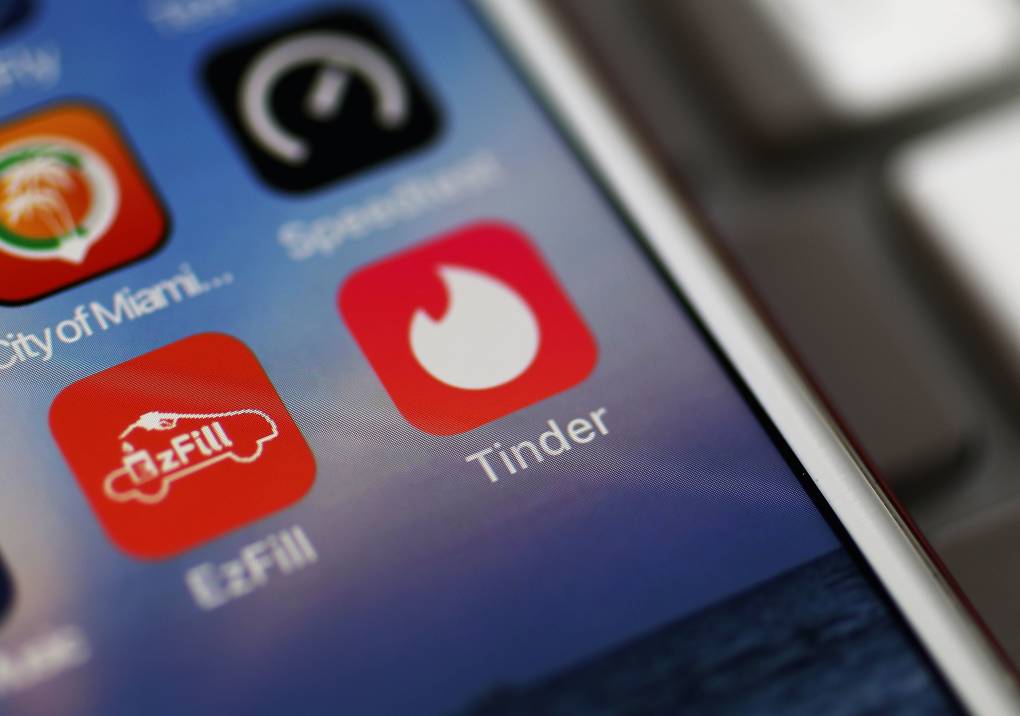
"caption": "Dating apps, including Tinder, give sensitive information about users to marketing companies, according to a Norwegian study released Tuesday.",
"description": "Dating apps, including Tinder, give sensitive information about users to marketing companies, according to a Norwegian study released Tuesday.",
"title": "Dating apps, including Tinder, give sensitive information about users to marketing companies, according to a Norwegian study released Tuesday.",
"credit": "Joe Raedle/Getty Images",
"status": "inherit",
"isLoading": false,
"fetchFailed": false
},
"news_11795086": {
"type": "attachments",
"id": "news_11795086",
"meta": {
"index": "attachments_1716263798",
"site": "news",
"id": "11795086",
"found": true
},
"parent": 11795085,
"imgSizes": {
"apple_news_ca_landscape_5_5": {
"file": "https://ww2.kqed.org/app/uploads/sites/10/2020/01/facebook-targeting-political-ads_wide-c9c0bddc14383b2941783e5f5b37675522462fc6-1044x783.jpg",
"width": 1044,
"mimeType": "image/jpeg",
"height": 783
},
"apple_news_ca_square_4_0": {
"file": "https://ww2.kqed.org/app/uploads/sites/10/2020/01/facebook-targeting-political-ads_wide-c9c0bddc14383b2941783e5f5b37675522462fc6-470x470.jpg",
"width": 470,
"mimeType": "image/jpeg",
"height": 470
},
"twentyfourteen-full-width": {
"file": "https://ww2.kqed.org/app/uploads/sites/10/2020/01/facebook-targeting-political-ads_wide-c9c0bddc14383b2941783e5f5b37675522462fc6-1038x576.jpg",
"width": 1038,
"mimeType": "image/jpeg",
"height": 576
},
"thumbnail": {
"file": "https://ww2.kqed.org/app/uploads/sites/10/2020/01/facebook-targeting-political-ads_wide-c9c0bddc14383b2941783e5f5b37675522462fc6-160x90.jpg",
"width": 160,
"mimeType": "image/jpeg",
"height": 90
},
"post-thumbnail": {
"file": "https://ww2.kqed.org/app/uploads/sites/10/2020/01/facebook-targeting-political-ads_wide-c9c0bddc14383b2941783e5f5b37675522462fc6-672x372.jpg",
"width": 672,
"mimeType": "image/jpeg",
"height": 372
},
"kqedFullSize": {
"file": "https://ww2.kqed.org/app/uploads/sites/10/2020/01/facebook-targeting-political-ads_wide-c9c0bddc14383b2941783e5f5b37675522462fc6-e1578605838924.jpg",
"width": 1920,
"height": 1080
},
"apple_news_ca_landscape_4_7": {
"file": "https://ww2.kqed.org/app/uploads/sites/10/2020/01/facebook-targeting-political-ads_wide-c9c0bddc14383b2941783e5f5b37675522462fc6-632x474.jpg",
"width": 632,
"mimeType": "image/jpeg",
"height": 474
},
"large": {
"file": "https://ww2.kqed.org/app/uploads/sites/10/2020/01/facebook-targeting-political-ads_wide-c9c0bddc14383b2941783e5f5b37675522462fc6-1020x574.jpg",
"width": 1020,
"mimeType": "image/jpeg",
"height": 574
},
"complete_open_graph": {
"file": "https://ww2.kqed.org/app/uploads/sites/10/2020/01/facebook-targeting-political-ads_wide-c9c0bddc14383b2941783e5f5b37675522462fc6-1200x675.jpg",
"width": 1200,
"mimeType": "image/jpeg",
"height": 675
},
"apple_news_ca_landscape_4_0": {
"file": "https://ww2.kqed.org/app/uploads/sites/10/2020/01/facebook-targeting-political-ads_wide-c9c0bddc14383b2941783e5f5b37675522462fc6-536x402.jpg",
"width": 536,
"mimeType": "image/jpeg",
"height": 402
},
"apple_news_ca_portrait_12_9": {
"file": "https://ww2.kqed.org/app/uploads/sites/10/2020/01/facebook-targeting-political-ads_wide-c9c0bddc14383b2941783e5f5b37675522462fc6-1122x1496.jpg",
"width": 1122,
"mimeType": "image/jpeg",
"height": 1496
},
"medium": {
"file": "https://ww2.kqed.org/app/uploads/sites/10/2020/01/facebook-targeting-political-ads_wide-c9c0bddc14383b2941783e5f5b37675522462fc6-800x450.jpg",
"width": 800,
"mimeType": "image/jpeg",
"height": 450
},
"apple_news_ca_portrait_4_0": {
"file": "https://ww2.kqed.org/app/uploads/sites/10/2020/01/facebook-targeting-political-ads_wide-c9c0bddc14383b2941783e5f5b37675522462fc6-354x472.jpg",
"width": 354,
"mimeType": "image/jpeg",
"height": 472
},
"apple_news_ca_portrait_9_7": {
"file": "https://ww2.kqed.org/app/uploads/sites/10/2020/01/facebook-targeting-political-ads_wide-c9c0bddc14383b2941783e5f5b37675522462fc6-840x1120.jpg",
"width": 840,
"mimeType": "image/jpeg",
"height": 1120
},
"apple_news_ca_landscape_12_9": {
"file": "https://ww2.kqed.org/app/uploads/sites/10/2020/01/facebook-targeting-political-ads_wide-c9c0bddc14383b2941783e5f5b37675522462fc6-1832x1374.jpg",
"width": 1832,
"mimeType": "image/jpeg",
"height": 1374
},
"apple_news_ca_square_9_7": {
"file": "https://ww2.kqed.org/app/uploads/sites/10/2020/01/facebook-targeting-political-ads_wide-c9c0bddc14383b2941783e5f5b37675522462fc6-1104x1104.jpg",
"width": 1104,
"mimeType": "image/jpeg",
"height": 1104
},
"apple_news_ca_portrait_4_7": {
"file": "https://ww2.kqed.org/app/uploads/sites/10/2020/01/facebook-targeting-political-ads_wide-c9c0bddc14383b2941783e5f5b37675522462fc6-414x552.jpg",
"width": 414,
"mimeType": "image/jpeg",
"height": 552
},
"apple_news_ca_square_12_9": {
"file": "https://ww2.kqed.org/app/uploads/sites/10/2020/01/facebook-targeting-political-ads_wide-c9c0bddc14383b2941783e5f5b37675522462fc6-1472x1472.jpg",
"width": 1472,
"mimeType": "image/jpeg",
"height": 1472
},
"apple_news_ca_portrait_5_5": {
"file": "https://ww2.kqed.org/app/uploads/sites/10/2020/01/facebook-targeting-political-ads_wide-c9c0bddc14383b2941783e5f5b37675522462fc6-687x916.jpg",
"width": 687,
"mimeType": "image/jpeg",
"height": 916
},
"full-width": {
"file": "https://ww2.kqed.org/app/uploads/sites/10/2020/01/facebook-targeting-political-ads_wide-c9c0bddc14383b2941783e5f5b37675522462fc6-1920x1080.jpg",
"width": 1920,
"mimeType": "image/jpeg",
"height": 1080
},
"apple_news_ca_square_4_7": {
"file": "https://ww2.kqed.org/app/uploads/sites/10/2020/01/facebook-targeting-political-ads_wide-c9c0bddc14383b2941783e5f5b37675522462fc6-550x550.jpg",
"width": 550,
"mimeType": "image/jpeg",
"height": 550
},
"apple_news_ca_landscape_9_7": {
"file": "https://ww2.kqed.org/app/uploads/sites/10/2020/01/facebook-targeting-political-ads_wide-c9c0bddc14383b2941783e5f5b37675522462fc6-1376x1032.jpg",
"width": 1376,
"mimeType": "image/jpeg",
"height": 1032
},
"apple_news_ca_square_5_5": {
"file": "https://ww2.kqed.org/app/uploads/sites/10/2020/01/facebook-targeting-political-ads_wide-c9c0bddc14383b2941783e5f5b37675522462fc6-912x912.jpg",
"width": 912,
"mimeType": "image/jpeg",
"height": 912
}
},
"publishDate": 1578602646,
"modified": 1607610285,
"caption": null,
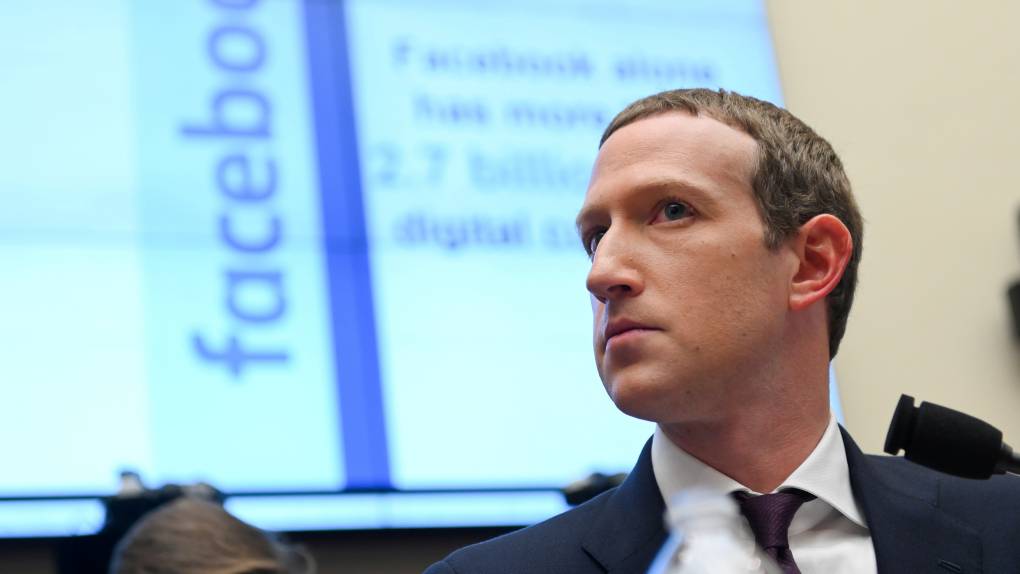
"description": "Facebook says it will continue to allow political ads to be targeted to only small groups of its users. Here, Facebook Chairman and CEO Mark Zuckerberg is seen visiting Congress for a hearing last October.",
"title": "Facebook says it will continue to allow political ads to be targeted to only small groups of its users. Here, Facebook Chairman and CEO Mark Zuckerberg is seen visiting Congress for a hearing last October.",
"credit": "Erin Scott/Reuters",
"status": "inherit",
"altTag": "zuckerberg",
"isLoading": false,
"fetchFailed": false
},
"news_11794881": {
"type": "attachments",
"id": "news_11794881",
"meta": {
"index": "attachments_1716263798",
"site": "news",
"id": "11794881",
"found": true
},
"parent": 11794871,
"imgSizes": {
"apple_news_ca_landscape_5_5": {
"file": "https://ww2.kqed.org/app/uploads/sites/10/2020/01/marketstreetscooter-1044x783.jpg",
"width": 1044,
"mimeType": "image/jpeg",
"height": 783
},
"apple_news_ca_square_4_0": {
"file": "https://ww2.kqed.org/app/uploads/sites/10/2020/01/marketstreetscooter-470x470.jpg",
"width": 470,
"mimeType": "image/jpeg",
"height": 470
},
"twentyfourteen-full-width": {
"file": "https://ww2.kqed.org/app/uploads/sites/10/2020/01/marketstreetscooter-1038x576.jpg",
"width": 1038,
"mimeType": "image/jpeg",
"height": 576
},
"thumbnail": {
"file": "https://ww2.kqed.org/app/uploads/sites/10/2020/01/marketstreetscooter-160x105.jpg",
"width": 160,
"mimeType": "image/jpeg",
"height": 105
},
"post-thumbnail": {
"file": "https://ww2.kqed.org/app/uploads/sites/10/2020/01/marketstreetscooter-672x372.jpg",
"width": 672,
"mimeType": "image/jpeg",
"height": 372
},
"kqedFullSize": {
"file": "https://ww2.kqed.org/app/uploads/sites/10/2020/01/marketstreetscooter.jpg",
"width": 1920,
"height": 1260
},
"apple_news_ca_landscape_4_7": {
"file": "https://ww2.kqed.org/app/uploads/sites/10/2020/01/marketstreetscooter-632x474.jpg",
"width": 632,
"mimeType": "image/jpeg",
"height": 474
},
"large": {
"file": "https://ww2.kqed.org/app/uploads/sites/10/2020/01/marketstreetscooter-1020x669.jpg",
"width": 1020,
"mimeType": "image/jpeg",
"height": 669
},
"complete_open_graph": {
"file": "https://ww2.kqed.org/app/uploads/sites/10/2020/01/marketstreetscooter-1200x788.jpg",
"width": 1200,
"mimeType": "image/jpeg",
"height": 788
},
"apple_news_ca_landscape_4_0": {
"file": "https://ww2.kqed.org/app/uploads/sites/10/2020/01/marketstreetscooter-536x402.jpg",
"width": 536,
"mimeType": "image/jpeg",
"height": 402
},
"apple_news_ca_portrait_12_9": {
"file": "https://ww2.kqed.org/app/uploads/sites/10/2020/01/marketstreetscooter-1122x1260.jpg",
"width": 1122,
"mimeType": "image/jpeg",
"height": 1260
},
"medium": {
"file": "https://ww2.kqed.org/app/uploads/sites/10/2020/01/marketstreetscooter-800x525.jpg",
"width": 800,
"mimeType": "image/jpeg",
"height": 525
},
"apple_news_ca_portrait_4_0": {
"file": "https://ww2.kqed.org/app/uploads/sites/10/2020/01/marketstreetscooter-354x472.jpg",
"width": 354,
"mimeType": "image/jpeg",
"height": 472
},
"apple_news_ca_portrait_9_7": {
"file": "https://ww2.kqed.org/app/uploads/sites/10/2020/01/marketstreetscooter-840x1120.jpg",
"width": 840,
"mimeType": "image/jpeg",
"height": 1120
},
"apple_news_ca_landscape_12_9": {
"file": "https://ww2.kqed.org/app/uploads/sites/10/2020/01/marketstreetscooter-1832x1260.jpg",
"width": 1832,
"mimeType": "image/jpeg",
"height": 1260
},
"apple_news_ca_square_9_7": {
"file": "https://ww2.kqed.org/app/uploads/sites/10/2020/01/marketstreetscooter-1104x1104.jpg",
"width": 1104,
"mimeType": "image/jpeg",
"height": 1104
},
"apple_news_ca_portrait_4_7": {
"file": "https://ww2.kqed.org/app/uploads/sites/10/2020/01/marketstreetscooter-414x552.jpg",
"width": 414,
"mimeType": "image/jpeg",
"height": 552
},
"apple_news_ca_square_12_9": {
"file": "https://ww2.kqed.org/app/uploads/sites/10/2020/01/marketstreetscooter-1472x1260.jpg",
"width": 1472,
"mimeType": "image/jpeg",
"height": 1260
},
"apple_news_ca_portrait_5_5": {
"file": "https://ww2.kqed.org/app/uploads/sites/10/2020/01/marketstreetscooter-687x916.jpg",
"width": 687,
"mimeType": "image/jpeg",
"height": 916
},
"full-width": {
"file": "https://ww2.kqed.org/app/uploads/sites/10/2020/01/marketstreetscooter-1920x1260.jpg",
"width": 1920,
"mimeType": "image/jpeg",
"height": 1260
},
"apple_news_ca_square_4_7": {
"file": "https://ww2.kqed.org/app/uploads/sites/10/2020/01/marketstreetscooter-550x550.jpg",
"width": 550,
"mimeType": "image/jpeg",
"height": 550
},
"apple_news_ca_landscape_9_7": {
"file": "https://ww2.kqed.org/app/uploads/sites/10/2020/01/marketstreetscooter-1376x1032.jpg",
"width": 1376,
"mimeType": "image/jpeg",
"height": 1032
},
"apple_news_ca_square_5_5": {
"file": "https://ww2.kqed.org/app/uploads/sites/10/2020/01/marketstreetscooter-912x912.jpg",
"width": 912,
"mimeType": "image/jpeg",
"height": 912
}
},
"publishDate": 1578525711,
"modified": 1578525845,
"caption": "An e-scooter rider on San Francisco's Market Street in April 2018, soon after the mini-vehicles were first deployed in the city.",
"description": null,
"title": "E-scooters-San Francisco",
"credit": "Justin Sullivan/Getty Images",
"status": "inherit",
"isLoading": false,
"fetchFailed": false
},
"arts_13121352": {
"type": "attachments",
"id": "arts_13121352",
"meta": {
"index": "attachments_1716263798",
"site": "arts",
"id": "13121352",
"found": true
},
"parent": 13114272,
"imgSizes": {
"small": {
"file": "https://ww2.kqed.org/app/uploads/sites/2/2017/04/sofar-middle-man-520x293.jpg",
"width": 520,
"mimeType": "image/jpeg",
"height": 293
},
"twentyfourteen-full-width": {
"file": "https://ww2.kqed.org/app/uploads/sites/2/2017/04/sofar-middle-man-1038x576.jpg",
"width": 1038,
"mimeType": "image/jpeg",
"height": 576
},
"thumbnail": {
"file": "https://ww2.kqed.org/app/uploads/sites/2/2017/04/sofar-middle-man-160x90.jpg",
"width": 160,
"mimeType": "image/jpeg",
"height": 90
},
"fd-sm": {
"file": "https://ww2.kqed.org/app/uploads/sites/2/2017/04/sofar-middle-man-960x540.jpg",
"width": 960,
"mimeType": "image/jpeg",
"height": 540
},
"post-thumbnail": {
"file": "https://ww2.kqed.org/app/uploads/sites/2/2017/04/sofar-middle-man-672x372.jpg",
"width": 672,
"mimeType": "image/jpeg",
"height": 372
},
"xsmall": {
"file": "https://ww2.kqed.org/app/uploads/sites/2/2017/04/sofar-middle-man-375x211.jpg",
"width": 375,
"mimeType": "image/jpeg",
"height": 211
},
"kqedFullSize": {
"file": "https://ww2.kqed.org/app/uploads/sites/2/2017/04/sofar-middle-man.jpg",
"width": 1920,
"height": 1080
},
"large": {
"file": "https://ww2.kqed.org/app/uploads/sites/2/2017/04/sofar-middle-man-1020x574.jpg",
"width": 1020,
"mimeType": "image/jpeg",
"height": 574
},
"xlarge": {
"file": "https://ww2.kqed.org/app/uploads/sites/2/2017/04/sofar-middle-man-1180x664.jpg",
"width": 1180,
"mimeType": "image/jpeg",
"height": 664
},
"guest-author-50": {
"file": "https://ww2.kqed.org/app/uploads/sites/2/2017/04/sofar-middle-man-50x50.jpg",
"width": 50,
"mimeType": "image/jpeg",
"height": 50
},
"guest-author-96": {
"file": "https://ww2.kqed.org/app/uploads/sites/2/2017/04/sofar-middle-man-96x96.jpg",
"width": 96,
"mimeType": "image/jpeg",
"height": 96
},
"medium": {
"file": "https://ww2.kqed.org/app/uploads/sites/2/2017/04/sofar-middle-man-800x450.jpg",
"width": 800,
"mimeType": "image/jpeg",
"height": 450
},
"guest-author-64": {
"file": "https://ww2.kqed.org/app/uploads/sites/2/2017/04/sofar-middle-man-64x64.jpg",
"width": 64,
"mimeType": "image/jpeg",
"height": 64
},
"guest-author-32": {
"file": "https://ww2.kqed.org/app/uploads/sites/2/2017/04/sofar-middle-man-32x32.jpg",
"width": 32,
"mimeType": "image/jpeg",
"height": 32
},
"fd-lrg": {
"file": "https://ww2.kqed.org/app/uploads/sites/2/2017/04/sofar-middle-man-1920x1080.jpg",
"width": 1920,
"mimeType": "image/jpeg",
"height": 1080
},
"fd-med": {
"file": "https://ww2.kqed.org/app/uploads/sites/2/2017/04/sofar-middle-man-1180x664.jpg",
"width": 1180,
"mimeType": "image/jpeg",
"height": 664
},
"full-width": {
"file": "https://ww2.kqed.org/app/uploads/sites/2/2017/04/sofar-middle-man-1920x1080.jpg",
"width": 1920,
"mimeType": "image/jpeg",
"height": 1080
},
"detail": {
"file": "https://ww2.kqed.org/app/uploads/sites/2/2017/04/sofar-middle-man-150x150.jpg",
"width": 150,
"mimeType": "image/jpeg",
"height": 150
},
"medium_large": {
"file": "https://ww2.kqed.org/app/uploads/sites/2/2017/04/sofar-middle-man-768x432.jpg",
"width": 768,
"mimeType": "image/jpeg",
"height": 432
},
"guest-author-128": {
"file": "https://ww2.kqed.org/app/uploads/sites/2/2017/04/sofar-middle-man-128x128.jpg",
"width": 128,
"mimeType": "image/jpeg",
"height": 128
},
"xxsmall": {
"file": "https://ww2.kqed.org/app/uploads/sites/2/2017/04/sofar-middle-man-240x135.jpg",
"width": 240,
"mimeType": "image/jpeg",
"height": 135
}
},
"publishDate": 1493364136,
"modified": 1493364193,
"caption": "Long part of a global network including folk, jazz, and punk musicians, house shows have now begun to be promoted by for-profit companies like Sofar Sounds. ",
"description": "Long part of a global network including folk, jazz, and punk musicians, house shows have now begun to be promoted by for-profit companies like Sofar Sounds. ",
"title": "sofar-middle-man",
"credit": "Sofar Sounds",
"status": "inherit",
"isLoading": false,
"fetchFailed": false
},
"news_11794411": {
"type": "attachments",
"id": "news_11794411",
"meta": {
"index": "attachments_1716263798",
"site": "news",
"id": "11794411",
"found": true
},
"parent": 11794395,
"imgSizes": {
"apple_news_ca_landscape_5_5": {
"file": "https://ww2.kqed.org/app/uploads/sites/10/2020/01/fb-1044x783.jpg",
"width": 1044,
"mimeType": "image/jpeg",
"height": 783
},
"apple_news_ca_square_4_0": {
"file": "https://ww2.kqed.org/app/uploads/sites/10/2020/01/fb-470x470.jpg",
"width": 470,
"mimeType": "image/jpeg",
"height": 470
},
"twentyfourteen-full-width": {
"file": "https://ww2.kqed.org/app/uploads/sites/10/2020/01/fb-1038x576.jpg",
"width": 1038,
"mimeType": "image/jpeg",
"height": 576
},
"thumbnail": {
"file": "https://ww2.kqed.org/app/uploads/sites/10/2020/01/fb-160x105.jpg",
"width": 160,
"mimeType": "image/jpeg",
"height": 105
},
"post-thumbnail": {
"file": "https://ww2.kqed.org/app/uploads/sites/10/2020/01/fb-672x372.jpg",
"width": 672,
"mimeType": "image/jpeg",
"height": 372
},
"kqedFullSize": {
"file": "https://ww2.kqed.org/app/uploads/sites/10/2020/01/fb-e1578431063344.jpg",
"width": 1918,
"height": 1263
},
"apple_news_ca_landscape_4_7": {
"file": "https://ww2.kqed.org/app/uploads/sites/10/2020/01/fb-632x474.jpg",
"width": 632,
"mimeType": "image/jpeg",
"height": 474
},
"large": {
"file": "https://ww2.kqed.org/app/uploads/sites/10/2020/01/fb-1020x672.jpg",
"width": 1020,
"mimeType": "image/jpeg",
"height": 672
},
"complete_open_graph": {
"file": "https://ww2.kqed.org/app/uploads/sites/10/2020/01/fb-1200x790.jpg",
"width": 1200,
"mimeType": "image/jpeg",
"height": 790
},
"apple_news_ca_landscape_4_0": {
"file": "https://ww2.kqed.org/app/uploads/sites/10/2020/01/fb-536x402.jpg",
"width": 536,
"mimeType": "image/jpeg",
"height": 402
},
"apple_news_ca_portrait_12_9": {
"file": "https://ww2.kqed.org/app/uploads/sites/10/2020/01/fb-1122x1264.jpg",
"width": 1122,
"mimeType": "image/jpeg",
"height": 1264
},
"medium": {
"file": "https://ww2.kqed.org/app/uploads/sites/10/2020/01/fb-800x527.jpg",
"width": 800,
"mimeType": "image/jpeg",
"height": 527
},
"apple_news_ca_portrait_4_0": {
"file": "https://ww2.kqed.org/app/uploads/sites/10/2020/01/fb-354x472.jpg",
"width": 354,
"mimeType": "image/jpeg",
"height": 472
},
"apple_news_ca_portrait_9_7": {
"file": "https://ww2.kqed.org/app/uploads/sites/10/2020/01/fb-840x1120.jpg",
"width": 840,
"mimeType": "image/jpeg",
"height": 1120
},
"apple_news_ca_landscape_12_9": {
"file": "https://ww2.kqed.org/app/uploads/sites/10/2020/01/fb-1832x1264.jpg",
"width": 1832,
"mimeType": "image/jpeg",
"height": 1264
},
"apple_news_ca_square_9_7": {
"file": "https://ww2.kqed.org/app/uploads/sites/10/2020/01/fb-1104x1104.jpg",
"width": 1104,
"mimeType": "image/jpeg",
"height": 1104
},
"apple_news_ca_portrait_4_7": {
"file": "https://ww2.kqed.org/app/uploads/sites/10/2020/01/fb-414x552.jpg",
"width": 414,
"mimeType": "image/jpeg",
"height": 552
},
"apple_news_ca_square_12_9": {
"file": "https://ww2.kqed.org/app/uploads/sites/10/2020/01/fb-1472x1264.jpg",
"width": 1472,
"mimeType": "image/jpeg",
"height": 1264
},
"apple_news_ca_portrait_5_5": {
"file": "https://ww2.kqed.org/app/uploads/sites/10/2020/01/fb-687x916.jpg",
"width": 687,
"mimeType": "image/jpeg",
"height": 916
},
"full-width": {
"file": "https://ww2.kqed.org/app/uploads/sites/10/2020/01/fb-1920x1264.jpg",
"width": 1920,
"mimeType": "image/jpeg",
"height": 1264
},
"apple_news_ca_square_4_7": {
"file": "https://ww2.kqed.org/app/uploads/sites/10/2020/01/fb-550x550.jpg",
"width": 550,
"mimeType": "image/jpeg",
"height": 550
},
"apple_news_ca_landscape_9_7": {
"file": "https://ww2.kqed.org/app/uploads/sites/10/2020/01/fb-1376x1032.jpg",
"width": 1376,
"mimeType": "image/jpeg",
"height": 1032
},
"apple_news_ca_square_5_5": {
"file": "https://ww2.kqed.org/app/uploads/sites/10/2020/01/fb-912x912.jpg",
"width": 912,
"mimeType": "image/jpeg",
"height": 912
}
},
"publishDate": 1578429592,
"modified": 1578431049,
"caption": "Facebook says it's banning many types of deepfake videos, the false but realistic clips created with artificial intelligence and sophisticated tools, as it steps up efforts to fight online manipulation.",
"description": "Facebook says it's banning many types of deepfake videos, the false but realistic clips created with artificial intelligence and sophisticated tools, as it steps up efforts to fight online manipulation.",
"title": "A woman prepares to log on to the Facebo",
"credit": "Karen Bleier/AFP via Getty Images",
"status": "inherit",
"isLoading": false,
"fetchFailed": false
},
"news_11793525": {
"type": "attachments",
"id": "news_11793525",
"meta": {
"index": "attachments_1716263798",
"site": "news",
"id": "11793525",
"found": true
},
"parent": 11754695,
"imgSizes": {
"apple_news_ca_landscape_5_5": {
"file": "https://ww2.kqed.org/app/uploads/sites/10/2020/01/Hagia_Sophia-1044x783.jpg",
"width": 1044,
"mimeType": "image/jpeg",
"height": 783
},
"apple_news_ca_square_4_0": {
"file": "https://ww2.kqed.org/app/uploads/sites/10/2020/01/Hagia_Sophia-470x470.jpg",
"width": 470,
"mimeType": "image/jpeg",
"height": 470
},
"twentyfourteen-full-width": {
"file": "https://ww2.kqed.org/app/uploads/sites/10/2020/01/Hagia_Sophia-1038x576.jpg",
"width": 1038,
"mimeType": "image/jpeg",
"height": 576
},
"thumbnail": {
"file": "https://ww2.kqed.org/app/uploads/sites/10/2020/01/Hagia_Sophia-160x107.jpg",
"width": 160,
"mimeType": "image/jpeg",
"height": 107
},
"post-thumbnail": {
"file": "https://ww2.kqed.org/app/uploads/sites/10/2020/01/Hagia_Sophia-672x372.jpg",
"width": 672,
"mimeType": "image/jpeg",
"height": 372
},
"kqedFullSize": {
"file": "https://ww2.kqed.org/app/uploads/sites/10/2020/01/Hagia_Sophia.jpg",
"width": 1379,
"height": 921
},
"apple_news_ca_landscape_4_7": {
"file": "https://ww2.kqed.org/app/uploads/sites/10/2020/01/Hagia_Sophia-632x474.jpg",
"width": 632,
"mimeType": "image/jpeg",
"height": 474
},
"large": {
"file": "https://ww2.kqed.org/app/uploads/sites/10/2020/01/Hagia_Sophia-1020x681.jpg",
"width": 1020,
"mimeType": "image/jpeg",
"height": 681
},
"complete_open_graph": {
"file": "https://ww2.kqed.org/app/uploads/sites/10/2020/01/Hagia_Sophia-1200x801.jpg",
"width": 1200,
"mimeType": "image/jpeg",
"height": 801
},
"apple_news_ca_landscape_4_0": {
"file": "https://ww2.kqed.org/app/uploads/sites/10/2020/01/Hagia_Sophia-536x402.jpg",
"width": 536,
"mimeType": "image/jpeg",
"height": 402
},
"apple_news_ca_portrait_12_9": {
"file": "https://ww2.kqed.org/app/uploads/sites/10/2020/01/Hagia_Sophia-1122x921.jpg",
"width": 1122,
"mimeType": "image/jpeg",
"height": 921
},
"medium": {
"file": "https://ww2.kqed.org/app/uploads/sites/10/2020/01/Hagia_Sophia-800x534.jpg",
"width": 800,
"mimeType": "image/jpeg",
"height": 534
},
"apple_news_ca_portrait_4_0": {
"file": "https://ww2.kqed.org/app/uploads/sites/10/2020/01/Hagia_Sophia-354x472.jpg",
"width": 354,
"mimeType": "image/jpeg",
"height": 472
},
"apple_news_ca_portrait_9_7": {
"file": "https://ww2.kqed.org/app/uploads/sites/10/2020/01/Hagia_Sophia-840x921.jpg",
"width": 840,
"mimeType": "image/jpeg",
"height": 921
},
"apple_news_ca_square_9_7": {
"file": "https://ww2.kqed.org/app/uploads/sites/10/2020/01/Hagia_Sophia-1104x921.jpg",
"width": 1104,
"mimeType": "image/jpeg",
"height": 921
},
"apple_news_ca_portrait_4_7": {
"file": "https://ww2.kqed.org/app/uploads/sites/10/2020/01/Hagia_Sophia-414x552.jpg",
"width": 414,
"mimeType": "image/jpeg",
"height": 552
},
"apple_news_ca_portrait_5_5": {
"file": "https://ww2.kqed.org/app/uploads/sites/10/2020/01/Hagia_Sophia-687x916.jpg",
"width": 687,
"mimeType": "image/jpeg",
"height": 916
},
"apple_news_ca_square_4_7": {
"file": "https://ww2.kqed.org/app/uploads/sites/10/2020/01/Hagia_Sophia-550x550.jpg",
"width": 550,
"mimeType": "image/jpeg",
"height": 550
},
"apple_news_ca_landscape_9_7": {
"file": "https://ww2.kqed.org/app/uploads/sites/10/2020/01/Hagia_Sophia-1376x921.jpg",
"width": 1376,
"mimeType": "image/jpeg",
"height": 921
},
"apple_news_ca_square_5_5": {
"file": "https://ww2.kqed.org/app/uploads/sites/10/2020/01/Hagia_Sophia-912x912.jpg",
"width": 912,
"mimeType": "image/jpeg",
"height": 912
}
},
"publishDate": 1577894861,
"modified": 1577898605,
"caption": "A church choir has not been able to sing inside the Hagia Sophia for over 500 years.",
"description": "A church choir has not been able to sing inside the Hagia Sophia for over 500 years.",
"title": "Hagia_Sophia",
"credit": "Arild Vågen/Wikimedia Commons",
"status": "inherit",
"isLoading": false,
"fetchFailed": false
},
"news_11793222": {
"type": "attachments",
"id": "news_11793222",
"meta": {
"index": "attachments_1716263798",
"site": "news",
"id": "11793222",
"found": true
},
"parent": 11793221,
"imgSizes": {
"apple_news_ca_landscape_5_5": {
"file": "https://ww2.kqed.org/app/uploads/sites/10/2019/12/gettyimages-949009104-f766b218cbc0dd8c9f39e3840995134854869e04-1044x783.jpg",
"width": 1044,
"mimeType": "image/jpeg",
"height": 783
},
"apple_news_ca_square_4_0": {
"file": "https://ww2.kqed.org/app/uploads/sites/10/2019/12/gettyimages-949009104-f766b218cbc0dd8c9f39e3840995134854869e04-470x470.jpg",
"width": 470,
"mimeType": "image/jpeg",
"height": 470
},
"twentyfourteen-full-width": {
"file": "https://ww2.kqed.org/app/uploads/sites/10/2019/12/gettyimages-949009104-f766b218cbc0dd8c9f39e3840995134854869e04-1038x576.jpg",
"width": 1038,
"mimeType": "image/jpeg",
"height": 576
},
"thumbnail": {
"file": "https://ww2.kqed.org/app/uploads/sites/10/2019/12/gettyimages-949009104-f766b218cbc0dd8c9f39e3840995134854869e04-160x120.jpg",
"width": 160,
"mimeType": "image/jpeg",
"height": 120
},
"post-thumbnail": {
"file": "https://ww2.kqed.org/app/uploads/sites/10/2019/12/gettyimages-949009104-f766b218cbc0dd8c9f39e3840995134854869e04-672x372.jpg",
"width": 672,
"mimeType": "image/jpeg",
"height": 372
},
"kqedFullSize": {
"file": "https://ww2.kqed.org/app/uploads/sites/10/2019/12/gettyimages-949009104-f766b218cbc0dd8c9f39e3840995134854869e04-e1577643507676.jpg",
"width": 1920,
"height": 1440
},
"apple_news_ca_landscape_4_7": {
"file": "https://ww2.kqed.org/app/uploads/sites/10/2019/12/gettyimages-949009104-f766b218cbc0dd8c9f39e3840995134854869e04-632x474.jpg",
"width": 632,
"mimeType": "image/jpeg",
"height": 474
},
"large": {
"file": "https://ww2.kqed.org/app/uploads/sites/10/2019/12/gettyimages-949009104-f766b218cbc0dd8c9f39e3840995134854869e04-1020x765.jpg",
"width": 1020,
"mimeType": "image/jpeg",
"height": 765
},
"complete_open_graph": {
"file": "https://ww2.kqed.org/app/uploads/sites/10/2019/12/gettyimages-949009104-f766b218cbc0dd8c9f39e3840995134854869e04-1200x900.jpg",
"width": 1200,
"mimeType": "image/jpeg",
"height": 900
},
"apple_news_ca_landscape_4_0": {
"file": "https://ww2.kqed.org/app/uploads/sites/10/2019/12/gettyimages-949009104-f766b218cbc0dd8c9f39e3840995134854869e04-536x402.jpg",
"width": 536,
"mimeType": "image/jpeg",
"height": 402
},
"apple_news_ca_portrait_12_9": {
"file": "https://ww2.kqed.org/app/uploads/sites/10/2019/12/gettyimages-949009104-f766b218cbc0dd8c9f39e3840995134854869e04-1122x1496.jpg",
"width": 1122,
"mimeType": "image/jpeg",
"height": 1496
},
"medium": {
"file": "https://ww2.kqed.org/app/uploads/sites/10/2019/12/gettyimages-949009104-f766b218cbc0dd8c9f39e3840995134854869e04-800x600.jpg",
"width": 800,
"mimeType": "image/jpeg",
"height": 600
},
"apple_news_ca_portrait_4_0": {
"file": "https://ww2.kqed.org/app/uploads/sites/10/2019/12/gettyimages-949009104-f766b218cbc0dd8c9f39e3840995134854869e04-354x472.jpg",
"width": 354,
"mimeType": "image/jpeg",
"height": 472
},
"apple_news_ca_portrait_9_7": {
"file": "https://ww2.kqed.org/app/uploads/sites/10/2019/12/gettyimages-949009104-f766b218cbc0dd8c9f39e3840995134854869e04-840x1120.jpg",
"width": 840,
"mimeType": "image/jpeg",
"height": 1120
},
"apple_news_ca_landscape_12_9": {
"file": "https://ww2.kqed.org/app/uploads/sites/10/2019/12/gettyimages-949009104-f766b218cbc0dd8c9f39e3840995134854869e04-1832x1374.jpg",
"width": 1832,
"mimeType": "image/jpeg",
"height": 1374
},
"apple_news_ca_square_9_7": {
"file": "https://ww2.kqed.org/app/uploads/sites/10/2019/12/gettyimages-949009104-f766b218cbc0dd8c9f39e3840995134854869e04-1104x1104.jpg",
"width": 1104,
"mimeType": "image/jpeg",
"height": 1104
},
"apple_news_ca_portrait_4_7": {
"file": "https://ww2.kqed.org/app/uploads/sites/10/2019/12/gettyimages-949009104-f766b218cbc0dd8c9f39e3840995134854869e04-414x552.jpg",
"width": 414,
"mimeType": "image/jpeg",
"height": 552
},
"apple_news_ca_square_12_9": {
"file": "https://ww2.kqed.org/app/uploads/sites/10/2019/12/gettyimages-949009104-f766b218cbc0dd8c9f39e3840995134854869e04-1472x1472.jpg",
"width": 1472,
"mimeType": "image/jpeg",
"height": 1472
},
"apple_news_ca_portrait_5_5": {
"file": "https://ww2.kqed.org/app/uploads/sites/10/2019/12/gettyimages-949009104-f766b218cbc0dd8c9f39e3840995134854869e04-687x916.jpg",
"width": 687,
"mimeType": "image/jpeg",
"height": 916
},
"full-width": {
"file": "https://ww2.kqed.org/app/uploads/sites/10/2019/12/gettyimages-949009104-f766b218cbc0dd8c9f39e3840995134854869e04-1920x1440.jpg",
"width": 1920,
"mimeType": "image/jpeg",
"height": 1440
},
"apple_news_ca_square_4_7": {
"file": "https://ww2.kqed.org/app/uploads/sites/10/2019/12/gettyimages-949009104-f766b218cbc0dd8c9f39e3840995134854869e04-550x550.jpg",
"width": 550,
"mimeType": "image/jpeg",
"height": 550
},
"apple_news_ca_landscape_9_7": {
"file": "https://ww2.kqed.org/app/uploads/sites/10/2019/12/gettyimages-949009104-f766b218cbc0dd8c9f39e3840995134854869e04-1376x1032.jpg",
"width": 1376,
"mimeType": "image/jpeg",
"height": 1032
},
"apple_news_ca_square_5_5": {
"file": "https://ww2.kqed.org/app/uploads/sites/10/2019/12/gettyimages-949009104-f766b218cbc0dd8c9f39e3840995134854869e04-912x912.jpg",
"width": 912,
"mimeType": "image/jpeg",
"height": 912
}
},
"publishDate": 1577643028,
"modified": 1577643528,
"caption": "Spotify announced Friday that it will stop the sale of political ads on the streaming platform. The move follows similar decisions by other tech giants, including Twitter and Google.",
"description": "Spotify announced Friday that it will stop the sale of political ads on the streaming platform. The move follows similar decisions by other tech giants, including Twitter and Google.",
"title": "Spotify announced Friday that it will stop the sale of political ads on the streaming platform. The move follows similar decisions by other tech giants, including Twitter and Google.",
"credit": "Lionel Bonaventure/AFP via Getty Images",
"status": "inherit",
"isLoading": false,
"fetchFailed": false
},
"news_11793013": {
"type": "attachments",
"id": "news_11793013",
"meta": {
"index": "attachments_1716263798",
"site": "news",
"id": "11793013",
"found": true
},
"parent": 11792899,
"imgSizes": {
"apple_news_ca_landscape_5_5": {
"file": "https://ww2.kqed.org/app/uploads/sites/10/2019/12/iStock-1070078862-1044x783.jpg",
"width": 1044,
"mimeType": "image/jpeg",
"height": 783
},
"apple_news_ca_square_4_0": {
"file": "https://ww2.kqed.org/app/uploads/sites/10/2019/12/iStock-1070078862-470x470.jpg",
"width": 470,
"mimeType": "image/jpeg",
"height": 470
},
"twentyfourteen-full-width": {
"file": "https://ww2.kqed.org/app/uploads/sites/10/2019/12/iStock-1070078862-1038x576.jpg",
"width": 1038,
"mimeType": "image/jpeg",
"height": 576
},
"thumbnail": {
"file": "https://ww2.kqed.org/app/uploads/sites/10/2019/12/iStock-1070078862-160x61.jpg",
"width": 160,
"mimeType": "image/jpeg",
"height": 61
},
"post-thumbnail": {
"file": "https://ww2.kqed.org/app/uploads/sites/10/2019/12/iStock-1070078862-672x372.jpg",
"width": 672,
"mimeType": "image/jpeg",
"height": 372
},
"kqedFullSize": {
"file": "https://ww2.kqed.org/app/uploads/sites/10/2019/12/iStock-1070078862-e1577471371875.jpg",
"width": 1920,
"height": 729
},
"apple_news_ca_landscape_4_7": {
"file": "https://ww2.kqed.org/app/uploads/sites/10/2019/12/iStock-1070078862-632x474.jpg",
"width": 632,
"mimeType": "image/jpeg",
"height": 474
},
"large": {
"file": "https://ww2.kqed.org/app/uploads/sites/10/2019/12/iStock-1070078862-1020x387.jpg",
"width": 1020,
"mimeType": "image/jpeg",
"height": 387
},
"complete_open_graph": {
"file": "https://ww2.kqed.org/app/uploads/sites/10/2019/12/iStock-1070078862-1200x455.jpg",
"width": 1200,
"mimeType": "image/jpeg",
"height": 455
},
"apple_news_ca_landscape_4_0": {
"file": "https://ww2.kqed.org/app/uploads/sites/10/2019/12/iStock-1070078862-536x402.jpg",
"width": 536,
"mimeType": "image/jpeg",
"height": 402
},
"apple_news_ca_portrait_12_9": {
"file": "https://ww2.kqed.org/app/uploads/sites/10/2019/12/iStock-1070078862-1122x1067.jpg",
"width": 1122,
"mimeType": "image/jpeg",
"height": 1067
},
"medium": {
"file": "https://ww2.kqed.org/app/uploads/sites/10/2019/12/iStock-1070078862-800x304.jpg",
"width": 800,
"mimeType": "image/jpeg",
"height": 304
},
"apple_news_ca_portrait_4_0": {
"file": "https://ww2.kqed.org/app/uploads/sites/10/2019/12/iStock-1070078862-354x472.jpg",
"width": 354,
"mimeType": "image/jpeg",
"height": 472
},
"apple_news_ca_portrait_9_7": {
"file": "https://ww2.kqed.org/app/uploads/sites/10/2019/12/iStock-1070078862-840x1067.jpg",
"width": 840,
"mimeType": "image/jpeg",
"height": 1067
},
"apple_news_ca_landscape_12_9": {
"file": "https://ww2.kqed.org/app/uploads/sites/10/2019/12/iStock-1070078862-1832x1067.jpg",
"width": 1832,
"mimeType": "image/jpeg",
"height": 1067
},
"apple_news_ca_square_9_7": {
"file": "https://ww2.kqed.org/app/uploads/sites/10/2019/12/iStock-1070078862-1104x1067.jpg",
"width": 1104,
"mimeType": "image/jpeg",
"height": 1067
},
"apple_news_ca_portrait_4_7": {
"file": "https://ww2.kqed.org/app/uploads/sites/10/2019/12/iStock-1070078862-414x552.jpg",
"width": 414,
"mimeType": "image/jpeg",
"height": 552
},
"apple_news_ca_square_12_9": {
"file": "https://ww2.kqed.org/app/uploads/sites/10/2019/12/iStock-1070078862-1472x1067.jpg",
"width": 1472,
"mimeType": "image/jpeg",
"height": 1067
},
"apple_news_ca_portrait_5_5": {
"file": "https://ww2.kqed.org/app/uploads/sites/10/2019/12/iStock-1070078862-687x916.jpg",
"width": 687,
"mimeType": "image/jpeg",
"height": 916
},
"full-width": {
"file": "https://ww2.kqed.org/app/uploads/sites/10/2019/12/iStock-1070078862-1920x729.jpg",
"width": 1920,
"mimeType": "image/jpeg",
"height": 729
},
"apple_news_ca_square_4_7": {
"file": "https://ww2.kqed.org/app/uploads/sites/10/2019/12/iStock-1070078862-550x550.jpg",
"width": 550,
"mimeType": "image/jpeg",
"height": 550
},
"apple_news_ca_landscape_9_7": {
"file": "https://ww2.kqed.org/app/uploads/sites/10/2019/12/iStock-1070078862-1376x1032.jpg",
"width": 1376,
"mimeType": "image/jpeg",
"height": 1032
},
"apple_news_ca_square_5_5": {
"file": "https://ww2.kqed.org/app/uploads/sites/10/2019/12/iStock-1070078862-912x912.jpg",
"width": 912,
"mimeType": "image/jpeg",
"height": 912
}
},
"publishDate": 1577399240,
"modified": 1577486258,
"caption": "As of Jan. 1, 2020, the California Consumer Privacy Act applies to for-profit companies that generate more than $25 million in annual gross revenue, have more than 50,000 people's personal data or generate more than 50% of their annual revenue from selling customers' personal data.",
"description": "As of Jan. 1, 2020, the California Consumer Privacy Act applies to for-profit companies that generate more than $25 million in annual gross revenue, have more than 50,000 people's personal data or generate more than 50% of their annual revenue from selling customers' personal data.",
"title": "Protection concept. Protect mechanism, system privacy.",
"credit": "iStock",
"status": "inherit",
"isLoading": false,
"fetchFailed": false
},
"news_11524446": {
"type": "attachments",
"id": "news_11524446",
"meta": {
"index": "attachments_1716263798",
"site": "news",
"id": "11524446",
"found": true
},
"parent": 11524205,
"imgSizes": {
"small": {
"file": "https://ww2.kqed.org/app/uploads/sites/10/2017/06/TravisKalanick-520x350.jpg",
"width": 520,
"mimeType": "image/jpeg",
"height": 350
},
"twentyfourteen-full-width": {
"file": "https://ww2.kqed.org/app/uploads/sites/10/2017/06/TravisKalanick-1038x576.jpg",
"width": 1038,
"mimeType": "image/jpeg",
"height": 576
},
"thumbnail": {
"file": "https://ww2.kqed.org/app/uploads/sites/10/2017/06/TravisKalanick-160x108.jpg",
"width": 160,
"mimeType": "image/jpeg",
"height": 108
},
"fd-sm": {
"file": "https://ww2.kqed.org/app/uploads/sites/10/2017/06/TravisKalanick-960x647.jpg",
"width": 960,
"mimeType": "image/jpeg",
"height": 647
},
"post-thumbnail": {
"file": "https://ww2.kqed.org/app/uploads/sites/10/2017/06/TravisKalanick-672x372.jpg",
"width": 672,
"mimeType": "image/jpeg",
"height": 372
},
"xsmall": {
"file": "https://ww2.kqed.org/app/uploads/sites/10/2017/06/TravisKalanick-375x253.jpg",
"width": 375,
"mimeType": "image/jpeg",
"height": 253
},
"kqedFullSize": {
"file": "https://ww2.kqed.org/app/uploads/sites/10/2017/06/TravisKalanick.jpg",
"width": 1920,
"height": 1294
},
"large": {
"file": "https://ww2.kqed.org/app/uploads/sites/10/2017/06/TravisKalanick-1020x687.jpg",
"width": 1020,
"mimeType": "image/jpeg",
"height": 687
},
"xlarge": {
"file": "https://ww2.kqed.org/app/uploads/sites/10/2017/06/TravisKalanick-1180x795.jpg",
"width": 1180,
"mimeType": "image/jpeg",
"height": 795
},
"guest-author-50": {
"file": "https://ww2.kqed.org/app/uploads/sites/10/2017/06/TravisKalanick-50x50.jpg",
"width": 50,
"mimeType": "image/jpeg",
"height": 50
},
"guest-author-96": {
"file": "https://ww2.kqed.org/app/uploads/sites/10/2017/06/TravisKalanick-96x96.jpg",
"width": 96,
"mimeType": "image/jpeg",
"height": 96
},
"medium": {
"file": "https://ww2.kqed.org/app/uploads/sites/10/2017/06/TravisKalanick-800x539.jpg",
"width": 800,
"mimeType": "image/jpeg",
"height": 539
},
"guest-author-64": {
"file": "https://ww2.kqed.org/app/uploads/sites/10/2017/06/TravisKalanick-64x64.jpg",
"width": 64,
"mimeType": "image/jpeg",
"height": 64
},
"guest-author-32": {
"file": "https://ww2.kqed.org/app/uploads/sites/10/2017/06/TravisKalanick-32x32.jpg",
"width": 32,
"mimeType": "image/jpeg",
"height": 32
},
"fd-lrg": {
"file": "https://ww2.kqed.org/app/uploads/sites/10/2017/06/TravisKalanick-1920x1294.jpg",
"width": 1920,
"mimeType": "image/jpeg",
"height": 1294
},
"fd-med": {
"file": "https://ww2.kqed.org/app/uploads/sites/10/2017/06/TravisKalanick-1180x795.jpg",
"width": 1180,
"mimeType": "image/jpeg",
"height": 795
},
"full-width": {
"file": "https://ww2.kqed.org/app/uploads/sites/10/2017/06/TravisKalanick-1920x1294.jpg",
"width": 1920,
"mimeType": "image/jpeg",
"height": 1294
},
"detail": {
"file": "https://ww2.kqed.org/app/uploads/sites/10/2017/06/TravisKalanick-150x150.jpg",
"width": 150,
"mimeType": "image/jpeg",
"height": 150
},
"guest-author-128": {
"file": "https://ww2.kqed.org/app/uploads/sites/10/2017/06/TravisKalanick-128x128.jpg",
"width": 128,
"mimeType": "image/jpeg",
"height": 128
},
"xxsmall": {
"file": "https://ww2.kqed.org/app/uploads/sites/10/2017/06/TravisKalanick-240x162.jpg",
"width": 240,
"mimeType": "image/jpeg",
"height": 162
}
},
"publishDate": 1498073319,
"modified": 1498073356,
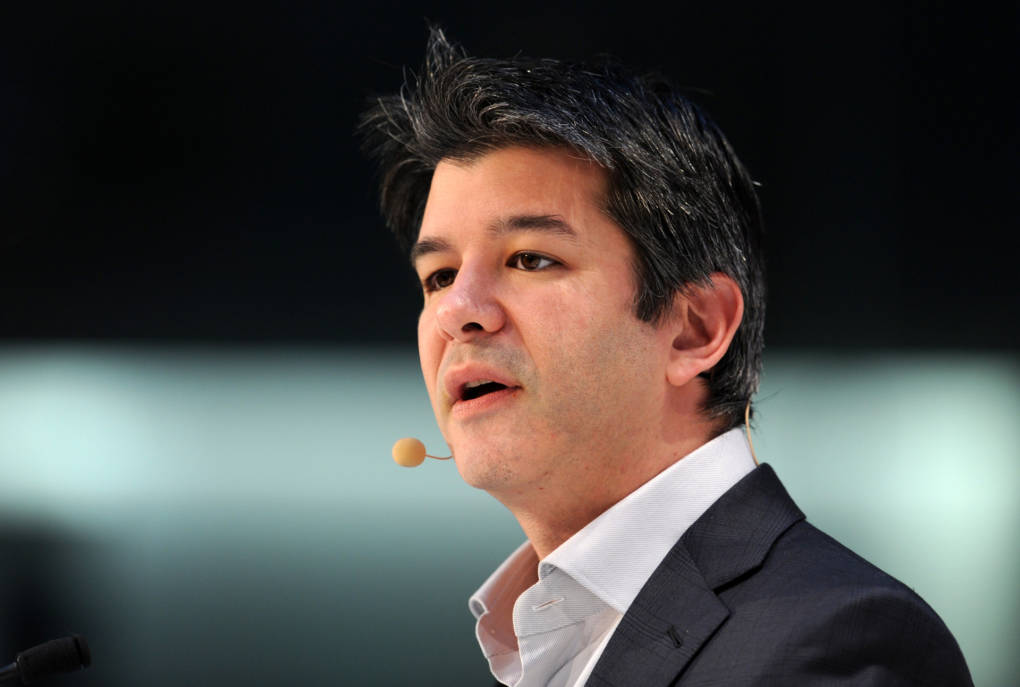
"caption": "Former Uber CEO Travis Kalanick in 2015.",
"description": "Former Uber CEO Travis Kalanick in 2015.",
"title": "TravisKalanick",
"credit": "TOBIAS HASE/AFP/Getty Images",
"status": "inherit",
"isLoading": false,
"fetchFailed": false
},
"news_11792230": {
"type": "attachments",
"id": "news_11792230",
"meta": {
"index": "attachments_1716263798",
"site": "news",
"id": "11792230",
"found": true
},
"parent": 11792222,
"imgSizes": {
"apple_news_ca_landscape_5_5": {
"file": "https://ww2.kqed.org/app/uploads/sites/10/2019/12/RS40554_GettyImages-1182946649-qut-1044x783.jpg",
"width": 1044,
"mimeType": "image/jpeg",
"height": 783
},
"apple_news_ca_square_4_0": {
"file": "https://ww2.kqed.org/app/uploads/sites/10/2019/12/RS40554_GettyImages-1182946649-qut-470x470.jpg",
"width": 470,
"mimeType": "image/jpeg",
"height": 470
},
"twentyfourteen-full-width": {
"file": "https://ww2.kqed.org/app/uploads/sites/10/2019/12/RS40554_GettyImages-1182946649-qut-1038x576.jpg",
"width": 1038,
"mimeType": "image/jpeg",
"height": 576
},
"thumbnail": {
"file": "https://ww2.kqed.org/app/uploads/sites/10/2019/12/RS40554_GettyImages-1182946649-qut-160x107.jpg",
"width": 160,
"mimeType": "image/jpeg",
"height": 107
},
"post-thumbnail": {
"file": "https://ww2.kqed.org/app/uploads/sites/10/2019/12/RS40554_GettyImages-1182946649-qut-672x372.jpg",
"width": 672,
"mimeType": "image/jpeg",
"height": 372
},
"kqedFullSize": {
"file": "https://ww2.kqed.org/app/uploads/sites/10/2019/12/RS40554_GettyImages-1182946649-qut.jpg",
"width": 1920,
"height": 1280
},
"apple_news_ca_landscape_4_7": {
"file": "https://ww2.kqed.org/app/uploads/sites/10/2019/12/RS40554_GettyImages-1182946649-qut-632x474.jpg",
"width": 632,
"mimeType": "image/jpeg",
"height": 474
},
"large": {
"file": "https://ww2.kqed.org/app/uploads/sites/10/2019/12/RS40554_GettyImages-1182946649-qut-1020x680.jpg",
"width": 1020,
"mimeType": "image/jpeg",
"height": 680
},
"complete_open_graph": {
"file": "https://ww2.kqed.org/app/uploads/sites/10/2019/12/RS40554_GettyImages-1182946649-qut-1200x800.jpg",
"width": 1200,
"mimeType": "image/jpeg",
"height": 800
},
"apple_news_ca_landscape_4_0": {
"file": "https://ww2.kqed.org/app/uploads/sites/10/2019/12/RS40554_GettyImages-1182946649-qut-536x402.jpg",
"width": 536,
"mimeType": "image/jpeg",
"height": 402
},
"apple_news_ca_portrait_12_9": {
"file": "https://ww2.kqed.org/app/uploads/sites/10/2019/12/RS40554_GettyImages-1182946649-qut-1122x1280.jpg",
"width": 1122,
"mimeType": "image/jpeg",
"height": 1280
},
"medium": {
"file": "https://ww2.kqed.org/app/uploads/sites/10/2019/12/RS40554_GettyImages-1182946649-qut-800x533.jpg",
"width": 800,
"mimeType": "image/jpeg",
"height": 533
},
"apple_news_ca_portrait_4_0": {
"file": "https://ww2.kqed.org/app/uploads/sites/10/2019/12/RS40554_GettyImages-1182946649-qut-354x472.jpg",
"width": 354,
"mimeType": "image/jpeg",
"height": 472
},
"apple_news_ca_portrait_9_7": {
"file": "https://ww2.kqed.org/app/uploads/sites/10/2019/12/RS40554_GettyImages-1182946649-qut-840x1120.jpg",
"width": 840,
"mimeType": "image/jpeg",
"height": 1120
},
"apple_news_ca_landscape_12_9": {
"file": "https://ww2.kqed.org/app/uploads/sites/10/2019/12/RS40554_GettyImages-1182946649-qut-1832x1280.jpg",
"width": 1832,
"mimeType": "image/jpeg",
"height": 1280
},
"apple_news_ca_square_9_7": {
"file": "https://ww2.kqed.org/app/uploads/sites/10/2019/12/RS40554_GettyImages-1182946649-qut-1104x1104.jpg",
"width": 1104,
"mimeType": "image/jpeg",
"height": 1104
},
"apple_news_ca_portrait_4_7": {
"file": "https://ww2.kqed.org/app/uploads/sites/10/2019/12/RS40554_GettyImages-1182946649-qut-414x552.jpg",
"width": 414,
"mimeType": "image/jpeg",
"height": 552
},
"apple_news_ca_square_12_9": {
"file": "https://ww2.kqed.org/app/uploads/sites/10/2019/12/RS40554_GettyImages-1182946649-qut-1472x1280.jpg",
"width": 1472,
"mimeType": "image/jpeg",
"height": 1280
},
"apple_news_ca_portrait_5_5": {
"file": "https://ww2.kqed.org/app/uploads/sites/10/2019/12/RS40554_GettyImages-1182946649-qut-687x916.jpg",
"width": 687,
"mimeType": "image/jpeg",
"height": 916
},
"full-width": {
"file": "https://ww2.kqed.org/app/uploads/sites/10/2019/12/RS40554_GettyImages-1182946649-qut-1920x1280.jpg",
"width": 1920,
"mimeType": "image/jpeg",
"height": 1280
},
"apple_news_ca_square_4_7": {
"file": "https://ww2.kqed.org/app/uploads/sites/10/2019/12/RS40554_GettyImages-1182946649-qut-550x550.jpg",
"width": 550,
"mimeType": "image/jpeg",
"height": 550
},
"apple_news_ca_landscape_9_7": {
"file": "https://ww2.kqed.org/app/uploads/sites/10/2019/12/RS40554_GettyImages-1182946649-qut-1376x1032.jpg",
"width": 1376,
"mimeType": "image/jpeg",
"height": 1032
},
"apple_news_ca_square_5_5": {
"file": "https://ww2.kqed.org/app/uploads/sites/10/2019/12/RS40554_GettyImages-1182946649-qut-912x912.jpg",
"width": 912,
"mimeType": "image/jpeg",
"height": 912
}
},
"publishDate": 1576786105,
"modified": 1576791633,
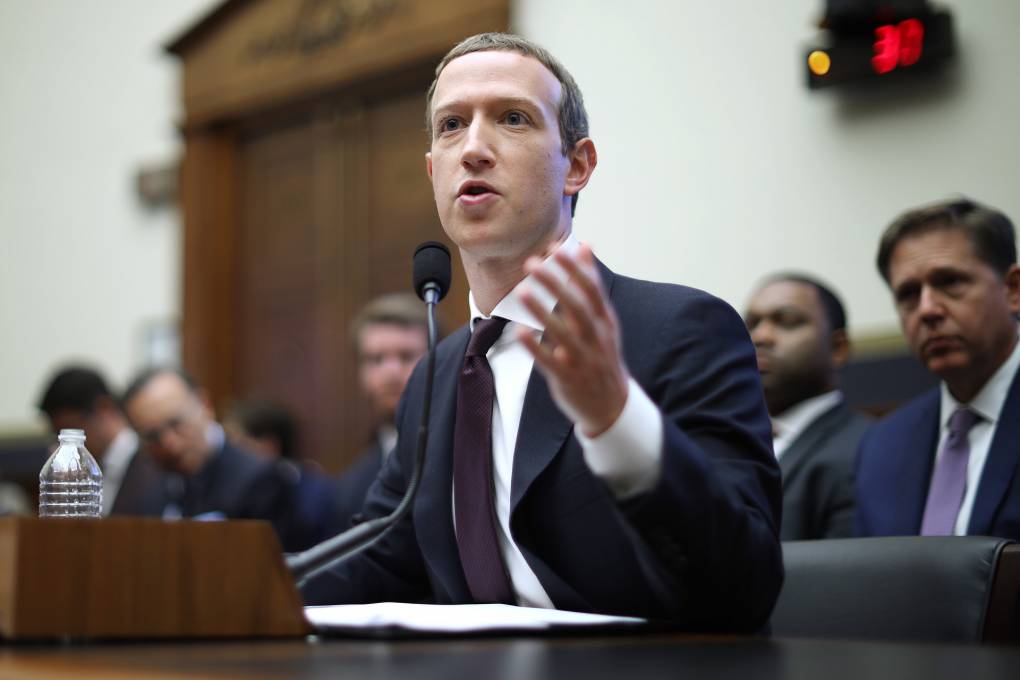
"caption": "Facebook CEO Mark Zuckerberg testified before the House Financial Services Committee in October. Under pressure from lawmakers and civil rights groups, the company has updated its policies to address census interference. ",
"description": "Facebook CEO Mark Zuckerberg testified before the House Financial Services Committee in October. Under pressure from lawmakers and civil rights groups, the company has updated its policies to address census interference. ",
"title": "Facebook CEO Mark Zuckerberg Testifies Before The House Financial Services Committee",
"credit": "Chip Somodevilla/Getty Images",
"status": "inherit",
"isLoading": false,
"fetchFailed": false
},
"news_11791357": {
"type": "attachments",
"id": "news_11791357",
"meta": {
"index": "attachments_1716263798",
"site": "news",
"id": "11791357",
"found": true
},
"parent": 11791335,
"imgSizes": {
"apple_news_ca_landscape_5_5": {
"file": "https://ww2.kqed.org/app/uploads/sites/10/2019/12/GettyImages-1184880142-1-1044x783.jpg",
"width": 1044,
"mimeType": "image/jpeg",
"height": 783
},
"apple_news_ca_square_4_0": {
"file": "https://ww2.kqed.org/app/uploads/sites/10/2019/12/GettyImages-1184880142-1-470x470.jpg",
"width": 470,
"mimeType": "image/jpeg",
"height": 470
},
"twentyfourteen-full-width": {
"file": "https://ww2.kqed.org/app/uploads/sites/10/2019/12/GettyImages-1184880142-1-1038x576.jpg",
"width": 1038,
"mimeType": "image/jpeg",
"height": 576
},
"thumbnail": {
"file": "https://ww2.kqed.org/app/uploads/sites/10/2019/12/GettyImages-1184880142-1-160x97.jpg",
"width": 160,
"mimeType": "image/jpeg",
"height": 97
},
"post-thumbnail": {
"file": "https://ww2.kqed.org/app/uploads/sites/10/2019/12/GettyImages-1184880142-1-672x372.jpg",
"width": 672,
"mimeType": "image/jpeg",
"height": 372
},
"kqedFullSize": {
"file": "https://ww2.kqed.org/app/uploads/sites/10/2019/12/GettyImages-1184880142-1.jpg",
"width": 1920,
"height": 1166
},
"apple_news_ca_landscape_4_7": {
"file": "https://ww2.kqed.org/app/uploads/sites/10/2019/12/GettyImages-1184880142-1-632x474.jpg",
"width": 632,
"mimeType": "image/jpeg",
"height": 474
},
"large": {
"file": "https://ww2.kqed.org/app/uploads/sites/10/2019/12/GettyImages-1184880142-1-1020x619.jpg",
"width": 1020,
"mimeType": "image/jpeg",
"height": 619
},
"complete_open_graph": {
"file": "https://ww2.kqed.org/app/uploads/sites/10/2019/12/GettyImages-1184880142-1-1200x729.jpg",
"width": 1200,
"mimeType": "image/jpeg",
"height": 729
},
"apple_news_ca_landscape_4_0": {
"file": "https://ww2.kqed.org/app/uploads/sites/10/2019/12/GettyImages-1184880142-1-536x402.jpg",
"width": 536,
"mimeType": "image/jpeg",
"height": 402
},
"apple_news_ca_portrait_12_9": {
"file": "https://ww2.kqed.org/app/uploads/sites/10/2019/12/GettyImages-1184880142-1-1122x1166.jpg",
"width": 1122,
"mimeType": "image/jpeg",
"height": 1166
},
"medium": {
"file": "https://ww2.kqed.org/app/uploads/sites/10/2019/12/GettyImages-1184880142-1-800x486.jpg",
"width": 800,
"mimeType": "image/jpeg",
"height": 486
},
"apple_news_ca_portrait_4_0": {
"file": "https://ww2.kqed.org/app/uploads/sites/10/2019/12/GettyImages-1184880142-1-354x472.jpg",
"width": 354,
"mimeType": "image/jpeg",
"height": 472
},
"apple_news_ca_portrait_9_7": {
"file": "https://ww2.kqed.org/app/uploads/sites/10/2019/12/GettyImages-1184880142-1-840x1120.jpg",
"width": 840,
"mimeType": "image/jpeg",
"height": 1120
},
"apple_news_ca_landscape_12_9": {
"file": "https://ww2.kqed.org/app/uploads/sites/10/2019/12/GettyImages-1184880142-1-1832x1166.jpg",
"width": 1832,
"mimeType": "image/jpeg",
"height": 1166
},
"apple_news_ca_square_9_7": {
"file": "https://ww2.kqed.org/app/uploads/sites/10/2019/12/GettyImages-1184880142-1-1104x1104.jpg",
"width": 1104,
"mimeType": "image/jpeg",
"height": 1104
},
"apple_news_ca_portrait_4_7": {
"file": "https://ww2.kqed.org/app/uploads/sites/10/2019/12/GettyImages-1184880142-1-414x552.jpg",
"width": 414,
"mimeType": "image/jpeg",
"height": 552
},
"apple_news_ca_square_12_9": {
"file": "https://ww2.kqed.org/app/uploads/sites/10/2019/12/GettyImages-1184880142-1-1472x1166.jpg",
"width": 1472,
"mimeType": "image/jpeg",
"height": 1166
},
"apple_news_ca_portrait_5_5": {
"file": "https://ww2.kqed.org/app/uploads/sites/10/2019/12/GettyImages-1184880142-1-687x916.jpg",
"width": 687,
"mimeType": "image/jpeg",
"height": 916
},
"full-width": {
"file": "https://ww2.kqed.org/app/uploads/sites/10/2019/12/GettyImages-1184880142-1-1920x1166.jpg",
"width": 1920,
"mimeType": "image/jpeg",
"height": 1166
},
"apple_news_ca_square_4_7": {
"file": "https://ww2.kqed.org/app/uploads/sites/10/2019/12/GettyImages-1184880142-1-550x550.jpg",
"width": 550,
"mimeType": "image/jpeg",
"height": 550
},
"apple_news_ca_landscape_9_7": {
"file": "https://ww2.kqed.org/app/uploads/sites/10/2019/12/GettyImages-1184880142-1-1376x1032.jpg",
"width": 1376,
"mimeType": "image/jpeg",
"height": 1032
},
"apple_news_ca_square_5_5": {
"file": "https://ww2.kqed.org/app/uploads/sites/10/2019/12/GettyImages-1184880142-1-912x912.jpg",
"width": 912,
"mimeType": "image/jpeg",
"height": 912
}
},
"publishDate": 1576448987,
"modified": 1576458996,
"caption": "Workers rebuild a cellular tower with 5G equipment. San Jose's deal with mobile companies to launch 5G networks ensures that the new technology will be available to all of its residents. ",
"description": null,
"title": "GettyImages-1184880142 (1)",
"credit": "George Frey/Getty Images",
"status": "inherit",
"isLoading": false,
"fetchFailed": false
}
},
"audioPlayerReducer": {
"postId": "stream_live",
"isPaused": true,
"isPlaying": false,
"pfsActive": false,
"pledgeModalIsOpen": true,
"playerDrawerIsOpen": false,
"liveAudioPlayStartedAt": 0,
"liveAudioPlayContext": ""
},
"authorsReducer": {
"byline_arts_13873341": {
"type": "authors",
"id": "byline_arts_13873341",
"meta": {
"override": true
},
"slug": "byline_arts_13873341",
"name": "Bobby Allyn",
"isLoading": false
},
"byline_news_11795085": {
"type": "authors",
"id": "byline_news_11795085",
"meta": {
"override": true
},
"slug": "byline_news_11795085",
"name": "\u003ca href=\"https://www.npr.org/people/14562108/bill-chappell\">Bill Chappell\u003ca />",
"isLoading": false
},
"byline_news_11794395": {
"type": "authors",
"id": "byline_news_11794395",
"meta": {
"override": true
},
"slug": "byline_news_11794395",
"name": "\u003cstrong>\u003ca href=\"https://www.npr.org/people/14562108/bill-chappell\">Bill Chappell\u003ca />\u003cbr />NPR\u003c/strong>",
"isLoading": false
},
"byline_news_11793221": {
"type": "authors",
"id": "byline_news_11793221",
"meta": {
"override": true
},
"slug": "byline_news_11793221",
"name": "\u003ca href=\"https://www.npr.org/people/536871466/wynne-davis\">Wynne Davis\u003c/a>",
"isLoading": false
},
"byline_news_11792838": {
"type": "authors",
"id": "byline_news_11792838",
"meta": {
"override": true
},
"slug": "byline_news_11792838",
"name": "\u003cstrong>Cathy Bussewitz\u003cbr />Associated Press\u003c/strong>",
"isLoading": false
},
"byline_news_11792222": {
"type": "authors",
"id": "byline_news_11792222",
"meta": {
"override": true
},
"slug": "byline_news_11792222",
"name": "\u003ca href=\"https://www.npr.org/people/177498291/hansi-lo-wang\"> Hansi Lo Wang \u003ca /> ",
"isLoading": false
},
"danbrekke": {
"type": "authors",
"id": "222",
"meta": {
"index": "authors_1716337520",
"id": "222",
"found": true
},
"name": "Dan Brekke",
"firstName": "Dan",
"lastName": "Brekke",
"slug": "danbrekke",
"email": "dbrekke@kqed.org",
"display_author_email": true,
"staff_mastheads": [
"news",
"science"
],
"title": "KQED Editor and Reporter",
"bio": "Dan Brekke is a reporter and editor for KQED News, responsible for coverage of topics ranging from California water issues to the Bay Area's transportation challenges. In a newsroom career that began in Chicago in 1972, Dan has worked for \u003cem>The San Francisco Examiner,\u003c/em> Wired and TechTV and has been published in The New York Times, The New York Times Magazine, Business 2.0, Salon and elsewhere.\r\n\r\nSince joining KQED in 2007, Dan has reported, edited and produced both radio and online features and breaking news pieces. He has shared as both editor and reporter in four Society of Professional Journalists Norcal Excellence in Journalism awards and one Edward R. Murrow regional award. He was chosen for a spring 2017 residency at the Mesa Refuge to advance his research on California salmon.\r\n\r\nEmail Dan at: \u003ca href=\"mailto:dbrekke@kqed.org\">dbrekke@kqed.org\u003c/a>\r\n\r\n\u003cstrong>Twitter:\u003c/strong> \u003ca href=\"https://twitter.com/danbrekke\" rel=\"noopener noreferrer\">twitter.com/danbrekke\u003c/a>\r\n\u003cstrong>Facebook:\u003c/strong> \u003ca href=\"https://www.facebook.com/danbrekke\" rel=\"noopener noreferrer\">www.facebook.com/danbrekke\u003c/a>\r\n\u003cstrong>LinkedIn:\u003c/strong> \u003ca href=\"https://www.linkedin.com/in/danbrekke\" rel=\"noopener noreferrer\">www.linkedin.com/in/danbrekke\u003c/a>",
"avatar": "https://secure.gravatar.com/avatar/8f1f0d2a978fb3b23426c922c7e2af558fa36905b49c4ce76a97dc3c72d27226?s=600&d=mm&r=g",
"twitter": "danbrekke",
"bluesky": null,
"facebook": null,
"instagram": "https://www.instagram.com/dan.brekke/",
"linkedin": "https://www.linkedin.com/in/danbrekke/",
"sites": [
{
"site": "news",
"roles": [
"administrator",
"create_posts"
]
},
{
"site": "stateofhealth",
"roles": [
"editor"
]
},
{
"site": "science",
"roles": [
"editor"
]
},
{
"site": "quest",
"roles": [
"contributor"
]
},
{
"site": "food",
"roles": [
"contributor"
]
},
{
"site": "forum",
"roles": [
"contributor"
]
},
{
"site": "elections",
"roles": [
"editor"
]
},
{
"site": "liveblog",
"roles": [
"editor"
]
}
],
"headData": {
"title": "Dan Brekke | KQED",
"description": "KQED Editor and Reporter",
"ogImgSrc": "https://secure.gravatar.com/avatar/8f1f0d2a978fb3b23426c922c7e2af558fa36905b49c4ce76a97dc3c72d27226?s=600&d=mm&r=g",
"twImgSrc": "https://secure.gravatar.com/avatar/8f1f0d2a978fb3b23426c922c7e2af558fa36905b49c4ce76a97dc3c72d27226?s=600&d=mm&r=g"
},
"isLoading": false,
"link": "/author/danbrekke"
},
"rachael-myrow": {
"type": "authors",
"id": "251",
"meta": {
"index": "authors_1716337520",
"id": "251",
"found": true
},
"name": "Rachael Myrow",
"firstName": "Rachael",
"lastName": "Myrow",
"slug": "rachael-myrow",
"email": "rmyrow@kqed.org",
"display_author_email": true,
"staff_mastheads": [
"news"
],
"title": "Senior Editor of KQED's Silicon Valley News Desk",
"bio": "• I write and edit stories about how Silicon Valley power and policies shape everyday life in California. I’m also passionate about making Bay Area history and culture more accessible to a broad public. • I’ve been a journalist for most of my life, starting in high school with The Franklin Press in Los Angeles, where I grew up. While earning my first degree in English at UC Berkeley, I got my start in public radio at KALX-FM. After completing a second degree in journalism at Cal, I landed my first professional job at Marketplace, then moved on to KPCC (now LAist), and then KQED, where I hosted The California Report for more than seven years. • My reporting has appeared on NPR, The World, WBUR’s \u003ci>Here & Now\u003c/i>, and the BBC. I also guest host for KQED’s \u003ci>Forum\u003c/i>, as well as the Commonwealth Club in San Francisco. • I speak periodically on media, democracy and technology issues, and do voiceover work for documentaries and educational video projects. • Outside of the studio, you'll find me hiking Bay Area trails and whipping up Insta-ready meals in my kitchen. • I do not accept gifts, money, or favors from anyone connected to my reporting, I don't pay people for information, and I do not support or donate to political causes. • I strive to treat the people I report on with fairness, honesty, and respect. I also recognize there are often multiple sides to a story and work to verify information through multiple sources and documentation. If I get something wrong, I correct it.",
"avatar": "https://secure.gravatar.com/avatar/3ed8a3c5f26025e4a805ba634cda8cd764906b97438a6d9ce216b044e340da4e?s=600&d=blank&r=g",
"twitter": "rachaelmyrow",
"bluesky": null,
"facebook": null,
"instagram": null,
"linkedin": "https://www.linkedin.com/in/rachaelmyrow/",
"sites": [
{
"site": "arts",
"roles": [
"administrator"
]
},
{
"site": "news",
"roles": [
"edit_others_posts",
"editor"
]
},
{
"site": "futureofyou",
"roles": [
"editor"
]
},
{
"site": "bayareabites",
"roles": [
"editor"
]
},
{
"site": "stateofhealth",
"roles": [
"editor"
]
},
{
"site": "science",
"roles": [
"editor"
]
},
{
"site": "food",
"roles": [
"editor"
]
},
{
"site": "forum",
"roles": [
"editor"
]
},
{
"site": "liveblog",
"roles": [
"author"
]
}
],
"headData": {
"title": "Rachael Myrow | KQED",
"description": "Senior Editor of KQED's Silicon Valley News Desk",
"ogImgSrc": "https://secure.gravatar.com/avatar/3ed8a3c5f26025e4a805ba634cda8cd764906b97438a6d9ce216b044e340da4e?s=600&d=blank&r=g",
"twImgSrc": "https://secure.gravatar.com/avatar/3ed8a3c5f26025e4a805ba634cda8cd764906b97438a6d9ce216b044e340da4e?s=600&d=blank&r=g"
},
"isLoading": false,
"link": "/author/rachael-myrow"
},
"samharnett": {
"type": "authors",
"id": "253",
"meta": {
"index": "authors_1716337520",
"id": "253",
"found": true
},
"name": "Sam Harnett",
"firstName": "Sam",
"lastName": "Harnett",
"slug": "samharnett",
"email": "samharnett@gmail.com",
"display_author_email": false,
"staff_mastheads": [],
"title": "KQED Contributor",
"bio": "Sam Harnett covered tech and work at KQED. He is the co-creator of \u003cem>\u003ca href=\"http://www.theworldaccordingtosound.org\">The World According to Sound\u003c/a>,\u003c/em> a 90-second podcast that features different sounds and the stories behind them.\r\n\r\nBefore coming to KQED, Sam worked as an independent reporter who contributed regularly to \u003cem>The California Report, Marketplace,\u003c/em> \u003cem>The World \u003c/em>and NPR.",
"avatar": "https://secure.gravatar.com/avatar/2538b972ac02f2b9546c7a6c59a0f3d0?s=600&d=blank&r=g",
"twitter": "Samwharnett",
"facebook": null,
"instagram": null,
"linkedin": null,
"sites": [
{
"site": "news",
"roles": [
"edit_others_posts",
"subscriber"
]
},
{
"site": "stateofhealth",
"roles": [
"author"
]
},
{
"site": "science",
"roles": [
"editor"
]
},
{
"site": "quest",
"roles": [
"subscriber"
]
}
],
"headData": {
"title": "Sam Harnett | KQED",
"description": "KQED Contributor",
"ogImgSrc": "https://secure.gravatar.com/avatar/2538b972ac02f2b9546c7a6c59a0f3d0?s=600&d=blank&r=g",
"twImgSrc": "https://secure.gravatar.com/avatar/2538b972ac02f2b9546c7a6c59a0f3d0?s=600&d=blank&r=g"
},
"isLoading": false,
"link": "/author/samharnett"
},
"tcamhi": {
"type": "authors",
"id": "3251",
"meta": {
"index": "authors_1716337520",
"id": "3251",
"found": true
},
"name": "Tiffany Camhi",
"firstName": "Tiffany",
"lastName": "Camhi",
"slug": "tcamhi",
"email": "tiffanycamhi@gmail.com",
"display_author_email": false,
"staff_mastheads": [],
"title": "KQED Contributor",
"bio": null,
"avatar": "https://secure.gravatar.com/avatar/f8204ce351139205d3b3dc1581016a5e30d7d8b38cb2c139348c151ec14b792e?s=600&d=blank&r=g",
"twitter": null,
"bluesky": null,
"facebook": null,
"instagram": null,
"linkedin": null,
"sites": [
{
"site": "arts",
"roles": [
"subscriber"
]
},
{
"site": "news",
"roles": [
"subscriber"
]
}
],
"headData": {
"title": "Tiffany Camhi | KQED",
"description": "KQED Contributor",
"ogImgSrc": "https://secure.gravatar.com/avatar/f8204ce351139205d3b3dc1581016a5e30d7d8b38cb2c139348c151ec14b792e?s=600&d=blank&r=g",
"twImgSrc": "https://secure.gravatar.com/avatar/f8204ce351139205d3b3dc1581016a5e30d7d8b38cb2c139348c151ec14b792e?s=600&d=blank&r=g"
},
"isLoading": false,
"link": "/author/tcamhi"
},
"nvoynovskaya": {
"type": "authors",
"id": "11387",
"meta": {
"index": "authors_1716337520",
"id": "11387",
"found": true
},
"name": "Nastia Voynovskaya",
"firstName": "Nastia",
"lastName": "Voynovskaya",
"slug": "nvoynovskaya",
"email": "nvoynovskaya@kqed.org",
"display_author_email": false,
"staff_mastheads": [
"arts"
],
"title": "Editor and reporter",
"bio": "Nastia Voynovskaya is a reporter, editor and host at KQED Arts & Culture. She's been covering the arts in the Bay Area for over a decade, with a focus on music, queer culture, labor issues and grassroots organizing. She has edited KQED story series such as Trans Bay: A History of San Francisco's Gender-Diverse Community, and co-created KQED's Bay Area hip-hop history project, That's My Word. Nastia's work has been recognized by the Society of Professional Journalists and San Francisco Press Club. She regularly appears on podcasts and radio programs, including NPR's All Songs Considered, and hosts live events where music, culture and conversation meet.",
"avatar": "https://secure.gravatar.com/avatar/5025ee460e5a85d69ca20ea6c6f2f80d7e17795c828f61ea3aecfcd924e9042e?s=600&d=blank&r=g",
"twitter": null,
"bluesky": null,
"facebook": null,
"instagram": "https://www.instagram.com/nananastia/",
"linkedin": null,
"sites": [
{
"site": "",
"roles": [
"editor"
]
},
{
"site": "arts",
"roles": [
"administrator"
]
},
{
"site": "news",
"roles": [
"editor"
]
},
{
"site": "pop",
"roles": [
"administrator"
]
},
{
"site": "bayareabites",
"roles": [
"editor"
]
},
{
"site": "podcasts",
"roles": [
"editor"
]
},
{
"site": "hiphop",
"roles": [
"editor"
]
}
],
"headData": {
"title": "Nastia Voynovskaya | KQED",
"description": "Editor and reporter",
"ogImgSrc": "https://secure.gravatar.com/avatar/5025ee460e5a85d69ca20ea6c6f2f80d7e17795c828f61ea3aecfcd924e9042e?s=600&d=blank&r=g",
"twImgSrc": "https://secure.gravatar.com/avatar/5025ee460e5a85d69ca20ea6c6f2f80d7e17795c828f61ea3aecfcd924e9042e?s=600&d=blank&r=g"
},
"isLoading": false,
"link": "/author/nvoynovskaya"
},
"awoelfle": {
"type": "authors",
"id": "11630",
"meta": {
"index": "authors_1716337520",
"id": "11630",
"found": true
},
"name": "Alice Woelfle",
"firstName": "Alice",
"lastName": "Woelfle",
"slug": "awoelfle",
"email": "awoelfle@KQED.org",
"display_author_email": false,
"staff_mastheads": [],
"title": null,
"bio": null,
"avatar": "https://secure.gravatar.com/avatar/00e46668235dc71f4a7513cf5eb31df3?s=600&d=blank&r=g",
"twitter": null,
"facebook": null,
"instagram": null,
"linkedin": null,
"sites": [
{
"site": "news",
"roles": [
"subscriber"
]
}
],
"headData": {
"title": "Alice Woelfle | KQED",
"description": null,
"ogImgSrc": "https://secure.gravatar.com/avatar/00e46668235dc71f4a7513cf5eb31df3?s=600&d=blank&r=g",
"twImgSrc": "https://secure.gravatar.com/avatar/00e46668235dc71f4a7513cf5eb31df3?s=600&d=blank&r=g"
},
"isLoading": false,
"link": "/author/awoelfle"
}
},
"pagesReducer": {
"news_category_technology": {
"type": "terms",
"id": "news_248",
"meta": {
"index": "terms_1716263798",
"site": "news",
"id": "248",
"score": 10.931152
},
"featImg": null,
"name": "Technology",
"description": null,
"taxonomy": "category",
"headData": {
"twImgId": null,
"twTitle": null,
"ogTitle": null,
"ogImgId": null,
"twDescription": null,
"description": null,
"title": "Technology Archives | KQED News",
"ogDescription": null
},
"ttid": 256,
"slug": "technology",
"isLoading": false,
"title": "Technology",
"pageMeta": {
"site": "news",
"WpPageTemplate": "page-topic-editorial",
"currentPage": 55
},
"blocks": [
{
"blockName": "kqed/post-list",
"attrs": {
"layout": "cardArticle2",
"query": "posts/news?category=technology",
"seeMore": false,
"paginated": true,
"page": 55
}
},
{
"blockName": "kqed/ad"
}
]
}
},
"pfsSessionReducer": {},
"postsReducer": {
"stream_live": {
"type": "live",
"id": "stream_live",
"audioUrl": "https://streams.kqed.org/kqedradio",
"title": "Live Stream",
"excerpt": "Live Stream information currently unavailable.",
"link": "/radio",
"featImg": "",
"label": {
"name": "KQED Live",
"link": "/"
}
},
"stream_kqedNewscast": {
"type": "posts",
"id": "stream_kqedNewscast",
"audioUrl": "https://www.kqed.org/.stream/anon/radio/RDnews/newscast.mp3?_=1",
"title": "KQED Newscast",
"featImg": "",
"label": {
"name": "88.5 FM",
"link": "/"
}
},
"arts_13873341": {
"type": "posts",
"id": "arts_13873341",
"meta": {
"index": "posts_1716263798",
"site": "arts",
"id": "13873341",
"score": null,
"sort": [
1579119977000
]
},
"guestAuthors": [],
"slug": "study-dating-apps-share-users-sexuality-drug-use-political-views-with-advertisers",
"title": "Study: Dating Apps Share Users' Sexuality, Drug Use, Political Views With Advertisers",
"publishDate": 1579119977,
"format": "standard",
"headTitle": "Study: Dating Apps Share Users’ Sexuality, Drug Use, Political Views With Advertisers | KQED",
"labelTerm": {
"term": 137,
"site": "arts"
},
"content": "\u003cp>A group of civil rights and consumer groups is \u003ca href=\"https://www.citizen.org/article/popular-dating-health-apps-violate-privacy/\" target=\"_blank\" rel=\"noopener noreferrer\">urging\u003c/a> federal and state regulators to examine a number of mobile apps, including popular dating apps Grindr, Tinder and OKCupid for allegedly sharing personal information with advertising companies.\u003c/p>\n\u003cp>The push by the privacy rights coalition follows a \u003ca href=\"https://fil.forbrukerradet.no/wp-content/uploads/2020/01/2020-01-14-out-of-control-final-version.pdf\" target=\"_blank\" rel=\"noopener noreferrer\">report\u003c/a> published on Tuesday by the Norwegian Consumer Council that found 10 apps collect sensitive information including a user’s exact location, sexual orientation, religious and political beliefs, drug use and other information and then transmit the personal data to at least 135 different third-party companies.\u003c/p>\n\u003cp>The data harvesting, according to the Norwegian government agency, appears to violate the European Union’s rules intended to protect people’s online data, known as the General Data Protection Regulation.\u003c/p>\n\u003cp>In the U.S., consumer groups are equally alarmed. The group urging regulators to act on the Norwegian study, led by government watchdog group Public Citizen, says Congress should use the findings as a roadmap to pass a new law patterned after Europe’s tough data privacy rules that took effect in 2018.\u003c/p>\n\u003cp>“These apps and online services spy on people, collect vast amounts of personal data and share it with third parties without people’s knowledge. Industry calls it adtech. We call it surveillance,” said Burcu Kilic, a lawyer who leads the digital rights program at Public Citizen. “We need to regulate it now, before it’s too late.”\u003c/p>\n\u003cp>[ad fullwidth]\u003c/p>\n\u003cp>The Norwegian study, which looks only at apps on Android phones, traces the journey a user’s personal information takes before it arrives at marketing companies.\u003c/p>\n\u003cp>For example, Grindr’s app includes Twitter-owned advertising software, which collects and processes personal information and unique identifiers such as a phone’s ID and IP address, allowing advertising companies to track consumers across devices. This Twitter-owned go-between for personal data is controlled by a firm called MoPub.\u003c/p>\n\u003cp>“Grindr only lists Twitter’s MoPub as an advertising partner, and encourages users to read the privacy policies of MoPub’s own partners to understand how data is used. MoPub lists more than 160 partners, which clearly makes it impossible for users to give an informed consent to how each of these partners may use personal data,” the \u003ca href=\"https://fil.forbrukerradet.no/wp-content/uploads/2020/01/2020-01-14-out-of-control-final-version.pdf\" target=\"_blank\" rel=\"noopener noreferrer\">report\u003c/a> states.\u003c/p>\n\u003cp>This is not the first time Grindr has become embroiled in controversy over data sharing. In 2018, the dating app \u003ca href=\"https://www.npr.org/sections/thetwo-way/2018/04/03/599069424/grindr-admits-it-shared-hiv-status-of-users\" target=\"_blank\" rel=\"noopener noreferrer\">announced\u003c/a> it would stop sharing users’ HIV status with companies following a report in \u003ca href=\"https://www.buzzfeednews.com/article/azeenghorayshi/grindr-hiv-status-privacy#.yp0J48W0N\" target=\"_blank\" rel=\"noopener noreferrer\">BuzzFeed\u003c/a> exposing the practice, leading AIDS advocates to raise questions about health, safety and personal privacy.\u003c/p>\n\u003cp>The latest data violations unearthed by the Norwegian researchers come the same month California \u003ca href=\"https://www.npr.org/2019/12/30/791190150/california-rings-in-the-new-year-with-a-new-data-privacy-law\" target=\"_blank\" rel=\"noopener noreferrer\">enacted\u003c/a> the strongest data privacy law in the U.S. Under the law, known as the California Consumer Privacy Act, consumers can opt out of the sale of their personal information. If tech companies do not comply, the law permits the user to sue.\u003c/p>\n\u003cp>In its \u003ca href=\"https://www.citizen.org/wp-content/uploads/CA-AG-Out-of-Control-NCC-1.14.20.pdf\" target=\"_blank\" rel=\"noopener noreferrer\">letter\u003c/a> sent Tuesday to the California attorney general, the ACLU of California argues that the practice described in the Norwegian report may violate the state’s new data privacy law, in addition to constituting possible unfair and deceptive practices, which is unlawful in California.\u003c/p>\n\u003cp>A Twitter spokesperson said in a statement that the company has suspended advertising software used by Grindr highlighted in the report as the company reviews the study’s findings.\u003c/p>\n\u003cp>“We are currently investigating this issue to understand the sufficiency of Grindr’s consent mechanism. In the meantime, we have disabled Grindr’s MoPub account,” a Twitter spokesperson told NPR.\u003c/p>\n\u003cp>The study found the dating app OKCupid shared details about a user’s sexuality, drug use, political views and more to an analytics company called Braze.\u003c/p>\n\u003cp>The Match Group, the company that owns OKCupid and Tinder, said in a statement that privacy was at the core of its business, saying it only shares information to third parties that comply with applicable laws.\u003c/p>\n\u003cp>“All Match Group products obtain from these vendors strict contractual commitments that ensure confidentiality, security of users’ personal information and strictly prohibit commercialization of this data,” a company spokesman said.\u003c/p>\n\u003cp>Many app users, the study noted, never try to read or understand the privacy policies before using an app. But even if the policies are studied, the Norwegian researchers say the legalese-filled documents sometimes do not provide a complete picture of what is happening with a person’s personal information.\u003c/p>\n\u003cp>“If one actually attempts to read the privacy policy of any given app, the third parties who may receive personal data are often not mentioned by name. If the third parties are actually listed, the consumer then has to read the privacy policies of these third parties to understand how they may use the data,” the study says.\u003c/p>\n\u003cp>\u003c/p>\n\u003cp>“In other words, it is practically impossible for the consumer to have even a basic overview of what and where their personal data might be transmitted, or how it is used, even from only a single app.”\u003c/p>\n\u003cdiv class=\"fullattribution\">\u003cem>Copyright 2020 NPR. To see more, visit \u003ca href=\"https://www.npr.org\" target=\"_blank\" rel=\"noopener noreferrer\">NPR\u003c/a>.\u003c/em>\u003cimg decoding=\"async\" src=\"https://www.google-analytics.com/__utm.gif?utmac=UA-5828686-4&utmdt=Study%3A+Tinder%2C+Grindr+And+Other+Apps+Share+Sensitive+Personal+Data+With+Advertisers&utme=8(APIKey)9(MDAxOTAwOTE4MDEyMTkxMDAzNjczZDljZA004)\">\u003c/div>\n\n",
"blocks": [],
"excerpt": "Researchers in Norway say the data-sharing appears to violate European data privacy laws. In the U.S., groups are asking state and federal regulators to investigate whether the practices are illegal. ",
"status": "publish",
"parent": 0,
"modified": 1721123750,
"stats": {
"hasAudio": false,
"hasVideo": false,
"hasChartOrMap": false,
"iframeSrcs": [],
"hasGoogleForm": false,
"hasGallery": false,
"hasHearkenModule": false,
"hasPolis": false,
"paragraphCount": 21,
"wordCount": 865
},
"headData": {
"title": "Study: Dating Apps Share Users' Sexuality, Drug Use, Political Views With Advertisers | KQED",
"description": "Researchers in Norway say the data-sharing appears to violate European data privacy laws. In the U.S., groups are asking state and federal regulators to investigate whether the practices are illegal. ",
"ogTitle": "",
"ogDescription": "",
"ogImgId": "",
"twTitle": "",
"twDescription": "",
"twImgId": "",
"schema": {
"@context": "https://schema.org",
"@type": "Article",
"headline": "Study: Dating Apps Share Users' Sexuality, Drug Use, Political Views With Advertisers",
"datePublished": "2020-01-15T12:26:17-08:00",
"dateModified": "2024-07-16T02:55:50-07:00",
"image": "https://cdn.kqed.org/wp-content/uploads/2020/02/KQED-OG-Image@1x.png"
}
},
"sticky": false,
"nprImageCredit": "Joe Raedle",
"nprByline": "Bobby Allyn",
"nprImageAgency": "Getty Images",
"nprStoryId": "796427696",
"nprApiLink": "http://api.npr.org/query?id=796427696&apiKey=MDAxOTAwOTE4MDEyMTkxMDAzNjczZDljZA004",
"nprHtmlLink": "https://www.npr.org/2020/01/14/796427696/study-grindr-tindr-and-other-apps-share-sensitive-personal-data-with-advertisers?ft=nprml&f=796427696",
"nprRetrievedStory": "1",
"nprPubDate": "Wed, 15 Jan 2020 09:20:00 -0500",
"nprStoryDate": "Tue, 14 Jan 2020 19:03:23 -0500",
"nprLastModifiedDate": "Wed, 15 Jan 2020 09:20:20 -0500",
"templateType": "standard",
"featuredImageType": "standard",
"path": "/arts/13873341/study-dating-apps-share-users-sexuality-drug-use-political-views-with-advertisers",
"audioTrackLength": null,
"parsedContent": [
{
"type": "contentString",
"content": "\u003cdiv class=\"post-body\">\u003cp>\u003cp>A group of civil rights and consumer groups is \u003ca href=\"https://www.citizen.org/article/popular-dating-health-apps-violate-privacy/\" target=\"_blank\" rel=\"noopener noreferrer\">urging\u003c/a> federal and state regulators to examine a number of mobile apps, including popular dating apps Grindr, Tinder and OKCupid for allegedly sharing personal information with advertising companies.\u003c/p>\n\u003cp>The push by the privacy rights coalition follows a \u003ca href=\"https://fil.forbrukerradet.no/wp-content/uploads/2020/01/2020-01-14-out-of-control-final-version.pdf\" target=\"_blank\" rel=\"noopener noreferrer\">report\u003c/a> published on Tuesday by the Norwegian Consumer Council that found 10 apps collect sensitive information including a user’s exact location, sexual orientation, religious and political beliefs, drug use and other information and then transmit the personal data to at least 135 different third-party companies.\u003c/p>\n\u003cp>The data harvesting, according to the Norwegian government agency, appears to violate the European Union’s rules intended to protect people’s online data, known as the General Data Protection Regulation.\u003c/p>\n\u003cp>In the U.S., consumer groups are equally alarmed. The group urging regulators to act on the Norwegian study, led by government watchdog group Public Citizen, says Congress should use the findings as a roadmap to pass a new law patterned after Europe’s tough data privacy rules that took effect in 2018.\u003c/p>\n\u003cp>“These apps and online services spy on people, collect vast amounts of personal data and share it with third parties without people’s knowledge. Industry calls it adtech. We call it surveillance,” said Burcu Kilic, a lawyer who leads the digital rights program at Public Citizen. “We need to regulate it now, before it’s too late.”\u003c/p>\n\u003cp>\u003c/p>\u003c/div>",
"attributes": {
"named": {},
"numeric": []
}
},
{
"type": "component",
"content": "",
"name": "ad",
"attributes": {
"named": {
"label": "fullwidth"
},
"numeric": [
"fullwidth"
]
}
},
{
"type": "contentString",
"content": "\u003cdiv class=\"post-body\">\u003cp>\u003c/p>\n\u003cp>The Norwegian study, which looks only at apps on Android phones, traces the journey a user’s personal information takes before it arrives at marketing companies.\u003c/p>\n\u003cp>For example, Grindr’s app includes Twitter-owned advertising software, which collects and processes personal information and unique identifiers such as a phone’s ID and IP address, allowing advertising companies to track consumers across devices. This Twitter-owned go-between for personal data is controlled by a firm called MoPub.\u003c/p>\n\u003cp>“Grindr only lists Twitter’s MoPub as an advertising partner, and encourages users to read the privacy policies of MoPub’s own partners to understand how data is used. MoPub lists more than 160 partners, which clearly makes it impossible for users to give an informed consent to how each of these partners may use personal data,” the \u003ca href=\"https://fil.forbrukerradet.no/wp-content/uploads/2020/01/2020-01-14-out-of-control-final-version.pdf\" target=\"_blank\" rel=\"noopener noreferrer\">report\u003c/a> states.\u003c/p>\n\u003cp>This is not the first time Grindr has become embroiled in controversy over data sharing. In 2018, the dating app \u003ca href=\"https://www.npr.org/sections/thetwo-way/2018/04/03/599069424/grindr-admits-it-shared-hiv-status-of-users\" target=\"_blank\" rel=\"noopener noreferrer\">announced\u003c/a> it would stop sharing users’ HIV status with companies following a report in \u003ca href=\"https://www.buzzfeednews.com/article/azeenghorayshi/grindr-hiv-status-privacy#.yp0J48W0N\" target=\"_blank\" rel=\"noopener noreferrer\">BuzzFeed\u003c/a> exposing the practice, leading AIDS advocates to raise questions about health, safety and personal privacy.\u003c/p>\n\u003cp>The latest data violations unearthed by the Norwegian researchers come the same month California \u003ca href=\"https://www.npr.org/2019/12/30/791190150/california-rings-in-the-new-year-with-a-new-data-privacy-law\" target=\"_blank\" rel=\"noopener noreferrer\">enacted\u003c/a> the strongest data privacy law in the U.S. Under the law, known as the California Consumer Privacy Act, consumers can opt out of the sale of their personal information. If tech companies do not comply, the law permits the user to sue.\u003c/p>\n\u003cp>In its \u003ca href=\"https://www.citizen.org/wp-content/uploads/CA-AG-Out-of-Control-NCC-1.14.20.pdf\" target=\"_blank\" rel=\"noopener noreferrer\">letter\u003c/a> sent Tuesday to the California attorney general, the ACLU of California argues that the practice described in the Norwegian report may violate the state’s new data privacy law, in addition to constituting possible unfair and deceptive practices, which is unlawful in California.\u003c/p>\n\u003cp>A Twitter spokesperson said in a statement that the company has suspended advertising software used by Grindr highlighted in the report as the company reviews the study’s findings.\u003c/p>\n\u003cp>“We are currently investigating this issue to understand the sufficiency of Grindr’s consent mechanism. In the meantime, we have disabled Grindr’s MoPub account,” a Twitter spokesperson told NPR.\u003c/p>\n\u003cp>The study found the dating app OKCupid shared details about a user’s sexuality, drug use, political views and more to an analytics company called Braze.\u003c/p>\n\u003cp>The Match Group, the company that owns OKCupid and Tinder, said in a statement that privacy was at the core of its business, saying it only shares information to third parties that comply with applicable laws.\u003c/p>\n\u003cp>“All Match Group products obtain from these vendors strict contractual commitments that ensure confidentiality, security of users’ personal information and strictly prohibit commercialization of this data,” a company spokesman said.\u003c/p>\n\u003cp>Many app users, the study noted, never try to read or understand the privacy policies before using an app. But even if the policies are studied, the Norwegian researchers say the legalese-filled documents sometimes do not provide a complete picture of what is happening with a person’s personal information.\u003c/p>\n\u003cp>“If one actually attempts to read the privacy policy of any given app, the third parties who may receive personal data are often not mentioned by name. If the third parties are actually listed, the consumer then has to read the privacy policies of these third parties to understand how they may use the data,” the study says.\u003c/p>\n\u003cp>\u003c/p>\n\u003cp>“In other words, it is practically impossible for the consumer to have even a basic overview of what and where their personal data might be transmitted, or how it is used, even from only a single app.”\u003c/p>\n\u003cdiv class=\"fullattribution\">\u003cem>Copyright 2020 NPR. To see more, visit \u003ca href=\"https://www.npr.org\" target=\"_blank\" rel=\"noopener noreferrer\">NPR\u003c/a>.\u003c/em>\u003cimg decoding=\"async\" src=\"https://www.google-analytics.com/__utm.gif?utmac=UA-5828686-4&utmdt=Study%3A+Tinder%2C+Grindr+And+Other+Apps+Share+Sensitive+Personal+Data+With+Advertisers&utme=8(APIKey)9(MDAxOTAwOTE4MDEyMTkxMDAzNjczZDljZA004)\">\u003c/div>\n\n\u003c/div>\u003c/p>",
"attributes": {
"named": {},
"numeric": []
}
}
],
"link": "/arts/13873341/study-dating-apps-share-users-sexuality-drug-use-political-views-with-advertisers",
"authors": [
"byline_arts_13873341"
],
"categories": [
"arts_235"
],
"tags": [
"arts_746",
"arts_1935"
],
"affiliates": [
"arts_137"
],
"featImg": "arts_13873342",
"label": "arts_137"
},
"news_11795085": {
"type": "posts",
"id": "news_11795085",
"meta": {
"index": "posts_1716263798",
"site": "news",
"id": "11795085",
"score": null,
"sort": [
1578611517000
]
},
"parent": 0,
"labelTerm": {},
"blocks": [],
"publishDate": 1578611517,
"format": "standard",
"disqusTitle": "FEC Commissioner Rips Facebook Over Political Ad Policy: 'This Will Not Do'",
"title": "FEC Commissioner Rips Facebook Over Political Ad Policy: 'This Will Not Do'",
"headTitle": "NPR | KQED News",
"content": "\u003cp>Facebook says it will continue to allow political ads that target the social media platform's users, sticking to its position despite concerns about the potential impact on the upcoming presidential election. Federal Election Commissioner Ellen Weintraub sharply criticized the policy, saying Facebook's \"weak plan suggests the company has no idea how seriously it is hurting democracy.\"\u003cbr>\n[pullquote size=\"small\" align=\"right\" citation=\"Rob Leathern, Facebook's director of product management\"]'People should be able to hear from those who wish to lead them, warts and all, and that what they say should be scrutinized and debated in public.'[/pullquote]\u003c/p>\n\u003cp>Facebook's policy falls short of measures recently taken by other tech giants. Google says it will limit the ability of political ads to target an audience, and Twitter has\u003ca href=\"https://www.kqed.org/news/11783864/twitter-bans-all-political-ads\" target=\"_blank\" rel=\"noopener noreferrer\"> banned\u003c/a> political ads entirely.\u003c/p>\n\u003cp>Taking aim at Facebook's policy in a \u003ca href=\"https://twitter.com/EllenLWeintraub/status/1215277203249860608\" target=\"_blank\" rel=\"noopener noreferrer\">series of tweets\u003c/a> Thursday morning, Weintraub, a Democrat, said, \"I am not willing to bet the 2020 elections on the proposition that Facebook has solved its problems with a solution whose chief feature appears to be that it doesn't seriously impact the company's profit margins.\"\u003c/p>\n\u003cp>https://twitter.com/EllenLWeintraub/status/1215277203249860608\u003c/p>\n\u003cp>Facebook also says it's not changing how it handles the content of ads. While the company says its community standards bar hate speech and harmful content, \u003ca href=\"https://about.fb.com/news/2020/01/political-ads/\" target=\"_blank\" rel=\"noopener noreferrer\">the policy announced Thursday\u003c/a> does not address calls from those who want the company to fact-check ads before it publishes them. \u003cem>(Note: Facebook is among NPR's financial supporters.)\u003c/em>\u003c/p>\n\u003cp>[ad fullwidth]\u003c/p>\n\u003cp>In announcing the policy Thursday, Facebook's director of product management, Rob Leathern, wrote that \"people should be able to hear from those who wish to lead them, warts and all, and that what they say should be scrutinized and debated in public.\"\u003c/p>\n\u003cp>Facebook says it shouldn't be in the business of fact-checking, that the U.S. needs new laws to govern political speech on social media — and to a degree, the American Civil Liberties Union agrees.\u003c/p>\n\u003cp>\"This will not be a popular view. But on the whole, we think that Facebook got this right,\" says Ben Wizner, director of the ACLU's Speech, Privacy, and Technology Project.\u003c/p>\n\u003cp>Describing the gray area that political ads often occupy, Wizner added, \"I don't think Facebook is capable of doing effective fact-checking, and I don't think as a society we should want Facebook to be the entity that's making those kinds of distinctions.\"\u003c/p>\n\u003cp>Part of the issue, he says, is the massive scale of political ads — not only at the federal, state and local levels in the U.S., but also in every country in which Facebook operates. Wizner predicts that if Facebook took up fact-checking in earnest, it would be inundated with demands from candidates and political campaigns that want the other side's ads taken down, rather than responding to them in public.\u003cbr>\n[pullquote size=\"small\" align=\"right\" citation=\"Ben Wizner, director of the ACLU's Speech, Privacy, and Technology Project\"]'It's possible for candidates to send one advertisement to me and a different one to my neighbor across the street. And so that makes it easier for lies to go uncorrected.'[/pullquote]\u003c/p>\n\u003cp>A different take comes from the Electronic Frontier Foundation, the online civil rights group, which accused Facebook of exempting politicians from the rules it applies to everyone else.\u003c/p>\n\u003cp>In a statement sent to NPR, Gennie Gebhart, the EFF's associate director of research, said, \"Facebook readily and pervasively plays the role of speech referee for the general public, but, concerned about playing politics, applies a more permissive set of rules to powerful political groups complaining about bias.\"\u003c/p>\n\u003cp>Despite backing part of Facebook's revised policy, the ACLU's Wizner agrees with critics who say the company should change how it handles targeted political advertising.\u003c/p>\n\u003cp>\"There is something different about online microtargeted advertisements and the kind of political advertisements that we've mainly seen in the past, on radio and television,\" he says. With targeted ad campaigns, he adds, \"it's possible for candidates to send one advertisement to me and a different one to my neighbor across the street. And so that makes it easier for lies to go uncorrected.\"\u003c/p>\n\u003cp>Among the changes Wizner would like to see: more information from Facebook about which users have been targeted with political ads, so misleading information can be rebutted.\u003c/p>\n\u003cp>\"If a candidate is going to run an ad that goes only to men in one neighborhood, or only to women in another, then we should know who the target audience was,\" he says. \"So that if the ad contains falsehoods, we know how to better target our responses and corrections. And Facebook should consider raising the minimum number of targeted audience members for ads — so that we're dealing with a more common political conversation, and not a different one for each household.\"\u003c/p>\n\u003cp>The FEC's Weintraub has urged tech companies to take an aggressive stand against microtargeting potential voters with ads. In an opinion piece for The Washington Post last November, \u003ca href=\"https://www.washingtonpost.com/opinions/2019/11/01/dont-abolish-political-ads-social-media-stop-microtargeting/\" target=\"_blank\" rel=\"noopener noreferrer\">Weintraub wrote\u003c/a>, \"Microtargeting by foreign and domestic actors in 2016 proved to be a potent weapon for spreading disinformation and sowing discord.\"\u003c/p>\n\u003cp>The fears go beyond foreign interference. In recent months, Facebook, Twitter and Google \u003ca href=\"https://apnews.com/040cae3f6e654e0ab10befb9e46da55f\">refused to remove\u003c/a> a misleading video ad from President Trump’s campaign that targeted Democratic presidential candidate Joe Biden.\u003c/p>\n\u003cp>“Today’s announcement is more window dressing around their decision to allow paid misinformation,\" said Bill Russo, a campaign spokesman for Biden.\u003c/p>\n\u003cp>[aside tag=\"political-ads\" label=\"Related Coverage\"]\u003c/p>\n\u003cp>As the 2020 presidential campaign ramps up, Facebook is pushing back on one form of potential misinformation: \u003ca href=\"https://www.kqed.org/news/11794395/facebook-issues-new-rules-on-deepfake-videos-targeting-misinformation\" target=\"_blank\" rel=\"noopener noreferrer\">deepfake videos\u003c/a>. The company announced Tuesday it's banning videos that are manipulated to make it appear someone said words they didn't actually say, under certain criteria.\u003c/p>\n\u003cp>Last year, \u003ca href=\"https://www.kqed.org/news/11750792/nancy-pelosi-doctored-videos-show-facebook-willing-enablers-of-russians-in-2016\" target=\"_blank\" rel=\"noopener noreferrer\">Facebook allowed\u003c/a> doctored videos of House Speaker Nancy Pelosi — which were were slowed down to make her appear drunk — to stay on the social media site even though they were manipulated. The videos were spread by right-wing websites in an attempt to discredit the speaker as she publicly feuded with President Trump, who also shared one of the videos on his Twitter.\u003c/p>\n\u003cp>But Facebook promises that its political ad policy will bring \"unprecedented transparency and control for political ads.\" The company plans to add a new control in early summer that will let users cut down on the number of political and social issue ads they see, on both Facebook and Instagram. Its users can also \u003ca href=\"https://www.facebook.com/business/help/1665333080167380?id=176276233019487\" target=\"_blank\" rel=\"noopener noreferrer\">search its Ad Library\u003c/a> for details such as the size of an ad's audience and where those people live.\u003c/p>\n\u003cp>\"The expanded transparency features will roll out in the first quarter of 2020 and will apply in all countries where we facilitate 'Paid for by' disclaimers on ads,\" Facebook says.\u003c/p>\n\u003cp>But those solutions don't satisfy critics who say the platform's users still won't be able to opt out completely and block all political ads. Experts also note that the tools Facebook is giving to its users can be complicated to use and can be easily overlooked as just another \"terms of service\" bulletin.\u003c/p>\n\u003cp>\"More transparency and user control over advertising is an undeniably good thing, but this policy still doesn't go far enough,\" says Nina Jankowicz, who studies technology and politics as the disinformation fellow at the Woodrow Wilson International Center.\u003c/p>\n\u003cp>Jankowicz says that while Facebook is giving people more control of the political ads they see, many users could have trouble navigating its tools.\u003c/p>\n\u003cp>\"How many people understand the way microtargeting works, let alone Facebook's Custom Audience feature, which allows advertisers to target on an even more precise level?\" she asks.\u003c/p>\n\u003cp>Jankowicz says Facebook should offer the controls in an easy-to-use design and do more to educate its more than 2 billion users about what the changes mean. And she believes people who are on Facebook should regularly review how their profiles handle politics.\u003c/p>\n\u003cp>\"Like democratic discourse, this should be a feature that users are constantly interacting with and adjusting based on their own inclinations and personal experiences on the site,\" she says. \"Based on Facebook's track record with features like these, I'm not sure that's going to happen.\"\u003c/p>\n\u003cp>As Facebook's Leathern discussed the company's ad policy, he also acknowledged those who are unhappy with its practices.\u003c/p>\n\u003cp>\"We recognize this is an issue that has provoked much public discussion — including much criticism of Facebook's position,\" Leathern wrote. \"We are not deaf to that and will continue to work with regulators and policymakers in our ongoing efforts to help protect elections.\"\u003c/p>\n\u003cp>\u003cem>The Associated Press contributed to this report.\u003c/em>\u003c/p>\n\u003cp>[ad floatright]\u003c/p>\n\u003cp>\u003cem>Copyright 2020 NPR. To see more, visit \u003ca href=\"https://www.npr.org\" target=\"_blank\" rel=\"noopener noreferrer\">NPR.org\u003c/a>.\u003c/em>\u003c/p>\n\n",
"disqusIdentifier": "11795085 https://ww2.kqed.org/news/?p=11795085",
"disqusUrl": "https://ww2.kqed.org/news/2020/01/09/fec-commissioner-rips-facebook-over-political-ad-policy-this-will-not-do/",
"stats": {
"hasVideo": false,
"hasChartOrMap": false,
"hasAudio": false,
"hasPolis": false,
"wordCount": 1475,
"hasGoogleForm": false,
"hasGallery": false,
"hasHearkenModule": false,
"iframeSrcs": [],
"paragraphCount": 35
},
"modified": 1578616340,
"excerpt": "Facebook says it will continue to allow political ads that target the social media platform's users, sticking to its position despite concerns about the potential impact on the upcoming presidential election.",
"headData": {
"twImgId": "",
"twTitle": "",
"ogTitle": "",
"ogImgId": "",
"twDescription": "",
"description": "Facebook says it will continue to allow political ads that target the social media platform's users, sticking to its position despite concerns about the potential impact on the upcoming presidential election.",
"title": "FEC Commissioner Rips Facebook Over Political Ad Policy: 'This Will Not Do' | KQED",
"ogDescription": "",
"schema": {
"@context": "https://schema.org",
"@type": "NewsArticle",
"headline": "FEC Commissioner Rips Facebook Over Political Ad Policy: 'This Will Not Do'",
"datePublished": "2020-01-09T15:11:57-08:00",
"dateModified": "2020-01-09T16:32:20-08:00",
"image": "https://cdn.kqed.org/wp-content/uploads/2020/02/KQED-OG-Image@1x.png",
"isAccessibleForFree": "True",
"publisher": {
"@type": "NewsMediaOrganization",
"@id": "https://www.kqed.org/#organization",
"name": "KQED",
"logo": "https://cdn.kqed.org/wp-content/uploads/2020/02/KQED-OG-Image@1x.png",
"url": "https://www.kqed.org",
"sameAs": [
"https://www.facebook.com/KQED",
"https://twitter.com/KQED",
"https://www.instagram.com/kqed/",
"https://www.tiktok.com/@kqedofficial",
"https://www.linkedin.com/company/kqed",
"https://www.youtube.com/channel/UCeC0IOo7i1P_61zVUWbJ4nw"
]
}
}
},
"guestAuthors": [],
"slug": "fec-commissioner-rips-facebook-over-political-ad-policy-this-will-not-do",
"status": "publish",
"sourceUrl": "npr.org",
"nprApiLink": "http://api.npr.org/query?id=794911246&apiKey=MDAxOTAwOTE4MDEyMTkxMDAzNjczZDljZA004",
"nprByline": "\u003ca href=\"https://www.npr.org/people/14562108/bill-chappell\">Bill Chappell\u003ca />",
"nprStoryDate": "Thu, 09 Jan 2020 13:05:50 -0500",
"nprLastModifiedDate": "Thu, 09 Jan 2020 15:15:48 -0500",
"nprHtmlLink": "https://www.npr.org/2020/01/09/794911246/fec-commissioner-rips-facebook-over-political-ad-policy-this-will-not-do?ft=nprml&f=794911246",
"nprImageAgency": "Reuters",
"nprImageCredit": "Erin Scott",
"source": "NPR",
"nprStoryId": "794911246",
"nprRetrievedStory": "1",
"nprPubDate": "Thu, 09 Jan 2020 15:15:00 -0500",
"path": "/news/11795085/fec-commissioner-rips-facebook-over-political-ad-policy-this-will-not-do",
"audioTrackLength": null,
"parsedContent": [
{
"type": "contentString",
"content": "\u003cdiv class=\"post-body\">\u003cp>\u003cp>Facebook says it will continue to allow political ads that target the social media platform's users, sticking to its position despite concerns about the potential impact on the upcoming presidential election. Federal Election Commissioner Ellen Weintraub sharply criticized the policy, saying Facebook's \"weak plan suggests the company has no idea how seriously it is hurting democracy.\"\u003cbr>\n\u003c/p>\u003c/div>",
"attributes": {
"named": {},
"numeric": []
}
},
{
"type": "component",
"content": "'People should be able to hear from those who wish to lead them, warts and all, and that what they say should be scrutinized and debated in public.'",
"name": "pullquote",
"attributes": {
"named": {
"size": "small",
"align": "right",
"citation": "Rob Leathern, Facebook's director of product management",
"label": ""
},
"numeric": []
}
},
{
"type": "contentString",
"content": "\u003cdiv class=\"post-body\">\u003cp>\u003c/p>\n\u003cp>Facebook's policy falls short of measures recently taken by other tech giants. Google says it will limit the ability of political ads to target an audience, and Twitter has\u003ca href=\"https://www.kqed.org/news/11783864/twitter-bans-all-political-ads\" target=\"_blank\" rel=\"noopener noreferrer\"> banned\u003c/a> political ads entirely.\u003c/p>\n\u003cp>Taking aim at Facebook's policy in a \u003ca href=\"https://twitter.com/EllenLWeintraub/status/1215277203249860608\" target=\"_blank\" rel=\"noopener noreferrer\">series of tweets\u003c/a> Thursday morning, Weintraub, a Democrat, said, \"I am not willing to bet the 2020 elections on the proposition that Facebook has solved its problems with a solution whose chief feature appears to be that it doesn't seriously impact the company's profit margins.\"\u003c/p>\u003c/p>\u003c/div>",
"attributes": {
"named": {},
"numeric": []
}
},
{
"type": "component",
"content": "",
"name": "singleTwitterStatus",
"attributes": {
"named": {
"id": "1215277203249860608"
},
"numeric": []
}
},
{
"type": "contentString",
"content": "\u003cdiv class=\"post-body\">\u003cp>\n\u003cp>Facebook also says it's not changing how it handles the content of ads. While the company says its community standards bar hate speech and harmful content, \u003ca href=\"https://about.fb.com/news/2020/01/political-ads/\" target=\"_blank\" rel=\"noopener noreferrer\">the policy announced Thursday\u003c/a> does not address calls from those who want the company to fact-check ads before it publishes them. \u003cem>(Note: Facebook is among NPR's financial supporters.)\u003c/em>\u003c/p>\n\u003cp>\u003c/p>\u003c/div>",
"attributes": {
"named": {},
"numeric": []
}
},
{
"type": "component",
"content": "",
"name": "ad",
"attributes": {
"named": {
"label": "fullwidth"
},
"numeric": [
"fullwidth"
]
}
},
{
"type": "contentString",
"content": "\u003cdiv class=\"post-body\">\u003cp>\u003c/p>\n\u003cp>In announcing the policy Thursday, Facebook's director of product management, Rob Leathern, wrote that \"people should be able to hear from those who wish to lead them, warts and all, and that what they say should be scrutinized and debated in public.\"\u003c/p>\n\u003cp>Facebook says it shouldn't be in the business of fact-checking, that the U.S. needs new laws to govern political speech on social media — and to a degree, the American Civil Liberties Union agrees.\u003c/p>\n\u003cp>\"This will not be a popular view. But on the whole, we think that Facebook got this right,\" says Ben Wizner, director of the ACLU's Speech, Privacy, and Technology Project.\u003c/p>\n\u003cp>Describing the gray area that political ads often occupy, Wizner added, \"I don't think Facebook is capable of doing effective fact-checking, and I don't think as a society we should want Facebook to be the entity that's making those kinds of distinctions.\"\u003c/p>\n\u003cp>Part of the issue, he says, is the massive scale of political ads — not only at the federal, state and local levels in the U.S., but also in every country in which Facebook operates. Wizner predicts that if Facebook took up fact-checking in earnest, it would be inundated with demands from candidates and political campaigns that want the other side's ads taken down, rather than responding to them in public.\u003cbr>\n\u003c/p>\u003c/div>",
"attributes": {
"named": {},
"numeric": []
}
},
{
"type": "component",
"content": "'It's possible for candidates to send one advertisement to me and a different one to my neighbor across the street. And so that makes it easier for lies to go uncorrected.'",
"name": "pullquote",
"attributes": {
"named": {
"size": "small",
"align": "right",
"citation": "Ben Wizner, director of the ACLU's Speech, Privacy, and Technology Project",
"label": ""
},
"numeric": []
}
},
{
"type": "contentString",
"content": "\u003cdiv class=\"post-body\">\u003cp>\u003c/p>\n\u003cp>A different take comes from the Electronic Frontier Foundation, the online civil rights group, which accused Facebook of exempting politicians from the rules it applies to everyone else.\u003c/p>\n\u003cp>In a statement sent to NPR, Gennie Gebhart, the EFF's associate director of research, said, \"Facebook readily and pervasively plays the role of speech referee for the general public, but, concerned about playing politics, applies a more permissive set of rules to powerful political groups complaining about bias.\"\u003c/p>\n\u003cp>Despite backing part of Facebook's revised policy, the ACLU's Wizner agrees with critics who say the company should change how it handles targeted political advertising.\u003c/p>\n\u003cp>\"There is something different about online microtargeted advertisements and the kind of political advertisements that we've mainly seen in the past, on radio and television,\" he says. With targeted ad campaigns, he adds, \"it's possible for candidates to send one advertisement to me and a different one to my neighbor across the street. And so that makes it easier for lies to go uncorrected.\"\u003c/p>\n\u003cp>Among the changes Wizner would like to see: more information from Facebook about which users have been targeted with political ads, so misleading information can be rebutted.\u003c/p>\n\u003cp>\"If a candidate is going to run an ad that goes only to men in one neighborhood, or only to women in another, then we should know who the target audience was,\" he says. \"So that if the ad contains falsehoods, we know how to better target our responses and corrections. And Facebook should consider raising the minimum number of targeted audience members for ads — so that we're dealing with a more common political conversation, and not a different one for each household.\"\u003c/p>\n\u003cp>The FEC's Weintraub has urged tech companies to take an aggressive stand against microtargeting potential voters with ads. In an opinion piece for The Washington Post last November, \u003ca href=\"https://www.washingtonpost.com/opinions/2019/11/01/dont-abolish-political-ads-social-media-stop-microtargeting/\" target=\"_blank\" rel=\"noopener noreferrer\">Weintraub wrote\u003c/a>, \"Microtargeting by foreign and domestic actors in 2016 proved to be a potent weapon for spreading disinformation and sowing discord.\"\u003c/p>\n\u003cp>The fears go beyond foreign interference. In recent months, Facebook, Twitter and Google \u003ca href=\"https://apnews.com/040cae3f6e654e0ab10befb9e46da55f\">refused to remove\u003c/a> a misleading video ad from President Trump’s campaign that targeted Democratic presidential candidate Joe Biden.\u003c/p>\n\u003cp>“Today’s announcement is more window dressing around their decision to allow paid misinformation,\" said Bill Russo, a campaign spokesman for Biden.\u003c/p>\n\u003cp>\u003c/p>\u003c/div>",
"attributes": {
"named": {},
"numeric": []
}
},
{
"type": "component",
"content": "",
"name": "aside",
"attributes": {
"named": {
"tag": "political-ads",
"label": "Related Coverage "
},
"numeric": []
}
},
{
"type": "contentString",
"content": "\u003cdiv class=\"post-body\">\u003cp>\u003c/p>\n\u003cp>As the 2020 presidential campaign ramps up, Facebook is pushing back on one form of potential misinformation: \u003ca href=\"https://www.kqed.org/news/11794395/facebook-issues-new-rules-on-deepfake-videos-targeting-misinformation\" target=\"_blank\" rel=\"noopener noreferrer\">deepfake videos\u003c/a>. The company announced Tuesday it's banning videos that are manipulated to make it appear someone said words they didn't actually say, under certain criteria.\u003c/p>\n\u003cp>Last year, \u003ca href=\"https://www.kqed.org/news/11750792/nancy-pelosi-doctored-videos-show-facebook-willing-enablers-of-russians-in-2016\" target=\"_blank\" rel=\"noopener noreferrer\">Facebook allowed\u003c/a> doctored videos of House Speaker Nancy Pelosi — which were were slowed down to make her appear drunk — to stay on the social media site even though they were manipulated. The videos were spread by right-wing websites in an attempt to discredit the speaker as she publicly feuded with President Trump, who also shared one of the videos on his Twitter.\u003c/p>\n\u003cp>But Facebook promises that its political ad policy will bring \"unprecedented transparency and control for political ads.\" The company plans to add a new control in early summer that will let users cut down on the number of political and social issue ads they see, on both Facebook and Instagram. Its users can also \u003ca href=\"https://www.facebook.com/business/help/1665333080167380?id=176276233019487\" target=\"_blank\" rel=\"noopener noreferrer\">search its Ad Library\u003c/a> for details such as the size of an ad's audience and where those people live.\u003c/p>\n\u003cp>\"The expanded transparency features will roll out in the first quarter of 2020 and will apply in all countries where we facilitate 'Paid for by' disclaimers on ads,\" Facebook says.\u003c/p>\n\u003cp>But those solutions don't satisfy critics who say the platform's users still won't be able to opt out completely and block all political ads. Experts also note that the tools Facebook is giving to its users can be complicated to use and can be easily overlooked as just another \"terms of service\" bulletin.\u003c/p>\n\u003cp>\"More transparency and user control over advertising is an undeniably good thing, but this policy still doesn't go far enough,\" says Nina Jankowicz, who studies technology and politics as the disinformation fellow at the Woodrow Wilson International Center.\u003c/p>\n\u003cp>Jankowicz says that while Facebook is giving people more control of the political ads they see, many users could have trouble navigating its tools.\u003c/p>\n\u003cp>\"How many people understand the way microtargeting works, let alone Facebook's Custom Audience feature, which allows advertisers to target on an even more precise level?\" she asks.\u003c/p>\n\u003cp>Jankowicz says Facebook should offer the controls in an easy-to-use design and do more to educate its more than 2 billion users about what the changes mean. And she believes people who are on Facebook should regularly review how their profiles handle politics.\u003c/p>\n\u003cp>\"Like democratic discourse, this should be a feature that users are constantly interacting with and adjusting based on their own inclinations and personal experiences on the site,\" she says. \"Based on Facebook's track record with features like these, I'm not sure that's going to happen.\"\u003c/p>\n\u003cp>As Facebook's Leathern discussed the company's ad policy, he also acknowledged those who are unhappy with its practices.\u003c/p>\n\u003cp>\"We recognize this is an issue that has provoked much public discussion — including much criticism of Facebook's position,\" Leathern wrote. \"We are not deaf to that and will continue to work with regulators and policymakers in our ongoing efforts to help protect elections.\"\u003c/p>\n\u003cp>\u003cem>The Associated Press contributed to this report.\u003c/em>\u003c/p>\n\u003cp>\u003c/p>\u003c/div>",
"attributes": {
"named": {},
"numeric": []
}
},
{
"type": "component",
"content": "",
"name": "ad",
"attributes": {
"named": {
"label": "floatright"
},
"numeric": [
"floatright"
]
}
},
{
"type": "contentString",
"content": "\u003cdiv class=\"post-body\">\u003cp>\u003c/p>\n\u003cp>\u003cem>Copyright 2020 NPR. To see more, visit \u003ca href=\"https://www.npr.org\" target=\"_blank\" rel=\"noopener noreferrer\">NPR.org\u003c/a>.\u003c/em>\u003c/p>\n\n\u003c/div>\u003c/p>",
"attributes": {
"named": {},
"numeric": []
}
}
],
"link": "/news/11795085/fec-commissioner-rips-facebook-over-political-ad-policy-this-will-not-do",
"authors": [
"byline_news_11795085"
],
"categories": [
"news_8",
"news_13",
"news_248"
],
"tags": [
"news_249",
"news_250",
"news_26264",
"news_20110"
],
"affiliates": [
"news_253"
],
"featImg": "news_11795086",
"label": "source_news_11795085"
},
"news_11794871": {
"type": "posts",
"id": "news_11794871",
"meta": {
"index": "posts_1716263798",
"site": "news",
"id": "11794871",
"score": null,
"sort": [
1578533264000
]
},
"guestAuthors": [],
"slug": "first-the-rise-of-the-e-scooter-and-now-the-rise-of-the-e-scooter-injury",
"title": "First, the Rise of the E-Scooter. And Now, the Rise of the E-Scooter Injury",
"publishDate": 1578533264,
"format": "standard",
"headTitle": "First, the Rise of the E-Scooter. And Now, the Rise of the E-Scooter Injury | KQED",
"labelTerm": {
"site": "news"
},
"content": "\u003cp>The Rise of the E-Scooter has been well chronicled: In the Bay Area and beyond, scads of electric rental scooters appeared early in 2018 and became simultaneously a sidewalk-blocking nuisance and a popular way of negotiating traffic-choked streets.\u003c/p>\n\u003cp>But \u003ca href=\"https://jamanetwork.com/journals/jamasurgery/article-abstract/2758159\" target=\"_blank\" rel=\"noopener noreferrer\">a new study\u003c/a> from researchers at UCSF shows that the surge in e-scooter popularity has come with a cost: a dramatic increase in the number of injuries attributed to riding the mini-vehicles.\u003c/p>\n\u003cp>The researchers found that from 2017 to 2018 the number of scooter-related injuries nationwide rose from an estimated 8,016 to 14,651, an increase of 82%. The UCSF team’s estimate showed a 152% spike in that same period among injury victims aged 18 through 34 years old.\u003c/p>\n\u003cp>The analysis showed that the nationwide incidence of scooter operator injuries skyrocketed from 6 per 100,000 people in the general population in 2014 to 19 per 100,000 in 2018.\u003c/p>\n\u003cp>The UCSF study team derived its estimates by looking at five years of statistics on scooter-related accidents from \u003ca href=\"https://www.cpsc.gov/Research--Statistics/NEISS-Injury-Data\" target=\"_blank\" rel=\"noopener noreferrer\">a national database\u003c/a> that collects reports from about 100 representative hospital emergency departments.\u003c/p>\n\u003cp>[ad fullwidth]\u003c/p>\n\u003cp>Beyond the sudden spike in the overall number of riders hurt in scooter mishaps, the study published Wednesday in the January edition of JAMA Surgery noted that 32% of the cases in 2018 involved head injuries. That’s double the rate at which cyclists suffer head injuries in crashes.\u003c/p>\n\u003cp>Dr. Benjamin Breyer, a UCSF urologist and a study co-author, said the rate of head injuries is especially concerning. He and his fellow researchers said in their analysis that e-scooter firms “should facilitate and encourage helmet use by increasing helmet access.”\u003c/p>\n\u003cp>The UCSF statistics align roughly with earlier research that has shown high rates of head injuries and very low helmet use among scooter riders.\u003c/p>\n\u003cp>The analysis notes, in passing, two prior studies — \u003ca href=\"https://jamanetwork.com/journals/jamanetworkopen/fullarticle/2722574?guestAccessKey=c8d43986-1131-4af7-b3bc-a9f9415cd3b3\" target=\"_blank\" rel=\"noopener noreferrer\">the first\u003c/a> from Southern California, \u003ca href=\"https://tsaco.bmj.com/content/4/1/e000337\" target=\"_blank\" rel=\"noopener noreferrer\">a second\u003c/a> using data from three unidentified trauma centers — that estimated just 2% to 4% of injured scooter riders were wearing helmets when they were hurt.\u003c/p>\n\u003cp>[aside postID=\"news_11794889,news_11778738,news_11752068\" label=\"Related coverage\"]\u003c/p>\n\u003cp>A \u003ca href=\"https://www.austintexas.gov/sites/default/files/files/Health/Epidemiology/APH_Dockless_Electric_Scooter_Study_5-2-19.pdf\" target=\"_blank\" rel=\"noopener noreferrer\">third study\u003c/a> not referenced in the UCSF report reviewed the cases of 190 scooter riders injured in Austin, Texas, during a three-month period in 2018. It found just one of the riders was using a helmet.\u003c/p>\n\u003cp>“There’s a lot of positives about the scooters,” Breyer said in an interview Tuesday. “It promotes active commuting, which is good for your health. It’s good for the environment. It’s good for traffic congestion. But I think helmet distribution and helmet usage needs to be made more convenient. People just need to understand that when trauma happens with scooters, very frequently head trauma is involved, and that can lead to very serious long-term consequences.”\u003c/p>\n\u003cp>The Micromobility Coalition, a trade group founded by Lime and Uber, said in a statement that UCSF’s analysis “is an appreciated addition to the information available.” The statement added that e-scooter firms are “promoting helmet use through their apps, online channels, demonstration events, and helmet distribution.”\u003c/p>\n\u003cp>\u003c/p>\n\u003cp>In a separate statement, Lime noted that it has given away 250,000 helmets and is partnering with helmet makers to offer half-priced safety headgear.\u003c/p>\n\n",
"blocks": [],
"excerpt": "A new study by researchers at UCSF shows a dramatic increase in the number of injuries suffered by scooter riders. ",
"status": "publish",
"parent": 0,
"modified": 1721117816,
"stats": {
"hasAudio": false,
"hasVideo": false,
"hasChartOrMap": false,
"iframeSrcs": [],
"hasGoogleForm": false,
"hasGallery": false,
"hasHearkenModule": false,
"hasPolis": false,
"paragraphCount": 16,
"wordCount": 562
},
"headData": {
"title": "First, the Rise of the E-Scooter. And Now, the Rise of the E-Scooter Injury | KQED",
"description": "A new study by researchers at UCSF shows a dramatic increase in the number of injuries suffered by scooter riders. ",
"ogTitle": "",
"ogDescription": "",
"ogImgId": "",
"twTitle": "",
"twDescription": "",
"twImgId": "",
"schema": {
"@context": "https://schema.org",
"@type": "NewsArticle",
"headline": "First, the Rise of the E-Scooter. And Now, the Rise of the E-Scooter Injury",
"datePublished": "2020-01-08T17:27:44-08:00",
"dateModified": "2024-07-16T01:16:56-07:00",
"image": "https://cdn.kqed.org/wp-content/uploads/2020/02/KQED-OG-Image@1x.png",
"isAccessibleForFree": "True",
"publisher": {
"@type": "NewsMediaOrganization",
"@id": "https://www.kqed.org/#organization",
"name": "KQED",
"logo": "https://cdn.kqed.org/wp-content/uploads/2020/02/KQED-OG-Image@1x.png",
"url": "https://www.kqed.org",
"sameAs": [
"https://www.facebook.com/KQED",
"https://twitter.com/KQED",
"https://www.instagram.com/kqed/",
"https://www.tiktok.com/@kqedofficial",
"https://www.linkedin.com/company/kqed",
"https://www.youtube.com/channel/UCeC0IOo7i1P_61zVUWbJ4nw"
]
}
}
},
"sticky": false,
"path": "/news/11794871/first-the-rise-of-the-e-scooter-and-now-the-rise-of-the-e-scooter-injury",
"audioTrackLength": null,
"parsedContent": [
{
"type": "contentString",
"content": "\u003cdiv class=\"post-body\">\u003cp>\u003cp>The Rise of the E-Scooter has been well chronicled: In the Bay Area and beyond, scads of electric rental scooters appeared early in 2018 and became simultaneously a sidewalk-blocking nuisance and a popular way of negotiating traffic-choked streets.\u003c/p>\n\u003cp>But \u003ca href=\"https://jamanetwork.com/journals/jamasurgery/article-abstract/2758159\" target=\"_blank\" rel=\"noopener noreferrer\">a new study\u003c/a> from researchers at UCSF shows that the surge in e-scooter popularity has come with a cost: a dramatic increase in the number of injuries attributed to riding the mini-vehicles.\u003c/p>\n\u003cp>The researchers found that from 2017 to 2018 the number of scooter-related injuries nationwide rose from an estimated 8,016 to 14,651, an increase of 82%. The UCSF team’s estimate showed a 152% spike in that same period among injury victims aged 18 through 34 years old.\u003c/p>\n\u003cp>The analysis showed that the nationwide incidence of scooter operator injuries skyrocketed from 6 per 100,000 people in the general population in 2014 to 19 per 100,000 in 2018.\u003c/p>\n\u003cp>The UCSF study team derived its estimates by looking at five years of statistics on scooter-related accidents from \u003ca href=\"https://www.cpsc.gov/Research--Statistics/NEISS-Injury-Data\" target=\"_blank\" rel=\"noopener noreferrer\">a national database\u003c/a> that collects reports from about 100 representative hospital emergency departments.\u003c/p>\n\u003cp>\u003c/p>\u003c/div>",
"attributes": {
"named": {},
"numeric": []
}
},
{
"type": "component",
"content": "",
"name": "ad",
"attributes": {
"named": {
"label": "fullwidth"
},
"numeric": [
"fullwidth"
]
}
},
{
"type": "contentString",
"content": "\u003cdiv class=\"post-body\">\u003cp>\u003c/p>\n\u003cp>Beyond the sudden spike in the overall number of riders hurt in scooter mishaps, the study published Wednesday in the January edition of JAMA Surgery noted that 32% of the cases in 2018 involved head injuries. That’s double the rate at which cyclists suffer head injuries in crashes.\u003c/p>\n\u003cp>Dr. Benjamin Breyer, a UCSF urologist and a study co-author, said the rate of head injuries is especially concerning. He and his fellow researchers said in their analysis that e-scooter firms “should facilitate and encourage helmet use by increasing helmet access.”\u003c/p>\n\u003cp>The UCSF statistics align roughly with earlier research that has shown high rates of head injuries and very low helmet use among scooter riders.\u003c/p>\n\u003cp>The analysis notes, in passing, two prior studies — \u003ca href=\"https://jamanetwork.com/journals/jamanetworkopen/fullarticle/2722574?guestAccessKey=c8d43986-1131-4af7-b3bc-a9f9415cd3b3\" target=\"_blank\" rel=\"noopener noreferrer\">the first\u003c/a> from Southern California, \u003ca href=\"https://tsaco.bmj.com/content/4/1/e000337\" target=\"_blank\" rel=\"noopener noreferrer\">a second\u003c/a> using data from three unidentified trauma centers — that estimated just 2% to 4% of injured scooter riders were wearing helmets when they were hurt.\u003c/p>\n\u003cp>\u003c/p>\u003c/div>",
"attributes": {
"named": {},
"numeric": []
}
},
{
"type": "component",
"content": "",
"name": "aside",
"attributes": {
"named": {
"postid": "news_11794889,news_11778738,news_11752068",
"label": "Related coverage "
},
"numeric": []
}
},
{
"type": "contentString",
"content": "\u003cdiv class=\"post-body\">\u003cp>\u003c/p>\n\u003cp>A \u003ca href=\"https://www.austintexas.gov/sites/default/files/files/Health/Epidemiology/APH_Dockless_Electric_Scooter_Study_5-2-19.pdf\" target=\"_blank\" rel=\"noopener noreferrer\">third study\u003c/a> not referenced in the UCSF report reviewed the cases of 190 scooter riders injured in Austin, Texas, during a three-month period in 2018. It found just one of the riders was using a helmet.\u003c/p>\n\u003cp>“There’s a lot of positives about the scooters,” Breyer said in an interview Tuesday. “It promotes active commuting, which is good for your health. It’s good for the environment. It’s good for traffic congestion. But I think helmet distribution and helmet usage needs to be made more convenient. People just need to understand that when trauma happens with scooters, very frequently head trauma is involved, and that can lead to very serious long-term consequences.”\u003c/p>\n\u003cp>The Micromobility Coalition, a trade group founded by Lime and Uber, said in a statement that UCSF’s analysis “is an appreciated addition to the information available.” The statement added that e-scooter firms are “promoting helmet use through their apps, online channels, demonstration events, and helmet distribution.”\u003c/p>\n\u003cp>\u003c/p>\n\u003cp>In a separate statement, Lime noted that it has given away 250,000 helmets and is partnering with helmet makers to offer half-priced safety headgear.\u003c/p>\n\n\u003c/div>\u003c/p>",
"attributes": {
"named": {},
"numeric": []
}
}
],
"link": "/news/11794871/first-the-rise-of-the-e-scooter-and-now-the-rise-of-the-e-scooter-injury",
"authors": [
"222"
],
"categories": [
"news_457",
"news_8",
"news_248",
"news_1397"
],
"tags": [
"news_19542",
"news_22983",
"news_20517",
"news_4523",
"news_922"
],
"featImg": "news_11794881",
"label": "news"
},
"arts_13872608": {
"type": "posts",
"id": "arts_13872608",
"meta": {
"index": "posts_1716263798",
"site": "arts",
"id": "13872608",
"score": null,
"sort": [
1578445905000
]
},
"parent": 0,
"labelTerm": {
"site": "arts"
},
"blocks": [],
"publishDate": 1578445905,
"format": "standard",
"title": "Concert Startup Sofar Sounds to Pay $460,000 to Uncompensated Workers",
"headTitle": "Concert Startup Sofar Sounds to Pay $460,000 to Uncompensated Workers | KQED",
"content": "\u003cp>Sofar Sounds—a company that books small, acoustic concerts at houses, stores and office spaces—has reached a $460,357.50 settlement with the New York State Department of Labor, \u003ca href=\"https://variety.com/2019/biz/news/whats-next-for-sofar-sounds-and-its-genius-volunteer-based-business-model-1203325982/\" target=\"_blank\" rel=\"noopener noreferrer\">\u003cem>Variety\u003c/em> reports\u003c/a>. The money will be distributed among 654 unpaid workers, or, in Sofar parlance, “ambassadors,” who staffed concerts for the for-profit company between 2016 and 2019. [aside postid='arts_13857471']\u003c/p>\n\u003cp>The settlement comes after years of scrutiny of Sofar Sounds’ business model. Since its debut in London in 2009, the startup expanded to hundreds of cities across the globe, including San Francisco, Santa Cruz and San Jose, and became profitable by charging at the door for “secret shows” while using volunteer crews and paying musicians negligible stipends. When KQED’s Emma Silvers broke the story of \u003ca href=\"https://www.kqed.org/arts/13114272/sofar-sounds-house-shows-airbnb-middleman\" target=\"_blank\" rel=\"noopener noreferrer\">Sofar Sounds’ labor practices\u003c/a> in 2017, the company was valued at an estimated $22 million, with investment from Virgin’s Richard Branson. Meanwhile, bands were compensated with videos of their performances (and no cash), and then paid $50 per concert once they became “Sofar alums” and played additional shows.\u003c/p>\n\u003cp>“I think they talk a lot about supporting local artists, but what they’re actually doing is perpetuating the idea that it’s okay for musicians to get paid shit,” Oakland singer-songwriter Madeline Kinney told KQED at the time. [aside postid='arts_13114272']\u003c/p>\n\u003cp>In 2019, \u003ca href=\"https://techcrunch.com/2019/05/21/how-sofar-sounds-works/\" target=\"_blank\" rel=\"noopener noreferrer\">TechCrunch\u003c/a> reported that Sofar upped its fees to $100 per band for a 25 minute set (which can work out to less than minimum wage when factoring in musicians’ travel and rehearsal time). The hosts who volunteered their homes as venues weren’t paid, yet Sofar made at least $1,000 to $1,600 per show, according to the report. In a \u003ca href=\"https://www.sofarsounds.com/blog/articles/how-money-works-at-a-sofar-show\" target=\"_blank\" rel=\"noopener noreferrer\">recent blog post\u003c/a>, Sofar CEO Jim Lucchese promised to increase artist compensation for bigger shows in February 2020. In September 2019, the company also pledged to hire paid, part-time crews to staff its concerts.\u003c/p>\n\u003cp>“When the Department of Labor opened its investigation, Sofar cooperated fully and immediately changed its business model,” the New York State Department of Labor wrote in an announcement. “Sofar now staffs all its events with paid employees. The company also agreed to immediately compensate ambassadors who provided any unpaid work.” [aside postid='arts_13852882']\u003c/p>\n\u003cp>After the settlement was reached, a Sofar spokesperson told \u003cem>Variety\u003c/em>: “Today’s agreement with the New York State Department of Labor stipulates no admission of guilt or wrongdoing and confirms our operating model is fully compliant with New York state law. We thank them for working collaboratively with us in New York, Sofar’s biggest U.S. market. We are excited about resolving these issues and moving forward in 2020, with a continued focus on connecting local and independent musicians with passionate music fans.”\u003c/p>\n\u003cp>[ad fullwidth]\u003c/p>\n\u003cp>\u003c/p>\n",
"stats": {
"hasVideo": false,
"hasChartOrMap": false,
"hasAudio": false,
"hasPolis": false,
"wordCount": 483,
"hasGoogleForm": false,
"hasGallery": false,
"hasHearkenModule": false,
"iframeSrcs": [],
"paragraphCount": 8
},
"modified": 1705021548,
"excerpt": "The company built its business model on free labor while raising millions of dollars in investments. ",
"headData": {
"twImgId": "",
"twTitle": "",
"ogTitle": "",
"ogImgId": "",
"twDescription": "",
"description": "The company built its business model on free labor while raising millions of dollars in investments. ",
"title": "Concert Startup Sofar Sounds to Pay $460,000 to Uncompensated Workers | KQED",
"ogDescription": "",
"schema": {
"@context": "https://schema.org",
"@type": "Article",
"headline": "Concert Startup Sofar Sounds to Pay $460,000 to Uncompensated Workers",
"datePublished": "2020-01-07T17:11:45-08:00",
"dateModified": "2024-01-11T17:05:48-08:00",
"image": "https://cdn.kqed.org/wp-content/uploads/2020/02/KQED-OG-Image@1x.png"
}
},
"guestAuthors": [],
"slug": "concert-startup-sofar-sounds-to-pay-460000-to-uncompensated-workers",
"status": "publish",
"templateType": "standard",
"featuredImageType": "standard",
"sticky": false,
"path": "/arts/13872608/concert-startup-sofar-sounds-to-pay-460000-to-uncompensated-workers",
"audioTrackLength": null,
"parsedContent": [
{
"type": "contentString",
"content": "\u003cdiv class=\"post-body\">\u003cp>\u003cp>Sofar Sounds—a company that books small, acoustic concerts at houses, stores and office spaces—has reached a $460,357.50 settlement with the New York State Department of Labor, \u003ca href=\"https://variety.com/2019/biz/news/whats-next-for-sofar-sounds-and-its-genius-volunteer-based-business-model-1203325982/\" target=\"_blank\" rel=\"noopener noreferrer\">\u003cem>Variety\u003c/em> reports\u003c/a>. The money will be distributed among 654 unpaid workers, or, in Sofar parlance, “ambassadors,” who staffed concerts for the for-profit company between 2016 and 2019. \u003c/p>\u003c/div>",
"attributes": {
"named": {},
"numeric": []
}
},
{
"type": "component",
"content": "",
"name": "aside",
"attributes": {
"named": {
"postid": "arts_13857471",
"label": ""
},
"numeric": []
}
},
{
"type": "contentString",
"content": "\u003cdiv class=\"post-body\">\u003cp>\u003c/p>\n\u003cp>The settlement comes after years of scrutiny of Sofar Sounds’ business model. Since its debut in London in 2009, the startup expanded to hundreds of cities across the globe, including San Francisco, Santa Cruz and San Jose, and became profitable by charging at the door for “secret shows” while using volunteer crews and paying musicians negligible stipends. When KQED’s Emma Silvers broke the story of \u003ca href=\"https://www.kqed.org/arts/13114272/sofar-sounds-house-shows-airbnb-middleman\" target=\"_blank\" rel=\"noopener noreferrer\">Sofar Sounds’ labor practices\u003c/a> in 2017, the company was valued at an estimated $22 million, with investment from Virgin’s Richard Branson. Meanwhile, bands were compensated with videos of their performances (and no cash), and then paid $50 per concert once they became “Sofar alums” and played additional shows.\u003c/p>\n\u003cp>“I think they talk a lot about supporting local artists, but what they’re actually doing is perpetuating the idea that it’s okay for musicians to get paid shit,” Oakland singer-songwriter Madeline Kinney told KQED at the time. \u003c/p>\u003c/div>",
"attributes": {
"named": {},
"numeric": []
}
},
{
"type": "component",
"content": "",
"name": "aside",
"attributes": {
"named": {
"postid": "arts_13114272",
"label": ""
},
"numeric": []
}
},
{
"type": "contentString",
"content": "\u003cdiv class=\"post-body\">\u003cp>\u003c/p>\n\u003cp>In 2019, \u003ca href=\"https://techcrunch.com/2019/05/21/how-sofar-sounds-works/\" target=\"_blank\" rel=\"noopener noreferrer\">TechCrunch\u003c/a> reported that Sofar upped its fees to $100 per band for a 25 minute set (which can work out to less than minimum wage when factoring in musicians’ travel and rehearsal time). The hosts who volunteered their homes as venues weren’t paid, yet Sofar made at least $1,000 to $1,600 per show, according to the report. In a \u003ca href=\"https://www.sofarsounds.com/blog/articles/how-money-works-at-a-sofar-show\" target=\"_blank\" rel=\"noopener noreferrer\">recent blog post\u003c/a>, Sofar CEO Jim Lucchese promised to increase artist compensation for bigger shows in February 2020. In September 2019, the company also pledged to hire paid, part-time crews to staff its concerts.\u003c/p>\n\u003cp>“When the Department of Labor opened its investigation, Sofar cooperated fully and immediately changed its business model,” the New York State Department of Labor wrote in an announcement. “Sofar now staffs all its events with paid employees. The company also agreed to immediately compensate ambassadors who provided any unpaid work.” \u003c/p>\u003c/div>",
"attributes": {
"named": {},
"numeric": []
}
},
{
"type": "component",
"content": "",
"name": "aside",
"attributes": {
"named": {
"postid": "arts_13852882",
"label": ""
},
"numeric": []
}
},
{
"type": "contentString",
"content": "\u003cdiv class=\"post-body\">\u003cp>\u003c/p>\n\u003cp>After the settlement was reached, a Sofar spokesperson told \u003cem>Variety\u003c/em>: “Today’s agreement with the New York State Department of Labor stipulates no admission of guilt or wrongdoing and confirms our operating model is fully compliant with New York state law. We thank them for working collaboratively with us in New York, Sofar’s biggest U.S. market. We are excited about resolving these issues and moving forward in 2020, with a continued focus on connecting local and independent musicians with passionate music fans.”\u003c/p>\n\u003cp>\u003c/p>\u003c/div>",
"attributes": {
"named": {},
"numeric": []
}
},
{
"type": "component",
"content": "",
"name": "ad",
"attributes": {
"named": {
"label": "fullwidth"
},
"numeric": [
"fullwidth"
]
}
},
{
"type": "contentString",
"content": "\u003cdiv class=\"post-body\">\u003cp>\u003c/p>\n\u003cp>\u003c/p>\n\u003c/div>\u003c/p>",
"attributes": {
"named": {},
"numeric": []
}
}
],
"link": "/arts/13872608/concert-startup-sofar-sounds-to-pay-460000-to-uncompensated-workers",
"authors": [
"11387"
],
"categories": [
"arts_69",
"arts_235"
],
"tags": [
"arts_9604",
"arts_7469",
"arts_1118",
"arts_7471"
],
"featImg": "arts_13121352",
"label": "arts"
},
"news_11794395": {
"type": "posts",
"id": "news_11794395",
"meta": {
"index": "posts_1716263798",
"site": "news",
"id": "11794395",
"score": null,
"sort": [
1578421451000
]
},
"guestAuthors": [],
"slug": "facebook-issues-new-rules-on-deepfake-videos-targeting-misinformation",
"title": "Facebook Issues New Rules on Deepfake Videos, Targeting Misinformation",
"publishDate": 1578421451,
"format": "standard",
"headTitle": "Facebook Issues New Rules on Deepfake Videos, Targeting Misinformation | KQED",
"labelTerm": {},
"content": "\u003cp>Facebook says it’s banning many types of misleading videos from its site, in a push against deepfake content and online misinformation campaigns.\u003c/p>\n\u003cp>\u003ca href=\"https://about.fb.com/news/2020/01/enforcing-against-manipulated-media/\" target=\"_blank\" rel=\"noopener noreferrer\">Facebook’s new ban\u003c/a> targets videos that are manipulated to make it appear someone said words they didn’t actually say. The company won’t allow videos on its site if they’ve been either edited or computer-generated in ways that the average person couldn’t detect.\u003c/p>\n\u003cp>[aside tag=\"facebook\" label=\"related coverage\"]\u003c/p>\n\u003cp>But Facebook isn’t banning all deepfake videos. It will allow the technique to be used in parodies or satire, and it will also allow clips that were edited only to cut out or change the order of words. Those exceptions could open up a gray area in which fact-checkers must decide what content is allowed and what is taken down.\u003c/p>\n\u003cp>Deepfake videos can be created in several ways, from video editing software to sophisticated artificial intelligence tools.\u003c/p>\n\u003cp>“While these videos are still rare on the internet, they present a significant challenge for our industry and society as their use increases,” \u003ca href=\"https://abcnews.go.com/alerts/Facebook\" target=\"_blank\" rel=\"noopener noreferrer\">Facebook\u003c/a>‘s vice president of global policy management, Monika Bickert, said in a blog post about the new policy Monday night.\u003c/p>\n\u003cp>Facebook is pushing back on deepfake videos as the 2020 presidential campaign ramps up — and the company clearly hopes to avoid a repeat of the fallout from the 2016 election, when it was accused of allowing voter manipulation from fake accounts and thousands of Russian-backed political ads.\u003c/p>\n\u003cp>https://www.youtube.com/watch?v=Ro8b69VeL9U\u003c/p>\n\u003cp>[ad fullwidth]\u003c/p>\n\u003cp>In its announcement, Facebook laid out two main criteria for banning deepfake videos:\u003c/p>\n\u003cblockquote>\u003cp>“It has been edited or synthesized — beyond adjustments for clarity or quality — in ways that aren’t apparent to an average person and would likely mislead someone into thinking that a subject of the video said words that they did not actually say. And:\u003c/p>\n\u003cp>“It is the product of artificial intelligence or machine learning that merges, replaces or superimposes content onto a video, making it appear to be authentic.”\u003c/p>\u003c/blockquote>\n\u003cp>In two high-profile cases from last summer, misleading videos featured House Speaker Nancy Pelosi and Facebook’s own CEO, Mark Zuckerberg, in highly manipulated footage. \u003c/p>\n\u003cp>In Pelosi’s case, the video’s audio was altered to make it seem as if she was slurring. \u003c/p>\n\u003cp>[aside postID=news_11750792 hero='https://ww2.kqed.org/news/wp-content/uploads/sites/10/2019/05/Nancy-Pelosi-1020x709.jpg']The Zuckerberg deepfake was both more sophisticated and satirical, showing the billionaire gloating about using data to control the future.\u003c/p>\n\u003cp>Facebook says it will work with governments, academia and tech companies to go after manipulated media and the people who produce it. \u003c/p>\n\u003cp>It also says it’s working with experts to improve its ability to detect manipulated media.\u003c/p>\n\u003cp>\u003cem>Copyright 2020 NPR. To see more, visit \u003ca href=\"https://www.npr.org\" target=\"_blank\" rel=\"noopener noreferrer\">NPR.org\u003c/a>.\u003c/em>\u003c/p>\n\u003cp>\u003c/p>\n",
"blocks": [],
"excerpt": "Facebook isn't banning all deepfake videos. It will allow the technique to be used in parodies or satire, for instance.",
"status": "publish",
"parent": 0,
"modified": 1729028639,
"stats": {
"hasAudio": false,
"hasVideo": true,
"hasChartOrMap": false,
"iframeSrcs": [],
"hasGoogleForm": false,
"hasGallery": false,
"hasHearkenModule": false,
"hasPolis": false,
"paragraphCount": 18,
"wordCount": 492
},
"headData": {
"title": "Facebook Issues New Rules on Deepfake Videos, Targeting Misinformation | KQED",
"description": "Facebook isn't banning all deepfake videos. It will allow the technique to be used in parodies or satire, for instance.",
"ogTitle": "",
"ogDescription": "",
"ogImgId": "",
"twTitle": "",
"twDescription": "",
"twImgId": "",
"schema": {
"@context": "https://schema.org",
"@type": "NewsArticle",
"headline": "Facebook Issues New Rules on Deepfake Videos, Targeting Misinformation",
"datePublished": "2020-01-07T10:24:11-08:00",
"dateModified": "2024-10-15T14:43:59-07:00",
"image": "https://cdn.kqed.org/wp-content/uploads/2020/02/KQED-OG-Image@1x.png",
"isAccessibleForFree": "True",
"publisher": {
"@type": "NewsMediaOrganization",
"@id": "https://www.kqed.org/#organization",
"name": "KQED",
"logo": "https://cdn.kqed.org/wp-content/uploads/2020/02/KQED-OG-Image@1x.png",
"url": "https://www.kqed.org",
"sameAs": [
"https://www.facebook.com/KQED",
"https://twitter.com/KQED",
"https://www.instagram.com/kqed/",
"https://www.tiktok.com/@kqedofficial",
"https://www.linkedin.com/company/kqed",
"https://www.youtube.com/channel/UCeC0IOo7i1P_61zVUWbJ4nw"
]
}
}
},
"source": "NPR",
"sourceUrl": "npr.org",
"sticky": false,
"nprImageCredit": "Richard Drew",
"nprByline": "\u003cstrong>\u003ca href=\"https://www.npr.org/people/14562108/bill-chappell\">Bill Chappell\u003ca />\u003cbr />NPR\u003c/strong>",
"nprImageAgency": "AP",
"nprStoryId": "794171662",
"nprApiLink": "http://api.npr.org/query?id=794171662&apiKey=MDAxOTAwOTE4MDEyMTkxMDAzNjczZDljZA004",
"nprHtmlLink": "https://www.npr.org/2020/01/07/794171662/facebook-issues-new-rules-on-deepfake-videos-targeting-manipulation?ft=nprml&f=794171662",
"nprRetrievedStory": "1",
"nprPubDate": "Tue, 07 Jan 2020 11:42:00 -0500",
"nprStoryDate": "Tue, 07 Jan 2020 08:52:17 -0500",
"nprLastModifiedDate": "Tue, 07 Jan 2020 11:42:38 -0500",
"path": "/news/11794395/facebook-issues-new-rules-on-deepfake-videos-targeting-misinformation",
"audioTrackLength": null,
"parsedContent": [
{
"type": "contentString",
"content": "\u003cdiv class=\"post-body\">\u003cp>\u003cp>Facebook says it’s banning many types of misleading videos from its site, in a push against deepfake content and online misinformation campaigns.\u003c/p>\n\u003cp>\u003ca href=\"https://about.fb.com/news/2020/01/enforcing-against-manipulated-media/\" target=\"_blank\" rel=\"noopener noreferrer\">Facebook’s new ban\u003c/a> targets videos that are manipulated to make it appear someone said words they didn’t actually say. The company won’t allow videos on its site if they’ve been either edited or computer-generated in ways that the average person couldn’t detect.\u003c/p>\n\u003cp>\u003c/p>\u003c/div>",
"attributes": {
"named": {},
"numeric": []
}
},
{
"type": "component",
"content": "",
"name": "aside",
"attributes": {
"named": {
"tag": "facebook",
"label": "related coverage "
},
"numeric": []
}
},
{
"type": "contentString",
"content": "\u003cdiv class=\"post-body\">\u003cp>\u003c/p>\n\u003cp>But Facebook isn’t banning all deepfake videos. It will allow the technique to be used in parodies or satire, and it will also allow clips that were edited only to cut out or change the order of words. Those exceptions could open up a gray area in which fact-checkers must decide what content is allowed and what is taken down.\u003c/p>\n\u003cp>Deepfake videos can be created in several ways, from video editing software to sophisticated artificial intelligence tools.\u003c/p>\n\u003cp>“While these videos are still rare on the internet, they present a significant challenge for our industry and society as their use increases,” \u003ca href=\"https://abcnews.go.com/alerts/Facebook\" target=\"_blank\" rel=\"noopener noreferrer\">Facebook\u003c/a>‘s vice president of global policy management, Monika Bickert, said in a blog post about the new policy Monday night.\u003c/p>\n\u003cp>Facebook is pushing back on deepfake videos as the 2020 presidential campaign ramps up — and the company clearly hopes to avoid a repeat of the fallout from the 2016 election, when it was accused of allowing voter manipulation from fake accounts and thousands of Russian-backed political ads.\u003c/p>\u003c/p>\u003cp>\u003cspan class='utils-parseShortcode-shortcodes-__youtubeShortcode__embedYoutube'>\n \u003cspan class='utils-parseShortcode-shortcodes-__youtubeShortcode__embedYoutubeInside'>\n \u003ciframe\n loading='lazy'\n class='utils-parseShortcode-shortcodes-__youtubeShortcode__youtubePlayer'\n type='text/html'\n src='//www.youtube.com/embed/Ro8b69VeL9U'\n title='//www.youtube.com/embed/Ro8b69VeL9U'\n allowfullscreen='true'\n style='border:0;'>\u003c/iframe>\n \u003c/span>\n \u003c/span>\u003c/p>\u003cp>\u003cp>\u003c/p>\u003c/div>",
"attributes": {
"named": {},
"numeric": []
}
},
{
"type": "component",
"content": "",
"name": "ad",
"attributes": {
"named": {
"label": "fullwidth"
},
"numeric": [
"fullwidth"
]
}
},
{
"type": "contentString",
"content": "\u003cdiv class=\"post-body\">\u003cp>\u003c/p>\n\u003cp>In its announcement, Facebook laid out two main criteria for banning deepfake videos:\u003c/p>\n\u003cblockquote>\u003cp>“It has been edited or synthesized — beyond adjustments for clarity or quality — in ways that aren’t apparent to an average person and would likely mislead someone into thinking that a subject of the video said words that they did not actually say. And:\u003c/p>\n\u003cp>“It is the product of artificial intelligence or machine learning that merges, replaces or superimposes content onto a video, making it appear to be authentic.”\u003c/p>\u003c/blockquote>\n\u003cp>In two high-profile cases from last summer, misleading videos featured House Speaker Nancy Pelosi and Facebook’s own CEO, Mark Zuckerberg, in highly manipulated footage. \u003c/p>\n\u003cp>In Pelosi’s case, the video’s audio was altered to make it seem as if she was slurring. \u003c/p>\n\u003cp>\u003c/p>\u003c/div>",
"attributes": {
"named": {},
"numeric": []
}
},
{
"type": "component",
"content": "",
"name": "aside",
"attributes": {
"named": {
"postid": "news_11750792",
"hero": "https://ww2.kqed.org/news/wp-content/uploads/sites/10/2019/05/Nancy-Pelosi-1020x709.jpg",
"label": ""
},
"numeric": []
}
},
{
"type": "contentString",
"content": "\u003cdiv class=\"post-body\">\u003cp>The Zuckerberg deepfake was both more sophisticated and satirical, showing the billionaire gloating about using data to control the future.\u003c/p>\n\u003cp>Facebook says it will work with governments, academia and tech companies to go after manipulated media and the people who produce it. \u003c/p>\n\u003cp>It also says it’s working with experts to improve its ability to detect manipulated media.\u003c/p>\n\u003cp>\u003cem>Copyright 2020 NPR. To see more, visit \u003ca href=\"https://www.npr.org\" target=\"_blank\" rel=\"noopener noreferrer\">NPR.org\u003c/a>.\u003c/em>\u003c/p>\n\u003cp>\u003c/p>\n\u003c/div>\u003c/p>",
"attributes": {
"named": {},
"numeric": []
}
}
],
"link": "/news/11794395/facebook-issues-new-rules-on-deepfake-videos-targeting-misinformation",
"authors": [
"byline_news_11794395"
],
"categories": [
"news_8",
"news_248"
],
"tags": [
"news_249",
"news_250",
"news_26264",
"news_1631"
],
"affiliates": [
"news_253"
],
"featImg": "news_11794411",
"label": "source_news_11794395"
},
"news_11754695": {
"type": "posts",
"id": "news_11754695",
"meta": {
"index": "posts_1716263798",
"site": "news",
"id": "11754695",
"score": null,
"sort": [
1577900370000
]
},
"guestAuthors": [],
"slug": "california-sounds-new-years-day-music-that-hasnt-been-heard-in-500-years",
"title": "California Sounds: New Year's Day Music That Hasn't Been Heard in 500 Years",
"publishDate": 1577900370,
"format": "standard",
"headTitle": "California Sounds: New Year’s Day Music That Hasn’t Been Heard in 500 Years | KQED",
"labelTerm": {
"site": "news"
},
"content": "\u003cp>The \u003ca href=\"https://www.britannica.com/topic/Hagia-Sophia\" target=\"_blank\" rel=\"noopener noreferrer\">Hagia Sophia cathedral\u003c/a> in Istanbul is incredibly reverberant — a sound will echo around and remain audible for eleven seconds. That reverberance shaped nearly a thousand years of music written to be performed inside the cathedral. But no one has been able to listen to what it’s like to hear a church choir sing inside the Hagia Sophia for over 500 years. That is, until now.\u003c/p>\n\u003cp>[aside tag='california-sounds' label='Related Coverage.']When the Hagia Sophia was completed in 537 AD, it was the largest building in the world, and for a thousand years it was the biggest cathedral on the planet. Countless songs were written for the acoustics of the Hagia Sophia. The architecture of this one building influenced the whole trajectory of Eastern Orthodox church music.\u003c/p>\n\u003cp>At the end of the 15th century, the Ottomans crushed the Byzantine Empire. They turned the Hagia Sophia into a mosque, and in 1935 it became a museum. Church choirs are not allowed to perform inside, so it has been centuries since anyone heard the music as it was supposed to sound inside the Hagia Sophia.\u003c/p>\n\u003cp>But thanks to some professors at Stanford, that’s no longer the case.\u003c/p>\n\u003cp>About a decade ago, art history professor \u003ca href=\"https://art.stanford.edu/people/bissera-pentcheva\" target=\"_blank\" rel=\"noopener noreferrer\">Bissera Pentcheva\u003c/a> and computer music professor Jonathan Abel started a mission to map the acoustic profile of the Hagia Sophia and created a digital filter that could be applied to any sound. The feat required the latest theories of “convolution reverb,” a few trips to Istanbul and at least one pack of balloons.\u003c/p>\n\u003cp>Finally, to replicate the music heard inside of the Hagia Sophia, they shared their filter with Cappella Romana, a Portland-based choir that specializes in Byzantine chants. Take a listen to hear how Pentcheva, Abel and Cappella Romana have brought back music that hasn’t been heard exactly as it was intended for over 500 years.\u003c/p>\n\u003cp>For the full surround sound effect, throw on a pair of headphones before you listen!\u003c/p>\n\u003chr>\n\u003cp>This story comes to us from Chris Hoff and Sam Harnett of \u003ca href=\"http://www.theworldaccordingtosound.org/\" target=\"_blank\" rel=\"noopener noreferrer\">The World According to Sound podcast\u003c/a>. They’re partnering with the \u003ca href=\"http://lighthouse-sf.org/\" target=\"_blank\" rel=\"noopener noreferrer\">LightHouse for the Blind and Visually Impaired\u003c/a> in San Francisco to help us reimagine California in the rich way blind people experience it every day. The project has additional support from\u003ca href=\"https://calhum.org/\" target=\"_blank\" rel=\"noopener noreferrer\"> California Humanities\u003c/a>.\u003c/p>\n\u003cp>[ad fullwidth]\u003c/p>\n\u003cp>\u003c/p>\n",
"blocks": [],
"excerpt": "For centuries, church choirs have not been able to sing in the Hagia Sophia. But now we can hear what they sound like.",
"status": "publish",
"parent": 0,
"modified": 1726007444,
"stats": {
"hasAudio": false,
"hasVideo": false,
"hasChartOrMap": false,
"iframeSrcs": [],
"hasGoogleForm": false,
"hasGallery": false,
"hasHearkenModule": false,
"hasPolis": false,
"paragraphCount": 10,
"wordCount": 396
},
"headData": {
"title": "California Sounds: New Year's Day Music That Hasn't Been Heard in 500 Years | KQED",
"description": "For centuries, church choirs have not been able to sing in the Hagia Sophia. But now we can hear what they sound like.",
"ogTitle": "",
"ogDescription": "",
"ogImgId": "",
"twTitle": "",
"twDescription": "",
"twImgId": "",
"schema": {
"@context": "https://schema.org",
"@type": "NewsArticle",
"headline": "California Sounds: New Year's Day Music That Hasn't Been Heard in 500 Years",
"datePublished": "2020-01-01T09:39:30-08:00",
"dateModified": "2024-09-10T15:30:44-07:00",
"image": "https://cdn.kqed.org/wp-content/uploads/2020/02/KQED-OG-Image@1x.png",
"isAccessibleForFree": "True",
"publisher": {
"@type": "NewsMediaOrganization",
"@id": "https://www.kqed.org/#organization",
"name": "KQED",
"logo": "https://cdn.kqed.org/wp-content/uploads/2020/02/KQED-OG-Image@1x.png",
"url": "https://www.kqed.org",
"sameAs": [
"https://www.facebook.com/KQED",
"https://twitter.com/KQED",
"https://www.instagram.com/kqed/",
"https://www.tiktok.com/@kqedofficial",
"https://www.linkedin.com/company/kqed",
"https://www.youtube.com/channel/UCeC0IOo7i1P_61zVUWbJ4nw"
]
}
}
},
"audioUrl": "https://www.kqed.org/.stream/anon/radio/RDnews/2019/12/HarnettHagiaSofia.mp3",
"sticky": false,
"audioTrackLength": 432,
"path": "/news/11754695/california-sounds-new-years-day-music-that-hasnt-been-heard-in-500-years",
"parsedContent": [
{
"type": "contentString",
"content": "\u003cdiv class=\"post-body\">\u003cp>\u003cp>The \u003ca href=\"https://www.britannica.com/topic/Hagia-Sophia\" target=\"_blank\" rel=\"noopener noreferrer\">Hagia Sophia cathedral\u003c/a> in Istanbul is incredibly reverberant — a sound will echo around and remain audible for eleven seconds. That reverberance shaped nearly a thousand years of music written to be performed inside the cathedral. But no one has been able to listen to what it’s like to hear a church choir sing inside the Hagia Sophia for over 500 years. That is, until now.\u003c/p>\n\u003cp>\u003c/p>\u003c/div>",
"attributes": {
"named": {},
"numeric": []
}
},
{
"type": "component",
"content": "",
"name": "aside",
"attributes": {
"named": {
"tag": "california-sounds",
"label": "Related Coverage. "
},
"numeric": []
}
},
{
"type": "contentString",
"content": "\u003cdiv class=\"post-body\">\u003cp>When the Hagia Sophia was completed in 537 AD, it was the largest building in the world, and for a thousand years it was the biggest cathedral on the planet. Countless songs were written for the acoustics of the Hagia Sophia. The architecture of this one building influenced the whole trajectory of Eastern Orthodox church music.\u003c/p>\n\u003cp>At the end of the 15th century, the Ottomans crushed the Byzantine Empire. They turned the Hagia Sophia into a mosque, and in 1935 it became a museum. Church choirs are not allowed to perform inside, so it has been centuries since anyone heard the music as it was supposed to sound inside the Hagia Sophia.\u003c/p>\n\u003cp>But thanks to some professors at Stanford, that’s no longer the case.\u003c/p>\n\u003cp>About a decade ago, art history professor \u003ca href=\"https://art.stanford.edu/people/bissera-pentcheva\" target=\"_blank\" rel=\"noopener noreferrer\">Bissera Pentcheva\u003c/a> and computer music professor Jonathan Abel started a mission to map the acoustic profile of the Hagia Sophia and created a digital filter that could be applied to any sound. The feat required the latest theories of “convolution reverb,” a few trips to Istanbul and at least one pack of balloons.\u003c/p>\n\u003cp>Finally, to replicate the music heard inside of the Hagia Sophia, they shared their filter with Cappella Romana, a Portland-based choir that specializes in Byzantine chants. Take a listen to hear how Pentcheva, Abel and Cappella Romana have brought back music that hasn’t been heard exactly as it was intended for over 500 years.\u003c/p>\n\u003cp>For the full surround sound effect, throw on a pair of headphones before you listen!\u003c/p>\n\u003chr>\n\u003cp>This story comes to us from Chris Hoff and Sam Harnett of \u003ca href=\"http://www.theworldaccordingtosound.org/\" target=\"_blank\" rel=\"noopener noreferrer\">The World According to Sound podcast\u003c/a>. They’re partnering with the \u003ca href=\"http://lighthouse-sf.org/\" target=\"_blank\" rel=\"noopener noreferrer\">LightHouse for the Blind and Visually Impaired\u003c/a> in San Francisco to help us reimagine California in the rich way blind people experience it every day. The project has additional support from\u003ca href=\"https://calhum.org/\" target=\"_blank\" rel=\"noopener noreferrer\"> California Humanities\u003c/a>.\u003c/p>\n\u003cp>\u003c/p>\u003c/div>",
"attributes": {
"named": {},
"numeric": []
}
},
{
"type": "component",
"content": "",
"name": "ad",
"attributes": {
"named": {
"label": "fullwidth"
},
"numeric": [
"fullwidth"
]
}
},
{
"type": "contentString",
"content": "\u003cdiv class=\"post-body\">\u003cp>\u003c/p>\n\u003cp>\u003c/p>\n\u003c/div>\u003c/p>",
"attributes": {
"named": {},
"numeric": []
}
}
],
"link": "/news/11754695/california-sounds-new-years-day-music-that-hasnt-been-heard-in-500-years",
"authors": [
"253"
],
"categories": [
"news_223",
"news_457",
"news_8",
"news_248"
],
"tags": [
"news_25962",
"news_18543",
"news_1425"
],
"featImg": "news_11793525",
"label": "news"
},
"news_11793221": {
"type": "posts",
"id": "news_11793221",
"meta": {
"index": "posts_1716263798",
"site": "news",
"id": "11793221",
"score": null,
"sort": [
1577643599000
]
},
"guestAuthors": [],
"slug": "spotify-becomes-latest-tech-company-to-hit-pause-on-political-ads",
"title": "Spotify Becomes Latest Tech Company to Hit Pause on Political Ads",
"publishDate": 1577643599,
"format": "standard",
"headTitle": "Spotify Becomes Latest Tech Company to Hit Pause on Political Ads | KQED",
"labelTerm": {},
"content": "\u003cp>Spotify announced on Friday that it will no longer sell political advertisements for its streaming service starting in early 2020, \u003ca href=\"https://adage.com/article/digital/spotify-suspend-political-ads-2020/2224281\" target=\"_blank\" rel=\"noopener noreferrer\">according to Ad Age.\u003c/a>\u003c/p>\n\u003cp>The change will apply to the company’s ad-supported music streaming service and its podcasts. As \u003cem>Ad Age \u003c/em>reported, it will only affect the U.S. because it is the only country where the company has sold political ads previously.\u003c/p>\n\u003cp>[aside tag='political-ads' label='Related Coverage']\u003c/p>\n\u003cp>This move by Spotify follows similar decisions by Twitter and Google ahead of the 2020 presidential election. In October, Twitter CEO \u003ca href=\"https://www.npr.org/2019/10/30/774865522/twitter-to-halt-political-ads-in-contrast-to-facebook\" target=\"_blank\" rel=\"noopener noreferrer\">Jack Dorsey announced\u003c/a> that the social media platform would halt political advertising worldwide.\u003c/p>\n\u003cp>In November, Google released its own \u003ca href=\"https://www.blog.google/technology/ads/update-our-political-ads-policy/\" target=\"_blank\" rel=\"noopener noreferrer\">updated policies\u003c/a> around political ads, saying they would be allowed, but that advertisers would only be able to target to audiences using general categories of age, gender and postal code.\u003c/p>\n\u003cp>In Spotify’s statement to \u003cem>Ad Age,\u003c/em> the company did not rule out the possibility of running political ads in the future.\u003c/p>\n\u003cp>“At this point in time, we do not yet have the necessary level of robustness in our process, systems and tools to responsibly validate and review this content,” the company said in a statement. “We will reassess this decision as we continue to evolve our capabilities.”\u003c/p>\n\u003cp>In contrast, Facebook has said it will continue to allow political ads as it has, \u003ca href=\"https://www.npr.org/2019/10/30/774646244/facebook-feels-pressure-on-political-ad-policy\">despite pressure\u003c/a> from lawmakers, civil rights groups and some of the company’s own employees.\u003c/p>\n\u003cdiv class=\"fullattribution\">Copyright 2019 NPR. To see more, visit https://www.npr.org.\u003cimg decoding=\"async\" src=\"https://www.google-analytics.com/__utm.gif?utmac=UA-5828686-4&utmdt=Spotify+Becomes+Latest+Tech+Company+To+Hit+Pause+On+Political+Ads&utme=8(APIKey)9(MDAxOTAwOTE4MDEyMTkxMDAzNjczZDljZA004)\">\u003c/div>\n\u003cdiv>\u003c/div>\n\u003cdiv>[ad fullwidth]\u003c/div>\n\u003cp>\u003c/p>\n",
"blocks": [],
"excerpt": "Starting early 2020, the company says it will no longer sell paid political advertisements for its streaming service. The move follows similar decisions by Twitter and Google.",
"status": "publish",
"parent": 0,
"modified": 1729028642,
"stats": {
"hasAudio": false,
"hasVideo": false,
"hasChartOrMap": false,
"iframeSrcs": [],
"hasGoogleForm": false,
"hasGallery": false,
"hasHearkenModule": false,
"hasPolis": false,
"paragraphCount": 9,
"wordCount": 260
},
"headData": {
"title": "Spotify Becomes Latest Tech Company to Hit Pause on Political Ads | KQED",
"description": "Starting early 2020, the company says it will no longer sell paid political advertisements for its streaming service. The move follows similar decisions by Twitter and Google.",
"ogTitle": "",
"ogDescription": "",
"ogImgId": "",
"twTitle": "",
"twDescription": "",
"twImgId": "",
"schema": {
"@context": "https://schema.org",
"@type": "NewsArticle",
"headline": "Spotify Becomes Latest Tech Company to Hit Pause on Political Ads",
"datePublished": "2019-12-29T10:19:59-08:00",
"dateModified": "2024-10-15T14:44:02-07:00",
"image": "https://cdn.kqed.org/wp-content/uploads/2020/02/KQED-OG-Image@1x.png",
"isAccessibleForFree": "True",
"publisher": {
"@type": "NewsMediaOrganization",
"@id": "https://www.kqed.org/#organization",
"name": "KQED",
"logo": "https://cdn.kqed.org/wp-content/uploads/2020/02/KQED-OG-Image@1x.png",
"url": "https://www.kqed.org",
"sameAs": [
"https://www.facebook.com/KQED",
"https://twitter.com/KQED",
"https://www.instagram.com/kqed/",
"https://www.tiktok.com/@kqedofficial",
"https://www.linkedin.com/company/kqed",
"https://www.youtube.com/channel/UCeC0IOo7i1P_61zVUWbJ4nw"
]
}
}
},
"source": "NPR",
"sourceUrl": "https://www.npr.org",
"sticky": false,
"nprImageCredit": "Lionel Bonaventure",
"nprByline": "\u003ca href=\"https://www.npr.org/people/536871466/wynne-davis\">Wynne Davis\u003c/a>",
"nprImageAgency": "AFP via Getty Images",
"nprStoryId": "792078881",
"nprApiLink": "http://api.npr.org/query?id=792078881&apiKey=MDAxOTAwOTE4MDEyMTkxMDAzNjczZDljZA004",
"nprHtmlLink": "https://www.npr.org/2019/12/28/792078881/spotify-becomes-latest-tech-company-to-hit-on-pause-political-ads?ft=nprml&f=792078881",
"nprRetrievedStory": "1",
"nprPubDate": "Sat, 28 Dec 2019 19:38:00 -0500",
"nprStoryDate": "Sat, 28 Dec 2019 17:21:13 -0500",
"nprLastModifiedDate": "Sat, 28 Dec 2019 19:38:14 -0500",
"path": "/news/11793221/spotify-becomes-latest-tech-company-to-hit-pause-on-political-ads",
"audioTrackLength": null,
"parsedContent": [
{
"type": "contentString",
"content": "\u003cdiv class=\"post-body\">\u003cp>\u003cp>Spotify announced on Friday that it will no longer sell political advertisements for its streaming service starting in early 2020, \u003ca href=\"https://adage.com/article/digital/spotify-suspend-political-ads-2020/2224281\" target=\"_blank\" rel=\"noopener noreferrer\">according to Ad Age.\u003c/a>\u003c/p>\n\u003cp>The change will apply to the company’s ad-supported music streaming service and its podcasts. As \u003cem>Ad Age \u003c/em>reported, it will only affect the U.S. because it is the only country where the company has sold political ads previously.\u003c/p>\n\u003cp>\u003c/p>\u003c/div>",
"attributes": {
"named": {},
"numeric": []
}
},
{
"type": "component",
"content": "",
"name": "aside",
"attributes": {
"named": {
"tag": "political-ads",
"label": "Related Coverage "
},
"numeric": []
}
},
{
"type": "contentString",
"content": "\u003cdiv class=\"post-body\">\u003cp>\u003c/p>\n\u003cp>This move by Spotify follows similar decisions by Twitter and Google ahead of the 2020 presidential election. In October, Twitter CEO \u003ca href=\"https://www.npr.org/2019/10/30/774865522/twitter-to-halt-political-ads-in-contrast-to-facebook\" target=\"_blank\" rel=\"noopener noreferrer\">Jack Dorsey announced\u003c/a> that the social media platform would halt political advertising worldwide.\u003c/p>\n\u003cp>In November, Google released its own \u003ca href=\"https://www.blog.google/technology/ads/update-our-political-ads-policy/\" target=\"_blank\" rel=\"noopener noreferrer\">updated policies\u003c/a> around political ads, saying they would be allowed, but that advertisers would only be able to target to audiences using general categories of age, gender and postal code.\u003c/p>\n\u003cp>In Spotify’s statement to \u003cem>Ad Age,\u003c/em> the company did not rule out the possibility of running political ads in the future.\u003c/p>\n\u003cp>“At this point in time, we do not yet have the necessary level of robustness in our process, systems and tools to responsibly validate and review this content,” the company said in a statement. “We will reassess this decision as we continue to evolve our capabilities.”\u003c/p>\n\u003cp>In contrast, Facebook has said it will continue to allow political ads as it has, \u003ca href=\"https://www.npr.org/2019/10/30/774646244/facebook-feels-pressure-on-political-ad-policy\">despite pressure\u003c/a> from lawmakers, civil rights groups and some of the company’s own employees.\u003c/p>\n\u003cdiv class=\"fullattribution\">Copyright 2019 NPR. To see more, visit https://www.npr.org.\u003cimg decoding=\"async\" src=\"https://www.google-analytics.com/__utm.gif?utmac=UA-5828686-4&utmdt=Spotify+Becomes+Latest+Tech+Company+To+Hit+Pause+On+Political+Ads&utme=8(APIKey)9(MDAxOTAwOTE4MDEyMTkxMDAzNjczZDljZA004)\">\u003c/div>\n\u003cdiv>\u003c/div>\n\u003cdiv>\u003c/p>\u003c/div>",
"attributes": {
"named": {},
"numeric": []
}
},
{
"type": "component",
"content": "",
"name": "ad",
"attributes": {
"named": {
"label": "fullwidth"
},
"numeric": [
"fullwidth"
]
}
},
{
"type": "contentString",
"content": "\u003cdiv class=\"post-body\">\u003cp>\u003c/div>\n\u003cp>\u003c/p>\n\u003c/div>\u003c/p>",
"attributes": {
"named": {},
"numeric": []
}
}
],
"link": "/news/11793221/spotify-becomes-latest-tech-company-to-hit-pause-on-political-ads",
"authors": [
"byline_news_11793221"
],
"categories": [
"news_6188",
"news_8",
"news_13",
"news_248"
],
"tags": [
"news_249",
"news_93",
"news_20110",
"news_1631",
"news_346"
],
"featImg": "news_11793222",
"label": "source_news_11793221"
},
"news_11792899": {
"type": "posts",
"id": "news_11792899",
"meta": {
"index": "posts_1716263798",
"site": "news",
"id": "11792899",
"score": null,
"sort": [
1577489313000
]
},
"guestAuthors": [],
"slug": "the-california-consumer-privacy-act-mandates-what-again-exactly",
"title": "The California Consumer Privacy Act Mandates What, Again, Exactly?",
"publishDate": 1577489313,
"format": "standard",
"headTitle": "The California Consumer Privacy Act Mandates What, Again, Exactly? | KQED",
"labelTerm": {
"term": 72,
"site": "news"
},
"content": "\u003cp>On Jan. 1, the toughest data privacy law in the U.S. goes into effect: the \u003ca href=\"https://leginfo.legislature.ca.gov/faces/codes_displayText.xhtml?division=3.&part=4.&lawCode=CIV&title=1.81.5.\" target=\"_blank\" rel=\"noopener noreferrer\">California Consumer Privacy Act\u003c/a>.\u003c/p>\n\u003cp>That’s why you’re seeing a host of emails pop up in your inbox from various companies announcing updates to their terms of service, particularly their privacy policies. With no similar federal law on the horizon, this one is expected to set the standard nationally for some time.\u003c/p>\n\u003cp>At the beginning of the year, Californians will be able to find out what personal information a business is collecting about them, their devices and their children, said one of the new law’s co-authors, \u003ca href=\"https://epic.org/2019/12/mary-stone-ross-joins-epic.html\" target=\"_blank\" rel=\"noopener noreferrer\">Mary Stone Ross\u003c/a>.\u003c/p>\n\u003cp>“They’ll be able to opt out of the sale of their personal information,” she added. “If a company fails to implement reasonable security practices and their personal information is breached, they’ll be allowed to sue those companies.”\u003c/p>\n\u003cp>[pullquote size='medium' align='right' citation='Mary Stone Ross, co-author of the CCPA']‘[Data brokers] are collecting and selling presence of children in household, your religion, if you’re moving or expecting a baby. This is something the CCPA will expose, because now you can read their privacy policy.’[/pullquote]\u003c/p>\n\u003cp>Companies can still collect the data: what you buy, where you go and when, all the photos you’ve ever taken, your emails (even the ones you deleted) and more. But companies now must tell you — when you ask — what they’re collecting and delete it at your request.\u003c/p>\n\u003cp>However, some companies can deny your request if the data is needed to complete a financial transaction or protect against fraud.\u003c/p>\n\u003cp>Companies can’t legally sell that data if you tell them not to. But if they do anyway, you can’t sue.\u003c/p>\n\u003cp>“It’s only for data breaches. So if certain categories of personal information, for example, your Social Security number, are breached, and a business fails to implement reasonable security practices, then you have cause,” said Ross.\u003c/p>\n\u003ch3>California’s Attorney General Can Prosecute\u003c/h3>\n\u003cp>[aside label=\"Related stories\" tag=\"privacy\"]\u003c/p>\n\u003cp>The office of Attorney General Xavier Becerra won’t begin to enforce the law until July 1, 2020, but he said he considers the law in effect as of Jan. 1, “right after that first kiss and the hugs and the champagne.”\u003c/p>\n\u003cp>But his budget is limited. He said his office is likely to conduct only three enforcement actions a year, though he won’t say against what companies.\u003c/p>\n\u003cp>“The bigger the company, the bigger the problem,” Becerra said. “The bigger the universe that has data that is used in certain ways, that could lead to that violation, the bigger the case will be.”\u003c/p>\n\u003cp>When asked about a particularly sensitive kind of information his office is keen to prioritize protection of, Becerra said: “I think my health information is sensitive. I think my Social Security number is sensitive. I think my dating patterns, especially since I’m married, would be sensitive,” Becerra said, jokingly.\u003c/p>\n\u003cp>More seriously, he added that “aggressive, early, decisive enforcement” is likely to focus on the sale of data involving children. “The last thing you want is for any company to think that we’re going to be soft on letting you misuse kids’ personal information.”\u003c/p>\n\u003ch3>How Tech Giants and Data Brokers are Reacting\u003c/h3>\n\u003cp>Industry groups spent the last year \u003ca href=\"https://www.kqed.org/news/11773365/how-tech-companies-are-trying-to-gut-the-california-consumer-privacy-act\" target=\"_blank\" rel=\"noopener noreferrer\">trying to rewrite and soften\u003c/a> the law. It’s expected they’ll sue to stop the CCPA’s rollout, even as most have taken some steps to comply with it. Many businesses complain there’s a lack of clarity on the regulations that Becerra’s staff is \u003ca href=\"https://oag.ca.gov/privacy/ccpa\" target=\"_blank\" rel=\"noopener noreferrer\">still \u003c/a>crafting.\u003c/p>\n\u003cp>For businesses, the attorney general’s office has released a Standardized Regulatory Impact Assessment outlining the potential scope of the new law, but businesses want the office to produce sample forms and notices as well.\u003c/p>\n\u003cp>In the meantime, some companies like \u003ca href=\"https://blogs.microsoft.com/on-the-issues/2019/11/11/microsoft-california-privacy-rights/\" target=\"_blank\" rel=\"noopener noreferrer\">Microsoft\u003c/a> are adopting the new rules across the nation immediately.\u003c/p>\n\u003cp>Other companies are taking a different view. While Facebook has made it easy to \u003ca href=\"https://www.facebook.com/help/1701730696756992\" target=\"_blank\" rel=\"noopener noreferrer\">download your data\u003c/a> — as has \u003ca href=\"https://help.twitter.com/en/managing-your-account/accessing-your-twitter-data\" target=\"_blank\" rel=\"noopener noreferrer\">Twitter\u003c/a> and \u003ca href=\"https://takeout.google.com/settings/takeout\" target=\"_blank\" rel=\"noopener noreferrer\">Google\u003c/a> — the Menlo Park-based social media giant argues it sells advertisers access to you, so it’s up to the advertisers to let you opt out or not.\u003c/p>\n\u003cp>“We’re committed to clearly explaining how our products work, including the fact that we do not sell people’s data,” the company posted \u003ca href=\"https://about.fb.com/news/2019/12/californias-new-privacy-law/amp/\" target=\"_blank\" rel=\"noopener noreferrer\">online.\u003c/a>\u003c/p>\n\u003cp>That doesn’t pass the smell test for a number of industry watchers, including \u003ca href=\"https://www.law.berkeley.edu/our-faculty/faculty-profiles/chris-hoofnagle/\" target=\"_blank\" rel=\"noopener noreferrer\">Chris Hoofnagle\u003c/a>, who teaches tech regulation at UC Berkeley.\u003c/p>\n\u003cp>“Facebook, in particular, appears to be interpreting the law in a very opportunistic way. So that they don’t actually need to do anything to comply with it,” he said.\u003c/p>\n\u003cp>Hoofnagle thinks the biggest tech companies in Silicon Valley are in a financial position to bet it will be awhile before the attorney general’s office comes for them.\u003c/p>\n\u003cp>[pullquote size='medium' align='right' citation='Chris Hoofnagle, UC Berkeley professor']‘Enforcement is the big unknown here. But Facebook will be in trouble if the attorney general picks up the law and uses it.’[/pullquote]\u003c/p>\n\u003cp>The money they could make in the meantime is no joke: Facebook made \u003ca href=\"https://investor.fb.com/investor-news/press-release-details/2019/Facebook-Reports-Fourth-Quarter-and-Full-Year-2018-Results/default.aspx\" target=\"_blank\" rel=\"noopener noreferrer\">$55 billion in 2018\u003c/a> providing advertisers access to users.\u003c/p>\n\u003cp>“Enforcement is the big unknown here. But Facebook will be in trouble if the attorney general picks up the law and uses it,” Hoofnagle said.\u003c/p>\n\u003cp>The law applies to any company that meets any one of three thresholds annually: It has at least $25 million in revenue, makes at least half its money by selling data or gathers information on at least 50,000 consumers. Companies that don’t fix violations within 30 days of being notified can be fined up to $7,500 for each intentional violation.\u003c/p>\n\u003cp>This means the law will impact data brokers — companies built on collecting and selling information whether or not consumers are aware of it.\u003c/p>\n\u003cp>Data tracking and selling has become big business for a wide variety of companies, including \u003ca href=\"https://www.kqed.org/news/11771923/connected-cars-race-to-market-raising-cybersecurity-fears\" target=\"_blank\" rel=\"noopener noreferrer\">automakers\u003c/a>, retailers, software companies and others you may not realize are serving advertisers.\u003c/p>\n\u003cp>Many of us have technically agreed to the tracking and sale by clicking “yes” on those impossible-to-read acceptance forms required to use a host of websites and mobile apps.\u003c/p>\n\u003cp>Think about the last party invitation you received through Evite.\u003c/p>\n\u003cp>“They’re collecting inferences that they glean from the invitation. So they’re collecting and selling presence of children in household, your religion, if you’re moving or expecting a baby,” Mary Ross said. “This is something the CCPA will expose, because now you can read their \u003ca href=\"https://www.evite.com/content/privacy_policy?utm_campaign=privacy_policy&utm_content=&utm_medium=email&utm_source=GUEST_CONFIRM_RSVP\" target=\"_blank\" rel=\"noopener noreferrer\">privacy policy.”\u003c/a>\u003c/p>\n\u003cp>Here’s an excerpt from Evite’s privacy policy:\u003c/p>\n\u003cblockquote>\u003cp>We may also collect and store personal information about other people that you provide to us when you use our Services, including (without limitation) email address, physical address. So, for example, if you use our Service to send other people a gift, information that may interest them, invitations or correspondence, or other communications through our Services, we may store and use the information you provide to us.\u003c/p>\u003c/blockquote>\n\u003cp>Will the new law make the average California citizen more conscious of data tracking? Data privacy activists like Ross are hoping that even if individuals aren’t keen to dig into the fine print, lawyers and journalists will do so in a way that garners public attention.\u003c/p>\n\u003cp>Other data privacy laws like this one are expected to crop up in other states too, because there is no federal law — despite the introduction of several bills in Washington D.C., like the \u003ca href=\"https://eshoo.house.gov/news-stories/press-releases/eshoo-lofgren-introduce-the-online-privacy-act/\" target=\"_blank\" rel=\"noopener noreferrer\">Online Privacy Act\u003c/a> put forward by Silicon Valley congresswomen Anna Eshoo and Zoe Lofgren.\u003c/p>\n\u003cp>“Industry advocates were worried that other states were going to follow the California and have their own version of the CCPA,” said Ross. “It would probably only take one other state to pass their own version … and then there will be a lot of pressure on Congress to pass federal legislation.”\u003c/p>\n\u003cp>[ad fullwidth]\u003c/p>\n\u003cp>[ad floatright]\u003c/p>\n",
"blocks": [],
"excerpt": "A new state law will allow Californians to learn what personal information a business is collecting about them — and opt out of the sale of it — starting Jan. 1. ",
"status": "publish",
"parent": 0,
"modified": 1729028645,
"stats": {
"hasAudio": false,
"hasVideo": false,
"hasChartOrMap": false,
"iframeSrcs": [],
"hasGoogleForm": false,
"hasGallery": false,
"hasHearkenModule": false,
"hasPolis": false,
"paragraphCount": 39,
"wordCount": 1409
},
"headData": {
"title": "The California Consumer Privacy Act Mandates What, Again, Exactly? | KQED",
"description": "A new state law will allow Californians to learn what personal information a business is collecting about them — and opt out of the sale of it — starting Jan. 1. ",
"ogTitle": "",
"ogDescription": "",
"ogImgId": "",
"twTitle": "",
"twDescription": "",
"twImgId": "",
"schema": {
"@context": "https://schema.org",
"@type": "NewsArticle",
"headline": "The California Consumer Privacy Act Mandates What, Again, Exactly?",
"datePublished": "2019-12-27T15:28:33-08:00",
"dateModified": "2024-10-15T14:44:05-07:00",
"image": "https://cdn.kqed.org/wp-content/uploads/2020/02/KQED-OG-Image@1x.png",
"isAccessibleForFree": "True",
"publisher": {
"@type": "NewsMediaOrganization",
"@id": "https://www.kqed.org/#organization",
"name": "KQED",
"logo": "https://cdn.kqed.org/wp-content/uploads/2020/02/KQED-OG-Image@1x.png",
"url": "https://www.kqed.org",
"sameAs": [
"https://www.facebook.com/KQED",
"https://twitter.com/KQED",
"https://www.instagram.com/kqed/",
"https://www.tiktok.com/@kqedofficial",
"https://www.linkedin.com/company/kqed",
"https://www.youtube.com/channel/UCeC0IOo7i1P_61zVUWbJ4nw"
]
}
}
},
"sticky": false,
"path": "/news/11792899/the-california-consumer-privacy-act-mandates-what-again-exactly",
"audioTrackLength": null,
"parsedContent": [
{
"type": "contentString",
"content": "\u003cdiv class=\"post-body\">\u003cp>\u003cp>On Jan. 1, the toughest data privacy law in the U.S. goes into effect: the \u003ca href=\"https://leginfo.legislature.ca.gov/faces/codes_displayText.xhtml?division=3.&part=4.&lawCode=CIV&title=1.81.5.\" target=\"_blank\" rel=\"noopener noreferrer\">California Consumer Privacy Act\u003c/a>.\u003c/p>\n\u003cp>That’s why you’re seeing a host of emails pop up in your inbox from various companies announcing updates to their terms of service, particularly their privacy policies. With no similar federal law on the horizon, this one is expected to set the standard nationally for some time.\u003c/p>\n\u003cp>At the beginning of the year, Californians will be able to find out what personal information a business is collecting about them, their devices and their children, said one of the new law’s co-authors, \u003ca href=\"https://epic.org/2019/12/mary-stone-ross-joins-epic.html\" target=\"_blank\" rel=\"noopener noreferrer\">Mary Stone Ross\u003c/a>.\u003c/p>\n\u003cp>“They’ll be able to opt out of the sale of their personal information,” she added. “If a company fails to implement reasonable security practices and their personal information is breached, they’ll be allowed to sue those companies.”\u003c/p>\n\u003cp>\u003c/p>\u003c/div>",
"attributes": {
"named": {},
"numeric": []
}
},
{
"type": "component",
"content": "‘[Data brokers] are collecting and selling presence of children in household, your religion, if you’re moving or expecting a baby. This is something the CCPA will expose, because now you can read their privacy policy.’",
"name": "pullquote",
"attributes": {
"named": {
"size": "medium",
"align": "right",
"citation": "Mary Stone Ross, co-author of the CCPA",
"label": ""
},
"numeric": []
}
},
{
"type": "contentString",
"content": "\u003cdiv class=\"post-body\">\u003cp>\u003c/p>\n\u003cp>Companies can still collect the data: what you buy, where you go and when, all the photos you’ve ever taken, your emails (even the ones you deleted) and more. But companies now must tell you — when you ask — what they’re collecting and delete it at your request.\u003c/p>\n\u003cp>However, some companies can deny your request if the data is needed to complete a financial transaction or protect against fraud.\u003c/p>\n\u003cp>Companies can’t legally sell that data if you tell them not to. But if they do anyway, you can’t sue.\u003c/p>\n\u003cp>“It’s only for data breaches. So if certain categories of personal information, for example, your Social Security number, are breached, and a business fails to implement reasonable security practices, then you have cause,” said Ross.\u003c/p>\n\u003ch3>California’s Attorney General Can Prosecute\u003c/h3>\n\u003cp>\u003c/p>\u003c/div>",
"attributes": {
"named": {},
"numeric": []
}
},
{
"type": "component",
"content": "",
"name": "aside",
"attributes": {
"named": {
"label": "Related stories ",
"tag": "privacy"
},
"numeric": []
}
},
{
"type": "contentString",
"content": "\u003cdiv class=\"post-body\">\u003cp>\u003c/p>\n\u003cp>The office of Attorney General Xavier Becerra won’t begin to enforce the law until July 1, 2020, but he said he considers the law in effect as of Jan. 1, “right after that first kiss and the hugs and the champagne.”\u003c/p>\n\u003cp>But his budget is limited. He said his office is likely to conduct only three enforcement actions a year, though he won’t say against what companies.\u003c/p>\n\u003cp>“The bigger the company, the bigger the problem,” Becerra said. “The bigger the universe that has data that is used in certain ways, that could lead to that violation, the bigger the case will be.”\u003c/p>\n\u003cp>When asked about a particularly sensitive kind of information his office is keen to prioritize protection of, Becerra said: “I think my health information is sensitive. I think my Social Security number is sensitive. I think my dating patterns, especially since I’m married, would be sensitive,” Becerra said, jokingly.\u003c/p>\n\u003cp>More seriously, he added that “aggressive, early, decisive enforcement” is likely to focus on the sale of data involving children. “The last thing you want is for any company to think that we’re going to be soft on letting you misuse kids’ personal information.”\u003c/p>\n\u003ch3>How Tech Giants and Data Brokers are Reacting\u003c/h3>\n\u003cp>Industry groups spent the last year \u003ca href=\"https://www.kqed.org/news/11773365/how-tech-companies-are-trying-to-gut-the-california-consumer-privacy-act\" target=\"_blank\" rel=\"noopener noreferrer\">trying to rewrite and soften\u003c/a> the law. It’s expected they’ll sue to stop the CCPA’s rollout, even as most have taken some steps to comply with it. Many businesses complain there’s a lack of clarity on the regulations that Becerra’s staff is \u003ca href=\"https://oag.ca.gov/privacy/ccpa\" target=\"_blank\" rel=\"noopener noreferrer\">still \u003c/a>crafting.\u003c/p>\n\u003cp>For businesses, the attorney general’s office has released a Standardized Regulatory Impact Assessment outlining the potential scope of the new law, but businesses want the office to produce sample forms and notices as well.\u003c/p>\n\u003cp>In the meantime, some companies like \u003ca href=\"https://blogs.microsoft.com/on-the-issues/2019/11/11/microsoft-california-privacy-rights/\" target=\"_blank\" rel=\"noopener noreferrer\">Microsoft\u003c/a> are adopting the new rules across the nation immediately.\u003c/p>\n\u003cp>Other companies are taking a different view. While Facebook has made it easy to \u003ca href=\"https://www.facebook.com/help/1701730696756992\" target=\"_blank\" rel=\"noopener noreferrer\">download your data\u003c/a> — as has \u003ca href=\"https://help.twitter.com/en/managing-your-account/accessing-your-twitter-data\" target=\"_blank\" rel=\"noopener noreferrer\">Twitter\u003c/a> and \u003ca href=\"https://takeout.google.com/settings/takeout\" target=\"_blank\" rel=\"noopener noreferrer\">Google\u003c/a> — the Menlo Park-based social media giant argues it sells advertisers access to you, so it’s up to the advertisers to let you opt out or not.\u003c/p>\n\u003cp>“We’re committed to clearly explaining how our products work, including the fact that we do not sell people’s data,” the company posted \u003ca href=\"https://about.fb.com/news/2019/12/californias-new-privacy-law/amp/\" target=\"_blank\" rel=\"noopener noreferrer\">online.\u003c/a>\u003c/p>\n\u003cp>That doesn’t pass the smell test for a number of industry watchers, including \u003ca href=\"https://www.law.berkeley.edu/our-faculty/faculty-profiles/chris-hoofnagle/\" target=\"_blank\" rel=\"noopener noreferrer\">Chris Hoofnagle\u003c/a>, who teaches tech regulation at UC Berkeley.\u003c/p>\n\u003cp>“Facebook, in particular, appears to be interpreting the law in a very opportunistic way. So that they don’t actually need to do anything to comply with it,” he said.\u003c/p>\n\u003cp>Hoofnagle thinks the biggest tech companies in Silicon Valley are in a financial position to bet it will be awhile before the attorney general’s office comes for them.\u003c/p>\n\u003cp>\u003c/p>\u003c/div>",
"attributes": {
"named": {},
"numeric": []
}
},
{
"type": "component",
"content": "‘Enforcement is the big unknown here. But Facebook will be in trouble if the attorney general picks up the law and uses it.’",
"name": "pullquote",
"attributes": {
"named": {
"size": "medium",
"align": "right",
"citation": "Chris Hoofnagle, UC Berkeley professor",
"label": ""
},
"numeric": []
}
},
{
"type": "contentString",
"content": "\u003cdiv class=\"post-body\">\u003cp>\u003c/p>\n\u003cp>The money they could make in the meantime is no joke: Facebook made \u003ca href=\"https://investor.fb.com/investor-news/press-release-details/2019/Facebook-Reports-Fourth-Quarter-and-Full-Year-2018-Results/default.aspx\" target=\"_blank\" rel=\"noopener noreferrer\">$55 billion in 2018\u003c/a> providing advertisers access to users.\u003c/p>\n\u003cp>“Enforcement is the big unknown here. But Facebook will be in trouble if the attorney general picks up the law and uses it,” Hoofnagle said.\u003c/p>\n\u003cp>The law applies to any company that meets any one of three thresholds annually: It has at least $25 million in revenue, makes at least half its money by selling data or gathers information on at least 50,000 consumers. Companies that don’t fix violations within 30 days of being notified can be fined up to $7,500 for each intentional violation.\u003c/p>\n\u003cp>This means the law will impact data brokers — companies built on collecting and selling information whether or not consumers are aware of it.\u003c/p>\n\u003cp>Data tracking and selling has become big business for a wide variety of companies, including \u003ca href=\"https://www.kqed.org/news/11771923/connected-cars-race-to-market-raising-cybersecurity-fears\" target=\"_blank\" rel=\"noopener noreferrer\">automakers\u003c/a>, retailers, software companies and others you may not realize are serving advertisers.\u003c/p>\n\u003cp>Many of us have technically agreed to the tracking and sale by clicking “yes” on those impossible-to-read acceptance forms required to use a host of websites and mobile apps.\u003c/p>\n\u003cp>Think about the last party invitation you received through Evite.\u003c/p>\n\u003cp>“They’re collecting inferences that they glean from the invitation. So they’re collecting and selling presence of children in household, your religion, if you’re moving or expecting a baby,” Mary Ross said. “This is something the CCPA will expose, because now you can read their \u003ca href=\"https://www.evite.com/content/privacy_policy?utm_campaign=privacy_policy&utm_content=&utm_medium=email&utm_source=GUEST_CONFIRM_RSVP\" target=\"_blank\" rel=\"noopener noreferrer\">privacy policy.”\u003c/a>\u003c/p>\n\u003cp>Here’s an excerpt from Evite’s privacy policy:\u003c/p>\n\u003cblockquote>\u003cp>We may also collect and store personal information about other people that you provide to us when you use our Services, including (without limitation) email address, physical address. So, for example, if you use our Service to send other people a gift, information that may interest them, invitations or correspondence, or other communications through our Services, we may store and use the information you provide to us.\u003c/p>\u003c/blockquote>\n\u003cp>Will the new law make the average California citizen more conscious of data tracking? Data privacy activists like Ross are hoping that even if individuals aren’t keen to dig into the fine print, lawyers and journalists will do so in a way that garners public attention.\u003c/p>\n\u003cp>Other data privacy laws like this one are expected to crop up in other states too, because there is no federal law — despite the introduction of several bills in Washington D.C., like the \u003ca href=\"https://eshoo.house.gov/news-stories/press-releases/eshoo-lofgren-introduce-the-online-privacy-act/\" target=\"_blank\" rel=\"noopener noreferrer\">Online Privacy Act\u003c/a> put forward by Silicon Valley congresswomen Anna Eshoo and Zoe Lofgren.\u003c/p>\n\u003cp>“Industry advocates were worried that other states were going to follow the California and have their own version of the CCPA,” said Ross. “It would probably only take one other state to pass their own version … and then there will be a lot of pressure on Congress to pass federal legislation.”\u003c/p>\n\u003cp>\u003c/p>\u003c/div>",
"attributes": {
"named": {},
"numeric": []
}
},
{
"type": "component",
"content": "",
"name": "ad",
"attributes": {
"named": {
"label": "fullwidth"
},
"numeric": [
"fullwidth"
]
}
},
{
"type": "contentString",
"content": "\u003cdiv class=\"post-body\">\u003cp>\u003c/p>\n\u003cp>\u003c/p>\u003c/div>",
"attributes": {
"named": {},
"numeric": []
}
},
{
"type": "component",
"content": "",
"name": "ad",
"attributes": {
"named": {
"label": "floatright"
},
"numeric": [
"floatright"
]
}
},
{
"type": "contentString",
"content": "\u003cdiv class=\"post-body\">\u003cp>\u003c/p>\n\u003c/div>\u003c/p>",
"attributes": {
"named": {},
"numeric": []
}
}
],
"link": "/news/11792899/the-california-consumer-privacy-act-mandates-what-again-exactly",
"authors": [
"251"
],
"programs": [
"news_72"
],
"categories": [
"news_1758",
"news_6188",
"news_8",
"news_33520",
"news_13",
"news_248"
],
"tags": [
"news_21275",
"news_22845",
"news_22844",
"news_249",
"news_19542",
"news_93",
"news_3952",
"news_2011",
"news_1631",
"news_346",
"news_20378",
"news_2013"
],
"featImg": "news_11793013",
"label": "news_72"
},
"news_11792838": {
"type": "posts",
"id": "news_11792838",
"meta": {
"index": "posts_1716263798",
"site": "news",
"id": "11792838",
"score": null,
"sort": [
1577201064000
]
},
"parent": 0,
"labelTerm": {},
"blocks": [],
"publishDate": 1577201064,
"format": "standard",
"disqusTitle": "Former Uber CEO Kalanick Severs Ties With Ride-Hailing Giant",
"title": "Former Uber CEO Kalanick Severs Ties With Ride-Hailing Giant",
"headTitle": "The California Report | KQED News",
"content": "\u003cp>\u003cem>This story has been updated\u003c/em>\u003c/p>\n\u003cp>Travis Kalanick, who built Uber into a ride-hailing giant, only to be ousted as CEO over the company's sexist \"bro\" culture, is cashing out.\u003c/p>\n\u003cp>Kalanick disclosed Tuesday that he has sold off all his Uber stock — estimated at more than $2.5 billion — and is resigning from the board of directors, severing ties to the company he co-founded a decade ago.\u003c/p>\n\u003cp>\"Uber has been a part of my life for the past 10 years. At the close of the decade, and with the company now public, it seems like the right moment for me to focus on my current business and philanthropic pursuits,\" the 43-year-old entrepreneur said in a statement.\u003c/p>\n\u003cp>Uber, based in San Francisco, transformed the way people get around and how they make a living, too, turbocharging the gig economy and undermining the taxi industry. Its nearly 4 million drivers around the globe have logged 15 billion trips since 2010, when Kalanick and Garrett Camp came up with the idea of hailing a ride from a smartphone after a trip to Paris when they couldn't find a taxi.\u003c/p>\n\u003cp>But Kalanick was fired as CEO in the summer of 2017 with the company mired in lawsuits.\u003c/p>\n\u003cp>Uber under Kalanick grew with incredible speed, but like a number of other tech startups, it ran into trouble with a corporate culture that appeared at times to be spinning out of control. Before his ouster as chief executive, Kalanick acknowledged he needed to \"fundamentally change and grow up.\"\u003c/p>\n\u003cp>\u003cspan style=\"font-weight: 400\">[aside tag='uber' label='Related Stories.']\u003c/span>\u003c/p>\n\u003cp>His career at Uber seemed to fit a certain pattern seen in Silicon Valley: The brash and disruptive personalities who are great at creating startups can be ill-suited for the corner office when the company reaches maturity. Sometimes \"adult supervision\" in the form of experienced executives has to be brought in.\u003c/p>\n\u003cp>In one of the Uber's biggest scandals, Kalanick was accused of presiding over a workplace environment that allowed rampant sexual harassment.\u003c/p>\n\u003cp>A former Uber engineer, Susan Fowler, leveled sexual harassment and sexism allegations in a 2017 blog post, saying a boss — not Kalanick — had propositioned her and higher-ups had ignored her complaints. Kalanick called the accusations \"abhorrent\" and hired former Attorney General Eric Holder to investigate. Holder recommended reducing Kalanick's responsibilities.\u003c/p>\n\u003cp>After multiple investigations, Uber fired 20 employees accused of sexual harassment, bullying and retaliation against those who complained. This month, the company paid $4.4 million to settle a federal investigation over workplace misconduct.\u003c/p>\n\u003cp>The problems went beyond employee relations.\u003c/p>\n\u003cp>Waymo, the self-driving car company spun off from Google, sued Uber in 2017, alleging a top manager at Google stole pivotal technology from the company before leaving to run Uber's self-driving car division.\u003c/p>\n\u003cp>Uber also gained a reputation under Kalanick for running roughshod over regulators, launching in markets before officials were able to draft rules and regulations to keep the ride-hailing business in check.\u003c/p>\n\u003cp>During Kalanick's tenure, The New York Times revealed that Uber used a phony version of its app to thwart authorities in cities where it was operating illegally. Uber's software identified regulators who were posing as riders and blocked access to them. The U.S. Justice Department is investigating.\u003c/p>\n\u003cp>\"Many investors will be glad to see this dark chapter in the rear view mirror,\" Dan Ives, managing director of Wedbush Securities, said in a note to investors.\u003c/p>\n\u003cp>Kalanick, through a spokeswoman, declined to be interviewed Tuesday.\u003c/p>\n\u003cp>Kalanick is not alone among visionary tech entrepreneurs who have stumbled after building startups from nothing.\u003c/p>\n\u003cp>Tesla founder Elon Musk has had too loose a grip on his Twitter habit and has been fined by the Securities and Exchange Commission for misleading investors with a tweet. He was also sued for defamation, but ultimately cleared, for going on Twitter and calling a British cave explorer \"pedo guy\" — short for \"pedophile.\"\u003c/p>\n\u003cp>[pullquote size='medium' align='right' citation='Dan Ives, managing director of Wedbush Securities']'Many investors will be glad to see this dark chapter in the rear view mirror'[/pullquote]\u003c/p>\n\u003cp>Adam Neumann, the former CEO of WeWork, recently stepped aside after the workplace-sharing company canceled its initial public offering amid concerns about his judgment, including his use of WeWork stock to secure a $500 million personal loan.\u003c/p>\n\u003cp>After Kalanick's ouster, former Expedia CEO Dara Khosrowshahi was brought on as Uber's chief executive to clean up its image and steer the company to its stock market debut in May. But Uber's stock floundered and fell almost 11% in its first day of trading as a public company. It has tumbled more than 30% since.\u003c/p>\n\u003cp>\"Let's call it like it is: Uber stock has been a nightmare since the IPO coming out of the gates,\" Ives said.\u003c/p>\n\u003cp>Kalanick had been one of Uber's biggest shareholders, owning 9% of the company at the time of the IPO.\u003c/p>\n\u003cp>Sam Abuelsamid, principal analyst at Navigant Research, said it was not surprising Kalanick sold his stake.\u003c/p>\n\u003cp>\"He, like everyone else, probably realizes now that Uber and its competitors are unlikely to reach sustainable profitability in the foreseeable future,\" Abuelsamid said. \"Automated vehicles are not the savior for ride hailing and won't be mainstream for many years. With that in mind, his Uber stake is probably as valuable as it will get for a long time, if not forever.\"\u003c/p>\n\u003cp>[ad fullwidth]\u003c/p>\n\u003cp>\u003c/p>\n",
"disqusIdentifier": "11792838 https://ww2.kqed.org/news/?p=11792838",
"disqusUrl": "https://ww2.kqed.org/news/2019/12/24/former-uber-ceo-kalanick-to-resign-from-companys-board/",
"stats": {
"hasVideo": false,
"hasChartOrMap": false,
"hasAudio": false,
"hasPolis": false,
"wordCount": 909,
"hasGoogleForm": false,
"hasGallery": false,
"hasHearkenModule": false,
"iframeSrcs": [],
"paragraphCount": 29
},
"modified": 1577288587,
"excerpt": "Kalanick disclosed Tuesday that he has sold off all his Uber stock — estimated at more than $2.5 billion — and is resigning from the board of directors.",
"headData": {
"twImgId": "",
"twTitle": "",
"ogTitle": "",
"ogImgId": "",
"twDescription": "",
"description": "Kalanick disclosed Tuesday that he has sold off all his Uber stock — estimated at more than $2.5 billion — and is resigning from the board of directors.",
"title": "Former Uber CEO Kalanick Severs Ties With Ride-Hailing Giant | KQED",
"ogDescription": "",
"schema": {
"@context": "https://schema.org",
"@type": "NewsArticle",
"headline": "Former Uber CEO Kalanick Severs Ties With Ride-Hailing Giant",
"datePublished": "2019-12-24T07:24:24-08:00",
"dateModified": "2019-12-25T07:43:07-08:00",
"image": "https://cdn.kqed.org/wp-content/uploads/2020/02/KQED-OG-Image@1x.png",
"isAccessibleForFree": "True",
"publisher": {
"@type": "NewsMediaOrganization",
"@id": "https://www.kqed.org/#organization",
"name": "KQED",
"logo": "https://cdn.kqed.org/wp-content/uploads/2020/02/KQED-OG-Image@1x.png",
"url": "https://www.kqed.org",
"sameAs": [
"https://www.facebook.com/KQED",
"https://twitter.com/KQED",
"https://www.instagram.com/kqed/",
"https://www.tiktok.com/@kqedofficial",
"https://www.linkedin.com/company/kqed",
"https://www.youtube.com/channel/UCeC0IOo7i1P_61zVUWbJ4nw"
]
}
}
},
"guestAuthors": [],
"slug": "former-uber-ceo-kalanick-to-resign-from-companys-board",
"status": "publish",
"sourceUrl": "https://apnews.com",
"nprByline": "\u003cstrong>Cathy Bussewitz\u003cbr />Associated Press\u003c/strong>",
"source": "Associated Press",
"path": "/news/11792838/former-uber-ceo-kalanick-to-resign-from-companys-board",
"audioTrackLength": null,
"parsedContent": [
{
"type": "contentString",
"content": "\u003cdiv class=\"post-body\">\u003cp>\u003cp>\u003cem>This story has been updated\u003c/em>\u003c/p>\n\u003cp>Travis Kalanick, who built Uber into a ride-hailing giant, only to be ousted as CEO over the company's sexist \"bro\" culture, is cashing out.\u003c/p>\n\u003cp>Kalanick disclosed Tuesday that he has sold off all his Uber stock — estimated at more than $2.5 billion — and is resigning from the board of directors, severing ties to the company he co-founded a decade ago.\u003c/p>\n\u003cp>\"Uber has been a part of my life for the past 10 years. At the close of the decade, and with the company now public, it seems like the right moment for me to focus on my current business and philanthropic pursuits,\" the 43-year-old entrepreneur said in a statement.\u003c/p>\n\u003cp>Uber, based in San Francisco, transformed the way people get around and how they make a living, too, turbocharging the gig economy and undermining the taxi industry. Its nearly 4 million drivers around the globe have logged 15 billion trips since 2010, when Kalanick and Garrett Camp came up with the idea of hailing a ride from a smartphone after a trip to Paris when they couldn't find a taxi.\u003c/p>\n\u003cp>But Kalanick was fired as CEO in the summer of 2017 with the company mired in lawsuits.\u003c/p>\n\u003cp>Uber under Kalanick grew with incredible speed, but like a number of other tech startups, it ran into trouble with a corporate culture that appeared at times to be spinning out of control. Before his ouster as chief executive, Kalanick acknowledged he needed to \"fundamentally change and grow up.\"\u003c/p>\n\u003cp>\u003cspan style=\"font-weight: 400\">\u003c/p>\u003c/div>",
"attributes": {
"named": {},
"numeric": []
}
},
{
"type": "component",
"content": "",
"name": "aside",
"attributes": {
"named": {
"tag": "uber",
"label": "Related Stories. "
},
"numeric": []
}
},
{
"type": "contentString",
"content": "\u003cdiv class=\"post-body\">\u003cp>\u003c/span>\u003c/p>\n\u003cp>His career at Uber seemed to fit a certain pattern seen in Silicon Valley: The brash and disruptive personalities who are great at creating startups can be ill-suited for the corner office when the company reaches maturity. Sometimes \"adult supervision\" in the form of experienced executives has to be brought in.\u003c/p>\n\u003cp>In one of the Uber's biggest scandals, Kalanick was accused of presiding over a workplace environment that allowed rampant sexual harassment.\u003c/p>\n\u003cp>A former Uber engineer, Susan Fowler, leveled sexual harassment and sexism allegations in a 2017 blog post, saying a boss — not Kalanick — had propositioned her and higher-ups had ignored her complaints. Kalanick called the accusations \"abhorrent\" and hired former Attorney General Eric Holder to investigate. Holder recommended reducing Kalanick's responsibilities.\u003c/p>\n\u003cp>After multiple investigations, Uber fired 20 employees accused of sexual harassment, bullying and retaliation against those who complained. This month, the company paid $4.4 million to settle a federal investigation over workplace misconduct.\u003c/p>\n\u003cp>The problems went beyond employee relations.\u003c/p>\n\u003cp>Waymo, the self-driving car company spun off from Google, sued Uber in 2017, alleging a top manager at Google stole pivotal technology from the company before leaving to run Uber's self-driving car division.\u003c/p>\n\u003cp>Uber also gained a reputation under Kalanick for running roughshod over regulators, launching in markets before officials were able to draft rules and regulations to keep the ride-hailing business in check.\u003c/p>\n\u003cp>During Kalanick's tenure, The New York Times revealed that Uber used a phony version of its app to thwart authorities in cities where it was operating illegally. Uber's software identified regulators who were posing as riders and blocked access to them. The U.S. Justice Department is investigating.\u003c/p>\n\u003cp>\"Many investors will be glad to see this dark chapter in the rear view mirror,\" Dan Ives, managing director of Wedbush Securities, said in a note to investors.\u003c/p>\n\u003cp>Kalanick, through a spokeswoman, declined to be interviewed Tuesday.\u003c/p>\n\u003cp>Kalanick is not alone among visionary tech entrepreneurs who have stumbled after building startups from nothing.\u003c/p>\n\u003cp>Tesla founder Elon Musk has had too loose a grip on his Twitter habit and has been fined by the Securities and Exchange Commission for misleading investors with a tweet. He was also sued for defamation, but ultimately cleared, for going on Twitter and calling a British cave explorer \"pedo guy\" — short for \"pedophile.\"\u003c/p>\n\u003cp>\u003c/p>\u003c/div>",
"attributes": {
"named": {},
"numeric": []
}
},
{
"type": "component",
"content": "'Many investors will be glad to see this dark chapter in the rear view mirror'",
"name": "pullquote",
"attributes": {
"named": {
"size": "medium",
"align": "right",
"citation": "Dan Ives, managing director of Wedbush Securities",
"label": ""
},
"numeric": []
}
},
{
"type": "contentString",
"content": "\u003cdiv class=\"post-body\">\u003cp>\u003c/p>\n\u003cp>Adam Neumann, the former CEO of WeWork, recently stepped aside after the workplace-sharing company canceled its initial public offering amid concerns about his judgment, including his use of WeWork stock to secure a $500 million personal loan.\u003c/p>\n\u003cp>After Kalanick's ouster, former Expedia CEO Dara Khosrowshahi was brought on as Uber's chief executive to clean up its image and steer the company to its stock market debut in May. But Uber's stock floundered and fell almost 11% in its first day of trading as a public company. It has tumbled more than 30% since.\u003c/p>\n\u003cp>\"Let's call it like it is: Uber stock has been a nightmare since the IPO coming out of the gates,\" Ives said.\u003c/p>\n\u003cp>Kalanick had been one of Uber's biggest shareholders, owning 9% of the company at the time of the IPO.\u003c/p>\n\u003cp>Sam Abuelsamid, principal analyst at Navigant Research, said it was not surprising Kalanick sold his stake.\u003c/p>\n\u003cp>\"He, like everyone else, probably realizes now that Uber and its competitors are unlikely to reach sustainable profitability in the foreseeable future,\" Abuelsamid said. \"Automated vehicles are not the savior for ride hailing and won't be mainstream for many years. With that in mind, his Uber stake is probably as valuable as it will get for a long time, if not forever.\"\u003c/p>\n\u003cp>\u003c/p>\u003c/div>",
"attributes": {
"named": {},
"numeric": []
}
},
{
"type": "component",
"content": "",
"name": "ad",
"attributes": {
"named": {
"label": "fullwidth"
},
"numeric": [
"fullwidth"
]
}
},
{
"type": "contentString",
"content": "\u003cdiv class=\"post-body\">\u003cp>\u003c/p>\n\u003cp>\u003c/p>\n\u003c/div>\u003c/p>",
"attributes": {
"named": {},
"numeric": []
}
}
],
"link": "/news/11792838/former-uber-ceo-kalanick-to-resign-from-companys-board",
"authors": [
"byline_news_11792838"
],
"programs": [
"news_72"
],
"categories": [
"news_8",
"news_248"
],
"tags": [
"news_20602",
"news_4523"
],
"featImg": "news_11524446",
"label": "source_news_11792838"
},
"news_11792222": {
"type": "posts",
"id": "news_11792222",
"meta": {
"index": "posts_1716263798",
"site": "news",
"id": "11792222",
"score": null,
"sort": [
1576791715000
]
},
"parent": 0,
"labelTerm": {},
"blocks": [],
"publishDate": 1576791715,
"format": "standard",
"disqusTitle": "On Census, Facebook and Instagram to Ban Disinformation and False Ads",
"title": "On Census, Facebook and Instagram to Ban Disinformation and False Ads",
"headTitle": "The California Report | KQED News",
"content": "\u003cp>Facebook is changing user policies for its social media platforms to explicitly ban disinformation about and ads trying to discourage participation in the 2020 census, the company \u003ca href=\"https://about.fb.com/news/2019/12/helping-protect-the-us-census/\" target=\"_blank\" rel=\"noopener noreferrer\">announced on its website Thursday\u003c/a>.\u003c/p>\n\u003cp>The company says it plans to enforce these specific bans on all users, including politicians — a departure from previous comments from Facebook officials who said the company did not want to restrict politicians' speech on its platforms.\u003c/p>\n\u003cp>According to \u003ca href=\"https://twitter.com/hansilowang/status/1207701433774157824\" target=\"_blank\" rel=\"noopener noreferrer\">Facebook's updated advertising policy\u003c/a>, ads that describe participating in the U.S. census as \"useless\" or \"meaningless\" are no longer allowed on Instagram or Facebook, which is one of NPR's financial sponsors.\u003c/p>\n\u003cp>[aside postID=\"news_11762042,news_11752275,news_11744587\" label=\"Census 2020\"]In January, the company plans to start removing any posts that misrepresent how and when the count is conducted, as well as who can participate. \u003ca href=\"https://twitter.com/hansilowang/status/1207702378650251264\" target=\"_blank\" rel=\"noopener noreferrer\">Facebook's updated Community Standards policy\u003c/a> also bans any misleading content misstating that participating in the census could lead to a person's arrest, deportation or imprisonment or that the Census Bureau will share an individual's census information with another government agency.\u003c/p>\n\u003cp>The company's announcement comes less than three months before the constitutionally mandated head count of every person living in the U.S. is underway across the country in mid-March, after officially launching in remote Alaska in January.\u003c/p>\n\u003cp>Lawmakers and civil rights groups have been \u003ca href=\"https://www.npr.org/2019/11/05/774943933/social-media-sites-under-pressure-to-prep-for-census-trolls-and-interference\" target=\"_blank\" rel=\"noopener noreferrer\">pressuring Facebook and other social media companies to prepare\u003c/a> for the first primarily online U.S. count. The Census Bureau has been trying to prepare for a potential onslaught of disinformation from Internet trolls and foreign governments in the coming months. In this final stretch before the census begins, concerns linger among immigrant groups and communities of color about the confidentiality of the personal information the government plans to gather, despite federal law prohibiting the bureau from releasing data identifying individuals until 72 years after collection.\u003c/p>\n\u003cp>\"As the format of the census evolves, so do the ways that people share information about the census,\" Kevin Martin — Facebook's vice president of U.S. public policy who formerly chaired the Federal Communications Commission under President George W. Bush — and Samidh Chakrabarti, the company's director of product management for civic engagement, wrote on its website. \"This means we have to be more vigilant about protecting against census interference across posts and ads on Facebook and Instagram and help promote an accurate count of every person in the country.\"\u003c/p>\n\u003cp>In recent months, Facebook has come under fire from critics of how it handles political ads, including ones that contain misleading statements.\u003c/p>\n\u003cp>\"Our policy is that we do not fact-check politicians' speech, and the reason for that is that we believe that in a democracy, it is important that people can see for themselves what politicians are saying,\" Facebook CEO Mark Zuckerberg testified in October during a congressional hearing before the House Financial Services Committee.\u003c/p>\n\u003cp>Facebook's updated policies, however, do put some limits on what politicians can say. Political ads that target Facebook's users based in the U.S. are not allowed to advise people not to participate in the census.\u003c/p>\n\u003cp>\"Content that violates our census interference policy will not be allowed to remain on our platforms as newsworthy even if posted by a politician,\" Martin and Chakrabarti wrote.\u003c/p>\n\u003cp>Vanita Gupta, president and CEO of the Leadership Conference on Civil and Human Rights, said Facebook is \"leading the industry with the most comprehensive policy to date to combat census interference efforts on its platform.\"\u003c/p>\n\u003cp>[aside tag=\"mark-zuckerberg\" label=\"More on Facebook\"]\"It appears that Facebook has finally listened,\" Gupta said in a written statement. \"Any good policy is meaningless without proper enforcement. We, along with our partners, will continue to work with Facebook to ensure that policies against census and voter interference are fully implemented.\"\u003c/p>\n\u003cp>Facebook says it's also planning to monitor any posts and ads that contain inaccurate statements about the census but do not violate the company's policies. Users may see labels over certain content determined to be \"false\" by independent fact-checkers.\u003c/p>\n\u003cp>Other tech companies have also recently rolled out updated user policies to prepare for the census.\u003c/p>\n\u003cp>Last week, Google, which owns YouTube, announced a new \u003ca href=\"https://twitter.com/hansilowang/status/1204858407519477761?s=20\" target=\"_blank\" rel=\"noopener noreferrer\">ban on YouTube videos and user comments\u003c/a> that appear to be \"aiming to mislead participants about the time, means or eligibility requirements for participating in a census.\" In November, Google, which is also a financial sponsor of NPR, \u003ca href=\"https://twitter.com/hansilowang/status/1197534041928601600?s=20\" target=\"_blank\" rel=\"noopener noreferrer\">released an updated ad policy\u003c/a> citing information about census participation that \"contradicts official government records\" as an example of misleading content not allowed on the company's platforms.\u003c/p>\n\u003cdiv class=\"fullattribution\">\u003cem>Copyright 2019 NPR. To see more, visit \u003ca href=\"https://www.npr.org\" target=\"_blank\" rel=\"noopener noreferrer\">NPR.org\u003c/a>.\u003cimg src=\"https://www.google-analytics.com/__utm.gif?utmac=UA-5828686-4&utmdt=On+Census%2C+Facebook+And+Instagram+To+Ban+Disinformation+And+False+Ads&utme=8(APIKey)9(MDAxOTAwOTE4MDEyMTkxMDAzNjczZDljZA004)\">\u003c/em>\u003c/div>\n\u003cdiv>[ad fullwidth]\u003c/div>\n\u003cp>\u003c/p>\n",
"disqusIdentifier": "11792222 https://ww2.kqed.org/news/?p=11792222",
"disqusUrl": "https://ww2.kqed.org/news/2019/12/19/on-census-facebook-and-instagram-to-ban-disinformation-and-false-ads/",
"stats": {
"hasVideo": false,
"hasChartOrMap": false,
"hasAudio": false,
"hasPolis": false,
"wordCount": 780,
"hasGoogleForm": false,
"hasGallery": false,
"hasHearkenModule": false,
"iframeSrcs": [],
"paragraphCount": 17
},
"modified": 1576828052,
"excerpt": "Under pressure to prepare for 2020 census interference, Facebook says content misrepresenting who can participate and the data the government collects will be banned from its social media platforms.",
"headData": {
"twImgId": "",
"twTitle": "",
"ogTitle": "",
"ogImgId": "",
"twDescription": "",
"description": "Under pressure to prepare for 2020 census interference, Facebook says content misrepresenting who can participate and the data the government collects will be banned from its social media platforms.",
"title": "On Census, Facebook and Instagram to Ban Disinformation and False Ads | KQED",
"ogDescription": "",
"schema": {
"@context": "https://schema.org",
"@type": "NewsArticle",
"headline": "On Census, Facebook and Instagram to Ban Disinformation and False Ads",
"datePublished": "2019-12-19T13:41:55-08:00",
"dateModified": "2019-12-19T23:47:32-08:00",
"image": "https://cdn.kqed.org/wp-content/uploads/2020/02/KQED-OG-Image@1x.png",
"isAccessibleForFree": "True",
"publisher": {
"@type": "NewsMediaOrganization",
"@id": "https://www.kqed.org/#organization",
"name": "KQED",
"logo": "https://cdn.kqed.org/wp-content/uploads/2020/02/KQED-OG-Image@1x.png",
"url": "https://www.kqed.org",
"sameAs": [
"https://www.facebook.com/KQED",
"https://twitter.com/KQED",
"https://www.instagram.com/kqed/",
"https://www.tiktok.com/@kqedofficial",
"https://www.linkedin.com/company/kqed",
"https://www.youtube.com/channel/UCeC0IOo7i1P_61zVUWbJ4nw"
]
}
}
},
"guestAuthors": [],
"slug": "on-census-facebook-and-instagram-to-ban-disinformation-and-false-ads",
"status": "publish",
"sourceUrl": "https://www.npr.org",
"nprApiLink": "http://api.npr.org/query?id=789609572&apiKey=MDAxOTAwOTE4MDEyMTkxMDAzNjczZDljZA004",
"nprByline": "\u003ca href=\"https://www.npr.org/people/177498291/hansi-lo-wang\"> Hansi Lo Wang \u003ca /> ",
"nprStoryDate": "Thu, 19 Dec 2019 11:02:51 -0500",
"nprLastModifiedDate": "Thu, 19 Dec 2019 13:53:40 -0500",
"nprHtmlLink": "https://www.npr.org/2019/12/19/789609572/on-census-facebook-and-instagram-to-ban-disinformation-and-false-ads?ft=nprml&f=789609572",
"nprImageAgency": "AP",
"nprImageCredit": "Andrew Harnik",
"source": "NPR",
"nprStoryId": "789609572",
"nprRetrievedStory": "1",
"nprPubDate": "Thu, 19 Dec 2019 13:53:00 -0500",
"path": "/news/11792222/on-census-facebook-and-instagram-to-ban-disinformation-and-false-ads",
"audioTrackLength": null,
"parsedContent": [
{
"type": "contentString",
"content": "\u003cdiv class=\"post-body\">\u003cp>\u003cp>Facebook is changing user policies for its social media platforms to explicitly ban disinformation about and ads trying to discourage participation in the 2020 census, the company \u003ca href=\"https://about.fb.com/news/2019/12/helping-protect-the-us-census/\" target=\"_blank\" rel=\"noopener noreferrer\">announced on its website Thursday\u003c/a>.\u003c/p>\n\u003cp>The company says it plans to enforce these specific bans on all users, including politicians — a departure from previous comments from Facebook officials who said the company did not want to restrict politicians' speech on its platforms.\u003c/p>\n\u003cp>According to \u003ca href=\"https://twitter.com/hansilowang/status/1207701433774157824\" target=\"_blank\" rel=\"noopener noreferrer\">Facebook's updated advertising policy\u003c/a>, ads that describe participating in the U.S. census as \"useless\" or \"meaningless\" are no longer allowed on Instagram or Facebook, which is one of NPR's financial sponsors.\u003c/p>\n\u003cp>\u003c/p>\u003c/div>",
"attributes": {
"named": {},
"numeric": []
}
},
{
"type": "component",
"content": "",
"name": "aside",
"attributes": {
"named": {
"postid": "news_11762042,news_11752275,news_11744587",
"label": "Census 2020 "
},
"numeric": []
}
},
{
"type": "contentString",
"content": "\u003cdiv class=\"post-body\">\u003cp>In January, the company plans to start removing any posts that misrepresent how and when the count is conducted, as well as who can participate. \u003ca href=\"https://twitter.com/hansilowang/status/1207702378650251264\" target=\"_blank\" rel=\"noopener noreferrer\">Facebook's updated Community Standards policy\u003c/a> also bans any misleading content misstating that participating in the census could lead to a person's arrest, deportation or imprisonment or that the Census Bureau will share an individual's census information with another government agency.\u003c/p>\n\u003cp>The company's announcement comes less than three months before the constitutionally mandated head count of every person living in the U.S. is underway across the country in mid-March, after officially launching in remote Alaska in January.\u003c/p>\n\u003cp>Lawmakers and civil rights groups have been \u003ca href=\"https://www.npr.org/2019/11/05/774943933/social-media-sites-under-pressure-to-prep-for-census-trolls-and-interference\" target=\"_blank\" rel=\"noopener noreferrer\">pressuring Facebook and other social media companies to prepare\u003c/a> for the first primarily online U.S. count. The Census Bureau has been trying to prepare for a potential onslaught of disinformation from Internet trolls and foreign governments in the coming months. In this final stretch before the census begins, concerns linger among immigrant groups and communities of color about the confidentiality of the personal information the government plans to gather, despite federal law prohibiting the bureau from releasing data identifying individuals until 72 years after collection.\u003c/p>\n\u003cp>\"As the format of the census evolves, so do the ways that people share information about the census,\" Kevin Martin — Facebook's vice president of U.S. public policy who formerly chaired the Federal Communications Commission under President George W. Bush — and Samidh Chakrabarti, the company's director of product management for civic engagement, wrote on its website. \"This means we have to be more vigilant about protecting against census interference across posts and ads on Facebook and Instagram and help promote an accurate count of every person in the country.\"\u003c/p>\n\u003cp>In recent months, Facebook has come under fire from critics of how it handles political ads, including ones that contain misleading statements.\u003c/p>\n\u003cp>\"Our policy is that we do not fact-check politicians' speech, and the reason for that is that we believe that in a democracy, it is important that people can see for themselves what politicians are saying,\" Facebook CEO Mark Zuckerberg testified in October during a congressional hearing before the House Financial Services Committee.\u003c/p>\n\u003cp>Facebook's updated policies, however, do put some limits on what politicians can say. Political ads that target Facebook's users based in the U.S. are not allowed to advise people not to participate in the census.\u003c/p>\n\u003cp>\"Content that violates our census interference policy will not be allowed to remain on our platforms as newsworthy even if posted by a politician,\" Martin and Chakrabarti wrote.\u003c/p>\n\u003cp>Vanita Gupta, president and CEO of the Leadership Conference on Civil and Human Rights, said Facebook is \"leading the industry with the most comprehensive policy to date to combat census interference efforts on its platform.\"\u003c/p>\n\u003cp>\u003c/p>\u003c/div>",
"attributes": {
"named": {},
"numeric": []
}
},
{
"type": "component",
"content": "",
"name": "aside",
"attributes": {
"named": {
"tag": "mark-zuckerberg",
"label": "More on Facebook "
},
"numeric": []
}
},
{
"type": "contentString",
"content": "\u003cdiv class=\"post-body\">\u003cp>\"It appears that Facebook has finally listened,\" Gupta said in a written statement. \"Any good policy is meaningless without proper enforcement. We, along with our partners, will continue to work with Facebook to ensure that policies against census and voter interference are fully implemented.\"\u003c/p>\n\u003cp>Facebook says it's also planning to monitor any posts and ads that contain inaccurate statements about the census but do not violate the company's policies. Users may see labels over certain content determined to be \"false\" by independent fact-checkers.\u003c/p>\n\u003cp>Other tech companies have also recently rolled out updated user policies to prepare for the census.\u003c/p>\n\u003cp>Last week, Google, which owns YouTube, announced a new \u003ca href=\"https://twitter.com/hansilowang/status/1204858407519477761?s=20\" target=\"_blank\" rel=\"noopener noreferrer\">ban on YouTube videos and user comments\u003c/a> that appear to be \"aiming to mislead participants about the time, means or eligibility requirements for participating in a census.\" In November, Google, which is also a financial sponsor of NPR, \u003ca href=\"https://twitter.com/hansilowang/status/1197534041928601600?s=20\" target=\"_blank\" rel=\"noopener noreferrer\">released an updated ad policy\u003c/a> citing information about census participation that \"contradicts official government records\" as an example of misleading content not allowed on the company's platforms.\u003c/p>\n\u003cdiv class=\"fullattribution\">\u003cem>Copyright 2019 NPR. To see more, visit \u003ca href=\"https://www.npr.org\" target=\"_blank\" rel=\"noopener noreferrer\">NPR.org\u003c/a>.\u003cimg src=\"https://www.google-analytics.com/__utm.gif?utmac=UA-5828686-4&utmdt=On+Census%2C+Facebook+And+Instagram+To+Ban+Disinformation+And+False+Ads&utme=8(APIKey)9(MDAxOTAwOTE4MDEyMTkxMDAzNjczZDljZA004)\">\u003c/em>\u003c/div>\n\u003cdiv>\u003c/p>\u003c/div>",
"attributes": {
"named": {},
"numeric": []
}
},
{
"type": "component",
"content": "",
"name": "ad",
"attributes": {
"named": {
"label": "fullwidth"
},
"numeric": [
"fullwidth"
]
}
},
{
"type": "contentString",
"content": "\u003cdiv class=\"post-body\">\u003cp>\u003c/div>\n\u003cp>\u003c/p>\n\u003c/div>\u003c/p>",
"attributes": {
"named": {},
"numeric": []
}
}
],
"link": "/news/11792222/on-census-facebook-and-instagram-to-ban-disinformation-and-false-ads",
"authors": [
"byline_news_11792222"
],
"programs": [
"news_72"
],
"categories": [
"news_8",
"news_248"
],
"tags": [
"news_25535",
"news_249",
"news_250",
"news_20110",
"news_994"
],
"affiliates": [
"news_253"
],
"featImg": "news_11792230",
"label": "source_news_11792222"
},
"news_11791335": {
"type": "posts",
"id": "news_11791335",
"meta": {
"index": "posts_1716263798",
"site": "news",
"id": "11791335",
"score": null,
"sort": [
1576450213000
]
},
"guestAuthors": [],
"slug": "5g-is-officially-in-san-francisco-and-san-jose-but-who-really-has-access",
"title": "5G is Officially in San Francisco and San Jose. But Who Really Has Access?",
"publishDate": 1576450213,
"format": "standard",
"headTitle": "5G is Officially in San Francisco and San Jose. But Who Really Has Access? | KQED",
"labelTerm": {
"term": 72,
"site": "news"
},
"content": "\u003cp>If you live in San Francisco or San Jose, congratulations, you are now technologically ahead compared to most other cities. \u003ca href=\"https://about.att.com/story/2019/5g_launch.html\">AT&T announced\u003c/a> that its 5G network went live in those two cities on Friday, making it the first mobile carrier to bring the service to widespread parts of the Bay Area.\u003c/p>\n\u003cp>There is a lot of hype surrounding 5G. It’s been touted as a game changer cellular network with “blazing fast” speeds that can be up to ten times faster than the 4G LTE network most use now. Eventually, it will mean crystal clear video streaming or autonomous vehicles that have quicker reaction times than humans.\u003c/p>\n\u003cp>But as this quicker and newer technology is rolled out in more areas, some communities could be left behind.\u003c/p>\n\u003cp>“The number of [5G] deployment and adoption in urban high-income areas is significantly outpacing those in low-income and rural areas,” said Brandie Nonnecke, founding director of UC Berkeley-based tech research institute \u003ca href=\"https://citris-uc.org/initiatives/citris-policy-lab/\">CITRIS Policy Lab\u003c/a>. “While 5G networks hold great potential, we have to think about actionable steps that cities should be taking to ensure the deployment of these new networks are inclusive of everyone in the community.”\u003c/p>\n\u003cp>This attitude especially rings true for San Jose, where 95,000 people already have no access to the internet, according to a recent \u003ca href=\"https://www.sjdigitalinclusion.org/\" target=\"_blank\" rel=\"noopener noreferrer\">city study.\u003c/a> But over the past year, the city has been working to address this issue of equitable technology access. Its approach is unique among other cities working to roll out 5G, according to San Jose’s Chief Innovation Officer Shireen Santosham.\u003c/p>\n\u003cp>The city’s plan works by charging for permits on utility poles that mobile companies need to use as they race to build out their 5G networks. Then the city takes this revenue and reorganizes staff to permit these companies faster. The rest of the money goes towards the city’s\u003ca href=\"https://www.sjdigitalinclusion.org/about\" target=\"_blank\" rel=\"noopener noreferrer\"> Digital Inclusion Fund\u003c/a>, which was launched in February 2019 and aims to connect 50,000 households to the web and equip residents with digital literacy skills over the next ten years.\u003c/p>\n\u003cp>[pullquote size='large' align='right' citation='CITRIS Policy Lab Founding Director Brandie Nonnecke']‘The number of [5G] deployment and adoption in urban high-income areas is significantly outpacing those in low-income and rural areas.’[/pullquote]\u003c/p>\n\u003cp>San Jose currently has tiered pricing for these treasured utility poles and other public sites, charging telecoms anywhere from $750 to $2500 a site based on how much of the city a carrier wants to serve.\u003c/p>\n\u003cp>Santosham said companies essentially get a discount for choosing to serve the entire city.\u003c/p>\n\u003cp>“We looked at where in the city carriers were going to build and we tried to balance that across the city to the degree that we could influence it,” said Santosham. “Overall, the deployment that we’ll see in San Jose is going to be pretty equitable across the whole city.”\u003c/p>\n\u003cp>So far, San Jose has permitted 943 sites and expects about 3,000 more to be developed over the next several years. Santosham said she expects the city to have the largest 5G deployment in the country.\u003c/p>\n\u003cp>An exact number of how much the city has made off the build out to date is not yet available, but Santosham said San Jose expects up to $24 million to be raised over the next decade for the Digital Inclusion Fund.\u003c/p>\n\u003cp>Although the city has come up with a novel way to make sure all of its residents can ride the 5G wave, the Federal Communications Commission is not keen on seeing other communities do the same thing. It wants to keep 5G construction costs as low as possible for telecoms to help ensure a swift move to the new technology.\u003c/p>\n\u003cp>[aside tag='5g' label='The Rise of 5G']\u003c/p>\n\u003cp>Last fall, the FCC capped the amount cities can charge for the use of public infrastructure to $270 and imposed a “shot clock” of up to 90 days for cities to issue permits. Three mobile companies are honoring a prior agreement with San Jose that allows the city to still charge more than the FCC’s mandate.\u003c/p>\n\u003cp>The FCC rules prompted a lawsuit from San Jose and a group of close to 100 other cities that allege the order limits cities’ local control. The case is currently awaiting a hearing date in the Ninth Circuit Court of Appeals.\u003c/p>\n\u003cp>Still, Brandie Nonnecke at CITRIS Policy Lab said other cities should look to San Jose as a model.\u003c/p>\n\u003cp>“This digital inclusion fund is an excellent effort to better ensure that when we’re moving to these new generations of technologies, we’re doing so in a way that ensures every member of your city is able to have access,” said Nonnecke.\u003c/p>\n\u003cp>And as for access to AT&T’s faster network that launched this week, you really can only get it if you have a fancy, new 5G compatible phone.\u003c/p>\n\u003cp>[ad fullwidth]\u003c/p>\n\u003cp>\u003c/p>\n",
"blocks": [],
"excerpt": "San José's deal with mobile companies to launch mobile 5G networks ensures that the new technology will be available to all of its residents.",
"status": "publish",
"parent": 0,
"modified": 1721121645,
"stats": {
"hasAudio": false,
"hasVideo": false,
"hasChartOrMap": false,
"iframeSrcs": [],
"hasGoogleForm": false,
"hasGallery": false,
"hasHearkenModule": false,
"hasPolis": false,
"paragraphCount": 21,
"wordCount": 847
},
"headData": {
"title": "5G is Officially in San Francisco and San Jose. But Who Really Has Access? | KQED",
"description": "San José's deal with mobile companies to launch mobile 5G networks ensures that the new technology will be available to all of its residents.",
"ogTitle": "",
"ogDescription": "",
"ogImgId": "",
"twTitle": "",
"twDescription": "",
"twImgId": "",
"schema": {
"@context": "https://schema.org",
"@type": "NewsArticle",
"headline": "5G is Officially in San Francisco and San Jose. But Who Really Has Access?",
"datePublished": "2019-12-15T14:50:13-08:00",
"dateModified": "2024-07-16T02:20:45-07:00",
"image": "https://cdn.kqed.org/wp-content/uploads/2020/02/KQED-OG-Image@1x.png",
"isAccessibleForFree": "True",
"publisher": {
"@type": "NewsMediaOrganization",
"@id": "https://www.kqed.org/#organization",
"name": "KQED",
"logo": "https://cdn.kqed.org/wp-content/uploads/2020/02/KQED-OG-Image@1x.png",
"url": "https://www.kqed.org",
"sameAs": [
"https://www.facebook.com/KQED",
"https://twitter.com/KQED",
"https://www.instagram.com/kqed/",
"https://www.tiktok.com/@kqedofficial",
"https://www.linkedin.com/company/kqed",
"https://www.youtube.com/channel/UCeC0IOo7i1P_61zVUWbJ4nw"
]
}
}
},
"sticky": false,
"path": "/news/11791335/5g-is-officially-in-san-francisco-and-san-jose-but-who-really-has-access",
"audioTrackLength": null,
"parsedContent": [
{
"type": "contentString",
"content": "\u003cdiv class=\"post-body\">\u003cp>\u003cp>If you live in San Francisco or San Jose, congratulations, you are now technologically ahead compared to most other cities. \u003ca href=\"https://about.att.com/story/2019/5g_launch.html\">AT&T announced\u003c/a> that its 5G network went live in those two cities on Friday, making it the first mobile carrier to bring the service to widespread parts of the Bay Area.\u003c/p>\n\u003cp>There is a lot of hype surrounding 5G. It’s been touted as a game changer cellular network with “blazing fast” speeds that can be up to ten times faster than the 4G LTE network most use now. Eventually, it will mean crystal clear video streaming or autonomous vehicles that have quicker reaction times than humans.\u003c/p>\n\u003cp>But as this quicker and newer technology is rolled out in more areas, some communities could be left behind.\u003c/p>\n\u003cp>“The number of [5G] deployment and adoption in urban high-income areas is significantly outpacing those in low-income and rural areas,” said Brandie Nonnecke, founding director of UC Berkeley-based tech research institute \u003ca href=\"https://citris-uc.org/initiatives/citris-policy-lab/\">CITRIS Policy Lab\u003c/a>. “While 5G networks hold great potential, we have to think about actionable steps that cities should be taking to ensure the deployment of these new networks are inclusive of everyone in the community.”\u003c/p>\n\u003cp>This attitude especially rings true for San Jose, where 95,000 people already have no access to the internet, according to a recent \u003ca href=\"https://www.sjdigitalinclusion.org/\" target=\"_blank\" rel=\"noopener noreferrer\">city study.\u003c/a> But over the past year, the city has been working to address this issue of equitable technology access. Its approach is unique among other cities working to roll out 5G, according to San Jose’s Chief Innovation Officer Shireen Santosham.\u003c/p>\n\u003cp>The city’s plan works by charging for permits on utility poles that mobile companies need to use as they race to build out their 5G networks. Then the city takes this revenue and reorganizes staff to permit these companies faster. The rest of the money goes towards the city’s\u003ca href=\"https://www.sjdigitalinclusion.org/about\" target=\"_blank\" rel=\"noopener noreferrer\"> Digital Inclusion Fund\u003c/a>, which was launched in February 2019 and aims to connect 50,000 households to the web and equip residents with digital literacy skills over the next ten years.\u003c/p>\n\u003cp>\u003c/p>\u003c/div>",
"attributes": {
"named": {},
"numeric": []
}
},
{
"type": "component",
"content": "‘The number of [5G] deployment and adoption in urban high-income areas is significantly outpacing those in low-income and rural areas.’",
"name": "pullquote",
"attributes": {
"named": {
"size": "large",
"align": "right",
"citation": "CITRIS Policy Lab Founding Director Brandie Nonnecke",
"label": ""
},
"numeric": []
}
},
{
"type": "contentString",
"content": "\u003cdiv class=\"post-body\">\u003cp>\u003c/p>\n\u003cp>San Jose currently has tiered pricing for these treasured utility poles and other public sites, charging telecoms anywhere from $750 to $2500 a site based on how much of the city a carrier wants to serve.\u003c/p>\n\u003cp>Santosham said companies essentially get a discount for choosing to serve the entire city.\u003c/p>\n\u003cp>“We looked at where in the city carriers were going to build and we tried to balance that across the city to the degree that we could influence it,” said Santosham. “Overall, the deployment that we’ll see in San Jose is going to be pretty equitable across the whole city.”\u003c/p>\n\u003cp>So far, San Jose has permitted 943 sites and expects about 3,000 more to be developed over the next several years. Santosham said she expects the city to have the largest 5G deployment in the country.\u003c/p>\n\u003cp>An exact number of how much the city has made off the build out to date is not yet available, but Santosham said San Jose expects up to $24 million to be raised over the next decade for the Digital Inclusion Fund.\u003c/p>\n\u003cp>Although the city has come up with a novel way to make sure all of its residents can ride the 5G wave, the Federal Communications Commission is not keen on seeing other communities do the same thing. It wants to keep 5G construction costs as low as possible for telecoms to help ensure a swift move to the new technology.\u003c/p>\n\u003cp>\u003c/p>\u003c/div>",
"attributes": {
"named": {},
"numeric": []
}
},
{
"type": "component",
"content": "",
"name": "aside",
"attributes": {
"named": {
"tag": "5g",
"label": "The Rise of 5G "
},
"numeric": []
}
},
{
"type": "contentString",
"content": "\u003cdiv class=\"post-body\">\u003cp>\u003c/p>\n\u003cp>Last fall, the FCC capped the amount cities can charge for the use of public infrastructure to $270 and imposed a “shot clock” of up to 90 days for cities to issue permits. Three mobile companies are honoring a prior agreement with San Jose that allows the city to still charge more than the FCC’s mandate.\u003c/p>\n\u003cp>The FCC rules prompted a lawsuit from San Jose and a group of close to 100 other cities that allege the order limits cities’ local control. The case is currently awaiting a hearing date in the Ninth Circuit Court of Appeals.\u003c/p>\n\u003cp>Still, Brandie Nonnecke at CITRIS Policy Lab said other cities should look to San Jose as a model.\u003c/p>\n\u003cp>“This digital inclusion fund is an excellent effort to better ensure that when we’re moving to these new generations of technologies, we’re doing so in a way that ensures every member of your city is able to have access,” said Nonnecke.\u003c/p>\n\u003cp>And as for access to AT&T’s faster network that launched this week, you really can only get it if you have a fancy, new 5G compatible phone.\u003c/p>\n\u003cp>\u003c/p>\u003c/div>",
"attributes": {
"named": {},
"numeric": []
}
},
{
"type": "component",
"content": "",
"name": "ad",
"attributes": {
"named": {
"label": "fullwidth"
},
"numeric": [
"fullwidth"
]
}
},
{
"type": "contentString",
"content": "\u003cdiv class=\"post-body\">\u003cp>\u003c/p>\n\u003cp>\u003c/p>\n\u003c/div>\u003c/p>",
"attributes": {
"named": {},
"numeric": []
}
}
],
"link": "/news/11791335/5g-is-officially-in-san-francisco-and-san-jose-but-who-really-has-access",
"authors": [
"3251"
],
"programs": [
"news_72"
],
"categories": [
"news_1758",
"news_8",
"news_248"
],
"tags": [
"news_21405",
"news_18541",
"news_1631"
],
"featImg": "news_11791357",
"label": "news_72"
},
"news_11790332": {
"type": "posts",
"id": "news_11790332",
"meta": {
"index": "posts_1716263798",
"site": "news",
"id": "11790332",
"score": null,
"sort": [
1576181695000
]
},
"guestAuthors": [],
"slug": "can-new-tech-platforms-reduce-bias-in-the-workplace-these-startups-think-so",
"title": "Can New Tech Platforms Reduce Bias in the Workplace? These Startups Are Betting on It",
"publishDate": 1576181695,
"format": "standard",
"headTitle": "Can New Tech Platforms Reduce Bias in the Workplace? These Startups Are Betting on It | KQED",
"labelTerm": {
"site": "news"
},
"content": "\u003cp>Can an app help make your workplace more equitable?\u003c/p>\n\u003cp>That was the question that a scrappy group of tech startups, jockeying for more than $100,000 in prize money, sought to tackle last week at the People Ops Tech Pitch Competition in Berkeley, an annual event exploring technological solutions to societal issues like bias and discrimination.[aside tag='bias' label='Recent Coverage of Bias']\u003c/p>\n\u003cp>“Tech is not a panacea. We’ve seen tech used for awful things,” warned Freada Kapor Klein, a \u003ca href=\"https://www.kaporcapital.com/who-we-are/freada-kapor-klein/\" target=\"_blank\" rel=\"noopener noreferrer\">founding partner\u003c/a> of Kapor Capital, the venture capital firm behind the event. “We’ve seen tech used in the service of bias and profiling and stereotyping. Tech is a set of tools that can be used for good or for evil or for mixed purposes.”\u003c/p>\n\u003cp>The event comes amid growing mistrust of the tech industry in recent years, as huge firms like Facebook and Google have faced public backlash for \u003ca href=\"https://www.techrepublic.com/article/facebook-data-pri%20acy-scandal-a-cheat-sheet/\" target=\"_blank\" rel=\"noopener noreferrer\">compromising the privacy of their users\u003c/a>, and governments worldwide have witnessed how popular platforms can be used nefariously to threaten democratic institutions.\u003c/p>\n\u003cp>But Kapor Klein emphasized that there are also plenty of inspiring innovators out there using technology to address inequality, particularly in the workplace, where women and people of color often find themselves at a distinct disadvantage.\u003c/p>\n\u003cp>[ad fullwidth]\u003c/p>\n\u003cp>“I want everybody out there to be aware of all these great tools that can make the workplace more welcoming to everybody,” she said.\u003c/p>\n\u003cp>To that end, the 10 finalist startups, winnowed from a pool of nearly 200, each had five minutes to present their tech-based proposals for reducing workplace bias, as a small group of judges and a larger audience of investors and fellow entrepreneurs listened intently.\u003c/p>\n\u003cp>One company, called Tilt, made the case that its platform, which manages all aspects of family leave, would help improve retention of women. Another startup, called Skillist, described itself as a job application platform that aims to steer employers away from resumes by showcasing what candidates are actually capable of accomplishing on the job.\u003c/p>\n\u003cp>Teresa Hodge, CEO of \u003ca href=\"https://r3score.com/\">R3 Score,\u003c/a> a Baltimore-based company, pitched software to help employers more fairly consider candidates with criminal histories\u003cspan style=\"font-weight: 400\">.\u003c/span>\u003c/p>\n\u003cp>The platform emphasizes attributes like education level, employment and community participation, and weighs them against the seriousness of the applicant’s criminal record. It then calculates a score similar to a credit score.\u003c/p>\n\u003cp>“Current tools like criminal background checks pretty much lock individuals out,” Hodge said. “One in three [adult] Americans have an arrest or conviction record. It’s kind of impossible to continue to overlook a third of our population.”\u003c/p>\n\u003cp>Hodge also noted that, as a black woman in her 50s, she has encountered plenty of bias, even in her effort to fight it.\u003c/p>\n\u003cp>“If I was a white man, to be honest, with this tool, I would have been funded,” she said. “I’ve had a couple of potential investors say, ‘But who came up with this idea?’ And in that moment I realized, ‘Oh, you don’t think I could have come up with this.’ ”\u003c/p>\n\u003cp>The judges, however, had no such reservations; Hodge won the competition’s first prize and audience choice award.\u003c/p>\n\u003cp>One of the three judges, Sargun Kaur, who runs an incubator for Google, explained said that the tool had the potential to help employers reduce bias in the employment process and significantly expand certain hiring pools.\u003c/p>\n\u003cp>\u003c/p>\n\u003cp>“They’ve come up with a very simple solution that’s going to impact a number of lives,” she said. “[Employers] have been simply rejecting individuals because of a binary background check. Now they have more information.”\u003c/p>\n\n",
"blocks": [],
"excerpt": "The annual philanthropic competition offers prize money to those tech startups addressing bias in the workplace.",
"status": "publish",
"parent": 0,
"modified": 1729028648,
"stats": {
"hasAudio": false,
"hasVideo": false,
"hasChartOrMap": false,
"iframeSrcs": [],
"hasGoogleForm": false,
"hasGallery": false,
"hasHearkenModule": false,
"hasPolis": false,
"paragraphCount": 18,
"wordCount": 627
},
"headData": {
"title": "Can New Tech Platforms Reduce Bias in the Workplace? These Startups Are Betting on It | KQED",
"description": "The annual philanthropic competition offers prize money to those tech startups addressing bias in the workplace.",
"ogTitle": "",
"ogDescription": "",
"ogImgId": "",
"twTitle": "",
"twDescription": "",
"twImgId": "",
"schema": {
"@context": "https://schema.org",
"@type": "NewsArticle",
"headline": "Can New Tech Platforms Reduce Bias in the Workplace? These Startups Are Betting on It",
"datePublished": "2019-12-12T12:14:55-08:00",
"dateModified": "2024-10-15T14:44:08-07:00",
"image": "https://cdn.kqed.org/wp-content/uploads/2020/02/KQED-OG-Image@1x.png",
"isAccessibleForFree": "True",
"publisher": {
"@type": "NewsMediaOrganization",
"@id": "https://www.kqed.org/#organization",
"name": "KQED",
"logo": "https://cdn.kqed.org/wp-content/uploads/2020/02/KQED-OG-Image@1x.png",
"url": "https://www.kqed.org",
"sameAs": [
"https://www.facebook.com/KQED",
"https://twitter.com/KQED",
"https://www.instagram.com/kqed/",
"https://www.tiktok.com/@kqedofficial",
"https://www.linkedin.com/company/kqed",
"https://www.youtube.com/channel/UCeC0IOo7i1P_61zVUWbJ4nw"
]
}
}
},
"audioUrl": "https://www.kqed.org/.stream/anon/radio//2019/12/techbias.mp3",
"sticky": false,
"audioTrackLength": 132,
"path": "/news/11790332/can-new-tech-platforms-reduce-bias-in-the-workplace-these-startups-think-so",
"parsedContent": [
{
"type": "contentString",
"content": "\u003cdiv class=\"post-body\">\u003cp>\u003cp>Can an app help make your workplace more equitable?\u003c/p>\n\u003cp>That was the question that a scrappy group of tech startups, jockeying for more than $100,000 in prize money, sought to tackle last week at the People Ops Tech Pitch Competition in Berkeley, an annual event exploring technological solutions to societal issues like bias and discrimination.\u003c/p>\u003c/div>",
"attributes": {
"named": {},
"numeric": []
}
},
{
"type": "component",
"content": "",
"name": "aside",
"attributes": {
"named": {
"tag": "bias",
"label": "Recent Coverage of Bias "
},
"numeric": []
}
},
{
"type": "contentString",
"content": "\u003cdiv class=\"post-body\">\u003cp>\u003c/p>\n\u003cp>“Tech is not a panacea. We’ve seen tech used for awful things,” warned Freada Kapor Klein, a \u003ca href=\"https://www.kaporcapital.com/who-we-are/freada-kapor-klein/\" target=\"_blank\" rel=\"noopener noreferrer\">founding partner\u003c/a> of Kapor Capital, the venture capital firm behind the event. “We’ve seen tech used in the service of bias and profiling and stereotyping. Tech is a set of tools that can be used for good or for evil or for mixed purposes.”\u003c/p>\n\u003cp>The event comes amid growing mistrust of the tech industry in recent years, as huge firms like Facebook and Google have faced public backlash for \u003ca href=\"https://www.techrepublic.com/article/facebook-data-pri%20acy-scandal-a-cheat-sheet/\" target=\"_blank\" rel=\"noopener noreferrer\">compromising the privacy of their users\u003c/a>, and governments worldwide have witnessed how popular platforms can be used nefariously to threaten democratic institutions.\u003c/p>\n\u003cp>But Kapor Klein emphasized that there are also plenty of inspiring innovators out there using technology to address inequality, particularly in the workplace, where women and people of color often find themselves at a distinct disadvantage.\u003c/p>\n\u003cp>\u003c/p>\u003c/div>",
"attributes": {
"named": {},
"numeric": []
}
},
{
"type": "component",
"content": "",
"name": "ad",
"attributes": {
"named": {
"label": "fullwidth"
},
"numeric": [
"fullwidth"
]
}
},
{
"type": "contentString",
"content": "\u003cdiv class=\"post-body\">\u003cp>\u003c/p>\n\u003cp>“I want everybody out there to be aware of all these great tools that can make the workplace more welcoming to everybody,” she said.\u003c/p>\n\u003cp>To that end, the 10 finalist startups, winnowed from a pool of nearly 200, each had five minutes to present their tech-based proposals for reducing workplace bias, as a small group of judges and a larger audience of investors and fellow entrepreneurs listened intently.\u003c/p>\n\u003cp>One company, called Tilt, made the case that its platform, which manages all aspects of family leave, would help improve retention of women. Another startup, called Skillist, described itself as a job application platform that aims to steer employers away from resumes by showcasing what candidates are actually capable of accomplishing on the job.\u003c/p>\n\u003cp>Teresa Hodge, CEO of \u003ca href=\"https://r3score.com/\">R3 Score,\u003c/a> a Baltimore-based company, pitched software to help employers more fairly consider candidates with criminal histories\u003cspan style=\"font-weight: 400\">.\u003c/span>\u003c/p>\n\u003cp>The platform emphasizes attributes like education level, employment and community participation, and weighs them against the seriousness of the applicant’s criminal record. It then calculates a score similar to a credit score.\u003c/p>\n\u003cp>“Current tools like criminal background checks pretty much lock individuals out,” Hodge said. “One in three [adult] Americans have an arrest or conviction record. It’s kind of impossible to continue to overlook a third of our population.”\u003c/p>\n\u003cp>Hodge also noted that, as a black woman in her 50s, she has encountered plenty of bias, even in her effort to fight it.\u003c/p>\n\u003cp>“If I was a white man, to be honest, with this tool, I would have been funded,” she said. “I’ve had a couple of potential investors say, ‘But who came up with this idea?’ And in that moment I realized, ‘Oh, you don’t think I could have come up with this.’ ”\u003c/p>\n\u003cp>The judges, however, had no such reservations; Hodge won the competition’s first prize and audience choice award.\u003c/p>\n\u003cp>One of the three judges, Sargun Kaur, who runs an incubator for Google, explained said that the tool had the potential to help employers reduce bias in the employment process and significantly expand certain hiring pools.\u003c/p>\n\u003cp>\u003c/p>\n\u003cp>“They’ve come up with a very simple solution that’s going to impact a number of lives,” she said. “[Employers] have been simply rejecting individuals because of a binary background check. Now they have more information.”\u003c/p>\n\n\u003c/div>\u003c/p>",
"attributes": {
"named": {},
"numeric": []
}
}
],
"link": "/news/11790332/can-new-tech-platforms-reduce-bias-in-the-workplace-these-startups-think-so",
"authors": [
"11630"
],
"categories": [
"news_8",
"news_248"
],
"tags": [
"news_17687",
"news_20109",
"news_19216",
"news_26777",
"news_1631"
],
"featImg": "news_11790340",
"label": "news"
}
},
"podcastsReducer": {
"isFetching": false,
"fetchFailed": false,
"hasFetched": false,
"podcasts": {}
},
"radioProgramsReducer": {
"isFetching": false,
"fetchFailed": false,
"hasFetched": false,
"radioPrograms": {}
},
"radioSearchSegmentsReducer": {},
"programsReducer": {
"all-things-considered": {
"id": "all-things-considered",
"title": "All Things Considered",
"info": "Every weekday, \u003cem>All Things Considered\u003c/em> hosts Robert Siegel, Audie Cornish, Ari Shapiro, and Kelly McEvers present the program's trademark mix of news, interviews, commentaries, reviews, and offbeat features. Michel Martin hosts on the weekends.",
"airtime": "MON-FRI 1pm-2pm, 4:30pm-6:30pm\u003cbr />SAT-SUN 5pm-6pm",
"imageSrc": "https://cdn.kqed.org/wp-content/uploads/2024/04/All-Things-Considered-Podcast-Tile-360x360-1.jpg",
"officialWebsiteLink": "https://www.npr.org/programs/all-things-considered/",
"meta": {
"site": "news",
"source": "npr"
},
"link": "/radio/program/all-things-considered"
},
"american-suburb-podcast": {
"id": "american-suburb-podcast",
"title": "American Suburb: The Podcast",
"tagline": "The flip side of gentrification, told through one town",
"info": "Gentrification is changing cities across America, forcing people from neighborhoods they have long called home. Call them the displaced. Now those priced out of the Bay Area are looking for a better life in an unlikely place. American Suburb follows this migration to one California town along the Delta, 45 miles from San Francisco. But is this once sleepy suburb ready for them?",
"imageSrc": "https://cdn.kqed.org/wp-content/uploads/2024/04/American-Suburb-Podcast-Tile-703x703-1.jpg",
"officialWebsiteLink": "/news/series/american-suburb-podcast",
"meta": {
"site": "news",
"source": "kqed",
"order": 19
},
"link": "/news/series/american-suburb-podcast/",
"subscribe": {
"npr": "https://rpb3r.app.goo.gl/RBrW",
"apple": "https://itunes.apple.com/WebObjects/MZStore.woa/wa/viewPodcast?mt=2&id=1287748328",
"tuneIn": "https://tunein.com/radio/American-Suburb-p1086805/",
"rss": "https://ww2.kqed.org/news/series/american-suburb-podcast/feed/podcast",
"google": "https://podcasts.google.com/feed/aHR0cHM6Ly9mZWVkcy5tZWdhcGhvbmUuZm0vS1FJTkMzMDExODgxNjA5"
}
},
"baycurious": {
"id": "baycurious",
"title": "Bay Curious",
"tagline": "Exploring the Bay Area, one question at a time",
"info": "KQED’s new podcast, Bay Curious, gets to the bottom of the mysteries — both profound and peculiar — that give the Bay Area its unique identity. And we’ll do it with your help! You ask the questions. You decide what Bay Curious investigates. And you join us on the journey to find the answers.",
"imageSrc": "https://cdn.kqed.org/wp-content/uploads/2024/04/Bay-Curious-Podcast-Tile-703x703-1.jpg",
"imageAlt": "KQED Bay Curious",
"officialWebsiteLink": "/news/series/baycurious",
"meta": {
"site": "news",
"source": "kqed",
"order": 3
},
"link": "/podcasts/baycurious",
"subscribe": {
"apple": "https://podcasts.apple.com/us/podcast/bay-curious/id1172473406",
"npr": "https://www.npr.org/podcasts/500557090/bay-curious",
"rss": "https://ww2.kqed.org/news/category/bay-curious-podcast/feed/podcast",
"amazon": "https://music.amazon.com/podcasts/9a90d476-aa04-455d-9a4c-0871ed6216d4/bay-curious",
"stitcher": "https://www.stitcher.com/podcast/kqed/bay-curious",
"spotify": "https://open.spotify.com/show/6O76IdmhixfijmhTZLIJ8k"
}
},
"bbc-world-service": {
"id": "bbc-world-service",
"title": "BBC World Service",
"info": "The day's top stories from BBC News compiled twice daily in the week, once at weekends.",
"airtime": "MON-FRI 9pm-10pm, TUE-FRI 1am-2am",
"imageSrc": "https://cdn.kqed.org/wp-content/uploads/2024/04/BBC-World-Service-Podcast-Tile-360x360-1.jpg",
"officialWebsiteLink": "https://www.bbc.co.uk/sounds/play/live:bbc_world_service",
"meta": {
"site": "news",
"source": "BBC World Service"
},
"link": "/radio/program/bbc-world-service",
"subscribe": {
"apple": "https://itunes.apple.com/us/podcast/global-news-podcast/id135067274?mt=2",
"tuneIn": "https://tunein.com/radio/BBC-World-Service-p455581/",
"rss": "https://podcasts.files.bbci.co.uk/p02nq0gn.rss"
}
},
"californiareport": {
"id": "californiareport",
"title": "The California Report",
"tagline": "California, day by day",
"info": "KQED’s statewide radio news program providing daily coverage of issues, trends and public policy decisions.",
"imageSrc": "https://cdn.kqed.org/wp-content/uploads/2024/04/The-California-Report-Podcast-Tile-703x703-1.jpg",
"imageAlt": "KQED The California Report",
"officialWebsiteLink": "/californiareport",
"meta": {
"site": "news",
"source": "kqed",
"order": 8
},
"link": "/californiareport",
"subscribe": {
"apple": "https://podcasts.apple.com/us/podcast/kqeds-the-california-report/id79681292",
"amazon": "https://music.amazon.com/podcasts/26099305-72af-4542-9dde-ac1807fe36d5/kqed-s-the-california-report",
"npr": "https://www.npr.org/podcasts/432285393/the-california-report",
"stitcher": "https://www.stitcher.com/podcast/kqedfm-kqeds-the-california-report-podcast-8838",
"rss": "https://ww2.kqed.org/news/tag/tcram/feed/podcast"
}
},
"californiareportmagazine": {
"id": "californiareportmagazine",
"title": "The California Report Magazine",
"tagline": "Your state, your stories",
"info": "Every week, The California Report Magazine takes you on a road trip for the ears: to visit the places and meet the people who make California unique. The in-depth storytelling podcast from the California Report.",
"airtime": "FRI 4:30pm-5pm, 6:30pm-7pm, 11pm-11:30pm",
"imageSrc": "https://cdn.kqed.org/wp-content/uploads/2024/04/The-California-Report-Magazine-Podcast-Tile-703x703-1.jpg",
"imageAlt": "KQED The California Report Magazine",
"officialWebsiteLink": "/californiareportmagazine",
"meta": {
"site": "news",
"source": "kqed",
"order": 10
},
"link": "/californiareportmagazine",
"subscribe": {
"apple": "https://podcasts.apple.com/us/podcast/the-california-report-magazine/id1314750545",
"google": "https://podcasts.google.com/feed/aHR0cHM6Ly9mZWVkcy5tZWdhcGhvbmUuZm0vS1FJTkM3NjkwNjk1OTAz",
"npr": "https://www.npr.org/podcasts/564733126/the-california-report-magazine",
"stitcher": "https://www.stitcher.com/podcast/kqed/the-california-report-magazine",
"rss": "https://ww2.kqed.org/news/tag/tcrmag/feed/podcast"
}
},
"city-arts": {
"id": "city-arts",
"title": "City Arts & Lectures",
"info": "A one-hour radio program to hear celebrated writers, artists and thinkers address contemporary ideas and values, often discussing the creative process. Please note: tapes or transcripts are not available",
"imageSrc": "https://ww2.kqed.org/radio/wp-content/uploads/sites/50/2018/05/cityartsandlecture-300x300.jpg",
"officialWebsiteLink": "https://www.cityarts.net/",
"airtime": "SUN 1pm-2pm, TUE 10pm, WED 1am",
"meta": {
"site": "news",
"source": "City Arts & Lectures"
},
"link": "https://www.cityarts.net",
"subscribe": {
"tuneIn": "https://tunein.com/radio/City-Arts-and-Lectures-p692/",
"rss": "https://www.cityarts.net/feed/"
}
},
"closealltabs": {
"id": "closealltabs",
"title": "Close All Tabs",
"tagline": "Your irreverent guide to the trends redefining our world",
"info": "Close All Tabs breaks down how digital culture shapes our world through thoughtful insights and irreverent humor.",
"imageSrc": "https://cdn.kqed.org/wp-content/uploads/2025/02/CAT_2_Tile-scaled.jpg",
"imageAlt": "KQED Close All Tabs",
"officialWebsiteLink": "/podcasts/closealltabs",
"meta": {
"site": "news",
"source": "kqed",
"order": 1
},
"link": "/podcasts/closealltabs",
"subscribe": {
"apple": "https://podcasts.apple.com/us/podcast/close-all-tabs/id214663465",
"rss": "https://feeds.megaphone.fm/KQINC6993880386",
"amazon": "https://music.amazon.com/podcasts/92d9d4ac-67a3-4eed-b10a-fb45d45b1ef2/close-all-tabs",
"spotify": "https://open.spotify.com/show/6LAJFHnGK1pYXYzv6SIol6?si=deb0cae19813417c"
}
},
"code-switch-life-kit": {
"id": "code-switch-life-kit",
"title": "Code Switch / Life Kit",
"info": "\u003cem>Code Switch\u003c/em>, which listeners will hear in the first part of the hour, has fearless and much-needed conversations about race. Hosted by journalists of color, the show tackles the subject of race head-on, exploring how it impacts every part of society — from politics and pop culture to history, sports and more.\u003cbr />\u003cbr />\u003cem>Life Kit\u003c/em>, which will be in the second part of the hour, guides you through spaces and feelings no one prepares you for — from finances to mental health, from workplace microaggressions to imposter syndrome, from relationships to parenting. The show features experts with real world experience and shares their knowledge. Because everyone needs a little help being human.\u003cbr />\u003cbr />\u003ca href=\"https://www.npr.org/podcasts/510312/codeswitch\">\u003cem>Code Switch\u003c/em> offical site and podcast\u003c/a>\u003cbr />\u003ca href=\"https://www.npr.org/lifekit\">\u003cem>Life Kit\u003c/em> offical site and podcast\u003c/a>\u003cbr />",
"airtime": "SUN 9pm-10pm",
"imageSrc": "https://cdn.kqed.org/wp-content/uploads/2024/04/Code-Switch-Life-Kit-Podcast-Tile-360x360-1.jpg",
"meta": {
"site": "radio",
"source": "npr"
},
"link": "/radio/program/code-switch-life-kit",
"subscribe": {
"apple": "https://podcasts.apple.com/podcast/1112190608?mt=2&at=11l79Y&ct=nprdirectory",
"google": "https://podcasts.google.com/feed/aHR0cHM6Ly93d3cubnByLm9yZy9yc3MvcG9kY2FzdC5waHA_aWQ9NTEwMzEy",
"spotify": "https://open.spotify.com/show/3bExJ9JQpkwNhoHvaIIuyV",
"rss": "https://feeds.npr.org/510312/podcast.xml"
}
},
"commonwealth-club": {
"id": "commonwealth-club",
"title": "Commonwealth Club of California Podcast",
"info": "The Commonwealth Club of California is the nation's oldest and largest public affairs forum. As a non-partisan forum, The Club brings to the public airwaves diverse viewpoints on important topics. The Club's weekly radio broadcast - the oldest in the U.S., dating back to 1924 - is carried across the nation on public radio stations and is now podcasting. Our website archive features audio of our recent programs, as well as selected speeches from our long and distinguished history. This podcast feed is usually updated twice a week and is always un-edited.",
"airtime": "THU 10pm, FRI 1am",
"imageSrc": "https://cdn.kqed.org/wp-content/uploads/2024/04/Commonwealth-Club-Podcast-Tile-360x360-1.jpg",
"officialWebsiteLink": "https://www.commonwealthclub.org/podcasts",
"meta": {
"site": "news",
"source": "Commonwealth Club of California"
},
"link": "/radio/program/commonwealth-club",
"subscribe": {
"apple": "https://itunes.apple.com/us/podcast/commonwealth-club-of-california-podcast/id976334034?mt=2",
"google": "https://podcasts.google.com/feed/aHR0cDovL3d3dy5jb21tb253ZWFsdGhjbHViLm9yZy9hdWRpby9wb2RjYXN0L3dlZWtseS54bWw",
"tuneIn": "https://tunein.com/radio/Commonwealth-Club-of-California-p1060/"
}
},
"forum": {
"id": "forum",
"title": "Forum",
"tagline": "The conversation starts here",
"info": "KQED’s live call-in program discussing local, state, national and international issues, as well as in-depth interviews.",
"airtime": "MON-FRI 9am-11am, 10pm-11pm",
"imageSrc": "https://cdn.kqed.org/wp-content/uploads/2024/04/Forum-Podcast-Tile-703x703-1.jpg",
"imageAlt": "KQED Forum with Mina Kim and Alexis Madrigal",
"officialWebsiteLink": "/forum",
"meta": {
"site": "news",
"source": "kqed",
"order": 9
},
"link": "/forum",
"subscribe": {
"apple": "https://podcasts.apple.com/us/podcast/kqeds-forum/id73329719",
"google": "https://podcasts.google.com/feed/aHR0cHM6Ly9mZWVkcy5tZWdhcGhvbmUuZm0vS1FJTkM5NTU3MzgxNjMz",
"npr": "https://www.npr.org/podcasts/432307980/forum",
"stitcher": "https://www.stitcher.com/podcast/kqedfm-kqeds-forum-podcast",
"rss": "https://feeds.megaphone.fm/KQINC9557381633"
}
},
"freakonomics-radio": {
"id": "freakonomics-radio",
"title": "Freakonomics Radio",
"info": "Freakonomics Radio is a one-hour award-winning podcast and public-radio project hosted by Stephen Dubner, with co-author Steve Levitt as a regular guest. It is produced in partnership with WNYC.",
"imageSrc": "https://ww2.kqed.org/news/wp-content/uploads/sites/10/2018/05/freakonomicsRadio.png",
"officialWebsiteLink": "http://freakonomics.com/",
"airtime": "SUN 1am-2am, SAT 3pm-4pm",
"meta": {
"site": "radio",
"source": "WNYC"
},
"link": "/radio/program/freakonomics-radio",
"subscribe": {
"npr": "https://rpb3r.app.goo.gl/4s8b",
"apple": "https://itunes.apple.com/us/podcast/freakonomics-radio/id354668519",
"tuneIn": "https://tunein.com/podcasts/WNYC-Podcasts/Freakonomics-Radio-p272293/",
"rss": "https://feeds.feedburner.com/freakonomicsradio"
}
},
"fresh-air": {
"id": "fresh-air",
"title": "Fresh Air",
"info": "Hosted by Terry Gross, \u003cem>Fresh Air from WHYY\u003c/em> is the Peabody Award-winning weekday magazine of contemporary arts and issues. One of public radio's most popular programs, Fresh Air features intimate conversations with today's biggest luminaries.",
"airtime": "MON-FRI 7pm-8pm",
"imageSrc": "https://cdn.kqed.org/wp-content/uploads/2024/04/Fresh-Air-Podcast-Tile-360x360-1.jpg",
"officialWebsiteLink": "https://www.npr.org/programs/fresh-air/",
"meta": {
"site": "radio",
"source": "npr"
},
"link": "/radio/program/fresh-air",
"subscribe": {
"npr": "https://rpb3r.app.goo.gl/4s8b",
"apple": "https://itunes.apple.com/WebObjects/MZStore.woa/wa/viewPodcast?s=143441&mt=2&id=214089682&at=11l79Y&ct=nprdirectory",
"tuneIn": "https://tunein.com/radio/Fresh-Air-p17/",
"rss": "https://feeds.npr.org/381444908/podcast.xml"
}
},
"here-and-now": {
"id": "here-and-now",
"title": "Here & Now",
"info": "A live production of NPR and WBUR Boston, in collaboration with stations across the country, Here & Now reflects the fluid world of news as it's happening in the middle of the day, with timely, in-depth news, interviews and conversation. Hosted by Robin Young, Jeremy Hobson and Tonya Mosley.",
"airtime": "MON-THU 11am-12pm",
"imageSrc": "https://cdn.kqed.org/wp-content/uploads/2024/04/Here-And-Now-Podcast-Tile-360x360-1.jpg",
"officialWebsiteLink": "http://www.wbur.org/hereandnow",
"meta": {
"site": "news",
"source": "npr"
},
"link": "/radio/program/here-and-now",
"subsdcribe": {
"apple": "https://itunes.apple.com/WebObjects/MZStore.woa/wa/viewPodcast?mt=2&id=426698661",
"tuneIn": "https://tunein.com/radio/Here--Now-p211/",
"rss": "https://feeds.npr.org/510051/podcast.xml"
}
},
"hidden-brain": {
"id": "hidden-brain",
"title": "Hidden Brain",
"info": "Shankar Vedantam uses science and storytelling to reveal the unconscious patterns that drive human behavior, shape our choices and direct our relationships.",
"imageSrc": "https://ww2.kqed.org/radio/wp-content/uploads/sites/50/2018/05/hiddenbrain.jpg",
"officialWebsiteLink": "https://www.npr.org/series/423302056/hidden-brain",
"airtime": "SUN 7pm-8pm",
"meta": {
"site": "news",
"source": "NPR"
},
"link": "/radio/program/hidden-brain",
"subscribe": {
"apple": "https://itunes.apple.com/us/podcast/hidden-brain/id1028908750?mt=2",
"tuneIn": "https://tunein.com/podcasts/Science-Podcasts/Hidden-Brain-p787503/",
"rss": "https://feeds.npr.org/510308/podcast.xml"
}
},
"how-i-built-this": {
"id": "how-i-built-this",
"title": "How I Built This with Guy Raz",
"info": "Guy Raz dives into the stories behind some of the world's best known companies. How I Built This weaves a narrative journey about innovators, entrepreneurs and idealists—and the movements they built.",
"imageSrc": "https://ww2.kqed.org/news/wp-content/uploads/sites/10/2018/05/howIBuiltThis.png",
"officialWebsiteLink": "https://www.npr.org/podcasts/510313/how-i-built-this",
"airtime": "SUN 7:30pm-8pm",
"meta": {
"site": "news",
"source": "npr"
},
"link": "/radio/program/how-i-built-this",
"subscribe": {
"npr": "https://rpb3r.app.goo.gl/3zxy",
"apple": "https://itunes.apple.com/us/podcast/how-i-built-this-with-guy-raz/id1150510297?mt=2",
"tuneIn": "https://tunein.com/podcasts/Arts--Culture-Podcasts/How-I-Built-This-p910896/",
"rss": "https://feeds.npr.org/510313/podcast.xml"
}
},
"hyphenacion": {
"id": "hyphenacion",
"title": "Hyphenación",
"tagline": "Where conversation and cultura meet",
"info": "What kind of no sabo word is Hyphenación? For us, it’s about living within a hyphenation. Like being a third-gen Mexican-American from the Texas border now living that Bay Area Chicano life. Like Xorje! Each week we bring together a couple of hyphenated Latinos to talk all about personal life choices: family, careers, relationships, belonging … everything is on the table. ",
"imageSrc": "https://cdn.kqed.org/wp-content/uploads/2025/03/Hyphenacion_FinalAssets_PodcastTile.png",
"imageAlt": "KQED Hyphenación",
"officialWebsiteLink": "/podcasts/hyphenacion",
"meta": {
"site": "news",
"source": "kqed",
"order": 15
},
"link": "/podcasts/hyphenacion",
"subscribe": {
"apple": "https://podcasts.apple.com/us/podcast/hyphenaci%C3%B3n/id1191591838",
"spotify": "https://open.spotify.com/show/2p3Fifq96nw9BPcmFdIq0o?si=39209f7b25774f38",
"youtube": "https://www.youtube.com/c/kqedarts",
"amazon": "https://music.amazon.com/podcasts/6c3dd23c-93fb-4aab-97ba-1725fa6315f1/hyphenaci%C3%B3n",
"rss": "https://feeds.megaphone.fm/KQINC2275451163"
}
},
"jerrybrown": {
"id": "jerrybrown",
"title": "The Political Mind of Jerry Brown",
"tagline": "Lessons from a lifetime in politics",
"info": "The Political Mind of Jerry Brown brings listeners the wisdom of the former Governor, Mayor, and presidential candidate. Scott Shafer interviewed Brown for more than 40 hours, covering the former governor's life and half-century in the political game – and Brown has some lessons he'd like to share. ",
"imageSrc": "https://cdn.kqed.org/wp-content/uploads/2024/04/The-Political-Mind-of-Jerry-Brown-Podcast-Tile-703x703-1.jpg",
"imageAlt": "KQED The Political Mind of Jerry Brown",
"officialWebsiteLink": "/podcasts/jerrybrown",
"meta": {
"site": "news",
"source": "kqed",
"order": 18
},
"link": "/podcasts/jerrybrown",
"subscribe": {
"npr": "https://www.npr.org/podcasts/790253322/the-political-mind-of-jerry-brown",
"apple": "https://itunes.apple.com/us/podcast/id1492194549",
"rss": "https://ww2.kqed.org/news/series/jerrybrown/feed/podcast/",
"tuneIn": "http://tun.in/pjGcK",
"stitcher": "https://www.stitcher.com/podcast/kqed/the-political-mind-of-jerry-brown",
"spotify": "https://open.spotify.com/show/54C1dmuyFyKMFttY6X2j6r?si=K8SgRCoISNK6ZbjpXrX5-w",
"amazon": "https://music.amazon.com/podcasts/44420f75-3b0e-4301-ab3b-16da6b09e543/the-political-mind-of-jerry-brown"
}
},
"latino-usa": {
"id": "latino-usa",
"title": "Latino USA",
"airtime": "MON 1am-2am, SUN 6pm-7pm",
"info": "Latino USA, the radio journal of news and culture, is the only national, English-language radio program produced from a Latino perspective.",
"imageSrc": "https://ww2.kqed.org/radio/wp-content/uploads/sites/50/2018/04/latinoUsa.jpg",
"officialWebsiteLink": "http://latinousa.org/",
"meta": {
"site": "news",
"source": "npr"
},
"link": "/radio/program/latino-usa",
"subscribe": {
"npr": "https://rpb3r.app.goo.gl/xtTd",
"apple": "https://itunes.apple.com/WebObjects/MZStore.woa/wa/viewPodcast?s=143441&mt=2&id=79681317&at=11l79Y&ct=nprdirectory",
"tuneIn": "https://tunein.com/radio/Latino-USA-p621/",
"rss": "https://feeds.npr.org/510016/podcast.xml"
}
},
"marketplace": {
"id": "marketplace",
"title": "Marketplace",
"info": "Our flagship program, helmed by Kai Ryssdal, examines what the day in money delivered, through stories, conversations, newsworthy numbers and more. Updated Monday through Friday at about 3:30 p.m. PT.",
"airtime": "MON-FRI 4pm-4:30pm, MON-WED 6:30pm-7pm",
"imageSrc": "https://cdn.kqed.org/wp-content/uploads/2024/04/Marketplace-Podcast-Tile-360x360-1.jpg",
"officialWebsiteLink": "https://www.marketplace.org/",
"meta": {
"site": "news",
"source": "American Public Media"
},
"link": "/radio/program/marketplace",
"subscribe": {
"apple": "https://itunes.apple.com/WebObjects/MZStore.woa/wa/viewPodcast?s=143441&mt=2&id=201853034&at=11l79Y&ct=nprdirectory",
"tuneIn": "https://tunein.com/radio/APM-Marketplace-p88/",
"rss": "https://feeds.publicradio.org/public_feeds/marketplace-pm/rss/rss"
}
},
"masters-of-scale": {
"id": "masters-of-scale",
"title": "Masters of Scale",
"info": "Masters of Scale is an original podcast in which LinkedIn co-founder and Greylock Partner Reid Hoffman sets out to describe and prove theories that explain how great entrepreneurs take their companies from zero to a gazillion in ingenious fashion.",
"airtime": "Every other Wednesday June 12 through October 16 at 8pm (repeats Thursdays at 2am)",
"imageSrc": "https://cdn.kqed.org/wp-content/uploads/2024/04/Masters-of-Scale-Podcast-Tile-360x360-1.jpg",
"officialWebsiteLink": "https://mastersofscale.com/",
"meta": {
"site": "radio",
"source": "WaitWhat"
},
"link": "/radio/program/masters-of-scale",
"subscribe": {
"apple": "http://mastersofscale.app.link/",
"rss": "https://rss.art19.com/masters-of-scale"
}
},
"mindshift": {
"id": "mindshift",
"title": "MindShift",
"tagline": "A podcast about the future of learning and how we raise our kids",
"info": "The MindShift podcast explores the innovations in education that are shaping how kids learn. Hosts Ki Sung and Katrina Schwartz introduce listeners to educators, researchers, parents and students who are developing effective ways to improve how kids learn. We cover topics like how fed-up administrators are developing surprising tactics to deal with classroom disruptions; how listening to podcasts are helping kids develop reading skills; the consequences of overparenting; and why interdisciplinary learning can engage students on all ends of the traditional achievement spectrum. This podcast is part of the MindShift education site, a division of KQED News. KQED is an NPR/PBS member station based in San Francisco. You can also visit the MindShift website for episodes and supplemental blog posts or tweet us \u003ca href=\"https://twitter.com/MindShiftKQED\">@MindShiftKQED\u003c/a> or visit us at \u003ca href=\"/mindshift\">MindShift.KQED.org\u003c/a>",
"imageSrc": "https://cdn.kqed.org/wp-content/uploads/2024/04/Mindshift-Podcast-Tile-703x703-1.jpg",
"imageAlt": "KQED MindShift: How We Will Learn",
"officialWebsiteLink": "/mindshift/",
"meta": {
"site": "news",
"source": "kqed",
"order": 12
},
"link": "/podcasts/mindshift",
"subscribe": {
"apple": "https://podcasts.apple.com/us/podcast/mindshift-podcast/id1078765985",
"google": "https://podcasts.google.com/feed/aHR0cHM6Ly9mZWVkcy5tZWdhcGhvbmUuZm0vS1FJTkM1NzY0NjAwNDI5",
"npr": "https://www.npr.org/podcasts/464615685/mind-shift-podcast",
"stitcher": "https://www.stitcher.com/podcast/kqed/stories-teachers-share",
"spotify": "https://open.spotify.com/show/0MxSpNYZKNprFLCl7eEtyx"
}
},
"morning-edition": {
"id": "morning-edition",
"title": "Morning Edition",
"info": "\u003cem>Morning Edition\u003c/em> takes listeners around the country and the world with multi-faceted stories and commentaries every weekday. Hosts Steve Inskeep, David Greene and Rachel Martin bring you the latest breaking news and features to prepare you for the day.",
"airtime": "MON-FRI 3am-9am",
"imageSrc": "https://cdn.kqed.org/wp-content/uploads/2024/04/Morning-Edition-Podcast-Tile-360x360-1.jpg",
"officialWebsiteLink": "https://www.npr.org/programs/morning-edition/",
"meta": {
"site": "news",
"source": "npr"
},
"link": "/radio/program/morning-edition"
},
"onourwatch": {
"id": "onourwatch",
"title": "On Our Watch",
"tagline": "Deeply-reported investigative journalism",
"info": "For decades, the process for how police police themselves has been inconsistent – if not opaque. In some states, like California, these proceedings were completely hidden. After a new police transparency law unsealed scores of internal affairs files, our reporters set out to examine these cases and the shadow world of police discipline. On Our Watch brings listeners into the rooms where officers are questioned and witnesses are interrogated to find out who this system is really protecting. Is it the officers, or the public they've sworn to serve?",
"imageSrc": "https://cdn.kqed.org/wp-content/uploads/2024/04/On-Our-Watch-Podcast-Tile-703x703-1.jpg",
"imageAlt": "On Our Watch from NPR and KQED",
"officialWebsiteLink": "/podcasts/onourwatch",
"meta": {
"site": "news",
"source": "kqed",
"order": 11
},
"link": "/podcasts/onourwatch",
"subscribe": {
"apple": "https://podcasts.apple.com/podcast/id1567098962",
"google": "https://podcasts.google.com/feed/aHR0cHM6Ly9mZWVkcy5ucHIub3JnLzUxMDM2MC9wb2RjYXN0LnhtbD9zYz1nb29nbGVwb2RjYXN0cw",
"npr": "https://rpb3r.app.goo.gl/onourwatch",
"spotify": "https://open.spotify.com/show/0OLWoyizopu6tY1XiuX70x",
"tuneIn": "https://tunein.com/radio/On-Our-Watch-p1436229/",
"stitcher": "https://www.stitcher.com/show/on-our-watch",
"rss": "https://feeds.npr.org/510360/podcast.xml"
}
},
"on-the-media": {
"id": "on-the-media",
"title": "On The Media",
"info": "Our weekly podcast explores how the media 'sausage' is made, casts an incisive eye on fluctuations in the marketplace of ideas, and examines threats to the freedom of information and expression in America and abroad. For one hour a week, the show tries to lift the veil from the process of \"making media,\" especially news media, because it's through that lens that we see the world and the world sees us",
"airtime": "SUN 2pm-3pm, MON 12am-1am",
"imageSrc": "https://ww2.kqed.org/radio/wp-content/uploads/sites/50/2018/04/onTheMedia.png",
"officialWebsiteLink": "https://www.wnycstudios.org/shows/otm",
"meta": {
"site": "news",
"source": "wnyc"
},
"link": "/radio/program/on-the-media",
"subscribe": {
"apple": "https://itunes.apple.com/us/podcast/on-the-media/id73330715?mt=2",
"tuneIn": "https://tunein.com/radio/On-the-Media-p69/",
"rss": "http://feeds.wnyc.org/onthemedia"
}
},
"pbs-newshour": {
"id": "pbs-newshour",
"title": "PBS NewsHour",
"info": "Analysis, background reports and updates from the PBS NewsHour putting today's news in context.",
"airtime": "MON-FRI 3pm-4pm",
"imageSrc": "https://cdn.kqed.org/wp-content/uploads/2024/04/PBS-News-Hour-Podcast-Tile-360x360-1.jpg",
"officialWebsiteLink": "https://www.pbs.org/newshour/",
"meta": {
"site": "news",
"source": "pbs"
},
"link": "/radio/program/pbs-newshour",
"subscribe": {
"apple": "https://itunes.apple.com/us/podcast/pbs-newshour-full-show/id394432287?mt=2",
"tuneIn": "https://tunein.com/radio/PBS-NewsHour---Full-Show-p425698/",
"rss": "https://www.pbs.org/newshour/feeds/rss/podcasts/show"
}
},
"perspectives": {
"id": "perspectives",
"title": "Perspectives",
"tagline": "KQED's series of daily listener commentaries since 1991",
"info": "KQED's series of daily listener commentaries since 1991.",
"imageSrc": "https://cdn.kqed.org/wp-content/uploads/2025/01/Perspectives_Tile_Final.jpg",
"imageAlt": "KQED Perspectives",
"officialWebsiteLink": "/perspectives/",
"meta": {
"site": "radio",
"source": "kqed",
"order": 14
},
"link": "/perspectives",
"subscribe": {
"apple": "https://podcasts.apple.com/us/podcast/id73801135",
"npr": "https://www.npr.org/podcasts/432309616/perspectives",
"rss": "https://ww2.kqed.org/perspectives/category/perspectives/feed/",
"google": "https://podcasts.google.com/feed/aHR0cHM6Ly93dzIua3FlZC5vcmcvcGVyc3BlY3RpdmVzL2NhdGVnb3J5L3BlcnNwZWN0aXZlcy9mZWVkLw"
}
},
"planet-money": {
"id": "planet-money",
"title": "Planet Money",
"info": "The economy explained. Imagine you could call up a friend and say, Meet me at the bar and tell me what's going on with the economy. Now imagine that's actually a fun evening.",
"airtime": "SUN 3pm-4pm",
"imageSrc": "https://ww2.kqed.org/radio/wp-content/uploads/sites/50/2018/04/planetmoney.jpg",
"officialWebsiteLink": "https://www.npr.org/sections/money/",
"meta": {
"site": "news",
"source": "npr"
},
"link": "/radio/program/planet-money",
"subscribe": {
"npr": "https://rpb3r.app.goo.gl/M4f5",
"apple": "https://itunes.apple.com/us/podcast/planet-money/id290783428?mt=2",
"tuneIn": "https://tunein.com/podcasts/Business--Economics-Podcasts/Planet-Money-p164680/",
"rss": "https://feeds.npr.org/510289/podcast.xml"
}
},
"politicalbreakdown": {
"id": "politicalbreakdown",
"title": "Political Breakdown",
"tagline": "Politics from a personal perspective",
"info": "Political Breakdown is a new series that explores the political intersection of California and the nation. Each week hosts Scott Shafer and Marisa Lagos are joined with a new special guest to unpack politics -- with personality — and offer an insider’s glimpse at how politics happens.",
"airtime": "THU 6:30pm-7pm",
"imageSrc": "https://cdn.kqed.org/wp-content/uploads/2024/04/Political-Breakdown-2024-Podcast-Tile-703x703-1.jpg",
"imageAlt": "KQED Political Breakdown",
"officialWebsiteLink": "/podcasts/politicalbreakdown",
"meta": {
"site": "radio",
"source": "kqed",
"order": 5
},
"link": "/podcasts/politicalbreakdown",
"subscribe": {
"apple": "https://podcasts.apple.com/us/podcast/political-breakdown/id1327641087",
"amazon": "https://music.amazon.com/podcasts/e0c2d153-ad36-4c8d-901d-f1da6a724824/political-breakdown",
"npr": "https://www.npr.org/podcasts/572155894/political-breakdown",
"stitcher": "https://www.stitcher.com/podcast/kqed/political-breakdown",
"spotify": "https://open.spotify.com/show/07RVyIjIdk2WDuVehvBMoN",
"rss": "https://ww2.kqed.org/news/tag/political-breakdown/feed/podcast"
}
},
"possible": {
"id": "possible",
"title": "Possible",
"info": "Possible is hosted by entrepreneur Reid Hoffman and writer Aria Finger. Together in Possible, Hoffman and Finger lead enlightening discussions about building a brighter collective future. The show features interviews with visionary guests like Trevor Noah, Sam Altman and Janette Sadik-Khan. Possible paints an optimistic portrait of the world we can create through science, policy, business, art and our shared humanity. It asks: What if everything goes right for once? How can we get there? Each episode also includes a short fiction story generated by advanced AI GPT-4, serving as a thought-provoking springboard to speculate how humanity could leverage technology for good.",
"airtime": "SUN 2pm",
"imageSrc": "https://cdn.kqed.org/wp-content/uploads/2024/04/Possible-Podcast-Tile-360x360-1.jpg",
"officialWebsiteLink": "https://www.possible.fm/",
"meta": {
"site": "news",
"source": "Possible"
},
"link": "/radio/program/possible",
"subscribe": {
"apple": "https://podcasts.apple.com/us/podcast/possible/id1677184070",
"spotify": "https://open.spotify.com/show/730YpdUSNlMyPQwNnyjp4k"
}
},
"pri-the-world": {
"id": "pri-the-world",
"title": "PRI's The World: Latest Edition",
"info": "Each weekday, host Marco Werman and his team of producers bring you the world's most interesting stories in an hour of radio that reminds us just how small our planet really is.",
"airtime": "MON-FRI 2pm-3pm",
"imageSrc": "https://cdn.kqed.org/wp-content/uploads/2024/04/The-World-Podcast-Tile-360x360-1.jpg",
"officialWebsiteLink": "https://www.pri.org/programs/the-world",
"meta": {
"site": "news",
"source": "PRI"
},
"link": "/radio/program/pri-the-world",
"subscribe": {
"apple": "https://itunes.apple.com/us/podcast/pris-the-world-latest-edition/id278196007?mt=2",
"tuneIn": "https://tunein.com/podcasts/News--Politics-Podcasts/PRIs-The-World-p24/",
"rss": "http://feeds.feedburner.com/pri/theworld"
}
},
"radiolab": {
"id": "radiolab",
"title": "Radiolab",
"info": "A two-time Peabody Award-winner, Radiolab is an investigation told through sounds and stories, and centered around one big idea. In the Radiolab world, information sounds like music and science and culture collide. Hosted by Jad Abumrad and Robert Krulwich, the show is designed for listeners who demand skepticism, but appreciate wonder. WNYC Studios is the producer of other leading podcasts including Freakonomics Radio, Death, Sex & Money, On the Media and many more.",
"airtime": "SUN 12am-1am, SAT 2pm-3pm",
"imageSrc": "https://ww2.kqed.org/radio/wp-content/uploads/sites/50/2018/04/radiolab1400.png",
"officialWebsiteLink": "https://www.wnycstudios.org/shows/radiolab/",
"meta": {
"site": "science",
"source": "WNYC"
},
"link": "/radio/program/radiolab",
"subscribe": {
"apple": "https://itunes.apple.com/us/podcast/radiolab/id152249110?mt=2",
"tuneIn": "https://tunein.com/radio/RadioLab-p68032/",
"rss": "https://feeds.wnyc.org/radiolab"
}
},
"reveal": {
"id": "reveal",
"title": "Reveal",
"info": "Created by The Center for Investigative Reporting and PRX, Reveal is public radios first one-hour weekly radio show and podcast dedicated to investigative reporting. Credible, fact based and without a partisan agenda, Reveal combines the power and artistry of driveway moment storytelling with data-rich reporting on critically important issues. The result is stories that inform and inspire, arming our listeners with information to right injustices, hold the powerful accountable and improve lives.Reveal is hosted by Al Letson and showcases the award-winning work of CIR and newsrooms large and small across the nation. In a radio and podcast market crowded with choices, Reveal focuses on important and often surprising stories that illuminate the world for our listeners.",
"airtime": "SAT 4pm-5pm",
"imageSrc": "https://ww2.kqed.org/radio/wp-content/uploads/sites/50/2018/04/reveal300px.png",
"officialWebsiteLink": "https://www.revealnews.org/episodes/",
"meta": {
"site": "news",
"source": "npr"
},
"link": "/radio/program/reveal",
"subscribe": {
"apple": "https://itunes.apple.com/us/podcast/reveal/id886009669",
"tuneIn": "https://tunein.com/radio/Reveal-p679597/",
"rss": "http://feeds.revealradio.org/revealpodcast"
}
},
"rightnowish": {
"id": "rightnowish",
"title": "Rightnowish",
"tagline": "Art is where you find it",
"info": "Rightnowish digs into life in the Bay Area right now… ish. Journalist Pendarvis Harshaw takes us to galleries painted on the sides of liquor stores in West Oakland. We'll dance in warehouses in the Bayview, make smoothies with kids in South Berkeley, and listen to classical music in a 1984 Cutlass Supreme in Richmond. Every week, Pen talks to movers and shakers about how the Bay Area shapes what they create, and how they shape the place we call home.",
"imageSrc": "https://cdn.kqed.org/wp-content/uploads/2024/04/Rightnowish-Podcast-Tile-500x500-1.jpg",
"imageAlt": "KQED Rightnowish with Pendarvis Harshaw",
"officialWebsiteLink": "/podcasts/rightnowish",
"meta": {
"site": "arts",
"source": "kqed",
"order": 16
},
"link": "/podcasts/rightnowish",
"subscribe": {
"npr": "https://www.npr.org/podcasts/721590300/rightnowish",
"rss": "https://ww2.kqed.org/arts/programs/rightnowish/feed/podcast",
"apple": "https://podcasts.apple.com/us/podcast/rightnowish/id1482187648",
"stitcher": "https://www.stitcher.com/podcast/kqed/rightnowish",
"google": "https://podcasts.google.com/feed/aHR0cHM6Ly9mZWVkcy5tZWdhcGhvbmUuZm0vS1FJTkMxMjU5MTY3NDc4",
"spotify": "https://open.spotify.com/show/7kEJuafTzTVan7B78ttz1I"
}
},
"science-friday": {
"id": "science-friday",
"title": "Science Friday",
"info": "Science Friday is a weekly science talk show, broadcast live over public radio stations nationwide. Each week, the show focuses on science topics that are in the news and tries to bring an educated, balanced discussion to bear on the scientific issues at hand. Panels of expert guests join host Ira Flatow, a veteran science journalist, to discuss science and to take questions from listeners during the call-in portion of the program.",
"airtime": "FRI 11am-1pm",
"imageSrc": "https://cdn.kqed.org/wp-content/uploads/2024/04/Science-Friday-Podcast-Tile-360x360-1.jpg",
"officialWebsiteLink": "https://www.wnycstudios.org/shows/science-friday",
"meta": {
"site": "news",
"source": "npr"
},
"link": "/radio/program/science-friday",
"subscribe": {
"apple": "https://itunes.apple.com/WebObjects/MZStore.woa/wa/viewPodcast?s=143441&mt=2&id=73329284&at=11l79Y&ct=nprdirectory",
"tuneIn": "https://tunein.com/radio/Science-Friday-p394/",
"rss": "http://feeds.wnyc.org/science-friday"
}
},
"snap-judgment": {
"id": "snap-judgment",
"title": "Snap Judgment",
"tagline": "Real stories with killer beats",
"info": "The Snap Judgment radio show and podcast mixes real stories with killer beats to produce cinematic, dramatic radio. Snap's musical brand of storytelling dares listeners to see the world through the eyes of another. This is storytelling... with a BEAT!! Snap first aired on public radio stations nationwide in July 2010. Today, Snap Judgment airs on over 450 public radio stations and is brought to the airwaves by KQED & PRX.",
"airtime": "SAT 1pm-2pm, 9pm-10pm",
"imageSrc": "https://cdn.kqed.org/wp-content/uploads/2024/05/Snap-Judgment-Podcast-Tile-703x703-1.jpg",
"imageAlt": "KQED Snap Judgment",
"officialWebsiteLink": "https://snapjudgment.org",
"meta": {
"site": "arts",
"source": "kqed",
"order": 4
},
"link": "https://snapjudgment.org",
"subscribe": {
"apple": "https://podcasts.apple.com/us/podcast/snap-judgment/id283657561",
"npr": "https://www.npr.org/podcasts/449018144/snap-judgment",
"stitcher": "https://www.pandora.com/podcast/snap-judgment/PC:241?source=stitcher-sunset",
"spotify": "https://open.spotify.com/show/3Cct7ZWmxHNAtLgBTqjC5v",
"rss": "https://snap.feed.snapjudgment.org/"
}
},
"soldout": {
"id": "soldout",
"title": "SOLD OUT: Rethinking Housing in America",
"tagline": "A new future for housing",
"info": "Sold Out: Rethinking Housing in America",
"imageSrc": "https://cdn.kqed.org/wp-content/uploads/2024/04/Sold-Out-Podcast-Tile-703x703-1.jpg",
"imageAlt": "KQED Sold Out: Rethinking Housing in America",
"officialWebsiteLink": "/podcasts/soldout",
"meta": {
"site": "news",
"source": "kqed",
"order": 13
},
"link": "/podcasts/soldout",
"subscribe": {
"npr": "https://www.npr.org/podcasts/911586047/s-o-l-d-o-u-t-a-new-future-for-housing",
"apple": "https://podcasts.apple.com/us/podcast/introducing-sold-out-rethinking-housing-in-america/id1531354937",
"rss": "https://feeds.megaphone.fm/soldout",
"spotify": "https://open.spotify.com/show/38dTBSk2ISFoPiyYNoKn1X",
"stitcher": "https://www.stitcher.com/podcast/kqed/sold-out-rethinking-housing-in-america",
"tunein": "https://tunein.com/radio/SOLD-OUT-Rethinking-Housing-in-America-p1365871/"
}
},
"spooked": {
"id": "spooked",
"title": "Spooked",
"tagline": "True-life supernatural stories",
"info": "",
"imageSrc": "https://cdn.kqed.org/wp-content/uploads/2024/10/Spooked-Podcast-Tile-703x703-1.jpg",
"imageAlt": "KQED Spooked",
"officialWebsiteLink": "https://spookedpodcast.org/",
"meta": {
"site": "news",
"source": "kqed",
"order": 7
},
"link": "https://spookedpodcast.org/",
"subscribe": {
"apple": "https://podcasts.apple.com/us/podcast/spooked/id1279361017",
"npr": "https://www.npr.org/podcasts/549547848/snap-judgment-presents-spooked",
"spotify": "https://open.spotify.com/show/76571Rfl3m7PLJQZKQIGCT",
"rss": "https://feeds.simplecast.com/TBotaapn"
}
},
"tech-nation": {
"id": "tech-nation",
"title": "Tech Nation Radio Podcast",
"info": "Tech Nation is a weekly public radio program, hosted by Dr. Moira Gunn. Founded in 1993, it has grown from a simple interview show to a multi-faceted production, featuring conversations with noted technology and science leaders, and a weekly science and technology-related commentary.",
"airtime": "FRI 10pm",
"imageSrc": "https://cdn.kqed.org/wp-content/uploads/2024/04/Tech-Nation-Radio-Podcast-Tile-360x360-1.jpg",
"officialWebsiteLink": "http://technation.podomatic.com/",
"meta": {
"site": "science",
"source": "Tech Nation Media"
},
"link": "/radio/program/tech-nation",
"subscribe": {
"rss": "https://technation.podomatic.com/rss2.xml"
}
},
"ted-radio-hour": {
"id": "ted-radio-hour",
"title": "TED Radio Hour",
"info": "The TED Radio Hour is a journey through fascinating ideas, astonishing inventions, fresh approaches to old problems, and new ways to think and create.",
"airtime": "SUN 3pm-4pm, SAT 10pm-11pm",
"imageSrc": "https://ww2.kqed.org/radio/wp-content/uploads/sites/50/2018/04/tedRadioHour.jpg",
"officialWebsiteLink": "https://www.npr.org/programs/ted-radio-hour/?showDate=2018-06-22",
"meta": {
"site": "news",
"source": "npr"
},
"link": "/radio/program/ted-radio-hour",
"subscribe": {
"npr": "https://rpb3r.app.goo.gl/8vsS",
"apple": "https://itunes.apple.com/WebObjects/MZStore.woa/wa/viewPodcast?s=143441&mt=2&id=523121474&at=11l79Y&ct=nprdirectory",
"tuneIn": "https://tunein.com/radio/TED-Radio-Hour-p418021/",
"rss": "https://feeds.npr.org/510298/podcast.xml"
}
},
"thebay": {
"id": "thebay",
"title": "The Bay",
"tagline": "Local news to keep you rooted",
"info": "Host Devin Katayama walks you through the biggest story of the day with reporters and newsmakers.",
"imageSrc": "https://cdn.kqed.org/wp-content/uploads/2024/04/The-Bay-Podcast-Tile-703x703-1.jpg",
"imageAlt": "KQED The Bay",
"officialWebsiteLink": "/podcasts/thebay",
"meta": {
"site": "radio",
"source": "kqed",
"order": 2
},
"link": "/podcasts/thebay",
"subscribe": {
"apple": "https://podcasts.apple.com/us/podcast/the-bay/id1350043452",
"amazon": "https://music.amazon.com/podcasts/d800ea4c-7a2c-42f2-b861-edaf78a5db0b/the-bay",
"npr": "https://www.npr.org/podcasts/586725995/the-bay",
"stitcher": "https://www.stitcher.com/podcast/kqed/the-bay",
"spotify": "https://open.spotify.com/show/4BIKBKIujizLHlIlBNaAqQ",
"rss": "https://feeds.megaphone.fm/KQINC8259786327"
}
},
"thelatest": {
"id": "thelatest",
"title": "The Latest",
"tagline": "Trusted local news in real time",
"info": "",
"imageSrc": "https://cdn.kqed.org/wp-content/uploads/2025/05/The-Latest-2025-Podcast-Tile-703x703-1.jpg",
"imageAlt": "KQED The Latest",
"officialWebsiteLink": "/thelatest",
"meta": {
"site": "news",
"source": "kqed",
"order": 6
},
"link": "/thelatest",
"subscribe": {
"apple": "https://podcasts.apple.com/us/podcast/the-latest-from-kqed/id1197721799",
"npr": "https://www.npr.org/podcasts/1257949365/the-latest-from-k-q-e-d",
"spotify": "https://open.spotify.com/show/5KIIXMgM9GTi5AepwOYvIZ?si=bd3053fec7244dba",
"rss": "https://feeds.megaphone.fm/KQINC9137121918"
}
},
"theleap": {
"id": "theleap",
"title": "The Leap",
"tagline": "What if you closed your eyes, and jumped?",
"info": "Stories about people making dramatic, risky changes, told by award-winning public radio reporter Judy Campbell.",
"imageSrc": "https://cdn.kqed.org/wp-content/uploads/2024/04/The-Leap-Podcast-Tile-703x703-1.jpg",
"imageAlt": "KQED The Leap",
"officialWebsiteLink": "/podcasts/theleap",
"meta": {
"site": "news",
"source": "kqed",
"order": 17
},
"link": "/podcasts/theleap",
"subscribe": {
"apple": "https://podcasts.apple.com/us/podcast/the-leap/id1046668171",
"npr": "https://www.npr.org/podcasts/447248267/the-leap",
"stitcher": "https://www.stitcher.com/podcast/kqed/the-leap",
"spotify": "https://open.spotify.com/show/3sSlVHHzU0ytLwuGs1SD1U",
"rss": "https://ww2.kqed.org/news/programs/the-leap/feed/podcast"
}
},
"the-moth-radio-hour": {
"id": "the-moth-radio-hour",
"title": "The Moth Radio Hour",
"info": "Since its launch in 1997, The Moth has presented thousands of true stories, told live and without notes, to standing-room-only crowds worldwide. Moth storytellers stand alone, under a spotlight, with only a microphone and a roomful of strangers. The storyteller and the audience embark on a high-wire act of shared experience which is both terrifying and exhilarating. Since 2008, The Moth podcast has featured many of our favorite stories told live on Moth stages around the country. For information on all of our programs and live events, visit themoth.org.",
"airtime": "SAT 8pm-9pm and SUN 11am-12pm",
"imageSrc": "https://ww2.kqed.org/radio/wp-content/uploads/sites/50/2018/04/theMoth.jpg",
"officialWebsiteLink": "https://themoth.org/",
"meta": {
"site": "arts",
"source": "prx"
},
"link": "/radio/program/the-moth-radio-hour",
"subscribe": {
"apple": "https://itunes.apple.com/us/podcast/the-moth-podcast/id275699983?mt=2",
"tuneIn": "https://tunein.com/radio/The-Moth-p273888/",
"rss": "http://feeds.themoth.org/themothpodcast"
}
},
"the-new-yorker-radio-hour": {
"id": "the-new-yorker-radio-hour",
"title": "The New Yorker Radio Hour",
"info": "The New Yorker Radio Hour is a weekly program presented by the magazine's editor, David Remnick, and produced by WNYC Studios and The New Yorker. Each episode features a diverse mix of interviews, profiles, storytelling, and an occasional burst of humor inspired by the magazine, and shaped by its writers, artists, and editors. This isn't a radio version of a magazine, but something all its own, reflecting the rich possibilities of audio storytelling and conversation. Theme music for the show was composed and performed by Merrill Garbus of tUnE-YArDs.",
"airtime": "SAT 10am-11am",
"imageSrc": "https://cdn.kqed.org/wp-content/uploads/2024/04/The-New-Yorker-Podcast-Tile-360x360-1.jpg",
"officialWebsiteLink": "https://www.wnycstudios.org/shows/tnyradiohour",
"meta": {
"site": "arts",
"source": "WNYC"
},
"link": "/radio/program/the-new-yorker-radio-hour",
"subscribe": {
"apple": "https://itunes.apple.com/us/podcast/id1050430296",
"tuneIn": "https://tunein.com/podcasts/WNYC-Podcasts/New-Yorker-Radio-Hour-p803804/",
"rss": "https://feeds.feedburner.com/newyorkerradiohour"
}
},
"the-sam-sanders-show": {
"id": "the-sam-sanders-show",
"title": "The Sam Sanders Show",
"info": "One of public radio's most dynamic voices, Sam Sanders helped launch The NPR Politics Podcast and hosted NPR's hit show It's Been A Minute. Now, the award-winning host returns with something brand new, The Sam Sanders Show. Every week, Sam Sanders and friends dig into the culture that shapes our lives: what's driving the biggest trends, how artists really think, and even the memes you can't stop scrolling past. Sam is beloved for his way of unpacking the world and bringing you up close to fresh currents and engaging conversations. The Sam Sanders Show is smart, funny and always a good time.",
"airtime": "FRI 12-1pm AND SAT 11am-12pm",
"imageSrc": "https://cdn.kqed.org/wp-content/uploads/2025/11/The-Sam-Sanders-Show-Podcast-Tile-400x400-1.jpg",
"officialWebsiteLink": "https://www.kcrw.com/shows/the-sam-sanders-show/latest",
"meta": {
"site": "arts",
"source": "KCRW"
},
"link": "https://www.kcrw.com/shows/the-sam-sanders-show/latest",
"subscribe": {
"rss": "https://feed.cdnstream1.com/zjb/feed/download/ac/28/59/ac28594c-e1d0-4231-8728-61865cdc80e8.xml"
}
},
"the-splendid-table": {
"id": "the-splendid-table",
"title": "The Splendid Table",
"info": "\u003cem>The Splendid Table\u003c/em> hosts our nation's conversations about cooking, sustainability and food culture.",
"imageSrc": "https://cdn.kqed.org/wp-content/uploads/2024/04/The-Splendid-Table-Podcast-Tile-360x360-1.jpg",
"officialWebsiteLink": "https://www.splendidtable.org/",
"airtime": "SUN 10-11 pm",
"meta": {
"site": "radio",
"source": "npr"
},
"link": "/radio/program/the-splendid-table"
},
"this-american-life": {
"id": "this-american-life",
"title": "This American Life",
"info": "This American Life is a weekly public radio show, heard by 2.2 million people on more than 500 stations. Another 2.5 million people download the weekly podcast. It is hosted by Ira Glass, produced in collaboration with Chicago Public Media, delivered to stations by PRX The Public Radio Exchange, and has won all of the major broadcasting awards.",
"airtime": "SAT 12pm-1pm, 7pm-8pm",
"imageSrc": "https://ww2.kqed.org/radio/wp-content/uploads/sites/50/2018/04/thisAmericanLife.png",
"officialWebsiteLink": "https://www.thisamericanlife.org/",
"meta": {
"site": "news",
"source": "wbez"
},
"link": "/radio/program/this-american-life",
"subscribe": {
"apple": "https://itunes.apple.com/WebObjects/MZStore.woa/wa/viewPodcast?s=143441&mt=2&id=201671138&at=11l79Y&ct=nprdirectory",
"rss": "https://www.thisamericanlife.org/podcast/rss.xml"
}
},
"tinydeskradio": {
"id": "tinydeskradio",
"title": "Tiny Desk Radio",
"info": "We're bringing the best of Tiny Desk to the airwaves, only on public radio.",
"airtime": "SUN 8pm and SAT 9pm",
"imageSrc": "https://cdn.kqed.org/wp-content/uploads/2025/04/300x300-For-Member-Station-Logo-Tiny-Desk-Radio-@2x.png",
"officialWebsiteLink": "https://www.npr.org/series/g-s1-52030/tiny-desk-radio",
"meta": {
"site": "news",
"source": "npr"
},
"link": "/radio/program/tinydeskradio",
"subscribe": {
"rss": "https://feeds.npr.org/g-s1-52030/rss.xml"
}
},
"wait-wait-dont-tell-me": {
"id": "wait-wait-dont-tell-me",
"title": "Wait Wait... Don't Tell Me!",
"info": "Peter Sagal and Bill Kurtis host the weekly NPR News quiz show alongside some of the best and brightest news and entertainment personalities.",
"airtime": "SUN 10am-11am, SAT 11am-12pm, SAT 6pm-7pm",
"imageSrc": "https://cdn.kqed.org/wp-content/uploads/2024/04/Wait-Wait-Podcast-Tile-300x300-1.jpg",
"officialWebsiteLink": "https://www.npr.org/programs/wait-wait-dont-tell-me/",
"meta": {
"site": "news",
"source": "npr"
},
"link": "/radio/program/wait-wait-dont-tell-me",
"subscribe": {
"npr": "https://rpb3r.app.goo.gl/Xogv",
"apple": "https://itunes.apple.com/WebObjects/MZStore.woa/wa/viewPodcast?s=143441&mt=2&id=121493804&at=11l79Y&ct=nprdirectory",
"tuneIn": "https://tunein.com/radio/Wait-Wait-Dont-Tell-Me-p46/",
"rss": "https://feeds.npr.org/344098539/podcast.xml"
}
},
"weekend-edition-saturday": {
"id": "weekend-edition-saturday",
"title": "Weekend Edition Saturday",
"info": "Weekend Edition Saturday wraps up the week's news and offers a mix of analysis and features on a wide range of topics, including arts, sports, entertainment, and human interest stories. The two-hour program is hosted by NPR's Peabody Award-winning Scott Simon.",
"airtime": "SAT 5am-10am",
"imageSrc": "https://cdn.kqed.org/wp-content/uploads/2024/04/Weekend-Edition-Podcast-Tile-360x360-1.jpg",
"officialWebsiteLink": "https://www.npr.org/programs/weekend-edition-saturday/",
"meta": {
"site": "news",
"source": "npr"
},
"link": "/radio/program/weekend-edition-saturday"
},
"weekend-edition-sunday": {
"id": "weekend-edition-sunday",
"title": "Weekend Edition Sunday",
"info": "Weekend Edition Sunday features interviews with newsmakers, artists, scientists, politicians, musicians, writers, theologians and historians. The program has covered news events from Nelson Mandela's 1990 release from a South African prison to the capture of Saddam Hussein.",
"airtime": "SUN 5am-10am",
"imageSrc": "https://cdn.kqed.org/wp-content/uploads/2024/04/Weekend-Edition-Podcast-Tile-360x360-1.jpg",
"officialWebsiteLink": "https://www.npr.org/programs/weekend-edition-sunday/",
"meta": {
"site": "news",
"source": "npr"
},
"link": "/radio/program/weekend-edition-sunday"
}
},
"racesReducer": {},
"racesGenElectionReducer": {},
"racesGenElection2026Reducer": {},
"racesGenElection2026PresidentialReducer": {},
"radioSchedulesReducer": {},
"listsReducer": {
"posts/news?category=technology": {
"isFetching": false,
"latestQuery": {
"from": 648,
"size": 12
},
"vitalsOnly": false,
"totalRequested": 12,
"isLoading": false,
"isLoadingMore": true,
"total": {
"value": 2461,
"relation": "eq"
},
"items": [
"arts_13873341",
"news_11795085",
"news_11794871",
"arts_13872608",
"news_11794395",
"news_11754695",
"news_11793221",
"news_11792899",
"news_11792838",
"news_11792222",
"news_11791335",
"news_11790332"
],
"complete": true
}
},
"recallGuideReducer": {
"intros": {},
"policy": {},
"candidates": {}
},
"savedArticleReducer": {
"articles": [],
"status": {}
},
"newslettersReducer": {
"isFetching": false,
"fetchFailed": false,
"hasFetched": false,
"newsletters": {},
"isSubscribing": false,
"isUnsubscribing": false,
"subscribedNewsletters": {}
},
"termsReducer": {
"about": {
"name": "About",
"type": "terms",
"id": "about",
"slug": "about",
"link": "/about",
"taxonomy": "site"
},
"arts": {
"name": "Arts & Culture",
"grouping": [
"arts",
"pop",
"trulyca"
],
"description": "KQED Arts provides daily in-depth coverage of the Bay Area's music, art, film, performing arts, literature and arts news, as well as cultural commentary and criticism.",
"type": "terms",
"id": "arts",
"slug": "arts",
"link": "/arts",
"taxonomy": "site"
},
"artschool": {
"name": "Art School",
"parent": "arts",
"type": "terms",
"id": "artschool",
"slug": "artschool",
"link": "/artschool",
"taxonomy": "site"
},
"bayareabites": {
"name": "KQED food",
"grouping": [
"food",
"bayareabites",
"checkplease"
],
"parent": "food",
"type": "terms",
"id": "bayareabites",
"slug": "bayareabites",
"link": "/food",
"taxonomy": "site"
},
"bayareahiphop": {
"name": "Bay Area Hiphop",
"type": "terms",
"id": "bayareahiphop",
"slug": "bayareahiphop",
"link": "/bayareahiphop",
"taxonomy": "site"
},
"campaign21": {
"name": "Campaign 21",
"type": "terms",
"id": "campaign21",
"slug": "campaign21",
"link": "/campaign21",
"taxonomy": "site"
},
"careers": {
"name": "Careers",
"type": "terms",
"id": "careers",
"slug": "careers",
"link": "/careers",
"taxonomy": "site"
},
"checkplease": {
"name": "KQED food",
"grouping": [
"food",
"bayareabites",
"checkplease"
],
"parent": "food",
"type": "terms",
"id": "checkplease",
"slug": "checkplease",
"link": "/food",
"taxonomy": "site"
},
"education": {
"name": "Education",
"grouping": [
"education"
],
"type": "terms",
"id": "education",
"slug": "education",
"link": "/education",
"taxonomy": "site"
},
"elections": {
"name": "Elections",
"type": "terms",
"id": "elections",
"slug": "elections",
"link": "/elections",
"taxonomy": "site"
},
"events": {
"name": "Events",
"type": "terms",
"id": "events",
"slug": "events",
"link": "/events",
"taxonomy": "site"
},
"event": {
"name": "Event",
"alias": "events",
"type": "terms",
"id": "event",
"slug": "event",
"link": "/event",
"taxonomy": "site"
},
"filmschoolshorts": {
"name": "Film School Shorts",
"type": "terms",
"id": "filmschoolshorts",
"slug": "filmschoolshorts",
"link": "/filmschoolshorts",
"taxonomy": "site"
},
"food": {
"name": "KQED food",
"grouping": [
"food",
"bayareabites",
"checkplease"
],
"type": "terms",
"id": "food",
"slug": "food",
"link": "/food",
"taxonomy": "site"
},
"forum": {
"name": "Forum",
"relatedContentQuery": "posts/forum?",
"parent": "news",
"type": "terms",
"id": "forum",
"slug": "forum",
"link": "/forum",
"taxonomy": "site"
},
"futureofyou": {
"name": "Future of You",
"grouping": [
"science",
"futureofyou"
],
"parent": "science",
"type": "terms",
"id": "futureofyou",
"slug": "futureofyou",
"link": "/futureofyou",
"taxonomy": "site"
},
"jpepinheart": {
"name": "KQED food",
"relatedContentQuery": "posts/food,bayareabites,checkplease",
"parent": "food",
"type": "terms",
"id": "jpepinheart",
"slug": "jpepinheart",
"link": "/food",
"taxonomy": "site"
},
"liveblog": {
"name": "Live Blog",
"type": "terms",
"id": "liveblog",
"slug": "liveblog",
"link": "/liveblog",
"taxonomy": "site"
},
"livetv": {
"name": "Live TV",
"parent": "tv",
"type": "terms",
"id": "livetv",
"slug": "livetv",
"link": "/livetv",
"taxonomy": "site"
},
"lowdown": {
"name": "The Lowdown",
"relatedContentQuery": "posts/lowdown?",
"parent": "news",
"type": "terms",
"id": "lowdown",
"slug": "lowdown",
"link": "/lowdown",
"taxonomy": "site"
},
"mindshift": {
"name": "Mindshift",
"parent": "news",
"description": "MindShift explores the future of education by highlighting the innovative – and sometimes counterintuitive – ways educators and parents are helping all children succeed.",
"type": "terms",
"id": "mindshift",
"slug": "mindshift",
"link": "/mindshift",
"taxonomy": "site"
},
"news": {
"name": "News",
"grouping": [
"news",
"forum"
],
"type": "terms",
"id": "news",
"slug": "news",
"link": "/news",
"taxonomy": "site"
},
"newsletters": {
"name": "newsletters",
"type": "terms",
"id": "newsletters",
"slug": "newsletters",
"link": "/newsletters",
"taxonomy": "site"
},
"perspectives": {
"name": "Perspectives",
"parent": "radio",
"type": "terms",
"id": "perspectives",
"slug": "perspectives",
"link": "/perspectives",
"taxonomy": "site"
},
"podcasts": {
"name": "Podcasts",
"type": "terms",
"id": "podcasts",
"slug": "podcasts",
"link": "/podcasts",
"taxonomy": "site"
},
"pop": {
"name": "Pop",
"parent": "arts",
"type": "terms",
"id": "pop",
"slug": "pop",
"link": "/pop",
"taxonomy": "site"
},
"pressroom": {
"name": "Pressroom",
"type": "terms",
"id": "pressroom",
"slug": "pressroom",
"link": "/pressroom",
"taxonomy": "site"
},
"quest": {
"name": "Quest",
"parent": "science",
"type": "terms",
"id": "quest",
"slug": "quest",
"link": "/quest",
"taxonomy": "site"
},
"radio": {
"name": "Radio",
"grouping": [
"forum",
"perspectives"
],
"description": "Listen to KQED Public Radio – home of Forum and The California Report – on 88.5 FM in San Francisco, 89.3 FM in Sacramento, 88.3 FM in Santa Rosa and 88.1 FM in Martinez.",
"type": "terms",
"id": "radio",
"slug": "radio",
"link": "/radio",
"taxonomy": "site"
},
"root": {
"name": "KQED",
"image": "https://ww2.kqed.org/app/uploads/2020/02/KQED-OG-Image@1x.png",
"imageWidth": 1200,
"imageHeight": 630,
"headData": {
"title": "KQED | News, Radio, Podcasts, TV | Public Media for Northern California",
"description": "KQED provides public radio, television, and independent reporting on issues that matter to the Bay Area. We’re the NPR and PBS member station for Northern California."
},
"type": "terms",
"id": "root",
"slug": "root",
"link": "/root",
"taxonomy": "site"
},
"science": {
"name": "Science",
"grouping": [
"science",
"futureofyou"
],
"description": "KQED Science brings you award-winning science and environment coverage from the Bay Area and beyond.",
"type": "terms",
"id": "science",
"slug": "science",
"link": "/science",
"taxonomy": "site"
},
"stateofhealth": {
"name": "State of Health",
"parent": "science",
"type": "terms",
"id": "stateofhealth",
"slug": "stateofhealth",
"link": "/stateofhealth",
"taxonomy": "site"
},
"support": {
"name": "Support",
"type": "terms",
"id": "support",
"slug": "support",
"link": "/support",
"taxonomy": "site"
},
"thedolist": {
"name": "The Do List",
"parent": "arts",
"type": "terms",
"id": "thedolist",
"slug": "thedolist",
"link": "/thedolist",
"taxonomy": "site"
},
"trulyca": {
"name": "Truly CA",
"grouping": [
"arts",
"pop",
"trulyca"
],
"parent": "arts",
"type": "terms",
"id": "trulyca",
"slug": "trulyca",
"link": "/trulyca",
"taxonomy": "site"
},
"tv": {
"name": "TV",
"type": "terms",
"id": "tv",
"slug": "tv",
"link": "/tv",
"taxonomy": "site"
},
"voterguide": {
"name": "Voter Guide",
"parent": "elections",
"alias": "elections",
"type": "terms",
"id": "voterguide",
"slug": "voterguide",
"link": "/voterguide",
"taxonomy": "site"
},
"guiaelectoral": {
"name": "Guia Electoral",
"parent": "elections",
"alias": "elections",
"type": "terms",
"id": "guiaelectoral",
"slug": "guiaelectoral",
"link": "/guiaelectoral",
"taxonomy": "site"
},
"news_category_technology": {
"isLoading": true
},
"news_248": {
"type": "terms",
"id": "news_248",
"meta": {
"index": "terms_1716263798",
"site": "news",
"id": "248",
"found": true
},
"relationships": {},
"featImg": null,
"name": "Technology",
"description": null,
"taxonomy": "category",
"headData": {
"twImgId": null,
"twTitle": null,
"ogTitle": null,
"ogImgId": null,
"twDescription": null,
"description": null,
"title": "Technology Archives | KQED News",
"ogDescription": null
},
"ttid": 256,
"slug": "technology",
"isLoading": false,
"link": "/news/category/technology"
},
"source_news_11795085": {
"type": "terms",
"id": "source_news_11795085",
"meta": {
"override": true
},
"name": "NPR",
"link": "npr.org",
"isLoading": false
},
"source_news_11794395": {
"type": "terms",
"id": "source_news_11794395",
"meta": {
"override": true
},
"name": "NPR",
"link": "npr.org",
"isLoading": false
},
"source_news_11793221": {
"type": "terms",
"id": "source_news_11793221",
"meta": {
"override": true
},
"name": "NPR",
"link": "https://www.npr.org",
"isLoading": false
},
"source_news_11792838": {
"type": "terms",
"id": "source_news_11792838",
"meta": {
"override": true
},
"name": "Associated Press",
"link": "https://apnews.com",
"isLoading": false
},
"source_news_11792222": {
"type": "terms",
"id": "source_news_11792222",
"meta": {
"override": true
},
"name": "NPR",
"link": "https://www.npr.org",
"isLoading": false
},
"arts_235": {
"type": "terms",
"id": "arts_235",
"meta": {
"index": "terms_1716263798",
"site": "arts",
"id": "235",
"found": true
},
"relationships": {},
"featImg": null,
"name": "News",
"description": null,
"taxonomy": "category",
"headData": {
"twImgId": null,
"twTitle": null,
"ogTitle": null,
"ogImgId": null,
"twDescription": null,
"description": null,
"title": "News Archives | KQED Arts",
"ogDescription": null
},
"ttid": 236,
"slug": "news",
"isLoading": false,
"link": "/arts/category/news"
},
"arts_746": {
"type": "terms",
"id": "arts_746",
"meta": {
"index": "terms_1716263798",
"site": "arts",
"id": "746",
"found": true
},
"relationships": {},
"featImg": null,
"name": "news",
"description": null,
"taxonomy": "tag",
"headData": {
"twImgId": null,
"twTitle": null,
"ogTitle": null,
"ogImgId": null,
"twDescription": null,
"description": null,
"title": "news Archives | KQED Arts",
"ogDescription": null
},
"ttid": 764,
"slug": "news-2",
"isLoading": false,
"link": "/arts/tag/news-2"
},
"arts_1935": {
"type": "terms",
"id": "arts_1935",
"meta": {
"index": "terms_1716263798",
"site": "arts",
"id": "1935",
"found": true
},
"relationships": {},
"featImg": null,
"name": "tech",
"description": null,
"taxonomy": "tag",
"headData": {
"twImgId": null,
"twTitle": null,
"ogTitle": null,
"ogImgId": null,
"twDescription": null,
"description": null,
"title": "tech Archives | KQED Arts",
"ogDescription": null
},
"ttid": 1947,
"slug": "tech",
"isLoading": false,
"link": "/arts/tag/tech"
},
"arts_137": {
"type": "terms",
"id": "arts_137",
"meta": {
"index": "terms_1716263798",
"site": "arts",
"id": "137",
"found": true
},
"relationships": {},
"featImg": "https://ww2.kqed.org/app/uploads/sites/2/2014/04/logo-npr-lg1.png",
"name": "NPR",
"description": null,
"taxonomy": "affiliate",
"headData": {
"twImgId": null,
"twTitle": null,
"ogTitle": null,
"ogImgId": null,
"twDescription": null,
"description": null,
"title": "NPR Archives | KQED Arts",
"ogDescription": null
},
"ttid": 138,
"slug": "npr",
"isLoading": false,
"link": "/arts/affiliate/npr"
},
"news_8": {
"type": "terms",
"id": "news_8",
"meta": {
"index": "terms_1716263798",
"site": "news",
"id": "8",
"found": true
},
"relationships": {},
"featImg": null,
"name": "News",
"description": null,
"taxonomy": "category",
"headData": {
"twImgId": null,
"twTitle": null,
"ogTitle": null,
"ogImgId": null,
"twDescription": null,
"description": null,
"title": "News Archives | KQED News",
"ogDescription": null
},
"ttid": 8,
"slug": "news",
"isLoading": false,
"link": "/news/category/news"
},
"news_13": {
"type": "terms",
"id": "news_13",
"meta": {
"index": "terms_1716263798",
"site": "news",
"id": "13",
"found": true
},
"relationships": {},
"name": "Politics",
"slug": "politics",
"taxonomy": "category",
"description": null,
"featImg": null,
"headData": {
"title": "Politics | KQED News",
"description": null,
"ogTitle": null,
"ogDescription": null,
"ogImgId": null,
"twTitle": null,
"twDescription": null,
"twImgId": null
},
"ttid": 13,
"isLoading": false,
"link": "/news/category/politics"
},
"news_249": {
"type": "terms",
"id": "news_249",
"meta": {
"index": "terms_1716263798",
"site": "news",
"id": "249",
"found": true
},
"relationships": {},
"featImg": null,
"name": "Facebook",
"description": null,
"taxonomy": "tag",
"headData": {
"twImgId": null,
"twTitle": null,
"ogTitle": null,
"ogImgId": null,
"twDescription": null,
"description": null,
"title": "Facebook Archives | KQED News",
"ogDescription": null
},
"ttid": 257,
"slug": "facebook",
"isLoading": false,
"link": "/news/tag/facebook"
},
"news_250": {
"type": "terms",
"id": "news_250",
"meta": {
"index": "terms_1716263798",
"site": "news",
"id": "250",
"found": true
},
"relationships": {},
"featImg": null,
"name": "Mark Zuckerberg",
"description": null,
"taxonomy": "tag",
"headData": {
"twImgId": null,
"twTitle": null,
"ogTitle": null,
"ogImgId": null,
"twDescription": null,
"description": null,
"title": "Mark Zuckerberg Archives | KQED News",
"ogDescription": null
},
"ttid": 258,
"slug": "mark-zuckerberg",
"isLoading": false,
"link": "/news/tag/mark-zuckerberg"
},
"news_26264": {
"type": "terms",
"id": "news_26264",
"meta": {
"index": "terms_1716263798",
"site": "news",
"id": "26264",
"found": true
},
"relationships": {},
"featImg": null,
"name": "misinformation",
"description": null,
"taxonomy": "tag",
"headData": {
"twImgId": null,
"twTitle": null,
"ogTitle": null,
"ogImgId": null,
"twDescription": null,
"description": null,
"title": "misinformation Archives | KQED News",
"ogDescription": null
},
"ttid": 26281,
"slug": "misinformation",
"isLoading": false,
"link": "/news/tag/misinformation"
},
"news_20110": {
"type": "terms",
"id": "news_20110",
"meta": {
"index": "terms_1716263798",
"site": "news",
"id": "20110",
"found": true
},
"relationships": {},
"featImg": null,
"name": "political ads",
"description": null,
"taxonomy": "tag",
"headData": {
"twImgId": null,
"twTitle": null,
"ogTitle": null,
"ogImgId": null,
"twDescription": null,
"description": null,
"title": "political ads Archives | KQED News",
"ogDescription": null
},
"ttid": 20127,
"slug": "political-ads",
"isLoading": false,
"link": "/news/tag/political-ads"
},
"news_253": {
"type": "terms",
"id": "news_253",
"meta": {
"index": "terms_1716263798",
"site": "news",
"id": "253",
"found": true
},
"relationships": {},
"featImg": null,
"name": "NPR",
"description": null,
"taxonomy": "affiliate",
"headData": {
"twImgId": null,
"twTitle": null,
"ogTitle": null,
"ogImgId": null,
"twDescription": null,
"description": "KQED is the NPR station for the Bay Area, providing award-winning news, programming, and community engagement.",
"title": "NPR Archives - Get the Latest News and Reports from California | KQED",
"ogDescription": null
},
"ttid": 7083,
"slug": "npr",
"isLoading": false,
"link": "/news/affiliate/npr"
},
"news_457": {
"type": "terms",
"id": "news_457",
"meta": {
"index": "terms_1716263798",
"site": "news",
"id": "457",
"found": true
},
"relationships": {},
"featImg": null,
"name": "Health",
"description": null,
"taxonomy": "category",
"headData": {
"twImgId": null,
"twTitle": null,
"ogTitle": null,
"ogImgId": null,
"twDescription": null,
"description": null,
"title": "Health Archives | KQED News",
"ogDescription": null
},
"ttid": 16998,
"slug": "health",
"isLoading": false,
"link": "/news/category/health"
},
"news_1397": {
"type": "terms",
"id": "news_1397",
"meta": {
"index": "terms_1716263798",
"site": "news",
"id": "1397",
"found": true
},
"relationships": {},
"featImg": null,
"name": "Transportation",
"description": null,
"taxonomy": "category",
"headData": {
"twImgId": null,
"twTitle": null,
"ogTitle": null,
"ogImgId": null,
"twDescription": null,
"description": null,
"title": "Transportation Archives | KQED News",
"ogDescription": null
},
"ttid": 1409,
"slug": "transportation",
"isLoading": false,
"link": "/news/category/transportation"
},
"news_19542": {
"type": "terms",
"id": "news_19542",
"meta": {
"index": "terms_1716263798",
"site": "news",
"id": "19542",
"found": true
},
"relationships": {},
"featImg": null,
"name": "featured",
"description": null,
"taxonomy": "tag",
"headData": {
"twImgId": null,
"twTitle": null,
"ogTitle": null,
"ogImgId": null,
"twDescription": null,
"description": null,
"title": "featured Archives | KQED News",
"ogDescription": null
},
"ttid": 19559,
"slug": "featured",
"isLoading": false,
"link": "/news/tag/featured"
},
"news_22983": {
"type": "terms",
"id": "news_22983",
"meta": {
"index": "terms_1716263798",
"site": "news",
"id": "22983",
"found": true
},
"relationships": {},
"featImg": null,
"name": "scooters",
"description": null,
"taxonomy": "tag",
"headData": {
"twImgId": null,
"twTitle": null,
"ogTitle": null,
"ogImgId": null,
"twDescription": null,
"description": null,
"title": "scooters Archives | KQED News",
"ogDescription": null
},
"ttid": 23000,
"slug": "scooters",
"isLoading": false,
"link": "/news/tag/scooters"
},
"news_20517": {
"type": "terms",
"id": "news_20517",
"meta": {
"index": "terms_1716263798",
"site": "news",
"id": "20517",
"found": true
},
"relationships": {},
"featImg": null,
"name": "transportation",
"description": null,
"taxonomy": "tag",
"headData": {
"twImgId": null,
"twTitle": null,
"ogTitle": null,
"ogImgId": null,
"twDescription": null,
"description": null,
"title": "transportation Archives | KQED News",
"ogDescription": null
},
"ttid": 20534,
"slug": "transportation",
"isLoading": false,
"link": "/news/tag/transportation"
},
"news_4523": {
"type": "terms",
"id": "news_4523",
"meta": {
"index": "terms_1716263798",
"site": "news",
"id": "4523",
"found": true
},
"relationships": {},
"featImg": null,
"name": "Uber",
"description": null,
"taxonomy": "tag",
"headData": {
"twImgId": null,
"twTitle": null,
"ogTitle": null,
"ogImgId": null,
"twDescription": null,
"description": null,
"title": "Uber Archives | KQED News",
"ogDescription": null
},
"ttid": 4542,
"slug": "uber",
"isLoading": false,
"link": "/news/tag/uber"
},
"news_922": {
"type": "terms",
"id": "news_922",
"meta": {
"index": "terms_1716263798",
"site": "news",
"id": "922",
"found": true
},
"relationships": {},
"featImg": null,
"name": "ucsf",
"description": null,
"taxonomy": "tag",
"headData": {
"twImgId": null,
"twTitle": null,
"ogTitle": null,
"ogImgId": null,
"twDescription": null,
"description": null,
"title": "ucsf Archives | KQED News",
"ogDescription": null
},
"ttid": 932,
"slug": "ucsf",
"isLoading": false,
"link": "/news/tag/ucsf"
},
"arts_69": {
"type": "terms",
"id": "arts_69",
"meta": {
"index": "terms_1716263798",
"site": "arts",
"id": "69",
"found": true
},
"relationships": {},
"featImg": null,
"name": "Music",
"description": null,
"taxonomy": "category",
"headData": {
"twImgId": null,
"twTitle": null,
"ogTitle": null,
"ogImgId": null,
"twDescription": null,
"description": null,
"title": "Music Archives | KQED Arts",
"ogDescription": null
},
"ttid": 70,
"slug": "music",
"isLoading": false,
"link": "/arts/category/music"
},
"arts_9604": {
"type": "terms",
"id": "arts_9604",
"meta": {
"index": "terms_1716263798",
"site": "arts",
"id": "9604",
"found": true
},
"relationships": {},
"featImg": null,
"name": "artist exploitation",
"description": null,
"taxonomy": "tag",
"headData": {
"twImgId": null,
"twTitle": null,
"ogTitle": null,
"ogImgId": null,
"twDescription": null,
"description": null,
"title": "artist exploitation Archives | KQED Arts",
"ogDescription": null
},
"ttid": 9616,
"slug": "artist-exploitation",
"isLoading": false,
"link": "/arts/tag/artist-exploitation"
},
"arts_7469": {
"type": "terms",
"id": "arts_7469",
"meta": {
"index": "terms_1716263798",
"site": "arts",
"id": "7469",
"found": true
},
"relationships": {},
"featImg": null,
"name": "fair pay",
"description": null,
"taxonomy": "tag",
"headData": {
"twImgId": null,
"twTitle": null,
"ogTitle": null,
"ogImgId": null,
"twDescription": null,
"description": null,
"title": "fair pay Archives | KQED Arts",
"ogDescription": null
},
"ttid": 7481,
"slug": "fair-pay",
"isLoading": false,
"link": "/arts/tag/fair-pay"
},
"arts_1118": {
"type": "terms",
"id": "arts_1118",
"meta": {
"index": "terms_1716263798",
"site": "arts",
"id": "1118",
"found": true
},
"relationships": {},
"featImg": null,
"name": "featured",
"description": null,
"taxonomy": "tag",
"headData": {
"twImgId": null,
"twTitle": null,
"ogTitle": null,
"ogImgId": null,
"twDescription": null,
"description": null,
"title": "featured Archives | KQED Arts",
"ogDescription": null
},
"ttid": 1135,
"slug": "featured",
"isLoading": false,
"link": "/arts/tag/featured"
},
"arts_7471": {
"type": "terms",
"id": "arts_7471",
"meta": {
"index": "terms_1716263798",
"site": "arts",
"id": "7471",
"found": true
},
"relationships": {},
"featImg": null,
"name": "passion exploitation",
"description": null,
"taxonomy": "tag",
"headData": {
"twImgId": null,
"twTitle": null,
"ogTitle": null,
"ogImgId": null,
"twDescription": null,
"description": null,
"title": "passion exploitation Archives | KQED Arts",
"ogDescription": null
},
"ttid": 7483,
"slug": "passion-exploitation",
"isLoading": false,
"link": "/arts/tag/passion-exploitation"
},
"news_1631": {
"type": "terms",
"id": "news_1631",
"meta": {
"index": "terms_1716263798",
"site": "news",
"id": "1631",
"found": true
},
"relationships": {},
"name": "Technology",
"slug": "technology",
"taxonomy": "tag",
"description": null,
"featImg": null,
"headData": {
"title": "Technology | KQED News",
"description": null,
"ogTitle": null,
"ogDescription": null,
"ogImgId": null,
"twTitle": null,
"twDescription": null,
"twImgId": null
},
"ttid": 1643,
"isLoading": false,
"link": "/news/tag/technology"
},
"news_223": {
"type": "terms",
"id": "news_223",
"meta": {
"index": "terms_1716263798",
"site": "news",
"id": "223",
"found": true
},
"relationships": {},
"featImg": null,
"name": "Arts and Culture",
"description": null,
"taxonomy": "category",
"headData": {
"twImgId": null,
"twTitle": null,
"ogTitle": null,
"ogImgId": null,
"twDescription": null,
"description": null,
"title": "Arts and Culture Archives | KQED News",
"ogDescription": null
},
"ttid": 231,
"slug": "arts-and-culture",
"isLoading": false,
"link": "/news/category/arts-and-culture"
},
"news_25962": {
"type": "terms",
"id": "news_25962",
"meta": {
"index": "terms_1716263798",
"site": "news",
"id": "25962",
"found": true
},
"relationships": {},
"featImg": null,
"name": "California Sounds",
"description": null,
"taxonomy": "tag",
"headData": {
"twImgId": null,
"twTitle": null,
"ogTitle": null,
"ogImgId": null,
"twDescription": null,
"description": null,
"title": "California Sounds Archives | KQED News",
"ogDescription": null
},
"ttid": 25979,
"slug": "california-sounds",
"isLoading": false,
"link": "/news/tag/california-sounds"
},
"news_18543": {
"type": "terms",
"id": "news_18543",
"meta": {
"index": "terms_1716263798",
"site": "news",
"id": "18543",
"found": true
},
"relationships": {},
"featImg": null,
"name": "Health",
"description": null,
"taxonomy": "tag",
"headData": {
"twImgId": null,
"twTitle": null,
"ogTitle": null,
"ogImgId": null,
"twDescription": null,
"description": null,
"title": "Health Archives | KQED News",
"ogDescription": null
},
"ttid": 466,
"slug": "health",
"isLoading": false,
"link": "/news/tag/health"
},
"news_1425": {
"type": "terms",
"id": "news_1425",
"meta": {
"index": "terms_1716263798",
"site": "news",
"id": "1425",
"found": true
},
"relationships": {},
"featImg": null,
"name": "music",
"description": null,
"taxonomy": "tag",
"headData": {
"twImgId": null,
"twTitle": null,
"ogTitle": null,
"ogImgId": null,
"twDescription": null,
"description": null,
"title": "music Archives | KQED News",
"ogDescription": null
},
"ttid": 1437,
"slug": "music",
"isLoading": false,
"link": "/news/tag/music"
},
"news_6188": {
"type": "terms",
"id": "news_6188",
"meta": {
"index": "terms_1716263798",
"site": "news",
"id": "6188",
"found": true
},
"relationships": {},
"featImg": null,
"name": "Law and Justice",
"description": null,
"taxonomy": "category",
"headData": {
"twImgId": null,
"twTitle": null,
"ogTitle": null,
"ogImgId": null,
"twDescription": null,
"description": null,
"title": "Law and Justice Archives | KQED News",
"ogDescription": null
},
"ttid": 6212,
"slug": "law-and-justice",
"isLoading": false,
"link": "/news/category/law-and-justice"
},
"news_93": {
"type": "terms",
"id": "news_93",
"meta": {
"index": "terms_1716263798",
"site": "news",
"id": "93",
"found": true
},
"relationships": {},
"featImg": null,
"name": "Google",
"description": null,
"taxonomy": "tag",
"headData": {
"twImgId": null,
"twTitle": null,
"ogTitle": null,
"ogImgId": null,
"twDescription": null,
"description": null,
"title": "Google Archives | KQED News",
"ogDescription": null
},
"ttid": 96,
"slug": "google",
"isLoading": false,
"link": "/news/tag/google"
},
"news_346": {
"type": "terms",
"id": "news_346",
"meta": {
"index": "terms_1716263798",
"site": "news",
"id": "346",
"found": true
},
"relationships": {},
"featImg": null,
"name": "Twitter",
"description": null,
"taxonomy": "tag",
"headData": {
"twImgId": null,
"twTitle": null,
"ogTitle": null,
"ogImgId": null,
"twDescription": null,
"description": null,
"title": "Twitter Archives | KQED News",
"ogDescription": null
},
"ttid": 354,
"slug": "twitter",
"isLoading": false,
"link": "/news/tag/twitter"
},
"news_72": {
"type": "terms",
"id": "news_72",
"meta": {
"index": "terms_1716263798",
"site": "news",
"id": "72",
"found": true
},
"relationships": {},
"featImg": "https://ww2.kqed.org/app/uploads/sites/10/2014/10/TCR-2-Logo-Web-Banners-03.png",
"name": "The California Report",
"description": null,
"taxonomy": "program",
"headData": {
"twImgId": null,
"twTitle": null,
"ogTitle": null,
"ogImgId": null,
"twDescription": null,
"description": null,
"title": "The California Report Archives | KQED News",
"ogDescription": null
},
"ttid": 6969,
"slug": "the-california-report",
"isLoading": false,
"link": "/news/program/the-california-report"
},
"news_1758": {
"type": "terms",
"id": "news_1758",
"meta": {
"index": "terms_1716263798",
"site": "news",
"id": "1758",
"found": true
},
"relationships": {},
"featImg": null,
"name": "Economy",
"description": null,
"taxonomy": "category",
"headData": {
"twImgId": null,
"twTitle": null,
"ogTitle": null,
"ogImgId": null,
"twDescription": null,
"description": "Full coverage of the economy",
"title": "Economy Archives | KQED News",
"ogDescription": null
},
"ttid": 2648,
"slug": "economy",
"isLoading": false,
"link": "/news/category/economy"
},
"news_33520": {
"type": "terms",
"id": "news_33520",
"meta": {
"index": "terms_1716263798",
"site": "news",
"id": "33520",
"found": true
},
"relationships": {},
"featImg": null,
"name": "Podcast",
"description": null,
"taxonomy": "category",
"headData": {
"twImgId": null,
"twTitle": null,
"ogTitle": null,
"ogImgId": null,
"twDescription": null,
"description": null,
"title": "Podcast Archives | KQED News",
"ogDescription": null
},
"ttid": 33537,
"slug": "podcast",
"isLoading": false,
"link": "/news/category/podcast"
},
"news_21275": {
"type": "terms",
"id": "news_21275",
"meta": {
"index": "terms_1716263798",
"site": "news",
"id": "21275",
"found": true
},
"relationships": {},
"featImg": null,
"name": "anna eshoo",
"description": null,
"taxonomy": "tag",
"headData": {
"twImgId": null,
"twTitle": null,
"ogTitle": null,
"ogImgId": null,
"twDescription": null,
"description": null,
"title": "anna eshoo Archives | KQED News",
"ogDescription": null
},
"ttid": 21292,
"slug": "anna-eshoo",
"isLoading": false,
"link": "/news/tag/anna-eshoo"
},
"news_22845": {
"type": "terms",
"id": "news_22845",
"meta": {
"index": "terms_1716263798",
"site": "news",
"id": "22845",
"found": true
},
"relationships": {},
"featImg": null,
"name": "California Consumer Privacy Act",
"description": null,
"taxonomy": "tag",
"headData": {
"twImgId": null,
"twTitle": null,
"ogTitle": null,
"ogImgId": null,
"twDescription": null,
"description": null,
"title": "California Consumer Privacy Act Archives | KQED News",
"ogDescription": null
},
"ttid": 22862,
"slug": "california-consumer-privacy-act",
"isLoading": false,
"link": "/news/tag/california-consumer-privacy-act"
},
"news_22844": {
"type": "terms",
"id": "news_22844",
"meta": {
"index": "terms_1716263798",
"site": "news",
"id": "22844",
"found": true
},
"relationships": {},
"featImg": null,
"name": "Data Privacy",
"description": null,
"taxonomy": "tag",
"headData": {
"twImgId": null,
"twTitle": null,
"ogTitle": null,
"ogImgId": null,
"twDescription": null,
"description": null,
"title": "Data Privacy Archives | KQED News",
"ogDescription": null
},
"ttid": 22861,
"slug": "data-privacy",
"isLoading": false,
"link": "/news/tag/data-privacy"
},
"news_3952": {
"type": "terms",
"id": "news_3952",
"meta": {
"index": "terms_1716263798",
"site": "news",
"id": "3952",
"found": true
},
"relationships": {},
"featImg": null,
"name": "Microsoft",
"description": null,
"taxonomy": "tag",
"headData": {
"twImgId": null,
"twTitle": null,
"ogTitle": null,
"ogImgId": null,
"twDescription": null,
"description": null,
"title": "Microsoft Archives | KQED News",
"ogDescription": null
},
"ttid": 3971,
"slug": "microsoft",
"isLoading": false,
"link": "/news/tag/microsoft"
},
"news_2011": {
"type": "terms",
"id": "news_2011",
"meta": {
"index": "terms_1716263798",
"site": "news",
"id": "2011",
"found": true
},
"relationships": {},
"featImg": null,
"name": "Rachael Myrow",
"description": null,
"taxonomy": "tag",
"headData": {
"twImgId": null,
"twTitle": null,
"ogTitle": null,
"ogImgId": null,
"twDescription": null,
"description": null,
"title": "Rachael Myrow Archives | KQED News",
"ogDescription": null
},
"ttid": 2026,
"slug": "rachael-myrow-2",
"isLoading": false,
"link": "/news/tag/rachael-myrow-2"
},
"news_20378": {
"type": "terms",
"id": "news_20378",
"meta": {
"index": "terms_1716263798",
"site": "news",
"id": "20378",
"found": true
},
"relationships": {},
"featImg": null,
"name": "Xavier Becerra",
"description": null,
"taxonomy": "tag",
"headData": {
"twImgId": null,
"twTitle": null,
"ogTitle": null,
"ogImgId": null,
"twDescription": null,
"description": null,
"title": "Xavier Becerra Archives | KQED News",
"ogDescription": null
},
"ttid": 20395,
"slug": "xavier-becerra",
"isLoading": false,
"link": "/news/tag/xavier-becerra"
},
"news_2013": {
"type": "terms",
"id": "news_2013",
"meta": {
"index": "terms_1716263798",
"site": "news",
"id": "2013",
"found": true
},
"relationships": {},
"featImg": null,
"name": "Zoe Lofgren",
"description": null,
"taxonomy": "tag",
"headData": {
"twImgId": null,
"twTitle": null,
"ogTitle": null,
"ogImgId": null,
"twDescription": null,
"description": null,
"title": "Zoe Lofgren Archives | KQED News",
"ogDescription": null
},
"ttid": 2028,
"slug": "zoe-lofgren",
"isLoading": false,
"link": "/news/tag/zoe-lofgren"
},
"news_20602": {
"type": "terms",
"id": "news_20602",
"meta": {
"index": "terms_1716263798",
"site": "news",
"id": "20602",
"found": true
},
"relationships": {},
"featImg": null,
"name": "Travis Kalanick",
"description": null,
"taxonomy": "tag",
"headData": {
"twImgId": null,
"twTitle": null,
"ogTitle": null,
"ogImgId": null,
"twDescription": null,
"description": null,
"title": "Travis Kalanick Archives | KQED News",
"ogDescription": null
},
"ttid": 20619,
"slug": "travis-kalanick",
"isLoading": false,
"link": "/news/tag/travis-kalanick"
},
"news_25535": {
"type": "terms",
"id": "news_25535",
"meta": {
"index": "terms_1716263798",
"site": "news",
"id": "25535",
"found": true
},
"relationships": {},
"featImg": null,
"name": "Census 2020",
"description": null,
"taxonomy": "tag",
"headData": {
"twImgId": null,
"twTitle": null,
"ogTitle": null,
"ogImgId": null,
"twDescription": null,
"description": null,
"title": "Census 2020 Archives | KQED News",
"ogDescription": null
},
"ttid": 25552,
"slug": "census-2020",
"isLoading": false,
"link": "/news/tag/census-2020"
},
"news_994": {
"type": "terms",
"id": "news_994",
"meta": {
"index": "terms_1716263798",
"site": "news",
"id": "994",
"found": true
},
"relationships": {},
"featImg": null,
"name": "U.S. Census",
"description": null,
"taxonomy": "tag",
"headData": {
"twImgId": null,
"twTitle": null,
"ogTitle": null,
"ogImgId": null,
"twDescription": null,
"description": null,
"title": "U.S. Census Archives | KQED News",
"ogDescription": null
},
"ttid": 1004,
"slug": "u-s-census",
"isLoading": false,
"link": "/news/tag/u-s-census"
},
"news_21405": {
"type": "terms",
"id": "news_21405",
"meta": {
"index": "terms_1716263798",
"site": "news",
"id": "21405",
"found": true
},
"relationships": {},
"featImg": null,
"name": "equity",
"description": null,
"taxonomy": "tag",
"headData": {
"twImgId": null,
"twTitle": null,
"ogTitle": null,
"ogImgId": null,
"twDescription": null,
"description": null,
"title": "equity Archives | KQED News",
"ogDescription": null
},
"ttid": 21422,
"slug": "equity",
"isLoading": false,
"link": "/news/tag/equity"
},
"news_18541": {
"type": "terms",
"id": "news_18541",
"meta": {
"index": "terms_1716263798",
"site": "news",
"id": "18541",
"found": true
},
"relationships": {},
"featImg": null,
"name": "San Jose",
"description": null,
"taxonomy": "tag",
"headData": {
"twImgId": null,
"twTitle": null,
"ogTitle": null,
"ogImgId": null,
"twDescription": null,
"description": null,
"title": "San Jose Archives | KQED News",
"ogDescription": null
},
"ttid": 91,
"slug": "san-jose",
"isLoading": false,
"link": "/news/tag/san-jose"
},
"news_17687": {
"type": "terms",
"id": "news_17687",
"meta": {
"index": "terms_1716263798",
"site": "news",
"id": "17687",
"found": true
},
"relationships": {},
"featImg": null,
"name": "diversity",
"description": null,
"taxonomy": "tag",
"headData": {
"twImgId": null,
"twTitle": null,
"ogTitle": null,
"ogImgId": null,
"twDescription": null,
"description": null,
"title": "diversity Archives | KQED News",
"ogDescription": null
},
"ttid": 17721,
"slug": "diversity",
"isLoading": false,
"link": "/news/tag/diversity"
},
"news_20109": {
"type": "terms",
"id": "news_20109",
"meta": {
"index": "terms_1716263798",
"site": "news",
"id": "20109",
"found": true
},
"relationships": {},
"featImg": null,
"name": "implicit bias",
"description": null,
"taxonomy": "tag",
"headData": {
"twImgId": null,
"twTitle": null,
"ogTitle": null,
"ogImgId": null,
"twDescription": null,
"description": null,
"title": "implicit bias Archives | KQED News",
"ogDescription": null
},
"ttid": 20126,
"slug": "implicit-bias",
"isLoading": false,
"link": "/news/tag/implicit-bias"
},
"news_19216": {
"type": "terms",
"id": "news_19216",
"meta": {
"index": "terms_1716263798",
"site": "news",
"id": "19216",
"found": true
},
"relationships": {},
"featImg": null,
"name": "racism",
"description": null,
"taxonomy": "tag",
"headData": {
"twImgId": null,
"twTitle": null,
"ogTitle": null,
"ogImgId": null,
"twDescription": null,
"description": null,
"title": "racism Archives | KQED News",
"ogDescription": null
},
"ttid": 19233,
"slug": "racism",
"isLoading": false,
"link": "/news/tag/racism"
},
"news_26777": {
"type": "terms",
"id": "news_26777",
"meta": {
"index": "terms_1716263798",
"site": "news",
"id": "26777",
"found": true
},
"relationships": {},
"featImg": null,
"name": "SEG_B",
"description": null,
"taxonomy": "tag",
"headData": {
"twImgId": null,
"twTitle": null,
"ogTitle": null,
"ogImgId": null,
"twDescription": null,
"description": null,
"title": "SEG_B Archives | KQED News",
"ogDescription": null
},
"ttid": 26794,
"slug": "seg_b",
"isLoading": false,
"link": "/news/tag/seg_b"
}
},
"userPermissionsReducer": {
"wpLoggedIn": false
},
"eventsReducer": {},
"fssReducer": {},
"tvDailyScheduleReducer": {},
"tvWeeklyScheduleReducer": {},
"tvPrimetimeScheduleReducer": {},
"tvMonthlyScheduleReducer": {},
"userAccountReducer": {
"user": {
"email": null,
"emailStatus": "EMAIL_UNVALIDATED",
"loggedStatus": "LOGGED_OUT",
"loggingChecked": false,
"articles": [],
"firstName": null,
"lastName": null,
"phoneNumber": null,
"fetchingMembership": false,
"membershipError": false,
"memberships": [
{
"id": null,
"startDate": null,
"firstName": null,
"lastName": null,
"familyNumber": null,
"memberNumber": null,
"memberSince": null,
"expirationDate": null,
"pfsEligible": false,
"isSustaining": false,
"membershipLevel": "Prospect",
"membershipStatus": "Non Member",
"lastGiftDate": null,
"renewalDate": null,
"lastDonationAmount": null
}
]
},
"authModal": {
"isOpen": false,
"view": "LANDING_VIEW"
},
"error": null
},
"youthMediaReducer": {},
"checkPleaseReducer": {
"filterData": {
"region": {
"key": "Restaurant Region",
"filters": [
"Any Region"
]
},
"cuisine": {
"key": "Restaurant Cuisine",
"filters": [
"Any Cuisine"
]
}
},
"restaurantDataById": {},
"restaurantIdsSorted": [],
"error": null
},
"userAgentReducer": {
"userAgent": "Mozilla/5.0 AppleWebKit/537.36 (KHTML, like Gecko; compatible; ClaudeBot/1.0; +claudebot@anthropic.com)",
"isBot": true
},
"requestOutcomesReducer": {
"notFound": []
}
}