window.__IS_SSR__=true
window.__INITIAL_STATE__={
"attachmentsReducer": {
"audio_0": {
"type": "attachments",
"id": "audio_0",
"imgSizes": {
"kqedFullSize": {
"file": "https://ww2.kqed.org/news/wp-content/themes/KQED-unified/img/audio_bgs/background0.jpg"
}
}
},
"audio_1": {
"type": "attachments",
"id": "audio_1",
"imgSizes": {
"kqedFullSize": {
"file": "https://ww2.kqed.org/news/wp-content/themes/KQED-unified/img/audio_bgs/background1.jpg"
}
}
},
"audio_2": {
"type": "attachments",
"id": "audio_2",
"imgSizes": {
"kqedFullSize": {
"file": "https://ww2.kqed.org/news/wp-content/themes/KQED-unified/img/audio_bgs/background2.jpg"
}
}
},
"audio_3": {
"type": "attachments",
"id": "audio_3",
"imgSizes": {
"kqedFullSize": {
"file": "https://ww2.kqed.org/news/wp-content/themes/KQED-unified/img/audio_bgs/background3.jpg"
}
}
},
"audio_4": {
"type": "attachments",
"id": "audio_4",
"imgSizes": {
"kqedFullSize": {
"file": "https://ww2.kqed.org/news/wp-content/themes/KQED-unified/img/audio_bgs/background4.jpg"
}
}
},
"placeholder": {
"type": "attachments",
"id": "placeholder",
"imgSizes": {
"thumbnail": {
"file": "https://cdn.kqed.org/wp-content/uploads/2024/12/KQED-Default-Image-816638274-2000x1333-1-160x107.jpg",
"width": 160,
"height": 107,
"mimeType": "image/jpeg"
},
"medium": {
"file": "https://cdn.kqed.org/wp-content/uploads/2024/12/KQED-Default-Image-816638274-2000x1333-1-800x533.jpg",
"width": 800,
"height": 533,
"mimeType": "image/jpeg"
},
"medium_large": {
"file": "https://cdn.kqed.org/wp-content/uploads/2024/12/KQED-Default-Image-816638274-2000x1333-1-768x512.jpg",
"width": 768,
"height": 512,
"mimeType": "image/jpeg"
},
"large": {
"file": "https://cdn.kqed.org/wp-content/uploads/2024/12/KQED-Default-Image-816638274-2000x1333-1-1020x680.jpg",
"width": 1020,
"height": 680,
"mimeType": "image/jpeg"
},
"1536x1536": {
"file": "https://cdn.kqed.org/wp-content/uploads/2024/12/KQED-Default-Image-816638274-2000x1333-1-1536x1024.jpg",
"width": 1536,
"height": 1024,
"mimeType": "image/jpeg"
},
"fd-lrg": {
"file": "https://cdn.kqed.org/wp-content/uploads/2024/12/KQED-Default-Image-816638274-2000x1333-1-1536x1024.jpg",
"width": 1536,
"height": 1024,
"mimeType": "image/jpeg"
},
"fd-med": {
"file": "https://cdn.kqed.org/wp-content/uploads/2024/12/KQED-Default-Image-816638274-2000x1333-1-1020x680.jpg",
"width": 1020,
"height": 680,
"mimeType": "image/jpeg"
},
"fd-sm": {
"file": "https://cdn.kqed.org/wp-content/uploads/2024/12/KQED-Default-Image-816638274-2000x1333-1-800x533.jpg",
"width": 800,
"height": 533,
"mimeType": "image/jpeg"
},
"post-thumbnail": {
"file": "https://cdn.kqed.org/wp-content/uploads/2024/12/KQED-Default-Image-816638274-2000x1333-1-672x372.jpg",
"width": 672,
"height": 372,
"mimeType": "image/jpeg"
},
"twentyfourteen-full-width": {
"file": "https://cdn.kqed.org/wp-content/uploads/2024/12/KQED-Default-Image-816638274-2000x1333-1-1038x576.jpg",
"width": 1038,
"height": 576,
"mimeType": "image/jpeg"
},
"xxsmall": {
"file": "https://cdn.kqed.org/wp-content/uploads/2024/12/KQED-Default-Image-816638274-2000x1333-1-160x107.jpg",
"width": 160,
"height": 107,
"mimeType": "image/jpeg"
},
"xsmall": {
"file": "https://cdn.kqed.org/wp-content/uploads/2024/12/KQED-Default-Image-816638274-2000x1333-1-672x372.jpg",
"width": 672,
"height": 372,
"mimeType": "image/jpeg"
},
"small": {
"file": "https://cdn.kqed.org/wp-content/uploads/2024/12/KQED-Default-Image-816638274-2000x1333-1-672x372.jpg",
"width": 672,
"height": 372,
"mimeType": "image/jpeg"
},
"xlarge": {
"file": "https://cdn.kqed.org/wp-content/uploads/2024/12/KQED-Default-Image-816638274-2000x1333-1-1020x680.jpg",
"width": 1020,
"height": 680,
"mimeType": "image/jpeg"
},
"full-width": {
"file": "https://cdn.kqed.org/wp-content/uploads/2024/12/KQED-Default-Image-816638274-2000x1333-1-1920x1280.jpg",
"width": 1920,
"height": 1280,
"mimeType": "image/jpeg"
},
"guest-author-32": {
"file": "https://cdn.kqed.org/wp-content/uploads/2025/01/KQED-Default-Image-816638274-1333x1333-1-160x160.jpg",
"width": 32,
"height": 32,
"mimeType": "image/jpeg"
},
"guest-author-50": {
"file": "https://cdn.kqed.org/wp-content/uploads/2025/01/KQED-Default-Image-816638274-1333x1333-1-160x160.jpg",
"width": 50,
"height": 50,
"mimeType": "image/jpeg"
},
"guest-author-64": {
"file": "https://cdn.kqed.org/wp-content/uploads/2025/01/KQED-Default-Image-816638274-1333x1333-1-160x160.jpg",
"width": 64,
"height": 64,
"mimeType": "image/jpeg"
},
"guest-author-96": {
"file": "https://cdn.kqed.org/wp-content/uploads/2025/01/KQED-Default-Image-816638274-1333x1333-1-160x160.jpg",
"width": 96,
"height": 96,
"mimeType": "image/jpeg"
},
"guest-author-128": {
"file": "https://cdn.kqed.org/wp-content/uploads/2025/01/KQED-Default-Image-816638274-1333x1333-1-160x160.jpg",
"width": 128,
"height": 128,
"mimeType": "image/jpeg"
},
"detail": {
"file": "https://cdn.kqed.org/wp-content/uploads/2025/01/KQED-Default-Image-816638274-1333x1333-1-160x160.jpg",
"width": 160,
"height": 160,
"mimeType": "image/jpeg"
},
"kqedFullSize": {
"file": "https://cdn.kqed.org/wp-content/uploads/2024/12/KQED-Default-Image-816638274-2000x1333-1.jpg",
"width": 2000,
"height": 1333
}
}
},
"news_11738400": {
"type": "attachments",
"id": "news_11738400",
"meta": {
"index": "attachments_1716263798",
"site": "news",
"id": "11738400",
"found": true
},
"parent": 11738391,
"imgSizes": {
"post-thumbnail": {
"file": "https://ww2.kqed.org/app/uploads/sites/10/2019/04/RS26525_GettyImages-486234008-qut-672x372.jpg",
"width": 672,
"mimeType": "image/jpeg",
"height": 372
},
"kqedFullSize": {
"file": "https://ww2.kqed.org/app/uploads/sites/10/2019/04/RS26525_GettyImages-486234008-qut.jpg",
"width": 1920,
"height": 1281
},
"guest-author-50": {
"file": "https://ww2.kqed.org/app/uploads/sites/10/2019/04/RS26525_GettyImages-486234008-qut-50x50.jpg",
"width": 50,
"mimeType": "image/jpeg",
"height": 50
},
"guest-author-96": {
"file": "https://ww2.kqed.org/app/uploads/sites/10/2019/04/RS26525_GettyImages-486234008-qut-96x96.jpg",
"width": 96,
"mimeType": "image/jpeg",
"height": 96
},
"apple_news_ca_portrait_12_9": {
"file": "https://ww2.kqed.org/app/uploads/sites/10/2019/04/RS26525_GettyImages-486234008-qut-1122x1281.jpg",
"width": 1122,
"mimeType": "image/jpeg",
"height": 1281
},
"medium": {
"file": "https://ww2.kqed.org/app/uploads/sites/10/2019/04/RS26525_GettyImages-486234008-qut-800x534.jpg",
"width": 800,
"mimeType": "image/jpeg",
"height": 534
},
"guest-author-32": {
"file": "https://ww2.kqed.org/app/uploads/sites/10/2019/04/RS26525_GettyImages-486234008-qut-32x32.jpg",
"width": 32,
"mimeType": "image/jpeg",
"height": 32
},
"apple_news_ca_portrait_9_7": {
"file": "https://ww2.kqed.org/app/uploads/sites/10/2019/04/RS26525_GettyImages-486234008-qut-840x1120.jpg",
"width": 840,
"mimeType": "image/jpeg",
"height": 1120
},
"apple_news_ca_square_9_7": {
"file": "https://ww2.kqed.org/app/uploads/sites/10/2019/04/RS26525_GettyImages-486234008-qut-1104x1104.jpg",
"width": 1104,
"mimeType": "image/jpeg",
"height": 1104
},
"apple_news_ca_portrait_4_7": {
"file": "https://ww2.kqed.org/app/uploads/sites/10/2019/04/RS26525_GettyImages-486234008-qut-414x552.jpg",
"width": 414,
"mimeType": "image/jpeg",
"height": 552
},
"apple_news_ca_square_12_9": {
"file": "https://ww2.kqed.org/app/uploads/sites/10/2019/04/RS26525_GettyImages-486234008-qut-1472x1281.jpg",
"width": 1472,
"mimeType": "image/jpeg",
"height": 1281
},
"apple_news_ca_portrait_5_5": {
"file": "https://ww2.kqed.org/app/uploads/sites/10/2019/04/RS26525_GettyImages-486234008-qut-687x916.jpg",
"width": 687,
"mimeType": "image/jpeg",
"height": 916
},
"apple_news_ca_square_4_7": {
"file": "https://ww2.kqed.org/app/uploads/sites/10/2019/04/RS26525_GettyImages-486234008-qut-550x550.jpg",
"width": 550,
"mimeType": "image/jpeg",
"height": 550
},
"apple_news_ca_square_5_5": {
"file": "https://ww2.kqed.org/app/uploads/sites/10/2019/04/RS26525_GettyImages-486234008-qut-912x912.jpg",
"width": 912,
"mimeType": "image/jpeg",
"height": 912
},
"apple_news_ca_landscape_5_5": {
"file": "https://ww2.kqed.org/app/uploads/sites/10/2019/04/RS26525_GettyImages-486234008-qut-1044x783.jpg",
"width": 1044,
"mimeType": "image/jpeg",
"height": 783
},
"apple_news_ca_square_4_0": {
"file": "https://ww2.kqed.org/app/uploads/sites/10/2019/04/RS26525_GettyImages-486234008-qut-470x470.jpg",
"width": 470,
"mimeType": "image/jpeg",
"height": 470
},
"twentyfourteen-full-width": {
"file": "https://ww2.kqed.org/app/uploads/sites/10/2019/04/RS26525_GettyImages-486234008-qut-1038x576.jpg",
"width": 1038,
"mimeType": "image/jpeg",
"height": 576
},
"thumbnail": {
"file": "https://ww2.kqed.org/app/uploads/sites/10/2019/04/RS26525_GettyImages-486234008-qut-160x107.jpg",
"width": 160,
"mimeType": "image/jpeg",
"height": 107
},
"apple_news_ca_landscape_4_7": {
"file": "https://ww2.kqed.org/app/uploads/sites/10/2019/04/RS26525_GettyImages-486234008-qut-632x474.jpg",
"width": 632,
"mimeType": "image/jpeg",
"height": 474
},
"large": {
"file": "https://ww2.kqed.org/app/uploads/sites/10/2019/04/RS26525_GettyImages-486234008-qut-1020x681.jpg",
"width": 1020,
"mimeType": "image/jpeg",
"height": 681
},
"complete_open_graph": {
"file": "https://ww2.kqed.org/app/uploads/sites/10/2019/04/RS26525_GettyImages-486234008-qut-1200x801.jpg",
"width": 1200,
"mimeType": "image/jpeg",
"height": 801
},
"apple_news_ca_landscape_4_0": {
"file": "https://ww2.kqed.org/app/uploads/sites/10/2019/04/RS26525_GettyImages-486234008-qut-536x402.jpg",
"width": 536,
"mimeType": "image/jpeg",
"height": 402
},
"guest-author-64": {
"file": "https://ww2.kqed.org/app/uploads/sites/10/2019/04/RS26525_GettyImages-486234008-qut-64x64.jpg",
"width": 64,
"mimeType": "image/jpeg",
"height": 64
},
"apple_news_ca_portrait_4_0": {
"file": "https://ww2.kqed.org/app/uploads/sites/10/2019/04/RS26525_GettyImages-486234008-qut-354x472.jpg",
"width": 354,
"mimeType": "image/jpeg",
"height": 472
},
"apple_news_ca_landscape_12_9": {
"file": "https://ww2.kqed.org/app/uploads/sites/10/2019/04/RS26525_GettyImages-486234008-qut-1832x1281.jpg",
"width": 1832,
"mimeType": "image/jpeg",
"height": 1281
},
"full-width": {
"file": "https://ww2.kqed.org/app/uploads/sites/10/2019/04/RS26525_GettyImages-486234008-qut-1920x1281.jpg",
"width": 1920,
"mimeType": "image/jpeg",
"height": 1281
},
"guest-author-128": {
"file": "https://ww2.kqed.org/app/uploads/sites/10/2019/04/RS26525_GettyImages-486234008-qut-128x128.jpg",
"width": 128,
"mimeType": "image/jpeg",
"height": 128
},
"apple_news_ca_landscape_9_7": {
"file": "https://ww2.kqed.org/app/uploads/sites/10/2019/04/RS26525_GettyImages-486234008-qut-1376x1032.jpg",
"width": 1376,
"mimeType": "image/jpeg",
"height": 1032
}
},
"publishDate": 1554664698,
"modified": 1584158349,
"caption": "A significant percentage of tech workers at companies like Google and Facebook are contractors — not official employees — and receive vastly different wages and benefits than their counterparts.",
"description": null,
"title": "Google Updates Its Logo",
"credit": "Justin Sullivan/Getty Images",
"status": "inherit",
"isLoading": false,
"fetchFailed": false
},
"news_11806224": {
"type": "attachments",
"id": "news_11806224",
"meta": {
"index": "attachments_1716263798",
"site": "news",
"id": "11806224",
"found": true
},
"parent": 11806039,
"imgSizes": {
"apple_news_ca_landscape_5_5": {
"file": "https://ww2.kqed.org/app/uploads/sites/10/2020/03/iStock-637744750-1044x783.jpg",
"width": 1044,
"mimeType": "image/jpeg",
"height": 783
},
"apple_news_ca_square_4_0": {
"file": "https://ww2.kqed.org/app/uploads/sites/10/2020/03/iStock-637744750-470x470.jpg",
"width": 470,
"mimeType": "image/jpeg",
"height": 470
},
"twentyfourteen-full-width": {
"file": "https://ww2.kqed.org/app/uploads/sites/10/2020/03/iStock-637744750-1038x576.jpg",
"width": 1038,
"mimeType": "image/jpeg",
"height": 576
},
"thumbnail": {
"file": "https://ww2.kqed.org/app/uploads/sites/10/2020/03/iStock-637744750-160x96.jpg",
"width": 160,
"mimeType": "image/jpeg",
"height": 96
},
"post-thumbnail": {
"file": "https://ww2.kqed.org/app/uploads/sites/10/2020/03/iStock-637744750-672x372.jpg",
"width": 672,
"mimeType": "image/jpeg",
"height": 372
},
"kqedFullSize": {
"file": "https://ww2.kqed.org/app/uploads/sites/10/2020/03/iStock-637744750.jpg",
"width": 2235,
"height": 1341
},
"apple_news_ca_landscape_4_7": {
"file": "https://ww2.kqed.org/app/uploads/sites/10/2020/03/iStock-637744750-632x474.jpg",
"width": 632,
"mimeType": "image/jpeg",
"height": 474
},
"large": {
"file": "https://ww2.kqed.org/app/uploads/sites/10/2020/03/iStock-637744750-1020x612.jpg",
"width": 1020,
"mimeType": "image/jpeg",
"height": 612
},
"apple_news_ca_landscape_4_0": {
"file": "https://ww2.kqed.org/app/uploads/sites/10/2020/03/iStock-637744750-536x402.jpg",
"width": 536,
"mimeType": "image/jpeg",
"height": 402
},
"apple_news_ca_portrait_12_9": {
"file": "https://ww2.kqed.org/app/uploads/sites/10/2020/03/iStock-637744750-1122x1341.jpg",
"width": 1122,
"mimeType": "image/jpeg",
"height": 1341
},
"medium": {
"file": "https://ww2.kqed.org/app/uploads/sites/10/2020/03/iStock-637744750-800x480.jpg",
"width": 800,
"mimeType": "image/jpeg",
"height": 480
},
"apple_news_ca_portrait_4_0": {
"file": "https://ww2.kqed.org/app/uploads/sites/10/2020/03/iStock-637744750-354x472.jpg",
"width": 354,
"mimeType": "image/jpeg",
"height": 472
},
"apple_news_ca_portrait_9_7": {
"file": "https://ww2.kqed.org/app/uploads/sites/10/2020/03/iStock-637744750-840x1120.jpg",
"width": 840,
"mimeType": "image/jpeg",
"height": 1120
},
"apple_news_ca_landscape_12_9": {
"file": "https://ww2.kqed.org/app/uploads/sites/10/2020/03/iStock-637744750-1832x1341.jpg",
"width": 1832,
"mimeType": "image/jpeg",
"height": 1341
},
"apple_news_ca_square_9_7": {
"file": "https://ww2.kqed.org/app/uploads/sites/10/2020/03/iStock-637744750-1104x1104.jpg",
"width": 1104,
"mimeType": "image/jpeg",
"height": 1104
},
"apple_news_ca_portrait_4_7": {
"file": "https://ww2.kqed.org/app/uploads/sites/10/2020/03/iStock-637744750-414x552.jpg",
"width": 414,
"mimeType": "image/jpeg",
"height": 552
},
"apple_news_ca_square_12_9": {
"file": "https://ww2.kqed.org/app/uploads/sites/10/2020/03/iStock-637744750-1472x1341.jpg",
"width": 1472,
"mimeType": "image/jpeg",
"height": 1341
},
"apple_news_ca_portrait_5_5": {
"file": "https://ww2.kqed.org/app/uploads/sites/10/2020/03/iStock-637744750-687x916.jpg",
"width": 687,
"mimeType": "image/jpeg",
"height": 916
},
"full-width": {
"file": "https://ww2.kqed.org/app/uploads/sites/10/2020/03/iStock-637744750-1920x1152.jpg",
"width": 1920,
"mimeType": "image/jpeg",
"height": 1152
},
"apple_news_ca_square_4_7": {
"file": "https://ww2.kqed.org/app/uploads/sites/10/2020/03/iStock-637744750-550x550.jpg",
"width": 550,
"mimeType": "image/jpeg",
"height": 550
},
"apple_news_ca_landscape_9_7": {
"file": "https://ww2.kqed.org/app/uploads/sites/10/2020/03/iStock-637744750-1376x1032.jpg",
"width": 1376,
"mimeType": "image/jpeg",
"height": 1032
},
"apple_news_ca_square_5_5": {
"file": "https://ww2.kqed.org/app/uploads/sites/10/2020/03/iStock-637744750-912x912.jpg",
"width": 912,
"mimeType": "image/jpeg",
"height": 912
}
},
"publishDate": 1583960924,
"modified": 1583960956,
"caption": "Social media platforms struggle struggle to contain misinformation about COVID-19. The World Health Organization has dubbed the situation a global “infodemic.” ",
"description": "Social media platforms struggle struggle to contain misinformation about COVID-19. The World Health Organization has dubbed the situation a global “infodemic.” ",
"title": "Social media platforms struggle struggle to contain misinformation about COVID-19. The World Health Organization has dubbed the situation a global “infodemic.”",
"credit": "iStock",
"status": "inherit",
"isLoading": false,
"fetchFailed": false
},
"news_11806437": {
"type": "attachments",
"id": "news_11806437",
"meta": {
"index": "attachments_1716263798",
"site": "news",
"id": "11806437",
"found": true
},
"parent": 11806175,
"imgSizes": {
"apple_news_ca_landscape_5_5": {
"file": "https://ww2.kqed.org/app/uploads/sites/10/2020/03/RS41939_002_KQED_Oakland_RideHail_03102020_-qut-1044x783.jpg",
"width": 1044,
"mimeType": "image/jpeg",
"height": 783
},
"apple_news_ca_square_4_0": {
"file": "https://ww2.kqed.org/app/uploads/sites/10/2020/03/RS41939_002_KQED_Oakland_RideHail_03102020_-qut-470x470.jpg",
"width": 470,
"mimeType": "image/jpeg",
"height": 470
},
"twentyfourteen-full-width": {
"file": "https://ww2.kqed.org/app/uploads/sites/10/2020/03/RS41939_002_KQED_Oakland_RideHail_03102020_-qut-1038x576.jpg",
"width": 1038,
"mimeType": "image/jpeg",
"height": 576
},
"thumbnail": {
"file": "https://ww2.kqed.org/app/uploads/sites/10/2020/03/RS41939_002_KQED_Oakland_RideHail_03102020_-qut-160x107.jpg",
"width": 160,
"mimeType": "image/jpeg",
"height": 107
},
"post-thumbnail": {
"file": "https://ww2.kqed.org/app/uploads/sites/10/2020/03/RS41939_002_KQED_Oakland_RideHail_03102020_-qut-672x372.jpg",
"width": 672,
"mimeType": "image/jpeg",
"height": 372
},
"kqedFullSize": {
"file": "https://ww2.kqed.org/app/uploads/sites/10/2020/03/RS41939_002_KQED_Oakland_RideHail_03102020_-qut.jpg",
"width": 1920,
"height": 1280
},
"apple_news_ca_landscape_4_7": {
"file": "https://ww2.kqed.org/app/uploads/sites/10/2020/03/RS41939_002_KQED_Oakland_RideHail_03102020_-qut-632x474.jpg",
"width": 632,
"mimeType": "image/jpeg",
"height": 474
},
"large": {
"file": "https://ww2.kqed.org/app/uploads/sites/10/2020/03/RS41939_002_KQED_Oakland_RideHail_03102020_-qut-1020x680.jpg",
"width": 1020,
"mimeType": "image/jpeg",
"height": 680
},
"apple_news_ca_landscape_4_0": {
"file": "https://ww2.kqed.org/app/uploads/sites/10/2020/03/RS41939_002_KQED_Oakland_RideHail_03102020_-qut-536x402.jpg",
"width": 536,
"mimeType": "image/jpeg",
"height": 402
},
"apple_news_ca_portrait_12_9": {
"file": "https://ww2.kqed.org/app/uploads/sites/10/2020/03/RS41939_002_KQED_Oakland_RideHail_03102020_-qut-1122x1280.jpg",
"width": 1122,
"mimeType": "image/jpeg",
"height": 1280
},
"medium": {
"file": "https://ww2.kqed.org/app/uploads/sites/10/2020/03/RS41939_002_KQED_Oakland_RideHail_03102020_-qut-800x533.jpg",
"width": 800,
"mimeType": "image/jpeg",
"height": 533
},
"apple_news_ca_portrait_4_0": {
"file": "https://ww2.kqed.org/app/uploads/sites/10/2020/03/RS41939_002_KQED_Oakland_RideHail_03102020_-qut-354x472.jpg",
"width": 354,
"mimeType": "image/jpeg",
"height": 472
},
"apple_news_ca_portrait_9_7": {
"file": "https://ww2.kqed.org/app/uploads/sites/10/2020/03/RS41939_002_KQED_Oakland_RideHail_03102020_-qut-840x1120.jpg",
"width": 840,
"mimeType": "image/jpeg",
"height": 1120
},
"apple_news_ca_landscape_12_9": {
"file": "https://ww2.kqed.org/app/uploads/sites/10/2020/03/RS41939_002_KQED_Oakland_RideHail_03102020_-qut-1832x1280.jpg",
"width": 1832,
"mimeType": "image/jpeg",
"height": 1280
},
"apple_news_ca_square_9_7": {
"file": "https://ww2.kqed.org/app/uploads/sites/10/2020/03/RS41939_002_KQED_Oakland_RideHail_03102020_-qut-1104x1104.jpg",
"width": 1104,
"mimeType": "image/jpeg",
"height": 1104
},
"apple_news_ca_portrait_4_7": {
"file": "https://ww2.kqed.org/app/uploads/sites/10/2020/03/RS41939_002_KQED_Oakland_RideHail_03102020_-qut-414x552.jpg",
"width": 414,
"mimeType": "image/jpeg",
"height": 552
},
"apple_news_ca_square_12_9": {
"file": "https://ww2.kqed.org/app/uploads/sites/10/2020/03/RS41939_002_KQED_Oakland_RideHail_03102020_-qut-1472x1280.jpg",
"width": 1472,
"mimeType": "image/jpeg",
"height": 1280
},
"apple_news_ca_portrait_5_5": {
"file": "https://ww2.kqed.org/app/uploads/sites/10/2020/03/RS41939_002_KQED_Oakland_RideHail_03102020_-qut-687x916.jpg",
"width": 687,
"mimeType": "image/jpeg",
"height": 916
},
"full-width": {
"file": "https://ww2.kqed.org/app/uploads/sites/10/2020/03/RS41939_002_KQED_Oakland_RideHail_03102020_-qut-1920x1280.jpg",
"width": 1920,
"mimeType": "image/jpeg",
"height": 1280
},
"apple_news_ca_square_4_7": {
"file": "https://ww2.kqed.org/app/uploads/sites/10/2020/03/RS41939_002_KQED_Oakland_RideHail_03102020_-qut-550x550.jpg",
"width": 550,
"mimeType": "image/jpeg",
"height": 550
},
"apple_news_ca_landscape_9_7": {
"file": "https://ww2.kqed.org/app/uploads/sites/10/2020/03/RS41939_002_KQED_Oakland_RideHail_03102020_-qut-1376x1032.jpg",
"width": 1376,
"mimeType": "image/jpeg",
"height": 1032
},
"apple_news_ca_square_5_5": {
"file": "https://ww2.kqed.org/app/uploads/sites/10/2020/03/RS41939_002_KQED_Oakland_RideHail_03102020_-qut-912x912.jpg",
"width": 912,
"mimeType": "image/jpeg",
"height": 912
}
},
"publishDate": 1584047263,
"modified": 1584051023,
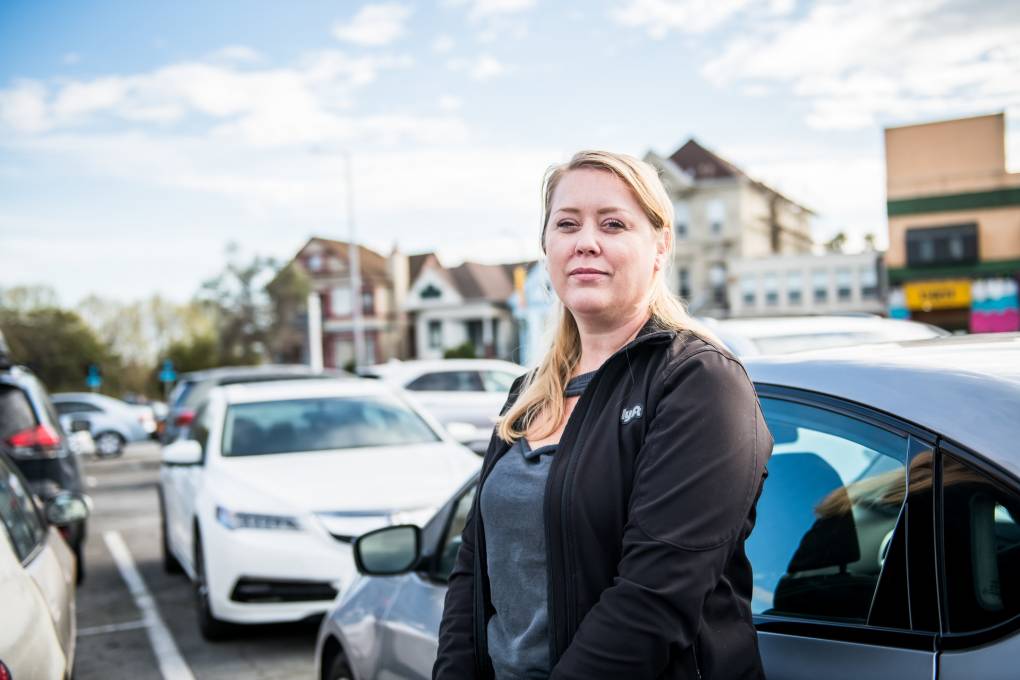
"caption": "Ride-hail driver Erica Mighetto outside her car in Oakland on March 10, 2020.",
"description": null,
"title": "RS41939_002_KQED_Oakland_RideHail_03102020_-qut",
"credit": "Beth LaBerge/KQED",
"status": "inherit",
"isLoading": false,
"fetchFailed": false
},
"news_11806166": {
"type": "attachments",
"id": "news_11806166",
"meta": {
"index": "attachments_1716263798",
"site": "news",
"id": "11806166",
"found": true
},
"parent": 11806163,
"imgSizes": {
"apple_news_ca_landscape_5_5": {
"file": "https://ww2.kqed.org/app/uploads/sites/10/2020/03/RS40465_AGU2019_009-qut-1044x783.jpg",
"width": 1044,
"mimeType": "image/jpeg",
"height": 783
},
"apple_news_ca_square_4_0": {
"file": "https://ww2.kqed.org/app/uploads/sites/10/2020/03/RS40465_AGU2019_009-qut-470x470.jpg",
"width": 470,
"mimeType": "image/jpeg",
"height": 470
},
"twentyfourteen-full-width": {
"file": "https://ww2.kqed.org/app/uploads/sites/10/2020/03/RS40465_AGU2019_009-qut-1038x576.jpg",
"width": 1038,
"mimeType": "image/jpeg",
"height": 576
},
"thumbnail": {
"file": "https://ww2.kqed.org/app/uploads/sites/10/2020/03/RS40465_AGU2019_009-qut-160x107.jpg",
"width": 160,
"mimeType": "image/jpeg",
"height": 107
},
"post-thumbnail": {
"file": "https://ww2.kqed.org/app/uploads/sites/10/2020/03/RS40465_AGU2019_009-qut-672x372.jpg",
"width": 672,
"mimeType": "image/jpeg",
"height": 372
},
"kqedFullSize": {
"file": "https://ww2.kqed.org/app/uploads/sites/10/2020/03/RS40465_AGU2019_009-qut.jpg",
"width": 1920,
"height": 1280
},
"apple_news_ca_landscape_4_7": {
"file": "https://ww2.kqed.org/app/uploads/sites/10/2020/03/RS40465_AGU2019_009-qut-632x474.jpg",
"width": 632,
"mimeType": "image/jpeg",
"height": 474
},
"large": {
"file": "https://ww2.kqed.org/app/uploads/sites/10/2020/03/RS40465_AGU2019_009-qut-1020x680.jpg",
"width": 1020,
"mimeType": "image/jpeg",
"height": 680
},
"apple_news_ca_landscape_4_0": {
"file": "https://ww2.kqed.org/app/uploads/sites/10/2020/03/RS40465_AGU2019_009-qut-536x402.jpg",
"width": 536,
"mimeType": "image/jpeg",
"height": 402
},
"apple_news_ca_portrait_12_9": {
"file": "https://ww2.kqed.org/app/uploads/sites/10/2020/03/RS40465_AGU2019_009-qut-1122x1280.jpg",
"width": 1122,
"mimeType": "image/jpeg",
"height": 1280
},
"medium": {
"file": "https://ww2.kqed.org/app/uploads/sites/10/2020/03/RS40465_AGU2019_009-qut-800x533.jpg",
"width": 800,
"mimeType": "image/jpeg",
"height": 533
},
"apple_news_ca_portrait_4_0": {
"file": "https://ww2.kqed.org/app/uploads/sites/10/2020/03/RS40465_AGU2019_009-qut-354x472.jpg",
"width": 354,
"mimeType": "image/jpeg",
"height": 472
},
"apple_news_ca_portrait_9_7": {
"file": "https://ww2.kqed.org/app/uploads/sites/10/2020/03/RS40465_AGU2019_009-qut-840x1120.jpg",
"width": 840,
"mimeType": "image/jpeg",
"height": 1120
},
"apple_news_ca_landscape_12_9": {
"file": "https://ww2.kqed.org/app/uploads/sites/10/2020/03/RS40465_AGU2019_009-qut-1832x1280.jpg",
"width": 1832,
"mimeType": "image/jpeg",
"height": 1280
},
"apple_news_ca_square_9_7": {
"file": "https://ww2.kqed.org/app/uploads/sites/10/2020/03/RS40465_AGU2019_009-qut-1104x1104.jpg",
"width": 1104,
"mimeType": "image/jpeg",
"height": 1104
},
"apple_news_ca_portrait_4_7": {
"file": "https://ww2.kqed.org/app/uploads/sites/10/2020/03/RS40465_AGU2019_009-qut-414x552.jpg",
"width": 414,
"mimeType": "image/jpeg",
"height": 552
},
"apple_news_ca_square_12_9": {
"file": "https://ww2.kqed.org/app/uploads/sites/10/2020/03/RS40465_AGU2019_009-qut-1472x1280.jpg",
"width": 1472,
"mimeType": "image/jpeg",
"height": 1280
},
"apple_news_ca_portrait_5_5": {
"file": "https://ww2.kqed.org/app/uploads/sites/10/2020/03/RS40465_AGU2019_009-qut-687x916.jpg",
"width": 687,
"mimeType": "image/jpeg",
"height": 916
},
"full-width": {
"file": "https://ww2.kqed.org/app/uploads/sites/10/2020/03/RS40465_AGU2019_009-qut-1920x1280.jpg",
"width": 1920,
"mimeType": "image/jpeg",
"height": 1280
},
"apple_news_ca_square_4_7": {
"file": "https://ww2.kqed.org/app/uploads/sites/10/2020/03/RS40465_AGU2019_009-qut-550x550.jpg",
"width": 550,
"mimeType": "image/jpeg",
"height": 550
},
"apple_news_ca_landscape_9_7": {
"file": "https://ww2.kqed.org/app/uploads/sites/10/2020/03/RS40465_AGU2019_009-qut-1376x1032.jpg",
"width": 1376,
"mimeType": "image/jpeg",
"height": 1032
},
"apple_news_ca_square_5_5": {
"file": "https://ww2.kqed.org/app/uploads/sites/10/2020/03/RS40465_AGU2019_009-qut-912x912.jpg",
"width": 912,
"mimeType": "image/jpeg",
"height": 912
}
},
"publishDate": 1583950076,
"modified": 1583968486,
"caption": "The AGU Fall Centennial Conference at the Moscone Center in San Francisco in December 2019. This year, 10 conventions canceled at the Moscone Center, a $179 million loss. ",
"description": "The AGU Fall Centennial Conference was held at the Moscone Center in San Francisco in December 2019. This year, ten conventions canceled at the Moscone Center due to coronavirus concerns, a nearly $179 million loss. ",
"title": "RS40465_AGU2019_009-qut",
"credit": "Lindsey Moore/KQED",
"status": "inherit",
"isLoading": false,
"fetchFailed": false
},
"news_11804509": {
"type": "attachments",
"id": "news_11804509",
"meta": {
"index": "attachments_1716263798",
"site": "news",
"id": "11804509",
"found": true
},
"parent": 11804507,
"imgSizes": {
"apple_news_ca_landscape_5_5": {
"file": "https://ww2.kqed.org/app/uploads/sites/10/2020/03/Al-1-1044x783.jpg",
"width": 1044,
"mimeType": "image/jpeg",
"height": 783
},
"apple_news_ca_square_4_0": {
"file": "https://ww2.kqed.org/app/uploads/sites/10/2020/03/Al-1-470x470.jpg",
"width": 470,
"mimeType": "image/jpeg",
"height": 470
},
"twentyfourteen-full-width": {
"file": "https://ww2.kqed.org/app/uploads/sites/10/2020/03/Al-1-1038x576.jpg",
"width": 1038,
"mimeType": "image/jpeg",
"height": 576
},
"thumbnail": {
"file": "https://ww2.kqed.org/app/uploads/sites/10/2020/03/Al-1-160x120.jpg",
"width": 160,
"mimeType": "image/jpeg",
"height": 120
},
"post-thumbnail": {
"file": "https://ww2.kqed.org/app/uploads/sites/10/2020/03/Al-1-672x372.jpg",
"width": 672,
"mimeType": "image/jpeg",
"height": 372
},
"kqedFullSize": {
"file": "https://ww2.kqed.org/app/uploads/sites/10/2020/03/Al-1-e1583182370957.jpg",
"width": 1920,
"height": 1440
},
"apple_news_ca_landscape_4_7": {
"file": "https://ww2.kqed.org/app/uploads/sites/10/2020/03/Al-1-632x474.jpg",
"width": 632,
"mimeType": "image/jpeg",
"height": 474
},
"large": {
"file": "https://ww2.kqed.org/app/uploads/sites/10/2020/03/Al-1-1020x765.jpg",
"width": 1020,
"mimeType": "image/jpeg",
"height": 765
},
"apple_news_ca_landscape_4_0": {
"file": "https://ww2.kqed.org/app/uploads/sites/10/2020/03/Al-1-536x402.jpg",
"width": 536,
"mimeType": "image/jpeg",
"height": 402
},
"apple_news_ca_portrait_12_9": {
"file": "https://ww2.kqed.org/app/uploads/sites/10/2020/03/Al-1-1122x1496.jpg",
"width": 1122,
"mimeType": "image/jpeg",
"height": 1496
},
"medium": {
"file": "https://ww2.kqed.org/app/uploads/sites/10/2020/03/Al-1-800x600.jpg",
"width": 800,
"mimeType": "image/jpeg",
"height": 600
},
"apple_news_ca_portrait_4_0": {
"file": "https://ww2.kqed.org/app/uploads/sites/10/2020/03/Al-1-354x472.jpg",
"width": 354,
"mimeType": "image/jpeg",
"height": 472
},
"apple_news_ca_portrait_9_7": {
"file": "https://ww2.kqed.org/app/uploads/sites/10/2020/03/Al-1-840x1120.jpg",
"width": 840,
"mimeType": "image/jpeg",
"height": 1120
},
"apple_news_ca_landscape_12_9": {
"file": "https://ww2.kqed.org/app/uploads/sites/10/2020/03/Al-1-1832x1374.jpg",
"width": 1832,
"mimeType": "image/jpeg",
"height": 1374
},
"apple_news_ca_square_9_7": {
"file": "https://ww2.kqed.org/app/uploads/sites/10/2020/03/Al-1-1104x1104.jpg",
"width": 1104,
"mimeType": "image/jpeg",
"height": 1104
},
"apple_news_ca_portrait_4_7": {
"file": "https://ww2.kqed.org/app/uploads/sites/10/2020/03/Al-1-414x552.jpg",
"width": 414,
"mimeType": "image/jpeg",
"height": 552
},
"apple_news_ca_square_12_9": {
"file": "https://ww2.kqed.org/app/uploads/sites/10/2020/03/Al-1-1472x1472.jpg",
"width": 1472,
"mimeType": "image/jpeg",
"height": 1472
},
"apple_news_ca_portrait_5_5": {
"file": "https://ww2.kqed.org/app/uploads/sites/10/2020/03/Al-1-687x916.jpg",
"width": 687,
"mimeType": "image/jpeg",
"height": 916
},
"full-width": {
"file": "https://ww2.kqed.org/app/uploads/sites/10/2020/03/Al-1-1920x1440.jpg",
"width": 1920,
"mimeType": "image/jpeg",
"height": 1440
},
"apple_news_ca_square_4_7": {
"file": "https://ww2.kqed.org/app/uploads/sites/10/2020/03/Al-1-550x550.jpg",
"width": 550,
"mimeType": "image/jpeg",
"height": 550
},
"apple_news_ca_landscape_9_7": {
"file": "https://ww2.kqed.org/app/uploads/sites/10/2020/03/Al-1-1376x1032.jpg",
"width": 1376,
"mimeType": "image/jpeg",
"height": 1032
},
"apple_news_ca_square_5_5": {
"file": "https://ww2.kqed.org/app/uploads/sites/10/2020/03/Al-1-912x912.jpg",
"width": 912,
"mimeType": "image/jpeg",
"height": 912
}
},
"publishDate": 1583169507,
"modified": 1583169942,
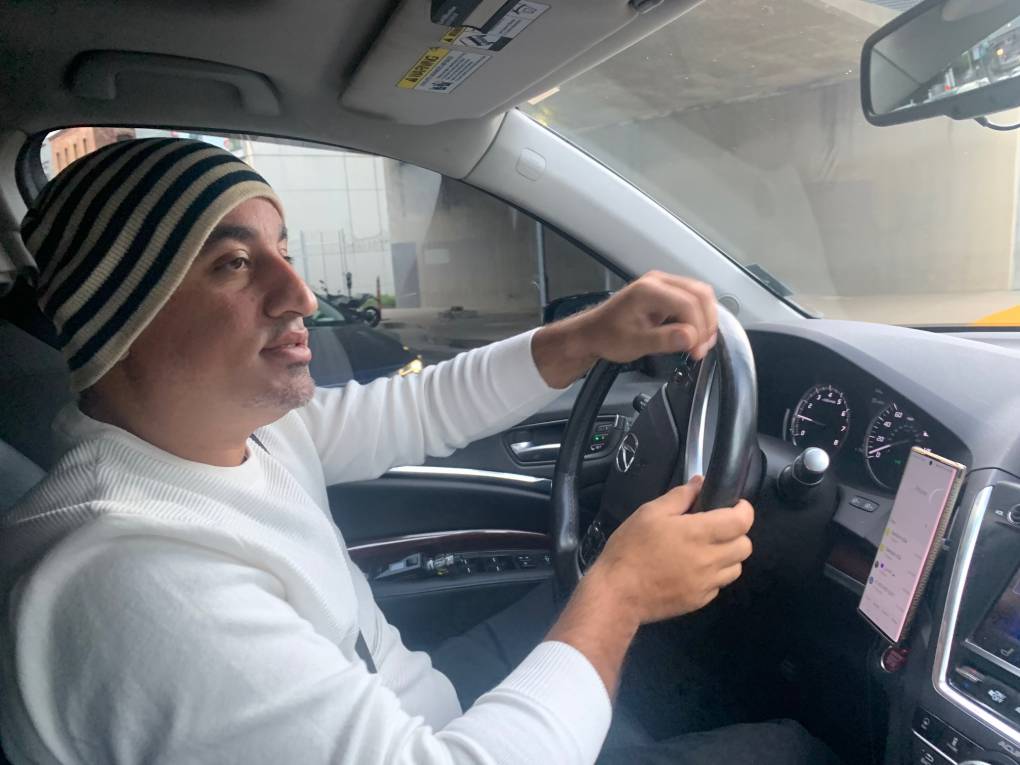
"caption": "Al Aloudi has organized some 4,000 Uber and Lyft drivers in the Bay Area.",
"description": null,
"title": "Al 1",
"credit": "Sam Harnett/KQED",
"status": "inherit",
"isLoading": false,
"fetchFailed": false
},
"news_11804190": {
"type": "attachments",
"id": "news_11804190",
"meta": {
"index": "attachments_1716263798",
"site": "news",
"id": "11804190",
"found": true
},
"parent": 11801762,
"imgSizes": {
"apple_news_ca_landscape_5_5": {
"file": "https://ww2.kqed.org/app/uploads/sites/10/2020/02/RS41672_008_KQED_ThreeBabesBakeshop_02282020_-qut-1044x783.jpg",
"width": 1044,
"mimeType": "image/jpeg",
"height": 783
},
"apple_news_ca_square_4_0": {
"file": "https://ww2.kqed.org/app/uploads/sites/10/2020/02/RS41672_008_KQED_ThreeBabesBakeshop_02282020_-qut-470x470.jpg",
"width": 470,
"mimeType": "image/jpeg",
"height": 470
},
"twentyfourteen-full-width": {
"file": "https://ww2.kqed.org/app/uploads/sites/10/2020/02/RS41672_008_KQED_ThreeBabesBakeshop_02282020_-qut-1038x576.jpg",
"width": 1038,
"mimeType": "image/jpeg",
"height": 576
},
"thumbnail": {
"file": "https://ww2.kqed.org/app/uploads/sites/10/2020/02/RS41672_008_KQED_ThreeBabesBakeshop_02282020_-qut-160x107.jpg",
"width": 160,
"mimeType": "image/jpeg",
"height": 107
},
"post-thumbnail": {
"file": "https://ww2.kqed.org/app/uploads/sites/10/2020/02/RS41672_008_KQED_ThreeBabesBakeshop_02282020_-qut-672x372.jpg",
"width": 672,
"mimeType": "image/jpeg",
"height": 372
},
"kqedFullSize": {
"file": "https://ww2.kqed.org/app/uploads/sites/10/2020/02/RS41672_008_KQED_ThreeBabesBakeshop_02282020_-qut.jpg",
"width": 1920,
"height": 1280
},
"apple_news_ca_landscape_4_7": {
"file": "https://ww2.kqed.org/app/uploads/sites/10/2020/02/RS41672_008_KQED_ThreeBabesBakeshop_02282020_-qut-632x474.jpg",
"width": 632,
"mimeType": "image/jpeg",
"height": 474
},
"large": {
"file": "https://ww2.kqed.org/app/uploads/sites/10/2020/02/RS41672_008_KQED_ThreeBabesBakeshop_02282020_-qut-1020x680.jpg",
"width": 1020,
"mimeType": "image/jpeg",
"height": 680
},
"apple_news_ca_landscape_4_0": {
"file": "https://ww2.kqed.org/app/uploads/sites/10/2020/02/RS41672_008_KQED_ThreeBabesBakeshop_02282020_-qut-536x402.jpg",
"width": 536,
"mimeType": "image/jpeg",
"height": 402
},
"apple_news_ca_portrait_12_9": {
"file": "https://ww2.kqed.org/app/uploads/sites/10/2020/02/RS41672_008_KQED_ThreeBabesBakeshop_02282020_-qut-1122x1280.jpg",
"width": 1122,
"mimeType": "image/jpeg",
"height": 1280
},
"medium": {
"file": "https://ww2.kqed.org/app/uploads/sites/10/2020/02/RS41672_008_KQED_ThreeBabesBakeshop_02282020_-qut-800x533.jpg",
"width": 800,
"mimeType": "image/jpeg",
"height": 533
},
"apple_news_ca_portrait_4_0": {
"file": "https://ww2.kqed.org/app/uploads/sites/10/2020/02/RS41672_008_KQED_ThreeBabesBakeshop_02282020_-qut-354x472.jpg",
"width": 354,
"mimeType": "image/jpeg",
"height": 472
},
"apple_news_ca_portrait_9_7": {
"file": "https://ww2.kqed.org/app/uploads/sites/10/2020/02/RS41672_008_KQED_ThreeBabesBakeshop_02282020_-qut-840x1120.jpg",
"width": 840,
"mimeType": "image/jpeg",
"height": 1120
},
"apple_news_ca_landscape_12_9": {
"file": "https://ww2.kqed.org/app/uploads/sites/10/2020/02/RS41672_008_KQED_ThreeBabesBakeshop_02282020_-qut-1832x1280.jpg",
"width": 1832,
"mimeType": "image/jpeg",
"height": 1280
},
"apple_news_ca_square_9_7": {
"file": "https://ww2.kqed.org/app/uploads/sites/10/2020/02/RS41672_008_KQED_ThreeBabesBakeshop_02282020_-qut-1104x1104.jpg",
"width": 1104,
"mimeType": "image/jpeg",
"height": 1104
},
"apple_news_ca_portrait_4_7": {
"file": "https://ww2.kqed.org/app/uploads/sites/10/2020/02/RS41672_008_KQED_ThreeBabesBakeshop_02282020_-qut-414x552.jpg",
"width": 414,
"mimeType": "image/jpeg",
"height": 552
},
"apple_news_ca_square_12_9": {
"file": "https://ww2.kqed.org/app/uploads/sites/10/2020/02/RS41672_008_KQED_ThreeBabesBakeshop_02282020_-qut-1472x1280.jpg",
"width": 1472,
"mimeType": "image/jpeg",
"height": 1280
},
"apple_news_ca_portrait_5_5": {
"file": "https://ww2.kqed.org/app/uploads/sites/10/2020/02/RS41672_008_KQED_ThreeBabesBakeshop_02282020_-qut-687x916.jpg",
"width": 687,
"mimeType": "image/jpeg",
"height": 916
},
"full-width": {
"file": "https://ww2.kqed.org/app/uploads/sites/10/2020/02/RS41672_008_KQED_ThreeBabesBakeshop_02282020_-qut-1920x1280.jpg",
"width": 1920,
"mimeType": "image/jpeg",
"height": 1280
},
"apple_news_ca_square_4_7": {
"file": "https://ww2.kqed.org/app/uploads/sites/10/2020/02/RS41672_008_KQED_ThreeBabesBakeshop_02282020_-qut-550x550.jpg",
"width": 550,
"mimeType": "image/jpeg",
"height": 550
},
"apple_news_ca_landscape_9_7": {
"file": "https://ww2.kqed.org/app/uploads/sites/10/2020/02/RS41672_008_KQED_ThreeBabesBakeshop_02282020_-qut-1376x1032.jpg",
"width": 1376,
"mimeType": "image/jpeg",
"height": 1032
},
"apple_news_ca_square_5_5": {
"file": "https://ww2.kqed.org/app/uploads/sites/10/2020/02/RS41672_008_KQED_ThreeBabesBakeshop_02282020_-qut-912x912.jpg",
"width": 912,
"mimeType": "image/jpeg",
"height": 912
}
},
"publishDate": 1582926187,
"modified": 1582926248,
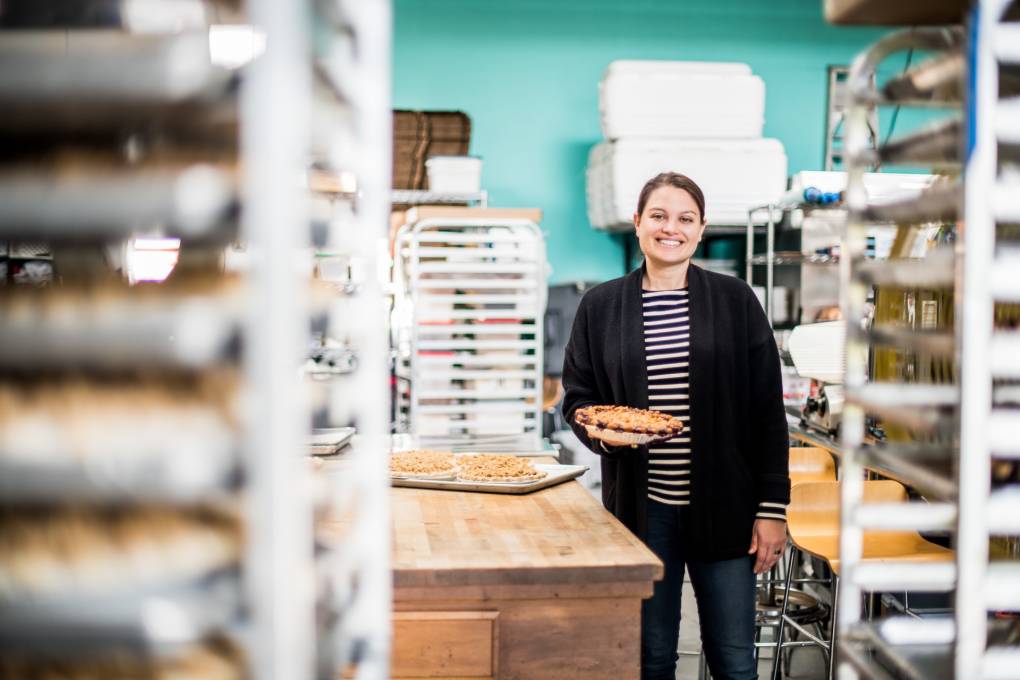
"caption": "Three Babes Bakeshop co-founder and chef Lenore Estrada at her bakery in San Francisco on Feb. 28, 2020.",
"description": null,
"title": "RS41672_008_KQED_ThreeBabesBakeshop_02282020_-qut",
"credit": "Beth LaBerge/KQED",
"status": "inherit",
"isLoading": false,
"fetchFailed": false
},
"news_11803468": {
"type": "attachments",
"id": "news_11803468",
"meta": {
"index": "attachments_1716263798",
"site": "news",
"id": "11803468",
"found": true
},
"parent": 11803400,
"imgSizes": {
"apple_news_ca_landscape_5_5": {
"file": "https://ww2.kqed.org/app/uploads/sites/10/2020/02/RS41024_002_KQED_TaxiDriversSFO_01302020_9899-qut-1044x783.jpg",
"width": 1044,
"mimeType": "image/jpeg",
"height": 783
},
"apple_news_ca_square_4_0": {
"file": "https://ww2.kqed.org/app/uploads/sites/10/2020/02/RS41024_002_KQED_TaxiDriversSFO_01302020_9899-qut-470x470.jpg",
"width": 470,
"mimeType": "image/jpeg",
"height": 470
},
"twentyfourteen-full-width": {
"file": "https://ww2.kqed.org/app/uploads/sites/10/2020/02/RS41024_002_KQED_TaxiDriversSFO_01302020_9899-qut-1038x576.jpg",
"width": 1038,
"mimeType": "image/jpeg",
"height": 576
},
"thumbnail": {
"file": "https://ww2.kqed.org/app/uploads/sites/10/2020/02/RS41024_002_KQED_TaxiDriversSFO_01302020_9899-qut-160x107.jpg",
"width": 160,
"mimeType": "image/jpeg",
"height": 107
},
"post-thumbnail": {
"file": "https://ww2.kqed.org/app/uploads/sites/10/2020/02/RS41024_002_KQED_TaxiDriversSFO_01302020_9899-qut-672x372.jpg",
"width": 672,
"mimeType": "image/jpeg",
"height": 372
},
"kqedFullSize": {
"file": "https://ww2.kqed.org/app/uploads/sites/10/2020/02/RS41024_002_KQED_TaxiDriversSFO_01302020_9899-qut.jpg",
"width": 1920,
"height": 1280
},
"apple_news_ca_landscape_4_7": {
"file": "https://ww2.kqed.org/app/uploads/sites/10/2020/02/RS41024_002_KQED_TaxiDriversSFO_01302020_9899-qut-632x474.jpg",
"width": 632,
"mimeType": "image/jpeg",
"height": 474
},
"large": {
"file": "https://ww2.kqed.org/app/uploads/sites/10/2020/02/RS41024_002_KQED_TaxiDriversSFO_01302020_9899-qut-1020x680.jpg",
"width": 1020,
"mimeType": "image/jpeg",
"height": 680
},
"apple_news_ca_landscape_4_0": {
"file": "https://ww2.kqed.org/app/uploads/sites/10/2020/02/RS41024_002_KQED_TaxiDriversSFO_01302020_9899-qut-536x402.jpg",
"width": 536,
"mimeType": "image/jpeg",
"height": 402
},
"apple_news_ca_portrait_12_9": {
"file": "https://ww2.kqed.org/app/uploads/sites/10/2020/02/RS41024_002_KQED_TaxiDriversSFO_01302020_9899-qut-1122x1280.jpg",
"width": 1122,
"mimeType": "image/jpeg",
"height": 1280
},
"medium": {
"file": "https://ww2.kqed.org/app/uploads/sites/10/2020/02/RS41024_002_KQED_TaxiDriversSFO_01302020_9899-qut-800x533.jpg",
"width": 800,
"mimeType": "image/jpeg",
"height": 533
},
"apple_news_ca_portrait_4_0": {
"file": "https://ww2.kqed.org/app/uploads/sites/10/2020/02/RS41024_002_KQED_TaxiDriversSFO_01302020_9899-qut-354x472.jpg",
"width": 354,
"mimeType": "image/jpeg",
"height": 472
},
"apple_news_ca_portrait_9_7": {
"file": "https://ww2.kqed.org/app/uploads/sites/10/2020/02/RS41024_002_KQED_TaxiDriversSFO_01302020_9899-qut-840x1120.jpg",
"width": 840,
"mimeType": "image/jpeg",
"height": 1120
},
"apple_news_ca_landscape_12_9": {
"file": "https://ww2.kqed.org/app/uploads/sites/10/2020/02/RS41024_002_KQED_TaxiDriversSFO_01302020_9899-qut-1832x1280.jpg",
"width": 1832,
"mimeType": "image/jpeg",
"height": 1280
},
"apple_news_ca_square_9_7": {
"file": "https://ww2.kqed.org/app/uploads/sites/10/2020/02/RS41024_002_KQED_TaxiDriversSFO_01302020_9899-qut-1104x1104.jpg",
"width": 1104,
"mimeType": "image/jpeg",
"height": 1104
},
"apple_news_ca_portrait_4_7": {
"file": "https://ww2.kqed.org/app/uploads/sites/10/2020/02/RS41024_002_KQED_TaxiDriversSFO_01302020_9899-qut-414x552.jpg",
"width": 414,
"mimeType": "image/jpeg",
"height": 552
},
"apple_news_ca_square_12_9": {
"file": "https://ww2.kqed.org/app/uploads/sites/10/2020/02/RS41024_002_KQED_TaxiDriversSFO_01302020_9899-qut-1472x1280.jpg",
"width": 1472,
"mimeType": "image/jpeg",
"height": 1280
},
"apple_news_ca_portrait_5_5": {
"file": "https://ww2.kqed.org/app/uploads/sites/10/2020/02/RS41024_002_KQED_TaxiDriversSFO_01302020_9899-qut-687x916.jpg",
"width": 687,
"mimeType": "image/jpeg",
"height": 916
},
"full-width": {
"file": "https://ww2.kqed.org/app/uploads/sites/10/2020/02/RS41024_002_KQED_TaxiDriversSFO_01302020_9899-qut-1920x1280.jpg",
"width": 1920,
"mimeType": "image/jpeg",
"height": 1280
},
"apple_news_ca_square_4_7": {
"file": "https://ww2.kqed.org/app/uploads/sites/10/2020/02/RS41024_002_KQED_TaxiDriversSFO_01302020_9899-qut-550x550.jpg",
"width": 550,
"mimeType": "image/jpeg",
"height": 550
},
"apple_news_ca_landscape_9_7": {
"file": "https://ww2.kqed.org/app/uploads/sites/10/2020/02/RS41024_002_KQED_TaxiDriversSFO_01302020_9899-qut-1376x1032.jpg",
"width": 1376,
"mimeType": "image/jpeg",
"height": 1032
},
"apple_news_ca_square_5_5": {
"file": "https://ww2.kqed.org/app/uploads/sites/10/2020/02/RS41024_002_KQED_TaxiDriversSFO_01302020_9899-qut-912x912.jpg",
"width": 912,
"mimeType": "image/jpeg",
"height": 912
}
},
"publishDate": 1582683097,
"modified": 1582683152,
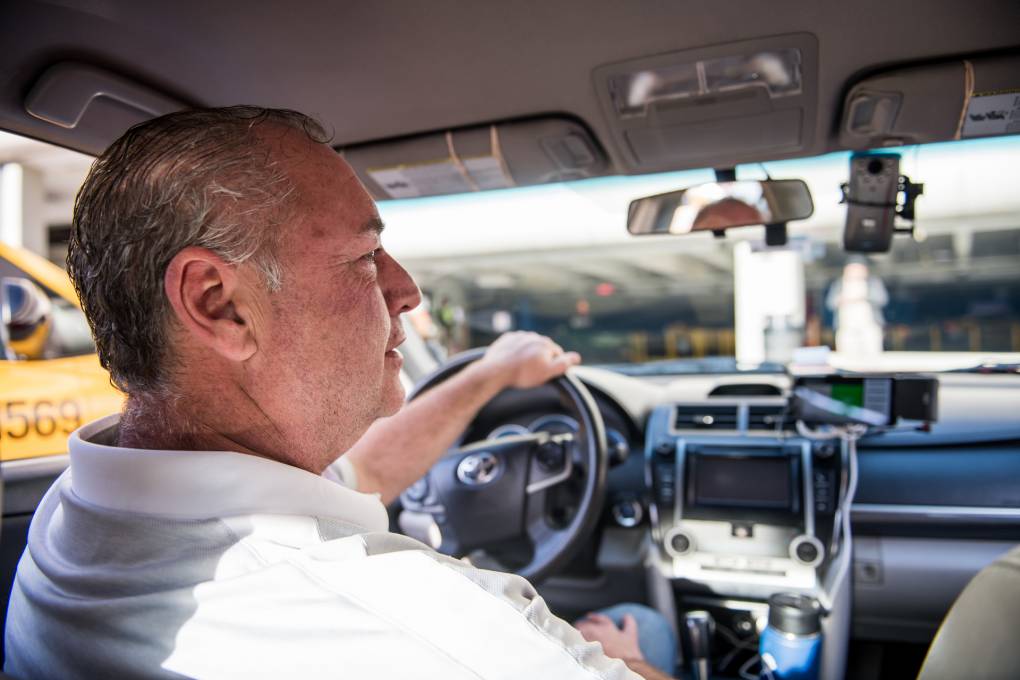
"caption": "Taxi driver Matt Sutter waits at the lower level of the short term parking garage at San Francisco International Airport (SFO) to pick up a fare on Jan. 30, 2020.",
"description": null,
"title": "RS41024_002_KQED_TaxiDriversSFO_01302020_9899-qut",
"credit": "Beth LaBerge/KQED",
"status": "inherit",
"isLoading": false,
"fetchFailed": false
},
"news_11803444": {
"type": "attachments",
"id": "news_11803444",
"meta": {
"index": "attachments_1716263798",
"site": "news",
"id": "11803444",
"found": true
},
"parent": 11803406,
"imgSizes": {
"apple_news_ca_landscape_5_5": {
"file": "https://ww2.kqed.org/app/uploads/sites/10/2020/02/TeslaCrash-1044x783.jpg",
"width": 1044,
"mimeType": "image/jpeg",
"height": 783
},
"apple_news_ca_square_4_0": {
"file": "https://ww2.kqed.org/app/uploads/sites/10/2020/02/TeslaCrash-470x470.jpg",
"width": 470,
"mimeType": "image/jpeg",
"height": 470
},
"twentyfourteen-full-width": {
"file": "https://ww2.kqed.org/app/uploads/sites/10/2020/02/TeslaCrash-1038x576.jpg",
"width": 1038,
"mimeType": "image/jpeg",
"height": 576
},
"thumbnail": {
"file": "https://ww2.kqed.org/app/uploads/sites/10/2020/02/TeslaCrash-160x88.jpg",
"width": 160,
"mimeType": "image/jpeg",
"height": 88
},
"post-thumbnail": {
"file": "https://ww2.kqed.org/app/uploads/sites/10/2020/02/TeslaCrash-672x372.jpg",
"width": 672,
"mimeType": "image/jpeg",
"height": 372
},
"kqedFullSize": {
"file": "https://ww2.kqed.org/app/uploads/sites/10/2020/02/TeslaCrash.jpg",
"width": 1691,
"height": 926
},
"apple_news_ca_landscape_4_7": {
"file": "https://ww2.kqed.org/app/uploads/sites/10/2020/02/TeslaCrash-632x474.jpg",
"width": 632,
"mimeType": "image/jpeg",
"height": 474
},
"large": {
"file": "https://ww2.kqed.org/app/uploads/sites/10/2020/02/TeslaCrash-1020x559.jpg",
"width": 1020,
"mimeType": "image/jpeg",
"height": 559
},
"apple_news_ca_landscape_4_0": {
"file": "https://ww2.kqed.org/app/uploads/sites/10/2020/02/TeslaCrash-536x402.jpg",
"width": 536,
"mimeType": "image/jpeg",
"height": 402
},
"apple_news_ca_portrait_12_9": {
"file": "https://ww2.kqed.org/app/uploads/sites/10/2020/02/TeslaCrash-1122x926.jpg",
"width": 1122,
"mimeType": "image/jpeg",
"height": 926
},
"medium": {
"file": "https://ww2.kqed.org/app/uploads/sites/10/2020/02/TeslaCrash-800x438.jpg",
"width": 800,
"mimeType": "image/jpeg",
"height": 438
},
"apple_news_ca_portrait_4_0": {
"file": "https://ww2.kqed.org/app/uploads/sites/10/2020/02/TeslaCrash-354x472.jpg",
"width": 354,
"mimeType": "image/jpeg",
"height": 472
},
"apple_news_ca_portrait_9_7": {
"file": "https://ww2.kqed.org/app/uploads/sites/10/2020/02/TeslaCrash-840x926.jpg",
"width": 840,
"mimeType": "image/jpeg",
"height": 926
},
"apple_news_ca_square_9_7": {
"file": "https://ww2.kqed.org/app/uploads/sites/10/2020/02/TeslaCrash-1104x926.jpg",
"width": 1104,
"mimeType": "image/jpeg",
"height": 926
},
"apple_news_ca_portrait_4_7": {
"file": "https://ww2.kqed.org/app/uploads/sites/10/2020/02/TeslaCrash-414x552.jpg",
"width": 414,
"mimeType": "image/jpeg",
"height": 552
},
"apple_news_ca_square_12_9": {
"file": "https://ww2.kqed.org/app/uploads/sites/10/2020/02/TeslaCrash-1472x926.jpg",
"width": 1472,
"mimeType": "image/jpeg",
"height": 926
},
"apple_news_ca_portrait_5_5": {
"file": "https://ww2.kqed.org/app/uploads/sites/10/2020/02/TeslaCrash-687x916.jpg",
"width": 687,
"mimeType": "image/jpeg",
"height": 916
},
"apple_news_ca_square_4_7": {
"file": "https://ww2.kqed.org/app/uploads/sites/10/2020/02/TeslaCrash-550x550.jpg",
"width": 550,
"mimeType": "image/jpeg",
"height": 550
},
"apple_news_ca_landscape_9_7": {
"file": "https://ww2.kqed.org/app/uploads/sites/10/2020/02/TeslaCrash-1376x926.jpg",
"width": 1376,
"mimeType": "image/jpeg",
"height": 926
},
"apple_news_ca_square_5_5": {
"file": "https://ww2.kqed.org/app/uploads/sites/10/2020/02/TeslaCrash-912x912.jpg",
"width": 912,
"mimeType": "image/jpeg",
"height": 912
}
},
"publishDate": 1582680060,
"modified": 1582680109,
"caption": "A Tesla Model X driven by Walter Huang is pictured after crashing March 23, 2018, on U.S. 101 in Mountain View. Huang died of injuries suffered in the crash.",
"description": "A Tesla Model X driven by Walter Huang is pictured after crashing March 23, 2018, on U.S. 101 in Mountain View. Huang died of injuries suffered in the crash.",
"title": "TeslaCrash",
"credit": "\u003ca href=\"https://www.youtube.com/watch?v=ZdSSBL2VqOw&feature=emb_title\">LA Times/YouTube\u003c/a>",
"status": "inherit",
"isLoading": false,
"fetchFailed": false
},
"news_11802984": {
"type": "attachments",
"id": "news_11802984",
"meta": {
"index": "attachments_1716263798",
"site": "news",
"id": "11802984",
"found": true
},
"parent": 11802971,
"imgSizes": {
"apple_news_ca_landscape_5_5": {
"file": "https://ww2.kqed.org/app/uploads/sites/10/2020/02/RS41390_012_KQED_RVs_MountainView_02192020_3287-qut-1044x783.jpg",
"width": 1044,
"mimeType": "image/jpeg",
"height": 783
},
"apple_news_ca_square_4_0": {
"file": "https://ww2.kqed.org/app/uploads/sites/10/2020/02/RS41390_012_KQED_RVs_MountainView_02192020_3287-qut-470x470.jpg",
"width": 470,
"mimeType": "image/jpeg",
"height": 470
},
"twentyfourteen-full-width": {
"file": "https://ww2.kqed.org/app/uploads/sites/10/2020/02/RS41390_012_KQED_RVs_MountainView_02192020_3287-qut-1038x576.jpg",
"width": 1038,
"mimeType": "image/jpeg",
"height": 576
},
"thumbnail": {
"file": "https://ww2.kqed.org/app/uploads/sites/10/2020/02/RS41390_012_KQED_RVs_MountainView_02192020_3287-qut-160x107.jpg",
"width": 160,
"mimeType": "image/jpeg",
"height": 107
},
"post-thumbnail": {
"file": "https://ww2.kqed.org/app/uploads/sites/10/2020/02/RS41390_012_KQED_RVs_MountainView_02192020_3287-qut-672x372.jpg",
"width": 672,
"mimeType": "image/jpeg",
"height": 372
},
"kqedFullSize": {
"file": "https://ww2.kqed.org/app/uploads/sites/10/2020/02/RS41390_012_KQED_RVs_MountainView_02192020_3287-qut.jpg",
"width": 1920,
"height": 1280
},
"apple_news_ca_landscape_4_7": {
"file": "https://ww2.kqed.org/app/uploads/sites/10/2020/02/RS41390_012_KQED_RVs_MountainView_02192020_3287-qut-632x474.jpg",
"width": 632,
"mimeType": "image/jpeg",
"height": 474
},
"large": {
"file": "https://ww2.kqed.org/app/uploads/sites/10/2020/02/RS41390_012_KQED_RVs_MountainView_02192020_3287-qut-1020x680.jpg",
"width": 1020,
"mimeType": "image/jpeg",
"height": 680
},
"apple_news_ca_landscape_4_0": {
"file": "https://ww2.kqed.org/app/uploads/sites/10/2020/02/RS41390_012_KQED_RVs_MountainView_02192020_3287-qut-536x402.jpg",
"width": 536,
"mimeType": "image/jpeg",
"height": 402
},
"apple_news_ca_portrait_12_9": {
"file": "https://ww2.kqed.org/app/uploads/sites/10/2020/02/RS41390_012_KQED_RVs_MountainView_02192020_3287-qut-1122x1280.jpg",
"width": 1122,
"mimeType": "image/jpeg",
"height": 1280
},
"medium": {
"file": "https://ww2.kqed.org/app/uploads/sites/10/2020/02/RS41390_012_KQED_RVs_MountainView_02192020_3287-qut-800x533.jpg",
"width": 800,
"mimeType": "image/jpeg",
"height": 533
},
"apple_news_ca_portrait_4_0": {
"file": "https://ww2.kqed.org/app/uploads/sites/10/2020/02/RS41390_012_KQED_RVs_MountainView_02192020_3287-qut-354x472.jpg",
"width": 354,
"mimeType": "image/jpeg",
"height": 472
},
"apple_news_ca_portrait_9_7": {
"file": "https://ww2.kqed.org/app/uploads/sites/10/2020/02/RS41390_012_KQED_RVs_MountainView_02192020_3287-qut-840x1120.jpg",
"width": 840,
"mimeType": "image/jpeg",
"height": 1120
},
"apple_news_ca_landscape_12_9": {
"file": "https://ww2.kqed.org/app/uploads/sites/10/2020/02/RS41390_012_KQED_RVs_MountainView_02192020_3287-qut-1832x1280.jpg",
"width": 1832,
"mimeType": "image/jpeg",
"height": 1280
},
"apple_news_ca_square_9_7": {
"file": "https://ww2.kqed.org/app/uploads/sites/10/2020/02/RS41390_012_KQED_RVs_MountainView_02192020_3287-qut-1104x1104.jpg",
"width": 1104,
"mimeType": "image/jpeg",
"height": 1104
},
"apple_news_ca_portrait_4_7": {
"file": "https://ww2.kqed.org/app/uploads/sites/10/2020/02/RS41390_012_KQED_RVs_MountainView_02192020_3287-qut-414x552.jpg",
"width": 414,
"mimeType": "image/jpeg",
"height": 552
},
"apple_news_ca_square_12_9": {
"file": "https://ww2.kqed.org/app/uploads/sites/10/2020/02/RS41390_012_KQED_RVs_MountainView_02192020_3287-qut-1472x1280.jpg",
"width": 1472,
"mimeType": "image/jpeg",
"height": 1280
},
"apple_news_ca_portrait_5_5": {
"file": "https://ww2.kqed.org/app/uploads/sites/10/2020/02/RS41390_012_KQED_RVs_MountainView_02192020_3287-qut-687x916.jpg",
"width": 687,
"mimeType": "image/jpeg",
"height": 916
},
"full-width": {
"file": "https://ww2.kqed.org/app/uploads/sites/10/2020/02/RS41390_012_KQED_RVs_MountainView_02192020_3287-qut-1920x1280.jpg",
"width": 1920,
"mimeType": "image/jpeg",
"height": 1280
},
"apple_news_ca_square_4_7": {
"file": "https://ww2.kqed.org/app/uploads/sites/10/2020/02/RS41390_012_KQED_RVs_MountainView_02192020_3287-qut-550x550.jpg",
"width": 550,
"mimeType": "image/jpeg",
"height": 550
},
"apple_news_ca_landscape_9_7": {
"file": "https://ww2.kqed.org/app/uploads/sites/10/2020/02/RS41390_012_KQED_RVs_MountainView_02192020_3287-qut-1376x1032.jpg",
"width": 1376,
"mimeType": "image/jpeg",
"height": 1032
},
"apple_news_ca_square_5_5": {
"file": "https://ww2.kqed.org/app/uploads/sites/10/2020/02/RS41390_012_KQED_RVs_MountainView_02192020_3287-qut-912x912.jpg",
"width": 912,
"mimeType": "image/jpeg",
"height": 912
}
},
"publishDate": 1582335600,
"modified": 1582336056,
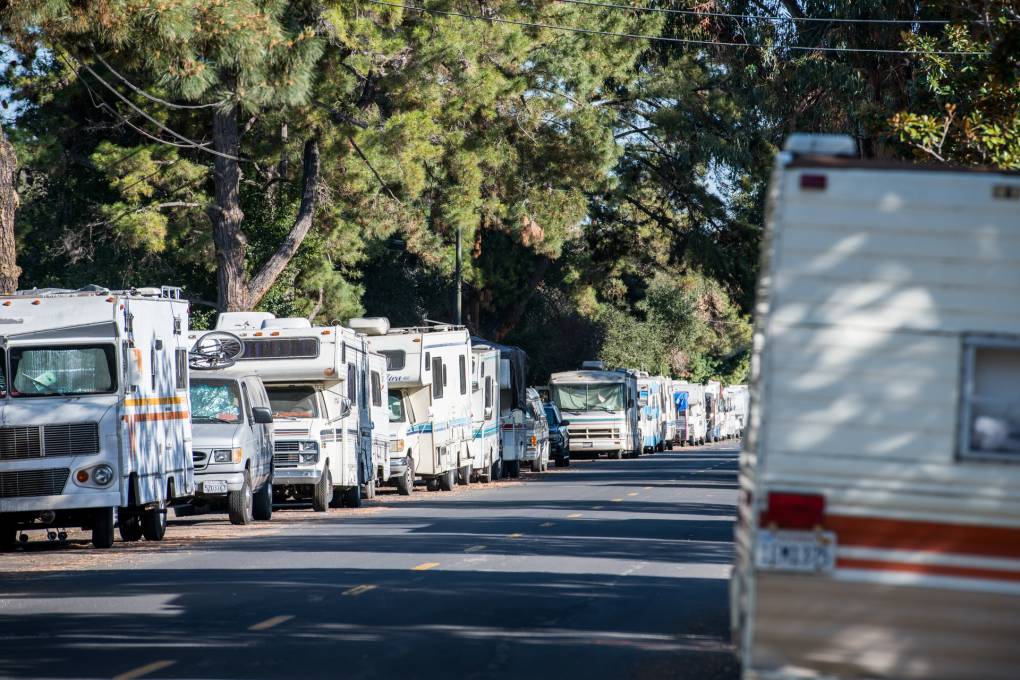
"caption": "Measure D on Mountain View's Super Tuesday ballot deals with rent control, but the city is divided on whether it strengthens or weakens protections for renters.",
"description": "Measure D on Mountain View's Super Tuesday ballot deals with rent control, but the city is divided on whether it strengthens or weakens protections for renters.",
"title": "RS41390_012_KQED_RVs_MountainView_02192020_3287-qut",
"credit": "Beth LaBerge/KQED",
"status": "inherit",
"isLoading": false,
"fetchFailed": false
},
"science_1957314": {
"type": "attachments",
"id": "science_1957314",
"meta": {
"index": "attachments_1716263798",
"site": "science",
"id": "1957314",
"found": true
},
"parent": 1957312,
"imgSizes": {
"twentyfourteen-full-width": {
"file": "https://ww2.kqed.org/app/uploads/sites/35/2020/02/Xerox-Parc-1038x576.jpg",
"width": 1038,
"mimeType": "image/jpeg",
"height": 576
},
"thumbnail": {
"file": "https://ww2.kqed.org/app/uploads/sites/35/2020/02/Xerox-Parc-160x111.jpg",
"width": 160,
"mimeType": "image/jpeg",
"height": 111
},
"post-thumbnail": {
"file": "https://ww2.kqed.org/app/uploads/sites/35/2020/02/Xerox-Parc-672x372.jpg",
"width": 672,
"mimeType": "image/jpeg",
"height": 372
},
"kqedFullSize": {
"file": "https://ww2.kqed.org/app/uploads/sites/35/2020/02/Xerox-Parc-e1582236505633.jpg",
"width": 1920,
"height": 1332
},
"large": {
"file": "https://ww2.kqed.org/app/uploads/sites/35/2020/02/Xerox-Parc-1020x708.jpg",
"width": 1020,
"mimeType": "image/jpeg",
"height": 708
},
"full-width": {
"file": "https://ww2.kqed.org/app/uploads/sites/35/2020/02/Xerox-Parc-1920x1332.jpg",
"width": 1920,
"mimeType": "image/jpeg",
"height": 1332
},
"medium": {
"file": "https://ww2.kqed.org/app/uploads/sites/35/2020/02/Xerox-Parc-800x555.jpg",
"width": 800,
"mimeType": "image/jpeg",
"height": 555
},
"medium_large": {
"file": "https://ww2.kqed.org/app/uploads/sites/35/2020/02/Xerox-Parc-768x533.jpg",
"width": 768,
"mimeType": "image/jpeg",
"height": 533
}
},
"publishDate": 1582236483,
"modified": 1582236547,
"caption": "An exterior view of the Xerox Palo Alto Reseach Center (PARC) is shown in Palo Alto, California. Xerox announced June 28, 2002.",
"description": null,
"title": "Xerox Announces Revenue Restatement",
"credit": "Xerox/Getty Images",
"status": "inherit",
"isLoading": false,
"fetchFailed": false
},
"news_11802404": {
"type": "attachments",
"id": "news_11802404",
"meta": {
"index": "attachments_1716263798",
"site": "news",
"id": "11802404",
"found": true
},
"parent": 11801642,
"imgSizes": {
"apple_news_ca_square_4_0": {
"file": "https://ww2.kqed.org/app/uploads/sites/10/2020/02/Scooter-SJ-470x470.jpg",
"width": 470,
"mimeType": "image/jpeg",
"height": 470
},
"twentyfourteen-full-width": {
"file": "https://ww2.kqed.org/app/uploads/sites/10/2020/02/Scooter-SJ-1024x576.jpg",
"width": 1024,
"mimeType": "image/jpeg",
"height": 576
},
"thumbnail": {
"file": "https://ww2.kqed.org/app/uploads/sites/10/2020/02/Scooter-SJ-160x120.jpg",
"width": 160,
"mimeType": "image/jpeg",
"height": 120
},
"post-thumbnail": {
"file": "https://ww2.kqed.org/app/uploads/sites/10/2020/02/Scooter-SJ-672x372.jpg",
"width": 672,
"mimeType": "image/jpeg",
"height": 372
},
"kqedFullSize": {
"file": "https://ww2.kqed.org/app/uploads/sites/10/2020/02/Scooter-SJ.jpg",
"width": 1024,
"height": 768
},
"apple_news_ca_landscape_4_7": {
"file": "https://ww2.kqed.org/app/uploads/sites/10/2020/02/Scooter-SJ-632x474.jpg",
"width": 632,
"mimeType": "image/jpeg",
"height": 474
},
"large": {
"file": "https://ww2.kqed.org/app/uploads/sites/10/2020/02/Scooter-SJ-1020x765.jpg",
"width": 1020,
"mimeType": "image/jpeg",
"height": 765
},
"apple_news_ca_landscape_4_0": {
"file": "https://ww2.kqed.org/app/uploads/sites/10/2020/02/Scooter-SJ-536x402.jpg",
"width": 536,
"mimeType": "image/jpeg",
"height": 402
},
"medium": {
"file": "https://ww2.kqed.org/app/uploads/sites/10/2020/02/Scooter-SJ-800x600.jpg",
"width": 800,
"mimeType": "image/jpeg",
"height": 600
},
"apple_news_ca_portrait_4_0": {
"file": "https://ww2.kqed.org/app/uploads/sites/10/2020/02/Scooter-SJ-354x472.jpg",
"width": 354,
"mimeType": "image/jpeg",
"height": 472
},
"apple_news_ca_portrait_9_7": {
"file": "https://ww2.kqed.org/app/uploads/sites/10/2020/02/Scooter-SJ-840x768.jpg",
"width": 840,
"mimeType": "image/jpeg",
"height": 768
},
"apple_news_ca_portrait_4_7": {
"file": "https://ww2.kqed.org/app/uploads/sites/10/2020/02/Scooter-SJ-414x552.jpg",
"width": 414,
"mimeType": "image/jpeg",
"height": 552
},
"apple_news_ca_portrait_5_5": {
"file": "https://ww2.kqed.org/app/uploads/sites/10/2020/02/Scooter-SJ-687x768.jpg",
"width": 687,
"mimeType": "image/jpeg",
"height": 768
},
"apple_news_ca_square_4_7": {
"file": "https://ww2.kqed.org/app/uploads/sites/10/2020/02/Scooter-SJ-550x550.jpg",
"width": 550,
"mimeType": "image/jpeg",
"height": 550
},
"apple_news_ca_square_5_5": {
"file": "https://ww2.kqed.org/app/uploads/sites/10/2020/02/Scooter-SJ-912x768.jpg",
"width": 912,
"mimeType": "image/jpeg",
"height": 768
}
},
"publishDate": 1582141355,
"modified": 1582141382,
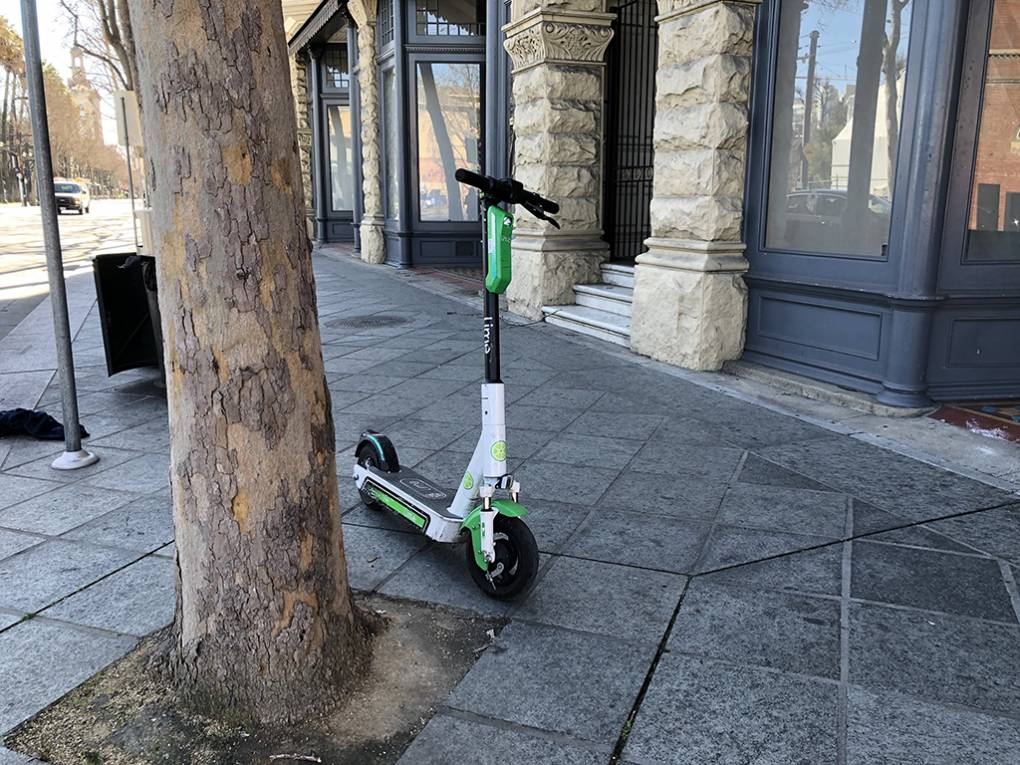
"caption": "A Lime scooter sits in the middle of a sidewalk in downtown San Jose. The city is working with e-scooter companies to keep scooters in bike lanes.",
"description": null,
"title": "Scooter-SJ",
"credit": "Adhiti Bandlamudi/KQED",
"status": "inherit",
"isLoading": false,
"fetchFailed": false
},
"news_11801130": {
"type": "attachments",
"id": "news_11801130",
"meta": {
"index": "attachments_1716263798",
"site": "news",
"id": "11801130",
"found": true
},
"parent": 11801063,
"imgSizes": {
"apple_news_ca_landscape_5_5": {
"file": "https://ww2.kqed.org/app/uploads/sites/10/2020/02/iStock-1128536494-2-1044x783.jpg",
"width": 1044,
"mimeType": "image/jpeg",
"height": 783
},
"apple_news_ca_square_4_0": {
"file": "https://ww2.kqed.org/app/uploads/sites/10/2020/02/iStock-1128536494-2-470x470.jpg",
"width": 470,
"mimeType": "image/jpeg",
"height": 470
},
"twentyfourteen-full-width": {
"file": "https://ww2.kqed.org/app/uploads/sites/10/2020/02/iStock-1128536494-2-1038x576.jpg",
"width": 1038,
"mimeType": "image/jpeg",
"height": 576
},
"thumbnail": {
"file": "https://ww2.kqed.org/app/uploads/sites/10/2020/02/iStock-1128536494-2-160x94.jpg",
"width": 160,
"mimeType": "image/jpeg",
"height": 94
},
"post-thumbnail": {
"file": "https://ww2.kqed.org/app/uploads/sites/10/2020/02/iStock-1128536494-2-672x372.jpg",
"width": 672,
"mimeType": "image/jpeg",
"height": 372
},
"kqedFullSize": {
"file": "https://ww2.kqed.org/app/uploads/sites/10/2020/02/iStock-1128536494-2.jpg",
"width": 2263,
"height": 1324
},
"apple_news_ca_landscape_4_7": {
"file": "https://ww2.kqed.org/app/uploads/sites/10/2020/02/iStock-1128536494-2-632x474.jpg",
"width": 632,
"mimeType": "image/jpeg",
"height": 474
},
"large": {
"file": "https://ww2.kqed.org/app/uploads/sites/10/2020/02/iStock-1128536494-2-1020x597.jpg",
"width": 1020,
"mimeType": "image/jpeg",
"height": 597
},
"apple_news_ca_landscape_4_0": {
"file": "https://ww2.kqed.org/app/uploads/sites/10/2020/02/iStock-1128536494-2-536x402.jpg",
"width": 536,
"mimeType": "image/jpeg",
"height": 402
},
"apple_news_ca_portrait_12_9": {
"file": "https://ww2.kqed.org/app/uploads/sites/10/2020/02/iStock-1128536494-2-1122x1324.jpg",
"width": 1122,
"mimeType": "image/jpeg",
"height": 1324
},
"medium": {
"file": "https://ww2.kqed.org/app/uploads/sites/10/2020/02/iStock-1128536494-2-800x468.jpg",
"width": 800,
"mimeType": "image/jpeg",
"height": 468
},
"apple_news_ca_portrait_4_0": {
"file": "https://ww2.kqed.org/app/uploads/sites/10/2020/02/iStock-1128536494-2-354x472.jpg",
"width": 354,
"mimeType": "image/jpeg",
"height": 472
},
"apple_news_ca_portrait_9_7": {
"file": "https://ww2.kqed.org/app/uploads/sites/10/2020/02/iStock-1128536494-2-840x1120.jpg",
"width": 840,
"mimeType": "image/jpeg",
"height": 1120
},
"apple_news_ca_landscape_12_9": {
"file": "https://ww2.kqed.org/app/uploads/sites/10/2020/02/iStock-1128536494-2-1832x1324.jpg",
"width": 1832,
"mimeType": "image/jpeg",
"height": 1324
},
"apple_news_ca_square_9_7": {
"file": "https://ww2.kqed.org/app/uploads/sites/10/2020/02/iStock-1128536494-2-1104x1104.jpg",
"width": 1104,
"mimeType": "image/jpeg",
"height": 1104
},
"apple_news_ca_portrait_4_7": {
"file": "https://ww2.kqed.org/app/uploads/sites/10/2020/02/iStock-1128536494-2-414x552.jpg",
"width": 414,
"mimeType": "image/jpeg",
"height": 552
},
"apple_news_ca_square_12_9": {
"file": "https://ww2.kqed.org/app/uploads/sites/10/2020/02/iStock-1128536494-2-1472x1324.jpg",
"width": 1472,
"mimeType": "image/jpeg",
"height": 1324
},
"apple_news_ca_portrait_5_5": {
"file": "https://ww2.kqed.org/app/uploads/sites/10/2020/02/iStock-1128536494-2-687x916.jpg",
"width": 687,
"mimeType": "image/jpeg",
"height": 916
},
"full-width": {
"file": "https://ww2.kqed.org/app/uploads/sites/10/2020/02/iStock-1128536494-2-1920x1123.jpg",
"width": 1920,
"mimeType": "image/jpeg",
"height": 1123
},
"apple_news_ca_square_4_7": {
"file": "https://ww2.kqed.org/app/uploads/sites/10/2020/02/iStock-1128536494-2-550x550.jpg",
"width": 550,
"mimeType": "image/jpeg",
"height": 550
},
"apple_news_ca_landscape_9_7": {
"file": "https://ww2.kqed.org/app/uploads/sites/10/2020/02/iStock-1128536494-2-1376x1032.jpg",
"width": 1376,
"mimeType": "image/jpeg",
"height": 1032
},
"apple_news_ca_square_5_5": {
"file": "https://ww2.kqed.org/app/uploads/sites/10/2020/02/iStock-1128536494-2-912x912.jpg",
"width": 912,
"mimeType": "image/jpeg",
"height": 912
}
},
"publishDate": 1581453847,
"modified": 1586351234,
"caption": null,
"description": "The California Privacy Rights Act would add clarifying language to the newly enacted California Consumer Privacy Act (CCPA),",
"title": "Internet security cyber concept pcb lock futuristic lines background",
"credit": "iStock",
"status": "inherit",
"isLoading": false,
"fetchFailed": false
}
},
"audioPlayerReducer": {
"postId": "stream_live",
"isPaused": true,
"isPlaying": false,
"pfsActive": false,
"pledgeModalIsOpen": true,
"playerDrawerIsOpen": false,
"liveAudioPlayStartedAt": 0,
"liveAudioPlayContext": ""
},
"authorsReducer": {
"byline_news_11803406": {
"type": "authors",
"id": "byline_news_11803406",
"meta": {
"override": true
},
"slug": "byline_news_11803406",
"name": "Tom Krisher \u003cbr> The Associated Press",
"isLoading": false
},
"byline_science_1957312": {
"type": "authors",
"id": "byline_science_1957312",
"meta": {
"override": true
},
"slug": "byline_science_1957312",
"name": "Associated Press",
"isLoading": false
},
"rachael-myrow": {
"type": "authors",
"id": "251",
"meta": {
"index": "authors_1716337520",
"id": "251",
"found": true
},
"name": "Rachael Myrow",
"firstName": "Rachael",
"lastName": "Myrow",
"slug": "rachael-myrow",
"email": "rmyrow@kqed.org",
"display_author_email": true,
"staff_mastheads": [
"news"
],
"title": "Senior Editor of KQED's Silicon Valley News Desk",
"bio": "• I write and edit stories about how Silicon Valley power and policies shape everyday life in California. I’m also passionate about making Bay Area history and culture more accessible to a broad public. • I’ve been a journalist for most of my life, starting in high school with The Franklin Press in Los Angeles, where I grew up. While earning my first degree in English at UC Berkeley, I got my start in public radio at KALX-FM. After completing a second degree in journalism at Cal, I landed my first professional job at Marketplace, then moved on to KPCC (now LAist), and then KQED, where I hosted The California Report for more than seven years. • My reporting has appeared on NPR, The World, WBUR’s \u003ci>Here & Now\u003c/i>, and the BBC. I also guest host for KQED’s \u003ci>Forum\u003c/i>, as well as the Commonwealth Club in San Francisco. • I speak periodically on media, democracy and technology issues, and do voiceover work for documentaries and educational video projects. • Outside of the studio, you'll find me hiking Bay Area trails and whipping up Insta-ready meals in my kitchen. • I do not accept gifts, money, or favors from anyone connected to my reporting, I don't pay people for information, and I do not support or donate to political causes. • I strive to treat the people I report on with fairness, honesty, and respect. I also recognize there are often multiple sides to a story and work to verify information through multiple sources and documentation. If I get something wrong, I correct it.",
"avatar": "https://secure.gravatar.com/avatar/3ed8a3c5f26025e4a805ba634cda8cd764906b97438a6d9ce216b044e340da4e?s=600&d=blank&r=g",
"twitter": "rachaelmyrow",
"bluesky": null,
"facebook": null,
"instagram": null,
"linkedin": "https://www.linkedin.com/in/rachaelmyrow/",
"sites": [
{
"site": "arts",
"roles": [
"administrator"
]
},
{
"site": "news",
"roles": [
"edit_others_posts",
"editor"
]
},
{
"site": "futureofyou",
"roles": [
"editor"
]
},
{
"site": "bayareabites",
"roles": [
"editor"
]
},
{
"site": "stateofhealth",
"roles": [
"editor"
]
},
{
"site": "science",
"roles": [
"editor"
]
},
{
"site": "food",
"roles": [
"editor"
]
},
{
"site": "forum",
"roles": [
"editor"
]
},
{
"site": "liveblog",
"roles": [
"author"
]
}
],
"headData": {
"title": "Rachael Myrow | KQED",
"description": "Senior Editor of KQED's Silicon Valley News Desk",
"ogImgSrc": "https://secure.gravatar.com/avatar/3ed8a3c5f26025e4a805ba634cda8cd764906b97438a6d9ce216b044e340da4e?s=600&d=blank&r=g",
"twImgSrc": "https://secure.gravatar.com/avatar/3ed8a3c5f26025e4a805ba634cda8cd764906b97438a6d9ce216b044e340da4e?s=600&d=blank&r=g"
},
"isLoading": false,
"link": "/author/rachael-myrow"
},
"samharnett": {
"type": "authors",
"id": "253",
"meta": {
"index": "authors_1716337520",
"id": "253",
"found": true
},
"name": "Sam Harnett",
"firstName": "Sam",
"lastName": "Harnett",
"slug": "samharnett",
"email": "samharnett@gmail.com",
"display_author_email": false,
"staff_mastheads": [],
"title": "KQED Contributor",
"bio": "Sam Harnett covered tech and work at KQED. He is the co-creator of \u003cem>\u003ca href=\"http://www.theworldaccordingtosound.org\">The World According to Sound\u003c/a>,\u003c/em> a 90-second podcast that features different sounds and the stories behind them.\r\n\r\nBefore coming to KQED, Sam worked as an independent reporter who contributed regularly to \u003cem>The California Report, Marketplace,\u003c/em> \u003cem>The World \u003c/em>and NPR.",
"avatar": "https://secure.gravatar.com/avatar/2538b972ac02f2b9546c7a6c59a0f3d0?s=600&d=blank&r=g",
"twitter": "Samwharnett",
"facebook": null,
"instagram": null,
"linkedin": null,
"sites": [
{
"site": "news",
"roles": [
"edit_others_posts",
"subscriber"
]
},
{
"site": "stateofhealth",
"roles": [
"author"
]
},
{
"site": "science",
"roles": [
"editor"
]
},
{
"site": "quest",
"roles": [
"subscriber"
]
}
],
"headData": {
"title": "Sam Harnett | KQED",
"description": "KQED Contributor",
"ogImgSrc": "https://secure.gravatar.com/avatar/2538b972ac02f2b9546c7a6c59a0f3d0?s=600&d=blank&r=g",
"twImgSrc": "https://secure.gravatar.com/avatar/2538b972ac02f2b9546c7a6c59a0f3d0?s=600&d=blank&r=g"
},
"isLoading": false,
"link": "/author/samharnett"
},
"abandlamudi": {
"type": "authors",
"id": "11672",
"meta": {
"index": "authors_1716337520",
"id": "11672",
"found": true
},
"name": "Adhiti Bandlamudi",
"firstName": "Adhiti",
"lastName": "Bandlamudi",
"slug": "abandlamudi",
"email": "abandlamudi@kqed.org",
"display_author_email": false,
"staff_mastheads": [
"news"
],
"title": "KQED Housing Reporter",
"bio": "Adhiti Bandlamudi reports for KQED's Housing desk. She focuses on how housing gets built across the Bay Area. Before joining KQED in 2020, she reported for WUNC in Durham, North Carolina, WABE in Atlanta, Georgia and Capital Public Radio in Sacramento. In 2017, she was awarded a Kroc Fellowship at NPR where she reported on everything from sprinkles to the Golden State Killer's arrest. When she's not reporting, she's baking new recipes in her kitchen or watching movies with friends and family. She's originally from Georgia and has strong opinions about Great British Bake Off.",
"avatar": "https://secure.gravatar.com/avatar/868129c8b257bb99a3500e2c86a65400?s=600&d=mm&r=g",
"twitter": "oddity_adhiti",
"facebook": null,
"instagram": null,
"linkedin": null,
"sites": [
{
"site": "arts",
"roles": [
"author"
]
},
{
"site": "news",
"roles": [
"editor"
]
},
{
"site": "liveblog",
"roles": [
"author"
]
}
],
"headData": {
"title": "Adhiti Bandlamudi | KQED",
"description": "KQED Housing Reporter",
"ogImgSrc": "https://secure.gravatar.com/avatar/868129c8b257bb99a3500e2c86a65400?s=600&d=mm&r=g",
"twImgSrc": "https://secure.gravatar.com/avatar/868129c8b257bb99a3500e2c86a65400?s=600&d=mm&r=g"
},
"isLoading": false,
"link": "/author/abandlamudi"
}
},
"pagesReducer": {
"news_category_technology": {
"type": "terms",
"id": "news_248",
"meta": {
"index": "terms_1716263798",
"site": "news",
"id": "248",
"score": 10.931152
},
"featImg": null,
"name": "Technology",
"description": null,
"taxonomy": "category",
"headData": {
"twImgId": null,
"twTitle": null,
"ogTitle": null,
"ogImgId": null,
"twDescription": null,
"description": null,
"title": "Technology Archives | KQED News",
"ogDescription": null
},
"ttid": 256,
"slug": "technology",
"isLoading": false,
"title": "Technology",
"pageMeta": {
"site": "news",
"WpPageTemplate": "page-topic-editorial",
"currentPage": 53
},
"blocks": [
{
"blockName": "kqed/post-list",
"attrs": {
"layout": "cardArticle2",
"query": "posts/news?category=technology",
"seeMore": false,
"paginated": true,
"page": 53
}
},
{
"blockName": "kqed/ad"
}
]
}
},
"pfsSessionReducer": {},
"postsReducer": {
"stream_live": {
"type": "live",
"id": "stream_live",
"audioUrl": "https://streams.kqed.org/kqedradio",
"title": "Live Stream",
"excerpt": "Live Stream information currently unavailable.",
"link": "/radio",
"featImg": "",
"label": {
"name": "KQED Live",
"link": "/"
}
},
"stream_kqedNewscast": {
"type": "posts",
"id": "stream_kqedNewscast",
"audioUrl": "https://www.kqed.org/.stream/anon/radio/RDnews/newscast.mp3?_=1",
"title": "KQED Newscast",
"featImg": "",
"label": {
"name": "88.5 FM",
"link": "/"
}
},
"news_11806387": {
"type": "posts",
"id": "news_11806387",
"meta": {
"index": "posts_1716263798",
"site": "news",
"id": "11806387",
"score": null,
"sort": [
1584198001000
]
},
"guestAuthors": [],
"slug": "coronavirus-highlights-worker-privilege-disparities-at-big-tech-firms",
"title": "Coronavirus Highlights Worker Privilege Disparities at Big Tech Firms",
"publishDate": 1584198001,
"format": "standard",
"headTitle": "Coronavirus Highlights Worker Privilege Disparities at Big Tech Firms | KQED",
"labelTerm": {},
"content": "\u003cp>Ben Gwin says he received an email a few days ago from Google, instructing most company employees to work from home for the next month because of coronavirus concerns. Gwin, who works as a data analyst, is employed by HCL Technologies and is contracted to do work for Google in their Pittsburgh, Pennsylvania, satellite office. \u003c/p>\n\u003cp>And like many contractors at big tech firms, he does not get work-from-home privileges like Google employees.\u003c/p>\n\u003cp>A single dad who doesn’t want to risk getting sick, Gwin doesn’t have enough paid time off to stay home. \u003c/p>\n\u003cp>“What am I supposed to do?” he asks. \u003c/p>\n\u003cp>[aside label=\"Related Coverage\" postID=news_11741371,news_11806175]Gwin’s dilemma, one shared by millions of contract workers across the United States, underscores the stark disparities between full-time employees and contractors, especially at big tech firms.\u003c/p>\n\u003cp>Most employees at companies like Google and Facebook are given the flexibility to work from home — particularly when health concerns arise — and enjoy some of most generous paid time off plans of any labor force in the country. But a significant percentage of the workers at those companies are contractors, not employees, and receive vastly different wages and benefits. At Google for example, “TVCs,” or Temps, Vendors and Contractors, \u003ca href=\"https://www.nytimes.com/2019/05/28/technology/google-temp-workers.html\">account for about half of the company’s entire workforce\u003c/a> according to leaked documents obtained by the New York Times.\u003c/p>\n\u003cp>Gwin, who is technically employed by HCL Technologies, is among an army of white-collar contractors who sit alongside Google employees, often doing very similar jobs, but without the same benefits and pay packages. Most even wear different color badges to distinguish them from real Google employees.\u003c/p>\n\u003cp>Google says that if a temporary worker or vendor has approved remote access, they should feel free to work from home, according to a company statement. It adds that if an office is closed, Google will work with the contracting company to ensure its workers are compensated for those lost hours.\u003c/p>\n\u003cp>Gwin started working at Google, through HCL, a year and a half ago, and says he has repeatedly asked both companies for the flexibility to work from home.\u003c/p>\n\u003cp>What is most infuriating, he says, is how managers from both companies have denied his requests: HCL telling him it would violate Google policies, and Google directing him back to HCL.\u003c/p>\n\u003cp>[ad fullwidth]\u003c/p>\n\u003cp>“It’s really murky as far as who is making the decisions,” he says.\u003c/p>\n\u003cp>Gwin notes that it would be a huge benefit if he could work from home on occasion, like when his 12-year-old daughter is sick or needs him to take her to softball practice.\u003c/p>\n\u003cp>The coronavirus is compounding the frustration that many contractors like Gwin have long felt about the difference in treatment between them and full-time employees.\u003c/p>\n\u003cp>“This will be one of the more stark examples of the tiers and the classist system that is implemented at our building,” Gwin says. “We aren’t really sure what’s going to happen with us. Hopefully we’re allowed to work from home, or if it’s like a quarantine situation, we don’t have to give up a month’s worth of pay. I think a lot of people would just go to work if that was the situation.”\u003c/p>\n\u003cp>In a statement, HCL Technology says it’s “proactively invoking all required measures to ensure business continuity” as the outbreak intensifies.\u003c/p>\n\u003cp>A recent Google statement said that some contractors can work from home, but noted that “to serve our users and keep our products running, some work, performed by Google employees, temporary staff and vendors alike, can only be done by people physically present at offices. We’re taking all necessary and recommended precautions, including increased sanitization and social distancing, a public health best practice.”\u003c/p>\n\u003cp>Chris Tilly, a labor economist at UCLA, says white collar contracting is on the rise in a number of industries beyond just tech. It’s part of a trend he calls the “fissuring” of the workplace, where workers at the same company have increasingly different pay, benefits and privileges. \u003c/p>\n\u003cp>“These fissures undermine the U.S. safety net,” Tilly says, “which depends crucially on employment status, since contractors are considered self-employed and generally receive no benefits at all.”\u003c/p>\n\u003cp>The coronavirus outbreak is both highlighting and exacerbating some of the issues inherent in the fissured workplace, says Tilly. “An emergency situation like the current one worsens the impact of the inequities, and intensifies confusion and the complexities of mounting an effective response.”\u003c/p>\n\u003cp>At Google, Gwin hopes the current health crisis will prompt the company and other big tech firms to reconsider their contractor policies and allow workers like him to access the same work-from-home privileges that their own employees receive.\u003c/p>\n\u003cp>“I just want to be able to spend more time with my daughter,” Gwin says.\u003c/p>\n\u003cp>\u003c/p>\n",
"blocks": [],
"excerpt": "While employees at many big tech firms have been told to work from home as a preventative health measure during the coronavirus outbreak, contractors at these companies are not always afforded the same flexibility.",
"status": "publish",
"parent": 0,
"modified": 1740180808,
"stats": {
"hasAudio": false,
"hasVideo": false,
"hasChartOrMap": false,
"iframeSrcs": [],
"hasGoogleForm": false,
"hasGallery": false,
"hasHearkenModule": false,
"hasPolis": false,
"paragraphCount": 23,
"wordCount": 846
},
"headData": {
"title": "Coronavirus Highlights Worker Privilege Disparities at Big Tech Firms | KQED",
"description": "While employees at many big tech firms have been told to work from home as a preventative health measure during the coronavirus outbreak, contractors at these companies are not always afforded the same flexibility.",
"ogTitle": "",
"ogDescription": "",
"ogImgId": "",
"twTitle": "",
"twDescription": "",
"twImgId": "",
"schema": {
"@context": "https://schema.org",
"@type": "NewsArticle",
"headline": "Coronavirus Highlights Worker Privilege Disparities at Big Tech Firms",
"datePublished": "2020-03-14T08:00:01-07:00",
"dateModified": "2025-02-21T15:33:28-08:00",
"image": "https://cdn.kqed.org/wp-content/uploads/2020/02/KQED-OG-Image@1x.png",
"isAccessibleForFree": "True",
"publisher": {
"@type": "NewsMediaOrganization",
"@id": "https://www.kqed.org/#organization",
"name": "KQED",
"logo": "https://cdn.kqed.org/wp-content/uploads/2020/02/KQED-OG-Image@1x.png",
"url": "https://www.kqed.org",
"sameAs": [
"https://www.facebook.com/KQED",
"https://twitter.com/KQED",
"https://www.instagram.com/kqed/",
"https://www.tiktok.com/@kqedofficial",
"https://www.linkedin.com/company/kqed",
"https://www.youtube.com/channel/UCeC0IOo7i1P_61zVUWbJ4nw"
]
}
}
},
"source": "Coronavirus",
"sourceUrl": "https://www.kqed.org/coronavirus",
"sticky": false,
"path": "/news/11806387/coronavirus-highlights-worker-privilege-disparities-at-big-tech-firms",
"audioTrackLength": null,
"parsedContent": [
{
"type": "contentString",
"content": "\u003cdiv class=\"post-body\">\u003cp>\u003cp>Ben Gwin says he received an email a few days ago from Google, instructing most company employees to work from home for the next month because of coronavirus concerns. Gwin, who works as a data analyst, is employed by HCL Technologies and is contracted to do work for Google in their Pittsburgh, Pennsylvania, satellite office. \u003c/p>\n\u003cp>And like many contractors at big tech firms, he does not get work-from-home privileges like Google employees.\u003c/p>\n\u003cp>A single dad who doesn’t want to risk getting sick, Gwin doesn’t have enough paid time off to stay home. \u003c/p>\n\u003cp>“What am I supposed to do?” he asks. \u003c/p>\n\u003cp>\u003c/p>\u003c/div>",
"attributes": {
"named": {},
"numeric": []
}
},
{
"type": "component",
"content": "",
"name": "aside",
"attributes": {
"named": {
"label": "Related Coverage ",
"postid": "news_11741371,news_11806175"
},
"numeric": []
}
},
{
"type": "contentString",
"content": "\u003cdiv class=\"post-body\">\u003cp>Gwin’s dilemma, one shared by millions of contract workers across the United States, underscores the stark disparities between full-time employees and contractors, especially at big tech firms.\u003c/p>\n\u003cp>Most employees at companies like Google and Facebook are given the flexibility to work from home — particularly when health concerns arise — and enjoy some of most generous paid time off plans of any labor force in the country. But a significant percentage of the workers at those companies are contractors, not employees, and receive vastly different wages and benefits. At Google for example, “TVCs,” or Temps, Vendors and Contractors, \u003ca href=\"https://www.nytimes.com/2019/05/28/technology/google-temp-workers.html\">account for about half of the company’s entire workforce\u003c/a> according to leaked documents obtained by the New York Times.\u003c/p>\n\u003cp>Gwin, who is technically employed by HCL Technologies, is among an army of white-collar contractors who sit alongside Google employees, often doing very similar jobs, but without the same benefits and pay packages. Most even wear different color badges to distinguish them from real Google employees.\u003c/p>\n\u003cp>Google says that if a temporary worker or vendor has approved remote access, they should feel free to work from home, according to a company statement. It adds that if an office is closed, Google will work with the contracting company to ensure its workers are compensated for those lost hours.\u003c/p>\n\u003cp>Gwin started working at Google, through HCL, a year and a half ago, and says he has repeatedly asked both companies for the flexibility to work from home.\u003c/p>\n\u003cp>What is most infuriating, he says, is how managers from both companies have denied his requests: HCL telling him it would violate Google policies, and Google directing him back to HCL.\u003c/p>\n\u003cp>\u003c/p>\u003c/div>",
"attributes": {
"named": {},
"numeric": []
}
},
{
"type": "component",
"content": "",
"name": "ad",
"attributes": {
"named": {
"label": "fullwidth"
},
"numeric": [
"fullwidth"
]
}
},
{
"type": "contentString",
"content": "\u003cdiv class=\"post-body\">\u003cp>\u003c/p>\n\u003cp>“It’s really murky as far as who is making the decisions,” he says.\u003c/p>\n\u003cp>Gwin notes that it would be a huge benefit if he could work from home on occasion, like when his 12-year-old daughter is sick or needs him to take her to softball practice.\u003c/p>\n\u003cp>The coronavirus is compounding the frustration that many contractors like Gwin have long felt about the difference in treatment between them and full-time employees.\u003c/p>\n\u003cp>“This will be one of the more stark examples of the tiers and the classist system that is implemented at our building,” Gwin says. “We aren’t really sure what’s going to happen with us. Hopefully we’re allowed to work from home, or if it’s like a quarantine situation, we don’t have to give up a month’s worth of pay. I think a lot of people would just go to work if that was the situation.”\u003c/p>\n\u003cp>In a statement, HCL Technology says it’s “proactively invoking all required measures to ensure business continuity” as the outbreak intensifies.\u003c/p>\n\u003cp>A recent Google statement said that some contractors can work from home, but noted that “to serve our users and keep our products running, some work, performed by Google employees, temporary staff and vendors alike, can only be done by people physically present at offices. We’re taking all necessary and recommended precautions, including increased sanitization and social distancing, a public health best practice.”\u003c/p>\n\u003cp>Chris Tilly, a labor economist at UCLA, says white collar contracting is on the rise in a number of industries beyond just tech. It’s part of a trend he calls the “fissuring” of the workplace, where workers at the same company have increasingly different pay, benefits and privileges. \u003c/p>\n\u003cp>“These fissures undermine the U.S. safety net,” Tilly says, “which depends crucially on employment status, since contractors are considered self-employed and generally receive no benefits at all.”\u003c/p>\n\u003cp>The coronavirus outbreak is both highlighting and exacerbating some of the issues inherent in the fissured workplace, says Tilly. “An emergency situation like the current one worsens the impact of the inequities, and intensifies confusion and the complexities of mounting an effective response.”\u003c/p>\n\u003cp>At Google, Gwin hopes the current health crisis will prompt the company and other big tech firms to reconsider their contractor policies and allow workers like him to access the same work-from-home privileges that their own employees receive.\u003c/p>\n\u003cp>“I just want to be able to spend more time with my daughter,” Gwin says.\u003c/p>\n\u003cp>\u003c/p>\n\u003c/div>\u003c/p>",
"attributes": {
"named": {},
"numeric": []
}
}
],
"link": "/news/11806387/coronavirus-highlights-worker-privilege-disparities-at-big-tech-firms",
"authors": [
"253"
],
"categories": [
"news_1758",
"news_8",
"news_248"
],
"tags": [
"news_27350",
"news_27504",
"news_93",
"news_24862",
"news_19904",
"news_1631"
],
"featImg": "news_11738400",
"label": "source_news_11806387"
},
"news_11806039": {
"type": "posts",
"id": "news_11806039",
"meta": {
"index": "posts_1716263798",
"site": "news",
"id": "11806039",
"score": null,
"sort": [
1584104445000
]
},
"guestAuthors": [],
"slug": "coronavirus-conspiracies-and-misinformation-what-social-media-companies-are-doing-about-it",
"title": "Coronavirus Conspiracies and Misinformation: What Social Media Companies Are Doing About It",
"publishDate": 1584104445,
"format": "audio",
"headTitle": "Coronavirus Conspiracies and Misinformation: What Social Media Companies Are Doing About It | KQED",
"labelTerm": {},
"content": "\u003cp>Ideas we might normally dismiss out of hand, like how Microsoft co-founder and philanthropist \u003ca href=\"https://www.buzzfeednews.com/article/ryanhatesthis/for-the-last-year-youtube-has-been-cracking-down-on-hoaxes\" target=\"_blank\" rel=\"noopener noreferrer\">Bill Gates cooked up COVID-19\u003c/a> or \u003ca href=\"https://www.bbc.com/news/world-51735367\" target=\"_blank\" rel=\"noopener noreferrer\">that garlic can cure the disease\u003c/a>, can seem more credible during times of crisis or when we’re feeling unsure about information coming from experts and political authorities.\u003c/p>\n\u003cp>That is why social media platforms like Facebook, Google and Twitter are plowing ahead with efforts to emphasize real news and de-emphasize fake news surrounding the coronavirus as the pandemic intensifies. Is it working? Kind of.\u003c/p>\n\u003cp>They’ve been at it since January, in coordination with agencies like the \u003ca href=\"https://www.who.int/emergencies/diseases/novel-coronavirus-2019\" target=\"_blank\" rel=\"noopener noreferrer\">World Health Organization\u003c/a>, which declared the crisis a pandemic on Wednesday. But during public health emergencies, fear and cynicism have a way of amplifying fake news on the internet.\u003c/p>\n\u003cp>For instance, if you search for the word coronavirus on \u003ca href=\"https://about.fb.com/news/2020/01/coronavirus/\" target=\"_blank\" rel=\"noopener noreferrer\">Facebook\u003c/a>, you’ll see evidence of a new policy CEO Mark Zuckerberg announced last week. “A search for coronavirus on Facebook will surface a pop-up that directs you to the World Health Organization or your local health authority for the latest information,” the company wrote. “If you’re in a country where the WHO has reported person-to-person transmission, you’ll also see it in your News Feed.”\u003c/p>\n\u003cdiv class=\"text_exposed_show\">\u003cimg loading=\"lazy\" decoding=\"async\" class=\"aligncenter size-full wp-image-11806070\" src=\"https://ww2.kqed.org/app/uploads/sites/10/2020/03/Screen-Shot-2020-03-09-at-1.32.33-PM.png\" alt=\"\" width=\"1276\" height=\"1526\" srcset=\"https://cdn.kqed.org/wp-content/uploads/sites/10/2020/03/Screen-Shot-2020-03-09-at-1.32.33-PM.png 1276w, https://cdn.kqed.org/wp-content/uploads/sites/10/2020/03/Screen-Shot-2020-03-09-at-1.32.33-PM-160x191.png 160w, https://cdn.kqed.org/wp-content/uploads/sites/10/2020/03/Screen-Shot-2020-03-09-at-1.32.33-PM-800x957.png 800w, https://cdn.kqed.org/wp-content/uploads/sites/10/2020/03/Screen-Shot-2020-03-09-at-1.32.33-PM-1020x1220.png 1020w\" sizes=\"(max-width: 1276px) 100vw, 1276px\">\u003c/div>\n\u003cp>Facebook also said it is blocking content that could cause people harm, such as claims that discourage seeking treatment or taking appropriate precautions against the coronavirus. Posts and videos that shared conspiracy theories were clearly marked as false, once they had been reviewed by fact-checkers.\u003c/p>\n\u003cp>[ad fullwidth]\u003c/p>\n\u003cp>A similar situation is playing out on \u003ca href=\"https://blog.twitter.com/en_us/topics/company/2020/authoritative-information-about-novel-coronavirus.html\" target=\"_blank\" rel=\"noopener noreferrer\">Twitter\u003c/a>, where a simple search should also pull up information from credible sources. “In addition, we’re halting any auto-suggest results that are likely to direct individuals to non-credible content on Twitter,” the company \u003ca href=\"https://blog.twitter.com/en_us/topics/company/2020/authoritative-information-about-novel-coronavirus.html\">wrote\u003c/a>. “This is an expansion of our \u003ca href=\"https://blog.twitter.com/en_us/topics/company/2019/helping-you-find-reliable-public-health-information-on-twitter.html\">#KnowTheFacts\u003c/a> prompt, which we specifically put in place for the public to find clear, credible information on immunization and vaccination health.”\u003c/p>\n\u003cp>Twitter wants to go even farther by clearly labeling misinformation, according to \u003ca href=\"https://help.twitter.com/en/rules-and-policies/twitter-rules\">rules\u003c/a> announced in February by Del Harvey, Twitter’s vice president of trust and safety.\u003c/p>\n\u003cp>“Our new rule: You may not deceptively share synthetic or manipulated media that are likely to cause harm,” she wrote. “In addition, we may label Tweets containing synthetic and manipulated media to help people understand their authenticity and to provide context.”\u003c/p>\n\u003cp>https://twitter.com/delbius/status/1224802196283244545\u003c/p>\n\u003cp>“A critical part of this change was developing this with input from the public, civil society groups, and academic experts,” Harvey’s wrote on Twitter. “We received 6,500+ responses on our approach, and will continue to make changes like this openly and in consultation with people around the world.”\u003c/p>\n\u003cp>[aside label=\"Related stories\" tag=\"coronavirus\"]\u003c/p>\n\u003ch2>Why Misinformation Works\u003c/h2>\n\u003cp>Whether you’re confronting hucksters selling \u003ca href=\"https://www.nytimes.com/2020/03/09/health/fda-letter-coronavirus-cures.html\" target=\"_blank\" rel=\"noopener noreferrer\">silver as a cure for COVID-19\u003c/a> or hungry retailers trying to sell you overpriced face masks, your brain is partly to blame for why you feel compulsively led to click, comment and share — even if, on some level, you know the information is wrong or distorted.\u003c/p>\n\u003cp>“One of the biases in our brain is novelty bias,” said Subbu Vincent, director of the Journalism and Media Ethics program at Santa Clara University’s Markkula Center for Applied Ethics. “We’re susceptible to the latest novel-sounding development and are drawn toward it.”\u003c/p>\n\u003cp>He added, “Conspiracy theories exploit knowledge gaps in our minds between the world our brain sees and our fears. When we try to fill gaps quickly and simplistically, we can fall prey.”\u003c/p>\n\u003cp>Complex explanations, Vincent said, require cognitive effort, and the heavy lift can seem less appealing than the “easy” answer.\u003c/p>\n\u003cp>He added, though, that it’s the same social media platforms that have trained us to respond quickly (and potentially irrationally) to novel information.\u003c/p>\n\u003cp>And don’t be alarmed by the screenshot below. This is what you should see if YouTube is successfully shutting down videos with misinformation in them.\u003c/p>\n\u003cfigure id=\"attachment_11806149\" class=\"wp-caption aligncenter\" style=\"max-width: 1796px\">\u003cimg loading=\"lazy\" decoding=\"async\" class=\"wp-image-11806149 size-full\" src=\"https://ww2.kqed.org/app/uploads/sites/10/2020/03/Screen-Shot-2020-03-11-at-8.01.55-AM.png\" alt=\"If YouTube's content filters are working, you should see something like this when you click on misinformation about the coronavirus pandemic. \" width=\"1796\" height=\"1002\" srcset=\"https://cdn.kqed.org/wp-content/uploads/sites/10/2020/03/Screen-Shot-2020-03-11-at-8.01.55-AM.png 1796w, https://cdn.kqed.org/wp-content/uploads/sites/10/2020/03/Screen-Shot-2020-03-11-at-8.01.55-AM-160x89.png 160w, https://cdn.kqed.org/wp-content/uploads/sites/10/2020/03/Screen-Shot-2020-03-11-at-8.01.55-AM-800x446.png 800w, https://cdn.kqed.org/wp-content/uploads/sites/10/2020/03/Screen-Shot-2020-03-11-at-8.01.55-AM-1020x569.png 1020w\" sizes=\"(max-width: 1796px) 100vw, 1796px\">\u003cfigcaption class=\"wp-caption-text\">If YouTube’s content filters are working, you should see something like this when you click on misinformation about the coronavirus pandemic. \u003ccite>(Rachael Myrow/KQED)\u003c/cite>\u003c/figcaption>\u003c/figure>\n\u003ch2>The Dangers of Engaging\u003c/h2>\n\u003cp>There’s been a fair amount of news coverage about retailers like Amazon and eBay trying to cut down on price-gouging. But that’s only one form of profiteering during this pandemic.\u003c/p>\n\u003cp>In some cases, social media and phishing emails have led people to websites that promise information, a cure, or survival goods like face masks, and then proceed to steal credit card information and other personal details.\u003c/p>\n\u003cp>The cybersecurity firm \u003ca href=\"https://www.cybertalk.org/2020/03/06/coronavirus-themed-domains-50-more-likely-to-be-malicious-than-other-domains/\" target=\"_blank\" rel=\"noopener noreferrer\">Check Point\u003c/a> reported that coronavirus-themed domains are 50% more likely to be malicious than other domains. “Our \u003ca href=\"https://blog.checkpoint.com/2020/02/13/january-2020s-most-wanted-malware-coronavirus-themed-spam-spreads-malicious-emotet-malware/\" target=\"_blank\" rel=\"noopener noreferrer\">Global Threat Index for January 2020\u003c/a> shows that cyber criminals are exploiting interest in the global epidemic to spread malicious activity, with several spam campaigns related to the virus’s name,” the company wrote on its blog.\u003c/p>\n\u003cp>\u003ca href=\"https://news.sophos.com/en-us/2020/03/04/trickbot-campaign-targets-coronavirus-fears-in-italy/\" target=\"_blank\" rel=\"noopener noreferrer\">Sophos\u003c/a>, another cybersecurity company, found an uptick in so-called spear-phishing messages targeting people in Italy, where coronavirus infections have surged in recent weeks. Those messages, with the subject line “coronavirus: informazioni importanti su precauzioni,” include a link to a Microsoft Word document that claims to list cures for the virus. When downloaded, it installs malicious malware on people’s computers.\u003c/p>\n\u003cp>Most experts agree that in general, you should carefully consider the source of any information. If it’s not credible, take a moment to question the claim, and beware of clicking through.\u003c/p>\n\u003cp>\u003c/p>\n\u003cp>Sophos’ blog post concluded, “As with most viruses – digital or biological – this particular contagion can be prevented through good hygiene.”\u003c/p>\n\n",
"blocks": [],
"excerpt": "Despite efforts to contain the spread of misinformation, hucksters, scammers and conspiracy theorists persist in taking advantage of fears about coronavirus.",
"status": "publish",
"parent": 0,
"modified": 1729028596,
"stats": {
"hasAudio": false,
"hasVideo": false,
"hasChartOrMap": false,
"iframeSrcs": [],
"hasGoogleForm": false,
"hasGallery": false,
"hasHearkenModule": false,
"hasPolis": false,
"paragraphCount": 24,
"wordCount": 988
},
"headData": {
"title": "Coronavirus Conspiracies and Misinformation: What Social Media Companies Are Doing About It | KQED",
"description": "Despite efforts to contain the spread of misinformation, hucksters, scammers and conspiracy theorists persist in taking advantage of fears about coronavirus.",
"ogTitle": "",
"ogDescription": "",
"ogImgId": "",
"twTitle": "",
"twDescription": "",
"twImgId": "",
"schema": {
"@context": "https://schema.org",
"@type": "NewsArticle",
"headline": "Coronavirus Conspiracies and Misinformation: What Social Media Companies Are Doing About It",
"datePublished": "2020-03-13T06:00:45-07:00",
"dateModified": "2024-10-15T14:43:16-07:00",
"image": "https://cdn.kqed.org/wp-content/uploads/2020/02/KQED-OG-Image@1x.png",
"isAccessibleForFree": "True",
"publisher": {
"@type": "NewsMediaOrganization",
"@id": "https://www.kqed.org/#organization",
"name": "KQED",
"logo": "https://cdn.kqed.org/wp-content/uploads/2020/02/KQED-OG-Image@1x.png",
"url": "https://www.kqed.org",
"sameAs": [
"https://www.facebook.com/KQED",
"https://twitter.com/KQED",
"https://www.instagram.com/kqed/",
"https://www.tiktok.com/@kqedofficial",
"https://www.linkedin.com/company/kqed",
"https://www.youtube.com/channel/UCeC0IOo7i1P_61zVUWbJ4nw"
]
}
}
},
"source": "Coronavirus",
"sourceUrl": "https://www.kqed.org/coronavirus",
"audioUrl": "https://traffic.omny.fm/d/clips/0af137ef-751e-4b19-a055-aaef00d2d578/ffca7e9f-6831-41c5-bcaf-aaef00f5a073/e8611876-5846-42fc-ae9b-ab7a011ce971/audio.mp3",
"sticky": false,
"path": "/news/11806039/coronavirus-conspiracies-and-misinformation-what-social-media-companies-are-doing-about-it",
"audioTrackLength": null,
"parsedContent": [
{
"type": "contentString",
"content": "\u003cdiv class=\"post-body\">\u003cp>\u003cp>Ideas we might normally dismiss out of hand, like how Microsoft co-founder and philanthropist \u003ca href=\"https://www.buzzfeednews.com/article/ryanhatesthis/for-the-last-year-youtube-has-been-cracking-down-on-hoaxes\" target=\"_blank\" rel=\"noopener noreferrer\">Bill Gates cooked up COVID-19\u003c/a> or \u003ca href=\"https://www.bbc.com/news/world-51735367\" target=\"_blank\" rel=\"noopener noreferrer\">that garlic can cure the disease\u003c/a>, can seem more credible during times of crisis or when we’re feeling unsure about information coming from experts and political authorities.\u003c/p>\n\u003cp>That is why social media platforms like Facebook, Google and Twitter are plowing ahead with efforts to emphasize real news and de-emphasize fake news surrounding the coronavirus as the pandemic intensifies. Is it working? Kind of.\u003c/p>\n\u003cp>They’ve been at it since January, in coordination with agencies like the \u003ca href=\"https://www.who.int/emergencies/diseases/novel-coronavirus-2019\" target=\"_blank\" rel=\"noopener noreferrer\">World Health Organization\u003c/a>, which declared the crisis a pandemic on Wednesday. But during public health emergencies, fear and cynicism have a way of amplifying fake news on the internet.\u003c/p>\n\u003cp>For instance, if you search for the word coronavirus on \u003ca href=\"https://about.fb.com/news/2020/01/coronavirus/\" target=\"_blank\" rel=\"noopener noreferrer\">Facebook\u003c/a>, you’ll see evidence of a new policy CEO Mark Zuckerberg announced last week. “A search for coronavirus on Facebook will surface a pop-up that directs you to the World Health Organization or your local health authority for the latest information,” the company wrote. “If you’re in a country where the WHO has reported person-to-person transmission, you’ll also see it in your News Feed.”\u003c/p>\n\u003cdiv class=\"text_exposed_show\">\u003cimg loading=\"lazy\" decoding=\"async\" class=\"aligncenter size-full wp-image-11806070\" src=\"https://ww2.kqed.org/app/uploads/sites/10/2020/03/Screen-Shot-2020-03-09-at-1.32.33-PM.png\" alt=\"\" width=\"1276\" height=\"1526\" srcset=\"https://cdn.kqed.org/wp-content/uploads/sites/10/2020/03/Screen-Shot-2020-03-09-at-1.32.33-PM.png 1276w, https://cdn.kqed.org/wp-content/uploads/sites/10/2020/03/Screen-Shot-2020-03-09-at-1.32.33-PM-160x191.png 160w, https://cdn.kqed.org/wp-content/uploads/sites/10/2020/03/Screen-Shot-2020-03-09-at-1.32.33-PM-800x957.png 800w, https://cdn.kqed.org/wp-content/uploads/sites/10/2020/03/Screen-Shot-2020-03-09-at-1.32.33-PM-1020x1220.png 1020w\" sizes=\"(max-width: 1276px) 100vw, 1276px\">\u003c/div>\n\u003cp>Facebook also said it is blocking content that could cause people harm, such as claims that discourage seeking treatment or taking appropriate precautions against the coronavirus. Posts and videos that shared conspiracy theories were clearly marked as false, once they had been reviewed by fact-checkers.\u003c/p>\n\u003cp>\u003c/p>\u003c/div>",
"attributes": {
"named": {},
"numeric": []
}
},
{
"type": "component",
"content": "",
"name": "ad",
"attributes": {
"named": {
"label": "fullwidth"
},
"numeric": [
"fullwidth"
]
}
},
{
"type": "contentString",
"content": "\u003cdiv class=\"post-body\">\u003cp>\u003c/p>\n\u003cp>A similar situation is playing out on \u003ca href=\"https://blog.twitter.com/en_us/topics/company/2020/authoritative-information-about-novel-coronavirus.html\" target=\"_blank\" rel=\"noopener noreferrer\">Twitter\u003c/a>, where a simple search should also pull up information from credible sources. “In addition, we’re halting any auto-suggest results that are likely to direct individuals to non-credible content on Twitter,” the company \u003ca href=\"https://blog.twitter.com/en_us/topics/company/2020/authoritative-information-about-novel-coronavirus.html\">wrote\u003c/a>. “This is an expansion of our \u003ca href=\"https://blog.twitter.com/en_us/topics/company/2019/helping-you-find-reliable-public-health-information-on-twitter.html\">#KnowTheFacts\u003c/a> prompt, which we specifically put in place for the public to find clear, credible information on immunization and vaccination health.”\u003c/p>\n\u003cp>Twitter wants to go even farther by clearly labeling misinformation, according to \u003ca href=\"https://help.twitter.com/en/rules-and-policies/twitter-rules\">rules\u003c/a> announced in February by Del Harvey, Twitter’s vice president of trust and safety.\u003c/p>\n\u003cp>“Our new rule: You may not deceptively share synthetic or manipulated media that are likely to cause harm,” she wrote. “In addition, we may label Tweets containing synthetic and manipulated media to help people understand their authenticity and to provide context.”\u003c/p>\u003c/p>\u003c/div>",
"attributes": {
"named": {},
"numeric": []
}
},
{
"type": "component",
"content": "",
"name": "singleTwitterStatus",
"attributes": {
"named": {
"id": "1224802196283244545"
},
"numeric": []
}
},
{
"type": "contentString",
"content": "\u003cdiv class=\"post-body\">\u003cp>\n\u003cp>“A critical part of this change was developing this with input from the public, civil society groups, and academic experts,” Harvey’s wrote on Twitter. “We received 6,500+ responses on our approach, and will continue to make changes like this openly and in consultation with people around the world.”\u003c/p>\n\u003cp>\u003c/p>\u003c/div>",
"attributes": {
"named": {},
"numeric": []
}
},
{
"type": "component",
"content": "",
"name": "aside",
"attributes": {
"named": {
"label": "Related stories ",
"tag": "coronavirus"
},
"numeric": []
}
},
{
"type": "contentString",
"content": "\u003cdiv class=\"post-body\">\u003cp>\u003c/p>\n\u003ch2>Why Misinformation Works\u003c/h2>\n\u003cp>Whether you’re confronting hucksters selling \u003ca href=\"https://www.nytimes.com/2020/03/09/health/fda-letter-coronavirus-cures.html\" target=\"_blank\" rel=\"noopener noreferrer\">silver as a cure for COVID-19\u003c/a> or hungry retailers trying to sell you overpriced face masks, your brain is partly to blame for why you feel compulsively led to click, comment and share — even if, on some level, you know the information is wrong or distorted.\u003c/p>\n\u003cp>“One of the biases in our brain is novelty bias,” said Subbu Vincent, director of the Journalism and Media Ethics program at Santa Clara University’s Markkula Center for Applied Ethics. “We’re susceptible to the latest novel-sounding development and are drawn toward it.”\u003c/p>\n\u003cp>He added, “Conspiracy theories exploit knowledge gaps in our minds between the world our brain sees and our fears. When we try to fill gaps quickly and simplistically, we can fall prey.”\u003c/p>\n\u003cp>Complex explanations, Vincent said, require cognitive effort, and the heavy lift can seem less appealing than the “easy” answer.\u003c/p>\n\u003cp>He added, though, that it’s the same social media platforms that have trained us to respond quickly (and potentially irrationally) to novel information.\u003c/p>\n\u003cp>And don’t be alarmed by the screenshot below. This is what you should see if YouTube is successfully shutting down videos with misinformation in them.\u003c/p>\n\u003cfigure id=\"attachment_11806149\" class=\"wp-caption aligncenter\" style=\"max-width: 1796px\">\u003cimg loading=\"lazy\" decoding=\"async\" class=\"wp-image-11806149 size-full\" src=\"https://ww2.kqed.org/app/uploads/sites/10/2020/03/Screen-Shot-2020-03-11-at-8.01.55-AM.png\" alt=\"If YouTube's content filters are working, you should see something like this when you click on misinformation about the coronavirus pandemic. \" width=\"1796\" height=\"1002\" srcset=\"https://cdn.kqed.org/wp-content/uploads/sites/10/2020/03/Screen-Shot-2020-03-11-at-8.01.55-AM.png 1796w, https://cdn.kqed.org/wp-content/uploads/sites/10/2020/03/Screen-Shot-2020-03-11-at-8.01.55-AM-160x89.png 160w, https://cdn.kqed.org/wp-content/uploads/sites/10/2020/03/Screen-Shot-2020-03-11-at-8.01.55-AM-800x446.png 800w, https://cdn.kqed.org/wp-content/uploads/sites/10/2020/03/Screen-Shot-2020-03-11-at-8.01.55-AM-1020x569.png 1020w\" sizes=\"(max-width: 1796px) 100vw, 1796px\">\u003cfigcaption class=\"wp-caption-text\">If YouTube’s content filters are working, you should see something like this when you click on misinformation about the coronavirus pandemic. \u003ccite>(Rachael Myrow/KQED)\u003c/cite>\u003c/figcaption>\u003c/figure>\n\u003ch2>The Dangers of Engaging\u003c/h2>\n\u003cp>There’s been a fair amount of news coverage about retailers like Amazon and eBay trying to cut down on price-gouging. But that’s only one form of profiteering during this pandemic.\u003c/p>\n\u003cp>In some cases, social media and phishing emails have led people to websites that promise information, a cure, or survival goods like face masks, and then proceed to steal credit card information and other personal details.\u003c/p>\n\u003cp>The cybersecurity firm \u003ca href=\"https://www.cybertalk.org/2020/03/06/coronavirus-themed-domains-50-more-likely-to-be-malicious-than-other-domains/\" target=\"_blank\" rel=\"noopener noreferrer\">Check Point\u003c/a> reported that coronavirus-themed domains are 50% more likely to be malicious than other domains. “Our \u003ca href=\"https://blog.checkpoint.com/2020/02/13/january-2020s-most-wanted-malware-coronavirus-themed-spam-spreads-malicious-emotet-malware/\" target=\"_blank\" rel=\"noopener noreferrer\">Global Threat Index for January 2020\u003c/a> shows that cyber criminals are exploiting interest in the global epidemic to spread malicious activity, with several spam campaigns related to the virus’s name,” the company wrote on its blog.\u003c/p>\n\u003cp>\u003ca href=\"https://news.sophos.com/en-us/2020/03/04/trickbot-campaign-targets-coronavirus-fears-in-italy/\" target=\"_blank\" rel=\"noopener noreferrer\">Sophos\u003c/a>, another cybersecurity company, found an uptick in so-called spear-phishing messages targeting people in Italy, where coronavirus infections have surged in recent weeks. Those messages, with the subject line “coronavirus: informazioni importanti su precauzioni,” include a link to a Microsoft Word document that claims to list cures for the virus. When downloaded, it installs malicious malware on people’s computers.\u003c/p>\n\u003cp>Most experts agree that in general, you should carefully consider the source of any information. If it’s not credible, take a moment to question the claim, and beware of clicking through.\u003c/p>\n\u003cp>\u003c/p>\n\u003cp>Sophos’ blog post concluded, “As with most viruses – digital or biological – this particular contagion can be prevented through good hygiene.”\u003c/p>\n\n\u003c/div>\u003c/p>",
"attributes": {
"named": {},
"numeric": []
}
}
],
"link": "/news/11806039/coronavirus-conspiracies-and-misinformation-what-social-media-companies-are-doing-about-it",
"authors": [
"251"
],
"categories": [
"news_8",
"news_248"
],
"tags": [
"news_22221",
"news_23099",
"news_27350",
"news_27504",
"news_26706",
"news_249",
"news_93",
"news_18543",
"news_26264",
"news_2011",
"news_1631",
"news_346",
"news_22585"
],
"featImg": "news_11806224",
"label": "source_news_11806039"
},
"news_11806175": {
"type": "posts",
"id": "news_11806175",
"meta": {
"index": "posts_1716263798",
"site": "news",
"id": "11806175",
"score": null,
"sort": [
1584051037000
]
},
"guestAuthors": [],
"slug": "coronavirus-poses-heightened-hardship-for-workers-who-cant-take-sick-leave-or-work-from-home",
"title": "For Workers Without Sick Leave, Coronavirus Threat Spurs Heightened Anxiety",
"publishDate": 1584051037,
"format": "standard",
"headTitle": "For Workers Without Sick Leave, Coronavirus Threat Spurs Heightened Anxiety | KQED",
"labelTerm": {},
"content": "\u003cp>Recently, business has been exceptionally slow for Erica Mighetto, who drives for Uber and Lyft in San Francisco. Even so, she’s still out there looking for passengers, and has taken steps to prepare for whatever rides do come along.\u003c/p>\n\u003cp>When she stops to pick me up in Glen Park earlier this week, Mighetto immediately rolls down the window before I get into her car and asks if I want her to put on a surgical mask.\u003c/p>\n\u003cp>Mighetto’s car is immaculate. There’s a lingering whiff of bleach from the disinfectant she has been religiously rubbing on the surfaces between passengers. Up front, behind the gear shift, she has a stack of pink surgical masks, which she said she received from a doctor at a hospital, who suggested she hand them out to any coughing passengers.\u003c/p>\n\u003cp>Late last week, she received messages from both Lyft and Uber telling her to keep her car clean and to stock up on hand sanitizer, which she found most stores had sold out of. A few days later, Lyft said it was providing sanitizer to drivers.\u003c/p>\n\u003cfigure id=\"attachment_11806430\" class=\"wp-caption alignnone\" style=\"max-width: 1920px\">\u003ca href=\"https://ww2.kqed.org/app/uploads/sites/10/2020/03/RS41943_006_KQED_Oakland_RideHail_03102020_6658-qut.jpg\">\u003cimg loading=\"lazy\" decoding=\"async\" class=\"size-full wp-image-11806430\" src=\"https://ww2.kqed.org/app/uploads/sites/10/2020/03/RS41943_006_KQED_Oakland_RideHail_03102020_6658-qut.jpg\" alt=\"\" width=\"1920\" height=\"1280\" srcset=\"https://cdn.kqed.org/wp-content/uploads/sites/10/2020/03/RS41943_006_KQED_Oakland_RideHail_03102020_6658-qut.jpg 1920w, https://cdn.kqed.org/wp-content/uploads/sites/10/2020/03/RS41943_006_KQED_Oakland_RideHail_03102020_6658-qut-160x107.jpg 160w, https://cdn.kqed.org/wp-content/uploads/sites/10/2020/03/RS41943_006_KQED_Oakland_RideHail_03102020_6658-qut-800x533.jpg 800w, https://cdn.kqed.org/wp-content/uploads/sites/10/2020/03/RS41943_006_KQED_Oakland_RideHail_03102020_6658-qut-1020x680.jpg 1020w\" sizes=\"(max-width: 1920px) 100vw, 1920px\">\u003c/a>\u003cfigcaption class=\"wp-caption-text\">Ride-hail driver Erica Mighetto disinfects the door handles of her car between rides. \u003ccite>(Beth LaBerge/KQED)\u003c/cite>\u003c/figcaption>\u003c/figure>\n\u003cp>The hospital doctor Mighetto consulted with said she should use a mask as well, but she remains hesitant to wear one when picking up passengers, concerned it will freak them out. Everyone is already on edge, she says.\u003c/p>\n\u003cp>Mighetto is scared, too. She doesn’t want to be on the road driving, which she thinks could be particularly dangerous for her.\u003c/p>\n\u003cp>“I have a heart condition called supraventricular tachycardia,” she tells me. “Ten years ago I had surgery, and I haven’t been monitored since then. I don’t have a primary care practitioner or a cardiologist.”\u003c/p>\n\u003cp>“It’s really nerve-wracking to be out here driving people around,” she adds.\u003c/p>\n\u003cp>But coronavirus fears aside, Mighetto has little choice but to continue driving this month; she needs the money.\u003c/p>\n\u003cp>[pullquote size='medium' align='right' citation=\"Erica Mighetto, ride-hail driver\"]‘I just have no choice whatsoever. I am running myself into financial despair.’[/pullquote]\u003c/p>\n\u003cp>Now in her late 30s, Mighetto used to work as an accountant in Sacramento. Driving for a ride-hailing service was never part of her game plan.\u003c/p>\n\u003cp>Mighetto hasn’t had a steady job since working at a property management firm three years ago. She says it started as a bookkeeping gig, but increasingly involved hounding tenants for money and issuing eviction notices. She started feeling sick about the work and eventually quit, she says, and took up driving for Lyft while looking for something more permanent. She never imagined she’d be working behind the wheel for this long.\u003c/p>\n\u003cp>Four months ago, Mighetto says her landlord kicked out all the tenants in her apartment building, offering a small buyout. Since then, she’s been staying on friends’ couches and renting rooms in hostels while searching for a permanent residence.\u003c/p>\n\u003cp>Right now, Mighetto is driving as many hours as she can with the hope of scraping together enough money for a new apartment. But it’s an uphill battle. Between her car payments and credit cards, she is $18,000 in debt. Sometimes, to save money after a night shift, she folds down her backseat, pulls out a pillow she keeps tucked in the spare tire cavity and sleeps in her car.\u003c/p>\n\u003cp>This is not the life Mighetto envisioned when she left her last job.\u003c/p>\n\u003cfigure id=\"attachment_11806429\" class=\"wp-caption alignnone\" style=\"max-width: 1920px\">\u003ca href=\"https://ww2.kqed.org/app/uploads/sites/10/2020/03/RS41942_005_KQED_Oakland_RideHail_03102020_-qut.jpg\">\u003cimg loading=\"lazy\" decoding=\"async\" class=\"size-full wp-image-11806429\" src=\"https://ww2.kqed.org/app/uploads/sites/10/2020/03/RS41942_005_KQED_Oakland_RideHail_03102020_-qut.jpg\" alt=\"\" width=\"1920\" height=\"1280\" srcset=\"https://cdn.kqed.org/wp-content/uploads/sites/10/2020/03/RS41942_005_KQED_Oakland_RideHail_03102020_-qut.jpg 1920w, https://cdn.kqed.org/wp-content/uploads/sites/10/2020/03/RS41942_005_KQED_Oakland_RideHail_03102020_-qut-160x107.jpg 160w, https://cdn.kqed.org/wp-content/uploads/sites/10/2020/03/RS41942_005_KQED_Oakland_RideHail_03102020_-qut-800x533.jpg 800w, https://cdn.kqed.org/wp-content/uploads/sites/10/2020/03/RS41942_005_KQED_Oakland_RideHail_03102020_-qut-1020x680.jpg 1020w\" sizes=\"(max-width: 1920px) 100vw, 1920px\">\u003c/a>\u003cfigcaption class=\"wp-caption-text\">Erica Mighetto on the job in Oakland. \u003ccite>(Beth LaBerge/KQED)\u003c/cite>\u003c/figcaption>\u003c/figure>\n\u003cp>“You just get sucked into it,” she says. “The bills stack up and the credit card debt mounts and you have to get that clutch and you have to get that battery and you go from a paycheck-to-paycheck basis to a cash-out-to-cash-out basis.”\u003c/p>\n\u003cp>Mighetto says she has an automatic phone payment coming up in two days that she currently doesn’t have enough money to cover, and she just received an email from her credit card company about an outstanding bill.\u003c/p>\n\u003cp>“I just have no choice whatsoever. I am running myself into financial despair,” she says, noting that the coronavirus has only made the situation tougher.\u003c/p>\n\u003cp>[aside label=\"related coverage\" tag=\"coronavirus\"]Earlier this week, Lyft and Uber \u003ca href=\"https://www.mercurynews.com/2020/03/09/uber-lyft-to-offer-paid-sick-leave-to-any-coronavirus-infected-driver/\">both announced\u003c/a> plans to provide up to 14 days of sick leave for their drivers, but only if they’ve been “diagnosed with the coronavirus” or have been ordered to self-quarantine. Neither company has stated how much drivers can get compensated. And because both companies are continuing to classify their drivers as contractors, none are guaranteed minimum wage, regardless of drops in ridership.\u003c/p>\n\u003cp>There are as many as 2.5 million Lyft and Uber drivers in the U.S., most of whom do not receive any paid time off. But this predicament is certainly not unique to gig workers, says Elise Gould, an economist with the left-leaning Economic Policy Institute, pointing to wider economic trends.\u003c/p>\n\u003cp>The U.S. is one of the only industrialized countries in the world that doesn’t require paid sick leave (South Korea is the other), and a huge contingent of U.S. workers don’t have adequate access to paid time off or the capability to work from home, Gould says. The less workers make, she notes, the greater the chance they lack these benefits.\u003c/p>\n\u003cp>To drive her point home, Gould points to \u003ca href=\"https://www.epi.org/publication/work-sick-or-lose-pay-the-high-cost-of-being-sick-when-you-dont-get-paid-sick-days/\">several data sets\u003c/a> based on figures from the federal Bureau of Labor Statistics showing that about 30% of all private sector workers in the U.S. have no access to paid sick days and only about 4% of workers have access to more than 14 paid sick days. Meanwhile, almost everyone in the top 10% has access to paid time off, while less than a third of the bottom 10% do.\u003c/p>\n\u003cp>“When you are thinking about the workers who are living paycheck-to-paycheck,” Gould says, “those are the ones least likely to work from home or have those paid sick days.” When a pandemic hits and consumption slows down, these workers are on the front lines of the economic shockwave, she notes.\u003c/p>\n\u003cp>The coronavirus is exposing this disparity of privilege between workers across the country, and the contrast is particularly stark in the Bay Area. Companies like Google and Facebook have told their office employees to work for home or take paid time off if they’re feeling sick. Lyft told its office employees to do the same. But if its drivers want to make money, they have no choice but to go out on the road whether or not they are afraid of getting sick or think they may be already.\u003c/p>\n\u003cp>And like many service workers without access to paid leave, gig drivers often go to work sick.\u003c/p>\n\u003cfigure id=\"attachment_11806431\" class=\"wp-caption alignnone\" style=\"max-width: 1920px\">\u003ca href=\"https://ww2.kqed.org/app/uploads/sites/10/2020/03/RS41936_006_KQED_Alameda_EdanAlva_03102020_-qut.jpg\">\u003cimg loading=\"lazy\" decoding=\"async\" class=\"size-full wp-image-11806431\" src=\"https://ww2.kqed.org/app/uploads/sites/10/2020/03/RS41936_006_KQED_Alameda_EdanAlva_03102020_-qut.jpg\" alt=\"\" width=\"1920\" height=\"1280\" srcset=\"https://cdn.kqed.org/wp-content/uploads/sites/10/2020/03/RS41936_006_KQED_Alameda_EdanAlva_03102020_-qut.jpg 1920w, https://cdn.kqed.org/wp-content/uploads/sites/10/2020/03/RS41936_006_KQED_Alameda_EdanAlva_03102020_-qut-160x107.jpg 160w, https://cdn.kqed.org/wp-content/uploads/sites/10/2020/03/RS41936_006_KQED_Alameda_EdanAlva_03102020_-qut-800x533.jpg 800w, https://cdn.kqed.org/wp-content/uploads/sites/10/2020/03/RS41936_006_KQED_Alameda_EdanAlva_03102020_-qut-1020x680.jpg 1020w\" sizes=\"(max-width: 1920px) 100vw, 1920px\">\u003c/a>\u003cfigcaption class=\"wp-caption-text\">Lyft driver Edan Alva in Alameda on March 10, 2020. \u003ccite>(Beth LaBerge/KQED)\u003c/cite>\u003c/figcaption>\u003c/figure>\n\u003cp>Just over a month ago, Uber driver Edan Alva was exhibiting flu-like symptoms. And while he tried to “power through” at first, he says he eventually had to take time off, unpaid.\u003c/p>\n\u003cp>“I stayed at home for nearly a week to recover,” Alva says, “which put me financially into a very bad situation.” He says he doesn’t need the coronavirus to underscore how precarious his financial situation is without paid time off.\u003c/p>\n\u003cp>“This is just one more illustration of why drivers should organize and unionize and directly negotiate with Lyft,” he says.\u003c/p>\n\u003cp>[ad fullwidth]\u003c/p>\n\u003cp>Both Lyft and Uber recently \u003ca href=\"https://www.uber.com/us/en/coronavirus/?_ga=2.36026087.699844506.1584045286-297668926.1584045286#drivers\">posted details\u003c/a> on their ongoing response to the coronavirus outbreak. Uber says it has already helped drivers in affected areas with its drivers fund, although it does not provide details on how many it’s supporting, or how much compensation they’ve received.\u003c/p>\n\u003cp>In the meantime, Erica Mighetto worries she’s going to run out of options.\u003c/p>\n\u003cp>“When people ask how you’re doing it always makes me cry because I appreciate the concern,” she says. “It’s lonely and it’s terrible and I made a promise to myself to at least acknowledge the people on the side of the road asking for money because I’m scared I could be that person.”\u003c/p>\n\u003cp>[ad floatright]\u003c/p>\n",
"blocks": [],
"excerpt": "The coronavirus outbreak has been uniquely challenging for the millions of low-wage service workers in the U.S. who don't have access to paid sick leave and can't work from home. \r\n",
"status": "publish",
"parent": 0,
"modified": 1729028599,
"stats": {
"hasAudio": false,
"hasVideo": false,
"hasChartOrMap": false,
"iframeSrcs": [],
"hasGoogleForm": false,
"hasGallery": false,
"hasHearkenModule": false,
"hasPolis": false,
"paragraphCount": 33,
"wordCount": 1420
},
"headData": {
"title": "For Workers Without Sick Leave, Coronavirus Threat Spurs Heightened Anxiety | KQED",
"description": "The coronavirus outbreak has been uniquely challenging for the millions of low-wage service workers in the U.S. who don't have access to paid sick leave and can't work from home. \r\n",
"ogTitle": "",
"ogDescription": "",
"ogImgId": "",
"twTitle": "",
"twDescription": "",
"twImgId": "",
"schema": {
"@context": "https://schema.org",
"@type": "NewsArticle",
"headline": "For Workers Without Sick Leave, Coronavirus Threat Spurs Heightened Anxiety",
"datePublished": "2020-03-12T15:10:37-07:00",
"dateModified": "2024-10-15T14:43:19-07:00",
"image": "https://cdn.kqed.org/wp-content/uploads/2020/02/KQED-OG-Image@1x.png",
"isAccessibleForFree": "True",
"publisher": {
"@type": "NewsMediaOrganization",
"@id": "https://www.kqed.org/#organization",
"name": "KQED",
"logo": "https://cdn.kqed.org/wp-content/uploads/2020/02/KQED-OG-Image@1x.png",
"url": "https://www.kqed.org",
"sameAs": [
"https://www.facebook.com/KQED",
"https://twitter.com/KQED",
"https://www.instagram.com/kqed/",
"https://www.tiktok.com/@kqedofficial",
"https://www.linkedin.com/company/kqed",
"https://www.youtube.com/channel/UCeC0IOo7i1P_61zVUWbJ4nw"
]
}
}
},
"source": "Coronavirus",
"sourceUrl": "https://www.kqed.org/coronavirus",
"audioUrl": "https://traffic.omny.fm/d/clips/0af137ef-751e-4b19-a055-aaef00d2d578/ffca7e9f-6831-41c5-bcaf-aaef00f5a073/1a4e2042-247a-4fdb-9b1d-ab7b0107079f/audio.mp3",
"sticky": false,
"path": "/news/11806175/coronavirus-poses-heightened-hardship-for-workers-who-cant-take-sick-leave-or-work-from-home",
"audioTrackLength": null,
"parsedContent": [
{
"type": "contentString",
"content": "\u003cdiv class=\"post-body\">\u003cp>\u003cp>Recently, business has been exceptionally slow for Erica Mighetto, who drives for Uber and Lyft in San Francisco. Even so, she’s still out there looking for passengers, and has taken steps to prepare for whatever rides do come along.\u003c/p>\n\u003cp>When she stops to pick me up in Glen Park earlier this week, Mighetto immediately rolls down the window before I get into her car and asks if I want her to put on a surgical mask.\u003c/p>\n\u003cp>Mighetto’s car is immaculate. There’s a lingering whiff of bleach from the disinfectant she has been religiously rubbing on the surfaces between passengers. Up front, behind the gear shift, she has a stack of pink surgical masks, which she said she received from a doctor at a hospital, who suggested she hand them out to any coughing passengers.\u003c/p>\n\u003cp>Late last week, she received messages from both Lyft and Uber telling her to keep her car clean and to stock up on hand sanitizer, which she found most stores had sold out of. A few days later, Lyft said it was providing sanitizer to drivers.\u003c/p>\n\u003cfigure id=\"attachment_11806430\" class=\"wp-caption alignnone\" style=\"max-width: 1920px\">\u003ca href=\"https://ww2.kqed.org/app/uploads/sites/10/2020/03/RS41943_006_KQED_Oakland_RideHail_03102020_6658-qut.jpg\">\u003cimg loading=\"lazy\" decoding=\"async\" class=\"size-full wp-image-11806430\" src=\"https://ww2.kqed.org/app/uploads/sites/10/2020/03/RS41943_006_KQED_Oakland_RideHail_03102020_6658-qut.jpg\" alt=\"\" width=\"1920\" height=\"1280\" srcset=\"https://cdn.kqed.org/wp-content/uploads/sites/10/2020/03/RS41943_006_KQED_Oakland_RideHail_03102020_6658-qut.jpg 1920w, https://cdn.kqed.org/wp-content/uploads/sites/10/2020/03/RS41943_006_KQED_Oakland_RideHail_03102020_6658-qut-160x107.jpg 160w, https://cdn.kqed.org/wp-content/uploads/sites/10/2020/03/RS41943_006_KQED_Oakland_RideHail_03102020_6658-qut-800x533.jpg 800w, https://cdn.kqed.org/wp-content/uploads/sites/10/2020/03/RS41943_006_KQED_Oakland_RideHail_03102020_6658-qut-1020x680.jpg 1020w\" sizes=\"(max-width: 1920px) 100vw, 1920px\">\u003c/a>\u003cfigcaption class=\"wp-caption-text\">Ride-hail driver Erica Mighetto disinfects the door handles of her car between rides. \u003ccite>(Beth LaBerge/KQED)\u003c/cite>\u003c/figcaption>\u003c/figure>\n\u003cp>The hospital doctor Mighetto consulted with said she should use a mask as well, but she remains hesitant to wear one when picking up passengers, concerned it will freak them out. Everyone is already on edge, she says.\u003c/p>\n\u003cp>Mighetto is scared, too. She doesn’t want to be on the road driving, which she thinks could be particularly dangerous for her.\u003c/p>\n\u003cp>“I have a heart condition called supraventricular tachycardia,” she tells me. “Ten years ago I had surgery, and I haven’t been monitored since then. I don’t have a primary care practitioner or a cardiologist.”\u003c/p>\n\u003cp>“It’s really nerve-wracking to be out here driving people around,” she adds.\u003c/p>\n\u003cp>But coronavirus fears aside, Mighetto has little choice but to continue driving this month; she needs the money.\u003c/p>\n\u003cp>\u003c/p>\u003c/div>",
"attributes": {
"named": {},
"numeric": []
}
},
{
"type": "component",
"content": "‘I just have no choice whatsoever. I am running myself into financial despair.’",
"name": "pullquote",
"attributes": {
"named": {
"size": "medium",
"align": "right",
"citation": "Erica Mighetto, ride-hail driver",
"label": ""
},
"numeric": []
}
},
{
"type": "contentString",
"content": "\u003cdiv class=\"post-body\">\u003cp>\u003c/p>\n\u003cp>Now in her late 30s, Mighetto used to work as an accountant in Sacramento. Driving for a ride-hailing service was never part of her game plan.\u003c/p>\n\u003cp>Mighetto hasn’t had a steady job since working at a property management firm three years ago. She says it started as a bookkeeping gig, but increasingly involved hounding tenants for money and issuing eviction notices. She started feeling sick about the work and eventually quit, she says, and took up driving for Lyft while looking for something more permanent. She never imagined she’d be working behind the wheel for this long.\u003c/p>\n\u003cp>Four months ago, Mighetto says her landlord kicked out all the tenants in her apartment building, offering a small buyout. Since then, she’s been staying on friends’ couches and renting rooms in hostels while searching for a permanent residence.\u003c/p>\n\u003cp>Right now, Mighetto is driving as many hours as she can with the hope of scraping together enough money for a new apartment. But it’s an uphill battle. Between her car payments and credit cards, she is $18,000 in debt. Sometimes, to save money after a night shift, she folds down her backseat, pulls out a pillow she keeps tucked in the spare tire cavity and sleeps in her car.\u003c/p>\n\u003cp>This is not the life Mighetto envisioned when she left her last job.\u003c/p>\n\u003cfigure id=\"attachment_11806429\" class=\"wp-caption alignnone\" style=\"max-width: 1920px\">\u003ca href=\"https://ww2.kqed.org/app/uploads/sites/10/2020/03/RS41942_005_KQED_Oakland_RideHail_03102020_-qut.jpg\">\u003cimg loading=\"lazy\" decoding=\"async\" class=\"size-full wp-image-11806429\" src=\"https://ww2.kqed.org/app/uploads/sites/10/2020/03/RS41942_005_KQED_Oakland_RideHail_03102020_-qut.jpg\" alt=\"\" width=\"1920\" height=\"1280\" srcset=\"https://cdn.kqed.org/wp-content/uploads/sites/10/2020/03/RS41942_005_KQED_Oakland_RideHail_03102020_-qut.jpg 1920w, https://cdn.kqed.org/wp-content/uploads/sites/10/2020/03/RS41942_005_KQED_Oakland_RideHail_03102020_-qut-160x107.jpg 160w, https://cdn.kqed.org/wp-content/uploads/sites/10/2020/03/RS41942_005_KQED_Oakland_RideHail_03102020_-qut-800x533.jpg 800w, https://cdn.kqed.org/wp-content/uploads/sites/10/2020/03/RS41942_005_KQED_Oakland_RideHail_03102020_-qut-1020x680.jpg 1020w\" sizes=\"(max-width: 1920px) 100vw, 1920px\">\u003c/a>\u003cfigcaption class=\"wp-caption-text\">Erica Mighetto on the job in Oakland. \u003ccite>(Beth LaBerge/KQED)\u003c/cite>\u003c/figcaption>\u003c/figure>\n\u003cp>“You just get sucked into it,” she says. “The bills stack up and the credit card debt mounts and you have to get that clutch and you have to get that battery and you go from a paycheck-to-paycheck basis to a cash-out-to-cash-out basis.”\u003c/p>\n\u003cp>Mighetto says she has an automatic phone payment coming up in two days that she currently doesn’t have enough money to cover, and she just received an email from her credit card company about an outstanding bill.\u003c/p>\n\u003cp>“I just have no choice whatsoever. I am running myself into financial despair,” she says, noting that the coronavirus has only made the situation tougher.\u003c/p>\n\u003cp>\u003c/p>\u003c/div>",
"attributes": {
"named": {},
"numeric": []
}
},
{
"type": "component",
"content": "",
"name": "aside",
"attributes": {
"named": {
"label": "related coverage ",
"tag": "coronavirus"
},
"numeric": []
}
},
{
"type": "contentString",
"content": "\u003cdiv class=\"post-body\">\u003cp>Earlier this week, Lyft and Uber \u003ca href=\"https://www.mercurynews.com/2020/03/09/uber-lyft-to-offer-paid-sick-leave-to-any-coronavirus-infected-driver/\">both announced\u003c/a> plans to provide up to 14 days of sick leave for their drivers, but only if they’ve been “diagnosed with the coronavirus” or have been ordered to self-quarantine. Neither company has stated how much drivers can get compensated. And because both companies are continuing to classify their drivers as contractors, none are guaranteed minimum wage, regardless of drops in ridership.\u003c/p>\n\u003cp>There are as many as 2.5 million Lyft and Uber drivers in the U.S., most of whom do not receive any paid time off. But this predicament is certainly not unique to gig workers, says Elise Gould, an economist with the left-leaning Economic Policy Institute, pointing to wider economic trends.\u003c/p>\n\u003cp>The U.S. is one of the only industrialized countries in the world that doesn’t require paid sick leave (South Korea is the other), and a huge contingent of U.S. workers don’t have adequate access to paid time off or the capability to work from home, Gould says. The less workers make, she notes, the greater the chance they lack these benefits.\u003c/p>\n\u003cp>To drive her point home, Gould points to \u003ca href=\"https://www.epi.org/publication/work-sick-or-lose-pay-the-high-cost-of-being-sick-when-you-dont-get-paid-sick-days/\">several data sets\u003c/a> based on figures from the federal Bureau of Labor Statistics showing that about 30% of all private sector workers in the U.S. have no access to paid sick days and only about 4% of workers have access to more than 14 paid sick days. Meanwhile, almost everyone in the top 10% has access to paid time off, while less than a third of the bottom 10% do.\u003c/p>\n\u003cp>“When you are thinking about the workers who are living paycheck-to-paycheck,” Gould says, “those are the ones least likely to work from home or have those paid sick days.” When a pandemic hits and consumption slows down, these workers are on the front lines of the economic shockwave, she notes.\u003c/p>\n\u003cp>The coronavirus is exposing this disparity of privilege between workers across the country, and the contrast is particularly stark in the Bay Area. Companies like Google and Facebook have told their office employees to work for home or take paid time off if they’re feeling sick. Lyft told its office employees to do the same. But if its drivers want to make money, they have no choice but to go out on the road whether or not they are afraid of getting sick or think they may be already.\u003c/p>\n\u003cp>And like many service workers without access to paid leave, gig drivers often go to work sick.\u003c/p>\n\u003cfigure id=\"attachment_11806431\" class=\"wp-caption alignnone\" style=\"max-width: 1920px\">\u003ca href=\"https://ww2.kqed.org/app/uploads/sites/10/2020/03/RS41936_006_KQED_Alameda_EdanAlva_03102020_-qut.jpg\">\u003cimg loading=\"lazy\" decoding=\"async\" class=\"size-full wp-image-11806431\" src=\"https://ww2.kqed.org/app/uploads/sites/10/2020/03/RS41936_006_KQED_Alameda_EdanAlva_03102020_-qut.jpg\" alt=\"\" width=\"1920\" height=\"1280\" srcset=\"https://cdn.kqed.org/wp-content/uploads/sites/10/2020/03/RS41936_006_KQED_Alameda_EdanAlva_03102020_-qut.jpg 1920w, https://cdn.kqed.org/wp-content/uploads/sites/10/2020/03/RS41936_006_KQED_Alameda_EdanAlva_03102020_-qut-160x107.jpg 160w, https://cdn.kqed.org/wp-content/uploads/sites/10/2020/03/RS41936_006_KQED_Alameda_EdanAlva_03102020_-qut-800x533.jpg 800w, https://cdn.kqed.org/wp-content/uploads/sites/10/2020/03/RS41936_006_KQED_Alameda_EdanAlva_03102020_-qut-1020x680.jpg 1020w\" sizes=\"(max-width: 1920px) 100vw, 1920px\">\u003c/a>\u003cfigcaption class=\"wp-caption-text\">Lyft driver Edan Alva in Alameda on March 10, 2020. \u003ccite>(Beth LaBerge/KQED)\u003c/cite>\u003c/figcaption>\u003c/figure>\n\u003cp>Just over a month ago, Uber driver Edan Alva was exhibiting flu-like symptoms. And while he tried to “power through” at first, he says he eventually had to take time off, unpaid.\u003c/p>\n\u003cp>“I stayed at home for nearly a week to recover,” Alva says, “which put me financially into a very bad situation.” He says he doesn’t need the coronavirus to underscore how precarious his financial situation is without paid time off.\u003c/p>\n\u003cp>“This is just one more illustration of why drivers should organize and unionize and directly negotiate with Lyft,” he says.\u003c/p>\n\u003cp>\u003c/p>\u003c/div>",
"attributes": {
"named": {},
"numeric": []
}
},
{
"type": "component",
"content": "",
"name": "ad",
"attributes": {
"named": {
"label": "fullwidth"
},
"numeric": [
"fullwidth"
]
}
},
{
"type": "contentString",
"content": "\u003cdiv class=\"post-body\">\u003cp>\u003c/p>\n\u003cp>Both Lyft and Uber recently \u003ca href=\"https://www.uber.com/us/en/coronavirus/?_ga=2.36026087.699844506.1584045286-297668926.1584045286#drivers\">posted details\u003c/a> on their ongoing response to the coronavirus outbreak. Uber says it has already helped drivers in affected areas with its drivers fund, although it does not provide details on how many it’s supporting, or how much compensation they’ve received.\u003c/p>\n\u003cp>In the meantime, Erica Mighetto worries she’s going to run out of options.\u003c/p>\n\u003cp>“When people ask how you’re doing it always makes me cry because I appreciate the concern,” she says. “It’s lonely and it’s terrible and I made a promise to myself to at least acknowledge the people on the side of the road asking for money because I’m scared I could be that person.”\u003c/p>\n\u003cp>\u003c/p>\u003c/div>",
"attributes": {
"named": {},
"numeric": []
}
},
{
"type": "component",
"content": "",
"name": "ad",
"attributes": {
"named": {
"label": "floatright"
},
"numeric": [
"floatright"
]
}
},
{
"type": "contentString",
"content": "\u003cdiv class=\"post-body\">\u003cp>\u003c/p>\n\u003c/div>\u003c/p>",
"attributes": {
"named": {},
"numeric": []
}
}
],
"link": "/news/11806175/coronavirus-poses-heightened-hardship-for-workers-who-cant-take-sick-leave-or-work-from-home",
"authors": [
"253"
],
"categories": [
"news_1758",
"news_457",
"news_34551",
"news_8",
"news_248"
],
"tags": [
"news_27350",
"news_19904",
"news_4524",
"news_6703",
"news_1631",
"news_4523"
],
"featImg": "news_11806437",
"label": "source_news_11806175"
},
"news_11806163": {
"type": "posts",
"id": "news_11806163",
"meta": {
"index": "posts_1716263798",
"site": "news",
"id": "11806163",
"score": null,
"sort": [
1583968499000
]
},
"guestAuthors": [],
"slug": "coronavirus-how-canceled-conferences-are-impacting-local-businesses",
"title": "Coronavirus: How Canceled Conferences Are Impacting Local Businesses",
"publishDate": 1583968499,
"format": "standard",
"headTitle": "Coronavirus: How Canceled Conferences Are Impacting Local Businesses | KQED",
"labelTerm": {},
"content": "\u003cp>The kitchen staff at \u003ca href=\"https://www.google.com/url?q=http://www.leftcoastcatering.com&sa=D&ust=1583898946366000&usg=AFQjCNGO_R8h1xtRWeVmVOUqnZTZFf7rIQ\">Left Coast Catering\u003c/a>, a small San Francisco food preparer, had been busily cooking for a large Blue Cross Blue Shield (BCBS) conference at the Yerba Buena Center for the Arts, scheduled for last week.\u003c/p>\n\u003cp>But just days before the start of the conference, as coronavirus fears intensified, BCBS canceled the event, leaving business owner Laurine Wickett stuck with $7,000 worth of \u003ca href=\"https://www.lexico.com/definition/crudites\">crudités\u003c/a> in her commercial fridges. She ended up donating the unused food to a local nonprofit that delivers food to local shelters and food pantries.\u003c/p>\n\u003cp>[pullquote size='medium' align='right' citation=\"Laurine Wickett, Left Coast Catering\"]‘I don’t see any new inquiries coming in because of this fear, so there’s basically nothing in the pipeline for the next foreseeable future.’[/pullquote]\u003c/p>\n\u003cp>In fact, Wickett has been fielding cancellation calls all week. In her 25 years on the job, she said she’s never seen business drop so fast.\u003c/p>\n\u003cp>“I don’t see any new inquiries coming in because of this fear, so there’s basically nothing in the pipeline for the next foreseeable future.” she said. “I’m looking at almost five to six months that I’m going to have to get myself through. And we’re just going to have to get our team down to bare bones.”\u003c/p>\n\u003cp>Wickett said she has managed to weather major economic slowdowns, like the dot-com bubble crash of the early 2000s and the Great Recession, when there were still always plenty of weddings and bar mitzvahs to work.\u003c/p>\n\u003cp>“But this is completely different, where people are panicking and we’re dealing with fear,” she said. “And you really can’t measure or predict this.”\u003c/p>\n\u003cp>Wickett is hardly alone. Businesses across the Bay Area are just beginning to feel the pain, as a host of events and conferences throughout the region are being canceled or rescheduled in an effort to prevent the spread of the coronavirus.\u003c/p>\n\u003cp>There have been 10 large conference cancellations at San Francisco’s Moscone Center, including \u003ca href=\"https://events.google.com/io/\">Google I/O\u003c/a>, the \u003ca href=\"https://developers.facebook.com/blog/post/2020/02/27/important-f8-2020-update/\">Facebook Developer Conference\u003c/a> and the \u003ca href=\"https://www.gdconf.com/news/important-gdc-2020-update\">Game Developers Conference (GDC)\u003c/a>. Some events, like GDC, have recently announced plans to proceed online — good news for attendees, but little consolation to vendors.\u003c/p>\n\u003cp>[ad fullwidth]\u003c/p>\n\u003cp>The canceled events at Moscone alone amount to nearly $179 million in lost revenue, according to the venue.\u003c/p>\n\u003cp>Every year, spending on meetings and conventions in San Francisco amounts to almost $2 billion, roughly 19% of total tourism spending in the city, according to the San Francisco Travel Association. In other words, an ongoing surge in cancellations would significantly impact the economy of the city and the region.\u003c/p>\n\u003cp>And related losses aren’t likely to be covered by insurance, say insurance brokers and risk analysts like Gisele Norris with the firm Aon.\u003c/p>\n\u003cp>“It’s something insurers would say, ‘If we cover that, it’ll bankrupt us.’ Because everyone is going to have that loss at the same time,” Norris said.\u003c/p>\n\u003cp>[aside label=\"related coverage\" tag=\"coronavirus\"]Norris said the coronavirus outbreak is affecting the world economy much differently than other recent health scares, like H1N1 or the Zika virus, because it’s impacting more people in the United States and other wealthy nations.\u003c/p>\n\u003cp>While businesses can purchase insurance that covers event cancellations due to communicable diseases, like the coronavirus — and many did just that after the H1N1 scare in 2009 — any policies that were opened within the last month are likely to specifically exclude COVID-19 instances.\u003c/p>\n\u003cp>And among insurance policies that do include communicable diseases, most only cover losses if an event was explicitly canceled by order of public health officials, rather than at the discretion of the event organizers.\u003c/p>\n\u003cp>But even in light of those potential losses, Norris said, a growing number of event organizers see cancellation as the most prudent option, both in terms of safety and financial security.\u003c/p>\n\u003cp>“Event organizers may be concerned about their own liability should their venue be a breeding ground for infectious disease,” Norris said.\u003c/p>\n\u003cp>\u003c/p>\n",
"blocks": [],
"excerpt": "Businesses across the Bay Area are just beginning to feel the pain, as a host of events and conferences throughout the region are being canceled or rescheduled in an effort to prevent the spread of the coronavirus.",
"status": "publish",
"parent": 0,
"modified": 1729028602,
"stats": {
"hasAudio": false,
"hasVideo": false,
"hasChartOrMap": false,
"iframeSrcs": [],
"hasGoogleForm": false,
"hasGallery": false,
"hasHearkenModule": false,
"hasPolis": false,
"paragraphCount": 20,
"wordCount": 700
},
"headData": {
"title": "Coronavirus: How Canceled Conferences Are Impacting Local Businesses | KQED",
"description": "Businesses across the Bay Area are just beginning to feel the pain, as a host of events and conferences throughout the region are being canceled or rescheduled in an effort to prevent the spread of the coronavirus.",
"ogTitle": "",
"ogDescription": "",
"ogImgId": "",
"twTitle": "",
"twDescription": "",
"twImgId": "",
"schema": {
"@context": "https://schema.org",
"@type": "NewsArticle",
"headline": "Coronavirus: How Canceled Conferences Are Impacting Local Businesses",
"datePublished": "2020-03-11T16:14:59-07:00",
"dateModified": "2024-10-15T14:43:22-07:00",
"image": "https://cdn.kqed.org/wp-content/uploads/2020/02/KQED-OG-Image@1x.png",
"isAccessibleForFree": "True",
"publisher": {
"@type": "NewsMediaOrganization",
"@id": "https://www.kqed.org/#organization",
"name": "KQED",
"logo": "https://cdn.kqed.org/wp-content/uploads/2020/02/KQED-OG-Image@1x.png",
"url": "https://www.kqed.org",
"sameAs": [
"https://www.facebook.com/KQED",
"https://twitter.com/KQED",
"https://www.instagram.com/kqed/",
"https://www.tiktok.com/@kqedofficial",
"https://www.linkedin.com/company/kqed",
"https://www.youtube.com/channel/UCeC0IOo7i1P_61zVUWbJ4nw"
]
}
}
},
"source": "Coronavirus",
"sourceUrl": "https://www.kqed.org/coronavirus",
"audioUrl": "https://traffic.omny.fm/d/clips/0af137ef-751e-4b19-a055-aaef00d2d578/ffca7e9f-6831-41c5-bcaf-aaef00f5a073/50f1dc88-92fd-4177-934d-ab7b01218437/audio.mp3",
"sticky": false,
"path": "/news/11806163/coronavirus-how-canceled-conferences-are-impacting-local-businesses",
"audioTrackLength": null,
"parsedContent": [
{
"type": "contentString",
"content": "\u003cdiv class=\"post-body\">\u003cp>\u003cp>The kitchen staff at \u003ca href=\"https://www.google.com/url?q=http://www.leftcoastcatering.com&sa=D&ust=1583898946366000&usg=AFQjCNGO_R8h1xtRWeVmVOUqnZTZFf7rIQ\">Left Coast Catering\u003c/a>, a small San Francisco food preparer, had been busily cooking for a large Blue Cross Blue Shield (BCBS) conference at the Yerba Buena Center for the Arts, scheduled for last week.\u003c/p>\n\u003cp>But just days before the start of the conference, as coronavirus fears intensified, BCBS canceled the event, leaving business owner Laurine Wickett stuck with $7,000 worth of \u003ca href=\"https://www.lexico.com/definition/crudites\">crudités\u003c/a> in her commercial fridges. She ended up donating the unused food to a local nonprofit that delivers food to local shelters and food pantries.\u003c/p>\n\u003cp>\u003c/p>\u003c/div>",
"attributes": {
"named": {},
"numeric": []
}
},
{
"type": "component",
"content": "‘I don’t see any new inquiries coming in because of this fear, so there’s basically nothing in the pipeline for the next foreseeable future.’",
"name": "pullquote",
"attributes": {
"named": {
"size": "medium",
"align": "right",
"citation": "Laurine Wickett, Left Coast Catering",
"label": ""
},
"numeric": []
}
},
{
"type": "contentString",
"content": "\u003cdiv class=\"post-body\">\u003cp>\u003c/p>\n\u003cp>In fact, Wickett has been fielding cancellation calls all week. In her 25 years on the job, she said she’s never seen business drop so fast.\u003c/p>\n\u003cp>“I don’t see any new inquiries coming in because of this fear, so there’s basically nothing in the pipeline for the next foreseeable future.” she said. “I’m looking at almost five to six months that I’m going to have to get myself through. And we’re just going to have to get our team down to bare bones.”\u003c/p>\n\u003cp>Wickett said she has managed to weather major economic slowdowns, like the dot-com bubble crash of the early 2000s and the Great Recession, when there were still always plenty of weddings and bar mitzvahs to work.\u003c/p>\n\u003cp>“But this is completely different, where people are panicking and we’re dealing with fear,” she said. “And you really can’t measure or predict this.”\u003c/p>\n\u003cp>Wickett is hardly alone. Businesses across the Bay Area are just beginning to feel the pain, as a host of events and conferences throughout the region are being canceled or rescheduled in an effort to prevent the spread of the coronavirus.\u003c/p>\n\u003cp>There have been 10 large conference cancellations at San Francisco’s Moscone Center, including \u003ca href=\"https://events.google.com/io/\">Google I/O\u003c/a>, the \u003ca href=\"https://developers.facebook.com/blog/post/2020/02/27/important-f8-2020-update/\">Facebook Developer Conference\u003c/a> and the \u003ca href=\"https://www.gdconf.com/news/important-gdc-2020-update\">Game Developers Conference (GDC)\u003c/a>. Some events, like GDC, have recently announced plans to proceed online — good news for attendees, but little consolation to vendors.\u003c/p>\n\u003cp>\u003c/p>\u003c/div>",
"attributes": {
"named": {},
"numeric": []
}
},
{
"type": "component",
"content": "",
"name": "ad",
"attributes": {
"named": {
"label": "fullwidth"
},
"numeric": [
"fullwidth"
]
}
},
{
"type": "contentString",
"content": "\u003cdiv class=\"post-body\">\u003cp>\u003c/p>\n\u003cp>The canceled events at Moscone alone amount to nearly $179 million in lost revenue, according to the venue.\u003c/p>\n\u003cp>Every year, spending on meetings and conventions in San Francisco amounts to almost $2 billion, roughly 19% of total tourism spending in the city, according to the San Francisco Travel Association. In other words, an ongoing surge in cancellations would significantly impact the economy of the city and the region.\u003c/p>\n\u003cp>And related losses aren’t likely to be covered by insurance, say insurance brokers and risk analysts like Gisele Norris with the firm Aon.\u003c/p>\n\u003cp>“It’s something insurers would say, ‘If we cover that, it’ll bankrupt us.’ Because everyone is going to have that loss at the same time,” Norris said.\u003c/p>\n\u003cp>\u003c/p>\u003c/div>",
"attributes": {
"named": {},
"numeric": []
}
},
{
"type": "component",
"content": "",
"name": "aside",
"attributes": {
"named": {
"label": "related coverage ",
"tag": "coronavirus"
},
"numeric": []
}
},
{
"type": "contentString",
"content": "\u003cdiv class=\"post-body\">\u003cp>Norris said the coronavirus outbreak is affecting the world economy much differently than other recent health scares, like H1N1 or the Zika virus, because it’s impacting more people in the United States and other wealthy nations.\u003c/p>\n\u003cp>While businesses can purchase insurance that covers event cancellations due to communicable diseases, like the coronavirus — and many did just that after the H1N1 scare in 2009 — any policies that were opened within the last month are likely to specifically exclude COVID-19 instances.\u003c/p>\n\u003cp>And among insurance policies that do include communicable diseases, most only cover losses if an event was explicitly canceled by order of public health officials, rather than at the discretion of the event organizers.\u003c/p>\n\u003cp>But even in light of those potential losses, Norris said, a growing number of event organizers see cancellation as the most prudent option, both in terms of safety and financial security.\u003c/p>\n\u003cp>“Event organizers may be concerned about their own liability should their venue be a breeding ground for infectious disease,” Norris said.\u003c/p>\n\u003cp>\u003c/p>\n\u003c/div>\u003c/p>",
"attributes": {
"named": {},
"numeric": []
}
}
],
"link": "/news/11806163/coronavirus-how-canceled-conferences-are-impacting-local-businesses",
"authors": [
"11672"
],
"categories": [
"news_1758",
"news_8",
"news_248"
],
"tags": [
"news_19133",
"news_27350",
"news_27504",
"news_249",
"news_93",
"news_18159",
"news_2621",
"news_1631"
],
"featImg": "news_11806166",
"label": "source_news_11806163"
},
"news_11804507": {
"type": "posts",
"id": "news_11804507",
"meta": {
"index": "posts_1716263798",
"site": "news",
"id": "11804507",
"score": null,
"sort": [
1583247639000
]
},
"guestAuthors": [],
"slug": "uber-and-lyft-drivers-are-organizing-but-worry-big-unions-will-sell-them-out",
"title": "Uber and Lyft Drivers Ramp Up Organizing Efforts, But Question Big Unions' Motives",
"publishDate": 1583247639,
"format": "standard",
"headTitle": "Uber and Lyft Drivers Ramp Up Organizing Efforts, But Question Big Unions’ Motives | KQED",
"labelTerm": {
"site": "news"
},
"content": "\u003cp>According to statistics from Uber and Lyft, there could be up to 2 million drivers nationwide. Some of these workers have started organizing for higher wages, benefits and enforcement of\u003ca href=\"https://www.kqed.org/news/11773542/state-senate-passes-ab-5-bill-that-limits-who-can-be-classified-as-contractors\"> Assembly Bill 5\u003c/a>, which would make them employees in California.\u003c/p>\n\u003cp>Big unions like the Teamsters and Service Employees International Union have gotten involved, especially through supporting the launch of a San Jose nonprofit called \u003ca href=\"https://gigworkersrising.org/get-informed\">Gig Workers Rising\u003c/a>. While drivers embraced the attention of these big unions at first, recent news has made some drivers, like Al Aloudi, suspicious of their motives.\u003c/p>\n\u003cp>Aloudi has become a kind of godfather for Bay Area drivers. He’s been working for Uber and Lyft since 2013. Quickly after he got on the road, he started organizing drivers.\u003c/p>\n\u003cp>Aloudi’s organizing work began at a Yemeni community center — he said a lot of Bay Area drivers are Yemeni, like him. At the center, he saw that his fellow drivers needed help, so he started getting their numbers and setting up groups on WhatsApp or Facebook for drivers to talk through their problems.\u003c/p>\n\u003cp>These groups were filling in for what Aloudi said the companies weren’t doing. Sometimes it was something simple — like a driver got a flat tire or had a dead battery. Other times he and others in the group would help drivers with something serious — like when they got kicked off the app or when they were assaulted by a passenger.\u003c/p>\n\u003cp>[ad fullwidth]\u003c/p>\n\u003cp>Then in 2014,\u003ca href=\"https://www.vox.com/2014/4/30/11626254/lyft-and-uber-price-wars-leave-some-drivers-feeling-crunched\"> a price war erupted\u003c/a> between Uber and Lyft, which were using their stockpiles of venture capital to fight for market share. Driver earnings began to plummet.\u003c/p>\n\u003cp>Aloudi and a few other drivers he was close with decided they should try to organize protests. They started getting fellow drivers to come out and publicly speak against what Uber and Lyft were doing to its workers.\u003c/p>\n\u003cp>[pullquote size=\"medium\" align=\"right\" citation=\"Al Aloudi, who has been working for Uber and Lyft since 2013\"]‘Nobody is going to fight our fight. We’re going to have to fight our fight, but with the right people.’[/pullquote]\u003c/p>\n\u003cp>Aloudi says drivers like him can only get Lyft and Uber to give them a good deal if they have a strong community. Now, after seven years in the business, he has a really strong community.\u003c/p>\n\u003cp>“My power is knowing people,” Aloudi said. “I don’t know people just from the profile on Facebook. I know people in real life.” And he knows a lot of people. Aloudi whips out his phone and shows me his contacts. He’s got the names, numbers and emails of over 4,000 local drivers.\u003c/p>\n\u003cp>Aloudi said because of his organizing, he was contacted by \u003ca href=\"https://gigworkersrising.org/\">Gig Workers Rising\u003c/a>. The group promised to help drivers like him get what they want and to have their voices heard, he said. Aloudi trusted them, so he handed over the list of drivers he’d spent years building.\u003c/p>\n\u003cp>Organizing gig workers is difficult because companies still classify them as contractors, which has been used to bar them from joining a typical union.\u003ca href=\"https://www.kqed.org/news/11719321/uber-continues-push-to-keep-paying-drivers-as-contractors-and-stanch-collective-bargaining-efforts\"> Companies like Uber and Lyft have fought hard and in various ways\u003c/a> to keep their workers from being employees, and therefore allowed the right to unionize. This leaves drivers with far less options than workers have in other industries.\u003c/p>\n\u003cp>When drivers in New York City were clamoring for some kind of organization to represent them, Uber stepped in to help set up an organization called \u003ca href=\"https://drivingguild.org\">The Independent Drivers Guild\u003c/a>. The guild receives money directly from Uber, and then funnels some of that money back to its union affiliate.\u003c/p>\n\u003cp>This kind of arrangement does not sit well with Aloudi and some of his fellow drivers in San Francisco. He doubts that the guild could really fight and represent drivers if it is taking money from Uber. Aloudi wants something different.\u003c/p>\n\u003cp>At first, Aloudi said, he thought Gig Workers Rising could help. He and his fellow drivers especially wanted them to help change the lack of benefits, the falling wages and the power Uber and Lyft have to deactivate drivers.\u003c/p>\n\u003cp>Over the last few months, Aloudi felt like he was listened to less and less at meetings. On top of that, he’s heard a few things that alarmed him about the big unions like Teamsters and SEIU, which are involved with Gig Workers Rising.\u003c/p>\n\u003cp>For one thing, there were \u003ca href=\"https://www.nytimes.com/2019/06/29/business/economy/uber-lyft-drivers-unions.html\">reports\u003c/a> last fall that the Teamsters and SEIU were talking with Uber and Lyft about watering down California’s landmark gig worker law, AB 5. Word spread that instead of designating drivers as employees, the unions would make a deal that would keep them contractors.\u003c/p>\n\u003cp>[aside tag=\"ab-5\" label=\"related coverage\"]\u003c/p>\n\u003cp>Then there are the emails from a recent \u003ca href=\"http://www.tdu.org/the_final_fall_of_rome\">investigation into the Teamsters\u003c/a> by its Independent Investigation Officer. The emails are between members of Teamsters leadership, and they suggest that the union thought it could use Uber and Lyft drivers to make money. The emails reference the idea of setting up something like the Independent Drivers Guild in New York City, which remember, gets money directly from Uber and kicks that back to its union affiliate.\u003c/p>\n\u003cp>This was the last straw for Aloudi. He said he doesn’t want to be involved with a big union that’s going to make backroom deals or that sees him and his fellow drivers as a potential source of income. He wishes he never gave up the contact information of all the drivers in the community he helped organize.\u003c/p>\n\u003cp>In a statement, Gig Workers Rising said it was never part of any deals to weaken California’s gig worker law, and while the group launched with support of Teamsters and SEIU, it is a separate entity. The statement added that the organization is concentrating right now on fighting the measure to destroy AB 5 that gig companies are trying to get on the ballot for the fall.\u003c/p>\n\u003cp>Even so, Aloudi said he is done with Gig Workers Rising and the big unions. Aloudi is now organizing with a different group, \u003ca href=\"https://drivers-united.org/\">Rideshare Drivers United\u003c/a>. He said he likes that it was started and is run by workers, not big unions.\u003c/p>\n\u003cp>“Nobody is going to fight our fight,” he said. “We’re going to have to fight our fight, but with the right people.”\u003c/p>\n\u003cp>[ad floatright]\u003c/p>\n\u003cp>Aloudi will work with anyone who can get drivers what they want, which is simple, he said: they want to work, they want decent wages and employee protections like worker’s compensation.\u003c/p>\n\n",
"blocks": [],
"excerpt": "While at first Uber and Lyft workers embraced the attention of big unions like the Teamsters and SEIU, recent news has made some drivers suspicious of their motives.",
"status": "publish",
"parent": 0,
"modified": 1729028605,
"stats": {
"hasAudio": false,
"hasVideo": false,
"hasChartOrMap": false,
"iframeSrcs": [],
"hasGoogleForm": false,
"hasGallery": false,
"hasHearkenModule": false,
"hasPolis": false,
"paragraphCount": 26,
"wordCount": 1111
},
"headData": {
"title": "Uber and Lyft Drivers Ramp Up Organizing Efforts, But Question Big Unions' Motives | KQED",
"description": "While at first Uber and Lyft workers embraced the attention of big unions like the Teamsters and SEIU, recent news has made some drivers suspicious of their motives.",
"ogTitle": "",
"ogDescription": "",
"ogImgId": "",
"twTitle": "",
"twDescription": "",
"twImgId": "",
"schema": {
"@context": "https://schema.org",
"@type": "NewsArticle",
"headline": "Uber and Lyft Drivers Ramp Up Organizing Efforts, But Question Big Unions' Motives",
"datePublished": "2020-03-03T07:00:39-08:00",
"dateModified": "2024-10-15T14:43:25-07:00",
"image": "https://cdn.kqed.org/wp-content/uploads/2020/02/KQED-OG-Image@1x.png",
"isAccessibleForFree": "True",
"publisher": {
"@type": "NewsMediaOrganization",
"@id": "https://www.kqed.org/#organization",
"name": "KQED",
"logo": "https://cdn.kqed.org/wp-content/uploads/2020/02/KQED-OG-Image@1x.png",
"url": "https://www.kqed.org",
"sameAs": [
"https://www.facebook.com/KQED",
"https://twitter.com/KQED",
"https://www.instagram.com/kqed/",
"https://www.tiktok.com/@kqedofficial",
"https://www.linkedin.com/company/kqed",
"https://www.youtube.com/channel/UCeC0IOo7i1P_61zVUWbJ4nw"
]
}
}
},
"sticky": false,
"path": "/news/11804507/uber-and-lyft-drivers-are-organizing-but-worry-big-unions-will-sell-them-out",
"audioTrackLength": null,
"parsedContent": [
{
"type": "contentString",
"content": "\u003cdiv class=\"post-body\">\u003cp>\u003cp>According to statistics from Uber and Lyft, there could be up to 2 million drivers nationwide. Some of these workers have started organizing for higher wages, benefits and enforcement of\u003ca href=\"https://www.kqed.org/news/11773542/state-senate-passes-ab-5-bill-that-limits-who-can-be-classified-as-contractors\"> Assembly Bill 5\u003c/a>, which would make them employees in California.\u003c/p>\n\u003cp>Big unions like the Teamsters and Service Employees International Union have gotten involved, especially through supporting the launch of a San Jose nonprofit called \u003ca href=\"https://gigworkersrising.org/get-informed\">Gig Workers Rising\u003c/a>. While drivers embraced the attention of these big unions at first, recent news has made some drivers, like Al Aloudi, suspicious of their motives.\u003c/p>\n\u003cp>Aloudi has become a kind of godfather for Bay Area drivers. He’s been working for Uber and Lyft since 2013. Quickly after he got on the road, he started organizing drivers.\u003c/p>\n\u003cp>Aloudi’s organizing work began at a Yemeni community center — he said a lot of Bay Area drivers are Yemeni, like him. At the center, he saw that his fellow drivers needed help, so he started getting their numbers and setting up groups on WhatsApp or Facebook for drivers to talk through their problems.\u003c/p>\n\u003cp>These groups were filling in for what Aloudi said the companies weren’t doing. Sometimes it was something simple — like a driver got a flat tire or had a dead battery. Other times he and others in the group would help drivers with something serious — like when they got kicked off the app or when they were assaulted by a passenger.\u003c/p>\n\u003cp>\u003c/p>\u003c/div>",
"attributes": {
"named": {},
"numeric": []
}
},
{
"type": "component",
"content": "",
"name": "ad",
"attributes": {
"named": {
"label": "fullwidth"
},
"numeric": [
"fullwidth"
]
}
},
{
"type": "contentString",
"content": "\u003cdiv class=\"post-body\">\u003cp>\u003c/p>\n\u003cp>Then in 2014,\u003ca href=\"https://www.vox.com/2014/4/30/11626254/lyft-and-uber-price-wars-leave-some-drivers-feeling-crunched\"> a price war erupted\u003c/a> between Uber and Lyft, which were using their stockpiles of venture capital to fight for market share. Driver earnings began to plummet.\u003c/p>\n\u003cp>Aloudi and a few other drivers he was close with decided they should try to organize protests. They started getting fellow drivers to come out and publicly speak against what Uber and Lyft were doing to its workers.\u003c/p>\n\u003cp>\u003c/p>\u003c/div>",
"attributes": {
"named": {},
"numeric": []
}
},
{
"type": "component",
"content": "‘Nobody is going to fight our fight. We’re going to have to fight our fight, but with the right people.’",
"name": "pullquote",
"attributes": {
"named": {
"size": "medium",
"align": "right",
"citation": "Al Aloudi, who has been working for Uber and Lyft since 2013",
"label": ""
},
"numeric": []
}
},
{
"type": "contentString",
"content": "\u003cdiv class=\"post-body\">\u003cp>\u003c/p>\n\u003cp>Aloudi says drivers like him can only get Lyft and Uber to give them a good deal if they have a strong community. Now, after seven years in the business, he has a really strong community.\u003c/p>\n\u003cp>“My power is knowing people,” Aloudi said. “I don’t know people just from the profile on Facebook. I know people in real life.” And he knows a lot of people. Aloudi whips out his phone and shows me his contacts. He’s got the names, numbers and emails of over 4,000 local drivers.\u003c/p>\n\u003cp>Aloudi said because of his organizing, he was contacted by \u003ca href=\"https://gigworkersrising.org/\">Gig Workers Rising\u003c/a>. The group promised to help drivers like him get what they want and to have their voices heard, he said. Aloudi trusted them, so he handed over the list of drivers he’d spent years building.\u003c/p>\n\u003cp>Organizing gig workers is difficult because companies still classify them as contractors, which has been used to bar them from joining a typical union.\u003ca href=\"https://www.kqed.org/news/11719321/uber-continues-push-to-keep-paying-drivers-as-contractors-and-stanch-collective-bargaining-efforts\"> Companies like Uber and Lyft have fought hard and in various ways\u003c/a> to keep their workers from being employees, and therefore allowed the right to unionize. This leaves drivers with far less options than workers have in other industries.\u003c/p>\n\u003cp>When drivers in New York City were clamoring for some kind of organization to represent them, Uber stepped in to help set up an organization called \u003ca href=\"https://drivingguild.org\">The Independent Drivers Guild\u003c/a>. The guild receives money directly from Uber, and then funnels some of that money back to its union affiliate.\u003c/p>\n\u003cp>This kind of arrangement does not sit well with Aloudi and some of his fellow drivers in San Francisco. He doubts that the guild could really fight and represent drivers if it is taking money from Uber. Aloudi wants something different.\u003c/p>\n\u003cp>At first, Aloudi said, he thought Gig Workers Rising could help. He and his fellow drivers especially wanted them to help change the lack of benefits, the falling wages and the power Uber and Lyft have to deactivate drivers.\u003c/p>\n\u003cp>Over the last few months, Aloudi felt like he was listened to less and less at meetings. On top of that, he’s heard a few things that alarmed him about the big unions like Teamsters and SEIU, which are involved with Gig Workers Rising.\u003c/p>\n\u003cp>For one thing, there were \u003ca href=\"https://www.nytimes.com/2019/06/29/business/economy/uber-lyft-drivers-unions.html\">reports\u003c/a> last fall that the Teamsters and SEIU were talking with Uber and Lyft about watering down California’s landmark gig worker law, AB 5. Word spread that instead of designating drivers as employees, the unions would make a deal that would keep them contractors.\u003c/p>\n\u003cp>\u003c/p>\u003c/div>",
"attributes": {
"named": {},
"numeric": []
}
},
{
"type": "component",
"content": "",
"name": "aside",
"attributes": {
"named": {
"tag": "ab-5",
"label": "related coverage "
},
"numeric": []
}
},
{
"type": "contentString",
"content": "\u003cdiv class=\"post-body\">\u003cp>\u003c/p>\n\u003cp>Then there are the emails from a recent \u003ca href=\"http://www.tdu.org/the_final_fall_of_rome\">investigation into the Teamsters\u003c/a> by its Independent Investigation Officer. The emails are between members of Teamsters leadership, and they suggest that the union thought it could use Uber and Lyft drivers to make money. The emails reference the idea of setting up something like the Independent Drivers Guild in New York City, which remember, gets money directly from Uber and kicks that back to its union affiliate.\u003c/p>\n\u003cp>This was the last straw for Aloudi. He said he doesn’t want to be involved with a big union that’s going to make backroom deals or that sees him and his fellow drivers as a potential source of income. He wishes he never gave up the contact information of all the drivers in the community he helped organize.\u003c/p>\n\u003cp>In a statement, Gig Workers Rising said it was never part of any deals to weaken California’s gig worker law, and while the group launched with support of Teamsters and SEIU, it is a separate entity. The statement added that the organization is concentrating right now on fighting the measure to destroy AB 5 that gig companies are trying to get on the ballot for the fall.\u003c/p>\n\u003cp>Even so, Aloudi said he is done with Gig Workers Rising and the big unions. Aloudi is now organizing with a different group, \u003ca href=\"https://drivers-united.org/\">Rideshare Drivers United\u003c/a>. He said he likes that it was started and is run by workers, not big unions.\u003c/p>\n\u003cp>“Nobody is going to fight our fight,” he said. “We’re going to have to fight our fight, but with the right people.”\u003c/p>\n\u003cp>\u003c/p>\u003c/div>",
"attributes": {
"named": {},
"numeric": []
}
},
{
"type": "component",
"content": "",
"name": "ad",
"attributes": {
"named": {
"label": "floatright"
},
"numeric": [
"floatright"
]
}
},
{
"type": "contentString",
"content": "\u003cdiv class=\"post-body\">\u003cp>\u003c/p>\n\u003cp>Aloudi will work with anyone who can get drivers what they want, which is simple, he said: they want to work, they want decent wages and employee protections like worker’s compensation.\u003c/p>\n\n\u003c/div>\u003c/p>",
"attributes": {
"named": {},
"numeric": []
}
}
],
"link": "/news/11804507/uber-and-lyft-drivers-are-organizing-but-worry-big-unions-will-sell-them-out",
"authors": [
"253"
],
"categories": [
"news_8",
"news_248",
"news_1397"
],
"tags": [
"news_26117",
"news_22800",
"news_22620",
"news_1631",
"news_4523"
],
"featImg": "news_11804509",
"label": "news"
},
"news_11801762": {
"type": "posts",
"id": "news_11801762",
"meta": {
"index": "posts_1716263798",
"site": "news",
"id": "11801762",
"score": null,
"sort": [
1582926670000
]
},
"guestAuthors": [],
"slug": "meet-the-baker-who-got-her-money-back-from-the-venture-capitalists",
"title": "Meet the SF Baker Who Got Her Money Back From the Venture Capitalists",
"publishDate": 1582926670,
"format": "standard",
"headTitle": "Meet the SF Baker Who Got Her Money Back From the Venture Capitalists | KQED",
"labelTerm": {},
"content": "\u003cp>About a year ago, \u003ca href=\"https://www.kqed.org/news/11722735/munchery-folds-and-these-local-businesses-are-paying-the-price\">KQED reported\u003c/a> that an on-demand food delivery service called Munchery had abruptly shut down and filed for Chapter 11 bankruptcy. When it went bust, at least a dozen bakers and chefs in San Francisco that had prepared food for the company were left in the lurch.\u003c/p>\n\u003cp>It was a classic venture capital story: A startup gets a bunch of money, grows fast and then crashes, burning those it owes money to, particularly vendors and suppliers whose \u003ca href=\"https://www.accountingcoach.com/blog/what-is-an-unsecured-creditor\" target=\"_blank\" rel=\"noopener noreferrer\">credit is not secured\u003c/a>. When Munchery shut down, it owed at least $50,000 to small business owners in San Francisco alone.\u003c/p>\n\u003cp>But this time the story has a surprise ending. After a year, the bakers and chefs finally succeeded in getting their money back.\u003c/p>\n\u003cp>On Christmas Eve, a UPS delivery driver dropped off an envelope at Three Babes Bakeshop in the city’s Portola neighborhood. Inside was a check for $18,000. “I was so surprised I shrieked,” said owner Lenore Estrada.\u003c/p>\n\u003cp>That check — almost all of the money Munchery owed Estrada when it closed last year — came with an unsigned note indicating it was from some “unspecified” investors and executives of the company.\u003c/p>\n\u003cfigure id=\"attachment_11804188\" class=\"wp-caption alignnone\" style=\"max-width: 1920px\">\u003ca href=\"https://ww2.kqed.org/app/uploads/sites/10/2020/02/RS41666_002_KQED_ThreeBabesBakeshop_02282020_4480-qut.jpg\">\u003cimg loading=\"lazy\" decoding=\"async\" class=\"size-full wp-image-11804188\" src=\"https://ww2.kqed.org/app/uploads/sites/10/2020/02/RS41666_002_KQED_ThreeBabesBakeshop_02282020_4480-qut.jpg\" alt=\"\" width=\"1920\" height=\"1280\" srcset=\"https://cdn.kqed.org/wp-content/uploads/sites/10/2020/02/RS41666_002_KQED_ThreeBabesBakeshop_02282020_4480-qut.jpg 1920w, https://cdn.kqed.org/wp-content/uploads/sites/10/2020/02/RS41666_002_KQED_ThreeBabesBakeshop_02282020_4480-qut-160x107.jpg 160w, https://cdn.kqed.org/wp-content/uploads/sites/10/2020/02/RS41666_002_KQED_ThreeBabesBakeshop_02282020_4480-qut-800x533.jpg 800w, https://cdn.kqed.org/wp-content/uploads/sites/10/2020/02/RS41666_002_KQED_ThreeBabesBakeshop_02282020_4480-qut-1020x680.jpg 1020w\" sizes=\"(max-width: 1920px) 100vw, 1920px\">\u003c/a>\u003cfigcaption class=\"wp-caption-text\">Caleb Roark puts crumble on a blackberry pie at the Three Babes Bakeshop in San Francisco on Feb. 28, 2020. \u003ccite>(Beth LaBerge/KQED)\u003c/cite>\u003c/figcaption>\u003c/figure>\n\u003cp>Until then, Estrada had assumed there was no way she would ever get that money back. Under Chapter 11 bankruptcy law, the company was not legally required to pay back vendors like Estrada, even though they had taken her pies and sold them. Estrada was incensed. She refused to just sit by and allow the company and its investors to ignore her.\u003c/p>\n\u003cp>First, Estrada took to social media to call out Munchery and its investors. Then she decided to hold a bake sale protest outside the offices of one of the venture capitalists who had invested in Munchery. After KQED reported it, \u003ca href=\"https://www.marketplace.org/2019/02/19/food-delivery-startup-munchery-folds-leaving-small-businesses-hook/\">the story got picked up by national news outlets.\u003c/a> Estrada thinks that attention did the trick.\u003c/p>\n\u003cp>[pullquote size='medium' align='right' citation=\"Lenore Estrada, Three Babes Bakeshop\"]‘There is something inherently wrong about the way the system is set up.’[/pullquote]\u003c/p>\n\u003cp>“I think if we hadn’t stood up for ourselves and I hadn’t organized that protest and if we hadn’t made it really really public and sort of embarrassing for the Munchery investors and executives, I definitely don’t think we would have gotten paid,” she said.\u003c/p>\n\u003cp>Estrada calls the unexpected reimbursement a “Christmas miracle.” It allowed her to give her employees holiday bonuses. But while grateful for the check, she said it doesn’t excuse what happened.\u003c/p>\n\u003cp>While she was scrambling to cover her $18,000 loss last year, many Munchery investors were making ample amounts of money on their other bets. Take Menlo Ventures: The firm lost money with Munchery but hit the jackpot with Uber, raking in millions in returns that it’s now investing in a new round of companies.\u003c/p>\n\u003cfigure id=\"attachment_11804192\" class=\"wp-caption alignnone\" style=\"max-width: 1920px\">\u003ca href=\"https://ww2.kqed.org/app/uploads/sites/10/2020/02/RS41667_003_KQED_ThreeBabesBakeshop_02282020_4483-qut.jpg\">\u003cimg loading=\"lazy\" decoding=\"async\" class=\"size-full wp-image-11804192\" src=\"https://ww2.kqed.org/app/uploads/sites/10/2020/02/RS41667_003_KQED_ThreeBabesBakeshop_02282020_4483-qut.jpg\" alt=\"\" width=\"1920\" height=\"1280\" srcset=\"https://cdn.kqed.org/wp-content/uploads/sites/10/2020/02/RS41667_003_KQED_ThreeBabesBakeshop_02282020_4483-qut.jpg 1920w, https://cdn.kqed.org/wp-content/uploads/sites/10/2020/02/RS41667_003_KQED_ThreeBabesBakeshop_02282020_4483-qut-160x107.jpg 160w, https://cdn.kqed.org/wp-content/uploads/sites/10/2020/02/RS41667_003_KQED_ThreeBabesBakeshop_02282020_4483-qut-800x533.jpg 800w, https://cdn.kqed.org/wp-content/uploads/sites/10/2020/02/RS41667_003_KQED_ThreeBabesBakeshop_02282020_4483-qut-1020x680.jpg 1020w\" sizes=\"(max-width: 1920px) 100vw, 1920px\">\u003c/a>\u003cfigcaption class=\"wp-caption-text\">Zoe Williams boxes pies at Three Babes Bakeshop in San Francisco on Feb. 28, 2020. \u003ccite>(Beth LaBerge/KQED)\u003c/cite>\u003c/figcaption>\u003c/figure>\n\u003cp>This, of course, is not how business works for a baker or for any other small business. Think about it in terms of pies.\u003c/p>\n\u003cp>“If I make tons of money on apple pies but lose tons of money on cherry pies,” Estrada said, “I still have to pay for the cherries and the labor to make the cherry pies.”\u003c/p>\n\u003cp>Of venture capital, Estrada said, “There is something inherently wrong about the way the system is set up.”\u003c/p>\n\u003cp>Menlo Ventures, one of the Munchery’s investors, declined to comment.\u003c/p>\n\u003cp>Other venture capitalists, like Eric Paley, a managing partner at Founder Collective in Cambridge, Massachusetts, said he agrees with Estrada that there are some things inherently wrong in the system.\u003c/p>\n\u003cp>“Most of the venture industries are really driven off the home runs,” Paley said. “Many VCs would rather push a business harder and see it fail than risk that it turns out to be an OK business.”\u003c/p>\n\u003cp>[aside label=\"related coverage\" tag=\"venture-capital\"]An OK, or even a good business, might be good for society by doing something like, say, providing pies, but it doesn’t deliver the windfall profits that venture capitalists are hunting for, Paley explained.\u003c/p>\n\u003cp>way of investing is increasingly becoming a part of how America does business. Venture capital investment in U.S. companies has risen every year since the financial crisis in 2008, and it is currently at an all time high.\u003c/p>\n\u003cp>\u003ca href=\"https://pitchbook.com/media/press-releases/us-venture-capital-investment-surpasses-130-billion-in-2019-for-second-consecutive-year\">According to PitchBook\u003c/a>, $136 billion of VC money was poured into U.S. companies last year alone. To put that in perspective, that’s roughly $415 venture capital dollars invested last year for every child, woman and man in the country.\u003c/p>\n\u003cp>Paley said the entire venture capitalist ecosystem has grown toxic, with many investors encouraging companies to grow fast at all costs.\u003c/p>\n\u003cp>“If you put rocket fuel in a really nice car, you’re going to blow up that car,” he said.\u003c/p>\n\u003cp>And you don’t even have to blow up the car to do serious damage, said Gerald Friedman, an economics professor at University of Massachusetts at Amherst. Just injecting tons of venture capital investment, which needs big returns to pay off, introduces a dangerous level of volatility, he said. Or, put more simply, “Hot money makes economies less stable,” he said.\u003c/p>\n\u003cfigure id=\"attachment_11804196\" class=\"wp-caption alignnone\" style=\"max-width: 1920px\">\u003ca href=\"https://ww2.kqed.org/app/uploads/sites/10/2020/02/RS41673_009_KQED_ThreeBabesBakeshop_02282020_4559-qut.jpg\">\u003cimg loading=\"lazy\" decoding=\"async\" src=\"https://ww2.kqed.org/app/uploads/sites/10/2020/02/RS41673_009_KQED_ThreeBabesBakeshop_02282020_4559-qut.jpg\" alt=\"\" width=\"1920\" height=\"1280\" class=\"size-full wp-image-11804196\" srcset=\"https://cdn.kqed.org/wp-content/uploads/sites/10/2020/02/RS41673_009_KQED_ThreeBabesBakeshop_02282020_4559-qut.jpg 1920w, https://cdn.kqed.org/wp-content/uploads/sites/10/2020/02/RS41673_009_KQED_ThreeBabesBakeshop_02282020_4559-qut-160x107.jpg 160w, https://cdn.kqed.org/wp-content/uploads/sites/10/2020/02/RS41673_009_KQED_ThreeBabesBakeshop_02282020_4559-qut-800x533.jpg 800w, https://cdn.kqed.org/wp-content/uploads/sites/10/2020/02/RS41673_009_KQED_ThreeBabesBakeshop_02282020_4559-qut-1020x680.jpg 1020w\" sizes=\"(max-width: 1920px) 100vw, 1920px\">\u003c/a>\u003cfigcaption class=\"wp-caption-text\">Freshly baked pies at Three Babes Bakeshop in San Francisco. \u003ccite>(Beth LaBerge/KQED)\u003c/cite>\u003c/figcaption>\u003c/figure>\n\u003cp>Friedman and Paley both said there’s far too much venture capital in the system, which contributes to frequent booms and busts. Venture capitalists reap the rewards of the booms, but during the inevitable busts, smaller businesses who don’t have large stockpiles of cash to absorb the blows bear the brunt.\u003c/p>\n\u003cp>“It creates an asymmetric situation. They can win, while you’re losing,” Friedman said.\u003c/p>\n\u003cp>Estrada said she’s happy she fought to get her money back. It means she can follow through with her plan to open a storefront at the end of March and focus exclusively on her business, rather than trying to hold venture capitalists accountable.\u003c/p>\n\u003cp>[ad fullwidth]\u003c/p>\n\u003cp>That’s important, because unlike in the world of venture capital, Estrada doesn’t have the luxury of placing multiple bets and seeing which one pays off. She makes pies. And she only gets paid for the ones she sells, be they cherry, apple or bourbon pecan.\u003c/p>\n\u003cp>From this reporter’s vantage point, not a single one of them looks like a bad bet at all.\u003c/p>\n\u003cp>[ad floatright]\u003c/p>\n",
"blocks": [],
"excerpt": "Last year, the on-demand San Francisco food startup Munchery abruptly shut down and then filed for Chapter 11 bankruptcy, leaving at least a dozen local bakers and chefs in the lurch, a situation that's become increasingly common in the world of venture capital-funded enterprises. ",
"status": "publish",
"parent": 0,
"modified": 1729028608,
"stats": {
"hasAudio": false,
"hasVideo": false,
"hasChartOrMap": false,
"iframeSrcs": [],
"hasGoogleForm": false,
"hasGallery": false,
"hasHearkenModule": false,
"hasPolis": false,
"paragraphCount": 30,
"wordCount": 1139
},
"headData": {
"title": "Meet the SF Baker Who Got Her Money Back From the Venture Capitalists | KQED",
"description": "Last year, the on-demand San Francisco food startup Munchery abruptly shut down and then filed for Chapter 11 bankruptcy, leaving at least a dozen local bakers and chefs in the lurch, a situation that's become increasingly common in the world of venture capital-funded enterprises. ",
"ogTitle": "",
"ogDescription": "",
"ogImgId": "",
"twTitle": "",
"twDescription": "",
"twImgId": "",
"schema": {
"@context": "https://schema.org",
"@type": "NewsArticle",
"headline": "Meet the SF Baker Who Got Her Money Back From the Venture Capitalists",
"datePublished": "2020-02-28T13:51:10-08:00",
"dateModified": "2024-10-15T14:43:28-07:00",
"image": "https://cdn.kqed.org/wp-content/uploads/2020/02/KQED-OG-Image@1x.png",
"isAccessibleForFree": "True",
"publisher": {
"@type": "NewsMediaOrganization",
"@id": "https://www.kqed.org/#organization",
"name": "KQED",
"logo": "https://cdn.kqed.org/wp-content/uploads/2020/02/KQED-OG-Image@1x.png",
"url": "https://www.kqed.org",
"sameAs": [
"https://www.facebook.com/KQED",
"https://twitter.com/KQED",
"https://www.instagram.com/kqed/",
"https://www.tiktok.com/@kqedofficial",
"https://www.linkedin.com/company/kqed",
"https://www.youtube.com/channel/UCeC0IOo7i1P_61zVUWbJ4nw"
]
}
}
},
"source": "Food",
"sourceUrl": "https://www.kqed.org/food",
"sticky": false,
"path": "/news/11801762/meet-the-baker-who-got-her-money-back-from-the-venture-capitalists",
"audioTrackLength": null,
"parsedContent": [
{
"type": "contentString",
"content": "\u003cdiv class=\"post-body\">\u003cp>\u003cp>About a year ago, \u003ca href=\"https://www.kqed.org/news/11722735/munchery-folds-and-these-local-businesses-are-paying-the-price\">KQED reported\u003c/a> that an on-demand food delivery service called Munchery had abruptly shut down and filed for Chapter 11 bankruptcy. When it went bust, at least a dozen bakers and chefs in San Francisco that had prepared food for the company were left in the lurch.\u003c/p>\n\u003cp>It was a classic venture capital story: A startup gets a bunch of money, grows fast and then crashes, burning those it owes money to, particularly vendors and suppliers whose \u003ca href=\"https://www.accountingcoach.com/blog/what-is-an-unsecured-creditor\" target=\"_blank\" rel=\"noopener noreferrer\">credit is not secured\u003c/a>. When Munchery shut down, it owed at least $50,000 to small business owners in San Francisco alone.\u003c/p>\n\u003cp>But this time the story has a surprise ending. After a year, the bakers and chefs finally succeeded in getting their money back.\u003c/p>\n\u003cp>On Christmas Eve, a UPS delivery driver dropped off an envelope at Three Babes Bakeshop in the city’s Portola neighborhood. Inside was a check for $18,000. “I was so surprised I shrieked,” said owner Lenore Estrada.\u003c/p>\n\u003cp>That check — almost all of the money Munchery owed Estrada when it closed last year — came with an unsigned note indicating it was from some “unspecified” investors and executives of the company.\u003c/p>\n\u003cfigure id=\"attachment_11804188\" class=\"wp-caption alignnone\" style=\"max-width: 1920px\">\u003ca href=\"https://ww2.kqed.org/app/uploads/sites/10/2020/02/RS41666_002_KQED_ThreeBabesBakeshop_02282020_4480-qut.jpg\">\u003cimg loading=\"lazy\" decoding=\"async\" class=\"size-full wp-image-11804188\" src=\"https://ww2.kqed.org/app/uploads/sites/10/2020/02/RS41666_002_KQED_ThreeBabesBakeshop_02282020_4480-qut.jpg\" alt=\"\" width=\"1920\" height=\"1280\" srcset=\"https://cdn.kqed.org/wp-content/uploads/sites/10/2020/02/RS41666_002_KQED_ThreeBabesBakeshop_02282020_4480-qut.jpg 1920w, https://cdn.kqed.org/wp-content/uploads/sites/10/2020/02/RS41666_002_KQED_ThreeBabesBakeshop_02282020_4480-qut-160x107.jpg 160w, https://cdn.kqed.org/wp-content/uploads/sites/10/2020/02/RS41666_002_KQED_ThreeBabesBakeshop_02282020_4480-qut-800x533.jpg 800w, https://cdn.kqed.org/wp-content/uploads/sites/10/2020/02/RS41666_002_KQED_ThreeBabesBakeshop_02282020_4480-qut-1020x680.jpg 1020w\" sizes=\"(max-width: 1920px) 100vw, 1920px\">\u003c/a>\u003cfigcaption class=\"wp-caption-text\">Caleb Roark puts crumble on a blackberry pie at the Three Babes Bakeshop in San Francisco on Feb. 28, 2020. \u003ccite>(Beth LaBerge/KQED)\u003c/cite>\u003c/figcaption>\u003c/figure>\n\u003cp>Until then, Estrada had assumed there was no way she would ever get that money back. Under Chapter 11 bankruptcy law, the company was not legally required to pay back vendors like Estrada, even though they had taken her pies and sold them. Estrada was incensed. She refused to just sit by and allow the company and its investors to ignore her.\u003c/p>\n\u003cp>First, Estrada took to social media to call out Munchery and its investors. Then she decided to hold a bake sale protest outside the offices of one of the venture capitalists who had invested in Munchery. After KQED reported it, \u003ca href=\"https://www.marketplace.org/2019/02/19/food-delivery-startup-munchery-folds-leaving-small-businesses-hook/\">the story got picked up by national news outlets.\u003c/a> Estrada thinks that attention did the trick.\u003c/p>\n\u003cp>\u003c/p>\u003c/div>",
"attributes": {
"named": {},
"numeric": []
}
},
{
"type": "component",
"content": "‘There is something inherently wrong about the way the system is set up.’",
"name": "pullquote",
"attributes": {
"named": {
"size": "medium",
"align": "right",
"citation": "Lenore Estrada, Three Babes Bakeshop",
"label": ""
},
"numeric": []
}
},
{
"type": "contentString",
"content": "\u003cdiv class=\"post-body\">\u003cp>\u003c/p>\n\u003cp>“I think if we hadn’t stood up for ourselves and I hadn’t organized that protest and if we hadn’t made it really really public and sort of embarrassing for the Munchery investors and executives, I definitely don’t think we would have gotten paid,” she said.\u003c/p>\n\u003cp>Estrada calls the unexpected reimbursement a “Christmas miracle.” It allowed her to give her employees holiday bonuses. But while grateful for the check, she said it doesn’t excuse what happened.\u003c/p>\n\u003cp>While she was scrambling to cover her $18,000 loss last year, many Munchery investors were making ample amounts of money on their other bets. Take Menlo Ventures: The firm lost money with Munchery but hit the jackpot with Uber, raking in millions in returns that it’s now investing in a new round of companies.\u003c/p>\n\u003cfigure id=\"attachment_11804192\" class=\"wp-caption alignnone\" style=\"max-width: 1920px\">\u003ca href=\"https://ww2.kqed.org/app/uploads/sites/10/2020/02/RS41667_003_KQED_ThreeBabesBakeshop_02282020_4483-qut.jpg\">\u003cimg loading=\"lazy\" decoding=\"async\" class=\"size-full wp-image-11804192\" src=\"https://ww2.kqed.org/app/uploads/sites/10/2020/02/RS41667_003_KQED_ThreeBabesBakeshop_02282020_4483-qut.jpg\" alt=\"\" width=\"1920\" height=\"1280\" srcset=\"https://cdn.kqed.org/wp-content/uploads/sites/10/2020/02/RS41667_003_KQED_ThreeBabesBakeshop_02282020_4483-qut.jpg 1920w, https://cdn.kqed.org/wp-content/uploads/sites/10/2020/02/RS41667_003_KQED_ThreeBabesBakeshop_02282020_4483-qut-160x107.jpg 160w, https://cdn.kqed.org/wp-content/uploads/sites/10/2020/02/RS41667_003_KQED_ThreeBabesBakeshop_02282020_4483-qut-800x533.jpg 800w, https://cdn.kqed.org/wp-content/uploads/sites/10/2020/02/RS41667_003_KQED_ThreeBabesBakeshop_02282020_4483-qut-1020x680.jpg 1020w\" sizes=\"(max-width: 1920px) 100vw, 1920px\">\u003c/a>\u003cfigcaption class=\"wp-caption-text\">Zoe Williams boxes pies at Three Babes Bakeshop in San Francisco on Feb. 28, 2020. \u003ccite>(Beth LaBerge/KQED)\u003c/cite>\u003c/figcaption>\u003c/figure>\n\u003cp>This, of course, is not how business works for a baker or for any other small business. Think about it in terms of pies.\u003c/p>\n\u003cp>“If I make tons of money on apple pies but lose tons of money on cherry pies,” Estrada said, “I still have to pay for the cherries and the labor to make the cherry pies.”\u003c/p>\n\u003cp>Of venture capital, Estrada said, “There is something inherently wrong about the way the system is set up.”\u003c/p>\n\u003cp>Menlo Ventures, one of the Munchery’s investors, declined to comment.\u003c/p>\n\u003cp>Other venture capitalists, like Eric Paley, a managing partner at Founder Collective in Cambridge, Massachusetts, said he agrees with Estrada that there are some things inherently wrong in the system.\u003c/p>\n\u003cp>“Most of the venture industries are really driven off the home runs,” Paley said. “Many VCs would rather push a business harder and see it fail than risk that it turns out to be an OK business.”\u003c/p>\n\u003cp>\u003c/p>\u003c/div>",
"attributes": {
"named": {},
"numeric": []
}
},
{
"type": "component",
"content": "",
"name": "aside",
"attributes": {
"named": {
"label": "related coverage ",
"tag": "venture-capital"
},
"numeric": []
}
},
{
"type": "contentString",
"content": "\u003cdiv class=\"post-body\">\u003cp>An OK, or even a good business, might be good for society by doing something like, say, providing pies, but it doesn’t deliver the windfall profits that venture capitalists are hunting for, Paley explained.\u003c/p>\n\u003cp>way of investing is increasingly becoming a part of how America does business. Venture capital investment in U.S. companies has risen every year since the financial crisis in 2008, and it is currently at an all time high.\u003c/p>\n\u003cp>\u003ca href=\"https://pitchbook.com/media/press-releases/us-venture-capital-investment-surpasses-130-billion-in-2019-for-second-consecutive-year\">According to PitchBook\u003c/a>, $136 billion of VC money was poured into U.S. companies last year alone. To put that in perspective, that’s roughly $415 venture capital dollars invested last year for every child, woman and man in the country.\u003c/p>\n\u003cp>Paley said the entire venture capitalist ecosystem has grown toxic, with many investors encouraging companies to grow fast at all costs.\u003c/p>\n\u003cp>“If you put rocket fuel in a really nice car, you’re going to blow up that car,” he said.\u003c/p>\n\u003cp>And you don’t even have to blow up the car to do serious damage, said Gerald Friedman, an economics professor at University of Massachusetts at Amherst. Just injecting tons of venture capital investment, which needs big returns to pay off, introduces a dangerous level of volatility, he said. Or, put more simply, “Hot money makes economies less stable,” he said.\u003c/p>\n\u003cfigure id=\"attachment_11804196\" class=\"wp-caption alignnone\" style=\"max-width: 1920px\">\u003ca href=\"https://ww2.kqed.org/app/uploads/sites/10/2020/02/RS41673_009_KQED_ThreeBabesBakeshop_02282020_4559-qut.jpg\">\u003cimg loading=\"lazy\" decoding=\"async\" src=\"https://ww2.kqed.org/app/uploads/sites/10/2020/02/RS41673_009_KQED_ThreeBabesBakeshop_02282020_4559-qut.jpg\" alt=\"\" width=\"1920\" height=\"1280\" class=\"size-full wp-image-11804196\" srcset=\"https://cdn.kqed.org/wp-content/uploads/sites/10/2020/02/RS41673_009_KQED_ThreeBabesBakeshop_02282020_4559-qut.jpg 1920w, https://cdn.kqed.org/wp-content/uploads/sites/10/2020/02/RS41673_009_KQED_ThreeBabesBakeshop_02282020_4559-qut-160x107.jpg 160w, https://cdn.kqed.org/wp-content/uploads/sites/10/2020/02/RS41673_009_KQED_ThreeBabesBakeshop_02282020_4559-qut-800x533.jpg 800w, https://cdn.kqed.org/wp-content/uploads/sites/10/2020/02/RS41673_009_KQED_ThreeBabesBakeshop_02282020_4559-qut-1020x680.jpg 1020w\" sizes=\"(max-width: 1920px) 100vw, 1920px\">\u003c/a>\u003cfigcaption class=\"wp-caption-text\">Freshly baked pies at Three Babes Bakeshop in San Francisco. \u003ccite>(Beth LaBerge/KQED)\u003c/cite>\u003c/figcaption>\u003c/figure>\n\u003cp>Friedman and Paley both said there’s far too much venture capital in the system, which contributes to frequent booms and busts. Venture capitalists reap the rewards of the booms, but during the inevitable busts, smaller businesses who don’t have large stockpiles of cash to absorb the blows bear the brunt.\u003c/p>\n\u003cp>“It creates an asymmetric situation. They can win, while you’re losing,” Friedman said.\u003c/p>\n\u003cp>Estrada said she’s happy she fought to get her money back. It means she can follow through with her plan to open a storefront at the end of March and focus exclusively on her business, rather than trying to hold venture capitalists accountable.\u003c/p>\n\u003cp>\u003c/p>\u003c/div>",
"attributes": {
"named": {},
"numeric": []
}
},
{
"type": "component",
"content": "",
"name": "ad",
"attributes": {
"named": {
"label": "fullwidth"
},
"numeric": [
"fullwidth"
]
}
},
{
"type": "contentString",
"content": "\u003cdiv class=\"post-body\">\u003cp>\u003c/p>\n\u003cp>That’s important, because unlike in the world of venture capital, Estrada doesn’t have the luxury of placing multiple bets and seeing which one pays off. She makes pies. And she only gets paid for the ones she sells, be they cherry, apple or bourbon pecan.\u003c/p>\n\u003cp>From this reporter’s vantage point, not a single one of them looks like a bad bet at all.\u003c/p>\n\u003cp>\u003c/p>\u003c/div>",
"attributes": {
"named": {},
"numeric": []
}
},
{
"type": "component",
"content": "",
"name": "ad",
"attributes": {
"named": {
"label": "floatright"
},
"numeric": [
"floatright"
]
}
},
{
"type": "contentString",
"content": "\u003cdiv class=\"post-body\">\u003cp>\u003c/p>\n\u003c/div>\u003c/p>",
"attributes": {
"named": {},
"numeric": []
}
}
],
"link": "/news/11801762/meet-the-baker-who-got-her-money-back-from-the-venture-capitalists",
"authors": [
"253"
],
"categories": [
"news_1758",
"news_24114",
"news_8",
"news_248"
],
"tags": [
"news_333",
"news_1631"
],
"featImg": "news_11804190",
"label": "source_news_11801762"
},
"news_11803400": {
"type": "posts",
"id": "news_11803400",
"meta": {
"index": "posts_1716263798",
"site": "news",
"id": "11803400",
"score": null,
"sort": [
1582753902000
]
},
"guestAuthors": [],
"slug": "sf-taxi-drivers-who-go-every-week-to-city-hall-buy-back-our-medallions",
"title": "SF Taxi Drivers Who Go Every Week to City Hall: 'Buy Back Our Medallions'",
"publishDate": 1582753902,
"format": "standard",
"headTitle": "SF Taxi Drivers Who Go Every Week to City Hall: ‘Buy Back Our Medallions’ | KQED",
"labelTerm": {},
"content": "\u003cp>Every Tuesday at around 3 p.m., taxi drivers start filing into San Francisco City Hall. On a recent week in February, Matt Sutter is the first one to arrive.\u003c/p>\n\u003cp>Sutter is wearing track pants and a large, faded, gray T-shirt with a Chevy logo. He’s a core member of the Tuesday crew.\u003c/p>\n\u003cp>This group of about 10 drivers has been coming to City Hall weekly for almost three years to speak in the public comment section of the Board of Supervisors meeting. They have one mission: to get the city to buy back their $250,000 taxi medallions.\u003c/p>\n\u003cp>The city started selling medallions to drivers back in 2010, around the same time as the appearance of Lyft and Uber. Now drivers are struggling to make minimum wage, let alone pay down the loans on their medallions. They’re being crushed by the debt. Some have even \u003ca href=\"https://www.kqed.org/news/11798851/s-f-taxi-drivers-say-the-medallion-crisis-is-killing-them-literally\">died of stress-related illnesses\u003c/a>.\u003c/p>\n\u003cfigure id=\"attachment_11803475\" class=\"wp-caption alignnone\" style=\"max-width: 1920px\">\u003cimg loading=\"lazy\" decoding=\"async\" class=\"size-full wp-image-11803475\" src=\"https://ww2.kqed.org/app/uploads/sites/10/2020/02/RS41225_002_KQED_TaxiDriversSFO_02062020_1610-qut.jpg\" alt=\"\" width=\"1920\" height=\"1280\" srcset=\"https://cdn.kqed.org/wp-content/uploads/sites/10/2020/02/RS41225_002_KQED_TaxiDriversSFO_02062020_1610-qut.jpg 1920w, https://cdn.kqed.org/wp-content/uploads/sites/10/2020/02/RS41225_002_KQED_TaxiDriversSFO_02062020_1610-qut-160x107.jpg 160w, https://cdn.kqed.org/wp-content/uploads/sites/10/2020/02/RS41225_002_KQED_TaxiDriversSFO_02062020_1610-qut-800x533.jpg 800w, https://cdn.kqed.org/wp-content/uploads/sites/10/2020/02/RS41225_002_KQED_TaxiDriversSFO_02062020_1610-qut-1020x680.jpg 1020w\" sizes=\"(max-width: 1920px) 100vw, 1920px\">\u003cfigcaption class=\"wp-caption-text\">Bhupinder Singh, a taxi driver for the past 20 years, at San Francisco International Airport on Feb. 6, 2020. He has driven from Chico to SFO for the past 8 years to find passengers. \u003ccite>(Beth LaBerge/KQED)\u003c/cite>\u003c/figcaption>\u003c/figure>\n\u003cp>At 4 p.m., the drivers enter City Hall. They walk under the building’s large central dome, past couples taking wedding photographs and up the long flight of stairs. At the top, they peak into the Board of Supervisors room.\u003c/p>\n\u003cp>It’s packed with people. That’s not good — a busy room means a long agenda, and that means drivers will wait hours for the public comment period.\u003c/p>\n\u003cp>[pullquote size=\"medium\" align=\"right\" citation=\"Matt Sutter, San Francisco taxi driver\"]‘I hope you make the right decision by giving us back our money. That’s hard-earned family money.’[/pullquote]\u003c/p>\n\u003cp>The drivers finally get their chance to speak around 6:30 p.m. Each driver has just two minutes at the microphone to tell their story. One by one, they approach the podium.\u003c/p>\n\u003cp>“I hope you make the right decision by giving us back our money,” Sutter tells them. “That’s hard-earned family money.”\u003c/p>\n\u003cp>Harjeet Gargaria, another driver, says, “I don’t know if it’s because I look different — I look black, brown or whatever — but no one want to help us.”\u003c/p>\n\u003cp>Namdev Sharma is next. He wears a neatly pressed shirt tucked into a pair of slacks. It’s the outfit he always wears on City Hall days. His English isn’t perfect, and he has a few pages of handwritten notes. He carefully puts them on the lectern. But once he starts, he doesn’t even look at them.\u003c/p>\n\u003cp>“You must not forget us,” he says. “It is unfair. You must think. You must heed our voice. You putted us to a dying situation. You have power to create destiny of us.”\u003c/p>\n\u003cfigure id=\"attachment_11803474\" class=\"wp-caption alignnone\" style=\"max-width: 1920px\">\u003cimg loading=\"lazy\" decoding=\"async\" class=\"size-full wp-image-11803474\" src=\"https://ww2.kqed.org/app/uploads/sites/10/2020/02/RS41047_033_KQED_TaxiDriversSFO_01302020_0097-qut.jpg\" alt=\"\" width=\"1920\" height=\"1280\" srcset=\"https://cdn.kqed.org/wp-content/uploads/sites/10/2020/02/RS41047_033_KQED_TaxiDriversSFO_01302020_0097-qut.jpg 1920w, https://cdn.kqed.org/wp-content/uploads/sites/10/2020/02/RS41047_033_KQED_TaxiDriversSFO_01302020_0097-qut-160x107.jpg 160w, https://cdn.kqed.org/wp-content/uploads/sites/10/2020/02/RS41047_033_KQED_TaxiDriversSFO_01302020_0097-qut-800x533.jpg 800w, https://cdn.kqed.org/wp-content/uploads/sites/10/2020/02/RS41047_033_KQED_TaxiDriversSFO_01302020_0097-qut-1020x680.jpg 1020w\" sizes=\"(max-width: 1920px) 100vw, 1920px\">\u003cfigcaption class=\"wp-caption-text\">Taxis fill the lower level of the short term parking garage as they wait to pick up passengers at San Francisco International Airport (SFO) on Jan. 30, 2020. \u003ccite>(Beth LaBerge/KQED)\u003c/cite>\u003c/figcaption>\u003c/figure>\n\u003cp>It’s estimated that it would take the city $160 million to buy back the medallions. New York City is already beginning a debt relief program for its drivers.\u003c/p>\n\u003cp>So, what could be done here in San Francisco?\u003c/p>\n\u003cp>First, there’s the San Francisco Municipal Transportation Agency. The agency could potentially issue a bond to buy back the medallions. It has had the power to do so since voters approved Proposition A in 2007, but the SFMTA isn’t currently pursuing this route. If it did, it would need approval from the Board of Supervisors.\u003c/p>\n\u003cp>Another option is for the supervisors to fund a buyback program from the city budget.\u003c/p>\n\u003cp>Supervisor Dean Preston says something needs to be done.\u003c/p>\n\u003cp>“I think the city definitely owes a debt to the cab drivers who played by the rules for years, and then find themselves in financial dire straits through no fault of their own,” Preston said.\u003c/p>\n\u003cp>Preston isn’t the first supervisor to speak up. For the last two years, Supervisor Sandra Lee Fewer has argued that the whole medallion system is broken.\u003c/p>\n\u003cp>At a public meeting last June, Fewer said, “I personally don’t see any way out except to actually blow up the whole thing and redesign the whole thing over again.”\u003c/p>\n\u003cp>She thinks San Francisco should come up with money to help the drivers out. “I just think the burden these people are living under is incredible,” she said.\u003c/p>\n\u003cfigure id=\"attachment_11803471\" class=\"wp-caption alignnone\" style=\"max-width: 1920px\">\u003cimg loading=\"lazy\" decoding=\"async\" class=\"size-full wp-image-11803471\" src=\"https://ww2.kqed.org/app/uploads/sites/10/2020/02/RS41226_003_KQED_TaxiDriversSFO_02062020_1631-qut.jpg\" alt=\"taxi driver\" width=\"1920\" height=\"1280\" srcset=\"https://cdn.kqed.org/wp-content/uploads/sites/10/2020/02/RS41226_003_KQED_TaxiDriversSFO_02062020_1631-qut.jpg 1920w, https://cdn.kqed.org/wp-content/uploads/sites/10/2020/02/RS41226_003_KQED_TaxiDriversSFO_02062020_1631-qut-160x107.jpg 160w, https://cdn.kqed.org/wp-content/uploads/sites/10/2020/02/RS41226_003_KQED_TaxiDriversSFO_02062020_1631-qut-800x533.jpg 800w, https://cdn.kqed.org/wp-content/uploads/sites/10/2020/02/RS41226_003_KQED_TaxiDriversSFO_02062020_1631-qut-1020x680.jpg 1020w\" sizes=\"(max-width: 1920px) 100vw, 1920px\">\u003cfigcaption class=\"wp-caption-text\">Taxi driver Ali Alikhani at San Francisco International Airport on Feb. 6, 2020. As of 11:45 a.m., he has only had one passenger since starting work at 7 a.m. that day. He said that being a taxi driver is not a healthy work situation — they often work over 12 hours. He said, “Workers in factories have protections for work conditions. Taxi drivers don’t have that. What kind of life is that? Is this America?” \u003ccite>(Beth LaBerge/KQED)\u003c/cite>\u003c/figcaption>\u003c/figure>\n\u003cp>Seven supervisors told KQED they support the city looking into debt relief. They include Preston, Fewer, Matt Haney, Aaron Peskin, Hillary Ronen, Catherine Stefani and Shamann Walton.\u003c/p>\n\u003cp>Supervisors Rafael Mandelman and Gordon Mar are undecided. Ahsha Safai and Norman Yee did not respond. Neither did Mayor London Breed.\u003c/p>\n\u003cp>[aside tag=\"taxi\" label=\"related coverage\"]\u003c/p>\n\u003cp>San Francisco mayors have played a significant role in the \u003ca href=\"https://www.kqed.org/news/11694401/san-francisco-made-millions-selling-taxi-medallions-now-drivers-are-paying-the-price\">medallion debt crisis\u003c/a>. In 2010, then-mayor Gavin Newsom directed the SFMTA to start selling the medallions. Then, Mayor Ed Lee abdicated responsibility for regulating Uber and Lyft to the state. Now, seven hundred drivers, mostly immigrants of color, are being crushed in an unlevel playing field, and Breed has been silent.\u003c/p>\n\u003cp>Breed has not responded to repeated requests from KQED for comment on this issue. These requests date back to when she first arrived in office in 2018. For this story, her press office said, “Due to Mayor Breed’s busy schedule, she does not have a statement on this matter at this time.”\u003c/p>\n\u003cp>When the Board of Supervisors meeting is finally over at nearly 7 p.m., it has gotten dark and cold outside. Some of the drivers have long night shifts ahead of them.\u003c/p>\n\u003cp>Matt Sutter says he doesn’t know if what the drivers said at this particular meeting is going to have an impact, but he says at least they can leave knowing that they went in and tried to do something.\u003c/p>\n\u003cp>If nothing changes, he says, they’ll be back next week. He asks, “What other option do we have?”\u003c/p>\n\u003cp>[ad fullwidth]\u003c/p>\n\u003cp>[ad floatright]\u003c/p>\n",
"blocks": [],
"excerpt": "The group of about 10 drivers has one goal: to get the city to buy back the $250,000 medallions it sold to almost 700 drivers.",
"status": "publish",
"parent": 0,
"modified": 1729028611,
"stats": {
"hasAudio": false,
"hasVideo": false,
"hasChartOrMap": false,
"iframeSrcs": [],
"hasGoogleForm": false,
"hasGallery": false,
"hasHearkenModule": false,
"hasPolis": false,
"paragraphCount": 31,
"wordCount": 1133
},
"headData": {
"title": "SF Taxi Drivers Who Go Every Week to City Hall: 'Buy Back Our Medallions' | KQED",
"description": "The group of about 10 drivers has one goal: to get the city to buy back the $250,000 medallions it sold to almost 700 drivers.",
"ogTitle": "",
"ogDescription": "",
"ogImgId": "",
"twTitle": "",
"twDescription": "",
"twImgId": "",
"schema": {
"@context": "https://schema.org",
"@type": "NewsArticle",
"headline": "SF Taxi Drivers Who Go Every Week to City Hall: 'Buy Back Our Medallions'",
"datePublished": "2020-02-26T13:51:42-08:00",
"dateModified": "2024-10-15T14:43:31-07:00",
"image": "https://cdn.kqed.org/wp-content/uploads/2020/02/KQED-OG-Image@1x.png",
"isAccessibleForFree": "True",
"publisher": {
"@type": "NewsMediaOrganization",
"@id": "https://www.kqed.org/#organization",
"name": "KQED",
"logo": "https://cdn.kqed.org/wp-content/uploads/2020/02/KQED-OG-Image@1x.png",
"url": "https://www.kqed.org",
"sameAs": [
"https://www.facebook.com/KQED",
"https://twitter.com/KQED",
"https://www.instagram.com/kqed/",
"https://www.tiktok.com/@kqedofficial",
"https://www.linkedin.com/company/kqed",
"https://www.youtube.com/channel/UCeC0IOo7i1P_61zVUWbJ4nw"
]
}
}
},
"source": "Food",
"sourceUrl": "https://www.kqed.org/food",
"sticky": false,
"path": "/news/11803400/sf-taxi-drivers-who-go-every-week-to-city-hall-buy-back-our-medallions",
"audioTrackLength": null,
"parsedContent": [
{
"type": "contentString",
"content": "\u003cdiv class=\"post-body\">\u003cp>\u003cp>Every Tuesday at around 3 p.m., taxi drivers start filing into San Francisco City Hall. On a recent week in February, Matt Sutter is the first one to arrive.\u003c/p>\n\u003cp>Sutter is wearing track pants and a large, faded, gray T-shirt with a Chevy logo. He’s a core member of the Tuesday crew.\u003c/p>\n\u003cp>This group of about 10 drivers has been coming to City Hall weekly for almost three years to speak in the public comment section of the Board of Supervisors meeting. They have one mission: to get the city to buy back their $250,000 taxi medallions.\u003c/p>\n\u003cp>The city started selling medallions to drivers back in 2010, around the same time as the appearance of Lyft and Uber. Now drivers are struggling to make minimum wage, let alone pay down the loans on their medallions. They’re being crushed by the debt. Some have even \u003ca href=\"https://www.kqed.org/news/11798851/s-f-taxi-drivers-say-the-medallion-crisis-is-killing-them-literally\">died of stress-related illnesses\u003c/a>.\u003c/p>\n\u003cfigure id=\"attachment_11803475\" class=\"wp-caption alignnone\" style=\"max-width: 1920px\">\u003cimg loading=\"lazy\" decoding=\"async\" class=\"size-full wp-image-11803475\" src=\"https://ww2.kqed.org/app/uploads/sites/10/2020/02/RS41225_002_KQED_TaxiDriversSFO_02062020_1610-qut.jpg\" alt=\"\" width=\"1920\" height=\"1280\" srcset=\"https://cdn.kqed.org/wp-content/uploads/sites/10/2020/02/RS41225_002_KQED_TaxiDriversSFO_02062020_1610-qut.jpg 1920w, https://cdn.kqed.org/wp-content/uploads/sites/10/2020/02/RS41225_002_KQED_TaxiDriversSFO_02062020_1610-qut-160x107.jpg 160w, https://cdn.kqed.org/wp-content/uploads/sites/10/2020/02/RS41225_002_KQED_TaxiDriversSFO_02062020_1610-qut-800x533.jpg 800w, https://cdn.kqed.org/wp-content/uploads/sites/10/2020/02/RS41225_002_KQED_TaxiDriversSFO_02062020_1610-qut-1020x680.jpg 1020w\" sizes=\"(max-width: 1920px) 100vw, 1920px\">\u003cfigcaption class=\"wp-caption-text\">Bhupinder Singh, a taxi driver for the past 20 years, at San Francisco International Airport on Feb. 6, 2020. He has driven from Chico to SFO for the past 8 years to find passengers. \u003ccite>(Beth LaBerge/KQED)\u003c/cite>\u003c/figcaption>\u003c/figure>\n\u003cp>At 4 p.m., the drivers enter City Hall. They walk under the building’s large central dome, past couples taking wedding photographs and up the long flight of stairs. At the top, they peak into the Board of Supervisors room.\u003c/p>\n\u003cp>It’s packed with people. That’s not good — a busy room means a long agenda, and that means drivers will wait hours for the public comment period.\u003c/p>\n\u003cp>\u003c/p>\u003c/div>",
"attributes": {
"named": {},
"numeric": []
}
},
{
"type": "component",
"content": "‘I hope you make the right decision by giving us back our money. That’s hard-earned family money.’",
"name": "pullquote",
"attributes": {
"named": {
"size": "medium",
"align": "right",
"citation": "Matt Sutter, San Francisco taxi driver",
"label": ""
},
"numeric": []
}
},
{
"type": "contentString",
"content": "\u003cdiv class=\"post-body\">\u003cp>\u003c/p>\n\u003cp>The drivers finally get their chance to speak around 6:30 p.m. Each driver has just two minutes at the microphone to tell their story. One by one, they approach the podium.\u003c/p>\n\u003cp>“I hope you make the right decision by giving us back our money,” Sutter tells them. “That’s hard-earned family money.”\u003c/p>\n\u003cp>Harjeet Gargaria, another driver, says, “I don’t know if it’s because I look different — I look black, brown or whatever — but no one want to help us.”\u003c/p>\n\u003cp>Namdev Sharma is next. He wears a neatly pressed shirt tucked into a pair of slacks. It’s the outfit he always wears on City Hall days. His English isn’t perfect, and he has a few pages of handwritten notes. He carefully puts them on the lectern. But once he starts, he doesn’t even look at them.\u003c/p>\n\u003cp>“You must not forget us,” he says. “It is unfair. You must think. You must heed our voice. You putted us to a dying situation. You have power to create destiny of us.”\u003c/p>\n\u003cfigure id=\"attachment_11803474\" class=\"wp-caption alignnone\" style=\"max-width: 1920px\">\u003cimg loading=\"lazy\" decoding=\"async\" class=\"size-full wp-image-11803474\" src=\"https://ww2.kqed.org/app/uploads/sites/10/2020/02/RS41047_033_KQED_TaxiDriversSFO_01302020_0097-qut.jpg\" alt=\"\" width=\"1920\" height=\"1280\" srcset=\"https://cdn.kqed.org/wp-content/uploads/sites/10/2020/02/RS41047_033_KQED_TaxiDriversSFO_01302020_0097-qut.jpg 1920w, https://cdn.kqed.org/wp-content/uploads/sites/10/2020/02/RS41047_033_KQED_TaxiDriversSFO_01302020_0097-qut-160x107.jpg 160w, https://cdn.kqed.org/wp-content/uploads/sites/10/2020/02/RS41047_033_KQED_TaxiDriversSFO_01302020_0097-qut-800x533.jpg 800w, https://cdn.kqed.org/wp-content/uploads/sites/10/2020/02/RS41047_033_KQED_TaxiDriversSFO_01302020_0097-qut-1020x680.jpg 1020w\" sizes=\"(max-width: 1920px) 100vw, 1920px\">\u003cfigcaption class=\"wp-caption-text\">Taxis fill the lower level of the short term parking garage as they wait to pick up passengers at San Francisco International Airport (SFO) on Jan. 30, 2020. \u003ccite>(Beth LaBerge/KQED)\u003c/cite>\u003c/figcaption>\u003c/figure>\n\u003cp>It’s estimated that it would take the city $160 million to buy back the medallions. New York City is already beginning a debt relief program for its drivers.\u003c/p>\n\u003cp>So, what could be done here in San Francisco?\u003c/p>\n\u003cp>First, there’s the San Francisco Municipal Transportation Agency. The agency could potentially issue a bond to buy back the medallions. It has had the power to do so since voters approved Proposition A in 2007, but the SFMTA isn’t currently pursuing this route. If it did, it would need approval from the Board of Supervisors.\u003c/p>\n\u003cp>Another option is for the supervisors to fund a buyback program from the city budget.\u003c/p>\n\u003cp>Supervisor Dean Preston says something needs to be done.\u003c/p>\n\u003cp>“I think the city definitely owes a debt to the cab drivers who played by the rules for years, and then find themselves in financial dire straits through no fault of their own,” Preston said.\u003c/p>\n\u003cp>Preston isn’t the first supervisor to speak up. For the last two years, Supervisor Sandra Lee Fewer has argued that the whole medallion system is broken.\u003c/p>\n\u003cp>At a public meeting last June, Fewer said, “I personally don’t see any way out except to actually blow up the whole thing and redesign the whole thing over again.”\u003c/p>\n\u003cp>She thinks San Francisco should come up with money to help the drivers out. “I just think the burden these people are living under is incredible,” she said.\u003c/p>\n\u003cfigure id=\"attachment_11803471\" class=\"wp-caption alignnone\" style=\"max-width: 1920px\">\u003cimg loading=\"lazy\" decoding=\"async\" class=\"size-full wp-image-11803471\" src=\"https://ww2.kqed.org/app/uploads/sites/10/2020/02/RS41226_003_KQED_TaxiDriversSFO_02062020_1631-qut.jpg\" alt=\"taxi driver\" width=\"1920\" height=\"1280\" srcset=\"https://cdn.kqed.org/wp-content/uploads/sites/10/2020/02/RS41226_003_KQED_TaxiDriversSFO_02062020_1631-qut.jpg 1920w, https://cdn.kqed.org/wp-content/uploads/sites/10/2020/02/RS41226_003_KQED_TaxiDriversSFO_02062020_1631-qut-160x107.jpg 160w, https://cdn.kqed.org/wp-content/uploads/sites/10/2020/02/RS41226_003_KQED_TaxiDriversSFO_02062020_1631-qut-800x533.jpg 800w, https://cdn.kqed.org/wp-content/uploads/sites/10/2020/02/RS41226_003_KQED_TaxiDriversSFO_02062020_1631-qut-1020x680.jpg 1020w\" sizes=\"(max-width: 1920px) 100vw, 1920px\">\u003cfigcaption class=\"wp-caption-text\">Taxi driver Ali Alikhani at San Francisco International Airport on Feb. 6, 2020. As of 11:45 a.m., he has only had one passenger since starting work at 7 a.m. that day. He said that being a taxi driver is not a healthy work situation — they often work over 12 hours. He said, “Workers in factories have protections for work conditions. Taxi drivers don’t have that. What kind of life is that? Is this America?” \u003ccite>(Beth LaBerge/KQED)\u003c/cite>\u003c/figcaption>\u003c/figure>\n\u003cp>Seven supervisors told KQED they support the city looking into debt relief. They include Preston, Fewer, Matt Haney, Aaron Peskin, Hillary Ronen, Catherine Stefani and Shamann Walton.\u003c/p>\n\u003cp>Supervisors Rafael Mandelman and Gordon Mar are undecided. Ahsha Safai and Norman Yee did not respond. Neither did Mayor London Breed.\u003c/p>\n\u003cp>\u003c/p>\u003c/div>",
"attributes": {
"named": {},
"numeric": []
}
},
{
"type": "component",
"content": "",
"name": "aside",
"attributes": {
"named": {
"tag": "taxi",
"label": "related coverage "
},
"numeric": []
}
},
{
"type": "contentString",
"content": "\u003cdiv class=\"post-body\">\u003cp>\u003c/p>\n\u003cp>San Francisco mayors have played a significant role in the \u003ca href=\"https://www.kqed.org/news/11694401/san-francisco-made-millions-selling-taxi-medallions-now-drivers-are-paying-the-price\">medallion debt crisis\u003c/a>. In 2010, then-mayor Gavin Newsom directed the SFMTA to start selling the medallions. Then, Mayor Ed Lee abdicated responsibility for regulating Uber and Lyft to the state. Now, seven hundred drivers, mostly immigrants of color, are being crushed in an unlevel playing field, and Breed has been silent.\u003c/p>\n\u003cp>Breed has not responded to repeated requests from KQED for comment on this issue. These requests date back to when she first arrived in office in 2018. For this story, her press office said, “Due to Mayor Breed’s busy schedule, she does not have a statement on this matter at this time.”\u003c/p>\n\u003cp>When the Board of Supervisors meeting is finally over at nearly 7 p.m., it has gotten dark and cold outside. Some of the drivers have long night shifts ahead of them.\u003c/p>\n\u003cp>Matt Sutter says he doesn’t know if what the drivers said at this particular meeting is going to have an impact, but he says at least they can leave knowing that they went in and tried to do something.\u003c/p>\n\u003cp>If nothing changes, he says, they’ll be back next week. He asks, “What other option do we have?”\u003c/p>\n\u003cp>\u003c/p>\u003c/div>",
"attributes": {
"named": {},
"numeric": []
}
},
{
"type": "component",
"content": "",
"name": "ad",
"attributes": {
"named": {
"label": "fullwidth"
},
"numeric": [
"fullwidth"
]
}
},
{
"type": "contentString",
"content": "\u003cdiv class=\"post-body\">\u003cp>\u003c/p>\n\u003cp>\u003c/p>\u003c/div>",
"attributes": {
"named": {},
"numeric": []
}
},
{
"type": "component",
"content": "",
"name": "ad",
"attributes": {
"named": {
"label": "floatright"
},
"numeric": [
"floatright"
]
}
},
{
"type": "contentString",
"content": "\u003cdiv class=\"post-body\">\u003cp>\u003c/p>\n\u003c/div>\u003c/p>",
"attributes": {
"named": {},
"numeric": []
}
}
],
"link": "/news/11803400/sf-taxi-drivers-who-go-every-week-to-city-hall-buy-back-our-medallions",
"authors": [
"253"
],
"programs": [
"news_72"
],
"categories": [
"news_8",
"news_33520",
"news_13",
"news_248",
"news_1397"
],
"tags": [
"news_27045",
"news_6931",
"news_4524",
"news_17968",
"news_22800",
"news_4940",
"news_1631",
"news_20517",
"news_4523"
],
"featImg": "news_11803468",
"label": "source_news_11803400"
},
"news_11803406": {
"type": "posts",
"id": "news_11803406",
"meta": {
"index": "posts_1716263798",
"site": "news",
"id": "11803406",
"score": null,
"sort": [
1582681290000
]
},
"guestAuthors": [],
"slug": "apple-engineer-killed-in-tesla-crash-was-playing-smartphone-game-ntsb-says",
"title": "Apple Engineer Killed in Tesla Crash Was Playing Smartphone Game, NTSB Says",
"publishDate": 1582681290,
"format": "standard",
"headTitle": "Apple Engineer Killed in Tesla Crash Was Playing Smartphone Game, NTSB Says | KQED",
"labelTerm": {},
"content": "\u003cp>Tesla’s partially automated driving system steered an electric SUV into a concrete barrier on a Silicon Valley freeway because it was operating under conditions it couldn’t handle and because the driver likely was distracted by playing a game on his smartphone, the National Transportation Safety Board has found.\u003c/p>\n\u003cp>The board made the determination Tuesday in the fatal crash, and provided nine new recommendations to prevent partially automated vehicle crashes in the future. Among the recommendations is for tech companies to design smartphones and other electronic devices so they don’t operate if they are within a driver’s reach, unless it’s an emergency.\u003c/p>\n\u003cp>NTSB Chairman Robert Sumwalt said the problem of drivers distracted by smartphones will keep spreading if nothing is done.\u003c/p>\n\u003cp>[pullquote size=\"medium\" align=\"right\" citation=\"Robert Sumwalt, NTSB board chairman\"]‘When driving in the supposed ‘self-driving’ mode, you can’t read a book, you can’t watch a movie or TV show, you can’t text and you can’t play video games.’[/pullquote]\u003c/p>\n\u003cp>“If we don’t get on top of it, it’s going to be a coronavirus,” he said in calling for government regulations and company policies prohibiting driver use of smartphones.\u003c/p>\n\u003cp>Much of the board’s frustration was directed at the National Highway Traffic Safety Administration (NHTSA) and to Tesla, which have not acted on recommendations the NTSB passed two years ago. The NTSB investigates crashes but only has authority to make recommendations. NHTSA can enforce the advice, and manufacturers also can act on it.\u003c/p>\n\u003cp>But Sumwalt said if they don’t, “then we are wasting our time. Safety will not be improved. We are counting on them to do their job.”\u003c/p>\n\u003cp>For Tesla, the board repeated previous recommendations that it install safeguards to stop its Autopilot driving system from operating in conditions it wasn’t designed to navigate. The board also wants Tesla to design a more effective system to make sure the driver is always paying attention.\u003c/p>\n\u003cp>If Tesla doesn’t add driver monitoring safeguards, misuse of Autopilot is expected “and the risk for future crashes will remain,” the board wrote in one of its findings.\u003c/p>\n\u003cp>[ad fullwidth]\u003c/p>\n\u003cp>Tuesday’s hearing focused on the March 2018 \u003ca href=\"https://www.kqed.org/news/11658404/safety-agency-orders-probe-of-tesla-crash-and-fire-as-company-points-to-freeway-hazard\">crash\u003c/a> of a Tesla Model X SUV, in which Autopilot was engaged when the vehicle swerved and slammed into a concrete barrier dividing freeway and exit lanes in Mountain View, killing Apple engineer Walter Huang.\u003c/p>\n\u003cp>Just before the crash, the Tesla steered to the left into a paved area between the freeway travel lanes and an exit ramp, the NTSB said. It accelerated to 71 mph and crashed into the end of the concrete barrier. The car’s forward collision avoidance system didn’t alert Huang, and its automatic emergency braking did not activate, the NTSB said. Also, Huang did not brake, and there was no steering movement detected to avoid the crash, the board’s staff said. Huang had \u003ca href=\"https://www.kqed.org/news/11801138/apple-engineer-killed-in-tesla-crash-had-previously-complained-about-autopilot\">previously complained\u003c/a> about the SUV malfunctioning on the same stretch of Silicon Valley freeway.\u003c/p>\n\u003cp>NTSB staff members said they couldn’t pinpoint exactly why the car steered into the barrier, but it likely was a combination of faded lane lines, bright sunshine that affected the cameras and a closer-than-normal vehicle in the lane ahead of the Tesla.\u003c/p>\n\u003cp>The board also found that Huang likely would have lived \u003ca href=\"https://www.kqed.org/news/11773179/safety-board-says-chp-caltrans-lapses-played-part-in-delayed-repairs-before-fatal-tesla-crash\">if a cushion at the end of the barrier had been repaired\u003c/a> by California transportation officials. That cushion had been damaged in a crash 11 days before Huang was killed.\u003c/p>\n\u003cp>Recommendations to NHTSA included expanded testing to make sure partially automated systems can avoid running into common obstacles such as a barrier. The board also asks that NHTSA evaluate Autopilot to determine where it can safely operate and to develop and enforce standards for monitoring drivers so they pay attention while using the systems.\u003c/p>\n\u003cp>NHTSA has told the NTSB it has investigations open into 14 Tesla crashes and would use its enforcement of safety defects to take action if needed.\u003c/p>\n\u003cp>The agency issued a statement saying it will review the NTSB’s report and that all commercially available vehicles require human drivers to stay in control at all times.\u003c/p>\n\u003cp>“Distraction-affected crashes are a major concern, including those involving advanced driver assistance features,” the statement said.\u003c/p>\n\u003cp>[aside label='Related Coverage' tag='autopilot']Sumwalt said at the start of Tuesday’s hearing that systems like Autopilot cannot drive themselves, yet drivers continue to use them without paying attention.\u003c/p>\n\u003cp>“This means that when driving in the supposed ‘self-driving’ mode, you can’t read a book, you can’t watch a movie or TV show, you can’t text and you can’t play video games,” he said.\u003c/p>\n\u003cp>Under questioning from board members, Robert Molloy, the NTSB’s director of highway safety, said the NHTSA is taking a hands-off approach to regulating new automated driving systems like Autopilot. Molloy called the approach “misguided,” and said nothing is more disappointing than seeing recommendations ignored by Tesla and NHTSA.\u003c/p>\n\u003cp>“They need to do more,” he said of the federal highway safety agency.\u003c/p>\n\u003cp>Autopilot is designed to keep a vehicle in its lane and keep a safe distance from vehicles in front of it. It also can change lanes with driver approval. Tesla says Autopilot is intended to be used for driver assistance and that drivers must be ready to intervene at all times.\u003c/p>\n\u003cp>Sumwalt said the board had made recommendations to six automakers in 2017 to stop the problem and only Tesla has failed to respond.\u003c/p>\n\u003cp>Teslas can sense a driver applying force to the steering wheel, and if that doesn’t happen, it will issue visual and audio warnings. But monitoring steering wheel torque, “is a poor surrogate measure” of monitoring the driver, Ensar Becic, the NTSB’s human performance and automation highway safety expert told the board.\u003c/p>\n\u003cp>Messages were left Tuesday seeking comment from Tesla.\u003c/p>\n\u003cp>Sumwalt said the NTSB had called for technology more than nine years ago to disable distracting functions of smartphones while the user is driving, but no action has been taken.\u003c/p>\n\u003cp>Don Karol, the NTSB’s project manager for highway safety, told the board that the staff is recommending that cellphone companies program phones to automatically lock out distracting functions such as games and phone calls while someone is driving. The staff also recommends that companies enact policies to prevent use of company-issued cellphones while workers are driving.\u003c/p>\n\u003cp>Tesla has said Autopilot was put out initially in “beta,” meaning it was being tested and improved as bugs were identified, Karol told the board.\u003c/p>\n\u003cp>That brought a response from Vice Chairman Bruce Landsberg, who said if the system has known bugs, “it’s probably pretty foreseeable that somebody’s going to have a problem with it. And then they (Tesla) come back and say, ‘Oh, we warned you.’ “\u003c/p>\n\u003cp>[ad floatright]\u003c/p>\n",
"blocks": [],
"excerpt": "The federal safety board also determined that Tesla’s Autopilot system steered the electric SUV into a concrete barrier because it was operating under conditions it couldn't handle.",
"status": "publish",
"parent": 0,
"modified": 1729028615,
"stats": {
"hasAudio": false,
"hasVideo": false,
"hasChartOrMap": false,
"iframeSrcs": [],
"hasGoogleForm": false,
"hasGallery": false,
"hasHearkenModule": false,
"hasPolis": false,
"paragraphCount": 31,
"wordCount": 1201
},
"headData": {
"title": "Apple Engineer Killed in Tesla Crash Was Playing Smartphone Game, NTSB Says | KQED",
"description": "The federal safety board also determined that Tesla’s Autopilot system steered the electric SUV into a concrete barrier because it was operating under conditions it couldn't handle.",
"ogTitle": "",
"ogDescription": "",
"ogImgId": "",
"twTitle": "",
"twDescription": "",
"twImgId": "",
"schema": {
"@context": "https://schema.org",
"@type": "NewsArticle",
"headline": "Apple Engineer Killed in Tesla Crash Was Playing Smartphone Game, NTSB Says",
"datePublished": "2020-02-25T17:41:30-08:00",
"dateModified": "2024-10-15T14:43:35-07:00",
"image": "https://cdn.kqed.org/wp-content/uploads/2020/02/KQED-OG-Image@1x.png",
"isAccessibleForFree": "True",
"publisher": {
"@type": "NewsMediaOrganization",
"@id": "https://www.kqed.org/#organization",
"name": "KQED",
"logo": "https://cdn.kqed.org/wp-content/uploads/2020/02/KQED-OG-Image@1x.png",
"url": "https://www.kqed.org",
"sameAs": [
"https://www.facebook.com/KQED",
"https://twitter.com/KQED",
"https://www.instagram.com/kqed/",
"https://www.tiktok.com/@kqedofficial",
"https://www.linkedin.com/company/kqed",
"https://www.youtube.com/channel/UCeC0IOo7i1P_61zVUWbJ4nw"
]
}
}
},
"source": "News",
"sourceUrl": "http://www.kqed.org/news/",
"sticky": false,
"nprByline": "Tom Krisher \u003cbr> The Associated Press",
"path": "/news/11803406/apple-engineer-killed-in-tesla-crash-was-playing-smartphone-game-ntsb-says",
"audioTrackLength": null,
"parsedContent": [
{
"type": "contentString",
"content": "\u003cdiv class=\"post-body\">\u003cp>\u003cp>Tesla’s partially automated driving system steered an electric SUV into a concrete barrier on a Silicon Valley freeway because it was operating under conditions it couldn’t handle and because the driver likely was distracted by playing a game on his smartphone, the National Transportation Safety Board has found.\u003c/p>\n\u003cp>The board made the determination Tuesday in the fatal crash, and provided nine new recommendations to prevent partially automated vehicle crashes in the future. Among the recommendations is for tech companies to design smartphones and other electronic devices so they don’t operate if they are within a driver’s reach, unless it’s an emergency.\u003c/p>\n\u003cp>NTSB Chairman Robert Sumwalt said the problem of drivers distracted by smartphones will keep spreading if nothing is done.\u003c/p>\n\u003cp>\u003c/p>\u003c/div>",
"attributes": {
"named": {},
"numeric": []
}
},
{
"type": "component",
"content": "‘When driving in the supposed ‘self-driving’ mode, you can’t read a book, you can’t watch a movie or TV show, you can’t text and you can’t play video games.’",
"name": "pullquote",
"attributes": {
"named": {
"size": "medium",
"align": "right",
"citation": "Robert Sumwalt, NTSB board chairman",
"label": ""
},
"numeric": []
}
},
{
"type": "contentString",
"content": "\u003cdiv class=\"post-body\">\u003cp>\u003c/p>\n\u003cp>“If we don’t get on top of it, it’s going to be a coronavirus,” he said in calling for government regulations and company policies prohibiting driver use of smartphones.\u003c/p>\n\u003cp>Much of the board’s frustration was directed at the National Highway Traffic Safety Administration (NHTSA) and to Tesla, which have not acted on recommendations the NTSB passed two years ago. The NTSB investigates crashes but only has authority to make recommendations. NHTSA can enforce the advice, and manufacturers also can act on it.\u003c/p>\n\u003cp>But Sumwalt said if they don’t, “then we are wasting our time. Safety will not be improved. We are counting on them to do their job.”\u003c/p>\n\u003cp>For Tesla, the board repeated previous recommendations that it install safeguards to stop its Autopilot driving system from operating in conditions it wasn’t designed to navigate. The board also wants Tesla to design a more effective system to make sure the driver is always paying attention.\u003c/p>\n\u003cp>If Tesla doesn’t add driver monitoring safeguards, misuse of Autopilot is expected “and the risk for future crashes will remain,” the board wrote in one of its findings.\u003c/p>\n\u003cp>\u003c/p>\u003c/div>",
"attributes": {
"named": {},
"numeric": []
}
},
{
"type": "component",
"content": "",
"name": "ad",
"attributes": {
"named": {
"label": "fullwidth"
},
"numeric": [
"fullwidth"
]
}
},
{
"type": "contentString",
"content": "\u003cdiv class=\"post-body\">\u003cp>\u003c/p>\n\u003cp>Tuesday’s hearing focused on the March 2018 \u003ca href=\"https://www.kqed.org/news/11658404/safety-agency-orders-probe-of-tesla-crash-and-fire-as-company-points-to-freeway-hazard\">crash\u003c/a> of a Tesla Model X SUV, in which Autopilot was engaged when the vehicle swerved and slammed into a concrete barrier dividing freeway and exit lanes in Mountain View, killing Apple engineer Walter Huang.\u003c/p>\n\u003cp>Just before the crash, the Tesla steered to the left into a paved area between the freeway travel lanes and an exit ramp, the NTSB said. It accelerated to 71 mph and crashed into the end of the concrete barrier. The car’s forward collision avoidance system didn’t alert Huang, and its automatic emergency braking did not activate, the NTSB said. Also, Huang did not brake, and there was no steering movement detected to avoid the crash, the board’s staff said. Huang had \u003ca href=\"https://www.kqed.org/news/11801138/apple-engineer-killed-in-tesla-crash-had-previously-complained-about-autopilot\">previously complained\u003c/a> about the SUV malfunctioning on the same stretch of Silicon Valley freeway.\u003c/p>\n\u003cp>NTSB staff members said they couldn’t pinpoint exactly why the car steered into the barrier, but it likely was a combination of faded lane lines, bright sunshine that affected the cameras and a closer-than-normal vehicle in the lane ahead of the Tesla.\u003c/p>\n\u003cp>The board also found that Huang likely would have lived \u003ca href=\"https://www.kqed.org/news/11773179/safety-board-says-chp-caltrans-lapses-played-part-in-delayed-repairs-before-fatal-tesla-crash\">if a cushion at the end of the barrier had been repaired\u003c/a> by California transportation officials. That cushion had been damaged in a crash 11 days before Huang was killed.\u003c/p>\n\u003cp>Recommendations to NHTSA included expanded testing to make sure partially automated systems can avoid running into common obstacles such as a barrier. The board also asks that NHTSA evaluate Autopilot to determine where it can safely operate and to develop and enforce standards for monitoring drivers so they pay attention while using the systems.\u003c/p>\n\u003cp>NHTSA has told the NTSB it has investigations open into 14 Tesla crashes and would use its enforcement of safety defects to take action if needed.\u003c/p>\n\u003cp>The agency issued a statement saying it will review the NTSB’s report and that all commercially available vehicles require human drivers to stay in control at all times.\u003c/p>\n\u003cp>“Distraction-affected crashes are a major concern, including those involving advanced driver assistance features,” the statement said.\u003c/p>\n\u003cp>\u003c/p>\u003c/div>",
"attributes": {
"named": {},
"numeric": []
}
},
{
"type": "component",
"content": "",
"name": "aside",
"attributes": {
"named": {
"label": "Related Coverage ",
"tag": "autopilot"
},
"numeric": []
}
},
{
"type": "contentString",
"content": "\u003cdiv class=\"post-body\">\u003cp>Sumwalt said at the start of Tuesday’s hearing that systems like Autopilot cannot drive themselves, yet drivers continue to use them without paying attention.\u003c/p>\n\u003cp>“This means that when driving in the supposed ‘self-driving’ mode, you can’t read a book, you can’t watch a movie or TV show, you can’t text and you can’t play video games,” he said.\u003c/p>\n\u003cp>Under questioning from board members, Robert Molloy, the NTSB’s director of highway safety, said the NHTSA is taking a hands-off approach to regulating new automated driving systems like Autopilot. Molloy called the approach “misguided,” and said nothing is more disappointing than seeing recommendations ignored by Tesla and NHTSA.\u003c/p>\n\u003cp>“They need to do more,” he said of the federal highway safety agency.\u003c/p>\n\u003cp>Autopilot is designed to keep a vehicle in its lane and keep a safe distance from vehicles in front of it. It also can change lanes with driver approval. Tesla says Autopilot is intended to be used for driver assistance and that drivers must be ready to intervene at all times.\u003c/p>\n\u003cp>Sumwalt said the board had made recommendations to six automakers in 2017 to stop the problem and only Tesla has failed to respond.\u003c/p>\n\u003cp>Teslas can sense a driver applying force to the steering wheel, and if that doesn’t happen, it will issue visual and audio warnings. But monitoring steering wheel torque, “is a poor surrogate measure” of monitoring the driver, Ensar Becic, the NTSB’s human performance and automation highway safety expert told the board.\u003c/p>\n\u003cp>Messages were left Tuesday seeking comment from Tesla.\u003c/p>\n\u003cp>Sumwalt said the NTSB had called for technology more than nine years ago to disable distracting functions of smartphones while the user is driving, but no action has been taken.\u003c/p>\n\u003cp>Don Karol, the NTSB’s project manager for highway safety, told the board that the staff is recommending that cellphone companies program phones to automatically lock out distracting functions such as games and phone calls while someone is driving. The staff also recommends that companies enact policies to prevent use of company-issued cellphones while workers are driving.\u003c/p>\n\u003cp>Tesla has said Autopilot was put out initially in “beta,” meaning it was being tested and improved as bugs were identified, Karol told the board.\u003c/p>\n\u003cp>That brought a response from Vice Chairman Bruce Landsberg, who said if the system has known bugs, “it’s probably pretty foreseeable that somebody’s going to have a problem with it. And then they (Tesla) come back and say, ‘Oh, we warned you.’ “\u003c/p>\n\u003cp>\u003c/p>\u003c/div>",
"attributes": {
"named": {},
"numeric": []
}
},
{
"type": "component",
"content": "",
"name": "ad",
"attributes": {
"named": {
"label": "floatright"
},
"numeric": [
"floatright"
]
}
},
{
"type": "contentString",
"content": "\u003cdiv class=\"post-body\">\u003cp>\u003c/p>\n\u003c/div>\u003c/p>",
"attributes": {
"named": {},
"numeric": []
}
}
],
"link": "/news/11803406/apple-engineer-killed-in-tesla-crash-was-playing-smartphone-game-ntsb-says",
"authors": [
"byline_news_11803406"
],
"programs": [
"news_72"
],
"categories": [
"news_8",
"news_33520",
"news_248",
"news_1397"
],
"tags": [
"news_638",
"news_413",
"news_1631",
"news_57",
"news_20517",
"news_27483"
],
"featImg": "news_11803444",
"label": "source_news_11803406"
},
"news_11802971": {
"type": "posts",
"id": "news_11802971",
"meta": {
"index": "posts_1716263798",
"site": "news",
"id": "11802971",
"score": null,
"sort": [
1582589594000
]
},
"guestAuthors": [],
"slug": "reasonable-rent-control-measure-actually-isnt-some-mountain-view-renters-say",
"title": "'Reasonable' Rent Control Measure Actually Isn't, Some Mountain View Renters Say",
"publishDate": 1582589594,
"format": "audio",
"headTitle": "‘Reasonable’ Rent Control Measure Actually Isn’t, Some Mountain View Renters Say | KQED",
"labelTerm": {},
"content": "\u003cp>Ahead of California’s Super Tuesday election on March 3, the residents of Mountain View are debating over a popular topic in the Bay Area: rent control. Proponents of \u003ca href=\"https://www.mountainview.gov/depts/clerk/election/default.asp\" rel=\"noopener noreferrer\">Measure D\u003c/a> say it will protect renters, but not all renters agree.\u003c/p>\n\u003ch3>Measure D’s Rent Cap\u003c/h3>\n\u003cp>For now, rent hikes in Mountain View are directly tied to the Consumer Price Index (CPI), also known as the rate of inflation. It typically fluctuates between 2 to 5%, but for now, it’s at 3.5%. One of Measure D’s main features is that it would cap annual rent increases at 4%. Mountain View Mayor Margaret Abe-Koga supports this.\u003c/p>\n\u003cp>“There’s more predictability on both sides, frankly — from the landlords’ side and the tenants’ side,” Abe-Koga said.\u003c/p>\n\u003cp>She called it “reasonable rent control.” She argues that, even if landlords increase rents by 0.5% to 4%, a Google employee making over $100,000 a year should be able to afford that compromise.\u003c/p>\n\u003cp>Former Mountain View Mayor Lenny Siegel doesn’t agree. As an outspoken advocate for affordable housing, Siegel said a 0.5% increase to the rent cap could price out people already living paycheck to paycheck.\u003c/p>\n\u003cp>“We have a lot of software engineers who moved here to work for Google and other places. Well, they have cafeteria workers to feed them. If there’s no place for the cafeteria workers [to live], who’s going to feed the Google employees?” Siegel said. “If teachers can’t afford to live here, how’re the kids of the more affluent residents — how’re they going to be taught?”\u003c/p>\n\u003cfigure id=\"attachment_11803168\" class=\"wp-caption alignnone\" style=\"max-width: 1920px\">\u003cimg loading=\"lazy\" decoding=\"async\" class=\"size-full wp-image-11803168\" src=\"https://ww2.kqed.org/app/uploads/sites/10/2020/02/RS41395_002_KQED_Housing_MountainView_02192020_3308-qut.jpg\" alt=\"mountain view housing\" width=\"1920\" height=\"1280\" srcset=\"https://cdn.kqed.org/wp-content/uploads/sites/10/2020/02/RS41395_002_KQED_Housing_MountainView_02192020_3308-qut.jpg 1920w, https://cdn.kqed.org/wp-content/uploads/sites/10/2020/02/RS41395_002_KQED_Housing_MountainView_02192020_3308-qut-160x107.jpg 160w, https://cdn.kqed.org/wp-content/uploads/sites/10/2020/02/RS41395_002_KQED_Housing_MountainView_02192020_3308-qut-800x533.jpg 800w, https://cdn.kqed.org/wp-content/uploads/sites/10/2020/02/RS41395_002_KQED_Housing_MountainView_02192020_3308-qut-1020x680.jpg 1020w\" sizes=\"(max-width: 1920px) 100vw, 1920px\">\u003cfigcaption class=\"wp-caption-text\">Housing being built in Mountain View, California on Feb. 19, 2020. \u003ccite>(Beth LaBerge/KQED)\u003c/cite>\u003c/figcaption>\u003c/figure>\n\u003ch3>The Price of Upgrading an Apartment\u003c/h3>\n\u003cp>You can be an affluent renter and still feel that high rents can make living in Mountain View tenuous. Sabah Munawar moved to Mountain View about three years ago when her husband got a job at Nokia. They landed in a cozy, sunlit one bedroom apartment downtown they pay about $3,100 each month for.\u003c/p>\n\u003cp>Munawar’s apartment is across from City Hall, downtown and the public library, which was a big selling point for her.\u003c/p>\n\u003cp>“All of my apartments or my parents’ house has been walking distance from the library. That’s how it’s supposed to be,” Munawar said.\u003c/p>\n\u003cp>Munawar has been politically active since high school, but for the first time, she’s been knocking on doors campaigning against Measure D. The rent cap isn’t her main concern — she is more nervous about another part of the measure which allows landlords to pass along the cost of improving a unit up to a 10% hike on the annual rent.\u003c/p>\n\u003cp>“We would be displaced,” Munawar said. “We’d have to actually think about either moving or looking for other jobs.”\u003c/p>\n\u003cp>Despite\u003ca href=\"https://protect-us.mimecast.com/s/Eg2VCn5zDjCGyrwzh9UTXd?domain=jointventure.org\" rel=\"noopener noreferrer\"> historically high rents\u003c/a> in Silicon Valley, many landlords have dragged their feet upgrading the properties they own. For example, hundreds of soft-story apartment buildings remain \u003ca href=\"https://www.mountainview.gov/civicax/filebank/blobdload.aspx?BlobID=15284\" rel=\"noopener noreferrer\">seismically unfit\u003c/a> to withstand an earthquake.\u003c/p>\n\u003cp>“We’ve heard from tenants who want upgrades who have been told ‘no’ because property owners don’t have a guarantee of cost recovery,” Mayor Abe-Koga said. She believes this provision in Measure D might encourage landlords to make these adjustments if they know they can pass along some of the cost to the renter.\u003c/p>\n\u003cfigure id=\"attachment_11803169\" class=\"wp-caption alignnone\" style=\"max-width: 1920px\">\u003cimg loading=\"lazy\" decoding=\"async\" class=\"size-full wp-image-11803169\" src=\"https://ww2.kqed.org/app/uploads/sites/10/2020/02/RS41398_005_KQED_Housing_MountainView_02192020_3321-qut.jpg\" alt=\"\" width=\"1920\" height=\"1280\" srcset=\"https://cdn.kqed.org/wp-content/uploads/sites/10/2020/02/RS41398_005_KQED_Housing_MountainView_02192020_3321-qut.jpg 1920w, https://cdn.kqed.org/wp-content/uploads/sites/10/2020/02/RS41398_005_KQED_Housing_MountainView_02192020_3321-qut-160x107.jpg 160w, https://cdn.kqed.org/wp-content/uploads/sites/10/2020/02/RS41398_005_KQED_Housing_MountainView_02192020_3321-qut-800x533.jpg 800w, https://cdn.kqed.org/wp-content/uploads/sites/10/2020/02/RS41398_005_KQED_Housing_MountainView_02192020_3321-qut-1020x680.jpg 1020w\" sizes=\"(max-width: 1920px) 100vw, 1920px\">\u003cfigcaption class=\"wp-caption-text\">Measure D would exclude mobile home renters from the proposed rent cap. \u003ccite>(Beth LaBerge/KQED)\u003c/cite>\u003c/figcaption>\u003c/figure>\n\u003ch3>Mobile Home Protections, or Lack Thereof\u003c/h3>\n\u003cp>Then there’s one group that is caught in the middle of this battle: mobile home renters. Right now, rent hikes for mobile homes aren’t covered under rent control and remain unregulated.\u003c/p>\n\u003cp>Bee Hanson moved to Santiago Villa, a large mobile home community near Google’s campus, more than 20 years ago.\u003c/p>\n\u003cp>[aside tag=\"affordable-housing\" label=\"related coverage\"]\u003c/p>\n\u003cp>“A lot of people in this park are seniors or disabled people that came in years and years ago in the ’60s when it was just a really low-cost place to live,” Hanson said. “And they’re kind of stuck now because they’re on fixed incomes and once they get a raise on rent, Social Security is not keeping up.”\u003c/p>\n\u003cp>Measure D specifically excludes mobile home renters from the rent cap. Abe-Koga plans to create a separate ordinance that would regulate rent hikes on mobile homes, but Alex Brown, another renter in Santiago Villa, is nervous that the eventual ordinance will offer weak protections against mobile home park owners. Brown wants mobile home parks to be included in the rent cap Measure D provides.\u003c/p>\n\u003cp>“It would close off an opportunity to get the protections offered to apartment residents in units built before 1995 in all of Mountain View,” Brown said. “And that’s tough because we have no other protections that are guaranteed or that look likely yet.”\u003c/p>\n\u003cp>[ad fullwidth]\u003c/p>\n\u003ch3>Campaign Spending: A David vs. Goliath Fight\u003c/h3>\n\u003cp>The optics on who supports Measure D versus who doesn’t might look skewed as many local tenants rights groups have come out against the measure, compared to the California Apartment Association (CAA) and other landlord-backed organizations that support it. The CAA has raised \u003ca href=\"https://public.netfile.com/pub2/RequestPDF.aspx?id=187077226\" rel=\"noopener noreferrer\">$193,000\u003c/a> since the start of the year to back to “Yes On Measure D” campaign, while the opposition had been largely funded by Mountain View residents, totaling about $7,500.\u003c/p>\n\u003cp>That was until \u003ca href=\"https://mv-voice.com/news/2020/02/20/mobile-home-park-owner-raises-94k-to-fight-measure-d\" rel=\"noopener noreferrer\">Feb.\u003c/a>\u003ca href=\"https://mv-voice.com/news/2020/02/20/mobile-home-park-owner-raises-94k-to-fight-measure-d\" rel=\"noopener noreferrer\"> 20\u003c/a> when the “No on Measure D” campaign got a $94,000 contribution. John Vidovich, owner of Santiago Villa, where Bee Hanson and Alex Brown live, is listed as a partner in VG Investments and VO Limited Partners, the two companies from which the contribution came.\u003c/p>\n\u003cp>Alex Brown is still suspicious of the mobile home park owner, despite the contribution. He has many theories but believes that, if Measure D passes and the city council creates a separate ordinance regulating mobile home rents, Vidovich and other mobile home park owners won’t be able to charge whatever they want in rent.\u003c/p>\n\u003cp>\u003c/p>\n",
"blocks": [],
"excerpt": "Measure D on Mountain View’s ballot has the city divided. Some say it’s a compromise between renters and landlords, while others say it’s no compromise at all. ",
"status": "publish",
"parent": 0,
"modified": 1728430909,
"stats": {
"hasAudio": false,
"hasVideo": false,
"hasChartOrMap": false,
"iframeSrcs": [],
"hasGoogleForm": false,
"hasGallery": false,
"hasHearkenModule": false,
"hasPolis": false,
"paragraphCount": 24,
"wordCount": 1066
},
"headData": {
"title": "'Reasonable' Rent Control Measure Actually Isn't, Some Mountain View Renters Say | KQED",
"description": "Measure D on Mountain View’s ballot has the city divided. Some say it’s a compromise between renters and landlords, while others say it’s no compromise at all. ",
"ogTitle": "",
"ogDescription": "",
"ogImgId": "",
"twTitle": "",
"twDescription": "",
"twImgId": "",
"schema": {
"@context": "https://schema.org",
"@type": "NewsArticle",
"headline": "'Reasonable' Rent Control Measure Actually Isn't, Some Mountain View Renters Say",
"datePublished": "2020-02-24T16:13:14-08:00",
"dateModified": "2024-10-08T16:41:49-07:00",
"image": "https://cdn.kqed.org/wp-content/uploads/2020/02/KQED-OG-Image@1x.png",
"isAccessibleForFree": "True",
"publisher": {
"@type": "NewsMediaOrganization",
"@id": "https://www.kqed.org/#organization",
"name": "KQED",
"logo": "https://cdn.kqed.org/wp-content/uploads/2020/02/KQED-OG-Image@1x.png",
"url": "https://www.kqed.org",
"sameAs": [
"https://www.facebook.com/KQED",
"https://twitter.com/KQED",
"https://www.instagram.com/kqed/",
"https://www.tiktok.com/@kqedofficial",
"https://www.linkedin.com/company/kqed",
"https://www.youtube.com/channel/UCeC0IOo7i1P_61zVUWbJ4nw"
]
}
}
},
"source": "Election 2020",
"sourceUrl": "https://www.kqed.org/elections",
"audioUrl": "https://traffic.omny.fm/d/clips/0af137ef-751e-4b19-a055-aaef00d2d578/ffca7e9f-6831-41c5-bcaf-aaef00f5a073/cf5b875a-1a7b-4aa8-ba69-ab6b015e4e79/audio.mp3",
"sticky": false,
"path": "/news/11802971/reasonable-rent-control-measure-actually-isnt-some-mountain-view-renters-say",
"audioTrackLength": null,
"parsedContent": [
{
"type": "contentString",
"content": "\u003cdiv class=\"post-body\">\u003cp>\u003cp>Ahead of California’s Super Tuesday election on March 3, the residents of Mountain View are debating over a popular topic in the Bay Area: rent control. Proponents of \u003ca href=\"https://www.mountainview.gov/depts/clerk/election/default.asp\" rel=\"noopener noreferrer\">Measure D\u003c/a> say it will protect renters, but not all renters agree.\u003c/p>\n\u003ch3>Measure D’s Rent Cap\u003c/h3>\n\u003cp>For now, rent hikes in Mountain View are directly tied to the Consumer Price Index (CPI), also known as the rate of inflation. It typically fluctuates between 2 to 5%, but for now, it’s at 3.5%. One of Measure D’s main features is that it would cap annual rent increases at 4%. Mountain View Mayor Margaret Abe-Koga supports this.\u003c/p>\n\u003cp>“There’s more predictability on both sides, frankly — from the landlords’ side and the tenants’ side,” Abe-Koga said.\u003c/p>\n\u003cp>She called it “reasonable rent control.” She argues that, even if landlords increase rents by 0.5% to 4%, a Google employee making over $100,000 a year should be able to afford that compromise.\u003c/p>\n\u003cp>Former Mountain View Mayor Lenny Siegel doesn’t agree. As an outspoken advocate for affordable housing, Siegel said a 0.5% increase to the rent cap could price out people already living paycheck to paycheck.\u003c/p>\n\u003cp>“We have a lot of software engineers who moved here to work for Google and other places. Well, they have cafeteria workers to feed them. If there’s no place for the cafeteria workers [to live], who’s going to feed the Google employees?” Siegel said. “If teachers can’t afford to live here, how’re the kids of the more affluent residents — how’re they going to be taught?”\u003c/p>\n\u003cfigure id=\"attachment_11803168\" class=\"wp-caption alignnone\" style=\"max-width: 1920px\">\u003cimg loading=\"lazy\" decoding=\"async\" class=\"size-full wp-image-11803168\" src=\"https://ww2.kqed.org/app/uploads/sites/10/2020/02/RS41395_002_KQED_Housing_MountainView_02192020_3308-qut.jpg\" alt=\"mountain view housing\" width=\"1920\" height=\"1280\" srcset=\"https://cdn.kqed.org/wp-content/uploads/sites/10/2020/02/RS41395_002_KQED_Housing_MountainView_02192020_3308-qut.jpg 1920w, https://cdn.kqed.org/wp-content/uploads/sites/10/2020/02/RS41395_002_KQED_Housing_MountainView_02192020_3308-qut-160x107.jpg 160w, https://cdn.kqed.org/wp-content/uploads/sites/10/2020/02/RS41395_002_KQED_Housing_MountainView_02192020_3308-qut-800x533.jpg 800w, https://cdn.kqed.org/wp-content/uploads/sites/10/2020/02/RS41395_002_KQED_Housing_MountainView_02192020_3308-qut-1020x680.jpg 1020w\" sizes=\"(max-width: 1920px) 100vw, 1920px\">\u003cfigcaption class=\"wp-caption-text\">Housing being built in Mountain View, California on Feb. 19, 2020. \u003ccite>(Beth LaBerge/KQED)\u003c/cite>\u003c/figcaption>\u003c/figure>\n\u003ch3>The Price of Upgrading an Apartment\u003c/h3>\n\u003cp>You can be an affluent renter and still feel that high rents can make living in Mountain View tenuous. Sabah Munawar moved to Mountain View about three years ago when her husband got a job at Nokia. They landed in a cozy, sunlit one bedroom apartment downtown they pay about $3,100 each month for.\u003c/p>\n\u003cp>Munawar’s apartment is across from City Hall, downtown and the public library, which was a big selling point for her.\u003c/p>\n\u003cp>“All of my apartments or my parents’ house has been walking distance from the library. That’s how it’s supposed to be,” Munawar said.\u003c/p>\n\u003cp>Munawar has been politically active since high school, but for the first time, she’s been knocking on doors campaigning against Measure D. The rent cap isn’t her main concern — she is more nervous about another part of the measure which allows landlords to pass along the cost of improving a unit up to a 10% hike on the annual rent.\u003c/p>\n\u003cp>“We would be displaced,” Munawar said. “We’d have to actually think about either moving or looking for other jobs.”\u003c/p>\n\u003cp>Despite\u003ca href=\"https://protect-us.mimecast.com/s/Eg2VCn5zDjCGyrwzh9UTXd?domain=jointventure.org\" rel=\"noopener noreferrer\"> historically high rents\u003c/a> in Silicon Valley, many landlords have dragged their feet upgrading the properties they own. For example, hundreds of soft-story apartment buildings remain \u003ca href=\"https://www.mountainview.gov/civicax/filebank/blobdload.aspx?BlobID=15284\" rel=\"noopener noreferrer\">seismically unfit\u003c/a> to withstand an earthquake.\u003c/p>\n\u003cp>“We’ve heard from tenants who want upgrades who have been told ‘no’ because property owners don’t have a guarantee of cost recovery,” Mayor Abe-Koga said. She believes this provision in Measure D might encourage landlords to make these adjustments if they know they can pass along some of the cost to the renter.\u003c/p>\n\u003cfigure id=\"attachment_11803169\" class=\"wp-caption alignnone\" style=\"max-width: 1920px\">\u003cimg loading=\"lazy\" decoding=\"async\" class=\"size-full wp-image-11803169\" src=\"https://ww2.kqed.org/app/uploads/sites/10/2020/02/RS41398_005_KQED_Housing_MountainView_02192020_3321-qut.jpg\" alt=\"\" width=\"1920\" height=\"1280\" srcset=\"https://cdn.kqed.org/wp-content/uploads/sites/10/2020/02/RS41398_005_KQED_Housing_MountainView_02192020_3321-qut.jpg 1920w, https://cdn.kqed.org/wp-content/uploads/sites/10/2020/02/RS41398_005_KQED_Housing_MountainView_02192020_3321-qut-160x107.jpg 160w, https://cdn.kqed.org/wp-content/uploads/sites/10/2020/02/RS41398_005_KQED_Housing_MountainView_02192020_3321-qut-800x533.jpg 800w, https://cdn.kqed.org/wp-content/uploads/sites/10/2020/02/RS41398_005_KQED_Housing_MountainView_02192020_3321-qut-1020x680.jpg 1020w\" sizes=\"(max-width: 1920px) 100vw, 1920px\">\u003cfigcaption class=\"wp-caption-text\">Measure D would exclude mobile home renters from the proposed rent cap. \u003ccite>(Beth LaBerge/KQED)\u003c/cite>\u003c/figcaption>\u003c/figure>\n\u003ch3>Mobile Home Protections, or Lack Thereof\u003c/h3>\n\u003cp>Then there’s one group that is caught in the middle of this battle: mobile home renters. Right now, rent hikes for mobile homes aren’t covered under rent control and remain unregulated.\u003c/p>\n\u003cp>Bee Hanson moved to Santiago Villa, a large mobile home community near Google’s campus, more than 20 years ago.\u003c/p>\n\u003cp>\u003c/p>\u003c/div>",
"attributes": {
"named": {},
"numeric": []
}
},
{
"type": "component",
"content": "",
"name": "aside",
"attributes": {
"named": {
"tag": "affordable-housing",
"label": "related coverage "
},
"numeric": []
}
},
{
"type": "contentString",
"content": "\u003cdiv class=\"post-body\">\u003cp>\u003c/p>\n\u003cp>“A lot of people in this park are seniors or disabled people that came in years and years ago in the ’60s when it was just a really low-cost place to live,” Hanson said. “And they’re kind of stuck now because they’re on fixed incomes and once they get a raise on rent, Social Security is not keeping up.”\u003c/p>\n\u003cp>Measure D specifically excludes mobile home renters from the rent cap. Abe-Koga plans to create a separate ordinance that would regulate rent hikes on mobile homes, but Alex Brown, another renter in Santiago Villa, is nervous that the eventual ordinance will offer weak protections against mobile home park owners. Brown wants mobile home parks to be included in the rent cap Measure D provides.\u003c/p>\n\u003cp>“It would close off an opportunity to get the protections offered to apartment residents in units built before 1995 in all of Mountain View,” Brown said. “And that’s tough because we have no other protections that are guaranteed or that look likely yet.”\u003c/p>\n\u003cp>\u003c/p>\u003c/div>",
"attributes": {
"named": {},
"numeric": []
}
},
{
"type": "component",
"content": "",
"name": "ad",
"attributes": {
"named": {
"label": "fullwidth"
},
"numeric": [
"fullwidth"
]
}
},
{
"type": "contentString",
"content": "\u003cdiv class=\"post-body\">\u003cp>\u003c/p>\n\u003ch3>Campaign Spending: A David vs. Goliath Fight\u003c/h3>\n\u003cp>The optics on who supports Measure D versus who doesn’t might look skewed as many local tenants rights groups have come out against the measure, compared to the California Apartment Association (CAA) and other landlord-backed organizations that support it. The CAA has raised \u003ca href=\"https://public.netfile.com/pub2/RequestPDF.aspx?id=187077226\" rel=\"noopener noreferrer\">$193,000\u003c/a> since the start of the year to back to “Yes On Measure D” campaign, while the opposition had been largely funded by Mountain View residents, totaling about $7,500.\u003c/p>\n\u003cp>That was until \u003ca href=\"https://mv-voice.com/news/2020/02/20/mobile-home-park-owner-raises-94k-to-fight-measure-d\" rel=\"noopener noreferrer\">Feb.\u003c/a>\u003ca href=\"https://mv-voice.com/news/2020/02/20/mobile-home-park-owner-raises-94k-to-fight-measure-d\" rel=\"noopener noreferrer\"> 20\u003c/a> when the “No on Measure D” campaign got a $94,000 contribution. John Vidovich, owner of Santiago Villa, where Bee Hanson and Alex Brown live, is listed as a partner in VG Investments and VO Limited Partners, the two companies from which the contribution came.\u003c/p>\n\u003cp>Alex Brown is still suspicious of the mobile home park owner, despite the contribution. He has many theories but believes that, if Measure D passes and the city council creates a separate ordinance regulating mobile home rents, Vidovich and other mobile home park owners won’t be able to charge whatever they want in rent.\u003c/p>\n\u003cp>\u003c/p>\n\u003c/div>\u003c/p>",
"attributes": {
"named": {},
"numeric": []
}
}
],
"link": "/news/11802971/reasonable-rent-control-measure-actually-isnt-some-mountain-view-renters-say",
"authors": [
"11672"
],
"categories": [
"news_6266",
"news_8",
"news_248"
],
"tags": [
"news_3921",
"news_24805",
"news_28756",
"news_1775",
"news_4652",
"news_638",
"news_3924",
"news_21285"
],
"featImg": "news_11802984",
"label": "source_news_11802971"
},
"science_1957312": {
"type": "posts",
"id": "science_1957312",
"meta": {
"index": "posts_1716263798",
"site": "science",
"id": "1957312",
"score": null,
"sort": [
1582236881000
]
},
"parent": 0,
"labelTerm": {},
"blocks": [],
"publishDate": 1582236881,
"format": "standard",
"title": "Inventor of Cut and Paste Dies at 74",
"headTitle": "Inventor of Cut and Paste Dies at 74 | KQED",
"content": "\u003cp>Larry Tesler, the Silicon Valley pioneer who created the now-ubiquitous computer concepts such as “cut,” “copy” and “paste,” has died. He was 74.\u003c/p>\n\u003cp>He made using computers easier for generations as a proponent and pioneer of what he called “modeless editing.” That meant a user wouldn’t have to use a keyboard to switch between modes to write and edit, for example.\u003c/p>\n\u003cp>“The inventor of cut/copy & paste, find & replace, and more was former Xerox researcher Larry Tesler. Your workday is easier thanks to his revolutionary ideas,” Xerox said in a tweet Wednesday.\u003cbr>\nTesler was born in New York and attended Stanford University, where he received a degree in mathematics in 1965.\u003c/p>\n\u003cp>In 1973, he joined Xerox Palo Alto Research Center, a division of the copier company that worked on creating computer products. There, he pioneered concepts that helped make computers more user-friendly. That included such concepts as moving text through cut and paste and inserting text by clicking on a section and just typing.\u003cbr>\nHe continued that work when he joined Apple in 1980. At Apple, he worked on a variety of products including the Lisa computer, the Newton personal digital assistant and the Macintosh.\u003c/p>\n\u003cp>After leaving Apple in 1997 he co-founded an education software company and held executive positions at Amazon, Yahoo and the genetics-testing service 23andMe before turning to independent consulting.\u003c/p>\n\u003cp>[ad fullwidth]\u003c/p>\n\u003cp>In 2012, Tesler told the BBC that he enjoyed working with younger people.\u003c/p>\n\u003cp>\u003c/p>\n\u003cp>“There’s a very strong element of excitement, of being able to share what you’ve learned with the next generation,” he said.\u003c/p>\n\n",
"stats": {
"hasVideo": false,
"hasChartOrMap": false,
"hasAudio": false,
"hasPolis": false,
"wordCount": 283,
"hasGoogleForm": false,
"hasGallery": false,
"hasHearkenModule": false,
"iframeSrcs": [],
"paragraphCount": 9
},
"modified": 1704847757,
"excerpt": "Larry Tesler, the Silicon Valley pioneer who created the now-ubiquitous computer concepts such as 'cut,' 'copy' and 'paste,' has died. He was 74.",
"headData": {
"twImgId": "",
"twTitle": "",
"ogTitle": "",
"ogImgId": "",
"twDescription": "",
"description": "Larry Tesler, the Silicon Valley pioneer who created the now-ubiquitous computer concepts such as 'cut,' 'copy' and 'paste,' has died. He was 74.",
"title": "Inventor of Cut and Paste Dies at 74 | KQED",
"ogDescription": "",
"schema": {
"@context": "https://schema.org",
"@type": "Article",
"headline": "Inventor of Cut and Paste Dies at 74",
"datePublished": "2020-02-20T14:14:41-08:00",
"dateModified": "2024-01-09T16:49:17-08:00",
"image": "https://cdn.kqed.org/wp-content/uploads/2020/02/KQED-OG-Image@1x.png"
}
},
"guestAuthors": [],
"slug": "inventor-of-cut-and-paste-dies-at-74",
"status": "publish",
"nprByline": "Associated Press",
"sticky": false,
"source": "Associated Press",
"path": "/science/1957312/inventor-of-cut-and-paste-dies-at-74",
"audioTrackLength": null,
"parsedContent": [
{
"type": "contentString",
"content": "\u003cdiv class=\"post-body\">\u003cp>\u003cp>Larry Tesler, the Silicon Valley pioneer who created the now-ubiquitous computer concepts such as “cut,” “copy” and “paste,” has died. He was 74.\u003c/p>\n\u003cp>He made using computers easier for generations as a proponent and pioneer of what he called “modeless editing.” That meant a user wouldn’t have to use a keyboard to switch between modes to write and edit, for example.\u003c/p>\n\u003cp>“The inventor of cut/copy & paste, find & replace, and more was former Xerox researcher Larry Tesler. Your workday is easier thanks to his revolutionary ideas,” Xerox said in a tweet Wednesday.\u003cbr>\nTesler was born in New York and attended Stanford University, where he received a degree in mathematics in 1965.\u003c/p>\n\u003cp>In 1973, he joined Xerox Palo Alto Research Center, a division of the copier company that worked on creating computer products. There, he pioneered concepts that helped make computers more user-friendly. That included such concepts as moving text through cut and paste and inserting text by clicking on a section and just typing.\u003cbr>\nHe continued that work when he joined Apple in 1980. At Apple, he worked on a variety of products including the Lisa computer, the Newton personal digital assistant and the Macintosh.\u003c/p>\n\u003cp>After leaving Apple in 1997 he co-founded an education software company and held executive positions at Amazon, Yahoo and the genetics-testing service 23andMe before turning to independent consulting.\u003c/p>\n\u003cp>\u003c/p>\u003c/div>",
"attributes": {
"named": {},
"numeric": []
}
},
{
"type": "component",
"content": "",
"name": "ad",
"attributes": {
"named": {
"label": "fullwidth"
},
"numeric": [
"fullwidth"
]
}
},
{
"type": "contentString",
"content": "\u003cdiv class=\"post-body\">\u003cp>\u003c/p>\n\u003cp>In 2012, Tesler told the BBC that he enjoyed working with younger people.\u003c/p>\n\u003cp>\u003c/p>\n\u003cp>“There’s a very strong element of excitement, of being able to share what you’ve learned with the next generation,” he said.\u003c/p>\n\n\u003c/div>\u003c/p>",
"attributes": {
"named": {},
"numeric": []
}
}
],
"link": "/science/1957312/inventor-of-cut-and-paste-dies-at-74",
"authors": [
"byline_science_1957312"
],
"categories": [
"science_40"
],
"tags": [
"science_3838"
],
"featImg": "science_1957314",
"label": "source_science_1957312"
},
"news_11801642": {
"type": "posts",
"id": "news_11801642",
"meta": {
"index": "posts_1716263798",
"site": "news",
"id": "11801642",
"score": null,
"sort": [
1582146010000
]
},
"guestAuthors": [],
"slug": "sick-of-scooters-zooming-on-your-sidewalks-keeping-them-off-isnt-so-easy",
"title": "Sick of Scooter Riders on Your Sidewalks? Keeping Them Off Isn’t So Easy",
"publishDate": 1582146010,
"format": "audio",
"headTitle": "Sick of Scooter Riders on Your Sidewalks? Keeping Them Off Isn’t So Easy | KQED",
"labelTerm": {
"term": 72,
"site": "news"
},
"content": "\u003cp>It’s probably a common sight during your commute — electric scooters zooming down or being abandoned on sidewalks. The \u003ca href=\"https://www.sanjoseca.gov/your-government/departments-offices/transportation/micro-mobility\" target=\"_blank\" rel=\"noopener noreferrer\">City of San Jose\u003c/a> wants to be the first in the world to keep electric scooters in the bike lane.\u003c/p>\n\u003cp>Simran Rakhra, a fourth-year student at San Jose State University, rides Lime scooters occasionally when she’s running late to class. She said she usually rides on whatever path is the fastest.\u003c/p>\n\u003cp>“Honestly, if there’s a bike lane, I usually go on the bike lane so that I’m not in the way of people,” Rakhra said. “But if there’s nobody there, I’m going to be on the sidewalk.”\u003c/p>\n\u003cp>[pullquote size='medium' align='right' citation='Sam Liccardo, San Jose Mayor']‘I can’t tell you what the technology is going to be or whether it’ll be a whole assortment of them. But we’re going to use that as a standard for the rest of the industry.’[/pullquote]\u003c/p>\n\u003cp>According to California \u003ca href=\"https://www.dmv.ca.gov/portal/dmv/detail/vr/scooters\" target=\"_blank\" rel=\"noopener noreferrer\">state law\u003c/a>, electric scooters are allowed on bike paths, lanes, or trails, but not on sidewalks. But enforcing the law is an entirely different beast to tackle. The City of San Jose took the problem to the scooter companies themselves.\u003c/p>\n\u003cp>San Jose Mayor Sam Liccardo said the city is working with several app-based scooter companies to keep riders in bike lanes — and off sidewalks — using technology.\u003c/p>\n\u003cp>“I can’t tell you what the technology is going to be or whether it’ll be a whole assortment of them,” Liccardo said. “But we’re going to use that as a standard for the rest of the industry.”\u003c/p>\n\u003cp>One technology most companies are using is geofencing. It uses a person’s location and creates boundaries that a user has to stay in — similar to how Google Maps creates a specific geographic perimeter for a person to get to his or her destination. If the person deviates from that path, the app knows and will reroute accordingly to get back within the boundary.\u003c/p>\n\u003cp>[ad fullwidth]\u003c/p>\n\u003cp>\u003ca href=\"https://www.li.me/en-us/home\" target=\"_blank\" rel=\"noopener noreferrer\">Lime\u003c/a> is using geofencing — and detection technology — in its proposed solution to the city.\u003c/p>\n\u003cp>“When you look at the surface of a road compared to the surface of a sidewalk, they feel very different,” Sam Kang, Lime’s government relations director, said. “Where the road will be bumpier and inconsistent, the sidewalk tends to be smoother and whatever grooves it has tends to be a lot more consistent because of the tiles … that most sidewalks has.”\u003c/p>\n\u003cp>[aside label=\"related content\" tag=\"scooters\"]Lime scooters detect those differences and can identify with 95 percent accuracy whether someone is riding on the sidewalk or the road. Riders who spend more than half of their journey on a sidewalk get a reminder on their phone that riding on the sidewalk is illegal.\u003c/p>\n\u003cp>“And for more habitual offenders, we can send them a more stern warning and we can experiment with different educational ways in which we can try to alter rider behavior,” Kang said.\u003c/p>\n\u003cp>\u003ca href=\"https://gruv.app\" target=\"_blank\" rel=\"noopener noreferrer\">Grüv\u003c/a>, another electric scooter company, plans to go a step further with their new software, according to co-founder Alex Nesic.\u003c/p>\n\u003cp>“Rather than simply informing riders of bad behavior with the hope of nudging them toward better behavior, our approach is designed to decrease the vehicle speed to five miles per hour on sidewalks in real-time while alerting the rider simultaneously of the reason why,” Nesic said.\u003c/p>\n\u003cp>Colin Heyne, a public information manager with the San Jose Department of Transportation, said he has yet to see a company in San Jose that incorporates all of the e-scooter safety technologies available — one that detects sidewalk riding and one that reduces an e-scooter’s speed when on the sidewalk.\u003c/p>\n\u003cp>“Our next step will be to limit deployment of the [scooter] devices in the area defined in our regulations until companies are ready to deploy devices that meet our regulatory requirements,” Heyne said.\u003c/p>\n\u003cp>The city hopes to eventually require companies to incorporate the safety technologies that will encourage riders to stay away from sidewalks.\u003c/p>\n\u003cp>Rakhra, the SJSU student, said she rides her scooter on the sidewalk because she doesn’t always feel safe riding on the road. As she stands on 2nd street in downtown San Jose, she said, “If I’m trying to cross here, there is no bike lane … so it just depends on where you’re at.”\u003c/p>\n\u003cp>\u003c/p>\n",
"blocks": [],
"excerpt": "Electronic scooter companies are working with San Jose to develop technologies that will improve safety for riders and pedestrians. ",
"status": "publish",
"parent": 0,
"modified": 1729028623,
"stats": {
"hasAudio": false,
"hasVideo": false,
"hasChartOrMap": false,
"iframeSrcs": [],
"hasGoogleForm": false,
"hasGallery": false,
"hasHearkenModule": false,
"hasPolis": false,
"paragraphCount": 20,
"wordCount": 780
},
"headData": {
"title": "Sick of Scooter Riders on Your Sidewalks? Keeping Them Off Isn’t So Easy | KQED",
"description": "Electronic scooter companies are working with San Jose to develop technologies that will improve safety for riders and pedestrians. ",
"ogTitle": "",
"ogDescription": "",
"ogImgId": "",
"twTitle": "",
"twDescription": "",
"twImgId": "",
"schema": {
"@context": "https://schema.org",
"@type": "NewsArticle",
"headline": "Sick of Scooter Riders on Your Sidewalks? Keeping Them Off Isn’t So Easy",
"datePublished": "2020-02-19T13:00:10-08:00",
"dateModified": "2024-10-15T14:43:43-07:00",
"image": "https://cdn.kqed.org/wp-content/uploads/2020/02/KQED-OG-Image@1x.png",
"isAccessibleForFree": "True",
"publisher": {
"@type": "NewsMediaOrganization",
"@id": "https://www.kqed.org/#organization",
"name": "KQED",
"logo": "https://cdn.kqed.org/wp-content/uploads/2020/02/KQED-OG-Image@1x.png",
"url": "https://www.kqed.org",
"sameAs": [
"https://www.facebook.com/KQED",
"https://twitter.com/KQED",
"https://www.instagram.com/kqed/",
"https://www.tiktok.com/@kqedofficial",
"https://www.linkedin.com/company/kqed",
"https://www.youtube.com/channel/UCeC0IOo7i1P_61zVUWbJ4nw"
]
}
}
},
"audioUrl": "https://traffic.omny.fm/d/clips/0af137ef-751e-4b19-a055-aaef00d2d578/ffca7e9f-6831-41c5-bcaf-aaef00f5a073/e84dcfb6-b632-4cd3-836d-ab5f013518ab/audio.mp3",
"sticky": false,
"audioTrackLength": 151,
"path": "/news/11801642/sick-of-scooters-zooming-on-your-sidewalks-keeping-them-off-isnt-so-easy",
"parsedContent": [
{
"type": "contentString",
"content": "\u003cdiv class=\"post-body\">\u003cp>\u003cp>It’s probably a common sight during your commute — electric scooters zooming down or being abandoned on sidewalks. The \u003ca href=\"https://www.sanjoseca.gov/your-government/departments-offices/transportation/micro-mobility\" target=\"_blank\" rel=\"noopener noreferrer\">City of San Jose\u003c/a> wants to be the first in the world to keep electric scooters in the bike lane.\u003c/p>\n\u003cp>Simran Rakhra, a fourth-year student at San Jose State University, rides Lime scooters occasionally when she’s running late to class. She said she usually rides on whatever path is the fastest.\u003c/p>\n\u003cp>“Honestly, if there’s a bike lane, I usually go on the bike lane so that I’m not in the way of people,” Rakhra said. “But if there’s nobody there, I’m going to be on the sidewalk.”\u003c/p>\n\u003cp>\u003c/p>\u003c/div>",
"attributes": {
"named": {},
"numeric": []
}
},
{
"type": "component",
"content": "‘I can’t tell you what the technology is going to be or whether it’ll be a whole assortment of them. But we’re going to use that as a standard for the rest of the industry.’",
"name": "pullquote",
"attributes": {
"named": {
"size": "medium",
"align": "right",
"citation": "Sam Liccardo, San Jose Mayor",
"label": ""
},
"numeric": []
}
},
{
"type": "contentString",
"content": "\u003cdiv class=\"post-body\">\u003cp>\u003c/p>\n\u003cp>According to California \u003ca href=\"https://www.dmv.ca.gov/portal/dmv/detail/vr/scooters\" target=\"_blank\" rel=\"noopener noreferrer\">state law\u003c/a>, electric scooters are allowed on bike paths, lanes, or trails, but not on sidewalks. But enforcing the law is an entirely different beast to tackle. The City of San Jose took the problem to the scooter companies themselves.\u003c/p>\n\u003cp>San Jose Mayor Sam Liccardo said the city is working with several app-based scooter companies to keep riders in bike lanes — and off sidewalks — using technology.\u003c/p>\n\u003cp>“I can’t tell you what the technology is going to be or whether it’ll be a whole assortment of them,” Liccardo said. “But we’re going to use that as a standard for the rest of the industry.”\u003c/p>\n\u003cp>One technology most companies are using is geofencing. It uses a person’s location and creates boundaries that a user has to stay in — similar to how Google Maps creates a specific geographic perimeter for a person to get to his or her destination. If the person deviates from that path, the app knows and will reroute accordingly to get back within the boundary.\u003c/p>\n\u003cp>\u003c/p>\u003c/div>",
"attributes": {
"named": {},
"numeric": []
}
},
{
"type": "component",
"content": "",
"name": "ad",
"attributes": {
"named": {
"label": "fullwidth"
},
"numeric": [
"fullwidth"
]
}
},
{
"type": "contentString",
"content": "\u003cdiv class=\"post-body\">\u003cp>\u003c/p>\n\u003cp>\u003ca href=\"https://www.li.me/en-us/home\" target=\"_blank\" rel=\"noopener noreferrer\">Lime\u003c/a> is using geofencing — and detection technology — in its proposed solution to the city.\u003c/p>\n\u003cp>“When you look at the surface of a road compared to the surface of a sidewalk, they feel very different,” Sam Kang, Lime’s government relations director, said. “Where the road will be bumpier and inconsistent, the sidewalk tends to be smoother and whatever grooves it has tends to be a lot more consistent because of the tiles … that most sidewalks has.”\u003c/p>\n\u003cp>\u003c/p>\u003c/div>",
"attributes": {
"named": {},
"numeric": []
}
},
{
"type": "component",
"content": "",
"name": "aside",
"attributes": {
"named": {
"label": "related content ",
"tag": "scooters"
},
"numeric": []
}
},
{
"type": "contentString",
"content": "\u003cdiv class=\"post-body\">\u003cp>Lime scooters detect those differences and can identify with 95 percent accuracy whether someone is riding on the sidewalk or the road. Riders who spend more than half of their journey on a sidewalk get a reminder on their phone that riding on the sidewalk is illegal.\u003c/p>\n\u003cp>“And for more habitual offenders, we can send them a more stern warning and we can experiment with different educational ways in which we can try to alter rider behavior,” Kang said.\u003c/p>\n\u003cp>\u003ca href=\"https://gruv.app\" target=\"_blank\" rel=\"noopener noreferrer\">Grüv\u003c/a>, another electric scooter company, plans to go a step further with their new software, according to co-founder Alex Nesic.\u003c/p>\n\u003cp>“Rather than simply informing riders of bad behavior with the hope of nudging them toward better behavior, our approach is designed to decrease the vehicle speed to five miles per hour on sidewalks in real-time while alerting the rider simultaneously of the reason why,” Nesic said.\u003c/p>\n\u003cp>Colin Heyne, a public information manager with the San Jose Department of Transportation, said he has yet to see a company in San Jose that incorporates all of the e-scooter safety technologies available — one that detects sidewalk riding and one that reduces an e-scooter’s speed when on the sidewalk.\u003c/p>\n\u003cp>“Our next step will be to limit deployment of the [scooter] devices in the area defined in our regulations until companies are ready to deploy devices that meet our regulatory requirements,” Heyne said.\u003c/p>\n\u003cp>The city hopes to eventually require companies to incorporate the safety technologies that will encourage riders to stay away from sidewalks.\u003c/p>\n\u003cp>Rakhra, the SJSU student, said she rides her scooter on the sidewalk because she doesn’t always feel safe riding on the road. As she stands on 2nd street in downtown San Jose, she said, “If I’m trying to cross here, there is no bike lane … so it just depends on where you’re at.”\u003c/p>\n\u003cp>\u003c/p>\n\u003c/div>\u003c/p>",
"attributes": {
"named": {},
"numeric": []
}
}
],
"link": "/news/11801642/sick-of-scooters-zooming-on-your-sidewalks-keeping-them-off-isnt-so-easy",
"authors": [
"11672"
],
"programs": [
"news_72"
],
"categories": [
"news_1758",
"news_8",
"news_33520",
"news_13",
"news_248"
],
"tags": [
"news_27510",
"news_4524",
"news_17968",
"news_6413",
"news_18541",
"news_5711",
"news_22983",
"news_1631",
"news_20517"
],
"featImg": "news_11802404",
"label": "news_72"
},
"news_11801063": {
"type": "posts",
"id": "news_11801063",
"meta": {
"index": "posts_1716263798",
"site": "news",
"id": "11801063",
"score": null,
"sort": [
1582120814000
]
},
"guestAuthors": [],
"slug": "get-ready-for-another-consumer-privacy-initiative-in-california",
"title": "Get Ready for Another Consumer Privacy Initiative in California",
"publishDate": 1582120814,
"format": "audio",
"headTitle": "Get Ready for Another Consumer Privacy Initiative in California | KQED",
"labelTerm": {
"term": 72,
"site": "news"
},
"content": "\u003cp>It’s been about a month since California rolled out the \u003ca href=\"https://www.kqed.org/news/11792899/the-california-consumer-privacy-act-mandates-what-again-exactly\" target=\"_blank\" rel=\"noopener noreferrer\">toughest consumer data privacy law\u003c/a> in the nation.\u003c/p>\n\u003cp>As of January, you can demand that any company detail what information it collects about you, tell it to stop selling that information to other companies, or even delete the data altogether. And if a company negligently allows itself to be hacked, exposing your data, you can sue.\u003c/p>\n\u003cp>But already, there’s talk of another law: The \u003ca href=\"https://uploads-ssl.webflow.com/5aa18a452485b60001c301de/5d8bc3342a72fc8145920a32_CPREA_2020_092519_Annotated_.pdf\" target=\"_blank\" rel=\"noopener noreferrer\">California Privacy Rights Act\u003c/a> would add clarifying language to the newly enacted \u003ca href=\"https://leginfo.legislature.ca.gov/faces/billTextClient.xhtml?bill_id=201720180AB375\" target=\"_blank\" rel=\"noopener noreferrer\">California Consumer Privacy Act (CCPA)\u003c/a>, stipulating, among other things, that businesses:\u003c/p>\n\u003cul>\n\u003cli>Should not collect the personal information of children without consent.\u003c/li>\n\u003cli>Should only collect consumers’ personal information for specific purposes.\u003c/li>\n\u003cli>Should provide consumers with easily accessible tools to obtain their personal information, correct or delete it, and to opt‐out of its sale to other parties.\u003c/li>\n\u003c/ul>\n\u003cp>Perhaps most dramatically, the new initiative would create a new regulatory agency in California that would enforce protections in addition to the Attorney General’s Office.\u003c/p>\n\u003cp>“We should have more privacy professionals in this agency, once it gets funded, up and operating if the initiative passes, than right now exists in the FTC [Federal Trade Commission] in the entire country,” said the man behind the existing law and the proposed initiative, \u003ca href=\"https://www.caprivacy.org/about-us\" target=\"_blank\" rel=\"noopener noreferrer\">Alastair Mactaggart\u003c/a>.\u003c/p>\n\u003cp>[ad fullwidth]\u003c/p>\n\u003cp>That said, he added, “Sensible companies realize this regulation is coming. This is not a burn-down-the-whole-world law. This is not a law that, you know, puts anybody out of business.”\u003c/p>\n\u003cp>The real estate developer turned data privacy advocate has given a lot of thought in recent years to the surveillance economy that’s sprung up around consumer data. And he recognizes he’s not alone in feeling concerned about it: About 81% of the public say they feel “the potential risks they face because of data collection by companies outweigh the benefits,” \u003ca href=\"https://www.pewresearch.org/internet/2019/11/15/americans-and-privacy-concerned-confused-and-feeling-lack-of-control-over-their-personal-information/\" target=\"_blank\" rel=\"noopener noreferrer\">according to the Pew Research Center\u003c/a>.\u003c/p>\n\u003cp>But unlike most of us, Mactaggart had the money to launch a political and legal conversation in California, although “conversation” is perhaps too polite a term.\u003c/p>\n\u003cp>In 2018, Mactaggart launched a ballot initiative to tackle consumer data privacy. Business interests, data privacy advocates and members of the state Legislature were able to persuade him to drop it in favor of hastily written — and passed — legislation.\u003c/p>\n\u003cp>At that point, all sides declared open season on “fixing” it as the legislative year progressed. More than a couple dozen bills were launched, some trying to tighten the language of the CCPA to favor consumers, more trying to loosen the law to favor businesses.\u003c/p>\n\u003cp>“I expected some pushing and shoving, but I didn’t expect this wholesale assault to try to like wipe it out,” Mactaggart said.\u003c/p>\n\u003cp>Most of the measures failed to pass, thanks in large part to state Sen. Hannah-Beth Jackson, D-Santa Barbara, who chairs the Senate Judiciary Committee in Sacramento. After the smoke cleared, what was left of the CCPA was still the strongest law of its kind in the country.\u003c/p>\n\u003cp>That may be because “it’s the only privacy act in the country,” said Jackson.\u003c/p>\n\u003cp>She said she appreciates that Mactaggart now wants to make the law even tougher, although she hasn’t had the chance to comprehensively review the fine print.\u003c/p>\n\u003cp>“This is such a new area. There are probably going to be a lot of different interpretations to it,” Jackson said.[aside label=\"Related stories\" tag=\"data-privacy\"]\u003c/p>\n\u003cp>But a number of other data privacy advocates like Mary Stone Ross with the \u003ca href=\"https://epic.org\" target=\"_blank\" rel=\"noopener noreferrer\">Electronic Privacy Information Center\u003c/a> in Washington, D.C., are concerned about the fine print. Ross co-authored the earlier initiative, but says the new one includes giveaways to business interests.\u003c/p>\n\u003cp>“For example, there’s this definition of ‘de-identified information,’ ” she said. “It’s actually a really big deal because by definition, de-identified information is not personal information, and so if that definition is weakened, then it weakens the scope of the entire law.”\u003c/p>\n\u003cp>“Sure enough, in this new initiative is a weakened definition of de-identified,” Ross added.\u003c/p>\n\u003cp>In other areas of the fine print, the Act raises the threshold for when the rules apply: only companies that buy, sell or share the personal information of more than 100,000 consumers or households need comply. The current standard kicks in for 50,000 consumers or more.\u003c/p>\n\u003cp>And yet more fine print: A business is exempt from disclosing information in response to rights requests if it requires disclosing “trade secrets.” The definition of a trade secret is very broad and could create a significant hurdle for prosecutors, regulators, or consumers trying to exercise their rights under CCPA.\u003c/p>\n\u003cp>It’s hard for data privacy advocates to ignore these provisions, even amid other language that tightens other elements of CCPA in favor of consumers. Last October, 11 privacy groups wrote an \u003ca href=\"https://www.eff.org/files/2019/10/29/2019-10-23_-_privacy_coalition_comments_on_cprea.pdf\" target=\"_blank\" rel=\"noopener noreferrer\">open letter\u003c/a> to Mactaggart, urging 45 ways to strengthen the language of his new initiative. Only seven of their suggestions were incorporated into the final version.\u003c/p>\n\u003cp>“There are steps forward. There are steps back. There are missed opportunities,” said Hayley Tsukayama, a legislative activist for the \u003ca href=\"https://www.eff.org/deeplinks/2019/10/strengthen-californias-next-consumer-data-privacy-initiative\" target=\"_blank\" rel=\"noopener noreferrer\">Electronic Frontier Foundation\u003c/a>. Noting that EFF has not officially come out against the new initiative, she added, “We have publicly pointed out the flaws that we see in the initiative. He didn’t take all of our suggestions.”\u003c/p>\n\u003ch2>Beyond California\u003c/h2>\n\u003cp>In the absence of federal data privacy law, Ross says other states are looking to California for direction. “There’s legislation that’s going to be introduced in Florida, in Colorado, potentially in New York,” she said.\u003c/p>\n\u003cp>For Jim Halpert, a corporate attorney with DLA Piper who advises companies about data privacy, the new initiative is a step in the right direction.\u003c/p>\n\u003cp>The new language, he said, is “addressing some of the practical compliance issues that drove efforts to amend the law by the business community in 2019.”\u003c/p>\n\u003cp>California’s groundbreaking data privacy regulation constitutes “a sea change in regulation of privacy in the U.S.,” Halpert added.\u003c/p>\n\u003cp>[ad floatright]\u003c/p>\n\u003cp>Few data privacy advocates expect Silicon Valley to lobby against the new initiative as Mactaggart gathers signatures, because they’re getting at least some of what they want. And given growing public concerns about data privacy, people on both sides expect voters to find the basic idea of the California Privacy Rights Act of 2020 appealing.\u003c/p>\n\n",
"blocks": [],
"excerpt": "Data privacy advocates are greeting the prospect of another consumer privacy ballot measure with skepticism.",
"status": "publish",
"parent": 0,
"modified": 1729028626,
"stats": {
"hasAudio": false,
"hasVideo": false,
"hasChartOrMap": false,
"iframeSrcs": [],
"hasGoogleForm": false,
"hasGallery": false,
"hasHearkenModule": false,
"hasPolis": false,
"paragraphCount": 29,
"wordCount": 1116
},
"headData": {
"title": "Get Ready for Another Consumer Privacy Initiative in California | KQED",
"description": "Data privacy advocates are greeting the prospect of another consumer privacy ballot measure with skepticism.",
"ogTitle": "",
"ogDescription": "",
"ogImgId": "",
"twTitle": "",
"twDescription": "",
"twImgId": "",
"schema": {
"@context": "https://schema.org",
"@type": "NewsArticle",
"headline": "Get Ready for Another Consumer Privacy Initiative in California",
"datePublished": "2020-02-19T06:00:14-08:00",
"dateModified": "2024-10-15T14:43:46-07:00",
"image": "https://cdn.kqed.org/wp-content/uploads/2020/02/KQED-OG-Image@1x.png",
"isAccessibleForFree": "True",
"publisher": {
"@type": "NewsMediaOrganization",
"@id": "https://www.kqed.org/#organization",
"name": "KQED",
"logo": "https://cdn.kqed.org/wp-content/uploads/2020/02/KQED-OG-Image@1x.png",
"url": "https://www.kqed.org",
"sameAs": [
"https://www.facebook.com/KQED",
"https://twitter.com/KQED",
"https://www.instagram.com/kqed/",
"https://www.tiktok.com/@kqedofficial",
"https://www.linkedin.com/company/kqed",
"https://www.youtube.com/channel/UCeC0IOo7i1P_61zVUWbJ4nw"
]
}
}
},
"audioUrl": "https://traffic.omny.fm/d/clips/0af137ef-751e-4b19-a055-aaef00d2d578/ffca7e9f-6831-41c5-bcaf-aaef00f5a073/f5d3ee5f-bc79-4c9d-adeb-ab5e013219ae/audio.mp3",
"sticky": false,
"audioTrackLength": 200,
"path": "/news/11801063/get-ready-for-another-consumer-privacy-initiative-in-california",
"parsedContent": [
{
"type": "contentString",
"content": "\u003cdiv class=\"post-body\">\u003cp>\u003cp>It’s been about a month since California rolled out the \u003ca href=\"https://www.kqed.org/news/11792899/the-california-consumer-privacy-act-mandates-what-again-exactly\" target=\"_blank\" rel=\"noopener noreferrer\">toughest consumer data privacy law\u003c/a> in the nation.\u003c/p>\n\u003cp>As of January, you can demand that any company detail what information it collects about you, tell it to stop selling that information to other companies, or even delete the data altogether. And if a company negligently allows itself to be hacked, exposing your data, you can sue.\u003c/p>\n\u003cp>But already, there’s talk of another law: The \u003ca href=\"https://uploads-ssl.webflow.com/5aa18a452485b60001c301de/5d8bc3342a72fc8145920a32_CPREA_2020_092519_Annotated_.pdf\" target=\"_blank\" rel=\"noopener noreferrer\">California Privacy Rights Act\u003c/a> would add clarifying language to the newly enacted \u003ca href=\"https://leginfo.legislature.ca.gov/faces/billTextClient.xhtml?bill_id=201720180AB375\" target=\"_blank\" rel=\"noopener noreferrer\">California Consumer Privacy Act (CCPA)\u003c/a>, stipulating, among other things, that businesses:\u003c/p>\n\u003cul>\n\u003cli>Should not collect the personal information of children without consent.\u003c/li>\n\u003cli>Should only collect consumers’ personal information for specific purposes.\u003c/li>\n\u003cli>Should provide consumers with easily accessible tools to obtain their personal information, correct or delete it, and to opt‐out of its sale to other parties.\u003c/li>\n\u003c/ul>\n\u003cp>Perhaps most dramatically, the new initiative would create a new regulatory agency in California that would enforce protections in addition to the Attorney General’s Office.\u003c/p>\n\u003cp>“We should have more privacy professionals in this agency, once it gets funded, up and operating if the initiative passes, than right now exists in the FTC [Federal Trade Commission] in the entire country,” said the man behind the existing law and the proposed initiative, \u003ca href=\"https://www.caprivacy.org/about-us\" target=\"_blank\" rel=\"noopener noreferrer\">Alastair Mactaggart\u003c/a>.\u003c/p>\n\u003cp>\u003c/p>\u003c/div>",
"attributes": {
"named": {},
"numeric": []
}
},
{
"type": "component",
"content": "",
"name": "ad",
"attributes": {
"named": {
"label": "fullwidth"
},
"numeric": [
"fullwidth"
]
}
},
{
"type": "contentString",
"content": "\u003cdiv class=\"post-body\">\u003cp>\u003c/p>\n\u003cp>That said, he added, “Sensible companies realize this regulation is coming. This is not a burn-down-the-whole-world law. This is not a law that, you know, puts anybody out of business.”\u003c/p>\n\u003cp>The real estate developer turned data privacy advocate has given a lot of thought in recent years to the surveillance economy that’s sprung up around consumer data. And he recognizes he’s not alone in feeling concerned about it: About 81% of the public say they feel “the potential risks they face because of data collection by companies outweigh the benefits,” \u003ca href=\"https://www.pewresearch.org/internet/2019/11/15/americans-and-privacy-concerned-confused-and-feeling-lack-of-control-over-their-personal-information/\" target=\"_blank\" rel=\"noopener noreferrer\">according to the Pew Research Center\u003c/a>.\u003c/p>\n\u003cp>But unlike most of us, Mactaggart had the money to launch a political and legal conversation in California, although “conversation” is perhaps too polite a term.\u003c/p>\n\u003cp>In 2018, Mactaggart launched a ballot initiative to tackle consumer data privacy. Business interests, data privacy advocates and members of the state Legislature were able to persuade him to drop it in favor of hastily written — and passed — legislation.\u003c/p>\n\u003cp>At that point, all sides declared open season on “fixing” it as the legislative year progressed. More than a couple dozen bills were launched, some trying to tighten the language of the CCPA to favor consumers, more trying to loosen the law to favor businesses.\u003c/p>\n\u003cp>“I expected some pushing and shoving, but I didn’t expect this wholesale assault to try to like wipe it out,” Mactaggart said.\u003c/p>\n\u003cp>Most of the measures failed to pass, thanks in large part to state Sen. Hannah-Beth Jackson, D-Santa Barbara, who chairs the Senate Judiciary Committee in Sacramento. After the smoke cleared, what was left of the CCPA was still the strongest law of its kind in the country.\u003c/p>\n\u003cp>That may be because “it’s the only privacy act in the country,” said Jackson.\u003c/p>\n\u003cp>She said she appreciates that Mactaggart now wants to make the law even tougher, although she hasn’t had the chance to comprehensively review the fine print.\u003c/p>\n\u003cp>“This is such a new area. There are probably going to be a lot of different interpretations to it,” Jackson said.\u003c/p>\u003c/div>",
"attributes": {
"named": {},
"numeric": []
}
},
{
"type": "component",
"content": "",
"name": "aside",
"attributes": {
"named": {
"label": "Related stories ",
"tag": "data-privacy"
},
"numeric": []
}
},
{
"type": "contentString",
"content": "\u003cdiv class=\"post-body\">\u003cp>\u003c/p>\n\u003cp>But a number of other data privacy advocates like Mary Stone Ross with the \u003ca href=\"https://epic.org\" target=\"_blank\" rel=\"noopener noreferrer\">Electronic Privacy Information Center\u003c/a> in Washington, D.C., are concerned about the fine print. Ross co-authored the earlier initiative, but says the new one includes giveaways to business interests.\u003c/p>\n\u003cp>“For example, there’s this definition of ‘de-identified information,’ ” she said. “It’s actually a really big deal because by definition, de-identified information is not personal information, and so if that definition is weakened, then it weakens the scope of the entire law.”\u003c/p>\n\u003cp>“Sure enough, in this new initiative is a weakened definition of de-identified,” Ross added.\u003c/p>\n\u003cp>In other areas of the fine print, the Act raises the threshold for when the rules apply: only companies that buy, sell or share the personal information of more than 100,000 consumers or households need comply. The current standard kicks in for 50,000 consumers or more.\u003c/p>\n\u003cp>And yet more fine print: A business is exempt from disclosing information in response to rights requests if it requires disclosing “trade secrets.” The definition of a trade secret is very broad and could create a significant hurdle for prosecutors, regulators, or consumers trying to exercise their rights under CCPA.\u003c/p>\n\u003cp>It’s hard for data privacy advocates to ignore these provisions, even amid other language that tightens other elements of CCPA in favor of consumers. Last October, 11 privacy groups wrote an \u003ca href=\"https://www.eff.org/files/2019/10/29/2019-10-23_-_privacy_coalition_comments_on_cprea.pdf\" target=\"_blank\" rel=\"noopener noreferrer\">open letter\u003c/a> to Mactaggart, urging 45 ways to strengthen the language of his new initiative. Only seven of their suggestions were incorporated into the final version.\u003c/p>\n\u003cp>“There are steps forward. There are steps back. There are missed opportunities,” said Hayley Tsukayama, a legislative activist for the \u003ca href=\"https://www.eff.org/deeplinks/2019/10/strengthen-californias-next-consumer-data-privacy-initiative\" target=\"_blank\" rel=\"noopener noreferrer\">Electronic Frontier Foundation\u003c/a>. Noting that EFF has not officially come out against the new initiative, she added, “We have publicly pointed out the flaws that we see in the initiative. He didn’t take all of our suggestions.”\u003c/p>\n\u003ch2>Beyond California\u003c/h2>\n\u003cp>In the absence of federal data privacy law, Ross says other states are looking to California for direction. “There’s legislation that’s going to be introduced in Florida, in Colorado, potentially in New York,” she said.\u003c/p>\n\u003cp>For Jim Halpert, a corporate attorney with DLA Piper who advises companies about data privacy, the new initiative is a step in the right direction.\u003c/p>\n\u003cp>The new language, he said, is “addressing some of the practical compliance issues that drove efforts to amend the law by the business community in 2019.”\u003c/p>\n\u003cp>California’s groundbreaking data privacy regulation constitutes “a sea change in regulation of privacy in the U.S.,” Halpert added.\u003c/p>\n\u003cp>\u003c/p>\u003c/div>",
"attributes": {
"named": {},
"numeric": []
}
},
{
"type": "component",
"content": "",
"name": "ad",
"attributes": {
"named": {
"label": "floatright"
},
"numeric": [
"floatright"
]
}
},
{
"type": "contentString",
"content": "\u003cdiv class=\"post-body\">\u003cp>\u003c/p>\n\u003cp>Few data privacy advocates expect Silicon Valley to lobby against the new initiative as Mactaggart gathers signatures, because they’re getting at least some of what they want. And given growing public concerns about data privacy, people on both sides expect voters to find the basic idea of the California Privacy Rights Act of 2020 appealing.\u003c/p>\n\n\u003c/div>\u003c/p>",
"attributes": {
"named": {},
"numeric": []
}
}
],
"link": "/news/11801063/get-ready-for-another-consumer-privacy-initiative-in-california",
"authors": [
"251"
],
"programs": [
"news_72"
],
"categories": [
"news_1758",
"news_8",
"news_33520",
"news_13",
"news_248"
],
"tags": [
"news_22845",
"news_22844",
"news_4781",
"news_17968",
"news_1859",
"news_2011",
"news_1631"
],
"featImg": "news_11801130",
"label": "news_72"
}
},
"podcastsReducer": {
"isFetching": false,
"fetchFailed": false,
"hasFetched": false,
"podcasts": {}
},
"radioProgramsReducer": {
"isFetching": false,
"fetchFailed": false,
"hasFetched": false,
"radioPrograms": {}
},
"radioSearchSegmentsReducer": {},
"programsReducer": {
"all-things-considered": {
"id": "all-things-considered",
"title": "All Things Considered",
"info": "Every weekday, \u003cem>All Things Considered\u003c/em> hosts Robert Siegel, Audie Cornish, Ari Shapiro, and Kelly McEvers present the program's trademark mix of news, interviews, commentaries, reviews, and offbeat features. Michel Martin hosts on the weekends.",
"airtime": "MON-FRI 1pm-2pm, 4:30pm-6:30pm\u003cbr />SAT-SUN 5pm-6pm",
"imageSrc": "https://cdn.kqed.org/wp-content/uploads/2024/04/All-Things-Considered-Podcast-Tile-360x360-1.jpg",
"officialWebsiteLink": "https://www.npr.org/programs/all-things-considered/",
"meta": {
"site": "news",
"source": "npr"
},
"link": "/radio/program/all-things-considered"
},
"american-suburb-podcast": {
"id": "american-suburb-podcast",
"title": "American Suburb: The Podcast",
"tagline": "The flip side of gentrification, told through one town",
"info": "Gentrification is changing cities across America, forcing people from neighborhoods they have long called home. Call them the displaced. Now those priced out of the Bay Area are looking for a better life in an unlikely place. American Suburb follows this migration to one California town along the Delta, 45 miles from San Francisco. But is this once sleepy suburb ready for them?",
"imageSrc": "https://cdn.kqed.org/wp-content/uploads/2024/04/American-Suburb-Podcast-Tile-703x703-1.jpg",
"officialWebsiteLink": "/news/series/american-suburb-podcast",
"meta": {
"site": "news",
"source": "kqed",
"order": 19
},
"link": "/news/series/american-suburb-podcast/",
"subscribe": {
"npr": "https://rpb3r.app.goo.gl/RBrW",
"apple": "https://itunes.apple.com/WebObjects/MZStore.woa/wa/viewPodcast?mt=2&id=1287748328",
"tuneIn": "https://tunein.com/radio/American-Suburb-p1086805/",
"rss": "https://ww2.kqed.org/news/series/american-suburb-podcast/feed/podcast",
"google": "https://podcasts.google.com/feed/aHR0cHM6Ly9mZWVkcy5tZWdhcGhvbmUuZm0vS1FJTkMzMDExODgxNjA5"
}
},
"baycurious": {
"id": "baycurious",
"title": "Bay Curious",
"tagline": "Exploring the Bay Area, one question at a time",
"info": "KQED’s new podcast, Bay Curious, gets to the bottom of the mysteries — both profound and peculiar — that give the Bay Area its unique identity. And we’ll do it with your help! You ask the questions. You decide what Bay Curious investigates. And you join us on the journey to find the answers.",
"imageSrc": "https://cdn.kqed.org/wp-content/uploads/2024/04/Bay-Curious-Podcast-Tile-703x703-1.jpg",
"imageAlt": "KQED Bay Curious",
"officialWebsiteLink": "/news/series/baycurious",
"meta": {
"site": "news",
"source": "kqed",
"order": 3
},
"link": "/podcasts/baycurious",
"subscribe": {
"apple": "https://podcasts.apple.com/us/podcast/bay-curious/id1172473406",
"npr": "https://www.npr.org/podcasts/500557090/bay-curious",
"rss": "https://ww2.kqed.org/news/category/bay-curious-podcast/feed/podcast",
"amazon": "https://music.amazon.com/podcasts/9a90d476-aa04-455d-9a4c-0871ed6216d4/bay-curious",
"stitcher": "https://www.stitcher.com/podcast/kqed/bay-curious",
"spotify": "https://open.spotify.com/show/6O76IdmhixfijmhTZLIJ8k"
}
},
"bbc-world-service": {
"id": "bbc-world-service",
"title": "BBC World Service",
"info": "The day's top stories from BBC News compiled twice daily in the week, once at weekends.",
"airtime": "MON-FRI 9pm-10pm, TUE-FRI 1am-2am",
"imageSrc": "https://cdn.kqed.org/wp-content/uploads/2024/04/BBC-World-Service-Podcast-Tile-360x360-1.jpg",
"officialWebsiteLink": "https://www.bbc.co.uk/sounds/play/live:bbc_world_service",
"meta": {
"site": "news",
"source": "BBC World Service"
},
"link": "/radio/program/bbc-world-service",
"subscribe": {
"apple": "https://itunes.apple.com/us/podcast/global-news-podcast/id135067274?mt=2",
"tuneIn": "https://tunein.com/radio/BBC-World-Service-p455581/",
"rss": "https://podcasts.files.bbci.co.uk/p02nq0gn.rss"
}
},
"californiareport": {
"id": "californiareport",
"title": "The California Report",
"tagline": "California, day by day",
"info": "KQED’s statewide radio news program providing daily coverage of issues, trends and public policy decisions.",
"imageSrc": "https://cdn.kqed.org/wp-content/uploads/2024/04/The-California-Report-Podcast-Tile-703x703-1.jpg",
"imageAlt": "KQED The California Report",
"officialWebsiteLink": "/californiareport",
"meta": {
"site": "news",
"source": "kqed",
"order": 8
},
"link": "/californiareport",
"subscribe": {
"apple": "https://podcasts.apple.com/us/podcast/kqeds-the-california-report/id79681292",
"amazon": "https://music.amazon.com/podcasts/26099305-72af-4542-9dde-ac1807fe36d5/kqed-s-the-california-report",
"npr": "https://www.npr.org/podcasts/432285393/the-california-report",
"stitcher": "https://www.stitcher.com/podcast/kqedfm-kqeds-the-california-report-podcast-8838",
"rss": "https://ww2.kqed.org/news/tag/tcram/feed/podcast"
}
},
"californiareportmagazine": {
"id": "californiareportmagazine",
"title": "The California Report Magazine",
"tagline": "Your state, your stories",
"info": "Every week, The California Report Magazine takes you on a road trip for the ears: to visit the places and meet the people who make California unique. The in-depth storytelling podcast from the California Report.",
"airtime": "FRI 4:30pm-5pm, 6:30pm-7pm, 11pm-11:30pm",
"imageSrc": "https://cdn.kqed.org/wp-content/uploads/2024/04/The-California-Report-Magazine-Podcast-Tile-703x703-1.jpg",
"imageAlt": "KQED The California Report Magazine",
"officialWebsiteLink": "/californiareportmagazine",
"meta": {
"site": "news",
"source": "kqed",
"order": 10
},
"link": "/californiareportmagazine",
"subscribe": {
"apple": "https://podcasts.apple.com/us/podcast/the-california-report-magazine/id1314750545",
"google": "https://podcasts.google.com/feed/aHR0cHM6Ly9mZWVkcy5tZWdhcGhvbmUuZm0vS1FJTkM3NjkwNjk1OTAz",
"npr": "https://www.npr.org/podcasts/564733126/the-california-report-magazine",
"stitcher": "https://www.stitcher.com/podcast/kqed/the-california-report-magazine",
"rss": "https://ww2.kqed.org/news/tag/tcrmag/feed/podcast"
}
},
"city-arts": {
"id": "city-arts",
"title": "City Arts & Lectures",
"info": "A one-hour radio program to hear celebrated writers, artists and thinkers address contemporary ideas and values, often discussing the creative process. Please note: tapes or transcripts are not available",
"imageSrc": "https://ww2.kqed.org/radio/wp-content/uploads/sites/50/2018/05/cityartsandlecture-300x300.jpg",
"officialWebsiteLink": "https://www.cityarts.net/",
"airtime": "SUN 1pm-2pm, TUE 10pm, WED 1am",
"meta": {
"site": "news",
"source": "City Arts & Lectures"
},
"link": "https://www.cityarts.net",
"subscribe": {
"tuneIn": "https://tunein.com/radio/City-Arts-and-Lectures-p692/",
"rss": "https://www.cityarts.net/feed/"
}
},
"closealltabs": {
"id": "closealltabs",
"title": "Close All Tabs",
"tagline": "Your irreverent guide to the trends redefining our world",
"info": "Close All Tabs breaks down how digital culture shapes our world through thoughtful insights and irreverent humor.",
"imageSrc": "https://cdn.kqed.org/wp-content/uploads/2025/02/CAT_2_Tile-scaled.jpg",
"imageAlt": "KQED Close All Tabs",
"officialWebsiteLink": "/podcasts/closealltabs",
"meta": {
"site": "news",
"source": "kqed",
"order": 1
},
"link": "/podcasts/closealltabs",
"subscribe": {
"apple": "https://podcasts.apple.com/us/podcast/close-all-tabs/id214663465",
"rss": "https://feeds.megaphone.fm/KQINC6993880386",
"amazon": "https://music.amazon.com/podcasts/92d9d4ac-67a3-4eed-b10a-fb45d45b1ef2/close-all-tabs",
"spotify": "https://open.spotify.com/show/6LAJFHnGK1pYXYzv6SIol6?si=deb0cae19813417c"
}
},
"code-switch-life-kit": {
"id": "code-switch-life-kit",
"title": "Code Switch / Life Kit",
"info": "\u003cem>Code Switch\u003c/em>, which listeners will hear in the first part of the hour, has fearless and much-needed conversations about race. Hosted by journalists of color, the show tackles the subject of race head-on, exploring how it impacts every part of society — from politics and pop culture to history, sports and more.\u003cbr />\u003cbr />\u003cem>Life Kit\u003c/em>, which will be in the second part of the hour, guides you through spaces and feelings no one prepares you for — from finances to mental health, from workplace microaggressions to imposter syndrome, from relationships to parenting. The show features experts with real world experience and shares their knowledge. Because everyone needs a little help being human.\u003cbr />\u003cbr />\u003ca href=\"https://www.npr.org/podcasts/510312/codeswitch\">\u003cem>Code Switch\u003c/em> offical site and podcast\u003c/a>\u003cbr />\u003ca href=\"https://www.npr.org/lifekit\">\u003cem>Life Kit\u003c/em> offical site and podcast\u003c/a>\u003cbr />",
"airtime": "SUN 9pm-10pm",
"imageSrc": "https://cdn.kqed.org/wp-content/uploads/2024/04/Code-Switch-Life-Kit-Podcast-Tile-360x360-1.jpg",
"meta": {
"site": "radio",
"source": "npr"
},
"link": "/radio/program/code-switch-life-kit",
"subscribe": {
"apple": "https://podcasts.apple.com/podcast/1112190608?mt=2&at=11l79Y&ct=nprdirectory",
"google": "https://podcasts.google.com/feed/aHR0cHM6Ly93d3cubnByLm9yZy9yc3MvcG9kY2FzdC5waHA_aWQ9NTEwMzEy",
"spotify": "https://open.spotify.com/show/3bExJ9JQpkwNhoHvaIIuyV",
"rss": "https://feeds.npr.org/510312/podcast.xml"
}
},
"commonwealth-club": {
"id": "commonwealth-club",
"title": "Commonwealth Club of California Podcast",
"info": "The Commonwealth Club of California is the nation's oldest and largest public affairs forum. As a non-partisan forum, The Club brings to the public airwaves diverse viewpoints on important topics. The Club's weekly radio broadcast - the oldest in the U.S., dating back to 1924 - is carried across the nation on public radio stations and is now podcasting. Our website archive features audio of our recent programs, as well as selected speeches from our long and distinguished history. This podcast feed is usually updated twice a week and is always un-edited.",
"airtime": "THU 10pm, FRI 1am",
"imageSrc": "https://cdn.kqed.org/wp-content/uploads/2024/04/Commonwealth-Club-Podcast-Tile-360x360-1.jpg",
"officialWebsiteLink": "https://www.commonwealthclub.org/podcasts",
"meta": {
"site": "news",
"source": "Commonwealth Club of California"
},
"link": "/radio/program/commonwealth-club",
"subscribe": {
"apple": "https://itunes.apple.com/us/podcast/commonwealth-club-of-california-podcast/id976334034?mt=2",
"google": "https://podcasts.google.com/feed/aHR0cDovL3d3dy5jb21tb253ZWFsdGhjbHViLm9yZy9hdWRpby9wb2RjYXN0L3dlZWtseS54bWw",
"tuneIn": "https://tunein.com/radio/Commonwealth-Club-of-California-p1060/"
}
},
"forum": {
"id": "forum",
"title": "Forum",
"tagline": "The conversation starts here",
"info": "KQED’s live call-in program discussing local, state, national and international issues, as well as in-depth interviews.",
"airtime": "MON-FRI 9am-11am, 10pm-11pm",
"imageSrc": "https://cdn.kqed.org/wp-content/uploads/2024/04/Forum-Podcast-Tile-703x703-1.jpg",
"imageAlt": "KQED Forum with Mina Kim and Alexis Madrigal",
"officialWebsiteLink": "/forum",
"meta": {
"site": "news",
"source": "kqed",
"order": 9
},
"link": "/forum",
"subscribe": {
"apple": "https://podcasts.apple.com/us/podcast/kqeds-forum/id73329719",
"google": "https://podcasts.google.com/feed/aHR0cHM6Ly9mZWVkcy5tZWdhcGhvbmUuZm0vS1FJTkM5NTU3MzgxNjMz",
"npr": "https://www.npr.org/podcasts/432307980/forum",
"stitcher": "https://www.stitcher.com/podcast/kqedfm-kqeds-forum-podcast",
"rss": "https://feeds.megaphone.fm/KQINC9557381633"
}
},
"freakonomics-radio": {
"id": "freakonomics-radio",
"title": "Freakonomics Radio",
"info": "Freakonomics Radio is a one-hour award-winning podcast and public-radio project hosted by Stephen Dubner, with co-author Steve Levitt as a regular guest. It is produced in partnership with WNYC.",
"imageSrc": "https://ww2.kqed.org/news/wp-content/uploads/sites/10/2018/05/freakonomicsRadio.png",
"officialWebsiteLink": "http://freakonomics.com/",
"airtime": "SUN 1am-2am, SAT 3pm-4pm",
"meta": {
"site": "radio",
"source": "WNYC"
},
"link": "/radio/program/freakonomics-radio",
"subscribe": {
"npr": "https://rpb3r.app.goo.gl/4s8b",
"apple": "https://itunes.apple.com/us/podcast/freakonomics-radio/id354668519",
"tuneIn": "https://tunein.com/podcasts/WNYC-Podcasts/Freakonomics-Radio-p272293/",
"rss": "https://feeds.feedburner.com/freakonomicsradio"
}
},
"fresh-air": {
"id": "fresh-air",
"title": "Fresh Air",
"info": "Hosted by Terry Gross, \u003cem>Fresh Air from WHYY\u003c/em> is the Peabody Award-winning weekday magazine of contemporary arts and issues. One of public radio's most popular programs, Fresh Air features intimate conversations with today's biggest luminaries.",
"airtime": "MON-FRI 7pm-8pm",
"imageSrc": "https://cdn.kqed.org/wp-content/uploads/2024/04/Fresh-Air-Podcast-Tile-360x360-1.jpg",
"officialWebsiteLink": "https://www.npr.org/programs/fresh-air/",
"meta": {
"site": "radio",
"source": "npr"
},
"link": "/radio/program/fresh-air",
"subscribe": {
"npr": "https://rpb3r.app.goo.gl/4s8b",
"apple": "https://itunes.apple.com/WebObjects/MZStore.woa/wa/viewPodcast?s=143441&mt=2&id=214089682&at=11l79Y&ct=nprdirectory",
"tuneIn": "https://tunein.com/radio/Fresh-Air-p17/",
"rss": "https://feeds.npr.org/381444908/podcast.xml"
}
},
"here-and-now": {
"id": "here-and-now",
"title": "Here & Now",
"info": "A live production of NPR and WBUR Boston, in collaboration with stations across the country, Here & Now reflects the fluid world of news as it's happening in the middle of the day, with timely, in-depth news, interviews and conversation. Hosted by Robin Young, Jeremy Hobson and Tonya Mosley.",
"airtime": "MON-THU 11am-12pm",
"imageSrc": "https://cdn.kqed.org/wp-content/uploads/2024/04/Here-And-Now-Podcast-Tile-360x360-1.jpg",
"officialWebsiteLink": "http://www.wbur.org/hereandnow",
"meta": {
"site": "news",
"source": "npr"
},
"link": "/radio/program/here-and-now",
"subsdcribe": {
"apple": "https://itunes.apple.com/WebObjects/MZStore.woa/wa/viewPodcast?mt=2&id=426698661",
"tuneIn": "https://tunein.com/radio/Here--Now-p211/",
"rss": "https://feeds.npr.org/510051/podcast.xml"
}
},
"hidden-brain": {
"id": "hidden-brain",
"title": "Hidden Brain",
"info": "Shankar Vedantam uses science and storytelling to reveal the unconscious patterns that drive human behavior, shape our choices and direct our relationships.",
"imageSrc": "https://ww2.kqed.org/radio/wp-content/uploads/sites/50/2018/05/hiddenbrain.jpg",
"officialWebsiteLink": "https://www.npr.org/series/423302056/hidden-brain",
"airtime": "SUN 7pm-8pm",
"meta": {
"site": "news",
"source": "NPR"
},
"link": "/radio/program/hidden-brain",
"subscribe": {
"apple": "https://itunes.apple.com/us/podcast/hidden-brain/id1028908750?mt=2",
"tuneIn": "https://tunein.com/podcasts/Science-Podcasts/Hidden-Brain-p787503/",
"rss": "https://feeds.npr.org/510308/podcast.xml"
}
},
"how-i-built-this": {
"id": "how-i-built-this",
"title": "How I Built This with Guy Raz",
"info": "Guy Raz dives into the stories behind some of the world's best known companies. How I Built This weaves a narrative journey about innovators, entrepreneurs and idealists—and the movements they built.",
"imageSrc": "https://ww2.kqed.org/news/wp-content/uploads/sites/10/2018/05/howIBuiltThis.png",
"officialWebsiteLink": "https://www.npr.org/podcasts/510313/how-i-built-this",
"airtime": "SUN 7:30pm-8pm",
"meta": {
"site": "news",
"source": "npr"
},
"link": "/radio/program/how-i-built-this",
"subscribe": {
"npr": "https://rpb3r.app.goo.gl/3zxy",
"apple": "https://itunes.apple.com/us/podcast/how-i-built-this-with-guy-raz/id1150510297?mt=2",
"tuneIn": "https://tunein.com/podcasts/Arts--Culture-Podcasts/How-I-Built-This-p910896/",
"rss": "https://feeds.npr.org/510313/podcast.xml"
}
},
"hyphenacion": {
"id": "hyphenacion",
"title": "Hyphenación",
"tagline": "Where conversation and cultura meet",
"info": "What kind of no sabo word is Hyphenación? For us, it’s about living within a hyphenation. Like being a third-gen Mexican-American from the Texas border now living that Bay Area Chicano life. Like Xorje! Each week we bring together a couple of hyphenated Latinos to talk all about personal life choices: family, careers, relationships, belonging … everything is on the table. ",
"imageSrc": "https://cdn.kqed.org/wp-content/uploads/2025/03/Hyphenacion_FinalAssets_PodcastTile.png",
"imageAlt": "KQED Hyphenación",
"officialWebsiteLink": "/podcasts/hyphenacion",
"meta": {
"site": "news",
"source": "kqed",
"order": 15
},
"link": "/podcasts/hyphenacion",
"subscribe": {
"apple": "https://podcasts.apple.com/us/podcast/hyphenaci%C3%B3n/id1191591838",
"spotify": "https://open.spotify.com/show/2p3Fifq96nw9BPcmFdIq0o?si=39209f7b25774f38",
"youtube": "https://www.youtube.com/c/kqedarts",
"amazon": "https://music.amazon.com/podcasts/6c3dd23c-93fb-4aab-97ba-1725fa6315f1/hyphenaci%C3%B3n",
"rss": "https://feeds.megaphone.fm/KQINC2275451163"
}
},
"jerrybrown": {
"id": "jerrybrown",
"title": "The Political Mind of Jerry Brown",
"tagline": "Lessons from a lifetime in politics",
"info": "The Political Mind of Jerry Brown brings listeners the wisdom of the former Governor, Mayor, and presidential candidate. Scott Shafer interviewed Brown for more than 40 hours, covering the former governor's life and half-century in the political game – and Brown has some lessons he'd like to share. ",
"imageSrc": "https://cdn.kqed.org/wp-content/uploads/2024/04/The-Political-Mind-of-Jerry-Brown-Podcast-Tile-703x703-1.jpg",
"imageAlt": "KQED The Political Mind of Jerry Brown",
"officialWebsiteLink": "/podcasts/jerrybrown",
"meta": {
"site": "news",
"source": "kqed",
"order": 18
},
"link": "/podcasts/jerrybrown",
"subscribe": {
"npr": "https://www.npr.org/podcasts/790253322/the-political-mind-of-jerry-brown",
"apple": "https://itunes.apple.com/us/podcast/id1492194549",
"rss": "https://ww2.kqed.org/news/series/jerrybrown/feed/podcast/",
"tuneIn": "http://tun.in/pjGcK",
"stitcher": "https://www.stitcher.com/podcast/kqed/the-political-mind-of-jerry-brown",
"spotify": "https://open.spotify.com/show/54C1dmuyFyKMFttY6X2j6r?si=K8SgRCoISNK6ZbjpXrX5-w",
"amazon": "https://music.amazon.com/podcasts/44420f75-3b0e-4301-ab3b-16da6b09e543/the-political-mind-of-jerry-brown"
}
},
"latino-usa": {
"id": "latino-usa",
"title": "Latino USA",
"airtime": "MON 1am-2am, SUN 6pm-7pm",
"info": "Latino USA, the radio journal of news and culture, is the only national, English-language radio program produced from a Latino perspective.",
"imageSrc": "https://ww2.kqed.org/radio/wp-content/uploads/sites/50/2018/04/latinoUsa.jpg",
"officialWebsiteLink": "http://latinousa.org/",
"meta": {
"site": "news",
"source": "npr"
},
"link": "/radio/program/latino-usa",
"subscribe": {
"npr": "https://rpb3r.app.goo.gl/xtTd",
"apple": "https://itunes.apple.com/WebObjects/MZStore.woa/wa/viewPodcast?s=143441&mt=2&id=79681317&at=11l79Y&ct=nprdirectory",
"tuneIn": "https://tunein.com/radio/Latino-USA-p621/",
"rss": "https://feeds.npr.org/510016/podcast.xml"
}
},
"marketplace": {
"id": "marketplace",
"title": "Marketplace",
"info": "Our flagship program, helmed by Kai Ryssdal, examines what the day in money delivered, through stories, conversations, newsworthy numbers and more. Updated Monday through Friday at about 3:30 p.m. PT.",
"airtime": "MON-FRI 4pm-4:30pm, MON-WED 6:30pm-7pm",
"imageSrc": "https://cdn.kqed.org/wp-content/uploads/2024/04/Marketplace-Podcast-Tile-360x360-1.jpg",
"officialWebsiteLink": "https://www.marketplace.org/",
"meta": {
"site": "news",
"source": "American Public Media"
},
"link": "/radio/program/marketplace",
"subscribe": {
"apple": "https://itunes.apple.com/WebObjects/MZStore.woa/wa/viewPodcast?s=143441&mt=2&id=201853034&at=11l79Y&ct=nprdirectory",
"tuneIn": "https://tunein.com/radio/APM-Marketplace-p88/",
"rss": "https://feeds.publicradio.org/public_feeds/marketplace-pm/rss/rss"
}
},
"masters-of-scale": {
"id": "masters-of-scale",
"title": "Masters of Scale",
"info": "Masters of Scale is an original podcast in which LinkedIn co-founder and Greylock Partner Reid Hoffman sets out to describe and prove theories that explain how great entrepreneurs take their companies from zero to a gazillion in ingenious fashion.",
"airtime": "Every other Wednesday June 12 through October 16 at 8pm (repeats Thursdays at 2am)",
"imageSrc": "https://cdn.kqed.org/wp-content/uploads/2024/04/Masters-of-Scale-Podcast-Tile-360x360-1.jpg",
"officialWebsiteLink": "https://mastersofscale.com/",
"meta": {
"site": "radio",
"source": "WaitWhat"
},
"link": "/radio/program/masters-of-scale",
"subscribe": {
"apple": "http://mastersofscale.app.link/",
"rss": "https://rss.art19.com/masters-of-scale"
}
},
"mindshift": {
"id": "mindshift",
"title": "MindShift",
"tagline": "A podcast about the future of learning and how we raise our kids",
"info": "The MindShift podcast explores the innovations in education that are shaping how kids learn. Hosts Ki Sung and Katrina Schwartz introduce listeners to educators, researchers, parents and students who are developing effective ways to improve how kids learn. We cover topics like how fed-up administrators are developing surprising tactics to deal with classroom disruptions; how listening to podcasts are helping kids develop reading skills; the consequences of overparenting; and why interdisciplinary learning can engage students on all ends of the traditional achievement spectrum. This podcast is part of the MindShift education site, a division of KQED News. KQED is an NPR/PBS member station based in San Francisco. You can also visit the MindShift website for episodes and supplemental blog posts or tweet us \u003ca href=\"https://twitter.com/MindShiftKQED\">@MindShiftKQED\u003c/a> or visit us at \u003ca href=\"/mindshift\">MindShift.KQED.org\u003c/a>",
"imageSrc": "https://cdn.kqed.org/wp-content/uploads/2024/04/Mindshift-Podcast-Tile-703x703-1.jpg",
"imageAlt": "KQED MindShift: How We Will Learn",
"officialWebsiteLink": "/mindshift/",
"meta": {
"site": "news",
"source": "kqed",
"order": 12
},
"link": "/podcasts/mindshift",
"subscribe": {
"apple": "https://podcasts.apple.com/us/podcast/mindshift-podcast/id1078765985",
"google": "https://podcasts.google.com/feed/aHR0cHM6Ly9mZWVkcy5tZWdhcGhvbmUuZm0vS1FJTkM1NzY0NjAwNDI5",
"npr": "https://www.npr.org/podcasts/464615685/mind-shift-podcast",
"stitcher": "https://www.stitcher.com/podcast/kqed/stories-teachers-share",
"spotify": "https://open.spotify.com/show/0MxSpNYZKNprFLCl7eEtyx"
}
},
"morning-edition": {
"id": "morning-edition",
"title": "Morning Edition",
"info": "\u003cem>Morning Edition\u003c/em> takes listeners around the country and the world with multi-faceted stories and commentaries every weekday. Hosts Steve Inskeep, David Greene and Rachel Martin bring you the latest breaking news and features to prepare you for the day.",
"airtime": "MON-FRI 3am-9am",
"imageSrc": "https://cdn.kqed.org/wp-content/uploads/2024/04/Morning-Edition-Podcast-Tile-360x360-1.jpg",
"officialWebsiteLink": "https://www.npr.org/programs/morning-edition/",
"meta": {
"site": "news",
"source": "npr"
},
"link": "/radio/program/morning-edition"
},
"onourwatch": {
"id": "onourwatch",
"title": "On Our Watch",
"tagline": "Deeply-reported investigative journalism",
"info": "For decades, the process for how police police themselves has been inconsistent – if not opaque. In some states, like California, these proceedings were completely hidden. After a new police transparency law unsealed scores of internal affairs files, our reporters set out to examine these cases and the shadow world of police discipline. On Our Watch brings listeners into the rooms where officers are questioned and witnesses are interrogated to find out who this system is really protecting. Is it the officers, or the public they've sworn to serve?",
"imageSrc": "https://cdn.kqed.org/wp-content/uploads/2024/04/On-Our-Watch-Podcast-Tile-703x703-1.jpg",
"imageAlt": "On Our Watch from NPR and KQED",
"officialWebsiteLink": "/podcasts/onourwatch",
"meta": {
"site": "news",
"source": "kqed",
"order": 11
},
"link": "/podcasts/onourwatch",
"subscribe": {
"apple": "https://podcasts.apple.com/podcast/id1567098962",
"google": "https://podcasts.google.com/feed/aHR0cHM6Ly9mZWVkcy5ucHIub3JnLzUxMDM2MC9wb2RjYXN0LnhtbD9zYz1nb29nbGVwb2RjYXN0cw",
"npr": "https://rpb3r.app.goo.gl/onourwatch",
"spotify": "https://open.spotify.com/show/0OLWoyizopu6tY1XiuX70x",
"tuneIn": "https://tunein.com/radio/On-Our-Watch-p1436229/",
"stitcher": "https://www.stitcher.com/show/on-our-watch",
"rss": "https://feeds.npr.org/510360/podcast.xml"
}
},
"on-the-media": {
"id": "on-the-media",
"title": "On The Media",
"info": "Our weekly podcast explores how the media 'sausage' is made, casts an incisive eye on fluctuations in the marketplace of ideas, and examines threats to the freedom of information and expression in America and abroad. For one hour a week, the show tries to lift the veil from the process of \"making media,\" especially news media, because it's through that lens that we see the world and the world sees us",
"airtime": "SUN 2pm-3pm, MON 12am-1am",
"imageSrc": "https://ww2.kqed.org/radio/wp-content/uploads/sites/50/2018/04/onTheMedia.png",
"officialWebsiteLink": "https://www.wnycstudios.org/shows/otm",
"meta": {
"site": "news",
"source": "wnyc"
},
"link": "/radio/program/on-the-media",
"subscribe": {
"apple": "https://itunes.apple.com/us/podcast/on-the-media/id73330715?mt=2",
"tuneIn": "https://tunein.com/radio/On-the-Media-p69/",
"rss": "http://feeds.wnyc.org/onthemedia"
}
},
"pbs-newshour": {
"id": "pbs-newshour",
"title": "PBS NewsHour",
"info": "Analysis, background reports and updates from the PBS NewsHour putting today's news in context.",
"airtime": "MON-FRI 3pm-4pm",
"imageSrc": "https://cdn.kqed.org/wp-content/uploads/2024/04/PBS-News-Hour-Podcast-Tile-360x360-1.jpg",
"officialWebsiteLink": "https://www.pbs.org/newshour/",
"meta": {
"site": "news",
"source": "pbs"
},
"link": "/radio/program/pbs-newshour",
"subscribe": {
"apple": "https://itunes.apple.com/us/podcast/pbs-newshour-full-show/id394432287?mt=2",
"tuneIn": "https://tunein.com/radio/PBS-NewsHour---Full-Show-p425698/",
"rss": "https://www.pbs.org/newshour/feeds/rss/podcasts/show"
}
},
"perspectives": {
"id": "perspectives",
"title": "Perspectives",
"tagline": "KQED's series of daily listener commentaries since 1991",
"info": "KQED's series of daily listener commentaries since 1991.",
"imageSrc": "https://cdn.kqed.org/wp-content/uploads/2025/01/Perspectives_Tile_Final.jpg",
"imageAlt": "KQED Perspectives",
"officialWebsiteLink": "/perspectives/",
"meta": {
"site": "radio",
"source": "kqed",
"order": 14
},
"link": "/perspectives",
"subscribe": {
"apple": "https://podcasts.apple.com/us/podcast/id73801135",
"npr": "https://www.npr.org/podcasts/432309616/perspectives",
"rss": "https://ww2.kqed.org/perspectives/category/perspectives/feed/",
"google": "https://podcasts.google.com/feed/aHR0cHM6Ly93dzIua3FlZC5vcmcvcGVyc3BlY3RpdmVzL2NhdGVnb3J5L3BlcnNwZWN0aXZlcy9mZWVkLw"
}
},
"planet-money": {
"id": "planet-money",
"title": "Planet Money",
"info": "The economy explained. Imagine you could call up a friend and say, Meet me at the bar and tell me what's going on with the economy. Now imagine that's actually a fun evening.",
"airtime": "SUN 3pm-4pm",
"imageSrc": "https://ww2.kqed.org/radio/wp-content/uploads/sites/50/2018/04/planetmoney.jpg",
"officialWebsiteLink": "https://www.npr.org/sections/money/",
"meta": {
"site": "news",
"source": "npr"
},
"link": "/radio/program/planet-money",
"subscribe": {
"npr": "https://rpb3r.app.goo.gl/M4f5",
"apple": "https://itunes.apple.com/us/podcast/planet-money/id290783428?mt=2",
"tuneIn": "https://tunein.com/podcasts/Business--Economics-Podcasts/Planet-Money-p164680/",
"rss": "https://feeds.npr.org/510289/podcast.xml"
}
},
"politicalbreakdown": {
"id": "politicalbreakdown",
"title": "Political Breakdown",
"tagline": "Politics from a personal perspective",
"info": "Political Breakdown is a new series that explores the political intersection of California and the nation. Each week hosts Scott Shafer and Marisa Lagos are joined with a new special guest to unpack politics -- with personality — and offer an insider’s glimpse at how politics happens.",
"airtime": "THU 6:30pm-7pm",
"imageSrc": "https://cdn.kqed.org/wp-content/uploads/2024/04/Political-Breakdown-2024-Podcast-Tile-703x703-1.jpg",
"imageAlt": "KQED Political Breakdown",
"officialWebsiteLink": "/podcasts/politicalbreakdown",
"meta": {
"site": "radio",
"source": "kqed",
"order": 5
},
"link": "/podcasts/politicalbreakdown",
"subscribe": {
"apple": "https://podcasts.apple.com/us/podcast/political-breakdown/id1327641087",
"amazon": "https://music.amazon.com/podcasts/e0c2d153-ad36-4c8d-901d-f1da6a724824/political-breakdown",
"npr": "https://www.npr.org/podcasts/572155894/political-breakdown",
"stitcher": "https://www.stitcher.com/podcast/kqed/political-breakdown",
"spotify": "https://open.spotify.com/show/07RVyIjIdk2WDuVehvBMoN",
"rss": "https://ww2.kqed.org/news/tag/political-breakdown/feed/podcast"
}
},
"possible": {
"id": "possible",
"title": "Possible",
"info": "Possible is hosted by entrepreneur Reid Hoffman and writer Aria Finger. Together in Possible, Hoffman and Finger lead enlightening discussions about building a brighter collective future. The show features interviews with visionary guests like Trevor Noah, Sam Altman and Janette Sadik-Khan. Possible paints an optimistic portrait of the world we can create through science, policy, business, art and our shared humanity. It asks: What if everything goes right for once? How can we get there? Each episode also includes a short fiction story generated by advanced AI GPT-4, serving as a thought-provoking springboard to speculate how humanity could leverage technology for good.",
"airtime": "SUN 2pm",
"imageSrc": "https://cdn.kqed.org/wp-content/uploads/2024/04/Possible-Podcast-Tile-360x360-1.jpg",
"officialWebsiteLink": "https://www.possible.fm/",
"meta": {
"site": "news",
"source": "Possible"
},
"link": "/radio/program/possible",
"subscribe": {
"apple": "https://podcasts.apple.com/us/podcast/possible/id1677184070",
"spotify": "https://open.spotify.com/show/730YpdUSNlMyPQwNnyjp4k"
}
},
"pri-the-world": {
"id": "pri-the-world",
"title": "PRI's The World: Latest Edition",
"info": "Each weekday, host Marco Werman and his team of producers bring you the world's most interesting stories in an hour of radio that reminds us just how small our planet really is.",
"airtime": "MON-FRI 2pm-3pm",
"imageSrc": "https://cdn.kqed.org/wp-content/uploads/2024/04/The-World-Podcast-Tile-360x360-1.jpg",
"officialWebsiteLink": "https://www.pri.org/programs/the-world",
"meta": {
"site": "news",
"source": "PRI"
},
"link": "/radio/program/pri-the-world",
"subscribe": {
"apple": "https://itunes.apple.com/us/podcast/pris-the-world-latest-edition/id278196007?mt=2",
"tuneIn": "https://tunein.com/podcasts/News--Politics-Podcasts/PRIs-The-World-p24/",
"rss": "http://feeds.feedburner.com/pri/theworld"
}
},
"radiolab": {
"id": "radiolab",
"title": "Radiolab",
"info": "A two-time Peabody Award-winner, Radiolab is an investigation told through sounds and stories, and centered around one big idea. In the Radiolab world, information sounds like music and science and culture collide. Hosted by Jad Abumrad and Robert Krulwich, the show is designed for listeners who demand skepticism, but appreciate wonder. WNYC Studios is the producer of other leading podcasts including Freakonomics Radio, Death, Sex & Money, On the Media and many more.",
"airtime": "SUN 12am-1am, SAT 2pm-3pm",
"imageSrc": "https://ww2.kqed.org/radio/wp-content/uploads/sites/50/2018/04/radiolab1400.png",
"officialWebsiteLink": "https://www.wnycstudios.org/shows/radiolab/",
"meta": {
"site": "science",
"source": "WNYC"
},
"link": "/radio/program/radiolab",
"subscribe": {
"apple": "https://itunes.apple.com/us/podcast/radiolab/id152249110?mt=2",
"tuneIn": "https://tunein.com/radio/RadioLab-p68032/",
"rss": "https://feeds.wnyc.org/radiolab"
}
},
"reveal": {
"id": "reveal",
"title": "Reveal",
"info": "Created by The Center for Investigative Reporting and PRX, Reveal is public radios first one-hour weekly radio show and podcast dedicated to investigative reporting. Credible, fact based and without a partisan agenda, Reveal combines the power and artistry of driveway moment storytelling with data-rich reporting on critically important issues. The result is stories that inform and inspire, arming our listeners with information to right injustices, hold the powerful accountable and improve lives.Reveal is hosted by Al Letson and showcases the award-winning work of CIR and newsrooms large and small across the nation. In a radio and podcast market crowded with choices, Reveal focuses on important and often surprising stories that illuminate the world for our listeners.",
"airtime": "SAT 4pm-5pm",
"imageSrc": "https://ww2.kqed.org/radio/wp-content/uploads/sites/50/2018/04/reveal300px.png",
"officialWebsiteLink": "https://www.revealnews.org/episodes/",
"meta": {
"site": "news",
"source": "npr"
},
"link": "/radio/program/reveal",
"subscribe": {
"apple": "https://itunes.apple.com/us/podcast/reveal/id886009669",
"tuneIn": "https://tunein.com/radio/Reveal-p679597/",
"rss": "http://feeds.revealradio.org/revealpodcast"
}
},
"rightnowish": {
"id": "rightnowish",
"title": "Rightnowish",
"tagline": "Art is where you find it",
"info": "Rightnowish digs into life in the Bay Area right now… ish. Journalist Pendarvis Harshaw takes us to galleries painted on the sides of liquor stores in West Oakland. We'll dance in warehouses in the Bayview, make smoothies with kids in South Berkeley, and listen to classical music in a 1984 Cutlass Supreme in Richmond. Every week, Pen talks to movers and shakers about how the Bay Area shapes what they create, and how they shape the place we call home.",
"imageSrc": "https://cdn.kqed.org/wp-content/uploads/2024/04/Rightnowish-Podcast-Tile-500x500-1.jpg",
"imageAlt": "KQED Rightnowish with Pendarvis Harshaw",
"officialWebsiteLink": "/podcasts/rightnowish",
"meta": {
"site": "arts",
"source": "kqed",
"order": 16
},
"link": "/podcasts/rightnowish",
"subscribe": {
"npr": "https://www.npr.org/podcasts/721590300/rightnowish",
"rss": "https://ww2.kqed.org/arts/programs/rightnowish/feed/podcast",
"apple": "https://podcasts.apple.com/us/podcast/rightnowish/id1482187648",
"stitcher": "https://www.stitcher.com/podcast/kqed/rightnowish",
"google": "https://podcasts.google.com/feed/aHR0cHM6Ly9mZWVkcy5tZWdhcGhvbmUuZm0vS1FJTkMxMjU5MTY3NDc4",
"spotify": "https://open.spotify.com/show/7kEJuafTzTVan7B78ttz1I"
}
},
"science-friday": {
"id": "science-friday",
"title": "Science Friday",
"info": "Science Friday is a weekly science talk show, broadcast live over public radio stations nationwide. Each week, the show focuses on science topics that are in the news and tries to bring an educated, balanced discussion to bear on the scientific issues at hand. Panels of expert guests join host Ira Flatow, a veteran science journalist, to discuss science and to take questions from listeners during the call-in portion of the program.",
"airtime": "FRI 11am-1pm",
"imageSrc": "https://cdn.kqed.org/wp-content/uploads/2024/04/Science-Friday-Podcast-Tile-360x360-1.jpg",
"officialWebsiteLink": "https://www.wnycstudios.org/shows/science-friday",
"meta": {
"site": "news",
"source": "npr"
},
"link": "/radio/program/science-friday",
"subscribe": {
"apple": "https://itunes.apple.com/WebObjects/MZStore.woa/wa/viewPodcast?s=143441&mt=2&id=73329284&at=11l79Y&ct=nprdirectory",
"tuneIn": "https://tunein.com/radio/Science-Friday-p394/",
"rss": "http://feeds.wnyc.org/science-friday"
}
},
"snap-judgment": {
"id": "snap-judgment",
"title": "Snap Judgment",
"tagline": "Real stories with killer beats",
"info": "The Snap Judgment radio show and podcast mixes real stories with killer beats to produce cinematic, dramatic radio. Snap's musical brand of storytelling dares listeners to see the world through the eyes of another. This is storytelling... with a BEAT!! Snap first aired on public radio stations nationwide in July 2010. Today, Snap Judgment airs on over 450 public radio stations and is brought to the airwaves by KQED & PRX.",
"airtime": "SAT 1pm-2pm, 9pm-10pm",
"imageSrc": "https://cdn.kqed.org/wp-content/uploads/2024/05/Snap-Judgment-Podcast-Tile-703x703-1.jpg",
"imageAlt": "KQED Snap Judgment",
"officialWebsiteLink": "https://snapjudgment.org",
"meta": {
"site": "arts",
"source": "kqed",
"order": 4
},
"link": "https://snapjudgment.org",
"subscribe": {
"apple": "https://podcasts.apple.com/us/podcast/snap-judgment/id283657561",
"npr": "https://www.npr.org/podcasts/449018144/snap-judgment",
"stitcher": "https://www.pandora.com/podcast/snap-judgment/PC:241?source=stitcher-sunset",
"spotify": "https://open.spotify.com/show/3Cct7ZWmxHNAtLgBTqjC5v",
"rss": "https://snap.feed.snapjudgment.org/"
}
},
"soldout": {
"id": "soldout",
"title": "SOLD OUT: Rethinking Housing in America",
"tagline": "A new future for housing",
"info": "Sold Out: Rethinking Housing in America",
"imageSrc": "https://cdn.kqed.org/wp-content/uploads/2024/04/Sold-Out-Podcast-Tile-703x703-1.jpg",
"imageAlt": "KQED Sold Out: Rethinking Housing in America",
"officialWebsiteLink": "/podcasts/soldout",
"meta": {
"site": "news",
"source": "kqed",
"order": 13
},
"link": "/podcasts/soldout",
"subscribe": {
"npr": "https://www.npr.org/podcasts/911586047/s-o-l-d-o-u-t-a-new-future-for-housing",
"apple": "https://podcasts.apple.com/us/podcast/introducing-sold-out-rethinking-housing-in-america/id1531354937",
"rss": "https://feeds.megaphone.fm/soldout",
"spotify": "https://open.spotify.com/show/38dTBSk2ISFoPiyYNoKn1X",
"stitcher": "https://www.stitcher.com/podcast/kqed/sold-out-rethinking-housing-in-america",
"tunein": "https://tunein.com/radio/SOLD-OUT-Rethinking-Housing-in-America-p1365871/"
}
},
"spooked": {
"id": "spooked",
"title": "Spooked",
"tagline": "True-life supernatural stories",
"info": "",
"imageSrc": "https://cdn.kqed.org/wp-content/uploads/2024/10/Spooked-Podcast-Tile-703x703-1.jpg",
"imageAlt": "KQED Spooked",
"officialWebsiteLink": "https://spookedpodcast.org/",
"meta": {
"site": "news",
"source": "kqed",
"order": 7
},
"link": "https://spookedpodcast.org/",
"subscribe": {
"apple": "https://podcasts.apple.com/us/podcast/spooked/id1279361017",
"npr": "https://www.npr.org/podcasts/549547848/snap-judgment-presents-spooked",
"spotify": "https://open.spotify.com/show/76571Rfl3m7PLJQZKQIGCT",
"rss": "https://feeds.simplecast.com/TBotaapn"
}
},
"tech-nation": {
"id": "tech-nation",
"title": "Tech Nation Radio Podcast",
"info": "Tech Nation is a weekly public radio program, hosted by Dr. Moira Gunn. Founded in 1993, it has grown from a simple interview show to a multi-faceted production, featuring conversations with noted technology and science leaders, and a weekly science and technology-related commentary.",
"airtime": "FRI 10pm",
"imageSrc": "https://cdn.kqed.org/wp-content/uploads/2024/04/Tech-Nation-Radio-Podcast-Tile-360x360-1.jpg",
"officialWebsiteLink": "http://technation.podomatic.com/",
"meta": {
"site": "science",
"source": "Tech Nation Media"
},
"link": "/radio/program/tech-nation",
"subscribe": {
"rss": "https://technation.podomatic.com/rss2.xml"
}
},
"ted-radio-hour": {
"id": "ted-radio-hour",
"title": "TED Radio Hour",
"info": "The TED Radio Hour is a journey through fascinating ideas, astonishing inventions, fresh approaches to old problems, and new ways to think and create.",
"airtime": "SUN 3pm-4pm, SAT 10pm-11pm",
"imageSrc": "https://ww2.kqed.org/radio/wp-content/uploads/sites/50/2018/04/tedRadioHour.jpg",
"officialWebsiteLink": "https://www.npr.org/programs/ted-radio-hour/?showDate=2018-06-22",
"meta": {
"site": "news",
"source": "npr"
},
"link": "/radio/program/ted-radio-hour",
"subscribe": {
"npr": "https://rpb3r.app.goo.gl/8vsS",
"apple": "https://itunes.apple.com/WebObjects/MZStore.woa/wa/viewPodcast?s=143441&mt=2&id=523121474&at=11l79Y&ct=nprdirectory",
"tuneIn": "https://tunein.com/radio/TED-Radio-Hour-p418021/",
"rss": "https://feeds.npr.org/510298/podcast.xml"
}
},
"thebay": {
"id": "thebay",
"title": "The Bay",
"tagline": "Local news to keep you rooted",
"info": "Host Devin Katayama walks you through the biggest story of the day with reporters and newsmakers.",
"imageSrc": "https://cdn.kqed.org/wp-content/uploads/2024/04/The-Bay-Podcast-Tile-703x703-1.jpg",
"imageAlt": "KQED The Bay",
"officialWebsiteLink": "/podcasts/thebay",
"meta": {
"site": "radio",
"source": "kqed",
"order": 2
},
"link": "/podcasts/thebay",
"subscribe": {
"apple": "https://podcasts.apple.com/us/podcast/the-bay/id1350043452",
"amazon": "https://music.amazon.com/podcasts/d800ea4c-7a2c-42f2-b861-edaf78a5db0b/the-bay",
"npr": "https://www.npr.org/podcasts/586725995/the-bay",
"stitcher": "https://www.stitcher.com/podcast/kqed/the-bay",
"spotify": "https://open.spotify.com/show/4BIKBKIujizLHlIlBNaAqQ",
"rss": "https://feeds.megaphone.fm/KQINC8259786327"
}
},
"thelatest": {
"id": "thelatest",
"title": "The Latest",
"tagline": "Trusted local news in real time",
"info": "",
"imageSrc": "https://cdn.kqed.org/wp-content/uploads/2025/05/The-Latest-2025-Podcast-Tile-703x703-1.jpg",
"imageAlt": "KQED The Latest",
"officialWebsiteLink": "/thelatest",
"meta": {
"site": "news",
"source": "kqed",
"order": 6
},
"link": "/thelatest",
"subscribe": {
"apple": "https://podcasts.apple.com/us/podcast/the-latest-from-kqed/id1197721799",
"npr": "https://www.npr.org/podcasts/1257949365/the-latest-from-k-q-e-d",
"spotify": "https://open.spotify.com/show/5KIIXMgM9GTi5AepwOYvIZ?si=bd3053fec7244dba",
"rss": "https://feeds.megaphone.fm/KQINC9137121918"
}
},
"theleap": {
"id": "theleap",
"title": "The Leap",
"tagline": "What if you closed your eyes, and jumped?",
"info": "Stories about people making dramatic, risky changes, told by award-winning public radio reporter Judy Campbell.",
"imageSrc": "https://cdn.kqed.org/wp-content/uploads/2024/04/The-Leap-Podcast-Tile-703x703-1.jpg",
"imageAlt": "KQED The Leap",
"officialWebsiteLink": "/podcasts/theleap",
"meta": {
"site": "news",
"source": "kqed",
"order": 17
},
"link": "/podcasts/theleap",
"subscribe": {
"apple": "https://podcasts.apple.com/us/podcast/the-leap/id1046668171",
"npr": "https://www.npr.org/podcasts/447248267/the-leap",
"stitcher": "https://www.stitcher.com/podcast/kqed/the-leap",
"spotify": "https://open.spotify.com/show/3sSlVHHzU0ytLwuGs1SD1U",
"rss": "https://ww2.kqed.org/news/programs/the-leap/feed/podcast"
}
},
"the-moth-radio-hour": {
"id": "the-moth-radio-hour",
"title": "The Moth Radio Hour",
"info": "Since its launch in 1997, The Moth has presented thousands of true stories, told live and without notes, to standing-room-only crowds worldwide. Moth storytellers stand alone, under a spotlight, with only a microphone and a roomful of strangers. The storyteller and the audience embark on a high-wire act of shared experience which is both terrifying and exhilarating. Since 2008, The Moth podcast has featured many of our favorite stories told live on Moth stages around the country. For information on all of our programs and live events, visit themoth.org.",
"airtime": "SAT 8pm-9pm and SUN 11am-12pm",
"imageSrc": "https://ww2.kqed.org/radio/wp-content/uploads/sites/50/2018/04/theMoth.jpg",
"officialWebsiteLink": "https://themoth.org/",
"meta": {
"site": "arts",
"source": "prx"
},
"link": "/radio/program/the-moth-radio-hour",
"subscribe": {
"apple": "https://itunes.apple.com/us/podcast/the-moth-podcast/id275699983?mt=2",
"tuneIn": "https://tunein.com/radio/The-Moth-p273888/",
"rss": "http://feeds.themoth.org/themothpodcast"
}
},
"the-new-yorker-radio-hour": {
"id": "the-new-yorker-radio-hour",
"title": "The New Yorker Radio Hour",
"info": "The New Yorker Radio Hour is a weekly program presented by the magazine's editor, David Remnick, and produced by WNYC Studios and The New Yorker. Each episode features a diverse mix of interviews, profiles, storytelling, and an occasional burst of humor inspired by the magazine, and shaped by its writers, artists, and editors. This isn't a radio version of a magazine, but something all its own, reflecting the rich possibilities of audio storytelling and conversation. Theme music for the show was composed and performed by Merrill Garbus of tUnE-YArDs.",
"airtime": "SAT 10am-11am",
"imageSrc": "https://cdn.kqed.org/wp-content/uploads/2024/04/The-New-Yorker-Podcast-Tile-360x360-1.jpg",
"officialWebsiteLink": "https://www.wnycstudios.org/shows/tnyradiohour",
"meta": {
"site": "arts",
"source": "WNYC"
},
"link": "/radio/program/the-new-yorker-radio-hour",
"subscribe": {
"apple": "https://itunes.apple.com/us/podcast/id1050430296",
"tuneIn": "https://tunein.com/podcasts/WNYC-Podcasts/New-Yorker-Radio-Hour-p803804/",
"rss": "https://feeds.feedburner.com/newyorkerradiohour"
}
},
"the-sam-sanders-show": {
"id": "the-sam-sanders-show",
"title": "The Sam Sanders Show",
"info": "One of public radio's most dynamic voices, Sam Sanders helped launch The NPR Politics Podcast and hosted NPR's hit show It's Been A Minute. Now, the award-winning host returns with something brand new, The Sam Sanders Show. Every week, Sam Sanders and friends dig into the culture that shapes our lives: what's driving the biggest trends, how artists really think, and even the memes you can't stop scrolling past. Sam is beloved for his way of unpacking the world and bringing you up close to fresh currents and engaging conversations. The Sam Sanders Show is smart, funny and always a good time.",
"airtime": "FRI 12-1pm AND SAT 11am-12pm",
"imageSrc": "https://cdn.kqed.org/wp-content/uploads/2025/11/The-Sam-Sanders-Show-Podcast-Tile-400x400-1.jpg",
"officialWebsiteLink": "https://www.kcrw.com/shows/the-sam-sanders-show/latest",
"meta": {
"site": "arts",
"source": "KCRW"
},
"link": "https://www.kcrw.com/shows/the-sam-sanders-show/latest",
"subscribe": {
"rss": "https://feed.cdnstream1.com/zjb/feed/download/ac/28/59/ac28594c-e1d0-4231-8728-61865cdc80e8.xml"
}
},
"the-splendid-table": {
"id": "the-splendid-table",
"title": "The Splendid Table",
"info": "\u003cem>The Splendid Table\u003c/em> hosts our nation's conversations about cooking, sustainability and food culture.",
"imageSrc": "https://cdn.kqed.org/wp-content/uploads/2024/04/The-Splendid-Table-Podcast-Tile-360x360-1.jpg",
"officialWebsiteLink": "https://www.splendidtable.org/",
"airtime": "SUN 10-11 pm",
"meta": {
"site": "radio",
"source": "npr"
},
"link": "/radio/program/the-splendid-table"
},
"this-american-life": {
"id": "this-american-life",
"title": "This American Life",
"info": "This American Life is a weekly public radio show, heard by 2.2 million people on more than 500 stations. Another 2.5 million people download the weekly podcast. It is hosted by Ira Glass, produced in collaboration with Chicago Public Media, delivered to stations by PRX The Public Radio Exchange, and has won all of the major broadcasting awards.",
"airtime": "SAT 12pm-1pm, 7pm-8pm",
"imageSrc": "https://ww2.kqed.org/radio/wp-content/uploads/sites/50/2018/04/thisAmericanLife.png",
"officialWebsiteLink": "https://www.thisamericanlife.org/",
"meta": {
"site": "news",
"source": "wbez"
},
"link": "/radio/program/this-american-life",
"subscribe": {
"apple": "https://itunes.apple.com/WebObjects/MZStore.woa/wa/viewPodcast?s=143441&mt=2&id=201671138&at=11l79Y&ct=nprdirectory",
"rss": "https://www.thisamericanlife.org/podcast/rss.xml"
}
},
"tinydeskradio": {
"id": "tinydeskradio",
"title": "Tiny Desk Radio",
"info": "We're bringing the best of Tiny Desk to the airwaves, only on public radio.",
"airtime": "SUN 8pm and SAT 9pm",
"imageSrc": "https://cdn.kqed.org/wp-content/uploads/2025/04/300x300-For-Member-Station-Logo-Tiny-Desk-Radio-@2x.png",
"officialWebsiteLink": "https://www.npr.org/series/g-s1-52030/tiny-desk-radio",
"meta": {
"site": "news",
"source": "npr"
},
"link": "/radio/program/tinydeskradio",
"subscribe": {
"rss": "https://feeds.npr.org/g-s1-52030/rss.xml"
}
},
"wait-wait-dont-tell-me": {
"id": "wait-wait-dont-tell-me",
"title": "Wait Wait... Don't Tell Me!",
"info": "Peter Sagal and Bill Kurtis host the weekly NPR News quiz show alongside some of the best and brightest news and entertainment personalities.",
"airtime": "SUN 10am-11am, SAT 11am-12pm, SAT 6pm-7pm",
"imageSrc": "https://cdn.kqed.org/wp-content/uploads/2024/04/Wait-Wait-Podcast-Tile-300x300-1.jpg",
"officialWebsiteLink": "https://www.npr.org/programs/wait-wait-dont-tell-me/",
"meta": {
"site": "news",
"source": "npr"
},
"link": "/radio/program/wait-wait-dont-tell-me",
"subscribe": {
"npr": "https://rpb3r.app.goo.gl/Xogv",
"apple": "https://itunes.apple.com/WebObjects/MZStore.woa/wa/viewPodcast?s=143441&mt=2&id=121493804&at=11l79Y&ct=nprdirectory",
"tuneIn": "https://tunein.com/radio/Wait-Wait-Dont-Tell-Me-p46/",
"rss": "https://feeds.npr.org/344098539/podcast.xml"
}
},
"weekend-edition-saturday": {
"id": "weekend-edition-saturday",
"title": "Weekend Edition Saturday",
"info": "Weekend Edition Saturday wraps up the week's news and offers a mix of analysis and features on a wide range of topics, including arts, sports, entertainment, and human interest stories. The two-hour program is hosted by NPR's Peabody Award-winning Scott Simon.",
"airtime": "SAT 5am-10am",
"imageSrc": "https://cdn.kqed.org/wp-content/uploads/2024/04/Weekend-Edition-Podcast-Tile-360x360-1.jpg",
"officialWebsiteLink": "https://www.npr.org/programs/weekend-edition-saturday/",
"meta": {
"site": "news",
"source": "npr"
},
"link": "/radio/program/weekend-edition-saturday"
},
"weekend-edition-sunday": {
"id": "weekend-edition-sunday",
"title": "Weekend Edition Sunday",
"info": "Weekend Edition Sunday features interviews with newsmakers, artists, scientists, politicians, musicians, writers, theologians and historians. The program has covered news events from Nelson Mandela's 1990 release from a South African prison to the capture of Saddam Hussein.",
"airtime": "SUN 5am-10am",
"imageSrc": "https://cdn.kqed.org/wp-content/uploads/2024/04/Weekend-Edition-Podcast-Tile-360x360-1.jpg",
"officialWebsiteLink": "https://www.npr.org/programs/weekend-edition-sunday/",
"meta": {
"site": "news",
"source": "npr"
},
"link": "/radio/program/weekend-edition-sunday"
}
},
"racesReducer": {},
"racesGenElectionReducer": {},
"racesGenElection2026Reducer": {},
"racesGenElection2026PresidentialReducer": {},
"radioSchedulesReducer": {},
"listsReducer": {
"posts/news?category=technology": {
"isFetching": false,
"latestQuery": {
"from": 624,
"size": 12
},
"vitalsOnly": false,
"totalRequested": 12,
"isLoading": false,
"isLoadingMore": true,
"total": {
"value": 2461,
"relation": "eq"
},
"items": [
"news_11806387",
"news_11806039",
"news_11806175",
"news_11806163",
"news_11804507",
"news_11801762",
"news_11803400",
"news_11803406",
"news_11802971",
"science_1957312",
"news_11801642",
"news_11801063"
],
"complete": true
}
},
"recallGuideReducer": {
"intros": {},
"policy": {},
"candidates": {}
},
"savedArticleReducer": {
"articles": [],
"status": {}
},
"newslettersReducer": {
"isFetching": false,
"fetchFailed": false,
"hasFetched": false,
"newsletters": {},
"isSubscribing": false,
"isUnsubscribing": false,
"subscribedNewsletters": {}
},
"termsReducer": {
"about": {
"name": "About",
"type": "terms",
"id": "about",
"slug": "about",
"link": "/about",
"taxonomy": "site"
},
"arts": {
"name": "Arts & Culture",
"grouping": [
"arts",
"pop",
"trulyca"
],
"description": "KQED Arts provides daily in-depth coverage of the Bay Area's music, art, film, performing arts, literature and arts news, as well as cultural commentary and criticism.",
"type": "terms",
"id": "arts",
"slug": "arts",
"link": "/arts",
"taxonomy": "site"
},
"artschool": {
"name": "Art School",
"parent": "arts",
"type": "terms",
"id": "artschool",
"slug": "artschool",
"link": "/artschool",
"taxonomy": "site"
},
"bayareabites": {
"name": "KQED food",
"grouping": [
"food",
"bayareabites",
"checkplease"
],
"parent": "food",
"type": "terms",
"id": "bayareabites",
"slug": "bayareabites",
"link": "/food",
"taxonomy": "site"
},
"bayareahiphop": {
"name": "Bay Area Hiphop",
"type": "terms",
"id": "bayareahiphop",
"slug": "bayareahiphop",
"link": "/bayareahiphop",
"taxonomy": "site"
},
"campaign21": {
"name": "Campaign 21",
"type": "terms",
"id": "campaign21",
"slug": "campaign21",
"link": "/campaign21",
"taxonomy": "site"
},
"careers": {
"name": "Careers",
"type": "terms",
"id": "careers",
"slug": "careers",
"link": "/careers",
"taxonomy": "site"
},
"checkplease": {
"name": "KQED food",
"grouping": [
"food",
"bayareabites",
"checkplease"
],
"parent": "food",
"type": "terms",
"id": "checkplease",
"slug": "checkplease",
"link": "/food",
"taxonomy": "site"
},
"education": {
"name": "Education",
"grouping": [
"education"
],
"type": "terms",
"id": "education",
"slug": "education",
"link": "/education",
"taxonomy": "site"
},
"elections": {
"name": "Elections",
"type": "terms",
"id": "elections",
"slug": "elections",
"link": "/elections",
"taxonomy": "site"
},
"events": {
"name": "Events",
"type": "terms",
"id": "events",
"slug": "events",
"link": "/events",
"taxonomy": "site"
},
"event": {
"name": "Event",
"alias": "events",
"type": "terms",
"id": "event",
"slug": "event",
"link": "/event",
"taxonomy": "site"
},
"filmschoolshorts": {
"name": "Film School Shorts",
"type": "terms",
"id": "filmschoolshorts",
"slug": "filmschoolshorts",
"link": "/filmschoolshorts",
"taxonomy": "site"
},
"food": {
"name": "KQED food",
"grouping": [
"food",
"bayareabites",
"checkplease"
],
"type": "terms",
"id": "food",
"slug": "food",
"link": "/food",
"taxonomy": "site"
},
"forum": {
"name": "Forum",
"relatedContentQuery": "posts/forum?",
"parent": "news",
"type": "terms",
"id": "forum",
"slug": "forum",
"link": "/forum",
"taxonomy": "site"
},
"futureofyou": {
"name": "Future of You",
"grouping": [
"science",
"futureofyou"
],
"parent": "science",
"type": "terms",
"id": "futureofyou",
"slug": "futureofyou",
"link": "/futureofyou",
"taxonomy": "site"
},
"jpepinheart": {
"name": "KQED food",
"relatedContentQuery": "posts/food,bayareabites,checkplease",
"parent": "food",
"type": "terms",
"id": "jpepinheart",
"slug": "jpepinheart",
"link": "/food",
"taxonomy": "site"
},
"liveblog": {
"name": "Live Blog",
"type": "terms",
"id": "liveblog",
"slug": "liveblog",
"link": "/liveblog",
"taxonomy": "site"
},
"livetv": {
"name": "Live TV",
"parent": "tv",
"type": "terms",
"id": "livetv",
"slug": "livetv",
"link": "/livetv",
"taxonomy": "site"
},
"lowdown": {
"name": "The Lowdown",
"relatedContentQuery": "posts/lowdown?",
"parent": "news",
"type": "terms",
"id": "lowdown",
"slug": "lowdown",
"link": "/lowdown",
"taxonomy": "site"
},
"mindshift": {
"name": "Mindshift",
"parent": "news",
"description": "MindShift explores the future of education by highlighting the innovative – and sometimes counterintuitive – ways educators and parents are helping all children succeed.",
"type": "terms",
"id": "mindshift",
"slug": "mindshift",
"link": "/mindshift",
"taxonomy": "site"
},
"news": {
"name": "News",
"grouping": [
"news",
"forum"
],
"type": "terms",
"id": "news",
"slug": "news",
"link": "/news",
"taxonomy": "site"
},
"newsletters": {
"name": "newsletters",
"type": "terms",
"id": "newsletters",
"slug": "newsletters",
"link": "/newsletters",
"taxonomy": "site"
},
"perspectives": {
"name": "Perspectives",
"parent": "radio",
"type": "terms",
"id": "perspectives",
"slug": "perspectives",
"link": "/perspectives",
"taxonomy": "site"
},
"podcasts": {
"name": "Podcasts",
"type": "terms",
"id": "podcasts",
"slug": "podcasts",
"link": "/podcasts",
"taxonomy": "site"
},
"pop": {
"name": "Pop",
"parent": "arts",
"type": "terms",
"id": "pop",
"slug": "pop",
"link": "/pop",
"taxonomy": "site"
},
"pressroom": {
"name": "Pressroom",
"type": "terms",
"id": "pressroom",
"slug": "pressroom",
"link": "/pressroom",
"taxonomy": "site"
},
"quest": {
"name": "Quest",
"parent": "science",
"type": "terms",
"id": "quest",
"slug": "quest",
"link": "/quest",
"taxonomy": "site"
},
"radio": {
"name": "Radio",
"grouping": [
"forum",
"perspectives"
],
"description": "Listen to KQED Public Radio – home of Forum and The California Report – on 88.5 FM in San Francisco, 89.3 FM in Sacramento, 88.3 FM in Santa Rosa and 88.1 FM in Martinez.",
"type": "terms",
"id": "radio",
"slug": "radio",
"link": "/radio",
"taxonomy": "site"
},
"root": {
"name": "KQED",
"image": "https://ww2.kqed.org/app/uploads/2020/02/KQED-OG-Image@1x.png",
"imageWidth": 1200,
"imageHeight": 630,
"headData": {
"title": "KQED | News, Radio, Podcasts, TV | Public Media for Northern California",
"description": "KQED provides public radio, television, and independent reporting on issues that matter to the Bay Area. We’re the NPR and PBS member station for Northern California."
},
"type": "terms",
"id": "root",
"slug": "root",
"link": "/root",
"taxonomy": "site"
},
"science": {
"name": "Science",
"grouping": [
"science",
"futureofyou"
],
"description": "KQED Science brings you award-winning science and environment coverage from the Bay Area and beyond.",
"type": "terms",
"id": "science",
"slug": "science",
"link": "/science",
"taxonomy": "site"
},
"stateofhealth": {
"name": "State of Health",
"parent": "science",
"type": "terms",
"id": "stateofhealth",
"slug": "stateofhealth",
"link": "/stateofhealth",
"taxonomy": "site"
},
"support": {
"name": "Support",
"type": "terms",
"id": "support",
"slug": "support",
"link": "/support",
"taxonomy": "site"
},
"thedolist": {
"name": "The Do List",
"parent": "arts",
"type": "terms",
"id": "thedolist",
"slug": "thedolist",
"link": "/thedolist",
"taxonomy": "site"
},
"trulyca": {
"name": "Truly CA",
"grouping": [
"arts",
"pop",
"trulyca"
],
"parent": "arts",
"type": "terms",
"id": "trulyca",
"slug": "trulyca",
"link": "/trulyca",
"taxonomy": "site"
},
"tv": {
"name": "TV",
"type": "terms",
"id": "tv",
"slug": "tv",
"link": "/tv",
"taxonomy": "site"
},
"voterguide": {
"name": "Voter Guide",
"parent": "elections",
"alias": "elections",
"type": "terms",
"id": "voterguide",
"slug": "voterguide",
"link": "/voterguide",
"taxonomy": "site"
},
"guiaelectoral": {
"name": "Guia Electoral",
"parent": "elections",
"alias": "elections",
"type": "terms",
"id": "guiaelectoral",
"slug": "guiaelectoral",
"link": "/guiaelectoral",
"taxonomy": "site"
},
"news_category_technology": {
"isLoading": true
},
"news_248": {
"type": "terms",
"id": "news_248",
"meta": {
"index": "terms_1716263798",
"site": "news",
"id": "248",
"found": true
},
"relationships": {},
"featImg": null,
"name": "Technology",
"description": null,
"taxonomy": "category",
"headData": {
"twImgId": null,
"twTitle": null,
"ogTitle": null,
"ogImgId": null,
"twDescription": null,
"description": null,
"title": "Technology Archives | KQED News",
"ogDescription": null
},
"ttid": 256,
"slug": "technology",
"isLoading": false,
"link": "/news/category/technology"
},
"source_news_11806387": {
"type": "terms",
"id": "source_news_11806387",
"meta": {
"override": true
},
"name": "Coronavirus",
"link": "https://www.kqed.org/coronavirus",
"isLoading": false
},
"source_news_11806039": {
"type": "terms",
"id": "source_news_11806039",
"meta": {
"override": true
},
"name": "Coronavirus",
"link": "https://www.kqed.org/coronavirus",
"isLoading": false
},
"source_news_11806175": {
"type": "terms",
"id": "source_news_11806175",
"meta": {
"override": true
},
"name": "Coronavirus",
"link": "https://www.kqed.org/coronavirus",
"isLoading": false
},
"source_news_11806163": {
"type": "terms",
"id": "source_news_11806163",
"meta": {
"override": true
},
"name": "Coronavirus",
"link": "https://www.kqed.org/coronavirus",
"isLoading": false
},
"source_news_11801762": {
"type": "terms",
"id": "source_news_11801762",
"meta": {
"override": true
},
"name": "Food",
"link": "https://www.kqed.org/food",
"isLoading": false
},
"source_news_11803400": {
"type": "terms",
"id": "source_news_11803400",
"meta": {
"override": true
},
"name": "Food",
"link": "https://www.kqed.org/food",
"isLoading": false
},
"source_news_11803406": {
"type": "terms",
"id": "source_news_11803406",
"meta": {
"override": true
},
"name": "News",
"link": "http://www.kqed.org/news/",
"isLoading": false
},
"source_news_11802971": {
"type": "terms",
"id": "source_news_11802971",
"meta": {
"override": true
},
"name": "Election 2020",
"link": "https://www.kqed.org/elections",
"isLoading": false
},
"source_science_1957312": {
"type": "terms",
"id": "source_science_1957312",
"meta": {
"override": true
},
"name": "Associated Press",
"isLoading": false
},
"news_1758": {
"type": "terms",
"id": "news_1758",
"meta": {
"index": "terms_1716263798",
"site": "news",
"id": "1758",
"found": true
},
"relationships": {},
"featImg": null,
"name": "Economy",
"description": null,
"taxonomy": "category",
"headData": {
"twImgId": null,
"twTitle": null,
"ogTitle": null,
"ogImgId": null,
"twDescription": null,
"description": "Full coverage of the economy",
"title": "Economy Archives | KQED News",
"ogDescription": null
},
"ttid": 2648,
"slug": "economy",
"isLoading": false,
"link": "/news/category/economy"
},
"news_8": {
"type": "terms",
"id": "news_8",
"meta": {
"index": "terms_1716263798",
"site": "news",
"id": "8",
"found": true
},
"relationships": {},
"featImg": null,
"name": "News",
"description": null,
"taxonomy": "category",
"headData": {
"twImgId": null,
"twTitle": null,
"ogTitle": null,
"ogImgId": null,
"twDescription": null,
"description": null,
"title": "News Archives | KQED News",
"ogDescription": null
},
"ttid": 8,
"slug": "news",
"isLoading": false,
"link": "/news/category/news"
},
"news_27350": {
"type": "terms",
"id": "news_27350",
"meta": {
"index": "terms_1716263798",
"site": "news",
"id": "27350",
"found": true
},
"relationships": {},
"featImg": null,
"name": "coronavirus",
"description": null,
"taxonomy": "tag",
"headData": {
"twImgId": null,
"twTitle": null,
"ogTitle": null,
"ogImgId": null,
"twDescription": null,
"description": null,
"title": "coronavirus Archives | KQED News",
"ogDescription": null
},
"ttid": 27367,
"slug": "coronavirus",
"isLoading": false,
"link": "/news/tag/coronavirus"
},
"news_27504": {
"type": "terms",
"id": "news_27504",
"meta": {
"index": "terms_1716263798",
"site": "news",
"id": "27504",
"found": true
},
"relationships": {},
"featImg": null,
"name": "covid-19",
"description": null,
"taxonomy": "tag",
"headData": {
"twImgId": null,
"twTitle": null,
"ogTitle": null,
"ogImgId": null,
"twDescription": null,
"description": null,
"title": "covid-19 Archives | KQED News",
"ogDescription": null
},
"ttid": 27521,
"slug": "covid-19",
"isLoading": false,
"link": "/news/tag/covid-19"
},
"news_93": {
"type": "terms",
"id": "news_93",
"meta": {
"index": "terms_1716263798",
"site": "news",
"id": "93",
"found": true
},
"relationships": {},
"featImg": null,
"name": "Google",
"description": null,
"taxonomy": "tag",
"headData": {
"twImgId": null,
"twTitle": null,
"ogTitle": null,
"ogImgId": null,
"twDescription": null,
"description": null,
"title": "Google Archives | KQED News",
"ogDescription": null
},
"ttid": 96,
"slug": "google",
"isLoading": false,
"link": "/news/tag/google"
},
"news_24862": {
"type": "terms",
"id": "news_24862",
"meta": {
"index": "terms_1716263798",
"site": "news",
"id": "24862",
"found": true
},
"relationships": {},
"featImg": null,
"name": "independent contractors",
"description": null,
"taxonomy": "tag",
"headData": {
"twImgId": null,
"twTitle": null,
"ogTitle": null,
"ogImgId": null,
"twDescription": null,
"description": null,
"title": "independent contractors Archives | KQED News",
"ogDescription": null
},
"ttid": 24879,
"slug": "independent-contractors",
"isLoading": false,
"link": "/news/tag/independent-contractors"
},
"news_19904": {
"type": "terms",
"id": "news_19904",
"meta": {
"index": "terms_1716263798",
"site": "news",
"id": "19904",
"found": true
},
"relationships": {},
"name": "Labor",
"slug": "labor",
"taxonomy": "tag",
"description": null,
"featImg": null,
"headData": {
"title": "Labor | KQED News",
"description": null,
"ogTitle": null,
"ogDescription": null,
"ogImgId": null,
"twTitle": null,
"twDescription": null,
"twImgId": null
},
"ttid": 19921,
"isLoading": false,
"link": "/news/tag/labor"
},
"news_1631": {
"type": "terms",
"id": "news_1631",
"meta": {
"index": "terms_1716263798",
"site": "news",
"id": "1631",
"found": true
},
"relationships": {},
"name": "Technology",
"slug": "technology",
"taxonomy": "tag",
"description": null,
"featImg": null,
"headData": {
"title": "Technology | KQED News",
"description": null,
"ogTitle": null,
"ogDescription": null,
"ogImgId": null,
"twTitle": null,
"twDescription": null,
"twImgId": null
},
"ttid": 1643,
"isLoading": false,
"link": "/news/tag/technology"
},
"news_22221": {
"type": "terms",
"id": "news_22221",
"meta": {
"index": "terms_1716263798",
"site": "news",
"id": "22221",
"found": true
},
"relationships": {},
"featImg": null,
"name": "cdc",
"description": null,
"taxonomy": "tag",
"headData": {
"twImgId": null,
"twTitle": null,
"ogTitle": null,
"ogImgId": null,
"twDescription": null,
"description": null,
"title": "cdc Archives | KQED News",
"ogDescription": null
},
"ttid": 22238,
"slug": "cdc",
"isLoading": false,
"link": "/news/tag/cdc"
},
"news_23099": {
"type": "terms",
"id": "news_23099",
"meta": {
"index": "terms_1716263798",
"site": "news",
"id": "23099",
"found": true
},
"relationships": {},
"featImg": null,
"name": "Centers for Disease Control and Prevention",
"description": null,
"taxonomy": "tag",
"headData": {
"twImgId": null,
"twTitle": null,
"ogTitle": null,
"ogImgId": null,
"twDescription": null,
"description": null,
"title": "Centers for Disease Control and Prevention Archives | KQED News",
"ogDescription": null
},
"ttid": 23116,
"slug": "centers-for-disease-control-and-prevention",
"isLoading": false,
"link": "/news/tag/centers-for-disease-control-and-prevention"
},
"news_26706": {
"type": "terms",
"id": "news_26706",
"meta": {
"index": "terms_1716263798",
"site": "news",
"id": "26706",
"found": true
},
"relationships": {},
"featImg": null,
"name": "disinformation",
"description": null,
"taxonomy": "tag",
"headData": {
"twImgId": null,
"twTitle": null,
"ogTitle": null,
"ogImgId": null,
"twDescription": null,
"description": null,
"title": "disinformation Archives | KQED News",
"ogDescription": null
},
"ttid": 26723,
"slug": "disinformation",
"isLoading": false,
"link": "/news/tag/disinformation"
},
"news_249": {
"type": "terms",
"id": "news_249",
"meta": {
"index": "terms_1716263798",
"site": "news",
"id": "249",
"found": true
},
"relationships": {},
"featImg": null,
"name": "Facebook",
"description": null,
"taxonomy": "tag",
"headData": {
"twImgId": null,
"twTitle": null,
"ogTitle": null,
"ogImgId": null,
"twDescription": null,
"description": null,
"title": "Facebook Archives | KQED News",
"ogDescription": null
},
"ttid": 257,
"slug": "facebook",
"isLoading": false,
"link": "/news/tag/facebook"
},
"news_18543": {
"type": "terms",
"id": "news_18543",
"meta": {
"index": "terms_1716263798",
"site": "news",
"id": "18543",
"found": true
},
"relationships": {},
"featImg": null,
"name": "Health",
"description": null,
"taxonomy": "tag",
"headData": {
"twImgId": null,
"twTitle": null,
"ogTitle": null,
"ogImgId": null,
"twDescription": null,
"description": null,
"title": "Health Archives | KQED News",
"ogDescription": null
},
"ttid": 466,
"slug": "health",
"isLoading": false,
"link": "/news/tag/health"
},
"news_26264": {
"type": "terms",
"id": "news_26264",
"meta": {
"index": "terms_1716263798",
"site": "news",
"id": "26264",
"found": true
},
"relationships": {},
"featImg": null,
"name": "misinformation",
"description": null,
"taxonomy": "tag",
"headData": {
"twImgId": null,
"twTitle": null,
"ogTitle": null,
"ogImgId": null,
"twDescription": null,
"description": null,
"title": "misinformation Archives | KQED News",
"ogDescription": null
},
"ttid": 26281,
"slug": "misinformation",
"isLoading": false,
"link": "/news/tag/misinformation"
},
"news_2011": {
"type": "terms",
"id": "news_2011",
"meta": {
"index": "terms_1716263798",
"site": "news",
"id": "2011",
"found": true
},
"relationships": {},
"featImg": null,
"name": "Rachael Myrow",
"description": null,
"taxonomy": "tag",
"headData": {
"twImgId": null,
"twTitle": null,
"ogTitle": null,
"ogImgId": null,
"twDescription": null,
"description": null,
"title": "Rachael Myrow Archives | KQED News",
"ogDescription": null
},
"ttid": 2026,
"slug": "rachael-myrow-2",
"isLoading": false,
"link": "/news/tag/rachael-myrow-2"
},
"news_346": {
"type": "terms",
"id": "news_346",
"meta": {
"index": "terms_1716263798",
"site": "news",
"id": "346",
"found": true
},
"relationships": {},
"featImg": null,
"name": "Twitter",
"description": null,
"taxonomy": "tag",
"headData": {
"twImgId": null,
"twTitle": null,
"ogTitle": null,
"ogImgId": null,
"twDescription": null,
"description": null,
"title": "Twitter Archives | KQED News",
"ogDescription": null
},
"ttid": 354,
"slug": "twitter",
"isLoading": false,
"link": "/news/tag/twitter"
},
"news_22585": {
"type": "terms",
"id": "news_22585",
"meta": {
"index": "terms_1716263798",
"site": "news",
"id": "22585",
"found": true
},
"relationships": {},
"featImg": null,
"name": "YouTube",
"description": null,
"taxonomy": "tag",
"headData": {
"twImgId": null,
"twTitle": null,
"ogTitle": null,
"ogImgId": null,
"twDescription": null,
"description": null,
"title": "YouTube Archives | KQED News",
"ogDescription": null
},
"ttid": 22602,
"slug": "youtube",
"isLoading": false,
"link": "/news/tag/youtube"
},
"news_457": {
"type": "terms",
"id": "news_457",
"meta": {
"index": "terms_1716263798",
"site": "news",
"id": "457",
"found": true
},
"relationships": {},
"featImg": null,
"name": "Health",
"description": null,
"taxonomy": "category",
"headData": {
"twImgId": null,
"twTitle": null,
"ogTitle": null,
"ogImgId": null,
"twDescription": null,
"description": null,
"title": "Health Archives | KQED News",
"ogDescription": null
},
"ttid": 16998,
"slug": "health",
"isLoading": false,
"link": "/news/category/health"
},
"news_34551": {
"type": "terms",
"id": "news_34551",
"meta": {
"index": "terms_1716263798",
"site": "news",
"id": "34551",
"found": true
},
"relationships": {},
"name": "Labor",
"slug": "labor",
"taxonomy": "category",
"description": "We examine worker safety, workplace regulation, employment trends and union organizing.",
"featImg": null,
"headData": {
"title": "Labor | KQED News",
"description": "We examine worker safety, workplace regulation, employment trends and union organizing.",
"ogTitle": null,
"ogDescription": null,
"ogImgId": null,
"twTitle": null,
"twDescription": null,
"twImgId": null
},
"ttid": 34568,
"isLoading": false,
"link": "/news/category/labor"
},
"news_4524": {
"type": "terms",
"id": "news_4524",
"meta": {
"index": "terms_1716263798",
"site": "news",
"id": "4524",
"found": true
},
"relationships": {},
"featImg": null,
"name": "Lyft",
"description": null,
"taxonomy": "tag",
"headData": {
"twImgId": null,
"twTitle": null,
"ogTitle": null,
"ogImgId": null,
"twDescription": null,
"description": null,
"title": "Lyft Archives | KQED News",
"ogDescription": null
},
"ttid": 4543,
"slug": "lyft",
"isLoading": false,
"link": "/news/tag/lyft"
},
"news_6703": {
"type": "terms",
"id": "news_6703",
"meta": {
"index": "terms_1716263798",
"site": "news",
"id": "6703",
"found": true
},
"relationships": {},
"featImg": null,
"name": "Paid Sick Leave",
"description": null,
"taxonomy": "tag",
"headData": {
"twImgId": null,
"twTitle": null,
"ogTitle": null,
"ogImgId": null,
"twDescription": null,
"description": null,
"title": "Paid Sick Leave Archives | KQED News",
"ogDescription": null
},
"ttid": 6727,
"slug": "paid-sick-leave",
"isLoading": false,
"link": "/news/tag/paid-sick-leave"
},
"news_4523": {
"type": "terms",
"id": "news_4523",
"meta": {
"index": "terms_1716263798",
"site": "news",
"id": "4523",
"found": true
},
"relationships": {},
"featImg": null,
"name": "Uber",
"description": null,
"taxonomy": "tag",
"headData": {
"twImgId": null,
"twTitle": null,
"ogTitle": null,
"ogImgId": null,
"twDescription": null,
"description": null,
"title": "Uber Archives | KQED News",
"ogDescription": null
},
"ttid": 4542,
"slug": "uber",
"isLoading": false,
"link": "/news/tag/uber"
},
"news_19133": {
"type": "terms",
"id": "news_19133",
"meta": {
"index": "terms_1716263798",
"site": "news",
"id": "19133",
"found": true
},
"relationships": {},
"featImg": null,
"name": "Arts",
"description": null,
"taxonomy": "tag",
"headData": {
"twImgId": null,
"twTitle": null,
"ogTitle": null,
"ogImgId": null,
"twDescription": null,
"description": null,
"title": "Arts Archives | KQED News",
"ogDescription": null
},
"ttid": 19150,
"slug": "arts",
"isLoading": false,
"link": "/news/tag/arts"
},
"news_18159": {
"type": "terms",
"id": "news_18159",
"meta": {
"index": "terms_1716263798",
"site": "news",
"id": "18159",
"found": true
},
"relationships": {},
"featImg": null,
"name": "insurance",
"description": null,
"taxonomy": "tag",
"headData": {
"twImgId": null,
"twTitle": null,
"ogTitle": null,
"ogImgId": null,
"twDescription": null,
"description": null,
"title": "insurance Archives | KQED News",
"ogDescription": null
},
"ttid": 18193,
"slug": "insurance",
"isLoading": false,
"link": "/news/tag/insurance"
},
"news_2621": {
"type": "terms",
"id": "news_2621",
"meta": {
"index": "terms_1716263798",
"site": "news",
"id": "2621",
"found": true
},
"relationships": {},
"name": "Moscone Center",
"slug": "moscone-center",
"taxonomy": "tag",
"description": null,
"featImg": null,
"headData": {
"title": "Moscone Center | KQED News",
"description": null,
"ogTitle": null,
"ogDescription": null,
"ogImgId": null,
"twTitle": null,
"twDescription": null,
"twImgId": null,
"metaRobotsNoIndex": "noindex"
},
"ttid": 2637,
"isLoading": false,
"link": "/news/tag/moscone-center"
},
"news_1397": {
"type": "terms",
"id": "news_1397",
"meta": {
"index": "terms_1716263798",
"site": "news",
"id": "1397",
"found": true
},
"relationships": {},
"featImg": null,
"name": "Transportation",
"description": null,
"taxonomy": "category",
"headData": {
"twImgId": null,
"twTitle": null,
"ogTitle": null,
"ogImgId": null,
"twDescription": null,
"description": null,
"title": "Transportation Archives | KQED News",
"ogDescription": null
},
"ttid": 1409,
"slug": "transportation",
"isLoading": false,
"link": "/news/category/transportation"
},
"news_26117": {
"type": "terms",
"id": "news_26117",
"meta": {
"index": "terms_1716263798",
"site": "news",
"id": "26117",
"found": true
},
"relationships": {},
"name": "AB 5",
"slug": "ab-5",
"taxonomy": "tag",
"description": null,
"featImg": null,
"headData": {
"title": "AB 5 | KQED News",
"description": null,
"ogTitle": null,
"ogDescription": null,
"ogImgId": null,
"twTitle": null,
"twDescription": null,
"twImgId": null,
"metaRobotsNoIndex": "noindex"
},
"ttid": 26134,
"isLoading": false,
"link": "/news/tag/ab-5"
},
"news_22800": {
"type": "terms",
"id": "news_22800",
"meta": {
"index": "terms_1716263798",
"site": "news",
"id": "22800",
"found": true
},
"relationships": {},
"featImg": null,
"name": "Sam Harnett",
"description": null,
"taxonomy": "tag",
"headData": {
"twImgId": null,
"twTitle": null,
"ogTitle": null,
"ogImgId": null,
"twDescription": null,
"description": null,
"title": "Sam Harnett Archives | KQED News",
"ogDescription": null
},
"ttid": 22817,
"slug": "sam-harnett",
"isLoading": false,
"link": "/news/tag/sam-harnett"
},
"news_22620": {
"type": "terms",
"id": "news_22620",
"meta": {
"index": "terms_1716263798",
"site": "news",
"id": "22620",
"found": true
},
"relationships": {},
"featImg": null,
"name": "Taxi",
"description": null,
"taxonomy": "tag",
"headData": {
"twImgId": null,
"twTitle": null,
"ogTitle": null,
"ogImgId": null,
"twDescription": null,
"description": null,
"title": "Taxi Archives | KQED News",
"ogDescription": null
},
"ttid": 22637,
"slug": "taxi",
"isLoading": false,
"link": "/news/tag/taxi"
},
"news_24114": {
"type": "terms",
"id": "news_24114",
"meta": {
"index": "terms_1716263798",
"site": "news",
"id": "24114",
"found": true
},
"relationships": {},
"featImg": null,
"name": "Food",
"description": null,
"taxonomy": "category",
"headData": {
"twImgId": null,
"twTitle": null,
"ogTitle": null,
"ogImgId": null,
"twDescription": null,
"description": null,
"title": "Food Archives | KQED News",
"ogDescription": null
},
"ttid": 24131,
"slug": "food",
"isLoading": false,
"link": "/news/category/food"
},
"news_333": {
"type": "terms",
"id": "news_333",
"meta": {
"index": "terms_1716263798",
"site": "news",
"id": "333",
"found": true
},
"relationships": {},
"featImg": null,
"name": "Food",
"description": null,
"taxonomy": "tag",
"headData": {
"twImgId": null,
"twTitle": null,
"ogTitle": null,
"ogImgId": null,
"twDescription": null,
"description": null,
"title": "Food Archives | KQED News",
"ogDescription": null
},
"ttid": 341,
"slug": "food",
"isLoading": false,
"link": "/news/tag/food"
},
"news_72": {
"type": "terms",
"id": "news_72",
"meta": {
"index": "terms_1716263798",
"site": "news",
"id": "72",
"found": true
},
"relationships": {},
"featImg": "https://ww2.kqed.org/app/uploads/sites/10/2014/10/TCR-2-Logo-Web-Banners-03.png",
"name": "The California Report",
"description": null,
"taxonomy": "program",
"headData": {
"twImgId": null,
"twTitle": null,
"ogTitle": null,
"ogImgId": null,
"twDescription": null,
"description": null,
"title": "The California Report Archives | KQED News",
"ogDescription": null
},
"ttid": 6969,
"slug": "the-california-report",
"isLoading": false,
"link": "/news/program/the-california-report"
},
"news_33520": {
"type": "terms",
"id": "news_33520",
"meta": {
"index": "terms_1716263798",
"site": "news",
"id": "33520",
"found": true
},
"relationships": {},
"featImg": null,
"name": "Podcast",
"description": null,
"taxonomy": "category",
"headData": {
"twImgId": null,
"twTitle": null,
"ogTitle": null,
"ogImgId": null,
"twDescription": null,
"description": null,
"title": "Podcast Archives | KQED News",
"ogDescription": null
},
"ttid": 33537,
"slug": "podcast",
"isLoading": false,
"link": "/news/category/podcast"
},
"news_13": {
"type": "terms",
"id": "news_13",
"meta": {
"index": "terms_1716263798",
"site": "news",
"id": "13",
"found": true
},
"relationships": {},
"name": "Politics",
"slug": "politics",
"taxonomy": "category",
"description": null,
"featImg": null,
"headData": {
"title": "Politics | KQED News",
"description": null,
"ogTitle": null,
"ogDescription": null,
"ogImgId": null,
"twTitle": null,
"twDescription": null,
"twImgId": null
},
"ttid": 13,
"isLoading": false,
"link": "/news/category/politics"
},
"news_27045": {
"type": "terms",
"id": "news_27045",
"meta": {
"index": "terms_1716263798",
"site": "news",
"id": "27045",
"found": true
},
"relationships": {},
"featImg": null,
"name": "Dean Preston",
"description": null,
"taxonomy": "tag",
"headData": {
"twImgId": null,
"twTitle": null,
"ogTitle": null,
"ogImgId": null,
"twDescription": null,
"description": null,
"title": "Dean Preston Archives | KQED News",
"ogDescription": null
},
"ttid": 27062,
"slug": "dean-preston",
"isLoading": false,
"link": "/news/tag/dean-preston"
},
"news_6931": {
"type": "terms",
"id": "news_6931",
"meta": {
"index": "terms_1716263798",
"site": "news",
"id": "6931",
"found": true
},
"relationships": {},
"featImg": null,
"name": "London Breed",
"description": null,
"taxonomy": "tag",
"headData": {
"twImgId": null,
"twTitle": null,
"ogTitle": null,
"ogImgId": null,
"twDescription": null,
"description": null,
"title": "London Breed Archives | KQED News",
"ogDescription": null
},
"ttid": 6955,
"slug": "london-breed",
"isLoading": false,
"link": "/news/tag/london-breed"
},
"news_17968": {
"type": "terms",
"id": "news_17968",
"meta": {
"index": "terms_1716263798",
"site": "news",
"id": "17968",
"found": true
},
"relationships": {},
"name": "Politics",
"slug": "politics",
"taxonomy": "tag",
"description": null,
"featImg": null,
"headData": {
"title": "Politics | KQED News",
"description": null,
"ogTitle": null,
"ogDescription": null,
"ogImgId": null,
"twTitle": null,
"twDescription": null,
"twImgId": null
},
"ttid": 18002,
"isLoading": false,
"link": "/news/tag/politics"
},
"news_4940": {
"type": "terms",
"id": "news_4940",
"meta": {
"index": "terms_1716263798",
"site": "news",
"id": "4940",
"found": true
},
"relationships": {},
"featImg": null,
"name": "San Francisco taxis",
"description": null,
"taxonomy": "tag",
"headData": {
"twImgId": null,
"twTitle": null,
"ogTitle": null,
"ogImgId": null,
"twDescription": null,
"description": null,
"title": "San Francisco taxis Archives | KQED News",
"ogDescription": null
},
"ttid": 4959,
"slug": "san-francisco-taxis",
"isLoading": false,
"link": "/news/tag/san-francisco-taxis"
},
"news_20517": {
"type": "terms",
"id": "news_20517",
"meta": {
"index": "terms_1716263798",
"site": "news",
"id": "20517",
"found": true
},
"relationships": {},
"featImg": null,
"name": "transportation",
"description": null,
"taxonomy": "tag",
"headData": {
"twImgId": null,
"twTitle": null,
"ogTitle": null,
"ogImgId": null,
"twDescription": null,
"description": null,
"title": "transportation Archives | KQED News",
"ogDescription": null
},
"ttid": 20534,
"slug": "transportation",
"isLoading": false,
"link": "/news/tag/transportation"
},
"news_638": {
"type": "terms",
"id": "news_638",
"meta": {
"index": "terms_1716263798",
"site": "news",
"id": "638",
"found": true
},
"relationships": {},
"featImg": null,
"name": "Mountain View",
"description": null,
"taxonomy": "tag",
"headData": {
"twImgId": null,
"twTitle": null,
"ogTitle": null,
"ogImgId": null,
"twDescription": null,
"description": null,
"title": "Mountain View Archives | KQED News",
"ogDescription": null
},
"ttid": 647,
"slug": "mountain-view",
"isLoading": false,
"link": "/news/tag/mountain-view"
},
"news_413": {
"type": "terms",
"id": "news_413",
"meta": {
"index": "terms_1716263798",
"site": "news",
"id": "413",
"found": true
},
"relationships": {},
"featImg": null,
"name": "NTSB",
"description": null,
"taxonomy": "tag",
"headData": {
"twImgId": null,
"twTitle": null,
"ogTitle": null,
"ogImgId": null,
"twDescription": null,
"description": null,
"title": "NTSB Archives | KQED News",
"ogDescription": null
},
"ttid": 422,
"slug": "ntsb",
"isLoading": false,
"link": "/news/tag/ntsb"
},
"news_57": {
"type": "terms",
"id": "news_57",
"meta": {
"index": "terms_1716263798",
"site": "news",
"id": "57",
"found": true
},
"relationships": {},
"featImg": null,
"name": "Tesla",
"description": null,
"taxonomy": "tag",
"headData": {
"twImgId": null,
"twTitle": null,
"ogTitle": null,
"ogImgId": null,
"twDescription": null,
"description": null,
"title": "Tesla Archives | KQED News",
"ogDescription": null
},
"ttid": 57,
"slug": "tesla",
"isLoading": false,
"link": "/news/tag/tesla"
},
"news_27483": {
"type": "terms",
"id": "news_27483",
"meta": {
"index": "terms_1716263798",
"site": "news",
"id": "27483",
"found": true
},
"relationships": {},
"featImg": null,
"name": "Walter Huang",
"description": null,
"taxonomy": "tag",
"headData": {
"twImgId": null,
"twTitle": null,
"ogTitle": null,
"ogImgId": null,
"twDescription": null,
"description": null,
"title": "Walter Huang Archives | KQED News",
"ogDescription": null
},
"ttid": 27500,
"slug": "walter-huang",
"isLoading": false,
"link": "/news/tag/walter-huang"
},
"news_6266": {
"type": "terms",
"id": "news_6266",
"meta": {
"index": "terms_1716263798",
"site": "news",
"id": "6266",
"found": true
},
"relationships": {},
"featImg": null,
"name": "Housing",
"description": null,
"taxonomy": "category",
"headData": {
"twImgId": null,
"twTitle": null,
"ogTitle": null,
"ogImgId": null,
"twDescription": null,
"description": null,
"title": "Housing Archives | KQED News",
"ogDescription": null
},
"ttid": 6290,
"slug": "housing",
"isLoading": false,
"link": "/news/category/housing"
},
"news_3921": {
"type": "terms",
"id": "news_3921",
"meta": {
"index": "terms_1716263798",
"site": "news",
"id": "3921",
"found": true
},
"relationships": {},
"featImg": null,
"name": "affordable housing",
"description": null,
"taxonomy": "tag",
"headData": {
"twImgId": null,
"twTitle": null,
"ogTitle": null,
"ogImgId": null,
"twDescription": null,
"description": null,
"title": "affordable housing Archives | KQED News",
"ogDescription": null
},
"ttid": 3940,
"slug": "affordable-housing",
"isLoading": false,
"link": "/news/tag/affordable-housing"
},
"news_24805": {
"type": "terms",
"id": "news_24805",
"meta": {
"index": "terms_1716263798",
"site": "news",
"id": "24805",
"found": true
},
"relationships": {},
"featImg": null,
"name": "affordable housing crisis",
"description": null,
"taxonomy": "tag",
"headData": {
"twImgId": null,
"twTitle": null,
"ogTitle": null,
"ogImgId": null,
"twDescription": null,
"description": null,
"title": "affordable housing crisis Archives | KQED News",
"ogDescription": null
},
"ttid": 24822,
"slug": "affordable-housing-crisis",
"isLoading": false,
"link": "/news/tag/affordable-housing-crisis"
},
"news_28756": {
"type": "terms",
"id": "news_28756",
"meta": {
"index": "terms_1716263798",
"site": "news",
"id": "28756",
"found": true
},
"relationships": {},
"name": "Election 2020",
"slug": "election-2020",
"taxonomy": "tag",
"description": null,
"featImg": null,
"headData": {
"title": "Election 2020 | KQED News",
"description": null,
"ogTitle": null,
"ogDescription": null,
"ogImgId": null,
"twTitle": null,
"twDescription": null,
"twImgId": null
},
"ttid": 28773,
"isLoading": false,
"link": "/news/tag/election-2020"
},
"news_1775": {
"type": "terms",
"id": "news_1775",
"meta": {
"index": "terms_1716263798",
"site": "news",
"id": "1775",
"found": true
},
"relationships": {},
"featImg": null,
"name": "housing",
"description": null,
"taxonomy": "tag",
"headData": {
"twImgId": null,
"twTitle": null,
"ogTitle": null,
"ogImgId": null,
"twDescription": null,
"description": null,
"title": "housing Archives | KQED News",
"ogDescription": null
},
"ttid": 1790,
"slug": "housing",
"isLoading": false,
"link": "/news/tag/housing"
},
"news_4652": {
"type": "terms",
"id": "news_4652",
"meta": {
"index": "terms_1716263798",
"site": "news",
"id": "4652",
"found": true
},
"relationships": {},
"featImg": null,
"name": "mobile homes",
"description": null,
"taxonomy": "tag",
"headData": {
"twImgId": null,
"twTitle": null,
"ogTitle": null,
"ogImgId": null,
"twDescription": null,
"description": null,
"title": "mobile homes Archives | KQED News",
"ogDescription": null
},
"ttid": 4671,
"slug": "mobile-homes",
"isLoading": false,
"link": "/news/tag/mobile-homes"
},
"news_3924": {
"type": "terms",
"id": "news_3924",
"meta": {
"index": "terms_1716263798",
"site": "news",
"id": "3924",
"found": true
},
"relationships": {},
"name": "Rent Control",
"slug": "rent-control",
"taxonomy": "tag",
"description": null,
"featImg": null,
"headData": {
"title": "Rent Control | KQED News",
"description": null,
"ogTitle": null,
"ogDescription": null,
"ogImgId": null,
"twTitle": null,
"twDescription": null,
"twImgId": null
},
"ttid": 3943,
"isLoading": false,
"link": "/news/tag/rent-control"
},
"news_21285": {
"type": "terms",
"id": "news_21285",
"meta": {
"index": "terms_1716263798",
"site": "news",
"id": "21285",
"found": true
},
"relationships": {},
"featImg": null,
"name": "South Bay",
"description": null,
"taxonomy": "tag",
"headData": {
"twImgId": null,
"twTitle": null,
"ogTitle": null,
"ogImgId": null,
"twDescription": null,
"description": null,
"title": "South Bay Archives | KQED News",
"ogDescription": null
},
"ttid": 21302,
"slug": "south-bay",
"isLoading": false,
"link": "/news/tag/south-bay"
},
"science_40": {
"type": "terms",
"id": "science_40",
"meta": {
"index": "terms_1716263798",
"site": "science",
"id": "40",
"found": true
},
"relationships": {},
"featImg": null,
"name": "News",
"description": null,
"taxonomy": "category",
"headData": {
"twImgId": null,
"twTitle": null,
"ogTitle": null,
"ogImgId": null,
"twDescription": null,
"description": null,
"title": "News Archives | KQED Science",
"ogDescription": null
},
"ttid": 42,
"slug": "news",
"isLoading": false,
"link": "/science/category/news"
},
"science_3838": {
"type": "terms",
"id": "science_3838",
"meta": {
"index": "terms_1716263798",
"site": "science",
"id": "3838",
"found": true
},
"relationships": {},
"featImg": null,
"name": "ingest",
"description": null,
"taxonomy": "tag",
"headData": {
"twImgId": null,
"twTitle": null,
"ogTitle": null,
"ogImgId": null,
"twDescription": null,
"description": null,
"title": "ingest Archives | KQED Science",
"ogDescription": null
},
"ttid": 3838,
"slug": "ingest",
"isLoading": false,
"link": "/science/tag/ingest"
},
"news_27510": {
"type": "terms",
"id": "news_27510",
"meta": {
"index": "terms_1716263798",
"site": "news",
"id": "27510",
"found": true
},
"relationships": {},
"featImg": null,
"name": "Adhiti Bandlamudi",
"description": null,
"taxonomy": "tag",
"headData": {
"twImgId": null,
"twTitle": null,
"ogTitle": null,
"ogImgId": null,
"twDescription": null,
"description": null,
"title": "Adhiti Bandlamudi Archives | KQED News",
"ogDescription": null
},
"ttid": 27527,
"slug": "adhiti-bandlamudi",
"isLoading": false,
"link": "/news/tag/adhiti-bandlamudi"
},
"news_6413": {
"type": "terms",
"id": "news_6413",
"meta": {
"index": "terms_1716263798",
"site": "news",
"id": "6413",
"found": true
},
"relationships": {},
"featImg": null,
"name": "Sam Liccardo",
"description": null,
"taxonomy": "tag",
"headData": {
"twImgId": null,
"twTitle": null,
"ogTitle": null,
"ogImgId": null,
"twDescription": null,
"description": null,
"title": "Sam Liccardo Archives | KQED News",
"ogDescription": null
},
"ttid": 6437,
"slug": "sam-liccardo",
"isLoading": false,
"link": "/news/tag/sam-liccardo"
},
"news_18541": {
"type": "terms",
"id": "news_18541",
"meta": {
"index": "terms_1716263798",
"site": "news",
"id": "18541",
"found": true
},
"relationships": {},
"featImg": null,
"name": "San Jose",
"description": null,
"taxonomy": "tag",
"headData": {
"twImgId": null,
"twTitle": null,
"ogTitle": null,
"ogImgId": null,
"twDescription": null,
"description": null,
"title": "San Jose Archives | KQED News",
"ogDescription": null
},
"ttid": 91,
"slug": "san-jose",
"isLoading": false,
"link": "/news/tag/san-jose"
},
"news_5711": {
"type": "terms",
"id": "news_5711",
"meta": {
"index": "terms_1716263798",
"site": "news",
"id": "5711",
"found": true
},
"relationships": {},
"featImg": null,
"name": "San Jose State University",
"description": null,
"taxonomy": "tag",
"headData": {
"twImgId": null,
"twTitle": null,
"ogTitle": null,
"ogImgId": null,
"twDescription": null,
"description": null,
"title": "San Jose State University Archives | KQED News",
"ogDescription": null
},
"ttid": 5735,
"slug": "san-jose-state-university",
"isLoading": false,
"link": "/news/tag/san-jose-state-university"
},
"news_22983": {
"type": "terms",
"id": "news_22983",
"meta": {
"index": "terms_1716263798",
"site": "news",
"id": "22983",
"found": true
},
"relationships": {},
"featImg": null,
"name": "scooters",
"description": null,
"taxonomy": "tag",
"headData": {
"twImgId": null,
"twTitle": null,
"ogTitle": null,
"ogImgId": null,
"twDescription": null,
"description": null,
"title": "scooters Archives | KQED News",
"ogDescription": null
},
"ttid": 23000,
"slug": "scooters",
"isLoading": false,
"link": "/news/tag/scooters"
},
"news_22845": {
"type": "terms",
"id": "news_22845",
"meta": {
"index": "terms_1716263798",
"site": "news",
"id": "22845",
"found": true
},
"relationships": {},
"featImg": null,
"name": "California Consumer Privacy Act",
"description": null,
"taxonomy": "tag",
"headData": {
"twImgId": null,
"twTitle": null,
"ogTitle": null,
"ogImgId": null,
"twDescription": null,
"description": null,
"title": "California Consumer Privacy Act Archives | KQED News",
"ogDescription": null
},
"ttid": 22862,
"slug": "california-consumer-privacy-act",
"isLoading": false,
"link": "/news/tag/california-consumer-privacy-act"
},
"news_22844": {
"type": "terms",
"id": "news_22844",
"meta": {
"index": "terms_1716263798",
"site": "news",
"id": "22844",
"found": true
},
"relationships": {},
"featImg": null,
"name": "Data Privacy",
"description": null,
"taxonomy": "tag",
"headData": {
"twImgId": null,
"twTitle": null,
"ogTitle": null,
"ogImgId": null,
"twDescription": null,
"description": null,
"title": "Data Privacy Archives | KQED News",
"ogDescription": null
},
"ttid": 22861,
"slug": "data-privacy",
"isLoading": false,
"link": "/news/tag/data-privacy"
},
"news_4781": {
"type": "terms",
"id": "news_4781",
"meta": {
"index": "terms_1716263798",
"site": "news",
"id": "4781",
"found": true
},
"relationships": {},
"featImg": null,
"name": "Electronic Frontier Foundation",
"description": null,
"taxonomy": "tag",
"headData": {
"twImgId": null,
"twTitle": null,
"ogTitle": null,
"ogImgId": null,
"twDescription": null,
"description": null,
"title": "Electronic Frontier Foundation Archives | KQED News",
"ogDescription": null
},
"ttid": 4800,
"slug": "electronic-frontier-foundation",
"isLoading": false,
"link": "/news/tag/electronic-frontier-foundation"
},
"news_1859": {
"type": "terms",
"id": "news_1859",
"meta": {
"index": "terms_1716263798",
"site": "news",
"id": "1859",
"found": true
},
"relationships": {},
"featImg": null,
"name": "privacy",
"description": null,
"taxonomy": "tag",
"headData": {
"twImgId": null,
"twTitle": null,
"ogTitle": null,
"ogImgId": null,
"twDescription": null,
"description": null,
"title": "privacy Archives | KQED News",
"ogDescription": null
},
"ttid": 1874,
"slug": "privacy",
"isLoading": false,
"link": "/news/tag/privacy"
}
},
"userPermissionsReducer": {
"wpLoggedIn": false
},
"eventsReducer": {},
"fssReducer": {},
"tvDailyScheduleReducer": {},
"tvWeeklyScheduleReducer": {},
"tvPrimetimeScheduleReducer": {},
"tvMonthlyScheduleReducer": {},
"userAccountReducer": {
"user": {
"email": null,
"emailStatus": "EMAIL_UNVALIDATED",
"loggedStatus": "LOGGED_OUT",
"loggingChecked": false,
"articles": [],
"firstName": null,
"lastName": null,
"phoneNumber": null,
"fetchingMembership": false,
"membershipError": false,
"memberships": [
{
"id": null,
"startDate": null,
"firstName": null,
"lastName": null,
"familyNumber": null,
"memberNumber": null,
"memberSince": null,
"expirationDate": null,
"pfsEligible": false,
"isSustaining": false,
"membershipLevel": "Prospect",
"membershipStatus": "Non Member",
"lastGiftDate": null,
"renewalDate": null,
"lastDonationAmount": null
}
]
},
"authModal": {
"isOpen": false,
"view": "LANDING_VIEW"
},
"error": null
},
"youthMediaReducer": {},
"checkPleaseReducer": {
"filterData": {
"region": {
"key": "Restaurant Region",
"filters": [
"Any Region"
]
},
"cuisine": {
"key": "Restaurant Cuisine",
"filters": [
"Any Cuisine"
]
}
},
"restaurantDataById": {},
"restaurantIdsSorted": [],
"error": null
},
"userAgentReducer": {
"userAgent": "Mozilla/5.0 AppleWebKit/537.36 (KHTML, like Gecko; compatible; ClaudeBot/1.0; +claudebot@anthropic.com)",
"isBot": true
},
"requestOutcomesReducer": {
"notFound": []
}
}