window.__IS_SSR__=true
window.__INITIAL_STATE__={
"attachmentsReducer": {
"audio_0": {
"type": "attachments",
"id": "audio_0",
"imgSizes": {
"kqedFullSize": {
"file": "https://ww2.kqed.org/news/wp-content/themes/KQED-unified/img/audio_bgs/background0.jpg"
}
}
},
"audio_1": {
"type": "attachments",
"id": "audio_1",
"imgSizes": {
"kqedFullSize": {
"file": "https://ww2.kqed.org/news/wp-content/themes/KQED-unified/img/audio_bgs/background1.jpg"
}
}
},
"audio_2": {
"type": "attachments",
"id": "audio_2",
"imgSizes": {
"kqedFullSize": {
"file": "https://ww2.kqed.org/news/wp-content/themes/KQED-unified/img/audio_bgs/background2.jpg"
}
}
},
"audio_3": {
"type": "attachments",
"id": "audio_3",
"imgSizes": {
"kqedFullSize": {
"file": "https://ww2.kqed.org/news/wp-content/themes/KQED-unified/img/audio_bgs/background3.jpg"
}
}
},
"audio_4": {
"type": "attachments",
"id": "audio_4",
"imgSizes": {
"kqedFullSize": {
"file": "https://ww2.kqed.org/news/wp-content/themes/KQED-unified/img/audio_bgs/background4.jpg"
}
}
},
"placeholder": {
"type": "attachments",
"id": "placeholder",
"imgSizes": {
"thumbnail": {
"file": "https://cdn.kqed.org/wp-content/uploads/2024/12/KQED-Default-Image-816638274-2000x1333-1-160x107.jpg",
"width": 160,
"height": 107,
"mimeType": "image/jpeg"
},
"medium": {
"file": "https://cdn.kqed.org/wp-content/uploads/2024/12/KQED-Default-Image-816638274-2000x1333-1-800x533.jpg",
"width": 800,
"height": 533,
"mimeType": "image/jpeg"
},
"medium_large": {
"file": "https://cdn.kqed.org/wp-content/uploads/2024/12/KQED-Default-Image-816638274-2000x1333-1-768x512.jpg",
"width": 768,
"height": 512,
"mimeType": "image/jpeg"
},
"large": {
"file": "https://cdn.kqed.org/wp-content/uploads/2024/12/KQED-Default-Image-816638274-2000x1333-1-1020x680.jpg",
"width": 1020,
"height": 680,
"mimeType": "image/jpeg"
},
"1536x1536": {
"file": "https://cdn.kqed.org/wp-content/uploads/2024/12/KQED-Default-Image-816638274-2000x1333-1-1536x1024.jpg",
"width": 1536,
"height": 1024,
"mimeType": "image/jpeg"
},
"fd-lrg": {
"file": "https://cdn.kqed.org/wp-content/uploads/2024/12/KQED-Default-Image-816638274-2000x1333-1-1536x1024.jpg",
"width": 1536,
"height": 1024,
"mimeType": "image/jpeg"
},
"fd-med": {
"file": "https://cdn.kqed.org/wp-content/uploads/2024/12/KQED-Default-Image-816638274-2000x1333-1-1020x680.jpg",
"width": 1020,
"height": 680,
"mimeType": "image/jpeg"
},
"fd-sm": {
"file": "https://cdn.kqed.org/wp-content/uploads/2024/12/KQED-Default-Image-816638274-2000x1333-1-800x533.jpg",
"width": 800,
"height": 533,
"mimeType": "image/jpeg"
},
"post-thumbnail": {
"file": "https://cdn.kqed.org/wp-content/uploads/2024/12/KQED-Default-Image-816638274-2000x1333-1-672x372.jpg",
"width": 672,
"height": 372,
"mimeType": "image/jpeg"
},
"twentyfourteen-full-width": {
"file": "https://cdn.kqed.org/wp-content/uploads/2024/12/KQED-Default-Image-816638274-2000x1333-1-1038x576.jpg",
"width": 1038,
"height": 576,
"mimeType": "image/jpeg"
},
"xxsmall": {
"file": "https://cdn.kqed.org/wp-content/uploads/2024/12/KQED-Default-Image-816638274-2000x1333-1-160x107.jpg",
"width": 160,
"height": 107,
"mimeType": "image/jpeg"
},
"xsmall": {
"file": "https://cdn.kqed.org/wp-content/uploads/2024/12/KQED-Default-Image-816638274-2000x1333-1-672x372.jpg",
"width": 672,
"height": 372,
"mimeType": "image/jpeg"
},
"small": {
"file": "https://cdn.kqed.org/wp-content/uploads/2024/12/KQED-Default-Image-816638274-2000x1333-1-672x372.jpg",
"width": 672,
"height": 372,
"mimeType": "image/jpeg"
},
"xlarge": {
"file": "https://cdn.kqed.org/wp-content/uploads/2024/12/KQED-Default-Image-816638274-2000x1333-1-1020x680.jpg",
"width": 1020,
"height": 680,
"mimeType": "image/jpeg"
},
"full-width": {
"file": "https://cdn.kqed.org/wp-content/uploads/2024/12/KQED-Default-Image-816638274-2000x1333-1-1920x1280.jpg",
"width": 1920,
"height": 1280,
"mimeType": "image/jpeg"
},
"guest-author-32": {
"file": "https://cdn.kqed.org/wp-content/uploads/2025/01/KQED-Default-Image-816638274-1333x1333-1-160x160.jpg",
"width": 32,
"height": 32,
"mimeType": "image/jpeg"
},
"guest-author-50": {
"file": "https://cdn.kqed.org/wp-content/uploads/2025/01/KQED-Default-Image-816638274-1333x1333-1-160x160.jpg",
"width": 50,
"height": 50,
"mimeType": "image/jpeg"
},
"guest-author-64": {
"file": "https://cdn.kqed.org/wp-content/uploads/2025/01/KQED-Default-Image-816638274-1333x1333-1-160x160.jpg",
"width": 64,
"height": 64,
"mimeType": "image/jpeg"
},
"guest-author-96": {
"file": "https://cdn.kqed.org/wp-content/uploads/2025/01/KQED-Default-Image-816638274-1333x1333-1-160x160.jpg",
"width": 96,
"height": 96,
"mimeType": "image/jpeg"
},
"guest-author-128": {
"file": "https://cdn.kqed.org/wp-content/uploads/2025/01/KQED-Default-Image-816638274-1333x1333-1-160x160.jpg",
"width": 128,
"height": 128,
"mimeType": "image/jpeg"
},
"detail": {
"file": "https://cdn.kqed.org/wp-content/uploads/2025/01/KQED-Default-Image-816638274-1333x1333-1-160x160.jpg",
"width": 160,
"height": 160,
"mimeType": "image/jpeg"
},
"kqedFullSize": {
"file": "https://cdn.kqed.org/wp-content/uploads/2024/12/KQED-Default-Image-816638274-2000x1333-1.jpg",
"width": 2000,
"height": 1333
}
}
},
"news_11467103": {
"type": "attachments",
"id": "news_11467103",
"meta": {
"index": "attachments_1716263798",
"site": "news",
"id": "11467103",
"found": true
},
"parent": 11466985,
"imgSizes": {
"small": {
"file": "https://ww2.kqed.org/app/uploads/sites/10/2017/05/they_call_us_monsters-press-01-520x347.jpg",
"width": 520,
"mimeType": "image/jpeg",
"height": 347
},
"twentyfourteen-full-width": {
"file": "https://ww2.kqed.org/app/uploads/sites/10/2017/05/they_call_us_monsters-press-01-1038x576.jpg",
"width": 1038,
"mimeType": "image/jpeg",
"height": 576
},
"thumbnail": {
"file": "https://ww2.kqed.org/app/uploads/sites/10/2017/05/they_call_us_monsters-press-01-160x107.jpg",
"width": 160,
"mimeType": "image/jpeg",
"height": 107
},
"fd-sm": {
"file": "https://ww2.kqed.org/app/uploads/sites/10/2017/05/they_call_us_monsters-press-01-960x640.jpg",
"width": 960,
"mimeType": "image/jpeg",
"height": 640
},
"post-thumbnail": {
"file": "https://ww2.kqed.org/app/uploads/sites/10/2017/05/they_call_us_monsters-press-01-672x372.jpg",
"width": 672,
"mimeType": "image/jpeg",
"height": 372
},
"xsmall": {
"file": "https://ww2.kqed.org/app/uploads/sites/10/2017/05/they_call_us_monsters-press-01-375x250.jpg",
"width": 375,
"mimeType": "image/jpeg",
"height": 250
},
"kqedFullSize": {
"file": "https://ww2.kqed.org/app/uploads/sites/10/2017/05/they_call_us_monsters-press-01.jpg",
"width": 5472,
"height": 3648
},
"large": {
"file": "https://ww2.kqed.org/app/uploads/sites/10/2017/05/they_call_us_monsters-press-01-1020x680.jpg",
"width": 1020,
"mimeType": "image/jpeg",
"height": 680
},
"xlarge": {
"file": "https://ww2.kqed.org/app/uploads/sites/10/2017/05/they_call_us_monsters-press-01-1180x787.jpg",
"width": 1180,
"mimeType": "image/jpeg",
"height": 787
},
"guest-author-50": {
"file": "https://ww2.kqed.org/app/uploads/sites/10/2017/05/they_call_us_monsters-press-01-50x50.jpg",
"width": 50,
"mimeType": "image/jpeg",
"height": 50
},
"guest-author-96": {
"file": "https://ww2.kqed.org/app/uploads/sites/10/2017/05/they_call_us_monsters-press-01-96x96.jpg",
"width": 96,
"mimeType": "image/jpeg",
"height": 96
},
"medium": {
"file": "https://ww2.kqed.org/app/uploads/sites/10/2017/05/they_call_us_monsters-press-01-800x533.jpg",
"width": 800,
"mimeType": "image/jpeg",
"height": 533
},
"guest-author-64": {
"file": "https://ww2.kqed.org/app/uploads/sites/10/2017/05/they_call_us_monsters-press-01-64x64.jpg",
"width": 64,
"mimeType": "image/jpeg",
"height": 64
},
"guest-author-32": {
"file": "https://ww2.kqed.org/app/uploads/sites/10/2017/05/they_call_us_monsters-press-01-32x32.jpg",
"width": 32,
"mimeType": "image/jpeg",
"height": 32
},
"fd-lrg": {
"file": "https://ww2.kqed.org/app/uploads/sites/10/2017/05/they_call_us_monsters-press-01-1920x1280.jpg",
"width": 1920,
"mimeType": "image/jpeg",
"height": 1280
},
"fd-med": {
"file": "https://ww2.kqed.org/app/uploads/sites/10/2017/05/they_call_us_monsters-press-01-1180x787.jpg",
"width": 1180,
"mimeType": "image/jpeg",
"height": 787
},
"full-width": {
"file": "https://ww2.kqed.org/app/uploads/sites/10/2017/05/they_call_us_monsters-press-01-1920x1280.jpg",
"width": 1920,
"mimeType": "image/jpeg",
"height": 1280
},
"detail": {
"file": "https://ww2.kqed.org/app/uploads/sites/10/2017/05/they_call_us_monsters-press-01-150x150.jpg",
"width": 150,
"mimeType": "image/jpeg",
"height": 150
},
"guest-author-128": {
"file": "https://ww2.kqed.org/app/uploads/sites/10/2017/05/they_call_us_monsters-press-01-128x128.jpg",
"width": 128,
"mimeType": "image/jpeg",
"height": 128
},
"xxsmall": {
"file": "https://ww2.kqed.org/app/uploads/sites/10/2017/05/they_call_us_monsters-press-01-240x160.jpg",
"width": 240,
"mimeType": "image/jpeg",
"height": 160
}
},
"publishDate": 1495227589,
"modified": 1495231929,
"caption": "Juan, Jarad and Antonio at \"The Compound,\" a high-security Los Angeles facility for juvenile offenders.",
"description": null,
"title": "they_call_us_monsters-press-01",
"credit": "BMP Films",
"status": "inherit",
"isLoading": false,
"fetchFailed": false
},
"news_11466982": {
"type": "attachments",
"id": "news_11466982",
"meta": {
"index": "attachments_1716263798",
"site": "news",
"id": "11466982",
"found": true
},
"parent": 11466901,
"imgSizes": {
"small": {
"file": "https://ww2.kqed.org/app/uploads/sites/10/2017/05/CCC_OfficeOfSheriff_Sheriff-at-podiumt-520x402.jpg",
"width": 520,
"mimeType": "image/jpeg",
"height": 402
},
"twentyfourteen-full-width": {
"file": "https://ww2.kqed.org/app/uploads/sites/10/2017/05/CCC_OfficeOfSheriff_Sheriff-at-podiumt-1038x576.jpg",
"width": 1038,
"mimeType": "image/jpeg",
"height": 576
},
"thumbnail": {
"file": "https://ww2.kqed.org/app/uploads/sites/10/2017/05/CCC_OfficeOfSheriff_Sheriff-at-podiumt-160x124.jpg",
"width": 160,
"mimeType": "image/jpeg",
"height": 124
},
"fd-sm": {
"file": "https://ww2.kqed.org/app/uploads/sites/10/2017/05/CCC_OfficeOfSheriff_Sheriff-at-podiumt-960x742.jpg",
"width": 960,
"mimeType": "image/jpeg",
"height": 742
},
"post-thumbnail": {
"file": "https://ww2.kqed.org/app/uploads/sites/10/2017/05/CCC_OfficeOfSheriff_Sheriff-at-podiumt-672x372.jpg",
"width": 672,
"mimeType": "image/jpeg",
"height": 372
},
"xsmall": {
"file": "https://ww2.kqed.org/app/uploads/sites/10/2017/05/CCC_OfficeOfSheriff_Sheriff-at-podiumt-375x290.jpg",
"width": 375,
"mimeType": "image/jpeg",
"height": 290
},
"kqedFullSize": {
"file": "https://ww2.kqed.org/app/uploads/sites/10/2017/05/CCC_OfficeOfSheriff_Sheriff-at-podiumt-e1495234961251.jpg",
"width": 1920,
"height": 1484
},
"large": {
"file": "https://ww2.kqed.org/app/uploads/sites/10/2017/05/CCC_OfficeOfSheriff_Sheriff-at-podiumt-1020x788.jpg",
"width": 1020,
"mimeType": "image/jpeg",
"height": 788
},
"xlarge": {
"file": "https://ww2.kqed.org/app/uploads/sites/10/2017/05/CCC_OfficeOfSheriff_Sheriff-at-podiumt-1180x912.jpg",
"width": 1180,
"mimeType": "image/jpeg",
"height": 912
},
"guest-author-50": {
"file": "https://ww2.kqed.org/app/uploads/sites/10/2017/05/CCC_OfficeOfSheriff_Sheriff-at-podiumt-50x50.jpg",
"width": 50,
"mimeType": "image/jpeg",
"height": 50
},
"guest-author-96": {
"file": "https://ww2.kqed.org/app/uploads/sites/10/2017/05/CCC_OfficeOfSheriff_Sheriff-at-podiumt-96x96.jpg",
"width": 96,
"mimeType": "image/jpeg",
"height": 96
},
"medium": {
"file": "https://ww2.kqed.org/app/uploads/sites/10/2017/05/CCC_OfficeOfSheriff_Sheriff-at-podiumt-800x618.jpg",
"width": 800,
"mimeType": "image/jpeg",
"height": 618
},
"guest-author-64": {
"file": "https://ww2.kqed.org/app/uploads/sites/10/2017/05/CCC_OfficeOfSheriff_Sheriff-at-podiumt-64x64.jpg",
"width": 64,
"mimeType": "image/jpeg",
"height": 64
},
"guest-author-32": {
"file": "https://ww2.kqed.org/app/uploads/sites/10/2017/05/CCC_OfficeOfSheriff_Sheriff-at-podiumt-32x32.jpg",
"width": 32,
"mimeType": "image/jpeg",
"height": 32
},
"fd-lrg": {
"file": "https://ww2.kqed.org/app/uploads/sites/10/2017/05/CCC_OfficeOfSheriff_Sheriff-at-podiumt-1920x1484.jpg",
"width": 1920,
"mimeType": "image/jpeg",
"height": 1484
},
"fd-med": {
"file": "https://ww2.kqed.org/app/uploads/sites/10/2017/05/CCC_OfficeOfSheriff_Sheriff-at-podiumt-1180x912.jpg",
"width": 1180,
"mimeType": "image/jpeg",
"height": 912
},
"full-width": {
"file": "https://ww2.kqed.org/app/uploads/sites/10/2017/05/CCC_OfficeOfSheriff_Sheriff-at-podiumt-1920x1484.jpg",
"width": 1920,
"mimeType": "image/jpeg",
"height": 1484
},
"detail": {
"file": "https://ww2.kqed.org/app/uploads/sites/10/2017/05/CCC_OfficeOfSheriff_Sheriff-at-podiumt-150x150.jpg",
"width": 150,
"mimeType": "image/jpeg",
"height": 150
},
"guest-author-128": {
"file": "https://ww2.kqed.org/app/uploads/sites/10/2017/05/CCC_OfficeOfSheriff_Sheriff-at-podiumt-128x128.jpg",
"width": 128,
"mimeType": "image/jpeg",
"height": 128
},
"xxsmall": {
"file": "https://ww2.kqed.org/app/uploads/sites/10/2017/05/CCC_OfficeOfSheriff_Sheriff-at-podiumt-240x186.jpg",
"width": 240,
"mimeType": "image/jpeg",
"height": 186
}
},
"publishDate": 1495224134,
"modified": 1578583842,
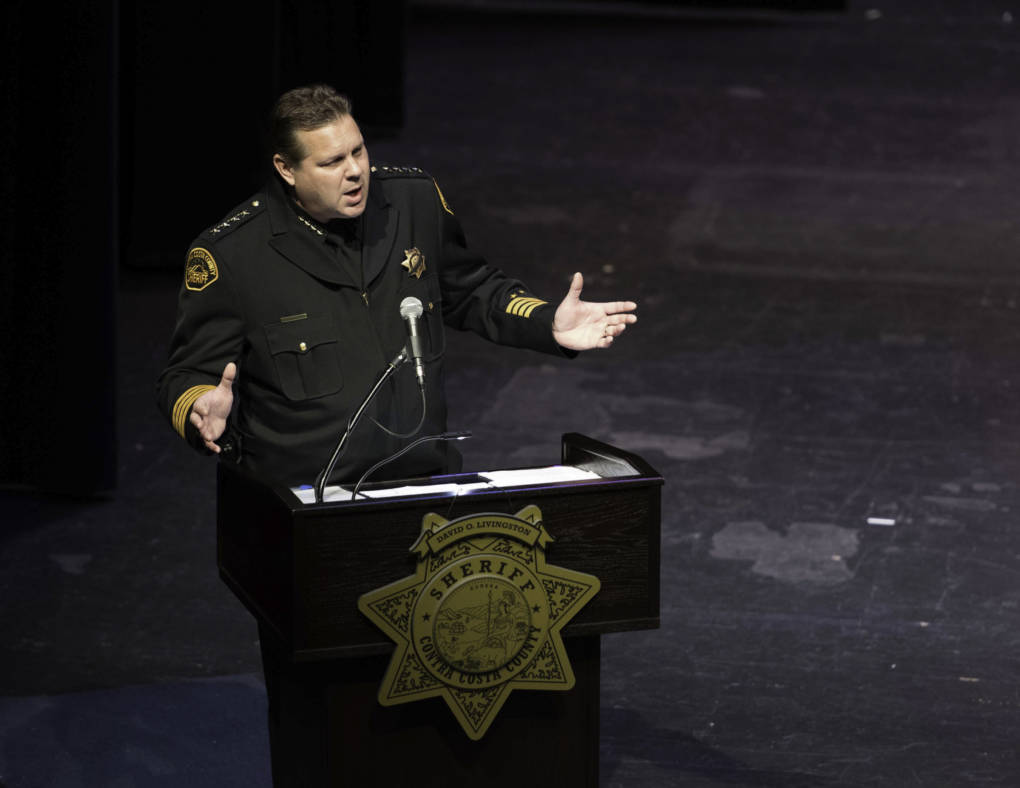
"caption": "Contra Costa County Sheriff David Livingston",
"description": null,
"title": "Contra Costa County Sheriff David Livingston",
"credit": "Courtesy of Contra Costa County Office of the Sheriff",
"status": "inherit",
"isLoading": false,
"fetchFailed": false
},
"news_11467650": {
"type": "attachments",
"id": "news_11467650",
"meta": {
"index": "attachments_1716263798",
"site": "news",
"id": "11467650",
"found": true
},
"parent": 11467128,
"imgSizes": {
"small": {
"file": "https://ww2.kqed.org/app/uploads/sites/10/2017/05/Lieu_DeSaulnier_Diptych-qut-520x368.jpg",
"width": 520,
"mimeType": "image/jpeg",
"height": 368
},
"twentyfourteen-full-width": {
"file": "https://ww2.kqed.org/app/uploads/sites/10/2017/05/Lieu_DeSaulnier_Diptych-qut-1038x576.jpg",
"width": 1038,
"mimeType": "image/jpeg",
"height": 576
},
"thumbnail": {
"file": "https://ww2.kqed.org/app/uploads/sites/10/2017/05/Lieu_DeSaulnier_Diptych-qut-160x113.jpg",
"width": 160,
"mimeType": "image/jpeg",
"height": 113
},
"fd-sm": {
"file": "https://ww2.kqed.org/app/uploads/sites/10/2017/05/Lieu_DeSaulnier_Diptych-qut-960x680.jpg",
"width": 960,
"mimeType": "image/jpeg",
"height": 680
},
"post-thumbnail": {
"file": "https://ww2.kqed.org/app/uploads/sites/10/2017/05/Lieu_DeSaulnier_Diptych-qut-672x372.jpg",
"width": 672,
"mimeType": "image/jpeg",
"height": 372
},
"xsmall": {
"file": "https://ww2.kqed.org/app/uploads/sites/10/2017/05/Lieu_DeSaulnier_Diptych-qut-375x266.jpg",
"width": 375,
"mimeType": "image/jpeg",
"height": 266
},
"kqedFullSize": {
"file": "https://ww2.kqed.org/app/uploads/sites/10/2017/05/Lieu_DeSaulnier_Diptych-qut.jpg",
"width": 1920,
"height": 1360
},
"large": {
"file": "https://ww2.kqed.org/app/uploads/sites/10/2017/05/Lieu_DeSaulnier_Diptych-qut-1020x723.jpg",
"width": 1020,
"mimeType": "image/jpeg",
"height": 723
},
"xlarge": {
"file": "https://ww2.kqed.org/app/uploads/sites/10/2017/05/Lieu_DeSaulnier_Diptych-qut-1180x836.jpg",
"width": 1180,
"mimeType": "image/jpeg",
"height": 836
},
"guest-author-50": {
"file": "https://ww2.kqed.org/app/uploads/sites/10/2017/05/Lieu_DeSaulnier_Diptych-qut-50x50.jpg",
"width": 50,
"mimeType": "image/jpeg",
"height": 50
},
"guest-author-96": {
"file": "https://ww2.kqed.org/app/uploads/sites/10/2017/05/Lieu_DeSaulnier_Diptych-qut-96x96.jpg",
"width": 96,
"mimeType": "image/jpeg",
"height": 96
},
"medium": {
"file": "https://ww2.kqed.org/app/uploads/sites/10/2017/05/Lieu_DeSaulnier_Diptych-qut-800x567.jpg",
"width": 800,
"mimeType": "image/jpeg",
"height": 567
},
"guest-author-64": {
"file": "https://ww2.kqed.org/app/uploads/sites/10/2017/05/Lieu_DeSaulnier_Diptych-qut-64x64.jpg",
"width": 64,
"mimeType": "image/jpeg",
"height": 64
},
"guest-author-32": {
"file": "https://ww2.kqed.org/app/uploads/sites/10/2017/05/Lieu_DeSaulnier_Diptych-qut-32x32.jpg",
"width": 32,
"mimeType": "image/jpeg",
"height": 32
},
"fd-lrg": {
"file": "https://ww2.kqed.org/app/uploads/sites/10/2017/05/Lieu_DeSaulnier_Diptych-qut-1920x1360.jpg",
"width": 1920,
"mimeType": "image/jpeg",
"height": 1360
},
"fd-med": {
"file": "https://ww2.kqed.org/app/uploads/sites/10/2017/05/Lieu_DeSaulnier_Diptych-qut-1180x836.jpg",
"width": 1180,
"mimeType": "image/jpeg",
"height": 836
},
"full-width": {
"file": "https://ww2.kqed.org/app/uploads/sites/10/2017/05/Lieu_DeSaulnier_Diptych-qut-1920x1360.jpg",
"width": 1920,
"mimeType": "image/jpeg",
"height": 1360
},
"detail": {
"file": "https://ww2.kqed.org/app/uploads/sites/10/2017/05/Lieu_DeSaulnier_Diptych-qut-150x150.jpg",
"width": 150,
"mimeType": "image/jpeg",
"height": 150
},
"guest-author-128": {
"file": "https://ww2.kqed.org/app/uploads/sites/10/2017/05/Lieu_DeSaulnier_Diptych-qut-128x128.jpg",
"width": 128,
"mimeType": "image/jpeg",
"height": 128
},
"xxsmall": {
"file": "https://ww2.kqed.org/app/uploads/sites/10/2017/05/Lieu_DeSaulnier_Diptych-qut-240x170.jpg",
"width": 240,
"mimeType": "image/jpeg",
"height": 170
}
},
"publishDate": 1495251835,
"modified": 1495251885,
"caption": "Reps. Ted Lieu and Mark DeSaulnier of California.",
"description": null,
"title": "Lieu_DeSaulnier_Diptych-qut",
"credit": "Alex Wong/Getty Images; courtesy of Mark DeSaulnier's office",
"status": "inherit",
"isLoading": false,
"fetchFailed": false
},
"news_11467030": {
"type": "attachments",
"id": "news_11467030",
"meta": {
"index": "attachments_1716263798",
"site": "news",
"id": "11467030",
"found": true
},
"parent": 11465076,
"imgSizes": {
"small": {
"file": "https://ww2.kqed.org/app/uploads/sites/10/2017/05/StolenBees1920-520x343.jpg",
"width": 520,
"mimeType": "image/jpeg",
"height": 343
},
"twentyfourteen-full-width": {
"file": "https://ww2.kqed.org/app/uploads/sites/10/2017/05/StolenBees1920-1038x576.jpg",
"width": 1038,
"mimeType": "image/jpeg",
"height": 576
},
"thumbnail": {
"file": "https://ww2.kqed.org/app/uploads/sites/10/2017/05/StolenBees1920-160x105.jpg",
"width": 160,
"mimeType": "image/jpeg",
"height": 105
},
"fd-sm": {
"file": "https://ww2.kqed.org/app/uploads/sites/10/2017/05/StolenBees1920-960x633.jpg",
"width": 960,
"mimeType": "image/jpeg",
"height": 633
},
"post-thumbnail": {
"file": "https://ww2.kqed.org/app/uploads/sites/10/2017/05/StolenBees1920-672x372.jpg",
"width": 672,
"mimeType": "image/jpeg",
"height": 372
},
"xsmall": {
"file": "https://ww2.kqed.org/app/uploads/sites/10/2017/05/StolenBees1920-375x247.jpg",
"width": 375,
"mimeType": "image/jpeg",
"height": 247
},
"kqedFullSize": {
"file": "https://ww2.kqed.org/app/uploads/sites/10/2017/05/StolenBees1920.jpg",
"width": 1920,
"height": 1265
},
"large": {
"file": "https://ww2.kqed.org/app/uploads/sites/10/2017/05/StolenBees1920-1020x672.jpg",
"width": 1020,
"mimeType": "image/jpeg",
"height": 672
},
"xlarge": {
"file": "https://ww2.kqed.org/app/uploads/sites/10/2017/05/StolenBees1920-1180x777.jpg",
"width": 1180,
"mimeType": "image/jpeg",
"height": 777
},
"guest-author-50": {
"file": "https://ww2.kqed.org/app/uploads/sites/10/2017/05/StolenBees1920-50x50.jpg",
"width": 50,
"mimeType": "image/jpeg",
"height": 50
},
"guest-author-96": {
"file": "https://ww2.kqed.org/app/uploads/sites/10/2017/05/StolenBees1920-96x96.jpg",
"width": 96,
"mimeType": "image/jpeg",
"height": 96
},
"medium": {
"file": "https://ww2.kqed.org/app/uploads/sites/10/2017/05/StolenBees1920-800x527.jpg",
"width": 800,
"mimeType": "image/jpeg",
"height": 527
},
"guest-author-64": {
"file": "https://ww2.kqed.org/app/uploads/sites/10/2017/05/StolenBees1920-64x64.jpg",
"width": 64,
"mimeType": "image/jpeg",
"height": 64
},
"guest-author-32": {
"file": "https://ww2.kqed.org/app/uploads/sites/10/2017/05/StolenBees1920-32x32.jpg",
"width": 32,
"mimeType": "image/jpeg",
"height": 32
},
"fd-lrg": {
"file": "https://ww2.kqed.org/app/uploads/sites/10/2017/05/StolenBees1920-1920x1265.jpg",
"width": 1920,
"mimeType": "image/jpeg",
"height": 1265
},
"fd-med": {
"file": "https://ww2.kqed.org/app/uploads/sites/10/2017/05/StolenBees1920-1180x777.jpg",
"width": 1180,
"mimeType": "image/jpeg",
"height": 777
},
"full-width": {
"file": "https://ww2.kqed.org/app/uploads/sites/10/2017/05/StolenBees1920-1920x1265.jpg",
"width": 1920,
"mimeType": "image/jpeg",
"height": 1265
},
"detail": {
"file": "https://ww2.kqed.org/app/uploads/sites/10/2017/05/StolenBees1920-150x150.jpg",
"width": 150,
"mimeType": "image/jpeg",
"height": 150
},
"guest-author-128": {
"file": "https://ww2.kqed.org/app/uploads/sites/10/2017/05/StolenBees1920-128x128.jpg",
"width": 128,
"mimeType": "image/jpeg",
"height": 128
},
"xxsmall": {
"file": "https://ww2.kqed.org/app/uploads/sites/10/2017/05/StolenBees1920-240x158.jpg",
"width": 240,
"mimeType": "image/jpeg",
"height": 158
}
},
"publishDate": 1495226910,
"modified": 1495240812,
"caption": "Fresno and Madera County law enforcement officials found $875,000 in stolen bees earlier this week. ",
"description": "Fresno and Madera County law enforcement officials found $875,000 in stolen bees earlier this week. ",
"title": "StolenBees1920",
"credit": "Sgt. Arley Terrence/Fresno County Sheriff's Department",
"status": "inherit",
"isLoading": false,
"fetchFailed": false
},
"news_11453979": {
"type": "attachments",
"id": "news_11453979",
"meta": {
"index": "attachments_1716263798",
"site": "news",
"id": "11453979",
"found": true
},
"parent": 11453976,
"imgSizes": {
"small": {
"file": "https://ww2.kqed.org/app/uploads/sites/10/2017/05/GettyImages-632412514-520x347.jpg",
"width": 520,
"mimeType": "image/jpeg",
"height": 347
},
"twentyfourteen-full-width": {
"file": "https://ww2.kqed.org/app/uploads/sites/10/2017/05/GettyImages-632412514-1038x576.jpg",
"width": 1038,
"mimeType": "image/jpeg",
"height": 576
},
"thumbnail": {
"file": "https://ww2.kqed.org/app/uploads/sites/10/2017/05/GettyImages-632412514-160x107.jpg",
"width": 160,
"mimeType": "image/jpeg",
"height": 107
},
"fd-sm": {
"file": "https://ww2.kqed.org/app/uploads/sites/10/2017/05/GettyImages-632412514-960x640.jpg",
"width": 960,
"mimeType": "image/jpeg",
"height": 640
},
"post-thumbnail": {
"file": "https://ww2.kqed.org/app/uploads/sites/10/2017/05/GettyImages-632412514-672x372.jpg",
"width": 672,
"mimeType": "image/jpeg",
"height": 372
},
"xsmall": {
"file": "https://ww2.kqed.org/app/uploads/sites/10/2017/05/GettyImages-632412514-375x250.jpg",
"width": 375,
"mimeType": "image/jpeg",
"height": 250
},
"kqedFullSize": {
"file": "https://ww2.kqed.org/app/uploads/sites/10/2017/05/GettyImages-632412514-e1494604306887.jpg",
"width": 1920,
"height": 1281
},
"large": {
"file": "https://ww2.kqed.org/app/uploads/sites/10/2017/05/GettyImages-632412514-1020x680.jpg",
"width": 1020,
"mimeType": "image/jpeg",
"height": 680
},
"xlarge": {
"file": "https://ww2.kqed.org/app/uploads/sites/10/2017/05/GettyImages-632412514-1180x787.jpg",
"width": 1180,
"mimeType": "image/jpeg",
"height": 787
},
"guest-author-50": {
"file": "https://ww2.kqed.org/app/uploads/sites/10/2017/05/GettyImages-632412514-50x50.jpg",
"width": 50,
"mimeType": "image/jpeg",
"height": 50
},
"guest-author-96": {
"file": "https://ww2.kqed.org/app/uploads/sites/10/2017/05/GettyImages-632412514-96x96.jpg",
"width": 96,
"mimeType": "image/jpeg",
"height": 96
},
"medium": {
"file": "https://ww2.kqed.org/app/uploads/sites/10/2017/05/GettyImages-632412514-800x534.jpg",
"width": 800,
"mimeType": "image/jpeg",
"height": 534
},
"guest-author-64": {
"file": "https://ww2.kqed.org/app/uploads/sites/10/2017/05/GettyImages-632412514-64x64.jpg",
"width": 64,
"mimeType": "image/jpeg",
"height": 64
},
"guest-author-32": {
"file": "https://ww2.kqed.org/app/uploads/sites/10/2017/05/GettyImages-632412514-32x32.jpg",
"width": 32,
"mimeType": "image/jpeg",
"height": 32
},
"fd-lrg": {
"file": "https://ww2.kqed.org/app/uploads/sites/10/2017/05/GettyImages-632412514-1920x1281.jpg",
"width": 1920,
"mimeType": "image/jpeg",
"height": 1281
},
"fd-med": {
"file": "https://ww2.kqed.org/app/uploads/sites/10/2017/05/GettyImages-632412514-1180x787.jpg",
"width": 1180,
"mimeType": "image/jpeg",
"height": 787
},
"full-width": {
"file": "https://ww2.kqed.org/app/uploads/sites/10/2017/05/GettyImages-632412514-1920x1281.jpg",
"width": 1920,
"mimeType": "image/jpeg",
"height": 1281
},
"detail": {
"file": "https://ww2.kqed.org/app/uploads/sites/10/2017/05/GettyImages-632412514-150x150.jpg",
"width": 150,
"mimeType": "image/jpeg",
"height": 150
},
"guest-author-128": {
"file": "https://ww2.kqed.org/app/uploads/sites/10/2017/05/GettyImages-632412514-128x128.jpg",
"width": 128,
"mimeType": "image/jpeg",
"height": 128
},
"xxsmall": {
"file": "https://ww2.kqed.org/app/uploads/sites/10/2017/05/GettyImages-632412514-240x160.jpg",
"width": 240,
"mimeType": "image/jpeg",
"height": 160
}
},
"publishDate": 1494604279,
"modified": 1495237623,
"caption": "President Trump shakes hands with James Comey, director of the Federal Bureau of Investigation (FBI), during an Inaugural Law Enforcement Officers and First Responders Reception in the Blue Room of the White House on Jan. 22, 2017.",
"description": null,
"title": "President Trump Hosts The Inaugural Law Enforcement Officers And First Responders Reception At The White House",
"credit": "Andrew Harrer-Pool/Getty Images",
"status": "inherit",
"isLoading": false,
"fetchFailed": false
},
"news_11452751": {
"type": "attachments",
"id": "news_11452751",
"meta": {
"index": "attachments_1716263798",
"site": "news",
"id": "11452751",
"found": true
},
"parent": 11452750,
"imgSizes": {
"small": {
"file": "https://ww2.kqed.org/app/uploads/sites/10/2017/05/IMG_1632-520x390.jpg",
"width": 520,
"mimeType": "image/jpeg",
"height": 390
},
"twentyfourteen-full-width": {
"file": "https://ww2.kqed.org/app/uploads/sites/10/2017/05/IMG_1632-1038x576.jpg",
"width": 1038,
"mimeType": "image/jpeg",
"height": 576
},
"thumbnail": {
"file": "https://ww2.kqed.org/app/uploads/sites/10/2017/05/IMG_1632-160x120.jpg",
"width": 160,
"mimeType": "image/jpeg",
"height": 120
},
"fd-sm": {
"file": "https://ww2.kqed.org/app/uploads/sites/10/2017/05/IMG_1632-960x720.jpg",
"width": 960,
"mimeType": "image/jpeg",
"height": 720
},
"post-thumbnail": {
"file": "https://ww2.kqed.org/app/uploads/sites/10/2017/05/IMG_1632-672x372.jpg",
"width": 672,
"mimeType": "image/jpeg",
"height": 372
},
"xsmall": {
"file": "https://ww2.kqed.org/app/uploads/sites/10/2017/05/IMG_1632-375x281.jpg",
"width": 375,
"mimeType": "image/jpeg",
"height": 281
},
"kqedFullSize": {
"file": "https://ww2.kqed.org/app/uploads/sites/10/2017/05/IMG_1632.jpg",
"width": 2048,
"height": 1536
},
"large": {
"file": "https://ww2.kqed.org/app/uploads/sites/10/2017/05/IMG_1632-1020x765.jpg",
"width": 1020,
"mimeType": "image/jpeg",
"height": 765
},
"xlarge": {
"file": "https://ww2.kqed.org/app/uploads/sites/10/2017/05/IMG_1632-1180x885.jpg",
"width": 1180,
"mimeType": "image/jpeg",
"height": 885
},
"guest-author-50": {
"file": "https://ww2.kqed.org/app/uploads/sites/10/2017/05/IMG_1632-50x50.jpg",
"width": 50,
"mimeType": "image/jpeg",
"height": 50
},
"guest-author-96": {
"file": "https://ww2.kqed.org/app/uploads/sites/10/2017/05/IMG_1632-96x96.jpg",
"width": 96,
"mimeType": "image/jpeg",
"height": 96
},
"medium": {
"file": "https://ww2.kqed.org/app/uploads/sites/10/2017/05/IMG_1632-800x600.jpg",
"width": 800,
"mimeType": "image/jpeg",
"height": 600
},
"guest-author-64": {
"file": "https://ww2.kqed.org/app/uploads/sites/10/2017/05/IMG_1632-64x64.jpg",
"width": 64,
"mimeType": "image/jpeg",
"height": 64
},
"guest-author-32": {
"file": "https://ww2.kqed.org/app/uploads/sites/10/2017/05/IMG_1632-32x32.jpg",
"width": 32,
"mimeType": "image/jpeg",
"height": 32
},
"fd-lrg": {
"file": "https://ww2.kqed.org/app/uploads/sites/10/2017/05/IMG_1632-1920x1440.jpg",
"width": 1920,
"mimeType": "image/jpeg",
"height": 1440
},
"fd-med": {
"file": "https://ww2.kqed.org/app/uploads/sites/10/2017/05/IMG_1632-1180x885.jpg",
"width": 1180,
"mimeType": "image/jpeg",
"height": 885
},
"full-width": {
"file": "https://ww2.kqed.org/app/uploads/sites/10/2017/05/IMG_1632-1920x1440.jpg",
"width": 1920,
"mimeType": "image/jpeg",
"height": 1440
},
"detail": {
"file": "https://ww2.kqed.org/app/uploads/sites/10/2017/05/IMG_1632-150x150.jpg",
"width": 150,
"mimeType": "image/jpeg",
"height": 150
},
"guest-author-128": {
"file": "https://ww2.kqed.org/app/uploads/sites/10/2017/05/IMG_1632-128x128.jpg",
"width": 128,
"mimeType": "image/jpeg",
"height": 128
},
"xxsmall": {
"file": "https://ww2.kqed.org/app/uploads/sites/10/2017/05/IMG_1632-240x180.jpg",
"width": 240,
"mimeType": "image/jpeg",
"height": 180
}
},
"publishDate": 1494542073,
"modified": 1495150182,
"caption": "Antioch police hand out these colorful cards when they issue misdemeanor citations.",
"description": null,
"title": "IMG_1632",
"credit": "Devin Katayama/KQED",
"status": "inherit",
"isLoading": false,
"fetchFailed": false
},
"news_11464924": {
"type": "attachments",
"id": "news_11464924",
"meta": {
"index": "attachments_1716263798",
"site": "news",
"id": "11464924",
"found": true
},
"parent": 11463323,
"imgSizes": {
"small": {
"file": "https://ww2.kqed.org/app/uploads/sites/10/2017/05/khalsa-1920-520x350.jpg",
"width": 520,
"mimeType": "image/jpeg",
"height": 350
},
"twentyfourteen-full-width": {
"file": "https://ww2.kqed.org/app/uploads/sites/10/2017/05/khalsa-1920-1038x576.jpg",
"width": 1038,
"mimeType": "image/jpeg",
"height": 576
},
"thumbnail": {
"file": "https://ww2.kqed.org/app/uploads/sites/10/2017/05/khalsa-1920-160x108.jpg",
"width": 160,
"mimeType": "image/jpeg",
"height": 108
},
"fd-sm": {
"file": "https://ww2.kqed.org/app/uploads/sites/10/2017/05/khalsa-1920-960x647.jpg",
"width": 960,
"mimeType": "image/jpeg",
"height": 647
},
"post-thumbnail": {
"file": "https://ww2.kqed.org/app/uploads/sites/10/2017/05/khalsa-1920-672x372.jpg",
"width": 672,
"mimeType": "image/jpeg",
"height": 372
},
"xsmall": {
"file": "https://ww2.kqed.org/app/uploads/sites/10/2017/05/khalsa-1920-375x253.jpg",
"width": 375,
"mimeType": "image/jpeg",
"height": 253
},
"kqedFullSize": {
"file": "https://ww2.kqed.org/app/uploads/sites/10/2017/05/khalsa-1920.jpg",
"width": 1920,
"height": 1294
},
"large": {
"file": "https://ww2.kqed.org/app/uploads/sites/10/2017/05/khalsa-1920-1020x687.jpg",
"width": 1020,
"mimeType": "image/jpeg",
"height": 687
},
"xlarge": {
"file": "https://ww2.kqed.org/app/uploads/sites/10/2017/05/khalsa-1920-1180x795.jpg",
"width": 1180,
"mimeType": "image/jpeg",
"height": 795
},
"guest-author-50": {
"file": "https://ww2.kqed.org/app/uploads/sites/10/2017/05/khalsa-1920-50x50.jpg",
"width": 50,
"mimeType": "image/jpeg",
"height": 50
},
"guest-author-96": {
"file": "https://ww2.kqed.org/app/uploads/sites/10/2017/05/khalsa-1920-96x96.jpg",
"width": 96,
"mimeType": "image/jpeg",
"height": 96
},
"medium": {
"file": "https://ww2.kqed.org/app/uploads/sites/10/2017/05/khalsa-1920-800x539.jpg",
"width": 800,
"mimeType": "image/jpeg",
"height": 539
},
"guest-author-64": {
"file": "https://ww2.kqed.org/app/uploads/sites/10/2017/05/khalsa-1920-64x64.jpg",
"width": 64,
"mimeType": "image/jpeg",
"height": 64
},
"guest-author-32": {
"file": "https://ww2.kqed.org/app/uploads/sites/10/2017/05/khalsa-1920-32x32.jpg",
"width": 32,
"mimeType": "image/jpeg",
"height": 32
},
"fd-lrg": {
"file": "https://ww2.kqed.org/app/uploads/sites/10/2017/05/khalsa-1920-1920x1294.jpg",
"width": 1920,
"mimeType": "image/jpeg",
"height": 1294
},
"fd-med": {
"file": "https://ww2.kqed.org/app/uploads/sites/10/2017/05/khalsa-1920-1180x795.jpg",
"width": 1180,
"mimeType": "image/jpeg",
"height": 795
},
"full-width": {
"file": "https://ww2.kqed.org/app/uploads/sites/10/2017/05/khalsa-1920-1920x1294.jpg",
"width": 1920,
"mimeType": "image/jpeg",
"height": 1294
},
"detail": {
"file": "https://ww2.kqed.org/app/uploads/sites/10/2017/05/khalsa-1920-150x150.jpg",
"width": 150,
"mimeType": "image/jpeg",
"height": 150
},
"guest-author-128": {
"file": "https://ww2.kqed.org/app/uploads/sites/10/2017/05/khalsa-1920-128x128.jpg",
"width": 128,
"mimeType": "image/jpeg",
"height": 128
},
"xxsmall": {
"file": "https://ww2.kqed.org/app/uploads/sites/10/2017/05/khalsa-1920-240x162.jpg",
"width": 240,
"mimeType": "image/jpeg",
"height": 162
}
},
"publishDate": 1495130107,
"modified": 1495143539,
"caption": "Maan Singh Khalsa speaks to the press following a hearing in Martinez on May 18, 2017.",
"description": null,
"title": "khalsa-1920",
"credit": "Julie Small/KQED",
"status": "inherit",
"isLoading": false,
"fetchFailed": false
},
"news_11463444": {
"type": "attachments",
"id": "news_11463444",
"meta": {
"index": "attachments_1716263798",
"site": "news",
"id": "11463444",
"found": true
},
"parent": 11463440,
"imgSizes": {
"small": {
"file": "https://ww2.kqed.org/app/uploads/sites/10/2017/05/BobM-520x347.jpg",
"width": 520,
"mimeType": "image/jpeg",
"height": 347
},
"twentyfourteen-full-width": {
"file": "https://ww2.kqed.org/app/uploads/sites/10/2017/05/BobM-1038x576.jpg",
"width": 1038,
"mimeType": "image/jpeg",
"height": 576
},
"thumbnail": {
"file": "https://ww2.kqed.org/app/uploads/sites/10/2017/05/BobM-160x107.jpg",
"width": 160,
"mimeType": "image/jpeg",
"height": 107
},
"fd-sm": {
"file": "https://ww2.kqed.org/app/uploads/sites/10/2017/05/BobM-960x640.jpg",
"width": 960,
"mimeType": "image/jpeg",
"height": 640
},
"post-thumbnail": {
"file": "https://ww2.kqed.org/app/uploads/sites/10/2017/05/BobM-672x372.jpg",
"width": 672,
"mimeType": "image/jpeg",
"height": 372
},
"xsmall": {
"file": "https://ww2.kqed.org/app/uploads/sites/10/2017/05/BobM-375x250.jpg",
"width": 375,
"mimeType": "image/jpeg",
"height": 250
},
"kqedFullSize": {
"file": "https://ww2.kqed.org/app/uploads/sites/10/2017/05/BobM.jpg",
"width": 1920,
"height": 1280
},
"large": {
"file": "https://ww2.kqed.org/app/uploads/sites/10/2017/05/BobM-1020x680.jpg",
"width": 1020,
"mimeType": "image/jpeg",
"height": 680
},
"xlarge": {
"file": "https://ww2.kqed.org/app/uploads/sites/10/2017/05/BobM-1180x787.jpg",
"width": 1180,
"mimeType": "image/jpeg",
"height": 787
},
"guest-author-50": {
"file": "https://ww2.kqed.org/app/uploads/sites/10/2017/05/BobM-50x50.jpg",
"width": 50,
"mimeType": "image/jpeg",
"height": 50
},
"guest-author-96": {
"file": "https://ww2.kqed.org/app/uploads/sites/10/2017/05/BobM-96x96.jpg",
"width": 96,
"mimeType": "image/jpeg",
"height": 96
},
"medium": {
"file": "https://ww2.kqed.org/app/uploads/sites/10/2017/05/BobM-800x533.jpg",
"width": 800,
"mimeType": "image/jpeg",
"height": 533
},
"guest-author-64": {
"file": "https://ww2.kqed.org/app/uploads/sites/10/2017/05/BobM-64x64.jpg",
"width": 64,
"mimeType": "image/jpeg",
"height": 64
},
"guest-author-32": {
"file": "https://ww2.kqed.org/app/uploads/sites/10/2017/05/BobM-32x32.jpg",
"width": 32,
"mimeType": "image/jpeg",
"height": 32
},
"fd-lrg": {
"file": "https://ww2.kqed.org/app/uploads/sites/10/2017/05/BobM-1920x1280.jpg",
"width": 1920,
"mimeType": "image/jpeg",
"height": 1280
},
"fd-med": {
"file": "https://ww2.kqed.org/app/uploads/sites/10/2017/05/BobM-1180x787.jpg",
"width": 1180,
"mimeType": "image/jpeg",
"height": 787
},
"full-width": {
"file": "https://ww2.kqed.org/app/uploads/sites/10/2017/05/BobM-1920x1280.jpg",
"width": 1920,
"mimeType": "image/jpeg",
"height": 1280
},
"detail": {
"file": "https://ww2.kqed.org/app/uploads/sites/10/2017/05/BobM-150x150.jpg",
"width": 150,
"mimeType": "image/jpeg",
"height": 150
},
"guest-author-128": {
"file": "https://ww2.kqed.org/app/uploads/sites/10/2017/05/BobM-128x128.jpg",
"width": 128,
"mimeType": "image/jpeg",
"height": 128
},
"xxsmall": {
"file": "https://ww2.kqed.org/app/uploads/sites/10/2017/05/BobM-240x160.jpg",
"width": 240,
"mimeType": "image/jpeg",
"height": 160
}
},
"publishDate": 1495059958,
"modified": 1495060048,
"caption": "Former FBI Director Robert Mueller speaks during a farewell ceremony in his honor on August 1, 2013. Mueller has been named special counsel to investigate Russian interference in the 2016 election.",
"description": "Former FBI Director Robert Mueller speaks during a farewell ceremony in his honor on August 1, 2013. Mueller has been named special counsel to investigate Russian interference in the 2016 election.",
"title": "BobM",
"credit": "SAUL LOEB/AFP/Getty Images",
"status": "inherit",
"isLoading": false,
"fetchFailed": false
},
"news_11463151": {
"type": "attachments",
"id": "news_11463151",
"meta": {
"index": "attachments_1716263798",
"site": "news",
"id": "11463151",
"found": true
},
"parent": 11463055,
"imgSizes": {
"small": {
"file": "https://ww2.kqed.org/app/uploads/sites/10/2017/05/RS24270_GettyImages-635148734-qut-520x347.jpg",
"width": 520,
"mimeType": "image/jpeg",
"height": 347
},
"twentyfourteen-full-width": {
"file": "https://ww2.kqed.org/app/uploads/sites/10/2017/05/RS24270_GettyImages-635148734-qut-1038x576.jpg",
"width": 1038,
"mimeType": "image/jpeg",
"height": 576
},
"thumbnail": {
"file": "https://ww2.kqed.org/app/uploads/sites/10/2017/05/RS24270_GettyImages-635148734-qut-160x107.jpg",
"width": 160,
"mimeType": "image/jpeg",
"height": 107
},
"fd-sm": {
"file": "https://ww2.kqed.org/app/uploads/sites/10/2017/05/RS24270_GettyImages-635148734-qut-960x640.jpg",
"width": 960,
"mimeType": "image/jpeg",
"height": 640
},
"post-thumbnail": {
"file": "https://ww2.kqed.org/app/uploads/sites/10/2017/05/RS24270_GettyImages-635148734-qut-672x372.jpg",
"width": 672,
"mimeType": "image/jpeg",
"height": 372
},
"xsmall": {
"file": "https://ww2.kqed.org/app/uploads/sites/10/2017/05/RS24270_GettyImages-635148734-qut-375x250.jpg",
"width": 375,
"mimeType": "image/jpeg",
"height": 250
},
"kqedFullSize": {
"file": "https://ww2.kqed.org/app/uploads/sites/10/2017/05/RS24270_GettyImages-635148734-qut.jpg",
"width": 1920,
"height": 1280
},
"large": {
"file": "https://ww2.kqed.org/app/uploads/sites/10/2017/05/RS24270_GettyImages-635148734-qut-1020x680.jpg",
"width": 1020,
"mimeType": "image/jpeg",
"height": 680
},
"xlarge": {
"file": "https://ww2.kqed.org/app/uploads/sites/10/2017/05/RS24270_GettyImages-635148734-qut-1180x787.jpg",
"width": 1180,
"mimeType": "image/jpeg",
"height": 787
},
"guest-author-50": {
"file": "https://ww2.kqed.org/app/uploads/sites/10/2017/05/RS24270_GettyImages-635148734-qut-50x50.jpg",
"width": 50,
"mimeType": "image/jpeg",
"height": 50
},
"guest-author-96": {
"file": "https://ww2.kqed.org/app/uploads/sites/10/2017/05/RS24270_GettyImages-635148734-qut-96x96.jpg",
"width": 96,
"mimeType": "image/jpeg",
"height": 96
},
"medium": {
"file": "https://ww2.kqed.org/app/uploads/sites/10/2017/05/RS24270_GettyImages-635148734-qut-800x533.jpg",
"width": 800,
"mimeType": "image/jpeg",
"height": 533
},
"guest-author-64": {
"file": "https://ww2.kqed.org/app/uploads/sites/10/2017/05/RS24270_GettyImages-635148734-qut-64x64.jpg",
"width": 64,
"mimeType": "image/jpeg",
"height": 64
},
"guest-author-32": {
"file": "https://ww2.kqed.org/app/uploads/sites/10/2017/05/RS24270_GettyImages-635148734-qut-32x32.jpg",
"width": 32,
"mimeType": "image/jpeg",
"height": 32
},
"fd-lrg": {
"file": "https://ww2.kqed.org/app/uploads/sites/10/2017/05/RS24270_GettyImages-635148734-qut-1920x1280.jpg",
"width": 1920,
"mimeType": "image/jpeg",
"height": 1280
},
"fd-med": {
"file": "https://ww2.kqed.org/app/uploads/sites/10/2017/05/RS24270_GettyImages-635148734-qut-1180x787.jpg",
"width": 1180,
"mimeType": "image/jpeg",
"height": 787
},
"full-width": {
"file": "https://ww2.kqed.org/app/uploads/sites/10/2017/05/RS24270_GettyImages-635148734-qut-1920x1280.jpg",
"width": 1920,
"mimeType": "image/jpeg",
"height": 1280
},
"detail": {
"file": "https://ww2.kqed.org/app/uploads/sites/10/2017/05/RS24270_GettyImages-635148734-qut-150x150.jpg",
"width": 150,
"mimeType": "image/jpeg",
"height": 150
},
"guest-author-128": {
"file": "https://ww2.kqed.org/app/uploads/sites/10/2017/05/RS24270_GettyImages-635148734-qut-128x128.jpg",
"width": 128,
"mimeType": "image/jpeg",
"height": 128
},
"xxsmall": {
"file": "https://ww2.kqed.org/app/uploads/sites/10/2017/05/RS24270_GettyImages-635148734-qut-240x160.jpg",
"width": 240,
"mimeType": "image/jpeg",
"height": 160
}
},
"publishDate": 1495049180,
"modified": 1495062724,
"caption": "In this handout provided by U.S. Immigration and Customs Enforcement, foreign nationals were arrested by immigration officers on Feb. 9, 2017, in Atlanta, Georgia.",
"description": null,
"title": "RS24270_GettyImages-635148734-qut",
"credit": "Bryan Cox/U.S. Immigration and Customs Enforcement via Getty Images",
"status": "inherit",
"isLoading": false,
"fetchFailed": false
},
"news_141513": {
"type": "attachments",
"id": "news_141513",
"meta": {
"index": "attachments_1716263798",
"site": "news",
"id": "141513",
"found": true
},
"parent": 141502,
"imgSizes": {
"kqedFullSize": {
"file": "https://ww2.kqed.org/app/uploads/sites/10/2014/07/RS9516_Chevron032714-JoshC-5177-lpr-e1478109513540.jpg",
"width": 1920,
"height": 1280
}
},
"publishDate": 1405024797,
"modified": 1612213302,
"caption": "A section of Chevron’s Richmond oil refinery.",
"description": "A section of Chevron’s Richmond oil refinery. ",
"title": "Richmond-Chevron Refinery",
"credit": "Josh Cassidy/KQED",
"status": "inherit",
"altTag": null,
"isLoading": false,
"fetchFailed": false
},
"news_11462899": {
"type": "attachments",
"id": "news_11462899",
"meta": {
"index": "attachments_1716263798",
"site": "news",
"id": "11462899",
"found": true
},
"parent": 11462898,
"imgSizes": {
"small": {
"file": "https://ww2.kqed.org/app/uploads/sites/10/2017/05/gettyimages-683864604_wide-47db3f2e4b668e445e205c3b9048856946925488-520x292.jpg",
"width": 520,
"mimeType": "image/jpeg",
"height": 292
},
"twentyfourteen-full-width": {
"file": "https://ww2.kqed.org/app/uploads/sites/10/2017/05/gettyimages-683864604_wide-47db3f2e4b668e445e205c3b9048856946925488-1038x576.jpg",
"width": 1038,
"mimeType": "image/jpeg",
"height": 576
},
"thumbnail": {
"file": "https://ww2.kqed.org/app/uploads/sites/10/2017/05/gettyimages-683864604_wide-47db3f2e4b668e445e205c3b9048856946925488-160x90.jpg",
"width": 160,
"mimeType": "image/jpeg",
"height": 90
},
"fd-sm": {
"file": "https://ww2.kqed.org/app/uploads/sites/10/2017/05/gettyimages-683864604_wide-47db3f2e4b668e445e205c3b9048856946925488-960x540.jpg",
"width": 960,
"mimeType": "image/jpeg",
"height": 540
},
"post-thumbnail": {
"file": "https://ww2.kqed.org/app/uploads/sites/10/2017/05/gettyimages-683864604_wide-47db3f2e4b668e445e205c3b9048856946925488-672x372.jpg",
"width": 672,
"mimeType": "image/jpeg",
"height": 372
},
"xsmall": {
"file": "https://ww2.kqed.org/app/uploads/sites/10/2017/05/gettyimages-683864604_wide-47db3f2e4b668e445e205c3b9048856946925488-375x211.jpg",
"width": 375,
"mimeType": "image/jpeg",
"height": 211
},
"kqedFullSize": {
"file": "https://ww2.kqed.org/app/uploads/sites/10/2017/05/gettyimages-683864604_wide-47db3f2e4b668e445e205c3b9048856946925488-e1495044807636.jpg",
"width": 1920,
"height": 1080
},
"large": {
"file": "https://ww2.kqed.org/app/uploads/sites/10/2017/05/gettyimages-683864604_wide-47db3f2e4b668e445e205c3b9048856946925488-1020x574.jpg",
"width": 1020,
"mimeType": "image/jpeg",
"height": 574
},
"xlarge": {
"file": "https://ww2.kqed.org/app/uploads/sites/10/2017/05/gettyimages-683864604_wide-47db3f2e4b668e445e205c3b9048856946925488-1180x664.jpg",
"width": 1180,
"mimeType": "image/jpeg",
"height": 664
},
"guest-author-50": {
"file": "https://ww2.kqed.org/app/uploads/sites/10/2017/05/gettyimages-683864604_wide-47db3f2e4b668e445e205c3b9048856946925488-50x50.jpg",
"width": 50,
"mimeType": "image/jpeg",
"height": 50
},
"guest-author-96": {
"file": "https://ww2.kqed.org/app/uploads/sites/10/2017/05/gettyimages-683864604_wide-47db3f2e4b668e445e205c3b9048856946925488-96x96.jpg",
"width": 96,
"mimeType": "image/jpeg",
"height": 96
},
"medium": {
"file": "https://ww2.kqed.org/app/uploads/sites/10/2017/05/gettyimages-683864604_wide-47db3f2e4b668e445e205c3b9048856946925488-800x450.jpg",
"width": 800,
"mimeType": "image/jpeg",
"height": 450
},
"guest-author-64": {
"file": "https://ww2.kqed.org/app/uploads/sites/10/2017/05/gettyimages-683864604_wide-47db3f2e4b668e445e205c3b9048856946925488-64x64.jpg",
"width": 64,
"mimeType": "image/jpeg",
"height": 64
},
"guest-author-32": {
"file": "https://ww2.kqed.org/app/uploads/sites/10/2017/05/gettyimages-683864604_wide-47db3f2e4b668e445e205c3b9048856946925488-32x32.jpg",
"width": 32,
"mimeType": "image/jpeg",
"height": 32
},
"fd-lrg": {
"file": "https://ww2.kqed.org/app/uploads/sites/10/2017/05/gettyimages-683864604_wide-47db3f2e4b668e445e205c3b9048856946925488-1920x1080.jpg",
"width": 1920,
"mimeType": "image/jpeg",
"height": 1080
},
"fd-med": {
"file": "https://ww2.kqed.org/app/uploads/sites/10/2017/05/gettyimages-683864604_wide-47db3f2e4b668e445e205c3b9048856946925488-1180x664.jpg",
"width": 1180,
"mimeType": "image/jpeg",
"height": 664
},
"full-width": {
"file": "https://ww2.kqed.org/app/uploads/sites/10/2017/05/gettyimages-683864604_wide-47db3f2e4b668e445e205c3b9048856946925488-1920x1080.jpg",
"width": 1920,
"mimeType": "image/jpeg",
"height": 1080
},
"detail": {
"file": "https://ww2.kqed.org/app/uploads/sites/10/2017/05/gettyimages-683864604_wide-47db3f2e4b668e445e205c3b9048856946925488-150x150.jpg",
"width": 150,
"mimeType": "image/jpeg",
"height": 150
},
"guest-author-128": {
"file": "https://ww2.kqed.org/app/uploads/sites/10/2017/05/gettyimages-683864604_wide-47db3f2e4b668e445e205c3b9048856946925488-128x128.jpg",
"width": 128,
"mimeType": "image/jpeg",
"height": 128
},
"xxsmall": {
"file": "https://ww2.kqed.org/app/uploads/sites/10/2017/05/gettyimages-683864604_wide-47db3f2e4b668e445e205c3b9048856946925488-240x135.jpg",
"width": 240,
"mimeType": "image/jpeg",
"height": 135
}
},
"publishDate": 1495037276,
"modified": 1495037602,
"caption": "President Trump is facing the biggest pressure of his young presidency to refute an allegation that he pressured the FBI director to end an investigation.",
"description": "President Trump is facing the biggest pressure of his young presidency to refute an allegation that he pressured the FBI director to end an investigation.",
"title": "President Trump is facing the biggest pressure of his young presidency to refute an allegation that he pressured the FBI director to end an investigation.",
"credit": "Saul Loeb/AFP/Getty Images",
"status": "inherit",
"isLoading": false,
"fetchFailed": false
},
"news_11223235": {
"type": "attachments",
"id": "news_11223235",
"meta": {
"index": "attachments_1716263798",
"site": "news",
"id": "11223235",
"found": true
},
"parent": 11223222,
"imgSizes": {
"small": {
"file": "https://ww2.kqed.org/app/uploads/sites/10/2016/12/warehouse-fire-1920a-520x342.jpg",
"width": 520,
"mimeType": "image/jpeg",
"height": 342
},
"twentyfourteen-full-width": {
"file": "https://ww2.kqed.org/app/uploads/sites/10/2016/12/warehouse-fire-1920a-1038x576.jpg",
"width": 1038,
"mimeType": "image/jpeg",
"height": 576
},
"thumbnail": {
"file": "https://ww2.kqed.org/app/uploads/sites/10/2016/12/warehouse-fire-1920a-160x105.jpg",
"width": 160,
"mimeType": "image/jpeg",
"height": 105
},
"fd-sm": {
"file": "https://ww2.kqed.org/app/uploads/sites/10/2016/12/warehouse-fire-1920a-960x632.jpg",
"width": 960,
"mimeType": "image/jpeg",
"height": 632
},
"post-thumbnail": {
"file": "https://ww2.kqed.org/app/uploads/sites/10/2016/12/warehouse-fire-1920a-672x372.jpg",
"width": 672,
"mimeType": "image/jpeg",
"height": 372
},
"xsmall": {
"file": "https://ww2.kqed.org/app/uploads/sites/10/2016/12/warehouse-fire-1920a-375x247.jpg",
"width": 375,
"mimeType": "image/jpeg",
"height": 247
},
"kqedFullSize": {
"file": "https://ww2.kqed.org/app/uploads/sites/10/2016/12/warehouse-fire-1920a.jpg",
"width": 1920,
"height": 1264
},
"large": {
"file": "https://ww2.kqed.org/app/uploads/sites/10/2016/12/warehouse-fire-1920a-1020x672.jpg",
"width": 1020,
"mimeType": "image/jpeg",
"height": 672
},
"xlarge": {
"file": "https://ww2.kqed.org/app/uploads/sites/10/2016/12/warehouse-fire-1920a-1180x777.jpg",
"width": 1180,
"mimeType": "image/jpeg",
"height": 777
},
"guest-author-50": {
"file": "https://ww2.kqed.org/app/uploads/sites/10/2016/12/warehouse-fire-1920a-50x50.jpg",
"width": 50,
"mimeType": "image/jpeg",
"height": 50
},
"guest-author-96": {
"file": "https://ww2.kqed.org/app/uploads/sites/10/2016/12/warehouse-fire-1920a-96x96.jpg",
"width": 96,
"mimeType": "image/jpeg",
"height": 96
},
"medium": {
"file": "https://ww2.kqed.org/app/uploads/sites/10/2016/12/warehouse-fire-1920a-800x527.jpg",
"width": 800,
"mimeType": "image/jpeg",
"height": 527
},
"guest-author-64": {
"file": "https://ww2.kqed.org/app/uploads/sites/10/2016/12/warehouse-fire-1920a-64x64.jpg",
"width": 64,
"mimeType": "image/jpeg",
"height": 64
},
"guest-author-32": {
"file": "https://ww2.kqed.org/app/uploads/sites/10/2016/12/warehouse-fire-1920a-32x32.jpg",
"width": 32,
"mimeType": "image/jpeg",
"height": 32
},
"jmtc-small-thumb": {
"file": "https://ww2.kqed.org/app/uploads/sites/10/2016/12/warehouse-fire-1920a-280x150.jpg",
"width": 280,
"mimeType": "image/jpeg",
"height": 150
},
"fd-lrg": {
"file": "https://ww2.kqed.org/app/uploads/sites/10/2016/12/warehouse-fire-1920a-1920x1264.jpg",
"width": 1920,
"mimeType": "image/jpeg",
"height": 1264
},
"fd-med": {
"file": "https://ww2.kqed.org/app/uploads/sites/10/2016/12/warehouse-fire-1920a-1180x777.jpg",
"width": 1180,
"mimeType": "image/jpeg",
"height": 777
},
"full-width": {
"file": "https://ww2.kqed.org/app/uploads/sites/10/2016/12/warehouse-fire-1920a-1920x1264.jpg",
"width": 1920,
"mimeType": "image/jpeg",
"height": 1264
},
"detail": {
"file": "https://ww2.kqed.org/app/uploads/sites/10/2016/12/warehouse-fire-1920a-150x150.jpg",
"width": 150,
"mimeType": "image/jpeg",
"height": 150
},
"guest-author-128": {
"file": "https://ww2.kqed.org/app/uploads/sites/10/2016/12/warehouse-fire-1920a-128x128.jpg",
"width": 128,
"mimeType": "image/jpeg",
"height": 128
},
"xxsmall": {
"file": "https://ww2.kqed.org/app/uploads/sites/10/2016/12/warehouse-fire-1920a-240x158.jpg",
"width": 240,
"mimeType": "image/jpeg",
"height": 158
}
},
"publishDate": 1481916808,
"modified": 1501289062,
"caption": "A crane is used to lift wreckage as part of search efforts at the fire-ravaged Ghost Ship warehouse in December 2016. ",
"description": null,
"title": "Oakland-Ghost Ship Fire",
"credit": "Josh Edelson/AFP-Getty Image",
"status": "inherit",
"isLoading": false,
"fetchFailed": false
}
},
"audioPlayerReducer": {
"postId": "stream_live",
"isPaused": true,
"isPlaying": false,
"pfsActive": false,
"pledgeModalIsOpen": true,
"playerDrawerIsOpen": false,
"liveAudioPlayStartedAt": 0,
"liveAudioPlayContext": ""
},
"authorsReducer": {
"byline_news_11466990": {
"type": "authors",
"id": "byline_news_11466990",
"meta": {
"override": true
},
"slug": "byline_news_11466990",
"name": "\u003cstrong>Eric Tucker & Erica Werner\u003cbr>Associated Press\u003c/strong>",
"isLoading": false
},
"byline_news_11463440": {
"type": "authors",
"id": "byline_news_11463440",
"meta": {
"override": true
},
"slug": "byline_news_11463440",
"name": "Jessica Taylor",
"isLoading": false
},
"byline_news_11462898": {
"type": "authors",
"id": "byline_news_11462898",
"meta": {
"override": true
},
"slug": "byline_news_11462898",
"name": "Domenico Montanaro, \u003cstrong>\u003ca href=\"http://www.npr.org/2017/05/17/528743744/the-president-the-comey-memo-and-the-elephant-in-the-room-impeachment\">NPR\u003c/a>\u003c/strong>",
"isLoading": false
},
"byline_news_11461422": {
"type": "authors",
"id": "byline_news_11461422",
"meta": {
"override": true
},
"slug": "byline_news_11461422",
"name": "\u003cstrong>Paul Elias\u003cbr />Associated Press\u003c/strong>",
"isLoading": false
},
"dclyde": {
"type": "authors",
"id": "104",
"meta": {
"index": "authors_1716337520",
"id": "104",
"found": true
},
"name": "Don Clyde",
"firstName": "Don",
"lastName": "Clyde",
"slug": "dclyde",
"email": "dclyde@kqed.org",
"display_author_email": false,
"staff_mastheads": [],
"title": "KQED Contributor",
"bio": "Don Clyde is an online producer, reporter and copy editor for KQED News. Before venturing into journalism, he worked as a medical device engineer and scientist for nearly a decade after earning a degree in physics from UC Berkeley. He loves travel, reading, living in Oakland, and most importantly, a good walk. Email him at dclyde@kqed.org or follow him @clydedon.",
"avatar": "https://secure.gravatar.com/avatar/decd3e640c3eedbd0a574275aebb2d19?s=600&d=blank&r=g",
"twitter": "clydedon",
"facebook": null,
"instagram": null,
"linkedin": null,
"sites": [
{
"site": "artschool",
"roles": [
"editor"
]
},
{
"site": "news",
"roles": [
"administrator"
]
},
{
"site": "futureofyou",
"roles": [
"editor"
]
},
{
"site": "about",
"roles": [
"editor"
]
},
{
"site": "mindshift",
"roles": [
"contributor"
]
},
{
"site": "bayareabites",
"roles": [
"contributor"
]
},
{
"site": "lowdown",
"roles": [
"editor"
]
},
{
"site": "stateofhealth",
"roles": [
"administrator"
]
},
{
"site": "spark",
"roles": [
"administrator"
]
},
{
"site": "trulyca",
"roles": [
"administrator"
]
},
{
"site": "imagemakers",
"roles": [
"administrator"
]
},
{
"site": "science",
"roles": []
},
{
"site": "education",
"roles": [
"editor"
]
},
{
"site": "quest",
"roles": [
"subscriber"
]
},
{
"site": "checkplease",
"roles": [
"subscriber"
]
},
{
"site": "forum",
"roles": [
"editor"
]
},
{
"site": "perspectives",
"roles": [
"editor"
]
}
],
"headData": {
"title": "Don Clyde | KQED",
"description": "KQED Contributor",
"ogImgSrc": "https://secure.gravatar.com/avatar/decd3e640c3eedbd0a574275aebb2d19?s=600&d=blank&r=g",
"twImgSrc": "https://secure.gravatar.com/avatar/decd3e640c3eedbd0a574275aebb2d19?s=600&d=blank&r=g"
},
"isLoading": false,
"link": "/author/dclyde"
},
"lisapickoffwhite-2": {
"type": "authors",
"id": "199",
"meta": {
"index": "authors_1716337520",
"id": "199",
"found": true
},
"name": "Lisa Pickoff-White",
"firstName": "Lisa",
"lastName": "Pickoff-White",
"slug": "lisapickoffwhite-2",
"email": "lpickoffwhite@kqed.org",
"display_author_email": false,
"staff_mastheads": [
"news"
],
"title": "Data Journalist, Senior Producer",
"bio": "Lisa Pickoff-White is KQED's data reporter. Lisa specializes in simplifying complex topics and bringing them to life through compelling visuals, including photography and data visualizations. She previously has worked at the Center for Investigative Reporting and other national outlets. Her work has been honored with awards from the Online News Association, Investigative Reporters and Editors, the Society of Professional Journalists and SXSW Interactive. \u003cstrong> \u003c/strong>",
"avatar": "https://secure.gravatar.com/avatar/5513c5f3967df792aa65bee2501e84d6?s=600&d=blank&r=g",
"twitter": "pickoffwhite",
"facebook": null,
"instagram": null,
"linkedin": null,
"sites": [
{
"site": "",
"roles": [
"editor"
]
},
{
"site": "arts",
"roles": []
},
{
"site": "news",
"roles": [
"administrator"
]
},
{
"site": "about",
"roles": [
"editor"
]
},
{
"site": "stateofhealth",
"roles": [
"administrator"
]
},
{
"site": "science",
"roles": [
"editor"
]
},
{
"site": "quest",
"roles": [
"editor"
]
},
{
"site": "forum",
"roles": [
"editor"
]
}
],
"headData": {
"title": "Lisa Pickoff-White | KQED",
"description": "Data Journalist, Senior Producer",
"ogImgSrc": "https://secure.gravatar.com/avatar/5513c5f3967df792aa65bee2501e84d6?s=600&d=blank&r=g",
"twImgSrc": "https://secure.gravatar.com/avatar/5513c5f3967df792aa65bee2501e84d6?s=600&d=blank&r=g"
},
"isLoading": false,
"link": "/author/lisapickoffwhite-2"
},
"mlam": {
"type": "authors",
"id": "244",
"meta": {
"index": "authors_1716337520",
"id": "244",
"found": true
},
"name": "Monica Lam",
"firstName": "Monica Z.",
"lastName": "Lam",
"slug": "mlam",
"email": "mlam@kqed.org",
"display_author_email": true,
"staff_mastheads": [
"news"
],
"title": "KQED Senior Producer",
"bio": "Monica is senior producer of the weekly current affairs program, \"KQED Newsroom.\" She's also served as senior editor of digital content at KQED. She likes to report and edit as well as produce video and take photos.\r\n\r\nBefore joining KQED, Monica worked at the Center for Investigative Reporting, where she examined conditions inside \u003cspan style=\"font-weight: 400;\">maximum security \u003c/span>prisons and abuse in state-run institutions for the developmentally disabled. Prior to that, she produced and directed \u003cem>Journey of the Bonesetter's Daughter,\u003c/em> a documentary that follows novelist Amy Tan as she creates an opera based on her family history.\r\n\r\nMonica's work has been honored with a duPont Award, five Emmys, regional and national Murrow Awards, and has been recognized by Investigative Reporters and Editors, the Society of Professional Journalists, Religion Newswriters Association and the San Francisco Peninsula Press Club. Monica studied urban studies at Stanford University and earned a master's in journalism at University of California at Berkeley. Follow her on twitter: @monicazlam",
"avatar": "https://secure.gravatar.com/avatar/018c474b2b71f43e0e6ca9b15a0ad36f?s=600&d=blank&r=g",
"twitter": "@monicazlam",
"facebook": null,
"instagram": null,
"linkedin": null,
"sites": [
{
"site": "arts",
"roles": [
"administrator"
]
},
{
"site": "news",
"roles": [
"editor"
]
},
{
"site": "trulyca",
"roles": [
"editor"
]
},
{
"site": "science",
"roles": [
"editor"
]
},
{
"site": "breakingnews",
"roles": [
"editor"
]
}
],
"headData": {
"title": "Monica Lam | KQED",
"description": "KQED Senior Producer",
"ogImgSrc": "https://secure.gravatar.com/avatar/018c474b2b71f43e0e6ca9b15a0ad36f?s=600&d=blank&r=g",
"twImgSrc": "https://secure.gravatar.com/avatar/018c474b2b71f43e0e6ca9b15a0ad36f?s=600&d=blank&r=g"
},
"isLoading": false,
"link": "/author/mlam"
},
"tarasiler": {
"type": "authors",
"id": "257",
"meta": {
"index": "authors_1716337520",
"id": "257",
"found": true
},
"name": "Tara Siler",
"firstName": "Tara",
"lastName": "Siler",
"slug": "tarasiler",
"email": "tsiler@kqed.org",
"display_author_email": false,
"staff_mastheads": [
"news"
],
"title": "KQED Contributor",
"bio": "Tara reports and anchors for KQED news. She covers a range of issues from community-police relations to local politics. Tara started out in community radio in the Bay Area, where she was raised. She eventually moved to Washington DC where she covered Congress for eight years for Pacifica and Monitor Radio. Her stories have also been heard on NPR's All Things Considered, Morning Edition and The World.\r\n\r\nTara lives with her husband in Oakland-- where they raised their two sons. She enjoys spending time with her family, gardening and hiking in the Oakland hills... and keeping up with the news.",
"avatar": "https://secure.gravatar.com/avatar/99802f9746fb80b65fd8ec6c57954450?s=600&d=blank&r=g",
"twitter": null,
"facebook": null,
"instagram": null,
"linkedin": null,
"sites": [
{
"site": "news",
"roles": [
"contributor",
"edit_others_posts"
]
},
{
"site": "stateofhealth",
"roles": [
"author"
]
}
],
"headData": {
"title": "Tara Siler | KQED",
"description": "KQED Contributor",
"ogImgSrc": "https://secure.gravatar.com/avatar/99802f9746fb80b65fd8ec6c57954450?s=600&d=blank&r=g",
"twImgSrc": "https://secure.gravatar.com/avatar/99802f9746fb80b65fd8ec6c57954450?s=600&d=blank&r=g"
},
"isLoading": false,
"link": "/author/tarasiler"
},
"tgoldberg": {
"type": "authors",
"id": "258",
"meta": {
"index": "authors_1716337520",
"id": "258",
"found": true
},
"name": "Ted Goldberg",
"firstName": "Ted",
"lastName": "Goldberg",
"slug": "tgoldberg",
"email": "tgoldberg@kqed.org",
"display_author_email": true,
"staff_mastheads": [
"news"
],
"title": "KQED Managing Editor, News and Newscasts",
"bio": "Ted Goldberg is Managing Editor of News and Newscasts at KQED. His main reporting beat is the Bay Area's oil refining industry.\r\n\r\nPrior to joining KQED in 2014, Ted worked at CBS News and WCBS AM in New York and Bay City News and KCBS Radio in San Francisco. He graduated from Oberlin College in Ohio in 1998.",
"avatar": "https://secure.gravatar.com/avatar/30ce2e4fe89135e104f89be2394d16225b9d36c121b5b3cb7651ce642978b96f?s=600&d=blank&r=g",
"twitter": "TedrickG",
"bluesky": null,
"facebook": null,
"instagram": null,
"linkedin": null,
"sites": [
{
"site": "news",
"roles": [
"editor"
]
},
{
"site": "science",
"roles": [
"editor"
]
}
],
"headData": {
"title": "Ted Goldberg | KQED",
"description": "KQED Managing Editor, News and Newscasts",
"ogImgSrc": "https://secure.gravatar.com/avatar/30ce2e4fe89135e104f89be2394d16225b9d36c121b5b3cb7651ce642978b96f?s=600&d=blank&r=g",
"twImgSrc": "https://secure.gravatar.com/avatar/30ce2e4fe89135e104f89be2394d16225b9d36c121b5b3cb7651ce642978b96f?s=600&d=blank&r=g"
},
"isLoading": false,
"link": "/author/tgoldberg"
},
"jsmall": {
"type": "authors",
"id": "6625",
"meta": {
"index": "authors_1716337520",
"id": "6625",
"found": true
},
"name": "Julie Small",
"firstName": "Julie",
"lastName": "Small",
"slug": "jsmall",
"email": "jsmall@kqed.org",
"display_author_email": true,
"staff_mastheads": [
"news"
],
"title": "KQED Contributor",
"bio": "Julie Small reports on criminal justice and immigration.\r\n\r\nShe was part of a team at KQED awarded a regional 2019 Edward R. Murrow award for continuing coverage of the Trump Administration's family separation policy.\r\n\r\nThe Society for Professional Journalists recognized Julie's 2018 \u003ca href=\"https://www.kqed.org/news/11636262/the-officer-tased-him-31-times-the-sheriff-called-his-death-an-accident\">reporting\u003c/a> on the San Joaquin County Sheriff's \u003ca href=\"https://www.kqed.org/news/11634689/autopsy-doctors-sheriff-overrode-death-findings-to-protect-law-enforcement\">interference\u003c/a> in death investigations with an Excellence in Journalism Award for Ongoing Coverage.\r\n\r\nJulie's\u003ca href=\"https://www.kqed.org/news/11039666/two-mentally-ill-inmates-died-one-month-in-santa-clara\"> reporting\u003c/a> with Lisa Pickoff-White on the treatment of mentally ill offenders in California jails earned a 2017 regional Edward R. Murrow Award for news reporting and an investigative reporting award from the SPJ of Northern California.\r\n\r\nBefore joining KQED, Julie covered government and politics in Sacramento for Southern California Public Radio (SCPR). Her 2010 \u003ca href=\"https://www.scpr.org/specials/prisonmedical/\">series\u003c/a> on lapses in California’s prison medical care also won a regional Edward R. Murrow Award for investigative reporting and a Golden Mic Award from the RTNDA of Southern California.\r\n\r\nJulie began her career in journalism in 2000 as the deputy foreign editor for public radio's \u003cem>Marketplace, \u003c/em>while earning her master's degree in journalism from USC’s Annenberg School of Communication.",
"avatar": "https://secure.gravatar.com/avatar/236dc12b6acae3aacdd008a5a0aa2fd6fd55b1755fa3d3d923df5d3588e0a764?s=600&d=blank&r=g",
"twitter": "@SmallRadio2",
"bluesky": null,
"facebook": null,
"instagram": null,
"linkedin": null,
"sites": [
{
"site": "news",
"roles": [
"editor"
]
},
{
"site": "stateofhealth",
"roles": [
"author"
]
},
{
"site": "science",
"roles": [
"author"
]
},
{
"site": "liveblog",
"roles": [
"author"
]
}
],
"headData": {
"title": "Julie Small | KQED",
"description": "KQED Contributor",
"ogImgSrc": "https://secure.gravatar.com/avatar/236dc12b6acae3aacdd008a5a0aa2fd6fd55b1755fa3d3d923df5d3588e0a764?s=600&d=blank&r=g",
"twImgSrc": "https://secure.gravatar.com/avatar/236dc12b6acae3aacdd008a5a0aa2fd6fd55b1755fa3d3d923df5d3588e0a764?s=600&d=blank&r=g"
},
"isLoading": false,
"link": "/author/jsmall"
},
"dkatayama": {
"type": "authors",
"id": "7240",
"meta": {
"index": "authors_1716337520",
"id": "7240",
"found": true
},
"name": "Devin Katayama",
"firstName": "Devin",
"lastName": "Katayama",
"slug": "dkatayama",
"email": "dkatayama@kqed.org",
"display_author_email": true,
"staff_mastheads": [
"news"
],
"title": "Editor of Talent and Development",
"bio": "Devin Katayama is former Editor of Talent and Development for KQED. He supported our internship program and on-call staff by looking for equitable opportunities to improve the newsroom.\r\n\r\nHe previously hosted The Bay and American Suburb podcasts from KQED News. Prior to returning to the Bay Area in 2015, Devin was the education reporter for WFPL in Louisville and worked as a producer with radio stations in Chicago and Portland, OR. His work has appeared on NPR’s \u003cem>Morning Edition, All Things Considered, The Takeaway\u003c/em> and \u003cem>Here and Now.\u003c/em>\r\n\r\nDevin earned his MA in Journalism from Columbia College Chicago, where he was a Follett Fellow and the recipient of the 2011 Studs Terkel Community Media Workshop Scholarship for his story on Chicago's homeless youth. He won WBUR's 2014 Daniel Schorr award and a regional RTNDA Edward R. Murrow Award for his documentary \"At Risk\" that looked at issues facing some of Louisville's students. Devin has also received numerous local awards from the Associated Press and the Society of Professional Journalists.",
"avatar": "https://secure.gravatar.com/avatar/d0d2978a31002fb2de107921a8e18405?s=600&d=blank&r=g",
"twitter": "RadioDevin",
"facebook": null,
"instagram": null,
"linkedin": null,
"sites": [
{
"site": "arts",
"roles": []
},
{
"site": "news",
"roles": [
"author"
]
},
{
"site": "stateofhealth",
"roles": [
"author"
]
},
{
"site": "forum",
"roles": [
"editor"
]
},
{
"site": "perspectives",
"roles": [
"editor"
]
}
],
"headData": {
"title": "Devin Katayama | KQED",
"description": "Editor of Talent and Development",
"ogImgSrc": "https://secure.gravatar.com/avatar/d0d2978a31002fb2de107921a8e18405?s=600&d=blank&r=g",
"twImgSrc": "https://secure.gravatar.com/avatar/d0d2978a31002fb2de107921a8e18405?s=600&d=blank&r=g"
},
"isLoading": false,
"link": "/author/dkatayama"
},
"ecruzguevarra": {
"type": "authors",
"id": "8654",
"meta": {
"index": "authors_1716337520",
"id": "8654",
"found": true
},
"name": "Ericka Cruz Guevarra",
"firstName": "Ericka",
"lastName": "Cruz Guevarra",
"slug": "ecruzguevarra",
"email": "ecruzguevarra@kqed.org",
"display_author_email": true,
"staff_mastheads": [
"news"
],
"title": "Producer, The Bay Podcast",
"bio": "Ericka Cruz Guevarra is host of \u003ca href=\"https://www.kqed.org/podcasts/thebay\">\u003cem>The Bay\u003c/em>\u003c/a> podcast at KQED. Before host, she was the show’s producer. Her work in that capacity includes a three-part reported series on policing in Vallejo, which won a 2020 excellence in journalism award from the Society of Professional Journalists. Ericka has worked as a breaking news reporter at Oregon Public Broadcasting, helped produce the Code Switch podcast, and was KQED’s inaugural Raul Ramirez Diversity Fund intern. She’s also an alumna of NPR’s Next Generation Radio program. Send her an email if you have strong feelings about whether Fairfield and Suisun City are the Bay. Ericka is represented by SAG-AFTRA.",
"avatar": "https://secure.gravatar.com/avatar/accefc1de4bafc7e234b69bcb9b6f6536c130fd84709bc3069ef11a78787e1bb?s=600&d=blank&r=g",
"twitter": "NotoriousECG",
"bluesky": null,
"facebook": null,
"instagram": null,
"linkedin": null,
"sites": [
{
"site": "arts",
"roles": [
"subscriber"
]
},
{
"site": "news",
"roles": [
"editor",
"manage_categories"
]
},
{
"site": "futureofyou",
"roles": [
"subscriber"
]
},
{
"site": "stateofhealth",
"roles": [
"subscriber"
]
},
{
"site": "science",
"roles": [
"editor"
]
},
{
"site": "forum",
"roles": [
"subscriber"
]
}
],
"headData": {
"title": "Ericka Cruz Guevarra | KQED",
"description": "Producer, The Bay Podcast",
"ogImgSrc": "https://secure.gravatar.com/avatar/accefc1de4bafc7e234b69bcb9b6f6536c130fd84709bc3069ef11a78787e1bb?s=600&d=blank&r=g",
"twImgSrc": "https://secure.gravatar.com/avatar/accefc1de4bafc7e234b69bcb9b6f6536c130fd84709bc3069ef11a78787e1bb?s=600&d=blank&r=g"
},
"isLoading": false,
"link": "/author/ecruzguevarra"
},
"vrancano": {
"type": "authors",
"id": "11276",
"meta": {
"index": "authors_1716337520",
"id": "11276",
"found": true
},
"name": "Vanessa Rancaño",
"firstName": "Vanessa",
"lastName": "Rancaño",
"slug": "vrancano",
"email": "vrancano@kqed.org",
"display_author_email": false,
"staff_mastheads": [
"news"
],
"title": "Reporter",
"bio": "Vanessa Rancaño is a features reporter for KQED. She’s also covered homelessness and education for the station and reported from the Central Valley. Her work has aired across public radio, from flagship national news shows to longform narrative podcasts. Before taking up a mic, she worked as a freelance print journalist. She’s been recognized with a number of national and regional awards. Vanessa grew up in California's Central Valley. She's a former NPR Kroc Fellow, and a graduate of the UC Berkeley Graduate School of Journalism.",
"avatar": "https://secure.gravatar.com/avatar/b3a383dfb0e7ee1c17568f2cf067904ab654d6e3de9743fc661f3c788ade1bed?s=600&d=blank&r=g",
"twitter": "vanessarancano",
"bluesky": null,
"facebook": null,
"instagram": null,
"linkedin": null,
"sites": [
{
"site": "arts",
"roles": [
"editor"
]
},
{
"site": "news",
"roles": [
"editor"
]
},
{
"site": "liveblog",
"roles": [
"contributor"
]
}
],
"headData": {
"title": "Vanessa Rancaño | KQED",
"description": "Reporter",
"ogImgSrc": "https://secure.gravatar.com/avatar/b3a383dfb0e7ee1c17568f2cf067904ab654d6e3de9743fc661f3c788ade1bed?s=600&d=blank&r=g",
"twImgSrc": "https://secure.gravatar.com/avatar/b3a383dfb0e7ee1c17568f2cf067904ab654d6e3de9743fc661f3c788ade1bed?s=600&d=blank&r=g"
},
"isLoading": false,
"link": "/author/vrancano"
},
"jsepulvado": {
"type": "authors",
"id": "11298",
"meta": {
"index": "authors_1716337520",
"id": "11298",
"found": true
},
"name": "John Sepulvado",
"firstName": "John",
"lastName": "Sepulvado",
"slug": "jsepulvado",
"email": "jsepulvado@KQED.org",
"display_author_email": false,
"staff_mastheads": [],
"title": null,
"bio": "John Sepulvado is a former morning host of \u003cem>The California Report\u003c/em>. Prior to joining KQED in September 2016, John was the local host of NPR’s \u003cem>Weekend Edition\u003c/em> at Oregon Public Broadcasting (OPB). He has also served as a producer for America Public Media’s \u003cem>Marketplace Weekend\u003c/em> and worked as a national correspondent for CNN and as news director at WUSF in Tampa, Florida. John has earned prestigious RTDNA Murrow and PRNDI awards for investigative reporting, and helped CNN take home a Peabody Award for coverage of the 2010 Gulf oil spill. John attended Florida A&M in Tallahassee and is also a member of Phi Theta Kappa. He left KQED in 2019.",
"avatar": "https://secure.gravatar.com/avatar/b976d3c4cf11750a793b670e5acb7a1c?s=600&d=blank&r=g",
"twitter": null,
"facebook": null,
"instagram": null,
"linkedin": null,
"sites": [
{
"site": "news",
"roles": [
"author",
"edit_others_posts"
]
}
],
"headData": {
"title": "John Sepulvado | KQED",
"description": null,
"ogImgSrc": "https://secure.gravatar.com/avatar/b976d3c4cf11750a793b670e5acb7a1c?s=600&d=blank&r=g",
"twImgSrc": "https://secure.gravatar.com/avatar/b976d3c4cf11750a793b670e5acb7a1c?s=600&d=blank&r=g"
},
"isLoading": false,
"link": "/author/jsepulvado"
},
"scraig": {
"type": "authors",
"id": "11327",
"meta": {
"index": "authors_1716337520",
"id": "11327",
"found": true
},
"name": "Sarah Craig",
"firstName": "Sarah",
"lastName": "Craig",
"slug": "scraig",
"email": "scraig@KQED.org",
"display_author_email": false,
"staff_mastheads": [],
"title": "KQED Contributor",
"bio": "Sarah Craig is a freelance radio reporter and documentary photographer. She is currently working on \u003cem>Dreams of Dust\u003c/em>, @dreamsofdust, a multimedia project that documents stories of climate migration in California’s Central Valley, previously funded by the California Humanities. Her completed projects include \u003cem>\u003ca href=\"http://www.facesoffracking.org/\" target=\"_blank\" rel=\"nofollow noopener noreferrer\">Faces of Fracking\u003c/a>,\u003c/em> an investigation into the impact of fracking on the people and places of California, and \u003cem>\u003ca href=\"http://sarahcraig.visura.co/gulf-disaster-2\" target=\"_blank\" rel=\"nofollow noopener noreferrer\">The Gulf Disaster\u003c/a>,\u003c/em> stories on the lives of fishermen in the aftermath of the BP spill. Her work has been published by Marketplace, KQED's Bay Curious and Q'ed Up podcasts, KQED's California Report Magazine, KALW's Crosscurrents, Grist.org, High Country News, Earth Island Journal, and others. Sarah received a B.A. in Geography at Vassar College and attended the \u003ca href=\"http://www.salt.edu/\" target=\"_blank\" rel=\"nofollow noopener noreferrer\">Salt Institute of Documentary Studies\u003c/a> in Portland, ME. She recently received an Excellence in Journalism Award from the NorCal Society of Professional Journalists for her documentary radio piece, \u003ca href=\"http://kalw.org/post/215-will-water-come#stream/0\">\"Will the Water Come.\"\u003c/a> Email: scraig@kqed.org Twitter: @sarahcraigmedia Website: sarahcraigmedia.com",
"avatar": "https://secure.gravatar.com/avatar/97f17950c828429d3df9f2907412a50b?s=600&d=blank&r=g",
"twitter": null,
"facebook": null,
"instagram": null,
"linkedin": null,
"sites": [
{
"site": "news",
"roles": [
"subscriber"
]
},
{
"site": "science",
"roles": [
"editor"
]
}
],
"headData": {
"title": "Sarah Craig | KQED",
"description": "KQED Contributor",
"ogImgSrc": "https://secure.gravatar.com/avatar/97f17950c828429d3df9f2907412a50b?s=600&d=blank&r=g",
"twImgSrc": "https://secure.gravatar.com/avatar/97f17950c828429d3df9f2907412a50b?s=600&d=blank&r=g"
},
"isLoading": false,
"link": "/author/scraig"
}
},
"pagesReducer": {
"news_category_law-and-justice": {
"type": "terms",
"id": "news_6188",
"meta": {
"index": "terms_1716263798",
"site": "news",
"id": "6188",
"score": 13.557983
},
"featImg": null,
"name": "Law and Justice",
"description": null,
"taxonomy": "category",
"headData": {
"twImgId": null,
"twTitle": null,
"ogTitle": null,
"ogImgId": null,
"twDescription": null,
"description": null,
"title": "Law and Justice Archives | KQED News",
"ogDescription": null
},
"ttid": 6212,
"slug": "law-and-justice",
"isLoading": false,
"title": "Law and Justice",
"pageMeta": {
"site": "news",
"WpPageTemplate": "page-topic-editorial",
"currentPage": 317
},
"blocks": [
{
"blockName": "kqed/post-list",
"attrs": {
"layout": "cardArticle2",
"query": "posts/news?category=law-and-justice",
"seeMore": false,
"paginated": true,
"page": 317
}
},
{
"blockName": "kqed/ad"
}
]
}
},
"pfsSessionReducer": {},
"postsReducer": {
"stream_live": {
"type": "live",
"id": "stream_live",
"audioUrl": "https://hls.kqed.org/hls/kqed_app/playlist.m3u8",
"title": "Live Stream",
"excerpt": "Live Stream information currently unavailable.",
"link": "/radio",
"featImg": "",
"label": {
"name": "KQED Live",
"link": "/"
}
},
"stream_kqedNewscast": {
"type": "posts",
"id": "stream_kqedNewscast",
"audioUrl": "https://www.kqed.org/.stream/anon/radio/RDnews/newscast.mp3?_=1",
"title": "KQED Newscast",
"featImg": "",
"label": {
"name": "88.5 FM",
"link": "/"
}
},
"news_11466985": {
"type": "posts",
"id": "news_11466985",
"meta": {
"index": "posts_1716263798",
"site": "news",
"id": "11466985",
"score": null,
"sort": [
1495285216000
]
},
"guestAuthors": [],
"slug": "they-call-us-monsters-a-new-lens-on-teens-facing-life-in-prison",
"title": "'They Call Us Monsters': A New Lens on Teens Facing Life in Prison",
"publishDate": 1495285216,
"format": "audio",
"headTitle": "‘They Call Us Monsters’: A New Lens on Teens Facing Life in Prison | KQED",
"labelTerm": {
"term": 72,
"site": "news"
},
"content": "\u003cp>\u003cspan style=\"font-weight: 400\">Back in 2013, California was debating whether to give teenagers who committed violent crimes a second chance. The proposed bill, \u003c/span>\u003ca href=\"http://leginfo.legislature.ca.gov/faces/billNavClient.xhtml?bill_id=201320140SB260\">\u003cspan style=\"font-weight: 400\">SB 260\u003c/span>\u003c/a>\u003cspan style=\"font-weight: 400\">, would allow juveniles to become eligible for parole earlier in their sentencing, after serving at least 15 years. \u003c/span>\u003c/p>\n\u003cp>\u003cspan style=\"font-weight: 400\">That’s when director \u003ca href=\"http://www.imdb.com/name/nm3435580/\">Ben Lear\u003c/a> knew he had a film to make. \u003c/span>\u003c/p>\n\u003cp>\u003ciframe loading=\"lazy\" title=\"They Call Us Monsters Official Trailer 1 (2016) - Documentary\" width=\"500\" height=\"281\" src=\"https://www.youtube.com/embed/u7BQc1Lxm6g?feature=oembed\" frameborder=\"0\" allow=\"accelerometer; autoplay; clipboard-write; encrypted-media; gyroscope; picture-in-picture; web-share\" referrerpolicy=\"strict-origin-when-cross-origin\" allowfullscreen>\u003c/iframe>\u003c/p>\n\u003cp>Lear had been visiting “The Compound,” a high-security facility where Los Angeles houses its most violent juvenile criminals. When he heard about the bill, he joined forces with screenwriter \u003ca href=\"https://www.theycallusmonsters.com/copy-of-sasha-alpert\" target=\"_blank\" rel=\"noopener noreferrer\">Gabriel Cowan\u003c/a> to produce the documentary “\u003ca href=\"http://www.pbs.org/independentlens/films/they-call-us-monsters/\" target=\"_blank\" rel=\"noopener noreferrer\">They Call Us Monsters\u003c/a>.” \u003c/p>\n\u003cp>Cowan had the idea to start a screenwriting class for juvenile offenders after he gave a talk to incarcerated youth while working on another screenplay. \u003c/p>\n\u003cp>[ad fullwidth]\u003c/p>\n\u003cp>Over the course of a few months, Lear filmed Cowan working with three teenagers — Juan Gamez, Jarad Nava and Antonio Hernandez — who were awaiting trial, some facing sentences more than 100 years long. \u003c/p>\n\u003cp>Juan and Jarad were 16 when they were arrested; Antonio was 14.\u003c/p>\n\u003cfigure id=\"attachment_11467104\" class=\"wp-caption alignnone\" style=\"max-width: 800px\">\u003cimg loading=\"lazy\" decoding=\"async\" class=\"size-medium wp-image-11467104\" src=\"https://ww2.kqed.org/news/wp-content/uploads/sites/10/2017/05/they_call_us_monsters-press-03-800x450.jpg\" alt=\"\" width=\"800\" height=\"450\" srcset=\"https://cdn.kqed.org/wp-content/uploads/sites/10/2017/05/they_call_us_monsters-press-03-800x450.jpg 800w, https://cdn.kqed.org/wp-content/uploads/sites/10/2017/05/they_call_us_monsters-press-03-160x90.jpg 160w, https://cdn.kqed.org/wp-content/uploads/sites/10/2017/05/they_call_us_monsters-press-03-1020x574.jpg 1020w, https://cdn.kqed.org/wp-content/uploads/sites/10/2017/05/they_call_us_monsters-press-03.jpg 1920w, https://cdn.kqed.org/wp-content/uploads/sites/10/2017/05/they_call_us_monsters-press-03-1180x664.jpg 1180w, https://cdn.kqed.org/wp-content/uploads/sites/10/2017/05/they_call_us_monsters-press-03-960x540.jpg 960w, https://cdn.kqed.org/wp-content/uploads/sites/10/2017/05/they_call_us_monsters-press-03-240x135.jpg 240w, https://cdn.kqed.org/wp-content/uploads/sites/10/2017/05/they_call_us_monsters-press-03-375x211.jpg 375w, https://cdn.kqed.org/wp-content/uploads/sites/10/2017/05/they_call_us_monsters-press-03-520x293.jpg 520w\" sizes=\"(max-width: 800px) 100vw, 800px\">\u003cfigcaption class=\"wp-caption-text\">Gabriel Cowan teaches a screenwriting class to juvenile offenders at The Compound. \u003ccite>(BMP Films)\u003c/cite>\u003c/figcaption>\u003c/figure>\n\u003cp>Cowan says the juvenile justice system in California is broken. Instead of rehabilitating youth who have committed serious crimes, he says, it’s punishing them.\u003c/p>\n\u003cp>“You can’t punish trauma out of a child, you have to love it out of them,” he says. “And that’s part of what I think works so well with these art programs. People who are trying through art help these kids deal with the trauma that they have gone through.”\u003c/p>\n\u003cp>\u003cspan style=\"font-weight: 400\">But it wasn’t easy. \u003c/span>\u003c/p>\n\u003cp>\u003cspan style=\"font-weight: 400\">The film documents one of his first visits, when he asks the group to list their fears. \u003c/span>\u003c/p>\n\u003cp>\u003cspan style=\"font-weight: 400\">Antonio: “Fear of trust, fear of being alone, fear of public speaking, and fear of vulnerability,” \u003c/span>\u003c/p>\n\u003cp>\u003cspan style=\"font-weight: 400\">Juan: “Death, loneliness, darkness, and love.”\u003c/span>\u003c/p>\n\u003cp>\u003cspan style=\"font-weight: 400\">Jarad: “I don’t like snakes, there’s a fear of heights, I’m not scared of heights, but there’s a fear. The dark.”\u003c/span>\u003c/p>\n\u003cp>\u003cspan style=\"font-weight: 400\">But then, Jarad counters, “No, I’m not scared of the dark.”\u003c/span>\u003c/p>\n\u003cp>\u003cspan style=\"font-weight: 400\">“Seems like you’re avoiding the question,” Cowan replies. “Seems like maybe you’re afraid of the question.”\u003c/span>\u003c/p>\n\u003cfigure id=\"attachment_11467106\" class=\"wp-caption alignnone\" style=\"max-width: 800px\">\u003cimg loading=\"lazy\" decoding=\"async\" class=\"size-medium wp-image-11467106\" src=\"https://ww2.kqed.org/news/wp-content/uploads/sites/10/2017/05/they_call_us_monsters-press-07-800x450.jpg\" alt=\"\" width=\"800\" height=\"450\" srcset=\"https://cdn.kqed.org/wp-content/uploads/sites/10/2017/05/they_call_us_monsters-press-07-800x450.jpg 800w, https://cdn.kqed.org/wp-content/uploads/sites/10/2017/05/they_call_us_monsters-press-07-160x90.jpg 160w, https://cdn.kqed.org/wp-content/uploads/sites/10/2017/05/they_call_us_monsters-press-07-1020x574.jpg 1020w, https://cdn.kqed.org/wp-content/uploads/sites/10/2017/05/they_call_us_monsters-press-07.jpg 1920w, https://cdn.kqed.org/wp-content/uploads/sites/10/2017/05/they_call_us_monsters-press-07-1180x664.jpg 1180w, https://cdn.kqed.org/wp-content/uploads/sites/10/2017/05/they_call_us_monsters-press-07-960x540.jpg 960w, https://cdn.kqed.org/wp-content/uploads/sites/10/2017/05/they_call_us_monsters-press-07-240x135.jpg 240w, https://cdn.kqed.org/wp-content/uploads/sites/10/2017/05/they_call_us_monsters-press-07-375x211.jpg 375w, https://cdn.kqed.org/wp-content/uploads/sites/10/2017/05/they_call_us_monsters-press-07-520x293.jpg 520w\" sizes=\"(max-width: 800px) 100vw, 800px\">\u003cfigcaption class=\"wp-caption-text\">Gabriel Cowan and his students review their work at The Compound. \u003ccite>(BMP Films)\u003c/cite>\u003c/figcaption>\u003c/figure>\n\u003cp>\u003cspan style=\"font-weight: 400\">Cowan says that getting the teens to open up to him was a long and sometimes difficult process. He had the group do a number of trust exercises. \u003c/span>\u003c/p>\n\u003cp>\u003cspan style=\"font-weight: 400\">“It wasn’t a direct line, it was a process that had zigzaggy lines. One week they would open up and trust me, and another week they would be joking around and sort of making me the villain.” \u003c/span>\u003c/p>\n\u003cp>\u003cspan style=\"font-weight: 400\">Cowan gave the teens liberty to choose what they wanted their film to be about. “You can write a science fiction, you can write an animated film, you can write about ninjas, whatever you want.” \u003c/span>\u003c/p>\n\u003cp>\u003cspan style=\"font-weight: 400\">But the three boys decided to do something mutually biographical. \u003c/span>\u003c/p>\n\u003cp>\u003cspan style=\"font-weight: 400\">The plot emerged when the teens were talking about their fears. Juan said he was in love with a girl when he was 10, but was too scared to tell her. His story became one of the main themes in their film.\u003c/span>\u003c/p>\n\u003cfigure id=\"attachment_11467107\" class=\"wp-caption alignnone\" style=\"max-width: 800px\">\u003cimg loading=\"lazy\" decoding=\"async\" class=\"size-medium wp-image-11467107\" src=\"https://ww2.kqed.org/news/wp-content/uploads/sites/10/2017/05/they_call_us_monsters-press-05-800x450.jpg\" alt=\"\" width=\"800\" height=\"450\" srcset=\"https://cdn.kqed.org/wp-content/uploads/sites/10/2017/05/they_call_us_monsters-press-05-800x450.jpg 800w, https://cdn.kqed.org/wp-content/uploads/sites/10/2017/05/they_call_us_monsters-press-05-160x90.jpg 160w, https://cdn.kqed.org/wp-content/uploads/sites/10/2017/05/they_call_us_monsters-press-05-1020x574.jpg 1020w, https://cdn.kqed.org/wp-content/uploads/sites/10/2017/05/they_call_us_monsters-press-05.jpg 1920w, https://cdn.kqed.org/wp-content/uploads/sites/10/2017/05/they_call_us_monsters-press-05-1180x664.jpg 1180w, https://cdn.kqed.org/wp-content/uploads/sites/10/2017/05/they_call_us_monsters-press-05-960x540.jpg 960w, https://cdn.kqed.org/wp-content/uploads/sites/10/2017/05/they_call_us_monsters-press-05-240x135.jpg 240w, https://cdn.kqed.org/wp-content/uploads/sites/10/2017/05/they_call_us_monsters-press-05-375x211.jpg 375w, https://cdn.kqed.org/wp-content/uploads/sites/10/2017/05/they_call_us_monsters-press-05-520x293.jpg 520w\" sizes=\"(max-width: 800px) 100vw, 800px\">\u003cfigcaption class=\"wp-caption-text\">Gabriel Cowan at The Compound, where he teaches a screenwriting class to juvenile offenders. \u003ccite>(BMP Films)\u003c/cite>\u003c/figcaption>\u003c/figure>\n\u003cp>\u003cspan style=\"font-weight: 400\">“We incorporated that experience, the experience of telling someone you love them and how scary that is,” says Cowan. “[It’s] the loss of innocence of this kid, who in this one day, nearly loses his virginity, smokes pot for the first time, gets kicked out of his house, sees a drive-by shooting, and all while trying to tell this girl that he loves her.” \u003c/span>\u003c/p>\n\u003cp>\u003cspan style=\"font-weight: 400\">Encouraged by Cowan and his classmates, Juan ended up calling his 10 year-old crush inside the jail.\u003c/span>\u003c/p>\n\u003cp>This scene makes it into the final documentary, in which Lear \u003cspan style=\"font-weight: 400\">braids together footage from the class with clips from the fictional film that the teens wrote.\u003c/span>\u003c/p>\n\u003cp>Reflecting back on his first week teaching his screenwriting class, Cowan says he was struck by the teens saying they don’t have friends. \u003c/p>\n\u003cp>“There’s homies and there’s enemies,” he says they told him. \u003c/p>\n\u003cp>“But by the end of the 10 weeks,” Cowan says, “they were all friends. You can see them hugging, you can see they felt a lot of success together, they went through a real experience together.”\u003c/p>\n\u003cfigure id=\"attachment_11467108\" class=\"wp-caption alignnone\" style=\"max-width: 800px\">\u003cimg loading=\"lazy\" decoding=\"async\" class=\"size-medium wp-image-11467108\" src=\"https://ww2.kqed.org/news/wp-content/uploads/sites/10/2017/05/they_call_us_monsters-press-06-800x451.jpg\" alt=\"\" width=\"800\" height=\"451\" srcset=\"https://cdn.kqed.org/wp-content/uploads/sites/10/2017/05/they_call_us_monsters-press-06-800x451.jpg 800w, https://cdn.kqed.org/wp-content/uploads/sites/10/2017/05/they_call_us_monsters-press-06-160x90.jpg 160w, https://cdn.kqed.org/wp-content/uploads/sites/10/2017/05/they_call_us_monsters-press-06-1020x574.jpg 1020w, https://cdn.kqed.org/wp-content/uploads/sites/10/2017/05/they_call_us_monsters-press-06-1180x665.jpg 1180w, https://cdn.kqed.org/wp-content/uploads/sites/10/2017/05/they_call_us_monsters-press-06-960x541.jpg 960w, https://cdn.kqed.org/wp-content/uploads/sites/10/2017/05/they_call_us_monsters-press-06-240x135.jpg 240w, https://cdn.kqed.org/wp-content/uploads/sites/10/2017/05/they_call_us_monsters-press-06-375x211.jpg 375w, https://cdn.kqed.org/wp-content/uploads/sites/10/2017/05/they_call_us_monsters-press-06-520x293.jpg 520w, https://cdn.kqed.org/wp-content/uploads/sites/10/2017/05/they_call_us_monsters-press-06.jpg 1607w\" sizes=\"(max-width: 800px) 100vw, 800px\">\u003cfigcaption class=\"wp-caption-text\">Antonio, Jarad and Juan hanging in the dayroom at The Compound. \u003ccite>(BMP Films)\u003c/cite>\u003c/figcaption>\u003c/figure>\n\u003cp>Since the documentary was produced in 2013, \u003ca href=\"https://chronicleofsocialchange.org/news-2/california-passes-new-parole-law-for-young-offenders\" target=\"_blank\" rel=\"noopener noreferrer\">the initial parole bill, SB 230, passed\u003c/a>, along with other bills that decrease juvenile sentencing.\u003c/p>\n\u003cp>This means these kids could get a second chance.\u003c/p>\n\u003cp>In Jarad’s case, he’ll likely \u003cspan style=\"font-weight: 400\"> come up for parole in 20-25 years, instead of the 80 or 90 years he would have had with a 160-year sentence. This is true for Juan as well, who has a 90-year sentence.\u003c/span>\u003c/p>\n\u003cp>\u003c/p>\n\u003cp>\u003cem>\u003ca href=\"http://www.pbs.org/independentlens/films/they-call-us-monsters/\" target=\"_blank\" rel=\"noopener\">PBS Independent Lens airs the film on Monday, May 22\u003c/a>. To see the short film, “Los,” written by Juan, Jarad, and Antonio, visit \u003ca href=\"http://insideoutwriters.org/\" target=\"_blank\" rel=\"noopener noreferrer\">InsideOUT Writers.\u003c/a>\u003c/em>\u003c/p>\n\n",
"blocks": [],
"excerpt": "Documentary follows three teenagers with long sentences in a screenwriting class inside a high-security juvenile detention facility. ",
"status": "publish",
"parent": 0,
"modified": 1721110360,
"stats": {
"hasAudio": false,
"hasVideo": true,
"hasChartOrMap": false,
"iframeSrcs": [],
"hasGoogleForm": false,
"hasGallery": false,
"hasHearkenModule": false,
"hasPolis": false,
"paragraphCount": 33,
"wordCount": 910
},
"headData": {
"title": "'They Call Us Monsters': A New Lens on Teens Facing Life in Prison | KQED",
"description": "Documentary follows three teenagers with long sentences in a screenwriting class inside a high-security juvenile detention facility. ",
"ogTitle": "",
"ogDescription": "",
"ogImgId": "",
"twTitle": "",
"twDescription": "",
"twImgId": "",
"schema": {
"@context": "https://schema.org",
"@type": "NewsArticle",
"headline": "'They Call Us Monsters': A New Lens on Teens Facing Life in Prison",
"datePublished": "2017-05-20T06:00:16-07:00",
"dateModified": "2024-07-15T23:12:40-07:00",
"image": "https://cdn.kqed.org/wp-content/uploads/2020/02/KQED-OG-Image@1x.png",
"isAccessibleForFree": "True",
"publisher": {
"@type": "NewsMediaOrganization",
"@id": "https://www.kqed.org/#organization",
"name": "KQED",
"logo": "https://cdn.kqed.org/wp-content/uploads/2020/02/KQED-OG-Image@1x.png",
"url": "https://www.kqed.org",
"sameAs": [
"https://www.facebook.com/KQED",
"https://twitter.com/KQED",
"https://www.instagram.com/kqed/",
"https://www.tiktok.com/@kqedofficial",
"https://www.linkedin.com/company/kqed",
"https://www.youtube.com/channel/UCeC0IOo7i1P_61zVUWbJ4nw"
]
}
}
},
"audioUrl": "http://www.kqed.org/.stream/anon/radio/tcrmag/2017/05/2017-05-19b-tcrmag.mp3",
"guestFields": "0",
"sticky": false,
"path": "/news/11466985/they-call-us-monsters-a-new-lens-on-teens-facing-life-in-prison",
"audioTrackLength": null,
"parsedContent": [
{
"type": "contentString",
"content": "\u003cdiv class=\"post-body\">\u003cp>\u003cp>\u003cspan style=\"font-weight: 400\">Back in 2013, California was debating whether to give teenagers who committed violent crimes a second chance. The proposed bill, \u003c/span>\u003ca href=\"http://leginfo.legislature.ca.gov/faces/billNavClient.xhtml?bill_id=201320140SB260\">\u003cspan style=\"font-weight: 400\">SB 260\u003c/span>\u003c/a>\u003cspan style=\"font-weight: 400\">, would allow juveniles to become eligible for parole earlier in their sentencing, after serving at least 15 years. \u003c/span>\u003c/p>\n\u003cp>\u003cspan style=\"font-weight: 400\">That’s when director \u003ca href=\"http://www.imdb.com/name/nm3435580/\">Ben Lear\u003c/a> knew he had a film to make. \u003c/span>\u003c/p>\n\u003cp>\u003ciframe loading=\"lazy\" title=\"They Call Us Monsters Official Trailer 1 (2016) - Documentary\" width=\"500\" height=\"281\" src=\"https://www.youtube.com/embed/u7BQc1Lxm6g?feature=oembed\" frameborder=\"0\" allow=\"accelerometer; autoplay; clipboard-write; encrypted-media; gyroscope; picture-in-picture; web-share\" referrerpolicy=\"strict-origin-when-cross-origin\" allowfullscreen>\u003c/iframe>\u003c/p>\n\u003cp>Lear had been visiting “The Compound,” a high-security facility where Los Angeles houses its most violent juvenile criminals. When he heard about the bill, he joined forces with screenwriter \u003ca href=\"https://www.theycallusmonsters.com/copy-of-sasha-alpert\" target=\"_blank\" rel=\"noopener noreferrer\">Gabriel Cowan\u003c/a> to produce the documentary “\u003ca href=\"http://www.pbs.org/independentlens/films/they-call-us-monsters/\" target=\"_blank\" rel=\"noopener noreferrer\">They Call Us Monsters\u003c/a>.” \u003c/p>\n\u003cp>Cowan had the idea to start a screenwriting class for juvenile offenders after he gave a talk to incarcerated youth while working on another screenplay. \u003c/p>\n\u003cp>\u003c/p>\u003c/div>",
"attributes": {
"named": {},
"numeric": []
}
},
{
"type": "component",
"content": "",
"name": "ad",
"attributes": {
"named": {
"label": "fullwidth"
},
"numeric": [
"fullwidth"
]
}
},
{
"type": "contentString",
"content": "\u003cdiv class=\"post-body\">\u003cp>\u003c/p>\n\u003cp>Over the course of a few months, Lear filmed Cowan working with three teenagers — Juan Gamez, Jarad Nava and Antonio Hernandez — who were awaiting trial, some facing sentences more than 100 years long. \u003c/p>\n\u003cp>Juan and Jarad were 16 when they were arrested; Antonio was 14.\u003c/p>\n\u003cfigure id=\"attachment_11467104\" class=\"wp-caption alignnone\" style=\"max-width: 800px\">\u003cimg loading=\"lazy\" decoding=\"async\" class=\"size-medium wp-image-11467104\" src=\"https://ww2.kqed.org/news/wp-content/uploads/sites/10/2017/05/they_call_us_monsters-press-03-800x450.jpg\" alt=\"\" width=\"800\" height=\"450\" srcset=\"https://cdn.kqed.org/wp-content/uploads/sites/10/2017/05/they_call_us_monsters-press-03-800x450.jpg 800w, https://cdn.kqed.org/wp-content/uploads/sites/10/2017/05/they_call_us_monsters-press-03-160x90.jpg 160w, https://cdn.kqed.org/wp-content/uploads/sites/10/2017/05/they_call_us_monsters-press-03-1020x574.jpg 1020w, https://cdn.kqed.org/wp-content/uploads/sites/10/2017/05/they_call_us_monsters-press-03.jpg 1920w, https://cdn.kqed.org/wp-content/uploads/sites/10/2017/05/they_call_us_monsters-press-03-1180x664.jpg 1180w, https://cdn.kqed.org/wp-content/uploads/sites/10/2017/05/they_call_us_monsters-press-03-960x540.jpg 960w, https://cdn.kqed.org/wp-content/uploads/sites/10/2017/05/they_call_us_monsters-press-03-240x135.jpg 240w, https://cdn.kqed.org/wp-content/uploads/sites/10/2017/05/they_call_us_monsters-press-03-375x211.jpg 375w, https://cdn.kqed.org/wp-content/uploads/sites/10/2017/05/they_call_us_monsters-press-03-520x293.jpg 520w\" sizes=\"(max-width: 800px) 100vw, 800px\">\u003cfigcaption class=\"wp-caption-text\">Gabriel Cowan teaches a screenwriting class to juvenile offenders at The Compound. \u003ccite>(BMP Films)\u003c/cite>\u003c/figcaption>\u003c/figure>\n\u003cp>Cowan says the juvenile justice system in California is broken. Instead of rehabilitating youth who have committed serious crimes, he says, it’s punishing them.\u003c/p>\n\u003cp>“You can’t punish trauma out of a child, you have to love it out of them,” he says. “And that’s part of what I think works so well with these art programs. People who are trying through art help these kids deal with the trauma that they have gone through.”\u003c/p>\n\u003cp>\u003cspan style=\"font-weight: 400\">But it wasn’t easy. \u003c/span>\u003c/p>\n\u003cp>\u003cspan style=\"font-weight: 400\">The film documents one of his first visits, when he asks the group to list their fears. \u003c/span>\u003c/p>\n\u003cp>\u003cspan style=\"font-weight: 400\">Antonio: “Fear of trust, fear of being alone, fear of public speaking, and fear of vulnerability,” \u003c/span>\u003c/p>\n\u003cp>\u003cspan style=\"font-weight: 400\">Juan: “Death, loneliness, darkness, and love.”\u003c/span>\u003c/p>\n\u003cp>\u003cspan style=\"font-weight: 400\">Jarad: “I don’t like snakes, there’s a fear of heights, I’m not scared of heights, but there’s a fear. The dark.”\u003c/span>\u003c/p>\n\u003cp>\u003cspan style=\"font-weight: 400\">But then, Jarad counters, “No, I’m not scared of the dark.”\u003c/span>\u003c/p>\n\u003cp>\u003cspan style=\"font-weight: 400\">“Seems like you’re avoiding the question,” Cowan replies. “Seems like maybe you’re afraid of the question.”\u003c/span>\u003c/p>\n\u003cfigure id=\"attachment_11467106\" class=\"wp-caption alignnone\" style=\"max-width: 800px\">\u003cimg loading=\"lazy\" decoding=\"async\" class=\"size-medium wp-image-11467106\" src=\"https://ww2.kqed.org/news/wp-content/uploads/sites/10/2017/05/they_call_us_monsters-press-07-800x450.jpg\" alt=\"\" width=\"800\" height=\"450\" srcset=\"https://cdn.kqed.org/wp-content/uploads/sites/10/2017/05/they_call_us_monsters-press-07-800x450.jpg 800w, https://cdn.kqed.org/wp-content/uploads/sites/10/2017/05/they_call_us_monsters-press-07-160x90.jpg 160w, https://cdn.kqed.org/wp-content/uploads/sites/10/2017/05/they_call_us_monsters-press-07-1020x574.jpg 1020w, https://cdn.kqed.org/wp-content/uploads/sites/10/2017/05/they_call_us_monsters-press-07.jpg 1920w, https://cdn.kqed.org/wp-content/uploads/sites/10/2017/05/they_call_us_monsters-press-07-1180x664.jpg 1180w, https://cdn.kqed.org/wp-content/uploads/sites/10/2017/05/they_call_us_monsters-press-07-960x540.jpg 960w, https://cdn.kqed.org/wp-content/uploads/sites/10/2017/05/they_call_us_monsters-press-07-240x135.jpg 240w, https://cdn.kqed.org/wp-content/uploads/sites/10/2017/05/they_call_us_monsters-press-07-375x211.jpg 375w, https://cdn.kqed.org/wp-content/uploads/sites/10/2017/05/they_call_us_monsters-press-07-520x293.jpg 520w\" sizes=\"(max-width: 800px) 100vw, 800px\">\u003cfigcaption class=\"wp-caption-text\">Gabriel Cowan and his students review their work at The Compound. \u003ccite>(BMP Films)\u003c/cite>\u003c/figcaption>\u003c/figure>\n\u003cp>\u003cspan style=\"font-weight: 400\">Cowan says that getting the teens to open up to him was a long and sometimes difficult process. He had the group do a number of trust exercises. \u003c/span>\u003c/p>\n\u003cp>\u003cspan style=\"font-weight: 400\">“It wasn’t a direct line, it was a process that had zigzaggy lines. One week they would open up and trust me, and another week they would be joking around and sort of making me the villain.” \u003c/span>\u003c/p>\n\u003cp>\u003cspan style=\"font-weight: 400\">Cowan gave the teens liberty to choose what they wanted their film to be about. “You can write a science fiction, you can write an animated film, you can write about ninjas, whatever you want.” \u003c/span>\u003c/p>\n\u003cp>\u003cspan style=\"font-weight: 400\">But the three boys decided to do something mutually biographical. \u003c/span>\u003c/p>\n\u003cp>\u003cspan style=\"font-weight: 400\">The plot emerged when the teens were talking about their fears. Juan said he was in love with a girl when he was 10, but was too scared to tell her. His story became one of the main themes in their film.\u003c/span>\u003c/p>\n\u003cfigure id=\"attachment_11467107\" class=\"wp-caption alignnone\" style=\"max-width: 800px\">\u003cimg loading=\"lazy\" decoding=\"async\" class=\"size-medium wp-image-11467107\" src=\"https://ww2.kqed.org/news/wp-content/uploads/sites/10/2017/05/they_call_us_monsters-press-05-800x450.jpg\" alt=\"\" width=\"800\" height=\"450\" srcset=\"https://cdn.kqed.org/wp-content/uploads/sites/10/2017/05/they_call_us_monsters-press-05-800x450.jpg 800w, https://cdn.kqed.org/wp-content/uploads/sites/10/2017/05/they_call_us_monsters-press-05-160x90.jpg 160w, https://cdn.kqed.org/wp-content/uploads/sites/10/2017/05/they_call_us_monsters-press-05-1020x574.jpg 1020w, https://cdn.kqed.org/wp-content/uploads/sites/10/2017/05/they_call_us_monsters-press-05.jpg 1920w, https://cdn.kqed.org/wp-content/uploads/sites/10/2017/05/they_call_us_monsters-press-05-1180x664.jpg 1180w, https://cdn.kqed.org/wp-content/uploads/sites/10/2017/05/they_call_us_monsters-press-05-960x540.jpg 960w, https://cdn.kqed.org/wp-content/uploads/sites/10/2017/05/they_call_us_monsters-press-05-240x135.jpg 240w, https://cdn.kqed.org/wp-content/uploads/sites/10/2017/05/they_call_us_monsters-press-05-375x211.jpg 375w, https://cdn.kqed.org/wp-content/uploads/sites/10/2017/05/they_call_us_monsters-press-05-520x293.jpg 520w\" sizes=\"(max-width: 800px) 100vw, 800px\">\u003cfigcaption class=\"wp-caption-text\">Gabriel Cowan at The Compound, where he teaches a screenwriting class to juvenile offenders. \u003ccite>(BMP Films)\u003c/cite>\u003c/figcaption>\u003c/figure>\n\u003cp>\u003cspan style=\"font-weight: 400\">“We incorporated that experience, the experience of telling someone you love them and how scary that is,” says Cowan. “[It’s] the loss of innocence of this kid, who in this one day, nearly loses his virginity, smokes pot for the first time, gets kicked out of his house, sees a drive-by shooting, and all while trying to tell this girl that he loves her.” \u003c/span>\u003c/p>\n\u003cp>\u003cspan style=\"font-weight: 400\">Encouraged by Cowan and his classmates, Juan ended up calling his 10 year-old crush inside the jail.\u003c/span>\u003c/p>\n\u003cp>This scene makes it into the final documentary, in which Lear \u003cspan style=\"font-weight: 400\">braids together footage from the class with clips from the fictional film that the teens wrote.\u003c/span>\u003c/p>\n\u003cp>Reflecting back on his first week teaching his screenwriting class, Cowan says he was struck by the teens saying they don’t have friends. \u003c/p>\n\u003cp>“There’s homies and there’s enemies,” he says they told him. \u003c/p>\n\u003cp>“But by the end of the 10 weeks,” Cowan says, “they were all friends. You can see them hugging, you can see they felt a lot of success together, they went through a real experience together.”\u003c/p>\n\u003cfigure id=\"attachment_11467108\" class=\"wp-caption alignnone\" style=\"max-width: 800px\">\u003cimg loading=\"lazy\" decoding=\"async\" class=\"size-medium wp-image-11467108\" src=\"https://ww2.kqed.org/news/wp-content/uploads/sites/10/2017/05/they_call_us_monsters-press-06-800x451.jpg\" alt=\"\" width=\"800\" height=\"451\" srcset=\"https://cdn.kqed.org/wp-content/uploads/sites/10/2017/05/they_call_us_monsters-press-06-800x451.jpg 800w, https://cdn.kqed.org/wp-content/uploads/sites/10/2017/05/they_call_us_monsters-press-06-160x90.jpg 160w, https://cdn.kqed.org/wp-content/uploads/sites/10/2017/05/they_call_us_monsters-press-06-1020x574.jpg 1020w, https://cdn.kqed.org/wp-content/uploads/sites/10/2017/05/they_call_us_monsters-press-06-1180x665.jpg 1180w, https://cdn.kqed.org/wp-content/uploads/sites/10/2017/05/they_call_us_monsters-press-06-960x541.jpg 960w, https://cdn.kqed.org/wp-content/uploads/sites/10/2017/05/they_call_us_monsters-press-06-240x135.jpg 240w, https://cdn.kqed.org/wp-content/uploads/sites/10/2017/05/they_call_us_monsters-press-06-375x211.jpg 375w, https://cdn.kqed.org/wp-content/uploads/sites/10/2017/05/they_call_us_monsters-press-06-520x293.jpg 520w, https://cdn.kqed.org/wp-content/uploads/sites/10/2017/05/they_call_us_monsters-press-06.jpg 1607w\" sizes=\"(max-width: 800px) 100vw, 800px\">\u003cfigcaption class=\"wp-caption-text\">Antonio, Jarad and Juan hanging in the dayroom at The Compound. \u003ccite>(BMP Films)\u003c/cite>\u003c/figcaption>\u003c/figure>\n\u003cp>Since the documentary was produced in 2013, \u003ca href=\"https://chronicleofsocialchange.org/news-2/california-passes-new-parole-law-for-young-offenders\" target=\"_blank\" rel=\"noopener noreferrer\">the initial parole bill, SB 230, passed\u003c/a>, along with other bills that decrease juvenile sentencing.\u003c/p>\n\u003cp>This means these kids could get a second chance.\u003c/p>\n\u003cp>In Jarad’s case, he’ll likely \u003cspan style=\"font-weight: 400\"> come up for parole in 20-25 years, instead of the 80 or 90 years he would have had with a 160-year sentence. This is true for Juan as well, who has a 90-year sentence.\u003c/span>\u003c/p>\n\u003cp>\u003c/p>\n\u003cp>\u003cem>\u003ca href=\"http://www.pbs.org/independentlens/films/they-call-us-monsters/\" target=\"_blank\" rel=\"noopener\">PBS Independent Lens airs the film on Monday, May 22\u003c/a>. To see the short film, “Los,” written by Juan, Jarad, and Antonio, visit \u003ca href=\"http://insideoutwriters.org/\" target=\"_blank\" rel=\"noopener noreferrer\">InsideOUT Writers.\u003c/a>\u003c/em>\u003c/p>\n\n\u003c/div>\u003c/p>",
"attributes": {
"named": {},
"numeric": []
}
}
],
"link": "/news/11466985/they-call-us-monsters-a-new-lens-on-teens-facing-life-in-prison",
"authors": [
"11327"
],
"programs": [
"news_6944",
"news_72"
],
"categories": [
"news_223",
"news_6188",
"news_8"
],
"tags": [
"news_17725",
"news_17968",
"news_17286",
"news_17041"
],
"featImg": "news_11467103",
"label": "news_72"
},
"news_11466901": {
"type": "posts",
"id": "news_11466901",
"meta": {
"index": "posts_1716263798",
"site": "news",
"id": "11466901",
"score": null,
"sort": [
1495240415000
]
},
"parent": 0,
"labelTerm": {
"site": "news",
"term": 72
},
"blocks": [],
"publishDate": 1495240415,
"format": "video",
"disqusTitle": "How the Contra Costa County Sheriff Works With ICE",
"title": "How the Contra Costa County Sheriff Works With ICE",
"headTitle": "The California Report | KQED News",
"content": "\u003cp>For decades Contra Costa County has worked with U.S. Immigration and Customs Enforcement (ICE) to hold immigrant detainees in a county jail in Richmond. But now new legislation could change that.\u003c/p>\n\u003cp>The county currently leases beds at its West County Jail to ICE to detain undocumented immigrants under a contract that funnels about $6 million to the county, according to Contra Costa County Sheriff David Livingston.\u003c/p>\n\u003cp>But a state bill making its way through the California Legislature, \u003ca href=\"https://ww2.kqed.org/news/2017/04/13/california-debates-whether-to-become-a-sanctuary-state/\" target=\"_blank\" rel=\"noopener noreferrer\">Senate Bill 54\u003c/a>, would end all ICE contracts and bar local law enforcement from communicating and cooperating with federal immigration authorities, except in rare cases.\u003c/p>\n\u003cp>Livingston called SB 54 \"a disaster,\" saying it would hamper law enforcement efforts. “We couldn't share basic information about human trafficking or other cases with ICE unless the individual has a prior conviction for a serious or violent felony,” he said.\u003c/p>\n\u003cfigure id=\"attachment_11466909\" class=\"wp-caption alignnone\" style=\"max-width: 800px\">\u003cimg class=\"size-medium wp-image-11466909\" src=\"https://ww2.kqed.org/news/wp-content/uploads/sites/10/2017/05/RS24870_20170405_OaklandImmigrationRally_Credit_BertJohnson-10-qut-800x533.jpg\" alt=\"\" width=\"800\" height=\"533\" srcset=\"https://ww2.kqed.org/app/uploads/sites/10/2017/05/RS24870_20170405_OaklandImmigrationRally_Credit_BertJohnson-10-qut-800x533.jpg 800w, https://ww2.kqed.org/app/uploads/sites/10/2017/05/RS24870_20170405_OaklandImmigrationRally_Credit_BertJohnson-10-qut-160x107.jpg 160w, https://ww2.kqed.org/app/uploads/sites/10/2017/05/RS24870_20170405_OaklandImmigrationRally_Credit_BertJohnson-10-qut-1020x680.jpg 1020w, https://ww2.kqed.org/app/uploads/sites/10/2017/05/RS24870_20170405_OaklandImmigrationRally_Credit_BertJohnson-10-qut.jpg 1920w, https://ww2.kqed.org/app/uploads/sites/10/2017/05/RS24870_20170405_OaklandImmigrationRally_Credit_BertJohnson-10-qut-1180x787.jpg 1180w, https://ww2.kqed.org/app/uploads/sites/10/2017/05/RS24870_20170405_OaklandImmigrationRally_Credit_BertJohnson-10-qut-960x640.jpg 960w, https://ww2.kqed.org/app/uploads/sites/10/2017/05/RS24870_20170405_OaklandImmigrationRally_Credit_BertJohnson-10-qut-240x160.jpg 240w, https://ww2.kqed.org/app/uploads/sites/10/2017/05/RS24870_20170405_OaklandImmigrationRally_Credit_BertJohnson-10-qut-375x250.jpg 375w, https://ww2.kqed.org/app/uploads/sites/10/2017/05/RS24870_20170405_OaklandImmigrationRally_Credit_BertJohnson-10-qut-520x347.jpg 520w\" sizes=\"(max-width: 800px) 100vw, 800px\">\u003cfigcaption class=\"wp-caption-text\">Protesters criticize Immigration and Customs Enforcement at a rally in Oakland, April 5, 2017 \u003ccite>(Bert Johnson)\u003c/cite>\u003c/figcaption>\u003c/figure>\n\u003cp>Contra Costa County’s contract with federal immigration authorities has drawn a steady stream of criticism and protests from advocates and family members of detainees.\u003c/p>\n\u003cp>[ad fullwidth]\u003c/p>\n\u003cp>With the Trump administration ramping up immigration enforcement, California state lawmakers have drafted several bills aiming to restrict the federal government's ability to enforce its immigration policies.\u003c/p>\n\u003cp>Another bill proposed by state Sen. Nancy Skinner (D-Berkeley), \u003ca href=\"https://leginfo.legislature.ca.gov/faces/billAnalysisClient.xhtml?bill_id=201720180SB630\" target=\"_blank\" rel=\"noopener noreferrer\">Senate Bill 630\u003c/a>, would bar jails from using state funds for expansions as long as they also house federal prisoners, including immigrant detainees.\u003c/p>\n\u003cp>Skinner's bill raises the stakes for counties like Contra Costa, which is currently competing for a $70 million grant to add 400 beds to its Richmond facility. On Wednesday, the Board of State and Community Corrections put Contra Costa County’s proposal -- which would include space for rehabilitation facilities -- at the top of its short list of recommended grant recipients.\u003c/p>\n\u003cp>“We desperately need a new mental health and re-entry building in West County Jail,” Livingston said.\u003c/p>\n\u003cp>https://twitter.com/CABSCC/status/864909829948678144\u003c/p>\n\u003cp>If Skinner's bill passes, Livingston says the choice is clear: He would cancel the county's ICE contract to stay in the running for jail expansion funds. Still, he would prefer to maintain both funding sources, as they are allocated to different needs.\u003c/p>\n\u003cp>In an interview with \u003ca href=\"https://ww2.kqed.org/news/programs/kqed-newsroom/\" target=\"_blank\" rel=\"noopener noreferrer\">KQED Newsroom\u003c/a>, Sheriff Livingston discussed in detail the county’s policies and interactions with ICE.\u003c/p>\n\u003cp>\u003cstrong>Interview Transcript\u003c/strong>\u003c/p>\n\u003cp>\u003cem>Editor’s note: This transcript has been edited for clarity.\u003c/em>\u003c/p>\n\u003cp>\u003cstrong>Thuy Vu:\u003c/strong> Contra Costa has a contract with ICE -- Immigration and Customs Enforcement -- to house federal detainees at your jail in Richmond. How long have you had this contract, and why did you agree to it?\u003c/p>\n\u003cp>\u003cstrong>Sheriff David Livingston:\u003c/strong> The contract actually began back in 1992 with the U.S. Marshals Service. More recently ICE has asked to also use that contract to hold some of their detainees in our facility, which is important to know is a dormitory-style building in West County. It is intended specifically for that type of population. They actually have keys to their own cell doors. It's minimum to low security and it's extra bed space. So we thought it prudent to go ahead and rent those spaces to ICE, generate revenue and reduce the operating costs to the taxpayers of Contra Costa County.\u003c/p>\n\u003cp>\u003cstrong>Vu:\u003c/strong> How much revenue do you get from it a year?\u003c/p>\n\u003cp>\u003cstrong>Livingston:\u003c/strong> Typically it's about $6 million a year.\u003c/p>\n\u003cp>\u003cstrong>Vu:\u003c/strong> And how many detainees on a given day, a given month?\u003c/p>\n\u003cp>\u003cstrong>Livingston:\u003c/strong> Our average is about 200 a day, although that moves day to day by as many as 10 or 20 in either direction.\u003c/p>\n\u003cp>\u003cstrong>Vu:\u003c/strong> So on any given day, most people in your jail are there for reasons unrelated to immigration. They may be awaiting trial. They're serving time for other crimes. But in this country all inmates have their fingerprints sent to the FBI database. So once federal immigration authorities figure out that some of the folks you have there are undocumented, what do they want you to do?\u003c/p>\n\u003cp>\u003cstrong>Livingston:\u003c/strong> So essentially anyone that's booked into my jail and for Contra Costa -- of course, we don't have a choice who comes in the facility -- everyone is booked into one of our jails. Those fingerprints are automatically sent to Homeland Security and to FBI. It's at that time that ICE determines that they may want to interview one of the persons recently arrested in my facility, for example, and they notify us that they'd like to talk to that person. Formerly they might put in a request for a hold. Holds are no longer allowed in California. We don't honor holds. If that person is subject to being released at a certain time we release them at that time. If ICE is present to interview them, we’ll allow the interview to occur. Otherwise, that person is released.\u003c/p>\n\u003cp>\u003cstrong>Vu:\u003c/strong> Do you ever proactively contact ICE to let them know that someone is about to be released?\u003c/p>\n\u003cp>\u003cstrong>Livingston:\u003c/strong> If there is a particular individual that has come to our attention as a violent offender or a serious offender or who self-discloses that they may be subject to ICE investigation, we’ll notify ICE that they may be interested in this person. But that doesn't happen very often. ICE typically knows who they want to interview. And by the way, when they come in to do that interview, in many cases, they do not remove the person into their custody.\u003c/p>\n\u003cp>\u003cstrong>Vu:\u003c/strong> You know, a lot of people take issue with that, though. You've had a number of protests at your facility. People who feel it's wrong for you to do this, wrong for you to proactively contact ICE. How do you respond to that?\u003c/p>\n\u003cp>\u003cstrong>Livingston:\u003c/strong> Well, it's a relatively small group of people. It's somewhere between 30 and 50 that appear pretty regularly to protest. My obligation as sheriff for Contra Costa County is to provide public safety to the entire county -- that's 1.1 million people. So we focus on what's best, in our view, in providing public safety to everyone, not just particular special interest groups. And we already have a policy that I have signed off on that says we will do no immigration enforcement at all for our deputies on the street. This is really about the back end when someone who is already here, undocumented, has committed a new crime and now finds himself in jail.\u003c/p>\n\u003cp>\u003cstrong>Vu:\u003c/strong> Several cities throughout California have declared themselves sanctuary cities and now there's a bill, SB 54, a state bill that would make all of California a sanctuary state and prohibit law enforcement agencies like yours from cooperating with federal immigration agents. Where do you stand on SB 54?\u003c/p>\n\u003cp>\u003cstrong>Livingston:\u003c/strong> I, like nearly all of my colleagues in California and the State Sheriffs’ Association, are absolutely opposed to that bill. We think it's a disaster. It's the first time that we have heard of where the state government is trying to tell us who we can talk to and who we can’t talk to among other law enforcement agencies. It would hamper our efforts in a very demonstrable way. We couldn't share basic information about human trafficking or other cases with ICE unless the individual has a prior conviction for a serious or violent felony. And so putting those kinds of restrictions on our access to our federal colleagues and partners can be very damaging to public safety. We oppose it.\u003c/p>\n\u003cp>\u003cstrong>Vu:\u003c/strong> Supporters of the bill, though, say that the flip side of this is that there would be damage to public safety from another angle, and that is, it would make undocumented immigrants so fearful of deportation that they would be less willing to cooperate with you and other law enforcement agencies, less willing to report crimes.\u003c/p>\n\u003cp>\u003cstrong>Livingston:\u003c/strong> Well, we want everyone to feel comfortable coming to their local law enforcement agency or the sheriff's office to report a crime, of course, either to report a crime as a victim or a witness. We work in communities now, North Richmond, for example, where we already encounter those types of issues and it's very difficult to get people to come forward to work with us reporting crimes so ...\u003c/p>\n\u003cp>\u003cstrong>Vu:\u003c/strong> But wouldn’t those issues be exacerbated, though, if you keep on opposing this sanctuary bill?\u003c/p>\n\u003cp>\u003cstrong>Livingston:\u003c/strong> I don't believe so. In fact, if we have a situation where ICE has to go now into the community to take someone into custody who may be facing a felony or a very serious charge, when they could have had that interview conducted in the safety and security of a custodial facility, that's putting more people at risk. So we believe at least working with ICE to the extent that they can conduct an interview makes sense.\u003c/p>\n\u003cp>\u003cstrong>Vu:\u003c/strong> You're currently seeking $95 million to expand the West County facility. State Sen. Nancy Skinner of Berkeley has a bill that essentially bars state funds from being used for jail expansions in counties that hold ICE detainees. So you're seeking of this $95 million in funds could be in jeopardy if this bill passes. Your thoughts on Sen. Skinner's bill?\u003c/p>\n\u003cp>\u003cstrong>Livingston:\u003c/strong> I think Sen. Skinner has moved the goalposts in the middle of the game. We applied in good faith for those funds to build a re-entry facility that will help those that need it most in our custody -- mental health treatment, substance abuse treatment. That's what this is about. It's a $70 billion grant with matching funds that the county would come up with. The grants will be awarded as early as next week. It's a very competitive grant and we've had this contract with ICE for many, many years. So to now say, well, if you received the grant funds you're not going to be able to have contracts with any federal agency, I think is just patently unfair and it's inappropriate.\u003c/p>\n\u003cp>\u003cstrong>Vu:\u003c/strong> All right, Sheriff David Livingston of Contra Costa County, thank you so much for being here.\u003c/p>\n\u003cp>[ad floatright]\u003c/p>\n\u003cp>\u003cem>Sheraz Sadiq, Julie Small and Lisa Pickoff-White contributed to this report.\u003c/em>\u003c/p>\n\n",
"disqusIdentifier": "11466901 https://ww2.kqed.org/news/?p=11466901",
"disqusUrl": "https://ww2.kqed.org/news/2017/05/19/how-the-contra-costa-county-sheriff-works-with-ice/",
"stats": {
"hasVideo": false,
"hasChartOrMap": false,
"hasAudio": false,
"hasPolis": false,
"wordCount": 1744,
"hasGoogleForm": false,
"hasGallery": false,
"hasHearkenModule": false,
"iframeSrcs": [],
"paragraphCount": 37
},
"modified": 1495586202,
"excerpt": "Sheriff details extent of ICE interaction, calls proposed sanctuary state bill 'a disaster.'",
"headData": {
"twImgId": "",
"twTitle": "",
"ogTitle": "",
"ogImgId": "",
"twDescription": "",
"description": "Sheriff details extent of ICE interaction, calls proposed sanctuary state bill 'a disaster.'",
"title": "How the Contra Costa County Sheriff Works With ICE | KQED",
"ogDescription": "",
"schema": {
"@context": "https://schema.org",
"@type": "NewsArticle",
"headline": "How the Contra Costa County Sheriff Works With ICE",
"datePublished": "2017-05-19T17:33:35-07:00",
"dateModified": "2017-05-23T17:36:42-07:00",
"image": "https://cdn.kqed.org/wp-content/uploads/2020/02/KQED-OG-Image@1x.png",
"isAccessibleForFree": "True",
"publisher": {
"@type": "NewsMediaOrganization",
"@id": "https://www.kqed.org/#organization",
"name": "KQED",
"logo": "https://cdn.kqed.org/wp-content/uploads/2020/02/KQED-OG-Image@1x.png",
"url": "https://www.kqed.org",
"sameAs": [
"https://www.facebook.com/KQED",
"https://twitter.com/KQED",
"https://www.instagram.com/kqed/",
"https://www.tiktok.com/@kqedofficial",
"https://www.linkedin.com/company/kqed",
"https://www.youtube.com/channel/UCeC0IOo7i1P_61zVUWbJ4nw"
]
}
}
},
"guestAuthors": [],
"slug": "how-the-contra-costa-county-sheriff-works-with-ice",
"status": "publish",
"videoEmbed": "https://youtu.be/kddaXK75Bys",
"path": "/news/11466901/how-the-contra-costa-county-sheriff-works-with-ice",
"audioTrackLength": null,
"parsedContent": [
{
"type": "contentString",
"content": "\u003cdiv class=\"post-body\">\u003cp>\u003cp>For decades Contra Costa County has worked with U.S. Immigration and Customs Enforcement (ICE) to hold immigrant detainees in a county jail in Richmond. But now new legislation could change that.\u003c/p>\n\u003cp>The county currently leases beds at its West County Jail to ICE to detain undocumented immigrants under a contract that funnels about $6 million to the county, according to Contra Costa County Sheriff David Livingston.\u003c/p>\n\u003cp>But a state bill making its way through the California Legislature, \u003ca href=\"https://ww2.kqed.org/news/2017/04/13/california-debates-whether-to-become-a-sanctuary-state/\" target=\"_blank\" rel=\"noopener noreferrer\">Senate Bill 54\u003c/a>, would end all ICE contracts and bar local law enforcement from communicating and cooperating with federal immigration authorities, except in rare cases.\u003c/p>\n\u003cp>Livingston called SB 54 \"a disaster,\" saying it would hamper law enforcement efforts. “We couldn't share basic information about human trafficking or other cases with ICE unless the individual has a prior conviction for a serious or violent felony,” he said.\u003c/p>\n\u003cfigure id=\"attachment_11466909\" class=\"wp-caption alignnone\" style=\"max-width: 800px\">\u003cimg class=\"size-medium wp-image-11466909\" src=\"https://ww2.kqed.org/news/wp-content/uploads/sites/10/2017/05/RS24870_20170405_OaklandImmigrationRally_Credit_BertJohnson-10-qut-800x533.jpg\" alt=\"\" width=\"800\" height=\"533\" srcset=\"https://ww2.kqed.org/app/uploads/sites/10/2017/05/RS24870_20170405_OaklandImmigrationRally_Credit_BertJohnson-10-qut-800x533.jpg 800w, https://ww2.kqed.org/app/uploads/sites/10/2017/05/RS24870_20170405_OaklandImmigrationRally_Credit_BertJohnson-10-qut-160x107.jpg 160w, https://ww2.kqed.org/app/uploads/sites/10/2017/05/RS24870_20170405_OaklandImmigrationRally_Credit_BertJohnson-10-qut-1020x680.jpg 1020w, https://ww2.kqed.org/app/uploads/sites/10/2017/05/RS24870_20170405_OaklandImmigrationRally_Credit_BertJohnson-10-qut.jpg 1920w, https://ww2.kqed.org/app/uploads/sites/10/2017/05/RS24870_20170405_OaklandImmigrationRally_Credit_BertJohnson-10-qut-1180x787.jpg 1180w, https://ww2.kqed.org/app/uploads/sites/10/2017/05/RS24870_20170405_OaklandImmigrationRally_Credit_BertJohnson-10-qut-960x640.jpg 960w, https://ww2.kqed.org/app/uploads/sites/10/2017/05/RS24870_20170405_OaklandImmigrationRally_Credit_BertJohnson-10-qut-240x160.jpg 240w, https://ww2.kqed.org/app/uploads/sites/10/2017/05/RS24870_20170405_OaklandImmigrationRally_Credit_BertJohnson-10-qut-375x250.jpg 375w, https://ww2.kqed.org/app/uploads/sites/10/2017/05/RS24870_20170405_OaklandImmigrationRally_Credit_BertJohnson-10-qut-520x347.jpg 520w\" sizes=\"(max-width: 800px) 100vw, 800px\">\u003cfigcaption class=\"wp-caption-text\">Protesters criticize Immigration and Customs Enforcement at a rally in Oakland, April 5, 2017 \u003ccite>(Bert Johnson)\u003c/cite>\u003c/figcaption>\u003c/figure>\n\u003cp>Contra Costa County’s contract with federal immigration authorities has drawn a steady stream of criticism and protests from advocates and family members of detainees.\u003c/p>\n\u003cp>\u003c/p>\u003c/div>",
"attributes": {
"named": {},
"numeric": []
}
},
{
"type": "component",
"content": "",
"name": "ad",
"attributes": {
"named": {
"label": "fullwidth"
},
"numeric": [
"fullwidth"
]
}
},
{
"type": "contentString",
"content": "\u003cdiv class=\"post-body\">\u003cp>\u003c/p>\n\u003cp>With the Trump administration ramping up immigration enforcement, California state lawmakers have drafted several bills aiming to restrict the federal government's ability to enforce its immigration policies.\u003c/p>\n\u003cp>Another bill proposed by state Sen. Nancy Skinner (D-Berkeley), \u003ca href=\"https://leginfo.legislature.ca.gov/faces/billAnalysisClient.xhtml?bill_id=201720180SB630\" target=\"_blank\" rel=\"noopener noreferrer\">Senate Bill 630\u003c/a>, would bar jails from using state funds for expansions as long as they also house federal prisoners, including immigrant detainees.\u003c/p>\n\u003cp>Skinner's bill raises the stakes for counties like Contra Costa, which is currently competing for a $70 million grant to add 400 beds to its Richmond facility. On Wednesday, the Board of State and Community Corrections put Contra Costa County’s proposal -- which would include space for rehabilitation facilities -- at the top of its short list of recommended grant recipients.\u003c/p>\n\u003cp>“We desperately need a new mental health and re-entry building in West County Jail,” Livingston said.\u003c/p>\u003c/p>\u003c/div>",
"attributes": {
"named": {},
"numeric": []
}
},
{
"type": "component",
"content": "",
"name": "singleTwitterStatus",
"attributes": {
"named": {
"id": "864909829948678144"
},
"numeric": []
}
},
{
"type": "contentString",
"content": "\u003cdiv class=\"post-body\">\u003cp>\n\u003cp>If Skinner's bill passes, Livingston says the choice is clear: He would cancel the county's ICE contract to stay in the running for jail expansion funds. Still, he would prefer to maintain both funding sources, as they are allocated to different needs.\u003c/p>\n\u003cp>In an interview with \u003ca href=\"https://ww2.kqed.org/news/programs/kqed-newsroom/\" target=\"_blank\" rel=\"noopener noreferrer\">KQED Newsroom\u003c/a>, Sheriff Livingston discussed in detail the county’s policies and interactions with ICE.\u003c/p>\n\u003cp>\u003cstrong>Interview Transcript\u003c/strong>\u003c/p>\n\u003cp>\u003cem>Editor’s note: This transcript has been edited for clarity.\u003c/em>\u003c/p>\n\u003cp>\u003cstrong>Thuy Vu:\u003c/strong> Contra Costa has a contract with ICE -- Immigration and Customs Enforcement -- to house federal detainees at your jail in Richmond. How long have you had this contract, and why did you agree to it?\u003c/p>\n\u003cp>\u003cstrong>Sheriff David Livingston:\u003c/strong> The contract actually began back in 1992 with the U.S. Marshals Service. More recently ICE has asked to also use that contract to hold some of their detainees in our facility, which is important to know is a dormitory-style building in West County. It is intended specifically for that type of population. They actually have keys to their own cell doors. It's minimum to low security and it's extra bed space. So we thought it prudent to go ahead and rent those spaces to ICE, generate revenue and reduce the operating costs to the taxpayers of Contra Costa County.\u003c/p>\n\u003cp>\u003cstrong>Vu:\u003c/strong> How much revenue do you get from it a year?\u003c/p>\n\u003cp>\u003cstrong>Livingston:\u003c/strong> Typically it's about $6 million a year.\u003c/p>\n\u003cp>\u003cstrong>Vu:\u003c/strong> And how many detainees on a given day, a given month?\u003c/p>\n\u003cp>\u003cstrong>Livingston:\u003c/strong> Our average is about 200 a day, although that moves day to day by as many as 10 or 20 in either direction.\u003c/p>\n\u003cp>\u003cstrong>Vu:\u003c/strong> So on any given day, most people in your jail are there for reasons unrelated to immigration. They may be awaiting trial. They're serving time for other crimes. But in this country all inmates have their fingerprints sent to the FBI database. So once federal immigration authorities figure out that some of the folks you have there are undocumented, what do they want you to do?\u003c/p>\n\u003cp>\u003cstrong>Livingston:\u003c/strong> So essentially anyone that's booked into my jail and for Contra Costa -- of course, we don't have a choice who comes in the facility -- everyone is booked into one of our jails. Those fingerprints are automatically sent to Homeland Security and to FBI. It's at that time that ICE determines that they may want to interview one of the persons recently arrested in my facility, for example, and they notify us that they'd like to talk to that person. Formerly they might put in a request for a hold. Holds are no longer allowed in California. We don't honor holds. If that person is subject to being released at a certain time we release them at that time. If ICE is present to interview them, we’ll allow the interview to occur. Otherwise, that person is released.\u003c/p>\n\u003cp>\u003cstrong>Vu:\u003c/strong> Do you ever proactively contact ICE to let them know that someone is about to be released?\u003c/p>\n\u003cp>\u003cstrong>Livingston:\u003c/strong> If there is a particular individual that has come to our attention as a violent offender or a serious offender or who self-discloses that they may be subject to ICE investigation, we’ll notify ICE that they may be interested in this person. But that doesn't happen very often. ICE typically knows who they want to interview. And by the way, when they come in to do that interview, in many cases, they do not remove the person into their custody.\u003c/p>\n\u003cp>\u003cstrong>Vu:\u003c/strong> You know, a lot of people take issue with that, though. You've had a number of protests at your facility. People who feel it's wrong for you to do this, wrong for you to proactively contact ICE. How do you respond to that?\u003c/p>\n\u003cp>\u003cstrong>Livingston:\u003c/strong> Well, it's a relatively small group of people. It's somewhere between 30 and 50 that appear pretty regularly to protest. My obligation as sheriff for Contra Costa County is to provide public safety to the entire county -- that's 1.1 million people. So we focus on what's best, in our view, in providing public safety to everyone, not just particular special interest groups. And we already have a policy that I have signed off on that says we will do no immigration enforcement at all for our deputies on the street. This is really about the back end when someone who is already here, undocumented, has committed a new crime and now finds himself in jail.\u003c/p>\n\u003cp>\u003cstrong>Vu:\u003c/strong> Several cities throughout California have declared themselves sanctuary cities and now there's a bill, SB 54, a state bill that would make all of California a sanctuary state and prohibit law enforcement agencies like yours from cooperating with federal immigration agents. Where do you stand on SB 54?\u003c/p>\n\u003cp>\u003cstrong>Livingston:\u003c/strong> I, like nearly all of my colleagues in California and the State Sheriffs’ Association, are absolutely opposed to that bill. We think it's a disaster. It's the first time that we have heard of where the state government is trying to tell us who we can talk to and who we can’t talk to among other law enforcement agencies. It would hamper our efforts in a very demonstrable way. We couldn't share basic information about human trafficking or other cases with ICE unless the individual has a prior conviction for a serious or violent felony. And so putting those kinds of restrictions on our access to our federal colleagues and partners can be very damaging to public safety. We oppose it.\u003c/p>\n\u003cp>\u003cstrong>Vu:\u003c/strong> Supporters of the bill, though, say that the flip side of this is that there would be damage to public safety from another angle, and that is, it would make undocumented immigrants so fearful of deportation that they would be less willing to cooperate with you and other law enforcement agencies, less willing to report crimes.\u003c/p>\n\u003cp>\u003cstrong>Livingston:\u003c/strong> Well, we want everyone to feel comfortable coming to their local law enforcement agency or the sheriff's office to report a crime, of course, either to report a crime as a victim or a witness. We work in communities now, North Richmond, for example, where we already encounter those types of issues and it's very difficult to get people to come forward to work with us reporting crimes so ...\u003c/p>\n\u003cp>\u003cstrong>Vu:\u003c/strong> But wouldn’t those issues be exacerbated, though, if you keep on opposing this sanctuary bill?\u003c/p>\n\u003cp>\u003cstrong>Livingston:\u003c/strong> I don't believe so. In fact, if we have a situation where ICE has to go now into the community to take someone into custody who may be facing a felony or a very serious charge, when they could have had that interview conducted in the safety and security of a custodial facility, that's putting more people at risk. So we believe at least working with ICE to the extent that they can conduct an interview makes sense.\u003c/p>\n\u003cp>\u003cstrong>Vu:\u003c/strong> You're currently seeking $95 million to expand the West County facility. State Sen. Nancy Skinner of Berkeley has a bill that essentially bars state funds from being used for jail expansions in counties that hold ICE detainees. So you're seeking of this $95 million in funds could be in jeopardy if this bill passes. Your thoughts on Sen. Skinner's bill?\u003c/p>\n\u003cp>\u003cstrong>Livingston:\u003c/strong> I think Sen. Skinner has moved the goalposts in the middle of the game. We applied in good faith for those funds to build a re-entry facility that will help those that need it most in our custody -- mental health treatment, substance abuse treatment. That's what this is about. It's a $70 billion grant with matching funds that the county would come up with. The grants will be awarded as early as next week. It's a very competitive grant and we've had this contract with ICE for many, many years. So to now say, well, if you received the grant funds you're not going to be able to have contracts with any federal agency, I think is just patently unfair and it's inappropriate.\u003c/p>\n\u003cp>\u003cstrong>Vu:\u003c/strong> All right, Sheriff David Livingston of Contra Costa County, thank you so much for being here.\u003c/p>\n\u003cp>\u003c/p>\u003c/div>",
"attributes": {
"named": {},
"numeric": []
}
},
{
"type": "component",
"content": "",
"name": "ad",
"attributes": {
"named": {
"label": "floatright"
},
"numeric": [
"floatright"
]
}
},
{
"type": "contentString",
"content": "\u003cdiv class=\"post-body\">\u003cp>\u003c/p>\n\u003cp>\u003cem>Sheraz Sadiq, Julie Small and Lisa Pickoff-White contributed to this report.\u003c/em>\u003c/p>\n\n\u003c/div>\u003c/p>",
"attributes": {
"named": {},
"numeric": []
}
}
],
"link": "/news/11466901/how-the-contra-costa-county-sheriff-works-with-ice",
"authors": [
"244"
],
"programs": [
"news_6944",
"news_7052",
"news_72"
],
"categories": [
"news_1169",
"news_6188",
"news_8"
],
"tags": [
"news_1467",
"news_20445",
"news_20529"
],
"featImg": "news_11466982",
"label": "news_72"
},
"news_11467128": {
"type": "posts",
"id": "news_11467128",
"meta": {
"index": "posts_1716263798",
"site": "news",
"id": "11467128",
"score": null,
"sort": [
1495235721000
]
},
"parent": 0,
"labelTerm": {
"site": "news",
"term": 72
},
"blocks": [],
"publishDate": 1495235721,
"format": "standard",
"disqusTitle": "Trump Impeachment Talk Swirls Among California Lawmakers",
"title": "Trump Impeachment Talk Swirls Among California Lawmakers",
"headTitle": "The California Report | KQED News",
"content": "\u003cp>Two members of California's congressional delegation are re-upping talk of impeachment after\u003ca href=\"https://ww2.kqed.org/news/2017/05/19/report-trump-tells-russians-comey-ouster-eased-pressure-of-investigation/\"> two reports\u003c/a> published Friday revealed more about President Trump and his administration's relationship -- and conversations -- with Russia.\u003c/p>\n\u003cp>Rep. Mark DeSaulnier (D-Concord) told KQED that he thinks \"we're at a point where we should be preparing for impeachment.\"\u003c/p>\n\u003cp>\"Personally, I think there's a real question about President Trump's ability to govern, which leads me to the conclusion that we should prepare for impeachment,\" said DeSaulnier. \"I don't see him righting the ship, or getting to the point where he can.\"\u003c/p>\n\u003cp>DeSaulnier cautioned lawmakers about moving too quickly, saying that new information is coming out every day that has to be corroborated before the real steps toward impeachment can happen. But his comments signal a crossing over by Democrats who have been holding their fire on the \"I\" word as investigations into Russia's involvement in the 2016 elections continue.\u003c/p>\n\u003cp>\"That line has been crossed,\" said Rep. Ted Lieu (D-Torrance). \"In terms of the president committing an actual crime, it's right there staring us in the face, and now the only issue is what does Congress do with it.\"[contextly_sidebar id=\"Ru0hyNKDa0gTGj0xZgRVDQJft9ZvvkR7\"]\u003c/p>\n\u003cp>[ad fullwidth]\u003c/p>\n\u003cp>The comments came after two media reports served as a blow to White House efforts to quell interest in the Russia investigation.\u003c/p>\n\u003cp>The Washington Post reported on Friday that a senior Trump adviser was now a \"person of interest\" in the FBI investigation into possible coordination between Russia and the Trump campaign in the 2016 election.\u003c/p>\n\u003cp>The New York Times reported separately on Friday that Trump called ousted FBI Director James Comey a \"nut job\" in a meeting last week with Russian officials, adding that his firing relieved \"great pressure\" on him.\u003c/p>\n\u003cp>Meanwhile, House Minority Leader Nancy Pelosi told The Associated Press that she's not \"feeding the flame of impeachment talk.\"\u003c/p>\n\u003cp>\"But members are going to do what they’re going to do, and their constituents think that the behavior of the president is appalling,\" she told AP on Friday.\u003c/p>\n\u003cp>DeSaulnier joins a growing roster of about 18 members of the House of Representatives who have mentioned impeachment, according to \u003ca href=\"http://www.nbcnews.com/news/us-news/these-are-lawmakers-calling-trump-s-impeachment-n761166\">NBC News\u003c/a>. The list already includes California Reps Maxine Waters (D-Inglewood), Nanette Barragan (D-San Pedro) and Rep. Lieu.\u003c/p>\n\u003cp>Lieu first mentioned impeachment in February after he told Politico that if Democrats regained control of the House in 2018, impeachment would be possible.\u003c/p>\n\u003cp>\u003cem>We asked all of California's congressional caucus for their reaction to the latest reports on the Trump administration and here are the following that we've received so far, as well as some gathered from social media:\u003c/em>\u003c/p>\n\u003cp>\u003cstrong>House of Representatives\u003c/strong>\u003c/p>\n\u003cp>\u003cstrong>Mark DeSaulnier (D-Concord, District 11)\u003c/strong>\u003cbr>\n\"For me, I'm at the point right now where we should be preparing for impeachment. But at the same time - there's information coming out every day, but it has to be corroborated. So for us to build a case, both the legal aspect and the political aspect, for it to be successful - my hesitation is, if we're going to go to impeachment, I want it to be a success.\u003c/p>\n\u003cp>Personally, I think there's a real question about President Trump's ability to govern - which leads me to the conclusion that we should prepare for impeachment, because I don't see him righting the ship, or getting to the point where he can. As I read the Founders - and I've read a lot about this, particularly recently - that's one of the situations that they wanted Congress to act under, if the administration for whatever reason is no longer able to function. And I'd say we're pretty darn close to that..\"\u003c/p>\n\u003cp>\u003cstrong>Ro Khanna (D-Fremont, District 17)\u003c/strong>\u003cbr>\n“These latest news reports continue to reiterate why we need a full, independent investigation on Trump's Russia connections and foreign interference in the 2016 Election.”\u003cbr>\n\u003ca href=\"https://twitter.com/RoKhannaUSA\">Twitter\u003c/a>, \u003ca href=\"https://www.facebook.com/RepRoKhanna/\">Facebook\u003c/a>\u003c/p>\n\u003cp>\u003cstrong>Judy Chu\u003c/strong>\u003cstrong> (D-Monterey Park, District 27)\u003c/strong>\u003cbr>\n\"President Trump told us he fired Jim Comey because of the Clinton e-mail scandal. A top question for Robert Mueller's independent investigation must be why Trump is more honest with the Russians than with the American people.\"\u003cbr>\n\u003ca href=\"https://twitter.com/@RepJudyChu\">Twitter\u003c/a>, Facebook\u003c/p>\n\u003cp>\u003cstrong>Tony Cardenas (D-San Fernando Valley, District 29)\u003c/strong>\u003cbr>\n\"Trump has called this investigation a witch hunt. Now he's bragged to Russia that getting rid of Comey was a big relief. That's not what you want to hear from a president. With these comments, and reports that the investigation has now reached the White House, common sense tells an independent commission is what America needs. The American people deserve answers.\"\u003cbr>\n\u003ca href=\"https://twitter.com/@RepCardenas\">Twitter\u003c/a>, \u003ca href=\"https://www.facebook.com/repcardenas/\">Facebook\u003c/a>\u003c/p>\n\u003cp>\u003cstrong>Raul Ruiz (D-Palm Desert, District 36)\u003c/strong>\u003cbr>\n“This and the many other developments this week underscore that an independent investigation into Russian interference in our election is of the utmost importance.”\u003cbr>\n\u003ca href=\"https://twitter.com/@CongressmanRuiz\">Twitter\u003c/a>, \u003ca href=\"https://www.facebook.com/CongressmanRaulRuizMD/\">Facebook\u003c/a>\u003c/p>\n\u003cp>\u003c/p>\n\u003cp>\u003ca href=\"https://www.facebook.com/RepJudyChu/\"> \u003c/a>\u003cstrong>Scott Peters (D-La Jolla, District 52)\u003cbr>\n\u003c/strong>“Another day, another ethics scandal from the very man who promised to drain the swamp. Mr. Mueller has my confidence that he will get to the bottom of this.”\u003cbr>\n\u003ca href=\"https://twitter.com/@ScottPetersSD\">Twitter\u003c/a>, \u003ca href=\"https://www.facebook.com/RepScottPeters/\">Facebook\u003c/a>\u003c/p>\n\n",
"disqusIdentifier": "11467128 https://ww2.kqed.org/news/?p=11467128",
"disqusUrl": "https://ww2.kqed.org/news/2017/05/19/impeachment-talk-swirls-among-californias-congressional-caucus/",
"stats": {
"hasVideo": false,
"hasChartOrMap": false,
"hasAudio": false,
"hasPolis": false,
"wordCount": 869,
"hasGoogleForm": false,
"hasGallery": false,
"hasHearkenModule": false,
"iframeSrcs": [],
"paragraphCount": 22
},
"modified": 1495251890,
"excerpt": "Their comments signal a crossing over by Democrats who have been holding their fire on the \"I\" word.",
"headData": {
"twImgId": "",
"twTitle": "",
"ogTitle": "",
"ogImgId": "",
"twDescription": "",
"description": "Their comments signal a crossing over by Democrats who have been holding their fire on the "I" word.",
"title": "Trump Impeachment Talk Swirls Among California Lawmakers | KQED",
"ogDescription": "",
"schema": {
"@context": "https://schema.org",
"@type": "NewsArticle",
"headline": "Trump Impeachment Talk Swirls Among California Lawmakers",
"datePublished": "2017-05-19T16:15:21-07:00",
"dateModified": "2017-05-19T20:44:50-07:00",
"image": "https://cdn.kqed.org/wp-content/uploads/2020/02/KQED-OG-Image@1x.png",
"isAccessibleForFree": "True",
"publisher": {
"@type": "NewsMediaOrganization",
"@id": "https://www.kqed.org/#organization",
"name": "KQED",
"logo": "https://cdn.kqed.org/wp-content/uploads/2020/02/KQED-OG-Image@1x.png",
"url": "https://www.kqed.org",
"sameAs": [
"https://www.facebook.com/KQED",
"https://twitter.com/KQED",
"https://www.instagram.com/kqed/",
"https://www.tiktok.com/@kqedofficial",
"https://www.linkedin.com/company/kqed",
"https://www.youtube.com/channel/UCeC0IOo7i1P_61zVUWbJ4nw"
]
}
}
},
"guestAuthors": [],
"slug": "impeachment-talk-swirls-among-californias-congressional-caucus",
"status": "publish",
"path": "/news/11467128/impeachment-talk-swirls-among-californias-congressional-caucus",
"audioTrackLength": null,
"parsedContent": [
{
"type": "contentString",
"content": "\u003cdiv class=\"post-body\">\u003cp>\u003cp>Two members of California's congressional delegation are re-upping talk of impeachment after\u003ca href=\"https://ww2.kqed.org/news/2017/05/19/report-trump-tells-russians-comey-ouster-eased-pressure-of-investigation/\"> two reports\u003c/a> published Friday revealed more about President Trump and his administration's relationship -- and conversations -- with Russia.\u003c/p>\n\u003cp>Rep. Mark DeSaulnier (D-Concord) told KQED that he thinks \"we're at a point where we should be preparing for impeachment.\"\u003c/p>\n\u003cp>\"Personally, I think there's a real question about President Trump's ability to govern, which leads me to the conclusion that we should prepare for impeachment,\" said DeSaulnier. \"I don't see him righting the ship, or getting to the point where he can.\"\u003c/p>\n\u003cp>DeSaulnier cautioned lawmakers about moving too quickly, saying that new information is coming out every day that has to be corroborated before the real steps toward impeachment can happen. But his comments signal a crossing over by Democrats who have been holding their fire on the \"I\" word as investigations into Russia's involvement in the 2016 elections continue.\u003c/p>\n\u003cp>\"That line has been crossed,\" said Rep. Ted Lieu (D-Torrance). \"In terms of the president committing an actual crime, it's right there staring us in the face, and now the only issue is what does Congress do with it.\"\u003c/p>\u003cp>\u003c/p>\u003cp>\u003c/p>\n\u003cp>\u003c/p>\u003c/div>",
"attributes": {
"named": {},
"numeric": []
}
},
{
"type": "component",
"content": "",
"name": "ad",
"attributes": {
"named": {
"label": "fullwidth"
},
"numeric": [
"fullwidth"
]
}
},
{
"type": "contentString",
"content": "\u003cdiv class=\"post-body\">\u003cp>\u003c/p>\n\u003cp>The comments came after two media reports served as a blow to White House efforts to quell interest in the Russia investigation.\u003c/p>\n\u003cp>The Washington Post reported on Friday that a senior Trump adviser was now a \"person of interest\" in the FBI investigation into possible coordination between Russia and the Trump campaign in the 2016 election.\u003c/p>\n\u003cp>The New York Times reported separately on Friday that Trump called ousted FBI Director James Comey a \"nut job\" in a meeting last week with Russian officials, adding that his firing relieved \"great pressure\" on him.\u003c/p>\n\u003cp>Meanwhile, House Minority Leader Nancy Pelosi told The Associated Press that she's not \"feeding the flame of impeachment talk.\"\u003c/p>\n\u003cp>\"But members are going to do what they’re going to do, and their constituents think that the behavior of the president is appalling,\" she told AP on Friday.\u003c/p>\n\u003cp>DeSaulnier joins a growing roster of about 18 members of the House of Representatives who have mentioned impeachment, according to \u003ca href=\"http://www.nbcnews.com/news/us-news/these-are-lawmakers-calling-trump-s-impeachment-n761166\">NBC News\u003c/a>. The list already includes California Reps Maxine Waters (D-Inglewood), Nanette Barragan (D-San Pedro) and Rep. Lieu.\u003c/p>\n\u003cp>Lieu first mentioned impeachment in February after he told Politico that if Democrats regained control of the House in 2018, impeachment would be possible.\u003c/p>\n\u003cp>\u003cem>We asked all of California's congressional caucus for their reaction to the latest reports on the Trump administration and here are the following that we've received so far, as well as some gathered from social media:\u003c/em>\u003c/p>\n\u003cp>\u003cstrong>House of Representatives\u003c/strong>\u003c/p>\n\u003cp>\u003cstrong>Mark DeSaulnier (D-Concord, District 11)\u003c/strong>\u003cbr>\n\"For me, I'm at the point right now where we should be preparing for impeachment. But at the same time - there's information coming out every day, but it has to be corroborated. So for us to build a case, both the legal aspect and the political aspect, for it to be successful - my hesitation is, if we're going to go to impeachment, I want it to be a success.\u003c/p>\n\u003cp>Personally, I think there's a real question about President Trump's ability to govern - which leads me to the conclusion that we should prepare for impeachment, because I don't see him righting the ship, or getting to the point where he can. As I read the Founders - and I've read a lot about this, particularly recently - that's one of the situations that they wanted Congress to act under, if the administration for whatever reason is no longer able to function. And I'd say we're pretty darn close to that..\"\u003c/p>\n\u003cp>\u003cstrong>Ro Khanna (D-Fremont, District 17)\u003c/strong>\u003cbr>\n“These latest news reports continue to reiterate why we need a full, independent investigation on Trump's Russia connections and foreign interference in the 2016 Election.”\u003cbr>\n\u003ca href=\"https://twitter.com/RoKhannaUSA\">Twitter\u003c/a>, \u003ca href=\"https://www.facebook.com/RepRoKhanna/\">Facebook\u003c/a>\u003c/p>\n\u003cp>\u003cstrong>Judy Chu\u003c/strong>\u003cstrong> (D-Monterey Park, District 27)\u003c/strong>\u003cbr>\n\"President Trump told us he fired Jim Comey because of the Clinton e-mail scandal. A top question for Robert Mueller's independent investigation must be why Trump is more honest with the Russians than with the American people.\"\u003cbr>\n\u003ca href=\"https://twitter.com/@RepJudyChu\">Twitter\u003c/a>, Facebook\u003c/p>\n\u003cp>\u003cstrong>Tony Cardenas (D-San Fernando Valley, District 29)\u003c/strong>\u003cbr>\n\"Trump has called this investigation a witch hunt. Now he's bragged to Russia that getting rid of Comey was a big relief. That's not what you want to hear from a president. With these comments, and reports that the investigation has now reached the White House, common sense tells an independent commission is what America needs. The American people deserve answers.\"\u003cbr>\n\u003ca href=\"https://twitter.com/@RepCardenas\">Twitter\u003c/a>, \u003ca href=\"https://www.facebook.com/repcardenas/\">Facebook\u003c/a>\u003c/p>\n\u003cp>\u003cstrong>Raul Ruiz (D-Palm Desert, District 36)\u003c/strong>\u003cbr>\n“This and the many other developments this week underscore that an independent investigation into Russian interference in our election is of the utmost importance.”\u003cbr>\n\u003ca href=\"https://twitter.com/@CongressmanRuiz\">Twitter\u003c/a>, \u003ca href=\"https://www.facebook.com/CongressmanRaulRuizMD/\">Facebook\u003c/a>\u003c/p>\n\u003cp>\u003c/p>\n\u003cp>\u003ca href=\"https://www.facebook.com/RepJudyChu/\"> \u003c/a>\u003cstrong>Scott Peters (D-La Jolla, District 52)\u003cbr>\n\u003c/strong>“Another day, another ethics scandal from the very man who promised to drain the swamp. Mr. Mueller has my confidence that he will get to the bottom of this.”\u003cbr>\n\u003ca href=\"https://twitter.com/@ScottPetersSD\">Twitter\u003c/a>, \u003ca href=\"https://www.facebook.com/RepScottPeters/\">Facebook\u003c/a>\u003c/p>\n\n\u003c/div>\u003c/p>",
"attributes": {
"named": {},
"numeric": []
}
}
],
"link": "/news/11467128/impeachment-talk-swirls-among-californias-congressional-caucus",
"authors": [
"8654",
"11298"
],
"programs": [
"news_6944",
"news_72"
],
"categories": [
"news_6188",
"news_8",
"news_13"
],
"tags": [
"news_1323",
"news_425",
"news_19542",
"news_20383",
"news_177",
"news_20279"
],
"featImg": "news_11467650",
"label": "news_72"
},
"news_11465076": {
"type": "posts",
"id": "news_11465076",
"meta": {
"index": "posts_1716263798",
"site": "news",
"id": "11465076",
"score": null,
"sort": [
1495226660000
]
},
"parent": 0,
"labelTerm": {
"site": "news",
"term": 72
},
"blocks": [],
"publishDate": 1495226660,
"format": "audio",
"disqusTitle": "Nearly $1 Million in Stolen Bees Recovered in Fresno",
"title": "Nearly $1 Million in Stolen Bees Recovered in Fresno",
"headTitle": "The California Report | KQED News",
"content": "\u003cp>Fresno authorities say they've uncovered the biggest beehive theft they've ever seen. They recovered nearly a $1 million worth of bees belonging to a dozen victims.\u003c/p>\n\u003cp>Sgt. Arley Terrence of the \u003ca href=\"http://www.fresnosheriff.org/units/specialty-units/ag-task-force.html\" target=\"_blank\" rel=\"noopener noreferrer\">Fresno County Sheriff’s Department Agricultural Crimes Task Force\u003c/a> said detectives got a tip about some stolen hives.\u003c/p>\n\u003cp>When they showed up at an orchard on the outskirts of town, they found 51-year-old Pavel Tveretinov in a beekeeper suit tending to a motley assortment of beehives.\u003c/p>\n\u003cp>\"It was like a chop shop of stolen bees,\" Terrence said Thursday. \"There were just lots and lots of different bee boxes.\"\u003c/p>\n\u003cfigure id=\"attachment_11466903\" class=\"wp-caption aligncenter\" style=\"max-width: 800px\">\u003cimg class=\"size-medium wp-image-11466903\" src=\"https://ww2.kqed.org/news/wp-content/uploads/sites/10/2017/05/StolenBeehivesYellow-800x703.jpg\" alt=\"Investigators discovered hives with a variety of distinctive markings, indicating they belonged to different owners.\" width=\"800\" height=\"703\" srcset=\"https://ww2.kqed.org/app/uploads/sites/10/2017/05/StolenBeehivesYellow-800x703.jpg 800w, https://ww2.kqed.org/app/uploads/sites/10/2017/05/StolenBeehivesYellow-160x141.jpg 160w, https://ww2.kqed.org/app/uploads/sites/10/2017/05/StolenBeehivesYellow-1020x896.jpg 1020w, https://ww2.kqed.org/app/uploads/sites/10/2017/05/StolenBeehivesYellow.jpg 1920w, https://ww2.kqed.org/app/uploads/sites/10/2017/05/StolenBeehivesYellow-1180x1037.jpg 1180w, https://ww2.kqed.org/app/uploads/sites/10/2017/05/StolenBeehivesYellow-960x844.jpg 960w, https://ww2.kqed.org/app/uploads/sites/10/2017/05/StolenBeehivesYellow-240x211.jpg 240w, https://ww2.kqed.org/app/uploads/sites/10/2017/05/StolenBeehivesYellow-375x329.jpg 375w, https://ww2.kqed.org/app/uploads/sites/10/2017/05/StolenBeehivesYellow-520x457.jpg 520w\" sizes=\"(max-width: 800px) 100vw, 800px\">\u003cfigcaption class=\"wp-caption-text\">Investigators discovered hives with a variety of distinctive markings, indicating they belonged to different owners. \u003ccite>(Detective Andres Solis/Fresno County Sheriff's Department)\u003c/cite>\u003c/figcaption>\u003c/figure>\n\u003cp>In total, detectives discovered 2,500 stolen hives, which Terrence said belong to 12 different victims. Authorities believe all the bees were stolen in California over the past three years. Many belong to local beekeepers, but some hail from as far away as Montana and Missouri.\u003c/p>\n\u003cp>[ad fullwidth]\u003c/p>\n\u003cp>[contextly_sidebar id=\"3XSsB28NIwUnhY3CmG3jjtJHDcG0L3tT\"]\u003c/p>\n\u003cp>It's common for out-of-state beekeepers to \u003ca href=\"http://www.npr.org/2017/03/09/519500033/bees-travel-cross-country-for-the-california-almond-harvest\" target=\"_blank\" rel=\"noopener noreferrer\">truck in bees to pollinate California nut crops\u003c/a>, which are a tidy source of revenue for the state.\u003c/p>\n\u003cp>Almond farming alone contributed \u003ca href=\"http://aic.ucdavis.edu/almonds/Economic%20Impacts%20of%20California%20Almond%20Industry_Full%20Report_FinalPDF_v2.pdf\">over $7 billion\u003c/a> to the California economy in 2014.\u003c/p>\n\u003cfigure id=\"attachment_11465086\" class=\"wp-caption alignnone\" style=\"max-width: 800px\">\u003cimg class=\"size-medium wp-image-11465086\" src=\"https://ww2.kqed.org/news/wp-content/uploads/sites/10/2017/05/bees6-800x600.jpg\" alt=\"\" width=\"800\" height=\"600\" srcset=\"https://ww2.kqed.org/app/uploads/sites/10/2017/05/bees6-800x600.jpg 800w, https://ww2.kqed.org/app/uploads/sites/10/2017/05/bees6-160x120.jpg 160w, https://ww2.kqed.org/app/uploads/sites/10/2017/05/bees6-1020x765.jpg 1020w, https://ww2.kqed.org/app/uploads/sites/10/2017/05/bees6-1180x885.jpg 1180w, https://ww2.kqed.org/app/uploads/sites/10/2017/05/bees6-960x720.jpg 960w, https://ww2.kqed.org/app/uploads/sites/10/2017/05/bees6-240x180.jpg 240w, https://ww2.kqed.org/app/uploads/sites/10/2017/05/bees6-375x281.jpg 375w, https://ww2.kqed.org/app/uploads/sites/10/2017/05/bees6-520x390.jpg 520w, https://ww2.kqed.org/app/uploads/sites/10/2017/05/bees6.jpg 1632w\" sizes=\"(max-width: 800px) 100vw, 800px\">\u003cfigcaption class=\"wp-caption-text\">In total, investigators found about 2,500 stolen hives. \u003ccite>(Detective Andres Solis/Fresno County Sheriff's Department)\u003c/cite>\u003c/figcaption>\u003c/figure>\n\u003cp>Terrence said Tveretinov knows the beekeeping trade. \"He used that to his advantage.\"\u003c/p>\n\u003cp>Investigators believe Tveretinov worked at night, snatching truckloads of bees out of orchards they were hired to pollinate.\u003c/p>\n\u003cp>They said he supplemented his own hives with those he stole.\u003c/p>\n\u003cp>\"He would move through the state using other people's bees to contract with farmers, and then collected those fees,\" Terrence said.\u003c/p>\n\u003cfigure id=\"attachment_11467018\" class=\"wp-caption aligncenter\" style=\"max-width: 800px\">\u003cimg class=\"size-medium wp-image-11467018\" src=\"https://ww2.kqed.org/news/wp-content/uploads/sites/10/2017/05/PavelT-800x808.jpg\" alt=\"The suspect in the beehive theft, 51-year-old Pavel Tveretinov.\" width=\"800\" height=\"808\" srcset=\"https://ww2.kqed.org/app/uploads/sites/10/2017/05/PavelT.jpg 800w, https://ww2.kqed.org/app/uploads/sites/10/2017/05/PavelT-160x162.jpg 160w, https://ww2.kqed.org/app/uploads/sites/10/2017/05/PavelT-240x242.jpg 240w, https://ww2.kqed.org/app/uploads/sites/10/2017/05/PavelT-375x379.jpg 375w, https://ww2.kqed.org/app/uploads/sites/10/2017/05/PavelT-520x525.jpg 520w, https://ww2.kqed.org/app/uploads/sites/10/2017/05/PavelT-32x32.jpg 32w, https://ww2.kqed.org/app/uploads/sites/10/2017/05/PavelT-50x50.jpg 50w, https://ww2.kqed.org/app/uploads/sites/10/2017/05/PavelT-64x64.jpg 64w, https://ww2.kqed.org/app/uploads/sites/10/2017/05/PavelT-96x96.jpg 96w, https://ww2.kqed.org/app/uploads/sites/10/2017/05/PavelT-128x128.jpg 128w\" sizes=\"(max-width: 800px) 100vw, 800px\">\u003cfigcaption class=\"wp-caption-text\">The suspect in the beehive theft, 51-year-old Pavel Tveretinov. \u003ccite>(Fresno County Sheriff's Department)\u003c/cite>\u003c/figcaption>\u003c/figure>\n\u003cp>Detectives had help from what Terrence calls a close-knit Russian-Ukrainian beekeeping community in Northern California. Tveretinov is Russian-Ukranian.\u003c/p>\n\u003cp>\"They're all familiar with each other,\" Terrence said of the beekeepers, \"and they had suspected that he was stealing bees.\"\u003c/p>\n\u003cp>\u003c/p>\n\u003cp>Tveretinov was arrested on April 28 on suspicion of possessing stolen property and released on $10,000 bail. He is expected to be charged with possession of stolen property and grand theft.\u003c/p>\n\n",
"disqusIdentifier": "11465076 https://ww2.kqed.org/news/?p=11465076",
"disqusUrl": "https://ww2.kqed.org/news/2017/05/19/nearly-1-million-in-stolen-bees-recovered-in-fresno/",
"stats": {
"hasVideo": false,
"hasChartOrMap": false,
"hasAudio": false,
"hasPolis": false,
"wordCount": 405,
"hasGoogleForm": false,
"hasGallery": false,
"hasHearkenModule": false,
"iframeSrcs": [],
"paragraphCount": 17
},
"modified": 1495562786,
"excerpt": "Bees are big money, and authorities say they've uncovered the biggest beehive theft they've ever seen. ",
"headData": {
"twImgId": "",
"twTitle": "",
"ogTitle": "",
"ogImgId": "",
"twDescription": "",
"description": "Bees are big money, and authorities say they've uncovered the biggest beehive theft they've ever seen. ",
"title": "Nearly $1 Million in Stolen Bees Recovered in Fresno | KQED",
"ogDescription": "",
"schema": {
"@context": "https://schema.org",
"@type": "NewsArticle",
"headline": "Nearly $1 Million in Stolen Bees Recovered in Fresno",
"datePublished": "2017-05-19T13:44:20-07:00",
"dateModified": "2017-05-23T11:06:26-07:00",
"image": "https://cdn.kqed.org/wp-content/uploads/2020/02/KQED-OG-Image@1x.png",
"isAccessibleForFree": "True",
"publisher": {
"@type": "NewsMediaOrganization",
"@id": "https://www.kqed.org/#organization",
"name": "KQED",
"logo": "https://cdn.kqed.org/wp-content/uploads/2020/02/KQED-OG-Image@1x.png",
"url": "https://www.kqed.org",
"sameAs": [
"https://www.facebook.com/KQED",
"https://twitter.com/KQED",
"https://www.instagram.com/kqed/",
"https://www.tiktok.com/@kqedofficial",
"https://www.linkedin.com/company/kqed",
"https://www.youtube.com/channel/UCeC0IOo7i1P_61zVUWbJ4nw"
]
}
}
},
"guestAuthors": [],
"slug": "nearly-1-million-in-stolen-bees-recovered-in-fresno",
"status": "publish",
"audioUrl": "http://www.kqed.org/.stream/anon/radio/tcr/2017/05/2017-05-19e-tcr.mp3",
"guestFields": "0",
"path": "/news/11465076/nearly-1-million-in-stolen-bees-recovered-in-fresno",
"audioTrackLength": null,
"parsedContent": [
{
"type": "contentString",
"content": "\u003cdiv class=\"post-body\">\u003cp>\u003cp>Fresno authorities say they've uncovered the biggest beehive theft they've ever seen. They recovered nearly a $1 million worth of bees belonging to a dozen victims.\u003c/p>\n\u003cp>Sgt. Arley Terrence of the \u003ca href=\"http://www.fresnosheriff.org/units/specialty-units/ag-task-force.html\" target=\"_blank\" rel=\"noopener noreferrer\">Fresno County Sheriff’s Department Agricultural Crimes Task Force\u003c/a> said detectives got a tip about some stolen hives.\u003c/p>\n\u003cp>When they showed up at an orchard on the outskirts of town, they found 51-year-old Pavel Tveretinov in a beekeeper suit tending to a motley assortment of beehives.\u003c/p>\n\u003cp>\"It was like a chop shop of stolen bees,\" Terrence said Thursday. \"There were just lots and lots of different bee boxes.\"\u003c/p>\n\u003cfigure id=\"attachment_11466903\" class=\"wp-caption aligncenter\" style=\"max-width: 800px\">\u003cimg class=\"size-medium wp-image-11466903\" src=\"https://ww2.kqed.org/news/wp-content/uploads/sites/10/2017/05/StolenBeehivesYellow-800x703.jpg\" alt=\"Investigators discovered hives with a variety of distinctive markings, indicating they belonged to different owners.\" width=\"800\" height=\"703\" srcset=\"https://ww2.kqed.org/app/uploads/sites/10/2017/05/StolenBeehivesYellow-800x703.jpg 800w, https://ww2.kqed.org/app/uploads/sites/10/2017/05/StolenBeehivesYellow-160x141.jpg 160w, https://ww2.kqed.org/app/uploads/sites/10/2017/05/StolenBeehivesYellow-1020x896.jpg 1020w, https://ww2.kqed.org/app/uploads/sites/10/2017/05/StolenBeehivesYellow.jpg 1920w, https://ww2.kqed.org/app/uploads/sites/10/2017/05/StolenBeehivesYellow-1180x1037.jpg 1180w, https://ww2.kqed.org/app/uploads/sites/10/2017/05/StolenBeehivesYellow-960x844.jpg 960w, https://ww2.kqed.org/app/uploads/sites/10/2017/05/StolenBeehivesYellow-240x211.jpg 240w, https://ww2.kqed.org/app/uploads/sites/10/2017/05/StolenBeehivesYellow-375x329.jpg 375w, https://ww2.kqed.org/app/uploads/sites/10/2017/05/StolenBeehivesYellow-520x457.jpg 520w\" sizes=\"(max-width: 800px) 100vw, 800px\">\u003cfigcaption class=\"wp-caption-text\">Investigators discovered hives with a variety of distinctive markings, indicating they belonged to different owners. \u003ccite>(Detective Andres Solis/Fresno County Sheriff's Department)\u003c/cite>\u003c/figcaption>\u003c/figure>\n\u003cp>In total, detectives discovered 2,500 stolen hives, which Terrence said belong to 12 different victims. Authorities believe all the bees were stolen in California over the past three years. Many belong to local beekeepers, but some hail from as far away as Montana and Missouri.\u003c/p>\n\u003cp>\u003c/p>\u003c/div>",
"attributes": {
"named": {},
"numeric": []
}
},
{
"type": "component",
"content": "",
"name": "ad",
"attributes": {
"named": {
"label": "fullwidth"
},
"numeric": [
"fullwidth"
]
}
},
{
"type": "contentString",
"content": "\u003cdiv class=\"post-body\">\u003cp>\u003c/p>\n\u003cp>\u003c/p>\u003cp>\u003c/p>\u003cp>\u003c/p>\n\u003cp>It's common for out-of-state beekeepers to \u003ca href=\"http://www.npr.org/2017/03/09/519500033/bees-travel-cross-country-for-the-california-almond-harvest\" target=\"_blank\" rel=\"noopener noreferrer\">truck in bees to pollinate California nut crops\u003c/a>, which are a tidy source of revenue for the state.\u003c/p>\n\u003cp>Almond farming alone contributed \u003ca href=\"http://aic.ucdavis.edu/almonds/Economic%20Impacts%20of%20California%20Almond%20Industry_Full%20Report_FinalPDF_v2.pdf\">over $7 billion\u003c/a> to the California economy in 2014.\u003c/p>\n\u003cfigure id=\"attachment_11465086\" class=\"wp-caption alignnone\" style=\"max-width: 800px\">\u003cimg class=\"size-medium wp-image-11465086\" src=\"https://ww2.kqed.org/news/wp-content/uploads/sites/10/2017/05/bees6-800x600.jpg\" alt=\"\" width=\"800\" height=\"600\" srcset=\"https://ww2.kqed.org/app/uploads/sites/10/2017/05/bees6-800x600.jpg 800w, https://ww2.kqed.org/app/uploads/sites/10/2017/05/bees6-160x120.jpg 160w, https://ww2.kqed.org/app/uploads/sites/10/2017/05/bees6-1020x765.jpg 1020w, https://ww2.kqed.org/app/uploads/sites/10/2017/05/bees6-1180x885.jpg 1180w, https://ww2.kqed.org/app/uploads/sites/10/2017/05/bees6-960x720.jpg 960w, https://ww2.kqed.org/app/uploads/sites/10/2017/05/bees6-240x180.jpg 240w, https://ww2.kqed.org/app/uploads/sites/10/2017/05/bees6-375x281.jpg 375w, https://ww2.kqed.org/app/uploads/sites/10/2017/05/bees6-520x390.jpg 520w, https://ww2.kqed.org/app/uploads/sites/10/2017/05/bees6.jpg 1632w\" sizes=\"(max-width: 800px) 100vw, 800px\">\u003cfigcaption class=\"wp-caption-text\">In total, investigators found about 2,500 stolen hives. \u003ccite>(Detective Andres Solis/Fresno County Sheriff's Department)\u003c/cite>\u003c/figcaption>\u003c/figure>\n\u003cp>Terrence said Tveretinov knows the beekeeping trade. \"He used that to his advantage.\"\u003c/p>\n\u003cp>Investigators believe Tveretinov worked at night, snatching truckloads of bees out of orchards they were hired to pollinate.\u003c/p>\n\u003cp>They said he supplemented his own hives with those he stole.\u003c/p>\n\u003cp>\"He would move through the state using other people's bees to contract with farmers, and then collected those fees,\" Terrence said.\u003c/p>\n\u003cfigure id=\"attachment_11467018\" class=\"wp-caption aligncenter\" style=\"max-width: 800px\">\u003cimg class=\"size-medium wp-image-11467018\" src=\"https://ww2.kqed.org/news/wp-content/uploads/sites/10/2017/05/PavelT-800x808.jpg\" alt=\"The suspect in the beehive theft, 51-year-old Pavel Tveretinov.\" width=\"800\" height=\"808\" srcset=\"https://ww2.kqed.org/app/uploads/sites/10/2017/05/PavelT.jpg 800w, https://ww2.kqed.org/app/uploads/sites/10/2017/05/PavelT-160x162.jpg 160w, https://ww2.kqed.org/app/uploads/sites/10/2017/05/PavelT-240x242.jpg 240w, https://ww2.kqed.org/app/uploads/sites/10/2017/05/PavelT-375x379.jpg 375w, https://ww2.kqed.org/app/uploads/sites/10/2017/05/PavelT-520x525.jpg 520w, https://ww2.kqed.org/app/uploads/sites/10/2017/05/PavelT-32x32.jpg 32w, https://ww2.kqed.org/app/uploads/sites/10/2017/05/PavelT-50x50.jpg 50w, https://ww2.kqed.org/app/uploads/sites/10/2017/05/PavelT-64x64.jpg 64w, https://ww2.kqed.org/app/uploads/sites/10/2017/05/PavelT-96x96.jpg 96w, https://ww2.kqed.org/app/uploads/sites/10/2017/05/PavelT-128x128.jpg 128w\" sizes=\"(max-width: 800px) 100vw, 800px\">\u003cfigcaption class=\"wp-caption-text\">The suspect in the beehive theft, 51-year-old Pavel Tveretinov. \u003ccite>(Fresno County Sheriff's Department)\u003c/cite>\u003c/figcaption>\u003c/figure>\n\u003cp>Detectives had help from what Terrence calls a close-knit Russian-Ukrainian beekeeping community in Northern California. Tveretinov is Russian-Ukranian.\u003c/p>\n\u003cp>\"They're all familiar with each other,\" Terrence said of the beekeepers, \"and they had suspected that he was stealing bees.\"\u003c/p>\n\u003cp>\u003c/p>\n\u003cp>Tveretinov was arrested on April 28 on suspicion of possessing stolen property and released on $10,000 bail. He is expected to be charged with possession of stolen property and grand theft.\u003c/p>\n\n\u003c/div>\u003c/p>",
"attributes": {
"named": {},
"numeric": []
}
}
],
"link": "/news/11465076/nearly-1-million-in-stolen-bees-recovered-in-fresno",
"authors": [
"11276"
],
"programs": [
"news_72"
],
"categories": [
"news_19906",
"news_6188",
"news_8",
"news_356"
],
"tags": [
"news_18132",
"news_2199",
"news_37",
"news_17286"
],
"featImg": "news_11467030",
"label": "news_72"
},
"news_11466990": {
"type": "posts",
"id": "news_11466990",
"meta": {
"index": "posts_1716263798",
"site": "news",
"id": "11466990",
"score": null,
"sort": [
1495225111000
]
},
"parent": 0,
"labelTerm": {
"site": "news",
"term": 72
},
"blocks": [],
"publishDate": 1495225111,
"format": "standard",
"disqusTitle": "Report: Trump Tells Russians Comey Ouster Eased Pressure on Probe",
"title": "Report: Trump Tells Russians Comey Ouster Eased Pressure on Probe",
"headTitle": "The California Report | KQED News",
"content": "\u003cp>WASHINGTON -- During his meeting with Russian officials last week, President Trump said recently fired FBI Director James Comey was a \"nut job\" whose ouster relieved \"great pressure\" on him, according to a report Friday in the New York Times.\u003c/p>\n\u003cp>The Times cited notes from a May 10 Oval Office meeting, the day after Trump fired Comey.\u003c/p>\n\u003cp>[contextly_sidebar id=\"0g6WmML9teHmYwjeezdFJ5CGYx1Jt5qi\"]\u003c/p>\n\u003cp>Separately, the Washington Post reported Friday that the FBI investigation into possible coordination between Russia and the Trump presidential campaign was moving closer to the White House. Law enforcement officials now consider a senior Trump adviser a \"person of interest\" in the probe, the Post reported, citing people familiar with the matter. The report did not name the adviser.\u003c/p>\n\u003cp>The developments were a blow to White House efforts to tamp down interest in the Russia investigation as Trump and his staff boarded Air Force One for Saudi Arabia, first stop on his first foreign trip as president. The details of his comments to the Russians would seem to bolster theories that Trump fired Comey in an effort to choke off the Russia investigation.\u003c/p>\n\u003cp>[ad fullwidth]\u003c/p>\n\u003cp>Earlier this week, the Justice Department appointed former FBI Director Robert Mueller to take over the federal investigation in an effort to re-establish independence from the White House.\u003c/p>\n\u003cp>Deputy Attorney General Rod Rosenstein told Congress Friday he stands by a memo he wrote bluntly criticizing Comey. But he made clear it was not his intention for Trump or other White House officials to use the document to justify firing Comey, which is what they have done.\u003c/p>\n\u003cp>In closed-door meetings with lawmakers on Thursday and Friday, Rosenstein said he wrote the memo after Trump told him one day before the May 9 firing that he wanted to dismiss Comey. Rosenstein said that though he was personally fond of Comey, \"I thought it was appropriate to seek a new leader.\"[contextly_sidebar id=\"fDsSqLySNK71KOBjJpGDYsVljFbt9uv5\"]\u003c/p>\n\u003cp>The Justice Department on Friday issued the text of Rosenstein's opening remarks for the briefings on Capitol Hill. That was two days after Rosenstein named Mueller as a special counsel to investigate possible coordination between Russia and the Trump campaign to influence the 2016 presidential election.\u003c/p>\n\u003cp>Trump has said he plans to nominate a new FBI director soon, and that had been expected before his departure. However, the White House said there would be no announcement Friday.\u003c/p>\n\u003cp>The appointment of Mueller as special counsel has drawn generally favorable comments from Democrats and from some Republicans as well. But lawmakers at both congressional sessions expressed frustration that Rosenstein would say little in answer to their questions about his actions — or others' — before Comey's firing.\u003c/p>\n\u003cp>\"There was considerable frustration in the room,\" said Rep. Seth Moulton, D-Mass., a member of the Armed Services Committee. \"This renewed my confidence that we should not have confidence in this administration. I don't think (Rosenstein) did a lot to bolster our confidence in him today.\"\u003c/p>\n\u003cp>The White House has struggled since Comey's firing to explain the chain of events that led to it and who exactly made the decision. Trump has insisted at times that the decision was his alone, but he also has pointed — as recently as Thursday — to the \"very strong\" recommendation from Rosenstein.\u003c/p>\n\u003cp>Rosenstein made it abundantly clear to the lawmakers that he drafted his memo only after Trump told him of his plans to dismiss the FBI director.\u003c/p>\n\u003cp>\"My memorandum is not a statement of reasons to justify a for-cause termination,\" he said. But he added, \"I wrote it. I believe it. I stand by it.\"\u003c/p>\n\u003cp>The memo focuses on Comey's handling of the Hillary Clinton email investigation, particularly the FBI director's decision to divulge details to the public at various junctures. Rosenstein denounced that as \"profoundly wrong and unfair.\"\u003c/p>\n\u003cp>House members and senators said Rosenstein in his briefings steered clear of specifics in answering questions about his appointment of Mueller but made clear the former FBI director will have wide latitude to pursue the investigation, potentially including criminal charges.\u003c/p>\n\u003cp>Trump has reacted furiously to the appointment. However, at a combative news conference Thursday, he fell short in trying to resolve questions about investigations into his campaign and his first four months in office.\u003c/p>\n\u003cp>Asked point-blank if he'd done anything that might merit prosecution or even impeachment, Trump said no — and then added of the lingering allegations and questions: \"I think it's totally ridiculous. Everybody thinks so.\"\u003c/p>\n\u003cp>The appointment of the special counsel indicates other believe that's still open to question.\u003c/p>\n\u003cp>On Capitol Hill, Rosenstein said that he and Attorney General Jeff Sessions had \"discussed the need for new leadership at the FBI\" in one of their first meetings, and that he believed Comey had damaged the credibility of the bureau and the Justice Department through the Clinton case. Sessions has recused himself from the Trump-Russia probe, citing his close involvement in the Trump campaign last year.\u003c/p>\n\u003cp>Rosenstein denied media reports from last week that Comey had asked him for additional resources for his investigation before Trump fired him.\u003c/p>\n\u003cp>___\u003c/p>\n\u003cp>\u003c/p>\n\u003cp>Associated Press writers Eileen Sullivan, Matthew Daly, Richard Lardner, Stephen Ohlemacher, Andrew Taylor, Kevin Freking and Mary Clare Jalonick contributed to this report.\u003c/p>\n\n",
"disqusIdentifier": "11466990 https://ww2.kqed.org/news/?p=11466990",
"disqusUrl": "https://ww2.kqed.org/news/2017/05/19/report-trump-tells-russians-comey-ouster-eased-pressure-of-investigation/",
"stats": {
"hasVideo": false,
"hasChartOrMap": false,
"hasAudio": false,
"hasPolis": false,
"wordCount": 876,
"hasGoogleForm": false,
"hasGallery": false,
"hasHearkenModule": false,
"iframeSrcs": [],
"paragraphCount": 26
},
"modified": 1495238148,
"excerpt": "The developments are a blow to White House efforts to tamp down interest in the Russia investigation.",
"headData": {
"twImgId": "",
"twTitle": "",
"ogTitle": "",
"ogImgId": "",
"twDescription": "",
"description": "The developments are a blow to White House efforts to tamp down interest in the Russia investigation.",
"title": "Report: Trump Tells Russians Comey Ouster Eased Pressure on Probe | KQED",
"ogDescription": "",
"schema": {
"@context": "https://schema.org",
"@type": "NewsArticle",
"headline": "Report: Trump Tells Russians Comey Ouster Eased Pressure on Probe",
"datePublished": "2017-05-19T13:18:31-07:00",
"dateModified": "2017-05-19T16:55:48-07:00",
"image": "https://cdn.kqed.org/wp-content/uploads/2020/02/KQED-OG-Image@1x.png",
"isAccessibleForFree": "True",
"publisher": {
"@type": "NewsMediaOrganization",
"@id": "https://www.kqed.org/#organization",
"name": "KQED",
"logo": "https://cdn.kqed.org/wp-content/uploads/2020/02/KQED-OG-Image@1x.png",
"url": "https://www.kqed.org",
"sameAs": [
"https://www.facebook.com/KQED",
"https://twitter.com/KQED",
"https://www.instagram.com/kqed/",
"https://www.tiktok.com/@kqedofficial",
"https://www.linkedin.com/company/kqed",
"https://www.youtube.com/channel/UCeC0IOo7i1P_61zVUWbJ4nw"
]
}
}
},
"guestAuthors": [],
"slug": "report-trump-tells-russians-comey-ouster-eased-pressure-of-investigation",
"status": "publish",
"nprByline": "\u003cstrong>Eric Tucker & Erica Werner\u003cbr>Associated Press\u003c/strong>",
"path": "/news/11466990/report-trump-tells-russians-comey-ouster-eased-pressure-of-investigation",
"audioTrackLength": null,
"parsedContent": [
{
"type": "contentString",
"content": "\u003cdiv class=\"post-body\">\u003cp>\u003cp>WASHINGTON -- During his meeting with Russian officials last week, President Trump said recently fired FBI Director James Comey was a \"nut job\" whose ouster relieved \"great pressure\" on him, according to a report Friday in the New York Times.\u003c/p>\n\u003cp>The Times cited notes from a May 10 Oval Office meeting, the day after Trump fired Comey.\u003c/p>\n\u003cp>\u003c/p>\u003cp>\u003c/p>\u003cp>\u003c/p>\n\u003cp>Separately, the Washington Post reported Friday that the FBI investigation into possible coordination between Russia and the Trump presidential campaign was moving closer to the White House. Law enforcement officials now consider a senior Trump adviser a \"person of interest\" in the probe, the Post reported, citing people familiar with the matter. The report did not name the adviser.\u003c/p>\n\u003cp>The developments were a blow to White House efforts to tamp down interest in the Russia investigation as Trump and his staff boarded Air Force One for Saudi Arabia, first stop on his first foreign trip as president. The details of his comments to the Russians would seem to bolster theories that Trump fired Comey in an effort to choke off the Russia investigation.\u003c/p>\n\u003cp>\u003c/p>\u003c/div>",
"attributes": {
"named": {},
"numeric": []
}
},
{
"type": "component",
"content": "",
"name": "ad",
"attributes": {
"named": {
"label": "fullwidth"
},
"numeric": [
"fullwidth"
]
}
},
{
"type": "contentString",
"content": "\u003cdiv class=\"post-body\">\u003cp>\u003c/p>\n\u003cp>Earlier this week, the Justice Department appointed former FBI Director Robert Mueller to take over the federal investigation in an effort to re-establish independence from the White House.\u003c/p>\n\u003cp>Deputy Attorney General Rod Rosenstein told Congress Friday he stands by a memo he wrote bluntly criticizing Comey. But he made clear it was not his intention for Trump or other White House officials to use the document to justify firing Comey, which is what they have done.\u003c/p>\n\u003cp>In closed-door meetings with lawmakers on Thursday and Friday, Rosenstein said he wrote the memo after Trump told him one day before the May 9 firing that he wanted to dismiss Comey. Rosenstein said that though he was personally fond of Comey, \"I thought it was appropriate to seek a new leader.\"\u003c/p>\u003cp>\u003c/p>\u003cp>\u003c/p>\n\u003cp>The Justice Department on Friday issued the text of Rosenstein's opening remarks for the briefings on Capitol Hill. That was two days after Rosenstein named Mueller as a special counsel to investigate possible coordination between Russia and the Trump campaign to influence the 2016 presidential election.\u003c/p>\n\u003cp>Trump has said he plans to nominate a new FBI director soon, and that had been expected before his departure. However, the White House said there would be no announcement Friday.\u003c/p>\n\u003cp>The appointment of Mueller as special counsel has drawn generally favorable comments from Democrats and from some Republicans as well. But lawmakers at both congressional sessions expressed frustration that Rosenstein would say little in answer to their questions about his actions — or others' — before Comey's firing.\u003c/p>\n\u003cp>\"There was considerable frustration in the room,\" said Rep. Seth Moulton, D-Mass., a member of the Armed Services Committee. \"This renewed my confidence that we should not have confidence in this administration. I don't think (Rosenstein) did a lot to bolster our confidence in him today.\"\u003c/p>\n\u003cp>The White House has struggled since Comey's firing to explain the chain of events that led to it and who exactly made the decision. Trump has insisted at times that the decision was his alone, but he also has pointed — as recently as Thursday — to the \"very strong\" recommendation from Rosenstein.\u003c/p>\n\u003cp>Rosenstein made it abundantly clear to the lawmakers that he drafted his memo only after Trump told him of his plans to dismiss the FBI director.\u003c/p>\n\u003cp>\"My memorandum is not a statement of reasons to justify a for-cause termination,\" he said. But he added, \"I wrote it. I believe it. I stand by it.\"\u003c/p>\n\u003cp>The memo focuses on Comey's handling of the Hillary Clinton email investigation, particularly the FBI director's decision to divulge details to the public at various junctures. Rosenstein denounced that as \"profoundly wrong and unfair.\"\u003c/p>\n\u003cp>House members and senators said Rosenstein in his briefings steered clear of specifics in answering questions about his appointment of Mueller but made clear the former FBI director will have wide latitude to pursue the investigation, potentially including criminal charges.\u003c/p>\n\u003cp>Trump has reacted furiously to the appointment. However, at a combative news conference Thursday, he fell short in trying to resolve questions about investigations into his campaign and his first four months in office.\u003c/p>\n\u003cp>Asked point-blank if he'd done anything that might merit prosecution or even impeachment, Trump said no — and then added of the lingering allegations and questions: \"I think it's totally ridiculous. Everybody thinks so.\"\u003c/p>\n\u003cp>The appointment of the special counsel indicates other believe that's still open to question.\u003c/p>\n\u003cp>On Capitol Hill, Rosenstein said that he and Attorney General Jeff Sessions had \"discussed the need for new leadership at the FBI\" in one of their first meetings, and that he believed Comey had damaged the credibility of the bureau and the Justice Department through the Clinton case. Sessions has recused himself from the Trump-Russia probe, citing his close involvement in the Trump campaign last year.\u003c/p>\n\u003cp>Rosenstein denied media reports from last week that Comey had asked him for additional resources for his investigation before Trump fired him.\u003c/p>\n\u003cp>___\u003c/p>\n\u003cp>\u003c/p>\n\u003cp>Associated Press writers Eileen Sullivan, Matthew Daly, Richard Lardner, Stephen Ohlemacher, Andrew Taylor, Kevin Freking and Mary Clare Jalonick contributed to this report.\u003c/p>\n\n\u003c/div>\u003c/p>",
"attributes": {
"named": {},
"numeric": []
}
}
],
"link": "/news/11466990/report-trump-tells-russians-comey-ouster-eased-pressure-of-investigation",
"authors": [
"byline_news_11466990"
],
"programs": [
"news_6944",
"news_72"
],
"categories": [
"news_6188",
"news_8",
"news_13"
],
"tags": [
"news_1323",
"news_19542",
"news_20383",
"news_17041"
],
"featImg": "news_11453979",
"label": "news_72"
},
"news_11452750": {
"type": "posts",
"id": "news_11452750",
"meta": {
"index": "posts_1716263798",
"site": "news",
"id": "11452750",
"score": null,
"sort": [
1495150541000
]
},
"guestAuthors": [],
"slug": "how-one-simple-program-helps-get-people-to-court",
"title": "How One Simple Program Helps Get People to Court",
"publishDate": 1495150541,
"format": "audio",
"headTitle": "How One Simple Program Helps Get People to Court | KQED",
"labelTerm": {
"term": 72,
"site": "news"
},
"content": "\u003cp>Jason Alston was 21 when he was issued a misdemeanor citation by Antioch police for a hit-and-run in the summer of 2015. A few weeks later he showed up to court on the date written on his police citation. That’s when he says a court employee at one of the windows told him there were no charges filed against him. So Alston went home thinking his case was cleared.\u003c/p>\n\u003cp>“Several months later my mother gets a call saying there’s a warrant out for my arrest because I missed my court date for my misdemeanor, and we were all confused,” he said.\u003c/p>\n\u003cp>In 2015, more than half of those charged with misdemeanor crimes investigated by Antioch police missed at least one court date. Many people, like Alston, didn’t even know they had a court date, according to public defenders.\u003c/p>\n\u003cp>“We were seeing this over and over again,” said Ellen McDonnell, an attorney with the Contra Costa County Public Defender’s Office.\u003c/p>\n\u003cp>McDonnell knows that missing court can lead to financial penalties, including arrests, and has seen how failure to appear \u003ca href=\"https://www.ncjrs.gov/pdffiles1/nij/grants/234371.pdf\" target=\"_blank\" rel=\"noopener noreferrer\">disproportionately\u003c/a> hurts people of color and those with low income. That’s why her office decided to partner with the Antioch Police Department in a program that’s seen success and is now being replicated in another Bay Area city.\u003c/p>\n\u003cp>[ad fullwidth]\u003c/p>\n\u003cp>\u003cb>Why Aren’t People Showing up to Court?\u003c/b>\u003c/p>\n\u003cp>When police issue a misdemeanor citation, the officer also writes a court date on the ticket approximately six weeks out. But the district attorney’s office has a year to file charges and rarely does so by the time written on the citation, McDonnell said. Instead, if the DA decides to file charges, it’s often months later.\u003c/p>\n\u003cp>But people, like Alston, often show up to court and think their case has been closed. Or they are unsure what’s supposed to happen next, said Blanca Hernandez, an attorney with the Early Representation Program in the public defender’s office.\u003c/p>\n\u003cp>“There’s a lot of fear and a lot of confusion,” she said.\u003c/p>\n\u003cp>By the time the district attorney’s office files charges, many people have moved addresses or have life circumstances that make it a challenge to get in touch with them, Hernandez said.\u003c/p>\n\u003cp>“A lot of people are hard to track down, and that’s primarily people who have serious drug addiction problems and transient people,” she said.\u003c/p>\n\u003cp>\u003cb>How the Early Representation Program works\u003c/b>\u003c/p>\n\u003cp>Contra Costa public defenders have partnered with Antioch police since July 2016 to run the Early Representation Program. The idea is simple: When officers issue misdemeanor citations, they also hand over a small colorful card with information in English and Spanish about how to reach the public defender’s office, which would then help guide clients through the court system.\u003c/p>\n\u003cp>Contact cards were created that could fit in an officer’s pocket but that didn’t look affiliated with the police, said Hernandez.\u003c/p>\n\u003cp>“Obviously, there’s some hesitation by lots of people to call a phone number that’s been given to them by the police officer that just cited them,” she said.\u003c/p>\n\u003cp>The cards’ bright green and yellow colors make them stand out. In large letters the card encourages calling or texting the public defender’s office. The office also picks up every citation issued by Antioch police weekly at the station so attorneys can reach out to clients directly.\u003c/p>\n\u003cp>Since the partnership began in July 2016, the team of just one attorney and one assistant has helped almost 900 people who have been cited or arrested for misdemeanors in Antioch. The court appearance rate for arraignments has jumped from 43 percent in 2015 to 69 percent since the program began, Hernandez said.\u003c/p>\n\u003cp>\u003cb>Human and Court Cost Savings\u003c/b>\u003c/p>\n\u003cp>Missing a court date goes on the permanent record and has the potential to impact future court decisions, Hernandez said. Failing to appear could also have residual effects on employment, child custody, financial loans and housing, she said.\u003c/p>\n\u003cfigure id=\"attachment_11452754\" class=\"wp-caption alignright\" style=\"max-width: 800px\">\u003cimg loading=\"lazy\" decoding=\"async\" class=\"wp-image-11452754 size-medium\" src=\"https://ww2.kqed.org/news/wp-content/uploads/sites/10/2017/05/IMG_1623-800x600.jpg\" alt=\"\" width=\"800\" height=\"600\" srcset=\"https://cdn.kqed.org/wp-content/uploads/sites/10/2017/05/IMG_1623-800x600.jpg 800w, https://cdn.kqed.org/wp-content/uploads/sites/10/2017/05/IMG_1623-160x120.jpg 160w, https://cdn.kqed.org/wp-content/uploads/sites/10/2017/05/IMG_1623-1020x765.jpg 1020w, https://cdn.kqed.org/wp-content/uploads/sites/10/2017/05/IMG_1623-1920x1440.jpg 1920w, https://cdn.kqed.org/wp-content/uploads/sites/10/2017/05/IMG_1623-1180x885.jpg 1180w, https://cdn.kqed.org/wp-content/uploads/sites/10/2017/05/IMG_1623-960x720.jpg 960w, https://cdn.kqed.org/wp-content/uploads/sites/10/2017/05/IMG_1623-240x180.jpg 240w, https://cdn.kqed.org/wp-content/uploads/sites/10/2017/05/IMG_1623-375x281.jpg 375w, https://cdn.kqed.org/wp-content/uploads/sites/10/2017/05/IMG_1623-520x390.jpg 520w, https://cdn.kqed.org/wp-content/uploads/sites/10/2017/05/IMG_1623.jpg 2048w\" sizes=\"(max-width: 800px) 100vw, 800px\">\u003cfigcaption class=\"wp-caption-text\">Ellen McDonnell and Blanca Hernandez started the Early Representation Program last year. \u003ccite>(Devin Katayama/KQED)\u003c/cite>\u003c/figcaption>\u003c/figure>\n\u003cp>Also, when someone fails to show up in court, a judge will sometimes issue a warrant for arrest, which is what happened to Jason Alston.\u003c/p>\n\u003cp>“I was terrified,” Alston said. “I panicked. I didn’t know what to do. I expected the worst. But the public defenders got everything clear for me.”\u003c/p>\n\u003cp>The Early Representation Program is also meant to provide pre-hearing advice that could help soften rulings by the time the case reaches a judge. For example, if someone receives a drug- or alcohol-related misdemeanor, public defenders may recommend attending substance abuse counseling, said Hernandez.\u003c/p>\n\u003cp>“By the time they do come to court, they’re more likely to have a better sentencing offer from the district attorney. They’re less likely to be taken into custody that first time,” Hernandez said.\u003c/p>\n\u003cp>The program could mean huge cost savings for taxpayers, too, said McDonnell. The early outreach could prevent the more than $100 daily cost to incarcerate someone in county jail, as well as court costs to process warrants and schedule hearings where no one appears, she said.\u003c/p>\n\u003cp>\u003cb>The Early Representation Program Also Helps Police\u003c/b>\u003c/p>\n\u003cp>When people fail to appear in court, police are frustrated, too. If the district attorney files charges, the police officer who issued the misdemeanor is often required to show up to court.\u003c/p>\n\u003cp>“You have to drop everything,” said Capt. Diane Aguinaga, who oversees field services for the Antioch Police Department. “You have to find child care. You have to find rides for your kids. There are no ifs, ands or buts about it. You have to go.”\u003c/p>\n\u003cp>When the public defender’s office contacted Antioch police to partner for the Early Representation Program, “it was an immediate yes,” Aguinaga said. “It was a no-brainer. There was no downside to this at all.”\u003c/p>\n\u003cp>\u003cb>The Program Spreads to Richmond\u003c/b>\u003c/p>\n\u003cp>The idea for the partnership was born from AB 109, which redirected responsibility for low-level offenders from the state to counties. Contra Costa agreed to spend $150,000 on the program, which included hiring an extra attorney and assistant.\u003c/p>\n\u003cp>The program is now being piloted with the Richmond Police Department with a grant from the U.S. Department of Justice. The public defender’s office is considering expanding to other cities in the county.\u003c/p>\n\u003cp>[ad floatright]\u003c/p>\n\u003cp>“I think this program is the future,” Hernandez said. “We want the program to succeed so that it is replicated statewide and countrywide.”\u003c/p>\n\n",
"blocks": [],
"excerpt": "Many people in Contra Costa County aren't showing up to court. Now public defenders are offering a solution.",
"status": "publish",
"parent": 0,
"modified": 1721110320,
"stats": {
"hasAudio": false,
"hasVideo": false,
"hasChartOrMap": false,
"iframeSrcs": [],
"hasGoogleForm": false,
"hasGallery": false,
"hasHearkenModule": false,
"hasPolis": false,
"paragraphCount": 34,
"wordCount": 1148
},
"headData": {
"title": "How One Simple Program Helps Get People to Court | KQED",
"description": "Many people in Contra Costa County aren't showing up to court. Now public defenders are offering a solution.",
"ogTitle": "",
"ogDescription": "",
"ogImgId": "",
"twTitle": "",
"twDescription": "",
"twImgId": "",
"schema": {
"@context": "https://schema.org",
"@type": "NewsArticle",
"headline": "How One Simple Program Helps Get People to Court",
"datePublished": "2017-05-18T16:35:41-07:00",
"dateModified": "2024-07-15T23:12:00-07:00",
"image": "https://cdn.kqed.org/wp-content/uploads/2020/02/KQED-OG-Image@1x.png",
"isAccessibleForFree": "True",
"publisher": {
"@type": "NewsMediaOrganization",
"@id": "https://www.kqed.org/#organization",
"name": "KQED",
"logo": "https://cdn.kqed.org/wp-content/uploads/2020/02/KQED-OG-Image@1x.png",
"url": "https://www.kqed.org",
"sameAs": [
"https://www.facebook.com/KQED",
"https://twitter.com/KQED",
"https://www.instagram.com/kqed/",
"https://www.tiktok.com/@kqedofficial",
"https://www.linkedin.com/company/kqed",
"https://www.youtube.com/channel/UCeC0IOo7i1P_61zVUWbJ4nw"
]
}
}
},
"audioUrl": "http:www.kqed.org/.stream/anon/radio//2017/05/20170518katayama.mp3",
"guestFields": "0",
"sticky": false,
"path": "/news/11452750/how-one-simple-program-helps-get-people-to-court",
"audioTrackLength": null,
"parsedContent": [
{
"type": "contentString",
"content": "\u003cdiv class=\"post-body\">\u003cp>\u003cp>Jason Alston was 21 when he was issued a misdemeanor citation by Antioch police for a hit-and-run in the summer of 2015. A few weeks later he showed up to court on the date written on his police citation. That’s when he says a court employee at one of the windows told him there were no charges filed against him. So Alston went home thinking his case was cleared.\u003c/p>\n\u003cp>“Several months later my mother gets a call saying there’s a warrant out for my arrest because I missed my court date for my misdemeanor, and we were all confused,” he said.\u003c/p>\n\u003cp>In 2015, more than half of those charged with misdemeanor crimes investigated by Antioch police missed at least one court date. Many people, like Alston, didn’t even know they had a court date, according to public defenders.\u003c/p>\n\u003cp>“We were seeing this over and over again,” said Ellen McDonnell, an attorney with the Contra Costa County Public Defender’s Office.\u003c/p>\n\u003cp>McDonnell knows that missing court can lead to financial penalties, including arrests, and has seen how failure to appear \u003ca href=\"https://www.ncjrs.gov/pdffiles1/nij/grants/234371.pdf\" target=\"_blank\" rel=\"noopener noreferrer\">disproportionately\u003c/a> hurts people of color and those with low income. That’s why her office decided to partner with the Antioch Police Department in a program that’s seen success and is now being replicated in another Bay Area city.\u003c/p>\n\u003cp>\u003c/p>\u003c/div>",
"attributes": {
"named": {},
"numeric": []
}
},
{
"type": "component",
"content": "",
"name": "ad",
"attributes": {
"named": {
"label": "fullwidth"
},
"numeric": [
"fullwidth"
]
}
},
{
"type": "contentString",
"content": "\u003cdiv class=\"post-body\">\u003cp>\u003c/p>\n\u003cp>\u003cb>Why Aren’t People Showing up to Court?\u003c/b>\u003c/p>\n\u003cp>When police issue a misdemeanor citation, the officer also writes a court date on the ticket approximately six weeks out. But the district attorney’s office has a year to file charges and rarely does so by the time written on the citation, McDonnell said. Instead, if the DA decides to file charges, it’s often months later.\u003c/p>\n\u003cp>But people, like Alston, often show up to court and think their case has been closed. Or they are unsure what’s supposed to happen next, said Blanca Hernandez, an attorney with the Early Representation Program in the public defender’s office.\u003c/p>\n\u003cp>“There’s a lot of fear and a lot of confusion,” she said.\u003c/p>\n\u003cp>By the time the district attorney’s office files charges, many people have moved addresses or have life circumstances that make it a challenge to get in touch with them, Hernandez said.\u003c/p>\n\u003cp>“A lot of people are hard to track down, and that’s primarily people who have serious drug addiction problems and transient people,” she said.\u003c/p>\n\u003cp>\u003cb>How the Early Representation Program works\u003c/b>\u003c/p>\n\u003cp>Contra Costa public defenders have partnered with Antioch police since July 2016 to run the Early Representation Program. The idea is simple: When officers issue misdemeanor citations, they also hand over a small colorful card with information in English and Spanish about how to reach the public defender’s office, which would then help guide clients through the court system.\u003c/p>\n\u003cp>Contact cards were created that could fit in an officer’s pocket but that didn’t look affiliated with the police, said Hernandez.\u003c/p>\n\u003cp>“Obviously, there’s some hesitation by lots of people to call a phone number that’s been given to them by the police officer that just cited them,” she said.\u003c/p>\n\u003cp>The cards’ bright green and yellow colors make them stand out. In large letters the card encourages calling or texting the public defender’s office. The office also picks up every citation issued by Antioch police weekly at the station so attorneys can reach out to clients directly.\u003c/p>\n\u003cp>Since the partnership began in July 2016, the team of just one attorney and one assistant has helped almost 900 people who have been cited or arrested for misdemeanors in Antioch. The court appearance rate for arraignments has jumped from 43 percent in 2015 to 69 percent since the program began, Hernandez said.\u003c/p>\n\u003cp>\u003cb>Human and Court Cost Savings\u003c/b>\u003c/p>\n\u003cp>Missing a court date goes on the permanent record and has the potential to impact future court decisions, Hernandez said. Failing to appear could also have residual effects on employment, child custody, financial loans and housing, she said.\u003c/p>\n\u003cfigure id=\"attachment_11452754\" class=\"wp-caption alignright\" style=\"max-width: 800px\">\u003cimg loading=\"lazy\" decoding=\"async\" class=\"wp-image-11452754 size-medium\" src=\"https://ww2.kqed.org/news/wp-content/uploads/sites/10/2017/05/IMG_1623-800x600.jpg\" alt=\"\" width=\"800\" height=\"600\" srcset=\"https://cdn.kqed.org/wp-content/uploads/sites/10/2017/05/IMG_1623-800x600.jpg 800w, https://cdn.kqed.org/wp-content/uploads/sites/10/2017/05/IMG_1623-160x120.jpg 160w, https://cdn.kqed.org/wp-content/uploads/sites/10/2017/05/IMG_1623-1020x765.jpg 1020w, https://cdn.kqed.org/wp-content/uploads/sites/10/2017/05/IMG_1623-1920x1440.jpg 1920w, https://cdn.kqed.org/wp-content/uploads/sites/10/2017/05/IMG_1623-1180x885.jpg 1180w, https://cdn.kqed.org/wp-content/uploads/sites/10/2017/05/IMG_1623-960x720.jpg 960w, https://cdn.kqed.org/wp-content/uploads/sites/10/2017/05/IMG_1623-240x180.jpg 240w, https://cdn.kqed.org/wp-content/uploads/sites/10/2017/05/IMG_1623-375x281.jpg 375w, https://cdn.kqed.org/wp-content/uploads/sites/10/2017/05/IMG_1623-520x390.jpg 520w, https://cdn.kqed.org/wp-content/uploads/sites/10/2017/05/IMG_1623.jpg 2048w\" sizes=\"(max-width: 800px) 100vw, 800px\">\u003cfigcaption class=\"wp-caption-text\">Ellen McDonnell and Blanca Hernandez started the Early Representation Program last year. \u003ccite>(Devin Katayama/KQED)\u003c/cite>\u003c/figcaption>\u003c/figure>\n\u003cp>Also, when someone fails to show up in court, a judge will sometimes issue a warrant for arrest, which is what happened to Jason Alston.\u003c/p>\n\u003cp>“I was terrified,” Alston said. “I panicked. I didn’t know what to do. I expected the worst. But the public defenders got everything clear for me.”\u003c/p>\n\u003cp>The Early Representation Program is also meant to provide pre-hearing advice that could help soften rulings by the time the case reaches a judge. For example, if someone receives a drug- or alcohol-related misdemeanor, public defenders may recommend attending substance abuse counseling, said Hernandez.\u003c/p>\n\u003cp>“By the time they do come to court, they’re more likely to have a better sentencing offer from the district attorney. They’re less likely to be taken into custody that first time,” Hernandez said.\u003c/p>\n\u003cp>The program could mean huge cost savings for taxpayers, too, said McDonnell. The early outreach could prevent the more than $100 daily cost to incarcerate someone in county jail, as well as court costs to process warrants and schedule hearings where no one appears, she said.\u003c/p>\n\u003cp>\u003cb>The Early Representation Program Also Helps Police\u003c/b>\u003c/p>\n\u003cp>When people fail to appear in court, police are frustrated, too. If the district attorney files charges, the police officer who issued the misdemeanor is often required to show up to court.\u003c/p>\n\u003cp>“You have to drop everything,” said Capt. Diane Aguinaga, who oversees field services for the Antioch Police Department. “You have to find child care. You have to find rides for your kids. There are no ifs, ands or buts about it. You have to go.”\u003c/p>\n\u003cp>When the public defender’s office contacted Antioch police to partner for the Early Representation Program, “it was an immediate yes,” Aguinaga said. “It was a no-brainer. There was no downside to this at all.”\u003c/p>\n\u003cp>\u003cb>The Program Spreads to Richmond\u003c/b>\u003c/p>\n\u003cp>The idea for the partnership was born from AB 109, which redirected responsibility for low-level offenders from the state to counties. Contra Costa agreed to spend $150,000 on the program, which included hiring an extra attorney and assistant.\u003c/p>\n\u003cp>The program is now being piloted with the Richmond Police Department with a grant from the U.S. Department of Justice. The public defender’s office is considering expanding to other cities in the county.\u003c/p>\n\u003cp>\u003c/p>\u003c/div>",
"attributes": {
"named": {},
"numeric": []
}
},
{
"type": "component",
"content": "",
"name": "ad",
"attributes": {
"named": {
"label": "floatright"
},
"numeric": [
"floatright"
]
}
},
{
"type": "contentString",
"content": "\u003cdiv class=\"post-body\">\u003cp>\u003c/p>\n\u003cp>“I think this program is the future,” Hernandez said. “We want the program to succeed so that it is replicated statewide and countrywide.”\u003c/p>\n\n\u003c/div>\u003c/p>",
"attributes": {
"named": {},
"numeric": []
}
}
],
"link": "/news/11452750/how-one-simple-program-helps-get-people-to-court",
"authors": [
"7240"
],
"programs": [
"news_6944",
"news_72"
],
"categories": [
"news_6188",
"news_8"
],
"tags": [
"news_1467",
"news_17725"
],
"featImg": "news_11452751",
"label": "news_72"
},
"news_11463323": {
"type": "posts",
"id": "news_11463323",
"meta": {
"index": "posts_1716263798",
"site": "news",
"id": "11463323",
"score": null,
"sort": [
1495114829000
]
},
"guestAuthors": [],
"slug": "two-men-expected-to-plead-guilty-in-richmond-hate-crime",
"title": "Two Men Get 3 Years in Prison for Beating Sikh in Richmond Hate Crime",
"publishDate": 1495114829,
"format": "standard",
"headTitle": "Two Men Get 3 Years in Prison for Beating Sikh in Richmond Hate Crime | KQED",
"labelTerm": {
"term": 72,
"site": "news"
},
"content": "\u003cp>\u003cem>Updated 11:45 a.m.\u003c/em>\u003c/p>\n\u003cp>Two men pleaded no contest to felony assault charges with hate crime enhancements Thursday for beating a Sikh man in Richmond last September. Contra Costa County Superior Court Judge Patricia Scanlon sentenced each to three years in prison.\u003c/p>\n\u003cp>Colton Leblanc and Chase Little, both from Texas, beat Maan Singh Khalsa through the window of his car at a stoplight in Richmond, knocking off his turban and cutting off a fistful of his hair.\u003c/p>\n\u003cfigure id=\"attachment_11184713\" class=\"wp-caption alignright\" style=\"max-width: 400px\">\u003cimg loading=\"lazy\" decoding=\"async\" class=\"size-full wp-image-11184713\" src=\"https://ww2.kqed.org/news/wp-content/uploads/sites/10/2016/11/MaanSinghKhalsa1-491x372-1-400x303.jpg\" alt=\"\" width=\"400\" height=\"303\" srcset=\"https://cdn.kqed.org/wp-content/uploads/sites/10/2016/11/MaanSinghKhalsa1-491x372-1-400x303.jpg 400w, https://cdn.kqed.org/wp-content/uploads/sites/10/2016/11/MaanSinghKhalsa1-491x372-1-400x303-160x121.jpg 160w, https://cdn.kqed.org/wp-content/uploads/sites/10/2016/11/MaanSinghKhalsa1-491x372-1-400x303-240x182.jpg 240w, https://cdn.kqed.org/wp-content/uploads/sites/10/2016/11/MaanSinghKhalsa1-491x372-1-400x303-375x284.jpg 375w\" sizes=\"(max-width: 400px) 100vw, 400px\">\u003cfigcaption class=\"wp-caption-text\">Maan Singh Khalsa was attacked near Hilltop Mall in Richmond on Sept. 25, 2016. \u003ccite>(Courtesy of the Sikh Coalition)\u003c/cite>\u003c/figcaption>\u003c/figure>\n\u003cp>Khalsa suffered an injured eye, damage to his teeth and head injuries. And one of his fingers needed to be amputated following the attack. Contra Costa County’s district attorney charged the two men involved in the assault with a hate crime because unshorn hair is considered sacred in the Sikh religion.\u003c/p>\n\u003cp>Both men showed no reaction when \u003ca href=\"https://www.sikhcoalition.org/wp-content/uploads/2017/05/Maan_Singh_Khalsa_Impact_May_2017.pdf\" target=\"_blank\" rel=\"noopener noreferrer\">Khalsa read a statement in court Thursday\u003c/a>. Khalsa — described by the Sikh Coalition as “a father, IT specialist, and caregiver to the elderly” — said his “life was changed forever” following the assault.\u003c/p>\n\u003cp>[ad fullwidth]\u003c/p>\n\u003cp>“The recognition of the attack as a hate crime — as harm to my dignity and my entire community — is the first step in the process,” Khalsa said in court Thursday. “My Sikh faith is of utmost importance for me. As a Sikh, I believe that all of us are one human family, and that we must treat everyone as equals regardless of our many differences. Mr. Little and Mr. Leblanc, I hope one day you will come to share this view. I still consider you my brothers, and I hope that you will learn about me and my community, and one day consider me your brother, too.”\u003c/p>\n\u003cp>Khalsa said he has experienced short-term memory problems and has been unable to perform his job at the same level.\u003c/p>\n\u003cp>“Physically, it’s still a lot of difficulties dealing with my life,” Khalsa said following the hearing. “Adjusting to a lost finger, and I just had a surgery done on my eye. Last week the stitches came out. I’m still a little tender and bothering me. I had a lot of sleeping issues and stuff like that, so it’s an ongoing battle. It will take a long time to heal out of that.”\u003c/p>\n\u003cp>A restitution hearing will be held on July 7.\u003c/p>\n\u003cp>“Acknowledging that this bias-based attack is a hate crime under state law both recognizes the deep dignitary harm to Mr. Khalsa, and ensures that we, as a society, confront the problems of Islamophobia, racism and xenophobia that make the Sikh community a target for violence,” said Sikh Coalition staff attorney Pawanpreet Kaur in a statement.\u003c/p>\n\u003cp>\u003cstrong>The Assault\u003c/strong>\u003c/p>\n\u003cp>The altercation on Sept. 25 began when a half-full beer can was thrown out the window of a Ford F-250 truck at a stoplight near Hilltop Mall in Richmond. Five refinery workers, who were in the region doing contract work for Chevron, had been drinking alcohol and were riding in the truck. The beer can struck Khalsa’s car door. Khalsa testified on April 24 that he opened his door, reached down and tossed the can back toward the truck’s open window.\u003c/p>\n\u003cp>[contextly_sidebar id=”VXeYUfC3NEoX5FhjMxJMFTpLQSaWP4iS”]\u003c/p>\n\u003cp>According to testimony by Dustin Albarado, who was in the back seat of the truck, Little became angry and flung himself across Albarado’s lap and began “cussing” out the window at Khalsa. Albarado testified that Khalsa was also yelling obscenities … calling the refinery workers “stupid-ass punks.” Albarado says he wrapped his arms around Little to restrain him.\u003c/p>\n\u003cp>The light changed and both cars moved ahead — the incident seemingly over.\u003c/p>\n\u003cp>But then Little’s hat flew out the truck window, Albarado testified. Little jumped out to retrieve it, but instead of getting back in the truck, he ran toward Khalsa’s car, which had stopped at the next light. Little’s cousin — and now co-defendant — Leblanc jumped out and followed him.\u003c/p>\n\u003cp>At this point, Khalsa testified, he didn’t see the two men approaching, but had already called 911 to report he was being harassed. He was on the phone with dispatch when Little and Leblanc began hitting him through the open window. Khalsa says they punched him 10 to 15 times with a closed fist.\u003c/p>\n\u003cp>It was during the beating that Khalsa says his two turbans fell off. One of the defendants pulled his bun, yanking his head down toward the window. One of the defendants began yelling, “cut his fucking hair,” Khalsa testified. He says he put his hands up, attempting to block his assailants and the 4-inch pocket knife. He sustained at least two deep gashes to his fingers.\u003c/p>\n\u003cp>Throughout the entire episode, Khalsa says he never heard anyone yell a racial slur or make a comment about his religion or his appearance. Defense attorneys emphasized this several times — attempting to raise doubts this was a hate crime.\u003c/p>\n\u003cp>\u003c/p>\n\u003cp>\u003cem>KQED’s Ted Goldberg contributed to this report.\u003c/em>\u003c/p>\n\n",
"blocks": [],
"excerpt": "Contra Costa County’s district attorney charged the two men involved in the assault with a hate crime because unshorn hair is considered sacred in the Sikh religion.",
"status": "publish",
"parent": 0,
"modified": 1730493416,
"stats": {
"hasAudio": false,
"hasVideo": false,
"hasChartOrMap": false,
"iframeSrcs": [],
"hasGoogleForm": false,
"hasGallery": false,
"hasHearkenModule": false,
"hasPolis": false,
"paragraphCount": 22,
"wordCount": 882
},
"headData": {
"title": "Two Men Get 3 Years in Prison for Beating Sikh in Richmond Hate Crime | KQED",
"description": "Contra Costa County’s district attorney charged the two men involved in the assault with a hate crime because unshorn hair is considered sacred in the Sikh religion.",
"ogTitle": "",
"ogDescription": "",
"ogImgId": "",
"twTitle": "",
"twDescription": "",
"twImgId": "",
"schema": {
"@context": "https://schema.org",
"@type": "NewsArticle",
"headline": "Two Men Get 3 Years in Prison for Beating Sikh in Richmond Hate Crime",
"datePublished": "2017-05-18T06:40:29-07:00",
"dateModified": "2024-11-01T13:36:56-07:00",
"image": "https://cdn.kqed.org/wp-content/uploads/2020/02/KQED-OG-Image@1x.png",
"isAccessibleForFree": "True",
"publisher": {
"@type": "NewsMediaOrganization",
"@id": "https://www.kqed.org/#organization",
"name": "KQED",
"logo": "https://cdn.kqed.org/wp-content/uploads/2020/02/KQED-OG-Image@1x.png",
"url": "https://www.kqed.org",
"sameAs": [
"https://www.facebook.com/KQED",
"https://twitter.com/KQED",
"https://www.instagram.com/kqed/",
"https://www.tiktok.com/@kqedofficial",
"https://www.linkedin.com/company/kqed",
"https://www.youtube.com/channel/UCeC0IOo7i1P_61zVUWbJ4nw"
]
}
}
},
"sticky": false,
"path": "/news/11463323/two-men-expected-to-plead-guilty-in-richmond-hate-crime",
"audioTrackLength": null,
"parsedContent": [
{
"type": "contentString",
"content": "\u003cdiv class=\"post-body\">\u003cp>\u003cp>\u003cem>Updated 11:45 a.m.\u003c/em>\u003c/p>\n\u003cp>Two men pleaded no contest to felony assault charges with hate crime enhancements Thursday for beating a Sikh man in Richmond last September. Contra Costa County Superior Court Judge Patricia Scanlon sentenced each to three years in prison.\u003c/p>\n\u003cp>Colton Leblanc and Chase Little, both from Texas, beat Maan Singh Khalsa through the window of his car at a stoplight in Richmond, knocking off his turban and cutting off a fistful of his hair.\u003c/p>\n\u003cfigure id=\"attachment_11184713\" class=\"wp-caption alignright\" style=\"max-width: 400px\">\u003cimg loading=\"lazy\" decoding=\"async\" class=\"size-full wp-image-11184713\" src=\"https://ww2.kqed.org/news/wp-content/uploads/sites/10/2016/11/MaanSinghKhalsa1-491x372-1-400x303.jpg\" alt=\"\" width=\"400\" height=\"303\" srcset=\"https://cdn.kqed.org/wp-content/uploads/sites/10/2016/11/MaanSinghKhalsa1-491x372-1-400x303.jpg 400w, https://cdn.kqed.org/wp-content/uploads/sites/10/2016/11/MaanSinghKhalsa1-491x372-1-400x303-160x121.jpg 160w, https://cdn.kqed.org/wp-content/uploads/sites/10/2016/11/MaanSinghKhalsa1-491x372-1-400x303-240x182.jpg 240w, https://cdn.kqed.org/wp-content/uploads/sites/10/2016/11/MaanSinghKhalsa1-491x372-1-400x303-375x284.jpg 375w\" sizes=\"(max-width: 400px) 100vw, 400px\">\u003cfigcaption class=\"wp-caption-text\">Maan Singh Khalsa was attacked near Hilltop Mall in Richmond on Sept. 25, 2016. \u003ccite>(Courtesy of the Sikh Coalition)\u003c/cite>\u003c/figcaption>\u003c/figure>\n\u003cp>Khalsa suffered an injured eye, damage to his teeth and head injuries. And one of his fingers needed to be amputated following the attack. Contra Costa County’s district attorney charged the two men involved in the assault with a hate crime because unshorn hair is considered sacred in the Sikh religion.\u003c/p>\n\u003cp>Both men showed no reaction when \u003ca href=\"https://www.sikhcoalition.org/wp-content/uploads/2017/05/Maan_Singh_Khalsa_Impact_May_2017.pdf\" target=\"_blank\" rel=\"noopener noreferrer\">Khalsa read a statement in court Thursday\u003c/a>. Khalsa — described by the Sikh Coalition as “a father, IT specialist, and caregiver to the elderly” — said his “life was changed forever” following the assault.\u003c/p>\n\u003cp>\u003c/p>\u003c/div>",
"attributes": {
"named": {},
"numeric": []
}
},
{
"type": "component",
"content": "",
"name": "ad",
"attributes": {
"named": {
"label": "fullwidth"
},
"numeric": [
"fullwidth"
]
}
},
{
"type": "contentString",
"content": "\u003cdiv class=\"post-body\">\u003cp>\u003c/p>\n\u003cp>“The recognition of the attack as a hate crime — as harm to my dignity and my entire community — is the first step in the process,” Khalsa said in court Thursday. “My Sikh faith is of utmost importance for me. As a Sikh, I believe that all of us are one human family, and that we must treat everyone as equals regardless of our many differences. Mr. Little and Mr. Leblanc, I hope one day you will come to share this view. I still consider you my brothers, and I hope that you will learn about me and my community, and one day consider me your brother, too.”\u003c/p>\n\u003cp>Khalsa said he has experienced short-term memory problems and has been unable to perform his job at the same level.\u003c/p>\n\u003cp>“Physically, it’s still a lot of difficulties dealing with my life,” Khalsa said following the hearing. “Adjusting to a lost finger, and I just had a surgery done on my eye. Last week the stitches came out. I’m still a little tender and bothering me. I had a lot of sleeping issues and stuff like that, so it’s an ongoing battle. It will take a long time to heal out of that.”\u003c/p>\n\u003cp>A restitution hearing will be held on July 7.\u003c/p>\n\u003cp>“Acknowledging that this bias-based attack is a hate crime under state law both recognizes the deep dignitary harm to Mr. Khalsa, and ensures that we, as a society, confront the problems of Islamophobia, racism and xenophobia that make the Sikh community a target for violence,” said Sikh Coalition staff attorney Pawanpreet Kaur in a statement.\u003c/p>\n\u003cp>\u003cstrong>The Assault\u003c/strong>\u003c/p>\n\u003cp>The altercation on Sept. 25 began when a half-full beer can was thrown out the window of a Ford F-250 truck at a stoplight near Hilltop Mall in Richmond. Five refinery workers, who were in the region doing contract work for Chevron, had been drinking alcohol and were riding in the truck. The beer can struck Khalsa’s car door. Khalsa testified on April 24 that he opened his door, reached down and tossed the can back toward the truck’s open window.\u003c/p>\n\u003cp>\u003c/p>\u003cp>\u003c/p>\u003cp>\u003c/p>\n\u003cp>According to testimony by Dustin Albarado, who was in the back seat of the truck, Little became angry and flung himself across Albarado’s lap and began “cussing” out the window at Khalsa. Albarado testified that Khalsa was also yelling obscenities … calling the refinery workers “stupid-ass punks.” Albarado says he wrapped his arms around Little to restrain him.\u003c/p>\n\u003cp>The light changed and both cars moved ahead — the incident seemingly over.\u003c/p>\n\u003cp>But then Little’s hat flew out the truck window, Albarado testified. Little jumped out to retrieve it, but instead of getting back in the truck, he ran toward Khalsa’s car, which had stopped at the next light. Little’s cousin — and now co-defendant — Leblanc jumped out and followed him.\u003c/p>\n\u003cp>At this point, Khalsa testified, he didn’t see the two men approaching, but had already called 911 to report he was being harassed. He was on the phone with dispatch when Little and Leblanc began hitting him through the open window. Khalsa says they punched him 10 to 15 times with a closed fist.\u003c/p>\n\u003cp>It was during the beating that Khalsa says his two turbans fell off. One of the defendants pulled his bun, yanking his head down toward the window. One of the defendants began yelling, “cut his fucking hair,” Khalsa testified. He says he put his hands up, attempting to block his assailants and the 4-inch pocket knife. He sustained at least two deep gashes to his fingers.\u003c/p>\n\u003cp>Throughout the entire episode, Khalsa says he never heard anyone yell a racial slur or make a comment about his religion or his appearance. Defense attorneys emphasized this several times — attempting to raise doubts this was a hate crime.\u003c/p>\n\u003cp>\u003c/p>\n\u003cp>\u003cem>KQED’s Ted Goldberg contributed to this report.\u003c/em>\u003c/p>\n\n\u003c/div>\u003c/p>",
"attributes": {
"named": {},
"numeric": []
}
}
],
"link": "/news/11463323/two-men-expected-to-plead-guilty-in-richmond-hate-crime",
"authors": [
"104",
"6625",
"257"
],
"programs": [
"news_6944",
"news_72"
],
"categories": [
"news_6188",
"news_8",
"news_33520"
],
"tags": [
"news_19542",
"news_4273",
"news_579",
"news_20242",
"news_20056"
],
"featImg": "news_11464924",
"label": "news_72"
},
"news_11463440": {
"type": "posts",
"id": "news_11463440",
"meta": {
"index": "posts_1716263798",
"site": "news",
"id": "11463440",
"score": null,
"sort": [
1495065600000
]
},
"parent": 0,
"labelTerm": {},
"blocks": [],
"publishDate": 1495065600,
"format": "standard",
"disqusTitle": "Former FBI Director Mueller Appointed Special Counsel to Oversee Russia Probe",
"title": "Former FBI Director Mueller Appointed Special Counsel to Oversee Russia Probe",
"headTitle": "The California Report | KQED News",
"content": "\u003cp>\u003cstrong>Updated at 7:45 p.m. ET\u003c/strong>\u003c/p>\n\u003cp>The Justice Department is appointing former FBI Director Robert Mueller as a special counsel to oversee the growing probe into Russian meddling in the 2016 election and possible ties to associates of President Trump.\u003c/p>\n\u003cp>\"In my capacity as acting Attorney General, I determined that it is in the public interest for me to exercise my authority and appoint a Special Counsel to assume responsibility for this matter,\" Deputy Attorney General Rod Rosenstein said in a statement.\u003c/p>\n\u003cp>\"My decision is not a finding that crimes have been committed or that any prosecution is warranted. I have made no such determination,\" Rosenstein continued. \"What I have determined is that based upon the unique circumstances, the public interest requires me to place this investigation under the authority of a person who exercises a degree of independence from the normal chain of command.\"\u003c/p>\n\u003cp>[contextly_sidebar id=\"wKNIMf5Zvafxe99yRfF41ixDxj53gwUm\"]\u003c/p>\n\u003cp>Trump argued in a statement after the appointment that, \"As I have stated many times, a thorough investigation will confirm what we already know — there was no collusion between my campaign and any foreign entity. I look forward to this matter concluding quickly. In the meantime, I will never stop fighting for the people and the issues that matter most to the future of our country.\"\u003c/p>\n\u003cp>[ad fullwidth]\u003c/p>\n\u003cp>The appointment of Mueller -- who is widely respected on both sides of the aisle -- comes after growing outcry, mostly from Democrats, amid fallout of President Trump's \u003ca href=\"https://ww2.kqed.org/news/tag/james-comey/\" target=\"_blank\">firing of FBI Director James Comey\u003c/a> last week. While the White House initially insisted the dismissal was precipitated by Comey's mishandling of the investigation into Democratic presidential nominee Hillary Clinton's emails, Trump later told NBC's Lester Holt that the Russia investigation factored into his decision.\u003c/p>\n\u003cp>Two sources close to Comey \u003ca href=\"http://www.npr.org/2017/05/16/528679977/trump-asked-comey-to-shut-down-flynn-investigation\">told NPR\u003c/a> that Trump asked Comey to scuttle an investigation into former national security adviser Michael Flynn the day after he resigned. Flynn stepped down after reports he had misled Vice President Pence about his conversations with the Russian ambassador. The White House denies that Trump made the request to shut down the probe.\u003c/p>\n\u003cp>[contextly_sidebar id=\"XAnBDHWDg0KlBPrvJb37OIJPIqBfqIhu\"]\u003c/p>\n\u003cp>A Comey associate says Comey wrote a memo after his encounter with the president, and congressional committees investigating the Russia ties have requested to see the memo and other related documentation. The House Oversight and Government Reform Committee has also asked Comey to testify next week.\u003c/p>\n\u003cp>Rosenstein, deputy attorney general, had the authority to appoint a special counsel since Attorney General Jeff Sessions has recused himself from any part in the investigation. Sessions \u003ca href=\"http://www.npr.org/2017/03/02/518198749/attorney-general-sessions-to-recuse-himself-from-any-trump-campaign-investigatio\">said in March he would step back\u003c/a>, after reports he had met twice with the Russian ambassador during the campaign — contacts he insisted were innocent.\u003c/p>\n\u003cp>As special counsel, Mueller will have full authorization to direct the Russia investigation, including any links or coordination between the Russian government and individuals associated with Trump's campaign, and any other matters. He can only be fired by Rosenstein, only with cause, and with notice to Congress.\u003c/p>\n\u003cp>Mueller, who preceded Comey at the FBI, had a 12-year stint at the agency after being unanimously confirmed by the Senate in 2001 — just the week before the Sept. 11 terrorist attacks. His tenure leading the bureau were defined by what he did to adapt to the new threats posed to America by terrorism, and he was asked by President Barack Obama to stay on beyond the typical 10-year term for two additional years, which Congress approved.\u003c/p>\n\u003cp>[contextly_sidebar id=\"iaEYNKegCVtCMxyqAPiK5ZniRghsCL7T\"]\u003c/p>\n\u003cp>\"I had been a prosecutor before, so I anticipated spending time on public corruption cases and narcotics cases and bank robberies and the like, and Sept. 11 changed all of that,\" he \u003ca href=\"http://www.npr.org/2013/08/23/214549458/outgoing-fbi-boss-on-his-legacy-and-what-kept-him-up-at-night\">told NPR in 2013\u003c/a> as he was stepping down.\u003c/p>\n\u003cp>Mueller moved 2,000 agents from criminal investigations into counterterrorism and national security in his time leading the FBI. Airline-related terrorism was a theme for Mueller throughout his career even before that, however; as a prosecutor he spent years working on an investigation into the bombing of Pan Am Flight 103, which exploded over Lockerbie, Scotland, in 1988.\u003c/p>\n\u003cp>Since retiring from the FBI in 2013, he has been working as a partner for the law firm WilmerHale. The Justice Department says he will resign from the firm to avoid any conflicts of interest.\u003c/p>\n\u003cp>House Minority Leader Nancy Pelosi said she was \"pleased\" that the Justice Department had decided to appoint a special counsel, and called Mueller \"a respected public servant of the highest integrity.\"\u003c/p>\n\u003cp>Senate Judiciary Committee Ranking Member Dianne Feinstein, D-Calif., called Mueller \"a fine U.S. attorney, a great FBI director and there's no better person who could be asked to perform this function. He is respected, he is talented and he has the knowledge and ability to do the right thing.\"\u003c/p>\n\u003cp>Senate Majority Leader Mitch McConnell said that Mueller's appointment \"confirms that the investigation into Russian intervention into our election will continue, as stated last week by Acting FBI Director Andrew McCabe. The Senate Select Committee on Intelligence will also continue its investigation into this matter.\"\u003cem>\u003c/em>\u003c/p>\n\u003cp>\u003c/p>\n\u003cp>\u003cem>Miles Parks contributed\u003c/em>. \u003c/p>\n\u003cdiv class=\"fullattribution\">Copyright 2017 NPR. To see more, visit http://www.npr.org/.\u003cimg src=\"https://www.google-analytics.com/__utm.gif?utmac=UA-5828686-4&utmdt=Former+FBI+Director+Mueller+Appointed+Special+Counsel+To+Oversee+Russia+Probe+&utme=8(APIKey)9(MDAxOTAwOTE4MDEyMTkxMDAzNjczZDljZA004)\">\u003c/div>\n\n",
"disqusIdentifier": "11463440 https://ww2.kqed.org/news/?p=11463440",
"disqusUrl": "https://ww2.kqed.org/news/2017/05/17/former-fbi-director-mueller-appointed-special-counsel-to-oversee-russia-probe/",
"stats": {
"hasVideo": false,
"hasChartOrMap": false,
"hasAudio": false,
"hasPolis": false,
"wordCount": 863,
"hasGoogleForm": false,
"hasGallery": false,
"hasHearkenModule": false,
"iframeSrcs": [],
"paragraphCount": 23
},
"modified": 1495067474,
"excerpt": "Deputy Attorney General Rod Rosenstein has appointed Robert Mueller to oversee the growing probe into Russian meddling in the 2016 election and possible ties to Trump associates.",
"headData": {
"twImgId": "",
"twTitle": "",
"ogTitle": "",
"ogImgId": "",
"twDescription": "",
"description": "Deputy Attorney General Rod Rosenstein has appointed Robert Mueller to oversee the growing probe into Russian meddling in the 2016 election and possible ties to Trump associates.",
"title": "Former FBI Director Mueller Appointed Special Counsel to Oversee Russia Probe | KQED",
"ogDescription": "",
"schema": {
"@context": "https://schema.org",
"@type": "NewsArticle",
"headline": "Former FBI Director Mueller Appointed Special Counsel to Oversee Russia Probe",
"datePublished": "2017-05-17T17:00:00-07:00",
"dateModified": "2017-05-17T17:31:14-07:00",
"image": "https://cdn.kqed.org/wp-content/uploads/2020/02/KQED-OG-Image@1x.png",
"isAccessibleForFree": "True",
"publisher": {
"@type": "NewsMediaOrganization",
"@id": "https://www.kqed.org/#organization",
"name": "KQED",
"logo": "https://cdn.kqed.org/wp-content/uploads/2020/02/KQED-OG-Image@1x.png",
"url": "https://www.kqed.org",
"sameAs": [
"https://www.facebook.com/KQED",
"https://twitter.com/KQED",
"https://www.instagram.com/kqed/",
"https://www.tiktok.com/@kqedofficial",
"https://www.linkedin.com/company/kqed",
"https://www.youtube.com/channel/UCeC0IOo7i1P_61zVUWbJ4nw"
]
}
}
},
"guestAuthors": [],
"slug": "former-fbi-director-mueller-appointed-special-counsel-to-oversee-russia-probe",
"status": "publish",
"sourceUrl": "http://www.npr.org/",
"nprApiLink": "http://api.npr.org/query?id=528846598&apiKey=MDAxOTAwOTE4MDEyMTkxMDAzNjczZDljZA004",
"nprByline": "Jessica Taylor",
"nprStoryDate": "Wed, 17 May 2017 18:10:00 -0400",
"nprLastModifiedDate": "Wed, 17 May 2017 19:49:44 -0400",
"nprHtmlLink": "http://www.npr.org/2017/05/17/528846598/former-fbi-director-mueller-appointed-special-counsel-to-oversee-russia-probe?ft=nprml&f=528846598",
"nprImageAgency": "AP",
"nprImageCredit": "Susan Walsh",
"source": "NPR",
"nprStoryId": "528846598",
"nprRetrievedStory": "1",
"nprPubDate": "Wed, 17 May 2017 19:49:00 -0400",
"path": "/news/11463440/former-fbi-director-mueller-appointed-special-counsel-to-oversee-russia-probe",
"audioTrackLength": null,
"parsedContent": [
{
"type": "contentString",
"content": "\u003cdiv class=\"post-body\">\u003cp>\u003cp>\u003cstrong>Updated at 7:45 p.m. ET\u003c/strong>\u003c/p>\n\u003cp>The Justice Department is appointing former FBI Director Robert Mueller as a special counsel to oversee the growing probe into Russian meddling in the 2016 election and possible ties to associates of President Trump.\u003c/p>\n\u003cp>\"In my capacity as acting Attorney General, I determined that it is in the public interest for me to exercise my authority and appoint a Special Counsel to assume responsibility for this matter,\" Deputy Attorney General Rod Rosenstein said in a statement.\u003c/p>\n\u003cp>\"My decision is not a finding that crimes have been committed or that any prosecution is warranted. I have made no such determination,\" Rosenstein continued. \"What I have determined is that based upon the unique circumstances, the public interest requires me to place this investigation under the authority of a person who exercises a degree of independence from the normal chain of command.\"\u003c/p>\n\u003cp>\u003c/p>\u003cp>\u003c/p>\u003cp>\u003c/p>\n\u003cp>Trump argued in a statement after the appointment that, \"As I have stated many times, a thorough investigation will confirm what we already know — there was no collusion between my campaign and any foreign entity. I look forward to this matter concluding quickly. In the meantime, I will never stop fighting for the people and the issues that matter most to the future of our country.\"\u003c/p>\n\u003cp>\u003c/p>\u003c/div>",
"attributes": {
"named": {},
"numeric": []
}
},
{
"type": "component",
"content": "",
"name": "ad",
"attributes": {
"named": {
"label": "fullwidth"
},
"numeric": [
"fullwidth"
]
}
},
{
"type": "contentString",
"content": "\u003cdiv class=\"post-body\">\u003cp>\u003c/p>\n\u003cp>The appointment of Mueller -- who is widely respected on both sides of the aisle -- comes after growing outcry, mostly from Democrats, amid fallout of President Trump's \u003ca href=\"https://ww2.kqed.org/news/tag/james-comey/\" target=\"_blank\">firing of FBI Director James Comey\u003c/a> last week. While the White House initially insisted the dismissal was precipitated by Comey's mishandling of the investigation into Democratic presidential nominee Hillary Clinton's emails, Trump later told NBC's Lester Holt that the Russia investigation factored into his decision.\u003c/p>\n\u003cp>Two sources close to Comey \u003ca href=\"http://www.npr.org/2017/05/16/528679977/trump-asked-comey-to-shut-down-flynn-investigation\">told NPR\u003c/a> that Trump asked Comey to scuttle an investigation into former national security adviser Michael Flynn the day after he resigned. Flynn stepped down after reports he had misled Vice President Pence about his conversations with the Russian ambassador. The White House denies that Trump made the request to shut down the probe.\u003c/p>\n\u003cp>\u003c/p>\u003cp>\u003c/p>\u003cp>\u003c/p>\n\u003cp>A Comey associate says Comey wrote a memo after his encounter with the president, and congressional committees investigating the Russia ties have requested to see the memo and other related documentation. The House Oversight and Government Reform Committee has also asked Comey to testify next week.\u003c/p>\n\u003cp>Rosenstein, deputy attorney general, had the authority to appoint a special counsel since Attorney General Jeff Sessions has recused himself from any part in the investigation. Sessions \u003ca href=\"http://www.npr.org/2017/03/02/518198749/attorney-general-sessions-to-recuse-himself-from-any-trump-campaign-investigatio\">said in March he would step back\u003c/a>, after reports he had met twice with the Russian ambassador during the campaign — contacts he insisted were innocent.\u003c/p>\n\u003cp>As special counsel, Mueller will have full authorization to direct the Russia investigation, including any links or coordination between the Russian government and individuals associated with Trump's campaign, and any other matters. He can only be fired by Rosenstein, only with cause, and with notice to Congress.\u003c/p>\n\u003cp>Mueller, who preceded Comey at the FBI, had a 12-year stint at the agency after being unanimously confirmed by the Senate in 2001 — just the week before the Sept. 11 terrorist attacks. His tenure leading the bureau were defined by what he did to adapt to the new threats posed to America by terrorism, and he was asked by President Barack Obama to stay on beyond the typical 10-year term for two additional years, which Congress approved.\u003c/p>\n\u003cp>\u003c/p>\u003cp>\u003c/p>\u003cp>\u003c/p>\n\u003cp>\"I had been a prosecutor before, so I anticipated spending time on public corruption cases and narcotics cases and bank robberies and the like, and Sept. 11 changed all of that,\" he \u003ca href=\"http://www.npr.org/2013/08/23/214549458/outgoing-fbi-boss-on-his-legacy-and-what-kept-him-up-at-night\">told NPR in 2013\u003c/a> as he was stepping down.\u003c/p>\n\u003cp>Mueller moved 2,000 agents from criminal investigations into counterterrorism and national security in his time leading the FBI. Airline-related terrorism was a theme for Mueller throughout his career even before that, however; as a prosecutor he spent years working on an investigation into the bombing of Pan Am Flight 103, which exploded over Lockerbie, Scotland, in 1988.\u003c/p>\n\u003cp>Since retiring from the FBI in 2013, he has been working as a partner for the law firm WilmerHale. The Justice Department says he will resign from the firm to avoid any conflicts of interest.\u003c/p>\n\u003cp>House Minority Leader Nancy Pelosi said she was \"pleased\" that the Justice Department had decided to appoint a special counsel, and called Mueller \"a respected public servant of the highest integrity.\"\u003c/p>\n\u003cp>Senate Judiciary Committee Ranking Member Dianne Feinstein, D-Calif., called Mueller \"a fine U.S. attorney, a great FBI director and there's no better person who could be asked to perform this function. He is respected, he is talented and he has the knowledge and ability to do the right thing.\"\u003c/p>\n\u003cp>Senate Majority Leader Mitch McConnell said that Mueller's appointment \"confirms that the investigation into Russian intervention into our election will continue, as stated last week by Acting FBI Director Andrew McCabe. The Senate Select Committee on Intelligence will also continue its investigation into this matter.\"\u003cem>\u003c/em>\u003c/p>\n\u003cp>\u003c/p>\n\u003cp>\u003cem>Miles Parks contributed\u003c/em>. \u003c/p>\n\u003cdiv class=\"fullattribution\">Copyright 2017 NPR. To see more, visit http://www.npr.org/.\u003cimg src=\"https://www.google-analytics.com/__utm.gif?utmac=UA-5828686-4&utmdt=Former+FBI+Director+Mueller+Appointed+Special+Counsel+To+Oversee+Russia+Probe+&utme=8(APIKey)9(MDAxOTAwOTE4MDEyMTkxMDAzNjczZDljZA004)\">\u003c/div>\n\n\u003c/div>\u003c/p>",
"attributes": {
"named": {},
"numeric": []
}
}
],
"link": "/news/11463440/former-fbi-director-mueller-appointed-special-counsel-to-oversee-russia-probe",
"authors": [
"byline_news_11463440"
],
"programs": [
"news_6944",
"news_72"
],
"categories": [
"news_6188",
"news_8",
"news_13"
],
"tags": [
"news_1323",
"news_19542",
"news_20383",
"news_20963",
"news_20279",
"news_17041"
],
"affiliates": [
"news_253"
],
"featImg": "news_11463444",
"label": "source_news_11463440"
},
"news_11463055": {
"type": "posts",
"id": "news_11463055",
"meta": {
"index": "posts_1716263798",
"site": "news",
"id": "11463055",
"score": null,
"sort": [
1495064677000
]
},
"parent": 0,
"labelTerm": {
"site": "news",
"term": 72
},
"blocks": [],
"publishDate": 1495064677,
"format": "standard",
"disqusTitle": "Immigration Arrests Climb by Almost 40 Percent Under Trump",
"title": "Immigration Arrests Climb by Almost 40 Percent Under Trump",
"headTitle": "The California Report | KQED News",
"content": "\u003cp>Since President Trump took office, U.S. Immigration and Customs Enforcement officers have arrested more than 41,000 people who were known or suspected of being in the country illegally. That's 38 percent more arrests than in the same period last year.\u003c/p>\n\u003cp>Trump made tougher immigration enforcement a priority of his campaign. Data released Wednesday by ICE show that his administration is making good on that promise.\u003c/p>\n\u003cp>Nearly 75 percent -- or 30,964, of the people arrested by ICE for deportation in the first 100 days of Trump’s presidency -- were convicted criminals. That includes 2,700 people who had committed violent felonies, including homicide, rape and assault -- or about 6.5 percent of all arrests. In 2016, more than 85 percent -- or 26,756, of people arrested during the same time period -- were convicted criminals.\u003cbr>\n[contextly_sidebar id=\"CQf66kENznp42Gs1AnRbqU5Kjq71nvEL\"]\u003c/p>\n\u003cp>Days after the inauguration, the Trump administration shifted ICE priorities away from President Barack Obama's approach. The Obama administration had developed a policy of \"prosecutorial discretion,\" to focus resources on deporting violent criminals and recent border crossers. In a Jan. 25 \u003ca href=\"https://www.federalregister.gov/documents/2017/01/30/2017-02102/enhancing-public-safety-in-the-interior-of-the-united-states\" target=\"_blank\" rel=\"noopener noreferrer\">executive order\u003c/a>, Trump expanded deportation priorities to include people charged with crimes and those considered suspect by immigration officers.\u003c/p>\n\u003cp>In a statement Wednesday, Acting ICE Director Thomas Homan said: \"ICE agents and officers have been given clear direction to focus on threats to public safety and national security, which has resulted in a substantial increase in the arrest of convicted criminal aliens. However, when we encounter others who are in the country unlawfully, we will execute our sworn duty and enforce the law.\"\u003c/p>\n\u003cp>[ad fullwidth]\u003c/p>\n\u003cp>The number of ICE arrests of immigrants with no criminal history has more than doubled under Trump. Non-criminal arrests were about 10,800 from Jan. 20 to April 29, 2017, up from about 4,200 non-criminal arrests during the same time period in 2016.\u003c/p>\n\u003cp>While ICE arrests so far this year are higher than last year, they are lower than in earlier years of Obama's presidency. For example, during the same January-to-April period in 2014, ICE officers arrested almost 55,000 people.\u003c/p>\n\u003cp>\u003cstrong>Northern California Sees a Decrease in Immigration Arrests\u003c/strong>\u003c/p>\n\u003cp>So far this year, the three field offices that cover California (San Francisco, Los Angeles and San Diego) showed a nearly 5 percent increase in immigration arrests, compared to the same period last year. The number of arrests of people without criminal convictions was up by more than 50 percent over last year.\u003c/p>\n\u003cp>[ICEero2017]\u003c/p>\n\u003cp>The only region where immigration arrests declined slightly was in Northern California. Immigration observers say that decline may be due to local sanctuary policies in places like San Francisco.\u003c/p>\n\u003cp>\u003c/p>\n\u003cp>These numbers do not include people arrested on immigration violations by U.S. Customs and Border Protection.\u003c/p>\n\n",
"disqusIdentifier": "11463055 https://ww2.kqed.org/news/?p=11463055",
"disqusUrl": "https://ww2.kqed.org/news/2017/05/17/immigration-arrests-climb-by-almost-40-percent-under-trump/",
"stats": {
"hasVideo": false,
"hasChartOrMap": false,
"hasAudio": false,
"hasPolis": false,
"wordCount": 463,
"hasGoogleForm": false,
"hasGallery": false,
"hasHearkenModule": false,
"iframeSrcs": [],
"paragraphCount": 14
},
"modified": 1495145930,
"excerpt": "While immigration arrests increased across the nation, they dropped slightly in Northern California.",
"headData": {
"twImgId": "",
"twTitle": "",
"ogTitle": "",
"ogImgId": "",
"twDescription": "",
"description": "While immigration arrests increased across the nation, they dropped slightly in Northern California.",
"title": "Immigration Arrests Climb by Almost 40 Percent Under Trump | KQED",
"ogDescription": "",
"schema": {
"@context": "https://schema.org",
"@type": "NewsArticle",
"headline": "Immigration Arrests Climb by Almost 40 Percent Under Trump",
"datePublished": "2017-05-17T16:44:37-07:00",
"dateModified": "2017-05-18T15:18:50-07:00",
"image": "https://cdn.kqed.org/wp-content/uploads/2020/02/KQED-OG-Image@1x.png",
"isAccessibleForFree": "True",
"publisher": {
"@type": "NewsMediaOrganization",
"@id": "https://www.kqed.org/#organization",
"name": "KQED",
"logo": "https://cdn.kqed.org/wp-content/uploads/2020/02/KQED-OG-Image@1x.png",
"url": "https://www.kqed.org",
"sameAs": [
"https://www.facebook.com/KQED",
"https://twitter.com/KQED",
"https://www.instagram.com/kqed/",
"https://www.tiktok.com/@kqedofficial",
"https://www.linkedin.com/company/kqed",
"https://www.youtube.com/channel/UCeC0IOo7i1P_61zVUWbJ4nw"
]
}
}
},
"guestAuthors": [],
"slug": "immigration-arrests-climb-by-almost-40-percent-under-trump",
"status": "publish",
"path": "/news/11463055/immigration-arrests-climb-by-almost-40-percent-under-trump",
"audioTrackLength": null,
"parsedContent": [
{
"type": "contentString",
"content": "\u003cdiv class=\"post-body\">\u003cp>\u003cp>Since President Trump took office, U.S. Immigration and Customs Enforcement officers have arrested more than 41,000 people who were known or suspected of being in the country illegally. That's 38 percent more arrests than in the same period last year.\u003c/p>\n\u003cp>Trump made tougher immigration enforcement a priority of his campaign. Data released Wednesday by ICE show that his administration is making good on that promise.\u003c/p>\n\u003cp>Nearly 75 percent -- or 30,964, of the people arrested by ICE for deportation in the first 100 days of Trump’s presidency -- were convicted criminals. That includes 2,700 people who had committed violent felonies, including homicide, rape and assault -- or about 6.5 percent of all arrests. In 2016, more than 85 percent -- or 26,756, of people arrested during the same time period -- were convicted criminals.\u003cbr>\n\u003c/p>\u003cp>\u003c/p>\u003cp>\u003c/p>\n\u003cp>Days after the inauguration, the Trump administration shifted ICE priorities away from President Barack Obama's approach. The Obama administration had developed a policy of \"prosecutorial discretion,\" to focus resources on deporting violent criminals and recent border crossers. In a Jan. 25 \u003ca href=\"https://www.federalregister.gov/documents/2017/01/30/2017-02102/enhancing-public-safety-in-the-interior-of-the-united-states\" target=\"_blank\" rel=\"noopener noreferrer\">executive order\u003c/a>, Trump expanded deportation priorities to include people charged with crimes and those considered suspect by immigration officers.\u003c/p>\n\u003cp>In a statement Wednesday, Acting ICE Director Thomas Homan said: \"ICE agents and officers have been given clear direction to focus on threats to public safety and national security, which has resulted in a substantial increase in the arrest of convicted criminal aliens. However, when we encounter others who are in the country unlawfully, we will execute our sworn duty and enforce the law.\"\u003c/p>\n\u003cp>\u003c/p>\u003c/div>",
"attributes": {
"named": {},
"numeric": []
}
},
{
"type": "component",
"content": "",
"name": "ad",
"attributes": {
"named": {
"label": "fullwidth"
},
"numeric": [
"fullwidth"
]
}
},
{
"type": "contentString",
"content": "\u003cdiv class=\"post-body\">\u003cp>\u003c/p>\n\u003cp>The number of ICE arrests of immigrants with no criminal history has more than doubled under Trump. Non-criminal arrests were about 10,800 from Jan. 20 to April 29, 2017, up from about 4,200 non-criminal arrests during the same time period in 2016.\u003c/p>\n\u003cp>While ICE arrests so far this year are higher than last year, they are lower than in earlier years of Obama's presidency. For example, during the same January-to-April period in 2014, ICE officers arrested almost 55,000 people.\u003c/p>\n\u003cp>\u003cstrong>Northern California Sees a Decrease in Immigration Arrests\u003c/strong>\u003c/p>\n\u003cp>So far this year, the three field offices that cover California (San Francisco, Los Angeles and San Diego) showed a nearly 5 percent increase in immigration arrests, compared to the same period last year. The number of arrests of people without criminal convictions was up by more than 50 percent over last year.\u003c/p>\n\u003cp>[ICEero2017]\u003c/p>\n\u003cp>The only region where immigration arrests declined slightly was in Northern California. Immigration observers say that decline may be due to local sanctuary policies in places like San Francisco.\u003c/p>\n\u003cp>\u003c/p>\n\u003cp>These numbers do not include people arrested on immigration violations by U.S. Customs and Border Protection.\u003c/p>\n\n\u003c/div>\u003c/p>",
"attributes": {
"named": {},
"numeric": []
}
}
],
"link": "/news/11463055/immigration-arrests-climb-by-almost-40-percent-under-trump",
"authors": [
"6625",
"199"
],
"programs": [
"news_6944",
"news_72"
],
"categories": [
"news_1169",
"news_6188",
"news_8",
"news_13"
],
"tags": [
"news_1323",
"news_17286",
"news_20529"
],
"featImg": "news_11463151",
"label": "news_72"
},
"news_11463162": {
"type": "posts",
"id": "news_11463162",
"meta": {
"index": "posts_1716263798",
"site": "news",
"id": "11463162",
"score": null,
"sort": [
1495056216000
]
},
"parent": 0,
"labelTerm": {
"site": "news",
"term": 6944
},
"blocks": [],
"publishDate": 1495056216,
"format": "standard",
"disqusTitle": "Air District Blames Chevron's Richmond Refinery for S.F. Odor",
"title": "Air District Blames Chevron's Richmond Refinery for S.F. Odor",
"headTitle": "News Fix | KQED News",
"content": "\u003cp>Local air regulators have issued four notices of violation against Chevron for malfunctions at its Richmond refinery that sent toxic gas into the air last December, moments before residents on the other side of San Francisco Bay complained of a sulfurlike odor.\u003c/p>\n\u003cp>The Bay Area Air Quality Management District says it has completed its investigation into the mysterious smell in San Francisco and Richmond on Dec. 28, 2016.\u003c/p>\n\u003cp>The district says malfunctions at the refinery led to releases that caused a rotten egg odor to waft into the two cities, \u003ca href=\"https://ww2.kqed.org/news/2016/12/28/air-district-launches-investigation-into-san-francisco-sulfur-smell/\" target=\"_blank\" rel=\"noopener noreferrer\">prompting dozens of complaints to dispatchers\u003c/a>.\u003c/p>\n\u003cp>[contextly_sidebar id=\"00UvBySTy99rhXPYOIxAHNZ8dQyryMuq\"]\u003c/p>\n\u003cp>The agency issued the violations to the refinery on Tuesday. Two of the penalties are for releasing too much hydrogen sulfide and two are for public nuisance.\u003c/p>\n\u003cp>[ad fullwidth]\u003c/p>\n\u003cp>\"This incident caused widespread concern throughout San Francisco and Richmond,\" said Jack Broadbent, the air district's chief executive officer, in a statement released Wednesday. \"We will be seeking the maximum penalties available to us for this incident. In addition to being cited for this incident, Chevron will be required to make changes to their operations to ensure it doesn't happen again,\" .\u003c/p>\n\u003cp>Chevron disputes the agency's findings.\u003c/p>\n\u003cp>\"This is a complex issue, but given the small amount of H2S (hydrogen sulfide) released, the 11-mile distance across the Bay, and the wide geography of the odor complaints, we believe it is unlikely that the flaring was the source of the odors,\" Chevron spokeswoman Leah Casey wrote in an email.\u003c/p>\n\u003cp>Weeks after the refinery malfunctions, \u003ca href=\"https://ww2.kqed.org/news/2017/01/06/mysterious-s-f-odors-preceded-by-high-levels-of-toxic-gas-in-richmond/\" target=\"_blank\" rel=\"noopener noreferrer\">KQED revealed that elevated concentrations\u003c/a> of that toxic gas were detected by one of Chevron's air monitors minutes before people smelled the odor in San Francisco.\u003c/p>\n\u003cp>The air district says it analyzed data from air monitors near the refinery as part of its investigation.\u003c/p>\n\u003cp>\u003c/p>\n\u003cp>KQED's report prompted San Francisco Supervisor \u003ca href=\"https://ww2.kqed.org/news/2017/01/10/s-f-supervisor-wants-answers-from-chevron-on-toxic-gas-release-and-odor/\" target=\"_blank\" rel=\"noopener noreferrer\">Mark Farrell to call for a City Hall hearing\u003c/a>. Farrell said that hearing would include Chevron executives and air quality experts.\u003c/p>\n\n",
"disqusIdentifier": "11463162 https://ww2.kqed.org/news/?p=11463162",
"disqusUrl": "https://ww2.kqed.org/news/2017/05/17/air-district-blames-chevrons-richmond-refinery-for-s-f-odor/",
"stats": {
"hasVideo": false,
"hasChartOrMap": false,
"hasAudio": false,
"hasPolis": false,
"wordCount": 331,
"hasGoogleForm": false,
"hasGallery": false,
"hasHearkenModule": false,
"iframeSrcs": [],
"paragraphCount": 13
},
"modified": 1495068757,
"excerpt": "'Chevron will be required to make changes to their operations to ensure it doesn't happen again,' says air district official, as four notices of violation are issued. ",
"headData": {
"twImgId": "",
"twTitle": "",
"ogTitle": "",
"ogImgId": "",
"twDescription": "",
"description": "'Chevron will be required to make changes to their operations to ensure it doesn't happen again,' says air district official, as four notices of violation are issued. ",
"title": "Air District Blames Chevron's Richmond Refinery for S.F. Odor | KQED",
"ogDescription": "",
"schema": {
"@context": "https://schema.org",
"@type": "NewsArticle",
"headline": "Air District Blames Chevron's Richmond Refinery for S.F. Odor",
"datePublished": "2017-05-17T14:23:36-07:00",
"dateModified": "2017-05-17T17:52:37-07:00",
"image": "https://cdn.kqed.org/wp-content/uploads/2020/02/KQED-OG-Image@1x.png",
"isAccessibleForFree": "True",
"publisher": {
"@type": "NewsMediaOrganization",
"@id": "https://www.kqed.org/#organization",
"name": "KQED",
"logo": "https://cdn.kqed.org/wp-content/uploads/2020/02/KQED-OG-Image@1x.png",
"url": "https://www.kqed.org",
"sameAs": [
"https://www.facebook.com/KQED",
"https://twitter.com/KQED",
"https://www.instagram.com/kqed/",
"https://www.tiktok.com/@kqedofficial",
"https://www.linkedin.com/company/kqed",
"https://www.youtube.com/channel/UCeC0IOo7i1P_61zVUWbJ4nw"
]
}
}
},
"guestAuthors": [],
"slug": "air-district-blames-chevrons-richmond-refinery-for-s-f-odor",
"status": "publish",
"path": "/news/11463162/air-district-blames-chevrons-richmond-refinery-for-s-f-odor",
"audioTrackLength": null,
"parsedContent": [
{
"type": "contentString",
"content": "\u003cdiv class=\"post-body\">\u003cp>\u003cp>Local air regulators have issued four notices of violation against Chevron for malfunctions at its Richmond refinery that sent toxic gas into the air last December, moments before residents on the other side of San Francisco Bay complained of a sulfurlike odor.\u003c/p>\n\u003cp>The Bay Area Air Quality Management District says it has completed its investigation into the mysterious smell in San Francisco and Richmond on Dec. 28, 2016.\u003c/p>\n\u003cp>The district says malfunctions at the refinery led to releases that caused a rotten egg odor to waft into the two cities, \u003ca href=\"https://ww2.kqed.org/news/2016/12/28/air-district-launches-investigation-into-san-francisco-sulfur-smell/\" target=\"_blank\" rel=\"noopener noreferrer\">prompting dozens of complaints to dispatchers\u003c/a>.\u003c/p>\n\u003cp>\u003c/p>\u003cp>\u003c/p>\u003cp>\u003c/p>\n\u003cp>The agency issued the violations to the refinery on Tuesday. Two of the penalties are for releasing too much hydrogen sulfide and two are for public nuisance.\u003c/p>\n\u003cp>\u003c/p>\u003c/div>",
"attributes": {
"named": {},
"numeric": []
}
},
{
"type": "component",
"content": "",
"name": "ad",
"attributes": {
"named": {
"label": "fullwidth"
},
"numeric": [
"fullwidth"
]
}
},
{
"type": "contentString",
"content": "\u003cdiv class=\"post-body\">\u003cp>\u003c/p>\n\u003cp>\"This incident caused widespread concern throughout San Francisco and Richmond,\" said Jack Broadbent, the air district's chief executive officer, in a statement released Wednesday. \"We will be seeking the maximum penalties available to us for this incident. In addition to being cited for this incident, Chevron will be required to make changes to their operations to ensure it doesn't happen again,\" .\u003c/p>\n\u003cp>Chevron disputes the agency's findings.\u003c/p>\n\u003cp>\"This is a complex issue, but given the small amount of H2S (hydrogen sulfide) released, the 11-mile distance across the Bay, and the wide geography of the odor complaints, we believe it is unlikely that the flaring was the source of the odors,\" Chevron spokeswoman Leah Casey wrote in an email.\u003c/p>\n\u003cp>Weeks after the refinery malfunctions, \u003ca href=\"https://ww2.kqed.org/news/2017/01/06/mysterious-s-f-odors-preceded-by-high-levels-of-toxic-gas-in-richmond/\" target=\"_blank\" rel=\"noopener noreferrer\">KQED revealed that elevated concentrations\u003c/a> of that toxic gas were detected by one of Chevron's air monitors minutes before people smelled the odor in San Francisco.\u003c/p>\n\u003cp>The air district says it analyzed data from air monitors near the refinery as part of its investigation.\u003c/p>\n\u003cp>\u003c/p>\n\u003cp>KQED's report prompted San Francisco Supervisor \u003ca href=\"https://ww2.kqed.org/news/2017/01/10/s-f-supervisor-wants-answers-from-chevron-on-toxic-gas-release-and-odor/\" target=\"_blank\" rel=\"noopener noreferrer\">Mark Farrell to call for a City Hall hearing\u003c/a>. Farrell said that hearing would include Chevron executives and air quality experts.\u003c/p>\n\n\u003c/div>\u003c/p>",
"attributes": {
"named": {},
"numeric": []
}
}
],
"link": "/news/11463162/air-district-blames-chevrons-richmond-refinery-for-s-f-odor",
"authors": [
"258"
],
"programs": [
"news_6944"
],
"categories": [
"news_19906",
"news_457",
"news_6188",
"news_8",
"news_356"
],
"tags": [
"news_4223",
"news_579"
],
"featImg": "news_141513",
"label": "news_6944"
},
"news_11462898": {
"type": "posts",
"id": "news_11462898",
"meta": {
"index": "posts_1716263798",
"site": "news",
"id": "11462898",
"score": null,
"sort": [
1495037941000
]
},
"guestAuthors": [],
"slug": "trump-impeachment-talk-grows-from-conspiracy-theory-to-mainstream",
"title": "Trump Impeachment Talk Grows From Conspiracy Theory to Mainstream",
"publishDate": 1495037941,
"format": "standard",
"headTitle": "Trump Impeachment Talk Grows From Conspiracy Theory to Mainstream | KQED",
"labelTerm": {},
"content": "\u003cp>The elephant in the room whenever talking about President Trump and the Russia investigation is the big “I” word — impeachment.\u003c/p>\n\u003cp>The word had been in the not-so-far reaches of liberal conspiracy talk since Trump was elected. There’s a website with \u003ca href=\"https://impeachdonaldtrumpnow.org/\">more than 976,000 signatures\u003c/a> on a petition encouraging Congress to impeach Trump. There’s even an “\u003ca href=\"https://twitter.com/Impeach_D_Trump?ref_src=twsrc%5Egoogle%7Ctwcamp%5Eserp%7Ctwgr%5Eauthor\">Impeach Donald Trump” Twitter handle\u003c/a>.\u003c/p>\n\u003cp>It is highly unlikely — there’s almost zero chance — Trump would be impeached by a Republican Congress.\u003c/p>\n\u003cp>But \u003ca href=\"http://www.npr.org/2017/05/16/528679977/trump-asked-comey-to-shut-down-flynn-investigation\">with the revelation \u003c/a>that James Comey, who was fired as FBI director last week, penned a memo after a Valentine’s Day meeting with Trump in which Comey associates say Trump asked him to end the investigation into former National Security Adviser Michael Flynn, the “I” word is creeping its way into the mainstream.\u003c/p>\n\u003cp>[contextly_sidebar id=”cJA3P7J7DITM7XImlv47cUiRuP72FUAN”]\u003c/p>\n\u003cp>Asked on CNN by Wolf Blitzer after the news broke Tuesday evening whether Trump could face impeachment, Sen. Angus King, I-Maine, said, “Reluctantly, Wolf, I have to say yes simply because obstruction of justice is such a serious offense.”\u003c/p>\n\u003cp>[ad fullwidth]\u003c/p>\n\u003cp>He later walked back that statement \u003ca href=\"http://mainepublic.org/post/angus-king-tempers-trump-impeachment-comment#stream/0\">during a conference call\u003c/a> with Maine reporters. “You’re jumping way forward,” King said of the possibility of impeachment. “What we really need to do is get the facts of this situation.”\u003c/p>\n\u003cp>He added, “Before we start talking about obstruction of justice or impeachment, we need to get to the underlying facts.”\u003c/p>\n\u003cp>The number of Democrats starting to use the “I” word is growing.\u003c/p>\n\u003cp>After Comey was fired, Connecticut Sen. Richard Blumenthal said, “It may well produce impeachment proceedings.”\u003c/p>\n\u003cp>“We’re actually pretty close to considering impeachment,” said Kentucky Rep. John Yarmuth.\u003c/p>\n\u003cp>“He has committed an impeachable act and must be charged,” said Rep. Al Green of Texas.\u003c/p>\n\u003cp>“We don’t have to be afraid to use the word impeachment,” Rep. Maxine Waters of California \u003ca href=\"http://thehill.com/homenews/administration/333696-waters-we-dont-have-to-think-impeachment-is-out-of-our-reach\">said Tuesday at a conference\u003c/a> of the liberal think tank, the Center for American Progress, in Washington. “We don’t have to think impeachment is out of our reach.”\u003c/p>\n\u003cp>https://twitter.com/davidaxelrod/status/864609258935111684\u003c/p>\n\u003cp>https://twitter.com/davidaxelrod/status/864609322214592512\u003c/p>\n\u003cp>Former top Obama adviser David Axelrod tweeted an hour after \u003ca href=\"https://www.nytimes.com/2017/05/16/us/politics/james-comey-trump-flynn-russia-investigation.html?_r=0\">The New York Times\u003c/a> broke the story of the Comey memo that he’s been “resistant to impeachment talk until now.”\u003c/p>\n\u003cp>The White House understands the gravity of what \u003cem>The Times\u003c/em> reported and NPR has confirmed — that in a closed-door meeting, the president allegedly told Comey he thinks Flynn is a good guy and said, “I hope you can let this go.”\u003c/p>\n\u003cp>It is flatly denying that Trump did this.\u003c/p>\n\u003cp>“While the President has repeatedly expressed his view that General Flynn is a decent man who served and protected our country, the president has never asked Mr. Comey or anyone else to end any investigation, including any investigation involving General Flynn,” a White House official said in a statement. “The president has the utmost respect for our law enforcement agencies, and all investigations. This is not a truthful or accurate portrayal of the conversation between the president and Mr. Comey.”\u003c/p>\n\u003cp>The official also noted, accurately, that “Deputy Director McCabe said in his testimony last week that the WH had not interfered with any investigation.”\u003c/p>\n\u003cp>This White House has tried to spin its way out of a lot — from things as small as the president’s inauguration crowd size to as big as whether the president leaked classified information to the Russians.\u003c/p>\n\u003cp>[contextly_sidebar id=”Z93mCV225f7m86AXLXugOKNMV5E0zuHr”]\u003c/p>\n\u003cp>But this flat denial is drawing a bright line in the sand. The White House understands that this is very serious and, if true, could have huge consequences for the Trump presidency.\u003c/p>\n\u003cp>So there are still a ton of questions to be asked. The White House press briefing has already been must-see TV and will continue to be, but the questions with teeth need to come from Congress. And a lot has to happen — and a lot of facts gathered — before anyone gets down the road to impeachment:\u003c/p>\n\u003cp>\u003cstrong>1. The memo has to be produced. \u003c/strong>Right now, many Republicans are doubting the veracity of the story. Sen. Richard Burr, the North Carolina Republican in charge of the Senate Intelligence Committee, said Tuesday shortly after \u003cem>The Times\u003c/em> story came out that “the burden is on \u003cem>The New York Times\u003c/em>” to produce the memo. Will he still feel that way in the light of day, especially given the fact that House Oversight Committee Chairman Jason Chaffetz issued a subpoena to the FBI to turn over any Comey memos related to the investigation in one week?\u003c/p>\n\u003cp>\u003cstrong>2. Comey has to testify on the record and in public about the memo and the meeting.\u003c/strong> Even if the memo is produced, Comey will likely be brought before Congress to testify about the encounter. He should be expected to talk about it with the same vivid detail he did \u003ca href=\"http://www.washingtonpost.com/wp-dyn/content/article/2007/05/15/AR2007051500864.html\">10 years ago yesterday\u003c/a> — interestingly — about the night in March 2004 when he, as deputy attorney general, went to the hospital bed of then-Attorney General John Ashcroft to prevent White House counsel Alberto Gonzales and White House Chief of Staff Andy Card from pressuring Ashcroft to reauthorize the Bush administration’s domestic surveillance program.\u003c/p>\n\u003cp>\u003cstrong>3. There have to be many willing Republicans to go along.\u003c/strong> Even if Comey testified, he’d have to produce damning evidence that would convince Republicans that Trump had obstructed justice and should no longer serve. Grounds for impeachment are ambiguous. \u003ca href=\"https://www.usconstitution.net/xconst_A2Sec4.html\">Article 2, Section 4 of the Constitution\u003c/a> reads:\u003c/p>\n\u003cblockquote>\u003cp>“The President, Vice President and all civil Officers of the United States, shall be removed from Office on Impeachment for, and Conviction of, Treason, Bribery, or other high Crimes and Misdemeanors.”\u003c/p>\u003c/blockquote>\n\u003cp>Impeaching a president takes a majority in the House and two-thirds of the Senate, and Republicans currently control both chambers.\u003c/p>\n\u003cp>\u003cstrong>4. Is this obstruction of justice? \u003c/strong>The \u003ca href=\"http://www.presidency.ucsb.edu/ws/?pid=76082\">first article of impeachment against Richard Nixon\u003c/a>, who resigned before he could be impeached, read (emphasis ours):\u003c/p>\n\u003cblockquote>\u003cp>“In his conduct of the office of President of the United States, Richard M. Nixon, in violation of his constitutional oath faithfully to execute the office of President of the United States and, to the best of his ability, preserve, protect, and defend the Constitution of the United States, and in violation of his constitutional duty to take care that the laws be faithfully executed, has prevented, \u003cstrong>obstructed, and impeded the administration of justice\u003c/strong>….”\u003c/p>\u003c/blockquote>\n\u003cp>[contextly_sidebar id=”8GygU2HEe88Dfzm5LGjH5wvQ5w7ziuRm”]\u003c/p>\n\u003cp>But there is a question, even if the Comey memo is proved to be true, of whether what Trump is alleged to have done meets the legal definition of obstruction of justice. Some legal analysts and professors say yes. “When someone at the White House is telling someone at DOJ or the FBI to soft-pedal or abandon an investigation, that’s when people start talking about obstruction,” University of Texas law professor Stephen Vladeck told \u003ca href=\"http://www.politico.com/story/2017/05/16/trump-comey-obstruction-justice-238466\">Politico\u003c/a>.\u003c/p>\n\u003cp>Harvard law professor Alan Dershowitz says maybe not. “If it was a polite request saying, ‘Oh, you know, he’s a good guy, Flynn, I wish you’d back off this thing,’ that’s not an obstruction of justice,” Dershowitz contended on MSNBC on Tuesday. “If it was a command, it would raise stronger problems.”\u003c/p>\n\u003cp>He continued, “I just think it’s a very, very high bar to get over obstruction of justice for a president who, in fact, is the head of the unitary executive branch that includes the FBI and the Justice Department.”\u003c/p>\n\u003ch3>Impeachment as political weapon\u003c/h3>\n\u003cp>To be clear, “impeachment” has been used as a political weapon by angry opponents — some with better cases than others — for a long time. As \u003ca href=\"http://www.npr.org/sections/itsallpolitics/2013/08/27/216156619/impeach-obama-and-fdr-eisenhower-carter-reagan-etc\">Frank James wrote for NPR in 2013\u003c/a>:\u003c/p>\n\u003cblockquote>\u003cp>“[N]ame a modern, non-impeached president and someone probably imagined him being impeached.\u003c/p>\n\u003cp>“A Republican congressman from Michigan \u003ca href=\"http://news.google.com/newspapers?nid=1144&dat=19410626&id=2lgbAAAAIBAJ&sjid=Z0wEAAAAIBAJ&pg=4786,3185702\">wanted Franklin Roosevelt impeached\u003c/a>, and he wasn’t alone. Perhaps more fancifully, the poet Lawrence Ferlinghetti wrote a poem titled ‘\u003ca href=\"http://www.tucradio.org/TentativeDescription_Ferlinghetti.pdf\">Tentative Description of a Dinner Given To Promote the Impeachment of President Eisenhower\u003c/a>.’ \u003ca href=\"http://www.larouchepub.com/eiw/public/1977/eirv04n19-19770510/eirv04n19-19770510_013-the_impeachment_of_jimmy_carter-lar.pdf\">Jimmy Carter\u003c/a>, Ronald Reagan, George H.W. Bush and George W. Bush, especially, all inspired more or less serious calls for their impeachment.”\u003c/p>\u003c/blockquote>\n\u003cp>Since Bill Clinton’s impeachment by the House (not confirmed by the Senate) and the advent of the internet, the political rhetoric using the “I” word seems to have ramped up.\u003c/p>\n\u003cp>Plenty on the left were \u003ca href=\"https://www.thenation.com/article/impeachment-george-w-bush/\">calling for\u003c/a> the impeachment of George W. Bush as the Iraq War was spiraling out of control and there was the revelation that the country had no weapons of mass destruction, despite claims of evidence by the U.S. There were “Impeach Bush” bumper stickers in \u003ca href=\"http://www.cafepress.com/mf/9405700/impeach-bush_bumper-sticker?utm_medium=cpc&utm_source=pla-google&utm_campaign=640265467-d-c&utm_content=27654316810-adid-93474652090&utm_term=pla-72529172410-pid-36714164&productId=36714164\">lots\u003c/a> of \u003ca href=\"http://www.cafepress.com/mf/12651877/impeach-bush_bumper-sticker?utm_medium=cpc&utm_source=pla-google&utm_campaign=640265467-d-c&utm_content=27654316810-adid-93474652090&utm_term=pla-72529172410-pid-58830518&productId=58830518\">different\u003c/a> \u003ca href=\"https://www.google.com/search?q=impeach+bush+bumper+sticker&tbm=isch&imgil=VSftstAIPpZXCM%253A%253BQXbeeK8lW0JqaM%253Bhttp%25253A%25252F%25252Fwww.cafepress.com%25252Firregulargoods.26154391&source=iu&pf=m&fir=VSftstAIPpZXCM%253A%252CQXbeeK8lW0JqaM%252C_&usg=__4IqqW54f8P3X1TA9FQhnZolymrU%3D&biw=1280&bih=894&ved=0ahUKEwjV9NmV3PbTAhWGRyYKHe9aDvcQyjcIqwE&ei=_SUcWZWCO4aPmQHvtbm4Dw#imgrc=VSftstAIPpZXCM:\">forms\u003c/a>. (You can still buy some for \u003ca href=\"http://www.cafepress.com/mf/9455474/impeach-bush_bumper-sticker?utm_medium=cpc&utm_source=pla-google&utm_campaign=640265467-d-c&utm_content=27654316810-adid-93474652090&utm_term=pla-72529172410-pid-37019998&productId=37019998\">$4.99 on Cafe Press\u003c/a>.)\u003c/p>\n\u003cp>The calls even came from a New York businessman, who flirted with his own runs for president.\u003c/p>\n\u003cp>“I was surprised that she [then-House Speaker Nancy Pelosi] didn’t do more in terms of Bush and going after Bush. It was almost — it just seemed like she was going to really look to impeach Bush and get him out of office, which, personally, I think would have been a wonderful thing.”\u003c/p>\n\u003cp>That happened to be Donald J. Trump on \u003ca href=\"http://www.politifact.com/truth-o-meter/statements/2016/feb/16/our-principles-pac/anti-trump-ad-says-he-backed-impeaching-bush/\">CNN with Wolf Blitzer\u003c/a>.\u003c/p>\n\u003cp>Blitzer followed up, “Impeaching him?”\u003c/p>\n\u003cp>“Absolutely, for the war, for the war,” Trump responded.\u003c/p>\n\u003cp>“Because of the conduct of the war,” Blitzer said.\u003c/p>\n\u003cp>“Well, he lied,” Trump responded. “He got us into the war with lies. And, I mean, look at the trouble Bill Clinton got into with something that was totally unimportant. And they tried to impeach him, which was nonsense. And, yet, Bush got us into this horrible war with lies, by lying, by saying they had weapons of mass destruction, by saying all sorts of things that turned out not to be true.”\u003c/p>\n\u003cp>That was 2008. Times and opinions change.\u003c/p>\n\u003cp>The calls on the right for Obama’s impeachment were loud as well. There was an \u003ca href=\"http://www.pledgetoimpeach.com/\">Impeach Obama website\u003c/a> that had more than double the petition signers than the Trump one. It urged people to call Congress, gave the Capitol switchboard number and instructed them to “in plain — but \u003cem>polite\u003c/em> — language, demand impeachment and give a reason or two why.”\u003c/p>\n\u003cp>Ben Rhodes, Obama’s deputy national security adviser, even admitted to \u003ca href=\"http://www.politico.com/magazine/story/2017/01/obama-foreign-policy-legacy-ben-rhodes-donald-trump-china-iran-214642\">Michael Crowley in Politico magazine\u003c/a> in January that part of why Obama didn’t act on Syria unilaterally — without Congress’ approval — was fear of impeachment.\u003c/p>\n\u003cp>“[W]e had no domestic legal basis. We actually had Congress warning us against taking action without congressional authorization, which we interpreted as the president could face impeachment,” Rhodes said. “That was a factor. Go back and read the letters from [then-House Speaker John] Boehner, letters from the Republican members of Congress. They laid down markers that this would not be constitutional. If we got drawn into a conflict in Syria without congressional authorization, without international authorization, without international support, you can see very clearly how that could have completely derailed this entire presidency.”\u003c/p>\n\u003cp>To reiterate, Trump is unlikely to be impeached by a Republican Congress.\u003c/p>\n\u003cp>But if things keep up at this pace — if the Comey memo comes out and he delivers damning testimony — and the GOP still does nothing, not even setting up an independent investigation, you can guarantee that the “I” word would hang all over next year’s midterm elections.\u003c/p>\n\u003cp>[ad floatright]\u003c/p>\n\u003cp>And, as much as in any election, Trump’s presidency would be top of mind for voters.\u003c/p>\n\u003cdiv class=\"fullattribution\">\u003cem>Copyright 2017 NPR. To see more, visit http://www.npr.org.\u003cimg decoding=\"async\" src=\"https://www.google-analytics.com/__utm.gif?utmac=UA-5828686-4&utmdt=Trump+Impeachment+Talk+Grows+From+Conspiracy+Theory+To+Mainstream&utme=8(APIKey)9(MDAxOTAwOTE4MDEyMTkxMDAzNjczZDljZA004)\">\u003c/em>\u003c/div>\n\n",
"blocks": [],
"excerpt": "After it was revealed the former FBI director penned a memo saying the president asked to end the Michael Flynn probe, Democrats are talking about the 'I' word. But that's still very far afield.",
"status": "publish",
"parent": 0,
"modified": 1721110194,
"stats": {
"hasAudio": false,
"hasVideo": false,
"hasChartOrMap": false,
"iframeSrcs": [],
"hasGoogleForm": false,
"hasGallery": false,
"hasHearkenModule": false,
"hasPolis": false,
"paragraphCount": 54,
"wordCount": 2052
},
"headData": {
"title": "Trump Impeachment Talk Grows From Conspiracy Theory to Mainstream | KQED",
"description": "After it was revealed the former FBI director penned a memo saying the president asked to end the Michael Flynn probe, Democrats are talking about the 'I' word. But that's still very far afield.",
"ogTitle": "",
"ogDescription": "",
"ogImgId": "",
"twTitle": "",
"twDescription": "",
"twImgId": "",
"schema": {
"@context": "https://schema.org",
"@type": "NewsArticle",
"headline": "Trump Impeachment Talk Grows From Conspiracy Theory to Mainstream",
"datePublished": "2017-05-17T09:19:01-07:00",
"dateModified": "2024-07-15T23:09:54-07:00",
"image": "https://cdn.kqed.org/wp-content/uploads/2020/02/KQED-OG-Image@1x.png",
"isAccessibleForFree": "True",
"publisher": {
"@type": "NewsMediaOrganization",
"@id": "https://www.kqed.org/#organization",
"name": "KQED",
"logo": "https://cdn.kqed.org/wp-content/uploads/2020/02/KQED-OG-Image@1x.png",
"url": "https://www.kqed.org",
"sameAs": [
"https://www.facebook.com/KQED",
"https://twitter.com/KQED",
"https://www.instagram.com/kqed/",
"https://www.tiktok.com/@kqedofficial",
"https://www.linkedin.com/company/kqed",
"https://www.youtube.com/channel/UCeC0IOo7i1P_61zVUWbJ4nw"
]
}
}
},
"source": "NPR",
"sourceUrl": "http://www.npr.org/2017/05/17/528743744/the-president-the-comey-memo-and-the-elephant-in-the-room-impeachment",
"sticky": false,
"nprImageCredit": "Saul Loeb",
"nprByline": "Domenico Montanaro, \u003cstrong>\u003ca href=\"http://www.npr.org/2017/05/17/528743744/the-president-the-comey-memo-and-the-elephant-in-the-room-impeachment\">NPR\u003c/a>\u003c/strong>",
"nprImageAgency": "AFP/Getty Images",
"nprStoryId": "528743744",
"nprApiLink": "http://api.npr.org/query?id=528743744&apiKey=MDAxOTAwOTE4MDEyMTkxMDAzNjczZDljZA004",
"nprHtmlLink": "http://www.npr.org/2017/05/17/528743744/the-president-the-comey-memo-and-the-elephant-in-the-room-impeachment?ft=nprml&f=528743744",
"nprRetrievedStory": "1",
"nprPubDate": "Wed, 17 May 2017 11:29:00 -0400",
"nprStoryDate": "Wed, 17 May 2017 08:24:00 -0400",
"nprLastModifiedDate": "Wed, 17 May 2017 11:29:51 -0400",
"path": "/news/11462898/trump-impeachment-talk-grows-from-conspiracy-theory-to-mainstream",
"audioTrackLength": null,
"parsedContent": [
{
"type": "contentString",
"content": "\u003cdiv class=\"post-body\">\u003cp>\u003cp>The elephant in the room whenever talking about President Trump and the Russia investigation is the big “I” word — impeachment.\u003c/p>\n\u003cp>The word had been in the not-so-far reaches of liberal conspiracy talk since Trump was elected. There’s a website with \u003ca href=\"https://impeachdonaldtrumpnow.org/\">more than 976,000 signatures\u003c/a> on a petition encouraging Congress to impeach Trump. There’s even an “\u003ca href=\"https://twitter.com/Impeach_D_Trump?ref_src=twsrc%5Egoogle%7Ctwcamp%5Eserp%7Ctwgr%5Eauthor\">Impeach Donald Trump” Twitter handle\u003c/a>.\u003c/p>\n\u003cp>It is highly unlikely — there’s almost zero chance — Trump would be impeached by a Republican Congress.\u003c/p>\n\u003cp>But \u003ca href=\"http://www.npr.org/2017/05/16/528679977/trump-asked-comey-to-shut-down-flynn-investigation\">with the revelation \u003c/a>that James Comey, who was fired as FBI director last week, penned a memo after a Valentine’s Day meeting with Trump in which Comey associates say Trump asked him to end the investigation into former National Security Adviser Michael Flynn, the “I” word is creeping its way into the mainstream.\u003c/p>\n\u003cp>\u003c/p>\u003cp>\u003c/p>\u003cp>\u003c/p>\n\u003cp>Asked on CNN by Wolf Blitzer after the news broke Tuesday evening whether Trump could face impeachment, Sen. Angus King, I-Maine, said, “Reluctantly, Wolf, I have to say yes simply because obstruction of justice is such a serious offense.”\u003c/p>\n\u003cp>\u003c/p>\u003c/div>",
"attributes": {
"named": {},
"numeric": []
}
},
{
"type": "component",
"content": "",
"name": "ad",
"attributes": {
"named": {
"label": "fullwidth"
},
"numeric": [
"fullwidth"
]
}
},
{
"type": "contentString",
"content": "\u003cdiv class=\"post-body\">\u003cp>\u003c/p>\n\u003cp>He later walked back that statement \u003ca href=\"http://mainepublic.org/post/angus-king-tempers-trump-impeachment-comment#stream/0\">during a conference call\u003c/a> with Maine reporters. “You’re jumping way forward,” King said of the possibility of impeachment. “What we really need to do is get the facts of this situation.”\u003c/p>\n\u003cp>He added, “Before we start talking about obstruction of justice or impeachment, we need to get to the underlying facts.”\u003c/p>\n\u003cp>The number of Democrats starting to use the “I” word is growing.\u003c/p>\n\u003cp>After Comey was fired, Connecticut Sen. Richard Blumenthal said, “It may well produce impeachment proceedings.”\u003c/p>\n\u003cp>“We’re actually pretty close to considering impeachment,” said Kentucky Rep. John Yarmuth.\u003c/p>\n\u003cp>“He has committed an impeachable act and must be charged,” said Rep. Al Green of Texas.\u003c/p>\n\u003cp>“We don’t have to be afraid to use the word impeachment,” Rep. Maxine Waters of California \u003ca href=\"http://thehill.com/homenews/administration/333696-waters-we-dont-have-to-think-impeachment-is-out-of-our-reach\">said Tuesday at a conference\u003c/a> of the liberal think tank, the Center for American Progress, in Washington. “We don’t have to think impeachment is out of our reach.”\u003c/p>\u003c/p>\u003c/div>",
"attributes": {
"named": {},
"numeric": []
}
},
{
"type": "component",
"content": "",
"name": "singleTwitterStatus",
"attributes": {
"named": {
"id": "864609258935111684"
},
"numeric": []
}
},
{
"type": "contentString",
"content": "\u003cdiv class=\"post-body\">\u003cp>\u003c/p>\u003c/div>",
"attributes": {
"named": {},
"numeric": []
}
},
{
"type": "component",
"content": "",
"name": "singleTwitterStatus",
"attributes": {
"named": {
"id": "864609322214592512"
},
"numeric": []
}
},
{
"type": "contentString",
"content": "\u003cdiv class=\"post-body\">\u003cp>\n\u003cp>Former top Obama adviser David Axelrod tweeted an hour after \u003ca href=\"https://www.nytimes.com/2017/05/16/us/politics/james-comey-trump-flynn-russia-investigation.html?_r=0\">The New York Times\u003c/a> broke the story of the Comey memo that he’s been “resistant to impeachment talk until now.”\u003c/p>\n\u003cp>The White House understands the gravity of what \u003cem>The Times\u003c/em> reported and NPR has confirmed — that in a closed-door meeting, the president allegedly told Comey he thinks Flynn is a good guy and said, “I hope you can let this go.”\u003c/p>\n\u003cp>It is flatly denying that Trump did this.\u003c/p>\n\u003cp>“While the President has repeatedly expressed his view that General Flynn is a decent man who served and protected our country, the president has never asked Mr. Comey or anyone else to end any investigation, including any investigation involving General Flynn,” a White House official said in a statement. “The president has the utmost respect for our law enforcement agencies, and all investigations. This is not a truthful or accurate portrayal of the conversation between the president and Mr. Comey.”\u003c/p>\n\u003cp>The official also noted, accurately, that “Deputy Director McCabe said in his testimony last week that the WH had not interfered with any investigation.”\u003c/p>\n\u003cp>This White House has tried to spin its way out of a lot — from things as small as the president’s inauguration crowd size to as big as whether the president leaked classified information to the Russians.\u003c/p>\n\u003cp>\u003c/p>\u003cp>\u003c/p>\u003cp>\u003c/p>\n\u003cp>But this flat denial is drawing a bright line in the sand. The White House understands that this is very serious and, if true, could have huge consequences for the Trump presidency.\u003c/p>\n\u003cp>So there are still a ton of questions to be asked. The White House press briefing has already been must-see TV and will continue to be, but the questions with teeth need to come from Congress. And a lot has to happen — and a lot of facts gathered — before anyone gets down the road to impeachment:\u003c/p>\n\u003cp>\u003cstrong>1. The memo has to be produced. \u003c/strong>Right now, many Republicans are doubting the veracity of the story. Sen. Richard Burr, the North Carolina Republican in charge of the Senate Intelligence Committee, said Tuesday shortly after \u003cem>The Times\u003c/em> story came out that “the burden is on \u003cem>The New York Times\u003c/em>” to produce the memo. Will he still feel that way in the light of day, especially given the fact that House Oversight Committee Chairman Jason Chaffetz issued a subpoena to the FBI to turn over any Comey memos related to the investigation in one week?\u003c/p>\n\u003cp>\u003cstrong>2. Comey has to testify on the record and in public about the memo and the meeting.\u003c/strong> Even if the memo is produced, Comey will likely be brought before Congress to testify about the encounter. He should be expected to talk about it with the same vivid detail he did \u003ca href=\"http://www.washingtonpost.com/wp-dyn/content/article/2007/05/15/AR2007051500864.html\">10 years ago yesterday\u003c/a> — interestingly — about the night in March 2004 when he, as deputy attorney general, went to the hospital bed of then-Attorney General John Ashcroft to prevent White House counsel Alberto Gonzales and White House Chief of Staff Andy Card from pressuring Ashcroft to reauthorize the Bush administration’s domestic surveillance program.\u003c/p>\n\u003cp>\u003cstrong>3. There have to be many willing Republicans to go along.\u003c/strong> Even if Comey testified, he’d have to produce damning evidence that would convince Republicans that Trump had obstructed justice and should no longer serve. Grounds for impeachment are ambiguous. \u003ca href=\"https://www.usconstitution.net/xconst_A2Sec4.html\">Article 2, Section 4 of the Constitution\u003c/a> reads:\u003c/p>\n\u003cblockquote>\u003cp>“The President, Vice President and all civil Officers of the United States, shall be removed from Office on Impeachment for, and Conviction of, Treason, Bribery, or other high Crimes and Misdemeanors.”\u003c/p>\u003c/blockquote>\n\u003cp>Impeaching a president takes a majority in the House and two-thirds of the Senate, and Republicans currently control both chambers.\u003c/p>\n\u003cp>\u003cstrong>4. Is this obstruction of justice? \u003c/strong>The \u003ca href=\"http://www.presidency.ucsb.edu/ws/?pid=76082\">first article of impeachment against Richard Nixon\u003c/a>, who resigned before he could be impeached, read (emphasis ours):\u003c/p>\n\u003cblockquote>\u003cp>“In his conduct of the office of President of the United States, Richard M. Nixon, in violation of his constitutional oath faithfully to execute the office of President of the United States and, to the best of his ability, preserve, protect, and defend the Constitution of the United States, and in violation of his constitutional duty to take care that the laws be faithfully executed, has prevented, \u003cstrong>obstructed, and impeded the administration of justice\u003c/strong>….”\u003c/p>\u003c/blockquote>\n\u003cp>\u003c/p>\u003cp>\u003c/p>\u003cp>\u003c/p>\n\u003cp>But there is a question, even if the Comey memo is proved to be true, of whether what Trump is alleged to have done meets the legal definition of obstruction of justice. Some legal analysts and professors say yes. “When someone at the White House is telling someone at DOJ or the FBI to soft-pedal or abandon an investigation, that’s when people start talking about obstruction,” University of Texas law professor Stephen Vladeck told \u003ca href=\"http://www.politico.com/story/2017/05/16/trump-comey-obstruction-justice-238466\">Politico\u003c/a>.\u003c/p>\n\u003cp>Harvard law professor Alan Dershowitz says maybe not. “If it was a polite request saying, ‘Oh, you know, he’s a good guy, Flynn, I wish you’d back off this thing,’ that’s not an obstruction of justice,” Dershowitz contended on MSNBC on Tuesday. “If it was a command, it would raise stronger problems.”\u003c/p>\n\u003cp>He continued, “I just think it’s a very, very high bar to get over obstruction of justice for a president who, in fact, is the head of the unitary executive branch that includes the FBI and the Justice Department.”\u003c/p>\n\u003ch3>Impeachment as political weapon\u003c/h3>\n\u003cp>To be clear, “impeachment” has been used as a political weapon by angry opponents — some with better cases than others — for a long time. As \u003ca href=\"http://www.npr.org/sections/itsallpolitics/2013/08/27/216156619/impeach-obama-and-fdr-eisenhower-carter-reagan-etc\">Frank James wrote for NPR in 2013\u003c/a>:\u003c/p>\n\u003cblockquote>\u003cp>“[N]ame a modern, non-impeached president and someone probably imagined him being impeached.\u003c/p>\n\u003cp>“A Republican congressman from Michigan \u003ca href=\"http://news.google.com/newspapers?nid=1144&dat=19410626&id=2lgbAAAAIBAJ&sjid=Z0wEAAAAIBAJ&pg=4786,3185702\">wanted Franklin Roosevelt impeached\u003c/a>, and he wasn’t alone. Perhaps more fancifully, the poet Lawrence Ferlinghetti wrote a poem titled ‘\u003ca href=\"http://www.tucradio.org/TentativeDescription_Ferlinghetti.pdf\">Tentative Description of a Dinner Given To Promote the Impeachment of President Eisenhower\u003c/a>.’ \u003ca href=\"http://www.larouchepub.com/eiw/public/1977/eirv04n19-19770510/eirv04n19-19770510_013-the_impeachment_of_jimmy_carter-lar.pdf\">Jimmy Carter\u003c/a>, Ronald Reagan, George H.W. Bush and George W. Bush, especially, all inspired more or less serious calls for their impeachment.”\u003c/p>\u003c/blockquote>\n\u003cp>Since Bill Clinton’s impeachment by the House (not confirmed by the Senate) and the advent of the internet, the political rhetoric using the “I” word seems to have ramped up.\u003c/p>\n\u003cp>Plenty on the left were \u003ca href=\"https://www.thenation.com/article/impeachment-george-w-bush/\">calling for\u003c/a> the impeachment of George W. Bush as the Iraq War was spiraling out of control and there was the revelation that the country had no weapons of mass destruction, despite claims of evidence by the U.S. There were “Impeach Bush” bumper stickers in \u003ca href=\"http://www.cafepress.com/mf/9405700/impeach-bush_bumper-sticker?utm_medium=cpc&utm_source=pla-google&utm_campaign=640265467-d-c&utm_content=27654316810-adid-93474652090&utm_term=pla-72529172410-pid-36714164&productId=36714164\">lots\u003c/a> of \u003ca href=\"http://www.cafepress.com/mf/12651877/impeach-bush_bumper-sticker?utm_medium=cpc&utm_source=pla-google&utm_campaign=640265467-d-c&utm_content=27654316810-adid-93474652090&utm_term=pla-72529172410-pid-58830518&productId=58830518\">different\u003c/a> \u003ca href=\"https://www.google.com/search?q=impeach+bush+bumper+sticker&tbm=isch&imgil=VSftstAIPpZXCM%253A%253BQXbeeK8lW0JqaM%253Bhttp%25253A%25252F%25252Fwww.cafepress.com%25252Firregulargoods.26154391&source=iu&pf=m&fir=VSftstAIPpZXCM%253A%252CQXbeeK8lW0JqaM%252C_&usg=__4IqqW54f8P3X1TA9FQhnZolymrU%3D&biw=1280&bih=894&ved=0ahUKEwjV9NmV3PbTAhWGRyYKHe9aDvcQyjcIqwE&ei=_SUcWZWCO4aPmQHvtbm4Dw#imgrc=VSftstAIPpZXCM:\">forms\u003c/a>. (You can still buy some for \u003ca href=\"http://www.cafepress.com/mf/9455474/impeach-bush_bumper-sticker?utm_medium=cpc&utm_source=pla-google&utm_campaign=640265467-d-c&utm_content=27654316810-adid-93474652090&utm_term=pla-72529172410-pid-37019998&productId=37019998\">$4.99 on Cafe Press\u003c/a>.)\u003c/p>\n\u003cp>The calls even came from a New York businessman, who flirted with his own runs for president.\u003c/p>\n\u003cp>“I was surprised that she [then-House Speaker Nancy Pelosi] didn’t do more in terms of Bush and going after Bush. It was almost — it just seemed like she was going to really look to impeach Bush and get him out of office, which, personally, I think would have been a wonderful thing.”\u003c/p>\n\u003cp>That happened to be Donald J. Trump on \u003ca href=\"http://www.politifact.com/truth-o-meter/statements/2016/feb/16/our-principles-pac/anti-trump-ad-says-he-backed-impeaching-bush/\">CNN with Wolf Blitzer\u003c/a>.\u003c/p>\n\u003cp>Blitzer followed up, “Impeaching him?”\u003c/p>\n\u003cp>“Absolutely, for the war, for the war,” Trump responded.\u003c/p>\n\u003cp>“Because of the conduct of the war,” Blitzer said.\u003c/p>\n\u003cp>“Well, he lied,” Trump responded. “He got us into the war with lies. And, I mean, look at the trouble Bill Clinton got into with something that was totally unimportant. And they tried to impeach him, which was nonsense. And, yet, Bush got us into this horrible war with lies, by lying, by saying they had weapons of mass destruction, by saying all sorts of things that turned out not to be true.”\u003c/p>\n\u003cp>That was 2008. Times and opinions change.\u003c/p>\n\u003cp>The calls on the right for Obama’s impeachment were loud as well. There was an \u003ca href=\"http://www.pledgetoimpeach.com/\">Impeach Obama website\u003c/a> that had more than double the petition signers than the Trump one. It urged people to call Congress, gave the Capitol switchboard number and instructed them to “in plain — but \u003cem>polite\u003c/em> — language, demand impeachment and give a reason or two why.”\u003c/p>\n\u003cp>Ben Rhodes, Obama’s deputy national security adviser, even admitted to \u003ca href=\"http://www.politico.com/magazine/story/2017/01/obama-foreign-policy-legacy-ben-rhodes-donald-trump-china-iran-214642\">Michael Crowley in Politico magazine\u003c/a> in January that part of why Obama didn’t act on Syria unilaterally — without Congress’ approval — was fear of impeachment.\u003c/p>\n\u003cp>“[W]e had no domestic legal basis. We actually had Congress warning us against taking action without congressional authorization, which we interpreted as the president could face impeachment,” Rhodes said. “That was a factor. Go back and read the letters from [then-House Speaker John] Boehner, letters from the Republican members of Congress. They laid down markers that this would not be constitutional. If we got drawn into a conflict in Syria without congressional authorization, without international authorization, without international support, you can see very clearly how that could have completely derailed this entire presidency.”\u003c/p>\n\u003cp>To reiterate, Trump is unlikely to be impeached by a Republican Congress.\u003c/p>\n\u003cp>But if things keep up at this pace — if the Comey memo comes out and he delivers damning testimony — and the GOP still does nothing, not even setting up an independent investigation, you can guarantee that the “I” word would hang all over next year’s midterm elections.\u003c/p>\n\u003cp>\u003c/p>\u003c/div>",
"attributes": {
"named": {},
"numeric": []
}
},
{
"type": "component",
"content": "",
"name": "ad",
"attributes": {
"named": {
"label": "floatright"
},
"numeric": [
"floatright"
]
}
},
{
"type": "contentString",
"content": "\u003cdiv class=\"post-body\">\u003cp>\u003c/p>\n\u003cp>And, as much as in any election, Trump’s presidency would be top of mind for voters.\u003c/p>\n\u003cdiv class=\"fullattribution\">\u003cem>Copyright 2017 NPR. To see more, visit http://www.npr.org.\u003cimg decoding=\"async\" src=\"https://www.google-analytics.com/__utm.gif?utmac=UA-5828686-4&utmdt=Trump+Impeachment+Talk+Grows+From+Conspiracy+Theory+To+Mainstream&utme=8(APIKey)9(MDAxOTAwOTE4MDEyMTkxMDAzNjczZDljZA004)\">\u003c/em>\u003c/div>\n\n\u003c/div>\u003c/p>",
"attributes": {
"named": {},
"numeric": []
}
}
],
"link": "/news/11462898/trump-impeachment-talk-grows-from-conspiracy-theory-to-mainstream",
"authors": [
"byline_news_11462898"
],
"programs": [
"news_6944",
"news_72"
],
"categories": [
"news_6188",
"news_8",
"news_13"
],
"tags": [
"news_1323",
"news_19542",
"news_20383",
"news_17968",
"news_20279"
],
"affiliates": [
"news_253"
],
"featImg": "news_11462899",
"label": "source_news_11462898"
},
"news_11461422": {
"type": "posts",
"id": "news_11461422",
"meta": {
"index": "posts_1716263798",
"site": "news",
"id": "11461422",
"score": null,
"sort": [
1494976088000
]
},
"parent": 0,
"labelTerm": {
"site": "news",
"term": 72
},
"blocks": [],
"publishDate": 1494976088,
"format": "standard",
"disqusTitle": "Relatives of Ghost Ship Fire Victims Add PG&E to Consolidated Lawsuit",
"title": "Relatives of Ghost Ship Fire Victims Add PG&E to Consolidated Lawsuit",
"headTitle": "The California Report | KQED News",
"content": "\u003cp>Relatives of 18 of the 36 people who died in Oakland's Ghost Ship warehouse fire added California's Pacific Gas & Electric utility on Tuesday as a defendant in their wrongful death lawsuits. They claimed the company should have known the warehouse's electrical hookups were hazardous and illegally installed.\u003c/p>\n\u003cp>Authorities have not disclosed what caused the Dec. 2 fire but have said they are investigating electrical causes. PG&E was added as a defendant to a \"master complaint\" lawsuit that combined the 18 separate lawsuits into one, lawyers for those relatives said.\u003c/p>\n\u003cp>PG&E \"contributed to this fire and horrible loss of life,\" attorney Mary Alexander said. \"It's not about deep pockets, it's about culpability.\"\u003c/p>\n\u003cp>The company responded, in a statement, that it had no reports of electrical theft or problems \"or any other anomalies from this location or the adjacent premises.\"\u003c/p>\n\u003cp>It added that the utility is cooperating with authorities investigating the fire and \"can say that our thoughts and prayers are with the families and friends of the victims of this tragic event.\"\u003c/p>\n\u003cp>[ad fullwidth]\u003c/p>\n\u003cp>[contextly_sidebar id=\"QVFJPGfAmJrCvx9zKiHkPpLNrGSF4wG0\"]\u003c/p>\n\u003cp>The lawsuits consolidated in Alameda County Superior Court also claimed that the building's owner, Chor Nar Siu Ng, and the building's leaseholder, Derick Almena, were responsible for the fire and deaths.\u003c/p>\n\u003cp>Ng's phone went unanswered Tuesday, and Almena did not immediately return a telephone message seeking comment.\u003c/p>\n\u003cp>Almena organized the Dec. 2 concert and charged an entrance fee. He and his family also lived in the warehouse and sublet living space to several self-described artists. The warehouse was not licensed for entertainment or residency.\u003c/p>\n\u003cp>The lawsuit claims the warehouse was a cluttered firetrap and that the owner and leaseholder negligently ignored safety hazards.\u003c/p>\n\u003cp>\"I don't have any fantasies this will bring back my baby,\" said Leisa Askew, the mother of 22-year-old Cash Askew, who died in the fire. \"But 36 people died and that is so wrong. Someone needs to be held accountable.\"\u003c/p>\n\u003cp>Alameda County District Attorney Nancy O'Malley said in an interview Monday that she is still investigating whether criminal charges should be filed against anyone in connection with the fire.\u003c/p>\n\u003cp>Oakland city records show neighbors, residents and visitors repeatedly complained about the warehouse to city officials -- citing safety problems, loud parties and other issues with the dilapidated building converted illegally into a living area.\u003c/p>\n\u003cp>Firefighters and other city officials also were called to the property and adjacent buildings. No citations were ever issued.\u003c/p>\n\u003cp>\u003c/p>\n\u003cp>PG&E was convicted in August by a federal jury of violating pipeline safety regulations in connection with a natural gas explosion seven years ago that killed eight people and destroyed 38 homes in San Bruno. Regulators also fined PG&E $1.6 billion.\u003c/p>\n\n",
"disqusIdentifier": "11461422 https://ww2.kqed.org/news/?p=11461422",
"disqusUrl": "https://ww2.kqed.org/news/2017/05/16/relatives-of-ghost-ship-fire-victims-add-pge-to-consolidated-lawsuit/",
"stats": {
"hasVideo": false,
"hasChartOrMap": false,
"hasAudio": false,
"hasPolis": false,
"wordCount": 465,
"hasGoogleForm": false,
"hasGallery": false,
"hasHearkenModule": false,
"iframeSrcs": [],
"paragraphCount": 17
},
"modified": 1495046392,
"excerpt": "Authorities have not disclosed what caused the Dec. 2 fire, but have said they are investigating electrical causes.",
"headData": {
"twImgId": "",
"twTitle": "",
"ogTitle": "",
"ogImgId": "",
"twDescription": "",
"description": "Authorities have not disclosed what caused the Dec. 2 fire, but have said they are investigating electrical causes.",
"title": "Relatives of Ghost Ship Fire Victims Add PG&E to Consolidated Lawsuit | KQED",
"ogDescription": "",
"schema": {
"@context": "https://schema.org",
"@type": "NewsArticle",
"headline": "Relatives of Ghost Ship Fire Victims Add PG&E to Consolidated Lawsuit",
"datePublished": "2017-05-16T16:08:08-07:00",
"dateModified": "2017-05-17T11:39:52-07:00",
"image": "https://cdn.kqed.org/wp-content/uploads/2020/02/KQED-OG-Image@1x.png",
"isAccessibleForFree": "True",
"publisher": {
"@type": "NewsMediaOrganization",
"@id": "https://www.kqed.org/#organization",
"name": "KQED",
"logo": "https://cdn.kqed.org/wp-content/uploads/2020/02/KQED-OG-Image@1x.png",
"url": "https://www.kqed.org",
"sameAs": [
"https://www.facebook.com/KQED",
"https://twitter.com/KQED",
"https://www.instagram.com/kqed/",
"https://www.tiktok.com/@kqedofficial",
"https://www.linkedin.com/company/kqed",
"https://www.youtube.com/channel/UCeC0IOo7i1P_61zVUWbJ4nw"
]
}
}
},
"guestAuthors": [],
"slug": "relatives-of-ghost-ship-fire-victims-add-pge-to-consolidated-lawsuit",
"status": "publish",
"nprByline": "\u003cstrong>Paul Elias\u003cbr />Associated Press\u003c/strong>",
"path": "/news/11461422/relatives-of-ghost-ship-fire-victims-add-pge-to-consolidated-lawsuit",
"audioTrackLength": null,
"parsedContent": [
{
"type": "contentString",
"content": "\u003cdiv class=\"post-body\">\u003cp>\u003cp>Relatives of 18 of the 36 people who died in Oakland's Ghost Ship warehouse fire added California's Pacific Gas & Electric utility on Tuesday as a defendant in their wrongful death lawsuits. They claimed the company should have known the warehouse's electrical hookups were hazardous and illegally installed.\u003c/p>\n\u003cp>Authorities have not disclosed what caused the Dec. 2 fire but have said they are investigating electrical causes. PG&E was added as a defendant to a \"master complaint\" lawsuit that combined the 18 separate lawsuits into one, lawyers for those relatives said.\u003c/p>\n\u003cp>PG&E \"contributed to this fire and horrible loss of life,\" attorney Mary Alexander said. \"It's not about deep pockets, it's about culpability.\"\u003c/p>\n\u003cp>The company responded, in a statement, that it had no reports of electrical theft or problems \"or any other anomalies from this location or the adjacent premises.\"\u003c/p>\n\u003cp>It added that the utility is cooperating with authorities investigating the fire and \"can say that our thoughts and prayers are with the families and friends of the victims of this tragic event.\"\u003c/p>\n\u003cp>\u003c/p>\u003c/div>",
"attributes": {
"named": {},
"numeric": []
}
},
{
"type": "component",
"content": "",
"name": "ad",
"attributes": {
"named": {
"label": "fullwidth"
},
"numeric": [
"fullwidth"
]
}
},
{
"type": "contentString",
"content": "\u003cdiv class=\"post-body\">\u003cp>\u003c/p>\n\u003cp>\u003c/p>\u003cp>\u003c/p>\u003cp>\u003c/p>\n\u003cp>The lawsuits consolidated in Alameda County Superior Court also claimed that the building's owner, Chor Nar Siu Ng, and the building's leaseholder, Derick Almena, were responsible for the fire and deaths.\u003c/p>\n\u003cp>Ng's phone went unanswered Tuesday, and Almena did not immediately return a telephone message seeking comment.\u003c/p>\n\u003cp>Almena organized the Dec. 2 concert and charged an entrance fee. He and his family also lived in the warehouse and sublet living space to several self-described artists. The warehouse was not licensed for entertainment or residency.\u003c/p>\n\u003cp>The lawsuit claims the warehouse was a cluttered firetrap and that the owner and leaseholder negligently ignored safety hazards.\u003c/p>\n\u003cp>\"I don't have any fantasies this will bring back my baby,\" said Leisa Askew, the mother of 22-year-old Cash Askew, who died in the fire. \"But 36 people died and that is so wrong. Someone needs to be held accountable.\"\u003c/p>\n\u003cp>Alameda County District Attorney Nancy O'Malley said in an interview Monday that she is still investigating whether criminal charges should be filed against anyone in connection with the fire.\u003c/p>\n\u003cp>Oakland city records show neighbors, residents and visitors repeatedly complained about the warehouse to city officials -- citing safety problems, loud parties and other issues with the dilapidated building converted illegally into a living area.\u003c/p>\n\u003cp>Firefighters and other city officials also were called to the property and adjacent buildings. No citations were ever issued.\u003c/p>\n\u003cp>\u003c/p>\n\u003cp>PG&E was convicted in August by a federal jury of violating pipeline safety regulations in connection with a natural gas explosion seven years ago that killed eight people and destroyed 38 homes in San Bruno. Regulators also fined PG&E $1.6 billion.\u003c/p>\n\n\u003c/div>\u003c/p>",
"attributes": {
"named": {},
"numeric": []
}
}
],
"link": "/news/11461422/relatives-of-ghost-ship-fire-victims-add-pge-to-consolidated-lawsuit",
"authors": [
"byline_news_11461422"
],
"programs": [
"news_6944",
"news_72"
],
"categories": [
"news_223",
"news_6188",
"news_8"
],
"tags": [
"news_20258",
"news_18",
"news_140"
],
"featImg": "news_11223235",
"label": "news_72"
}
},
"podcastsReducer": {
"isFetching": false,
"fetchFailed": false,
"hasFetched": false,
"podcasts": {}
},
"radioProgramsReducer": {
"isFetching": false,
"fetchFailed": false,
"hasFetched": false,
"radioPrograms": {}
},
"radioSearchSegmentsReducer": {},
"programsReducer": {
"all-things-considered": {
"id": "all-things-considered",
"title": "All Things Considered",
"info": "Every weekday, \u003cem>All Things Considered\u003c/em> hosts Robert Siegel, Audie Cornish, Ari Shapiro, and Kelly McEvers present the program's trademark mix of news, interviews, commentaries, reviews, and offbeat features. Michel Martin hosts on the weekends.",
"airtime": "MON-FRI 1pm-2pm, 4:30pm-6:30pm\u003cbr />SAT-SUN 5pm-6pm",
"imageSrc": "https://cdn.kqed.org/wp-content/uploads/2024/04/All-Things-Considered-Podcast-Tile-360x360-1.jpg",
"officialWebsiteLink": "https://www.npr.org/programs/all-things-considered/",
"meta": {
"site": "news",
"source": "npr"
},
"link": "/radio/program/all-things-considered"
},
"american-suburb-podcast": {
"id": "american-suburb-podcast",
"title": "American Suburb: The Podcast",
"tagline": "The flip side of gentrification, told through one town",
"info": "Gentrification is changing cities across America, forcing people from neighborhoods they have long called home. Call them the displaced. Now those priced out of the Bay Area are looking for a better life in an unlikely place. American Suburb follows this migration to one California town along the Delta, 45 miles from San Francisco. But is this once sleepy suburb ready for them?",
"imageSrc": "https://cdn.kqed.org/wp-content/uploads/2024/04/American-Suburb-Podcast-Tile-703x703-1.jpg",
"officialWebsiteLink": "/news/series/american-suburb-podcast",
"meta": {
"site": "news",
"source": "kqed",
"order": 19
},
"link": "/news/series/american-suburb-podcast/",
"subscribe": {
"npr": "https://rpb3r.app.goo.gl/RBrW",
"apple": "https://itunes.apple.com/WebObjects/MZStore.woa/wa/viewPodcast?mt=2&id=1287748328",
"tuneIn": "https://tunein.com/radio/American-Suburb-p1086805/",
"rss": "https://ww2.kqed.org/news/series/american-suburb-podcast/feed/podcast",
"google": "https://podcasts.google.com/feed/aHR0cHM6Ly9mZWVkcy5tZWdhcGhvbmUuZm0vS1FJTkMzMDExODgxNjA5"
}
},
"baycurious": {
"id": "baycurious",
"title": "Bay Curious",
"tagline": "Exploring the Bay Area, one question at a time",
"info": "KQED’s new podcast, Bay Curious, gets to the bottom of the mysteries — both profound and peculiar — that give the Bay Area its unique identity. And we’ll do it with your help! You ask the questions. You decide what Bay Curious investigates. And you join us on the journey to find the answers.",
"imageSrc": "https://cdn.kqed.org/wp-content/uploads/2024/04/Bay-Curious-Podcast-Tile-703x703-1.jpg",
"imageAlt": "KQED Bay Curious",
"officialWebsiteLink": "/news/series/baycurious",
"meta": {
"site": "news",
"source": "kqed",
"order": 3
},
"link": "/podcasts/baycurious",
"subscribe": {
"apple": "https://podcasts.apple.com/us/podcast/bay-curious/id1172473406",
"npr": "https://www.npr.org/podcasts/500557090/bay-curious",
"rss": "https://ww2.kqed.org/news/category/bay-curious-podcast/feed/podcast",
"amazon": "https://music.amazon.com/podcasts/9a90d476-aa04-455d-9a4c-0871ed6216d4/bay-curious",
"stitcher": "https://www.stitcher.com/podcast/kqed/bay-curious",
"spotify": "https://open.spotify.com/show/6O76IdmhixfijmhTZLIJ8k"
}
},
"bbc-world-service": {
"id": "bbc-world-service",
"title": "BBC World Service",
"info": "The day's top stories from BBC News compiled twice daily in the week, once at weekends.",
"airtime": "MON-FRI 9pm-10pm, TUE-FRI 1am-2am",
"imageSrc": "https://cdn.kqed.org/wp-content/uploads/2024/04/BBC-World-Service-Podcast-Tile-360x360-1.jpg",
"officialWebsiteLink": "https://www.bbc.co.uk/sounds/play/live:bbc_world_service",
"meta": {
"site": "news",
"source": "BBC World Service"
},
"link": "/radio/program/bbc-world-service",
"subscribe": {
"apple": "https://itunes.apple.com/us/podcast/global-news-podcast/id135067274?mt=2",
"tuneIn": "https://tunein.com/radio/BBC-World-Service-p455581/",
"rss": "https://podcasts.files.bbci.co.uk/p02nq0gn.rss"
}
},
"californiareport": {
"id": "californiareport",
"title": "The California Report",
"tagline": "California, day by day",
"info": "KQED’s statewide radio news program providing daily coverage of issues, trends and public policy decisions.",
"imageSrc": "https://cdn.kqed.org/wp-content/uploads/2024/04/The-California-Report-Podcast-Tile-703x703-1.jpg",
"imageAlt": "KQED The California Report",
"officialWebsiteLink": "/californiareport",
"meta": {
"site": "news",
"source": "kqed",
"order": 8
},
"link": "/californiareport",
"subscribe": {
"apple": "https://podcasts.apple.com/us/podcast/kqeds-the-california-report/id79681292",
"amazon": "https://music.amazon.com/podcasts/26099305-72af-4542-9dde-ac1807fe36d5/kqed-s-the-california-report",
"npr": "https://www.npr.org/podcasts/432285393/the-california-report",
"stitcher": "https://www.stitcher.com/podcast/kqedfm-kqeds-the-california-report-podcast-8838",
"rss": "https://ww2.kqed.org/news/tag/tcram/feed/podcast"
}
},
"californiareportmagazine": {
"id": "californiareportmagazine",
"title": "The California Report Magazine",
"tagline": "Your state, your stories",
"info": "Every week, The California Report Magazine takes you on a road trip for the ears: to visit the places and meet the people who make California unique. The in-depth storytelling podcast from the California Report.",
"airtime": "FRI 4:30pm-5pm, 6:30pm-7pm, 11pm-11:30pm",
"imageSrc": "https://cdn.kqed.org/wp-content/uploads/2024/04/The-California-Report-Magazine-Podcast-Tile-703x703-1.jpg",
"imageAlt": "KQED The California Report Magazine",
"officialWebsiteLink": "/californiareportmagazine",
"meta": {
"site": "news",
"source": "kqed",
"order": 10
},
"link": "/californiareportmagazine",
"subscribe": {
"apple": "https://podcasts.apple.com/us/podcast/the-california-report-magazine/id1314750545",
"google": "https://podcasts.google.com/feed/aHR0cHM6Ly9mZWVkcy5tZWdhcGhvbmUuZm0vS1FJTkM3NjkwNjk1OTAz",
"npr": "https://www.npr.org/podcasts/564733126/the-california-report-magazine",
"stitcher": "https://www.stitcher.com/podcast/kqed/the-california-report-magazine",
"rss": "https://ww2.kqed.org/news/tag/tcrmag/feed/podcast"
}
},
"city-arts": {
"id": "city-arts",
"title": "City Arts & Lectures",
"info": "A one-hour radio program to hear celebrated writers, artists and thinkers address contemporary ideas and values, often discussing the creative process. Please note: tapes or transcripts are not available",
"imageSrc": "https://ww2.kqed.org/radio/wp-content/uploads/sites/50/2018/05/cityartsandlecture-300x300.jpg",
"officialWebsiteLink": "https://www.cityarts.net/",
"airtime": "SUN 1pm-2pm, TUE 10pm, WED 1am",
"meta": {
"site": "news",
"source": "City Arts & Lectures"
},
"link": "https://www.cityarts.net",
"subscribe": {
"tuneIn": "https://tunein.com/radio/City-Arts-and-Lectures-p692/",
"rss": "https://www.cityarts.net/feed/"
}
},
"closealltabs": {
"id": "closealltabs",
"title": "Close All Tabs",
"tagline": "Your irreverent guide to the trends redefining our world",
"info": "Close All Tabs breaks down how digital culture shapes our world through thoughtful insights and irreverent humor.",
"imageSrc": "https://cdn.kqed.org/wp-content/uploads/2025/02/CAT_2_Tile-scaled.jpg",
"imageAlt": "KQED Close All Tabs",
"officialWebsiteLink": "/podcasts/closealltabs",
"meta": {
"site": "news",
"source": "kqed",
"order": 1
},
"link": "/podcasts/closealltabs",
"subscribe": {
"apple": "https://podcasts.apple.com/us/podcast/close-all-tabs/id214663465",
"rss": "https://feeds.megaphone.fm/KQINC6993880386",
"amazon": "https://music.amazon.com/podcasts/92d9d4ac-67a3-4eed-b10a-fb45d45b1ef2/close-all-tabs",
"spotify": "https://open.spotify.com/show/6LAJFHnGK1pYXYzv6SIol6?si=deb0cae19813417c"
}
},
"code-switch-life-kit": {
"id": "code-switch-life-kit",
"title": "Code Switch / Life Kit",
"info": "\u003cem>Code Switch\u003c/em>, which listeners will hear in the first part of the hour, has fearless and much-needed conversations about race. Hosted by journalists of color, the show tackles the subject of race head-on, exploring how it impacts every part of society — from politics and pop culture to history, sports and more.\u003cbr />\u003cbr />\u003cem>Life Kit\u003c/em>, which will be in the second part of the hour, guides you through spaces and feelings no one prepares you for — from finances to mental health, from workplace microaggressions to imposter syndrome, from relationships to parenting. The show features experts with real world experience and shares their knowledge. Because everyone needs a little help being human.\u003cbr />\u003cbr />\u003ca href=\"https://www.npr.org/podcasts/510312/codeswitch\">\u003cem>Code Switch\u003c/em> offical site and podcast\u003c/a>\u003cbr />\u003ca href=\"https://www.npr.org/lifekit\">\u003cem>Life Kit\u003c/em> offical site and podcast\u003c/a>\u003cbr />",
"airtime": "SUN 9pm-10pm",
"imageSrc": "https://cdn.kqed.org/wp-content/uploads/2024/04/Code-Switch-Life-Kit-Podcast-Tile-360x360-1.jpg",
"meta": {
"site": "radio",
"source": "npr"
},
"link": "/radio/program/code-switch-life-kit",
"subscribe": {
"apple": "https://podcasts.apple.com/podcast/1112190608?mt=2&at=11l79Y&ct=nprdirectory",
"google": "https://podcasts.google.com/feed/aHR0cHM6Ly93d3cubnByLm9yZy9yc3MvcG9kY2FzdC5waHA_aWQ9NTEwMzEy",
"spotify": "https://open.spotify.com/show/3bExJ9JQpkwNhoHvaIIuyV",
"rss": "https://feeds.npr.org/510312/podcast.xml"
}
},
"commonwealth-club": {
"id": "commonwealth-club",
"title": "Commonwealth Club of California Podcast",
"info": "The Commonwealth Club of California is the nation's oldest and largest public affairs forum. As a non-partisan forum, The Club brings to the public airwaves diverse viewpoints on important topics. The Club's weekly radio broadcast - the oldest in the U.S., dating back to 1924 - is carried across the nation on public radio stations and is now podcasting. Our website archive features audio of our recent programs, as well as selected speeches from our long and distinguished history. This podcast feed is usually updated twice a week and is always un-edited.",
"airtime": "THU 10pm, FRI 1am",
"imageSrc": "https://cdn.kqed.org/wp-content/uploads/2024/04/Commonwealth-Club-Podcast-Tile-360x360-1.jpg",
"officialWebsiteLink": "https://www.commonwealthclub.org/podcasts",
"meta": {
"site": "news",
"source": "Commonwealth Club of California"
},
"link": "/radio/program/commonwealth-club",
"subscribe": {
"apple": "https://itunes.apple.com/us/podcast/commonwealth-club-of-california-podcast/id976334034?mt=2",
"google": "https://podcasts.google.com/feed/aHR0cDovL3d3dy5jb21tb253ZWFsdGhjbHViLm9yZy9hdWRpby9wb2RjYXN0L3dlZWtseS54bWw",
"tuneIn": "https://tunein.com/radio/Commonwealth-Club-of-California-p1060/"
}
},
"forum": {
"id": "forum",
"title": "Forum",
"tagline": "The conversation starts here",
"info": "KQED’s live call-in program discussing local, state, national and international issues, as well as in-depth interviews.",
"airtime": "MON-FRI 9am-11am, 10pm-11pm",
"imageSrc": "https://cdn.kqed.org/wp-content/uploads/2024/04/Forum-Podcast-Tile-703x703-1.jpg",
"imageAlt": "KQED Forum with Mina Kim and Alexis Madrigal",
"officialWebsiteLink": "/forum",
"meta": {
"site": "news",
"source": "kqed",
"order": 9
},
"link": "/forum",
"subscribe": {
"apple": "https://podcasts.apple.com/us/podcast/kqeds-forum/id73329719",
"google": "https://podcasts.google.com/feed/aHR0cHM6Ly9mZWVkcy5tZWdhcGhvbmUuZm0vS1FJTkM5NTU3MzgxNjMz",
"npr": "https://www.npr.org/podcasts/432307980/forum",
"stitcher": "https://www.stitcher.com/podcast/kqedfm-kqeds-forum-podcast",
"rss": "https://feeds.megaphone.fm/KQINC9557381633"
}
},
"freakonomics-radio": {
"id": "freakonomics-radio",
"title": "Freakonomics Radio",
"info": "Freakonomics Radio is a one-hour award-winning podcast and public-radio project hosted by Stephen Dubner, with co-author Steve Levitt as a regular guest. It is produced in partnership with WNYC.",
"imageSrc": "https://ww2.kqed.org/news/wp-content/uploads/sites/10/2018/05/freakonomicsRadio.png",
"officialWebsiteLink": "http://freakonomics.com/",
"airtime": "SUN 1am-2am, SAT 3pm-4pm",
"meta": {
"site": "radio",
"source": "WNYC"
},
"link": "/radio/program/freakonomics-radio",
"subscribe": {
"npr": "https://rpb3r.app.goo.gl/4s8b",
"apple": "https://itunes.apple.com/us/podcast/freakonomics-radio/id354668519",
"tuneIn": "https://tunein.com/podcasts/WNYC-Podcasts/Freakonomics-Radio-p272293/",
"rss": "https://feeds.feedburner.com/freakonomicsradio"
}
},
"fresh-air": {
"id": "fresh-air",
"title": "Fresh Air",
"info": "Hosted by Terry Gross, \u003cem>Fresh Air from WHYY\u003c/em> is the Peabody Award-winning weekday magazine of contemporary arts and issues. One of public radio's most popular programs, Fresh Air features intimate conversations with today's biggest luminaries.",
"airtime": "MON-FRI 7pm-8pm",
"imageSrc": "https://cdn.kqed.org/wp-content/uploads/2024/04/Fresh-Air-Podcast-Tile-360x360-1.jpg",
"officialWebsiteLink": "https://www.npr.org/programs/fresh-air/",
"meta": {
"site": "radio",
"source": "npr"
},
"link": "/radio/program/fresh-air",
"subscribe": {
"npr": "https://rpb3r.app.goo.gl/4s8b",
"apple": "https://itunes.apple.com/WebObjects/MZStore.woa/wa/viewPodcast?s=143441&mt=2&id=214089682&at=11l79Y&ct=nprdirectory",
"tuneIn": "https://tunein.com/radio/Fresh-Air-p17/",
"rss": "https://feeds.npr.org/381444908/podcast.xml"
}
},
"here-and-now": {
"id": "here-and-now",
"title": "Here & Now",
"info": "A live production of NPR and WBUR Boston, in collaboration with stations across the country, Here & Now reflects the fluid world of news as it's happening in the middle of the day, with timely, in-depth news, interviews and conversation. Hosted by Robin Young, Jeremy Hobson and Tonya Mosley.",
"airtime": "MON-THU 11am-12pm",
"imageSrc": "https://cdn.kqed.org/wp-content/uploads/2024/04/Here-And-Now-Podcast-Tile-360x360-1.jpg",
"officialWebsiteLink": "http://www.wbur.org/hereandnow",
"meta": {
"site": "news",
"source": "npr"
},
"link": "/radio/program/here-and-now",
"subsdcribe": {
"apple": "https://itunes.apple.com/WebObjects/MZStore.woa/wa/viewPodcast?mt=2&id=426698661",
"tuneIn": "https://tunein.com/radio/Here--Now-p211/",
"rss": "https://feeds.npr.org/510051/podcast.xml"
}
},
"hidden-brain": {
"id": "hidden-brain",
"title": "Hidden Brain",
"info": "Shankar Vedantam uses science and storytelling to reveal the unconscious patterns that drive human behavior, shape our choices and direct our relationships.",
"imageSrc": "https://ww2.kqed.org/radio/wp-content/uploads/sites/50/2018/05/hiddenbrain.jpg",
"officialWebsiteLink": "https://www.npr.org/series/423302056/hidden-brain",
"airtime": "SUN 7pm-8pm",
"meta": {
"site": "news",
"source": "NPR"
},
"link": "/radio/program/hidden-brain",
"subscribe": {
"apple": "https://itunes.apple.com/us/podcast/hidden-brain/id1028908750?mt=2",
"tuneIn": "https://tunein.com/podcasts/Science-Podcasts/Hidden-Brain-p787503/",
"rss": "https://feeds.npr.org/510308/podcast.xml"
}
},
"how-i-built-this": {
"id": "how-i-built-this",
"title": "How I Built This with Guy Raz",
"info": "Guy Raz dives into the stories behind some of the world's best known companies. How I Built This weaves a narrative journey about innovators, entrepreneurs and idealists—and the movements they built.",
"imageSrc": "https://ww2.kqed.org/news/wp-content/uploads/sites/10/2018/05/howIBuiltThis.png",
"officialWebsiteLink": "https://www.npr.org/podcasts/510313/how-i-built-this",
"airtime": "SUN 7:30pm-8pm",
"meta": {
"site": "news",
"source": "npr"
},
"link": "/radio/program/how-i-built-this",
"subscribe": {
"npr": "https://rpb3r.app.goo.gl/3zxy",
"apple": "https://itunes.apple.com/us/podcast/how-i-built-this-with-guy-raz/id1150510297?mt=2",
"tuneIn": "https://tunein.com/podcasts/Arts--Culture-Podcasts/How-I-Built-This-p910896/",
"rss": "https://feeds.npr.org/510313/podcast.xml"
}
},
"hyphenacion": {
"id": "hyphenacion",
"title": "Hyphenación",
"tagline": "Where conversation and cultura meet",
"info": "What kind of no sabo word is Hyphenación? For us, it’s about living within a hyphenation. Like being a third-gen Mexican-American from the Texas border now living that Bay Area Chicano life. Like Xorje! Each week we bring together a couple of hyphenated Latinos to talk all about personal life choices: family, careers, relationships, belonging … everything is on the table. ",
"imageSrc": "https://cdn.kqed.org/wp-content/uploads/2025/03/Hyphenacion_FinalAssets_PodcastTile.png",
"imageAlt": "KQED Hyphenación",
"officialWebsiteLink": "/podcasts/hyphenacion",
"meta": {
"site": "news",
"source": "kqed",
"order": 15
},
"link": "/podcasts/hyphenacion",
"subscribe": {
"apple": "https://podcasts.apple.com/us/podcast/hyphenaci%C3%B3n/id1191591838",
"spotify": "https://open.spotify.com/show/2p3Fifq96nw9BPcmFdIq0o?si=39209f7b25774f38",
"youtube": "https://www.youtube.com/c/kqedarts",
"amazon": "https://music.amazon.com/podcasts/6c3dd23c-93fb-4aab-97ba-1725fa6315f1/hyphenaci%C3%B3n",
"rss": "https://feeds.megaphone.fm/KQINC2275451163"
}
},
"jerrybrown": {
"id": "jerrybrown",
"title": "The Political Mind of Jerry Brown",
"tagline": "Lessons from a lifetime in politics",
"info": "The Political Mind of Jerry Brown brings listeners the wisdom of the former Governor, Mayor, and presidential candidate. Scott Shafer interviewed Brown for more than 40 hours, covering the former governor's life and half-century in the political game – and Brown has some lessons he'd like to share. ",
"imageSrc": "https://cdn.kqed.org/wp-content/uploads/2024/04/The-Political-Mind-of-Jerry-Brown-Podcast-Tile-703x703-1.jpg",
"imageAlt": "KQED The Political Mind of Jerry Brown",
"officialWebsiteLink": "/podcasts/jerrybrown",
"meta": {
"site": "news",
"source": "kqed",
"order": 18
},
"link": "/podcasts/jerrybrown",
"subscribe": {
"npr": "https://www.npr.org/podcasts/790253322/the-political-mind-of-jerry-brown",
"apple": "https://itunes.apple.com/us/podcast/id1492194549",
"rss": "https://ww2.kqed.org/news/series/jerrybrown/feed/podcast/",
"tuneIn": "http://tun.in/pjGcK",
"stitcher": "https://www.stitcher.com/podcast/kqed/the-political-mind-of-jerry-brown",
"spotify": "https://open.spotify.com/show/54C1dmuyFyKMFttY6X2j6r?si=K8SgRCoISNK6ZbjpXrX5-w",
"amazon": "https://music.amazon.com/podcasts/44420f75-3b0e-4301-ab3b-16da6b09e543/the-political-mind-of-jerry-brown"
}
},
"latino-usa": {
"id": "latino-usa",
"title": "Latino USA",
"airtime": "MON 1am-2am, SUN 6pm-7pm",
"info": "Latino USA, the radio journal of news and culture, is the only national, English-language radio program produced from a Latino perspective.",
"imageSrc": "https://ww2.kqed.org/radio/wp-content/uploads/sites/50/2018/04/latinoUsa.jpg",
"officialWebsiteLink": "http://latinousa.org/",
"meta": {
"site": "news",
"source": "npr"
},
"link": "/radio/program/latino-usa",
"subscribe": {
"npr": "https://rpb3r.app.goo.gl/xtTd",
"apple": "https://itunes.apple.com/WebObjects/MZStore.woa/wa/viewPodcast?s=143441&mt=2&id=79681317&at=11l79Y&ct=nprdirectory",
"tuneIn": "https://tunein.com/radio/Latino-USA-p621/",
"rss": "https://feeds.npr.org/510016/podcast.xml"
}
},
"marketplace": {
"id": "marketplace",
"title": "Marketplace",
"info": "Our flagship program, helmed by Kai Ryssdal, examines what the day in money delivered, through stories, conversations, newsworthy numbers and more. Updated Monday through Friday at about 3:30 p.m. PT.",
"airtime": "MON-FRI 4pm-4:30pm, MON-WED 6:30pm-7pm",
"imageSrc": "https://cdn.kqed.org/wp-content/uploads/2024/04/Marketplace-Podcast-Tile-360x360-1.jpg",
"officialWebsiteLink": "https://www.marketplace.org/",
"meta": {
"site": "news",
"source": "American Public Media"
},
"link": "/radio/program/marketplace",
"subscribe": {
"apple": "https://itunes.apple.com/WebObjects/MZStore.woa/wa/viewPodcast?s=143441&mt=2&id=201853034&at=11l79Y&ct=nprdirectory",
"tuneIn": "https://tunein.com/radio/APM-Marketplace-p88/",
"rss": "https://feeds.publicradio.org/public_feeds/marketplace-pm/rss/rss"
}
},
"masters-of-scale": {
"id": "masters-of-scale",
"title": "Masters of Scale",
"info": "Masters of Scale is an original podcast in which LinkedIn co-founder and Greylock Partner Reid Hoffman sets out to describe and prove theories that explain how great entrepreneurs take their companies from zero to a gazillion in ingenious fashion.",
"airtime": "Every other Wednesday June 12 through October 16 at 8pm (repeats Thursdays at 2am)",
"imageSrc": "https://cdn.kqed.org/wp-content/uploads/2024/04/Masters-of-Scale-Podcast-Tile-360x360-1.jpg",
"officialWebsiteLink": "https://mastersofscale.com/",
"meta": {
"site": "radio",
"source": "WaitWhat"
},
"link": "/radio/program/masters-of-scale",
"subscribe": {
"apple": "http://mastersofscale.app.link/",
"rss": "https://rss.art19.com/masters-of-scale"
}
},
"mindshift": {
"id": "mindshift",
"title": "MindShift",
"tagline": "A podcast about the future of learning and how we raise our kids",
"info": "The MindShift podcast explores the innovations in education that are shaping how kids learn. Hosts Ki Sung and Katrina Schwartz introduce listeners to educators, researchers, parents and students who are developing effective ways to improve how kids learn. We cover topics like how fed-up administrators are developing surprising tactics to deal with classroom disruptions; how listening to podcasts are helping kids develop reading skills; the consequences of overparenting; and why interdisciplinary learning can engage students on all ends of the traditional achievement spectrum. This podcast is part of the MindShift education site, a division of KQED News. KQED is an NPR/PBS member station based in San Francisco. You can also visit the MindShift website for episodes and supplemental blog posts or tweet us \u003ca href=\"https://twitter.com/MindShiftKQED\">@MindShiftKQED\u003c/a> or visit us at \u003ca href=\"/mindshift\">MindShift.KQED.org\u003c/a>",
"imageSrc": "https://cdn.kqed.org/wp-content/uploads/2024/04/Mindshift-Podcast-Tile-703x703-1.jpg",
"imageAlt": "KQED MindShift: How We Will Learn",
"officialWebsiteLink": "/mindshift/",
"meta": {
"site": "news",
"source": "kqed",
"order": 12
},
"link": "/podcasts/mindshift",
"subscribe": {
"apple": "https://podcasts.apple.com/us/podcast/mindshift-podcast/id1078765985",
"google": "https://podcasts.google.com/feed/aHR0cHM6Ly9mZWVkcy5tZWdhcGhvbmUuZm0vS1FJTkM1NzY0NjAwNDI5",
"npr": "https://www.npr.org/podcasts/464615685/mind-shift-podcast",
"stitcher": "https://www.stitcher.com/podcast/kqed/stories-teachers-share",
"spotify": "https://open.spotify.com/show/0MxSpNYZKNprFLCl7eEtyx"
}
},
"morning-edition": {
"id": "morning-edition",
"title": "Morning Edition",
"info": "\u003cem>Morning Edition\u003c/em> takes listeners around the country and the world with multi-faceted stories and commentaries every weekday. Hosts Steve Inskeep, David Greene and Rachel Martin bring you the latest breaking news and features to prepare you for the day.",
"airtime": "MON-FRI 3am-9am",
"imageSrc": "https://cdn.kqed.org/wp-content/uploads/2024/04/Morning-Edition-Podcast-Tile-360x360-1.jpg",
"officialWebsiteLink": "https://www.npr.org/programs/morning-edition/",
"meta": {
"site": "news",
"source": "npr"
},
"link": "/radio/program/morning-edition"
},
"onourwatch": {
"id": "onourwatch",
"title": "On Our Watch",
"tagline": "Deeply-reported investigative journalism",
"info": "For decades, the process for how police police themselves has been inconsistent – if not opaque. In some states, like California, these proceedings were completely hidden. After a new police transparency law unsealed scores of internal affairs files, our reporters set out to examine these cases and the shadow world of police discipline. On Our Watch brings listeners into the rooms where officers are questioned and witnesses are interrogated to find out who this system is really protecting. Is it the officers, or the public they've sworn to serve?",
"imageSrc": "https://cdn.kqed.org/wp-content/uploads/2024/04/On-Our-Watch-Podcast-Tile-703x703-1.jpg",
"imageAlt": "On Our Watch from NPR and KQED",
"officialWebsiteLink": "/podcasts/onourwatch",
"meta": {
"site": "news",
"source": "kqed",
"order": 11
},
"link": "/podcasts/onourwatch",
"subscribe": {
"apple": "https://podcasts.apple.com/podcast/id1567098962",
"google": "https://podcasts.google.com/feed/aHR0cHM6Ly9mZWVkcy5ucHIub3JnLzUxMDM2MC9wb2RjYXN0LnhtbD9zYz1nb29nbGVwb2RjYXN0cw",
"npr": "https://rpb3r.app.goo.gl/onourwatch",
"spotify": "https://open.spotify.com/show/0OLWoyizopu6tY1XiuX70x",
"tuneIn": "https://tunein.com/radio/On-Our-Watch-p1436229/",
"stitcher": "https://www.stitcher.com/show/on-our-watch",
"rss": "https://feeds.npr.org/510360/podcast.xml"
}
},
"on-the-media": {
"id": "on-the-media",
"title": "On The Media",
"info": "Our weekly podcast explores how the media 'sausage' is made, casts an incisive eye on fluctuations in the marketplace of ideas, and examines threats to the freedom of information and expression in America and abroad. For one hour a week, the show tries to lift the veil from the process of \"making media,\" especially news media, because it's through that lens that we see the world and the world sees us",
"airtime": "SUN 2pm-3pm, MON 12am-1am",
"imageSrc": "https://ww2.kqed.org/radio/wp-content/uploads/sites/50/2018/04/onTheMedia.png",
"officialWebsiteLink": "https://www.wnycstudios.org/shows/otm",
"meta": {
"site": "news",
"source": "wnyc"
},
"link": "/radio/program/on-the-media",
"subscribe": {
"apple": "https://itunes.apple.com/us/podcast/on-the-media/id73330715?mt=2",
"tuneIn": "https://tunein.com/radio/On-the-Media-p69/",
"rss": "http://feeds.wnyc.org/onthemedia"
}
},
"pbs-newshour": {
"id": "pbs-newshour",
"title": "PBS NewsHour",
"info": "Analysis, background reports and updates from the PBS NewsHour putting today's news in context.",
"airtime": "MON-FRI 3pm-4pm",
"imageSrc": "https://cdn.kqed.org/wp-content/uploads/2024/04/PBS-News-Hour-Podcast-Tile-360x360-1.jpg",
"officialWebsiteLink": "https://www.pbs.org/newshour/",
"meta": {
"site": "news",
"source": "pbs"
},
"link": "/radio/program/pbs-newshour",
"subscribe": {
"apple": "https://itunes.apple.com/us/podcast/pbs-newshour-full-show/id394432287?mt=2",
"tuneIn": "https://tunein.com/radio/PBS-NewsHour---Full-Show-p425698/",
"rss": "https://www.pbs.org/newshour/feeds/rss/podcasts/show"
}
},
"perspectives": {
"id": "perspectives",
"title": "Perspectives",
"tagline": "KQED's series of daily listener commentaries since 1991",
"info": "KQED's series of daily listener commentaries since 1991.",
"imageSrc": "https://cdn.kqed.org/wp-content/uploads/2025/01/Perspectives_Tile_Final.jpg",
"imageAlt": "KQED Perspectives",
"officialWebsiteLink": "/perspectives/",
"meta": {
"site": "radio",
"source": "kqed",
"order": 14
},
"link": "/perspectives",
"subscribe": {
"apple": "https://podcasts.apple.com/us/podcast/id73801135",
"npr": "https://www.npr.org/podcasts/432309616/perspectives",
"rss": "https://ww2.kqed.org/perspectives/category/perspectives/feed/",
"google": "https://podcasts.google.com/feed/aHR0cHM6Ly93dzIua3FlZC5vcmcvcGVyc3BlY3RpdmVzL2NhdGVnb3J5L3BlcnNwZWN0aXZlcy9mZWVkLw"
}
},
"planet-money": {
"id": "planet-money",
"title": "Planet Money",
"info": "The economy explained. Imagine you could call up a friend and say, Meet me at the bar and tell me what's going on with the economy. Now imagine that's actually a fun evening.",
"airtime": "SUN 3pm-4pm",
"imageSrc": "https://ww2.kqed.org/radio/wp-content/uploads/sites/50/2018/04/planetmoney.jpg",
"officialWebsiteLink": "https://www.npr.org/sections/money/",
"meta": {
"site": "news",
"source": "npr"
},
"link": "/radio/program/planet-money",
"subscribe": {
"npr": "https://rpb3r.app.goo.gl/M4f5",
"apple": "https://itunes.apple.com/us/podcast/planet-money/id290783428?mt=2",
"tuneIn": "https://tunein.com/podcasts/Business--Economics-Podcasts/Planet-Money-p164680/",
"rss": "https://feeds.npr.org/510289/podcast.xml"
}
},
"politicalbreakdown": {
"id": "politicalbreakdown",
"title": "Political Breakdown",
"tagline": "Politics from a personal perspective",
"info": "Political Breakdown is a new series that explores the political intersection of California and the nation. Each week hosts Scott Shafer and Marisa Lagos are joined with a new special guest to unpack politics -- with personality — and offer an insider’s glimpse at how politics happens.",
"airtime": "THU 6:30pm-7pm",
"imageSrc": "https://cdn.kqed.org/wp-content/uploads/2024/04/Political-Breakdown-2024-Podcast-Tile-703x703-1.jpg",
"imageAlt": "KQED Political Breakdown",
"officialWebsiteLink": "/podcasts/politicalbreakdown",
"meta": {
"site": "radio",
"source": "kqed",
"order": 5
},
"link": "/podcasts/politicalbreakdown",
"subscribe": {
"apple": "https://podcasts.apple.com/us/podcast/political-breakdown/id1327641087",
"amazon": "https://music.amazon.com/podcasts/e0c2d153-ad36-4c8d-901d-f1da6a724824/political-breakdown",
"npr": "https://www.npr.org/podcasts/572155894/political-breakdown",
"stitcher": "https://www.stitcher.com/podcast/kqed/political-breakdown",
"spotify": "https://open.spotify.com/show/07RVyIjIdk2WDuVehvBMoN",
"rss": "https://ww2.kqed.org/news/tag/political-breakdown/feed/podcast"
}
},
"possible": {
"id": "possible",
"title": "Possible",
"info": "Possible is hosted by entrepreneur Reid Hoffman and writer Aria Finger. Together in Possible, Hoffman and Finger lead enlightening discussions about building a brighter collective future. The show features interviews with visionary guests like Trevor Noah, Sam Altman and Janette Sadik-Khan. Possible paints an optimistic portrait of the world we can create through science, policy, business, art and our shared humanity. It asks: What if everything goes right for once? How can we get there? Each episode also includes a short fiction story generated by advanced AI GPT-4, serving as a thought-provoking springboard to speculate how humanity could leverage technology for good.",
"airtime": "SUN 2pm",
"imageSrc": "https://cdn.kqed.org/wp-content/uploads/2024/04/Possible-Podcast-Tile-360x360-1.jpg",
"officialWebsiteLink": "https://www.possible.fm/",
"meta": {
"site": "news",
"source": "Possible"
},
"link": "/radio/program/possible",
"subscribe": {
"apple": "https://podcasts.apple.com/us/podcast/possible/id1677184070",
"spotify": "https://open.spotify.com/show/730YpdUSNlMyPQwNnyjp4k"
}
},
"pri-the-world": {
"id": "pri-the-world",
"title": "PRI's The World: Latest Edition",
"info": "Each weekday, host Marco Werman and his team of producers bring you the world's most interesting stories in an hour of radio that reminds us just how small our planet really is.",
"airtime": "MON-FRI 2pm-3pm",
"imageSrc": "https://cdn.kqed.org/wp-content/uploads/2024/04/The-World-Podcast-Tile-360x360-1.jpg",
"officialWebsiteLink": "https://www.pri.org/programs/the-world",
"meta": {
"site": "news",
"source": "PRI"
},
"link": "/radio/program/pri-the-world",
"subscribe": {
"apple": "https://itunes.apple.com/us/podcast/pris-the-world-latest-edition/id278196007?mt=2",
"tuneIn": "https://tunein.com/podcasts/News--Politics-Podcasts/PRIs-The-World-p24/",
"rss": "http://feeds.feedburner.com/pri/theworld"
}
},
"radiolab": {
"id": "radiolab",
"title": "Radiolab",
"info": "A two-time Peabody Award-winner, Radiolab is an investigation told through sounds and stories, and centered around one big idea. In the Radiolab world, information sounds like music and science and culture collide. Hosted by Jad Abumrad and Robert Krulwich, the show is designed for listeners who demand skepticism, but appreciate wonder. WNYC Studios is the producer of other leading podcasts including Freakonomics Radio, Death, Sex & Money, On the Media and many more.",
"airtime": "SUN 12am-1am, SAT 2pm-3pm",
"imageSrc": "https://ww2.kqed.org/radio/wp-content/uploads/sites/50/2018/04/radiolab1400.png",
"officialWebsiteLink": "https://www.wnycstudios.org/shows/radiolab/",
"meta": {
"site": "science",
"source": "WNYC"
},
"link": "/radio/program/radiolab",
"subscribe": {
"apple": "https://itunes.apple.com/us/podcast/radiolab/id152249110?mt=2",
"tuneIn": "https://tunein.com/radio/RadioLab-p68032/",
"rss": "https://feeds.wnyc.org/radiolab"
}
},
"reveal": {
"id": "reveal",
"title": "Reveal",
"info": "Created by The Center for Investigative Reporting and PRX, Reveal is public radios first one-hour weekly radio show and podcast dedicated to investigative reporting. Credible, fact based and without a partisan agenda, Reveal combines the power and artistry of driveway moment storytelling with data-rich reporting on critically important issues. The result is stories that inform and inspire, arming our listeners with information to right injustices, hold the powerful accountable and improve lives.Reveal is hosted by Al Letson and showcases the award-winning work of CIR and newsrooms large and small across the nation. In a radio and podcast market crowded with choices, Reveal focuses on important and often surprising stories that illuminate the world for our listeners.",
"airtime": "SAT 4pm-5pm",
"imageSrc": "https://ww2.kqed.org/radio/wp-content/uploads/sites/50/2018/04/reveal300px.png",
"officialWebsiteLink": "https://www.revealnews.org/episodes/",
"meta": {
"site": "news",
"source": "npr"
},
"link": "/radio/program/reveal",
"subscribe": {
"apple": "https://itunes.apple.com/us/podcast/reveal/id886009669",
"tuneIn": "https://tunein.com/radio/Reveal-p679597/",
"rss": "http://feeds.revealradio.org/revealpodcast"
}
},
"rightnowish": {
"id": "rightnowish",
"title": "Rightnowish",
"tagline": "Art is where you find it",
"info": "Rightnowish digs into life in the Bay Area right now… ish. Journalist Pendarvis Harshaw takes us to galleries painted on the sides of liquor stores in West Oakland. We'll dance in warehouses in the Bayview, make smoothies with kids in South Berkeley, and listen to classical music in a 1984 Cutlass Supreme in Richmond. Every week, Pen talks to movers and shakers about how the Bay Area shapes what they create, and how they shape the place we call home.",
"imageSrc": "https://cdn.kqed.org/wp-content/uploads/2024/04/Rightnowish-Podcast-Tile-500x500-1.jpg",
"imageAlt": "KQED Rightnowish with Pendarvis Harshaw",
"officialWebsiteLink": "/podcasts/rightnowish",
"meta": {
"site": "arts",
"source": "kqed",
"order": 16
},
"link": "/podcasts/rightnowish",
"subscribe": {
"npr": "https://www.npr.org/podcasts/721590300/rightnowish",
"rss": "https://ww2.kqed.org/arts/programs/rightnowish/feed/podcast",
"apple": "https://podcasts.apple.com/us/podcast/rightnowish/id1482187648",
"stitcher": "https://www.stitcher.com/podcast/kqed/rightnowish",
"google": "https://podcasts.google.com/feed/aHR0cHM6Ly9mZWVkcy5tZWdhcGhvbmUuZm0vS1FJTkMxMjU5MTY3NDc4",
"spotify": "https://open.spotify.com/show/7kEJuafTzTVan7B78ttz1I"
}
},
"science-friday": {
"id": "science-friday",
"title": "Science Friday",
"info": "Science Friday is a weekly science talk show, broadcast live over public radio stations nationwide. Each week, the show focuses on science topics that are in the news and tries to bring an educated, balanced discussion to bear on the scientific issues at hand. Panels of expert guests join host Ira Flatow, a veteran science journalist, to discuss science and to take questions from listeners during the call-in portion of the program.",
"airtime": "FRI 11am-1pm",
"imageSrc": "https://cdn.kqed.org/wp-content/uploads/2024/04/Science-Friday-Podcast-Tile-360x360-1.jpg",
"officialWebsiteLink": "https://www.wnycstudios.org/shows/science-friday",
"meta": {
"site": "news",
"source": "npr"
},
"link": "/radio/program/science-friday",
"subscribe": {
"apple": "https://itunes.apple.com/WebObjects/MZStore.woa/wa/viewPodcast?s=143441&mt=2&id=73329284&at=11l79Y&ct=nprdirectory",
"tuneIn": "https://tunein.com/radio/Science-Friday-p394/",
"rss": "http://feeds.wnyc.org/science-friday"
}
},
"snap-judgment": {
"id": "snap-judgment",
"title": "Snap Judgment",
"tagline": "Real stories with killer beats",
"info": "The Snap Judgment radio show and podcast mixes real stories with killer beats to produce cinematic, dramatic radio. Snap's musical brand of storytelling dares listeners to see the world through the eyes of another. This is storytelling... with a BEAT!! Snap first aired on public radio stations nationwide in July 2010. Today, Snap Judgment airs on over 450 public radio stations and is brought to the airwaves by KQED & PRX.",
"airtime": "SAT 1pm-2pm, 9pm-10pm",
"imageSrc": "https://cdn.kqed.org/wp-content/uploads/2024/05/Snap-Judgment-Podcast-Tile-703x703-1.jpg",
"imageAlt": "KQED Snap Judgment",
"officialWebsiteLink": "https://snapjudgment.org",
"meta": {
"site": "arts",
"source": "kqed",
"order": 4
},
"link": "https://snapjudgment.org",
"subscribe": {
"apple": "https://podcasts.apple.com/us/podcast/snap-judgment/id283657561",
"npr": "https://www.npr.org/podcasts/449018144/snap-judgment",
"stitcher": "https://www.pandora.com/podcast/snap-judgment/PC:241?source=stitcher-sunset",
"spotify": "https://open.spotify.com/show/3Cct7ZWmxHNAtLgBTqjC5v",
"rss": "https://snap.feed.snapjudgment.org/"
}
},
"soldout": {
"id": "soldout",
"title": "SOLD OUT: Rethinking Housing in America",
"tagline": "A new future for housing",
"info": "Sold Out: Rethinking Housing in America",
"imageSrc": "https://cdn.kqed.org/wp-content/uploads/2024/04/Sold-Out-Podcast-Tile-703x703-1.jpg",
"imageAlt": "KQED Sold Out: Rethinking Housing in America",
"officialWebsiteLink": "/podcasts/soldout",
"meta": {
"site": "news",
"source": "kqed",
"order": 13
},
"link": "/podcasts/soldout",
"subscribe": {
"npr": "https://www.npr.org/podcasts/911586047/s-o-l-d-o-u-t-a-new-future-for-housing",
"apple": "https://podcasts.apple.com/us/podcast/introducing-sold-out-rethinking-housing-in-america/id1531354937",
"rss": "https://feeds.megaphone.fm/soldout",
"spotify": "https://open.spotify.com/show/38dTBSk2ISFoPiyYNoKn1X",
"stitcher": "https://www.stitcher.com/podcast/kqed/sold-out-rethinking-housing-in-america",
"tunein": "https://tunein.com/radio/SOLD-OUT-Rethinking-Housing-in-America-p1365871/"
}
},
"spooked": {
"id": "spooked",
"title": "Spooked",
"tagline": "True-life supernatural stories",
"info": "",
"imageSrc": "https://cdn.kqed.org/wp-content/uploads/2024/10/Spooked-Podcast-Tile-703x703-1.jpg",
"imageAlt": "KQED Spooked",
"officialWebsiteLink": "https://spookedpodcast.org/",
"meta": {
"site": "news",
"source": "kqed",
"order": 7
},
"link": "https://spookedpodcast.org/",
"subscribe": {
"apple": "https://podcasts.apple.com/us/podcast/spooked/id1279361017",
"npr": "https://www.npr.org/podcasts/549547848/snap-judgment-presents-spooked",
"spotify": "https://open.spotify.com/show/76571Rfl3m7PLJQZKQIGCT",
"rss": "https://feeds.simplecast.com/TBotaapn"
}
},
"tech-nation": {
"id": "tech-nation",
"title": "Tech Nation Radio Podcast",
"info": "Tech Nation is a weekly public radio program, hosted by Dr. Moira Gunn. Founded in 1993, it has grown from a simple interview show to a multi-faceted production, featuring conversations with noted technology and science leaders, and a weekly science and technology-related commentary.",
"airtime": "FRI 10pm",
"imageSrc": "https://cdn.kqed.org/wp-content/uploads/2024/04/Tech-Nation-Radio-Podcast-Tile-360x360-1.jpg",
"officialWebsiteLink": "http://technation.podomatic.com/",
"meta": {
"site": "science",
"source": "Tech Nation Media"
},
"link": "/radio/program/tech-nation",
"subscribe": {
"rss": "https://technation.podomatic.com/rss2.xml"
}
},
"ted-radio-hour": {
"id": "ted-radio-hour",
"title": "TED Radio Hour",
"info": "The TED Radio Hour is a journey through fascinating ideas, astonishing inventions, fresh approaches to old problems, and new ways to think and create.",
"airtime": "SUN 3pm-4pm, SAT 10pm-11pm",
"imageSrc": "https://ww2.kqed.org/radio/wp-content/uploads/sites/50/2018/04/tedRadioHour.jpg",
"officialWebsiteLink": "https://www.npr.org/programs/ted-radio-hour/?showDate=2018-06-22",
"meta": {
"site": "news",
"source": "npr"
},
"link": "/radio/program/ted-radio-hour",
"subscribe": {
"npr": "https://rpb3r.app.goo.gl/8vsS",
"apple": "https://itunes.apple.com/WebObjects/MZStore.woa/wa/viewPodcast?s=143441&mt=2&id=523121474&at=11l79Y&ct=nprdirectory",
"tuneIn": "https://tunein.com/radio/TED-Radio-Hour-p418021/",
"rss": "https://feeds.npr.org/510298/podcast.xml"
}
},
"thebay": {
"id": "thebay",
"title": "The Bay",
"tagline": "Local news to keep you rooted",
"info": "Host Devin Katayama walks you through the biggest story of the day with reporters and newsmakers.",
"imageSrc": "https://cdn.kqed.org/wp-content/uploads/2024/04/The-Bay-Podcast-Tile-703x703-1.jpg",
"imageAlt": "KQED The Bay",
"officialWebsiteLink": "/podcasts/thebay",
"meta": {
"site": "radio",
"source": "kqed",
"order": 2
},
"link": "/podcasts/thebay",
"subscribe": {
"apple": "https://podcasts.apple.com/us/podcast/the-bay/id1350043452",
"amazon": "https://music.amazon.com/podcasts/d800ea4c-7a2c-42f2-b861-edaf78a5db0b/the-bay",
"npr": "https://www.npr.org/podcasts/586725995/the-bay",
"stitcher": "https://www.stitcher.com/podcast/kqed/the-bay",
"spotify": "https://open.spotify.com/show/4BIKBKIujizLHlIlBNaAqQ",
"rss": "https://feeds.megaphone.fm/KQINC8259786327"
}
},
"thelatest": {
"id": "thelatest",
"title": "The Latest",
"tagline": "Trusted local news in real time",
"info": "",
"imageSrc": "https://cdn.kqed.org/wp-content/uploads/2025/05/The-Latest-2025-Podcast-Tile-703x703-1.jpg",
"imageAlt": "KQED The Latest",
"officialWebsiteLink": "/thelatest",
"meta": {
"site": "news",
"source": "kqed",
"order": 6
},
"link": "/thelatest",
"subscribe": {
"apple": "https://podcasts.apple.com/us/podcast/the-latest-from-kqed/id1197721799",
"npr": "https://www.npr.org/podcasts/1257949365/the-latest-from-k-q-e-d",
"spotify": "https://open.spotify.com/show/5KIIXMgM9GTi5AepwOYvIZ?si=bd3053fec7244dba",
"rss": "https://feeds.megaphone.fm/KQINC9137121918"
}
},
"theleap": {
"id": "theleap",
"title": "The Leap",
"tagline": "What if you closed your eyes, and jumped?",
"info": "Stories about people making dramatic, risky changes, told by award-winning public radio reporter Judy Campbell.",
"imageSrc": "https://cdn.kqed.org/wp-content/uploads/2024/04/The-Leap-Podcast-Tile-703x703-1.jpg",
"imageAlt": "KQED The Leap",
"officialWebsiteLink": "/podcasts/theleap",
"meta": {
"site": "news",
"source": "kqed",
"order": 17
},
"link": "/podcasts/theleap",
"subscribe": {
"apple": "https://podcasts.apple.com/us/podcast/the-leap/id1046668171",
"npr": "https://www.npr.org/podcasts/447248267/the-leap",
"stitcher": "https://www.stitcher.com/podcast/kqed/the-leap",
"spotify": "https://open.spotify.com/show/3sSlVHHzU0ytLwuGs1SD1U",
"rss": "https://ww2.kqed.org/news/programs/the-leap/feed/podcast"
}
},
"the-moth-radio-hour": {
"id": "the-moth-radio-hour",
"title": "The Moth Radio Hour",
"info": "Since its launch in 1997, The Moth has presented thousands of true stories, told live and without notes, to standing-room-only crowds worldwide. Moth storytellers stand alone, under a spotlight, with only a microphone and a roomful of strangers. The storyteller and the audience embark on a high-wire act of shared experience which is both terrifying and exhilarating. Since 2008, The Moth podcast has featured many of our favorite stories told live on Moth stages around the country. For information on all of our programs and live events, visit themoth.org.",
"airtime": "SAT 8pm-9pm and SUN 11am-12pm",
"imageSrc": "https://ww2.kqed.org/radio/wp-content/uploads/sites/50/2018/04/theMoth.jpg",
"officialWebsiteLink": "https://themoth.org/",
"meta": {
"site": "arts",
"source": "prx"
},
"link": "/radio/program/the-moth-radio-hour",
"subscribe": {
"apple": "https://itunes.apple.com/us/podcast/the-moth-podcast/id275699983?mt=2",
"tuneIn": "https://tunein.com/radio/The-Moth-p273888/",
"rss": "http://feeds.themoth.org/themothpodcast"
}
},
"the-new-yorker-radio-hour": {
"id": "the-new-yorker-radio-hour",
"title": "The New Yorker Radio Hour",
"info": "The New Yorker Radio Hour is a weekly program presented by the magazine's editor, David Remnick, and produced by WNYC Studios and The New Yorker. Each episode features a diverse mix of interviews, profiles, storytelling, and an occasional burst of humor inspired by the magazine, and shaped by its writers, artists, and editors. This isn't a radio version of a magazine, but something all its own, reflecting the rich possibilities of audio storytelling and conversation. Theme music for the show was composed and performed by Merrill Garbus of tUnE-YArDs.",
"airtime": "SAT 10am-11am",
"imageSrc": "https://cdn.kqed.org/wp-content/uploads/2024/04/The-New-Yorker-Podcast-Tile-360x360-1.jpg",
"officialWebsiteLink": "https://www.wnycstudios.org/shows/tnyradiohour",
"meta": {
"site": "arts",
"source": "WNYC"
},
"link": "/radio/program/the-new-yorker-radio-hour",
"subscribe": {
"apple": "https://itunes.apple.com/us/podcast/id1050430296",
"tuneIn": "https://tunein.com/podcasts/WNYC-Podcasts/New-Yorker-Radio-Hour-p803804/",
"rss": "https://feeds.feedburner.com/newyorkerradiohour"
}
},
"the-sam-sanders-show": {
"id": "the-sam-sanders-show",
"title": "The Sam Sanders Show",
"info": "One of public radio's most dynamic voices, Sam Sanders helped launch The NPR Politics Podcast and hosted NPR's hit show It's Been A Minute. Now, the award-winning host returns with something brand new, The Sam Sanders Show. Every week, Sam Sanders and friends dig into the culture that shapes our lives: what's driving the biggest trends, how artists really think, and even the memes you can't stop scrolling past. Sam is beloved for his way of unpacking the world and bringing you up close to fresh currents and engaging conversations. The Sam Sanders Show is smart, funny and always a good time.",
"airtime": "FRI 12-1pm AND SAT 11am-12pm",
"imageSrc": "https://cdn.kqed.org/wp-content/uploads/2025/11/The-Sam-Sanders-Show-Podcast-Tile-400x400-1.jpg",
"officialWebsiteLink": "https://www.kcrw.com/shows/the-sam-sanders-show/latest",
"meta": {
"site": "arts",
"source": "KCRW"
},
"link": "https://www.kcrw.com/shows/the-sam-sanders-show/latest",
"subscribe": {
"rss": "https://feed.cdnstream1.com/zjb/feed/download/ac/28/59/ac28594c-e1d0-4231-8728-61865cdc80e8.xml"
}
},
"the-splendid-table": {
"id": "the-splendid-table",
"title": "The Splendid Table",
"info": "\u003cem>The Splendid Table\u003c/em> hosts our nation's conversations about cooking, sustainability and food culture.",
"imageSrc": "https://cdn.kqed.org/wp-content/uploads/2024/04/The-Splendid-Table-Podcast-Tile-360x360-1.jpg",
"officialWebsiteLink": "https://www.splendidtable.org/",
"airtime": "SUN 10-11 pm",
"meta": {
"site": "radio",
"source": "npr"
},
"link": "/radio/program/the-splendid-table"
},
"this-american-life": {
"id": "this-american-life",
"title": "This American Life",
"info": "This American Life is a weekly public radio show, heard by 2.2 million people on more than 500 stations. Another 2.5 million people download the weekly podcast. It is hosted by Ira Glass, produced in collaboration with Chicago Public Media, delivered to stations by PRX The Public Radio Exchange, and has won all of the major broadcasting awards.",
"airtime": "SAT 12pm-1pm, 7pm-8pm",
"imageSrc": "https://ww2.kqed.org/radio/wp-content/uploads/sites/50/2018/04/thisAmericanLife.png",
"officialWebsiteLink": "https://www.thisamericanlife.org/",
"meta": {
"site": "news",
"source": "wbez"
},
"link": "/radio/program/this-american-life",
"subscribe": {
"apple": "https://itunes.apple.com/WebObjects/MZStore.woa/wa/viewPodcast?s=143441&mt=2&id=201671138&at=11l79Y&ct=nprdirectory",
"rss": "https://www.thisamericanlife.org/podcast/rss.xml"
}
},
"tinydeskradio": {
"id": "tinydeskradio",
"title": "Tiny Desk Radio",
"info": "We're bringing the best of Tiny Desk to the airwaves, only on public radio.",
"airtime": "SUN 8pm and SAT 9pm",
"imageSrc": "https://cdn.kqed.org/wp-content/uploads/2025/04/300x300-For-Member-Station-Logo-Tiny-Desk-Radio-@2x.png",
"officialWebsiteLink": "https://www.npr.org/series/g-s1-52030/tiny-desk-radio",
"meta": {
"site": "news",
"source": "npr"
},
"link": "/radio/program/tinydeskradio",
"subscribe": {
"rss": "https://feeds.npr.org/g-s1-52030/rss.xml"
}
},
"wait-wait-dont-tell-me": {
"id": "wait-wait-dont-tell-me",
"title": "Wait Wait... Don't Tell Me!",
"info": "Peter Sagal and Bill Kurtis host the weekly NPR News quiz show alongside some of the best and brightest news and entertainment personalities.",
"airtime": "SUN 10am-11am, SAT 11am-12pm, SAT 6pm-7pm",
"imageSrc": "https://cdn.kqed.org/wp-content/uploads/2024/04/Wait-Wait-Podcast-Tile-300x300-1.jpg",
"officialWebsiteLink": "https://www.npr.org/programs/wait-wait-dont-tell-me/",
"meta": {
"site": "news",
"source": "npr"
},
"link": "/radio/program/wait-wait-dont-tell-me",
"subscribe": {
"npr": "https://rpb3r.app.goo.gl/Xogv",
"apple": "https://itunes.apple.com/WebObjects/MZStore.woa/wa/viewPodcast?s=143441&mt=2&id=121493804&at=11l79Y&ct=nprdirectory",
"tuneIn": "https://tunein.com/radio/Wait-Wait-Dont-Tell-Me-p46/",
"rss": "https://feeds.npr.org/344098539/podcast.xml"
}
},
"weekend-edition-saturday": {
"id": "weekend-edition-saturday",
"title": "Weekend Edition Saturday",
"info": "Weekend Edition Saturday wraps up the week's news and offers a mix of analysis and features on a wide range of topics, including arts, sports, entertainment, and human interest stories. The two-hour program is hosted by NPR's Peabody Award-winning Scott Simon.",
"airtime": "SAT 5am-10am",
"imageSrc": "https://cdn.kqed.org/wp-content/uploads/2024/04/Weekend-Edition-Podcast-Tile-360x360-1.jpg",
"officialWebsiteLink": "https://www.npr.org/programs/weekend-edition-saturday/",
"meta": {
"site": "news",
"source": "npr"
},
"link": "/radio/program/weekend-edition-saturday"
},
"weekend-edition-sunday": {
"id": "weekend-edition-sunday",
"title": "Weekend Edition Sunday",
"info": "Weekend Edition Sunday features interviews with newsmakers, artists, scientists, politicians, musicians, writers, theologians and historians. The program has covered news events from Nelson Mandela's 1990 release from a South African prison to the capture of Saddam Hussein.",
"airtime": "SUN 5am-10am",
"imageSrc": "https://cdn.kqed.org/wp-content/uploads/2024/04/Weekend-Edition-Podcast-Tile-360x360-1.jpg",
"officialWebsiteLink": "https://www.npr.org/programs/weekend-edition-sunday/",
"meta": {
"site": "news",
"source": "npr"
},
"link": "/radio/program/weekend-edition-sunday"
}
},
"racesReducer": {},
"racesGenElectionReducer": {},
"racesGenElection2026Reducer": {},
"racesGenElection2026PresidentialReducer": {},
"radioSchedulesReducer": {},
"listsReducer": {
"posts/news?category=law-and-justice": {
"isFetching": false,
"latestQuery": {
"from": 3792,
"size": 12
},
"vitalsOnly": false,
"totalRequested": 12,
"isLoading": false,
"isLoadingMore": true,
"total": {
"value": 6274,
"relation": "eq"
},
"items": [
"news_11466985",
"news_11466901",
"news_11467128",
"news_11465076",
"news_11466990",
"news_11452750",
"news_11463323",
"news_11463440",
"news_11463055",
"news_11463162",
"news_11462898",
"news_11461422"
],
"complete": true
}
},
"recallGuideReducer": {
"intros": {},
"policy": {},
"candidates": {}
},
"savedArticleReducer": {
"articles": [],
"status": {}
},
"newslettersReducer": {
"isFetching": false,
"fetchFailed": false,
"hasFetched": false,
"newsletters": {},
"isSubscribing": false,
"isUnsubscribing": false,
"subscribedNewsletters": {}
},
"termsReducer": {
"about": {
"name": "About",
"type": "terms",
"id": "about",
"slug": "about",
"link": "/about",
"taxonomy": "site"
},
"arts": {
"name": "Arts & Culture",
"grouping": [
"arts",
"pop",
"trulyca"
],
"description": "KQED Arts provides daily in-depth coverage of the Bay Area's music, art, film, performing arts, literature and arts news, as well as cultural commentary and criticism.",
"type": "terms",
"id": "arts",
"slug": "arts",
"link": "/arts",
"taxonomy": "site"
},
"artschool": {
"name": "Art School",
"parent": "arts",
"type": "terms",
"id": "artschool",
"slug": "artschool",
"link": "/artschool",
"taxonomy": "site"
},
"bayareabites": {
"name": "KQED food",
"grouping": [
"food",
"bayareabites",
"checkplease"
],
"parent": "food",
"type": "terms",
"id": "bayareabites",
"slug": "bayareabites",
"link": "/food",
"taxonomy": "site"
},
"bayareahiphop": {
"name": "Bay Area Hiphop",
"type": "terms",
"id": "bayareahiphop",
"slug": "bayareahiphop",
"link": "/bayareahiphop",
"taxonomy": "site"
},
"campaign21": {
"name": "Campaign 21",
"type": "terms",
"id": "campaign21",
"slug": "campaign21",
"link": "/campaign21",
"taxonomy": "site"
},
"careers": {
"name": "Careers",
"type": "terms",
"id": "careers",
"slug": "careers",
"link": "/careers",
"taxonomy": "site"
},
"checkplease": {
"name": "KQED food",
"grouping": [
"food",
"bayareabites",
"checkplease"
],
"parent": "food",
"type": "terms",
"id": "checkplease",
"slug": "checkplease",
"link": "/food",
"taxonomy": "site"
},
"education": {
"name": "Education",
"grouping": [
"education"
],
"type": "terms",
"id": "education",
"slug": "education",
"link": "/education",
"taxonomy": "site"
},
"elections": {
"name": "Elections",
"type": "terms",
"id": "elections",
"slug": "elections",
"link": "/elections",
"taxonomy": "site"
},
"events": {
"name": "Events",
"type": "terms",
"id": "events",
"slug": "events",
"link": "/events",
"taxonomy": "site"
},
"event": {
"name": "Event",
"alias": "events",
"type": "terms",
"id": "event",
"slug": "event",
"link": "/event",
"taxonomy": "site"
},
"filmschoolshorts": {
"name": "Film School Shorts",
"type": "terms",
"id": "filmschoolshorts",
"slug": "filmschoolshorts",
"link": "/filmschoolshorts",
"taxonomy": "site"
},
"food": {
"name": "KQED food",
"grouping": [
"food",
"bayareabites",
"checkplease"
],
"type": "terms",
"id": "food",
"slug": "food",
"link": "/food",
"taxonomy": "site"
},
"forum": {
"name": "Forum",
"relatedContentQuery": "posts/forum?",
"parent": "news",
"type": "terms",
"id": "forum",
"slug": "forum",
"link": "/forum",
"taxonomy": "site"
},
"futureofyou": {
"name": "Future of You",
"grouping": [
"science",
"futureofyou"
],
"parent": "science",
"type": "terms",
"id": "futureofyou",
"slug": "futureofyou",
"link": "/futureofyou",
"taxonomy": "site"
},
"jpepinheart": {
"name": "KQED food",
"relatedContentQuery": "posts/food,bayareabites,checkplease",
"parent": "food",
"type": "terms",
"id": "jpepinheart",
"slug": "jpepinheart",
"link": "/food",
"taxonomy": "site"
},
"liveblog": {
"name": "Live Blog",
"type": "terms",
"id": "liveblog",
"slug": "liveblog",
"link": "/liveblog",
"taxonomy": "site"
},
"livetv": {
"name": "Live TV",
"parent": "tv",
"type": "terms",
"id": "livetv",
"slug": "livetv",
"link": "/livetv",
"taxonomy": "site"
},
"lowdown": {
"name": "The Lowdown",
"relatedContentQuery": "posts/lowdown?",
"parent": "news",
"type": "terms",
"id": "lowdown",
"slug": "lowdown",
"link": "/lowdown",
"taxonomy": "site"
},
"mindshift": {
"name": "Mindshift",
"parent": "news",
"description": "MindShift explores the future of education by highlighting the innovative – and sometimes counterintuitive – ways educators and parents are helping all children succeed.",
"type": "terms",
"id": "mindshift",
"slug": "mindshift",
"link": "/mindshift",
"taxonomy": "site"
},
"news": {
"name": "News",
"grouping": [
"news",
"forum"
],
"type": "terms",
"id": "news",
"slug": "news",
"link": "/news",
"taxonomy": "site"
},
"newsletters": {
"name": "newsletters",
"type": "terms",
"id": "newsletters",
"slug": "newsletters",
"link": "/newsletters",
"taxonomy": "site"
},
"perspectives": {
"name": "Perspectives",
"parent": "radio",
"type": "terms",
"id": "perspectives",
"slug": "perspectives",
"link": "/perspectives",
"taxonomy": "site"
},
"podcasts": {
"name": "Podcasts",
"type": "terms",
"id": "podcasts",
"slug": "podcasts",
"link": "/podcasts",
"taxonomy": "site"
},
"pop": {
"name": "Pop",
"parent": "arts",
"type": "terms",
"id": "pop",
"slug": "pop",
"link": "/pop",
"taxonomy": "site"
},
"pressroom": {
"name": "Pressroom",
"type": "terms",
"id": "pressroom",
"slug": "pressroom",
"link": "/pressroom",
"taxonomy": "site"
},
"quest": {
"name": "Quest",
"parent": "science",
"type": "terms",
"id": "quest",
"slug": "quest",
"link": "/quest",
"taxonomy": "site"
},
"radio": {
"name": "Radio",
"grouping": [
"forum",
"perspectives"
],
"description": "Listen to KQED Public Radio – home of Forum and The California Report – on 88.5 FM in San Francisco, 89.3 FM in Sacramento, 88.3 FM in Santa Rosa and 88.1 FM in Martinez.",
"type": "terms",
"id": "radio",
"slug": "radio",
"link": "/radio",
"taxonomy": "site"
},
"root": {
"name": "KQED",
"image": "https://ww2.kqed.org/app/uploads/2020/02/KQED-OG-Image@1x.png",
"imageWidth": 1200,
"imageHeight": 630,
"headData": {
"title": "KQED | News, Radio, Podcasts, TV | Public Media for Northern California",
"description": "KQED provides public radio, television, and independent reporting on issues that matter to the Bay Area. We’re the NPR and PBS member station for Northern California."
},
"type": "terms",
"id": "root",
"slug": "root",
"link": "/root",
"taxonomy": "site"
},
"science": {
"name": "Science",
"grouping": [
"science",
"futureofyou"
],
"description": "KQED Science brings you award-winning science and environment coverage from the Bay Area and beyond.",
"type": "terms",
"id": "science",
"slug": "science",
"link": "/science",
"taxonomy": "site"
},
"stateofhealth": {
"name": "State of Health",
"parent": "science",
"type": "terms",
"id": "stateofhealth",
"slug": "stateofhealth",
"link": "/stateofhealth",
"taxonomy": "site"
},
"support": {
"name": "Support",
"type": "terms",
"id": "support",
"slug": "support",
"link": "/support",
"taxonomy": "site"
},
"thedolist": {
"name": "The Do List",
"parent": "arts",
"type": "terms",
"id": "thedolist",
"slug": "thedolist",
"link": "/thedolist",
"taxonomy": "site"
},
"trulyca": {
"name": "Truly CA",
"grouping": [
"arts",
"pop",
"trulyca"
],
"parent": "arts",
"type": "terms",
"id": "trulyca",
"slug": "trulyca",
"link": "/trulyca",
"taxonomy": "site"
},
"tv": {
"name": "TV",
"type": "terms",
"id": "tv",
"slug": "tv",
"link": "/tv",
"taxonomy": "site"
},
"voterguide": {
"name": "Voter Guide",
"parent": "elections",
"alias": "elections",
"type": "terms",
"id": "voterguide",
"slug": "voterguide",
"link": "/voterguide",
"taxonomy": "site"
},
"guiaelectoral": {
"name": "Guia Electoral",
"parent": "elections",
"alias": "elections",
"type": "terms",
"id": "guiaelectoral",
"slug": "guiaelectoral",
"link": "/guiaelectoral",
"taxonomy": "site"
},
"news_category_law-and-justice": {
"isLoading": true
},
"news_6188": {
"type": "terms",
"id": "news_6188",
"meta": {
"index": "terms_1716263798",
"site": "news",
"id": "6188",
"found": true
},
"relationships": {},
"featImg": null,
"name": "Law and Justice",
"description": null,
"taxonomy": "category",
"headData": {
"twImgId": null,
"twTitle": null,
"ogTitle": null,
"ogImgId": null,
"twDescription": null,
"description": null,
"title": "Law and Justice Archives | KQED News",
"ogDescription": null
},
"ttid": 6212,
"slug": "law-and-justice",
"isLoading": false,
"link": "/news/category/law-and-justice"
},
"source_news_11463440": {
"type": "terms",
"id": "source_news_11463440",
"meta": {
"override": true
},
"name": "NPR",
"link": "http://www.npr.org/",
"isLoading": false
},
"source_news_11462898": {
"type": "terms",
"id": "source_news_11462898",
"meta": {
"override": true
},
"name": "NPR",
"link": "http://www.npr.org/2017/05/17/528743744/the-president-the-comey-memo-and-the-elephant-in-the-room-impeachment",
"isLoading": false
},
"news_6944": {
"type": "terms",
"id": "news_6944",
"meta": {
"index": "terms_1716263798",
"site": "news",
"id": "6944",
"found": true
},
"relationships": {},
"featImg": "https://ww2.kqed.org/app/uploads/sites/10/2014/10/News-Fix-Logo-Web-Banners-04.png",
"name": "News Fix",
"description": null,
"taxonomy": "program",
"headData": {
"twImgId": null,
"twTitle": null,
"ogTitle": null,
"ogImgId": null,
"twDescription": null,
"description": "The News Fix is a daily news podcast from KQED that breaks down the latest headlines and provides in-depth analysis of the stories that matter to the Bay Area.",
"title": "News Fix - Daily Dose of Bay Area News | KQED",
"ogDescription": null
},
"ttid": 6968,
"slug": "news-fix",
"isLoading": false,
"link": "/news/program/news-fix"
},
"news_72": {
"type": "terms",
"id": "news_72",
"meta": {
"index": "terms_1716263798",
"site": "news",
"id": "72",
"found": true
},
"relationships": {},
"featImg": "https://ww2.kqed.org/app/uploads/sites/10/2014/10/TCR-2-Logo-Web-Banners-03.png",
"name": "The California Report",
"description": null,
"taxonomy": "program",
"headData": {
"twImgId": null,
"twTitle": null,
"ogTitle": null,
"ogImgId": null,
"twDescription": null,
"description": null,
"title": "The California Report Archives | KQED News",
"ogDescription": null
},
"ttid": 6969,
"slug": "the-california-report",
"isLoading": false,
"link": "/news/program/the-california-report"
},
"news_223": {
"type": "terms",
"id": "news_223",
"meta": {
"index": "terms_1716263798",
"site": "news",
"id": "223",
"found": true
},
"relationships": {},
"featImg": null,
"name": "Arts and Culture",
"description": null,
"taxonomy": "category",
"headData": {
"twImgId": null,
"twTitle": null,
"ogTitle": null,
"ogImgId": null,
"twDescription": null,
"description": null,
"title": "Arts and Culture Archives | KQED News",
"ogDescription": null
},
"ttid": 231,
"slug": "arts-and-culture",
"isLoading": false,
"link": "/news/category/arts-and-culture"
},
"news_8": {
"type": "terms",
"id": "news_8",
"meta": {
"index": "terms_1716263798",
"site": "news",
"id": "8",
"found": true
},
"relationships": {},
"featImg": null,
"name": "News",
"description": null,
"taxonomy": "category",
"headData": {
"twImgId": null,
"twTitle": null,
"ogTitle": null,
"ogImgId": null,
"twDescription": null,
"description": null,
"title": "News Archives | KQED News",
"ogDescription": null
},
"ttid": 8,
"slug": "news",
"isLoading": false,
"link": "/news/category/news"
},
"news_17725": {
"type": "terms",
"id": "news_17725",
"meta": {
"index": "terms_1716263798",
"site": "news",
"id": "17725",
"found": true
},
"relationships": {},
"featImg": null,
"name": "criminal justice",
"description": null,
"taxonomy": "tag",
"headData": {
"twImgId": null,
"twTitle": null,
"ogTitle": null,
"ogImgId": null,
"twDescription": null,
"description": null,
"title": "criminal justice Archives | KQED News",
"ogDescription": null
},
"ttid": 17759,
"slug": "criminal-justice",
"isLoading": false,
"link": "/news/tag/criminal-justice"
},
"news_17968": {
"type": "terms",
"id": "news_17968",
"meta": {
"index": "terms_1716263798",
"site": "news",
"id": "17968",
"found": true
},
"relationships": {},
"name": "Politics",
"slug": "politics",
"taxonomy": "tag",
"description": null,
"featImg": null,
"headData": {
"title": "Politics | KQED News",
"description": null,
"ogTitle": null,
"ogDescription": null,
"ogImgId": null,
"twTitle": null,
"twDescription": null,
"twImgId": null
},
"ttid": 18002,
"isLoading": false,
"link": "/news/tag/politics"
},
"news_17286": {
"type": "terms",
"id": "news_17286",
"meta": {
"index": "terms_1716263798",
"site": "news",
"id": "17286",
"found": true
},
"relationships": {},
"featImg": null,
"name": "tcr",
"description": null,
"taxonomy": "tag",
"headData": {
"twImgId": null,
"twTitle": null,
"ogTitle": null,
"ogImgId": null,
"twDescription": null,
"description": null,
"title": "tcr Archives | KQED News",
"ogDescription": null
},
"ttid": 17318,
"slug": "tcr",
"isLoading": false,
"link": "/news/tag/tcr"
},
"news_17041": {
"type": "terms",
"id": "news_17041",
"meta": {
"index": "terms_1716263798",
"site": "news",
"id": "17041",
"found": true
},
"relationships": {},
"featImg": null,
"name": "the-california-report-featured",
"description": null,
"taxonomy": "tag",
"headData": {
"twImgId": null,
"twTitle": null,
"ogTitle": null,
"ogImgId": null,
"twDescription": null,
"description": null,
"title": "the-california-report-featured Archives | KQED News",
"ogDescription": null
},
"ttid": 17067,
"slug": "the-california-report-featured",
"isLoading": false,
"link": "/news/tag/the-california-report-featured"
},
"news_7052": {
"type": "terms",
"id": "news_7052",
"meta": {
"index": "terms_1716263798",
"site": "news",
"id": "7052",
"found": true
},
"relationships": {
"ogImgId": {
"data": {
"type": "attachments",
"id": "news_117396"
}
}
},
"featImg": "https://ww2.kqed.org/app/uploads/sites/10/2014/10/KQED-Newsroom-Logo-Web-Banners-051.png",
"name": "KQED Newsroom",
"description": null,
"taxonomy": "program",
"headData": {
"twImgId": null,
"twTitle": null,
"ogTitle": "KQED Newsroom",
"ogImgId": "news_117396",
"twDescription": null,
"description": "KQED Newsroom airs every Friday on KQED-9",
"title": "KQED Newsroom | KQED Arts",
"ogDescription": "KQED Newsroom is our weekly show highlighting the issues that matter most to the people of Northern California."
},
"ttid": 7078,
"slug": "kqed-newsroom",
"isLoading": false,
"link": "/news/program/kqed-newsroom"
},
"news_1169": {
"type": "terms",
"id": "news_1169",
"meta": {
"index": "terms_1716263798",
"site": "news",
"id": "1169",
"found": true
},
"relationships": {},
"featImg": null,
"name": "Immigration",
"description": null,
"taxonomy": "category",
"headData": {
"twImgId": null,
"twTitle": null,
"ogTitle": null,
"ogImgId": null,
"twDescription": null,
"description": null,
"title": "Immigration Archives | KQED News",
"ogDescription": null
},
"ttid": 1180,
"slug": "immigration",
"isLoading": false,
"link": "/news/category/immigration"
},
"news_1467": {
"type": "terms",
"id": "news_1467",
"meta": {
"index": "terms_1716263798",
"site": "news",
"id": "1467",
"found": true
},
"relationships": {},
"featImg": null,
"name": "Contra Costa County",
"description": null,
"taxonomy": "tag",
"headData": {
"twImgId": null,
"twTitle": null,
"ogTitle": null,
"ogImgId": null,
"twDescription": null,
"description": null,
"title": "Contra Costa County Archives | KQED News",
"ogDescription": null
},
"ttid": 1479,
"slug": "contra-costa-county",
"isLoading": false,
"link": "/news/tag/contra-costa-county"
},
"news_20445": {
"type": "terms",
"id": "news_20445",
"meta": {
"index": "terms_1716263798",
"site": "news",
"id": "20445",
"found": true
},
"relationships": {},
"featImg": null,
"name": "Sanctuary Cities",
"description": null,
"taxonomy": "tag",
"headData": {
"twImgId": null,
"twTitle": null,
"ogTitle": null,
"ogImgId": null,
"twDescription": null,
"description": null,
"title": "Sanctuary Cities Archives | KQED News",
"ogDescription": null
},
"ttid": 20462,
"slug": "sanctuary-cities",
"isLoading": false,
"link": "/news/tag/sanctuary-cities"
},
"news_20529": {
"type": "terms",
"id": "news_20529",
"meta": {
"index": "terms_1716263798",
"site": "news",
"id": "20529",
"found": true
},
"relationships": {},
"featImg": null,
"name": "U.S. Immigration and Customs Enforcement",
"description": null,
"taxonomy": "tag",
"headData": {
"twImgId": null,
"twTitle": null,
"ogTitle": null,
"ogImgId": null,
"twDescription": null,
"description": null,
"title": "U.S. Immigration and Customs Enforcement Archives | KQED News",
"ogDescription": null
},
"ttid": 20546,
"slug": "u-s-immigration-and-customs-enforcement",
"isLoading": false,
"link": "/news/tag/u-s-immigration-and-customs-enforcement"
},
"news_13": {
"type": "terms",
"id": "news_13",
"meta": {
"index": "terms_1716263798",
"site": "news",
"id": "13",
"found": true
},
"relationships": {},
"name": "Politics",
"slug": "politics",
"taxonomy": "category",
"description": null,
"featImg": null,
"headData": {
"title": "Politics | KQED News",
"description": null,
"ogTitle": null,
"ogDescription": null,
"ogImgId": null,
"twTitle": null,
"twDescription": null,
"twImgId": null
},
"ttid": 13,
"isLoading": false,
"link": "/news/category/politics"
},
"news_1323": {
"type": "terms",
"id": "news_1323",
"meta": {
"index": "terms_1716263798",
"site": "news",
"id": "1323",
"found": true
},
"relationships": {},
"featImg": null,
"name": "Donald Trump",
"description": null,
"taxonomy": "tag",
"headData": {
"twImgId": null,
"twTitle": null,
"ogTitle": null,
"ogImgId": null,
"twDescription": null,
"description": null,
"title": "Donald Trump Archives | KQED News",
"ogDescription": null
},
"ttid": 1335,
"slug": "donald-trump",
"isLoading": false,
"link": "/news/tag/donald-trump"
},
"news_425": {
"type": "terms",
"id": "news_425",
"meta": {
"index": "terms_1716263798",
"site": "news",
"id": "425",
"found": true
},
"relationships": {},
"featImg": null,
"name": "FBI",
"description": null,
"taxonomy": "tag",
"headData": {
"twImgId": null,
"twTitle": null,
"ogTitle": null,
"ogImgId": null,
"twDescription": null,
"description": null,
"title": "FBI Archives | KQED News",
"ogDescription": null
},
"ttid": 434,
"slug": "fbi",
"isLoading": false,
"link": "/news/tag/fbi"
},
"news_19542": {
"type": "terms",
"id": "news_19542",
"meta": {
"index": "terms_1716263798",
"site": "news",
"id": "19542",
"found": true
},
"relationships": {},
"featImg": null,
"name": "featured",
"description": null,
"taxonomy": "tag",
"headData": {
"twImgId": null,
"twTitle": null,
"ogTitle": null,
"ogImgId": null,
"twDescription": null,
"description": null,
"title": "featured Archives | KQED News",
"ogDescription": null
},
"ttid": 19559,
"slug": "featured",
"isLoading": false,
"link": "/news/tag/featured"
},
"news_20383": {
"type": "terms",
"id": "news_20383",
"meta": {
"index": "terms_1716263798",
"site": "news",
"id": "20383",
"found": true
},
"relationships": {},
"featImg": null,
"name": "James Comey",
"description": null,
"taxonomy": "tag",
"headData": {
"twImgId": null,
"twTitle": null,
"ogTitle": null,
"ogImgId": null,
"twDescription": null,
"description": null,
"title": "James Comey Archives | KQED News",
"ogDescription": null
},
"ttid": 20400,
"slug": "james-comey",
"isLoading": false,
"link": "/news/tag/james-comey"
},
"news_177": {
"type": "terms",
"id": "news_177",
"meta": {
"index": "terms_1716263798",
"site": "news",
"id": "177",
"found": true
},
"relationships": {},
"featImg": null,
"name": "Nancy Pelosi",
"description": null,
"taxonomy": "tag",
"headData": {
"twImgId": null,
"twTitle": null,
"ogTitle": null,
"ogImgId": null,
"twDescription": null,
"description": null,
"title": "Nancy Pelosi Archives | KQED News",
"ogDescription": null
},
"ttid": 184,
"slug": "nancy-pelosi",
"isLoading": false,
"link": "/news/tag/nancy-pelosi"
},
"news_20279": {
"type": "terms",
"id": "news_20279",
"meta": {
"index": "terms_1716263798",
"site": "news",
"id": "20279",
"found": true
},
"relationships": {},
"featImg": null,
"name": "Russia",
"description": null,
"taxonomy": "tag",
"headData": {
"twImgId": null,
"twTitle": null,
"ogTitle": null,
"ogImgId": null,
"twDescription": null,
"description": null,
"title": "Russia Archives | KQED News",
"ogDescription": null
},
"ttid": 20296,
"slug": "russia",
"isLoading": false,
"link": "/news/tag/russia"
},
"news_19906": {
"type": "terms",
"id": "news_19906",
"meta": {
"index": "terms_1716263798",
"site": "news",
"id": "19906",
"found": true
},
"relationships": {},
"featImg": null,
"name": "Environment",
"description": null,
"taxonomy": "category",
"headData": {
"twImgId": null,
"twTitle": null,
"ogTitle": null,
"ogImgId": null,
"twDescription": null,
"description": null,
"title": "Environment Archives | KQED News",
"ogDescription": null
},
"ttid": 19923,
"slug": "environment",
"isLoading": false,
"link": "/news/category/environment"
},
"news_356": {
"type": "terms",
"id": "news_356",
"meta": {
"index": "terms_1716263798",
"site": "news",
"id": "356",
"found": true
},
"relationships": {},
"featImg": null,
"name": "Science",
"description": null,
"taxonomy": "category",
"headData": {
"twImgId": null,
"twTitle": null,
"ogTitle": null,
"ogImgId": null,
"twDescription": null,
"description": null,
"title": "Science Archives | KQED News",
"ogDescription": null
},
"ttid": 364,
"slug": "science",
"isLoading": false,
"link": "/news/category/science"
},
"news_18132": {
"type": "terms",
"id": "news_18132",
"meta": {
"index": "terms_1716263798",
"site": "news",
"id": "18132",
"found": true
},
"relationships": {},
"featImg": null,
"name": "animals",
"description": null,
"taxonomy": "tag",
"headData": {
"twImgId": null,
"twTitle": null,
"ogTitle": null,
"ogImgId": null,
"twDescription": null,
"description": null,
"title": "animals Archives | KQED News",
"ogDescription": null
},
"ttid": 18166,
"slug": "animals",
"isLoading": false,
"link": "/news/tag/animals"
},
"news_2199": {
"type": "terms",
"id": "news_2199",
"meta": {
"index": "terms_1716263798",
"site": "news",
"id": "2199",
"found": true
},
"relationships": {},
"featImg": null,
"name": "bees",
"description": null,
"taxonomy": "tag",
"headData": {
"twImgId": null,
"twTitle": null,
"ogTitle": null,
"ogImgId": null,
"twDescription": null,
"description": null,
"title": "bees Archives | KQED News",
"ogDescription": null
},
"ttid": 2214,
"slug": "bees",
"isLoading": false,
"link": "/news/tag/bees"
},
"news_37": {
"type": "terms",
"id": "news_37",
"meta": {
"index": "terms_1716263798",
"site": "news",
"id": "37",
"found": true
},
"relationships": {},
"featImg": null,
"name": "Fresno",
"description": null,
"taxonomy": "tag",
"headData": {
"twImgId": null,
"twTitle": null,
"ogTitle": null,
"ogImgId": null,
"twDescription": null,
"description": null,
"title": "Fresno Archives | KQED News",
"ogDescription": null
},
"ttid": 37,
"slug": "fresno",
"isLoading": false,
"link": "/news/tag/fresno"
},
"news_33520": {
"type": "terms",
"id": "news_33520",
"meta": {
"index": "terms_1716263798",
"site": "news",
"id": "33520",
"found": true
},
"relationships": {},
"featImg": null,
"name": "Podcast",
"description": null,
"taxonomy": "category",
"headData": {
"twImgId": null,
"twTitle": null,
"ogTitle": null,
"ogImgId": null,
"twDescription": null,
"description": null,
"title": "Podcast Archives | KQED News",
"ogDescription": null
},
"ttid": 33537,
"slug": "podcast",
"isLoading": false,
"link": "/news/category/podcast"
},
"news_4273": {
"type": "terms",
"id": "news_4273",
"meta": {
"index": "terms_1716263798",
"site": "news",
"id": "4273",
"found": true
},
"relationships": {},
"featImg": null,
"name": "hate crimes",
"description": null,
"taxonomy": "tag",
"headData": {
"twImgId": null,
"twTitle": null,
"ogTitle": null,
"ogImgId": null,
"twDescription": null,
"description": null,
"title": "hate crimes Archives | KQED News",
"ogDescription": null
},
"ttid": 4292,
"slug": "hate-crimes",
"isLoading": false,
"link": "/news/tag/hate-crimes"
},
"news_579": {
"type": "terms",
"id": "news_579",
"meta": {
"index": "terms_1716263798",
"site": "news",
"id": "579",
"found": true
},
"relationships": {},
"featImg": null,
"name": "Richmond",
"description": null,
"taxonomy": "tag",
"headData": {
"twImgId": null,
"twTitle": null,
"ogTitle": null,
"ogImgId": null,
"twDescription": null,
"description": null,
"title": "Richmond Archives | KQED News",
"ogDescription": null
},
"ttid": 2717,
"slug": "richmond",
"isLoading": false,
"link": "/news/tag/richmond"
},
"news_20242": {
"type": "terms",
"id": "news_20242",
"meta": {
"index": "terms_1716263798",
"site": "news",
"id": "20242",
"found": true
},
"relationships": {},
"featImg": null,
"name": "Sikh",
"description": null,
"taxonomy": "tag",
"headData": {
"twImgId": null,
"twTitle": null,
"ogTitle": null,
"ogImgId": null,
"twDescription": null,
"description": null,
"title": "Sikh Archives | KQED News",
"ogDescription": null
},
"ttid": 20259,
"slug": "sikh",
"isLoading": false,
"link": "/news/tag/sikh"
},
"news_20056": {
"type": "terms",
"id": "news_20056",
"meta": {
"index": "terms_1716263798",
"site": "news",
"id": "20056",
"found": true
},
"relationships": {},
"featImg": null,
"name": "Sikh Community",
"description": null,
"taxonomy": "tag",
"headData": {
"twImgId": null,
"twTitle": null,
"ogTitle": null,
"ogImgId": null,
"twDescription": null,
"description": null,
"title": "Sikh Community Archives | KQED News",
"ogDescription": null
},
"ttid": 20073,
"slug": "sikh-community",
"isLoading": false,
"link": "/news/tag/sikh-community"
},
"news_20963": {
"type": "terms",
"id": "news_20963",
"meta": {
"index": "terms_1716263798",
"site": "news",
"id": "20963",
"found": true
},
"relationships": {},
"featImg": null,
"name": "Robert Mueller",
"description": null,
"taxonomy": "tag",
"headData": {
"twImgId": null,
"twTitle": null,
"ogTitle": null,
"ogImgId": null,
"twDescription": null,
"description": null,
"title": "Robert Mueller Archives | KQED News",
"ogDescription": null
},
"ttid": 20980,
"slug": "robert-mueller",
"isLoading": false,
"link": "/news/tag/robert-mueller"
},
"news_253": {
"type": "terms",
"id": "news_253",
"meta": {
"index": "terms_1716263798",
"site": "news",
"id": "253",
"found": true
},
"relationships": {},
"featImg": null,
"name": "NPR",
"description": null,
"taxonomy": "affiliate",
"headData": {
"twImgId": null,
"twTitle": null,
"ogTitle": null,
"ogImgId": null,
"twDescription": null,
"description": "KQED is the NPR station for the Bay Area, providing award-winning news, programming, and community engagement.",
"title": "NPR Archives - Get the Latest News and Reports from California | KQED",
"ogDescription": null
},
"ttid": 7083,
"slug": "npr",
"isLoading": false,
"link": "/news/affiliate/npr"
},
"news_457": {
"type": "terms",
"id": "news_457",
"meta": {
"index": "terms_1716263798",
"site": "news",
"id": "457",
"found": true
},
"relationships": {},
"featImg": null,
"name": "Health",
"description": null,
"taxonomy": "category",
"headData": {
"twImgId": null,
"twTitle": null,
"ogTitle": null,
"ogImgId": null,
"twDescription": null,
"description": null,
"title": "Health Archives | KQED News",
"ogDescription": null
},
"ttid": 16998,
"slug": "health",
"isLoading": false,
"link": "/news/category/health"
},
"news_4223": {
"type": "terms",
"id": "news_4223",
"meta": {
"index": "terms_1716263798",
"site": "news",
"id": "4223",
"found": true
},
"relationships": {},
"featImg": null,
"name": "Chevron refinery",
"description": null,
"taxonomy": "tag",
"headData": {
"twImgId": null,
"twTitle": null,
"ogTitle": null,
"ogImgId": null,
"twDescription": null,
"description": null,
"title": "Chevron refinery Archives | KQED News",
"ogDescription": null
},
"ttid": 4242,
"slug": "chevron-refinery",
"isLoading": false,
"link": "/news/tag/chevron-refinery"
},
"news_20258": {
"type": "terms",
"id": "news_20258",
"meta": {
"index": "terms_1716263798",
"site": "news",
"id": "20258",
"found": true
},
"relationships": {},
"featImg": null,
"name": "Ghost Ship Fire",
"description": null,
"taxonomy": "tag",
"headData": {
"twImgId": null,
"twTitle": null,
"ogTitle": null,
"ogImgId": null,
"twDescription": null,
"description": null,
"title": "Ghost Ship Fire Archives | KQED News",
"ogDescription": null
},
"ttid": 20275,
"slug": "ghost-ship-fire",
"isLoading": false,
"link": "/news/tag/ghost-ship-fire"
},
"news_140": {
"type": "terms",
"id": "news_140",
"meta": {
"index": "terms_1716263798",
"site": "news",
"id": "140",
"found": true
},
"relationships": {},
"featImg": null,
"name": "PG&E",
"description": null,
"taxonomy": "tag",
"headData": {
"twImgId": null,
"twTitle": null,
"ogTitle": null,
"ogImgId": null,
"twDescription": null,
"description": null,
"title": "PG&E Archives | KQED News",
"ogDescription": null
},
"ttid": 144,
"slug": "pge",
"isLoading": false,
"link": "/news/tag/pge"
}
},
"userPermissionsReducer": {
"wpLoggedIn": false
},
"eventsReducer": {},
"fssReducer": {},
"tvDailyScheduleReducer": {},
"tvWeeklyScheduleReducer": {},
"tvPrimetimeScheduleReducer": {},
"tvMonthlyScheduleReducer": {},
"userAccountReducer": {
"user": {
"email": null,
"emailStatus": "EMAIL_UNVALIDATED",
"loggedStatus": "LOGGED_OUT",
"loggingChecked": false,
"articles": [],
"firstName": null,
"lastName": null,
"phoneNumber": null,
"fetchingMembership": false,
"membershipError": false,
"memberships": [
{
"id": null,
"startDate": null,
"firstName": null,
"lastName": null,
"familyNumber": null,
"memberNumber": null,
"memberSince": null,
"expirationDate": null,
"pfsEligible": false,
"isSustaining": false,
"membershipLevel": "Prospect",
"membershipStatus": "Non Member",
"lastGiftDate": null,
"renewalDate": null,
"lastDonationAmount": null
}
]
},
"authModal": {
"isOpen": false,
"view": "LANDING_VIEW"
},
"error": null
},
"youthMediaReducer": {},
"checkPleaseReducer": {
"filterData": {
"region": {
"key": "Restaurant Region",
"filters": [
"Any Region"
]
},
"cuisine": {
"key": "Restaurant Cuisine",
"filters": [
"Any Cuisine"
]
}
},
"restaurantDataById": {},
"restaurantIdsSorted": [],
"error": null
},
"userAgentReducer": {
"userAgent": "Mozilla/5.0 AppleWebKit/537.36 (KHTML, like Gecko; compatible; ClaudeBot/1.0; +claudebot@anthropic.com)",
"isBot": true
},
"requestOutcomesReducer": {
"notFound": []
},
"navPromosReducer": {
"isFetching": false,
"fetchFailed": false,
"hasFetched": true,
"promos": {
"news": {
"name": "2026 Voter Guide",
"link": "/voterguide",
"imageURL": "https://cdn.kqed.org/wp-content/uploads/2026/10/Nav-News-Nov2026ElectionCoverage@2x-7bd4aad4.png",
"description": "Get informed in minutes with our Voter Guide for California’s November 3 election."
},
"podcasts-radio": {},
"video-tv": {},
"events": {},
"support": {}
}
}
}